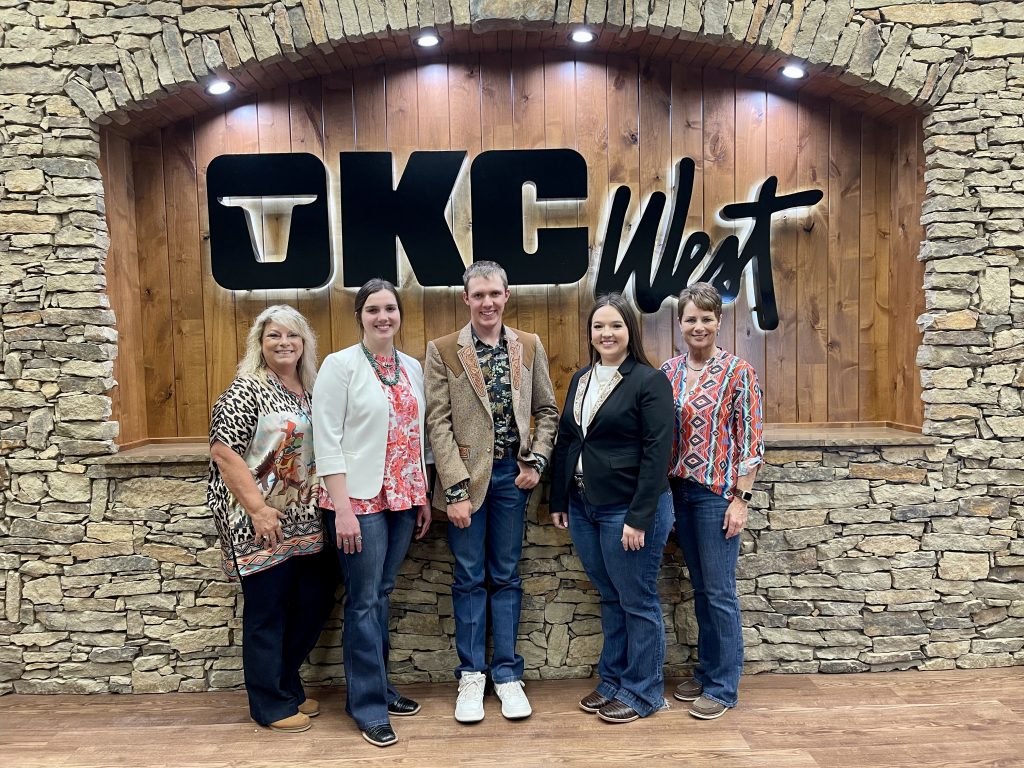
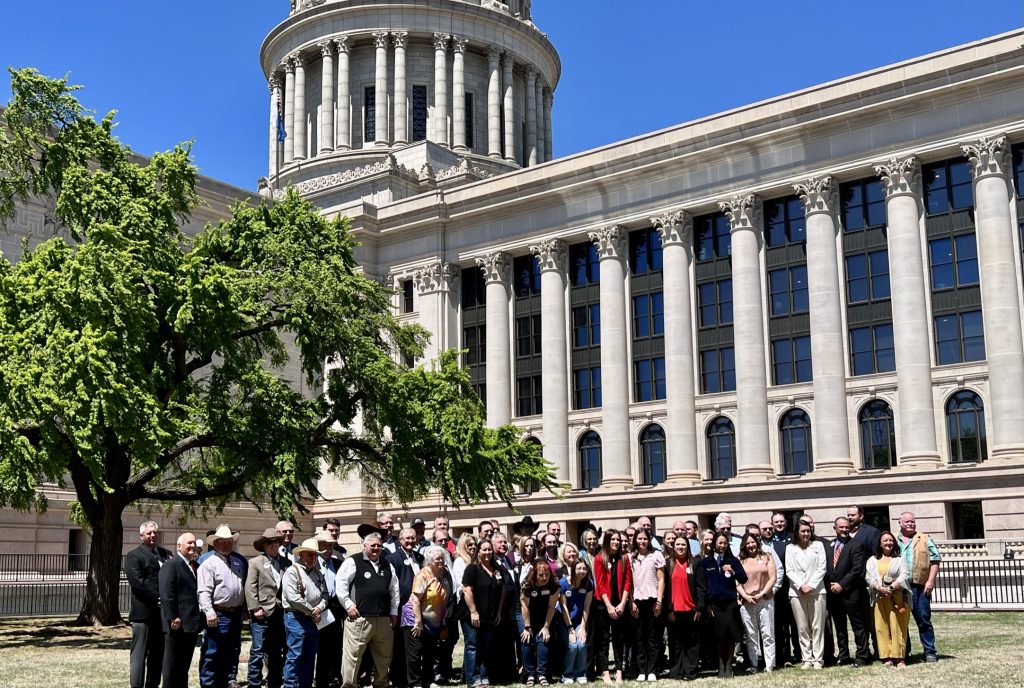
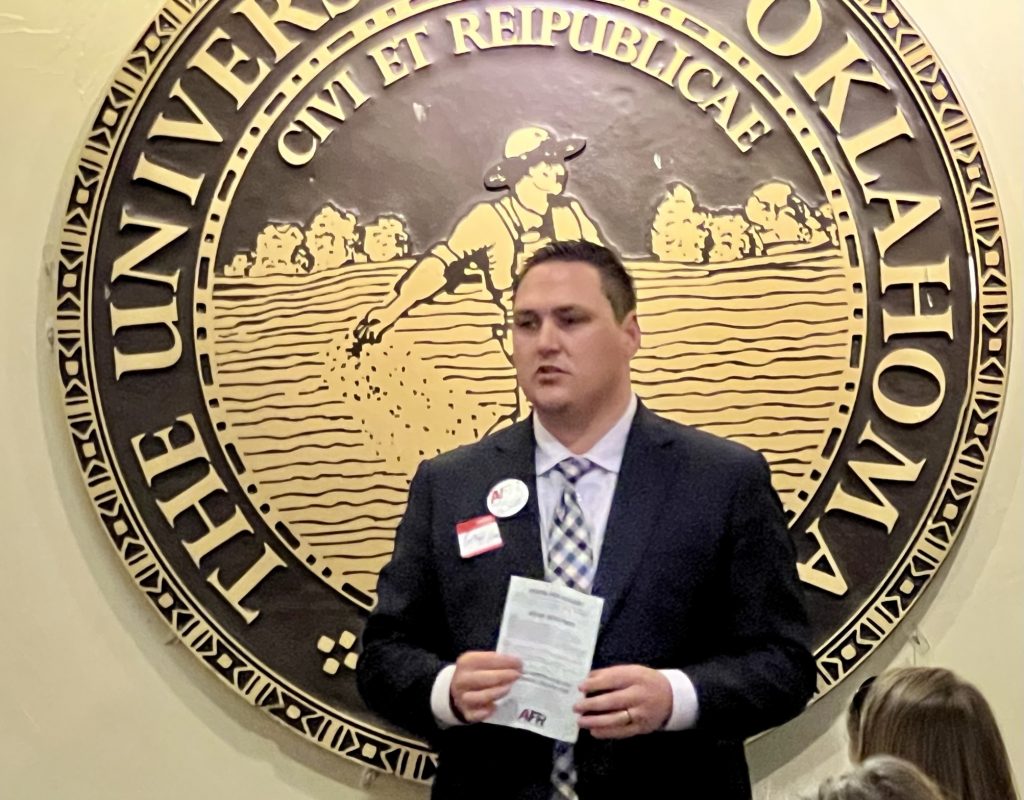
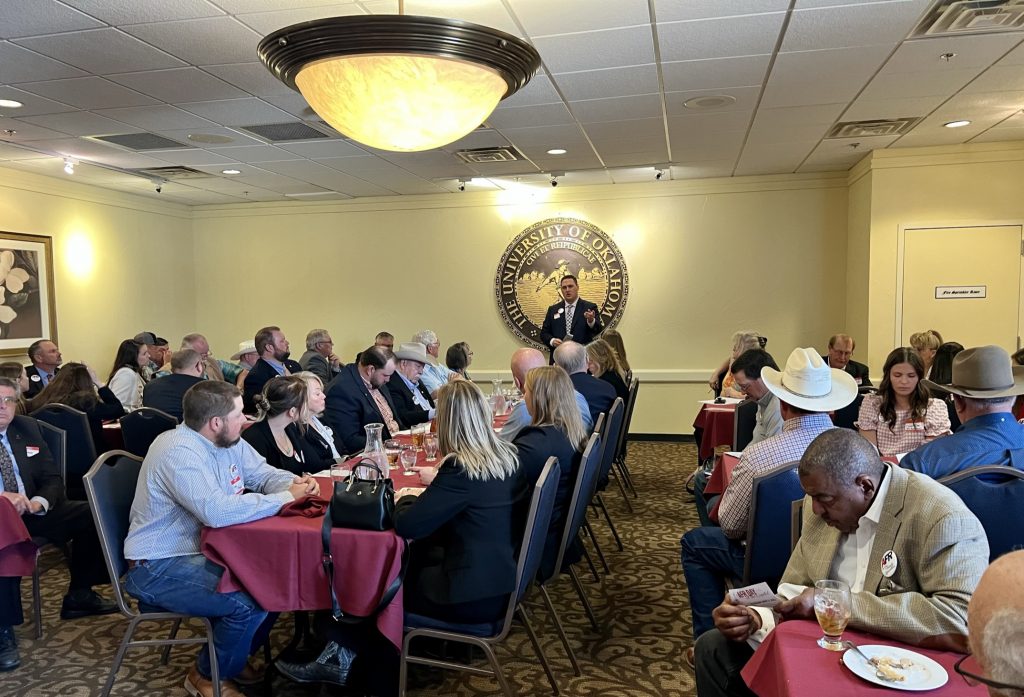
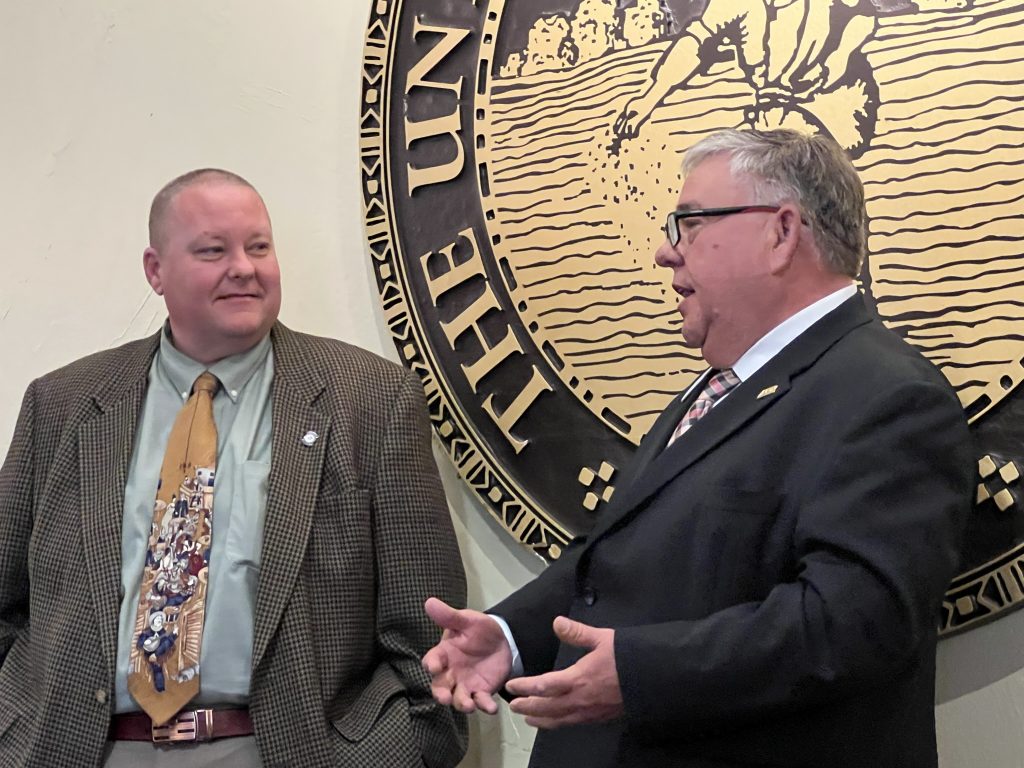
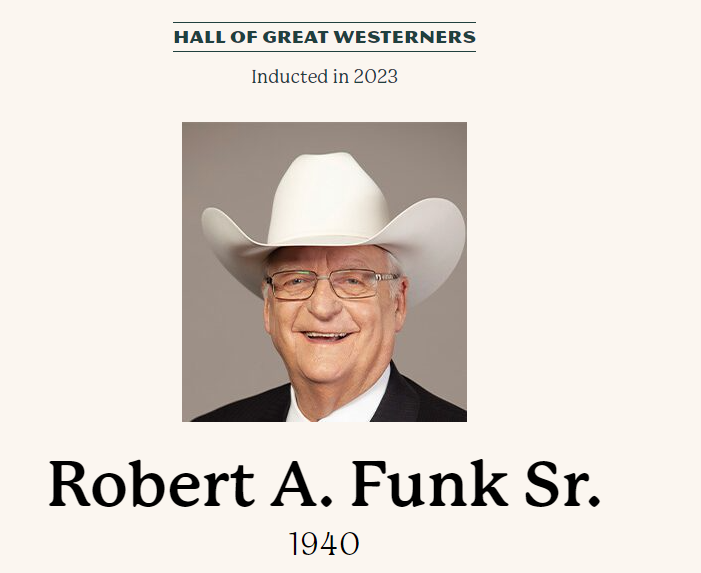
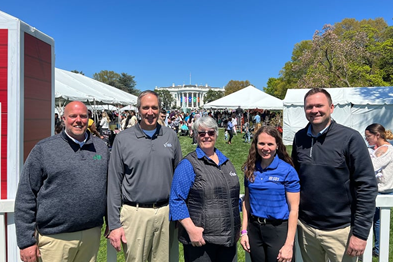
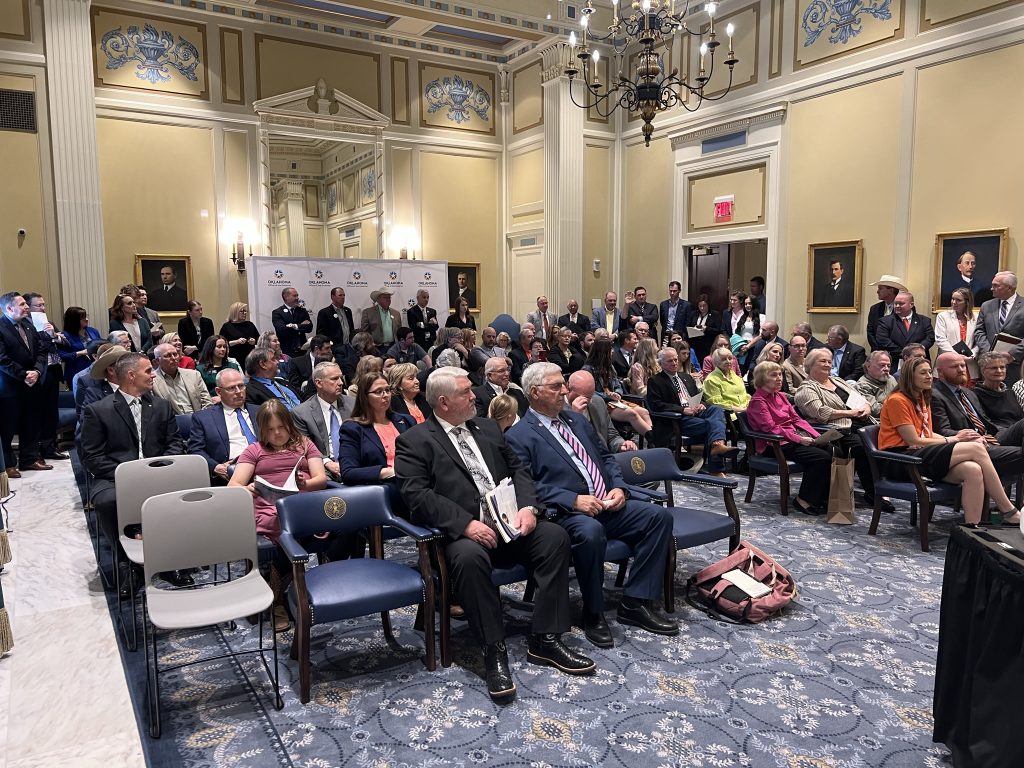
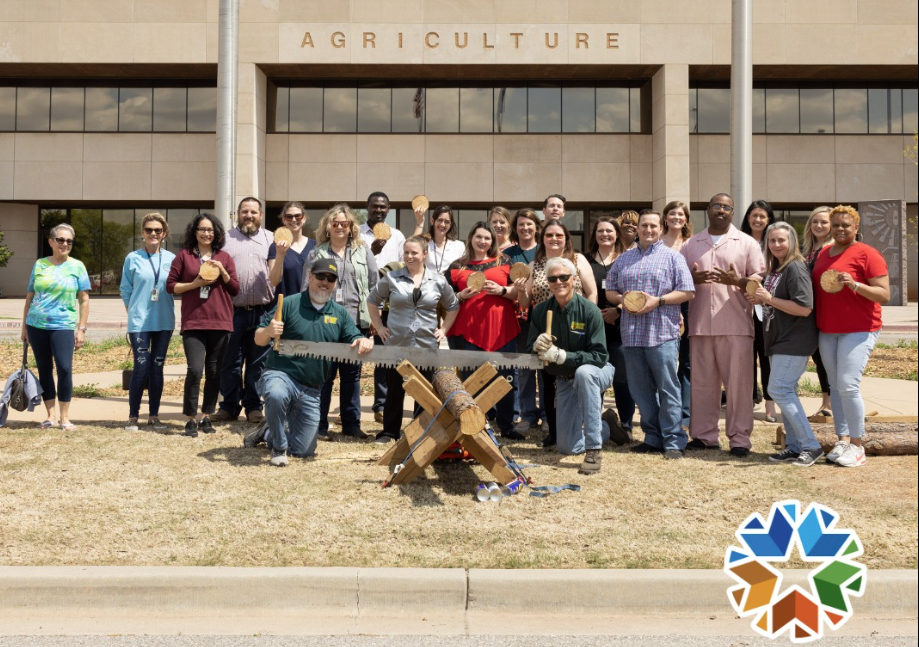
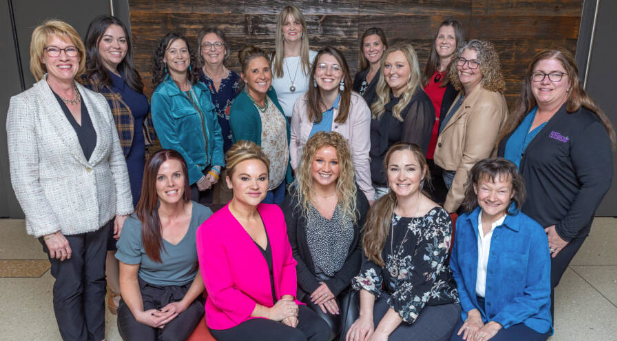
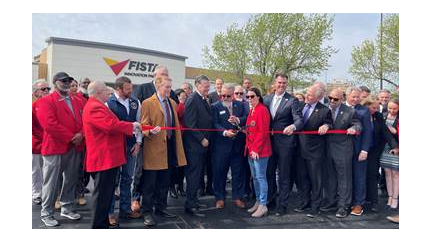
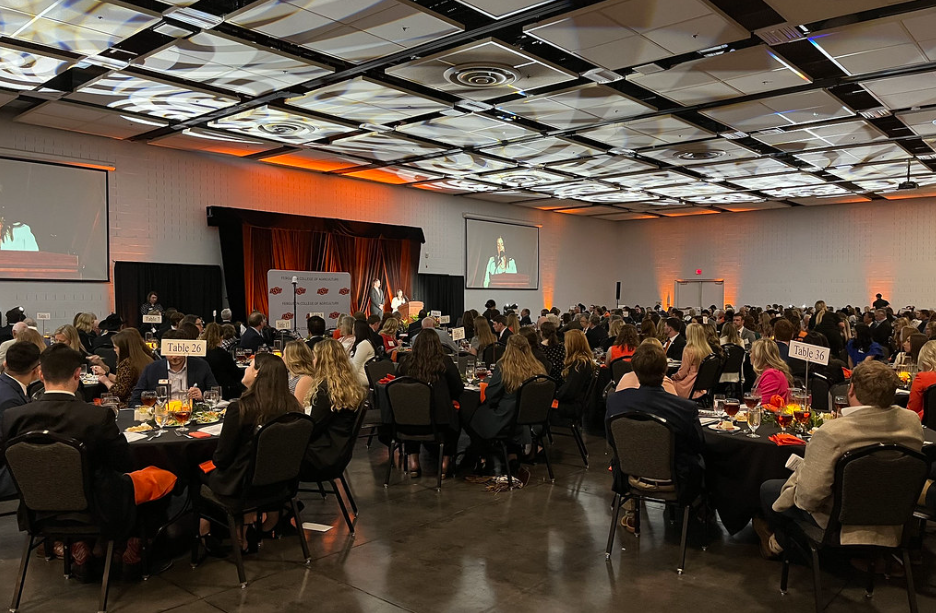
The 4th annual Denim Ball was held April 14-15 at The Skirvin in Oklahoma City, Okla. Oklahoma and Texas cotton producers, as well as other industry personnel came together for a fun-filled weekend of celebrating the cotton industry and raising money for the Committee for the Advancement of Cotton. CAC is the political action committee for the National Cotton Council.
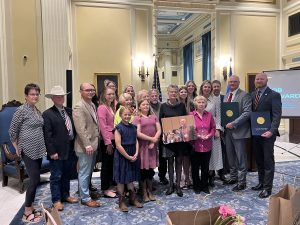
The Denim Ball, established in 2019, has grown exponentially. More than 250 people attended the event including producers, sponsors, legislators and the two new inductees into the Oklahoma Cotton Hall of Fame.
The weekend started on Friday night with Casino Night. A great time was had by all and was still being talked about the next morning during the golf tournament and well into the evening of the main event.
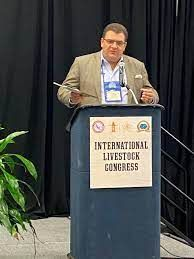
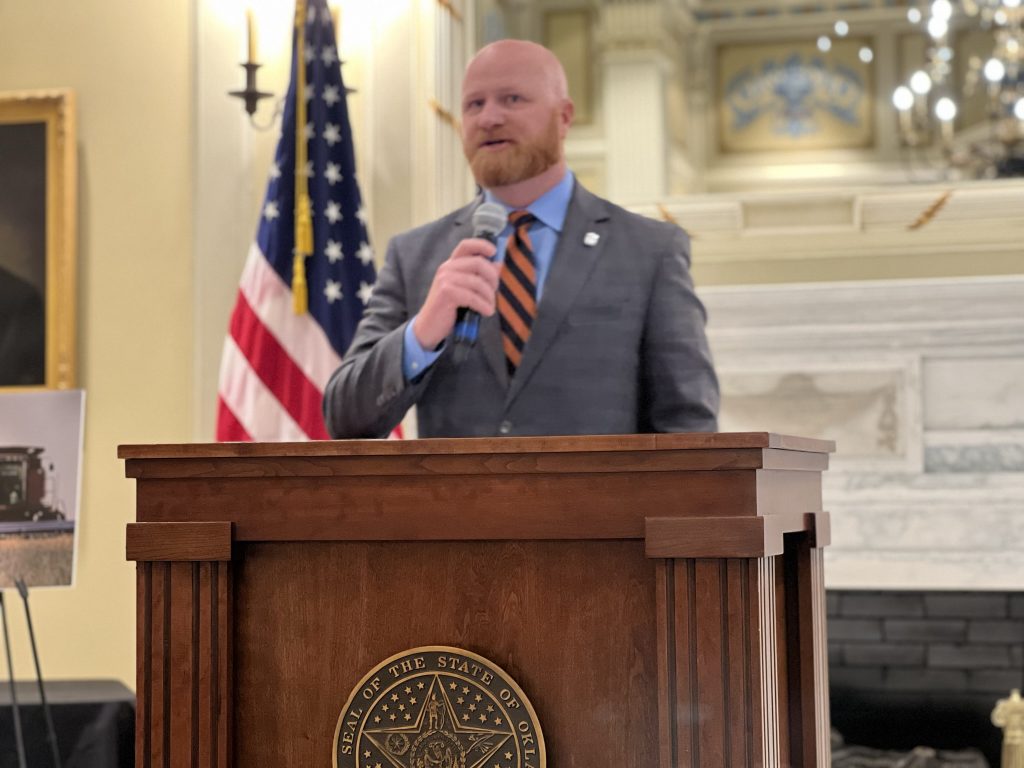
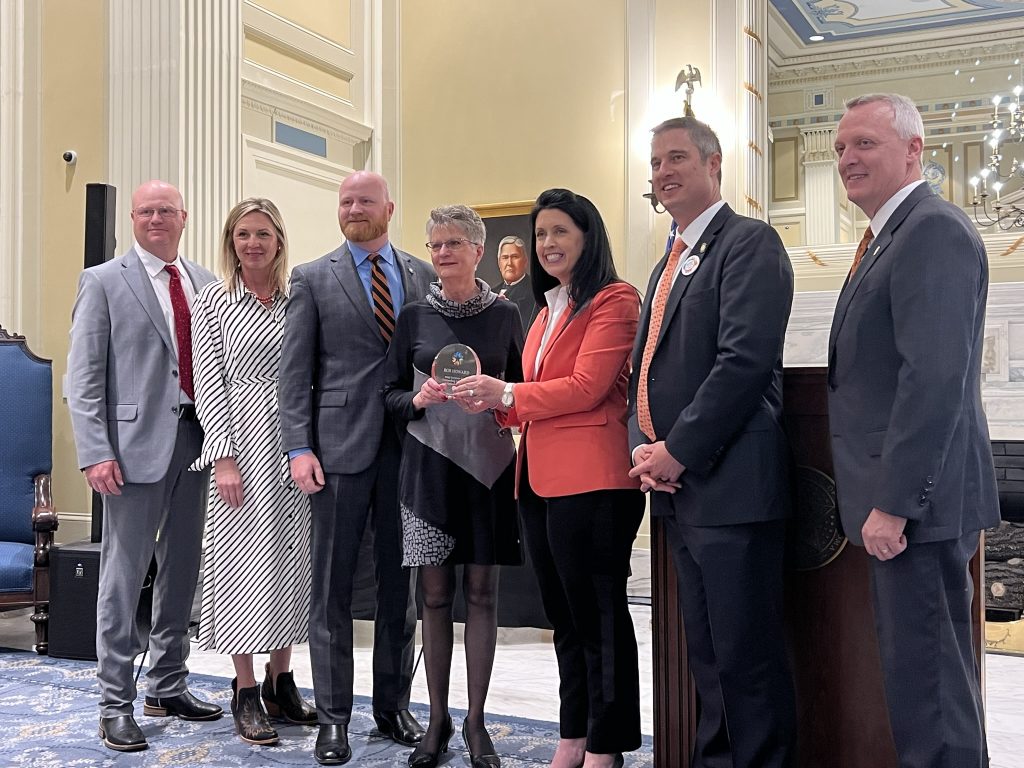
Saturday night began with Master of Ceremonies Brad Harrison, welcoming guests, and the invocation given by Oklahoma cotton producer Jimmy Smith, Elk City. While dinner was served, Dennis Vernon, member of the Denim Ball committee, began introducing the 2023 Oklahoma Cotton Hall of Fame inductees.
The first honoree was Jeannie Hileman, manager of Western Planters, LLC, Hobart. Hileman's history in the world of cotton began at birth. From being in the field as her father harvested cotton to then keeping the records for her husband's farming operation for over 20 years, her love for cotton and roots in the industry run deep. She then took her record-keeping experience into the office where she began keeping the books for Farmers Cooperative Gin in Carnegie in 1990. By 1996, she worked herself into management. Today, she manages Western Planters Cotton Gin, Hobart.
Along with over 30 years of experience in the cotton industry, Hileman has earned many awards and other recognitions. She was the first certified female ginner for the National Cotton Ginners Association, nominated for Significant Women in Agriculture in 2018, has served on numerous boards and committees and can now add to her list being the first woman inducted into the Oklahoma Cotton Hall of Fame.
Hileman will tell you that amongst the bales of cotton ginned and list of accomplishments, what is most precious to her is her family. Her husband of over 50 years, Randall, children Aaron and Sadie, along with other family members and a host of friends and supporters gave Hileman a standing ovation as she walked up to accept her award. Beaming with pride and humility, she simply said, "Thank you."
Also recognized was the late Wayne Winsett of Elmer. As all good cotton producers do, Winsett's involvement in the industry is generational. As early as age five, Winsett was in the fields picking cotton with his father. Winsett graduated from Elmer High School and attended college at Oklahoma A&M, now Oklahoma State University. In 1941, Winsett enlisted in the United States Army where he also attended Officer Candidate School. He served in the 84th Infantry Division, was the unit commander in the 325th Field Artillery and fought in the Battle of Bulge, all earning him numerous medals and promotions.
In 1942, he married his wife Freda, moving back to Jackson County in 1946 where he began his cattle, wheat, and cotton operation. Throughout his farming career, Winsett worked closely with the OSU Extension Service growing test plots for the OSU Research Station. Along with mentoring many young producers, Winsett served on numerous boards including the National Cotton Council advisory board and Cotton Incorporated. Many will tell you his experience and knowledge in the cotton industry has left a legacy for many to admire, and that his highest yielding crop is, of course, his family. Accepting the award on his behalf were son Gary Winsett, daughter, Ann Hawkins and step-daughter, Jackie Witte.
A silent auction was held throughout the evening, auctioning everything from a Solo Stove and MacKenzie Childs Cake set, to a module bale wrap and a custom-made charcuterie board with engraved cotton bolls. The final event of the night was the live auction. A spa trip to La Cantera, a golf trip to Tapatio Springs, Jason Aldean tickets and a 14k gold cotton boll necklace are just a few of the items sold. The night ended with dancing and mingling as people parted ways.
"Everybody had a good time, and the event was a success", says Harvey Schroeder, Oklahoma Cotton Council executive director.
Reid Nichols, Denim Ball committee chairman and CAC Chair, echoed his sentiments adding, "It's great to not only raise money to ensure that the cotton industry has a strong voice, but also to create an opportunity for producers across multiple states to get together, network and have a good time."
Tas Smith, Vice president of Producer Affairs for the National Cotton Council agreed stating, "As challenges for the agriculture industry continue, it is more important than ever for producers to have elected leaders in Washington fighting for their best interests. Events like the Denim Ball are just a small part of efforts continuing to support CAC and their ongoing efforts to support the cotton industry and Members of Congress who are supporting our issues on Capitol Hill."
The U.S. Environmental Protection Agency today is issuing an emergency fuel waiver to allow E15 gasoline — gasoline blended with 15% ethanol — to be sold during the summer driving season.
This action will provide Americans with relief at the pump from ongoing market supply issues created by Russia's unprovoked war in Ukraine by increasing fuel supply and offering consumers more choices at the pump. The waiver will help protect Americans from fuel supply crises by reducing our reliance on imported fossil fuels, building U.S. energy independence, and supporting American agriculture and manufacturing. Current estimates indicate that on average, E15 is about 25 cents a gallon cheaper than E10.
"The Biden-Harris Administration is committed to protecting Americans from fuel supply challenges resulting from the ongoing war in Ukraine by ensuring consumers have more choices at the pump," said Administrator Michael S. Regan. "Allowing E15 sales during the summer driving season will not only help increase fuel supply, but support American farmers, strengthen U.S. energy security, and provide relief to drivers across the country."
The Clean Air Act allows the EPA Administrator, in consultation with DOE, to temporarily waive certain fuel requirements to address shortages. As a result of the ongoing war in Ukraine, Administrator Regan determined that extreme and unusual fuel supply circumstances exist and has granted a temporary waiver to help ensure that an adequate supply of gasoline is available. As required by law, EPA and DOE evaluated the situation and determined that granting the waiver was in the public interest.
Currently, in roughly two-thirds of the country, E15 cannot be sold from terminals starting on May 1 and at retail stations starting on June 1. EPA is providing relief by extending the 1-psi Reid Vapor Pressure (RVP) waiver that currently applies to E10 gasoline to E15, which will enable E15 sales throughout the summer driving season in these areas, if necessary. This action only extends the 1-psi waiver to E15 in parts of the country where it already exists for E10. E15 can already be sold year-round in parts of the country that have a Reformulated Gasoline (RFG) program.
Because the RVP of E10 and E15 gasoline used by consumers will be the same (both will be 1 psi higher than otherwise required by EPA or state regulations) EPA does not expect any impact on air quality from this limited action. EPA's research has shown no significant impact on evaporative emissions when the 1-psi waiver is extended to E15.With no significant impacts on emissions from cars and trucks, we expect consumers can continue to use E15 without concern that its use in the summer will impact air quality.
EPA's emergency fuel waiver will go into effect on May 1 when terminal operators would otherwise no longer be able to sell E15 in the affected regions of the country and will last through May 20 which is the statutory maximum of 20 days. EPA will continue to monitor the supply with industry and federal partners, and the Agency expects to issue new waivers effectively extending the emergency fuel waiver until such time as the extreme and unusual fuel supply circumstances due to the war in Ukraine are no longer present. For more information on this announcement, please visit EPA's Fuel Waivers webpage.
Growth Energy, the nation's largest biofuels trade association, applauded U.S. Environmental Protection Agency (EPA) Administrator Michael Regan's announcement that the agency will grant an emergency waiver allowing fuel retailers to sell E15—a fuel blend made with 15% ethanol—without seasonal vapor pressure restrictions during the coming summer driving season. EPA announced the decision following an intense campaign by Growth Energy and elected leaders.
"Today's announcement is a win for drivers across the nation, who can rest easier knowing that they'll have access to savings on lower-carbon E15 this coming summer," said Growth Energy CEO Emily Skor. "We're grateful to EPA Administrator Michael Regan for granting this waiver, to our industry partners, and to the thousands of Americans who supported our campaign to press for action by EPA.
"Last summer, E15 saved drivers $0.16 per gallon on average, and up to a dollar per gallon in some regions. It delivered those savings while reducing carbon emissions and smog-forming pollution. America's biofuel producers are ready to meet the demand for cleaner, more affordable choices at the pump so more drivers can enjoy those same benefits in the months ahead.
"In addition to Administrator Regan, we'd also like to thank our bipartisan champions in Congress, Midwest governors, President Biden, and U.S. Department of Agriculture Secretary Vilsack for their continued attention to higher biofuel blends. We urge them to keep up the momentum by acting swiftly on a permanent fix for E15, so that we can avoid needless uncertainty around last-minute waivers in the years ahead."
Ron Hays talks about the legislature session at the end of April from a rural perspective with Farm Bureau's Steve Thompson
Vice President for Public Policy with Oklahoma Farm Bureau, Steve Thompson, says the final days of April saw the impasse between the Senate, the House and Governor over an Education Funding deal continue with no immediate resolution in sight.
Thompson tells Oklahoma Farm Report's Ron Hays that much of the work that otherwise would be moving forward has been pulled into that battle. "so many issues get drawn into that orbit- this past week the Governor took to vetoing a large group of Senate passed bills and the Senate then retaliated by voting down a couple of the Governor's Cabinet Secretary's confirmations- there are still a few rank and file bills moving- mainly House bills at this time but the pressure on the budget overall led by the education funding has drawn the attention of everybody and that's all anyone is talking about."
The Governor has offered a compromise on Education that took ideas from both the House and Senate proposals- the House has shown interest in the Governor's plan but Senate leadership has ignored the Governor's compromise and that has resulted in the current impasse.
One measure that seems close to a final vote in the House is a priority of the Ag Groups- House Bill 2053. Thompson says 2053 has passed the House and Senate and has been largely finished in the Senate and has come back to the House for final approval of the language. He says that this measure, authored by David Hardin in the House and Brent Howard in the Senate, is all about water and water rights- and basically protects a farmer, rancher or landowner's rights when they apply for a water permit for a legitimate purpose. It would stop opponents of production agriculture to simply protest because they don't like agriculture- they can only protest if they have evidence that the permit would result in pollution or degradation of the water supply that overlies the property linked to the permit.
This measure has come from a fight between an Eastern Oklahoma poultry grower and activists that saw the grower lose his water permit and was forced out of business.
Thompson says that several Ag Groups at the Capitol believe that "If we don't address this, it could really spread to any type of farm or ranch operation- it could serve as a playbook for environmental activists that just simply don't like what we do in agriculture" but it does offer protections to the water supply when a genuine concern is raised about the supply or availability of ground water.
The measure is ready for final House consideration- "we are talking to House members about that everyday now- feeling really good about the feedback we are receiving on that- however we are not sure if that is going to make it on the agenda or not so that's why we are putting it on everybody's radar to let them know it's important to all of agriculture and we want to make sure everyone realizes that so it can get a full floor hearing as a final vehicle in the House of Represnatives.
Listen to Hays and Steve Thompson discuss HB 2053 and where we are in getting a successful finish to the 2023 Legislative session as we arrive at the first of May. Click on the Play Button at the top of this story.
Listen to Ron Hays talk with Mike Schulte about the Oklahoma Wheat Commission's District 3 Election.
Senior Farm and Ranch Broadcaster, Ron Hays is visiting with Mike Schulte of the Oklahoma Wheat Commission about the Oklahoma Wheat Commission District 3 Election Coming Up on May 3.
The purpose of this meeting is to nominate three people, one of who will be named by Secretary of Agriculture Blayne Arthur to a 5-year term to fill the District 3 Oklahoma Wheat Commission board seat. The District is composed of Beckham, Blaine, Canadian, Custer, Dewey, Kingfisher, Roger Mills and Washita counties.
All wheat producers within District 3 boundaries who are actively engaged in wheat production, have marketed wheat, and have paid a check-off fee and left that fee with the Commission for the current year are eligible to vote. It will be the responsibility of the producer to prove their eligibility to vote by providing a dated grain elevator receipt including the producer's name and amount of wheat sold, and a driver's license or some other form of identification.
Candidates wishing to run in the election must be at least 25 years old, a resident of Oklahoma, engaged in growing wheat in their respective district in the state for at least five years and must derive a substantial portion of his/her income from growing wheat.
The Commission's vacancy meeting will feature a presentation by OSU Area Agronomist Josh Bushong, where producers will be eligible to pick up an ODAFF Applicator CEU credit. The course credit qualifies private applicators with one CEU and provides credits for those with commercial licenses. Lunch will be provided beginning at noon, by the Oklahoma Wheat Growers Association, during the CEU course and prior to the election, which will begin promptly at 1 p.m.
The commission is engaged in the promotion of market development, research, education and utilization of Oklahoma wheat. Every wheat farmer in the district is urged to participate in this important meeting. For further information, please RSVP to Kyle Worthington at OSU Canadian County Extension office, (405)- 262-0155.*** The El Reno OSU Wheat Plot Tour also takes place on this day and will begin at 10:00 a.m. on Jerry Lingo's farm, located on Jensen Road, in between the miles of S. Radio Road, and S. Evans Road, on the mile line, South of I-40, Southeast of El Reno.
Small communities and Main Street districts across Oklahoma benefit from the fresh perspective and innovative rural development ideas of Rural Scholars. (Photo by OSU Agriculture)
The Oklahoma State University Rural Renewal Initiative has selected the 2023 participants of its Rural Scholars research and service experience. The Rural Renewal Initiative works closely with OSU Extension educators to identify community needs.
The summer internship gives OSU students the chance to study the leading issues facing rural areas in Oklahoma and the world. OSU students spend 10 weeks in the summer living in a rural community to conduct research, assist with service projects and support solutions for community obstacles.
Students prepare for the summer experience by training for community-based research approaches and rural community development as well as gathering background information on their assigned town.
Rural Scholars will join their communities beginning the week of May 22 in Harmon, Tillman, Greer and Jackson counties. The program's interdisciplinary approach to community development and overcoming challenges aims to revitalize rural towns through research and service.
Twelve OSU students will focus on the following research in southwest Oklahoma:
Rhea Abraham, nutritional sciences undergraduate, Mangum: Assess glucose levels, analyze nutritional knowledge of participants with diabetes
Tony Caruso, agribusiness undergraduate, Tipton: Agritourism feasibility
John Clemmons, environmental science and wildlife ecology undergraduate, Altus: Multi-dimensional approach for quantifying drought impacts on Oklahoma's rural communities and implications for water management
Kyndai Shelby, graduate student at the OSU Center for Health Sciences, Hollis: Healthcare needs assessment
Robert Dusenberry, fire and emergency management graduate student, Kansas: Explore the interrelationship between Harmon, Tillman, Greer, Jackson county communities and assess how to distribute resources in public safety and career technical education
Karen Kotey, political science graduate student, Hollis: Rural narrative of underrepresented populations in Harmon County
Thomas Lako, political science graduate student, Hollis: Adverse childhood experiences
Rose Njoroge, public health graduate student, Tipton: Building sustainable rural health care services in Harmon and Tillman counties
Ethan Parsons, construction engineering undergraduate, Altus: Studying trades and entrepreneurship
Carolina Quijada, graduate student at the OSU Center for Health Sciences, Hollis: Adverse childhood experiences
Laney Reasner, agricultural communications undergraduate, Mangum: Determine the wants and needs of community business owners regarding internet usage and digital marketing
Hoyt Nebgen, agricultural leadership undergraduate student, Tipton: Multi-dimensional approach for quantifying drought impacts on Oklahoma's rural communities and implications for water management
"The Rural Scholars program integrates students into rural areas and focuses on working with communities, not on communities, to research relevant issues," said Linnea Langusch, Rural Renewal Initiative coordinator. "By living and working in the rural communities they are studying, scholars gain valuable perspective on rural life while conducting their research and service projects."
Program participant Laney Reasner grew up in a small town in south-central Pennsylvania and is familiar with the needs of rural areas.
"My research will require me to interview tons of different small business owners, so I hope I can use that to find service projects to supplement my research whenever possible," Reasner said. "I'm excited to serve the communities and people in every capacity for the summer."
Her peer, John Clemmons, spent his formative years in rural Oklahoma and has long felt a deep connection to the land.
"When I read about the Rural Renewal Initiative and its Rural Scholars program, I was fascinated," he said. "The scholars program was exactly what I was looking for. Drought is a massive issue for many rural areas, especially those in southwestern Oklahoma where the drought impact study through RRI will be taking place. I believe my studies in natural resources will aid my efforts in examining the economic and societal effects of severe drought in this area. A study won't bring more rain, but it could point toward better methods of managing the water people do have control over."
OSU Extension uses research-based information to help all Oklahomans solve local issues and concerns, promote leadership and manage resources wisely throughout the state's 77 counties. Most information is available at little to no cost.
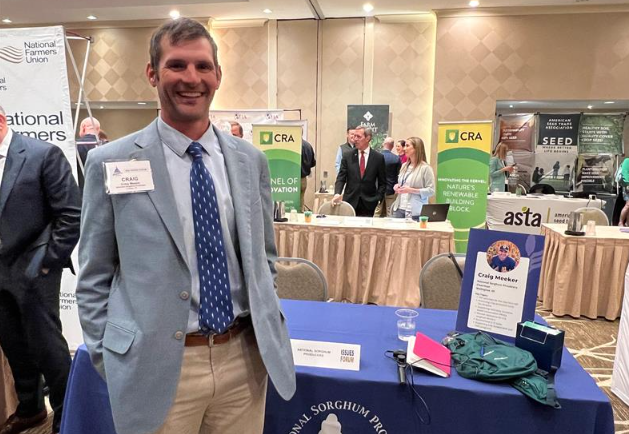
National Sorghum Producers Chairman Craig Meeker, a sorghum farmer from Wellington, Kansas, made the following statement in response to Environmental Protection Agency (EPA) Administrator Michael Regan's announcement today the agency will approve an emergency waiver to allow the sale of E15, a fuel blend made with 15 percent ethanol, during the summer driving season.
"The sale of E15 is good for not only American sorghum farmers and ethanol producers but also the American consumer. Sorghum made into climate-friendly ethanol gives consumers access to home-grown, cleaner fuel that will help lower the price at the pump for everyone. We appreciate Administrator Regan and the Biden Administration for acknowledging these benefits and encourage the EPA pursue a permanent fix to E15, eliminating unnecessary restrictions that support a pathway to greater energy independence and security for our nation."
House Agriculture Committee Ranking Member David Scott today released the following statement in response to the Environmental Protection Agency's decision to issue an emergency fuel waiver to allow E15 gasoline – gasoline blended with 15 percent ethanol – to be sold during the summer driving season.
Russia's invasion of Ukraine has not just shocked our conscience with its depravity, but it has also shocked global energy markets by upending world trade. I commend the Biden-Harris Administration and Administrator Regan's decision to accelerate the sale of E15 for this summer's driving season, which helps right the ship by giving American consumers additional options and lowering costs at the pump.The decision to grant this emergency fuel waiver also supports the interests of America's farmers and biofuel industry, which in turn strengthens U.S. energy security. At a time of continued economic uncertainty caused by Russia's illegal war, it is more important than ever for the Federal Government to secure the interests of our domestic fuel supply, agriculture sector, and hardworking families.
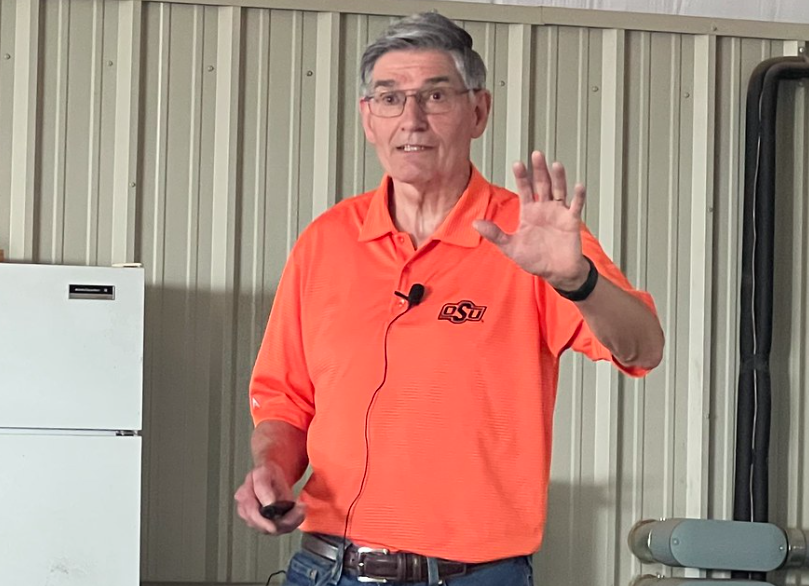
Brett Carver speaking at the Chickasha Wheat Field Day
Listen to Ron Hays talk with Brett Carver about the latest from the OSU wheat breeding program.
At the Chickasha Wheat Field Day, Senior Farm and Ranch Broadcaster, Ron Hays, is visiting with Oklahoma State University's Brett Carver from the Department of Plant and Soil Sciences about his work with different wheat varieties to produce better quality and yielding wheat.
"It's kind of like watching kids grow up," Carver said.
As Carver watches thousands of varieties grow, he said that after a time, certain varieties tend to stick out for their unique traits.
"When you get to the level of around 100, then you start to really focus," Carver said. "It takes multiple looks, and it takes multiple years to figure out how these 'kids' are going to work and where they are going to work best."
One of the most important traits a variety must have in Oklahoma, Carver said, is the ability to handle all kinds of stress- especially drought stress.
"Drought stress and disease stress and grazing stress; just anything we can throw at it," Carver said. "That is why it takes us a little bit more time, I think, than most programs to arrive at a final product."
Carver said on average, a testing program at OSU takes around five years.
"We want to see the yield response to that stress, but we also want to see the quality stay consistent and stay stable," Carver said. "I do start testing that quality at the beginning of the yield testing statewide, and not before then. I could start it before then, but I feel like I will get the best return on my investment waiting until we start yield testing across the state. We test for quality across the state because I want that same consistency in the quality."
That quality, Carver said, is measured by seed size, test weight, protein, dough functionality, and many more traits.
"The quality part of it- there is about half a dozen to ten characteristics that we want to line up and make sure that they all synchronize well and make that good quality dough," Carver said.
The OSU wheat breeding program has just released its newest variety of winter wheat, called "High Cotton," which Carver said is a great example of quality.
"This one is stellar in response to all of those stresses we mentioned," Carver said. "It also has a very high yield ceiling. So, to be able to combine that into one variety- I feel pretty good."
This kind of balance in a variety, Carver said, doesn't come around often.
Carver also talked with Hays about some of his latest work regarding improving dough strength, as he said they have had some extreme results.
"That was a little bit of an accident starting out; of course, our intent was to ramp up dough strength, to balance out what was in the marketplace," Carver said. "I never expected we would come up with a level of dough strength that would rival a hard red spring wheat functionality. That was beyond my dreams, but now I know it is possible."
Combining business with pleasure usually makes everything more enjoyable. Make plans to attend the 2023 Angus Convention in Orlando, Florida Nov. 3 to 6 at the Rosen Shingle Creek Hotel. The convention features all the regular highlights including beef-industry education, networking and American Angus Association® business. But this year's location makes the event the perfect place to bring along family to enjoy the attractions of the Sunshine State. Plan now to include everyone in the trip and take in the fun of the tours.
Thursday, Nov. 2 Kennedy Space Center: Highlighting the journey of discovery and history-making achievements, participants will travel to the headquarters of modern exploration at Cape Canaveral, the home of the Kennedy Space Center. A behind the gates, bus tour to the Apollo/Saturn V Center showcases historic space exploration along with details of day-to-day Kennedy Space Center operations. This tour lasts approximately seven hours and includes admission, all films and shows, a meal voucher and bus transportation from the headquarters hotel. Gatorland and Ziplining: No visit to Orlando is complete without a stop at this classic attraction, but instead of a leisurely stroll, participants will soar over the Floridian treetops while looking for reptiles gathered below. Take in a one-of-a-kind reptilian show and swamp walk to see Florida's native creatures. This tour lasts five hours and includes admission to Gatorland, lunch and transportation from the headquarters hotel. Friday, Nov. 3 National Angus Tour: An annual tradition for many breeders, this year's tour includes Deseret Ranch and Kempfer Cattle Company. Deseret uses a three-way rotational breeding system with Angus, Brahman, Simmental, Red Poll and South Devon to maximize the adaptability to Florida's sub-tropical climate. Kempfer Cattle Company consists of three separate commercial herds of Brahman, Angus and Shorthorn, but all with Brahman influence to fit in the environment. This tour lasts approximately seven hours and includes the tour, lunch and bus transportation from the headquarters hotel.
Beef Blitz: One of the most popular tours every year, the Beef Blitz provides attendees a closer look at how beef makes its way to consumers. See how the quality of Angus beef that starts at the ranch adds value to users further down the supply chain. Get an inside look at Certified Angus Beef ® brand licensees and how they leverage the logo for more customer loyalty. The Beef Blitz lasts approximately seven hours and includes the tour, lunch and bus transportation from the headquarters hotel.
Wild Florida: Leave the horses at home and join this tour to take an hour-long airboat ride through an undeveloped area, beginning with exploring a lush nature preserve. Following the airboat tour where local inhabitants will be visible from the shoreline, participants will get up close with a gator during an expert-led Gator Demo. This tour lasts approximately six hours and includes the narrated airboat excursion, park admission, Gator Demo, souvenir photo with an alligator, lunch and bus transportation from the headquarters hotel.
In addition to the organized tours, Disney World and Universal Studios are just minutes from the Rosen Shingle Creek Hotel. Anyone attending can coordinate visits to the theme parks by visiting: www.universalorlando.com/web/en/us/tickets-packages/park-tickets.
Spots on tours are limited, so those who wish to attend should book early, when registration for the convention opens on July 1. All reservations for tours and hotels can be made through registration for the convention on the convention website. Attendees can visit AngusConvention.com and sign up for the Convention newsletter to stay up to date as more details are released.
The U.S. Environmental Protection Agency announced today that it will use existing authority to prevent drivers from losing access to lower-cost and lower-emission E15, a higher ethanol blend often marketed as Unleaded 88.
The National Corn Growers Association and state corn grower organizations, which have advocated for the move, praised the decision.
"We appreciate Administrator Regan's timely action to prevent a disruption in E15 availability," said National Corn Growers Association President Tom Haag. "EPA's action will help address fuel supply constraints and ensure drivers continue to have access to a lower-cost fuel choice that cuts emissions."
The fuel market conditions that warranted EPA taking the same successful step last year continue today, Haag noted, and he said corn growers are proud to contribute to an energy and environmental solution that saves consumers money at the pump.
Continued access to E15 during the summer months will help relieve ongoing energy supply pressures. When EPA took similar action last year, drivers saved nearly a dollar per gallon in some locations and an average of 23 cents per gallon during the summer months, according to data from the Minnesota Department of Commerce. E15 continues to save consumers significantly at the pump.
Moreover, allowing uninterrupted E15 sales keeps a lower-emission fuel in the marketplace. In addition to being lower in carbon emissions, E15 has lower volatility than regular fuel, which is a 10% ethanol blend, and using E15 results in lower evaporative and exhaust emissions, important during the summer driving season.
For several years, the Oklahoma Beef Council has worked to make sure to future registered dietitians understand beef production through the dietetic intern programs at OSU, OU and UCO. The goal has been to ensure they have a foundation grounded in the science of beef nutrition and provide them opportunity to learn about the raising of beef in the U.S. through farm and ranch tours. Recently, this opportunity expanded in a very exciting way with a national dietetic intern program based in Tulsa, called KADDI (Keith and Associates Distance Dietetic Internships).
KADDI has up to 90 dietetic interns from across the U.S. who come in once a year to Tulsa for further training and education. The relationship the OBC is building with them more than triples the potential impact with this very important group who are future nutrition influencers.
After a successful first event sponsoring a beef luncheon and speaker, the OBC took the step of offering an optional ranch tour for the interns coming to their week-long orientation event. The Armitage family with the A-Bar Ranch in Claremore, Oklahoma, offered to host them for an optional tour and 18 interns chose to participate in the OBC's first ranch tour with KADDI.
The tour began with introductions and Sheri Glazier, OBC nutrition consultant, presenting basic information about beef nutrition on the bus ride to the ranch. Once on the ranch, Turner and Sarah Armitage and Merrit and Michelle Armitage showcased their cattle handling facilities and cattle. From the beginning of the tour, the students had many questions and were interested in cattle production and ranch life.
After the tour, the group gathered on the farm-house porch for an informal question and answer session with a panel that included Drs. Mike and Debbie Alexander, a husband-and-wife veterinarian team, Dr. Morgan Pfeiffer, a meat scientist, Dr. Blake Wilson, a bovine nutritionist, and Emma Mortenson who has a master's degree in meat science and is a newly registered dietitian. The dietetic interns' interest remained evident, and the conversation was free flowing.
"I think many of us could have sat out on the farm for hours with the discussion panel asking questions" said Danica Premirelli, KADDI dietetic intern from Galveston, Texas. "The experience at A-Bar Ranch, in addition to the information provided and the discussion, inspired me to rethink my own personal thoughts towards protein sources and dive back into the research."
The comments were overwhelmingly positive from the event. "I learned a significant amount about the ranching industry and the finished beef product," said a participant in the post-tour survey. "This experience has had a huge impact on my perception of beef. I cannot stress how much knowledge I gained spending the day with these amazing experts."
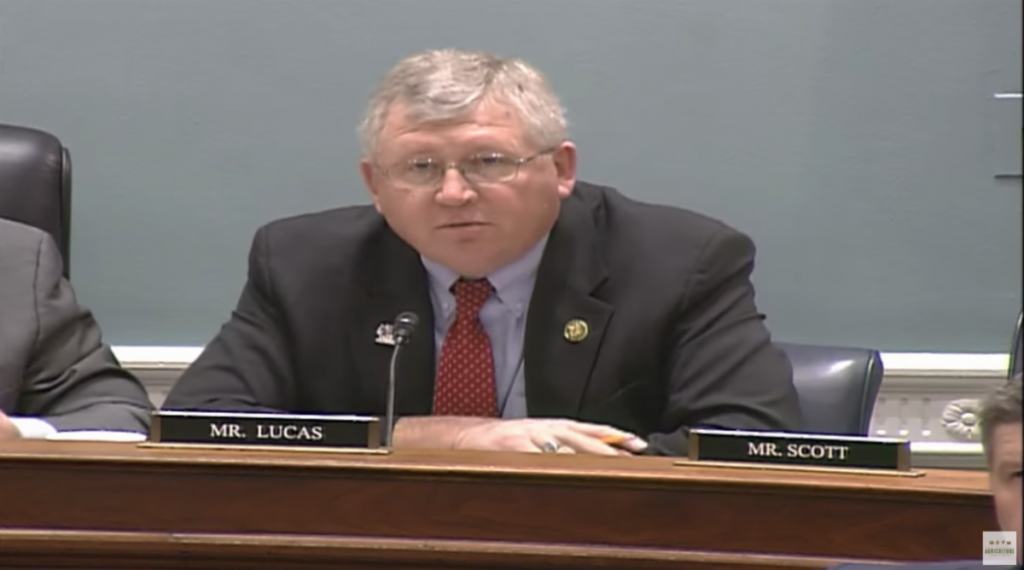
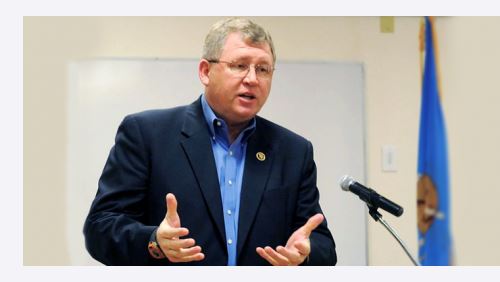
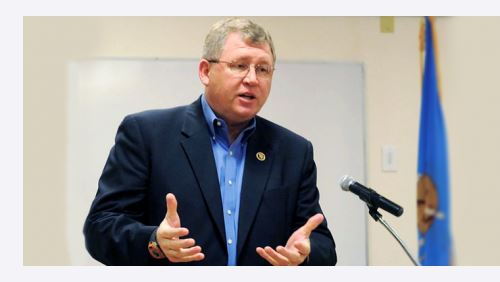
Congressman Frank Lucas (OK-03) met with members of the Enid Chamber of Commerce this week in Washington.
"I enjoyed meeting with members of the Enid Chamber of Commerce this week," said Congressman Lucas. "The City of Enid is a thriving community with an growing economy who's impact can be felt across Oklahoma. We had a great conversation about community projects and the strong relationship Enid shares with Vance Air Force Base. I look forward to continuing to support the community and business leaders of Enid and the mission of Vance Air Force Base and the 71stFlying Training Wing."
"Congressman Lucas is undoubtedly one of the most engaging Members of Congress! He brought his message to us in Enid a couple of weeks ago at one of his frequent townhall sessions, then shared his time with many Enid city leaders in Washington this week. I know that I am among the best informed and best represented Mayors in the country," said Mayor George Pankonin.
"Congressman Lucas has been a steadfast supporter of Enid and Vance Air Force Base over the years. Our Enid group enjoyed and appreciated meeting with him this week to discuss important Vance projects and other opportunities for our city," said Jon Blankenship, Enid Chamber President.
"After 29 years of support and over $450 million of Military Construction funding assistance, Congressman Frank Lucas continues to work with us to support the mission at Vance AFB with all of the Operational facility requirements necessary for Vance AFB to be the "Best of the Best" for Pilot Training in the U. S. Air Force," said Mike Cooper, Executive Director, Vance Development Authority.
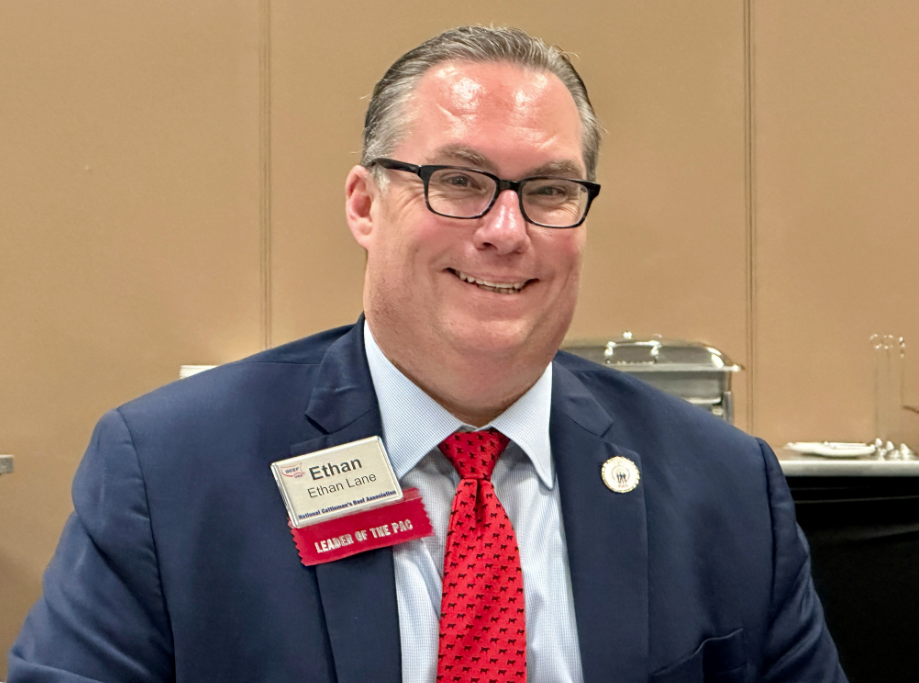
Listen to Ethan Lane talking about NCBA's work with the Biden Administration on regulation and more.
Senior Farm and Ranch Broadcaster Ron Hays is featuring part two of comments from the Vice President of Government Affairs at the National Cattlemen's Beef Association, Ethan Lane. While in Washington, D.C., Farm Director KC Sheperd had the chance to visit with Lane about NCBA's experience working with the Biden Administration.
"It is a good dialogue," Lane said. "We don't always agree with them, but they have been very open to talking. When we call, they pick up the phone, and they reach out proactively. They deserve a lot of credit for that. That is a big change from the Obama Administration, and that is to their credit."
On the other side of the card, Lane said the Biden Administration is working to keep both sides of the table happy- including those who do not see the importance of food security.
"All we can do is keep telling them what we need on behalf of cattle producers, and hope they hear that, and hope they give us an honest shake and look for the common ground, and take them at their word," Lane said.
Lane added that the Biden Administration is all-in when it comes to that regulatory agenda, which is disheartening.
"It is time to look for votes again, and the base of the Democratic party definitely feels like the Biden Administration has been too agreeable," Lane said. "They definitely feel like they have not been hard enough on agriculture, and a lot of the way they can show their worth to the base of the Democratic party is through massive regulation.
That massive regulation can be seen through Waters of the United States, grazing, packers and stockyards rules, and more.
"We are seeing it on grazing in the West where they are trying to make conservation a permitted use alongside grazing, which would be massively detrimental to our western grazing system," Lane said. "We are seeing it on onerous packers and stockyards rules where they want to guarantee the quality of outcome- basically stifle innovation in the marketplace in favor of, 'hey, let's guarantee everybody gets the same thing for their cattle no matter how they raised them, no matter what their genetics, and if you don't get the same thing, you should be able to sue everybody.'"
Lane said NCBA is working to educate Biden Administration members on these topics in hopes that they will take this feedback into consideration.
"Listen to producers first, and they will tell you what they need to be successful," Lane said.
Regarding the implementation of Mandatory Country of Origin Labeling, Lane said MCOOL still is not trade-compliant and would not give cattle producers any additional premiums.
"In addition to the billion dollars in retaliatory tariffs we would suffer as an industry, if we were to implement MCOOL again, it just flat doesn't make our producers more money on their cattle, and that is where our focus is," Lane said. "Voluntary labeling programs, value-added programs, source-verified programs that our producers can build out in order to make more money on their cattle is where our focus continues to be. We think that is where USDA is looking as well."
The Beef Buzz is a regular feature heard on radio stations around the region on the Radio Oklahoma Ag Network and is a regular audio feature found on this website as well. Click on the LISTEN BAR for today's show and check out our archives for older Beef Buzz shows covering the gamut of the beef cattle industry today.
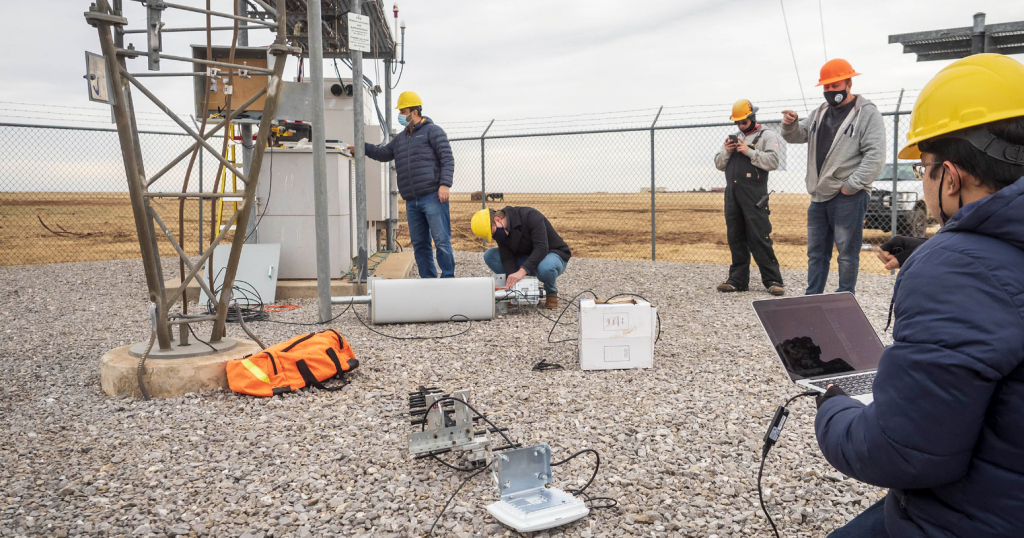
At this year's 2023 Oklahoma Learning Innovations Summit, it was announced that the Oklahoma Mesonet was named the winner of the 2023 Team Leadership Oklahoma Online Excellence Award by the Oklahoma Council for Online Learning Excellence (COLE). The award praises the Mesonet's "great talent and expertise within distance learning throughout the State of Oklahoma." Each nominee goes through a review process by COLE and the Online Consortium of Oklahoma. Those selected as winners receive, among other prizes, an award plaque from COLE, a digital credential, and a letter of recognition from State Regents for Higher Education Chancellor Allison D. Garrett.
The Oklahoma Mesonet has a long history of providing educational outreach, focused on teaching Oklahomans how to effectively use weather data in their individual sectors and communities. These efforts date back to 1992 and target the K-20, Public Safety, Agricultural, and Fire Management stakeholder communities. While most of those efforts were in-person activities, the Mesonet suddenly found itself cut off from those stakeholder communities due to the
COVID-19 pandemic. The Mesonet Outreach Team used their creativity and expertise to continue serving and educating this diverse community of users through a variety of initiatives. Mesonet staff trained 495 agencies across Oklahoma during the COVID-19 limitations of 2020-2022. These groups spanned the gamut from tribal organizations to public schools to city and county entities to state and federal agencies.
IN 2020, the Mesonet's Public Safety outreach program, OK-First (https://www.mesonet.org/index.php/okfirst/ ), created more than 60 ADA-compliant training modules to provide online classes to public safety officials due to the pandemic. OK-First achieved its largest training total in its 25-year history in 2021 when it offered eight of its 10 classes online due to continuing
COVID-19 concerns, certifying a total of 554 public safety officials. Similarly, the Mesonet's Fire Management outreach program, OK-FIRE (https://www.mesonet.org/index.php/okfire/home ), switched its in-person workshops—typically held at various regional sites across Oklahoma—to virtual training in 2021 and 2022 with enormous success.
The Mesonet's K-20 (https://www.mesonet.org/index.php/earthstorm ) outreach program has been active in Oklahoma's Science Olympiad since 2013. The K-20 outreach program manager helped the Science Olympiad move online during the
COVID-19 pandemic, serving as an Event Supervisor. For the first time in its history, the Oklahoma Science Olympiad opened their Invitational to participants from other states. As a result, the online event allowed teams not only from Oklahoma, but also from California, Kansas, Maryland, Minnesota, New York, Texas, and Washington.
Two of the Mesonet's longer-lived online educational efforts include the Mesonet Weather Report (https://www.youtube.com/@SUNUPTV ) and the Mesonet Ticker. The Mesonet Weather Report is geared to Oklahoma's agricultural community, and is aired each Saturday and Sunday morning on Oklahoma State University's popular "Sunup" program on OETA. The segment is then made available to the online community through YouTube. The Mesonet Ticker is a unique and creative online educational tool focused on communicating weather and climate information to Oklahoma's citizens and decision-makers in an engaging narrative.
The Ticker is sent in e-mail format and then made available online through the Mesonet's social media accounts and apps. It is common for these posts to reach more than 100,000 views and be shared by hundreds of individuals, media, and organizations.
The Oklahoma Mesonet—Oklahoma's Weather Network—is a system of weather monitoring stations located across the state's 77 counties, designed to serve Oklahomans by providing real-time and archived weather and climate information.
The Oklahoma Mesonet is a partnership between Oklahoma State University and the University of Oklahoma and is operated by the Oklahoma Climatological Survey (OCS). This partnership was established in December 1990 and statewide data have been continuously collected since 1994.
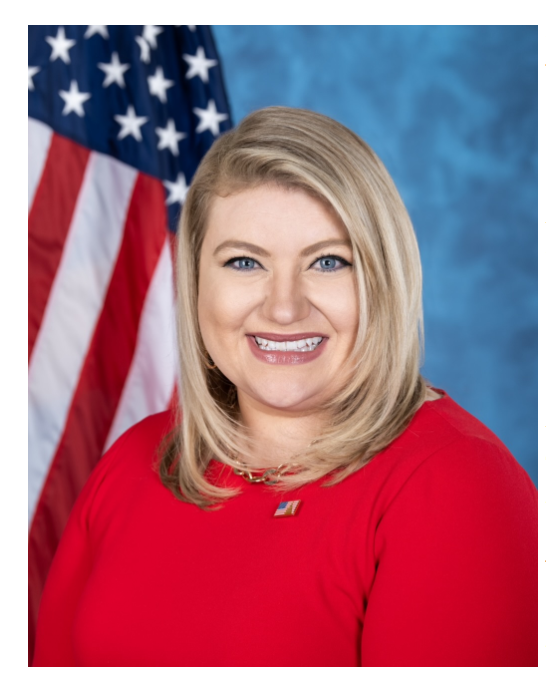
In Washington, D.C., the National Association of Farm Broadcasters visited with Congresswoman Kathrine Cammack about what she would like to see in the 2023 Farm Bill. Because of her great passion for agriculture, the Florida Republican was recently named "Outstanding New Member of Congress" by the American Farm Bureau.
"Turning into this year with the farm bill, I think there is a lot of optimism," Cammack said. "The thing we don't want to see is a rubber stamp of previous farm bill years, which a lot of people have assumed given the gridlock in Washington, that would be the case."
Cammack said she is impressed with the great bipartisan work being done to complete this next farm bill.
American Farm Bureau Federation (AFBF) and Florida Farm Bureau present Rep. Kat Cammack (R-Fla.) with the Outstanding New Member of Congress Award.
"Understanding that we are all in this together and elevating the conversation to a place of 'food security is national security,'" Cammack said. "So, I think with that lens, people are starting to understand that a nation that cannot feed itself is not secure."
One of the key initiatives Cammack said she is pushing for is a reform that incentivizes SNAP (Supplemental Nutrition Assistance Program) recipients -which constitutes 82 percent of the farm bill- to buy domestic produce.
"I think that if the American taxpayers are responsible for footing the bill, then it should be American farmers' and ranchers' products that they are consuming," Cammack said. "I think that is a great way to address some of the 'food deserts' and food scarcity issues we face in the country, while simultaneously giving an additional lifeline or opportunity to our domestic producers. I think from that, we will see innovative solutions pop up, particularly in urban centers where we see hydroponic operations being established. I think there is going to be a great way for us to give that next generation an opportunity to shine in crafting programs like the FFA Act, which is what that bill is called."
The FFA Act, Cammack said, stands for the Farmers Feeding Americans Act.
"Additionally, in this farm bill, we are going to be seeing a lot of emphasis on rural broadband, telehealth, and rural education," Cammack said. "We are facing a literacy crisis in this country, and a lot of it stems from the fact that there has been so much emphasis on extracurriculars, that we have forgotten the basics in a lot of ways."
Today, Cammack said a little over 30 percent of eighth graders are proficient in reading.
"If they don't have the basics, it is going to set them up pretty significantly in terms of challenges in their life," Cammack said. "We are focused on ways we can deliver top-notch education opportunities for our kids in rural America, and that starts with the infrastructure, which is broadband."
On the labor front, Cammack said, her goal is to work with her colleagues in establishing a workable guest worker program that does away with the adverse wage effect that is a year-round capability that has long-term certainty for both the employer and the employee.
Regarding the use of electric vehicles, Cammack talked about how switching to all-electric vehicles would impact the grid.
"We see what has happened in California where there has been the announcement that they are going to move away from combustion engines, and it is going to be an all-EV setup, then they tell you, 'Don't charge your car, don't turn on your lights,' then they have brown-outs," Cammack said. "It is a joke. Our electric grid across the country is not prepared to handle the load that it would require in order to move to an EV."
Looking at electric vehicle sales, Cammack said that last year electric vehicles accounted for around 5.3 percent of all vehicle sales in the U.S.
"I think we (Florida) are a natural gas state," Cammack said. "We have the largest bunkering hub of LNG in North America, and you are going to see as our population grows that people are going to be looking to source energy from a variety of means."
Cammack said she believes there are energy options ahead for what the country will need to compete globally and bring manufacturing home.
"I think wind and solar- sure- they are going to play a role," Cammack said. "But is it going to be the driver? No."
Due to a number of factors, Cammack said relying on electric vehicles is not a viable option for all parts of the country.
"I think you have to assume that the administration is more consumed with the political agenda than they are sound policy," Cammack said.
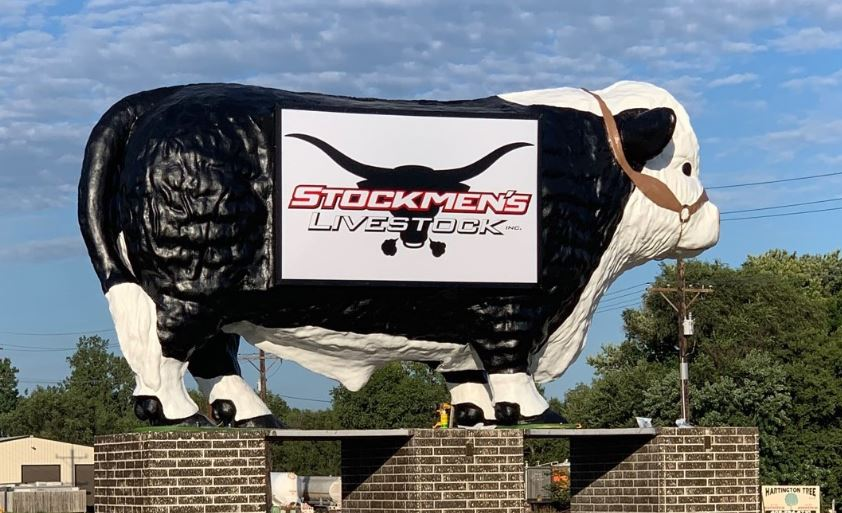
Listen to KC Visit with Bob Rodenberger at Stockman's Livestock Auction in Apache
KC Sheperd, Farm Director, is back talking with Bob Rodenberger, a partner with Stockman Oklahoma Livestock Marketing, as he gives the latest on the cattle markets.
"I have had a lot of people that are pretty good-sized cow operators that kept no heifers back," Rodenberger said.
One reason people may not be keeping those heifers back, Rodenberger said, is because of lack of moisture at the moment, but also the market value for those heifers is good right now.
"Until we get through the possibility that we are going to have grass, hay, and pond water," Rodenberger said. "Pond water is still an issue. We have got to continue to get through some of these rains."
Rodenberger said the markets this week were exceptional. Looking into next week's market, Rodenberger said it will depend on where the cattle are coming from.
"I would say our run will be a little bit lighter, just due to everybody getting some rain and problems getting around," Rodenberger said.
The biggest thing producers have to face right now, Rodenberger said, is going holding onto meat prices.
"We have a lot of opportunity to hold on to some of these profits with just some minimal risk management that is available to all of us," Rodenberger said. "I used to be the world's worst not to use it at all, but it is available."
On April 18, 2023, Kansas City Southern Railway Company (KCS) and Canadian Pacific Railway Limited (CP) officially merged to create a new Class 1 railroad CPKS, the first single-line service across Canada, the U.S., and Mexico (map above from Trains.com).
Rail logistics comprise a sizeable portion of U.S. wheat export basis, encompassing the costs of transporting wheat from the vast growing region in the central U.S. to export hubs in the Great Lakes, Gulf of Mexico, and the Pacific Northwest. The acquisition brings the total number of Class 1 railroads in North America from seven to six and may potentially impact wheat exports as the industry restructures in response to the merger.
In this article, we will summarize the importance of domestic rail for U.S. wheat buyers and look at the current trends in bulk rail as we look ahead to the merger's implications.
Historical Perspective
Since the 1980s, the railroad industry has seen significant consolidation, going from 33 North American Class 1 railroads in 1980 to six in 2023.
In 2022 the four largest rail companies, Burlington Northern Santa Fe (BNSF), Union Pacific (UP), Canadian Pacific (CP), and Canadian National (CN), held 82% of the market share for grain origination in North America, creating an oligopoly in the U.S. rail transportation sector. The increased consolidation decreased the number of firms in the market competing for business, shifting the market power to favor rail service providers.
The top four Class 1 railroads in North America control 82% of the grain market share. The merger of CP and Kansas City Southern brings the total number of Class I railroads from seven to six. Source: U.S. Department of Agriculture, Agricultural Marketing Service. Grain Transportation Report. April 20, 2023. Web: http://dx.doi.org/10.9752/TS056.04-20-2023
A potential consequence of increased concentration in the industry, tariff rates for all grains have steadily increased over the last 20 years; thus, making transportation costs greater for exporters who, in turn, increase basis for customers. A 2020 study by USDA found that from 2000 to 2014, rail rates increased by 30% for wheat, 31% for corn, and 30% for soybeans. Since 2014 wheat rail tariff rates have increased by an additional 18%. As rates rise, it erodes the competitiveness of U.S. wheat classes in the export market and makes U.S.-origin wheat more expensive for importers.
Rail tariff rates have been on the rise for all bulk grains since 2010. Rates continued to increase even as shippers experience what they considered poor performance through most of 2022. Source: USDA AMS Rail Dashboard
Ongoing Issues
Throughout 2022 rail logistics faced considerable challenges that impacted the quality of performance throughout the bulk rail sector, including service interruptions and crew shortages. In October 2022, Secondary Railcar Auction Market Bids hit their highest level since 2014, reflecting massive demand for rail freight and an insufficient supply to meet the demand.
Secondary auction market rates move more quickly than tariff rates and better reflect current supply and demand shifts as shippers buy and sell claims for guaranteed service. If demand is high during a particular period, bids increase, meanwhile when supplies are adequate secondary rates will hover near zero or negative if demand hits a low threshold. In the fall of 2022, Secondary Railcar Auction Market Bids hit their highest level since 2014. Source: USDA AMS Rail Dashboard
Performance issues and subsequent demand for rail cars contributed to elevated export basis throughout the fall of 2022. Strong basis levels and elevated wheat futures, a response to the geopolitical tensions brought on by the Russian invasion, created enormous price risk for U.S. wheat importers and further diminished U.S. wheat's competitiveness in the world market.
Though wheat basis levels often increase during the fourth quarter of the calendar year as exporters focus on corn and soybean export programs, in the fall of 2022 basis levels skyrocketed. Basis levels jumped to $0.50/bu ($18.40/MT) over the previous five-year average, combined with historically high futures prices. Source: U.S. Wheat Associates Price Report
A Look Ahead
The Surface Transportation Board approved the merger on the grounds of efficiency, positive environmental impacts, improved rail performance, and increased employment; still, the STB necessitated additional oversight to ensure the preservation of competition. Despite the approval, the U.S. wheat industry remains skeptical of the merger's effects on wheat export competitiveness, taking into account performance issues from major railroads, basis and logistics costs, and the oligopoly of the U.S. railroads.
On the other hand, CPKCS could help increase competition in some regions, due to increased access routes previously unserved by individual companies. Nevertheless, U.S. Wheat Associates will continue to support oversight from the STB and policies such as reciprocal switching that help preserve competition and contribute to our dependable, reliable supply chain.
The U.S. Grains Council (USGC) led a sorghum mission to China, the first mission to the country in more than three years. USGC Director in China Manuel Sanchez (left), USGC Manager of Global Trade Jace Hefner (third from left) and the delegation, including Chris Brown, export merchandiser at Hansen Mueller (second from left); Kimberly Baldwin of Baldwin Ag Farms and Sales (third from right); Florentino Lopez of Creando Mañana Consulting (second from right); and Kevin Wang, agricultural marketing specialist, USDA ATO (far right), had the opportunity to meet with Xiangyu Group in Shanghai while there.
In an effort to maintain customer confidence in U.S. sorghum and enhance trade relationships with the sorghum industry, the U.S. Grains Council (USGC) led a mission to China, which concluded last week.
The COVID-19 pandemic has slowed down many things in China. However, the feed production there has not seen any signs of slow down: total feed production in 2020, 2021 and 2022 was 252.7 million metric tons (MMT), 293. 4 MMT and 302.2 MMT, respectively. When China reopened in December 2022, the market was ready and feed production is expected to continue to grow in 2023 as well.
"Feed production in China was 25.11 million tons in March 2023, up 10.4% month-on-month and 5.5% year-on-year. Total feed demand in the first quarter of 2023 totaled 70.5 million tons, up three percent year-on-year. We continue to see strong demand for coarse grains here in the largest feed-producing country in the world," said Manuel Sanchez, USGC director in China.
While in China, the group met with Jiangnan University to receive updates on the U.S. sorghum-baijiu study; conducted one-on-one customer visits with key sorghum buyers; offered a U.S. Sorghum Quality Report workshop; learned about demand and consumption trends in China's market; and further developed and strengthened relationships between U.S. grain suppliers and Chinese buyers.
The Council has been promoting U.S. sorghum in China since 2013. Since then, China has not only become the world's largest customer for U.S. sorghum, but it is expected to remain a key source of demand for the foreseeable future.
Rett Blume, Pierre, S.D., was the junior division champion in the Apr. 15, carcass and live cattle evaluation contest at HRC Feed Yards LLC in Scott City, Kan. Pecos Worrell, Harper, Texas, was the winner in the senior division. Each won a mineral feeder sponsored by Priefert.
Jack Ward, American Hereford Association (AHA) executive vice president and Shane Bedwell, AHA chief operating officer and director of breed improvement led contestants through the live evaluation, teaching what to look for in market cattle. Those in the senior division also estimated the carcass value for each head. Contestants in both divisions were scored for their performance in the beef carcass evaluation contest led by Cargill. Combined scores from the live cattle and carcass evaluation determined the overall winners.
"I was impressed by the ability these junior members had to visually appraise the steers during the live cattle pricing portion," says Bedwell. "The juniors in these programs are loaded with talent and this contest showed how the Hereford breed is in good hands with a bright future."
Part of Broader Feedlot and Carcass Education
The evaluation contest was part of the third annual National Junior Hereford Association (NJHA) Fed Steer Shootout Field Day. It is a highlight of participating in the Fed Steer Shootout, which enables NJHA members to send single-steer entries or pens of three steers to feed at HRC Feed Yards. Along with discovering how their cattle perform in the feedlot and on the rail, participants learn through a series of online educational sessions, including the chance to become certified for Beef Quality Assurance.
"The NJHA Fed Steer Shootout allows juniors to see the full cycle of our industry. From raising their calves back home, selecting mating's for terminal endpoints and getting to learn about their performance in the feedyard, it is a true hands-on learning experience," says Ralston Ripp, NJHA Vice Chairman. "It is a real-world program that engages youth and educates them on the impact that Hereford genetics have on the entire beef industry."
Between the Fed Steer Shootout and AHA's companion opportunity — the Hereford Feedout Program — 94 participants from 22 states are feeding more than 1,400 head of Hereford and Hereford-influenced feeder cattle at HRC Feed Yards. More than 100 people attended the field day.
Educational sessions at the field day included: carcass value determination and a carcass cutout demonstration presented by Cargill Protein North America; a necropsy demonstration by Corbin Stevens, DVM, HRC Feed Yards consulting veterinarian; an overview of current cattle market dynamics from Kevin Good, CattleFax vice president of industry relations; and the introduction of a collaborative blockchain pilot program with free enrollment for Fed Steer Shootout participants. As participants toured the feedyard and saw their cattle, the HRC Feed Yards consulting nutritionist, Garrett Parsons, offered insights and answered questions.
"The live animal and carcass evaluation contest components of the field day really did an awesome job of helping participants to make a connection with carcass quality and feedyard performance factors that drive value," explains Trey Befort, AHA Director of Commercial Programs. "These kinds of activities are what really makes this field day an outstanding educational opportunity."
Owners of the winning entries in the Fed Steer Shootout will earn scholarships and be recognized during the AHA Annual Membership Meeting October 19-22, in Kansas City, Mo.
Yesterday evening, the U.S. House of Representatives passed the Limit, Save, Grow Act of 2023, by a narrow vote of 217-215. The legislation would raise the debt ceiling by $1.5 trillion or until the end of March 2024, whichever comes first, and cut spending to the tune of $4.5 trillion.
After hours of closed-door negotiations with biofuels champions prior to the House vote, Republican leadership agreed to make significant changes to the biofuels tax credit repeals originally included in this debt limit bill. Of note, the repeal of the Biodiesel Tax Credit extension was removed from the legislation. That means the extension of the BTC through 2024, as included in the Inflation Reduction Act, would remain in effect. Other tax credits important to the ethanol industry, including the Carbon Oxide Sequestration Credit and the Second Generation Biofuel Credit, were also removed from the legislation.
The legislation's provisions related to new tax credit programs created under the IRA are a bit more complex. The House-passed bill would allow biofuel producers that have already entered into written contracts or made significant investments based on future tax credits between August 26, 2022, and April 19, 2023, to participate in the Sustainable Aviation Fuel Tax Credit and Clean Fuel Production Credit created through the IRA. However, for all other producers, these tax credits would no longer be available if this bill were to become law. The bill will now move to the Senate, where it is not expected to pass in its current form if brought up for a vote. ASA continues to support Congress and the administration identifying a bipartisan solution that will prevent a debt default and hopes that this vote will help jumpstart formal negotiations.
In a sign of strengthening partnerships and trust, NPB representatives met with two of Japan's largest importers of U.S. pork and one of the country's leading retailers recently.
Growth is anticipated in this market due to the commitment by one of Japan's largest retailers to increase their purchase of U.S. pork, replacing Canadian pork in the meat case. Additionally, Japanese authorities are lifting COVID-19 travel restrictions next month, which is expected to boost the country's economy.
NPB allocates 35% of its $7.8 million USMEF investment in Japan, making it the largest export market for the pork industry. Expanding global market demand is essential for pork industry growth. NPB partners with USMEF to optimize pork marketing efforts abroad, utilizing cross-industry cooperation to maximize results.
Japan's Strong Appetite for U.S. Pork
The Japanese market has consistently proven its value for U.S. pork exports. In 2022, Japan imported over 534,000 metric tons of U.S. pork, amounting to $1.5 billion or roughly 19% of the U.S. pork industry's total export value. Japan ended last year as the second-largest value market and the third-largest volume market for U.S. pork exports.
The Driving Force: Chilled Pork and Loin Exports
The growth of the Japanese market can be attributed to its demand for chilled pork and loin products. Japan's pork demand consists of 62% imported products, with the U.S. holding a 24% market share in chilled and frozen pork. The U.S. claims 48% of the market share for chilled pork alone.
High-Quality Pork: A Direct Result of Decades of Investment
The Japanese market regards U.S. Pork as a high-quality product. This perception can be directly linked to the decades of investment made by U.S. pork producers and the USMEF. The partnership has and will continue to allow U.S. producers to offer a consistent supply of premium pork products to Japanese consumers.
Listen to KC Sheperd talk with Luke Gallagher ahead of the State FFA Convention in Tulsa, Oklahoma.
During the month of April, the Radio Oklahoma Ag Network and Oklahoma Farm Report are spotlighting the 17 Area Stars of Oklahoma FFA that are among the highest achievers in the organization.
The stars come from the five areas in four categories- Star in Ag Placement, Star in Agriscience, Star in Agribusiness, and Star in Agricultural Production.
This week, we spotlight the five area stars in Agricultural Production in 2023.
One Star Finalist featured in the coming days from each of the categories will be named the State Star Award Winner during the 97th Oklahoma State FFA Convention coming up on May 2nd and 3rd in Tulsa, Okla.
This week, our coverage of the 2023 Oklahoma FFA Star Award Finalists concludes with Agricultural Production competitor Luke Gallagher of the Altus FFA chapter representing the Southwest Area.
"My project is a stocker steer operation," Gallagher said. "I run stocker steers on wheat pasture as well as I have a small cow/calf herd that I run typically just on grass pasture. I run about 400 head of wheat pasture calves right now."
Growing up, Gallagher said his grandfather and his dad have always run steers on wheat, and on grass pasture in the summertime.
"That is how I grew up," Gallagher said. "Taking care of cattle, feeding cattle, gathering cattle. Doing all those things growing up, and helping my dad and grandpa. I just knew that is where I belonged, and that was my place."
Gallagher said he is grateful for the help from his ag teachers and his family during his project.
"I plan to go to Stillwater and go to OSU," Gallagher said. "I was actually accepted last spring, and I plan on either studying animal science or agribusiness."
Your coverage of the 2023 Oklahoma FFA Convention is sponsored by Hilliary Communications- who deliver the latest cutting-edge communications services supporting tens of thousands of customers across 22 counties throughout Oklahoma, Texas and Iowa. The company offers internet, voice and HilliaryTV. Hilliary Communications continuously researches the marketplace for innovations and strives to improve underserved areas, offering services that exceed customer expectations. Click here to learn more about Hilliary Communications.
For more information about the 97th Oklahoma State FFA Convention, click here.
Listen to Kim Anderson talk about the grain markets.
This Week on SUNUP is Oklahoma State University Extension grain market economist Kim Anderson. During this week's edition, Anderson talks about the latest in the grain markets.
"What a difference a week makes," Anderson said. "Look at this rain. It is just spectacular."
Wheat prices have fallen about 77 cents this past week, Anderson said.
"You go up to Medford and look at what you can forward contract harvest delivery today- around $7.55 cents," Anderson said. "That is 77 cents lower than it was last week when we were taping this show."
Corn is down 28 cents, Anderson said, now sitting around $5.23.
"Bean prices are down about 50 cents," Anderson said.
Looking at the crop condition report, Anderson also talked about how wheat crop conditions have declined considerably over the last couple of weeks.
This Week on SUNUP:
Dave Lalman, OSU Extension beef cattle specialist, says cattle producers need to be aware of vitamin A deficiencies in their herds.
Wes Lee, OSU Extension Mesonet agricultural coordinator, discusses the latest rainfall totals and what the impacts were to our drought-stricken soils. State climatologist Gary McManus says these recent rains should make a dent in the drought picture, but more precipitation is needed.
Kim Anderson, OSU Extension grain marketing specialist, explains why Russia has such a big impact on U.S. grain prices.
Darren Scott, OSU Food Scientist, has information on modified atmosphere packaging.
Finally, with the recent devastating tornadoes in several counties, including Pottawatomie and McClain, Amy Hagerman, OSU Extension agricultural policy specialist, has information on resources available to assist those impacted by these storms.
Apply to become a part of the third class of the NCGA Women and Mentors Program to be held in St. Louis on June 22-23. In addition to learning how to quiet their inner critic, exploring what they can learn from another woman's leadership journey, and developing an action plan for their own mentorship journey, each participant gains a supportive group of peers committed to their success. Everyone will leave the retreat with a concrete action plan and a mentorship pairing to help each other reach their goals.
The Women and Mentors program provides an opportunity for women looking to find the next steps in their leadership journey to partner with a mentor who has traveled that path. Mentors, who can be of any gender, and help to foster leaders of tomorrow and learn how to share the wealth of knowledge and understanding accumulated through years of service.
The program also includes a component for interested state, national and industry staff—creating a support network and a place for these women to discuss issues they face as women in a male-dominated industry.
Members of the new class will be welcomed to an ongoing quarterly virtual leadership lunch and join sessions already underway with the prior year's participants.
Do you know of any women looking for the next step in their leadership journey? Anyone, male or female, who has a vested interest in increasing the number of women in leadership positions within agriculture? Please have them apply here.
Booking Early Offers the Most Choices, but Travelers with Flexible Schedules Might Find Last Minute Deals
We're a month away from the Memorial Day holiday and the unofficial kickoff to what could be a very busy summer for travel. On top of AAA reporting a significant increase in international travel bookings this year (up 200% compared to 2022), the TSA is now warning travelers that summer airline passenger levels are expected to be "comfortably above" pre-pandemic numbers. Despite airline ticket prices running 20 to 30% higher than 2022, Delta Airlines reports a record number of advance bookings for summer travel.
Will Memorial Day holiday weekend travel be above the pre-pandemic numbers of 2019? AAA's official holiday forecast numbers won't be out for a few more weeks, but the auto club is warning travelers to prepare for busy roads, rails and skies this summer.
"No surprise, for travelers who want the best choice of options for their vacation, now is the best time to book a summer trip," says Rylie Mansuetti, Public and Government Affairs Manager for AAA Oklahoma. "Waiting too long could mean sold-out cruises or tours and limited availability for hotel rooms."
That's not to say there aren't opportunities to save money for those who have flexible schedules and aren't set on a certain destination. AAA travel data from 2022 showed that people who booked closer to their departure date paid less, and there's a good chance travelers could find last-minute deals again this summer if they don't mind flying on off-peak days and hours.
10 things for travelers to think about while planning and flying this summer:
When booking, aim for the first morning flight. It's more likely to depart on time because mornings have less air traffic congestion and fewer weather delays, especially in the summer. Early flights also give you more flexibility if there is a delay or cancelation and you need to reschedule.
Reserve airport parking ahead of time to save time on your departure day.
With the TSA projecting pre-pandemic numbers this summer, it's key to arrive at the airport at least 2 hours before domestic flights, 3 hours before international flights. Remember, international hubs will be extra packed with passengers this season.
Sign up for TSA PreCheck® or Clear to speed up the security process. AAA Mid-Atlantic locations regularly host pop-up TSA Pre-Check® Sign up events. You can check here for an upcoming event near you.
Avoid checking a bag. Carry-on luggage allows you to be more flexible if there's a delay or cancelation.
Make sure your phone is fully charged. Download the airline's app to receive notifications and use FlightAware to track your aircraft the day of departure.
Know your passenger rights. Read the airline's "Condition of Carriage" online to understand how you are protected in case of delays, cancelations, and misconnections.
Have your confirmation number or record locator handy, in case there's a delay or cancelation and you need to rebook quickly. If you're trying to reach the airline by phone, try their international numbers or rewards numbers, which can sometimes answer faster.
Weather is an "Act of God" – not the fault of the airline - and travelers may be on their own to rebook flights. An advantage of working with a trusted travel advisor is that they can help you with rebooking options. AAA offers complimentary emergency travel assistance for travelers who worked with an advisor.
If a flight is canceled due to what is in the control of the airline, like a mechanical issue, the airline is responsible for rebooking passengers and providing some amenities, like food or lodging. For info, see the DOT website: https://www.transportation.gov/airconsumer/fly-rights.
About AAA:
AAA provides automotive, travel, and insurance services to more than 63 million members nationwide and more than 400,000 members in Oklahoma. AAA advocates for the safety and mobility of its members and has been committed to outstanding road service for more than 100 years. AAA is a non-stock, membership corporation working on behalf of motorists, who can map a route, access a COVID travel restriction map, find local gas prices and electric vehicle charging stations, discover discounts, book a hotel, and track their roadside assistance service with the AAA Mobile app (AAA.com/mobile) for iPhone, iPad and Android. For more information on joining or renewing a Membership, visit www.AAA.com.
Listen to the full audio with Debbie Stabenow about the 2023 Farm Bill.
In Washington, D.C., the National Association of Farm Broadcasters had the chance to talk with Senator Debbie Stabenow of Michigan about the 2023 Farm Bill.
"The good news is, we have additional money in conservation that our farmers have been wanting for a long time," Stabenow said. "So, we don't need to try to find dollars within the farm bill to do that."
With those additional dollars, Stabenow said high-demand programs like EQIP (Environmental Quality Incentives Program) can be utilized by more farmers.
"In terms of commodities, crop insurance, other areas, it is pretty much flat funding," Stabenow said. "The challenge for us has been because of the trade challenges, because of Covid, because of a number of things for years, we have put almost 90 billion dollars in ad hoc funding through appropriations into supporting agriculture."
Stabenow said that even though commodity prices are up, input prices are also up, so strengthening parts of the farm bill, such as crop insurance, is going to be important.
"There is always this debate about nutrition," Stabenow said. "We have a farmer safety net and a family safety net. We are not breaking those up, nor should we, nor do our major agricultural groups want us to do that as well."
There has been some misunderstanding, Stabenow said, regarding work requirements for SNAP (Supplemental Nutrition Assistance Program).
"If you are able-bodied and able to work, unless you are disabled, a senior, or a family with small children under age six, you are working- you are probably working right now part-time, and the requirement is 30 hours a week," Stabenow said.
The work requirements were suspended during Covid, Stabenow said, and will come back into effect in July. Under SNAP, Stabenow said individuals have the opportunity to receive a maximum of three months of help during a three-year time span.
"The average person right now getting some help, most of the time is temporary for folks," Stabenow said. "Unless you are a senior or somebody with disabilities, it may be more long-term, but for most people, it is temporary. It is $6.10 per day per person, which is about what I spent for a cup of coffee."
Stabenow said that in the farm bill, funding is not taken from certain parts and added to others.
"We never take money from nutrition and put it somewhere else," Stabenow said. "We don't take money from commodities and put it someplace else. Each title is its own title. That is what traditionally has happened."
A big issue right now, Stabenow said, is the debate over whether or not the U.S. will default on its debt.
"When I first took over chairing the committee in 2011, there was a major debate just like this about extreme across-the-board cuts; otherwise, we are going to default," Stabenow said. "There was actually something put in place that we are still living with in agriculture. Ten years later, there is a 5.7 percent cut in the commodity titles and other programs, still existing from what was called 'sequestration' that was passed in 2011."
If cuts are made across the board, Stabenow said that will introduce some major difficulties when writing the farm bill.
"Mandatory spending is all the farm bill programs," Stabenow said. "We were impacted by sequestration in 2011, and for the folks moving down that road again, they will make it even more difficult for us to write a bill."
Stabenow also commented on the labor issues in the U.S.
"Unemployment is the lowest it's been in a generation; about 3.5 percent," Stabenow said. "We have fewer people in the workplace, which is a challenge."
Immigration reform needs to be compromised, Stabenow said, because farmers need a legal system where they can employ migrant labor.
"Our farmers are absolutely desperate for it," Stabenow said.
The Natural Resources Conservation Service (NRCS), the Oklahoma Tribal Conservation Advisory Council (OTCAC) and Farm Service Agency (FSA) will partner together for a free conservation workshop on Tuesday, May 9, 2023.
Join the agencies to discuss free technical assistance and conservation funding opportunities. You will also learn how producers can gather conservation data from Tribal Soil Climate Analysis Network (Tribal SCAN) to assist with their conservation decisions regarding livestock and crops, how to extract data on soil moisture and climate for livestock and crops, and how the removal of eastern red cedar benefits producers, monarch butterflies and pollinators.
Information regarding five simple steps to apply for NRCS programs and conservation will also be shared.
Partners who will provide USDA program updates include NRCS, FSA, and the National Agricultural Statistics Service (NASS). Conservation district partners from Mayes, Muskogee, Okmulgee, Rogers, Tulsa and Wagoner Counties will be available to provide updates regarding their state cost share programs.
When: Tuesday, May 9, 2023, 10 a.m. to 1:30 p.m. Lunch will be provided.
Location: College of the Muscogee Nation, located at 2170 Raven Circle, Seminar Room 108, Okmulgee, Oklahoma 74447
RSVP: Participants must register before the workshop using following link: register here.
Persons with disabilities who require accommodations to attend or participate in this meeting/event/function should contact Carol Crouch via voice #405-742-1203, Federal Relay Service at 1-800-877-8339, or Carol.Crouch@usda.gov by Tuesday, May 2, 2023.
NRCS assists producers with implementing conservation concerns and addressing resource concerns. FSA administers a wide variety of programs covering commodity crops, livestock, conservation, and disaster programs with varying degrees of requirements for participation. Landowners and operators are encouraged to utilize workshops and webinars to learn more about the 2018 Farm Bill Programs and to ask questions regarding USDA programs.
The U.S. Department of Agriculture (USDA) today announced approximately $45 million available to organizations that help underserved and veteran farmers, ranchers, and foresters own and operate successful farms. Funding is made through USDA's Outreach and Assistance for Socially Disadvantaged Farmers and Ranchers and Veteran Farmers and Ranchers Program, also known as the 2501 Program. This program is administered by the USDA Office of Partnerships and Public Engagement (OPPE).
"By supporting organizations that work with veterans and underserved groups, 2501 Program funding can help these individuals access and participate in USDA programs and services," said OPPE Director Lisa Ramirez. "This program demonstrates USDA's commitment to advance equity and lower barriers to USDA resources."
For more than 30 years, and in partnership with organizations nationwide, the 2501 Program has helped reach underserved farmers and ranchers who have experienced barriers to service due to racial or ethnic prejudice. The 2014 Farm Bill expanded the program to include assistance to veteran farmers and ranchers. The 2018 Farm Bill increased mandatory funding for the program through fiscal year 2023 with a permanent funding level of $25 million for each year thereafter. With 2501 Program funding, organizations conduct education, training, farming demonstrations, and conferences on farming and agribusiness to increase access to USDA's programs and services.
Since 2010, the 2501 Program has awarded 615 grants totaling more than $194 million. Among recent FY 2022 grantees, the University of Alaska Fairbanks received a 2501 grant to help tribal communities start new gardens, farms, ranches or other endeavors that promote community food security, resiliency, and economic diversity while upholding traditional knowledge and traditional ways of securing food. Additionally, the Pennsylvania Friends of Agriculture Foundation received a 2501 grant to assist veteran farmers through programs that foster connections among beginning farmer veterans and service providers to create a supportive network that will enable farms to thrive.
Eligible applicants include nonprofit organizations, community-based organizations, federally recognized tribes and tribal organizations, and a range of higher education institutions serving veteran farmers and African American, American Indian, Alaska Native, Hispanic, Asian, and Pacific Islander communities.
Applications must be submitted through Grants.gov and received by Tuesday July 25, 2023. Visit the 2501 Program page for more information on the 2501 funding opportunity.
USDA seeks qualified individuals to serve as peer reviewers to evaluate 2501 Program proposals for fiscal year 2023. The peer review approach brings together diverse individuals who can provide fair, expert, and unbiased evaluation of proposals. The process ensures that grant projects are properly planned, competition is open and fair, proposed budgets are carefully examined, and grant awards are structured to protect the interests of the government. The entire review process will be conducted virtually for approximately three to four weeks. Selected reviewers will receive compensation. Visit the OPPE website for full details. If you are interested in serving on the peer review panel, and your affiliated organization is not applying for a 2501 grant, please send your resume and summary of qualifications to 2501grants@usda.gov no later than May 19, 2023 for consideration.
Today's announcement is among USDA's efforts to center equity in decision-making and policymaking, lower barriers to access and ensure USDA programming is inclusive of all employees and all customers. Learn more at www.usda.gov/equity.
USDA touches the lives of all Americans each day in so many positive ways. In the Biden-Harris Administration, USDA is transforming America's food system with a greater focus on more resilient local and regional food production, fairer markets for all producers, ensuring access to safe, healthy, and nutritious food in all communities, building new markets and streams of income for farmers and producers using climate smart food and forestry practices, making historic investments in infrastructure and clean energy capabilities in rural America, and committing to equity across the Department by removing systemic barriers and building a workforce more representative of America. To learn more, visit www.usda.gov.
Congressman Tom Cole (OK-04), Vice Chairman of the House Appropriations Committee, was inducted into the National Service Hall of Fame by Voices for National Service yesterday evening for his longstanding support of AmeriCorps and Americorps Seniors.
"I am greatly honored to be inducted into the National Service Hall of Fame by Voices for National Service," said Cole. "From helping disadvantaged youth, responding to natural disasters, improving health services and much more, most Americans' lives have been touched by those who selflessly donate their time and resources to serve for National Service organizations. Because of this, I understand the importance of championing and providing the resources for these programs to continue serving our communities and recruiting members."
"Representative Cole is a remarkable public servant with an impressive legacy of commitment to country and community, who understands the value of service both in the communities served and in the lives of those who step forward to serve," said AnnMaura Connolly, President, Voices for National Service. "As a leader in the House of Representatives, he has cosponsored legislation to expand and strengthen AmeriCorps, and supported increased funding for the critical work of the agency. It's our distinct honor to induct Rep. Cole into the Voices for National Service Hall of Fame."
From fiscal year 2015 to fiscal year 2023 during Cole's leadership of the House Appropriations Subcommittee responsible for funding the Corporation for National Community Service, AmeriCorps State and National Grants received a 66.08 percent funding increase, the National Civilian Community Corps received a 25.78 percent funding increase and the National Senior Service Corps received a 17.22 percent funding increase.
Cole also co-led the CORPS Act in the 117th Congress, which would have increased the number of AmeriCorps positions available to assist in the COVID-19 pandemic recovery by increasing living stipends and allowing more Americans to serve through fiscal year 2024.
Annually, approximately 3,500 members of AmeriCorps and AmeriCorps Seniors are serving in Oklahoma, responding to the state's most immediate and critical needs. They are serving at more than 500 locations across the state including schools, food banks, homeless shelters, health clinics, veterans facilities and other local nonprofit, faith-based and community organizations. The AmeriCorps agency has invested more than $12.1 million in federal funding to support cost-effective community solutions in Oklahoma, working hand in hand with local partners to empower individuals to help communities tackle their toughest challenges. Through this public-private partnership, every $1 Congress invests in AmeriCorps and AmeriCorps Seniors returns more than $17 in benefits to our country.
Bosch BASF Smart Farming, the joint venture between Bosch and BASF Digital Farming to globally market and sell smart farming technology, announced today its new brand name: ONE SMART SPRAY.
The distinctive new brand name also applies to its product, previously known as the Smart Spraying Solution. With the name change, a new logo, visual identity, and messaging will be introduced in all markets globally.
The creation of the singular ONE SMART SPRAY brand considers farmer feedback gathered in North America, South America, and Europe across the last 12 months, as product field trials progressed towards full commercial launches.
"ONE SMART SPRAY as a brand brings together the value we create and our purpose, which is to offer one integrated, convenient, and reliable solution to make herbicide spraying not only precise but smart. Not only is the new brand stronger and more memorable, but it will also support our commercialization activities," says Jorge von Kostrisch, Global Marketing & Communications Manager of ONE SMART SPRAY. "Our new tagline, 'Precision Made Smart,' brings our purpose to life: to take weed control to the next level by integrating precision, digital and agronomic intelligence into ONE solution," he adds.
ONE SMART SPRAY represents an important milestone in the joint venture's growth, explains Florian Gwosdz, Co-Managing Director of ONE SMART SPRAY. "Back in 2021, Bosch BASF Smart Farming was founded upon the promising opportunity of creating something unique, by joining the hardware, software, and connectivity capabilities of Bosch with the digital and agronomic expertise of BASF. The promise is now a reality, with the technology tested and proven, series production underway, and feedback constantly enthusiastic. The new brand is our next step to scaling up in the market."
Konstantin Kretschun, Co-Managing Director of ONE SMART SPRAY, adds: "ONE SMART SPRAY is the realization of a value proposition like no other available to farmers today. The camera-based system developed by Bosch detects weeds in milliseconds and precisely sprays only where necessary and only as much as needed. Using the field-specific data in a digital platform by xarvio Digital Farming Solutions, ONE SMART SPRAY also offers customized agronomic recommendations, intelligent sensitivity levels, high-precision agronomic maps, automated documentation, and further features in ONE solution. This is truly smart weed control, which supports maximum input efficiency and more sustainable farming practices."
The new brand follows recent announcements of commercial agreements with agricultural equipment manufacturers AGCO and Dammann for the integration of the ONE SMART SPRAY technology with their sprayer lines. This complements existing business contracts with Amazone and Stara, where the innovative technology will be incorporated into crop sprayers produced by each company.
Farming is fundamental to provide enough healthy and affordable food for a rapidly growing population while reducing environmental impacts. Working with partners and agricultural experts and by integrating sustainability criteria into all business decisions, we help farmers to create a positive impact on sustainable agriculture. That's why we invest in a strong R&D pipeline, connecting innovative thinking with practical action in the field. Our portfolio comprises seeds and specifically selected plant traits, chemical and biological crop protection, solutions for soil management, plant health, pest control and digital farming. With expert teams in the lab, field, office and in production, we strive to find the right balance for success – for farmers, agriculture and future generations. In 2022, our division generated sales of €10.3 billion. For more information, please visit www.agriculture.basf.com or any of our social media channels.
BASF Corporation, headquartered in Florham Park, New Jersey, is the North American affiliate of BASF SE, Ludwigshafen, Germany. BASF has approximately 16,000 employees in North America and had sales of $25.7 billion in 2022. For more information about BASF's North American operations, visit www.basf.com/us.
At BASF, we create chemistry for a sustainable future. We combine economic success with environmental protection and social responsibility. More than 111,000 employees in the BASF Group contribute to the success of our customers in nearly all sectors and almost every country in the world. Our portfolio comprises six segments: Chemicals, Materials, Industrial Solutions, Surface Technologies, Nutrition & Care and Agricultural Solutions. BASF generated sales of €87.3 billion in 2022. BASF shares are traded on the stock exchange in Frankfurt (BAS) and as American Depositary Receipts (BASFY) in the United States. Further information at www.basf.com.
About ONE SMART SPRAY – a brand by Bosch BASF Smart Farming GmbH
ONE SMART SPRAY – a joint venture of Bosch and BASF – was established in 2021 to offer farmers the best of two worlds, joining the hardware, software and connectivity capabilities from Bosch and the digital and agronomic expertise of BASF Digital Farming. ONE SMART SPRAY makes precision smart by combining the best of precision technology, digital tools, and agronomic intelligence to take weed control to the next level and make agriculture more productive, profitable, and sustainable. More information at onesmartspray.com
About xarvio® Digital Farming Solutions – a brand by BASF Digital Farming GmbH
xarvio® Digital Farming Solutions is at the forefront of the digital transformation of agriculture, optimizing crop production. xarvio® offers digital products, based on a global leading crop modelling platform. The technology delivers independent, field-zone-specific agronomic advice that enables farmers to produce their crops most efficiently and sustainably. The products - xarvio® SCOUTING, xarvio® FIELD MANAGER and xarvio® HEALTHY FIELDS are used by farmers in more than 100 countries worldwide. More than 100,000 farmers and consultants have signed-up for xarvio® FIELD MANAGER, setting-up a field area greater than 16 million hectares in 14 countries. xarvio® SCOUTING has been downloaded by more than 7 million users. For more information please visit www.xarvio.com or any of our social media channels.
About Bosch Group Mobility Solutions
Mobility Solutions is the largest Bosch Group business sector. According to preliminary figures, it generated sales of 52.6 billion euros in 2022, and thus contributed almost 60 percent of total sales from operations. This makes the Bosch Group one of the leading automotive suppliers. The Mobility Solutions business sector pursues a vision of mobility that is safe, sustainable, and exciting, and combines the group's expertise in the domains of personalization, automation, electrification, and connectivity. For its customers, the outcome is integrated mobility solutions. The business sector's main areas of activity are injection technology and powertrain peripherals for internal-combustion engines, diverse solutions for powertrain electrification, vehicle safety systems, driver-assistance and automated functions, technology for user-friendly infotainment as well as vehicle-to-vehicle and vehicle-to-infrastructure communication, repair-shop concepts, and technology and services for the automotive aftermarket.
Bosch is synonymous with important automotive innovations, such as electronic engine management, the ESP anti-skid system, and
common-rail diesel technology.
The Bosch Group is a leading global supplier of technology and services. It employs roughly 420,000 associates worldwide (as of December 31, 2022). According to preliminary figures, the company generated sales of 88.4 billion euros in 2022. Its operations are divided into four business sectors: Mobility Solutions, Industrial Technology, Consumer Goods, and Energy and Building Technology. As a leading IoT provider, Bosch offers innovative solutions for smart homes, Industry 4.0, and connected mobility. Bosch is pursuing a vision of mobility that is sustainable, safe, and exciting. It uses its expertise in sensor technology, software, and services, as well as its own IoT cloud, to offer its customers connected, cross-domain solutions from a single source. The Bosch Group's strategic objective is to facilitate connected living with products and solutions that either contain artificial intelligence (AI) or have been developed or manufactured with its help. Bosch improves quality of life worldwide with products and services that are innovative and spark enthusiasm. In short, Bosch creates technology that is "Invented for life." The Bosch Group comprises Robert Bosch GmbH and its roughly 440 subsidiary and regional companies in some 60 countries. Including sales and service partners, Bosch's global manufacturing, engineering, and sales network covers nearly every country in the world. With its more than 400 locations worldwide, the Bosch Group has been carbon neutral since the first quarter of 2020. The basis for the company's future growth is its innovative strength. At 128 locations across the globe, Bosch employs some 85,000 associates in research and development, of which nearly 44,000 are software engineers.
Additional information is available online at www.bosch.com, www.iot.bosch.com, www.bosch-press.com, www.twitter.com/BoschPress
Listen to KC Sheperd talk with Brant Failes ahead of the State FFA Convention in Tulsa, Oklahoma.
During the month of April, the Radio Oklahoma Ag Network and Oklahoma Farm Report are spotlighting the 17 Area Stars of Oklahoma FFA that are among the highest achievers in the organization.
The stars come from the five areas in four categories- Star in Ag Placement, Star in Agriscience, Star in Agribusiness, and Star in Agricultural Production.
This week, we spotlight the five area stars in Agricultural Production in 2023.
One Star Finalist featured in the coming days from each of the categories will be named the State Star Award Winner during the 97th Oklahoma State FFA Convention coming up on May 2nd and 3rd in Tulsa, Okla.
This week, our coverage of the 2023 Oklahoma FFA Star Award Finalists continues with Agricultural Production competitor Brant Failes of the Cherokee FFA chapter representing the Northwest Area.
"I have 120 acres of farm ground that is mainly wheat," Failes said. "I run stocker cattle across that wheat as well as have a herd of commercial cows."
Failes said he was lucky to catch some good rain on part of his wheat crop, but the other part of his crop did not receive as much.
"I got my first bottle calf when I was four years old," Fails said. "I kept that bottle calf as a cow, and that is kind of what kicked off my operation. Since then, I have bought some replacement heifers. The cow side of it is kind of what started my operation."
Some of the hurdles Failes said he faced this year included the drought and finding good help. Failes said he is thankful for the help of his family for always giving him industry knowledge and advice when he needs it and helping him along the way.
"I plan on going to Northwestern and getting an ag business degree, then coming back and continuing to grow my farming and ranching operation," Failes said.
Your coverage of the 2023 Oklahoma FFA Convention is sponsored by Hilliary Communications- who deliver the latest cutting-edge communications services supporting tens of thousands of customers across 22 counties throughout Oklahoma, Texas and Iowa. The company offers internet, voice and HilliaryTV. Hilliary Communications continuously researches the marketplace for innovations and strives to improve underserved areas, offering services that exceed customer expectations. Click here to learn more about Hilliary Communications.
For more information about the 97th Oklahoma State FFA Convention, click here.
The U.S. Department of Agriculture (USDA) today announced the official kick-off of the implementation phase for projects funded through the $3.1 billion Partnerships for Climate-Smart Commodities effort. Project partners are beginning work on formal implementation of the climate-smart production practices, marketing, and quantification, monitoring, reporting and verification of greenhouse gas benefits that are funded through the effort as agreements are finalized on a rolling basis. As projects get underway, today USDA is launching the Partnerships for Climate-Smart Commodities Learning Network (Partnerships Network), a collaboration of all the project partners, which will generate key lessons-learned as projects are implemented.
"Farmers, ranchers and forest landowners are on the front lines of climate change. At the same time, they are uniquely positioned to deliver climate solutions through climate-smart production that reduces greenhouse gas emissions and sequesters carbon," said Agriculture Secretary Tom Vilsack. "Through these projects, our partners are working to create new markets for climate-smart commodities, while developing the tools needed to quantify impacts and help producers implement climate-smart practices on their land. We're excited these projects are getting underway and look forward to achieving meaningful results for producers, agriculture and forestry economies and our climate."
In the coming weeks and months, partners will be opening signup under their projects for producer participation. Producers interested in participating in projects are invited to visit the Partnerships for Climate-Smart Commodities Active Projects Dashboard to find projects in their areas. This dashboard will be updated periodically with newly active projects and links to their project websites when available.
The announcement was highlighted in a virtual kick-off event for the public, producers and stakeholders with USDA leaders and project partners.
Partnerships for Climate-Smart Commodities
USDA is investing more than $3.1 billion for 141 projects through the Partnerships for Climate-Smart Commodities effort, which seeks to build and expand market opportunities for American commodities produced using climate-smart practices through pilot projects, positioning American producers as global leaders in climate-smart agricultural production.
The selected projects – spanning up to five years – will:
Provide technical and financial assistance to producers to implement climate-smart production practices on a voluntary basis on working lands.
Pilot innovative and cost-effective methods for quantification, monitoring, reporting and verification of greenhouse gas benefits.
Develop markets and promote the resulting climate-smart commodities.
All selected projects require meaningful involvement of small and underserved producers.
This effort builds on ongoing Biden-Harris Administration initiatives to increase the competitive advantage of U.S. agriculture both domestically and internationally, build wealth that stays in rural communities, and support a diverse range of producers and operation types.
Partnerships for Climate-Smart Commodities Learning Network
The Partnerships Network, consisting of all the project partners, will generate key lessons-learned from Partnerships for Climate-Smart Commodities projects. These lessons will inform what makes markets for climate-smart commodities successful, and meaningful, for farmers, forest landowners, and rural communities. As projects get underway, learnings and summary data will be shared publicly on a periodic basis.
USDA touches the lives of all Americans each day in so many positive ways. Under the Biden-Harris administration, USDA is transforming America's food system with a greater focus on more resilient local and regional food production, fairer markets for all producers, ensuring access to safe, healthy, and nutritious food in all communities, building new markets and streams of income for farmers and producers using climate-smart food and forestry practices, making historic investments in infrastructure and clean energy capabilities in rural America, and committing to equity across the Department by removing systemic barriers and building a workforce more representative of America. To learn more, visit www.usda.gov.
**Rains this week will most likely be reflected in next week's drought monitor**
According to the latest Oklahoma Drought Map, Exceptional Drought is unchanged from last week's 20.62 percent.
Extreme drought or worse is virtually unchanged from last week, moving from 43.03 percent to this week's 43.19 percent.
Severe droughtor worse is unchanged from last week, remaining at 49.87 percent.
Moderate drought or worse is unchanged from last week, remaining at 54.07 percent.
Abnormally dry or worse conditions have increased slightly from 63.57 percent to 64.52 percent.
According to the 6-10-day precipitation outlook map, the panhandle and southwestern Oklahoma are leaning above a 33 to 40 percent chance of precipitation through May 6. The remaining parts of the state are sitting at a "near normal" chance of precipitation through May 6.
To view the United States Drought Monitor Report, click here.
According to the latest U.S. Drought Monitor, heavy precipitation fell on areas of dryness in the Northeast, the southern and northern Plains, the northern Rockies, northern Intermountain West, and Pacific Northwest, and more-scattered areas in the mid-Atlantic Region and Florida. Enough rain fell on some extant areas of dryness and drought here to improve drought designations, including parts of the D3 and D4 areas in central to southern Texas. In contrast, the D3 to D4 areas in the rest of the Plains and the northwestern Florida Peninsula and recorded little or no precipitation, keeping extreme to exceptional drought in place with a few areas of deterioration, especially in central Nebraska and the northwestern Florida Peninsula.
In the Southern Plains, locations from eastern Texas and Oklahoma eastward through Mississippi and Tennessee remained free of any designation on the Drought Monitor, though a number of areas reported that short-term dryness – on the order of a few weeks – was becoming noticeable over northern stretches of this area. Thus dryness and drought were again limited to areas near the Gulf of Mexico and over central and western sections of Texas and Oklahoma.
Heavy rain eased dryness-related impacts over much of central and southern Texas. Several inches of rain in eastern parts of Deep South Texas allowed for 2-category improvements, with much of the area going from D1 last week to no designation this week. Still, large areas of D3 and D4 remained over central and western parts of Texas and Oklahoma, with more limited reductions occurring in these areas. But enough rain fell to pull D4 out of Bexar County, Texas.
To the north and west of central Texas, little or no rain fell this past week to the 8 am EDT April 25 valid period of the Drought Monitor, keeping conditions essentially unchanged in most areas, though some degradation was noted in small sections in west-central and northern Texas. Most of the northern tier of Oklahoma remains entrenched in exceptional (D4) drought, in addition to a few scattered areas farther south. According to the Department of Agriculture, 63 percent of Oklahoma winter wheat was in poor or very poor conditions, as was 55 percent of Texas winter wheat.
In the High Plains, the general pattern observed during the past few weeks continued. Unusually deep snowpack was melting in the central and northern Dakotas, leading to some improvements there, including the removal of all moderate drought (D1) from northern North Dakota.
In the Great Plains from central and western South Dakota southward through Kansas, the continued lack of substantial rainfall led to intensification over a relatively large part of these areas. In particular, D3 expanded through most of central Nebraska, and lesser expansion of D3 and D4 reported in central Kansas. To the west, conditions remained generally unchanged in eastern parts of Wyoming and Colorado, with deterioration (to D2) limited to a small area in southeastern Wyoming. In the other area of extant dryness and drought in western Wyoming – adjacent to Utah and Idaho - some areas saw improved conditions, as did states to the north and west.
The Department of Agriculture reported 62 percent of Kansas winter wheat in poor or very poor condition, as was 42 percent of Nebraska winter wheat. Only 7 percent of Colorado winter wheat was in very poor condition, but almost one-third of the rest of the state's crop was in poor condition.
In the West, areas of moderate to heavy precipitation brought some improvement across western Oregon and portions of Montana, while melting of the deep snowpack farther south eased conditions in parts of southeastern Idaho, much of the western half of Utah, northeastern Oregon, and small patches in the southern Great Basin and Southwest. This included the removal of moderate drought (D1) from parts of northern California, continuing the trend of improvement there since heavy precipitation became a frequent occurrence starting in early December 2022. The only area in the West Climate Region that noticeably deteriorated was some D0 expansion in southeastern Montana, where conditions have been similar to those in the central and southern High Plains Climate Region.
Looking ahead, during the next five days (April 26 – May 1, 2023) moderate to heavy precipitation (over 1.5 inches) is expected along the southern tier of the Nation from Texas and the lower Mississippi Valley through central and northern Florida, and along the Eastern Seaboard from Georgia through New England. Parts of the Upper Peninsula in Michigan are also forecast to receive 1.5 or more inches. Very heavy precipitation (3 to 5 inches) are expected in part of northeastern Texas, the central Gulf Coast Region, and southern Georgia. In contrast, little or nothing is anticipated from the High Plains westward, over the central and northern Great Plains, parts of the middle Mississippi Valley, and the southern Great Lakes Region. Moderate to locally heavy precipitation was observed from the Colorado Rockies through the south-central Great Plains and adjacent areas shortly after the Drought Monitor valid period (8 am EDT Tuesday, April 25) ended, with over 1.5 inches observed in scattered areas of central Arkansas, near the Oklahoma/Kansas border, west-central Kansas, higher elevations in the Rockies, and isolated sites across northern Texas. This precipitation will be considered for the Drought Monitor valid May 2, 2023 (next week). Other areas in dryness or drought should see one-tenth to locally one inch. Below-normal temperatures are expected over the southern Great Plains and most of the eastern half of the contiguous states outside the immediate coast in the South Atlantic Region. Meanwhile, warmer than normal weather is anticipated from most of the Plains through interior sections of the West Coast States. Cooler than normal conditions are expected along most of the immediate Pacific Coastline.
The Climate Prediction Center's 6-10 day outlook (valid May 2 – 6, 2023) Identifies enhanced chances for above-normal precipitation in most of New England, the lower Mississippi Valley, Texas, the southern half of the High Plains, and from the Rockies to the Pacific Coast (except northwestern Washington). Odds for significantly above-normal precipitation exceed 50 percent in the Great Basin, most of California, and some adjacent areas. In contrast, subnormal totals are favored in the Southeast, the lower mid-Atlantic Region, and from the central and southern Appalachians northwestward through most of the Ohio Valley, Great Lakes Region, northern half of the Mississippi Valley, the northern Plains, and the Upper Midwest. Enhanced chances for cooler than normal weather cover California and adjacent areas in the Southwest and Great Basin, and in most locations from the Mississippi Valley to the East Coast. Meanwhile, unusually warm weather is expected from the northern Rockies and Intermountain West through most of the Rockies and the southern half of the High Plains.
What a blessing to see rain these past few days! State Climatologist Gary McManus says we have seen good rain totals across the state with much-needed improvement on Drought maps. Take a look at this transformation:
McManus says we are still seeing some deficits, "A lot of those short-term drought impacts will be alleviated. The biggest of which we should now see a pretty nice statewide green up once the sun comes back, along with a little bit of heat. And that will end our prolonged critical-to-extreme fire danger for a while."
We won't see these changes reflected on the drought monitor until NEXT Week when the map is updated with this week's showers. McManus says even more good news is more could be on the way, "There will be another storm system sliding down this way from the NW that will provide another bout of rain from Friday into Saturday. This important reinforcing rainfall should help up those totals a bit more for added drought relief. It might come with a bit of severe weather tomorrow, but mostly confined to far south-central OK, so stay alert."
Attorney General Gentner Drummond and several parties representing customer interests have entered into a joint stipulation and settlement agreement with Public Service Company of Oklahoma (PSO) regarding its pending application for approval of six capacity projects. The settlement paves the way for a decrease in PSO customer rates beginning in 2026.
The project is projected to add an average amount of $1.95 per month for PSO customers for a few months in 2025. By 2026, due to the production tax credits and reductions in fuel usage, the project is expected to reduce the average customer's bill by $2.58 per month. This will result in a net rate decrease of $0.64 for the average utility customer in 2026.
If approved by the Oklahoma Corporation Commission, the settlement agreement would authorize PSO to move forward with plans to add three solar farms and three wind farms that will provide 995 megawatts of power production capacity in exchange for significant protections for PSO's customers. The six projects have a combined projected cost of $2.5 billion.
"With a project of this magnitude, it was imperative to put in place customer protections to safeguard Oklahoma ratepayers," Drummond said. "I am pleased that this settlement will result in more capacity in times of need, at cheaper rates for PSO customers. I am thankful for the hard work and dedication of my office's utility regulation unit leader, Deputy Attorney General Chase Snodgrass, who worked in good faith with PSO representatives to achieve the best possible outcome for Oklahoma families and businesses."
Drummond said the Attorney General's Office advocates each day for affordable utility rates for public utility customers. As a result, the latest settlement agreement includes extensive protections for ratepayers.
Customer protection measures outlined in the settlement include:
Requests for proposals – Future requests for proposals must include all types of energy sources to keep costs competitive and ensure customers receive the benefit of lowest cost resources regardless of their fuel source.
Cost cap – PSO will cap the cost of the project at $2.47 billion, ensuring any cost overruns are not passed on to ratepayers. It also guarantees that any reduction in project costs are recognized to the benefit of customers.
Production tax credits – PSO agreed to guarantee that the renewable resources in this project will qualify for tax credits, which offsets a large portion of the project cost.
Net capacity factor – PSO will guarantee that the project will produce a certain level of power, which offsets the costs of other resources that use fuel commodities. This guarantees a large part of the underlying economics for the projects.
Gas procurement and gas storage – PSO will conduct a collaborative process for its fuel supply plan and evaluate gas procurement and gas storage options to ensure reliability and lower customer costs. This measure is designed to prevent surging energy prices, such as those utilities encountered during winter storm Uri.
Accountability provisions – The settlement includes language to ensure PSO upholds its obligations. Should the company fail to meet any of its guarantees, PSO will be required to make its customers whole.
Listen to Ethan Lane talk about priorities for cattle producers in the 2023 farm bill.
Senior Farm and Ranch Broadcaster Ron Hays is featuring comments from the Vice President of Government Affairs at the National Cattlemen's Beef Association, Ethan Lane. While in Washington, D.C., Farm Director KC Sheperd had the chance to visit with Lane about priorities for cattle producers in the 2023 farm bill.
Lane first talked about how a divided government will play a role in making decisions for the farm bill.
"Sometimes that means opportunity," Lane said. "People kind of have to work together. The more narrow that divide is, the more you kind of have to figure it out amongst the different groups. That is certainly the position we kind of find ourselves in now."
One feature of the past 10 to 15 years, Lane said, is that some individuals do not want to learn about the cattle industry, as it would be easier for them to vote against it.
"There is a lot of education going on," Lane said. "Not just in the cattle industry but just agriculture in general. In a farm bill year, 'no' is not necessarily what you want to hear, so a lot of education, a lot of helping folks understand why there is some give and take in these bills, but also understanding that these members come to town with some priorities and things they think need to be changed."
Lane talked about some of the highlights the 2018 bill included for cattle producers and what he would like to see in the 2023 farm bill.
"Certainly, getting funding in place for a vaccine bank to make sure we are adequately prepared for foot and mouth disease," Lane said. "We didn't get as much funding for that bank as we had hoped, but something is better than nothing."
If an FMD outbreak was to hit the cattle industry, Lane said estimates say it would cost cattle producers 57 million dollars per day, not to mention the larger economy.
Lane said there was also some movement in acknowledging the need for more flexibility in allowing cattle producers to graze and manage fuel loads for wildfires.
"Big focus still on risk management tools," Lane said. "We have seen, since Covid, huge engagement for risk management programs, like livestock risk protection, that previously our producers were not that interested in. They have made enough changes to make it an attractive program. Those programs are not authorized in the farm bill, but those resources sure support them."
With a tight financial environment, Lane said it is important not to let any programs that may help producers during this time fall through the cracks.
"We have producers finally finding programs that work for them," Lane said. "We don't want to turn our back on that right now. We want to lean into it and make sure we 'plus' that up and make sure that is really viable for our cow-calf producers, particularly small cow-calf producers who haven't always had very many options for managing risk."
The Beef Buzz is a regular feature heard on radio stations around the region on the Radio Oklahoma Ag Network and is a regular audio feature found on this website as well. Click on the LISTEN BAR for today's show and check out our archives for older Beef Buzz shows covering the gamut of the beef cattle industry today.
Industrial and consumer applications such as fire foam could have adverse health effects on humans and the environment. (Photo by Shutterstock)
Oklahoma State University Extension specialists encourage the public to attend a free seminar on May 17 covering environmental updates of Per and Polyfluroalkyl Substance, also known as PFAS or forever chemicals, found in today's homes that have been used in consumer and industrial applications.
The event, Updates on PFAS in the Environment: Status on Occurrence, Assessment, Remediation, Litigation and Regulations, will be held May 17 from 9 a.m. to 5 p.m. at the Oklahoma City Zoo.
PFAS is a contaminant of emerging concern that has been in existence since the 1940s. Its adverse impact on human health and the environment has gained increased public interest, regulation and litigation. PFAS has been detected in water supplies, groundwater, air, biosolids, rainwater, fish and other foods, consumer products and the human body.
The seminar will feature subject matter experts from industry, legal, technical and laboratory sectors with information on:
State of knowledge in PFAS science
Federal regulations
State and Oklahoma regulations
Legal aspects
Impacts on human health and environment
Site assessment/real estate
AFFF management and replacement options
Data interpretation
Remediation
Research
Water and wastewater treatment
Analytical methods for characterization
The free seminar will be offered in person and via a live webinar. Certificates of attendance will be issued upon request. Register online, and contact Keima Kona Borsuah, OSU Extension assistant Extension specialist in solid waste management, at 405-744-9827 or keima.kamara@okstate.edu.
OSU Extension uses research-based information to help all Oklahomans solve local issues and concerns, promote leadership and manage resources wisely throughout the state's 77 counties. Most information is available at little to no cost.
Listen to KC Sheperd talk with Cary Sifferath about a grain trade update.
Farm Director KC Sheperd is visiting with the Vice President of the U.S. Grains Council, Cary Sifferath, as he gives a grain trade update.
"We had a very tough fall- October, November, December- maybe even into January with a very strong U.S. dollar," Sifferath said. "Low water levels on the river made it very difficult for us to compete internationally. The U.S. dollar is still fairly strong, but not as strong as it was back in the fall. The river levels are back, and we are really seeing U.S. corn and sorghum and DDGS and even ethanol exports starting to come back."
Regarding the trade issues between the U.S. and Mexico due to the Mexican government issuing a decree banning genetically modified white corn, Sifferath said work is still being done to improve this issue, as Mexico has not made this decision based on scientific evidence.
Sifferath also talked about the latest work of U.S. Grains Council staff members internationally.
"We are seeing the EU become an increasing market for U.S. ethanol," Sifferath said. "That is why we have people over there."
A group of sorghum producers and exporters, Sifferath said, have recently had the chance to travel to China.
"It is our first delegation to be on the ground in China since Covid," Sifferath said. "Since everything shut down for Covid in China- that goes back to December of 2019. China continues to be our largest market for U.S. sorghum exports. It is our second-largest market for U.S. corn exports. We are really excited to have some sorghum producers and the exporters who ship those products to be meeting with the big key importers, buyers, and end-users of sorghum in China."
Sifferath said Japan has recently made a change to their energy policy, allowing U.S. ethanol in the form of ETBE (Ethyl Tertiary Butyl Ether) to gain 100 percent of Japan's market share.
There are many markets in Central America, Sifferath said, that have a demand for U.S. corn and products such as DDGS.
"We are constantly trying to explain what we are doing around the world, explain the value of what we are doing back to our farming members- our agricultural members, that they see the value of investing in the U.S Grain Council, in our programs and our people around the world."
Congressman Tom Cole (OK-04) released the following statement after voting in support of House passage of H.R. 2811, the Limit, Save, Grow Act of 2023.
"In the last two years due to the reckless and out-of-control spending policies of President Joe Biden and congressional Democrats, more than $6 trillion has been added to the national debt," said Cole. "House Republicans have made clear that President Biden must negotiate a responsible increase to the debt limit that is coupled with commonsense reforms. Unfortunately, President Biden continues to stonewall his opponents and put his head in the sand. In the absence of presidential leadership, House Republicans have voted to take the first step in the negotiation process, and I hope President Biden will soon come to the table to find a compromise that is agreeable to all sides."
While managing the rule for the consideration of the legislation, Cole made extensive remarks. Video is available here and transcript is below.
Madam Speaker, earlier this year, the United States government hit our statutory debt limit of $31.3 trillion. That is an astonishing number. It is over 120 percent of our annual gross domestic product.
This level of spending is simply unsustainable. And the American people know it. Three out of four Americans support taking action on the national debt. They know that if we do nothing and keep moving forward as we have been doing, the result will be leaving a huge burden for our children and grandchildren. A pile of debt, a weak economy, and a broken currency.
Now, you would think that given this staggering reality, President Biden and congressional Democrats would acknowledge the need to do something to address this problem. You would think that they would be open to doing what we have done many times in the past: to couple needed fiscal reforms with an agreement to lift the debt ceiling. You'd even think that President Biden, who himself personally negotiated several debt ceiling increases over the years, would be willing to sit down with us and talk.
But instead, we have heard none of this. No, we will not negotiate with you. No, we will not talk about the federal budget. No, we won't look at commonsense reforms. No, no, no.
Instead, President Biden and Congressional Democrats insist it is their way or the highway. No reforms, no changes to Federal spending, not even clawing back unspent pandemic relief funds that are no longer necessary.
With the passage of the Limit, Save, Grow Act, the House will stand with the American people, who desperately want us to fix our national debt problem. And that fix starts here, with today's bill.
Speaking on behalf of the American Soybean Association and his fellow soy growers, ASA President Daryl Cates, Columbia, Illinois, addressed the need for mitigating farmers' risks both in the field and beyond. Cates was invited to testify before the House Agriculture Committee's Subcommittee on General Farm Commodities, Risk Management, and Credit, where he offered soy producers' perspectives on the 2023 Farm Bill.
ASA shared soy's 2023 Farm Bill priorities in May of last year and has worked since to circulate those needs on the Hill and collaborate with other agriculture groups to assure farmers' priorities are considered in the next farm bill; farm bills are historically authorized for five years, with the 2018 Farm Bill now up for reauthorization.
Cates in his oral testimony said, "I have a simple message to share with you today: Soybean farmers need your help in the next farm bill."
While the message is simple, the concerns and solutions are not always. Cates asked for help with two priorities in the subcommittee's jurisdiction: 1). Protecting crop insurance and 2). Improving the Title I farm safety net for soybeans. Citing crop insurance as "the most effective and important component of the farm safety net for soybean farmers," Cates noted how crop insurance helps farmers like him manage risk and secure operating credit from their lenders—a layer of protection while crops are in the ground and one that ASA asks to remain unscathed by amendments.
The second ask—an additional layer of protection beyond the field—is a bit more complex: improving the Title I farm safety net to help it better align with realistic needs. Cates says a predictable, effective farm safety net is a must in the next farm bill.
Despite successes to enhance and diversify markets, China remains U.S. soy's #1 export market, with one in three rows of beans exported there. Said Cates, "During the height of the trade war with China in 2018, U.S. soy stopped flowing to the Chinese market in our peak export period that fall. Soybean prices dropped significantly, but we received no PLC benefits and little from the ARC program. USDA stepped in with ad hoc, temporary support to farmers.
If a trade war that shrunk soybean demand by over 30% hardly triggered the farm safety net provided in the current farm bill, it is difficult to envision a scenario that would provide meaningful assistance without significant improvements to the current reference price and program elements of ARC and PLC."
Another challenge raised in the hearing is the significant disparity in recent soybean planted acres compared to base acres, on which ARC and PLC benefits are provided. This difference impacts the accessibility and effectiveness of the farm safety net: In 2022, soybeans were planted nationally on 87.5 million acres. By comparison, soybean base totals 53.2 million acres. Over 30 million acres of soybeans were not protected by the soybean provisions of ARC and PLC in 2022. ASA is pleased to offer testimony and looks forward to continuing to work with Congress as it drafts this critical legislation.
Witnesses at today's hearing included Chief of Police for McAlester, OK, Kevin Hearod; Mayor of Yuma, AZ, Douglas Nicholls; Mayor of Sierra Vista, AZ, Clea McCaa II; and Deputy County Administrator and Chief Medical Officer of Pima County, AZ, Francisco Garcia, M.D., M.P.H..
Lankford's questions to Chief Hearod focused on the situation facing local law enforcement from increased criminal activity and drugs due to illegal immigration across our southern border. Lankford also raised the issue of the disaster awaiting us when President Biden rescinds Title 42 at the southern border and how it will add to the shocking backlog of as much as 18 years to hear an initial asylum claim in New York City. Lankford asked what social media companies need to do to keep their platforms from facilitating human and drug trafficking.
Lankford remains the leading voice in the Senate to secure our southern border, end catch-and-release, and fix the broken asylum process. Last week, Lankford got Department of Homeland Security (DHS) Secretary Alejandro Mayorkas to admit that our asylum process is broken and being abused and that our entire immigration process is broken.
Excerpts
On the increased drugs and criminal activity facing Oklahoma law enforcement because of the wide open southern border
Lankford: You had several references in your testimony as well to methamphetamine and fentanyl. You also referenced that it is the understanding that this is dominantly coming out of Mexico...What are you hearing from the Oklahoma Bureau of Narcotics and from your own sources in McAlester on the source of the drugs that are coming into Oklahoma?
Hearod: The source of our drugs starts in Mexico, and it works its way across the border either as a drug product or maybe as a precursor that, once it gets into Texas--typically for us, then it is converted into a drug or made into methamphetamine or the fentanyl is already brought in. Typically where I live, it comes through Dallas, Texas. The cartels, the mules carry it through Texas, through Dallas, they come up 69 Highway and distribute it in McAlester...
On potentially 18-year backlog timeframe for an asylum hearing due to our broken asylum process
Lankford: You had mentioned that individuals coming in to be able to pursue, we've got to get to judges faster. We need to have courts that are closer to the border. Why would that be?
Nicholls: Because what's really happening is people are being released pending a future court date, which could be three, to four, to five years down the road.
Lankford: Oh, let me make it worse. If an individual crosses in Yuma, Arizona, as you know because you've seen this process, as they cross the border, Border Patrol, and they go through the process with them of saying, 'Where would you like to make your asylum claim to be able to go through that?' They're told, for instance, if they selected New York City right now and said, 'I'm going to go to New York,' they're released on their own recognizance to make it to New York however they want to or connecting with other organizations. The next date for their first hearing—not their determination if they receive asylum—the next date available in New York City right now is in 2033, is the next available date. So they will wait 10 years before they do the first hoop. The next hoop is eight years after that. So currently an individual crossing in Yuma that says, 'I want to request asylum' will be 18 years before final determination. I hate to interrupt you, but it's worse than you think.
Nicholls: That's a lot worse than I think. You know, I was just told the other day there are 660,000 people waiting to cross the border when Title 42 is rescinded. They will come through within a month, and when they come through, they will be tacking on time to places like New York City.
National Sorghum Producers Chairman Craig Meeker, a sorghum farmer from Wellington, Kansas, testified in front of the House Agriculture Committee Subcommittee on General Farm Commodities, Risk Management, and Credit during a hearing on "Producer Perspective on the 2023 Farm Bill."
Meeker's testimony highlighted farm bill priorities for the nation's sorghum farmers, focusing on the importance of the Title I safety net, crop insurance and Congressionally-authorized ad hoc assistance. Meeker told the panel farmers and ranchers need a stronger farm safety net to provide predictability and certainty for producers and lenders.
"It is clear that more resources will be necessary to enact a strong Farm Bill this year as there's simply a major shortfall in safety net funding compared to historical levels," Meeker said. "Cost of production has similarly increased, rising at least 50 percent in most cases and upwards of 100 percent in others. While the changes in the 2018 Farm Bill have been helpful, given the level and speed at which costs have increased, statutory PLC reference prices are now far too low to provide effective support in light of the many risks facing farmers in 2023."
Meeker also reaffirmed support for crop insurance, stating he would not be the sixth generation on his family farm without it. He said while the tool has been critical in helping sorghum farmers manage the ongoing drought conditions decimating the Sorghum Belt, availability of products and ratings, can have a very real local impact on plantings, which is an area the committee can take measures to improve.
House Democratic members condemn the lack of transparency by Republican leaders today, as they introduced a floor amendment to SB 561, yet another pay raise tied to voucher schemes included in HB 1935 and HB 2775.
"Republican leadership through a series of tricks, procedures and 'bill shucking' have handcuffed across-the-board teacher pay raises to expansion of vouchers schemes to fund private schools," said House Democratic Caucus Vice Chairman Rep. John Waldron, D-Tulsa.
"Teachers deserve a clean pay raise without ties to private school vouchers. Today's passage of SB561 says we as a legislature value private schools first. There is no teacher pay raise without private school vouchers," said House Democratic Caucus Chairwoman Rep. Trish Ranson, D-Stillwater.
"We know that Oklahomans are counting on solutions so that all families can send their children to great public schools. Public dollars should go to public schools. The House Republicans' education plan moves hundreds of millions of dollars in funding away from public schools to private schools in exchange for very modest teacher pay raises," said House Democratic Leader Rep. Cyndi Munson, D-Oklahoma City.
Leader Munson said House Democrats continue to support the Oklahoma Kids First plan which calls for $800 million to be spent on smaller class sizes, clean teacher pay raises and wrap-around supports for students including mental health counselors and safer classrooms.
"We have the funding to really improve public education in Oklahoma. This is a real game-changing moment, and we should not divert funds away from the 700,000 students in public schools to fund private schools. To hold hostage money for our public schools as the carrot to get vouchers across the line is embarrassing and telling. There is a better way," said Assistant House Democratic Leader Rep. Melissa Provenzano, D-Tulsa.
National Association of Wheat Growers President and Klamath Falls, OR wheat farmer Brent Cheyne, testified in front of the House Agriculture Subcommittee on General Farm Commodities, Risk Management, and Credit where he joined the "Producer Perspectives on the 2023 Farm Bill" hearing.
Brent Cheyne highlighted NAWG's primary Farm Bill priorities, including the importance of maintaining and enhancing crop insurance, both in terms of effectiveness and costs for farmers. It is essential that the effectiveness and affordability of crop insurance are not limited as it is the primary tool that helps avert cropping disasters and mitigate risks. The cost to purchase crop insurance has increased in recent years and Cheyne encouraged Congress to allow higher coverage levels at more affordable premiums.
"Farming is a risky business requiring a strong safety net," said Brent Cheyne. "Wheat farmers rely on the certainty of the crop insurance program. In turn, the American people can depend on farmers who are able to continue to withstand natural disasters and produce the most stable food supply in the world."
Cheyne also discussed NAWG's request for Congress to increase the PLC reference price. The statutory reference price for wheat has remained unchanged and has fallen far short of the cost of production in recent Farm Bills. "Prices have now risen to the point that it would take a 62% decrease in prices before being caught by the safety net of PLC. When prices fall that far, there's effectively no safety net at all for farmers," Cheyne said.
As Congress continues to have hearings on programs authorized under the 2018 Farm Bill, NAWG looks forward to working with the members to help craft a Farm Bill that works for wheat growers in the United States.
Last week the National Institute for Animal Agriculture (NIAA) welcomed members and guests to Kansas City for the 2023 Annual Conference, Climate-Smart Animal Agriculture. More than 140 guests joined the conference and receptions to connect with fellow animal agriculture leaders to explore, discuss, and develop solutions that encourage continuous improvement in animal agriculture.
NIAA's Annual Conference featured dynamic speakers that discussed the current state of climate-smart initiatives and collaboration across the agriculture industry.
The speaker and panelist list included:
Joe Leathers – 6666 Ranch
Anne-Marie Roerink – 210 Analytics
Amy Skoczlas Cole – Farm Journal's Trust in Food
Hansel New – Dairy Farmers of America
Kirsten Nickles – Certified Angus Beef
Billy Gascoigne –Ducks Unlimited
Burke Griggs – Washburn University, School of Law
Paul Hishmeh – Field to Market
"We've received great feedback from attendees saying there wasn't a session where they didn't learn something worth taking back to the workplace," said J.J. Jones, Executive Director of NIAA. "We're already in the planning stage for next year and look forward to seeing our members and guests at the 13th Annual Antibiotics Symposium in Atlanta, GA in November."
Animal agriculture benefits from those who consistently go above and beyond for the industry and each year at Annual Conference, NIAA recognizes those outstanding professionals. The Chairman's and President's Awards recognize animal agriculture leaders who have been especially supportive, inspiring, and trusted by leaders within NIAA and have contributed significantly to its success. For more than a decade, NIAA has honored leaders in animal agriculture who engage with all angles of the value chain, from gate to plate. These Animal Agriculture Advocates use their voice and platforms to push animal agriculture forward. The longest standing award – first presented in 1965, is the Meritorious Service Award. This award is presented to animal agriculture leaders who have invested their career to advancing our sector. The 2023 honorees were:
Chairman's Award: - Dr. Megin Nichols; Deputy Division Director for the Division of Foodborne, Waterborne, and Environmental Diseases at the Centers for Disease Control and Prevention
President's Award - Jared Wareham; North American NuEra Business Development Manager at ABS Global
Advocate for Animal Agriculture Award - Ryan Goodman; Director of Communications and Community Engagement at Certified Angus Beef - Dr. Tera Barnhardt; Consulting Veterinarian and Owner of Animal Welfare Consulting & Research
Meritorious Service Award - Dr. Lanny Pace; Mississippi Veterinary Research and Diagnostic Laboratory at Mississippi State University College of Veterinary Medicine
Left to right: Dr. Lanny Pace, Dr. Megin Nichols, Dr. Tera Barnhardt, Jared Wareham, and Ryan Goodman
During Annual Conference, NIAA recognized outgoing leadership and confirmed new board members during the annual membership meeting.
Thank you to the following retiring board members for their service:
Dr. Leonard Bull – retired professor at NC State University
Dr. Lucas Pantaleon – Ogena Solutions/Pantaleon PLLC
Dr. Lanny Pace - Mississippi Veterinary Research and Diagnostic Laboratory at Mississippi State University School of Veterinary Medicine
Did that headline grab your attention? I hope so. It still surprises me how many people fail to make the connection between conservation/climate-smart ag/soil health and the positive impact good natural resource management can have on your bottom line. I have to scratch my head every time it's overlooked how poor resource management can negatively affect an individual's personal profit margin while also impacting the rest of society.
Farmland where I live in central Oklahoma is currently selling for around $3,000 an acre. It is estimated that Oklahoma loses over 50 million tons of soil each year to water erosion alone. If you consider that an acre-foot of soil weighs 2000 tons, that equals out to over $75 million in land value lost each year in Oklahoma to JUST water erosion (remember, the wind also comes sweepin' down the plains here....and takes soil away with it too).
That's a lot of dollar bills in the water.
Still, many will say, "this is all abstract. Yes, a lot of soil is lost and over time that may degrade my overall wealth, but that really doesn't affect my pocketbook this year."
I must humbly disagree.
According to a report from North Dakota State University, agriculture producers lose nearly $700 worth of nutrients when they lose one inch of topsoil (keep in mind that is calculated at 2021 prices). In addition, researchers at the University of Colorado looked at the impact soil deterioration had on the bottom line of U.S. corn farmers. According to their study, unhealthy soil costs producers as much as half-billion dollars each year. They found that one-third of the fertilizer applied to grow corn in the U.S. each year is simply compensating for the ongoing loss of soil fertility. On top of this, Iowa State University agronomy professor Richard Cruse was reported as saying that farmers can lose between 50% and 70% of their yield potential because of the loss of topsoil.
Increased costs; reduced yields; loss of overall wealth. Yep, soil erosion does cost you money.
The good news is we know we can do a lot to address soil erosion. Through programs like EQIP and CSP the USDA Natural Resources Conservation Service (NRCS) can help ag producers with the implementation of practices on working lands to help address not just soil erosion but other natural resource issues (like water availability and non-point source pollution) as well.
The Oklahoma Broadband Office's (OBO) statewide broadband listening tour will be making a stop near you in the coming weeks, and state officials are asking you to take part.
The "Let's Get Digital: Oklahoma Broadband Tour" will pass through 16 cities and towns to gather public input for a five-year plan to connect the entire state to high-speed internet. The tour kicks off on May 8 and will continue through June 23 with meetings in all four corners and points in-between of Oklahoma. Data show more than 800,000 Oklahomans currently lack access to dependable high-speed internet service in Oklahoma. That's more than one-in-five Oklahoma residents. "Access to affordable and reliable high-speed internet service has become a necessity. Our mission is to ensure every family, student, business, farmer and tribal community in Oklahoma has that access," Oklahoma Broadband Office Executive Director Mike Sanders said. "A key priority to ensure our mission is successful is to hear from and talk with Oklahomans who lack adequate service today. We welcome anyone with questions or concerns, or who wants to learn more about our efforts to attend one of the 16 meetings scheduled across the state in May and June."
The public is encouraged to register at oklahoma.gov/broadband/outreach for any of the stops on the tour, which will take place at libraries in the following cities and towns: • May 8 at 4:30 – Weatherford • May 11 at 4:30 p.m. – Enid • May 12 at 1:00 p.m. – Stillwater • May 15 at 4:30 p.m. – Vinita • May 16 at 9:00 a.m. – Poteau • May 18 at 4:30 p.m. – Broken Bow • May 22 at 9:30 a.m. – Oklahoma City • May 23 at 4:30 p.m. – Durant • May 26 at 4:30 p.m. – Chickasha • June 2 at 4:30 p.m. – Altus • June 6 at 4:30 p.m. – Sallisaw • June 8 at 4:30 p.m. – Sulphur • June 9 at 4:30 p.m. – Lawton • June 13 at 4:30 p.m. – Ada • June 20 at 4:30 p.m. – Okmulgee • June 23 at 4:30 p.m. – Woodward
Residents, business owners, farmers and ranchers, leaders, members of tribal communities, and representatives for schools, hospitals, nonprofits, and other community organizations are encouraged to attend.
For questions regarding the broadband listening tour, the public is encouraged to email or call MJ Barton, Tribal & Programs Outreach Manager, OBO at mj.barton@broadband.ok.gov or (405) 517-2393.
About the Oklahoma Broadband Office Oklahoma has launched an aggressive effort to ensure fast and affordable broadband internet service is available throughout the state and the Oklahoma Broadband Office is a key component. Created by the Legislature in May 2022, the office is on a five-year mission to develop and administer grant programs to make affordable, high-speed internet available to all Oklahomans. It also coordinates efforts throughout the state to ensure broadband expansion is conducted effectively and efficiently.
Listen to GT Thompson talk about his work to best benefit producers in the 2023 bill.
In Washington, D.C., the National Association of Farm Broadcasters visited with U.S. Congressman Glenn "GT" Thompson. As the House Ag Committee Chair, Thompson talks about working in the best interests of ag producers in the 2023 farm bill.
Thompson first highlighted the importance of strengthening crop insurance because it provides it is a great tool for producers to use.
"Agriculture is capital intensive, credit, you need that, and the lenders like crop insurance," Thompson said.
Part of what Thompson said is focusing on includes incorporating outside disaster relief into the farm bill.
"Eighty percent of what we spent on agriculture was outside the farm bill through disaster relief, but it didn't come with any certainty," Thompson said. "I am absolutely certain that there are farms and ranches and probably forestry operations that went out of business before those disaster checks arrived. That is not helpful, and there is no certainty. Lenders don't like it, so it is difficult to borrow and get the credit you need."
It could be more affordable for the government, Thompson said, if some disaster relief was put into the space of crop insurance.
"It won't be everything because when you are wrestling with nature, there is always a curveball that comes in someplace that we need to be able to respond to, but as you all know, disaster relief is tough," Thompson said. "It takes Congress a long time to do the right thing."
Of the many concerns Thompson has heard from producers, he said, water availability has been a common trend. In his travels talking with producers from around the country, Thompson said he has gained valuable information and input for the writing of the 2023 farm bill.
"Bringing these voices back is extremely important," Thompson said. "I think it also helps in gaining some support for the farm bill."
Thompson said he is pleased with the process so far and is pushing for a highly effective, bipartisan farm bill that is on time.
Senator Debbie Stabenow and Congressman GT Thompson
Noble County Tractor, of Perry, Oklahoma, has closed its doors after almost 75 years of service to Perry and the surrounding region. The enterprise began selling Ford Tractors in 1949 and added the Mercury and Edsel lines in 1955 and 1958 respectively.
Noble County Tractor also handled the Ford Motor Company lines from 1983 until 2018. The company was started by Olin Randall, father of current owner Richard Randall, who came to the area from Blackwell, OK, after 20 years in the tractor and automobile business in that area. Olin's previous experience combined with Richard's adds up to nearly 100 years of the family doing business in central Oklahoma. Richard Randall, 94 years young, still calls the shots around the business with his son Wally Randall, and Leon Chrz, managing the parts and service for many years.
Richard continues to come to work daily and puts in a full day. He has enjoyed doing business with four generations of people in this and the surrounding community. He has been known to trade for just about anything including horses, mules, hay, boats, motorcycles, and even volunteered one his sons to deliver a tractor to a loyal customer. Richard says he owes his success to hard work and making an honest trade and adds "A little luck never hurt either". On occasion, if Richard and a customer couldn't arrive at a mutual decision a flip of a coin was used to seal the deal.
The business closed permanently on Friday, March 31, and Mr. Randall commissioned Pickens Auctions to liquidate the entire remaining assets of Noble County Tractor on Saturday, May 6, beginning at 9:00 am. The assets include Prime Perry, OK, commercial real estate, parts, shop tools, equipment, trucks, and trailers. Also included in the auction will be a 1959 Edsel with only 62,000 original miles that Richard sold brand new and purchased back from the original owner years later. Gregg Pickens Auctioneer and Broker of Pickens Auctions says, "We are honored to be able to assist the Randall family and consider it a privilege to work for such a wonderful historic founding local business and family." The items and more details can be viewed online at pickensauctions.com or call Gregg Pickens, Auctioneer @ 405-747-9304 for more information
The cash fed cattle market continued on a roll last week with steer prices averaging $178.12/cwt., just $0.83 lower than the prior week's record. The north to south regional price spread remains intact as packers buying for northern plants continue to battle to own the small market-ready inventory on feedyard show lists. As a result, northern trade at $180/cwt. live or $288/cwt. dressed was dollars higher than Texas live bids in the $174 to $175/cwt. range.
Last Friday's Cattle on Feed Report surprised analysts with a cattle placement number much higher than the top of pre-report estimates. March placements were down less than 1% from a year ago with a boost from Nebraska feedyards for the month.
With placements above expectations feedyard inventories are still 4.5% smaller than a year ago and 2.5% under the five-year average. Large March placement volume had little bearish impact to the cattle market early this week. Rightfully so given that beef production volume is down due to smaller weekly slaughter totals and lighter carcass weights.
Although fed cattle didn't mark another record-high last week boxed beef values pressed sharply higher. The CAB cutout was $5.73/cwt. higher with Choice up stronger at $8.64/cwt. Select advanced just $5.26/cwt., widening the Choice/Select spread to $19.38/cwt. – that's $4.50/cwt. beyond the price gap seen a year ago. The CAB cutout premium narrowed to just $12.75/cwt. over Choice, down $2.91/cwt. on the week. This positions some CAB cuts at a more attractively priced upgrade to commodity Choice, important in a pricing climate that's 8% higher than a year ago.
Across the CAB carcass report, it's the thin meats that continue to advance the most aggressively to higher prices. Flank steaks, outside skirts and inside skirts are easily at their record price point for this time of year. There's room for those to move higher based on historical spring demand patterns and supply.
In the past 30 days, CAB tenderloins have increased $1.53/lb. to average $16.70/lb. wholesale. The direction will likely continue upward for this item with limited supply available.
All in all, wholesale beef movement has slowed in the current market as price points push buyers back from aggressive procurement. The buying pattern shows much smaller volumes for delivery several weeks out as price points for future delivery are showing steep premiums.
MINDFUL BREEDING HEIFERS ON HAND
Breeding heifer retention has thus far not been a major factor in 2023 as indicated in the data. The heifer slaughter pace continues to run high, at less than half of a percent smaller than a year ago through mid-April. The heifer share of fed cattle slaughter year to date has run 40.8% of the total versus 40% in 2022, an aggressive proportion historically.
Projections are for beef cow numbers to end the year slightly smaller again in 2023, further fueling the potential for high replacement female values in the future. Yet, severe to extreme drought conditions remain in place from Nebraska south to central Texas, encapsulating large portions of four of the top 10 cow-calf states.
Simultaneously we've observed yearling breeding heifers this spring fetch enviable prices as some cattlemen are either restocking their own herds or speculating that bred females will be profitable inventory to trade in the fall.
Those artificially breeding heifers in the next couple of months may do well to consider the genetic advancement that can be made through remarkable calving-ease Angus bull selections. Reviewing both private and commercial A.I. offerings currently on the market reveals multi-trait excellence in a variety of bulls. Some have highlighted the progress in perhaps the past five years regarding stud bulls with an appealing physical phenotype combined with top percentile expected progeny differences (EPDs) in a multitude of traits. Furthermore, there are plenty of sires that excel in EPD rankings for a variety of maternal, production and carcass traits to advance the goals of the cow-calf and feedyard sectors.
If genetic focus includes quality carcass outcomes in the future, then the marbling genetic trend in the Angus breed is on track to deliver results. The chart shows the Angus marbling EPD by birth year, indicating a sizeable move higher to 0.81 marbling units in 2022. Since we recommend Angus bulls with a +0.65 marbling EPD and +$55 $Grid index to position future calf crops to achieve 50% or higher CAB acceptance, there are plentiful sires recently born that fit the Targeting the Brand™ mold.
As you're contemplating the future impact of today's genetic decisions, consider the marketability of both feeder calves and potential replacement heifer progeny.
Corn growers are optimistic that Congress can make key farm bill programs more effective and responsive to the needs of farmers by making strategic investments and policy enhancements as it reauthorizes the farm bill, the president of the National Corn Growers Association said today.
NCGA President Tom Haag, a Minnesota farmer, offered testimony before the House Agriculture General Farm Commodities, Risk Management, and Credit Subcommittee. The hearing, "Producer Perspectives on the 2023 Farm Bill," focused on stakeholder priorities for the crop insurance and commodity titles.
"Federal crop insurance has a proven track record of helping producers quickly respond to natural disasters," Haag said. "Corn growers consistently rank crop insurance as the most important program and title of the farm bill. NCGA broadly supports increasing the affordability of crop insurance."
In addition to emphasizing corn growers' support for crop insurance, Haag also offered recommendations for the commodity title. He said NCGA supports increasing the maximum rate in the Agriculture Risk Coverage County program to provide increased assistance to growers who experience significant revenue losses.
Agriculture Risk Coverage County payment rates may not currently exceed ten percent of the county benchmark revenue, which limits assistance to farmers.
"In 2020, growers across Iowa suffered major losses due to the derecho," Haag said. "The yield losses were widespread and deep enough for ARC County to trigger payments in multiple counties, but the program's effectiveness was restricted due to the limitation."
Haag said NCGA recommends increasing the coverage level for ARC County to make the program more responsive to revenue losses.
NCGA supports improvement of the Price Loss Coverage program, Haag said, which provides important price protection for farmers. He noted that NCGA is focused primarily on improvements to the PLC effective reference price escalator. Improving it, Haag said, would allow the program to offer more responsive levels of protection that rise and fall in response to market prices.
Haag also highlighted the importance of expanding international markets by investing in trade promotion programs that boost U.S. agricultural exports and help agriculture and related businesses in rural America. NCGA also supports multiple initiatives to make the existing working land conservation programs more effective.
"We appreciate the budget challenges and varied approaches to current issues impacting the agricultural sector," Haag said. "Our goal is to make USDA programs more effective and responsive through strategic investments and policy enhancements."
He said NCGA looks forward to working with Congress to pass a farm bill that works for farmers and stakeholders.
Good communication and getting landlord buy-in are good starting points when building soil health on leased grazing land.
Nearly 40% of all agricultural land in the United States is rented, according to the U.S. Department of Agriculture. For many ranchers, leased land will play a role in achieving their business goals. Noble Research Institute livestock consultant Robert Wells offers tips to help regenerative ranchers navigate the relationships with people and land that come with renter responsibilities.
Building Land-lease Opportunities From Scratch
Rented land may be particularly important to beginning ranchers who don't have access to generational ownership or capital to buy their own land. Robert Wells, Noble Research Institute livestock consultant, offers tips for regenerative ranchers seeking new land leases.
1. Build a regenerative network
If you don't already have a network of personal contacts in a community, build one. Get involved in community organizations, volunteer, introduce yourself at the county extension office or USDA Natural Resources Conservation Services desk. Talk to people at coffee shops, in the feed store and in other circles connected to the ranching community.
"It really is a 'see and be seen' kind of thing; you've got to let people know that you're there, you're progressive-minded, you're willing to take on some hard work," Wells says. "That's building your reputation, and reputation still precedes everything in this industry."
2. Listen, learn, meet landowners where they are
If a potential landowner isn't familiar with the regenerative management terms you use or the techniques you want to apply, you're at risk for miscommunication. When you get an introduction to new landowners, ask first about the land and their expectations and desires for it. If they care about wildlife habitat, share how regenerative grazing can benefit both livestock and wildlife; if it's family heritage that matters most, start with an introduction to how building soil health can ensure productivity of the land for generations to come.
3. Offer a portfolio of management
Be prepared to show a new landlord what regenerative management can look like.
"It might be as simple as having a handful of photos in a folder or favorited on your phone," Wells says. "You can quickly bring them up and show them, 'this is what the property looked like when I started leasing it; this is what it looks like now.'"
If you have other leases, consider asking a current landlord for a testimonial or letter of recommendation to share. Offer them to a prospective landlord with a business card and follow up when appropriate.
Set expectations, regenerative goals and baselines for soil health
When taking on a new lease, take time to build understanding and trust at the start. In many ways, these opening conversations will set the tone for the rest of the relationship.
"This is so important," Wells emphasizes. "Ninety-nine percent of the problems we face are rooted in miscommunication or a lack of communication."
Most communication problems, he says, tie back to expectation problems.
If your management goals include minimizing the use of chemical herbicides and increasing plant species diversity, but the landlord is accustomed to his or her property looking like a manicured park, you're setting yourself up for failure.
"If you're really clear about what you expect the land to look like, and they're even the slightest bit uncomfortable, you want to know that upfront," Wells says. "Then you have time to address those concerns before you start investing time, money, infrastructure."
A thorough evaluation of the land gives you shared language to use in setting shared goals and marking progress. Wells suggests a Haney soil test and a forage evaluation as a starting point. Learn more about the history of the land, how it's been managed in the past and what worked or didn't work for previous tenants.
Get it in writing, and set land-centric contingency plans
In agriculture, business is often built on reputation and sealed with a handshake. That can make putting a lease or business agreement in writing feel like you're raising concerns about trust. Again, Wells says, putting your goals and the lease agreement in writing is an opportunity to establish healthy expectations and practice clear communication.
"If you're feeling like getting 'too formal' will turn this new relationship off, just make sure you communicate around that upfront," Wells says. "It's OK to tell a new landlord, 'I'm going to take some notes here and put this in writing so I make sure we both understand each other. I'm doing this to make sure I understand what you want and to make sure we're on the same page.'"
Most land-grant universities offer example leases and average lease prices that can serve as a template to start the conversation. Then, think through the subtleties of that particular land and landowner. Are there hunting or recreational aspects to the land? What happens in the case of a drought or other extreme weather?
"Have contingency plans, and have them in writing," Wells suggests. "It's part of your own best management practices for a successful business, but it also shows a landowner that you're thinking ahead, you're serious about success."
Wells says a drought- or disaster-management plan can also serve as a reminder to the landowner, as in "If we have a drought, a flood, a massive blizzard, whatever, this guy's still got to make a living as my tenant, and we're going to have to work together to make sure we both succeed here."
Unique considerations for regenerative ranchers
While regenerative ranching looks different in every business and on every piece of land, it will often include more frequent livestock movement, necessitating different infrastructure than a traditional grazing system. This will be a key consideration in working out a successful lease agreement.
Some important questions: What are the expectations and definitions of permanent, semi-permanent and temporary infrastructure? Who owns the infrastructure? Who pays for that infrastructure? What's expected to stay behind if or when the lease terminates?
Fencing is one thing, but water infrastructure can be challenging, Wells says.
"It's a lot harder to pull out pipes and faucets and wells when you're done, so there need to be clear expectations around who pays for what and who owns what," he explains.
If you see a need for additional infrastructure, "communicate early and keep the conversation ongoing," Wells says. "Most people are OK with change if they see it coming."
Perhaps one of your shared goals is to increase soil health measures by using tightly controlled animal density. That may require additional watering points, and you could negotiate that they will pay for any permanent infrastructure (pipeline), while you'll furnish the labor to install. Start the conversation early, and tie it back to the big, shared goal.
"You might start with, 'Next year, we're going to need to be thinking about adding another waterline to expand this grazing plan. I think it's going to be around $15,000. We don't have to do it now, but let's start figuring out if that's feasible, and if it is, let's look at what our options are,'" Wells says.
Add a personal touch, build buy-in and foster a healthy relationship
The majority — 80% — of rented ag land is owned by non-operator landlords. Wells suggests finding ways to keep your landlord connected to the land and build buy-in to your management choices. Besides regularly scheduled meetings to check in, Wells suggests inviting the landlord to branding days, other work days or a spring walking tour.
"If they can't be there, take photos of the land and of the animals," Wells says. "Don't just send the picture, tell them why it matters: 'Starting to green up, the wildflowers are really blooming. This species is new and shows we're making progress toward our diversity goals.'"
Other ideas to build buy-in might include tagging a calf in the landowner's grandkid's name, or offering to run an extra animal or two that the landowner owns. Name a grazing pasture after different members of the ownership family and invite them to help with monitoring on their namesake pasture.
"It's these little things that demonstrate real goodwill and get that owner invested in you and what you're doing there," Wells says.
Legislation allowing restaurants and school cafeterias to donate leftover food without threat of civil liability, except in certain circumstances, has been signed into law.
House Bill 1542, authored by Rep. Anthony Moore, R-Clinton, grants civil immunity to restaurants and school cafeterias donating leftover food.
"Unfortunately, the lack of protection from civil action has prevented Oklahoma's restaurants and school cafeterias from donating perfectly good food to those in need," Moore said. "It's my hope that this legislation will help address food shortage issues within the state and open the door to more restaurants and cafeterias interested in donating leftovers."
The bill provides for civil action in situations where the restaurant or school cafeteria willfully or negligently donate spoiled food.
"We have many seniors, individuals and families who are living with food insecurity, while restaurants and school cafeterias feel they have no choice but to throw away nutritious, good food," said Sen. Brenda Stanley, R-Midwest City, who authored the bill in the Senate. "This new law is aimed at encouraging those restaurants and schools who would like to help address hunger in our state to do so. I appreciate the support of our fellow members and thank Governor Stitt for signing this bill into law."
HB1542 was signed into law April 19 and will take effect Nov. 1.
Listen to Ron Hays talk with Jarold Callahan about the Express Ranches Grass Time Sale.
Senior Farm and Ranch Broadcaster, Ron Hays, is talking with Jarold Callahan about the upcoming Grass Time Sale at Express Ranches coming up at noon on April 28, 2023, at the ranch in Yukon, Okla.
"We are excited about how good the cattle business is," Callahan said. "I think we are going to have three or four years here of excellent prices, and I think it is a great time to invest in some inventory. We have got a really good set of bulls. A lot of them are calving ease bulls, for those people that are wanting to breed heifers, but we have also got bulls that have got a lot of growth and power to them."
The sale will feature around 150 Angus bulls, Callahan said, and about 10 Hereford bulls.
"We also have about 150 spring calving pairs, predominantly Angus, but we also have some registered Hereford pairs in it as well," Callahan said.
There will be about 40 fall calving Angus bred heifers offered at the sale, Callahan said, and around 50 Angus registered heifers that have been artificially inseminated one time that will be sold in groups of three.
"We also have 20 November/December show heifer prospects that qualify for the Express scholarship program," Callahan said.
When it comes to making breeding decisions, Callahan said Express Ranches prefer to keep common sense in mind.
"We also like to use the data that is available," Callahan said. "We look at birth weight, weaning weight, yearling weight, we look at Milk EPD, and we also evaluate the carcass traits. What we are trying to do is supply genetics that will add value to the customer's calf crop."
The bottom line, Callahan said, is providing customers with problem-free cattle that add value.
"If we can do that, then we have served our purpose in terms of being a seed stock supplier," Callahan said.
The bulls featured in the sale are around 15 months old, Callahan said, and have been individually semen-checked.
"These bulls are ready to get out and go to work," Callahan said. "It is out of our leading herd sires that either we own or semen that we buy out of leading herd sires within the Angus and Hereford breed, so we feel like we have a really good offering."
Callahan also talked about the remote services offered for those who cannot make the sale in-person.
"For those that can't be in attendance, we are up on Superior for the whole sale, and we also have a live auction," Callahan said. "It is becoming more and more common for producers to be comfortable looking at the video and buying the cattle right off the video because there is a catalog that accompanies that. Of course, we offer free delivery on the bulls. Not on the females, but free delivery on the bulls."
Express Ranches also provides volume discounts, Callahan said, including five percent off on purchases of five to nine bulls and ten percent off on purchases of ten or more bulls.
"People are tremendously excited about the prospects, on what they are going to get for their product," Callahan said. "They are concerned at first in this part of the world about the weather and lack of moisture has been a big concern, and the cost of inputs. That combination has got people concerned just like it does us."
The potential of historically high cattle prices is something to be excited about, Callahan said, and the beef industry will need those prices to be profitable as input costs have risen.
"I think we are going to have some price structure that is going to allow some profitability in the next three or four years if we get the moisture to grow the grass," Callahan said. "I am probably as bullish on the cattle business as I have been since the mid-teens- 2014, 2015 and 2016."
The Beef Buzz is a regular feature heard on radio stations around the region on the Radio Oklahoma Ag Network and is a regular audio feature found on this website as well. Click on the LISTEN BAR for today's show and check out our archives for older Beef Buzz shows covering the gamut of the beef cattle industry today.
Weekly, Oklahoma State University Extension Beef Cattle Nutrition Specialist Paul Beck offers his expertise on the beef cattle industry. This is a part of the weekly series known as the "Cow-Calf Corner." Today, he talks about the place of dairy crosses in the beef cattle industry.
Dairy and beef producers are pressured by low profitability and external forces such as consumer's negative perceptions of animal handling and welfare, and animal agriculture's impact on the environment. Historically, the value from the sale of bull calves in dairy enterprises has represented a small percentage of their total revenue. Reproductive technologies allow producers to select replacement heifers from only their best cows. For dairy cows with lower genetic merit, sires from beef breed can be used for the pregnancy needed to start new lactations. The resulting dairy x beef crosses offer superior genetic merit for beef production such as finishing performance, efficiency, and immune function compared with straight-bred dairy steers, adding value to both the beef and the dairy enterprises.
It is perceived that dairy and beef x dairy crossbreds will not function in normal stocker production systems, where light weight calves are grown to heavier weights on pasture. We are conducting research to find the effects of management of beef x dairy crossbred steers for beef production on economic and environmental sustainability.
Our objective is to determine the effect of calf-fed or yearling finishing systems on the performance of dairy-beef crossbred steers. Dairy-beef hybrid steers were acquired from Land O' Lakes Calf Milk Research Facility at Grey Summit, Missouri at 12-wk of age and transported to Willard Sparks Beef Research Center (WSBRC) in groups of 70 to 72 steers. Alternating groups of steers were placed either directly on a total mixed ration feeding program for finishing (FIN) at 280 pounds (FIN) or were put out on high-quality pasture and supplementation for 5 to 6 months before returning to WSBRC for finishing (GRW/FIN). Once GRW/FIN steers reached 675 to 750 pounds, they returned to WSBRC for finishing.
Steers placed directly on feed in FIN treatment took 312 days to finish and weighed 1427 pounds when harvested at 406 days of age. These steers gained 3.65 pounds per day and consumed an average of 22 pounds of dry matter per day with a 5.9 pounds of feed per pound of gain feed conversion. These steers were over 80% USDA Choice and Prime quality grade.
Steers placed on grass gained 1.75 to 2.25 pound per day during the stocker period. During finishing, the GRW/FIN steers gained 4.23 pounds per day for 189 days on feed and were harvested at 1485 pounds. These steers consumed an average of 28 pounds of dry matter per day and feed conversions were 6.5 pounds of feed per pound of gain. Possibly due to increased age at harvest the quality grade of these steers increased to 94% USDA Choice and Prime.
We found you can't just turn these calves out on pasture. Just like any set of new cattle, there is training required to get the calves to stay in a group, adjust to coming up for supplements and understanding fences. In the right circumstances beef x dairy crossbreds can thrive in a stocker program and be integrated into our beef production system.
This work is supported by AFRI Critical Agriculture Research and Extension award no. 2022-68008-37102/project accession no. 1028272 from the USDA National Institute of Food and Agriculture.
This and other finishing research will be presented at the Beef Finishing Field Day on April 27th beginning at 10 am at the OSU Totusek Arena and continuing after lunch at the Willard Spark Beef Research Unit. For more information and to register for the event contact Mariah Reimer at mreimer@okcattlemen.org.
House Agriculture Subcommittee on General Farm Commodities, Risk Management, and Credit Ranking Member Shontel Brown delivered the following statement at today's hearing entitled "Producer Perspectives on the 2023 Farm Bill."
[As prepared for delivery]
Good morning. I would like to begin by thanking Chairman Scott for gathering us together today for this hearing.
It is a distinct honor and privilege to serve as the Ranking Member of the General Farm Commodities, Risk Management and Credit Subcommittee.
In the American spirit of collaboration and bipartisanship, I look forward to working with you, Chairman Scott, to ensure that fundamental safety net programs and risk management tools that our farmers and ranchers rely on to feed America's families are buttressed and bolstered.
These issues represent an intersection of the most important issues impacting our farmers and ranchers, and subsequently American families.
As we begin to work in earnest to craft the 2023 Farm Bill, it is my sincere hope to work effectively together with a collective goal of providing for our nation's farmers and families within our Subcommittee's jurisdiction.
However, Mr. Chairman, what's crucial to achieving that goal is ensuring that diverse perspectives are represented at the table and here in our Committee room.
Yet, as I look out at our panel this morning, and as I will again later this afternoon, I would be remiss if I did not draw attention to the stark lack of diversity represented here today in terms of farm size, gender, and race.
Our nation's strength in agriculture and as a people is in our diversity. We must acknowledge that this Farm Bill is for everyone: no matter what you look like, what you grow, or where you grow it.
Mr. Chairman, I hope that it is easy for you to agree that a critical component of writing a Farm Bill that works for all is ensuring that everyone is invited to sit at the table.
I would like to enter into the record a letter formally requesting an official opportunity for us to hear from minority and disadvantaged farmers and stakeholders on Farm Bill issues pertaining to this Subcommittee.
Today's hearing gives us the opportunity to hear directly from our major commodity groups' leadership to share their perspectives on how the existing Farm Bill Title I and Title 11 programs have served their commodities.
I also look forward to hearing insights regarding our direction for the upcoming 2023 Farm Bill.
The uptick in production costs over the last few years, coupled with the increased frequency of natural disasters, make it imperative that we ensure the protection and resiliency of our farm safety net programs and risk management tools
Over the last 6 years, we have seen nearly $70 billion in ad-hoc payments to producers. This is $70 billion in addition to our existing Farm Bill safety net and disaster mitigation programs.
These dollars, although welcomed by those who receive them, have been distributed in an inequitable manner, favoring certain producers over others as has been confirmed by the Government Accountability Agency.
We have also heard, in the case of ad-hoc disaster aid that these payments are often incredibly delayed, sometimes not reaching eligible producers until months after the disasters occurred.
This is the bottom line: these ad-hoc payments are unpredictable, unreliable, and inefficient.
It is our duty to ensure that the upcoming Farm Bill includes a strong, up-front investment in the farm safety net to provide our producers with timely assistance when disaster strikes.
When it comes to ensuring that producers of all backgrounds—including specialty crop growers, urban farmers, socially disadvantaged, and beginning farmers—have the tools they need to succeed and meaningfully contribute to our nation's food supply chain, I'm always willing to collaborate with colleagues across the aisle whenever and wherever possible—because our producers come before politics.
I am eager to hear from our witnesses today, and those we have in the future, to get firsthand and frank insight into what is working well within the various program areas, and where there is room for improvement. I yield back.
Listen to KC Sheperd talk with Gabriella Clark ahead of the State FFA Convention in Tulsa, Oklahoma.
During the month of April, the Radio Oklahoma Ag Network and Oklahoma Farm Report are spotlighting the 17 Area Stars of Oklahoma FFA that are among the highest achievers in the organization.
The stars come from the five areas in four categories- Star in Ag Placement, Star in Agriscience, Star in Agribusiness, and Star in Agricultural Production.
This week, we spotlight the five area stars in Agricultural Production in 2023.
One Star Finalist featured in the coming days from each of the categories will be named the State Star Award Winner during the 97th Oklahoma State FFA Convention coming up on May 2nd and 3rd in Tulsa, Okla.
This week, our coverage of the 2023 Oklahoma FFA Star Award Finalists continues with Agricultural Production competitor Gabriella Clark of the Atoka FFA chapter representing the Southeast Area.
"I started my business, C5 Genetics, when I was a freshman in high school," Clark said. "I started it with my family. We show and raise swine."
Clark said her project has helped grow her work ethic because regardless of the weather or anything else that may be going on, she must take care of her animals.
"I plan to attend Oklahoma State University in the fall and major in animal science with a pre-vet option," Clark said.
Clark plans to continue working on her project when she goes to college.
Your coverage of the 2023 Oklahoma FFA Convention is sponsored by Hilliary Communications- who deliver the latest cutting-edge communications services supporting tens of thousands of customers across 22 counties throughout Oklahoma, Texas and Iowa. The company offers internet, voice and HilliaryTV. Hilliary Communications continuously researches the marketplace for innovations and strives to improve underserved areas, offering services that exceed customer expectations. Click here to learn more about Hilliary Communications.
For more information about the 97th Oklahoma State FFA Convention, click here.
Listen to KC Sheperd talk with Rob Larew about NFU's latest work for farmers and ranchers.
While in Washington, D.C., Farm Director KC Sheperd caught up with the President of the National Farmers Union, Rob Larew, and talked about the latest work from the National Farmers Union advocating and working to make sure the voices of farmers and ranchers are heard.
"In Oklahoma, and really across the country, a lot of things we are focusing on right now is making sure that folks don't lose sight of the fact that farmers need the freedom to farm," Larew said. "What that means most specifically is making sure that we have the right to repair. I think most folks don't really understand that with today's sophisticated equipment and the fact that we have just a handful of equipment manufacturers out there, that too few players also means that those monopoly powers ultimately take control, and farmers who are very equipped to be able to manage a lot of the repairs on their own are simply boxed out of that."
Close to 16 states, Larew said, have bills before their legislators addressing a producer's ability to repair his or her own equipment.
"In Colorado, which is the one that we have had the most progress in so far, it is actually passed out of their legislature and is now ready for the Governor to sign," Larew said. "We expect him to sign it, and this will put in place the promises that the equipment manufacturers have made over the years, the promises they have made to other farm groups and so forth, and actually puts in law that they have to back that up with real meaningful access to Right to Repair."
Another concern for producers at the moment is drought, Larew said, so helping them make it through this time is a top priority.
"Making sure that if we are talking about cattle, that we have risk management policies in place that really provide help for the folks," Larew said. "At the end of the day, the farm bill is about a safety net. It is not about a guarantee that folks will be able to farm or be successful at it, but making sure they have at least a fighting chance, a fair chance, and a safety net underneath it to make it happen," Larew said.
Larew also talked about the National Farmers Union's 122nd Anniversary Convention and the issues discussed at the event.
"It was a fantastic event," Larew said.
Progress is being made in the Fairness for Farmers campaign, Larew said, on many fronts, including improving price discovery in cattle markets, Right to Repair, and more.
"Farmers are not asking for something to guarantee some success or to guarantee some sort of revenue out there," Larew said. "We just want markets to function. We are all businessmen. We want these markets to function fairly and openly, and transparently. Right now, with too few players in so many parts of the agriculture chain, whether we are talking livestock, whether we are talking grains, or any part of agriculture, we need to make sure that markets are functioning properly. At the end of the day, if we have that, we feel like we have a fighting chance."
I Make America, the national grassroots campaign of the Association of Equipment Manufacturers (AEM), is mobilizing tens of thousands of manufacturing workers, and their supporters, across the United States to call on lawmakers to address national priorities, including: modernizing the permitting process necessary to build critical infrastructure and boost domestic energy production, ensuring that infrastructure funding moves expeditiously from Washington to urgently needed project sites, and passing a farm bill to guarantee a safe and abundant food supply for all Americans.
"Today tens of thousands of manufacturing workers from across the country sent a clear message to Congress: Fueled by a legacy of grit and ingenuity, equipment manufacturers can outcompete anyone. But lawmakers must act to ensure that the 2.3 million men and women of our industry can out-innovate and outcompete the rest of the world. Improving the federal permitting process, passing a farm bill, and continuing to invest in infrastructure will allow equipment manufacturers to do what they do best: build equipment in America," said AEM senior vice president of government and industry relations, Kip Eideberg.
In the 88,000 letters to Capitol Hill, manufacturing supporters urged lawmakers to take immediate action on the following legislative priorities:
Bolster the investments made by the Infrastructure Investment and Jobs Act through workforce development, broadband spending coordination, and regulatory reform.
Modernize the permitting process to unleash the full potential of domestic energy production and deliver critical infrastructure to safeguard America's prosperity and economic security.
Pass a bipartisan farm bill to bring much-needed certainty and predictability to farmers and ranchers over the next five years.
The activation comes on the heels of CONEXPO-CON/AGG 2023, North America's largest trade show, which is held every three years in Las Vegas, Nevada. AEM's I Make America campaign engaged with the 139,000 attendees to raise awareness for the policies that will strengthen the industry and ensure that equipment manufacturers can continue to make the equipment that builds, powers, and feeds the world.
Today, the National Cattlemen's Beef Association (NCBA) once again announced opposition to the Processing Revival and Intrastate Meat Exemption (PRIME) Act introduced by Reps. Thomas Massie (R-KY) and Chellie Pingree (D-ME). The legislation would allow beef processed in a non-U.S. Department of Agriculture (USDA) inspected facility to be distributed interstate, posing a threat to food safety and consumer trust in beef.
"NCBA is in favor of reducing regulatory burdens, but not at the expense of food safety," said NCBA President Todd Wilkinson, a South Dakota cattle producer. "While the PRIME Act is well intentioned, allowing uninspected beef to enter the retail market is dangerous to consumers."
NCBA is supportive of federal and state meat inspection efforts and has previously supported legislation like the DIRECT Act that would allow state-inspected beef to be sold interstate in limited quantities, direct-to-consumer, and through e-commerce. Unlike the PRIME Act, these measures would create the necessary paper trail to trace and contain any potential food safety concerns.
Entries are open for the American Angus Auxiliary-sponsored 40th All-American Certified Angus Beef® Cook-Off Contest. All interested contestants must enter by May 25. The contest will be held July 4 at the 2023 National Junior Angus Show (NJAS) in Grand Island, Nebraska.
The Cook-Off Contest provides an opportunity for National Junior Angus Association (NJAA) members to display their knowledge of the beef industry and skills in the kitchen while enjoying friendly competition with fellow participants. All contestants must be members of the NJAA and each team must consist of two to six members of a state junior Angus association.
"We are excited to host and celebrate the 40th All-American Certified Angus Beef® Cook-Off Contest, which serves as the oldest NJAS educational contest," said Anne Lampe, American Angus Auxiliary beef education committee co-chair. "I am always amazed at the creative ways NJAA members put recipes, presentations and skits together to educate consumers about Certified Angus Beef®."
This annual contest encourages NJAA members from each state to gather their best recipes, prepare a Certified Angus Beef® beef dish and perform a skit to entertain and educate the audience. The cuts selected for this year's contest are as follows: the steak division is teres major, the roast division is top sirloin cap and the other category is ground beef and will be a throwback to the very first cook-off, "The Great Ground Round Cook-Off."
The contest consists of three age categories: 8-13; 14-17; and 18-21. All ages will be determined as of January 1. Mixed teams may be entered but will be classified by the oldest member of the team. The contest will be judged by a panel of three judges. Winners in categories of showmanship, recipe and overall excellence will be awarded special prizes."
Entries for the contest must be submitted online at https://forms.gle/dXeiVmVJJ1gfoRxi6. For more information about the contest, contact Anne Lampe at 670-874-4273 or amlampe.al@gmail.com or Anne Patton Schubert at 502-477-2663.
Dairy MAX Physician + Education Initiative works to change the behaviors of healthcare professionals with science-backed information and resources.
The Dairy MAX Physician + Education Initiative (PEI) is designed to grow dairy consumption among patients with cardiovascular disease. The initiative provides science-backed information and resources that educate and encourage healthcare professionals to reevaluate nutrition guidance suggesting the elimination or limitation of dairy. The strategy behind this initiative is to make more quality, meaningful connections with healthcare professionals through research and data that supports dairy consumption, particularly for patients with cardiovascular disease.
According to the National Institutes of Health, cardiovascular diseases are the leading cause of death among men and women in the United States. Countless studies indicate that people who regularly enjoy higher intakes of dairy have a lower risk of both heart disease and stroke. The PEI team aims to target the healthcare providers educating the patient, which can be most vulnerable to misinformation, and provide research and data-driven resources that explain and reinforce the benefits dairy consumption can have on their patients.
The program operates under a unique business model that focuses on in-person educational engagements with healthcare professionals, allowing the PEI team to spend most of their time building trust with physicians and mid-level healthcare providers such as nurse practitioners, physician assistants, and registered dietitians.
"What makes this business model unique is our team has sales and marketing expertise that enables them to have meaningful one-on-one conversations to understand a healthcare professional's objections," said Lana Frantzen, Dairy MAX vice president of health and wellness. "That knowledge then allows them to leverage the science to help change the hearts and minds of our healthcare professionals."
The goal of the PEI model ultimately leads to healthcare professionals becoming advocates of dairy. By using science as the foundation for communication, the PEI team can relate to these healthcare professionals and garner trust by sharing a common interest in science and in patient health.
"Our team focuses on physicians who aren't familiar with dairy science as it relates to health outcomes," said Frantzen. "This allows us to share compelling science and allows patients to enjoy dairy, especially at a time when nutrition advice leans toward the elimination of dairy. It's almost as if they've been waiting for evidence-based information to enjoy cheese again."
The Dietary Guidelines for Americans recognize dairy foods such as cheese, yogurt and milk as essential foods found in healthy eating patterns. These eating patterns are linked to a lower risk for chronic diseases such as cardiovascular disease, high blood pressure and type 2 diabetes. With this knowledge the PEI team is committed to promoting the consumption of dairy and making measurable change, while exploring new opportunities where we may educate and encourage support of dairy consumption to healthcare professionals, and ultimately the patients entrusted to them.
While many people enjoy a hot cup of coffee or an iced latte in the morning, others, including myself, prefer a cold, crisp glass of orange juice to start the day. Known for the hefty dose of vitamin C they provide in their original form, as well as their use as fragrances and as flavors for sweets and teas, fruit classified under the genus "citrus" are often identifiable by a thick and usually firm rind and pulpy interior flesh. Oranges, grapefruit, tangerines, limes and lemons are just a few of the many citrus crops adored by consumers around the world. Once leaders in citrus crop production, citrus farmers in the United States, particularly in Florida, have faced numerous challenges that have led to an unfortunate decline in domestic supply. In this Market Intel we provide an update on domestic citrus production and the factors driving U.S. market share across borders and overseas.
Florida Citrus Growers Face Unique Challenges
Citrus fruits account for 14% of total fresh fruit volume available to Americans, with oranges ranking fourth behind bananas, apples and melons in terms of per capita availability. Four states, Florida, California, Arizona and Texas, have been overwhelmingly responsible for citrus production in the United States since oranges were first grown domestically when Pedro Menèndez de Avilès founded St. Augustine in 1565. Citrus fruits have geographic roots in what is now northeastern India, southwestern China, Burma and the Malay Archipelago. The climate requirements of these crops contribute to their unique geographic distribution, as well as exposure to a number of climate- and biological-related challenges. Destructive weather events like tropical storms and hurricanes are common in many citrus-growing regions and often result in significant loss of crop as well as injured or uprooted groves. Many citrus trees take as many as 15 years from seed or three to five years from grafting to begin bearing fruit. Any conditions that interrupt this process risk long-term production and revenue for farmers. For instance, on Sept. 10, 2017, Hurricane Irma's high winds and damaging rains battered key citrus-producing regions in Florida, resulting in the smallest Florida crop yield in over 70 years. More recently, on Sept. 23, 2022, Hurricane Ian hammered southwest Florida, destroying between $416 million and $675 million of citrus crop and perennial infrastructure.
Heightened weather-associated production risk in Florida has been overshadowed by the ongoing presence of citrus greening disease – a currently incurable disease carried by the Asian citrus psyllid, a small sap-sucking insect invasive to the Western Hemisphere. Citrus greening was first detected in Florida in 2005, thought to have been brought through the Port of Miami. According to the American Society of Horticultural Sciences, as trees are affected by the disease they suffer premature fruit drop, the fruit harvested is smaller and misshapen and the juice quality is compromised, all resulting in lower yields. Since 2005, orange production in Florida has dropped 90%, from 150 million boxes to a mere 16 million boxes expected in 2023. Between 2002 and 2017, the number of citrus growers in Florida decreased from 7,389 to 2,775 (a 62% decline) and the number of juice processing facilities decreased from 41 in 2003 to 14 in 2017 (a 66% decline). This is particularly biting in a state where citrus supports over 32,000 indirect and direct jobs, $1.61 billion in labor income and nearly $7 billion in output to the economy as of the 2020-2021 marketing year.
General Production Trends
Figure 1 displays the national production of oranges since 2000 by state. In the citrus industry fruit is often bought and sold by box rather than pounds or tons. The standard box of oranges weighs 90 pounds and the standard box of grapefruit weighs 85 pounds. There is no standard for lemons or limes. USDA no longer reports on Arizona orange production due to its small output. This year is expected to be the first in which California produces more oranges than Florida, with California expected to produce 45 million boxes or 72% of all domestic oranges. Before 2014, Florida consistently produced over 70% of the nation's oranges. California's commercial citrus crop is geographically immune to the impact of Southeastern hurricanes and has been spared from citrus greening thus far though detections in residential groves have sparked much concern. Drought conditions, and more recently high-precipitation events, have pressured orange yields in California, though production has held steady between 40 million and 65 million boxes since 2000.
Figure 2 displays total domestic production of citrus fruits (lime production is not reported by USDA's National Agricultural Statistics Service). Until 2015, oranges consistently made up over 70% of citrus production in the United States by volume. Since 2000, total domestic production of oranges has dropped 80%, from 300 million boxes to a projected 62 million in 2023. The bulk of oranges (84%) available for domestic consumption are used in juice, with most of the remainder being consumed fresh. Though orange juice consumption in the United States has declined since the 1970s, the onset of COVID-19 spurred sales to their highest levels in five years. The increase was likely linked to consumers trying to increase their intake of vitamin C, commonly known to build up a healthy immune system.
Like oranges, grapefruit have seen a continuous drop in domestic production heavily linked to the weather and disease factors affecting Florida. Since 2000, domestic grapefruit production has dropped from 67 million boxes to 8 million boxes, an 88% decline. In 2000, 80% of domestically grown grapefruit was from Florida, followed by California (11%), Texas (8%) and Arizona (1%). In 2023, 51% of the much smaller projected crop is expected from California, followed by Texas (29%) and Florida (20%).
Citrus fruits not as commonly grown in Florida have not faced the same domestic output declines. Lemon production, exclusive to California and Arizona, has hovered between 20 million and 30 million boxes since the 1980s. Only because of the decline of orange and grapefruit production have lemons made up a larger share of citrus produced. The only citrus fruit category to show a clear increase in production is the tangerine category, which includes tangelos, mandarins, clementines and traditional tangerines. Successful marketing campaigns showcasing easy-peel seedless options in small handheld sizes have boosted the share of fresh consumption of tangerines to over 40% of the fresh orange/tangerine market (compared to under 20% in 2000). By volume, tangerine production has increased from 10 million boxes to over 21 million boxes since 2000, a 107% increase. California is projected to produce over 97% of the tangerines in 2023 with the remainder in Florida. In 2016, California surpassed Florida in terms of total citrus fruit production, again, a function of lower Florida output rather than higher California production.
Other Factors at Play
Notably, weather and plant diseases are not the only factors driving down citrus production in parts of the United States. In 1970, Florida's population sat at under 7 million people. Today, Florida is the third most populous state in the nation, with an estimated 21.78 million people. In 2022 alone, over 310,000 people migrated into Florida, pressuring land-use dynamics and intensifying urban development. Demand for new housing, associated businesses and infrastructure has reduced the percentage of land dedicated to agriculture, rangeland and forestry. The index for all-transaction house prices in Florida shows an average post-2008 recession increase of 8% annually. Between the first quarter of 2020 and end of 2022, the index reveals a 58% increase – showing real estate prices have intensified in the past few years. For citrus growers in particular, the prospect of record land sales values can be a much safer option than risking another year to the whims of weather or disease. High values are also a barrier to entry for new or beginning farmers. Removing acreage from production reduces domestic output further.
Additionally, like with most specialty crops, citrus harvesting is manual and labor intensive. Any reduction in the availability of labor and increase in cost of that labor further handicaps citrus producers in their ability to increase production. According to the USDA, the number of U.S. farmworkers has continuously declined since 2003, leading many operations to turn to the H-2A guestworker program to secure needed labor. Though the program offers solutions, compliance and documentation can be cumbersome and enforced wage rates can be unrealistic. Currently, the U.S. Department of Labor requires operations to pay guestworkers an Adverse Effect Wage Rate (AEWR) depending on the type of position and location. In 2023, every state has an AEWR in excess of $13 per hour, with 16 states having an AEWR in excess of $17 per hour (Illinois, Indiana, Ohio, Hawaii, Kansas, Nebraska, North Dakota, South Dakota, Michigan, Minnesota, Wisconsin, Iowa, Missouri, Oregon, Washington and California). Florida and Texas have an AEWR between $14 and $14.99 per hour. Changes to methodologies used to calculate the AEWR put many farms in further jeopardy of being unable to cover costs. With labor costs accounting for up to 38.5% of total production expenses in the fruit and tree nuts sector (Castillo et al., 2021), this segment is no small part of the budget. Not to mention, beyond labor, farmers are already facing record production costs, which increased $70 billion in 2022 and are expected to increase another $18 billion in 2023. These factors, combined with complex environmental and tax-related regulatory conditions make growing citrus crops in the United States a very daunting and often uneconomical task.
Market Share Moving Over Borders and Overseas
While the domestic supply of citrus fruits has declined tremendously, our imports have increased substantially, a telltale sign that consumer demand for citrus in the United States is now greater than domestic production capacity. In other words, we've become partially reliant on other nations for citrus products. In 2000, the U.S. imported just under 9 million boxes of fresh citrus fruits; in 2022 that number jumped over 320% to over 37 million boxes. Nearly half of those 37 million boxes were imported from Mexico, followed by Chile (15%) and Peru (10%). In terms of exports, we've seen the expected opposite. In 2000, the U.S. exported over 26 million boxes of fresh citrus fruits; in 2022 that number dropped to just over 12 million boxes – a 53% decline. Until 2014, the volumetric trade balance of U.S. citrus imports and exports was positive, meaning the U.S. exported more fresh citrus to other countries than it imported. Since then, however, the trade balance has switched to negative, moving from a difference of 770,000 boxes in 2014 to a deficit of over 25 million boxes in 2022 (Figure 3).
The decline in citrus production in the United States has diminished the country's longtime role as a leader in global market share. In 1970, for instance, the U.S. produced nearly 50% of the world's oranges (Figure 4). This number dropped to 25% by 2000 and sits at an expected 5% for 2023. Much of that share reduction has been taken by Brazil (35%), China (16%) and the European Union (12%). Similarly, this has occurred with grapefruit (Figure 5). In 1970 the U.S. produced 75% of the world's grapefruit, which dipped to 43% in 2002 and now is projected to sit at a mere 4% in 2023. China now claims almost 80% of global grapefruit production, followed by Mexico and South Africa at 6% each. You may notice production has increased in foreign countries even with the presence of citrus greening disease. Though citrus greening disease is very much present in other leading production nations, like Brazil and China, and has resulted in production losses, these countries have more land available in climate zones favorable to citrus crops. This means they can more effectively hedge against disease spread by growing in different areas, an option farmers in Florida cannot take advantage of. Not to mention, the lower cost of labor and lower presence of environmental regulatory hurdles likely contribute to ease of growing crops and battling disease in these competitor nations.
Conclusions
Citrus production in the United States has dropped to levels so low that U.S. citrus producers can no longer support domestic demand nor lead the world in market share. The primary factor contributing to this continues to be the spread of citrus greening disease throughout the primary production state of Florida, though other forces are at play. California and Texas, which have been able to maintain and even increase production of most citrus crops, could take on some of this production decline but face their own intrastate challenges including potential citrus greening outbreaks in their own groves. Persistent hurricanes, ever encroaching urban development, high labor costs and regulatory uncertainty have cornered Florida citrus producers into what, at times, seems like a battle lost. While the geographic limitations of growing citrus crops limits U.S. farmers in their ability to be resilient under intensifying conditions, this situation may likely grow to agricultural markets outside of citrus. Economic and production conditions that make growing food within the United States too challenging and too expensive, especially when compared to overseas competitors, jeopardizes U.S. farms and domestically sourced food. Lack of novel innovations and support for research to help growers manage and control the spread of citrus pests and diseases worsens the long-term outlook for these domestic markets. Thankfully, land grant university research has revealed modest advancements in breeding and treatment options to counter citrus greening. Recurring authorizations of programs including the Emergency Citrus Disease Research and Development Trust Fund are essential to finding effective, financially sustainable solutions for farmers combatting these diseases. Additionally, ensuring risk protection programs, such as crop insurance, provide affordable and adequate protection of high-value specialty crops such as citrus is critical to maintaining operations in the face of natural disasters.
It is vital that farming, regardless of crop type, remains an economical option in the United States. Land-use dynamics, high costs and regulatory networks that discourage farmers from producing domestically puts national food security at risk and sends production overseas.
In the summer of 2021, the first diverse warm-season cover crop Kevin Pierce drilled into what had been a conventionally cropped monoculture of cereal rye on Noble Research Institute's Red River Ranch was a big success.
"That first year, it was great. It was huge," he says of the 15-some-seed mix, half grasses and half broadleaves. "When all the seeds came up and they grew, we thought, 'Well, this is easy.' It looked great."
They grew gourds, cowpeas, buckwheat, radishes and more along with a mix of grasses.
He followed that in the fall with a cool-season cover-crop mix that produced a decent stand of wheat, oats, rye, barley with vetch, clover, turnips and other crops mixed in.
Then came the drought. Whether it was lack of water or the possibility that whatever fertility was left from the last conventional year's application was now depleted from the sandy soils — or both — very little of the next warm-season cover crop they seeded came up or grew.
"What little bit of stand we did get, the fields were really ugly," Pierce says. "They were covered in marestail, and that wasn't something you were really proud of, to be honest. You couldn't even find a radish out there."
It also was still dry the whole time they were trying to seed the cool-season mix in the fall, he says, and again, not much of what they seeded grew.
So, what happened?
Context and observations
As the first of the six soil health principles for regenerative ranching says, context is important. Pierce describes some of the context that he and his team are dealing with on Red River Ranch:
Many of the fields in question were cropland acres that had for years been used to grow wheat or cereal rye for spring grazing. "And if we grew too much grass, we would bale it. We would take and take and take" from the land, he says.
In the past, Noble staff applied synthetic fertilizers to feed the growing wheat or rye, and used herbicides to terminate the crop before seeding the next one. With the change to regenerative agriculture on all Noble Ranches in 2021, those practices stopped cold.
Now they no-till drill cover-crop mixes into still-growing forage, with no added inputs. He postulates that left-over synthetic fertilizer may have helped feed the new, diverse cover crops in 2021, but that not enough nutrition was present in the sandy soil to support them in the next, quite-dry year.
Because their main goal with the new practices and cover crops is to build up the health of the sandy soils on the river-bottom ranch, Pierce and his team based the diversity of their first cover-crop mixes on what the soil needed according to Haney soil tests. That meant attempting to grow many species there for the first time.
Some of the ranch's fields already have annual grasses like crabgrass and Johnsongrass growing in them, and they get a head start on the newly seeded warm-season cover crops. The competition is tough. In addition, he says, "by the time the warm-season cover crops you plant get ready to graze, all of that existing grass is already too rank and at low quality for grazing."
Observations and questions:
While the jury is still out on what exactly happened (besides the drought) with many of the cover crops planted at Red River last year, Pierce is asking himself these questions about possible contributing factors:
Was the planting depth right? He says it's possible the depth he set wasn't optimum for good germination and emergence in 2022."I've been farming for 30 years, so I feel like I have a pretty good idea of what's needed, but this is a new ballgame."
Is it over-reaching to try to grow two crops a year this soon, on this soil, in this context? "Maybe we're asking too much of it (the land) after taking away all the inputs we were putting in before," Pierce wonders.Not only that, but the timing was changing on him. No longer chemically terminating the cool-season crop ended up delaying the planting of the warm-season one, he says."Instead of planting around May 1, we're having to plant it in late May or early June because the cool-season crop's not done yet. Now you're late, and you've missed all the early rain."Pierce did try mechanically terminating the crop, in some areas laying down the tall growth with a roller-crimper, and in others running cattle across it to lay it down. But he says neither method seemed to make a difference in helping get the warm-season crops planted on time. "From my experience so far, it's hard to plant a crop into a crop that's still growing."That being said, he does want to use the cattle to incorporate the cover-crop biomass for soil health."We want to grow it up big and come back with the cattle, even if some of it is large and rank and the quality not that high. They'll eat the good that they like and stomp the rest back down on the ground."
When should starter fertilizer or other soil amendments be considered? What type is best and how much? "I have more questions about whether or not to use fertilizer or other types of soil amendments than answers," Pierce says. "If soil nutrient levels or pH is really low, would it not be better if we applied some 'starter' fertilizer, chicken litter or lime to help the plants get started growing good and then begin our adaptive grazing to cycle the nutrients? What are the tradeoffs?"Like many area ranches, Red River has a lot of bermudagrass pastures and crop fields planted annual cover crops and historically these types of pastures were routinely fertilized according to soil test results to keep them productive. Red River stopped applying fertilizer to these pastures three years ago. Recent Haney soil tests indicate the soil nutrient levels of N, P, and K are very low on most pastures, and the annual cover crops have been very slow to start growing each season, made worse by the drought conditions. This limits cover crop production and subsequent grazing until late in the growing season.Pierce's experiences confirm it."The cover crop plants grow very slow where the fertility is really low," he says. "It takes several months for them to develop. It just doesn't seem like the plants get enough nutrients from the soil to grow and become productive until most of the growing season is over. We can sure tell which pastures have the better soil tests."It stands to reason, the more forage that is grown early in the growing season, the more regenerative grazing that can be done to start rebuilding the soil."We think some type of starter or low application rates of soil amendments at planting could speed up the process of regeneration," but Pierce being mindful of the economics adds, "but what is the cost-benefit? Is it worth it? That's the answer I want to know.""We wondered if a little starter fertilizer might help with early root growth," said Pierce, "so we tried something on couple of cover crops fields last year."This last fall, Pierce applied pelleted chicken litter as a starter soil amendment on a portion of the cropland at the ranch to see what effect it has on the cool season cover crops."We didn't have much rain since it was applied until this last month," Pierce explains. "So the jury is still out on the results."
Lessons learned and things to try
Start small, and build off of what you learn. "If you go out there and experiment on a thousand acres instead of a hundred acres, you could be highly disappointed the first year and may not ever want to try again," Pierce says. "There's definitely a learning curve with cover crops."
Experiment, adapt and change. After the past two years' experience, Pierce is considering trimming down his warm-season mix to three or four grasses he knows will grow, like millets and sorghum, and a legume or two, like cowpeas. This way he hopes to grow the biomass he needs for soil health and save on seed costs."Until we get to the point of having better soil health, I don't know that we need to spend the money trying to plant some of those things" that aren't growing well, he says.
Consider a "target crop." Targeting either a warm-season or cool-season cover crop as the priority in a given year may increase the odds of success. For Pierce, in some areas that may mean getting good grazing out of the warm-season grasses already growing in the summer, and focus on seeding and growing a more diverse cool-season crop. In others, it might be focusing on a warm-season crop and taking a break in the fall, keeping the ground covered with volunteer forage until it's time to seed a summer cover-crop mix again.
Keep good records of what you try. At Noble, Pierce and the other ranch managers use AgriWeb to track cattle inventories, records on individual animals, feed inventories and crop plantings. Now as they start using PastureMap to plan and record daily grazing moves and the locations of temporary fences, they can look back and see how their grazing management and timing affected each area of the ranch.
Of all the changes in mindset and practices that come with starting the regenerative ranching journey, Pierce says:
"This cover-crop stuff has been the toughest part of this whole deal for me. I'm learning as I'm going."
"Trashy" Seed Leads to Successful Cover Crop Experiment
Waste not, want not. And like Kevin Pierce, ranch manager of Noble's Red River Ranch, you might discover another way to do things, like plant cover crops.
"We had some seed that was kind of trashy; it didn't get cleaned," Pierce says. "We tried to seed it with the drill, but it was giving us a whole lot of trouble."
So in late October-early November, he took what he had left over of the diverse mix, put it in the fertilizer spreader, and broadcast the seed instead, overseeding two areas of bermudagrass he had set aside as stockpile forage for the herd. Then he grazed the areas with fairly high stock density to trample in the cover-crop seed.
For two years in a row, he's had good success with the stands in the experimental areas where he broadcast and used animal impact.
As an informal control, "I just marked off a small area where I didn't let the cows graze, and there was a huge difference in the stands," he says. He's excited about the potential of using hoof action and natural fertilization from high-density grazing after seeding with a spreader.
"We've had some good success with it," Pierce says. He thinks broadcast seeding in the right setting could remove one barrier of entry to planting cover crops, "because a lot of people say they can't plant them because they don't have a no-till drill, and a no-till drill is expensive."
He says ranchers could rent a spreader to use, and "even a guy who's got 10 cows and a four-wheeler could buy a little spreader and do 3 acres to start. It could fit everybody."
To take his experiment one step further, Pierce continued to "play with" the broadcast seeding, and let one of the areas go to seed last year.
"We stayed off of it until late summer, then we went in and grazed it, and actually it looks really good," he says. "It has a volunteer stand of rye that looks as good or better than some of what we planted."
Listen to Reagan Calk talk with Dr. Rob Johansson of the American Sugar Alliance.
While in Washington, D.C., Associate Farm Editor Reagan Calk had the chance to visit with the Director of Economics and Policy Analysis at the American Sugar Alliance, Dr. Rob Johansson.
Previous to working with the American Sugar Alliance, Johansson also served as the Chief Economist at the USDA for many years. Now, Johansson says he enjoys working with sugarcane and sugar beet growers around the country.
"The interesting thing about sugarcane and sugar beet is the USDA provides sugar producers with loans that are repaid with interest," Johansson said. "So, we don't have access to the ARC or PLC programs. We term the sugar program as a 'no-cost policy' because those loans are repaid with interest, so ultimately, they don't cost the taxpayer any money in the farm bill."
The sugar produced is stored and sold to customers as needed throughout the marketing year, Johansson said, so the funding through the sugar program helps producers to pay their bills while sugar is being sold to their customers throughout the year.
"As that sugar is sold, we take that money and repay the loan," Johansson said. "It is useful for keeping that cash flow working for the entire crop year, and making sure there is no interruptions in sugar production or processing."
Sugar policy does not allow for unlimited amounts of duty-free foreign sugar to enter the U.S. market. This helps provide American sugar producers with a more level playing field, given the heavy subsidization of sugar production around the world.
Sugar is always in great demand by American consumers, Johansson said, and the market continues to grow.
"Producers are satisfied with the sustainable crop that we are producing that is produced by our growers at some of the highest labor and environmental standards in the world," Johansson said. "We do import a fair bit of sugar as well. Each year we are going to be producing more in our sugarcane and sugar beet operations. It is a success story for American agriculture."
OSU Extension beef specialists and other Oklahoma producers have designed a six-stop tour this year with overnight accommodations in Ada. The event is an opportunity for participants to learn more about the ranching industry and visit some of the most progressive operations in the state, including:
May 11
Frontier Trading Co., Roff
Bill Clark, Roff
Callison Ranch Beef, Stonewall
Banks Polled Herefords, Ada
May 12
Heavybuilt Manufacturing Inc. Coalgate
Wes Watkins Agricultural Research and Extension Center, Atoka
The tour will depart from the Pontotoc Agri-plex in Ada at noon on May 11. The $40 registration fee includes the cost of transportation, an evening meal, entertainment, snacks and drinks.
Register online or submit a printed registration form by May 1. A list of hotel accommodations in Ada and the complete tour schedule is available at beef.okstate.edu.
For other questions, please contact Brian Freking, Ada area livestock specialist, at brian.freking@okstate.edu or 580-332-7011.
OSU Extension uses research-based information to help all Oklahomans solve local issues and concerns, promote leadership and manage resources wisely throughout the state's 77 counties. Most information is available at little to no cost.
Listen to KC's full conversation with Senator Markwayne Mullin.
While in Washington, D.C., Farm Director KC Sheperd sat down, caught up with Oklahoma Senator Markwayne Mullin, and talked about his fight for rural Oklahoma in Washington, D.C.
Mullin has been busy traveling across Oklahoma, listening to different issues, and visiting with Oklahomans from all parts of the state.
"I think it would be easier to say where I didn't travel," Mullin said.
Mullin noted having the chance to listen to the unique needs of different parts of the state.
"We are having major drought issues, obviously in western Oklahoma," Mullin said. "Eastern side- we did have major drought issues, and now we are pretty wet."
The military bases are a special component to Oklahoma, Mullin said, and the ag communities embrace those bases.
Many producers have different concerns when it comes to work being completed in the ag space, Mullin said, from crop insurance in the farm bill to foreign land ownership impacting agriculture in the state.
"The Chinese aren't buying it," Mullin said. "It is a third company that is buying it. It is an investor that is a billionaire or a millionaire in China, which is honestly- you are going to be connected to the government if you are wealthy in China. They are buying it through an LLC that they have set up in the United States that is invested into a hedge fund, and the hedge fund owns 150 different entities, and that hedge fund is buying the land. There is no way for the United States to actually pay attention to that because how many transactions happen each day just in Beaver County or in, Texas County or Oklahoma County? There is no way for us to be able to see that."
Instead, Mullin said, the United States must pay attention to the land being bought in strategic areas, such as around air force bases.
Regarding inflation, Mullin said lowering energy costs will be the solution.
"If energy is high, that cost of the good goes up because energy is the backbone of the economy," Mullin said. "Most people in Oklahoma realize that this administration isn't going to actually pay attention to the oil and gas sector, which is the main driver of the price of energy. They are going down this 'woke' movement that is going to drive up energy costs."
As rural healthcare is a big concern for many Oklahomans, Mullin said it is an issue that Bernie Sanders is the Chairman of the Committee on Health, Education, Labor, and Pension.
"The irony of that is the Chairman of HELP, which is over Health, Education, Labor, and Pension, is Bernie Sanders- a true open socialist, who honestly shouldn't even be in that seat because he is an independent," Mullin said. "This is how left the Democrats have gone up here- they put (in charge) a socialist, a communist-leaning individual who openly says he believes that a communist-style government has some leaning tendencies that would be good for the United States."
Because Bernie Sanders is not from rural America, Mullin said he does not understand that hospitals are the backbone of many of these communities.
"We are fighting every day," Mullin said. "We are bringing our voice up here. The truth is that Oklahoma is fortunate because we have two rural representatives up here. We have Frank Lucas from the west side of the state and being in the Senate from the east side of the state, myself."
Listen to Allison Rivera talk about the importance of a good vaccine bank in the U.S.
Senior Farm and Ranch Broadcaster Ron Hays is featuring comments from the Executive Director of Government Affairs at the National Cattlemen's Beef Association, Allison Rivera. While in Washington, D.C., Farm Director KC Sheperd had the chance to visit with Rivera about the vaccine bank and more.
"In the last farm bill, we created this three-legged stool, if you will, and one of the legs of the stool in the animal health space was the creation of the vaccine bank," Rivera said. "I lovingly call it the FMD (Food and Mouth Disease) vaccine bank because that is what is currently in it. We did create this bank so that down the road, if for our pork friends, there is an ASF (African Swine Fever) vaccine and they want it in there, then we can find some dollars and pop it in there."
Rivera said funding requested for this next vaccine bank will be based on a study from Dr. James Roth out of Iowa State University.
"He basically breaks down the number of strains of FMD out there and basically mentions what we might need and what would be beneficial to protect our industry from the outbreak of foreign animal disease like FMD," Rivera said. "This go around, we are, again, asking for more of those dollars so that we can make sure we have enough antigen, and our bank is robust."
As outbreaks of FMD have occurred off the coast of Australia and Indonesia, Rivera said, FMD is around the globe, so it is important to be prepared in the U.S.
Rivera also talked about the USDA recently awarding funding through the 2018 Farm Bill's National Animal Disease Preparedness and Response Program (NADPRP). This funding will help to enhance the nation's ability to respond to and control animal disease outbreaks rapidly.
"NADPRP is one of the legs of the three-legged stool, and things like NADPRP have allowed for states to apply for grants to be better prepared in the case of a foreign animal disease outbreak," Rivera said.
Rivera also provided an update on the hours of service for transport issues.
"Our electronic logging device delay that we get through the appropriations process is in place until September 30 of 2023," Rivera said. "We have already made those requests through our appropriator friends to make sure we have that delay passed September 30. But again, that is a year-to-year exemption that we have for livestock haulers."
Regarding hours of service, Rivera said NCBA continues to push for more flexibility.
"We would love to be able to completely exempt livestock haulers from hours of service, but as you stated, this is an ongoing effort," Rivera said. "We continue to remind our friends at FMCSA (Federal Motor Carrier Safety Administration) that throughout Covid when livestock haulers were fully except from hours of service, that we did it safely and we maintained that high level of safety that they insist that is needed if we are going to find flexibility under hours of service."
The Beef Buzz is a regular feature heard on radio stations around the region on the Radio Oklahoma Ag Network and is a regular audio feature found on this website as well. Click on the LISTEN BAR for today's show and check out our archives for older Beef Buzz shows covering the gamut of the beef cattle industry today.
The deadline to apply for the 2023-24 Agriculture Youth Council has been extended by one week.
Applications are now due by 5:00 p.m. on Friday, May 5, 2023.
The Agriculture Youth Council is available to Oklahoma high school students entering their senior year in the fall of 2023. Members will meet once a month throughout the school year. Activities include visits to Oklahoma agricultural companies and organizations, opportunities to learn about the legislative process, and job shadows with industry professionals.
The Agriculture Youth Council was created in 2019 by Sec. Blayne Arthur to develop future agricultural leaders by teaching professional skills, exposing members to diverse agriculture operations, and offering short-term job experience in agriculture fields.
High school seniors from all Oklahoma counties are eligible to apply. Membership in 4-H/FFA is NOT required. Travel during the tours will be provided, but transportation to and from the Oklahoma Department of Agriculture, Food and Forestry will be the responsibility of the student.
SB 913 which requires marijuana grow operations to have a bond of at least $50,000 was signed into law by the Governor late last week. OCA strongly supported this bill as a measure to hold grow operations accountable especially when they are abandoning the land or losing their license to grow and leave behind a mess of trash including plastics and unknown chemicals. OCA appreciates Senator Darcy Jech for authoring the bill and Representative Anthony Moore leading the bill in the House. Attorney General Drummond was also very supportive and helpful with the bill.
Commercial operations may operate without a bond if the licensee has owned the land for at least five years before submitting their application.
"This legislation has been a work in progress and did not make it through the legislative process last year. This gave us time to improve the bill and bring it back this year in its best form. I greatly appreciate Attorney General Drummond's advice and assistance on this measure, as well as the House author, Rep. Anthony Moore for getting this bill through his chamber," Sen. Darcy Jech said.
OCA continues to work with the Legislature, Governor and Attorney General's office to advance measures reigning in the Wild West environment of growing marijuana in Oklahoma.
The OCA is the trusted voice of the Oklahoma Cattle Industry and works to protect and empower Oklahoma cattlemen today, to serve tomorrow. OCA is the only voice that speaks solely for the cattlemen of Oklahoma and represents beef producers in all 77 counties across the state. The OCA officers, board of directors and membership encourages you to join us in our advocacy efforts to ensure less government intervention, lower taxes and a better bottom line. For more information about OCA membership, the theft reward program or activities call 405-235-4391 or visit www.okcattlemen.org.
A growing number of property owners of every type are looking for ways to manage their equipment and the work it does. Because of this, John Deere has created John Deere Property Center™, a mobile-friendly web-based tool that allows you to plan and track maintenance for your equipment, buy parts, and learn how to do key jobs around your yard or acreage.
Property Center connects you with your equipment information anytime.
Property Center connects you with your equipment information anytime, from anywhere. This one-stop equipment management tool provides easy access to operator manuals, warranties, product support and a library of how-to videos to help you manage your weekend projects – all customized to your specific equipment. Property Center can also help you track and plan routine maintenance to ensure your equipment operates at peak performance.
"As a homeowner or simply an outdoor enthusiast responsible for maintaining a property, understanding how equipment operates and how it best does a job is critical to a good experience. Property Center provides a simplified way to connect to your equipment, your dealer and your job," said Kaylene Ballesteros, product marketing manager for John Deere. "You can use Property Center to look up and order specific parts with confidence, manage your John Deere Financial accounts, and even watch how-to videos and review tips for common equipment jobs like maintaining your gravel driveway or building a fence."
If your John Deere equipment is equipped with JDLink™ connectivity, additional features like tank levels and engine hours can be viewed on the Property Center website.
Property Center is free to use. You can sign up today at PropertyCenter.Deere.com. To learn more visit Deere.com or contact your local John Deere dealer.
Mark Johnson, Oklahoma State University Extension Beef Cattle Breeding Specialist, offers herd health advice as part of the weekly series known as the "Cow Calf Corner" published electronically by Dr. Peel, Mark Johnson, and Paul Beck. Today, Johnson is talking about the upcoming Blueprint for the Future Conference.
The 2023 Cattlemen's Conference – Blueprint For The Future will be held in Stillwater on May 24th and 25th. The program will address a variety of topics that are challenging the beef industry and promises to be informative, exciting and timely. If you are in the cattle business, regardless of what sector of the industry or the size of your operation this conference will offer information of value. Based on feedback about this event, this article will address the most frequently asked questions.
Q: Who had the idea for the Blueprint For The Future conference and why are we doing it now?
A: Discussions among cattle owners about the need for an event like this started during the first Cattlemen's Congress Show in 2021. Based on OSU's history of hosting some watershed events such as the National Steer Symposium in 1982 and the Blueprint for the Right Kind cattle conference in 1988, it was determined that the OSU Department of Animal and Food Sciences would host the event on the OSU campus. In 2022, personnel from the Cattlemen's Congress stock show, the Noble Research Institute and OSU Cooperative Extension decided to cooperatively sponsor the event and began planning the topics and speakers.
Q: How is this event alike or different from the National Steer Symposium in 1982 or the Blueprint for the Right Kind conference in 1988?
A: Those conferences were based on a need to significantly change the "on foot" type of steers and breeding cattle that were winning in the showring to a more practical kind to better fit consumer demand, industry grading standards and production environments. The 1988 conference was also a clear turning point in industry acceptance and use of EPDs on a wide-scale basis across the industry. This conference goes deeper into a wider variety of topics that are currently challenging the beef industry.
Q: So what topics will be discussed at this conference?
A: Pasture management and some of the newest information we have on dealing with drought. The latest information from what is going on in the beef packing industry and the national beef audit. Panel discussions on genetics and breeding, selection for extremes (are there traits we should max out to the highest possible level or is there an intermediate optimum?) Ethics in marketing and the showring. A report from competing protein sources. A look at how consumer demand and economic trends will impact marketing beef in the future. A cattle market outlook. Throughout the program the audience will have the opportunity to ask questions of the speakers.
Q: Will there be live cattle to evaluate?
A: Definitely yes. There will be live animal evaluation of finished steers, breeding cattle, estimations of birth dates, feed intake and a variety of evaluation questions addressed outside of what might be expected. And after evaluations are made all the data that has been collected on the live animals will be revealed on the second day of the conference.
Q: How do I register, what is the cost and what is included?
A: Registration cost for the conference is $200 which all meals and all parts of the program. There is a discounted rate of $150 for OSU Extension Educators. To register for the conference, motel information, and to access a detailed conference schedule visit: cattlemenscongress.com/conference. You will receive confirmation after successfully registering.
The U.S. Department of Agriculture's (USDA) Food Safety and Inspection Service (FSIS) released today a proposed determination to declare Salmonella an adulterant in breaded stuffed raw chicken products when they exceed a very low level of Salmonella contamination. This announcement is a significant first step that builds on FSIS' proposed regulatory framework to reduce Salmonella infections linked to poultry products, released in October 2022.
The Centers for Disease Control and Prevention (CDC) estimates that Salmonella bacteria cause approximately 1.35 million human infections and 26,500 hospitalizations in the United States every year. Of those infections, over 23% are attributed to poultry consumption. Foodborne illness can have a devastating impact, both personally and financially, on people's lives, the cost of which reverberates through the economy. Data from USDA's Economic Research Service (ERS) show the total cost for foodborne Salmonella infections in the United States is a staggering $4.1 billion annually and the cost for the loss of productivity to the economy is $88 million. These are real costs to real people that can and should be prevented.
"USDA is taking science-based, decisive action to drive down Salmonella illnesses linked to poultry products," said Agriculture Secretary Tom Vilsack. "Today's proposal represents the first step in a broader effort to control Salmonella contamination in all poultry products, as well as a continued commitment to protecting American consumers from foodborne illness."
Under this proposal, FSIS would consider any breaded stuffed raw chicken products that include a chicken component that tested positive for Salmonella at 1 colony forming unit (CFU) per gram prior to stuffing and breading to be adulterated. FSIS is also proposing to carry out verification procedures, including sampling and testing of the chicken component of breaded stuffed raw chicken products prior to stuffing and breading, to ensure producing establishments control Salmonella in these products. If the chicken component in these products does not meet this standard, the product lot represented by the sampled component would not be permitted to be used to produce the final breaded stuffed raw chicken products. The chicken component represented by the sampled lot would need to be diverted to a use other than breaded stuffed raw chicken products.
Breaded stuffed raw chicken products are pre-browned and may appear cooked, but the chicken is raw. These products are stuffed with ingredients, such as a raw vegetable, butter, cheese or meat such as ham. The products are typically cooked by consumers from a frozen state, which increases the risk of the product not reaching the internal temperature needed to destroy Salmonella. In addition, it may be difficult for a consumer to determine an accurate internal temperature of these products because they contain multiple ingredients that may cook at different rates.
In proposing to declare Salmonella an adulterant in breaded stuffed raw chicken products, FSIS based its decision on several factors, including that since 1998, FSIS and its public health partners have investigated 14 Salmonella outbreaks and approximately 200 illnesses associated with these products. The most recent outbreak was in 2021 and resulted in illnesses across 11 states.
The labeling of these products has undergone significant changes over time to better inform consumers that they are raw and to provide instructions on how to prepare them safely. Despite these efforts to improve labeling, these products continue to be associated with Salmonella illness outbreaks. Additionally, data from outbreaks and FSIS' consumer research show that some people may not realize these products contain raw chicken because the outside may appear browned and cooked, which leads them to believe that the product is safe to eat as is or not cook the product to a safe internal temperature.
FSIS is seeking public comments on the proposed determination and the proposed verification sampling program.
Comments on the proposed determination and verification procedures must be received within 60 days after publication in the Federal Register.
Comments may be submitted online via the federal eRulemaking portal, available at www.regulations.gov; by mail sent to Docket Clerk, U.S. Department of Agriculture, Food Safety and Inspection Service, 1400 Independence Avenue SW, Mailstop 3758, Washington, DC 20250-3700, or by hand or courier delivery to 1400 Independence Avenue SW, Jamie L. Whitten Building, Room 350-E, Washington, DC 20250-3700. All items submitted by mail or electronic mail must include the agency name and docket number FSIS-2022-0013.
USDA touches the lives of all Americans each day in so many positive ways. In the Biden-Harris Administration, USDA is transforming America's food system with a greater focus on more resilient local and regional food production, fairer markets for all producers, ensuring access to safe, healthy, and nutritious food in all communities, building new markets and streams of income for farmers and producers using climate smart food and forestry practices, making historic investments in infrastructure and clean energy capabilities in rural America, and committing to equity across the Department by removing systemic barriers and building a workforce more representative of America. To learn more, visit www.usda.gov.
Listen to KC Sheperd talk with Mallory Sager ahead of the State FFA Convention in Tulsa, Oklahoma.
During the month of April, the Radio Oklahoma Ag Network and Oklahoma Farm Report are spotlighting the 17 Area Stars of Oklahoma FFA that are among the highest achievers in the organization.
The stars come from the five areas in four categories- Star in Ag Placement, Star in Agriscience, Star in Agribusiness, and Star in Agricultural Production.
This week, we spotlight the five area stars in Agricultural Production in 2023.
One Star Finalist featured in the coming days from each of the categories will be named the State Star Award Winner during the 97th Oklahoma State FFA Convention coming up on May 2nd and 3rd in Tulsa, Okla.
This week, our coverage of the 2023 Oklahoma FFA Star Award Finalists continues with Agricultural Production competitor Mallory Sager of the Pauls Valley FFA chapter representing the Central Area.
"My SAE is goat production, and I started when I was nine years old with three nannies and worked my way up to 16 now," Sager said. "I did have 28 one year, and then I had to downgrade because that was a lot. I have 16 nannies, a buck right now, and a bunch of little babies running around on the ground."
Once Sager goes to college, she said her dad will help take care of the goats, as she plans to come home on the weekends to do her part.
"I plan to go to Murray State College for two years," Sager said. "I am going to major in either agribusiness or ag communications down there."
After Murray State College, Sager said she plans to attend Oklahoma State University with the goal of becoming an ag teacher.
"I have had so many older people pour into me, so I want to be able to take that knowledge I have and pour it into younger generations," Sager said.
Your coverage of the 2023 Oklahoma FFA Convention is sponsored by Hilliary Communications- who deliver the latest cutting-edge communications services supporting tens of thousands of customers across 22 counties throughout Oklahoma, Texas and Iowa. The company offers internet, voice and HilliaryTV. Hilliary Communications continuously researches the marketplace for innovations and strives to improve underserved areas, offering services that exceed customer expectations. Click here to learn more about Hilliary Communications.
For more information about the 97th Oklahoma State FFA Convention, click here.
The agriculture industry is a complex and dynamic industry, and navigating it successfully requires knowledge, skill, and a supportive network. In this blog post, we'll explore three key elements of success in the agriculture industry: mentorship, networking, and the role of independent agricultural consulting professionals. No one can be expected to know everything about everything. Independent sources of knowledge and insights can be the factor that helps propel a farm business to high levels of success and long-term profitability.
There is a cost added to the expense ledger in hiring independent consultants. Hiring people for specific and particular tasks, however, can be more cost-effective than having the expense of full-time labor whose time may not be fully utilized. Many job responsibilities can be "farmed out" on a task-by-task basis, allowing the owner/manager to actually be a manager of people. The larger the scale, scope, and size of a farm business, the more the need to manage people assigned to various tasks versus trying to complete all the tasks themselves.
Of course, at the base of all relationships are integrity and trust. Without either of these attributes well-formed and practiced, all else fails.
Mentorship can be a powerful tool for new and aspiring farmers, providing guidance and support as they navigate the complex world of agriculture. A mentor can provide valuable insights into everything from business administration to operating procedures.
One common utilization of an independent consultant as a mentor is for commodity marketing strategies. Many other business functions can benefit from the utilization of independent consultants. A critical need for many producers, no matter their years and experience in production, is basic financial management.
Mentoring producers on sound business administration functions can help them build a foundation of solid business analysis. Particularly for young and beginning producers, this aspect of management is crucial. Building this strong foundation will help to ensure family business success for generations.
Networking is another important aspect of the agriculture industry, allowing farmers to connect with other professionals and organizations in their field. Peer Group Networking (amongst producers, consultants, vendors, educational resources, and other stakeholders) can provide access to valuable opportunities. By connecting with relevant networks, farmers can improve their chances of success in the agriculture industry.
Independent agricultural consultants can play a critical role in facilitating mentorship and networking connections in the agricultural industry. They can provide guidance and support to new and aspiring farmers, connecting them with experienced mentors and relevant networks. In addition, agricultural consultants can help to identify opportunities for collaboration and partnership among farmers, helping to build a stronger and more resilient agricultural industry.
As President of the American Society of Agricultural Consultants (ASAC), I understand the challenges faced by new and aspiring farmers in the agriculture industry. Throughout my career as a farm lender and in other roles, I have been fortunate to have had mentors who have helped me navigate the industry, and I believe in the power of mentorship and networking to help others succeed.
By building strong mentorship and networking connections and seeking the guidance of independent agricultural consultants, young and beginning farmers can improve their chances of success in the agriculture industry, contributing to the growth and sustainability of the sector.
In conclusion, mentorship, networking, and the guidance of independent agricultural consultants are essential components of success. As a seasoned agricultural consultant and President of ASAC, I especially encourage new and aspiring farmers to seek out mentorship and networking opportunities. And, I encourage farmers of all ages to consider working with independent agricultural consultants to help them achieve their goals.
For more information on ASAC or to join the Society, visit our website at agconsultants.org.
Nationwide, despite colder, wetter weather, U.S. farmers pushed ahead with row-crop planting last week, keeping planting progress for both crops ahead of the average pace, USDA NASS reported in its weekly Crop Progress Report on Monday.
Winter wheat for the U.S was rated 26 percent good to excellent, down 1 percent from 27 percent good to excellent the previous week and the lowest in over three decades. 18 percent of winter wheat was headed nationwide as of Sunday, up 8 percentage points from the previous week and 4 percentage points ahead of the five-year average of 14 percent.
Winter wheat jointing reached 84 percent, up 16 points from the previous year and up 1 point from normal. Winter wheat headed reached 33 percent, up 28 points from the previous year and up 9 points from normal. Winter wheat conditions rated 6 percent good to excellent (zero percent excellent), 31 percent fair and 63 percent poor to very poor. Last week's conditions rated 13 percent good to excellent, 34 percent fair, and 53 percent poor to very poor.
Corn planted reached 28 percent, up 6 points from the previous year and up 2 points from normal. Corn emerged reached 5 percent. Sorghum planted reached 15 percent, up 15 points from the previous year and up 12 points from normal.
Sorghum planted reached 15 percent, up 15 points from the previous year and up 12 percent from the average.
Pasture and range conditions rated 14 percent good to excellent, 25 percent fair and 61 percent poor to very poor. Last week's conditions rated 13 percent good to excellent, 29 percent fair, and 58 percent poor to very poor.
Livestock conditions rated 37 percent good to excellent, 40 percent fair and 23 percent poor to very poor. Last week's conditions rated 8 percent good to excellent, 39 percent fair, and 23 percent poor to very poor.
Winter wheat jointed was 46 percent, near 47 percent last year, and behind 51 percent for the five-year average. Headed was 3 percent, near the 1 percent average. Winter wheat conditions rated 14 percent good to excellent, 24 percent fair, and 62 percent poor to very poor. Last week's ratings were 14 percent good to excellent, 26 percent fair, and 60 percent poor to very poor.
Corn planted was 24 percent, near 20 percent last year, and ahead of 19 percent average. Emerged was 3 percent, near 1 percent last year and 2 percent average.
Soybeans planted was 4 percent, near 3 percent last year and 1 percent average.
Winter wheat headed reached 43 percent, down 10 percent from last year and down 9 percent from the average. Winter wheat conditions rated 14 percent good to excellent, 31 percent fair, and 55 percent poor to very poor. Last week's conditions rated 16 percent good to excellent, 32 percent fair, and 52 percent poor to very poor.
Corn planted reached 68 percent, down 4 points from last year and up 3 points from the average. Corn emerged reached 58 percent, down 2 points from the previous year and up 7 points from the average.
Cotton planted reached 19 percent, up 1 point from the average and up 3 points from the average.
Range and pasture conditions rated 20 percent good to excellent, 24 percent fair, and 56 percent poor to very poor. Last week's conditions rated 15 percent good to excellent, 28 percent fair, and 57 percent poor to very poor.
Applications due May 15 for Young Breeder and Ambassador of the Year awards. The American Angus Association® stands 22,000 members strong, each with a unique vision of success.
People from all walks of life make up The Business Breed — legacy breeders, newcomers, breed supporters and more. To acknowledge the hard work of Angus enthusiasts, the Association will implement three new awards at the 2023 Angus Convention.
"These awards really allow us to highlight different communities within our Angus family," said Mark McCully, chief executive officer for the Association. "We hope to recognize the diverse achievements of our members and inspire future generations to continue the legacy of The Business Breed."
Young Breeder of the Year:
The Young Breeder of the Year award will recognize a young, registered Angus breeder for their leadership within the Angus breed, participation in Angus programs and innovation within their herd.
Applicants for this award can nominate themselves or be nominated by someone else. Additionally, they must be between the ages of 25-45 as of January 1 of the award year and must be an active member of the Association. Couples or business partners can be nominated if they meet all age requirements, however, herd ownership and/or management responsibility are required of each individual.
Selection will be based on participation in Association programs, leadership in the breed and other beef and agriculture organizations and knowledge of industry trends. Employees of the Association or Board of Directors and their immediate families are not eligible to receive the award.
To apply for the Young Breeder of the Year award or nominate someone deserving, visit bit.ly/3Muwwcy.
Angus Ambassador of the Year: The Angus Ambassador of the Year award will recognize someone who goes above and beyond to promote or aid Angus efforts and broaden Angus influence in the beef industry. Applicants for this award can nominate themselves or be nominated by someone else and do not have to be an Association member, but can be. Employees of the Association or Board of Directors and their immediate families are not eligible to receive the award.
To apply for the Angus Ambassador of the Year award or nominate someone deserving, visit bit.ly/3Gw2Zvh.
Top Sire of the Year: The Top Sire of the Year award recognizes the top registration sire of the fiscal year. This award will not be application or nomination based, but rather derived from the sire with the most registrations in the fiscal year. Recognition will be given to the sire's current owner(s).
Applications for the Young Breeder of the Year and Angus Ambassador of the Year are due May 15. The 2023 Angus Convention will be held November 3 to 6 in Orlando, Florida. For questions about these awards, contact Caitlyn Brandt, directors of events and junior activities, at cbrandt@angus.org.
FEMA announced that federal disaster assistance has been made available to the state of Oklahoma to supplement state, tribal and local recovery efforts in the areas affected by severe storms, straight-line winds and tornadoes from April 19-20, 2023.
The President's action makes federal funding available to affected individuals in McClain and Pottawatomie counties. Assistance can include grants for temporary housing and home repairs, low-cost loans to cover uninsured property losses and other programs to help individuals and business owners recover from the effects of the disaster.
Federal funding is also available to state, tribal, eligible local governments and certain private nonprofit organizations on a cost-sharing basis for emergency work and debris removal caused by severe storms, straight-line winds and tornadoes in McClain and Pottawatomie counties.
Federal funding is also available on a cost-sharing basis for hazard mitigation measures statewide.
Adam D. Burpee has been named the Federal Coordinating Officer for federal recovery operations in the affected areas. Additional designations may be made if warranted by the results of damage assessments.
Individuals and business owners who sustained losses in the designated areas can begin applying for assistance by registering online at www.DisasterAssistance.gov, by calling 1-800-621-3362 or by using the FEMA App. If you use a relay service, such as video relay service (VRS), captioned telephone service or others, give FEMA your number for that service.
Below is an update on the case of Equine Herpes Myeloencephalopathy that was confirmed in a horse at the Tulsa County Show on April 20, 2023, from State Veterinarian, Dr. Rod Hall:
You may or may not be aware that we had a case of Equine Herpes Myeloencephalopathy at the National Reining Breeders Classic at the Tulsa State Fairgrounds late last week. The horse was showing neurologic symptoms and was removed from the grounds Monday afternoon. My office was not made aware of the case until late Thursday, when we received notification from the referring veterinarian and confirmed lab results. We quarantined the event, and Dr. Zeke Proctor worked till late that night doing an epidemiologic investigation and getting the horses he believed were at the highest risk of exposure isolated. Early Friday morning he got samples from the isolated horses and transported them to OADDL. During the day Friday, another horse began showing some signs of neurologic or musculoskeletal problems, so that horse was isolated and sampled as well. We received notification of negative results between 5:00 and 6:00 pm Friday evening.
I worked with the State Veterinarians from the other 22 States that had horses at the show to answer their questions and send them a list of exhibitors from their states. Once we got negative results and I got the approval for all the horses to go back to their trainers/owners, we released the quarantine Saturday morning.
Friday night, a company called AniCell BioTech Home - AniCell Biotech flew from Arizona to Tulsa with an equine-origin amnion product that has demonstrated some ability to stop the shedding of the EHV virus within a few days. Their representative, along with Dr. Proctor and some of the veterinarians who were at the show administered the product to about 500 horses, most of which had been stalled in the barn the positive horse was in. We believe this added an extra layer of protection to the horses that were potentially exposed going home.
During the administration of that product, one horse showed up with a nasal discharge, so it and the two horses closest to it were tested. We received negative results on those three horses Sunday morning.
I believe the risk is very low to the Oklahoma horses that were at the show, but we will be following up on them to make sure they are isolating the horses as much as possible, taking temperatures twice daily until May 8, not taking those horses to any events until after May 8, and reporting any temperatures over 101.50 or any other symptoms that could be related to EHV to us.
Please help us communicate with any of your clients or stakeholders who had horses at the event about the seriousness of making sure they follow the protocols listed above.
Congressman Frank Lucas (OK-03) will hold town hall meetings in Dewey, Major, Alfalfa, Woodward, and Woods Counties on Thursday, May 4th, and Friday, May 5th. Residents around the locations are invited to attend and share their thoughts on current events in Washington, DC and across Oklahoma.
Lucas will be discussing recent work in Congress, taking questions about issues important to constituents of the Third Congressional District, and seeking input on legislation currently before Congress.
2010 Peanut Harvest north of Carnegie, Oklahoma 73015 in Caddo County. Amadas Peanut combine picks up turned and dried peanuts from the field of Barry Squires.
In 2022, the U.S. had a sizable decrease in peanut acreage, as farmers shifted cropland to more cotton acres across the region. This was likely due to price pressure from other crops around planting time in 2022, most notably cotton. However, with the average peanut price received by farmers projected to reach a ten-year high for the 2022/2023 marketing year – at an estimated $540 per ton – what is peanut acreage expected to look like in 2023?
The USDA projects planted peanut acres to increase by 7%, reaching 1.547 million acres nationwide in 2023 (figure 1).[i] This increase in projected peanut acreage comes as prices for other crops have dropped. As of April 20th, December 2023 cotton futures closed at 80.58 cents per lb, which is 40.44 cents per lb less than what December 2022 cotton futures were traded at on the same date last year. The rise in peanut acreage is driven by forecasted increases in two of the three peanut-producing regions – the Southeast and Virginia-Carolina. None of the peanut producing states in these two regions are expected to see declines in planted acreage compared to last year. Georgia is projected to lead the way with 740 thousand planted peanut acres, which would mark an 8% increase from 2022. Conversely, the three peanut-producing states in the Southwest region are all expected to decrease acres planted to the crop in 2023, which has possibly come at the expense of their large increases in wheat acreage this year.
Figure 1. 2023 U.S. Intended Peanut Planted Acres Compared to Previous Year, by State
Data Source: USDA-NASS. Prospective Plantings. March 31st, 2023. Note: Peanut acreage data not collected for Louisiana and Tennessee.
Now, how accurate have peanut planted acreage forecasts been in recent years? Over the past decade, the error in peanut projections has been relatively small. The final peanut planted acreage estimate has exceeded the intended planted acres forecast in four out of the last nine years, by an average of 2.2%. For example, peanut planted acreage ended up being 7.7% lower than was predicted in 2022, as shown in figure 2. The accuracy of the intended peanut plantings is similar to those for rice and cotton – two other predominantly Southern crops – which are typically less accurately predicted than nationwide crops, such as corn and soybeans.
Figure 2. U.S. Peanut Intended Planted Acres vs. Final Estimates, 2019-2023
Data Source: USDA-NASS Prospective Plantings. March 31st, 2023.
With peanut prices elevated for last year's crop, it remains uncertain how increased planted acreage would affect peanut markets moving forward. Last year's decrease in peanut acreage led to an almost 400-thousand ton drop in peanut production.[i] While peanut acreage is expected to be above last year's level, the forecasted mark would fall short of what was planted in 2020 and 2021. Coupled with the lower expected peanut consumption this current marketing year, a bumper crop could see peanut stocks soar and prices decline during the 2023/2024 marketing year, whereas a more moderate crop could see stocks remain at a similar level to where they are currently. In all, combining the projected higher peanut production with the lower competition from other crops, it is likely that peanut contract prices for this year's crop will decrease. Link to Article and Sources
The Oklahoma Department of Agriculture, Food and Forestry confirmed negative test results for Equine Herpes Myeloencephalopathy (EHM), the neurologic disease linked to Equine Herpes Virus (EHV-1), in all the horses that were deemed likely to be exposed to an infected horse at the National Reining Breeders Classic in Tulsa, OK.
All horses at the NRBC left the premises at the conclusion of the show Sunday.
"I appreciate the cooperation of all the people who were involved in this situation," said ODAFF State Veterinarian Dr. Rod Hall. "The event managers at Expo Square were great, and my team did a great job as well."
ODAFF is following up with Oklahoma owners and trainers who had horses at the show to verify that they are isolating their horses as much as possible and monitoring their temperatures.
"Temperatures should be taken twice daily," Hall said. "Any temperature over 101.5 degrees, or any symptoms of EHV-1, should be reported to their veterinarian and to the State Veterinarian's office at 405-522-6141."
The isolation and temperature taking should go until May 8, 2023, which is 21 days from the last potential exposure.
"I would like to ask that any owners or trainers who had horses at the event contact ODAFF so we have correct contact information in order to follow up," Hall said.
EHV-1 is spread from horse to horse through contact with nasal discharge or spread as aerosol droplets. Distance between horses should be maintained whenever possible. Sharing of grooming and feeding equipment is discouraged because EHV-1 can also be spread on tack, clothing, and other equipment.
Listen to KC Sheperd talk with Jana Stacy ahead of the 97th Oklahoma State FFA Convention in Tulsa.
During the month of April, the Radio Oklahoma Ag Network and Oklahoma Farm Report are spotlighting the 17 Area Stars of Oklahoma FFA that are among the highest achievers in the organization.
The stars come from the five areas in four categories- Star in Ag Placement, Star in Agriscience, Star in Agribusiness, and Star in Agricultural Production.
This week, we spotlight the five area stars in Agricultural Production in 2023.
One Star Finalist featured in the coming days from each of the categories will be named the State Star Award Winner during the 97th Oklahoma State FFA Convention coming up on May 2nd and 3rd in Tulsa, Okla.
This week, our coverage of the 2023 Oklahoma FFA Star Award Finalists begins with Agricultural Production competitor Jana Stacy of the Oktaha FFA chapter representing the Northeast Area.
"I raise breeding sheep and also breeding cattle," Stacy said. "This basically started when I was an 8th grader."
Stacy said her dad inspired her to want to raise some of her own livestock.
"For Christmas that year, my grandpa gave me my first cow," Stacy said.
Having an uncle who is a vet, Stacy said, has been a great resource for preserving the health of her animals.
"My favorite moment was the very first time I ever pulled a lamb," Stacy said.
Stacy participates in livestock shows and numerous types of FFA competitions.
"FFA has taught me to appreciate the highs and the lows," Stacy said. "Even though you are having a bad day, there is always going to be something to pick it up. There is always something better over the rainbow."
After high school graduation, Stacy said she plans to attend Eastern Oklahoma State College to livestock judge, then transfer to Oklahoma State University to major in Agricultural Education.
Our coverage of the 2023 Oklahoma FFA Convention is sponsored by Hilliary Communications- who deliver the latest cutting-edge communications services supporting tens of thousands of customers across 22 counties throughout Oklahoma, Texas and Iowa. The company offers internet, voice and HilliaryTV. Hilliary Communications continuously researches the marketplace for innovations and strives to improve underserved areas, offering services that exceed customer expectations. Click here to learn more about Hilliary Communications.
For more information about the 97th Oklahoma State FFA Convention, click here.
America's families deserve to know what they're buying when shopping in the dairy aisle. The American Farm Bureau Federation today filed comments with the Food and Drug Administration calling on the agency to enforce food labeling standards for dairy substitute products and enforce existing prohibitions on the misleading labeling of nut- and other plant-based beverage products as "milk." The FDA requested comments on its draft Labeling of Plant-Based Milk Alternatives and Voluntary Nutrient Statements: Guidance for Industry.
AFBF supports a consumer's right to access dairy-free products, but one in four Americans, 83 million people, are confused or have been misled about whether dairy alternatives contain milk, according to a survey used by FDA. Non-dairy beverages are sold in the milk case alongside traditional milk, very often with labeling that implies they are dairy products. Nut- and plant-based beverages do not include several important nutrients that are found in cow's milk, however.
"Consumers know the healthiness of dairy labels such as 'milk' and may infer that any product bearing this term possesses the same or an equivalent nutritional profile," wrote AFBF Vice President of Public Policy Sam Kieffer. "In many other cases, consumers have been led to believe plant-based alternatives are healthier. As the draft guidance describes: 'the research also suggests that a majority of consumers who purchase plant-based milk alternatives state they do so because they believe the products are healthier than milk.' These conclusions demonstrate the dangers of utilizing the term 'milk' on non-milk products."
AFBF is urging FDA to require non-dairy products to be labeled accurately, as is required in several markets outside of the U.S. For instance, "almond milk" is labeled "almond beverage" in Canada. Applying the same standards in the United States should not be a heavy or unreasonable burden on companies.
The FDA already requires truth in labeling for other foods. For example, products labeled as "jams" must contain a minimum amount of fruit, and products that don't meet a minimum standard for cheese must be labeled as "cheese alternative" or "cheese substitute." FDA's proposed guidance for milk substitutes risks setting a precedent that could lead to many other dairy, meat, fruit and other food names to be misused for imitation products.
"The American Farm Bureau Federation believes that plant-based alternative milk products should adhere to current labelling laws and regulations and that consumers should be presented with accurate information on a product's label so that they can make an informed choice about the wide range of attributes associated with milk and other dairy terms, including butter, ice cream, yogurt, etc.," the comments continue. "We ask that FDA amend their draft guidance to prohibit the use of 'milk' or other dairy terms on non-dairy substitutes unless products follow proper use of imitation terminology, as defined by existing law. Allowing such changes runs the risk of undercutting the entire current FDA labelling framework for imitation products, to the detriment of farmers, honest processors, and all consumers."
Dr. Derrell Peel, Oklahoma State University Extension Livestock Marketing Specialist, offers his economic analysis of the beef cattle industry as part of the weekly series known as the "Cow Calf Corner" published electronically by Dr. Peel and Mark Johnson. Today, Dr. Peel talks about the beef industry in Florida.
The first cattle to arrive in what is now the United States were brought to Florida by Ponce de Leon in 1521. Over time, cattle ranching was established in Florida and the cowboys who used whips to bring cattle out of the swamps and thickets became known as Cracker cowboys and the cows known as Cracker cattle. Cracker cattle are still found in Florida today.
However, the beef cattle industry in Florida today is modern and big business. On January 1, 2023, Florida was the number nine beef cow state in the country with nearly 900 thousand head. Several of the top ten cattle cow-calf ranches in the country are in Florida. The long legacy of cattle ranching in Florida includes many multi-generational operations that are still going strong. Last week, a group from Oklahoma, including members of the Oklahoma Cattlemen's Association and from Oklahoma State University, visited Florida to learn about cattle and agricultural production in an environment unlike anywhere else in the country.
Cattle grazing under palm trees near Okeechobee, Florida. Photo by Derrell Peel
The biggest concentration of beef cattle in Florida is in the region to the west and a bit north of Lake Okeechobee. The semi-tropical climate of southern Florida is unique and cow-calf production faces many special challenges but some advantages as well, compared to the rest of the country. This area is largely frost-free but faces a pronounced dry season each year. Forage biomass is relatively abundant, but the quality is low and deteriorates quickly in dry periods. The heat, humidity, pests and disease challenges are such that most cows include some bos indicus influence in order to survive and reproduce. Crossbreeding is important to balance adaptation to the environment and the market demands for carcass quality. Most calves are fall-born and are marketed the following summer. Much attention is devoted to calf health pre-weaning and calves are shipped right off the cow to western feedlots with relatively few problems. Summer climate in Florida does not work well to wean and precondition calves and it is important that calves arrive to their destination in the middle of the country by early September at the latest so that they can acclimatize prior to colder and more variable weather conditions in the fall.
The Oklahoma group visited several cow-calf operations to see the pastures, cows and conditions and hear from producers in the region. Ranching in Florida has many unique challenges beyond typical cattle production and marketing concerns, including numerous issues and government programs relative to water management, resource conservation, wildlife, and predators, along with continual urban development. The group also learned about related agricultural enterprises including sugarcane, citrus, and vegetable production. This region of Florida is also a major dairy production area, and the group visited a large dairy as well. The beef and dairy industries mutually support each other by combining to provide a critical mass necessary for cattle feed infrastructure and markets. By-products from the sugarcane industry (molasses) and the citrus industry (citrus pulp) are important local feed resources for cattle production. The severe reduction in citrus production due to the disease citrus greening is having ripple effects on cattle production due to the loss of citrus pulp as a feed resource. The group also enjoyed an airboat ride and a chance to see some alligators up close.
A big thanks to Buck Island Ranch, Butler Oaks Farm, Lykes Brothers Ranch, the Florida Seminole tribe, Larson Dairy and Williamson Ranch for hosting the group on their operations. The trip was capped by an evening of conversation and an excellent steak dinner with several local ranchers and members of the Florida Cattlemen's Association. A special thanks to Lauren Butler, Okeechobee County Extension Director and other extension folks in the region for the terrific arrangements and logistical support. There is no better way to get a new perspective on your own operation than to see how the cattle industry works in a very different environment.
OSU Agriculture field days kick off this week with Tipton Wheat Field Day on Wednesday and the Wheat & Forages Field Day in Chickasha. (Photo by Alisa Boswell-Gore, OSU Agriculture)
By Alisa Boswell-Gore
Oklahoma State University Ag Research and Extension officials invite producers, allied industry representatives and lawmakers to this year's series of annual field day events, beginning this week in Tipton and Chickasha.
"Our experts will talk about new wheat varieties that have emerged and how different varieties have performed in different locations," said Damona Doye, associate vice president of OSU Extension. "Every year, the weather and the soils are different at all our locations, so seeing how our varieties perform in different areas is important. Field days are an opportunity for producers to have conversations with the researchers and the Extension specialists about what they've observed is important in their location."
OSU Agriculture administration, researchers and Extension specialists have worked hard the past two years to promote the activities to larger and more diverse audiences by broadening the topics presented.
"We would like to provide more opportunities for the public and ag producers to learn more about all our related research disciplines," said Scott Senseman, associate vice president of OSU Ag Research.
Field day coordinators are already at work to integrate new topics this year with the Wheat & Forages Field Day on April 28 in Chickasha where they will discuss forage production and wheat topics.
Senseman said it is important for OSU Agriculture to continue enhancing public trust in science through clear communication and intentional research.
"Part of our responsibility is to make sure that we provide every opportunity to help people understand science, and part of doing that is telling our own story – what we are researching and why and what that means for the state and beyond," he said.
Chris Richards, director of the Field and Research Service Unit, said field days are a good opportunity for OSU Agriculture to highlight cutting-edge and direct application research that is conducted at OSU research centers across the state.
"We are looking to expand these events to highlight that OSU's work is as diverse as Oklahoma's agriculture," Richards said. "Along with field research at our stations, OSU Agriculture also conducts fundamental research that we would like to share as it may have significant future impacts on agriculture."
Schedule for 2023 field days:
Tipton Wheat – 9 a.m. - 1:30 p.m. on April 26 in Tipton
Wheat & Forages – 8:30 a.m. - 1:30 p.m. on April 28 in Chickasha
The Tipton field day will cover wheat topics, such as OSU wheat forage yield and quality, herbicide trials, OSU wheat varieties and breeding, and nitrogen fertility. The Chickasha event will focus on selection and management research for grain and forage production as well as the use and management of perennial forages. For the full schedule of both events, visit the field days website.
OSU Agriculture Field Days are educational events presented by OSU Ag Research and Extension to share research-based information and resources with Oklahomans. Field days showcase current agricultural research and relevant best practices through presentations, tours, hands-on workshops and discussion.
Listen to Hubert Hamer talk about the Census of Agriculture.
While in Washington, D.C., Farm Director KC Sheperd had the chance to visit with USDA NASS Administrator Hubert Hamer about the Census of Agriculture.
"We have had a strong push to get more information collected online," Hamer said. "In fact, I think we doubled the 2017 rate that we are completing online. It is a lot quicker, it is more efficient, and it helps us to get the data in a lot quicker."
Because there are issues with broadband in some parts of the country, Hamer said paper applications are still very acceptable.
"We really prefer the internet version," Hamer said. "We have made it a lot easier to follow, and then you don't have to go through all of the sections. You can click through and put the data in that you have for your operation."
Any piece of information that farmers and ranchers provide through the survey, Hamer said, is protected by law.
"It cannot be shared with any other organization," Hamer said. "It can't be shared within the Department of Agriculture. So, the data that they are providing us is protected, it is safe, and it is designed to help their local communities, their regions, and the state."
The information provided for the census, Hamer said, helps with the writing of farm bills, as it is always important to have the most up-to-date information.
"We won't have any information available until we roll out the results," Hamer said. "We are looking at February of 2024 at this time. We will release about five million new data points at that time. So, we won't have any preliminary information until everything is collected, analyzed, and processed on that schedule."
The response rate in the 2017 census was 71.8 percent, Hamer said, which is an impressive response rate for a survey organization.
"We are tracking a little bit below that, but we are really pushing, and we are going to keep that data collection window open as long as we can to try and make sure that we have the best information available," Hamer said.
The information collected in the Census of Agriculture is beneficial for farmers, Hamer said, as the information is used to aid them in numerous ways.
"When you start looking at the Farm Agency Programs, they use a lot of information from the Census of Agriculture," Hamer said. "Risk management tools that the producer uses are very popular. You need sound information to base those programs on."
Many policy decisions are made based on the Census information, Hamer said, that impact local communities, states, and regions. This year's census information will not be used in the 2023 farm bill, he added.
"We are not going to be able to release that information until early 2024," Hamer said. "The 2017 data are available. All of the other reports that we disseminate, about 450, on all aspects of agriculture, are to be able to use in that discussion."
The Census of Agriculture provides a sound structure to base decisions for the agriculture industry for years to come.
To listen to KC's previous conversation with USDA's Troy Marshall talking about the Census of Agriculture, click here.
"SB 913, which requires marijuana grow operations to have a bond of at least $50,000 was signed into law by the Governor late last week," said the Oklahoma Cattlemen's Association. " OCA strongly supported this bill as a measure to hold grow operations accountable, especially when they are abandoning the land or losing their license to grow and leave behind a mess of trash including plastics and unknown chemicals. OCA appreciates Senator Darcy Jech for authoring the bill, and Representative Anthony Moore for leading the bill in the House. Attorney General Drummond was also very supportive and helpful with the bill."
Listen to Ron Hays talk with Derrell Peel about the latest Cattle on Feed Report.
Senior Farm and Ranch Broadcaster, Ron Hays, is speaking with Oklahoma State University Extension Livestock Marketing Specialist, Derrell Peel, about the latest Cattle on Feed report issued by the USDA on April 21, 2023.
"This April Cattle on Feed report showed placements in March at 99 percent of last year, marketings in March were also at 99 percent of last year, and the April 1 on feed total was 96 percent of one year ago," Peel said.
While some expected this report to be more friendly in terms of tighter numbers, Peel said the report is still within the range of analyst estimates.
"It wasn't a complete surprise," Peel said. "I don't know how the market will react to it. It may take it slightly bearish, but you know, it is not a severely bearish report. I think the cattle on feed number is probably one percent higher than the average expectation."
The placements came in a little larger, Peel said, but some of the analysts anticipated that trend. (Editor's note- the average pre-report guess for placements was 95% of a year ago)
"I think this report is more just kind of a continuation of setting the stage for the tightening of numbers that is going to happen," Peel said. "It is just not happening real fast at this point in time."
With higher wholesale boxed beef prices and cash cattle trade, the impacts of a tighter market are becoming more visible.
"Futures traders, in particular, like to look for reasons to move the market around short-term," Peel said. "It doesn't change the underlying fundamentals and the fact that we are moving inevitably towards significantly tighter numbers for the foreseeable future."
Stronger markets this spring, Peel said, have been anticipated.
"If there is a surprise a little bit, it is how fast the fed-cattle market got to record levels," Peel said. "Not the fact that they did get to record levels, but perhaps it is a little bit sooner than I expected, but I think again, that is just a sign of the times if you will, and certainly there is more where that came from."
Peel said he anticipates higher fed cattle prices to come.
"Seasonally, fed cattle prices peak about now, late March and early April," Peel said. "Typically, they would back down from now through late summer to September or Labor Day low and go up again in the fourth quarter. I think we will see less of that seasonal pattern on the fed cattle again than normal, but they might plateau- they might even pull back a little bit, but there will be a minimal kind of a summer drop, if any, and then they will continue up."
The lightweight feeder cattle usually peak this time of year, Peel said, but that probably won't change very much.
"I think the uptrend in the market is going to offset the seasonality," Peel said. "The bigger feeder cattle are actually the ones that are probably the tightest in some sense right now as feedlots are marketing a lot of cattle. The replacement cost is expensive for them, but the numbers are getting tighter, and they are scrambling to find those cattle to replace the feedlot supplies."
Regarding the drought, Peel said there has not been enough improvement in conditions to say the drought is over and that the industry can turn toward rebuilding. When the industry can turn toward rebuilding, Peel said, is when the tightest supplies will happen.
"I don't think it really happens in 2023, not before the end of the year," Peel said. "At the very earliest, it is probably 2024."
The Beef Buzz is a regular feature heard on radio stations around the region on the Radio Oklahoma Ag Network and is a regular audio feature found on this website as well. Click on the LISTEN BAR for today's show and check out our archives for older Beef Buzz shows covering the gamut of the beef cattle industry today.
The National Corn Growers Association (NCGA) is proud to announce the expansion of the National Corn Yield Contest (NCYC) to include a new pilot class focused on nitrogen management. The pilot allows corn growers to continue experimenting with practices that reduce inputs to optimize economics and environmental stewardship, while creating opportunities for current participants to pilot new practices, and new participants to join the contest.
NCGA will partner with Verdesian Life Sciences to bring this new opportunity to corn growers for the 2023 contest, which launches on May 1.
The pilot parameters are simple: growers will decide what nitrogen forms to use and when to apply, but total nitrogen applied must be 180 pounds or less. 2023 participation will be limited to the first 100 growers located in Illinois, Indiana, Iowa, Kansas, Michigan, Missouri, Nebraska, Ohio, or Wisconsin.
"One thing I know about corn farmers . . . they are #AllIn. They love to push themselves to be their personal best," said NCGA President and Minnesota farmer Tom Haag. "This nitrogen management pilot allows for new players to become involved in the National Corn Yield Contest, and for our already-successful NCYC champions to apply their skillsets to a different challenge."
Although the National Corn Yield Contest is in its 58th year, it is still adept at taking cues from the continuous advances being made across the ag industry. Sustainability has been front and center for growers and stakeholders, and the new pilot class also aims to help NCGA achieve its 2030 goals.
Verdesian believes that nutrient use efficiency is the next frontier in crop yield and quality, which aligns with the NCGA's goals and goals for the pilot class. Together, NCGA and Verdesian seek to shed additional light on innovative best management practices (BMPs) that show promising yields with limited nitrogen inputs.
"The partnership between Verdesian and NCGA on this nitrogen efficiency class aligns perfectly with our goal to promote practices and technologies that empower farmers to be sustainably profitable. Nitrogen efficiency is critical for both near-term yield gains and long-term sustainability at both the grower and industry level," said Brady Eilers, Vice President of Global Marketing for Verdesian.
For more information on the new NCYC Nitrogen Management pilot class, visit ncga.com/NCYC.
Parts of the driest portions of Oklahoma MIGHT get their chance at rain this week, according to State Climatologist Gary McManus, "The forecast models have been consistently consistent since last week in dumping copious amounts of rainfall across drought-plagued north and western Oklahoma, so we're going to go with the hopeful flow and lean into it. We're talking the first significant statewide rainfall in well over 6 months, going back to late last summer. I managed to patch together the totals predicted this week from our friends at the Tulsa and Norman NWS offices and came up with this (sorry to Tulsa for obliterating your logo and whatnot), confirming the widespread 2-4 inches being predicted by the national folks in the top graphic above."
Many parts of the state have seen consecutive days without any considerable rain, so this could be a drought quencher or even possibly a drought ender if this rain does come through.
McManus says this could be what the state needs to reset, "As we see several waves of storms over the next few days, keep in mind that flooding will be a concern due to the hard ground, baked into an impenetrable plate by the sun and lack of rainfall over the last 6+ months, which makes it tough for the moisture to soak in. But soak in it will, eventually since we're talking multiple rounds and not bigtime storms dumping 3 inches in 2 hours type of stuff. There will be hints of severe weather around, but more typical severe threats in such a cold environment like some hail and wind. Wednesday might be a day to watch for in far southern Oklahoma with a bit more "oomph."
The good news is this system just looks like Rain according to McManus, but he says it still pays to be weather aware. To read more from McManus in his weekly ticker, click here:
Today, the U.S. Department of Agriculture (USDA) announced the appointment of Manjit K. Misra as the new Director of the National Institute of Food and Agriculture (NIFA). The NIFA Director leads the agency's work in advancing agricultural research, education, and extension to solve societal challenges. Dr. Misra will start his new role on Monday, May 8, 2023.
"Dr. Misra is an esteemed scientist and educator whose devotion to studying and sharing his knowledge of seeds with the world will benefit society and inspire generations to come," said Secretary Tom Vilsack. "I am confident he will bring strong leadership and expertise to USDA as we continue our work to invest in and grow initiatives that ensure the long-term viability of agriculture and food systems."
"We are excited to add Dr. Misra's leadership and expertise to our team as we continue to transform our nation's food and agricultural system," said Chavonda Jacobs-Young, USDA Chief Scientist and Research, Education, and Economics Under Secretary. "NIFA, with its unique research, education, and Extension partnerships, and the current unprecedented investments we have toward building the next generation of ag professionals, is well positioned to address the complex challenges we face in agriculture."
Prior to joining USDA, Dr. Misra served as a Professor of Agricultural and Biosystems Engineering at Iowa State University. For more than 30 years, he was Director of the university's Seed Science Center. The center has administered the National Seed Health System, authorized by USDA's Animal and Plant Health Inspection Service, since 2001. Dr. Misra also was founding Director of the Iowa State's Biosafety Institute for Genetically Modified Agricultural Products.
In 2012, Dr. Misra was appointed Chair of the USDA National Genetic Resources Advisory Council (NGRAC), a position he held until 2017. Misra has served on more than 60 local, national, and international boards and committees. These include the Steering Committee for the Food and Agriculture Organization's (FAO) International Conference on Biotechnology, the Scientific Advisory Council of the American Seed Research Foundation, the Board of Directors of the Iowa Seed Association, the Iowa Crop Improvement Association, and the First the Seed Foundation.
Dr. Misra is the recipient of several awards for leadership, including the "Distinguished Service Award" from the American Seed Trade Association, the "Order of the Knoll Faculty Award" from Iowa State University, the "Global Agricultural Leadership Award" from the Indian Council of Food and Agriculture, the Sukup Global Food Security award, a certificate of appreciation from the Secretary of Agriculture and the AE50 award from the American Society of Agricultural and Biological Engineers (ASABE).
Dr. Misra earned a Bachelor of Science in Agricultural Engineering in India, a Master of Science and a Doctor of Philosophy in Agricultural Engineering at the University of Missouri-Columbia. He is a researcher with 137 publications and an innovator with ten patents. During his tenure as the Director of the Seed Science Center, the faculty and staff conducted seed programs in 79 countries, including 34 countries in Africa.
Your context and goals will dictate the warm-season mix you need on your regenerative ranch.
Spring has sprung, and it's time to get those warm-season cover crops in the ground. But how do you pick what to plant? Jim Johnson, senior agricultural consultant for Noble Research Institute, says the decision comes down to two primary considerations: 1) What will grow well on my place? and 2) What are my goals?
Will this cover crop mix grow on my ranch?
If a crop won't thrive in its environment, it's not going to do you any good.
Johnson says that's why your soil type and climate should determine which cover crop mixes you consider.
For example, he explains that sunflowers are good scavengers for water, and their taproots can break compacted soil layers. Sorghum species are drought- and heat-tolerant, and they are excellent nutrient scavengers. Flax adapts to a wide range of environments and is tolerant of temperatures slightly below freezing. Soybeans seem more prone to attack by insect pests and are not as drought-tolerant as other warm-season legumes.
"Doing your research to determine which cover crops will be most successful will allow you to narrow your search," Johnson says.
How do I know which cover crop mix will help me achieve my goals?
While all cover crop mixes are just that — a mix of different species and varieties — your goals will influence how much of each type of seed will be in the blend, Johnson says.
Some general suggestions are:
If you need more carbon, you might plant sorghum-sudangrass and sudangrass.
If you want to increase organic matter, diversity is key.
If you're worried about compaction, you might plant strong-rooted crops like chicory.
If nutrient cycling is the goal, you will need different rooting architectures to tap into as many different soil layers as possible.
If you need to suppress weeds, you'll want to plant taller, denser crops.
If supplemental grazing is the goal, you'll want to plant crops that cattle, sheep or goats — whatever you're running — like to eat.
If wildlife habitat is the goal, plant mixes preferred by your targeted species.
But perhaps more important than the exact amount of any one component, Johnson says, is how diverse the blend is. "Having as much diversity as possible represented by as many species as possible is probably a lot more important than the precise pounds of sunflower or chicory in the bag. However, there are ranges of what would be realistic for each one based on seeding rates for a full stand for that crop in your area," he adds.
Not only that, but it makes it simpler for beginners to just start by focusing on overall diversity.
Of course, sometimes it's hard to predict with certainty what will work best, and so Johnson encourages producers to ask around about what others in their area have seen success with — and to just experiment, too.
"It may take a few years to figure out precisely what grows best and meets your goals," he says. "Don't be afraid to try different things."
Story Credit: Katrina Huffstutler, senior public relations and digital marketing coordinator for Noble Research Institute.
**INFO HAS BEEN UPDATED** CLICK HERE to read updated info from State Veterinarian Dr. Rod Hall.
The Oklahoma Department of Agriculture, Food and Forestry has confirmed a case of Equine Herpes Myeloencephalopathy (EHM), the neurologic disease linked to Equine Herpes Virus (EHV-1), in a horse that was present at the National Reining Breeders Classic in Tulsa County on Thursday, April 20, 2023.
The horse showed signs of ataxia and other neurologic signs consistent with EHM when evaluated by a veterinarian. Since EHV-1 is contagious, horses determined to have direct, known exposure with the positive horse were moved to an area of isolation and testing is ongoing.
ODAFF State Veterinarian Dr. Rod Hall has asked NRBC participants to monitor horses for clinical symptoms of illness or fever while a complete investigation is being conducted.
"It is recommended that a horse's temperature be taken twice daily," Hall said. "Any temperature over 101 degrees should be reported to the show veterinarian."
ODAFF staff has been in contact with NRBC and Expo Square management to ensure additional measures of biosecurity precautions have been implemented. Precautions include maintaining at least 30 feet separation from horses in warm up arenas, using the same routes to and from wash racks, competition arenas, and warm up areas, and distributing information sheets to help equine owners understand the causes and ways to prevent EHV-1.
EHV-1 is spread from horse to horse through contact with nasal discharge or spread as aerosol droplets. Distance between horses should be maintained whenever possible. Sharing of grooming and feeding equipment is discouraged because EHV-1 can also be spread on tack, clothing, and other equipment.
Oklahoma House Speaker Charles McCall, R-Atoka, today released the following statement in reaction to the unveiling of Gov. Kevin Stitt's education proposal, the Oklahoma Education and Parental Choice Plan:
"The House is in the process of reviewing the Governor's proposed education plan and will continue discussions both internally and with our colleagues in the Senate.
Upon initial review, the plan looks like a positive step in the right direction for education in Oklahoma.
As negotiations progress over the coming days, the House will continue to focus on passing an education plan that works for every student, every parent, every teacher and every school in the state.
I want to thank Governor Stitt for his work during education negotiations and I look forward to further conversations with both him and Senate Pro Tem Greg Treat as we continue to chart a course for the future of education in Oklahoma." – Speaker Charles McCall
"We know that Oklahomans are counting on solutions so that all families can send their children to great public schools.
Public dollars should go to public schools. The Governor's plan moves money away from public schools to private schools.
The Governor's education plan prioritizes vouchers for private schools and reduces teacher pay raises and public classroom funding. House and Senate Democrats have chosen to prioritize public school students and teachers because 95% of Oklahomans make the choice to attend a public school."
House Democratic Leader Cyndi Munson, D-Oklahoma City, today released the following statement in reaction to Gov. Kevin Stitt's education proposal:
"We know that Oklahomans are counting on solutions so that all families can send their children to great public schools.
Public dollars should go to public schools. The Governor's plan moves money away from public schools to private schools.
The Governor's education plan prioritizes vouchers for private schools and reduces teacher pay raises and public classroom funding. House and Senate Democrats have chosen to prioritize public school students and teachers because 95% of Oklahomans make the choice to attend a public school."
Governor Kevin Stitt today unveiled his proposed education reform compromise, the Oklahoma Education and Parental Choice Plan, after weeks of meetings with House and Senate leadership, Speaker Charles McCall, Senate Pro Tem Greg Treat, and members of both chambers.
"After months of negotiations and meetings with both the House and the Senate, I am proud to present this plan and believe it is the best path forward to get education reform done this year," said Governor Stitt. "Oklahomans elected us as leaders to come together and get something done to improve education for every student in the state of Oklahoma and provide parents options. This plan does just that. I am calling on the House and Senate to come together and get this across the finish line. Parents can't wait another year for real reform. Let's take another step forward to fund students, not just systems in Oklahoma."
Governor Stitt's Education and Parental Choice Plan calls for investing a total of $800 million in education, allocated in three main parts:
$300 million to the Oklahoma Student Fund;
$300 million into the funding formula, including Senator Adam Pugh's Teacher Pay Raise plan, and;
$200 million for the Oklahoma Parental Choice tax credit model for parents to send their child to a school that best fits their unique needs.
The Oklahoma Student Fund would be available to every school district in the state. Each district will receive up to $2 million to improve their local schools as they see fit.
Senator Pugh's Teacher Pay Raise plan includes a raise for teachers beginning at $2,000 and up to $5,000. The plan also incorporates new, improved weights for individual students to better ensure dollars are on target to provide the best education possible.
The Oklahoma Parental Choice tax credit model would be $5,000 per student, prioritizing households earning under $250,000 annually, with a cap of $200 million total spend for Year One. The amount available would be increased to $6,000 per student with a cap of $200 million total spend for Year Two. Starting in Year Three, the amount available would increase to $6,500 per student, with no income cap and no cap on total spend.
"Oklahoma Farm Bureau applauds Gov. Kevin Stitt for creating an education funding proposal that strikes a balance for residents of rural Oklahoma and our urban friends while incorporating key ideas from both the House and Senate education plans.
"The governor's three main allocation areas are an equitable solution that will help fund rural schools, reward our rural educators for the tremendous job they do while ensuring we can recruit and retain the next generation of Oklahoma teachers, and create a mechanism to provide school choice without removing funding from our rural districts.
"Farm Bureau members fully understand the importance of education for students all across our state, and we ask the state House and Senate to continue negotiations to find a fair and balanced solution to provide much-needed education funding in Oklahoma. Our rural schools play a pivotal role in energizing and sustaining our rural communities, and we feel this proposal would provide the resources our local schools need to educate our children."
Oklahoma State University Extension experts are available for media interviews to answer questions about food spoilage and safety during an extended power outage.
Christi Evans is the family and consumer sciences educator for OSU Extension in Cleveland County. She can answer questions about how long food lasts in the refrigerator and freezer before it spoils and requires disposal.
Ravi Jadeja is an associate professor and food safety specialist in the OSU Department of Animal and Food Sciences and the Robert M. Kerr Food and Agricultural Products Center. His food microbiology research focuses on controlling foodborne pathogens in foods.
The United States Department of Agriculture Farm Service Agency released the 2023-crop Upland Cotton Loan Premium and Discount tables on April 17. The new 2023 premium and discount schedule continues reinforce the market's emphasis on quality and should reward growers who produce higher quality cotton. The Base Loan rate for 2023 Upland cotton was also announced and remains 52 cents per pound.
The 2023 tables reverse virtually all the changes made in 2022 when premiums and discounts were lowered, especially for White grades 11-41 and Staple lengths 34 and longer. In these Color/Staple combinations the 2023 table adds additional premium for Leaf grades 1-4 and increases discounts for higher leaf measurements.
Beyond the Color/Staple/Leaf tables, the 2023 loan chart maintains the maximum -4000 discount for Level One and Level Two Plastic contamination in the schedule for Extraneous Matter, highlighting the significant problem this situation presents to textile mills and spinners.
For Upland Cotton the 2023 Strength table includes significant changes for the second time in the past three years. In 2021, growers saw discounts for Strength readings below 25.9 g/tex increased significantly. Those discount levels were mostly unchanged in 2022 but have been bumped up again for 2023 as follows:
17.9 g/tex and lower – Discount increased by 100 points.
18-18.9 g/tex and 19-19.9 g/tex – Discount increased by 140 points.
20-20.9 g/tex and 21-21.9 g/tex – Discount increased by 130 points.
22-22.9 g/tex and 23-23.9 g/tex – Discount increased by 120 points.
24-24.9 g/tex – Discount increased by 115 points.
25-25.9 g/tex – Discount increased by 105 points.
Premium and discount tables for other types of Extraneous Matter, Micronaire and Length Uniformity have mostly smaller 5 to 25-point adjustments in 2023.
The most change is in the Micronaire table where discounts for measurements from 3.4 to 2.7 will have smaller discounts with improvements ranging from 15 to 25 points. The other notable change is for Micronaire between 2.5 and 2.6 where the discount was reduced by 55 points from -1415 to -1360.
The table above provides comparisons between 2022 and 2023 loan values for White Grades 11-41 and Light Spot grades 12-42, Staple 34 through 38 and higher.
Listen to KC Sheperd talk with Pete Buttigieg about the latest work within the Dept. of Transportation
Farm Director KC Sheperd is featuring comments from the Secretary of Transportation, Pete Buttigieg, talking about the East Palestine Ohio train derailment, what the U.S. is doing for rail safety, and more.
"In terms of what we are doing, from day one, we have stepped up safety audits that were slowed down or withdrawn under the last administration because we think it is very important to look over the shoulders of these freight railroad companies and make sure they are compliant," Buttigieg said. "Since what happened in East Palestine, we have done additional supplemental inspections and safety advisories related to things like wayside defect detectors or hotbox detectors- those are devices that can sense temperature anomalies in the wheels as they pass by, hazardous materials, and how they are handled, and other things that we think deserve special attention right now."
Buttigieg said that although he is taking part in supporting these safety measures, he would like to see Congress step in to help.
"Our hand would be a lot stronger if Congress would strengthen it," Buttigieg said.
Right now, Buttigieg said, even if an egregious hazardous material-related violation by a railroad resulting in a fatality, the most he can assess by way of a penalty is in the neighborhood of 250,000 dollars.
"If you are a multi-billion-dollar corporation like Norfolk Southern, in my view, that is not enough to really get your attention," Buttigieg said. "That cap is set by Congress."
There is bipartisan legislation now, Buttigieg said, cosponsored, among others, by both the Democratic Senator Sherrod Brown and the Republican Senator J.D. Vance from Ohio, which could change or increase the penalty limit.
The adoption of stronger railroad tank cars was set to by rule to be finished by 2025, Buttigieg said, but due to interference from Congress, it was slowed down.
"One of many cases where railroad regulations have either been blocked or watered down in recent years," Buttigieg said. "I think we ought to be doing the reverse. Make them tougher, not weaker."
Buttigieg said there have been indications that bipartisan legislation concerning improving railways could move in Congress as early as the next few weeks.
Also mentioned by Buttigieg was improving transportation safety and economic strength in rural America.
"While we put a lot of thought into how we chose the successful applications in those competitive programs, for every dollar that is going through that side of the infrastructure law, there are many more dollars that are going directly to the states," Buttigieg said. "We will communicate with the states about what we believe is good policy, but ultimately, the law puts most of that discretion in their hands, and as long as they are meeting the letter of the law, they can program those dollars as they see fit. We have a lot of regard for that role that they have."
On the subject of Ford announcing they will not be including AM Radio in several new vehicle models, Buttigieg said AM Radio continues to play an important role with regard to providing critical information to individuals.
"One thing we know about living in these times is weather emergencies are becoming more frequent and more severe," Buttigieg said. "So, while I don't know of a formal legal role that we have with regard to that, it certainly is something that will be on our mind as we remain in dialogue with the auto industry and with related industries when it comes to transportation."
In his conversation with the farm broadcasters at the NAFB's Washington Watch, Buttigieg also talks about the Department of Transportation's role in labor and supply chain issues and more. Click the audio at the top of the story to listen to the full conversation.
Below is a list of all u-pick strawberry farms in the state. Some have already began harvesting and some are still a few weeks out. Be sure to check their individual pages for opening times and dates. Happy picking!
Listen to KC Sheperd talk with Bob Rodenberger about the latest in the livestock markets.
KC Sheperd, Farm Director, is back talking with Bob Rodenberger, a partner with Stockman Oklahoma Livestock Marketing, as he gives the latest on the cattle markets.
"We started it out the first of the week with just a little under 10, 000, which would be normal this time of year," Rodenberger said. "Normally bigger than that, but what we are starting to see is early wheat pasture runs."
There is a tremendous demand for light cattle replacement, Rodenberger said, and the killing cow market is good.
"I really thought our cow numbers would drop way off," Rodenberger said. "Three hundred and fifty to 400 cows at Apache- that is bigger than average for this time of year."
Rodenberger also said cattle weights are lower than a year ago.
"A lot of the producers are still coming in with good weight, but where they run two head, they have got one head, or where they run three head, they got two head," Rodenberger said.
It is hard to find good cows right now, Rodenberger said, but the demand for those cows is not very high in areas of the state suffering from drought.
"There are a lot of precautionary things our producers have to look at," Rodenberger said.
Cutting Through the Carbon Clutter April 27th, 2023 @ 7:00 p.m. Central Join this webinar to learn more about the Wild West of Carbon Markets. Hear multiple perspectives and takeaways for ranchers on the current status of the carbon landscape, and what opportunities are available. Speakers Chad Ellis, CEO of Texas Ag Land and Trust, Kevin Kester, past president of NCBA and California cattle producer, and Nicole Buckley Biggs, PhD, Director of Sustainability with AgriWebb will have a discussion and answer producer questions on potential pitfalls that ranchers should look out for, and with much to be done, what can producers do to prepare.
Earth Day is right around the corner! The National Bison Association encourages consumers to claim bison as their earth-friendly, regenerative protein choice. Why? Because bison are "Regenerative by Nature". ™ This is exemplified by the results of Kansas State University's recently published findings of over 30 years of research on bison's impact on the Konza Grasslands Biological Station in Kansas, making it clear: America's grasslands benefit with bison on the landscape.
"Bison are a keystone species and a native tool for soil health regeneration in North America. Their presence on grasslands and rangelands help revitalize biodiversity and organic matter, leading to more resilient soils that can better withstand climate change impacts like flooding and drought. More robust soils lead to stronger plant growth, restoring important carbon-capturing grasslands in the process. The bison's regenerative behavior can be attributed to their evolution on the North American continent over thousands of years and their resulting grazing behavior, which remains intact today as bison have never been domesticated," shares Jim Matheson, Executive Director of the National Bison Association.
"Our members are the bison stewards that utilize these innate instincts to their advantage, while, in turn, restoring the species to its native landscape to produce a supremely nutrient-dense, low-fat, delicious protein," commented Chad Kremer, President of the National Bison Association.
The National Bison Association provides a very holistic approach to herd management in its education and outreach to livestock stewards who are increasingly choosing bison to graze their pastures, and which has proven to be a profitable agricultural endeavor with bison producers in every state today.
Did you know that bison are raised without growth hormones or antibiotics and are not subjected to industrial livestock practices including artificial insemination, castration, dehorning, and branding? When you purchase bison meat, you become a "Partner in Restoration", helping to restore healthy bison to healthy American landscapes. And that's no small feat. Roughly 135 years ago, only about 750 bison remained from herds that once numbered as high as 40 million. Thanks to people like you, nearly 400,000 bison have been restored to North America, and YOU —as a bison customer—are a vital partner in that endeavor.
The National Bison Association represents nearly 1,200 bison ranchers, marketers and enthusiasts. The vision of the NBA is a community bound by the heritage of the American Bison. The mission of the National Bison Association is to bring together stakeholders to celebrate the heritage of American bison, to educate, and to create a sustainable future for our industry. More information on the association can be found at www.bisoncentral.com.
Oklahoma Farm Bureau, along with national and state-level partners, is proud to launch the Oklahoma Grassroots Rural and Ag Business Accelerators, a rural economic development initiative designed to spur innovation, diversify opportunities for farmers and create jobs in rural Oklahoma.
The core of the initiative is two separate business development pipelines that will connect rural Oklahoma innovators and ventures with investment and business support, bringing the next generation of Oklahoma ingenuity to life.
The Cultivate Oklahoma agricultural innovation pipeline – powered by national partner AgLaunch Initiative working with Ag Ventures Alliance, a farmer cooperative that invests in ag tech startups – will focus on innovations and technologies that have on-farm or production agriculture applications to provide new opportunities for Oklahoma farmers. Cultivate Oklahoma is a farmer-focused pipeline building a network of innovative farmers to incubate and scale the next generation of agricultural technologies.
The Activate Oklahoma rural innovation pipeline connects rural entrepreneurs with Oklahoma-based resources through curriculum provided by Oklahoma Small Business Development Centers created to help innovators navigate the business landscape to bring their ideas and technologies to market.
Graduates of the Activate Oklahoma pipeline qualify for an opportunity to pitch their innovation, technology or venture to a panel of investment capital partners for a chance to receive equity investment in their enterprise. Ventures that complete Cultivate Oklahoma have the opportunity to be selected by a panel of Oklahoma farmers and their peers in the farmer network to participate in the national AgLaunch365 accelerator and receive pre-seed-stage equity investment.
Each pipeline features a bootcamp-style program featuring a diverse curriculum that provides businesses with business resources, input from business development experts and mentorship connections. Cultivate Oklahoma programming runs from June to September, and Activate Oklahoma programming is planned to run from June through November, but is subject to change based on programming needs.
To apply, companies must have operations, investment or impact in Oklahoma and must be located in a community with a population of 50,000 or less.
Applications for the Cultivate Oklahoma and Activate Oklahoma pipelines are open from April 21 through May 19, and participants will be selected no later than June 9. The application is available on the Oklahoma Farm Bureau website at okfarmbureau.org/accelerator.
Oklahoma Grassroots Rural and Ag Business Accelerators program partners include Oklahoma Farm Bureau, AgLaunch, Oklahoma CareerTech, Oklahoma SBDC, Oklahoma i2E, Oklahoma State University's Food and Agricultural Products Center, Noble Research Institute and Cortado Ventures.
The Oklahoma Grassroots Rural and Ag Business Accelerators program is made possible by initial funding from the Oklahoma Center for the Advancement of Science and Technology's State of Oklahoma Business Accelerator Program, which is providing a 1:1 match of investment capital for the businesses and operating expenses. Additional investment is expected from other partners.
Executive Vice President of the Oklahoma Cattlemen's Association, Michael Kelsey, tells the Oklahoma Farm Report that the OCA office has had multiple calls from state lawmakers as well as consumers in regard to mRNA Vaccine technology and cattle. Kelsey has shared with us a sample of a letter that he has been sending to the Senate and House in the Oklahoma legislature about the rumors circulating on Social Media regarding mRNA vaccines and beef cattle- and how that might somehow transmit something like COVID-19 vaccine to those eating meat.
Kelsey tells the lawmakers (and as they talk to consumers) that "there are no current mRNA vaccines licensed/approved for use in beef cattle in the United States or worldwide."
Read the sample letter provided to us below. You can also check out our Friday April 21st Beef Buzz with Mike Deering of the Missouri Cattlemen's Association talking with Ron Hays about this subject- and a bill defeated in a Missouri State House Committee this week that is related to this conversation- click here to jump to that conversation.
Does your water garden have what it takes to be featured on "Oklahoma Gardening?" Enter the water garden contest by May 1 and find out. (Photo by Shutterstock)
By Trisha Gedon
A few lucky Oklahoma gardeners with picturesque water gardens will be featured on "Oklahoma Gardening" later this summer.
Gardeners in Oklahoma are encouraged to enter their water gardens in the "Oklahoma Gardening" contest by emailing 5-10 photos, along with a brief description of the garden, by May 1. Include in the description information such as age and size of the garden, types of plants and the homeowner's favorite feature about the garden. Also, include contact information, including name, email address, mailing address and phone number.
Photos will be added to the "Oklahoma Gardening" Facebook page, and public voting will begin May 13. Votes will be tallied May 22. In June, the "Oklahoma Gardening" crew will travel the state and film segments with the homeowners whose water gardens received the most votes. The winners will be featured on the show in August.
"Because it's still a little early in the season and gardeners may not be able to get current photos that depict the true beauty of their water gardens right now, they can submit pictures from previous years," Hentges said. "Make sure the photos are good representations of what your water garden will look like in the coming growing season."
"Oklahoma Gardening" regularly hosts a backyard garden contest, and Hentges said this year's water garden theme was selected because it is how she found her passion for horticulture and gardening.
For more information about the contest, contact Hentges via email or call 405-744-5409.
OSU Extension uses research-based information to help all Oklahomans solve local issues and concerns, promote leadership and manage resources wisely throughout the state's 77 counties. Most information is available at little to no cost.
Listen to Ron Hays talk with Mike Deering about misconceptions involving mRNA technology.
Senior Farm and Ranch Broadcaster, Ron Hays, is visiting with Mike Deering of the Missouri Cattlemen's Association about the rumors about the cattle industry using mRNA technology.
Deering clears up misinformation going around on social media about livestock industries using mRNA vaccines as a way to give the meat-eating population messenger RNA- or mRNA-based COVID-19 vaccines through digestion.
"(House Bill) 1169 was put forward by an attorney in Ohio and sponsored by a state representative here in the state that happens to work for that attorney as well," Deering said. "The bill is designed to be informed consent when it comes to vaccinations and those kinds of things, but it was poorly written and targeted at the agriculture industry, specifically targeting genetically modified organisms, so anything that would be fed corn or soybeans would have to be segregated and labeled separately, and vaccinations as well."
Any livestock that receives vaccines, Deering said, is targeted by House Bill 1169.
According to the bill, any product that has been created to act as, or exposed to processes that could result in the product potentially acting as, a gene therapy or that could otherwise possibly impact, alter, or introduce genetic material or a genetic change into the user of the product, individuals exposed to the product, or individuals exposed to others who have used the product shall be conspicuously labeled with the words "Potential Gene Therapy Product" unless the product is known to be a gene therapy product.
"Nowhere in the bill does it have any definitions on what potential gene therapy is," Deering said. "Nowhere in the bill does it define anything. It would be a nightmare."
With this bill, Deering said the burden of proof lies on the producer, so anyone can sue a producer for not following the set regulations.
"We don't use mRNA vaccines in the beef cattle industry, but regardless of the vaccine technology, those vaccines are essentially digested when they are administered, and we don't give vaccines to cattle when they are getting ready to be slaughtered," Deering said. "So, there is absolutely no component, no residue, of that vaccine left in the meat whatsoever."
Deering also added that vaccines go through a rigid approval process in the animal industry. Vaccines are given for the right reasons, Deering added, to keep beef healthy.
"People are making false accusations that somehow we are trying to hurt people, and that is just not true," Deering said. "Our family eats at the same table their family does."
House Bill 1169 was in committee this week, Deering said, and failed with six Republicans and four Democrats voting against the bill. The fight is not over, Deering said, as attempts will be made in more states, including Oklahoma.
"We are going to have to work together and make sure that we protect the livestock industry as well as the corn and soybean folks, and then the row crop guys and biotech as well and to make sure we continue to stand with science," Deering said.
To read a statement from the National Cattlemen's Beef Association correcting internet falsehoods about mRNA Vaccines in Cattle, click here.
The Beef Buzz is a regular feature heard on radio stations around the region on the Radio Oklahoma Ag Network and is a regular audio feature found on this website as well. Click on the LISTEN BAR for today's show and check out our archives for older Beef Buzz shows covering the gamut of the beef cattle industry today.
With Earth Day tomorrow placing a spotlight on environmental stewardship, dairy cooperatives are a critical link in ensuring dairy-farmer leadership in meeting ambitious sustainability goals, said Lindsay Reames, executive vice president of sustainability and external relations for Maryland and Virginia Milk Producers Cooperative Association.
"Sustainability does have a number of different meanings, and I think the most important thing that we can do as a dairy co-op is understand what it means on each of our individual farms," said Reames in a Dairy Defined Podcast released today. "The way we approach sustainability with our member owners is by finding ways where we can add value to their operation and improve the environmental outcomes from their farm.
"So, any investments that we make through our partnerships and through our sustainability programs have to align with that farm's business model to bring them real value back to their operation. And we found that a number of new technologies, best management practices not only improve the environmental outputs on that operation, but also improve the overall economic wellbeing of the farm, which is a really important component of sustainability."
Sen. Shane Jett spent Thursday back in his district surveying the damage after a tornado struck his hometown of Shawnee and the nearby community of Bethel Acres.
"It was just devastating. So many businesses that I grew up with were impacted, and my alma mater, Oklahoma Baptist University (OBU), suffered significant damage," said Jett, R-Shawnee. "My thoughts and prayers are with our entire community after this disaster. I am incredibly thankful for the first responders, emergency management crews and volunteers from within the community and around the state who quickly arrived on scene and began assisting victims, surveying damage and setting up temporary shelters. I also want to extend thanks to our tribal nations who sent emergency response teams to assist with the recovery effort."
In addition to extensive damage to homes, businesses and the OBU campus, Shawnee High School was impacted as well. Both the university and the high school were closed today and tomorrow as they work to clean up. Raley Chapel at OBU lost a good portion of its roof and other buildings had brick walls blown out, roofs ripped off, trees torn down and debris scattered everywhere. Damage was also sustained in Bethel Acres, and like Shawnee High School, their FFA barn was a total loss.
"I was told a couple of looters have been arrested, but one of the largest issues is emergency vehicles having trouble getting where they need to go. If you do not have to be out, please stay off the roads," Jett said.
The storm path was northwest of Jett's home, and he is now using their driveway and living room as a clearinghouse for donated goods. Jett also extends his thanks to neighboring communities who are getting involved in the relief effort. Del City Chamber of Commerce Executive Director Josh Shultz brought water, canned goods, Gatorade and came to assist in clearing debris. The Midwest City Chamber of Commerce will be donating more supplies tomorrow, and Anheuser-Busch is bringing energy drinks and bottled water.
Jett said that as of Thursday morning more than 16,000 people were without power, but OG&E personnel had been working around the clock to get the electricity back on. Customers can report and monitor outages by visiting OGE.com/outages, texting OUT to 32001, or by calling 405-272-9595 (OKC Metro) or 800-552-6870 (all other areas).
"The damage is unreal, and I ask for continued prayers for our district as we recover from this," Jett said. "I appreciate the governor, Rep. Dell Kerbs, and all of the other state and federal officials who came to Shawnee and are working to provide relief and assistance to the victims. I encourage those who had damage to their property to report it at damage.ok.gov. This information will help emergency management coordinate response and will help with Oklahoma's request for disaster assistance from the Federal Emergency Management Agency (FEMA). Please feel free to contact my office at 405-521-5539 or Shane.Jett@oksenate.gov if you need help finding available resources."
The Emergency Price Stabilization Act is in effect in five Oklahoma counties impacted hardest by tornadoes and severe weather last night. The five counties are Cleveland, Lincoln, McClain, Oklahoma and Pottawatomie. The law, also referred to as the price gouging statute, prohibits an increase of more than 10 percent for the price of goods and services and helps protect citizens from unfair price hikes. Attorney General Gentner Drummond warned that anyone who violates the Act is subject to facing legal consequences.
The Attorney General's Consumer Protection Unit has been placing signs today in Shawnee and other towns affected by last night's tornadoes and severe weather. Drummond encourages citizens to be on the lookout for contractor fraud in these areas and to report suspected fraud by calling toll free 833-681-1895.
Listen to Kim Anderson talk about the grain markets.
This Week on SUNUP is Oklahoma State University Extension grain market economist Kim Anderson. During this week's edition, Anderson talks about the latest in the grain markets.
"Not much going on in the crop and cotton markets this week," Anderson said.
In the Pond Creek and Medford area, Anderson said 2023 wheat is forward contracting for $8.50. That price went down slightly at the end of the week, he added.
"If you go to the panhandle, you can add a dime or so to that for eight and a quarter," Anderson said. "Go down to I-40 Weatherford area, take off about 15 cents for eight-dollar wheat, and if you go down to Snyder and Altus, you will need to take off about 30 cents or around $7.85 per bushel."
For the 2023 harvest delivery, Anderson said corn is around $5.40.
"Go down to beans (soybeans), it has just been flat," Anderson said. "For bean prices not to move much is unusual, but there is just not much going on in those markets at $12.30."
There are still issues in Russia, Anderson said, as they have a significant amount of wheat in storage that needs to be moved onto the export market.
"Of course, they are always messing with that Ukraine-Russian export agreement," Anderson said. "They stopped inspecting ships for several days and resumed the latter part of this week, and naturally, that is going to have some impact on our prices because it increases the risk, and when you increase risk, you increase the price a little bit."
The big news in the Southern Plains, Anderson said, continues to be drought.
"If you are looking at crop production for the next marketing year, last year Oklahoma only produced 67 million bushels with a 95-million-bushel average," Anderson said. "I think we could possibly have 75, 80 at the most million bushels this year for Oklahoma."
Wes Lee, OSU Extension Mesonet agricultural coordinator, discusses the rainiest months of the year in Oklahoma and how certain areas differ from one another. State climatologist Gary McManus predicts another hot summer could be in our future.
SUNUP learns what makes Tammy Lee a 2022 OSU Distinguished Alumna.
Listen to KC Sheperd talk with Roger Cryan about the latest AFBF involvement and an ag industry update.
At the 2023 National Association of Farm Broadcasters Washington Watch event in Washington D.C., Farm Director KC Sheperd got the chance to visit with the Chief Economist for the American Farm Bureau Federation, Roger Cryan, about Waters of The U.S., 2023 farm bill and more.
"The WOTUS rule that the EPA put out under President Biden is not clear," Cryan said. "It is very difficult for a farmer to figure out whether or not his or her land is farmable."
Many are disappointed that the Biden Administration chose to veto the resolution from Congress, Cryan said, when there was certainly a bipartisan majority arguing against the rule.
Regarding the 2023 Farm Bill, Cryan said it is critical that the nutrition programs and farm programs stay together.
"There is a lot of folks on the hill that don't understand what a farm bill is, except that is provides nutrition programs, it provides SNAP programs, but also because it is important that we provide help for folks who need it," Cryan said. "We don't want to see anybody starve in a country that is fortunate as this one is."
Crop insurance programs are also vital, Cryan said, as they have become the foundation for supporting farmers each year.
"The worst thing we can do is have a farm policy that doesn't support farmers so they can keep going when they have a bad year," Cryan said.
With rising consumer and producer price indexes, Cryan said budget adjustments must be made to farm programs.
"We are falling behind on basic agricultural research, and that is undermining productivity growth that we need if we are going to both feed the world and meet our conservation objectives," Cryan said. "Finally, conservation itself, we want to see programs that are well funded and that provide support in a voluntary market-based way to farmers who provide ecological services to the programs."
Leadership on both sides of the aisle want to move this next farm bill forward on a bipartisan basis, Cryan said, and there is a lot of good support.
Cryan also talked about farmers' right to repair their own equipment and said AFBF has been working with companies such as John Deere to allow farmers to do the basic care and maintenance they need on their equipment. "Our folks have done a really good job of negotiating agreements that meet everybody's needs, and the last thing you want is for somebody to hack the software on a self-driving tractor and have it end up in main street during a school hour," Cryan said.
Democratic leaders in both chambers say there is a better way to fund education and it starts with collaboration.
"Our Senators and Representatives can come together to create a plan that meets families where their children are—in public schools," House Minority Leader Cyndi Munson, D-Oklahoma City said.
"Ninety-five percent of parents in Oklahoma choose public schools, so that's where we want to invest," Senate Minority Leader Kay Floyd said.
The Oklahoma Kids First Plan calls for $800 million to spend on public school students including:
Smaller class sizes: Research shows that kids in smaller class sizes perform better on all assessments.
Clean Teacher Pay Raises: Oklahoma teachers are leaving the classroom because of low pay and few resources. A significant pay raise—up to $12,000—would be a game changer for our teachers and they would choose to stay. Research shows that a highly qualified teacher is the most important factor for student success in the classroom.
Wrap-around Supports: We know that things outside the classroom impact student learning. Our plan calls for more mental health counselors to be integrated into classrooms across Oklahoma and for increased school safety.
"We have the funding to really improve public education in Oklahoma. We want to put Oklahoma's kids first, not adult egos or pet projects for the wealthy elite," said Assistant House Minority Leader Melissa Provenzano, D-Tulsa.
The National Milk Producers Federation (NMPF) and the U.S. Dairy Export Council (USDEC) announced today the signing of a set of principles and a new partnership with the National Agricultural Organizations (FARM) from Argentina, Brazil, Paraguay, Uruguay, Chile, Bolivia and Colombia to constructively engage governments and international organizations around the world on the issues of livestock, agriculture, climate and trade.
Far too often, global convenings and climate proposals reflect ideologies at the expense of science, ignore progress that the industry has made in reducing emissions, and try to impose one-size-fits-all approaches on an industry they do not fully understand.
In collaboration with the National Agriculture Organizations (FARM), and the Pan-American Dairy Federation (FEPALE), USDEC and NMPF will coordinate and support engagements with government officials and international organizations in promoting policies that encourage sustainable productivity growth while taking into consideration the unique needs of the livestock industry as well as profitability for farmers.
To launch this important strategic collaboration, USDEC, NMPF, FARM and FEPALE co-hosted a seminar on April 19 and 20, 2023, on "The Road to Sustainability in Livestock Production in the Americas," bringing together influential leaders from across the livestock sectors of the MERCOSUR and South America region. Attendees heard from global experts and discussed ways to reduce the livestock sector's greenhouse gas emissions while remaining viable for the next generation of farmers. Both the partnership and meeting are being organized with an eye toward the UN Food Systems Summit Stocktaking Moment and COP28, where the organizations will play a role in shaping the discussion around agriculture's role in a sustainable future.
USDA's Chief Scientist Chavonda Jacobs-Young led the U.S. delegation to the Meeting of G20 Agricultural Chief Scientists (G20 MACS) in India this week where leaders from around the world convened to discuss critical global agricultural science and technology issues. At the meeting, Jacobs-Young stressed the importance of investments in agricultural research, development, and deployment, as well as the importance of forging strategic partnerships, to tackle the overlapping global challenges of food insecurity and climate change.
"G20 Agricultural Chief Scientists facilitate the advancement of agricultural research and innovation for climate change mitigation and adaptation," said Jacobs-Young. "Research collaborations between countries and partnerships between the public, private and philanthropic sectors expedite the development of regionally tailored solutions and the ability to implement these innovations at a global scale."
Jacobs-Young highlighted key international progress toward common goals including the Agriculture Innovation Mission for Climate (AIM for Climate), co-led by the United States and United Arab Emirates, which seeks to catalyze greater investment and support for climate-smart agriculture and food systems innovation.
"AIM for Climate continues to grow rapidly, and we look forward to hosting the AIM for Climate Summit this May in Washington, D.C., as a steppingstone underscoring the importance of investing in climate-smart agriculture and food systems innovation at COP28 later this year," Jacobs-Young said.
USDA touches the lives of all Americans each day in so many positive ways. Under the Biden-Harris administration, USDA is transforming America's food system with a greater focus on more resilient local and regional food production, fairer markets for all producers, ensuring access to safe, healthy and nutritious food in all communities, building new markets and streams of income for farmers and producers using climate smart food and forestry practices, making historic investments in infrastructure and clean energy capabilities in rural America, and committing to equity across the Department by removing systemic barriers and building a workforce more representative of America. To learn more, visit www.usda.gov.
Rep. Dell Kerbs, R-Shawnee, urged Shawnee residents affected by Wednesday's tornadoes and severe weather to access available local and state resources.
"The destruction suffered in Shawnee and the surrounding community on Wednesday was devastating," Kerbs said. "Local and state resources are available for those affected by Wednesday's severe weather, and I hope everybody finds the support they need."
The American Red Cross of Oklahoma has set up a shelter for those who lost their home at the Citizen Potawatomi Reunion Hall, located at 1702 Gordon Cooper Drive in Shawnee.
Kerbs thanked OG&E technicians for their relentless work to restore electricity to affected customers, law enforcement and volunteers from neighboring towns who showed up to help, and representatives from numerous tribal nations who are aiding with clean-up efforts and debris removal.
"It's encouraging to see our neighbors across Oklahoma already stepping up to assist, and I want to thank everybody who has already answered the need and will volunteer in the coming weeks," Kerbs said. "I know Shawnee and other affected areas will come together as we begin rebuilding and look to the future."
As Oklahomans begin to repair and rebuild, Kerbs warned his constituents to be cautious when dealing with unfamiliar contractors or insurance claims adjusters.
Oklahomans may reach out to the Office of the Attorney General for support at 1-833-681-1895 or ConsumerProtection@oag.ok.gov. Additionally, consumer complaints may be filed with the Office of the Attorney General with documentation found at oag.ok.gov/consumer-protection.
The Oklahoma Insurance Department (OID) provides guidance for each step of the insurance claims process available at oid.ok.gov/consumers/insurance-basics. The OID Consumer Assistance Division handles all types of consumer inquiries and can be contacted at 405-521-2828. Additionally, the OID can provide assistance if a claim has not been handled appropriately.
Kerbs encouraged his constituents to reach out to him with any questions or concerns. He may be reached at (405) 557-7345 or dell.kerbs@okhouse.gov.
Listen to Ron Hays talk with Mike Schulte about the Southern Plains wheat crop.
Senior Farm and Ranch Broadcaster, Ron Hays is visiting with Mike Schulte of the Oklahoma Wheat Commission about historically low winter wheat crop conditions in the Southern Plains.
"I don't know that the rest of the world is taking into account how bad it is in the Southern Plains of the United States," Schulte said. "I am hoping at some point in time that the market is going to react to some of that."
This week's crop progress ratings in Oklahoma reflected winter wheat was rated 3 percent good to excellent, 34 percent fair, and 53 percent poor to very poor.
"Last year, we were at least in that 25 to 23 percent in that good to excellent range, and then if you look at the Kansas crop progress numbers, they are even worse," Schulte said.
In Kansas this week, winter wheat conditions rated 14 percent good to excellent, 26 percent fair, and 60 percent poor to very poor.
"You can just see when you look at the drought monitor overall, in those regions of areas that are in exceptional drought and extreme drought, you can certainly see why things are not favorable just looking at northwest Oklahoma and the panhandle regions where we have the majority of our top wheat producing counties, and then if you look in central and southwest Kansas and western Kansas as well, on the drought monitor you see that 60 percent of that area is facing drought with a large portion of that also being exceptional and extreme drought."
Extreme lack of moisture, high winds, and hot temperatures seem to make the perfect trifecta for these record lows.
"We have seen a surplus of wheat in other places right now; certainly, Australia was faced with the same situations we were dealing with six years ago, so if you look at Australia from 2017 to 2020, their total combined markets for export was at 53 million metric tons of wheat," Schulte said. "If you look at 2020 to 2023, now the rain has returned to that region. They have been flushed with moisture, they have 108 million metric tons of wheat that have been ready, so their production for export has increased by 105 percent over the last three years compared to what we had three years prior."
Australia is having discussions about making closer ties with China, Schulte said, and there are great exports coming out of the Black Sea region.
"I think as we move forward, we are going to see Russia continue to create challenges for movement of grain out of that region," Schulte said. "If you just look at where we have been in the last year, we have lost about 15 to eight million metric tons of wheat that has moved out of the Ukrainian region that normally would be going because of the challenges of shipment that the Russians are placing on those ports."
Schulte said he does not think the world has realized the extremity of conditions in the southern plains and the central U.S. Argentina is suffering from drought conditions as well, Schulte added.
"I am hopeful that the market is maybe going to start reacting to some of these things here in the next few weeks," Schulte said.
Even if prices are higher, Schulte said producers will most likely not see any benefit due to low yields in this crop year.
"Just talking to insurance adjusters across the state, really a lot of these management decisions have been made in far western regions where we are just not going to harvest anything at all," Schulte said.
Producers can visit okwheat.org to find a complete schedule of OSU field days for the 2023 season.
For information about the Oklahoma Wheat Commission District 3 Election, click here.
Sen. Jessica Garvin, R-Duncan, represents some of the areas hardest hit by Wednesday night's tornadoes. As of Thursday morning, three fatalities had been reported in Cole, and others were injured. After the storms hit, she immediately went to the communities of Cole, Goldsby, and Washington. Garvin said she was stunned by the extent of the destruction, but moved by how quickly Oklahomans stepped in to support their neighbors.
"It was extremely dark, but even at night I could see the scope of the devastation was shocking. I'd ask for all Oklahomans to please pray for those impacted throughout the state, especially for the families of those who were killed, those injured in the storm and those who have been displaced," Garvin said. "But in the midst of the destruction, I witnessed the tireless efforts, not only by our first responders, but citizens within these communities as they immediately sprang into action to help each other. I was struck by how, on the anniversary of the Murrah bombing, we were seeing the Oklahoma Standard in action."
Garvin said Washington's school superintendent, Chris Reynolds, quickly opened up the high school at 101 East Kirby Avenue, for residents who needed medical attention, food, or shelter. The Red Cross is supporting that shelter.
"In addition to local volunteers and first responders, I want to thank the Oklahoma Highway Patrol for assigning emergency response team members to help with the search and rescue in Cole, and I thank the cities of Oklahoma City and Moore, which have also provided resources," Garvin said.
The Oklahoma Department of Emergency Management and Homeland Security (ODEMHS) is in contact with emergency managers in the affected areas and coordinating with agencies and organizations including the Oklahoma Highway Patrol; Oklahoma Corporation Commission; Oklahoma State Department of Health; Oklahoma Department of Transportation; Oklahoma Department of Agriculture, Food and Forestry; Oklahoma Insurance Department; Oklahoma Department of Environmental Quality; National Weather Service; Oklahoma American Red Cross; the Salvation Army; Oklahoma Baptist Disaster Relief; and other Oklahoma voluntary organizations active in disaster.
Garvin urged anyone who suffered property damage in the storms to please file a report as soon as possible to damage.ok.gov.
"Reporting damage will help our local and state emergency managers as they coordinate response and recovery efforts, and this includes damage to homes, businesses or agriculture. That information will also be provided to the Federal Emergency Management Agency (FEMA) to help Oklahoma's request for federal disaster assistance," Garvin said. "I will continue to closely monitor the recovery efforts in my district, and I'd ask anyone who has additional questions or isn't sure where to turn for help to contact my office at 405-521-5522, or email Jessica.Garvin@oksenate.gov."
"Please join Christie and me in praying for everyone who was impacted by last night's storms. Last night's tornadoes have caused extensive damage across our region, with Cole and Shawnee being among the hardest hit. These violent storms have left families devastated, as our communities are left to pick up the pieces. Thank you to our first responders who have been working overnight to help us recover from these deadly storms. My office is in touch with emergency managers and local leadership. We stand ready to help in any way we can."
According to the latest Oklahoma Drought Map, Exceptional Drought has increased from last week's 16.53 percent to 20.62 percent this week.
Extreme drought or worse has also increased from last week, now at 43.03 percent (last week's percentage was at 39 percent.)
Severe drought or worse has increased slightly from last week's 48.59 percent to this week's 49.87 percent.
Moderate drought or worse has increased from 53.68 percent to 54.07 percent this week.
Abnormally dry or worse conditions have increased from last week's 59.71 percent to this week's 63.57 percent.
According to the 6-10-day precipitation outlook map, aside from the far west end of the panhandle, the entire state is leaning below a 40 to 50 percent chance of precipitation through April 29. The far west end of the panhandle is leaning below a 33 to 40 percent chance of precipitation through April 29.
To view the United States Drought Monitor Report, click here.
According to the lastest U.S. Drought Monitor, while most of the country received light precipitation at best last week, large totals fell on a few areas. Over 1.5 inches fell on the south half of Mississippi and the central Gulf Coast Region from Louisiana through the Florida Panhandle, with totals of 4 to 6 inches dousing parts of southeast Mississippi, southern Alabama, and coastal Louisiana. Totals also exceeded 1.5 inches in parts of the central and southern Florida Peninsula, with amounts reaching 6 inches in parts of the southern Peninsula and along the eastern coastline. A few swaths in the Upper Midwest recorded 1.5 to 3.0 inches, specifically from central to northeastern Minnesota, across much of Wisconsin and the western Upper Peninsula of Michigan, and from northeast Kansas and southeast Nebraska into southwest Iowa. Beneficial moderate to heavy precipitation also fell on parts of the Northern Rockies, northern Intermountain West, and Pacific Northwest. Most of the Nation west of the Appalachians, however, saw light precipitation at best. Precipitation was a little more widespread over the Appalachians and along the Eastern Seaboard, but most areas received subnormal amounts with only isolated patches reporting moderate to heavy precipitation.
On the whole, some areas of dryness and drought in the Southeast, the Upper Midwest, the northern Rockies, and the Pacific Northwest felt improvement over the course of the week. In addition, rapid snowmelt quickly recharged soil moisture and boosted streamflows from the Dakotas to the western Great Lakes Region, prompting improvement in some areas. But most locations experiencing abnormal dryness or drought saw conditions persist or intensify, with deterioration to D3 or D4 (Extreme to Exceptional Drought) noted in some areas across the western Florida Peninsula and the southern half of the Great Plains.
In the Southern Plains, heavy rainfall also eased dryness and drought from southern Louisiana eastward into the Florida Panhandle. Moderate drought there is now restricted to southeastern Louisiana, where substantial multi-month precipitation shortfalls remained despite a wet week. Elsewhere, Tennessee and the Lower Mississippi Valley remained free of dryness and drought, as did eastern Texas and southeastern Oklahoma.
A tight gradient exists from near normal conditions in the aforementioned areas to extreme or exceptional drought (D3-D4) over portions of central and western Texas and Oklahoma. Beneficial rains fell on Deep South Texas and southeastern Texas, bringing limited improvement, but a dry week for most of the central and western sections of Texas and Oklahoma meant conditions persisted or deteriorated there. Most locations across central and northern Oklahoma have 3-month SPEI below the 5 percentile threshold, with 90-day precipitation 3 to 5 inches below normal.
As of April 16, the Weekly Weather and Crop Bulletin reports 53 percent of Oklahoma winter wheat and 52 percent of Texas winter wheat crops in poor or very poor condition.
In the High Plains, the majority of Kansas and portions of Nebraska remained entrenched in D3 to D4 (extreme to exceptional drought). Some D3 and D4 expansion took place there, but a few small areas saw limited improvement from localized rainfall. Some areas of deterioration were also noted across D0 to D2 areas in central and eastern Colorado, but most of the state was unchanged from last week, as was Wyoming.
Farther north, precipitation was unremarkable and generally below normal in the Dakotas, but rapid melting of the unusually deep snowpack has been recharging soil moisture and boosting streamflows, with river flooding reported in some areas. As a result, dryness and drought generally eased this past week, reducing D0 and D1 coverage, and removing last week's D2 from southeastern South Dakota.
The Weekly Weather and Crop Bulletin reported poor or very poor conditions for 60 percent of Kansas winter wheat, 40 percent of Nebraska winter wheat, and 38 percent of Colorado winter wheat.
In the West, areas of moderate to heavy precipitation brought continued improvement to many of the dryness and drought areas in Washington, Oregon, and Montana. Improvement was also noted across parts of Utah as the unusually deep snowpack continued to slowly melt, recharging soil moisture and boosting streamflows.
From May 5 to August 9, 2022, anywhere from 25 to 39 percent of the West Climate Region was entrenched in D3 or D4 drought. As of April 18, only about 1.5 percent of the region was in D3, restricted to interior northeastern Oregon.
According to the California Department of Water Resources, mid-April statewide reservoir contents were about 19.5 million acre-feet in 2021, and less than 18 million acre-feet in 2022. But after abundant December-March precipitation in most of the state, mid-April reservoir storage has rebounded to around 27.5 million acre-feet this year, slightly above the long-term average of around 26 million acre-feet at this time of year.
Looking ahead, during the next five days (April 19-24, 2023) moderate to heavy precipitation (over an inch) is expected in the Pacific Northwest, higher elevations in the central and northern Rockies, much of the eastern Great Plains, most of the Mississippi Valley and Great Lakes Region, the Appalachians, the Carolinas, the Middle Atlantic Region, and the Northeast. Totals of 1.5 to 3.0 inches is forecast for a broad area from the Mississippi/Ohio Rivers' Confluence Region southward across the west side of the lower Mississippi Valley and the eastern half of Texas. In contrast, most areas from the west side of the Great Plains to the Pacific Coast (outside the higher elevations and areas west of the Cascades) are expecting light precipitation at best. Light amounts of precipitation (less than one-quarter inch) are also expected in Florida, Georgia, and some adjacent locales.
The Climate Prediction Center's 6-10 day outlook (valid April 25-29) shows above-normal precipitation favored over the vast majority of the central and eastern contiguous states and Alaska. Odds are only marginally enhanced in most areas, but odds exceed 50 percent that amounts will be in the wettest one-third of the historical distribution in part of the South Atlantic States and in southeastern Alaska. Subnormal precipitation is more favored in most areas from the Rockies to the Pacific Ocean, with much of the northern Great Basin having at least a 50 percent chance for precipitation totals in the lowest one-third of the historical distribution. Enhanced chances for subnormal temperatures cover a large area from the Plains to the Middle Atlantic Region, especially across the northern Plains, upper Midwest, and upper Mississippi Valley. Colder than normal temperatures are also expected across most of Alaska outside southeastern areas. Warmer than normal weather is forecast for the southern Rockies, the Intermountain West, and West Coast, as well as across northern New England and locations across and near the Florida Peninsula.
To view the 6-10 Day Precipitation Outlook Map, click here.
To view the 6-10 Day Temperature Outlook Map, click here.
To view the Monthly Drought Outlook Map, click here.
Farm Director KC Sheperd talks with Michael Formica at the 2023 NAFB Washington Watch.
Listen to Michael Formica talk about California's Proposition 12
Senior Farm and Ranch Broadcaster, Ron Hays is featuring comments from the Chief Legal Strategist for the National Pork Producers Council, Michael Formica, about California's Proposition 12 and its relation to all of the livestock industry.
Proposition 12 aims to require veal calves, breeding pigs, and egg-laying hens to be housed in systems that comply with specific standards for freedom of movement, cage-free design, and specified minimum floor space. These regulations also prohibit a farm owner or operator from knowingly confining these specific animals in a cruel manner, as well as prohibits a business owner or operator from knowingly engaging in the sale of shell eggs, liquid eggs, whole pork meat or whole veal meat from animals housed in a cruel manner.
"We don't know when the court is going to rule, but hopefully any day," Formica said. "It could be next week. They are running really far behind."
If the court makes a decision in favor of California's Proposition 12, Formica said it is feared the decision will result in massive consolidation within the industry.
"Producers are suffering right now," Formica said. "There is a terrible farm economy going on for pork producers. They are hurting. The last thing they need is for a law like this that has no basis in science and no basis in animal husbandry."
Ironically, Formica said this law will reduce the welfare of the animals involved.
"The goal of this law is to take food out of (from) the most vulnerable children in California," Formica said.
Over 5 million people live under the poverty line in California, Formica said, which is more than the population of most states. Attempting to remove a low-cost and nutritious source of protein, Formica said, is only going to intensify poverty in the state.
"The odds of us losing are pretty low," Formica said.
As today's Beef Buzz provided an update on Proposition 12, refer to episodes from December 5 and December 6 talking with Michael Formica for additional information.
The Beef Buzz is a regular feature heard on radio stations around the region on the Radio Oklahoma Ag Network and is a regular audio feature found on this website as well. Click on the LISTEN BAR for today's show and check out our archives for older Beef Buzz shows covering the gamut of the beef cattle industry today.
The Animal Agriculture Alliance released its updated Sustainability Impact Report ahead of Earth Day on April 22. The U.S. farm and food community continues to be a global leader in sustainability efforts. The updated report highlights these advancements and includes a new section on the animal feed community's role in environmental stewardship. View the full report here.
"Sustainability, including animal welfare, environmental stewardship, responsible antibiotic use, and other important concepts, is nothing new to the American farmer or the food supply chain at large," said Hannah Thompson-Weeman, president and CEO, Animal Agriculture Alliance. "The food and farming communities have an incredible story to tell when it comes to progress made in reducing environmental impacts and ensuring the sustainability of food production. Everyone involved – from farm to table – should feel empowered to tell that story."
The annual Sustainability Impact Report provides the latest data on the nutritional benefits of meat, dairy, poultry, eggs, and seafood and details U.S. animal agriculture's achievements in modern environmental stewardship, animal care, judicious antibiotic use, and food safety. These achievements contribute to reaching the United Nations' Sustainable Development Goals. Highlights include:
The U.S. beef community has commited to reaching carbon neutrality by 2040, the U.S. pork community has set a goal to reduce greenhouse gas (GHG) emissions by 40% by 2030, and the U.S. dairy community has commited to achieving GHG neutrality by 2050.
More than 40% of ingredients used in animal feed are byproducts from other industries, including almond hulls and brewer's grains. Research has found that feeding byproducts to cows decreases greenhouse gas emissions by more than 4.5 times compared to composting and 49 times compared to landfill disposal.
Animal feed ingredients have a smaller impact on the environment, thanks to enhancements made by farmers. Corn and soybeans, two of the most common animal feed ingredients, have reduced their GHG emissions by 31% and 43%, respectively, between 1980 and 2015.
In addition to the release of the updated report, the Alliance will also be covering this topic at its 2023 Stakeholders Summit, set for May 4-5 in Arlington, Va., and themed "Partners in Progress: Building a Sustainable Future for Animal Ag." Joe Proudman, associate director of communications at the University of California, Davis' CLEAR Center, will shed light on how the food and farming communities can speak bullishly about the future of animal agriculture and its environmental sustainability progress. Registration is open through May 1. Register here!
The 2023 Summit will be held at the Renaissance Arlington Capital View Hotel. Travel information and other updates are available on the Summit website. You can also follow the hashtag #AAA23 for news about the event. For general questions about Summit, please contact summit@animalagalliance.org or call (703) 562-5160.
About the Alliance:
The Animal Agriculture Alliance safeguards the future of animal agriculture and its value to society by bridging the communication gap between the farm and food communities. We connect key food industry stakeholders to arm them with responses to emerging issues. We engage food chain influencers and promote consumer choice by helping them better understand modern animal agriculture. We protect by exposing those who threaten our nation's food security with damaging misinformation. Find the Alliance on Facebook, Twitter, Instagram, and TikTok.
Listen to KC Sheperd talk with Shane Green ahead of the 2023 State FFA Convention in Tulsa.
During the month of April, the Radio Oklahoma Ag Network and Oklahoma Farm Report are spotlighting the 17 Area Stars of Oklahoma FFA that are among the highest achievers in the organization.
The stars come from the five areas in four categories- Star in Ag Placement, Star in Agriscience, Star in Agribusiness, and Star in Agricultural Production.
This week, we spotlight the four area stars in Agribusiness in 2023.
One Star Finalist featured in the coming days from each of the categories will be named the State Star Award Winner during the 97th Oklahoma State FFA Convention coming up on May 2nd and 3rd in Tulsa, Okla.
This week, our coverage of the 2023 Oklahoma FFA Star Award Finalists concludes with Agribusiness competitor Shane Green of the Boswell FFA chapter representing the Southeast Area.
For Green's project, he said he runs a stocker operation, cow-calf operation, and he also helps with his brother's hay baling operation.
Green said he is grateful for the help of his family during his project. He also noted that like many producers in the state, the drought has made things more difficult.
One of Green's favorite memories from his FFA career, he said, has been participating in Ag Mechanics.
"I have had a hog trap, I have had a portable cattle pen, I had a squeeze chute, and this last year I built a trailer," Green said.
Following high school graduation, Green said he plans to attend OSU-IT and focus on natural gas compression. Green also plans to continue to be a part of the cattle business.
Our coverage of the 2023 Oklahoma FFA Convention is sponsored by Hilliary Communications- who deliver the latest cutting-edge communications services supporting tens of thousands of customers across 22 counties throughout Oklahoma, Texas and Iowa. The company offers internet, voice and HilliaryTV. Hilliary Communications continuously researches the marketplace for innovations and strives to improve underserved areas, offering services that exceed customer expectations. Click here to learn more about Hilliary Communications.
For more information about the 97th Oklahoma State FFA Convention, click here.
Sponsorship opportunities and registration now available for the July 4 event.
The Angus Foundation invites all golf and Angus enthusiasts to enjoy a day on the green at its annual golf tournament, held in conjunction with the 2023 National Junior Angus Show in Grand Island, Nebraska. The event, which benefits the Foundation's mission of supporting Angus education, youth and research, will be held Tuesday, July 4 at the Indianhead Golf Club in Grand Island. Registration will begin at 6:30 a.m., with a shotgun start at 7:30 a.m.
The 2023 event will be held in memory of William "Bill" Davis of Belgrade, Montana. Davis, who passed away on May 5, 2022 after a three-year battle with pancreatic cancer, was a passionate Angus breeder and avid golfer. With the support of Davis' family and friends, the golf outing will be sponsored in his honor.
"We are fortunate to host the 22nd annual Angus Foundation Golf Tournament in honor of Bill Davis," said Jaclyn Boester, Angus Foundation executive director. "This event always serves as a great opportunity to enjoy Angus friendship while supporting a worthy cause."
Sponsorship options are available for state and regional Angus associations, individuals, businesses, farms and ranches. There are promotional opportunities at eight sponsorship levels: luncheon, beverage/player cart, tournament prizes, clubhouse, hole-in-one, tee box, hole and flag. Sponsors will be recognized in the tournament program; tournament luncheon; post-event news release; Angus Journal; and the Angus Foundation website. The sponsorship deadline is June 3.
Player registration remains open until June 20. Adult registration is $100, and National Junior Angus Association member registration is $75. Players receive 18 holes of golf, golf cart rental, continental breakfast and Certified Angus Beef® brand lunch. Mulligans will be available at the course for $10 each with a limit of one per player. After the registration deadline, adult player registration will be $110 and junior members will be $85.
For player registration, sponsorship opportunities or more information about the golf tournament, contact Kris Sticken with the Angus Foundation at 816-383-5100, or visit AngusFoundation.org.
The U.S. Department of Agriculture (USDA) announced today an investment of more than $46 million in the Sustainable Agriculture Research and Education (SARE) program, which has funded farmer-driven grants and grassroots education programs resulting in climate-smart solutions for farms and ranches in every state and island protectorate since 1988.
"This investment in sustainable agriculture underscores USDA's ongoing commitment to transforming our food and agricultural systems," said Chavonda Jacobs-Young, USDA Chief Scientist and Under Secretary for Research, Education and Economics (REE). "Through this investment, SARE will continue to provide competitive grants and education programs that foster farmer-driven innovation to promote climate-smart practices, make sustainable producers more profitable, and improve local economies and the quality of life in rural communities."
These 10-year awards are being made by USDA's National Institute of Food and Agriculture (NIFA) in four regional SARE host institutions and the National Reporting, Coordinating, and Communications Office (NRCCO). Grant recipients are the University of Minnesota (North Central SARE Regional Host Institution); University of Vermont (Northeast SARE Regional Host Institution); University of Georgia (Southern SARE Regional Host Institution); Montana State University (Western SARE Regional Host Institution); and University of Maryland (NRCCO).
Since its authorization in the 1990 Farm Bill, SARE has supported farmers in four regions (North Central, Northeast, South, and West), with each regional program hosted by a Land-grant Institution and guided by volunteer Administrative Councils that make grants and set regional priorities. These councils include farmers and ranchers along with representatives from universities, government, agribusiness and nonprofit organizations. Technical reviewers, also volunteers, lend professional and practical experience to help councils evaluate project proposals.
"Sustainable agriculture is a high priority for NIFA across many of our programs as we seek to provide more profitable farm income, promote environmental stewardship and enhance quality of life for farm families and communities," said Dionne Toombs, acting director of USDA NIFA. "In the last 35 years, with funding from NIFA, SARE has provided $380 million in grant funding for nearly 8,400 projects serving farmers, growers and rural communities."
These projects cover a wide range of topics, including supporting producers with on-farm renewable energy, pest and weed management, cover crops, high tunnel and session extension, crop rotations, marketing, pollinator health and local and regional food system development.
REE advances agricultural research, education and Extension across the nation to make transformative discoveries that solve societal challenges. NIFA invests in initiatives that ensure the long-term viability of agriculture and applies an integrated approach to ensure that groundbreaking discoveries in agriculture-related sciences and technologies reach the people who can put them into practice. In FY2022, NIFA's total investment was $2.2 billion. For more information, visit NIFA's website: www.nifa.usda.gov.
USDA touches the lives of all Americans each day in so many positive ways. In the Biden-Harris administration, USDA is transforming America's food system with a greater focus on more resilient local and regional food production, fairer markets for all producers, ensuring access to safe, healthy and nutritious food in all communities, building new markets and streams of income for farmers and producers using climate smart food and forestry practices, making historic investments in infrastructure and clean energy capabilities in rural America, and committing to equity across the Department by removing systemic barriers and building a workforce more representative of America. To learn more, visit www.usda.gov.
Today, Clean Fuels Alliance America thanked bipartisan members of the House Agriculture Committee for asking EPA Administrator Michael Regan why proposed 2023, 2024 and 2025 Renewable Fuel Standard volumes for biomass-based diesel and advanced volumes do not match the industry's current production. According to EPA's data, the U.S. market for biodiesel, renewable diesel and sustainable aviation fuel exceeded 3.6 billion gallons in 2022. EPA's proposed volumes for these fuels over the next three years do not reach 3 billion gallons per year.
Kurt Kovarik, Vice President of Federal Affairs for Clean Fuels, stated, "We appreciate EPA Administrator Regan's commitment to ensuring advanced biofuels have a role in the low-carbon economy and that rural communities have a seat at the table from an environmental and economic standpoint. As Representatives David Scott and Mike Bost pointed out, the proposed 2023, 2024 and 2025 RFS volumes do not put advanced biofuels and biomass-based diesel on the promised upward trajectory. We look forward to working with EPA to ensure that the final rule reflects the investment and growth of biodiesel, renewable diesel and SAF."
From Committee Ranking Democrat Rep. David Scott (R-GA):
Ranking Member Scott: Administrator Regan, I recently joined a bipartisan group of my House colleagues in sending you a letter, which I would ask that we enter into the record now. And this letter was in regard to the renewable volume obligations proposed by EPA for 2023 to 2025. As noted in the letter, the Energy Information Administration has projected a doubling of renewable diesel capacity by the year 2025. With EPA's proposed targets for biomass-based diesel accounting for less than 10% of the volume increase estimated by EIA, how do you account for this divide? And can you commit to us setting blending targets that will support the expected growth and promise of these industries?
Administrator Regan: Well, thank you for the question, Congressman, and let me just say that in 2022 we set the highest volumes ever in EPA's history. So we're proud of that and what we plan to do is continue that trajectory. As you know we proposed a rule and we're in that proposal phase and there aren't too many things that I can comment during this time of comment but what I can say is that 2023, 2024, and 2025 will continue that positive trajectory. We're taking in a lot of comments on the role of biodiesel. We're taking a lot of comments in on these amounts. And so we're taking a very close look at those, and I can assure you we've met with a number of stakeholders who have offered us a lot of new data and we believe that will be reflected in the final rule.
Scott: Thank you for that. Now last week, you announced emission standards for new cars. And that announcement led to concerns from the biofuels industry and our farmers in regard to the administration's view on the role biofuels have been playing and can continue to play in reducing emissions and powering our cars and trucks. So, tell us, what would you say to our farmers and our domestic biofuels industry – the role you see biofuels playing in the future?
Regan: Well, I think we see a significant role. It's called walking and chewing gum at the same time. I think that when you look at the policies of this EPA, and the investments that we're making in biofuels and advanced biofuels, just by the last RVO volumes we set and the ones we're anticipating setting, and then the partnership that I have with Secretary Vilsack and Secretary Buttigieg as we look at the role of biofuels with aviation fuels, we see a tremendous market for biofuels that is complimentary to the EV fuels future. And so we think that we can do both – we see a balance here. And in both cases, we're trying to follow the markets, follow technology, and follow the science as well.
From Rep. Mike Bost (R-IL):
Rep. Bost: My colleagues and I, though, also sent a letter last week expressing our concern over the EPA's proposal of the renewable volume obligation for advanced biofuels and in particular biomass diesel fuel. Now the proposed RVO undercuts the bio-based diesel growth to just about 190 million gallons over three years. And when in 2022 alone the RVO increased bio-mass diesel by 330 million gallons, what data did the EPA use to reach the 190 million gallons over three years? And will the final rule increase blending targets for biomass-based diesels to reflect that industry's growth that's going to occur?
Administrator Regan: I appreciate that question and I have met with the biomass diesel folks to kind of talk through that. We were using the number that USDA uses and I've sort of recognized that they are also looking at some infrastructure that they believe will be in place over the next five to ten years that will be able to facilitate a larger volume. So what I can say there, because we're in a proposal phase, is that we've engaged and taken the comments and we're taking a look at how we come out with our final in terms of that number.
Bost: And I'm running short on time but I need to understand – do you ever take into consideration what it may do to the markets in the future?
Regan: I'm sorry?
Bost: What it'll do to the markets – because we deal off of markets. We do our production based on – I'm cutting it short but I'll get that to you and see if we could get an answer.
Regan: I'd love to follow up on that.
From Rep. Brad Finstad (R-MN):
Rep. Brad Finstad: The biodiesel and renewable diesel industry provides a substantial economic benefit for my state's soybean growers. Without the RFS market, soybean prices could drop by about 13%. Meanwhile, the EPA has proposed volumes for advanced biofuels and biomass-based diesel for the next three years that are below what the industry is producing today. So, are you aware that there's been over $6 billion in announced investment to increase oil-seed crush capacity, and this is now in jeopardy as a result of the EPA's RFS proposal?
Administrator Regan: I have met with the biodiesel, biofuels groups, and they've made us aware of some information. They've also given us some information through the comment period. And listen, we're taking that information under consideration. I can't say more because this is a comment period, but I can tell you that we've heard these communities and we're governing ourselves accordingly.
Finstad: I appreciate the fact that you're listening. So I really do, and just, my advice is please continue to do that. And if we have the opportunity to meet offline I would love to talk to you about the importance this is as farmers in farm country and in southern Minnesota.
From Rep. Angie Craig (D-MN):Rep. Angie Craig: The U.S. is currently transitioning to a cleaner, greener economy to ensure that we preserve a healthy planet for our children to grow up in. That being said, I am concerned about the EPA's approach with regard to this clean energy transition. In the past few months, despite previous support, your policies have alienated the renewable fuels sector. The EPA's proposed RVOs shifted away from investments in the higher blends infrastructure incentive program. Biomass based diesel supports over 75,000 jobs, contributes over 23 billion annually to the American economy, and reduces greenhouse gas emissions by approximately 74% when compared to petroleum diesel. These RVO standards overlook those advancements. Furthermore, the EPA's proposed new car pollution rules released last Wednesday was another hit to the renewable fuels sector. These rules also overlook the strides biofuels have made in decreasing greenhouse gas emissions and further limit the biofuels market. You referenced in your testimony that you have a strong desire to work closely with the farming community to promote practical, science-based policies that protect the environment and support the U.S. ag system. I'm concerned that these proposals are not practical for the agricultural community. Not only do these recent EPA actions fail to consider the existing capabilities of the renewable fuels market and its potential for growth, but they undervalue the American farmers who rely on the same biofuels market the U.S. government has been incentivizing for the last decade.
Oil, gas industry. Group wellheads and valve armature , Gas valve, Gas well of high pressure
While U.S. natural gas futures prices have fallen sharply in recent months, higher prices and increased volatility could be on the long-term horizon as the energy transition accelerates and European markets respond to recent supply constraints. Rising U.S. exports of liquefied natural gas (LNG), fewer opportunities for fuel-switching between coal and gas and supply chain bottlenecks could all contribute to higher domestic energy costs in the years to come.
According to a new report from CoBank's Knowledge Exchange, growth in U.S. LNG export capacity will lead to an increasing interconnection between previously disconnected markets, creating a situation where events in one market will strongly influence outcomes in others.
"Over the past century, the U.S. has operated as a natural gas island with domestic supply sufficient to meet the nation's requirements," said Teri Viswanath, lead power, energy and water economist for CoBank. "From a pricing perspective, domestic consumers benefitted from their proximity to natural gas reserves and experienced only brief periods of sustained high prices."
"However, that islanding effect began to change with the outsized growth of U.S. natural gas production in 2006, with the expanded application of fracking in shale formations," Viswanath said.
The shale production boom ultimately led to the commissioning of LNG export facilities to absorb the excess supply. Today, the U.S. produces almost double the amount of natural gas it did in 2006 and total exports account for one-fifth of that production.
In the next five years, upwards of 90% of gas demand growth could come from LNG exports, with as much as one-third of U.S. production possibly reserved for international trade. When Russia cut off natural gas to most of Europe last year, it created a supply vacuum that enabled U.S. LNG terminals to form the market equivalent of a land bridge to Europe. That laid the groundwork for greater competition between foreign and domestic markets.
Signs of the interconnection between the U.S. and European markets appeared last year as U.S. natural gas spot prices for delivery near Boston peaked in December around $35.00/MMBtu, as Northeast buyers outbid their Asian and European counterparts to sustain a continued flow of LNG imports. While true competition last year was fleeting, Viswanath expects to see greater ties later this decade as the next buildout introduces greater spare capacity to the system.
Over the past three decades, competition between natural gas and coal enabled fuel switching in response to price surges of either resource. However, that competition is fading quickly as coal production declines and the market impact of electric power fuel-switching has diminished. Structural changes are now driving more pronounced price movements for natural gas.
It is unclear if U.S. natural gas production can ramp up fast enough to meet the simultaneous acceleration of export growth and domestic electric generation. Until recently, fracking has simply not proved a great investment. Many shale operators consistently outspent cash flows, burning through hundreds of billions of dollars to fund the past two decades of growth. Production rose, but lack of returns sparked an investor exodus that has yet to meaningfully reverse.
"The global supply and demand imbalance that caused last year's natural gas price run up will be revisited several times this decade and play an outsized role in setting domestic prices. Wholesale consumers should revive natural gas hedging programs and incorporate adequate physical supply contracts as a buffer against rising prices," Viswanath said.
The video below offers an overview of the report from the CoBank Knowledge Exchange.
Former Chair of the House Ag Committee, Oklahoma Congressman Frank Lucas
Congressman Lucas dialogues with EPA Administrator Michael Regan in a House Ag Committee Hearing
On Wednesday, Congressman Frank Lucas (OK-03) joined his colleagues on the House Agriculture Committee for a hearing with U.S. Environmental Protection Agency (EPA) Administrator Michael Regan.
Lucas questioned EPA Administrator Regan about the EPA's disregard of U.S. Department of Agriculture (USDA) scientific evidence regarding chlorpyrifos use and other mitigation measures used on America's farms and ranches. Lucas, Chairman of the House Science, Space, and Technology Committee also stressed the importance of EPA Administrator appearing before congressional committees with primary oversight and jurisdiction of the EPA.
On EPA ignoring USDA scientific expertise
"From my perch as Chair of the House Science Committee I have seen issues arise when Agency scientists at USDA and EPA are at odds. A prime example is the EPA's action regarding chlorpyrifos uses. When USDA's Office of Pest Management Policy (OPMP) provided your agency with evidence that certain uses could be retained to meet safety standards, but EPA chose to ignore that evidence.
"In your written testimony you talk about your 'strong desire to work closely with the farming and ranching community to identify practical science-based policies that protect the environment and ensure a vibrant and productive agricultural system.'
"Can you explain then why the scientific expertise at the USDA has been sidelined on this issue and various others such as the atrazine mitigation measures just to name a few?"
On EPA appearing before committees with primary jurisdiction
"Having the privilege of being both a Member of the House Agriculture Committee and the Science, Space, and Technology Committee where we're very focused on research and science and the future, I look forward to seeing you in front of the Science Committee.
"As a matter of fact, we'll get you an invitation fairly soon. And together we'll work on these issues and try to make sure that science is the predominant force when we make decisions. I respect the Courts; I respect differences of opinion. But when the science is generated by people closer to the issue in the field and the use, I think we have to give them the benefit of the doubt."
Helena Agri-Enterprises is encouraging growers to make adjuvant technology a standard part of weed control programs in 2023, starting now. Soil deposition, off-target drift, and tank-mix compatibility are three, pivotal barriers to success in pre-emergence applications. Pairing soil-applied, residual chemistries with the multi-functional adjuvant Grounded® can improve herbicide efficacy up front and help growers save time and money as the season progresses.
"When you're trying to extend the length of those residual herbicides, small adjustments in the tank can make all the difference," says Austin Anderson, Brand Manager of Adjuvants with Helena.
Pre-emergence herbicides are most effective in the upper part of the soil profile where weed seed is germinating. Anderson says growers can maximize weed seed-herbicide contact and reduce leaching with the help of a quality soil deposition aid. Dr. Michael Kenty, a Product Specialist with Helena based in Tennessee, says it's a necessary step to avoid an additional trip across the field due to poor herbicide performance, especially in certain tank mixes.
"Now, with resistance management, a lot of the old chemistries are coming back," says Dr. Michael Kenty. "Most of those are very water soluble."
According to Dr. Kenty, the challenge with solubility is the herbicide's ability to move out of the weed germination zone as it continues to receive moisture. Mere inches of movement down into the soil places the herbicide below the weed seed. Investing in the right adjuvant to keep the herbicide in place results in a higher rate of control.
No matter the herbicide, growers also have to be mindful of drift. Adjuvants with drift reduction technology can reduce driftable fines to create a more uniform spray that stays on target. However, Anderson says the complexity of early-season applications requires more than just drift and deposition. Compatibility is equally important.
"There are so many different mixes of chemicals that can go out," says Anderson. "The key is to keep usability and efficiency top of mind by making sure everything in the tank works together."
He recommends using Grounded, a "truly multi-functional," oil-based adjuvant from Helena. Grounded has been applied on more than 80 million acres over the past two decades. It remains a mainstay in herbicide applications because of its consistent ability to optimize the delivery and performance of spray applications. As part of a weed management program, Grounded improves deposition and adsorption, helps prevent active ingredient leaching, reduces off-target movement and driftable fines, improves tank mixing, and helps with cleanout when the job is done.
Growers can visit helenaagri.com to find their local Helena retailer, who can provide custom adjuvant recommendations for the season. To hear more about Grounded from Austin Anderson and Dr. Michael Kenty, listen to Episode 27 of the FieldLink podcast, available on YouTube and all major podcast platforms.
Several cotton farmers and their families gathered in Lubbock, Texas, on March 30 to celebrate high-yield achievements as part of BASF's FiberMax® One Ton Club™, a long-standing tradition now in its 18th year. The club recognizes cotton farmers who produce FiberMax yields of one ton or more. In total, 104 members representing 51 farms made this year's club following the 2022 growing season. Walker and Erica McAnear of Mustard Seed Farms in Clarendon, Texas, achieved the highest yield with 2,670 pounds of cotton per acre.
This ongoing tradition was especially meaningful as the festivities were held in person this year for the first time since 2019. Another mainstay of the club: One Ton Club members who attend the in-person event are eligible to win a two-year lease on a Ford® Super Duty® F-350 Lariat® truck. This year's winners were Michael and Melissa Hoch of Garden City, Texas.
"The FiberMax One Ton Club is one of our favorite traditions at BASF," said Justin Jones, Cotton Marketing Manager for BASF Agricultural Solutions. "It's no small feat growing four-bale cotton in conditions that aren't always ideal, but for the last 18 years, cotton growers have kept answering the call to this unique challenge. We're honored growers continue to turn to FiberMax for consistency, quality and the high yields they're after."
Many cotton farmers have qualified for the One Ton Club over its 18-year history, and a growing number of them have become multiyear winners. Of the 51 farms that made the club this year, 45 were repeat winners. One Ton Club standouts who received special awards for their 2022 performance include:
Highest yield: Mustard Seed Farms of Clarendon, Texas, harvested an average yield of 2,670 pounds per acre with FM 2498GLT.
Highest gross value: M&M Farms of Garden City, Texas, achieved the highest gross value of $1,515.59 with FM 2334GLT.
Highest loan value: CMH Farms, Inc., of Garden City, Texas, achieved the highest loan value of $0.5723 with FM 2334GLT.
To qualify for the One Ton Club, farmers had to meet the following criteria:
Produce a minimum of 2,000 pounds of ginned cotton per acre on a minimum of 20 acres planted with FiberMax cotton seed from Jan. 1 to Dec. 31, 2022.
Plant 100% FiberMax cotton on the 20 qualifying acres.
Farm in one of the following states: AL, AR, AZ, CA, GA, KS, LA, MO, MS, NC, NM, OK, SC, TN, TX, VA.
Provide gin recap sheets to verify yields.
To view the complete list of 2022 winners and learn more about the One Ton Club, visit FiberMax.com/OTC.
Today, the U.S. Department of Agriculture (USDA) announced the availability of up to $125 million through two new grant programs that will create more options for meat and poultry farmers by investing in independent, local meat and poultry processing projects that increase competition and enhance the resiliency of the food supply chain.
These new grant programs, the Indigenous Animals Harvesting and Meat Processing Grant Program and the Local Meat Capacity Grant Program, are part of the broader $1 billion American Rescue Plan investment by the Biden-Harris Administration to expand processing capacity for small and midsized meat and poultry processors.
"This is the latest step in USDA's transformational work to fill gaps and help small and underserved producers market their products, support thriving local and regional food systems by investing in processing capacity that's closer to farms, and alleviate major bottlenecks in food and agricultural supply chains," said Agriculture Secretary Tom Vilsack. "Importantly, we're also taking steps to increase the overall availability of protein from indigenous animals like bison, reindeer and salmon, which have been the backbone of tribal food systems for generations."
Since July 2021, for example, USDA has worked with 30 businesses to expand their operations through Meat and Poultry Processing Expansion Project grants and has helped many more work towards a federal grant of inspection through Meat and Poultry Inspection Readiness Grants. More information on USDA's work to fulfill this commitment can be found at usda.gov/meat.
About the Indigenous Animals Harvesting and Meat Processing Grant Program
This new grant program will provide up to $50 million to improve tribal nations' food and agricultural supply chain resiliency by developing and expanding value-added infrastructure related to meat from indigenous animals like bison, reindeer or salmon. The program will fund projects that focus on expanding local capacity for the harvesting, processing, manufacturing, storing, transporting, wholesaling or distribution of indigenous meats.
"This is a historic investment to support indigenous food supply chains by enhancing community food sovereignty and traditional harvesting methods," said USDA Office of Tribal Relations Director Heather Dawn Thompson. "Tribal nations have clearly articulated their priorities to USDA over the last two years, and this program directly responds by focusing on species and activities which have historically not had significant access to funding in federal programs."
"For too long, Native American farmers and ranchers have been asked to produce more to meet increasing demand across the country and around the world, while they and the tribal communities they come from have struggled to see their fair share of the benefits," said USDA Under Secretary for Rural Development Xochitl Torres Small. "Under the leadership of the Biden-Harris administration, USDA is proud to offer this investment in tribal nations' food chain resiliency as a part of USDA's broader efforts to restore indigenous food ways. By expanding and enhancing local processing capacity, these projects will provide culturally appropriate food and community food security to tribal communities."
Eligible applicants are Indian tribes, as defined by the Federally Recognized Indian Tribe List Act of 1994, as well as wholly-owned arms and instrumentalities, and joint or multi-tribal government entities. USDA partners with tribal-serving organizations on projects to reimagine federal food and agriculture programs from an indigenous perspective and inform future USDA programs and policies.
The Local Meat Capacity Grant program will provide up to $75 million in grants to fund innovative projects designed to build resilience in the meat and poultry supply chain by providing producers with more local processing options and strengthening their market potential. This grant program is targeted to support meat and poultry processors with smaller-scale projects, with a goal to increase processing availability and variety for local and regional livestock producers.
"Local and regional meat processing is an important part of a resilient food supply chain. It not only provides producers with diverse processing options in their areas, but it also adds infrastructure, income and jobs in communities and provides more choices for consumers," said USDA Marketing and Regulatory Programs Under Secretary Jenny Lester Moffitt. "These Local Meat Capacity grants will provide local livestock and poultry producers with more and better options by modernizing, diversifying, and decentralizing processing capacity. As part of the Biden-Harris administration's comprehensive approach to transforming the food system from farm to fork, this program complements other USDA grant programs building capacity along the supply chain, like the Meat and Poultry Processing Expansion Program, by providing targeted support for meat and poultry processors with smaller-scale projects."
The Local Meat Capacity Grants will fund both expansion and equipment-only projects through a competitive grant process. USDA encourages applicants to engage with livestock producers, especially small and underserved ranchers.
More information is available on the Agricultural Marketing Service's Local MCap webpage. Applications will be accepted through July 19, 2023.
Both grant programs are aligned with USDA efforts to:
Ensure equitable access to USDA programs and benefits from USDA-funded projects and support the policies of Executive Order 13985 on Advancing Racial Equity and Support for Underserved Communities Through the Federal Government.
Contribute to the resilience of the food and agricultural supply chains through support for diversified, value-added agriculture and support the policies of Executive Order 14017 on America's Supply Chains.
Promote competition in the food system and support the policies of Executive Order 14036 on Promoting Competition in the American Economy.
USDA touches the lives of all Americans each day in so many positive ways. In the Biden-Harris Administration, USDA is transforming America's food system with a greater focus on more resilient local and regional food production, fairer markets for all producers, ensuring access to safe, healthy and nutritious food in all communities, building new markets and streams of income for farmers and producers using climate smart food and forestry practices, making historic investments in infrastructure and clean energy capabilities in rural America, and committing to equity across the Department by removing systemic barriers and building a workforce more representative of America. To learn more, visit www.usda.gov.
Today, Congressman Frank Lucas (OK-03) joined his colleagues on the House Financial Services Committee for a hearing on "Oversight of the Securities and Exchange Commission".
Lucas questioned U.S. Securities and Exchange Commission (SEC) Chairman Gary Gensler on the negative impact of the SEC's proposal to publicly disseminate large security-based swap positions.
Lucas also expressed his concerns at the volume and speed of the SEC's rulemaking and how the SEC's regulatory agenda could impact interconnected financial products and sectors.
Click here to watch Lucas' Q&A.
On security-based swaps
"There is a consensus from market participants that the SEC's proposal to publicly disseminate large security-based swap positions would deeply harm liquidity, particularly in the credit market. I'll note, standing-up a large position reporting regime for confidential, regulatory purposes is sensible.
"As you know, for example, the CFTC has a large position reporting regime for futures. But, that information is anonymous and aggregated. In November, I sent you a letter with many of my Republican and Democratic colleagues on this committee regarding this proposal.
"We specifically asked that you support an approach that requires confidential reporting, noting the potential harm of putting sensitive position information out to the market."
On volume and breadth of SEC rulemaking agenda
"The volume and breadth of SEC rulemakings is of significant concern to me. The implications of many of the proposed rules are massive, and often affect the same or interconnected financial products and market sectors. The adverse consequences in one sector can bleed into another, causing lasting economic harm.
"I'd like to reflect on my time as Chairman of the Ag Committee during the implementation process of Title 7 of Dodd-Frank. The CFTC's rulemaking process was rushed and chaotic, which led to proposed rules that were poorly vetted. As a result, the CFTC routinely resorted to last-minute staff guidance and no-action letters that were needed to modify new rules that simply weren't workable. This patchwork approach circumvented the standard rulemaking process and lacked any real cost-benefit analysis.
"At that time, many of the proposed rules were required by Dodd-Frank. The same cannot be said today. Even still, the SEC is following the same flawed path.
"The proposed rules have a major impact on every asset class under the SEC's jurisdiction, with serious consequences for public companies, investors, and retirees.
"I get the impression from personnel across the SEC that there are concerns about the high volume and the fast pace of this rulemaking. Let's try to get it right, not get it done in a hurry."
Last Congress, Lucas led a bipartisan letter with Congresswoman Alma Adams (D-NC) regarding the SEC's proposed rule for security-based swap position reporting, expressing concern that the SEC had not properly considered the total negative impact the rule would have on investors and market participants.
"Today, we are reminded of the Oklahoma Standard and why we must accept each other for who we are, seek to understand each other, and do our very best to love each other as we share our lives in this great state. In a time when extremism, polarization, and isolation are trying to become the norm, we must choose truth, compassion, and connection. As we remember those we lost, who survived, and whose lives have been changed forever, I send love to all of us for whom this day is heavy. We will never forget."
Every family and household should discuss an emergency preparedness plan. When disaster strikes, OSU Extension educators are ready to assist with recovery. (Photo by OSU Agriculture)
Have a family plan. Share contact information, and make sure family members know where you plan to take cover during an emergency. Identify safe places in the home in case you do need to shelter in place during a storm event.
Create an emergency kit. A kit should include three days' worth of food and water that can be easily transported. Gather documents that are crucial to you, and think about what things are irreplaceable or difficult to replace, such as property deeds, birth certificates and marriage licenses.
Consult with an OSU Extension county educator. Confused on what to include in an emergency kit beyond food and water? Ask a local Extension educator for help identifying specific needs. Medications or other health equipment should be considered.
Tune into local news for the latest. In the event of a storm or wildfire, stay aware and evacuate your property if you're at risk.
"Having that three-day kit is absolutely essential," Peek said. "Grab your kit and go, and let the professionals deal with the fire on the property."
OSU Extension offers additional storm preparedness and disaster recovery resources online. The OSU Extension Disaster Area Response Team is also ready to deploy to assist residents across the state.
Peek said thinking ahead and knowing what to pack in advance of a stressful situation provides comfort and can set residents' minds at ease.
"Family preparedness is important no matter what day of the year it is," she said. "We don't want people to feel scared. We want them to realize they do have some control, and there are very simple things you can do to help you and your family feel better."
OSU Extension uses research-based information to help all Oklahomans solve local issues and concerns, promote leadership and manage resources wisely throughout the state's 77 counties. Most information is available at little to no cost.
Congressman Tom Cole (OK-04) released the following statement on the 28th anniversary of the tragic bombing that occurred at the Alfred P. Murrah Federal Building in Oklahoma City on April 19, 1995.
"Twenty-eight years ago today, Oklahoma City was struck by an unconscionable act that shocked the world," said Cole. "Since then, we have not forgotten the 168 innocent lives that were senselessly taken, nor the pain and suffering of those left injured and heartbroken. Though this tragic day changed our lives and left a mourning community, Oklahomans showed their strength of character. I will always be grateful for the courage and dedication of our first responders and the outpouring of support from citizens across the country. Today, we remember those we lost, remain grateful for those who helped us in our time of need and resolve to never let evil overcome the good and decency intrinsic to our Oklahoma values."
Today, the National Cattlemen's Beef Association (NCBA) filed comments on the U.S. Department of Agriculture's (USDA) proposed rule "Use of Electronic Identification Eartags as Official Identification in Cattle and Bison" to emphasize the importance of electronic animal identification to protect the cattle industry from the threat of a foreign animal disease. USDA's proposed rule would apply to cattle 18-months or older only when moving interstate.
"An outbreak of a foreign animal disease in the United States, like foot-and-mouth disease (FMD), would be catastrophic to the cattle industry and our way of life," said NCBA President Todd Wilkinson, a South Dakota cattle producer. "Traceability is about risk protection and ensuring we have the tools to quickly identify and respond to an outbreak while strengthening consumer trust in our high-quality beef. Our comments emphasize the importance of protecting the U.S. cattle herd from the threat of a foreign animal disease while also protecting producers' private data, limiting the cost of tagging devices, and operating at the speed of commerce."
Without a national traceability system in place, the impact of a foreign animal disease outbreak would be magnified. For example, an FMD outbreak in the United States would lead to an immediate stop of all livestock movement for at least 72 hours. Most major export markets would close to U.S. beef and the estimated economic impact could be as high as $228 billion.
A traceability system supports cattle producers quickly returning to normal operations after a disease outbreak. Traceability data would allow producers in low-risk areas to resume transporting cattle, while helping animal health officials stop the spread of disease in high-risk areas. A traceability program also helps expedite the return to an FMD-free designation, which is beneficial for trading relationships and consumer trust in beef.
As a grassroots organization, NCBA's perspective on traceability has been developed by cattle producers who serve on the NCBA Traceability Working Group and by grassroots members who voted on traceability policy at the 2023 Cattle Industry Convention. NCBA believes that any traceability system:
Is industry driven.
To serve the needs and interests of beef cattle producers.
In coordination with current and future federal, state, and tribal government animal disease traceability programs.
Is capable of being managed and overseen by private entities that address animal disease traceability needs of the beef cattle industry in coordination with government, state, and tribal disease tracing mechanisms.
Maintains producer data privacy.
Is equitable to all industry sectors.
Is compatible with common industry practices.
Operates at the speed of commerce.
Is credible in domestic and international markets.
Uses electronic identification devices and electronic data transfer.
Every American deserves affordable, dependable energy – this fact should not be political.
Yet on Joe Biden's first day in office, he signed an executive order to cancel the Keystone XL pipeline and rejoined the Paris Climate Agreement setting the tone for his administration's all-out war on our domestic energy producers. While President Biden attempts to court favor with the far-Left by suspending new lease sales and funneling trillions of taxpayer dollars towards his Green New Deal agenda, the American people are left shouldering the burden of this unnecessary assault.
Time and again, we have seen the Biden administration enact legislation to hinder American energy production, while blaming domestic producers for the shortfall of energy resources, skyrocketing prices, and diesel shortages. Try as they might, the American people are smarter than this. Energy prices have risen 37% since Biden took office, and while the administration refuses to take the blame for this economic pain, it's not hard to see who caused it.
The Biden administration has been gas-lighting our domestic energy producers for the past two years. The White House even used faulty statistics to justify its refusal to comply with timely onshore and offshore federal oil and gas lease sales. After peddling the false notion that domestic producers were not making use of Approved Permits to Drill, they quietly walked it back when the truth came to light.
Biden has also blamed Russian President Vladimir Putin for high gas prices when it is Joe Biden who made America reliant on Russian oil and gas in the first place. Under President Trump, the U.S. was a net energy exporter. Putin's war never should have affected our energy supply. Now, thanks to President Biden, we're left at the mercy of OPEC+ who just announced they would cut output by 1.6 million barrels per day, causing another surge in energy prices.
President Biden knows our country needs oil and gas. He said so himself during his State of the Union speech. He still pursues a political agenda anyway. In a leaked memo, a Biden Department of Interior official admitted lower royalty fees for oil and gas sales would provide "greater energy security." Clearly, this administration will do whatever it takes to abide by their partisan agenda, rather than face the reality of what's best for the American people. Another fact they don't want you to know, is even renewable energies rely on plastics made from petrochemicals, and the vast majority of petrochemicals are derived from oil and gas. Isn't it ironic that fossil fuels are powering Biden's Green New Deal.
Just like Biden's Energy Secretary Jennifer Granholm said, "Pipe is the best way to go," in reference to the safest means to transport fuel, even after Biden canceled the Keystone XL pipeline and the more than 12,000 American jobs that came with it.
The Biden administration prioritizes politics over American prosperity.
So, how does our country restore American energy independence and lower prices for all Americans? The solution is simple. We must take energy policy away from the White House and put it back in the hands of the states and agencies like Department of Energy and the Federal Energy Regulatory Commission.
Oklahoma has proven its ability to provide affordable, dependable energy solutions to our nation. From the invention of fracking to breakthroughs in wind energy, our state's all-of-the-above energy approach has led to a cleaner environment and the most robust economy our country has ever seen. This success is a testament to the generations of Oklahomans who have lent their skills to the industry, proving the best of American ingenuity.
My first legislative act as U.S. Senator was to introduce a package of three energy bills to put states in the driver's seat when it comes to the energy resources within their borders. From exploration to transport, this legislation will streamline the permitting process, reduce the burden of federal regulation, and empower states to have more authority over their energy production.
We don't want California's so-called "green" policies in Oklahoma. We want abundant, affordable energy, so let's get the White House out of the way and take advantage of the God-given resource under our feet.
My bills, the Promoting Cross-Border Energy Infrastructure Act, the Fracturing Regulations are Effective in State Hands (FRESH) Act, and the Federal Lands Freedom Act will empower states to control their own energy resources and do what is best for their people. It's time to end the Left's political attack on the industry and unleash American potential.
U.S. Senator Markwayne Mullin (R-OK) brings over 25 years of firsthand experience and entrepreneurial leadership to address some of the biggest issues impacting the U.S. economy and Oklahoma's small business community. He serves Oklahoma on the Armed Services; Environment and Public Works; Health, Education, Labor, and Pensions; and Indian Affairs Committees. He is an enrolled member of Cherokee Nation and is the first Tribal citizen to serve in the U.S. Senate in nearly two decades.
This opinion piece first appeared in The Washington Times' "Energy and Environment" section HERE.
In response to efforts in the Missouri State Legislature to regulate products sold, distributed for use, or administered to a person that are designed with intent to alter a person's genome, the U.S. Cattlemen's Association (USCA) issues the following statement:
"A viral tweet issued earlier this month called our attention to House Bill 1169, sponsored by Missouri state representative Holly Jones. Similar legislation is also being introduced in Tennessee, Arizona, and other states, with plans underway to attempt to implement a state-by-state regulatory framework for labeling of products that could act as a 'gene therapy or that could possibly impact, alter or introduce genetic material or a genetic change into the user.'
"First, let us be clear. USCA strongly supports truth in labeling on consumer goods and full transparency throughout the supply chain. Accordingly, we support the underlying intent of Missouri House Bill 1169 that seeks to provide greater information to consumers.
"Currently, there are no mRNA vaccines licensed for beef cattle in the U.S. Since little is known about the technology, our organization will be forming a task force to develop a fact- and science-based assessment of the issue. We invite all members of the beef supply chain to participate in these discussions and look forward to identifying ways through legislation, regulation, or voluntary measures to increase transparency in the development and application of livestock vaccines and other gene therapies.
"Consumers deserve to know how their food is produced. USCA will continue to prioritize the safety and transparency of the beef supply chain and advocate for the health and wellbeing of its consumers, as it always has."
Senator James Lankford (R-OK) today spoke on the Senate floor in remembrance of the victims and their families affected by the tragic bombing of the Alfred P. Murrah Federal Building in Oklahoma City on April 19, 1995. The tragedy led to the nation highlighting the Oklahoma Standard of coming together to do whatever is needed to help our neighbors. Lankford issued a statement of remembrance and encouragement to continue living the Oklahoma Standard in order to honor the legacy of the lives lost.
There is a new blog post out at the Southern Plains Perspective. Read Below!
Last week in this blog I asked a provocative (although facetious) question about whether or not Goodwell Oklahoma is becoming the "New Death Valley."
Again, the answer is no (although it is still REALLY dry out there).
Even though we aren't seeing a new Mojave Desert form in the Panhandle, we are seeing some crazy developments in Oklahoma. It's the tale of two states—a record wet Southeast Oklahoma and a record dry Northwest Oklahoma with Interstate 44 splitting the state diagonally.
Generally, people think of Oklahoma as being divided by interstate 35. For those of you unfamiliar with Oklahoma geography, I-35 runs right down the middle of the main body of the state. This is the normal split between the drier west and the wetter east.
I-35 isn't the only dividing line, however.
There is another historical "dry line" that divides Oklahoma—the 100th meridian. The 100th meridian is the line that runs north to south dividing the main body of Oklahoma from its own panhandle and the panhandle of Texas.
I-35 has always split Oklahoma east to west but the 100th meridian has historically split the United States.
First established by John Wesley Powell in 1879 as the divide between the east and the west, it has remained the definitive break in the continent ever since. Locations to the east of the 100th receive historically 20+ inches of annual rainfall while locations west of the line received less. Rainfall determines what you can grow without irrigation and how many people can live in a region. That's a major reason population density drops off at the meridian to around less than 18 people per square mile and why the Ogallala Aquifer is so important to the area's agriculture.
Things definitely change at the 100th meridian. The question now seems to be if that dividing line is slowly moving east.
Back in 2018 a team of researchers led by scientists from Columbia University set out to examine how the 100th meridian has played out in history and what the future may hold for the region. Their research confirmed that this divide is indeed real, as reflected by population and agriculture on opposite sides of the line. They also determined that this "dry line" appears slowly to be moving eastward thanks to the changing climate and will probably continue doing so in the coming decades. The Yale School of the Environment even published an article laying out that the dry line now sits roughly at the 98th meridian—about 140 miles or so east of the Oklahoma/Texas panhandle border.
So, what does this mean? Is this line moving? Are we seeing a slow-moving change in the climate with long term implications?
Well, research seems to indicate that something is indeed happening. And since it's slow moving and not always obvious it can sneak up on you.
It's kind of like aging (a subject on my mind a lot lately–I'm actually typing this blog with a broken wrist thanks to a pick-up basketball game with my youngest son). The slow march of time has an impact on your body that can manifest itself when you least expect it. In the same way, subtle shifts in the climate can creep up on you if you're not prepared for them.
Just like taking care of your body and being better prepared can help you better deal with the effects of age (trust me—being prepared with athletic shoes for basketball is better than playing pick-up in work boots), planning for the future and managing your farming and ranching operation for whatever nature throws at you will put you in a better place moving forward.
As we have said before, check with your local USDA Service Center to see what kind of assistance might be available to better prepare your operation for whatever weather extremes that might be coming. Whether it's droughts, floods, wildfires or blizzards (or all of the above) it pays to get ahead of the curve...or in this case, the moving dry-line.
House Agriculture Committee Ranking Member David Scott delivered the following statement at today's full Committee hearing, which was convened for the purpose of receiving testimony from the Administrator Michael Regan of the Environmental Protection Agency (EPA).
[As prepared for delivery]
I would like to begin my comments by thanking Chairman Thompson for bringing us together today for this hearing.
This hearing today allows us to learn more about what Administrator Regan is doing at the Environmental Protection Agency to work with our farmers, ranchers, and foresters to ensure Americans are enjoying a bountiful food supply, clean air, and clean water.
With the passage of the Inflation Reduction Act last term, we made historic investments in rural America to help our farmers and rural communities mitigate climate change and continue to lead the way on renewable energy. These investments in infrastructure and our farm bill and forestry programs will pay dividends for farmers well into the future and help ensure clean air and clean water for future generations.
And with that in mind, we should also strive to focus on the issues that are within the House Agriculture Committee's jurisdiction so that we can be the most impactful in crafting the Farm Bill that is becoming more urgent every day.
Thank you to Administrator Regan for being here, I look forward to your testimony.I yield back.
In March, U.S. Representatives Dan Newhouse (R-WA) and Cathy McMorris Rodgers (R-WA) introduced the Northwest Energy Security Act to protect four lower Snake River Dams. Senators Jim Risch (ID) and Steve Daines (MT) introduced a companion bill in the Senate. While the legislation focuses mainly on the benefits of hydroelectric power, protecting the lock and dam system will also preserve efficient barge delivery of U.S. wheat to export elevators in the Pacific Northwest.
These members of Congress and Pacific Northwest wheat leaders provided the following comments about the effort to protect Snake River dams.
Region Cannot Afford to Lose Dams
"The four lower Snake River Dams are integral to flood control, navigation, irrigation, agriculture, and recreation in Central Washington and throughout the Pacific Northwest—to put it simply, we cannot afford to lose them," said Rep. Newhouse. He also expressed concern regarding the amount of non-scientific information being used to mislead people regarding the dams.
"A comprehensive, scientific process made clear dam breaching on the lower Snake River is completely unnecessary and unwarranted," said Senator Risch. "With the Northwest Energy Security Act, Congress will ensure the Columbia River Power System continues to provide reliable and clean energy and supports the region's transportation, agriculture, and irrigation needs."
River Transportation Essential for Wheat
Grain barge navigation on the Columbia Snake River System is an essential part of a logistical web that moves over half of all U.S. wheat exports to more than 20 Pacific Rim countries including some of the largest U.S. wheat buyers in the world. The Snake River moves more than 10% of all wheat that is exported from the United States. Barging is also the most environmentally sound and efficient mode of transportation in the region, benefiting farmers and overseas buyers by helping keep export basis lower.
This is why U.S. Wheat Associates (USW), state wheat commissions, the National Association of Wheat Growers and state wheat associations strongly support the sustainability and reliability of wheat transportation by barge.
Eight Steps Down. Lock and dam systems on the Columbia Snake River System allow barges to efficiently and safely navigate the 222-meter elevation change from Lewiston, Idaho, to export elevators as far west as Longview, Wash.
"The Washington Grain Commission supports continued efforts to maintain the Snake River dams as an essential piece of the larger Columbia River System," said WGC CEO Casey Chumrau. "Washington farmers rely on the river system to transport more than half of the state's wheat and access overseas export markets. Barging is the most environmentally sound and economically viable mode of transportation in the region and critical to the competitiveness of Washington farmers."
"The importance of the four lower Snake River dams to our region's farmers and rural communities for both transportation and energy production cannot be overstated," said Bryan Searle, president of the Idaho Farm Bureau Federation. "The science is clear that salmon and dams can co-exist, and therefore we support the Northwest Energy Security Act. The members of the Idaho Farm Bureau Federation thank the sponsors of the bill."
"The Snake River dams are vital to Washington's wheat growers," said Michelle Hennings, executive director of the Washington Association of Wheat Growers. "Scientific evidence conducted by the U.S. government has proven that removing the Snake River dams goes against environmental statutes and public interests. Washington wheat growers support any efforts that ensure the dams continue to operate as an integral part of the Columbia River System."
Listen to KC Sheperd talk with Cathy Vaughan about the Oklahoma Pork Industry.
During Ag Day at the Capitol, Farm Director KC Sheperd got the chance to visit with Cathy Vaughan, a pork producer from Northwest Oklahoma about the pork industry. Vaughan represented the Oklahoma Pork Council during the event, and talked to Sheperd about the critical role the pork industry plays in Oklahoma.
"Oklahoma has a really good, strong, and thriving pork industry," Vaughan said. "We have 34,000 different jobs in the state of Oklahoma. You break that down, and that is one in 50 Oklahomans that are working in the pork industry."
Vaughan talked about how pork producers in the state have been impacted by the drought.
"Water availability is huge for all of us right now, whether you are growing crops or you are trying to make sure you have enough water for your animals," Vaughan said. "Out in Northwest Oklahoma, we are feeling it just as much, if not more than everybody."
As water availability is a struggle for pork producers, Vaughan said she is grateful for the work that is being done at the Capitol to help producers circumvent some of those additional costs involving drought relief.
"In our part of the world, what we are most concerned about is wildfires," Vaughan said. "Back in 2017, we lost some of our production from a grass fire and so it is something that sits in our heads and our hearts all the time. Pray for rain."
The Oklahoma Pork Council benefits Oklahoma in numerous ways, Vaughan said, as hog sales generate around 960 million dollars in annual cash receipts to the state.
"That means that pork has served as the second largest agricultural entity in the state," Vaughan said. "We are consistently in the top ten in national production from a pork standpoint."
KC Sheperd talks with Josh Hering ahead of the 2023 Oklahoma FFA Convention in Tulsa.
During the month of April, the Radio Oklahoma Ag Network and Oklahoma Farm Report are spotlighting the 17 Area Stars of Oklahoma FFA that are among the highest achievers in the organization.
The stars come from the five areas in four categories- Star in Ag Placement, Star in Agriscience, Star in Agribusiness, and Star in Agricultural Production.
This week, we spotlight the four area stars in Agribusiness in 2023.
One Star Finalist featured in the coming days from each of the categories will be named the State Star Award Winner during the 97th Oklahoma State FFA Convention coming up on May 2nd and 3rd in Tulsa, Okla.
This week, our coverage of the 2023 Oklahoma FFA Star Award Finalists continues with Agribusiness competitor Josh Hering of the Perkins-Tryon FFA chapter representing the Central Area.
After raising beef and swine, Hering said he decided he wanted to give processing a try, so he started his business in 2021.
Hering said he processes the cattle and pigs he raises himself. Some of the biggest challenges, Hering said, include time and money.
After high school graduation, Hering said he plans to attend Oklahoma State University and major in meat science.
Our coverage of the 2023 Oklahoma FFA Convention is sponsored by Hilliary Communications- who deliver the latest cutting-edge communications services supporting tens of thousands of customers across 22 counties throughout Oklahoma, Texas and Iowa. The company offers internet, voice and HilliaryTV. Hilliary Communications continuously researches the marketplace for innovations and strives to improve underserved areas, offering services that exceed customer expectations. Click here to learn more about Hilliary Communications.
For more information about the 97th Oklahoma State FFA Convention, click here.
On today's SUNUP, David Lalman, Oklahoma State University Extension Beef Cattle Specialist talks about meeting the nutritional needs of your beef cow herd.
Grazing cattle generally benefit from a mineral supplementation program. Simple, right? Afterall, a well-balanced, cost-effective program only requires knowledge of vitamin or vitamin precursor, and mineral supply from the forage base, vitamin and mineral element digestibility and availability, and the animals' vitamin and mineral requirements for their current age, stage of production, and mineral status (abundant vs depleted stores). Top it off with cattle's tendency to be finicky and unpredictable in mineral supplement consumption and you have a situation that one of my friends would refer to as "a conundrum causing great annoyance and displeasure".
Chief among the sources of uncertainty is the dynamic nature of forage vitamin/mineral supply and the cows' requirements; moving targets. Obviously, the mineral program does not need to produce precise balance each month, which is just about impossible to achieve anyway. Nevertheless, a simple mineral balance exercise or audit should be helpful to a) give you some confidence in your current program, or b) reveal an obvious need for a change. A mineral balance excercise involves developing a simple, consistent record keeping system to track forage mineral composition and your cow herds' average or "normal" mineral consumption pattern during the same time of year. With this information, you can use a nutrition evaluation program to project deficiencies and/or excesses. You will need an idea of forage mineral concentration, an estimate of forage intake, a current estimate of average daily mineral supplement consumption, and the mineral product's composition from the label. Most beef cattle nutrition evaluation programs provide an estimate of forage intake and an estimate of daily mineral requirements based on the animals' weight and stage of production.
As an example, Figure 1 shows the nutritive balance table for 1,200 pound lactating beef cows grazing lush spring tallgrass prairie forage and consuming 3.3 ounces per day of a commercial mineral supplement. You can quickly view the status incidators in the right column to determine where major gaps or excesses exist. In this examle, these cows are projected to be about 7 grams per day short of sodium. Since salt contains 40% sodium, this suggests that these cows could use an additional 15 grams of salt or about 0.5 ounce per day. There are several excesses identified in this example. Most mineral balance excercises in the Southern Great Plains are going to reveal excessive potassium and excessive iron due to high forage concentration of both minerals. The other revelation in this balance exercise the the considerable excess of selenium. Thus, the conclusion of this exercise is that a) this mineral supplement is a good complement to this forage source for this time of year and b) one could blend about 10 to 15% salt with the mineral to better match the sodium requirement with intake and c) the selenium concentration in the commercial product could be reduced by about 50% if that were an option. It most definitely points out that there is no need to purchase mineral product containing a greater concentration of selenium in this case.
Several commercial nutrition companies provide services to conduct these balance excercises and follow up by recommending or manufacturing mineral formulations customized to your operation's needs.
In recent years, commercial livestock nutrition laboratories have incorporated mineral composition analytical services. For example, our lab at OSU charges $12 per sample to get macro and micro minerals. Depending on your level of concern or interest, one might get started by conducting a winter feeding and summer grazing balance. A more ambitious approach might be to collect "hand-plucked" samples from one or more pastures each month. The idea of the hand-plucking method is to select only plants and parts of plants that you believe to represent what your cattle are currently grazing.
Consider collecting forage mineral composition and mineral supplement consumption data several years in a row to get a clear view of your operations' patterns over time. Using that valuable information, you can get a good idea of how well your current program or product matches your forage resource to meet your cow herd's needs.
Below, Dave Lalman has advice for ensuring cattle are receiving the nutrients they need while they graze during the summer on SunUpTV from May 15, 2021.
Listen to NCBA's Tanner Beymer talk about Livestock Mandatory Reporting.
Senior Farm and Ranch Broadcaster, Ron Hays, is featuring comments from Farm Director KC Sheperd's visit with the Senior Director of Government Affairs at the National Cattlemen's Beef Association, Tanner Beymer talking about Livestock Mandatory Reporting and more.
"Unfortunately, we are in much of the same place we have been for the last three years, which is, 'hurry up and wait and see,'" Beymer said. "Livestock Mandatory Reporting is obviously a very critical market transparency tool for cattle producers. It is supposed to be authorized by Congress every five years. It last expired in September of 2020."
Almost three years later, Beymer said Congress has not provided a clean authorization.
"This is a farm bill year," Beymer said. "That means that a lot of focus is going to be on the ag committee and the kind of bills it turns out, so we may see some renewed optimism and a renewed push to try and get that legislation over the finish line."
Ultimately Beymer said NCBA's main message to Capitol Hill is that whatever it takes, the LMR program must not expire. Seeing some progress on this issue, Beymer said, will rely on Congress finding the time.
"There have been so many other high-priority bills moving, and in this political environment, I think it might be a little bit difficult to clear things off the floor," Beymer said. "You have got super tight margins in both the House and the Senate."
Republicans control the House, Beymer said, and Democrats control the Senate.
"This is typically a bipartisan issue that gets a lot of support," Beymer said. "It is just a matter of finding that time and that legislative package that it can move forward with. Ultimately, I think a lot of the livestock groups are ready to see it move. It is just a matter of when we can find the time to do it."
Beymer said NCBA is against adding a livestock title to the 2023 farm bill, as it invites more Washington involvement in farms and ranches. This makes it unlikely that LMR will have a place inside the farm bill itself.
"Ideally, we could get that accomplished outside of the farm bill, but who knows what Congress has up their sleeve going into this," Beymer said. "What will be a very different farm bill experience than years passed."
Beymer also touched on the Packers and Stockyards rules coming out of USDA, formally known as the GIPSA rules.
"We are going to continue to push back against it, we are going to use our allies on Capitol Hill to the best of our ability, and we are going to make our voices heard through the judicial process as well in the event that these rules do finalize," Beymer said.
The Beef Buzz is a regular feature heard on radio stations around the region on the Radio Oklahoma Ag Network and is a regular audio feature found on this website as well. Click on the LISTEN BAR for today's show and check out our archives for older Beef Buzz shows covering the gamut of the beef cattle industry today.
The American Farm Bureau Federation (AFBF) and Florida Farm Bureau today presented Rep. Kat Cammack (R-Fla.) with the Outstanding New Member of Congress Award. This award recognizes a member of Congress who has recently completed their first term and has already proven to be a reliable partner for agriculture.
"I'm honored to present the Outstanding New Member of Congress Award to Congresswoman Cammack," said AFBF President Zippy Duvall. "Now more than ever, we need strong advocates for agriculture in Congress, and I'm grateful we have her in our corner."
Congresswoman Cammack, who was elected to her first term in 2020, has been an outspoken advocate for protecting farmers against overburdensome regulation from the SEC, fought against tax proposals that would have devastated family farms, and sponsored a repeal of the death tax to ensure farmers and ranchers can pass their farms onto the next generation.
"Congresswoman Cammack also knows the importance of bringing together others who are committed to the same mission, just as farmers and ranchers do. She is co-chair of the Congressional Soils Caucus and a member of Rural Broadband and Working Forests caucuses – to name just a few – and has dedicated countless hours to travelling around the country touring farms and ranches to hear firsthand about the challenges we face in agriculture."
Florida Farm Bureau nominated Cammack for the award in honor of her service to rural America in Washington, D.C., including her dedication to farmers not just in Florida but around the nation.
Florida Farm Bureau President Jeb S. Smith said, "We are pleased to see Congresswoman Kat Cammack receive the Outstanding New Member of Congress award. Her service and passion for agriculture is demonstrated daily. Her practical approach to speaking up on the issues that farmers and ranchers face at the local to national level is commendable. As a member of Farm Bureau and the House Agriculture Committee, telling the stories of farmers and ranchers is personal to her. She is truly a voice for agriculture. We are fortunate to have Congresswoman Cammack as a friend."
Senator James Lankford (R-OK) today released a statement ahead of tomorrow's anniversary of the tragic Oklahoma City bombing that claimed the lives of 168 people, including 19 children:
"Every year, Cindy and I join our state and nation in praying for the victims of the Oklahoma City bombing and their families. Nothing can ever take the place of a family member who is no longer at the dinner table—which the chairs at the Oklahoma City National Memorial and Museum solemnly remind us. As Oklahomans, we have not let this evil define us but continue to overcome evil with good. Out of the tragedy that claimed 168 lives, the Oklahoma Standard—always jumping in to give whatever help is needed—was born. And the Oklahoma Standard lives on. Let's continue to honor the memory of those we lost and those whose lives were changed forever by continuing to do good for our families, communities, state, and nation."
Congressman Frank Lucas (OK-03) released the following statement on the 28th anniversary of the bombing of the Alfred P. Murrah Federal Building in Oklahoma City, Oklahoma: "Every year, on the 19th of April, Oklahomans and people across the country pause to remember the 168 innocent lives who were lost and honor those who survived, those whose lives were changed forever, and the first responders and community who answered the call in Oklahoma's darkest moment. For many Oklahomans, the wounds of April 19th, 1995 are still painful. Small, giggling children, loving fathers and mothers, and friends and neighbors were ripped from our lives by hate and evil that arose from an extremist ideology. That day, Oklahoma witnessed the absolute worst humanity could do to itself," said Congressman Lucas.
"We also witnessed the absolute best humanity could do for each other in the response that came afterwards. I'm reminded of the army of first responders who quickly descended onto the rubble on 5th Street between Harvey and Robinson and the comfort and kindness fellow Oklahomans shared while answering the community's call for care to neighbors and strangers alike. These acts of good came to be known as the Oklahoma Standard- a spirit of community service, generosity, and kindness that's continued to be enshrined by all Oklahomans, as well as the Oklahoma City National Memorial and Museum. As we bear witness for the memories of those lost, we tell and retell the tragic story of the Oklahoma City bombing to future generations to battle the spread of hate and prevent tragedies like the one we mark today. Oklahoma City will always be in my heart, and just as I do every April 19th, I pray for and remember the children, mothers, fathers, and neighbors who are no longer with us. May their memory help shape a better future for us all."
Lucas recently sat down for a podcast interview with Kari Watkins, President & CEO of the Oklahoma City National Memorial & Museum, to reflect on the 28th anniversary of the bombing of the Alfred P. Murrah Federal Building and how important the actions of the community on that tragic day led to what is a somber yet inspiring memorial and museum.
Listen to KC Sheperd talk with Craig Meeker at Washington Watch about all things sorghum.
At the 2023 National Association of Farm Broadcasters Washington Watch event in Washington D.C., Farm Director KC Sheperd got the chance to visit with the Chairman of National Sorghum Producers, Craig Meeker, about an update on all things sorghum.
Meeker said a relevant safety net for producers is going to be essential in the 2023 farm bill.
"We can't put the safety net six inches off of the cement floor when we are thirty feet in the air," Meeker said.
It will be critical that producers understand how the safety net works, Meeker said, and it needs to be predictable.
"I think we can do better by the taxpayer and by the producer if we have something like that," Meeker said.
Federal crop insurance is another priority, Meeker said, as he believes it is the cornerstone of all risk management policies in all farm country. Without crop insurance, Meeker added, farming would be a lot more difficult.
As 75 percent of all acres of sorghum are no-till in the United States, Meeker said that without crop protection tools, no-till would not be possible.
"I can't preserve the moisture in the soil that I have if I am having to till it," Meeker said. "I have erosion from wind and water that I would be fighting if I couldn't no-till, so it is a really good opportunity for me to be a better steward of the ground if I am able to use these crop protection tools as they are intended and when they need to be used."
Sorghum is a resource-conserving crop, Meeker said, and excels in challenging conditions.
"Sorghum is a great crop," Meeker said. "It works really well under limited irrigation, works very good in dryland, so there is a lot of things that we can do for the climate just because it is a resource-conserving crop."
Regarding the drought, Meeker said each day is one day closer to good rain.
"Mother nature usually holds all the cards, and it is our job to do our part, and she will do her part when it is right," Meeker said.
Megan Wheeler has joined Vive Crop Protection as Chief of Staff. A member of the executive team, she will partner closely with CEO Dr. Darren Anderson on key initiatives such as M&A, fundraising, and effective scaling.
"As someone who cares about working with good people, at a good company, doing good work, and making an impact, Vive presents the ideal opportunity," says Wheeler. "Being able to join a rapidly growing company in the burgeoning agtech space was something I couldn't say no to."
The Chief of Staff role is new to Vive, although this is Wheeler's third time in the role. She has over 17 years of marketing and operational experience in tech across multiple disciplines, including real estate, pharmaceutical, custom software development, finance, and digital accessibility.
"Having worked with Megan in a previous capacity, I was very excited to bring her onboard to help us scale Vive," says Darren Anderson. "Agtech has a lot of opportunity for growth, and building up our bench strength with key hires like Megan will accelerate our journey to becoming the first billion-dollar agriculture startup in Canada."
House Agriculture Subcommittee on Livestock, Dairy, and Produce Subcommittee Ranking Member Jim Costa delivered the following statement at today's hearing entitled "A Review of USDA Animal Disease Prevention and Response Efforts."
[As prepared for delivery]
Good morning, thank you Chairman Mann for holding this hearing, and I look forward to working together this Congress to advance bipartisan policy in the livestock space. I'd also like to thank our witness, Undersecretary Moffitt, who is from the Great State of California, for being here and I look forward to her testimony and having a productive and informative hearing.
While a lot of livestock policy is typically addressed outside of the farm bill, there are crucial programs, such as the ones being discussed today, that ensure our food system is secure. I've said it many times, but the message can never be overstated: food security is national security. And no issue embodies that message to a greater extent than animal health programs and the inherent biosecurity measures that accompany animal health initiatives. Protecting livestock operations in our country and having the tools in place to address outbreaks is critical to keeping our supply chain intact and guaranteeing continuity in our food supply.
For over a year we've seen firsthand how Highly Pathogenic Avian Influenza has devastated domestic poultry populations. Americans have felt this at home with the widely reported increase in egg prices. This outbreak should be a reminder of how important it is that we continue to refine and improve our approach to addressing animal disease. USDA needs tools to guarantee a robust response, and I would like to thank them for their work to keep this outbreak as contained as possible. USDA's coordination with state authorities and industry has been effective given the difficult circumstances, and if it weren't for their efforts this outbreak could be even worse.
There are certain aspects of animal disease that are difficult to contain, for example a primary driver of our current outbreak has been migrating wild bird species. Interaction between animal agriculture, wild animals, and the environment is inevitable but just because something may be inevitable does not mean that we cannot prepare. The 2018 Farm Bill addressed animal health through creating new programs and improving existing ones.
Three popular and effective programs in the Farm Bill—the Vaccine Bank, the National Animal Preparedness and Response Program, and the National Animal Health Laboratory Network—make up the foundation for preventing and preparing for outbreaks. However, it is important to remember that programs are only as effective as the people who enact them, and an effective response is dependent upon highly trained veterinarians and support staff who can work with stakeholders to quickly contain outbreaks. We need to ensure that there is a strong pipeline of veterinary professionals, and that Animal and Plant Health Inspection Service has the resources to maintain and train the staff they need to address outbreaks. These farm bill programs are an essential part of maintaining a secure food supply for our country. As we have seen over the past year, the cost of an outbreak will far exceed the cost of supporting disease prevention programs. And while credit is not always given for prevention, I believe this is an essential role of government and is a good example of proactive over reactive policy making. So, thank you Undersecretary Moffitt for leading these efforts and I look forward to hearing more about the work you do and what we can do to improve these programs as we write the next farm bill.
Volunteers pack up fresh fruits and vegetables for donation to a local food pantry following 4-H exhibit judging day at the Tulsa State Fair. (Photo by OSU Agriculture)
Thanks to knowledgeable experts in areas including youth development, community service, agriculture, healthy living and more, these specialists share that information with Oklahoma citizens. But, to kick it up a notch, thousands of volunteers associated with various OSU Extension programs also take that information and share it with even more state residents.
This week is National Volunteer Week, so it's a good time to recognize these groups and highlight some ways they positively impact all Oklahomans.
Why do people volunteer? Jayme McTague, a 4-H volunteer leader in Pontotoc County, said her involvement in 4-H inspired her to become an adult volunteer.
"I'm a 4-H alumna, and my parents were my leaders. I had such a positive experience as a 4-H'er that I knew it was something I wanted for my own kids," McTague said. "It's the best organization in the country. I had so many amazing opportunities due to my involvement – winning trips to Denver and Washington, D.C. and attending State 4-H Roundup – I wanted to give my kids and other kids those same opportunities."
OHCE
Oklahoma Home and Community Education is a statewide, county-based organization whose members seek to develop leadership skills and strengthen families in their respective communities. OHCE members work with county OSU Extension educators to identify issues facing their local communities and use research-based information from specialists at OSU to help solve those problems.
Suzette Barta, community engagement coordinator for OSU's College of Education and Human Sciences – Extension, Engagement and Continuing Education, said OHCE members are driven to volunteer.
"People are motivated to action because they feel a desire within themselves to do something. This is called internal motivation," Barta said. "We do things within our communities, our counties and the state because we know they make a difference to the residents. We're also motivated by friendship, affiliation, and yes, even fun."
With 2,720 OHCE members across the state, they committed more than 106,000 hours of volunteer service in their communities, valued at nearly $3.2 million. These volunteers raised over $603,000 last year for a variety of projects, including community improvement and educational scholarships.
Master Gardeners
In 2022, the Extension Master Gardeners trained 323 new volunteers to bring their total statewide volunteer numbers to 1,049 from 23 counties, with almost 76,000 hours of volunteer service.
David Hillock, OSU Extension consumer horticulturist and statewide Extension Master Gardener Volunteer program coordinator, said the interest in environment and home gardening continues to grow every year, prompting numerous gardening and landscape questions.
"The service from the Extension Master Gardener Volunteer program has proven to be a highly popular means of extending the knowledge of OSU Extension to the residents of Oklahoma," Hillock said. "These volunteers have been involved in workshops, demonstration gardens, fairs, home and garden shows, farmers markets and elementary school programs, to name a few."
This group has also donated more than 5,850 pounds of produce to local food pantries/kitchens, shelters and other organizations. This is a significant increase from the year before due to a small farm the Tulsa County Master Gardeners created to serve as a hands-on teaching tool and to help serve residents of Tulsa County.
Oklahoma 4-H
The Oklahoma 4-H Youth Development program, which is available in all 77 counties, relies on its volunteers to carry out the mission of helping Oklahoma youth, families and communities reach their full potential. 4-H is the youth segment of OSU Extension and provides hands-on learning and leadership opportunities in more than 60 project areas for club members.
The program has 1,051 certified volunteers and many more episodic volunteers who serve as club leaders, project leaders and general volunteers, said Karla Knoepfli, OSU Extension associate specialist in the state 4-H office.
"While we have 4-H educators in all counties, our volunteers are the backbone of our organization," Knoepfli said. "Our volunteers help us foster healthy youth-adult partnerships and positive youth development. 4-H values service to others and our volunteers play a key role modeling that behavior for our 4-H members. Through their willingness to share their time and talents, they continue to make the best better."
National Volunteer Week, established in 1974, is celebrated annually in April and places a spotlight on inspiring individuals whose invaluable seeds of kindness through volunteering are bettering their communities and beyond.
OSU Extension uses research-based information to help all Oklahomans solve local issues and concerns, promote leadership and manage resources wisely throughout the state's 77 counties. Most information is available at little to no cost.
In his first 100 days in office, Attorney General Gentner Drummond has focused on his top priorities of cracking down on Oklahoma's illegal marijuana grow operations, combating a culture of corruption and scandal, restoring State relations with tribal governments, and ensuring transparency and openness in government. In other actions, the Attorney General has worked to maintain the integrity of the death penalty, guard against federal overreach, and uphold the U.S. and state constitutions.
Drummond likens his job to that of an umpire calling balls and strikes, underscoring that his guidepost is always the rule of law, not politics.
"My directive is simple but critical. I am wholly focused on protecting the rights of citizens and serving the people of Oklahoma," he said. "That job is much easier thanks to the skill, passion and deeply committed work of the attorneys, agents and other professionals who comprise the Office of the Attorney General. It has been a busy 100 days for all involved, and the remaining 45 months are certain to be just as action-packed."
Fighting a culture of corruption, scandal
In January, Drummond dismissed a state lawsuit against a Florida company, ClassWallet, thereby allowing the Attorney General to focus on identifying state actors responsible for misusing millions of federal COVID relief dollars in the Governor's Education Emergency Relief (GEER) funds. An audit released last year by the U.S. Department of Education's Office of Inspector General found that GEER money intended to help families with education expenses instead was spent on video game consoles, home appliances, furniture and Christmas trees, among other disallowed items.
Similarly, the Attorney General retained the prosecution of a high-profile case involving millions of dollars in state-appropriated education funds. Epic Charter School's two co-founders and former chief financial officer are accused of racketeering, embezzlement and other charges. A preliminary hearing conference is set for next month.
In late January, Drummond directed his office to work with the Oklahoma State Bureau of Investigation in that agency's probe of interactions between the Oklahoma Tourism and Recreation Department and Swadley's Bar-B-Q. The restaurant chain had received $16.7 million from the State to renovate and operate restaurants at selected state parks as the result of an exclusive contract. The State canceled that contract in April 2022 following allegations of fraudulent activity and improper bidding practice.
Drummond has also addressed corruption by dismissing prosecutions he attributed to political retribution sought by a predecessor. First, Drummond exonerated David Ostrowe, a former Cabinet member of Gov. Stitt's, after Ostrowe had been wrongfully indicted by a multicounty grand jury under then-Attorney General Mike Hunter. Similarly, Drummond dropped charges against state Rep. Terry O'Donnell and his wife over indictments stemming from another Hunter-led grand jury. While Drummond admonished O'Donnell for poor judgement in authoring legislation in which his family had a financial stake, the Attorney General concluded O'Donnell had been unfairly targeted over a rarely enforced misdemeanor.
Illegal marijuana grow operations
Oklahoma has witnessed explosive growth of illegal marijuana grow operations in the wake of the state's 2018 legalization of medical marijuana. These criminal enterprises, largely headed by Mexican cartels and Chinese nationals, extend well beyond pot to include human trafficking and distribution of deadly drugs such as fentanyl. The Oklahoma Bureau of Narcotics and Dangerous Drugs Control estimates that nearly half of the state's 6,299 marijuana grow operations are illegal.
This legislative session, Drummond has advocated a package of measures – including House Bill 2095, Senate Bill 806 and SB 913 – to give law enforcement the tools and resources to shut down the illegal grows. Moreover, the Office of the Attorney General is in the process of building an organized crime task force.
Underscoring the statewide impact these operations have on public safety, especially in hard-hit rural Oklahoma, Drummond directed his office to lead the prosecution of a prominent Canadian County attorney accused of contributing to the state's marijuana black market. A preliminary hearing for Matt Stacy is scheduled for May.
On the national level, Drummond is leading 41 other attorneys general to ensure state, local and tribal entities have appropriate and timely access to corporate ownership information critical to fighting crime. The coalition is calling on the Biden administration and a federal treasury bureau not to place burdensome requirements on non-federal entities and investigators seeking access to information that can help identify organized criminals and other bad actors.
Safeguarding an open government
Transparency in government has been a major focus for Drummond. Shortly after taking office Jan. 9, he instructed his team to prioritize handling a backlog of Open Records requests that had languished at the Attorney General's office, some of which dated back several years. Within two months, that backlog had been eliminated while also processing 109 additional requests.
In addition, Drummond added an assistant attorney general to serve as a public access counselor to help ensure state agencies comply with the Open Meetings and Open Records Acts. Anyone who believes a governmental entity is failing to comply with these laws may now contact the Office of the Attorney General at opengov@oag.ok.gov.
In mid-March, the Attorney General requested the first-ever investigative audit of the Oklahoma Turnpike Authority (OTA) amid allegations of wrongdoing. A Cleveland County judge ruled last December that the OTA had violated the Open Meetings Act by using vague language in two monthly meeting agendas.
Accountability of taxpayer dollars was at the forefront of an April 13 formal opinion that found major shortcomings in the state purchasing process. Responding to a request by a state legislator, Drummond found that the Office of Management and Enterprise Services (OMES) must maintain oversight over all acquisitions by state agencies, including verifying an agency's claim that an acquisition is exempt from the Central Purchasing law. The opinion affirmed a recent Legislative Office of Fiscal Transparency report that revealed OMES had failed to provide oversight of more than $3 billion of state purchases during Fiscal Year 2022.
Guarding against federal overreach
Drummond has been a staunch critic of routine federal overreach by the Biden administration. The Attorney General filed suit in January against the U.S. Department of Health and Human Services to remove an illegal regulation allowing the World Health Organization to exert its authority over the United States. In March, Drummond filed litigation against the Environmental Protection Agency (EPA) for rejecting Oklahoma's plan to reduce ozone emissions. Earlier this month, Drummond sued the U.S. Fish and Wildlife Service over a burdensome plan to protect the habitat of the lesser prairie chicken, a move that would adversely impact Oklahoma ranchers, farmers and energy producers. On April 12, Oklahoma was one of 24 states to win a preliminary injunction against an EPA rule that seeks to broaden its jurisdiction of waters.
Funding for the aforementioned litigation is possible through a special State appropriation to protect Oklahoma sovereignty.
Finding a remedy in the water pollution federal lawsuit
Only days after being sworn into office, Drummond was handed the task of negotiating a remedy to an 18-year-old federal lawsuit that the State had filed against poultry companies over poultry litter pollution of state waters, particularly the Illinois River watershed and Lake Tenkiller. While federal Judge Gregory Frizzell found in favor of the State, he directed the Attorney General to forge an agreement with the poultry companies and subsidiaries to ensure environmental cleanup. Drummond has been involved in extensive negotiations with poultry industry leaders while a June 16 deadline approaches.
Ensuring fairness, certainty of the death penalty
In his first week in office, Drummond attended the execution of Scott Eizenber, indicating he would attend every execution to underscore the somber significance of the death penalty. While at Oklahoma State Penitentiary, he spoke with Oklahoma Department of Corrections staff about the stresses of a crowded execution schedule that afforded limited preparation time between events. As a result, Drummond successfully petitioned the Oklahoma Court of Criminal Appeals to space the executions at least 60 days apart.
In April, Drummond made a difficult decision regarding death row inmate Richard Glossip, a case long dogged by controversy and doubt. Glossip was twice convicted and sentenced to death – in 1998 and at a 2004 retrial – for the murder of his boss, Barry Van Treese. The case against Glossip was based largely on the testimony of a coworker who had murdered Van Treese but said Glossip had offered to pay him to do so. An independent review of the case ordered by Drummond concluded that inaccurate testimony by the coworker was one of several factors that prevented Glossip from receiving a fair trial. On April 6, the Attorney General filed a motion asking the Oklahoma Court of Criminal Appeals to vacate the conviction and remand Glossip's case back to Oklahoma County District Court for retrial.
Protecting the Constitution
In late February, Drummond withdrew a non-binding legal opinion by former Attorney General John O'Connor that okayed the concept of state-financed religious charter schools. The move came as the Statewide Virtual Charter School Board considered an application for a Catholic charter school at taxpayers' expense.
On April 4, the Attorney General issued a formal opinion clarifying that the State Board of Education (SBE) cannot create administrative rules without proper direction authorized by the state Legislature. A state representative had requested the opinion after a pair of SBE-approved rules appeared to exceed the scope of that board's authority.
The Oklahoma Farm Bureau Young Farmers and Ranchers committee recently awarded nine $1,000 scholarships to a high school senior from each OKFB district and one $1,000 scholarship to a Collegiate Farm Bureau member.
Scholarships are awarded to students who plan to pursue a degree in an agriculture-related field at an Oklahoma college or university and have a desire to contribute to agriculture and rural Oklahoma.
"Our Young Farmers and Ranchers Committee is so proud of all the work this year's scholarship winners have done to prepare themselves to be future leaders for agriculture," said OKFB YF&R Chair Alisen Anderson. "Farm Bureau is always proud to support the next generation of agriculturalists and rural Oklahomans, and we are excited to see the impact these Farm Bureau members will make in the future."
Ottawa County Farm Bureau member Taylor Fent is the recipient of the $1,000 Collegiate Farm Bureau scholarship. She is currently attending Northeastern Oklahoma A&M College studying animal science.
The nine high school scholarship recipients are:
Brant Failes, Alfalfa County
Richard Garrett Brame, Atoka County
Bailey Boyd, Beaver County
Rylee Glazier, Blaine County
Kylee Dodd, Comanche County
Mallory Sager, Garvin County
Jana Stacy, Muskogee County
Clarissa Smith, Okfuskee County
Mason Tucker, Roger Mills County
The recipients have a variety of career ambitions and plan to study several different degree programs across the agriculture sector including agricultural business, agricultural communications, agricultural education and biology.
Selected students plan to study at higher-education institutions including Murray State College, Northeastern State University, Northern Oklahoma College, Northwestern Oklahoma State University and Oklahoma State University.
Chairman of the House Ag Committee spoke at AFR Day at the Capitol
KC Sheperd visits with Representative Dell Kerbs about a House Ag Committee Update.
During AFR (American Farmers and Ranchers) Day at the Capitol, Farm Director KC Sheperd visited with Chairman of the House Ag Committee, Dell Kerbs about the latest legislative work for agriculture in the state.
"On the agriculture side, it has been pretty smooth sailing this session," Kerbs said.
One of the things Kerbs is working on is making sure extension offices at Oklahoma State University have what they need to serve their constituents and Oklahomans across the state.
"We can't do it without those extension offices," Kerbs said. "They are of such vital importance to our communities all over, and especially our rural areas."
Regarding drought relief, Kerbs said the House overwhelmingly supported a few bills involving the Emergency Drought Commission.
"One is to take it from a three-member board to a five-member board," Kerbs said. "The second is to make it an ongoing committee that is at the call of the Secretary of Ag. That will benefit for faster reactionary times for the drought commission when we get in those situations, and the continuation of the existing drought that we are in."
Dell Kerbs and Scott Blubaugh
Several schools in the state that do not have a strong 4-H presence have not been allowing students to receive excused absences, Kerbs said, so they have been working on a bill to give students the same treatment when they are absent for 4-H as they would receive is they were gone for FFA or another school-related event.
"When they are out showing those animals or doing the 4-H programs that they do, that is as important as anything else they can do in the classroom in my mind, so we need to make sure we are supporting those programs as well as FFA and all the other programs that are there," Kerbs said.
Over the last couple of years, Kerbs said commerce has begun to pay attention to those students that have been involved in 4-H and FFA because of their work ethic.
"More and more businesses these days- when they see 4-H and FFA on the resumes of those folks, it is just absolutely amazing," Kerbs said. "Those kids get the interview."
KC Sheperd talks with Steven Sanders ahead of the 2023 Oklahoma FFA Convention in Tulsa.
During the month of April, the Radio Oklahoma Ag Network and Oklahoma Farm Report are spotlighting the 17 Area Stars of Oklahoma FFA that are among the highest achievers in the organization.
The stars come from the five areas in four categories- Star in Ag Placement, Star in Agriscience, Star in Agribusiness, and Star in Agricultural Production.
This week, we spotlight the four area stars in Agribusiness in 2023.
One Star Finalist featured in the coming days from each of the categories will be named the State Star Award Winner during the 97th Oklahoma State FFA Convention coming up on May 2nd and 3rd in Tulsa, Okla.
This week, our coverage of the 2023 Oklahoma FFA Star Award Finalists continues with Agribusiness competitor Steven Sanders of the Guthrie FFA chapter representing the Northwest Area.
Sanders said his project began his freshman year of high school when the Oklahoma Youth Expo's guilt sale was moved to an online format, and the sale allowed exhibitors to scratch guilts from the sale.
"That is what started my business, is I actually scratched one of them from the sale and started breeding sows," Sanders said.
Sanders not only has his breeding sows, but he also has boars which he collects semen from. Sander's operation branches off from his family's larger operation, he added.
Following high school graduation, Sanders said that when he goes to college, his parents will help out with his part of the operation, while he plans to come home on the weekends and during school breaks to do his part.
"I am going to Redlands Community College next year to be a part of the livestock judging team, while also majoring in general ag," Sanders said. "After two years there, I am hoping to transfer to Stillwater or maybe another senior college."
Sanders said one of his favorite moments in his FFA career was receiving the Grand Champion barrow at OYE.
Our coverage of the 2023 Oklahoma FFA Convention is sponsored by Hilliary Communications- who deliver the latest cutting-edge communications services supporting tens of thousands of customers across 22 counties throughout Oklahoma, Texas and Iowa. The company offers internet, voice and HilliaryTV. Hilliary Communications continuously researches the marketplace for innovations and strives to improve underserved areas, offering services that exceed customer expectations. Click here to learn more about Hilliary Communications.
The American Farm Bureau Federation, in partnership with Farm Credit, is seeking entrepreneurs to apply online for the 2024 Farm Bureau Ag Innovation Challenge. Now in its 10th year, this national business competition showcases U.S. startup companies developing innovative solutions to challenges faced by America's farmers, ranchers and rural communities.
Farm Bureau is offering $165,000 in startup funds throughout the course of the competition, which will culminate in the top 10 semi-finalists competing in a live pitch competition in front of Farm Bureau members, investors and industry representatives at the AFBF Convention in January 2024 in Salt Lake City, Utah.
Applications remain open through May 12, and the 10 semi-finalist teams will be announced Sept. 12. Each of the semi-finalist teams will be awarded $10,000 and a chance to compete to advance to the final round where four teams will receive an additional $5,000 each. The final four teams will compete to win:
Farm Bureau Ag Innovation Challenge Winner, for a total of $50,000
Farm Bureau Ag Innovation Challenge Runner-up, for a total of $20,000
People's Choice Team selected by public vote, for an additional $5,000 (all 10 semi-finalist teams compete for this honor)
Recent winners of the Ag Innovation Challenge include NORDEF, a company that developed technology to produce diesel exhaust fluid at the point of use (2023 Ag Innovation Challenge Winner) and Grain Weevil Corporation, a grain bin safety and management robot that improves farmer well-being by controlling risks and costs (2022 Ag Innovation Challenge Winner). Other examples of successful Ag Innovation Challenge participants, as well as detailed eligibility guidelines and the competition timeline, can be found at fb.org/challenge.
Entrepreneurs must be members of a county or parish Farm Bureau within their state of residence to qualify as top 10 semi-finalists. Applicants who are not Farm Bureau members can visit https://www.fb.org/about/get-involved#join to learn about becoming a member.
Applications must be received by 11:59 p.m. Eastern Daylight Time on May 12.
Mark Johnson, Oklahoma State University Extension Beef Cattle Breeding Specialist, offers herd health advice as part of the weekly series known as the "Cow Calf Corner" published electronically by Dr. Peel, Mark Johnson, and Paul Beck. Today, Johnson is talking about achieving benchmarks in the cow herd.
Recently I had the opportunity to interview James Henderson of Bradley 3 Ranch on our Ranchers Lunchtime webinar series. The Bradley 3 Ranch is located in Memphis, TX and has a earned a reputation for producing high quality Angus and Charolais seedstock that are uniquely well-adapted to their environment. The Bradley 3 Ranch is famous, innovative and award winning. The title of my article this is borrowed from James Henderson's topic last week.
The tough environment the 600 head of registered cows at Bradley 3 Ranch is described by James as follows:
Low rainfall (23 inch average per year, considerably less than average over the past 18 months)
Bad water (high in nitrates and sulfates)
Large acreage (16,000 acre ranch)
Temperature extremes (-10 to 123 degrees F)
Heavy brush
Toxic weeds
Predators
The tough cows were described as follows:
Athletic and capable of covering a lot of ground to get to forage and water
Will drink water that taste bad
Will survive in extreme temperatures (hair shedders)
Will protect a calf during birth and after
Learns to avoid toxic plants
Can maintain body condition in weather extremes
Will cycle and breed in all conditions
Will raise a calf to weaning every year
Will adapt to the environment through natural selection
Angus cows average mature weight of 1195, average weaning off 50% (or better) of their mature weight each year (600 lb. weaned calves)
Charolais cows average mature weight of 1400, average weaning off 48-50% of their mature weight each year (670 – 700 lb. weaned calves)
On a whole herd basis, Bradley 3 Ranch averages an 86% calf crop weaned as compared to a national average percent calf crop weaned of 78%.
James Henderson encourages producers to do the math and manage their beef operation like a business. Hold cows accountable. Another interesting point he made was the donor cow selection criteria. In order for a cow to make the cut for the Bradley 3 Ranch ET program she is a 10 year old who has ratioed 105 or better on each calf weaned, each year she has been in production. Wow! A very high standard.
Bottomline: Your cowherd can achieve the benchmarks for performance that you establish and hold them accountable for. If you will be growing your cow inventory in the future, take measures to insure your cowherd matches your production environment and intended marketing endpoint for the calves you will produce.
The presentation from James Henderson from April 6th, as well as the entire Ranchers Lunchtime series webinars can be viewed at:
Listen to Ron Hays talk to Jason Strong about beef traceability
Senior Farm and Ranch Broadcaster, Ron Hays, is visiting with the managing director of Meat and Livestock Australia, Jason Strong.
"When we look at sustainability issues, it is very much a developed world issue, and where we have choices, there is a lot of interest, a lot of discussion, about what those choices should be," Strong said. "Interest in sustainability is really a significant space we are seeing increased, not just awareness but also action."
Strong said he has plenty of discussions with international customers about trade implications, but from what he has seen, consumer purchasing decisions are not driven by sustainability.
"We know that climate is one of, if not the most important issue on people's minds, yet we still don't have that connection between consumer purchasing decisions and climate-positive activity, so how we manage that becomes a real challenge for us," Strong said.
Jason Strong
Australia practices traceability efforts, Strong said, allowing the consumer to see where their beef comes from, all the way back to the ranch it was raised on.
"I think we can certainly put a lot of effort into how we tell our story and how we demonstrate our credentials and our connection to the environment," Strong said.
Australia has utilized mandatory individual identification for cattle for a few decades, Strong said and is moving in the direction of utilizing electronic identification more frequently.
"We export 75 percent of our product, so we need to be able to demonstrate to a very broad range of customers the credentials we have, and traceability is one of those, so when we make commitments to our customers about quality and verification of a source, particularly their product, it is important to be able to demonstrate how we do that," Strong.
The Beef Buzz is a regular feature heard on radio stations around the region on the Radio Oklahoma Ag Network and is a regular audio feature found on this website as well. Click on the LISTEN BAR for today's show and check out our archives for older Beef Buzz shows covering the gamut of the beef cattle industry today.
Safety is a core value at CHS, and we appreciate the opportunity to build working relationships with local first responders and fire departments. In an effort to strengthen these relationships, the CHS location in Frederick, Okla., held a grain engulfment training in conjunction with the Oklahoma State University Fire Service Training team.
Funding for the training, meeting supplies and rescue equipment came from a variety of sources including a grant from Oklahoma State University, CHS based in Frederick, and the CHS Seeds for Stewardship grant program, which supports organizations and projects that are focused on safety, ag education, and strengthening and uplifting hometown communities. CHS employees, local first responders from four fire departments, OSU Extension and local EMS attended the classroom and hands-on training.
CHS is proud to support rural communities, fire departments and first responders. "CHS has provided financial support to purchase much-needed equipment," says Justin Green, Frederick Fire Department. "We have a mutually supportive relationship, which is valued and appreciated."
The CHS Seeds for Stewardship grant program has recently provided funds for a new grain rescue tube and a thermal imaging camera, which are both being used by the Frederick Fire Department.
"CHS is committed to the safety of our employees, patrons and first responders," says Brandon Winters, location manager, CHS. "It is important for everyone involved to understand what to do if a grain engulfment incident occurs."
These CHS ag retail locations deliver agronomy, energy and grain products and services to Oklahoma and Texas ag producers and other customers from 13 locations. They are part of CHS Inc., (www.chsinc.com) a leading global agribusiness owned by farmers, ranchers and cooperatives across the United States. Diversified in energy, agronomy, grains and foods, CHS is committed to creating connections to empower agriculture, helping its farmer-owners, customers and other stakeholders grow their businesses through its domestic and global operations. CHS supplies energy, crop nutrients, seed, crop protection products, grain marketing services, production and agricultural services, animal nutrition products, foods and food ingredients, and risk management services. The company operates petroleum refineries and pipelines and manufactures, markets and distributes Cenex® brand refined fuels, lubricants, propane and renewable energy products.
As demand for solar energy continues to grow, the co-location of solar and agriculture—also known as agrivoltaics—offers opportunities for conservation, food production, increasing pollinator habitat, and adding farm revenue streams while producing affordable renewable energy.
A new resource from the Center for Rural Affairs explores the benefits of one such method of agrivoltaics—solar beekeeping.
"Placing beehives on or near solar sites can enhance the value of the land by keeping it in agricultural production and providing new streams of income for local farmers," said Lindsay Mouw, a Center policy associate. "Solar beekeeping also has environmental benefits, such as providing pollinator services to local crops. When solar panel fields are planted with native and non-invasive vegetation, the land serves as critical habitat for bees, monarch butterflies, and other insects, birds, and animals."
In addition to exploring the benefits, "Making the Case for Solar Beekeeping" includes recommendations for developers, landowners, and policymakers to consider during the planning process.
"Policymakers can develop zoning regulations that require, incentivize, or otherwise encourage utility- and community-scale solar projects to be seeded with native and non-invasive vegetative ground cover," Mouw said. "These regulations can set up a project site for beekeeping, even if it is not included as a goal during original project planning. It is important that regulations not be so strict they reduce opportunities for other beneficial practices, such as grazing."
To learn more about solar beekeeping, view and download our "Making the Case for Solar beekeeping" fact sheet at cfra.org/publications.
The Coffey family is committed to land, livestock and legacy.
Conserving natural resources is top of mind on the Double C Cattle Co. in Springer, Oklahoma, on Earth Day and every day.
Located in the Arbuckle Mountains, the Double C Cattle Co. is a five-generation ranch owned and operated by Chuck and Ruth Coffey. Their conservation efforts involve proper grazing management combined with prescribed fire to promote biodiversity and a healthy ecosystem.
"Our ranch goal is to optimize profitability while managing the land for the success of future generations," Chuck Coffey said. "I hope that others will see and understand the importance of managing livestock, wildlife and the environment together as one big system because they all simultaneously affect one another."
They have established 20 solar wells that allow them to use parts of the ranch without a natural water source. This allows greater grazing distribution and rotational grazing which leaves plant residuals and ground cover to protect the soil. They also use prescribed fire to remove invasive Eastern Red Cedars.
The Coffeys are always willing to adopt new ideas and have wind turbines on their land that produces electricity supplied to nearby towns.
"This land is able to produce enough beef, enough electricity and enough water to supply 70,000 homes," said Chuck Coffey.
Chuck and Ruth work with their three grown children to manage the ranch, and proper stewardship is a part of the legacy they are passing down to the next generation. "We value land, livestock and legacy," said Aaron Coffey. "Those are the three most important words at Double C Cattle Co."
The Coffeys were honored for their land stewardship in 2020 with the Region IV Environmental Stewardship Award from the National Cattlemen's Beef Association.
Conserving natural resources is top of mind at the Lazy KT Ranch in Freedom, Oklahoma, on Earth Day and every day. Through the Dust Bowl, severe drought in the 1950s and drought again today, conservation has allowed the ranch to continue.
Rose Kline Blunk began reclaiming the land by removing Eastern Red Cedars in the 1990s. Cutting the invasive trees and prescribed fire proved to be effective and soon native grasses began to recover in areas dominated by cedars.
In 2012, Rose's daughter, Katie Blunk and her husband Michael Horntvedt, returned to the ranch and continued the efforts of conservation and cattle ranching. They continue to use prescribed burning on one-third of their acres each year. They also use patch burning to draw their heard of Angus cattle to specific areas of their land and preventing overgrazing.
This cycle of prescribed fire, cattle grazing and then a rest period operates just as in the days when bison roamed prairies which were reinvigorated by wildfires.
These extensive efforts have been successful for Michael and Katie. Their 1,500-acre ranch supports 70 cow-calf pairs and many yearling animals that will be sold as seedstock to other ranches. They have reclaimed several natural springs across the ranch and recharged many ponds now that the cedars are not consuming extra water. Regrowth of indigenous grasses has created habitat for pollinators and endangered species such as the Lesser Prairie Chicken.
In 2021, Lazy KT Ranch was awarded the Leopold Conservation Award from the Sand County Foundation. Katie and Michael are also leaders in conservation, serving on the Cimarron Range Preservation Association and working with Okies for Monarchs.
"In the scheme of life, we are not a huge ranch, but we have created a sustainable ranch with desirable cattle that we can market for enhanced valued while incorporating them into the combination of conservation practices we adhere to on the ranch," Katie Blunk said. "Land stewardship and cattle stewardship go hand in hand. That's sustainability."
In the midst of many challenges for the agriculture sector, American Farmers & Ranchers (AFR) Cooperative brought rural issues to the Oklahoma Capitol Building April 12. Nearly 100 AFR members from across Oklahoma convened to discuss agriculture and rural issues and meet directly with state lawmakers.
"Last year's legislative landscape was especially tumultuous," said AFR Cooperative President Scott Blubaugh. "We knew AFR members would have both new and returning issues they needed to discuss with members of the Oklahoma Legislature.
AFR members lobbied on behalf of all rural Oklahoma, with a particular emphasis on rural school funding and opposition of school vouchers, increased regulation of the medical marijuana industry and driver's licensure for underage farm labor. Most importantly, each AFR member was encouraged to talk with their representative about the issues most important to their farm, their family and their community.
"As an organization, we strive to educate rural Oklahomans on policy issues and encourage them to get involved in the legislative process," said Blubaugh. "Our legislative program is truly grassroots. We connect AFR members directly with their representatives and help them fight for the issues that are most important to them."
The 2023 AFR Day at the Capitol included a legislative panel discussion featuring Chairman of the House Ag Committee Dell Kerbs (R-Shawnee) and Chairman of the Senate Ag Committee Chris Kidd (R-Waurika). AFR Cooperative Legislative Liaison Bray Haven also provided tips on effective communication with lawmakers.
American Farmers & Ranchers Cooperative is a membership services organization established in 1905 as Oklahoma Farmers Union. AFR provides educational, legislative and cooperative programs across the state and serves as a watchdog for Oklahoma's family farmers and ranchers and rural communities. The organization is actively supportive of the state's agricultural industry and rural population with membership consisting of farmers actively involved in production agriculture and non-farmers adding their voice in support of AFR principles.
Nationwide, winter wheat was rated 27 percent good to excellent, unchanged from the previous week and three percentage points behind last year's good-to-excellent rating of 30 percent. That's still the lowest rating for the crop in over three decades.
Oklahoma crop conditions continue to decline due to little rainfall, while in Washington, the crop is rated 45 percent good to excellent.
To view the full U.S. Crop Progress Report for this week, click here.
Winter wheat jointing reached 66 percent, up 14 points from the previous year but down 8 points from normal. Winter wheat headed reached 15 percent, up 15 points from the previous year and up 4 points from normal. Winter wheat conditions rated 13 percent good to excellent, 34 percent fair, and 53 percent poor to very poor. Last week's ratings were 19 percent good to excellent, 34 percent fair, and 46 percent poor to very poor.
Corn planted reached 21 percent, up 4 percent from the previous year and the average.
Sorghum planted reached 8 percent, up 8 percent from a year ago and up 6 percent from the average.
Pasture and range conditions rated 13 percent good to excellent, 29 percent fair, and 58 percent poor to very poor. Last week's conditions rated 11 percent good to excellent, 25 percent fair, and 64 percent poor to very poor.
Livestock conditions rated 38 percent good to excellent, 39 percent fair, and 23 percent poor to very poor. Last week's conditions rated 38 percent good to excellent, 43 percent fair, and 19 percent poor to very poor.
Winter wheat jointing was 27 percent, behind 32 percent last year and 35 for the five-year average. Winter wheat conditions rated 14 percent good to excellent, 26 percent fair, and 60 percent poor to very poor. Last week's conditions rated 13 percent good to excellent, 26 percent fair, and 61 percent poor to very poor.
Corn planted was 17 percent, ahead of 11 percent last year and the 10 percent average.
Soybeans planted was 2 percent, near last year's 1 percent.
Winter wheat headed reached 35 percent, up 6 points from the previous year and down 2 points from the average. Winter wheat conditions rated 16 percent good to excellent, 32 percent fair and 52 percent poor to very poor. Last week's conditions rated 17 percent good to excellent, 36 percent fair and 57 percent poor to very poor.
Corn planted reached 65 percent, up 1 point from the previous year and up 4 points from the average. Corn emerged reached 56 percent, up 8 points from the previous year and up 10 points from the average.
Sorghum planted reached 52 percent, down 4 points from the previous year and down 6 points from the average.
Range and pasture conditions rated 15 percent good to excellent, 28 percent fair and 57 percent poor to very poor. Last week's conditions rated 12 percent good to excellent, 29 percent fair and 59 percent poor to very poor.
The late, great Democratic President Harry S. Truman once famously placed a sign on his desk which proclaimed, "The Buck Stops Here." Surely, "Give 'em Hell Harry" is rolling in his grave on the release of the Biden Administration's reports on its disastrous withdrawal from Afghanistan in the summer of 2021. Rather than accepting responsibility for his refusal to heed the advice of his own military appointees and acknowledging that the Afghanistan debacle was an unmitigated disaster, President Biden and his advisors have chosen to pass the buck.
Two weeks ago, the Biden Administration released a report that attempted to shift the blame for its shameful exodus from Afghanistan from the president to the previous administration. The purpose was a transparent attempt to absolve President Biden of the blame for the consequences of his own catastrophic miscalculations. Those consequences included dead American soldiers, stranded American citizens and betrayed Afghan allies as well as an image of weakness that undoubtedly encouraged Vladimir Putin to launch his brutal invasion of Ukraine.
To be clear, while President Trump did plan to remove troops by May of 2021, his plan was contingent on circumstance – meaning specific criteria must be met before moving on. That year, the Taliban rapidly began gaining territory in the north of Afghanistan. By July, United States troops were ordered to leave Bagram Air Base, our most significant base in providing a deterrence of Taliban incursions, a forward position for staging key assets and providing training to Afghans.
Even if the administration still believed complete withdrawal was appropriate at this time, doing so before a safer, more orderly withdrawal of civilians and important assets – not to mention Afghan partners who risked their and their families lives to help the U.S. military – defies explanation. President Biden's failure to understand the military realities on the ground, the strength and prowess of the Taliban forces and the contrasting weakness of the Afghan military was key to the quick collapse of stability and our sudden evacuation. His apparent haste to beat a political deadline, the approaching 20-year mark of the Afghanistan conflict, certainly did not enhance the decision-making process.
President Biden inherited a complicated, dynamic situation, but certainly not one which compelled him to act in the manner he did. There is also no evidence the Biden Administration even tried to engage or consult with its predecessors in a meaningful way on its prior plans to proceed if conditions had been met.
Twenty years of policy and effort obviously bear the mark of multiple administrations and Congresses. However, as Commander in Chief, President Biden cannot point fingers and blame anyone else for this national embarrassment of this ending but himself. His failure on the international stage has surely and certainly emboldened our enemies.
Wall Street rules intended for publicly traded companies should not extend to family farms. That is the message the American Farm Bureau Federation and six other agricultural groups sent to the Securities and Exchange Commission. The SEC proposed a rule to require public companies to report on Scope 3 emissions, which are the result of activities not owned or controlled by a publicly traded company but contribute to its value chain. Public companies that produce goods from agricultural products would need to report emissions from the relevant agricultural operations. The farm groups' concern is that the rule will burden family farmers and ranchers and drive further consolidation in agriculture—all for no real environmental benefit.
In a letter sent today to the SEC, the organizations stated, "This tracking will be extremely expensive, invasive, and burdensome for farmers and ranchers, at the cost of improved production practices that generate actual environmental gains. Family farms, particularly smaller ones, will be hardest hit, with the rule driving greater consolidation and fewer family farms. The easiest path for registrants will be to source their inputs from larger corporate operations with greater resources and more sophisticated data-gathering and reporting systems. Alternatively, registrants may simply vertically integrate their supply chains, leading to further consolidation."
In the letter, the organizations ask the SEC to recognize it wouldn't be appropriate to subject farmers to Scope 3 reporting requirements, and to draft a rule that specifies that companies cannot compel farmers and ranchers to provide emissions information.
"While farmers and ranchers play a vital role in America's supply chain, 98% of farms are family owned and 90% of those are small," the letter continues. "This means that a considerable part of the agriculture industry does not fall within the SEC's direct regulation of disclosure information, which extends to regulating public companies (registrants and issuers)."
Signing onto the letter were AFBF, Agricultural Retailers Association, American Soybean Association, National Cattlemen's Beef Association, National Corn Growers Association, National Pork Producers Council, and North American Meat Institute.
"The ransom note that Speaker McCarthy unveiled in front of a crowd of Wall Street bankers is dead on arrival," said Agriculture Ranking Member David Scott.
Today, House Agriculture Committee Ranking Member David Scott released the following statement in response to Speaker Kevin McCarthy's debt limit framework which, if passed as proposed, would include additional punitive work requirements to the Supplemental Nutrition Assistance Program (SNAP):
Let me be perfectly clear: holding food assistance hostage for those who depend on it, including 15.3 million of our children, 5.8 million of our seniors, and 1.2 million of our veterans, in exchange for increasing the debt limit is a non-starter. The ransom note that Speaker McCarthy unveiled in front of a crowd of Wall Street bankers today is dead on arrival.
Putting SNAP benefits at risk for millions of America's children, veterans, and seniors is both un-American and ungodly. Republican attempts to punish low-income families to pay for tax cuts they pushed through under President Trump will not result in self-sufficiency; it will only drastically increase hunger for our American people. The radical work requirements Republicans are attempting to insert into the program, on top of our already existing, stringent work requirements, will not spur economic growth. The American people must know that we already have stringent work requirements for Americans that can work. By including these radical proposals as a lever in debt limit negotiations, Speaker McCarthy and his extreme Republican colleagues are ensuring their failure.I encourage Speaker McCarthy to reconsider his strategy and come back to the American people – not Wall Street bankers – with a clean raise of the debt limit that does not burden our children, seniors, and veterans.
The U.S. Department of Agriculture (USDA) announced that agricultural producers and private landowners can begin signing up for the Grassland Conservation Reserve Program (CRP) starting today and running through May 26, 2023. Among CRP enrollment opportunities, Grassland CRP is a unique working lands program, allowing producers and landowners to continue grazing and haying practices while conserving grasslands and promoting plant and animal biodiversity as well as healthier soil.
"Grassland CRP clearly demonstrates that agricultural productivity and conservation priorities can not only coexist but also complement and enhance one another," said Zach Ducheneaux, Administrator of USDA's Farm Service Agency (FSA). "The strength of this program lies in its many benefits — through annual rental payments, the program helps producers and landowners produce and maintain diverse wildlife habitat, sequester carbon in the soil, and support sound, sustainable grazing. These benefits help keep agricultural lands in production while delivering lasting climate outcomes."
More than 3.1 million acres were accepted through the 2022 Grassland CRP signup from agricultural producers and private landowners. That signup—the highest ever for the program—reflects the continued success and value of investments in voluntary, producer-led, working lands conservation programs. The current total participation in Grassland CRP is 6.3 million acres, which is part of the 23 million acres enrolled in CRP opportunities overall.
Since 2021, USDA's FSA, which administers all CRP programs, has made several improvements to Grassland CRP to broaden the program's reach, including:
Creating two National Priority Zones to put focus on environmentally sensitive land such as that prone to wind erosion.
Enhancing offers with 10 additional ranking points to producers and landowners who are historically underserved, including beginning farmers and military veterans.
Landowners and producers interested in Grassland CRP, or any other CRP enrollment option, should contact their local USDA Service Center to learn more or to apply for the program before the deadlines.
Producers with expiring CRP acres can enroll in the Transition Incentives Program (TIP), which incentivizes producers who sell or enter into a long-term lease with a beginning, veteran, or socially disadvantaged farmer or rancher who plans to sustainably farm or ranch the land.
Other CRP Signups
Under Continuous CRP, producers and landowners can enroll throughout the year. Offers are automatically accepted provided the producer and land meet the eligibility requirements and the enrollment levels do not exceed the statutory cap. Continuous CRP includes a Climate-Smart Practice Incentive to increase carbon sequestration and reduce greenhouse gas emissions by helping producers and landowners establish trees and permanent grasses, enhance wildlife habitat, and restore wetlands.
FSA offers several additional enrollment opportunities within Continuous CRP, including the State Acres for Wildlife Enhancement (SAFE) Initiative, the Farmable Wetlands Program (FWP), and the Conservation Reserve Enhancement Program (CREP). Also available is the Clean Lakes Estuaries and Rivers (CLEAR30) Initiative, which was originally piloted in twelve states but has since been expanded nationwide, giving producers and landowners across the country the opportunity to enroll in 30-year CRP contracts for water quality practices.
USDA hosts an annual General CRP signup. This year's General CRP signup was open from Feb. 27 through April 7. The program helps producers and landowners establish long-term, resource-conserving plant species, such as approved grasses or trees, to control soil erosion, improve water quality and enhance wildlife habitat on cropland. The Climate-Smart Practice Incentive is also available in the General signup.
On March 31, the United States Department of Agriculture (USDA) released its yearly Prospective Plantings Report, and Quarterly Grains Stocks reports. The reports provide valuable insights for U.S. wheat importing customers as we enter the final two months of the 2022/23 marketing year and look ahead to the 2023 harvest. In this article, we will analyze USDA's recent reports and their implications while also looking at the broader market conditions not encapsulated in USDA's data.
Prospective Plantings Reaction
USDA estimates the total wheat area for the marketing year 2023/24 at 20.1 million hectares (mha) (49.9 million acres), up 9% from 2022 and 8% above the five-year average.
With a 9% increase in the total area year over year and the highest planted area since 2016, the numbers appear bearish at first glance. However, on Friday, March 31, Kansas City Board of Trade HRW futures closed up 6 cents, Minneapolis Grains Exchange HRS futures closed up 16 cents, and Chicago Merchants Exchange SRW futures remained unchanged. The market reaction points to more bullish influences outside the USDA report scope.
Despite the increase in overall wheat area, spring wheat area dropped 2% to its lowest level since 2017, 4.3 million hectares (10.6 million acres). Likewise, even as the winter wheat seeding outlook appears positive, the assumption that increased planted area equates to increased production does not always hold, especially as drought persists in the U.S. Southern Plains.
Weather Risk Creates Uncertainty
Since the spring of 2022, conditions in the U.S. Southern Plains have steadily deteriorated. A continued lack of precipitation and above-normal temperatures has left 48% of the winter wheat-growing region in drought. The severe dryness increases the likelihood of abandonment (particularly in Hard Red Winter wheat) and has a detrimental impact on the yield of the fields that make it to harvest.
Winter wheat abandonment has averaged 33% the last five years, , though in 2022/23, it increased to 42%. As drought persists, the share of area abandoned may increase. Source: USDA National Agricultural Statistics Service.
Meanwhile, late-season snow and cold temperatures in the HRS planting region have delayed spring fieldwork. A late spring may affect spring wheat plans, increasing the likelihood of prevent plant as farmers run up against crop insurance deadlines. A rapid warm-up is not yet out of the question.
Winter weather persists in much of the Northern Plains. As of April 1, farmers in the Dakotas, Montana, and Minnesota have had less than 1 day suitable for fieldwork. Late planting has a negative impact on yield and area. Source: USDA Weekly Weather and Crop Bulletin.
A Tight U.S. Balance Sheet
As drought persists in the U.S. Southern Plains and cold lingers in the North, the weather fuels supply concerns; thus, supporting wheat prices. In addition to weather fears, the USDA Quarterly Grains Stocks report put all wheat stocks at 25.7 MMT, down 8% from last year and hovering at their lowest level since 2008. Meanwhile, the April World Agricultural Supply and Demand Estimates forecast 2022/23 U.S. ending stocks at 16.3 MMT, up 5% from the March estimates, but still down 14% from 2021/22.
Though ending stocks rest precariously above historic lows, April's increase may help alleviate some price pressure, especially as weather remains an unpredictable bullish factor. Nevertheless, as the end of the marketing year approaches, a tighter balance sheet and weather uncertainty will continue to influence U.S. prices until well into the 2023 harvest.
An LG Seeds agronomist shares four tips for an effective spring burndown
LG Seeds Agronomist Corey Prosser says to time spring burndown as close to planting as possible.
A wetter spring outlook for some areas of the Midwest has farmers eying the calendar, but timely planting isn't their only concern. "A good spring burndown program with some residual control will be extremely important, as a wet spring could result in some weed-ridden fields," says LG Seeds Agronomist Corey Prosser.
A burndown in the spring is popular in Prosser's Ohio, where no-till and cover crop acres are common. "The pressure we've had the last couple of years from waterhemp, Palmer amaranth, giant ragweed and some grasses have made spring burndown a necessity," he says. Controlling weeds mitigates stress on corn and soybeans and prevents weeds from tying up nutrients.
Drawing on his experience in the retail space, Prosser shares tips for getting the most out of spring burndown and preventing resistance battles down the road.
#1. Know your chemistry "For good, prolonged control, farmers should take a systematic approach with multiple herbicides and modes of action," Prosser says. "We must be good stewards with the modes of action we have. If we don't, we'll fight a painful resistance battle."
Prosser encourages farmers to talk with their chemistry retailer and visit the site Take Action to make sure they understand what their herbicide controls, its modes of action and how it can be used.
"Make sure if the window hits and you need to plant, your chemistry gives you the option of spraying later," Prosser advises. That flexibility to spray right after planting is one of the biggest advances with the XtendFlex® and Enlist®soybeans offered by LG Seeds, he says.
#2. Kill small weeds using correct application rates and nozzles Another major tenet of effective weed control and resistance management is killing small weeds. Prosser advises farmers to spray before weeds reach the height of a pop can – roughly 6 inches.
"Make sure the coverage is good and you're using correct rates," Prosser continues. "Half rates can foster resistance." A clogged nozzle can jeopardize weed control and fuel resistance. Therefore, Prosser encourages farmers to "run a tank of water through their sprayer and use a jug to check application rates for each nozzle."
Nozzle type should also be considered. These precision components dictate spray amounts, droplet size, uniformity, coverage and drift potential. The best way to apply a contact herbicide differs from a systemic herbicide, Prosser points out. He encourages farmers to cater their nozzle selection to their herbicide, using the product label as a guide.
#3. Time your spray right "You want to hit weeds when they are actively taking up nutrients and moisture and able to absorb that chemistry," Prosser explains. "I like temperatures to be 50 degrees Fahrenheit or warmer when spraying," he elaborates, adding that herbicide labels detail ideal application windows.
Farmers should try to time spring burndowns as close to planting as possible. "You only get so many days of residual activity," Prosser says, who stresses the importance of spraying as close to planting as weather and logistics allow. "This will help to maximize residual control."
Prosser also encourages patience and attention to soil conditions, reminding farmers that spraying wet fields can cause compaction. "Readiness should be determined on a field-by-field basis," Prosser says. "It's easy to get in a rush and make a mistake, and then you have to fight it all season. Be patient and get all your ducks in a row so you're ready to go as soon as you get that break."
#4. Scout your fields Farmers should scout fields before, during and after planting, looking for weed pressures and assessing the effectiveness of their control efforts, according to Prosser.
He encourages farmers to note any weed escapes or application failures and to know the residuals of their pre-emerge herbicides. "Think through when you might need to go back in for a side-dress or a post-emerge application," he says.
For more tips on readying for a successful growing season, reach out to your local LG Seeds agronomist.
KC Sheperd talks with KaCee Cox ahead of the 2023 Oklahoma FFA Convention in Tulsa.
During the month of April, the Radio Oklahoma Ag Network and Oklahoma Farm Report are spotlighting the 17 Area Stars of Oklahoma FFA that are among the highest achievers in the organization.
The stars come from the five areas in four categories- Star in Ag Placement, Star in Agriscience, Star in Agribusiness, and Star in Agricultural Production.
This week, we spotlight the four area stars in Agribusiness in 2023.
One Star Finalist featured in the coming days from each of the categories will be named the State Star Award Winner during the 97th Oklahoma State FFA Convention coming up on May 2nd and 3rd in Tulsa, Okla.
This week, our coverage of the 2023 Oklahoma FFA Star Award Finalists begins with Agribusiness competitor KaCee Cox of the Vinita FFA chapter representing the Northeast Area.
Cox said her project involves the making and selling of pepper jelly. She began her project as an 8th grader when she decided to make peppery jelly for her local fall market.
"It started out as just jalapeno, then it went to strawberry pepper, to blueberry pepper, to blackberry pepper," Cox said. "So, I make all four of those flavors."
Cox is grateful for the help of her mother and her advisor during her project.
"This year, I made my biggest sale ever with 116 of the trio sacks, assorted," Cox said. "The trio sack is just the jalapeno, strawberry or blueberry. Sometimes there will be a blackberry in there- it just depends on what the customer wants."
Our coverage of the 2023 Oklahoma FFA Convention is sponsored by Hilliary Communications- who deliver the latest cutting-edge communications services supporting tens of thousands of customers across 22 counties throughout Oklahoma, Texas and Iowa. The company offers internet, voice and HilliaryTV. Hilliary Communications continuously researches the marketplace for innovations and strives to improve underserved areas, offering services that exceed customer expectations. Click here to learn more about Hilliary Communications.
For more information about the 97th Oklahoma State FFA Convention, click here.
Listen to KC Sheperd talk with Matt Pinnell about tourism opportunities in Oklahoma.
At Ag Day at the Capitol earlier this week, Farm Director KC Sheperd caught up with Lieutenant Governor Matt Pinnell and talked about the My Plate Initiative and different tourism options within the state.
The My Plate Initiative helps educate kids on how to eat healthy foods, Pinnell said, and promotes the products grown and raised in Oklahoma. It is another way for kids around the state to not only eat healthier, Pinnell added, but also learn about the food that is grown in the state.
"It combines two passions that we have at the Department of Agriculture and the Department of Tourism," Pinnell said. "As much as we are talking about agritourism today, let's talk about that industry, while, at the same time, trying to make sure kids are living healthy lifestyles inside the state."
It is critical to develop healthy habits early on, Pinnell said, because it is harder to establish those habits as kids grow older.
"It will pay off big-time when they are older, and when they are living, working and playing and raising a family here in Oklahoma," Pinnell said.
Pinnell also talked about Route 66 in the state.
"It is really prime time for Route 66 in Oklahoma," Pinnell said. "The amount of money that we are going to be investing in that road helping revitalize main streets in rural Oklahoma over the next four years really will be an unprecedented investment because of the Route 66 Commission Fund that we created last session. That is 6.6 million dollars that is going to be deposited pretty much every year for the next at least four years, so you are talking over 20 million dollars. That is real money anywhere."
Oklahoma has 400 drivable miles of the most famous road in the entire world, Pinnell said, so investing in Route 66 will be helpful to many small towns. Aside from what Oklahoma's Route 66 has to offer, Pinnell also talked about the amazing agritourism opportunities in the state.
"Farmers markets today- you could put five in every town and wouldn't have enough," Pinnell said.
Oklahoma's craft beer trail, wineries, farms, and ranches are just a few of the agritourism opportunities Pinnell said are offered within the state year-round. The attraction to Oklahoma doesn't stop with agritourism, Pinnell said, as the state has also become popular for filming.
"We have 12 different ecosystems inside the state of Oklahoma, so you can film any type of movie in Oklahoma with the outdoor landscapes that we have," Pinnell said.
Over 50 million dollars over the last few years has been spent upgrading Oklahoma's state parks, Pinnell said, from lodging to trails.
"Those state parks are a great tool to invite people to the state of Oklahoma that have never been here," Pinnell said.
The American and Oklahoma State University Agriculture flags whip in the Oklahoma wind on the construction site of the New Frontiers Agricultural Hall. The flags were attached to a signed beam that was recently installed to signify the topping-out milestone. (Photo by Mandy Gross, OSU Agriculture)
By Alyssa Hardaway
Construction of the New Frontiers Agricultural Hall reached a milestone in March as a bright orange beam with signatures was installed in the new home for Oklahoma State University Agriculture.
University officials joined the project's construction partners in celebrating the topping-out milestone, said Randy Raper, assistant vice president of facilities for OSU Agriculture.
"Traditionally, a topping out is a time for the builders to celebrate one of the last beams or installation of the highest point in the construction process," he said. "During the New Frontiers topping out, the American and OSU Agriculture flags attached to the signed beam flew over the construction site as it was placed as one of the highest beams in the facility."
The topping-out beam is signed by more than 300 OSU Ferguson College of Agriculture faculty, staff, students and alumni as well as New Frontiers donors and university leaders. It is located on the south side of the building, representing numerous generations of OSU agriculturalists.
"We are not just constructing a new home for OSU Agriculture – we are building a cutting-edge facility to foster creativity, collaboration and experiences in and out of the classroom," said Thomas G. Coon, vice president and dean of OSU Agriculture. "Seeing the progress made each month makes us look forward to the day we can move in and see the eagerness of faculty, staff and students as they experience the capabilities of the new building."
Blaire Atkinson, OSU Foundation president, said the university is thankful for the leadership and vision Coon has provided to the New Frontiers project and for helping to make the new building a reality.
"Even with a historic global pandemic, the project persevered, and Dr. Coon continued to engage with the OSU Agriculture family and connect their passions with opportunities within this facility," she said. "He harnessed their excitement and invited them to help fulfill our mission to feed the world and meet the needs of a 21st century, pre-eminent land-grant institution."
Scheduled to open in fall 2024, the New Frontiers Agricultural Hall will be the hub of innovation and scientific discovery for the Ferguson family and help strengthen the research, teaching and Extension missions.
The New Frontiers campaign reached its $50 million fundraising goal in record time. The campaign is recognized as one of the fastest capital campaigns at OSU and the first academic capital campaign of this magnitude to reach its fundraising goal before the building opens.
However, more support is needed to address additional building costs and added features. Visit New Frontiers to learn more about getting involved in the campaign or for construction updates and donor stories.
The New Frontiers campaign was launched in January 2020 to build a new state-of-the-art facility for OSU Agriculture. The New Frontiers Agricultural Hall, expected to open in fall 2024, further advances teaching, research and Extension efforts that are critical to the state's economy, citizens' safety and quality of life. By advancing OSU Agriculture and its programs, New Frontiers is fostering innovation to help feed the world.
Listen to Ron Hays talk to Gary McManus about the drought in Oklahoma.
Senior Farm and Ranch Broadcaster, Ron Hays, is visiting with State Climatologist Gary McManus about La Nina and El Niño as the state of Oklahoma continues to suffer from detrimental drought conditions.
While La Niña has ended in the Pacific Ocean, McManus said we are still living under its impacts.
"We have had what is called a triple dip La Niña, so our third cool season in a row with La Niña," McManus said. "It is very rare. It has only happened, I think, twice before in the accurate records. So, we are very glad that is leaving, because that does tend to bring us some warmer and dryer than normal weather in the cool season, so it would be nice to switch that around to even a normal pattern where we can get some normal rainfall for much of the state."
The atmosphere is still slightly in-tune with La Niña impacts, McManus said, but it will slowly come into agreement with oceanic temperatures so weather patterns will resume normally.
"Summer in Oklahoma is not a time to relieve drought, unfortunately, so it is timed very poorly, but if we can get some very wet conditions going through the next couple of months as we are now in our normal spring rainy season, that would certainly do wonders for the northwestern half of the state and keep the southeastern half of the state out of drought," McManus said.
The return of El Niño later in 2023 would be welcomed, McManus said, but it all depends on the strength of El Niño.
"If it is a strong to super-strong El Niño, that is when we tend to get our relief here in Oklahoma," McManus said. "At least, wetter than normal conditions as we look at that October, November, December through the early spring time frame, which can set us up for a really nice spring and summer in Oklahoma."
At this point in the spring, McManus said it is hard to tell whether or not El Niño will make an appearance next fall or next winter.
"Hopefully, it is a really strong event that brings us some good moisture as we get into next fall," McManus said.
Regarding the intensity of the drought in Oklahoma, McManus said Goodwell seems to be ground zero for drought in the entire United States.
Over the last 18 months, McManus said Goodwell has received around seven to eight inches of moisture. In 2022, McManus said Goodwell set the record for the lowest rainfall total in the history of Oklahoma, dating back to the 1880s with 6.48 inches of rainfall.
"Now you tell me what somebody can do with 6.48 inches of rainfall," McManus said. "If you are in agriculture, it is not a heck of a lot unless you are growing cactus, so it is just very unfortunate for those folks out there."
The Beef Buzz is a regular feature heard on radio stations around the region on the Radio Oklahoma Ag Network and is a regular audio feature found on this website as well. Click on the LISTEN BAR for today's show and check out our archives for older Beef Buzz shows covering the gamut of the beef cattle industry today.
Dr. Derrell Peel, Oklahoma State University Extension Livestock Marketing Specialist, offers his economic analysis of the beef cattle industry as part of the weekly series known as the "Cow Calf Corner" published electronically by Dr. Peel and Mark Johnson. Today, Dr. Peel talks about beef demand.
Retail all-fresh beef prices in March were $7.23/lb., unchanged from February and down 1.8 percent from one year ago. Retail beef prices have been mostly steady since late 2021 (Figure 1). The 12-month moving average of monthly retail beef prices has been above $7.25/lb. since April 2022 (blue line, Figure 1). This indicates strong beef demand given record beef production in 2022 and the highest beef consumption per capita at 58.9 pounds (unchanged from 2021) since 2010. Retail all-fresh beef prices averaged $7.30/lb. in 2022, the highest on record and up 5.1 percent over 2021 average retail prices. The highest monthly price ever was in October 2021 at $7.55/lb.
It does not appear that consumer beef buying behavior has changed significantly thus far with higher retail beef prices. There is little indication of consumers "trading down"...i.e. switching to lower value products and away from more expensive beef cuts. Wholesale beef prices continue to be led by strong middle meat prices with tenderloins and ribeyes up 12-15 percent year over year. Chucks and round wholesale values are mixed across a range of products but chuck primals are up 10 percent year over year and rounds are unchanged. Briskets remain weak compared to last year. Both 90 and 50 percent lean beef trimmings have advanced significantly thus far in 2023, pushing ground beef prices higher. Higher ground beef prices are probably partly due to stronger demand but are mostly due to decreasing supplies of processing beef.
Choice boxed beef price averaged $297.91/cwt. last week, the highest weekly boxed beef price since late September 2021 and up 9.3 percent year over year. Boxed beef prices are pushing higher as a result of decreased beef production and supported by continued strong beef demand.
Beef production is down 4.6 percent for the year-to-date compared to last year. Decreased beef production is the result of declining cattle slaughter and lower carcass weights in 2023. Total cattle slaughter is down 2.9 percent thus far in 2023. Daily slaughter totals for the year-to-date show that steer slaughter is down 2.3 percent year over year, with heifer slaughter up 0.4 percent year over year leading to total fed slaughter down 1.2 percent for the year thus far. Total year-to-date cow slaughter is down 3.6 percent year over year with dairy cow slaughter up 4.6 percent year over year and beef cow slaughter down 10.3 percent year over year. Bull slaughter is down 9.6 percent thus far in 2023. Carcass weights for all classes of cattle are lower year over year with average cattle carcass weights down 15.2 pounds year over year. Steer carcass weights have averaged 14.7 pounds lighter this year with heifers averaging 19.2 pounds lighter and cow carcass weights smaller by 11.6 pounds compared to one year ago.
Top Three Senior Beef Advocacy Winners- Left to Right- Tammi Didlot with OCW, Maysen Garrett, Bridger Arrigton, Morley Griffith and Ddee Haynes with OCW)
Six young people from across Oklahoma were named as the top winners of the 2023 Oklahoma Youth Beef Advocate Contest that was held at OKC West in El Reno on Friday, April 14th.
The contest is organized and run by the Oklahoma Cattlewomen and is sponsored by the Oklahoma Beef Council and checkoff dollars. Cash prizes are awarded to the top three contestants in each division.
This contest is open to Oklahoma youth from grades 5th – 12th. The goal of this contest is to create and implement youth advocates who will further their knowledge of beef education and consumer interaction.
The winners are as follows:
Junior Division
Champion- Kade Henrichs, Okarche
Reserve- Taylor Wilson, Bartlesville
Third- Garrett Schoonover, Mulhall
Top Three Junior Beef Advocate Winners- Left to right- Tammi Didlot, Taylor Wilson, Garrett Schoonover, Kade Henrichs and Ddee Haynes
Cactus Cares, Cattlemen's Council and the Oklahoma Pork Council have partnered with FAPC Cowboy Meats to support the Regional Food Bank of Oklahoma and Pete's Pantry. OSU students, left to right: Peyton Booth, Dalaney Vickrey, Raeden Schon, Faith Baxter, Cassidy Davis and David Steichen. (Photo by Kirsten Hollansworth)
By Kirsten Hollansworth
Many donate food in the fall during Harvest II Community Food Drives and other pre-Thanksgiving efforts, but hunger is a year-round challenge for all communities.
In support of the Regional Food Bank of Oklahoma and local food pantries, Cactus Cares formed a donation-matching partnership with Cowboy Meats at the Robert M. Kerr Food and Agricultural Products Center (FAPC).
Our Daily Bread Food and Resource Center was established in 2017 to end hunger in Stillwater and surrounding communities. As a nonprofit organization, it provides shopping opportunities every Monday, Tuesday, Thursday and the third Saturday of each month in its store located at 701 E. 12th Ave.
The nonprofit also serves the Oklahoma State University community through one of its satellite operations, Pete's Pantry. Available to all OSU students, faculty and staff, the partnership between Campus Life and Our Daily Bread is a permanent program dedicated to feeding and supporting the Cowboy family.
"We have been fortunate to be in partnership with Our Daily Bread because they keep our fridge and freezer at Pete's Panty fully stocked," said Brian Blevins, coordinator in Campus Life. "In terms of locally sourced meat, it wouldn't be possible without our friends in charge of Cowboy Meats. We have been so grateful for the hundreds of pounds received from them in the short time Pete's Pantry has been open, and it is great to see the university working together in this way."
Pete's Pantry was opened in February of 2022. During that first month, 70 households received assistance, and the program has continued to grow.
"We have made a significant impact across the OSU campus," Blevins said. "There are now multiple days where we helped more than 70 households in one day. But there is still so much work to do. Long-term, Pete's Pantry would like to expand hours of operation and expand the amount each client can take per visit."
In March, the Oklahoma Pork Council (OPC) purchased a side of pork from Cowboy Meats valued at $250 to be donated to Pete's Pantry. But this was not the first time the OPC has ridden posse with FAPC to fight hunger.
The two organizations have worked together numerous times, but one of the more significant occurred in response to the COVID-19 crisis. In July 2020, the OPC delivered 24 hogs to FAPC to process for the Regional Food Bank of Oklahoma, which serves 53 counties in central and western Oklahoma. That effort resulted in more than 2,500 pounds of ground pork to feed the hungry.
Cattlemen's Congress also joined the posse by donating five Hereford steers that were utilized in a training exercise at FAPC. More than 1,300 pounds of ground beef were harvested from these animals and donated to the Regional Food Bank of Oklahoma.
While some of these processing costs were absorbed by Cowboy Meats, most of the support for these efforts came from Cactus Cares Foundation, a 501 (c)(3) nonprofit founded in 2018 by Cactus Feeders. Cactus Cares matched the OPC's pork donation and paid the harvest fees of $1,000 for the five steers donated by Cattlemen's Congress.
Cactus Cares supported various donations by FAPC to Our Daily Bread and the Regional Food Bank of Oklahoma since November 2020.
"The partnerships created with these organizations helped OSU Agriculture to provide student activities including livestock judging, meats judging, teaching, demonstration and retail cut identification," said Joel Jackson, pilot plant manager at FAPC.
To date, Cowboy Meats has donated nearly 15,000 pounds of beef, pork, lamb and goat. Cactus Cares Foundation supports many university meat labs across the country for the purpose of feeding the hungry.
"Several hundred Oklahoma students from middle schools, high schools, colleges and universities benefited from this donation," Jackson said. "We are proud to participate in this mission to see that the meat produced from these animals can be further utilized by individuals and families in need of quality protein."
Going forward, Cactus Cares and Cowboy Meats are teaming up through a donation-matching program. Customers at the Cowboy Meats Retail Store can drop part of their meat purchases in a donation box for Our Daily Bread and Pete's Pantry. These donations will be matched 100% by Cactus Cares, doubling customers' generosity. Cowboy Meats is located at FAPC's Dock 4 off Lincoln Street at the northwest corner of the building and is open Fridays from 1 p.m. to 5 p.m.
FAPC, a part of OSU's Division of Agricultural Sciences and Natural Resources, helps to discover, develop and deliver technical and business information that will stimulate and support the growth of value-added food and agricultural products and processing in Oklahoma.
Listen to Ron Hays talk with John Riles about the OKC Farm Show.
At the 2023 Oklahoma City Farm Show, Senior Farm and Ranch Broadcaster Ron Hays got the chance to visit with John Riles about how the Farm Show has grown over the years and his involvement with Midwest Farm Shows.
This year is the 19th annual OKC Farm Show, Riles said, and he is looking forward to celebrating 20 years of the farm show next year.
"Midwest Shows has been around since 1980," Riles said. "My father started doing events up in the upper Midwest, and now we run six annual ag trade shows."
This year will make the fourth year that the OKC Farm Show has been held at the Bennet Event Center, Riles said, and the quality of the facility and the fairgrounds seems to improve each year.
"This building is great," Riles said. "You can put on a full show in this building alone. We have got some exhibits out front for those folks that want to spread out a little bit more."
With plenty of free parking and room for exhibitors and visitors, Riles said the OKC fairgrounds has been a great place to have a farm show.
"It is a great place to get deals done, and we like it that we get that feedback," Riles said.
Riles said he is looking forward to the last day of the show, Saturday, as he expects a good crowd turnout.
The 2023 Oklahoma City Farm Show is taking place at the Bennett Event Center at the OKC Fairgrounds from April 13 through 15. It is not too late to visit the Great Plains Kubota booth to sign up for Show Bucks, as the final Show Bucks drawing will take place on Saturday at 1 PM sharp.
The 2023 Oklahoma City Farm features over 300 exhibitors offering a variety of goods and services for all sizes of farms and ranches. The show is held at the Bennett Event Center on the OKC Fairgrounds from 9 to 5 on Friday and 9 to 4 on Saturday- Admission and Parking are free.
Applications for the 2023-24 Agriculture Youth Council are now available for Oklahoma high school students entering their senior year in the fall of 2023.
Applications are due by 5:00 p.m. on Friday, April 28, 2023.
Members will meet once a month throughout the school year. Activities include visits to Oklahoma agricultural companies and organizations, opportunities to learn about the legislative process, and job shadows with industry professionals.
The Agriculture Youth Council was created in 2019 by Sec. Blayne Arthur to develop future agricultural leaders by teaching professional skills, exposing members to diverse agriculture operations, and offering short-term job experience in agriculture fields.
High school seniors from all Oklahoma counties are eligible to apply. Membership in 4-H/FFA is NOT required. Travel during the tours will be provided, but transportation to and from the Oklahoma Department of Agriculture, Food and Forestry will be the responsibility of the student.
Morgan Hutchins, Charleston, Ill., left, and Charles Parr, Mason City, Ill., right, received the Gary Brost Leaders Engaged in Angus Development (LEAD) Award at the 2022 National Junior Angus Show (NJAS) Scholarship Presentation, July 6-8 in Kansas City, Mo. Pictured presenting the awards is Anne Patton Schubert, center. Photo by Pearl's Pics.The Angus Foundation offers a variety of LEAD Awards to assist juniors in attending the annual Leaders Engaged in Angus Development conference.
The Leaders Engaged in Angus Development (LEAD) conference is eagerly-awaited by Angus youth across the nation each year. The Angus Foundation proudly supports this annual event, which provides an educational opportunity for National Junior Angus Association (NJAA) members to gain leadership skills and form valuable relationships. In addition to supporting the event through the Angus Fund's unrestricted dollars, each year the Foundation's variety of LEAD awards help cover registration costs for numerous conference attendees.
"The LEAD conference is one of the highlights of the year for many NJAA members," said Jaclyn Boester, Angus Foundation executive director. "It's an experience we hope to engage as many Angus youth in as possible, and the LEAD award opportunities help make it accessible for even more junior members."
A variety of LEAD award opportunities are available to NJAA members, including some specific to a state or region. To learn more about LEAD awards available and how to apply, visit www.angus.org/Foundation/WhatWeDo/Awards. Below is a complete list of LEAD award opportunities.
Gary Brost LEAD Awards
In honor of his accomplishments in the Angus breed, friends and family of the late Gary Brost of Harrodsburg, Indiana, have created the Gary Brost LEAD Award Endowment Fund. The Brost LEAD Award will be given to three Angus youth (preferably junior members with a farm/ranch background from Indiana and/or Illinois) to defray LEAD conference registration costs.
Deadline: May 1, 2023
Application details: Interested applicants should use the Angus Foundation undergraduate scholarship application to apply, which can be accessed through the junior member's AAA login. Joseph R. Bush III LEAD Award
Established in 2023 by Joseph R. Bush III of Hamilton, Texas, to award an Angus youth to advance their leadership skills through attending the LEAD conference. The award will cover LEAD conference registration costs for one NJAA member.
Deadline: June 15, 2023
Application details: The recipient will be selected by random drawing from Mississippi and Texas youth registered for LEAD conference by the early registration deadline.
Thomas A. and Catherine Chambers LEAD Awards
In 2014, the Chambers Angus Endowment Fund was established with funds from the Thomas and Catherine Chambers estate of Ontario, Oregon. Cash awards will be given to Angus youth (preferably junior members from Washington, Idaho and/or Oregon) to apply toward conference registration fees and travel.
Deadline: June 15, 2023
Application details: Interested applicants must submit the form found at www.angus.org/Foundation/WhatWeDo/Awards to scholarships@angus.org.
Pat Grote LEAD Award
Pat Grote was dedicated to the members of the Texas Junior Angus Association (TJAA) and National Junior Angus Association (NJAA). The Pat Grote Memorial Scholarship Endowment Fund was established in 2002 to pay the registration fee for the LEAD conference to the overall winners in the intermediate steak division of the Auxiliary-sponsored All-American Certified Angus Beef® Cook-Off. Kansas Angus Association LEAD Award
Each year the Kansas Angus Association awards a Kansas Junior Angus Association member with a stipend to cover the cost of LEAD conference registration. The winner is announced at the Kansas Angus Junior Preview Show in Hutchinson, Kansas.
Deadline: May 15, 2023
Application details: Members of the Kansas Junior Angus Association may apply by submitting the form available at bit.ly/KansasAngusLEADAward.
Stan Prox Memorial LEAD Award
Established in 2014 with contributions in memory of the late Stan Prox, the Stan Prox Memorial LEAD Award covers the registration cost for one NJAA member attending the LEAD conference.
Deadline: June 15, 2023
Application details: The recipient will be selected by random drawing from Illinois youth registered for the LEAD conference by the early registration deadline. Eligibility follows LEAD conference rules. Past recipients will be ineligible.
Gary M. Stoller Jump Start Your LEADership Award
Established with contributions from the Stoller family and friends to the Angus Foundation in memory of the late Gary M. Stoller in 2012, this award will be given to LEAD conference attendees to cover registration fees and travel. Preference will be given to applicants from the western states of Alaska, Arizona, California, Colorado, Hawaii, Idaho, Montana, Nebraska, Nevada, New Mexico, Oregon, Utah, Washington and Wyoming.
Bipartisan letter says EPA's proposed 2023 advanced and BBD volumes are a step in the wrong direction
Today, Clean Fuels Alliance America welcomed a bipartisan letter from 37 Representatives urging the Environmental Protection Agency "to increase blending targets for biomass-based diesel to levels that account for industry growth" as it finalizes the Renewable Fuel Standards for 2023, 2024 and 2025 by June. The letter emphasizes that the set rule is "an opportunity to facilitate further growth in this critical sector" but expresses concern "that the proposed RVOs for advanced biofuels, particularly biomass-based diesel, represent a step in the wrong direction."
"Expansion and investments throughout the biomass-based diesel value chain have been vast over the past several years, in large part because of support from the federal government," the Representatives write, noting increased investments through USDA's Higher Blends Infrastructure Incentive Program and the Sustainable Aviation Fuel Grand Challenge.
EPA's own data show that U.S. biodiesel and renewable diesel production increased by more than 500 million gallons in 2022. With industry investments, domestic renewable diesel capacity could more than double to 5.9 billion gallons by 2025, according to independent analyses by the University of Illinois and USDA's Economic Research Service and the Energy Information Administration. The planned growth is supported by investments of nearly $5 billion by oilseed processors to increase availability of vegetable oils and meal for domestic use.
"The proposed RVOs do not acknowledge these investments on the ground, undercutting these expansions and unnecessarily putting them at risk — a potential blow to rural economies across the country." the Representatives continue.
"The clean fuels industry thanks the bipartisan group of Congress members for prompting EPA to support industry growth and investment that are aimed at achieving the goals of the RFS," stated Kurt Kovarik, Vice President of Federal Affairs with Clean Fuels. "The biodiesel and renewable diesel industry is meeting 5 percent of the nation's demand for heavy-duty fuels and is helping keep consumer prices in check right now. Increased production and use of these advanced biofuels supports energy security, economic opportunities, and environmental benefits."
"We especially thank Representatives Ashley Hinson of Iowa and Angie Craig of Minnesota for leading this letter," Kovarik added. The letter is available for download.
In November 2022, Clean Fuels published a new study, "Economic Impact of Biodiesel on the U.S. Economy 2022," conducted by LMC International. The study finds that based on 2021 market data, the biodiesel and renewable diesel industry produced 3.1 billion gallons and generated $23.2 billion in economic activity, while supporting 75,200 jobs paying $3.6 billion in annual wages in the United States. For every 100-million-gallon increase in domestic clean fuel production, the direct, indirect and induced economic activity increases by $1.09 billion and U.S. jobs grow by 3,185. The largest economic and employment benefits occurred in the farming, oilseed processing, and fuel production sectors. The study further calculates that producing 6 billion gallons of clean fuels in the United States would increase overall economic activity from the current $23.2 billion to $61.6 billion and support 187,003 jobs earning $8.8 billion in wages. The construction of additional capacity would increase economic activity by an added $4.3 billion and support an additional 144,500 related temporary jobs earning $5.8 billion in wages.
Planting ornamentals with vegetables helps attract more pollinators, which can lead to higher yield. (Photo by Shutterstock)
By Trisha Gedon
When gardeners plant their vegetable and flower gardens, the edibles and ornamentals typically are located in different places. But planting them in the same bed is beneficial to pollinators.
Casey Hentges, Oklahoma State University Extension associate specialist and host of OSU Agriculture's "Oklahoma Gardening" television show, said that while vegetable plants produce their own flowers that attract pollinators, adding ornamental flowers has a positive impact on pollinator numbers.
"Bees, wasps, moths and butterflies pollinate those flowers that then develop into many of the vegetables we'll eat later in the season," Hentges said. "Direct sowing seeds such as zinnias and cosmos not only will attract more pollinators, but they'll also make your vegetable garden more pleasing to the eye."
Companion planting pollinator-friendly flowers with vegetables is a natural way to help keep the plants healthy and increase yield. This same strategy can be used to ward off pests in the garden.
Adding ornamentals isn't just for aesthetics purposes. Hentges said plants such as marigolds and nasturtium add color to the vegetable garden and are a tasty addition to a salad. Marigolds are not only good to eat, but also repel pests such as cabbage worms.
For gardeners who enjoy cut flower arrangements, consider adding in daisies, echinacea and sunflowers with the vegetable plants.
"Another option is to add herbs to your vegetable garden. Gardeners are growing some tasty vegetables, so it makes sense to add in some herbs to flavor them when cooking," Hentges said.
Chives are a great choice because they're fragrant and add flavor in the kitchen, and they also provide a colorful purple flower later in the season. The fern-like foliage of dill and fennel in the garden is a favorite among butterflies.
Hentges said to check seed packets to make sure the bloom time for the flowers matches up with the bloom time for the vegetable plants.
"Native bees and other pollinators are essential to successful gardening, and pollinator populations are struggling," she said. "Planting flowers in the vegetable garden is good for your plants and helps maintain pollinator populations. It's a win-win for everyone."
OSU Extension uses research-based information to help all Oklahomans solve local issues and concerns, promote leadership and manage resources wisely throughout the state's 77 counties. Most information is available at little to no cost.
KC Sheperd talks with Logan Hering ahead of the 2023 Oklahoma FFA Convention in Tulsa.
During the month of April, the Radio Oklahoma Ag Network and Oklahoma Farm Report are spotlighting the 17 Area Stars of Oklahoma FFA that are among the highest achievers in the organization.
The stars come from the five areas in four categories- Star in Ag Placement, Star in Agriscience, Star in Agribusiness, and Star in Agricultural Production.
This week, we spotlight the five area stars in Ag Placement in 2023.
One Star Finalist featured in the coming days from each of the categories will be named the State Star Award Winner during the 97th Oklahoma State FFA Convention coming up on May 2nd and 3rd in Tulsa, Okla.
This week, our coverage of the 2023 Oklahoma FFA Star Award Finalists concludes with Ag Placement competitor Logan Hering of the Perkins-Tryon FFA chapter representing the Central Area.
Hering said he works at Ralph's Packing Company for his project.
"Working at Ralph's Packing Company is my family business," Hering said. "I would be the first generation working there."
After college, Hering said he plans to come back and work at Ralph's Packing Company full-time. Hering plans to major in agribusiness and food science in college.
"Once I am done there, I will go work for another company like Cargill," Hering said. "Work for them for a few years, then come back to the family business. I just need to get another business under my belt so I know what it is like working for another employer that is not your family."
Our coverage of the 2023 Oklahoma FFA Convention is sponsored by Hilliary Communications- who deliver the latest cutting-edge communications services supporting tens of thousands of customers across 22 counties throughout Oklahoma, Texas and Iowa. The company offers internet, voice and HilliaryTV. Hilliary Communications continuously researches the marketplace for innovations and strives to improve underserved areas, offering services that exceed customer expectations. Click here to learn more about Hilliary Communications.
For more information about the 97th Oklahoma State FFA Convention, click here.
Listen to KC Visit with Bob Rodenberger at Stockman's Livestock Auction in Apache
KC Sheperd, Farm Director, is back talking with Bob Rodenberger, a partner with Stockman Oklahoma Livestock Marketing, as he gives the latest on the cattle markets.
"Our numbers were better than we thought," Rodenberger said. "We had a good run in Oklahoma City. Tremendous market. Had quite a bigger run at Apache than we assumed. The feeder market, stocker market, cow market was all higher. The crazy part is- I don't know where they found 400 cows in Caddo County, but we had 400 cows yesterday."
Boxed beef is higher this week, Rodenberger said, and keeps moving up.
"We have already accomplished highs higher than 2015," Rodenberger said.
With price protection available, Rodenberger said it is always important for producers to protect their downside.
"I am not worried at all about the cattle business," Rodenberger said. "It is all a political something that will pop up, that always wrecks us. It is never the cattle business."
Listen to Ron Hays talk with Michael Kelsey about the 2023 WOTUS rule injunction.
Senior Farm and Ranch Broadcaster Ron Hays is visiting with the executive vice president of the Oklahoma Cattlemen's Association, Michael Kelsey, about the preliminary injunction granted to over half of the states in the U.S. regarding the 2023 Waters of the U.S. Rule from taking effect.
Earlier this week, The U.S. District Court for the District of North Dakota granted a preliminary injunction halting the 2023 WOTUS rule from taking effect in 24 states. With the court's action and a recent decision from the U.S. District Court for the Southern District of Texas, WOTUS has now been put on hold in 26 states: Alabama, Alaska, Arkansas, Florida, Georgia, Idaho, Indiana, Iowa, Kansas, Louisiana, Mississippi, Missouri, Montana, Nebraska, New Hampshire, North Dakota, Ohio, Oklahoma, South Carolina, South Dakota, Tennessee, Texas, Utah, Virginia, West Virginia and Wyoming.
The back-and-forth on regulations pertaining to WOTUS and the Clean Water Act with each administration, Kelsey said, has gone on for too long.
"This new rule was very egregious, and it went back to, in large part, to the old Obama era rule," Kelsey said. "There were some minor tweaks regarding some ponds and some of those types of things, but still the main language of those waterways that happen when it rains- and it will rain again sometime- those types of things, and just trying to do some water management on a farm or ranch, to prepare for drought and some of those types of things are just way out of bounds."
Kelsey is appreciative of Attorney General Drummond's participation in Oklahoma receiving this preliminary injunction. The EPA expressing authority beyond what Congress allows, Kelsey said, has only intensified over time.
"I think now, with the North Dakota ruling, we are up to 26 states of the total that now have a preliminary injunction," Kelsey said.
The Beef Buzz is a regular feature heard on radio stations around the region on the Radio Oklahoma Ag Network and is a regular audio feature found on this website as well. Click on the LISTEN BAR for today's show and check out our archives for older Beef Buzz shows covering the gamut of the beef cattle industry today.
The purpose of this meeting is to nominate three people, one of who will be named by Secretary of Agriculture Blayne Arthur to a 5-year term to fill the District 3 Oklahoma Wheat Commission board seat. The District is composed of Beckham, Blaine, Canadian, Custer, Dewey, Kingfisher, Roger Mills and Washita counties.
All wheat producers within District 3 boundaries who are actively engaged in wheat production, have marketed wheat, and have paid a check-off fee and left that fee with the Commission for the current year are eligible to vote. It will be the responsibility of the producer to prove their eligibility to vote by providing a dated grain elevator receipt including the producer's name and amount of wheat sold, and a driver's license or some other form of identification.
Candidates wishing to run in the election must be at least 25 years old, a resident of Oklahoma, engaged in growing wheat in their respective district in the state for at least five years and must derive a substantial portion of his/her income from growing wheat.
The Commission's vacancy meeting will feature a presentation by OSU Area Agronomist Josh Bushong, where producers will be eligible to pick up an ODAFF Applicator CEU credit. The course credit qualifies private applicators with one CEU and provides credits for those with commercial licenses. Lunch will be provided beginning at noon, by the Oklahoma Wheat Growers Association, during the CEU course and prior to the election, which will begin promptly at 1 p.m.
The commission is engaged in the promotion of market development, research, education and utilization of Oklahoma wheat. Every wheat farmer in the district is urged to participate in this important meeting. For further information, please RSVP to Kyle Worthington at OSU Canadian County Extension office, (405)- 262-0155.*** The El Reno OSU Wheat Plot Tour also takes place on this day and will begin at 10:00 a.m. on Jerry Lingo's farm, located on Jensen Road, in between the miles of S. Radio Road, and S. Evans Road, on the mile line, South of I-40, Southeast of El Reno.
This Week on SUNUP is Oklahoma State University Extension grain market economist Kim Anderson. During this week's edition, Anderson talks about the latest in the grain markets.
"I think there were some surprises in this WASDE, and that was that there were really no changes," Anderson said. "You look at wheat; they increased ending stocks by about 15 million bushels. The Hard Red Winter Wheat ending stocks- they lowered about five million bushels."
Anderson said that higher U.S. wheat ending stocks were offset by foreign ending stocks being lower by just a bit.
There was no change in U.S. corn and beans, Anderson said, and there was no movement in those markets after the report.
"In May, we could have a surprise because in May they release the '23-'24 marketing year estimates," Anderson said.
Regarding the wheat crop in Oklahoma, Anderson said if it is going in any direction, it is probably getting worse.
"The crop is just in bad shape," Anderson said. "You have got little areas, little spots, that have gotten rain and the crops look relatively good. I talked to one producer, and he said it is too late for rain now."
This week on SUNUP:
Gina Peek, OSU Extension housing and consumer specialist, discusses how you can keep yourself and your family safe and prepared during the storm season.
Wes Lee, OSU Extension Mesonetagricultural coordinator, explains the time of day tornados typically occur and has an overview of the state's warning systems. State climatologist Gary McManus analyzes why conditions in Oklahoma become so ripe for severe weather in the spring.
Amy Hagerman, OSU Extension agricultural policy specialist, has information on what to do if you and your family are impacted by severe weather.
Kim Anderson, OSU Extension grain marketing specialist, looks at how the drought impacts crop conditions and prices.
Derrell Peel, OSU Extension livestock marketing specialist, says the fed cattle market is at an all-time high.
The United States Department of Agriculture (USDA) continues efforts on many fronts to mitigate the latest outbreak of highly pathogenic avian influenza (HPAI) in the United States. This pervasive virus is carried in wild, migratory birds and typically peaks in the spring and summer months in the United States.
As part of USDA's commitment to leave no stone unturned in this fight, on April 12, 2023, the department held a stakeholder roundtable with poultry industry leaders and state government officials to discuss the current and future HPAI strategy and opportunities for continued collaboration.
Participants had the opportunity to hear from USDA leaders including Acting Deputy Secretary Kevin Shea, Marketing and Regulatory Programs Under Secretary Jenny Moffitt and other experts from USDA's Animal and Plant Health Inspection Service, which is leading on biosecurity measures, and the Agricultural Research Service, which is testing a number of potential vaccines.
"Since the first case of HPAI was confirmed in a commercial flock in the U.S. in Feb. 2022, USDA has followed Secretary Vilsack's clear direction to quickly identify cases and respond immediately to stop the virus from spreading," said Shea. "Thanks to collaborative state and industry partnerships and enhanced national animal disease preparedness and response capabilities, we are successfully controlling this outbreak and mitigating its impact on U.S. poultry production and trade."
The lessons learned since the last major HPAI outbreak are many and have reinforced the importance of biosecurity, enhanced surveillance and testing, and on-the-ground personnel to quickly respond to cases and prevent the disease's spread. USDA has also achieved tremendous cost-savings during this outbreak – almost 50% over the last outbreak - while also working to secure regionalization agreements and keep markets open with key trading partners.
"All of these lessons learned have informed our current strategy of stamping out and eradicating HPAI – which continues to be the most effective strategy because it works," said Moffitt. "For example, during the 2014-2015 outbreak, 70% of HPAI cases were attributed to lateral spread. Whereas in this outbreak, lateral spread has been reduced to 15%. But we need to remain vigilant, especially as wild birds continue to pose disease risks. We all must recognize the important role of biosecurity plays in limiting the impact of wild birds at farms and facilities."
Some additional discussion points covered in the meeting include:
Outbreak status as of April 2023: Improved biosecurity measures by the commercial industry have vastly reduced the number of detections in the commercial sector. For example, in March 2022, there were a total of 51 commercial poultry HPAI detections. In March 2023, there were 7 commercial poultry detections, a decrease of 85% from the previous year. USDA's Animal and Plant Health Inspection Service (APHIS) continues to work with state and industry partners on robust surveillance and the quick eradication of positive flocks, especially as we enter the warmer months when cases tend to increase.
Emphasis on biosecurity: Through a number of communications channels, including today's convening, USDA continues collaborative efforts with poultry farmers and companies on education, training and implementation of comprehensive biosecurity measures.
Biosecurity is the best defense against HPAI and USDA strongly encourages all bird owners to review our resources, such as this factsheet, on managing wildlife to prevent avian influenza, evaluate their biosecurity plans, and develop a strategy to prevent any exposure to wild birds or their droppings.
Vaccine development update: APHIS regulates veterinary biologics, including animal vaccines. APHIS carefully reviews and approves vaccine candidates to ensure they are safe, potent, pure, effective and well-matched against the genetics of the current virus strain.
USDA's Agricultural Research Service (ARS) has begun avian influenza vaccination trials this month. ARS researchers are currently testing several vaccine candidates. Initial data from the animal study with a single dose of the vaccine are expected to be available in May 2023. The researchers expect to have two-dose vaccine challenge studies with results in June 2023.
Should the trials be successful, and should USDA elect to continue development, the next step is identifying manufacturers interested in vaccine production. Once one or more manufacturers are identified, there are 20 discrete stages to complete before vaccine delivery. These stages begin with feasibility work by the manufacturer and culminates with product label submission and review. General timeframes are 2.5-3 years; however, in emergency situations manufacturers may expedite development, resulting in a shortened timeframe to licensure.
From vaccine development to production timelines, to dissemination to flocks, there are many factors that make implementing a vaccine strategy a challenge and it would take time to deliver an effective vaccine. In a best case scenario, USDA estimates an 18-24 month timeline before having a vaccine that matches the currently circulating virus strain, is available in commercial quantities, and can be easily administered to commercial poultry.
Bosch BASF Smart Farming announced today that together with AGCO Corporation it will integrate and commercialize Smart Spraying technology on Fendt Rogator sprayers, and jointly develop additional, new features.
In May 2021, the companies started the first trials of Bosch BASF Smart Farming's innovative Smart Spraying Solution, which delivers optimal herbicide savings without compromising weed control and enables targeted spraying during day and nighttime conditions. In addition to targeted spraying, the system delivers integrated digital tools to turn the application data into actionable insights and improve yields and efficiency for farmers. Herbicide savings are delivered through sophisticated sensoring, automated sensitivity thresholds, access to Bosch BASF Smart Farming's weed identification technology, and the use of Fendt Rogator's robust application platform. AGCO will offer the system in the Americas and Europe starting in 2024.
Farmers will also be able to benefit from customized agronomic recommendations and reliable documentation within the same solution. The unique weed management system will offer an end-to-end user experience through AGCO on-board and off-board controls and Bosch BASF Smart Farming's integrated digital platform from xarvio® Digital Farming Solutions, with full availability and insights into the data gathered during the application. Supported crops currently include corn, soy, cotton, canola, sunflower, sugar beet, with capabilities for more crops such as small grains being added over time.
"What makes our system unique is the combination of superior precision, digital tools, and the best agronomic expertise. With a 24/7 application capability, we create exceptional green-on-green and green-on-brown performance in the market. This type of precision agronomics offering is a breakthrough to support farmers with less impact and higher yields," said Matt Leininger, Bosch BASF Smart Farming, North America.
"The progress we have made with Bosch BASF Smart Farming in developing a sustainable solution that maintains productivity while improving profitability, delivering clean fields with maximum savings, is an excellent example of AGCO's farmer focus," said Seth Crawford, Precision Ag & Digital SVP & GM, AGCO. "We look forward to our further collaboration with Bosch BASF Smart Farming as we work together to bring this solution to farmers and custom applicators around the world."
Attorney General Gentner Drummond issued a formal opinion today affirming a recent report by the Legislative Office of Fiscal Transparency (LOFT) that found significant shortcomings in state purchasing oversight.
Responding to an opinion requested by state Rep. Ryan Martinez, Drummond wrote that the Office of Management and Enterprise Services (OMES) is required to maintain oversight of all agency acquisitions, including verifying an agency's claim that an acquisition is exempted from the Central Purchasing Act.
The law created the position of the Central Purchasing Director to scrutinize governmental acquisitions as a safeguard against potential fraud. That director's position and the Central Purchasing Division have been part of OMES since 2011.
The Attorney General opinion notes that the impact of the Central Purchasing Act has been diluted over the decades as certain state agencies have been granted limited exemption from it. Consequently, the LOFT report found that OMES essentially provided no accountability oversight of more than $3 billion in state expenditures from various agencies during Fiscal Year 2022.
Further, Drummond found that OMES has not followed its statutory duty to verify whether a claimed exemption is legitimate.
"Given the entirety of the legislative scheme, this office concludes that OMES is required to maintain oversight and responsibility for all agency acquisitions," he wrote. "This necessarily includes routinely verifying an agency's claim that an acquisition is statutorily exempt. This determination is consistent with the intent of the (Central Purchasing) Act, which ultimately is to protect the public at large by promoting economy in government and reducing the likelihood of fraud.
"To permit blanket exceptions without requiring oversight by OMES would provide sweeping and carte blanche authority to administrative agencies, risking that they might irresponsibly discharge their trusted duties to care for taxpayer funds. This was certainly not the intent of the Legislature; that intent requires concluding that OMES has a duty to ensure 'that government officials are accountable to the public and are discharging their duties competently and responsibly,' including by overseeing exemptions of all kinds."
Drummond urged state legislators to give serious consideration to recommendations made in the LOFT report issued earlier this month.
"The LOFT report on the State's purchasing system is a solid examination of what unthinkably has been allowed to become a seriously flawed process," he said. "It appears as though reforms are needed to ensure accountability and oversight of taxpayer funds. It is incredulous to think no one questioned what we now know was occurring within the Oklahoma Tourism and Recreation Department or that an executive branch agency was exempted from an $18 million purchase, despite the law plainly limiting the exemption to purchases not exceeding $250,000."
State Election Board members met Monday, April 3 to elect a new Chairman and Vice-Chairman. Heather Mahieu Cline (Oklahoma City) was elected the Chairman of the Board and Dr. Tim Mauldin (Norman) was elected Vice-Chairman. The Board also welcomed new member Mignon Lambley (Hooker).
The Board consists of three members and two alternate members selected from lists submitted by the two largest political parties in the state and appointed by the Governor, upon advice and consent of the Senate. The alternate Board members are Jerry Buchanan (Tulsa) and Debi Thompson (Carney).
Members of the State Election Board serve a four-year term and are responsible for actions such as certifying state and federal election results, appointing the members of each county election board, and deciding contests of candidacy.
The State Election Board was established under the Constitution of the State of Oklahoma in 1907. More information about the Board and its members can be found on the State Election Board website.
The U.S. District Court for the District of North Dakota has granted a preliminary injunction halting the 2023 Waters of the U.S., or WOTUS, rule from taking effect in 24 states.
The National Corn Growers Association (NCGA) praised the decision.
"NCGA has been on the forefront advocating on behalf of corn growers on this issue," said NCGA President Tom Haag. "We are pleased to see that the court has affirmed that the Biden administration's WOTUS rule is overreaching and detrimental to farmers."
Thanks to the court's action and a recent decision from the U.S. District Court for the Southern District of Texas, WOTUS has now been put on hold in 26 states: Alabama, Alaska, Arkansas, Florida, Georgia, Idaho, Indiana, Iowa, Kansas, Louisiana, Mississippi, Missouri, Montana, Nebraska, New Hampshire, North Dakota, Ohio, Oklahoma, South Carolina, South Dakota, Tennessee, Texas, Utah, Virginia, West Virginia and Wyoming.
The Oklahoma Cattlemen's Association (OCA) applauds Attorney General Drummond's suit against the Biden Administration's overreach regarding the Lesser Prairie Chicken. Western Oklahoma cattle raisers have done and continue to do a great job preserving and promoting wildlife habitat. OCA appreciates Attorney General Drummond's commitment to protect Oklahoma ranchers from these unnecessary burdensome regulations.
OCA is a part of a coalition of states within the National Cattlemen's Beef Association (NCBA) working to push back on the USFWS for the onerous designation of the Lesser Prairie Chicken.
Attorney General Drummond joined forces with the attorneys general from neighboring states in states joined in a lawsuit against the Biden administration over a U.S. Fish and Wildlife Service (USFW) rule that designates the lesser prairie chicken as endangered or threatened under the Endangered Species Act.
The rule, which took effect last week, places burdensome restrictions on Oklahoma ranchers who graze livestock and unnecessarily impedes the development of energy pipelines, oil drilling, wind farms and roads.
The OCA is the trusted voice of the Oklahoma Cattle Industry and works to protect and empower Oklahoma cattlemen today, to serve tomorrow. OCA is the only voice that speaks solely for the cattlemen of Oklahoma and represents beef producers in all 77 counties across the state. The OCA officers, board of directors and membership encourages you to join us in our advocacy efforts to ensure less government intervention, lower taxes and a better bottom line. For more information about OCA membership, the theft reward program or activities call 405-235-4391 or visit www.okcattlemen.org.
The U.S. Environmental Protection Agency (EPA) released a proposal for new greenhouse gas and multi-pollutant emissions standards for light-duty vehicles, which does not adequately account for the environmental benefits of low-carbon ethanol. In response to the announcement, the National Corn Growers Association (NCGA) released the following statement:
"While we share the administration's goal of lowering emissions, we are frustrated that EPA appears to be turning exclusively to electric vehicles to lower greenhouse gas emissions. The limitations on raw materials, charging infrastructure, consumer preferences, and other factors dictate the need for a wider range of options to immediately mitigate carbon emissions.
"We urge EPA and the Biden administration to focus on outcomes and opening pathways for all low-carbon fuels and technologies to help meet these strong standards, rather than appearing to focus on only enabling one technology in electric vehicles. Vehicle standards should help drive a level playing field that allows consumers access to a variety of clean vehicle and fuel options, including low-carbon ethanol, which reduces greenhouse gas emissions by up to 52%.
"In previous rulemakings and prior to this proposal, we have urged EPA to set a federal minimum clean octane standard in conjunction with stricter vehicle standards. These cleaner fuels from mid-level ethanol blends would support advanced vehicles, offering an essential pathway for achieving significant GHG and complementary criteria pollutant emissions reductions.
"We continue to urge EPA to provide a clean octane pathway to provide consumers with another affordable choice while also meeting the Biden administration's climate and air quality objectives. We have also advocated for Congress to legislate on this issue through our support of the Next Generation Fuels Act.
"We will be active participants in offering improvements to EPA's proposed rule."
A 2023 economic impact study, which updated a study from 2017, found that livestock auction markets continue to be important for the growth and vitality of rural communities. The study of an average, fixed-facility livestock auction market revealed that the market provides approximately $2 million in total value-added dollars to its local community. This result is up from $1 million identified in the 2017 Livestock Marketing Association (LMA) Economic Impact Report.
The case livestock auction market, located in a rural Missouri town with a population of less than 5,000, sells all classes of cattle in a weekly sale. The auction market was selected as a representative example of LMA member-livestock auctions based on type of operation, gross sales of livestock, rural location of market and population of city. LMA represents 85% of the livestock auction markets in the United States, with cattle being the largest per-head species sold through livestock auction markets annually (32 million head, per 2020 USDA P&S Annual Report data).
Key findings also revealed that the market studied provides 17 jobs, generating $888,000 in labor income to the community's economy. Additionally, the market contributes $447,000 in local taxes and $108,000 in federal taxes. Of the total value-added number, contributions were also made by the on-site café, which further provides labor income, state, local and federal taxes.
"Livestock auction markets today remain critical to helping our rural communities continue to thrive," said Kristen Parman, LMA Vice President of Membership Services. They generate a competitive sale environment which results in cash for local livestock producers. That cash equals dollars spent in town and investments back into their businesses and operations."
In collaboration with LMA, the study was completed by Decision Innovation Solutions in Urbandale, Iowa.
Listen to Clay Burtrum talk about drought conditions in Oklahoma.
Forty percent of Oklahoma is out of the drought zone, while another seven to eight percent are in the abnormally dry range. Over half of the state is still suffering from significant drought.
Senior Farm and Ranch Broadcaster, Ron Hays, is featuring comments from the vice president of operations at Farm Data Services, Clay Burtrum, about his experience with handling the drought in the short and long term.
Burtrum farms and ranches within the territory that is under significant drought conditions. A big issue Burtrum is dealing with, he said, is adjusting for the lack of water availability.
"If you look at the Mesonet- less than a quarter inch of rain in over 60 days right there in Payne County," Burtrum said. "I farm in Payne, Pawnee, and Noble. I haven't had significant rainfall in over 60 days."
One way Burtrum has adjusted his property to utilize rainfall for long-term relief includes cleaning out ponds.
"I used the drought commission money as it was commissioned to us to do," Burtrum said. "We have done those programs with the conservation commission, but now you look here we are in the middle of April- no significant rains to fill the ponds."
Burtrum said he is having to haul water to one set of his cows and is looking to sell some cows as these drought conditions linger.
"You can't get creative when the wheat doesn't grow, we can't get the Bermuda grass to turn green, and so creativity will kind of go out the window when it comes to having to possibly sell some cows and depopulate the herd," Burtrum said.
As many pastures have been overgrazed, Burtrum emphasized the importance of allowing the land to heal before building back those cow herds.
Burtrum also talked about a research project he has been involved in for the past three years with Oklahoma State University animal sciences on a virtual fencing program from Merck Animal Health.
The project started with the goal of virtually fencing out areas that needed to heal, Burtrum said, and has now evolved to fencing out pastures that do not have a physical fence. One challenge with virtual fencing, Burtrum said, is using the system where there is no water.
"Technology takes time," Burtrum said. "This is something, probably in three years, you just click the button on your computer, and it works great but technology takes time and that is the process we are in right now."
Burtrum advises beef producers to pay attention to the markets and take advantage of market opportunities.
"I don't want to price ourselves out of the business," Burtrum said. "You have to look at what the market is telling you, and if that means maybe let your pasture rest, have an exit plan too. Look at what the market is signaling to you to look at what opportunities are out there. For the young guy, it is probably not the time to get in this business. For the old guy, it might be time to get out."
To contact Farm Data Services, visit their website by clicking here.
Discussions of Federal Milk Marketing Order (FMMO) modernization are well underway. Letters, policy proposals, webinars and petition notices have overloaded the inboxes of dairy farmers and others in the industry in the last several weeks. The task of weeding through these communications in order to understand how the pieces fit together, what happens next and what it means for farmers is an arduous one. In this Market Intel we attempt to break down recent happenings in milk pricing policy and provide an update on American Farm Bureau Federation priorities.
The FMMO system has been a pillar of the dairy industry for more than 80 years, with few major changes to milk pricing and the administrative process in over a decade, apart from the infamous change to "higher-of" pricing of Class I milk in the 2018 farm bill. For readers new to how the federal order system works, please reference: How Milk Is Priced in Federal Milk Marketing Orders: A Primer. Milk pricing regulations in place today were mostly set during an overhaul of federal milk orders in 2000. This overhaul introduced end-product pricing formulas, by which regulated milk handlers are required to pay farmers based on the milk handlers' utilization of milk. Currently, the 11 regional marketing orders across the country follow a nationally set base framework of regulations and requirements. Beyond this national framework, many region-specific provisions exist, including those related to regional pooling and the use of transportation credits. This article focuses on FMMO amendment efforts that would apply to all 11 federal orders at the national level.
The Starting Point
Many in the industry credit the Feb. 14, 2022, release of Dr. Mark Stephenson's Cost of Processing Study for Cheese, Whey, Butter and Nonfat Dry Milk Plants as the kickoff for recent actions on federal order modification. The study was commissioned by USDA through the University of Wisconsin to review and update the costs of production for dairy processing plants. It provides new weighted average costs of processing plant production for the various types of cheddar cheese, butter, whey and nonfat dry milk. Such cost data has been used as a basis for evaluating and adjusting make allowances during an FMMO amendment process.
As a refresher, end-product pricing formulas in the federal order system include a fixed deduction from each product price called a make allowance, i.e., a processing credit, as well as yield factors for turning raw milk components into finished dairy commodities. In general, any increase in make allowances increases the deduction to cover processors' cost, decreasing dairy farmers' take-home pay in the short-run. A decrease in make allowances would have the opposite effect on dairy farmers' pay. Make allowances are based on an estimate of the costs associated with converting a hundredweight of raw milk into commodity dairy products, including butter, cheese or dry milk powder, and are intended to be large enough to encourage the construction and maintenance of processing capacity. They include plant costs directly associated with processing such as labor, utilities, non-dairy ingredients (like salt and cultures), testing and packaging. They do not include the cost of marketing, storage or other pre-/post-processing expenses.
The current high-cost environment for producers and processors has driven two prominent dairy processing organizations to seek higher make allowances to help offset higher expenses. Providing a numeric basis for these requests, the Stephenson study showed all commodities, except butter, had higher cost values, ranging from 5 cents to 13 cents more per pound than current make allowances. Combining data from USDA's Agricultural Marketing Service on total class utilization volumes with the classified value make allowances indicate total make allowances – based on 3.5% butterfat content – would have increased nearly 33% under these updated cost-study values in 2021. This equates to a single-year $1.45 billion FMMO-wide increase in milk formula deductions to cover estimated increases in processor costs and would have reduced the regulated revenue dairy producers would have received by the same magnitude, all else held equal. A more thorough analysis of this study can be found here.
Petitions Submitted | Objections Made
The first step of the FMMO amendment process requires an interested party such as a farmer or milk handler to submit a formal proposal to USDA requesting the establishment of a new federal order or the amendment of one or more provisions of an existing one. Under the Federal Administrative Procedures Act and USDA's Rules of Practice and Procedure, a proposal is required to contain the information listed here. On March 28, both the International Dairy Foods Association (IDFA) and Wisconsin Cheesemakers Association (WCMA) submitted petitions for a federal order hearing to increase make allowances. Days later, the National Milk Producers Federation (NMPF), Edge Dairy Cooperative and AFBF all wrote letters objecting to the proposals submitted by IDFA and WCMA. NMPF is expected to submit their own proposal within the next several weeks.
After the FMMO Petitions were submitted, USDA has 30 days (until April 29) to issue an action plan to complete a hearing within 120 days, request additional information from IDFA and WCMA, or reject their requests. A hearing, which includes relevant witness testimony, is the formal administrative process USDA uses to collect information, data and analysis to issue a recommended decision and final decision, which producers vote on through a referendum. If the decision of the FMMO hearing passes the referendum of producers, by two-thirds of total number of producers or two-thirds of producers by volume of milk represented, the changes and their effective date are published in the Federal Register. If the decision of the FMMO hearing doesn't pass, USDA generally terminates the order(s) altogether. Currently, cooperative handlers are considered, in some ways, as the "producers" within a referendum process. This means cooperatives can (and usually do) choose to vote for their entire membership in a practice known as bloc voting, which precludes individual member producers from voting on their own.
Mandatory Cost and Yield Surveying
There are a wide range of objections to the IDFA and WCMA petitions. While many thousands of pages can be written about these topics, we attempt here to simplify for brevity. As mentioned previously, there is, first and foremost, concern about increasing make allowances and the potential impact any upward revisions could have on farmers' milk checks. Neither IDFA nor WCMA presents specific desired make allowance numbers in their petition, instead they reference the use of past studies (such as the 2021 Stephenson study) and ongoing studies that can be used to inform future make allowance increases. Notably, the surveys they suggest using are voluntary, meaning manufacturing plants choose whether or not they would like to participate. Some may not choose to participate because of time and labor requirements to collect the necessary data or concerns about providing sensitive business information to researchers. Others may gauge how their participation may change the price formulas and affect their own bottom lines. For instance, large, efficient processors could decline to participate, skewing cost data upward and increasing the deduction to cover processors' cost in the milk price formula, which would skew dairy farmers' milk checks downward.
To measure the extent to which manufacturing plants choose not to participate we utilized participation data from the 2021 Stephenson study. That study targeted plants that made products qualifying under USDA's National Dairy Products Sales Report (NDPSR), which collects and releases dairy product sales information for butter, cheddar cheese, dry whey, and nonfat dry milk no later than 3 p.m. ET every Wednesday. A total of 153 plants across the United States are surveyed by the NDPSR. This number can be adjusted upward to 168 "plants" manufacturing different products since some locations produce more than one product. Figure 1 displays the number and percentage of plants that participated in the 2021 study by product type. Eighty percent of butter plants, 76% of cheddar cheese plants, 71% of dry whey plants, and 40% of nonfat dry milk plants did not participate – which corresponded to 111 out of the 168 total plants (66%) not providing cost data.
Two-thirds of dairy manufacturing plants did not participate in a survey that will potentially be used to inform binding minimum pricing requirements for farmers. It was also noted that the data in these surveys was not audited, meaning the numbers that were submitted could be inaccurate. Clearly, this gap in participation spurs concern amongst farmers who could have their checks skewed downward for years to come. Many organizations, including AFBF, NMPF, IDFA and WCMA, support the authorization of mandatory, audited surveying of cost and yield data from manufacturers. Similar to the NDPSR, a cost survey would require USDA to collect and release cost and yield data for dairy products relevant in the formulation of make allowances. Such a survey may require Congress to direct USDA to conduct it. Though AFBF, NMPF, IDFA and WCMA support such a survey, they disagree on timing of a change in make allowances. AFBF does not support make allowance updates until a mandatory survey has been required by Congress, while NMPF is expected to support a modest increase in make allowances in the interim, and IDFA and WCMA support larger increases observed in the referenced voluntary surveys.
To jumpstart the process of authorizing mandatory cost and yield surveying of processors, AFBF has worked with congressional offices from both parties seeking to add language to the Dairy Pricing Opportunity Act, which was reintroduced on March 23 by Rep. Langworthy (R-N.Y.) and Rep. Morelle (D-N.Y.). The bill would mandate cost and yield surveying of processors required to participate in the NDPSR survey every two years.
Class I Formula Switchback and Other Class Price Adjustments
The Class I mover issue has been front and center in FMMO modernization discussions. Prior to 2019, the formula to calculate base Class I skim milk was the higher of advanced Class III (cheese) and Class IV (butter and powders) skim milk prices. The 2018 farm bill included a small provision that swapped the "higher-of" formula for the simple average-of advanced Class III and IV skim milk prices plus 74 cents. The change was made at the request of IDFA and NMPF and was intended as a revenue-neutral way to improve risk management opportunities for beverage milk.
Disruptive market conditions induced by the COVID-19 pandemic quickly revealed a lackluster performance from the new formula. Significant spreads between Class III and Class IV prices, paired with the delay associated with advanced pricing, resulted in more money being paid out in Class III component values than what was collected from plants across all classes of milk. This, combined with the tactic of de-pooling used by many manufacturing plants to capture higher market prices, led to vast imbalances in pool value reflected on farmers checks as negative producer price differentials. In 2020 alone, over $700 million was lost in the revenue pool, partly due to the formula switch decreasing the payments many farmers received and resulting de-pooling. At first, this imbalance was linked to COVID-19 forces, however the losses in pool value have continued through early 2023, as Class IV prices have become the driver of the dairy market. As displayed in Figure 2, cumulative pool losses have reached nearly $920 million since the formula went into effect in May 2019, a clear reason why many organizations support a swift return to the higher-of formula.
Farmer organizations, including AFBF, have voiced significant concerns over initiating a federal order hearing limited solely to make allowances. Other class formula-related adjustments – such as the Class I mover switch back to the "higher-of," as well as the use of updated processing yields and Class I differentials – would help offset negative impacts of changes that could lead to lower checks for farmers. AFBF supports going back to the "higher-of" as quickly as possible, meaning through a federal order hearing or through legislation. Since it is difficult to know whether the legislative approach or FMMO hearing approach will be faster, efforts to pursue both are underway. The Dairy Pricing Opportunity Act mentioned previously combines cost survey authorization with initiation of an FMMO hearing that explicitly addresses Class I issues including a switch to the higher-of. Standalone legislation on a switch back and/or inclusion in the upcoming farm bill are also under consideration.
The Class I mover topic is one of many class price adjustments producer groups are looking to have updated. Class I location differentials, fixed values ranging from $1.60/cwt to $6/cwt, are a vital element of the Class I beverage milk price formula. Every U.S. county is assigned a Class I location differential based on the supply and demand characteristics of the region. To support production and marketing in milk-deficit regions, location differentials are added to the base value of Class I milk to determine the total class value. The current Class I differentials were established in 1998 with only a minor update in 2008. Many of the factors used to estimate differentials effectively have since changed, to the point that current differentials no longer ensure an adequate supply of milk to many plants. This results in disorderly marketing of milk, a condition the FMMO system is fundamentally meant to prevent. Farmer groups hope to include systematic updates to differentials in any future FMMO hearing process.
Many other class formula priorities are expected to be incorporated into future proposals for broader FMMO revisions. Updating component factors for nonfat solids, protein and other solids used to calculate the Class III and Class IV skim price formulas, expanding the number of products included in the NDPSR survey, discontinuation of barrel cheese in the protein component price formula and termination of advanced pricing are additional adjustments being considered by the industry.
Maintaining the Voice of the Farmer
As noted above, an amendment to an order is determined by a referendum of producers. The voting-based system is intended to give farmers a direct role in deciding how they are regulated. Under the Agricultural Marketing Agreement Act, cooperatives are able to vote on behalf of their entire membership in what is known as bloc voting. This means that most dairy farmers who are members of cooperatives do not have the opportunity to cast individual and confidential ballots when it comes to voting on changes to FMMO milk pricing rules, which could be regional or national in scope and would likely impact all members of the dairy industry, from the processor down to the farmer.
AFBF has prioritized an amendment to bloc voting that would require cooperatives to give notice to members of their intended vote during a federal order hearing and give the members the right to opt out of that vote and vote independently and confidentially. Within this process cooperatives must inform the producer of procedures to cast an individual ballot. This alternative form of voting is called modified bloc voting and would require a legislative change through Congress. Figure 3 demonstrates how traditional bloc voting and modified bloc voting work.
Simply providing individual dairy farmers the opportunity to opt out of a bloc vote and vote the way they desire not only provides individuals with more say in their future but also strengthens trust between producers and their processors, which has been strained for some. The success of a modified form of bloc voting within the Dairy Checkoff confirms viability and ease of integration in the current framework. Modified bloc voting would result in other benefits for cooperatives and their members. Putting more weight on the individual voices of farmers forces stakeholder interaction and education on the wide and often complex range of issues being considered. AFBF hopes to include modified bloc voting provisions in the language of the upcoming farm bill. A deeper analysis of modified bloc voting can be read here.
AFBF also seeks to modify other features of the voting procedures used when amending FMMOs. To modify a Federal Milk Marketing Order, at least a two-thirds majority of the eligible producers voting in the referendum, or the eligible producers who supply more than two-thirds of the milk represented in the referendum, must vote in favor of the order as amended. This arrangement lessens the voice of smaller producers who can be easily overridden when more than two-thirds of the milk volume represented becomes the deciding factor. AFBF supports changing the procedure to at least a two-thirds majority of the eligible producers voting in the referendum and the eligible producers who supply more than two-thirds of the milk represented in the referendum voting in favor of the order as amended. This balances the voice of both small and large producers, incentivizing preservation of a system that works for all regardless of operation type.
Finally, historically, USDA has terminated an order(s) when an FMMO referendum fails. While there are situations when the unamended continuation of an existing order would be inconsistent with a nationally coordinated system of federal orders, most producers would prefer to keep the existing order in place rather than face complete dissolution. Amendments are often offered to improve an order in one manner or another, not to signify complete dissatisfaction with their existence. Removing the threat of termination, where reasonable, allows farmers and other dairy stakeholders to more seriously consider updates and alterations to orders that they may otherwise be too nervous to attempt to change. AFBF supports eliminating any provisions that cause elimination of an order after a "no" vote occurs, unless there is adequate basis for such a result.
Transparent Milk Checks
In order to modernize the federal order system successfully, prioritizing adjustments that help build trust between dairy farmers and dairy product manufacturers is key. In recent memory, trust between some producers and the buyers of their milk has been strained, often amplified by management decisions that may seem misleading. One such example is the manner in which farmers are shown how they are paid. Each handler, whether cooperative or proprietary, presents farmers' milk check calculation differently. In many cases, the values farmers see for their milk components (butterfat, protein and other solids), producer price differentials (PPDs), assortment of possible premiums, transportation deductions and any other market adjustment are very hard to compare. Farmers within the same county have reported completely opposite PPD values, wide-ranging and undefined market adjustments or vastly different component values. These values are often displayed without additional context, leaving many farmers confused how each line item is calculated and skeptical of their handlers' accounting practices. The belief that these values are being reported in a confusing way to purposely hide the real bottom line is widespread, leading to unhelpful tension between farmer and handler. AFBF supports a more transparent and consistent format for handlers to use on milk checks to producers that clearly present where each number comes from. Transparency should build trust and help make the federal order system more resilient.
Conclusion
The dairy industry agrees FMMOs are far overdue for updates to ensure the system works as intended within the current marketplace. Recent petitions formally made by processor groups to update one piece of the system require USDA to carefully decide whether or not those requests have a strong enough basis to initiate a hearing process. In the meantime, other dairy organizations may submit additional proposals to highlight their own priorities or express opposition to the existing petitions. AFBF seeks legislative authorization of mandatory cost and yield surveying followed by a more comprehensive package to broadly update a number of class formula-related adjustments to ensure confidence and fairness in how farmers' checks are formulated. AFBF also has a number of referendum process-related priorities, including a switch to modified bloc voting, to maintain and expand the voice of dairy farmers within a system that dictates the revenue those families take home each and every day. It is vital that farmers keep informed and abreast of these policy developments, which can significantly impact the industry's future.
The Natural Resources Conservation Service (NRCS), the Oklahoma Tribal Conservation Advisory Council (OTCAC) and Farm Service Agency (FSA) will partner together for a free conservation workshop on Wednesday, April 26, 2023.
Join the agencies to discuss free technical assistance and conservation funding opportunities. You will also learn how producers can gather conservation data from Tribal Soil Climate Analysis Network (Tribal SCAN) to assist with their conservation decisions regarding livestock and crops, how to extract data on soil moisture and climate for livestock and crops, and how the removal of eastern red cedar benefits producers, monarch butterflies and pollinators.
Information regarding departing site visits on native grass planting, grade stabilization structure, and waterway construction will be given.
Partners who will provide USDA program updates include NRCS, FSA, and the National Agricultural Statistics Service (NASS). Conservation district partners from Alfalfa, Garfield, and Grant Counties will be available to provide updates regarding their state cost share programs.
When: Wednesday, April 26, 2023, from 10:30 a.m. to 1:30 p.m. Lunch will be provided.
Location: Zaloudek Community Center, at the intersection of Keowee Rd and 30th St., Kremlin, OK.
RSVP: Participants must register before the workshop using following link: register here.
Persons with disabilities who require accommodations to attend or participate in this meeting/event/function should contact Carol Crouch via voice #405-742-1203, Federal Relay Service at 1-800-877-8339, or Carol.Crouch@usda.gov by Wednesday, April 19, 2023.
NRCS assists producers with implementing conservation concerns and addressing resource concerns. FSA administers a wide variety of programs covering commodity crops, livestock, conservation, and disaster programs with varying degrees of requirements for participation. Landowners and operators are encouraged to utilize workshops and webinars to learn more about the 2018 Farm Bill Programs and to ask questions regarding USDA programs.
Listen to Ron Hays talk with Reed Boettcher of Kubota at the OKC Farm Show.
At the 2023 Oklahoma City Farm Show, Senior Farm and Ranch Broadcaster Ron Hays visited with Reed Boettcher of Great Plains Kubota to talk about this year's show and what Great Plains Kubota has to offer.
Boettcher is one of the lead exhibitors at this year's farm show, and Great Plains Kubota is the sponsor of the "show bucks" daily giveaway.
"We have got everything from the turf equipment, the lawn mowers, utility vehicles all the way up to the big ag tractor- the Kubota M7, and even some hay equipment- some Vermeer and Kubota round balers to look at," Boettcher said. "We pretty much brought, I would say, a little too much, but we have a bit of everything here."
Great Plains Kubota has grown each year at the Oklahoma City Farm Show, Boettcher said, as they have had the chance to grow their space to better show their products to visitors. Over the years, Boettcher said Kubota has strategically expanded their equipment line with the use of new technologies.
"They were primarily known as that compact four-wheel drive diesel tractor from the 70s when they really took storm in the U.S.," Boettcher said. "Now they are really focusing on the future of agriculture."
Great Plains Kubota is located in Ada, Duncan, Edmond, Shawnee, Norman, Stillwater, and Clinton, Boettcher said and will have a location in Ardmore by the end of May. Great Plains Kubota is known for their top-notch service, Boettcher said, as customers are promised to be taken care of.
"It is all about the service," Boettcher said.
The signup for Oklahoma Farm Show "show bucks" is located at the Great Plains Kubota booth.
"You have got to come see our booth if you want a chance to win that thousand dollars at 1 o'clock," Boettcher said. "It is right in the heart of our booth."
The Great Plains Kubota booth is located on the northeast corner of the building.
"You can't miss us," Boettcher said. "It is a lot of orange."
The 2023 Oklahoma City Farm show is taking place at the Bennett Event Center at the OKC Fairgrounds from April 13 through 15.
Enjoy beef at Oklahoma restaurants and you could win prizes.
The Oklahoma Beef Council wants to reward you for eating beef at Oklahoma restaurants this summer. Sign up for the Oklahoma Beef Passport, eat beef at local restaurants, earn points to win prizes – it's just that simple.
To get your all-digital Oklahoma Beef Passport, go to oklabeef.org/passport. In the passport you'll be able to see all the 35+ participating Oklahoma restaurants. Visit these restaurants between May 1 and September 30 and you'll earn points. You can use those points as entries for three great prize packages.
Pit Boss Sportsman 820 Wood Pellet Grill + $250 Cusack Meats beef gift card.
Webber 2 pc grill set, grilling hot pads, digital stainless steel meat thermometer, and $100 Cusack Meats beef gift card.
Some of the restaurants signed up are Florence's in Oklahoma City, Eskimo Joe's in Stillwater, and Lucille's Roadhouse in Weatherford. We're adding restaurants all the time and there are participating restaurants across Oklahoma.
Any entrée containing beef will count toward your Oklahoma Beef Passport points. So, you can enjoy a steak, hamburger or barbecue beef brisket.
"We are excited to have Oklahoman's join us for the Oklahoma Beef Passport in supporting Oklahoma restaurants and enjoying wonderful beef meals," said Heather Buckmaster, OBC executive director.
Farmers who spent the past year staring at charts and graphs that gauge costs and returns would certainly by now be quite familiar with the sensation of vertigo.
Up and down, down and up.
The proper term is "volatility," and for those who make a living growing wheat and other crops, it can affect decisions made in spring – a time when farmers typically spend a lot of money on the front end of one crop while also waiting for the rear end on another.
As they arrive at that sensitive juncture in 2023, growers are finding a "mixed bag" compared to 2022. Analysis have revealed that most farmers are projecting their 2023 production costs to increase 6% to 15% compared to 2022. USDA's most recent Farm Sector Forecast is slightly more optimistic, but still points to the expectation of higher input costs:
Production expenses are forecast to increase for a sixth consecutive year, growing in 2023 by 4.1%.
Fertilizers, lime and soil conditioners are expected to decrease 3%, from $43.42 billion to $42.17 billion. Typically, fertilizers represent about 15% of a crop farmer's costs.
Fuels and oils are expected to experience the largest percent decline – 17% – from 2022.
These drops, however, are easily outpaced by increases in other expense categories including marketing, storage and transportation, which are forecast to increase 11%.
"Input costs are still quite elevated, but nitrogen fertilizer has decreased since its peak last year," confirmed Jason Scott, a U.S. Wheat Associates (USW) Board of Directors member who grows soft red winter (SRW) wheat on the eastern shore of Maryland. "One of the larger issues we have been dealing with so far this year is availability of some specific inputs, as well as some parts for equipment."
Indeed, national agriculture groups say input costs are once again the top concern among farmers in 2023, though there has been some "wiggling toward the positive" in recent months.
"Higher input costs remain the number one concern, chosen by 34% of producers in March, but concern about input costs has been falling since last summer's peak when it was chosen by 53% of producers," James Mintert, the Purdue University/CME Group Ag Economy Barometer principal investigator, noted in the most recent Barometer, which was released April 4. "Although producers still cite high input costs as their top concern in the upcoming year, they are becoming more worried about rising interest rates and the impact those higher rates will have on their operations."
USW Vice Chairman Michael Peters, who farms in central Oklahoma, inspects an emerging hard red winter wheat crop a few years ago. As was the case back then, production input costs continue to be a major concern for wheat farmers all across the country. Weather and lack of rain, of course, is another point of worry.
But First, Here's the Weather . . .
USW Vice Chairman Michael Peters, who grows hard red winter (HRW) wheat in Oklahoma, is the farmer who put the "mixed bag" label on his current inputs situation.
He has bigger problems with moisture, or lack thereof.
His farm being located on the Southern Plains, Peters has an added challenge he and other Oklahomans share with fellow producers in northern Texas, most of western Kansas and portions of Nebraska and Colorado.
"The problem for my area is the lack of rainfall," he said. "Our winter wheat crop is looking a little tough at this point."
According to USDA, approximately 51% of U.S. winter wheat is produced in an area currently experiencing drought, down from 69% as the year began.
For Oklahoma, in mid-March the USDA rated 34% of the winter wheat crop in "good-to-excellent" condition. For Texas, 18% of the crop was "good-to-excellent." Roughly 22% of Nebraska's winter wheat crop was "good-to-excellent."
Equipment Inputs Rise
While fertilizer and chemical prices have mostly decreased heading into the 2023 spring planting season, sticker shock on parts and machinery have stepped in to replace them as causes for consternation.
"The prices for parts to fix our equipment have really spiked, as have prices for equipment that we would need to purchase new," said Scott. "The supply chain has still not caught up on some key things."
Part of the problem being recognized this spring is that there is a transition of sorts in the farming equipment arena. Fixing a broken-down combine or tractor used to take wrenches and a steady hand. Now repairs might require a mobile-device interface, online diagnostic tools and secure software updates. Those "parts" aren't just hanging on someone's wall.
As a result, breakdowns that might have been repaired in hours can now take days or weeks. During busy times such as spring planting and harvest, that can mean losing time and money.
"You really think about what you need to get you through the season and what you can do without," said Peters. "There's a lot of deferred maintenance on farms right now. When you see elevator prices seep down, you erase projects off your list. If prices start to spike, you add things to the list."
Jason Scott, a member of the USW Board of Directors who grows soft red winter wheat in Maryland, stands in one of his wheat fields during a spring tour of his farm.
Chemicals Leveling Off
"It's this and that, up and down," said Peters. "Some fertilizer prices have fallen. Chemicals are mixed, with prices on products like Roundup falling substantially. Other chemicals seem steady."
"The last two years have seen extreme fluctuations in chemical pricing for farmers," said Kevin McNew, chief economist for FBN. "We know, this season in particular, a lot of farmers have postponed or waited a little longer than normal to make purchases because prices have been declining. We're close to the point of needing those pre-emergents and I don't think prices are going to slide much more."
McNew also acknowledges higher interest rates make some farmers hesitant to borrow against an operating loan for chemical purchases.
"The takeaway is a lot of the inputs we've come to rely on like fertilizer, ag chem, and energy are going to remain high priced for the foreseeable future," he said. "For years to come, in some sense. It is really important for farmers to think strategically about investing in new technologies that improve or reduce those inputs."
The Bottom Line
Enduring volatility is what farmers do, so those preparing to harvest winter wheat and those getting ready to plant spring wheat will adjust to conditions.
It won't be long until fall arrives and the process repeats itself.
As far as profits, every farm is different. USDA expects inflation-adjusted net farm income to drop 18%. But it notes last year's net farm income was well above the 20-year average.
The decline will be felt a little differently in each sector of agriculture, said Seth Meyer, the USDA's chief economist, who spoke at the 2023 Agricultural Outlook Forum in Arlington, Virginia.
Wheat acreage is expected to be its largest since the 2016-17 season, thanks to high prices and tight supply.
"After a period of trending lower (U.S.) wheat acres, this represents a sharp rebound, but is not likely to be a trend reversal for the long term," Meyer said.
As always the biggest question about 2023 is grain prices, especially wheat prices, which are expected to remain strong, though lower than in 2022.
From a wheat farmer's perspective, Peters summed it up in a simple manner.
"No matter who you listen to, everything is up and down, up and down," he said.
Earlier this year, Agriculture Secretary Tom Vilsack responded to a congressional inquiry regarding why the federal government was still awarding meat procurement contracts to the world's largest meatpacker, JBS, whose Brazilian parent company pleaded guilty to bribery.
The Secretary responded by stating the removal of such a firm from government-wide procurement contracts would adversely affect competitive choices for taxpayers and would potentially disrupt school lunches and food for our military.
You don't have to be a code breaker to know this was code for "Too Big to Fix."
Last year, when legislation was introduced to restore competition to the nation's ailing cattle market by requiring the Big Four beef packers to purchase at least half their weekly cattle needs in the competitive cash market, the meatpacking lobby warned the sky would fall as the largest corporate feedlots couldn't possibly stay in business if they had to begin competing for cattle sold by America's farmers and ranchers.
That legislation, known as the spot market protection bill or 50/14 bill, quickly disappeared ... It had effectively succumbed to the "Too Big to Fix" phenomenon.
This year, several congressional champions for rural America introduced the American Beef Labeling Act (S.52) that would inform consumers as to the country of origin of the beef they purchase in their grocery stores.
But the meatpacking lobby cried foul, stating that the Geneva-based World Trade Organization had already summoned its global superpowers and declared it impossible for the United States government to put a simple, commonsense origin label on beef.
"Too Big to Fix" was the meatpacking lobby's mantra, and last year the consumer-friendly legislation died in the Senate and House agriculture committees.
And then when academic studies revealed that the Big Four's favorite means of acquiring cattle from hard working American ranchers was a forward contract without a base price that not only defied competition but also afforded the largest packers tremendous leverage over the price they'd pay to cattlemen, the meatpacking lobby came to their rescue declaring that limiting such anticompetitive forward contracts would cause the sky to fall once again.
So, yet another rope labeled "Too Big to Fix" was thrown over rural America.
Recently, a group of rural American champions in Congress introduced legislation to reform the commodity checkoff programs by preventing, for example, the tens of millions of dollars in mandatory fees paid by American cattle producers under the beef checkoff program from falling into the hands of lobbying groups.
The legislation, known as the Opportunities for Fairness in Farming Act or OFF Act (S.557 and H.R.1249) has been vilified as a bill that would somehow transfer control of the cattle industry to animal rights activists, and it would supposedly do this by making the beef checkoff program more accountable to the cattle producers that are forced to fund it.
Apparently, dire consequences await anyone who would dare deprive powerful lobbying groups of government-mandated checkoff dollars.
So, what's going on here? Well, it's actually quite simple: The dominant corporate players who benefit under the status quo do not want any meaningful reforms. They want the structure of the multi-segmented beef supply chain to remain unchanged.
The "Too Big to Fix" argument serves them well even though America recently faced meat shortages in grocery stores. Now who would want to fix that?
But all sarcasm aside, rural America has a huge problem in that just a handful of huge corporations and their lobbying arms are successfully holding Congress at bay by proclaiming there is no way to restore integrity to federal meat procurement, no way to restore the competition purged from the U.S. cattle market, no way to provide consumers their right to know where their beef was born and raised, no way to end anticompetitive contracts, and no way to make the recipients of mandatory checkoff fees more accountable to those who must pay them.
It's been said that the corporatization of rural America's once disaggregated and highly resilient food production system, which evolution is what ushered in the "Too Big to Fix" argument, has effectively robbed rural America of America's conscience. Where once the economic wellbeing of farmers and ranchers and their communities on one end of the food supply chain and consumers on the other were king, now it's shareholder profits, efficiency, and largeness of scale that Congress chooses to protect. So, get active and become an instigator for real change. Call your members of Congress and tell them to fix rural America's big problems and ask them to start by passing the American Beef Labeling Act, the OFF Act, supporting legislation to require packers to purchase half their weekly cattle needs in the competitive market, supporting a prohibition on forward contracts without a base price, and ask them to restore integrity to federal meat procurement by refusing to award contracts to bad actors.
KC Sheperd talks with Matt McGuire ahead of the 2023 Oklahoma FFA Convention in Tulsa.
During the month of April, the Radio Oklahoma Ag Network and Oklahoma Farm Report are spotlighting the 17 Area Stars of Oklahoma FFA that are among the highest achievers in the organization.
The stars come from the five areas in four categories- Star in Ag Placement, Star in Agriscience, Star in Agribusiness, and Star in Agricultural Production.
This week, we spotlight the five area stars in Ag Placement in 2023.
One Star Finalist featured in the coming days from each of the categories will be named the State Star Award Winner during the 97th Oklahoma State FFA Convention coming up on May 2nd and 3rd in Tulsa, Okla.
This week, our coverage of the 2023 Oklahoma FFA Star Award Finalists continues with Ag Placement competitor Matt McGuire of the Oologah FFA chapter representing the Northeast Area.
McGuire said his project involved custom hay services for his employer, Mr. Smith. Due to the drought, McGuire said there was plenty of business.
"Mr. Smith already has a customer base built up from previous years he has done hay," McGuire said. "We definitely got a lot more new customers looking for hay and people reaching out, and we had hay that was sold before we could even get it baled up and put on the ground."
Responsibility and being aware of his surroundings are just a few of the elements McGuire said have been important in his project.
Following high school graduation, McGuire plans to attend a five-year school to pursue a career in commercial plumbing with Shoemaker Commercial Industries. McGuire said he also plans to continue helping Mr. Smith on the hay production side.
Our coverage of the 2023 Oklahoma FFA Convention is sponsored by Hilliary Communications- who deliver the latest cutting-edge communications services supporting tens of thousands of customers across 22 counties throughout Oklahoma, Texas and Iowa. The company offers internet, voice and HilliaryTV. Hilliary Communications continuously researches the marketplace for innovations and strives to improve underserved areas, offering services that exceed customer expectations. Click here to learn more about Hilliary Communications.
For more information about the 97th Oklahoma State FFA Convention, click here.
Oklahoma Farm Bureau President Rodd Moesel today thanked Oklahoma Attorney General Gentner Drummond for joining a lawsuit challenging a federal rule listing the lesser prairie chicken as endangered and threatened under the Endangered Species Act.
"We appreciate Attorney General Drummond standing up for our family farmers and ranchers, who suffer the most from the lesser prairie chicken's listing," Moesel said. "Our state's farmers and ranchers are tremendous land stewards who manage our state's natural resources, including wide swaths of wildlife habitat. Tying agricultural producers' hands by restricting which land-management practices they can use unnecessarily restricts our members' generations-deep boots-on-the-ground experience as caretakers of the land.
"We thank the attorney general for recognizing the listing of the lesser prairie chicken by the U.S. Fish and Wildlife Service poses a very real threat to our family agriculturalists, our energy production sector and our rural way of life."
Drummond filed the suit along with attorneys general from Kansas and Texas against the rule, which went into effect last month.
The National Sorghum Foundation opened three scholarship applications for college students studying agriculture in the 2023-2024 academic year with an application deadline of June 1, 2023.
"In the 22 years the National Sorghum Foundation has been in operation, more than 50 scholarships have been awarded to deserving students who excel in academics, leadership and service," National Sorghum Foundation Chairman Jeff Dahlberg said. "The Foundation is excited to announce that three scholarships will be offered during the Spring 2023 semester. These scholarships are in memory of three giants of the sorghum industry who served our industry for many decades, Dr. Bruce Maunder, Dr. Darrell Rosenow, and Mr. Bill Kubecka. "
Bruce Maunder Memorial Scholarship Bruce Maunder was a lifetime advocate for sorghum and a man admired throughout the industry for his dedication to sorghum. Bruce also ran the National Sorghum Foundation as chair for almost 20 years.
Darrell Rosenow Memorial Scholarship Darrell Rosenow spent over 40 years as a sorghum plant breeder and developed a reputation as a pioneer in hybrid sorghum breeding. This scholarship is presented in Rosenow's honor in support of the next generation of agricultural pioneers.
Bill Kubecka Memorial Scholarship Bill Kubecka served as a sorghum sector representative on the U.S. Grains Council board, the National Sorghum Producers board and United Sorghum Checkoff Program board. Throughout his life, Kubecka remained active and engaged in the advocacy process for sorghum and U.S. sorghum producers.
For the 2023 scholarships application process, 70 faculty members at 20 universities have been contacted to alert students of these scholarship opportunities. Each scholarship includes an award of $1,500 to be applied to one semester of tuition expenses and the Kubecka Memorial Scholarship includes an all-expense paid trip to Washington, D.C., with the National Sorghum Producers. More information about each scholarship's criteria and application forms can be found online at SorghumGrowers.com/foundation-scholarships.
According to the latest Oklahoma Drought Monitor Report, exceptional drought has increased over one percentage point from last week, now at 16.53 percent (last week was at 15.27 percent).
Extreme drought or worse has also increased from last week, and is now at 39 percent, up from last week's 37.9 percent.
Severe drought or worse is unchanged from last week at 48.59 percent.
Moderate drought or worse is virtually unchanged- moving from last week's 53.65 percent to this week's 53.68 percent.
Abnormally dry or worse conditions have moved down slightly from last week's 60.3 percent to this week's 59.7 percent.
According to the 6-10-day precipitation outlook map, the majority of the state, aside from the western edge of the panhandle, is leaning above a 33 to 40 percent chance of precipitation through April 22. The western edge of the panhandle stands at a "near normal" chance of precipitation through April 22.
To view the United States Drought Monitor Report, click here.
According to the latest U.S. drought monitor, this week saw continued improvements on the map across areas of the West including California, Nevada, Idaho, Montana, and Utah. In the Plains states, drought-related conditions degraded in the southern Plains in Kansas and Oklahoma. In Kansas, the past 9-month period (July 2022-March 2023) has been the 4th driest on record, according to the NOAA National Centers for Environmental Information (NCEI). In the northern Plains, the conditions on the map improved in response to recent significant winter storm events that helped to boost snowpack conditions in North Dakota where numerous weather stations broke all-time snow depth records for April, according to the North Dakota State Climate Office. In the South, a mix of improvements and degradation characterized the region's drought status this week. Significant improvements were observed in South Texas, parts of the Hill Country, and the Gulf Coast regions where locally heavy rainfall accumulations (2 to 8+ inches) were logged. Conversely, areas of western Texas and the Panhandle saw continued degradations in response to short and longer-term precipitation shortfalls. In the Southeast, above-normal temperatures (4 to 8 deg. F) and generally dry conditions persisted across drought-affected areas of Florida. Further to the north in the Carolinas and areas of southern Virginia, improvements were made related to widespread shower activity, including some locally heavy accumulations (2 to 5+ inches), observed this past week. In the Mid-Atlantic and Northeast, short-term dry conditions and widespread low streamflow activity led to areas of degradation in Virginia, Maryland, New Jersey, New York, Connecticut, and Rhode Island. Looking at the latest climatological data released by NOAA NCEI, March precipitation across the contiguous U.S. ranked in the wettest third of the historical record (129 years) with well above-normal precipitation (falling in the top 10th percentile) observed regionally across much of the western U.S. including in California (7th wettest), Nevada (6th wettest), and Utah (3rd wettest). Meanwhile, drier-than-normal conditions for March were observed across much of the Eastern Seaboard including in Virginia, which saw its 8th driest on record. In terms of average temperatures, temperatures were above normal for March across all of the Eastern Seaboard as well as across the southern Gulf Coast states where Florida observed its 8th warmest on record. In the northern Plains and across the West, cooler-than-normal temperatures prevailed with notable anomalies observed in California (5th coldest), Nevada (5th coldest), Oregon (3rd coldest), and Utah (7th coldest). Looking at snowpack conditions across the West, record-breaking snowpack conditions were observed in the Sierra Nevada, Great Basin, ranges of the Colorado Plateau in Utah and northern Arizona, and in the central and southern Rockies of western Colorado, northern Utah, and southeastern Idaho.
In the Southern Plains, drought-related conditions improved in areas of southern Texas in association with some locally heavy rainfall accumulations (up to 8 inches) during the past week. In other areas of the region, drought-related conditions deteriorated in isolated areas of western Oklahoma and Texas in response to precipitation shortfalls at various time scales, low streamflows (<10th percentile), poor groundwater conditions, and impacts within the agricultural sector. For the week, average temperatures across the region were below normal across Louisiana, Oklahoma, and Texas (2 to 10+ degrees F) while Arkansas, Mississippi, and Tennessee were 1 to 5 degrees F above normal. According to NOAA NCEI, the past 12-month period (April 2022-March 2023) was the 5th warmest and 33rd driest on record in the South Climate Region. For March 2023, the region saw its 35th warmest on record with a +3.0-degree F anomaly and its 51st driest on record.
In the High Plains, on this week's map, deterioration occurred in the southern extent of the region in Kansas where both short and long-term precipitation deficits exist (ranging from 4 to 16 inches during the past 12-month period). Moreover, other drought-related indicators, such as surface and root zone soil moisture, are showing very low moisture levels (ranging from the 2nd to the 20th percentile) across Kansas as well as much of Nebraska, according to NASA Short-term Prediction Research and Transition Center (NASA SPoRT). In the Dakotas, deep snowpack conditions were observed this month as well as recent rapid melting which has boosted soil moisture levels significantly (leading to improvement on the map) as well as concerns over major flooding. Flood warnings have been issued for numerous rivers across the Dakotas as temperatures are expected to soar into the low 90s today (April 12) in southeastern South Dakota. According to NOAA NCEI, North Dakota logged its 32nd wettest March on record while Nebraska observed its 28th driest and Kansas its 14th driest. In terms of average temperatures, North Dakota observed its 5th coldest March and South Dakota its 16th coldest on record, For the 12-month period (April 2022-March 2023), Nebraska experienced its 11th driest on record while Kansas its 17th driest.
In the West, another round of improvements was made in drought-affected areas of California, Nevada, Idaho, Montana, and Utah this week. Looking at the October through March period, NOAA NCEI's latest climatological rankings are showing above-normal precipitation in the West Climate Region (California, Nevada) as well as in the Southwest Climate Region (Four Corners states) coming in at 9th wettest (+6.31-inch anomaly) and 18th wettest (+1.83-inch anomaly), respectively. At a statewide level for the contemporaneous period, California ranked 10th wettest (+8.6 inch-anomaly), Nevada 5th wettest (+3.03-inch anomaly), and Utah 4th wettest (+3.71-inch anomaly). Looking at the latest region-level (2-digit HUC) snowpack data across the West, the NRCS SNOTEL network (April 11) was reporting the following median snow water equivalent (SWE) levels: Pacific Northwest 126%, Missouri 114%, Souris-Red-Rainy 84%, California 258%, Great Basin 246%, Upper Colorado 157%, Arkansas-White-Red 98%, Lower Colorado 417%, and Rio Grande 143%. In the Colorado River Basin, Lake Powell was at 23% of capacity and Lake Mead at 28% of capacity on April 11, according to the U.S. Bureau of Reclamation. In Arizona, the Salt and Verde River system reservoirs were 98% full as compared to 72% full a year ago, according to the Salt River Project. In California, the state's two largest reservoirs, Shasta Lake and Lake Oroville, are 110% and 117% of their historic averages for the date, respectively. Overall, drought coverage (D1-D4 categories) in California on the map dropped to 8.79% this week as compared to 99.77% at the beginning of the Water Year (October 1, 2022). Likewise, drought coverage on the map in Utah went from 100% (October 1) to 35% this week, and in Nevada from 100% (October 1) to 23%.
Looking ahead, the NWS WPC 7-Day Quantitative Precipitation Forecast (QPF) calls for moderate-to-heavy liquid (liquid = rain + SWE) precipitation accumulations ranging from 2 to 5+ inches across western portions of Oregon and Washington while lighter accumulations (< 1 inch) are forecasted for areas of the northern and central Rockies. The remainder of the West is expected to be generally dry during the next 7-day period. In areas of the Upper Midwest and Northeast, light accumulations (< 1 inch) are expected, while light to moderate accumulations (1 to 4+ inches) are forecasted for areas of the Gulf Coast states with the heaviest accumulations expected in southern portions of Louisiana and Mississippi. The CPC 6-10-day Outlooks calls for a moderate-to-high probability of above-normal temperatures across the southern and central Plains, South, Southeast, and the Northeast, while below-normal temperatures are expected across areas west of the Rockies and across areas of the northern Plains and Upper Midwest. In terms of precipitation, below-normal precipitation is expected across the far eastern extent of the Midwest and the southwestern portion of the Northeast region, while above-normal precipitation is forecasted for Plains states, Texas, and the northern two-thirds of the western U.S.
To view the 6-10 Day Precipitation Outlook Map, click here.
To view the 6-10 Day Temperature Outlook Map, click here.
To view the Monthly Drought Outlook Map, click here.
The U.S. District Court for the District of North Dakota enjoined the 2023 Waters of the United States rule in 24 states, including Oklahoma, on Wednesday, April 12.
The ruling blocks implementation of the 2023 WOTUS rule in 24 states, adding to a previous injunction issued by a Texas court last month that blocked implementation in Texas and Idaho.
In the ruling, the court noted the 2023 rule is confusing and recognized the rule's boundaries are "unlimited." The court's opinion also recognized the burden of "costly compliance efforts" placed on individual landowners.
The Biden administration's 2023 WOTUS rule took effect on March 20 expands the regulatory authority of the Clean Water Act. Farm Bureau members see the rule as an overreach of authority and a taking of private property rights, limiting farmers' and ranchers' ability to care for their land while producing food, fuel and fiber.
American Farm Bureau and 17 other industry groups are a party to both the North Dakota and Texas cases.
AFBF, Oklahoma Farm Bureau and fellow state Farm Bureaus continue to wait for a ruling this spring in the U.S. Supreme Court in the case Sackett v. EPA, which challenges EPA's overreach of its Clean Water Act jurisdiction.
Weekly, Oklahoma State University Extension Beef Cattle Nutrition Specialist Paul Beck offers his expertise on the beef cattle industry. This is a part of the weekly series known as the "Cow-Calf Corner." Today, he talks about the upcoming Fed Cattle Field Day.
OSU Department of Animal and Food Sciences and the Oklahoma Cattlemen's Association are hosting a Beef Finishing Field Day on April 27th beginning at 10 am at the OSU Totusek Arena and continuing after lunch at the Willard Spark Beef Research Unit. This event is being held in conjunction with the Oklahoma Cattlemen's Association Steer Carcass Challenge and the Oklahoma Junior Cattlemen's Association Steer Feedout.
Finishing research being conducted at the Spark's Center will be highlighted. Jacee DeVries, a graduate student in the OSU Department of Animal and Food Sciences, will present research on genetic testing to predict performance. The objective of this study was to determine differences in performance and efficiency of finishing steers with a range of Neogen Igenity Beef scores for average daily gain (ADG) and milk. Angus-sired steer calves weighing 920 pounds were placed on feed at the WSBRC after grazing wheat pasture for 155 days. Steers were grouped based on Igenity ADG Score [low growth (LG) scores 1-4, medium growth (MG) scores 5-6, or high-growth (HG) scores 7-10]. Steers were allocated into pens in heavy and light weight blocks. The genetic test results were not predictive of growth rates during the grazing period. Steers with HG scores consumed more feed during the finishing period, gained weight more rapidly during finishing, weighed more at slaughter, had heavier carcasses, and had higher percentage of carcasses grading USDA Choice than MG and LG steers. According to this data Igenity Beef Index Scores are predictive of growth performance and have the potential to be an effective selection tool.
We are looking forward to hosting you at the Field Day on April 27th. For more information and to register for the event contact Mariah Reimer at mreimer@okcattlemen.org.
Congressman Tom Cole (OK-04) today announced that he will host an hourlong constituent telephone town hall next Thursday, April 20, at 5:30 p.m. CT.
"I am glad to announce that I will be hosting a telephone town hall next week to hear directly from my constituents from the Fourth District," said Cole. "Between busy district work periods and plenty of legislation recently passed in the House, there is certainly a lot to provide an update on. I look forward to the upcoming discussion."
The Natural Resources Conservation Service (NRCS), the Oklahoma Tribal Conservation Advisory Council (OTCAC) and Farm Service Agency (FSA) will partner together for a free conservation workshop on Tuesday, April 25, 2023.
Join the agencies to discuss free technical assistance and conservation funding opportunities. You will also learn how producers can gather conservation data from Tribal Soil Climate Analysis Network (Tribal SCAN) to assist with their conservation decisions regarding livestock and crops, how to extract data on soil moisture and climate for livestock and crops, and how the removal of eastern red cedar benefits producers, monarch butterflies and pollinators. Agencies will also speak about "Managing Grazing Lands During a Drought" and give information regarding the NRCS Inflation Reduction Act (IRA).
Partners who will provide USDA program updates include NRCS, FSA, and the National Agricultural Statistics Service (NASS). Conservation district partners from Choctaw, McCurtain, and Pushmataha counties will be available to provide updates regarding their state cost share programs.
When: Tuesday, April 25, 2023, from 10 a.m. to 1:30 p.m. Lunch will be provided.
Location: Choctaw Nation Community Center, at 408 N. "M" street, in Hugo, Oklahoma.
RSVP: Participants must register before the workshop using following link: register here.
Persons with disabilities who require accommodations to attend or participate in this meeting/event/function should contact Carol Crouch via voice #405-742-1203, Federal Relay Service at 1-800-877-8339, or Carol.Crouch@usda.gov by Wednesday, April 19, 2023.
NRCS assists producers with implementing conservation concerns and addressing resource concerns. FSA administers a wide variety of programs covering commodity crops, livestock, conservation, and disaster programs with varying degrees of requirements for participation. Landowners and operators are encouraged to utilize workshops and webinars to learn more about the 2018 Farm Bill Programs and to ask questions regarding USDA programs.
The Senate Judiciary Committee approved two measures protecting the integrity of Oklahoma's election process Tuesday. Sen. Micheal Bergstrom, R-Adair, is the Senate principal author of House Bill 2052 and HB 2056.
Oklahoma is currently authorized to enter into a multistate voter list maintenance organization, such as the Electronic Registration Information Center (ERIC) but has not done so because of serious security and privacy issues. HB 2052 would require multiple protections to be in place before Oklahoma can join any such organization.
"We have yet to enter ERIC because they refuse to accept the reforms many states are demanding. Because of this, a number of states have canceled their membership," Bergstrom said. "These organizations can offer useful data, but we must ensure that Oklahomans' voter information remains secure before and after entering such an agreement."
Not only does the bill contain a number of guardrails to protect voter data, but it also includes an authorization for the Attorney General to take action against an organization that inappropriately shares data, and for joint civil action by the Secretary of the State Election Board, Senate President Pro Tempore and Speaker of the House if the Attorney General chooses not to act. The legislation also provides a list of instances that would cause Oklahoma to immediately withdraw from an organization.
HB 2056 stops voters from registering in the same county for 60 days if they voluntarily cancel their voter registration. This bill also allows ballots to be printed on election day if there is a shortage of ballots. Under this measure, voters could also have their voter registration card delivered to a secondary address if they cannot have mail delivered at their residence.
"One provision will stop voters from getting around the blackout period in even numbered years between April 1 and August 31. This exists to keep people from switching parties between a primary and a runoff," Bergstrom said. "Putting these protections in place will ensure our elections remain secure and that voters are following state laws."
These measures can next be considered by the full Senate.
Congressman Frank Lucas (OK-03) released the following statement after U.S. District Court of North Dakota Judge Daniel Hovland granted a preliminary injunction, prohibiting the enforcement, implementation, or application of the Biden Administration's revised "Waters of the United States" (WOTUS) rule. Oklahoma and 23 other states filed the complaint against the Environmental Protection Agency (EPA) and Army Corps of Engineers (Corps) earlier this year.
"Beginning with the Obama Administration and furthered by the President Biden, WOTUS has continued to burden farmers, ranchers, and landowners with overreaching and unworkable regulations. America's farmers, ranchers, and landowners deserve a WOTUS definition that is fair and provides regulatory clarity and certainty to agriculture and businesses," said Congressman Lucas. "I applaud the U.S. District Court's preliminary injunction of the Biden Administration's WOTUS rule, and I remain optimistic that the Supreme Court will provide nationwide clarity soon."
In 2015, the Obama Administration's WOTUS Rule significantly expanded the definition of "waters of the United States" and gave the federal government authority to regulate almost any waters, including streams, ditches, ponds, and creeks.
In 2020, the Navigable Waters Protection Rule (NWPR), finalized by the Trump Administration, revised the definition of WOTUS and reversed this overreach, bringing back a balance between federal and state jurisdiction under the Clean Water Act.
Following his inauguration on January 20th, 2021, President Joe Biden signed Executive Order 13990 which directed federal agencies to review all existing regulations, orders, guidance documents, policies, and any other similar agency actions promulgated, issued, or adopted between January 20, 2017, and January 20, 2021, including the Navigable Waters Protection Rule.
Under the direction of Executive Order 13990, on June 9th, 2021, the EPA and the U.S. Department of the Army announced their intent to revise the definition of WOTUS. Lucas strongly opposed the Biden Administration's Order.
On December 30, 2022, the U.S. Environmental Protection Agency (EPA) and the U.S. Army Corps of Engineers released a final rule to again redefine WOTUS per the Clean Water Act.
On March 9, 2023, the U.S. House passed H.J. Res. 27, a joint resolution of disapproval under the Congressional Review Act (CRA) on the Biden Administration's "Waters of the United States" (WOTUS) rule. On March 29th, the U.S. Senate voted in favor of the resolution overturning the Biden Administration's WOTUS rule by a vote of 53-43.
On April 6, 2023, President Biden vetoed the CRA resolution.
Currently, the United States Supreme Court is considering Sackett v. EPA, a federal court case related to the jurisdiction of the EPA and federal government and the scope of the Clean Water Act.
"The Oklahoma Cattlemen's Association (OCA) applauds Attorney General Drummond's suit against the Biden Administration's overreach regarding the Lesser Prairie Chicken.
Western Oklahoma cattle raisers have done and continue to do a great job preserving and promoting wildlife habitat. OCA appreciates Attorney General Drummond's commitment to protecting Oklahoma ranchers from these unnecessary, burdensome regulations."
American Farm Bureau Federation President Zippy Duvall calls a second U.S. District Court ruling to halt the 2023 Waters of the United States (WOTUS) Rule a win for farmers. Today's ruling, out of North Dakota, stops implementation of the rule in 24 states. The first ruling, out of Texas, halted the rule in two states.
"This ruling reinforces our belief that the current WOTUS Rule is a clear case of government overreach. AFBF proudly stood with the 24 states involved and more than a dozen other organizations in this challenge and in backing the first successful court challenge on behalf of farmers and ranchers who simply want clear rules.
"Two District Courts have now acknowledged the new rule likely oversteps EPA's authority under the Clean Water Act. With the rule now on hold in more than half the country, EPA and the U.S. Army Corps should do the right thing by listening to our legitimate concerns and rewriting the rule to draw a bright line of jurisdiction.
"This isn't just a philosophical dispute: farmers and ranchers in the remaining states are left with no clear way to determine where federal jurisdiction begins and ends on their own property. The rule creates a fuzzy, subjective assessment that's unfair to landowners.
"Here's the bottom line: clean water is important to all of us and farmers and ranchers certainly share the goal of caring for our natural resources – we depend on them for our livelihoods – all we're asking for is a sensible rule that farmers can interpret without hiring a team of lawyers."
The 24 states impacted by today's ruling are: Alabama, Alaska, Arkansas, Florida, Georgia, Indiana, Iowa, Kansas, Louisiana, Mississippi, Missouri, Montana, Nebraska, New Hampshire, North Dakota, Ohio, Oklahoma, South Carolina, South Dakota, Tennessee, Utah, Virginia, West Virginia, and Wyoming. Read today's ruling here.
The first decision to halt the rule came from the U.S. District Court for the Southern District of Texas on March 20, 2023. It stopped implementation of the rule in Texas and Idaho. Read the first ruling here. Read AFBF's statement on the first ruling here.
Attorney General Gentner Drummond made the following remarks after a federal district judge in North Dakota today granted a preliminary injunction of the Environmental Protection Agency's (EPA) Waters of the United States (WOTUS) rule. The injunctive relief blocks the EPA from implementing the rule in Oklahoma and 23 other states that have challenged it.
"I am pleased by the injunctive relief granted today," Drummond said. "The Biden Administration routinely infringes on the 10th Amendment rights of Oklahoma and other states, but today the Court put that overreach on hold. I will continue fighting to defend Oklahoma's sovereignty in this matter."
Instead of supposedly clarifying the Clean Water Act, the recent rule proposed by the EPA and Army Corps of Engineers would spur confusion and uncertainty by significantly broadening the EPA's jurisdiction.
The order granting a preliminary junction can be read here.
Listen to KC Sheperd talk with Scott Blubaugh at AFR Day at the Capitol.
Farm Director KC Sheperd caught up with American Farmers and Ranchers President Scott Blubaugh at AFR Day at the Oklahoma Capitol and talked about this year's event and the issues covered.
AFR Lobbyist Bray Haven is giving an update on Current Bills
"We do this once a year, our legislative day, where we bring the members in from all 77 counties to come up here, talk to their legislators, the senators, the reps here, and other elected officials, and let them know what is on their mind," Blubaugh said.
This event has grown over the last few years, Blubaugh said, and AFR membership enjoys the chance to attend AFR Day at the Capitol.
"It really helps us get our policies passed into law, or in many cases, we are trying to defeat a bill that is bad legislation that would hurt our membership and folks in the country," Blubaugh said. "So, this is a big deal. It really makes these senators and representatives realize what a big organization American Farmers and Ranchers is and that our membership is big, and we are all over the state."
It is special for AFR membership to come out and have their voices heard, Blubaugh said, as it makes a big difference.
"The people that made the policy are out here advocating for them," Blubaugh said.
Many issues were covered at AFR day, Blubaugh said, including rural education and the WOTUS (Waters of the U.S.) rule.
"We do oppose the school vouchers and we do oppose the tax credits for private schools as well," Blubaugh said.
Blubaugh also talked about the upcoming AFR leadership summit in July. Signups for the camp will be in the next few weeks, he added.
Representative Dell Kerbs spoke at the Luncheon with AFR President Scott Blubaugh.
Bob Funk Sr. has been in the staffing industry since 1965, beginning his career at a national firm in Seattle before moving to Oklahoma, where he founded Express Employment Professionals in 1971. As Founder, Chairman and Chief Executive Officer, Funk led Express on a trajectory of success that grew the business into one of the nation's largest privately held staffing companies. Today, Express puts more than a half million people to work each year and records more than $3 billion in annual sales. As president and chief executive officer of Express Employment Professionals – Oklahoma, Funk also operates one of the largest and most productive Express franchises with more than 50 offices in Oklahoma, Texas, Arkansas, and Kansas.
Funk's talent for excellence in business extends beyond the staffing industry. As owner of Express Ranches, he produces some of the nation's finest stock of Angus and Hereford cattle and is the largest Angus genetic seedstock producer in America. Express Ranches is also home to Funk's collection of championship-winning Clydesdales and Percherons, which compete in horse shows across the U.S. and Canada each year.
He has served nationally as chairman of the Kansas City Federal Reserve Bank, and he also has served on the boards of several local banks as well as the American Staffing Association and Future Farmers of America. He's been chairman of the Greater Oklahoma City Chamber, the National Cowboy & Western Heritage Museum, and the Oklahoma Youth Expo.
Funk has been named Most Admired CEO by the Journal Record newspaper, Man of the Year by Impact OKC Magazine, and he's been inducted into the Oklahoma Hall of Fame, the International Franchise Association Hall of Fame and the Sales and Marketing Executives International Hall of Fame.
The fed cattle market is exceptionally bullish as last week's six-state fed steer average marked an $8/cwt. two-week run to average nearly $172/cwt. Prior to this period, the market was rangebound in the $164/cwt. area, seemingly held back by conditions outside the fundamentals of the cattle complex. One indication of outside market influence is the fact that the April Live Cattle futures contract opened Friday, March 27, at a $5/cwt. discount to that week's cash market average. Futures prices have since raced to higher values to keep up with the spot market.
The latest fed cattle weekly average price is a new record-high, just edging out the prior record in late 2014. Tight supplies of market-ready cattle are the overriding factor setting the market up for such fireworks in both the 2014 and present timelines.
Many factors are not the same when comparing today's market value with that of 2014. The most glaringly obvious is the cost of gain difference in the feedyard. Using Kansas State University's "Focus on Feedlots" data to compare the two timeframes indicates current feedlot costs are roughly 160% of those seen in 2014. As well, U.S. inflation since 2014 has been about 27%, suggesting that today's record-high fed cattle price, when adjusted for inflation, is effectively much lower than the 2014 high.
Carcass cutout values also moved higher in the past two weeks with the Choice cutout up $4.81/cwt. and the CAB cutout netting a $1.61/cwt. gain for the period after a slight decline a week ago.
Ribeye prices have softened a little in the past two weeks but loin items and end meats have held total carcass value higher. Strip loin and short loin prices on forward contract pricing have been at a premium to current spot market prices with anticipation for building spring demand. The higher price trend is emphasized by the expected tighter cattle supply.
Briskets are also moving to a higher price level as late spring demand is typically very good for this item. Tri-tips, ball-tips and flanks are also on a seasonal upward move with the latter two of these likely to see true price spikes as Cinco de Mayo draws nearer.
Strong demand for thin meats across the carcass and inside skirts results in higher pricing while outside skirts are at a 52-week price high, well above April prices from the prior three years.
Tenderloins have marked big spring price spikes in the past two years, currently $15.52/lb. wholesale. This is above any prior year after dropping only $2.37/lb. in January from a December high.
Regional Winter Performance in Carcass Weights
We've focused a lot on the extended cold and precipitation levels in the northern feeding regions since January. This has been understandably impactful to cattle performance in all sectors, but measurably detrimental in feedlots. Plowing headlong into spring we're now observing the impacts of not only smaller weekly slaughter but lighter carcass weights in the north.
The chart shows a year-on-year comparison of formula dressed steer carcass weights in the major three packing states. The lines in the chart indicate the difference in 2023 year-to-date carcass weights versus those recorded in 2022. Viewing the data in this format drives home the point that feedlot performance has been dramatically different from north to south.
Intuitively, Texas cattle performance outshined the north yards as winter conditions have been generally dry and favorable in the southern feeding region. Dressed formula steer carcasses have been par to a year ago with a 0.4% increase. The southwest Kansas feeding region has been in a drought all winter and that's reflected in the year-to-date decline in steer weights of just 0.8%. Nebraska packing plant steer weights reflect the major departure in weights of an astounding 5.8% decline through early April.
The market dynamics in play currently are a lagging effect of northern winter conditions and the sparse availability of market-ready cattle in the north. The long-yearling fed cattle are seasonally depleted in the north and the calf feds that will soon become the primary supply focus in the region remain weeks away from a carcass fat content suitable to harvest to achieve high rates of marbling required to make CAB and Prime quality.
As we discussed in the last Insider, the cards are stacked in favor of high carcass quality cattle this spring. The early March highs for quality grade are certainly already recorded and the seasonal grade decline is already underway.
With last week's Choice/Select spread quoted by Urner Barry at $12.71/cwt. and the CAB/Choice cutout spread at $15.55/cwt. some may question if the demand signal through grid premiums is presently reflecting the supply change. The answer is "no" – the premium is yet to build into the market structure in a large way. However, all indications are that carcass quality price spreads will drive much greater grid premiums in the weeks ahead.
The Green County Giggers Association will host its annual fish gigging tournament at Lake Eucha near Jay, Oklahoma, this weekend. Oklahoma State University researchers took interest in the tournament because they wanted to learn more about sucker fish populations. (Photo by Shutterstock)
By Alisa Boswell-Gore
Thanks to Oklahoma State University researchers, a long-standing annual Oklahoma tradition will live on this weekend. On Friday, northeast Oklahoma residents will head to Lake Eucha for the Green County Giggers Association's annual fish gigging tournament.
Instead of catching fish with a hook and fishing line, fish gigging involves fishermen catching them with a multi-pronged pole called a gig. This annual tournament of gigging for sucker fish species sparked a question in the minds of Oklahoma Department of Wildlife Conservation officials of whether Oklahoma's sucker fish population can be sustained.
Officials turned to OSU ecologists for the answers.
"For a long time, sucker fish have not been considered fish of interest because a good chunk of the nation does not harvest them," said Douglas Zentner, an OSU graduate student in ecology, who is researching the sucker fish populations with the help of Dan Shoup, professor in the OSU Department of Natural Resource Ecology and Management.
"It was good to see people using this underused species, but as with any fishery, harvest needs to be done in moderation," Zentner said. "There was concern that the size of the tournament might require some regulation to sustain the practice. We wanted to make sure the children and grandchildren of participants can continue the tradition in future."
Zentner and Shoup said although the research stemmed from the idea of population management, the researchers approached the project from an ecological perspective. They wanted to find out more about the fish themselves – how they grow and where they live, along with their population size.
"Almost anything we looked at would be new information on this fish," Shoup said. "Because they have been so poorly studied, there wasn't much literature to work from."
Shoup said he and Zentner even enlisted the help of local anglers.
"They would report tagged fish that they found so we could see where the fish had moved to," Shoup said. "The tournament organizers were also helpful to us. They let us take all the carcasses after they had cleaned the meat off the fish so we could get age, weight and egg status. We got all kinds of data at that gigging tournament."
After a year of tagging and studying sucker fish populations and their movements, Zentner has found that, for now, officials don't need to be concerned about sucker fish populations declining.
"We found that not much needs to be done right now because the population is sustaining itself, and the harvest rate is smaller than what we expected," Zentner said.
If sucker fish populations in northeast Oklahoma were not mobile, that might be a problem for sustainability, but it turns out, they are a well-traveled fish species.
"Understanding what's going on with the fish is a big part of the research question because these fish are moving around a lot. We can look at the whole water system, and if we saw individual fish that were staying in one spot, that could be a concern. But that does not appear to be the case with Oklahoma sucker fish. There seems to be a lot of seasonal movement."
So, grab your gigs because the long-time family tradition of sucker gigging can go on.
OSU Ag Research is Oklahoma's premier research and technology development agency in agriculture, natural resources and the life sciences.
Today, the National Cattlemen's Beef Association (NCBA) praised the decision by a judge in the U.S. District Court for the District of North Dakota to grant a preliminary injunction stopping the Biden administration's "Waters of the U.S." (WOTUS) rule from taking effect in 24 states. Combined with a previous ruling in the Southern District of Texas, 26 states across the country are protected from the Biden WOTUS rule.
"Once again, the courts have affirmed that the Biden administration's WOTUS rule is overreaching and harmful to America's beef farmers and ranchers," said NCBA President Todd Wilkinson, a South Dakota cattle producer. "Cattle producers in 26 states now have some additional certainty while this rule is being litigated and we are optimistic that the Supreme Court will provide nationwide clarity on the federal government's proper jurisdiction over water."
This injunction was granted thanks to a lawsuit filed by 24 state attorneys general seeking to overturn the WOTUS rule. In total, NCBA and its litigation partners have secured preliminary injunctions in Alabama, Alaska, Arkansas, Florida, Georgia, Idaho, Indiana, Iowa, Kansas, Louisiana, Mississippi, Missouri, Montana, Nebraska, New Hampshire, North Dakota, Ohio, Oklahoma, South Carolina, South Dakota, Tennessee, Texas, Utah, Virginia, West Virginia and Wyoming. NCBA's motion for a nationwide injunction is still pending in the North Dakota court.
That's quite a headline. Let me answer that question; Goodwell is not becoming the "New Death Valley." That said, it is really, REALLY, REALLY dry in Texas County in the Oklahoma Panhandle.
It's now been over 221 days since Goodwell has received a quarter of an inch or more of rain. This comes after Goodwell set the record for all-time lowest annual precipitation in the entire State of Oklahoma total with 6.48 inches in 2022. According to the drought monitor that was released last Thursday, Goodwell has now received a whopping 0.6 inches through March 31 in 2023.
All of this was pointed out to me by Oklahoma State Climatologist Gary McManus last week (I interviewed Gary for our podcast—you can listen to him here). Gary suggested that I take a look at the mesonet record for Goodwell (if you have never checked out the Oklahoma mesonet, you should, including subscribing to Gary's daily mesonet ticker). I believe his direct quote to me was, "The rain numbers in Goodwell? They're like Death Valley."
Obviously, there was a bit of hyperbole in what Gary was saying...but not much. Death Valley had .96 inches of rain in 2023. Goodwell has had .63.
So far in 2023, Goodwell, Oklahoma is dryer than Death Valley.
This should change as we go through the course of the year. Maybe.
We are now heading into the months when we normally get a real shot of precipitation before we move into the dry heat of summer. The concern is that if we don't get rain this spring, it could get really, really nasty.
It already is pretty nasty and not just in the Oklahoma Panhandle. Here is the latest drought monitor map (remember, the darker the color, the worse the drought).
Not only are we seeing the drought hanging on in Kansas and deepening in Oklahoma, but we are also seeing dry conditions worsen in South Texas.
Yep, the good news just keeps on coming.
Hopefully, we will see moisture over the next few weeks and months. In the meantime, we need to be mindful of what comes with the dry conditions—wildfire, wind erosion, forage challenges—and plan accordingly.
As we have said before, the worst time to plan for wildfires is when you see smoke on the horizon. With all the wind blasts coming our way, now might be a good time to go over your fire planning. Also consider how to minimize wind erosion (we need to do this anyway) and what kind of overall drought plan you have. And as always, remember to check with your local USDA Service Center to see what kind of assistance might be available.
Here's hoping that someday I can write about all the rain that fell in Goodwell.....
KC Sheperd talks with Gage Slagell ahead of the 2023 Oklahoma FFA Convention in Tulsa.
During the month of April, the Radio Oklahoma Ag Network and Oklahoma Farm Report are spotlighting the 17 Area Stars of Oklahoma FFA that are among the highest achievers in the organization.
The stars come from the five areas in four categories- Star in Ag Placement, Star in Agriscience, Star in Agribusiness, and Star in Agricultural Production.
This week, we spotlight the five area stars in Ag Placement in 2023.
One Star Finalist featured in the coming days from each of the categories will be named the State Star Award Winner during the 97th Oklahoma State FFA Convention coming up on May 2nd and 3rd in Tulsa, Okla.
This week, our coverage of the 2023 Oklahoma FFA Star Award Finalists continues with Ag Placement competitor Gage Slagell of the Hydro-Eakly FFA chapter representing the Southwest Area.
"I work for Triple S Farms in Hydro, Oklahoma, and Triple S Farms is a very diverse SAE program," Slagell said. "We produce crops like watermelons, sweet potatoes, potatoes, wheat, soybeans, and peanuts. With those crops, some of those crops will be used as organic crops."
Slagell is grateful for the help he has received with his project, especially from his dad and grandpa.
"They are always constantly pushing me to do better," Slagell said.
Slagell also participates in livestock judging, trap shooting, and FFA proficiencies.
"These past two or three years, I have been a national finalist for proficiencies, and through that, I have been able to go to (FFA) national convention and just experience that great moment," Slagell said. "At national convention in 2021, I was named a national champion of diversified crop production. I would say that has been my favorite moment."
After high school graduation, Slagell plans to attend Connors State College and shoot trap for two years. After his time at Connors State, Slagell plans to attend Oklahoma State University to continue his education. Our coverage of the 2023 Oklahoma FFA Convention is sponsored by Hilliary Communications- who deliver the latest cutting-edge communications services supporting tens of thousands of customers across 22 counties throughout Oklahoma, Texas and Iowa. The company offers internet, voice and HilliaryTV. Hilliary Communications continuously researches
Listen to Ron Hays talk with Lance Zimmerman about rebuilding the beef cow herd.
Senior Farm and Ranch Broadcaster, Ron Hays is featuring comments from Rabobank's senior beef and cattle market research analyst, Lance Zimmerman of Rabobank, about building back the cowherd and market prices.
"We had record-high liquidation this past year," Zimmerman said. "We have had an ample number of heifers get shipped off to feed yards instead of staying home at farms and ranches. As a result, we simply need to see the moisture trends turn their tide."
With tight feed supplies and low pasture inventories, Zimmerman said, high cattle prices still are not enough to cover the feed bill.
"We need to see the calf market rebound and stay at elevated levels," Zimmerman said. "We need to see moisture conditions not just come and replenish what we lost but have some staying power so that when we are looking across those prairies, they are healthy, green, and vibrant again. When we look at our hay stocks, we have an ample supply to get us through a winter and then a little margin on the sides."
Reaching ideal pasture conditions will take a few years, Zimmerman said, and that needs to happen before the cow herd reaches peak performance levels.
Zimmerman recently wrote a research paper about rebuilding the cow herd, and what it will take. One of the most important factors, he said, is better calf prices.
"On the fed cattle side, we have recovered about 82 percent of that decline of price we went through, "Zimmerman said. "When you look at feeder cattle and calf prices, they have only recovered about 55 percent of that full decline. A lot of that is because of the feed bill."
We are not just looking at high pasture costs and hay prices, Zimmerman said, but also incredibly high corn prices.
"In order to get that bump to calf prices, we need a good pass-through mechanism," Zimmerman said. "We need feed prices to come down so feed yards can bid more aggressively for those calves."
Even if demand holds steady, Zimmerman said the declining supply environment will mean that beef prices will go up, so the consumer must be willing to adjust to those prices.
"There are some headwinds we have to work through there," Zimmerman said. "Inflationary pressures, chipping away at income, just a lot of expenses getting passed onto consumers in an environment where we have very ample pork and poultry supplies."
As far as knowing what consumers will be willing to pay as beef prices fluctuate, Zimmerman said time will tell.
"Just like going through the pandemic, I don't think we know yet," Zimmerman said. "The good news is retail beef prices are down from their all-time highs."
Retail prices are around $7.15/lb. now, Zimmerman said, and could go up higher.
"In an environment where, may we decline beef demand ever so slightly, because of some of these pressures we talked about, but still maintain the long-term uptrend, it would suggest we need retail prices around $8.50 or even nine dollars a pound," Zimmerman said. "That is where it needs to be. Now we have got to ask ourselves, will the consumer pay that."
United Soybean Board partnered with American Egg Board and Elanco on the 2023 White House Easter "EGGucation" Roll highlighting soybean's important role in an egg's journey.
United Soybean Board farmer-leaders who participated include (left to right): Brent Gatton (KY), Steve Reinhard (OH), Belinda Burrier (MD), Shannon Tignor Ellis (VA) and Matt Gast (ND).
As a 145-year-old tradition, the White House Easter egg-rolling race across the lawn with a wooden spoon dates back to 1878. This year, the "EGGucation" roll theme included egg decorating, egg hunting and interactive farm experiences. The 30,000 families that attended learned about soy as a high-quality and sustainable ingredient fed to poultry (broilers, laying hens and turkeys), which is U.S. Soy's No. 1 customer.
The American Egg Board organized the Easter egg roll with the farm field trip experience co-sponsored by the United Soybean Board (USB) and Elanco. Soy checkoff farmer-leaders participated in the event and interacted with families, sharing how the nation's 515,000 soybean farmers are committed to animal agriculture.
"There's something special about people bonding over Easter traditions, and this event broke down barriers between urban and rural America," said Meagan Kaiser, USB Chair and farmer from Missouri. "One of the biggest takeaways from my interactions was kids' genuine interest in knowing where their food comes from and the novelty of meeting a real-life farmer."
Different stations in the farm field trip showcased the journey of an egg from being transported on a truck to being cooked into a delicious breakfast. Parents and children from the Washington, D.C., metro and beyond learned about how an egg travels from hen to home. The stations allowed soybean farmers a platform to discuss USB's investments in nutrition and health research that support animal health.
At the event, a Q&A about soybeans included:
Q: What do hens eat? A: Hens are fed a balanced diet of sorghum, corn, cottonseed and/or soybean meal – depending on where the hen lives and which grain is most available.
Q: How much soybean meal do chickens eat each year? A: More than 500 million bushels of soybean meal is used for chicken feed in the U.S. each year.
"To further the reputation of U.S. Soy, it's critical that we interact with consumers about how soy can provide sustainable solutions to every life, every day," said Steve Reinhard, USB Vice Chair and farmer from Ohio. "With chickens being our biggest customer, anything we can do to ensure a vibrant poultry and egg industry remains a priority for U.S. soybean farmers." About United Soybean Board: United Soybean Board's 77 volunteer farmer-leaders work on behalf of all U.S. soybean farmers to achieve maximum value for their soy checkoff investments. These volunteers create value by investing in research, education and promotion with the vision to deliver sustainable soy solutions to every life, every day across the three priority areas of Infrastructure & Connectivity, Health & Nutrition, and Innovation & Technology. As stipulated in the federal Soybean Promotion, Research and Consumer Information Act, the USDA Agricultural Marketing Service has oversight responsibilities for USB and the soy checkoff. For more information on the United Soybean Board, visit unitedsoybean.org.
Listen to Senator Brent Howard talk with KC Sheperd about the legacy of Bob Howard.
During Oklahoma Ag Day at the Capitol, Farm Director KC Sheperd had the chance to visit with Senator Brent Howard, who received the 2023 Agriculture Achievement Award in the place of his late father, Bob Howard.
Howard talks with Sheperd about the legacy his father left behind.
"He set good examples for all of us, and I like to think that the world is a little better just because Bob was in it," Howard said.
Howard said his father was the fourth generation to work on the family farm in Southwest Oklahoma, where they raise cattle, wheat, and Bermuda grass. Howard said his father's biggest legacy was his involvement in the community and his service.
"Every board that he seemed to get on, he really put all of his effort in and tried to make that organization, whether it was Oklahoma Cattlemen's Association, Oklahoma Farm Bureau, the Wheat Growers Association, or even our local church, the best it could be," Howard said.
Howard credits much of his success today to the strong work ethic his father instilled in him.
"I can't see myself being in this senate position if I hadn't had that basis of just knowing how to do things, and knowing that you can work through problems, and realizing that it is a lot better in an air-conditioned office than it is out there under a plow when it is 110 degrees," Howard said.
Howard said he plans to live out his father's legacy every day by keeping the farm alive for future generations, working hard, serving the community, and doing what is right, just as his father did.
NPB announced today it has named its first Chief Sustainability Officer (CSO) by appointing an industry veteran with more than 20 years of experience in sustainability and environmental program leadership.
James "Jamie" Burr took the role of National Pork Board CSO on March 27. Burr leads the sustainability team of five public health, animal welfare and environmental experts tasked with advancing the pork industry's sustainability goals and metrics announced last year.
"Jamie's input has been invaluable to several key producer-funded initiatives for more than a decade," said Bill Even, National Pork Board CEO. "He's served on and chaired several Pork Board environmental and sustainability committees and task forces, so his leadership has already helped shape the industry's sustainability vision. "Establishing a CSO position and adding Jamie to the team continues to demonstrate our industry's strong commitment to advancing pork sustainability."
Burr comes to the Pork Board from Tyson Foods where he recently served as director of environmental compliance and was the environmental lead for all of Tyson's live-animal production businesses. Prior to that role, he led several environmental, safety, health and sustainability teams since joining the company in 1999. Notably, he led the development of Tyson's greenhouse gas science-based target, its deforestation and land-stewardship targets.
Burr earned a Master of Science degree in Soil Science and Bachelor of Science in Agronomy from Missouri State University. But before his formal education, he gained valuable experience for his new role, growing up on a hog farm and in a sale barn in southern Missouri.
"It's an honor for me to lead this team and take on the responsibility of shaping and sharing the industry's sustainability story," said Burr. "We have bold goals and metrics that producers have laid out for us, and I look forward to working with the staff and the board to meet and report on those efforts."
Burr's previous experience puts him in a unique position to be an advocate to producers and for the industry, Even noted.
"The CSO role serves as a conduit between producers, our supply chain partners, Wall Street investors and consumers," said Even. "Jamie knows and has worked with all of these audiences. He understands business, he understands the consumer, and knows the importance of building relationships among all stakeholders along the supply chain."
Listen to Farm Director KC Sheperd visit with AG Drummond at AFR Day at the Capital.
Attorney General Gentner Drummond and attorneys general from neighboring states joined in a lawsuit today against the Biden administration over a U.S. Fish and Wildlife Service (USFW) rule that designates the lesser prairie chicken as endangered or threatened under the Endangered Species Act.
The rule, which took effect last week, places burdensome restrictions on Oklahoma ranchers who graze livestock and unnecessarily impedes the development of energy pipelines, oil drilling, wind farms and roads.
"I will not allow the Biden administration to punish Oklahoma farmers, ranchers and energy producers with this blatant overreach of the federal government," Drummond said. "This rule truly presents an existential threat for cattle grazing, energy production and other vital aspects of Western Oklahoma's economy."
The lawsuit was filed in U.S. District Court in the Western District of Texas by Drummond, Kansas Attorney General Kris Kobach and Texas Attorney General Ken Paxton.
Drummond noted that his office is uniquely equipped to fight federal overreach due to the steadfast resolve of legislative leaders who have appropriated funds for the sole purpose of defending Oklahoma's sovereignty.
"The State of Oklahoma has a constitutional right to defend its sovereignty against unwarranted federal overreach, and I am proud to lead that fight," he said. "I am thankful to the legislative leaders who have appropriated funds to the Attorney General's office to fight back against an intrusive federal bureaucracy that seeks to subjugate Oklahoma farmers, ranchers and energy producers."
In a letter earlier this year to U.S. Secretary of the Interior Deb Haaland and USFW Director Martha Williams, Drummond noted that the Oklahoma Department of Wildlife Conservation (ODWC) has worked closely with federal agencies, industry leaders, private landowners, conservation groups and other stakeholders to protect the lesser prairie chicken and its habitat. That letter provided a 60-day notice of the intent to file litigation for failing to follow necessary requirements of the Endangered Species Act regarding the Final Rule the USFW issued Nov. 25, 2022.
Attorney General Gentner Drummond also commented on relief granted in a lawsuit against EPA over WOTUS rule after a federal district judge in North Dakota today granted a preliminary injunction of the Environmental Protection Agency's (EPA) Waters of the United States (WOTUS) rule. The injunctive relief blocks the EPA from implementing the rule in Oklahoma and 23 other states that have challenged it.
"I am pleased by the injunctive relief granted today," Drummond said. "The Biden Administration routinely infringes on the 10th Amendment rights of Oklahoma and other states, but today the Court put that overreach on hold. I will continue fighting to defend Oklahoma's sovereignty in this matter."
Instead of supposedly clarifying the Clean Water Act, the recent rule proposed by the EPA and Army Corps of Engineers would spur confusion and uncertainty by significantly broadening the EPA's jurisdiction.
The order granting a preliminary junction can be read here.
Congressman Tom Cole (OK-04) and Congressman Raul Ruiz, M.D. (CA-25) this week reintroduced legislation to reauthorize the Special Diabetes Program for Indians (SDPI) which currently serves nearly 780,000 American Indians and Alaska Natives each year and is set to expire September 30, 2023. The legislation would extend funding for the program through fiscal year 2028.
"Since 1997, SDPI has significantly improved the trajectory of diabetes in Indian Country," said Cole. "By allowing tribes to create public health programs for diabetes prevention and treatment, they can better promote healthy living to prevent diabetes and significantly improve the health outcomes and quality of life for many Native Americans. I am proud to join my colleague in the reintroduction of this critical legislation to ensure the continuation of this highly successful and effective program."
"As a physician, I care deeply about health equity," said Dr. Ruiz. "Diabetes disproportionately impacts Tribal communities, and when left untreated, can lead to higher risks of strokes, blindness, renal failure, and amputations. Reauthorizing this program is important to addressing health disparities for Tribal communities. That is why I am pleased to coauthor this legislation with Congressman Cole and to approach this issue in a bipartisan manner."
As part of the program, recipients of SDPI funds are required to implement at least one SDPI "Best Practice," which focuses on areas for improvement of diabetes prevention and treatment outcomes in communities and clinics. The program supports 301 American Indian and Alaska Native Diabetes Programs in 35 states across all Indian Health Service (IHS) areas and has achieved a 5.5 percent decrease in the prevalence of diabetes between 2013 – 2017.
"When you look at the members of the AEM Hall of Fame, it's clear none of them would be there without including the people around them, on both a professional and personal level," said AEM President Megan Tanel. "That's why it's important we include not only the innovators themselves, but also those that empowered the people and communities that made their success possible."
The inductee in 2022, Sherman Ward "Bud" Bushnell, founder of Genie, was particularly recognized for the way he treated his people and built his teams, in addition to his products.
"Leading by example, putting the customer first and focusing on the team to make it happen has made us the company we are in the last 55 years," said Simon Meester, president of Genie, Inc. in support of Bushnell. "We have a lot of exciting products coming our way in the next ten years and I would say Bud's spirit are in all of them because they are all focused on addressing unique customer challenges, and they are built by teams, not individuals."
In 2021, Trimble Senior Vice President Bryn Fosburgh was inducted not only for his work on real-time kinematic technology for GPS systems, but also for his work improving technology education in Western Africa and assisting with disaster relief in East Asia.
"He sponsored educational grants to École Polytechnique, which is a technical university in Senegal," said Trimble's Director of Global Business Development William Marbell. "At the University of Lagos (Nigeria), he was there personally to deliver lectures to motivated engineers and donate technology to them."
"When we had the earthquake in Kobe, Japan (in 1995), Bryn got on an airplane, flew to Japan and deployed GPS technology to enable the recovery," said Mark Nichols, a general manager of Trimble Navigation. "And when the Sichuan Earthquake (in 2008) occurred in China, Bryn personally got on a plane and flew into Chengdu."
The AEM Hall of Fame is accepting nominations for 2023 until Friday, June 16. To submit a nomination for consideration, click here to fill out the form, and tell us their story of innovation, industry contribution, leadership, and social responsibility.
"Based on early reporting, EPA's proposed standards show a lack of imagination and ignore the reality that even by the most aggressive estimates, internal combustion engines will still occupy more than half of the light-duty vehicle marketplace by 2040. This proposal would constrict innovation and risk leaving millions of tons of carbon reductions on the table—setting us on a path towards eliminating any role for proven, emissions-reducing biofuel blends precisely when we should be embracing a strategy that supports multiple low carbon options.
"In President Biden's own words, 'you simply can't get to net-zero by 2050 without biofuels.' By disregarding the contributions of low-carbon biofuels, the proposal puts a thumb on the scale for one technology at the expense of others, rather than giving automakers the flexibility to pursue innovative strategies for decarbonizing light-duty vehicles.
"In order for the U.S. to meet its climate goals from the transportation sector, low carbon biofuels must be part of any strategy to drive emissions reductions. The proposed standards should drive the adoption of the greatest possible range of technologies and fuels—particularly those that support hundreds of thousands of American jobs.
"Biofuels are a mainstay of any climate strategy looking to attain net-zero emissions by 2050. No other solution offers the same immediate climate benefits while also reducing emissions of particulate matter, carbon monoxide, and other smog-forming pollutants linked to cancer and other negative health outcomes. Lower-carbon biofuels will be vital to decarbonizing transportation for decades to come, and it's a mistake for EPA to ignore their track record of success and their unmatched ability to lower emissions right now, as well as in the coming decades."
Pictured are the American Angus Auxiliary's female scholarship winners receiving their award at the 2022 National Junior Angus Show (NJAS) Awards Ceremony, July 8 in Kansas City, Mo. Pictured from left are Lizzie Schafer, Ill.; Allison Davis, Tenn.; Kelsey Theis, Kan.; Alexis Koelling, Mo.; and Presley Sliger, Texas.
The American Angus Auxiliary 2023 scholarship applications are due May 1. Ten scholarships will be awarded to the top five young men and the top five young women. The scholarship application also serves as the basis for choosing candidates to compete for Miss American Angus.
"The American Angus Auxiliary scholarship program is designed to award outstanding young men and women for their Angus interests, achievements and overall agricultural passions," said Julie Conover, American Angus Auxiliary president. "With an incredible vision, this phenomenal scholarship program, created in 1956, has benefited over 500 youth across the country, awarding a total of $511,000."
Qualified applicants must be members of the National Junior Angus Association, a graduating senior and a previous recipient of the Bronze and Silver Awards prior to applying. The scoring criteria is based on academic achievements, Angus participation and leadership, involvement in other organizations, application of livestock knowledge and letters of recommendation. "College is an opportunity to enhance and expand an individual's skillset," Conover said.
"Applying for an Angus scholarship can help fund that adventure."
Applicants are nominated by their state or regional Angus association, and winners are announced at the awards ceremony during the National Junior Angus Show. This year's show will be held July 1 to 8 in Grand Island, Nebraska and the Auxiliary encourages all scholarship applicants to attend.
The U.S. Department of Agriculture today announced the names of individuals who will hold senior staff positions in Washington, D.C.
Jamal Habibi has been promoted to Chief of Staff for Trade and Foreign Agricultural Affairs
Most recently, Habibi served as Chief of Staff for Rural Housing Service since February 2021. As Chief of Staff, Habibi supported American Rescue Plan Act (ARPA) implementation efforts and collaborated with the White House and various federal agencies to develop USDA commitments that boost new housing supply and provide greater protections for tenants in rural communities. Before his appointment at USDA, Habibi was a Senior Associate at the Opportunity Finance Network. During the Obama Administration, Habibi served as Outreach Director at the Department of Treasury and as a Special Assistant at USDA. Habibi holds a bachelor's degree from the University of Wisconsin in Madison.
Russellie Bongolan has been promoted to White House Liaison
Bongolan has served as Deputy White House Liaison since September 2022. Before that, she was a Special Assistant to the Under Secretary for Research Education and Economics, promoting key USDA priorities, including equity, program modernization, and climate change. Before her appointment, she served as Political Director for Senator Raphael Warnock (D-GA) and as Georgia Deputy Director of Coalitions for the Biden-Harris Campaign. Bongolan has over ten years of experience in the public and private sectors working on veterans' health administration and education technology. She holds a bachelor's degree in Political Science and International Studies from the University of California, Irvine and a Master of Science in Social Work from Columbia University.
Aliza Drewes has been appointed Senior Advisor on Energy for Rural Utilities Service
Drewes joins USDA after most recently serving as Founder and Executive Director of Rural Investment to Protect our Environment (RIPE), where she worked to advance a fair value for voluntary agricultural stewardship as part of national climate policy. She has worked at the intersection of economics and environmental policy for more than 20 years, including through corporate social responsibility consulting, state and federal policy advising, and representing family farm trade associations and nonprofits. While serving at the National Governors Association, Drewes advised gubernatorial offices and facilitated bipartisan policy recommendations on energy, water, and climate issues. She holds a Bachelor of Arts degree from Rutgers University and a master's in public affairs from Princeton University School of Public and International Affairs.
Mark Johnson, Oklahoma State University Extension Beef Cattle Breeding Specialist, offers herd health advice as part of the weekly series known as the "Cow Calf Corner" published electronically by Dr. Peel, Mark Johnson, and Paul Beck. Today, Johnson is talking about the upcoming Cattlemen's Conference.
The 2023 Cattlemen's Conference – Blueprint For The Future will be held in Stillwater on May 24th and 25th. The program will address a variety of topics that are challenging the beef industry and promises to be informative, exciting and timely. We have assembled a dynamic group of speakers for this conference. We will be covering topics relevant to all beef industry segments, consumers, commercial operations and purebred breeders alike. Our objective is to provide information, stimulate thought and conversation, and quite literally offer a "Blueprint For The Future." This conference will meet in-person with a schedule full of nationally renowned speakers and panel discussions.
Topics covered will include:
Land stewardship for improved soil health and surviving drought
Information about the end product from the National Beef Audit
Trends in beef products and consumer demand
Effectiveness of selection indices
Impact of genomics and phenotypic data on the prediction of genetic values
Selection for extremes (muscling, marbling, body depth and late day morbidity)
Ethics in the showring and in marketing
Report from competing protein sources
How consumer and economic trends will influence the beef industry in the future
Emerging trends and the market outlook
Keynote speaker Dr. Frank Mitloehner the "greenhouse gas guru"
The conference will also include evaluation of live breeding and market cattle. The panel discussions will allow all in attendance to ask questions of industry experts. The $200 registration fee covers meals and all parts of the program. To register for the conference, motel information and to access a detailed conference schedule visit: cattlemenscongress.com/conference
Listen to KC Sheperd talk with Blayne Arthur during Ag Day at the Capitol.
At Oklahoma Ag Day at the Capitol, Farm Director KC Sheperd caught up with the Oklahoma Secretary of Agriculture, Blayne Arthur, and talked about the event and what is being accomplished to aid ag producers in the state.
Arthur said this day at the Capitol is a great opportunity for legislators to come out and hear about the importance of agriculture in the state of Oklahoma and meet some of the state's producers.
"All of our commodity groups show up, and we have got lots of our Made in Oklahoma companies," Arthur said.
Legislators have the chance to walk from booth to booth and talk with individuals about why production agriculture is important.
"We bring that story to them here at the Capitol," Arthur said.
Ag Day at the Capitol, Arthur said, is another great opportunity to have more conversations about agriculture in a rural-dominated state.
Regarding legislative discussions currently taking place, Arthur said much of that discussion has been about education in the state.
"That is not in our lane so much in the ag piece, but that is taking up a lot of the discussion," Arthur said. "Right now, from an ag perspective, we have had good conversations, I think, with members. Lots of work was done with the Emergency Drought Commission. We know that it has rained in some parts of the state. It certainly has not rained in other parts of the state."
For those areas that have not received rain, Arthur said there has been discussion about long-term solutions within the drought commission.
"Lots of members talking about what a long-term mechanism looks like for that," Arthur said. "Kind of changing up the makeup of the emergency drought commission board, which to us is very positive, because it is an acknowledgment that the folks here in this building still remember that what is happening out there is important to all of us farmers and ranchers."
As budget conversations build up, Arthur said she feels like agriculture is in a good place.
"I am actually very fortunate to serve as a chair for a group that is called, Food Export Midwest, which is a group of 14 different states whose focus is to get our ag products into international markets," Arthur said. "So, I will be headed to Chicago, actually, this evening to be with that board and talk about what other things we can do to really expand those markets. We want to expand the opportunity for dollars at the farm gate, and we think those value-added ag products are a great way to do that."
Later in the year, Arthur said she will have the opportunity to travel internationally with the goal of promoting Oklahoma and U.S. ag products to the world.
"Always, our goal is to help farmers have a way to be profitable and to stay on the farm, so we look forward to those opportunities," Arthur said.
Below is an analysis of the April WASDE and crop production reports from crop marketing specialist, Dr. Kim Anderson:
The was little new information in the April WASDE reports. The small changes in U.S. wheat supply and demand estimates are expected to be offset by small changes in the world's wheat supply and demand estimates.
The big news (bad news for Oklahoma wheat producers) is the crop condition report that show Oklahoma wheat to be 46 poor to very poor and only 20 percent in the good to excellent category.
Kansas wheat condition was 61 percent in the poor to very poor category and only 13 percent in the good to very good category.
South Dakota only had 10 percent in the poor to very poor category and Montana only had one percent. Overall the U.S. hard red winter wheat crop could be near the 531 million bushels produced in 2022. The five-year average production for U.S. hard red winter wheat is 690 million bushels.
Both the WASDE and Crop Condition reports are supportive of Oklahoma wheat prices.
The May 12, 2023 WASDE will provide the first estimates for both the U.S. and world 2023/24 wheat marketing year production, use and ending stocks. The May WASDE has the potential to impact wheat prices much more than the April WASDE.
Members of the Oklahoma Legislature gathered Tuesday morning in a joint session for Oklahoma National Guard Appreciation Day.
Major General Thomas H. Mancino, the Adjutant General of the Oklahoma National Guard, spoke to the crowd ahead of Gov. Kevin Stitt, who proclaimed April 11, 2023 as Oklahoma National Guard Appreciation Day in recognition for their courage and bravery while serving the state and nation in domestic missions and global conflicts.
Rep. Jay Steagall, R-Yukon, served in the Oklahoma Army National Guard from 1996-2003 and in the Oklahoma Air National Guard from 2003-2016.
"Since the attack on our country on September 11, 2001, the National Guard has provided roughly half of the downrange personnel and equipment requirements across multiple combat zones in an effort to eliminate various threats to our national security," Steagall said. "Today we are proud to honor our Oklahoma Army and Air National Guard members, their spouses and families, as well as recognize their commitment and dedication to answer the call to defend our state and country against all enemies."
The Office of Congressman Frank Lucas (OK-03) is now accepting student entries for the 2023 Congressional Art Competition. The Artistic Discovery competition, sponsored by the Congressional Institute, is a nationwide high school visual art competition to recognize and encourage artistic talent in the nation and in each congressional district- including Oklahoma's Third Congressional District.
The competition is open to all high school students (grades 9 -12) who live in or attend school in the Third District. The winner will have their artwork displayed in the U.S. Capitol alongside winners from other participating congressional districts for a full calendar year and will receive free airfare for two to participate in the Congressional Art Competition's ribbon-cutting ceremony this summer.
The deadline for entries is Friday, April 28, 2023. For more information and official entry forms and contest rules, please visit https://lucas.house.gov/student-center.
On Monday, April 10, the National Association of Conservation Districts (NACD) and a coalition of agriculture and conservation organizations sent a letter to congressional appropriations leaders requesting at least $1.2 billion for NRCS Conservation Operations and full authorized funding for farm bill conservation programs in Fiscal Year 2024 (FY24). More than 50 organizations signed the letter to support the requests. Nearly 90 percent of NRCS Conservation Operations funding supports Conservation Technical Assistance (CTA), which facilitates the implementation of on-the-ground conservation by supporting our conservation workforce, conservation planning, and the extension of specialized technical assistance to producers.
"NACD appreciates Congress' longstanding bipartisan support for CTA and conservation programs, and once again calls on appropriators to increase funding for CTA and reject any cuts to farm bill programs" said NACD President Kim LaFleur. "It is critical that we provide producers and local conservation partners with the resources and tools required to be effective stewards of our country's working lands."
It is now more important than ever that federal spending legislation provides strong support for CTA as NRCS and partners work to administer recent investments in voluntary conservation programs, including the Environmental Quality Incentives Program and Conservation Stewardship Program. The letter also urges Congress to reject any changes in mandatory spending for these conservation programs to address the current backlog and to help an increasing number of producers voluntarily implement conservation of their lands.
Ron Hays talks with Penny Swank as she gives a preview of the 2023 Oklahoma City Farm Show.
The 19th Annual Oklahoma City Farm Show is set to feature the latest agricultural machinery, equipment, technology, and services from hundreds of exhibitors representing more than 1000 products and services. The show is coming up this week, April 13, 14 & 15, at the Bennett Event Center, located on the OKC Fairgrounds Complex in Oklahoma City. Indoor exhibits will fill the Bennett Event Center, along with outdoor exhibits located directly in front of the event center. The show is free to attend, and there is plenty of free parking at the OKC Fairgrounds complex.
Senior Farm and Ranch Broadcaster, Ron Hays, got the chance to visit with the manager of the show, Penny Swank, as she gives a preview of this year's event.
The 2023 show will feature seminars, beginning with State Climatologist Gary McManus on Thursday, Swank said, giving an Oklahoma drought update.
On Friday, Swank said Wes Lee of Oklahoma State University will be speaking on educational-assisted weather climate.
"We have our free coffee and rolls every morning until 10 o'clock all three days," Swank said. "We also are doing our thousand dollars in 'show bucks' which is sponsored by Great Plains Kubota. Register right up at their booth up until 1 o'clock each day."
Swank said there are over 900 booths at this year's show.
"We have been hearing good things throughout our show season this year," Swank said.
Attendees can stay up to date on the event and view the interactive show floor plan at the event website, OklahomaCityFarmShow.com. The interactive floor plan provides the most up-to-date exhibitor information, along with contact information and exhibit location. Social media users can also stay informed of daily event announcements and interact with fellow attendees and exhibitors by following the show at facebook.com\OklahomaCityFarmShow.
Great food, events, music, and prizes
In addition to more than 150,000 square feet of agricultural and ranching exhibits, the show kicks off each morning with complimentary coffee and rolls until 10:00 AM. Early attendees can also take advantage of the opportunity to sign up for the daily $1,000 Showbucks prize drawing, sponsored by Great Plains Kubota. The Showbucks drawing will be held each day at 1:00PM. Showbucks can be used as cash to purchase products from show exhibitors. Attendees can sign up for the drawing at the Great Plains Kubota exhibit.
Spartan Mowers will be offering a Ride-and-Drive demonstration area, featuring it's full line of zeroturn riding mowers. Attendees who take a test drive on any day of the show will be entered in a drawing to win a new Spartan Zero-Turn mower, given away at 3:00pm on Saturday. The winner does not need to be present to win. Visit the Spartan mower exhibit for full details.
Returning this year, country singer, Rusty Rierson, will perform daily acoustic shows inside the Bennett Event Center. Rusty is a native of Kansas and has produced eight albums and performed across the country. Rusty always pays tribute to George Strait, Don Williams, and some of his other heroes, as well as his own music.
"We are excited to be hosting the 19th Annual Oklahoma City Farm Show in support of Oklahoma's great farm and ranch industry," said show manager, Penny Swank. "The OKC Fairgrounds provides great facilities, with hundreds of indoor and outdoor farm and ranch exhibits at the Bennett Event Center. It's a state-of-the-art facility and provides a clean and comfortable climate-controlled environment. Free admission and free parking make for an easy and enjoyable experience."
The Oklahoma City Farm Show runs April 13, 14 & 15 at the Bennett Event Center, located on the OKC Fairgrounds Complex in Oklahoma City. Show hours are 9AM-5PM on Thursday and Friday, and 9AM4PM Saturday. The OKC Fairgrounds complex is located off NW 10th Street in Oklahoma City, between I-44 and May Avenue. For more information on the Bennett Event Center and the OKC Fairgrounds, visit OKStateFair.com. For more information on the Oklahoma City Farm Show, including the most current event schedules, visit OklahomaCityFarmShow.com.
Listen to KC Sheperd talk with Gary McManus about Oklahoma weather.
Farm Director KC Sheperd is visiting with State Climatologist Gary McManus about upcoming weather conditions and trends in the state.
The Southeastern half of the state, McManus said, has received some pretty good weather recently, but those Northwest of I-44 may be in some trouble in terms of moisture.
"The Northwestern half of the state continues in this growing drought situation, intensifying drought," McManus said.
Although there has been rain over the last few days for that area northwest of I-44, McManus said it was not widespread enough to create any improvements on the drought monitor map.
McManus said La Nina is finished, at least on the oceanic side, but the atmosphere has not fully changed back to neutral conditions yet.
"It is slowly going away," McManus said. "It will slowly go back to neutral conditions."
As the summer months approach, McManus said there is no way to tell if this summer will yield any rain just yet.
"There is no indication of any sort of anomaly for precipitation," McManus said. "What we do see, however, which is troubling, is an increased odds of above normal temperatures."
Above-normal temperatures, McManus said, can increase drought conditions even if there is normal rainfall throughout the summer.
"If you have above normal temperatures, that evaporates soil moisture, it wilts plants, it does tend to feed those drought conditions," McManus said. "That is something that we see in the outlooks that we definitely don't want to have occur."
While there have been trends of lower-than-normal severe weather over the past month or so, McManus said he expects a lower severe weather season going forward, although it is hard to tell as of now.
"As long as we have that drought across the northwestern half of the state, without the green up that goes along with any sort of rainfall, the fire danger will continue to be a problem," McManus said.
USDA on Tuesday released its April Crop Production and World Agricultural Supply and Demand Estimates (WASDE) reports.
In a report with few changes to U.S. corn and soybean numbers, USDA lowered Argentina's corn production 3 million metric tons (mmt) to 37 mmt, but held pat on Brazil's production, at 125 mmt, despite expectations that Brazil's production is higher.
Listen to Reagan Calk talk with Rich Nelson about the April WASDE and Crop Production Reports.
Associate Farm Editor Reagan Calk had the chance to visit with Allendale's Rich Nelson about the findings in these reports.
There were not any major changes made in this report, Nelson said, because of the time of year between new crop and old crop numbers.
"Only real main issue as far as changes on the grain side, at least, was the wheat discussion," Nelson said. "USDA did raise those numbers by 30 million bushels from the prior month- now 598 million bushels."
As far as the discussion on the wheat side, Nelson said U.S. wheat prices have "divorced" themselves from U.S. supply and demand numbers.
"We are being driven right now in our pricing, by this balance sheet from the world basis," Nelson said.
Regarding Oklahoma's winter wheat crop, Nelson said USDA is still looking at some pretty low numbers.
"Only 20 percent good to excellent for this hard red crop in Oklahoma," Nelson said. "That is not too far different from the entire winter wheat crop- only 27 percent good to excellent."
WHEAT
USDA increased U.S. wheat ending stocks for the 2022-2023 season to 598 mb, exceeding analysts' pre-report estimates of 581 mb. It is the lowest ending-stocks number in nine years.
Average wheat farm gate price was estimated at $8.90 per bushel, a drop from $9.00 last month.
Globally, old-crop wheat ending stocks were projected at 265.05 mmt down from 267.20 mmt in the March estimate.
In South America, USDA estimates Argentina's ending stocks at 2.53 mmt. That's a slight decrease from 2.51 mmt in March. Brazil's ending stocks are estimated at 1.78 mmt, an increase from 1.08 mmt in March.
Ukrainian ending stocks are estimated at 3.34 mmt, a decrease from 4.17 mmt in the March estimates. Russian ending stocks are pegged at left unchanged at 14.39 mmt.
USDA estimates Ukraine's exports at 14.50 mmt, an increase from 13.50 mmt in March. Russian exports are estimated at 45.0 mmt, an increase from 43.50 mmt in March.
SOYBEANS
USDA left soybean ending stocks for 2022-23 unchanged at 210 mb. Traders anticipated USDA would lower its estimate following last month's Grain Stocks report. USDA made no changes to soybean's demand categories, leaving exports at 2.015 bb and crush at 2.22 bb. The national average farm gate price was also unchanged at $14.30 per bushel.
Global ending stocks increased by .28 mmt to 100.29 mmt. USDA lowered global soybean production by 5.5 mmt, but also reduced its crush estimates, resulting in very little adjustment to the overall stocks figure. USDA increased its forecast for Brazilian soybean production by 1 mmt to 154 mmt, while slashing Argentina's output to 27 mmt from 33 mmt.
LIVESTOCK
Tuesday's WASDE report treated the beef and cattle markets mostly favorably. Beef production for 2023 was raised by 110 million pounds, with the second and third quarters of 2023 both seeing increases in beef production while the first and fourth quarters were decreased. The first quarter of 2023 saw a slight price decrease from last month's report, down $0.10 to average $160.90, but the rest of the quarters for the year saw price increases. The second quarter of 2023 is expected to average $169.00 which is $6.00 higher from last month, the third quarter is expected to average $162.00, which is $3.00 higher from last month, and the fourth quarter is expected to average $167.00, which is $3.00 higher than last month. 2023 beef imports were raised by 75 million pounds, but exports for the year also grew by 45 million pounds as demand from Asia countries remains incredibly strong.
Mostly Tuesday's WASDE report wasn't the news that the pork and hog markets wanted to see. Pork production for 2023 was decreased by 50 million pounds as the latest Hogs and Pigs report highlighted that the December-February pig crop and producer farrowing intentions for March-May were lower than originally expected. The quarterly price projections for barrow and gilt prices were a bitter pill to swallow in Tuesday's report as all four quarters saw price reductions from a month ago as the USDA accounted for the light/modest demand in which pork cuts have been receiving. The first quarter was reduced by $1.17 to average $54.83, the second quarter fell $10 from last month to average $60.00, the third quarter fell by $6.00 to average $67.00 and the fourth quarter fell by $2.00 to average $62.00. Pork imports for 2023 grew by 60 million pounds from last month, but pork exports also grew by 30 million pounds.
KC Sheperd talks with Rylee Glazier ahead of the 2023 Oklahoma FFA Convention in Tulsa.
During the month of April, the Radio Oklahoma Ag Network and Oklahoma Farm Report are spotlighting the 17 Area Stars of Oklahoma FFA that are among the highest achievers in the organization.
The stars come from the five areas in four categories- Star in Ag Placement, Star in Agriscience, Star in Agribusiness, and Star in Agricultural Production.
This week, we spotlight the five area stars in Ag Placement in 2023.
One Star Finalist featured in the coming days from each of the categories will be named the State Star Award Winner during the 97th Oklahoma State FFA Convention coming up on May 2nd and 3rd in Tulsa, Okla.
This week, our coverage of the 2023 Oklahoma FFA Star Award Finalists continues with Ag Placement competitor Rylee Glazier of the Lomega FFA chapter representing the Northwest Area.
"I actually work on a family farm in Loyal and Omega, Oklahoma, which makes Lomega," Glazier said. "The family farming operation is a very unique experience."
Within the operation, Glazier said she has been part of the harvest, from cutting wheat to milo, sesame, and more.
"We have a cattle operation which consists of about 150 head of mother cows for commercial calving," Glazier said. "We also have a forage production where we sell hay to folks in western Oklahoma and in the Texas panhandle. We also do keep the forage around for our own operation of winterizing the cattle."
After high school graduation, Glazier plans to attend Northern Oklahoma College and compete on the livestock judging team.
Our coverage of the 2023 Oklahoma FFA Convention is sponsored by Hilliary Communications- who deliver the latest cutting-edge communications services supporting tens of thousands of customers across 22 counties throughout Oklahoma, Texas and Iowa. The company offers internet, voice and HilliaryTV. Hilliary Communications continuously researches the marketplace for innovations and strives to improve underserved areas, offering services that exceed customer expectations. Click here to learn more about Hilliary Communications.
For more information about the 97th Oklahoma State FFA Convention, click here.
Click here to listen to KC Sheperd talk with Mark Nichols about the 2023 Demin Ball.
Farm Director, KC Sheperd, is visiting with Mark Nichols, a cotton grower from Altus, Oklahoma, about the upcoming Denim Ball to be held this weekend (April 14-15) at the Skirvin Hotel in Oklahoma City.
"When we say 'Denim Ball,' it is truly denim," Nichols said. "We encourage everybody to wear denim. You don't have to dress up. Our slogan really is, 'If you wear cotton, you are invited.'"
On Friday night, Nichols said they will be having a "casino night" at the Skirvin Hotel. He added that the Denim Ball will be held at the Skirvin Hotel on Saturday night, featuring an auction and a meal.
At the Denim Ball, Nichols said a few individuals will also be inducted into the Oklahoma Cotton Hall of Fame.
For more information about the 2023 Denim Ball, click here.
If you are interested in sponsorship opportunities at this year's Denim Ball, click here.
Latest Angus University webinar discusses key grazing management strategies.
Grass — vital to producers' cattle and their profit. With factors like stocking rates, input costs and soil vigor all play a part in pasture management, how do cattlemen decide where to place their focus?
"We're not going out there trying to change what you've already got," said Hugh Aljoe, director of producer relations with the Noble Research Institute. "We first need to make good use of what exists, and then, and only then, cost effectively fill forage gaps of quantity and quality."
During the Angus University webinar, Gear up for Grazing, held March 28, Aljoe explained how to make better use of existing ranch resources and improve overall grazing practices. Two factors in grazing management are stocking rate and carrying capacity and they regularly get confused. Stocking rate measures forage demand or the number of animals grazing, while carrying capacity is the amount of forage supply being grown, Aljoe said. What's needed is a balance between the two.
"The number one rule of grazing management is to actively manage the stocking rate at or below carrying capacity," Aljoe said. "What this does is maintain a measure of flexibility within our operation."
Aljoe explained that for every year a pasture sits overstocked, typically due to fluctuating rainfall, it takes about two years to recover. He proposes the solution of setting a stocking rate for approximately 80% of average rainfall — leading to a more manageable overstocking of about one in six years.
"If you're doing a really good job with your breeding program, a good job with your nutrition program, and you like the livestock you have, you can carry your own calf crop later into the season to find a better economic marketing opportunity," Aljoe said.
While the simple solution to a depleting forage supply may be to supplement with hay, this turns into an expensive practice. Aljoe recommends providing intentional grazing allocations to prolong the grazing season.
"We can be a lot more effective if we give them allocations for a day, several days a week at a time," Aljoe said. "Then we're more efficient, not only with our land resources, but also managing those allocations further into the year."
To dive deeper into Aljoe's presentation, visit bit.ly/40KiyHl. To learn more about Angus University webinars and other educational resources, visit www.angus.org/university.
Farmers have countless options when it comes to products and techniques promising yield bumps, but AgriGold Agronomist Joe Stephan says farmers' first priority should be uniform stands. "Getting a uniform stand is the closest thing to a silver bullet we have," he says.
Stephan conducted emergence trials during 2022 with a group of farmers who were focused on achieving higher yields. The study results prompted those farmers to rethink yield potential and some of their methods.
Results from AgriGold Agronomist Joe Stephan's emergence trials: Ears from plants first to emerge are grouped on the left, ears from plants that emerged 12 hours later are in the middle and ears from plants that emerged 24 hours later are on the right.
Poor performance can often be traced back to poor emergence "An uneven stand is the biggest yield-limiting factor in my area of the eastern Corn Belt where tight soils mean we often fight wet, cold conditions that delay emergence," Stephan explains. "It can take several days to reach desired populations, and in some years, partial stands force replant decisions."
Disappointing results can often be traced back to the day a corn crop was planted or the weather that came right after, according to Stephan, who defines an even stand as all plants emerging within a 24-hour period. "If you have that, the sky is the limit on yield."
Stephan encouraged trial participants to grade themselves on whether they got the planter and seedbed conditions needed for a good stand. "My goal isn't to tell farmers they're doing a great or a poor job," he says. "My goal is they grade themselves on how they're doing with their investments and help them find solutions to reduce those yield-limiting factors."
Emergence impacts kernel counts and kernel weight During the wet 2022 growing season, farmers in Stephan's area planted much of the corn crop during the second and third week of May. Consequently, farmers were scrambling to get seed in the ground and, in some cases, were unable to wait for ideal conditions. The corn crop generally emerged quickly, but even among those first to emerge, Stephan reports variability in ear size and consistency from the less-than-ideal soil conditions as well as fodder in the root zone with some of the corn-on-corn acres.
For one farmer who planted in wet conditions and had uneven stands, the variance between plants that emerged first versus those that emerged three days later was particularly striking. The field still performed well with an average yield topping 250 bushels an acre, so his perception was wet conditions had a limited impact on yield. But Stephan's emergence trials signaled otherwise.
Stephan shelled and weighed the dried kernels and found an actual yield of 392.7 bushels per acre for the plants first out of the ground. "In this case, the first day to emerge took less than 58,000 kernels to make a bushel," he details. On the other hand, Day 4 emergers yielded 198.1 bushels per acre and took over 96,000 kernels to make a bushel. Stephan says the dramatic difference shows "it's not only kernel count that's better when crops emerge uniformly, but also the kernel weight."
Trial participants used flags to mark emergence.
The farmer was blown away by the dramatic difference in kernel size and yield between the first-emerging corn plant and the late emerger that indicated yield was left on the table. While waiting for better conditions may not have been in the cards, Stephan says the data shifted his perception about what the field should yield and drove home the significance of uniform emergence.
Tips for achieving even stands To achieve even stands, Stephan says, "It's important to realize your capabilities and try to do the best you can." That includes recognizing the strengths and weaknesses of your planter and tillage equipment and investing to ensure they are operating properly.
"Pay attention to genetic families and hybrids with strong emergence ratings and have a plan in place for placing those hybrids on the right acre," Stephan advises, adding an AgriGold agronomist can be a helpful resource. He plans on diving deeper this season and breaking kernels per bushel down by their Field GX™ families.
"Monitor weather forecasts and field conditions and understand the capability of your soils," he continues. "If you must plant in less-than-ideal conditions, recognize and adjust for those penalties."
For more tips for getting your corn crop off to a vigorous, uniform start, reach out to your local AgriGold agronomist.
Listen to Glynn Tonsor talk about beef demand and cattle prices.
Senior Farm and Ranch Broadcaster, Ron Hays, is featuring comments from Kansas State University Extension Livestock Market Economist, Dr. Glynn Tonsor, talking about why cash cattle prices have been moving stronger over the last couple of months.
One of the contributing factors, Tonsor said, is the pullback on corn, but the biggest driver of those prices is the tightening cattle supply.
"I think there is a lot of chasing of what is expected to be less available beef pounds," Tonsor said.
Wholesale boxed beef prices, Tonsor added, have been trending up in recent days and are up compared to the start of the year. Compared to January 3rd of this year, Tonsor said the total composite is up around four dollars.
"The rib category is down 15 percent, and all the other categories are flat or up," Tonsor said. "Highlighting that because I think the rib has been under stress. Hopefully, some seasonal return to growing and so forth will help with that."
Loin, brisket, and short plate are up, Tonsor said, and chuck and round are basically flat.
"There is a mixed bag across all those different primal-based cutout numbers on a mix of food service export and domestic," Tonsor said. "Remember, these are all wholesale values that blend all three."
Foot traffic at restaurants has been down, Tonsor said, but for the past six months, people have been tightening their financial belt due to inflation. There is also some seasonality to spending money at restaurants, Tonsor said, as individuals tend to spend more around the Christmas holiday and less in the months following.
Tonsor also gave an update on the latest March Meat Demand Monitor, a beef and pork checkoff-funded survey-based project at Kansas State University.
"Retail demand, so grocery store for at-home consumption, was a mixed bag," Tonsor said. "So, ribeye steak, ground beef, bacon, and chicken breast were down in demand- March versus February."
Tonsor said all other categories were down compared to March of 2022.
"I have been seeing that year-over-year decline for several months now," Tonsor said.
Food service demand, on the other hand, Tonsor said, was up in March compared to February.
The Beef Buzz is a regular feature heard on radio stations around the region on the Radio Oklahoma Ag Network and is a regular audio feature found on this website as well. Click on the LISTEN BAR for today's show and check out our archives for older Beef Buzz shows covering the gamut of the beef cattle industry today.
Statewide Discussion: Storms yesterday evening in parts of western and northcentral Oklahoma, bringing both rain and hail, yielded wetting isolated wetting amounts while outside of individual storm cells amounts of less than 0.10" was realized in the band of storms. Northwestern and Panhandle counties remain very dry with separation from a wetting event ranging from 43 days across most of the west to 224 days (7.5 months) in Texas County. Fire danger will remain a daily consideration until wetting moisture overspreads the area. Composite fuel dryness, with reference to Energy Release Component, has been and will remain a daunting factor evidenced in the level of fire's resistance to control and the demand for extended resource commitment insuring thorough mop up. Less than critical fire weather is required to deliver problematic to extreme fire behavior even with below-normal herbaceous fuel loading.
Fire danger will remain a headline emphasized in the northwestern and Panhandle counties through the remainder of the week and into early next week. On note, Friday is of particular concern ahead of another cold front that pushes near-critical to critical fire weather into northwestern/western Oklahoma and storm chances further east.
Today: The highest fire danger indices will develop across the Oklahoma Panhandle an far northwestern Oklahoma warm, dry and breezy conditions. Rainfall in areas of north-central Oklahoma into the southern Flint Hills will offer a bit of a respite from recent activity while somewhat less intense dryness across the west will offer opportunity to gain containment on recent fires ahead of an expected uptick in fire occurrence later this week.
• Oklahoma Panhandle/Northwest Oklahoma: From Cimarron County across the Panhandle into Harper County and far northwestern Oklahoma, a wash/rinse/repeat cycle of elevated fire weather continues. Temperature this afternoon in the upper-70°'s to mid-80°'s under clear skies with relative humidity values 10-23% will yield fine-dead fuel moisture values at 4% with some 3% observations in the western Panhandle. South winds sustained 12-17 mph with some higher gusts will drive head fire rates of spread in grass-dominant fuels at 77-115 ft/min with flame lengths 6-11 ft. Fire activity in brush and timber pockets will readily exhibit problematic fire behavior including single/group tree torching and short-range spotting. 1-Hr. fuel moisture values improve into the overnight although winds will remain elevated through the night. • Along / Northwest of I-44: Areas of rain/hail, and elevated dewpoint temperature holding relative humidity values generally above 30% will calm fuel receptiveness today. Fine-dead fuel moisture will hold in the 6% range (higher further east) as temperate warms into the upper 70°'s under mostly-clear skies. South winds 9-17 mph with some higher gusts will support head fire rates of spread 65-105 ft/min on fully established fires. • Southeast of I-44: Initial attack activity is expected to be successful given fine-dead fuel moisture values holding around 7% over most of the area as temperature warms into the mid-70°'s with relative humidity values 35-45%. South to southeast winds 6-13 mph will yield maximum rates of spread in grass fuels to less than 90 ft/min. Timber-litter fuels remain viable with shading from leaf cover limited. ROS in timber fuels will be around 20 ft/min with somewhat more rapid growth where fuels are aligned with wind and topography.
Near-Term: As was highlighted in the discussion above, fire danger indices in northwestern/western Oklahoma will ratchet up late this week bringing expectation for increased fire occurrence. While significant fire occurrence probability remains limited, initial attack activity and large fire occurrence seems likely. A crescendo in the prefrontal environment leading into the weekend is likely to hold fire danger concern in northwestern Oklahoma into next week following the cold front progged for Friday night.
As the spring planting season has started in some areas and is approaching in others, the Soybean Research and Information Network (SRIN) is providing soybean farmers valuable insights, timely information and infographics to help them optimize profit. While maximizing yields is always connected to additional revenue, SRIN is also focused on other research funded by the soy checkoff to drive additional value opportunities to U.S. soybean farms.
According to Cate Newberg, manager of the SRIN program, those research areas can range from offering a soybean planting date guide to research about soil management, pest control and seed selection.
"Soybean farmers know that successful soybean planting is about far more than dropping seeds in the ground and hoping for rain," Newberg said. "Thanks to farmer-funded research, a number of other factors are coming into focus, including soil health, the use of cover crops, reducing tillage, using biologicals and adding organic matter. Today's research is showing that great soybean crops have their roots in a holistic approach to managing the crop, starting at and before planting season."
Research highlighted on the SRIN website (www.soybeanresearchinfo.com) and in the free weekly SRIN email newsletter also is focused on threats to the soybean crop, including pests such as soybean aphids, spider mites, nematodes and whiteflies. "The SRIN website and newsletter give farmers like me a wealth of information that allows us to anticipate challenges as we head into planting season," said Mike Schlosser, a soybean farmer leader from North Dakota. "These timely insights give us information on what to look for, what to monitor and how we can take proactive steps to prevent pest and disease damage to our soybean crops."
Seed selection is another critical factor for soybean farmers. The SRIN's research has shown that choosing the right seed can make a significant difference in yield potential. Farmers should consider factors such as disease resistance, maturity, and yield potential when selecting soybean seeds, according to Newberg.
"We are excited to provide soybean farmers the latest research designed to drive value back to their farms," Newberg said. "Our goal is to provide farmers with the tools and resources they need to make informed decisions and achieve greater success in their soybean farming operations."
About Soybean Research and Information Network
The Soybean Research and Information Network (SRIN) highlights results, provides resources, and promotes the importance of soybean research. SRIN is administered by NCSRP and is supported in part by United Soybean Board and other state and regional soybean boards.
Growth Energy, the nation's largest biofuels trade association, filed its opening brief today in its challenge to the U.S. Environmental Protection Agency's (EPA) failure to enforce compliance under the Renewable Fuel Standard (RFS). In Growth Energy v. U.S. Environmental Protection Agency, Growth Energy argues against EPA's decisions to allow refiners not to comply with their RFS obligations even though EPA previously denied their petitions to be exempt from them. If upheld, these decisions would reduce the amount of renewable fuel in the marketplace by about 1.63 billion gallons.
"Refiners have been trying to dodge compliance with the RFS since it was first enacted. Unfortunately, EPA's 'alternative compliance' doublespeak facilitates refiners' ability to shirk the responsibilities that EPA itself has explicitly concluded they have. As such, 'alternative compliance' is merely another term for unlawful 'non-compliance,'" said Growth Energy CEO Emily Skor. "Growth Energy is pressing the court to undo EPA's overreach to ensure that refiners meet their RFS obligations as Congress intended. The RFS remains America's single most successful clean energy policy and Growth Energy will continue to use every tool at its disposal to hold EPA accountable, and to protect the RFS from those who seek to undermine its benefits."
The Renewable Fuel Standard (RFS) requires that refineries annually use at least the specified amount of renewable fuel in the transportation fuel they distribute. It also allows EPA to exempt individual refineries from their RFS obligations for a given year under limited circumstances. EPA initially granted thirty-one "small refineries" thirty-four exemptions from their 2016-2018 RFS obligations, but two lawsuits were promptly filed challenging the standard EPA applied in granting those exemptions. Eventually, after courts ruled against the exemptions, EPA complied and restored the refineries' 2016-2018 RFS obligations.
However, EPA concurrently issued the "alternative compliance" actions at issue in this case. Despite their name, these actions do not facilitate the refineries' compliance with their now-unmet 2016-2018 RFS obligations, but rather absolve them from those obligations. Thus, EPA's "alternative compliance" actions reduced the net amount of renewable fuel that must be used by about 1.63 billion gallons. Although 2016-2018 have passed, the refineries could still meet their unmet obligations by using extra renewable fuel (or buying credits from others that used extra renewable fuel) in the future. But EPA refused to require that, instead issuing the "alternative compliance" actions because of asserted concerns about imposing obligations "retroactively." Growth Energy filed a suit against EPA and its "alternative compliance" actions in response, arguing that the actions are unlawful for multiple reasons. More broadly, the "alternative compliance" actions are just the latest in a troubling pattern of EPA delaying the imposition or restoration of RFS obligations and then invoking the specter of "retroactivity" to neuter those obligations anyway. Through "retroactivity," EPA has given itself the power to negate the RFS program itself, in defiance of Congress's express will.
From global disease pressure to national and international economic uncertainty, the theme of pork markets in 2022 was volatility. Hog markets have started out much quieter in 2023 but there is no shortage of issues impacting producers. USDA released the Quarterly Hogs & Pigs report on March 30, 2023. This is the first of four big quarterly reports for pork producers containing inventory and breeding information for each of the 16 largest hog producing states accounting for 95% of the total U.S. inventory. This Market Intel will provide analysis of the report and what it means for the rest of the 2023 pork marketing year.
The Report
All hogs and pigs in the United States on March 1, 2023, totaled 72.9 million. This was up only slightly from March 1, 2022, but was adjusted down 2% from USDA's fourth quarter report released Dec. 23, 2022. Weekly sow slaughter through mid-March 2023 has remained slightly higher than 2022, which made analyst expectations for the breeding inventory near 100% for this report. The breeding inventory was 6.13 million, up slightly from this time in 2022, but down slightly from the previous quarterly report. The Dec.-Feb. 2023 pig crop was estimated to be 32.1 million, which is up slightly from last year. This increase can be attributed to the gentle increase in farrowing sows, which also tracks with the slight increase in breeding inventory. Industry leaders in the pork business were looking for lower inventory numbers from this report. Inventory numbers near 100% across the board make this report neutral to bearish for hog markets.
Production
USDA estimated total pork production during February to be 2.16 billion pounds, down 1% from 2022. March hog slaughter totaled 9.97 million head, up slightly from February 2022. The average live weight was 291 pounds, down 2 pounds from 2022. Weekly sow slaughter for 2023 is coming in slightly higher than a year ago with weekly numbers holding just about 60,000 through mid-March. Increased marketings of sows would be an early indicator of shrinking inventory numbers but it is too early to tell if that trend will begin to develop.
Cold Storage
Total red meat in cold storage dropped 3% or 28.4 million pounds, to 1.05 billion pounds in February. This is still about 2% above February of 2022. Frozen pork stocks increased only slightly to 521.2 million pounds but is about 9%, or about 42.9 million pounds, greater than February 2022. Figure 2 presents a clear illustration that U.S. pork has had ample supply to rebuild cold storage stocks after the major drop brought on by the COVID-19 pandemic.
Demand
During the COVID shutdowns, consumers cooked a lot more and developed a preference for beef. While inflation has driven up the price of food at home in 2022, packers were processing large amounts of beef leading to a strong supply. This has helped keep retail prices down. In fact, the Bureau of Labor and Statistics' February Consumer Price Index release reported the price of all-fresh retail beef fell 1.4% compared to February 2022. While a few other pork products also saw a small price drop, all-fresh beef was the only food item category that showed a lower overall price index for the month of February. This has kept domestic demand for beef strong.
Despite the slight drop in prices, domestic demand for pork products has been limited. USDA estimated pork disappearance to be about 51.4 pounds per capita in its February Livestock, Dairy and Poultry Outlook. This is a gain of about 0.4% from 51.2 pounds per capita in 2022. Traditionally, this is the time of year domestic pork demand begins to increase. This begins with ham sales and moves to other cuts that are preferred for grilling as we head towards Memorial Day and summer months.
Exports
Export demand will be a spotlight factor affecting hog prices in 2023. In 2022, the U.S. exported about 2.67 million metric tons of pork worth $7.65 billion. Export volume was down about 8.5% while overall value was down about 5% from a record setting year in 2021. U.S. Dollar strength makes it more expensive for other countries to buy our products. In the same way, when the currency of other countries strengthen it makes our products cheaper to buy. The Mexican Peso has recently increased in value relative to the U.S. dollar giving U.S. export sales to one of our most important trading partners a boost.
Mexico has been a standout trade partner for U.S. pork in recent years and 2022 was one of the best years yet. Last year, pork exports to Mexico were a record-breaking 959,701 metric tons, up 10% from 2021, and valued at over $2 billion, up 21% from 2021. Exports to Mexico for the week of March 30, 2023, were massive at 62,700 metric tons. USDA expects Mexico's pork production to increase by 4.6% (70,000 metric tons) while imports are forecasted to fall 2.7% (40,000 metric tons) for 2023. Export sales to Mexico to date are 172,900 metric tons, or about 2.5% behind this time in 2022.
According to the U.S. Meat Export Federation (USMEF), U.S. pork has just recently become the least expensive among U.S., China and the European Union (EU). As a result, South Korean imports of U.S. beef increased 26% in January and put the U.S. on top as their number one source of pork (Figure 3). Accumulated 2023 pork exports to South Korea are currently 32,100 metric tons, with 85% of 2023 accumulated sales occurring the week of March 23.
Pork exports to China were slow through most of 2022 but finished the year strong with 56,230 metric tons in December, up 66% year over year. Overall, pork exports to China finished the year at 542,443 metric tons, down 26% from 2021.
China's meat & poultry imports in Jan-Feb 2023 totaled 1.257 million metric tons, up 21% from the same period last year. Overall pork exports to China for Jan.-Feb. were 33,200 metric tons, up 16% from the same time in 2022. Total export sales of pork to China were 54,100 metric tons as of March 30, 2023, up 14% from 47,300 metric tons in 2022. Export sales to China for the same week were huge at 33,000 metric tons.
China and Mexico's purchase of U.S. pork this week is likely a response resulting from U.S. pork being a bargain compared to other sources like the EU. These large purchases may be an indication of sparked demand for U.S. pork in the global market, but it is important that China still has a 25% tariff in place for U.S. pork.
Prices
Cash
In the February Livestock, Dairy, and Poultry Outlook, USDA forecasts National base lean hog prices, live equivalent to average $66.50/cwt for 2023. This is down about 6% from $72.21/cwt in 2022. The national daily base lean carcass cost for a 51-52% lean hog was $73.54/cwt for the week ending March 31, 2023. This is down 27% from $100.34/cwt during the same time in 2022.
Futures
Futures have continued to slide since finding contract highs in early January. June 2022 lean hog futures closed at $108.57/cwt on April 6, 2022, about 18% higher than the $88.17/cwt close on April 6, 2023. While we are approaching a traditional seasonal low for lean hog futures in mid-April, domestic demand will need to increase before strength in futures returns.
Other Issues
African Swine Fever (ASF) is continuing to be an issue in both European and Asian hog herds. The Philippines, among 12 other countries in Southeast Asia, has fallen victim to widespread ASF outbreaks. The status of the virus in China is a topic of controversy with some analysts expecting infections affecting as high as 50% of hog herds, while others believe there is survey evidence to support cases may have fallen during March. The disease has never been detected in the United States. USDA has recently announced partnerships with the National Association of State Departments, National Pork Board, and National Pork Producers Council to further improve ASF prevention efforts.
Summary
The hog market in 2023 has been much quieter than 2022. USDA's Quarterly Hogs & Pigs report, which announced that the hog inventory is 100% of last year, had little bullish news for the 2023 market. Domestic demand has been sluggish, but U.S. pork has recently become the bargain in town and major trading partners like China and Mexico have responded by making large purchases. Both 2023 cash and futures prices have been well below 2022 levels and need a serious increase in demand to rise in the remainder of the 2023 marketing year.
Today, as food becomes more diverse, we can experience global cuisines without leaving our country. So, let's take a closer look at some of the world's most popular cuisines and dishes, according to the latest study conducted by pickyeaterblog.com.
To determine the most popular cuisines, meal types, and availability of cuisines, and restaurants, The Picky Eater analyzed Instagram hashtags. Next, they examined the 50 most visited cities according to the Govisity list, compiling a list of 65 cuisines worldwide. Next, for each city, they counted the number of restaurants serving these 65 cuisines using data from Foursquare's API. Finally, they analyzed 82,995 restaurants in those cities that may have the capacity to offer multiple cuisines.
The study by pickyeaterblog.com found that Italian cuisine is the most popular worldwide, followed by Japanese. Pizza is the dominant meal, surpassing barbecue in second place and brunch in third. Chinese restaurants are the most common, representing an average of over 9.5% of all restaurants in the top visited cities, followed by Italian restaurants at more than 8.5% and Indian restaurants at 8%.
Italian and Japanese cuisines are the most popular worldwide; as of 2023, each has been tagged more than 20 million times on Instagram. Italian cuisine offers various dishes to explore, from simple tomato spaghetti sauce to complex risotto flavors. And let us remember the wine!
On the other hand, fresh, seasonal, and intricate preparation methods, low in fat and high in nutrients - Japanese cuisine, too, has gained popularity with sushi and ramen dishes all across the globe.
Although Japanese food is the second most popular, according to The Picky Eaters, the nation ranks 11th per its population of over 125 million. The second most populated nation with about 1.4 billion people - India - has the third most popular cuisine in the world with more than 12 million tags on Instagram.
From hearty, aromatic curries and vegetarian dishes from the north to the spicy seafood dishes of the south, Indian food is loved and enjoyed by billions worldwide.
As we explore the flavors of East Asia, Korean cuisine - known for its spicy and fermented flavors, such as kimchi and gochujang - is reportedly tagged almost 10 million times on Instagram, making it the fourth most sought-after cuisines worldwide, followed by Mexican and Thai food.
Italian cuisine, with its simple yet flavorful dishes, is famous for pizzas, which are reported to be the most popular meal mentioned on Instagram.
America's cuisine blends Native American, European, African, and Asian influences. This has blessed us with a unique culinary landscape where dishes like fried chicken, mac and cheese, and barbecue are served alongside tacos, pad Thai, and sushi-the fourth most popular meal as of 2023.
Barbecue is one of America's most iconic dishes and can be traced back to the Caribbean's indigenous peoples. European colonists then adopted this practice and brought it to the southern parts of the United States.
As of 2023, over 30 million Instagram tags related to barbecue have been recorded under the world's most popular meal types.
Now, in the South, barbecues are a way of life; - it brings people together for social gatherings and celebrations. A symbol of hospitality, barbecuing has become a norm in American cuisine.
As the world becomes more health-conscious, fresh, high-quality ingredients in Italian dishes like pasta, risotto, and seafood have won over people's taste buds. Seafood also is among the top five most tagged meal types on Instagram.
With the fast-moving world, American breakfast culture slowly faded away, paving an avenue for brunch - a British meal that gained immense popularity across the states. As of 2023, brunch is the third most popular meal, with more than 35 million tags on Instagram.
Most Common Restaurants Found in the Top Most Visited Cities
Chinese restaurants are the most common eateries found across the most visited cities in the world. It is easy to see why Chinese cuisine is sought after by many worldwide; - the unique flavors coupled with several healthy options, Chinese food has something for everyone. It ranks seventh among the most popular cuisines in the world.
Italian cuisine is the most popular worldwide, with over 8.5% of restaurants serving Italian food in the most visited cities.
Most Available Cuisine and Percentage of Restaurant Per City
Chinese food is easily accessible in bustling cities worldwide like Singapore, Shanghai, Taipei, Tokyo, Kuala Lumpur, and more - making it easy for people to try different dishes with bold flavors and a wide range of ingredients.
On the other hand, with more than 8 percent of Mexican restaurants in Los Angeles, Mexican cuisine has captured Angelenos' hearts and taste buds. Mexican cuisine has become an integral part of LA's food scene, and it is not hard to see why - the proximity to Mexico.
Mexican food comes with a vibrant blend of indigenous and Spanish culinary traditions, resulting in a unique flavor profile that is both bold and comforting.
Over time, traditional recipes have adapted modern takes and are emerging in different parts of the world. One great example of such influence would be the growing popularity of chai tea, turmeric latte, and chicken tikka masala - a fusion of Indian and British cuisine.
Similarly, Indian expatriates have boosted their food and culture's popularity in faraway places like Dubai, where traditional Indian cooking was introduced before any other.
Cities Where Local Cuisines Aren't the Most Available
Italian is the most available cuisine in cities like Cairo, Rome, and Venice. Surprisingly, Italian food is more available in Cairo when compared to their local cuisine.
LA's Mexican-American community has made Mexican cuisine more popular than local food, leading to a thriving culinary scene with many restaurants and food trucks serving authentic dishes.
Mexican food is known for its fresh ingredients, including tomatoes, avocados, and chili peppers, widely available in LA's year-round sunshine. However, cuisine's popularity depends on its unique flavors, cultural significance, historical legacy, and health benefits. Explore your country's diverse cuisines to experience delicious delicacies and flavors with their own unique stories.
U.S. winter wheat condition, already the lowest in decades, dropped another point last week, USDA NASS reported in its weekly Crop Progress Report on Monday. Nationwide, winter wheat was rated 27 percent good to excellent, down one percentage point from 28 percent the previous week and five percentage points below last year's rating at this time of 32 percent. The current rating is tied with 1996 for the lowest in four decades. Seven percent of winter wheat was headed nationwide as of Sunday. That's two percentage points ahead of last year's 5 percent and three percentage points ahead of the five-year average of 4 percent.
Winter wheat in Oklahoma this week rated 19 percent good to excellent, 34 percent fair, and 46 percent poor to very poor. Last week's ratings were 16 percent good to excellent, 27 percent fair, and 57 percent poor to very poor. Winter wheat jointing reached 45 percent, up 13 points from the previous year but up 11 points from normal. Winter wheat headed reached 2 percent, up 2 points from the previous year but unchanged from normal.
Corn planted reached 8 percent, up 4 points from the previous year and unchanged from normal.
Pasture and Range Conditions rated 11 percent good to excellent, 25 percent fair and 64 percent poor to very poor. Last week's conditions rated 14 percent good to excellent, 23 percent fair, and 63 percent poor to very poor.
Livestock conditions rated 38 percent good to excellent, 43 percent fair and 19 percent poor to very poor. Last week's conditions rated 38 percent good to excellent, 42 percent fair, and 20 percent poor to very poor.
Winter Wheat conditions rated 13 percent good to excellent, 26 percent fair and 61 percent poor to very poor. Last week's ratings were 16 percent good to excellent, 27 percent fair and 57 percent poor to very poor. Winter wheat jointed was 17 percent, near 19 percent last year and 20 percent for the five-year average.
Corn planted reached 6 percent, near 5 percent last year and 4 percent average.
Winter wheat conditions rated 17 percent good to excellent, 36 percent fair and 57 percent poor to very poor. Last week's conditions rated 18 percent good to excellent, 35 percent fair and 47 percent poor to very poor. Winter wheat headed reached 31 percent, up 5 points from the previous year and up 7 points from the average.
Corn planted reached 61 percent, down 1 point from the previous year and up 3 points from the average. Corn emerged reached 40 percent, down 2 points from the previous year and even with the average.
Cotton planted reached 11 percent, even with the previous year and down 1 point from the average.
Sorghum planted reached 48 percent, up 1 point from the previous year and down 4 points from the average.
Range and Pasture conditions rated 12 percent good to excellent, 29 percent fair and 59 percent poor to very poor. Last week's conditions rated 12 percent good to excellent, 25 percent fair and 63 percent poor to very poor.
Oklahoma has unfortunately already endured a string of disastrous tornadoes this year. While our communities remain resilient in the recovery process, it is a reminder that we must be ready to face dangerous weather conditions that may come our way. As we enter storm season, please take the proper steps to plan and prepare.
First, awareness is essential, and by monitoring local weather conditions in your area and staying up to date on any severe storm warnings, you can know when a storm is approaching and when to take shelter. The best way to increase awareness is to receive real-time alerts from the National Weather Service by downloading the Federal Emergency Management Agency (FEMA) app which can be found at fema.gov/mobile-app. In addition to providing timely alerts, the FEMA app also allows you to send notifications to loved ones and locate nearby storm shelters during emergencies. You can also contact your local county commissioner or mayor to find more details on public storm shelters in your area or visit Ready.gov/shelter.
For those who are deaf or hard of hearing, unique alerts are available through the Oklahoma Weather Alert Remote Notification (OK-WARN). These alerts provide warnings regarding severe weather and other emergencies in your area through email, cell phones or pagers. To activate this potentially life-saving service, visit oklahoma.gov/oem/programs-and-services/ok-warn.html.
To further prepare, you can also create a disaster readiness plan for your household. The plan should include details on where to shelter, an evacuation route, how you will communicate with your household and how you will receive emergency alerts if a disaster were to strike. For more details on how to build a readiness plan, please visit Ready.go/plan. Households with seniors, kids or pets can also visit Ready.gov/older-adults, Ready.gov/kids or Ready.gov/pets for additional resources to ensure that every age and member of the family is prepared for a storm.
Next, make sure you have access to a severe weather kit. All emergency kits should include the minimum of a flashlight, water, a first aid kit, a whistle and batteries. With these resources, your household will be better equipped to face any disasters that may come your way.
Financial preparedness is also essential as disasters can be costly. To prepare financially, you should consider creating an emergency savings account and begin saving money that can be used in case of crisis. It is also a good idea to gather and safeguard all financial and critical household documents, including tax statements and insurance policies. For more financial preparedness tips, visit Ready.gov/financial-preparedness.
Once your household is secure, it is important to prepare your property. Clear any large or loose materials near your home and remove any dead trees, hanging branches or other loose objects near your yard. If disaster does strike and your property suffers damage, reporting this information can be crucial to the state's recovery efforts as authorities work to assess the level of damage. In the event your property is harmed by severe weather, please report this to state authorities at damage.ok.gov.
Lastly, if severe weather causes your home to lose power, practice caution when using backup power and heat sources. Portable generators and combustion or gas-burning appliances should be used as instructed and not placed inside your home. The incorrect use of these appliances could expose you and other members of your household to toxic carbon monoxide. Review information from the Environmental Protection Agencies (EPA) to ensure you are not breathing in harmful fumes at epa.gov/indoor-air-quality-iaq/emergencies-and-iaq#safely.
Past disasters in our state serve as a heartbreaking reminder that preparedness is vital to the safety of you and your loved ones, and ultimately saves lives. Please develop a severe weather plan for you and your family and follow the necessary steps to ensure your safety in the coming months.
In this episode of the podcast we visit with Oklahoma State Climatologist Gary McManus about current weather conditions in Oklahoma and the region and what the outlook shows moving forward through the Spring, Summer and Fall.
Don't Miss Ag Day at the capital on Tuesday, April 11. This is always an excellent opportunity to get a great look at the many aspects of agriculture in our state.
Several vendors will be on hand at the event on the Second Floor Rotunda. There will be some tasty samples of Oklahoma products as well as the Oklahoma Cattlewomen and the Oklahoma Beef Council who will be promoting beef with their tasty samples!
The annual event celebrates the impact agriculture has in Oklahoma while highlighting the many commodities grown across the state.
Oklahoma Farm Bureau members along with other agriculture organizations and Made in Oklahoma producers will be sharing the story of agriculture at their booths in the rotunda of the Capitol with guests and legislators.
Bob Howard, a longtime Southwest Oklahoma wheat, pasture, and cattle producer, has been named the 2023 recipient of Governor Stitt's Outstanding Achievement in Agriculture Award. Howard is the 26th inductee into the Oklahoma Agriculture Hall of Fame, which is the state's most prestigious agricultural honor.
Today, Oklahoma Forestry Services staff hosted a crosscut saw competition for the employees at ODAFF. Thirteen teams competed, with Dr. Rod Hall and Dr. Alicia Gorczyca-Southerland of animal industry services setting the winning time at 18.31 seconds.
Oklahoma boasts a significant forestry industry, primarily the in the southeast area of the state, contributing $3.8 billion in output and employing more than 8,900 people in 2020. Tomorrow, we will highlight the forestry industry and celebrate all Oklahoma agriculture at Ag Day at the Capitol. We hope you will join us!
Howard, who passed away last April at the age of 75, will be honored at the annual Ag Day at the Capitol event in Oklahoma City on Tuesday, April 11.
Oklahoma Department of Transportation Kingfisher County Superintendent Larry Weber leads students through an interactive, mock work zone Thursday at the FCCLA state convention in the Oklahoma City Convention Center. Learn more about work zone safety at www.drivesafelyoklahoma.com.
Students attending the Family, Career and Community Leaders of America (FCCLA) state convention in Oklahoma City got a glimpse Thursday at the Faces Behind the Flag work zone safety demonstration in the exhibit area of the Oklahoma City Convention Center.
Personnel with the Oklahoma Department of Transportation, the Work Zone Safe program and its safety partners walked students through a mock work zone to educate them about the hazards they may face on highways when driving. Following a few simple rules of the road such as buckling up, putting away distractions and slowing down inside work zones could mean the difference between a life-altering crash and getting home safely.
This event falls within ODOT's and the Oklahoma Turnpike Authority's work zone safety awareness month efforts to remind motorists to Make It Home Safe; Make Oklahoma Safe.
"The premise behind Work Zone Safe is to give teen drivers the information they need to navigate highway work zones before they ever encounter one on the road," said Tom Robins, Work Zone Safe founder. "We want teens to know the rules of the road to help ensure they and our workers arrive home safe every day."
Overall, crashes and traffic fatalities are up in Oklahoma and nationwide. The data in Oklahoma shows that drivers and passengers are far more likely than workers to lose their lives in crashes inside work zones. In the past five years, 91 people, including one ODOT worker, were killed and 1,294 people were injured in more than 7,125 collisions in Oklahoma work zones. Five people were killed and 81 were injured in 273 collisions in work zones through May 2022, which is the most recent data available.
Drivers ages 15-19 can take the free, 30-minute online work zone safety course at https://www.WorkZoneSafe.com. More than 3,000 Oklahoma teen drivers have taken the WorkZoneSafe.com course and more than 15,000 teens have interacted in person with the Face Behind the Flag work zone safety demonstrations statewide since the program's inception in 2021. Teens who successfully complete the course are entered each month by WorkZoneSafe.com to win a $500 Oklahoma 529 Educational Scholarship provided by the Association of Oklahoma General Contractors.
ODOT and OTA are reminding drivers that they will see more work zones in place this spring and summer. In fact, drivers can expect more than 160 active work zones in Oklahoma this summer driving season. These range from short-term maintenance projects with minimal impact to traffic to major interstate reconstruction, which can affect more than 100,000 vehicles per day.
The best way to not be caught off guard in work zones is to check before you go by using ODOT's and OTA's free Drive Oklahoma mobile app, checking traffic advisories or a map of current work zones at www.odot.org or viewing current traffic conditions at www.oktraffic.org. Another way to be aware of work zones is to check online at www.odot.org and click ODOT Project Status, which is a new map detailing highway project information. OTA projects are listed at www.accessoklahoma.com.
Oklahoma Farm Bureau is excited to host the third-annual Community Food Assistance Matching Program to connect county Farm Bureaus with their community.
The program provides matching funds up to $100 for county Farm Bureaus that donate to a food assistance program.County Farm Bureaus can receive matching funds for donating to local food banks, food pantries, meals on wheels and other food assistance programs with a food donation, food drive or monetary donation.
Farmers and ranchers across Oklahoma create food, fiber and fuel for people in their communities, and OKFB members understand the importance of giving back to their communities.
County Farm Bureaus are encouraged to reach out to their local food assistance program to see what items are needed most to make the county's donation impact even greater.
OKFB will match any donation up to $100 to the food assistance program of choice. OKFB will send a separate check to the chosen program.
Longtime cooperative partners CHS Inc. and Mid-Kansas Cooperative (MKC) today announced their intention to expand their current grain marketing joint venture to maximize the value of an end-to-end cooperative supply chain in the Southern Plains. This development will expand market access and patronage-eligible options to maximize owner value by connecting area farmers and cooperatives with end-use markets and customers.
"CHS has been successfully partnering with MKC through joint ventures for more than 10 years," said John Griffith, executive vice president, ag business, CHS. "This initiative expands our collaborative presence and maximizes our complementary asset base in the region to create an efficient, integrated supply chain to connect cooperative- and farmer-owners in the Southern Plains with customers around the world while leveraging the TEMCO terminal in Houston, Texas."
This expanded partnership will drive long-term growth through a responsive grain network and reinvestment to expand marketing opportunities and modernize rail infrastructure in this vital growing region. The two companies are currently building a rail-served grain terminal near Sterling, Kansas, that is scheduled to be operational in 2024.
"Expanding our relationship with CHS will open up market access and create new opportunities for our farmers," said Brad Stedman, president and CEO, MKC. "Our track record of successful partnership and shared vision to create value for cooperative-owners and customers makes MKC and CHS the right partners to link farmers with a more defined southern supply chain."
According to the cooperative partners, both companies will continue to independently own and operate assets throughout the region while expanding their grain marketing joint venture designed to more efficiently move grain through a seamless distribution channel. The companies expect to begin to operate the expanded 50/50 joint venture this summer.
About CHS CHS Inc. (www.chsinc.com) creates connections to empower agriculture. As a leading global agribusiness and the largest farmer-owned cooperative in the United States, CHS serves customers in 65 countries and employs more than 10,000 people worldwide. We provide critical crop inputs, market access and risk management services that help farmers feed the world. Our diversified agronomy, grains, foods and energy businesses recorded revenues of $47.8 billion in fiscal year 2022. We advance sustainability through our commitment to being stewards of the environment, building economic viability and strengthening community and employee well-being. About MKC MKC, headquartered in Moundridge, Kansas, is a full-service farm cooperative offering a complete line of products, programs, and services for both farm and urban customers throughout Kansas. MKC specializes in grain, agronomy, energy, feed and risk management. The cooperative has more than 11,000 members and 8,000 customers through a wholly owned subsidiary, Mid-West Fertilizer. More than 600 employees play a key role in the growth and success of the cooperative. MKC's mission is to create customer, employee, and partner success to provide a safe and sustainable food supply. Learn more about MKC at mkcoop.com and follow the MKC story on Facebook, Twitter and Instagram.
Members from the Oklahoma Cattlemen' Association joined together to donate over 800 pounds of beef to the Ronald McDonald House Charity in Tulsa, Okla. The effort started by Russell Boles, Watson, Okla., donating a steer to benefit the charity. From there Watson Farms Meat Processing in Council Hill, Okla., donated the processing. A result of joining together, the two were able to provide a freezer full of steaks and ground beef for families staying at the House.
Cowgirl Beef, owned and operated by Christina Farris, Ft. Cobb, Okla., also donated beef snack sticks to go in the grab-and-go snack area of the House. The snack sticks are a convenient way to eat beef and stay full for families on the go between meals.
The Ronald McDonald House Charity in Tulsa allows families with sick children to stay together and near the medical care they need. Helping a sick child fight their illness takes a big enough emotional toll on a family. Adding a financial strain can make it almost too much to bear. The Houses offer all the comforts of home.
"The Ronald McDonald House provides incredible assistance to families going through some really challenging times. I appreciate Watson Farms help to make sure these families can enjoy the comforts of a meal based around beef," Boles said.
Because cattlemen care, OCA is helping coordinate beef donations to the OKC and Tulsa Ronald McDonald Houses. Each Ronald McDonald House uses 2-3 beefs per year. Let us know if you would like to help feed families going through a tough time by emailing cdanielson@okcattlemen.org or calling the OCA office at 405-235-4391.
The OCA is the trusted voice of the Oklahoma Cattle Industry and works to protect and empower Oklahoma cattlemen today, to serve tomorrow. OCA is the only voice that speaks solely for the cattlemen of Oklahoma and represents beef producers in all 77 counties across the state. The OCA officers, board of directors and membership encourages you to join us in our advocacy efforts to ensure less government intervention, lower taxes and a better bottom line. For more information about OCA membership, the theft reward program or activities call 405-235-4391 or visit www.okcattlemen.org.
The American Hereford Association (AHA) is expanding its popular Hereford Feedout Program to provide Hereford breeders and commercial users of Hereford genetics more opportunities to discover the feedlot and carcass performance of their genetics.
"Growing interest led us to expand from one feedout each year to two, beginning with the first fall program in 2023," explains Trey Befort, AHA director of commercial programs. "The added feeding period enables us to accommodate producers' whose calving and weaning seasons prevented them from participating as much as they wanted with a single feeding period."
The Hereford Feedout Program offers producers an opportunity to send a few head or entire pens to HRC Feed Yards in Scott City, Kan., where the cattle are fed. Participants receive ongoing updates about how their cattle are performing while on feed and then receive a collective summary of all cattle enrolled in the program to see how their cattle performed relative to the entire group.
Currently, 94 participants from 22 states are feeding more than 1,400 head of Hereford and Hereford-influenced feeder cattle at HRC Feed Yards. The numbers encompass the Hereford Feedout Program* and the National Junior Hereford Association (NJHA) Fed Steer Shootout.**
"Every year, we see increased interest in these programs from our members and their customers because of the value they find in benchmarking feedlot and carcass performance in their programs and then tracking subsequent performance relative to their benchmark," Befort says.
All participants can attend an annual educational field day at HRC Feed Yards, which delves into various aspects of the cattle markets, cattle feeding and beef packing. This year's event is April 15.
"These programs provide value to those who have never fed their cattle before and those who do so on a routine basis," explains Bill Goehring, Libertyville, Iowa, AHA president — a Hereford breeder, commercial cow calf producer and sale barn owner and manager. "These programs are a convenient, cost-effective way for Hereford seedstock producers and their commercial customers to identify how their genetics perform in the feedlot and in the packinghouse. The data also adds increasing accuracy to the breed's genetic evaluation."
Cattle from the Hereford Feedout Program are harvested by National Beef Packing Company, which is the licensed beef processor for Certified Hereford Beef® (CHB). Cattle in the program are candidates for CHB and are marketed on the U.S. Premium Beef® Grid, ultimately providing producers access to industry-leading marketing options.
"Everyone involved in the beef industry has a role in feeding the world," says Lee Mayo, HRC Feed Yards general manager. "If we can teach breeders and have them take ownership and responsibility for the end product, I am really excited to see the progress of the Hereford breed over the next 50 years."
*Hereford Feedout Program — participants enroll a minimum five head of same-sex (steer or heifer) cattle for feeding within a designated delivery period; participants can enroll whole-pen groups outside of designated delivery period. **NJHA Fed Steer Shootout — participants enroll individual steers or pens of three steers.
KC Sheperd talks with Caleb Willoughby ahead of the 2023 Oklahoma FFA Convention in Tulsa.
During the month of April, the Radio Oklahoma Ag Network and Oklahoma Farm Report are spotlighting the 17 Area Stars of Oklahoma FFA that are among the highest achievers in the organization.
The stars come from the five areas in four categories- Star in Ag Placement, Star in Agriscience, Star in Agribusiness, and Star in Agricultural Production.
This week, we spotlight the five area stars in Ag Placement in 2023.
One Star Finalist featured in the coming days from each of the categories will be named the State Star Award Winner during the 97th Oklahoma State FFA Convention coming up on May 2nd and 3rd in Tulsa, Okla.
This week, our coverage of the 2023 Oklahoma FFA Star Award Finalists begins with Ag Placement competitor Caleb Willoughby of the Byng FFA chapter representing the Southeast Area.
"I have three basic SAEs," Willoughby said. "I have forage production, fruit production, and beef production. It keeps me pretty busy through the entirety of the year."
Willoughby works for his family's operation, where he helps with the beef side year-round, bales hay in the summer, and picks pecans in the fall. Willoughby said he is grateful for the support he has received from his family and his ag teacher during this project.
Regarding the hardships and rewards of his project, Willoughby said the weather has been unfavorable at times, but seeing his hard work pay off is worth it in the end.
"I plan to go to Oklahoma State University this fall," Willoughby said. "I am going to double-major in ag business and animal science and go on to get my vet license and also my embryology license to come back and resume roles as the farm and open up an embryo transfer center."
Our coverage of the 2023 Oklahoma FFA Convention is sponsored by Hilliary Communications- who deliver the latest cutting-edge communications services supporting tens of thousands of customers across 22 counties throughout Oklahoma, Texas and Iowa. The company offers internet, voice and HilliaryTV. Hilliary Communications continuously researches the marketplace for innovations and strives to improve underserved areas, offering services that exceed customer expectations. Click here to learn more about Hilliary Communications.
For more information about the 97th Oklahoma State FFA Convention, click here.
Dr. Derrell Peel, Oklahoma State University Extension Livestock Marketing Specialist, offers his economic analysis of the beef cattle industry as part of the weekly series known as the "Cow Calf Corner" published electronically by Dr. Peel and Mark Johnson. Today, Dr. Peel talks about fed cattle prices.
The daily 5-Market negotiated cash fed cattle price reported on Thursday, April 6, 2023, by the USDA Agricultural Marketing Service, was $172.33/cwt., a new record daily fed cattle price. This was followed on Friday with at price of $175.87/cwt. The previous record daily price was $172.08/cwt. on November 26, 2014.
Where do fed prices go from here? In a steady market, fed prices would typically peak seasonally about now and move lower through the third quarter before increasing to the end of the year. This sort of typical pattern is currently priced into the Live Futures with futures prices decreasing from the nearby April (currently just over $171/cwt.) to June (about $163/cwt.) and August ($162/cwt.) before increasing in the October contract ($166/cwt.) and December ($171/cwt.). At this time, Live Futures prices do not exceed nearby levels until the February 2024 contract (currently $174/cwt.).
Will fed prices follow this typical seasonal pattern this year? Figure 1 suggests maybe not. In 2021 and 2022, the strong uptrend in fed prices offset seasonal tendencies, with prices moving continually higher. There is good reason to expect the uptrend to continue in 2023. The seasonality priced into the markets now may fade as markets trend higher going forward.
Feedlot inventories are just beginning to fall with ever tighter feeder cattle supplies and are likely to continue decreasing at least through 2023, pushing fed prices higher. Fed prices may increase more slowly or plateau briefly in the summer months but are not likely to have a typical seasonal decline going forward.
Feeder cattle prices have not yet reached record levels but are advancing to surpass previous price peaks. Oklahoma combined auction prices for 500–550-pound, Medium/Large No. 1 steer prices for the week ending April 7 were $251.41/cwt., the highest price since August 2015. The record price for this weight group was $306.42/cwt. on December 12, 2014. For the heavier feeder cattle, 800-850-pound steer prices averaged $189.53/cwt., the highest price since October 23, 2015. The highest previous price for these steers was $238.87/cwt. on October 10, 2014. Feeder cattle prices are currently about 80 percent of the record price levels in late 2014 and will undoubtedly exceed previous high prices at some point in the coming months.
Below, Derrell Peel, OSU Extension livestock marketing specialist, discusses the declining beef production situation, which is beginning to have an impact on wholesale prices.
Listen to Ron Hays talk with Erin Borror about U.S. beef exports providing a solution to food security issues.
Senior Farm and Ranch Broadcaster, Ron Hays, is visiting with the vice president of economic analysis at the United States Meat Export Federation, Erin Borror, about the relationship between U.S. beef exports and food security.
"It takes natural resources to produce red meat, especially on the beef side," Borror said. "Many of the growing populations in the world and certainly our heavy importing populations, you know, they live in countries where they don't have the natural resources that we have. So, to be able to sustain, let alone grow, that red meat consumption in so much of the world requires trade."
Beef exports not only ensure food security around the globe, Borror said, but also allow the U.S. to maximize the value of each animal produced, therefore growing production. Successful trade also requires a system based on rules and science, she added.
In some countries where hunger is an issue, Borror said solutions could be found in increasing access to meat imports and improving food security policies. For example, Borror said that while many associate Africa with having hunger issues due to low funds, the U.S. offers variety cuts that could be extremely affordable for Africa.
"We know we have these variety meat products that we can export in there competitively if we have access," Borror said.
Many countries have barriers in place that limit access to quality protein, Borror said, and it will take some time to break those barriers down.
As beef supplies will be tighter this year, Borror also talked about how the U.S. plans to meet the needs of the countries that want U.S. beef.
"Our staff around the world are focused on educating on using alternative cuts, but in my mind, it is really focused on more of how to profitably use U.S. beef," Borror said. "So, really focused on the value that we bring. Not the price, but the value that you are getting."
Borror said the quality of U.S. beef stands in a world of its own.
"We do have competitors out there, but it is pretty difficult to replace grain-fed U.S. beef on our scale, at the quality we provide at that level," Borror said.
The Beef Buzz is a regular feature heard on radio stations around the region on the Radio Oklahoma Ag Network and is a regular audio feature found on this website as well. Click on the LISTEN BAR for today's show and check out our archives for older Beef Buzz shows covering the gamut of the beef cattle industry today.
Of all the misinformation the plant-based sector has aimed at dairy over the decades, one of the most aggravating has been the idea that because dairy farmers want nut-juice manufacturers to stop pretending their products are equal to theirs, they must somehow also oppose terms like peanut butter, Cream of Wheat, and other common products that have dairy-associated words in them.
They do this to both to obscure our real point – that their mimicking of dairy's properties and use of dairy terms to sell nutritionally inferior imitations creates a real public health issue – and to try to make our arguments seem silly. But the problem is, that's never been our position – it's just another "plant"-ed lie. We've even specifically rebutted the point, in the Citizen Petition we sent FDA in 2019. So once more, with feeling, here's the difference between our position on terms like "peanut butter" vs. plant-based dairy alternatives.
It all comes down to:
21 U.S. Code § 343 - Misbranded food
Plant-based fake-dairy products are misbranded. According to FDA regulations, a food shall be deemed to be misbranded ... "If it purports to be or is represented as a food for which a definition and standard of identity has been prescribed by regulations."
The italicized part is the important part. (That's why we italicized it.) The main principle behind the concept of misbranding is "don't pretend to be something you're not," and that's the difference between plant-based imitators and common foods that have long used dairy terms without pretending to be in the same food category.
Cream of Wheat is a wholesome breakfast food, but no one's urging you to pour it in your coffee. Coconut-milk-in-a-carton is problematic (we'll explain why), but coconut-milk-in-a-can isn't being sold as a beverage.
Nut butters are spreads, but they don't substitute for butter in baking -- and if you decide to slather body butter on your toast because you thought it's dairy flavored with ... then you're just an awful human being, and you deserve to vomit. By the same token, Milk of Magnesia isn't pushing to worm its way into the federal school lunch program, even if the occasional school lunch may make some students wish that were so.
The common thread is that none of these items are trying to masquerade as dairy products. They aren't promoting marketplace confusion, and they aren't implying nutrient content they don't provide.
Contrast that with the plant-based imposters. They're sold in gallon jugs, cartons and tubs. Even though most don't require refrigeration because they're not fresh, they try to fool consumers by paying grocery stores to put their products in the dairy case. They add artificial colorings to make them look like the dairy products they mimic, and they market themselves as being able to do whatever true dairy milk, butter, cheese, or yogurt can do – with the implication that if they can do the same things, they must be equivalent, which in nutrition, they clearly are not.
That's misleading, as consumer research shows. That's misbranding, as the FDA defines the term. And that's what we oppose, as we continue our fight for labeling transparency.
This charade's been going on for decades. As then-WhiteWave CEO Steven Demos said in 2001 of how soy beverage came to be a dairy imitator: "We also had to figure out how to get this product category to market. Dairy milk is a staple food that we consider a fundamental part of the scenery in a supermarket. Why not position fresh soymilk to be as close as possible?" That attitude is all about market position – but not market integrity. But integrity has never been the plant-based sector's
strong suit. We're hoping that our campaign to add comments to FDA's draft guidance on plant-based beverage labeling will encourage the agency to start enforcing its own rules, just as we're supporting the DAIRY PRIDE Act as a congressional solution.
We'd encourage you to use the materials we provide as you compose your letter to FDA. Write it while you're enjoying a peanut butter sandwich and cooking a coconut-milk-based curry. Maybe treat yourself to some chocolates for dessert (the cocoa butter in them must be 100 percent pure to meet FDA's chocolate standard of identity, by the way). Dairy is fine with that. We know who we are -- and we know where the confusion always comes from. It's time for it to end.
Graduate students Xin Mei Teng, Kaylee Rumbaugh, Kavya Gavai, Sitong He and Jessie Payne were honored with the Stanley E. Gilliland Memorial Fellowship in Food Science at the annual FAPC research symposium on March 28. (Photo by Kirsten Hollansworth)
By Kirsten Hollansworth
The annual research symposium at Oklahoma State University's Robert M. Kerr Food and Agricultural Products Center is an opportunity for students to share their research with the community and industry stakeholders throughout the state.
The March 28 symposium at FAPC included oral and poster presentations. Sponsors included the Institute of Food Technologists-Oklahoma section, International Association for Food Protection and KBR, formerly known as Kellogg Brown & Root.
"As represented by the various student presentations, conducting research is important to finding integrative solutions in the food science industry," said Peter Muriana, FAPC food microbiologist and symposium chair. "As a multi-faceted discipline, the food science program at OSU focuses on providing safe, nutritious and high-quality foods to the people of the world."
For both the oral and poster presentation categories, prizes were awarded during the symposium. First-, second- and third-place winners received $500, $250 and $125, respectively.
Graduate students from the University of Central Oklahoma also participated in this year's symposium.
"The intent of hosting a research symposium was to provide a capsule of the various types of research being conducted by graduate and undergraduate students," Muriana said. "In the venue of a scientific meeting, students have an opportunity to practice in presenting their work and be more visible to the community."
During the Gilliland Awards Luncheon, five students were honored with the Stanley E. Gilliland Memorial Fellowship in Food Science, a memorial fund established to provide scholarships for food science students. Graduate students Sitong He, Jessie Payne, Kaylee Rumbaugh, Xin Mei Teng and Kavya Gavai were each presented with a $1,000 scholarship.
"The first food science research symposium was in 2001," Muriana said. "Since then, we have hosted 21 symposia in total. I think the longevity of the event says something in regard to the significance and standing it has for those of us who support its mission."
Noah Jewell placed first in the graduate oral presentation.
"The best thing about completing research has been the development of critical thinking and communication skills," Jewell said. "Research has allowed me to learn how to think more critically about problems and communicate them more effectively with my professors and peers around me."
Keayla Harr placed second and Trinity Smith placed third in graduate oral presentations.
"I would encourage anyone who has an interest in research to simply talk to a professor involved in what they are interested in," Jewell said. "Professors love to see students involved and research is a great opportunity to gain experience, knowledge and mentorship which you can apply to the rest of your life."
Kavya Gavai placed first in the graduate poster presentation.
"The FAPC research symposium is a fantastic platform for students to showcase their research and gain exposure to new ideas and perspectives," Gavai said. "As a student and a participant in the symposium, I was excited about the opportunity to present my research and gain insights from other participants."
The symposium allowed students to apply the knowledge acquired throughout their academic career and demonstrate research skills.
"I strongly encourage other students to take part in the symposium since the experience is advantageous in developing their confidence, refining their communication and presentation skills and providing an opportunity to exhibit their research abilities," Gavai said. "Conducting research and presenting findings at a symposium helped me to network with my peers and professionals, creating valuable connections that may lead to future collaborations and opportunities."
Tisheng Shan placed second and Sitong He placed third in the graduate poster presentations. Jade Wilkinson received the first-place undergraduate poster presentation award.
The symposium featured a keynote address by Suparna Paul, deputy space food systems laboratory manager for the National Aeronautics and Space Administration in Sugarland, Texas. In 2004, she received her Master of Science in Food Science from OSU.
"We always have great keynote speakers, but this year's keynote was extremely special as Suparna Paul was my graduate student from 2002-2004," Muriana said. "I am always proud of having a student complete their dissertation and degree, but Suparna is the perfect example of an international student who entered the business world and achieved higher leadership positions in the area of food safety."
FAPC, a part of OSU's Division of Agricultural Sciences and Natural Resources, helps to discover, develop and deliver technical and business information that will stimulate and support the growth of value-added food and agricultural products and processing in Oklahoma.
Jarold Callahan of Edmond, Oklahoma, has been named the 2023 inductee of the prestigious Saddle and Sirloin Portrait Gallery. Callahan will become the 378th member of this historic gallery and his portrait will be unveiled during an induction banquet to be held on November 14, 2023 during the North American Livestock Exposition in Louisville, Kentucky. "I am extremely honored and humbled to receive this prestigious award," said Callahan when told he would be the 2023 inductee. The Saddle & Sirloin Club was established in 1903 to recognize significant leaders in the American livestock industry. Originally housed in Chicago, the portrait gallery moved to Louisville in 1976. It is considered the largest collection of portraits saluting animal agriculture leaders anywhere in the world.
"Many have benefitted from Jarold Callahan's willingness to share his time, expertise, and leadership skills. Throughout his distinguished career of service to the livestock industry, he has accomplished in multiple ways what each on its own merits consideration for this distinguished honor. His collective accomplishments as a teacher, coach, administrator, lobbyist, businessman, cattle breeder and industry leader are unparalleled." says Dr. Mark Johnson, chairman of Callahan's nominating committee. Johnson added "Jarold's impact on my life as mentor, teacher and friend is the driving force that compelled me to begin the nomination process. I have come to realize through this process my experiences with Jarold are not unique. Former students, cattlemen from all segments of the beef industry, professionals from academia and government officials alike have shared stories documenting Jarold's profound impact."
Childhood and Education
Jarold Callahan was born and raised in the Osage grass region of northeastern Oklahoma near Welch on a diversified family farm and cattle operation. As a young man, his passion for farming and ranching was evident. During his teen years, Jarold excelled as a student, an athlete and in livestock judging competitions. His natural aptitude, desire and skill for leadership were evident throughout his high school and college years as he served as President of the Welch FFA Chapter, President of the Aggie Society at NEO A&M and President of the OSU Block & Bridle Club. After completing his associate's degree at NEO, Jarold earned a Bachelor of Science in Animal Science from Oklahoma State University and graduated as one of the Top 10 Seniors in the College of Agriculture in 1976. As a member of the 1975 OSU Livestock Judging team, Jarold was the second high individual overall at both Fort Worth and Houston, as well as the third high individual overall at Chicago.
Career in Academia
Jarold coached the Livestock Judging team at Northeastern Oklahoma A&M from 1976 through 1982 and served as Chair of the Agriculture Division. During this time, Jarold earned a Masters of Agriculture, with an Animal Science emphasis, from the University of Arkansas in 1980. While at NEO, Jarold was recognized with the Dobson Award for Outstanding Teacher in 1978 and the judging teams he coached finished as the High Team in 53% of the contests that they competed and were Champion or Reserve Champion team 89% of the time.
Jarold returned to Oklahoma State University where he served as an instructor and coached the Livestock Judging team from 1982 through 1991. The livestock judging teams he coached won the American Royal four times and the 1985 team set the record for All-Time High Team Score. Jarold coached two National Champion teams and co-coached a third. He was recognized as the National Intercollegiate Livestock Judging Coach of the Year four times as his OSU teams won 42% of the contests in which they competed. There was seldom, if ever, a national intercollegiate livestock judging competition in the late-80s that did not include several OSU team members in the Top Ten Overall and OSU as the high team in cattle.
Callahan won the Outstanding Teaching and Advisement Award for the OSU College of Agriculture in 1990. He served as Supervisor of the OSU Purebred Beef Center and Totusek Arena. In his role as Supervisor of the purebred herd, Jarold worked with Billy Yarbrough, owner of B&L Ranch to secure a substantial donation of equipment and Angus cattle to OSU which included the famed DF Empress 6079, a cow that would produce more than $1,000,000 of progeny at OSU. Empress 6079, selected by Jarold from the B&L dispersal, set the standard for revolutionizing beef cattle type to a more moderate framed, wider built, deeper bodied, easier keeping kind.
Jarold enjoyed an outstanding professional relationship with Oklahoma State University Animal Science Department Chair, Dr. Robert Totusek, a past Saddle & Sirloin inductee, who relied heavily on Jarold to refine and execute his visionary ideas. Together these two collaborated on and conducted two watershed events hosted on the OSU campus—the 1982 "National Steer Symposium" and the 1988 "Blueprint for the Right Kind".
During his time in the academic world, Jarold served as mentor and coach to more than 300 livestock judging team students and taught thousands more. His leadership and unparalleled ability as an evaluator shaped the minds of students and had a profound impact on the meat animal industry, particularly "ideal" beef cattle type over the past 45 years. The success of his former students serves as a testament to his commitment to education, mentoring and personal development.
Oklahoma Cattlemen's Association
After leaving Oklahoma State to serve as Executive Vice President of the Oklahoma Cattlemen's Association, Jarold led the formation of the OCA Foundation and negotiated a founding donation of land and purebred cattle from Billy Yarbrough of B&L Ranch. In that role from 1991 through 1996, Jarold increased membership rolls, expanded services, broadened producer outreach and founded the Oklahoma Junior Cattlemen's Association.
During his time at OCA, Jarold made time to attend the American Royal and assist with the Intercollegiate Livestock Judging Contest year after year. After several years of assisting with the contest, he accepted the Royal's offer and served as Superintendent of the American Royal Intercollegiate Livestock Judging Contest from 2001 through 2007.
Express Ranches
For more than a quarter century, Jarold has served as the President of Express Ranches. Headquartered in Yukon, Oklahoma, Express Ranches serves all aspects of the purebred industry. Express has been the American Angus Association high point Roll of Victory Breeder of the Year for the past 11 consecutive years. This integrated operation markets more than 1,500 bulls and 1,200 purebred females per year and has been recognized numerous times by several different organizations as the largest purebred seedstock operation in North America.
No purebred breeding establishment in North America has contributed a larger volume of genomic test results or large contemporary group phenotypic weights and measures to the American Angus Association and American Hereford Association databases over the past decade than Express Ranches under the leadership of Jarold Callahan.
Lifelong Cattleman
Jarold's involvement in the cattle industry is vast, encompassing commercial cow-calf production, stocker grazing and cattle finishing in addition to his internationally recognized success in the purebred sector of multiple breeds. Jarold, with his wife, Jennifer and their son Ryan own and operate Callahan Cattle Company. Including both a significant commercial cattle herd in the famous Osage country near Welch, Oklahoma where his family has ranched for generations and the purebred production of elite genetics bulls and females, as well as competitive junior show-heifer prospects at their home on the north side of Oklahoma City. Jarold and Jennifer have served as Advisors to the Oklahoma Junior Angus Association and Jarold led the fundraising efforts for the 2015 and 2020 National Junior Angus Shows held at Tulsa.
Callahan Cattle Company and Express Ranches owned controlling interest of the Excel Feedyard at Watonga, Oklahoma from 2014 through 2021, and Jarold supervised operations and risk management for that 30,000 head one-time capacity feedyard and continues to use those facilities for development of Express Ranches bulls. Jarold and Jennifer have personally owned and fed as many as 20,000 head of cattle per year for much of their married life and they are as invested in all aspects of the beef production chain as any family in the beef industry.
Legacy of Leadership and Impact
Jarold's career reflects an ongoing commitment to agriculture with an intense focus on beef cattle production, marketing and improvement. He contributed to the improvement of multiple segments of the beef cattle industry, and has been personally involved, serving various roles, in creating and updating the standards used to measure improvement which have changed exponentially over the course of his career.
Jarold has served as a show judge for virtually every major beef breed and every major livestock show in North America. For more than 45 years, he has enjoyed sustained popularity as a livestock judge having officiated over 1,000 junior and open shows, including breeding cattle, market steers and market and breeding sheep in 33 states and Canada.
It is noteworthy that each educational institution at which Jarold Callahan has worked or earned a degree has recognized him with awards. Both Oklahoma State University and the University of Arkansas have recognized Jarold as a Graduate of Distinction. He has been inducted into the NEO Agriculture Division Hall of Fame. As well, Jarold and Bob Funk, the owner of Express Ranches, earned the distinction of being recognized by the OSU Department of Animal Science with its Master Breeder award in 2014.
In response to the COVID cancellation of the National Western in 2021, Jarold worked hard to bring together breed associations, breeders and civic leaders to form a new entity and established the Cattlemen's Congress livestock show in Oklahoma City. Jarold has served as Chairman of this event since its inception. The Cattlemen's Congress has been a remarkable success! It is a world class event that brings nearly 10,000 head of cattle, more than 2,700 exhibitors, and countless beef producers to Oklahoma City from nearly every state and five countries annually. More than $10 million in beef genetics have been marketed during each year of the show, shattering sale records that go back decades.
Jarold served as a member of the American Angus Association Board of Directors from 2004 through 2012, serving as President and Chairman of the Board in 2012. Jarold played a critical role in creating the Association's policies regarding genetic defects and guided the adoption and implementation of policies that allowed the Angus breed and breeders to capture the genetic value of carrier animals while eliminating the deleterious recessive alleles from the population. During his tenure on the American Angus Association Board of Directors, Jarold was an influential driver in the formation of the for-profit subsidiary Angus Genetics Inc. which allowed the American Angus Association to become the purebred industry leader in the development and application of genomic-enhanced EPD predictions and bio-economic indexes.
Jarold has always been generous with his time and talent by investing his effort in roles of leadership and advisement to a multitude of organizations. Serving on the Oklahoma Beef Council Board from 2002 through 2008, Jarold was its Council Chairman in 2008. In addition, Jarold was appointed by Governor Mary Fallin in 2016 to serve as a member of the Oklahoma A&M Board of Regents and he currently serves as the Chairman of the Board of Regents.
The Portrait
An original oil portrait of Callahan, painted by renown artist Richard Halstead, has been commissioned and will be framed and hung when the award is presented at the North American International Livestock Expo in November.
In addition to Jarold's recognition, he and his family have established a fund at Cattlemen's Congress to provide financial support to ensure that future livestock industry leaders have access to the educational opportunities offered by the OSU Purebred Beef Center. If individuals would like to support this cause, or contribute to the cost associated with the portrait and banquet, please make checks payable to: Cattlemen's Congress, Inc. with the designation Callahan Saddle and Sirloin. Contributions should be mailed to: Cattlemen's Congress, Attention: Kass Newell, 21 Land Rush St, Oklahoma City, OK 73107
Ron Hays and Steve Thompson talk about the 2023 Legislative Session to date as arrive at the Easter Holiday Weekend
As the final weeks of the 2023 Oklahoma State Legislative Session come into focus, Oklahoma Farm Report's Ron Hays talks with Steve Thompson, Vice President of Public Affairs for Oklahoma Farm Bureau about the work still to be done before lawmakers can declare Sine Dei in May.
Thompson says the overriding issue when lawmakers get back from celebrating Easter will be to hammer out a deal between the House and Senate leadership over Education. Thompson says "Both the House and Senate have passed different versions of Education spending bills- we were very supportive earlier in the session of the House bill- it had a heavy influence on rural public schools and smaller schools that we worry about" but adds that now that the Senate has developed their own proposal "we hope that they can come together" and hammer out a plan that will be good for common education.
Thompson says that as you look at both measures- they acknowledge the need to have some tax credit dollars flowing to private education attendance and home school attendance as well as public school teacher pay raises. "We are optimistic that as long as the air conditioning continues to work in our newly renovated Capitol that they will be able to work through this- we are still in early April- we have got a lot of time left but I think the attitudes and tempers over there indicate we are already in May." Thompson adds that this issue will need to be put to bed before other issues will have a chance to be resolved.
Steve Thompson also talked about the efforts by several lawmakers to move reforms forward on Medical Marijuana- building on the work that was done in the legislative session last year. He says that the strong vote to turn down Recreational Marijuana back in March has opened the door to work on stepping up efforts to shut down the bad actors in our state that have exploited the lax legal atmosphere and made Oklahoma the leading exporting state in the US of marijuana into other states.
That includes the discussion of foreign ownership of land in the state that has enabled the illegal growing of marijuana in Oklahoma since Medical Marijuana became legal. "With a lot of the criminal organizations that we have seen revealed through the marijuana industry - a lot of them are international in scope- the question is how did that happen and how do we reverse engineer that." Thompson says Farm Bureau and others are looking at how we put laws into place to get the foreign players are criminal in nature out without harming some of the welcome and law abiding companies now in the state.
One idea is to craft a law that might focus on making illegal the foreign ownership of land with clear exemptions for businesses that are engaged in federally regulated interstate commerce." The idea is that if you can legally do business in America- then you can continue to operate in Oklahoma, Thompson adds that "The state question in 2018 made marijuana legal in state- but it's still a federally illegal product."
Listen to Hays and Thompson talk about these issues as well as other bills still alive- and the early discussions that are happening now regarding the overall state budget that will be crafted in the next few weeks for Fiscal Year 2024. Click on the Listen Bar at the top of this story to hear their full conversation.
Farmers are invited to submit nominations for the 2024 Farm Bureau Farm Dog of the Year contest, which comes with cash prizes and bragging rights. This is the sixth year of the contest, supported by Purina, which celebrates farm dogs and the many ways they support farmers and ranchers in producing nutritious food for families and their pets across America.
The grand prize winner – Farm Bureau Farm Dog of the Year – will win a year's worth of Purina Pro Plan dog food and $5,000 in prize money. The winner will be recognized at a Farm Dog of the Year award ceremony at the American Farm Bureau Federation Convention in Salt Lake City, Utah, in January 2024. Up to three regional runners-up* will each win $1,000 in prize money.
The 2024 Farm Dog of the Year will also be featured in a professionally produced video. The profile of 2023 Farm Dog of the Year Tough can be viewed at https://www.fb.org/land/fdoty. The contest has proven to provide a link to the farm for pet-loving Americans who vote for their favorite farm dog online.
"Through this popular contest, we're able to provide a glimpse into daily life on the farm or ranch for people who may not have the opportunity to experience it for themselves," said AFBF President Zippy Duvall. "Farm dogs play an important, dual role. They help lighten the workload for their families and also provide playful companionship." Rounding up livestock, chasing off predators and greeting visitors are among the many tasks performed by farm dogs.
Scientific research insights from a collaboration between Mayo Clinic and Purina reveal that interacting with pets can provide health benefits. For example, after spending just 20 minutes with a dog, people experienced a significant increase in levels of oxytocin, a hormone that plays a role in moderating stress. This was also associated with a decrease in heart rate and an increase in self-reported sense of well-being. Following the interaction with the dog, people were in a more positive emotional state.
"At Purina, we believe people and pets are better together, and we know that is especially true on farms. Farm dogs are not only a vital member of the team, but also a constant companion to the family," said Nicole Postin, senior specialist of sustainable sourcing at Purina. "Purina has a long history of sourcing nutritious, sustainable ingredients from American farms to make our pet food, and we appreciate the hard work and dedication of farmers to take care of the land while feeding generations of people and pets."
Desired attributes for the Farm Dog of the Year include helpfulness to the farmer and his/her family, playfulness and obedience.
Farm dog owners must be Farm Bureau members to enter their dogs in the competition. Prospective applicants who are not Farm Bureau members can visit fb.org/join to learn about becoming a member.
Eligibility guidelines and submission requirements are available at https://www.fb.org/land/fdoty. Farm Dog of the Year nominations, which include written responses to questions, at least one still photo and a video clip (optional), must be received by July 14, 2023, for consideration. The Farm Bureau Farm Dog of the Year contest is sponsored by the American Farm Bureau Federation.
Nestlé Purina PetCare creates richer lives for pets and the people who love them. Founded in 1894, Purina has helped dogs and cats live longer, healthier lives by offering scientifically based nutritional innovations. Purina manufactures some of the world's most trusted and popular pet care products, including Purina ONE, Pro Plan, Fancy Feast and Tidy Cats. Our more than 8,700 U.S. associates take pride in our trusted pet food, treat and litter brands that feed 51 million dogs and 65 million cats every year. More than 500 Purina scientists, veterinarians, and pet care experts ensure our commitment to unsurpassed quality and nutrition.
Purina promotes responsible pet care through our scientific research, our products, and our support for pet-related organizations. Over the past five years, Purina has contributed more than $150 million towards organizations that bring, and keep, people and pets together, as well as those that help our communities and environment thrive.
Purina is part of Nestlé, a global leader in Nutrition, Health and Wellness. For more information, visit purina.com or subscribe here to get the latest Purina news.
About American Farm Bureau Federation
The American Farm Bureau Federation is the Voice of Agriculture. We are farm and ranch families working together to build a sustainable future of safe and abundant food, fiber and renewable fuel for our nation and the world. Learn more at http://facebook.com/FarmBureau or follow @FarmBureau on Twitter or @farmbureau on Instagram.
Listen to Dr. Kim Anderson discuss this week's Grain Markets and the USDA Crop Condition Report on SUNUP
This Week on SUNUP is Oklahoma State University Extension grain market economist Kim Anderson. During this week's edition, Anderson talks about the latest in the grain markets and prices and says Black Sea Exports are driving the market, "You've got to look at what's going on in the Black Sea, especially Russia. If you look at the exports for wheat, 21% of all wheat exported around the world is from Russia. Ukraine is around 6% now, and Kazakhstan is around 5%. That means almost a third of all exported wheat comes into the Black Sea area." Anderson says Russia is very unpredictable, " Two national grain firms pulled out of Russia; they're no longer going to export Russian wheat." Anderson says this gives Putin More power in controlling Wheat because he has control of more wheat.
Anderson said Weather will also be a driving factor, " You've always got to look at the weather. You've got to look at the 90-day forecast; you're looking for above-average temperature and about average to below-average precipitation, not good for wheat yields, especially in the hard red winter wheat area.
When it comes to the Wheat Crop, Anderson said to the USDA Crop Condition Report Winter Wheat is the worst it's been since 1996, "The Good to Excellent is 28%, Last year it was 30%. November is 34%, and remember, it was relatively bad last year. You look at poor to very poor, 36% Same as last year, 26% In November, so it's gotten worse." Anderson said Kansas and Oklahoma are not looking very good either, " In your hard red winter wheat area, crop conditions are worse than soft red winter wheat. On the market, About 67% of your winter wheat is hard red, and about 20-25% is soft red. In Kansas, 16% is Good to Excellent, and 57% is Poor to very poor. Oklahoma 26% and 40%. So our crop conditions are worse than last year. And remember, last year Oklahoma only harvested 73 million bushels."
This week on SUNUP:
Brian Arnall, OSU Extension precision soil nutrient management specialist, has guidance for producers when it comes to managing their pastures this spring.
Wes Lee, OSU Extension Mesonet agricultural coordinator, discusses the recent windy start to April and how it compares to this time last year. State climatologist Gary McManus says drought is expanding throughout the state.
Amanda de Oliveira Silva, OSU Extension small grains specialist, says the wheat crop in several areas of the state is in dire need of rainfall.
Kim Anderson, OSU Extension grain marketing specialist, breaks down the USDA's latest crop progress report.
Josh Gaskamp, consultation manager and wildlife and range consultant at Noble Research Institute, says being aware of the wildlife on your land is important for a number of reasons.
The presence of deer, small mammals and even their predators is an important indicator of how well a ranch is being managed in sync with nature. At the same time, diverse wildlife species give back to the land, serve as a renewable recreational resource and provide an important ecosystem service to the public at large.
"If you have three ruminant species – cattle, sheep and goats, for instance – on a ranch, that's better for the soil and vegetation community than just having one of those three," Gaskamp says.
"Same thing goes for wildlife. Different wildlife species have different niches. They use different plant species, have different digestive systems and different ways of scattering seed," he says. "The differing impacts to the soil and vegetation community help to get carbon back in the ground instead of in the atmosphere. More species create more opportunity to build the soil, if managed correctly."
The fragmentation of some large ranches, along with a prevalence of monoculture grasslands, has affected indicator species such as quail, he says, but "all ranchers working together in a community to manage habitats for similar goals, i.e., doing regenerative ranching, can absolutely benefit some of those indicator species."
The way nature and the populations respond "can show us that we're doing better for the soils, better for the diversity of plants and wildlife for the public benefit," Gaskamp adds.
Avoid wildlife deserts
Gaskamp describes what can happen to wildlife when "we humans brought in bermudagrass as a substitute forage for cattle. In a conventional setting, we fertilize it, we spray it for weeds. I oftentimes refer to that as a 'wildlife desert,' because there's no diversity."
Not only is it just one species of plant, but the chemical additives affect the biology under the ground, further limiting diversity. It takes a toll.
"White-tailed deer can eat 100 pounds a day of bermudagrass, and they'll starve to death," he says. "It doesn't have the nutrient requirements a white-tailed deer needs. If you see a deer in a bermudagrass pasture, it's eating what small forbs it can find."
Deer are selective eaters, seeking out the highest-quality parts of forbs, woody species and some grasses. Having a diversity of plants out there provides adequate nutrition and attracts more wildlife species, Gaskamp says.
"That's just one reason why it's important to have a polyculture growing rather than a monoculture." In fact, it's mostly only in monocultures, such as wheat pastures, that deer compete with cattle for forage. They fit in great with multi-ruminant regenerative grazing in polyculture forage, he says.
"Some would believe deer and small ruminants are huge competitors. They can be, but they can also be managed to complement one another," Gaskamp explains. "When livestock are rotated or adaptively grazed, you often see deer concentrate on a particular pasture or area of the ranch a couple weeks after the sheep or goats leave it. The vegetative regrowth from previously grazed plants is highly nutritious to the deer."
Monitor well to manage well
So, how can you know how diverse your wildlife population is, and how your management is affecting it over time?
While there are several scientific ways to measure species richness, Gaskamp says ranchers need something simple and time-efficient to help them monitor their own wildlife populations. And what's easy for one may not be easy for another, so trial and error is important.
"We're talking about just having our finger on the pulse of what the wildlife populations are doing in response to my management, and if they're going the wrong way, considering alternatives."
For years, Noble Research Institute did spotlight surveys and set up game cameras – all very time-intensive. To align its methods to emulate what it would advise for ranchers, "we've transitioned our monitoring of our wildlife populations to crowdsourcing," he says. Employees and others who hunt on Noble Ranches are asked to keep a log of what they see when they're out – ground-nesting birds, deer, feral hogs. He suggests ranchers request the same of hunters on their land.
For ranchers themselves, "it could be as simple as, 'Well, every day I go check the cows, I'm gonna count how many turkeys and deer I see. I'll just jot that number down and keep a trend line.'" Pick some days in quail mating season and count how many calls of males you hear.
When it comes to monitoring small mammals that are mainly active at night, like rabbits or rats, Gaskamp says you can get an idea of what those populations look like by understanding what the predator population is. Note coyote and bobcat sightings to know if you have plenty of their small-mammal prey on your property.
He gives one last note on monitoring and tracking data: "If you're not gonna make any decisions from it, there's no need to collect it."
But seeing what happens to wildlife populations after you've made a management change can be valuable for making future decisions.
Predators are part of the system
Gaskamp notes that Noble Ranches staff are keen on watching predator populations, given the "artificial" increase in prey population on the ranches running sheep and goats. Guardian dogs keep the small ruminants safe; he says the coyotes and bobcats just give them a wide berth.
"We're not out there trying to remove coyotes. They help maintain the health of white-tailed deer populations and help us control populations of feral hogs, so they are an asset to us," he says. Turns out young feral hogs are slow, clumsy and one of the easiest prey for coyotes to catch.
Wildlife can bring enterprise opportunities
Remember that wildlife – whether it is deer, quail or turkey for hunting; fish, waterfowl and shorebirds in a well-stocked pond for fishing; or residents of a unique habitat for birders – can be an economic enterprise to boost ranch income.
Gaskamp lists hunting and fishing leases, wildlife-viewing opportunities and even camping (or glamping) as ways to connect people with nature while deriving income from your wildlife population.
"It's a renewable resource," he says. "Ranchers can utilize that resource and derive a little bit of profit from recreational leasing, and the deer, quail and turkey populations will respond. They will do just fine."
Monitoring Wildlife on Noble Ranches
For years, Noble Research Institute used spotlight and game camera surveys to track wildlife populations on the 14,000 acres that make up the Noble Ranches.
About five years ago, the wildlife team realized they could get a lot more data for a lot less effort by using crowdsourcing, says Josh Gaskamp, consultation manager and wildlife and range consultant at Noble.
"We use a cloud-based survey tool on smartphones so that when one of our staff is out running across the ranch, if he or she sees 10 turkeys, they can log that," he says. Noble also requires employees who hunt and fish on the ranches to log their sightings (or hearings), and use that as the primary source of data collection.
Gaskamp says there is a series of questions they ask employees every time they're out on the ranches:
Did you hear a quail?
Did you hear a coyote?
Did you hear or see a bobcat?
Did you see or hear turkeys?
How many whitetail deer?
How many feral hogs did you see?
"It takes some half a second to answer it, and they move on. But that's just one of the perks or one of the responsibilities that they have for getting to hunt or recreate on Noble properties," he says.
Ranchers could use an app or a notebook to do the same, and write leases to ask hunters, fishermen, campers and birders to record what they see and hear in addition to logging their harvest.
Note: This article is part three of three in our Wildlife Watch series about monitoring and managing wildlife on regenerative ranches.
Yesterday, President Biden vetoed a bipartisan Waters of the U.S. (WOTUS) resolution of disapproval under the Congressional Review Act. Rep. Glenn "GT" Thompson (PA-15), Chairman of the House Committee on Agriculture and cosponsor of the resolution, issued the following statement:
"Both the House and Senate voted in a bipartisan manner to vacate this Administration's disastrous WOTUS rule. America's farmers, ranchers, and landowners have made it clear this WOTUS definition is overly burdensome and unworkable, only exacerbating the regulatory uncertainty rural communities currently face. By vetoing this resolution, President Biden has once again turned his back on rural America."
American Farm Bureau Federation President Zippy Duvall today commented on President Biden's decision to veto the Congressional Review Act (CRA) joint resolution that would have overturned the Environmental Protection Agency's overreaching Waters of the United States (WOTUS) rule. The CRA was a bipartisan, bicameral effort by Congress to halt implementation of the flawed rule.
"This veto flies in the face of President Biden's promise to support farmers and ranchers. This rule is a clear case of government overreach that leaves farmers wondering whether they can farm their own land. It's a shame the President is standing with bureaucrats instead of with the people who stock America's pantries.
"The President's decision to disregard the bipartisan will of Congress also causes farmers, ranchers and all Americans to doubt his often-repeated commitment to work with Congress when Members come together on a bipartisan basis. They did so and he rejected their will with the stroke of a pen. Mr. President, you let us down."
The Congressional Review Act resolution of disapproval passed in the Senate with bipartisan support by a vote of 53-43 and passed in the House of Representatives with bipartisan support by a vote of 227-198.
Yesterday, Congressman Frank Lucas (OK-03) attended the ribbon cutting ceremony for the Fires Innovation Science and Technology Accelerator (FISTA) Innovation Park.
FISTA's mission is to bring together the brightest minds in engineering, technology and defense expertise to support the needs of America's military. Located in the renovated Central Mall, the FISTA Innovation Park provides an acceleration hub for top defense contractors, academic institutions and innovators to collaborate and partner with other like-minded thinkers and American warfighters in a high-security facility.
"Lawton and the entire state of Oklahoma has long and proudly supported the mission of Fort Sill and America's national defense strategies. The launch of the FISTA Innovation Park is a collaborative effort that continues the strong partnership between Oklahoma and Fort Sill, and one that further attracts abundant research and development opportunities in science and technology in great state," said Congressman Frank Lucas, Chairman of the House Science, Space, and Technology Committee. "As an acceleration hub for our nation's top defense contractors, the FISTA Innovation Park will bring together academic and industry experts at a high-security facility to build out innovative solutions important to our national security. Entities across the military research and development industry are quick to garner resources, but one industry that stands ready take-off from FISTA Innovation Park is the unmanned aircraft systems and Advanced Air Mobility industry. Oklahoma- thanks to the FISTA Innovation Park- will continue to make be a leader and make great strides as we build out and advance dynamic, next-generation UAS and AAM technologies. I applaud the leadership and work of the leaders of the City of Lawton, Congressman Tom Cole, Governor Stitt, and others, and I'm excited to witness the technological innovation that grows out of our state's new venture."
The work done within the FISTA is focused on modernizing and integrating technology to support the U.S. Army's Long Range Precision Fires and Air and Missile Defense cross-functional teams, which are both headquartered just minutes away at Fort Sill. As Fort Sill is home to two of the U.S. Army's six top modernization priorities, the FISTA is poised to play a leading role in the future of America's military and national defense as well as attract high-paying tech jobs to the Lawton area and contribute to the growth of Oklahoma's aerospace and defense industry, which is the second-largest sector of the state's economy.
Lucas was joined by Congressman Tom Cole (OK-04), U.S. Senators James Lankford and Markwayne Mullin, Governor Kevin Stitt, and local officials.
"The completion of the FISTA Innovation Park will not only provide for innovation, training and job growth outside the gates of the Fort Sill installations, it will significantly enhance the warfighter mission inside the boundaries so our nation can confront the foreign challenges of the future," said Congressman Tom Cole (R-OK-04). "I am grateful to the community partners who have dedicated their time and resources to completing this project so quickly. The opportunities for economic growth and beyond will certainly benefit the Lawton-Fort Sill community for decades to come."
"We applaud the community of Lawton and FISTA for supporting Fort Sill in furthering cutting-edge innovation and military capability. The FISTA creates a unique hub which puts Lawton at the forefront of technology, engineering, and defense modernization," said U.S. Senator Markwayne Mullin. The FISTA will be an economic driver for our community, providing high-paying jobs, added revenue, and attracting likeminded businesses across the country. Southwest Oklahoma has so much to offer our state, and our country, and I know this investment will help put us on the map."
"The FISTA Innovation Park will truly have a generational impact on Lawton and our state's robust aerospace and defense industry," said Gov. Kevin Stitt. "I couldn't be more excited for this development, and I am confident the FISTA will put Oklahoma in a position to be the premier landing spot for defense companies looking to expand their presence in our state."
"Today is a milestone day in Lawton's history and one that would not be possible without the support of our citizens," said Lawton Mayor Stan Booker. "I greatly appreciate our City Council, the FISTA board members, our state and federal lawmakers and all our partners for their efforts to turn our vision into a reality. The FISTA is a testament to what is possible when we work together to grow our economy and bring high-paying jobs to our community."
"The FISTA will have a generational impact on our community," said FISTA Development Trust Authority Chair Clarence Fortney, who also serves as Great Plains Technology Center Superintendent. "Not only have we turned around a mall that was in decline, but we are using that space to create opportunities for our students to develop skills that will lead them to high-paying jobs right here in Lawton. I have four granddaughters, and I am passionate about growing our economy so we can keep our best and brightest students here in town."
According to the FISTA Trust Development Authority, benefits to the community as a result of this project are expected to include:
• 150 – 225 direct $100,000+ per year jobs created in first 24 months • 275 ancillary (service/retail/other) jobs • Redevelopment of a 200-350,000 square feet of vacant commercial retail for active economic use in a distressed Opportunity Zone • Increased investment in community STEM education and workforce development • Support for other adjacent community redevelopment efforts of downtown commercial district • A projected $50 million annual regional economic impact
Fifteen farm and ranch women leaders graduated from the spring session of Women's Communications Boot Camp hosted by the American Farm Bureau Federation.
The intensive four-day course completed by the agricultural leaders featured hands-on sessions related to public speaking, working with the media and messaging. Graduates will use their training in a variety of ways such as participating in local media opportunities to strategically support Farm Bureau's policy work, sharing information with elected officials and joining social media campaigns that spotlight modern agriculture.
"Farm and ranch women are tremendous advocates for agriculture, always striving to find new and creative ways to share their stories in a broad range of settings," said Isabella Chism, an Indiana row crop farmer and chair of the AFB Women's Leadership Committee. "I'm excited to see how the women leaders who completed this training will use their skills to benefit their communities and Farm Bureau on the local, state and national level."
Boot Camp graduates are Leslie Bauer, Maryland; Maggie Blankenship, West Virginia; Amber Cheatham Owens, Arizona; Kelsey DeCloux, New York; Nancy Harris, Utah; Tiffany McConkie, Utah; Melanie Hendrix, Georgia; Jodi Morgan, Georgia; Lindie Huffman, Kentucky; Rachel Hyde, Indiana; Renee Keith, Mississippi; Ashley Kuhler, Virginia; Tara Luckie, Washington; Linda Pryor, North Carolina; and Brittany Scott, Arkansas.
"AFBF is proud to offer this training twice each year, which affords women farmers and ranchers the opportunity to develop their agriculture advocacy skills," said AFBF President Zippy Duvall. "I applaud our graduates as they strive to increase their engagement with both consumers and elected officials while also exploring new leadership roles."
This is the 18th Boot Camp. The program has 269 graduates and is open to all women involved in Farm Bureau.
"Participating in Women's Communications Boot Camp has been extremely helpful," said Huffman, a 7th-generation farmer who raises beef cattle and grows hay in Kentucky. "This training will help me accomplish my personal mission to keep farmers farming and keep families fed."
The American Farm Bureau Women's Leadership Committee, in partnership with AFBF staff, hosts and provides training for Women's Communications Boot Camp. A fall session of Boot Camp will be held Oct. 16-19, 2023, with applications opening in June.
Congressman Tom Cole (OK-04) attended the ribbon cutting ceremony for the Fires Innovation Science and Technology Accelerator (FISTA) Innovation Park. The center will serve as a site for collaboration between the private sector and defense industry to support the needs of the Lawton-Ft. Sill community.
"The completion of the FISTA Innovation Park will not only provide for innovation, training and job growth outside the gates of the Ft. Sill installations, it will significantly enhance the warfighter mission inside the boundaries so our nation can confront the foreign challenges of the future," said Cole. "I am grateful to the community partners who have dedicated their time and resources to completing this project so quickly. The opportunities for economic growth and beyond will certainly benefit the Lawton-Ft. Sill community for decades to come."
"For more than four years, community servant leaders have been forming and nurturing what is now known as the FISTA," said Oklahoma (South) Civilian Aid to the Secretary of the Army Michael B. Brown. "It will drive and accelerate innovation well into the foreseeable future not only for our warfighters but into commercial applications as well, and we are just getting started. Well done Lawton Fort Sill - so proud of you! "
Cole requested $3.95 million in Community Project Funding for the center originally for fiscal year 2022 appropriations, and secured an additional $2,202,626 million for campus modernization and expansion of the project for fiscal year 2023 appropriations.
According to the FISTA Trust Development Authority, benefits to the community as a result of this project are expected to include:
150 – 225 direct $100,000+ per year jobs created in first 24 months
275 ancillary (service/retail/other) jobs
Redevelopment of a 200-350,000 square feet of vacant commercial retail for active economic use in a distressed Opportunity Zone
Increased investment in community STEM education and workforce development
Support for other adjacent community redevelopment efforts of downtown commercial district
A projected $50 million annual regional economic impact
Another good run in the cattle markets this week. Bob Rodenberger at Stockman's Livestock Auction in Apache says even with the Holiday week, it's been a great market, "The market was tremendous everywhere. Monday's markets were good. The demand for grazing cattle good. The demand is good for cattle right now. I mean, we're living in la la land. And I don't want to be blindsided by something, But in general, you know, we got tremendous demand. Go back to the old saying, "Cash is King." Cash is leading the board."
Listen to KC Visit with Bob Rodenberger at Stockman's Livestock Auction in Apache
Rodenberger says we are seeing the perfect storm right now, and he doesn't want producers to get complacent, "The board is not leading it; the cash is. We're not seeing any heifer retention, which will be the key factor." Rodenberger says this market is demand-driven, and he feels we've got a couple of years into this, "Weather is going to dictate our market; if we stay in a drought situation, we're going to continue to see liquidation. I mean, there's no option to that. East of us are in better shape, but if you're East of 35 you're in pretty good shape, if you're West of 35, You got about a 50 to 75-mile barrier, West of 35, and then from that point, West is just dry. Dry, dry."
One Thing Rodenberger would like to caution producers on is to to keep in mind is that market reports are an excellent tool to use but may not give an accurate representation of the kind of cattle producers are running. Those cattle may not always fit into the category of the quoted reports, "My advice is to call your commission man, call your auction barn owner get him to visit with you about it. The market is higher, but not everybody's cattle fit in that top tier that is quoted."
Ron Hays Beef Buzzes with Dr. Brian Lubbers of K-State on the upcoming FDA regulatory changes on antimicrobials
Senior Farm and Ranch Broadcaster, Ron Hays, is featuring comments from the associate professor in the K-State College of Veterinary Medicine and certified veterinary pharmacologist, Brian Lubbers. Lubbers discusses the upcoming June 11th FDA regulation changes for antimicrobials.
On June 11, Lubbers said the FDA is moving the remaining over-the-counter antimicrobial human medically important medical products to a prescription-only status.
"Two or three years ago now, I think it was, the veterinary feed directive went fully into place, so any antimicrobials that go through the feed, those required a veterinary feed directive," Lubbers said. "Many of the injectable antimicrobial products that we use have already been prescription status, and so these are kind of that last percentage, and ten percent might actually be a high number."
Some of the products moving to prescription-only, Lubbers added, include injectable penicillin products, some injectable tetracycline products, and a few oral sulfa products.
"The things that you can pick up at a farm and feed store that were labeled over the counter, the FDA is requiring or asking those manufacturers to move them from an over-the-counter status to a prescription status just like all the other injectable products that we currently use," Lubbers said.
Because the FDA has been working on implementing these regulations for a while, Lubbers said this should not blindside anyone in the livestock industry.
"This is one area that was part of their kind of longer-term plan to make sure that when we are using antimicrobials in veterinary medicine, that we are doing it in a judicious manner," Lubbers said.
While many view more regulations as a negative, Lubbers said there may be some situations where having that oversight by a veterinarian can benefit the producer.
"You still are going to have the cost of an antimicrobial, but it might be you are using one that is more effective, and you get a better outcome," Lubbers said.
Lubbers suggests producers develop a good relationship with their veterinarian, so these discussions are easier when the time comes.
The Beef Buzz is a regular feature heard on radio stations around the region on the Radio Oklahoma Ag Network and is a regular audio feature found on this website as well. Click on the LISTEN BAR for today's show and check out our archives for older Beef Buzz shows covering the gamut of the beef cattle industry today.
A major 7.8 magnitude earthquake, followed by another strong quake devastated wide swaths of Turkey, devastating the center of the country's textile production industry. Photo credit: Associated Press.
The U.S. Department of Agriculture (USDA) Foreign Agricultural Service (FAS) released reports on India, Pakistan, Turkey and Vietnam through the Global Agricultural Information Network (GAIN) March 31 and April 4.
India
FAS Mumbai estimates marketing year (MY) 2023/24 India cotton production at 25.5 million 480 lb. bales on 12.4 million hectares area planted, a decrease from the previous year due to the expectation that farmers will shift cotton acreage to higher return crops such as oilseeds and pulses. However, yields are expected to recover as farmers will plant shorter duration early maturation varieties. Mill consumption is estimated at 23.5 million 480 lb. bales, as yarn and textile demand weakens in major international markets. Higher exportable supplies, at 2.8 million 480 lb. bales, indicates that export prospects are better than last year, while imports will reduce significantly due to tighter global supplies. The Government of India continues to explore various approaches to enhance yield of extra-long staple (ELS) cotton and reduce import dependence.
Pakistan
Cotton production is forecast to rebound 36% to 5.3 million bales in 2023/24. After the flood damaged 2022/23 crop, yields should return to trend, while better returns from competing crops will limit area expansion. Following the sharp decline in cotton use and textile exports in 2022/23, a modest rebound in both is forecast for 2023/24. However, the increased domestic crop will limit expansion in cotton imports. Despite the many economic challenges facing the textile sector, cotton imports through the first seven months of 2023/24 were up about 7% compared to the previous year. As a result, the 2022/23 import and use estimates are increased. Lack of foreign exchange to import raw material and machinery, currency fluctuation, and rising energy prices will continue to constrain the textile sector's growth through 2024.
Turkey
The February 6, 2023 earthquakes greatly affected Kahramanmaras, the center of Turkey's cotton yarn and textile production, but the industry is already on the road to recovery. Turkey's cotton production in marketing year (MY) 2023/24 is forecast to decrease to 735,000 metric tons (MT; 3.4 million bales) based on the assumption that farmers will choose to plant less cotton in response to decreasing cotton prices. Cotton farmers were unable to make adequate profits in MY 2022/23 to cover rising input costs. In MY 2023/24, Turkish cotton consumption is expected to decrease to 1.7 million MT (7.8 million bales) due to lower demand from end consumers of ready-to-wear-garments in western markets. Cotton imports in MY 2023/24 are forecast to be 900,000 MT (4.13 million bales) for the same period with the U.S. maintaining its market share as the leading supplier with strong competition from Brazil.
Vietnam
Post estimates that Vietnam cotton imports in marketing year 2022/23 (MY 22/23) will decrease at least 5% year on year to nearly 6.3 million bales due to ongoing global low demand for textile and apparel products. U.S. cotton exports to Vietnam significantly dropped in the first half of MY 22/23 and are forecast to plunge to their lowest levels since 2015 due to available and competitively-priced supplies from Australia and Brazil. Australia cotton exports to Vietnam gained a larger market share in the first half of MY 22/23 and continue to grow due to availability, good quality, competitive prices and proximity to Vietnam. Post forecasts Vietnam cotton imports for MY 23/24 will rebound at 5% year on year to 6.6 million bales or over 1.4 million metric tons based on the expectation that demand for cotton yarn will recover by the final months of 2023.
Wheat harvest is two months away, and some of this year's crop will be affected by not only drought conditions but also disease and insects.
On a recent episode of SUNUP, the agriculture television show of Oklahoma State University Extension, two specialists discussed the challenges producers could face during the next couple of months.
Disease
OSU Extension wheat pathologist Meriem Aoun said the burning of wheat leaf tips has been reported within the past couple of weeks due to freeze damage. Drought is still present in western Oklahoma.
Common root rots have been detected in a few wheat samples from western Oklahoma.
"Samples collected in early March from fields near Altus in Jackson County and Garfield County were impacted by common root rots and Fusarium crown root rots. These dryland diseases were severe last year due to the drought," Aoun said.
Wheat streak mosaic virus, which caused damage last year in multiple wheat fields, was found in a couple of wheat samples from Stillwater.Severity of wheat streak mosaic has been observed to increase during years of severe drought.
Leaf rust and stripe rust were reported in Texas in March. If fields receive rain, there is potential for these pathogens to develop in late April and May in Oklahoma. Last year, rust diseases were suppressed due to drought.
Insects
Kris Giles, OSU entomology professor, said fall armyworms invaded some fields a few months ago, but those issues were addressed. Rainfall will alleviate the insect pressures of this year's crop.
"Insects do really well when it's dry," Giles said. "The two main culprits that we would worry about would be aphids, like green bugs and bird cherry-oat aphids, and brown wheat mites. Those are both going to do well during conditions of low moisture, and they both can be concerning."
Brown wheat mite damage
Brown wheat mites are too small to see. The distinct characteristic of damage from this mite is similar to damage from a barley yellowdorf.
It's indistinguishable from a lot of diseases but more consistent throughout the field
It appears in the spring and late spring, and with no moisture can cause significant yield loss.
Insecticides can be used to treat them. Timely application can preserve wheat yields.
Giles said English grain aphid has popped up in some areas, but right now aphid numbers are low around the state.
"Things are looking okay, but we're going to have to monitor fields as the drought continues," he said. "Aphids are just starting. Normally, they are controlled by natural enemies like parasitic wasps, but the conditions are just a little bit drier than usual, and aphids can really get going. Pay attention to any kind of damage that looks unusual."
OSU Extension uses research-based information to help all Oklahomans solve local issues and concerns, promote leadership and manage resources wisely throughout the state's 77 counties. Most information is available at little to no cost.
This week, ASA submitted comments to EPA on a draft Endangered Species draft biological evaluation for the insecticidal active ingredient cyantraniliprole. While the active ingredient has been registered for agricultural uses since 2014, both foliar and seed treatment uses in soybeans are relatively new and have only been available since late 2018. In November 2022, EPA was directed as part of a court order to conduct an ESA assessment on cyantraniliprole.
In the comments, ASA established the important benefits and uses of cyantraniliprole, including managing noxious insect pests such as corn earworm, soybean aphids, green cloverworms, velvetbean caterpillars, and several other species. Access to tools like cyantraniliprole is important for preventing hundreds of millions to billions of dollars in damages for soybean farmers annually. Additionally, ASA commented how cyantraniliprole's unique group 28 mode of action (MOA) will allow greater tank mix capability to minimize pest resistance pressures. Since the product is relatively new, the current market use on soybean acres is also relatively small, though ASA predicts the acres under use to increase significantly in the coming years.
Related to the draft BE, ASA expressed concern that EPA had predicted jeopardy for numerous species from pesticide transport via soil erosion and spray drift yet had failed to consider real-world conservation data on practices already being used to protect species. ASA gave examples of data regarding existing conservation practices that provide protection for an endangered fish species in North Carolina and pointed EPA toward other data at USDA the agency should consider for other species the agency predicted may be jeopardized by cyantraniliprole use. Under ESA, federal agencies have a legal obligation to consider the "best available scientific and commercial data," which ASA suggested the agency did not use in this case. The comments also encourage EPA to ensure only scientifically valid restrictions would be pursed, given how costly conservation practices can be to implement—and which can quickly make the use of cyantraniliprole economically unfeasible for many farmers. ASA also requested clarification from EPA on how the agency anticipated growers who are not landowners to implement conservation practices to protect vulnerable species if the growers do not have contractual authority to implement the protections. Read the full comments here.
Our next NALF Food Friday comes from Wieczorek Limousin in Mount Vernon, SD. There is nothing that screams comfort food after a long day of working Limousin cattle quite like soup. It will warm you up after a cold day and keep those bellies full and happy. We are sure looking forward to trying this soup recipe; Leanne said that the original recipe called for chicken, but Curt prefers it with beef.
Ingredients:
2 Tbsp butter 1 cup diced onion 1 cup diced carrots 1 cup diced celery 1 ½ cups chicken broth 1 ½ cups beef broth 2 cups cooked meat ¾ cup long grain & wild rice 1 tsp salt ½ tsp pepper 2 tsp parsley 2 Tbsp cornstarch 2 Tbsp water 4 oz. cream cheese, cubed 1 cup milk 1 cup half & half
Instructions:
Brown your meat with your favorite beef seasoning in a frying pan.
In an instant pot, use the sauté setting and melt butter. Add the veggies and cook for 5 minutes.
Add broth, browned beef, wild rice and seasonings. Lock lid. Do HP for 5 minutes. When the timer beeps, wait 5 minutes and then do a quick pressure release.
In a small bowl, dissolve cornstarch in water. Select sauté and stir the mixture in. Add cream cheese and stir until melted. Add liquid and heat through. Don't bring it to a boil. You can also make it with cooked cubed chicken and using only chicken broth.
KC Sheperd talks with Emily Cook ahead of the 2023 Oklahoma FFA Convention in Tulsa.
During the month of April, the Radio Oklahoma Ag Network and Oklahoma Farm Report are spotlighting the 17 Area Stars of Oklahoma FFA that are among the highest achievers in the organization.
The stars come from the five areas in four categories- Star in Ag Placement, Star in Agriscience, Star in Agribusiness, and Star in Agricultural Production.
This week, we spotlight the three area stars in Agriscience in 2023.
One Star Finalist featured in the coming days from each of the categories will be named the State Star Award Winner during the 97th Oklahoma State FFA Convention coming up on May 2nd and 3rd in Tulsa, Okla.
This week, our coverage of the 2023 Oklahoma FFA Star Award Finalists concludes with Agriscience competitor Emily Cook of the Oologah FFA chapter representing the Northeast Area.
Through the years, Cook has conducted research on aquaponics, aloe vera, and more. Cook's project this year is an overview of all of her projects from years past- the most recent being food science related.
"I did different marination methods in skirt steaks, and in case you are wondering, olive oil and salt is the most effective method at marinating skirt steaks," Cook said.
Because Cook plans to major in meat science at Oklahoma State University following graduation from high school, she said her study of different marination methods has helped her discover her interests.
"I was accepted to be a freshman research scholar, so I will assist a professor and carry out some research," Cook said.
Our coverage of the 2023 Oklahoma FFA Convention is sponsored by Hilliary Communications- who deliver the latest cutting-edge communications services supporting tens of thousands of customers across 22 counties throughout Oklahoma, Texas and Iowa. The company offers internet, voice and HilliaryTV. Hilliary Communications continuously researches the marketplace for innovations and strives to improve underserved areas, offering services that exceed customer expectations. Click here to learn more about Hilliary Communications.
For more information about the 97th Oklahoma State FFA Convention, click here.
U.S. pork exports remained robust in February, achieving double-digit increases over last year in both volume and value, according to data released by USDA and compiled by the U.S. Meat Export Federation (USMEF). Beef exports were lower year-over-year but improved from the low totals posted in January.
February pork exports totaled 219,729 metric tons (mt), up 11% from a year ago, while export value increased 10% to $596 million. This included a particularly strong performance for pork variety meat exports, which jumped 40% to nearly 48,000 mt, valued at $111.8 million – up 25% and the eighth highest on record.
Through February, total pork and pork variety meat exports increased 12% to 456,496 mt, valued at $1.24 billion (up 13%).
"After setting a value record in 2022, the momentum for pork variety meat exports continues this year," said USMEF President and CEO Dan Halstrom. "While this is largely attributable to a rebound in exports to China, demand is also strengthening in other markets including Mexico and the Philippines. It also reflects an improved labor situation, which has helped the U.S. industry increase its capture rate and broaden the range of destinations for pork variety meats."
Beef exports totaled 105,057 mt in February, down 3% from a year ago, while export value dropped 16% to $757.8 million. For the first two months of the year, exports were down 9% from last year's large volume to just under 206,000 mt, while export value dipped 24% to $1.46 billion.
"On the beef side, it was encouraging to see a modest rebound compared to January," Halstrom said. "With Asian markets continuing to ease indoor mask mandates and eliminate travel restrictions, we expect to see a continued boost in restaurant traffic and foodservice demand as the year progresses."
Pork to Mexico remains strong; CAFTA and ASEAN regions also trend higher
After a string of record-breaking months, pork exports to Mexico cooled slightly in February but remained well above year-ago levels. February volume reached 78,226 mt, up 6% from a year ago, while value climbed 31% to $154.7 million. This pushed the January-February totals for Mexico 9% ahead of last year's record pace in volume (175,026 mt) and 36% higher in value ($346 million).
February pork exports to the Dominican Republic more than doubled year-over-year to a record 10,681 mt (up 106%), valued at $27.7 million (up 105%). For the first two months of the year, exports to the DR climbed 63% to 18,866 mt, valued at $51.5 million (up 86%). With exports also trending higher to the Bahamas, Trinidad and Tobago, Leeward-Windward Islands and Netherland Antilles, January-February exports to the Caribbean increased 57% to 21,616 mt, valued at $61.7 million (up 74%).
Fueled by strong growth in the Philippines, Vietnam and Singapore, February pork exports to the ASEAN region totaled 4,229 mt, up 49% year-over-year, valued at $10.9 million (up 43%). Through February, exports to the region increased 48% to 7,897 mt, valued at $23 million (up 50%). U.S. pork's competitive position has improved in the ASEAN due to reduced tariff rates in the Philippines and Vietnam, along with tighter supplies of European pork.
A strong February performance for pork variety meat exports (see above) pushed January-February shipments 37% above last year's pace to 95,167 mt, valued at $222.4 million (up 21%). While the increase is largely attributable to strong demand in China-Hong Kong (55,956 mt, up 37%), variety meat exports also trended higher to Mexico, the Philippines, South Korea, the DR, Colombia and Honduras.
Other January-February results for U.S. pork exports include:
Led by strong growth in Honduras, Guatemala, El Salvador, Costa Rica and Nicaragua, February pork exports to Central America increased 14% to 10,753 mt, valued at $29.6 million (up 15%). Shipments to Guatemala and El Salvador were the third largest and fourth largest on record, respectively. Through February, exports to the region increased 9% to 20,484 mt, valued at $57.3 million (up 14%).
Exports to China-Hong Kong increased 32% from a year ago to 90,190 mt, while value climbed 26% to $233.9 million. Although pork variety meat made up more than 60% of this total, muscle cut exports to the region also trended higher in both volume (34,234 mt, up 24%) and value ($88.9 million, up 31%).
After being nearly absent from the Taiwanese market since late 2021 due to negative publicity and burdensome country of origin labeling regulations related to ractopamine, pork exports to Taiwan are showing signs of a rebound in 2023. Through February, exports more than tripled last year's low totals in volume (944 mt, up 287%) and more than quadrupled in value ($3.4 million, up 367%). As recently as 2020, U.S. pork shipments to Taiwan topped 20,000 mt, valued at $54 million.
Exports to Japan were down 4% year-over-year through February to 57,032 mt, while value slipped 11% to $229.7 million. Chilled pork shipments, which are critical to serving Japan's high-value retail sector, continue to face shipping delays and uncertainty on the West Coast. The Japanese yen has rebounded from its lows of 150 per U.S. dollar in October, to about 132 in early April. But the yen is still much weaker than the levels seen in February (115) and March (119) of 2022.
February pork export value equated to $59.76 per head slaughtered, up 10% from a year ago, while the January-February average increased 9% to $58.73. Exports accounted for 28.3% of total February pork production and 23.8% for muscle cuts only – up from the year-ago ratios of 25.5% and 22.7%, respectively. For January-February, exports accounted for 27.7% of total production (up from 25.5%) and 23.6% for muscle cuts (up from 22.7%).
Beef export volume steady to Japan and Korea, trends higher to Mexico
February beef exports to Japan edged modestly higher in volume, increasing 1% from a year ago to 23,876 mt, while value fell 19% to $161.7 million. For the first two months of the year, exports to Japan were steady with last year at 46,332 mt, but were down 20% in value to $306.6 million.
Exports to South Korea followed a similar trend, edging slightly higher in February to 19,382 mt (up 2%), but value declined 22% to $153.3 million. Through February, exports to Korea were down sharply from last year's large totals in both volume (38,278 mt, down 21%) and value ($304.8 million, down 41%).
Beef exports to Mexico continued to build momentum in February, reaching 15,576 mt (up 10% from a year ago) valued at $91.5 million (up 8%). January-February exports totaled 33,055 mt, up 15% from a year ago, while value increased 13% to $186.3 million. This includes a 12% increase in beef variety meat exports to 16,715 mt, valued at $48.2 million (up 21%). The Mexican beef market is set to become more competitive this year, having recently opened to some beef imports from Brazil for the first time. Imports from Brazil will enter Mexico at zero duty through the end of 2023.
Other January-February results for U.S. beef exports include:
Fueled by strong growth in the Dominican Republic, Jamaica, the Bahamas, Netherlands Antilles and Bermuda, beef exports to the Caribbean increased 28% year-over-year through February to 4,712 mt, with value up 20% to $39.3 million. While tourism drives a large portion of Caribbean beef demand, U.S. beef also has a growing presence in the region's retail sector.
February exports to China-Hong Kong rebounded to some degree from the steep January decline, but were still down 4% from a year ago to 18,931 mt, while export value dipped 10% to $163.4 million. Through February, exports to the region were 14% below last year's record pace in volume (33,911 mt) and 23% lower in value ($288.7 million).
Following a record performance in 2022, beef exports to Taiwan are off to a slower start this year. Exports through February totaled 9,009 mt, down 26% from a year ago, while export value declined 42% to $85.7 million.
South Africa has reemerged as a major destination for beef variety meat exports, mainly livers and kidneys, after volumes slowed in 2022. Shipments through February more than doubled from a year ago in volume (4,070 mt, up 144% and a record pace) and nearly tripled in value ($4.3 million, up 184%). Through February, South Africa was the second largest destination for U.S. beef liver exports and the largest destination for kidney exports. Variety meat exports are also trending sharply higher this year to Cote D'Ivoire.
Beef exports to the European Union strengthened in February to 1,662 mt, up 59% from a year ago, while value jumped 48% to $20.6 million. This pushed the two-month volume 12% higher to 3,023 mt, valued at $36.1 million (up 6%).
Beef export value equated to $391.71 per head of fed slaughter in February, down 12% from a year ago, while the January-February average was down 24% to $360.20 per head. Exports accounted for 14.6% of total beef production in February, up one-half percentage point from a year ago, while the percentage of muscle cuts exported was 12.4% (up from 11.6%). Through February, these ratios were 13.6% of total production and 11.6% for muscle cuts, each down about one percentage point from a year ago.
Lamb exports continue to trend higher
Exports of U.S. lamb muscle cuts totaled 224 mt in February, up 26% from a year ago, while value increased slightly to $1.23 million. Led by growth in Mexico, the Netherlands Antilles, the Turks and Caicos Islands and Guatemala, January-February exports increased 70% to 446 mt, while value was up 31% to $2.33 million.
Complete January-February export results for U.S. pork, beef and lamb are available from USMEF's statistics web page.
For questions, please contact Joe Schuele or call 303-547-0030.
The American Farm Bureau Federation and Arizona Farm Bureau today presented Sen. Kyrsten Sinema (I-Ariz.) with AFBF's Golden Plow award. The Golden Plow is the highest honor the organization gives to sitting members of Congress.
"Senator Sinema's commitment to bipartisanship has helped bring together both parties as she worked to improve roads and bridges, expand rural broadband, and stop tax proposals that would have devastated family farms," said AFBF President Zippy Duvall. "She's proven time and again that she is a strong advocate for America's farm and ranch families."
Arizona Farm Bureau nominated Senator Sinema for her past support of the farm bill, her negotiating skills on the Infrastructure, Investment, and Jobs Act and her positive record on natural resources issues.
Arizona Farm Bureau President Stefanie Smallhouse said, "Senator Sinema truly understands the importance of food security for all of us as individuals, in our communities, and as an entire nation. Her actions recognize the importance of keeping working lands in production and support those of us on the ground who manage soil and water day in and day out. She has consistently shown up for agriculture on the matters that will not only determine our success in the near future, but the success of the next generation on the farm and ranch. We are grateful for her open door, common-sense legislating, issues awareness, and responsiveness to the concerns of those who grow our food and fiber."
AFBF's Golden Plow award recognizes members of Congress who exemplify agricultural leadership. Recipients are chosen for having a philosophy or record that demonstrates a commitment to sound agricultural policies supported by Farm Bureau, the private enterprise system, fiscal conservatism and reduced federal regulation of businesses and individuals.
Persistent inflation suggests an additional rate hike in May is likely before the Federal Reserve pauses
Turmoil in the commercial banking sector over the past month has created a new and unpredictable variable in the U.S. economic outlook. For now, the situation appears to be contained and the economic impacts have been relatively modest. But as lending standards and credit availability tighten for smaller banks, small businesses and consumers will have fewer funding sources. That will create a downdraft in the economy in the coming months.
According to a new quarterly report from CoBank's Knowledge Exchange, inflation remains the biggest economic challenge ahead. Even as general inflation moves in the right direction, headline inflation is still at 5% year-over-year. That's well above the Federal Reserve's 2% target and points to the likelihood the Fed will raise rates again in May.
Gains in disposable personal income are powering consumer spending, although the pace of growth is slowing. The job market remains strong, and that demand for labor is preventing the economy from cooling too quickly. However, corporate profits are falling from their lofty levels during the pandemic, which portends hiring weakness in coming quarters.
"Several indicators point to an oncoming recession, with inverted bond yields being the most closely watched," said Dan Kowalski, vice president of CoBank's Knowledge Exchange. "But predicting the timing of that slowdown has been particularly tricky in the face of a resilient labor market. We still expect a shallow, relatively short recession in 2023, but probably not before late in the third quarter or into the fourth."
New data from the U.S. Census Bureau shows the pandemic-era trend of outmigration from large population centers is slowing but not reversing. Rural areas saw a second consecutive year of population growth in 2022. However, the benefit of population inflow is not spread equally in rural America. More than 60% of counties with populations under 10,000 lost residents last year. These counties tend to be geographically isolated and less adequately resourced. And the lack of amenities like high-speed broadband prevent many of these areas from sharing in the prosperity experienced by other rural counties.
Grains, Farm Supply & Biofuels
Grain prices finished the quarter down modestly after a roller coaster ride spurred by the ongoing war in Ukraine, lower corn and soybean production in Argentina and a weakening global economic outlook. The drop in U.S. corn prices spurred a Chinese buying spree, helping to close the gap between actual accumulated exports and USDA's projections. Soybean oil was the standout losing ag commodity in the first quarter, dropping 20% and continuing a precipitous fall that began in December 2022.
Fertilizer prices continued to fall amid downward pressure on commodity and energy prices. Nitrogen prices may be nearing a low point for 2023, as higher natural gas prices are forecasted by summer. Farm supply cooperatives saw muted agronomic activity in the first quarter due to substantial rain and snowfall in March, which has limited field work and other pre-planting activities. But the outlook for the sector is generally favorable this year following a year of record profits in 2022.
Ethanol production and profitability were in line with long-term averages during the first quarter as lower corn and natural gas costs helped margins. On the policy front, legislation reintroduced in the U.S. Senate could support higher blends of ethanol. If enacted into law, the act will mandate automobile manufacturers to design vehicles that use cleaner fuels and fuel retailers to offer higher-octane options. As reported in January, renewable diesel production surpassed biodiesel production for the first time in November 2022.
Animal Protein & Dairy
Cattle markets ended the first quarter in a strong position. Fed cattle traded above $165/cwt and feeder cattle above $190/cwt during the quarter. Consumer demand for beef over the past three years has been nothing short of remarkable, but resistance to higher prices has recently surfaced. The choice boxed beef cutout tumbled more than $20 during January. With packer margins pressured by stronger cattle prices and weaker cutout values, production has eased lower.
Hog prices were relatively flat through much of the quarter, missing out on their normal seasonal momentum. Through the end of March, cumulative weekly slaughter is up about 3% year-over-year. However, the industry appears to be drawing down future availability which should lead to higher prices later in the year. U.S. pork exports came under pressure in 2022, but the trade picture appears to be improving. In January, year-over-year exports increased to Mexico by 5% and to China by 37%.
Chicken producers had a difficult start to 2023 after wholesale breast meat prices hit rock-bottom levels late last year. But things are looking up for the sector as prices have increased and beef production comes under pressure. U.S. broiler meat exports reached 630 million pounds during January, a record high for the month and a 13% increase year-over-year. Domestic dark meat support remains robust as well, helping to carry the burden of less-than-stellar conditions for white meat.
Milk prices are succumbing to additional milk supply with the seasonal pressures of the spring flush combined with an additional 12,000 cows added to the U.S. herd in February. The increased milk supply, combined with ongoing weak domestic demand, pushed down All Milk prices earlier in the quarter with spot milk selling at a significant discount to Class pricing. Cheese manufacturers are producing a record amount of cheese as milk supply builds. The export pace for all dairy products remains robust, with January shipments tallying 466.1 million pounds – a record for the month.
Cotton, Rice & Specialty Crops
The deteriorating global economic outlook is weighing heavily on cotton markets. Global cotton consumption is forecast to drop 11% between marketing years 2020/2021 and 2022/2023. That would be among the worst performances in the last 10 years. Clothing inventories are still too high for retailer preferences, while disposable income growth rates in developed economies continue to be stagnant. Lackluster demand for cotton seems inevitable.
Rough rice prices fell last quarter under the pressure of speculative selling. U.S. rice exports continue to lag far behind last year's pace, with accumulated shipments for the current marketing year down 40%. The strong dollar and India's increased exports remain headwinds for the U.S. Indian exports are forecast to climb to a new high as India's government has dramatically increased subsidies to rice farmers.
The U.S. sugar industry is anticipating strong prices and record production. Production estimates continue to edge higher, spurred by decade-high recovery rates for beet sugar and increasing sugarcane acreage. At the same time, prices remain historically high as food manufacturers hold inventories at the bare minimum. The cane sugar manufacturing Producer Price Index is up about 37% from pre-pandemic levels. But wholesale spot cane sugar prices have risen by 82% over the same time, which suggests fairly strong margins for sugar refiners.
Rain and cold temperatures during much of March's almond bloom and pollination period has raised concerns over 2023 yields. However, a short crop may not be a bad thing for the almond industry as inventories have ballooned in recent years. Domestic and export demand fundamentals are currently weak, and it will take another season at least to bring almond inventories back to more manageable levels. Meanwhile, the heavy rains in California have left many of the state's strawberry fields under water. Strawberry prices will be sky high in the coming months as a result.
Power, Water & Communications
U.S. natural gas futures prices have fallen sharply since the start of the year, with 2023 setting up to be one of the most bearish years in recent history. End of winter inventories are well above average and the upward momentum in production suggests the industry will be well stocked ahead of the next heating season. While the U.S. can already boast of having more LNG export capacity than any other producing nation, the country's liquefied natural gas shipping armada is about to get bigger, potentially doubling in size.
Several publicly traded broadband operators have reduced their 2023 fiber network expansion plans. Higher interest rates, increased costs for labor and materials, and increased competition are among the main reasons for the cutbacks. Rural operators are also experiencing a slowdown as they face many of the same issues as urban and suburban operators. Despite the near-term slowdown in network builds, investor interest in the market has not waned. The reality is consumers are increasingly reliant on fiber networks, which means the U.S. economy is too.
Read The Quarterly. Each CoBank Quarterly provides updates and an outlook for the Macro Economy and U.S. Agricultural Markets; Grains, Biofuels and Farm Supply; Animal Protein; Dairy; Cotton and Rice; Specialty Crops and Rural Infrastructure Industries.
About CoBank
CoBank is a cooperative bank serving vital industries across rural America. The bank provides loans, leases, export financing and other financial services to agribusinesses and rural power, water and communications providers in all 50 states. The bank also provides wholesale loans and other financial services to affiliated Farm Credit associations serving more than 76,000 farmers, ranchers and other rural borrowers in 23 states around the country.
CoBank is a member of the Farm Credit System, a nationwide network of banks and retail lending associations chartered to support the borrowing needs of U.S. agriculture, rural infrastructure and rural communities. Headquartered outside Denver, Colorado, CoBank serves customers from regional banking centers across the U.S. and also maintains an international representative office in Singapore.
In March, U.S. Grains Council staff and Dr. Vijay Singh (pictured) of the University of Illinois Urbana-Champaign traveled to Cali, Colombia, to present the results of the Council's industrial corn starch study to a leading industrial plant there.
Following the completion of the three-year industrial corn starch study developed by the U.S. Grains Council (USGC), the organization continues to present the results to industrial plants that played a role in the study.
Dr. Vijay Singh of the University of Illinois Urbana-Champaign, who conducted the study, along with USGC staff, recently traveled to Cali, Colombia, to meet with representatives from a leading industrial plant with the goal of strengthening that relationship while continuing discussions on potential collaboration opportunities to elevate future iterations of the research.
The results of the second year of the study were presented during the visit, showcasing how U.S. corn has more starch available for extraction than competitors, which can have a notable impact on profits in the wet milling industry.
"The operations personnel of the industrial plant agreed on the superiority of corn from the U.S. over South America in terms of starch extraction," said Ana Ballesteros, USGC marketing director in Latin America. "However, they have been buying South American corn when the price is lower. With the recommendations given in terms of the adjustments to their operations to maximize the benefits of the superiority in starch extraction of U.S. corn, this plant may consider additional factors when calculating the cost difference when analyzing other options. Their willingness to do so and to continue engaging with a next step of this work led by the Council may result in savings for their operations."
The industrial corn starch study was first developed by the Council in 2019 to examine and compare the extractable starch of U.S.-, Brazilian-, Argentinian- and Black Sea-origin corn. The results have shown that U.S. corn has three to four percent more extractable starch than other origins, leading to the potential for increased profits for wet millers that switch to U.S. corn.
In 2020, Singh was able to share the results of the study through virtual conferences with multiple companies that provided corn samples. Singh was then able to perform an audit of the wet milling facilities owned by a company in Egypt and provided feedback and training on how to increase starch yields from the corn processed in the facilities.
Moving forward, the Council will continue sharing the findings of the study, focusing on relationship building and finding new homes for U.S. corn by showcasing its superior benefits compared to corn of other origins.
"For the Council, this project has been key in identifying and highlighting a key advantage that sets U.S. corn apart on a global stage in a highly specialized industry," said Alexander Grabois, USGC manager of global strategies and trade. "As we embark on the next steps of this project, we will be hosting a delegation of Egyptian starch plant executives at the ADF Starch Conference in Detmold, Germany, where Dr. Singh will present the results of the study. In May of this year, we will be hosting our second Starch Extractability and Wet Milling Conference, in Seoul, South Korea, welcoming nearly 50 international wet milling plant representatives from around the world. At this conference, we will discuss the results of this study in greater detail, while also speaking about the various processes and technical aspects to improve starch yields in the wet milling process."
Agriculture Secretary Tom Vilsack announced today the U.S. Department of Agriculture (USDA) is investing $40 million this year for 31 new projects through its Conservation Innovation Grants (CIG) program, one of the ways USDA brings together partners to develop innovative approaches to climate-smart agriculture. Additionally, USDA is announcing a $19 million investment in two projects focused on nutrient management funded through the Regional Conservation Partnership Program (RCPP), and two new formal partnerships to further nutrient management implementation.
These investments emphasize adoption and implementation of climate-smart practices, including nutrient management, which helps producers manage nutrients and soil amendments to maximize their economic benefit while minimizing their environmental impact.
Vilsack announced the investments at Iowa State University in Ames, Iowa, where he highlighted the development and adoption of new and innovative technologies and systems that will boost conservation efforts and agricultural production across the country. The announcement reflects the goals of President Biden's Investing in America agenda to rebuild the economy from the bottom-up and middle-out and unleash an innovation boom that is Made in America.
"Addressing climate change is a tremendous challenge, but agriculture plays an important role, and we're grateful for our many partners who are helping us confront the challenge head on. These new projects and agreements are working to mitigate climate change, conserve and protect our water, enhance soil health and create economic opportunities for producers," said Vilsack. "We're empowering our partners to develop new tools, technologies and strategies to support next-generation conservation efforts on working lands and develop cost-effective solutions to resource challenges."
CIG
Iowa-based partners are two of the 14 partners with funded CIG On-Farm Trials projects. This year, USDA's Natural Resources Conservation Service (NRCS) is investing $25 million through On-Farm Trials, which supports more widespread adoption and evaluation of innovative conservation approaches in partnership with agricultural producers. Incentive payments are provided to producers to offset the risk of implementing innovative approaches.
In Iowa through On-Farm Trials:
Iowa State University of Science and Technology will demonstrate the advantages of a relay intercropping system to maintain or enhance productivity and profitability while improving soil health and increasing nutrient reductions. A diverse intercropping system will add cropping system resiliency and promote a more diversified and stable community of soil organisms, from microbes to earthworms, while suppressing pathogens and crop pests and benefitting nutrient cycling and soil structure.
The Iowa Soybean Association is promoting the adoption of newly synthesized cropping systems that increase profitability, reduce nutrient losses and improve soil health. Project objectives include characterizing profitability and natural resource outcomes for improved cropping systems and developing new economic insights, natural resource conservation, and improved cropping system stability via crop modeling and statistical analysis.
Meanwhile, NRCS is investing $15 million in 17 projects through CIG Classic, which enables partners to develop new tools, technologies, and strategies to support next-generation conservation efforts on working lands and develop market-based solutions to resource challenges.
See the NRCS website for the list of all CIG Classic and CIG On-Farm Trials awarded projects.
For fiscal year 2022, NRCS set aside targeted funds for CIG Classic and On-Farm proposals that entirely benefit underserved producers, which includes producers who have previously lacked access or not participated in NRCS programs. This includes socially disadvantaged producers, military veterans, beginning farmers and limited-resource producers. Additionally, applicants competing for these set-aside funds were able to waive the non-federal match requirements.
Additional funding will be available for CIG On-Farm Trials for fiscal year 2023. The IRA provided $19.5 billion to support climate-smart practices through NRCS conservation programs, enabling NRCS to invest $50 million per year from fiscal years 2023 to 2027 for CIG On-Farm Trials. As part of the next call for proposals, NRCS will prioritize applications that focus on diet and feed management to reduce enteric methane emissions from livestock. More information on the fiscal year 2023 call for proposals is forthcoming.
RCPP Nutrient Management Grants
NRCS awarded two grants through RCPP to help producers achieve more efficient nutrient management within targeted critical conservation areas (CCA):
Family Farms LLC will improve soil health and reduce the amount of nutrients applied to and lost from cropland in the Mississippi River Basin. This will be done through nutrient management plans that incorporate the addition of biochar to help conserve nutrients by enhancing nutrient efficiency.
The Environmental Initiative, Inc. will use "nutrientsheds" – interconnected networks of geographically close farms to move and balance nutrient needs – to mitigate excess nutrient run-off adversely affecting the watershed. Within each of the two proposed "nutrientsheds," participating producers will obtain nutrient management plans so that manure at participating farms can be collected and processed through the partners' centralized thermophilic anaerobic digesters.
Through RCPP Grants, the lead partner must work directly with agricultural producers to support the development of new conservation structures and approaches that would not otherwise be available under RCPP Classic.
The more than $19 million awarded through these grants builds on the $200 million in RCPP Alternative Funding Arrangement and RCPP Classic partnership projects previously awarded in fiscal year 2022.
The RCPP fiscal year 2023 funding opportunity will be announced in late Spring. The Inflation Reduction Act provided an additional $4.95 billion in RCPP over four years starting in fiscal year 2023 to accelerate the adoption of conservation practices that help producers prepare for and mitigate against the impacts of climate change.
Nutrient Management MOUs
Additionally, as part of its effort to increase use of nutrient management practices, NRCS has also recently signed two Memorandums of Understanding (MOUs) that further its conservation efforts targeted at improving nutrient management:
American Society of Agronomy (ASA) and its International Certified Crop Adviser (ICCA) Program establishes a framework enabling ASA to recommend individuals for the NRCS Technical Service Provider (TSP) program. The TSP program enables certified individuals outside of NRCS to provide among other things, nutrient management plans to producers and landowners.
Truterra (a Land O' Lakes company) intends to explore opportunities to expand nutrient management adoption and increase technical capabilities of producers and landowners; assess the capabilities and tools of Truterra to deliver nutrient management technical assistance; expedite and streamline the technical assistance delivery system; and collaborate on assessment tools and opportunities to expedite producer participation in broader NRCS programs.
NRCS will continue to leverage additional partnerships to expand capacity and reach new producers with technical and financial assistance.
More Information
NRCS has prioritized projects that serve underserved producers through CIG and RCPP in recent years. Additionally, NRCS is investing up to $70 million in cooperative agreements with entities for two-year outreach projects that will increase participation by underserved producers and underserved communities in conservation programs and enhance opportunities for students to pursue careers in agriculture, natural resources and related sciences.
USDA touches the lives of all Americans each day in so many positive ways. In the Biden-Harris administration, USDA is transforming America's food system with a greater focus on more resilient local and regional food production, fairer markets for all producers, ensuring access to safe, healthy and nutritious food in all communities, building new markets and streams of income for farmers and producers using climate smart food and forestry practices, making historic investments in infrastructure and clean energy capabilities in rural America, and committing to equity across the Department by removing systemic barriers and building a workforce more representative of America. To learn more, visit www.usda.gov.
KC Sheperd talks with Sarah Simons ahead of the 2023 Oklahoma FFA Convention in Tulsa.
During the month of April, the Radio Oklahoma Ag Network and Oklahoma Farm Report are spotlighting the 17 Area Stars of Oklahoma FFA that are among the highest achievers in the organization.
The stars come from the five areas in four categories- Star in Ag Placement, Star in Agriscience, Star in Agribusiness, and Star in Agricultural Production.
This week, we spotlight the three area stars in Agriscience in 2023.
One Star Finalist featured in the coming days from each of the categories will be named the State Star Award Winner during the 97th Oklahoma State FFA Convention coming up on May 2nd and 3rd in Tulsa, Okla.
This week, our coverage of the 2023 Oklahoma FFA Star Award Finalists continues with Agriscience competitor Sarah Simons of the Morrison FFA chapter representing the Northwest Area.
"My freshman year, I did research over honeybees' behavior, and how aminicolpred insecticide affects it, and my junior and senior year, I did research over investigating the habituation of a microscopic organism called the tardigrade," Simons said.
In other words, Simons said she studied whether or not an insecticide could change the way a honey bee learns and behaves. The answer, she added, is yes- an insecticide can negatively impact the way a honeybee thinks.
"Even if you are having a sublethal exposure to an insecticide to honeybees, it is still going to damage how they think cognitively and physically," Simons said. "I personally think that is the reason why the bee population is declining is because bees will get that, and they won't be able to find their way back to their hive."
Simons said she is passionate about honeybees and has some of her own.
"I am already looking for labs where I can start further testing tardigrades and their behavior when I go off to college," Simons said.
Following graduation, Simons said she plans to attend the University of Chicago.
Our coverage of the 2023 Oklahoma FFA Convention is sponsored by Hilliary Communications- who deliver the latest cutting-edge communications services supporting tens of thousands of customers across 22 counties throughout Oklahoma, Texas and Iowa. The company offers internet, voice and HilliaryTV. Hilliary Communications continuously researches the marketplace for innovations and strives to improve underserved areas, offering services that exceed customer expectations. Click here to learn more about Hilliary Communications.
For more information about the 97th Oklahoma State FFA Convention, click here.
Twenty-one National Junior Hereford Association (NJHA) members were selected to accompany six NJHA Board of Directors at the second Building On Leadership Development (BOLD) Conference, Desdemona, Texas, March 23-26. This elite leadership retreat was hosted at Hi Point Ranch, owned by Gary and Kathy Buchholz, GKB Cattle.
The NJHA Board of Directors created BOLD for college-aged junior Hereford members seeking opportunities to expand their leadership skills. BOLD is geared toward college and career focused junior members, providing them with a personalized learning experience, focused on improving their leadership, providing career opportunities and cultivating life-long relationships.
"From the moment I got there, I was laughing and having fun with my peers, but I've also been challenged to think of what I want my future to look like and how to achieve it," said Lauren Jones, BOLD conference attendee.
This conference has quickly become a new staple of the NJHA, as juniors leave empowered for their future. "While I always hope that our juniors take what they learn to heart and apply it to their daily lives, there is one thing I hope they remember: never compare yourself and your situation to those around you," Tar Tut, NJHA Leadership Chair said. "During a roundtable with Terri Barber, Elanco Animal Health, she shared that comparison is the thief of joy. That struck a chord with me, and I hope our juniors continue to run their own race, at their own pace."
Junior members spent the first evening participating in team building activities, as well as learning about Certified Hereford Beef® (CHB). Representatives from CHB were there with the juniors, and taught them how to cut their own steaks and prepare for proper grilling techniques. On day two, they were welcomed by Gary and Kathy Buchholz to Hi Point Ranch, followed by an inspirational message from keynote speaker Kelly Barnes, and workshops designed and hosted by the NJHA Board of Directors leadership team. These sessions focused on who you are as a leader, the type of leader you want to be and the legacy you want to leave.
The final day started with panel conversations hosting different career professionals from GKB Cattle, Elanco Animal Health, Priefert and the American Hereford Association (AHA). From there, juniors participated in mock interviews and resume reviews to help prepare them for their future careers. Tours of the different GKB Cattle operations were held both days, exposing attendees to different aspects of the industry.
BOLD is an annual leadership opportunity and is scheduled for April 4–7, 2024. Junior members ages 14 –22 looking to expand their leadership skills are invited to attend the 2023 Faces of Leadership Conference scheduled for July 23-26 in Columbus, Ohio. Registration will open in May.
According to the latest Oklahoma Drought Monitor Report, exceptional drought increased from last week's 12.83 percent to this week's 15.27 percent.
Extreme drought or worse is virtually the same, moving from last week's 37.30 percent to 37.99 percent.
Severe drought or worse is unchanged from last week, remaining at 48.59 percent.
Moderate drought or worse has moved from last week's 53.68 percent to 53.65 percent.
Abnormally dry or worse conditions are virtually the same, moving from last week's 60.31 percent to this week's 60.30 percent.
According to the 6–10-day Precipitation Outlook map, the majority of Oklahoma is leaning above a 40 to 50 percent chance of precipitation through April 15th. The western half of the panhandle, along with eastern Oklahoma, is leaning above a 33 to 40 percent chance of precipitation. Further east, the chances of precipitation are near normal.
To view the United States Drought Monitor Report, click here.
According to this week's U.S. drought monitor, this week saw continued widespread improvements on the map across areas of the western U.S. including in California, Nevada, Oregon, Idaho, and Utah. Overall, the areal extent of drought in the West dipped to 31% this week as compared to 73% at the beginning of the Water Year in early October. This week's improvements reflected the impact of the recent storm events which continued to boost mountain snowpack levels to record, or near-record levels as observed at numerous Natural Resources Conservation Service (NRCS) SNOTEL monitoring stations across the Sierra Nevada, southern Cascades, eastern Great Basin, Wasatch, Uintas, and the southern and central Rockies. In California, the statewide snowpack was 243% of normal (April 5), with the Northern Sierra at 198%, Central Sierra at 242%, and Southern Sierra at 302%. Elsewhere in the region, the state of Utah is observing historic snowpack levels with the statewide snow water equivalent (SWE) at its highest level on record (April 5) at 211% of median, according to NRCS SNOTEL. In other regions, areas of the South (Texas) and the Southern Plains (Kansas, Oklahoma) saw further degradations on the map in response to a combination of short and long-term dry conditions, very low streamflow and reservoir levels, and reported impacts in the agricultural sector. In the High Plains, blizzard-like conditions and moderate to heavy snowfall accumulations were observed in the Dakotas during the past week as well as in areas of the Upper Midwest including northwestern Minnesota. In the Southeast, dry conditions and reports of deteriorating pasture conditions led to the expansion of severe drought areas in central Florida. Likewise, short-term precipitation deficits and increasing fire danger in areas of the Coastal Plain of North Carolina led to the expansion of areas of drought.
In the Southern Plains, in the South, a major outbreak of severe weather impacted portions of the region, including in the Mississippi and Tennessee valleys where numerous tornadoes touched down. The severe weather outbreak included strong thunderstorms with excessive rainfall, large hail, damaging winds, and violent tornadoes which impacted areas of Arkansas and Tennessee, leading to loss of lives and the destruction of homes and businesses. On the map, areas of drought intensified and expanded across areas of Texas and Oklahoma where precipitation deficits during the past 12-month period ranged from 8 to 20 inches in the most severely affected areas. According to the USDA (April 2), the percentage of topsoil moisture in Texas and Oklahoma that was rated short to very short was 72% and 63%, respectively. Moreover, numerous reservoirs in the western half of Texas were below normal levels, including the San Antonio River Basin reservoirs which are currently 5.3% full, according to Water Data for Texas. In terms of streamflow levels, areas of Oklahoma (northern and western) and Texas (Hill Country and South Texas Plains regions) observed 7-day streamflows in the <10th percentile range, according to the U.S. Geological Survey. For the week, average temperatures were above normal (1 to 8 deg. F) across the region with the greatest departures observed along the Gulf Coast and South Texas Plains.
In the High Plains, on this week's map, changes were made including a slight expansion of an area of Exceptional Drought (D4) in central Kansas as well as one-category improvements in areas of Moderate Drought (D1) and Severe Drought (D2) in South Dakota in response to improving soil moisture conditions, snow cover, and above-normal precipitation during the past 30-90-day period in some areas. Currently, 50% of Kansas is depicted in the D3-D4 drought categories with 12-month precipitation deficits ranging from 4 to 16 inches. According to the latest USDA Kansas Crop Progress and Condition report (April 3), winter wheat conditions were rated 31% very poor, 26% poor, 27% fair, 14% good, and 2% excellent. In terms of topsoil moisture conditions (April 2, USDA), the percentage of topsoil moisture rated short to very short was 73% in Kansas and 56% in Nebraska. In the Northern Plains, blizzard-like conditions were observed during the past week bringing heavy snowfall to eastern Wyoming, northwestern Nebraska, and the Dakotas. According to NOAA NOHRSC, 72-hour snowfall accumulations as of April 5 ranged from 6 to 24 inches. For the week, average temperatures were well below normal with departures ranging from 5 to 25 deg. F below normal with the largest departures observed in North Dakota.
In the West, out West, widespread improvements were made on the map including areas of California, Nevada, Oregon, Idaho, Utah, Montana, Wyoming, and New Mexico in response to excellent snowpack conditions across many of the drainage basins in the region. In California, the statewide snowpack (April 5) was 243% of normal, with the Northern Sierra at 198%, Central Sierra at 242%, and Southern Sierra at 302%. The California Department of Water Resources reported that the 2022-23 season will go down as one of the largest snowpacks on record in California. In Nevada and Utah, current SWE percentages of median for select basins are as follows: Central Lahontan 273%, Central Nevada Desert Basins 267%, Great Salt Lake 224%, Lower Green 202%, Upper Colorado-Dolores 207%, and Upper Colorado-Dirty Devil 219%, according to the NRCS SNOTEL network. In Arizona and New Mexico, snowpack levels are above normal, especially in the ranges of northern and central Arizona. In Arizona, the total reservoir system (Salt and Verde River system) is currently 100% full as compared to 72% full at the same time last year, according to the Salt River Project. For the Colorado River system, the U.S. Bureau of Reclamation is reporting (April 4) Lake Mead at 28% full and Lake Powell at 23% full.
To view the 6-10 Day Precipitation Outlook Map, click here.
To view the 6-10 Day Temperature Outlook Map, click here.
To view the Monthly Drought Outlook Map, click here.
Listen to Ron Hays talk with Dr. Esther Tarpoff about data collection to improve the herd.
Senior Farm and Ranch Broadcaster, Ron Hays, is visiting with the Director of Performance Programs at the American Angus Association, Dr. Esther Tarpoff, about data collection to improve the cow herd.
Working with Angus breeders across the country, Tarpoff said a large portion of her focus is on data collection. Data collected, Tarpoff added, includes information such as birth weights and weaning weights.
"We are taking that information; we worked hand in hand with AGI, Angus Genetics Incorporated, to then produce the EPDs that Angus members get back on their registered Angus cattle," Tarpoff said.
There are many opportunities, Tarpoff said, to collect phenotypes and make selection tools for Angus members and their customers. With many ways to collect that information, Tarpoff recommends starting small.
"Do what you can," Tarpoff said. "Do what you are comfortable with to start and do what you can do well."
Tarpoff also talked about genomically enhanced EPDs.
"We are very fortunate to be able to use those for sure in the Angus industry, but in the entire beef industry to make better selection for those calves early in their life," Tarpoff said.
The reason the genomically enhanced EPDs are a great resource today, Tarpoff said, is because of the dedication of Angus members collecting phenotypes for the last 50 years.
Improving the overall quality of the herd, Tarpoff said, depends on many factors, including breeding objectives and operation. Regardless of the goal of the operation, Tarpoff said the variety of EPDs available today makes it easier for producers to reach their goals.
The Beef Buzz is a regular feature heard on radio stations around the region on the Radio Oklahoma Ag Network and is a regular audio feature found on this website as well. Click on the LISTEN BAR for today's show and check out our archives for older Beef Buzz shows covering the gamut of the beef cattle industry today.
Easter is a holiday that is celebrated by many people across the world. Did you know that farming plays a crucial role in many Easter traditions? From Easter baskets full of candy and sweets, to hidden eggs and baby livestock, in the United States, Easter symbolizes a rebirth and the unofficial kick-off to spring.
Here are some interesting facts, which showcase the impact that farmers have on Easter celebrations:
An estimated 180 million eggs will be purchased and used for decoration and made into deviled eggs.
700 million marshmallow peeps will be sold.
90 million chocolate bunnies will be produced.
16 million jelly beans will be consumed.
Chicks and bunnies are also popular Easter gifts.
This year when you are decorating eggs, searching for your basket of goodies and enjoying your candy, don't forget to thank a farmer.
A historical commitment to farmers and ranchers is growing to meet emerging challenges
American Farmland Trust announced new leaders who will drive forward efforts to support the ability of farmers and ranchers to earn a living from the land and achieve their business, personal, and family goals in agriculture. This effort will bring together experts from across AFT to initially broaden direct-to-farmer grant programs, expand business technical assistance, and advance Smart SolarSM.
Nathan L'Etoile
"Farmers and ranchers need to make a living in order to feed Americans and provide many other benefits to society," said David Haight, AFT Vice President for Programs. Challenges from severe weather, market changes and disruptions, and other factors make this dramatically more difficult – particularly for small and mid-sized as well as underserved producers. AFT has worked to strengthen the viability of farms and ranches since our founding in 1980. New leadership will galvanize support from across AFT to enable us to do even more in years to come."
Nathan L'Etoile, former AFT New England Regional Director has been appointed National Farm Viability Managing Director and will lead efforts to elevate farm viability across AFT's programming, specifically AFT's direct grant making to farmers, business technical assistance work and solar programming.
"Agriculture is an exciting and dynamic industry, but it is so much more than that. It brings us all together, in the fields, in our homes, and in our communities," said L'Etoile. "Building on AFT's 40 years of work with farmers, ranchers and partner organizations, I am eager to get to continue those partnerships and build new ones as we secure a viable future for America's farmers and ranchers."
Ethan Winter, former Northeast Solar Specialist, becomes AFT National Smart Solar Director where he will set and implement AFT's strategy for solar energy generation and farmland conservation.
Ethan Winter
"Solar is an essential strategy for preventing run-away climate change and it can also offer valuable economic opportunities for farmers," said Winter. "Working with innovators in energy, agriculture, policy, and applied research, and most importantly with America's farming community, AFT is elevating Smart Solar as a national priority. We need renewable energy and productive, resilient farms, and I am excited to be advancing this effort."
So much important work is already underway.
With support from Tillamook, Tractor Supply and others, AFT has awarded nearly $5M in grants to help farmers launch, grow, and sustain farmers and ranchers in the face of forces impacting the food and agricultural system, including the COVID-19 pandemic, changing markets, severe weather, and climate change.
AFT has also worked to expand farmer and rancher access to experts that can help them achieve business and personal goals. AFT and partners have urged the Biden Administration and Congress to allocate funding for such support, often called business technical assistance, including a coalition letter signed by more than 140 organizations urging funding in the next Farm Bill. AFT, Black Family Land Trust and The Carrot Project were awarded a $3 million grant from USDA NIFA to support 20 organizations providing business technical assistance to underserved producers and assist with the National Farm Viability Conference.
In 2022, AFT's released Smart SolarSM guiding principles to advance solar energy implementation to fight climate change while protect farmland. Progressive solar developers are now working with AFT on-site selection and to implement dual-use or agrivoltaics and community solar installations that provide income to farmers without disrupting the farming operation.
Every part of AFT's mission to save the land that sustains us by protecting farmland, implementing sound farming practices, and keeping farmers on the land cannot succeed without solving for farm viability.
A blog series launched today will detail how projects across AFT serve the viability of farms and ranches and ensure the ability of the next generation to feed, fuel, and clothe America.
Experts interested in joining AFT can go to AFT Careers to apply.
U.S. Wheat Associates (USW) and the National Association of Wheat Growers (NAWG) today praised the Office of the United States Trade Representative (USTR) for submitting a counter-notification on India's wheat and rice subsidies to the WTO April 6, 2023.
Like another filing on the same commodities in 2018, this U.S. counter-notification shows India does not report the true level of support it provides to its farmers. Unlike the 2018 counter-notification, five other wheat or rice exporter countries joined the United States in this filing: Australia; Canada; Paraguay; Thailand; and Ukraine.
"We appreciate USTR's continued efforts to highlight India's trade-distorting wheat subsidies and its lack of transparency," said USW President Vince Peterson. "We urge USTR to take all necessary steps to ensure India brings these subsidies into compliance with their WTO commitments."
India's wheat subsidies incentivize overproduction and discourage farmers from growing other crops. This has led to massive public stocks of wheat that the Indian government has at times dumped onto international markets. The disruption it causes harms farmers in exporting countries and their customers who benefit from stable markets.
Under its WTO commitments, India may provide subsidies equal to no more than 10% of the total value of crop production. In the years covered in the counter-notification, the United States demonstrates through India's own data that its price support appears to far exceed that limit.
"U.S. farmers understand the importance of supporting producers, but India's approach of ignoring trade commitments is the wrong way to do it," said NAWG CEO Chandler Goule. "More transparency is critical to restoring trust in the rules-based trading system, but even more important is for countries to follow through on their commitments." USW and NAWG are committed to working with USTR and other government officials to address these challenges and to ensure that U.S. wheat farmers have a fair chance to compete in the global marketplace.
About U.S. Wheat Associates The U.S. Wheat Associates (USW) mission is to "develop, maintain, and expand international markets to enhance wheat's profitability for U.S. wheat producers and its value for their customers." USW activities in more than 100 countries are made possible through producer checkoff dollars managed by 17 state wheat commissions and cost-share funding provided by USDA's Foreign Agricultural Service. USW maintains 15 offices strategically located around the world to help wheat buyers, millers, bakers, wheat food processors and government officials understand the quality, value and reliability of all six U.S. wheat classes. For more information, visit www.uswheat.org.
About the National Association of Wheat Growers NAWG is the primary policy representative in Washington D.C. for wheat growers, working to ensure a better future for America's growers, the industry, and the general public. NAWG works with a team of 20 state wheat grower organizations to benefit the wheat industry at the national level. NAWG's staff members are in constant contact with state association representatives, NAWG grower leaders, Members of Congress, Congressional staff members, Administration officials, and the public.
In case you missed it, the United Nations Intergovernmental Panel on Climate Change (IPCC) put out its latest report on Monday, March 27 (you can read more about the report here). The culmination of over seven years' worth of work, the report is the most strident released by the IPCC yet, saying that it is "unequivocal" that human influence has warmed the global climate system, with observed changes already impacting every region on the planet with some of the changes researchers observed in the climate described as "unprecedented."
That's some pretty strong stuff from a multi-government, multi-agency report that requires consensus.
That said, I am sure that some of you who follow this blog are already chomping at the bit to challenge the entire premise of this report–and my writing about it at all. Others of you question the whole the idea of human influenced climate change (or climate change in general) and are just itching to take shots at me and this whole idea. Well, before you pull your verbal pistols out and go to work, I would ask that you take a second and unpack some of what this report actually says about agriculture, natural resources and climate change.
First, let's look at what the report says about climate change and its impact on overall food and fiber production (please bear with me on this—the writing is a little hard to chew through):
"Climate change has reduced food security and affected water security, hindering efforts to meet Sustainable Development Goals (high confidence). Although overall agricultural productivity has increased, climate change has slowed this growth over the past 50 years globally (medium confidence), with related negative impacts mainly in mid- and low latitude regions but positive impacts in some high latitude regions (high confidence). Ocean warming and ocean acidification have adversely affected food production from fisheries and shellfish aquaculture in some oceanic regions (high confidence). Roughly half of the world's population currently experience severe water scarcity for at least part of the year due to a combination of climatic and non-climatic drivers (medium confidence)."
('Whew')
So basically, they are saying that while agriculture productivity has increased, the pace at which it has done sohas slowed thanks to the changing climate. It also says that roughly half of the world's population is getting hit with severe drought and other extreme weather events for at least part of the year.
Well, to start with, if you live in Western and Southern Kansas and are being affected by this record dry weather, you should agree with the statement about water shortages. After all, you don't have to believe in climate change to believe in droughts. Personal experience should tell you that extreme weather is becoming more and more the norm. Droughts, floods, blizzards and fires have always happened. Climate change is just taking the crazy weather we have always had in the Southern Plains and making it that much crazier.
Next, the idea of food production slowing down is nothing new either. In fact, the USDA Economic Research Service (ERS) released a study this past December discussing this very issue. In that report ERS stated that data collected from the time period ranging from 1961 to 2020 showed that average annual agricultural output growth slowed to its lowest rate in six decades. The study went on to say that the growth rate for global ag output was nearly a third slower in the 2010s compared with the 2000s, falling to 1.93 percent per year from 2011 to 2020 from 2.72 percent per year during the period of 2001-2010.
Think about it—how many ag meetings have you been to in the last few years where someone has said "If we are going to feed over 9 billion people by mid-century, we will have to produce more food than ever have before." This idea of declining food production is something we've been discussing for some time. I actually wrote in an earlier blog about how we are expecting nearly 10 billion people on the globe by 2050 and how we should start getting our farms into the fight to feed the world. This isn't necessarily a new or radical idea.
The report also mentions the loss of land we are seeing both to soil erosion and urbanization—again, something that we have all heard about (and, yes, I have even written about). In Oklahoma alone it's estimated that we lose around 50 million tons of soil to erosion annually. World-wide it's been estimated that we currently are losing around 10 million hectares of farm ground every year to soil erosion—that equals almost 25 million acres of crop land. That's roughly the equivalent of every year losing all the harvested acres in Iowa.
When you consider that climate change means that droughts are getting longer and hotter and that rain events are getting heavier and more violent, the challenge of soil erosion is going to continue to grow—and again, you don't have to believe in climate change to believe in soil erosion!
Here is what the IPCC report had to say about agriculture helping actually REVERSE climate change-
"Many agriculture, forestry, and other land use (AFOLU) options provide adaptation and mitigation benefits that could be upscaled in the near-term across most regions. Conservation, improved management, and restoration of forests and other ecosystems offer the largest share of economic mitigation potential, with reduced deforestation in tropical regions having the highest total mitigation potential."
Basically they are saying that if we practices good stewardship including improved pasture management, soil health practices, like no-till and cover crops, and undertake better forestry management we can go a long way toward helping deal with this crisis— even if you don't believe it's a crisis—because, again, we all believe in soil erosion, droughts and floods and improving our bottom lines. Do the things that control erosion, that help you hold on to more moisture when it rains and that help you reduce input costs and the climate change benefits come along with it.
It really is a win-win for everybody.
For more information on all this and if you want to know about how USDA programs can help you get some of these practices on the ground, contact your local USDA service center.
There is a way forward on this—and it really is one that we all should want to take, regardless of what we believe.
Youth can apply for undergraduate, graduate and even commercial cattlemen scholarships through the Angus Foundation.
Ethan Vanderwert accepts an Angus Foundation scholarship from Richard Dyar, 2022 Angus Foundation board chair, at the National Junior Angus Show in Kansas City, Mo. The Foundation awarded more than $318,000 in scholarships in 2022.
Scholarship applications are due May 1 for college students involved with the Angus breed. The Angus Foundation awarded more than $318,000 in scholarships in 2022 alone. The Foundation offers scholarships to undergraduate, graduate and trade school students each year to help Angus youth achieve their educational goals and offset the rising costs of tuition.
"The Angus Foundation's scholarship program is one of the most prominent and consistent ways our donors support Angus youth," said Jaclyn Boester, Angus Foundation executive director. "Our scholarships pave the way for a bright future for our industry by ensuring young people have the opportunity to reach their full potential."
New this year, the Angus Foundation undergraduate and graduate scholarship applications are available to National Junior Angus Association (NJAA) members through their American Angus Association® login, similar to the National Junior Recognition Program Bronze and Silver award applications. The Foundation's Certified Angus Beef®/National Junior Angus Association and commercial cattlemen scholarships will still be accessed at AngusFoundation.org and submitted through email.
"Angus Foundation scholarships have provided incredible support as I have furthered my education," said Marcie Harward, National Junior Angus Board Foundation director and past scholarship recipient. "I'm grateful for my involvement in the Angus breed and its investment in the success of juniors like me."
Since 1998, the Angus Foundation has awarded more than $4.2 million in undergraduate and graduate scholarships. For more information about the Angus Foundation and its scholarship program, visit AngusFoundation.org. Undergraduate and Graduate Scholarships Applicants for undergraduate and graduate scholarships must have, at one time, been a member of the NJAA and currently be an active junior, regular or life member of the American Angus Association®. The following documents are required to be considered for a 2023 undergraduate or graduate scholarship: the 2023 scholarship application; three letters of recommendation; a copy of current high school/college/university transcript; and the applicant's Association member code. Access to Application: AAA login (www.angusonline.org/Account/Login), "Programs" tab Submission: Through AAA login Deadline: May 1, 2023
Certified Angus Beef®/National Junior Angus Association Scholarship Since 1990, the NJAA has teamed up with Certified Angus Beef® (CAB) to help Angus youth pursue their higher education goals. The selected applicant will receive a $1,500 scholarship. A separate application from the Angus Foundation scholarship application is required for the CAB/NJAA scholarship. Access to Application: Download application at AngusFoundation.org Submission: Email to scholarships@angus.org Deadline: May 1, 2023
Commercial Cattlemen Scholarship The Angus Foundation will award four $1,500 scholarships to undergraduate students who use Angus genetics in a commercial cattle operation's breeding program or whose parents use Angus genetics. Emphasis will be placed on applicants' knowledge of the cattle industry and perspective of the Angus breed. The applicant or their parent/guardian must have transferred or been transferred an Angus registration paper in the last 36 months (on or after May 1, 2020) and must be considered commercial and not seedstock in their operation. The scholarship applies to any field of study. Access to Application: Download application at AngusFoundation.org Submission: Email to scholarships@angus.org Deadline: May 1, 2023
— Written by Peyton Schmitt, Angus Communications
About the Angus Foundation Established as a 501(c)(3) organization in 1980, the Angus Foundation remains focused on its mission to support Angus education, youth, and research. The organization has distributed more than $4.2 million in youth scholarships since 1998 and has also invested more than $1.3 million in beef cattle research in the past decade. For more information, contact the Angus Foundation at 816-383-5100.
Despite more than 1 million moose (Alces alces) living in North America, with approximately 3,000–4,000 located in New Hampshire, the usually shy animal is notoriously difficult to spot. However, the region's largest land mammal plays an important cultural and ecological role in the area, influencing tourism and impacting forest and wildlife composition where it feeds but also being vectors of parasites and diseases and involved in approximately 500 vehicle collisions per year in New England. As such, accurately tracking and estimating moose populations is key to conserving and managing the species, and new research led by New Hampshire Agricultural Experiment Station scientist Remington Moll assessed how emerging technologies may help improve population calculations of this animal introvert.
Moll, an assistant professor of natural resources and the environment at the UNH College of Life Sciences and Agriculture, and members of his Wildlife Modeling and Management Lab assessed 89 moose population studies and the methods used by each to determine which approach most accurately estimated population and density. They published their findings in Alces journal. Traditionally, moose population density has been measured with winter aerial surveying using helicopters. However, alternative approaches, such as surveys of hunters' harvests, unpiloted aerial systems (drones) and camera trapping, are being used more frequently.
The research found that aerial surveying was used in more than half of the assessed studies, as was "sightability"—surveying in which moose were actually seen and identified. Assessments that did not account for "sightability" likely underestimated moose population density, often due to the wide range that moose often inhabit—upwards of 40 square miles in the summer and less than 15 miles in the winter—that makes estimating species density challenging, Moll explained.
Images taken by drone (approx. 250 feet in height) showing the study area in northern New Hampshire. Left/top: Aerial image of study site. Right/bottom: Same study site using thermal imagery. With the thermal view, the cow (female moose) and her calf are clearly visible in bright yellow. Photo credit: Franklin Sullivan
"Accounting for sightability involves formally adjusting estimates to count moose that were present but not detected," described Moll. "Although some studies make this adjustment, almost half did not, which suggests that many estimates might be undercounts."
"We also found that moose, in general, are a low-density species, with some of the highest population densities in the world located in Maine," he added.
The team included scientists from the New Hampshire Fish and Game Department and the Maine Department of Inland Fisheries and Wildlife. Moll and his coauthors reported that emerging technologies, such as camera trapping, drone surveying and integrated population models—the latter of which provide population estimates based on combining multiple datasets—could complement aerial surveying to provide more accurate density estimates.
Moose Surveying Methods & Definitions:
Aerial Surveying: Method of surveying using visual and infrared imaging and video device(s)–i.e., cameras–attached to a piloted aircraft or unpiloted aerial system (UAS), also known as a drone.
Camera Trap: A camera connected to a sensor that, when activated by motion, heat or other means, will take photo and/or video. Infrared camera traps were introduced in the 1990s. One of the largest collective datasets of wildlife camera traps is Snapshot USA project.
A photo of a moose as taken by a camera trap.
Sightability: Accounting for the chance that an animal is present but not detected during a survey.
Integrated Population Models: IPMs use combine different datasets, in particular population counts (counts performed through on-the-ground monitoring) with demographic information.
"These technologies provide exciting new avenues to study this iconic species. We're excited to be partnering with New Hampshire Fish and Game to implement drone surveying and camera trapping in the state."
"We want the best possible information on moose to help inform their management and conservation," added Moll. "These technologies provide exciting new avenues to study this iconic species. We're excited to be partnering with New Hampshire Fish and Game to implement drone surveying and camera trapping in the state."
This material is based on work supported by the NH Agricultural Experiment Station through joint funding from the USDA National Institute of Food and Agriculture (under Hatch award numbers 1024128) and the state of New Hampshire. This work is co-authored by Remington Moll, Mairi Poisson, David Heit, Henry Jones, Peter Pekins and Lee Kantar.
Gross Receipts to the state Treasury paint a picture of a sound but moderating Oklahoma economy as total collections climb to a new high, State Treasurer Todd Russ announced.
The 12-month record total of $17.64 billion is $1.77 billion or 11.2 percent more than the year before. However, when reviewing the monthly comparison, the difference between March and last March of $16.6 million or 1.2 percent is the lowest level of growth seen since June 2022.
"The results continue to reflect an expanding Oklahoma economy," said Treasurer Russ. "With that said, rising interest rates are adversely impacting economic activity for both consumers and businesses."
Other indicators
As measured by the Consumer Price Index, the U.S. Bureau of Labor Statistics reports the annual inflation rate at 6.0 percent in February. The energy component of the index increased 5.2 percent over the last year, and the food index remained high at 9.5 percent.
The U.S. jobless rate was 3.6 percent in February, up by 0.2 of a percentage point from the prior month. Oklahoma's employment numbers continue to show strength. In February, the rate was 3.0 percent, a decrease of 0.1 percent from January.
Regional economic trends remain positive. For March, the Creighton University Mid-America Business Conditions Index for the nine-state region stayed above growth neutral at 50.8. The Oklahoma component of the index rose to 55.3, increasing from 54.9 the previous month.
March collections
March 2023 collections compared to gross receipts from March 2022 show:
Total monthly gross collections are $1.4 billion, up by $16.6 million, or 1.2 percent.
Gross income tax collections, a combination of individual and corporate income taxes, generated $500.2 million, up by $10.2 million, or 2.1 percent.
Individual income tax collections total $431.5 million, an increase of $11.4 million, or 2.7 percent.
Corporate collections are $68.7 million, down by $1.3 million, or 1.8 percent.
Combined sales and use tax collections, including remittances on behalf of cities and counties, total $556.0 million – up by $29.8 million – or 5.7 percent.
Sales tax collections are $470.1 million, an increase of $19.6 million, or 4.3 percent.
Use tax receipts, collected on out-of-state purchases including internet sales, generated $85.8 million, an increase of $10.2 million, or 13.5 percent.
Gross production taxes on oil and natural gas total $156.6 million, a decrease of $8.7 million, or 5.2 percent.
Motor vehicle taxes produced $79.2 million, down by $3.3 million, or 4.1 percent.
Other collections composed of some 60 different sources produced $107.7 million, a decrease of $11.4 million, or 9.5 percent.
Twelve-month collections
Combined gross receipts for the past 12 months compared to the prior period show:
Gross revenue totals $17.64 billion. That is $1.77 billion, or 11.2 percent, above collections from the previous 12 months.
Gross income taxes generated $6.1 billion, an increase of $655.1 million, or 12.0 percent.
Individual income tax collections total $5.1 billion, up by $566.7 million, or 12.5 percent.
Corporate collections are $1.0 billion, an increase of $88.4 million, or 9.6 percent.
Combined sales and use taxes are $6.98 billion, an increase of $491.8 million, or 7.6 percent.
Gross sales tax receipts total $5.9 billion, up by $380.9 million, or 6.9 percent.
Use tax collections generated $1.08 billion, an increase of $110.9 million, or 11.5 percent.
Oil and gas gross production tax collections produced $2.02 billion, up by $665.4 million, or 48.0 percent.
Motor vehicle collections total $880.0 million, a decrease of $4.5 million, or 0.5 percent.
Other sources generated $1.65 billion, down by $27.7 million, or 1.6 percent.
About Gross Receipts to the Treasury
The monthly Gross Receipts to the Treasury report, developed by the State Treasurer's Office, provides a timely and broad view of the state's economy.
It is released in conjunction with the General Revenue Fund report from the Office of Management and Enterprise Services, which provides information to state agencies for budgetary planning purposes.
The General Revenue Fund, the state's main operating account, receives less than half of the state's gross receipts with the remainder apportioned to other state funds, remitted to cities and counties, and paid in rebates and refunds.
Today, the National Cattlemen's Beef Association (NCBA) released a statement in regard to false information circulating on social media about the use of mRNA vaccines in cattle:
"There are no current mRNA vaccines licensed for use in beef cattle in the United States. Cattle farmers and ranchers do vaccinate cattle to treat and prevent many diseases, but presently none of these vaccines include mRNA technology."
Title IV of the Agriculture Improvement Act of 2018 (2018 farm bill, PL 115-334) is the nutrition title. Title IV reauthorizes several nutrition and domestic food assistance programs including the Supplemental Nutrition Assistance Program (SNAP). SNAP, formerly known as the food stamp program, is responsible for the majority of all farm bill outlays and has been authorized in the farm bill since 1973. This Market Intel will provide an overview of the programs and benefits contained in the nutrition title.
SNAP
SNAP helps many Americans across the country including the 11.6% of adults and children in rural counties affected by food insecurity. SNAP, which accounts for approximately 80% of all farm bill outlays, is the largest of the food assistance programs in both participation and spending, with over 41 million participants, or 12% of the U.S. population, receiving benefits in 2022. Title IV nutrition programs reach all levels of the supply chain, from the farmer growing produce to the grocery store employee who puts it on the shelf. In fact, a recent study by USDA's Economic Research Service estimates that every $1 billion of SNAP outlays during a slowing economy could generate $1.54 billion in gross domestic product and support as many as 13,560 jobs, including nearly 500 agricultural jobs.
Total SNAP spending is dependent on participation and can vary depending on economic conditions. SNAP participation rose by over 16%, or 5.8 million households (Figure 1), during the COVID-19 pandemic-driven economic downturns between 2019 and 2021. During this time, benefit expenditures for SNAP rose by 95% or nearly $53 billion (Figure 2). This increase occurred for a few reasons. First, more people became eligible and signed up for the program due to pandemic-induced job losses. Next, Congress elected to give maximum monthly benefits to SNAP enrollees regardless of their income level.
Inflation
Inflation is playing a major role in many government-backed programs. When inflation occurs, a dollar doesn't go as far when purchasing food and other essential goods. This erodes the purchasing power of government programs such as SNAP. The Federal Reserve has been attempting to fight inflation with a series of interest rate hikes. Extended periods of high interest rates often lead to higher unemployment rates, which means more people need support from programs under the nutrition title. Unlike other programs under the farm bill, SNAP adjusts for inflation. This is done by updating the Thrifty Food Plan for inflation.
Thrifty Food Plan & CBO Baseline Changes
To account for inflation, the maximum allotments under SNAP are updated annually based on the cost of the Thrifty Food Plan in June and take effect on Oct. 1. The Thrifty Food Plan is one of four food plans developed by USDA that estimates the cost of a healthy diet for a family of four. The 2018 farm bill instructed USDA to re-evaluate the Thrifty Food Plan by 2022 and every five years after. USDA's findings indicated that the cost of a nutritious, practical, cost-effective diet had increased 21% over the old plan. This is the first time in 45 years the purchasing power of the plan has been adjusted based on its content, and not just inflation. The three previous re-evaluations of the Thrifty Food Plan had all been cost-neutral. The 2021 re-evaluation increased the average monthly SNAP benefit by $36.24 per person, or $1.19 per person per day on Oct. 1, 2021. As a result, the Congressional Budget Office (CBO) increased baseline spending expectations by $20 billion a year for SNAP beginning in Fiscal Year 2022. An update by CBO in February 2023 further increased expected SNAP outlays by $127 billion from 2023 to 2034. This change was the result of CBO accounting for higher than anticipated current enrollment, building in higher projected prices of food and the expected future costs of additional TFP updates. The U.S. Government Accountability Office produced a report that includes suggestions to improve adjustments to the TFP moving forward.
Other programs included under Title IV include: the Food Distribution Program on Indian Reservations, The Emergency Food Assistance Program, Commodity Supplemental Food Program, Community Food Projects, Senior Farmers' Market Nutrition Program and the Gus Schumacher Food Incentive Program.
Food Distribution Program on Indian Reservations (FDPIR)
The objective of FDPIR is to offer a wide variety of nutritious USDA foods to income-eligible households on American Indian reservations and to Native American households in or near Oklahoma. USDA distributes both food and funds for the program. Households often participate in FDPIR as an alternative to SNAP because they do not have easy access to SNAP offices or participating food stores. USDA operates FDPIR by purchasing and shipping foods selected from a list of available foods to tribal organizations or other state agencies. These agencies then store and distribute food, determine eligibility and provide nutrition education to recipients.
The Emergency Food Assistance Program (TEFAP)
This program helps supplement the diet of low-income Americans by providing no-cost emergency food assistance. USDA purchases high-quality, nutritious, U.S.-produced foods and makes them available to state distribution agencies. The amount of food allocated is based on the number of unemployed persons and number of people with below poverty level incomes in the state. The states then pass food on to local agencies for distribution directly to the public. Local agencies can include food banks and other organizations such as soup kitchens.
Commodity Supplemental Food Program (CSFP)
The goal of CSFP is to improve the health of low-income individuals who are 60 years of age and over by providing supplemental nutritious USDA foods. These individuals may be eligible for other nutrition assistance programs such as SNAP. USDA delivers both food and administrative funds to participating states and American Indian tribal organizations. An average of nearly 676,000 people participate in the program every month.
Senior Farmers' Market Nutrition Program (SFMNP)
SFMNP is a program designed to provide low-income seniors with access to locally grown fruits, vegetables, honey and herbs. This program serves nearly 800,000 seniors age 60 and older who have a household income of not more than 185% of the federal poverty income guidelines ($36,482 for a couple over age 60 or $26,973 for a single person over age 60). Along with providing seniors with access to healthy, locally grown produce, the program increases domestic consumption of agricultural products through farmers markets, roadside stands and other community-supported agricultural programs. SFMNP assists and supports the development of new farmers markets, roadside stands and community supported agricultural programs through grants awarded to states. This program is funded by the farm bill with 90% of outlays going to support the cost of food and the other 10% supporting administrative costs.
Gus Schumacher Nutrition Incentive Program (GusNIP)
The Gus Schumacher Nutrition Incentive Program, or GusNIP, is authorized in the 2018 farm bill and allows the agriculture secretary to provide funding opportunities to conduct and evaluate projects that provide incentives to eligible consumers to increase purchases of fruits and vegetables. The program is named after Gus Schumacher, a fourth-generation farmer, ranking official in USDA's Foreign Ag Service (FAS) and former president of the Commodity Credit Corporation. GusNIP brings stakeholders from the food and health care systems together to bring information to participating households to improve their understanding of health and nutrition. The program operates through a system of competitive grant programs in three categories: the Nutrition Incentive Program, the Produce Prescription Program and Training, Technical Assistance, Evaluation, and Information Centers Cooperative Agreements. This program is one of the grant portfolios for the National Institute of Food and Agriculture (NIFA) and has provided $270 million in funding for 197 projects since it was established in 2019.
Summary
Nutrition is the largest of the farm bill titles in terms of outlays and contains programs that provide individuals and families in need with access to food. SNAP is the largest of the nutrition programs and represents about 80% of all farm bill outlays. Programs such as SNAP can help reduce food insecurity, although food insecurity has remained relatively stable over time. While extended periods of increased interest rates produced by the Fed's attempt to combat inflation may increase participation in SNAP in the years ahead, CBO still projects SNAP enrollment to decline over the next decade. Inflation adjustments along with increases in the cost of the Thrifty Food Plan led the CBO to increase the baseline spending expectations for SNAP over the next 10 years.
National Sorghum Producers will now begin accepting entries for the 2023 National Sorghum Yield Contest. State and national winners are selected from contestants split into east and west regions for each division, which includes irrigated, dryland no-till, dryland tillage and one overall winner for food grade.
The entry deadline for the 2023 National Sorghum Yield Contest is November 15. A complete field of 10 or more continuous acres, planted in the sorghum seed variety named on the entry form, will be designated as the contest field. The contestants must harvest and report at least 1.5 contiguous acres. Harvest reports will now be made available to contest entrants beginning May 1, and all completed forms must be received at the NSP office or postmarked no later than November 25.
"This competition motivates farmers and seed companies to explore innovative genetics and techniques for enhancing sorghum yields," NSP CEO Tim Lust said. "Despite the 2022 drought, we saw excellent top-end yields in the contest from growers nationwide. We look forward to expanding on that success in 2023, and we anticipate a high level of participation in the upcoming contest, resulting in new yield records being set."
The goal of the National Sorghum Yield Contest is to increase grower yields, transfer knowledge between growers to enhance management and identify sorghum producers who excel in each state and throughout the country. In order to enroll, contestants must be a paid NSP member at the time of entry. More than one member of a family may enroll, but each member must have a separate membership. All entries will be reviewed and divisions will be placed off of yield only. National and state winners will be recognized at the 2024 Commodity Classic in Houston, Texas.
To find the entry form, 2023 yield contest rules and more information, interested contestants can visit www.sorghumgrowers.com/yield-contest/ or contact NSP Director of Operations Julie Barclay at 806-749-3478.
Congressman Frank Lucas (OK-03) will hold town hall meetings in Canadian, Kingfisher, Blaine, Garfield, and Grant Counties on Wednesday, April 12th and Thursday, April 13th. Residents around the locations are invited to attend and share their thoughts on current events in Washington, DC and across Oklahoma.
Lucas will be discussing recent work in Congress, taking questions about issues important to constituents of the Third Congressional District, and seeking input on legislation currently before Congress.
Photo by Todd Johnson, OSU Agricultural Communications Services
Listen to KC Sheperd talk with Brian Whitacre about broadband in Oklahoma.
Farm Director, KC Sheperd, is visiting with Oklahoma State University's Brian Whitacre, as he gives an update on broadband progress in the state.
After a long selection process, Whitacre said the Oklahoma Broadband Governing Board has voted to hire former Oklahoma State Representative Mike Sanders as the executive director of the Oklahoma Broadband Office.
"His first order of business really is ramping up the state broadband office," Whitacre said. "We have kind of been 'bare bones' at this point. We really have about three full-time employees in the Oklahoma broadband office. Other states have 15 or 20."
In December of 2022, Whitacre said the state of Oklahoma received federal funding to improve internet access throughout the state over five years. Nine months from when the funds were received, Whitacre said the state is required to have the five-year plan compiled.
"That puts us around August of 2023 when we need to have that full plan submitted back to the federal government," Whitacre said.
Hiring the appropriate individuals to work in the broadband office, Whitacre said, will be an integral part of compiling and submitting that plan.
"Because we are kind of behind the curve in the number of people we have employed and working on this, it is going to take us a while to get up to speed and get these people hired and make them aware of what we need to have in that five-year plan," Whitacre said. "They are big on meshing the infrastructure piece with this digital equity piece. We have got to make a case for how we are going to go help people use the internet, get people signed up for it that have never experienced it, and help them be productive users."
Part of the work the state broadband office has been doing includes reviewing information from the FCC National Broadband Map, where previously, Oklahoma residents were asked to review the map for accuracy and submit challenges to the data.
"We are challenging the number of locations that will affect the amount of dollars we get later on," Whitacre said. "We are also challenging some of the places where the map says, 'hey, you guys have good broadband,' but in reality, that is not the case."
Whitacre also gave an update on more progress regarding additional funding, aside from the federal funding which will be issued further down the road. There is funding available through the American Recovery Plan Act, he added.
"The state legislature has about 380 million dollars, specifically that they are focusing on broadband," Whitacre said.
The goal, Whitacre said is to have 98 percent of Oklahoma covered by 2028.
The Oklahoma Water Resources Center has partnered with Texas A&M University and the Oklahoma Conservation Commission to improve water quality and quantity assessments and forecasting in the state through the Oklahoma Hydrologic and Water Quality System. (Photo by Shutterstock).
By Brielle Prock
The Oklahoma Water Resources Center has partnered with Texas A&M University and the Oklahoma Conservation Commission to improve water quality and quantity assessments and forecasting in the state.
The Oklahoma Hydrologic and Water Quality System (OK-HAWQS) is a web-based tool for anyone to use. Texas A&M and the United States Department of Agriculture developed the Soil and Water Assessment Tool (SWAT) to assess watersheds of varying sizes. It allows users to digitally model and simulate past, present and future water quality and quantity problems. The tool also studies how land management is changing and how the use of conservation practices affects the state's water resources.
The Spatial Sciences Laboratory at Texas A&M provides technical support for OK-HAWQS, along with continued model and software development. The Oklahoma Conservation Commission serves as project lead, funding the model's development and helping gather data from partner agencies.
"OK-HAWQS gives Oklahomans the ability to better assess water quality and quantity and respond to major water problems across the state," said Abu Mansaray, a researcher at the Oklahoma Water Resources Center.
OK-HAWQS helps researchers save money, time and resources while covering areas where data collection is not feasible. Researchers can see predicted changes 10 to 50 years in the future by using OK-HAWQS to model watersheds of interest.
"As a simplified and more efficient way to study watersheds, researchers can set up and conduct modeling in less time with preloaded data in OK-HAWQS," Mansaray said. "Researchers select a watershed, the parameters and the scenarios to run the model."
Total Maximum Daily Loads can be developed using OK-HAWQS to determine reductions needed to restore water quality. Although the SWAT model is customized for Oklahoma, researchers outside of the state can also use the technology due to zero cost and open accessibility. Model simulation only requires a username and password. For those interested, visit OK.HAWQS.
OSU Ag Research is Oklahoma's premier research and technology development agency in agriculture, natural resources and the life sciences.
Type conference will cover topics including genetic prediction, pasture and soil health, trends in beef production, and show ring and marketing ethics.
Thirty-five years ago, cattle industry leaders gathered at the Blueprint for the Right Kind type conference. This spring, the event will be reprised as Cattlemen's Conference: Blueprint for the Future, presented by Cattlemen's Congress, Oklahoma State University and the Noble Research Institute. The event will be held May 24-25 on the Oklahoma State University campus.
"Cattlemen's Conference will be a must-attend event for anyone interested in building the right kind of cattle, not just for today, but for the future," said Jarold Callahan, chairman of Cattlemen's Congress. "The event in the 1980s focused on building cattle that fit the industry at that given time. Today, the industry has evolved and therefore, our cattle and management need to do the same."
The two-day conference will feature renowned speakers from each segment of the industry, covering topics including genetic prediction, pasture and soil health, trends in beef production, and show ring and marketing ethics, and more.
Highlighting the event is a keynote address by Frank Mitloehner, professor and air quality specialist in cooperative extension in the Department of Animal Science at University of California-Davis. Dubbed "The Greenhouse Gas Guru," Mitloehner is well-known for his research-backed stance that eating meat and taking care of the planet are not mutually exclusive.
Early registration, which is open through May 5, costs $200 and includes all sessions, meals, breaks and asocial hour. Onsite registration will be available for $250.
KC Sheperd talks with Abigail Burton ahead of the 2023 Oklahoma FFA Convention in Tulsa.
During the month of April, the Radio Oklahoma Ag Network and Oklahoma Farm Report are spotlighting the 17 Area Stars of Oklahoma FFA that are among the highest achievers in the organization.
The stars come from the five areas in four categories- Star in Ag Placement, Star in Agriscience, Star in Agribusiness, and Star in Agricultural Production.
This week, we spotlight the three area stars in Agriscience in 2023.
One Star Finalist featured in the coming days from each of the categories will be named the State Star Award Winner during the 97th Oklahoma State FFA Convention coming up on May 2nd and 3rd in Tulsa, Okla.
This week, our coverage of the 2023 Oklahoma FFA Star Award Finalists begins with Agriscience competitor Abigail Burton of the Stillwater FFA chapter representing the Central Area.
"I attended the CDE fair at my chapter's high school, and I learned about the agriscience fair through that, and one of the older members recommended that I compete in it," Burton said. "I had made lots of observations while working in the garden with my family that I wanted to use and apply in these competitions."
Burton currently serves as the president of the Stillwater FFA chapter and has been involved in the FFA since the eighth grade.
"I compete in cattle grading, the agriscience fair, floriculture, and I show goats," Burton said.
Following graduation, Burton plans to attend Oklahoma State University and pursue a major in biology and allied health.
"After I acquire my bachelor's at OSU, I plan to go to Houston and attend a perfusion program," Burton said. "They run the heart and lung machine on open heart surgeries."
Our coverage of the 2023 Oklahoma FFA Convention is sponsored by Hilliary Communications- who deliver the latest cutting-edge communications services supporting tens of thousands of customers across 22 counties throughout Oklahoma, Texas and Iowa. The company offers internet, voice and HilliaryTV. Hilliary Communications continuously researches the marketplace for innovations and strives to improve underserved areas, offering services that exceed customer expectations. Click here to learn more about Hilliary Communications.
For more information about the 97th Oklahoma State FFA Convention, click here.
CHS Inc., (NASDAQ: CHSCP) the nation's leading agribusiness cooperative, today released results for its second quarter ended Feb. 28, 2023. The company reported quarterly net income of $292.3 million compared to $219.0 million in the second quarter of fiscal year 2022. For the first six months of fiscal year 2023, the company reported net income of $1.1 billion and revenues of $24.1 billion compared to net income of $671.0 million and revenues of $21.2 billion recorded in the first half of fiscal year 2022.
Fiscal 2023 second quarter highlights include:
Revenues of $11.3 billion compared to $10.3 billion in the second quarter of fiscal year 2022, a year-over-year increase of 9%.
Strong refining margins and market conditions in our refined fuels business drove significantly improved earnings in our Energy segment.
Decreased prices for agronomy products and ethanol contributed to lower earnings in our Ag segment.
Our CF Nitrogen investment delivered solid earnings due to strong global demand for urea and UAN, although selling prices for those products have decreased.
"Strong global demand for commodities and improved market conditions for refined fuels led to increased earnings for the quarter, as well as the first half of the fiscal year," said Jay Debertin, president and CEO of CHS Inc. "The strength of our diversified portfolio offset margin pressures experienced within our Ag segment, particularly wholesale and retail agronomy products. Looking ahead, we will continue to invest on behalf of our owners in infrastructure, supply chain capabilities and innovative technology throughout our expansive global network to maximize value for our member cooperatives, farmer-owners and customers."
Energy Pretax earnings of $264.8 million for the second quarter of fiscal year 2023 represent a $254.0 million increase versus the prior year period and reflect:
Higher refining margins resulting from increased global demand, favorable pricing on heavy Canadian crude oil and improved market conditions for refined fuels
Higher propane margins driven by global markets and price volatility
Higher prices for renewable energy credits that partially offset higher margins
Ag Pretax losses of $81.6 million represent a $136.7 million decrease in earnings versus historically strong earnings in the prior year period and reflect:
Lower margins due to market-driven price decreases across most Ag segment categories, including wholesale and retail agronomy products and renewable fuels
A reduction in oilseed processing margins due to the timing of the impact of mark-to-market adjustments
Nitrogen Production Pretax earnings of $81.7 million represent a $72.5 million decrease versus the prior year period due to lower equity income from CF Nitrogen attributed to a decrease in urea and UAN selling prices.
Corporate and Other Pretax earnings of $48.0 million represent a $37.5 million increase versus the prior year period and reflect increased interest income resulting from higher interest rates, as well as improved equity income from our Ventura Foods joint venture, which experienced more favorable market conditions for edible oils.
Farmer sentiment weakened again in March as the Purdue University-CME Group Ag Economy Barometer fell 8 points to a reading of 117. Both the Index of Current Conditions and Index of Future Expectations declined 8 points in March leaving the Current Conditions Index at 126 and the Future Expectations Index at 113. Weaker prices for key commodities including wheat, corn, and soybeans from mid-February through mid-March were a key factor behind this month's weaker sentiment reading. The Purdue University-CME Group Ag Economy Barometer sentiment index is calculated each month from 400 U.S. agricultural producers' responses to a telephone survey. This month's survey was conducted from March 13-17, 2023 which coincided with the demise of Silicon Valley Bank and Signature Bank. Although the March survey did not include any questions directly related to the bank closures, it did reveal that rising interest rates have become a bigger concern among farmers. Additionally, when responding to the open-ended comment question posed at the end of each survey, multiple respondents voiced concerns about the banking sector's problems and its potential to hurt the economy which likely also weighed on producer sentiment.
The Farm Financial Performance Index reading of 86 was unchanged from February and nearly identical to a one-year earlier. Although the index was unchanged, farmers continue to express more concern about rising interest rates with 25% of respondents choosing that as one of their top concerns for the upcoming year. The percentage of farmers choosing rising rates as a top concern has been increasing steadily since last summer when just 14% of respondents identified it as a top concern. Higher input costs remain the number one concern, chosen by 34% of producers this month, but concern about input costs has been falling since last summer's peak when it was chosen by 53% of producers.
Figure 1. Purdue/CME Group Ag Economy Barometer, October 2015-March 2023.Figure 2. Indices of Current Conditions and Future Expectations, October 2015-March 2023.Figure 3. Farm Financial Performance Index, April 2018-March 2023.
For the third month in a row, there was little change in the Farm Capital Investment Index which came in at 42 in March, one point lower than a month earlier but 6 points higher than a year ago. However, among respondents who said it was a bad time for large investments, there was a change in perspective. In previous surveys going back to last July, the increase in prices for farm machinery and new construction was the top choice among respondents as the key reason now is a bad time to make such investments. That changed this month with the increase in prices eclipsed by rising interest rates as the primary reason. High prices for machinery and new construction was chosen by 32% of respondents this month, down from 45% last month, while rising interest rates was chosen by 34% of those who think now is a bad time for investments, up from 27% in February. Rising interest rates was chosen by only 14% of the respondents last summer.
Figure 4. Farm Capital Investment Index, October 2015-March 2023.Figure 5. Why Is Now a Bad Time to Make Large Investments?, July-March 2023.
The Short and Long-Term Farmland ValueIndices moved in opposite directions in March. The short-term index, which asks respondents about their farmland value expectations in the upcoming 12 months, fell 6 points to a reading of 113. On the other hand, the long-term index, which asks respondents about their farmland outlook for the upcoming 5 years, rose 5 points to 142. This month's short-term index value provided the weakest reading since September 2020 and left the index 32 points lower than a year earlier. One out of five producers in this month's survey said they expect farmland values to weaken in the next 12 months. Producers' longer-term outlook for farmland was noticeably more sanguine as the long-term index was just 4 points lower than in March 2022. Although the long-term index continues to provide a more optimistic view of future farmland values than the short-term index, the percentage of producers who think values could weaken in the next five years has been rising. This month 17% of respondents said they expect weaker values in the next 5 years, up from 13% a year ago and 7% two years ago.
Figure 6. Short-Term Farmland Value Expectations Index, January 2018-March 2023.Figure 7. Long-Term Farmland Value Expectations Index, January 2018-March 2023.
This month's survey included several renewable energy questions focused on the ethanol and renewable diesel sectors. When asked to look ahead 5 years, nearly half (46%) of respondents said they expected the renewable diesel industry to be larger than it is today. This compares to just 25% of respondents who expect the ethanol industry to grow in size over the next 5 years. In a follow-up question, respondents were asked what impact they expect the renewable diesel industry to have on soybean prices over the upcoming 5 years. The most common response chosen by 39% of respondents was a price increase of up to $0.50 per bushel while just over one-fourth (28%) of farmers in the March survey said they expect renewable diesel to boost soybean prices in a range of $0.50 up to $1.00 per bushel. Finally, just over one out of five producers (21%) expect soybean prices to rise by $1.00 or more per bushel as a result of increased demand from the renewable diesel industry.
Figure 8. Do You Expect the Renewable Diesel Industry To Be Larger, Smaller or Same Size in 5 Years?, March 2023.Figure 9. What Impact Do You Expect Renewable Diesel to Have on Soybean Prices in 5 Years?, March 2023.
Wrapping Up
Farmers' sentiment weakened again in March as producers expressed less confidence both in the current and future situations on their farms and in U.S. agriculture. Price declines for wheat, corn and soybeans during late February and early March likely contributed to weaker sentiment as did concerns about disruption in the U.S. banking sector. Although producers still cite high input costs as their top concern for their farm operations in the upcoming year, they are becoming more worried about rising interest rates and the impact those higher rates will have on their operations. Farmers are becoming less confident that farmland values will continue to rise in the short run with one out of five producers saying they expect values to weaken in the next 12 months. Producers' longer-term farmland outlook remains more positive than in the short-run, although the percentage of farmers who expect farmland values to weaken over the next five years is up compared to this time last year and two years ago. Finally, the vast majority (88%) of producers surveyed this month expect growth in the renewable diesel industry to boost soybean prices in the next five years with 21% of respondents expecting a soybean price rise of $1.00 or more per bushel.
Click here to listen to Ron Hays talk with Ethan Lane about animal disease traceability.
Senior Farm and Ranch Broadcaster, Ron Hays, is back again with the vice president of governmental affairs at the National Cattlemen's Beef Association, Ethan Lane, talking about animal disease traceability.
The ability to effectively trace animal disease, Lane said, in the case of a disease outbreak is critical to help beef start moving again. He added that having rapid access to animal health data to demonstrate which animals are safe for transport and harvest starts with having an animal disease traceability system.
"Obviously, USDA is working through a rulemaking right now on their mandatory EID for breeding animals over 18 months, sexually intact, moving interstate, so about 11 percent of the herd," Lane said. "We are working on our side of that with our voluntary plan for working through that."
NCBA will continue to weigh in with USDA on ensuring producers will not bear the cost of this system, Lane said, as disease traceability benefits the entire supply chain.
"There are a tremendous amount of tags already out there," Lane said.
Lane said it is important to make sure the data is moving at the speed of commerce, but in a way that does not stockpile producer data unnecessarily, creating targets for animal rights activists and groups with agendas against animal agriculture.
"We want to make sure that information is accessible when it is needed, but no more than that," Lane said.
Disease traceability needs to be in place as soon as possible, Lane said, because once there is an outbreak, it will be too late.
"We need to make sure producers are in the driver's seat, rather than just responding to a government mandate," Lane said.
Working toward disease traceability, funds through the Secure Beef Supply Plan are being collected to prepare for the scenario of a disease outbreak in the U.S.
"We spend a lot of time in our office, as does the rest of animal agriculture, thinking and planning and working on the realities that animal disease issues are all over the globe," Lane said.
It takes a tremendous amount of planning, Lane said, to prepare for any circumstance relating to a disease outbreak, as the consequences can involve U.S. beef being turned down by other countries. Not only must the nation constantly be aware of the status of other countries, Lane said, but also have precautions in place, such as a vaccine bank to fall back on if disease makes its way into the U.S.
"Laying that groundwork before the storm is really important," Lane said.
The Beef Buzz is a regular feature heard on radio stations around the region on the Radio Oklahoma Ag Network and is a regular audio feature found on this website as well. Click on the LISTEN BAR for today's show and check out our archives for older Beef Buzz shows covering the gamut of the beef cattle industry today.
The American Farm Bureau Federation told USDA Secretary Tom Vilsack today that requests to increase make allowances – which are used in part to calculate how much a processor pays for milk – fall short of fairly supporting dairy farmers.According to 2021 USDA milk cost of production estimates, dairy farmers on average, lose $6.72 per hundredweight of milk produced. The loss for dairy farms with less than 50 cows was even greater at $21.58 per hundredweight.
Two dairy processor associations requested a federal milk marketing order hearing to increase make allowances. While AFBF is not opposed to updating make allowances, the proposals to USDA do not address the wider need for changes to milk pricing regulations. For example, the requests call for the continued use of voluntary data to set make allowances. In a letter to Secretary Vilsack, AFBF President Zippy Duvall argued for mandatory reporting. The letter states, "Large efficient processors may decline to participate [if data is voluntarily collected], which would skew the cost survey results upward. This would increase the deduction to cover processors' cost in the milk price formula, which would skew dairy farmers' milk checks downward. Farm Bureau believes it is critical that any changes in the make allowance be based on mandatory audited cost and yield surveying, which would provide farmers the assurance that any make allowance change reflects true costs borne by processors."
To fully address farmers' needs, USDA should consider a wider range of improvements to milk markets including adjustments to the Class I and II skim milk price formulas such as, updates to the Class I and II differentials, and a return of the Class I base price formula to the "higher-of" the Class III or IV formula.
"Dairy farmers continue to face market challenges as part of the high cost, high risk age we live in," President Duvall wrote. "Trust is critical to maintaining an efficient and resilient federal order system that promotes orderly marketing of milk to consumers across the country. The petitions we oppose here threaten to undercut trust between farmers who produce the milk and the processors who turn it into the dairy products we all know and love."
The hay trade is slow but still in good demand in western Oklahoma. Hay producers try to find the best starting point for customers as we move back into the new crop hay season. The eastern part of Oklahoma continues to receive rainfall compared to the Western part of Oklahoma sees none to very little.
As we look at the Oklahoma Mesonet Drought Monitor we are at 12.83 percent in exceptional drought, 37.30 percent in an extreme drought, 48.59 percent in severe drought, 53.88 percent in moderate, 60.31 percent in abnormally dry conditions, 39.69 percent that has no drought conditions.
Cattle on Native Forage test and demonstration at west range of OSU. Alex Rocateli and Dave Lalman working together to develop grazing tools and techniques for cattle producers.
Weekly, Oklahoma State University Extension Beef Cattle Nutrition Specialist Paul Beck offers his expertise on the beef cattle industry. This is a part of the weekly series known as the "Cow-Calf Corner." Today, he talks about restoring forage inventories.
This year hay inventories at the start of winter-feeding season were largely depleted and there appears to be very little carryover for next year. Continued dry conditions are limiting the potential hay yields from wheat and other cool-season crops. Limited regrowth for most of our native hay meadows last fall will limit production from that resource this summer unless we start getting more rain to drive new growth soon.
Warm-season annuals such as millets, sorghums, and sudangrass hybrids have been planted as alternative hay crops, but recent interest in cover cropping systems have increased interest in planting complex species blends with potential for hay or grazing. The species and varieties in these blends have been selected for agronomic benefits not necessarily for forage production, but many of them make surprisingly great forage crops.
When trying to find a way to restore forage inventories this summer here are some thoughts to consider.
Are there useful forage plants that can volunteer? Crabgrass works well for grazing and hay in crop fields following wheat harvest but is dependent on rain for reseeding and is not very productive in dry climates. Other plants we often consider to be weeds like broadleaf signal grass, johnsongrass and other 'stubblegrass' types of annual grasses have good forage attributes.
Moisture at harvest and the ability to get the crop dried down for baling is something to consider. Many of our potential emergency hay crops have thick stems and are high in moisture when we should be harvesting them. Mold, heating, and spontaneous combustion are risks when baling high moisture crops. Large high density bales should be 15% or less moisture and small lower density bales should be 18% moisture or less to minimize the risk of heating damage.
Species of forage affects forage quality. Legumes and cool-season annual grasses have the highest potential forage quality. Perennial cool season grasses are slightly lower in quality. Warm-season annual and perennial grasses have much lower inherent forage quality, so better management is needed to make a forage product with adequate nutrient profile to meet livestock needs.
The tradeoff between increasing yield by cutting at an advanced plant maturity and decreasing forage nutritive quality can be expensive. For example, a sorghum-sudangrass hybrid harvested at the boot stage was 15% crude protein and 66% total digestible nutrients, while the same crop harvested after it was fully headed out was 8% crude protein and 58% total digestible nutrients. The yield of the mature forage was over 25% greater (8,900 pounds per acre for fully headed vs 7,000 for boot stage sorghum-sudan). If we are feeding an early lactation beef cow the fully headed hay, she will need 8.4 pounds of a dried distiller's grains supplement to meet her protein and energy deficiencies, but only 1.8 pounds of supplement would be needed for the same cow fed the forage harvested in the boot maturity stage. So, 6.6 pounds more supplemental feed per day is needed to meet her nutrient requirements than the forage harvested in the boot stage of maturity. The over $1.30 added cost in supplemental feed per day is equivalent to over $100/ton of hay fed.
There are risks when planting annuals for forage crops. Continued drought may limit productivity or result in total crop failure. Planting early will give more management options and James Rogers, North Dakota State Extension Forage Crops Specialist, may have put it best..."A wise man once told me regarding drought and forage supplies there is risk in planting, but nothing is going to happen unless I put seed in the ground."
Biofuel and farm leaders today called on President Biden to get ahead of rising fuel costs by authorizing sales of E15 this summer. In a letter to the White House, six stakeholder groups noted that current conditions are analogous to those in place last summer, when President Biden waived outdated Reid Vapor Pressure (RVP) restrictions on E15. The move saved drivers up to nearly a dollar per gallon at the pump in some areas, and an average of 23 cents per gallon according to the Minnesota Department of Commerce.
"The ongoing conflict in Ukraine, now extending into its second year, continues to reverberate across global energy markets," said the letter, whose signatories were Growth Energy, the Renewable Fuels Association (RFA), the National Corn Growers Association (NCGA), the National Sorghum Producers, the American Farm Bureau Federation, and the National Farmers Union. "At home, this conflict continues to cause fuel supply disruptions, high gasoline prices, and ongoing uncertainty for millions of Americans. To help remedy these disruptions, provide stability for American families, and support domestic energy and economic security, we urge the administration to authorize the summer sale of gasoline blended with up to 15 percent ethanol (E15)."
Advocates also outlined a range of "extreme and unusual" factors impacting the stability of U.S. fuel markets, including historically low domestic fuel inventories, record exports of U.S. fuel to allies overseas, and continued inflationary pressures on fuel consumers. Protecting summer access to E15 would help relieve pressure on U.S. fuel supplies, while reducing greenhouse gas emissions, lowering evaporative emissions, and supporting America's farmers and rural economies, they argued.
"While a permanent solution that would allow E15 sales year-round remains an important necessity, we urge you to take action on a temporary, emergency RVP waiver as soon as possible to remedy current and expected supply challenges resulting from ongoing conflict in Ukraine," concluded the letter. View the full text of the letter here.
Oklahoma U.S. Sen. Markwayne Mullin believes the Biden administration is again guilty of overreaching in its listing of an eastern Oklahoma bat as endangered under the Endangered Species Act.
He, along with Oklahoma's Senior Senator James Lankford, and a handful of others in Congress filed a Congressional Review Act resolution disapproving of the move to protect the northern long-eared bat which is found in the Ozark highlands and Ouachita Mountains regions in eastern Oklahoma. The Oklahoma Wildlife Conservation Department indicated that at least nine northern long-eared bat hibernacula are known in Oklahoma, though multiple individuals have been documented at additional cave locations.
Sen. Mullin contends the decision will have serious consequences for infrastructure projects across Oklahoma.
"There is no reason to disproportionately increase regulatory burden and hinder economic development when this rule will not affect the primary cause of decline for the northern long-eared bat. I am strongly against one-size-fits-all regulation from Washington bureaucrats, and this is no different," said the Senator in announcing his filing of the resolution.
"We must stop this reclassification and ensure our state and other impacted states can continue efforts to protect this species without the heavy hand of the federal government getting in their way."
The northern long-eared bat has been found using limestone caves in the Ozark highlands that are used by other federally-listed bats, such as the gray bat and Ozark big-eared bat. Unlike those species, the northern long-eared bat does not rely on caves for its entire life cycle. Specific summer roosting habitat in Oklahoma is generally unknown, but this bat likely uses a variety of different tree species. They are suspected of switching roost trees every few days.
Minnesota Rep. Pete Stauber joined Sen. Mullin in fighting the listing, filing a House version of the resolution.
"The listing of the northern long-eared bat is an example of the ESA being used to stifle development rather than its intended purpose, which is to protect species from human-caused harm," said Congressman Stauber.
"The northern long-eared bat unfortunately suffers from white-nose syndrome through no fault of humans whatsoever. The listing of the bat due to this disease declares open season for environmental groups to target desperately needed development across the bat's entire range, which covers most of the continental United States.
Mullin led this CRA resolution with 10 cosponsors: Senators Capito (R-WV), Lummis (R-WY), Marshall (R-KS), Budd (R-NC), Boozman (R-AR), Lankford (R-OK), Cramer (R-ND), Sullivan (R-AK), Wicker (R-MS), and Hoeven (R-ND).
On November 30, 2022, the US Fish and Wildlife Service (FWS) published its final rule listing the northern long-eared bat as endangered under the Endangered Species Act.
After Republican opposition, FWS announced it would delay the effective date for the final rule to March 31, 2023.
On March 6, 2023, FWS announced interim guidance to assist stakeholders in the transition to the reclassification.
The Congressional Review Act (CRA) was enacted in 1996 and provides Congress with a tool to overturn Administrative regulations. If a CRA joint resolution is approved by both the House and Senate and signed by the President, the rule at issue cannot go into effect or continue in effect.
The Oklahoma Cattlemen's Association (OCA) is currently seeking applicants for the Cattlemen's Leadership Academy (CLA) program. 20 Applicants will be chosen to be part of CLA, class 30. Requirements to apply, the application and session dates can be found at www.okcattlemen.org. The application deadline is May 10.
"The CLA program develops OCA members, between the ages of 25 and 40, through industry exposure, education and association communication," said Byron Yeoman, OCA President.
CLA consists of a series of four seminars designed to expose participants to leaders from all segments of the industry. The seminars provide participants the opportunity to further explore our business, gain essential information, cultivate leadership skills and network with fellow OCA members.
"The popularity of the program continues gaining momentum," said Yeoman. "The current class that is finishing up has been outstanding just like many other classes. Our CLA program is highly respected across the nation. Several states have modeled their young leader programs after OCA's CLA. If you want to be more involved in the OCA, stay up on current industry issues and take a leadership role in charting the course for a successful Oklahoma beef industry in the years ahead; I encourage you to apply today."
The CLA program is completely funded by several generous sponsors including: Merck Animal Health, Oklahoma Ag Credit, Farm Credit of Western Oklahoma, Neogen, Oklahoma National Stockyards, Noble Research Institute, National Livestock, ABS, Livestock Nutrition Center, Corteva Agriscience, Farm Data Services, Oklahoma Beef Council, Oklahoma Cattlemen's Foundation, Langston's Western Wear, Stuart Farm and Ranch, and Pickens Auctions.
The OCA is the trusted voice of the Oklahoma Cattle Industry. OCA is the only voice that speaks solely for the cattlemen of Oklahoma and represents beef producers in all 77 counties across the state. The OCA officers, board of directors and membership encourages you to join us in our advocacy efforts to ensure less government intervention, lower taxes and a better bottom line. For more information about OCA membership, the theft reward program or activities call 405-235-4391 or visit www.okcattlemen.org.
In the context of sustainable agricultural production, biodiversity is important in several ways. As biodiversity increases, ecosystem functions improve, ecosystem stability improves and overall production increases.
But how do we know if these things are increasing and improving?
While it may be hard to fully understand and quantify ecosystem functions and stability, that's not the case with production. Production is where we get all our food and fiber and is therefore the ultimate goal of agriculture in general. We're fairly skilled at weighing, counting and otherwise measuring production.
Production, however, doesn't tell the whole story, and is a lagging indicator — the answer comes after all the dust has settled. There may be lots of good things happening in terms of biodiversity, but they won't necessarily be reflected in production — at least not for a while, maybe even for several years. Production may actually decline while we transition to a more sustainable production system.
Measuring production, therefore, while informative for other purposes, doesn't tell you much about biodiversity, especially in real time. Measuring biodiversity is hard. It requires considerable effort, some training, and, if really detailed data is needed, advanced training.
We need a shortcut to measuring biodiversity
Some organisms tell you more about the environment than others because they are more particular about their habitat. I can tell quite a lot about the health of your pasture and your management by looking at what species of plants are present and their relative abundance. I can identify what the available habitats are, and which are preferred by the different species. That skill takes training and experience to develop, though.
Most animals can do the same thing. They can quickly analyze a habitat and make a call as to whether it supplies their needs. Much as, when I look in the fridge, I can tell whether my wife has been to the grocery store, or whether I'm going to be taking her to town for a burger for dinner.
If our management objective is a healthy grassland, why not consult some on-ranch experts on healthy grasslands? In any habitat there is probably a group of birds that tend to occur together because they have similar habitat requirements — a guild.
Each species within the guild may prefer a particular extreme of that habitat, which can minimize intra-guild competition. Northern bobwhite prefer some brush, while western meadowlarks won't necessarily tolerate it. These preferences may differ regionally as well. The key though, is that in any specific region, there should be a fairly well-defined guild of grassland birds.
So instead of asking the chucklehead who looked at your pasture for a minute and then went home and got his dinner out of the refrigerator, why not ask the real experts who make a living there 24 hours a day — grassland birds should be the experts on grasslands.
If your intent is to manage for a healthy grassland, (assuming the correct context - you're not trying to do it in a mountain-side forest or a swamp) and you have birds that belong mostly to shrub or forest guilds, you have a problem.
For a moment there, I'd thought I'd written myself out of a job, but this issue saved me: The birds can tell you that you have a problem, but not how to solve it. Fortunately, at least for my sake, I can help you out there. If you've got the wrong birds, you probably need to investigate prescribed fire and growing-season burns. Those birds don't know everything!
Using technology to document avian diversity
What about that shortcut I mentioned?
Ornithologists have been using bird calls to identify and estimate populations of birds for a very long time. There are a few drawbacks to that method, however.
One hurdle to estimating bird abundances is related to ornithologist abundances. A trained ornithologist is a rare "bird" – there's seldom one around when you need them. Beyond their scarcity comes the fact that the most experienced ornithologists tend to have poorer hearing (we lose our ability to hear some frequencies with age) and are also somewhat less inclined to traipse through the pasture when it is still too dark to see the green briars lurking, waiting to trip and strangle them (wisdom comes with age).
Enter BirdNET, a neural network available from the K. Lisa Yang Center for Conservation Bioacoustics at the Cornell Lab of Ornithology. It can detect and identify birds by their calls from recordings.
BirdNET does a pretty good job of detecting calls in recordings. It is limited, however, when it comes to larger data sets like what would be collected over several days in a field sampling environment. There would be too much data collected to upload to BirdNET. There is a desktop version, but now we run into technical issues that most folks would have trouble overcoming.
BirdNET-Pi is a version of BirdNET capable of running on a Raspberry Pi, a small, single-board computer that, when connected to a mouse, a keyboard and a monitor, can act as a mini personal computer. This is a game-changer. Now, by adding a soundcard and microphone, we can record bird calls and analyze them in almost real time, without storing terabytes of data, and do all of it onboard the local device. The result is a list of names of the birds detected. Comparing that list to a list of what birds should ideally be present would be quite useful.
Each region might have a slightly different list, so enlisting the help of a local ornithologist would be advised. We still don't know how many of each species there are because some individuals vocalize more than others but knowing which are present is a useful measure of habitat quality and therefore soil health. The question to be answered is "How many of the grassland guild species are present?".
Using BirdNET-Pi we can monitor grassland birds, which are closely linked to grassland health, which in turn, is a direct reflection of soil health. You can't have healthy grassland bird populations without healthy soils.
BirdNET-Pi has the potential to easily collect biodiversity data one can use, with minimal effort and a reasonable cost.
Joey Lee Barnett and Heath Thomas Barton charged for stealing and selling cattle in Oklahoma.
Two Ellis County, Oklahoma, residents, Joey Lee Barnett and Heath Thomas Barton were charged with larceny of domestic animals. The charges filed are the result of an investigation led by Texas & Southwestern Cattle Raisers Association Special Ranger Ben Eggleston.
In February, Special Ranger Eggleston received a call from a rancher in Ellis County, Oklahoma, who was missing four heifers. The rancher said the heifers were Romagnola-Angus crossbred cattle with the rancher's brand on the left hip.
Eggleston initiated an investigation, looking at livestock auctions in the area for the stolen cattle.
The investigation revealed heifers matching the rancher's description had been sold at a nearby livestock auction by Barnett and Barton. Eggleston soon learned Barnett and Barton were previous caretakers of the cattle.
Eggleston, along with the Ellis County Sheriff's Office, charged Barnett and Barton with larceny of domestic animals. Barnett was already in custody for unrelated charges and Barton surrendered to authorities March 25. He was released on $15,000 bond.
Texas & Southwestern Cattle Raisers Association Special Ranger team would like to thank the Ellis County Sheriff's Office and the Oklahoma Department of Agriculture for their joint effort in the investigation.
The United States Department of Agriculture (USDA) is declaring April 2023 Invasive Plant Pest and Disease Awareness Month (IPPDAM). This national outreach month is dedicated to highlighting the impact of invasive plant pests and diseases on plants nationwide and informing Americans how they can help reduce their spread. IPPDAM aims to raise public awareness about the threat and how U.S. residents can help protect U.S. resources from hungry pests.
"Each year, invasive insects and plant diseases cause an estimated $40 billion in damages to plants that sustain us," said Agriculture Secretary Tom Vilsack. "Invasive species threaten our food security, agricultural livelihoods, and way of life. Luckily, there's a lot we can do to protect our resources. This spring, familiarize yourself with the invasive pest quarantines in your area and do your part to avoid inadvertently moving invasive insects and plant diseases to new areas."
"Many invasive plant pests and diseases are natural hitchhikers and can be hard to see. It's all too easy to unintentionally move them to new areas, said Under Secretary for Marketing and Regulatory Programs Jenny Moffitt. "Invasive Plant Pest and Disease Awareness Month is a reminder to all of us to limit the spread of plant pests and diseases."
Nonnative plant pests can hitchhike in untreated firewood, attach themselves to cars, boats, and other outdoor surfaces—or take a ride in the mail. They can travel to new areas on agricultural material such as soil, seeds, homegrown produce, and plants.
Invasive pests have few or no natural predators in their new environments, so their populations quickly outpace native species and spread. These nonnative plant pests and diseases disrupt our ecosystems and reduce biological diversity. Climate change can magnify the impact of invasive species by increasing the level of plant pest infestations and disease infection, allowing pests to produce more generations each year, and increasing their suitable habitat. We need the public's help to protect our ecosystems, food supply, livelihoods, and way of life from the devastating impact invasive pests have on domestic plant health each year. Together we can make a difference.
To protect domestic plant health:
Learn about possible quarantines in your area, as well as the signs of invasive pest infestation on wild plants and agriculture.
Invasive plant pest egg masses on outdoor surfaces are easily mistaken for a smear of mud, so it's important to clean your car and outdoor gear before traveling with them to new places.
Don't move untreated firewood—even if it looks pest-free on the outside. To avoid unintentionally spreading tree-killing beetles that hide in firewood, buy or source wood locally, or use certified, heat-treated firewood.
Source your plants and seeds responsibly. When ordering online, ensure the plant is coming from a domestic source or follow import regulations. If you don't know where an agricultural product is coming from, don't buy it online. U.S. regulations apply to the importer of record—meaning the person purchasing and importing the product from overseas—not the online merchant. Learn how to safely and legally order plants and seeds online.
Don't mail homegrown plants, fruits and vegetables to avoid inadvertently mailing a plant pest with them.
When in doubt, contact your local USDA State Plant Health Director's office to find out what you need to do before buying seeds or plants online from an international vendor or before mailing homegrown agricultural goods.
To comply with U.S. laws and avoid introducing new invasive species into the U.S., declare all agricultural items, including seeds, soil, and handicrafts to U.S. Customs and Border Protection for inspection when returning from overseas travel.
To share plant health protection messaging in April, join the conversation on Facebook and Twitter and follow #IPPDAM on social media. To learn more about invasive plant pests and diseases in your area and how to stop them, visit HungryPests.com.
USDA touches the lives of all Americans each day in so many positive ways. In the Biden-Harris Administration, USDA is transforming America's food system with a greater focus on more resilient local and regional food production, fairer markets for all producers, ensuring access to safe, healthy and nutritious food in all communities, building new markets and streams of income for farmers and producers using climate smart food and forestry practices, making historic investments in infrastructure and clean energy capabilities in rural America, and committing to equity across the Department by removing systemic barriers and building a workforce more representative of America. To learn more, visit www.usda.gov.
Statewide Discussion: A widespread Red Flag Warning is in effect today across Oklahoma, generally along and northwest of I-44. Today presents a complicated forecast with fire weather over very receptive fuels while an enhanced risk for severe weather enters the mix overnight in eastern and southeastern Oklahoma. Focusing on the fire danger today, temperatures +15°-20° above normal coupled with very dry air and strong/gusty southwest winds over dry fuels subjected to intensive drying in recent days will result in extreme fire danger over a broad area centered around northwest Oklahoma. Conditions do moderate following frontal passage overnight although elevated fire weather will remain in place over western Oklahoma through the remainder of the week.
Today: Intensive drying yesterday with afternoon relative humidity observations in western Oklahoma as low as 4% and very poor overnight moisture recovery in northwestern and far-western Oklahoma sets the stage for super-receptive fuels today during a critical to an extreme fire-effective weather event. Dewpoint temperature in the single digits this morning will support single-digit relative humidity observations again today as temperature move above normal and a dryline drives into Oklahoma. This weather system is similar to what Oklahoma experienced on Friday with a few differences: 1) The system is displaced a bit further west centered in northwestern Oklahoma, 2) Ambient fuel load is below normal given persistent drought limiting fire behavior to some extent, 3) Fuels, however, have been subjected to intensive drying suggesting increased resistance to control, 4) High cirrus clouds and blowing dust may offer enough sky cover to limit fine-dead fuel moisture from reaching minimum dryness, and 5) Cold front passage is expected to be around midnight or after as opposed to during peak burning conditions. Those cirrus clouds may inhibit satellite monitoring and detection.
• 40% Area (Map Above/Right): With no overnight moisture recovery in the Panhandle, northwest and far western Oklahoma, potential for troublesome fire behavior on early starts is high. A dryline will migrate into the state supporting extreme fire weather development over very receptive fuels. The temperature will soar into the mid-70°'s to possibly upper80°'s with relative humidity values 7-11% yielding fine-dead fuel moisture values at 2%. Some cirrus clouds and blowing dust may hold observations at 3% but still very receptive. Southwest winds sustained 28-35 mph with gusts nearing 60 mph will support rapid rates of spread. In rangeland fuels, head fire rates of spread 182-295 ft/min (2.1-3.3 mph) are likely during peak burning conditions with 10-16 ft flame lengths. Pockets of heavier fuels will exhibit short duration runs approaching 350 ft/min (3.9 mph) and problematic fire behavior including torching, spotting (up to ¼ mile) and rapid runs is expected. Frontal passage will result in a shift to northwesterly winds after midnight with winds gradually diminishing overnight.
• Along/North of I-44: Respectable overnight moisture recovery will somewhat delay the development of active burning conditions, although the number of fires occurring Friday through Monday have placed additional ignition sources in the environment. As the dryline angles into central Oklahoma and north-central Oklahoma, a critical burning period lasting approximately 4-5 hours will develop around 1:00 continuing into the evening. Temperature in the mid- to upper 80°'s with relative humidity values generally 14-23% under lingering cirrus clouds will register 3-5% or receptive to very-receptive. Winds will increase becoming southwesterly sustained 14-25 mph gusting to near 40 mph at times. Grass dominated fuels will exhibit head fire rates of spread 128-187 ft/min (+/-2.0 mph) flame lengths 9-14 ft. Mixed fuels will exhibit problematic fire behavior including torching, short crown runs and frequent spotting. Frontal wind shifts expected after 2:00 AM
Near-Term: After today's extreme fire danger event, conditions do moderate a bit in the post-frontal environment although dry conditions persist in western Oklahoma. Opportunity to gain control on fires that develop today will be good on Wednesday and Thursday. Currently, there is at least a glimmer of hope for a bit of rain in the west on Sunday although amounts are negligible. Overall a dry pattern is expected in the drought stricken area of Oklahoma. Fortunately, no significant fire weather is on deck in the next week given current forecast information.
Listen to KC Sheperd talk with James Lankford about the latest issues relating to rural Oklahoma and America.
Farm Director KC Sheperd sat down and talked with U.S. Senator James Lankford about a few issues directly impacting rural America and Oklahoma including the farm bill, inflation, education, daylight savings and more.
Regarding the USDA investing $14 million to help start and expand independent meat processors in the state, Lankford said this will help increase competition for some of the bigger packers. The funding will also help beef and poultry plants in Oklahoma build facilities, develop retail markets, and upgrade equipment.
"It is a very good thing for the state," Lankford said. "It is something we have worked on for a long time, and it is giving the opportunity for more small to medium-sized processors to be able to grow, or to be able to expand or to be able to add extra hours."
As Lankford hears firsthand the concerns of those in the ag industry, he said the farm bill is one of the biggest priorities of many ag groups.
"Everyone is absolutely panicked about the giant number that came out on the SNAP (Supplemental Nutrition Assistance Program) Program," Lankford said. "The SNAP program before was around 700 billion dollars. This new number is 1.2 trillion dollars. It is a really big jump."
Lankford said many worry that because of the large price tag associated with the SNAP program, the farm bill will not pass.
"You have got a 1.5 trillion-dollar farm bill that is out there and only 300 billion of that is actually on farm programs," Lankford said.
The SNAP program, Lankford said, is incredibly out of balance.
"For instance, you could walk into most convenience stores, and you could buy an iced coffee, and that will qualify under SNAP, but a hot coffee does not," Lankford said. "If you put a lid on that iced coffee that you got, that qualifies, but if you don't have a lid on your iced coffee, now it also doesn't qualify just like the hot coffee doesn't."
Absurdities throughout the SNAP program, Lankford said, are going to need some reform. The SNAP program serves its purpose, Lankford added, but it has room for improvement.
The farm bill is a great tool, Lankford said, as it helps producers in the United States continue to produce our own food and fiber- many countries do not have this advantage. The crop insurance program, Lankford said, will be in the next farm bill, as it received a great deal of support.
Other issues producers are facing, Lankford said, relate to illegal immigration. Not having secure borders, Lankford added, is detrimental for the farming industry for a number of reasons.
"In Yuma, Arizona, two years ago they had eight thousand people that illegally crossed the border in that area," Lankford said. "Last year, they had 310 thousand people illegally cross the border in that area. Tens of thousands of immigrants moving through farmer's fields, Lankford said, are harming crops with foot traffic and leaving behind feces.
"We never want to incentivize illegal activity," Lankford said. "That is by definition, a bad idea. We still do want to have legal immigration for individuals that want to be able to come work and then return back to their family or whatever country they are from."
On the topic of inflation, Lankford said the administration is handling this by pushing up interest rates to slow down big purchases to slow down the economy.
"It is a really painful answer to a really painful problem, but it is not going to be quick," Lankford said. "I don't anticipate inflation is going to come down in the next few months. This is going to be a long-term process."
The weather is beginning to change as we head into April. With the potential of tornadoes, hurricanes, flooding and other severe weather impacting pork producers across the U.S. it is important to have an emergency action plan (EAP) in place for your operation.
An EAP can be a valuable tool to reduce the impact of an emergency on your operation. It allows you to carefully plan for each possible scenario in a single document. Once the document is complete, it should be given to every employee at each site.
If you experience a severe weather or emergency scenario and are unsure what to do, call your state contact for further assistance, information and support.
Donors, Oklahoma Gardening Ambassadors and other dignitaries turn the first shovels of soil on the site of the new Horticulture Education Center at The Botanic Garden at Oklahoma State University. (Photo by OSU Foundation)
By Trisha Gedon
Construction will begin soon on the new Horticulture Education Center at The Botanic Garden at Oklahoma State University. Located near the south entrance of the garden, the facility will be used by students, faculty and the community for both formal and informal learning.
A ground-breaking ceremony took place March 30, and the building is expected to be complete by the end of 2023. The 2,100-square-foot facility will feature a large classroom, office space and restrooms.
Lou Anella, director of The Botanic Garden at OSU, said funding for the $1.725 million building comes from multiple sources, including the Tobacco Settlement Endowment Trust, OSU Department of Horticulture and Landscape Architecture and private donors. In addition, the board of Stillwater's Wondertorium donated funds to this effort.
"This new building is so important for programming, not only for our students but our community as well," Anella said. "We have 21 different college classes that use the garden for educational purposes, and when they need to do something out there, the weather always is a challenge. This new building provides more opportunities for students to utilize The Botanic Garden at OSU to enhance their education."
The building can also be used by other groups such as Master Gardeners and the Payne County Audubon Society to host meetings and other horticultural and educational activities. Anella said he's looking forward to offering the space for more face-to-face learning opportunities.
TSET, the cornerstone donor for the building, works to improve the health of Oklahomans, and supporting this new opportunity is another way the organization can encourage a healthy lifestyle.
"TSET is excited to partner with The Botanic Garden at OSU to create a space for the community to learn about horticulture," said Julie Bisbee, TSET executive director. "Gardening is an excellent way to stay active. It can also inspire healthy living by connecting people to the source of their food and increasing access to fresh fruits and vegetables. The new Horticulture Education Center will be a wonderful resource for Oklahomans."
Ray Campbell, retired OSU Extension director and former host of "Oklahoma Gardening," said he has been part of The Botanic Garden at OSU since its inception and has seen the creativity at times to find funding to do new things.
"With the garden being associated with the university, we have an education arm at the garden," Campbell said, who also serves as an Ambassador for The Botanic Garden at OSU. "The garden has grown tremendously, and this is a great opportunity not only for OSU Agriculture and the department of horticulture and landscape architecture but for the university to showcase horticulture in Oklahoma."
Campbell said with the south entrance to the garden open from State Highway 51, there is an increased need to provide a space for educational opportunities associated with The Botanic Garden at OSU.
"The Horticulture Education Center is a great addition and much-needed facility to The Botanic Garden at OSU," said Thomas G. Coon, vice president and dean of OSU Agriculture. "The Botanic Garden is a public space meant to promote discovery, encounter nature with others and inspire new ideas. We appreciate the donors who have helped support the Horticulture Education Center to further enhance horticultural activities at the garden."
Due to increased material costs, assistance is still needed for more than $225,000 of the total project, and additional features that will enhance educational efforts. For information on giving to the Horticulture Education Center Project at The Botanic Garden at OSU, contact James Ambrose at jambrose@osugiving.com or 405-385-5182.
OSU Extension uses research-based information to help all Oklahomans solve local issues and concerns, promote leadership and manage resources wisely throughout the state's 77 counties. Most information is available at little to no cost.
The Oklahoma State University Foundation serves as the private fundraising organization for OSU, as designated by the OSU Regents. Its mission is to unite donor and university passions and priorities to achieve excellence.
Listen to Ron Hays talk with Ethan Lane about government spending and cell-based meat.
Senior Farm and Ranch Broadcaster, Ron Hays, is back with the vice president of governmental affairs at the National Cattlemen's Beef Association, Ethan Lane, talking about government spending, cell-based meat, and more.
There are politicians on both sides of the aisle looking for more money for their particular projects. One of the big battles the cattle industry has been involved in recent years is protecting the death tax exemption.
"Whenever you start talking about large expenditures, whenever you start talking about the cost of doing business in Washington, we get into these conversations about revenue raisers," Lane said.
Lane said those who work to lower the death tax exemption are simply looking for more money to fund their budgetary priorities.
Lane also talked about his response to the Food and Drug Administration (FDA) Commissioner Robert Califf's comments on cell-cultured meat.
"These congressional hearings can feel a little dry sometimes, but they are incredibly helpful," Lane said. "Every once and a while, you get somebody testifying that gives you a peak into their true thoughts on an issue, and that was certainly the case with administrator Califf from the FDA earlier this week in his budget testimony."
When asked about the FDA's oversight of cell-cultured meat and whether or not the FDA would be working with the USDA on those products, Lane said Commissioner Califf sided with cell-based meat as a solution for climate change.
"FDA's track record in the milk space, obviously, is one nobody wants to repeat with another protein, and we certainly want to make sure USDA's voice is at the table there," Lane said. "The way he started his answer, was immediately talking about the importance of fake meat for climate change, which is, in the opinion of anyone in animal agriculture, or anyone who is looking at the science, really off target and wholly inappropriate for an agency charged with food safety and in no way charged with dealing with the environment."
As ESG (Environmental, social, and governance) conversations continue to pick up speed in Washington, Lane said it is a top priority to educate on beef's place in feeding the world.
The Beef Buzz is a regular feature heard on radio stations around the region on the Radio Oklahoma Ag Network and is a regular audio feature found on this website as well. Click on the LISTEN BAR for today's show and check out our archives for older Beef Buzz shows covering the gamut of the beef cattle industry today.
There's a lot going on today on the Oklahoma Weather map! The wind will be a constant battle again today for farmers and ranchers today. According to State Climatolgist Gary McManus we have:
-- Strong low pressure system moving to our north will drag a dryline and a front
through Oklahoma.
-- The dryline should surge back westward tonight but then get overtaken by cold
front overnight.
-- Relative humidity values in the teens and single digits behind the dryline will
make for prime wildfire conditions thanks to much above average temperatures.
-- Strong mixing behind the dryline will transport high wind speeds downwards,
so watch for winds once again gusting from 50-70 mph. Some damage is expected
in areas with higher wind speeds.
-- Storms *might* fire along dryline, but strong capping inversion makes it
pretty iffy.
-- Better chance of storms in far eastern Oklahoma, where all modes of severe
weather are possible, including a chance for strong (EF2-EF5) tornadoes.
-- Cold front will bring in a wind shift overnight with strong northerly winds.
-- Drought conditions in the High Plains create ample opportunity for blowing
dust, and we could see several waves of dust move east across the state
later today.
We will be getting a bit cooler over the next couple of days, "We may even see a freeze in NW OK the next couple of days, winter is probably dead for good." Keep in mind, fire danger will be high again today with burn bans across the state.
Jacob Farms in California using the Amiga by farm_ng uses 'Follow Me' autonomy capability to avoid box lugging and increase productivity.
At the height of the pandemic, Ethan Rublee left Silicon Valley to transition from robot builder to farmer in Watsonville, California. He was quickly confronted with the limitations of tractors and traditional farming equipment in critical tasks like weeding or harvest. The attraction to make it better captivated his mind and creativity.
Nearby neighbor, Larry Jacobs of Jacobs Del Cabo, grower of basil, cherry tomatoes, peppers, herbs, and squash, has had the same challenges for over 40 years. Larry's diverse crops required a huge variety of tools and his team often found working without tractors more efficient.
Inspired the collaboration between Larry and Ethan to build something better. What has become the small farmers and farmworkers friend the farm-ng Amiga was born. Together with the continuous feedback of a tested customer a cost-effective, multi-purpose adaptable robot to the needs of farm was created.
The Amiga by farm-ng seeding beds inside a greenhouse.
Electric, Adaptable, Open-Source
The Amiga is an all-electric, modular platform with attachments for autonomy, traction, seating, and tools like lifts or motors. Farmers can easily customize attachments to fit their needs and adjust the machine's dimensions for different row widths and heights. While its open-source design encourages collaboration among farmers, welders, and software engineers.
Field workers have personalized the Amiga for a range of tasks, including planting, seeding, harvesting, and other activities that are unsuitable for costly tractors or dedicated implements.
In August 2022, the Amiga Brain was introduced by farm-ng, offering features like autonomy, object recognition, device control, and crop data collection. By February 2023, the Community Alliance of Family Farms recognized the Amiga for its practical design and ease of use.
"The AMIGA has become the go-to assistant for our crew. It began as a harvest helper, following the crew with packing materials and carrying the harvested crop out of the field. It has become a multiple use platform including a bug vac, compost spreader, flamer, 6-line seeder, and cultivation tool. This is the scale of affordable automation we've been looking for. It's finally here." Larry Jacobs, Organic Farmer & Founder of Jacobs Farm
Supporting Indoor and Outdoor Farming The Amiga's electric and quiet operation, compact size, and maneuverability makes it suitable for both indoor and outdoor vegetable farms. The platform has also been used for spraying, preharvest sampling, manual and mechanical weeding, small plot seeding, and phenological data capture. The Amiga's flexibility and portability are particularly appealing to interns and researchers working on small-scale projects. Agricultural Expertise Meets Space Travel
The Amiga also benefits from gps-denied navigation technologies developed by farm-ng, the company behind the Amiga, for landing NASA rockets on the moon. Precise lunar landings require vision navigation technology, which farm-ng has developed for agricultural applications. As Rublee explains, navigating on the moon shares similarities with working in an almond orchard from a roboticist's perspective.
Public-Private Partnerships for Nationwide Deployment
In the coming months, universities across the U.S. will develop solutions using the farm-ng Amiga to benefit farmers. UC Agriculture and Natural Resources (UCANR) has issued a nationwide challenge, co-sponsored by prominent tech and agricultural companies, to showcase these innovations at the FIRA USA conference in Salinas, California, from September 19-21 2023. "The goal of the challenge is not just to build the next robots in agriculture, but to develop the next generation of agricultural innovators." said Gabriel Youtsey, creator of the UCANR challenge.
Today, more than 50 Amigas are operational across the U.S. in agricultural and educational settings. The rapid growth of farm-ng is supported by a diverse team of robotics experts and AI pioneers dedicated to building a farm-to-table food supply at global scale. When asked about the future of the Amiga and farm-ng, Ethan's only comment was "I'm not doing all my own farming with robots yet, I believe there's more to do."
The U.S. Environmental Protection Agency should use its authority under the Clean Air Act to provide consumers with continued access to low-cost, low-emission E15 during the summer months, according to a letter sent today from corn grower leaders to EPA administrator Michael S. Regan.
The president of the National Corn Growers Association, joined by leaders from 18 state corn grower groups, signed the letter, which called on EPA to replicate its actions from last year and ensure uninterrupted access to E15 through the summer.
"At a time when fuel supplies remain constrained and prices remain high, consumers and retailers need all fuel choices available, especially as seasonal demand increases during the summer," the farmer leaders stated. "Fuel market conditions that warranted EPA's actions last summer are expected to continue this summer, and Russia's war in Ukraine continues to disrupt global energy markets."
EPA approved E15, or 15 percent ethanol blends, in 2011 for use in all 2001 and newer vehicles, which account for more than 96 percent of vehicles on the road today. Retailers have increased availability of E15, often marketed as Unleaded 88, to offer consumers choice and lower fuel costs, as well as increase the fuel supply. E15 has been sold year-round for the past four years, but outdated regulatory barriers continue to hinder permanent full-market access to E15.
NCGA and state corn grower associations reminded EPA officials that access to higher blends of ethanol can help keep prices down at the pump. The corn grower leaders pointed to warning signs, such as OPEC's announcement of a 1.16 million barrels per day output reduction beginning in May, as reason the Biden administration should do everything possible to increase the domestic fuel supply to help keep prices down.
"With ethanol currently priced around 50 cents less per gallon than unblended gasoline at wholesale, drivers are continuing to save up to 15 cents or more per gallon," the growers stated. "As the number of retailers offering drivers this low-cost, low-emission choice increases, the economic benefits also expand."
Finally, the leaders noted that, in addition to increasing the fuel supply and lowering prices for drivers, higher ethanol blends like E15 reduce emissions.
"Ethanol results in nearly 50 percent fewer GHG emissions than gasoline, so Increasing ethanol blending from 10 to 15 percent further cuts GHG emissions," they said. "Blending more ethanol to make E15 displaces the most toxic aromatic hydrocarbon components in gasoline, reducing exhaust emissions for cleaner air."
The grower leaders urged EPA to act on their request in the near future to provide market certainty.
On average, a mare's pregnancy lasts 338 to 343 days. Some preparation on your part can help ensure a healthy pregnancy and delivery.
During a mare's pregnancy, moderate exercise such as vigorous walking or riding, will help control her weight and maintain the muscle tone and strength needed for the last two months of pregnancy.
To maintain a mare's body condition, feed her a high-quality forage diet using the same pre-pregnancy amounts with an increase in energy as pregnancy demands. In cold weather, consider the extra requirements needed to maintain body condition and adjust her ration accordingly. As with all animals, she should always have plenty of clean, fresh (not frozen) water.
Work with your veterinarian to establish a safe and effective deworming schedule. Deworm the mare within several weeks of foaling to prevent her from infecting her foal with parasites. Vaccinations should be current since infectious diseases can trigger abortions. Again, consult your veterinarian for your specific scenario as mares in crowded boarding stables have different requirements than solitary mares on pasture. Boosters for selected vaccines should be administered one month prior to foaling to increase antibody levels in the mare's colostrum, which in turn, will help protect the newborn foal from disease.
A few things can cause abnormally long pregnancies and should be investigated. If a mare's pregnancy extends past 360 days, your veterinarian should examine her to determine if she is still pregnant and confirm that all is well. Just as with human babies, an ultrasound can help your veterinarian assess the viability of the unborn foal. Also, the degree of fetal maturity can be assessed by checking calcium levels in the mare's colostrum or first milk.
When to call your veterinarian during pregnancy:
If your mare starts to drip milk before 320 days of pregnancy.
If your mare does not have a filling udder (colostrum) within one week of her due date.
If the mare runs milk consistently prior to foaling for more than three to four days.
If heavy labor (pushing) persists for 20 minutes without any sign of the foal protruding from the vulva.
Preparing the mare for foaling
Foaling season can be both an exciting and an anxious time, but rest assured, nature has developed a wonderful system of birth in the mare. Mares seem to have some control over their delivery and prefer to foal in privacy at night. Since the uterus determines the size of the foal, with the exception of miniature horses, mares usually do not have complications from a foal that is too large.
Unlike cattle, mares have a lower occurrence of difficult deliveries. While foaling is usually problem-free, malpositioned foals or other complications can occur, so be sure to have your veterinarian's telephone number handy. Your mare will need a clean, safe and quiet place to foal. If the weather is good, a clean pasture is great. If not, she will need a stall large enough to freely lie down with room on both ends. Avoid a situation where at delivery the mare or her foal are forced into a corner or up against a wall.
If available, use a stall with a floor that can be readily cleaned and disinfected. After a thorough cleaning, a 10% solution of regular bleach and water, can be sprayed on the floor and walls to disinfectant. Clean, bright straw or clean grass hay for bedding is preferable to shavings. It is less dusty and won't cling to the wet newborn or mare like small wood particles will. Also, wood shavings can be a source of some germs and toxins. Always keep the stall well-ventilated and clean.
When to call your veterinarian during foaling:
If heavy labor (pushing) persists for 20 minutes without any sign of the foal protruding from the vulva.
If the feet are presented with the soles up—front feet and nose should come first.
An emergency note: Premature placental separation or "red bag" requires immediate attention. If the bag protruding from your mare's vulva, covering the foal's feet, is velvety red instead of milky white, break (tear or safely cut) the bag immediately and assist in delivering the foal or it will suffocate within minutes. Call your veterinarian once the foal is delivered.
Caring for the newborn foal
It is vitally important that the foal nurses colostrum within the first 12 hours of life. Colostrum is extremely rich in antibodies that help prevent disease in the foal until its own immune system kicks in, especially if the mare was vaccinated appropriately. Without adequate colostrum, the foal is at an increased risk of infections. Your veterinarian can test the colostrum to determine whether it is rich in antibodies.
The foal's serum can be tested at 18 to 24 hours of age to evaluate IgG antibody levels. If its concentration of IgG is inadequate, specially prepared serum can be given intravenously or a dose of colostrum from a tested resident mare. If given before 24 hours of age, this could make all the difference in the foal's survival.
About 24 hours after birth, have your veterinarian examine the mare, foal and placenta for any signs of abnormalities.
When to call your veterinarian after delivery:
If the placenta is not eliminated within three to six hours of foaling.
If the foal does not rise within one hour of birth, nurse within two to three hours of birth, or pass the meconium (first stool) within one hour after rising and receiving an enema.
For owners who want relief from the worry or when nature goes awry, OSU's College of Veterinary Medicine Ranch offers foaling services, a service most North American veterinary colleges do not provide. Senior clinicians, with fourth-year veterinary students, monitor mares and their unborn foals during the late term of pregnancy using ultrasound and udder secretions. As the mare's delivery nears, she is placed under 24-hour observation, including closed-circuit TV, until after her baby is safely delivered. If needed, mares and foals can be quickly transported to OSU's Veterinary Medical Hospital for neonatal intensive care. The ranch foaling program has proven to be a very effective tool in training future veterinarians and a valuable resource to horse owners and the horse industry in Oklahoma and surrounding regions.
The U.S. Department of Agriculture (USDA) is announcing the appointment of 15 new members and five returning members to the National Advisory Committee on Meat and Poultry Inspection (NACMPI).
Members of the committee are chosen based on their expertise in meat and poultry safety, public health, and other Food Safety and Inspection Service (FSIS) policies.
"We are proud to announce the new committee members to NACMPI and grateful for their commitment to support food safety and public health," said Agriculture Secretary Tom Vilsack. "These members' diverse expertise and advice will help USDA as we advance our important food safety mission."
NACMPI consists of 20 members and provides advice and recommendations to the Secretary of Agriculture on food safety concerns and other matters affecting inspection program activities, including food safety policies that will contribute to USDA's regulatory policy development. NACMPI has made important contributions to a broad range of critical food safety issues. The committee reports provide current information and advice to FSIS and serve as a foundation for regulations and programs aimed at reducing foodborne disease and enhancing public health.
The newly appointed NACMPI members to serve a two-year term are:
Dr. Mary Anne Amalaradjou – University of Connecticut, Tolland, Conn.
Sharon Birkett – OSI Group, LLC, Bolingbrook, Ill.
Dr. Dianna Viola Bourassa – Auburn University, Auburn, Ala.
Dr. Byron D. Chaves – University of Nebraska-Lincoln, Lincoln, Neb.
Dr. Vanessa Coffman – Alliance to Stop Foodborne Illness, Chicago, Ill.
Dr. James Richard Dillon – State of Texas, Austin, Texas
Scott Lee Filbrandt – Bob's Processing Inc., South Haven, Mich.
Dr. James Harbey Hollis – South Carolina Meat-Poultry Inspection Department, Columbus, S.C.
James Kincheloe – Center for Science in the Public Interest, Washington, D.C.
Dr. Paul Steven Kuber – Washington State University, Spokane, Wash.
Anastacia Marie Larkin – Cougle Commission Company, Schererville, Ind.
Ali Mohseni-Motlagh – American Foods Group LLC, Newton Square, Pa.
Patrick Robinette – Micro Summit Processors, Pinetops, N.C.
Dr. James Rogers – Food Safety Research and Testing, Consumer Reports, Bowie, Md.
Desiree Claire Ann Wineland – American Butchers LLC / Beyond the Butchers, Cambridge, Neb.
The returning NACMPI members are:
William Battle – Magnolia Processing Inc. DBA Pride of The Pond, Tunica, Miss.
Casey Lynn Gallimore – North American Meat Institute, Shawnee, Kan.
Dr. Joseph Harris – Southwest Meat Association, Franklin, Texas
Teresa Schwartz – Retired Law Professor, Washington, D.C.
Dr. Byron Williams – Mississippi State University, Brandon, Miss.
FSIS will announce an upcoming committee meeting and topics when more information is available, which will be posted on the FSIS Events & Meetings page and published in a future Constituent Update.
Background
The NACMPI was established in 1971 to advise the Secretary of Agriculture concerning state and federal programs with respect to meat and poultry inspection, food safety, and other matters that fall within the scope of the Federal Meat Inspection Act and the Poultry Products Inspection Act. The committee is made up of state and local government officials and members from academia, public health organizations, and industry and consumer organizations.
USDA touches the lives of all Americans each day in so many positive ways. In the Biden-Harris Administration, USDA is transforming America's food system with a greater focus on more resilient local and regional food production, fairer markets for all producers, ensuring access to safe, healthy, and nutritious food in all communities, building new markets and streams of income for farmers and producers using climate smart food and forestry practices, making historic investments in infrastructure and clean energy capabilities in rural America, and committing to equity across the Department by removing systemic barriers and building a workforce more representative of America. To learn more, visit www.usda.gov.
Mark Johnson, Oklahoma State University Extension Beef Cattle Breeding Specialist, offers herd health advice as part of the weekly series known as the "Cow Calf Corner" published electronically by Dr. Peel, Mark Johnson, and Paul Beck. Today, Johnson is talking about fertilizer improved grasses.
During a time of drought, inflation, low hay inventories and high input costs, when I recently checked the price of urea fertilizer and learned it was selling at 43% of the cost of one year ago, I felt like someone had just handed me a winning lottery ticket! As follow up to last week, we dig a little deeper into the importance of fertilization of improved grass pastures. Bermudagrass, Crab grass and Old World Bluestem are examples. First, native range grass pasture is wonderful for beef production. It does not require fertilization, it is resilient, requires less management and input, and with proper management and grazing pressure is more consistent in the amount of beef produced per acre from year to year. That being said, this article addresses fertilization of improved grasses. Improved grasses require intense management, equipment, weed control and with ample fertilization and moisture have the potential to produce higher amounts of forage dry matter and beef per acre than native grasses. The charts below show the level of production that can be achieved (with ample moisture) from improved grasses relative to the amount of nitrogen applied per year.
To summarize, Bermudagrass shows a linear relationship in level of the forage produced to nitrogen applied and a greater production potential than Old World Bluestem, but both respond favorably to nitrogen fertilizer. As covered last week, as we deal with drought stressed pastures be "ahead of the game" in your pasture management plan this year. Apply herbicide to control weeds and fertilizer early to give improved grass pastures the potential to grow all the forage possible when moisture and growing conditions are favorable.
What happens to the nitrogen if we don't get rain? It is there in the soil ready to provide nutrition to plants when it does rain. As stated in a recent Cow-calf Corner article: "prepare for
drought during times you are getting moisture and prepare for moisture during times of drought." Take inventory of the forage you will need to support your cow-herd this summer. Soil test to see if other macro-nutrients like phosphorus (P) or potassium (K) are needed to feed plants. Fertilize accordingly. You won't get much production from improved grass pastures without adequate fertilization.
It's Election Day for many voters across the state. The Board of Education and Statutory Municipal General Elections are scheduled for today. Polls will be open from 7 a.m. to 7 p.m. All voters in line by 7 p.m. will be allowed to cast a ballot.
Voters are encouraged to log into the OK Voter Portal to verify whether or not they have an election before heading to the polls. Voters can use the portal to find their polling place and view a sample ballot. (Only voters that have an election today will be able to view a sample ballot.) The election list is available on the State Election Board website.
Some voters may also be asked to verify their address and/or update their address before receiving a ballot. Verifying your address takes just a few minutes and can ensure your registration information is up to date.
USDA has now restarted the closely-watched weekly Crop Progress report. The last 18 state estimate for winter wheat ratings was on November 27 at 34 percent good to excellent. U.S. winter wheat condition was rated 28 percent good to excellent as of Sunday, April 2, down from 30 percent at same time last year, according to USDA NASS' first weekly national Crop Progress report of the year. Winter wheat headed was 6 percent, ahead of the five-year average of 2 percent.
According to the Oklahoma Crop Progress and Condition Report released on April 3, 2023, winter wheat was rated 26 percent good to excellent, 34 percent fair, and 40 percent poor to very poor. Last week rated 34 percent good to excellent, 34 percent fair, and 32 percent poor to very poor. Winter wheat jointing reached 34 percent, up 17 points from the previous year but down 10 points from normal.
Pasture and Range Conditions rated 14 percent good to excellent, 23 percent fair, and 63 percent poor to very poor. Last week's conditions rated 14 percent good to excellent, 28 percent fair, and 58 percent poor to very poor.
Livestock Conditions rated 38 percent good to excellent, 42 percent fair, and 20 percent poor to very poor. Last week's conditions rated 39 percent good to excellent, 44 percent fair, and 17 percent poor to very poor.
Winter wheat conditions rated 16 percent good to excellent, 27 percent fair and 57 percent poor to very poor. Last weeks ratings were 19 percent good to excellent, 29 percent fair and 55 percent poor to very poor. Winter wheat jointed was 10 percent, equal to last year, and near 7 percent for the five-year average.
Corn planted was at 1 percent, near 2 percent last year and equal to the average.
Winter wheat conditions rated 18 percent good to excellent, 35 percent fair and 47 percent poor to very poor. Last week's conditions rated 18 percent good to excellent, 34 percent fair and 47 percent poor to very poor. Winter wheat headed reached 23 percent, down 6 percent from the previous year and up 3 percent from the average.
Corn planted reached 57 percent, up 3 percentage points from the previous year and the average. Corn emerged reached 28 percent, up 9 points from the previous year and up 2 points from the average.
Sorghum planted reached 46 percent, up 4 points from the previous year and up 1 point from the average.
Range and Pasture Conditions rated 12 percent good to excellent, 25 percent fair and 63 percent poor to very poor. Last week's conditions rated 10 percent good to excellent, 22 percent fair and 68 percent poor to very poor.
The Oklahoma Transportation Commission, Secretary of Transportation Tim Gatz and Chief Engineer Brian Taylor were joined by ODOT maintenance crew members at Monday's commission meeting to help kick off work zone awareness month activities. This year's campaign focuses on slowing down, not following too closely, putting away distractions and always buckling up to help keep everyone safe in work zones.
With a theme of Make it Home Safe; Make Oklahoma Safe, the Oklahoma Department of Transportation and Oklahoma Turnpike Authority are encouraging motorists to follow a few simple rules of the road such as buckling up, putting away distractions and slowing down inside work zones to help get everyone home safe each day when traveling.
Drivers will see more work zones pop up this spring and summer. In fact, drivers can expect more than 160 active work zones in Oklahoma this summer driving season. These range from short-term maintenance projects with minimal impact to traffic to major interstate reconstruction, which can affect more than 100,000 vehicles per day.
"We have some significant projects starting in both Oklahoma City and Tulsa metro areas as well as several impactful construction work zones across the state this summer. We work hard at keeping work zones safe for motorists and workers but we cannot do it without motorists' help. We emphatically plead with the public to be our safety partners by paying attention, slowing down and making sure all occupants of a vehicle are buckled up," said Secretary of Transportation Tim Gatz, who also serves as ODOT and OTA executive director.
Overall, crashes and traffic fatalities are up in Oklahoma and nationwide. The data in Oklahoma shows that drivers and passengers are far more likely than workers to lose their lives in crashes inside work zones. In the past five years, 91 people, including one ODOT worker, were killed and 1,294 people were injured in more than 7,125 collisions in Oklahoma work zones. Five people were killed and 81 were injured in 273 collisions in work zones through May 2022, which is the most recent data available.
Crashes involving commercial motor vehicles (semi-trucks) in Oklahoma work zones are also among the highest in the nation. In 2021, 93 work zone fatality crashes occurred with an additional 120 crashes resulting in serious injuries involving commercial motor vehicles. Motorists are reminded that these vehicles require more time to slow down and stop than others and that trucks should always be given extra space in order to keep everyone safe.
One of the simplest ways to lessen the possibility of a fatality if involved in a crash is to always wear a seat belt. Oklahoma ranks 40th in the nation for seat belt use. The only state in the region that ranks lower is Arkansas at 41st in the nation.
The multifaceted public outreach campaign by ODOT, OTA and its partners aims to remind drivers about the need for extra caution and complete attention while driving in work zones. The campaign includes:
Kevin Stitt proclaimed April 17-21 as Oklahoma Work Zone Awareness Week in coordination with the National Work Zone Safety Awareness Week.
SkyDance bridge over I-40 in Oklahoma City will glow orange April 20 as will the I-40 Diverging Diamond Interchange in Elk City during National Work Zone Awareness Week, April 17-21. These will serve as visual reminders to stay safe in Oklahoma's work zones and are in partnership with the City of Oklahoma City and the City of Elk City.
New work zone safety Public Service Announcement for television, radio and social media debuted April 1.
Events for teen drivers with our partners, Oklahoma Work Zone Safe and Oklahoma Challenge are taking place April 18-19 in Guymon. Students will receive red bands to be worn on the dominant hand that say "W82TXT" to remind those younger drivers to put the phone/distractions down and pay attention to the road.
ODOT and OTA will honor their 72 fallen workers with a memorial service April 21 at ODOT headquarters in Oklahoma City.
The best way to not be caught off guard in work zones is to check before you go by using our free Drive Oklahoma mobile app, checking traffic advisories or a map of current work zones at www.odot.org or viewing current traffic conditions at www.oktraffic.org. Another way to be aware of work zones is to check online at www.odot.org and click ODOT Project Status, which is a new map detailing highway project information. OTA projects are listed at www.accessoklahoma.com
USDA released two big reports on Friday, March 31, 2023. Quarterly Grain Stocks addresses grain leftover from 2022. Prospective Plantings is an annual report that sets the tone for the new year by estimating harvest data and planted acres of principal crops and tobacco at the state level. These two survey-based reports set the tone for the marketing year and can be used for a wide variety of purposes by farmers, market analysts and others. This Market Intel will provide an overview of the content of these reports and implications for farmers getting ready to get into the field for spring planting 2023.
The Reports – what's left over & what's to come
The Quarterly Grain Stocks report is a survey-based document published four times per year. The survey addresses old crop stocks in two ways: location (state) and position (on-farm or off-farm storage). This particular report provided information on old crop U.S. grain stocks as of March 1, 2023. Grain stocks reports are subject to revisions which typically occur in the following quarterly report. USDA's annual Prospective Plantings report is also a survey-based report but is published only once per year. This publication presents last year's harvest data and anticipated planted acres for the marketing year for principal crops and tobacco.
Corn
Corn stocks on March 1, 2023, were estimated at 7.4 billion bushels, down 5% or 180 million bushels from March 1, 2022. This is about 69 million bushels below trade analysts' average estimate.
USDA estimates farmers intend to plant 4% or 3.42 million more acres of corn than last year. This estimate comes out to about 92 million acres compared to trade analysts' average estimate of 90.88 million acres.
Soybeans
Soybean stocks on March 1, 2023, were estimated at 1.69 billion bushels, down 13% or 240 million bushels from March 1, 2022. This number is about 57 million bushels below average analysts' estimates of 1.74 billion bushels.
USDA estimates farmers intend to plant 87.5 million acres of soybeans. This is only slightly more than 2022 and unchanged in 15 of 29 states.
Wheat
USDA estimates all old crop wheat stocks are 946 million bushels, down 8% from March 1, 2022. This was 12 million bushels above average analyst estimates of 934 million bushels.
USDA estimates farmers intend to plant 49.9 million acres of wheat in 2023. That's 9% or 4.1 million acres more than 2022. Further, this number comes in higher than USDA's February Grains and Oilseeds Outlook estimate of 49.5 million acres.
To further break down wheat estimates, USDA expects all wheat acres to include 10.6 million acres of spring wheat (down 2% from 2022), 37.5 million acres of winter wheat (up 13% from 2022) and 1.78 million acres of durum wheat (up 9% from 2022).
Cotton
USDA estimates that farmers will plant 11.3 million acres of cotton in 2023. This is down 18% from 13.76 million acres planted in 2022. However, this number comes as a bit of a surprise as it is 350,000 acres more than their February Cotton Outlook estimate. Cotton is a staple crop in the Southern United States where it often competes for acres with corn and soybeans. Upland cotton is forecasted to make up 11.1 million acres of the total which is 18% below 2022. American Pima is estimated to make up the remaining 154,000 acres, down 16% from the 183,000 acres planted in 2022.
Analysis & Conclusions
This is a complicated time of year to evaluate crop markets. Traders, analysts and producers will spend time evaluating USDA WASDE numbers against Quarterly Grain Stocks, Prospective Plantings and global export situations to try to develop marketing plans and prepare for what lies ahead.
USDA's Ag Outlook Forum estimated larger corn production for 2023 with a crop estimate of 15.085 billion bushels. If we use last year's harvest percentage of 91.32% and multiply this by expected acres and a trendline yield of 181.5 bushels per acre, we have an estimated crop size of 15.25 billion bushels. If we add in grain stocks and imports from USDA's Grains and Oilseeds Outlook, the crop size comes in at 16.54 billion bushels. Bottom line – this is a bearish number for corn.
Since USDA's soybean acreage is largely unchanged, weather and demand factors will play a bigger role in directing soybean prices until spring planting wraps up. Soybean stocks on the other hand, came in much lower than expected. The 1.69-billion-bushel stocks number is 247 million bushels below March 1, 2022.
Wheat acreage was a surprise with planted acres forecasted 400,000 higher than USDA's February estimate. This is substantially higher than analyst expectations that were much closer to last year's 45.74 million acres.
On the acreage side of things, there are some new weather concerns that may affect planting as we head toward spring. Much of the Dakotas remain covered in snow and more is in the forecast for the upper Midwest this week. This may lead to planting delays due to cool soil temperatures and wet conditions. These uncertainties could potentially trigger farmers to adjust cropping plans or eventually lead to prevented plant acres in the days ahead.
On his first day in office, President Joe Biden rescinded the permit for the Keystone XL pipeline, and followed that up by suspending new oil and gas leasing and drilling on federal lands and waters. Americans have unfortunately felt the effects of these actions through record-high energy prices. In response, however, House Republicans last week advanced H.R. 1, the Lower Energy Costs Act, which if signed into law, would end this sad state of affairs by increasing domestic energy production, reforming and streamlining the permitting process for energy infrastructure, reversing the Biden Administration's anti-energy policies and boosting the production and processing of critical minerals.
Although the Biden Administration continues its attempt to persuade the American people that Green New Deal-style policies are the best direction for the country, the numbers do not lie, and they show Americans are struggling. No one should have to choose between putting food on the table or fuel in their car. Unfortunately, because of the president's disastrous actions, in 2021, American energy prices spiked 29.3 percent according to the Bureau of Labor Statistics, and a further 7.3 percent in 2022. This was most heavily felt through gasoline prices, which jumped nearly 50 percent in 2021. By reforming the broken permitting process, requiring the Department of the Interior to resume lease sales on federal lands and waters and increasing domestic energy production, the Lower Energy Costs Act would significantly drive down the high energy prices that have crushed Americans for two years.
This legislation would also allow for the increased production of critical minerals that would benefit the United States' national security and economic development. Since 2019, the United States has been import-reliant for 31 of 35 critical minerals and had no domestic production for 14 of those minerals. And today, our country is dependent on the Chinese Communist Party for more than 50 percent of its supply for 25 different minerals. By cutting red tape preventing the mining of these minerals, we can produce our own essential medical and military supplies, and end our dependency on other countries for these critical products.
Finally, the Biden Administration has depleted our Strategic Petroleum Reserve to the lowest levels since 1984. By producing our own energy here at home and using the resources readily available to us, we can end our dependence on countries that do not have our best interests in mind such as China, Russia or Iran for energy. This is by no means unachievable. Before the Biden Administration began, the United States had become a net exporter of energy.
By rolling back the Biden Administration's disastrous anti-North American energy agenda, we can unleash our energy resources here at home, lower energy costs and ensure the U.S. is not reliant on our adversaries for energy sources. Over the past two years we have learned that an all of the above energy policy is certainly the best route for the American people and our national security, and I was proud to support the Lower Energy Costs Act that would set us on the track to restore our energy independence.
The following is a brief analysis by Krista Swanson, the lead economist for the National Corn Growers Association.
The recent banking fallout and economic comparisons to the 1980s are likely to grab the attention of anyone in agriculture. Fortunately, the general economic environment and financial positioning of farmers is quite different than that period. Here is a look at three key points, with data to assess the current conditions as compared to the 1980s.
Highest Farm Debt Since 1980, But Stronger Farm Solvency
The USDA has forecast total real (inflation adjusted) farm debt at $535.1 billion for 2023, continuing what has been a relatively steady upward trend throughout the 2000s. Up until 2020, farm debt remained below the 1980 inflation adjusted peak of $501.7 billion. Since 2020, farm debt levels have been higher, but near the peak points of the earlier era. The comparison of today's farm debt levels to 1980 may be concerning, but other important values differ.
In the 1980s, real estate accounted for only half of total farm debt. For 2023, real estate accounts for 70% of total farm debt. Current high debt levels are more concentrated in real estate debt backed by high value and generally stable farm assets, particularly farmland. Additionally, farm debt of the earlier era accrued rapidly, jumping 27.3% from 1976 to 1979. In contrast, farm debt levels have risen 5.8% from 2020 to 2023, consistent with the gradual growth pace over the past two decades.
The current farm sector solvency is notably stronger than the 1980s. For 2023, the farm sector debt-to-asset ratio is forecast at 13.22, stronger than the 1985 peak at 22.19. Likewise, the farm sector debt-to-equity ratio is forecast at 15.24 for 2023, stronger than the 28.51 peak in 1985.
While comparisons between today's farm debt levels and the 1980s can be drawn, relative strength in farm assets and farm solvency contrasts with the earlier era, and indicates farmers today are better positioned to maintain and pay down relatively equivalent levels of debt.
Highest Inflation Since 1981, But Lower Interest Rates
The Consumer Prices Index (CPI), a common measure of inflation, hit 9.1% in June 2022, reaching the highest point since 1981. Generally noted causes for inflation in the 1970s and early 1980s are the oil crisis of the era, government overspending, and a cycle of higher wages and higher prices. Meanwhile, factors often attributed to the current period of inflation are the COVID shutdown related supply chain disruptions and the post-shutdown high level consumer savings and pent-up consumer demand. Though often overlooked, what may be the most important contributing factor to current inflation is the more than 40% increase in money supply from 2020 to 2022, as the Federal Reserve used quantitative easing to push the economy out of the short but severe 2020 recession.
Importantly, it took the Federal Reserve raising the federal funds rate to a high point of 20% in 1980 to control inflation of that era. Including the first rate increase in March 2022, the Federal Reserve has raised interest rates nine times to the current federal funds rate range of 4.75% to 5%. Inflation has dropped from the 9.1% high to 6.0% in the most recent CPI. Although inflation is not yet back to the 2% target rate, inflation has declined in the higher interest rate environment. Notes released after the March 2022 meeting of the Federal Reserve Open Market Committee indicate the end of the rate hike cycle is near.
While comparisons between recent inflation levels and the 1980s can be drawn, current interest rates are merely one quarter of the peak rate of that era and further increase is likely to be minimal.
Highest Treasury Bond Inversion since 1981, But Production Agriculture Better Positioned
Several economic indicators point toward impending recession. One indicator, the relationship between 2-year treasury bond yields and 10-year treasury bond yields, has received added attention amid recent bank failures because the inversion in yields of these two treasury bonds challenges banks who rely on the normal positioning of lower short-term rates and higher long-term rates. This normal relationship makes sense, a greater risk would be expected when committing money for a longer period. An inversion means the opposite is true, with higher short-term rates and lower long-term rates. When that has happened in the past, a recession within two years has occurred 98% of the time. This indicator has accurately predicted the last eight recessions. The two treasury yields inverted last summer, but in early March the inversion was at the widest position since 1981. Since the failure of Silicon Valley Bank, the inversion has narrowed some, but it still points toward recession.
For farmers, the notion of a forthcoming recession and comparisons to the 1980s triggers thoughts of the 1980s farm economic crisis. While inflation and interest rates played a part in that, a multitude of other factors led to that outcome. If the U.S. moves into recession over the next year, production agriculture enters it better positioned than coming into the 1980s and could continue to remain strong and resilient, particularly if the recession is short. Although production agriculture runs in a race with the rest of the economy, it doesn't always follow the same course. Other factors impacting production agriculture are economic conditions of trade partners and other producers, the value of the dollar related to other currencies, weather, geopolitical relationships, and policy related to agriculture.
For more on the Silicone Valley Bank Failure, inflation, and interest rates listen to this recent Cobcast episode.
To listen to the latest "Cobcast" episode, click here.
BASF has donated $20,000 to Feeding America to help those in need following a series of tornadoes that recently devastated communities across the state of Mississippi. In addition, the company is matching employee donations to disaster relief organizations contributing to the recovery of the impacted communities.
"Our hearts go out to the individuals who lost so much due to these tragic storms," said Paul Rea, Senior Vice President, BASF Agricultural Solutions North America. "To support those working on the ground to bring relief to those directly impacted, we're donating $20,000 to Feeding America to assist the Mississippi communities hardest hit by these storms."
"We want to do our part to help ensure those who are struggling the most receive the support and resources they need," said Scott Kay, Vice President, U.S. Agricultural Solutions, BASF Agricultural Solutions. "During these difficult times, it's important to support groups like Feeding America who are working tirelessly to bring relief to people when they need it most, and we hope our donations inspire others to join us."
"We thank BASF for supporting Feeding America during this time of increased need due our network's response to the 2023 Mississippi Storms. With the support of partners like BASF, we are able to mobilize in communities across the country to respond to this natural disaster," said Marissa Warren, Manager, Feeding America Corporate Partnerships.
Farming is fundamental to provide enough healthy and affordable food for a rapidly growing population while reducing environmental impacts. Working with partners and agricultural experts and by integrating sustainability criteria into all business decisions, we help farmers to create a positive impact on sustainable agriculture. That's why we invest in a strong R&D pipeline, connecting innovative thinking with practical action in the field. Our portfolio comprises seeds and specifically selected plant traits, chemical and biological crop protection, solutions for soil management, plant health, pest control and digital farming. With expert teams in the lab, field, office and in production, we strive to find the right balance for success – for farmers, agriculture and future generations. In 2022, our division generated sales of €10.3 billion. For more information, please visit www.agriculture.basf.com or any of our social media channels.
About BASF
BASF Corporation, headquartered in Florham Park, New Jersey, is the North American affiliate of BASF SE, Ludwigshafen, Germany. BASF has approximately 16,000 employees in North America and had sales of $25.7 billion in 2022. For more information about BASF's North American operations, visit www.basf.com/us.
At BASF, we create chemistry for a sustainable future. We combine economic success with environmental protection and social responsibility. More than 111,000 employees in the BASF Group contribute to the success of our customers in nearly all sectors and almost every country in the world. Our portfolio comprises six segments: Chemicals, Materials, Industrial Solutions, Surface Technologies, Nutrition & Care and Agricultural Solutions. BASF generated sales of €87.3 billion in 2022. BASF shares are traded on the stock exchange in Frankfurt (BAS) and as American Depositary Receipts (BASFY) in the United States. Further information at www.basf.com.
Oklahoma Forestry Services is urging Oklahomans to continue using extreme caution in the face of ominous fire weather. Hazardous conditions cover a large part of Oklahoma now through Wednesday.
Tuesday will see a particularly dangerous fire environment brought on by drought-impacted wildland fuels. This fire weather system will be similar to what Oklahoma experienced last Friday. Any new wildfires will likely spread very rapidly and be much harder for crews to fight.
The relative risk (see attached graphic) has been identified through intensive coordination between OFS and National Weather Service offices that serve Oklahoma. The probability of both significant fires (greater than 5,000 acres) and wildfire outbreak (high number of fires that present life-threatening potential) has pushed into the "high potential" category in the northwestern quarter of Oklahoma.
Numerous fires burning hundreds to thousands of acres are anticipated. Potential is limited for fire burning tens of thousands of acres because of lower fuel loading.
This threat is compounded by the number of fires that occurred starting Friday in northern and northeastern Oklahoma that still require firefighters to contain them. OFS is urging all Oklahomans to:
• Avoid all activities that may spark a wildfire.
• Report fires to 911 immediately.
• Evacuate as informed by law enforcement and emergency responders.
• Monitor for Fire Warnings issued for Particularly Dangerous Situation (PDS) wildfire incidents.
Fire suppression resources, including personnel, engines, and dozers, are being prepositioned in Woodward, Weatherford, Bartlesville, and Guthrie.
Oklahoma Forestry Services is the state's lead wildland firefighting agency. For wildfire information, county burn ban resolutions, and the Oklahoma "Wildfire Situation Report" visit forestry.ok.gov.
Kristina "Tina" Jerome, Acting State Conservationist for the U.S. Department of Agriculture (USDA) Natural Resource Conservation Service (NRCS), announced a second sign up for the Inflation Reduction Act (IRA) Environmental Quality Incentives Program (EQIP).
The funding for NRCS-OK includes an additional 3.3 million for IRA-EQIP. IRA funding levels are proposed to dramatically increase in Fiscal Year 2024.
Acting State Conservationist Jerome was informed that some producers did not receive the information regarding Agriculture Secretary Tom Vilsack's IRA Funding announcement in February. "It is a top priority in Oklahoma for all landowners and producers to have equal opportunity to participate in programs," Jerome said.
Oklahomans whose land use includes cropland, rangeland, pasture and private non-industrial forestland are eligible to apply. Second round applications will be accepted through Monday, May 1, 2023.
EQIP activities are carried out according to a site-specific conservation plan developed in conjunction with the producer. Any funded conservation practices will be installed according to NRCS standards and specifications.
Oklahoma producers who apply are responsible for completing application and eligibility paperwork as required by the May 1 deadline. For more information on how to apply, please read the news release.
The 2018 Farm Bill provides for voluntary participation, offers incentives, and focuses on equity in accessing U.S. Department of Agriculture programs and services. Oklahoma is committed to reaching out to historically underserved individuals and groups who may also receive higher payment rates. The Agriculture Improvement Act of 2018 (2018 Farm Bill) includes provisions that address the unique circumstances and concerns of socially disadvantaged, beginning, limited resource, and veteran farmers and ranchers. Enhancements include increased payment rates and advance payments of up to 50 percent to purchase materials and services needed to implement conservation practices included in their EQIP contract.
While applications are accepted throughout the year, interested producers should submit applications to their local NRCS office by the deadline to ensure their operations are considered for FY 2023 funding.
USDA touches the lives of all Americans each day in so many positive ways. In the Biden-Harris Administration, USDA is transforming America's food system with a greater focus on more resilient local and regional food production, fairer markets for all producers, ensuring access to healthy and nutritious food in all communities, building new markets and streams of income for farmers and producers using climate smart food and forestry practices, making historic investments in infrastructure, and clean energy capabilities in rural America. This administration is committed to equity across the Department by removing systemic barriers and building a workforce more representative of America. To learn more, visit www.usda.gov.
Students, faculty, staff and alumni are recognized at the annual banquet for their hard work and accomplishments. (Photo provided by OSU Agriculture)
The Oklahoma State Ferguson College of Agriculture presented scholarships to more than 150 continuing students at the annual Ferguson College of Agriculture Scholarships and Awards Banquet on March 30.
The scholarships, made possible by the generosity of alumni, friends, faculty and staff, are part of the $1.8 million in total scholarships students will receive during the 2023-2024 academic year from the college and its academic departments.
Others recognized Thursday included students, faculty and staff for their accomplishments and contributions to the Ferguson College, as well as alumni for success in their respective industries.
"The banquet is our time to celebrate our outstanding students, faculty, staff and alumni for their hard work and accomplishments each year," said Dr. Cynda Clary, associate dean of academic programs. "Through their broad collection of perspectives, experiences and contributions, these individuals reflect our college's dedication to academics, leadership, research and service."
Rio Bonham was named the 2023 Louis and Betty Gardner Outstanding Senior. Bonham is a biosystems engineering major from Tishomingo, Oklahoma.
The Ferguson College of Agriculture recognized 20 Seniors of Distinction. Of the 20, four were also honored with the Dean's Award of Excellence (indicated by an * in the list below).
Natalie Battaglia, Okemah, Oklahoma, agricultural communications and animal science
Rio Bonham, Tishomingo, Oklahoma, biosystems engineering
Jerret Carpenter*, Poteau, Oklahoma, natural resource ecology and management and philosophy
Chance McGill, Barnsdall, Oklahoma, agribusiness and agricultural communications
Hoyt Nebgen, Jacksboro, Texas, agricultural leadership and food science
Megan Newlon, Hugoton, Kansas, animal science and agricultural communications
Macy Rosselle, Adams, Oregon, agribusiness
Traber Smithson, Enid, Oklahoma, agribusiness
Kaitlin Taylor*, Milton, Tennessee, animal science and political science
Addison Wall, Lubbock, Texas, biochemistry and molecular biology
Jade Wilkinson, McKinney, Texas, animal science
Four Ferguson College faculty members were recognized for their teaching, advising and mentoring of undergraduate and graduate students. Their names, awards and academic departments are:
Two alumni of the college were recognized for their outstanding achievement and early success in their careers within the agricultural and natural resources industries. Their names and current careers are:
Cody Klein, landscape architecture B.S. '09, partner in business for East Coast division, OJB Landscape Architecture
Jerry May, plant and soil sciences B.S. '08, plant and soil sciences M.S. '10, business owner, May Precision Ag, Ninja Ag and Stateline Precision Ag
The Ferguson College of Agriculture emphasizes hands-on learning and prioritizes a well-rounded student experience. The college's award-winning faculty members are dedicated to developing students and are passionate about adding value to the total educational experience. With a diverse set of majors and study options, plus more than 60 student organizations, the college is committed to expanding minds and inspiring purpose. Learn more at agriculture.okstate.edu.
Dr. Derrell Peel, Oklahoma State University Extension Livestock Marketing Specialist, offers his economic analysis of the beef cattle industry as part of the weekly series known as the "Cow Calf Corner" published electronically by Dr. Peel and Mark Johnson. Today, Dr. Peel talks about values for bred cows.
Cattle prices are advancing for all classes of cattle. Prices for Oklahoma feeder steers (under 700 pounds) and heifers (under 650 pounds) have increased 12-20 percent since the end of 2022. Bigger steers and heifer prices have increased five to eight percent, still weighed down by high corn prices. Fed cattle prices at the end of March are up about 6 percent from December 2022.
Prices for Boning slaughter cows in Oklahoma are up almost 39 percent from December and were $98.24/cwt. at the end of March for average dressing cows. Average dressing Breaking cows were $104.74/cwt. and average dressing Lean cows were $92.69/cwt. at the end of March.
Bred cow values are seasonally higher going into April but it appears that the lingering drought conditions is holding bred cow values somewhat lower than otherwise for this time of year. Given growing expectations that drought conditions will moderate through the coming months, bred cow and heifer values are likely to increase sharply by this fall.
Current bred cow values for Medium/Large No. 1 cows, 5-8 years of age, second trimester (T2) bred, 1100-1200 pounds in Oklahoma were $1332/head last week. Younger (2–4 year-old) cows averaged from $1300 - $1550/head for second to third trimester cows. Based on prior research and current broader market conditions, bred cow values would likely be $100-$300/head higher without drought impacts.
What can we expect for bred cow values later? Again, assuming drought conditions show significant improvement, bred cow and heifer prices will likely increase dramatically, beginning, perhaps this fall, and into 2024. Based on the previous research, including seasonal patterns and fall futures market values for feeder cattle and corn, the 5-8 year old cow currently valued at $1332/head could easily increase to $1700/head or higher by this fall. I expect bred cow values to increasingly reflect and incorporate expectations for higher calf prices in the coming months.
The prior research also provides insights into the range of values for bred cows. The base cow described above assumes average quality. Variations from low to high quality decrease or increase value of the cow by roughly 15 percent, about $200/head less for low quality to $200/head more for high quality cows compared to average quality. On average, the value of bred cows is highest at ages 3-5 and begin to drop sharply after age 7. Bred cow value is higher for later stages of gestation, with bred cows valued roughly $150/head more in the third trimester compared to the first trimester. Black-hided cows are valued roughly $100/head more compared to non-black hided cows. Current bred cow values could range from less than $1000/head to nearly $2000/head in the current market across a wide range of quality, age, stage of gestation, and hide-color factors. Cow and heifer markets are likely to be even more dynamic in the coming months.
The Oklahoma Cattlemen's Association (OCA) has been alerted by the Oklahoma Department of Agriculture, Food & Forestry (ODAFF) that the situation for wildfire in Western Oklahoma tomorrow (Tuesday) is critical. Cattle producers are encouraged to prepare immediately as much as possible considering the extreme fire danger conditions predicted for tomorrow – high winds, high temperatures and low humidity.
"We pray that there isn't a fire outbreak but want cattlemen to be prepared in an effort to protect their livelihood," said OCA Executive Vice President Michael Kelsey. "ODAFF officials are warning that conditions are right to repeat the Rhea Fire from 2018 where over 200,000 acres were affected."
Examples of preparation include:
Moving cattle to a smaller, enclosed location such as pens to be able to manage them more quickly if needed.
Have tanks of water filled and ready for deployment.
Avoid any activity that would create a spark in range land settings.
Check with neighbors today to discuss any immediate needs you or they might have as well as potential strategies in vulnerable spots (canyons, hard to reach areas, etc.).
Inventory your livestock, equipment, and personal items.
Should you see smoke, call 911 immediately; they will dispatch local first responders. If you find yourself in the line of fire, remember your personal safety.
The OCA is the trusted voice of the Oklahoma Cattle Industry. OCA is the only voice that speaks solely for the cattlemen of Oklahoma and represents beef producers in all 77 counties across the state. The OCA officers, board of directors and membership encourages you to join us in our advocacy efforts to ensure less government intervention, lower taxes and a better bottom line. For more information about OCA membership, the theft reward program or activities call 405-235-4391 or visit www.okcattlemen.org.
Click here to read more and listen to Ron Hays talk with Ethan Lane about the latest on WOTUS.
Senior Farm and Ranch Broadcaster, Ron Hays, is visiting with the vice president of governmental affairs at the National Cattlemen's Beef Association, Ethan Lane, talking about the latest on WOTUS (Waters of the U.S.)
Recently, the U.S. Senate passed a resolution to stop the Biden administration's latest WOTUS rule. Senators from both parties, Lane said, are recognizing the issues the new WOTUS rule will create.
"It definitely was gratifying to see, even though we know the president is not going to sign this CRA (Congressional Review Act), obviously, most of the time you don't see a president sign a Congressional Review Act to roll back their own legislative priorities, but it sends a very clear message to the administration that this is not a popular rulemaking," Lane said. "In fact, it is losing popularity as this issue continues to lag on year after year."
The light at the end of the tunnel, Lane said, is waiting to see what the Supreme Court will decide on WOTUS.
"We were denied an injunction in Federal Court on this rule a few weeks ago, except in two states, so the rule is in effect now in 48 states," Lane said. "We have always had a problem with that, just based on the fact that we think it is highly likely that the 6/3 conservative Supreme Court will weigh in on that significant nexus test and possibly create a situation where this newly promulgated rule is simply not valid."
Lane said he is hopeful the result of the Supreme Court decision will come during the month of April.
"If that core element of that significant nexus test is invalidated in any way, it doesn't really bode well for the rule standing on its own weight," Lane said.
The Beef Buzz is a regular feature heard on radio stations around the region on the Radio Oklahoma Ag Network and is a regular audio feature found on this website as well. Click on the LISTEN BAR for today's show and check out our archives for older Beef Buzz shows covering the gamut of the beef cattle industry today.
A record value of beef and pork exports brought significant returns to the U.S. corn and soybean industries in 2022, according to an independent study conducted by World Perspectives, Inc. and released by the U.S. Meat Export Federation (USMEF). U.S. pork and beef exports contributed an estimated total economic impact of 15% per bushel to the value of corn and 13% per bushel to soybeans in 2022, according to the study.
"For every bushel of corn we marketed in 2022, a little over $1 was attributed to red meat exports and with soybeans, pork exports contributed $1.94 per bushel," says USMEF Chair Dean Meyer, who produces corn, soybeans, cattle and hogs near Rock Rapids, Iowa. "Pork and beef exports bring critical support to our bottom lines."
Corn and soybean growers support the international promotion of U.S. pork, beef and lamb by investing a portion of their checkoff dollars in market development efforts conducted by USMEF.
"We are a major exporter of corn and soybeans but this study reminds us of the value of our indirect exports of corn and soybeans through pork and beef," says Dave Juday, senior analyst for World Perspectives. "The contributions of pork and beef exports to the per-bushel value of U.S. corn and soybeans in 2022 were the highest estimates we've seen to date. And that was critically important, as corn and soybean farmers worked to maintain margins with higher input costs across the board."
Key findings from the study, which utilized 2022 statistics provided by USDA's National Agricultural Statistics Service and data analysis by World Perspectives, include:
Exporting corn through U.S. beef and pork
Beef and pork exports accounted for 503.4 million bushels of U.S. corn usage, which equated to a market value of $3.4 billion (at an average corn price of $6.75 per bushel).
Beef and pork exports accounted for 3.42 million tons of DDGS usage, equating to $834 million (at an average price of $244 per ton).
Beef and pork exports contributed an estimated total economic impact of 15%, or $1.01, of bushel value in 2022 at an average price of $6.75 per bushel.
Exporting soybeans through U.S. pork
Pork exports accounted for 89.7 million bushels of U.S. soybean usage, which equated to a market value of $1.33 billion (at an average price of $14.83 per bushel).
Pork exports contributed an estimated total economic impact of 13% of bushel value, or $1.94, in 2022 at an average price of $14.83 per bushel.
Handouts detailing the impact of red meat exports at the national level and on the leading corn-producing and soybean-producing states are available from the USMEF website.
By Jim Mulhern, President and CEO of the National Milk Producers Federation
After more than 150 meetings of our dairy farmer members and co-op technical experts. After extensive outreach and consultation with national organizations, including the American Farm Bureau Federation and state and regional dairy associations. And after multiple unanimous votes at all levels of our organization, NMPF this month will submit to USDA our proposal for the first significant update of the Federal Milk Marketing Order system since 2000.
All those meetings, as well as the preparation and examination that accompanies them, add up to many hours and an incredible amount of analysis on Federal Milk Marketing Orders. But by doing the heavy lifting – one that understands and accounts for the reality that a change to one part of the system affects other important parts -- we at the National Milk Producers Federation feel confident in the comprehensive proposal our Board of Directors unanimously approved last month.
While the process of a USDA FMMO hearing and a referendum vote by producers will take some time, we've already come a long way toward achieving improvements to milk pricing that will modernize this important program. Through our proposal, dairy farmers have found common ground, and we believe the broader dairy sector can rally around these efforts to strengthen our industry. Important components of our proposal include:
A return to the "higher of" Class I mover that's fairer for farmers than the current system that seemed reasonable when it was included in the 2018 Farm Bill, but which the COVID-19 pandemic showed exposes farmers to disproportionate price risks during market disruptions;
Updated milk component factors for protein, other solids and nonfat solids in the Class III and Class IV skim milk price formulas, recognizing that these components have increased in the U.S. farm milk supply since the current formulas were established;
Specific make allowance adjustment numbers for the four products contained in the Class III/IV pricing formulas – cheese, dry whey, butter and nonfat dry milk – to help address increases in processing costs, as well as creating a mechanism to keep those calculations up-to-date; and
Updated Class I differential prices that reflect changes in the cost of delivering bulk milk to fluid processing plants.
This is difficult work, and at times it's involved difficult conversations. But the alignment we've achieved among farmers, cooperatives and the cooperative-owned processing community has been one of the most critical, and gratifying, parts of the process.
An important principle we've followed is that, while building consensus, we've recognized that we can't craft solutions that are one-size-fits all, nor can any proposal succeed when it's narrowly tailored to what amounts to one-size-fits-one. What do I mean by that? As we quickly learned when we first started looking at federal reform in 2021 with a re-examination of the Class I Mover, a narrowly targeted approach doesn't work when there are other major imbalances in the system.
In the end, we didn't pursue Class I alone because we found serious modernization required a serious look at all aspects of federal milk marketing orders and their complex interactions. Now that we've done exactly that, we are hoping the industry can broadly rally around the conclusions at which we've painstakingly arrived. We owe it to this industry – and especially to the farmers who are at the heart of it – an honest, deliberative, thorough approach that creates opportunities for everyone to thrive.
Our proposal has come after discussions that reflect the great diversity of this industry. We've been transparent, driven by an interest in the industry's overall success, and we aren't afraid to lay our cards on the table with specific numbers and forecasted impacts. On the make allowance, for example, the majority of our farmers are members of cooperatives that own dairy processing plants; therefore, they have a vested interest in setting the make allowance at the right level -- from both the producer and processor perspective. That balance, which runs throughout our proposal, is what is needed to modernize this important program.
After leading the most comprehensive discussion of federal orders this industry's seen in the past quarter-century, we're confident we've crafted solutions that all of dairy should get behind – with the unanimous approval our board gave to it in March as evidence of our hard work and dedication to consensus. We are heartened by the strong support among dairy farmers from coast to coast for this proposal. A comprehensive, thoughtful, measured, farmer-centric approach to modernizing the program is exactly what USDA should consider as the basis for a national federal order hearing, and we are proud to offer it.
To better understand our proposal, please explore our website at www.nmpf.org. We of course encourage feedback and any helpful comments that should be considered when finalizing our submission, which is currently under way. To reach out to us with questions as we move toward a federal hearing, feel free to write us at info@nmpf.org. We're looking forward to advancing this industry in collaboration and partnership. As the national organization representing most of the dairy producers who, in the end, are the ones voting on any changes to the FMMO system, we take our responsibilities seriously. And we look forward to discussing and advocating for our proposal as this critical next phase begins.
From the parlor to the pasture, numerous advancements in dairy farm management are helping drive up dairy farm efficiency in North America, and that's helping drive down environmental impact.
Everything starts with animal productivity. The North American dairy industry now requires 930,000 fewer cows to produce the same amount of milk as in 2007. Farm management practices, genetics, and animal care have all paved a major role in this achievement. However, technology is the key enabler to truly unlocking the maximum benefits of each of those practices.
"Over the past 15 years, the industry has gained a better understanding of how to go about managing a dairy animal," said Chad Huyser, president of Lely North America. "Technology is allowing us to better understand the animal's genetic potential and how we feed to that potential."
Technology is also helping dairy farmers better understand how to manage some of the cost drivers around dairy. Advances in nutrient management and precision agriculture technologies are helping optimize the use of resources to manage cropland more efficiently. Sensor-based technologies are helping optimize feed ration quality which has a direct impact on milk yield. Altogether, dairy farmers can produce a lot more with a lot less—and that has a direct impact on the environment.
"The environmental impact of the dairy industry's advancements has been phenomenal thus far, and the application of new technologies and best management practices has led us to this point," said Fabian Bernal, head of sustainability at DeLaval.
TECHNOLOGY IS THE CATALYST FOR MORE SUSTAINABLE FARMING
Technology in and of itself cannot transform the dairy industry. That said, technology is the catalyst that allows other advancements to maximize their impact. According to Huyser, the ability to harvest data related to animal health, milking, feed rations, crops and weather allows dairy farmers to harvest the true genetic potential of each animal.
Take feed, for example. Near infrared (NIR) sensor technology on harvesting equipment can help predict the quality of the feedstock that will ultimately go into the animal. More than 4,000 samples are automatically taken per second, as opposed to 15 or 20 per season when done the old fashioned, manual way. This more robust dataset provides deeper, instantaneous insights into the quality of the feedstock. Once harvested, that feedstock goes into storage where it's combined into a ration with supplements and additives to create the highest-quality feed possible.
At the same time, robotic milking equipment is generating its own set of data that can help farmers better monitor lactation cycles. "Since we know the quality of the feed ration we're putting into the animal, we can monitor production over several lactation cycles," Huyser said. "From there we can start to determine what would happen if we adjusted the feed ration slightly here or there."
The cumulative effect of multiple technologies and pieces of data is what helps the dairy farmer make smarter decisions that drive efficiency, productivity and sustainability. What are some of the other technologies making an impact on modernized dairy farms? Bernal immediately pointed to animal care.
"Today we have technologies like pedometers and what essentially are Fitbits for animals," Bernal said. "Those technologies are helpful because it's important to monitor animal bodyweight, health and comfort in order to get the most production out of that animal. We also have technologies to help determine how much an animal is eating and ruminating and utilizing their feed."
"At every robotic milking facility I've ever visited, the animal welfare was at a higher level," added Matt Daley, North American president of GEA Farm Technologies. "The cows are better cared for because the farmer has all of this data."
Technological innovation is also helping ensure cows are fed better. We already touched on the role NIR sensors are playing with respect to feed ration quality. Additionally, advanced feeding systems help ensure that each cow is getting the nutrition required to reach her full genetic potential.
"Robotic feeding systems provide a more stable diet and better dietary intake," Daley said. "That increases the cow's potential for a healthier and longer life, which increases the amount of milk it can produce over its lifetime. Plus, robotic feeding systems are battery-operated, which is also good for the environment."
Robotic milking equipment can provide troves of valuable data to help farmers maximize the genetic potential of each cow. But there's another string of data that can also help drive productivity and sustainability.
"Sensors on the milking equipment tell farmers how it is operating," Daley said. "For example, a pulsation monitor could immediately notify the farmer of a malfunction or failure that could impact yield if left unattended for too long. Without this telematics technology, the farmer may not notice something like this for a month or longer."
As Daley pointed out, many of these productivity-enhancing innovations have an "unintentional" effect of benefiting the environment. "At the same time, there are also technologies intentionally designed to present the farm with a more sustainable solution," he added.
With respect to land conservation, precision agriculture technologies such as machine auto guidance, section control and variable rate are helping to ensure that each acre is managed as efficiently as possible. The same can be said of water, thanks to technologies like soil moisture sensors, weather monitors and precision irrigation equipment.
Manure management is another area of focus. Robotic manure collectors, manure processing systems and methane digesters are among the innovations helping dairy farms reduce their GHG emissions, as well as convert waste into valuable fertilizer and renewable energy. GEA Farm Technologies is introducing a new innovation that is specifically designed to help dairy farms reduce their reliance on chemical fertilizers while eliminating methane emissions from manure storage.
"This new container-based solution uses air and electricity to turn manure into a more effective fertilizer," Daley said. "Plasma technology prevents the ammonia from being released into the atmosphere, thereby improving air quality while making valuable nitrogen more available to the plant."
When looking at the impact of technological innovations like these, the North American dairy industry has been able to achieve the following over the past 15 years:
112 billion pounds of feed saved, enough to fill 3,200 NFL stadiums
2 million fewer acres needed for cropland, roughly the size of Maryland
Reduction in GHG emissions equivalent to 4 million cars off the road
Enough water saved each year to supply New York City for two years
As impressive as these results have been, Bernal says there is more the dairy industry can achieve.
"Are we taking advantage of these technologies on as broad a scale as we would like? Maybe not," Bernal related. "We need to help farmers and continue generating more interest in these technologies. Nonetheless, we have done really well to this point, and I believe we have a great path forward."
IMPRESSIVE ACCOMPLISHMENTS, AMBITIOUS GOALS
Coupled with the leveraging of other innovative technologies and farm management practices, the following could be achieved by 2030:
Milk yield increased another 11%
Feed use reduced another 19%
Land use reduced another 9%
GHG emissions reduced another 19%
Water use reduced another 4%
How does the industry get there? First and foremost, there must be continued adoption of the innovations that have led to this point. Fortunately, North American dairy farmers don't have the same level of skepticism they did years ago when many of these new technologies were first being introduced.
"We've moved past the question of whether or not these types of technologies can have a positive impact on a dairy farm," Huyser said. "It is no longer a matter of if, but when."
What could influence the "when"? Huyser said it's important to recognize the farmer's business case consideration behind their investment in new technologies. "Farmers want to see a financial return, as well as an animal welfare and sustainability return," he added.
Farmers also need the financial resources to help make these types of investments. "Farmers need to be able to grow through diversification, or make the necessary capital investments that enable growth," Bernal said.
On that note, Bernal said the North American dairy industry can benefit from government policies that reward innovation. "If policies allow us to move a bit faster, especially in terms of validation and application of new technologies, I believe that will help farmers very much," Bernal said.
Government regulation can also have an influence. Huyser is optimistic that the North American dairy industry's proactive approach to sustainability will continue to be the driving force.
"We need to continue seeing a regulatory environment that encourages the use of technologies to enable better decision-making," Huyser said. "What we don't need are more rules and regulations trying to steer us in a certain direction. We need support, and we need to be collaborative."
Bernal said the dairy industry also needs to see more emphasis on infrastructure. One part is basic infrastructure that enables the more efficient transport of goods. But more importantly, dairy farmers in rural America need access to the internet connectivity required to power today's data-driven technologies.
Once farmers can count on connectivity, Bernal says the dairy industry can count on more widespread technology adoption. And once the industry sees more widespread adoption, it can begin unlocking the true potential of data and knowledge, and a more productive and sustainable approach to dairy farming.
About the Association of Equipment Manufacturers (AEM)
AEM is the North America-based international trade group representing off-road equipment manufacturers and suppliers with more than 1,000 companies and more than 200 product lines in the agriculture and construction-related industry sectors worldwide. The equipment manufacturing industry in the United States supports 2.8 million jobs and contributes roughly $288 billion to the economy every year.
Morley Griffith and Turner Longacre with Oklahoma Ag Secretary Blayne Arthur- Two of the 2023 Tulsa State Ringmaster Scholarship Winners honored last summer at the Oklahoma State Capitol- Morley won the $5,000 2023 LC Neel Scholarship given by the Ringmasters
Tulsa State Fair Ringmasters have awarded a total of $70,000 to graduating seniors who have shown livestock at the Tulsa State Fair. A total of one hundred eighteen applications were thoroughly evaluated by the Tulsa Community Foundation's Tulsa Ringmasters Scholarship Selection Committee. The criteria for selecting the deserving recipients includes: their involvement in extra curricular activities, community participation, leadership, participation in the Tulsa State Fair Junior Livestock Shows and essays outlining their long-term educational goals.
The Tulsa State Fair Ringmasters are composed of a volunteer group from the Tulsa and surrounding areas. The Ringmasters dedicate their time and effort each year to raise funds to support Oklahoma's 4-H and FFA Youth through the Tulsa State Fair Night of Champions, and to help raise funds for the continued growth of the Tulsa State Fair Livestock Scholarship Fund. Through the dedication of the Ringmasters group, the scholarship program has grown immensely and will have an immeasurable impact on the youth of Oklahoma, who are the future of Oklahoma agriculture.
2023 SCHOLARSHIP AWARDS
LC NEEL MEMORIAL SCHOLARSHIP - $5,000
Morley Griffith - Dale FFA (Pictured above at Oklahoma Captiol)
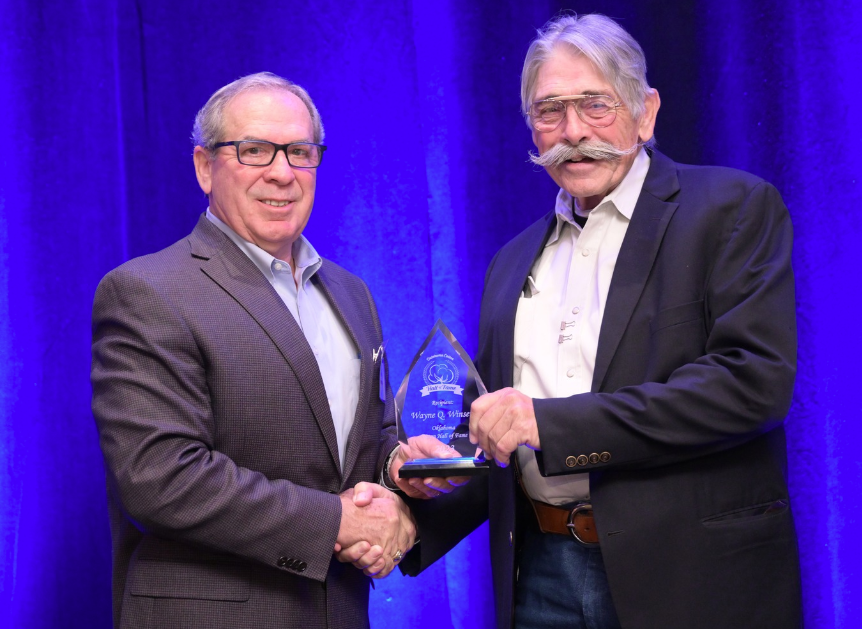

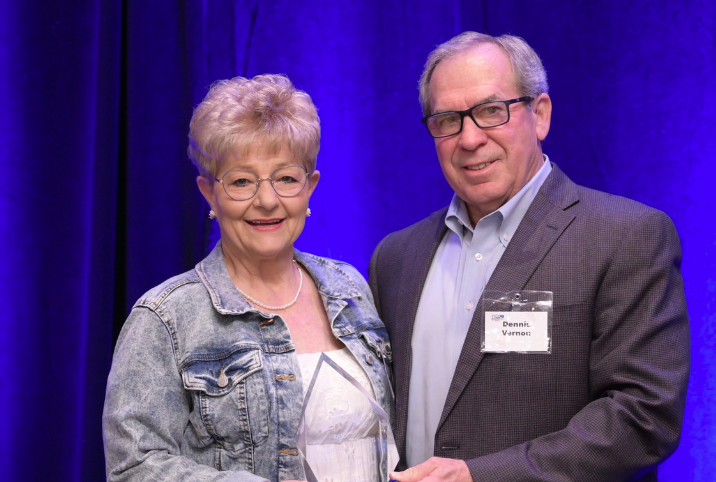

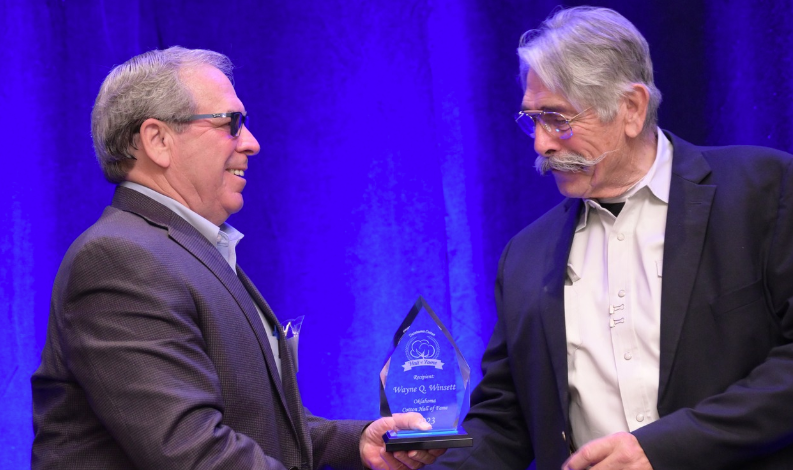






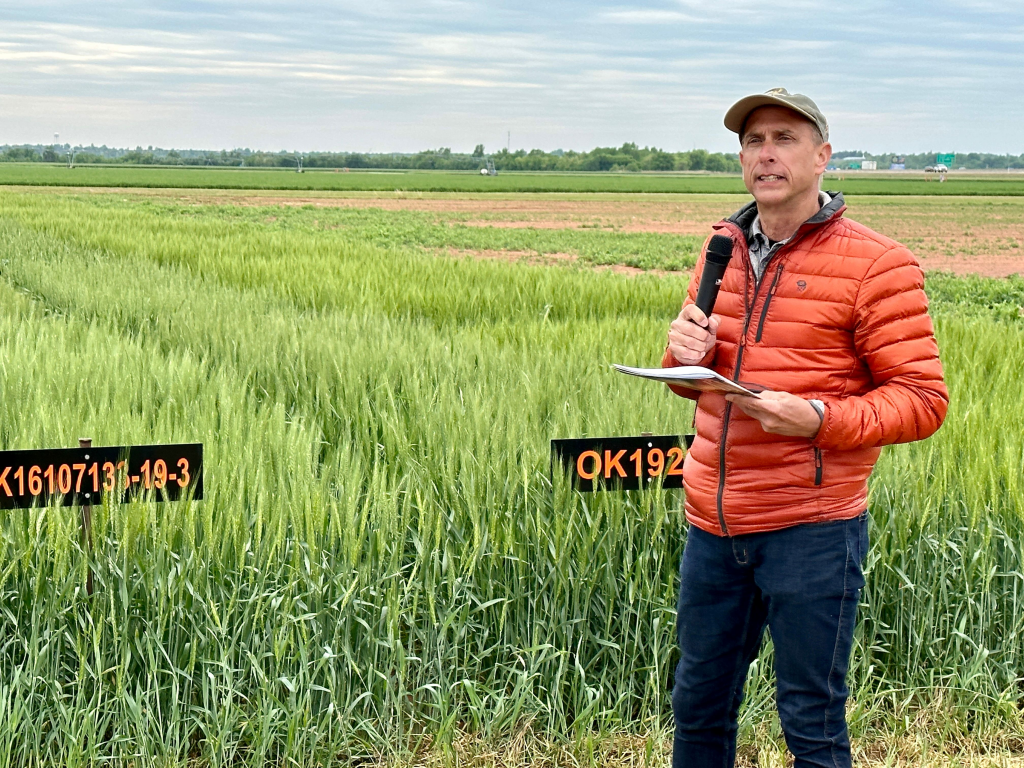
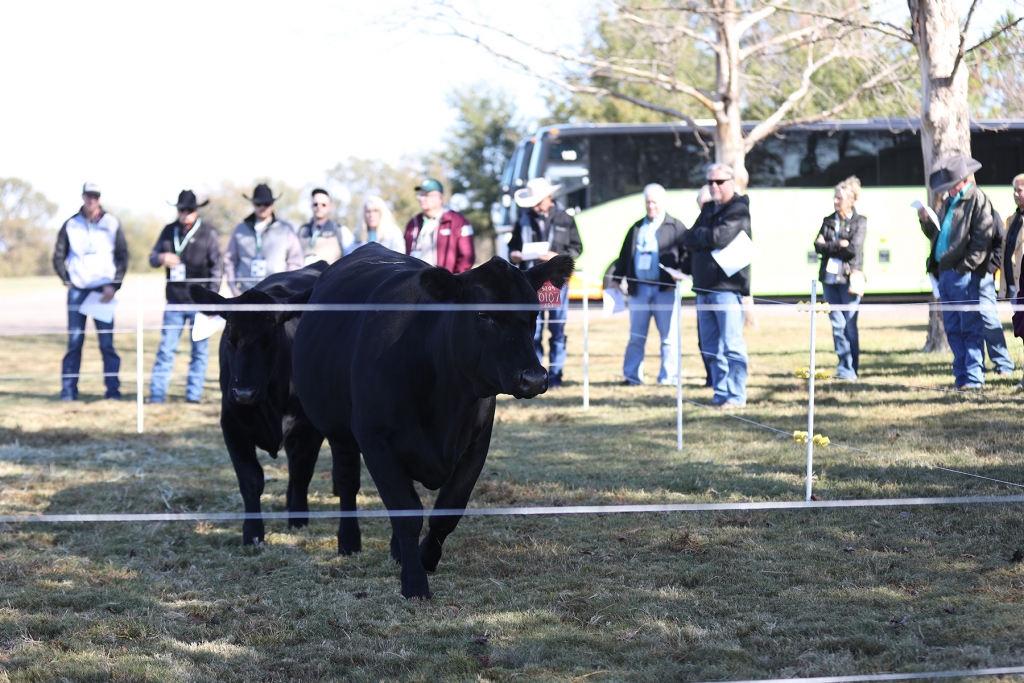

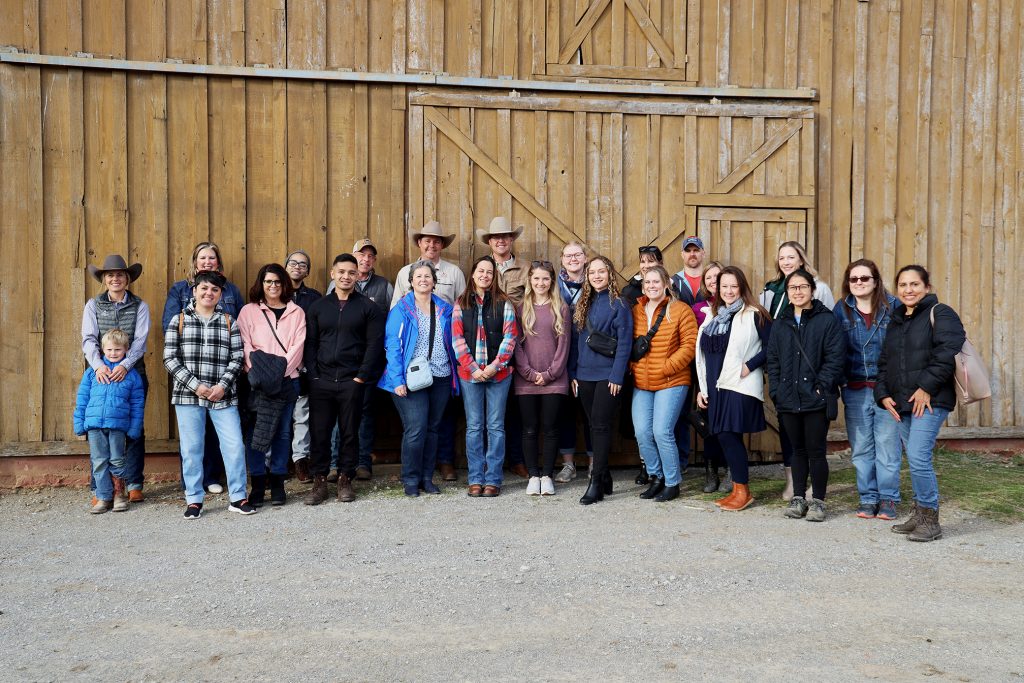
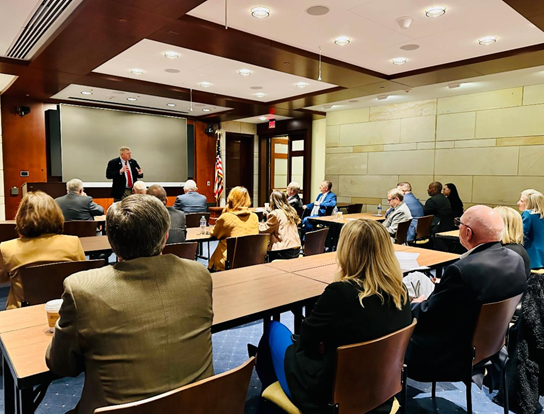

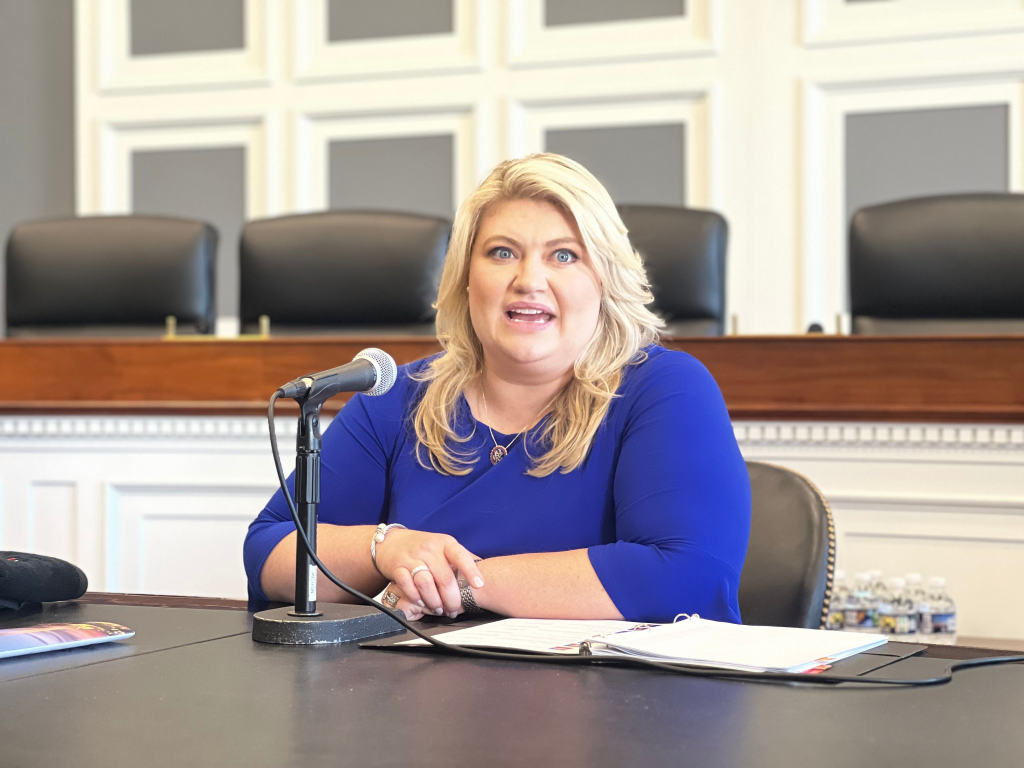
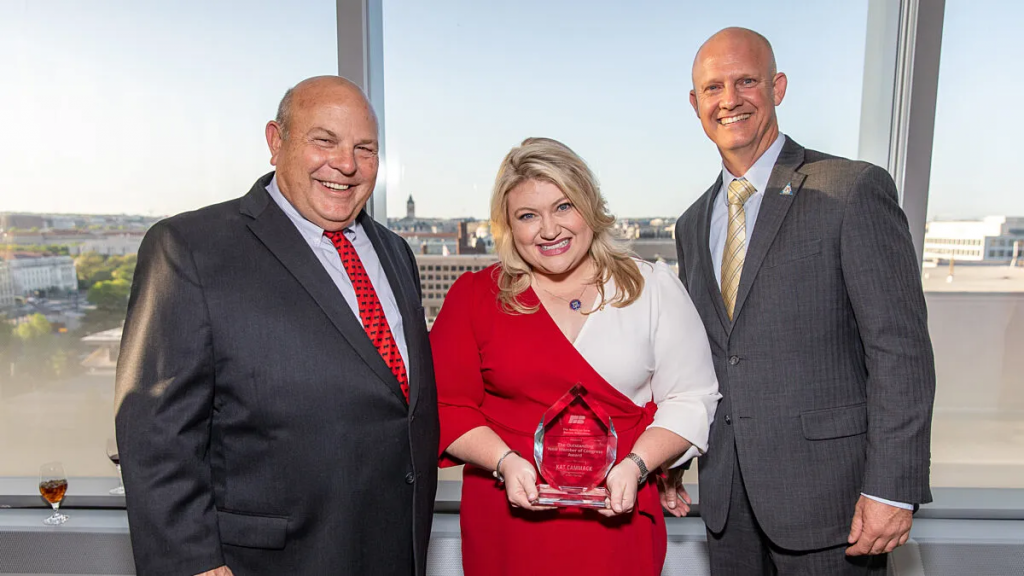
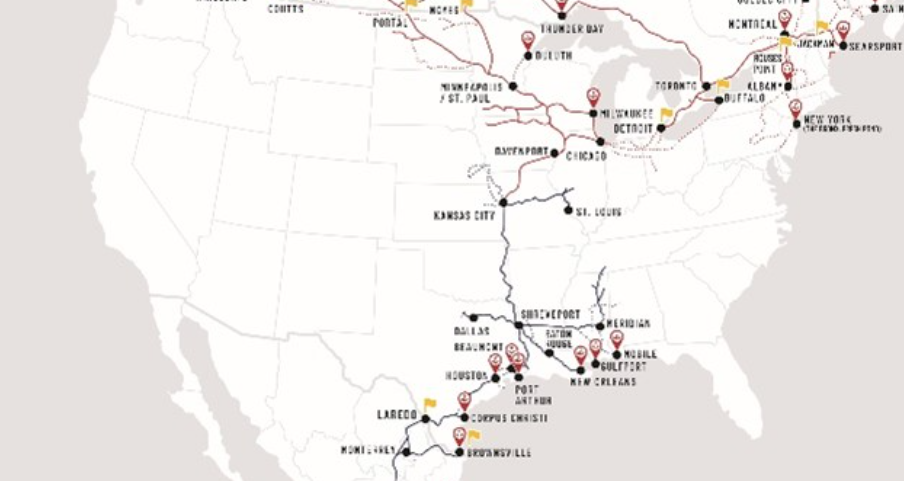
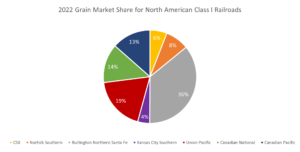
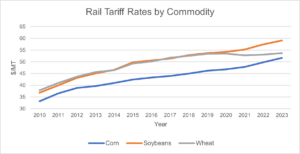
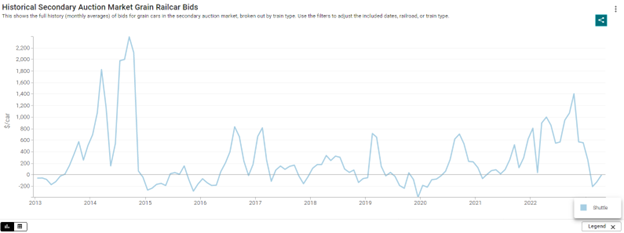
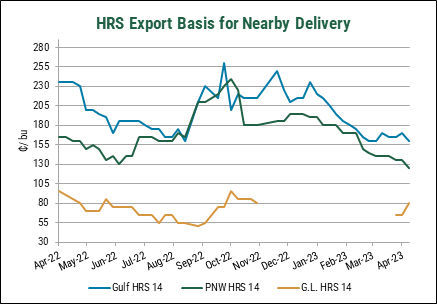
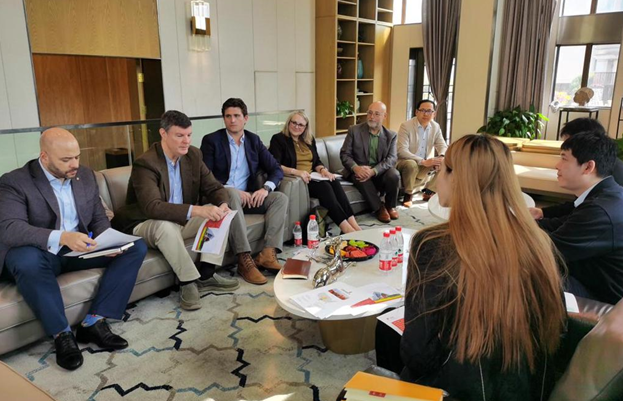
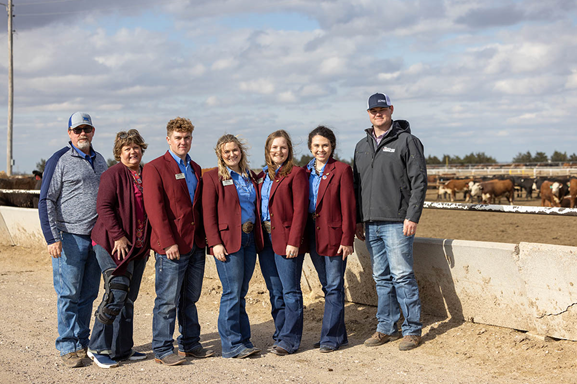

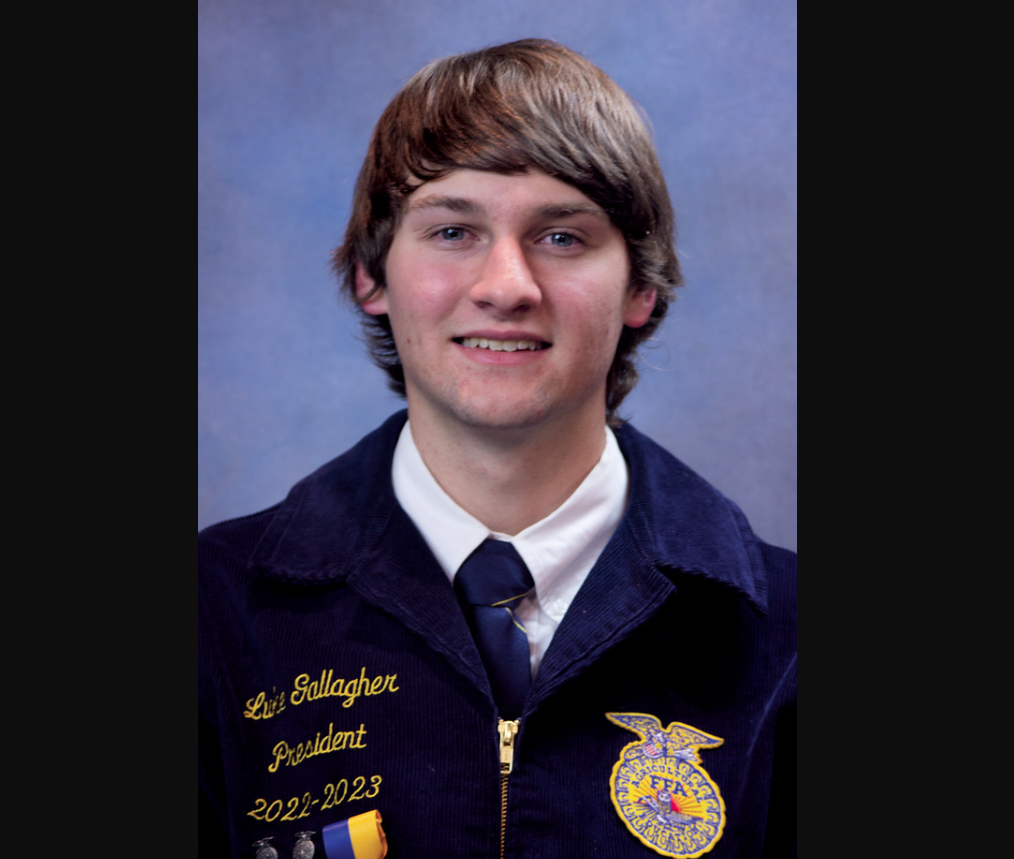

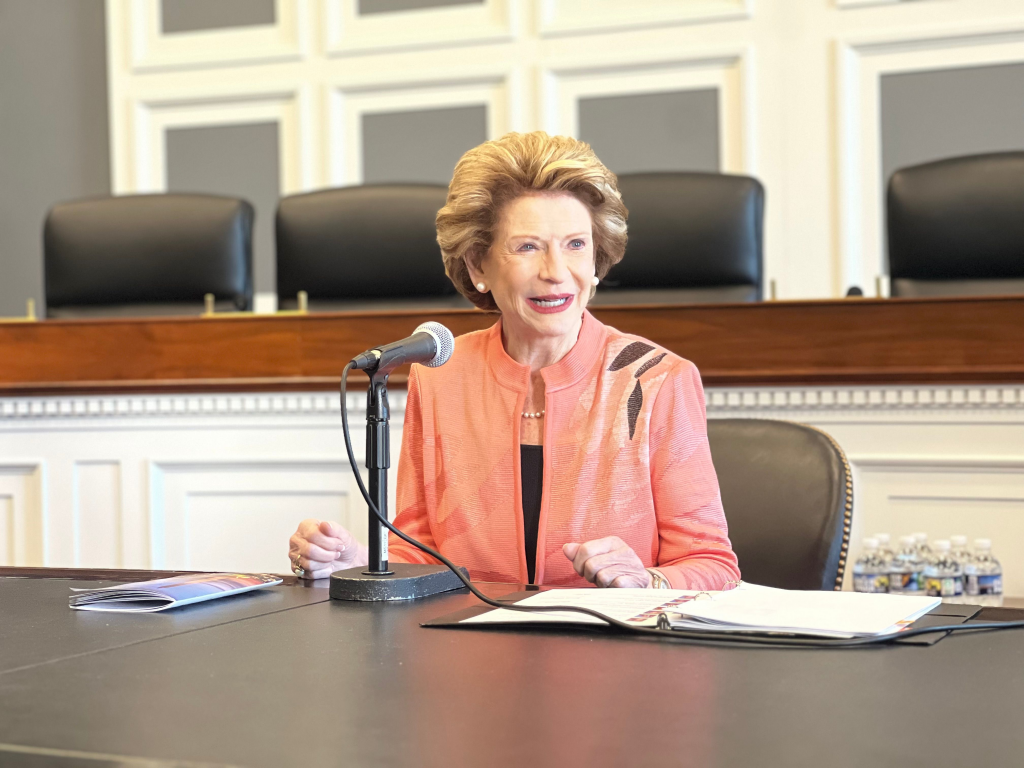
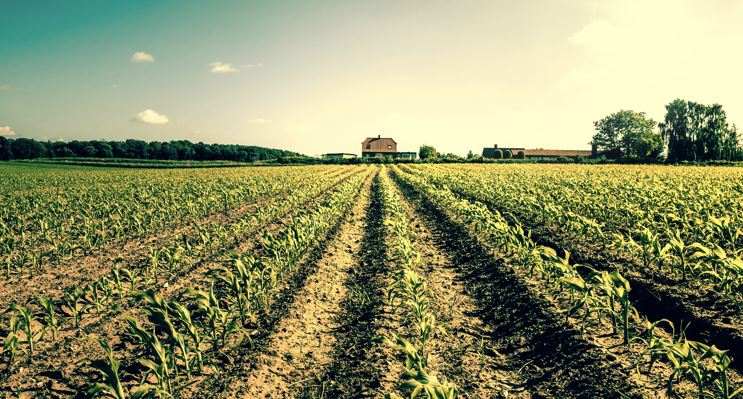
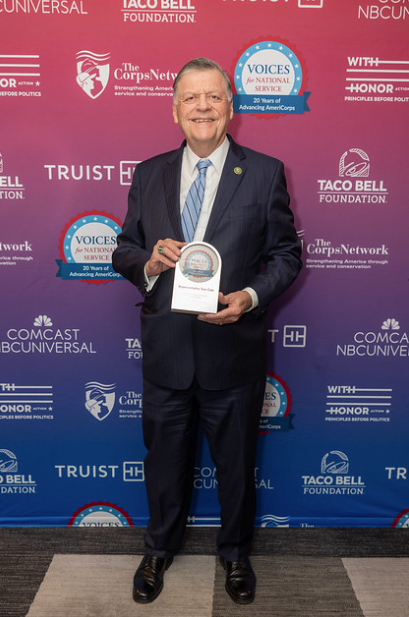
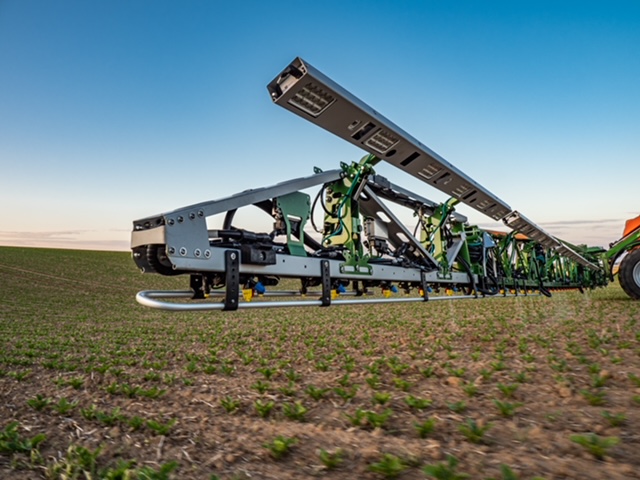
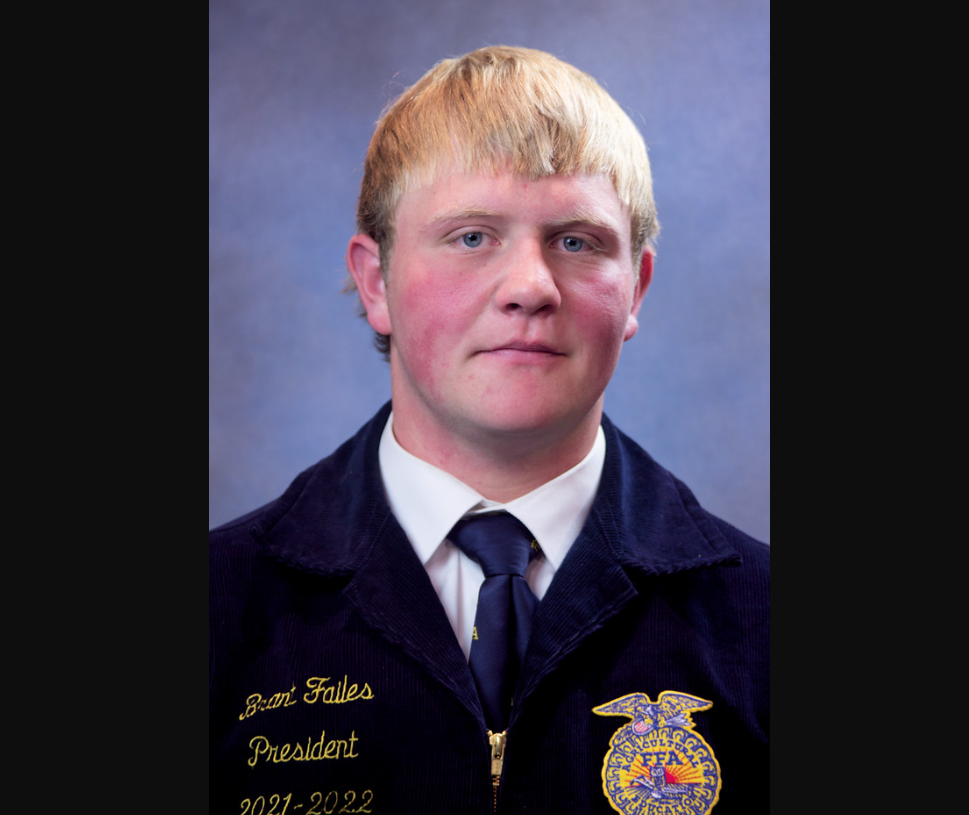
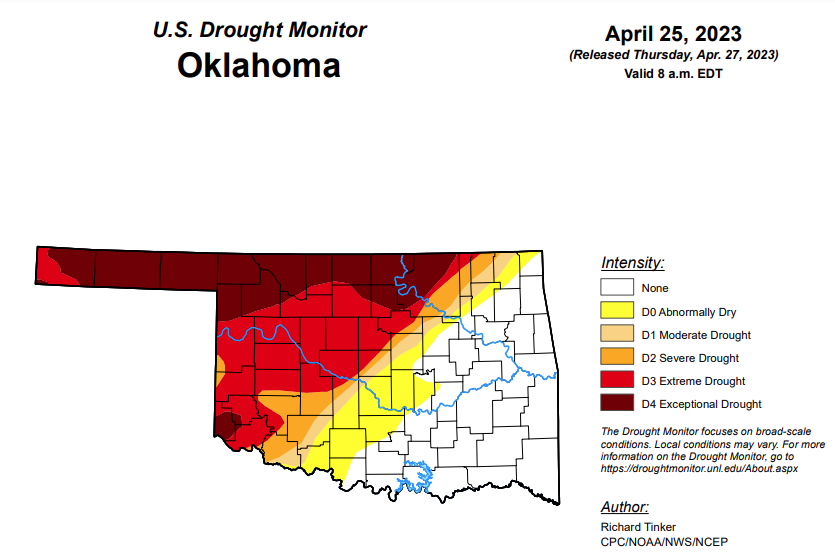
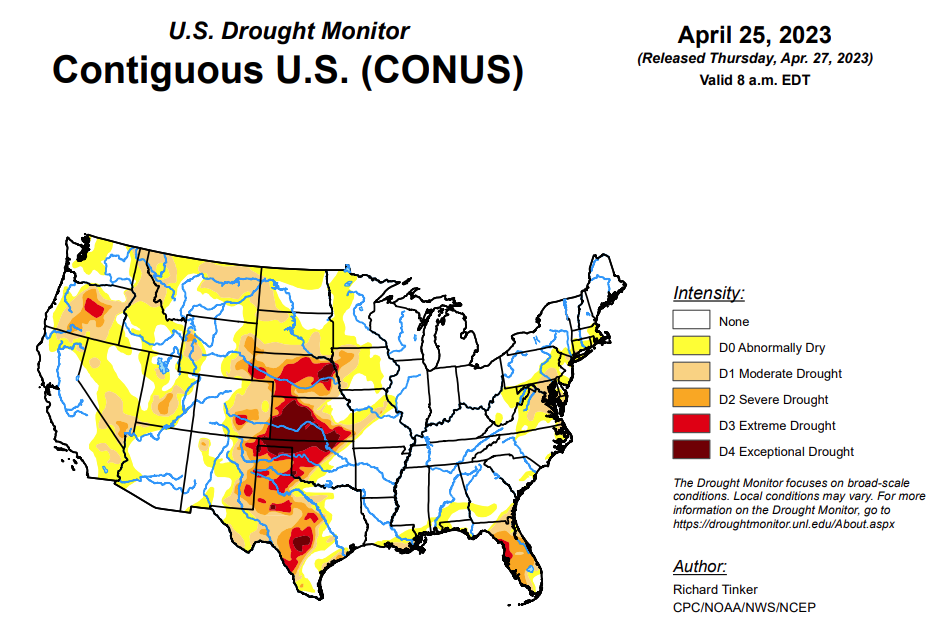
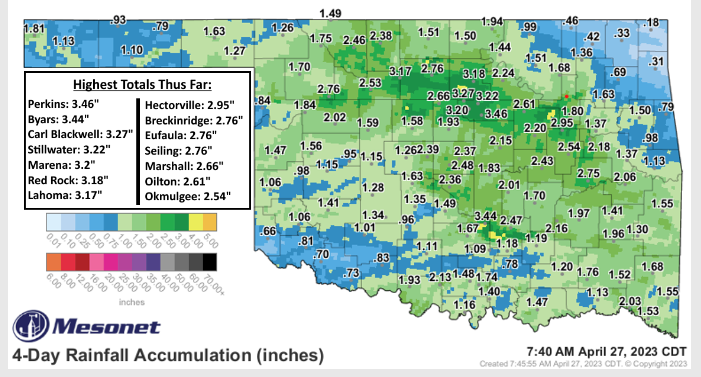
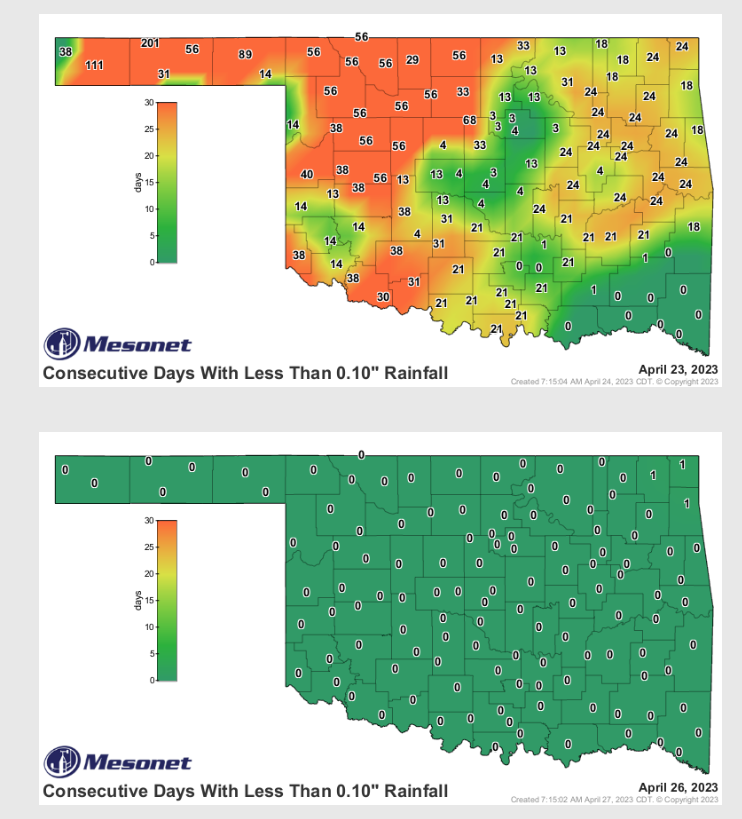
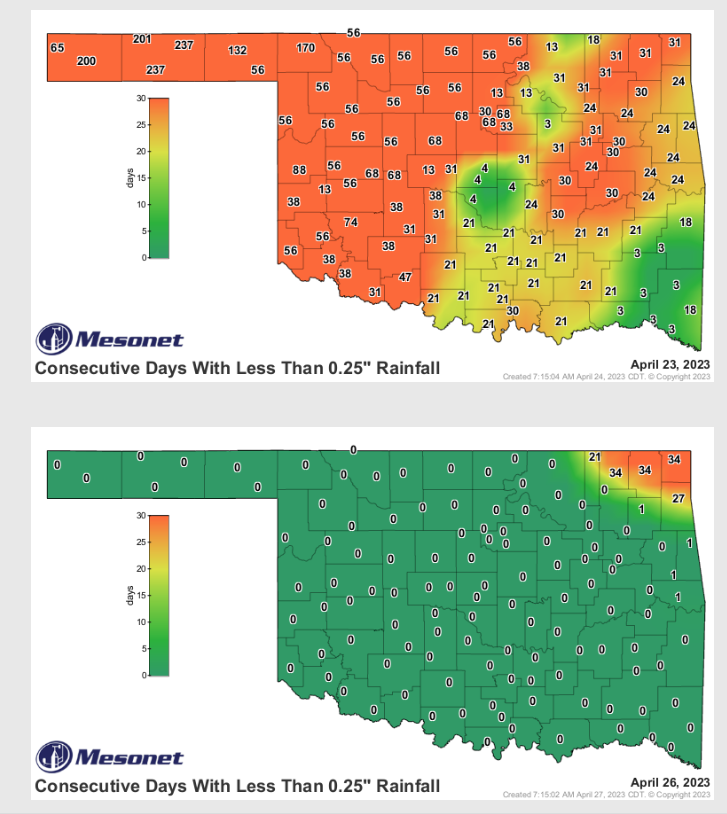
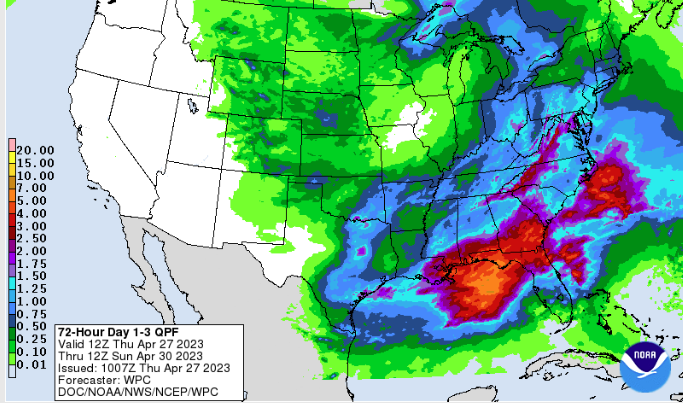
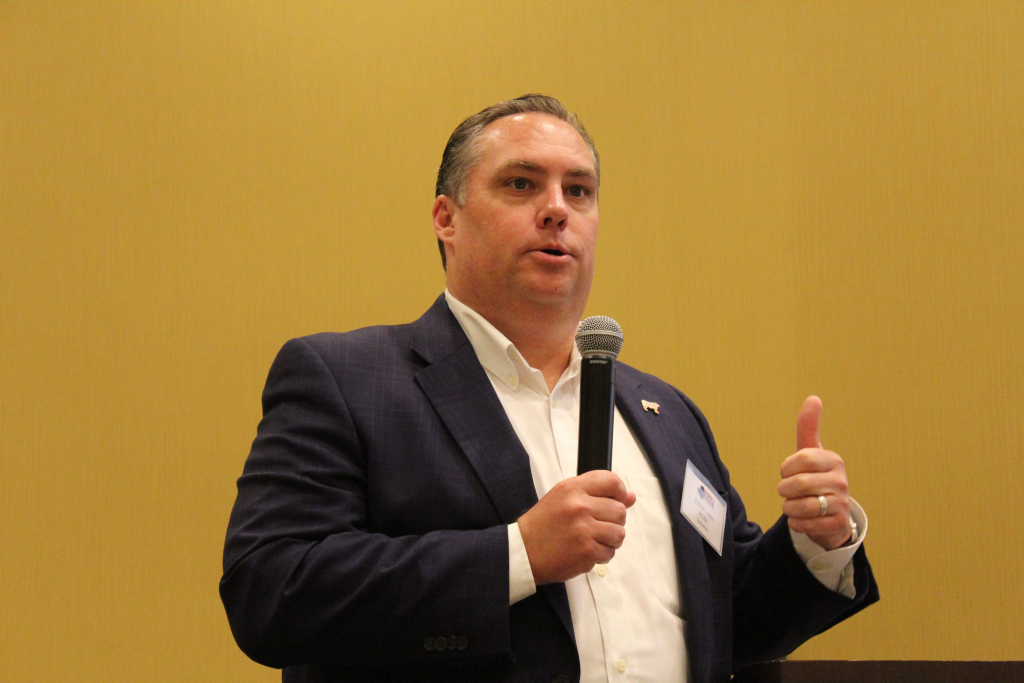
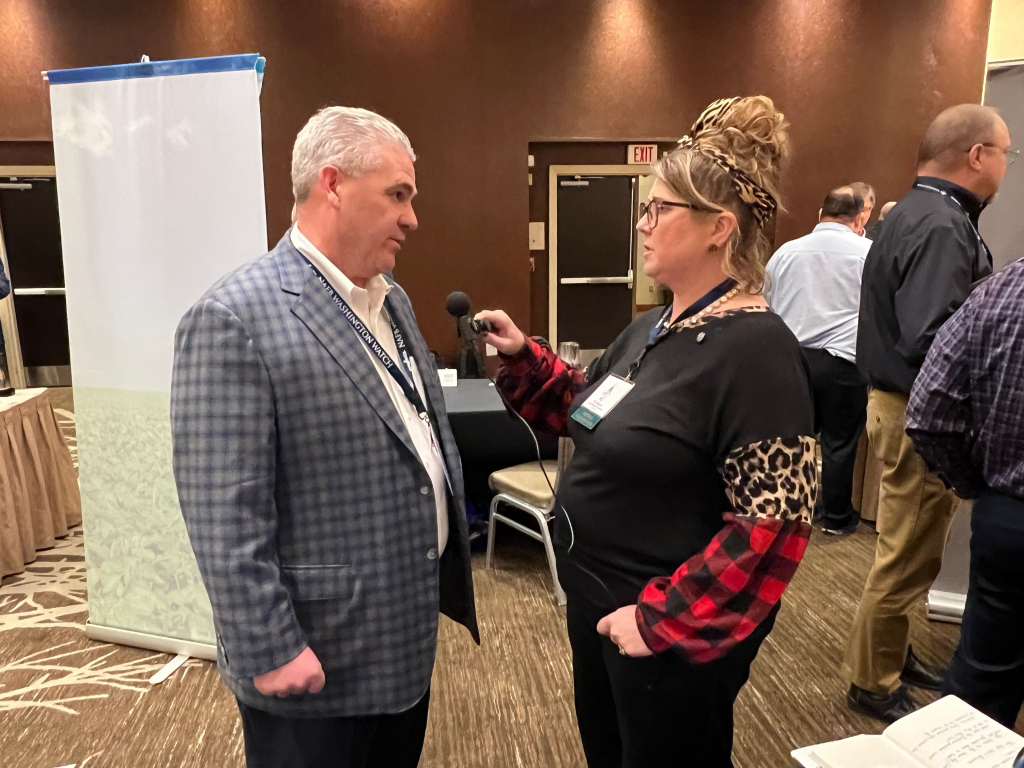
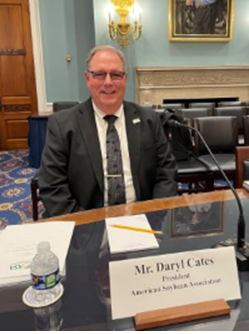



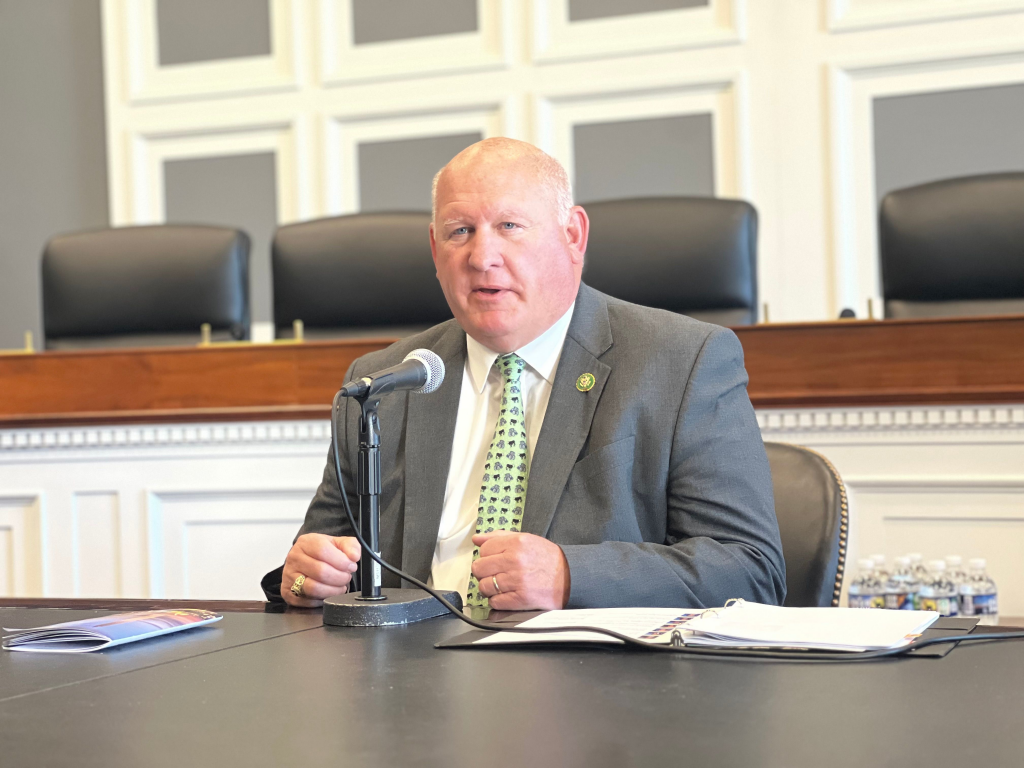
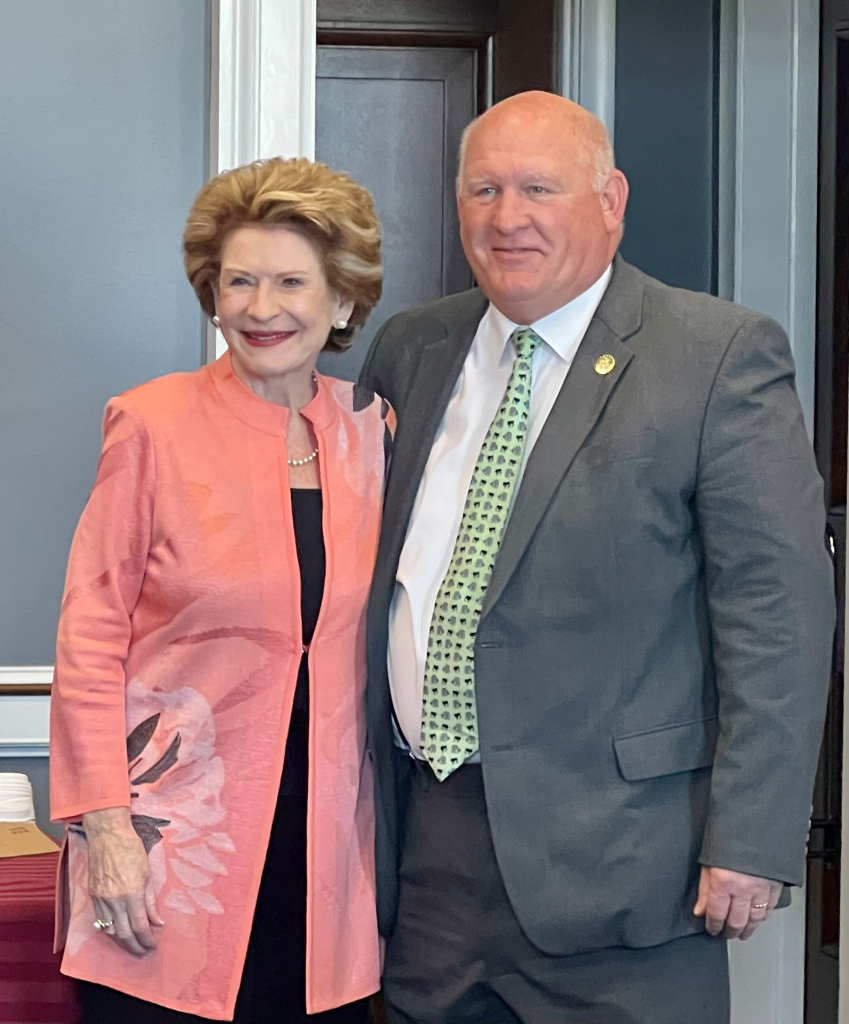





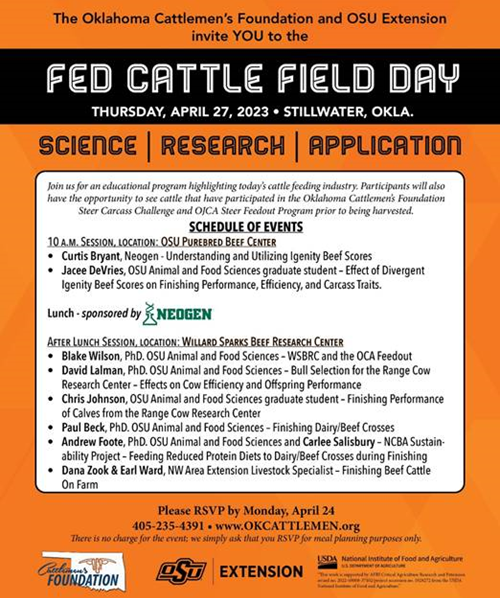

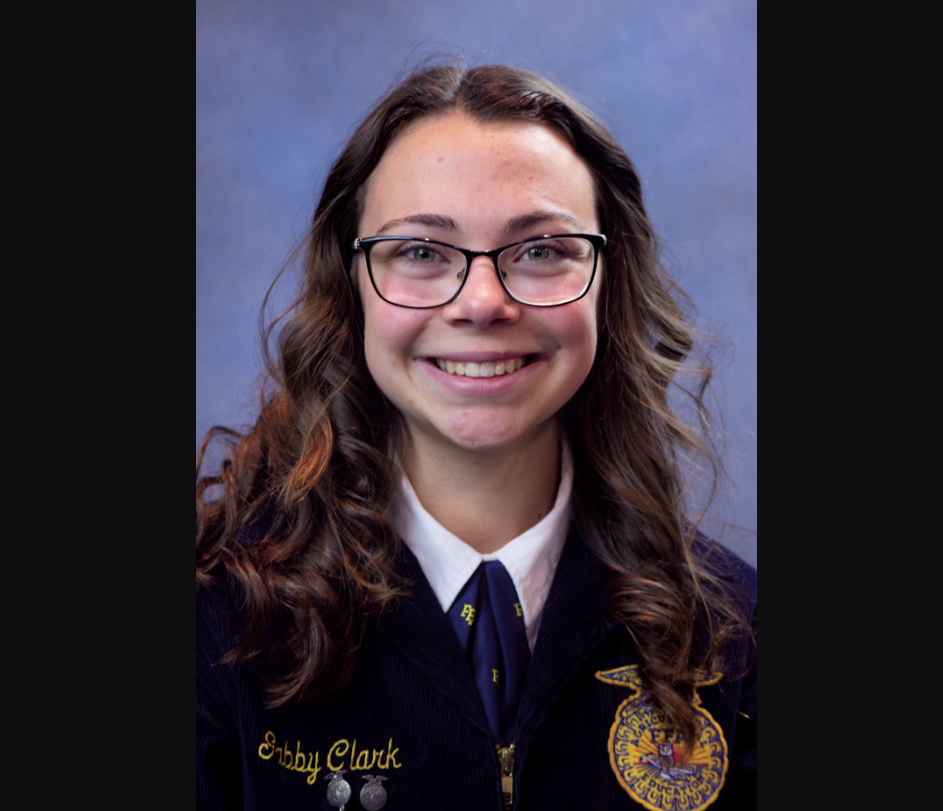




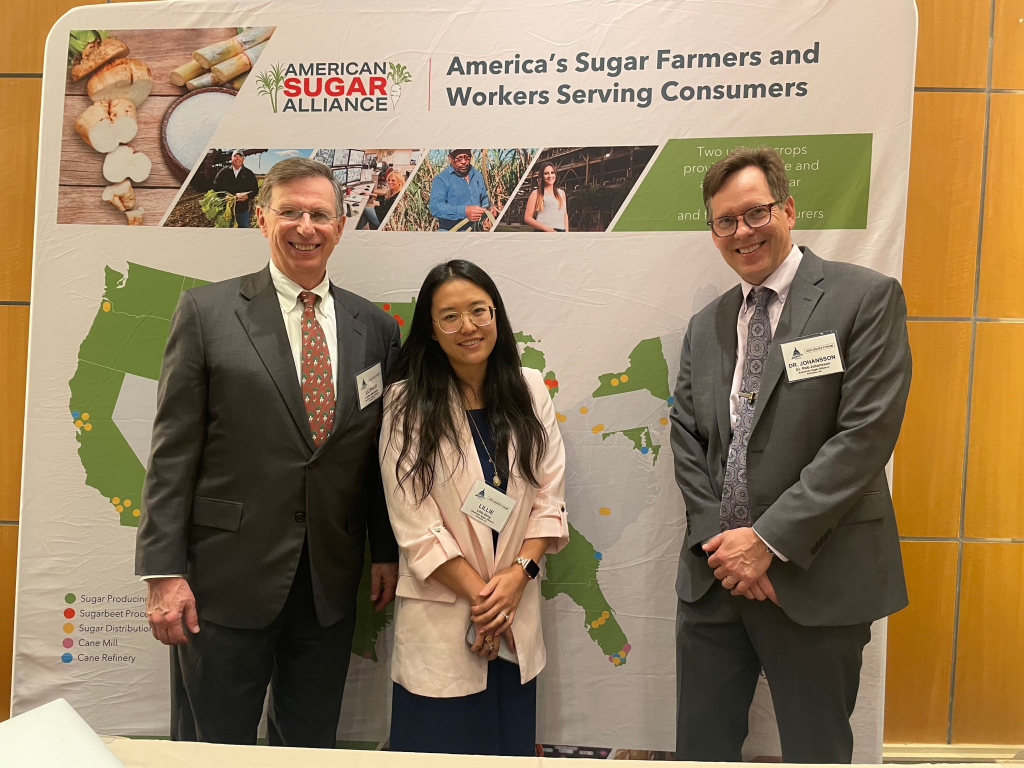
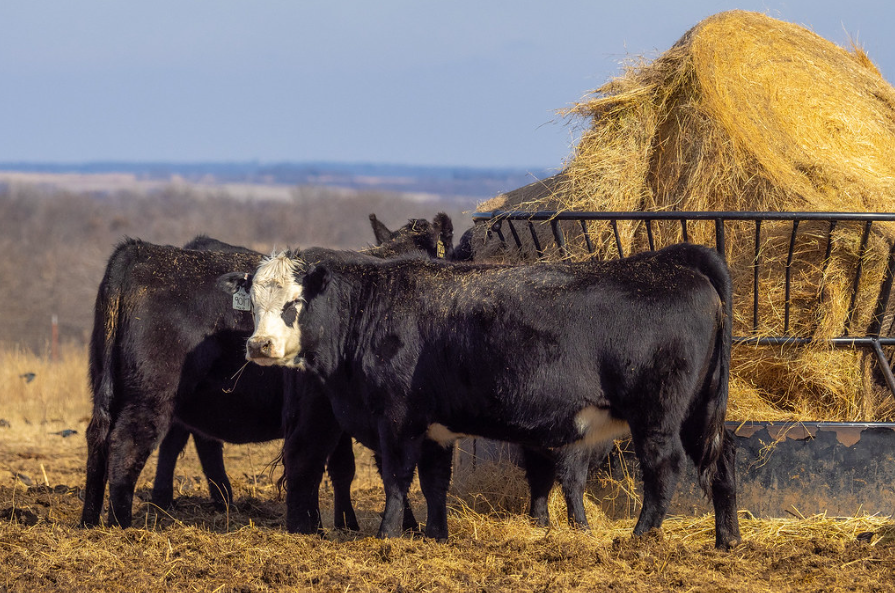
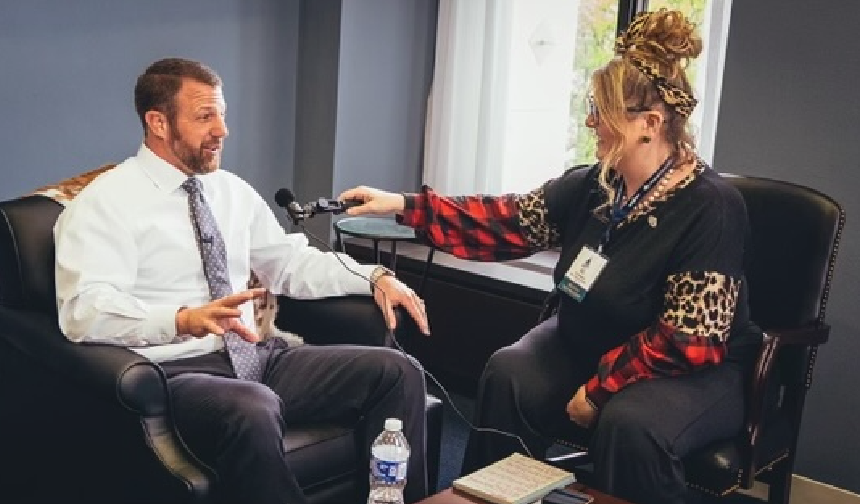
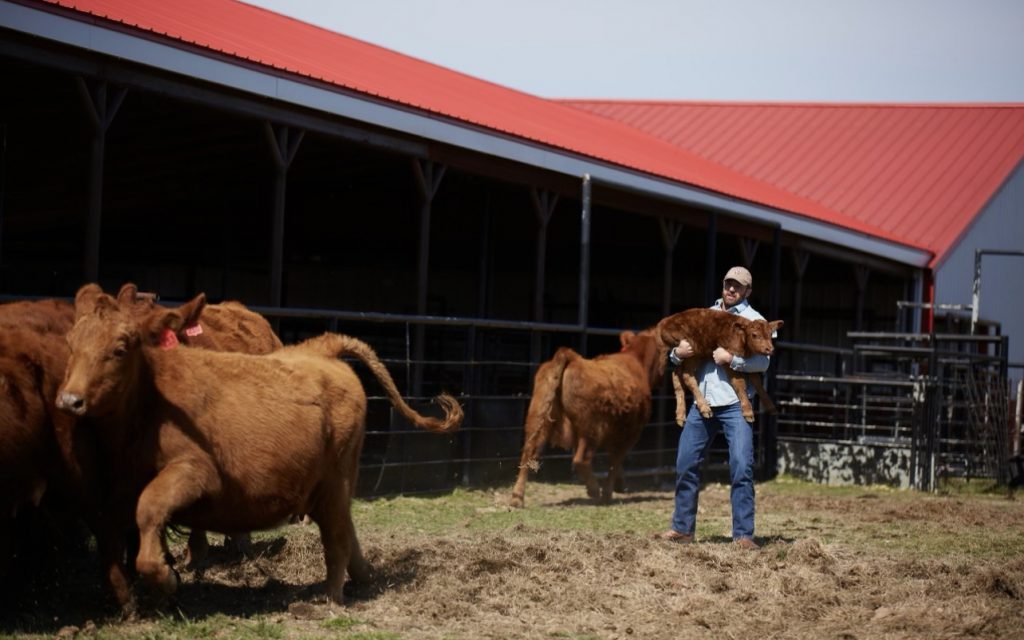


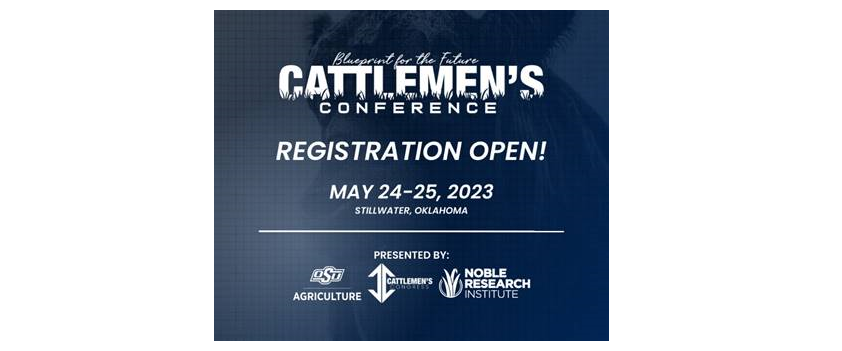

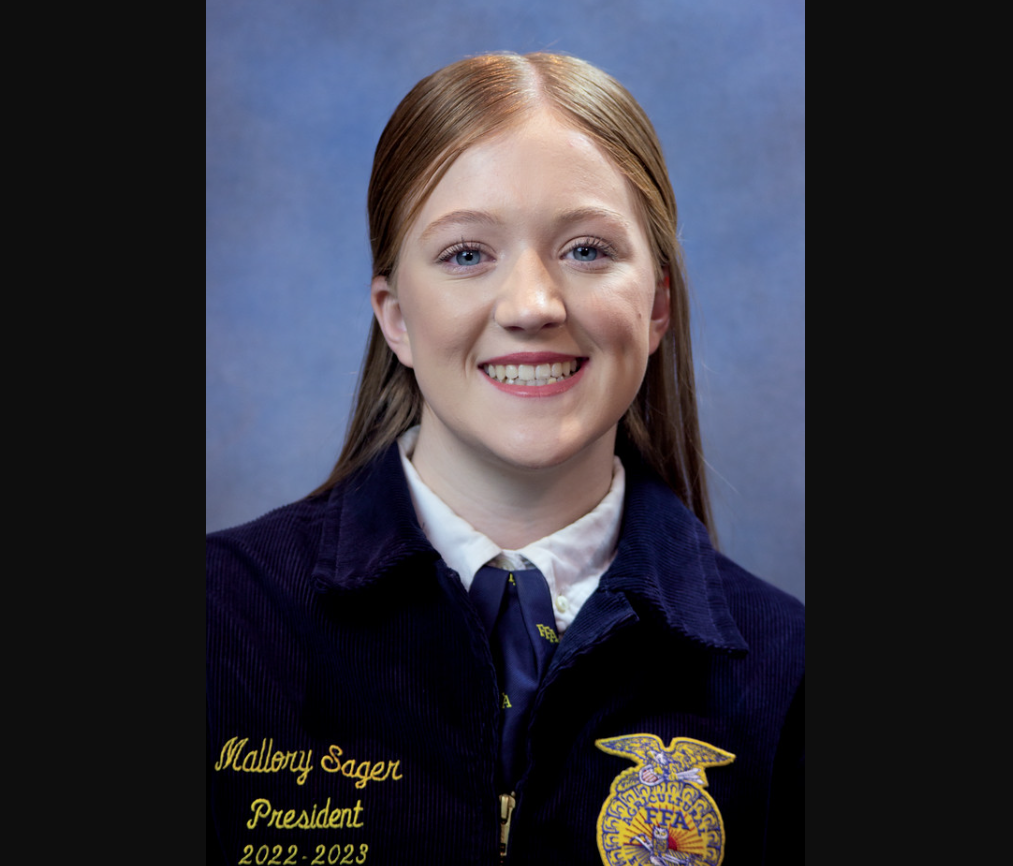

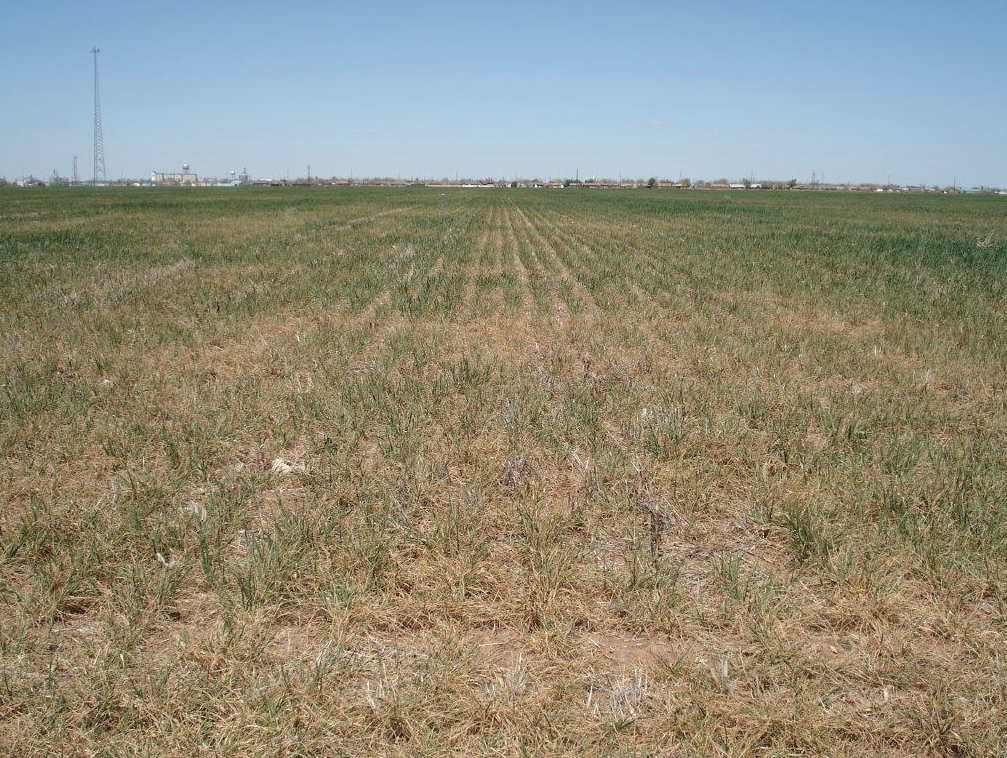
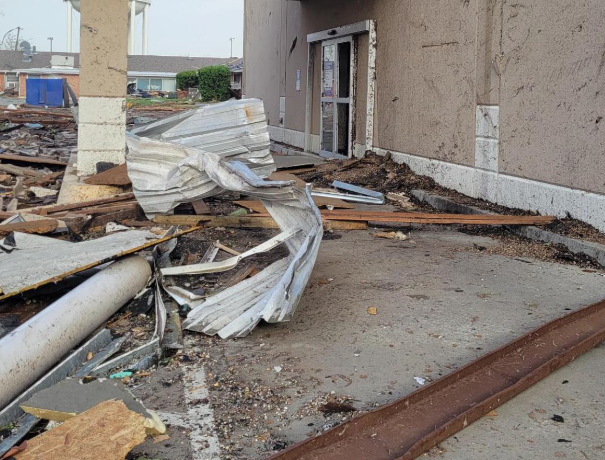
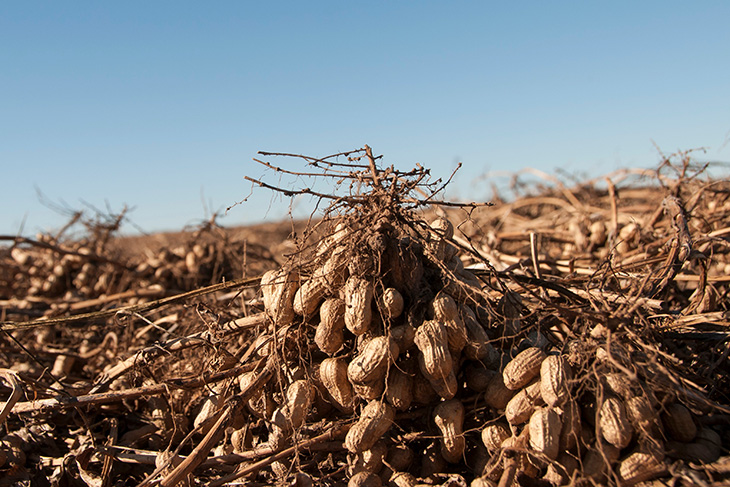
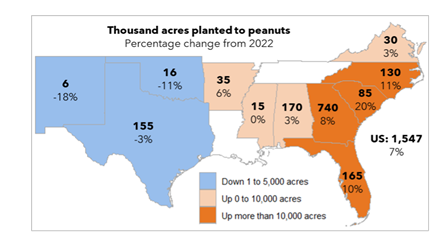
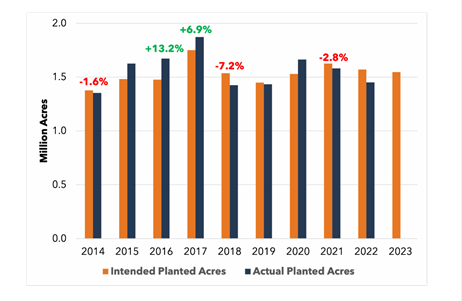

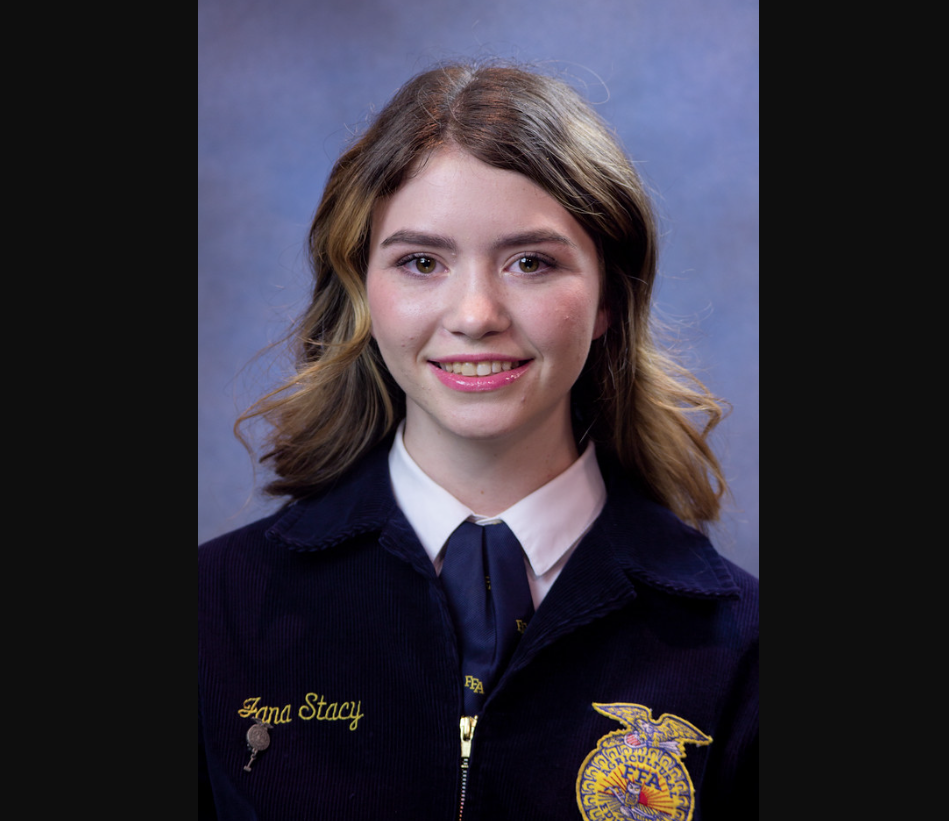

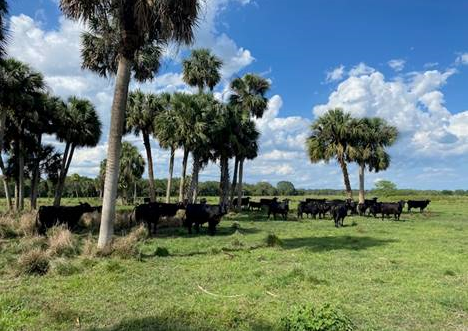
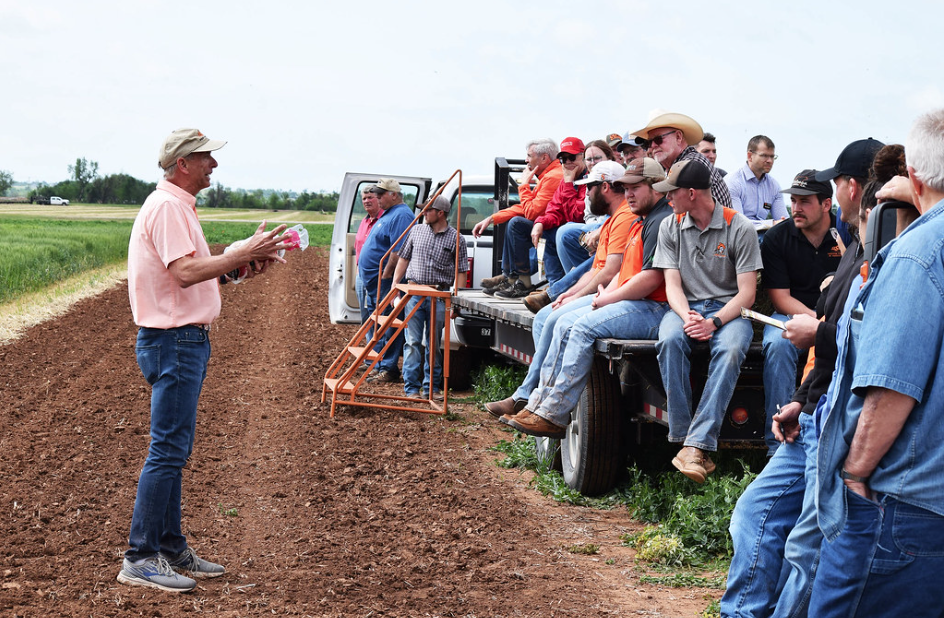
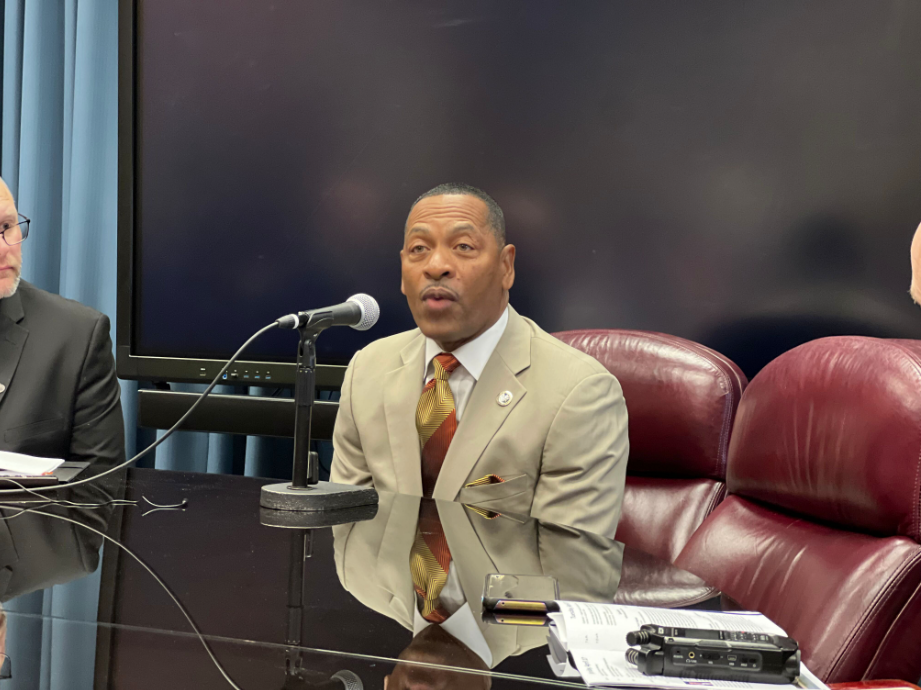
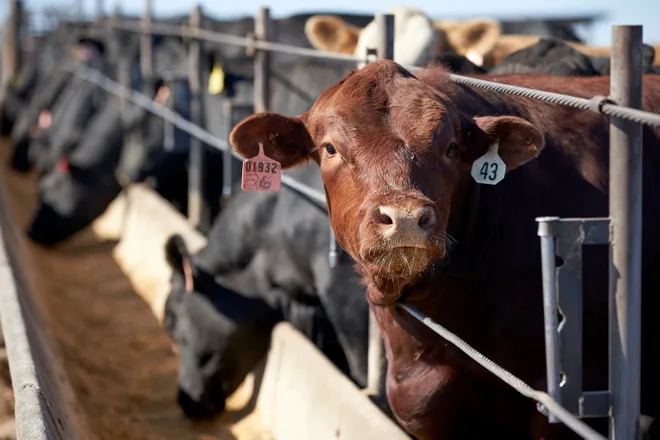
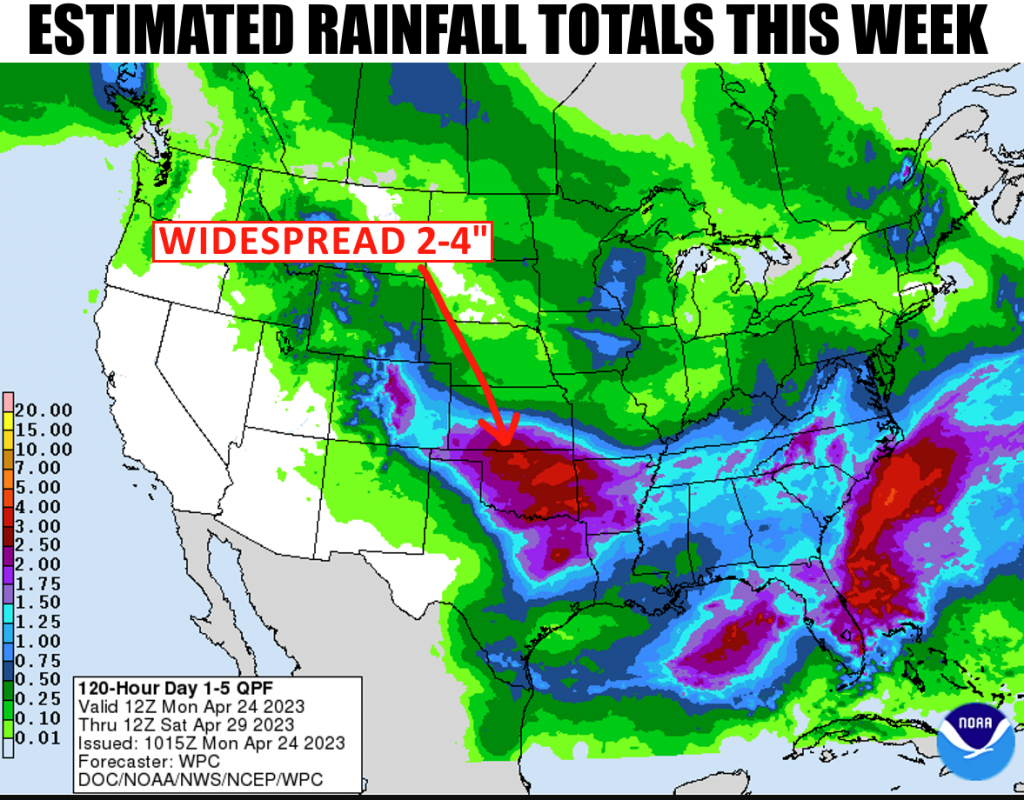
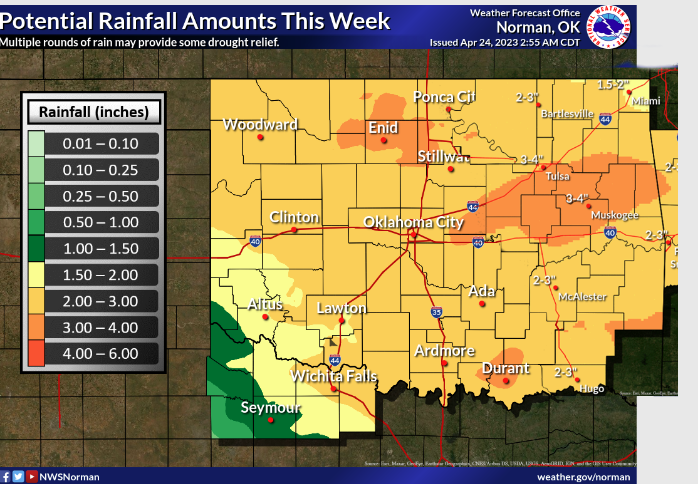
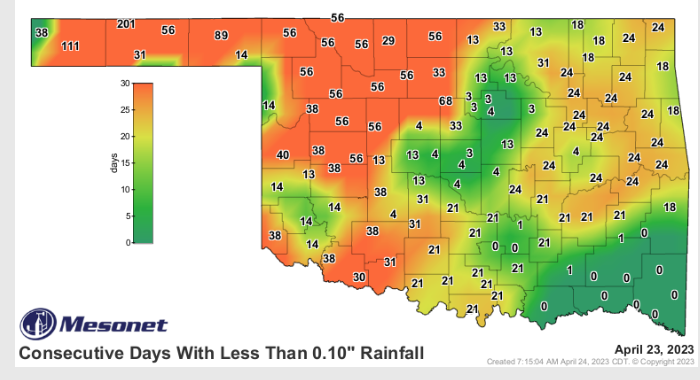
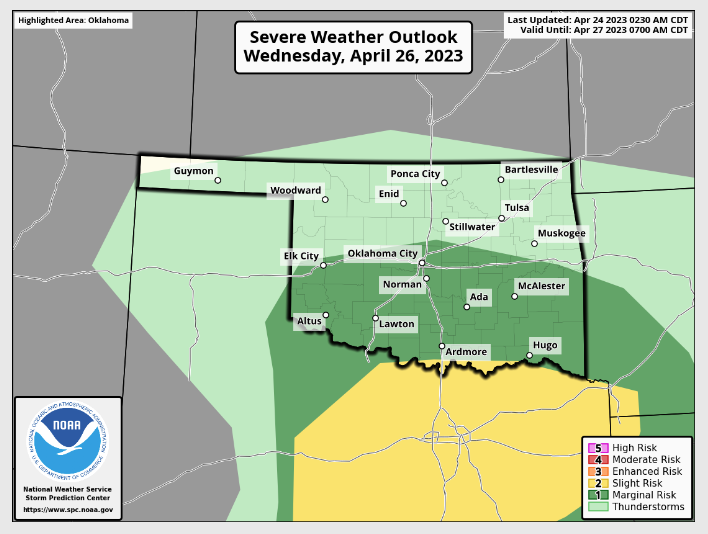




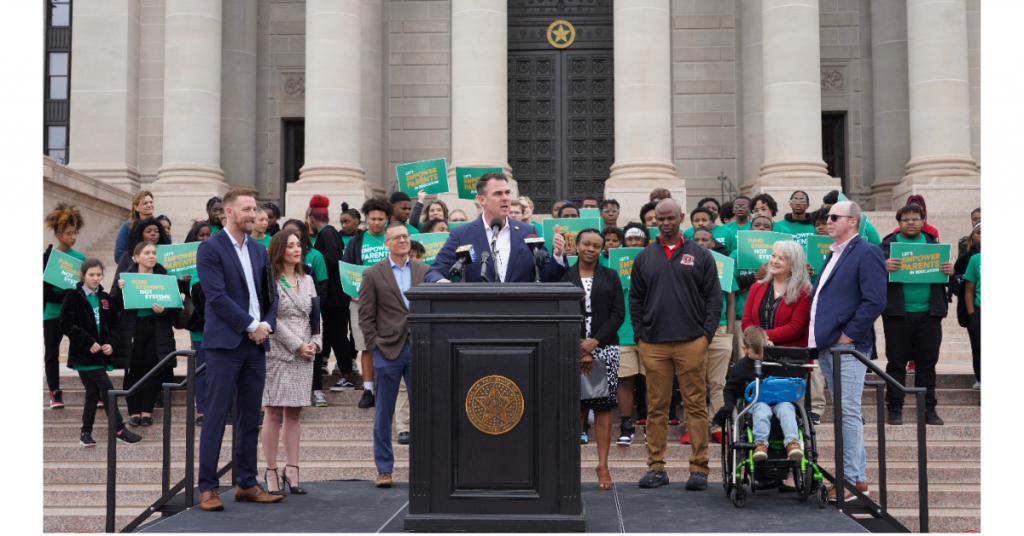
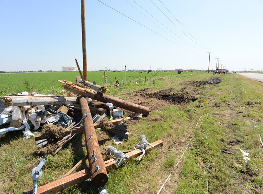
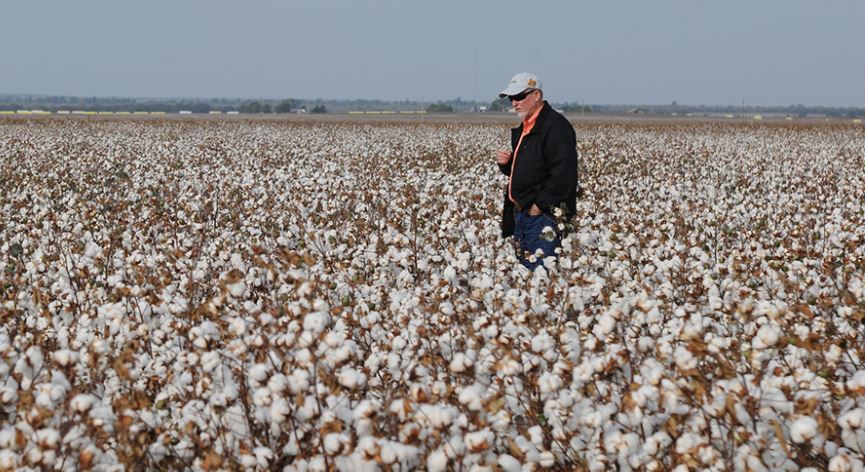

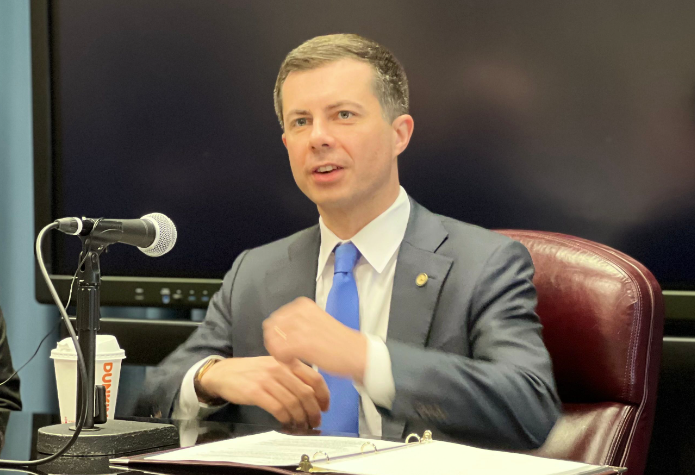
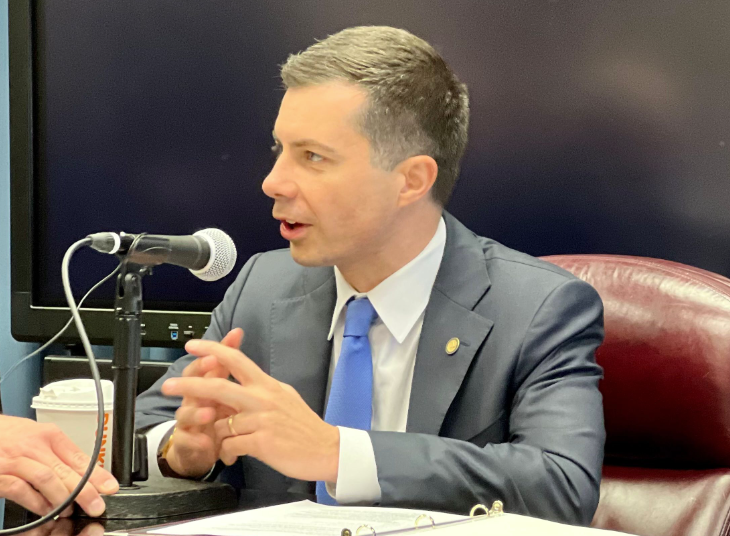
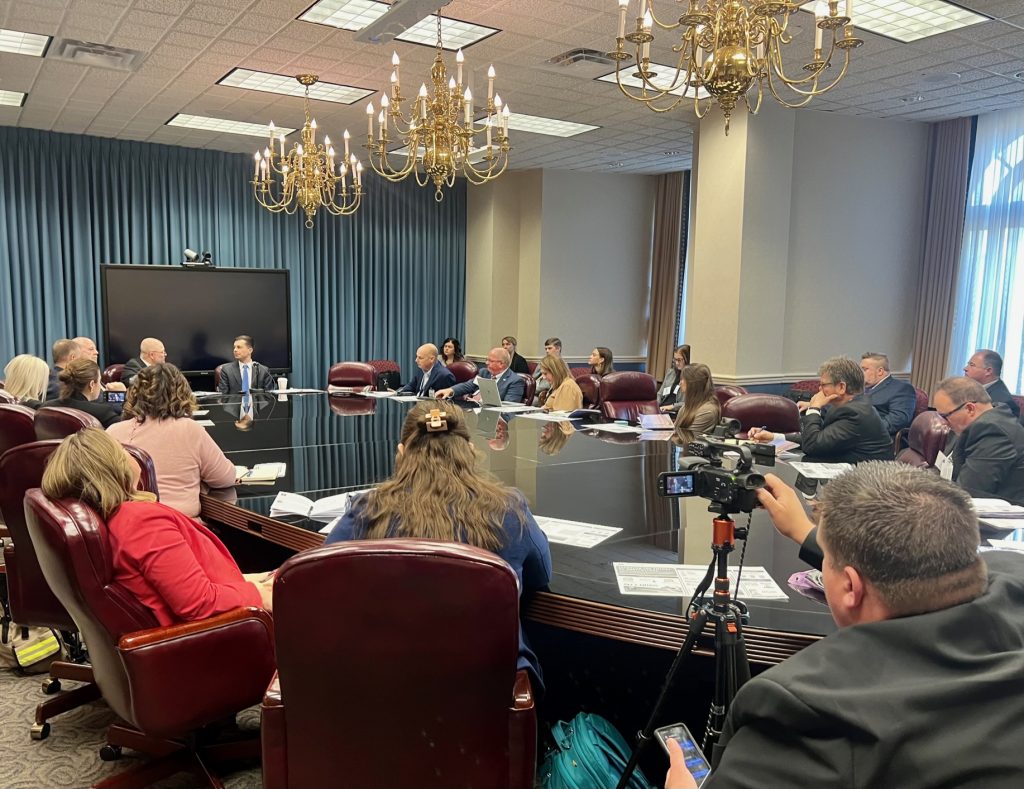
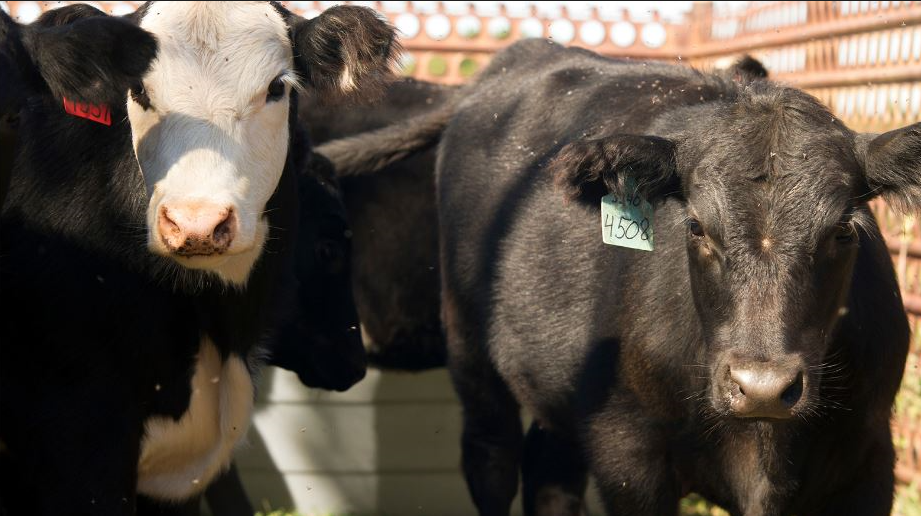

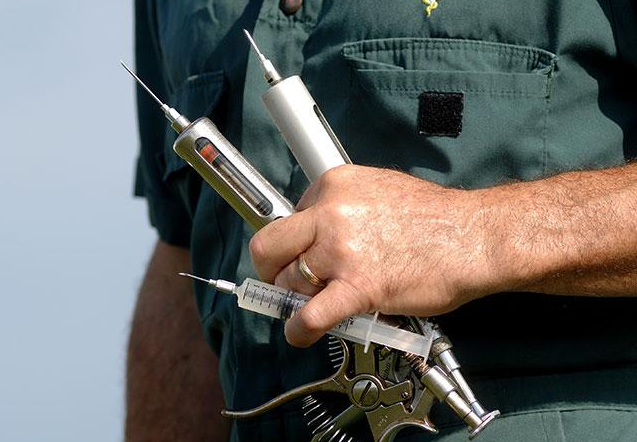
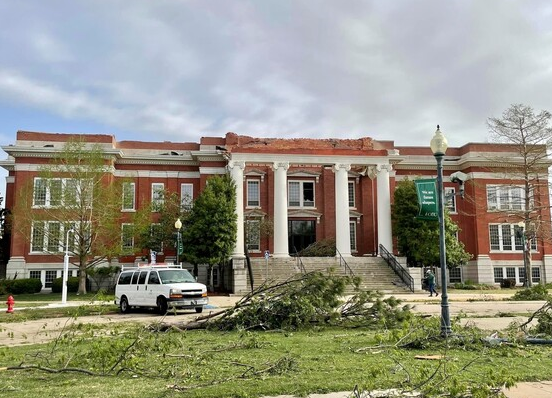
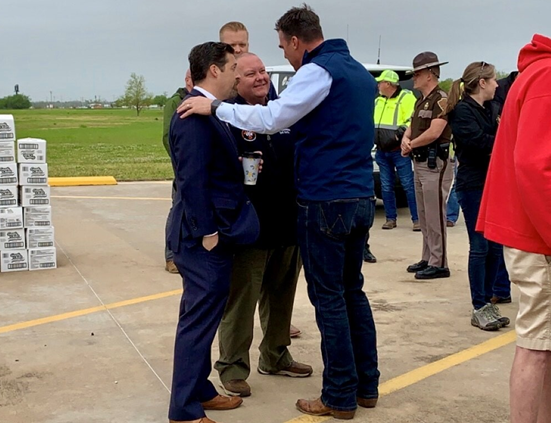
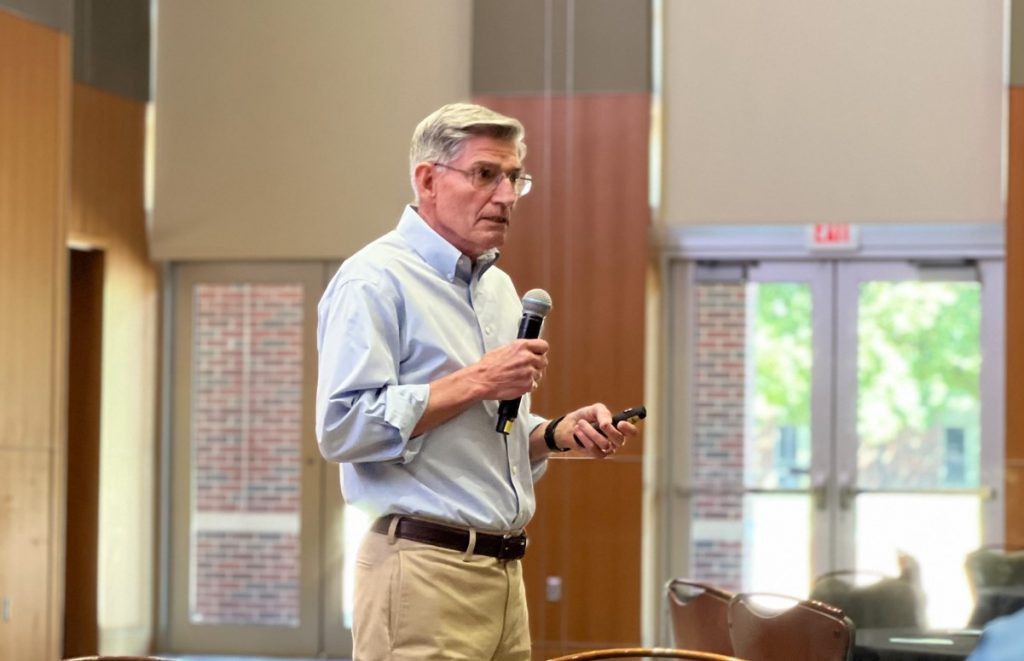
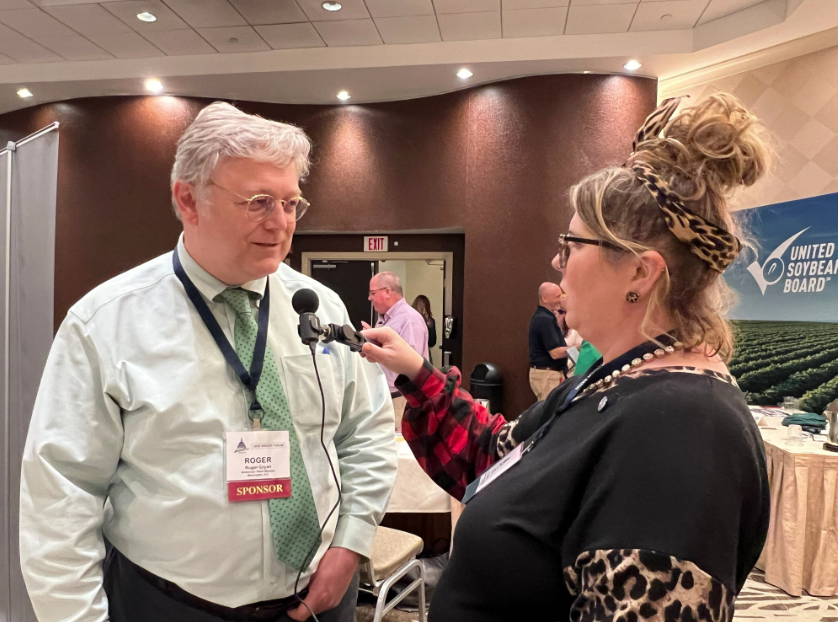


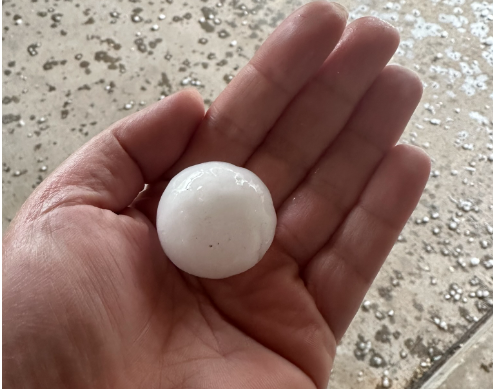

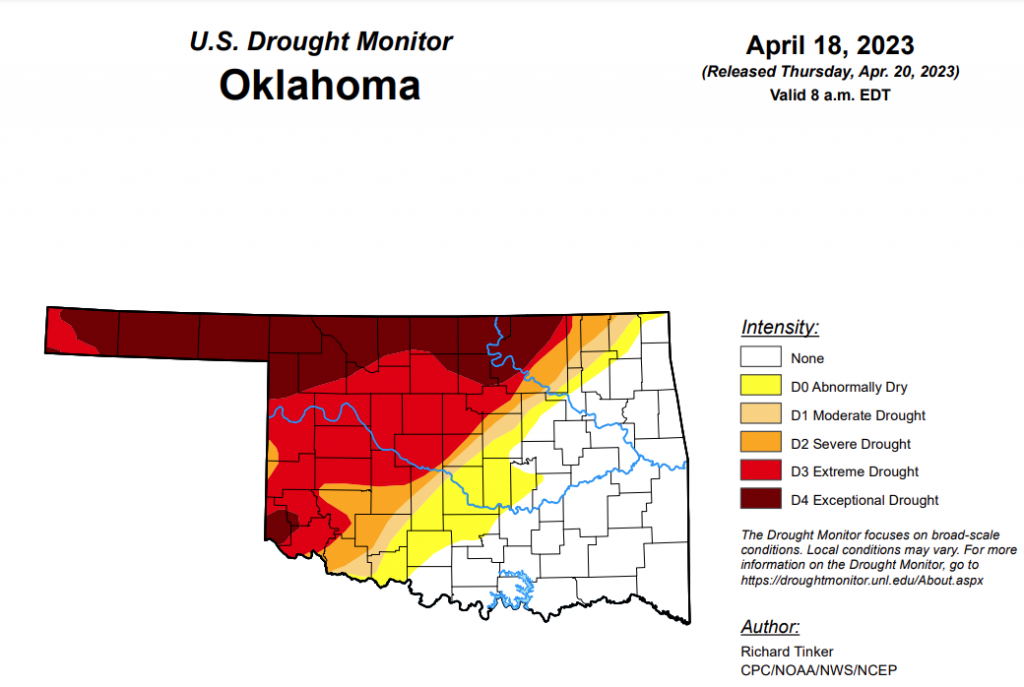
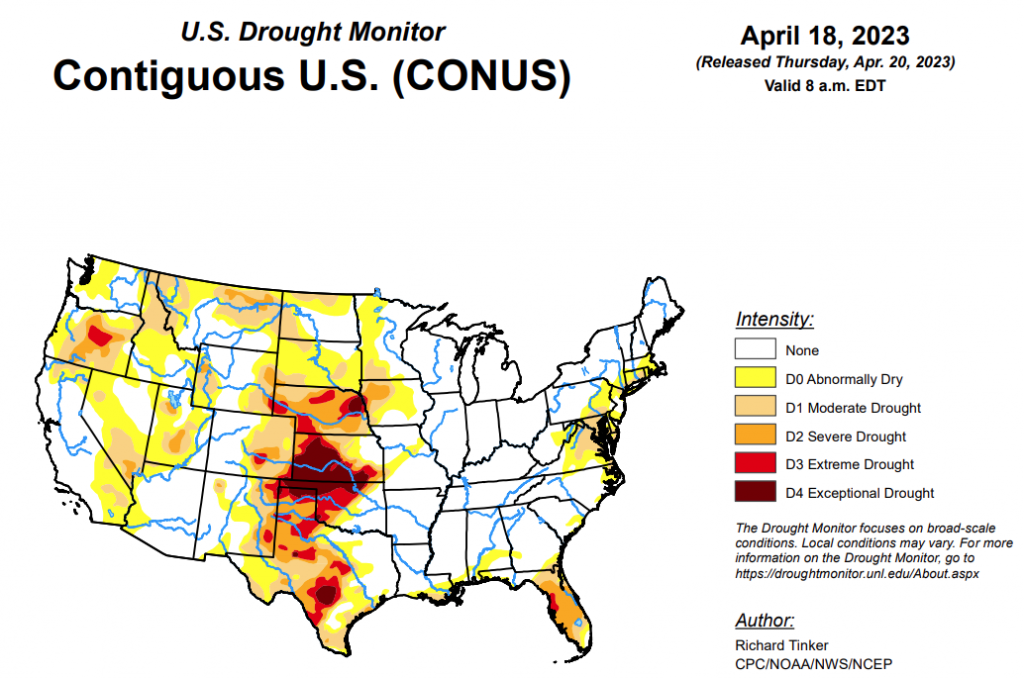
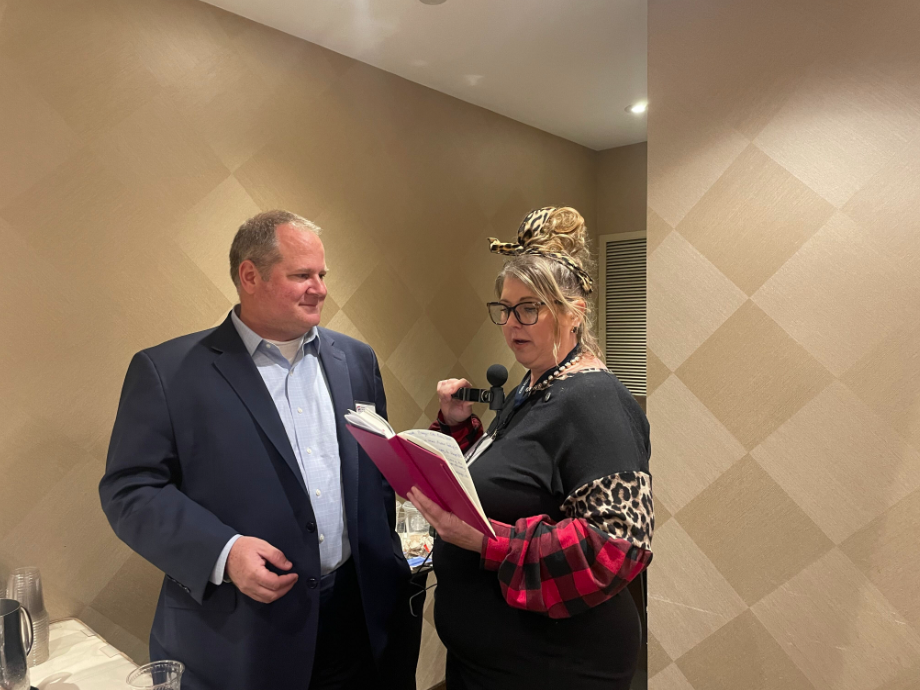
 The annual Sustainability Impact Report provides the latest data on the nutritional benefits of meat, dairy, poultry, eggs, and seafood and details U.S. animal agriculture's achievements in modern environmental stewardship, animal care, judicious antibiotic use, and food safety. These achievements contribute to reaching the United Nations' Sustainable Development Goals. Highlights include: