American Farm Bureau Federation President Zippy Duvall commented today on the flawed process that led to a flawed White House report issued by the Make America Healthy Again (MAHA) Commission.
"When I came to Washington to serve as president of the American Farm Bureau Federation, I was surprised by the multiple layers of public review and public comment behind government-issued regulations and reports. In time, I came to appreciate the credibility that results from careful vetting, thorough review and transparency.
"Public trust in government is eroded when it deviates from a sound scientific record to meet an agenda, then steamrolls conclusions through with inadequate examination, which appears to be the case with the MAHA Commission report.
"Much public attention is now focused on the citation of nonexistent studies in the report, but it's also important to challenge the report's dogged determination to sow seeds of doubt and fear about the safety of our food system. The report downplays a mountain of evidence and safeguards that ensure a safe food supply. The result risks a loss of public trust in both the food system and the president.
"Farmers share the goal of healthy outcomes in America, but the bottom line is that the report development process was broken. We had concerns before the report's release and urged the White House, in a public statement, to step back and ensure its accuracy. Our statement concluded with the following caution: History teaches us that it takes a very long time to rebuild public confidence once it is lost – even if the loss is caused by incorrect or incomplete information.
"It's not too late for President Trump to step-in and take control of the process going forward. The next report that lays out any policy recommendations must be carefully vetted and provide an opportunity for those impacted to offer input. That's not only what farmers expect, that's good government and that's how public trust is maintained."
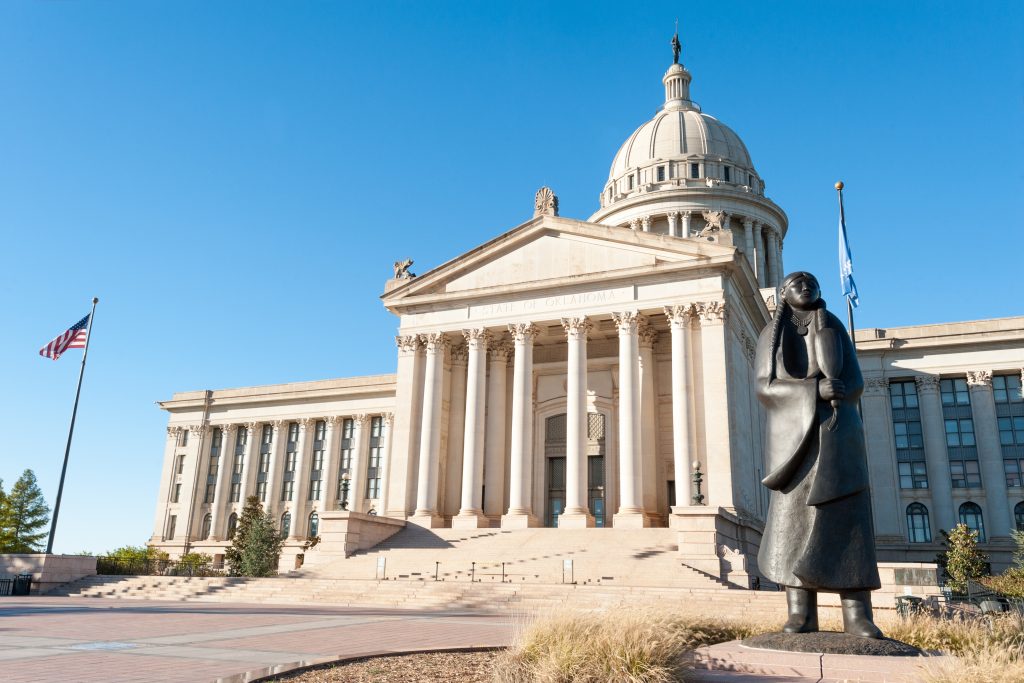
The First Session of the 60th Oklahoma Legislature adjourned Sine Die today, capping a landmark session marked by numerous legislative victories, generational policy reforms and a unified vision for Oklahoma's future.
Senate President Pro Tempore Lonnie Paxton, R-Tuttle, and House Speaker Kyle Hilbert, R-Bristow, each celebrating their first sessions as leaders of their respective chambers, praised the Legislature's accomplishments and said the work accomplished this year sets the tone for sustained progress in years to come.
"This session has been about laying the foundation for Oklahoma's future," said Pro Tem Paxton. "We came in with a clear mission to put our state on a stronger footing, and we delivered. We passed transformational tax reforms that return hard-earned dollars to Oklahoma families and businesses while keeping our state competitive. I'm proud of the Senate's work to pass common-sense legislation that reflects the values of the people we represent. From reducing unnecessary virtual school days to making classrooms more focused by removing cellphones and curbing DEI ideology on our campuses, to modernizing the way we approach energy and economic development, we took bold steps to improve our state's future. We've proven that good governance yields real results. We're not just talking about the future, we're building it."
House Speaker Kyle Hilbert praised the teamwork across both chambers.
"This session was about taking bold action to improve the lives of every Oklahoman," said Speaker Hilbert. "We prioritized policies that put students, families and businesses first. We were able to cut taxes, strengthen our schools and modernize outdated laws that held us back. I'm especially proud of the bipartisan support we saw on issues that matter most to everyday citizens. The legislation we passed isn't just a checklist of campaign promises, it's a roadmap to a better, stronger Oklahoma. These measures aren't just wins for today, they're investments in the next generation.
Among the top accomplishments highlighted by legislative leadership are:
During the coming months, the Legislature will begin the process of moving into the Second Session of the 60th Legislature with interim studies and bill filing later in the year. For updates, visit the websites for the Oklahoma Senate and Oklahoma House of Representatives for more information. Overview of Legislation from the First Session of the 60th Legislature.pdf.

GoBob Pipe and Steel is holding the First Annual Green Country Livestock Field Day, and you are invited to attend on Thursday, June 5!
Demos and presentations will be held in the indoor Cross Bar Arena at 5270 W. 171st Street South in Kiefer, Oklahoma. Lots of livestock equipment will be on display, door prizes will be given, and a barbeque lunch catered by One Smokin' Grill will be served to all who attend.
Presentations include a corner post demo, a permanent/temporary electric fence demo, a barbed wire/field fence demo, a cattle weighing, EID, data collection demo, a chute cattle flow demo, and presentations by economists and agronomists. CEU credits will be available.
The door prizes alone are worth showing up for. They include a Miraco waterer donated by Gallagher Animal Management, a mineral feeder donated by GoBob, and a $1,000 off a Diamond W Corral purchased at the event provided by Tyco Industries.
To give the caterer a good head count, RSVP's are required, and the first 200 received will get a Swag Bag filled with freebies from the vendors. RSVP at gobobpipe.com, use the QR code on the flyer, or call (866) 287-7370. The cost to attend is $15 for adults or $12 for youth 12 and under, and patrons can pay at the door or when they RSVP. The doors open at 8 a.m. and the demos begin at 9 a.m. Coffee and donuts will be provided.
Click here to learn more.
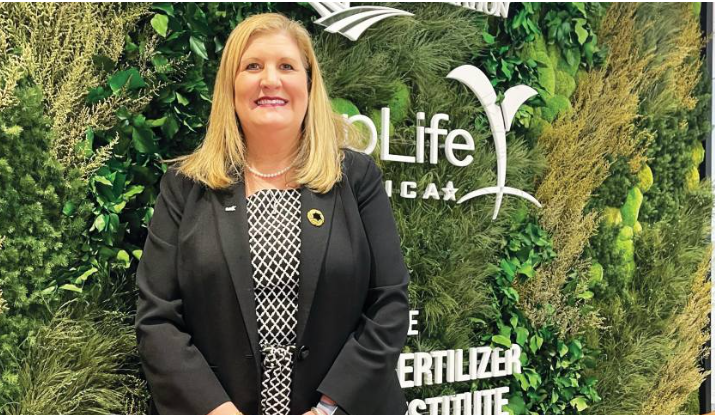
Farm Director Maci Carter recently met up with Alexandra Dunn, President and CEO of CropLife America, and farmer Lindsay Thompson, Principal of Providence Strategies, LLC, to discuss critical issues facing American agriculture. A key focus of the conversation was the newly available resources designed to help farmers and retailers navigate the complexities of the Endangered Species Act (ESA).
Alexandra Dunn highlighted the user-friendly tools that are now accessible online. "Well, we are really pleased to have a part of our website, CropLifeAmerica.org/ESA, where there are some really straightforward tools for farmers that will explain to them how the Endangered Species Act might impact their farm operations." She emphasized the primary takeaway for farmers: "The first thing they need to know is it's all about the label. The label of the product that they're using has to have been changed to have ESA requirements. Right now, only a handful of labels have been updated to meet ESA requirements so most products that are out there that farmers are using don't yet have Endangered Species Act requirements. So that's an important thing for farmers to know."
Dunn further explained the potential long-term implications of the ESA for agricultural practices. "Most farmland in America may have some endangered plant or insect somewhere around it. What we're trying to do is make sure farmers understand that over time, pesticide labels will contain some requirements that might ask them to double-check a database and look up whether there are any endangered species around their area and their land. They may have to take some steps to make sure that when they're applying, say, an insecticide, that they're not coming into contact with those species. Again, it will be really specific for that product, and they'll know when they purchase that product from their retailer or the manufacturer of the product. They will get information that the product has been reviewed and has endangered species requirements."
Addressing the challenge of communicating pesticide science amidst misinformation, Dunn highlighted a proactive campaign. "We have a letter campaign right now that we're working with various farm groups. We started it less than 10 days ago, and already 2,400 letters have gone to the White House telling President Trump that farmers do know how to use herbicides and insecticides, and that they need them to protect their crops."
Farmer Lindsay Thompson offered a personal perspective, underscoring the rigorous regulatory process for pesticides in the U.S. "From a farmer's perspective, we are using these pesticides on our farms, around our families. We want people to understand that while I have the luxury of understanding Pesticide Regulations, the United States has one of the most rigorous scientific processes for bringing pesticides to market. It's really important to communicate based on science and not always emotion."
She encouraged the public to seek credible information. "As a mom and a farmer, I can definitely understand why people have concerns about this, and so I would just encourage them to do their research. The Environmental Protection Agency has great resources that explain the testing, the regulation, and the data that is required. I would just encourage people to go to known, reputable sources on that."
Thompson also discussed the practical impact of EPA regulations on farming operations. "The Federal Insecticide, Fungicide, and Rodenticide Act has been in place for over 70 years. Although some of the requirements under FIFRA, and the data required is getting better and better, there are new things that are coming on board, such as the Endangered Species Act. While that's not fully implemented yet, it does cause a little bit of confusion or hesitation among farmers, because we want to ensure that we're doing the right thing and we're applying products how they're supposed to be applied. I think communication between the registrants and the retailers and farmers is going to be really, really important moving forward, so that farmers feel confident using the products that they're purchasing in a way that's safe for the environment."
Dunn shared ideas for modernizing the EPA's Office of Pesticide Programs to expedite the availability of crucial tools for farmers. "It used to take about 12 years for a brand new product to get from the laboratory all the way through the EPA review process into a commercial product that a farmer could use. That process is taking much longer, 13, 14, or even 15 years. So as the pest pressure grows - weeds and insects are very smart, and they develop resistance - we really need that process to move a little more quickly."
She suggested leveraging new technologies like Artificial Intelligence to improve efficiency in the review process. "With AI, you can have that tool go through and summarize the studies, and then the scientists can pick the most important ones and go back through them themselves. We think there are some efficiencies, and it sounds like EPA is really looking at that. We just learned on Friday with some of the restructuring at EPA, that they are considering moving 130 research scientists from the research office of EPA over to the pesticide office to help deal with the backlog of pesticide applications that are in line to be reviewed, and that's pretty exciting."
The conversation also shifted to the impact of current trade implications and tariff policies on the pesticide industry. Dunn expressed concern about the potential for increased costs for farmers. "A company bringing a finished product in from another country pays less tariff than a company bringing in ingredients and making it here in the United States. So we want to ensure that American manufacturing is rewarded, and that's something we're looking at. Also, we don't want our farmers to have to pay higher prices for their herbicides and insecticides. Right now, prices haven't changed yet, because things have been paused, but it could be down the road that could have an impact if supply really changes."
Thompson shared the real-world economic pressures faced by farmers. "We experienced extreme inflation and supply chain-related price increases during COVID. As with anything, the prices didn't necessarily come back down as quickly as the commodity prices. In 2024, it was the lowest farm gate net income since the agricultural depression of the 1980s, so a lot of farmers are having to figure out how we can farm moving forward in 2025. A lot of that uncertainty, not only around the cost of the inputs that we're using, but also the price of the commodities that we're trying to sell and what that is going to look like at harvest time, makes it really difficult to forecast our own economics on the farm."
Finally, the discussion turned to how farmers can ensure their voices are heard during these uncertain times. Dunn highlighted the importance of engaging with farm advocacy groups. Additionally, she promoted a new online resource. "We have a new URL, FarmerVoicesMatter.com, and if farmers go to it, they'll find a link that they can click and send a letter to the President and to their members of Congress and let them know that they use herbicides and insecticides responsibly, and they do want to keep access to those and they don't want them taken out of their hands. So that's something they can definitely do to be heard. It's really important for farmers to speak up while all these changes are happening."
Thompson echoed this sentiment. "One of the farmers that I work with a lot in Maryland had a really impactful quote that stuck with me: farmers are the smallest minority that impacts 100% of the population every single day, because everyone has to eat, right? Everyone has to drive their car. Everyone uses the fibers that we grow in their clothes, etc., but we're a very small minority. As Alex said, it is really, really important for farmers to get involved and know that their voices do matter to their representatives and the White House."
For more information about CropLife America, visit croplifeamerica.org.

House Bill 1178 became law after Rep. Marilyn Stark, R-Bethany, successfully led an override of the governor's veto. The bill strengthens Oklahoma's laws regarding service animals, ensuring greater protection for individuals with disabilities.
The new law clarifies that only animals trained to perform tasks for individuals with disabilities qualify as service animals. It also sets penalties for people who misrepresent an animal or pet as a service animal to gain unlawful benefits.
Under the law, businesses and public places that ban animals must post clear signs saying service animals are allowed. If a public place asks about a service animal, they must follow federal guidelines. People who try to pass off a non-service animal as a service animal will face misdemeanor charges.
"I am proud to see this bill signed into law, ensuring that individuals with disabilities have clear and lawful access to the services they need," Stark said. "This is a significant step toward protecting the rights of those who rely on service animals for daily support."
Senator David Bullard, R-Durant, carried the bill over in the Senate and worked alongside Rep. Stark to ensure its passage.
"This law supports Oklahomans who truly need service animals and prevents local businesses from being overrun with people misrepresenting their pets," Bullard said. "By making it a misdemeanor to falsely claim a pet is a service animal, we're creating a deterrent that protects those with legitimate needs from discrimination, harassment and unfair treatment. I'm proud Oklahoma is finally joining 33 other states in protecting the rights of those who depend on these life-saving companions."
HB1178 will take effect Nov. 1, 2025. Anyone caught misrepresenting an animal as a service animal could face a misdemeanor charge.
U.S. Secretary of Agriculture Brooke L. Rollins will visit Rome, Italy, on June 2-3. During her visit, Secretary Rollins will reinforce the Administration's expectations for improved agricultural market access to Italy and the European Union and will encourage the United Nations organizations in Rome to prioritize American interests, reduce costs, and focus on their core mandates.
"The United States' relationships with Italian buyers and consumers foster tens of billions in bilateral trade and investment. However, U.S. agricultural stakeholders have been unfairly left behind for far too long by the European Union and Italy's high tariffs on U.S. agricultural products and numerous non-tariff barriers," said Secretary Brooke Rollins. "In coordination with Ambassador Tilman Fertitta, we at USDA will continue working to level the playing field and increase market opportunities with the EU and Italy for hard-working U.S. farmers, ranchers, foresters, and food processors."
Secretary Rollins will meet with senior Italian government and International Organization officials, including the Italian Minister of Agriculture, Food Sovereignty, and Forests Francesco Lollobrigida, Deputy Chief of Mission and Charge d'Affaires for the U.S. Embassy Marta Youth, Charge d'Affaires for the U.S. Mission to the UN Agencies in Rome Rodney Hunter, UN Food and Agriculture Organization Director General Qu Dongyu, and UN World Food Programme Executive Director Cindy McCain.
Secretary Rollins has made it a top priority to advocate on behalf of American agriculture on the world stage. This means increasing access for American products in existing markets, opening new markets with strong demand for our products, and making sure trading partners are treating American farmers, ranchers, and producers fairly. This comes after four years of inaction by the Biden Administration, which caused America's agricultural trade balance to go from a surplus under President Trump's first term, to a significant deficit under President Biden.
This trade mission follows Secretary Rollins's trip to the U.K. in May, and precedes future trade travel to India, Vietnam, Japan, Peru, and Brazil over the next four months. Other USDA Trade Missions this year include Peru, the Dominican Republic, Taiwan, Côte d'Ivoire, and Mexico.
United Kingdom: The U.K. is the United States's fourteenth largest agricultural export market. U.S. producers face disproportionately high tariffs, small tariff-rate quota volumes, and unjustified non-tariff barriers when exporting to the U.K.
India: The United States is India's sixth largest supplier of agricultural products. The U.S. has a $1.3 billion agricultural trade deficit with India.
Brazil: The United States has a $7 billion agricultural trade deficit with Brazil.
Japan: Japan is a top five market for many key U.S. commodities, including corn, beef, pork, wheat, rice, and soybeans.
Vietnam: Vietnam is the United States's tenth largest agricultural export market. The U.S. has no trade agreement with Vietnam while major competitors like China do.
Peru: Peru is the United States's third largest South American market for agricultural exports, and the U.S. remains Peru's second largest agricultural supplier. Key prospects for U.S. agricultural exports to Peru include ethanol, dairy products, meat, tree nuts, and pulses.

Growth Energy, the nation's largest biofuel trade association, welcomed new guidance that the Trump administration released today regarding the 45Z clean fuel production tax credit. The updates to the 45ZCF-GREET User Manual make it easier for more biofuel producers to claim the credit and will ultimately drive investment in new energy projects that create jobs and support growth in rural communities.
"By lifting needless restrictions on wet mills and different end uses for captured carbon, the updated user manual ensures that more farmers and biofuel producers will have the freedom and flexibility to invest in U.S. energy dominance while supporting stronger markets for American agriculture," said Growth Energy CEO Emily Skor. "In conjunction with an extension of the credit under consideration by lawmakers, this guidance will help restore market certainty and increase American competitiveness in the race for the next generation of liquid fuel solutions. We applaud Energy Secretary Wright for working with the U.S. Department of the Treasury to deliver a fairer, more accurate model for calculating incentives that will help drive American energy dominance and spur economic growth." Among other changes, the new guidance:
• Eliminates prohibitions on wet mills being able to access the 45Z credit;
• Allows carbon used in enhanced oil recovery to count towards lowering carbon intensity (CI) scores; and
• Allows carbon sold for use in food and beverages to count towards lowering CI scores

The National Corn Growers Association (NCGA) is partnering with the Farm Credit Council for the launch of a new mentorship program called On Deck. The program connects seasoned grower leaders with young and beginning agriculturalists to build NCGA's roster of champions.
Anne Thompson, with Farm Credit Council, shared her enthusiasm for the new program.
"Farm Credit is excited to partner with the National Corn Growers Association on this effort to build the bench of future industry leaders," Thompson said. "We hope that through this program young producers can gain exposure to all the association has to offer earlier than they might have otherwise."
The mentees for this program were nominated and selected by NCGA state partners to participate in three months of programming with their mentors. The mentees are Nathan Behrends (Iowa), Jeff Hazlewood (Iowa), Maggie Holub (Neb.), Devin Lansing (Iowa), and Kate Voisinet (Mich.).
Leaders at NCGA say the program will help young farmers overcome the obstacles they may face in what can be a tough profession.
"Young growers are entering farming during a challenging time," said Illinois farmer and National Corn Growers Association President Kenneth Hartman Jr. "By facilitating cross-generational conversations, this program provides new farmers with the tools and well-worn advice they will need to succeed and thrive."
| ||||||||||||||||||||||||||||||||||||||||||||||||||||||||||||||||||||||||||||||||||||||||||||||||||||||||||||||||||||||||||||||||||||||||||||||||||||||||||||||||||||||||||||||||||||||||||||||||||||||||||||||||||||||||||||||||||
| ||||||||||||||||||||||||||||||||||||||||||||||||||||||||||||||||||||||||||||||||||||||||||||||||||||||||||||||||||||||||||||||||||||||||||||||||||||||||||||||||||||||||||||||||||||||||||||||||||||||||||||||||||||||||||||||||||
|

OSU Extension is gearing up for one of its "favorite events of the year," the "AgricultHER" conference, a unique agricultural conference specifically designed for women in rural areas. Moving to Wilburton, Oklahoma, this year, the conference promises a highly interactive and hands-on experience, distinguishing it from more traditional informational events.
Crystal Shipman with OSU Extension emphasized the event's focus on accessibility and practical skills. "This conference is based on more hands-on opportunities, instead of just strictly networking and informational education," Shipman explained. The decision to host the event in Wilburton underscores their commitment to serving ladies in rural communities.
One of the most anticipated and frequently requested sessions is "trailer backing." "It's a little hard to facilitate, so we are going to offer that at this conference," Shipman said, adding, "At some point, you will be in a truck and trailer in an obstacle course."
The conference kicks off with a keynote speaker from Mountain View Meats, who will share insights on marketing agricultural products, a topic that has gained significant traction with the rise of "farm to table" trends. An OSU Extension professional will follow, delving into specific marketing platforms and branding strategies.
Attendees can then break into a diverse range of sessions, each offering valuable, practical knowledge. These include:
While the main registration deadline has passed, interested individuals can still register for a fee of $35. "I just can't guarantee you a shirt at this point," Shipman clarified, "I did order some extras, so you may luck into having the size that you need." Registration details are available on the Facebook event page or by emailing Crystal Shipman directly.
The conference will be held at Eastern Oklahoma State College campus in Wilburton. Informational sessions will take place indoors in the Student Center ballroom, while the hands-on sessions will be conducted outdoors on the school farm. "We'll have signs and everything out," Shipman assured attendees.
The "AgricultHER" Conference promises to be a day of valuable learning, practical skill-building, and supportive networking for women in agriculture across Oklahoma.
For more information on the event or to get registered, click here.
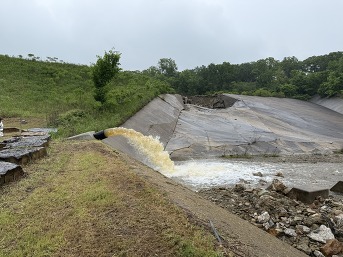
May 31 is National Dam Safety Awareness Day, an opportunity to reflect on the essential role dams play in our lives and emphasize the importance of keeping these structures safe and well-maintained.
There are more than 90,000 dams across the United States with one or more of the following responsibilities:
The average age of U.S. dams is over 57 years, and as the nation's dams age and populations or industries expand downstream, the potential for impactful dam failures increases. The challenges presented by aging dams, growing urbanization downstream, evolving safety standards, and more frequent severe weather events underscore the need for continuous maintenance, regular evaluations, and heightened attention to dam inspections, rehabilitation, upgrades, and public education.
National Dam Safety Awareness Day also honors the memory of the tragic 1889 South Fork Dam failure in Johnstown, Pennsylvania, which claimed over 2,200 lives. This historic disaster serves as a powerful reminder: dam safety is not optional, but essential.
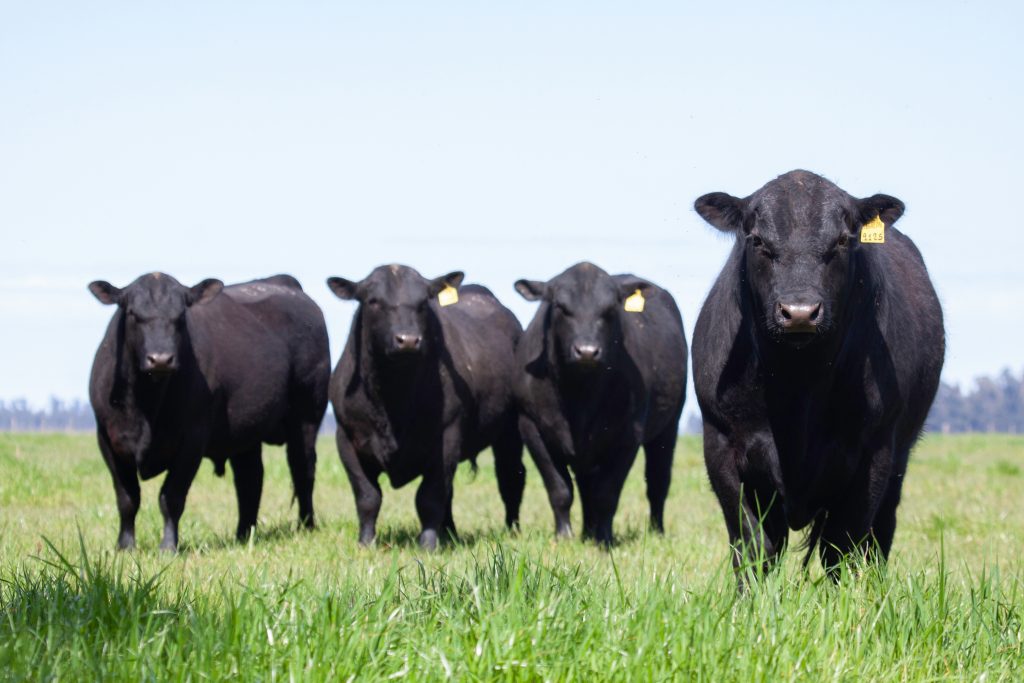
Lee Leachman is the CEO of Leachman Cattle, based just North of Cheyenne, Wyoming, but with land in Colorado as well. Leachman Cattle markets over 2,000 bulls annually and is currently one of the five largest seedstock breeders in the US. Senior Farm and Ranch Broadcaster Ron Hays had the chance to interview Mr. Leachman, and they covered many topics, including how technology is improving the cattle industry, yesterday. Today, they discussed Leachman's vision for a more efficient cowherd.
Leachman feels blessed to be a third-generation seedstock producer currently raising Black and Red Angus, Charolais, and Stabilizer Composites. The operation is a member of the URUS Group, which encompasses Alta Genetics, GENEX, and Trans Ova. He strives every day to improve the quality of the cattle he raises and the beef they produce.
Leachman uses machines that can predict which animals will generate a more heavily muscled carcass while the animal is still on the hoof. "That's important to me as a bull raiser, because I can't cut up my bulls, because if I do, it's really hard to use them!" Leachman said with a laugh. "I envision that we'll have an EPD that will be pretty accurate, that will predict the saleable meat yield from a carcass. So, if you make a 900-pound carcass, and this one has five percent more, you can sell, that is worth quite a bit."
Such a development would create greater efficiency by building better cattle at a lower cost, increasing profitability for the cattleman.
Looking ahead, Leachman predicts more coordinated supply chains; specifically, a retailer like Walmart would go to a ranch and contract a direct supply chain. "I think that is going to increase, because the retailer wants a very consistent product and to be able to tell the story of that product. You want it to meet demands close to 100 percent of the time."
He admitted that the commodity system is really good, but lacks the precise consistency that high-end supply chains demand.
Comparing beef's quality with pork, Leachman said, "Beef is a great product because you put that marbling in there and it gives you a flavor that's unbelievable – the closest thing to it is bacon. Bacon is pretty good, but after that, the rest of the pork and swine products are lean, and you have to put a good sauce on them and cook them very carefully. Beef is the other way; we can throw it on the grill, and as long as we don't overcook it, if it is highly marbled, it is a great product."
He is proud of the progress made in producing consistent marbling in beef, but believes that it was done at the detriment of efficiency in red meat yield and looks forward to finding a balance between the two.
If anyone can do it, Leachman Cattle can. The company has already created the $ranch index to predict a bull's daughter's profitability, assuming calves are sold at weaning, the $feedlot index, which predicts a bull's offspring's profitability in the feedlot and on the rail, and the $profit index, which predicts the profit from conception to harvest. Leachman and his team are now working towards a predictor of added yield grade on a beef carcass.
The Beef Buzz is a regular feature heard on radio stations around the region on the Radio Oklahoma Ag Network and is a regular audio feature found on this website as well. Click on the LISTEN BAR for today's show and check out our archives for older Beef Buzz shows covering the gamut of the beef cattle industry today.

Agri-Pulse is pleased to announce that Natural Resources Conservation Service Chief Aubrey J.D. Bettencourt will be the luncheon keynote speaker at our annual Food & Ag Issues Summit in Sacramento on June 10.
"We are delighted to have Chief Bettencourt, a third-generation California farmer and the first woman to lead NRCS, join us to provide an update on critical water and soil conservation issues," said Agri-Pulse Founder and Publisher Sara Wyant. "As an experienced leader in agriculture, water and sustainability, she brings a unique skill set to this position."
Prior to being named NRCS Chief, Bettencourt served as the Global Director of Government Relations and External Affairs for Netafim, an Orbia Company, and as President and Chief Executive Officer for the Almond Alliance, the national trade association advocating for American almond growers and processors.
Before joining the Alliance, Aubrey served as the Sustainability Director for Western United Dairies, specifically leading initiatives in groundwater management. During the first Trump Administration, Aubrey worked with both the U.S. Department of the Interior and USDA. As a Deputy Assistant Secretary with the DOI, she oversaw water and science policy. Prior to serving at DOI, Aubrey was the State Executive Director of USDA's Farm Service Agency in California where she directed the administration of farm commodity programs providing support, security, and emergency relief for producers throughout the state.
The Summit will offer a full day of speeches and panel discussions, with both in-person and virtual attendance options at the Sheraton Grand Sacramento. You can see the agenda here. Save your seat today by registering here!
Food & Ag Issue Summit sponsors include: Platinum: California Rice Commission. Gold: Western Growers Association. Silver: BASF, California Farm Bureau. Bronze: AGR Partners, Bayer, CCI Marketing, CropLife America, Curious Plot, Ducks Unlimited, Farm Credit, Morning Star, Nutrien, Pacific Coast Producers, Prime Time International, Syngenta, TriCal, Valent. Almond Board of California is the lunch and reception sponsor.
About Agri-Pulse Communications, Inc.: Agri-Pulse is the most trusted source for farm and rural policy information. With offices in Washington, D.C., Sacramento, California, and Camdenton, Missouri, we provide a balanced perspective on a wide variety of issues, including the farm bill, nutrition, trade, labor, food safety, water, environment, biotechnology, organic, conservation and crop insurance. Agri-Pulse publishes a subscription-only e-newsletter, the Agri-Pulse Daily Harvest early morning news summary, Agri-Pulse Daybreak, Agri-Pulse DriveTime podcast, Agri-Pulse Newsmakers and breaking news on www.Agri-Pulse.com.
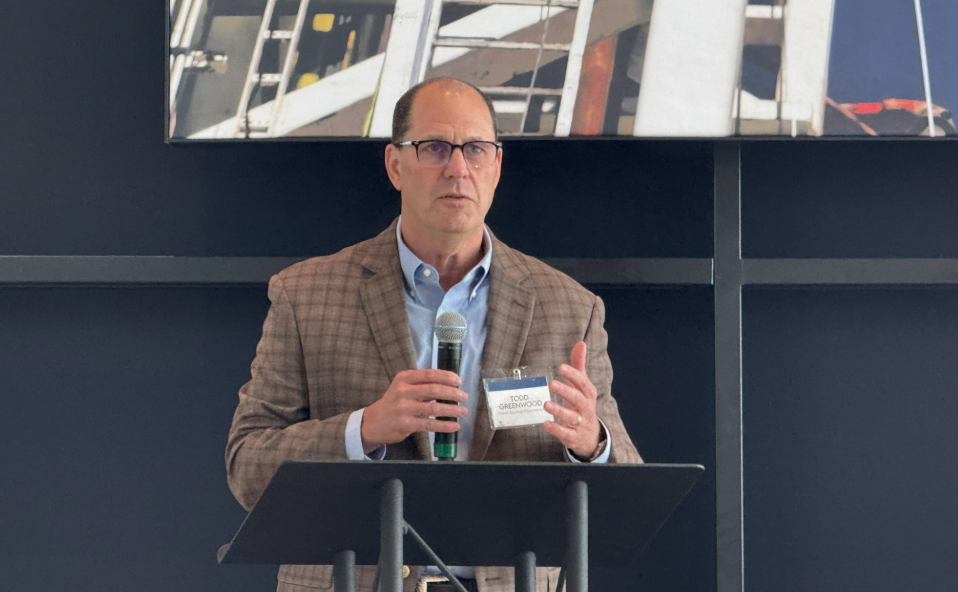
The veterinary workforce in rural Oklahoma is facing a critical inflection point, as outlined in a recent assessment presented by Todd Greenwood of the Farm Journal Foundation. Greenwood was part of an Oklahoma Veterinary Shortage summit held at the HAMM Institute that gathered producers, veterinarians, and practitioners to discuss how to help with the vet shortage.
In a conversation with Oklahoma Farm Report's Farm Director, KC Sheperd, Greenwood shared the findings of a comprehensive report that analyzes the current challenges and offers a strategic path forward to address the state's growing veterinary shortage, particularly within food and livestock systems.
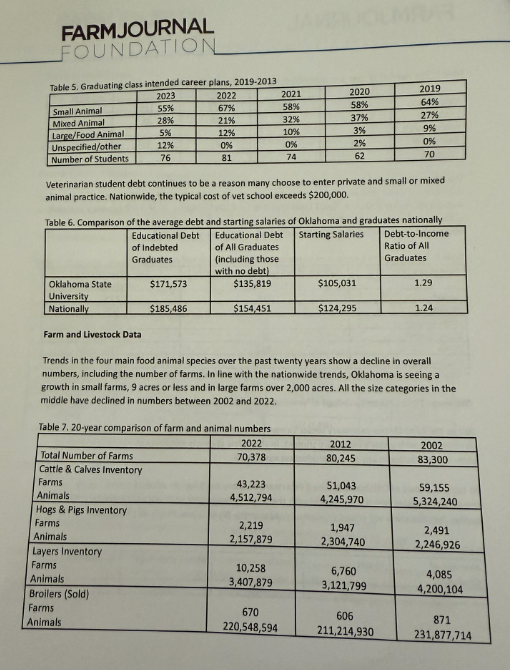
"We aggregated data from eight distinct sources, including the U.S. Department of Agriculture, state licensing authorities, FFA programs, and colleges of veterinary medicine," said Greenwood. "By consolidating this information into a single, coherent report, we aimed to provide a clear snapshot of Oklahoma's veterinary workforce pipeline—where it is thriving, where it is vulnerable, and where attrition is occurring."
The report's findings are sobering. Greenwood noted that approximately 630 veterinarians in the state are eligible to retire within the next decade. By contrast, only 240 veterinary students are projected to enter large or mixed animal practices during that same time period.
"These numbers reflect a widening gap between those leaving the field and those entering it, particularly in sectors that serve rural and agricultural communities," Greenwood emphasized.
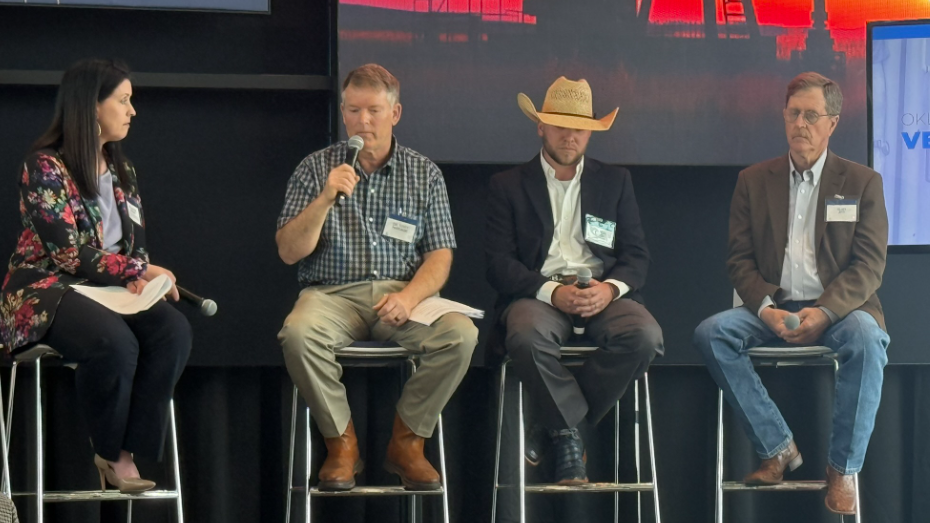
The data also highlights significant demographic shifts within the profession. "The majority of veterinary graduates are now women—approximately 80 percent nationwide," said Greenwood. "This presents both challenges and opportunities, especially in terms of mentorship. We strongly recommend fostering intergenerational connections between experienced female veterinarians and incoming graduates."
According to Greenwood, leveraging these demographic changes will be critical in strengthening the continuity and sustainability of the veterinary profession, particularly in rural areas where mentoring relationships can also help bridge professional isolation and practice management concerns.
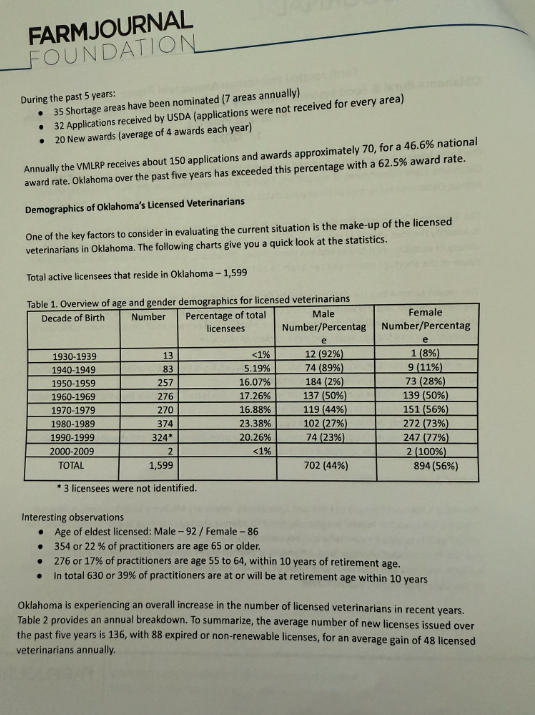
The assessment divides the veterinary career trajectory into four distinct stages:
While successful programs exist within each of these phases, Greenwood pointed to a lack of integration across stages. "Each phase may be supported by strong individual programs, but very few coordinated bridges exist between them," he said. "That disconnection can discourage aspiring veterinarians and contribute to workforce attrition."
Despite the seriousness of the issue, Greenwood expressed optimism about Oklahoma's proactive efforts. "Oklahoma is ahead of many states in recognizing and addressing the issue," he noted. "I want to especially commend Secretary Blayne Arthur for initiating efforts to bring key stakeholders together. That kind of leadership is essential."
Greenwood emphasized that responsibility for solving the veterinary shortage does not fall solely on academic institutions. "It would be unfair and unproductive to place the burden solely on leaders like Dr. Ritchie or Dr. Biggs at the College of Veterinary Medicine," he said. "This is a statewide and community-wide issue. Solutions must include engagement from local lenders, business development organizations, and civic groups."
The report offers several actionable recommendations, including:
"Our primary goal is to inspire action, not just awareness," said Greenwood. "Communities must understand the urgency of the shortage—not after it has impacted them, but now—so they can begin investing in solutions before it's too late."
For more information and to access the full report, visit: www.ruralveterinaryworkforcesolutions.org.
Today, the Public Lands Council (PLC) announced the appointment of public lands ranchers to new leadership positions in PLC policy committees. These individuals will guide conversations that develop grassroots policies aimed at strengthening federal lands management and multiple use policy that recognizes the important role livestock grazing continues to play in Western communities.
"Our committee leaders are tasked with being the pulse of the ranching and grazing community. From local community gatherings to meetings in the Capitol, these leader take critical time away from their operations to work for the future of our industry," said PLC President and Colorado rancher Tim Canterbury. "I am proud to announce these new leaders that have already shown over the course of their ranching careers that they are willing to stand up and fight for our industry. I am looking forward to working with them over the next two years and beyond."
The announcement also included a restructuring of PLC policy committees to be responsive to developing needs of public lands policy. The incoming policy committee Chairs and Vice Chairs of PLC committees include:
Grazing
Wildlife
Multiple Use
Industry Issues
"Our advocacy efforts in D.C. are guided by our policy book and the volunteer leaders who write it. Being part of this grassroots policy process is no easy job, and these committee leaders will be serving during an especially busy time for federal lands ranching policymaking," said PLC Executive Director Kaitlynn Glover. "We have a lot to get done during their term. From reforming the Endangered Species Act, to increasing wildfire prevention efforts, our policy leaders will continue to ensure permittees' perspectives are front and center in these policy debates."

The following is an OP-ED by Colin Woodall, Chief Executive Officer of the National Cattlemen's Beef Association.
Senator Mike Lee, R-UT, is at it again with his reintroduction of the Opportunities for Fairness in Farming (OFF) Act—a deceptively named bill that threatens the ability of farmers and ranchers to unite through self-funded commodity checkoff programs. These programs are created and governed by producers to support marketing, research and education for products like beef, dairy, Christmas trees and others—without taxpayer funding. Senator Lee's relentless attacks on checkoff programs undermine the very backbone of American life, a safe, wholesome and affordable food supply.
Despite the title, there is nothing "fair" about this legislation, nor does it create opportunity for farmers and ranchers. Instead, the OFF Act completely undermines producers' right to collectively invest in their industry. It limits the ability for producers to speak with one voice in a marketplace increasingly dominated by misinformation. It blocks the ability to differentiate real beef from a confusing array of fake products.
Senator Lee's OFF Act—couched in populist, anti-tax rhetoric—would bury these programs under layers of unnecessary bureaucracy, prohibit them from working with industry partners, and silence their ability to counter misleading or hostile narratives about agriculture. That's not reform, that's sabotage. These programs are not taxpayer funded; they're financed and directed by farmers and ranchers themselves for the benefit of all who pay into the program, and they work. USDA studies show the Beef Checkoff returns more than $13 for every $1 invested.
More concerning is who stands to benefit if the OFF Act passes. The legislation is championed not by mainstream producers, but by a loose coalition of anti-agriculture activists, radical animal rights groups, and fringe organizations which have been working long and hard to destroy the checkoff system. These groups have found sympathetic supporters like Senator Lee and radical left Senator Cory Booker, a Democrat from New Jersey who is a champion of the animal rights movement, to further their cause. Anti-checkoff efforts serve no purpose other than to weaken the voice of American agriculture and clear the way for animal rights activists, plant-based advocates and fake protein companies to dominate the conversation about food, farming and climate.
By dismantling checkoff programs, the OFF Act would make it harder—not easier—for small and medium-sized farmers and ranchers to compete with these well-funded fake meat companies. It would allow more effective and coordinated attacks on agriculture. In short, the OFF Act would cripple the very programs that help build consumer trust, drive demand and grow markets. Far from creating opportunities, this bill would remove one of the few reliable tools that producers have available to level the playing field.
Senator Lee knows the farmers and ranchers in his home state of Utah oppose the OFF Act. He has already met with Utah Cattlemen's Association and Utah Farm Bureau members who have rejected his bill. He also knows that farmers and ranchers nationwide oppose the OFF Act. So, the real question is why does he continue to push such unpopular legislation?
Make no mistake, the OFF Act isn't about transparency or fairness. It's about dismantling a proven system of producer-led self-determination in favor of ideological purity tests and Washington micromanagement. That doesn't create opportunity, and it's certainly not about fairness.
Senator Lee should reconsider his alignment with anti-agriculture interests seeking to put farmers and ranchers out of business. American farmers and ranchers deserve support—not sabotage.
New facility to reestablish program as national leader while advancing veterinary education, food security and public health in Oklahoma
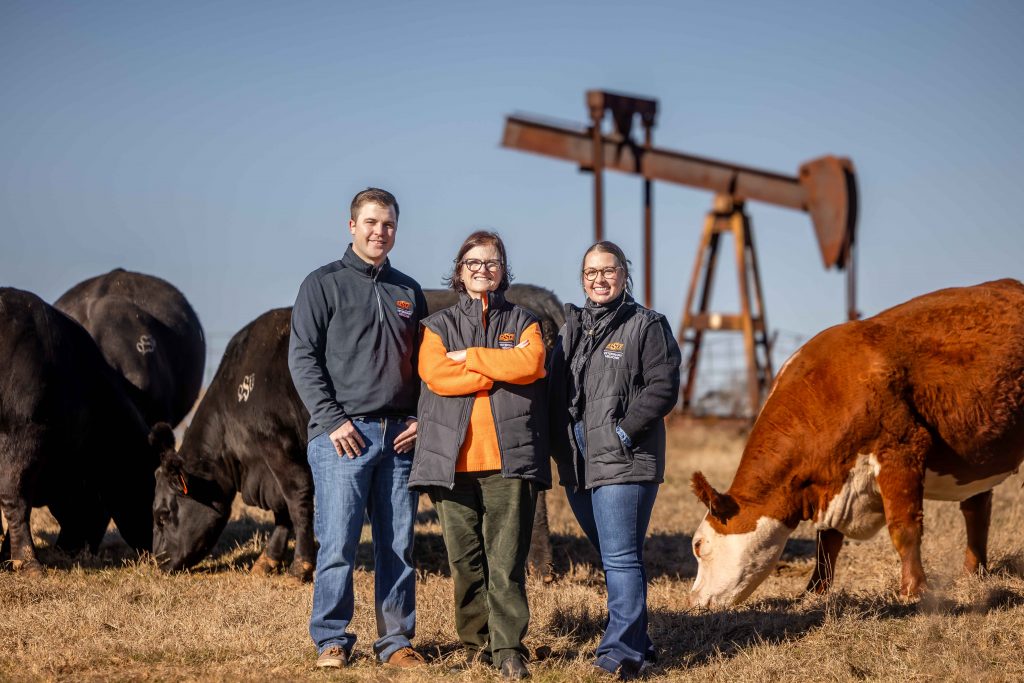
Oklahoma State University has received a historic $250 million state funding appropriation to support the construction of a new, state-of-the-art veterinary teaching hospital.
This critical investment — the largest state appropriation in university history — combined with $78 million allocated in 2023, marks a significant step forward in advancing the future of veterinary education, food security and public health in Oklahoma.
The new 255,000-square-foot facility will replace the existing 145,376-square-foot veterinary hospital, which was built to serve 60 students but now supports more than 150. With this expansion, OSU will address one of the most urgent infrastructure needs in its veterinary program while expanding its ability to train the next generation of veterinarians.
This spring, OSU President Jim Hess made securing investment for a new veterinary teaching hospital a key priority, noting its crucial impact not just for OSU but for the state. Veterinary medicine is a cornerstone of Oklahoma's economy and public health, and Dr. Hess said this transformational investment directly supports OSUs land-grant mission to serve the state's needs.
"Today marks a very historic day for Oklahoma State University and the entire state of Oklahoma," Hess said. "Gov. Stitt and the members of the Oklahoma Legislature are to be congratulated for their contribution and transformational dedication to our College of Veterinary Medicine, the food supply of Oklahoma and the agricultural economy of our state."
Veterinarians are essential to every corner of Oklahoma — from rural ranches to urban centers — fueling economic growth and ensuring the safety of our food supply and public health.
The current veterinary hospital was identified as a key concern when the OSU College of Veterinary Medicine was placed on probationary accreditation in the fall of 2024. The American Veterinary Medical Association has since returned the college to full accreditation status, but emphasized that continued compliance is tied to facility upgrades.
"This $250 million investment powerfully answers the call to build a new teaching facility for OSU's veterinary medicine school, and we thank our elected leaders for their commitment to this vital project and the veterinarians who fought for it," said Oklahoma A&M Board Chairman Jimmy Harrel.
"We celebrate this significant progress as a win for Oklahoma State University, its veterinary students, and the agricultural community. The facility will serve the state for at least the next 40 years and equip our graduates to meet the evolving needs of Oklahoma's vital animal industries. Our mission is to be number one in the nation, and this will be the launching pad to achieve our shared vision, advancing the university's top-tier status as a land grant institution."
As one of just 33 accredited veterinary colleges in the United States, OSU plays a unique role in meeting Oklahoma's veterinary workforce needs. Each year, more than 100 students are admitted to the program, with graduates serving all 77 counties in Oklahoma. This funding is also key to addressing Oklahoma's rural large-animal veterinarian shortage — a pressing issue for agriculture and food production.
"For us, this means everything," said Dr. Kelly Black, hospital director.
"There are so many different things that tie into this. For our small animal service, we are basically at the end of how much space we have in the current hospital. We're adding new services currently. We're in a rebuilding phase, and we don't have room currently to put everybody in there. On the large animal side, it allows us to expand what we're able to do there. We don't have good facilities for some of the services that we need, such as calf working. If we're doing vaccination and working herds of small calves, we don't have any good facilities to do that, either.
"So, for us on both sides, I think it's an investment in the future of veterinary medicine in the state of Oklahoma, and I think it's going to bring us into the next century, where we're still working in the last century. I think this is going to be something that's really going to move us forward and bring us up with current medicine and make us a leader in veterinary medicine."
The new hospital will feature modern equipment and technologies essential for both small and large animal care, including advanced imaging tools (CT, MRI, radiography and ultrasound), a linear accelerator for oncology treatments and an aqua cow float tank.
"This investment in the College of Veterinary Medicine is program-changing," said Dr. Rosslyn Biggs, OSU clinical professor and director of the Center for Rural Veterinary Medicine. "It's program-changing, not only for our students and faculty and staff, but also for animal owners across the state, particularly our farmers and ranchers in rural areas that need the support to do what they do — feed and clothe the world."
Eleven institutions are planning or developing veterinary programs, putting Oklahoma's ability to retain top students and faculty at risk. This investment ensures OSU will remain competitive and serve as a national leader in veterinary medicine.
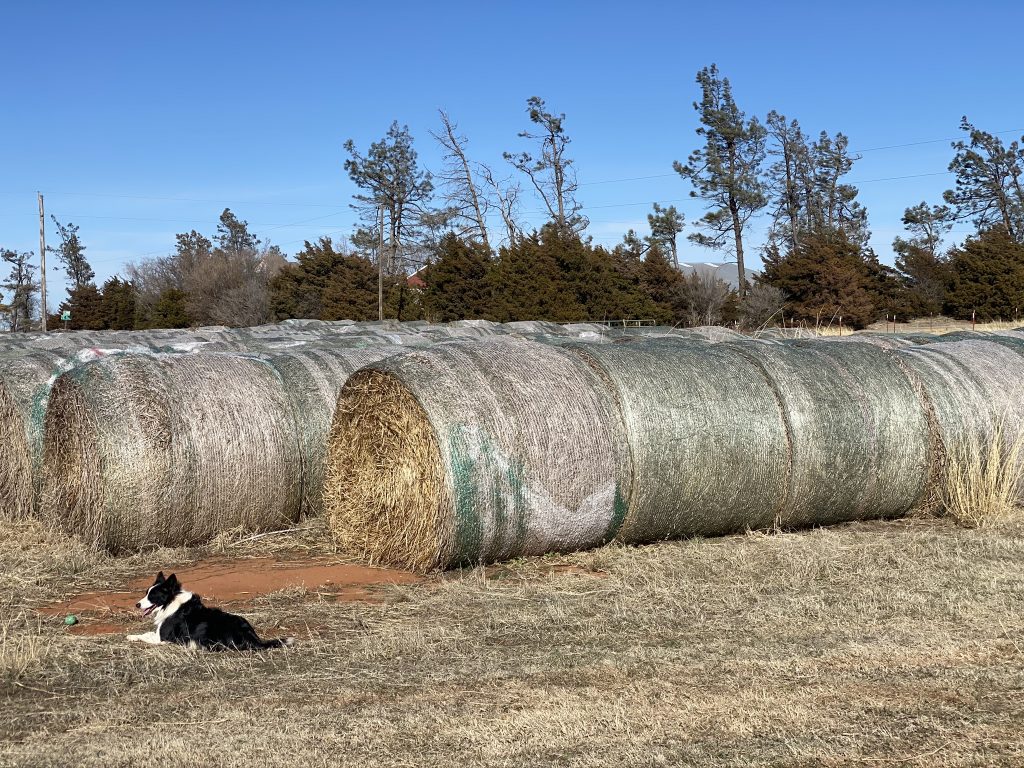
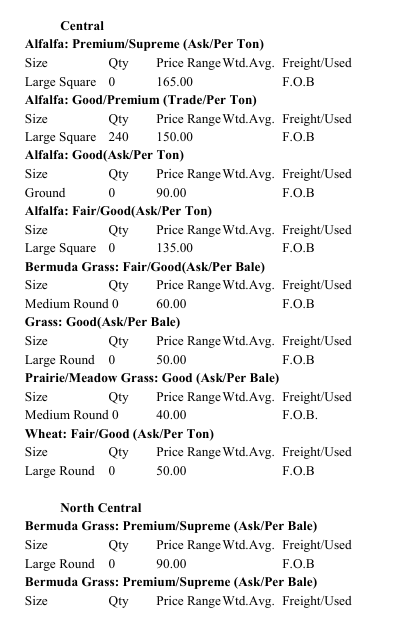
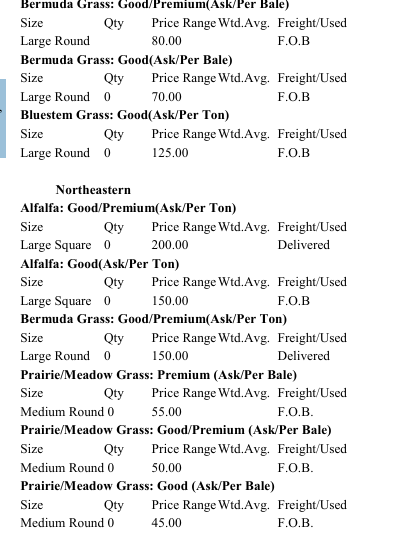
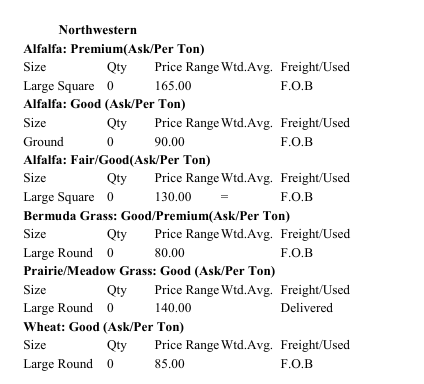
Everything is unchanged compared to the last report. The prices re-main steady, and demand is at a standstill. Rain continuously covers Oklahoma, preventing hay producers from moving hay and, at times, stopping the alfalfa crop from being harvested. We still don't see an end in sight for cattle sales. The continued preparation for the new crop of grass hay is underway as well. The availability of grass hay is still high when it comes to supply across Oklahoma.
Trends: Alfalfa Large rounds & squares $130-$150 a ton - 2024 Grinding hay - No Trend
Bermuda 5x6 rounds - $70-$90 a bale - 2024
Bermuda 5x6 rounds - $50-$55 a bale - Year Old Hay
Bermuda Large Squares - No Trend
Wheat Hay 5x6 Round and Large Squares - $80-$90 a Ton - 2024 Grass Hay 4x5-4x6 - $45-$55 a bale - 2024
Grass Hay 4x5-4x6 Unfertilized hay - $25-$35 - 2024
Grass Hay 5x6 - No Trend Rough Grass
Hay any size $25 a bale - Year Old Hay
The Oklahoma Mesonet Drought Monitor shows that 0 percent of the state is in exceptional drought, 0 percent is in extreme drought, 2.99 percent is in severe drought, 11.94 percent is moderate, 15.52 percent is abnormally dry conditions, and 84.48 percent has no drought conditions.
*** The next report release will be on June 6th ***
RON's Jacquelyn Farris reports from the State Capitol
Yesterday, R-CALF USA submitted a formal request to the Commodity Futures Trading Commission (CFTC), urging an immediate investigation into the suspected false report that caused a cattle futures selloff on May 27.
In a letter addressed to the director of the CFTC Division of Enforcement, R-CALF USA cited reports that a selloff in live cattle futures on May 27 was triggered by a false claim of New World Screwworm (NWS) detection in Missouri. The organization urged the commission to investigate the origins of the report and take enforcement action if any violations of the Commodity Exchange Act are found.
R-CALF USA noted that if someone willfully issued a false report intended to influence cattle markets, it could pose a serious threat to market integrity and the economic wellbeing of U.S. cattle producers.
"We are deeply concerned that this potential manipulation harmed our nation's independent cattlemen and women who rely on accurate market information to make informed business decisions," said R-CALF USA CEO Bill Bullard.
Both the Missouri Department of Agriculture and the U.S. Department of Agriculture have denied the accuracy of the report. The Missouri Department of Agriculture said the rumors were "unfounded" and confirmed that no detection had occurred. The USDA issued a similar statement, saying reports of NWS detection in the United States were "not true."
Article provided by R-CALF USA.

Today, House Agriculture Committee Ranking Member Angie Craig (MN-02) released the following statement regarding the MAHA Commission Report.
"The renewed focus on improving our overall health, and examining how food contributes to health outcomes, is something to be encouraged. Working to make all Americans healthier is certainly worthwhile of a whole-of-government approach. That effort should be evidence-based and driven by cutting-edge science – not social media algorithms or 'health' influencer trends.
"The MAHA Commission Report is an over-ambitious document that fails to meet those standards. It cites fake studies, misrepresents nutritional and agricultural science, and mistakes correlation for causation. Curiously, the report also celebrates programs like one in France that requires schools to 'source half their products from local sources and prohibit vending machines,' despite the fact the Trump administration recently canceled USDA's Local Foods for Schools Program, which connected U.S. public schools with local farmers.
"As the MAHA Commission moves toward the August 12 deadline for publishing its national strategy, I strongly encourage its leadership to meaningfully engage with agricultural and nutrition stakeholders and scientists so that it can contribute meaningfully to the public dialogue and policymaking effort to improve health in America."

This June, Dairy MAX celebrates National Dairy Month, recognizing the hardworking dairy farm families who nourish communities, drive economic growth and advance sustainable food production.
What began as "National Milk Month" has evolved into a month-long tribute to dairy farmers and their essential role in providing nutritious, responsibly produced foods. Today, over 94% of U.S. dairy farms remain family owned and continue a rich legacy of agricultural excellence, animal welfare and environmental stewardship.
"Dairy farming is more than a livelihood—it's a legacy built on resilience, innovation and a deep commitment to nourishing communities," said Keira Lombardo, CEO of Dairy MAX. "This National Dairy Month, we celebrate the farm families who make that legacy possible—and we remain focused on driving real, measurable demand for the milk and dairy foods they produce every day. Their work fuels public health, strengthens communities and delivers value far beyond the farm."
Beyond its contribution to health and nutrition, the dairy industry remains a significant economic driver, supporting more than three million jobs and generating over $40 billion in direct wages across the United States. Dairy farms are integral to the vitality of both rural and urban communities, driving local economies and ensuring reliable access to high-quality milk and dairy foods nationwide.
As part of its commitment to healthy communities, the U.S. dairy industry has set an ambitious goal to achieve net-zero greenhouse gas emissions by 2050 through the U.S. Dairy Net Zero Initiative. This industry-wide effort brings together farmers, processors and partners to advance economically viable practices in areas such as feed production, manure management, energy efficiency and methane reduction. By optimizing water use, improving nutrient management and investing in innovation, the dairy community is working toward a future where every farm can contribute to environmental progress while continuing to provide nutrient-rich foods. These collective efforts demonstrate the industry's unwavering commitment to environmental stewardship and ensuring dairy remains a sustainable food source for generations to come.
"As a dairy farmer, I see firsthand the care, innovation and responsibility that go into producing the milk and dairy foods we all enjoy," said Mike Marley, Dairy MAX board president. "National Dairy Month is not just about recognizing our heritage—it's about celebrating how far we've come and where we're headed. From improving environmental practices to nourishing our communities, dairy farmers are committed to leaving the land better for the next generation. It's an honor to help share that story and support the future of dairy."
Throughout June, Dairy MAX invites everyone to celebrate National Dairy Month by exploring delicious dairy-inspired recipes and incorporating dairy into their daily meals. For farm stories, recipes and nutrition information, visit BetterWithDairy.com.
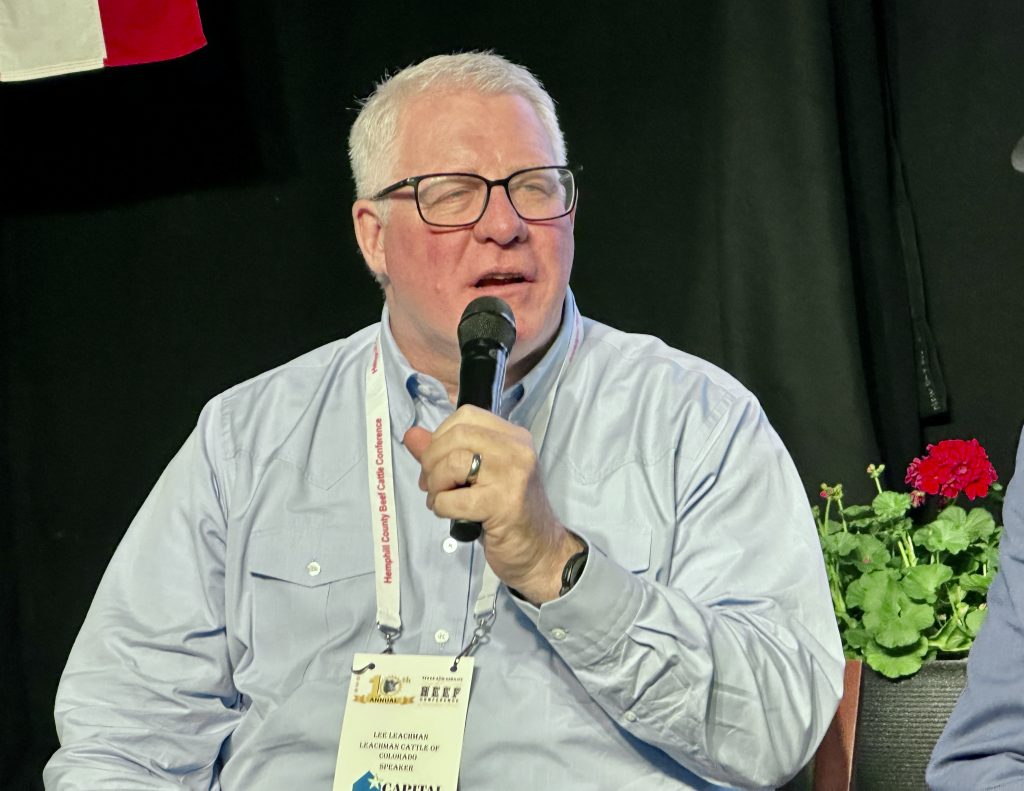
Lee Leachman is the CEO of Leachman Cattle, based just North of Cheyenne, Wyoming, but with land in Colorado as well. Leachman Cattle markets over 2,000 bulls annually and is currently one of the five largest seedstock breeders in the US. Senior Farm and Ranch Broadcaster Ron Hays had the chance to interview Mr. Leachman during the recent Hemphill County Beef Conference, and they covered many topics, including how technology is improving the cattle industry.
Leachman feels blessed to be a third-generation seedstock producer currently raising Black and Red Angus, Charolais, and Stabilizer Composites. The operation is a member of the URUS Group, which encompasses Alta Genetics, GENEX, and Trans Ova.
"We are all about the cow, about making better cows for our customers," he said. "For us, that involves better beef cows, and we also sell a lot of semen into dairies, now, to make beef on dairy crosses."
The two men discussed how quickly technology in the cattle industry is growing, and Leachman pointed out how much better computers and artificial intelligence are at processing large amounts of data, such as a quick web search versus flipping through the yellow pages of a phone book.
"It's going to really help us in two major areas," he said of computerized technology. "We have too much data; it's going to help us do better at analyzing it, and it's going to help us save some labor."
He recounted milking robots and automated feeding machines in dairies. "It's not going to be long before these feed lots are using automated feed trucks to deliver feed," he said. "I think we are going to use cameras to detect sickness. We are going to use artificial intelligence anytime we are looking at massive amounts of data. For me, that is usually involved in a breeding decision."
AI can easily sift through EPD data of various bulls and cows to determine which crosses will produce the most profitable offspring. Such technologies have already aided in improving yield grade, but such progress comes with some disadvantages.
"We are making cattle bigger and heavier and fatter, and that is great because the meat marbles more and is super flavorful – that's why people love beef, but we've probably gone a little too far without measuring the muscle yield," Leachman explained.
He believes that it is possible to maintain marbling while adding muscle yield through the use of genomics.
The Beef Buzz is a regular feature heard on radio stations around the region on the Radio Oklahoma Ag Network and is a regular audio feature found on this website as well. Click on the LISTEN BAR for today's show and check out our archives for older Beef Buzz shows covering the gamut of the beef cattle industry today.
Registration is now open for Oklahoma Farm Bureau's fifth-annual FFA Communications Conference on Monday, July 21, in Edmond.
The FFA Communications Conference will equip students with knowledge of basic communications techniques and concepts in areas including writing, photography, social media and more, all taught by leading Oklahoma communications professionals.
The conference will be held in Edmond at the Hilton Garden Inn. A lunch will be provided, and students will have an opportunity to win prizes that will help them tell their FFA chapter's story throughout the upcoming school year.
Because space is limited, the conference will accept students on a first-come, first-served basis, with a maximum of two students per chapter. The registration cost is $25 per student.
To sign up, students must register through their agricultural education instructors, who have received an email with conference registration information. Payment via check or purchase order must be submitted no later than Monday, July 7, to secure your registration. Credit cards cannot be accepted.
For more information about the conference, contact Rachel Havens at (405) 523-2300.
Today, House Agriculture Committee Ranking Member Angie Craig (D-MN-02) and Commodity Markets, Digital Assets, and Rural Development Subcommittee Ranking Member Don Davis (D-NC-01) introduced the bipartisan Digital Asset Market Clarity (CLARITY) Act of 2025 as original cosponsors with Representatives French Hill (R-AR-02), Glenn "GT" Thompson (R-PA-15), Tom Emmer (R-MN-06), Bryan Steil (R-WI-01), Dusty Johnson (R-SD-AL), Ritchie Torres (D-NY-15) and Warren Davison (R-OH-08).
"Digital assets, including crypto currencies, are moving from a unique, novel financial product to becoming more and more integrated with our current financial architecture. I believe it is critical that Congress establish clear protections for consumers and retail investors as well as rules of the road for businesses dealing in digital assets. The bipartisan CLARITY Act will ensure oversight and regulation of digital assets in our financial system so that business owners, innovators and consumers can engage with in these markets knowing what is expected of them.
"While I agree we can no longer wait to regulate digital assets – and we must act to protect consumers – I intend to lead the effort under the law to prevent this president – or any future president – from participating in this space. We should all be able to agree that actions prohibited by members of Congress should also not be allowed by administration officials, including the president," said Ranking Member Craig.
"Families, entrepreneurs, and small businesses across our country, including rural areas in eastern North Carolina, seek ways to engage in the modern economy. Digital assets present a chance for a more inclusive financial future, but we need clear rules and fair oversight for innovation to thrive. Congress must ensure that America shapes digital finance, creates opportunities, protects consumers, and supports overlooked communities," said Congressman Davis, the ranking members of the Commodity Markets, Digital Assets, and Rural Development Subcommittee.
The CLARITY Act establishes a new regulatory framework for the issuance and trading of digital assets by outlining specific criteria for when a digital asset is regulated by the Commodity Futures Trading Commission (CFTC) or the Securities and Exchange Commission (SEC). Under the legislation's regulatory framework, the CFTC would be given regulatory authority over the "digital commodities" market. This market would include digital assets related to blockchain systems deemed "mature," or largely decentralized. While the bill provides clarity regarding what types of digital assets would fall under the "digital commodity" definition, it directs the CFTC and SEC to define several key terms through agency rulemakings. Notably, the bill would give the CFTC authority over most secondary market crypto transactions where investors buy and sell previously issued crypto assets.
As with Financial Innovation and Technology for the 21st Century Act from the previous Congress, the bill would grant CFTC new authorities, generally providing it exclusive jurisdiction over "cash" or "spot" market digital commodity transactions (with some exceptions) and requiring CFTC registration for entities (including exchanges, brokers and dealers) offering trade in digital commodities. The bill would impose certain requirements on intermediaries, including ensuring trading is not susceptible to manipulation, requiring disclosures, customer fund segregation and addressing market integrity and recordkeeping requirements.
U.S. Secretary of Agriculture Brooke L. Rollins today announced a bold $200 million investment to implement the U. S. Department of Agriculture (USDA) Forest Service's National Active Forest Management Strategy (PDF, 24.7 MB), a key initiative to increase timber harvest, improve forest health and productivity, reduce wildfire risk, and support rural prosperity in forest communities.
The strategy supports President Trump's Executive Order: Immediate Expansion of Timber Production by streamlining burdensome regulations, leveraging emergency authorities, and expediting project approvals—ensuring faster access to critical timber resources. Increasing the use of long-term contracts to carry out these projects, the strategy envisions a more stable supply of wood products, healthier forests, and stronger rural economies.
"President Trump is committed to cutting red tape, rolling back burdensome regulations and unleashing the potential of America's abundant natural resources. We are doing just that at USDA with this announcement to invest in timber production. This is a win for consumers who will see better prices with American grown products, and a win for forest management which will help keep our forests safer and reduce wildfire risk," said Secretary Rollins. "Not only will this help our staff on the ground better carry out the mission of protecting lives, livelihoods and resources, it will support jobs in rural America and reduce our reliance on foreign lumber imports."
This work to increase domestic timber harvests implements Secretary Rollins' memorandum to the Forest Service to take immediate action in support. In response, the Forest Service has committed to increasing timber harvest (PDF, 285 KB) on national forests by 25%, with an overall goal of 4 billion board feet harvested annually by fiscal year 2028.
Using tools like Good Neighbor Authority, this investment will support efforts to work across jurisdictions and property lines to improve forest health and grow economies in communities nationwide. This investment also focuses on innovative wood products like cross-laminated timber, which due to its strength in comparison to steel, is used in commercial building construction. Similarly, active management often creates byproducts with a low conventional wood market value, but are still useful in wood energy, pellets, and other biomass applications.
These investments have direct impacts on communities and businesses in the wood products sector, supporting jobs in timber harvest, at lumber mills, as well as in innovative wood products and energy sectors. These landmark investments secure a strong domestic timber supply, fueling rural industries, stabilizing markets, and driving long-term economic prosperity.
For more information, please view the National Active Forest Management Fact Sheet (PDF, 2.5 MB)
Today, House Agriculture Committee Ranking Member Angie Craig (MN-02) released the following statement after a three-judge panel of the U.S. Court of International Trade ruled against President Trump's worldwide tariffs.
"We cannot allow presidents to twist emergency declarations to circumvent the U.S. Constitution, usurp the role of Congress or ignore the courts. I applaud the U.S. Court of International Trade for protecting Congress' exclusive authority under the U.S. Constitution to regulate commerce with other countries. The president's whiplash tariffs have been a disaster for America's farmers, consumers and small business owners, driving up costs and increasing uncertainty. I urge the president to respect the court's ruling and focus his attention on meaningful negotiations with our trading partners to gain new access to foreign markets for America's farmers."

House Committee on Agriculture Chairman Glenn "GT" Thompson (PA-15) and House Committee on Financial Services Chairman French Hill (AR-02) today introduced the Digital Asset Market Clarity (CLARITY) Act. The legislation is the product of the committees' historic partnership to develop a comprehensive regulatory framework for digital assets in the United States and builds upon H.R. 4763, the Financial Innovation and Technology for the 21st Century Act, which passed the House on a bipartisan basis in the 118th Congress.
House Majority Whip Tom Emmer (MN-06), House Committee on Agriculture Subcommittee on Commodity Markets, Digital Assets, and Rural Development Chair Dusty Johnson (SD-AL), House Committee on Financial Services Subcommittee on Digital Assets, Financial Technology, and Artificial Intelligence Chair Bryan Steil (WI-01), Rep. Warren Davidson (R-OH), House Agriculture Committee Ranking Member Angie Craig (D-MN), Rep. Don Davis (D-NC), and Rep. Ritchie Torres (D-NY) are all original co-sponsors and instrumental in crafting this legislation.
Chairman Thompson said, "I'm proud to join Chairman Hill, and bipartisan leaders from both our committees in introducing the Digital Asset Market Clarity (CLARITY) Act. Today's introduction of CLARITY is an exciting step towards delivering the certainty and clarity digital asset entrepreneurs and markets need. This landmark legislation will protect consumers, unleash entrepreneurship, and ensure the United States sets the global standard for the future of innovation."
Chairman Hill added, "I am proud to introduce the bipartisan CLARITY Act with my colleagues. Our bill brings long-overdue clarity to the digital asset ecosystem, prioritizes consumer protection and American innovation, and builds off our work in the 118th Congress. I look forward to delivering our bill to President Trump's desk and securing America's position as the global leader in digital assets."
House Majority Whip Emmer stated, "This is an important moment for the United States. This bill is a bold step to ensuring that the next iteration of the internet is developed by Americans and driven by our values. I am grateful to my colleagues for all of their work to craft this thoughtful, globally competitive framework, and look forward to working with them to ensure this commonsense legislation is signed into law."
Subcommittee Chairman Dusty Johnson added, "America should be the global leader in the digital assets marketplace - but we can't do that without establishing a clear regulatory framework. This legislation gives our markets the clarity they need to thrive, protect consumers, and foster innovation. I'm grateful for the partnership of Chairmen Thompson, Hill, Steil, and Majority Whip Emmer thus far, and I'm looking forward to working together to get this landmark legislation across the finish line."
Subcommittee ChairmanBryan Steil said, "The golden age of digital assets is here. America won't just participate in the Web3 revolution; we will win it. The CLARITY Act ensures that financial innovation and development of digital assets occurs here in the United States. Our bill secures American dominance, democratizes digital assets, unleashes innovation, and protects consumers from fraud. Thank you, Chairman Hill and Chairman Thompson, for leading this effort."
Ranking Member Craig said, "Digital assets, including crypto currencies, are moving from a unique, novel financial product to becoming more and more integrated with our current financial architecture. I believe it is critical that Congress establish clear protections for consumers and retail investors as well as rules of the road for businesses dealing in digital assets. The bipartisan CLARITY Act will ensure oversight and regulation of digital assets in our financial system so that business owners, innovators and consumers can engage with in these markets knowing what is expected of them."
Rep. Davidson said, "The CLARITY Act creates a clear and effective regulatory framework for digital assets. It protects the right to self-custody and the freedom to transact. These principles are essential for innovation, economic growth, and individual liberty. Since 2018, I've worked to bring legal clarity to digital assets. The CLARITY Act delivers on that goal. I applaud Chairman Hill for his leadership in solidifying the United States' position as a global leader in digital assets."
Rep. Davis said, "Families, entrepreneurs, and small businesses across our country, including rural areas in eastern North Carolina, seek ways to engage in the modern economy. Digital assets present a chance for a more inclusive financial future, but we need clear rules and fair oversight for innovation to thrive. Congress must ensure that America shapes digital finance, creates opportunities, protects consumers, and supports overlooked communities."
Rep. Torres said, "For too long, regulatory uncertainty has held back the full potential of digital innovation in the United States. The CLARITY Act will deliver clear rules of the road that entrepreneurs, investors, and consumers deserve. By protecting consumers, promoting transparency, and closing regulatory gaps, this legislation will ensure that America remains the global leader in digital asset innovation."
Click here for the text of the Digital Asset Market Clarity (CLARITY) Act.
Click here for a section-by-section.
Click here for a one-pager.
Next Wednesday, the House Committee on Agriculture will hold a hearing entitled "American Innovation and the Future of Digital Assets: From Blueprint to a Functional Framework."

Calling all OK-03 upcoming high school seniors!
Have you ever considered applying to a U.S. Service Academy?
As your Congressional Representative, I have the privilege each year of nominating a limited number of people to four of the five service academies:
If you have considered pursuing higher education or joining the military, the Service Academies may be for you. They provide the opportunity to challenge yourself both mentally and physically while also earning a bachelor's degree from the top schools in the country. Upon graduation, you receive a Bachelor of Science degree and a commission as Second Lieutenant. This education comes at no financial cost, but it does require a minimum of five years of military service after graduation.
To attend a service academy, you must be a U.S. citizen, between the ages of 17 and 22, unmarried, not pregnant, and have no legal obligation to support children. You must also have a congressional nomination, which is how my office can help. Visit my website for more details and available applications.
If you are also interested in receiving monthly updates like this and about my work in Congress, you can sign up for our e-newsletter here.
Sincerely,

Rep. Frank Lucas
Member of Congress
While pork is the most widely consumed meat in the world, consumption of pork in the U.S. trails well behind chicken and moderately behind beef. Pork consumption in the U.S. has been flat for the last 54 years at 50 lbs. per person on average, while chicken exceeds 100 lbs. and beef exceeds 60 lbs. In the meantime, U.S. pork has achieved success in global markets, with Mexico, China, Japan, South Korea and Canada rounding out the top five export destinations. Global animal protein demand remains robust.

But the U.S. is navigating new trade policies, and the potential risk to the U.S. pork industry should not be ignored. Sluggish exports could mean more pork loins in domestic markets, and U.S. consumers have difficulty cooking "the perfect pork chop." The timing could not be better for the National Pork Board's new brand campaign, "Taste What Pork Can Do," designed to enhance consumer perception. The unapologetic message: "Pork is no longer the 'other' anything. It stands proudly on its own – rich in flavor, rooted in culture, and exactly the kind of bold taste younger consumers crave."
However, pork producers have their work cut out for them. While muscle cuts like pork loins and hams offer value for the frugal consumer, these items lack the convenience of smaller pork cuts. If the U.S. consumer is to reimagine pork, the pork industry may need to make drastic changes, including recalibrating the genetic hog makeup and showcasing different cuts at retail and through food service.
The discovery of African Swine Fever in China's swine herd in 2018 was seen as a signal to the world's producers that China was headed towards deficit pork availability. Global animal protein producers scrambled to fill the void, but few anticipated that China's domestic swine population would rebound from the 25% decline so swiftly.
During 2020, China covered its domestic production shortfall by importing 1.6 billion pounds of pork from the U.S., double the volume of the prior year. Since then, U.S. pork exports to China have tumbled, with volume totaling just 320 million pounds in 2024. China's domestic pork production now covers 98% of its domestic pork consumption, which now exceeds 88 pounds per capita. Exporters are left to seek out other markets.
As China continues trimming imports, U.S. pork must both diversify and expand its export markets to new destinations. Countries in North America and Asia were the top destinations for U.S. pork in 2024, according to data from the U.S. Meat Export Federation. Mexico was the No. 1 customer, purchasing 2.55 billion pounds or 38% of all U.S. pork exports last year.

U.S. pork is heavily reliant on foreign markets. Of the 27.7 billion pounds of U.S. pork produced in 2024, 24.1% was sent overseas, and 4 out of 5 pounds were muscle cuts. While far from easy, muscle cuts that potentially lose export markets could find a market with U.S. consumers, who like loins and hams.

The bigger pork export issue stems from the other 20% classified as "variety meats" including livers, hearts, kidneys, tongues, stomachs, snouts, ears, feet and tails. The total value of pork variety meats exported by the U.S. reached a record at $1.3 billion in 2024.
Any trade barriers in place for countries that purchase variety meats could cause implications for the U.S. pork sector because those products have extremely limited demand in the U.S. Last year, over 1.3 billion pounds of pork variety meats were exported, according to U.S. Meat Export Federation data. China and Mexico accounted for 82% of offal exports in 2024. Overcoming trade barriers and limitations of foreign disappearance remains a real challenge for pork, the top consumed global protein.
While Americans have not been taken with some pork cuts and products, flavor is driving the popularity of others. For the last 10 years, the most popular pork item in the U.S. has been bacon. There is even a cult-like following for this item. During the COVID-19 pandemic, dining restrictions curbed center-of-plate offerings in favor of more take-out options, and pizza popularity surged. Sausage-type items and pepperoni gained stronger consumer demand.
Values for "pork42s" (42% lean pork trim), a key ingredient in sausage making, had historically averaged less than $40/cwt. It surged to more than $80/cwt. for the first time in 2022. Pressure remains on the supplies of these items, keeping prices elevated, although down from record highs.

If demand drives prices for items like pizza toppings and bacon into record territory, two questions arise. Where is the issue? And why the need for a new marketing plan? While important, the areas of the hog that produce these items are a relatively small portion of marketed pork. The belly, for instance, only makes up about 15% of the hog while the rest must also find a market. Even here, bacon prices have slid from historic values that had otherwise been achieved just a few years ago.
U.S. pork appears to be in a strong position; however, there are a few caveats. Marketers are still having issues clearing some key items without discounting. Pork butts, ribs, picnics and bellies are supporting the overall pork carcass cutout, while items like hams and loins are struggling. The export market has provided a boost for loin disappearance in recent years. Market risk continues to grow as the global economy decouples, encouraging a renewed approach to domestic pork marketing.
The new "Taste What Pork Can Do" campaign may be just the ticket to help move more pork. Now is the opportunity for pork to be redefined for U.S. consumers while supplies are ample and wallets are tight. The industry can take multiple approaches with promotions at the retail level, new products in food service, or by advocating for more pork in government-funded programs like school lunch and military meals.
Flavor is in the fat, and taste is No. 1 driver for protein purchases according to the K-State Meat Demand Monitor. However, the lean hog formulation that was adopted by the broad bulk of U.S. producers more than two decades ago has largely influenced the pork that U.S. consumers are offered today. This has left something to be desired when comparing pork chops to beef steaks, often with an overcooked chop delivering a bad experience.
Similar to the other livestock species, pork production has experienced massive consolidation and immense genetic progress over the last half century. This is largely responsible for the genetic makeup of the U.S. commercial hog herd today. It could take a genetic breakthrough or a complete overhaul of U.S. pork genetics to promote focus on meat quality versus feed efficiency, yield, fertility, disease resistance and other factors that have been more prominent in production than in years past. For example, U.S. beef production started at the animal level to improve meat grades for higher quality beef. Consumers have responded accordingly with stronger demand for Prime and Choice grade steak cuts. To help the consumer reimagine pork, new product variations may be key. Utilizing pork in a new way could help find the pork equivalent of a beef T-bone or rib-eye.
Pork is on a new path. The U.S. hog sector pursued value, efficiency and appeasing comparisons to "other categories" 20 years ago. African Swine Fever was a "Black Swan" event that shook global pork trade balances. As China has emerged from its swine woes and foreign trade disputes intensify, the U.S. pork sector is reevaluating focus that more wholly incorporates domestic consumer preferences for pork. This shifted mindset will come with challenges.
The new U.S. pork marketing campaign "Taste What Pork Can Do" is just the beginning of what could be a new pork experience for U.S. consumers. Premiumization of pork is an opportunity to support U.S. consumer desires for protein and be a stronger contender with U.S. beef, especially as the U.S. cattle herd continues contracting. The main challenge is utilizing different pork genetics to enhance the pork-eating experience for U.S. consumers.
The Oklahoma Cattlemen's Association (OCA) announces they are planning to once again collaborate with the National Cattlemen's Beef Association to offer the Rancher Resilience Grant to 73rd Annual Convention and Trade Show attendees. This partnership will be made possible by the National Cattlemen's Foundation and Cargill Protein.
This grant is intended to help cattle producers attend important educational events. Members can receive the grant to cover the cost of registration and hotel for the event. The Rancher Resilience Grant application and information is available at www.ncba.org, under the "Education & Resources" tab. The application must be submitted at least 21 days before the event.
"The Ranchers Resilience Grant is designed to support Oklahoma cattle producers by helping them access valuable educational opportunities that strengthen their operations," said Michael Kelsey, OCA Executive Vice President. "Investing in education is investing in the future of our industry, and we're proud to stand behind our ranchers as they grow, adapt, and learn."
The 73rd Annual Convention and Trade Show is scheduled to take place from July 25 to July 26 at the Embassy Suites Hotel and Conference Center in Norman, Oklahoma. Attendance at the event is required for reimbursement eligibility. Registration for the 73rd Annual Convention and Trade Show can be found at www.okcattlemen.org.
The OCA is the trusted voice of the Oklahoma Cattle Industry and works to protect and empower Oklahoma cattlemen today, to serve tomorrow. The OCA is the only voice that speaks solely for the cattlemen of Oklahoma and represents beef producers in all 77 counties across the state. The OCA officers, board of directors and membership encourages you to join us in our advocacy efforts to ensure less government intervention, lower taxes, and a better bottom line. For more
information about OCA membership, the theft reward program or activities call 405-235-4391 or visit www.okcattlemen.org.
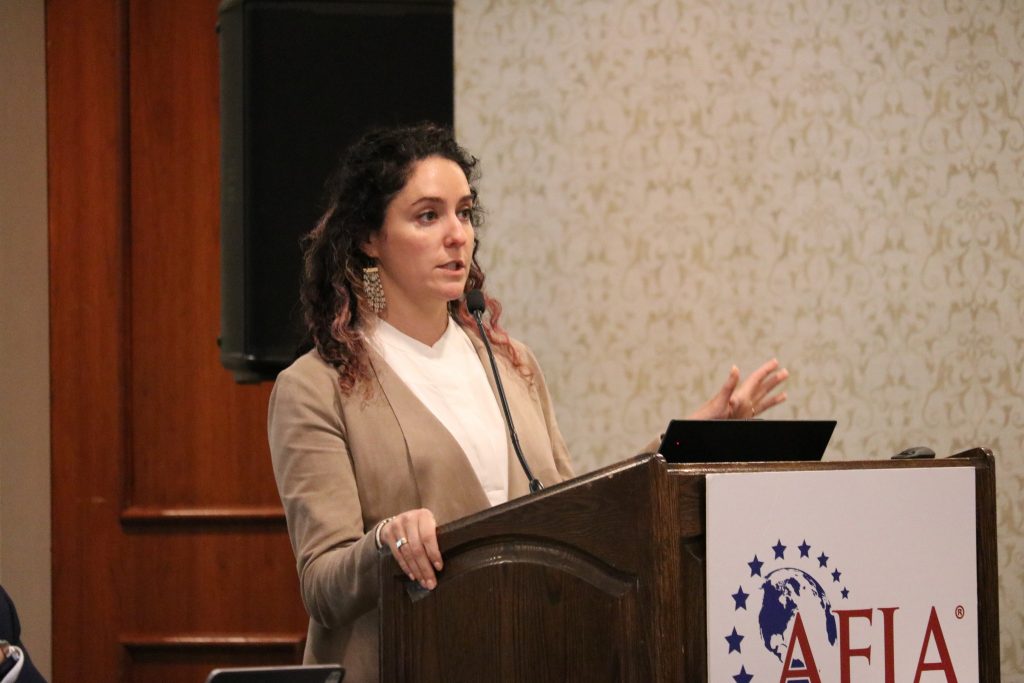
The American Feed Industry Association is committed to ensuring its members' voices are amplified, interests are represented and opportunities for engagement are limitless. Farm Reporter Maci Carter got the chance to speak with its Director of Global Affairs, Mallory Gaines.
One less mentioned sector being impacted by the trade war is the pet food industry. "We do import some ingredients, and we do import some complete pet food as well, occasionally," Gaines noted. "If there are tariffs, prices are going to go up and consumers are going to see that when feeding their pets at home."
She detailed that most pet and animal feeds used domestically are manufactured in the United States, but some ingredients, such as vitamins, are imported from other countries so tariffs could have an impact on pet and animal feed prices over the coming months.
Increasing market access to other countries for pet and animal food exports is a top priority for Gaines and her team at AFIA. "I do want to make sure that USDA, FDA, and USTR are ready to increase exports for us and engage with other countries for market access," she said.
She detailed how due to its use of co- and bi-products, the animal feed industry has a great sustainability story. "There are foods that would be in a landfill if they weren't in animal or pet food, and it's not that they are bad foods, it's just that maybe it is a tomato that isn't the right color and isn't going to sell at the store. They can use that product in animal and pet food," she explained.
For more information about the American Feed Industry Association, click here.
| |||||||||||||||||||||||||||||||||||||||||||||||||||||||||||||||||||||||||||||||||||||||||||||||||||||||||||||||||||||||||||||||||||||||||||||||||||||||||||||||||||||||||||||||||||||||||||||||||||||||||||||||||
| |||||||||||||||||||||||||||||||||||||||||||||||||||||||||||||||||||||||||||||||||||||||||||||||||||||||||||||||||||||||||||||||||||||||||||||||||||||||||||||||||||||||||||||||||||||||||||||||||||||||||||||||||
|
Today, the National Cattlemen's Beef Association (NCBA) thanked Secretary of Agriculture Brooke Rollins following an announcement from the U.S. Department of Agriculture (USDA) that the agency would quickly be sending Emergency Livestock Relief Program (ELRP) payments to cattle producers who suffered losses from drought and wildfire.
"Cattlemen and cattlewomen across the country have faced heartbreaking losses from drought and wildfires. We are so grateful that Secretary Rollins understands the devastation caused by these natural disasters and is working to make cattle producers whole again," said NCBA President Buck Wehrbein, a Nebraska cattleman. "We appreciate USDA standing with farmers and ranchers, and being invested in their success."
The ELRP payments will be delivered to impacted cattle producers without requiring a separate application. Instead, data already on file with USDA will be used to identify which producers are eligible for payments. This removes bureaucratic red tape and ensures payments are issued quickly. Questions regarding eligibility should be directed to your local Farm Service Agency office.
U.S. Secretary of Agriculture Brooke L. Rollins today announced the release of Congressionally mandated Emergency Livestock Relief Program (ELRP) payments to cover grazing losses due to eligible drought or wildfire events in 2023 and/or 2024. Secretary Rollins committed on May 7 to release these emergency payments by May 30, and today she is delivering on that commitment ahead of schedule.
The U.S. Department of Agriculture's (USDA) Farm Service Agency (FSA) is leveraging existing Livestock Forage Disaster Program (LFP) data to streamline payment calculations and expedite relief. Emergency relief payments are automatically issued for producers who have an approved LFP application on file for 2023 and/or 2024, and do not have to contact USDA to receive payments.
"The Department of Agriculture is stepping up to support livestock producers by expediting disaster payments when drought and wildfires strike. Under President Trump's leadership, USDA has the backs of ranchers, and that's why we are delivering much-needed emergency relief ahead of schedule," said Secretary Rollins.
The American Relief Act, 2025, provided funds for emergency relief payments. This program is the first of two programs authorized to assist with eligible losses suffered by livestock producers. FSA will announce additional ELRP assistance for other losses authorized by the Act, including flooding, later this summer. FSA expects demand for this first program to be great so the ELRP payments will be factored at 35%. If additional funds remain, FSA may issue a second payment.
Supplemental Disaster Assistance Timeline
USDA is fully committed to expediting remaining disaster assistance provided by the American Relief Act, 2025. On May 7, we launched our 2023/2024 Supplemental Disaster Assistance public landing page where the status of USDA disaster assistance and block grant rollout timeline can be tracked. The page is updated regularly and accessible through fsa.usda.gov.
The Act also authorized $10 billion in economic loss assistance to producers of covered commodities based on 2024 planted and prevented planted acres. To date, USDA has delivered more than $7.7 billion to producers through the Emergency Commodity Assistance Program (ECAP). The ECAP deadline is Aug. 15, 2025. Contact your local FSA county office for information.

OWRB has completed Round 5 Regional Meetings that discussed preliminary draft recommendations from the 2025 Update to the Oklahoma Comprehensive Water Plan (OCWP). The OCWP Team appreciates all attendees who participated. Review what was discussed in previous rounds and the OCWP Roundtable at the Governor's Water Conference by visiting the Water Planning page on OWRB's website. Click here to read the Round 5 Summary. The following are a few key takeaways that the OCWP Team heard from meeting participants.
In response to the recent release of the Making America Healthy Again report, which raised unfounded questions about the safety of pesticides, the National Corn Growers Association has released a report that speaks to the economic impact of widely used technologies, like atrazine and glyphosate.
"U.S. farmers consistently raise abundant crops that provide consumers reliable, low-cost access to food," said NCGA Chief Economist and Illinois farmer, Krista Swanson, who authored the report. "One of the central tenants to producing crops is the control of pests that, when left unchecked, can reduce corn yields by up to 70%. Pesticides are one tool that farmers use to control pests, the safety and efficacy of which have been repeatedly tested and documented for decades."
Farmers would face at least a 60% increase in cost if they were to switch from glyphosate and atrazine to alternative herbicides, according to the report. Similarly, a recent North Carolina State Extension analysis looking at the potential short-term economic impact of losing glyphosate in North Carolina estimated a 73% increase in costs for corn.
Farmers have said without pesticides, they have limited options for addressing weed and pesticide control. That assertion was echoed by the NCGA report.
"Without access to effective and affordable herbicides, farmers could turn to other options to control weeds, though all present difficult trade-offs," the report notes. "Given current labor wage rates and challenges in finding farm labor, manual control is likely too costly and inaccessible to be realistic on most corn acres."
Many experts have said growers could increasingly turn to tillage as an alternative, but such a move would lead to greater soil erosion and compaction, contrary to sustainable farm practices favoring less tillage. And, according to the NCGA report, it could take up to three or four tillage passes per acre to effectively control weeds, costing about $15 to $30 per acre, per pass, and requiring increased use of fuel
A 2023 study by the Directions Group, shows glyphosate has enabled conservation practices that result in a slew of environmental gains, including: 22% reduction in sediment loss, 19% reduction in water use for irrigation, 16% reduction in soil erosion from wind, 13% reduction in soil erosion from water, 1.2 million tons fewer carbon emissions from farm machinery, and 32.5 million additional tons of carbon equivalents captured by farmland soil.
NCGA and other ag groups have emphasized in recent weeks that glyphosate and atrazine are time-tested products that have been in use for more than half a century.
Glyphosate has been registered as a pesticide in the United States since 1974 and atrazine has been registered as a pesticide since 1958. Since then, the U.S. Environmental Protection Agency, as well as other regulatory agencies around the world, has reviewed and reassessed each product's safety and use multiple times.
The report ends with a warning that removing these technologies could be disruptive.
"Without continued access to pesticides that protect against devastating pests, U.S. farms and ranches would quickly become economically unsustainable, jeopardizing U.S. farmers' ability to provide affordable food and other agricultural products to consumers," the report said. "Preserving access to these technologies and encouraging further advancement is essential to maintaining both a robust, quality supply of goods for U.S. consumers and competitiveness for U.S. agriculture globally."
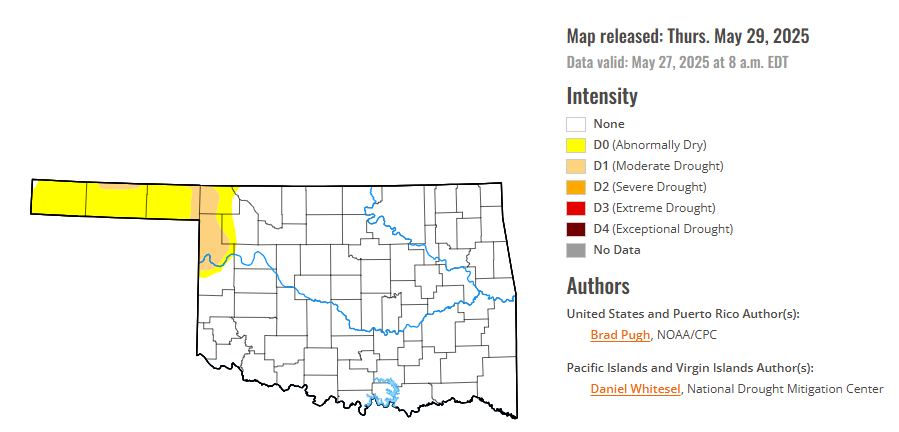
To view the latest Oklahoma drought map, CLICK HERE.
According to the latest Oklahoma drought monitor report, exceptional drought remains at zero percent, unchanged from the start of the calendar year.
Extreme drought or worse conditions remain at zero percent, unchanged since the week of October 29, 2024.
Severe drought or worse conditions decreased to 0, down from 2.99 percent last week.
Moderate drought or worse conditions decreased to 3.32 percent, down from 11.94 percent last week.
Abnormally dry or worse conditions decreased to 12.25 percent, down from 15.52 percent last week.
According to the 6-to-10-day precipitation outlook map, the western panhandle of Oklahoma, along with the Southeastern and Eastern portions of the state, are leaning above 33-40% chance of precipitation through June 7. The rest of the state is leaning above a 40-50% chance of precipitation through that June 7 date.
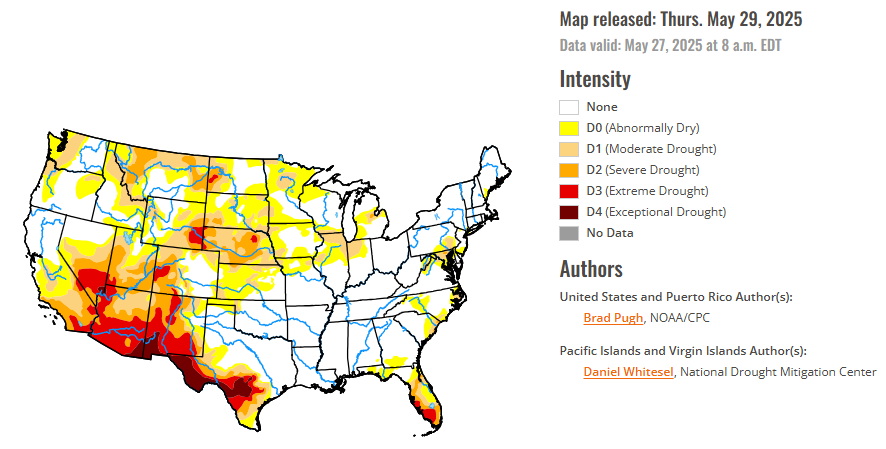
To view the United States Drought Map, CLICK HERE.
The wet May pattern continued to alleviate or bring an end to drought across the Northeast. Severe to extreme drought persists for central to south Florida although locally heavy showers fell across the east-central Florida Peninsula as the rainy season begins to ramp up. Widespread precipitation (2 inches or more) supported improvements to the Central and Southern Great Plains. During recent weeks, drought developed across portions of southwestern Iowa, northern Illinois, and northwestern Indiana. Short-term drought expanded across the Pacific Northwest and intensified for southern Utah and northwestern Colorado during mid to late May. From May 20-26, above-normal temperatures were limited to the southern tier of the contiguous U.S. 7-day temperatures averaged 4 to 10 degrees F below normal across the Northeast, Corn Belt, and Northern to Central Great Plains. Alaska and Puerto Rico are drought-free, while drought of varying intensity continues for parts of Hawaii.
In the Southern Plains, heavy rainfall (2 inches or more) prompted a 1-category improvement to ongoing drought areas of south-central and southeastern Texas. Despite this recent heavy rainfall, levels in the long-term monitoring wells of Bexar and Medina Counties remain at all-time lows. In addition, many of the 28-day average USGS streamflows are below the 5th percentile, supporting the D3-D4 depiction. Since the SPIs dating back 6 months are neutral and considering the major impact is hydrological, the drought impact was changed to long-term only. With drought improvement for northwestern Oklahoma this past week, nearly all of Oklahoma and northern to eastern Texas are drought-free. The Lower Mississippi Valley and Tennessee Valley are also drought-free with surplus 30 to 90-day precipitation.
In the High Plains, from May 24-26, widespread precipitation (1 to 3 inches, locally more) resulted in a 1-category improvement to portions of southwestern South Dakota, Nebraska, Kansas, and northeastern Colorado. Much cooler temperatures accompanied this widespread precipitation which contributed to topsoil moisture recharge. Based on multiple indicators such as the SPI at various time scales and soil moisture, severe (D2) to extreme (D3) drought was reduced in coverage across central to western Nebraska along with adjacent areas of southwestern South Dakota. Although precipitation was lighter across southeastern Colorado, SPIs at multiple time scales, soil moisture, and VegDri no longer support any D1. Southern Nebraska and northern Kansas missed out on this past week's precipitation and a couple of small 1-category degradations were made. A 1-category degradation was also warranted for western Colorado based on 90 to 180-day SPI.
In the West, based on 6-month SPI, water-year-to-date (October 1, 2024 to May 26, 2025) precipitation deficits, and 28-day average streamflow, moderate drought (D1) was expanded to include more of southwestern Washington. Increasing 30 to 90-day precipitation deficits, low 28-day average streamflows, and declining soil moisture led to the introduction of D1 to parts of northwestern and northeastern Oregon. The 6-month SPI supported the expansion of severe drought (D2) coverage across southwestern Utah. Although precipitation was light this past week, SPIs dating back 120 days along with more favorable soil moisture indicators led to improvements across southwestern and eastern Montana. Conversely, in northwest Montana, D1 was degraded to D2 based on 120-day SPI and declining soil moisture. To the east of the Sierra Nevada Mountains, abnormal dryness (D0) was expanded to the south of Lake Tahoe due to drier-than-normal conditions since April.
Looking ahead, a low pressure system and trailing front are forecast to maintain the wet pattern along the East Coast with the Weather Prediction Center depicting 1 to 2 inches of precipitation from the Mid-Atlantic north to England through June 2. Much-needed precipitation (locally more than 1 inch) is expected for the Florida Peninsula. From May 29 to June 2, mostly dry weather is forecast across the Midwest. By June 2, a low pressure system is forecast to develop and bring another round of precipitation to the Northern and Central High Plains. Much above-normal temperatures and potential record heat are predicted to affect California and the Great Basin to end May.
The Climate Prediction Center's 6-10 day outlook (valid June 3-7, 2025) favors above-normal precipitation for the Florida Peninsula, Middle to Upper Mississippi Valley, and Great Plains. The precipitation outlook leans towards above-normal precipitation for much of the West. Elevated below-normal precipitation probabilities are forecast across the Mid-Atlantic and Northeast. Alaska and Hawaii are favored to be on the wetter side during the first week of June. Above-normal temperatures are favored from the Mississippi Valley to the East Coast, while below-normal temperatures are more likely throughout the West and Alaska. A slight lean towards above-normal temperatures are forecast for most of Hawaii.
.To view the 6-10 Day Precipitation Outlook Map, click here.
To view the 6-10 Day Temperature Outlook Map, click here.
To view the Monthly Drought Outlook Map, click here.

American Agri-Women (AAW) announce registration is open for their annual Symposium, "New Era in Public Land Management: Healthy Forests, Grazing, and Water Resources" that will be held at USDA in Washington, D.C. on Monday, June 9th.
The event will feature members of Congress and policy influencers including Congressman Cliff Bentz of Oregon, Congresswoman Harriet Hageman of Wyoming, USDA's Under Secretary for Natural Resources and the Environment Kristin Sleeper, and the American Forest Resource Council's Executive Director Travis Joseph as well as AAW President Rose Tryon who has also served as Vice Mayor of Paradise, California during its recovery from the widespread fires of 2018.
2025 marks the 30th Symposium hosted by American Agri-Women during their annual Fly-In to Washington, D.C. AAW members and invited guests will gather at the USDA on June 9th to hear from panelists while others can view the Symposium virtually.
The AAW Past President's Council coordinates the symposium each year as a capstone event for their members and others to gain deeper understanding on complex issues. This year's lineup of speakers has been asked to identify specific action items and policies to improve the long-term health of our country's resources and rural economies.
Registration is open to view the live over Zoom HERE. Or participate in person, find details of the full event at www.americanagriwomen.org/events.
R-CALF USA representatives recently returned from a productive week in the nation's capital, where they engaged with key policymakers and industry leaders to advance reforms critical to rebuilding America's cattle and sheep industries.
R-CALF USA CEO Bill Bullard met with White House officials to offer solutions and actionable policy recommendations addressing the crises facing U.S. cattle and sheep producers. Discussions focused on restoring competitive markets, strengthening domestic supply chains and defending rural producers from unchecked corporate consolidation.
Bullard and R-CALF USA Region VII Director Eric Nelson also attended the Coalition for a Prosperous America's annual meeting alongside Trump administration officials and top policy influencers including U.S. Trade Representative Jamieson Greer, former National Security Council official Roger Robinson Jr., and U.S. Sen. Rick Scott.
During the conference, Bullard and R-CALF USA Sheep Committee member Carson Jorgensen participated in a panel exploring how 21st-century agricultural policy can be informed by 19th-century principles that empowered independent producers and rural economies. Watch the full discussion featuring Jorgensen here and a short clip of Bullard's remarks here.
The week also included targeted Capitol Hill advocacy, where R-CALF USA representatives urged lawmakers to support a ban on unpriced cattle contracts, a critical step toward restoring transparency and competition in the cattle market.
Nelson later joined a panel discussion at the Make America Healthy Again Institute Conference, examining strategies to rebuild a family-sized, community-oriented agricultural economy. Addressing hundreds of stakeholders, speakers emphasized the urgent need for antitrust enforcement and market reform to counteract the dominance of corporate meatpackers and agribusiness giants.
Bullard said the future of America's cattle and sheep industries will likely be decided during the next few months, as this administration is seeking major reforms across all economic sectors.
He said his group has laid out a plan for ensuring the cattle and sheep industries remain independent.
"We've asked the Trump administration to put quotas and tariffs on cattle, beef and lamb imports; require country of origin labeling on beef sold in America; ban unpriced cattle procurement contracts; reform the beef checkoff program; and end the government's electronic identification mandate.
"The administration is being bold in its reforms; we must be bold in asking for what we need," he concluded.
Article provided by R-CALF, USA.
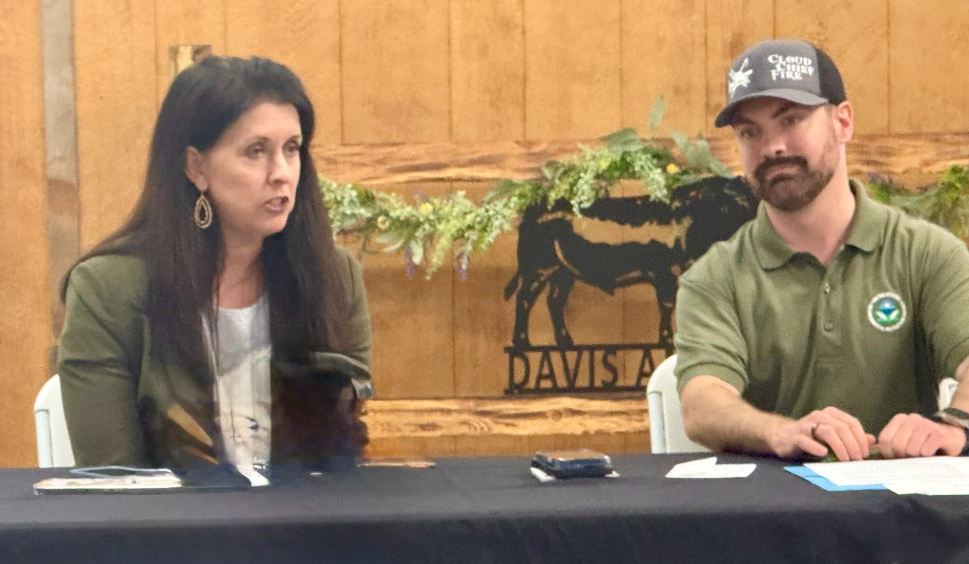
Following a significant visit with Scott Mason, the 14th regional administrator for the U.S. Environmental Protection Agency's (EPA) South Central Region, Oklahoma Ag Secretary Blayne Arthur shared her insights on the crucial dialogue that unfolded with Oklahoma agricultural producers. The meeting, which took place in Burns Flat, Oklahoma, marked a vital opportunity for direct engagement between federal regulators and the state's farming and ranching community.
Secretary Arthur expressed deep appreciation for Administrator Mason's willingness to come to Oklahoma and engage directly with the state's producers. "We were really appreciative that the administrator made time to come to Oklahoma and sit down and talk to our ag producers," Arthur stated, highlighting the rare opportunity for such a candid exchange.
The conversation, as summarized by Secretary Arthur, encompassed a wide range of opinions and concerns regarding EPA actions and opportunities for improvement. Key issues brought forth by producers included:
A clear message emerged from the producers: a desire to comply with regulations, provided they are "common sense." Secretary Arthur emphasized this point, stating, "I think overall what we heard is that farmers and ranchers want to comply with the regulations, but they need to be common sense." She believes that the presence of Administrator Mason and other Region 6 representatives in Oklahoma demonstrates a genuine willingness to listen and make necessary improvements.
Secretary Arthur underscored the profound importance of having Oklahomans like Scott Mason in key federal roles. Mason, a fifth-generation farmer and rancher from Cordell, brings invaluable firsthand experience to his position. "I think it's a tremendous opportunity for Oklahoma," Arthur remarked, pointing out that not only is Mason a regional administrator, but other Oklahomans also hold high-level positions within the USDA.
The presence of "common sense people who understand the function of government and certainly understand the function of regulatory agencies" is seen by Secretary Arthur as a unique advantage for Oklahoma. She believes these individuals, who "know what it's like to be a farmer or rancher in the state of Oklahoma," can help balance agricultural productivity with the nuances of regulatory oversight. "Having those voices to really listen to, and farmers are great at finding solutions. We have to do that every single day," she asserted, highlighting the proactive nature of producers in finding solutions.
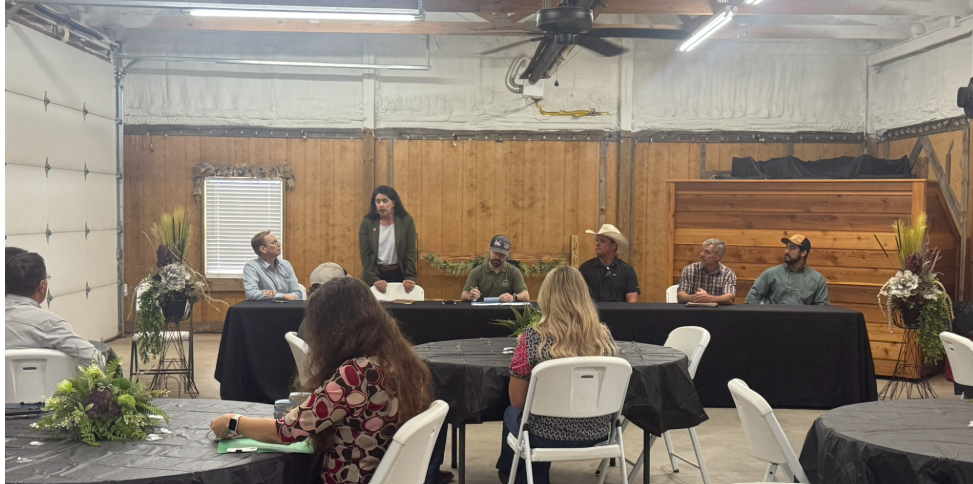
Secretary Arthur reflected on the historical challenges of dealing with the EPA under previous administrations, emphasizing why meetings like this are so crucial. "This meeting is incredibly important," she stated, noting the unprecedented nature of an EPA administrator openly soliciting feedback from farmers and ranchers. "I don't know that anyone at EPA in the past would've been brave enough to sit down in an open forum with farmers and ranchers and ask, 'Hey, what's on your mind? What can we help fix? What can we make better?"
The fact that both the EPA Administrator and the Regional Administrator were in Oklahoma within the first hundred days of the administration is, according to Secretary Arthur and seasoned agency staff, virtually unheard of. This willingness to leave the confines of offices in D.C. or Dallas and engage directly with those making a living in agriculture signals a genuine commitment to improvement from the current administration.
Looking ahead, Secretary Arthur outlined the Oklahoma Department of Agriculture's plans for the summer. With the legislative session wrapping up, she expressed gratitude to the Oklahoma State Legislature and Governor Stitt for their strong support of the agriculture industry. The ODA will be busy reviewing applications for the Ag Youth Council and will focus on extensive outreach across the state. This includes "Ag in the Classroom" tours for teachers and continued engagement from the market development team, all aimed at supporting Oklahoma's diverse agricultural sector.
Analysis from the non-partisan, independent budget office shows Congressional Republicans' budget cuts will cause higher grocery costs for millions of Americans each month whose food assistance through the Supplemental Nutrition Assistance Program will be taken away or reduced. The Congressional Budget Office projects that total cuts to SNAP will total nearly $290 billion in the Republican bill.
House Committee on Agriculture Ranking Member Angie Craig and Senate Committee on Agriculture, Nutrition and Forestry Ranking Member Amy Klobuchar released a letter from the non-partisan, independent Congressional Budget Office (CBO) which analyzed House Republican proposals included in their billionaire tax scam that would cut the Supplemental Nutrition Assistance Program (SNAP). CBO's analysis shows that Republicans' plan raises grocery costs by taking food assistance away from people, despite the difficulty many families are already facing to put food on the table.
The letter responds to a request from Ranking Members Craig and Klobuchar, which asked CBO to estimate the impact that provisions in the House Republicans' reconciliation bill would have on SNAP participation and benefit levels.
House Republicans rushed this irresponsible bill to the floor without confirming its full impacts on the immense threat it poses to food assistance for vulnerable seniors, children, working families, veterans, and Americans with disabilities.
CBO finds that these provisions would result in:
The analysis from CBO can be found here. The letter from Ranking Members Craig and Klobuchar to CBO can be found here.
SNAP is the nation's largest and most effective food assistance program, serving 42 million Americans, including 16 million children, 8 million seniors, 4 million people with disabilities, and 1.2 million veterans.
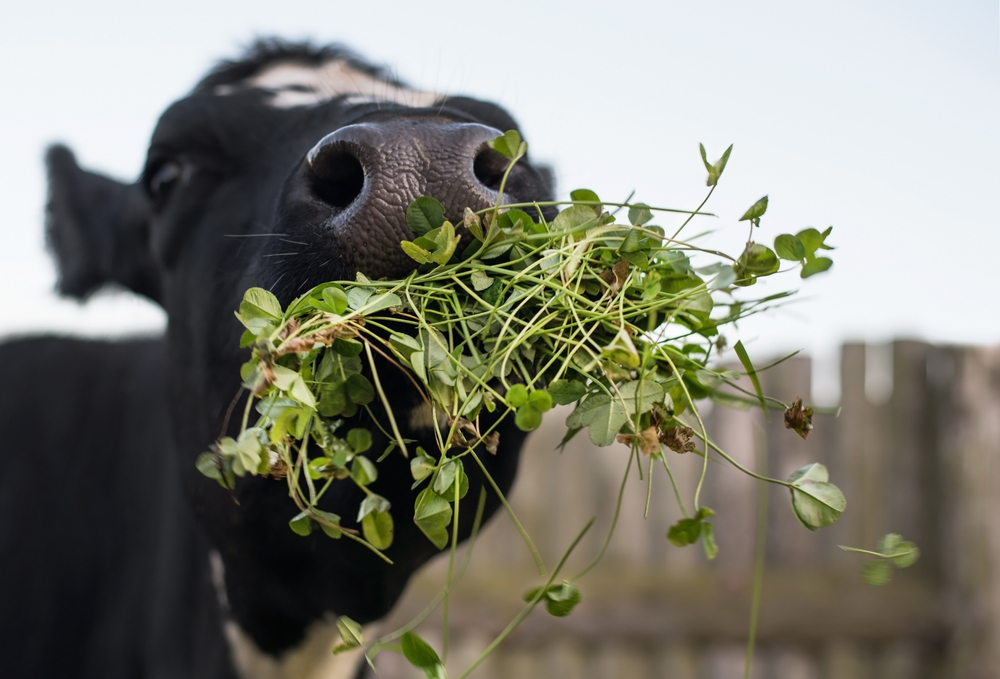
Weekly, Oklahoma State University Extension Beef Cattle Nutrition Specialist Paul Beck offers his expertise on the beef cattle industry. This is part of the weekly series known as the "Cow Calf Corner," published electronically by Dr. Derrell Peel, Mark Johnson, and Beck. Today, he discusses enhancing pastures with annual clovers.
Annual clovers offer significant benefits to forage systems across Oklahoma, including improved forage quality, extended grazing seasons, and reduced fertilizer costs. These legumes naturally fix atmospheric nitrogen, enhancing soil fertility and boosting livestock performance—all while lowering input expenses.
In Oklahoma's diverse climate, annual clovers often outperform perennial varieties, particularly in the southern and eastern regions where hot, humid summers can limit the persistence of perennial clovers. Because annual clovers complete their life cycle in a single year, they require annual re-establishment through either reseeding or replanting.
Establishment Tips for Oklahoma Producers
Recommended Clover Species for Oklahoma
With proper species selection and management, annual clovers can significantly enhance pasture productivity and profitability in Oklahoma.
For additional guidance, contact your local OSU Extension office, see the factsheet Forage Legumes for Oklahoma PSS-2585 (https://extension.okstate.edu/fact-sheets/forage-legumes-for-oklahoma.html) or visit https://extension.okstate.edu/programs/forage-and-pasture-management/.
RON's Jacquelyn Farris reports from the State Capitol
The U.S. and Mexican dairy sectors renewed a partnership and unveiled a work plan today to enhance industry collaboration at their seventh annual summit convened this week in Madison, Wisconsin. The industry representatives reaffirming their shared commitment to strengthening bilateral collaboration and supporting the long-term success of the North American dairy industry.
Led by the U.S. Dairy Export Council (USDEC) and the National Milk Producers Federation (NMPF) on the U.S. side, and by the Confederación Nacional de Organizaciones Ganaderas (CNOG), Asociación Mexicana de Productores de Leche (AMLAC), Cámara Nacional de Industriales de la Leche (CANILEC), and Consejo Nacional Agropecuario (CNA) from Mexico, the summit culminated in the signing of a renewed commitment and a shared work plan designed to foster mutual growth and resilience.
The joint plan identifies key areas for cooperation, including:
"Challenges like trade instability and animal health threats aren't localized. They extend beyond borders, which is why working together is essential," said Krysta Harden, president and CEO of USDEC. "Mexico continues to be a crucial ally for the U.S. dairy industry. These meetings not only reinforce our partnership but also help us prepare for a stronger, more resilient future."
Recognizing the increasingly interconnected nature of the global dairy industry, the U.S. and Mexican representatives underscored the importance of continuing to work together to address shared challenges—from trade uncertainty and supply chain disruptions to animal health threats like H5N1 and New World screwworm and evolving consumer expectations.
"The U.S. and Mexico dairy sectors share a common goal: to expand market opportunities and protect consumer confidence in dairy," said Gregg Doud, president and CEO of NMPF. "Today's renewed agreement deepens our partnership as we address the shared challenges our industries face."
Attorney General Gentner Drummond has filed a comprehensive response opposing a preliminary injunction that blocks enforcement of Oklahoma's House Bill 4156, the state's immigration enforcement law. The filing comes as advocacy groups led by Padres Unidos De Tulsa seek to permanently halt the law while their legal challenge proceeds.
The temporary restraining order came last week when a judge ruled that plaintiffs can proceed with a legal challenge despite two of the plaintiffs being anonymous because to reveal their identities would "expos(e) them to federal authorities" for federal lawbreaking, according to the court.
In the response filed late yesterday in federal court, Drummond argues that federal lawbreakers cannot claim legal standing to challenge a state law that mirrors federal immigration statutes. The state contends that granting relief to the plaintiffs would "plainly subvert federal criminal law in the name of upholding it."
"Oklahoma will not stand by while activist groups use our federal courts to shield lawbreakers from consequences," said Drummond. "This lawsuit asks the court to protect people who admit they are violating federal law from facing any accountability under either federal or state authority. That turns justice on its head and makes a mockery of the rule of law."
HB 4156 penalizes individuals who are present in Oklahoma in violation of federal immigration law. The measure was designed to address illegal activities including unauthorized marijuana cultivation and fentanyl distribution that have exploded in the state due to inadequate border security.
A temporary restraining order currently blocks enforcement of HB 4156 and expires June 3, when the court will consider whether to impose a preliminary injunction. A previous preliminary injunction was dismissed in March after the U.S. Department of Justice withdrew its legal challenge under the new Trump Administration.
Read Drummond's response opposing the preliminary injunction.
365 agricultural and related groups have sent a letter calling on Congress to enact the Agricultural Labeling Uniformity Act, a bipartisan bill the groups say is needed to protect access for farmers and the public to safe, well-regulated pesticides. The groups—which represent millions of pesticide users from farmers to scientists, and mosquito control to public land managers—say the legislation would reaffirm and clarify long-standing provisions in federal pesticide law regarding labeling requirements.
Since the 1970s, the Federal Insecticide, Fungicide and Rodenticide Act has contained provisions that prevent states from imposing labeling requirements in addition to or different from federal requirements. Yet, the groups warned in the letter that recent state labeling requirements, "directly and unjustifiably contradict EPA's scientific findings on pesticide safety. These actions risk creating an unworkable, inconsistent patchwork of state pesticide labels that can quickly disrupt commerce and access to these much-needed tools." The groups are concerned that if contradictory labels are required on the same package, it could lead to products being pulled from the market.
Caleb Ragland, president of the American Soybean Association and a soybean farmer from Kentucky, said, "Not only does FIFRA prohibit states from requiring labels that conflict with federal findings, but also labels are not allowed to be 'false or misleading.' If a state requires a product to be labeled in contradiction to scientific findings from federal regulators, it places manufacturers in a no-win situation; either disregard a state labeling requirement or put a false and misleading label on a product, contradicting EPA findings and violating federal law. This situation is not sustainable."
Supporting the enactment of the Agriculture Labeling Uniformity Act, which was introduced last Congress by Representatives Dusty Johnson (R-SD) and Jim Costa (D-CA), is only the most recent effort farm groups have pursued to bring clarity to pesticide labeling. Earlier this month, 12 national and state agricultural groups filed an amicus brief urging the Supreme Court to hear a case on whether states could require glyphosate to carry a cancer warning label despite repeated findings from EPA and other regulators around the globe that it is not a carcinogen. In March, nearly 300 groups supported a petition from several state attorneys general to conduct clarifying rulemaking at EPA on pesticide labels. Many groups also have been supporting state legislative efforts that reaffirm federal labeling law, including recent state laws passed in Georgia and North Dakota.
Ragland added, "We're really taking an 'all of the above' approach to bring certainty to this issue. Unless there is clarity, we're worried manufacturers could exit the market and leave farmers without much-needed tools needed to protect crops and provide affordable food for consumers."
The National Cotton Council (NCC) strongly supports the Buying American Cotton Act introduced by Senator Cindy Hyde-Smith (R-MS). This forward-thinking legislation is designed to enhance the demand for U.S.-grown cotton and U.S.-manufactured cotton products through tax incentives.
Patrick Johnson, producer from Tunica, MS, and chairman of the NCC, stated, "The Buying American Cotton Act is transformative for our industry. By capitalizing on the traceability of U.S. cotton and the purchasing power of American consumers, this bill will drive the preference for domestically produced cotton and cotton products. The transferable tax credits will encourage businesses to opt for U.S. cotton, strengthening our agricultural sector and creating more jobs. I want to thank Senator Hyde-Smith for her foresight in introducing this legislation."
The NCC appreciates Senators John Boozman (R-AR), Katie Britt (R-AL) and Roger Marshall (R-KS) for cosponsoring the bill. We look forward to additional cosponsors in the coming weeks.
A detailed summary of the bill can be found at https://bit.ly/4kuX4YN.
The Oklahoma Farm Bureau Grassroots Rural & Ag Business Accelerators program was recently recognized by the Oklahoma Venture Forum with the forum's 2025 Economic Impact Award.

The award, sponsored by the Chickasaw Nation, recognized OKFB for "significant contributions to the state's economy," and was presented Thursday, May 15, during the OVF Awards Luncheon in Oklahoma City.
The OKFB accelerators program is a collaborative rural development effort between OKFB and state and national partners. The program creates economic opportunities for rural Oklahomans and supports Oklahoma agriculture through innovation and business development for rural entrepreneurs. The program features two unique pipelines for both rural and agricultural innovators along with business planning workshops and programs for established rural businesses.
Additional awards were presented to ventures and innovators who created groundbreaking solutions or innovations or who are positioned to achieve transformative growth.
The Oklahoma Venture Forum supports entrepreneurs and investors through networking, education, and advocacy, fostering a thriving business community in Oklahoma. The forum's awards program celebrates the state's most visionary companies, recognizing achievements in innovation, market potential, and economic impact.

In a key win for U.S. dairy exporters' ability to help meet Costa Rican dairy demand, the U.S. Department of Agriculture (USDA) and Costa Rica's National Animal Health Service (SENASA) have agreed to put in place a streamlined procedure for registering U.S. dairy facilities to export to Costa Rica. The new process replaces a much more cumbersome dairy facility questionnaire and lengthy registration process which Costa Rica has long maintained. The announcement was detailed in a May 23 report published by USDA.
"We are proud of supporting the great work of the USDA Foreign Agriculture Service, USDA's Agricultural Marketing Service, Food and Drug Administration and U.S. Trade Representative's Office to painstakingly reach an understanding with Costa Rica to facilitate the export of high-quality U.S. dairy products," said U.S. Dairy Export Council president and CEO Krysta Harden. "This important step recognizes the strength of the U.S. dairy regulatory system and deepens bilateral engagement under the CAFTA-DR at a key time for U.S.-Costa Rica trade relations."
Dairy demand in Costa Rica is growing due to its strong economy and expanding middle class. With all dairy tariffs having reached zero this year under the Central America-Dominican Republic Free Trade Agreement (CAFTA-DR), opportunities are ripe for U.S. dairy exporters to expand sales that complement Costa Rican dairy production. The new streamlined process for U.S. dairy facilities to register to sell products to Costa Rica brightens those prospects further.
"Costa Rica is an excellent trading partner, due in major part to the successful U.S.-Central American Free Trade Agreement. This breakthrough between USDA and Costa Rica's National Animal Health Service further cements that relationship and builds on the zero-tariff trading conditions for dairy exporters that began this year," said Gregg Doud, president and CEO of the National Milk Producers Federation.
The USDA-SENASA announcement marks the successful outcome of years of effort by USDEC's Market Access & Regulatory Affairs team and the USDEC/NMPF Trade Policy team, together with the U.S. government, to simplify Costa Rica's facility registration process for U.S. dairy exporters. After extensive collaboration with USDA's Foreign Agricultural Service and SENASA - including a 2024 SENASA visit to evaluate how U.S. authorities oversee dairy establishments and how U.S. facilities comply - SENASA completed its review in May 2025 and approved the first U.S. dairy facility under the new, simplified process.
R-CALF USA is urging Congress to swiftly pass the Pet and Livestock Protection Act of 2025, or PALPA (H.R. 845). The bill, introduced on Jan. 31 by U.S. Representatives Lauren Boebert, R-Colo., and Tom Tiffany, R-Wis., seeks to remove the gray wolf from the Endangered Species List and return its management authority to individual states.
R-CALF USA Property Rights Chair Shad Sullivan issued the following statement in support of the legislation:
"R-CALF USA applauds the leadership of Reps. Boebert and Tiffany on this issue. For too long, overreaching federal wolf protections have infringed on private property rights and undermined the freedom of ranchers to safeguard their land, livestock, and livelihoods. This bill is a vital step toward restoring local control and reasserting the principle that those closest to the land should have the liberty to manage it responsibly.
"Ranchers need the freedom to act, the tools to protect, and policies that reflect common sense and respect for the rights of individuals who live and work on the land."
The bill is cosponsored by U.S. Reps. Nicholas Begich, R-Alaska; Jack Bergman, R-Mich.; Andy Biggs, R-Ariz.; Cliff Bentz, R-Ore.; Jeff Crank, R-Colo.; Eli Crane, R-Ariz.; Troy Downing, R-Mont.; Tom Emmer, R-Minn.; Gabe Evans, R-Colo.; Scott Fitzgerald, R-Wis.; Brad Finstad, R-Minn.; Michelle Fischbach, R-Minn.; Russ Fulcher, R-Idaho; Paul Gosar, R-Ariz.; Glenn Grothman, R-Wis.; Harriet Hageman, R-Wyo.; Andy Harris, R-Md.; Jeff Hurd, R-Colo.; Richard Hudson, R-N.C.; David Joyce, R-Ohio; Mike Kennedy, R-Utah; Max Miller, R-Ohio; John Moolenaar, R-Mich.; Doug LaMalfa, R-Calif.; Dan Newhouse, R-Wash.; Troy Nehls, R-Texas; Andy Ogles, R-Tenn.; Scott Perry, R-Pa.; Bryan Steil, R-Wis.; Pete Stauber, R-Minn.; Derrick Van Orden, R-Wis.; Tony Wied, R-Wis.; and Andrew Clyde, R-Ga.
Under U.S. Secretary of Agriculture Brooke L. Rollins' leadership, American dairy producers will have greater market access as Costa Rica has approved the first U.S. dairy facility to be registered under their new streamlined approval process. The Trump Administration continues to break down non-tariff barriers, and this latest action is the first of many wins ahead for American dairy producers.
"Under President Trump's leadership, USDA is putting Farmers First. Securing greater market access for American dairy farmers is a much-needed win for the U.S. dairy industry and will give our producers better increased access to a $130 million market in Costa Rica. I look forward to continuing to Make Agriculture Great Again by breaking down trade barriers and opening new markets for our farmers and ranchers around the globe," said Secretary Rollins.
On May 22, Costa Rica's National Animal Health Service (SENASA) officially approved the first American dairy cooperative for export to Costa Rica, making it the first U.S. dairy facility to be registered under the new streamlined approval process that eases market access for U.S. dairy products. This first registration paves the way for future U.S. dairy exports to Costa Rica, a $60 million market in 2024, that could have been lost if the Trump Administration was not able to navigate their new process.
This Make Agriculture Great Again trade win comes on the heels of other major efforts from the Trump Administration to expand market access for American producers. In the last two months, USDA's Foreign Agricultural Service (FAS) has worked with India to reduce tariffs on U.S. Bourbon imports by 50 percent, resulting in a likely $2 million increase in distilled spirits exports to India in 2025. USDA has also worked with Panama to exempt U.S. pork from Panama's import quota mechanism and Pakistan to eliminate its arbitrary genetically engineered ban on U.S.-grown soybeans, resulting in the immediate sale of 65,000 metric tons of U.S.-grown soybeans in the country. The FAS efforts to expand market access also included working with Japan to lift the mandatory aflatoxin testing requirements on U.S. almonds, resulting in a likely eight to 10 percent increase of U.S. almond exports to Japan annually.
| ||||||||||||||||||||||||||||||||||||||||||||||||||||||||||||||||||||||||||||||||||||||||||||||||||||||||||||||||||||||||||||||||||||||||||||||||||||||||||||||||||||||||||||||||||||||||||||||||||||||||||||||||||||||||||
| ||||||||||||||||||||||||||||||||||||||||||||||||||||||||||||||||||||||||||||||||||||||||||||||||||||||||||||||||||||||||||||||||||||||||||||||||||||||||||||||||||||||||||||||||||||||||||||||||||||||||||||||||||||||||||
|
Dr. Ryan Reuter, OSU Professor of Animal and Food Sciences, focused on beef cattle nutrition and range management, provides us with a rundown of virtual fencing to control cattle movements. Senior Farm and Ranch Broadcaster Ron Hays is featuring comments from his conversation with our own Stevie White at the Beef Cattle Summit in Ada, Oklahoma.
Dr. Reuter explained that Virtual fencing works similarly to how invisible dog fences work, only the cattle systems are all based on GPS. The system can be used on cattle, sheep, or goats, and the animal is fitted with a GPS collar. Using software, a producer can draw the desired perimeter on a map.
"It is pretty effective, once you get animals trained," he said. "There are a few animals that we have found that always want to challenge the fence; sometimes, we need to cull an animal or two that won't train to our fence, but most animals do pretty well."
He described a slightly different mindset when using a virtual fence because with a physical fence, the animals are either in or out; however, virtual fences are a little more ambiguous. "We don't recommend it for perimeter fencing, yet," he said. "We really only recommend it for interior pasture divisions and grazing management, because you have to be willing to tolerate shades of grey where the boundaries are."
Some animals will stray outside of the boundary a bit, then come back in and perhaps go back out again. "You have to be willing to tolerate excursions out of the grazing area that you want them in," he said. "It'll happen occasionally, but a lot of the virtual fence companies and the data that we have collected show 90 percent containment success over time."
A major benefit of virtual fencing is when the terrain makes physical fencing difficult to impossible. In some cases, virtual fencing is less expensive than having physical fences erected in challenging terrain. Another benefit is the flexibility to easily change the boundaries to better manage grazing.
"It is very easy to fence out a riparian area or a specific area that has toxic plants or an area that you want cattle to avoid," Dr. Reuter said. "Once you have the virtual fence equipment, it's easy to add those areas to it. Plus, when you have a GPS transponder on your animals, you know where your animals are all the time."
OSU has conducted research projects on private operations and admitted that all new technology gets mixed reviews. "Some people really like it and are progressing with it, and upgrading to newer versions of collars that are coming out. For some people, it didn't fit their management style, and we got feedback on that. That is always valuable information to have," he said.
Even still, he said that the technology is being rapidly adopted in the industry. He advised interested producers to do their research and proceed slowly to determine if it will add value to their operations.
Besides talking to the various companies selling virtual livestock fencing options, he suggested browsing the rangelandsgateway.org website to learn more.
"That is a website that organizes a bunch of virtual fence information that several universities have worked together on," Dr. Reuter shared. "Go to the website, then search it for 'virtual fence' and there is a bit of accumulation of information there: research papers, videos, and lots of that kind of stuff. That is probably the best place to look."
The Beef Buzz is a regular feature heard on radio stations around the region on the Radio Oklahoma Ag Network and is a regular audio feature found on this website as well. Click on the LISTEN BAR for today's show and check out our archives for older Beef Buzz shows covering the gamut of the beef cattle industry today.

Leigh Ann Sayen (right) passes the gavel to newly installed AFIA Board Chair Dan Meagher (left).
The American Feed Industry Association's (AFIA) Board of Directors concluded its annual spring meeting in Washington, D.C., last Thursday, where they advocated for key policy priorities impacting the animal food industry on Capitol Hill and conducted other official business, including installing new Board leadership and directors.
On Thursday morning, the directors met with over 35 U.S. Senate and House offices, advocating for several legislative priorities on behalf of the total animal food industry, including the Innovative Feed Enhancement and Economic Development Act ( S. 1906 / H.R. 2203 ), Securing American Agriculture Act ( S. 912 / H.R. 1995 ), No IRIS Act ( S. 623 / H.R. 1415 ), Safe American Food Exports Act ( S. 1501 / H.R. 3038 ) and Pet Food Uniform Regulatory Act ( H.R. 597 )
During the official business meeting, the AFIA Board of Directors recognized outgoing chair Leigh Ann Sayen, CEO of The Peterson Company, for her leadership over the past year. Sayen now transitions into one year of service as chair of the Institute for Feed Education and Research's (IFEEDER) Board of Trustees.

"As my term as chair of the American Feed Industry Association Board concludes, I am filled with the same appreciation and optimism that I felt at the start. It has been an honor to serve an organization that so passionately represents a vital sector of our economy," stated Sayen. "Over the past year, I've witnessed AFIA's steadfast commitment to its Four Promises – Voice, Representation, Expertise and Engagement – delivered with professionalism, resilience and unity. I am proud of what we have accomplished together and confident in the momentum we've built for the future."
The AFIA Board installed Dan Meagher, president and CEO of Novus International, Inc., as its new chair, effective through the end of AFIA's fiscal year April 30, 2026. It also voted to accept the nomination of Mark Poeschl, president and CEO of Furst-McNess Company, to become chair-elect of the organization for the 2026-27 AFIA fiscal year.
"It is with passion and excitement that I step into the role of AFIA Board chair during one of the most transformative times in food and agriculture. As we face global power shifts, evolving consumer expectations and complex supply chain challenges, I believe the AFIA is uniquely positioned to lead," stated Meagher. "Together, with the dedication of our members, the strength of our AFIA staff and a commitment to our Four Promises, we will shape policies, strengthen resilience and chart a sustainable path forward. I am honored to serve and give back to an industry that has given me so much."
The Board also confirmed the appointments of the following individuals to serve three-year terms: Barry Baetz, Global Agri-Trade Corporation; Pete Calderon, Scott Equipment Company; Timothy Claver, Ardent Mills; Kerry Courchaine, Darling Ingredients Inc.; Brandon Dacey, Kemin Industries Inc.; Cate Hollowitsch, Star Blends, LLC; Anthony Koch, Hallway Feeds; William Lloyd, Suwannee Valley Feeds; Joseph Lucas, CJ America, Inc. BIO Business for North America; Jerry May, Freshpet; Lisa Norton, BioZyme Incorporated; Sarah Schuling, Ph.D., NutriQuest; David Stearle, Nutra Blend LLC; Glen Wilkinson, Huvepharma, Inc.; Wesley Wilson, Ag ProVision, LLC; and Brad Wittig, FNF Ingredients.
The Board approved six nominated individuals as additional members to its 15-member AFIA Executive Committee, which now includes: Christi Brown, Zinpro Corporation; Joseph Lucas, CJ America, Inc. BIO Business for North America; Sean McNear, Blue Buffalo Company, Ltd.; Lisa Norton, BioZyme Incorporated; Apoorva Shah, SAM Nutrition; Glen Wilkinson, Huvepharma, Inc. Existing members to the AFIA Executive Committee include: Susanna Elliot, Alltech, Inc.; Matt Podany, EBM Manufacturing; Karl Thoene, CHS Inc., Eric Arnold, Bill Barr & Company, Inc.; Mariano Berdegue, Ph.D., Cargill Animal Nutrition; Katie Cook, Elanco Animal Health; and Terry Medemblik, Walinga USA.
The AFIA thanks the following outgoing Board members for their three years of service: Holly Bellmund, GLC Minerals, LLC; Blaine Blackburn, Westway Feed Products LLC; Tony Colanino, NewStar Sourcing; Julio Contreras, Sweet Manufacturing Company; Grady Fain, Hamlet Protein, Inc.; Carlos Gonzalez, Ph.D., Hill's Pet Nutrition, Inc.; Jonathan Griffin, Balchem Corporation; A. Whitfield Huguley, ED&F Man; Bjorn Kwak, Daybrook Fisheries; Mark Lamb, SouthFresh Feeds; Ryan Millet, Zoetis; Chris Pearson, Land O' Lakes; Dan Rice, Western Milling; and Matthew Zeigler, Zeigler Bros, Inc.
The complete 48-member list of directors can be found on AFIA's website.
The Department of Labor's (DOL) 2023 reclassification of some H-2A workers' job titles continues to push wages higher, with another increase on the way this year per the Bureau of Labor Statistics (BLS) 2024 Occupational Employment and Wage Statistics (OEWS), which was released in April.
In 2023, DOL changed its longstanding Adverse Effect Wage Rate (AEWR) methodology to set distinct hourly wages for any job description with duties the department believes go beyond the six farm occupations included in USDA's Farm Labor Survey (FLS). Since farmworkers, particularly those on small farms, perform a variety of job functions, this rule, known as the "disaggregation rule," has resulted in some farm positions being reclassified to higher wage categories.
New Wages
While 96% of H-2A workers are still classified as farmworkers, graders and sorters, packers and packagers, or agricultural equipment operators – the classifications set by the FLS – some alternative job classifications have become more prevalent since the 2023 methodology was set.
The five most common disaggregated occupations at the end of fiscal year 2024 were heavy and tractor-trailer truck drivers (1.5%), construction laborers (0.6%), first-line supervisors of farmworkers (0.1%) and shuttle drivers (0.5%). Farm equipment mechanics (0.2%) have also climbed into the top 10 occupations in year-to-date fiscal year 2025 positions. The OEWS does not survey farms. Wages in this survey reflect workers in these occupations in the larger economy, like chauffeurs in New York City or long-haul truckers driving Amazon trailers from coast-to-coast. The additional qualifications and permits needed for these jobs in other industries mean that their wages are often much higher – sometimes more than $10 per hour higher.
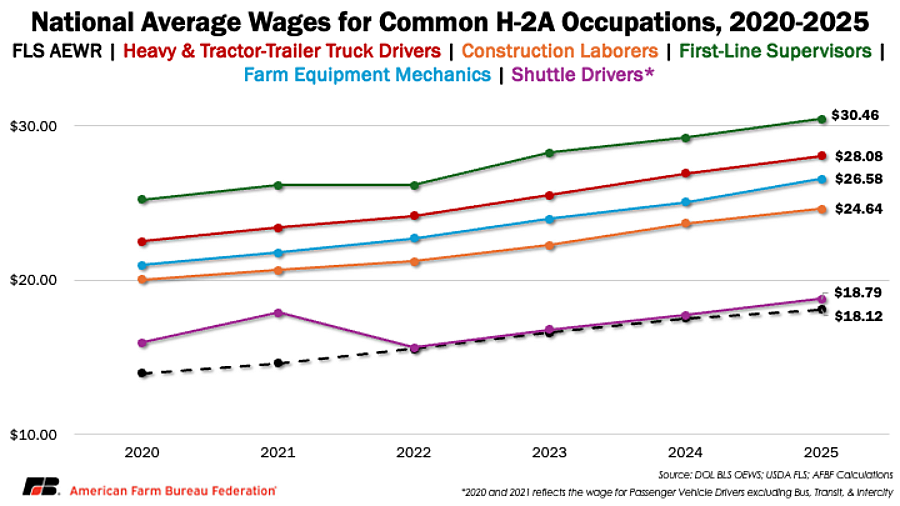
The disaggregation rule requires that workers be paid the highest possible wage for their job duties for the entirety of their job contract, no matter how often they perform the task. In some states, the difference between OEWS and FLS wages are even more drastic than the national differences: In California, construction laborers – who could simply be those required to repair fencing on the farm – make $11.83 more per hour than farmworkers, while supervisors in Georgia make $18.61 more per hour, more than twice the wage of farmworkers. So, the traditional farmworker AEWRs have become a true minimum for H-2A wages – despite already being more than two times the federal minimum wage – and some duties a farmworker may only seldomly perform can as much as double farmers' labor costs for the season.
The Hit to Farmers' Checkbooks
These increases to hourly wages add up fast. To illustrate this, we recreated a limited example that we first used when the rule was introduced. A small farm in this scenario hires 10 H-2A workers that were originally all paid the combined field and livestock worker wage from the FLS. They work a combination of 42 or 50 hours a week during peak harvest. After the disaggregation rule, one employee was reclassified as a first-line supervisor and the other is a heavy and tractor-trailer truck driver, both of which work 50 hours a week. (Note: in our original analysis, AFBF economists assumed one would become a light truck driver. We have switched this to a heavy truck driver in this analysis as it is a more common H-2A occupation). The large farm scales this up to 70 employees who are split up to disaggregated occupations of 60 farmworkers, five first-line supervisors and five heavy and tractor-trailer truck drivers.
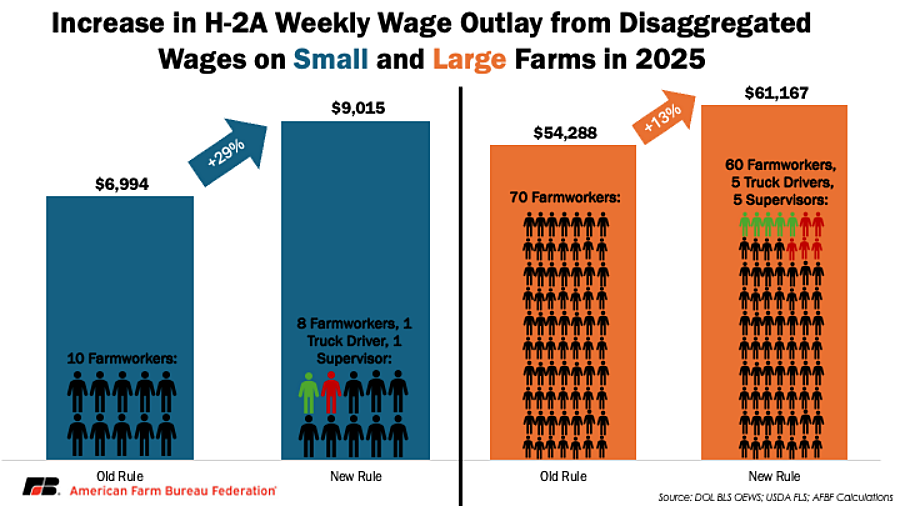
Using national average wages, the small farm's wage expenses increase around 30% a year, and large farms increase over 10% a year. These increases have contributed to pushing labor costs to record levels, forecast at over $53 billion across the agricultural industry in 2025. While specialty crop revenues are expected to increase modestly this year, margins are still slim, and every additional cost risks the profitability of American farmers.
Farmworker wages are already subject to volatile year-to-year changes: the 2025 AEWR changed anywhere from a 10% increase to a 2% decrease, depending on the region. Each year since 1987, H-2A users have had to plan for a rise in their yearly wage in December or January based on the FLS, with no clues as to much their expenses would change. In the past decade, these yearly spikes have become even more dramatic with the 30% increase in the AEWR in the last five years. The disaggregation rule goes beyond this to add a second yearly increase that farmers are unable to forecast. Nationally, heavy and tractor-trailer truck driver wages have risen 25% in five years, with yearly increases in 2025 ranging anywhere from 2% in North Carolina to 6% in Washington.
Finally, the disaggregated rule also adds administrative hurdles for H-2A users who must update their payroll systems for a second time each year when the OEWS is release, some with no grace period to implement the wages. OEWS and FLS wages are also set at different levels for most states: each state has their own occupational wage in the OEWS, while there are 15 multistate regions in the FLS. Colorado wages have also been suspended in the OEWS this year, so national average wages will be used for each occupation instead. All of these discrepancies and changes require extra administrative work for farmers and ranchers to follow H-2A regulations correctly in a program that is already difficult to navigate independently.
Conclusion
Fruit and vegetable producers spend up to 40% of their production expenses on labor alone to ensure that fresh produce is available across the country. We continue to import more fresh produce from countries that pay as little as one-tenth the hourly wage that American producers pay because they can sell their products for cheaper prices while still turning a profit. H-2A guestworkers are vital contributors to U.S. specialty crop production as we continue to face a shortage of Americans willing to work on farms and ranches, but the costs required to use this program go well beyond what an employer would pay in taxes if they could hire an American. The disaggregation rule has continued to drive up wage expenses for U.S. farmers, putting American specialty crops at a continued disadvantage in the global marketplace.
Article and images provided by AFBF Market Intel. Written by Samantha Ayoub, Associate Economist.
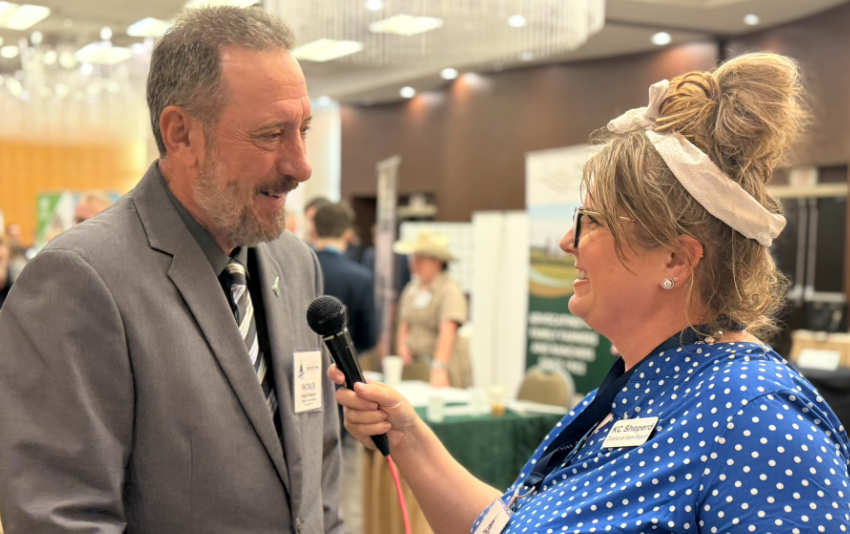
Farm Director KC Sheperd visited the United Soybean Board (USB), where she connected with Patrick Giberson, the USB Director, to explore exciting developments and future prospects within the soybean industry.
USB is always innovating, and Gilberson agreed, "Everything is new and exciting in the soybean world right now; we've got everything going. We have over 1000 products out there right now. Sitting on different work groups, you can't even track what other work groups are doing."
He highlighted a recent point of discussion, stating, "One of the big things that we talked about this last year is the firefighting foam TF 1122. It was International Firefighting Day yesterday."
Looking ahead, Giberson shared some intriguing innovations. "Terrazzo floors we're working with. So if we get sustainable aviation fuel going, the plane you're flying will be on soybeans. The floor you walked on in the airport, and all that sparkly stuff, will be soybeans. If I had my Skechers on, going through the airport, they are also made with soybeans."
Giberson explained the board's commitment to farmers. "What we're trying to do with the Communication Education Committee is get out there to the farmers and help them understand what the investment they're making is. We're in difficult times right now, financially on farms, everybody's struggling. So we're getting the most bang for your buck that we possibly can. It's farmer-funded. We are there as stewards of your money, trying to invest it the best we can. And right now, things look a little bleak, but it's farming. It comes and goes."
Sheperd remarked that farmers are eternal optimists. Giberson agreed, "People ask, 'What do you do?' I say I'm a farmer. 'Well, what's that entail?' Well, I'm a professional gambler. I'm a meteorologist. I'm a chemist. I'm this, I'm that, and that's what it comes down to. But a professional gambler, most."
The conversation then shifted to insecticide strategies and EPA regulations. Giberson offered his perspective as a grower. "I think where we're at as far as the weed control end of it, we've got a pretty good handle on it. We've been working with E3 beans for a while. I know we had some dicamba beans going back a few years when they first came out. In New Jersey, it's kind of tough there too, because we have a lot of veggie guys down south, and dicamba and veggies don't usually mix very well, and your neighbor might not be very happy with you. So the E3s have been working out pretty well with the enlist technology. As far as the EPA stuff, I'm not really a policy guy from being on USB, but I don't think there's an issue with it. We'll get it worked out one way or the other, as long as we've got a couple of tools in our toolbox."
Finally, Sheperd asked about Giberson's immediate concerns as a grower. Giberson's answer was straightforward and timely. "Get them in the ground. It's springtime. We've got most of our corn in. The planter and I have had a love-hate relationship for the past couple of weeks. Last year, I think I started planting on May 8th or May 9th, so we're right there, and I already got most of the corn in the ground. I have about 15 acres left to go."
Find more information about the United Soybean Board here.

The prevalence of Mycoplasma bovis seems to be on the rise as commingling becomes more common in many beef cattle herds, said Vickie Cooper, DVM, Zoetis beef technical services, Iowa. "In open production systems, the prevalence of M. bovis is generally low. But as the number of confinement cow-calf operations increases, so does the threat of this disease-causing bacteria."
Most known for its ability to cause bovine respiratory disease (BRD), M. bovis targets beef calves — leading to irreversible lung damage, mortality, and higher production costs.1 The bacteria are present in the respiratory system of perfectly normal calves but become a bigger problem when calves face stressors such as transportation, commingling, entry into the feedlot, and weather changes.
Although disease symptoms are similar, the sneaky nature of M. bovis makes this pathogen more challenging to detect and treat than other BRD-causing pathogens.
"Mycoplasma bovis operates a bit like a chameleon," Cooper said. "The organism lacks a cell wall, and has variable surface proteins, so mycoplasmas can assume many forms and are very good at evading the calf's immune system."
The lack of a cell wall also makes treatment more difficult. "Symptoms must be caught very early for treatment to be effective," Cooper said. "Mycoplasmas will begin forming communities within the lung, and once those communities are formed, it becomes very difficult for an antibiotic to penetrate the lesion and control the mycoplasmas."
Preventing BRD caused by M. bovis
Helping to prevent M. bovis infection can include focusing on a calf's environment and evaluating your vaccination program.
Protivity® is the first and only modified-live M. bovis vaccine and has been shown to help prevent irreversible lung damage due to M. bovis.2
"Depending on your management practices and disease prevalence, Protivity may be a great fit for your herd," Cooper said. "But a solid vaccination program only works if other preventive practices that prioritize calf well-being are also in place."
Some other best practices for mitigation include:
Minimize commingling where possible and segregate groups based on age, sex, and arrival date.
Provide good ventilation and avoid overcrowding.
Maintain proper sanitation of equipment and pens.
Provide adequate nutrition with fresh feed and clean water.
Use low-stress cattle handling techniques.
Provide adequate shelter and avoid dusty environments.
Consult your herd veterinarian for operation-specific strategies.
"We need to focus on doing all of the small things well," Cooper said. She encourages producers to work with their herd veterinarian to identify opportunities for improving calf management to limit the risk of M. bovis and other disease-causing pathogens.
Reach out to your local Zoetis representative or visit Zoetisus.com/Protivity for more information on BRD prevention strategies and product solutions.
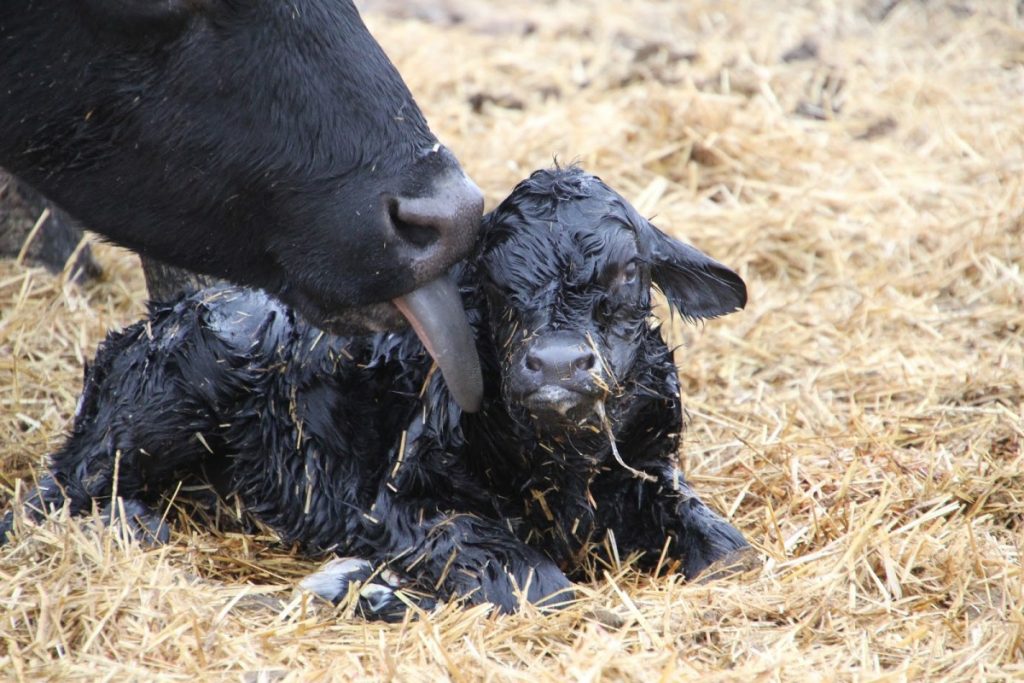
Mark Johnson, Oklahoma State University Extension Beef Cattle Breeding Specialist, offers herd health advice as part of the weekly series known as the "Cow Calf Corner," published electronically by Dr. Derrell Peel, Johnson, and Paul Beck. Today, Johnson discusses the upside of a short calving season.
There are several benefits to a short calving season including simplifying cow management, gaining efficiency of labor management, increasing weaning weight and improving uniformity/marketability of the calf crop. Collectively all these advantages lead to one positive potential impact: improved profitability. CattleFax survey data of cow-calf operations sorts participants into three groups: high, average and low profitability. The high profitability group had a shorter calving season with a higher percentage of cows calving in the first 45 days. The shorter calving season creates opportunities to gain efficiency in several areas of management and these operations were able to sell more pounds of while keeping expenses down.
Obviously, more calves born earlier in the calving season equates to more pounds at weaning. What is the value of a single cow calving one heat cycle earlier? If calves gain about 2 pounds a day from birth to weaning, in the current market with a pound of weaning weight valued in excess of $3, the added 40 pounds of weaning weight is worth at least $120 per cow. The added benefit of uniformity also improves marketability of your calf crop. Calf buyers prefer to buy load lots of uniform calves so they can be managed similarly. Calf crops with substantial weight variation will be discounted in the market place.
Address the following questions to achieve a shorter breeding season in 2025 and a shorter calving window next spring:
1 – Do you have ample bull to female ratios in each breeding pasture?
2 - What is the age of your bulls and the number of females they should be expected to cover?
3 – Are you managing your 2-year old pairs separate from your mature cows to insure proper development, body condition and potential to breed back quickly?
4 – Have all your bulls passed a breeding soundness exam prior to turn out?
5 - Is your cow herd in adequate body condition? Is supplemental feed needed?
6 – Have you considered an estrous synchronization protocol to tighten your breeding season?
Reference: Calving Season Length Impacts. CattleFax Trends. Matthew McQuagge. Mid-May, 2025
RON's Dave Lanning has a pre-opening look at today's agricultural Markets.
Click the audio tab below for today's report.
U.S. Secretary of Agriculture Brooke L. Rollin provided an update on the U.S. Department of Agriculture's (USDA) ongoing partnership with Mexico to combat the New World Screwworm (NWS). Yesterday, Secretary Rollins held a call with her counterpart in Mexico, Secretary Berdegue, to discuss the ongoing threat of NWS and actions being taken by both countries to contain the threat south of the U.S. border. USDA is working daily with Mexico to make sure the resources, tactics, and tools are in place to effectively eradicate NWS. Additionally, Secretary Rollins announced today the USDA is investing $21 million to renovate an existing fruit fly production facility in Metapa, Mexico to further the long-term goal of eradicating this insect. When operational, this facility will produce 60-100 million additional sterile NWS flies weekly to push the population further south in Mexico. Given the geographic spread of NWS, this additional production capacity will be critical to our response.
"Our partnership with Mexico is crucial in making this effort a success," said Secretary Rollins. "We are continuing to work closely with Mexico to push NWS away from the United States and out of Mexico. The investment I am announcing today is one of many efforts my team is making around the clock to protect our animals, our farm economy, and the security of our nation's food supply."
Current restrictions on live animal imports from Mexico remain in place, and as previously announced, USDA will continue to evaluate the current suspension every 30 days.
USDA and its partners have used sterile insect technique, or SIT, along with other strategies such as intense surveillance and import controls for decades to eradicate and effectively keep NWS at bay. Currently, U.S. supported sterile insect rearing and dispersal operations in Mexico and Central America have been operating at full production capacity, with up to 44 flights a week releasing 100 million sterile flies. All flies used today are raised in the Panama - United States Commission for the Eradication and Prevention of Screwworm (COPEG) Facility in Panama. This investment in the Metapa facility in Mexico would allow USDA to double the use of SIT.
Additionally, USDA's Animal and Plant Health Inspection Service (APHIS) and its Mexican counterparts continue to hold ongoing technical calls and meetings on NWS. They are making strong progress toward enhancing surveillance in Mexico, addressing administrative or regulatory roadblocks that could impair an effective response, and ensuring appropriate animal movement controls are in place to prevent further NWS spread. The Mexican delegation joined APHIS in DC last week to discuss these efforts, and APHIS will have a technical team visiting Mexico in the coming weeks to assess the on-the-ground situation and continue working toward key goals around surveillance and animal movement.
RON's Jacquelyn Farris reports from the State Capitol

National mower safety campaign asks if youth are 'Mow Ready'?
Warm weather is upon us, and so is grass mowing season. The Childhood Agricultural Safety Network (CASN) urges parents and other supervising adults to ensure that young people are "Mow Ready" before tackling this potentially hazardous job.
Nearly 10,000 child/youth lawn mower injuries occur in the United States annually, with approximately 5 percent resulting in amputation. Despite improvements in engineering and safety features, pediatric lawn mower-related injury rates have remained constant over the past 40 years. Injuries include lacerations, burns and eye injuries. On farms, mowing is often the first job involving machinery that is assigned to young people.
"Before teens tackle lawn care and maintenance, it's important for parents and guardians to make sure teens know how to properly and safely do it," said Andrea Swenson, Ph.D., director of the National Children's Center for Rural and Agricultural Health and Safety, which manages the network. "Supporting teens includes adults modeling safe behaviors and providing appropriate supervision."
The Childhood Agricultural Safety Network's mower campaign website contains fact sheets and posters for both youth and adults. Both sets of materials include illustrations of key safety topics covering supervision, personal protective equipment, appropriate shoes, child bystanders and debris in the grass. Resources are also available in Spanish.
Among mower safety strategies on the CASN website:
· The American Academy of Pediatrics recommends that youth be 12 years old and older to operate a push mower, and at least 16 years old to use a riding mower.
· Always wear sturdy, closed-toed shoes. Do not mow in sandals or with bare feet.
· Before mowing, scan the lawn to remove toys, hoses, tools and large rocks — they could become projectiles.
· Keep children out of the mowing area.
· Stay alert to others entering the mowing area.
It's especially important to prohibit children from riding mowers as passengers, whether blades are engaged or not.
"Giving lawn mower rides acclimates young children to the loud noises of mowers, desensitizes them to their inherent dangers, and converts the mowers from working machinery to a riding plaything in children's minds," said Charles Jennissen, M.D., a pediatric emergency medicine specialist and researcher at the University of Iowa Carver College of Medicine. "Many of the children injured as bystanders in our study were approaching the lawn mower to get a ride."
Jennissen said 73 percent of children injured as bystanders had previously ridden on a lawn mower as a passenger.
CASN is celebrating 25 years dedicated to children and youth growing up safely on farms and ranches. It is a coalition of nearly 250 individuals and organizations. Resources associated with earlier CASN campaigns (including ATVs and tractors) are available online. The Childhood Agricultural Safety Network offers free membership, an online community and use of all campaign materials.
Provided by the National Children's Center for Rural and Agricultural Health and Safety.

The American Feed Industry Association (AFIA) is deeply concerned with the Make America Healthy Again (MAHA) Commission's take on the causes of wide-ranging health concerns in American children, largely blaming modern food and agriculture with little regard for the rigorous regulatory systems in place that have allowed the U.S. to be a world leader in safe, affordable and wholesome food. Given the report calls into question many of the same regulatory systems the animal food industry uses and misrepresents how safe ingredients come to market, AFIA President and CEO Constance Cullman issued the following statement:
"Oversimplifying complex public health challenges without a clear understanding of the myriad complexities facing the production of safe and nutritious foods could undermine decades of scientific progress and innovation. The American food and animal food system is among the safest and most affordable in the world, and part of that success comes from the Food and Drug Administration's regulatory approach for approving science-backed tools and ingredients so farmers and manufacturers can utilize proven practices.
"AFIA's main concern with the MAHA assessment is that the rhetoric will hold weight in upcoming policy discussions, unintentionally bringing consequences to U.S. food and animal food security, food waste and potential environmental impact. We hope that as the Trump administration moves forward in the next few months that it will engage food and agriculture value chain stakeholders."
Like human food manufacturing facilities, all feed and pet food manufacturing facilities must abide by stringent regulations in the Food Safety Modernization Act (FSMA), which requires facilities, among other things, to: identify hazards that could result in foodborne pathogens and put risk-based preventive controls in place; comply with Current Good Manufacturing Practice requirements; develop and implement animal food safety plans; work with domestic and foreign suppliers to reduce hazards; and be subject to regular inspections. Through FSMA, the FDA can promulgate rules and requirements when presented with new risks, such as the case earlier this year when the continued outbreak of highly pathogenic avian influenza prompted new rules for pet food manufacturing facilities using raw poultry or cattle ingredients.
The animal food industry also relies on the FDA to review animal food ingredients for safety and effectiveness so that the industry can innovate to provide optimal animal nutrition solutions for animal health and well-being. Beyond regulations, many animal food manufacturing facilities go above and beyond, seeking third-party certification of their safety systems in place. One example is the Safe Feed/Safe Food certification program, which uses a third-party to inspect participating facilities against comprehensive standards of excellence that go beyond existing regulations to help maximize feed and food safety.
National Sorghum Producers (NSP) is proud to announce Eric Washington as its new Communications Director. Washington brings a dynamic blend of strategic marketing experience, communications leadership and brand development expertise to the NSP team.
In this role, Washington will lead NSP's communication strategy across multiple channels and audiences. His responsibilities will include managing media relations and developing messaging around policy, advocacy and industry engagement.
"Eric's strong background in communications and proven leadership in the private sector bring tremendous value to NSP's mission," NSP CEO Tim Lust said. "He brings a communicator's instinct for translating local concerns into national conversations, and we're excited to have him amplifying the voice of sorghum."
Washington most recently served as CEO at Two Docs Brewing Co., a company he co-founded and grew from a local startup to a statewide brand. He also brings prior experience from Texas Tech University and the U.S. Marine Corps. Washington resides in Shallowater, Texas, with his wife, Kyra, and their two children.
"I'm honored to join an organization that stands at the intersection of agriculture, advocacy and innovation," Washington said. "I look forward to helping tell the story of America's sorghum farmers and elevating the vital work NSP does on their behalf."
Winter Wheat headed reached 75 percent, down 1 percentage point from the previous year but up 5 points from the average. Winter wheat conditions rated 50 percent good to excellent, 31 percent fair, and 19 percent poor to very poor. Last week's conditions rated 52 percent good to excellent, 30 percent fair, and 18 percent poor to very poor.
Corn planted reached 87 percent, up 6 percentage points from last year and up 2 points from the five-year average. Corn emerged reached 67 percent, up 12 percentage points from a year ago and 7 from the five-year average. Corn conditions rated 68 percent good to excellent, 27 percent fair, and 5 percent poor to very poor.
Soybeans planted reached 76 percent, up 10 percentage points from a year ago, and 8 from the five-year average. Soybeans emerged reached 50 percent, up 13 points from last year and 10 points from the five-year average. No soybean conditions were provided.
Cotton planted reached 52 percent, down 5 percentage points from a year ago and 4 points from the five-year average. Cotton squaring reached 3 percent, down 1 point from last year and the five-year average. No cotton conditions were provided.
Sorghum planted reached 39 percent, up 2 points from a year ago and 1 point from the five-year average. No sorghum conditions were provided.
Winter wheat headed reached 97 percent, down 3 points from a year ago and 1 point from the five-year average. Conditions were rated 46 percent good to excellent, 40 percent fair, and 14 percent poor to very poor. Last week's conditions rated 56 percent good to excellent, 35 percent fair, and 9 percent poor to very poor.
Cotton planted reached 31 percent, down 4 percentage points from last year but up 4 points from the five-year average. No cotton conditions were provided.
Corn planted reached 74 percent, down 16 points from a year ago and 1 point from the five-year average. Corn emerged reached 52 percent, down 26 points from last year and 9 points the five-year average. Corn conditions rated 45 percent good to excellent, 37 percent fair, and 18 percent poor to very poor.
Sorghum planted reached 34 percent, down 5 points from a year ago but up 11 points from the five-year average. No sorghum conditions were provided.
Soybeans planted reached 40 percent, up 12 percentage points from a year ago and 5 points from the five-year average. Soybeans emerged reached 14 percent with no data from last year or the five-year average. No soybean conditions were provided.
Livestock conditions rated 67 percent good to excellent, 27 percent fair, and 6 percent poor to very poor. Last week's conditions rated 66 percent good to excellent, 28 percent fair, and 6 percent poor to very poor.
Pasture and range conditions rated 54 percent good to excellent, 34 percent fair, and 12 percent poor to very poor. Last week's conditions rated 54 percent good to excellent, 36 percent fair, and 10 percent poor to very poor.
Winter wheat headed reached 93 percent, equal to a year ago, but up 6 points from the five-year average. Winter wheat conditions rated 48 percent good to excellent, 31 percent fair, and 20 percent poor to very poor. Last week's conditions rated 49 percent good to excellent, 32 percent fair, and 20 percent poor to very poor.
Corn planted reached 85 percent, up 2 percentage points from last year, and up 4 points from the five-year average. Corn emerged reached 63 percent, down 3 points from a year ago, but up 3 points from the five-year average. Corn conditions rated 66 percent good to excellent, 28 percent fair, and 6 percent poor to very poor.
Soybeans planted reached 67 percent, up 13 points from a year ago and 12 points from the five-year average. Soybeans emerged reached 41 percent, up 9 points from a year ago but up 8 points from the five-year average. No soybean conditions were provided.
Cotton planted reached 74 percent, up 7 points from a year ago and 8 points from the five-year average. No cotton conditions were provided.
Sorghum planted reached 21 percent, down 1 point from a year ago and 4 points from the five-year average. No sorghum conditions were provided.
Winter wheat harvested reached 17 percent, down 2 points from a year ago and 1 from the five year average. Winter wheat conditions rated 26 percent good to excellent, 40 percent fair, and 34 percent poor to very poor. Last week's conditions rated 32 percent good to excellent, 37 percent fair, and 31 percent poor to very poor.
Corn emerged reached 88 percent, up 6 points from the previous year and 3 points from the five-year average. Corn silked reached 40 percent, up 1 point from the previous year and 5 points from the five-year average. Corn conditions rated 46 percent good to excellent, 46 percent fair, and 8 percent poor to very poor. Last week's conditions rated 57 percent good to excellent, 40 percent fair, and 6 percent poor to very poor.
Cotton planted reached 35 percent, down 1 point from last year and 3 points from the five-year average. No cotton condition ratings were provided.
Sorghum planted reached 81 percent, equal to the previous year and the five-year average. Sorghum headed reached 30 percent, down 5 points from last year, and 3 points from the five-year average. Sorghum condition rated 61 percent good to excellent, 24 percent fair, and 14 percent poor to very poor.
Soybeans planted reached 47 percent, down 1 percentage point from the previous year and the five-year average. Soybeans emerged reached 50 percent, down 4 points from the previous year, and 15 points from the five-year average. No soybean conditions were provided.
Range and pasture conditions rated 43 percent good to excellent, 22 percent fair, and 35 percent poor to very poor. Last week's conditions rated 43 percent good to excellent, 31 percent fair, and 26 percent poor to very poor.
U.S. Secretary of Agriculture Brooke Rollins today announced the latest slate of presidential appointments for key positions at the U.S. Department of Agriculture (USDA) including the Food and Nutrition Service (FNS), Farm Service Agency (FSA) and Rural Development (RD).
"President Trump is putting Farmers First, and so is the incredible team we are building at the Department of Agriculture. Our latest additions to the USDA family are personally invested in ensuring farmers and rural America prosper. I look forward to seeing the work they will do supporting farmers, ranchers, and producers across the country by implementing President Trump's America First policies," said Secretary Rollins.
FNS is focused on expanding access to healthy foods grown and raised by American farmers. FSA State Directors help implement President Trump's America First agenda and execute USDA's policies in planning, organizing, and administering FSA programs through state offices across the country. RD State Directors help affirm the mission of the Trump Administration by focusing on finding ways to empower rural America and unleash economic prosperity.
Patrick Penn Appointed as Deputy Under Secretary for the Food and Nutrition Service
Patrick A. Penn will serve as Deputy Undersecretary for FNS. Patrick grew up in foster care and served as a State Representative in the Kansas Legislature from 2021 to 2025, where he successfully championed reforming the foster care system, social welfare programs, and the burdensome regulatory landscape in Kansas. Penn is a decorated former Army Signal Officer with combat experience.
Twinkle Cavanaugh Appointed as State Director, Alabama Rural Development
Twinkle Andress Cavanaugh will serve as State Director for Rural Development in Alabama. She previously served as President of the Alabama Public Service Commission where she was first elected statewide in 2010. In 2020, she received the most votes in Alabama history for a non-presidential candidate.
Arthur Keyes Appointed as State Executive Director, Alaska Farm Service Agency
Arthur Keyes will serve as State Executive Director for the Farm Service Agency in Alaska. With over two decades of agricultural experience, Arthur has led efforts to advance Alaska's agricultural policy and industry. From 2016 to 2019, as Director of the Alaska Division of Agriculture, he developed an internationally recognized, award-winning marketing program for Alaska Grown products. Arthur founded Alaska's highest-grossing farmers market in 2006.
Kevin Andrus Appointed as State Executive Director, Idaho Farm Service Agency
Kevin Andrus will serve as State Executive Director for the Farm Service Agency in Idaho. He previously served in the Idaho House of Representatives, where he chaired the House Agriculture Committee. Kevin has hands-on experience in agricultural production, including raising cattle and horses, and has also worked as a loan officer for Ireland Bank.
Rick Youngblood Appointed as State Director, Idaho Rural Development
Rick D. Youngblood will serve as State Director for Rural Development in Idaho. He is an Idaho native who served as a Contract Legislative Advisor for Select Health of Idaho after retiring in 2022 with a career as an executive banker and serving five terms as an Idaho State Representative with two terms as Chairman of Appropriations. Rick attended North Idaho College, College of Idaho, and graduated from Northwest Ag Credit School at Washington State University and Pacific Coast Banking School at University of Washington.
Steve Howell Appointed as State Director, Indiana Rural Development
Steve Howell will serve as State Director for Rural Development in Indiana. He previously served as Director of Community Affairs for the Indiana Department of Environmental Management and as Deputy District Director for Congressman Mark Souder. He is also engaged in his family farm in Jay County, Indiana.
Steve Brown Appointed as State Executive Director, Indiana Farm Service Agency
Steve Brown will serve as the State Executive Director for the Farm Service Agency in Indiana. Steve formerly served as the Indiana State Executive Director for FSA in the first Trump Administration. He has been actively involved in his family farming operation for over 40 years. Steve is a former USDA employee with 32 years of experience working in Porter and Carroll counties as well as the Indiana State FSA Office. He was inducted into the Carroll County Agricultural Hall of Fame in 2023.
John Butera Appointed as State Director, Maine Rural Development
John Butera will serve as State Director for Rural Development in Maine. John recently served as Vice President, Commercial Loan Officer at Skowhegan Savings Bank. He previously served as Senior Economic Advisor and Commissioner of Labor to Maine Governor Paul LePage.
Tommy R. Higgins Appointed as State Executive Director, Maine Farm Service Agency
Tommy R. Higgins will serve as the State Executive Director for the Farm Service Agency in Maine. Most recently, Tommy served as the Deputy State Director of USDA Rural Development in Maine. He previously served as Associate Enterprise Director and Assistant State Director in USDA Rural Development, and as a Lieutenant Colonel in the United States Army. Tommy earned his Master of Science degree in International Relations from Troy State University and his Bachelor of Arts degree in Public Administration from the University of Maine.
Richard Mayfield Appointed as State Director, New York Rural Development
Richard Mayfield returns to the role of State Director for Rural Development in New York. Richard brings over thirty years of Federal, State and Local government experience to this position, most recently as Director of Central Service for Dutchess County. He previously served as Director of Operations and Press Secretary for Orange County, NY, and Director of Community Development in Orange County, NY.
Donald Jones Appointed as State Executive Director, Ohio Farm Service Agency
Donald "Don" Jones will serve as State Executive Director for the Farm Service Agency in Ohio. Don was most recently in his fourth term in the Ohio House of Representatives, where he chaired the Agriculture Committee and served on the Natural Resource, Finance and Education committees. Don, along with his wife Amy, runs a 30 head commercial cow/calf operation and markets hay.
Charles Tassell Appointed as State Director, Ohio Rural Development
Charles Tassell will serve as the State Director for Rural Development in Ohio. Charles has worked on housing and development policy for over 30 years, most recently as the COO for the National Real Estate Investors Association. Charles has served as an elected Council Member in Deer Park, Ohio for 8 years, is an author, and an Advisor and Professor for the international university: Lisbon Business and Government School.
Richard Ebert Appointed as State Executive Director, Pennsylvania Farm Service Agency
Richard Ebert will serve as State Executive Director for the Farm Service Agency in Pennsylvania. A farmer from Blairsville, PA, he previously served as President of the Pennsylvania Farm Bureau from 2014-2022. He served on the American Farm Bureau board of directors from 2018-2022. The Ebert family has a diversified farm operation of beef, sheep, and vegetables.
Nelson Albino Appointed as State Director, Puerto Rico Rural Development
Nelson Albino will serve as the State Director for Rural Development in Puerto Rico. He comes from the private sector working in the healthcare industry on different executive roles. He also serves our Country as a volunteer in the Civil Air Patrol and is a devout Catholic.
Robert Sullivan Appointed as State Executive Director, Rhode Island Farm Service Agency
Robert D. Sullivan will serve as State Executive Director for the Farm Service Agency in Rhode Island. He is a lifelong Rhode Islander with a deep commitment to public service and a devotion for the state's floriculture industry. Robert's career as a landscape contractor allowed him to cultivate a love for nature. He recently served on the Board of Directors for the Southern Rhode Island Chamber of Commerce, where he founded the Southern Rhode Island Young Professionals.
Lorraine Polak Appointed as State Director, South Dakota Rural Development
Lorraine Polak will serve as State Director for Rural Development in South Dakota. Growing up on a dairy farm in Nebraska, Lorraine has worked in public service for more than 30 years in the areas of housing and economic development serving most recently as the Housing Policy Specialist for U.S. Senator Mike Rounds.
Roger Chase Appointed as State Executive Director, South Dakota Farm Service Agency
Roger Chase will serve as State Director for the Farm Service Agency in South Dakota. He has an extensive background in both business and agriculture. He is an owner and partner in Chase Grain and Cattle with his oldest son. The farm raises diversified crops and cattle. He served as a State Representative in South Dakota from 2017-2024, conducting several leadership assignments on summer studies, and Chaired the House Agriculture and Natural Resources committee.
Andrew C. Iverson Appointed as State Director, Wisconsin Rural Development
Andrew C. Iverson will serve as State Director for Rural Development in Wisconsin. Iverson most recently served as Executive Director for the Republican Party of Wisconsin and previously held positions with the Republican National Committee, Senator Ron Johnson, Representative Bryan Steil and others.
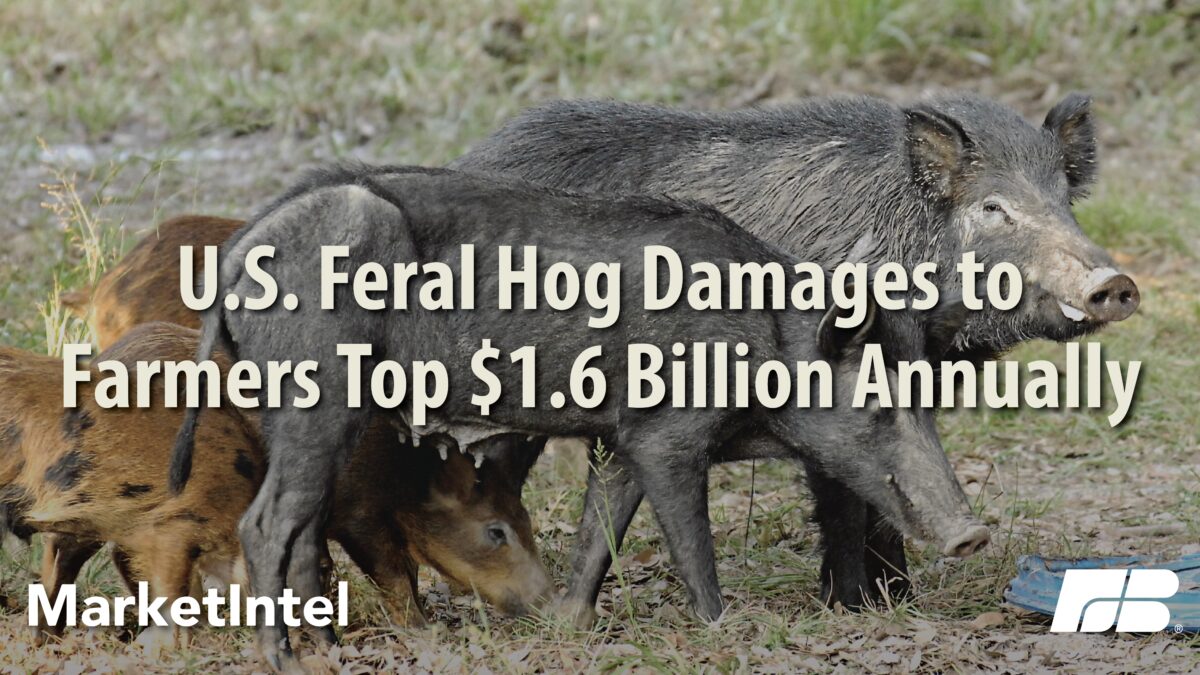
As Congress advances reconciliation negotiations several conservation and animal health programs remain in limbo — including feral swine management initiatives left out of the most recent farm bill extension. At the same time, updated data from the National Feral Swine Damage Management Program (NFSDMP) and the National Wildlife Research Center (NWRC) offers the most comprehensive economic assessment of the significant costs feral hogs impose on U.S. crop and livestock production.
This Market Intel highlights findings from the most comprehensive research to date on feral hog damage, which these new estimates put at over $1.6 billion in annual agricultural losses across just 13 states — covering impacts to livestock, pastureland and six major crops. These updated figures extend far beyond traditional crop losses, capturing broader economic consequences such as land-use changes, infrastructure damage and control costs. Together, the findings provide timely context for evaluating the scope of the invasive swine problem and underscore the value of coordinated eradication programs like the Feral Swine Eradication and Control Pilot Project, which has shown measurable success but currently remains unfunded.
The Pig Problem
Feral hogs are a highly adaptable and invasive species that have been found in more than 35 U.S. states. With reproductive rates that allow populations to double in as little as four months, their geographic range and damage footprint grow rapidly without intensive eradication efforts. These animals cause extensive harm to agriculture by consuming and uprooting crops, degrading pastureland, damaging fences and infrastructure and directly impacting livestock — including through predation on newborn animals and competition for feed and water. They also pose serious disease transmission risks to both domestic livestock and wildlife. Our previous analysis, Farmers, Ranchers Struggle with Hog-Wild Feral Swine Population, provides more background information on the major threat feral hogs pose to agriculture, the environment, people, pets and livestock.
Survey Background
To better quantify the full scope of feral hog damage, USDA's NFSDMP, in partnership with the NWRC and the National Agricultural Statistics Service, conducted two coordinated surveys targeting both crop and livestock producers. In 2022, over 11,000 crop producers across 11 states were surveyed about six major commodities — corn, soybeans, wheat, rice, peanuts and sorghum — frequently impacted by wild pig activity. That effort, released in 2024, captured crop damage, planting shifts, property losses and control costs during the 2021 production year. A separate 2023 study reached over 8,000 livestock producers in 13 states to evaluate damages from predation, disease, pasture destruction and control expenses. Together, the surveys represent the most comprehensive economic assessment to date of feral hog impacts on U.S. agriculture.
Feral Hog Populations Widespread and Growing
Feral hog populations remain firmly established across much of the Southern and Western U.S., with the highest concentrations in Texas, Georgia and Florida. Although primarily centered around warmer, Southern climates, feral hogs have successfully maintained growing populations in Canada and are well-documented surviving in extreme climates, making them well-adapted to thrive across North America.
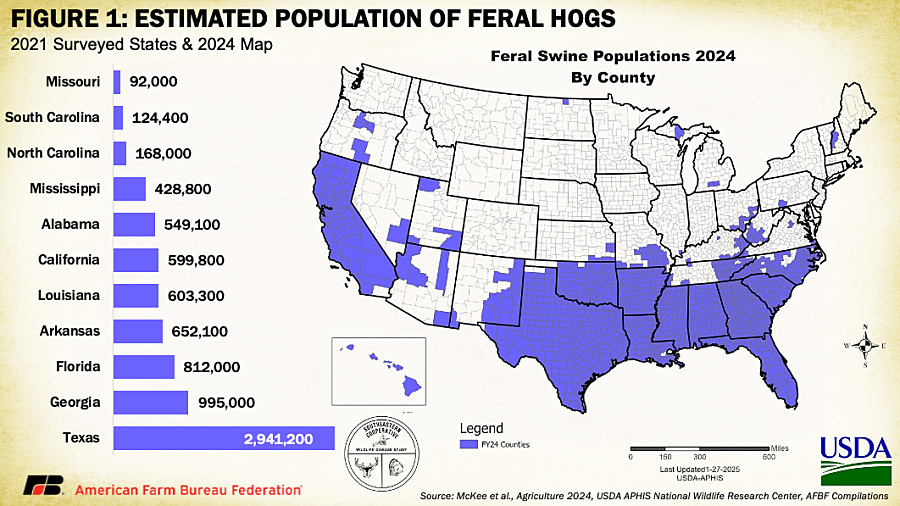
Findings from the crop producer survey reinforce just how widespread and resilient these populations have become. Among surveyed producers across 11 Southern and Western states, reports of on-farm feral pig presence were highest in Texas (73%), Louisiana (65%) and Georgia (63%). Importantly, a majority of producers in eight states — Alabama, Arkansas, Florida, Georgia, Louisiana, Mississippi, South Carolina and Texas — said feral hog numbers on their land had somewhat or substantially increased over the past three years. Louisiana and Alabama stood out, with 87% and 86% of producers reporting a growing population, respectively, followed by 78% in Georgia. Missouri was the exception: only 3% of surveyed producers reported hog presence on their operation, and more than half said populations had decreased, likely reflecting the state's coordinated feral hog elimination partnership. These producer-level observations mirror broader population estimates and reinforce a key pattern: in most areas, feral hog populations are either holding steady or increasing, making long-term control and reduction efforts especially important.
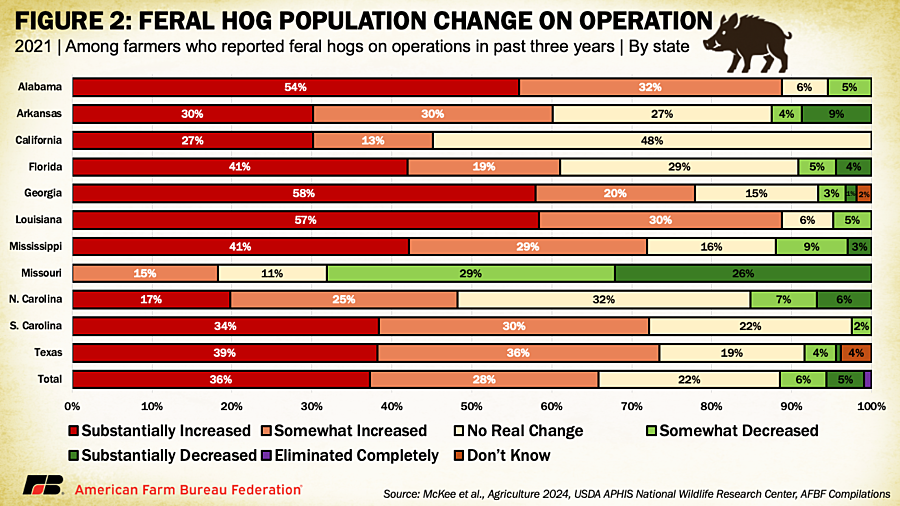
Feral Hogs: A Multidimensional Cost Burden
The NFSDMP and NWRC studies organize feral hog-related damages into key economic categories, offering the most detailed look yet at how these animals disrupt both crop and livestock operations. While crop losses often draw the most attention, the data shows that the true financial burden is much broader — influencing planting decisions, degrading pastureland, damaging equipment and infrastructure and consuming labor hours that could otherwise be devoted to production. Combined across 13 surveyed states, feral hogs caused an estimated $1.6 billion in agricultural losses in a single year. This total averages $2,415 per farm in the region — a steep cost from a single invasive species layered atop the many other pressures producers face. Total costs were highest in Texas ($871 million), Georgia ($152 million) and Oklahoma ($116 million).
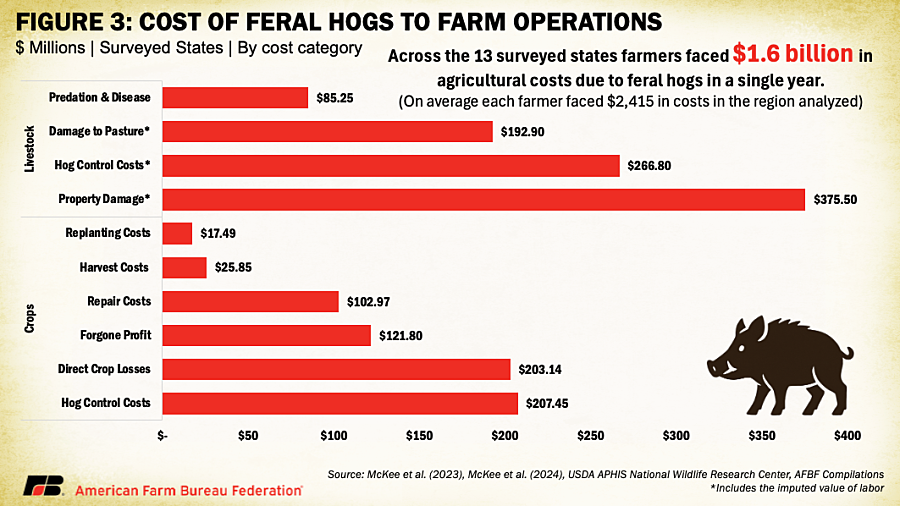
Crop Production Losses – $203.1 million (Crops):
This category includes direct damage to standing crops caused by rooting, trampling and consumption. Wild pigs are opportunistic feeders, often targeting high-value crops like corn and peanuts but also affecting rice, soybeans, wheat and sorghum. On average, sorghum fields in counties with wild pig activity lost the highest share of their crop, about 6.4% of total production. Corn followed at 4%, then peanuts (2.8%), wheat (2.2%), and both soybeans and rice at 1.3%. By value, corn had the highest total production loss at $92.2 million, followed by peanuts ($38.5 million) and soybeans ($23.2 million). Texas alone reported $82 million in crop losses, the highest of any state. Georgia and Alabama followed at $37.5 million and $18.5 million, respectively. These repeated losses, often concentrated in a handful of fields, can quickly erode annual revenue and disrupt planting cycles.
Predation and Disease Losses – $85 million (Livestock):
Feral hogs inflicted roughly $85 million in livestock losses through predation, disease, veterinary costs and medical treatments. Sheep and goat producers suffered the highest percent loss rates from predation, but cattle operations faced the highest absolute dollar losses due to higher production value. Across predation, disease, veterinary and medical costs, cattle accounted for $61 million in losses ($35 million directly related to predation). Goats and sheep followed cattle at $10 million and $7.4 million, respectively. Hogs kill or injure newborn livestock, sometimes consuming the evidence, making losses hard to detect or misattributed to other predators. Hogs also spread serious diseases including pseudorabies, leptospirosis, brucellosis and vesicular stomatitis. Farmers spent over $9.2 million on medical treatment and veterinary services alone.
Pasture Losses – $192.9 million (Livestock):
Feral hogs caused an estimated $193 million in damage to pastureland, a critical resource for livestock producers. Nearly all cattle, sheep and goat operations rely on pasture, and in states like Texas, over half of producers with wild pig activity reported measurable pasture damage. This includes reduced forage availability due to rooting, erosion and weed incursion. Approximately 2.5 million hours were spent repairing pasture damage in 2020 alone. Producers also spent nearly $69 million on supplemental feed to compensate for the lost forage. These costs not only reduce profitability, they can restrict herd sizes and stocking rates, with some producers reporting reduced weights in animals as a direct result of degraded pasture.
Planting Changes & Foregone Income – $121.8 million (Crops):
Feral hogs didn't just damage crops, they altered some farmers' approach to planting. Among farmers who reported changing what they planted due to anticipated hog damage, 75% said the decision led to lost profit, amounting to $121.8 million across the surveyed region. The most significant losses occurred in Texas, where planting changes cost producers an estimated $60.1 million in 2021 alone.
When asked which crops they avoided, corn topped the list, with over half (53%) of affected farmers listing it among the crops they changed or reduced. Sorghum (21%), peanuts (20%), wheat (18%) and soybeans (9%) followed. Nearly four in 10 producers who changed crops said they didn't plant anything in place of their original choice, leaving those acres idle or unutilized. Among those who did switch crops, many turned to soybeans (19%), wheat (13%) or cotton, which was the top alternative among those who selected a different crop entirely (32%).
These decisions reflect not just damage avoidance, but risk mitigation — farmers weighing the likelihood of a total loss against the cost of seed, fuel and labor. While switching crops can sometimes preserve a harvest, it often means sacrificing income by moving away from the most profitable or best-suited option for a particular field.
Replanting Costs – $17.5 million (Crops):
For farmers who chose to replant after initial damage, the added costs of seed, fuel, labor and equipment wear quickly added up. Replanting typically occurs under suboptimal timing or weather conditions and can increase vulnerability to late-season disease or reduced yields. The study estimates that about 9% of producers with hog presence had to replant at least one field due to damage, with many experiencing multiple rounds of replanting in a single season.
Harvest Disruption – $25.85 million (Crops):
Feral hogs frequently dig large wallows and rooting holes, creating uneven and rutted fields that complicate the operation of harvest equipment. This not only slows down the harvest process but also increases fuel use, heightens the risk of mechanical failure and raises safety concerns for operators. In wet conditions, these terrain disruptions can be especially damaging, leading to stuck machinery and missed harvest windows.
Property Damage – $102.9 million (Crops); $375 million (Livestock):
Feral hogs don't just affect crops; they inflict serious and costly damage to the infrastructure that keeps farm operations running. Among crop producers, 60% reported physical damage to fields, and 37% reported damage to fences — critical for managing land use and protecting livestock. These repairs are not only expensive but time-consuming, pulling labor away from essential activities during peak production periods. In 2021, producers involved in the 11-state crop-focused survey reported more than $103 million in property damage, with Texas alone accounting for nearly $51.4 million. Common damage included access roads, irrigation systems, grain storage areas and vehicles. Vehicle repairs averaged over $7,100 per incident, and irrigation systems required an average of 164 labor hours to fix, an expense that grows quickly when farm labor costs are factored in.
When livestock operations are included, the damage picture becomes even more alarming. According to the survey of livestock producers across 13 states, feral hogs caused an estimated $375 million in property damage in 2020 alone, more than triple the crop-only estimate. This includes damage to fencing, waterers, feed and hay storage, pasture roads, erosion infrastructure and working facilities, all critical to livestock care and containment. These farmers reported over 7.1 million labor hours spent repairing this damage, with Texas once again absorbing the brunt at nearly $239 million in property costs. For ranchers, infrastructure damage isn't just an inconvenience, it compromises animal welfare, increases vulnerability to predators and disrupts water and feed delivery systems.
Feral Hog Control Costs – $207.5 million (Crops); $266.6 million (Livestock):
Managing feral hog populations is time-intensive, costly and often falls squarely on the shoulders of farmers and ranchers. In 2021, crop producers across the surveyed region spent an estimated $207.5 million on control efforts. These efforts include expenses for fencing, bait, traps, ammunition, aerial control and — most significantly — labor. Crop producers collectively reported spending 4.9 million labor hours on feral hog control across the 11 states.
On the livestock side, farmers spent more than $266.6 million and 12.4 million labor hours managing hogs on their operations — more than double the crop sector's labor burden. Most of this effort was carried out directly by farmers or their families, with only 4% of livestock producers reporting control assistance from a federal, state or county agency.
The methods used were largely similar across crop and livestock operations, with "shoot on sight" and trapping being the most commonly reported. Livestock producers also reported damage reduction from fencing, though only a small minority used electric or permanent exclusion fencing — likely due to the high upfront cost and limited support for implementation. Across both crop and livestock farmers, Texas farmers spent the most on hog control ($121 million), followed by Georgia ($55 million) and Florida ($27 million).
While many producers do what they can to mitigate damage, the combined $474 million and over 17 million hours spent annually across both crop and livestock sectors underscores how much is required just to maintain the status quo. Without coordinated, large-scale control strategies, individual landowners are left battling a highly mobile, fast-reproducing invasive species with limited tools, mounting costs and little external support.
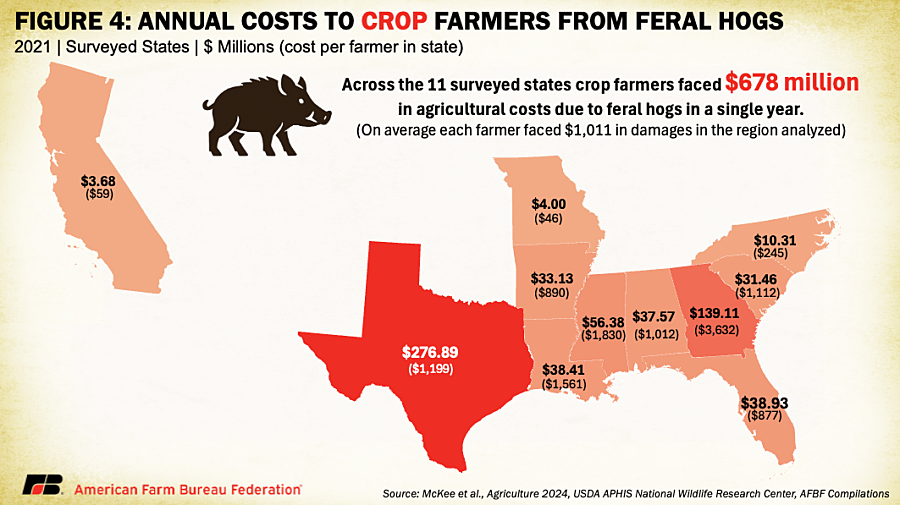
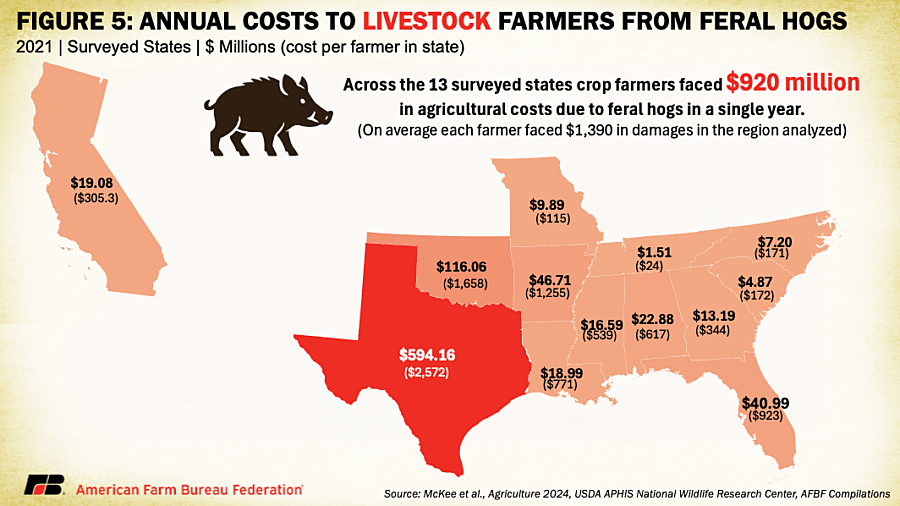
Federal Eradication Programs: Proven Tools in Need of Continued Support
Recognizing the mounting threat feral swine pose to agriculture, Congress established the National Feral Swine Damage Management Program (NFSDMP) in 2014 under USDA's APHIS. This program was designed with two clear operational goals: (1) eliminate feral swine in states where populations are low or newly emerging and (2) reduce populations where they are widespread to minimize ongoing damage. Since its inception, NFSDMP has removed over 570,000 hogs, eliminated populations in five states and moved 18 states into lower severity categories, demonstrating its value as a responsive and adaptable management tool. New research estimates that by slowing the spread of wild pigs, the program safeguarded $40.2 billion worth of agricultural and ecological resources between 2014 and 2021, protecting more than 60 million acres of field crops, 118 million acres of pasture and nearly 38 million livestock head from damage. These findings underscore that NFSDMP has delivered not only measurable population control, but also significant protection for production systems that would otherwise be under threat.
Building on that success, the 2018 farm bill authorized a companion initiative, the Feral Swine Eradication and Control Pilot Program (FSCP), with $75 million in funding to be jointly administered by USDA's APHIS and the Natural Resources Conservation Service. The program has supported 34 active projects across 12 Southern states, targeting some of the nation's most heavily impacted agricultural regions. These projects combine on-the-ground hog removal by APHIS, restoration activities by NRCS and direct assistance to landowners through cost-share programs and community-led cooperatives.
Projects varied based on local needs, but all shared one goal: suppressing hog populations at a landscape scale. In Alabama, for example, producers across 173,000 acres participated in trapping initiatives that were credited with improving crop yields and water quality. In Georgia, corn yield losses dropped from 65% to 14% following project implementation, while in Mississippi, producers saved 85 hours per month on control efforts, translating to substantial labor cost savings.
Despite these results, the FSCP was not included in the most recent extension of the 2018 farm bill. Unlike many permanent farm bill programs, FSCP was established as a temporary pilot initiative without baseline funding, meaning it was not guaranteed continued funding beyond its initial authorization. When Congress passed a short-term extension in 2024, only programs with permanent funding authority were automatically carried forward, leaving FSCP out. Although the House recently passed a reconciliation package that includes the FSCP, the Senate has not yet taken up the measure. As the process continues, the exclusion of this proven and well-received program raises concerns about the continuity of federal support for feral hog control, particularly in states where populations continue to grow and where local funding is limited. Pilot participants and researchers alike have pointed to strong landowner participation, operational success and measurable reductions in crop and infrastructure damage as evidence of the program's efficacy.
Conclusion
Feral hogs are a persistent and costly threat to U.S. crop and livestock production, inflicting over $1.6 billion in damages annually, including considerable labor costs at a time when finding and affording good help is one of the farmer's biggest challenges. The latest USDA data confirms what many producers have long known: managing wild pig populations requires significant time, money and coordination.
At the same time, certain federal efforts, particularly through the National Feral Swine Damage Management Program and the Feral Swine Eradication and Control Pilot Program, have demonstrated meaningful results. With the House having passed its reconciliation bill, which includes funding for feral swine management, attention now turns to the Senate to determine the program's future. This new data offers timely insight into the economic stakes of feral swine management and the positive role federal coordination can play in supporting farmers on the front lines of this ongoing challenge.
The recent detection of pests like New World screwworm in Mexico further highlights the value of robust animal health defenses, including continued investment in invasive species and disease control efforts, to protect agricultural viability.
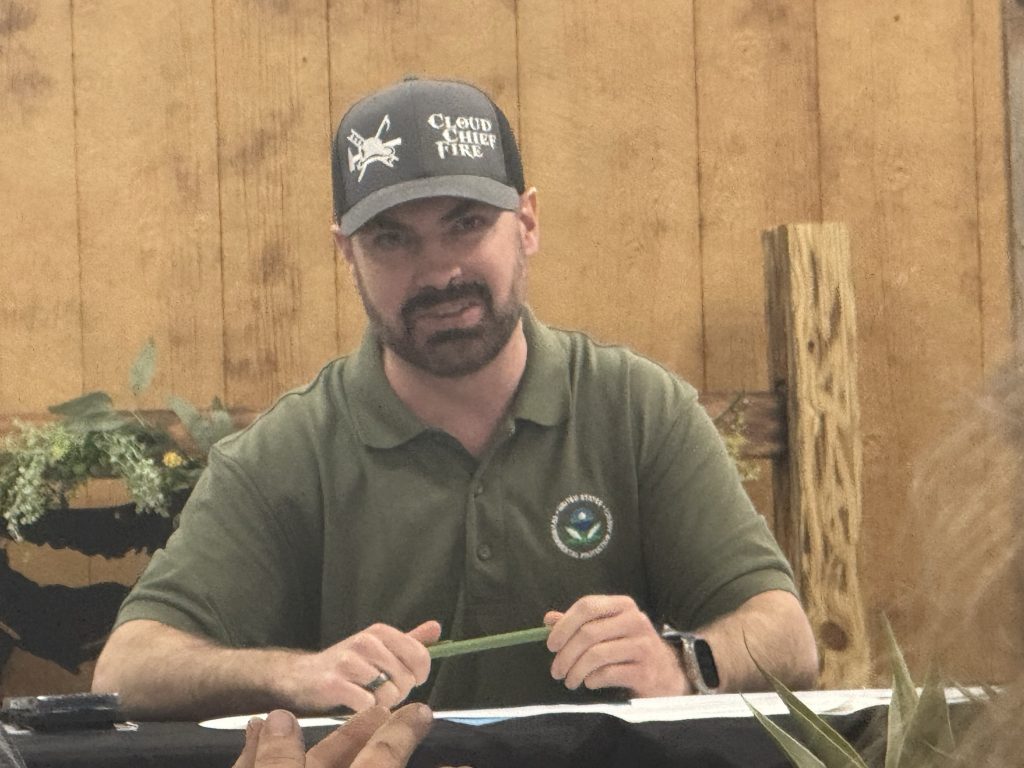
Scott Mason, a fifth-generation farmer and rancher from Cordell, has been appointed by President Donald Trump as the 14th regional administrator for the U.S. Environmental Protection Agency's (EPA) South Central Region. Farm Director KC Sheperd spoke with Mason today during a Farm Tour and Stakeholder Meeting at Davis Angus, just south of Burns Flat. The event hosted by the Oklahoma Department of Agriculture, Food and Forestry, and Nocona and Jordan Cook drew numerous agricultural organizations, including the OCA, OKFB, AFR, OK Pork, and LMA, as well as other producers from across Oklahoma, all eager to discuss EPA policies that impact the state's farmers and ranchers.
This is Mason's second appointment to the EPA, having served as the Director of the EPA's American Indian Environmental Office during President Trump's first administration. He was also a member of the White House Council on Native American Affairs, where he served as co-chair of the Council's Committee on Infrastructure. Most recently, Mason served as the Deputy Secretary of Energy of Oklahoma for three years, until he got the call to return to the EPA to serve under the second Trump administration.
His territory under the South Central Region, or Region 6, encompasses Arkansas, Texas, New Mexico, Oklahoma, and Louisiana, including 66 tribal nations. "Our headquarters is down in Dallas, but I try to get back home to western Oklahoma every chance I get, which is pretty much every weekend."
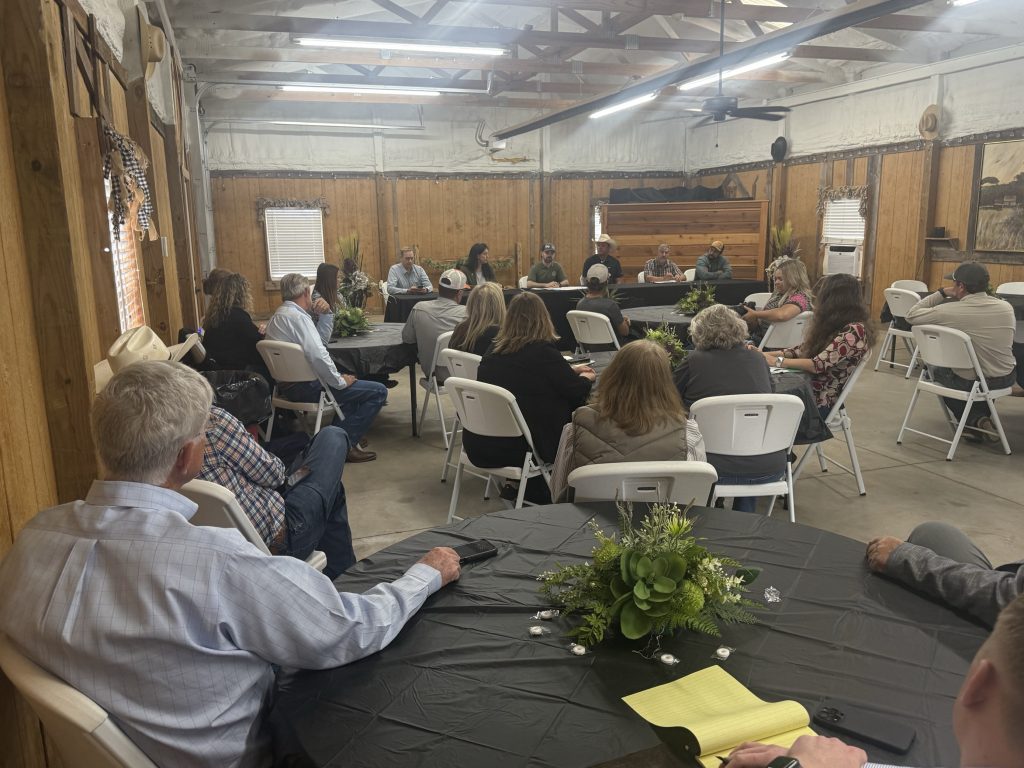
The phrase, "It's a new day at EPA," has been tossed around under the new Trump administration, and Sheperd asked for clarification of its meaning to farmers and ranchers. "It really means a lot better relationships with our state and local partners; working together – being collaborators, not adversaries," Mason said. "There has been so much of this overly burdensome regulatory red tape and things like that that have taken place over the last four years, and frankly, beyond that. We are trying to get a rein on that, and just have common-sense regulations. At the end of the day, that is what people want."
He listed the work to clarify WOTUS to fit the intent of the Supreme Court's Sackett decision as one avenue of increasing regulatory certainty.
"That's a big one that I think we can point to immediately, but there are so many others out there, too," he said. "That's exactly why we had this roundtable today is to get straight from the farmers and ranchers who have experienced issues that EPA regulates, to hear from them how we can better serve the people who put us in office."
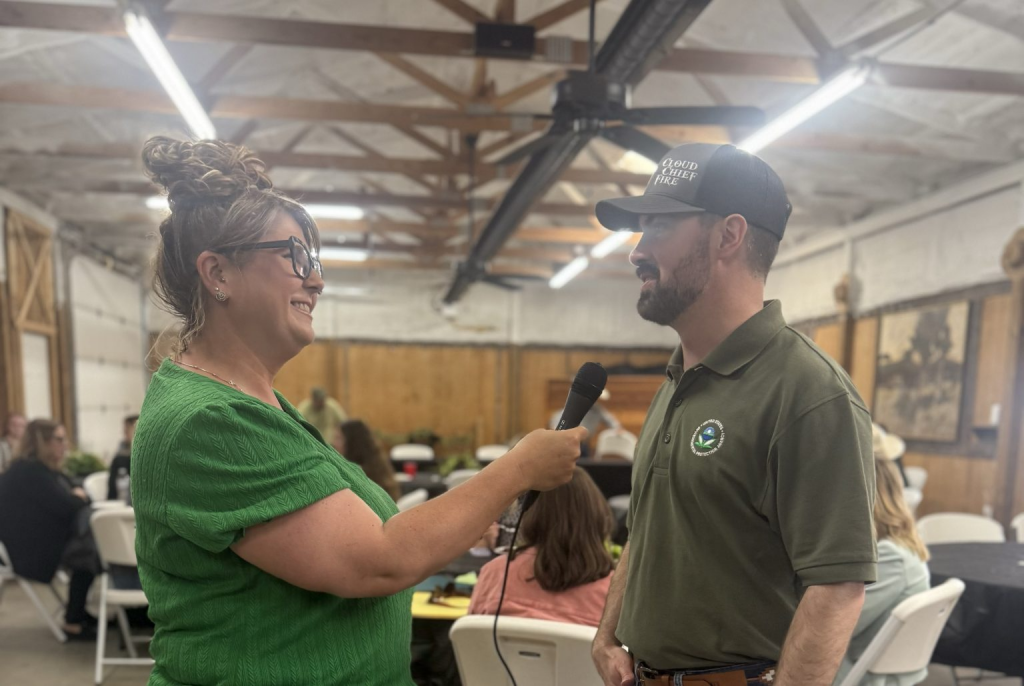
He mentioned participation in open comment periods, sending emails, and calling the EPA as other ways for farmers and ranchers to be heard. "My door is open, I want to listen," Mason said. "Especially to folks that I know out here that have my number – call me up, that's what I'm here for."
He advised producers who are waiting for clarification of pesticide and herbicide regulations to be patient because there is a huge backlog in Washington with the pesticides issue. "We are going through each one of those with a fine-toothed comb, but at the end of the day, you are going to see common sense. You aren't going to see anything that is hurtful to our farmers or ranchers," he said. "The last thing we want to do is rain down something from Washington that is going to be a problem for farmers and ranchers."
Legislation that would strengthen Oklahoma's international trade relationships and bolster economic development has been sent to the governor.
Rep. Daniel Pae, R-Lawton, secured final passage of Senate Bill 209 on Thursday. The measure would create the Taiwan Regional Trade Office within the Oklahoma Department of Commerce. The office is designed to facilitate economic relationships between Oklahoma-based businesses and businesses in Taiwan, as well as promote trade and investment opportunities.
"Oklahoma and Taiwan have a decades-long friendship based on mutual respect and shared democratic values," Pae said. "This trade office would grow that relationship through strategic commerce. This initiative will not only support Oklahoma entrepreneurs and businesses but also demonstrate our commitment to strengthening international ties that contribute to long-term economic growth."
SB209 now awaits the governor's signature.
The U.S. House of Representatives passed H.R. 1, the "One Big Beautiful Bill Act" this week. The budget reconciliation legislation will next be considered by the U.S. Senate. In response to these developments, Illinois farmer and National Corn Growers Association President Kenneth Hartman released the following statement:
"Congress took a large legislative step forward today with the House passage of the budget reconciliation bill. We encourage the U.S. Senate to include corn growers' priorities as the legislation is changed and considered going forward. For example, the bill is an opportunity for extending year-round, consumer access to E15. We will continue to advocate for the inclusion of our tax and agriculture priorities, which are important to the financial wellbeing of farmers and their families."
| ||||||||||||||||||||||||||||||||||||||||||||||||||||||||||||||||||||||||||||||||||||||||||||||||||||||||||||||||||||||||||||||||||||||||||||||||||||||||||||||||||||||||||||||||||||||||||||||||||||||||||||||||||||||||
| ||||||||||||||||||||||||||||||||||||||||||||||||||||||||||||||||||||||||||||||||||||||||||||||||||||||||||||||||||||||||||||||||||||||||||||||||||||||||||||||||||||||||||||||||||||||||||||||||||||||||||||||||||||||||
|
The National Association of Conservation Districts (NACD) applauds the appointment of Jimmy Emmons to serve as Assistant Chief of the United States Department of Agriculture's Natural Resources Conservation Service (NRCS).
As Assistant Chief, Emmons will help lead conservation programs that provide critical resources and technical assistance to America's farmers, ranchers, and forest landowners to improve working lands conservation, increase the competitiveness of American agriculture, and improve the quality of our air, water, soil, and wildlife habitats.
"Jimmy Emmons is a trusted and steadfast voice for soil and water conservation," said NACD President Gary Blair. "A third-generation farmer and cow-calf operator, Jimmy brings to this role vast experience implementing conservation on his own land and educating others about conservation benefits. NACD and our nation's conservation districts look forward to working with Jimmy in his new role to continue to grow participation and trust in our nation's voluntary, locally led conservation delivery system."
On his farm and cow-calf operation, Emmons' utilizes conservation best management practices, such as no-till farming, cover crops, and crop rotation to improve soil health and bolster resilience to drought and market fluctuations.
Prior to being appointed to this role with NRCS, Emmons was the Senior Vice President for Conservation Programs with Trust In Food™, a Farm Journal Initiative. Before that, he was a Regional Coordinator for USDA's Farm Production and Conservation (FPAC) Mission Area. Involved for years with conservation districts, Emmons is an NACD Soil Health Champion. He also served on the board of the Dewey County Conservation District in Oklahoma, and he is a past president of the Oklahoma Association of Conservation Districts.
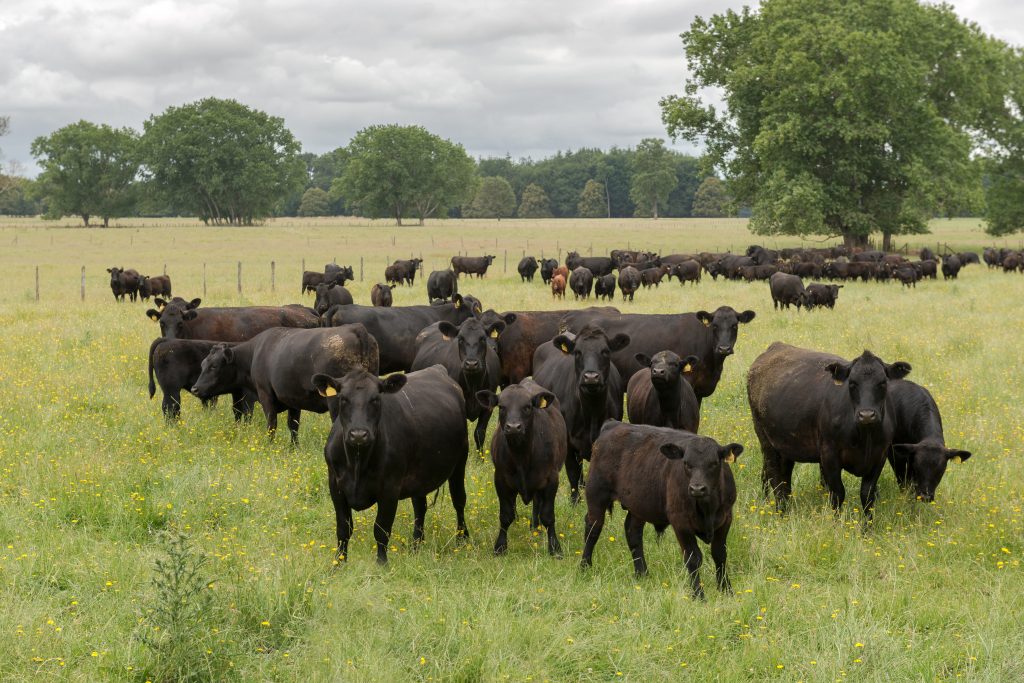
Senior Farm and Ranch Broadcaster Ron Hays talked to OSU Extension Livestock Market Economist Dr. Derrell Peel after the latest USDA Cattle-on-Feed Report was released on Friday afternoon, and Dr. Peel analyzed the likely attitudes of cow calf producers in the countryside. Click here to listen to the first part of their conversation in which Dr. Peel evaluated the number of cattle on feed.
He noted that the only real data point suggesting that rebuilding may be starting is that the heifers on feed number in the April report was at the lowest it has been in five years. "Heifer slaughter in the last five weeks has dropped more significantly; steers have too, for that matter," he said. "If you put heifer and cow slaughter together and think about female slaughter as a percent of total cattle slaughter, it continues to come down. It is still well above levels that would confirm that we are actively rebuilding the herd, but we are certainly moving in that direction."
His suspicions have been confirmed anecdotally by producers in the countryside and by lenders observing greater interest in retaining heifers and beginning to repopulate herds. This interest has been helped by improved forage conditions over the past six weeks and the availability of pond water. He acknowledged the drought remaining in the northern states, which will slow progress on a total basis.
"I think it will be a relatively slow pace, but I do think we are getting started with some heifer retention and beginning the process that eventually will lead to some herd rebuilding," Dr. Peel shared.
According to Peel, significant beef production won't increase until 2028, and beef supply will be squeezed even tighter in the meantime as fewer cows and heifers enter the pipeline.
Dr. Peel admitted that the implementation of herd rebuilding will look different for each producer and will likely be challenging for many. "If you are going to do it, you want to do it sooner rather than later, but exactly how you do that is going to depend on the specific situation, in terms of saving your own heifers or going out and buying heifer; it's an individual situation, but you certainly can't take advantage of the market we have and are going to have for at least a couple more years, if you aren't producing calves to sell."
The Beef Buzz is a regular feature heard on radio stations around the region on the Radio Oklahoma Ag Network and is a regular audio feature found on this website as well. Click on the LISTEN BAR for today's show and check out our archives for older Beef Buzz shows covering the gamut of the beef cattle industry today.
The National Council of Farmer Cooperatives (NCFC) today announced the selection of Duane Simpson as its next President and Chief Executive Officer. Simpson will formally assume the role on July 14, 2025, coinciding with the opening of NCFC's annual Washington Conference.
"Duane's enthusiasm about the future of agriculture is just what NCFC needs in today's climate of uncertainty and risks," said Kevin Brinkley, Chairman of NCFC and CEO of Plains Cotton Cooperative Association. "His leadership skills will help NCFC navigate the ever-changing terrain of government and markets, ensuring that it continues as one of the country's most relevant and respected agricultural organizations."
"I am humbled and honored for the opportunity to lead NCFC and to work alongside the dedicated professionals throughout the cooperative family," said Simpson. "NCFC's mission, to advance the business and policy interests of America's cooperatives and other farmer-owned enterprises, is as vital today as it was when NCFC was founded nearly a century ago. I look forward to building upon the strong legacy of advocacy for agriculture that Chuck Conner has established."
Simpson brings a wealth of experience over the last three decades of work in agricultural policy, industry relations, and organizational leadership. He has spent the last 17 years at Bayer, leading state and federal government relations, stakeholder affairs, sustainability, and product stewardship teams. He is the current chairman of the Agriculture and Environment Section of the BIO Board of Directors and represents Bayer at CropLife America and the American Chemistry Council. Before Bayer, he was the Chief Operating Officer of the Kansas Grain & Feed Association, where he represented agribusinesses, including farmer-owned co-ops, at the state and federal levels. He also has almost a decade of policy and political experience in legislative leadership offices and in political campaigns.
The year-long, nationwide search was led by Kincannon & Reed. Simpson succeeds Chuck Conner, who has led the organization since 2009. "NCFC is a strong organization thanks to the work of Chuck and his outstanding staff," added Brinkley. "We're grateful for his dedication over the last 16 years and his impact on behalf of America's farmer-owned cooperatives."
About NCFC
Since 1929, NCFC has been the voice of America's farmer cooperatives. Our members are regional and national farmer cooperatives, which are in turn consist of nearly 2,000 local farmer cooperatives across the country. NCFC members also include 17 state and regional councils of cooperatives. Farmer cooperatives allow individual farmers the ability to own and lead organizations that are essential for continued competitiveness in both the domestic and international markets.
America's farmer-owned cooperatives provide a comprehensive array of services for their members. These diverse organizations handle, process and market virtually every type of agricultural commodity. They also provide farmers with access to infrastructure necessary to manufacture, distribute and sell a variety of farm inputs. Additionally, they provide credit and related financial services, including export financing.
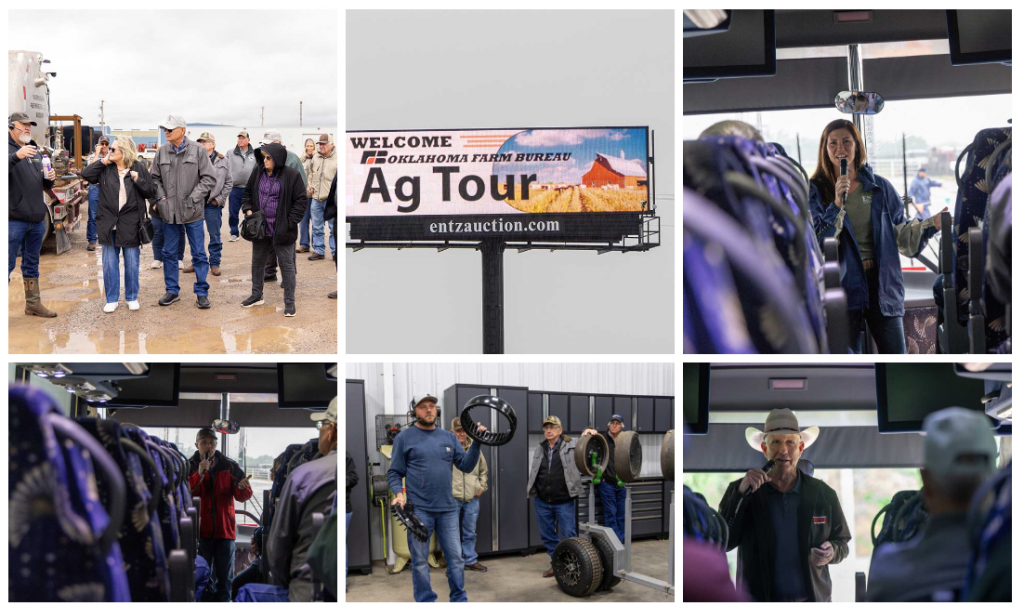
Oklahoma Farm Bureau members traveled to the plains of western Oklahoma where they learned about the region's diverse agriculture industry during the 2025 OKFB Ag Tour May 6-8 in the Elk City area.
Members started the tour by heading west to Hydro to visit Entz Auction and Realty where they were welcomed with a customized OKFB Ag Tour billboard. Allen and Jackie Entz hosted the group as they learned about the auction business. Members had the opportunity to watch the quarterly equipment auction, which is held on the first Tuesday in May.
The next stop west on Interstate 40 was Cudd Pressure Control, an RPC, Inc., company providing oilfield services based in Elk City. Members learned about coiled tubing, the tubing instillation process and nitrogen pumps. The group also toured one of Cudd's control offices on a semi.
Members next visited Thru Tubing Solutions, an RPC, Inc., company that specializes in downhole oilfield solutions, such as fishing. Vince Morris from TTS gave members a tour of their operation and explained to members how the equipment is used in fishing
the wells.
OKFB members visited Smith Farms and heard from Spencer Smith, Beckham County Farm Bureau member, about their family's farming operation. Smith also owns 4 Ag Farming Supplies where he developed a specialized planter gauge tire that is made to last.
The end of the first day featured one of western Oklahoma's hidden gems, Simon's Catch, where members enjoyed fresh catfish with all the fixings.
Wednesday, May 7, kicked off with Jimmy Taylor, OKFB District Two State Director, as he shared with members about his family's beef cattle operation. Taylor shared how he has used DNA testing and genomic information to build a quality herd of cattle that produces high-quality beef for consumers.
Members had the opportunity to visit Jimmy Clark on his farm in Sayre where he grows tomatoes and other vegetables in a high tunnel production system
Clark is known for his radio show "Today in Ag," and his homegrown tomatoes that come from his high tunnel.
Wednesday's lunch featured a taco bar and door prizes at the Elk City Country Club sponsored by Farm Credit of Western Oklahoma.
The afternoon featured a tour of the Route 66 Museum where members saw antique tractors and farm equipment and memorabilia from Beutler Brothers Rodeo Stock Producers.
Members also learned about the North Fork Red River Conservation District's outdoor classroom hosted by Nelda Tucker, Roger Mills County Farm Bureau member.
The Wednesday evening meal was held at the Activity Barn in Sayre with a barbeque meal sponsored by Beckham County Farm Bureau.
The evening wrapped up at the Red Dirt Shooting Club with dessert sponsored by Roger Mills County Farm Bureau. Roger Mills County Farm Bureau member Monte Tucker gave members the opportunity to shoot trap with the area's award-winning 4-H and FFA shooting team captains.
The final day of the tour began with a stop at Keith's Butcher Shop in Burns Flatt. Members saw inside the smokers filled with hams and bacon, saw beef sticks being packaged and toured the butcher shop's production floor.
Members traveled south to Power Plus Feeders in Hobart where they met with Kirk Duff, a Kiowa County Farm Bureau member. He shared with members how the feeders are contracted with Whole Foods to provide Prime and Choice quality beef from the cattle in their feed lot.
The tour concluded with lunch sponsored by the OKFB Foundation for Agriculture at Lucille's Roadhouse
in Clinton.
The OKFB Ag Tour is an annual bus tour for OKFB members that helps expand their agricultural horizons and experience through tours and cultural experiences.
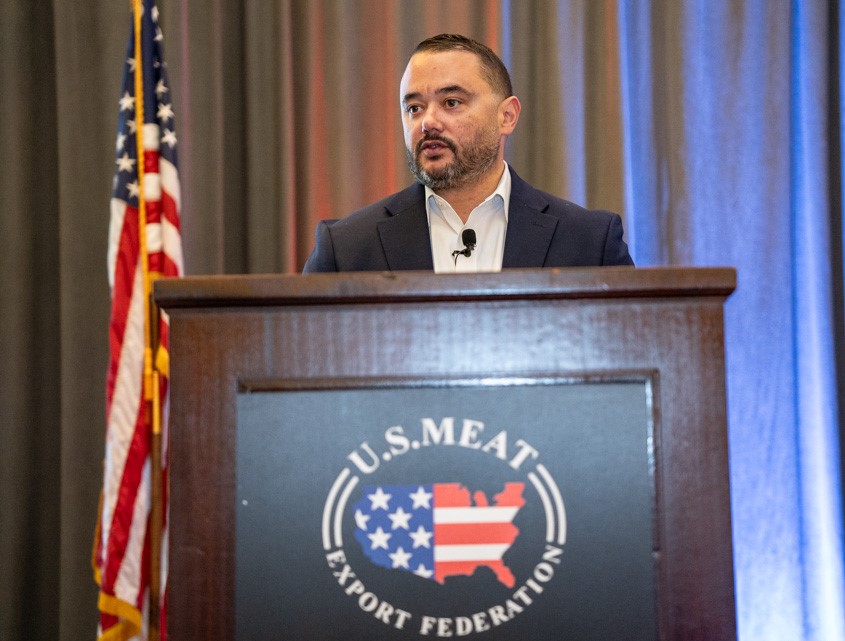
The U.S.-China trade relationship was a major focus of the U.S. Meat Export Federation (USMEF) Spring Conference, which wrapped up Friday in Fort Worth, Texas. Guest speaker John Newton, the executive head of Terrain, told USMEF members that he expects the current tariff battle to lead to a Phase Two trade agreement between the two countries, given that trade is clearly a priority for Trump administration.
While that trade dispute is triggering some disruption, USMEF staff has remained nimble in responding. USMEF President and CEO Dan Halstrom notes global staff met to find new markets for product that would normally be headed to China. One result was a large promotion where a Korean grocery chain featured frozen short plate, a beef product that normally would be exported to China. The promotion was so successful that other Korean grocery chains started their own short plate promotions.
For more coverage of the conference, visit www.usmef.org. For questions or to schedule an interview, please contact me or email Joe Schuele.
U.S. Secretary of Agriculture Brooke L. Rollins announced today she will exercise the U.S. Department of Agriculture's (USDA) authority to provide a much-needed funding increase of $14.5 million in reimbursements to states for meat and poultry inspection programs. Without this funding, States may not have the resources to continue their own inspection programs which ensure products are safe. This funding increase ensures American produced meat and poultry can make it to market and onto the tables of families across the country.
"President Trump is committed to ensuring Americans have access to a safe, affordable food supply. Today I exercised my authority to robustly fund state meat and poultry inspection programs to ensure states can continue to partner with USDA to deliver effective and efficient food safety inspection," said Secretary Rollins. "While the Biden Administration let this funding decline in recent years, the Trump Administration recognizes the importance of our federal-state partnerships and will ensure services that our meat and poultry processors and producers rely on will continue to operate on a normal basis. The President's commitment is reflected in his 2026 budget proposal, which calls on Congress to address this funding shortfall moving forward."
This is not a sustainable path forward. Policymakers across the federal government should come together to think through ways to continue these critical state meat and poultry inspection programs.
Agricultural State Leaders Voice Support from Across the Nation
"State meat and poultry inspection programs are vital to maintaining a safe and resilient food system, especially for small and medium-sized producers and processors. On behalf of the state departments of agriculture, NASDA applauds Secretary Rollins and USDA-FSIS for providing an additional $14.54 million to increase the reimbursement rate for this critical state cooperative agreement in this fiscal year. In recent years, USDA has been providing states with significantly less funding, challenging states' ability to provide inspection services. Increasing the reimbursement rate for states participating in this cooperative agreement ensures that more efficient processing options for local livestock producers remain in operation, especially for smaller farms. We were also encouraged that the President's budget included a similar funding request for state meat and poultry inspection programs. We will continue to advocate for Congress to appropriate this essential funding. This investment helps safeguard consumers, supports farmers, and ensures that state-inspected meat and poultry continue to reach American dinner tables efficiently and safely," said Ted McKinney, CEO, NASDA.
"The continued partnership between USDA and states to provide inspection services for meat and poultry processors of all sizes means food safety, food security, and economic growth in rural communities across Oklahoma and the nation. Thank you, Secretary Rollins, for recognizing the vital part this cooperation plays and for supporting American agriculture," said Blayne Arthur, Oklahoma Secretary of Agriculture.
"State meat inspection programs play a critical role in ensuring the safety, quality, and availability of our nation's meat supply and we've worked hard to expand market access for our producers through expanded capacity and the Cooperative Interstate Shipment program", said South Dakota Department of Agriculture and Natural Resources Secretary, Hunter Roberts. "South Dakota appreciates USDA's continued commitment to working as a co-regulator to support food safety. This partnership is essential to protecting public health and supporting farmers, ranchers, and local businesses."
"President Trump and Secretary Rollins continue to deliver on their promise to partner with states, and today's announced investment in state meat and poultry inspection programs is a clear demonstration of that commitment," said Iowa Secretary of Agriculture Mike Naig. "In Iowa, state-inspected meat lockers expand market access, boost processing capacity, and provide consumers with more locally-raised protein options. This announcement supports our livestock industry, grows our rural economy, and ensures that taxpayer dollars are used effectively to strengthen our food supply chain."
"This is much welcome news. This has been an issue and major concern for the states. I thank the Trump Administration for funding this critical work to ensure the safety of our meat and poultry products for the American people," said Louisiana Commissioner of Agriculture and Forestry Mike Strain.
"Secretary Rollins is committed to keeping our supply chain strong, and now more than ever agriculture needs just that," said Brian Baldridge, Director, Ohio Department of Agriculture. "Here in Ohio, we are proud to be home to 267 meat processing facilities. This additional funding will help feed not only Ohioans but millions of Americans across the country."
"I'm grateful for Secretary Rollins' commitment and decisive actions to ensure America's food supply remains the safest, most abundant, and most affordable in the world. Our Georgia Meat Inspection Section staff work tirelessly to protect Georgia consumers and our state's food supply, and after steep cuts to state-level inspection services under the Biden Administration, this additional funding will help ensure we can continue to effectively protect Georgia's food supply," said Georgia Commissioner of Agriculture Tyler Harper.
"I commend Secretary Rollins for providing much-needed funds to support state meat and poultry inspection programs. This is a significant win for Alabama consumers and producers," said Alabama Agriculture Commissioner Rick Pate. "The additional $14.54 million is critical to strengthening our food supply chain and supporting the hardworking producers and processors who keep it thriving."
"We appreciate Secretary Rollins for prioritizing this critical partnership with USDA," said Missouri Director of Agriculture Chris Chinn. "Small and medium-sized meat processors are vital to Missouri livestock producers and consumers. We look forward to working with this administration and Congress to ensure ongoing funding for this key component to agriculture."
"In my tenure as Commissioner of the West Virginia Department of Agriculture (WVDA), I have advocated for our federal partners to fully fund the agreements with states. West Virginia has been a participant in the USDA State-Federal Cooperative Inspection Agreement for the last 54 years. The efforts of WVDA Meat and Poultry Inspection staff benefit both consumers as well as local producers looking to start or expand processing facilities. To properly support these efforts, funding must be a priority to maintain the 50/50 state-federal cost share. Therefore, we welcome and appreciate the additional funding to help support our local food system to shorten the distance food travels to our dinner plates," said West Virginia Commissioner Kent Leonhardt.
"Arkansas is a top 10 producer of animals and animal products and the demand for state inspected processing facilities continues to grow each year. Thank you, Secretary Rollins, for taking quick action to address a critical need that not only ensures the viability of an important food safety program but also opens market opportunities for small family farms in Arkansas and across the country," said Arkansas Secretary of Agriculture Wes Ward.
"I applaud President Trump and USDA Secretary Rollins for making this game-changer a reality," said Texas Agriculture Commissioner Sid Miller. "State inspection programs are so important to our food supply, but they've been neglected for too long. Last year, I joined agriculture leaders across the nation to ask Congress for a 50/50 match on reimbursements—President Trump went above and beyond with full reimbursements for FY26. That's what real support for American agriculture looks like."
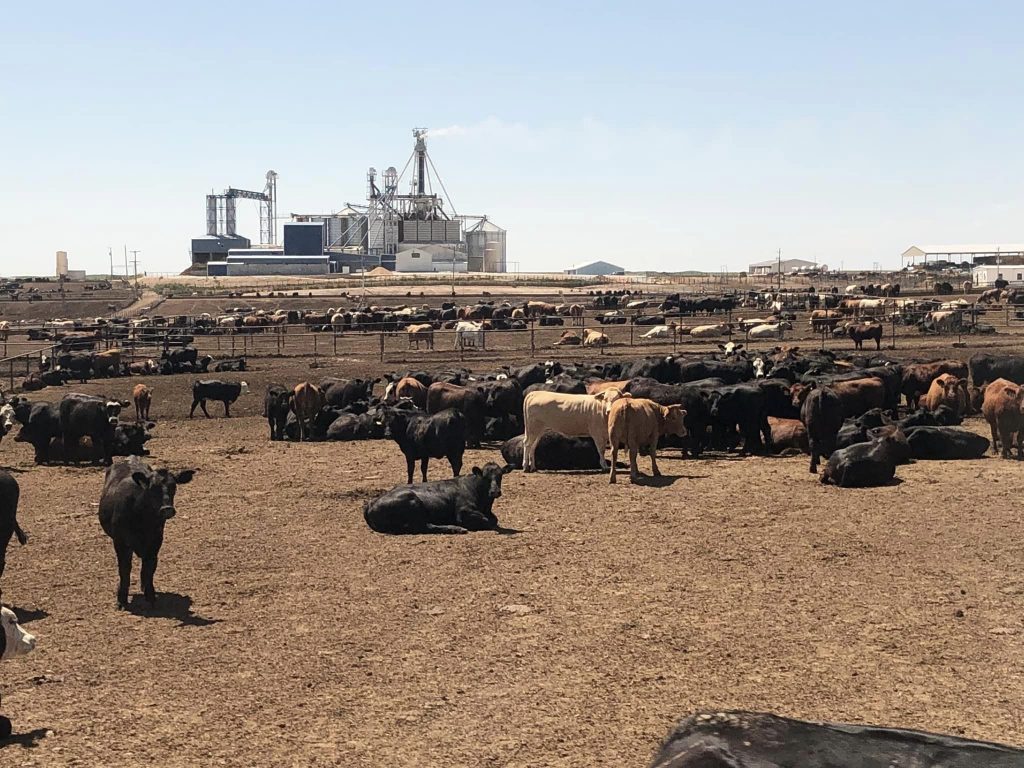
Dr. Derrell Peel, Oklahoma State University Extension Livestock Marketing Specialist, offers his economic analysis of the beef cattle industry as part of the weekly series known as the "Cow Calf Corner," published electronically by Dr. Peel, Mark Johnson, and Paul Beck. Today, Dr. Peel discusses the latest Cattle on Feed report.
The latest USDA Cattle on Feed report pegs feedlot inventories on May 1 at 11.376 million head, down 1.5 percent year over year. This is the sixth consecutive monthly decrease year over year in feedlot numbers though the decrease has been minimal thus far. Figure 1 shows that annual average feedlot totals are slightly lower recently (far right side) but have decreased little in the past 18 months or so.
April feedlot placements were down 2.6 percent year over year, about as expected. Feedlot placements have been variable, down four of the last six months and down a total of 3.6 percent compared to the same period one year ago. April feedlot marketings were down 2.5 percent year over year, also close to expectations. Feedlot marketings were down three of the previous six months, compared to last year, and decreased just 1.6 percent in total during the same six-month period. The result is a slower turnover rate that allows feedlots to maintain higher inventory levels despite decreased placements.
Feedlots have maintained inventories primarily because of two factors: continued heifer feeding and increased days on feed. The April quarterly breakdown showed that the heifer percentage of feedlot inventories dropped to the lowest level in five years but remains above the average of the past 30 years. Data from Kansas feedlots shows that days on feed (DOF) increased in mid-2023 with average DOF increasing by about ten days since. Heifer feeding and increased days on feed have masked declining feeder cattle numbers since mid-2023.
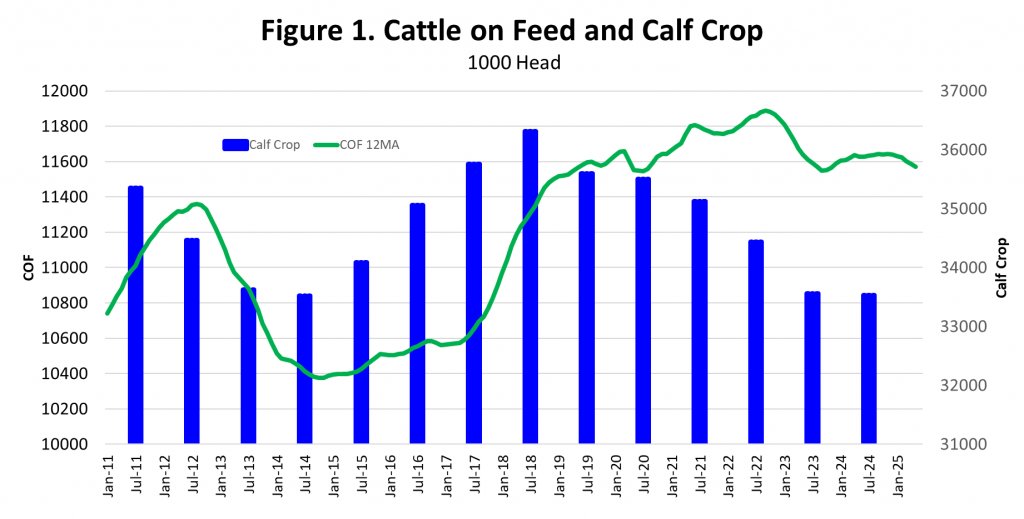
Figure 1 shows that the total calf crop has declined for the past six years, peaking cyclically in 2018. Feedlot inventories have remained relatively steady while the total calf crop declined. The current relationship between cattle on-feed and calf crop is a sharp contrast to a decade ago when feedlot inventories dropped as the calf crop decreased to cyclical lows. From 2012-2014, average feedlot inventories decreased by 984,000 head. Since the peak in 2022, average feedlot inventories have fallen by just 315,000 head and have varied by a scant 94,000 head in the past 24 months.
There are indications that heifer feeding will decline in the coming months as heifer retention increases. Additionally, days on feed have likely reached a maximum, meaning that no additional gains are likely from slowing the feedlot turnover rate. In other words, the gains from slowing the turnover rate do not continue once the slowing is complete. Both of these factors mean that it is likely that feedlots will see more rapid decreases in average inventories in the coming months.
American agriculture continues to grapple with the ever-evolving definition of the Waters of the United States (WOTUS) rule, while also increasingly facing concerns surrounding Polyfluoroalkyl Substances (PFAS). Farm Director KC Sheperd recently discussed with Courtney Briggs, Senior Director of Government Affairs at the American Farm Bureau.
Briggs addressed the long-standing uncertainty surrounding WOTUS, stating, "We've been on this ride before. For decades, we've seen this ping-ponging back and forth of regulatory definitions." She highlighted the latest development, noting, "Now this new Trump administration has come in. They have said that they will make a new rule that brings the WOTUS definition in line with the Sackett decision that was made back in May of 2023. Unfortunately, the Biden administration did not adhere to that Supreme Court decision. So this is the new Trump administration coming in and working to right that wrong and get a rule that aligns with that Supreme Court decision."
Briggs explained the historical context when questioned about the persistent lack of a permanent rule. "So there's no permanent rule, because when Congress wrote the Clean Water Act, they said, 'We're going to regulate discharges from a point source into a navigable water.' Then they defined navigable waters as Waters of the United States. Now we just celebrated the 50th anniversary of the Clean Water Act, in looking at the historical dialog of when this law was enacted, that was the only way they were able to get the law passed was to leave that that definition unclear, and for decades, it has been delegated to the regulatory agencies, the EPA and the Army Corps, to set that regulatory definition."
However, recent legal developments offer a glimmer of hope for a more stable future. "They've been given the deference, that Chevron Deference that we talk about, but now another Supreme Court decision overturned Chevron Deference. So this is a new world that we're living in as far as a regulatory definition of WOTUS, and I think with the Sackett decision, there's a lot of guidance that the agencies now have to put this to bed and create a durable rule finally."
Briggs echoed the industry's desire for clarity, remarking, "That's what we're all hoping for, because you have to redo this every four years, don't you? I always joke that it's job security, but I think we're finally getting closer to really injecting clarity and certainty into a WOTUS definition."
The conversation then shifted to the emerging concern of PFAS contamination in agriculture. "A lot of farmers, ranchers, and landowners are very unaware of what PFAS is and why we are concerned. PFAS is a forever chemical. It is designed not to break down easily. The chemical bonds are woven so tightly. That's why we have waterproof, stain-proof, grease-proof products, because we use those PFAS chemicals. I think a lot of people like to use the Teflon pans as the prime example of an everyday product containing PFAS chemicals."
Briggs detailed how these chemicals are finding their way onto farmland. "Well, unfortunately, there are instances of farm fields being contaminated with PFAS chemicals. The first intersection we ever saw of PFAS coming into agriculture was actually in New Mexico. A couple of dairies were situated near Cannon Air Force Base. What we have found is that Department of Defense installations often use AFFF. AFFF is a fire-fighting foam full of PFAS chemicals. So what was happening was that AFFF was leaching off of the DOD facility into nearby waterways and contaminating the water supply for these dairies.
"However, we also see it occurring naturally in the environment. It will spread because these chemical bonds do not break down. We are also seeing a source of PFAS in biosolids. So, a farmer will go take biosolids off the hands of a wastewater utility and land-apply it beneficially, which has been a celebrated practice at all levels of government for decades. Still, unfortunately, there are situations where the land application of biosolids has led to a contamination of a farm field."
Briggs offered crucial advice to farmers regarding PFAS risks. "I think you should be aware of where you're accepting biosolids. Not every area of the country is going to be created equal. I would say you should have your antenna up if you are located near a DOD facility, if you are located near manufacturing facilities, or if you are near a chemical production facility. One of the areas of the country, the city with the highest levels of PFAS is Parkersburg, West Virginia. Why? Because they're downriver from DuPont. The state of Maine has been a prime example of PFAS contamination because of the industries up there that require the use of PFAS. So not every area of the country is created equal, and folks have to be very aware of what they're accepting as inputs and just be very cautious."
The insights from Briggs highlight the ongoing regulatory uncertainty surrounding WOTUS and the emerging environmental threat posed by PFAS. For American farmers, staying informed and exercising caution regarding land management practices and input sources will be crucial in navigating these challenges.
RON's Jacquelyn Farris reports from the State Capitol
Since the founding of our great nation, brave men and women have selflessly chosen to answer the call to serve in our Armed Forces. Now, because of their bravery and sacrifices, we wake up in a safe and secure country with freedoms and rights that are coveted by people all around the world.
As the son of an Air Force veteran, I know about these vast sacrifices our service members make firsthand. They will miss holidays, weddings, funerals, the birth of their own children – and sadly, some will make the ultimate sacrifice.
Today, on Memorial Day, we remember and honor those who unfortunately did make that ultimate sacrifice. This is a day of both mourning and gratitude. It is a day to acknowledge just how high the cost of our freedom is – something we often forget or take for granted.
As Americans, we can never really do enough to repay those who gave their last full measure of devotion to our country. We are so indebted to these heroes, and it is truly a debt we cannot repay.
However, today, at the very least, we can remember. So, please join me in celebrating and honoring the lives of our dedicated United States' military personnel who have passed away while serving our great nation. They lived and died for our country – and that is something worthy of all our respect and appreciation.
There are many ways that crop yield can be impacted throughout the growing season, including too much rain, not enough rain, wind, hail, insect pressure, herbicide drift, and even deer. Deer damage is routinely brought up in producer meetings as a major area of concern, especially for corn, cotton, and soybean production. Crop insurance indemnities can provide data on the prevalence of this issue. Wildlife indemnity payments have been increasing in southern states, but make up less than 1.5% of total insurance indemnity payments (Duncan et al., 2023). Additionally, wildlife indemnities includes damage caused by all animals, therefore the portion of wildlife payments that can be attributed to deer is unknown. However, there can be significant losses without an insurance payment, so indemnity payments don't show the full damage picture.
Surveys of producers typically show deer as a significantly worse problem compared to what is shown by insurance payments. Producers in Georgia reported that 19,535 acres were damaged by deer with losses of $153.85/ac (Mengak and Crosby, 2017). More broadly (Hand et al. 2024), respondents across the southeastern U.S. reported that 33-41% of cotton acres were affected by deer annually, with yield losses of 34-42%. Respondents considered deer to be the most significant pest to cotton, with damages of $152 million in 2023.
A survey was sent out to Mississippi row crop producers to determine the impact of deer[1]. Producers reported yield losses in 12 different crops, with the majority of losses coming in corn, cotton, and soybeans. In total, 13 respondents reported damage in corn, 21 reported damage in cotton, and 90 reported damage in soybeans. Respondents reported damage occurring in 45 different counties in Mississippi. Economic loss was calculated given the reported yield loss and any replant costs.
For corn, cotton, and soybeans, 17,830 total acres were reported to be affected by deer damage with a total economic impact of $4.6 million (Table 1). The acres damaged accounted for 17% of the total acres planted by the respondents. Soybeans were by far the most impacted, with 90 respondents reporting damages on 14,204 acres, of which 4,013 acres of soybeans had to be replanted. Total economic loss for soybeans was $3.68 million or $258.91/ac. Cotton had the second most acres impacted at 2,066 acres, with 597 acres being replanted. Total economic loss for cotton was $640,733 or $310.21/ac. Lastly, producers reported 1,561 acres of corn damaged with 171 acres of replant. Economic loss for corn was $294,109 or $188.46/ac.
Producers were also asked a series of questions on what actions they took to reduce deer damage on their land. The most common method (48% of respondents) used hunting to control deer. This was followed by allowing other hunters on the land, 23%, and securing a deer depredation permit, 21% (Figure 1). Similar to producer surveys in other states, the results show that deer damage is a substantial issue for row crop producers. The results don't show the full impact of deer damage, as not all producers filled out the survey. However, producers who were more severely affected by deer damage would be more likely to fill out the survey. The economic loss also depends on the year; if crop prices were higher, the economic loss would be greater and vice versa. Furthermore, there are other costs outside of yield and replant that impact producers from this issue, such as not planting the desired/most profitable crop, carcass disposal where applicable, and machinery downtime from flat tires. More work is needed in this area to determine the true impact of deer and to evaluate optimal mitigation techniques.
Article courtesy of southern ag today.
Oklahoma Farm Bureau, Cherokee County Farm Bureau and the Grand River Dam Authority recently purchased more than 200 life jackets for the public to use free of charge as they enjoy the Illinois River during the 2025 recreation season.

The coalition, along with the Tahlequah Area Chamber of Commerce, worked to update the loaner jacket program along the popular Illinois River corridor in Cherokee County to provide the quality flotation devices to help prevent accidental drownings as the summer recreation season begins.
The life jackets were delivered to the GRDA Scenic Rivers Operations headquarters near Tahlequah Thursday, May 15, with representatives from Cherokee County Farm Bureau, GRDA and the Tahlequah Area Chamber of Commerce on hand to unload the safety equipment and begin the process of distributing the loaner life jackets at stations along the river.
"We are excited every season to see so many people come out and float the Illinois River," said Jared Skaggs, supervisor of scenic rivers and public access areas for GRDA. "It's a really popular destination, and we're happy to see so many families come out and friends come out. Ultimately, our top priority is to make sure people are safe on the river."
The new jackets are trimmed in bright orange to improve visibility on the river and are sized to ensure outdoor recreationists of all sizes have a jacket that fits properly. A whistle is attached to each jacket in case of an emergency situation, and the jackets are each adorned with Farm Bureau and GRDA logos.
The life jackets will be made available at six different loaner stations along the Illinois River corridor near Tahlequah for river users who either do not have a life jacket of their own or may have forgotten a life jacket. The jackets are intended for day use by the public and can be returned to any station along the river after use.
"We're proud of this partnership, and it was a need we could fill," said Kelli Campbell, Cherokee County Farm Bureau board member. "I want people to understand – because I've personally lost someone on the river – that it is not like checking in at an amusement park. I want people to come here and enjoy the river and not take home a sad story like so many of us know."
Skaggs said that 80% of drownings occur when life jackets are not worn and that wearing a life jacket while out on the water is a simple way to stay safe during the summer outdoor recreation season. He said Oklahoma state law requires children who are 12 years old or younger to wear a life jacket while on the water, and adults must each have access to a life jacket while on the water.
"For us to have a loaner program to help facilitate life jacket awareness is fantastic," Skaggs said. "Having a life jacket available is really the best way we can make sure that when people bring their families to the river that they're able to go home at the end of the day."
Sen. Cyndy Hyde-Smith (R-MS) introduced legislation developed in cooperation with the National Cotton Council to boost demand for U.S. cotton.
Titled the "Buying American Cotton Act," this bill would offer a transferrable tax credit to end-stage sellers of products that are made in whole or in part from U.S. cotton.
Under the legislation's framework, items either fully manufactured in the U.S. or imported into the U.S. would be eligible for the credit, which is scalable depending on the degree of domestic cotton content or cotton processing. In addition, the seller would receive a higher credit for eligible items processed either wholly in the U.S. or in a country with which the U.S. has a free trade agreement.
Agriculture, Nutrition and Forestry Committee Chairman John Boozman (R-AR) has cosponsored the "Buying American Cotton Act," along with Sens. Katie Britt (R-AL) and Roger Marshall (R-KS).
Buying American Cotton Act of 2025--May 2025
Objective: By leveraging the traceability of U.S. cotton and the purchasing power of U.S. consumers,
the Buying American Cotton Act authorizes transferable tax credits to incentivize the consumption of
U.S. cotton and U.S. cotton manufactured products.
Eligible Articles: Cotton products, including but not limited to apparel, home textiles, and nonwovens,
either fully manufactured in the United States or imported into the United States, that are made in
whole or in part from U.S. extra-long staple cotton or upland cotton.
Eligible Taxpayer: The first U.S. entity who sells an eligible article in the United States in its final
condition, meaning the product is now "ready for sale" at retail to the consumer. The taxpayer may
claim the credit based on the value of the U.S.-grown cotton in the eligible article, or instead, may
elect to claim a higher-value credit based on the value of the U.S.-manufactured yarn or the U.S.
manufactured fabric, if the taxpayer can demonstrate the eligible article was made from U.S.
manufactured yarn or fabric, respectively.
Documenting the Use of U.S. Cotton: Entities claiming the tax credits must be able to demonstrate
proof of U.S. origin through a trustworthy supply chain tracing system that certifies the provenance
and volume of the cotton in the eligible article, or of the yarn or fabric if either of those credit options
are selected.
Calculation of the Tax Credits: The value of the tax credit is determined as the product of the volume
of U.S.-grown cotton in the eligible article and a factored percentage of the rolling three-year average
market price. If the taxpayer elects a credit based on U.S.-manufactured yarn, the value is multiplied
by a price factor of 1.6, and for U.S.-manufactured fabric, multiplied by a price factor of 6.5, to
incentivize and reward the consumption of U.S.-manufactured goods.
Factors Determining the Value of the Tax Credits: In the case of an eligible article that is processed
either wholly in the United States or in a country or countries with which the United States has
entered into a free trade agreement or for which the United States has extended benefits through a
preferential trade arrangement, a location factor of 24% is used. In the case of an eligible article that
was subject to processing at any stage in any other country, a location factor of 18% is used.
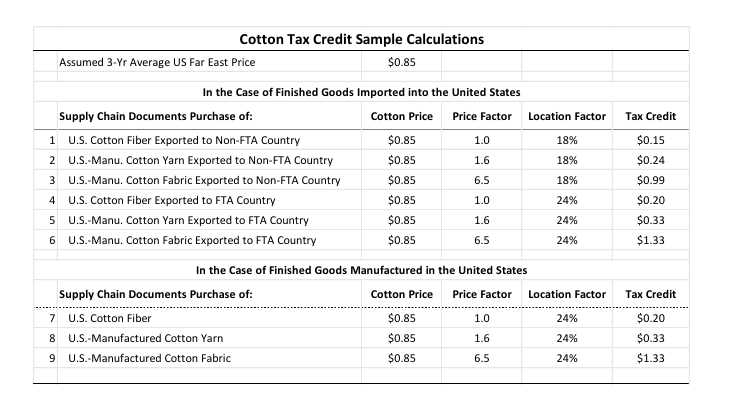

Each year, as May draws to a close and the days grow warmer, we gather with family and friends to enjoy the start of summer. However, Memorial Day is more than just a long weekend or a backyard barbecue. It is a solemn occasion to honor the brave men and women who gave their lives in service to our great nation.
Across Oklahoma and the entire United States, flags are flown at half-staff from sunrise until noon, wreaths are laid, and families remember their fallen loved ones. These acts of remembrance are not merely symbolic; they are a profound expression of gratitude and national unity. We are reminded that the freedoms we enjoy every day have been secured through extraordinary sacrifice.
Memorial Day is about more than honoring history. It is about carrying forward the legacy of those who gave everything for this country. Their courage and devotion to duty set an example for us all. Whether they served on foreign battlefields or here at home, they stood for the values that define our nation: freedom, justice, and a belief in something greater than oneself. Let us also not forget the families of the fallen, the Gold Star families, who bear a loss that words can never fully heal. Their strength and resilience inspire us all, and we owe them a debt that can never be repaid.
This Memorial Day, I encourage all Oklahomans to pause and reflect. Attend a local ceremony, visit a veterans' cemetery, or simply take a quiet moment of prayer or remembrance. Teach your children about the meaning of this day and let us carry forward the legacy of those who gave their lives by living with purpose, gratitude, and resolve.
Freedom is not free. It is earned, again and again, by those willing to give all. On this Memorial Day, may we honor that sacrifice not only in word but in deed—by striving to be worthy of the legacy they left behind. May God bless our fallen heroes, their families, and the United States of America.

| Join the Local Food Safety Collaborative on May 29th at 1 PM EST on Zoom for a conversation with Dakota Moore, grower outreach coordinator for the Kentucky Horticulture Council. Dakota will discuss the evolving landscape of agricultural water safety, including shifting Food Safety Modernization Act requirements, common risks, and cost-effective mitigation strategies for growers. He'll also touch on how flooding events can impact food safety and share next steps producers can take in response. |
| Register HERE |
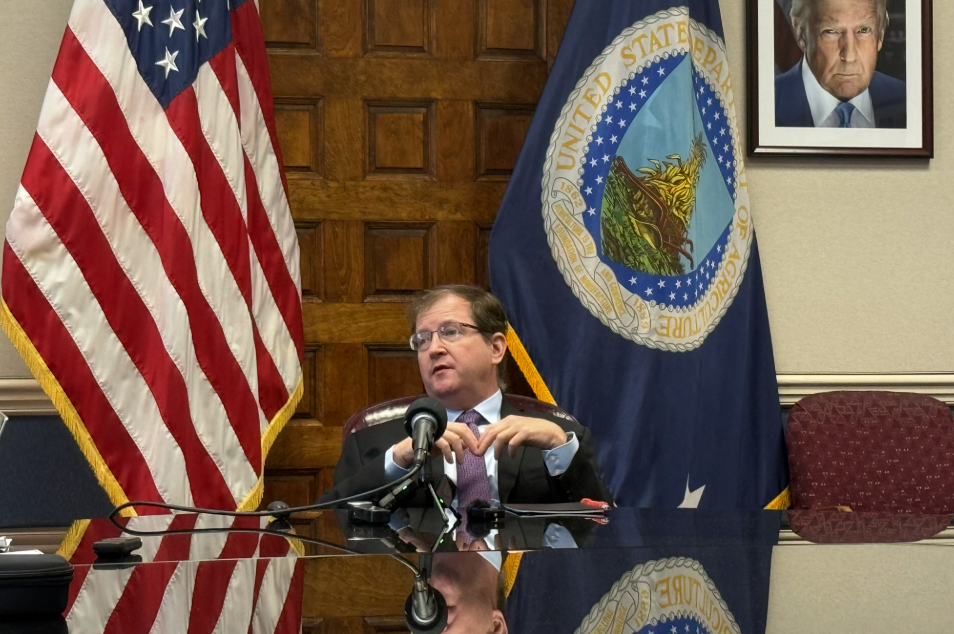
A 30,000-foot view of the agricultural economy might offer a broad perspective, but according to USDA Chief Economist Seth Meyer, it often "hides too much." In a recent discussion with NAFB Broadcasters, Meyer emphasized the need to delve deeper into the numbers to understand the complex realities facing American farmers.
"Part of the problem that I see is when you take, like, some of our own USDA farm income measures, and you pull away from that number, you then you start saying, hey, a fairly big chunk of that change year-to-year is government economic and disaster assistance provided for events of previous years," Meyer explained. He noted that without such assistance, "farm income would be flat year-over-year."
The picture becomes even more nuanced when distinguishing between crop and livestock sectors. "Obviously, row crop margins are really narrow. I mean, the profitability is very poor on the crop side and on the livestock side, it's much better," Meyer stated. However, he quickly cautioned that even the seemingly robust livestock sector faces its own set of challenges.
While feeder and fat cattle prices have hit record highs, Meyer is skeptical about the sustainability of these levels. "I think even folks making money now don't think this is a sustainable outcome," he remarked. The dairy sector, too, faces constraints, with "purebred dairy heifers in short supply, in part because of the beef side."
The decision for cow-calf operators is particularly complex. "Do I take the cash now, or do I retain that heifer and hope that I'll make that money two years from now on a fed-out animal?" Meyer said that many operators are "hesitant to expand." This contributes to the current contraction phase in the cattle industry.
Meyer eagerly anticipates the upcoming July cattle report from USDA's National Agricultural Statistics Service (NASS). "I'm happy to say my NASS colleagues have given me back my cattle report for July," he said, expressing a keen interest in whether the report will indicate a turn in the contraction cycle. The percentage of heifers on feed, currently at 37.6%, is a key indicator. Meyer suggests that a drop below 37% in the next quarterly update could signal the beginning of heifer retention.
The ongoing discussion around trade tariffs and their impact on farm income remains a significant concern. Meyer confirmed that the USDA has already incorporated expected market effects of tariffs into the WASDE (World Agricultural Supply and Demand Estimates) report, which is updated regularly.
The prolonged period without an updated Farm Bill also poses challenges for producers. Meyer highlighted the "erosion in reference prices relative to the cost of production over the last several years." He noted that "those reference prices don't mean the same thing they used to mean in terms of cost of production," implying a weakening safety net for farmers.
The reinstatement of the July Cattle Inventory report by NASS was met with relief from Meyer and the agricultural community. He admitted to "annoying" his NASS colleagues in a "good way" to get critical data. "Data is the number one thing to get out the door, because you can't recreate that," Meyer stressed, emphasizing the crucial role these reports play in informed decision-making. He acknowledged potential changes in how reports are presented, with a move towards frugality, but reiterated the priority of getting the raw data out.
When questioned about the potential for technology like imagery data to replace on-the-ground observations, Meyer was optimistic. While Earth Observation is crucial for countries without robust statistical services or accessibility, he believes it's not a full replacement for field observations. "I want to make it through till I retire with somebody in the field, walking the roads and the satellite before I'm convinced I know what those two relationships are," he quipped, underscoring the enduring value of traditional data collection methods.
According to Meyer, rising interest rates are adding another "headwind" for farmers. "As we see folks borrowing more for operating loans because margins are narrower and cash supplies are down, the borrowing costs rise," he explained. This, coupled with the lag in input prices declining after commodity price spikes, puts a "squeeze" on producers.
In this volatile environment, risk management tools like Livestock Risk Protection (LRP) look "quite interesting" for producers seeking to protect against potential downside risks.
Globally, Meyer sees opportunities for U.S. farmers in "value-added" products, such as meat and dairy, particularly in markets where American products offer unique qualities. "I think there are value opportunities added elsewhere in the world," he stated, adding, "I think that the cattle operators have some good opportunity if they can get access to other markets with US product; the same with swine." He cautioned, however, that "we're facing a lot of competition on the bulk commodity side from South America."
Regarding the U.S. agricultural trade balance, which has shifted from a surplus to a deficit, Meyer clarified that while the U.S. maintains a surplus in bulk commodities, it faces a growing deficit in "highly processed products or high value products." This underscores the need for market access and the promotion of higher-value exports.
Finally, addressing the impact of the Russia-Ukraine conflict on wheat prices, Meyer admitted to being "surprised at how cheap wheat has been since we've got an active war zone where 30% of wheat trade comes from." Despite the ongoing conflict, he noted that the market appears confident in wheat supplies.

| Dear Oklahoma friends and neighbors: How about our Thunder and OU Women's Softball! We'll have more great Thunder basketball to watch this Memorial Day weekend, but it's important for all of us to take time to remember the reason for this holiday. Those who have worn the cloth of our nation and who gave their last full measure of devotion to our nation deserve our utmost gratitude. We should continue to teach the next generations about the ways Americans have laid down their lives in defense of our freedom. We also honor our Gold Star Families whose loved ones never came home from their service. We honor their sacrifice as well this weekend. I pray for those grieving the loss of a service member. May you know our country's deep gratitude for our freedom. Thank you. UPDATE: The Tax and Spending Reduction Bill The House completed their version of the bill to reduce federal spending and protect our taxes from going up next year. Now the Senate can get to work on it to find even more ways to save our taxes dollars and make the tax code fair for every American. Our focus in the Senate has been on reducing spending and tackling our national debt. I have worked for months on tax policies that will help our families and small businesses, now it is time to get them implemented. I also want to allow people to deduct their non-profit gifts from their taxes again. Years ago, the deduction for non-profit donations was removed for all Americans, except those that itemize their taxes. Since only 9% of Americans itemize their taxes, there is no longer a tax deduction for nonprofit donations for 91% of Americans. One rumor I've heard about the budget bill is that it would take Medicaid away from children and close Oklahoma rural hospitals. That is absolutely not true. Medicaid should remain available to those who truly need it, like moms and kids without access to health care, low-income elderly people, and those with disabilities. But able-bodied adults with no children should be required to work, just like they are required to work to receive SNAP benefits (food stamps). Work brings purpose and opportunity to rise out of poverty, it should be encouraged, not discouraged. In addition to our ongoing work on the budget bill, the Senate has worked to confirm more Executive Branch nominees since January 2025 than anytime in the last 40 years. Democrats continue to fight us on every nomination just to stand in the way of the Trump Administration, so Republicans in the Senate have stayed in session many long nights to keep up our progress. Why Are We Talking about California Electric Vehicle Standards? Good question. In 2023, President Biden asked the Government Accountability Office to classify a new electric vehicle mandate for California as an "order" instead of a rule to try to slip in a nationwide electric vehicle mandate on the country without going through Congress. He waited to release this mandate after the November election because he knew the American people want to choose the type of car they drive, not be required to buy electric cars and trucks. The Senate demanded that a rule that significant to the entire country would have to go through Congress, so we used the Congressional Review Act to take down the Biden EV mandate. It was a long fight, with many technical aspects, but we won the right for Americans to once again select any vehicle they want to buy, electric or gas. If you want a complete explanation of the legislation and the fight, watch my speech on the Senate floor. CLICK HERE to watch my video discussing this. Assessing the Southern Border – San Diego Edition Earlier this month, I left Washington, DC ,for the weekend to see the dramatic change on our Southern border. At the San Diego/Tijuana border, I connected with federal law enforcement officers, toured key border facilities and received updates from the folks on the ground protecting the border. The morale and situation at the border is so much better under President Trump's leadership. The San Diego Sector has made 45,000 apprehensions from 147 different countries—more than anywhere else in the US! I visited remote locations like "Arnie's Point" and the "Well Draw" site, which showcase the difficulties presented by our border terrain and where gaps in the wall remain a serious vulnerability. The illegal border crossings are down 95% from just a year ago, but there is still more work to do in the law and at the border. I witnessed an illegal crossing and observed live apprehension efforts involving joint Department of Defense–Border Patrol operations, and I observed firsthand the evolving conditions on the ground, including enhanced border enforcement operations and interagency coordination in high-risk areas. I spent time at the Otay Mesa Port of Entry, one of the busiest border crossings in the nation, where CBP officials highlighted the importance of ongoing facility expansion and modernization efforts. I also met with the Coast Guard, who are facing much higher numbers of illegal entries and drug smuggling as the criminal cartels continue to look for ways to get people and drugs into our nation. We talked about drug smuggling and human trafficking efforts across our southern border, and ways we can continue to combat them. Congress can't fix what it can't see, and trying to make our laws work for OUR border law enforcement instead of Biden's open-border policies is that right thing to do for our national security. CLICK HERE to read more and watch videos of my time at the border in San Diego. |
Getting Relief for Oklahoma Fire Victims When the combination of wildfires and extremely high winds burned a number of structures around our state on March 14, I immediately led the delegation in a letter to President Trump requesting FEMA disaster assistance. The state also applied for assistance from the Small Business Administration (SBA). When a response on that assistance lagged, I stepped in to urge SBA to get an answer to Oklahomans quickly since we heard reports of some still living in temporary structures on their properties. This week, after rigorous follow up from my staff, SBA responded and is bringing help ASAP. |
| Allowing Stablecoin as One Type of Currency This month, the Senate continues to work on a bill to provide Stablecoin regulation. Our bill protects those who have invested in a digital currency because it is fully backed by the US dollar and by investments in the US Treasury. Ultimately Stablecoin gives more options to Oklahomans who want to use a digital currency, but will also protect and ensure the use of physical currency. |
| Congress Writes the Laws For too long, unelected bureaucrats have been writing binding rules with little accountability to Congress or the American people. Now that the Supreme Court ended what's known as "Chevron deference," which gave wide latitude to agencies to determine how to implement laws passed by Congress, it's time for Congress to step up and make that accountability permanent. Small businesses in Oklahoma deserve certainty and clarity, not burdensome red tape from Washington. My Regulatory Accountability Act ensures that agencies follow the law, not write it. CLICK HERE to read more. |
| Helping Moms As the dad of two daughters, I believe every woman deserves support as she prepares to welcome a child. We need commonsense steps to make sure moms, babies, and families get connected to the resources they need right in their local community. I'll keep fighting to protect the unborn and to equip mothers with the support they need every step of the way. That's why I introduced the More Opportunities for Moms to Succeed (MOMS) Act. CLICK HERE to read more about how we are bringing resources to moms. |
| Opening Up US Energy after the Disastrous Biden Administration Under President Trump, American energy dominance is back. States like Oklahoma are fueling the charge. I introduced the Transparency and Honesty in Energy Regulations Act to push back on the Biden Administration's war on American energy producers by ensuring federal rulemaking is grounded in facts—not flawed models or political agendas. CLICK HERE to read more about my bill. |
| Protecting Americans' Conscience Rights in Medical Care When conscience protections aren't enforced, health care workers are forced to decide whether they will lose their job or violate their beliefs by performing abortions. Many health care professionals pursued their careers to protect lives, not take lives. No one should have to choose between their career and their conscience. My bill, the Conscience Protection Act, defends health care workers and empowers them to stand by convictions as they care for their community. CLICK HERE to read more about my bill. |
I toured the US southern border in San Diego to learn more about operations on the ground at one of our nation's busiest ports of entry, which translates to one of the busiest law enforcement challenges to keep drugs, gangs, and guns from coming across our border. It's always good to see my friends from the Tulsa Chamber in Tulsa and it's always good when they can make it out to Washington, DC, to meet with our congressional delegation about the issues facing businesses in Green Country. |
I met with the Oklahoma Hospital Association to find out more about how we can help medical providers in our state take care of our families. If you're in Washington, DC, for school, a trip, or work on a Wednesday morning the Senate is in session, come by my office in 731 Hart Senate Office Building for some coffee and conversation at "Java with James." |
| Cindy and I were honored to volunteer with Church Under the Bridge in OKC before the Thunder game on Sunday to serve meals and bring worship to some of the homeless population in the downtown area. What a great way to share the love of Christ where the people are. |
 |
| |
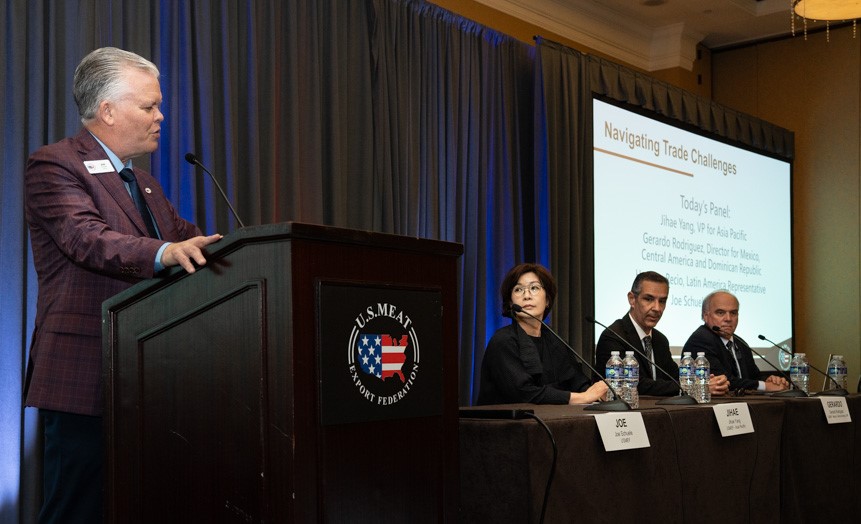
(left to right) Joe Schuele, USMEF senior VP for communications, moderates a staff panel discussion on current trade challenges featuring Jihae Yang, VP for the Asia Pacific, Gerardo Rodriguez, director for Mexico, Central America and the Dominican Republic, and Latin American Representative Homero Recio
The U.S. Meat Export Federation (USMEF) concluded its Spring Conference in Fort Worth, Texas, Friday with a panel discussion in which senior international staff gave examples of innovative efforts to overcome trade challenges.
Jihae Yang, USMEF vice president for the Asia Pacific, noted that with high tariffs and other barriers severely limiting pork and beef exports to China, the organization has intensified campaigns aimed at moving items traditionally popular in China to alternative markets. For example USMEF partnered with a major retailer in South Korea for a promotion of U.S. beef short plate, after uncertainty over plant eligibility and higher tariffs made the product more difficult to move in China. Yang added that if the trade impasse with China persists, she foresees more U.S. short plate being available to importers and distributors in Southeast Asia.
Yang also updated members on how USMEF is working with a Korean meal kit manufacturer and a Japanese distributor to develop and promote items featuring U.S. pork bung. U.S. pork tongue trimmings are also being promoted in popular dishes in Japan's casual dining sector.
Gerardo Rodriguez, USMEF director for Mexico, Central America and the Dominican Republic, explained that while Mexico has been developed into the largest destination for U.S. red meat, the U.S. industry now faces unprecedented levels of competition in the Mexican market. He noted that it is more important than ever to differentiate U.S. red meat from other suppliers' products and educate consumers about its unique attributes.
"Right now a major focus for USMEF is to establish loyalty in the next generation of consumers, developing several programs for the future customer," Rodriguez said. "With Mexico being a trading partner for so long, it can be easy to think of it as a mature market. But there are always new markets within the market that we can expand, and new tactics we can employ. Our mobile grill academy is a good example, where we highlight the unique attributes of U.S. red meat all across the country."
USMEF Latin America Representative Homero Recio highlighted the U.S. industry's efforts to overcome Colombia's restrictions on U.S. beef, which were imposed for much of last year due to findings of highly pathogenic avian influenza in dairy cows. The ban, which eventually extended to beef from 14 U.S. states, was lifted in September 2024 but the impact has persisted, in part because it created a new opportunity in the Colombian market for Canadian beef. Recio said that while reclaiming this business has not been easy, it has resulted in heightened efforts to establish customer loyalty to U.S. red meat.
"This really gave us the resolve to say, 'we're going to get this back, we're going to fight back,'" he explained. "In the past, we often talked about 'our importers.' Well, you know what? 'Our importers' went and bought Canadian beef. So we have to go to the next level, whether it's with a supermarket chain or a foodservice chain, and develop a further, stronger relationship with them and really tie them to a brand."
John Newton, executive head of Terrain, was the featured speaker at USMEF's Thursday general session. Newton applauded the House of Representatives' passage of President Trump's budget reconciliation bill earlier that morning.
"If anybody stayed up until 3:00 or 4:00 in the morning last night, you know that President Trump's 'big, beautiful bill' made it over the finish line in the House. There is work to do in the Senate, but the bill touches on a lot of the Farm Bill elements that farmers have been asking for."
Newton explained the urgency of many farm programs included in the bill as he described some of the major challenges facing agriculture, especially row crop producers. Farm operating costs remain elevated while revenue derived for major crops have been below cost of production for three straight years, he said. Input costs show no signs of going down, while crop prices have – in some cases – fallen by 30% and show no signs of improvement.
"For seven years now, Congress has responded to ag market conditions with annual ad hoc support for agriculture. But it's that federal support that's been propping up the farm economy. It's not because we're seeing higher grain prices."
Newton described the process the bill will undergo in the Senate and while expecting some modifications, believes the goal in the Senate is to get it signed by July 4.
Newton highlighted an increase in funding for USDA's export market development programs as critical support for America's farmers and ranchers. Strengthening these programs will be very helpful in finding and developing new markets around the world. Newton added that the USDA Foreign Agricultural Service is particularly bullish on expanding American agriculture's footprint in Southeast Asia.
"The world becomes more competitive each year, so, it's really important for us to get out and find those new deals to help the farm economy," Newton explained. "Trade is clearly a focus of this administration, and I think President Trump will push for substantive progress ahead of next year's midterm elections. In fact, I might be one of the few people who thinks we're going to get a Phase Two deal with China."
Heightened U.S.-China trade tensions, which have severely limited beef and pork exports to China in recent weeks, were a major topic of discussion throughout the USMEF Spring Conference. But President and CEO Dan Halstrom noted that rather than dwell on trade obstacles, the conversation focused mostly on how to develop and capitalize on alternative destinations.
"USMEF's focus is on bringing solutions to the table," Halstrom said. "So when we see something like China happen, we're pivoting on the demand side – and this is what our membership expects of us. That's why we have these offices all over the world, 105 employees in 20 regions, and that's what they are there for – to be as nimble as possible at finding solutions when there are changes in market conditions and market access."
Opening day speakers at the USMEF Spring Conference included CattleFax CEO Randy Blach and Rick Stott, President and CEO of Superior Farms. Highlights from their remarks are available in this press release.
USMEF members will next meet at the organization's annual Strategic Planning Conference, Nov. 12-14 in Indianapolis.
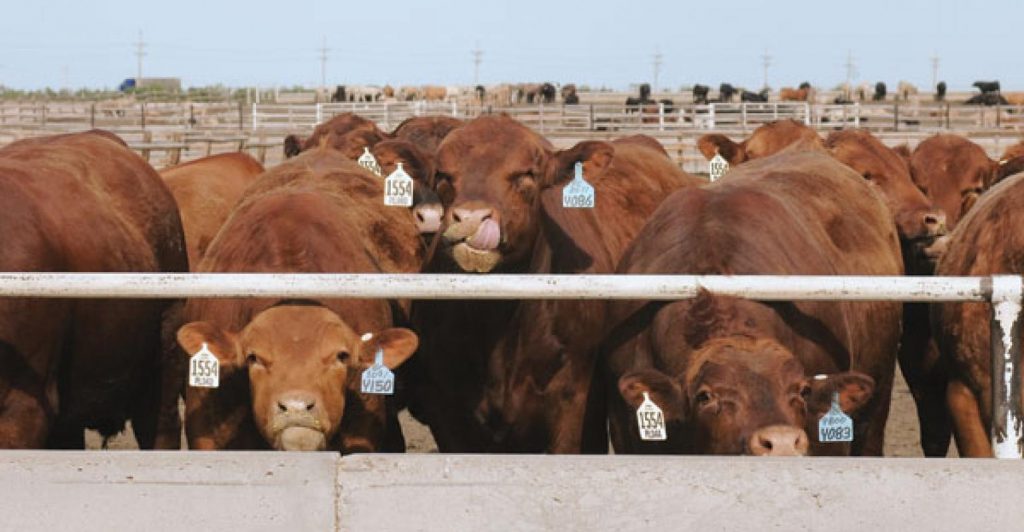
Senior Farm and Ranch Broadcaster Ron Hays talked to OSU Extension Livestock Market Economist Dr. Derrell Peel after the latest USDA Cattle-on-Feed Report was released on Friday afternoon, and Dr. Peel analyzed the latest numbers.
According to the May Cattle on Feed Report, April placements were up 97.4% of last year, and April marketings were up 97.5% of last year. The total on feed number as of May 1 was 1.5% down from a year ago, similar to last month.
"If you look at the average pre-report estimate for placements, this number is just a smidge higher but well within the range," Dr. Peel said. "The marketings also were just a smidge higher, but also within the range. When you factor in slightly bigger placements, but also slightly bigger marketings, the on-feed total comes in just about exactly on the pre-report estimates, so there were no big surprises in this report."
Dr. Peel noted the consistency of year-over-year declines for the past three or four months, however gradual they may be. He expects the trend to continue in the coming months.
He detailed how fed beef production is still up slightly from last year, but has slowly declined over the last six weeks, right along with non-fed beef production.
"Feedlots have done a great job over the last eighteen months of slowing down the turnover rate and keeping those inventories high," he added. "But once you get it slowed down, then you don't get any more benefit from that. I think we are going to start to see that at the feedlot level with smaller inventories, and that's going to translate into more consistent reductions in cattle slaughter, particularly fed cattle slaughter."
He mentioned the major futures reversal that happened a week or so ago, which made some think the markets had reached their peak; however, Dr. Peel knows that won't happen until supplies are at their lowest.
"We've continued to see these things move higher," he pointed out. "We may see a little bit of flattening or even a slight pullback here as we get into summer, but so far this year, the underlying tightness of supplies has been the driver, and seasonality has taken a back seat to that. I don't look for much change in this. I think we will continue to see very strong prices for feeder cattle at all levels as well as fed cattle."
Dr. Peel's key takeaways from the Cattle on Feed Reports of the first quarter of the year are how the fundamentals of the past several months are beginning to take shape in the form of reduced inventories.
"We know that the feeder cattle supplies out in the country are very tight, and it's been hard to get these consistent reductions in placements that pull feedlot inventories down," he said. "We are doing it now, but still at a fairly slow pace."
He detailed how the high prices of cattle are a tremendous incentive for producers to take their cattle to market. Thus far, this is allowing for greater than expected numbers in feedlots, but also means a steeper drop off in the country's overall cattle herd.
The Beef Buzz is a regular feature heard on radio stations around the region on the Radio Oklahoma Ag Network and is a regular audio feature found on this website as well. Click on the LISTEN BAR for today's show and check out our archives for older Beef Buzz shows covering the gamut of the beef cattle industry today.
Yesterday, U.S. Sens. Mike Lee, R-Utah, and Cory Booker, D-N.J., reintroduced the bipartisan Opportunities for Fairness in Farming (OFF) Act. The legislation seeks to reform federal commodity checkoff programs, including the beef checkoff, to promote transparency, prevent the misuse of funds, and ensure the programs operate fairly and in the best interest of all producers.
R-CALF USA CEO Bill Bullard issued the following statement regarding the bipartisan legislation.
"We applaud this bipartisan bill introduced by Senator Booker and Senator Lee to bring needed transparency and accountability to the antiquated beef checkoff program that has long been used to undermine the interests of America's independent cattle producers."
Provided by R-CALF, USA.

Memorial Day is first and foremost a time for Americans to honor the men and women who died serving our country. It has also become the unofficial kick-off to summer – and grilling season, stimulating demand for all types of animal proteins, including beef.
U.S. demand for beef has remained strong even as beef prices hit record highs. With economic uncertainty growing, however, how long can this strong demand continue? This Market Intel will analyze the challenges facing beef demand, what it means for farmers and ranchers, and what consumers can expect for the unofficial start of summer.
What Fuels Demand?
Demand is the amount of a product consumers will purchase over a range of prices. In terms of the market for beef, demand is consumers' financial ability and willingness, or desire, to purchase beef over other animal proteins, such as pork, poultry, or seafood.
Strong demand usually leads to higher retail prices. In the case of beef, this means higher prices paid for wholesale, which means higher prices for fed cattle, feeder cattle, and even new calves. Cattle supplies are currently at a 74-year low, and while tight supplies have been a major factor driving up cattle and beef prices, demand is the other part of the equation. With the supply side largely fixed, U.S. demand for beef is the lynchpin holding together razor thin profit margins for our nation's cattle farmers and ranchers. If demand weakens, cattle prices will likely decline, creating a major obstacle to any meaningful expansion of the U.S. cattle herd.
How is Demand Measured?
Measuring demand can be tricky, but there are some tools that can help. USDA has several publications that help shed light on the consumer's willingness to buy beef. Most of these utilize how much beef is being consumed at a certain price level.
One of the foundational tools used to measure demand is the USDA National Agricultural Statistics Service's (NASS) monthly World Agricultural Supply and Demand Estimates (WASDE). While the WASDE report is more commonly known for grains and oilseeds, it also contains a lot of information on meat including "disappearance." Disappearance refers to the estimated amount of a product, like beef, that is used domestically over a period of time, based on production, imports, exports and changes in storage. In the May WASDE report, USDA estimated that 2025 consumption of beef will be 28.91 billion pounds. This forecast is down about 49 million or 1.4% from last month and down just 0.5% from last year. This means USDA is forecasting a minimal slowdown in beef consumption compared to last year. This forecast predicts strong demand through 2025.
Beef Export Demand Slowing
Exports to other countries are a critical part of demand because they add value to nearly all players in the supply chain. The U.S. exported 1.29 million metric tons of beef in 2024 worth almost $10.5 billion. The top trade partners by value were South Korea, Japan, China, Mexico, and Canada. Export demand has been slower in 2025. So far, the U.S. has accumulated 277.6 thousand metric tons of beef export sales this year, nearly 22% less than the same time in 2024. While exports to countries like South Korea and Canada have remained strong, tariffs have slowed sales down, particularly to China. Total export sales to China are currently 32% behind 2024.
Narrowing Difference Between Choice and Select Beef
Another gauge of consumer demand for beef is the difference between the cutout value for choice grade and select grade beef. Choice grade beef is a premium product compared to select grade. When the difference between the two is greater than $10-$15, it can be an indicator of strong demand because consumers are more willing to pay for a premium product. A narrowing spread, on the other hand, can indicate softening demand for premium cuts or reduced availability of Select-grade beef. The choice-select spread has fallen from $18.89 on May 1 to $10.10 per cwt on May 16. During this time, the cutout value for select beef grew 5.6%, much faster than the price of choice grade which grew by 2.7% in the same time. (Figure 1.) This shift may reflect tighter supplies of Select beef rather than weakening overall demand, as consumers appear willing to continue purchasing both grades at elevated prices

Cold Storage Supplies Dropping
USDA's Cold Storage report measures reserve food supplies held in commercial and public warehouses including beef, pork and poultry. Changes in beef held in cold storage can be used to gauge demand. Declines in beef in cold storage over time means more beef is disappearing than is being placed in cold storage. This could be from increased demand, but it could also be because production has slowed down. This is why it's important to use other tools like the ones in this article to put the story together. Beef in cold storage in April was 427 million pounds, up about one million pounds from 2024, but nearly 9% below the 5-year average (Figure 2).

Note: This will be updated upon the release of USDA's monthly Cold Storage report on Friday, May 23.
Consumer Sentiment on Shakey Ground
U.S. consumer demand for meat historically has grown with improved household financial situations and then falls when incomes drop. Consumer Confidence, also called consumer sentiment, describes the opinions and attitudes of consumers about the current and future strength of the economy. This means when U.S. households are doing well, they buy more meat, particularly beef.
The University of Michigan publishes a variety data related to consumer surveys including the Index of Consumer Sentiment. According to May 2025 data, the Index of Consumer Sentiment was 50.8. While this was only a small change from April, this rating is down 26.5% from May 2024. This is concerning for beef demand in the long run because of its close tie to consumer sentiment.
According to a recent study by Kansas State University, meat price inflation has outpaced inflation for other goods in 2025 and has been consistently elevated for the last five years. This could be a reflection of higher cost increases for the livestock producers, higher demand, or both.
Since the COVID-19 pandemic, Americans have developed a preference for beef over other meats, such as pork or poultry. , even though the average consumer eats about twice as much chicken by volume, beef remains the top choice when quality and taste are prioritized. If consumer confidence falls alongside household financial uncertainty, demand for beef could be at risk especially in the face of record high retail prices.
Conclusion:
Cattle prices Cattle prices have set records on multiple occasions already this year. Even with these record high prices, margins for cattle farmers and ranchers are razor thin thanks to continued elevated supply costs. Demand is currently strong, but this situation could quickly change. Any decline in consumer confidence or household financial health could weaken demand, forcing packers to lower bids and triggering financial losses for cattle farmers and ranchers. Mentioned in a previous Market Intel, the cattle inventory is continuing to be on contraction in this hypercycle. For the cattle inventory to expand, the industry needs to be profitable. If demand cannot remain strong at these price levels, prices will fall, and profitability will stand in the way of meaningful growth and the economic sustainability of the cattle industry.
Keep an eye out for more on beef and consumer demand with American Farm Bureau Federation's 2025 July 4thCookout Survey, expected June 25th!
By Bernt Nelson, Economist, for AFBF Market Intel.
Ted McKinney, Chief Operating Officer of the National Association of State Departments of Agriculture (NASDA), recently shared the organization's top priorities for the year with Farm Director KC Sheperd.
Speaking from the NASDA booth at Washington Watch in DC, McKinney highlighted the Farm Bill as the clear number one focus. Interestingly, NASDA also uniquely places PFAS contamination as one of its top priorities. Additionally, they are addressing a critical issue concerning cooperative agreements with federal agencies like the Food Safety Inspection Service (FSIS) and the Animal and Plant Health Inspection Service (APHIS), where proposed budget cuts are causing significant concern regarding food safety and processing line partnerships. Pesticide regulations also remain a consistent point of attention for the association.
McKinney expressed optimism regarding recent developments with the Environmental Protection Agency (EPA) and pesticide regulations. "A lot of us were very worried about the Endangered Species Act. It's not that we don't care about endangered species; it's how you will mitigate that. EPA has announced a change to the insecticide strategy and the requirements that will be handed to our State Departments of Ag. They then hand it on to the farmer, and they're much more workable, much more flexible; so much so that we put a thank you release out when they were issued."
He believes the current administration's focus on reducing regulatory burdens will continue to yield positive changes. However, a significant obstacle identified by McKinney is the proposed cuts to cooperative agreements. "We're facing cuts from not one but three entities, all in the spirit of food safety," he said, then detailed the potential negative impacts, including limitations on expansion for small and medium-sized processing plants and challenges with inspection capacity, emphasizing the ongoing work with USDA and FDA to find solutions that ensure consistent and confident inspection services. McKinney sees a "ray of sunshine" in these discussions but anticipates needing a month or two for a clearer outcome.
Beyond domestic issues, McKinney emphasized NASDA's significant international engagement. "Though NASDA would be seen as a state-oriented organization - and that's who our members are - we are deeply, deeply engaged internationally. Each year now, we're making about five outbound trips, and we're now heavy into the inbound."
He cited a recent visit from the UK focused on wood pellets as a sustainable fuel source, highlighting NASDA's role in facilitating international trade opportunities. Regarding tariffs, McKinney acknowledged the complexities and the current administration's approach to expediting trade negotiations. "I'm telling people, they better take their sedatives in the morning, replenish at lunch, and add two seat belts to every seat. But I'm encouraged that we're looking more at transactional tariffs, not permanent, big tariffs."
He urged patience, noting recent high-level trade meetings, and expressed hope for more fair trade outcomes in the near future.
The Agricultural Retailers Association (ARA) expresses deep concerns regarding comments on pesticide safety in the Make America Healthy Again (MAHA) Report, which was released today. While the importance of evaluating agricultural practices is undeniable, the report's conclusions contradict longstanding scientific research and fail to acknowledge the critical role pesticides play in ensuring food security and public health.
Pesticides are among the most heavily regulated tools in agriculture, supported by decades of rigorous scientific oversight. The Federal Insecticide, Fungicide, and Rodenticide Act (FIFRA) of 1947, along with its major update through the Food Quality Protection Act (FQPA) in 1996, introduced stringent regulations, particularly emphasizing the safety of infants and children.
Further, under the Environmental Protection Agency (EPA), every pesticide undergoes extensive testing for human and environmental safety, with public and scientific scrutiny at every stage. The EPA continuously reevaluates and updates product labels as new data becomes available. As reported by EPA, "Pesticides are used to control various pests and disease carriers, such as mosquitoes, ticks, rats, and mice. Pesticides are used in agriculture to control weeds, insect infestations, and diseases."
Hidden in the report is a call for consideration of "actions that further regulate or restrict crop protection tools beyond risk-based and scientific processes set forth by Congress." In other words, the MAHA Report calls for the United States to abandon its gold standard regulatory system and instead embrace a hazard-based precautionary system that includes non-scientific factors, such as that in the European Union.
In short, the pesticide testing that the report calls for has already been done by regulators in the United States, Europe, Australia, and around the world. None of them has found a causal carcinogenic link.
The Food and Agricultural Organization (FAO) of the United Nations highlights the significant threat pests pose to global agriculture, with annual crop losses ranging between 20 percent and 40 percent. "Without pesticides, farmers will struggle to control invasive insects and plant diseases, particularly those affecting perishable crops like fruits and vegetables," says ARA CEO Daren Coppock. "This would result in reduced food availability, diminished quality, increased consumer costs, and heightened food safety risks."
ARA maintains that the MAHA report's recommendations would undermine—not enhance—America's health and well-being. If implemented, these measures will lead to higher food costs, reduced availability, stifled innovation in agriculture, and disproportionate harm to families with limited financial resources. President Trump has repeatedly said that he has the farmers' backs; now is his time to back that up by reining in the anti-science drivel in this report.
U.S. Secretary of Agriculture Brooke Rollins today announced the U.S. Department of Agriculture's (USDA) intent to purchase up to $67 million in fresh seafood, fruits, and vegetables from domestic producers to distribute to food banks and nutrition assistance programs across the country. These purchases are being made through Section 32 of the Agriculture Act of 1935 and will assist producers and communities in need. Fiscal year to date, USDA has provided more than $600 million in purchases, all which benefit the charitable feeding network.
"These purchases deliver healthy, nutritious, American commodities to individuals and families in need. At a time when President Trump and his cabinet are working to Making America Healthy Again, USDA is proud to play a role in supporting those in need by providing access to the safest and highest quality fresh fruits, vegetables, and seafood in the world," said Secretary Rollins.
Agricultural Marketing Service Section 32 Purchases
On an ongoing basis, AMS purchases a variety of domestically produced and processed agricultural products as authorized by Section 32 of the Agriculture Act of 1935. These "USDA Foods" are provided to USDA's Food and Nutrition Service (FNS) nutrition assistance programs, including food banks that operate The Emergency Food Assistance Program (TEFAP), and are a vital component of the nation's food safety net.
USDA AMS will purchase $67 million of the following commodities:
Atlantic Groundfish - $20 million
Canned Pears - $14 million
Dried Sweet Cherries - $3 million
Great Northern Beans - $14 million
Pacific Pink Shrimp - $16 million
A pre-solicitation will be published by the Agricultural Marketing Service (AMS). Purchases are determined by industry requests, market analysis and food bank needs. Details on how vendors may participate are available on the Selling Food to USDA page on the AMS website and listed below. Industry requests for future purchases using Section 32 funds will be assessed on an ongoing basis.
| |||||||||||||||||||||||||||||||||||||||||||||||||||||||||||||||||||||||||||||||||||||||||||||||||||||||||||||||||||||||||||||||||||||||||||||||||||||||||||||||||||||||||||||||||||||||||||||||||||||||||||||||||||||||||||||||
| |||||||||||||||||||||||||||||||||||||||||||||||||||||||||||||||||||||||||||||||||||||||||||||||||||||||||||||||||||||||||||||||||||||||||||||||||||||||||||||||||||||||||||||||||||||||||||||||||||||||||||||||||||||||||||||||
|

FEMA announced that federal disaster assistance is available to the state of Oklahoma to supplement recovery efforts in the areas affected by wildfires and straight-line winds from March 14–21, 2025.
The President's action makes federal funding available to affected individuals in Cleveland, Creek, Lincoln, Logan, Oklahoma, Pawnee and Payne counties.
Assistance can include grants for temporary housing and home repairs, low-interest loans to cover uninsured property losses and other programs to help individuals and business owners recover from the effects of the disaster.
José M. Gil Montañez has been named the Federal Coordinating Officer for federal recovery operations in the affected areas. Additional designations may be made at a later date if requested by the state and warranted by the results of further assessments.
Individuals and business owners who sustained losses in the designated areas should first file a claim with their insurance provider and then apply for assistance by registering online at www.DisasterAssistance.gov, by calling 1-800-621-3362 or by using the FEMA App. If you use a relay service, such as video relay service (VRS), captioned telephone service or others, provide FEMA the number for that service.
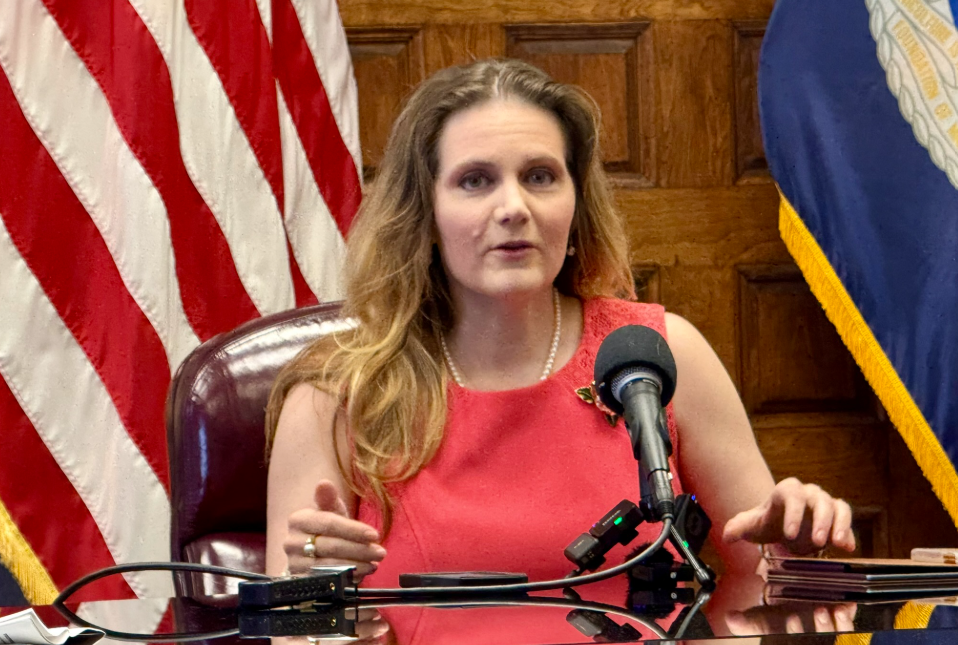
Aubrey Bettencourt, Chief of the Natural Resources Conservation Service (NRCS), shared a forward-looking vision for the agency, emphasizing a renewed commitment to core principles while embracing technological advancements and a "farmer-first" approach. In a recent discussion with NAFB Broadcasters in Washington, DC, Bettencourt highlighted the critical role of communication, local engagement, and voluntary conservation in securing the future of American agriculture.
Bettencourt underscored the enduring value of traditional communication channels, noting, "My dad is still out on the truck and the tractor first thing in the morning, and he listens to farm broadcasts and he catches the reports."
She also acknowledged the natural progression into new mediums, stating, "It's such an easy transition for us into the podcast space, and this content on demand, which is such a natural place for us to go, and how we communicate with our farmers." This adaptability, she believes, allows NRCS to "meet farmers where they are, and, more importantly, meet them where they're going."
Celebrating its 90th year, the NRCS holds a deep-rooted belief in investing in farmers who steward the nation's natural resources. "For 90 years, we've made that investment as a society," Bettencourt remarked. The pivotal question now, she posed, is "what's the next 90 years look like?" This introspection involves examining how the agency would be built today, considering market changes, shifting priorities, and the wealth of modern technology, science, and knowledge, all while "still keeping to our core principles."
These core principles, Bettencourt affirmed, remain the bedrock of NRCS:
A key focus for the future is quantifying the benefits of voluntary conservation. Bettencourt stressed the need to "start putting down on paper what we're trying to achieve, and how we measure success?" This measurement extends beyond mere acres and dollars, aiming to "quantify that benefit and transfer that to the farmer, both in the regulatory space as well as in the marketplace." The goal is to provide farmers with data and ownership of their conservation efforts, allowing them to "take that and use that to their advantage."
To achieve this, NRCS is committed to getting its staff "back in the field where they belong." Bettencourt is resolute in providing the "underlying infrastructure that they need to be back in the field," emphasizing the shift to mobile solutions and streamlining cumbersome processes. This modernization will not only benefit staff but also enable real-time engagement with farmers, allowing for on-site development of conservation plans and immediate feedback.
Acknowledging long-standing issues with staff retention, Bettencourt highlighted the need to invest in the NRCS workforce. "The number one reason anybody leaves a job is they get bored," she observed, emphasizing the importance of "investing in our teams and in our team members to keep them here and keep them moving." Modernized infrastructure, robust training, and streamlined programs are crucial to supporting a "svelte and responsive workforce."
Bettencourt strongly advocates for improved connectivity in rural areas, likening it to "the indoor plumbing of the 21st Century." She envisions a future where NRCS personnel can bring connectivity to the field, enabling seamless data integration and real-time collaboration with farmers. The agency is exploring various technological solutions, including a singular platform that "interacts with our partners" and makes farmers' lives easier by "removing friction in day-to-day practices."
When asked about the potential for "right-sizing" the government, Bettencourt clarified that the agency is focused on optimizing its operations and leveraging existing resources more effectively. She emphasized bringing NRCS "back to our core competencies and our core programs, making sure that those are up to date." While acknowledging that some programs remain oversubscribed, the aim is to maximize the impact of every dollar invested and make the case for future needs based on measurable results.
Ultimately, Chief Bettencourt expressed her encouragement by the dedication within NRCS and the continued relevance of its mission. She sees the current period of change as an opportunity to "propel us forward for another 90 years and beyond," with the steadfast commitment to supporting farmers as partners in conservation.
Alongside annual genetic evaluation updates, the American Angus Association® releases three new maternal EPDs to help characterize functional longevity and udder quality in Angus cattle.

The cow is a cornerstone of any successful ranching operation, and Angus females have proven themselves to be reliable, consistent producers. Their merit is reflected in the population of the U.S. cow herd, which is now more than 80% Angus influenced. Producers have spent years selecting cattle with not only good maternal strengths, but those who exemplify the best of the Angus breed.
"We've always bred for cows," said Mark Nikkel, owner of Mill Brae Ranch since 2018, and herd manager since 1987. "The bulls pay the bills and keep you in business, but there's got to be a cow first."
Now, Nikkel and other Angus producers can be even more confident in selection decisions made in pursuit of maternal merit. The American Angus Association® released three new maternal expected progeny differences (EPDs) on Friday, May 23, alongside annual updates to the genetic evaluation — Functional Longevity (FL), Teat Size (Teat) and Udder Suspension (UDDR).
Developed by Angus Genetics Inc. (AGI®), the EPDs offer consistent characterization of the traits across the entire registered Angus population, which will cut down on the research time Nikkel's wife, Janice, has invested each year to find the right genetics for their herd. The couple began tracking udder quality on the Maple Hill, Kansas operation more than a decade before the Association formalized a scoring guide in 2021.
"The teat size and shape is so important to us as we calve... Age plays into this as well; that's where the longevity piece comes in," Janice explained. "When you have a 3-year-old that shows a decline in udder quality, they're not going to be here very long. Now we've wasted a lot of time and money to produce this high-quality animal to send her down the road, and that makes no sense."
This is a sentiment that Esther Tarpoff, director of performance programs for the Association, hears.
"We're excited to move these EPDs into full production, enabling weekly predictions of the traits," Tarpoff said. "This advancement enhances the ability of Association members and, more importantly, their commercial cow-calf customers to select for cow survivability and lifetime productivity — an area that has been missing from the Angus genetic toolkit until now."
Following a dispersal of the original Mill Brae herd in 2018 and a brief break from raising seedstock, Mark and Janice made the decision to purchase back several foundational females that were still in production at other operations to reestablish their registered Angus operation. They made the commitment, at that time, to enroll in the Association's Inventory Reporting program to earn MaternalPlus® distinction, and submit their historic teat and udder data. The two initiatives gave the Nikkels access to the three research EPDs.
"I used those spreadsheets, and I know they are just research EPDs; but I am so thankful I had access to them," said Janice. "If an individual bull that we were looking at didn't score well in the longevity, teat and udder categories, he went off the list... it takes too long to overcome [challenges with] those types of traits."
The FL EPD aims at improving the cow herd by increasing the number of calves a female can produce over her lifetime. The Inventory Reporting program and the commitment made by enrolled members was crucial to the ability to characterize this trait. As a whole herd reporting system, Inventory Reporting and its second tier, MaternalPlus®, tells a more complete story about a herd and its females. Every year, each female is reported to have a calf, a reason code for not having one or a reason code for culling. This allows for more complete data to be quantified and used to predict the number of calves a female (or daughters of a sire) is expected to produce by six years of age.
"With the use of technology like genomics, we are turning generation intervals faster than ever," said Kelli Retallick-Riley, president of AGI®. "Traits like udder quality or lifetime production records take time to collect; producers will be able to utilize the FL, Teat and UDDR EPDs as risk mitigation tools, especially in today's fast-paced genetic landscape where an A.I. sire may no longer be actively marketed by the time his daughters reach full production."
Along with the release of the three new EPDs, the Maternal Weaned Calf Value ($M) and Combined Value ($C) indexes have been updated to include the new traits. The release of these maternal tools ran alongside annual evaluation updates to the economic assumptions used in the indexes as well as updates to the models for the Heifer Pregnancy (HP) EPD and feed efficiency. Annual genomic score updates, which have typically coincided with the annual update and the release of the 2025 Fall Sire Evaluation Report, will be released on June 27. Producers interested in learning more can find a detailed breakdown of the updates at Angus.org.
— Written by Jessica Hartman, Angus Communications
House Committee on Agriculture Chairman Glenn "GT" Thompson (PA-15) and Senate Committee on Agriculture, Nutrition, and Forestry Chairman John Boozman (R-AR) issued the following statement after the release of the MAHA Commission initial assessment:
"We share President Trump's vision for a healthier nation; however, we are troubled by the initial findings of the MAHA Commission Assessment and their impact on America's farmers and ranchers.
As we engage in this important dialogue, we must move forward in a manner that avoids undermining the very systems that allow American farmers to produce the safest, most abundant, and affordable food in the world. It is imperative that we do not stray from the risk-based and scientific processes set forth by Congress. The Commission's success will center upon course-correcting to prioritize sound science, peer-reviewed research, and the buy-in of the agricultural community.
Through rigorous oversight and responsible policy making, the Agriculture Committees will continue to do our part in maintaining the health and safety of America's food, fiber, and materials produced by the backbone of our great country, American farmers, ranchers, and producers."
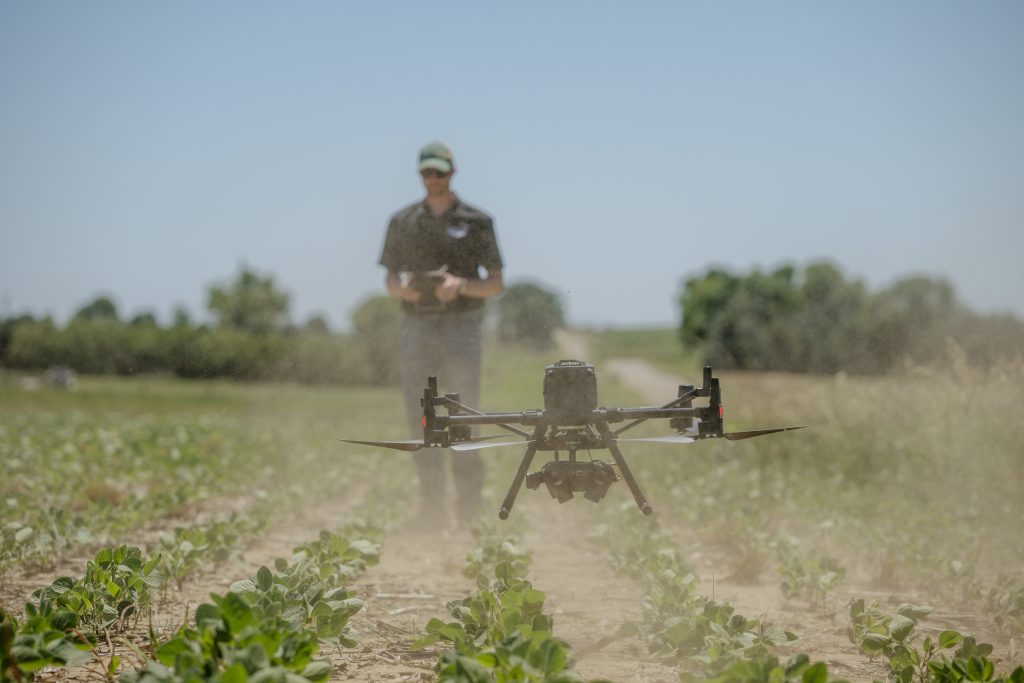
John Deere (NYSE: DE) announced today the acquisition of Sentera, a leading provider of remote imagery solutions for agriculture headquartered in St. Paul, Minnesota. This acquisition will advance the capabilities of John Deere's existing technology offerings, providing farmers and ag service providers with a more comprehensive set of tools to generate and use data to make decisions that improve farm profitability, efficiency, and sustainability.
"We're excited to add Sentera's talented team to our organization and integrate their advanced solutions into the suite of John Deere tools that help farmers do more with less," said Chris Winkler, Director of Digital Software and Solutions at John Deere. "Combining Sentera's imagery capabilities with the John Deere Operations Center™ will enable farmers and trusted advisors to seamlessly gather and integrate agronomic data, understand real-time conditions, and turn data into insights that drive decisions in the field throughout the growing season."
Sentera's industry-leading cameras are compatible with most major drone platforms and enable farmers and crop scouts to quickly and efficiently capture high-resolution data at scale. Their capabilities and FieldAgent software tools help farmers and agronomists assess plant-level health, identify stressors, and take action. In addition, SMARTSCRIPT™ Weeds, a customized herbicide prescription, can be delivered to sprayers with individual nozzle control.
Drones equipped with Sentera technology fly over fields at high speeds and generate high-resolution images. These images are processed with Sentera's FieldAgent application to identify the exact location of specific weeds and generate a weed map. This map becomes a targeted prescription for how much product a farmer needs to load into their sprayer, helping minimize waste. Once the prescription is generated, it can be wirelessly sent to compatible equipment through the John Deere Operations Center.
Weed maps are just one example of actionable data that is enabled with Sentera scouting technology. The same process can be used in a field to assess crop stand uniformity, disease pressure, and pests. Integrating Sentera also supports John Deere's approach to meeting farmers where they are on the technology adoption journey. It offers new precision capabilities to a broad range of customers while also complementing more advanced precision ag technologies, including See & Spray™.
"As a customer of John Deere and Sentera today, the value of this integration is clear," said Nick Einck, Director of Agronomy at Chandler Coop in Chandler, Minnesota. "Sentera's scouting solutions allow us to quickly gather data across more acres and with greater detail, enabling us to customize our approach to each field. Coupled with the John Deere technologies we already leverage today, we can be more efficient and deliver even better outcomes for our customers."
Sentera will continue to supply cameras directly to drone manufacturers for integration into their products, as well as sell to farmers, agronomists, ag retailers, and other users. The John Deere Operations Center will continue to be open for other drone imagery providers for integration, as well, ensuring customers and their trusted advisors continue to have choices on the solutions that work best for their operation.
"John Deere provides us a great outcome and is exactly the right home for Sentera," said Brian Wenngatz, CEO of Sentera. "They are the industry benchmark for innovation in precision agriculture, and they share our belief that the future of access to these technologies is built on trusted relationships, measurable insights, and scalable platforms. Together, we'll be able to support more farmers and help them unlock even more value."
Nolan Craun earned two degrees from the OSU Department of Natural Resource Ecology and Management and is a supervisory realty specialist for the Bureau of Land Management. (Photo provided by Nolan Craun)
A range management education from Oklahoma State University set Nolan Craun on the path to a career at the Bureau of Land Management.
Seven years after earning his bachelor's and master's degrees from the OSU Department of Natural Resource Ecology and Management, Craun is a supervisory realty specialist for the bureau.
"OSU prepped me mentally and academically for everything I need to do," Craun said. "I learned how to apply myself and carry my academics into the professional workplace."
Craun works to responsibly conserve thousands of acres of rangeland under contract with oil companies, local and county municipalities, Native American tribes and government agencies in New Mexico. The role requires an extensive background in range management and a fair amount of people skills, which Craun has picked up throughout his career.
Eager to gain employment with a wife and young child in late 2018, Craun finished his graduate degree and accepted the role of range specialist for the Bureau of Land Management in Farmington, New Mexico. One month into his job, the federal government announced a lapse in funding for the next year and enacted a 45-day furlough for employees.
Far from his home state of Oklahoma with a wife, toddler and second baby on the way, Craun and his family were grateful for the support they received from the Farmington community.
"It was a unique experience in federal service right off the bat, but people there helped take care of us," he said.
When the furlough ended, Craun returned to work and spent the next four years learning and absorbing everything he could about range management, gaining valuable field experience.
"As a range specialist, I had 75 grazing permittees I was assigned across 35 grazing allotments of 300,000 acres of land," he said. "I had to learn with each person what they were trying to accomplish while still meeting the bureau's management goals."
Craun met with grazing permittees to help them determine stocking rates, water needs and forage amounts. He learned how to communicate with people and understand how they think and operate while relying on his OSU foundation and building confidence in his abilities.
"I realized I liked it, but I saw where there were other needs, and I had the potential to fulfill those needs," he said.
In August 2023, Craun transitioned to his current position. Now, instead of identifying grasses, digging soil samples and measuring project plans, he supervises the personnel permitting oil and gas well pads, pipelines, large transmission lines, solar facilities and new county roads.
"Every one of these has to go in the ground somewhere, and our environmental analyses of these projects determine the impact on the land," Craun said. "I have a different perspective than someone with paleontology expertise or a background in recreation or administration. When the land is disturbed by projects, my education allows me to understand how and if it will have a negative effect."
The Carson National Forest, Navajo Indian Reservation, Colorado state line and Interstate 40 border the Farmington Field Office where Craun works. He balances competing land interests between those who use public land, including ranchers, energy developers, the public and Native American tribes.
Craun acknowledges the valuable mentorship he received as an OSU natural resource ecology and management student; Karen Hickman, a professor in the department and director of the environmental science program, was Craun's undergraduate advisor. Laura Goodman, an associate professor and OSU Extension specialist in rangeland ecology, served as his advisor in graduate school.
Craun received a Wentz Research Scholarship in 2014, supporting areas of range research that piqued his interest as a student. Hickman and Goodman recognized Craun's work ethic and motivation to launch a career.
"As an undergraduate, Nolan was one of our best examples of how impactful it can be to engage fully in student organizations and undergraduate research," Hickman said. "His Wentz Research Project was ambitious and required extensive field sampling – he took it on without hesitation. Now, as a professional, he continues to give back by guest lecturing in our courses, translating complex policy into practical knowledge for students."
Craun received the Ferguson College of Agriculture Senior of Distinction award in 2016, and Hickman said he represents the best of OSU as an alumnus.
"Every year in college was something different, and for what a university does, OSU does it exceptionally well," Craun said. "I experienced the benefits of research, Extension and teaching, everything a land-grant university should offer. I wouldn't change a single thing I did at OSU."
OSU Agriculture is dedicated to improving the quality of life of Oklahomans through science-based information and education. It is comprised of the Ferguson College of Agriculture and two state agencies: OSU Ag Research and OSU Extension.
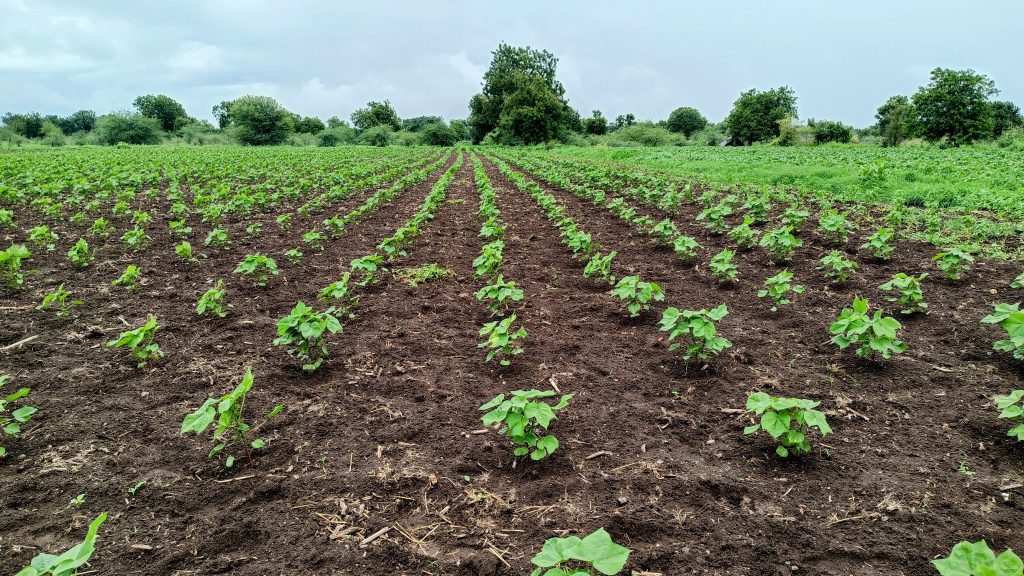
Oklahoma's cotton planting season is in full swing, with irrigated acres nearing completion and producers embracing a resilient outlook despite ongoing challenges. Jenny Dudak, OSU Extension Cotton Specialist, highlights the positive progress and offers key advice for growers navigating the current conditions.
"We are actually in Fort Cobb at the OSU Research Station," Dudak shared, detailing her on-the-ground work. "We're fixing to plant two different small plot research trials and lay out another one to return and plant again on Friday." This hands-on approach underscores the commitment to providing relevant data and support to Oklahoma's cotton industry.
While Kansas reports 48% planted and Texas at 35%, Oklahoma is ahead in irrigated cotton. "I would feel pretty safe to venture that we are above 95% done with irrigated cotton in that area," Dudak stated, referencing observations from the district. She added, "I put in two on-farm trials with a couple of producers, one in Harmon County and one in Jackson County in the district last week, and both of those producers said that they would be done planning irrigated cotton by last weekend. So we're moving right along." Dryland cotton remains the primary focus for remaining planting efforts.
The recent rains have provided a much-needed boost, creating favorable conditions for planting. Dudak emphasized the importance of soil moisture, particularly in areas prone to rapid drying due to wind. "I would just make sure that we're checking our soil moisture and planting. If you can, get into the field and plant where there is moisture before we get into a situation where we have to dust it in and wait for rain," she advised.
Regarding variety selection, Dudak noted the availability of new options on the market. While no single variety is her specific focus, she emphasized that "there are quite a few very good varieties across the companies, depending on which you choose to plant on your own farm." Given Oklahoma's diverse soil types, this flexibility allows producers to select varieties best suited for their specific farm conditions.
Water availability in irrigation districts also appears promising. "I've heard that people are very optimistic about irrigation this year," Dudak reported. However, she cautioned, "Right now, soil moisture is drying up just a little bit. You have to go a little bit deeper than we were planting last week, but there is still moisture in the ground." This suggests that while water is available, careful management remains crucial.
Looking ahead, producers need to be vigilant about early-season insect pests, especially if cooler temperatures cause cotton growth to slow. "Something to kind of keep in mind is early-season insects," Dudak warned. "We should look for thrips and make sure that we're not running into any issues with them."
Despite challenges like losing certain herbicide technologies, cotton producers in Oklahoma remain remarkably optimistic. Dudak recounted a conversation with a producer in Harmon County: "He was saying this is one of the years where you really have to love cotton to plant cotton, and I think Oklahoma has some dedicated cotton producers who love cotton and that it just runs in their blood."
Dudak's schedule remains busy with research trials. "We're going to be back here on Friday, planting another trial at the Fort Cobb Research Station," she said, outlining upcoming work that also includes on-farm trials in areas like Hydro and Ouachita County, and a small plot trial in the Panhandle. These trials are critical for continually evaluating and improving cotton production practices across Oklahoma.
On April 29, 2025, the Environmental Protection Agency ("EPA") released its Insecticide Strategy, the most recent component of EPA's effort to revise how the agency meets its Endangered Species Act ("ESA") responsibilities while taking actions under the Federal Insecticide, Fungicide, and Rodenticide Act ("FIFRA"). Like the final Herbicide Strategy that EPA released last September, the final Insecticide Strategy works to reduce pesticide exposure to protected wildlife by implementing mitigation measures to curb pesticide spray drift and runoff.
EPA first announced its new policy to address pesticide exposure to species protected under the ESA in April 2022. That month, EPA announced a plan to create different strategy documents to address herbicides, insecticides, fungicides, and rodenticides. According to EPA, the new approach was necessary to address what the agency has described as a "decades-old challenge" to satisfy the agency's obligations under both the ESA and FIFRA.
The ESA is the primary federal wildlife protection law in the United States, while FIFRA serves as the nation's primary federal statute regulating pesticide use. Under the ESA, all federal agencies, including EPA, are required to consult with the United States Fish and Wildlife Service ("FWS") to ensure that the actions that federal agencies fund, authorize, or carry out will not "jeopardize" the continued existence of species protected under the ESA. Since the ESA was enacted, EPA has struggled to fully satisfy its consultation responsibilities when carrying out FIFRA actions. As a result, the agency has faced numerous lawsuits filed primarily by environmental groups seeking to compel EPA to complete ESA consultation on FIFRA actions. EPA's new policy is aimed at resolving this on-going challenge.
Under its new approach, EPA has sorted all registered pesticides into broad groups and developed mitigation measures for each group designed to reduce pesticide exposure to protected species that occurs via pesticide spray drift and runoff or erosion. In 2024, EPA issued its draft Insecticide Strategy, outlining the various mitigation measures the agency was considering for insecticides. Following a 60-day public comment period that ran from July to September, EPA has officially released the final Insecticide Strategy.
The final Insecticide Strategy outlines various mitigation measures designed to reduce pesticide exposure to protected invertebrate species by limiting pesticide spray drift and runoff/erosion. As in the draft Insecticide Strategy, the final Insecticide Strategy lays out a three-step framework that EPA will use to determine what additional mitigation measures to include on an insecticide label. Under step 1, EPA will establish the likelihood that a particular insecticide will have population-level impacts to protected wildlife species as either "not likely," "low," "medium," or "high." In general, mitigation will be lower when the potential for population-level impacts is lower and higher when the potential is higher.
During step 2 of the process, EPA will determine which mitigation measures to apply. To reduce spray drift, the Insecticide Strategy relies on buffer zones and application equipment with the size of the buffer zone depending on the insecticide's expected population-level impacts and the method of application. The largest buffer zone identified in the Strategy is a 300 foot buffer for aerial applications. All other buffer zones are identified as 100 feet or less.
To reduce insecticide runoff and erosion, the Insecticide Strategy employs a so-called "menu" of mitigation measures. Each mitigation measure is assigned a point value from 1 to 3 with high efficacy mitigations receiving 3 points, medium efficacy mitigations receiving 2 points and low efficacy mitigations receiving 1 point. Based on the degree of population-level impacts EPA identified during step 1 of the Insecticide Strategy framework, the agency will identify the number of runoff/erosion mitigation points needed to apply a particular insecticide. Insecticides identified as having a low population-level impact will need 3 points, insecticides with a medium impact will need 6 points and insecticides with a high impact will need 9 points.
Additionally, EPA has assigned counties different mitigation points based on how prone the fields in each county are to runoff. Counties with medium runoff potential will receive 2 mitigation points, counties with low runoff potential will receive 3 mitigation points and counties with very low runoff potential will receive 6 mitigation points. An applicator in a county with very low runoff potential applying an insecticide that requires 9 mitigation points will only need to achieve 3 extra mitigation points, while an applicator in a county with a low runoff potential applying the same insecticide would need to achieve 7 extra points.
In response to comments it received on the draft Insecticide Strategy, EPA has said that it is working towards certifying voluntary conservation programs the participation in which would automatically count as 9 mitigation points. Additionally, EPA will grant mitigation points to farmers and applicators who do not participate in a conservation program but use a qualified technical expert to plan insecticide applications.
Finally, during step 3 of the Insecticide Framework, EPA will determine where in the contiguous United States the spray drift and runoff/erosion mitigations will be required. Mitigation measures that are considered necessary across the entire contiguous United States will be included on an insecticide's general label. Those mitigation measures that are only required in certain geographic areas known as Pesticide Use Limitation Areas ("PULAs") will be posted as bulletins on EPA's website Bulletins Live! Two. The insecticide's label will instruct users to check Bulletins Live! Two prior to making an application to determine if there are any relevant PULAs with which the applicator needs to comply.
Most of the mitigation measures identified in the Insecticide Strategy are intended to reduce exposure to protected species that are not located on agricultural fields. However, EPA has identified 4 protected species that can be found on agricultural fields and would require additional in-field mitigation measures. EPA notes that mitigation measures for those species would be both geographically limited and limited to certain times of the year. Any on-field mitigations would be required through PULAs on Bulletins Live! Two.
EPA will begin implementing the Insecticide Strategy as it registers new insecticide products for use and conducts registration review of existing insecticides.
Despite being dubbed the "final" Insecticide Strategy, EPA notes that it will continue to seek engagement on and develop certain aspects of the Strategy such as identifying additional conservation programs that would count as 9 mitigation points and further refining species maps to create more accurate PULAs. Overall, EPA believes that implementing the Insecticide Strategy will result in both more efficient ESA consultations with FWS and insecticide labels better equipped to withstand judicial review.
Article courtesy of Southern Ag Today: Rollins, Brigit. "EPA Publishes Final Insecticide Strategy." Southern Ag Today 5(21.5). May 23, 2025. Permalink
RON's Dave Lanning has a pre-opening look at today's agricultural Markets.
Click the audio tab below for today's report.
RON's Jacquelyn Farris reports from the State Capitol

The Oklahoma Legislature has passed a landmark tax reform measure that reduces the personal income tax and streamlines the state's tax code. The bill now heads to Governor Kevin Stitt's desk for final approval.
According to the provisions of House Bill 2764, beginning in tax year 2026, there will be a reduction of the top marginal personal income tax rate from 4.75% to 4.5% and it restructures the current six income tax brackets into three on taxable income.
In addition to these immediate changes, House Bill 2764 includes a forward-looking trigger mechanism that could phase out the personal income tax entirely, reducing the rate by 0.25% increments when revenue benchmarks are met, as certified by the State Board of Equalization.
The bill also includes strong safeguards: if a revenue failure is declared, any pending reduction is automatically canceled to protect core government services.
Senate President Pro Tempore Lonnie Paxton, R-Tuttle, praised the passage of House Bill 2764 as a smart, responsible step toward long-term tax reform.
"This tax modernization plan represents common-sense changes that help level the playing field for all Oklahomans," Pro Tem Paxton said. "By simplifying our tax code and providing a pathway to lower taxes, we're making our state more competitive and attractive for businesses and families alike. Oklahoma has long been committed to fiscal responsibility, and this legislation allows us to continue that tradition while also creating a long-term vision for phasing out the personal income tax in a sustainable way. The trigger mechanism ensures that tax relief is tied to real revenue growth, not guesswork or gimmicks, and that we protect vital services even as we work to return more money to taxpayers. I appreciate our House colleagues for their work and for the governor's input on this plan."
House Speaker Kyle Hilbert, R-Bristow, called the bill a major win for taxpayers and the future of Oklahoma's economy:
"This legislation is the result of thoughtful collaboration and a shared vision for Oklahoma's future," Speaker Hilbert said. "By reducing the tax burden and streamlining our tax system, we're fostering an environment that encourages growth and prosperity for all citizens. House Bill 2764 is more than just a tax cut. It's a comprehensive plan that rewards economic growth, simplifies the tax process, and puts Oklahoma on a path to long-term competitiveness. We've built in conservative guardrails to ensure these cuts are fiscally responsible, while giving our economy the freedom to grow. I'm proud of the House and Senate for coming together to get this done for the people of Oklahoma."
Breakdown of House Bill 2764
Path to Full Income Tax Repeal – Trigger Framework

This week on SUNUP, OSU Agriculture Economist Dr. John Michael Riley discusses the highs and lows of current grain and cotton markets.
Riley began with a review of last week's WASDE report, and its sneak peek at the upcoming summer crops and a last look at winter crops before harvest.
"With regard to our wheat crop, ending stocks are expected to be 923 million bushels," he said. "That is much higher than what the trade was expecting and flowing with what has been happening in the markets as of late – growing supplies, a lot of it weather driven, some of it export driven, but for the most part, ending stocks for wheat are expected to be higher than trade was expecting. That put some pressure on the market for the day, but for the most part, prices have been fairly steady throughout the month of May."
Cash prices for wheat were $4.50 or more in the eastern part of the state.
Corn ending stocks are expected to be at 1.8 billion bushels, although trade expectations exceeded 2 billion. Soybean ending stocks were 295 million bushels, with trade expectations exceeding 300 million bushels.
"For the most part, a good day for corn and beans," Riley said. "For the most part, prices were higher on the day, still we are looking at a much bigger crop compared to last summer, much of that is due to more corn acres and higher overall yield."
He reported expected corn yield at 181 bushels per acre, and soybeans at 52.5 bushels per acre.
Soybean cash prices were in the mid to high $9 range, and corn ranged between $4.20 to $4.50, depending on location.
He went on to discuss crop basis, so click the listen bar at the top of the page to listen to Dr. Riley's complete commentary.
This week on SUNUP:
Oklahoma Agriculture Starts at SUNUP!
Weekly Statewide Broadcast: Saturday at 7:30 a.m. & Sunday at 6 a.m. on OETA (PBS)
Stream Anytime: YouTube.com/SUNUPtv
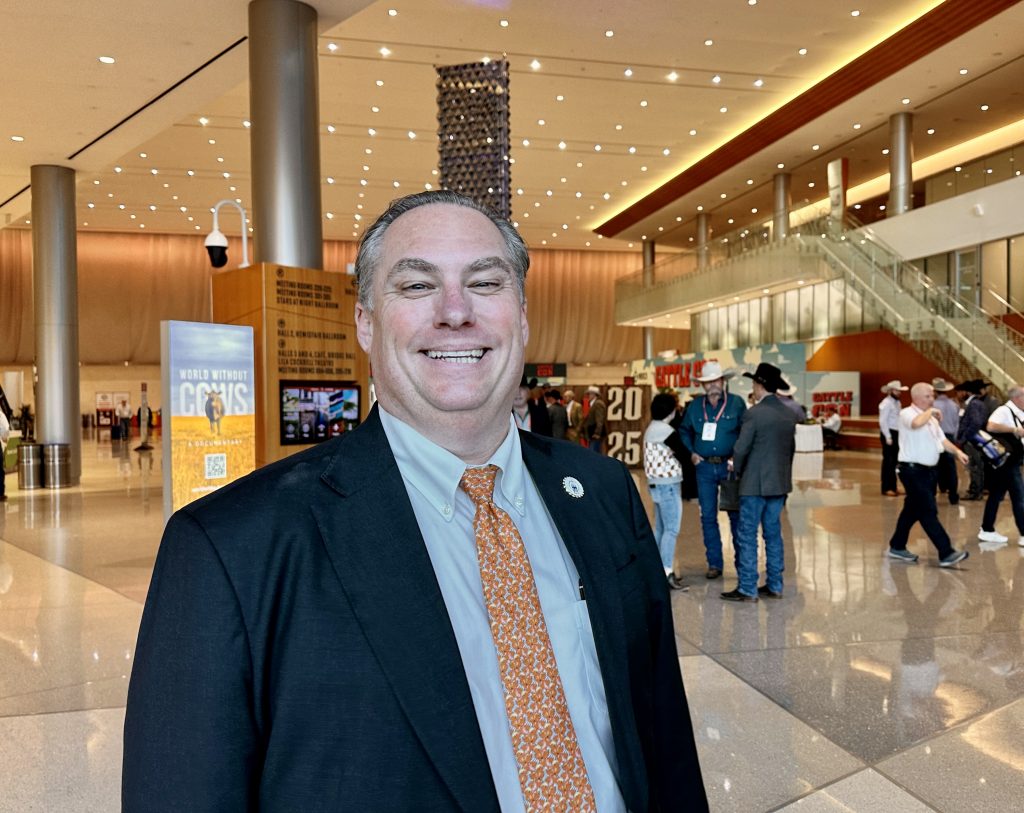
American families, farmers, workers, and small businesses could soon see a massive surge in economic growth, wage gains, and higher incomes if the Big Beautiful Bill eventually becomes the law of the land. President Trump's One, Big, Beautiful Bill passed the U.S. House of Representatives on Thursday, and now heads to the Senate for consideration.
Senior Farm and Ranch Broadcaster, Ron Hays, spoke with Senior Vice President of Government Affairs at the National Cattlemen's Beef Association, Ethan Lane, about provisions in the bill that will aid the cattle industry.
"This was a huge bill for a lot of our priorities, quite frankly, in the larger farm bill that hasn't passed yet," Lane said. "I think that was a lot of G.T. Thompson's goal in his portion of this markup process through this reconciliation bill, to make sure that if this is the only train that leaves the station in this very tightly margined Congress, farmers and ranchers around the country aren't left out in the cold."
The reconciliation bill includes provisions that are crucial to the success of cattle producers and will:
"Additionally, this is a massive win for cattle producers on the tax front," Lane shared.
Should the bill pass the Senate and reach President Trump's desk, it will protect the legacy of family farms and ranches for future generations by:
"This is a big deal for cattle producers around the country, and we're really excited to see just what is going to happen now that this bill has passed the House of Representatives and is going to move over to the Senate, where they will put their mark on this package," he said. The above bullet points were borrowed from an NCBA press release.
Lane touted how important it was to notice that the House of Representatives used regular order to pass the reconciliation bill. "They had all of their committees across the House hold markups – I think Energy and Commerce went to 27 hours. I think they came within thirty minutes shy of the record for the longest markup in history. The committees all did their work, and the budget committee assembled that work into a bill; the rules committee debated it for basically a full day. This process was regular order."
As a result, the bill is imprinted by many members of the House, and Lane gave credit to Mike Johnson and looks forward to seeing what John Thune's leadership in the Senate brings to the table.
"The Senate is described as the world's greatest deliberative body, and I think we are going to see just how deliberative they can be as they receive this bill," Lane stated. "The president has even mentioned in the last 24 hours that he like a lot of their ideas even better than what is in the House bill. I think you can expect to see the same kind of engagement, if needed, from the president and his team. This is a major priority for him. I don't think any of them want to see this thing go to August recess."
With the debt ceiling increase a major part of the bill, Lane reasoned that the Senate will definitely want to come to a resolution before or by August, therefore, he expects them to be very busy in June.
"Speaker Johnson commented last night that he is hopeful that this thing can be wrapped up by the fourth of July," Lane shared. "I think that would be a pretty aggressive timeline for the U.S. Senate, but we will see what they can do."
The Beef Buzz is a regular feature heard on radio stations around the region on the Radio Oklahoma Ag Network and is a regular audio feature found on this website as well. Click on the LISTEN BAR for today's show and check out our archives for older Beef Buzz shows covering the gamut of the beef cattle industry today.
The Presidential Commission to Make America Healthy Again (MAHA) today released a groundbreaking assessment identifying key drivers behind the childhood chronic disease crisis. Coming just 98 days after President Trump signed an Executive Order establishing the MAHA Commission and tasking it with delivering a "Make Our Children Healthy Again Assessment," the report exposes a range of contributing factors—including poor diet, accumulation of environmental toxins, insufficient physical activity, chronic stress, and overmedicalization.
By examining these drivers, the assessment arms MAHA Commission stakeholders and partners with clear evidence that will support the development of effective policy interventions where they can deliver the greatest impact.
"We will end the childhood chronic disease crisis by attacking its root causes head-on—not just managing its symptoms," said U.S. Health and Human Services Secretary Robert F. Kennedy, Jr. "We will follow the truth wherever it leads, uphold rigorous science, and drive bold policies that put the health, development, and future of every child first. I'm grateful to President Trump for his leadership—and for trusting me to lead this fight to root out corruption, restore scientific integrity, and reclaim the health of our children."
"We must do more to improve the health outcomes of our kids and families, and President Trump knows agriculture is at the heart of the solution. America's farmers and ranchers dedicate their lives to the noble cause of feeding their country and the world, and in doing so have created the safest and most abundant and affordable food supply in the world. We are working to make sure our kids and families are consuming the healthiest food we produce," said U.S. Department of Agriculture Secretary Brooke Rollins. "I look forward to continuing to work with Secretary Kennedy and other members of the MAHA Commission to improve our nation's health."
"America's childhood chronic disease crisis will be solved through innovation," said U.S. Environmental Protection Agency Administrator Lee Zeldin. "At EPA, we will do our part to protect human health and the environment while fulfilling all of our statutory obligations to safely regulate chemicals needed for every part of modern life to transport, build, feed, and power the Great American Comeback. This report shows America will continue to be the energy, industrial, and agricultural power of the world—and we can continue this while ensuring we have the healthiest children."
The need for this report is clear:
Next steps will include supporting gold-standard scientific research and developing a comprehensive strategy. The MAHA commission now has 82 days to produce the Make Our Children Healthy Again Strategy, based on the findings from today's assessment.
The National Institutes of Health, the U.S. Food and Drug Administration, and the Centers for Medicare & Medicaid Services will act swiftly to close research gaps and drive decisive action against the escalating childhood chronic disease crisis. From overhauling GRAS oversight to harnessing AI for real-time surveillance and tackling the replication crisis, these agencies are on the front lines. These agencies will lead the charge in ending the childhood chronic disease epidemic to Make America Healthy Again.

To protect the U.S. from a new threat posed by an old foe, the New World Screwworm (NWS), the U.S.-Mexico border was closed on May 11 to cattle, bison, and horses from Mexico. This pest was eradicated from the U.S. in 1966 and eliminated as far south as Panama by 2000. NWS began re-emerging above the biological barrier in Panama in 2022 and has continued moving north through Central America and Mexico. NWS is a serious health and economic threat that could cost the U.S. billions. This Market Intel analyzes the re-emergence of NWS and the danger it poses to animal health, human health and food security.
What is the New World Screwworm?
NWS is a fly endemic to Cuba, Haiti, the Dominican Republic and countries in South America. The pest has spread northward to Costa Rica, Guatemala, Nicaragua, Belize, El Salvador and, more recently, Mexico. The fly lays eggs on a warm-blooded animal, typically on or near a wound. When the eggs hatch, the larva feed on the surrounding flesh as they burrow into the wound, which is how the pest got its name. NWS can infest any warm-blooded animal including livestock, poultry, wildlife, domestic animals, and, though rarely, humans.
NWS is typically endemic to warmer climates. In fact, the larvae cannot survive temperatures below 46 degrees Fahrenheit. However, a cold climate doesn't eliminate the threat. Livestock and wildlife movement can transfer NWS to the northern regions of the country in the summer months where they can find hosts and spread until temperatures cool off during fall and winter. NWS flies are able to travel as far as 12 miles to find suitable hosts. This pest does not discriminate among warm-blooded hosts, and wildlife such as deer, feral hogs, and even birds can quickly spread NWS. If left untreated, NWS infestations can be fatal. Animals can die of trauma, toxicity or other infections within two weeks.
New World Screwworm Treatment
As addressed earlier, NWS was eradicated as far south as Panama by 2000 when a biological barrier was established using the Sterile Insect Technique (SIT). SIT is the release of mass-produced sterile male flies in strategic areas. The male flies mate with the wild females to produce unfertilized eggs. Since the female NWS flies only mate once, the wild population shrinks until the pest is eradicated. The only fly production facility in the world is in Panama.
While SIT is the only tool we have to eradicate NWS, there are options for treatment once NWS is detected. First, screwworm infestations must be reported to state and federal authorities. Treatment for NWS involves killing and removing the larvae from the infested wound. Nitenpyram is highly effective for killing and expelling NWS larvae quickly. Ivermectin has been successful in treating and even preventing NWS infestations. Screwworms can also be killed by dressing an infested wound with an anti-parasitic such as lindane or ronnel. All wounds must be dressed to promote healing and avoid reinfestation.
NWS is extremely difficult to eliminate and there have been some isolated incidents of re-emergence in the U.S. For example, NWS re-emerged in the Florida Keys in 2016. Officials reacted quickly by releasing sterile flies and by 2017 the pest was eradicated again. This is evidence of just how difficult NWS is to control.
When NWS was discovered in the Mexican state of Chiapas in November 2024, primary and secondary thresholds were established as breaking points for fly control. The Panama production facility had enough capacity (about 100 million flies per week) to release sterile flies inside the buffer zone between the primary and secondary threshold and push them back to the biological barrier in Panama.
Since November 2024, there have been over 1,400 detections of NWS in Mexico. On May 11, U.S Agriculture Secretary Brooke Rollins announced suspension of live animal imports from Mexico because NWS had been detected 127 miles outside of the secondary threshold in Oaxaca and Vera Cruz, Mexico. With the break in the secondary threshold, there is no longer enough sterile fly production capacity to keep NWS from moving further north (Figure 1).
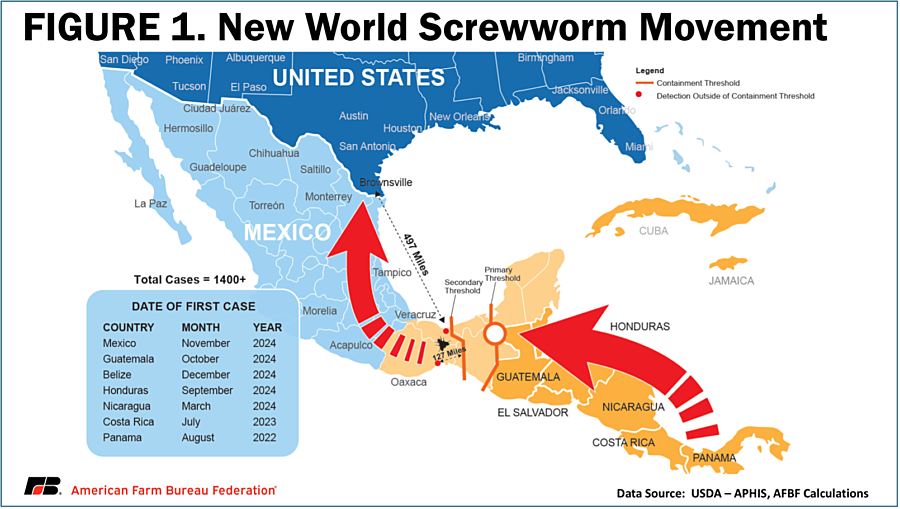
Economic Threat to U.S.
USDA's Economic Research Service (ERS) conducted an impact analysis that used historical data to estimate the impacts of a screwworm outbreak in Texas. Texas is home to 12.5 million head, or about 14% of all U.S. cattle. This is two times more than runners up Nebraska and more 67% more than all other U.S./Mexico border states combined. The study included costs incurred from the isolated 1976 outbreak, adjusted them for inflation, and applied them to today's cattle inventory in Texas (Figure 2.). According to this study, the annual economic cost is estimated to be $1.9 billion. Of note: there were more people working on farms in 1976 than there are now. Managing an outbreak takes considerably more labor to care for and check animals for signs of NWS. This would come at a time when farmers and ranchers are already struggling
to find people to help carry out routine daily tasks.
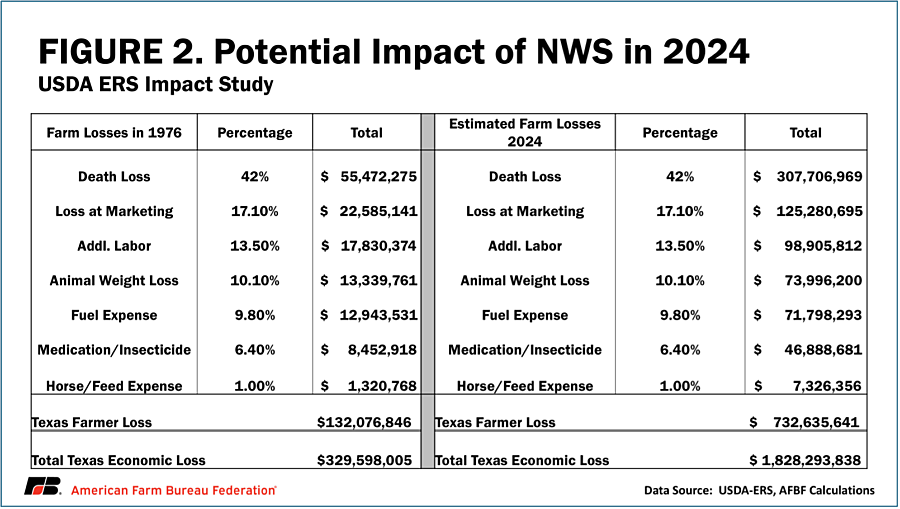
On the farm level, the presence of NWS adds a considerable amount of cost to day-to-day operation, with death of infected cattle the single greatest expense. When an infestation is found on a farm or ranch, a veterinarian must be called, and medication is prescribed and administered. This adds cost for time, labor and treatment. Treated animals often lose weight, which results in a less valuable animal or even a mother cow that is unable to feed her calf. When this happens it takes additional time, labor and supplies to care for both the mother cow and her calf. Many farmers and ranchers inspect and work cattle on horseback, which means more horses are needed, adding to feed costs, not to mention the horses' susceptibility to NWS infestation.
Summary and Conclusions
NWS ranks among the top animal health and food security concerns in 2025. The pest has broken through the containment threshold less than 500 miles from the U.S.-Mexico border and the only weapon to stop it is no longer enough. It takes time to build new facilities that can produce enough flies to fight against this adversary. Even then, SIT is not a quick fix. Reducing the wild NWS population and pushing it back to the biological barrier is a slow process that could take years or even decades. ERS estimated the cost of an outbreak to be $1.9 billion annually for Texas alone. Imagine adding this to the 11 U.S. border states in Figure 1. Time is of the essence.
Written by Bernt Nelson, Economist. Text and images provided by AFBF MarketIntel.
Rep. Jim Grego, R-Wilburton, today praised the governor's signing of a bill that will save taxpayers money on vehicle registration.
House Bill 1183 simplifies how motor vehicle excise tax is determined for vehicle purchases by requiring the tax to be based on the actual sales price of the vehicle. Any consideration to the average retail price of the vehicle is removed from the formula for determining the tax.
"I've been looking for ways to save the taxpayer money without increasing fees somewhere else, and this I believe is a great solution," Grego said. "Requiring Service Oklahoma to base excise tax on the actual sales price of a vehicle rather than using a National Auto Dealers Association value, will result in savings for car buyers when registering their vehicle."
HB1183 eliminates the 20% adjustment above and below the average retail price when determining the taxable value. To allow Service Oklahoma time to adjust for the change, the act will take effect July 1, 2026.
The bill was authored in the Senate by Sen. Avery Frix, R-Muskogee.
Today, the Senate passed three Congressional Review Act (CRA) resolutions disapproving California's vehicle emission waivers that will now move to President Donald J. Trump's desk for signature. Congressional disapproval of California's electric vehicle (EV) mandates is another step toward ending the EV mandate on all Americans. Once President Trump signs these CRA resolutions into law, the U.S. Environmental Protection Agency (EPA) will move expeditiously to administratively remove them from the books.
"We are glad to see that Congress recognized the truth, that EPA's California waivers are rules that would create a negative impact on all Americans by driving up costs while limiting consumer choice, and acted accordingly," said EPA Administrator Lee Zeldin. "This action, once signed by President Trump, not only prevents California from implementing their attempt at EV mandate actions but ensures that they can never do something similar again."
In February, Administrator Zeldin announced alongside President Trump and the newly created National Energy Dominance Council, that the EPA would transmit to Congress three waiver rules granted by the Biden Administration – California's Advanced Clean Cars II, Advanced Clean Trucks, and Heavy-Duty Engine Omnibus NOx.
While framed as emissions regulations, together, these waivers function as electric vehicle mandates that would have raised costs, restricted consumer choice, and strained the electric grid. By passing the CRA resolutions of disapproval, Congress rejected these mandates and reaffirmed the importance of maintaining a consistent national approach to vehicle standards rather than allowing a single state to impose its radical agenda on the rest of the country.
Once President Trump signs these resolutions into law, EPA's swift revocation of these waivers will provide regulatory certainty for manufacturers, consumers, and the entire nation.
Similarly, in March, Administrator Zeldin announced the agency will reconsider the Model Year 2027 and Later Light-Duty and Medium-Duty Vehicles regulation and Greenhouse Gas Emissions Standards for Heavy-Duty Vehicles. In addition to imposing over $700 billion in regulatory and compliance costs, these rules provided the foundation for the Biden-Harris electric vehicle mandate that takes away Americans' ability to choose a safe and affordable car for their family and increases the cost of living on all products that trucks deliver.
The American Feed Industry (AFIA) commends Sen. Roger Marshall, R-Kan., and Sen. Tammy Baldwin, D-Wisc., Jerry Moran, R-Kan., Michael Bennet, D-Colo., Angus King, I-Maine, and Chuck Grassley, R-Iowa, for introducing the Innovative Feed Enhancement and Economic Development (Innovative FEED) Act in the Senate. This bipartisan bill, a companion to H.R. 2203 introduced in the U.S. House on March 18, would create a proper regulatory review process at the Food and Drug Administration for new animal food solutions that would improve animal health and production, food safety and on-farm conservation. Passage of this legislation will help bring these new innovations to the American marketplace in a timely way and help the animal food industry remain competitive with other countries that have already updated their regulatory review systems.
Upon introduction of the bill, AFIA President and CEO Constance Cullman said:
"The animal food industry envisions a healthier world for both people and animals through advanced animal food solutions, but the FDA's outdated review system has not kept up with the pace of innovation. Thanks to Sen. Marshall's continued leadership, Congress now has the ability to pursue a legislative fix that would give the FDA the tools it needs to more appropriately review new animal food ingredients with non-nutritive benefits.
"Last Congress, the Innovative FEED Act enjoyed broad, bipartisan support and the support of over 190 food, agriculture and environmental state and national associations and organizations, yet lacked a legislative pathway for passage. We cannot let politics stand in the way of commonsense legislation that will reform a broken regulatory process that no longer works well to serve modern needs and restricts U.S. animal food innovators' ability to compete globally. We urge Congress to support both H.R. 2203 and Senate bill to keep America competitive in animal nutrition innovation."
The Innovative FEED Act is supported by many organizations across the food and agriculture value chain, including the National Milk Producers Federation, National Council of Farmer Cooperatives, National Grain and Feed Association, National Association of State Departments of Agriculture, National Animal Supplement Council, North American Renderers Association, Meat Institute, U.S. Poultry & Egg Association, Agricultural Retailers Association and American Pet Products Association. Learn more about the bill in AFIA's issue brief.
American Farm Bureau Federation President Zippy Duvall commented today on a White House report issued by the Make America Healthy Again (MAHA) Commission.
"It is deeply troubling for the White House to endorse a report that sows seeds of doubt and fear about our food system and farming practices, then attempts to celebrate farmers and the critical role they play in producing the safest food supply in the world.
"Farmers are identified as 'critical partners,' yet were excluded from development of the report, despite many requests for a seat at the table. The report also expresses a desire to ensure farmers continue to thrive, but undermining confidence in our food system directly contradicts that noble goal. The report spotlights outlier studies and presents unproven theories that feed a false narrative and only then does it acknowledge a mountain of evidence about the safety of our food system.
"We suspect USDA had a prominent role in the report's recognition that farmers are the critical first step in the food system, but as a whole, the report falls short. The American people were promised transparency yet presented with a report developed in secret.
"As a farmer myself, I can confidently say that farmers and ranchers share the goal of improving health outcomes in America. They're dedicated to continuous improvement, guided by sound science and technological advances.
"We are carefully examining the nearly 70 pages of contradictory assertions and look forward to further discussions with administration officials. President Trump has voiced his trust in farmers many times and we urge him to ensure a transparent process going forward with farmers at the table and sound science – not emotionally charged rhetoric – guiding the conversation."
The National Sorghum Producers
(NSP) acknowledges the realities of America's health challenges and appreciates the report's recognition that farmers will be an integral part of solving that issue. Sorghum is a nutrient-dense, U.S.-grown grain that is part of improving American diets. However, NSP is concerned about the implications regarding crop protection tools, including some of the most studied products in the world.
"As a farmer raising my kids on the land we work every day, I support MAHA's efforts to build healthier futures for our children," said NSP Chair Amy France, a farmer from Scott City, Kan. "That's why we rely on crop protection tools that have undergone extensive scientific study and are used responsibly to protect both our farms and our families. It's disappointing that the report casts doubt on these products despite clear scientific proof of their safety."
"The White House's endorsement of a report that undermines confidence in the EPA and USDA regulatory system is deeply concerning," said NSP Past Chair Craig Meeker, a farmer from Wellington, Kan. "This kind of messaging drives fear, not facts and it plays right into the hands of trial lawyers looking to profit. It risks driving up food costs and taking away safe, effective tools that have been rigorously reviewed by both Republican and Democratic administrations for more than 50 years. We urge President Trump to include farmers in future discussions."
NSP encourages the Commission, as it continues in its work, to focus on sound and repeatable scientific data and studies to drive its actions and stands ready to support them in this endeavor.
National Pork Producers Council
"U.S. pork producers are proud to provide a safe and nutrient-dense protein for all Americans, and we support honest efforts to continuously improve our nation's health and prosperity. Like others in farming and agriculture, we agree that nutritious, healthy, safe, and affordable protein from meat should be widely accessible so everyone can achieve the basic needs of a balanced diet. Filling our nation's protein gap is critical, especially for those focused on food insecurity and improving the health of our nation.
"Efforts that not only exclude agriculture's input, but also undermine the work of farmers serving our nation, are misguided and detrimental to all who care about facts and truth. Inflammatory rhetoric and distortions, meant to galvanize attention to achieve particular ideological outcomes, are harmful and undermine the world-class safety and reliability of the American food system. We urge extreme caution and recognize this as a moment for leadership that not only fosters and maintains trust in the foods we consume but also defends farmers against unwarranted and unfounded attacks.
"Our current system of producing food at scale for a vast and growing nation has unleashed prosperity and opportunity from coast to coast, and it is built on the strength of the shrinking number of us who continue to farm. Right now, it is vital for policy makers, members of Congress, and executive branch officials to ensure that America's food security – and farm families like mine – remain strong, vibrant, and lasting.
"We urge President Trump to support America's farmers, who use modern practices to feed 98% of the population. We implore this administration to ensure farmers have a seat at the table when discussions and decisions impacting our livelihoods are made. On behalf of my fellow 60,000+ pork producers and our commitment to continuous improvement, we stand ready and willing to assist and partner in transparent, risk-based research to further the health of our nation."
National Cotton Council
"Cotton producers have made significant strides in conscientious pesticide usage," said cotton producer and NCC Chairman, Patrick Johnson. "Crop protection tools such as glyphosate are vital for the continued sustainability of family farms here in the U.S."
Regarding the report's comments on microplastics, Johnson added "Cotton growers produce a natural fiber that is a healthy alternative to synthetic microfibers such as polyester. It is unfortunate that the Commission focused more on products that are known to be safe rather than on hazards such as microplastics, shed from synthetic clothing, that our children breathe. We urge U.S. agencies to continue to allow sound science to guide future policy decisions, and America's cotton industry needs a seat at the table in this effort going forward."
CropLife America (CLA), the leading organization representing the U.S. pesticide industry, stands firmly behind the responsible use of pesticides as a critical tool for the farmers who grow healthy, affordable, and abundant food for Americans. CLA expressed confidence in the current pesticide regulatory framework to help ensure the safety of America's food.
"Pesticides are thoroughly studied and highly regulated for safety," said Alexandra Dunn, president and CEO of CLA. "While the Make America Healthy Again (MAHA) Report recognizes the U.S. Environmental Protection Agency's (EPA) robust and science-based decision-making, it unfairly casts doubt on the integrity of the federal review process."
"This report will stir unjustified fear and confusion among American consumers who live in the country with the safest and most abundant food supply," said Dunn. "We commend champions of agriculture in this administration and in Congress that have heard the voice of farmers."
Without access to EPA-approved pesticides, significant crop losses would threaten the livelihood of family farms and lead to higher grocery prices and fewer healthy food options for families – the very opposite of what the MAHA Commission seeks to achieve.
Dr. Manojit Basu, vice president of science policy and regulatory affairs at CLA said, "Pesticides undergo more than a decade of rigorous testing and review before being approved for use by the U.S. EPA. This science-based process considers potential risk to humans, animals, and the environment, and ensures that pesticides can be safely applied when used as directed."
Members of Congress and more than 300 farmer and agriculture organizations have engaged with the Commission to advocate for the preservation of science-based systems and credible data in their evaluations of products and practices essential to food and agriculture – including pesticides.
Individuals who want to share their perspectives with the Trump Administration and Congress can submit a letter here: https://www.farmervoicesmatter.org.
Established in 1933, CropLife America (www.croplifeamerica.org) is the leading national trade association representing the pesticide industry. Our members drive innovation and sustainability by discovering, producing, selling, and distributing the essential pesticide products that empower American farmers to grow the world's food. CLA can be found on LinkedIn and X (formerly Twitter) at @CropLifeAmerica.
National Farmers Union (NFU) President Rob Larew released the following statement today upon the release of the Make America Healthy Again Commission Report:
"NFU appreciates the attention the White House brings to the health and well-being of America's children. We agree that addressing chronic disease, nutrition and environmental exposures must be grounded in sound science, transparency and a commitment to public health.
"Farmers and ranchers live, work and raise their families on the same land where they grow the safe, nutritious food that feeds our nation and the world. Policy solutions must ensure family farmers retain the tools they need to support their livelihoods and the well-being of their communities. Innovation has long been a cornerstone of American agriculture, and we must be cautious not to stymie progress with one-size-fits-all restrictions.
"The report rightly highlights the threat of corporate consolidation in our food and agriculture system. As small and mid-sized farmers are pushed out, diversity in farming, local food systems and rural economies decline. Improving health outcomes must go hand-in-hand with restoring fairness and competition. We stand ready to work with the administration on meaningful solutions to this long-standing issue.
"Farmers are key partners in building a healthier food system. But meaningful progress requires that farmers have a seat at the table. Disregarding the expertise of respected regulatory bodies and leaving farmers out of the conversation undermines public trust and puts the future of American agriculture and rural economies at risk. We urge the administration to include the voices of family farmers and ranchers as they continue this work and to ensure that solutions are rooted in sound science, fairness and transparency."
-"The National Council of Farmer Cooperatives acknowledges today's MAHA Commission assessment of how to ensure health among American children.
"We have serious concerns over the assessment's allegations about pesticides. The report includes statements that do not reflect the wealth of evidence developed over decades by federal agencies such as the EPA and USDA on the safety of crop inputs and food production methods. These institutions have consistently reaffirmed the safety and efficacy of the systems that help feed our country and the world.
"We note that the report acknowledges in many areas the vital role that farmers, ranchers, cooperatives, and agribusinesses play in ensuring a safe, nutritious, and affordable food supply. In particular, we appreciate the focus on the importance of fruits and vegetables and dairy products as nutritious foods that promote good health. As the commission continues its work, however, we urge them to recognize that many forms of fruit and vegetables, including frozen, dried, and canned, confer the same benefits.
"As this process moves forward, we hope future discussions will be more transparent, balanced, and inclusive of the full scope of facts and perspectives that define American agriculture."
Today, the Make America Healthy Again (MAHA) Commission released its much-anticipated Making Our Children Healthy Again Report. The contents of this report have the potential to significantly impact America's farmers, producers and ranchers, and the public's trust in our food system. However, it is important to note that the EPA is still the agency in charge of regulating pesticides and while the assertions made in this report do have an impact, the recommendations made in this report are not legally binding. In response, the National Association of Wheat Growers (NAWG) President Pat Clements issued the following statement.
"NAWG is deeply concerned with the content and implications of the MAHA Commission's report. Throughout the process, NAWG and other agricultural stakeholders have worked in good faith to provide the commission with accurate, science-based information about modern food production practices in the United States. Wheat growers are proud stewards of the land and are committed to producing safe, healthy food for families here at home and around the world. Unfortunately, the report contains misleading claims that could undermine public trust in our nation's food system."
"We urge the Trump administration to ensure that the MAHA Commission's future work is guided by sound science and peer-reviewed research. American consumers deserve facts—not fear—when it comes to how their food is grown and produced."
Read the full Making Our Children Healthy Again Report here.
NAWG MAHA Commission Background
On March 7, 2025, NAWG joined over 300 agriculture stakeholders in sending a letter to USDA Secretary Brooke Rollins, EPA Administrator Lee Zeldin, and HHS Secretary Robert F. Kennedy Jr. urging them to ensure that the MAHA Commission's reports uphold and strengthen the robust science- and risk-based regulatory frameworks that currently govern crop protection tools. Additionally, on April 11, 2025, 79 members of Congress weighed in and sent a letter to USDA Secretary Brooke Rollins, EPA Administrator Lee Zeldin, and HHS Secretary Robert F. Kennedy Jr., urging their support for a Congressional initiative led by Sen. Pete Ricketts (R-NE), Sen. Deb Fischer (R-NE), Rep. Mark Alford (R-MO-4), and Rep. Randy Feenstra (R-IA-4). The letter emphasizes the need for sound science and risk-based analysis to guide crop protection decisions within USDA, HHS, and the EPA.
The Make America Healthy Again Commission today released its long-awaited report, which denigrates the safety of key pesticides used by corn growers and other farmers. In response, the National Corn Growers Association released the following statement:
"The Make America Healthy Again Report is filled with fear-based rather than science-based information about pesticides. We are deeply troubled that claims of this magnitude are being made without any scientific basis or regard for a long history of EPA expert evaluations of these products.
"Decades of extensive research and testing show that pesticides, including atrazine and glyphosate, can be applied safely for their intended uses. If the administration's goal is to bring more efficiency to government, then why is the secretary of Health and Human Services duplicating efforts by raising questions about pesticides that have been answered repeatedly through research and reviews by federal regulatory bodies?
"We call on the administration to respect the existing body of science on pesticides and, moving forward, to include America's farmers in discussion as this process evolves."
The American Soybean Association strongly rebukes the May 22 Make America Healthy Again Commission report for being brazenly unscientific and damaging to consumer confidence in America's safe, reliable food system. Should the administration act on the report—which was drafted entirely behind closed doors— it will harm U.S. farmers, increase food costs for consumers, and worsen health outcomes for all Americans. ASA calls on President Trump, who has long been a friend of farmers, to step in and correct the Commission's deeply misguided report.
Farmers represented by ASA are disturbed the MAHA report contains recommendations that are not at all grounded in science and seem to advance the agenda of food elitists and activist groups that have long sought to undermine U.S. agriculture. These developments are even more troubling after Health and Human Services Secretary Robert F. Kennedy, Jr. falsely assured members of Congress earlier in the week of the report's release that, "there is not a single word in [the report] that should worry the American farmer."
ASA Director Alan Meadows grows soybeans in Halls, Tennessee. As ASA's Regulatory Committee Chairman, he understands explicitly the implications of the MAHA report and spoke to the deep concerns of he and ASA's full farmer board: "Both farmers and members of Congress tried to warn the administration that activist groups were trying to hijack the MAHA Commission to advance their longstanding goal of harming U.S. farmers. Reading this report, it appears that is exactly what has happened."
MAHA's misleading report suggests glyphosate, atrazine and other pesticides essential to farmers are potential contributors to health ailments.
"Activist organizations and trial lawyers are already engaged in baseless lawfare on pesticides. By bizarrely, without reason singling out two specific pesticides, the administration has offered activists a gift on a silver platter. Those groups will be poised to use the report to advance litigation aimed at taking away these tools American farmers use safely and effectively to produce our food," Meadows said. "It is sad—and downright unjust—that, because of this one unfounded report, those decisions likely will be made by a judge and the court of public opinion instead of the regulatory system created for these very decisions and based on years and reams of credible science and research."
In addition to repeated safety findings from the U.S. Environmental Protection Agency, ASA notes that glyphosate was recently re-approved by the European Union for 10 years after finding it safe. These findings follow similar conclusions from regulators in Canada, Japan, the UK, Australia, South Korea, and elsewhere.
Concerningly, this report may also undermine national security. If domestic manufacturers exit the market due to increased and unfounded liability created by the report, the U.S. will be almost entirely reliant on China—which currently produces more than 80% of the world's glyphosate—for continued supplies of this essential agricultural tool.
ASA is also disturbed the report implies seed oils are contributors to reduced human health. Significant research conducted over decades shows that plant-based oils are low in saturated fats and can improve health outcomes. For example, a March 2025 study from the Journal of the American Medical Association found after following more than 220,000 individuals for more than 30 years that frequent consumption of plant-based oils led to a 16% reduction in cancer, cardiovascular disease, and other ailments when compared to alternatives high in saturated fat.
"This is truly a case of saying up is down and down is up," Meadows said. "We're discouraging people from consuming heart-healthy oils and driving them to instead use fats that will make them less healthy and cost them more in the process. This is the exact opposite of what our government should be doing."
A third-party economic study released in April and conducted on behalf of ASA and the United Soybean Board found that removing seed oils from the food supply could increase consumer costs for edible fats and oils by as much as 42%.
The Executive Order creating the MAHA Commission directs that a second report be issued within 80 days of this report, providing policy recommendations based on the findings of the first report.
U.S. soybean farmers call on President Trump to intervene and correct the glaring misinformation and anti-farmer findings in this first report. Further, farmers implore the president to create a process for public input for any follow-up reports to ensure activists cannot again use a closed-door process to harm American farmers and consumers.
The Agricultural Retailers Association (ARA) expresses deep concerns regarding comments on pesticide safety in the Make America Healthy Again (MAHA) Report, which was released today. While the importance of evaluating agricultural practices is undeniable, the report's conclusions contradict longstanding scientific research and fail to acknowledge the critical role pesticides play in ensuring food security and public health.
Pesticides are among the most heavily regulated tools in agriculture, supported by decades of rigorous scientific oversight. The Federal Insecticide, Fungicide, and Rodenticide Act (FIFRA) of 1947, along with its major update through the Food Quality Protection Act (FQPA) in 1996, introduced stringent regulations, particularly emphasizing the safety of infants and children.
Further, under the Environmental Protection Agency (EPA), every pesticide undergoes extensive testing for human and environmental safety, with public and scientific scrutiny at every stage. The EPA continuously reevaluates and updates product labels as new data becomes available. As reported by EPA, "Pesticides are used to control various pests and disease carriers, such as mosquitoes, ticks, rats, and mice. Pesticides are used in agriculture to control weeds, insect infestations, and diseases."
Hidden in the report is a call for consideration of "actions that further regulate or restrict crop protection tools beyond risk-based and scientific processes set forth by Congress." In other words, the MAHA Report calls for the United States to abandon its gold standard regulatory system and instead embrace a hazard-based precautionary system that includes non-scientific factors, such as that in the European Union.
In short, the pesticide testing that the report calls for has already been done by regulators in the United States, Europe, Australia, and around the world. None of them has found a causal carcinogenic link.
The Food and Agricultural Organization (FAO) of the United Nations highlights the significant threat pests pose to global agriculture, with annual crop losses ranging between 20 percent and 40 percent. "Without pesticides, farmers will struggle to control invasive insects and plant diseases, particularly those affecting perishable crops like fruits and vegetables," says ARA CEO Daren Coppock. "This would result in reduced food availability, diminished quality, increased consumer costs, and heightened food safety risks."
ARA maintains that the MAHA report's recommendations would undermine—not enhance—America's health and well-being. If implemented, these measures will lead to higher food costs, reduced availability, stifled innovation in agriculture, and disproportionate harm to families with limited financial resources. President Trump has repeatedly said that he has the farmers' backs; now is his time to back that up by reining in the anti-science drivel in this report.
Pesticides are among the most heavily regulated tools in agriculture, supported by decades of rigorous scientific oversight. The Federal Insecticide, Fungicide, and Rodenticide Act (FIFRA) of 1947, along with its major update through the Food Quality Protection Act (FQPA) in 1996, introduced stringent regulations, particularly emphasizing the safety of infants and children.
Further, under the Environmental Protection Agency (EPA), every pesticide undergoes extensive testing for human and environmental safety, with public and scientific scrutiny at every stage. The EPA continuously reevaluates and updates product labels as new data becomes available. As reported by EPA, "Pesticides are used to control various pests and disease carriers, such as mosquitoes, ticks, rats, and mice. Pesticides are used in agriculture to control weeds, insect infestations, and diseases."
Hidden in the report is a call for consideration of "actions that further regulate or restrict crop protection tools beyond risk-based and scientific processes set forth by Congress." In other words, the MAHA Report calls for the United States to abandon its gold standard regulatory system and instead embrace a hazard-based precautionary system that includes non-scientific factors, such as that in the European Union.
In short, the pesticide testing that the report calls for has already been done by regulators in the United States, Europe, Australia, and around the world. None of them has found a causal carcinogenic link.
The Food and Agricultural Organization (FAO) of the United Nations highlights the significant threat pests pose to global agriculture, with annual crop losses ranging between 20 percent and 40 percent. " Without pesticides, farmers will struggle to control invasive insects and plant diseases, particularly those affecting perishable crops like fruits and vegetables," says ARA CEO Daren Coppock. "This would result in reduced food availability, diminished quality, increased consumer costs, and heightened food safety risks."
ARA maintains that the MAHA report's recommendations would undermine—not enhance—America's health and well-being. If implemented, these measures will lead to higher food costs, reduced availability, stifled innovation in agriculture, and disproportionate harm to families with limited financial resources. President Trump has repeatedly said that he has the farmers' backs; now is his time to back that up by reining in the anti-science drivel in this report.
Today, the Make America Healthy Again (MAHA) Commission released its Making Our Children Healthy Again report, praising farmers for their essential role in the food system while casting doubt on the safety of crop protection tools that sorghum producers and other growers rely on.
The National Sorghum Producers (NSP) acknowledges the realities of America's health challenges and appreciates the report's recognition that farmers will be an integral part of solving that issue. Sorghum is a nutrient-dense, U.S.-grown grain that is part of improving American diets. However, NSP is concerned about the implications regarding crop protection tools, including some of the most studied products in the world.
"As a farmer raising my kids on the land we work every day, I support MAHA's efforts to build healthier futures for our children," said NSP Chair Amy France, a farmer from Scott City, Kan. "That's why we rely on crop protection tools that have undergone extensive scientific study and are used responsibly to protect both our farms and our families. It's disappointing that the report casts doubt on these products despite clear scientific proof of their safety."
"The White House's endorsement of a report that undermines confidence in the EPA and USDA regulatory system is deeply concerning," said NSP Past Chair Craig Meeker, a farmer from Wellington, Kan. "This kind of messaging drives fear, not facts and it plays right into the hands of trial lawyers looking to profit. It risks driving up food costs and taking away safe, effective tools that have been rigorously reviewed by both Republican and Democratic administrations for more than 50 years. We urge President Trump to include farmers in future discussions."
NSP encourages the Commission, as it continues in its work, to focus on sound and repeatable scientific data and studies to drive its actions and stands ready to support them in this endeavor.
National Pork Producers Council (NPPC) President Duane Stateler, a pork producer from McComb, Ohio, released the following statement on the 'Make American Healthy Again' (MAHA) Commission report.
"U.S. pork producers are proud to provide a safe and nutrient-dense protein for all Americans, and we support honest efforts to continuously improve our nation's health and prosperity. Like others in farming and agriculture, we agree that nutritious, healthy, safe, and affordable protein from meat should be widely accessible so everyone can achieve the basic needs of a balanced diet. Filling our nation's protein gap is critical, especially for those focused on food insecurity and improving the health of our nation.
"Efforts that not only exclude agriculture's input, but also undermine the work of farmers serving our nation, are misguided and detrimental to all who care about facts and truth. Inflammatory rhetoric and distortions, meant to galvanize attention to achieve particular ideological outcomes, are harmful and undermine the world-class safety and reliability of the American food system. We urge extreme caution and recognize this as a moment for leadership that not only fosters and maintains trust in the foods we consume but also defends farmers against unwarranted and unfounded attacks.
"Our current system of producing food at scale for a vast and growing nation has unleashed prosperity and opportunity from coast to coast, and it is built on the strength of the shrinking number of us who continue to farm. Right now, it is vital for policy makers, members of Congress, and executive branch officials to ensure that America's food security – and farm families like mine – remain strong, vibrant, and lasting.
"We urge President Trump to support America's farmers, who use modern practices to feed 98% of the population. We implore this administration to ensure farmers have a seat at the table when discussions and decisions impacting our livelihoods are made. On behalf of my fellow 60,000+ pork producers and our commitment to continuous improvement, we stand ready and willing to assist and partner in transparent, risk-based research to further the health of our nation."

The trade outlook for grains and oilseeds remains clouded by ongoing trade policy uncertainty. On April 2, President Trump announced new "reciprocal" tariffs on imports from virtually every country except on products that fall under the U.S.-Canada-Mexico Trade Agreement. The reciprocal tariffs were later paused for 90 days and replaced with a 10% across the board rate on all countries except for China, the tariff on which is now 30% after it rose to 145% after a tit-for-tat tariff escalation. China currently has its own 15% import tariff on U.S. corn and wheat, and a 10% tariff on U.S. soybeans and sorghum. Since the tariffs were announced, China accelerated its purchases of soybeans from Brazil, suspended soybean shipments from three U.S. companies, and signed letters of intent with Argentine exporters to purchase soybeans, corn, and vegetable oil.
Further headwinds of trade uncertainty unfortunately are far from over. It is unclear what will happen when the tariff pause ends on July 9. Only one trade agreement has been reached, with the United Kingdom, and the administration has hinted that it may announce a different set of tariffs given the lack of manpower to negotiate individual trade agreements with all countries.
The impact of the combined trade uncertainty has been most noticeable on new-crop (2025/26 marketing year) corn and soybean sales. Grain elevators and merchandisers typically book grain sales out several months, but today have seen reduced sales for the upcoming marketing year with most business moving to the spot market. While sales of corn, soybeans and wheat in the 2024/25 marketing year are ahead of last year's pace, corn and soybean new-crop sales are well below historical averages. U.S. new-crop soybean export sales totaling 518,100 tons as of May 1 were 88.2% under their historical five-year average and the lowest on that date since 2001. Corn sales of 2.2 MMT were 26.9% under their historical five-year average. All-wheat sales of 2.6 MMT were slightly ahead of their five-year average.

China has been conspicuously absent with no sales on the books for U.S. soybeans, corn or wheat. By May 1, China has normally booked on average over 2 MMT of soybeans from the U.S., 1.6 MMT of corn and token amounts of wheat.
Japan and Mexico are the only other notable trade partners for U.S. grains and oilseeds but are also lagging behind historical purchase paces. Mexico's bookings for new-crop U.S. soybeans are substantially below normal for this time of year. Corn new-crop sales to Japan and Latin America are notably below average, and wheat sales into major markets like the Philippines and South Korea lag historical levels.
Masking the drop in new-crop sales has been strong old-crop sales and domestic usage that has supported local basis. Total U.S. corn export commitments (shipments and outstanding sales combined) for the 2024/25 marketing year are up 27% YoY, soybean commitments are up 13% YoY, and all wheat sales are up 14% YoY. Processor margins for soybean crushers and ethanol producers have been positive while feeding margins from livestock and poultry feeders are strong, which have simultaneously supported domestic demand.

While basis for corn, soybeans and wheat is relatively strong now, new-crop basis risks weakening substantially if new-crop sales remain lethargic – particularly for soybeans in the northern Plains and northern Midwest with high exposure to the Chinese export market.
Elevators and grain merchandisers may potentially benefit from falling rail rates that provide an opportunity for captive bushels to move east, while a weakening U.S. dollar may attract new export demand and help U.S. grains and oilseeds to backfill into smaller markets outside of China. Ongoing drought conditions in northeast China may also force China to import more grains and oilseeds from the U.S.
Tariff uncertainty with key trading partners, particularly China, has pulled new-crop sales well below historical averages. While trade negotiations between the U.S. and China and numerous other countries have been announced, the lack of clarity on trade policy will continue to be a drag on U.S. new-crop grain and oilseed sales. After the 90-day pauses are over in July, the U.S. could return to raising tariffs on countries that haven't struck trade deals with the U.S., risking a return to retaliatory tariffs or restrictions on U.S. ag exports.
The ongoing trade uncertainty risks widening the basis for new-crop bids, especially in regions highly exposed to the export market. Not all grain elevators and merchandisers are impacted, though, by trade uncertainty. Those benefiting from strong local demand from ethanol plants, soybean crushers, flour mills and livestock and poultry operators will be shielded from the loss of export business. Those with high exposure to China, though, should closely evaluate new-crop trade risks and appropriately bid a margin into new-crop basis. The longer the uncertainty continues to drag on sales of new-crop exports, export-dependent grain elevators and merchandisers risk entering the 2025/26 marketing year with greater reliance on local demand, which may be scarce in some regions. A steep widening of new-crop basis will be the likely result.
Written by Tanner Ehmke and Emmie Noyes for CoBank.
Today, U.S. Environmental Protection Agency (EPA) Administrator Lee Zeldin released the following statement on the Make America Healthy Again (MAHA) Commission report:
"America's childhood chronic disease crisis will be solved through innovation. At EPA, we will do our part to protect human health and the environment while fulfilling all of our statutory obligations to safely regulate chemicals needed for every part of modern life to transport, build, feed, and power the Great American Comeback. This report shows America will continue to be the energy, industrial, and agricultural power of the world – and we can continue this while ensuring we have the healthiest children."
While the MAHA Commission is chaired by the U.S. Department of Health and Human Services, it also includes EPA, U.S. Department of Agriculture, U.S. Department of Housing and Urban Development, U.S. Department of Education, U.S. Department of Veterans Affairs, Office of Management and Budget, U.S. Food and Drug Administration, U.S. Centers for Disease Control and Prevention, National Institutes of Health, and additional members of the Trump Administration.
| ||||||||||||||||||||||||||||||||||||||||||||||||||||||||||||||||||||||||||||||||||||||||||||||||||||||||||||||||||||||||||||||||||||||||||||||||||||||||||||||||||||||||||||||||||||||||||||||||||||||||||||||||||||||||||
| ||||||||||||||||||||||||||||||||||||||||||||||||||||||||||||||||||||||||||||||||||||||||||||||||||||||||||||||||||||||||||||||||||||||||||||||||||||||||||||||||||||||||||||||||||||||||||||||||||||||||||||||||||||||||||
|
U.S. Secretary of Agriculture Brooke L. Rollins today joined President Donald J. Trump in releasing the Make America Healthy Again (MAHA) Commission Report at the White House. The report is a call to evaluate the many reasons American families, particularly children, face high rates of chronic health issues, and it encourages additional research and education on diet, environmental exposures, lack of physical activity, and overmedicalization.
"We must do more to improve the health outcomes of our kids and families, and President Trump knows agriculture is at the heart of the solution. America's farmers and ranchers dedicate their lives to the noble cause of feeding their country and the world, and in doing so have created the safest and most abundant and affordable food supply in the world. We are working to make sure our kids and families are consuming the healthiest food we produce," said Secretary Rollins. "I look forward to continuing to work with Secretary Kennedy and other members of the MAHA Commission to improve our nation's health."
At the direction of President Trump, USDA is ensuring programs work harder to encourage healthy eating and improved lifestyle habits. Secretary Rollins has called on all governors to submit Supplemental Nutrition Assistance Program (SNAP) waivers to empower states to help their communities meet those same goals. This week, Secretary Rollins signed the first-ever waiver to remove soda and energy drinks from Nebraska's SNAP program.
In the last few weeks, Secretary Rollins has worked with America's dairy producers to voluntarily remove artificial colors from products sold to K-12 schools for the National School Lunch and Breakfast Programs beginning during the 2026-2027 school year. Tyson Foods also committed to voluntarily removing petroleum food dyes from their products by the end of this month.
Secretary Rollins and Health and Human Services Secretary Robert F. Kennedy Jr. are actively working together in crafting sensical Dietary Guidelines for Americans (DGAs), which are set to be released soon. The agencies are working to ensure federal nutrition advice is sound, simple, and clear. The guidelines will prioritize whole, healthy, and nutritious foods such as dairy, fruits, vegetables, and meats, and suggest limitations of foods high in sugar and salt.
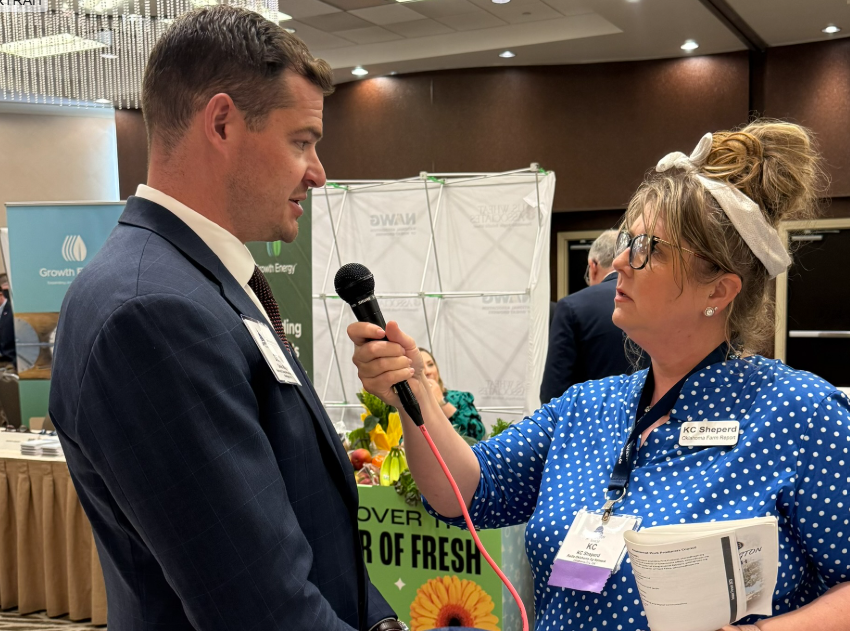
Farm Director KC Sheperd recently connected with Devin Mogler, President and CEO of the National Oilseed Processors Association (NOPA), to discuss the organization's role in the agricultural sector and address recent concerns surrounding seed oils.
Mogler began by outlining the significant reach of NOPA. "We represent 95% of all the oil seeds processed in the U.S. These are the big companies, the household names: Archer Daniels Midland, Bunge, Cargill, AGP, CHS, et cetera." He further clarified the scope of their representation, stating, "But essentially, everyone up and down the oilseed processing supply chain, from soybeans to canola, sunflower, safflower, and flax seed."
He then provided a breakdown of the soybean industry, a major component of their work: "We grow about 4 billion bushels of soybeans in the U.S. every year. About half of those get exported as whole soybeans, but the rest are processed here in the U.S. Of that, 80% is protein. That's the meal that goes to feed our poultry and our swine, primarily. But that 20% that's oil, about half goes to biofuels, and half goes into the food supply. So that's everything from what you cook with at home, what gets used in restaurants, or prepared foods. Both the biofuels and the food side are very important demand drivers for us."
The conversation then turned to recent scrutiny of seed oils from the current Health and Human Services Director, RFK Jr., expressing concerns from oilseed producers. "So I think we agree with the premise of Making America Healthy Again. Seed oils have a proven track record backed by decades of science that shows we're not only safe but also nutritious. These are unsaturated fats. Switching to fry something in beef tallow instead of frying in seed oils will not necessarily make your French fries a whole lot healthier. So I think RFK might have bigger fish to fry. Pun intended."
He also emphasized the broader contributions of the industry. "We can be part of the solution here. As I mentioned earlier, the protein in the meal we're producing goes to feed livestock, which drives a lot of what they're pushing towards eating more protein as part of a healthier diet, so we play an instrumental role in that, and importantly, keeping it affordable. Like oil, seeds are the most plentiful form of fat that we use in our diet. It has been for decades and decades, and so we think one of the reasons that President Trump was re-elected so overwhelmingly was because of high prices at the grocery store and restaurants. We want to make sure that we keep food not only safe and nutritious, but also affordable, while also supporting our farmers and ranchers."
Sheperd raised the issue of misinformation and how quickly the narrative changes on oilseeds. Mogler answered, "I think it's a product of social media. It's one of those food fads that just became a catch phrase. Like, a few years ago, when everyone suddenly started thinking gluten was bad. It's one of those things that once you hear it, and you don't think anything of it or do any more research on it, the next time you hear it, you just associate it with something negative. We are concerned about the bully pulpit being used to disparage safe products such as seed oils, but we've got the science and the data on our side, and we believe we've got a good economic argument to make as well."
Mogler detailed their multifaceted approach to addressing these concerns. "We saw a strong letter from about 81 House and Senate members to the quote/unquote, MAHA Commission, advising them to follow the science, not make dramatic changes to how we produce foods, and make sure that any decisions on what food ingredients are included are backed by science and data as well. So we've been working that angle, and we've certainly been having extensive conversations with USDA, with HHS, with FDA, and with the White House, making sure they know that these seed oils come from American farmers. They are safe. They support affordable food. We have the world's safest and most affordable food supply, and we sometimes take that for granted. I heard a quote one time. I don't know who to attribute it to, but it said, 'A wealthy country has plenty of problems. A hungry country has only one."
For those seeking more information about the National Oilseed Processors Association, Mogler provided their website. "You can look us up at www.nopa.org."

A new study commissioned by Clean Fuels Alliance America shows the U.S. biomass-based diesel industry generated $42.4 billion in economic activity in 2024, supported 107,400 jobs and paid $6 billion in annual wages.
The study, "Economic Impact of Biodiesel on the U.S. Economy 2024," was conducted by GlobalData using actual 2024 data, including 5 billion gallons of domestic production. It evaluates direct, indirect and induced economic impacts and jobs across the entire value chain, from raw-material production, collection and processing to fuel production and distribution.
According to the report, nearly half of the total economic impact—$19.9 billion and 41,500 jobs—came from fuel production, while oilseed production supported 30,600 jobs and generated $15.3 billion in economic activity, delivering major benefits to soybean-growing states. Significant employment was also reported in oilseed processing (8,600 jobs) and rendering (12,700 jobs).
"The numbers don't lie; 2024 was a record-setting year for clean fuels, and the benefits reached deep into rural America," said Donnell Rehagen, CEO of Clean Fuels. "This study proves that biodiesel and renewable diesel not only lower carbon emissions but deliver real income and jobs, especially for soybean producers and the broader agricultural economy."
Looking ahead, the industry's continued growth could bring even greater returns to farmers, feedstock producers and fuel producers. The study also analyzes a near-future capacity scenario of 7.4 billion gallons, based on publicly announced investments in new or expanded facilities. At that level, the industry could support 145,700 jobs and contribute $60.25 billion annually to the U.S. economy, according to GlobalData.
The full report is available at cleanfuels.org.
The National Association of Conservation Districts (NACD) announced today the award of $17.5 million in Outreach and Technical Assistance grants to 161 conservation districts in 45 states and territories.
In partnership with the U.S. Department of Agriculture's (USDA) Natural Resources Conservation Service (NRCS), the NACD Outreach and Technical Assistance Grant Program advances the adoption of conservation practices by increasing the capacity of conservation districts across the country to provide technical assistance to farmers, ranchers, and forest stewards. This assistance includes developing conservation plans, designing conservation practices, enrolling producers in conservation programs, and supporting practice implementation.
"This program has been a game changer as producer demand for conservation technical and financial assistance continues to grow," said NACD President Gary Blair. "Conservation districts across the country help their local NRCS partners meet critical staffing needs and expand outreach to producers, getting more conservation on the ground. We are proud to continue this successful partnership."
This impactful program provides NRCS and conservation districts with greater capacity to respond to strong producer demand for voluntary, locally led conservation. The program has benefited 56 states and territories and helped enroll over 107,750 producers in NRCS' Environmental Quality Incentives Program (EQIP) and Conservation Stewardship Program (CSP) since 2018. Conservation practices designed through the program have benefited over 6.75 million acres of working lands, improving soil health, water quality, and habitat for enhanced resilience, productivity, and profit.
Learn more about the local impact of the NACD Outreach and Technical Assistance Grant Program through stories posted to NACD's blog.
See the full list of grantees in NACD's newsroom.

The National Federation of Independent Business (NFIB), the nation's leading small business advocacy organization, has released two new digital tools to help small business owners, policymakers, and the public in Oklahoma understand the significant economic impact of the 20% Small Business Tax Deduction and what's at stake if Congress fails to make it permanent.
The new tools include an interactive map that allows users to explore how extending the Small Business Deduction would power job creation and GDP growth in every congressional district across Oklahoma. NFIB also launched a tax calculator to provide small business owners in Oklahoma with personalized estimates of how much more they could owe in federal income taxes in 2026 if the deduction expires.
Click here to explore job growth and GDP impact across Oklahoma. View the interactive map here and the calculator here.
"These new tools give small business owners and elected leaders in Oklahoma real data about the economic stakes," said NFIB Oklahoma State Director Jerrod Shouse. "If Congress fails to act, millions of small businesses across the country—including right here in Oklahoma—will face a massive tax hike. That means fewer jobs, less investment, and slower growth for our communities. We urge Congress to make the 20% Small Business Tax Deduction permanent."
According to NFIB's interactive map, if the deduction is extended, Oklahoma could see an increase of 28,643 jobs and $1,458,000,000 in GDP over the next decade. The district-level data allows lawmakers and local leaders to understand exactly how small businesses in their communities stand to gain when the tax deduction is made permanent —or lose if it is not.
The tax calculator helps individual small business owners project their potential tax increase if the deduction is not extended. For example, an Oklahoma small business owner with a personal income of $75,000 and qualified business income of $150,000 could see a tax increase of more than $13,000, depending on their full financial profile.
NFIB also applauds the U.S. House of Representatives' passage of the One Big Beautiful Act this morning. The One Big Beautiful Bill Act is one of the most pro-small business pieces of legislation in recent history. Congress has a historic opportunity to provide over 33 million small business owners with permanent tax relief.
To explore the tools and learn more about how NFIB is working to protect Oklahoma's small businesses, visit: www.SmallBusinessDeduction.com
Wendy Brannen will join the National Pork Producers Council (NPPC) as Vice President of Communications and Marketing, beginning Monday, June 16th. She will be based in NPPC's Washington, D.C. public policy office.
"Wendy has unique depth and breadth of experience in many facets of communications and marketing — and she understands the importance of agriculture," NPPC CEO Bryan Humphreys said. "We are pleased that she will be using her expertise to serve and support U.S. pork producers."
Wendy has directed agriculture trade associations and their marketing and communications programs for 20 years, most recently as Senior Director of Marketing and Communications for the American Soybean Association (ASA). Brannen started at ASA in 2018 as Director of Policy Communications before shifting to lead the marketing communications department in 2019. While at ASA, she has led media relations and other communications initiatives during two trade wars, a pandemic and myriad policy matters including biotechnology, farm bill, transportation and infrastructure, pesticides, conservation, biofuels and, of course, trade.
Brannen grew up adjacent to her family's row crop farm in rural Georgia. Her previous agriculture experience has been as Executive Director of the Vidalia® Onion Committee, communications for the U.S. Apple Association, and she also served as Executive Director of the Lodi Winegrape Commission in California.
Brannen has a B.A. in Communications, with a Broadcast Journalism emphasis, from the University of North Florida and a B.B.A. in Finance from the University of Georgia. Before working in food and agriculture, she worked throughout the southeast as a television news journalist both as a general assignment reporter and news anchor.
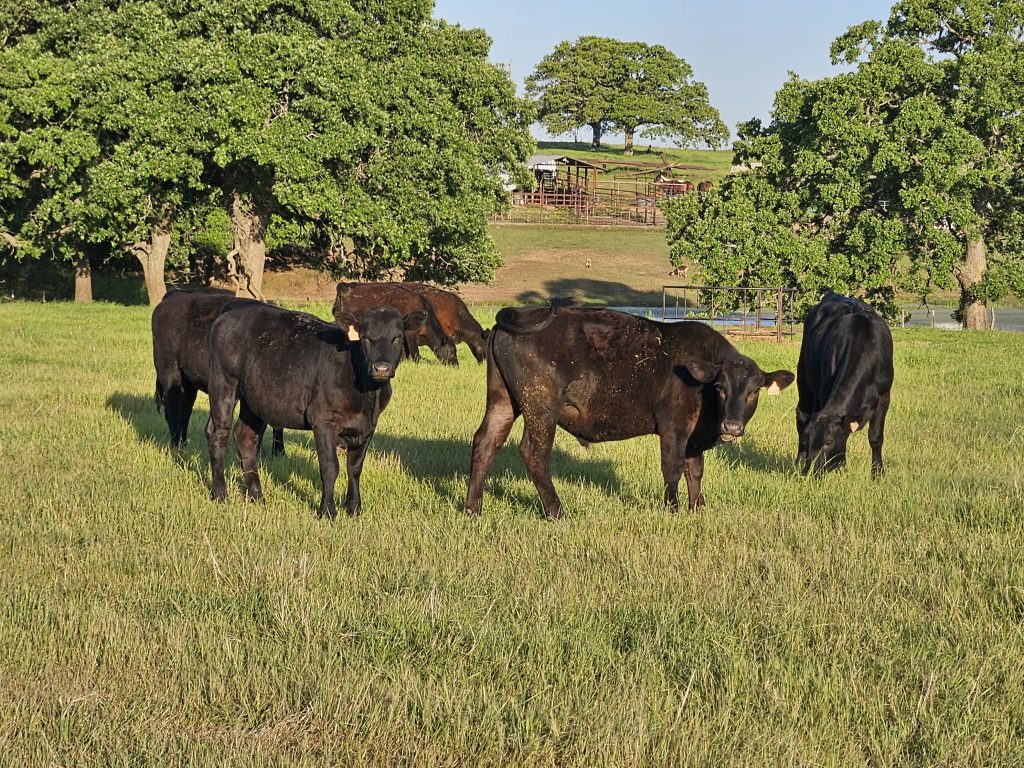
Rabobank's senior beef analyst, Lance Zimmerman, talked in depth with Oklahoma Farm Report's Ron Hays about the slow progression of rebuilding the U.S.'s mama cow herd. Yesterday, the two men discussed Rabobank's recently released BBQ Index.
Zimmerman sees two remaining challenges to rebuilding, the biggest being a lower-than-normal quality of spring forage year over year, so how well pasture and range conditions hold up over the rest of spring and summer will be telling. The second challenge is related to margins. While they look incredibly strong in the cow calf sector, the relative margins of most operations as a whole are questionable, as most cow calf businesses are part-time enterprises for their operators, meaning that they are delving into other things such as grains, crops, or jobs in town.
"For those operators who run a cow calf business, but also run a wheat or row crop operation, I'm still concerned about total operation profits," Zimmerman explained. "What I mean by that is if the grain operation is losing money or not making any money, the producer that has the cows as well may be hesitant to lean into heifer retention if he needs that extra cash revenue to make up for some of the losses or stagnation margins on the grain enterprise."
Zimmerman has observed a halt to cow slaughter and expects to see substantial heifer retention by 2026 and 2027.
"The biggest message I have for producers as we sit here and admire breaking $3 in the feeder market, $4 in calves, and $2.25 plus or minus, depending on region in the fed market, that we are going to continue to build on these highs," Zimmerman stated. "That almost seems unfathomable in terms of the price appreciation we have seen since the COVID lows. This has been an exceptionally long run rally, but we are going to be in a situation where if you can retain some heifers now, they have the potential with their first calf, maybe even their second calf still sell into a higher market than what they are seeing for those calves today."
Looking at beef prices, Zimmerman advised looking at what the prices are doing in relation to greater inflation and to consumer incomes. "When you look at the latest round of ground beef prices, if you are among the top ten percent of income earners in the United States, it only takes about six minutes of work to pay for one pound of ground beef at retail. If you are among the bottom ten percent of income earners in the United States, it takes you 26 minutes of work to pay for one pound of ground beef. That seems jarring, but what is interesting is that during the highs of the pandemic, the bottom ten percent of income earners – it took them thirty minutes to pay for a pound of ground beef."
The USDA All Fresh Retail Beef Price is $8.50 per pound—an all-time high for April. Zimmerman expects that by 2027 or 2028, the price will be around $9.00 to $9.50. Those all-time highs will trickle down to increased prices in all classes of beef, cattle, and calves, and everything else below them.
"As we go forward, there are lots of things to be excited about if you are in the cattle and beef business," Zimmerman commented.
The Beef Buzz is a regular feature heard on radio stations around the region on the Radio Oklahoma Ag Network and is a regular audio feature found on this website as well. Click on the LISTEN BAR for today's show and check out our archives for older Beef Buzz shows covering the gamut of the beef cattle industry today.
U.S. Senator Amy Klobuchar (D-MN), Ranking Member of the Senate Committee on Agriculture, Nutrition, and Forestry, released the following statement on House Republicans passing a bill to take food assistance away from at least 3 million Americans by cutting the Supplemental Nutrition Assistance Program (SNAP) by over $290 billion.
"Instead of working to lower grocery costs as they promised the American people they would, House Republicans are pulling the rug out from under millions of families by taking away federal assistance to put food on the table. They're doing that even as President Trump's tariff taxes raise food prices by more than $200 for the average family, all to fund more tax breaks for the wealthy. That's so very wrong —and we will fight against it in the Senate," said Ranking Member Klobuchar.
"This Republican bill will mean more seniors, children, veterans, and people with disabilities go to bed hungry. It means farmers, who are already operating on razor-thin margins made worse by the President's trade wars, will see billions in lost revenue. It will mean job losses and lower incomes for everyone who is a part of the food system—from truck drivers to local grocers. And ultimately, these cuts will make it harder for Congress to pass a bipartisan Farm Bill by threatening the coalition that has delivered bipartisan support for farmers, families and rural areas for decades."
Here's what House Republicans just passed:
Beyond the immediate impact cuts will have on SNAP recipients, cuts to SNAP benefits will also create downstream economic harms. Last week, the National Grocers Association, which represents America's independent grocers, released a report that found SNAP funding supports approximately 388,000 jobs and $20 billion in direct wages, creating $4.5 billion in state and federal tax revenue.
Congressman Frank D. Lucas (OK-03) released the following statement after voting to pass the House Reconciliation package, also known as President Trump's "big, beautiful bill".
"Passing the House Republicans' reconciliation package was not just a follow through on our promise to advance President Trump's agenda, it was also necessary for Oklahoma," said Congressman Lucas. "Included in this bill are key provisions that our cherished agriculture industry depends on, such as expanding the farm safety net and investing in critical programs. This historic piece of legislation also secures vital funding for the FAA Academy in OKC and prevents a disastrous tax hike on Oklahomans. Failing to pass this bill would have been negligent for Oklahoma and for the entire country."
BACKGROUND
The reconciliation package invests more than $60 billion into farm country. Below are some of the notable provisions:
There are also several other key provisions that Rep. Lucas advocated for:
Today, Congressman Tom Cole (OK-04) released the following statement after voting in favor of the House Republican Reconciliation bill, also known as the One Big, Beautiful Bill, which will codify President Trump's agenda:
"Last November, we were given a clear mandate by 77 million Americans who voted for change. The American people overwhelmingly voted for a secure border, the resurgence of American energy dominance, strong national security, an extension of the Trump tax cuts, and a more efficient federal government that roots out fraud, waste, and abuse of taxpayer dollars. Now, today, in passing this Reconciliation bill, House Republicans have codified President Trump and the American people's full agenda," said Congressman Cole.
"This legislation will deliver resources to secure our border and complete the border wall, make generational investments in America's defense, and unleash our domestic energy potential, which will lower costs, create jobs, and protect national security. It will provide permanent tax relief for families, workers, and mom-and-pop businesses by making the 2017 Trump tax cuts permanent and protecting the average taxpayer from a 22 percent tax hike," said Congressman Cole.
"Despite the lies that dishonest Democrats engaging in fearmongering are spreading, the One Big, Beautiful Bill will actually strengthen, secure, and sustain Medicaid by reestablishing Medicaid as a program that provides vital healthcare to vulnerable Americans and stopping the subsidization of illegal immigrants and capable adults who are just choosing not to work. Therefore, this is not Republicans cutting Medicaid. It is common-sense policy that will simply root out waste, fraud, and abuse within the program," said Congressman Cole.
"I am proud to have voted for the Republican Reconciliation legislation today, as it fulfills the promises we made to the American people, and I encourage the United States Senate to help us to deliver the result that the majority of Americans voted for," said Congressman Cole.
Today, Congresswoman Bice voted in favor of the One Big Beautiful Bill, legislation which helps unleash American energy, provides tax cuts to Oklahoman families and businesses, and helps President Trump fully secure our border, and safeguard our country. This legislation, which is being considered as part of reconciliation, now heads to the Senate for consideration.
Congresswoman Bice issued the following statement:
"The One Big Beautiful Bill is an opportunity to extend tax relief for Oklahomans, preventing them from facing a nearly $1200 tax hike next year. This legislation supports families, finishes President Trump's border wall, and provides additional resources to further secure and safeguard our nation. While this process has been long, I appreciate all the thoughtful debate and will continue engaging with my colleagues as we move forward."
The legislation will:
Keep the Border Secure- Make the largest investment in border security in a generation; finish the border wall; and give our border patrol agents and immigration enforcement agencies the resources they need to detain and deport illegal aliens.
Grow Our Economy & Cut Taxes- Prevent the largest tax increase in American history; eliminate taxes on tips and overtime; provide tax relief for seniors, job creators, small businesses, and farmers
Make Our Government More Efficient- Reduce the size and scope of government; root out waste, fraud, and abuse; bring bloated and inefficient programs back to their initial intent; and enact historic savings to put our nation on a sound fiscal trajectory Restore America's Energy Dominance- Empower American energy producers; dismantle burdensome Green New Deal regulations; reform the permitting process; and boost our energy security.
Today, leading Democrats of the House Agriculture Committee slammed the $300 billion in food assistance cuts included in the Republicans' budget reconciliation bill after it was voted out of the House along party lines.
"The Republicans' budget will make America hungrier, poorer and sicker. Parents struggling to afford groceries for their families and seniors living on fixed incomes will have their food taken away if this bill becomes law," said Ranking Member Angie Craig (MN-02). "At a time when grocery prices are going up and retirement accounts are going down, we must protect the basic needs programs that help people afford food and health care. As a mother and someone who needed food assistance at periods in my own childhood, I condemn this attempt to snatch food off our children's plates to fund tax breaks for large corporations. I call on my Senate colleagues to stop this attack on working Americans that takes food away from families and threatens a full, five-year bipartisan farm bill."
"Making the deepest cuts to food assistance in history just to fund tax breaks for the wealthy isn't just bad policy—it's shameful. In Northeast Ohio, one in five households rely on SNAP. I grew up in one of them, so this isn't abstract—it's personal," said Vice Ranking Member Shontel Brown (OH-11). "This bill punishes people for being poor and makes it even harder for them to afford groceries. Combined with Trump's tariffs, which are already driving up food prices, it's a one-two punch to working families. This isn't about fiscal responsibility — it's just a cruel transfer of wealth from those who have the least to those who already have the most. The Senate should reject this bill and return to the bipartisan farm bill process that has served our country for decades."
"Depriving hungry children and struggling families to further line the pockets of billionaires is a moral abdication," said Congresswoman Jahana Hayes (CT-05), ranking member of the Nutrition and Foreign Agriculture Subcommittee. "When you enter a classroom on a Monday morning and see a child with their head down because they have not had a decent meal since you saw them last, or you find yourself packing extra in your own lunch because you expect a student to ask — it changes you. I will not vote for a bill that takes food from hungry Americans and I remain committed to fighting against any legislation that increases food insecurity."
The partisan budget bill decimates the Supplemental Nutrition Assistance Program (SNAP) in a series of devastating cuts. The independent Congressional Budget Office estimates that at least 3 million Americans will lose access to food assistance as a result. Cutting food assistance will also have a negative material impact on the economy by reducing the money spent on food.
Slashing SNAP by $300 billion will cost America's farmers around $30 billion in lost income, threaten more than 27,000 retailers nationwide and imperil nearly 400,000 jobs and $20 billion in direct wages throughout the food supply chain. All of the House Agriculture Committee's Republican members voted to cut food assistance.
American Farm Bureau Federation President Zippy Duvall commented today on the House passage of the reconciliation bill.
"Farm Bureau applauds the House passage of H.R.1, which modernizes farm bill programs and extends and improves critical tax provisions that benefit America's small farmers and ranchers.
"Updated reference prices will provide more certainty for farmers struggling through tough economic times. Making business tax deductions permanent and continuing current estate tax exemptions will ensure thousands of families will be able to pass their farms to the next generation.
"We urge the Senate to work together and swiftly pass legislation to deliver much-needed relief to America's farm and ranch families."
Today, several key priorities championed by the National Cattlemen's Beef Association (NCBA) moved one step closer to becoming law when the U.S. House of Representatives passed their reconciliation bill. The bill includes key cattle health, disaster recovery, and tax priorities crucial to the success of America's cattle farmers and ranchers.
"Cattle farmers and ranchers need Congress to invest in cattle health, strengthen our resources against foreign animal disease, support producers recovering from disasters or depredation, and pass tax relief that protects family farms and ranches for future generations," said NCBA President and Nebraska cattleman Buck Wehrbein. "Thankfully, this reconciliation bill includes all these key priorities. NCBA was proud to help pass this bill in the House and we will continue pushing for these key policies until the bill is signed into law."
The reconciliation bill includes provisions that are crucial to the success of cattle producers and will:
Additionally, the bill includes key NCBA tax priorities that protect the legacy of family farms and ranches for future generations, such as:
"The National Cattlemen's Beef Association extends our gratitude to all the members of Congress who voted yes on this reconciliation package," said NCBA Senior Vice President of Government Affairs Ethan Lane. "America's farming and ranching families sorely need the provisions in this bill to succeed. We strongly urge the Senate to swiftly pass this bill and deliver a win for our nation's cattle producers."
Growth Energy, the nation's largest biofuel trade association, issued the following statement after the House passed its budget reconciliation bill:
"We're grateful to our champions on Capitol Hill who have worked hard to preserve and extend rural priorities, like the 45Z clean fuel production tax credit. This budget reconciliation package would give farmers and ethanol producers the freedom and flexibility to deliver for the American people. It ultimately delivers on the President's agenda—it's good for rural communities, good for innovation, good for investment, and good for American energy dominance," said Growth Energy CEO Emily Skor. "We urge the Senate to protect the 45Z tax credit and get this bill onto the President's desk, so we can unlock billions of dollars of investments in new markets for farmers and U.S. clean energy innovation."
National Pork Producers Council (NPPC) President Duane Stateler, a pork producer from McComb, Ohio, released the following statement on the reconciliation package that passed the U.S. House of Representatives.
"America's pork producers are one step closer to more certainty with the House's reconciliation bill passage, which includes necessary legislation to keep farms afloat during uncertain times. At the same time, we will keep pressure on Congress to pass a five-year farm bill, which includes a fix to California Proposition 12."
NPPC urges the Senate to advance the following provisions to ensure pork producers can continue to farm and have more certainty to pass down their farms to the next generation.

Senators Ben Ray Luján (D-NM) and Jerry Moran (R-KS) have reintroduced the Farmer-to-Farmer Education Act (S. 1769). This bill, written in collaboration with American Farmland Trust (AFT) and the National Young Farmers Coalition (Young Farmers), would facilitate farmer-to-farmer conservation education and successful practice adoption by building capacity and increasing support for farmer-led education networks, particularly for historically underserved producers.
Conservation practices–like cover crops, nutrient management, or rotational grazing–benefit farm and ranch operations by reducing input costs and increasing resilience to extreme weather. They also benefit society through improved water and air quality and other ecosystem services. Yet these crucial conservation practices remain underutilized by farmers. As of the 2022 USDA Census of Agriculture, cover crops—a key conservation practice—were only planted on 7% of eligible cropland acres. Farmers face numerous barriers to adopting such conservation practices, including cost, risk, lack of access to proper equipment, and insecure land tenure. In a 2022 Young Farmers survey of over 10,000 young farmers across the country, 15% of respondents cited acquiring necessary "farming skills" as their top challenge.
Traditional technical and financial assistance at the Natural Resources Conservation Service (NRCS) can help overcome some of these barriers. But farmer-to-farmer education provides a critical complement to that essential support, enabling farmers to overcome adoption barriers by having someone with firsthand experience share the benefits, challenges, and lessons learned that will lead to successful, long-term conservation practice adoption. In fact, a recent AFT survey revealed that over 50% of producers surveyed sought conservation education from another farmer. Many farmers are interested in providing, or receiving this support from other producers, but do not know where to start. This bill would address this gap by building capacity for existing peer-to-peer networks and supporting the creation of new ones.
"Farming is deeply ingrained in New Mexico's history and culture, with communities that have cultivated the land for generations. Local farmers are skilled at managing challenges like unpredictable weather, drought, and flooding. However, existing programs often fall short in providing the support and guidance needed during these times," said Senator Luján. "The bipartisan Farmer to Farmer Education Act will help improve coordination between local farmer-to-farmer networks and the USDA and NRCS. Strengthening this connection will ensure farmers receive timely, specialized information to better protect their crops and livestock."
"Farmers and ranchers across the country face many conservation challenges, which limits their access to conservation technical assistance," said Senator Moran. "This legislation would allow farmer-to-farmer groups to develop cooperative agreements with USDA to share conservation concepts and new practices."
"When it comes to adopting conservation practices, farmers trust information and guidance from other farmers," said American Farmland Trust's Senior Policy Manager for Conservation and Energy Samantha Levy. "We applaud Sen. Luján and Sen. Moran for introducing a bipartisan bill that would enable more farmers to provide practical, experience-based assistance to their peers. This would supplement the essential support producers receive from NRCS, nonprofit conservation organizations and districts, and others to successfully implement practices critical to the resilience and viability of their operations."
"Farmers and ranchers across the country serve as a valuable resource to their peers when it comes to knowledge-sharing about best practices. As they adapt to a changing climate, it will be even more important that farmers can continue learning from trusted sources - each other. The Farmer-to-Farmer Education Act will invest in collaboration between farmers and their networks for long-term conservation practice adoption, and we thank Sen. Luján and Sen. Moran for cosponsoring this important bipartisan legislation," said Lotanna Obodozie, Climate Policy Director for the National Young Farmers Coalition.
"We learn best from people who are like us. The Farmer to Farmer Education Act would help connect producers to support each other's on-farm conservation efforts," said Ben Knuth, Agriculture Policy Manager at National Wildlife Federation. "As complements to USDA's existing conservation technical assistance, these learning networks offer informal opportunities to learn about improving soil, water, and wildlife outcomes."
"We would like to thank Senator Moran and Senator Luján for cosponsoring the Farmer to Farmer Education Act," said Dan Meyerhoff, Executive Director of the Kansas Association of Conservation Districts and Jennifer Simmelink, Executive Director of the Kansas Soil Health Alliance. "Our organizations have partnered on multiple farmer to farmer efforts including encouraging and promoting farmer-led small group discussions in counties across the state, multi-county farmer-led field days, and establishing a statewide one-on-one peer coaching network. Currently, these efforts to coordinate and promote farmer-led soil health education are primarily funded through grant programs that last for three years. This bill would provide a reliable and consistent pool of funding to help accelerate valuable farmer to farmer learning, and lead to widespread, lasting adoption of soil health practices across Kansas and the United States."
"I learn the most about farming from my peers, and always have. Since 2014, I've grown my knowledge and skills in farming with the help of friends and farming mentors and at the end of 2024, I purchased farmland with my family, launching our first program this spring. As I'm starting a collaborative farm business, I've been fortunate enough to benefit from a farmer-to-farmer training program at a farm nearby, Chispas Farm. Simultaneously, the Director of Chispas is serving as my formal mentor, through a different program that is funded by the USDA. We both get compensated for our time, and I get a formalized structure to receive knowledge and support. I am applying what I learn in these programs directly into our farming operation, helping us improve soil, water, and ecosystem outcomes, while ensuring we can build a viable farm business. I hope to see more of these networks and resources support my peers," said Ana Moran, co-owner and operator of Telesfor Farm, Policy Development Manager at the National Young Farmers Coalition.
The Farmer-to Farmer Education Act of 2025 will facilitate peer-to-peer learning by enabling NRCS to enter into cooperative agreements with non-profits, institutions of higher learning, states, conservation districts, tribes, and others. These agreement holders would be responsible for referring farmers to existing farmer-to-farmer networks, promoting peer-to-peer learning events like soil health field days, identifying and filling gaps in existing networking opportunities, and connecting farmer and rancher mentors with mentees while paying them for their time and expertise.
To see the full list of endorsing organizations, please click here.
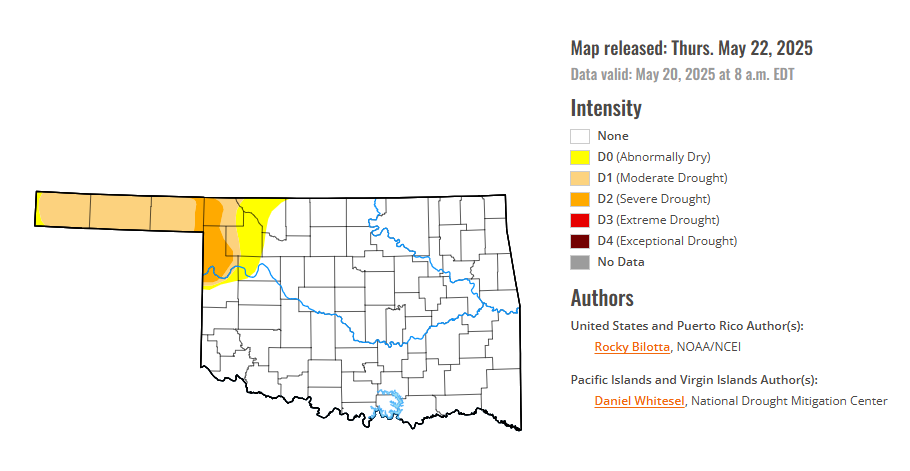
To view the latest Oklahoma drought map, CLICK HERE.
According to the latest Oklahoma drought monitor report, exceptional drought remains at zero percent, unchanged from the start of the calendar year.
Extreme drought or worse conditions remain at zero percent, unchanged since the week of October 29, 2024.
Severe drought or worse conditions are unchanged from 2.99 percent last week.
Moderate drought or worse conditions are unchanged from 11.94 percent last week.
Abnormally dry or worse conditions are unchanged from 15.52 percent last week.
According to the 6-to-10-day precipitation outlook map, the panhandle of Oklahoma, along with the Southwestern third of the state, is leaning above 40-50% chances of precipitation through May 31. A band stretching from the Northwest to the Southeast is leaning above 33 – 40% chances of precipitation. The North Central, Northeastern and Eastern portions of the state are near normal chances of precipitation through May 31.
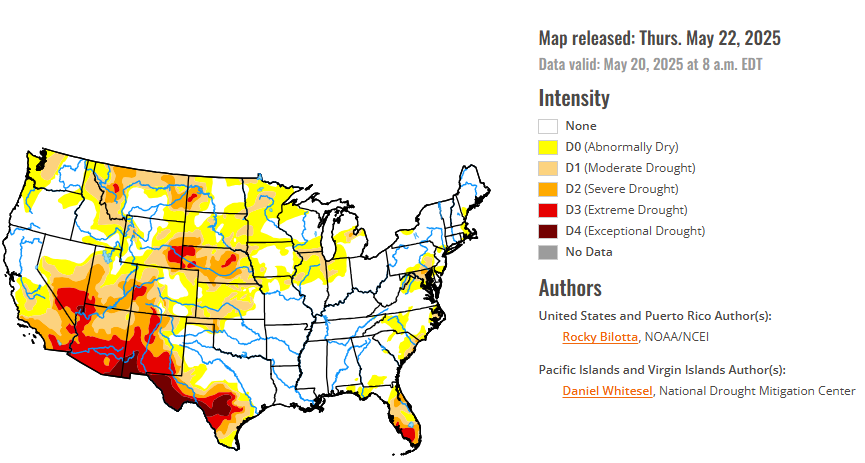
To view the United States Drought Map, CLICK HERE.
This week, widespread precipitation impacted much of the U.S., with heavier amounts (exceeding 1 inch) observed from the northern Rockies eastward to the East Coast, and in portions of the Pacific Northwest, Hawaii, and southern Alaska. Specifically, much of the High Plains reported 2 to 10 inches of rain, while similar totals (2 to 8 inches) were seen across parts of the South, Midwest, and along the East Coast. This above-normal precipitation supported drought improvements across large portions of the High Plains and Northeast, parts of the Midwest and Southeast, and smaller pockets of the West and South. Conversely, below-normal weekly precipitation occurred in parts of the western U.S., the Midwest, and Southeast, leading to the expansion or intensification of drought and abnormal dryness in western High Plains, eastern West, and parts of the Midwest and Southeast. Temperatures were above normal across much of the U.S. this week. The southern U.S., from Texas to Mississippi, saw temperatures up to 10 degrees F above normal. In contrast, below-normal temperatures, with departures up to 10 degrees F below normal, were observed across much of the West and western High Plains, with the largest departures noted in the Dakotas and interior West.
In the Southern Plains, warmer temperatures dominated this week, with departures ranging up to 10 degrees F above normal. However, parts of Texas and Oklahoma observed temperatures near or below normal this week. Precipitation varied across the region this week, with heavier amounts (2 to 8 inches) falling across much of Arkansas, eastern Oklahoma, and in parts of Tennessee, northern Mississippi, and small parts of Texas. Unfortunately, not many improvements were made due to rain falling over areas already free of drought and abnormal dryness, but conditions prevent existing drought from expanding or intensifying. Moderate drought (D1) was removed from eastern Tennessee this week, while abnormal dryness (D0) was removed from Mississippi and improved in eastern Tennessee. Arkansas, Louisiana, and Mississippi are free of drought and abnormal dryness this week.
In the High Plains, temperatures varied this week, with departures ranging up to 8 degrees F above normal, while cooler-than-normal temperatures were observed along the western and northern portions of the region. Heavy precipitation fell across much of the region this week, with areas from North Dakota to northern Nebraska reporting weekly precipitation totals between 400% to 600% above normal. These beneficial rains (2 to 8 inches above normal) justified widespread moderate to extreme drought (D1-D3) improvements in the Dakotas and Nebraska. Additionally, improvements of moderate to severe drought (D1-D2) and abnormal dryness (D0) occurred in northern Wyoming and eastern Kansas, where rainfall amounts were up to 3 inches above normal for the week. Conversely, dry conditions resulted in the expansion of extreme drought (D3) in southwest Nebraska and western Wyoming, while severe (D2) and moderate drought (D1) expanded in southern Wyoming and Colorado. Abnormal dryness was also expanded in eastern Colorado this week.
In the West, Cooler temperatures dominated the West this week, with departures ranging between 1 to 10 degrees F below normal. Much of the interior West experienced temperatures between 4 to 10 degrees below normal. In contrast, above-normal temperatures were observed across the eastern portions of the Southwest and in parts of Montana, eastern Utah, southern Nevada, and northern California. Precipitation varied across the region this week, with beneficial amounts falling in parts of the Southwest and northeastern Oregon. Moderate to extreme drought (D1-D3) were improved in eastern New Mexico, while moderate to severe drought (D1-D2) were trimmed back in western Utah and abnormal dryness (D0) was improved in Oregon. Conversely, below-normal precipitation resulted in the expansion of exceptional drought (D4) in southwestern New Mexico and moderate drought (D1) in northern Montana this week.
Looking ahead, during the next five days (May 20–24, 2025), as the medium range period begins Tuesday, a surface low-pressure system over the Mid-Mississippi Valley supported by strong upper-level energy will provide ample lift and instability for rain and thunderstorms in the Mississippi and Ohio Valleys. The low is forecast to track east and spread rain and thunderstorm chances to the Mid-Atlantic in particular on Wednesday, and shifting into the Northeast later week as the low pivots northward. Elsewhere, some weak troughing aloft and frontal systems tracking through the Northwest next week could produce rounds of modest precipitation there. Most precipitation should be rain aside from the highest peaks. Warm to hot temperatures are likely across the southeastern U.S. as the subtropical upper ridge reaches the region. Southern Texas in particular will remain hot into Tuesday, with temperatures well into the 100s. The Florida Peninsula should see warm temperatures in the mid 90s. Both areas could see record or near-record warm lows and highs. Meanwhile, a trough will promote below normal temperatures across the northern tier, with highs only reaching the 50s in the north-central Plains on Tuesday. As the trough tracks east, cooler than average temperatures are likely in the eastern third of the U.S. under it, moderating temperatures in the South. But upper ridging poking into the southwestern U.S. will raise temperatures to above normal there, expanding east across the Four Corners states by Thursday and into the southern Plains late next week. Highs will be well into the 100s in the Desert Southwest with temperatures nearing 100 in parts of Texas eventually.
The Climate Prediction Center's 6-10 day outlook (valid May 25–29, 2025) favors above-normal precipitation across most of the U.S., with near-normal precipitation favored from southern California to Montana, as well as parts of the Midwest, northern New England, and northwest Alaska. Below-normal precipitation favored in portions of the Midwest, from northern Minnesota to northern Michigan. Increased probabilities for above-normal temperatures are forecast for Hawaii, much of the West, and along the Gulf, while below-normal temperatures are favored from the central Plains to the Northeast, and in parts of Alaska.
To view the 6-10 Day Precipitation Outlook Map, click here.
To view the 6-10 Day Temperature Outlook Map, click here.
To view the Monthly Drought Outlook Map, click here.
Four dozen companies sign letter to Administrator Zeldin requesting at least 5.25-billion-gallon BBD volume in 2026 RFS
Today, Clean Fuels Alliance America delivered a letter to EPA Administrator Lee Zeldin, urging him to set the 2026 RFS biomass-based diesel volume at no less than 5.25 billion gallons and allow continued growth in the 2027 volumes. Forty-eight member companies signed the letter in support of the requested volumes.
"We ask that EPA without delay set the 2026 RFS biomass-based diesel volume at not less than 5.25 billion gallons," Clean Fuels and its members state in the letter. "We further urge you to support continuing growth by setting the 2027 RFS biomass-based diesel volume at 5.75 billion gallons."
"These volumes will support farm security, create jobs and economic opportunity, and further President Trump's goal for U.S. energy dominance," the letter continues. "In short, a strong signal from EPA on the RFS will unleash domestic biodiesel and renewable diesel production to resume planned growth and get many Americans back to work."
Download a copy of the letter from cleanfuels.org.
Kurt Kovarik, Clean Fuels' Vice President of Federal Affairs, added, "Renewable Fuel Standard stakeholders are unified in asking for no less than a 5.25-billion-gallon biomass-based diesel volume for 2026 because it accurately represents current domestic production, investments in new capacity, and increasing U.S. availability of feedstocks. Our industry is calling on Administrator Zeldin to make this step change in the RFS volumes to support the biomass-based diesel industry's growth potential, save U.S. jobs, and boost farm security."
The letter notes that the U.S. biomass-based diesel industry supports 107,400 jobs and $42.4 billion in economic activity, based on a new study, "Economic Impact of Biodiesel on the U.S. Economy 2024," conducted by GlobalData on behalf of Clean Fuels.
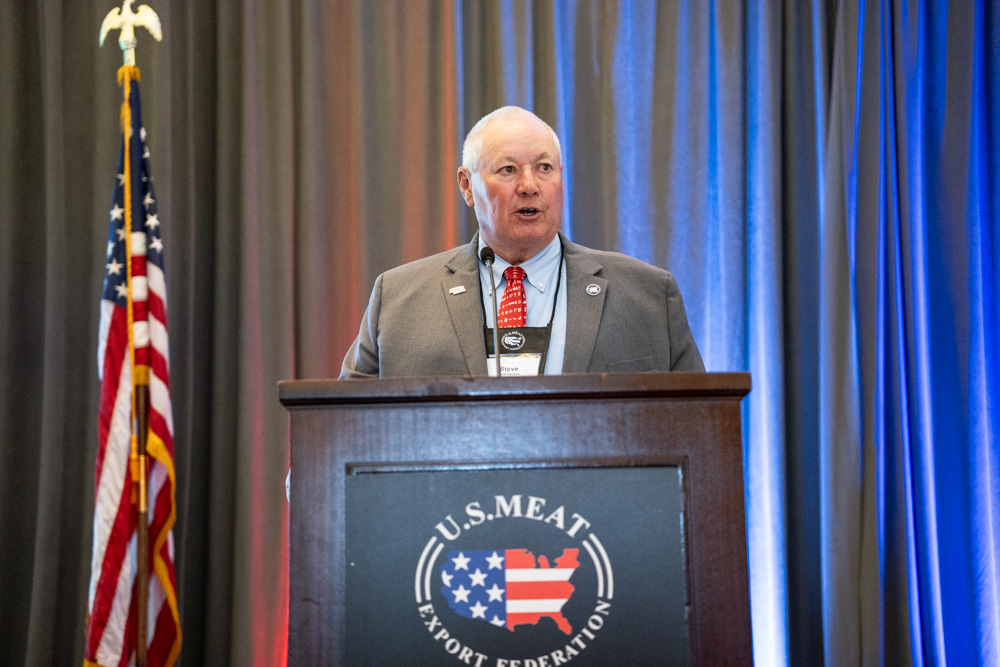
U.S. Meat Export Federation (USMEF) Chair Steve Hanson welcomes members to the USMEF Spring Conference in Fort Worth
Representatives of the entire U.S. red meat supply chain gathered in Fort Worth, Texas, Wednesday as the U.S. Meat Export Federation (USMEF) opened its Spring Conference. USMEF Chair Steve Hanson, a rancher, cattle feeder and grain farmer from southwestern Nebraska, welcomed members with an optimistic message, despite heightened uncertainty in the trade policy arena.
"While our industry is obviously facing many challenges, it's also a very exciting time to be in the red meat business," Hanson said. "Our products are better than ever, and international demand is outstanding. There are many factors we cannot control, so it is important to remain customer-focused and not lose sight of our mission, which is to expand the global footprint for U.S. pork, beef and lamb."
USMEF President and CEO Dan Halstrom built on this theme, noting that demand for U.S. red meat is at record levels in many international markets, even in the face of heightened competition.
"A lot of times the best defense is a strong offense, and in many key markets we are doing both," said Halstrom. "We're defending where necessary, especially against newcomers like Brazil, which has recently gained greater access in several key regions. But at the same time we are aggressively pursuing new opportunities in both established and emerging markets."
As an example, Halstrom pointed to the recent expansion of USMEF's staff presence, with new representation in West Africa and Malaysia, and an additional staff member in Indonesia. He also shared video highlights from USMEF's recent two-day trade seminar in Accra, Ghana, which attracted buyers from 12 African nations.
Halstrom concluded by comparing USMEF's approach to international marketing to the insights shared recently at Berkshire Hathaway's annual shareholders' meeting. He noted that Berkshire's leadership views holdings in markets such as Japan, for example, as investments of 50 years or more, focusing on company fundamentals rather than being distracted by short-term issues that dominate headlines.
"That's really what USMEF does as well, focusing on the long-term vision of building demand in targeted export markets," Halstrom explained. "Global populations are growing and the middle class is expanding, but it's really about the spending power. We're not focused on all consumers. We're focused on the top tiers in these markets and those top tiers want and can pay for high-quality proteins. So despite there being a lot of noise about international trade, we're going to keep our eye on the ball and remain focused on the long term."
Rick Stott, president and CEO of Superior Farms, explained how community and industry interests came together to overcome a proposal advanced by anti-agriculture activists last year. Voters in Denver rejected a ballot initiative that would have banned slaughterhouses within the city limits. If passed, the measure would have forced closure of Superior Farms' lamb processing facility, which employs about 160 workers and provides essential services for lamb producers.
"We took a survey right out of the gate and one of the things we found was that economic impact was very important to the community," said Stott. "We were blessed to have Colorado State University jump on board early on to identify what was close to a $1 billion dollar negative impact on the city of Denver and the surrounding communities, if we disappeared."
Stott also highlighted the powerful support Superior Farms received, not only from the meat and livestock industries, but also from a community that cared deeply about the livelihood of Superior's employees and their families. This was amplified by the company's decision to open its plant to more than 1,000 visitors and observers in the months leading up to the November election.
"Some of them may not like what we do, but they all appreciated it," Stott explained. "They appreciated our employees, because when they came through our plant, they saw people who were happy to come to work. They saw people who were engaged in what they do, proud of the jobs they did and proud of their company."
Keynote speaker Randy Blach, CEO of CattleFax, provided USMEF members with a cautiously optimistic outlook on the U.S. cattle industry's herd rebuilding efforts. He noted that cow slaughter has declined significantly, providing greater herd stability. And while heifer retention has been slow to develop, Blach sees enough encouraging signs that he feels January 2025 will prove to be the low point of this cattle cycle.
"Does this [rebuild] look anything like it did back in 2014 and 2015 – the most rapid expansion in the history of the industry?" Blach said. "No, this one isn't that way. It is much, much slower, just as we expected it would be. And I think you need to plan on it continuing to be a slower expansion as it unfolds."
Blach provided a broad outlook of the U.S. protein market, analyzing demand trends for beef, pork and poultry. He noted that the beef industry's heightened focus on quality has paid enormous dividends – not in terms of consumption volume, but in consumers' willingness to pay for higher-quality cuts.
"When you look at demand across all proteins, chicken is capturing 50% of the stomach but 25% of the wallet," Blach explained. "Beef, on the other hand, is getting 25% of the stomach and 50% of the wallet. Which would you rather have?"
Blach said exports continue to make critical contributions to the bottom line of U.S. livestock and poultry producers, who collectively export about 17% of total production. The pork sector leads the way at 30%, with beef exports accounting for about 14% of production.
"Right now we are in a profitable period across the board, for cattle, pork and poultry producers," Blach. "And that's something we hadn't seen in several years."
The conference continues Thursday with guest speaker John Newton, Ph.D., executive head of Terrain, discussing the challenges involved in developing the new Farm Bill, as well as the latest on agricultural appropriations, tariffs and trade, and other critical policy issues. Following this presentation, USMEF's Beef, Pork, Exporter and Feedgrain/Oilseed breakouts will offer detailed discussions on topics pertinent to each sector.
At Friday's closing business session, Jihae Yang, USMEF VP for the Asia Pacific, Latin America Representative Homero Recio and Gerardo Rodriguez, regional director for Mexico, Central America and the Dominican Republic, will update members on promotional campaigns, consumer trends and trade challenges in their respective markets.
The Senate Agriculture Committee reported favorably on the nomination of Luke Lindberg to serve as USDA under secretary for trade and foreign agricultural affairs.
U.S. Meat Export Federation (USMEF) President and CEO Dan Halstrom issued the following statement:
USMEF thanks the Senate Agriculture Committee for advancing Luke Lindberg's nomination and we encourage the full Senate to move quickly on his confirmation. We have seen firsthand Mr. Lindberg's passion for expanding global demand for U.S. agricultural products, including U.S. red meat.
USMEF receives tremendous support from agricultural organizations in South Dakota, and in his role as CEO of South Dakota Trade, Mr. Lindberg was a champion for ag exports and helped to convey the importance of international trade to producers and other industry stakeholders. His experience with the Export-Import Bank and the America First Policy Institute will also serve him very well in the role of under secretary.

While far from over, the House version of the President's reconciliation package—referred to by the President as the "One Big, Beautiful Bill"—contains significant improvements to the farm safety net. We have previously discussed in Southern Ag Today the dire need for an improved farm safety net for this crop year, either from a farm bill or through this process. As we write this, House leadership is still working to secure votes for passage. Once that happens, the Senate will need to pass their version of the bill. Assuming the House and Senate pass different bills, the differences would need to be reconciled and the conferenced bill would need to again be passed by both the House and the Senate before going to the President to be signed into law. This sounds daunting, but one of the key elements of reconciliation (and why it has been used by both parties) is that the Senate only needs a simple majority (51) to pass the bill, whereas a normal bill would require 60 votes.
The House reconciliation bill includes quite a few changes to the current 2018 Farm Bill that has been extended through September 30, 2025. In terms of the farm safety net, the two primary commodity programs—Agriculture Risk Coverage (ARC) and Price Loss Coverage (PLC)—are extended through the 2031 crop year. Most importantly, reference prices are increased 10% to 20% depending upon the commodity. Reference prices would also increase 0.5% annually beginning in 2031, recognizing the need to keep up with inflation in the future.
The ARC coverage guarantee would be increased from 86% of the benchmark to 90%, and the payment band would increase from 10% to 12.5%. The first change would make payments trigger sooner, and the second change would increase the amount of the payments. Loan rates for most commodities would also be increased.
Combined payment limits for ARC and PLC would be increased from $125,000 to $155,000 and would be adjusted annually for inflation. The bill would also eliminate the LLC penalty (i.e., eliminate the payment limit on pass-through entities while maintaining the payment limit on owners of the entity) as previously highlightedin Southern Ag Today.
Premium assistance for crop insurance would see increases for individual yield or revenue coverage across all coverage levels. The Supplemental Coverage Option (SCO) would also see an increase in premium subsidy from 65% to 80%.
The House bill also contains language to allocate a maximum of 30 million additional base acres to producers who have been planting more acres than they have base acres on farms.
The bill has many other agriculture related provisions, but those listed above—if enacted—would strengthen the producer safety net beginning with the 2025 crop.
Article courtesy of Southern Ag Today: Outlaw, Joe, and Bart L. Fischer. "Much Needed Producer Assistance in the House Reconciliation Bill." Southern Ag Today 5(21.4). May 22, 2025. Permalink

American families, farmers, workers, and small businesses will soon see a massive surge in economic growth, wage gains, and higher incomes thanks to President Trump's One, Big, Beautiful Bill which passed the U.S. House of Representatives today and now heads to the Senate for consideration.
Ways and Means Chairman Jason Smith (MO-08) issued the following statement:
"Today marks a major milestone in delivering lasting tax relief to the American people. The One, Big, Beautiful Bill locks in the successful 2017 Trump tax cuts and builds on that foundation with bold, pro-growth reforms that will strengthen families, workers, farmers, and small businesses. Families stand to gain over $13,000 in take-home pay, and workers could see wage increases of more than $11,000. More than 7 million jobs will be secured in the next four years through enhanced small business relief and made-in-America incentives that reward hiring and investment here at home. Parents will benefit from an expanded, inflation-adjusted Child Tax Credit and an enhanced standard deduction. Family farmers will finally get peace of mind, with a doubled death tax exemption that protects their generational lands and livelihoods. We are delivering President Trump's promise of no tax on tips, overtime, auto loan interest, and tax relief for seniors which will put more money in the pockets of millions of Americans every year.
"This bill represents an historic opportunity to deliver economic freedom for working families, farmers, and small businesses. The House has acted. Now the Senate must do its part and send this bill to President Trump's desk."
The One, Big, Beautiful Bill makes permanent the successful 2017 Trump tax cuts and includes critical pro-growth policies that will cut taxes by an additional $1,300 for a family of four and deliver higher wages and incomes for millions of Americans. A recent report from the Council of Economic Advisers shows the legislation will produce up to $13,300 more in take-home pay for a typical family and up to $11,600 more in wages for American workers.
Click here to read Chairman Smith's opening statement from the House debate on The One, Big, Beautiful Bill.
The One, Big, Beautiful Bill Is Pro-Growth Tax Policy
Permanent extension of the Trump tax cuts, alongside additional pro-growth policies, will fuel a resurgence in economic growth:
FACT SHEET: The One, Big, Beautiful Bill Fuels America's Economic Growth
The One, Big, Beautiful Bill Makes Families & Workers Thrive Again
FACT SHEET: The One, Big, Beautiful Bill Puts American Workers First
FACT SHEET: The One, Big, Beautiful Bill Champions Life and Puts American Families First
The One, Big, Beautiful Bill Makes Rural America & Main Street Grow Again
FACT SHEET: The One, Big, Beautiful Bill Makes Rural America Great Again
The One, Big, Beautiful Bill Makes America Win Again
FACT SHEET: The One, Big, Beautiful Bill Makes America Win Again
Read more about The One, Big, Beautiful Bill here.
House Agriculture Committee Chairman Glenn "GT" Thompson (PA-15) issued the following statement after the House passed H.R. 1, the One Big Beautiful Bill Act:
"The One Big Beautiful Bill Act delivers on the mandate voters gave President Trump and Republicans by stopping tax hikes, reigning in spending, investing in rural America, and restoring integrity to programs like SNAP, and I look forward to working with the Senate to get it to the President's desk."
RON's Dave Lanning has a pre-opening look at today's agricultural Markets.
Click the audio tab below for today's report.
RON's Jacquelyn Farris reports from the State Capitol
A powerful alliance of state, local and federal forces is breathing new life into one of the most dangerous environmental areas in the country – the Tar Creek Superfund site in northeast Oklahoma. Leading the charge: the Oklahoma Department of Environmental Quality (DEQ), with support from the Office of Management and Enterprise Services (OMES).
This joint effort marks a major step forward in removing toxic contamination that has impacted Ottawa County for decades. With support from OMES Construction and Properties, DEQ continues to remove dangerous contamination from Ottawa County neighborhoods affected by lead, zinc and cadmium pollution. DEQ has pushed forward with an ambitious plan to clean up the site, restore the land and protect local families from ongoing health risks.
Stretching across the Tri-State Mining District – including parts of Kansas and Missouri – the Tar Creek site tells a story of industrial boom and environmental fallout. Mined extensively for lead and zinc from the 1870s to the 1970s, the area was left littered with hundreds of millions of tons of toxic mining waste, known as chat.
This hazardous material, used for years in road construction and fill dirt, remains scattered across neighborhoods, playgrounds and schools – putting residents at risk of serious health consequences, including brain damage, nervous system disorders and kidney disease. In fact, a study from 1994 found blood lead levels in local children to be three times higher than the peak levels measured during Flint, Michigan's water crisis.
"The cleanup of Tar Creek is long overdue, and I'm proud to see real progress being made," said Sen. Micheal Bergstrom, R-Senate District 1. "Together, we are restoring hope to the families of Ottawa County. We owe it to our communities to make this right, and I'm committed to supporting these efforts every step of the way."
"The Tar Creek cleanup continues to be a priority for my district," said Rep. Steve Bashore, R-House District 7, majority deputy floor leader. "I'm hopeful the Oklahoma Department of Environmental Quality and its partners can make real progress on making this site safe for future generations. As someone who has spent my career bringing people together to solve tough problems, I know this effort is key to restoring northeast Oklahoma as a place people want to live, work and invest in again."
"It does help the community of Miami and Commerce kind of redevelop some of these properties, so that is a small economic driver in the area," said Brian Stanila, DEQ environmental programs manager. "We use all local contractors, so all the money that we're spending cleaning these properties up is going right back into the community."
In the 1980s, the U.S. Environmental Protection Agency (EPA) added the Tar Creek site to the Superfund National Priorities List, which recognizes sites that pose significant potential health risks. Since taking over remediation duties from the EPA in 2016, DEQ has made tangible strides. More than 650 properties have been tested and 125 remediated from contamination – but with over 13,000 residential lots in the county, the work is far from done.
DEQ's voluntary cleanup program offers free yard sampling and remediation services to Ottawa County residents. Interested homeowners can visit the DEQ website to learn how to get involved and help make their communities safer.
To aid in this complex and large-scale effort, OMES provides contracted construction services to address the area's unique needs and help safely remove more than 30 million tons of chat with the goal of restoring the land for future use. OMES proudly commends its DEQ partners for leading the charge to decontaminate Ottawa County residential properties and make Oklahoma communities cleaner and safer places to live.
"This is more than just cleanup – it's a commitment to future generations," said Nathan Wald, OMES Capital Assets Management administrator. "Projects like Tar Creek prove what's possible when state agencies and partners work together toward a common goal. We're proud to stand with DEQ and the people of Ottawa County in this vital mission."
On February 20, 2025, the Cattle Plaintiffs in the In re Cattle and Beef Antitrust Litigation against JBS, Tyson, Cargill, and National Beef received preliminary approval of an $83.5 million settlement with JBS. The settlement was reached in the class action antitrust lawsuit filed in 2019 by R-CALF USA, four individual ranchers, and the National Farmers Union. The litigation against Tyson, Cargill, and National Beef continues.
The court's action establishes certain deadlines for persons who may be eligible to share in the JBS Settlement. The "Settlement Classes" include cattle feeders who directly sold fed cattle for slaughter to Tyson, JBS, Cargill, and/or National Beef from June 1, 2015 to February 29, 2020 and/or for persons who held a long position in live cattle futures traded on the CME prior to June 1, 2015 and subsequently liquidated that long position through an offsetting market transaction at any point prior to November 1, 2016. That deadline is September 15, 2025.
The settlement website, www.CattleAntitrustSettlement.com, informs both cattle feeders and futures traders of the details of the settlement. The website also provides instructions as to how claims can be filed, and how persons can object or opt out of the settlement.
R-CALF USA urges those who meet the Settlement Classes' description above to review the information on the website and submit claims before the September 15, 2025 deadline.
As noted in the claim form, any information feeders and futures traders submit in connection with their claim "will be maintained confidentially and will not be made available publicly or to any Defendant."
"We filed this case after witnessing the inexplicable collapse of fed cattle prices beginning in 2015," said R-CALF USA CEO Bill Bullard adding, "Our case has been working its way through the court for six years now and we will continue in our effort to recover as much as we can for American cattlemen."
The Cattle Plaintiffs are represented by Scott+Scott Attorneys at Law LLP, Cafferty Clobes Meriwether & Sprengel LLP and Robins Kaplan LLP.
Bullard said that while the settlement website should contain all the information needed for those who wish to submit a claim, the court has appointed a Claims Administrator that can answer any questions potential class members may have about the JBS settlement, including any questions regarding how to submit a claim to share in the JBS settlement. The Claims Administrator can be reached at 1-844-435-8844 or Info@CattleAntitrustSettlement.com.
On February 20, 2025, the Cattle Plaintiffs in the In re: Cattle and Beef Antitrust Litigation against JBS, Tyson, Cargill and National Beef received preliminary approval of an $83.5 million settlement with JBS. The class action lawsuit, filed in 2019 by National Farmers Union (NFU), R-CALF USA and four individual ranchers, alleges anticompetitive conduct in the cattle market. Eligible parties may now submit claims under the terms of the JBS settlement.
The court's action establishes certain deadlines for persons who may be eligible to share in the JBS settlement. The settlement classes covered by the proposed settlement include, subject to certain exclusions and conditions, all persons or entities: a) within the U.S. that directly sold fed cattle for slaughter to Tyson, JBS, Cargill and/or National Beef from June 1, 2015, to February 29, 2020, other than pursuant to a cost-plus agreement and/or a profit sharing agreement; b) who held a long position in live cattle futures traded on the Chicago Mercantile Exchange (CME) prior to June 1, 2015, and subsequently liquidated the long position through an offsetting market transaction at any point prior to November 1, 2016. The deadline to submit claims is September 15, 2025.
The settlement website, www.CattleAntitrustSettlement.com, informs both cattle feeders and futures traders of the details of the settlement. The website also provides instructions as to how claims can be filed, and how persons can object or opt out of the settlement.
NFU urges those who meet the Settlement Classes' description above to review the information on the website and submit claims before the September 15, 2025, deadline.
As noted in the claim form, any information feeders and futures traders submit in connection with their claim "will be maintained confidentially and will not be made available publicly or to any Defendant."
The Cattle Plaintiffs are represented by Scott+Scott Attorneys at Law LLP, Cafferty Clobes Meriwether & Sprengel LLP and Robins Kaplan LLP.
The court has appointed a Claims Administrator that can answer any questions potential class members may have about the JBS settlement, including any questions regarding how to submit a claim to share in the JBS settlement. The Claims Administrator can be reached at 1-844-435-8844 or Info@CattleAntitrustSettlement.com.
Federally inspected cattle harvest totaled 566,000, an increase of 7,000 head on the prior week but 31,000 head smaller than a year ago. Steer carcass weights pulled back 8 lb. in a week to average 938 lb. Comparatively, that 15 lb. increase over the same week a year ago remains significantly wide, but this is the smallest margin seen in 2025. The year-to-date average steer carcass increase over 2024 is 29 lb.
Cash fed cattle prices continued higher last week with Iowa and Nebraska leading the charge within the 5-Area trading region. Those northern states constitute most of the negotiated trade volume with packer demand pushing prices up to the high of the report at $231/cwt. but averaging $228/cwt. for the week. Thin volume of negotiated trade in Texas and Kansas set those markets at $219 to $220/cwt.
Live cattle futures continue to ignore the strength in spot cash trade with a sharp downside correction last Wednesday, extending into Thursday, pulling $5/cwt. off of the June contract in a hurry. This, despite the preceding weekend's news that the U.S. border would close again to Mexican cattle imports due to New World Screw Worm concerns. The June contract traded at a $14/cwt. discount to the cash, a basis level about $3/cwt. wider than is historically typical.

Carcass cutout values advanced strongly last week, adding to the already steep upward pattern that's been almost unshaken since early March. Urner Barry's weekly average quote for the Certified Angus Beef ® brand carcass was $361.30/cwt., up 12.7% from early March.
Carcass price spreads across the quality spectrum narrowed last week as net wholesale price levels began to consolidate from USDA Select on up. As well, weakening rib primal valuation pressured quality spreads further.
The loin primal is the source of most recent price inflation as end-users continue to seek premium quality steak items for Memorial Day and spring grilling, while pivoting away from the pricier ribeyes in the small volume spot market trade.
It's been a quality-rich season in the fed cattle business with added days on feed and heavier weights continue to push quality grades higher. The last confirmed steer carcass weights indicate a sharp single-week pullback of 8 lb., pulling the year-over-year increase for that week down to just 15 lb. compared to the 29 lb. averege year-to-date.
The more updated formula, grid and forward contract weight information indicates a quick reversal, back to heavier weights. The historic annual trend of the lightest carcass weights being posted in early May has been replaced with a trend pushing the annual lows out into mid-June.
On a more regional basis, the heaviest weights are in the already high-quality carcass state of Nebraska with the latest steer/heifer carcass weights at a 938 lb. average, followed in a distant second by Iowa cattle at 919 lb. each. This has held the Nebraska Prime grade share up to 15% in the latest data, while the national average surged to 13% Prime. This extends the streak to 9 weeks in a row with USDA Prime outpacing USDA Select in the total carcass count.
CAB-certified carcass counts are underpinned by the grade trend and expansion of the allowable ribeye size up to 17 square inches. Neither factor is solely responsible for the noted uptick in the percentage of Angus-type carcasses certified, as both factors have made measurable impacts since the beginning of March.

Setting aside the detailed analysis, the CAB capture rate for Angus-eligible carcasses has been above 40% for the last 9 weeks. That is quite the contrast to acceptance rates 20 years ago, when the annual average CAB acceptance rate bottomed at 14%.
Even though the increasing share of CAB carcasses as a percent of all fed steers and heifers continues forward, premiums remain strong for the brand's carcasses. Granted, smaller weekly harvest levels have kept net branded carcasses on either side of last year's weekly supply, but mostly below for most weeks so far this year.
However, the CAB cutout compared to USDA Choice has been wider this year than last. The chart depicts CAB cutout premiums advancing nicely into the modern era with the past 5-plus years posting a premium range averaging near $0.17/lb. These gains have come simultaneously as the brand's share of the fed steer and heifer supply has grown to 24% in 2025.
USDA reports the CAB grid premium has increased to average $5.21/cwt. in the last two weeks, as pressure from smaller harvest levels pulled certified head counts lower. The top of the CAB grid premium range is posted at $11/cwt., no doubt on a grid structure featuring a minimum threshold CAB percentage.

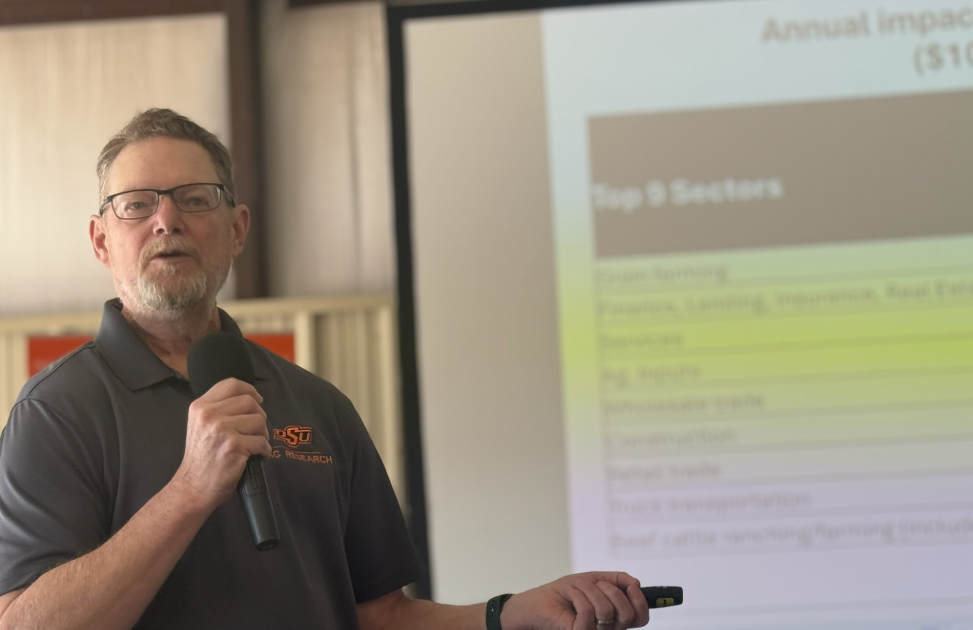
A recent visit to Lahoma Wheat Field Day saw Farm Director KC Sheperd speaking with Dayton Lambert of Oklahoma State University (OSU) about a comprehensive impact analysis conducted on the university's wheat breeding program. This extensive project aimed to quantify the program's contributions to the Oklahoma economy and wheat producers.
"We took some publicly available data; we wanted to look at the impact of OSU's wheat breeding program on the economy of Oklahoma and wheat producers," Lambert explained, highlighting the scope of the research.
The findings of this analysis revealed a substantial return on investment. "We found that over 16 years, about $78 million returns to that wheat breeding program. If you look at that every year, it's about $4.6 million," Lambert stated, underscoring the consistent annual economic benefit generated by the program.
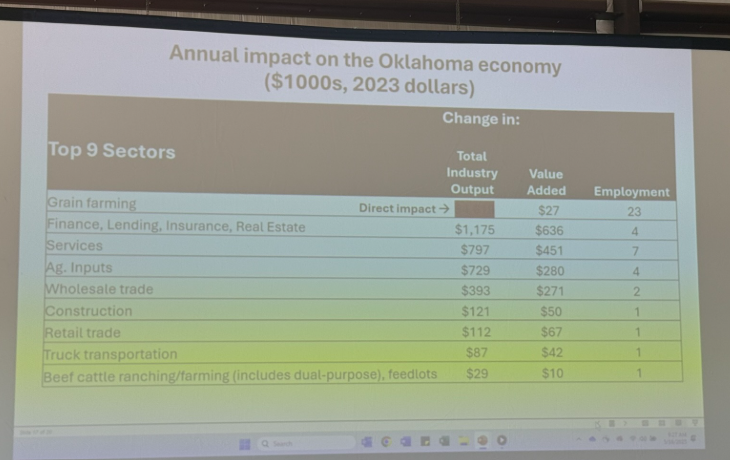
Sheperd inquired about how OSU's returns compared to those of wheat breeding programs in other states and institutions, a figure that hadn't been widely publicized before. "Well, I guess no one asked the question," Lambert responded, leading to a comparison that placed OSU's impact in perspective.
"The other universities on different programs and crops found really high multipliers of about 20 to one. That means every dollar invested in that program generated about $20 on the back end," Lambert noted. However, he emphasized the conservative nature of OSU's findings for wheat. "Ours were much more conservative, so we found about 8.8 to one for wheat. And that's just looking at raw returns, but when we net out the cost, we get down to about three to one. That's a really respectable number. It's conservative - on the low end - but still, it's a really respectable number."
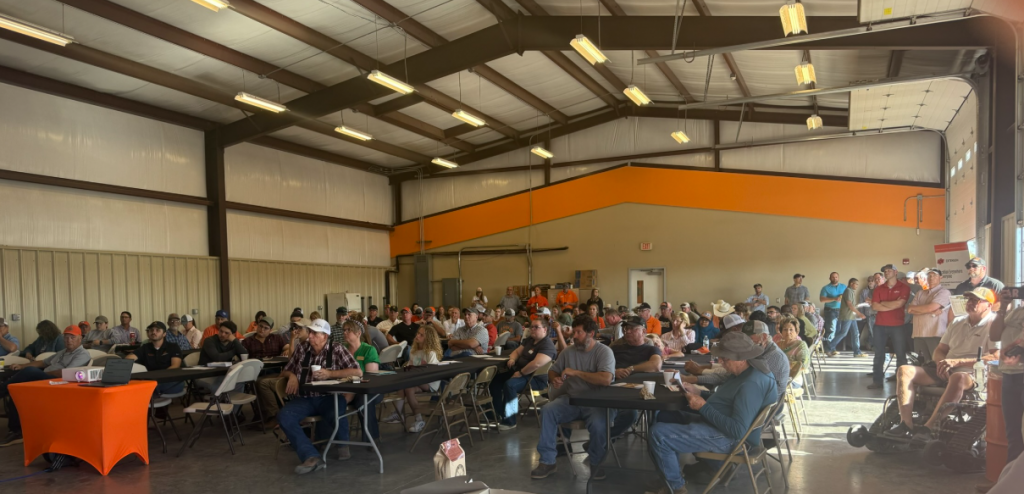
The study also traced the broader economic impact within Oklahoma. "It was about 4.6 million, and that investment into the wheat sector trickles down into other sectors of the economy," Lambert detailed. "We can trace that impact on other things like ag input, suppliers, milling, trucking, real estate, and other parts of the economy that are impacted by wheat."
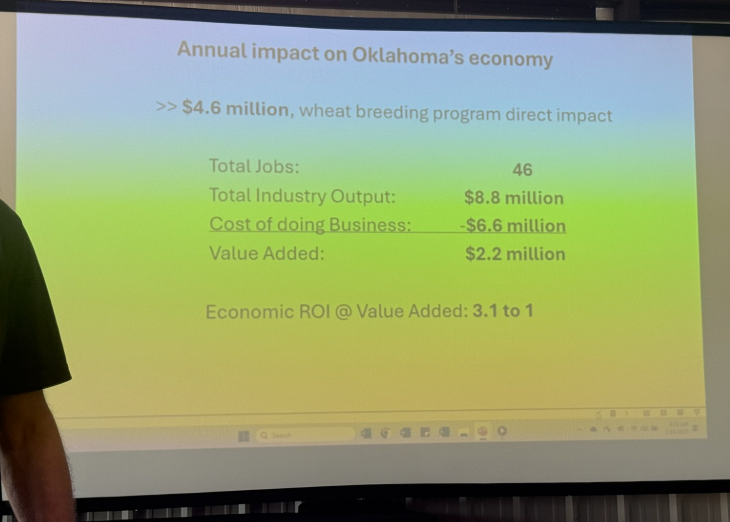
When asked about the most surprising aspect of the findings, Lambert pointed to the conservative nature of the calculated returns. "I guess it's how conservative our numbers are. We're not capturing everything in that number. There are things like dual purpose, we're not getting in there. There's other wheat premium we're not getting in there. So that number was real conservative." This suggests that the actual economic benefits could be even more significant than the reported figures.
Lambert provided a clear direction for those interested in delving deeper into this research: "Well, they can have the presentation that we did at the home of the program today." This presentation likely contains a comprehensive breakdown of the methodology and findings of this important impact analysis, offering valuable insights into the significant role of OSU's wheat breeding program in the Oklahoma economy.
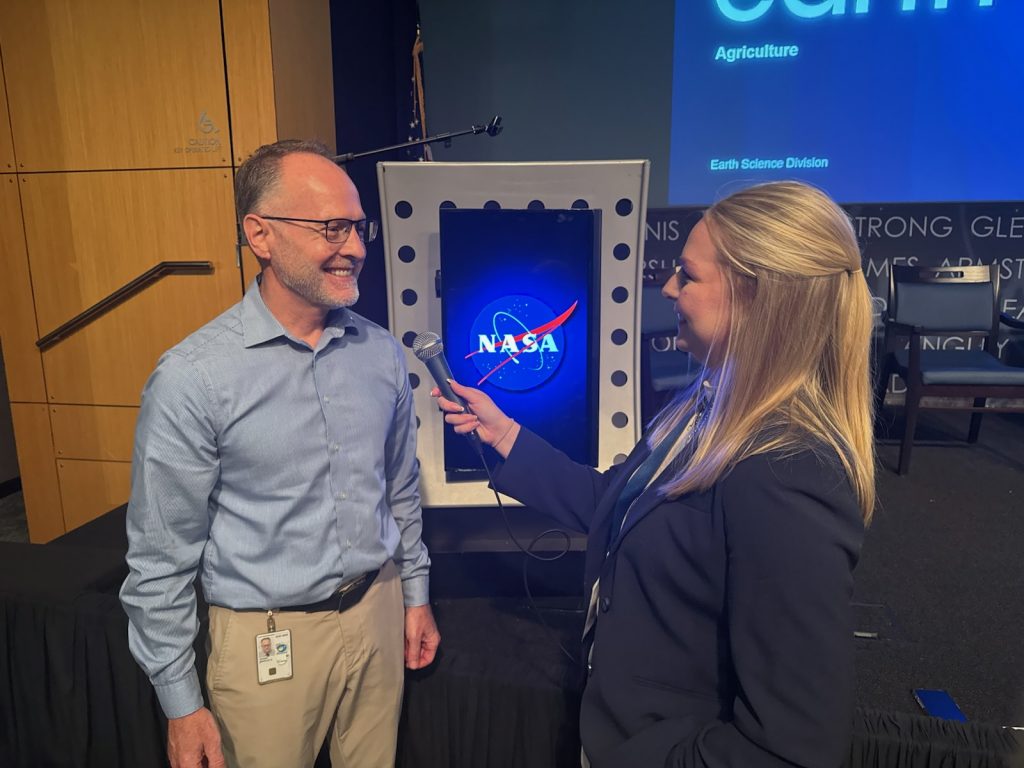
Farm Reporter Maci Carter recently had the chance to speak with Brad Doorn, Agricultural Program Manager for NASA. For NASA, Doorn develops the strategy and implementation plan to enhance the value of NASA Earth observations and science for water resources and agriculture applications, which includes seeking out partnerships and funding for applied research that will result in more active use of NASA capabilities to solve water resource challenges and agriculture/food supply decisions.
Decades ago, when the U.S. began to trade globally, Doorn's team began trading information to the USDA about global food supply for the WASDE Report. The work has evolved to include yield forecasting, wildfire reports, and is now providing data directly to farmers.
"As we come to today, all of our data is more advanced, users are more advanced, and now our role is really getting this data into farmers' hands and into users' hands," Doorn explained.
Currently, the weekly Drought Monitor Report includes data provided by NASA. NASA also provides data for weather services and is part of the framework for GPS navigation technologies.
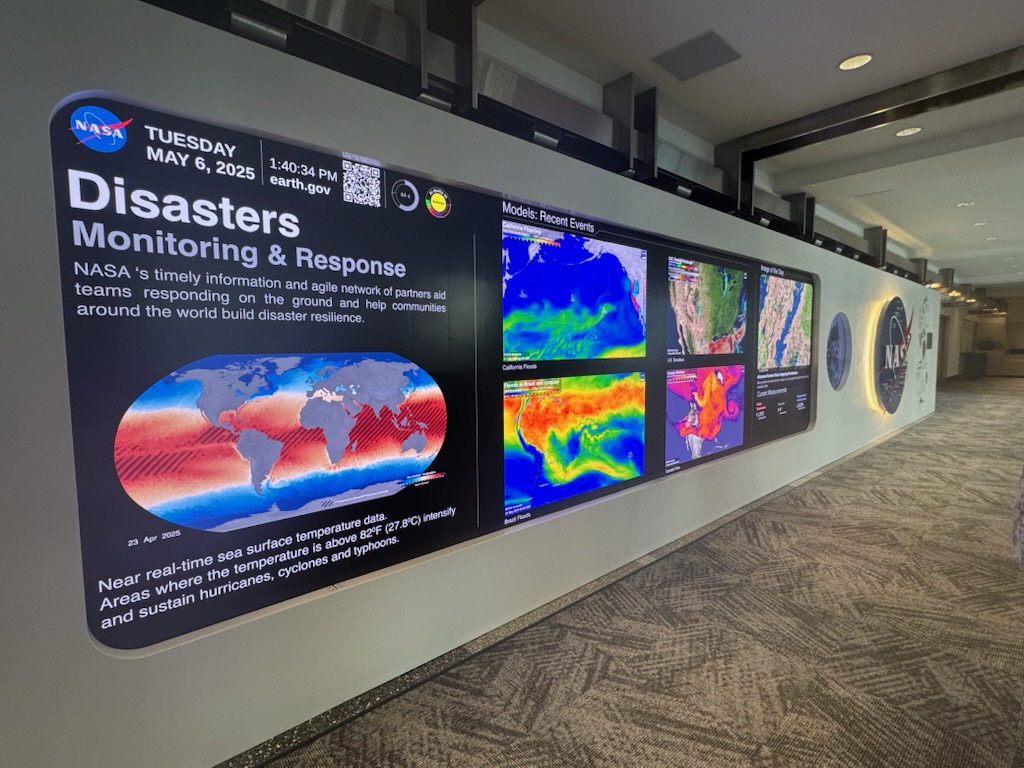
"Our data is both underneath a lot of things that we do, and now, our data is going to be more directly in front of farmers," Doorn summarized.
He highlighted the importance of providing accurate, relevant information that helps farmers make informed decisions. "We've developed a lot of models at NASA, and now, we are able to integrate those models into current monitoring systems to virtually project what that satellite might see into the future. We also use AI technology. These are all being tested now, and you are hearing a lot about that all over the place. We just want to make sure they are really validated by good, sound satellite data observations and science."
NASA is participating with the USDA in a water conservation research project in Western Kansas. "It's great that they are using satellite data to help part of that process to really understand the Ogallala reservoir and to understand what the best management schemes are, and also to bring in all different aspects of agriculture."
He emphasized the complexities of making such management decisions, as people can't simply stop using water to conserve it. "If it's going to be sustainable, it's got to be economically sustainable," he said.
When asked about the role of GPS in precision agriculture, Doorn pointed out that he has a PhD in Geodetic Science and Surveying, which centers upon understanding the Earth and its shape. He explained, "Gravity has a huge impact on our satellites and where they are in orbit. It also has a huge impact on the surface of the Earth and how we map it. So we have to have that very, very accurate so that we get those precise, accurate measurements from the GPS system. The framework of these measurements is developed through the GRAVES system; those are the most accurate, global gravity measurements that we have. That allows us to make sure that GPS keeps improving more and more and is reliable."
Farmers can access data from NASA with a simple web search for "NASA acres," "NASA Harvest," or "Open ET." He admitted that access could be better, and NASA is working on making the information easier to find and more accessible, and easier to integrate into decision-making systems, such as weather forecasts, drought monitoring, or a farm management system.
"That is the real goal, but if you go out to those sites, it will answer a lot of questions, and more and more data is flowing and will be flowing over the next few years," Doorn shared.
NASA is funded by the government, and as the government is downsizing, NASA is examining more efficient ways to continue providing the data and research that it always has.
"That could be in collaboration with USDA, we are up for the challenges," Doorn stated. "NASA faces challenges all the time; we love them. We are going to do whatever we can with whatever Congress and the administration give us."
NASA connects with agriculturalists through various channels such as the NAFB Washington Watch event, where Doorn spoke with Carter and other farm broadcasters, a Commodity Classic or similar venue, participating in ag tours, and through its programs, NASA Acres and NASA Harvest.
"That's where we have our farmer innovation advancement team, a group of farmers working together to help drive what we need to do," Doorn shared. "Those are the ways we are connecting with farmers, and I think the critical thing there is getting critical information to them in a timely manner that they can use to make decisions."
He emphasized how important it is for NASA to understand the needs of the agricultural community in order to provide them with the information that they need when they need it.
Doorn concluded the conversation with a quote he heard: "One of the best quotes I've heard from one of our scientists... he said, 'You know, farmers, they're basically scientists. They are out there experimenting, testing, and then they evaluate. We just need to get tied into that because we actually tick the same way.'"
| |||||||||||||||||||||||||||||||||||||||||||||||||||||||||||||||||||||||||||||||||||||||||||||||||||||||||||||||||||||||||||||||||||||||||||||||||||||||||||||||||||||||||||||||||||||||||||||||||||||||||||||||||||||||||||
| |||||||||||||||||||||||||||||||||||||||||||||||||||||||||||||||||||||||||||||||||||||||||||||||||||||||||||||||||||||||||||||||||||||||||||||||||||||||||||||||||||||||||||||||||||||||||||||||||||||||||||||||||||||||||||
|
Rep. Preston Stinson, R-Edmond, and Sen. Brent Howard, R-Altus, today commented on the governor's veto of House Bill 2048.
The bill would prohibit drug manufacturers and distributors from arbitrarily limiting the number of pharmacies with which 340B hospitals and health care providers can contract, a practice that makes it nearly impossible for all qualified patients to be covered under this federal program. 340B providers are rural, nonprofit and critical-access hospitals and health centers that serve a high number of uninsured and low-income patients.
Stinson and Howard issued the following joint statement:
"Today, rural Oklahoma lost to Big Pharma. Out-of-state and foreign drug companies and the dark money interests working for them successfully derailed the most important legislation introduced this year to help the health care providers who serve our most vulnerable communities. By lobbying for a veto of House Bill 2048, these deep-pocketed interest groups effectively undermined protections for essential medical services, including cancer treatments and obstetrical care, across our state.
"These groups spread blatant lies and misinformation to attack us and our fellow conservatives in the Legislature. They claimed we support illegal immigration and gender transition surgeries for minors, when nothing could be further from the truth. This same supermajority GOP Legislature banned such procedures in 2023.
"The Oklahoma Legislature overwhelmingly passed House Bill 2048 to give rural Oklahomans a fighting chance against the $7 trillion drug industry that prioritizes profits over people. We ask our colleagues in the House and Senate to join us in urging leadership in both chambers to override this veto so Oklahomans across the state, from Boise City to Edmond to Burns Flat and everywhere in between, do not lose access to life-saving health care. We introduced this bill to stand with Oklahoma patients, local pharmacists, and frontline providers while Big Pharma rakes in record profits and fights President Trump's mission to lower prescription drug costs for all Americans.
"While we agree with the Governor that broader reforms are needed to fix the federal 340B program, Oklahomans can't afford to wait while the Washington bureaucracy drags its feet. This Legislature will not be intimidated by Big Pharma's shady tactics and smear campaigns. It's time to override this veto to protect our local providers and reject the profit-driven motives of out-of-state pharmaceutical companies."
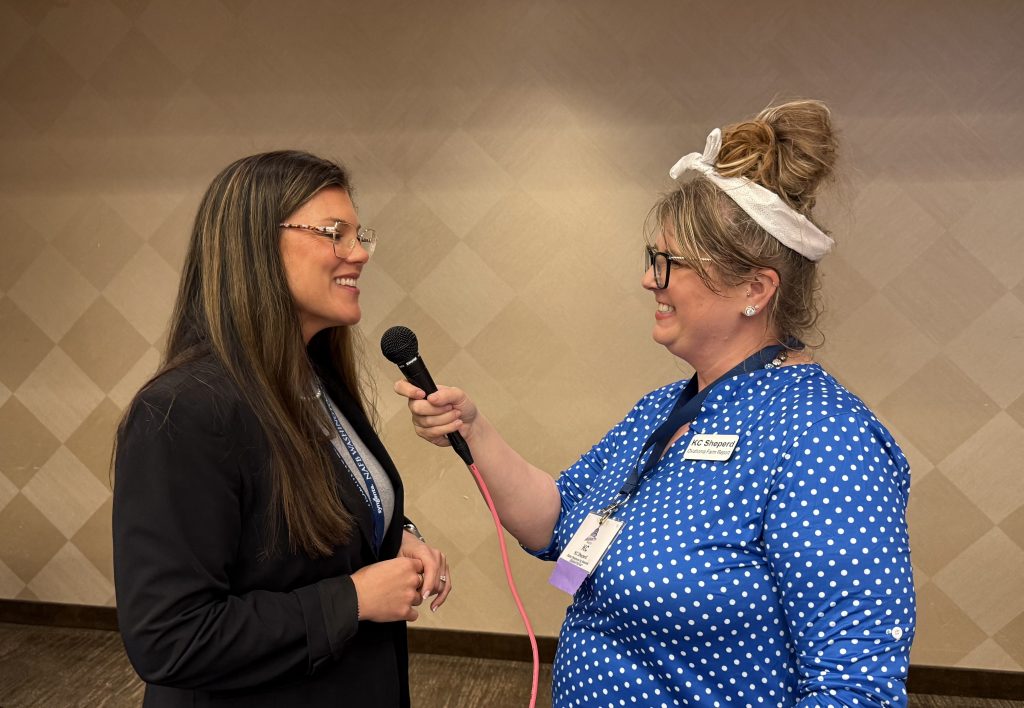
While attending NAFB's Washington Watch, Farm Director KC Sheperd had to chance to visit with Amy France, National Sorghum Producers Chair. As the proclaimed voice of the sorghum industry, France and her team have been meeting with lawmakers and advocating for the needs of their members.
According to France, there is a lot on their list of requests from lawmakers. She detailed, "The farm bill has been pushed down the road far too long, so we need to make sure that we have an improved five-year farm bill. That has continued to be top of mind."
Trade and President Trump's tariff policies have also been a hot topic. She explained that eighty to ninety percent of the sorghum exported from the U.S. went to China, where trade has been halted. France indicated that she had spoken with Ag Secretary Brooke Rollins, and suggested opening markets in India as a solution to the loss of trade with China for sorghum producers.
"Sorghum saw India on the radar, as have many other commodities, and have been working to build that relationship and educating them on how sorghum fits in India," France said. "We recently did a trade mission to India in January and visited with the poultry sector. Whole grain sorghum can go straight into their ration. We can clear the non-GMO hurdle easily. Those poultry producers need sorghum, so that is our solution, and we are encouraged to hear that it is on the Secretary's calendar."
As one of the most water-efficient crops, sorghum has a strong voice for sustainability. "I live in Western Kansas, and we sit on top of the Ogallala Aquifer, and it is declining," France said. "Where other commodities need a lot of water, sorghum is the water-sipping crop."
The biggest challenges in the sorghum industry center around the outdated reference price in the farm bill currently being used, which was created in 2018. France said that farmers were in better financial shape to withstand the trade war of 2018 than they are in 2025.
She expressed concerns about the mental health of farmers under such circumstances. "That is something that needs to be brought to the conversation is what support do we have for our farmers in this tough time?" she queried. "Those are the things we continue to have conversations about and align ourselves with other groups that have that same focus, too. We have to keep our farmers farming, but we have to keep them moving as well."
France herself grew up on the family farm, and her husband is a fourth-generation farmer, therefore, she understands the importance of family to farming operations. All of her efforts, and those of her team, at the Capitol center around ensuring a workable environment for the next generation of farmers.
In response to the Texas Supreme Court opinion issued in Myers-Woodward LLC v. Underground Services Markham LLC, holding that pore space belongs to the surface owner, Texas & Southwestern Cattle Raisers Association President Carl Ray Polk Jr. released the following statement:
"At TSCRA, we believe it is the landowner who rightfully owns pore space. Clear ownership leads to fair and transparent negotiation with industries using our property for energy exploration — protecting both private property rights and the land.
Technology, whether new or old, does not change fundamental ownership. We support the Texas Supreme Court's decision to uphold Texans' fundamental private property rights."
On Tuesday,U.S. Senator Markwayne Mullin (R-OK), a member of the Senate Appropriations Committee, applauded Secretary Robert F. Kennedy Jr.'s efforts to Make America Healthy Again at the subcommittee hearing, "A Review of the President's Fiscal Year 2026 Budget Request for the Department of Health and Human Services". Highlights of Senator Mullin's exchange on a range of topics, including wasteful NIH funding, are below.
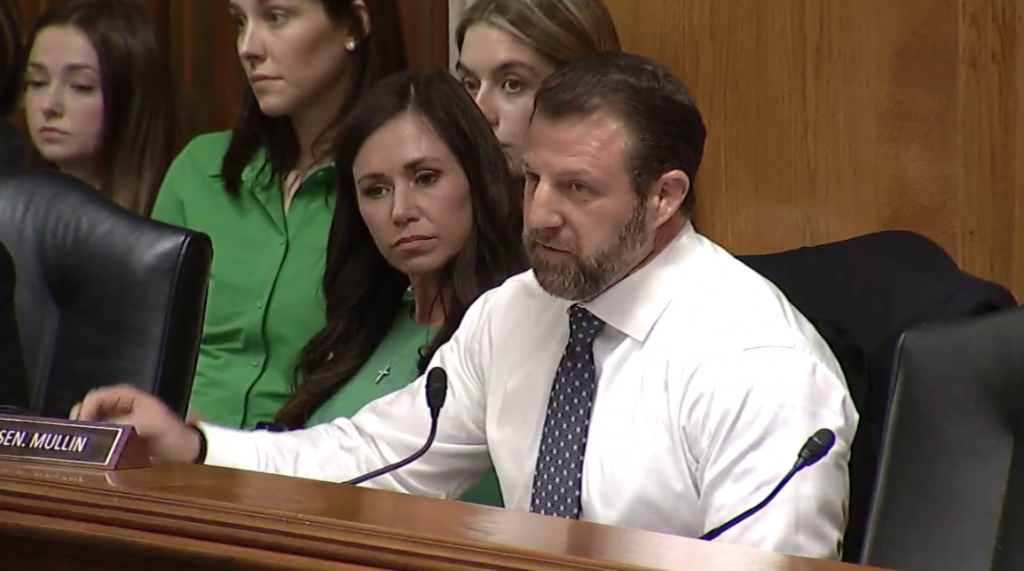
The full exchange can be found here.
On America's health crisis:
Sen. Mullin: "Earlier, you said... HHS over the last four years had increased by 38% is that correct?"
Sec. Kennedy: "That's right, Senator Mullin."
Sen. Mullin: "So, what has the taxpayers got in return over the last four years?
Sec. Kennedy: "They got a worse chronic health crisis and the unhealthiest, sickest, population in the globe."
On the increase of the HHS budget in recent years:
Sen. Mullin: "So, your total budget for 2024, I think, was around $1.7 trillion. Is that correct?"
Sec. Kennedy: "Yes."
Sen. Mullin: "So, we've had a 10% increase across that, we've received nothing in return?"
Sec. Kennedy: "We've had a 38% increase in four years with nothing in return."
On wasteful NIH funds:
Sen. Mullin: "And we have my Democrat colleagues that are complaining about cutting spending at the same time we have NIH recipients, because we've heard our colleagues on the left side really complain about you cutting NIH funding, because they call it research, but is it really research? I mean, let me just throw some numbers out here for you. Harvard received $488 million in NIH, and 69% went to indirect costs, meaning didn't go to research. Yale received $646 million and 67.5% of their NIH money went to indirect costs, meaning didn't go to research."
Sen. Mullin: "You have Johns Hopkins University got $858 million 67.5% went to indirect costs, meaning 67.5% of $858 million did not go to research. University of California, San Francisco received $815 million in NIH money and 59% went to indirect costs. But I'm sure there's no room to cut NIH money for research? I mean, who would think we probably have room for that?"
Sec. Kennedy: "There's room to cut the research both through the indirect cost, which the total cost was $9 billion last year in indirect. So that's, you know, that's $9 billion that did not go to research."
Sen. Mullin: "$9 billion that went to other things, like flowers at the University President's house."
On Secretary Kennedy's work to Make America Healthy Again:
Sen. Mullin: "You know, only in the American government do we think throwing money at the problem will eventually fix it. So, thank you for staying strong and actually getting the taxpayers the money that they spent for something that it's supposed to be spent for, and that's to make us healthier, so thank you for being strong in this."
Rabobank, a premier global food and agribusiness bank founded 125 years ago and a leading financier of the energy transition, released the annual BBQ Index ahead of grilling season. The basic premise of the BBQ Index is to determine the cost of a BBQ for ten people ahead of the summer grilling season.
Rabobank's senior beef analyst, Lance Zimmerman, talked in depth with Oklahoma Farm Report's Ron Hays about the BBQ Index, assembled and worked on by a team of food and ag analysts at Rabobank. The team assumes each person will consume one cheeseburger with lettuce and tomato, one chicken sandwich with lettuce, tomato, and a slice of cheese, two handfuls of chips, two beers, a soda, and a few scoops of ice cream. As a means of comparison, the BBQ Index parallels the Bureau of Labor Statistics as a data source. The team selected the monthly data series "average price index, U.S. city average."
As we pool all of those items together, it is looking like this year that grocery basket of goods will have basically a four percent year-over-year increase compared to last year, so stronger than what generic inflation would be, or headline inflation, as they often say," Zimmerman reported.
Hays pointed out that chicken increased by a higher percentage than ground beef, and Zimmerman pointed to the rebounding demand for chicken breasts in food service. "There is a massive focus on value, especially among quick service restaurant chains today," he said. "As they look at trying to find ways to minimize price pressure on consumers, food service is chasing white meat chicken breasts hard, and as a result, it is leaving retail grocery stores in a little bit of a scramble mode so that they have to increase prices."
Despite the 4% price increase, Zimmerman doesn't anticipate that it will slow down the summer BBQ season at all. "Beef is that celebratory protein," he explained. "It is that item that takes the center of the plate when we are celebrating special occasions, which is what grilling season is all about."
He described how the cost of upgrading food choices is one of the cheapest premiums to pay in terms of added value for the additional dollar. According to Zimmerman, this is certainly the case with beef. He detailed, "Beef has been a beneficiary of that when we look at how strong demand has been, not just recently, but really the gross trend that we've seen over the last three decades."
May is beef month, so the timing of the BBQ Index is prudent, and the strength in cattle markets is partially the result of exalted beef demand, but also due to tightened supplies.
"When we look at ground beef in particular, it went through some massive month-over-month price increases in the first quarter," Zimmerman noted. He expects ground beef prices to rise much more slowly in the coming months.
Over the last several years, various beef reports show that ground beef makes up between 55% and 60% of total beef consumption. This is significant because in the 1980s and 90s, it was considered a salvage product to add value to tougher cuts of meat and to the cull cow and bull industry; however, increasingly over the last decade, the ground beef category has experienced premiumization due to its wide use across the industry.
"Texans listening today are probably crying because you even see premium grinds using ground brisket in their formulations in USDA Prime Grind; that would have never been imagined ten or fifteen years ago," Zimmerman stated. "It tells you how far we've come as an industry where even grinds are considered a premium offering."
Digest more of the Rabobank 2025 BBQ Index featuring dairy, poultry, baking, and produce here.
The Beef Buzz is a regular feature heard on radio stations around the region on the Radio Oklahoma Ag Network and is a regular audio feature found on this website as well. Click on the LISTEN BAR for today's show and check out our archives for older Beef Buzz shows covering the gamut of the beef cattle industry today.
$100K for Top Entrepreneur
The American Farm Bureau Federation, in partnership with Farm Credit, is seeking entrepreneurs to apply online by June 9 for the 2026 Farm Bureau Ag Innovation Challenge. Now in its 12th year, this national business competition showcases U.S. startup companies developing innovative solutions to challenges faced by America's farmers, ranchers and rural communities.
The overall winner of the competition will receive $100,000 in startup funds, the runner-up will be awarded $25,000 and two additional business owners who advance to the final four round will receive $10,000.
"This competition supports incredible entrepreneurs who are making sure agriculture is ready to meet the challenges of tomorrow," said AFBF President Zippy Duvall. "If you have a vision for how your business can drive agriculture forward, apply today."
Farm Bureau is offering a total of $145,000 in startup funds throughout the course of the competition. After the application period closes, 10 semi-finalist teams will be selected and announced on Aug. 4. Next, the 10 semi-finalist teams will pitch virtually to compete for a spot in the final four round of the contest.
The final four teams will be awarded $10,000 each and participate in a live pitch competition in front of Farm Bureau members, investors and industry representatives at the AFBF Convention in January 2026 in Anaheim, California, to win:
Farm Bureau is proud to recognize these innovative businesses, in partnership with sponsors Farm Credit, Bayer Crop Science, John Deere, Farm Bureau Bank, Farm Bureau Financial Services and T-Mobile.
Recent winners of the Ag Innovation Challenge include Gripp, which offers farmers an operator-centric way to keep records of assets in combination with communication tools to keep everyone connected (2025 Ag Innovation Challenge Winner) and Barn Owl Precision Agriculture, a company that manufactures a fully autonomous robot that supports farmers as they plant crops, control weeds and collect soil samples (2024 Ag Innovation Challenge Winner). Other examples of successful Ag Innovation Challenge participants, as well as detailed eligibility guidelines and the competition timeline, can be found at fb.org/challenge.
Entrepreneurs must be members of a county or parish Farm Bureau within their state of residence to qualify as top 10 semi-finalists. Applicants who are not Farm Bureau members can visit https://www.fb.org/about/get-involved to learn about becoming a member.
Applications must be received by 11:59 p.m. Eastern Daylight Time on June 9.
The Oklahoma Conservation Commission (OCC) is embarking on an innovative initiative this summer, taking its popular "Crossroads" soil health event on the road with a multi-day bus tour. Trey Lam, Executive Director of the OCC, shared details with Farm Director KC Sheperd about the "Crossroads on the Road Soil Health Bus Tour," emphasizing its hands-on approach to educating farmers and ranchers about sustainable land management.
"We think it's an exciting opportunity," Lam stated, explaining the evolution from their annual Enid-based "Crossroads" event. "We've noticed in other states and even other ag groups have these bus tours. So we thought this year we'll take it on the road, because there's a lot you can do in the classroom when you talk about soil health and soils and good stewardship, but seeing it in practice is a lot more eye-opening."
The tour, co-sponsored with No-till on the Plains, will begin in Kay County at Tom Cannon's Goodson Ranch, known for its long-standing commitment to both crop and livestock production. From there, participants will journey south to the Noble Research Institute to explore the institute's shift towards regenerative agriculture and grazing-focused soil health practices on their ranch lands.
The second day will see the tour head west to visit Brett Peshek, a producer and business owner specializing in cover crop seed. Lam highlighted the increasing importance of cover crops, noting they've "become really important to our soil health program, both on cropland and overseeding of pasture lands to get that diversity, because you want to be able to keep a living root in that ground."
The tour will then visit Jimmy Smith Farms in Beckham County, a Leopold award winner recognized for its dryland cotton production and innovative use of cereal rye as a cover crop, as well as their custom-built grain drills. Further stops in western Oklahoma include Mark and Annette Thomas's operation, where they are innovators in direct-marketed cattle and meat production.
Lam emphasized the diverse learning opportunities the tour offers. "You're going to learn so much from the people who are on the bus with you," he remarked, underscoring the value of farmer-on-farmer training and mentorship. He stressed the importance of seeing various approaches to soil health across different environments: "We're going to see all different types of soils, all different types of rainfall patterns, and how they're making it work in each one of those environments." This, he believes, allows participants to compare practices with those "facing the same challenges that you are."
The "Crossroads on the Road" tour is open to all – farmers, ranchers, agricultural professionals, and the general public. Registration information is available on the Oklahoma Conservation Commission's website or through the No-till on the Plains site.
Beyond the bus tour, Lam outlined a busy summer agenda for the OCC. This includes expanding their cedar and woody species control program across the state, with new pilot projects on the North Fork of the Red River. They are also conducting more training for rural fire departments and prescribed burn associations to promote the value of prescribed fire. Additionally, their unpaved roads program continues to work with county commissioners to reduce erosion and maintenance costs, and their water quality monitoring efforts are ongoing to demonstrate the positive impact of voluntary conservation practices on Oklahoma's waters.
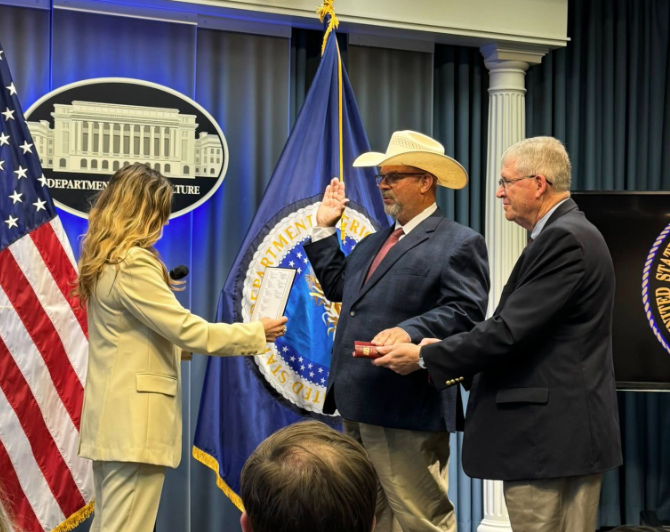
A significant development for Oklahoma conservation, Lam excitedly shared, is the appointment of Jimmy Emmons as Assistant Chief of the NRCS in Washington, D.C. Lam described Emmons as a personal mentor, highlighting his pioneering work in no-till and soil health. "It's a great day for Oklahoma and for conservation in general," Lam stated. "To have someone who understands where you're coming from and what the local conservation district does, a local USDA Service Center. He knows what the customer needs and what the farmer and rancher face when they go into that office." This direct connection to Washington, Lam believes, will be invaluable for Oklahoma's conservation efforts.
For more information on the bus tour or any OCC programs, individuals are encouraged to visit the OCC website or contact their local conservation district office.
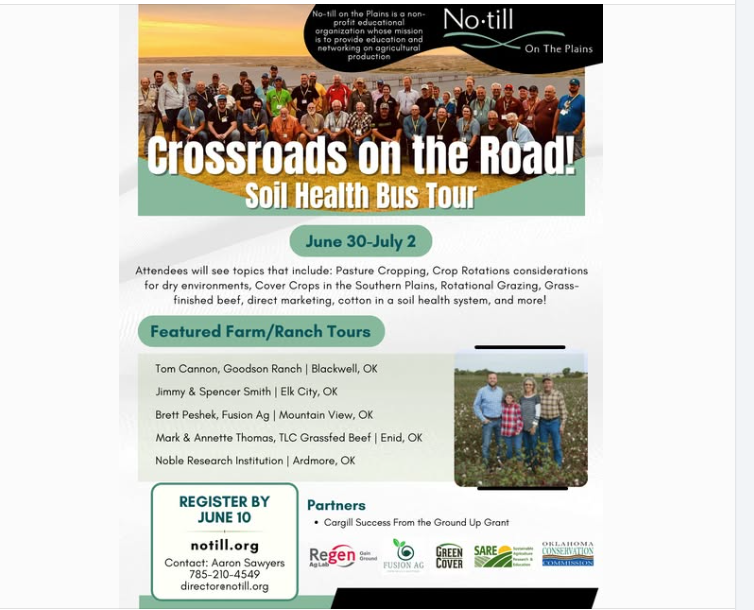
- Learn about soil and water resiliency.
- Observe soil health considerations in the Southern Plains: Crop rotations, cover crops, pasture cropping, native pastures, grazing, stacked enterprises, and more.
- Regenerative Agriculture in action
Departing on June 30 AM from the Kansas Star Casino, 777 Kansas Star Dr., Mulvane, KS 67110, and proceeding south to the Goodson Ranch, 10855 W. Hubbard Rd., Blackwell, OK 74631.
Make sure to select where you will load the bus during registration.
**** The group will arrive back at the departure site on July 2, 2025. ***
The American Feed Industry Association (AFIA) has released its 2025-26 policy priorities, reaffirming the animal food industry's commitment to advancing policies that improve the business environment for U.S. animal food manufacturers. The new policy agenda focuses on improving the regulatory environment for new ingredients, expanding access to animal food solutions and enhancing market competitiveness while promoting feed and food safety.
"Our Board leadership and members have put forward robust policy priorities that are crafted to ensure the animal food industry remains competitive in a dynamic and ever-changing regulatory and global trade landscape," said AFIA President and CEO Constance Cullman. "We are taking a proactive approach to tackling long-standing challenges that impede U.S. animal food manufacturers' ability to do business and bring innovative animal food solutions to the market, while preparing for emerging issues that could impact the U.S. animal food supply chain in the future."
On Thursday, over 50 AFIA Board members will be in Washington, D.C., speaking to members of Congress about the association's policy priorities. AFIA's policy priorities will focus on six key areas, including:
These priorities will guide AFIA's legislative, regulatory and global trade policy engagement strategies through 2026. To learn more about AFIA's work and how these priorities will shape the future of the U.S. animal food industry, visit afia.org
Today, House Agriculture Committee Ranking Member Angie Craig (MN-02) delivered the following opening statement before the House Rules Committee, as Republicans pushed forward with their plan to cut $300 billion from food assistance programs to fund tax breaks for wealthy individuals and large corporations. Rules Committee Republicans convened the hearing at 1:00 am EDT, advancing their tax scam while America slept. Watch the full markup here.
Thank you, Chair Foxx and Ranking Member McGovern.
I had hoped that for my first appearance here before the Rules Committee, the Chairman and I would be coming to you, arm in arm, in support of a five-year farm bill with 12 bipartisan titles.
Instead, we're here discussing the Agriculture Committee's contribution to a partisan bill that decimates the most successful anti-hunger program in our nation and destroys the coalition that has always been able to get a farm bill across the finish line. And why? Not for middle-class tax cuts. But for the wealthiest individuals and large corporations. In addition, it is expected to increase the national debt. Let me repeat that. Increase the national debt by $5.6 trillion over 10 years.
This bill is dead on arrival in the Senate. How do I know? Because Senator Chuck Grassley told us so.
Because it puts a huge burden on the states by forcing them to pay for anywhere from 5 to 25 percent of food assistance. Chair Foxx, the governor of your state said, and I quote:
"If Congress goes forward with these plans, our state will be forced into perilous budget decisions – should North Carolinians lose access to food, or should we get rid of other essential services?" End quote.
North Carolina is on the hook for up to $700 million per year under this proposal. That's the equivalent of 8,9000 public school teacher salaries in North Carolina. Republicans want states to do their dirty work and take food away from people. And it doesn't end there.
This budget does something else really egregious: it changes the definition of "dependent" from children under the age of 18 to children over the age of six. Once a kid turns seven years old, their parents could lose food assistance unless they meet some new paperwork requirements. I wonder if the people who came up with that policy have children. I have several and let me tell you: they eat more as they grow, not less. It's truly beyond the pale, what this budget would do to children in our country.
And let's be clear about what we're talking about here. The average person gets around $6 per day in food assistance. Let me say that again – six dollars a day.
No one chooses to sit at home for six dollars a day. Six dollars a day doesn't build you a life. But it can build you a bridge to the next paycheck, the next opportunity, the next moment of stability.
CBO estimates that the new paperwork requirements alone will take food assistance away from at least 3 million people. They didn't say that 3 million people will receive a little less food. They say 3 million people will receive no food assistance. So much for claiming no one will lose benefits.
Hunger is a policy choice, and Republicans are choosing children going to bed without dinner. Seniors skipping meals so they can afford medicine. Parents sacrificing their own nutrition so their kids can eat. Single mothers leaving their 7-year-olds at home alone or letting them go hungry.
Everyone in this country is struggling with higher costs already, and, instead of addressing that problem, Republicans are choosing to make it worse. It is shameful.
Republicans claim they are rooting out "waste, fraud and abuse" or "holding the states accountable for high error rates." This bill does not tackle fraud and does not include many commonsense policies that would improve program efficiency.
And for what? To fund tax breaks for the wealthy and large corporations.
I look forward to answering your questions.
Several Oklahoma House Democratic Members rose to debate against HB 2766, the general appropriations bill for FY-2026, and HB 2764, which provides a quarter-percent cut to the personal income tax rate.
Arguments against both bills pointed to a lack of prioritizing everyday Oklahomans, setting the state up for potential financial challenges with the income tax cut, and lack of preparations for looming cuts to funding by the federal government.
"This budget does not reflect the true needs of everyday Oklahomans," said House Democratic Leader Cyndi Munson, D-Oklahoma City. "We had an opportunity to provide targeted tax relief to those who need it most while protecting our revenue base. Instead, Republican legislative leaders put the Governor's priority of decimating our revenue base and putting core functions of government at risk before meeting those needs. We continue to be last on the list for education and healthcare—two of the most important components of building a strong economy—and this budget does nothing to address either in a real way. By prioritizing flat agency budgets and an income tax cut that helps the wealthiest Oklahomans, we continue to kick the can down the road to truly move our state forward. We can do better, and we should."
Rep. Trish Ranson, D-Stillwater, said this budget could do more to help Oklahomans.
"Tying the budget to an income tax cut is a hard 'no' for me," Ranson said. "I believe we could do so much more for Oklahomans. Restricting our revenue when we are already a poor revenue state, is not planning for the future–it's not even planning for today. Agency budgets were held flat, which means this budget was built for the past."
Rep. Michelle McCane, D-Tulsa, said an income tax cut disproportionately benefits the wealthiest Oklahomans.
"On paper, an income tax cut might sound good—but in reality, it overwhelmingly benefits those making over $100,000 a year," McCane said. "The median household income in our state is under $65,000. Most families won't see meaningful relief, but they will feel the consequences—a decrease in essential state services, crumbling infrastructure, and overburdened healthcare systems. And let's be honest: we're staring down unknown federal budget cuts and navigating a virtual fun house of shifting tariff policies that could hit our farmers and small businesses hard. This is not the time for reckless revenue cuts. We need tax policy that's smart, stable, and centered on everyday Oklahomans—not giveaways for the wealthiest few."
Rep. Ellen Pogemiller, D-Oklahoma City, said the budget chooses tax cuts over Oklahoma communities.
"Let's be clear: companies and families won't choose to move to Oklahoma because it's the cheapest option—they will move here because of our infrastructure, our educated workforce and the resources which are at risk due to a trigger tax cut," Pogemiller said. "This month alone, two child care centers in my district shut their doors. Instead of raising subsidies to reflect the actual cost of care, we handed out tax cuts worth just $11.91 a month for the median income earner in our state. Meanwhile, critical federal funding for programs like SNAP and Medicaid are under threat. Rather than planning for the long-term sustainability of these lifelines, we chose tax cuts over our communities."
U.S. Secretary of Agriculture Brooke L. Rollins and U.S. Secretary of the Interior Doug Burgum today signed a joint memo (PDF, 693 KB) on wildfire preparedness, ensuring our two Departments are working in close coordination this fire season. USDA will work across President Trump's cabinet and with our trusted state, local, and Tribal partners to ensure our nation's wildland firefighting system is highly coordinated and focused on fighting wildfires quickly and effectively. Just beforehand, Secretary Rollins and Secretary Burgum received a 2025 operational fire briefing at the U.S. Department of Agriculture (USDA) Forest Service National Fire Desk.
 |
 |
"President Trump has directed the entire federal government to take immediate action to protect the people, communities, and the natural resources our country depends on from wildfire risk. Now more than ever, Secretary Burgum and I are working in lockstep, alongside our federal partners, to effectively combat wildfires. At USDA we are ensuring the entire Department is geared to respond to what is already an above normal summer fire season. We are providing the resources needed to ensure the Forest Service has the strongest and most prepared wildland firefighting force in the world," said Secretary Rollins.
"Our mission is clear: protect lives, defend critical infrastructure, and preserve the natural landscapes that sustain our way of life," said Secretary of the Interior Doug Burgum. "Through unity, preparation, and the dedication of our firefighting workforce, the United States is ready to meet this year's wildfires with strength and resolve."
Separately, Secretary Rollins signed a Secretarial Memorandum on improving USDA's approach to responding to wildfires. This Secretarial Memorandum (PDF, 1.3 MB) provides clear expectations about USDA's approach to responding to wildfires and directs the entire department to support our commitment to wildfire preparedness and response. It further directs the USDA Forest Service to take several organizational actions to ensure increased operational readiness, including authorizing staff across the department to work on temporary fire assignments.
May is National Wildfire Awareness Month, and a great time to come together and think about the role every American can play in reducing wildfire risk. Whether you are hiking in the backcountry or operating logging equipment, we all have a role to play to keep our communities and landscapes safe. By maintaining defensible space around your home and checking for local fire restrictions before lighting a campfire, every action counts. Together, we can reduce the risk of wildfire and ensure our first responders are not unnecessarily put in harm's way.
Weekly, Oklahoma State University Extension Beef Cattle Nutrition Specialist Paul Beck offers his expertise on the beef cattle industry. This is part of the weekly series known as the "Cow Calf Corner," published electronically by Dr. Derrell Peel, Mark Johnson, and Beck. Today, he discusses managing interseeded winter annual grasses.
Interseeding cool-season annual grasses like wheat, rye and ryegrass into bermudgrass pastures is a common way to extend the grazing season and provide high-quality pasture when cattle need it most. By doing this producers are able to graze these pastures for 9 or 10 months instead of the 4 to 5 months of grazing we normally expect from pastures containing only warm-season grasses. Most of the benefit comes during the late winter and early spring when the cool-season annuals begin to rapidly grow through late February through early June. There are several issues with this production system that can cause big problems if they are not controlled.
Everybody that has ever grown a garden knows that bermudagrass and crabgrass are very hardy plants and difficult to kill. One of the surefire ways to kill bermudagrass is to shade or smother it out. We can easily do this in pastures or hay meadows with our cool-season annuals if we are not careful. If allowed to grow uncontrolled late into the spring when warm-season grasses are breaking dormancy, the cool-season grasses will outcompete the warm-season grasses for sunlight and nutrients. This will delay the growth of the warm-season grass or, in severe cases reduce stand vigor or thin out warm-season pastures.
One way to reduce this problem is to only plant the number of acres we can graze during the spring, but that would require limit grazing or limiting the use of the cool-season forages in some way until spring growth occurs.
If we plant enough winter annuals to stock with our cattle in the fall and winter, then we may be able to adjust fertilizer levels to drive forage production for the times when we need more (fall) and put out less when we have more forage than we can use. Fertilizer is a good investment if we need or can use the additional forage it will produce; it is not worth its cost if the forage will not be used.
The best alternative may be to harvest the additional forage for hay or silage. If we have the equipment and are ready to roll when the time comes, wheat, rye, and ryegrass all make good hay and can be a valuable resource for wintering cattle later in the year.
Cool-season grasses can be a detriment to our warm-season pastures and hay meadows, delaying our first warm-season hay cutting or delaying summer grazing. But, with proper management these effects can be lessened and total forage production will be greater than if we managed for warm-season grasses alone.
RON's Dave Lanning has a pre-opening look at today's agricultural Markets.
Click the audio tab below for today's report.
RON's Jacquelyn Farris reports from the State Capitol
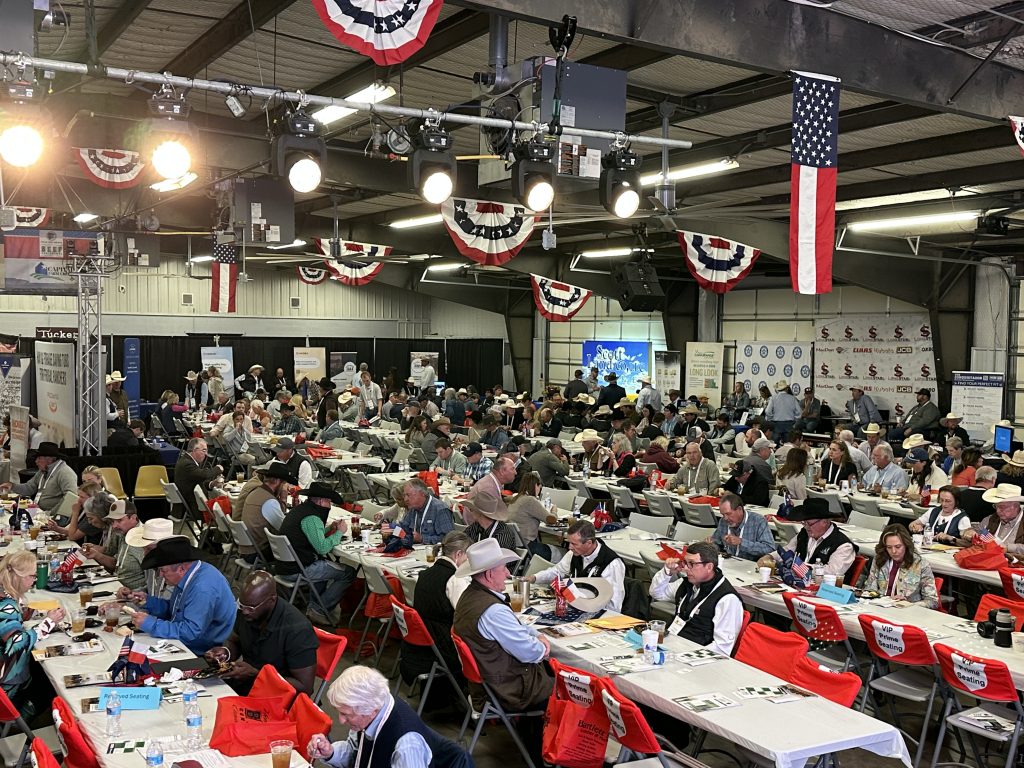
The 2025 Hemphill County Beef Conference, held on April 29-30, 2025, had
another successful year, reaching 865 participants from across the globe. The conference took
place at the Jones Pavilion in Canadian, Texas, and welcomed attendees from 24 states and four
countries: Australia, Ireland, Canada, and South Africa.
This annual event is well known for educational seminars, networking opportunities, and insights
into the latest in beef production and agricultural innovations. Year after year, the conference
solidifies its place as one of the top beef industry conferences in the nation. Andy Holloway,
Hemphill County Extension Agent, stated, "We are delighted with the growth and international
reach of the Hemphill County Beef Conference; the diverse representation from many states and
countries proves just how important and far-reaching this conference has become."
The 2025 conference featured diverse speakers and panels, including experts in beef cattle
production, meteorologists, veterinarians, forage and land management experts, marketing
trends, and a renowned keynote speaker, Dan Owolabi. Attendees had the opportunity to engage
with these industry professionals, learn from their extensive research and expertise, and explore
solutions to their challenges in the beef industry.
Over the last 10 years, Holloway and his team have worked tirelessly to ensure the success of
this event, proving their ongoing commitment to Hemphill County and the beef industry.
"We aren't done yet," Holloway said. "We've built something truly special with the Hemphill
County Beef Conference; looking ahead, we're excited for the next 10 years of serving the beef
industry, continuing to grow, and providing valuable insights through this annual two-day
conference."
For more information about the Hemphill County Beef Conference, including upcoming events,
please visit https://www.hemphillcotxbeef.com/ or follow our Facebook page, Hemphill County
Beef Conference
When changes in farm ownership or operation take place, a farm reconstitution is necessary. The reconstitution — or recon — is the process of combining or dividing farms or tracts of land based on the farming operation.
To be effective for the current fiscal year, farm combinations and farm divisions must be requested by August 1 of the fiscal year for farms subject to the Agriculture Risk Coverage (ARC) and Price Loss Coverage (PLC) program. A reconstitution is considered to be requested when all of the required signatures are on FSA-155 and all other applicable documentation, such as proof of ownership, is submitted.
Total Conservation Reserve Program (CRP) and non-ARC/PLC farms may be reconstituted at any time.
The following are the different methods used when doing a farm recon:
Today,U.S. Senator Markwayne Mullin (R-OK), along with SenatorsTommy Tuberville (R-AL) and Eric Schmitt (R-MO), introduced the Black Vulture Relief Act of 2025 which would allow farmers and ranchers the ability to protect their livestock when threatened by predatory animals without big government interference.
The Black Vultures Relief Act of 2025 removes the requirement for a depredation permit, allowing farmers and ranchers to take black vultures anytime the birds threaten their livestock. This bill also preserves the requirement for annual take reporting to the Fish and Wildlife Service (FWS), allowing FWS to continue monitoring black vulture population numbers, in addition to prohibiting the use of poison as a method of take.
Senators Cotton (R-AR), Wicker (R-MS), Britt (R-AL), Scott (R-FL), Lummis (R-WY), Hagerty (R-TN), Budd (R-NC), Barrasso (R-WY), Ricketts (R-NE), Cruz (R-TX), Lankford (R-OK), Hyde-Smith (MS), and Graham (SC) joined Mullin, Tuberville, and Schmitt in cosponsoring this legislation.
"Oklahoma ranchers deserve the right to protect their livestock from threatening predators," said Senator Mullin. "Attacks from black vultures are all too common and our ranchers are suffering the consequences. As a rancher myself, I know firsthand the implications of the rapidly growing black vulture population and the negative effect this has on livestock production. Removing the requirement for a depredation permit will allow Oklahomans the ability to do what is necessary to protect their livestock and reduce economic hardship. It's vital to the livelihood of ranchers across the country that we get this fixed."
"America's cattlemen work hard to feed our communities and shouldn't have to jump through a bunch of hoops just to protect their herds," said Senator Tuberville. "Adjusting these sub-permit requirements that are based on outdated data is just one more commonsense way we can support our cattlemen and help them keep more of their hard-earned dollars. I'll continue using the feedback from Alabama's agriculture community to guide my work here in D.C."
"Black vultures are a deadly species that have caused hundreds of thousands of dollars of damage to ranchers and producers across Missouri. These birds are native to Missouri and have seen their population grow by more than 450 percent since 1990. We must keep this dangerous bird population under control and allow ranchers and producers across our great state the ability to do what they do best—provide the best beef and ag products in the world," said Senator Eric Schmitt.
Full text of the Black Vulture Relief Act of 2025 can be found here.
The Black Vulture Relief Act is endorsed by the following stakeholders: National Supporting Groups: National Cattleman's Beef Association (NCBA), American Farm Bureau Federation (AFBF), US Cattlemen's Association (USCA), Oklahoma Department of Wildlife & Conservation, Texas Sheep and Goat Raisers Association (TSGRA), Wyoming Stock Growers (WSG), 14 Cattlemen's Associations (AL, CO, IA, IN, KS, MN, MS, ND, OH, OK, OR, MO, TN, VA) and 7 State Farm Bureau Federations (FL, MS, OK, PA, TN, TX, WY)
"The challenges faced by America's farmers and ranchers are numerous, from unstable commodity prices to drought and unpredictable weather. The safety threat to livestock posed by predatory birds like black vultures is yet another risk our members face, day in and day out, and we're appreciative of Senator Mullin's leadership to help our members mitigate that risk", said Sam Kieffer, American Farm Bureau Federation VP of Public Policy. "Protecting their livestock is of the utmost importance to farmers and ranchers, and this legislation will better equip them to do just that."
"Currently, black vulture populations in the south and Midwest are skyrocketing and it is a success story of the Migratory Bird Treaty Act. Now is the time to recognize that success and allow cattle producers to effectively manage this abundant predator species through commonsense measures like the Black Vulture Relief Act. Family cattle operations are facing financial strain from the abundance of black vultures on their operations and the propensity of these predators to target newborn calves that cannot defend themselves," said National Cattlemen's Beef Association (NCBA) Executive Director of Natural Resources and PLC Executive Director Kaitlynn Glover. "NCBA and PLC thank Senator Mullin for taking action to fix this problem and providing producers the management tools they need to protect their livelihoods."
"ASI encourages support for this legislation as vultures are a growing predator of lambs in America, and farmers and ranchers have few options today to address these losses. Predator losses of sheep and the associated management costs are the second-largest expense of many sheep operations in America," said Steve Clements, American Sheep Industry Association Board Member and South Dakota sheep producer.
"The Oklahoma Cattlemen's Association is extremely grateful to Senator Mullin for introducing this bill to help cattle raisers protect their cattle. Black Vultures are a predator to cattle, especially new mother cows and their baby calves," said Michael Kelsey, Executive Vice President of Oklahoma Cattlemen's Association. "Senator Mullin, being a cattle raiser, knows the challenges that high populations of black vultures have presented to cattle raisers. This is great common-sense legislation that works well in ranch country."
"We appreciate Senator Mullin's efforts to help cattle producers more effectively protect their herds and, ultimately, their livelihoods," said Tennessee Farm Bureau President, Eric Mayberry. "This legislation takes a crucial step in alleviating the burden farmers face with growing black vulture populations and depredation of livestock across Tennessee."
"Black vultures are predators and pose a tremendous threat to cattle producers. Their attacks, often killing calves and vulnerable animals, cause financial devastation for family farms," said Elizabeth Harsh, Executive Director of the Ohio Cattlemen's Association. "The current system prevents producers from effectively protecting their cattle herd, at the same time as the black vulture population explodes and does not warrant continued federal protection. OCA appreciates Senator Mullin for his common-sense approach with this very important legislation."
Background:

Senate Pro Tem Lonnie Paxton, R-Tuttle, today released the following information regarding Senate Bill 2 not receiving further legislative review this session.
Senate Bill 2, as introduced, originally aimed to impose setback requirements for wind energy facilities and mandated that wind turbines be located at least a quarter nautical mile from residential dwellings and nonparticipating properties.
The legislation has changed from its original version to mirror House Bill 2751, which failed in the Senate Energy Committee on April 24. Voting on the legislation in its current form would violate the Senate's final action rule, which prohibits the chamber from reconsidering bill language that has already been rejected.
House Bill 2751 created unreasonable setback requirements related to the "tip height" of the wind tower, population density and average wind speeds of the area, among other provisions.
Pro Tem Paxton said voting on the newly amended version of Senate Bill 2 would violate Senate rules while potentially advancing overreaching legislation that is a massive violation of private property rights.
"Senate Bill 2, as originally introduced by Senator Grant Green, was a reasonable measure that struck a balance between landowner rights and reasonable setback requirements," Pro Tem Paxton said. "I commend Senator Green for fighting for this legislation and the amount of work he has put into it. I made the decision to hit pause on this bill because it violates the Senate's final action rule, as legislation with this language already failed in the Senate Energy Committee. In its current form, this bill would arguably legislate an industry out of business and likely draw legal challenges.
"Furthermore, politics, misinformation and petty personal agendas have co-opted the debate on this bill, resulting in senators being harassed and making it nearly impossible to have a serious, rational policy discussion on this bill and other wind energy regulations this late in session. I think the best path forward for this legislation is to hit pause and find a better path forward where everyone can come to a reasonable agreement."
Although the current version of Senate Bill 2 is technically eligible to be heard in conference committee, it would not be eligible for a floor vote because of the final action rule.
The Senate final action rule states: If final action is such as to defeat an amendment, a bill or a resolution, no other amendment, bill or resolution having the same effect and covering the same specific or substantially similar subject matter shall be considered by the Senate during either session of the current Legislature.
Attorney General Gentner Drummond made the following remarks after a U.S. district judge today issued a temporary restraining order barring enforcement of Oklahoma's House Bill 4156, which penalizes individuals who are present in the state in violation of federal law. The order came as the judge ruled that plaintiffs can proceed with a legal challenge to the measure despite two of the plaintiffs being anonymous because to reveal their identities would "expos(e) them to federal authorities" for federal lawbreaking, according to the court.
"In the name of federal law, the court is protecting admitted lawbreakers from federal and state consequences," said Drummond. "This is perverse, contrary to the rule of law, and we will be evaluating all options for challenging the ruling."
The temporary restraining order expires June 3, when the judge would then consider whether to impose a preliminary injunction. A previous preliminary injunction was dismissed in March after the U.S. Department of Justice withdrew a legal challenge that the agency had filed under the Biden Administration.
"It is outrageous that Oklahoma is once again prohibited from enforcement of HB 4156," said Drummond, "This commonsense measure – necessary after the ineptitude of the Biden-Harris Administration to secure the nation's border – is critical in our efforts to shut down illegal marijuana grows, fentanyl distribution and other illegal activities. Once the Trump Administration withdrew the previous administration's objection to the law, law enforcement in our state was able to breathe a sigh of relief that Oklahoma finally would have agency to protect the public. It is bewildering that this law again hangs in the balance while nameless lawbreakers are allowed to halt enforcement of HB 4156."
USDA today announced several Conservation Reserve Program (CRP) enrollment opportunities for agricultural producers and landowners. USDA's Farm Service Agency (FSA) is accepting offers for both the General and Continuous CRP today through June 6, 2025.
CRP, USDA's flagship conservation program, celebrates its 40th anniversary this year. For four decades, CRP has provided financial and technical support to agricultural producers and landowners who place unproductive or marginal cropland under contract for 10-15 years and who agree to voluntarily convert the land to beneficial vegetative cover to improve water quality, prevent soil erosion and support wildlife habitat. The American Relief Act, 2025, extended provisions for CRP through Sept. 30, 2025.
General CRP (Signup 64)
Agricultural producers and landowners submit offers for General CRP through a competitive bid process. Offers are ranked and scored, by FSA, using nationally established environmental benefits criteria. USDA will announce accepted offers once ranking and scoring for all offers is completed. In addition to annual rental payments, approved General CRP participants may also be eligible for cost-share assistance to establish long-term, resource-conserving vegetative cover.
Continuous CRP (Signup 63)
Unlike General CRP, Continuous CRP offers are not subject to a competitive bid process. To ensure enrolled acres do not exceed the current statutory cap of 27 million acres, FSA is accepting Continuous CRP offers on a first-come, first-served basis through June 6. However, should allotted CRP acreage remain available following the June 6 deadline, FSA will accept continuous CRP offers from interested landowners through July 31, 2025, and may be subsequently considered for acceptance, in batches, if it's determined that the offered acres support USDA's conservation priorities.
Continuous CRP participants voluntarily offer environmentally sensitive lands, typically smaller parcels than offered through General CRP including wetlands, riparian buffers, and varying wildlife habitats. In return, they receive annual rental payments and cost-share assistance to establish long-term, resource-conserving vegetative cover.
Continuous CRP enrollment options:
Grassland and Expiring CRP Acres
FSA will announce dates for Grassland CRP signup in the near future.
Additionally, landowners with acres enrolled in CRP set to expire Sept. 30, 2025, can offer acres for re-enrollment beginning today. A producer can offer to enroll new acres into CRP and also offer to re-enroll any acres expiring Sept. 30, 2025.
For more information on CRP participant and land eligibility, approved conservation practices and detailed program fact sheets, visit FSA's CRP webpage.
More Information
Interested producers should apply through the FSA at their local USDA Service Center.
Signed into law in 1985, CRP is one of the largest voluntary private-lands conservation programs in the United States. Originally intended to primarily control soil erosion and potentially stabilize commodity prices by taking marginal lands out of production, the program has evolved over the years, providing many conservation and economic benefits.

Over the past few years, we've written about the growing appeal of bundling smartphone and home broadband services. It's a simple idea that's proving to be a powerful competitive force: People want fewer bills, more savings, and seamless connectivity.
Comcast and Charter anticipated increased competition from the wireless operators and as a result, have leaned heavily into this model and they are glad they did. In 2022 Verizon and T-Mobile started to pair their fixed wireless access (FWA) services with their existing mobile plans and they have been taking home broadband market share ever since. These bundles are resonating with customers. And now, the time is coming when rural and regional broadband operators may need to offer something similar.
For a long time, rural broadband providers enjoyed relatively stable market conditions. But those market dynamics are starting to evolve. New technologies and new investment – both public and private – are reshaping what rural connectivity looks like.
The $42 billion in BEAD funding is about to hit the market, which will bring more competitors who are building new networks in rural areas. National wireless carriers are expanding their 5G networks deeper into smaller towns. And then there are the satellite providers – once seen as too expensive and too unreliable to worry about – now improving and becoming legitimate alternatives in hard-to-reach areas.
The big wireless carriers are aggressively pushing their FWA-smartphone bundles, and the results are impressive.

Back in 2017 and 2018, Comcast and Charter launched their mobile services as mobile virtual network operators (MVNOs), running on Verizon's wireless network. At the time, it seemed like a defensive move against the national wireless operators. The wireless industry was maturing, and growth in smartphone subscribers was slowing. With margins tightening, national wireless carriers began looking for new ways to expand their revenue base.
At the same time, 5G was just beginning to roll out, bringing with it more efficient use of spectrum and greater network bandwidth. That set the stage for FWA to become a serious home broadband option.
Rather than sit back, Comcast and Charter responded by bundling mobile with broadband and their subscriber additions have been impressive. As of the end of 2024, Comcast had 7.8 million mobile customers, representing 12% of its residential broadband base. Charter had 9.9 million mobile lines and continues to grow. For both companies, mobile is no longer a side business. It's a central part of their strategy.

In fact, Comcast has gone so far as to reshape its business, with plans to spin off much of its cable TV channel lineup to focus more fully on broadband and mobile. Bundling works, and Comcast and Charter knew if they didn't offer it, Verizon and T-Mobile would eat into their core business.
The economics of FWA are highly attractive for national wireless carriers. It lets them better monetize excess capacity on their mobile networks, especially in rural and suburban markets where network utilization is lower. When they bundle FWA with smartphones, it drives customer stickiness and increases the lifetime value of each user. And critically, it allows them to win customers without having to give away expensive devices like free iPhones, which eat into margins.
Verizon and T-Mobile have leaned heavily into this strategy, marketing FWA as a fast, affordable broadband option that integrates seamlessly with their mobile services. They've built brand trust with customers through wireless, and now they're extending that trust into home connectivity.
The threat for rural broadband providers is that these national carriers are expanding their reach and their bundles are proving popular.
With new spectrum (like the 6GHz band) coming online, and technology vendors like Tarana introducing advanced FWA systems with fiber-like performance, the ability to deliver high-speed internet wirelessly is only going to improve. Tarana's equipment, for example, can be integrated into mobile networks and offers better performance in hard-to-reach areas, making it especially useful in rural settings.
This technology will allow national wireless operators to densify their rural networks and scale FWA even further, putting more pressure on local broadband providers.
Meanwhile, satellite broadband is also evolving. SpaceX's Starlink has set the pace, but Amazon's Project Kuiper is entering the picture in 2025. And Amazon has a few tricks up its sleeve. Imagine a bundled offer where customers get broadband plus Amazon Prime, or a discount on shopping or streaming in exchange for subscribing to Kuiper. For households looking to save money and simplify bills, that's a very real threat.
Amazon is behind Starlink in terms of deployment, but it has deep pockets and strong incentives to grow. It's likely to come to market aggressively. And depending on how the BEAD program evolves, rural broadband operators could find themselves competing against government subsidized low Earth-orbiting satellite networks.
Some regional cable and broadband operators aren't waiting to get caught flat-footed. Companies like WOW!, Midco, and Mediacom have announced plans to launch mobile services. Meanwhile, the National Content & Technology Cooperative has signed a master MVNO agreement with AT&T that its members can use to offer their own branded wireless plans.
Still, this isn't an easy decision for smaller providers. Offering mobile is not most rural operators' core business. Margins are slimmer and they give up some control of the customer experience. And building out a mobile offering requires time, money, and technical know-how.
There's also an opportunity cost. Committing to a mobile strategy might mean slowing down fiber deployments or other infrastructure projects. For smaller teams with limited resources, this is a very real concern.
Plus, unlike the big cable companies, most smaller operators don't have massive Wi-Fi networks to offload traffic and reduce costs. Comcast and Charter say 85%–90% of mobile traffic on their networks runs over Wi-Fi, which keeps expenses down. They're also taking steps to increase their ownership of the network. Charter, for example, plans to deploy wireless infrastructure in areas where Verizon's MVNO costs are highest, using spectrum it bought in the Citizens Broadband Radio Service auction.
There's no one-size-fits-all answer, but here's what's clear: The smartphone–broadband bundle isn't going away. If anything, it's going to become more popular as technology improves and consumer expectations shift.
Even the big cable players, with all their resources and bundles, are still losing broadband customers. But imagine how much worse those losses would be if they hadn't offered mobile at all. The bundle has helped them retain customers in the face of intense competitive threats.

For rural broadband providers, the cost of entering mobile is real – but the cost of doing nothing could be even greater.
In some markets, the risk of national wireless competition may seem small today. But that can change quickly. T-Mobile, Verizon, and AT&T are investing heavily in broadband through FWA and fiber acquisitions. Their offerings will continue to improve and their pricing will stay aggressive. And if they already have a billing relationship with your customer, that's a foothold they will use to expand their service offering.
The smartphone–broadband bundle is clearly what many customers want: a single provider, one bill, savings, and convenience. And the national carriers are delivering it and will likely expand service into smaller/rural markets.
Now is the time for smaller broadband operators to seriously evaluate whether offering mobile makes sense – not just to grow, but to defend what they've already built.
Article and images provided by CoBank.
Today, the U.S. Environmental Protection Agency (EPA) announced $30.7 million in grant funding to provide training and technical assistance that will improve water quality in small and rural communities across the country. This support helps ensure that every American has access to clean and safe water and advances the goals of Administrator Lee Zeldin's "Powering the Great American Comeback" initiative.
"Small and rural communities are the backbone of our country and they face unique challenges when it comes to ensuring clean and safe water," said EPA Senior Advisor Jessica Kramer. "EPA is committed to assisting small and rural communities with improving water quality, protecting health, bolstering economic opportunities and protecting water resources. This $30 million in funding for technical assistance will help communities address their unique needs."
Funding for the training and technical assistance grant will be used for meeting technical, financial, and managerial needs at small public drinking water and wastewater systems to achieve and maintain compliance with the Safe Drinking Water Act and Clean Water Act. It will also assist private well owners with improving water quality, including testing for PFAS contamination. Additionally, these investments can be used to address challenges with onsite wastewater management (e.g., septic systems).
EPA anticipates awarding federal grants to these recipients after legal and administrative requirements are satisfied:
"NRWA is thankful for the long-standing partnership with EPA in providing vital hands-on grassroots training and technical assistance for addressing the significant water challenges faced by the small and rural communities across our nation," said National Rural Water Association CEO Matt Holmes. "We are honored by the EPA's confidence in our ability to deliver effective training and technical assistance, assist in navigating complex funding landscapes, and support the implementation of reliable infrastructure solutions where they are needed most."
"We are honored to collaborate with the U.S. Environmental Protection Agency to advance initiatives that support rural and tribal communities nationwide," said RCAP CEO Olga Morales-Pate. "As a recognized national leader in rural water technical assistance, RCAP is uniquely positioned to deliver tailored support to small utilities and private well owners. We commend the EPA's continued dedication to enhancing the quality of life in rural communities across America."
"The EFCN is passionate about and committed to helping small drinking water systems ensure the public is well-served with safe, healthy, and reliable drinking water and we are excited to work with EPA to continue this much-needed effort in all 50 states and territories," said Heather Himmelberger, Director, Southwest Environmental Finance Center at the University of New Mexico.
Additionally, EPA is re-launching the Water Infrastructure and Capacity Assessment Tool (Water ICAT) following improvements to better serve users. Water ICAT is an interactive map that helps users – such as state, and federal partners, and technical assistance providers – identify drinking water and wastewater utilities that may benefit from water infrastructure technical assistance. Water ICAT combines water utility information with compliance, demographic/economic, and historical water infrastructure funding data enabling users to efficiently and effectively screen for, evaluate, and prioritize utilities that may benefit from additional federal, state, or local support.
Learn more about the grant and find additional information about ICAT.
Background
Since 2012, this grant program has provided over $170 million in funding to training and technical assistance providers. Training and technical assistance funding ensures providers are able assist communities with their specific water infrastructure needs and help them through circuit-rider and multi-state regional technical assistance programs, training and site visits, and focused efforts to diagnose and trouble-shoot and identify solutions for operational and compliance-related challenges.

During Cattlemen's College at the 2025 Cattle Industry Convention, Stika joined other panelists for a session focused on the science of yield and where the industry is headed, detailing meat science evolutions to come.
Progress happens when people are at the table, engaged and committed to action. With a vested interest in the beef industry's future, Certified Angus Beef (CAB) is leaning in on conversations surrounding evolutions in meat science.
With quality beef production still a focus, new issues have grown in priority: Accuracy in yield grade assessment and the need for increased red meat yield. They're topics all segments of cattle production and merchandising are engaging in, with research and working groups leading the way.
Overall, the goal is to produce as many pounds of high-quality beef per carcass as possible—and to do it efficiently and sustainably.
Reaching the Science's Lifespan
It's been 60 years since the first yield grades were assessed on the packing plant floor, and even longer since the yield grade equation was developed. During the span of those six decades, market animal composition—alongside cattle feeding technologies and methods—has changed.
It's no secret that the yield grade equation is due for an update, and the accuracy of it has been the subject of questions for several years.
"Sometimes our work in science has a lifespan, and we've got to be aware of how the market and industry evolve around us," John Stika, CAB president, says. "We've always got to be willing to circle back and reconfirm whether or not the sound results we found at that time are still relevant."
And not just yield grade, but ribeye area (REA) measurement too.
For decades, ranchers have used REA as a key indicator of muscularity in cattle. With REA as the only tool, and its relation to yield grade calculations, cattlemen have homed in on that trait for red meat yield. Via ultrasound and camera-grading systems, it's easy to get data back that can be used to improve genetic selection.
Research by Dr. Dale Woerner, Cargill endowed professor at Texas Tech University, revealed that REA and red meat yield are only 4% related. While REA is still an important trait, it shouldn't be the sole predictor of red meat yield.
"Ribeye area is the tool that we've largely put in the toolbox of breeders to improve red meat yield," Mark McCully, chief executive officer of the American Angus Association, says. "It's not directionally taking us the wrong way, but we have the opportunity to collect new phenotypes for genetic evaluation that would put new tools in breeders' hands to truly make more advanced improvement."
A large percentage of cattle are traded on a formula and carcass-merit basis, applying pressure to the need for a consistent and precise measurement. According to Dr. Ty Lawrence, professor of animal science at West Texas A&M University, researchers can explain approximately 40% of the variation in red meat yield by yield grade, but it could be better.
Hands down: Ranchers need better tools to select for red meat yield. They need tools that can more accurately measure composition and reward producers, without a bigger REA, per hundredweight.
Through changes in genetics and management, the opportunity exists to increase carcass weight, without putting on excess fat. Those "pounds of gold," as Stika coined them, would be high-quality, saleable beef through increased red meat yield.

An Industry Focus
With quality directly tied to consumer demand for beef, it remains a high priority. Because of ranchers' dedication, we're currently enjoying the highest demand for beef in 30 years.
But as the industry evolves, there is a growing relevance of yield alongside quality.
"With all the improvement that we've made in quality, it's still the biggest lost opportunity for us," Stika says. "But at the same time, because of the improvements we've made in quality, the relative scope of the opportunity between quality and yield grade is beginning to narrow."
Quality has always been where CAB "hangs its hat," but it's not the only thing that keeps the brand relevant. A core priority for the brand and an opportunity for Angus ranchers is profitability. It gives producers a vehicle to put more dollars in their pocket, by targeting a brand favored by consumers.
"As we talk about this being an industry opportunity, it's got to be good for everybody, meaning it can't just benefit the packer," Stika says. "It must produce dollars that come back to the feeder and the cow-calf producer, ultimately increasing the value of genetics that are able to hit the targets."
Research and revolutions lead to solutions, but not without industry stakeholders coming together.
National Cattlemen's Beef Association (NCBA) created the Red Meat Yield (RMY) Working Group to lead the discussion, support research, and engage a cross-section of experts. It includes broad representation from every segment of the beef supply chain—cow-calf producers to the packing plant and beyond, with academia, government, technology expertise, and merchandising/branded beef represented.
Key research includes how to define and calculate red meat yield by today's standards and the processes to measure carcass composition. So far, computed tomography (CT scanning) has been deemed the "gold standard." Its use of X-ray technology measures muscle, fat and bone at a high degree of accuracy.
The challenge is incorporating it at the packing plant because of chain speeds, logistical problems and safety issues. But it can guide the RMY Working Group's research to precisely measure red meat yield, which meat scientists can then use to investigate how it relates to saleable yield.
For the RMY Working Group, the long-term outlook is to enter industry implementation in the next 2-3 years.
As the topic continues to be socialized and research wheels put into motion, CAB remains at the table and committed to supporting the industry's work to establish an accurate measurement and increased red meat yield—alongside production efficiency, sustainability and Angus ranchers' bottom line.
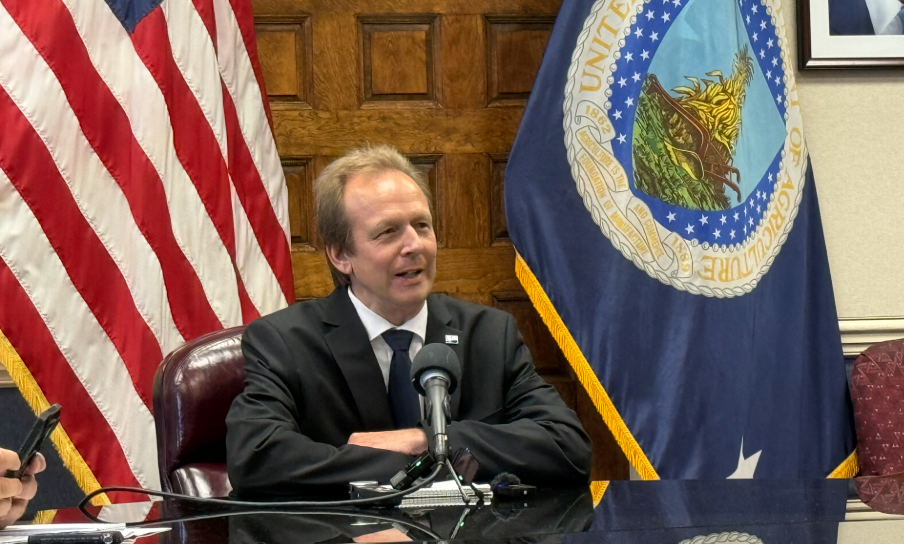
USDA Meteorologist Brad Rippey recently addressed farm broadcasters, offering a comprehensive outlook for U.S. weather in 2025 and reflecting on the numerous significant weather disasters already experienced this year. Rippey began by acknowledging the challenging weather patterns, stating, "I hope you avoided some of those heavy rain showers yesterday because I got caught in one, and I'm a meteorologist."
Rippey highlighted the crucial role of the weather team within the USDA's Office of the Chief Economist in supporting supply and demand estimates. He also noted the long history of USDA's involvement in weather information, mentioning the Weekly Weather and Crop Bulletin, which dates back to 1924. A significant part of USDA's weather-related work has been the U.S. Drought Monitor, which Rippey co-authors. "Drought Monitor has been around since the late 1990s I'm one of the six original authors, and only one of two that remains as a lead author at this time," he explained, emphasizing its critical role in drought disaster assistance, having facilitated the payout of $13.5 billion through the Livestock Forage Disaster Program alone since 2008.
Looking at 2025, Rippey pointed out the numerous weather extremes already witnessed. "We're a third of the way through the year, but we have already had a lot of significant U.S. weather disasters. So far this year, flooding has already twice struck the mid-south and lower Midwest. We're still dealing with that in North Central Texas through Northeastern Oklahoma - big flood event there."
Despite the wet April in some regions, significant drought persists across the U.S. "More than a third of the country is currently experiencing drought, 37%, according to the US Drought Monitor, with the main regions being the northern plains and the Southwest." He also noted multiple severe weather outbreaks and significant wildfires early in the year.
Turning to the forecast, Rippey discussed the ENSO (El Niño-Southern Oscillation) conditions in the equatorial Pacific, which are currently neutral. "The current status at the end of April for that La Niña zone in the central and eastern equatorial Pacific shows ENSO neutral conditions. We expect those odds to stay greater than 50% at least through August, September, and October. That takes us through the 2025 growing season."
While there's a possibility of a La Niña returning later in the year, neutral conditions are expected to dominate the growing season. Rippey also noted that despite some regional drought, particularly in the northern Plains and Southwest, the overall outlook for major crops like corn and soybeans appears relatively optimistic heading into the growing season. "Corn, only 20% in drought, and soybeans, only 15%. You have to get to some of our Great Plains crops to see the higher numbers."
Looking ahead, Rippey cautioned about potential drought expansion or intensification in the western and central U.S., and possibly a "cool drought" in the upper Midwest. However, the Southern Plains are expected to see drought eradication. He also highlighted an increased potential for an early and active wildfire season in California and the Northwest. Regarding the hurricane season, Rippey cited forecasts indicating a higher-than-average number of named storms and a slightly elevated chance of a major hurricane strike along the U.S. coastline.
In response to questions about potential impacts from NOAA staff cuts and the use of third-party weather data, Rippey stated, "We have not seen any immediate impacts at this point, but stay tuned, and I would definitely ask NOAA leadership about that." He also directed farmers seeking to report drought impacts to the University of Nebraska-Lincoln's reporting system or to work with their state climatologists.
| |||||||||||||||||||||||||||||||||||||||||||||||||||||||||||||||||||||||||||||||||||||||||||||||||||||||||||||||||||||||||||||||||||||||||||||||||||||||||||||||||||||||||||||||||||||||||||||||||||||||||||||||||||||||||||||||||||||||||
| |||||||||||||||||||||||||||||||||||||||||||||||||||||||||||||||||||||||||||||||||||||||||||||||||||||||||||||||||||||||||||||||||||||||||||||||||||||||||||||||||||||||||||||||||||||||||||||||||||||||||||||||||||||||||||||||||||||||||
|
American Farm Bureau Federation President and Georgia farmer Zippy Duvall today urged President Trump and his advisors to carefully review a White House report scheduled to be released this week to ensure it is based on sound science and not ideological theories.
"America's farmers and ranchers are committed to doing the right thing, including producing a safe, affordable and nutritious food supply. Agriculture has been on a journey of continuous improvement since our country's founding. We welcome recommendations based on facts and hope the president will insist that's the case with the upcoming report from the Make America Healthy Again (MAHA) Commission.
"Farmers feed their families the same food they produce for America's families, and we rely on credible science to guide our practices. We welcome efforts to improve health outcomes in America but recommendations to limit farming practices based on unproven theories could have severe unintended consequences. America's food independence is important, and the White House should not recommend changes that lead to greater reliance on other countries to supply our food. There is also a risk of reducing access to affordable and nutritious foods, including fruits and vegetables.
"History teaches us that it takes a very long time to rebuild public confidence once it is lost – even if the loss is caused by incorrect or incomplete information. This is certainly true when it comes to the food system. We are counting on President Trump and his advisors to carefully examine the upcoming report to ensure its accuracy and scientific grounding before giving a final stamp of approval."
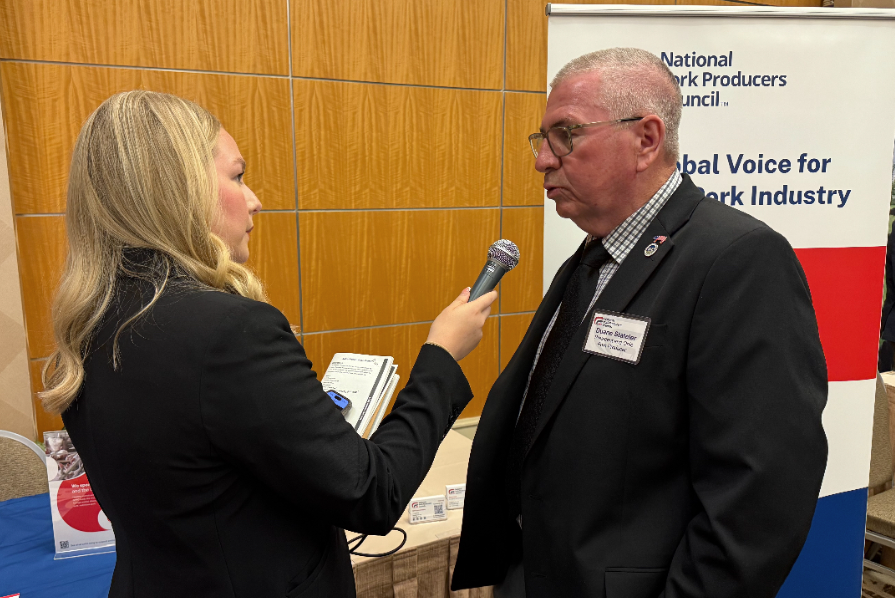
Farm Reporter Maci Carter recently spoke with Duane Stateler, President of the National Pork Producers Council (NPPC), at Washington Watch in Washington, D.C. The conversation centered on the pork industry's priorities as Congress works towards finalizing the farm bill, as well as ongoing concerns regarding Prop 12, international trade, EPA regulations, and labor.
Stateler emphasized the NPPC's consistent farm bill priorities. "Well, our farm bill priorities haven't changed over the last two years. It's our three-legged stool for our animal health and well-being and the protection of our herd from foreign disease, and that's been in the bill. Of course, Prop 12 is in the bill. We're much appreciative of Chairman Thompson's and Boozman's work on the farm bill."
He stressed the importance of the farm bill alongside reconciliation efforts, stating, "We need to keep in mind that we can't take care of everything in reconciliation. We still need a farm bill, and we need to keep that coalition together. You're not going to get everything solved for the rural area with a reconciliation bill, so we need that farm bill. Hopefully, we can get that farm bill pushed across this year."
Regarding California's Prop 12, Stateler noted its inclusion in both House and Senate farm bill drafts. "Prop 12 is in on the farm bill, both in the Senate side and in the House side. It's just a matter of getting a Farm Bill introduced and getting it through on that. The results of Prop 12 are still in effect. It's still costing the people in California about 40% more for their purchase of pork. It's just the fact of a disruption in the marketplace. That's the biggest problem with it we have." He also expressed concern about potential similar regulations in other states, highlighting the NPPC's efforts to advocate against them at the state level to minimize market disruption.
International trade and tariffs remain a significant concern for pork producers. "We're using our voice as best we can to promote the trade and tariffs. We knew there was going to be some disruption," Stateler explained. While acknowledging some easing in the market following initial concerns, he emphasized the uncertainty facing producers. "It's just the uncertainty and the unknown; that's the biggest thing that lies with the producers is what tomorrow is going to bring. It would be nice to wrap some things up and have some certainty in what we are looking forward to."
The NPPC is also closely monitoring EPA guidelines, particularly the re-evaluation of the Waters of the United States (WOTUS) rule. "EPA Director Zeldin has taken the approach of re-looking at the WOTUS. The Biden administration went outside the lines of what the Supreme Court had set on WOTUS last year. Zeldin is taking a holistic approach to looking to what is best, and we appreciate that," Stateler said, expressing hope for a clearer definition that respects both environmental concerns and farmers' rights.
Labor needs within the pork industry are another critical issue. Stateler noted some improvement with the TN visa situation but emphasized the need for broader immigration reform. "The best news is what I heard from President Trump on the radio this afternoon, which was that he's going to offer $1,000 to self-deport. If you do that, you've got an opportunity to come back. If you don't, you don't have. We truly hope that there's some kind of immigration policy that both sides of the aisle can accomplish and get something that is meaningful, rather than an H-2A program that only comes in for nine months and doesn't work. These people want to come and they want to work, and I think we have jobs to offer them, but let's get a good immigration policy, that we've needed for 30 plus years, and finally, get something done on this to the benefit of everybody."
Regarding the health of the swine herd, Stateler reported ongoing challenges with Porcine Reproductive and Respiratory Syndrome (PRRS) but noted producers are actively managing the issue. He also provided an update on swine traceability, stating that the USDA is working on the final rule, which is expected in about a year and a half. "We're looking forward to seeing the final rule on that, because once we get that traceability to where we can trace it back to the farm and trace the movements of the pigs. That will keep us in trade markets everywhere, and not allow us to be shut down in case we get a foreign animal disease in this country."
Despite the challenges, Stateler highlighted a positive note for the pork industry. "It's a positive time right now, on the cash markets today. This is our high time in the markets. It's grilling season, and there's nothing people like any better than grilling ribs and pork chops during the summer. That's our highlight, and what brings a smile to our producers' faces right now."
Eight U.S. cotton industry members have been chosen to participate in the National Cotton Council's (NCC) Emerging Leaders Program for 2025-26.
Participants include: PRODUCERS – Branden Ahrens, Corpus Christi, TX; Bryce Howard, Dalhart, TX; Kirk Teixeira, Fresno, CA; GINNER – Craig Rohrbach, Farwell, TX; MERCHANT – Ashley Paddock, Olney, IL; WAREHOUSER – Matt Hennig, Amarillo, TX; COTTONSEED – Luke Flair, Elkhorn, NE, and MARKETING COOPERATIVE – Kaimi Whitaker, Lubbock, Texas.
Now in its tenth year, the NCC's Emerging Leaders Program is supported by a grant to The Cotton Foundation from Bayer.
Overall, the Emerging Leaders Program provides participants with a better understanding of how the NCC carries out its mission of ensuring the U.S. cotton industry's seven segments can compete effectively and profitably in the raw cotton, oilseed and U.S.-manufactured product markets at home and abroad.
Specifically, participants get an in-depth look at: 1) the U.S. cotton industry infrastructure and the issues affecting the industry's economic well-being; 2) the U.S. political process; 3) the NCC's programs as well as its policy development and implementation process and 4) Cotton Council International's activities aimed at developing and maintaining export markets for U.S. cotton, manufactured cotton products and cottonseed products.
The Emerging Leaders Program also provides participants with professional development and communications training such as presentation and business etiquette, instruction for engaging with the news media, and utilizing social media tools and tactics.
Class members will participate in three sessions. The first session, set for the week of June 8, 2025, in Memphis and St. Louis, will provide an orientation to the NCC, professional development and communication skills training and an agribusiness briefing. During the second session, class members will see policy development at the NCC's 2026 Annual Meeting in February. The third session, to be conducted later in 2026 in Washington, DC, will provide a focus on policy implementation.
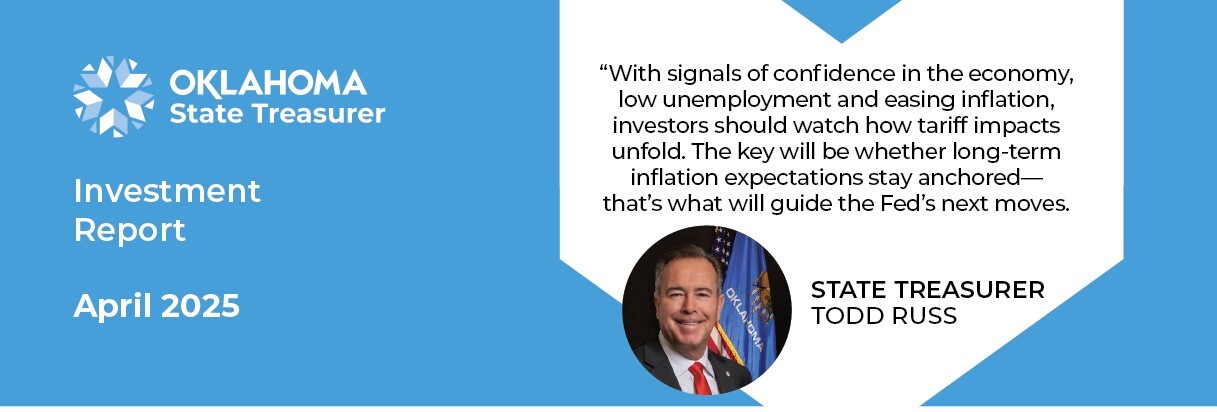
PORTFOLIO PERFORMANCE, DIVERSIFICATION, AND STRATEGY
April portfolio yielded 3.66%, up from 3.31% last year, with a weighted average maturity of 792 days.
Total assets under management of $17.9 billion, up $1.5 billion in comparison to April 2024.
Total portfolio contained 64.7% in U.S. Treasurys, 1.7% in U.S. government agencies,
12.8% in mortgage-backed securities, 19.7% money market mutual funds, 0.3% in certificates of deposit,
and 0.8% in state and foreign bonds, comprising the balance of funds invested.

TOTAL FUNDS INVESTED
Funds available for investment at market value include the State Treasurer's investments at $12,798,077,809 and State Agency balances in OK Invest at $3,254,680,934, American Rescue Plan investments at $1,072,598,967, and the Oklahoma Capitol Improvement Authority Legacy Fund at $795,571,795 for a total of $17,920,929,505.
MARKET CONDITIONS
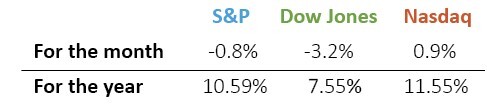
In April the 2-year and 10-year treasury note yields fell 0.28% and 0.04% respectfully to close at 3.61% and 4.16%. Changes in yields were mixed as middle maturity yields fell, and long-term bond yields were up. The tariff announcement followed by a 90-day pause set the bond and equity markets off on a rollercoaster where the 10-year note moved from 4.01% to 4.48% over the course of the month before settling.
Returns for April show the S&P 500 and Dow Jones fell by 0.8% and 3.2% respectively, while Nasdaq rose 0.9%. Volatility, as measured by the Chicago Board Options Exchange's Volatility Index, reached the highest level since December 2008 before cooling at the end of the month. Indexes ended mixed after some of the best and worst days on record.
On May 7 the Federal Open Market Committee (FOMC) voted to maintain the current target federal funds rate at 4.25-4.50% and continue reducing the size of the balance sheet. In an official statement the Fed reported that the risks of higher unemployment and higher inflation appear to have risen. The Fed redoubled that unemployment remains low, inflation has come down, and they are well positioned to respond in a timely way to potential economic developments. The Fed seems concerned large tariffs may be sustained, and the inflationary effect could result a one-time shift in the price level. Avoiding persistent inflation will depend on keeping longer-term inflation expectations well anchored to avoid drifting back up and even regaining momentum.
ECONOMIC DEVELOPMENTS
In April, unemployment was unchanged at 4.2%. According to the Bureau of Labor Statistics (BLS), total non-farm payroll employment increased by 177,000 jobs in April, coming in above consensus expectations of 133,000 jobs. Employment increased in health care, social assistance, transportation and warehousing, financial activities, and social assistance. Employment in February and March were revised downwards by a combined 58,000 jobs.
The consumer price index (CPI) rose 0.2% in April, after a 0.1% fall in March, and 2.3% for the year, the smallest 12-month increase since February 2021. The BLS wrote, the index for shelter rose 0.3% in April, accounting for more than half of the all items monthly increase. Annual core personal consumption expenditures (PCE), the Fed's preferred measure of inflation was 2.6% in March. The producer price index (PPI) decreased 0.5% in April and March was revised to no change. The decline is attributable to prices for final demand services, which moved down 0.7%, the largest decline since the index began in December 2009, per BLS.
Retail sales adjusted for seasonal variation rose 0.1% in April and were revised up to 1.7% for March. There is insufficient statistical evidence that this month's data is different from zero, given the confidence interval. Sales at home improvement stores increased 0.8% and contributed to the gain. Motor vehicle and parts dealers' sales were up 9.4% from last year while sales at food service and drinking places were up 7.8% per the Census Bureau.
In March, the National Association of Realtors reported that existing home sales fell 5.9% to a seasonally adjusted annual rate of 4.02 million homes, down 2.4% from last year. Total housing inventory rose to 1.33 million. At the end of March, the average 30-year fixed rate mortgage was 6.65%, down 2.1% from a year ago. The median existing home sales price in March was $403,700, up 2.7% from last year.
The U.S. economy, measured by real GDP, contracted at a 0.3% annualized rate in Q1, in comparison to a Q4 increase of 2.4%. In Q1 trade was a 4.8% drag on GDP growth, the largest effect from net exports since the 1940s. The Bureau of Economic Analysis writes, the decrease in real GDP in the first quarter primarily reflected an increase in imports, which are a subtraction in the calculation of GDP, and a decrease in government spending. These movements were partly offset by increases in investment, consumer spending, and exports.
COLLATERALIZATION
All funds under the control of this office requiring collateralization were secured at rates ranging from 100% to 110%, depending on the type of investment.
Best regards,
View full report below.
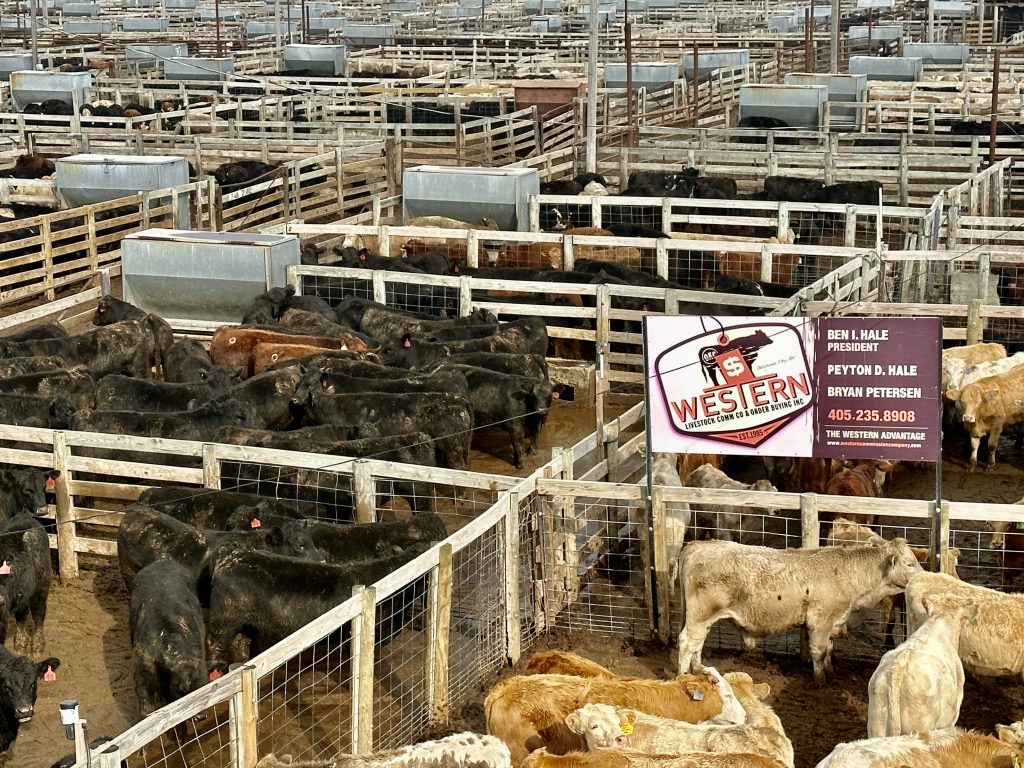
On Tuesdays, Senior Farm and Ranch Broadcaster Ron Hays visits with Ben Hale of Western Livestock Auctions as he talks about the latest in the markets and more. Established in 1995, Western has grown into a multi-generational family-owned and operated business and stands as a symbol of tradition, excellence, and a deep-rooted passion for the cattle industry. Western Livestock Auctions operates the Western Livestock Commission Firm, which sells cattle on Mondays and Tuesdays. They also operate the livestock auction markets in Woodward, Comanche, Waurika, and Knoxville, Iowa.
Even with threats of severe weather yesterday, the Oklahoma City National Stockyards experienced better than usual numbers as of late - 9,500 compared to 6,750 a year ago; however, prices were lower than normal, which Hale called $4 to $6 softer.
He noted that the cattle, overall, were of lesser quality than normal, and although lower than the past few weeks, prices were still strong.
"Where we're at, everybody has a lot of water and a lot of grazing, so far," Hale said. "If you look out there for the next two weeks, it's going to cool back off a little bit, so I think everybody is feeling pretty optimistic. You don't have to sell if you don't want to."
The sale in Waurika will run 2,500 today, including four or five hundred cows and numerous yearlings. Hale expects another good run at Comanche on Wednesday, and five hundred head are already consigned for the Woodward auction on Thursday.
Hale can be contacted at 940-631-2333. Check out more about the marketing options that Western offers by clicking here.
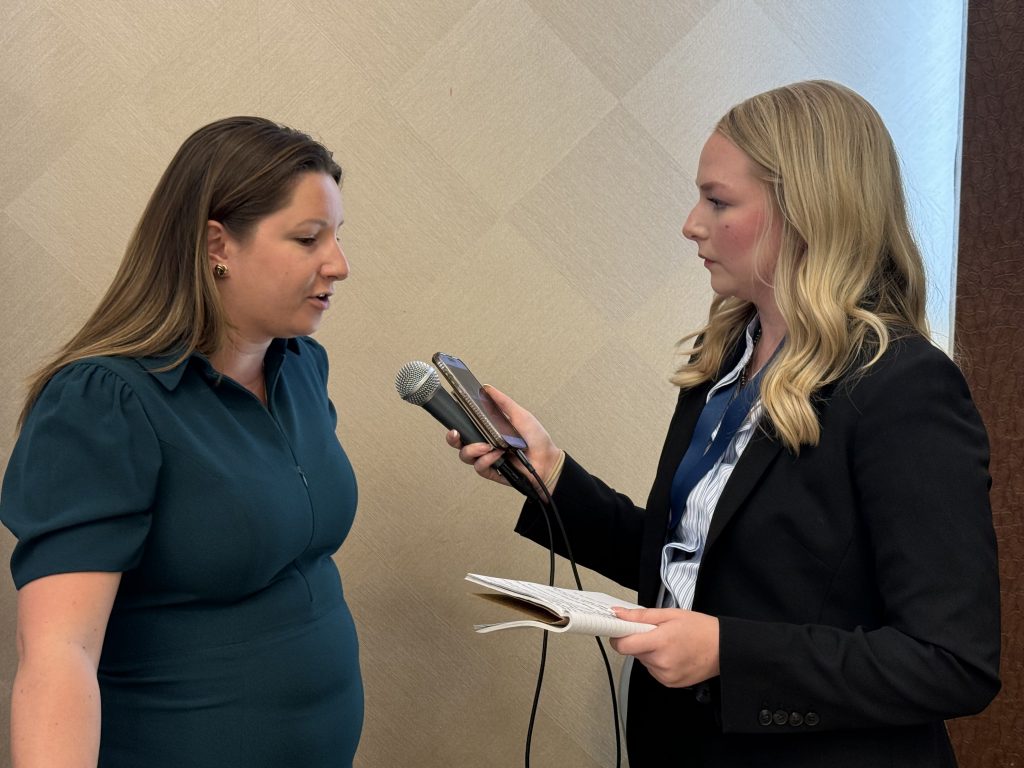
Senior Farm and Ranch Broadcaster, Ron Hays, is featuring comments from a recent conversation between NCBA Senior Director of Governmental Affairs, Sigrid Johannes, and Farm Reporter Maci Carter.
Johannes's policy portfolio includes lab-grown meat, cattle health and welfare, food safety, and animal disease traceability. This means that she interacts with the FDA frequently, which is overseen by the Department of Health & Human Services, led by Secretary Robert F. Kennedy, Jr.
Carter left the cards on the table when she pointedly asked Johannes if RFK, Jr.'s leadership worries her. Johannes replied, "I wouldn't call it a worry. I would say that it is an area where our job becomes even more important. Secretary Kennedy clearly has a really strong vision for what he wants HHS to be. He has a really strong vision and goal for how he wants American health to look, and I think that is really admirable."
She touted his goals to tackle big health problems in America, such as diabetes, heart disease, and obesity, especially in children, but pointed out that information backed by science needs to guide these efforts.
"It doesn't matter who is in the White House or in charge of HHS, you will always hear NCBA advocating for fact-based, science-based solutions," she stated. "In some cases, we've seen HHS take a really hard line on things like red meat and saturated fat, and that just means that its important for us to do our job and point out where beef fits into a healthy American diet. Here are all of the nutritional benefits we bring to the table."
NCBA's message to the USDA and FDA is threefold:
1.) To eliminate the recommended reduction of meat, poultry, and eggs currently in the Biden Administration's proposed dietary guidelines.
"There's really no science to support that," Johannes said. "We think that recommendation is pretty tainted, very politically motivated in some cases. Some environmental groups were playing in that space, but there's not a whole lot of real nutrition science to back up the idea that we need to cut meat."
2.) Reform the process of creating dietary guidelines.
"There are all kinds of stuff that goes into the formulation of the DGs behind the scenes that just doesn't pass the integrity test," Johannes explained. "We would like USDA and HHS to take a closer look there."
3.) Reinforce that the dietary guidelines should be practical and flexible for American families to follow.
"I would challenge you to find a single person on your phone contact list who uses the DGs to go grocery shopping every week," Johannes challenged. "They're not really practical for Americans in their day-to-day life. They don't reflect factors like price, which play a huge role in what people buy and eat. We want to take these out of the academic sphere where they are not really even following best practices and bring them into real life, where they can actually be useful to people who are trying to make healthy choices and address some of those health concerns."
She expressed complete confidence that Secretary Rollins and Secretary Kennedy will hear NCBA's message and come to a workable solution for red meat in healthy American diets.
The two departments should have the next set of dietary guidelines in place by 2030. Secretary Kennedy has stated intent for the guidelines will recommend that Americans eat more whole foods.
The dietary guidelines are updated every four years and are intended to be utilized by policymakers, health care providers, nutrition educators, and federal nutrition program operators. Kennedy has already expressed a desire for average Americans to be able to understand and make use of the dietary guidelines going forward. Secretary Rollins mirrored these intentions when she said that the guidelines should be simple and speak directly to the American family.
The Beef Buzz is a regular feature heard on radio stations around the region on the Radio Oklahoma Ag Network and is a regular audio feature found on this website as well. Click on the LISTEN BAR for today's show and check out our archives for older Beef Buzz shows covering the gamut of the beef cattle industry today.
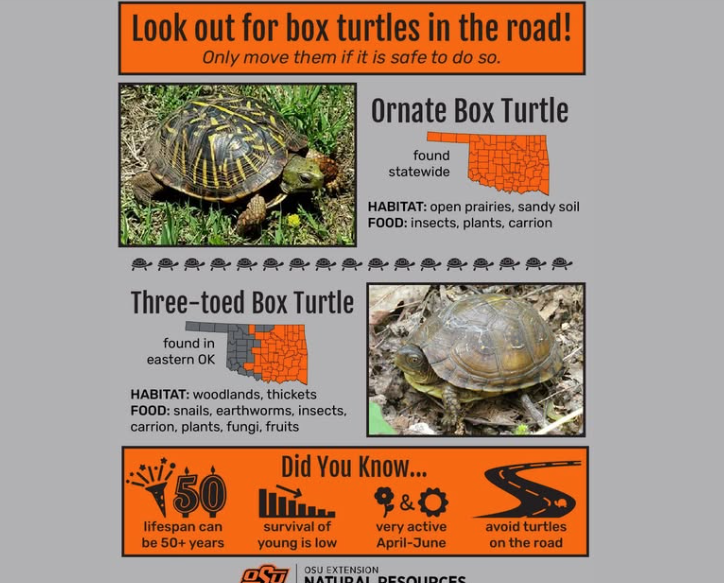
Look out for box turtles in the road!
Only move them if it is safe to do so.
found statewide
HABITAT: open prairies, sandy soil
FOOD: insects, plants carrion
Three-toed Box Turtle
found in eastern OK
HABITAT: woodlands, thickets
FOOD: snails, earthworms, insects, carrion, plants, fungi, fruits
Did you know...
- lifespan can be 50+ years
- survival of young is low
- very active April-June
- avoid turtles on the road!

Greg Conner
The American Feed Industry Association (AFIA) is pleased to announce the addition of Gregory Conner as its senior manager of multilateral affairs and market access. In this position, Conner will play a key role in advancing AFIA's global market access, trade policy and regulatory initiatives, along with communicating to policymakers about these initiatives, representing the AFIA in trade discussions and advocating for science-based regulations to reduce non-tariff barriers.
"The global affairs team and the entire AFIA organization are thrilled to welcome Greg Conner to our team," said Mallory Gaines, AFIA's director of global affairs. "Greg's deep experience in international development and trade policy, along with his proven leadership in managing global fellowship programs, make him an invaluable addition as the AFIA continues to expand global market access for the U.S. animal food industry. We're excited for the expertise and fresh perspective he brings to our multilateral affairs and market access initiatives."
Hailing from Bellingham, Wash., Conner holds a Bachelor of Arts degree in political science and international relations from Western Washington University. Prior to joining the AFIA, Conner taught English language classes in Gevgelija, North Macedonia as part of the Peace Corps. Most recently, Conner worked as an international program specialist for the U.S. Department of Agriculture, where he managed and administered the Cochran and Borlaug Fellowship Programs across 14 Southeast Asian and African countries – working with an average of 35 fellows annually – while ensuring implementer compliance with the USDA's Notice of Funding Opportunities, monitoring budgets for 12-14 grant awards each year and delivering all programs within agreed budget limits.

In addition to Conner joining the global affairs team, Mallory Gaines has been promoted to director of global affairs and Ivy Torres to manager of global programs.
Gaines has been with the AFIA since June 2019, leading the organization's international policy strategy and representing members at global meetings and United Nations events. In this role, Gaines serves as the staff lead for AFIA's Global Affairs Committee and works to expand demand for U.S. animal food products both domestically and abroad.

Torres has been with the AFIA since 2023, serving as the manager of global programs. In this role, she supports international market access and development initiatives, implements the association's global policy goals and supports the Global Affairs Committee.
"Mallory has been an invaluable asset to our global affairs efforts since 2019, demonstrating exceptional leadership and vision in advancing international policy and promoting U.S. animal food products on the world stage to break down trade barriers," said Leah Wilkinson, AFIA's vice president of public policy and education. "With Ivy's strong background in global programs and her contributions since joining the AFIA, I'm confident that this team will continue to elevate AFIA's presence and impact in international markets."
Most-Favored-Nation policy builds on President Trump's broader reforms to eliminate global freeloading and ensure every American has access to affordable, life-saving treatments.
The U.S. Department of Health and Human Services announced today that it is taking immediate steps to implement President Trump's Executive Order, "Delivering Most-Favored-Nation Prescription Drug Pricing to American Patients," a central component of the Administration's strategy to lower health care costs in the United States.
Under the leadership of President Donald J. Trump, HHS Secretary Robert F. Kennedy Jr., and CMS Administrator Dr. Mehmet Oz, the Department has identified specific targets pharmaceutical manufacturers are expected to meet to satisfy the requirements of the Executive Order. President Trump and Secretary Kennedy look forward to highlighting commitments in the coming weeks. These commitments will ensure Americans no longer pay more for medications than patients in other economically comparable countries, relieving the unfair burden placed on hard-working Americans.
"For too long, Americans have been forced to pay exorbitant prices for the same drugs that are sold overseas for far less," said Secretary Kennedy. "That ends today. We expect pharmaceutical manufacturers to fulfill their commitment to lower prices for American patients, or we will take action to ensure they do."
HHS expects each manufacturer to commit to aligning US pricing for all brand products across all markets that do not currently have generic or biosimilar competition with the lowest price of a set of economic peer countries. The MFN target price is the lowest price in an OECD country with a GDP per capita of at least 60 percent of the U.S. GDP per capita. These targets will drastically bring down U.S. drug prices, which are often three to five times higher than prices abroad, while preserving innovation by simply ensuring that Americans bear no greater burden than patients receiving the same drugs in other countries.
For more information, please see:
NCGA launched the 61st annual Yield Contest, celebrating the ingenuity, resilience and drive of America's corn growers – those who continuously push the limits of what's possible in modern agriculture. Entries are open now until August 13. Interested in participating this year? Learn more and enter at the link below.
Twenty-eight Representatives send letter to President Trump, asking for a 5.25-billion-gallon BBD volume
Today, Clean Fuels Alliance America thanked 28 House Members who sent a letter to President Donald Trump, encouraging the administration to adopt a timely, robust Renewable Fuel Standard rule for 2026 and beyond. The bipartisan letter was led by Reps. Ashley Hinson (R-IA) and Angie Craig (D-MN).
"A strong Set 2 will benefit our constituents by lowering prices at the pump, creating and maintaining U.S. biomanufacturing jobs, and driving economic growth," the letter states. "A strong RVO will also support market growth for farmers at a time when global markets are experiencing uncertainty. The domestic biofuels industry stands ready to increase availability of affordable fuels options and support the administration's goal of American energy dominance."
The letter specifically supports a 2026 Biomass-based Diesel volume of 5.25 billion gallons and increasing volumes for future years, consistent with unified requests by Clean Fuels, other industry partners, and RFS stakeholders. It further asks the President to reject abuse of small refinery exemptions to protect demand for U.S. crops in the biofuel market, which is essential for farmers.
The letter continues, "Set the biomass-based diesel RVO at 5.25 billion gallons in 2026 and at increasing levels in future years (with an equivalent increase in total volumes), reflecting the rapid growth of renewable diesel and soybean processing capacity."
Kurt Kovarik, Clean Fuels' Vice President of Federal Affairs, added, "Biodiesel and renewable diesel production is an essential market for American farmers. Clean Fuels and its members thank Representatives Ashley Hinson and Angie Craig for leading this bipartisan effort. And we appreciate EPA Administrator Lee Zeldin's commitment to getting the Renewable Fuel Standard rules back on schedule. "RFS stakeholders are unified in asking EPA to set the 2026 RFS Biomass-based Diesel volume at 5.25 billion gallons, with appropriate growth for 2027 and beyond. That volume will support American agriculture and benefit U.S. consumers with lower fuel prices, more jobs, and increased economic growth."
National FFA Organization is proud to announce the new cohort of National Teacher Ambassadors for the upcoming school year. There will be 65 National Teacher Ambassadors representing 28 states.
The National Teacher Ambassadors serve as positive and professional examples to more than 13,000 FFA advisors in the United States, Puerto Rico, and the U.S. Virgin Islands during their year of service. The teacher ambassadors serve as a resource for teachers nationwide by leading, mentoring and training them through formal and informal programs such as webinars and workshops. They also provide feedback to National FFA leadership about the evolving educational landscape based on their own experiences.
"The National Teacher Ambassadors for FFA help inspire our next generation of leaders by engaging with other agricultural educators, state and national FFA staff to further the innovation and passion that they bring to life in their classrooms across the country, said Ambra Tennery, director of educational programs in the program and events division of the National FFA Organization. "Their commitment empowers students and also strengthens local and statewide communities to ensure the future of agriculture will be bright."
The National Teacher Ambassadors for 2025-2026 include:
Alabama
Allison Heald (Mentor), Southside FFA Chapter
Macy Scruggs, Red Level FFA Chapter
Amanda Teixeira, Tallassee FFA Chapter
Arizona
Victoria Imhoff, Desert Sunrise FFA Chapter
Cheryl Sawyer, AAEC Estrella Mountain FFA Chapter
Arkansas
Cheyenne Holliday, Lincoln FFA Chapter
Dixie Miller, Russellville FFA Chapter
California
Audrey Lent, Lakeside Middle FFA Chapter
Colorado
Alison Brown, Dolores FFA Chapter
Taylor Eurich, Windsor FFA Chapter
Alexandra Grimes, Greeley FFA Chapter
Delaware
Rebecca Moore, Smyrna FFA Chapter
Florida
Deanna Thompson, Charlotte Sr. FFA Chapter
Stacy Young, Branford FFA Chapter
Georgia
April Davis, Commerce Middle FFA Chapter
Donovan Hemmings, Denmark FFA Chapter
Ashley Rivers, Etowah FFA Chapter
Megan Seawright, Washington-Wilkes FFA Chapter
Idaho
Katie Christiansen (Mentor), Salmon FFA Chapter
Indiana
Leslie Fairchild, Delphi FFA Chapter
Cameron Frazier, South Putnam FFA Chapter
Iowa
Anna Brooks, Ames FFA Chapter
Kansas
Kim Clark (Mentor), Royal Valley FFA Chapter
Laura Miller (Mentor), Junction City FFA Chapter
Hannah Adame, Neodesha FFA Chapter
Ashley Vahsholtz, Junction City FFA Chapter
Anna Williamson, Wellington FFA Chapter
Louisiana
Bonnie McCallister, Grand Lake FFA Chapter
Mississippi
Toni Boatner, Brandon FFA Chapter
Haley Britt, Bogue Chitto FFA Chapter
Missouri
Alicia Flowers, Louisiana FFA Chapter
Morgan Looten, Versailles FFA Chapter
Montana
JR Pierce (Mentor), Shields Valley FFA Chapter
New Jersey
Patricia Smith, Warren Hills FFA Chapter
New Mexico
Vickie Lake, Shiprock FFA Chapter
Shannon Watling, School of Dreams Academy FFA Chapter
North Carolina
Elizabeth Espino, North Lenoir FFA Chapter
Emma Hendley, Northwest Cabarrus FFA Chapter
Christopher Hicks, Eastern Wayne FFA Chapter
Emma Potter, South Rowan FFA Chapter
Sierra Simmerman, Providence Grove FFA Chapter
North Dakota
Bailey Hawbaker, Stanley FFA Chapter
Callahan Lemar, Grafton FFA Chapter and Minto FFA Chapter
Ohio
Caleb Hickman, Utica FFA Chapter
Lori Romie, Ridgemont FFA Chapter
Jeremy Ryan, West Muskingum FFA Chapter
Oklahoma
Shawn Martin, Bluejacket FFA Chapter
South Carolina
Desiree Still, Barnwell County Career Center FFA Chapter
South Dakota
Sarah McClure, Gettysburg FFA Chapter
AnnaMarie Sachs, Langford Area FFA Chapter
Tennessee
Brittney Cagle, Ripley FFA Chapter
Jake Duke, Smyrna FFA Chapter
Chris Martin, Battle Creek FFA Chapter
Jessica Ross, Hendersonville FFA Chapter
Texas
Charlotte Main (Mentor), Kilgore FFA Chapter
Kasey Naylor (Mentor), Sam Rayburn FFA Chapter
Jordon Bien, Brownsboro FFA Chapter
Macey Cheatham, Frisco-Lebanon Trail FFA Chapter
Tylan Long, Ballinger FFA Chapter
Adrianna Segura, Devine FFA Chapter
Tanner Smith, Arlington FFA Chapter
Virginia
Dakota Stroud, Signal Knob Middle FFA Chapter
Caitlin Price Tatum, Bassett FFA Chapter
West Virginia
Allyson Lewis, Upshur FFA Chapter
Jessica Snyder, Upshur FFA Chapter
The National FFA Organization is a school-based national youth leadership development organization of more than 1,027,200 student members as part of 9,235 local FFA chapters in all 50 states, Puerto Rico and the U.S. Virgin Islands.

The Make America Healthy Again Commission is expected to soon release a report that will have significant bearing on America's farmers, producers and ranchers, and the public's trust in our food system. In anticipation, the American Soybean Association, National Corn Growers Association, National Association of Wheat Growers, International Fresh Produce Association, and in turn, the farmers these groups represent, are imploring the administration to consider the consequences of this MAHA Commission report before it is finalized.
"American agriculture's strong relationship with President Trump is based on his longstanding commitment to farmers, growers and ranchers. That is why farmers represented by the American Soybean Association, National Corn Growers Association, National Association of Wheat Growers, and International Fresh Produce Association are imploring the administration to carefully consider the content and consequences of the forthcoming Make America Healthy Again Commission report before it is finalized.
"Despite the effort of many of our organizations to work with the MAHA Commission to provide factual information about American food production, we have heard disturbing accounts that the commission report may suggest U.S. farmers are harming Americans through their production practices and 'creating foods that is [sic] destroying our microbiome and bodies—leading directly to our chronic disease crisis.' Nothing could be further from the truth. Nutrition matters, health matters, and the confidence of consumers in the food supply matters tremendously. Such a conclusion would run counter to the scientific evidence and decades of findings from the Environmental Protection Agency.
"Should the MAHA Commission report baselessly attack and, worse yet, make claims that are simply untrue against the hardworking men and women who feed our nation, it will make further cooperation on this initiative very difficult and potentially put American food production at risk. We urge President Trump to ensure that the MAHA Commission report is based on sound science and evidence-based claims rather than opinions and preferences of social influencers and single-issue activists with little to no experience in actual farming or food production."
The groups represent hundreds of thousands of farmers across the United States—farmers whose livelihoods are at stake if the report turns to conjecture and opinion to form its content.
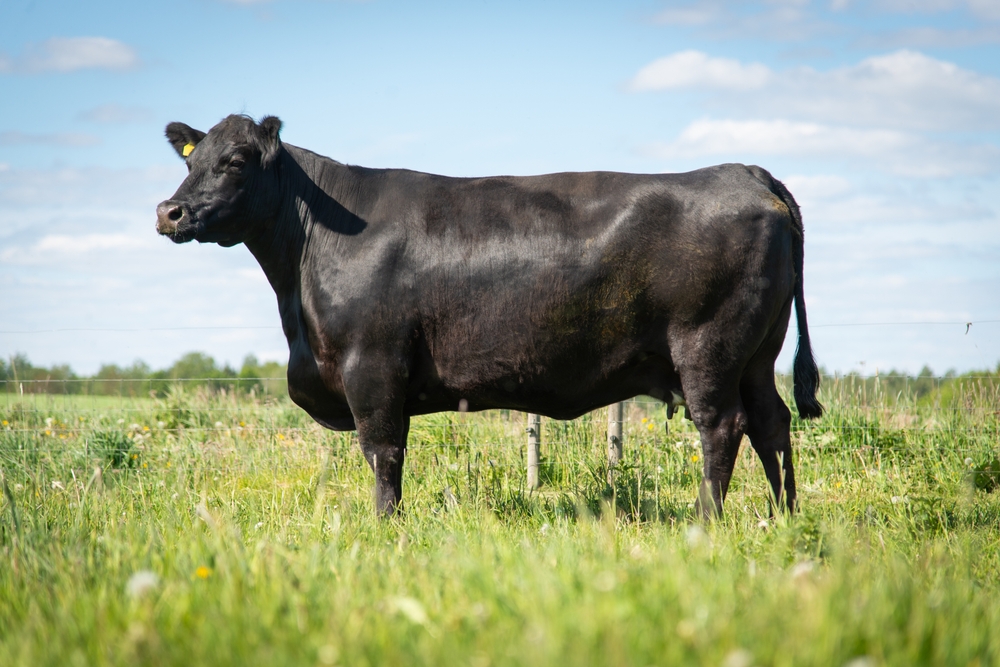
Mark Johnson, Oklahoma State University Extension Beef Cattle Breeding Specialist, offers herd health advice as part of the weekly series known as the "Cow Calf Corner," published electronically by Dr. Derrell Peel, Johnson, and Paul Beck. Today, Johnson discusses new Angus Maternal EPDs.
The American Angus Association is regularly updating its genetic evaluations. Later this month three new maternal EPDs will become available for breeders to use in selection programs. These include:
Functional Longevity (FL), this EPD is expressed in number of calves. It is a predictor of the number of calves a sire's daughters are predicted to produce by the age of six. A higher EPDs is more favorable indicating more calves produced.
Teat Size EPD (Teat), expressed in units of teat score, with a higher EPD indicating a sire's daughters will have smaller (more optimum) teat size.
Udder Suspension EPD (UDDR), expressed in units of udder suspension score, with a higher EPD indicating a sire's daughters will have tighter (more optimum) udder suspension.
More details, including the scoring system for Teat Size and Udder Suspension can be found at the reference link given below.
Reference: https://www.angus.org/tools-resources/national-cattle-evaluation/epd-value-definitions
RON's Dave Lanning has a pre-opening look at today's agricultural Markets.
Click the audio tab below for today's report.
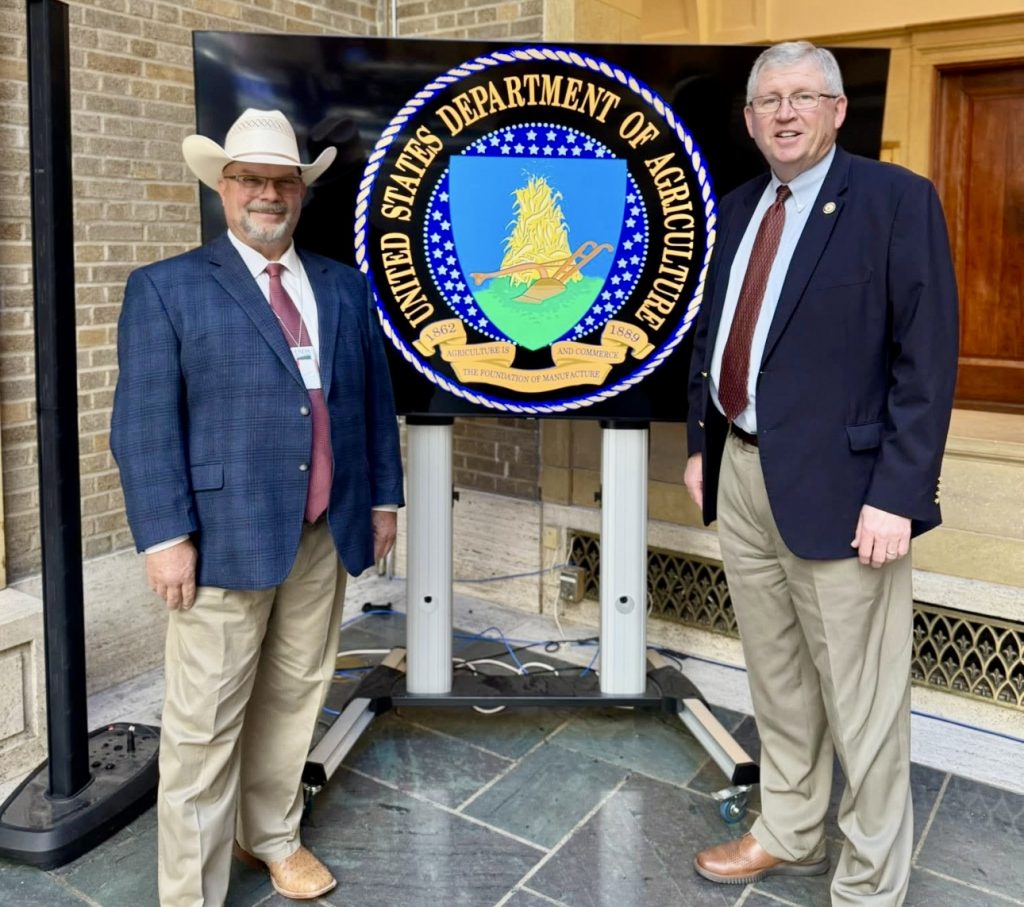
Last November, there was a lot of buzz about Jimmy Emmons being considered by the Trump Transition team for a top position at the US Department of Agriculture. That died down as the President selected confidant Brooke Rollins to be his Secretary of Ag. But, Emmons stayed in the conversation as the staff at the Natural Resource Conservation Service was assembled.
This week- that became a reality as Jimmy Emmons was sworn in as the Assistant Chief of the NRCS- the number two person in the NRCS at the USDA.
His friend and Congressman, Frank Lucas, was on hand for the swearing in at the USDA in Washington. Lucas writes of Emmons "As a lifelong Oklahoman, Jimmy has spent years working around the state and across the country promoting innovative and voluntary conservation practices. Having someone like this in a position to lead farm policy isn't just beneficial for Oklahoma, but the entire country and the world.
"I am proud of my longtime friend and fellow Oklahoman for his willingness to serve the nation and his commitment to the American farmer."
Jimmy Emmons is the third generation on the family farm in Dewey County. He and his wife Ginger have been farming and ranching together since 1980. They have a diverse 2000 acre cropping operation growing wheat, soybeans, sesame, sunflowers, irrigated dairy alfalfa hay, canola, grain sorghum and several cover crops for seed.
Jimmy and Ginger also have a 250 cow/calf herd and take in yearling cattle for custom grazing on the nearly 6000 acres of native range. Ginger is the primary cattle manager in the operation. The Emmons' utilize their range and forage resources grown on the crops ground to keep the native grasses and soils healthy to maximize biological diversity and animal health.
His trademark phase that is Jimmy Emmons is well known for is "Long Live the Soil." That passion for soil health will be carried across the country by Emmons in the days ahead in this new role for the NRCS.
RON's Jacquelyn Farris reports from the State Capitol
American Farm Bureau Federation President Zippy Duvall commented today on USDA's announcement to create policy focused on the success of America's small farms and ranches.
"We thank Secretary Rollins for recognizing the critical role small farmers and ranchers play in America's food supply chain. Almost 90% of farms in America are classified as small farms, and nearly all of them are family-owned. That's why Farm Bureau has been such a strong advocate for their success.
"Unfortunately, the 2022 Census of Agriculture shows 141,000 farms went out of business in a five-year period, and we've lost even more since the report was released. Our nation's food security depends on farms of all sizes, but the reality is, it is getting more difficult for smaller farms to survive these tough economic times. We look forward to learning more about Secretary Rollins' plan and working with USDA to ensure farm families don't just endure, but thrive, so they can continue to grow the food every family in America relies on."
Farm Bureau submitted a letter to USDA outlining policy recommendations that support small producers, including;
Read the full letter here.
After nearly 100 days of traveling the nation and visiting directly with hundreds of farmers across America, U.S. Secretary of Agriculture Brooke L. Rollins today released the first set of policy proposals under her newly launched Make Agriculture Great Again Initiative. These initial proposals (PDF, 7.2 MB) are a comprehensive set of policy solutions aimed at improving the viability and longevity of smaller-scale family farms for generations to come. About 86 percent of all farms in the United States are small family farms. To ensure small family farmers can start and stay in business, the U.S. Department of Agriculture (USDA) has outlined a toolkit of actions, including the streamlining of application processes, improving reliable access to credit, farmland, and markets, and appropriate business planning tools.
The Small Family Farms Policy Agenda provides actionable solutions to a variety of challenges faced by small family farmers:
View the Farmers First: Small Family Farms Policy Agenda (PDF, 7.2 MB)
This policy rollout builds on the Farmers First Roundtable event recently held at the USDA Headquarters in Washington D.C., where the Secretary met with and heard from more than 20 farmers and ranchers from 11 states who run smaller-scale, family-owned operations, as well as Nebraska Governor Jim Pillen and the Board of Directors of the National Association of State Departments of Agriculture (NASDA) about challenges facing smaller-scale family farms across America.
"America's family farms help feed, fuel, and clothe the world, but they also face some of the greatest challenges in getting their farms started and keeping them running. Putting Farmers First means addressing the issues farmers face head-on and fostering an economic environment that doesn't put up roadblocks on business creation but removes them," said Secretary Rollins. "Today's policy agenda is tailored specifically to support small-scale farms to thrive for generations to come. President Trump knows America's economic prosperity depends on the success of our farmers and ranchers. That is why we are working to ensure those who want to start and keep their own farms for generations to come are able to."
Agricultural State Leaders Voice Support from Across the Nation
"Our family-owned farms and ranches are at the heart of agriculture in America and are the backbone of the economy in states like Nebraska. Generations of producers have passed down the love of farming, strongly-rooted values, and common-sense stewardship of our land and water to the next generation. I'm glad that Secretary Rollins and the USDA are highlighting the value and importance of family owned and small operations as part of our efforts to put Farmers First. I look forward to this tremendous initiative, and I am thrilled that she chose to launch it from a family farm right here in Nebraska," said Jim Pillen, Governor of Nebraska.
"In Iowa, where 96% of our farms are family owned and operated, agriculture isn't just an industry, it's a way of life passed down through generations. I am grateful for the Trump Administration's recognition of the unique challenges this industry faces. I am excited about today's rollout of a comprehensive plan to better align USDA programs to support small and family farms across the U.S., with a keen focus on the vitality of the next generation of farmers and agricultural leaders. Thank you to Secretary Rollins for your unwavering efforts and support of our nation's great farmers and ranchers," said Kim Reynolds, Governor of Iowa.
"Small family farms are the foundation of American agriculture and so many communities across Indiana and our country. Secretary Rollins' new Farmers First policy agenda will put family farmers' needs first and complement what we're doing at the state level in Indiana to help small Hoosier farms thrive and continue feeding America into the next generation," said Mike Braun, Governor of Indiana.
"As a first-generation cattleman, I know first-hand the challenges facing the agriculture industry," said Mike Kehoe, Governor of Missouri. "It is vital that small business owners have access to reliable credit and risk management tools to protect our farms for the next generation. I commend Secretary Rollins for incorporating policies based on sound science to ensure a strong agriculture community for today and in the future."
"In South Dakota, agriculture isn't just our number one industry — it's a way of life," said Larry Rhoden, Governor of South Dakota. "I am grateful for Secretary Rollins's unwavering support for our small family farms and ranches. They are the backbone of our thriving ag industry, and this policy agenda will help them feed our nation for generations to come."
"Family farms are the backbone of American agriculture, and Idaho fully supports Secretary Rollins' solution-driven actions to strengthen and support family farmers across our great nation. Idaho stands with Secretary Rollins as she works to implement her Make Agriculture Great Again initiative," said Brad Little, Governor of Idaho.
"Family farms are the heart of Iowa's rural communities and are the backbone of our state's economy. I am grateful to President Trump and Secretary Rollins for their unwavering commitment to supporting our family farmers and prioritizing agricultural issues through initiatives like the Farmers First Policy Initiative," said Mike Naig, Iowa Secretary of Agriculture. "The Administration's leadership in crafting policies that streamline processes, improve access to credit and markets, and support small family farms is a vital step to supporting transitions to the next generation and securing a prosperous future for American agriculture."
"Secretary Brooke Rollins' bold leadership at USDA is paving the way to a brighter future for American farmers and ranchers. The Trump administration is working to ensure our small family farms remain productive, our food supply remains safe and our rural communities not only survive but thrive. I look forward to continuing to work with Secretary Rollins and her team as we prioritize the needs and success of American agriculture producers," said Blayne Arthur, Oklahoma Secretary of Agriculture.
"I'm proud to stand shoulder to shoulder with Secretary Brooke Rollins, President Trump, and the USDA in their relentless fight for small family farms, putting farmers first. Their bold leadership is cutting red tape, securing fair trade, and delivering real support to our rural communities, ensuring our farmers can thrive for generations to come," said Jonathan Shell, Kentucky Commissioner of Agriculture.
"I'm proud to stand with Secretary Rollins, President Trump, and leaders across America who are putting our farmers—and the American people—first. Small farms and ranches are the backbone of our food supply, sustaining rural communities and reinforcing domestic self-reliance. Utah provided feedback on this plan with USDA, especially regarding cutting burdensome regulations and investing in local processing and logistics. Together, we can open new markets and ensure family operations not only survive—but thrive," said Speaker Mike Schultz, Utah House of Representatives.
"Agriculture is an important piece of our national security but unfortunately we've seen a steady decline in the number of farms, especially small family farms, throughout the country over the last few years. Arkansas is thankful to have Secretary Rollins and President Trump placing the focus where it needs to be and putting Farmers First. We appreciated the opportunity to join Secretary Rollins recently to provide input on today's announcement," said Wes Ward, Arkansas Secretary of Agriculture.
"Food security is national security," Tennessee Commissioner of Agriculture Charlie Hatcher, D.V.M. said "Tennessee appreciates Secretary Rollins and President Trump for putting American farmers first. At a time when farmers and ranchers face significant challenges and opportunities, this approach is needed. The small farmer round table discussion hosted by Secretary Rollins provided valuable feedback. We look forward to working with USDA in addressing the issues raised to support Tennessee's largest and most important industry, agriculture."
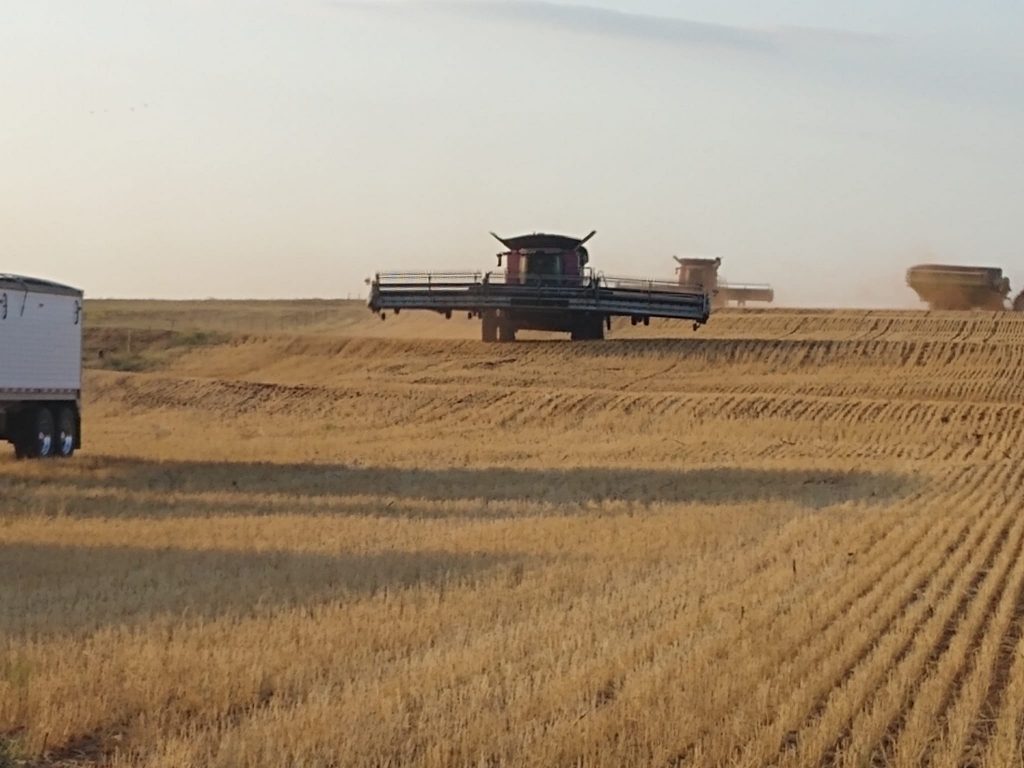
Winter Wheat headed reached 64 percent, down 3 percentage points from the previous year but up 6 points from the average. Winter wheat conditions rated 52 percent good to excellent, 30 percent fair, and 18 percent poor to very poor. Last week's conditions rated 51 percent good to excellent, 31 percent fair, and 18 percent poor to very poor.
Corn planted reached 78 percent, up 11 percentage points from last year and up 5 points from the five-year average. Corn emerged reached 50 percent, up 12 percentage points from a year ago and 10 from the five-year average. No corn conditions were provided.
Soybeans planted reached 66 percent, up 16 percentage points from a year ago, and 13 from the five-year average. No soybean conditions were provided.
Cotton planted reached 40 percent, down 2 percentage points from a year ago and 3 points from the five-year average. No cotton conditions were provided.
Sorghum planted reached 33 percent, up 2 points from a year ago and the five-year average. No sorghum conditions were provided.
Winter wheat headed reached 90 percent, down 8 points from a year ago and 2 points from the five-year average. Conditions were rated 56 percent good to excellent, 35 percent fair, and 9 percent poor to very poor. Last week's conditions rated 53 percent good to excellent, 36 percent fair, and 11 percent poor to very poor.
Corn planted reached 69 percent, down 11 points from a year ago but up 14 points from the five-year average. Corn emerged reached 42 percent, down 17 points from last year but up 4 points the five-year average. No corn conditions were provided.
Sorghum planted reached 30 percent, down 1 point from a year ago but up 10 points from the five-year average. No sorghum conditions were provided.
Soybeans planted reached 37 percent, up 14 points from a year ago and down 10 points from the five-year average. Soybeans emerged reached 9 percent with not data from last year or the five-year average. No soybean conditions were provided.
Livestock conditions rated 66 percent good to excellent, 28 percent fair, and 6 percent poor to very poor. Last week's conditions rated 66 percent good to excellent, 26 percent fair, and 8 percent poor to very poor.
Pasture and range conditions rated 54 percent good to excellent, 36 percent fair, and 10 percent poor to very poor. Last week's conditions rated 49 percent good to excellent, 38 percent fair, and 13 percent poor to very poor.
Winter wheat headed reached 84 percent, down 4 percentage points from a year ago, but went up 13 points from the five-year average. Winter wheat conditions rated 49 percent good to excellent, 31 percent fair, and 20 percent poor to very poor. Last week's conditions rated 48 percent good to excellent, 30 percent fair, and 22 percent poor to very poor.
Corn planted reached 73 percent, up 1 percentage point from last year, and up 3 points from the five-year average. Corn emerged reached 53 percent, up 2 points from a year ago, and 8 points from the five-year average. No corn conditions were provided.
Soybeans planted reached 57 percent, up 15 points from a year ago and 14 points from the five-year average. Soybeans emerged reached 25 percent, up 3 points from a year ago but up 6 points from the five-year average. No soybean conditions were provided.
Cotton planted reached 48 percent, up 13 points from a year ago and 10 points from the five-year average. No cotton conditions were provided.
Sorghum planted reached 13 percent, up 1 point from a year ago and 3 points from the five-year average. No sorghum conditions were provided.
Winter wheat headed reached 95 percent, equal to a year ago and up 3 points from the five-year average. Winter wheat harvested reached 8 percent, down 1 point from a year ago and equal to a year ago. Winter wheat conditions rated 32 percent good to excellent, 37 percent fair, and 31 percent poor to very poor. Last week's conditions rated 42 percent good to excellent, 30 percent fair, and 28 percent poor to very poor.
Corn emerged reached 85 percent, up 12 points from the previous year and 1 point from the five-year average. Corn silked reached 30 percent, up 1 point from the previous year and 7 points from the five-year average. Corn conditions rated 57 percent good to excellent, 40 percent fair, and 6 percent poor to very poor. Last week's conditions rated 60 percent good to excellent, 35 percent fair, and 5 percent poor to very poor.
Cotton planted reached 35 percent, down 1 point from last year and 3 points from the five-year average. No cotton condition ratings were provided.
Sorghum planted reached 77 percent, equal to the previous year and the five-year average. Sorghum headed reached 25 percent, down 3 points from last year, and 1 point from the five-year average. No sorghum condition ratings were provided.
Soybeans planted reached 60 percent, up 13 percentage points from the previous year and 1 point from the five-year average. Soybeans emerged reached 35 percent, down 12 points from the previous year, and 25 points from the five-year average. No soybean conditions were provided.
Range and pasture conditions rated 43 percent good to excellent, 31 percent fair, and 26 percent poor to very poor. Last week's conditions rated 39 percent good to excellent, 31 percent fair, and 30 percent poor to very poor.
Brazil, the world's largest chicken exporter, confirmed its first outbreak of bird flu on a poultry farm on Friday, triggering protocols for a country-wide trade ban from top buyer China and state-wide restrictions for other major consumers.
The outbreak in southern Brazil was identified at a farm supplying Vibra Foods, a Brazilian operation backed by Tyson Foods TSN.N, according to two people familiar with the matter.
Vibra and Tyson did not immediately respond to questions. Vibra has 15 processing plants in Brazil and exports to over 60 countries, according to its website.
Brazil exported some $10 billion of chicken meat in 2024, accounting for about 35% of global trade. Much of that came from meat processors BRF BRFS3.SA and JBS JBSS3.SA, which ship to some 150 countries.
China, Japan, Saudi Arabia and the United Arab Emirates are among the main destinations for Brazil's chicken exports.
Brazilian Agriculture Minister Carlos Favaro said on Friday that under existing protocols, countries including China, the European Union and South Korea would ban poultry imports from Brazil for 60 days.
Argentina said it was suspending imports of all Brazilian poultry products until its neighbor is found free of bird flu.
Favaro said newly revised protocols with major buyers such as Japan, UAE and Saudi Arabia provide for restrictions only on shipments from the affected state and, eventually, just the municipality in question.
The outbreak occurred in the city of Montenegro in Brazil's southernmost state of Rio Grande do Sul, the farm ministry said. The state accounts for 15% of Brazilian poultry production and exports, national pork and poultry group ABPA said in July 2024.
BRF has five processing plants operating in the state. JBS has also invested in local chicken processing plants under its Seara brand.
State officials said the outbreak of H5N1 bird flu is already responsible for the death of 17,000 farm chickens, either directly from the disease or due to cautionary culling.
Veterinary officials are isolating the area of the outbreak in Montenegro and hunting for more cases in an initial 10 km (6 miles) radius, the state agricultural secretariat said.
Favaro, the farm minister, said Brazil was working to contain the outbreak and negotiate a loosening of trade restrictions faster than the two months agreed in protocols.
"We can calm the market and consumers, showing that other parts of the country have no risk of outbreak ... and with that, get some flexibility from those countries with a total ban," he said in a telephone interview.
Brazil, which exported more than 5 million metric tons of chicken products last year, first confirmed outbreaks of the highly pathogenic avian flu among wild birds in May 2023, but had not registered a case on a commercial farm until Friday.
Chicken products shipped by Thursday will not be affected by any trade restrictions, the minister said.
Story courtesy of Reuters
"As the House of Representatives prepares to consider the budget reconciliation bill, NCFC urges lawmakers to approve this legislation and deliver the certainty America's farmers and cooperatives urgently need. This package includes several critical priorities that will strengthen the farm economy, improve global competitiveness, and ensure long-term viability in the face of continued market disruptions.
"We strongly support several key tax provisions championed by Chairman Jason Smith and the Ways & Means Committee, particularly the permanent extension of Section 199A. This provision is essential to ensuring that farmers and co-ops are not hit with higher taxes simply for doing business together. Alongside that, the extension of Section 179 expensing and the clean fuel production credit under Section 45Z will empower producers and their co-ops to invest in the future and continue driving rural innovation.
"In addition, we commend Chairman Thompson and the House Agriculture Committee for updating reference prices and commodity title payments—an overdue fix that reflects today's cost realities on the farm. Doubling funding for market development programs is another timely move, helping open new export doors during a time of ongoing trade volatility.
"We urge the full House to act swiftly and decisively in passing this legislation. Doing so will provide farmers with the tools and certainty they need to succeed in an increasingly complex and competitive global food system."
About NCFC
Since 1929, NCFC has been the voice of America's farmer cooperatives. Our members are regional and national farmer cooperatives, which are in turn consist of nearly 2,000 local farmer cooperatives across the country. NCFC members also include 17 state and regional councils of cooperatives. Farmer cooperatives allow individual farmers the ability to own and lead organizations that are essential for continued competitiveness in both the domestic and international markets.
America's farmer-owned cooperatives provide a comprehensive array of services for their members. These diverse organizations handle, process and market virtually every type of agricultural commodity. They also provide farmers with access to infrastructure necessary to manufacture, distribute and sell a variety of farm inputs. Additionally, they provide credit and related financial services, including export financing.
The United States exported a record $2.6 billion of pork to Mexico in 2024. Mexican demand for U.S. pork has continued to expand in 2025, growing 11% in the first quarter.
According to U.S. Meat Export Federation (USMEF) Mexico Director Gerardo, Rodriguez, pork consumption has grown more than 50% over the past 15 years. USMEF works to continue building that demand by developing new products for convenience stores and foodservice.
The growth in pork demand, however, has attracted new competition in the market, with all eligible suppliers having zero-duty access. This makes preserving the duty-free status of U.S. pork all the more important.
Text, audio, and photo provided by USMEF.
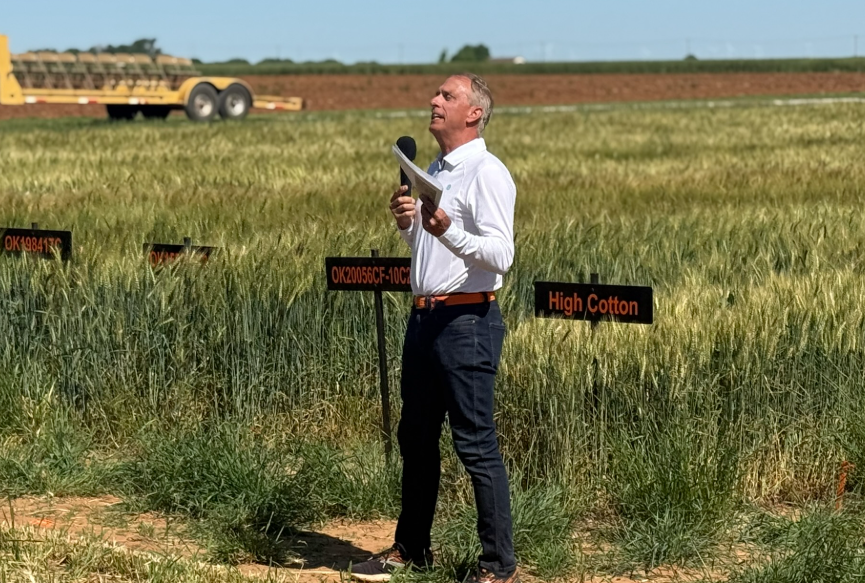
A recent visit to Oklahoma State University's (OSU) wheat breeding plots in Lahoma provided an insightful look into the exciting developments and strategic decisions shaping the future of wheat production in the state. Dr. Brett Carver, OSU Wheat Breeding Specialist, offered a comprehensive overview of the diverse variety plots, emphasizing both immediate concerns and long-term goals for the program.
Lots of varieties were on hand to view at Lahoma, Dr. Carver stressed the need for timely action in certain areas. "I think we need to make some decisions pretty quickly. Others can wait. But probably the quickest decision needs to be made for CoAXium wheat at OSU."
A significant portion of the discussion revolved around disease resistance, particularly in light of widespread wheat streak mosaic reported in Kansas. Dr. Carver expressed enthusiasm about certain varieties exhibiting promising tolerance. "Well, we were blessed with, so to speak, wheat streak mosaic; blessed in the way that we had it all over the state, and I had many opportunities as a plant breeder to go out and evaluate our material. I had never had this opportunity," he explained. This widespread presence allowed for unprecedented evaluation, akin to the Stripe Rust epidemic of 2002.
His observations revealed a significant link to older genetics. "Well, I learned as much as I could on wheat streak. And what I learned is, yes, we have reasonable, good tolerance. I didn't realize it all goes back to Jagger," Dr. Carver stated, referencing a historical panel in the field. "The wheat streak just screamed at Jagger because it was so resistant." While acknowledging that Jagger itself may not be suitable for all regions, particularly the panhandle, this discovery is informing future breeding strategies. "We're using that information to groom the program in that direction for more wheat streak tolerance."
Dr. Carver recognized the contrasting perspectives on the recent disease outbreaks. The ultimate aim is to prevent future widespread issues. "We're trying to make sure this doesn't happen again down the road. Because, you know, if given this opportunity to shift our program in a certain direction, we need to take it."
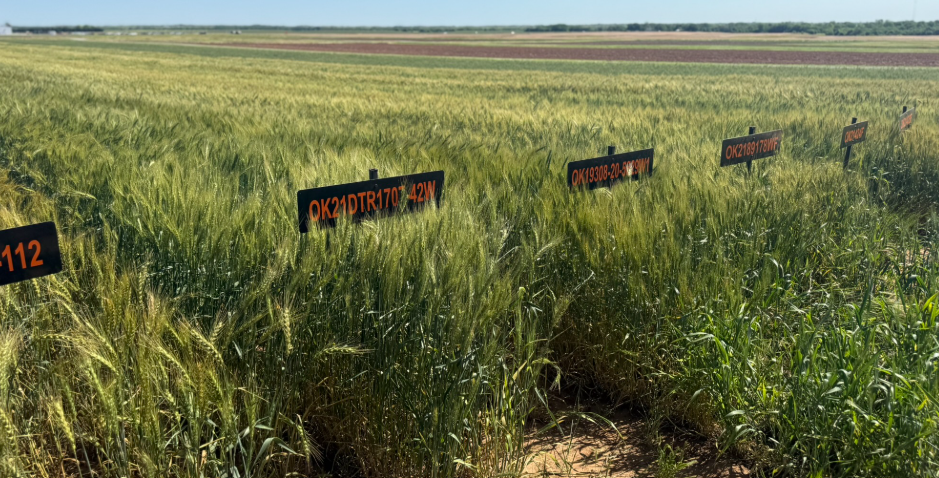
Dr. Carver highlighted several promising candidates when asked about the top-performing varieties observed. "Well, Orange Blossom, that we just released, if I had to tout one, but Double Stop has held up pretty well to not only wheat streak, but we also had a little bit of leaf rust, too. We had a lot of leaf rust in certain places, and it held up well, but I think Orange Blossom is going to do just a tick better. I know it does a little bit better on yield. So that one, no regrets whatsoever." He expressed confidence in the rigorous testing process leading to these releases.
Regarding other genetic lines, Dr. Carver noted areas for improvement. "In the CoAXium genetics, we lack a little bit of that disease resistance. Thanks to the donor we used, we have some wheat streak resistance, and thanks to some of the genetics we have ourselves, we have some pretty good wheat streak tolerance in that germplasm. What I think we're lacking is some leaf rust resistance. Stripe rust was good. We took care of that last year. Right now, it's leaf rust."
He cautiously approached new releases, stating, "We have a couple that we might look at as a possible release, but I don't want to release any more than one or two, and that's it."
The field day also showcased advancements in soft wheat varieties with improved gluten quality, a crucial factor for marketability. "This is all about making wheat marketable," Dr. Carver emphasized. While Oklahoma already has strong hard red winter wheat, he sees potential in catering to the soft wheat market. "With soft wheat, I've always felt like maybe we should be servicing that part of our clientele in the state, and they need to be serviced by Oklahoma State, so we're going to do that through the commodity system."
Dr. Carver explained the strategic approach to enhancing soft wheat. "We can breed a soft wheat with strong gluten. That is not a problem with us, because we have strong gluten in our hard wheats, so we change a couple of genes, and we're there. We just need to find something that's adapted, and we have it." He pointed to the "Double Stop/Strad background with a soft endosperm" as a promising avenue, combining desirable agronomic and quality traits. "So we are going to make those changes and see where we can go with this."
Looking ahead, Dr. Carver expressed excitement about "up-and-comers," focusing on yield improvements with enhanced wheat streak resistance tailored for the Panhandle. "What I want to have is wheat streak resistance fit for the Panhandle. Check it off. We just need to figure out which one to commercialize. Also, we want to have some of that germplasm that works in the panhandle, and bring it downstate so that we have some help if we have wheat streak, and I think we probably will." He emphasized the need for proactive breeding to address potential future outbreaks.
Reflecting on the diverse needs across Oklahoma, Dr. Carver articulated the program's overarching mission. "We're developing OSU genetics for everyone. That's our DOGE by the way," he quipped, playfully redefining the term. "Is we want to kind of be a jack of all trades, but we still need to be a master at some, I realize that. We have a lot of different needs in the state."
He highlighted the geographical and market diversity, emphasizing the commitment to serving these varying needs. This includes exploring novel market classes, such as a "hard purple winter" wheat with potential antioxidant benefits.
Dr. Carver responded enthusiastically when asked about his passion for wheat, "Who would not love wheat? Now, I realize we all can't, some of us can't eat it. But can you imagine a food product that brings so much to so many people? It's not just about bread. Think about all the things we eat that somehow trace back to wheat. That's a lot to get excited about."
His journey into wheat research was driven by an interest in Oklahoma and the opportunities the field presented. "It was a great research and teaching job. And I thought, man, this is what I want to do, now. I need to reorient myself from soybeans to wheat. Hey, it worked!"
| ||||||||||||||||||||||||||||||||||||||||||||||||||||||||||||||||||||||||||||||||||||||||||||||||||||||||||||||||||||||||||||||||||||||||||||||||||||||||||||||||||||||||||||||||||||||||||||||||||||||||||||||||||||
| ||||||||||||||||||||||||||||||||||||||||||||||||||||||||||||||||||||||||||||||||||||||||||||||||||||||||||||||||||||||||||||||||||||||||||||||||||||||||||||||||||||||||||||||||||||||||||||||||||||||||||||||||||||
|
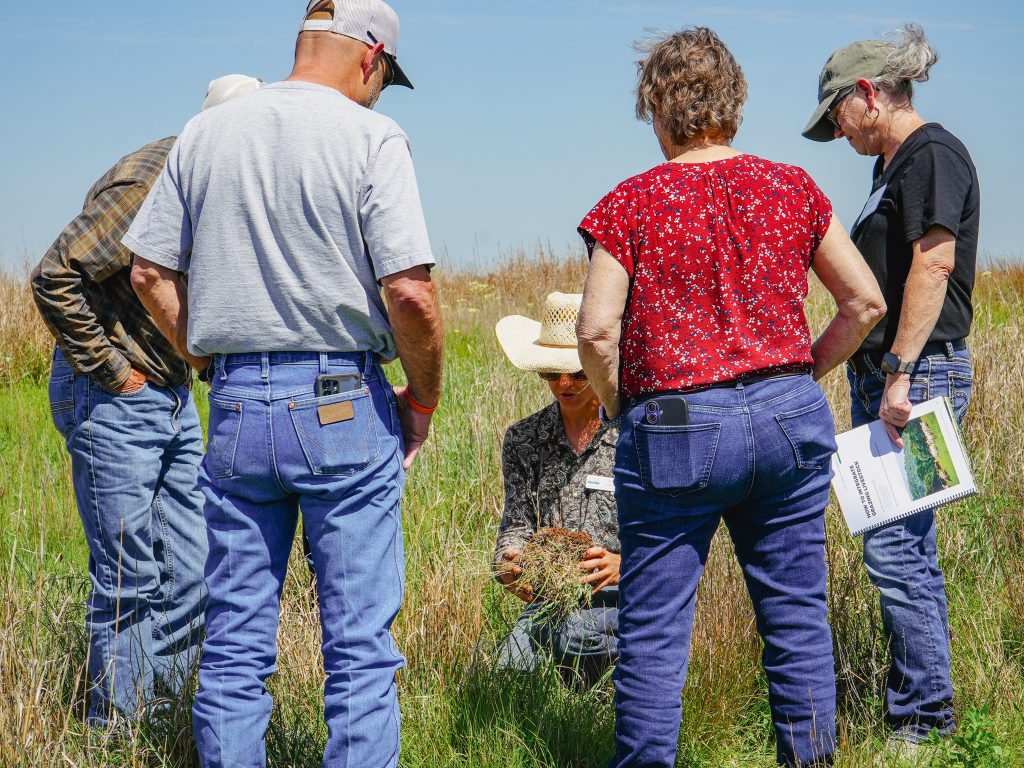
Over 25 producers recently took the opportunity to take part in Noble Research Institute's Grazing Essentials course in Leedey, Oklahoma. From May 13 to May 15, the producers traveled from all over the state to learn about everything from shifting their mindset to being grazing-focused, setting up grazing assessments, setting up a grazing paddock, weighing the risks of overgrazing, measuring forage growth and availability, and so much more.
The Oklahoma Conservation Commission helped to significantly reduce the cost of attendance for the course through its sponsorship. We extend our gratitude to the Dewey County Conservation District for hosting the event and to Meg Greski from OCC Soil Health for training producers and providing course materials. Attendees left feeling more confident in their ability to enhance soil health and productivity while maximizing forage without causing overgrazing. They also formed valuable connections with other producers and received insights from researchers and fellow attendees.
We are deeply grateful to the Noble Research Institute for helping to bring this in-depth and highly beneficial course to Oklahoma producers. Keep an eye out for our next course offering through Noble Research Institute!
Learn more about Noble Research Institute
View the event's Photo Gallery
Over the next several weeks, USDA's National Agricultural Statistics Service (NASS) will conduct the June Agricultural Survey. The agency will contact nearly 92,000 producers across the nation to determine crop acreage and stock levels as of June 1, 2025.
"The June Agricultural Survey is one of the most important and well-known surveys NASS conducts," said Joseph L. Parsons, USDA NASS Administrator. "When producers respond to the survey, they provide essential information that helps determine the expected acreage and supply of major commodities in the United States for the 2025 crop year. The results are used by farmers and ranchers, USDA, exporters, researchers, economists, policymakers, and others to inform a wide range of decisions."
Producers can respond to the June Agricultural Survey online at agcounts.usda.gov, by phone, or mail. They will be asked to provide information on planted and harvested acreage, including acreage for biotech crops and grain stocks.
"NASS safeguards the privacy of respondents by keeping all individual information confidential and publishing the data in aggregate form only to ensure that no operation or producer can be identified," said Parsons. "We recognize that this is a busy time for farmers, but the information they provide helps U.S. agriculture remain viable and capable. I urge them to respond to these surveys and thank them for their participation."
All NASS reports are available online at nass.usda.gov.

Even on his day off, State Climatologist Gary McManus checked in to provide readers with a possible weather scenario in light of today's severe weather threats.
"We are expecting multiple rounds of severe storms to form today in this moisture-
rich environment. The atmosphere will be extremely unstable, with hot, humid air
and strong winds at different levels of the atmosphere helping fuel the storms," he said.
He described how thunderstorms could begin as early as midday, especially in eastern Oklahoma, with the potential to produce large hail, damaging winds, and strong tornadoes.
Later this afternoon, another wave of powerful storms is expected to form along the dryline in western Oklahoma and Texas, bringing additional threats of very large hail and tornadoes. With so many storms in such an unstable environment, damaging winds are also a major concern, particularly in northeast Oklahoma and nearby regions.
He advised Oklahomans to stay very weather aware, today. "Yesterday was actually fairly quiet across all but NW OK, but even then we had 3-4 tornadoes and DVD-sized (yes, DVD) hail up to 5 inches (yes, 5 inches) near Arnett," he said. "NE OK got hit pretty hard too by wind and giant hail. And Saturday was no picnic with more possible twisters and softball-sized hail."
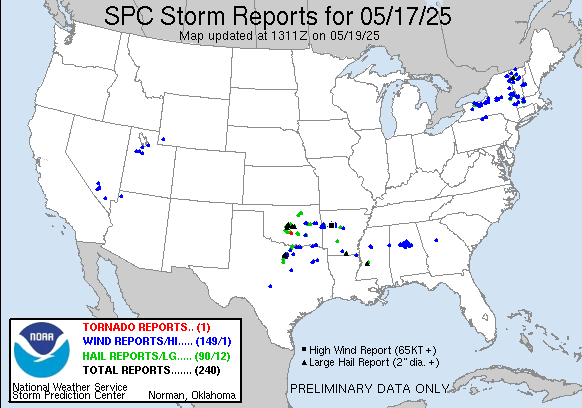
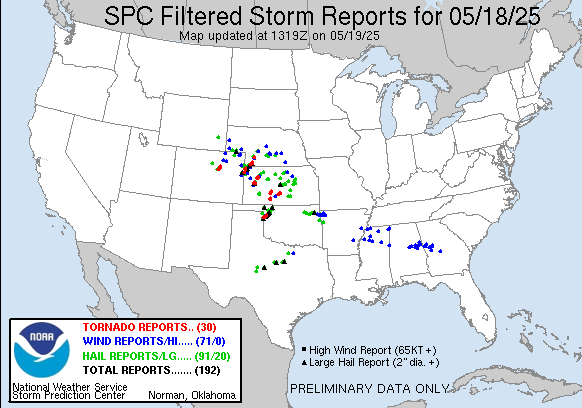
He said to keep your eyes on the warm sector across eastern OK in the early afternoon for
supercells, and then later watch along the dryline for a more classic setup for western/central Oklahoma, which he described as "the dreaded Highway 81 Powderkeg scenario."
He provided the following outlooks with counties clearly marked saying that if you are in a colored area, you are at risk.
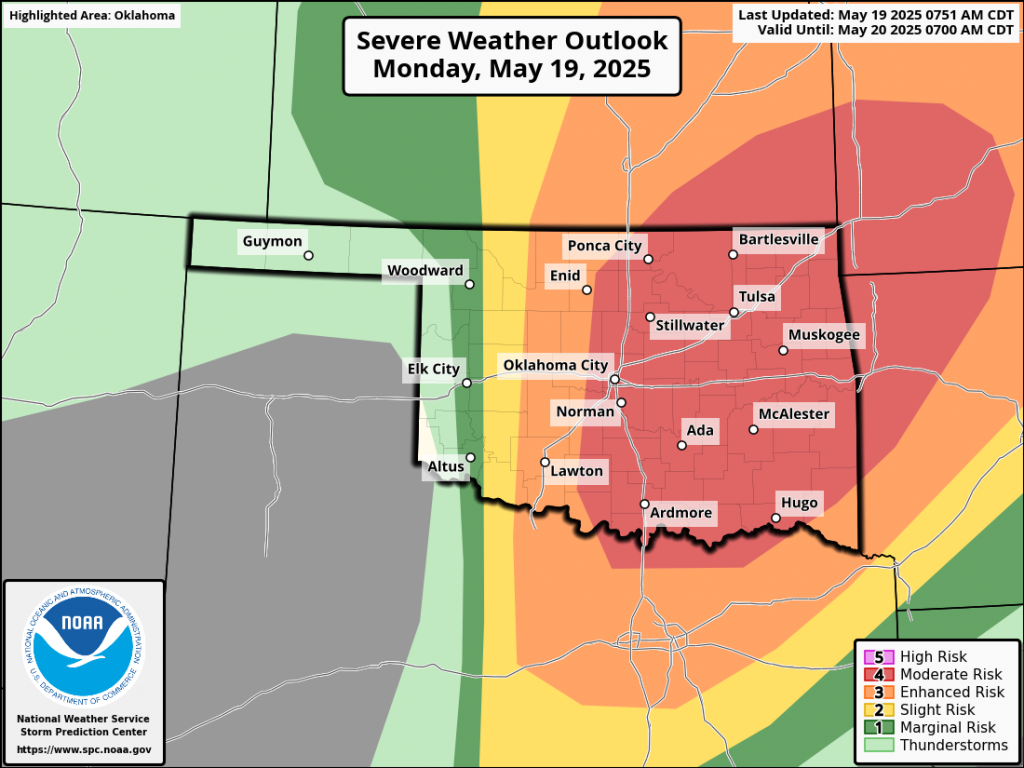
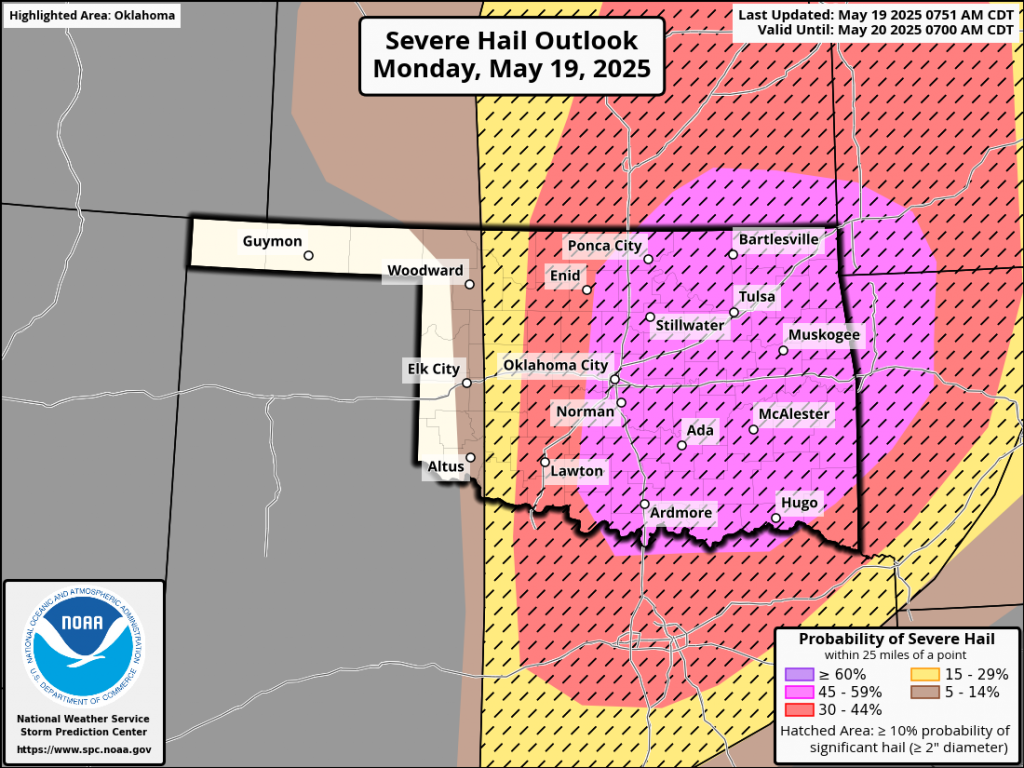
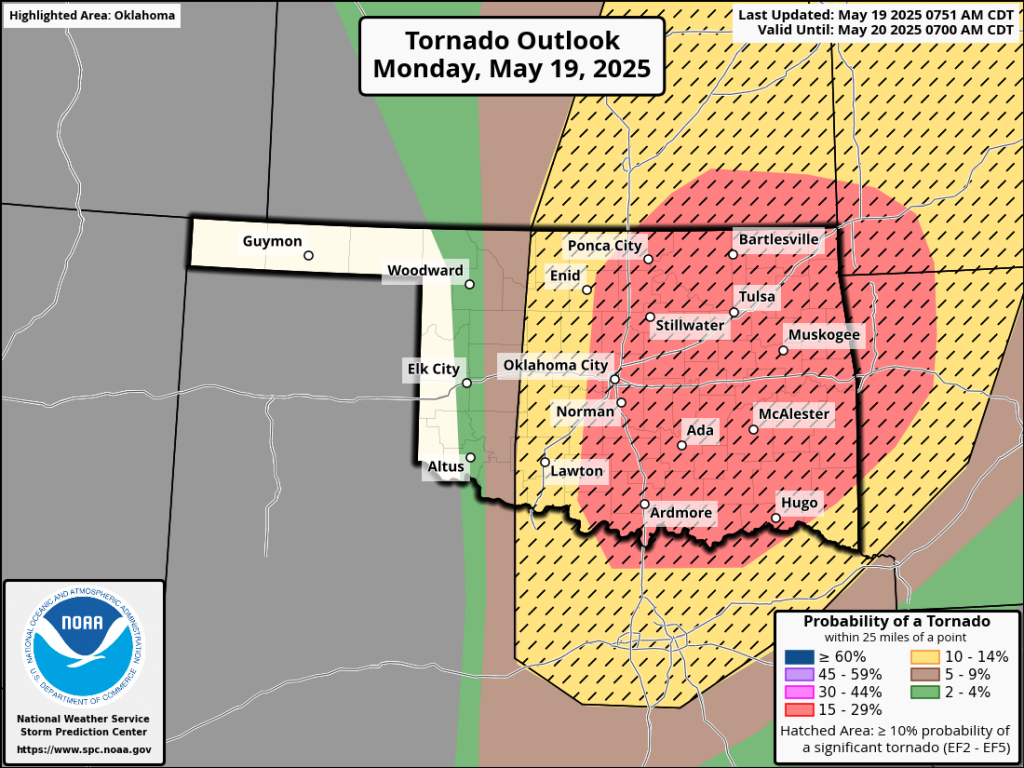
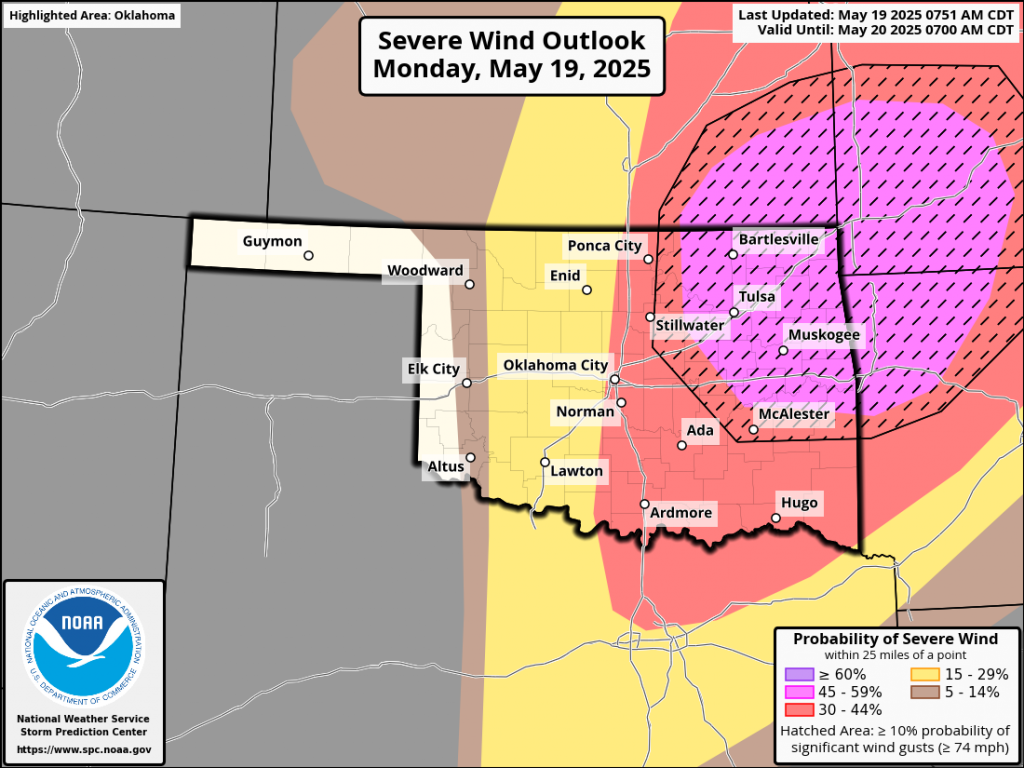
He advised having a plan in place, recalling the numbers of storm related deaths in other states over the past few days. He pointed out, "More significant severe weather is now aimed directly at Oklahoma. We'll hope for a more benign day, but we don't want to add to those numbers."
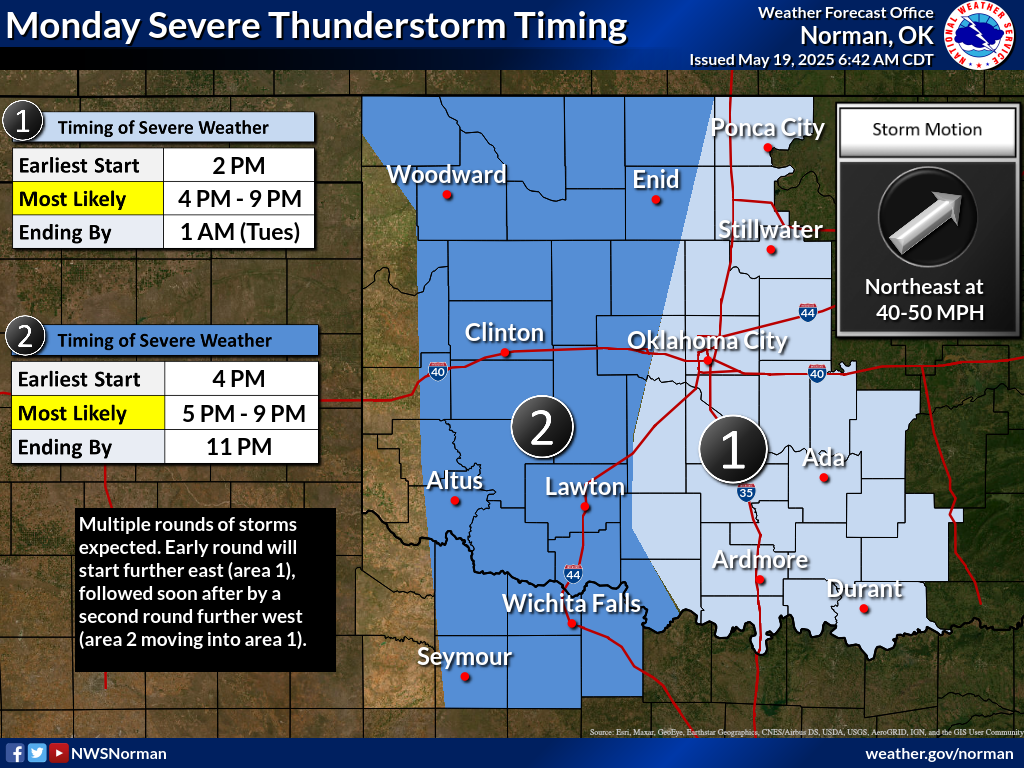
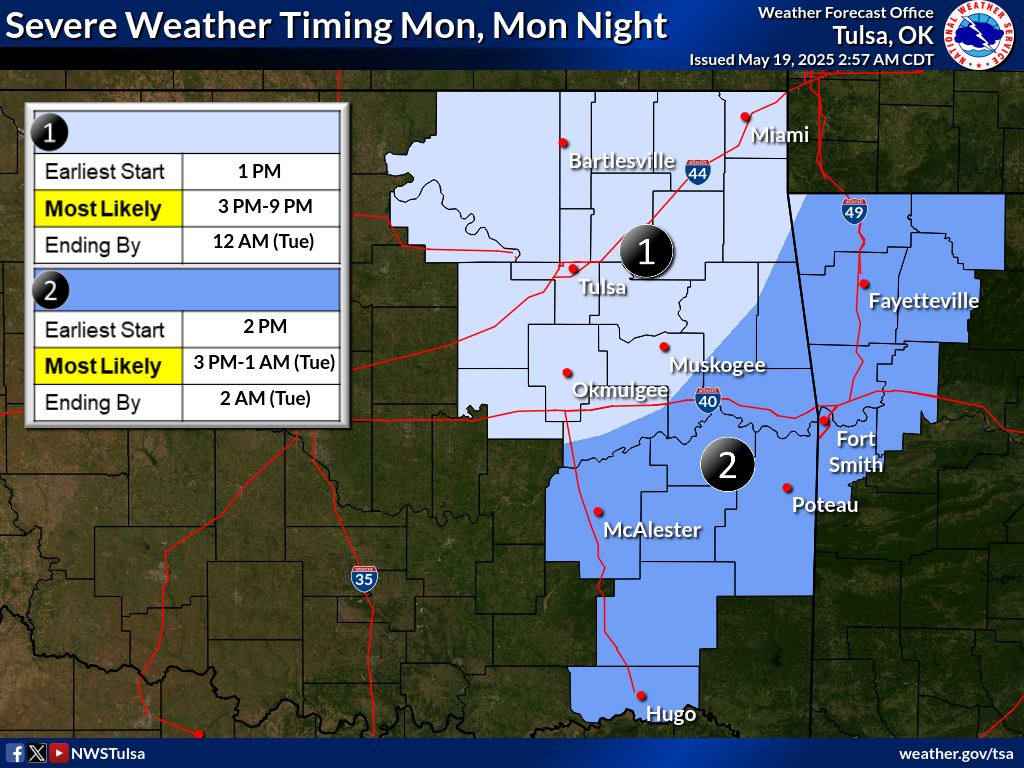
He provided the following list of things to stay safe and protect loved ones:
1. Stay Weather Aware All Day
Monitor reliable sources like your local National Weather Service office, TV meteorologists, NOAA Weather Radio, or weather apps.
Don't rely solely on outdoor sirens — they're not designed to be heard indoors.
2. Know Your Risk Areas
Stay especially alert if you live in central, eastern, or northeastern Oklahoma, where the highest threat exists today.
Check if your county is under a Tornado Watch or Severe Thunderstorm Watch — these may be issued before storms begin.
3. Have Multiple Ways to Get Alerts
Make sure Wireless Emergency Alerts (WEA) are enabled on your phone.
Have a NOAA Weather Radio as a backup.
Follow your local emergency management on social media for real-time updates.
4. Review Your Tornado Safety Plan
Know where your safe place is: a storm shelter, basement, or small interior room on the lowest floor, away from windows.
If you live in a mobile home or temporary structure, have a plan to get to a sturdier building quickly.
5. Prepare Your Emergency Kit
Flashlight, batteries, phone charger (and backup battery), water, snacks, shoes, weather radio, medications, ID, and important documents.
Include helmets (bike or sports helmets) for everyone in the household if tornadoes are expected.
6. Keep Vehicles Fueled and Phones Charged
Power outages are possible from damaging winds or tornadoes.
7. Stay Off the Roads During Warnings
Don't try to "outrun" a tornado. Shelter in place unless you're evacuating a mobile home to a safer location.
If caught outside or in a car with no other options, try to get to a ditch or low-lying area and cover your head, but this is a last resort.
8 Check In With Family and Neighbors
Especially those who are elderly or have mobility issues — make sure they know the forecast and have a plan.
9. Stay Calm, Take Action
Don't panic — if you've prepared ahead of time, you'll be in the best position to protect yourself and your loved ones.
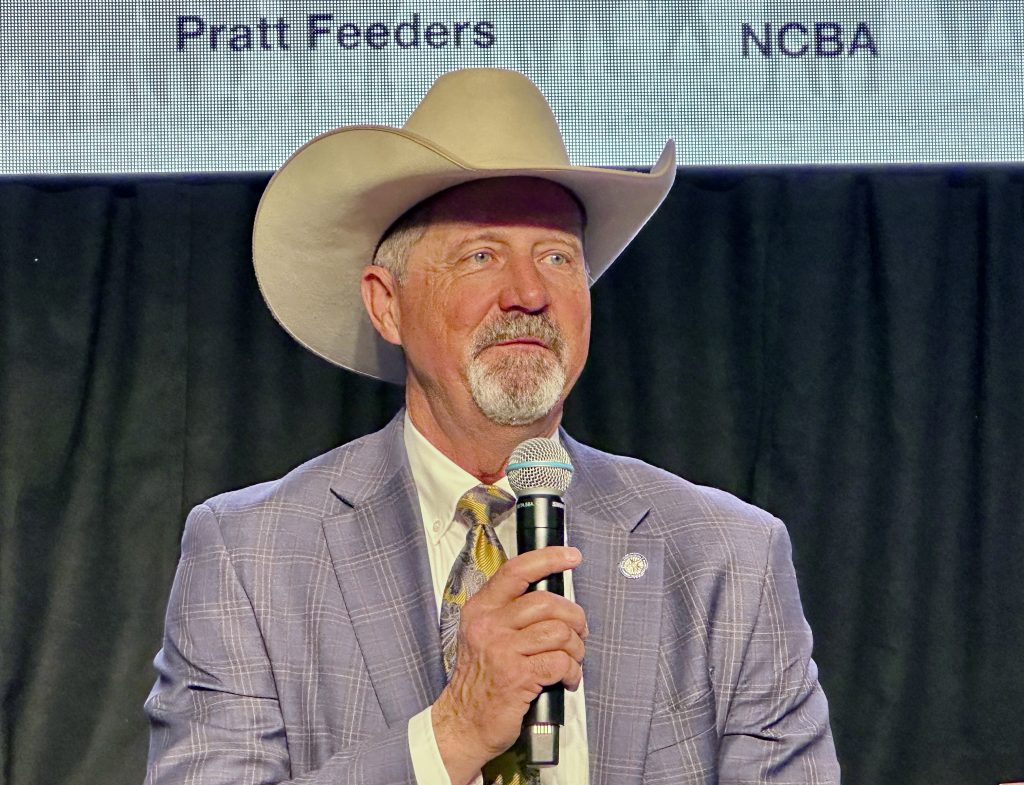
Senior Farm and Ranch Broadcaster, Ron Hays, is talking with Donnell Brown, a past president of the National FFA Organization and rancher at the R.A. Brown Ranch out of Throckmorton, Texas. The two men discussed technological advancements aiding the cattle industry today.
"It doesn't matter what industry we are in, there is a huge amount of information," Brown pointed out. "The key is how do we process the information? How do we turn that data into metrics we can use to make more knowledgeable decisions? When we have knowledge, we can use it to create wisdom."
He touted AI technology for helping process big numbers for producers to create workable summaries that help make decisions. On the R.A. Brown Ranch, 1,000 animals per year are tested for feed efficiency. Although there are only 16 different feed bunks, the cattle are on them 24/7.
"That captures over half a billion weights every year," he said. "That is way too much for me to analyze as a cowboy in West Texas, so having someone that can compile that information and turn it into decision-making tools, where I can select cattle that do more with less, that is a great definition for sustainability."
He explained how the half a billion feed efficiency data points can be plugged into a $profit database, which turns the information into Expected Progeny Differences, better known as EPDs. "So, I have one number that I can look at and determine that this one is going to be more efficient than that one," he said. "It's right along with calving ease, birth weight, weaning weight, yearling weight, and marbling; these other traits that I can look at and say, 'Alright, which ones are going to make me the most profitable?'"
He pointed out how $profit and $ranch can assess multiple traits to summarize performance and cost. He described $beef and $combined, used by the American Angus Association, as all-purpose indexes, and $maternal as a maternal index useful when keeping replacement females. "It's neat," he said. "We've always had a lot of information, but we have more now than ever before, and it will never move this slow again."
He shared the mantra at R.A. Brown Ranch: "Cows that stay and steers that pay."
"That is that multi-trait excellence that Dr. Randall Spare talked about – the cattle that do all things well," Brown shared. "We've got to be strategic when we're doing that because if we just select for one or two traits, we can leave some really critical traits out that impact commercial cow calf producers."
He noted how selecting for growth has become such a popular option that cows are growing larger than their environments can sustain without additional feed supplementation.
The Beef Buzz is a regular feature heard on radio stations around the region on the Radio Oklahoma Ag Network and is a regular audio feature found on this website as well. Click on the LISTEN BAR for today's show and check out our archives for older Beef Buzz shows covering the gamut of the beef cattle industry today.

Dr. Derrell Peel, Oklahoma State University Extension Livestock Marketing Specialist, offers his economic analysis of the beef cattle industry as part of the weekly series known as the "Cow Calf Corner," published electronically by Dr. Peel, Mark Johnson, and Paul Beck. Today, Dr. Peel discusses global beef trade economics.
Beef trade in countries around the world is driven by a variety of factors including cattle inventories/beef production; population; general and product-specific beef preferences; and transportation/logistics. Table 1 provides broad indicators of some of these economic forces.
Table 1. Global Beef Trade Indicators, Selected Countries.
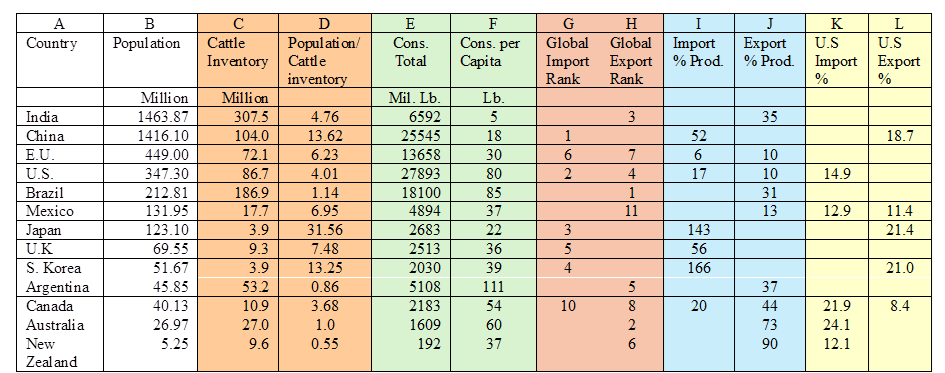
Data compiled from United Nations, USDA-FAS, USDA ERS. Columns E and F in carcass weight equivalents.
The total size (population) of a country is a factor affecting beef trade in the country. Population and per capita consumption drive total beef consumption. For example, China has relatively low per capita consumption (Column F) but is a large beef consumer and importer by virtue of a large total population (Columns B and E). In contrast, the U.S. is the second largest beef consumer with a population one-quarter of China but per capita consumption roughly 4.5 times higher. Not surprisingly, countries with large beef industries (cattle inventory) tend to be large beef consumers, for example, China, Brazil, and the U.S. India is an exception simply because much of the population does not consume beef and many of the cattle are not part of the commercial herd. India is, however, the third largest beef exporter, much of which is carabeef, meat from water buffalo.
One general indication of beef trade is the population relative to cattle inventory of various countries. Countries that have large populations relative to the size of their cattle industry are frequently beef importers. Of course, it depends on their general preferences and tendency to consume beef. Table 1 shows that the highest people-to-cattle ratios are in Japan, China, and South Korea (Column D). These countries rank 1, 3, and 4 for total beef imports. Total beef imports in Japan and South Korea are 143 and 166 percent of domestic production, with China imports equal to 52 percent of total beef production (Column I). The U.K is a is the number five beef importer and has a relatively high people/cattle ratio, with imports representing 56 percent of production.
On the other hand, countries with low ratios of people to cattle are more likely to be beef exporters. Three countries with the lowest people to cattle ratios are New Zealand (0.55), Argentina (0.86), Australia (1.0), and Brazil (1.14) (Column D). These countries rank 6, 5, 2, and 1 as beef exporters, respectively (Column H). New Zealand exports 90 percent of production but is not a bigger exporter simply because it is a small country and a small beef producer in total. Australia exports 73 percent of production while Argentina has high per capita beef consumption but also exports 37 percent of production.
The U.S., along with the E.U. and Canada, ranks as both top ten beef importers and exporters. In the U.S., bilateral trade in beef reflects the diversity of beef products, with exports and imports of specific products helping to balance consumer preferences to domestic production. This adds value to U.S. producers and consumers by seeking the highest value across a wide range of beef products. The U.S. exports a mix of high-value cuts, end meats and offals, and imports mostly processing beef to support the enormous ground beef market in the U.S., along with some specialty cuts. Beef trade between the U.S. and Canada also reflects the transportation efficiency of moving similar products north and south rather than east and west across the wide countries. Population centers in eastern Canada are closer to U.S. Midwest beef production, while beef production in western Canada is closer to U.S. west coast markets. Column K in Table 1 shows the shares of the major U.S. beef imports sources and Column L shows the shares of the major export markets for U.S. beef.
Global beef trade reflects the comparative advantage of beef producing countries, the demand of beef deficit countries, the balancing of preferences for specific beef products and the logistics between trading partners. It is a complex set of economic forces but the gains from trade benefit beef producers and consumers worldwide when beef markets are allowed to function without impediments and seek out the highest value for beef products.
The Whole Milk for Healthy Kids Act has a 60 percent chance of becoming law this year, with congressional momentum building along with consensus that whole milk in schools is the best option for schoolkids, Sen. Peter Welch, D-VT, said in a Dairy Defined podcast released today.
"This is one of those things where, if we get it on the floor, and get the cooperation of leadership, we get the votes," he said. "This is one of those areas of rare bipartisanship that we have right now."
Welch, the ranking member of the Senate Agriculture Committee's rural development subcommittee, is a Senate co-sponsor of Whole Milk for Healthy Kids, which passed the House of Representatives in 2023 and this year is advancing in both chambers. The legislation would restore the ability of schools to offer whole and 2% milk as options.
Welch also serves on the Judiciary, Finance and Rules committees, touching on agricultural issues including immigration and trade.
You can find and subscribe to the Dairy Defined podcast on Apple Podcasts, Spotify and Amazon Music under the podcast name "Dairy Defined."
Text and audio provided by NMPF.
RON's Dave Lanning has a pre-opening look at today's agricultural Markets.
Click the audio tab below for today's report.
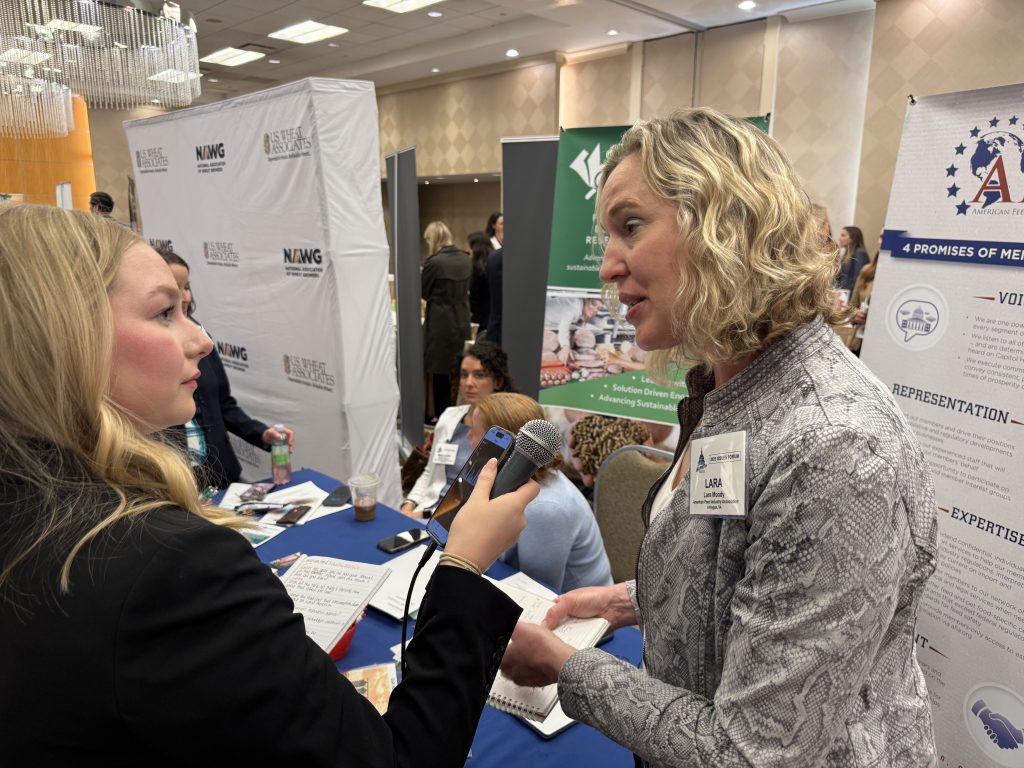
Lara Moody, Executive Director for the Institute for Feed Education and Research (IFEEDER), took time out of her busy day to visit with our own Farm Reporter, Maci Carter.
IFEEDER is the research and education foundation that supports the American Feed Industry Association (AFIA). Every three to five years, IFEEDER meets with AFIA, the Pet Food Institute, and the North American Renderers Association to swap data on all U.S. dog and cat food sales. The data is used to reverse engineer the ingredients used in all of the products to highlight the importance of pet foods to the rest of the agricultural industry.
"It's really important for the industry to be able to understand the value that pet food brings to the broader agricultural economy," Moody explained. "For example, in the pet food space, our manufacturers purchase about 9.8 million tons of ingredients that are worth about 13.2 billion dollars in value."
Rowing further upstream, Moody explained that the corn used in pet food had to have fertilizer and other inputs applied to it, bringing the economic impact up by about another 9.6 billion dollars.
"There's a pretty significant upstream impact that the pet food economy has," she stated.
The report generated by the data also examines trends for ingredient use, the top item for both dog and cat food being chicken and chicken by-products. Milled and whole grains compose the second most popular ingredient, followed by beef and beef products, then marine-based ingredients.
"Marine-based ingredients were pretty interesting for us this time," she noted. "Since COVID, we have seen more pet owners thinking about how they could treat their animals better and allow them to eat more like themselves. We are seeing trends toward some higher value, more premium or select ingredients, like beef and chicken, but also a doubling in marine-based ingredients."
The ingredient ratings given were volume-based, but when rated by value, marine-based products move to the top of the list, specifically salmon and cod. Second is beef, then chicken, milled grains, and then whole grains.
The economic impact of the pet food on the United States economy is quite significant. Moody explained that 7.6 billion tons of material are sold to pet food ingredient suppliers that are working with farmers. Inputs sold to farmers to produce the material are measured at 9.8 billion tons, and 13.2 billion tons of ingredients are sold to pet food manufacturers. All of this equates to $51 billion of sales in the pet food space.
The full report touting these numbers and more information can be found at ifeeder.org.
RON's Jacquelyn Farris reports from the State Capitol
During yesterday's 2Q 2025 earning's call, John Deere chairman and CEO John May announced a bold commitment to invest $20 billion in the United States over the next 10 years, underscoring the continued dedication of John Deere to American workers, communities, and manufacturing. John Deere has helped build America since 1837 through U.S. manufacturing, jobs, and community growth. This announcement reinforces the company's ongoing commitment to strategic investments both for today and the future.
Impacting the U.S. Economy: This $20 billion commitment builds on the company's long-standing legacy of economic impact and manufacturing in the U.S.
Major Projects Include:
Through these efforts, John Deere continues to build strong local economies, expand career opportunities and support the people who build the country from the ground up. To learn more, please visit https://about.deere.com/en-us/us-impact.
About John Deere
It doesn't matter if you've never driven a tractor, mowed a lawn, or operated a dozer. With John Deere's role in helping produce food, fiber, fuel, and infrastructure, we work for every single person on the planet. It all started nearly 200 years ago with a steel plow. Today, John Deere drives innovation in agriculture, construction, forestry, turf, power systems, and more.
For more information on Deere & Company, visit us at https://www.deere.com.
Today, the National Cattlemen's Beef Association (NCBA) urged Congress to swiftly pass the House reconciliation package, which contains crucial tax relief and agricultural policy priorities that support America's hardworking family farmers and ranchers.
"Raising cattle is a difficult business and around the country, family farmers and ranchers are wondering how they can keep their operations going for the next generation. This is why we need Congress to step up and pass the reconciliation bill that delivers tax relief, helps producers keep more of their hard-earned money, and protects the cattle industry against foreign animal disease," said NCBA Senior Vice President of Government Affairs Ethan Lane. "It's time for Congress to finish this critical work and pass this bill so President Trump can sign it into law."
Initiated in 1898, NCBA is the oldest and largest national trade association representing American cattle farmers and ranchers. With members in all 50 states, NCBA is the trusted leader and definitive voice of the U.S. cattle and beef industry.
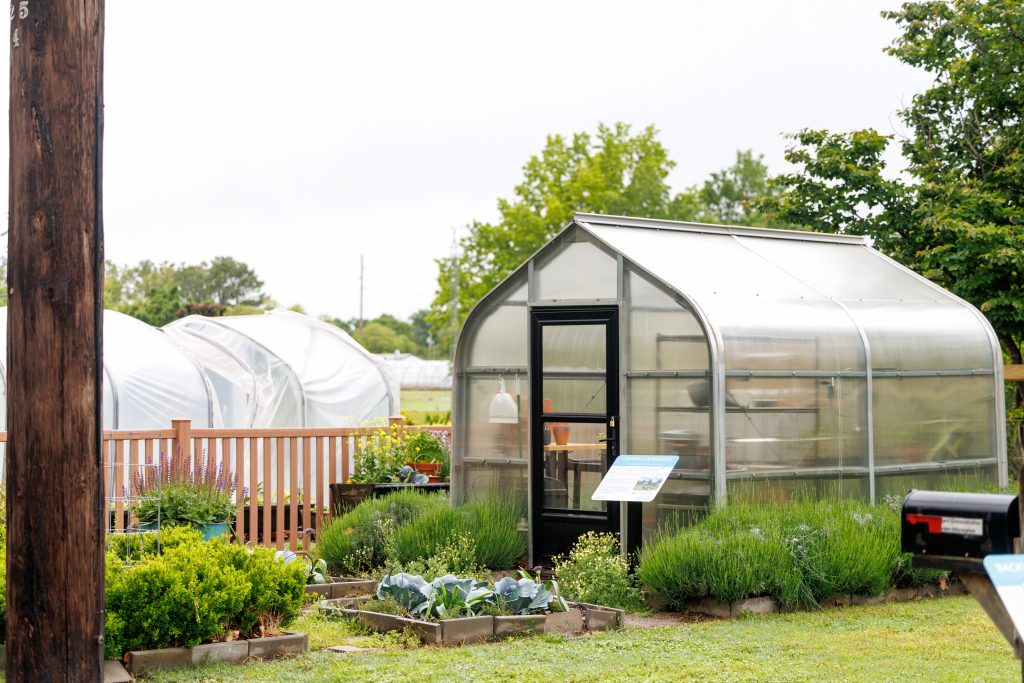
A greenhouse is the perfect place to nurture plants but resist the urge to use it as a storage shed for all garden-related tools and supplies. (Photo by Mitchell Alcala, OSU Agriculture)
Gardeners know how handy it is to have all important gardening tools close at hand. For gardeners with greenhouses, it makes sense to keep all essential supplies like tools, extra pots, potting soil and seeds under potting benches and tables.
But a greenhouse should not be used as a storage shed, said David Hillock, Oklahoma State University Extension consumer horticulturist.
"Obviously, it's handy to have everything you need within reach, but a greenhouse isn't ideal for storage," he said. "Greenhouses are humid, which isn't the best atmosphere for storing some gardening-related items."
Don't store metal or wood-handled tools in the greenhouse. The metal will rust, and the high humidity can split the wooden handles. Stainless steel or plastic-handled tools are fine to keep close by for potting up plants, but other tools should be stored elsewhere.
Casey Hentges, OSU Extension associate specialist and host of the "Oklahoma Gardening" television show, said gardening enthusiasts should immediately remove diseased plants from the greenhouse.
"It might seem like a greenhouse is a good place for plants to recuperate, but the moist atmosphere is the perfect environment to spread diseases and pests to your other plants," she said. "Also, inspect all plants coming into the greenhouse for signs of disease or pest stress."
While gardeners sometimes need to apply pesticides, the greenhouse isn't the location to store them. Pesticides should be stored in an environment between 40 and 90 degrees Fahrenheit. Anyone who has experienced an Oklahoma summer or winter knows the temperature often exceeds those limits. Pesticides can catch fire or break down, making them ineffective if they get too hot. A cool, dark, dry, well-ventilated location is the best for pesticide storage.
Seedlings are often sold in cardboard plant trays or boxes, and packaged seeds are sold in paper containers. Humidity is not a friend to cardboard or paper, as moisture can ruin seeds. Or, a watering can could accidentally tip over and spill onto seeds. Instead of the greenhouse, store seeds at a cool temperature away from moisture.
Hentges said rodents can be another issue in the greenhouse.
"Mice and other rodents may be able to enter the greenhouse, and they'll eat your seeds. Not only that, but they'll also chew on cardboard and other paper and make a mess," she said. "Also, the high humidity will cause the paper and cardboard to mold, which is a mess gardeners don't want to deal with. Instead, use any flat pieces of cardboard in the garden to help smother out weeds. Cardboard can also be composted."
The convenience of keeping these things in the greenhouse may be appealing, but in the long run, it's not worth it.
It won't be long until the summer heat turns up the temperature in the greenhouse. As gardeners move their remaining plants outside, also remove anything with an electrical component that shouldn't be exposed to extreme heat.
"Maintain your greenhouse for its intended purpose of growing and nurturing healthy plants," Hillock said.
OSU Extension uses research-based information to help all Oklahomans solve local issues and concerns, promote leadership and manage resources wisely throughout the state's 77 counties. Most information is available at little to no cost.

National Farmers Union's Beginning Farmer Institute (BFI) is a free farm business management program structured around The Resilerator™, a comprehensive 10-week course designed to improve farm and ranch business resiliency.
From October-December, participants will have weekly online trainings led by farm business management experts and engage in peer-to-peer learning.
Participants who complete all necessary course requirements will be considered for an additional in-person session the following spring, to include additional trainings, farm tours, and networking opportunities with Farmers Union leadership.
The Beginning Farmer Institute is open to any U.S. producer over 18. Applicants must be currently farming or ranching, and operation must be for-profit.
Operations of any size and type may apply. You do not have to be the owner of the operation, but must be considered a key decision-maker.

On Wednesday, the U.S. House Agriculture Committee approved its portion of the budget reconciliation bill. The focus of the markup was on provisions that made changes to the Supplemental Nutrition Assistance Program (SNAP). These changes are based on the savings required by the House Budget Committee's reconciliation instructions for the House Agriculture Committee (reduce deficits by $230 billion over 10 years), and were also used to fund farm safety net, crop insurance, conservation, trade, and other farm program provisions.
In response, NFU President Rob Larew gave the following statement:
"We appreciate that the House Agriculture Committee recognizes the financial pressures facing family farmers and ranchers. Proposals to strengthen crop insurance, bolster the farm safety net, and maintain voluntary conservation programs are important steps toward securing the future of our food system.
But this is not the best way to produce a meaningful farm bill. Our members know that the process matters. Pitting farm and nutrition priorities against one another creates unnecessary division and weakens the broader effort. A strong farm bill—however it comes together—must reflect the full scope of challenges facing agriculture and rural communities, and it must work for everyone it touches: farmers, ranchers, and families across the country."
| ||||||||||||||||||||||||||||||||||||||||||||||||||||||||||||||||||||||||||||||||||||||||||||||||||||||||||||||||||||||||||||||||||||||||||||||||||||||||||||||||||||||||||||||||||||||||||||||||||||||||||||||||||||||||||||||||||
| ||||||||||||||||||||||||||||||||||||||||||||||||||||||||||||||||||||||||||||||||||||||||||||||||||||||||||||||||||||||||||||||||||||||||||||||||||||||||||||||||||||||||||||||||||||||||||||||||||||||||||||||||||||||||||||||||||
|
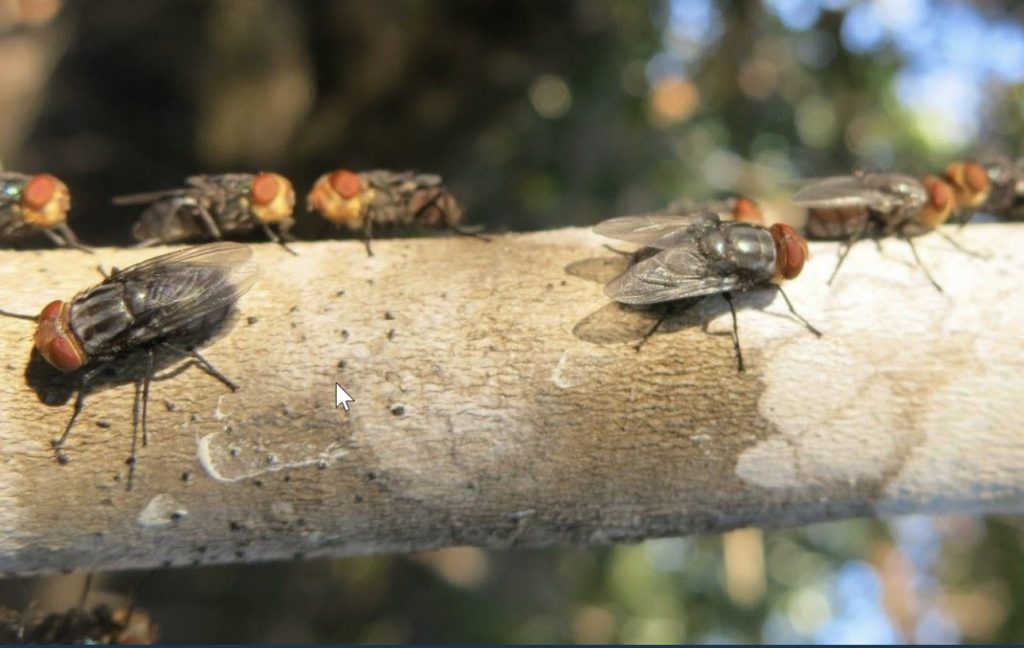
New World Screwworms (photo courtesy of USDA)
The following commentary is from an email sent by Oklahoma State Veterinarian Dr. Rod Hall as he addresses the possibility that New World Screwworms could show up in Oklahoma:
"In addition to the other diseases we're dealing with and watching out for, such as Highly Pathogenic Avian Influenza, Foot and Mouth Disease, African Swine Fever, Tuberculosis, CWD, and others, we have a disease that is moving closer to the U.S. that is very concerning.
"New World Screwworm has escaped the narrow country of Panama where it's been contained since the late 1990s. Since 2023 it has been moving northward through Central America and was discovered in far southern Mexico late last fall. Efforts by Mexico and the USDA to contain it have not been successful and it is now only about 700 miles from the Mexican border with Texas. Because of this, USDA has stopped the importation of all cattle, horses, and bison from Mexico. You can read Secretary Rollins' message here: Secretary Rollins Suspends Live Animal Imports Through Ports of Entry Along Southern Border, Effective Immediately | Home
"There is a lot of information about NWS here: New World Screwworm I've also attached a short PowerPoint presentation(it is found at the top bottom of this story) that has some good information and doesn't take long to look through.
"The message I'd like everyone to comprehend at this time is:
"As always, I appreciate everyone helping us monitor for serious diseases and reporting unusual cases to us. The sooner we find cases of new and emerging diseases, the better our chances are to stop them quickly."
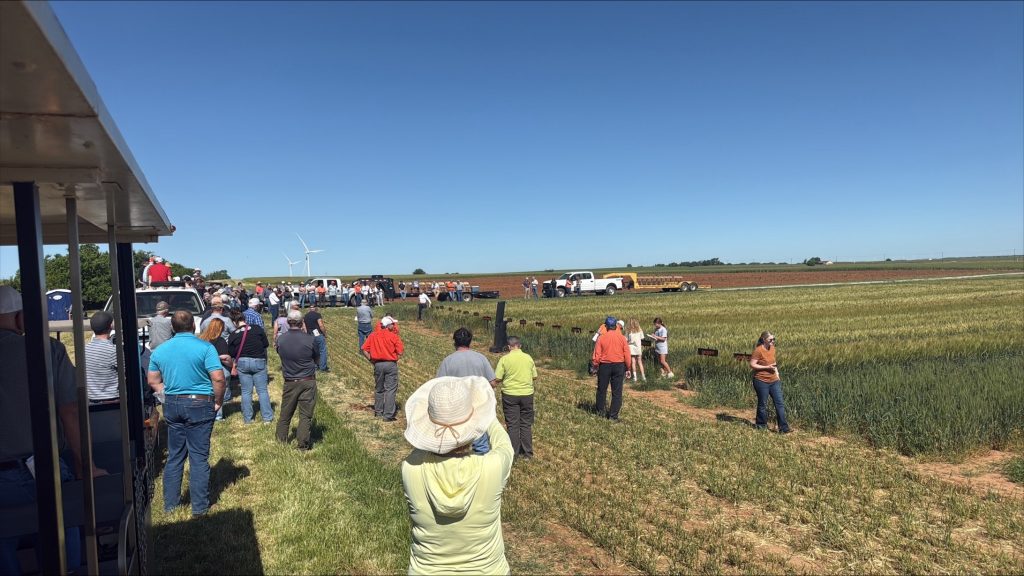
Farm Director KC Sheperd is attending the Lahoma Wheat Field Day, where producers are gathered to learn about wheat varieties, breeding, fertility, disease, and pest and weed management. She got the chance to talk with Dr. Scott Senseman, associate vice president of research for the Division of Agricultural Sciences and Natural Resources.
Senseman provided an update on the status of the new agronomy farm campaign to replace the dated facilities. He said, "Primarily, right now, it is really helping the wheat program. We've got greenhouses and buildings there that were built in the late forties or early fifties, so they got old about thirty years ago! We are really looking forward to some upgrades to our facility so that we can be much more competitive."
He emphasized how well the wheat improvement team has already done in the dated facilities and looks forward to seeing how much more they can do with the upgrades.
The campaign seeks to raise $10 million to begin the project, and currently stands at a little over $7 million in pledged funding for the next 4.5 years. This means that there are still opportunities to support the campaign being led by Teresa Gustafson.
"We have great opportunities to put names on things, and if they want to see what we are working with now and what we are wanting to do next, we've got that information for folks to look at, too. We would love to talk to them about the possibilities coming next," Senseman urged.
OSU's Wheat Breeding specialist, Dr. Brett Carver, is known worldwide for his research and the varieties he has developed, and Dr. Senseman understands the importance of providing him with a facility that matches his fame.
"The wheat varieties that are created now do not last as long as they did thirty years ago," Dr. Senseman admitted. "This means that we have to create more, faster. In order to do that, we need facilities that enable us to do that, and there is a term called high throughput phenotyping that we do not have at the moment, but would really help us accelerate those kinds of things as well as maybe some growth room capacities that could help us create crops all year round instead of just one or two."
The first priority is upgrading the greenhouses and accompanying facilities. Next, the construction of a conference facility is sought, but so is a soil, water, forage testing, and plant diagnostics lab. "All of those things could go out in that near area so that we could kind of round out all of the things related to agronomy, wheat, pests, soil, and water," Dr. Senseman shared. "All of that could be close together, and that's the long-term goal, which will have a little bit different price tag."
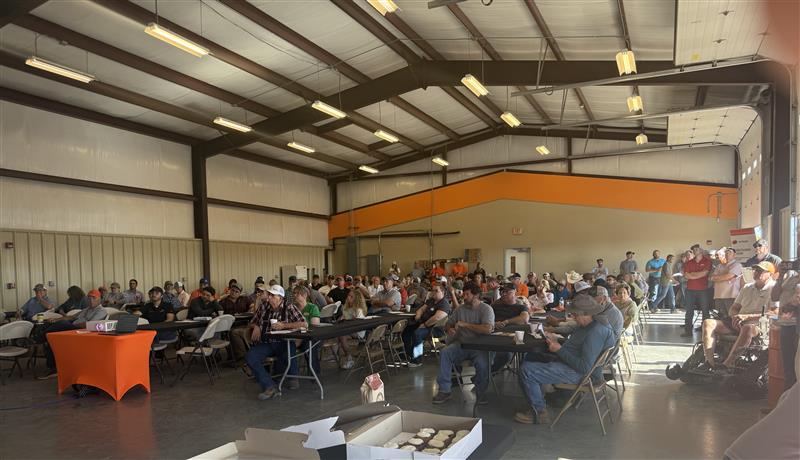
Dr. Senseman mentioned the successful graduation ceremonies that recently concluded, and looks forward to more field days over the summer. Click the listen bar at the top of the page to hear the entire conversation.
"Field days like this one always give us a big boost," he said. "When I get to see what the scientists are able to find out and how they interact with the public, that, to me, is one of the things that is always great. We're on our third year of a pretty heavy duty campaign for a lot of those field day events; right now, we have seven per year that we are trying to make a pretty big deal out of and get the kinds of people that can see the things we want them to see to help us."
OSU Agriculture Field Days are educational events presented by OSU Ag Research and OSU Extension to share research-based information and resources with Oklahomans. Field days showcase current agricultural research and relevant best practices through presentations, tours, hands-on workshops, and discussions. Research at OSU locations across the state is often designed for specific applications based on the region.
Find an OSU field day to support your needs by clicking here.
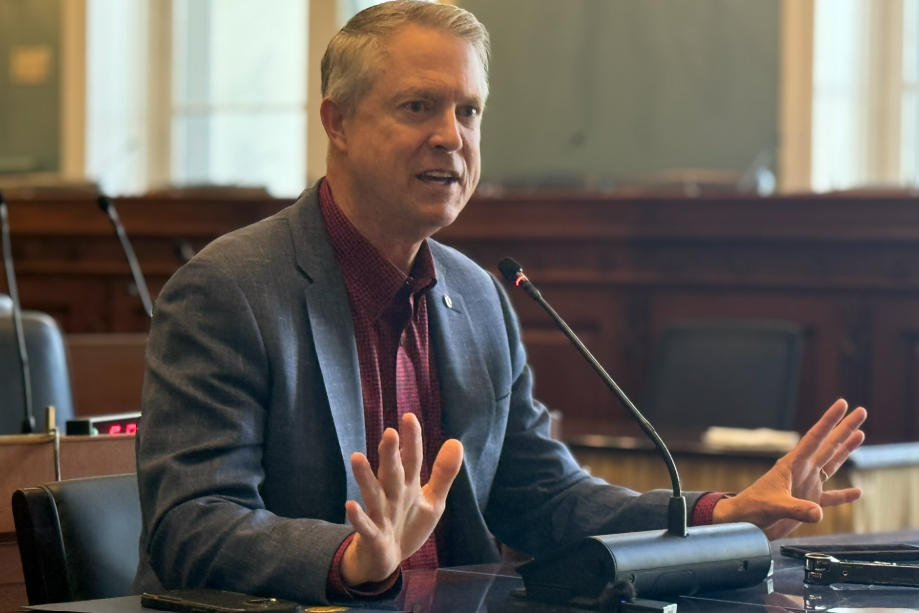
Senator Roger Marshall recently met with farm broadcasters, sharing his unique agricultural background and discussing key issues facing American farmers, including trade, mental health, and economic pressures.
Marshall began by recounting his upbringing on Kansas farms, highlighting the diverse agricultural practices and loyalties within his family. "I tell people I had a very confusing upbringing. I'd be fifth generation on my dad's side and fourth on my mom's side; both had 160-acre farms in Butler County, Kansas. Here's the confusing part: the Marshalls had Fords and the Nelsons had Chevys. The marshals had round bales and the Nelsons had square bales." He also shared formative experiences working at a cattle auction barn, where he learned valuable life lessons.
Addressing the current challenges facing farmers, Marshall emphasized the critical issue of mental health. "I want to talk about farmers' mental health for a second. We've done several round tables over the years on this. I appreciate what Farm Credit is doing to help lead the way, as well."
He urged broadcasters to raise awareness about mental health resources and recognize the signs of stress in their communities. "Be a message of hope. Tell them to just be a good neighbor, to recognize when your neighbor all of a sudden isn't showing up for Sunday school, or maybe they're not showing up for a ball game." He highlighted the devastating impact of financial losses on multi-generational farms and the importance of reducing the stigma around seeking help.
Marshall also addressed the pressing issue of trade, particularly tariffs. "My message to the White House, and Secretary Rollins: Number one, we need to get some agreements done sooner rather than later to take some of the pressure off."
He stressed the importance of finalizing trade agreements with Mexico, Canada, and Japan, noting their significance to the cattle and dairy industries. "Mexico and Canada have become our number one and two partners, replacing China, because of this good USMCA trade agreement, so we need to get those done. Japan would be good to get done as well. They are really important to the cattle industry in Kansas."
He further advocated for policies to support domestic agriculture, including year-round E15, a strong farm bill, and the 45Z tax credit for sustainable aviation fuel (SAF). "I would not underestimate the potential of 45Z to the agriculture markets. It could replace everything that we're exporting. It could replace all of our exports, and we still wouldn't have enough to make all the jet fuel we need out of our commodities." He also acknowledged the Trump administration's recent $10 billion aid package, emphasizing that farmers prefer trade over aid. "Again, we don't want aid. We want trade."
Regarding labor issues, Marshall highlighted efforts to eliminate taxes on overtime pay. "We are leading the charge on no tax on overtime. It was essentially so that we would let the first $10,000 of overtime each year, 20,000 for a married couple, not be taxed. That can mean $4,000 more in that couple's pockets in a given year." He also discussed the high cost of health insurance as a driving factor for farmers seeking second jobs.
Marshall addressed concerns about decoupling from China and potential support for producers affected by trade disruptions. "I think that no one should be surprised, and I've been encouraging people to decouple from China for years. You can't count on them. I think it's more complicated than just tariffs causing that." He acknowledged the difficulty in finding immediate solutions for affected producers.
Concerning the impact of recent floods on wheat crops, Marshall reported generally positive conditions in Kansas. "We just did a 35-county tour over Easter, and it looks like a really solid wheat crop. North central Kansas has been in more of a drought, but I didn't see anything flooded out then."
Finally, Marshall reiterated his trade priorities, emphasizing the importance of agreements with Mexico and Canada. "To me, the most important would be our number one and two trade partners in agriculture, which are Mexico and Canada." He also raised concerns about fentanyl trafficking from China through Canada, highlighting the need for border security.
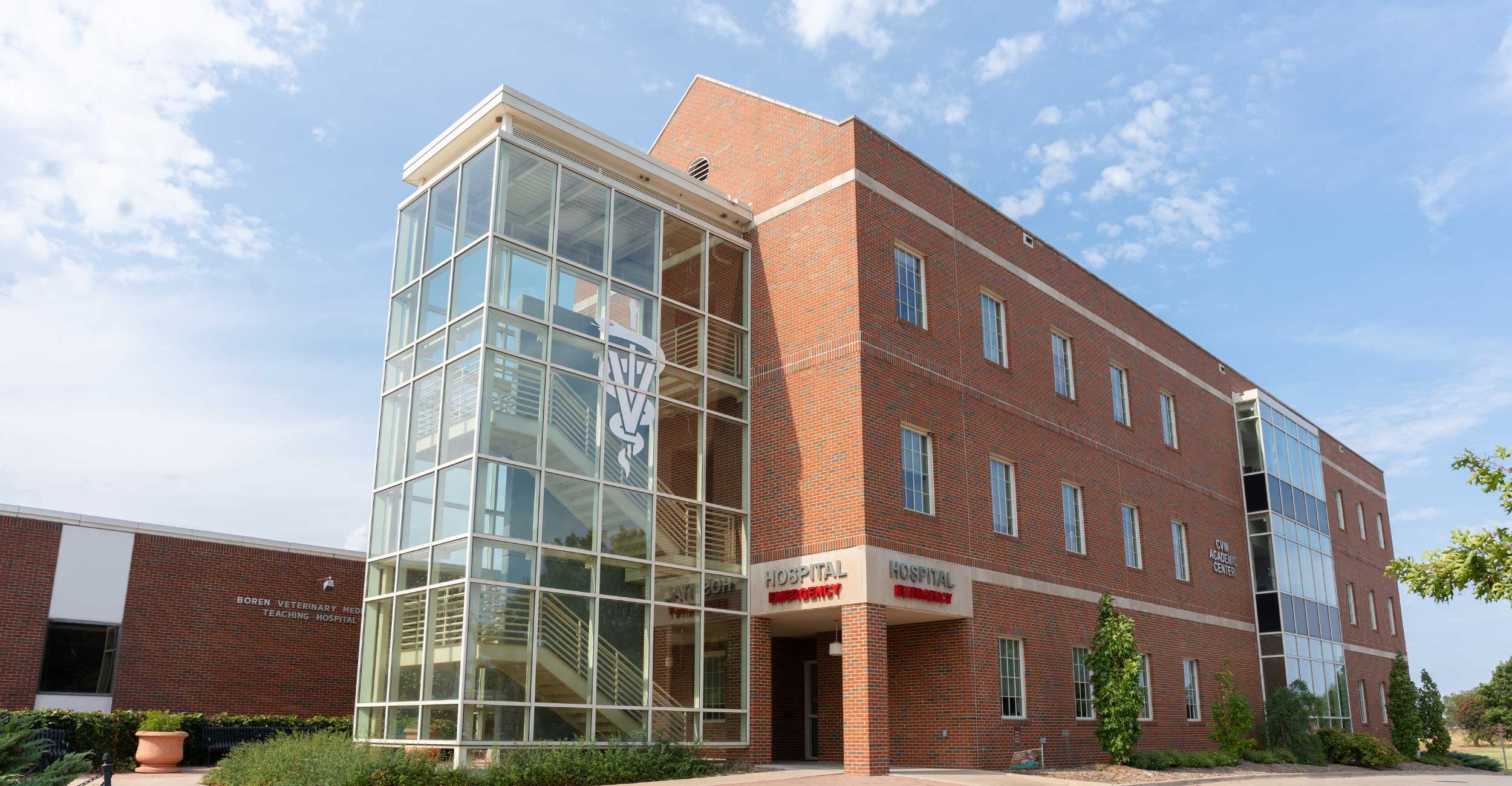
Oklahoma State University has been asking state lawmakers for a $295 million appropriation to help build a new veterinary teaching hospital to replace the 40-year-old facility currently being used, which was one concern that caused the College of Veterinary Medicine to be placed on probation this past fall. The good news on that is that in March, the American Veterinary Medical Association upgraded OSU-CVM to "accredited status for up to the remainder of this accreditation term." However, the University understood that continued accreditation depends upon the success of this critical funding initiative.
In addition to enhancing the university's standings, the funding will help with the rural large and food animal veterinarian shortage in Oklahoma.
Governor Kevin Stitt and the Oklahoma legislature have reached a deal to provide $250 million for the construction project, adding to the $78 million appropriated by the state in 2023.
Steve Thompson, Director of Public Policy for the OSU A&M Board of Regents, stated, "We are very pleased. As I understand, it will be the largest state appropriation in OSU history."
Recently, Oklahoma Ag Secretary Blayne Arthur assembled the Oklahoma Veterinary Shortage Summit, held at the HAMM Institute, composed of producers, veterinarians, practitioners, and other stakeholders to discuss how to help with the vet shortage.
Todd Greenwood of the Farm Journal Foundation presented the findings of a recent assessment on the critical inflection point of the veterinary workforce in rural Oklahoma. He outlined the dire situation in the state by highlighting that 630 large animal or mixed practice veterinarians will become eligible to retire in the next ten years. By contrast, only 240 veterinary students are projected to enter large or mixed animal practices during that same period.
The Farm Journal Foundation is working with the state and the university to identify places in the veterinary workforce pipeline that could be improved, from high schools onward. Greenwood is encouraged by the state's willingness to ask the questions and pursue solutions.
"This state is ahead of many. I want to commend everybody here for that," he said. "We find that within the four categories of the workforce pipeline – from high school students to undergraduate pre-vet students, veterinary students, and early practitioners – there are critical decisions they have to make to cross into each of those phases. There are good programs in each of those phases, but there are very few bridges across for them to follow."
The money committed by the state to construct a new state-of-the-art facility reflects a commitment to recruiting high-quality faculty members and students from across the state and beyond. The University's President, Jim Hess, shared, "Our focus is on trying to attract people from rural Oklahoma, train them, and get them back to rural Oklahoma. We take that mission very seriously. Part of our legislative efforts in the past have been to provide scholarships for students who will commit to practicing large animal or food animal veterinary medicine in a rural area."
OSU awarded eight such scholarships through the Lee Denny Scholarship program last fall and has more to give next fall, thanks to a legislative increase from $600K to $1.2 million in appropriated funding. Hess expressed appreciation for Oklahoma's legislators for the ability to provide those scholarships, saying, "It is absolutely critical for a rural veterinarian to not have much debt."
All involved in the effort to build a new teaching hospital and provide scholarships hope to keep adequate numbers of veterinarians in the countryside willing to care for large and food animals in rural communities.
Thompson detailed other ways the state is helping, "We received around $2 million for the third year of a three-year, planned funding ramp-up to increase faculty specialists. We had been asking for $5 million recurring to change the numbers, as far as in-state versus out-of-state students. Currently, it is 58 in-state and 48 out-of-state, mainly because we needed the revenue that came along with our out-of-state tuition. We ended up receiving $1.3 million for that, so we will be able to increase the in-state student population. Overall, it's been a really good year."
The Beef Buzz is a regular feature heard on radio stations around the region on the Radio Oklahoma Ag Network and is a regular audio feature found on this website as well. Click on the LISTEN BAR at the top of the story for today's show and check out our archives for older Beef Buzz shows covering the gamut of the beef cattle industry today.
Today, U.S. Environmental Protection Agency (EPA) Administrator Lee Zeldin announced the selection of $267 million in Brownfields Grants to communities across the United States. These grants put the agency's commitment to protect human health and the environment into action while remaining good stewards of tax dollars and advancing policies to energize the economy.
"The $267 million in Brownfield Grants will transform contaminated properties into valuable spaces for businesses and housing, creating new opportunities that strengthen local economies and directly benefit American families," said EPA Administrator Zeldin. "EPA's Brownfields program demonstrates how environmental stewardship and economic prosperity complement each other. Under President Trump's leadership, EPA is Powering the Great American Comeback, ensuring our nation has the cleanest air, land, and water while supporting sustainable growth and fiscal responsibility."
Federal grant recipients must satisfy legal and administrative requirements to receive funds from EPA. Brownfield Assessment, Revolving Loan Fund, and Cleanup Grants includes:
Brownfields Supplemental Revolving Loan Fund Grants includes:
View the list of selected applicants here.
Background
EPA's Brownfields Program began in 1995 and has provided nearly $2.9 billion in Brownfield Grants to assess and clean up contaminated properties and return blighted properties to productive reuse. To date, brownfields investments leveraged more than $42 billion in cleanup and redevelopment. Over the years, the relatively small investment of federal funding was able to leverage, from both public and private sources, more than 220,500 jobs.

Last night, House Agriculture Committee Republicans advanced their unpopular budget bill, which cuts $300 billion from basic needs food assistance programs that help feed hungry Americans.
The Republican budget would make food more expensive for parents struggling to afford groceries for their children, seniors living on fixed incomes, veterans and people with disabilities, to fund tax breaks for wealthy individuals and large corporations.
Agriculture Democrats offered amendments to the budget that would make basic needs programs work better for the people who need them, ensure struggling families could continue to afford food and support family farmers who feed our nation. Republicans rejected every amendment.
Below is a sample of the nearly 80 amendments that Agriculture Democrats submitted:
R-CALF USA is set to host its 2025 National Convention and Trade Show, themed "All In," from June 17-19, 2025, at The Lodge at Deadwood.
The convention is expected to draw hundreds of cattle producers, industry leaders, journalists and policy experts from across the country for industry updates, networking, and policy and strategy development. It is the largest event of its kind for independent cattle and sheep producers in the United States.
"This year's convention is about equipping producers with the information, tools and community they need to defend their operations and strengthen their voice," said R-CALF USA Marketing Director Jaiden Moreland. "We've worked to build a program focused on education, legal updates and grassroots action, and we look forward to uniting producers who are all in to restore profitability and prosperity in the U.S. cattle and sheep industries."
Pre-convention activities begin Tuesday, June 17, with policy development meetings, an affiliate council meeting and a welcome reception.
The main program opens Wednesday, June 18, following a convention welcome and prayer breakfast led by Max Thornsberry, D.V.M. Scheduled speakers include Barons: Money, Power, and the Corruption of America's Food Author Austin Frerick; trade expert and senior vice president of Revere Copper Products Brian O'Shaughnessy; Iowa State University Animal Science Professor Brad Skaar; R-CALF USA Private Property Rights Chair Shad Sullivan; and Washburn University School of Law Professor of Agricultural Law and Taxation Roger McEowen.
Wednesday afternoon will include litigation updates from attorneys Kara Rollins on R-CALF USA's electronic ID eartag lawsuit, Patrick McGahan on its antitrust lawsuit against the Big Four packers, and David Muraskin on its beef checkoff lawsuit. A social and steak dinner will follow, featuring a presentation from international journalist Alex Newman.
Thursday, June 19, will begin with a membership breakfast and updates from R-CALF USA CEO Bill Bullard and the R-CALF USA committee chairs.
Speakers for Thursday will include Wyoming rancher and attorney Tracy Hunt; American Stewards of Liberty Executive Director Margaret Byfield; South Dakota ranchers Charles and Heather Maude; U.S. Rep. Harriet Hageman, R-Wyo.; and U.S. Sen. Mike Rounds, R-S.D.
Thursday afternoon will feature a live recording of the Lonesome Report podcast with Jim Mundorf and Shad Sullivan, followed by the organization's annual business meeting, where current R-CALF USA members will present proposed policy resolutions. Final voting will take place via mail-in ballot.
The convention concludes Thursday evening with the Denim and Diamonds Gala, which will include a steak dinner, live auction and dance featuring JJ Kent and the Aces and 8's. Cowboy cocktail attire is encouraged but not required.
Early bird attendee registration is now open and may increase June 1. All events listed are included in the full convention registration. For the complete agenda, hotel room block information and registration, visit www.rcalfconvention.com.
Each week, Beltway Beef brings you the latest policy news affecting the U.S. cattle and beef industry. Hear from subject-matter experts, producers, and industry leaders on the topics that impact the business viability of farms and ranches across the country.
On this episode, NCBA CEO Colin Woodall joins to highlight recent actions taken by both NCBA and the U.S. Department of Agriculture (USDA) to protect the cattle industry from New World screwworm. Woodall shares information on how screwworm threatens producers and what NCBA, state affiliates, and policymakers are doing to mitigate this threat. For the latest information about New World screwworm, visit www.NCBA.org/NWS.
National Farmers Union Foundation (NFUF) today announced this year's recipients of its prestigious annual scholarship awards.
Patrick Olson, a member of South Dakota Farmers Union (SDFU), has been awarded the Hubert K. & JoAnn Seymour Scholarship. The $2,000 award is given in honor of the Seymours' lifelong dedication to Farmers Union and family farming. Hubert K. Seymour was a prominent state and national Farmers Union leader serving Illinois Farmers Union as vice president for 12 years and secretary-treasurer for eight years. Hubert and JoAnn farmed full-time until Hubert's passing in 1994.
SDFU member Madisyn Raymond, Wisconsin Farmers Union member Chloe Moen and North Dakota Farmers Union (NDFU) member Shelby Knox have each been awarded a Stanley Moore Scholarship. The $1,500 award is named for visionary leader Stanley Moore, who served as vice president of National Farmers Union (NFU) for eight years, president of NDFU for 12 years and chairman of the NFU Insurance Company's board of directors for 20 years.
Theertha Ramesh, Purdue University student, and Fort Valley State University student Wendell Padgett, Jr. have each been awarded a Minorities in Agriculture, Natural Resources and Related Sciences (MANRRS) Scholarship. The $1,500 award is given to two MANRRS members as part of NFU's and MANRRS' memorandum of understanding to provide educational and leadership opportunities for young people of all racial and ethnic identities, develop federal policy priorities that support a diverse rural and agricultural population, and extend their reach within agricultural communities.
"NFU's commitment to fostering community drives us to continue supporting bright minds who are pursuing their education," said NFU President Rob Larew. "We must ensure that the next generation of advocates have the resources they need to succeed to secure a better future for family farmers, ranchers and American agriculture."
Every year, NFUF awards scholarships to students in various fields of study who are attending accredited two- or four-year colleges, universities, or technical schools. These students have demonstrated academic excellence and a strong commitment to their communities.
Applications for the 2026 scholarship awards will open in December 2025. For more information about the scholarships, visit the NFU website at nfu.org/scholarships.
This National Police Week, we pause to honor the brave men and women in law enforcement who serve our communities with courage, commitment, and integrity. Every day, officers across Oklahoma and the nation put on the uniform knowing they may face life-threatening dangers in the line of duty. Their willingness to confront those dangers on our behalf is nothing short of heroic. Since becoming a Member of Congress, I've had the opportunity to witness their service up close, riding along with officers across the district, walking alongside them through disaster zones, and touring the forensic and cyber labs where they perform essential behind-the-scenes work. Their dedication is unmatched, and I am continually inspired by their selfless devotion to keeping our communities safe.
Unfortunately, that service has become increasingly perilous. In 2022, 64 law enforcement officers were killed in the line of duty, with a significant number of those deaths resulting from ambush-style attacks. Thirty percent of these fatalities were unprovoked, targeting officers simply because they wore the badge. At the same time, police departments around the country are battling an unprecedented rise in violent crime, staffing shortages, and the lasting impact of anti-police rhetoric and "Defund the Police" policies. These misguided efforts have made cities less safe and created a climate of hostility and danger for the men and women who work to uphold the rule of law.
That's why this week House Republicans are voting on several bills aimed at protecting our officers and reaffirming our commitment to public safety. One of the pieces of legislation is H.R. 2240, the Improving Law Enforcement Officer Safety and Wellness Through Data Act, introduced by Rep. Tim Moore. This bill directs the Attorney General to collect and report more comprehensive data on violence against law enforcement, including ambush attacks, while also evaluating the effectiveness of wellness programs and protective equipment. By better understanding the threats officers face and the tools that can help them, we can take real steps toward improving their safety and well-being. Another bill is H.R. 2255, the Federal Law Enforcement Officer Service Weapon Purchase Act, introduced by Rep. Russell Fry. Under current federal regulations, service weapons must be destroyed once retired, resulting in millions of dollars in wasted taxpayer funds. This legislation allows federal officers to purchase their retired service weapons at salvage value, saving money and respecting the tools these officers trained with and relied on in the field.
Together, these bills continue to strengthen our support for law enforcement. I remain steadfast in my commitment to having our law enforcement's backs because they always have ours. During National Police Week, I hope everybody can take the time to thank law enforcement for the work they do to keep our communities safe.
RON's Dave Lanning has a pre-opening look at today's agricultural Markets.
Click the audio tab below for today's report.
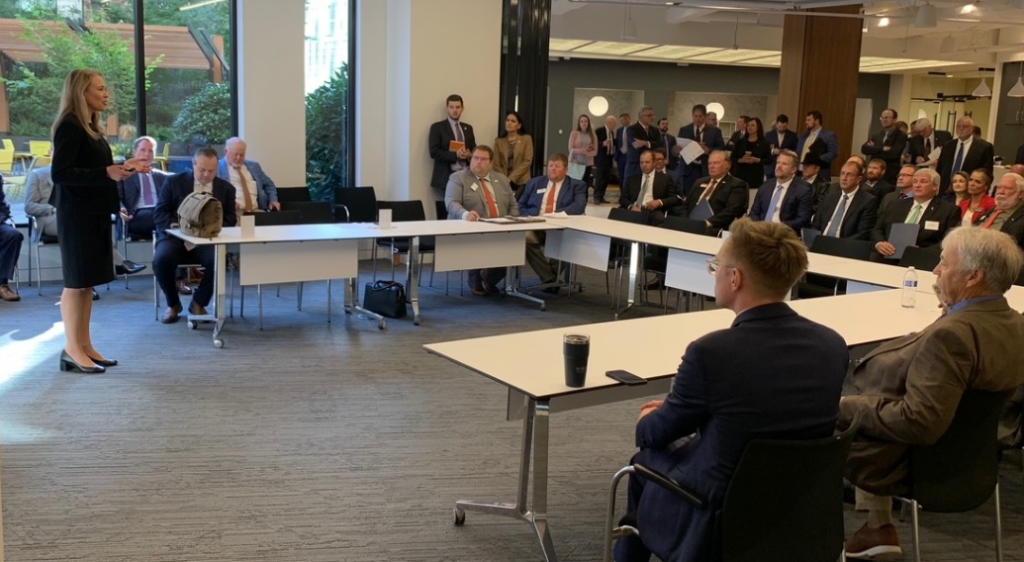
Christy Seyfert addresses the audience (Pic Courtesy of ASA Facebook Page)
Oklahoma Farm Reports Maci Carter recently spoke with Christy Seyfert, the President and CEO of the Farm Credit Council, gaining insights into Farm Credit's top priorities for the upcoming farm bill and their broader support for agricultural communities.
Seyfert began by emphasizing the urgent need for a new and improved farm bill. "We are way overdue to have a really stronger farm bill in place, and so we are looking forward to working with Congress to try and get a farm bill with a stronger farm safety net. That's very important for our row crop producers, especially those who are financially distressed right now."
She also highlighted the importance of strengthening the credit title within the bill. "We also want a strengthened credit title in the farm bill meeting. Let's modernize credit loan limits. For example, we want to have better access to credit, especially as we look at the challenges in farm country right now, making sure that farmers have the resources they need, and that we have the resources that we need to help them restructure, in some cases, and respond to the challenges in farm country."
Beyond the farm bill, Seyfert stressed the critical need for tax extenders legislation to pass. "We hope tax extenders legislation gets across the finish line this year as well. Farmers and consumers don't need tax provisions to expire and have a big tax bill next year. We are cheering Congress on to get provisions that are really important to farm country across the finish line."
She elaborated on the existing economic pressures facing farmers. "We've seen crop prices down, but input costs are not necessarily following suit, and then there are uncertainties, market uncertainties, and market access uncertainties. Certainly, there are a lot of things weighing on farmers' minds, and so we want to make sure that farmers have tools to address those, whether it's tax or farm bill, and not have expenses go up even further just because of a failure to act."
A significant concern for Farm Credit is the mental health crisis within the agricultural community. "We are very concerned right now about the challenges in farm country as they relate to mental health. Farmers, unfortunately, have a three-and-a-half times greater chance of committing suicide. It is truly heartbreaking, and we have invested in resources available to farmers, whether peer-to-peer, networking, anonymous networking, training, or other resources. We want to ensure farmers have the tools to get the help they need. We don't want them to feel like there's no hope because hope and help exist."
Seyfert detailed some of the resources Farm Credit provides. "I should mention that we have our resources listed on our website under our community engagement menu, and there are various resources there. So as I mentioned, the peer-to-peer networking, anonymous networking available through certain organizations, and training for farmers, but also for Farm Credit employees, looking to identify and help spot those challenges where they need to weigh in. There's also a very powerful documentary on our website. Out of the Shadows is a documentary to showcase the crisis in rural America as it relates to mental health and the need for families, friends, and others in agriculture to get the help they need before the crisis truly hits home."
Farm Credit is also actively working to improve access to capital, particularly for young and beginning farmers. "We are working every day to advance our mission, promote our mission, and live out our mission of providing consistent and reliable credit and financial services to agriculture in rural America. Today and tomorrow and for over 100 years, Farm Credit has helped farmers through good times and bad, and we are going to continue to work to advance our mission, also with that focus on young and beginning and small farmers."
Seyfert highlighted the extensive reach of Farm Credit. "We are very fortunate to provide credit and financial services to over 600,000 customer owners nationwide and in Puerto Rico as well and many of those are those young, beginning and small, and we want to continue working with them, but also those who need help restructuring in this difficult financial time to make sure that they can continue operating, if that's what they choose to do."
In closing, Seyfert emphasized Farm Credit's commitment to supporting rural communities. "We are the eyes and ears in Washington, D.C., here at Farm Credit Council. We have folks all across the country who are not only providing credit and financial services, but they are also on the ground, supporting rural communities, investing time in FFA and 4-H, and other organizations. These salt-of-the-earth people who work for Farm Credit will continue doing all they can to support rural communities. We're going to do all we can in Washington, D.C., to make sure that we are advancing and protecting that mission, but also being a reliable and consistent voice for Farm Credit."
For more information about Farm Credit Council's mission, click here.
RON's Jacquelyn Farris reports from the State Capitol
On Wednesday, Oklahoma's News 9 released a 40-minute roundtable interview featuring U.S. Senators Markwayne Mullin (R-OK), James Lankford (R-OK), and U.S. Representatives Stephanie Bice (R-OK), Frank Lucas (R-OK), Tom Cole (R-OK), Kevin Hern (R-OK), and Josh Brecheen (R-OK) for a special congressional delegation sit-down discussion with long-time Washington Bureau Chief, Alex Cameron.
During the wide-ranging conversation, the members gave an inside look as to how Oklahoma's seven-member Republican delegation is working with the Trump administration and leveraging their committee assignments to deliver big wins for the Sooner State. Highlights below.
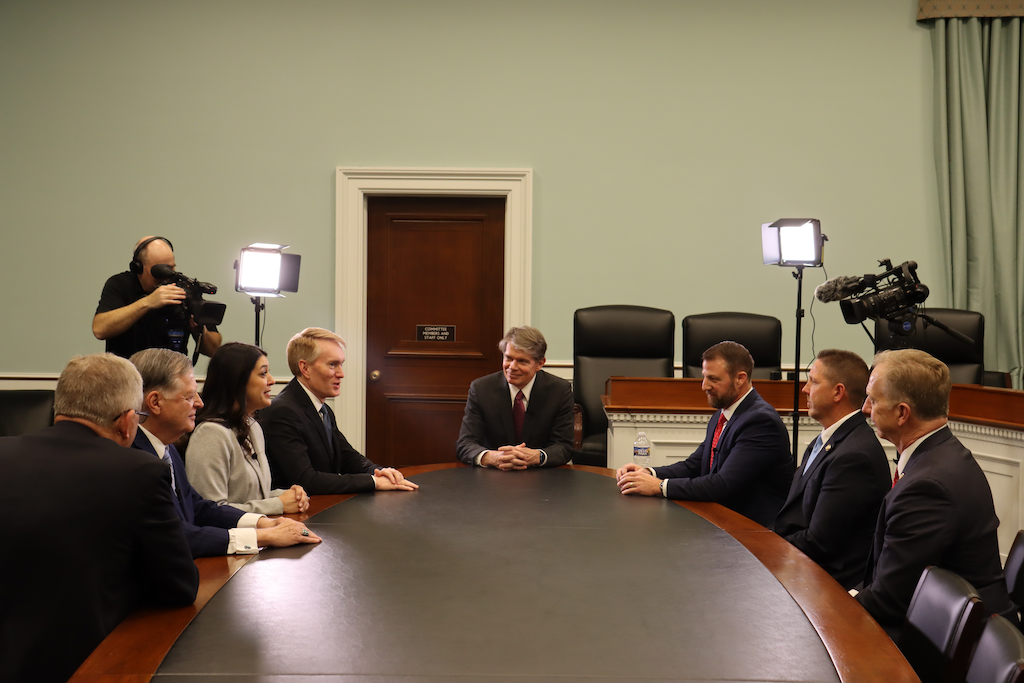
Sen. Mullin and the Oklahoma congressional delegation's interview can be found here.
On how the Oklahoma delegation punches above their weight:
"I have no title, and I think James [Sen. Lankford] said it right, you see a problem and you go fix it. For me, I'm a Junior Senator. I don't have seniority over here. So, what I have to do is, if you want to get something accomplished, you have to build a coalition to do that. What's interesting about our delegation is we all punch way above our weight. We all have separate issues, we trust each other, we allow that individual to take the leading position on that.
"I don't care if it's from Tom [Rep. Cole] on approps [House Committee on Appropriations] or Frank [Rep. Lucas] on ag [House Committee on Agriculture] issues, James being with financial services [Senate Committee on Financial Services] or budget [Senate Committee on the Budget] or you have Stephanie [Rep. Bice] and we have the ability to work together now on armed services [Senate Committee on Armed Services and House Committee on Armed Services] and on approps too, and you have Kevin [Rep. Hern] and you have Josh [Rep. Brecheen] who are all leading in different aspects in the House. What we have to do is build a coalition. What I learned when I went to the Senate real quick is that both chambers worry about the other chamber and most of the time when I'm arguing with my wife, it's a misunderstanding."
On how the senator's role benefits the Sooner State:
"The role that I play between the White House, between the Senate, and between the House is breaking down that miscommunication and just bringing the facts to the table.
"Instead of worrying about what someone's going to do, build a coalition to figure out how we can accomplish what our common goal is and deliver for the American people. That's simply having a conversation and putting the right people on the telephone, putting the right people in the room, and having a clear vision on what we're trying to accomplish.
"Fortunately, because I served so long in the House and I have those relationships and have been able to maintain those relationships, and have been able to build relationships in the Senate, and obviously have an outstanding relationship with the president, who I call a friend, we find ourselves with a really good opportunity to make some big differences for the country right now. I think we can all say this, we feel privileged to be here right now."
On his support for President Trump's tariff strategy:
"I have a saying; you're never going to change anything you're willing to tolerate. We've tolerated it [Unfair trade deals] so long. We've known it was wrong. We've known we've had to do something and finally we're doing it. It is uncomfortable, but at what point was we going to fix it? At what point was it coming to head where it was going to force us to fix it? There is countries who've gotten extremely wealthy by taking trillions of dollars outside of the United States' economy just turn it back around and sell it to us...
"A scalpel doesn't work, nor can you simply take tariffs one country at a time...
"People have been taking advantage of us way too long, and President Trump is finally fixing it. It's uncomfortable, but we had to right the ship at some point. This is the time to do it."

Oklahoma Farm to School and the Farm Bureau Women's Leadership Team are excited to announce the 2025 Oklahoma School Garden Contest.
Contest Categories
Eligibility and Guidelines:
Feed additives that help reduce risk and support immunity give swine producers another tool to defend against disease
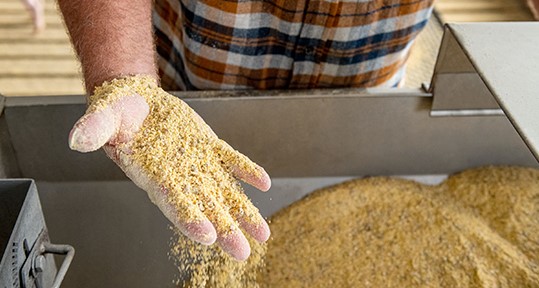
Protecting pigs from outside pathogens starts with a sound biosecurity plan – including disinfecting equipment, showering when entering and exiting buildings, and cleaning all vehicles upon entering the farm. But one important element that's often overlooked is feed.
The 2013 porcine epidemic diarrhea virus (PEDV) outbreak in the U.S. prompted many in the swine industry to take a closer look at feed, not just as a disease risk, but also as a tool to help strengthen biosecurity, notes Stacie Crowder, Ph.D., director of additive sales and technical innovation with Fortiva™.
"Feed is in constant motion – delivered from feed mills to farms to feed troughs, touching multiple points along the way," says Crowder. "Utilizing the right ingredients can help reduce pathogens in the feed while also supporting immune health for long-term performance."
As animal health threats like highly pathogenic avian influenza (HPAI) and porcine reproductive and respiratory syndrome virus (PRRSV) continue to challenge the industry, feed additives offer a practical way to close one of the most overlooked biosecurity gaps.
Ingredients that do more
While efforts like disinfecting equipment and showering in and out of facilities limit the risk of disease spread, they don't eliminate it entirely. Aerosol diseases carried by other animals, such as HPAI, and fecal-oral diseases like PEDV, remain a risk.
Feed biosecurity additives can provide another layer of defense against both pathogens in the feed and from other sources on the farm.

"We've placed more focus in recent years on feed materials, ingredients and where they come from to better understand the biosecurity risk they may pose," says Crowder. "But, we also know that diseases can enter farms through multiple avenues."
That's why it's important to utilize feed biosecurity additives that cover all the bases, Crowder notes.
"Look for ingredients that give you a benefit beyond the feeder," she adds. "To get the maximum return on your investment, there needs to be a benefit beyond targeting pathogens in the feed because we know the right ingredients can impact the immune system and gut health to help reduce incidence and severity of disease, no matter the pathogen source."
Crowder recommends using feed biosecurity additives that are not only effective, but also easy to use.
"Some feed additives require a special ventilation system or closed system to use while others don't; some are liquid products, some are dry products," notes Crowder. "Work with your feed mill to utilize ingredients that will provide the most benefit for your animals and will fit their capabilities or your ability to add the ingredient to the diet on-farm."
Prepare the immune system
Crowder emphasizes that a feed biosecurity additive is most effective when used before a disease outbreak occurs.
"Feed additives, like medium chain fatty acids, help boost the immune system to reduce the incidence of disease and better prepare the animal to defend against pathogens," she says. "It's about preparing the immune system ahead of time rather than waiting for a break to occur."
While year-round protection is most effective, utilizing feed biosecurity measures during targeted periods can also be a good strategy.
"A feed biosecurity additive could be introduced during cold weather months when the incidence of diseases like PRRSV tends to be elevated," notes Crowder. "I'd also recommend being prepared to implement feed biosecurity measures if a disease outbreak has been detected in a nearby operation."
No single strategy can stop every threat, but layering feed biosecurity into your overall disease management plan strengthens your defenses. The right ingredients can give your herd an added layer of protection where it counts most.
For more information about the FortivaTM brand and product line, visit fortivaimpact.com.
The National Corn Growers Association (NCGA) proudly kicked off the 61st annual Yield Contest today. For six decades, this landmark event has celebrated the ingenuity, resilience, and drive of America's corn growers—those who continuously push the limits of what's possible in modern agriculture.
"What began as a modest competition has evolved into a cornerstone of our industry," said NCGA President and Illinois corn grower Kenneth Hartman Jr. "Each year we honor not only the achievements of past participants but also the forward-looking spirit that defines today's growers."
The 2025 contest is now open for entries through August 13, offering growers across the country a chance to compete, learn, and showcase their success. New this year, Class J: Nitrogen Management is now open to growers in all states, following two successful years as a limited pilot class.
As the contest enters its seventh decade, it remains more than just a competition. It's a platform for discovery, a celebration of progress, and a symbol of the collaborative spirit that powers American agriculture.
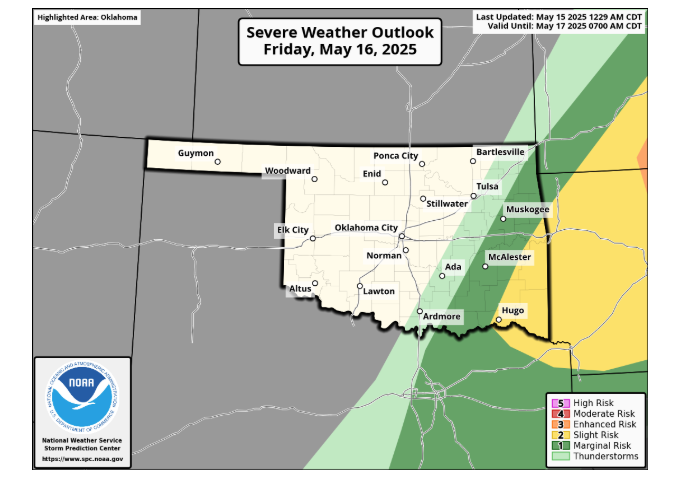
State Climatologist Gary McManus is urging Oklahomans to remain highly weather aware this weekend as a significant shift in the atmospheric pattern is expected to bring much-needed rain, but also the potential for severe storms.
"The good news is we're finally gonna get some rain," McManus stated in his latest weather briefing. "The bad news is it's gonna come with some significant severe weather, it appears."
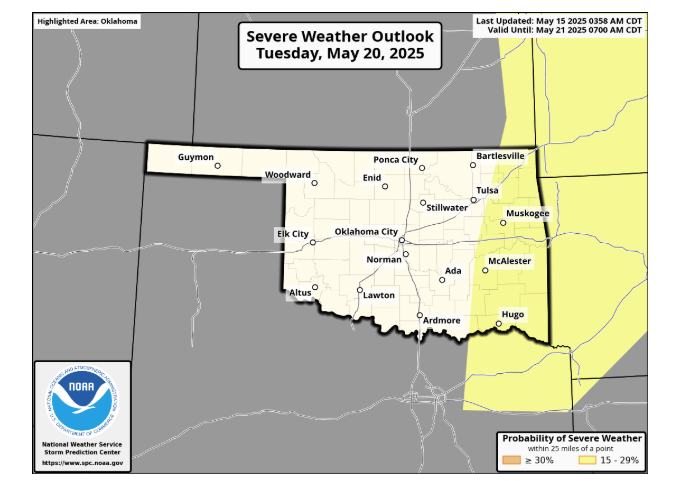
While the severe weather threat is highlighted for the weekend, McManus indicated that the activity could begin as early as tonight. Employing his characteristic colorful language, he described the progression of potential hazards: "Now tonight it'll just be sparklers and snakes... then black cats and pop-bottle rockets... Friday and Saturday, then we bring out the roman candles and cherry bombs for Sunday and Monday, and maybe again on Tuesday."
McManus pointed out the unusual two-week lull in severe weather for Oklahoma during May. "It's actually been 2 weeks...TWO WEEKS!!!...since we've seen severe weather in Oklahoma. In May. Two weeks. All the way back to May 1. Now, when's the last time that happened? No, I'm asking you because I can't recall too many 2-week periods with NO severe weather during May in Oklahoma."

Acknowledging the remaining uncertainty in the forecast, particularly for the high-end severe weather potential later in the weekend, McManus advised residents to stay informed. "Now obviously, we're still 3-5 days away from the possible high-end severe wx events later in the weekend, so there's still plenty of uncertainty as to HOW severe, WHERE are the main threat areas, WHAT threats will be most likely..."
He strongly recommended that Oklahomans begin monitoring their local National Weather Service (NWS) offices for the most precise and up-to-date information:
"And also keep abreast of things through your favorite media source," McManus added. "We'll have varying degrees of tornado chances and all the good (i.e., bad) stuff that goes with them over the next 6 days."
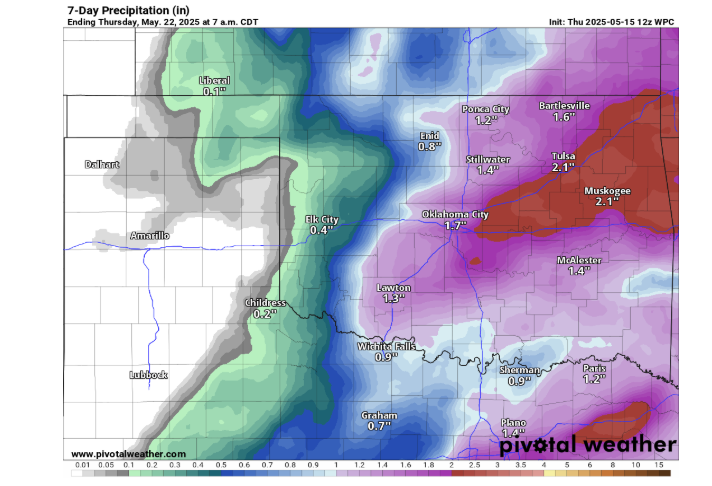
With numerous outdoor activities common this time of year, McManus stressed the importance of preparedness. "With all the activities going on this time of year, you just gotta stay weather aware and have a plan should something crop up in your area to protect you and yours. It's May in Oklahoma, you know the drill." He also reminded residents of the dangers associated with severe weather, noting the storm-related fatalities already this year. "We've had more than a half-dozen storm-related deaths in Oklahoma already, and we don't want that number going up."
Regarding the anticipated rainfall, McManus noted that while the overall amounts may not appear substantial, the risk of flash flooding remains due to the saturated soils from the record rains earlier in May. "The rain doesn't look like much, but this is gonna depend on whether you get under one of those big storms or not. Still tons of water around with saturated soils due to the record rains of May, so flash flooding will be a concern."
Finally, McManus provided an update on the state's drought situation. "More good news? We have drought on the run in Oklahoma, now confined to far NW OK and the Panhandle. The bad news, and stop me if you've heard this before...the best rains aren't forecast for the areas in drought. But they're not in the tornadoey area either."
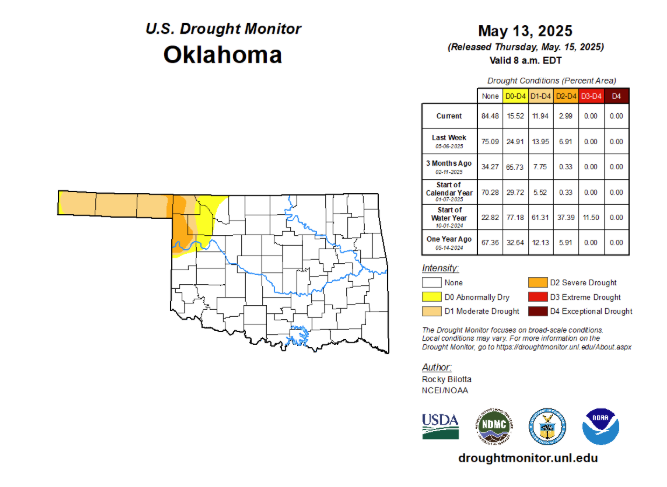
Oklahomans are urged to stay vigilant, monitor weather updates from reliable sources, and have a safety plan in place as the weekend approaches and the potential for severe weather increases.
National Farmers Union Foundation (NFUF) today announced this year's recipients of its prestigious annual scholarship awards.
Patrick Olson, a member of South Dakota Farmers Union (SDFU), has been awarded the Hubert K. & JoAnn Seymour Scholarship. The $2,000 award is given in honor of the Seymours' lifelong dedication to Farmers Union and family farming. Hubert K. Seymour was a prominent state and national Farmers Union leader serving Illinois Farmers Union as vice president for 12 years and secretary-treasurer for eight years. Hubert and JoAnn farmed full-time until Hubert's passing in 1994.
SDFU member Madisyn Raymond, Wisconsin Farmers Union member Chloe Moen and North Dakota Farmers Union (NDFU) member Shelby Knox have each been awarded a Stanley Moore Scholarship. The $1,500 award is named for visionary leader Stanley Moore, who served as vice president of National Farmers Union (NFU) for eight years, president of NDFU for 12 years and chairman of the NFU Insurance Company's board of directors for 20 years.
Theertha Ramesh, Purdue University student, and Fort Valley State University student Wendell Padgett, Jr. have each been awarded a Minorities in Agriculture, Natural Resources and Related Sciences (MANRRS) Scholarship. The $1,500 award is given to two MANRRS members as part of NFU's and MANRRS' memorandum of understanding to provide educational and leadership opportunities for young people of all racial and ethnic identities, develop federal policy priorities that support a diverse rural and agricultural population, and extend their reach within agricultural communities.
"NFU's commitment to fostering community drives us to continue supporting bright minds who are pursuing their education," said NFU President Rob Larew. "We must ensure that the next generation of advocates have the resources they need to succeed to secure a better future for family farmers, ranchers and American agriculture."
Every year, NFUF awards scholarships to students in various fields of study who are attending accredited two- or four-year colleges, universities, or technical schools. These students have demonstrated academic excellence and a strong commitment to their communities.
Applications for the 2026 scholarship awards will open in December 2025. For more information about the scholarships, visit the NFU website at nfu.org/scholarships.
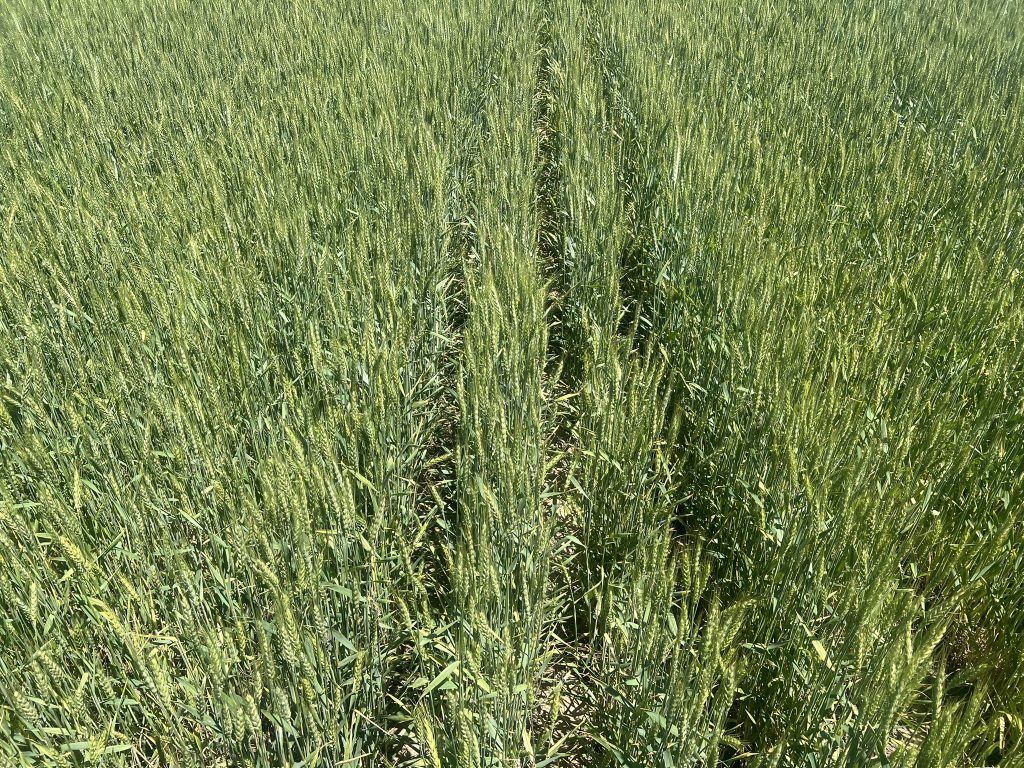
K-State Wheat Specialist Romulo Lollato Says Good yield potential as we head to Pawnee Co, although still showing WSMV and some smut
The Wheat Quality Council's 67th Annual Hard Winter Wheat Tour concluded Thursday, May 15, in Manhattan, Kansas. After three days, scouting 449 fields across the state and some into neighboring Nebraska and Oklahoma, the total weighted average yield for hard winter wheat was estimated at 53.0 bushels per acre (bpa), a nearly 14% increase from 2024. These strong results come in the face of widespread Wheat Streak Mosaic and drought in parts of the state.
Last year, the average yield estimate for the 2024 winter wheat tour was 46.5 bpa.
Oklahoma Farm Report's Ron Hays talked after the final report session with the President of the Oklahoma Wheat Growers Association, Dennis Schoenhals of Kremlin, who was a participant for the three days of the 2025 tour.
Schoenhals says they saw more good wheat on Thursday morning- driving from Wichita to Manhattan. The top yield they calculated in his car was 61 bushels per acre. He told Hays that they did see some freeze damage again on their route and that was also seen by several other scouts on other routes. All in all- he believes that the Kansas crop is clearly better this year versus what he saw in 2024.
After the final yield determination was made- Schoenhals says that everyone threw a dollar into the hat and offered a prediction as to the size of the Kansas HRW crop for this year- and the scouts had an average guess of 338.5 million bushels.
Listen to Ron and Dennis visit after the conclusion of the Kansas Wheat Crop Tour by clicking on the Listen Bar below:
The Office of the Attorney General's Organized Crime Task Force (OCTF), in coordination with multiple law enforcement agencies, recently seized almost 65 pounds of processed marijuana and nearly 29,000 plants at three illegal marijuana farms in Cleveland County. Two Chinese nationals, Ruibin Wu and Xihai Yin, were arrested on charges including aggravated manufacturing, possession of a controlled substance with intent to distribute, and possession of a firearm during the commission of a felony.
OCTF agents began an investigation in March after receiving a tip concerning suspicious grow activities near 183rd Street in Lexington. The joint operation involved the Oklahoma Medical Marijuana Authority, Oklahoma City Police Department, Oklahoma State Bureau of Investigation, FBI, Drug Enforcement Administration, Homeland Security Investigations, Cleveland County Sheriff's Office, Oklahoma National Guard and the Cleveland County Commissioner's Office District 1.
Attorney General Gentner Drummond commended the collaborative work of the agencies.
"This coordinated operation demonstrates our firm commitment to rooting out illegal marijuana operations across our state," he said. "These illicit grow operations often serve as fronts for organized crime and pose significant threats to public safety and our environment. We will remain vigilant in our efforts to shut down these criminal enterprises."
Tips on suspected illegal marijuana operations can be submitted to the Attorney General's office through this online form.
Read the charges against Ruibin Yu and Xihai Yin.
Every person arrested, charged or indicted is presumed innocent unless and until convicted of a crime in a court of law.
| |||||||||||||||||||||||||||||||||||||||||||||||||||||||||||||||||||||||||||||||||||||||||||||||||||||||||||||||||||||||||||||||||||||||||||||||||||||||||||||||||||||||||||||||||||||||||||||||||||||||||||||||||||||
| |||||||||||||||||||||||||||||||||||||||||||||||||||||||||||||||||||||||||||||||||||||||||||||||||||||||||||||||||||||||||||||||||||||||||||||||||||||||||||||||||||||||||||||||||||||||||||||||||||||||||||||||||||||
|
The U.S. Senate has confirmed Sean Donahue to serve as the General Counsel for the U.S. Environmental Protection Agency (EPA). Appointed by President Donald J. Trump, Sean Donahue will work in this new role to advance the agency's core mission of protecting human health and the environment and EPA Administrator Lee Zeldin's Powering the Great American Comeback Initiative.
"President Trump made a fantastic pick in Sean to be EPA's General Counsel. He has the experience and expertise to help us advance our core mission, Power the Great American Comeback, execute on President Trump's promises, and help us root out waste and abuse. I am proud Sean is returning to EPA and look forward to continuing our work to protect human health and the environment," said EPA Administrator Zeldin.
"It is the honor of a lifetime to return to EPA and serve as its General Counsel. Under President Trump's bold leadership, the agency is delivering for the American people by championing sound environmental policies grounded in its statutory authority—and we are doing this while ensuring clean air, clean water, and clean land for all Americans. I look forward to leading the Office of General Counsel as we fulfill its critical duty to provide the best legal advice and advance EPA's core mission of protecting human health and the environment. Thank you to President Trump, Administrator Zeldin, and my EPA colleagues for their confidence and unwavering support," said EPA General Counsel Sean Donahue.
EPA's General Counsel is the chief legal advisor to EPA, the federal agency with primary responsibility for implementing the nation's environmental laws. These laws include the Clean Air Act, Clean Water Act, Safe Drinking Water Act, Federal Insecticide, Fungicide and Rodenticide Act, Toxic Substances Control Act, Resource Conservation and Recovery Act, and Comprehensive Environmental Response, Compensation and Liability Act ("Superfund"). The General Counsel leads the Office of General Counsel (OGC) in providing legal counsel to EPA policymakers, providing critical input to rules, regulations, and guidance documents that are promulgated and issued to implement the agency's statutory obligations. In addition, the General Counsel and OGC provide assistance to Congress on national legislation affecting the environment and address international law issues. Working with EPA headquarters and regional offices, OGC attorneys also provide legal support for the issuance of permits, and the approval of state environmental programs. In tandem with the United States Department of Justice, the General Counsel and OGC represent the Agency in court challenges to agency actions, appeals of enforcement cases, and Supreme Court litigation. The General Counsel carries out these functions not only with respect to EPA's environmental programs, but also in connection with EPA's day-to-day operations.
Sean Donahue returns to EPA after having served as a Special Advisor in the Administrator's Office and Office of Land & Emergency Management from 2018 to 2021. He most recently was an associate counsel at a solar energy company, where his work included environmental permitting, compliance, and advising on all phases of the project lifecycle. Prior to this experience, Sean worked as an associate at a regional law firm, where he worked on a variety of environmental and energy matters. Sean is a member of the District of Columbia Bar and earned his Juris Doctor from Florida State University College of Law and a Bachelor of Science in Legal Studies from the University of Central Florida.
Here's what people are saying about Sean Donahue's presidential appointment:
Senator Rick Scott (R-FL): "I'm proud to congratulate Floridian Sean Donahue on his confirmation as General Counsel of the EPA. Floridians love our natural treasures and Sean will work hard to preserve and protect our environment for future generations."
Senator Ashley Moody (R-FL): "I was so proud to vote to confirm Sean Donahue to be the next General Counsel of the U.S. EPA. Yet another great leader hailing from the Free State of Florida serving in the Trump administration. I have no doubt he will do an excellent job!"
Former EPA Administrator Andrew Wheeler: "Sean did a great job at EPA during the first Trump Administration. He's a very smart and capable lawyer and he's going to be an outstanding General Counsel."
Former EPA General Counsel Matt Leopold: "Congratulations to Sean Donahue on his confirmation as EPA General Counsel. He will serve this Administration well leading the lawyers defending the agency's most important actions."
Former EPA Chief of Staff Ryan Jackson: "Sean Donahue worked tirelessly during the first Trump Administration, and he will continue to be dedicated to serving EPA deliver positive environmental accomplishments while empowering new manufacturing and economic success."

Livestock markets and dealers strongly support recent efforts to stop the spread of the New World Screwworm (NWS) into the U.S.
The introduction of the bipartisan and bicameral Strengthening Tactics to Obstruct the Population of Screwworms (STOP Screwworms) Act, which would authorize funds for and direct the U.S. Department of Agriculture (USDA) to begin construction on a new sterile fly production facility to combat the growing NWS outbreak, was welcomed by livestock marketers and dealers.
"We are grateful to U.S. Senators John Cornyn (R-TX), Ted Cruz (R-TX), Ben Ray Luján (D-NM), Cindy Hyde-Smith (R-MS), Martin Heinrich (D-NM), and U.S. Representative Tony Gonzales (R-TX) for introducing this legislation," said Bryan Forester, Chair of the American Livestock Markets and Dealers Association (ALMDA). Forester noted, "The sterile fly production facility and related appropriations authorized by this legislation is critical to protect the U.S. livestock industry."
Recent action by Secretary of Agriculture Brooke Rollins to temporarily suspend live animal imports at ports of entry along the Mexican border in response to the emerging threat of NWS was also welcomed and supported by livestock markets and dealers.
"While we acknowledge the temporary market challenges this decision may create, we stand behind the efforts of USDA and state animal health officials to safeguard domestic livestock production," said Kenny Mingus, President of the Livestock Marketing Association of Texas (LMAT). Mingus added, "If halting imports is necessary to protect the U.S. livestock industry, we fully support this action."
In Texas alone, livestock markets and dealers account for more than $14.5 billion in economic activity, providing marketing channels for cattle, sheep, goats, horses, and other species which could be impacted by NWS. The NWS would be devastating to the livestock producers, businesses, and employees supported by the livestock marketers.
ALMDA and LMAT represent the majority of Texas livestock markets and dealers. Both organizations have supported efforts to fund sterile fly production and work within state and national coalitions to educate others on NWS impacts. Both organizations will continue to work closely with federal and state animal health officials to ensure the health and security of the livestock industry.
About the American Livestock Markets and Dealers Association
The American Livestock Markets and Dealers Association (ALMDA) is a national association serving livestock markets, order buyers, dealers, and professional livestock marketers throughout the U.S. For more information, please visit www.americanlivestock.org.
About the Livestock Marketing Association of Texas
The Livestock Marketing Association of Texas (LMAT) served Texas livestock markets, order buyers, dealers, and professional livestock marketers. For more information, please visit www.lmatexas.org.
Senior Farm and Ranch Broadcaster Ron Hays has checked in with National Cattlemen's Beef Association CEO Colin Woodall for a New World Screwworm update after the May 11th closure of the US-Mexican border to Mexican cattle entering the US because of concerns about the spread of New World Screwworms further into Mexico.
The closure announced by USDA Secretary Brooke Rollins on May 11th highlights the reality that the New World Screwworm flies have broken through the natural barrier in southern Mexico, where they could have been contained. "I believe it is no longer a question of whether or not we see a return of New World Screwworms in the United States; it is a matter of when that is going to happen," Woodall disclosed. "It'll probably be sometime later this summer."
The flies currently exist roughly 700 miles south of Texas, and as the geographic land mass widens the further North they go, controlling them becomes more and more difficult, and more and more sterile flies are needed.
Woodall, along with his team at NCBA, acknowledges that the border closure will create economic harm for U.S. farmers and ranchers and create supply chain disruptions, but the costs will be far less than if New World screwworm crosses into the United States and we're forced to fight the pest on U.S. soil.
"We are standing with Secretary Rollins on [the border closure] because she needed to send a very clear signal to the Mexican government that they have not done an effective job of controlling the New World Screwworm, and that they have to step up their game not only in order to protect their producers, but also be a good partner to us and prevent those flies from coming forward. They did not hold up their end of the deal, so she felt that this was a great way to get their attention."
Secretary Rollins will reexamine the issue in a couple of weeks to see if Mexico has done better, and if they haven't, she will maintain the suspension at the border to be reviewed monthly thereafter.
"The biggest thing is they just need to cooperate with USDA," Woodall pointed out. "USDA's team is well-versed in New World Screwworms, and they know what they are doing. If there was just some more cooperation, we know that it would be a much better way to at least slow down the northern incursion and give us more time to get prepared here in the United States." That preparation includes the construction of a sterile fly production plant on U.S. soil.
While preventing larger livestock from crossing the border may help slow the spread of NWS onto U.S. soil, any warm-blooded animal can carry the larvae wherever they go, including hawks, deer, rabbits, dogs, and humans.
Woodall emphasized that the NWS is not only an issue for cattle. The following rundown of the NWS lifecycle was borrowed from an APHIS information sheet: Screwworm infestations begin when a female fly lays eggs on a wound or orifice of a live warm-blooded animal. Female flies are attracted to the odor of a wound or opening, such as the nasal or eye openings, umbilicus of a newborn, or genitalia. Wounds as small as a tick bite may attract a female to feed. One female can lay up to 3,000 eggs in her lifespan.
Eggs hatch into larvae that burrow into the wound to feed on the living flesh. After about 7 days of feeding, larvae drop to the ground, burrow into the soil, and pupate. The adult screwworm fly emerges from the soil after 7–54 days, depending on temperature and humidity. Female flies mate after 3 days, and males can mate within 24 hours of maturation.
"Untreated, cattle can die within four to seven days," Woodall stated. "It's going to be extremely important to help producers understand what they need to be looking for, and give them test kits so they can send those larvae in to determine whether or not they are New World Screwworms and make sure that they understand how to treat those lesions because it is going to be a very key component to our response here as U.S. producers."
Woodall directed producers to the NCBA website, where many educational resources are already available. The NCBA team will be partnering with Texas & Southwestern Cattle Raisers Association, Oklahoma Cattlemen's Association, Texas Cattle Feeders Association, and more to ramp up efforts to reach cattle producers in the coming days.
Retrofitting an existing facility to accommodate the production of sterile NWS flies would be the fastest route to get up and going. APHIS has already been searching for such a building, and has a few prospects in mind; however, funding the purchase of the building and the on-going production of the flies is the most imminent hurdle.
"It takes a tremendous amount of resources to be able to produce these sterile flies," Woodall shared. "The permitting that comes with this is something that is going to have to be expedited. There are a lot of little things with this that you wouldn't think about until you start looking at the details of what it's going to take before we can get that first fly produced."
NCBA continues to call for an expedited permitting process for the sterile fly facility, as once the building is secured, it could still take six months or longer for the building to be ready to begin producing sterile flies.
"That sterile male production is the only effective way that we have to control or eradicate New World Screwworms," Woodall asserted. The Beef Buzz is a regular feature heard on radio stations around the region on the Radio Oklahoma Ag Network and is a regular audio feature found on this website as well. Click on the LISTEN BAR at the top of the story for today's show and check out our archives for older Beef Buzz shows covering the gamut of the beef cattle industry today.
Texas & Southwestern Cattle Raisers Association, in partnership with the Texas Grazing Lands Coalition, announced that nominations are officially open for the Texas Environmental Stewardship Award Program.
This annual award honors Texas cattle raisers who demonstrate outstanding commitment to conservation and land stewardship. It recognizes individuals who lead by example in implementing sustainable practices that protect and enhance the state's livestock, wildlife and natural resources.
Nominees should exhibit innovative stewardship approaches that also maintain economic viability, with measurable, positive environmental outcomes.
The recipient of the Texas Environmental Stewardship Award will be honored at the Cattle Raisers Convention & Expo in March 2026. The winner will go on to compete for the Region IV Environmental Stewardship Award title and, if awarded, the national title.
Nominations are open to landowners who wish to nominate themselves or to those submitting on behalf of another landowner.
The nomination period runs through July 1.
For complete nomination details and submission guidelines, visit tscra.org/esap.
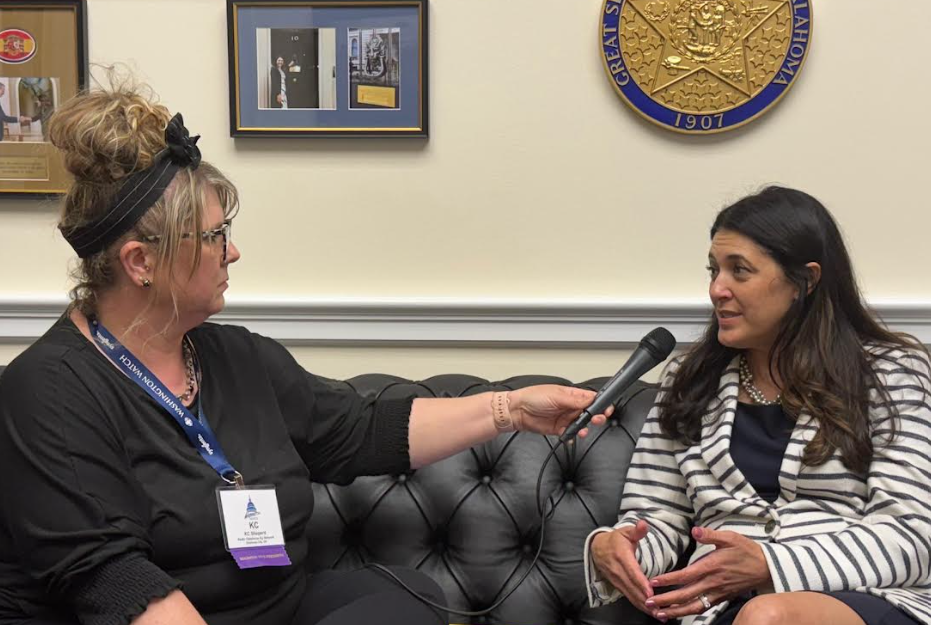
During a recent visit to Washington, D.C., Farm Director KC Sheperd sat down with Congresswoman Stephanie Bice to discuss key legislative priorities and the changing political landscape. The conversation highlighted Bice's focus on fiscal responsibility, election integrity, and protecting Oklahoma's agricultural interests.
Bice, who was elected in 2020, described the shift from the Biden administration to the Trump administration as a "complete 180." She praised the president's focus on border security and reducing the size of government. "President Trump has come in. I like to use the analogy. He doesn't want to use a scalpel to trim the fat. He wants to use a sledgehammer to break things apart and then put them back together in a way that makes sense," Bice explained, emphasizing the urgency of addressing the nation's growing debt.
Election integrity was another significant topic of discussion. Bice defended the need for voter ID laws, stating, "The only reason that someone would not want to have a secure election is because they want to manipulate the system, or rig the system in some way." She criticized universal mail-in balloting, citing concerns about signature verification, and advocated for federal measures to ensure election security while respecting state legislative authority.
Protecting Oklahoma's agricultural land from foreign ownership is a top priority for Bice. "We certainly want to make sure that we don't see foreign investment into Oklahoma, particularly in farm communities," she stated. Bice has co-sponsored and filed bills to prohibit foreign entities, particularly the Chinese Communist Party (CCP), from purchasing farmland, citing national and agricultural security concerns. She stressed the importance of state collaboration to vet potential buyers and ensure transparency.
In addition to these issues, Bice discussed her recently filed Paid Family Leave Bill, which she describes as a "conservative approach" that allows small businesses to participate. "The United States is one of only seven developed nations in the world that doesn't have a paid family leave program," she noted.
Regarding the Farm Bill, Bice indicated that the House is currently focused on reconciliation, particularly concerning the Supplemental Nutrition Assistance Program (SNAP). "I think that's the biggest challenge, frankly, is trying to figure out what we are going to do with SNAP," she said.
Bice suggested separating SNAP from the Farm Bill and addressing it through reconciliation to facilitate the passage of a comprehensive farm bill later this year. She anticipates a continuing resolution until progress is made on these issues.
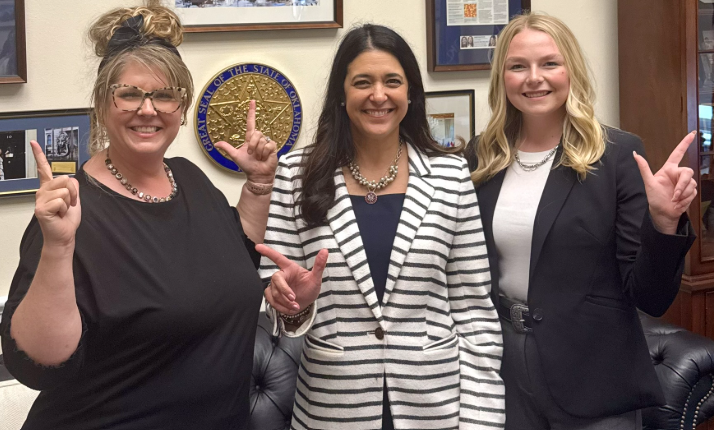
U.S. Secretary of Agriculture Brooke Rollins published a joint opinion piece in the New York Times pushing for work requirements for the Supplemental Nutrition Assistance Program (SNAP). She was joined in writing the opinion piece by Health and Human Services Secretary Robert F. Kennedy Jr., Centers for Medicare & Medicaid Services Administrator Mehmet Oz, and Department of Housing and Urban Development Secretary Scott Turner.
"Work requirements will also give new life to America's welfare programs, which are breaking under the weight of misplaced priorities. Our policy is reasonable and will protect welfare for the truly needy while improving the trajectory of millions of families — and of our federal government," Secretary Rollins, Secretary Kennedy, Administrator Oz, and Secretary Turner wrote. "At the Departments of Agriculture, Health and Human Services and Housing and Urban Development, we are ready to implement work requirements. As we do so, we will work hand in hand with Congress, states, communities and individuals to make this vision a permanent reality. The benefits are clear: stronger economies and a renewed sense of purpose for millions of Americans."
Last month, Secretary Rollins issued a memorandum to all state agencies administering SNAP making it clear states must ensure SNAP benefits are provided with an expectation that those who can work, do.
New York Times: Trump Leadership: If You Want Welfare and Can Work, You Must | Opinion
America's welfare programs were created with a noble purpose: to help those who needed them most — our seniors, individuals with disabilities, pregnant women and low-income families with children.
In recent years, though, these welfare programs have deviated from their original mission both by drift and by design. Millions of able-bodied adults have been added to the rolls in the past decade, primarily as a result of Medicaid expansion. Many of these recipients are working-age individuals without children who might remain on welfare for years. Some of them do not work at all or they work inconsistently throughout the year.
The increased share of welfare spending dedicated to able-bodied working-age adults distracts from what should be the focus of these programs: the truly needy.
This should not be the American way of welfare. That's why we are joining efforts to require able-bodied adults (defined as adults who have not been certified as physically or mentally unfit to work), with some exceptions, to get jobs and calling on Congress to enact common-sense reforms into law. Congressional Republicans have already put forward new or revised work requirements for Medicaid and food stamps in the reconciliation package and much-needed tax relief for Americans in The One, Big, Beautiful Bill.
As leaders of the agencies that oversee the largest welfare programs in the nation — the Supplemental Nutrition Assistance Program, Medicaid and federal housing assistance, among others — we see the data, hear the stories and understand that these programs are failing to deliver results. For able-bodied adults, welfare should be a short-term hand-up, not a lifetime handout.
But too many able-bodied adults on welfare are not working at all. And too often we don't even ask them to. For many, welfare is no longer a lifeline to self-sufficiency but a lifelong trap of dependency.
A recent analysis from an economist at the American Enterprise Institute examined survey data from December 2022 (the most recent month available) and found that just 44 percent of able-bodied, working-age Medicaid beneficiaries without dependents worked at least 80 hours in that month.
Establishing universal work requirements for able-bodied adults across the welfare programs we manage will prioritize the vulnerable, empower able-bodied individuals, help rebuild thriving communities and protect the taxpayers. That's why a majority of Americans support work requirements — polling shows that 60 to 80 percent of all Americans support work requirements in Medicaid, for instance. Even Joe Biden as a senator supported work requirements for welfare.
The good news is that history shows us that work requirements work.
In 1996, President Bill Clinton and the speaker of the House, Newt Gingrich, joined forces to enact bipartisan welfare reform with a work requirement at the heart of it. The results were astounding. As early as 1997, economists attributed a measurable increase in the national labor force participation rate and a decrease in dependency to welfare reform. That reform — combined with a strong economy and expanded tax credits for low-income workers — led to a steady decrease in rates of child poverty in the late 1990s. Today, the share of kids living in poverty is a quarter lower than it was in 1996. The 1996 welfare reform was so successful that Barack Obama, when he ran for president in 2008, admitted that he had been wrong about it.
Our agencies are united in a very straightforward policy approach: able-bodied adults receiving benefits must work, participate in job training or volunteer in their communities at least 20 hours a week. Limited exceptions will be made for good cause, like caring for young children and health issues, but the principle is clear — those who can work, should.
Some will argue that work requirements create barriers to resources. We disagree. We believe that welfare dependency, not work, is the barrier. There are millions of open jobs around the country, with more on the way as President Trump's job-creation policies are fully implemented. And if someone can't find one of those millions of open jobs, he or she can meet the work requirement through job training or volunteering part time.
This is about opportunity. We believe that work is transformative for the individual who moves from welfare to employment.
Yes, it is true that a work requirement protects taxpayer dollars as it provides income to the worker and lessens dependence on government funding. But it is not just about money. Work also provides purpose and dignity. It strengthens families and communities as it gives new life to start-ups and growing businesses. It provides an example to our next generation. And studies have shown that work can improve physical and mental health.
Work requirements will also give new life to America's welfare programs, which are breaking under the weight of misplaced priorities. Our policy is reasonable and will protect welfare for the truly needy while improving the trajectory of millions of families — and of our federal government.
At the Departments of Agriculture, Health and Human Services and Housing and Urban Development, we are ready to implement work requirements. As we do so, we will work hand in hand with Congress, states, communities and individuals to make this vision a permanent reality. The benefits are clear: stronger economies and a renewed sense of purpose for millions of Americans.
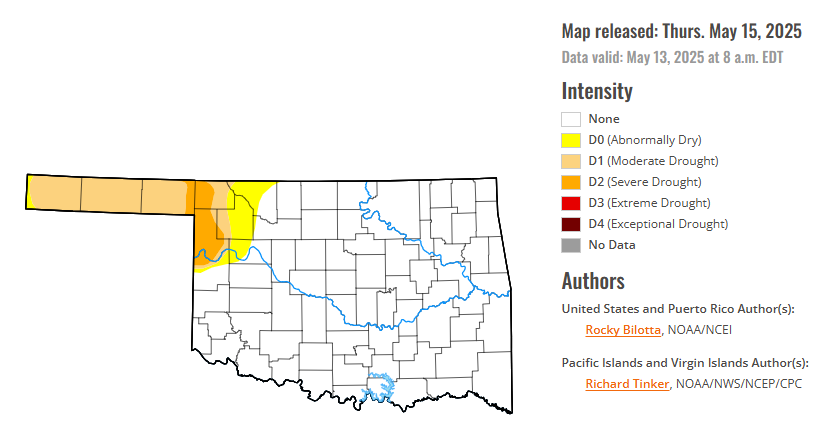
To view the latest Oklahoma drought map, CLICK HERE.
According to the latest Oklahoma drought monitor report, exceptional drought remains at zero percent, unchanged from the start of the calendar year.
Extreme drought or worse conditions remain at zero percent, unchanged since the week of October 29, 2024.
Severe drought or worse conditions have decreased to 2.99 percent, down from 6.91 percent last week.
Moderate drought or worse conditions have decreased to 11.94 percent, down from 13.95 percent last week.
Abnormally dry or worse conditions have decreased to 15.52 percent, down from 24.91 percent last week.
According to the 6-to-10-day precipitation outlook map, the panhandle of Oklahoma, is near normal chances of precipitation through May 24. The Southeastern portion of the state is leaning above a 40-50% chance of precipitation through May 24. The rest of the state is leaning above a 33-40% chance of precipitation through that May 24 date.
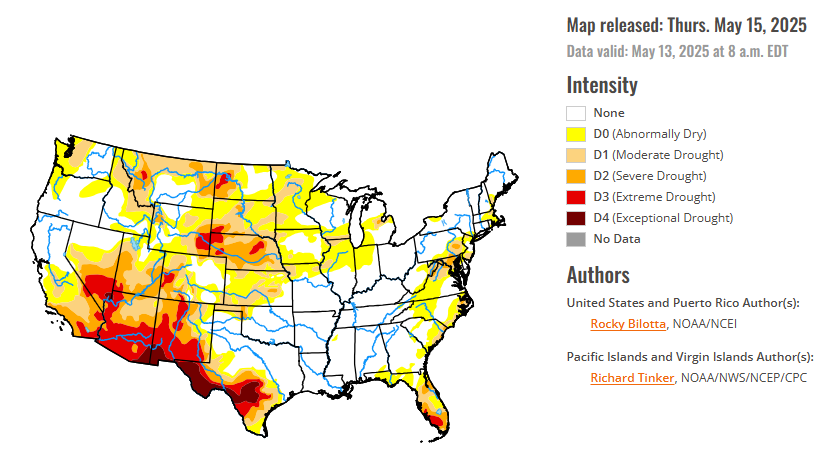
To view the United States Drought Map, CLICK HERE.
Precipitation fell across much of the U.S. this week, with heavier amounts (> 1 inch) falling from portions of the central and southern Plains eastward to the East Coast, and also in parts of the West, Hawaii, and southern Alaska. Much of the Southeastern U.S., from eastern Texas to North Carolina, reported weekly rainfall totals between 2 to 10 inches, while similar amounts (2 to 6 inches) were reported in parts of the Northeast. Above-normal precipitation supported drought improvements across large portions of the South, Southeast and Northeast, and in parts of the Southwest and High Plains. Conversely, weekly precipitation totals were below normal across much of the West to the Midwest. Drought and abnormal dryness were expanded or intensified in northern portions of the West and Midwest, as well as parts of the Southwest and High Plains. Temperatures were above normal across much of the U.S. this week, with areas of the north-central U.S., from central Montana to Minnesota, reported temperatures 9 to 20 degrees above normal. Below-normal temperatures were observed from the southern Plains to parts of the eastern Midwest, where departures were up to 10 degrees F below normal, with the largest departures being reported in parts of Texas.
In the Southern Plains, cooler temperatures dominated this week, with departures ranging up to 9 degrees F below normal. However, small areas of Texas, Oklahoma, Mississippi, and Tennessee observed temperatures slightly above normal this week, with temperatures between 1 to 3 degrees F above normal. Precipitation varied across the region this week, with heavier amounts (1 to 8 inches) falling across much of Louisiana and Mississippi, and in parts of Oklahoma, Texas, and southern Arkansas. Moderate to exceptional drought (D1-D4) was improved in parts of western, central, and southern Texas, while moderate to severe drought (D1-D2) was improved in western Oklahoma. Improvements to abnormal dryness (D0) were made in Oklahoma and Texas, and abnormal dryness was removed from southern Mississippi and southern Louisiana. Drought reduction and improvements were based on precipitation totals, short-term SPI/SPEI, NDMC short-term blends, and improvements to streamflow and soil moisture data.
In the High Plains, warm temperatures dominated the High Plains this week, with departures ranging up to 20 degrees F above normal, especially along the northern portions of the region, while cooler-than-normal temperatures were observed along the southern border. Precipitation fell across the western and southern portions of the region this week; however, in most areas, amounts were insufficient for significant improvement. Beneficial heavy precipitation (1 to 3 inches) in eastern Colorado and Kansas led to improvements in moderate to severe drought (D1-D2) and abnormal dryness (D0) in these areas. Conversely, dry conditions resulted in the introduction and expansion of drought. Extreme drought (D3) was introduced in western Nebraska, and moderate to extreme drought (D1-D3) expanded in western Colorado and eastern Nebraska. Abnormal dryness was also expanded in southern Wyoming this week.
In the West, average temperatures were above normal across nearly the entire region this week, while below-normal temperatures were observed across much of New Mexico, and in parts of Arizona and along the coast of Washington, Oregon, and California, where temperatures were between 1 to 6 degrees F below normal. Conversely, Montana observed temperatures ranging between 3 to 15 degrees F above normal this week. Precipitation varied across the region this week, with beneficial amounts falling in parts of the Southwest and southern Montana. Exceptional drought (D4) was improved along the Nevada-Arizona border, while extreme drought (D3) was trimmed back in southern Utah, southern Nevada, eastern California, and western Arizona. Severe drought (D2) was improved in parts of Utah, Arizona, while moderate drought (D1) was reduced in Montana. Conversely, above-normal temperatures and below-normal precipitation resulted in the expansion of exceptional drought in southern New Mexico, severe drought in Montana, and moderate drought in northern portions of Washington, Idaho and Montana. Abnormal dryness (D0) was also expanded in western Washington, northeast Oregon, northern and southern Idaho, and in southern California this week.
Looking ahead, during the next five days (May 13–17, 2025), the slow-moving upper low across the Southeast U.S. will be weakening and evolving into an open trough by Thursday as it exits the East Coast. Another upper trough and closed low across the Northern Rockies mid-week will sustain a surface low crossing the Northern Plains and then into south-central Canada by the end of the week, with heavy rain for the Dakotas/Minnesota and late-season mountain snow for the northern Rockies. Going into Thursday, the heavier rainfall reaches eastern North Dakota into northern Minnesota, with some of the guidance indicating the potential for 1-2 inch rainfall totals with some embedded convection. Very warm weather will continue across the Upper Midwest for the middle of the week, with highs reaching 85-90 degrees on Wednesday across the eastern Dakotas and much of Minnesota. The anomalous warmth then shifts eastward to the Great Lakes and Ohio Valley regions to close out the week, and much of the East Coast Friday into Saturday ahead of the cold front. Very hot conditions are expected across southern Texas for the entire forecast period with highs exceeding 100 degrees near the Rio Grande, and HeatRisk reaching the major category for these areas. In contrast, chilly conditions are likely for the Intermountain West and Northern Rockies with highs running 5-15 degrees below average with the upper-level trough and increased cloud cover.
The Climate Prediction Center's 6-10 day outlook (valid May 18–22, 2025) favors above-normal precipitation across most of the U.S., with below-normal precipitation favored in portions of the West Coast states and the Florida Peninsula. Increased probabilities for above-normal temperatures are forecast for Hawaii, from the southern Plains to the Southeast, and in parts of California, Nevada, and southern Alaska.
To view the 6-10 Day Precipitation Outlook Map, click here.
To view the 6-10 Day Temperature Outlook Map, click here.
To view the Monthly Drought Outlook Map, click here.
Oklahoma Secretary of Agriculture Blayne Arthur and Oklahoma State Veterinarian Dr. Rod Hall attended a joint committee meeting today to address New World Screwworm (NWS), a parasitic fly that infests warm-blooded animals, causing severe wounds and complications that can lead to death.
The meeting followed the recent announcement from U.S. Secretary of Agriculture Brooke Rollins to suspend live animal imports through the southern border in response to the potential spread of the parasite.
"We are incredibly appreciative of the new administration at the federal level for taking this issue very, very seriously," Arthur said. "We are very close to this issue geographically, and certainly, because of the strength of the cattle industry here in Oklahoma."
Arthur also expressed appreciation for the joint meeting between the Senate Agriculture and Wildlife Committee and House Agriculture Committee, which provided an opportunity to update legislative leaders.
Hall discussed movement regulations, treatment and educating livestock owners on preventative care.
"We believe that education and outreach to the public are critical as we prepare for the possible introduction of screwworm in the U.S.," said Hall. "If these parasites are found in Texas, we will increase surveillance and work with producers to conduct sampling. Our goal is to increase awareness as this moves closer to the border."
NWS has been recently detected in remote farms in Mexico, about 700 miles away from the U.S. border.
"For the movement of livestock, 700 miles is not a long way," said Sen. Casey Murdock, chairman of the Senate Agriculture and Wildlife Committee. "We've got to stay vigilant."
Rep. Kenton Patzkowsky, chairman of the House Agriculture Committee, said he is encouraged by the proactive approach Oklahoma is taking on this issue.
"The livestock industry is a vital part of our state's economy," Patzkowsky said. "We have to take any threat to animal health very seriously."
Despite the potential threat to livestock, leaders assure consumers that meat remains safe for consumption.
For more information, contact Kirsten Hollansworth at kirsten.hollansworth@ag.ok.gov.
Today, House Agriculture Committee Ranking Member Angie Craig (MN-02) released the following statement after the committee advanced the largest cut to food assistance in American history in their partisan reconciliation bill.
"While Democrats showed up to this two-day hearing ready to work, Republicans hardly showed up at all. When their seats weren't empty, they were silent. And the silence was deafening. They know that you can't cut $300 billion from food assistance for hungry children and seniors without taking their food away.
"The cuts are so egregious that the majority shut down the markup with 44 amendments left to debate, the only committee to use this tactic to cut off democratic debate on critical issues facing families and farmers across the country.
"Instead of making the program work better for seniors and parents of children as young as seven years old, the Republican bill adds paperwork requirements to make accessing food harder. Instead of making SNAP more effective and efficient, the Republican bill cons states into slashing food assistance. And it does all of this to fund tax breaks for wealthy individuals and large corporations at a time where we should be investing in rural America and uplifting the middle class.
"This bill shatters the farm bill coalition, making the path to passing a full, five-year farm bill much harder because there will be no full farm bill to pass – the Republicans tore off bits and pieces of it and left the rest at the wayside.
"Republicans voted to take food from families struggling to afford groceries and give more handouts to those at the very top. That is a damn shame."
On today's Cow-Calf Corner, Mike Trammell, Oklahoma State University Southeast Regional Forage Agronomist, talks about managing mixed forage pastures.
As pasture stands mature, especially monocultures, they tend to become a complex mixture of plants or polyculture of plants that have become adapted to a specific area and management style. These polycultures may contain a mixture of grasses and legumes. Some producers may look to re-establish these pastures and maintain a pure stand. Others may work to optimize the management of these mixtures to better fit their existing operation. Listed below are a few ways these mixed forage resources can be managed to better meet operational needs.
Liming – In a mixed pasture stands, adding lime to a soil with a low pH would tend to encourage any existing clover. If lime is not applied, acid-tolerant species tend to be present in greater quantities. Lime also makes other nutrients in the soil more available to the plant. If pastures need lime as indicated by a soil test, then lime should be the first thing applied.
Soil Fertility – Improved grasses and legumes need good soil fertility to persist and be productive. If soil fertility is low, it will favor species that are more efficient at extracting and using nutrients from the soil. Application rate and timing of nitrogen can also be used to shift the species composition of pastures. Nitrogen fertilization will tend to encourage grass growth, shifting the composition toward grasses and away from legumes. Early spring and late summer applications will encourage cool-season grass growth. In contrast, late spring and summer applications will shift the mixed pasture stands toward crabgrass and bermudagrass.
Grazing management and Forage Plant Growth – After grazing or cutting, plants need energy to regrow. In grasses this energy comes from two places. The first is the leaf area remaining after defoliation. The remaining leaf area is like a solar panel that captures sunlight and converts it into energy (sugars and carbohydrates) that the plant can use for regrowth. The more leaf area that is left, the larger the solar panel and the faster pastures will recover. The second place that energy comes from for regrowth is stored carbohydrates. The location of these stored energy reserves depends on the plant species. Grasses that store their energy in the stem base or crown are less tolerant to close and frequent grazing compared to grasses that store their energy in stolons and rhizomes that are safely below the grazing height of livestock. Resting pastures allows the leaf area to regrow and carbohydrate reserves to be restored.
Grazing Height – In mixed pasture stands, close grazing will tend to favor grass and legume species that have leaf area and energy stores close to the soil surface. Close grazing results in a shift toward low growing species such as bermudagrass, bluegrasses, and white clover. A higher grazing height would tend to shift the pasture mix back toward tall growing cool-season grass species such as tall fescue and orchardgrass.
Grazing Frequency – Some species are more tolerant of frequent grazing. These species tend to have leaf area close to the soil surface that is maintained even under close grazing such as bermudagrass and white clover. This means that grazing mixed pastures closely and frequently will tend to shift the botanical composition toward these species.
Timing of Grazing – Grazing a mixture that includes both cool- and warm-season species during the summer months will tend to shift the botanical composition toward the warm-season species, especially during and after droughts.
Using Improved Varieties – These varieties may offer considerable benefits in terms of improved yield, animal performance, and persistence.
RON's Dave Lanning has a pre-opening look at today's agricultural Markets.
Click the audio tab below for today's report.
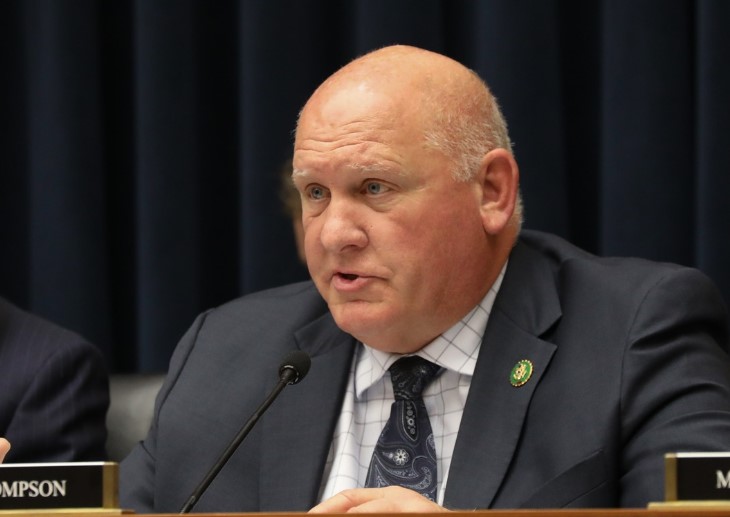
House Agriculture Committee Chairman Glenn "GT" Thompson (PA-15) issued the following statement after the committee passed its portion of H. Con. Res. 14 Title 2001(b)(1):
"Our section of the One Big, Beautiful Bill restores integrity to the Supplemental Nutrition Assistance Program, provides relief to farmers, invests in the future of rural America, and prevents the largest tax increase on American families.
We ensure that SNAP works the way Congress intended it to, by reinforcing work, rooting out waste, and instituting long-overdue accountability incentives to control costs and end executive and state overreach.
We preserve the program's ability to serve the most vulnerable long into the future. At the same time, we're strengthening the farm safety net and delivering critical support to the farmers, workers, and communities that keep America fed.
These commonsense solutions help build a stronger, more resilient rural America. I'm grateful to my colleagues on the Committee for their hard work, and I look forward to passing this bill in the House and delivering results for families across the country."
Several Ag Groups have released statements over the passage of this "down payment" on the 2025 Farm Bill:
National Association of Wheat Growers:
In response the House Ag Committee's work on Wednesday, the National Association of Wheat Growers (NAWG) President Pat Clements made the following statement:
"NAWG appreciates Chairman Thompson's leadership in advancing these critical investments in the farm safety net, conservation, trade, research, and other programs. This legislation reflects many of the key priorities that America's wheat growers have been advocating for over the past three years. It is essential that these improvements to the farm safety net remain intact as Congress continues through the reconciliation process,"
"While the committee bill does not include all of NAWG's Farm Bill priorities, it does work to protect and enhance the crop insurance program, provide a meaningful increase in the Price Loss Coverage (PLC) program, double funding for the Market Access Program (MAP) and Foreign Market Development (FMD) program, and invest in agricultural research. Congress must act this year to strengthen the farm programs to provide farmers with a robust safety net and long-term certainty. Farmers need these improvements this year, not next year."
National Cattlemen's Beef Association:
Today, the House Agriculture Committee passed their initial reconciliation bill, which contains several NCBA supported provisions that strengthen our defense against foreign animal disease and support producers who have lost cattle due to predator depredation or natural disasters. The legislation now moves to the full House of Representatives for further consideration.
"Cattle farmers and ranchers across the country have continued advocating for tools that protect the cattle industry from foreign animal disease and help producers recover from the loss of their cattle, whether by predator depredation or challenging weather conditions. This legislation is a critical step forward for addressing these issues," said NCBA Senior Vice President of Government Affairs Ethan Lane. "NCBA appreciates the support of the House Agriculture Committee and Chairman GT Thompson, who continues being a champion for the cattle industry. We urge the full House and Senate to quickly pass this bill so President Trump can sign it into law."
This bill addresses many of the issues that NCBA members have brought forward through our association's grassroots policy process. In particular, this bill would:
National Farmers Union
National Farmers Union (NFU) President Rob Larew released the following statement in response to the House Agriculture Committee's passage of budget reconciliation instructions:
"We appreciate that the House Agriculture Committee recognizes the financial pressures facing family farmers and ranchers. Proposals to strengthen crop insurance, bolster the farm safety net, and maintain voluntary conservation programs are important steps toward securing the future of our food system.
But this is not the best way to produce a meaningful farm bill. Our members know that the process matters. Pitting farm and nutrition priorities against one another creates unnecessary division and weakens the broader effort. A strong farm bill—however it comes together—must reflect the full scope of challenges facing agriculture and rural communities, and it must work for everyone it touches: farmers, ranchers, and families across the country."
American Soybean Association
The American Soybean Association is grateful for Chairman Glenn 'GT' Thompson's continued, steadfast support of farm bill programs that are critical to U.S. soybean farmers. The House Agriculture Committee has completed a two-day markup of budget reconciliation legislation the Chairman is using as a vehicle to advance farm bill priorities that are key for ASA.
"It is no secret the farm economy is in a dire situation, and ASA appreciates the efforts of Chairman Thompson to highlight the needs of farmers, including increasing reference prices for commodities, increasing support for market access programs and more," said ASA President Caleb Ragland, who grows soy in Kentucky. "ASA continues to urge Congress to work toward passing a much-needed five-year farm bill this year but is encouraged to see continued congressional support for our top priorities."
The budget reconciliation package marked up by House Ag contains several provisions ASA advocated for during the farm bill negotiations of the last Congress, including:
• Increasing reference prices for soybeans
• Strengthening crop insurance
• Doubling funding for the Market Access Program and Foreign Market Development Program (MAP and FMD)
• Making improvements to the Agriculture Risk Coverage (ARC) program and Price Loss Coverage (PLC) program
• Investing in conservation programs
• Investing in agricultural research
• Reauthorizing farm bill biobased and biofuel programs, including BioPreferred
The multi-committee budget reconciliation process includes myriad policy priorities for congressional Republicans, and while this is just an early step in the larger reconciliation process, ASA is pleased the House Agriculture Committee is keeping farmer priorities top of mind as work continues to draft a comprehensive five-year farm bill.
National Milk Producers Federation
The National Milk Producers Federation today lauded the inclusion of critical resources in the House Agriculture Committee's reconciliation proposal that would boost the agricultural economy and provide farmers certainty.
"We commend Chairman GT Thompson and committee members for advancing important investments that will help support and create opportunities for dairy," said Gregg Doud, president and CEO of NMPF. "We will work with lawmakers to advance these provisions through Congress, knowing that dairy is well-served by what the House Agriculture Committee is approving."
NMPF is pleased that the bill extends the Dairy Margin Coverage program through 2031, providing dairy producers with much-needed continuity. The package also bases the program's production history calculation on a farmer's highest production year out of 2021, 2022, or 2023, an update that better reflects recent on-farm production levels. The bill also funds mandatory USDA dairy processing plant cost surveys every two years, which will better inform future make allowance conversations. Finally, it includes long-term resources for important trade promotion, conservation, research, and animal health programs.
The legislation, which is expected to be approved today by the House Agriculture Committee, will ultimately be folded into a broader budget reconciliation package that will include an extension of current tax policies, among other areas. NMPF supports House Ways and Means Committee language to make the Section 199A tax deduction permanent, which will allow dairy cooperatives to continue to either passing the deduction back to their farmer owners or reinvesting it in their cooperatives.
"Whether it's risk management or tax issues, the stakes are enormous for Congress to get the policy right in this legislation," Doud said. "House committees have done good work this week to start major elements of this bill on the right track for dairy farmers and the cooperatives they own."
National Corn Growers Association
May 14, 2025
Key Issues:EthanolTradeFederal Tax PolicyFarm Bill
Author: Bryan Goodman
The National Corn Growers Association (NCGA) today praised the passage of key tax extensions, championed by the organization, which passed the House Committee on Ways and Means as part of the budget reconciliation process.
"We applaud the members of the House Committee on Ways and Means and Chairman Smith for approving these tax policies, which are important to the financial viability of the nation's corn growers," said Illinois farmer and NCGA President Kenneth Hartman Jr. "These important provisions in the federal tax code must be extended this year."
The bill includes many of NCGA's federal tax priorities, including:
NCGA also weighed in on the measure that passed the House Committee on Agriculture on Wednesday night. Corn growers recognized Chairman Thompson and members of the Agriculture Committee for shepherding key agricultural initiatives in a complicated political and budgetary environment.
"We appreciate Chairman Thompson's efforts to include key agricultural investments in must-pass legislation," he said.
The bill contains several of NCGA's longstanding farm bill priorities, including:
However, corn growers remain concerned with the imbalance of investment across various commodities and potential impacts of the changes to the PLC program. NCGA is particularly concerned with the adoption of a new floor price of $3.30 for corn, which would create a new gap in price coverage if the national marketing year average prices for corn were severely depressed. The legislation unfairly expands the concept only to corn growers.
NCGA continues to advocate for more meaningful reforms to existing base acres that underpin the eligibility for the ARC and PLC commodity programs. Those reforms were not fully included in the committee's budget proposal. NCGA will continue to advocate for policies to ensure that all base acres, program eligibility and payments better reflect growers' recent planting history.
While acknowledging that the House Committee on Agriculture's budget proposal contained some of NCGA's farm bill priorities, the organization also voiced concerns with the overall process and its implications for future farm bills.
"NCGA's farmer leaders have long stood on the policy position that farm bills should be comprehensive and bipartisan, and that they should include farm programs and nutrition programs," Hartman said. "Given that budget reconciliation provides only a partial pathway for select components of the farm bill, we would like return to a bipartisan, comprehensive approach to future farm bill debates."
The House Committee on Energy and Commerce included language that would rescind the latest EPA multipollutant rules and the National Highway Traffic Safety Administration's CAFE Rule. NCGA has called for inclusion of the language in the budget reconciliation bill. This is a significant action that would protect ethanol demand in the future.
NCGA has called for inclusion of language in the budget reconciliation bill that would eliminate a regulatory barrier to consumers' year-round access to fuels with 15% ethanol blends, referred to as E15.
"NCGA will continue to make the case to legislators to include E15 in the final reconciliation package," Hartman said. "Providing nationwide, year-round access to these fuels would save consumers money at the pump and help farmers financially, while serving as a boon to rural economies. Including this fix in reconciliation offers the added benefit of eliminating the need for regulatory waivers and our analysis shows it would achieve significant cost savings."
RON's Ken Johnson reports from the State Capitol
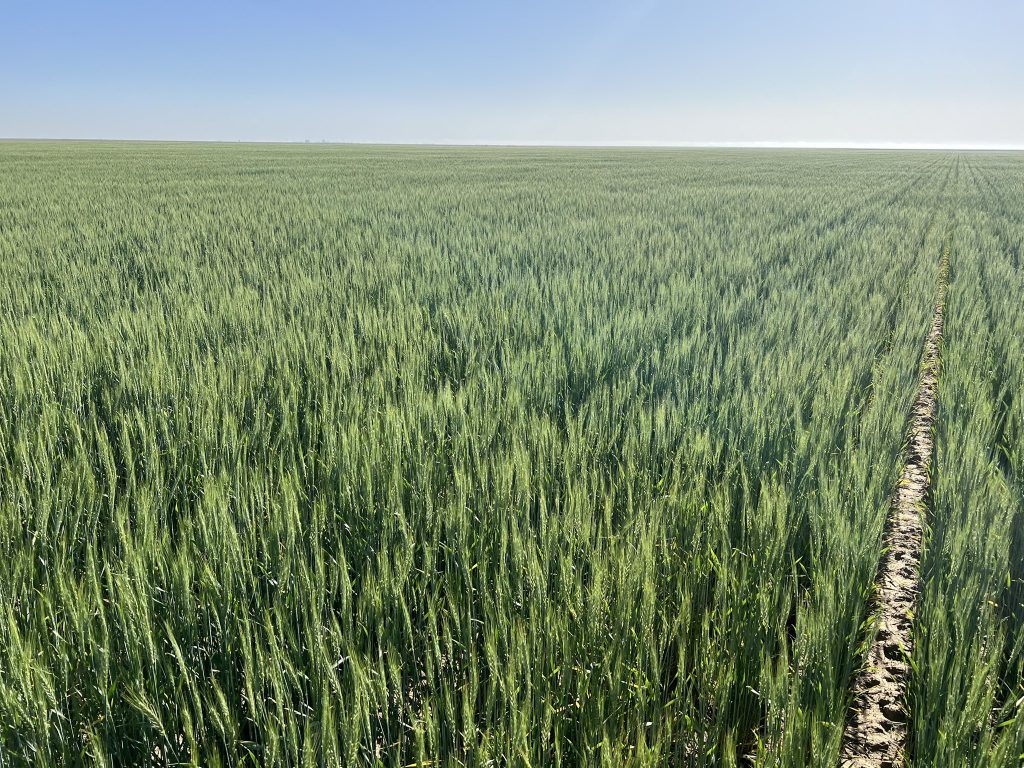
Wheat south of Leoti with good potential, fairly uniform stands and less drought stressed than North from here- Credit- Romulo Lollato on X
Day 2 of the Wheat Quality Council's 67th Annual Hard Winter Wheat Tour concluded Wednesday, May 14, with a total weighted average yield estimate of 53.3 bushels per acre (bpa). Scouts assessed 211 wheat fields along six routes traversing western and southern Kansas from Colby to Wichita, along with some sampling in five select counties in northern Oklahoma.
Last year, the average yield estimate on these same routes was 42.4 bpa. After two days of scouting on the 2025 tour, the average estimate yield is 52.0 bpa, compared to 45.8 bpa in 2024.
One of the cars that went into Oklahoma and across on US 64 was driven by Oklahoma Wheat Grower President Dennis Schoenhals, who talked on Wednesday evening with Oklahoma Farm Report's Ron Hays. Click on the Listen Bar below to hear their conversation"
Schoenhals says that as they got into Oklahoma - they saw wheat north of Beaver and over near Forgan says some good looking 40 bushel per acre- and they he says they got west of Alva and some some really good wheat yielding wheat in the middle 40s- and that's the yield was seen eastward into Alfalfa County before turning north to get back into Kansas and arrive in Wichita.
He did see multiple fields in the process of being bailed for hay- because of the low price for wheat and the heavy demand for hay for these high priced cattle.

The Agriculture Innovation Act would improve USDA data collection and research of conservation practices, informing farmers' understanding of which practices help reduce risk and increase profitability.
U.S. Senators Amy Klobuchar (D-MN), Ranking Member of the Senate Committee on Agriculture, Nutrition, and Forestry, and Majority Leader John Thune (R-SD) reintroduced their bipartisan legislation to strengthen agricultural data collection and research to connect farmers with the most effective conservation practices.
The Agriculture Innovation Act would improve the U.S. Department of Agriculture (USDA)'s data collection procedures for assessing how various conservation and production practices increase crop yield, improve soil health, and bolster productivity. The USDA currently manages and stores valuable producer data, but the data can be better utilized to inform farmers and producers' understanding of which conservation practices help reduce risk and increase profitability.
"As the economic backbone of rural communities across our state, farmers and producers need the most up-to-date resources possible to inform their operations," said Klobuchar. "This bipartisan legislation will provide farmers with better access to comprehensive USDA data, ensuring they are able to use the most effective conservation practices for boosting productivity and improving crop yield."
"South Dakota farmers and ranchers are familiar with the many challenges that accompany their way of life," said Thune. "Among them is measuring the economic value that conservation practices have on production, especially as the agriculture community tries to reduce risk and increase productivity amid global food security concerns. That's why Congress must help producers and trusted researchers – like land-grant universities – better utilize USDA's data to more effectively identify the conservation practices that would best improve productivity on farm and ranch operations."
The Agriculture Innovation Act would:
The legislation has been endorsed by AGree Coalition; American Farmland Trust; American Fly Fishing Trade Association; American Soybean Association; BPC Action; Ceres Businesses for Sustainable and Resilient Agriculture; Danone North America; Environmental Defense Action Fund; Illinois Corn Growers Association; National Corn Growers Association; National Deer Association; National Wildlife Federation; Pheasants Forever; Quail Forever; Theodore Roosevelt Conservation Partnership; The Nature Conservancy; and the World Wildlife Fund US.
On Tuesday, U.S. Senator Markwayne Mullin (R-OK), a member of the Senate Armed Services Committee, participated in the hearing, "To consider the nominations of: Mr. Richard L. Anderson to be Assistant Secretary of the Air Force for Manpower and Reserve Affairs; Mr. Adam R. Telle to be Assistant Secretary of the Army for Civil Works; and Dr. Matthew C. Napoli to be Deputy Administrator for Defense Nuclear Nonproliferation National Nuclear Security Administration."
In his remarks, Senator Mullin detailed the importance of the Port of Catoosa and the critical infrastructure updates that are desperately needed. Mr. Telle, Assistant Secretary of the Army for Civil Works nominee, committed to addressing the issue.
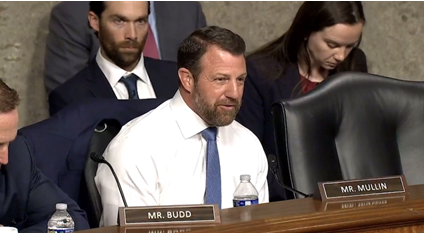
The full committee hearing can be found here.
The exchange between Senator Mullin and Mr. Adam Telle, nominee to be Assistant Secretary of the Army for Civil Works, is below.
Sen. Mullin: "Mr. Telle, I want to talk to you about the Port of Catoosa. It's a 445-mile channel that runs from essentially the Mississippi all the way up to the Port of Catoosa, which is the largest inland water port west of the Mississippi and on the Gulf of America. It also provides roughly 50% of all agricultural products that flow in and out of the Midwest, and it goes up to the Port of Catoosa, which is just outside of Tulsa. And from there, it gets on rails and trucks and gets trucked the rest of the way up. It was opened in 1971 and since roughly the 90s, we have talked about increasing the depth, because the amount of traffic that's on it. Right now, it's dredged at nine feet in depth, and it also has a critical backlog, which means that any of the levees could shut down at any given time, of increasing almost a billion dollars critical backlog needs."
"The Port of Catoosa, for some reason continues to be treated like, this is not politically correct but whatever the red headed stepchild is, and other projects in Ohio or the Mississippi or other areas of waterways seem to get the most attention. However, the Midwest feeds the United States and many parts around the world, yet we're in a critical situation here where we need to increase the depth of the channel from 9 feet to 12 feet. The study has been going on literally since the 90s. An additional study started again in 2005 and expired in roughly 2014. We could see a 40% increase in cargo influx into the port and out of the port for every foot we increase it. 40% increase cargo. Which would be drastically an improvement to what we deal with today. Not to mention the timing, the cost to get Ag products in and out of the Midwest, because as we hit the Mississippi, we actually change out of one barge to another barge that actually is obviously deeper and bigger for us to be able to navigate through the channel with."
"My concern is that since the Corp has continued to overlook this, I'm looking for a commitment for you that you will actually take a hard look at this and understand that literally, the heartbeat of America, which is our Ag products, is in dire straits of being able to get products in and out. And if this navigation channel goes down, the cost is going to bring to all Americans' tables, because it will increase in cargo. So, would you commit to helping us with this channel?"
Mr. Telle: "Senator Mullin, absolutely, I will. This is emblematic, the situation you described, in providing access for Oklahoma's farmers and ranchers to the rest of the world through our waterways is emblematic of the Corp's mission, which was originally to use our waterways for the benefit of the American public."
"Your state's so critical in getting the products from your state the world. And the opposite of that, getting the world's products to you is critically important. I understand that this issue has been going on for a long time, affects the state of Arkansas as well. And certainly, as vessel traffic changes, the types of traffic change based on commercial patterns across the globe, we need to make sure that our infrastructure is up to date to meet it. And I look forward to doing everything we can to take a very hard look at this critical asset and make sure that we modernize it to the degree that we can."
"And I would also, as you describe when we were in your office, the critical role that it plays in flood protection in that area as well. And you know, dredge material often can have a beneficial use in terms of building flood control infrastructure, levees and otherwise. So, I look forward to working with you on that and I commit to do my very best."
Sen. Mullin: "Thank you. And I look forward to hosting you when we can get you there."
American Farmers & Ranchers (AFR) Cooperative has selected Cara Comstock, Wann, to lead the AFR Youth Program. As AFR Youth Coordinator, Comstock will develop and facilitate all AFR Youth Program activities and guide the program as it continues to grow.
"The AFR Youth Program is the premier agricultural youth program in Oklahoma," said AFR Cooperative President Scott Blubaugh. "Education is one of the founding principles of our organization and I have no doubt Cara Comstock will improve upon our long history education in rural Oklahoma. She will make an excellent addition to our team."
Comstock most recently worked as an agricultural education instructor and FFA advisors at Oklahoma Union Public School. Through this role, she will bring a wealth of relevant experience to her new position as AFR Youth Coordinator, including management of speech contests, livestock shows and camps. She has also volunteered as a judge for the AFR Speech Contests and as a cabin parent for the AFR Leadership Summit.
"I am incredibly excited to join the AFR Cooperative team and build upon the traditions of the youth program," said Comstock. "I'm looking forward to working with great students and supporters across the state to continue to advance the AFR Youth Program through leadership, service and community."
Comstock was raised on a diversified crop and livestock operation in southwest Missouri and was deeply involved in 4-H and FFA, where she competed in public speaking, livestock judging and more. During her time in FFA, Comstock served as Missouri Area IV Vice-President. She earned her bachelor's from Kansas State University in 2019. While at KSU, she was a member of the 2018 National Champion Meat Animal Evaluation Team and the 2018 Reserve National Champion Collegiate Livestock Judging Team.
AFR Cooperative is a membership services organization established in 1905 as Oklahoma Farmers Union. AFR leads educational, legislative and cooperative programs across the state and serves as a watchdog for Oklahoma's family farmers and ranchers and rural communities. The organization is actively supportive of the state's agricultural industry and rural population with membership consisting of farmers actively involved in production agriculture and non-farmers adding their voice in support of AFR principles.
The National Milk Producers Federation today lauded the inclusion of critical resources in the House Agriculture Committee's reconciliation proposal that would boost the agricultural economy and provide farmers certainty.
"We commend Chairman GT Thompson and committee members for advancing important investments that will help support and create opportunities for dairy," said Gregg Doud, president and CEO of NMPF. "We will work with lawmakers to advance these provisions through Congress, knowing that dairy is well-served by what the House Agriculture Committee is approving."
NMPF is pleased that the bill extends the Dairy Margin Coverage program through 2031, providing dairy producers with much-needed continuity. The package also bases the program's production history calculation on a farmer's highest production year out of 2021, 2022, or 2023, an update that better reflects recent on-farm production levels. The bill also funds mandatory USDA dairy processing plant cost surveys every two years, which will better inform future make allowance conversations. Finally, it includes long-term resources for important trade promotion, conservation, research, and animal health programs.
The legislation, which is expected to be approved today by the House Agriculture Committee, will ultimately be folded into a broader budget reconciliation package that will include an extension of current tax policies, among other areas. NMPF supports House Ways and Means Committee language to make the Section 199A tax deduction permanent, which will allow dairy cooperatives to continue to either passing the deduction back to their farmer owners or reinvesting it in their cooperatives.
"Whether it's risk management or tax issues, the stakes are enormous for Congress to get the policy right in this legislation," Doud said. "House committees have done good work this week to start major elements of this bill on the right track for dairy farmers and the cooperatives they own."
International Fresh Produce Association (IFPA) is the largest and most diverse association servicing the entire fresh produce supply chain, advocating for its members and the industry to create beneficial changes. Farm Reporter Maci Carter had the opportunity to speak with Rebeckah Adcock, the organization's vice president of U.S. government relations.
The team at IFPA has been working towards workforce labor and immigration reform for decades. "We've warned Congress and the federal government that if you don't do something, we'll get to critical mass, and we definitely are," Adcock stated. "it is the number one limiting factor for the ongoing operations for specialty crops is whether or not they have enough people to plant, harvest, and process their products."
She expressed gratitude for the discussions around the H-2A program as a step in the right direction and to bring some "sanity" to how wages are calculated. Additionally, IFPA seeks reforms to the employer obligations to employees and to make the process of obtaining H-2A workers less cumbersome.
She referred to President Trump's acknowledgement that there are some undocumented workers in agriculture who are otherwise following the law, and his intent to examine options for dealing with those individuals.
"Things are very early in that space, but we appreciate that acknowledgement from the President," Adcock said.
She admitted to uncertainty during the early days of the Trump administration surrounding rumors of his immigration policies and also sympathized with his concerns for the nation's security. She also knew that there were undocumented workers in the agricultural community with reasons that they couldn't go through the normal process of documentation.
"We were worried about whether they would come for those people and what would be the fill-in," she said. "We're at record unemployment for U.S. workers, and most of them aren't excited to work on farms at almost any price we have learned. So, how would we make up for that gap when we need even more people?"
She is pleasantly surprised to see that President Trump has focused more on aliens with criminal records and ties. She also believes that he is trying to find a path to allow workers who contribute to the workforce where there are gaps to continue to do so in a law-abiding manner.
Turning the conversation to trade, Adcock pointed out that fresh produce trade is global and that the team at IFPA is very concerned about the uncertainty surrounding tariffs. "For American growers, we are certainly seeing problems with whether or not Canada is continuing to pick up contracts, a decrease there," she said. "I think things have smoothed out a little bit with Mexico because the USMCA is still in place."
Pineapples, bananas, and other tropical produce are not grown in the U.S. on a large enough scale to supply the demand for them; therefore, when supply is restricted by trade barriers, prices increase for American families.
"The good news is that the administration has been very receptive in listening, and they are asking us to share what we are seeing because I think they do care, and they don't want to see prices skyrocket," Adcock observed. "They want time to negotiate and get a better deal. That is admirable, so we are just going to wait and see."
As far as reconciliation, Adcock and her team are seeking better risk management tools for producers, as a large number of agricultural products lack any insurance options at all.
"We have a lot of ideas about changes, there, and not all of them will fit in reconciliation, but we do have a very strong ask, especially for our Crop Research Initiative and things that focus on Mechanization Automation – things that help the labor pressures that we have," Adcock detailed.
She added, "We are very focused on making sure that our state block grant program gets funded. We have a huge concern about making sure USDA's presence in the crop protection, pest management, and pest abatement space stays in place. Our list goes on and on. We have over a hundred recommendations in total for our whole sector, but those are just samples of some of the bigger ticket items."
For more information about the International Fresh Produce Association, visit freshproduce.com.
As the threat posed by the New World screwworm rises, NCBA today joined affiliate state associations in urging Congress to pass the STOP Screwworms Act to fund the opening of a new sterile fly facility in the United States. Introduced by Rep. Tony Gonzales (R-TX) and Sen. John Cornyn (R-TX), this bill would help protect both livestock and human health from the New World screwworm.
"When I was growing up, I heard the stories of how damaging the New World screwworm was to our cattle before it was eradicated in the 1960s. I never want to see that kind of devastation return to our country," said NCBA President Buck Wehrbein, a Nebraska cattleman. "That is why the National Cattlemen's Beef Association is supporting the STOP Screwworms Act so we can construct a sterile fly facility in the United States that will help us prevent this pest from ever returning to our country."
Due to the New World screwworm's continued push north, the urgency to create a new sterile fly facility in the United States has increased. NCBA supported the U.S. Department of Agriculture's decision to close the southern border to shipments of cattle, horses, and bison to protect American agriculture, but the long-term strategy to eradicate the screwworm from North America requires the use of sterile insect technique.
Under sterile insect technique, millions of sterile flies are released into the environment where they breed with wild flies, ultimately creating no new offspring. The United States spent millions of dollars to successfully eradicate screwworms from North America back in the 1960s using this method, but once the threat was mitigated, most sterile fly production facilities shut down. Today, only one facility is still active in Panama, but it cannot produce enough sterile flies to fully prevent the New World screwworm from spreading through Mexico and eventually reaching America's southern border.
"To protect American agriculture, NCBA strongly supports the creation of a new sterile fly facility within the United States," said NCBA Senior Vice President of Government Affairs Ethan Lane. "We also appreciate the hard work of NCBA state affiliates in ensuring that members of Congress closest to the southern border understand the severity of this threat."
In addition to NCBA, this legislation is supported by Texas & Southwestern Cattle Raisers Association (TSCRA). NCBA and TSCRA are also working with numerous lawmakers to secure additional financial resources to combat the New World screwworm.
"Texas will be among the first impacted by the New World screwworm, making domestic sterile fly infrastructure critical," said TSCRA President Carl Ray Polk Jr. "We're grateful to Sen. Cornyn and Rep. Gonzales for acting quickly and ensuring this threat is taken seriously in Washington."
Today, the National Cattlemen's Beef Association (NCBA) and the Public Lands Council (PLC) congratulated Kate MacGregor on being confirmed as the next Deputy Secretary of the U.S. Department of the Interior (DOI).
"Deputy Secretary MacGregor is a trusted expert in land management issues and no one is more qualified to take on this role. In her previous time as Deputy Secretary and throughout her career, she has been dedicated to protecting and strengthening the future of public lands," said NCBA Executive Director of Natural Resources and PLC Executive Director Kaitlynn Glover. "After years of wildfires and deteriorating range health, Deputy Secretary MacGregor is the perfect choice to bring certainty back to America's rangeland. NCBA and PLC congratulate her on her confirmation, and we look forward to continuing to work with her to the benefit of America's livestock producers."
In response to the introduction of the STOP Screwworms Act by Sen. John Cornyn and Rep. Tony Gonzales, Texas & Southwestern Cattle Raisers Association President Carl Ray Polk Jr. today released the following statement:
"The STOP Screwworms Act is a vital step in protecting the U.S. cattle herd from the growing threat of the New World screwworm. This legislation provides USDA the support needed to construct or retrofit domestic sterile fly production infrastructure which Texas & Southwestern Cattle Raisers Association believes is essential in preventing a widespread outbreak. We are grateful to both Sen. Cornyn and Rep. Gonzales who understand the importance of acting quickly to support cattle raisers and ensuring the threat of the New World screwworm is taken seriously at the highest levels in Washington."
| |||||||||||||||||||||||||||||||||||||||||||||||||||||||||||||||||||||||||||||||||||||||||||||||||||||||||||||||||||||||||||||||||||||||||||||||||||||||||||||||||||||||||||||||||||||||||||||||||||||||||||||||||||||||||||||||||||||
| |||||||||||||||||||||||||||||||||||||||||||||||||||||||||||||||||||||||||||||||||||||||||||||||||||||||||||||||||||||||||||||||||||||||||||||||||||||||||||||||||||||||||||||||||||||||||||||||||||||||||||||||||||||||||||||||||||||
|

The 416-mile Neches River is often called the last wild river in East Texas.
The river's slow-moving water and its pine and bottomland hardwood forests have been part of eastern Texas's history and culture, since Native Americans and European settlers depended on them for food and shelter.
The Neches River's corridor remains one of the state's least discovered natural resources, but the Temple family has stewarded parts of this special area for over a century.
T.L.L. Temple, founder of the Southern Pine Lumber Company, bought a portion of what became known as Boggy Slough in 1902. Its 13,500 acres of timberland and 5,500 acres of wetland forests along 18 miles of river frontage were some of the first land he acquired outside of northeast Texas and Arkansas.
In the 1940s, the Temples began to shift the management of Boggy Slough toward wildlife and forest management research and demonstration. The land became a corporate asset of three Temple-owned businesses in the 1960s. By the 1980s, Boggy Slough had been divided into northern and southern management areas, each with its own hunting leases to control deer populations, as it remains today.
In 2012, ownership of Boggy Slough was transferred to International Paper through a corporate sale. Recognizing the land's significance, the T.L.L. Temple Foundation, led by Board Chairman Arthur (Buddy) Temple, III, acquired the property in 2013. In 2015, an agreement was negotiated with The Conservation Fund to place a conservation easement over the property ensuring it will be protected and managed sustainably as a working forest in perpetuity. The easement was transferred to the Texas Land Conservancy in 2019.
Through the decades the Boggy Slough Conservation Area has become known for its ecological research, stewardship of natural resources, and outreach to promote conservation. Its landscape provides a unique mix of wet bottomland hardwood ecosystems, wet and dry transitional forests, and upland forests on the western edge of the Southeastern U.S. pine region.
Because quail, eastern wild turkey, and many plants need more sunlight than a closed canopy of pine provides, a focus at Boggy Slough has been providing open-canopy habitat within a working forest. Healthy forestland provides key habitat for white-tailed deer, migratory birds, songbirds, fish, and native plants.

Boggy Slough hosts seven clusters of the endangered Red-cockaded Woodpecker, and a rare native wildflower, Texas prairie dawn. Its swamps and oxbows are also home to the Neches River Rose-mallow, an endangered plant that can grow up to 8 feet tall and produces hundreds of flowers that provide nectar for bees and other pollinating species.
The rich history and biodiversity of the Boggy Slough Conservation Area is underscored with the presence of two Texas State Champion Trees (the largest documented of their species): Longleaf pine and the White fringetree.
A cornerstone of the conservation success found at Boggy Slough is the role it has played for decades as an outdoor research laboratory for graduate students and other research collaborators studying issues of regional concern.
Boggy Slough Conservation Area Executive Director, Steve Jack, and Forest and Wildlife Manager, Robert Sanders, have enhanced the property's reputation for ecological research, natural resource stewardship, and public outreach. Through active management and collaboration with state agencies, conservation organizations, and landowners, they have promoted a strong land ethic and a deeper commitment to conservation throughout East Texas.
The land management practices at Boggy Slough Conservation Area build on the Temple family's legacy of conservation, stewardship and philanthropy.

Robert and Susanne Jones pictures with their children: Natalie, Shaylee, Grant, and Lance.
The Nebraska Sandhills is one of the last intact grassland ecosystems in North America, and the largest sand dune formation in the Western Hemisphere.
Formed by glacial meltwater carrying sand and silt from the Rocky Mountains, the Sandhills are defined by rolling grass-covered dunes, fragile soil, and a delicate hydrological system. Prairie grasses stabilize nearly 20,000 square miles of sand dunes in western Nebraska. This rangeland was never tilled on a large scale but makes ideal grazing for livestock when managed responsibly.
Deeply rooted in this region is Robert and Susanne Jones' Diamond Bar Ranch. For generations the Jones family has understood their success is tied to the health of the Sandhills, and they've worked to protect this unique environment. As they ranch with their grown children: Natalie, Shaylee, Grant, and Lance, their conservation ethic is centered around responsible grazing, water stewardship, soil preservation, and wildlife habitat management.
Diamond Bar Ranch's rotational grazing system follows time-tested Sandhills principles, designed to mimic the natural movement of bison herds that once roamed the region. By resting one-third of the ranch each year from grazing, native grasses like Little Bluestem and Prairie Sandreed are regenerated. While working cattle, horses are utilized rather than motorized vehicles to minimize soil disturbance in the sandy terrain.
The Jones family's adaptive grazing strategy takes into account rainfall variability, forage availability, and soil conditions. Cross-fencing allows for improved grazing distribution, while GPS tracking and aerial monitoring technology assists in pasture management.
Since 2000, the Jones family has planted more than 31,000 trees and shrubs to reduce wind erosion and improve wildlife habitat. Strategically planted windbreaks offer protection for livestock during windy winters. With assistance from the Natural Resources Conservation Service and Sandhills Task Force, the Jones family has mechanically removed invasive eastern red cedar trees across their Logan County ranch.
With access to the Ogallala Aquifer, natural springs, ponds, and the South Loup River, Diamond Bar Ranch employs 56 windmills and solar wells to provide drought-prone water sources for crop irrigation and drinking water for livestock and wildlife. Wet meadows are an ecologically significant part of the ranch. These lush, moisture-rich grasslands remain productive even in dry years, providing a valuable forage source. Wet meadows are also essential habitats for migratory birds, amphibians, and native fish species.
To reduce dependence on external feed sources, the ranch produces its own high-quality forage, including irrigated corn, alfalfa, and wet meadow hay, to produce nutrient-dense beef from its Red and Black Angus cattle.
Diamond Bar Ranch's pastures support populations of prairie chickens, sharp-tailed grouse, mule deer, white-tailed deer, and antelope, all of which depend on the same healthy grasslands that sustain livestock. The Jones family follows wildlife-friendly haying practices, allowing ground-nesting birds to flush and escape during harvest.
The Jones family shares their conservation knowledge with other ranchers, policymakers, and the public. Their ranch hosted the National Grazing Lands Coalition Tour in 2022 to provide a hands-on opportunity for ranchers and conservationists to learn about sustainable grazing practices. They are longtime supporters of the Nebraska Youth Ranch Camp, where high school students learn about range management and leadership.
As pressure mounts in agriculture to balance production with sustainability, the Diamond Bar Ranch shows how these two priorities can coexist. The Jones family's conservation-minded land management has produced economic success and ecological resilience.
Contribute to the Lyle Sittler Memorial Fund to support the Leopold Conservation Award in Nebraska. Donate today!
Today, the National Cattlemen's Beef Association (NCBA) released the following statement in response to the House Ways and Means Committee passing a tax package that provides significant tax relief to family farms and ranches. The bill includes several beneficial provisions including an increase in the exemption amount for the federal estate tax, also known as the Death Tax, a top priority for America's cattle producers. The tax package must be approved by the House of Representatives as part of the reconciliation process.
"The Death Tax is a death warrant for family businesses and the top threat to family-owned cattle operations. NCBA has been working with members on and off the Ways and Means Committee for months to educate them about the needs of cattle producers and advocate for the tax provisions that are the most effective for cattle operations," said NCBA President and Nebraska cattleman Buck Wehrbein. "This work would not have been possible without the broad participation we had in NCBA's tax survey from producers, who detailed the struggles they have had with paying the Death Tax and what they would like to see in a broader tax package. This is a huge victory for grassroots advocacy and everyone that made their voice heard—from the producers that have not paid the Death Tax yet—to those that have paid it multiple times to avoid losing their livelihoods."
The tax provisions in the bill that help family-owned cattle operations the most include:
"Thank you to the Ways and Means Committee for passing a bill that protects the family legacies that U.S. farmers and ranchers have built up over multiple generations. We appreciate Chairman Jason Smith's continued leadership on tax policy and we thank every committee member that stood with cattle producers in voting for this bill," said NCBA Executive Director of Government Affairs Kent Bacus. "NCBA has long been advocating for full repeal of the Death Tax and while we continue to fight for full repeal, we are happy to see an increase in the exemption that will provide tremendous certainty to producers. Expanding tax deductions like section 199A, section 179, and bonus depreciation will not only preserve family cattle operations but promote growth across America's main street businesses and rural America."
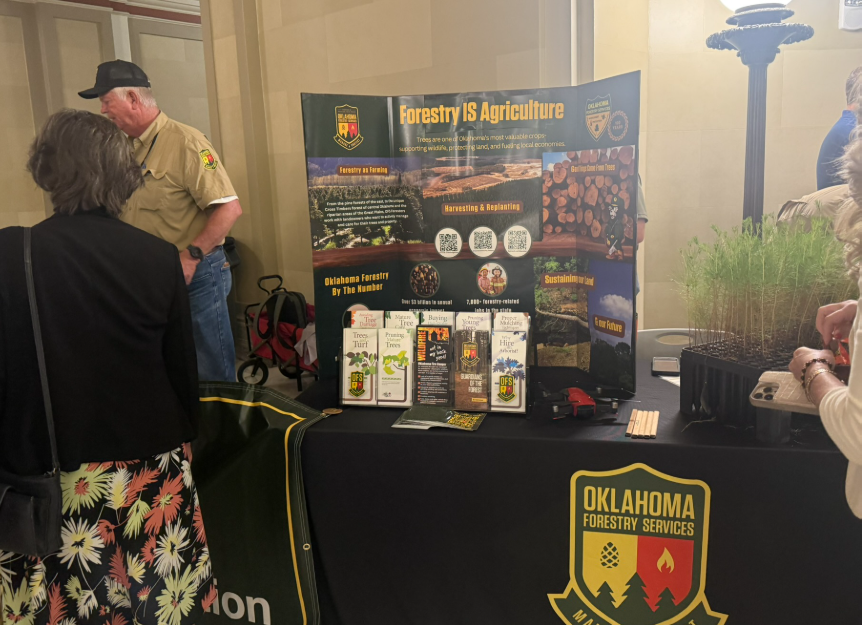
Farm Director KC Sheperd visited with Riley Coy of the Oklahoma Forestry Services at Ag Day at the Capitol, where their booth was a popular stop, offering trees and information about their programs. Coy explained that their annual presence at Ag Day provides a valuable opportunity to engage with legislators and educate them on the importance of forestry in Oklahoma. "We come out here every year and we always have these lobolly pine trees we give out," Coy said. "We just wanna spread the word of a lot of the different things that we do." This year, a key focus was promoting their Forestry Summer Camp.
Coy enthusiastically described the summer camp, which runs from June 16th to 21st and is open to Oklahoma residents aged 13 to 15. Held at Beavers Bend State Park, the camp offers a unique immersive experience in the woods. "We just get them out there for a week and we teach them all about the ecosystem and trees and how trees grow," Coy explained.
The curriculum includes learning about the timber harvesting industry, prescribed fire, wildland fire suppression, map reading, archery, and even water activities like fishing and kayaking on the Lower Mountain Fork River. Coy noted the positive transformation campers undergo, saying, "For the first couple of days when we take away their devices, it's a little chaotic, and then by the end of the week, it's amazing because half of them don't even want their devices at the end of the night."
For parents interested in enrolling their children, Coy provided several ways to learn more and sign up. "They can go to our website and sign up, " he stated. The website also features contact information for their education coordinator, Tony Pascal. Additionally, information and registration links are available on their social media platforms, Instagram and Facebook. Coy also highlighted the availability of scholarships, encouraging interested families not to be deterred by the cost.
In a discussion about tree management, Coy offered a surprising tip for dealing with invasive redcedar trees, noting, "The lucky thing about them is that they don't sprout when you cut them, so you could just cut them down and they won't re-sprout." For more information about the Oklahoma Forestry Services and the summer camp, Coy recommended Googling "Oklahoma Forestry Services" or visiting their website at ok.gov.

"Our industry has been developing the Chinese market since 1982 when the U.S. soy industry opened an international marketing office in Beijing. To put that in perspective, that's four years before I was born." So began the testimony of Caleb Ragland, American Soybean Association president and soybean farmer from Magnolia, Kentucky, before the U.S. Senate Finance Committee in a hearing on Trade in Critical Supply Chains. Ragland was referencing the time and commitment it takes to build agricultural markets, and how right now China and other key relations for soy are being tested.
"The farm economy is in a much different place than it was during the first trade war, and we are very concerned that a prolonged trade war with our global trading partners will cause farmers to be forced out of business," Ragland testified.
No line of supply is more "critical" for America's soybean farmers than China, with China being soy's #1 market. The trade relationship is also of critical economic impact for the U.S., with soy long being the country's #1 agriculture export. The recent 90-day pause on the 155%* tariff rate on goods to China and temporary drop to 34%* do not alleviate the concerns of soy farmers, who are hoping further negotiations will quickly clear tariff and nontariff barriers.
"For U.S. soybean farmers, China's demand for soybeans is greater than the rest of our foreign export markets combined, despite continuous efforts to diversify. There is simply no alternative that offsets China's demand; globally, China is the largest market for oilseed exports, importing approximately 110 MMT, or 60% of global soybean trade. Its importance to U.S. soybean farmers cannot be overstated."
Ragland explained the lasting consequences of the first China trade war that began in 2018, a tariff tête-à-tête that shut down soy's market there immediately and, through the loss of a third of the demand for U.S. soybeans, has had residual and marked impacts.
"In marketing year 2017/2018, Brazil overtook the United States as the world's largest producer of soybeans. As a result of the 2018 trade war and the incentives it provided to Brazil to significantly increase production, our industry now faces increasing competition with Brazil in every export market, not just China."
So, what now? Current global supply chain challenges weigh heavy on farmers, with commodity prices down and costs for farm inputs such as fertilizer, pesticides, seed, equipment, etc., rising—in addition to the overt threat to market security posed by tariffs. Ragland pointed out the seed industry alone poses unique problems:
"The seed industry is truly a global industry, and seed can often cross borders six or seven times before it is planted by a U.S. farmer. Between research and development of new varieties, test plots in different climates, and counter-seasonal production, seed companies will be subject to additional tariffs each time those seeds cross the border and come into the U.S."
Tariffs will also impact new machinery purchases and prices for new parts, in addition to adding burdensome delays to repair timelines due to supply chain disruptions.
"This perfect storm scenario will create additional challenges for farmers during planting and harvest season," he said.
Ragland spoke of uncertainty surrounding maritime law and Chinese shipbuilding, a situation that has turned for the better recently but still poses credible concern. He also raised the recent threats to and uncertainty over USAID and Food for Peace, with the tenable future of foreign development assistance and aid programs having widespread impacts, including soy's part in them.
Beyond this litany of concerns, Ragland talked about trade aid—what it means, and what farmers prefer. During the 2018 trade war, USDA created the Market Facilitation Program and later the Agricultural Trade Promotion program to provide some relief for producers: MFP provided ad hoc financial assistance to farmers and ranchers directly impacted by foreign retaliatory tariffs while ATP's purpose was to help U.S. agricultural exporters develop new markets and mitigate the adverse effects of other countries' tariff and non-tariff barriers.
"As ASA stated publicly in 2019 when the MFP was announced by USDA, it is important to note the key word in that program's name is 'facilitation.' Trade assistance only facilitates growers' ability to farm. It does not make their losses whole, or their tariff woes disappear long term. Trade assistance is a short-term solution for a trade war with long-term consequences. Farmers would prefer access to open, predictable and profitable markets rather than rely on government payments. That statement is just as true in 2025 as it was in 2019."
Throughout, Ragland conveyed the soy industry's appreciation of the administration and Congress hearing its concerns, considering them—and now more seriously seeking steps to alleviate the myriad dangers looming over soy's head. He concluded with soy's four top asks of the committee, which can be read in his full testimony here.
*Includes Most Favored Nation (MFN) and standard Value-Added Tax (VAT).
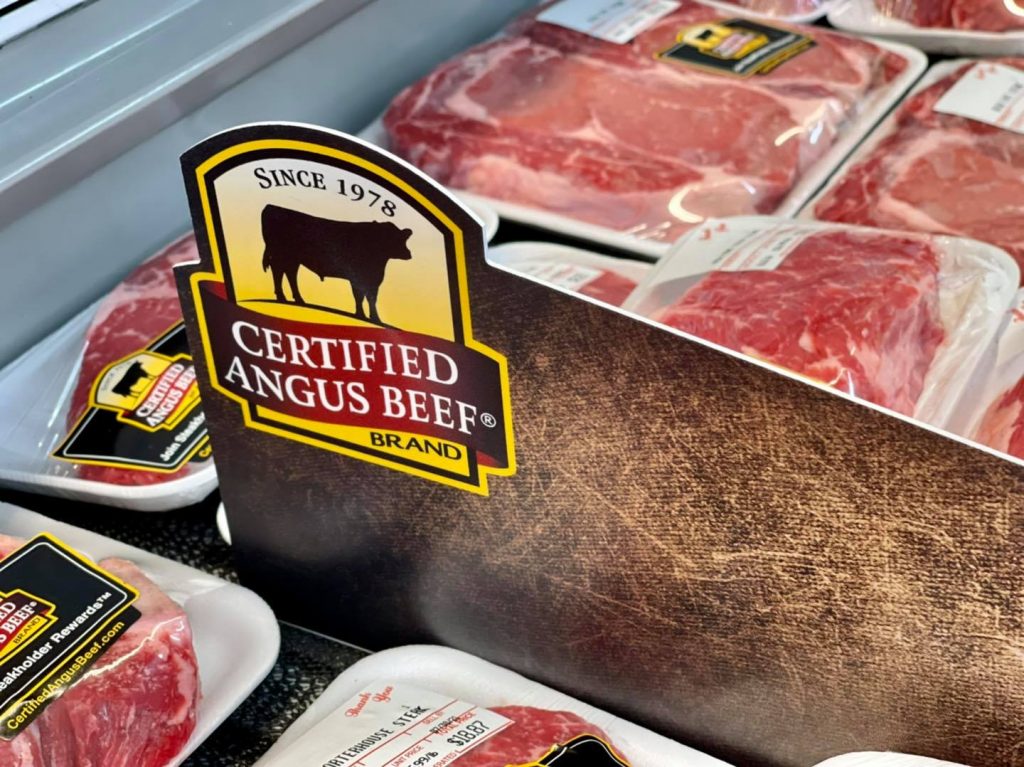
At the 2025 Hemphill County Beef Conference, Senior Farm and Ranch Broadcaster, Ron Hays, visited with the President of Certified Angus Beef (CAB), John Stika, about the rise of CAB Prime. Yesterday's BeefBuzz with Stika centered upon the importance of value and taste to consumers.
In beef grading over the past 20 years, CAB Prime has been catching up to and now surpassing Select. "We are celebrating the sixth consecutive week where Prime's percentage in the industry has outpaced Select," Stika touted.
In 2006, only six percent of the fed cattle population graded as Prime, and forty percent were Select. Last year, thirteen percent graded Select, and approximately 25 percent graded CAB Prime.
"To now see Prime coming forward as that next quality level that's going to surpass Select really tells us that Select isn't a product that has demand, it has an outlet for disappearance. Consumers really are sending a signal to our industry that they will continue to step up and pay the price for Prime and Choice beef," Stika affirmed.
Food service has been CAB's most consistent channel of growth for the past 15 years because of the variety of options offered from white table fine dining cloth to hamburger joints, there is something for everyone to enjoy.
"We are also seeing some strength in retail," Stika observed. "We continue to look forward to where we see beef taking on a stronger position in the feature ad activity that retailers have. This is encouraging."
Although the uncertainty surrounding tariffs is preventing growth in the international sector at this time, foreign demand for U.S. beef remains strong.
Even with beef demand so high and cattle numbers so low, Stika is confident that things will balance out in the end. "We'll repopulate back to some level, and we're excited about that, maybe beginning to start," he said. "We continue to improve genetics and management of these cattle, and continue to see our acceptance rates grow. We came off of a record acceptance rate last year, where thirty-seven to thirty-eight percent of all Angus-influenced cattle met the brand's standards, and we anticipate that will continue to grow.
"We believe that our biggest growth vehicle for the next three years of low cattle numbers is going to be Certified Angus Beef Prime."
With low numbers, high prices, and CAB Prime remaining as its already proven growth strategy, CAB strategists expect increasingly higher percentages of fed cattle to meet the Prime quality standards.
"We are going to fight for growth, fight to add value to the beef production system, and make sure that Angus producers and those dependent on Angus genetics continue to benefit from the decisions they've made to focus on quality," Stika asserted.
Referring to the jump in quality after the last rebuild, Stika expects less of a jump in the Angus influence this time around because the last increase was so large; however, he expects the Angus genetics used to be the best available as producers focus on economic needs and consumer demand.
"The ability to use genomics and genetic predictions to drive Certified Angus Beef supply has never been stronger than it is," Stika noted. "From our standpoint, looking for sires and females that carry the Targeting the Brand™ logo with a mix of the marbling EPD and Dollar grid that really focuses toward producing Certified Angus Beef to using GeneMax® Advantage™ to do a genomic sort on your commercial Angus females to know which ones really are targeted towards a quality market. The American Angus Association has the AngusLink program that helps producers help the cattle feeder understand the genetic merit that Angus cattle bring to the marketplace and hopefully assign value to their ability accordingly to hit Prime and Certified Angus Beef when they hit the grid."
Stika pointed out that it took 47 years to build Certified Angus Beef up to the brand it is today and that it hasn't been easy to do.
"We're honored to be able to serve the industry, from the Angus cow calf producer clear to the end user and consumers, and be the conduit of bringing all of these sectors together to make their lives and their businesses more successful. In all honesty, that is how we look at whether or not we are winning. It's neat to see a community of folks focused on quality come together," Stika concluded.
The Beef Buzz is a regular feature heard on radio stations around the region on the Radio Oklahoma Ag Network and is a regular audio feature found on this website as well. Click on the LISTEN BAR at the top of the story for today's show and check out our archives for older Beef Buzz shows covering the gamut of the beef cattle industry today.
"As the House Agriculture Committee continues its markup of the reconciliation package, I want to commend Chairman Thompson for including key farm bill provisions. Updating reference prices and commodity title payments to reflect today's economic realities is critical. America's farmers cannot endure another year of uncertainty following the expiration of the last farm bill. Additionally, the proposal to double funding for market development programs is a timely and necessary step to expand export opportunities amid continued trade volatility."
About NCFC
Since 1929, NCFC has been the voice of America's farmer cooperatives. Our members are regional and national farmer cooperatives, which are in turn consist of nearly 2,000 local farmer cooperatives across the country. NCFC members also include 17 state and regional councils of cooperatives. Farmer cooperatives allow individual farmers the ability to own and lead organizations that are essential for continued competitiveness in both the domestic and international markets.
America's farmer-owned cooperatives provide a comprehensive array of services for their members. These diverse organizations handle, process and market virtually every type of agricultural commodity. They also provide farmers with access to infrastructure necessary to manufacture, distribute and sell a variety of farm inputs. Additionally, they provide credit and related financial services, including export financing.
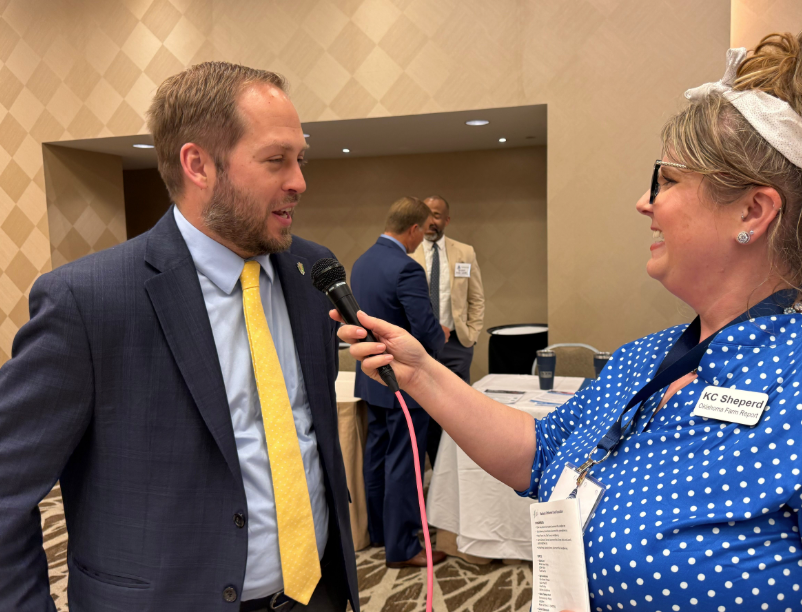
The National Corn Growers Association (NCGA) is actively engaged in the flurry of legislative activity in Washington, D.C., particularly concerning budget reconciliation. Farm Director KC Sheperd recently spoke with Wayne Stoskopf, NCGA's Director of Public Policy for Risk Management and Tax, to understand their key priorities and concerns.
Stoskopf emphasized the immediate need for certainty regarding existing tax provisions. "First and foremost is certainty around the tax provisions that are already in the federal tax code, that otherwise would expire December 31 of this year if Congress doesn't act; things like the higher estate tax exemption, some small business provisions like bonus depreciation and the overall tax rate for LLCs that many of our farms are are categorized or organized as."
He identified the primary hurdle in achieving these goals as the overall cost of any provisions and the national debt and deficit. "The overall cost of any provision and the national debt and deficit - there's a real concern about how much these things will cost. There are different factions of the Republican Party, some that want permanent extensions and others who think the funding is only available to do a shorter-term extension. So really, what is the overall appetite for increased spending or decreased revenue coming into the federal government?"
Stoskopf underscored the significance of the current legislative moment for farmers. "They need to know that a lot of policies that we care about, whether at the IRS, like your tax code, or even farm programs at USDA, are all up for debate and change in a really partisan vehicle, a legislative vehicle that's going to be driven just by Republicans, and it's going to have implications of whatever else happens the rest of this Congress. As much as President Trump talks about the one big, beautiful bill as a way to sell the idea that Republicans need to come together on this one piece of legislation, there may not be a lot of other legislative opportunities for the rest of this Congress. So we're talking about a whole other year and a half. So much is riding on the next couple of weeks and months as the Republicans put together the reconciliation bill."
Beyond tax issues, Stoskopf noted NCGA's ongoing focus on expanding markets for corn. "We are always looking at increased product markets, including in the ethanol and biofuels space. So, year-round E15 is a huge legislative priority for the corn growers. We're also looking at the future of sustainable aviation fuel with the 45Z tax credit, and trying to make sure that we have homegrown places for our products here in the United States."
Today, the National Association of Conservation Districts (NACD) President Gary Blair provided testimony at the U.S. Senate Agriculture Committee Hearing regarding "Perspectives from the Field, Part 4: Conservation."
"Getting funding to local communities to assist producers with conservation plans and implement beneficial practices remains a mutual priority," said President Blair. "NACD's historic partnership is a prime example of 'Farmers First'—local leadership, local priorities, and local decision-making are at the heart of our conservation delivery system."
Producer demand for technical assistance and conservation programs is at an all-time high. In his testimony, President Blair emphasized the importance of maintaining adequate staffing levels in local offices. A lack of capacity can become a bottleneck in administering important financial assistance contracts to producers. He also emphasized the importance of conservation technical assistance in delivering important services to local communities across the country.
"Voluntary, incentive-based, and locally led Farm Bill conservation programs have long been cost-effective tools for helping landowners improve the health and productivity of their lands," said NACD CEO Jeremy Peters. "Financial assistance offered through conservation programs is an investment in our nation's lands and benefits the local communities."
NACD's top Farm Bill priority is to integrate Inflation Reduction Act investments into the Farm Bill conservation programs. Along with 120 conservation and agriculture groups, NACD recently requested $1.2 billion in Fiscal Year 2026 conservation operations funding, which also funds Conservation Technical Assistance nationwide.
To see President Gary Blair's full testimony, click here, and to see the full hearing click here.
EPA intends to provide regulatory flexibility and holistically address these contaminants in drinking water
U.S. Environmental Protection Agency (EPA) Administrator Lee Zeldin announced the agency will keep the current National Primary Drinking Water Regulations (NPDWR) for perfluorooctanoic acid (PFOA) and perfluorooctane sulfonic acid (PFOS), which set nationwide limits for these "forever chemicals" in drinking water. The agency is committed to addressing Per- and Polyfluoroalkyl substances (PFAS) in drinking water while following the law and ensuring that regulatory compliance is achievable for drinking water systems.
"The work to protect Americans from PFAS in drinking water started under the first Trump Administration and will continue under my leadership," said EPA Administrator Zeldin. "We are on a path to uphold the agency's nationwide standards to protect Americans from PFOA and PFOS in their water. At the same time, we will work to provide common-sense flexibility in the form of additional time for compliance. This will support water systems across the country, including small systems in rural communities, as they work to address these contaminants. EPA will also continue to use its regulatory and enforcement tools to hold polluters accountable."
As part of this action, EPA is announcing its intent to extend compliance deadlines for PFOA and PFOS, establish a federal exemption framework, and initiate enhanced outreach to water systems, especially in rural and small communities, through EPA's new PFAS OUTreach Initiative (PFAS OUT). This action would help address the most significant compliance challenges EPA has heard from public water systems, members of Congress, and other stakeholders, while supporting actions to protect the American people from certain PFAS in drinking water.
Paired with effluent limitations guidelines (ELGs) for PFAS and other tools to ensure that polluters are held responsible, EPA's actions are designed to reduce the burden on drinking water systems and the cost of water bills, all while continuing to protect public health and ensure that the agency is following the law in establishing impactful regulations such as these.
EPA is also announcing its intent to rescind the regulations and reconsider the regulatory determinations for PFHxS, PFNA, HFPO-DA (commonly known as GenX), and the Hazard Index mixture of these three plus PFBS to ensure that the determinations and any resulting drinking water regulation follow the legal process laid out in the Safe Drinking Water Act.
Regulatory Protection with Flexibility and Cost Savings
On April 10, 2024, EPA announced the final National Primary Drinking Water Regulation, including standards for PFOA and PFOS. At that time, EPA established legally enforceable levels for these PFAS in drinking water and gave public water systems until 2029 to comply with the Maximum Contaminant Levels (MCLs).
To allow drinking water systems more time to develop plans for addressing PFOA and PFOS where they are found and implement solutions, EPA plans to develop a rulemaking to provide additional time for compliance, including a proposal to extend the compliance date to 2031. EPA plans to issue a proposed rule this fall and finalize this rule in the Spring of 2026. Aligned with the agency's intent to provide additional compliance time for water systems, EPA encourages states seeking primacy for implementing the PFAS drinking water regulation to request additional time from EPA to develop their applications. At the same time, EPA will support the U.S. Department of Justice in defending ongoing legal challenges to the PFAS National Primary Drinking Water Regulation with respect to PFOA and PFOS.
"EPA has done the right thing for rural and small communities by delaying implementation of the PFAS rule. This commonsense decision provides the additional time that water system managers need to identify affordable treatment technologies and make sure they are on a sustainable path to compliance. NRWA greatly appreciates this reasonable and flexible approach, and we look forward to partnering with the agency's PFAS OUTreach Initiative to help ensure water systems have the resources and support they need," said National Rural Water Association CEO Matthew Holmes.
"ASDWA supports EPA's proposed approach to the PFAS regulation to extend the compliance date for systems by an additional two years. With the current compliance date of 2029, states and water systems are struggling with the timeframes to complete the pilot testing, development of construction plans, and building the necessary treatment improvements. EPA's proposed extension of the compliance date and increased technical assistance will address the number of systems that would be out of compliance in 2029 due to not being able complete all of these tasks on time," said Association of State Drinking Water Administrators Executive Director Alan Roberson.
Enhancing Communication and Outreach
To enhance engagement on addressing PFAS, EPA will launch PFAS OUT to connect with every public water utility known to need capital improvements to address PFAS in their systems, including those EPA has identified as having PFOA and PFOS levels above EPA's MCL. EPA will share resources, tools, funding, and technical assistance to help utilities meet the federal drinking water standards. PFAS OUT will ensure that no community is left behind as we work to protect public health and bring utilities into compliance with federal drinking water standards. PFAS OUT will engage utilities, technical assistance providers and local, State, Tribal, and Territorial leaders to develop effective, practical solutions where they are needed most.
EPA will continue to offer free water technical assistance (WaterTA) that provides services to water systems to improve their drinking water and help communities access available funding. EPA's WaterTA initiatives work with water systems nationwide to identify affordable solutions to assess and address PFAS, including PFOA and PFOS. Services offered to utilities include water quality testing, development of technical plans, operator training support, designing public engagement and outreach strategies, and support for accessing federal funding opportunities.
Holding Polluters Accountable
Drinking water systems are passive receivers of PFOA and PFOS. Polluters can contaminate the surface waters or aquifers that these systems rely on to provide the drinking water to their communities. As announced by Administrator Zeldin, EPA intends to take a number of actions to reduce the prevalence of PFAS in the environment, including in sources of drinking water. Progress reducing concentrations of PFAS in drinking water sources can substantially reduce the cost burden for water systems and reduce the cost of living for the communities they serve.
A Record of Leadership
Administrator Zeldin's leadership on PFAS dates back to his time in Congress, where he was a founding member of the PFAS Congressional Taskforce and a strong supporter of the PFAS Action Act, legislation to provide funding to support local communities cleaning up PFAS-contaminated water systems. He was, and remains, a staunch advocate for protecting Long Islanders and all Americans from contaminated drinking water.
In the process of developing and taking action on a number of these items, Administrator Zeldin personally heard from members of Congress on passive receiver issues where local water utilities will foot the bill for contamination and pass those costs onto consumers. This mindset and the need for a polluter pays model has guided a lot of the work to be done at EPA in the future.
Background
On April 28, 2025, Administrator Zeldin announced a long list of actions to combat PFAS contamination that included in part the designation of an agency lead for PFAS, the development of ELGs for certain PFAS to reduce discharges to waterways including upstream of drinking water systems, and initiatives to engage with Congress and industry to establish a clear liability framework that ensures passive receivers and consumers are protected. This list is the first, not the last, of all decisions and actions EPA will be taking to address PFAS over the course of the Trump Administration. There will be more to come in the future across EPA's program offices to help communities impacted by PFAS contamination.
During President Trump's first term, EPA convened a two-day National Leadership Summit on PFAS in Washington, D.C. that brought together more than 200 federal, state, and local leaders from across the country to discuss steps to address PFAS. Following the Summit, the agency hosted a series of visits during the summer of 2018 in communities directly impacted by PFAS. EPA interacted with more than 1,000 Americans during community engagement events in Exeter, New Hampshire, Horsham, Pennsylvania, Colorado Springs, Colorado, Fayetteville, North Carolina, and Leavenworth, Kansas, as well as through a roundtable in Kalamazoo, Michigan, and events with tribal representatives in Spokane, Washington.
In 2019, the Trump EPA announced the PFAS Action Plan. This historic Plan responded to extensive public interest and input the agency received and represented the first time EPA built a multi-media, multi-program, national communication and research plan to address an emerging environmental challenge like PFAS. EPA's Action Plan identified both short-term solutions for addressing these chemicals and long-term strategies that will help provide the tools and technologies states, tribes, and local communities need to provide clean and safe drinking water to their residents and to address PFAS at the source—even before it gets into the water.
EPA supports water systems in reducing PFAS and emerging contaminants (EC) in drinking water through a range of funding resources. Federal funding opportunities include the Drinking Water State Revolving Fund (DWSRF) program, the EC Small or Disadvantaged Communities (EC-SDC) grant program, and funding resources, like EPA's Water Infrastructure Finance and Innovation Act (WIFIA) program, that can be leveraged to provide supplemental, flexible, low-cost credit assistance to public and private borrowers.
For information about the PFAS Rule, visit Final PFAS National Primary Drinking Water Regulation and Per- and Polyfluoroalkyl Substances (PFAS) NPDWR Implementation. For more information about PFAS Technical Assistance, visit EPA Water Technical Assistance. You can also Request EPA WaterTA services for your community.
Today, House Agriculture Committee Ranking Member Angie Craig (MN-02) delivered the following opening statement at the full committee markup of the Republicans' partisan reconciliation bill. The bill, which makes $300 billion cuts to the Supplemental Nutrition Assistance Program (SNAP), will take food away from millions of American seniors, children, veterans and people with disabilities and cost farmers billions in lost farm income due to reduced food demand. Watch the full markup here.
Thank you, Mr. Chairman.
When I became Ranking Member of the Committee for the 119th Congress, I expected to be here today in a different kind of markup. One where you and I worked to bring Democrats and Republicans together to pass a bipartisan, five-year farm bill.
And yet here we are tonight. With a bill that came out 24 hours ago. One that seeks to cut around $300 billion from a title of the farm bill: the Nutrition Title. In a partisan process.
Folks, the average SNAP benefit is about $6 per day. Let me say that again – six dollars a day. You don't build a life on SNAP; you build a bridge to the next paycheck, the next opportunity, the next moment of stability.
I'm sure we will hear about this today. So, let's dispel the myth that SNAP discourages work. That's simply false. Adults on SNAP are already required to work or actively looking for work. Many are juggling multiple jobs, trying to raise children and make ends meet.
Others are caregivers, students, or temporarily out of the workforce due to illness or injury. SNAP doesn't enable dependence – it enables resilience.
And here's the deeper truth: access to food is not a privilege. In a nation as rich and resourceful as ours, no one – no one – should go hungry. But that's exactly what will happen if we gut this program tonight. The Congressional Budget Office estimates that the new paperwork requirements alone will take food assistance away from at least 3 million people.
We will see more children going to bed without dinner. More seniors skipping meals to afford medicine. More parents sacrificing their own nutrition so their kids can eat.
Cuts that every single one of us knows will take food away from families at a time when working folks are struggling with higher costs. Every single one of my Republican colleagues here tonight should be ashamed.
The instructions to this Committee were to find $230 billion in cuts to SNAP. But that wasn't good enough for the extremists in your party. Tonight, you're cutting more. And you know a traditional farm bill is not a priority for your leadership.
If it were, we would have seen it on the House floor in the last Congress. So, you're stuffing all the funding we need for farm programs into this partisan process and holding your nose.
The cut you are proposing to SNAP tonight would be the largest rollback of an anti-hunger program in our nation's history.
Now tonight, I know I'm going to hear some of you rant and rave about "waste, fraud and abuse and error rates." But this bill fails to address these issues.
Commonsense solutions like upgrading EBT cards to chip technology – a security feature that's been used for credit cards for a decade – are nowhere to be found. And the changes you are proposing in the error rate calculation are designed to increase error rates in your states – which will force states to cut benefits.
Make no mistake about it. Our farmers need a better safety net. We are right here. Ready to work on a bipartisan farm bill.
But that isn't what's happening here tonight. Tonight, you're taking food away from single moms with 7-year-olds at home – as if being a single parent raising a young child wasn't hard enough already. And farmers, too, will suffer from your direct attacks on SNAP.
Every $1 invested in SNAP creates more than $1.50 in economic activity and has double the economic impact in rural communities. It provides a huge return on investment for the American taxpayer.
Every dollar we spend on food travels through the entire food supply chain. SNAP supports nearly 400,000 jobs in grocery stores, warehouses, trucking companies and farms.
It helps pay the wages of the clerks who stock the store shelves; the truckers who deliver the food; the manufacturers who package it and the American farmers who grow it.
Today, if you vote for this bill, it will result in $30 billion in lost revenue for our farmers. Because when you're taking food off the kitchen tables of America's seniors and children, you're decreasing demand for the food our farmers grow.
Rural grocery stores often heavily rely on SNAP for a significant portion of their revenue, with some stores seeing SNAP sales account for 20-30 percent or more of their total income. With these cuts, you're also putting local grocery stores out of business, which doesn't help rural America.
The massive unfunded mandate this bill forces on states just passes the buck on to state legislatures, forcing them to slash local programs and services, cut benefits, kick vulnerable people off SNAP or raise taxes. We already know states can't afford it.
This is an attempt to shift blame, so that when parents and people with disabilities start going hungry, the people who wrote and voted for these cuts in this very room can look the other way. Benefits will get cut – and for what? To fund tax breaks for everyone but the middle class.
Tonight, I am no. Tomorrow, I am no. And every day after that I am no on this bill.
I yield back.

U.S. Secretary of Agriculture Brooke Rollins concluded the second day of her trade delegation visit to the United Kingdom. This visit comes after President Donald J. Trump announced last week, on the 80th anniversary of Victory in Europe, a historic U.K. trade deal that will lower tariffs, remove trade barriers, increase market access, and strengthen cooperation on economic security.
"President Trump has secured a major deal with the U.K. that increases access for American agricultural goods, and today, I saw firsthand the supply chain and positioning of American products in the United Kingdom. I heard from industry leaders in retail, hospitality, and manufacturing about opportunities for greater access for American agriculture," said Secretary Rollins. "I visited 10 Downing Street to speak with the Prime Minister's Special Adviser on Business and Investment, Varun Chandra, about the importance of a fair and reciprocal trade relationship between the U.S. and U.K. I also met with the U.K. Department for Energy Security and other heads of government to promote U.S. ethanol and ensure fair market access for U.S. beef, poultry, pork, seafood, rice, specially crops, wood pellets, and all agricultural exports. The Trump Administration is putting Farmers First into action, and I look forward to continuing to fight for American agriculture on the world stage."
On the first day, Secretary Rollins met with U.S. Ambassador to the U.K. Warren Stephens, Secretary of the Department for Environment, Food and Rural Affairs Rt. Hon. Steve Reed, and Secretary for the Department of Business and Trade Rt. Hon. Jonathan Reynolds. This trip is part of a larger trade delegation visit following the historic trade deal announced by President Donald J. Trump and Prime Minister Kier Starmer.



U.S. Senator Amy Klobuchar (D-MN), Ranking Member of the Senate Committee on Agriculture, Nutrition, and Forestry, delivered the following opening statement at the Committee hearing Perspectives from the Field, Part 4: Conservation.
In her remarks, Senator Klobuchar highlighted how conservation programs and their many supporters are a critical part of the broad, bipartisan coalition needed for the Farm Bill. She also noted her appreciation to the U.S. Department of Agriculture (USDA) for reopening enrollment for the Conservation Reserve Program, which provides farmers and landowners with options for improving soil health, protecting water quality, and increasing wildlife habitats.
She also acknowledged her longstanding partnership on conservation issues with Majority Leader John Thune (R-SD) and noted the recent reintroduction of their bipartisan conservation bill, The Agriculture Innovation Act which would improve USDA data collection and research of conservation practices.
The hearing panel featured: Gary Blair, President of National Association of Conservation Districts; Lynn Tjeerdsma, Board of Directors of Pheasants Forever and Quail Forever; Chad Ellis, Chief Executive Officer of the Texas Agricultural Land Trust; Brad Doyle, Producer and Boardmember of the Arkansas Farm Bureau; Megan Dwyer, Director of Conservation and Nutrient Stewardship for the Illinois Corn Growers Association.
A rough transcript of Senator Klobuchar's opening statement is available below and a video can be downloaded here.
Senator Klobuchar: Thank you, Mr. Chairman, for holding this hearing today. Thank you to our witnesses who have come to share their perspectives. I have a lot of respect for them. I will say that as we are working on this important build up to what I hope will be a bipartisan Farm Bill, on the other side of the Capitol we have some cuts proposed to food assistance -- near $300 billion that could make it very difficult to do a Farm Bill.
But I continue to believe in the work of this Committee, and I hope that we will find a way through this. I strongly support our work that we've done together on improvements to conservation. Conservation programs and their many supporters are a critical part of the broad bipartisan coalition needed for a Farm Bill. USDA voluntary conservation programs, and I emphasize voluntary, are open to producers across the country – big and small operations, row crop, livestock, and specialty crop farms.
They assist farmers, ranchers, sportsmen and many others, to improve soil health, water quality and wildlife habitat. I've long championed these conservation programs and have seen how they can make farms more profitable and resilient while supporting the communities around them – wildlife, hunters and fishers in my home state of Minnesota. I've also led efforts to improve conservation programs, including with Leader Thune in the last Farm Bill, to increase the number of acres in the Conservation Reserve Program and to create a pilot program to study innovative approaches to improve soil health.
I want to thank USDA for reopening sign up for CRP without major changes to the parts focused on wildlife that I have long championed and will continue to champion. I'm also looking forward to again joining with the majority leader this week to introduce an updated version of the Agriculture Innovation Act, with the support of farmers and conservation groups. This is part of my commitment to ensure strong conservation initiatives are in place.
Since the last Farm Bill, Congress has made historic investments in voluntary conservation programs. Despite this, investment demand from farmers and conservationists continue to outpace available funding. It's my hope that there will still be an opportunity to create increased long-term funding for the USDA voluntary conservation programs in the Farm Bill baseline.
But I am concerned about the recent loss of 2,400 employees from NRCS, the pauses in funding, the cuts to technical assistance and a troubling budget proposal, which are pushing us in the wrong direction.
Connecting farmers with conservation voluntary conservation programs involves critical partnerships between USDA, local conservation districts, wildlife organizations, states and businesses.
These partnerships and NRCS staff in rural America are important for operating the programs that the farmers rely on. Funding disruptions are unfortunately impacting these partners, and uncertainty has meant furloughs for many staff.
I've heard from farmers across my state that they need certainty: the certainty of their USDA experts and partner organizations like the ones that are here today.
We are glad that some funds are slowly being released and programs like CRP reopened, and of course, this needs to be a major part of any Farm Bill agreement for a future Farm Bill as we go forward. So I look forward to hearing from all of you. Thank you.
On today's Cow-Calf Corner, Marty New, Oklahoma State University Extension Area Livestock Specialist, talks about foot rot in Cattle grazing on wet pastures.
The rainfall received across the state over the last few weeks was very much needed in many parts to provide extreme drought relief. However, with the large amounts received, many pastures are muddy, soggy, and standing in water. These conditions can increase the likelihood of "foot rot" in grazing cattle. Mechanical injury, cuts, bruises, puncture wounds, or severe abrasions of the foot will damage the skin in the interdigital (between the toes) area and predispose an animal to infectious agents. Fusobacterium necrophorum is the bacterium most often isolated from infected feet.
Lameness is usually the first sign of an infected animal, varying from hardly noticeable to severe. Lameness is typically followed by reddening of the interdigital tissue and swelling of the foot, causing spreading of the toes. One or more feet may be affected simultaneously. Spreading of the dewclaws due to swelling is a classic sign of foot rot.
Treatment of foot rot is usually successful, particularly when diagnosed early. The interdigital tissue should be cleaned and disinfected. Most cases respond readily to systemic antimicrobial therapy, administered within the first days of diagnosis. If treatment is not initiated until later in the process, multiple treatments may be necessary. Visit with your veterinarian to determine the best antibiotic treatment for your cattle that have become infected with foot rot.
Prevention and control of foot rot begins with management of the environment. Management practices that help reduce interdigital trauma will help decrease the incidence of foot rot. Important preventative measures include a well-balanced mineral nutrition program and minimized exposure to conditions that can cause skin or hoof injury.
Reference: OSU Fact Sheet AFS-3355. Cause, Prevention, and Treatment of Foot Rot in Cattle.
RON's Dave Lanning has a pre-opening look at today's agricultural Markets.
Click the audio tab below for today's report.
RON's Bob Sands reports from the State Capitol
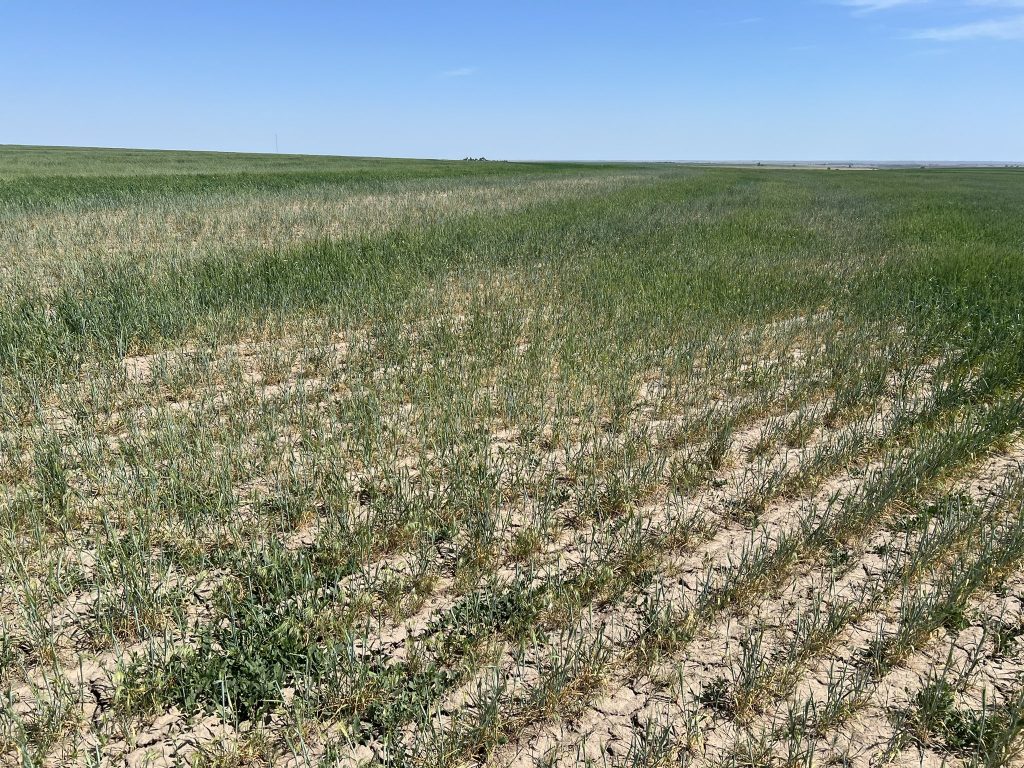
Drought in Decatur County Kansas- as seen by KState Wheat Specialist Romulo Lollato
Despite traveling through areas that had wheat fields suffering from drought and facing a wide spread Wheat Streak Mosaic virus- crop scouts on the first day of an annual three-day tour of Kansas projected an average yield for hard red winter wheat in the northern portion of the state at 50.5 bushels per acre (bpa).
That estimate was above the Wheat Quality Council tour's five-year average of 45.1 bpa for the same area from 2019-2024, and above its estimate of 49.9 bpa last year. The estimate was the tour's highest day-one yield estimate since 2021. Tour scouts surveyed 196 fields on Tuesday between Manhattan and Colby, Kansas.
Oklahoma Farm Report's Ron Hays talked about the first day of the tour with the President of the Oklahoma Wheat Growers, Dennis Schoenhals of Kremlin, Oklahoma. Listen to Ron and Dennis by clicking on the Listen Bar below:
Schoenhals says that the care he is in traveled through some very prooductive wheat country- and ended up with a 57 bushel per acre average for their 12 stops. They did see Wheat Streak Mosaic in many of the fields they were in- and as they got west of Russell, Kansas, drought became more of a concern.
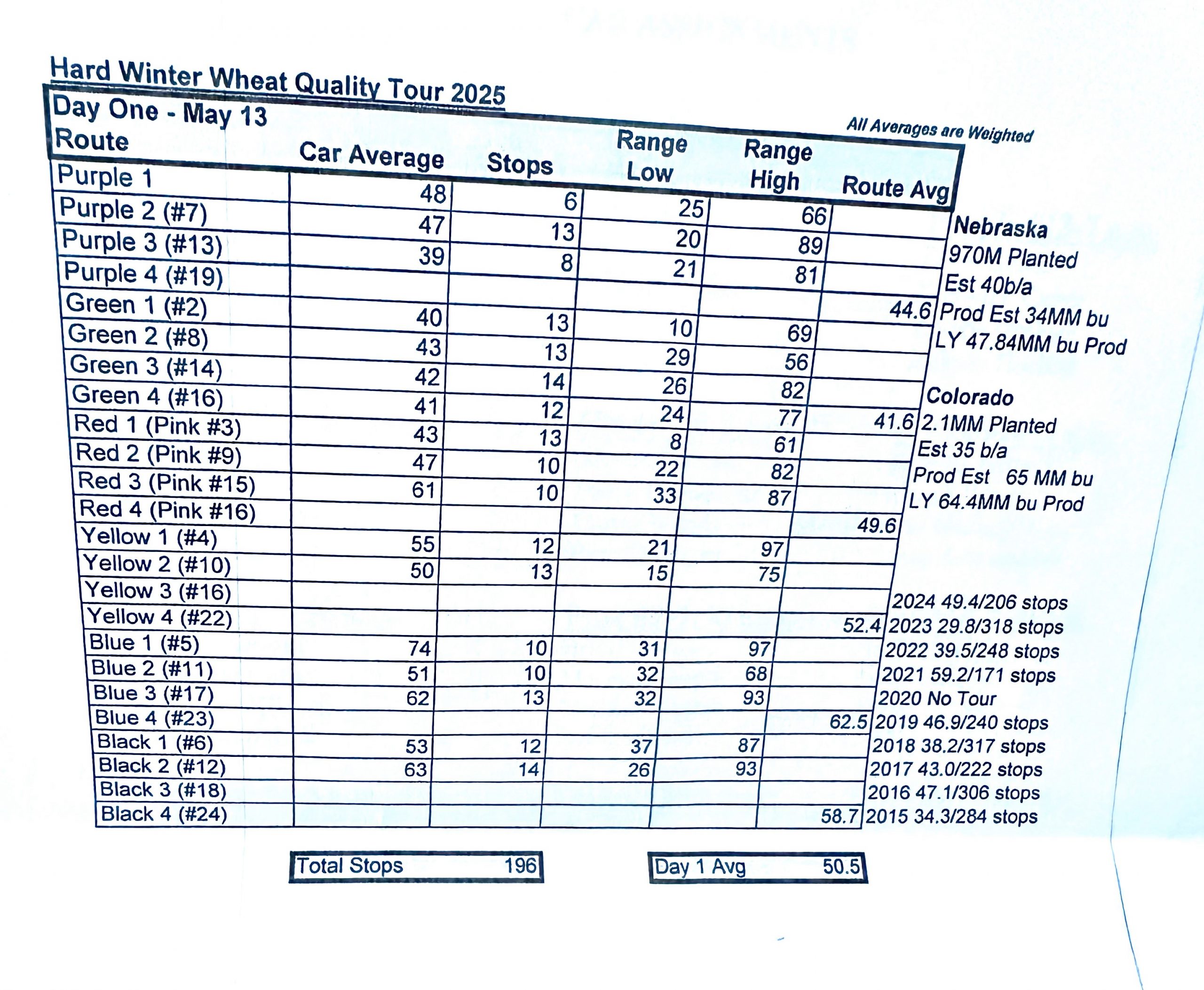
Day two of the tour on Wednesday will see routes traveling from Colby into southwestern Kansas and then east to Wichita. Several scouts will dip into Oklahoma and survey wheat conditions in the northern tier of counties that border Kansas. The tour is scheduled to release on Thursday a final yield forecast for Kansas, the top U.S. winter wheat producer.
The U.S. Department of Agriculture (USDA) today announced several Conservation Reserve Program (CRP) enrollment opportunities for agricultural producers and landowners. USDA's Farm Service Agency (FSA) is accepting offers for both the General and Continuous CRP beginning today through June 6, 2025.
CRP, USDA's flagship conservation program, celebrates its 40th anniversary this year. For four decades, CRP has provided financial and technical support to agricultural producers and landowners who place unproductive or marginal cropland under contract for 10-15 years and who agree to voluntarily convert the land to beneficial vegetative cover to improve water quality, prevent soil erosion and support wildlife habitat. The American Relief Act, 2025, extended provisions for CRP through Sept. 30, 2025.
"With 1.8 million acres available for all CRP enrollment this fiscal year, we are very aware that we are bumping up against the statutory 27-million-acre statutory cap," said FSA Administrator Bill Beam. "Now more than ever, it's important that the acres offered by landowners and those approved by USDA address our most critical natural resource concerns. With the limited number of acres that we have available, we're not necessarily looking for the most acres offered but instead prioritizing mindful conservation efforts to ensure we maximize the return on our investment from both a conservation and economic perspective."
General CRP (Signup 64)
Agricultural producers and landowners submit offers for General CRP through a competitive bid process. Offers are ranked and scored, by FSA, using nationally established environmental benefits criteria. USDA will announce accepted offers once ranking and scoring for all offers is completed. In addition to annual rental payments, approved General CRP participants may also be eligible for cost-share assistance to establish long-term, resource-conserving vegetative cover.
Continuous CRP (Signup 63)
Unlike General CRP, Continuous CRP offers are not subject to a competitive bid process. To ensure enrolled acres do not exceed the current statutory cap of 27 million acres, FSA is accepting Continuous CRP offers on a first-come, first-served basis through June 6. However, should allotted CRP acreage remain available following the June 6 deadline, FSA will accept continuous CRP offers from interested landowners through July 31, 2025, and may be subsequently considered for acceptance, in batches, if it's determined that the offered acres support USDA's conservation priorities.
Continuous CRP participants voluntarily offer environmentally sensitive lands, typically smaller parcels than offered through General CRP including wetlands, riparian buffers, and varying wildlife habitats. In return, they receive annual rental payments and cost-share assistance to establish long-term, resource-conserving vegetative cover.
Continuous CRP enrollment options include:
Grassland and Expiring CRP Acres
FSA will announce dates for Grassland CRP signup in the near future.
Additionally, landowners with acres enrolled in CRP set to expire Sept. 30, 2025, can offer acres for re-enrollment beginning today. A producer can offer to enroll new acres into CRP and also offer to re-enroll any acres expiring Sept. 30, 2025.
For more information on CRP participant and land eligibility, approved conservation practices and detailed program fact sheets, visit FSA's CRP webpage.


General Revenue Fund (GRF) collections in April totaled $1.13 billion, which is $61.1 million, or 5.7%, above the monthly estimate. This total is also $116.6 million, or 11.5%, higher than collections from April 2024.
GRF collections for the first 10 months of fiscal year 2025 stand at $7.2 billion. This is $143.9 million, or 2.1%, above the year-to-date estimate and $95.4 million, or 1.4%, above collections from the same period in fiscal year 2024.
"April marked the strongest month of the fiscal year, with General Revenue Fund collections surpassing expectations across multiple categories," said OMES Director Rick Rose. "Exceptional growth in personal income tax revenue continues to drive overall gains, reflecting a healthy labor market and rising wages in Oklahoma. As we enter the final stretch of fiscal year 2025, year-to-date collections remain solidly ahead of estimates and last year's pace."
The strongest growth came from personal income tax collections, which were 15.3% above the monthly estimate and 2.3% higher than the prior year. This growth is attributed to wage increases and a larger workforce statewide.
April 2025 revenue tables are available on the OMES website.
As state government's main operating fund, the GRF is the key indicator of state government's fiscal status and the predominant funding source for the annual appropriated state budget. GRF collections are revenues that remain for the appropriated state budget after rebates, refunds, other mandatory apportionments and after sales and use taxes are remitted back to municipalities. In contrast, gross collections, reported by the state treasurer, are all revenues remitted to the Oklahoma Tax Commission.
"We commend House Ways & Means Committee Chairman Jason Smith for including permanent extension of Section 199A in his budget reconciliation package that will be marked up today. Making Section 199A permanent gives farmers and co-ops the confidence to plan for the future, invest in their operations, and continue feeding a growing world. Now more than ever, producers need smart, forward looking tax policy as they adapt to a rapidly changing marketplace.
"The legislation also includes the extension of Section 179 expensing, which allows farmers and co-ops to fully write off the cost of equipment and infrastructure investments, and the clean fuel production credit under Section 45Z, which helps expand domestic markets for agricultural products used in renewable fuel production.
"We urge committee members to keep these provisions as they move through mark-up and as the bill goes to the House floor."
About NCFC
Since 1929, NCFC has been the voice of America's farmer cooperatives. Our members are regional and national farmer cooperatives, which are in turn consist of nearly 2,000 local farmer cooperatives across the country. NCFC members also include 17 state and regional councils of cooperatives. Farmer cooperatives allow individual farmers the ability to own and lead organizations that are essential for continued competitiveness in both the domestic and international markets.
America's farmer-owned cooperatives provide a comprehensive array of services for their members. These diverse organizations handle, process and market virtually every type of agricultural commodity. They also provide farmers with access to infrastructure necessary to manufacture, distribute and sell a variety of farm inputs. Additionally, they provide credit and related financial services, including export financing.
The National Cotton Council applauds the bill set for markup by the House Agriculture Committee later today, which contains critical farm safety net improvements. "I commend Chairman Thompson and the other members of the committee for extending a lifeline to our cotton farmers, who have been grappling with soaring production costs and depressed market prices," said NCC Chairman Patrick Johnson, a producer from Tunica, MS. "The bill significantly boosts the reference price, enhances crop insurance, makes vital improvements to the marketing loan program, and reinstates crucial support for our domestic textile manufacturers. While we would have preferred a different process, the reality is that our industry is hurting, and this legislation will help us hold on."
The NCC strongly urges the committee to advance the bill. "Going forward, our industry is dedicated to collaborating with leadership of the House and Senate to ensure its final passage. For our producers, it's not about losing money this year, it's about losing the farm," said Johnson.
The National Sorghum Producers (NSP) appreciates the forward movement on farm safety net provisions in the reconciliation process and appreciates the renewed focus on putting more "farm" in the farm policy discussions.
"Sorghum producers depend on practical, forward-looking farm policy to remain competitive," said NSP Chair Amy France, a farmer from Scott City, Kan. "While the increase to Title I provisions is modest compared to the ad hoc disaster assistance of the last seven years, they are certainly still significant. Provisions in the reconciliation that address reference prices, risk management tools and market opportunities are steps in the right direction. The conservation and biofuel investments are also appreciated."
Key provisions for sorghum producers are the extension of ARC and PLC to 2031 and an increase in the reference price for covered commodities.
For many growers already operating on razor-thin or even negative margins, updates to the farm safety net are not just helpful, they're essential. Stronger risk management tools and targeted support help ensure producers can weather volatility while continuing to farm during these tough economic times.
Today, the National Cattlemen's Beef Association (NCBA) urged the House Agriculture Committee and the House Ways and Means Committee to support key cattle industry priorities that help keep family farms and ranches in business.
Support for the House Agriculture Committee Reconciliation Bill
"Chairman GT Thompson's House ag reconciliation bill contains key wins for America's cattle farmers and ranchers. From boosting disaster recovery programs to strengthening foreign animal disease detection and prevention, this bill protects America's livestock producers," said NCBA Executive Director of Government Affairs Tanner Beymer. "Cattle producers continue to face emerging animal health threats but have not received the financial resources necessary to mitigate these threats in previous emergency legislative packages. The need for these investments is crucial. NCBA urges all House Agriculture Committee members to swiftly pass this bill."
Support for the House Ways and Means Committee Reconciliation Bill
"With the expiration of the Tax Cuts and Jobs Act right around the corner, Congress needs to act now to protect family farmers and ranchers from a massive tax hike," said NCBA Executive Director of Government Affairs Kent Bacus. "We strongly urge all members of the House Ways and Means Committee to support Chairman Jason Smith's tax reconciliation package that reduces the Death Tax and expands pro-small business tax deductions like section 199A, section 179, and bonus depreciation."

Phospholutions Inc., a leading sustainable fertilizer technology company, announced today a significant milestone in its United States expansion with a signed distribution agreement with The Andersons, Inc., (Nasdaq: ANDE), a publicly traded-Fortune 500 company, that is highly diversified and rooted in agriculture.
The agreement secures The Andersons as a distributor for the 2026 crop year, marking a major step forward in making RhizoSorb®, the Next Generation of Phosphorus Fertilizer Technology™, more accessible to row crop producers. The agreement aligns and strengthens Phospholutions' mission to deliver efficient and sustainable fertilizer solutions and supports continued growth in key markets.
"We are thrilled to expand our partnership with The Andersons through this distribution agreement," said Hunter Swisher, CEO of Phospholutions. "Their trusted presence in the Midwest and long-standing commitment to innovation in agriculture make them an ideal partner as we scale RhizoSorb across the U.S."
Alongside the distribution agreement, Maumee Ventures, The Andersons venture capital arm, recently led an additional round of investment, reinforcing their confidence in Phospholutions' technology and long-term vision. "As an early investor and partner, we continue to be impressed by the progress the company has made in scaling their solution to improve phosphorous efficiency, and we are looking forward to this next chapter in our relationship with the company," said Andy Spahr, Senior Vice President of Agribusiness at The Andersons. "As a result, growers throughout the U.S. will soon benefit from greater access to sustainable and high-efficiency phosphorus solutions for staple crops like corn and soybeans."
To support the strategic investment, Tim Mahoney, has recently been appointed Vice President of Business Development at Phospholutions. Mahoney will play a key role in expanding partnerships and will support international expansion, manufacturing, and distribution of RhizoSorb.
"This agreement with The Andersons is a pivotal moment for Phospholutions and for retailers seeking relief from a supply constrained market," said Mahoney. "We're committed to ensuring RhizoSorb is readily available and well-supplied to our channel partners."
The fertilizer market is currently navigating a complex landscape shaped by new tariffs, trade actions, and emerging policy initiatives. Farm Director KC Sheperd recently spoke with Corey Rosenbusch, President and CEO of The Fertilizer Institute, gaining valuable insights into these dynamic forces.
Rosenbusch immediately painted a picture of Washington's fast-paced and often unpredictable environment. "I have a great story when you talk about things happening in Washington. I was with an advisor to President Trump the other day, and when there were 10 Association CEOs, one of them said, Is Trump playing chess and we're just playing checkers? I loved that question because I thought it was really relevant. The answer was even better. He said, No, he's playing speed chess and you're playing checkers. And that's what it feels like every day you wake up just wondering what will be talked about at four o'clock and pray that it's not your industry that gets talked about."
He then addressed the significant impact of tariffs. "So it's been a whirlwind, but tariffs obviously have been top of mind, and it's had a huge impact on the market. So even with some of the good news that has come out of the Oval Office, we still saw potash, for example, jump by 22% when the Canadian tariffs were originally announced. You know, we're looking anywhere from 15 to 25% kind of market shifts, even in the last month with some of the reciprocal tariffs, or even the Chinese ship building rule, diverted a lot of supply that was intended for us growers to Brazil, because everyone didn't know what to expect. And no business is like uncertainty."
Rosenbusch highlighted the unique challenges of the agricultural sector in the context of these trade discussions. "And so on the positive side, they know what potash is now. I would have never dreamed that potash would be the subject of three executive orders now. And so there's this great awareness that agriculture is unique. My favorite question that they asked us was when we were talking about potash supply, 87% coming from Canada. They said, well, we'll get through all of this. Can't we apply the fertilizer in July? And I know we laugh at that, but you say, we've got to step back and start with the basics. We're not automobiles. You can't just delay your purchase till September. Mother Nature doesn't work that way. So it's given us a great opportunity to tell our story."
Despite the market fluctuations, Rosenbusch provided a broader perspective. "It has had a bit of an impact on the marketplace, but I will say, overall, big picture, we're still right in line, at least on nitrogen and potash, with the 10-year average and where we've been. The real challenge is that the farm economy is just, you know, not great right now. So we need to see, we need to see that farm economy pick back up, because we gotta all succeed together."
When asked about specific fertilizers facing scrutiny, Rosenbusch noted the current stability of potash. "Potash, the big one that everybody's talking about right now, or any others that anybody's mentioning? Well, ironically, potash is in pretty good shape. So we've actually seen a little bit of a decline in the market in the last month. I think everybody panicked in February, because it's just a supply chain. It's coming over via rail from Canada. Some places only had about 60% of the spring supply in place. And if there was going to be a tariff, there was a scramble to get it in. All of that worked it out. The supply chain worked out, and it worked its way through. You know, the potash worked its way through the supply chain. We had, of course, the exemption. So it was more of the reciprocal tariffs that we're dealing with now, and a lot of those importing countries now sitting at a 10% tariff, that's the bigger deal at this point. Phosphates, you know, still remain higher than the 10-year average, but that wasn't tariff-related. That all existed before the tariff announcements."
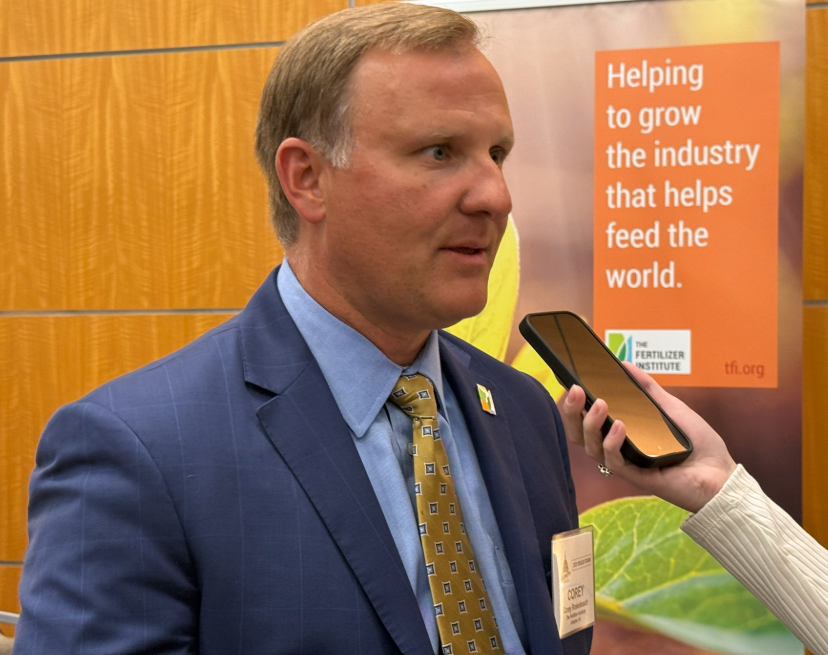
Looking ahead, Rosenbusch outlined the Institute's key priorities. "Trade was a big one. I think tax will be the next thing that we focus on. Reconciliation. Of course, is it going to happen? We think maybe, when, where? Why? How? We don't know. However, tax will be a big part of maintaining the tax cuts and the corporate tax rate. And for the fertilizer industry, there's something really unique in there: some of the investments coming from Oklahoma. You know, that is natural gas Central. So a lot of the expansion of nitrogen production, about $7 billion of projects, were announced because of some of those tax incentives, including in the Inflation Reduction Act. That's a bad word to Republicans. Congress wants to wipe it out, and so we're trying to educate them that there were some positive provisions from a tax incentive standpoint to expand nitrogen production that we want to ensure are protected."
Finally, Rosenbusch addressed potential long-term obstacles, "I mean, there's always going to be obstacles. I mean, I think if you look at the Make It America Healthy movement, that's a big unknown right now. And Secretary Rollins took RFK, Secretary Kennedy, to my alma mater, Texas A&M, last week, showed him some farms, educating him on the science that goes into growing our food. I'm very optimistic, but I do not believe that agriculture will be the target. Will be a target for Kennedy. I have no guarantees. We can't rest on all our laurels. We're doing everything we can to educate not only HHS but the White House. But I think that's the big unknown right now."
| |||||||||||||||||||||||||||||||||||||||||||||||||||||||||||||||||||||||||||||||||||||||||||||||||||||||||||||||||||||||||||||||||||||||||||||||||||||||||||||||||||||||||||||||||||||||||||||||||||||||||||||||||||||||||||||||||
| |||||||||||||||||||||||||||||||||||||||||||||||||||||||||||||||||||||||||||||||||||||||||||||||||||||||||||||||||||||||||||||||||||||||||||||||||||||||||||||||||||||||||||||||||||||||||||||||||||||||||||||||||||||||||||||||||
|
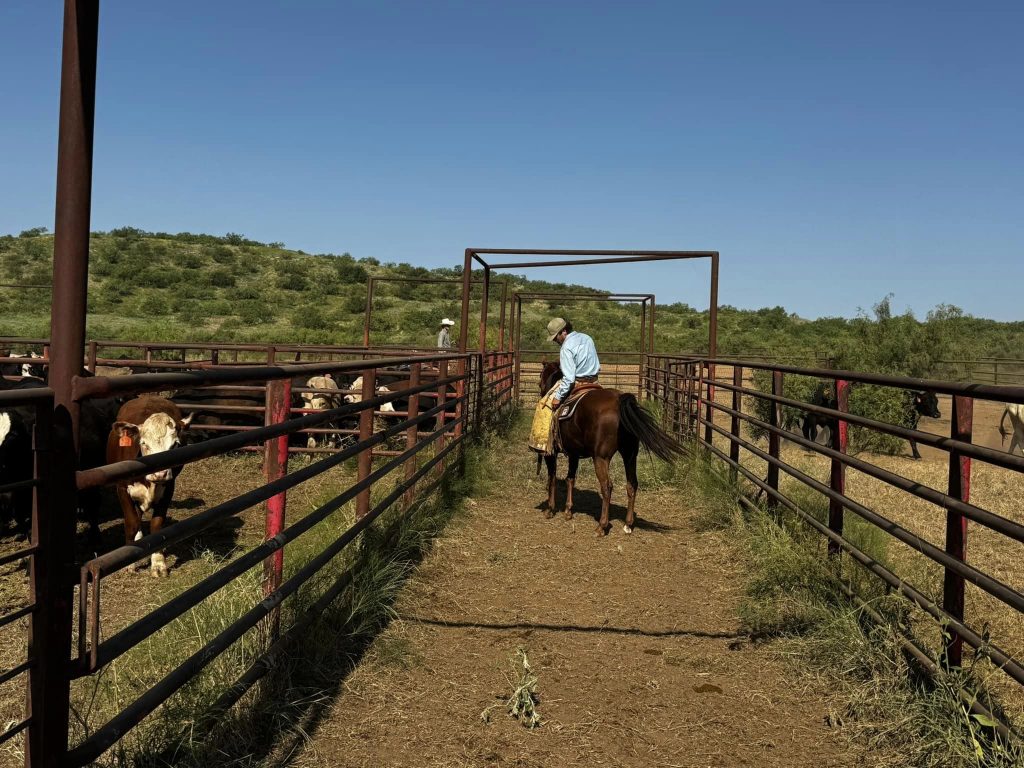
On Tuesdays, Senior Farm and Ranch Broadcaster Ron Hays visits with Ben Hale of Western Livestock Auctions as he talks about the latest in the markets and more. Established in 1995, Western has grown into a multi-generational family-owned and operated business and stands as a symbol of tradition, excellence, and a deep-rooted passion for the cattle industry. Western Livestock Auctions operates the Western Livestock Commission Firm, which sells cattle on Mondays and Tuesdays. They also operate the livestock auction markets in Woodward, Comanche, Waurika, and Knoxville, Iowa.
About 6,500 head of cattle ran through the Oklahoma City National Stockyards yesterday, compared to 8,350 a year ago.
Hale observed the futures board jump $4 after the closure of the U.S./Mexican border on Sunday. Feeder steers were $4 to $6 higher, heifers were $2 to $6 higher, and grazing cattle were called steady to strong.
"Everything was extremely stout and very active," he summarized.
Hale expects the strong markets to last a while, especially after the border closure on top of already tight supplies. "There's got to be a top on it somewhere, but every indicator points to it going higher," he said. "Meat is moving, and new markets are opening up with tariffs and things."
The sale in Waurika is expected to run about 2,500 today, including several strings of yearlings. Comanche expects good numbers tomorrow, and as does Woodward's sale on Thursday.
Hale can be contacted at 940-631-2333. Check out more about the marketing options that Western offers by clicking here.
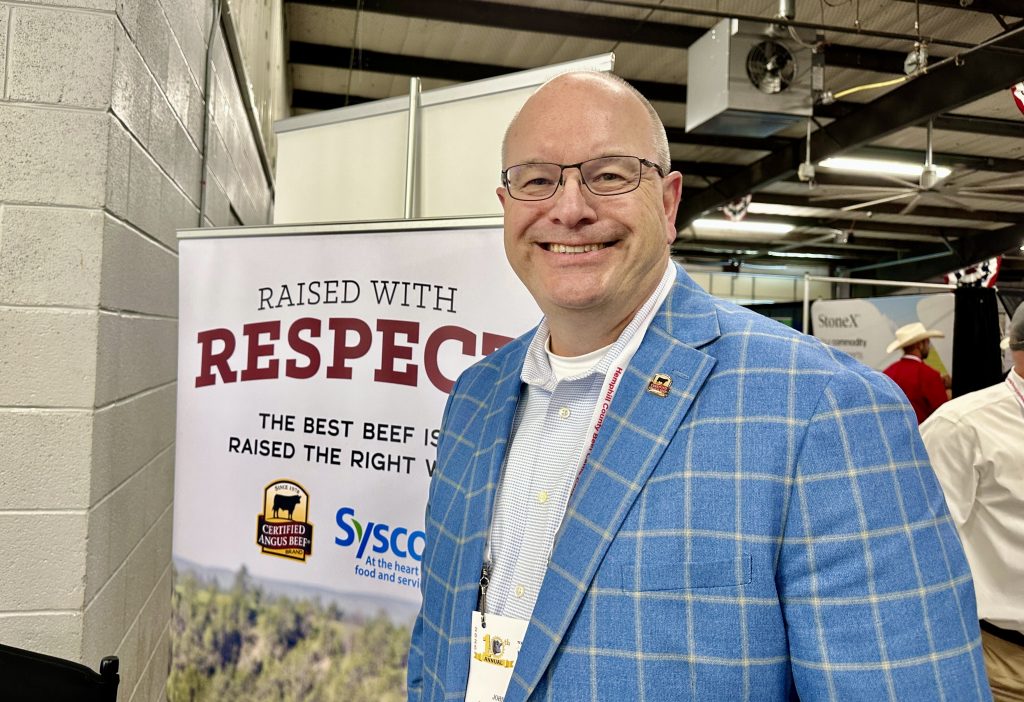
At the 2025 Hemphill County Beef Conference, Senior Farm and Ranch Broadcaster, Ron Hays, visited with the President of Certified Angus Beef, John Stika, about the importance of value and taste to consumers today.
According to Stika, the cattle business is all about how to satisfy consumers. "Customers deserve to be satisfied because we are asking them to pay almost record-high prices for beef today," he said. "It continues to be more evident every time that it is price in relation to value, and consumers still value the taste of our product and the quality of our product to the point where even at near record prices, this past March, Certified Angus Beef had the highest volume selling month in our history with 117 million pounds of Certified Angus Beef sold."
In addition to great-tasting products, a wide array of options is appealing to consumers. Stika shared, "In the Power of Meat study that is done by the American Meat Institute that just came out, we saw tremendous growth in the meat retail case for beef at both value and premium. We sold more steaks at higher prices than we have before. Still, it is those other lower-cost items that we can offer off of that beef carcass that allow us to continue to pull consumers, especially that millennial group that makes up a growing portion of our core customer base."
Ground beef is not only one of the more affordable beef options, but it is also easy to cook and very versatile. Even still, Stika says that he gets more calls now than ever before from retailers, distributors, and restaurateurs wanting to add Certified Angus Beef Prime to their offerings.
"There are clearly customers that are looking for the entire mix of what comes off of a beef carcass, and it's our job to make those available and make sure that they are high quality," Stika asserted. "Whether they are buying ground beef or a T-bone, the product must never disappoint because even ground beef today is perhaps more expensive than the most expensive piece of pork in the meat case."
Stika explained that both the brand and history of Certified Angus Beef are based on exceeding expectations, and while the meat case can seem somewhat complicated to consumers, he assured that looking for a Certified Angus Beef label is a good way to ensure that customers are getting a high-quality beef product.
The Beef Buzz is a regular feature heard on radio stations around the region on the Radio Oklahoma Ag Network and is a regular audio feature found on this website as well. Click on the LISTEN BAR at the top of the story for today's show and check out our archives for older Beef Buzz shows covering the gamut of the beef cattle industry today.
As friends and families get ready to kick off summer by firing up the grill and serving foods at a cookout, the U.S. Department of Agriculture's (USDA) Food Safety and Inspection Service (FSIS) shares some tips to keep your celebrations safe.
"Food safety is a year-round priority, but it's especially important during summer months when we're cooking outdoors and handling food in warmer temperatures," said FSIS Administrator Dr. Denise Eblen. "We have simple but effective steps that can keep you and your family safe while enjoying those outdoor meals."
Here are some key recommendations.
Clean Your Grill:
Prevent Cross-Contamination:
Cook to Safe Temperatures:
Avoid the Danger Zone:
For more information about food safety, call the USDA Meat and Poultry Hotline at 1-888-MPHotline (1-888-674-6854) or email MPHotline@usda.gov.
Access news releases and other information at USDA FSIS' website at www.fsis.usda.gov/newsroom. Follow FSIS on X at @usdafoodsafety and USDA on Instagram at @usdagov and Facebook at @usda.
U.S. Secretary of Agriculture Brooke Rollins today announced the appointment of Erin Morris as the next Administrator of the U.S. Department of Agriculture's (USDA) Agricultural Marketing Service (AMS), which operates under the Department's Marketing and Regulatory Programs mission area.
"My fellow Fightin' Texas Aggie Erin Morris brings a strong track record of leadership, technical knowledge, and dedication to the agricultural community," said Secretary Rollins. "She has spent over 25 years advancing the work of AMS and has earned the trust of her peers and stakeholders across the industry. I'm confident that under her leadership, AMS will continue to deliver for farmers, ranchers, and American consumers. We are deeply grateful to Bruce Summers for his four decades of tireless service to American agriculture. His leadership has shaped AMS into a cornerstone of USDA's mission, and his legacy will have a lasting impact on farmers, ranchers, and consumers for years to come."
Morris will succeed Bruce Summers, who is retiring at the end of this month following a 40-year career at USDA.
AMS supports the fair, efficient, and transparent marketing of U.S. agricultural products across domestic and international markets. AMS delivers a wide range of services including quality grading, auditing, and laboratory testing that help producers demonstrate the value and integrity of their goods. The agency also operates the USDA Market News Service, providing objective pricing and market data to inform business decisions throughout the supply chain. AMS also enforces fair trade practices through oversight of the livestock, produce, and organic sectors, and administers the Packers and Stockyards Act and National Organic Program.
USCA members with Senator Cindy Hyde-Smith (R-MS).
The United States Cattlemen's Association (USCA) brought cattle producers from across the country to the nation's capital for its 2025 DC Fly-In, May 5-6, where focus was placed on trade, continued strength in the marketplace, animal ID, labeling, and domestic herd health.
"America's cattle producers are facing unprecedented challenges — and opportunities. Through direct conversations in D.C., USCA members delivered a clear, unified message: We need policies that put producers first, protect the integrity of U.S. beef, and guarantee our standards are not compromised," USCA President Justin Tupper said.
To strengthen the marketplace, USCA members urged reforms to the Packers and Stockyards Act to improve price discovery and encourage fair competition among cattle producers, calling on Agricultural Marketing Service (AMS) to demand shorter carcass price reporting times, and advocate for plant-level, rather than company-level, data. They also encouraged collaboration between AMS and the Chicago Mercantile Exchange (CME). In discussions with policymakers,
USCA members shared support for enhanced whistleblower protections and bolstering the Cattle Contract Library to further address marketplace inequities. Finally, in marketplace discussions, the group suggested regulations requiring packers to pick up cattle according to standardized timelines. In all conversations with AMS leadership and their competition team, USCA members emphasized the need to increase transparency and safeguard fair competition in the marketplace.
Another key point continually discussed was livestock identification. USCA has long advocated for science-based, voluntary solutions that maintain the nation's robust animal disease traceability system and reaffirmed the importance of protecting U.S. herd health and food security but voiced their opposition to mandatory EID ear tags, citing concerns over speed of commerce, cost, data privacy, and federal supply limitations. USCA called on USDA to reverse their July 2024 Disease Traceability Framework and advocated for a return to producer-driven, market-based approaches — pointing to the success of the collaborative Cattle ID Working Group in 2013 as a blueprint for the path forward.
In discussing disease traceability, obvious conversations lead to the recognition of continually emerging threats like the New World Screwworm issue in Mexico. USCA members urged the Department of Commerce and Customs and Border Protection to proactively place trade holds on beef imports from countries facing animal disease outbreaks, including an immediate halt on beef from Mexico.
Remaining a cornerstone of USCA policy, in each meeting, fly in participants discussed the importance of truth in labeling for not only beef but alternative proteins, calling for clear restrictions so that only beef born, raised, and harvested in the United States can carry the "Product of USA" label. At the same time, USCA advocated for trade policies that guarantee
imported beef and cattle are held to the same rigorous health and safety standards as U.S. products, providing a level playing field for U.S cattle producers.
"It can be challenging to find time to leave the ranch, but attending the USCA Fly-In was a priority for us as the conversations being held on the Hill can impact our bottom dollar at the end of the year," USCA Director Samantha Ferrat of Montana said. "USCA's policy priorities are formed by our producer members, ensuring they have our best interest in mind, and we were happy to share those with our nation's policymakers. Keeping these lines of communications open and frequent will be key in moving our priorities forward."
For more information about USCA's policy priorities, visit www.uscattlemen.org
Farm Director KC Sheperd recently spoke with State Climatologist Gary McManus about the recent dramatic weather shifts in Oklahoma, from record-breaking rainfall to the looming summer heat. McManus provided an insightful look at the state's current conditions and what Oklahomans can expect in the coming months.
"Well, it's certainly been quiet recently, for the last ten days or so. It seems very odd not to have floods going on just about every day, since that's what we've had throughout much of April and the first part of May, but it's really quieted down," McManus began, highlighting the stark contrast to the preceding wet period.
He noted that Oklahoma experienced its wettest April on record with 8.74 inches of rainfall, according to the Oklahoma Mesonet, and recorded 39 tornadoes in March and April. This deluge has significantly alleviated drought conditions. "We did get rid of most of the drought in the state. We only have 14% of the state in drought, and that's all up in northwest Oklahoma. I do think when the new Drought Monitor comes out on Thursday, that we will have even less."
Reflecting on the sudden shift from drought concerns, McManus explained the weather patterns that led to the heavy rainfall. "I think what really triggered it was the two slow-moving upper-level storm systems that set out to the West and just kicked out smaller storm systems and made wave after wave of rainfall. So we see that occasionally, but usually we don't get multiple rounds of that." He also pointed out the historical context, noting that Oklahoma experienced its wettest November on record just a few months prior. "So you just never know what we'll have with Oklahoma weather."
Looking ahead, McManus addressed concerns about how long the soil moisture would last before drought could return. "It doesn't take long when you get into the warm season, especially when you get into June and July. We're not in any danger of drought coming back very quickly right now, even though we're going to see upper 90s midweek this week in some areas."
He explained that Oklahoma's rainiest period typically extends from mid-April to mid-June, sometimes even into July, providing a buffer against immediate drought resurgence. However, he cautioned that flash droughts have occurred in recent summers, emphasizing that it's always a possibility.
The heavy rains have had a significant impact on the state's lakes. "When we're looking at, especially across parts of northeastern and central Oklahoma, we have lakes that are eight to 10 feet above normal," McManus reported. While a few lakes in the southwest remain below normal, the majority have filled up, along with farm ponds, leaving the state in a relatively good position regarding water resources, with the exception of the Panhandle and far northwest Oklahoma.
Forecasting the summer, McManus emphasized the crucial role of soil moisture in regulating temperatures. "There's no telling about this summer. All we can say when we start to look at summer predictions in Oklahoma is the longer we can keep that soil moisture up, we can kick down the heat."
He explained the cooling effect of evaporation from moist soil. However, he also noted the potential for increased heat index with high humidity. Ultimately, McManus concluded, "Nothing is showing up right now about where we should be going. Whatever comes is going to come, regardless of what we predict."
In a lighthearted closing, McManus quipped, "It's very strange for somebody to want to talk to me when things are going good, so knock on wood, we're liable to have a gigantic tornado outbreak next week because we jinxed it. Let's just hope that things are going well, and we just get some really good rains. Then, in a week or so, we won't have to worry about anything bad for a while."
House Agriculture Committee Chairman Glenn 'GT' Thompson (PA-15) issued the following statement after releasing the committee print to comply with the reconciliation directives included in H. Con. Res. 14 Section 2001(b)(1):
"For far too long, the SNAP program has drifted from a bridge to support American households in need to a permanent destination riddled with bureaucratic inefficiencies, misplaced incentives, and limited accountability. This portion of the One Big, Beautiful Bill restores the program's original intent, offering a temporary helping hand while encouraging work, cracking down on loopholes exploited by states, and protecting taxpayer dollars while supporting the hardworking men and women of American agriculture."
Text can be found here.
A section-by-section can be found here.
An overview can be found here.
A one-pager on state accountability can be found here.
A one-pager on prioritizing work in SNAP can be found here.
Watch the markup live here.
In an era of evolving food policy (and the worries that entails), it's good to know that food-safety safeguards that have existed for generations are still doing their jobs, no matter what the anxiety of the month may be.
Milk is Exhibit A of the tried-and-true in action. The Pasteurized Milk Ordinance (PMO) regulating all Grade "A" milk is more than a century old, making sure that a product that caused 19th century panics has been a trusted source of premium nutrition well into the 21st. The PMO is pretty mundane: Its exhaustive rules and regulations make a great cure ... for insomnia. And that's the point. By outlining in extensive prescribed detail how milk must be handled, tested, and then mandating those procedures, the PMO goes to great lengths to ensure the safety of milk – so you don't have to worry about it.
Here's a taste of the required testing milk must go through, from farm, to processing plant, to store shelf. And these are the minimum requirements – many dairy farmers and milk processors go above and beyond, to protect the health of consumers and their own success in the marketplace.
According to the PMO:
Within two hours of milking, all milk must be cooled to 45 degrees Fahrenheit (7 degrees Celsius) and refrigerated properly until a milk truck driver arrives, in a vehicle that's highly regulated to ensure proper cleanliness. When the driver arrives at a farm to pick up milk, the driver takes or picks up samples from each farm's bulk milk tank (and/or silo) and holds those in a cooler for further follow up if any anomalies are identified in subsequent testing. When the tanker arrives at the processing location, each tanker is tested for animal drug residues as required by the Pasteurized Milk Ordinance (PMO). And if the results find antibiotics (specifically, beta lactams), the milk is rejected and removed from the animal and human food supply. b. Tankers are also tested for somatic cells to assess quality and tested for added water, which is illegal, and would render the milk adulterated. In addition, the milk's temperature is checked to ensure it's been stored properly and inspected for any adverse physical signs, such as off color or odor.
Once the milk arrives at a processing plant, the PMO requires every milk truck to be tested for beta lactams before it enters – (If this is starting to seem obsessive, note that it brings results: In 2024, only 1 out of every 17,083 tankers, less than six thousandths of one percent, tested positive for a drug residue, the lowest ever.)
Once all those hurdles have been surmounted, milk enters the plant and receives the gold standard treatment: Pasteurization. For more than 100 years, pasteurization has been keeping consumers safe from threats that ranged from tuberculosis (second only to cancer as a cause of death in 1925) to bird flu, which pasteurization renders harmless in milk, according to repeated tests taken last year when the virus was identified in dairy cattle.
Here's how pasteurization works. Under HTST (High-Temperature Short-Time) pasteurization, milk is heated to a specific temperature, typically at least161°F (71.5°C), though many plants go even higher. The heated milk is held at the specific temperature for a set time — typically no less than15 seconds for HTST. This allows the heat to effectively kill harmful bacteria.
Alternative methods, like vat pasteurization, use lower temperatures (145°F or 63°C), but for longer periods (30 minutes). In general, the higher the temperature, the longer the milk's shelf life. Ultra-pasteurized milk, for example, is heated to temperatures around 280°F (140°C) for a short time, resulting in longer shelf life. And Ultra-High Temperature, which is processed and packaged in a commercially sterile environment, may go even higher (e.g., 285°F or 140°C), resulting in shelf-stable milk.
In every case, the combination of temperature and time allows the heat to effectively kill harmful viruses and bacteria. And keep milk safe.
After pasteurization, the milk is then rapidly cooled down, usually to around 40°F. This prevents further bacterial growth and maintains the milk's quality.
Pasteurized milk also undergoes its own tests — pasteurized milk goes through a phosphatase test to confirm efficacy. What's a phosphatase test, you ask? The phosphatase test, specifically the alkaline phosphatase (ALP) test, is used to determine if milk has been properly pasteurized. ALP is an enzyme naturally present in raw milk but is inactivated by heat during pasteurization. ALP activity in milk indicates insufficient pasteurization or contamination with raw milk after pasteurization.
From there, the milk is packaged and sent to the store.
If all this seems overly detailed, technical and mind-numbingly repetitive, well, that's the point. Milk is a product of proven safeguards and processes, backed by state and federal regulations and an industry that doesn't want to be associated with food scares and illness outbreaks. Do outbreaks still occur? Unfortunately, yes. Nothing in life is 100 percent foolproof, and fools, and mishaps, will always exist. But given the billions of pounds of milk produced each year, such outbreaks are exceedingly rare. And when they do happen, regulators and the dairy industry learn and do better.
Dairy is defined by many things. Quality, nutrition, nourishment across the globe. But safety is fundamental to all of these. That's been true in the past. It's true today. And it will be tomorrow, thanks to the farmers, testers and workers from farm to fork, working to make it so.
Today, House Agriculture Committee Ranking Member Angie Craig (MN-02) released the following statement after House Republicans unveiled their bill to decimate the Supplemental Nutrition Assistance Program (SNAP) and take food assistance away from millions of seniors, children, veterans and people with disabilities.
"With American families feeling anxious about the economy and so much uncertainty in farm country, this is not the time to make reckless cuts to basic needs programs. Yet, Republicans are fast-tracking catastrophic cuts to food assistance, taking food away from seniors living on fixed incomes and parents who are struggling to afford groceries for their children. Decimating the nutrition title of the farm bill to fund tax breaks for the already wealthy and large corporations leaves farmers and the families they feed behind.
"These cuts also reduce demand for the food farmers grow and grocery stores sell, meaning lost income and jobs in rural America and throughout the country. This smash-and-grab job busts up the farm bill coalition and abandons the traditionally bipartisan legislation that American agriculture relies on to remain competitive and that family farmers need to get through these tough economic times.
"We should make food assistance work better for those it was designed to protect – like children and moms – not cut it so Republicans can fund more tax breaks for those at the very top."

U.S. Secretary of Agriculture Brooke Rollins concluded her first day in the United Kingdom during her trade delegation visit. This visit comes after President Donald J. Trump announced last week, on the 80th anniversary of Victory in Europe, a historic U.K. trade deal that will lower tariffs, remove trade barriers, increase market access, and strengthen cooperation on economic security.
"American agriculture is the 'crown jewel' of our country's exports to global markets. Today, I discussed with government officials, including U.S. Ambassador to the U.K. Warren Stephens, Secretary of the Department for Environment, Food and Rural Affairs Rt. Hon. Steve Reed, and Secretary for the Department of Business and Trade Rt. Hon. Jonathan Reynolds, ways we can increase our exports with a country we already have such strong cultural and political ties with. President Trump is putting American Farmers First and that's why I am in the U.K. working to secure additional access for agricultural products," said Secretary Rollins.


Secretary Rollins has made it a top priority to advocate on behalf of American agriculture exports. This means increasing access for American products in existing markets, opening new markets with strong demand for our products, and making sure trading partners are treating American farmers, ranchers, and food processors fairly. This comes after four years of inaction by the Biden Administration that caused agriculture to go from a trade surplus under President Trump, to a significant trade deficit under President Biden.

National Pork Producers Council (NPPC) President Duane Stateler, a pork producer from McComb, Ohio, released the following statement on the recently released reconciliation package from the House Agriculture Committee.
"America's pork producers recognize and greatly appreciate the tireless efforts by congressional champions of farming and agriculture, especially Agriculture Committee Chairman G.T. Thompson, in securing as many pork industry priorities as possible in the House's proposed reconciliation package."
"However, it is just as critical – if not more – that the committee keeps its promise to take action on a solution to the many problems triggered by California Proposition 12. We expect that members of both parties will continue to find the path to deliver the certainty and stability farmers need. Whether in the Farm Bill, or in other legislative provisions, we stand ready and willing to help the Congress deliver this needed, bipartisan solution."
NPPC urges members of Congress to advance the important and needed provisions included in the reconciliation package that will ensure pork producers can continue to provide a safe, reliable, and affordable supply of products from our farms to so many people. Those provisions include:

Curt and Kayla Hanson with (l to r), Canaan, Chloe, Kase and Kaitlin.
Two more leading agronomic professionals have joined Meristem Crop Performance, one of the fastest-growing crop input suppliers in America. Curt Hanson will serve farm operations in North Dakota as sales representative and Cody King becomes sales representative serving farm businesses in South Dakota. Hanson and King both have deep experience in helping growers boost their profitability with the right crop inputs and farming practices specific to the Dakotas.
"We are growing quickly and grateful to have two more highly talented professionals to help us carry out our mission in this key growth area," says Mitch Eviston, Meristem founder and CEO in announcing the hires. "This duo adds major-league horsepower to serve more growers in the Dakotas with Meristem products that will help them get more bushels for less."
Curt Hanson brings more than 15 years of crop input and farmer service experience to his new work with Meristem. "I grew up on our family grain farm near Portland, North Dakota," he shares. "During high school, I also started working for the custom application and custom farming operation just down the road in the Clifford area."
After studying business at Minnesota State University, Hanson signed on as a location manager for Central Plains Ag Service, serving the Aneta and McVille towns in North Dakota. He says he's thankful for the wide-ranging experience in serving farmers that experience brought to him.
"I've helped growers solve problems with their precision ag technology as well as fertilizer and seed," he says, adding that he's served growers all over the Central Red River Valley and all the way over the Bismarck and he's eager to bring them Meristem's products.
"I know Meristem can help many of the farmers I know in North Dakota improve their ROI (return on investment)," says Hanson, adding that it's his experience as a location manager that informs that opinion. "Big claims are easy, but it's how it really works for the farmer that's important," he smiles. "I think Meristem, with their BIO-CAPSULE™ technology to keep these biologicals alive is the real deal. I believe it will help a lot of farmers."
Hanson and his wife Kayla live near Mayville, North Dakota, and have four children: Chloe, Canaan, Kase and Kaitlin. They often join him when he follows another passion as a professional Walleye fisherman. He pursues that side interest on the National Walleye Tour.

Cody King grew up working on the family farm near Toronto, South Dakota, homesteaded in 1878. He spent his early years helping his grandparents, and now he often pitches in with his father and brother – the fifth generation on the same ground. Cody and his wife Kayleigh live near Toronto and have two boys: two-year-old Rip and newborn Rowdy. King comes to Meristem from Sound Agriculture, where he served as regional sales manager for the Dakotas. During this experience, he was in a position to observe Meristem's success at field level.
"I've learned a lot about Meristem and I really think the BIO-CAPSULE seed fluency delivery system is a great answer to the challenge of delivering live microbes to where they are needed," he says. "It's actually something that can truly bring benefits to these growers. Keeping this innovative technology alive is going to make a real difference for the farmers I know. I also think EXCAVATOR™ AMS with CYCLESTRIKE™ is going to be a game-changer for our growers in the Dakotas."
Before he started at Sound, he worked with King-Ag, his brother's start-up independent crop input retail operation. There he had three years of frontline work with growers for King-Ag in Toronto, S.D., providing seed, crop protection and plant nutrition. Before that, King was territory sales manager in Minnesota for six years with Ag Systems, a distributor of ag equipment and precision ag technology. He earned his bachelor's degree at South Dakota State Univeristy.
About Meristem Crop Performance
Meristem® Crop Performance, Inc. (www.meristemag.com) helps farmers produce more bushels for less cost per bushel. Meristem is the global leader in delivering live, in-field biologicals through the patented BIO-CAPSULE™ Technology platform. Meristem significantly reduces waste and increases productivity in crop input systems through accelerated access to innovation, improved supply chain efficiency, and advanced concentrates. Learn more at www.meristemag.com.
Leading voice for crop protection aligns with Stratovation Group initiative to explore practical drone applications on the farm

CropLife America, the national trade association representing pesticide manufacturers, formulators, and distributors, has joined a national research initiative to gather farmer insights about the use of agricultural drones. The effort will help deepen the understanding of farmer attitudes regarding drones and how they are specifically contributing to production, innovation and sustainability in agriculture.
The study – conducted by Stratovation Group – will explore how farmers perceive, adopt, and apply drone technologies for scouting, input application, and precision management, while identifying key roadblocks to broader adoption.
Backed by sponsors, the National Corn Growers Association, SweetWater Technologies and Agri Spray Drones, and additional strategic partners including the Agricultural Retailers Association (ARA), The Fertilizer Institute (TFI), and D.C. Legislative and Regulatory Services, Inc. (DCLRS), the study will capture actionable insights that help align ag tech development with on-the-ground realities.
"Drones are more than just an emerging tool—they are central to the next phase of precision agriculture and pesticide application," said Alexandra Dunn, President and CEO of CropLife America. "Participating in this collaborative effort allows us to offer our pesticide policy and stewardship expertise to the conversations, while also deepening our understanding of growers perspectives. We all share the goal of advancing crop production and protection tools that use cutting-edge technology to produce abundant and healthy crops."
United for Farmer-Led Innovation
This research is distinguished by its emphasis on gathering direct input from farmers—across both row crop and specialty operations—who are making real-world decisions about drone use every season.
"When organizations like CropLife America step in as strategic partners, it signals that this research isn't just about technology—it's about responsibility, outcomes, and making sure farmers stay in the driver's seat," said Cam Camfield, CEO of Stratovation Group. "With the added expertise CropLife brings in policy, regulations and safety, this initiative will help discover all the ways farmers and ranchers integrate drones into their operations, today and tomorrow."
Sponsors of the study receive exclusive early access to the complete dataset—allowing them to translate farmer insights into practical strategies, shape advocacy efforts, and fine-tune product innovation pipelines. High-level findings will be released publicly later in 2025.
Join the Effort
Stratovation Group continues to welcome sponsors and partners who want to support the research and gain early insights into the evolving drone adoption landscape in agriculture.
For partnership inquiries, contact Cam Camfield at Cam@StratovationGroup.com.
About CropLife America
CropLife America (CLA) represents the developers, manufacturers, formulators, and distributors of crop protection products in the U.S. With a focus on science-based policy, sustainability, and innovation, CLA works to ensure farmers have access to tools that promote productivity and stewardship. Learn more at www.croplifeamerica.org.
About Stratovation Group
Stratovation Group is a full-service research, marketing, and communications firm that helps ag innovators and industry leaders solve complex challenges with clarity, strategy, and insight. Learn more at www.stratovationgroup.com.

U.S. Senator Amy Klobuchar (D-MN), Ranking Member of the Senate Committee on Agriculture, Nutrition, and Forestry, released the following statement on the over $290 billion in cuts to the Supplemental Nutrition Assistance Program (SNAP), proposed by Republicans on the House Agriculture Committee.
"Instead of working with Democrats to lower costs from President Trump's across-the-board tariffs, House Republicans have decided to pull the rug out from under families by cutting the SNAP benefits that 42 million Americans rely on to put food on the table – all to fund a tax cut for billionaires. That's shameful," said Ranking Member Klobuchar.
"This means more seniors, veterans, people with disabilities and children will go to bed hungry. It means farmers, who are already operating on razor-thin margins, will see billions in lost revenue. It will mean job losses and lost wages for everyone who is a part of the food system – from truck drivers to local grocers. And ultimately, these cuts threaten the Farm Bill coalition that has delivered bipartisan support for farmers, families and rural communities for decades, and will make it harder for Congress to pass a bipartisan Farm Bill."
Here's what Republicans are proposing:
Beyond the immediate impact cuts will have on SNAP recipients, cuts to SNAP benefits will also create downstream economic harms. Last week, the National Grocers Association, which represents America's independent grocers, released a report that found SNAP funding supports approximately 388,000 jobs and $20 billion in direct wages, creating $4.5 billion in state and federal tax revenue.

Mark Johnson, Oklahoma State University Extension Beef Cattle Breeding Specialist, offers herd health advice as part of the weekly series known as the "Cow Calf Corner," published electronically by Dr. Derrell Peel, Johnson, and Paul Beck. Today, Johnson reminds us that May is National Beef Month.
May is National Beef Month. It is a month-long celebration to recognize the importance of the beef industry and honor the hard-working farmers and ranchers who raise cattle. This is a time to appreciate beef as part of our diet and an opportunity to highlight the nutritional benefits and versatility of beef, as well as its role in American meals and cultural celebrations. Beef month aims to encourage consumers to purchase and enjoy beef, and support those who produce it.
In 2025, this annual event takes place at a time when there is much to celebrate in our industry. For example:
RON's Dave Lanning has a pre-opening look at today's agricultural Markets.
Click the audio tab below for today's report.
RON's Jacquelyn Farris reports from the State Capitol
National Pork Producers Council (NPPC) President Duane Stateler, a pork producer from McComb, Ohio, released the following statement after the Trump administration announced a 90-day temporary tariff de-escalation on U.S. exports.
"America's pork producers are encouraged by the temporary tariff reduction agreement reached by the U.S. and China. We look forward to the continued collaboration and engagement between both countries to further reduce tariff and non-tariff barriers to trade. No other country holds a candle to our export opportunities in China, as many of our exported pork products, such as offals, are not widely consumed in the U.S. and have nowhere to go."
The U.S. and China agreed to reduce tariffs imposed after April 2 to 10% for 90 days, as negotiators continue discussions. This announcement does not include tariffs in place prior to April 2, including steel and aluminum. U.S. pork exported to China will still face a minimum total tariff rate of 57%. Previously, U.S. pork was tariffed at 172%, which makes it impossible for U.S. pork producers to compete in that market.

As the nation's leader in farm production and home to over 400 commodities, California has often been at the forefront of many industry trends and innovations. But growers are also facing significant challenges with water scarcity, labor and an expensive regulatory environment.
"Our Agri-Pulse Food & Ag Issues Summit on June 10 provides a great opportunity to explore all of these factors and hear from some of the state's most influential leaders," said Founder and Publisher Sara Wyant. One of the panels, "Perspectives from the C-Suite: Navigating Through Uncertain Times" includes:
But that's not all! You'll also hear from Tim Johnson, president & CEO, California Rice Commission; Mike Way, president and CEO of Prime Time International; Rob Trice, founding partner, Better Food Ventures; Clark Easter, CEO, Global Water Innovations, Inc; and many, many more. The event will offer a full day of speeches and panel discussions, with both in-person and virtual attendance options at the Sheraton Grand Sacramento. You can see the agenda here. Save your seat today by registering here!
Food & Ag Issue Summit sponsors include: Platinum: California Rice Commission. Gold: Almond Board of California, Western Growers Association. Silver: BASF, California Farm Bureau. Bronze: Bayer, CCI Marketing, CropLife America, Curious Plot, Farm Credit, Morning Star, Nutrien, Prime Time International, Valent, AGR Partners, Syngenta, and TriCal.
About Agri-Pulse Communications, Inc.: Agri-Pulse is the most trusted source for farm and rural policy information. With offices in Washington, D.C., Sacramento, California, and Camdenton, Missouri, we provide a balanced perspective on a wide variety of issues, including the farm bill, nutrition, trade, labor, food safety, water, environment, biotechnology, organic, conservation and crop insurance. Agri-Pulse publishes a subscription-only e-newsletter, the Agri-Pulse Daily Harvest early morning news summary, Agri-Pulse Daybreak, Agri-Pulse DriveTime podcast, Agri-Pulse Newsmakers and breaking news on www.Agri-Pulse.com.
Winter Wheat headed reached 53 percent, down 2 percentage points from the previous year but up 8 points from the average. Winter wheat conditions rated 54 percent good to excellent, 28 percent fair, and 18 percent poor to very poor. Last week's conditions rated 51 percent good to excellent, 31 percent fair, and 18 percent poor to very poor.
Corn planted reached 62 percent, up 15 percentage points from last year and up 6 points from the five-year average. Corn emerged reached 28 percent, up 7 percentage points from a year ago and the five-year average. No corn conditions were provided.
Soybeans emerged reached 17 percent, up 2 percentage points from a year ago, and 6 from the five-year average. No soybean conditions were provided.
Cotton planted reached 28 percent, down 4 percentage points from a year ago and 3 points from the five-year average. No cotton conditions were provided.
Sorghum planted reached 26 percent, equal to a year ago and the five-year average. No sorghum conditions were provided.
Winter wheat headed reached 78 percent, down 13 points from a year ago and 3 points from the five-year average. Conditions were rated 53 percent good to excellent, 36 percent fair, and 11 percent poor to very poor. Last week's conditions rated 48 percent good to excellent, 35 percent fair, and 17 percent poor to very poor.
Corn planted reached 58 percent, down 13 points from a year ago but up 3 points from the five-year average. Corn emerged reached 32 percent, down 15 points from last year but equal to the five-year average. No corn conditions were provided.
Sorghum planted reached 24 percent, up 3 points from a year ago, and 10 points from the five-year average. No sorghum conditions were provided.
Soybeans planted reached 29 percent, up 15 points from a year ago and 9 points from the five-year average. Soybeans emerged reached 9 percent with not data from last year or the five-year average. No soybean conditions were provided.
Livestock conditions rated 66 percent good to excellent, 26 percent fair, and 8 percent poor to very poor. Last week's conditions rated 64 percent good to excellent, 29 percent fair, and 7 percent poor to very poor.
Pasture and range conditions rated 49 percent good to excellent, 38 percent fair, and 13 percent poor to very poor. Last week's conditions rated 45 percent good to excellent, 38 percent fair, and 17 percent poor to very poor.
Winter wheat headed reached 71 percent, up 1 percentage point from a year ago and 24 points from the five-year average. Winter wheat conditions rated 48 percent good to excellent, 30 percent fair, and 22 percent poor to very poor. Last week's conditions rated 47 percent good to excellent, 33 percent fair, and 20 percent poor to very poor.
Corn planted reached 61 percent, up 1 percentage point from last year, and up 4 points from the five-year average. Corn emerged reached 42 percent, up 3 points from a year ago, and 12 points from the five-year average. No corn conditions were provided.
Soybeans planted reached 35 percent, up 4 points from a year ago but down 1 point from the five-year average. Soybeans emerged reached 10 percent, down 2 points from a year ago but up 1 point from the five-year average. No soybean conditions were provided.
Cotton planted reached 5 percent, down 11 points from a year ago and 15 points from the five-year average. No cotton conditions were provided.
Sorghum planted reached 5 percent, down 2 points from a year ago and equal to the five-year average. No sorghum conditions were provided.
Winter wheat headed reached 89 percent, up 3 percentage points from the previous year and 6 points from the five-year average. Winter wheat conditions rated 42 percent good to excellent, 30 percent fair, and 28 percent poor to very poor. Last week's conditions rated 32 percent good to excellent, 38 percent fair, and 30 percent poor to very poor.
Corn planted reached 84 percent, up 5 points from the previous year and 3 points from the five-year average. Corn emerged reached 79 percent, up 10 points from the previous year and 11 points from the five-year average. Corn silked reached 15 percent, down 1 point from the previous year but up 5 points from the five-year average. Corn conditions rated 60 percent good to excellent, 35 percent fair, and 5 percent poor to very poor. Last week's conditions rated 58 percent good to excellent, 38 percent fair, and 4 percent poor to very poor
Cotton planted reached 27 percent, equal to last year and down 2 points from the five-year average. No cotton condition ratings were provided.
Sorghum planted reached 74 percent, equal to the previous year and up 1 percentage point from the five-year average. Sorghum headed reached 14 percent, up 1 point from the five-year average. No sorghum condition ratings were provided.
Soybeans planted reached 40 percent, up 6 percentage points from the previous year but down 9 points from the five-year average. Soybeans emerged reached 25 percent, up 6 points from the previous year, and 5 points from the five-year average. No soybean conditions were provided.
Range and pasture conditions rated 39 percent good to excellent, 31 percent fair, and 30 percent poor to very poor. Last week's conditions rated 32 percent good to excellent, 39 percent fair, and 25 percent poor to very poor.
Growth Energy, the nation's leading biofuel trade association, welcomed reports that the proposal released today by the House Ways and Means Committee included an extension of the 45Z clean fuel production tax credit, an incentive that would spur innovation in American biofuels and unlock billions in new investments across rural America.
"Pro-growth tax policy can unlock billions of dollars in new investments towards U.S. energy dominance while supporting stronger markets for America's farmers. The 45Z tax credit is a critical piece of this puzzle, and we're glad to see that lawmakers on the House Ways and Means Committee recognize its importance," said Growth Energy CEO Emily Skor. "By including it in the reconciliation bill, this proposal would give biofuels producers a longer runway to innovate and to make investments in creating new markets for farmers. We're grateful to the Committee, and to our champions on Capitol Hill who have worked hard to ensure that rural priorities like 45Z are included in any final tax bill. As Congress completes its work on the President's agenda, we urge our champions to remain focused on ensuring that U.S. farmers and biofuel producers have the certainty they need to invest in long-term growth."
The 45Z clean fuel production tax credit is intended to incentivize the production of low-carbon fuels in transportation on the ground and in the air. If implemented properly, Growth Energy's own research demonstrates that the credit would add $21.2 billion to the U.S. economy, generate nearly $13.4 billion in household income, support more than 192,000 jobs across all sectors of the national economy, and provide farmers with a 10 percent premium price on low carbon corn used at a bioethanol plant.
U.S. farmers are expected to produce 1.38 billion bushels of winter wheat this year, according to the Crop Production report released today by USDA's National Agricultural Statistics Service (NASS). In NASS's first winter wheat production forecast for 2025, the nation's production is expected to increase 2% from 2024. As of May 1, the U.S. yield is expected to average 53.7 bushels per acre, up 2.0 bushels from last year's average of 51.7 bushels per acre.
Hard Red Winter production is forecast at 784 million bushels, up 2% from a year ago. Soft Red Winter, at 345 million bushels, is expected to increase 1% from 2024. White Winter, at 2.53 million bushels, is up 7% from last year. Of the White Winter production, 20.6 million bushels are Hard White and 232 million bushels are Soft White.
Oklahoma Farm Report's Stevie White spoke with USDA State Statistician Troy Marshall on the heels of this month's report to hear the numbers for Oklahoma, Kansas, and Texas.
"Last week, in the state of Oklahoma, we had a group come together with OSU extension with feed and grain to talk about what that looks like," Marshall shared. "This is based on that May 1st report of what farmers thought they would see when they got out in the wheat field for harvest." He also highlighted the number of changes since the first day of the month, including record amounts of rainfall in many areas.
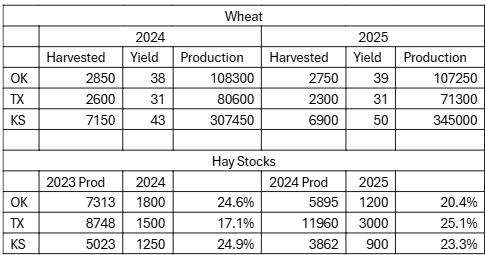
For Oklahoma, the projection for harvest acres is down 3.5% to 2.75 million acres; however, a 1 bushel per acre increase over last year is expected – 39 bushels this year over 38 in 2024. "That gives us an overall production of about 107.25 million bushels when we are said and done within that," Marshall added. "That's about 99 percent of where we were last year for Oklahoma."
Marshall also detailed the wheat production numbers for Kansas and Texas, so be sure to click the listen bar at the top of the page to listen to the complete conversation. He also discussed the remaining hay stocks at the end of the season for all three states.
In Oklahoma, carry-over hay stocks were 20%, down about 5% from last year. "Hay producers used quite a bit of the hay stocks that they had here in Oklahoma," Marshall stated.
Texas's ending hay stocks were 7% higher than last year, and Kansas's were 2% lower.
View the National Crop Production Report here.
The U.S. and China have reached a trade deal to temporarily reduce reciprocal tariffs. The U.S. will cut tariffs imposed on Chinese imports to 30% and Chinese duties on U.S. goods will fall to 10%, effective for 90 days.
From the U.S. Grains Council:
"The U.S. Grains Council thanks President Trump and his administration for continuing to work with one of our largest trading partners to level the trade playing field. This 90-day window will allow more time for ongoing negotiations, positive news for both our countries. We hope it is the first step in a new trade relationship between China and the United States."
About the U.S. Grains Council
The U.S. Grains Council develops export markets for U.S. barley, corn, sorghum and related products including distiller's dried grains with solubles (DDGS) and ethanol. With full-time presence in 28 locations, the Council operates programs in more than 50 countries and the European Union. The Council believes exports are vital to global economic development and to U.S. agriculture's profitability. Detailed information about the Council and its programs is online at www.grains.org.
National Farmers Union (NFU) President Rob Larew released the following statement in response to the announcement made today by the United States and China to institute a 90-day tariff reduction between the two countries:
"We are encouraged to see the administration responding to the concerns of farmers and ranchers by taking steps to ease trade tensions with China. Farmers spent years developing China into an important market for many agricultural products; future trade agreements must build on these decades of work. While today's news is a positive next step, farmers continue to face significant uncertainty. We are watching these negotiations closely and expect any future deal to deliver lasting, meaningful benefits for America's family farmers and ranchers."
Rep. Jim Grego, R-Wilburton, today commented on the governor signing into law a bill that will require manufactured-protein food products to be clearly labeled as distinct from meat.
House Bill 1126, will require food manufacturers, distributers and retailers to clearly disclose that cell-cultivated or cultured products or those that come from a lab, plants or insect proteins are not meat. Those convicted of false advertising could face a misdemeanor.
"I wish to thank Governor Stitt for signing House Bill 1126 into law," Grego said. "This is an effort to help protect beef producers, such as myself, against the flood of products claiming to be meat. Many of these products are derived from plants, insects, or even originate in a Petri dish. I believe if you as a consumer wish to consume these products there should be no doubt as to how they were produced. This bill really is a truth in labeling bill."
Grego also thanked Sen. Roland Pederson, R-Burlington, the Senate author of the bill, for securing its passage in his legislative chamber.
"This law is about truth in labeling, transparency, and ensuring that consumers are not misled by deceptive advertising," said Sen. Pederson, R-Burlington. "I extend my appreciation to Governor Stitt for signing House Bill 1126 into law to protect consumers and support our state's meat producers."
Under the provisions of the bill, the burden of proof would be on the manufacturer and not the retailer, Grego said. The Department of Agriculture, Food and Forestry would be responsible for investigating all credible complaints that food products are falsely advertised or misbranded as meat products.
The act takes effect Nov. 1.

Dr. Derrell Peel, Oklahoma State University Extension Livestock Marketing Specialist, offers his economic analysis of the beef cattle industry as part of the weekly series known as the "Cow Calf Corner," published electronically by Dr. Peel, Mark Johnson, and Paul Beck. Today, Dr. Peel discusses the current suspension of northward cattle movement across the U.S./Mexican border.
Continued detection of New World Screwworm (NWS) in southern Mexico, farther north than initially, has prompted USDA-APHIS to again close the U.S. border to imports of livestock. The border closed initially last November and reopened in early February after additional protocols and inspections were implemented. Thus far in 2025, a total of 197,844 head of feeder cattle have been imported since the border reopened, down 60 percent year over year for the year-to-date. In 2024, a total of 1.25 million head of feeder cattle were imported, with none in the last five weeks of the year.
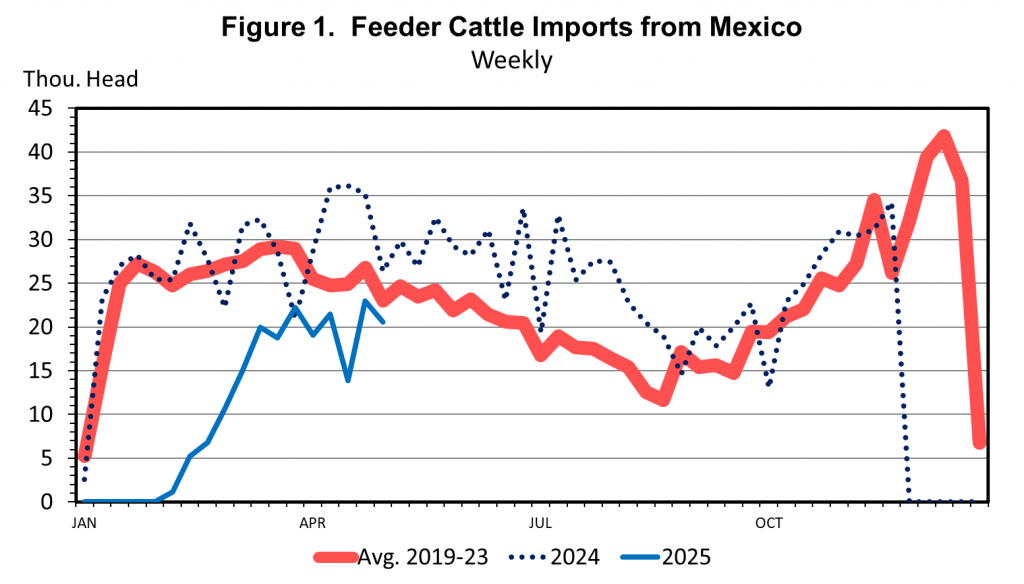
USDA-APHIS and Mexican officials will continue to cooperate in monitoring and detection of NWS and in the release of sterile NWS flies, the primary means of controlling the spread of the pest. NWS was eradicated in the U.S. in 1966 and, in cooperation with Mexico, the sterile fly program established a boundary at the southern Mexico border, later extended south to Panama. However, over the past two years, NWS has moved north through Central America and again into southern Mexico. The U.S. and Mexico have been working to amp up the sterile fly program since November. Disease metrics will be evaluated regularly, and the border closure will remain in place until progress is made in containing and controlling NWS in Mexico.
Mexico continues to struggle with challenges in addition to NWS, most notably severe drought in the northwest part of the country, especially in the states of Sonora, Chihuahua, Sinaloa, Durango and Coahuila, with marginal drought extending farther south into Zacatecas and the Bajio (Figure 2). In 2024, nearly 38 percent of feeder cattle imports were spayed heifers, an unusually high heifer percentage that was attributed to drought liquidation. Since the border opened in February, 35 percent of feeder cattle imports have been heifers. Most of these heifers were likely spayed last fall in anticipation of exporting but were unable to because of the border closure from November to February. Any remaining backlogged heifers that were spayed prior to November will not be able to cross now before the six-month clock expires for export of those spayed heifers. Drought liquidation is likely continuing in Mexico.
Figure 2, Mexico Drought Monitor, April 30, 2025.
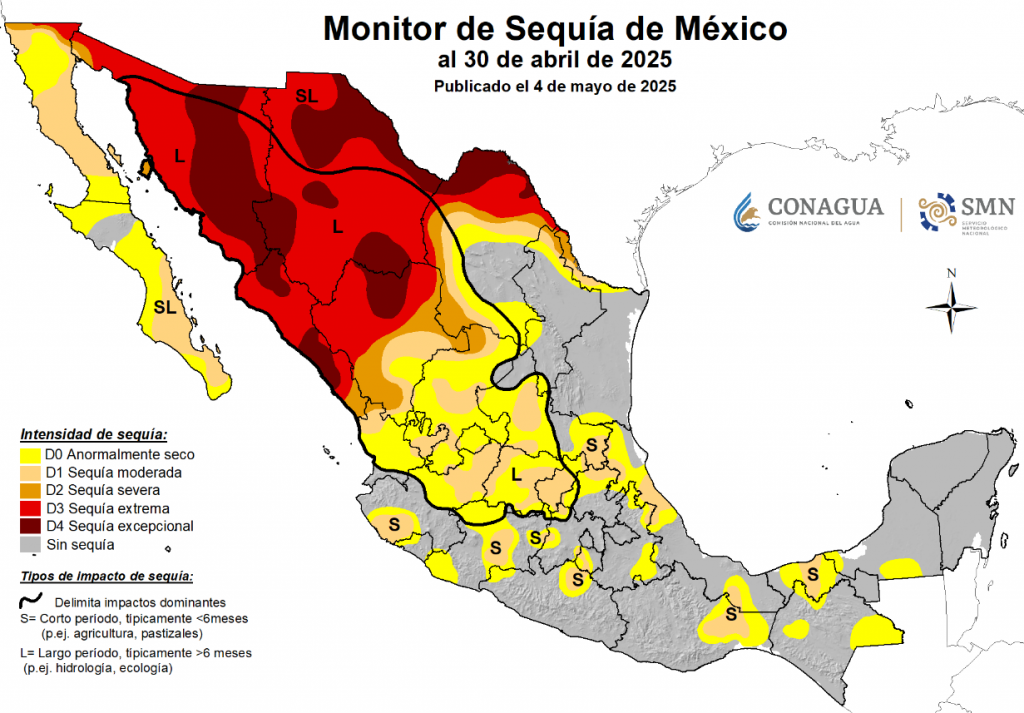
Figure 3 shows that rainfall in Chihuahua, for example, has been well below average since 2023. Chihuahua has received just 0.58 inches of rain in the first four months of 2025 and a total of 10.2 inches since January of 2024. Cattle producers are holding on until the typical rainy season begins in late June, hoping that this year returns to normal.
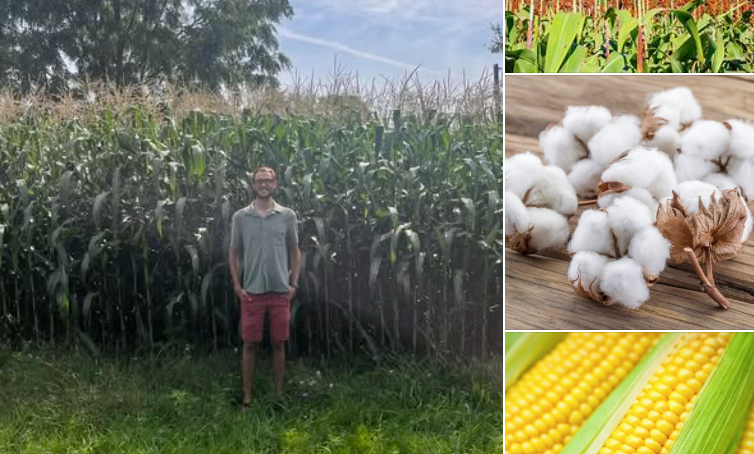
The Oklahoma County OSU Extension Service is currently seeking connections with local farms in Oklahoma County that are growing corn, cotton, or sorghum. Whether you're a small family farm, a commercial operation, or somewhere in between, we'd love to hear from you!
We are working to better understand and support our local producers!
Please reach out to:
Mason Huddleston
Extension Educator, Urban Agriculture & Natural Resources
2500 N.E. 63rd St., Oklahoma City, OK 73111
405-713-1125
Mason.Huddleston@okstate.edu
If you or someone you know is growing corn, cotton, or sorghum in Oklahoma County, we'd appreciate your help in connecting the dots!
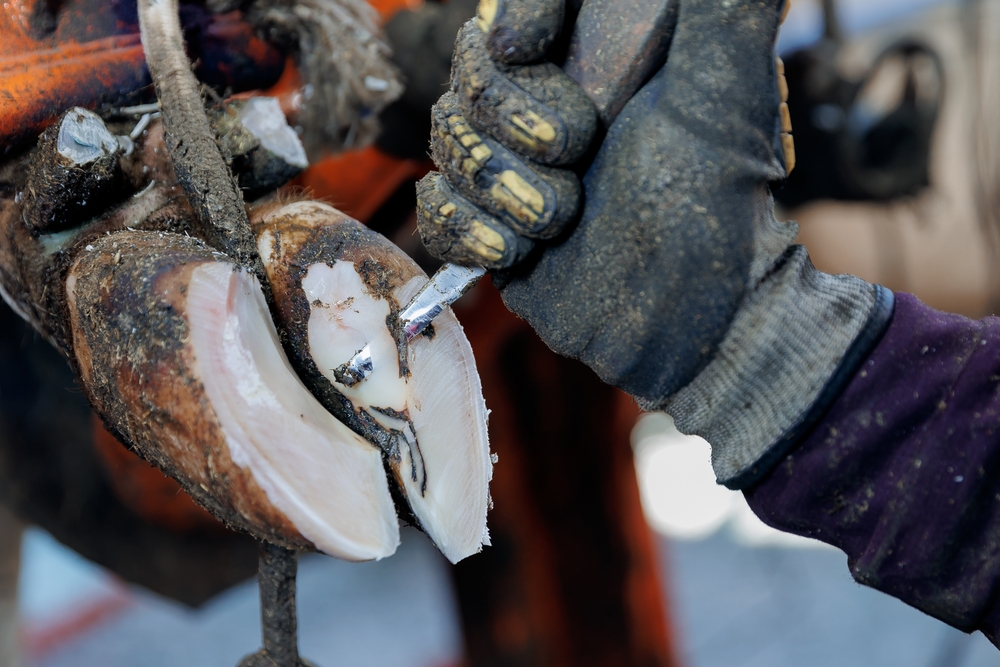
Foot rot is a common disease affecting cattle. It creates swelling and lameness in one or more feet. The condition can lead to severe lameness, decreased weight gain, and reduced overall production. If treatment is not initiated in a timely manner, deeper structures of the foot may become affected, leading to chronic disease and potentially permanent damage.
The primary agent responsible for foot rot is Fusobacterium necrophorum, which is a common bacteria of healthy skin. However, it requires an opportunity to invade deeper tissues such as injury or wet skin. This bacterium often acts in conjunction with others, such as Porphyromonas levii, Staphylococcus aureus, Escherichia coli, and Trueperella pyogenes.
Environmental factors play a significant role in the transmission of foot rot. Moisture, nutrient deficiencies (particularly in iodine, zinc, selenium, and copper), and injuries from walking on abrasive surfaces can compromise skin integrity, facilitating bacterial invasion. Standing in pens or lots heavily contaminated with mud, feces, and urine softens the skin, increasing the opportunity for infectious agents to invade. High temperatures and humidity can also cause the skin to become more fragile, making it more susceptible to infection.
Foot rot can affect cattle of all ages, with increased incidences during or following wet, humid conditions. The first signs include sudden onset of lameness, swelling and redness of the tissue between the claws, and ulcerative type lesions in the interdigital space. The tissue is often necrotic with a characteristic foul odor. Swelling is typically evenly distributed around both digits and the hairline of the hoof, leading to separation of the claws. Affected animals are extremely painful in the affected foot and may also exhibit a loss of appetite.
Diagnosis starts with a thorough examination of the foot, looking for the characteristic signs mentioned above. It is important to differentiate foot rot from other conditions causing lameness. Swelling attributable to foot rot involves both claws, whereas other conditions often involve only one. Joint infections, sole abscesses, and sole ulcers may be mistaken for foot rot if a proper examination is not performed.
Early treatment of foot rot is usually successful. It begins with cleaning and examining the foot to confirm the diagnosis. Antibiotics as prescribed by a veterinarian are the primary treatment. Non-steroidal anti-inflammatory products should be utilized for pain relief. Veterinary consultation is necessary in situations where the animal does not respond quickly to the initial treatment as foot rot is likely not the cause of the animal's lameness. In cases where deeper foot structures are damaged, more aggressive therapy may be necessary.
Foot rot prevention focuses on maintaining interdigital skin health. This includes providing a well-balanced mineral program and minimizing environmental conditions that may cause skin or hoof injury. Preventing cattle from standing in wet, manure-infested areas is crucial. Footbaths may be helpful for animal in confinement, but typically are not practical for pastured cattle. A foot rot vaccine is available that may aid in prevention, but producers should consult their local veterinarian to determine the best options. Foot rot is a major cause of lameness in cattle and can have a severe economic impact on animal health, performance, and operation profitability. Prompt diagnosis and treatment, along with effective preventive measures, are essential in managing this disease. Producers should consult with their veterinarian to develop prevention and treatment protocols well in advance of widespread herd problems.
| ||||||||||||||||||||||||||||||||||||||||||||||||||||||||||||||||||||||||||||||||||||||||||||||||||||||||||||||||||||||||||||||||||||||||||||||||||||||||||||||||||||||||||||||||||||||||||||||||||||||||||||||||||||||||||||
| ||||||||||||||||||||||||||||||||||||||||||||||||||||||||||||||||||||||||||||||||||||||||||||||||||||||||||||||||||||||||||||||||||||||||||||||||||||||||||||||||||||||||||||||||||||||||||||||||||||||||||||||||||||||||||||
|
The agricultural markets absorbed the latest World Agricultural Supply and Demand Estimates (WASDE) report released today by the USDA, revealing some unexpected figures in its initial outlook for the 2025 crop year. Rich Nelson from Allendale joined Farm Director KC Sheperd to break down the key findings
Wheat Production Surprises to the Upside:
The wheat market presented a different picture, with a notable surprise in the new crop production forecast. "Yield numbers for wheat at least, are live USDA can change them, and they showed an aggressive discussion on the winter wheat side of things here, total winter wheat crop 1.382 billion bushels. That was about almost 60 million over the trade estimate."
Nelson attributed this strong production outlook, particularly for hard red winter wheat, to potentially favorable conditions, possibly including the recent rains in Oklahoma. "And the main driver of that was a very strong, hard red crop, 784 million bushels. This is, I believe, the second or third best hard red winter wheat yield we've had in the past 25 years. So big numbers there."
However, this higher production led to a higher-than-expected new crop ending stock figure of 923 million bushels, which was almost 50 million bushels above the trade estimate. "So, there is a positive number for corn, a positive number for soybeans, and the wheat side, but a bit of a negative perspective overall," Nelson summarized.
Corn Market Shows Bullish Signals:
Nelson pointed out that the USDA once again recognized stronger old-crop corn exports, leading to a lower ending stock figure. "USDA did see stronger exports on the old-crop side, and stocks were lowered to just over 1.4 billion bushels. Can you believe that just six or seven months ago, that number was 2 billion bushels? So we've certainly changed the old crop story quite a bit."
Looking ahead to the new crop, the USDA's projection of 1.8 billion bushels for ending stocks came in below trade expectations of 2.0 billion bushels. "So USDA came out with maybe a little bit of story on the corn side than a lot of us expected. And if you throw in a little weather risk, this story could get even more exciting for the new crop side as well," Nelson commented.
Soybean Stocks Lower Than Anticipated:
The soybean market also saw a revision in old crop numbers, with the USDA acknowledging better-than-expected exports. "Well, USDA recognized old crop exports, at least on this end, are a little better than expected. They took off, 25 million bushels off the ending stock. Number three, 50 million bushels now."
For the new crop soybean balance sheet, Nelson highlighted the uncertainties surrounding trade issues and the recent China developments. Despite these factors, the USDA's new crop ending stock projection of 295 million bushels was significantly below the trade estimate of 362 million bushels. "So USDA right now is starting the year off saying a decline in soybean stocks on the new crop on the new crop side."
Looking Ahead at Market Influences:
Nelson cautioned that these are still early projections with a full year of potential market-moving events ahead. "So this is something which, like we said, starts the year off, and all these numbers are artificial. There's a whole year in front of us, and there are many things in front of us. You know, keep in mind, we're still talking about a summer weather risk for at least corn and soybeans." He also emphasized the ongoing uncertainties surrounding trade relations. "Just because we had our past weekend of good news regarding China does not mean things are fixed, so this is still another risk issue in front of us."
Cotton and Livestock Markets:
The report also touched on the cotton market, with USDA holding onto a hefty old crop stock number and projecting a potentially large new crop ending stock. The livestock numbers presented a mixed picture, with a lowered view of beef production for the year but an increase in imports, suggesting cattle prices are more influenced by consumer demand and imports than solely by production declines.
For the next WASDE report, Nelson anticipates fewer major changes for corn and soybeans in the near term. The wheat market will continue to be closely watched due to its live production balance sheet. The livestock sector's import and export outlook will also be a key area of focus.
Farmers and market participants will analyze these initial estimates closely and monitor weather patterns and trade developments to gain further insights into the 2025 crop year. Click here to read more from Allendale.
You can also view the full reports here:
-- Crop Production: https://www.nass.usda.gov/...
-- World Agricultural Supply and Demand Estimates (WASDE): http://www.usda.gov/...
| U.S. PRODUCTION (Million Bushels) 2025-26 | ||||||
| May | Avg | High | Low | 2024-25 | ||
| Corn | 15,820 | 15,799 | 15,928 | 15,700 | 14,867 | |
| Soybeans | 4,340 | 4,325 | 4,358 | 4,228 | 4,366 | |
| All Wheat | 1,921 | 1,896 | 2,000 | 1,800 | 1,971 | |
| Winter | 1,349 | 1,333 | 1,385 | 1,272 | 1,349 | |
| U.S. ENDING STOCKS (Million Bushels) 2024-25 | ||||||
| May | Avg | High | Low | Apr | ||
| Corn | 1,415 | 1,444 | 1,515 | 1,385 | 1,465 | |
| Soybeans | 350 | 370 | 392 | 350 | 375 | |
| Wheat | 841 | 845 | 866 | 816 | 846 | |
| U.S. ENDING STOCKS (Million Bushels) 2025-26 | ||||||
| May | Avg | High | Low | |||
| Corn | 1,800 | 2,044 | 2,260 | 1,800 | ||
| Soybeans | 295 | 351 | 550 | 265 | ||
| Wheat | 923 | 848 | 920 | 771 | ||
| WORLD ENDING STOCKS (million metric tons) 2024-25 | ||||||
| May | Avg | High | Low | Apr | ||
| Corn | 287.3 | 287.4 | 290.0 | 285.4 | 287.7 | |
| Soybeans | 123.2 | 122.6 | 124.0 | 121.0 | 122.5 | |
| Wheat | 265.2 | 260.7 | 261.6 | 259.0 | 260.7 | |
| WORLD ENDING STOCKS (million metric tons) 2025-26 | ||||||
| May | Avg | High | Low | |||
| Corn | 277.8 | 296.0 | 308.0 | 279.7 | ||
| Soybeans | 124.3 | 125.3 | 133.2 | 120.7 | ||
| Wheat | 265.7 | 259.8 | 271.1 | 250.2 | ||
| WORLD PRODUCTION (million metric tons) 2024-25 | ||||||
| May | Avg | High | Low | Apr | ||
| CORN | ||||||
| Argentina | 50.0 | 49.8 | 51.0 | 48.5 | 50.0 | |
| Brazil | 130.0 | 127.1 | 132.4 | 124.0 | 126.0 | |
| SOYBEANS | ||||||
| Argentina | 49.0 | 49.3 | 50.0 | 48.5 | 49.0 | |
| Brazil | 169.0 | 169.1 | 170.0 | 168.0 | 169.0 | |
(c) Copyright 2025 DTN, LLC. All rights reserved.
America's soybean farmers welcomed early-hour news in the States that U.S. and Chinese officials have come to an agreement that temporarily reduces tariffs levied by the countries on exported products, including U.S. soy. The pause will be in effect 90 days while negotiations continue. Farmers across the soy-producing states are hopeful that during this time, a long-term Phase 2 agreement can be reached that addresses Chinese tariff and non-tariff barriers to trade.
Caleb Ragland, American Soybean Association president and a farmer who grows soy in Kentucky, said, "We are very pleased with these first steps toward resolution and appreciate that President Trump has heard our requests to quickly come to the negotiation table for agriculture producers and others who stand to suffer financial losses and lose hard-earned relationships. Farmers want to play their part in supporting broad-based, long-term solutions to the administration's concerns and help our fellow U.S. citizens when possible; but we cannot sustain tariffs that are exponentially higher than those of the first China trade war, which knocked out our largest export market overnight, if they linger into our fall harvest season. We hope that a deal can be reached in which China commits to robust purchases of U.S. soybeans and other products very soon."
A joint statement from the two countries explained the U.S. will reduce reciprocal tariffs on Chinese goods to 10% which, combined with a 20% duty on China regarding fentanyl, places Chinese imports at a minimum rate of 30%. China, in return, reduced its retaliatory tariffs on U.S. goods to 10% and agreed to remove any non-tariff trade barriers and restrictions imposed on U.S. products following "Liberation Day" April 2 when Trump announced his reciprocal tariff plan.
"This is a big development and one we are very pleased to hear, yet the tariff that remains in place for U.S. soy is far from inconsequential: Products purchased from our competitors in Brazil and Argentina are not burdened with this extra cost. That means China will turn to South America first for its purchases and only buy U.S. soybeans when it absolutely must," Ragland said. "Also important to note, the 90-day pause will end in August—right before our harvest season. We need the administration to continue its negotiations with China to find a long-term, sustainable solution that removes retaliatory tariffs and protects market access for our agricultural products."
In the most recent marketing year, U.S. exporters shipped 46.1 million metric tons of soybeans to foreign markets, accounting for over $24 billion in sales. Of those exports, nearly 25 MMT of soybeans went to China. That volume represents 54% of U.S. soybean exports and accounts for $13 billion in value for U.S. soybean farmers.
While the soy industry works incessantly to seek new and develop existing markets for both whole beans like those imported by China and for soy oil and meal use, it is a slow process that can take years. The China market was started in the 1980s and took more than 40 years to fully establish. Those relationships are critical, as is the ability of U.S. soy farmers to supply them with high-quality U.S. soy on a consistent basis.
U.S. soy's relations with China are still encumbered by damage done in 2018/19. The industry looks to the administration to help repair and retain its relationships with key markets such as China in the weeks ahead through fruitful negotiations.

While NASA is renowned for exploring distant planets and the vastness of space, the agency plays a significant, perhaps surprising, role in monitoring and addressing critical agricultural challenges right here on Earth, often in collaboration with the USDA and other federal efforts.
"We look at the Earth as like a living organism, and we need to monitor it and understand what changes are occurring," explains Brad Doorn of NASA, who brings a unique perspective, having previously worked at the USDA's Foreign Agricultural Service (FAS). During his time at USDA, Doorn supported the integration of satellite data into the monthly World Agricultural Supply and Demand Estimates (WASDE) reports – a process that uses satellite imagery, weather data, field observations, and government information to forecast global crop production.
This connection between space-based observation and ground-level agriculture continues through several key collaborations. One prominent example involves the U.S. Drought Monitor.
"Through our climate sensors, we're able now to understand groundwater changes much more effectively than we ever have in the past," Doorn states. NASA's Goddard Space Flight Center now provides crucial data products directly to the U.S. Drought Monitor program on a weekly basis. "This provides... groundwater, root zone soil moisture, and surface soil moisture products for the entire nation," aligning with the Drought Monitor's weekly release schedule.
Soil moisture information, vital for farmers and resource managers, is a key contribution. Data derived from NASA technology, such as the GRACE (Gravity Recovery and Climate Experiment) climate satellites, is regularly provided to users ranging from USDA agencies to farm media outlets, offering insights into water availability in the soil.
Beyond direct data provision, NASA also develops and offers open-access software and technological products based on its satellite observations for various terrestrial applications, including agriculture.
Doorn highlights the "OpenET" product as an example. "We work with irrigation managers [on OpenET] that really helps us understand water use," he says. This tool allows a farmer or an irrigation district manager to input the product into their own management systems. The result is access to valuable water supply or crop water demand information "that they've never had in the past," enabling more efficient and informed water management decisions.
Through these initiatives – providing critical drought and moisture data, developing accessible tools like OpenET, and leveraging its unique Earth observation capabilities – NASA actively contributes to the understanding and management of U.S. agriculture, demonstrating how space technology yields tangible benefits for farming and ranching back on Earth.
(Based on a USDA Radio report by Rod Bain)
Be strategic to mitigate risk of yield loss during this stage, advises LG Seeds agronomist.

Considered one of the most influential growth stages in corn, V6 is a critical time to mitigate risk with timely management strategies.
"The number of kernel rows per ear is determined around V6, so any competition the corn plant has is adding stress on that crop that could diminish yield," says Shane Irlbeck, LG Seeds agronomist. "It's important to mitigate that as much as possible."
Why is V6 important?
There are four key windows when corn yields are most influenced: VE, V6, V10-V12 and R5-R6. By V6, plant stands are established, rapid stem elongation begins and the number of kernel rows per ear is being determined. During this period, growers want the plant focused on building yield, not battling stress.
"Drought or crop stress at this time can impact the yield potential we're setting up for the year," says Irlbeck. "The crop's ability to overcome V6 stressors depends in part on whether it flexes in ear length or girth or by kernel depth, but regular scouting and a fungicide application can help in either scenario."
Scout and identify threats
The first step in maximizing the V6 period is knowing what challenges your corn crop is facing, so the more time you spend scouting in the field, the better. Irlbeck says if you're seeing signs of stress at V6, the crop is feeling it too.
"If you see nutrient deficiencies, a foliar or a soil-applied rescue application can help, but keep in mind that some damage has already been done," says Irlbeck. "It's better to be out there, know you have an issue at the time and take action than wondering why it yielded poorly."
Respond strategically and promptly
Corn faces multiple challenges during V6, so keeping the competition away from the plant is critical. With weed pressure, Irlbeck's advice is to start clean and stay clean.
"Use a good preemergence herbicide, multiple modes of action and make sure you're going early if you're just using a postemergence application," says Irlbeck.
Growers should scout for other common V6 pressures like corn rootworm by digging roots and floating larvae. While it's not possible to control corn rootworm once feeding is underway, Irlbeck notes that prevention is key and "stacking protective traits can help mitigate risk, as can a soil-applied insecticide."
In terms of disease management, Irlbeck shares that "fungicides are critical if you've had disease in the past, especially in a corn-on-corn situation."
Address nutrient deficiencies
The V6 stage is also when nitrogen uptake begins, so growers should be on watch for nutrient deficiencies and be prepared to correct them.
"You may see some sulfur or nitrogen deficiency," says Irlbeck. "If you have it in your program to do some side-dress nitrogen, V6 to V8 is an optimal time because it's not long until we're pushing tassels." Since corn uses up to 70% of its nitrogen before R1,* having the appropriate amount of nitrogen applied ahead of tasseling is crucial.
"The rapid growth period from V7 to tassel is when most of the nitrogen in that plant is taken up and used," Irlbeck explains. "Make sure you have enough fertilizer up front or split-applied."
Signs of success
You may start to see suckers or tillers appear on the plant at V6. In most cases, it's not something to worry about. "Tillered corn is happy corn," says Irlbeck. "That typically means it has enough nutrients and moisture that it thinks it can throw another stalk out there."
His final way to maximize this growth stage — a cross-check on your management plan. "Make sure you're talking to your agronomist who'll know how to anticipate how hybrids will react to different management practices and get the best bang for your buck."
For help with crop management and mitigating risk this season, reach out to your local LG Seeds agronomist.
On Sunday, U.S. Secretary of Agriculture Brooke Rollins announced the suspension of live cattle, horse, and bison imports through U.S. ports of entry along the southern border due to the continued and rapid northward spread of New World Screwworm (NWS) in Mexico.
Senior Farm and Ranch Broadcaster, Ron Hays, spoke with Senior Vice President of Government Affairs at the National Cattlemen's Beef Association, Ethan Lane, about border closure and its impact on the cattle industry.
NWS has been recently detected in remote farms with minimal cattle movement as far north as Oaxaca and Veracruz, about 700 miles away from the U.S. border. "That was the last, real, logical point, width-wise on the peninsula of Mexico to really mount a defense, given the amount of sterile flies we have to work with each week - about a hundred million," Lane said.
Despite the efforts of the United States and Mexico, and the economic impact on both countries, there has been continued northward advancement of NWS, and additional action must be taken to slow the progression of this deadly parasitic fly.
"This is a continuation of that on-again, off-again dynamic we've seen with Mexico relating to the New World Screwworm and its incursion into Southern Mexico over the past few months," Lane said. "We've been talking for weeks about that effort to stop the spread of screwworm using that sterile fly technique that requires dozens of overflights per week over that hot zone in Central Mexico."
It is an involved process to get the flies from the breeding facility in Panama, fly them to Mexico, then land them and stage them. Several planes must land across the area and then be refueled before making their return trips.
"This really is a time for us to be looking at those controls in Mexico and what we have going on at our own border and continuing to engage with Congress to illustrate to them how pressing this issue is," Lane said. "As part of the ongoing budget and funding discussions in D.C., we need to make sure they're thinking about the fact that this is going to be an expensive fix and even more expensive if we end up with New World Screwworm here in the United States."
He insisted upon the importance of ramping up sterile fly production in the U.S. to mount a defense against the parasitic flies and push them back into Central America, which he estimates to cost several hundred million dollars.
Lane understands how badly the U.S. cattle industry needs cattle from Mexico, but also that Secretary Rollins made the right decision. "The secretary deserves a lot of credit for taking decisive actions; it's never an easy decision to make," he said. "We have a lot of cattle feeders, and others, that are really in need of those cattle coming up from Mexico right now, and we appreciate that they are taking an approach to this at the USDA of continuing to monitor and check in. We believe there will be some off-ramps down the line if we see some benchmarks hit by the Mexicans as far as arresting the spread of this through Mexico."
The import suspension will persist on a month-by-month basis, until a significant window of containment is achieved, but any livestock currently in holding for entry into the United States will be processed normally; This includes an APHIS port Veterinary Medical Officer inspection exam and treatment to ensure they are not carrying NWS.
The Beef Buzz is a regular feature heard on radio stations around the region on the Radio Oklahoma Ag Network and is a regular audio feature found on this website as well. Click on the LISTEN BAR at the top of the story for today's show and check out our archives for older Beef Buzz shows covering the gamut of the beef cattle industry today.
Senator John Boozman recently engaged with the National Association of Farm Broadcasters, emphasizing the critical role farm broadcasters play in disseminating vital information to the agricultural community. He acknowledged the current financial struggles faced by farmers across various sectors, stating, "It doesn't matter what you're growing. If you're growing something, you're losing money. It just doesn't it just doesn't pencil out. It will cost more to raise the crop than you can sell it for." He highlighted the substantial economic and disaster aid provided to farmers but stressed the need for sustainable risk management tools, particularly in the upcoming farm bill and reconciliation process.
Boozman discussed the collaborative efforts with House and Senate colleagues, including Representatives like GT Thompson and Senators like Amy Klobuchar, to address these challenges. He emphasized the importance of securing risk management tools, stating, "What we've got to do now is look for some ability for them to hedge for this next year. And that's really what all the discussions are about right now: how do we get that done? How do we get a farm bill passed? How do we get these essential risk management tools in place?" He expressed a desire to separate the risk management components from the broader farm bill to expedite assistance to farmers, followed by addressing other policy matters like research and trade.
Regarding the reconciliation process, Boozman addressed the significant cost discrepancies between the House and Senate proposals, stating, "It's, and I don't know where the 230 came from. I don't know where the billion came from."
He acknowledged the need for savings, particularly within the SNAP program, which constitutes a significant portion of the farm bill's expenditure, but affirmed a commitment to not cutting benefits. Boozman also touched on the debate regarding restrictions on SNAP purchases, expressing a preference for education over government mandates on dietary choices.
He also discussed ongoing efforts to address agricultural concerns with Mexico, including screwworm issues, and the need for a comprehensive approach to agricultural policy, emphasizing bipartisan collaboration. Click the listen bar at the top of the page to hear his complete comments.
Boozman addressed the push for a standalone farm bill, highlighting Senator Thune's support and the general consensus among members to pass a comprehensive bill. He acknowledged the difficulties in navigating the current economic climate for farmers, noting, "Members are understanding how difficult it is in farm country, and just the dire predicament. We're talking about farmers, about not seeing anything like this since the 80s. This is a generational thing." Given their limited control over input costs and market prices, he stressed the necessity of establishing safety nets for farmers.
Earlier today, trade officials from the United States and China announced that the U.S. will, for a period of 90 days, reduce tariffs on Chinese imports from 145% to 30%, with China agreeing to reduce retaliatory duties from 125% to 10%.
U.S. Meat Export Federation (USMEF) President and CEO Dan Halstrom issued the following statement:
USMEF greatly appreciates the efforts of U.S. Trade Representative Jamieson Greer and Treasury Secretary Scott Bessent to negotiate this agreement with their Chinese counterparts. Although this is a temporary pause, we are hopeful that it is the first step toward restoring access to China for U.S. pork and beef.
RON's Dave Lanning has a pre-opening look at today's agricultural Markets.
Click the audio tab below for today's report.
RON's Jacquelyn Farris reports from the State Capitol
On Sunday, the National Cattlemen's Beef Association (NCBA) announced support for the U.S. Department of Agriculture's (USDA) decision to close the U.S. southern border to shipments of cattle, bison, and horses, due to the continued spread of New World screwworm beyond the phytosanitary border put in place to stop its advance. This announcement is the latest move to halt the spread of this invasive pest that puts the entire U.S. livestock industry at risk.
After USDA released details of the border closing, Oklahoma Farm Report's Ron Hays got on the phone with Ethan Lane of the NCBA and got their perspective on this potential disaster in the making for the US Beef Cattle industry.
This is our Monday Beef Buzz- we will post it as our Beef Buzz later on Monday- but to hear the conversation now- click on the listen bar above.

The nation's largest and oldest cattle organization- and three of it's key affiliates here in the southwest have praised the decision by US Secretary of Agriculture Brooke Rollins as she is immediately stopping cattle, bison and horses from entering the United States from across the Rio Grande because of concerns regarding the New World Screwworm. Here are the releases from each of the groups:
National Cattlemen's Beef Association:
Today, the National Cattlemen's Beef Association (NCBA) announced support for the U.S. Department of Agriculture's (USDA) decision to close the U.S. southern border to shipments of cattle, bison, and horses, due to the continued spread of New World screwworm beyond the phytosanitary border put in place to stop its advance. Today's announcement is the latest move to halt the spread of this invasive pest that puts the entire U.S. livestock industry at risk.
"For months, NCBA and affiliated state cattle industry associations have been working with USDA officials urging their counterparts in Central America to take stronger action to stop the spread of New World screwworm. In the 1960s, America's cattle and livestock producers spent years and millions of dollars to eradicate New World screwworm from the United States," said NCBA CEO Colin Woodall.
The United States has long maintained its commitment to fighting New World screwworm by funding the production of sterile flies needed to keep this pest out of Central and North America. Despite the United States' work to control the pest, weak governmental participation in Central America allowed the insect to spread north out of Panama. This has been coupled with a lack of timely action by officials in Mexico and now the U.S. cattle herd, other livestock, wildlife, pets, and humans are all at risk again.
NCBA has been working closely with USDA to monitor the situation and has also appealed directly to the Mexican government to do more to intervene and stop the spread. However, a variety of factors have allowed the northward migration of the pest to continue. NCBA and state affiliate volunteer leaders and staff have also worked with members of Congress to help support USDA's efforts and will continue to seek every possible avenue to protect the U.S. cattle industry by preventing New World screwworm from reentering the United States.
"USDA's border closure was entirely avoidable. U.S. government officials, NCBA and leaders from affiliated state cattle industry associations have been sounding the alarm for months. Unfortunately, the Mexican government created unnecessary bureaucratic hurdles which rendered prevention efforts ineffective and allowed screwworm cases to spread unchecked beyond control points in southern Mexico," said Woodall. "The Mexican government's failure to knock down senseless obstacles has left America with no alternative but a closure of the U.S. border until the outbreak is verifiably stopped and the flies pushed back south of Panama's Darien Gap."
NCBA acknowledges that the border closure will create economic harm for U.S. farmers and ranchers, and create supply chain disruptions, but the costs will be far less than if New World screwworm crosses into the United States and we're forced to fight the pest on U.S. soil.
Oklahoma Cattlemen's Association:
The Oklahoma Cattlemen's Association (OCA) strongly supports the U.S. Department of Agriculture's (USDA) decision to temporarily close the U.S. southern border to shipments of cattle, bison, and horses due to the continued northward spread of the New World screwworm.
"This is a decisive and necessary step to protect the health and integrity of the U.S. cattle herd," said Michael Kelsey, Executive Vice President of the Oklahoma Cattlemen's Association. "New World screwworm is a devastating pest. Oklahoma cattle producers—like our peers across the country—remember the costly fight to eradicate it decades ago, and we cannot afford to allow it to reestablish itself in the U.S."
OCA has been working alongside the National Cattlemen's Beef Association (NCBA) and other state affiliates for months, urging proactive measures to stop the pest's spread. Despite repeated warnings and efforts, inadequate action by Central American and Mexican authorities has allowed the screwworm to spread beyond containment zones.
"While border closures always have economic consequences, the consequences of inaction would be far worse," Kelsey added. "We commend Secretary Rollins for prioritizing biosecurity and thank USDA for their close communication with industry leaders. OCA remains committed to working with USDA, NCBA, and our partners in Congress to ensure this outbreak is contained and eradicated."
Texas and Southwestern Cattle Raisers:
In response to the U.S. Department of Agriculture and Secretary Brooke Rollins' recent announcement to close the southern border to imports of cattle, horses, and bison in an effort to slow the northward spread of New World screwworm, Texas and Southwestern Cattle Raisers Association President Carl Ray Polk Jr. released the following statement:
"Texas and Southwestern Cattle Raisers Association takes the threat of New World screwworm seriously. We commend Secretary Rollins and USDA for making a difficult but necessary decision to close the southern border. While this action presents short-term challenges for cattle raisers, it is a critical step to secure the long-term health of the U.S. cattle herd.
Cooperation from the Mexican government is essential, and this move sends a clear signal about the urgency of the situation. Our association has consistently supported a border closure if warranted, and while we continue to work toward a domestic sterile fly production facility, we are left to rely more heavily on ground-based containment efforts."
Texas Cattle Feeders Association:
Texas Cattle Feeders Association's statement on U.S. Agriculture Secretary Rollins' Announcement to Close Southern Cattle Ports due to New World Screwworm (NWS)
Today, U.S. Department of Agriculture (USDA) Secretary Brooke Rollins announced closure of the southern cattle ports due to continued northern migration of the New World Screwworm (NWS) in Mexico.
In the past week, NWS has been confirmed in the Mexican states of Vera Cruz and Oaxaca. The latest cases reported by Mexico are located to the west and north of the narrow Isthmus of Mexico, creating additional challenges for sterile fly distribution. The availability of NWS sterile flies is also constrained by the maximum production capacity of USDA's facility in Panama, which has been producing 117 million sterile flies per week.
In late November 2024, Mexican officials notified the USDA that NWS was detected in the southernmost state of Mexico. Since that time, USDA has worked to increase deliveries of sterile flies from Panama to southern Mexico. Unfortunately, Mexican authorities have not been fully cooperative with USDA's aviation contractors to facilitate receipt and distribution of the sterile flies.
In a letter dated April 26, Sec. Rollins expressed serious concerns with the lack of collaboration in the shared campaign to halt the northern migration of the NWS and push the pest back toward the biological barrier at the Darien Gap. Following issuance of the letter, Mexico responded by expedited permits for USDA's aviation contractors and committing to other measures to combat NWS. Secretary Rollins also hosted her Mexican counterpart, Secretary of Agriculture Julio Berdegue, at USDA headquarters in Washington, D.C. on May 6. The meeting focused on efforts to eradicate the New World Screwworm and the 1944 Water Treaty.
TCFA leaders met with Sec. Rollins in March and April to urge the Secretary to focus on a two-pronged approach inclusive of (1) deploying sterile flies in Mexico and exploring options to expand sterile fly production to stop the northward migration of NWS and (2) enhancing inspection and surveillance of livestock at the U.S./Mexico border by hiring additional user-fee paid USDA-APHIS veterinarians and animal health inspectors.
Cattle and beef trade between the U.S. and Mexico has provided mutual benefits, and agricultural trade with Mexico has increased substantially under the USMCA free trade agreement negotiated by President Trump during his first term.
The health of the domestic cattle herd has been and will remain the top priority for TCFA. For decades, Mexican feeder cattle have crossed into the U.S. every year under stringent import protocols overseen by USDA-APHIS to ensure cattle are free of disease and pests. From 1930-2024, Mexican feeder cattle imports averaged more than 700,000 head per year and averaged 1.15 million head per year in the last 25 years. The only periods of time an embargo was placed on Mexican feeder cattle occurred on two occasions in the 1947-1954 timeframe due to an outbreak of foot-and-mouth disease in Mexico, and from Nov. 2024 – Jan. 2025 due to initial confirmation of NWS in southern Mexico. Cattle crossings resumed in Feb. 2025 following implementation of enhanced treatment and inspection protocols by USDA-APHIS. Today, closure of the southern border ports comes at a time when U.S. cattle inventories are at a 73-year low.
On a per head basis, total U.S. beef and variety meat export value averaged $415 per fed head harvested in 2024. Korea, Japan, China and Mexico are the top markets for U.S. beef and variety meats. In 2024, exports to Mexico represented $53.41 export value per head.
In the weeks and months ahead, USDA-APHIS will work to expand sterile fly production and distribution capabilities and reevaluate live cattle imports from Mexico.
TCFA will continue to engage with Sec. Rollins and USDA-APHIS leadership to support their response efforts and explore options for reopening the southern cattle ports.
US Cattlemen's Association
The United States Cattlemen's Association (USCA) expressed its sincere appreciation for the U.S. Department of Agriculture's (USDA) decisive action to close live animal imports at the southern border, in response to the surge of New World Screwworm (NWS) cases across Mexico. This is an issue USCA members shared widely in Washington, DC last week across USDA agencies and congressional offices. This coordinated measure, grounded in scientific expertise and decades of cross-border collaboration, is critical to preserving the health of America's cattle herd and the future of the U.S. beef supply.
"We are grateful to Secretary Rollins and the USDA for recognizing the urgent threat posed by the New World Screwworm and making the hard decision to halt animal movement across the southern border," USCA President Justin Tupper said, following an in-depth USDA-APHIS stakeholder briefing that included USCA policy staff. "Closing the border to Mexico will protect the U.S. beef supply and U.S. producers from the New World Screwworm. This is an issue that was resolved in the 1970s after the parasite caused severe and lasting damage to America's cattle herd. Its re-emergence is a very serious issue with potentially catastrophic consequences if left unchecked."
According to recent APHIS data shared with USCA and industry stakeholders, there have been over 1,400 detections of NWS across Mexico as of May 9, with outbreaks progressing steadily northward. Notably, active cases are now present in Chiapas, Tabasco, and as far north as central Oaxaca, just 127 miles from Mexico's crucial secondary barrier. The ongoing increase in detections includes new cases in Veracruz, a major cattle movement corridor. Quick action is a necessity.
"Generations of ranching families remember the devastation the last NWS outbreak caused. Thanks to USDA's vigilance and strong partnership with Mexico, we have the tools, surveillance, and sterile insect technology to respond, but controlling animal movement and closing ports of entry are essential first steps," Tupper continued.
The NWS eradication effort relies on three science-based pillars: animal movement control, rapid identification and education, and the sterile insect technique. The USDA's sterile insect facility in Panama is currently operating at maximum capacity, releasing over 100 million sterile insects weekly in Mexico, with increased aerial dispersal flights and covering 3,000 – 6,000 insects per linear nautical mile, far surpassing historic levels. Technical teams are in the field, evaluating surveillance and helping Mexican partners expand monitoring and outreach. It is essential that the population of sterile flies is maintained for prevention efforts.
USCA also appreciates the regular and transparent communication with USDA and international partners, as well as the swift implementation of animal health safeguards, enhanced tick rider monitoring along the border, and ongoing evaluation of port activities to ensure safety is maintained at every level.
While understanding the significant impact this temporary closure may have on cross-border commerce and producers, USCA stands firmly behind USDA and APHIS in prioritizing animal health and the long-term viability of the American beef industry. Disease prevention and eradication measures will be more impactful and financially feasible than any emergency management strategy that would result from an outbreak.
"We must remain vigilant. The lessons of the past, combined with today's cutting-edge surveillance and eradication tools, give us the best possible chance to halt this outbreak," Tupper concluded. "USCA will continue to work hand-in-hand with USDA, state veterinarians, and our neighbors in Mexico to eradicate the New World Screwworm once again and safeguard America's cattle ranching heritage."
For more information and resources, visit the official USDA newsroom.
R-CALF, USA
On Sunday, U.S. Agriculture Secretary Brooke Rollins closed the Mexican border to imports of live cattle, horses and bison to protect the U.S. livestock herd from the introduction of New World Screwworm, which has been advancing northward since the pest was first detected in southern Mexico in November.
The Animal and Plant Health Inspection Service (APHIS) initially closed the border to such live animal imports in November following Mexico's announcement of the detection of New World Screwworm in the southernmost region of Mexico. Imports were resumed by APHIS on February 1, 2025, under a screwworm mitigation protocol, but the pest was recently detected elsewhere in Mexico, reportedly within about 700 miles of the U.S. border.
R-CALF USA, the nation's largest trade association exclusively representing independent cattle and sheep producers, has long advocated for strict prohibitions against the importation of live cattle from any country where pernicious livestock diseases or pests are known to exist.
The ranch group litigated against the U.S. Department of Agriculture's effort to prematurely reopen the Canadian border following multiple detections of bovine spongiform encephalopathy (BSE) in Canada's native cow herd from 2004 through 2008. At the time, the USDA argued that normalizing trade was among the agency's top priorities, and it was willing to accept a higher level of risk of disease introduction to accomplish that objective than was R-CALF USA.
Since that time, R-CALF USA has aggressively opposed the USDA's actions of allowing the importation of fresh beef from countries not free of foot-and-mouth disease (FMD), such as Brazil, Argentina and Paraguay. But the USDA remained steadfast in its efforts to facilitate imports from such affected countries and continues to do so today.
R-CALF USA says the current action by Secretary Rollins marks a welcome change to USDA's priorities.
"It is clear that Secretary Rollins is willing to act decisively to protect the health of America's cattle and sheep herds, as exemplified by her action taken yesterday in response to this New World Screwworm threat," said R-CALF USA CEO Bill Bullard.
"We commend the secretary for her action, knowing it is necessary to prevent serious financial injury to our domestic livestock industries, and we pledge our support for her ongoing efforts to help Mexico eradicate this dangerous pest," Bullard added.
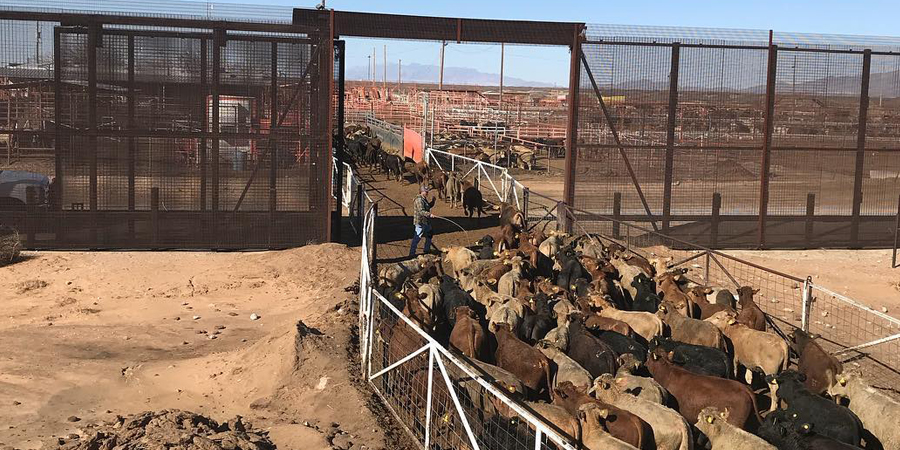
U.S. Secretary of Agriculture Brooke L. Rollins on Sunday announced the suspension of live cattle, horse, and bison imports through U.S. ports of entry along the southern border due to the continued and rapid northward spread of New World Screwworm (NWS) in Mexico, effective immediately. NWS has been recently detected in remote farms with minimal cattle movement as far north as Oaxaca and Veracruz, about 700 miles away from the U.S. border.
The United States and Mexico continue efforts to interdict and eradicate NWS in Mexico and work in good faith. However, despite these efforts and the economic impact on both countries due to this action, there has been unacceptable northward advancement of NWS and additional action must be taken to slow the northern progression of this deadly parasitic fly. As such, effective immediately, the USDA Animal Plant Health Inspection Service (APHIS) in conjunction with Customs and Border Protection (CBP) will restrict the importation of live animal commodities originating from, or transiting Mexico. This import suspension will persist on a month-by-month basis, until a significant window of containment is achieved. USDA will continue constant collaboration with Mexico, including a review of latest data and metrics in two weeks. Our teams have been in daily communication discussing how we can build on the good work that has been accomplished to improve our strategy toward eradication. Any livestock currently in holding for entry into the United States will be processed normally, this includes an APHIS port Veterinary Medical Officer inspection exam and treatment to ensure they are not carrying NWS.
"The United States has ordered the suspension of livestock imports through ports of entry along our southern border after the continued spread of the New World Screwworm in Mexico. Secretary Berdegué and I have worked closely on the NWS response; however, it is my duty to take all steps within my control to protect the livestock industry in the United States from this devastating pest," said Secretary Rollins. "The protection of our animals and safety of our nation's food supply is a national security issue of the utmost importance. Once we see increased surveillance and eradication efforts, and the positive results of those actions, we remain committed to opening the border for livestock trade. This is not about politics or punishment of Mexico, rather it is about food and animal safety."
Effective eradication, which remains our shared goal and best interest of both the U.S. and Mexico, requires a three-pronged approach: robust active field surveillance with education and outreach to ensure prevention, treatment, and early detection; controlled animal movement to limit spread; and sustained sterile insect dispersal. Suspending livestock transport through southern ports of entry will assist in the effort to limit northbound transport of NWS through livestock commerce, and will allow the U.S. to reassess whether current mitigation standards remain sufficient. It is important to note the northward spread of NWS is possible through natural wildlife movements, including wildlife that transit the border region without impediment.
USDA is taking all possible actions to monitor for, and limit, the northward movement of NWS, including the utilization of the USDA Tick Riders to monitor livestock and wildlife along the southern border region, between the ports of entry, for the presence of NWS.
The U.S. previously and successfully led the eradication of NWS in the U.S. and Mexico, however this cost billions of dollars and took decades. Unfortunately, these recent detections in Mexico show that this dangerous pest is back and remains a serious threat to the health of our animals, our food supply, and the security of our country.
BACKGROUND
The following is an Op-Ed by Congresswoman Stephanie Bice.
Reconciliation is a serious priority of both the White House and Congress this year. It is a legislative package containing numerous provisions championed by President Trump and Congressional Republicans. Despite all the buzz, the term reconciliation is often misunderstood. Simply put, it's a statutory process meant to streamline budget-related legislation under specific guidelines.
The process was created by the Congressional Budget Act of 1974 as a procedural tool to help Congress bring federal spending and taxes in line with budget resolutions. The process has been used 22 times successfully, while five other reconciliation bills have passed the Congress but been vetoed by the President. It begins when Congress passes a budget resolution. This resolution doesn't become law or require a presidential signature but instead sets an overall revenue and spending level. Within that framework, Congress can include what are known as reconciliation instructions that direct specific committees to draft legislation meeting the targeted fiscal goals. These instructions are limited in scope and must relate directly to revenue, spending, or the federal debt limit.
Once each committee drafts their piece of legislation, the House and Senate consolidate each piece into one bill. It is then considered under special rules in the Senate that limit debate to 20 hours and prohibit the use of a filibuster. That's the key distinction: reconciliation bills can pass with a simple majority of votes instead of the usual 60 needed to overcome a filibuster. This streamlined process was designed for fiscal matters only. To guard against abuse, the Senate adheres to what's known as the Byrd Rule. This rule ensures that only provisions with a direct budgetary impact can be included in a reconciliation bill. Anything deemed extraneous, meaning it doesn't significantly affect revenue or spending, is removed from the bill.
In history both parties have used the reconciliation process. In recent years, Republicans used it in 2017 to pass tax reform, also known as President Trump's Tax Cuts & Jobs Act. In 2021, Democrats used it to pass their $1.9 trillion COVID relief package. One persistent myth that needs correcting is the claim that Congress can use reconciliation to make changes to Social Security. That is flatly false. Social Security is specifically exempt from reconciliation under the 1974 Budget Act. The law prohibits any reconciliation bill from including provisions that would alter Social Security's benefit structure or funding mechanisms. So, no matter what, reconciliation cannot be used to cut, expand, or reform Social Security. That issue must be addressed through regular legislative order.
As of now, Congress is still navigating the committee process for this year's reconciliation bill. We will continue to fight for fiscal responsibility, transparent governance, and the integrity of the legislative process. The American people deserve no less.
This week, PLC is celebrating a step forward with BLM's withdrawal of PIM 2025-004, a Permanent Instructional Memorandum entitled: Setting Priorities for Review and Processing of Grazing Authorizations and Related Livestock Grazing Monitoring, and Incorporating Thresholds and Responses into Grazing Permits/leases.
In December 2024, the BLM implemented a series of memoranda related to program implementation in areas they were not able to promulgate rules during the Biden Administration. Among these memorandums was PIM 2025-004, which would have delayed grazing permits in several states, required a risk of contact model in areas with bighorn sheep populations, and confused the management of areas with sage-grouse populations.
PLC thanks Secretary Burgum, BLM Acting Director Raby, and other Interior leadership for taking this important step to clarify policy and ensure ranchers and BLM staff are able to use a science based, commonsense approach to land management.

Today, Congresswoman Bice joined President Donald J. Trump at the White House as he signed her legislation H.J.Resolution 24, into law. The resolution permanently nullifies restrictive Biden-era regulations on walk-in coolers and freezers, which placed significant financial strain on small businesses and highlighted blatant federal overreach.
"Today is a victory for America's small businesses," said Congresswoman Bice. "I was honored to stand with President Trump as he signed my legislation into law. From pharmacies and food banks to restaurants and convenience stores, industries that rely on commercial refrigeration will no longer be burdened by this regulation. By overturning this rule, we are protecting economic freedom, preserving consumer choice, and ensuring businesses aren't forced to bear unnecessary costs. I'm grateful to my colleagues in Congress who recognized the need to act decisively. With the President's signature, we've taken a meaningful step to rein in bureaucracy, keep costs low, and restore commonsense to federal rulemaking."
The now-signed resolution was introduced by Rep. Bice under the Congressional Review Act to stop the Biden Administration's Department of Energy's December 2024 rule, which would have imposed costly new energy efficiency mandates on commercial refrigeration units. The rule, with an estimated compliance cost of nearly $1 billion, was widely criticized by businesses, manufacturers, and consumer advocacy groups for increasing operational costs while delivering minimal energy savings. Rep. Bice's legislation received bipartisan support in the House, reflecting broad concern over regulatory overreach.
Oklahoma Farm Report's Ron Hays sat down and talked about the status of the 2025 Oklahoma Hard Red Winter Wheat Crop with the Executive Director of the Oklahoma Wheat Commission, Mike Schulte.
Schulte reviews what he has seen in recent weeks as he has traveled across the wheat belt in the state- and he explains that the crop looks much better than he thought it might look like six weeks earlier. April rains have turned crop prospects around- and has allowed the Oklahoma Grain and Feed Association to predict a 101 million bushel crop for the state in 2025- just slightly less than the 108 million bushel crop produced in 2024.
Hays and Schulte talk about crop conditions, what the Kansas crop may look like in the coming week during their annual wheat tour, what USDA may tell the trade on Monday as they make their first prediction of the year based on May first conditions, the upcoming election for District for the Commission(the seat for the eastern half of the state of Oklahoma that has been held for many years by Don Schieber of Kildare, Oklahoma- who has chosen not to seek another term this year) and what the prospects are to successfully market the HRW crop in the months ahead.
Learn more about the Oklahoma Wheat Commission by traveling to their website- OkWheat.Org.
The Oklahoma Wheat Commission (OWC) will hold an election to fill the District 5 board seat opening. The election will be held Wednesday, May 14, 2025, commencing at 1:00 p.m. at the Pioneer Technology Center in Ponca City- (Conference Center B, 2101 N. Ash, Ponca City, OK 74601.)
District 5, encompasses all counties east of the western boundary lines of Kay, Noble, Logan, Oklahoma, Cleveland, Grady, Stephens and Jefferson counties.
Oklahoma Farm Report's Ron Hays talked with Oklahoma Wheat Commission Executive Director Mike Schulte about this District 5 election coming on Wednesday, May 14th- listen to their conversation by clicking on the Listen Bar below:
All wheat producers within District 5 boundaries who are actively engaged in wheat production, have marketed wheat, have paid a check-off fee and left that fee with the OWC for the current marketing year (June 1, 2024-May 31, 2025) are eligible to vote. It will be the responsibility of the producer to prove their eligibility to vote by providing a dated grain elevator receipt including the producer's name and amount of wheat sold, and a driver's license or some other form of identification.
Candidates wishing to run in the election must be at least 25 years old, a resident of Oklahoma, engaged in growing wheat in the state for at least five years and must derive a substantial portion of his/her income from growing wheat.
Three nominations will be made at the election, from which the Oklahoma Secretary of Agriculture will appoint one person to serve a five-year term with the Oklahoma Wheat Commission. The Commission's District 5 board meeting, which is open to the public, will begin at 9:00 a.m.
Lunch will be served at 12:00 noon and is sponsored by the Oklahoma Wheat Growers Association. All producers planning to vote should bring all documentation required and must be checked in at the polling booth by 1:00 p.m. when the voting process begins.
Every wheat producer in the district is urged to participate in this important election. For further information, contact the OWC office at (405) 608-4350- go to the notice found on the OkWheat.org website.
Groups representing farmers across the United States have filed a brief encouraging the U.S. Supreme Court to hear a case on labeling for glyphosate and other pesticides. The groups, which represent a broad swath of agriculture and cover more than 300 million acres, argue glyphosate is a "once-in-a-century" herbicide given its effectiveness at controlling an array of damaging weeds, affordability and low toxicity. However, uncertainty created by inaccurate interpretations of pesticide labeling requirements has risked farmer access to glyphosate and other indispensable tools.
The question at the center of the case, Durnell v. Monsanto, is whether manufacturers of glyphosate or other pesticides are liable under state law for "failure to warn" of alleged cancer or other health risks when federal regulators have thoroughly evaluated the safety of the products and determined their uses are safe. Such state requirements exist despite regulators at EPA and those of the European Union, Canada, Japan, Australia, Korea, and elsewhere repeatedly finding glyphosate does not pose cancer risks. In the brief, the groups argue the Federal Insecticide, Fungicide, and Rodenticide Act has long prevented states from imposing labeling requirements different from EPA findings. Additionally, to require a cancer risk warning label despite such strong evidence to the contrary would be "false or misleading," which is also prohibited by FIFRA.
American Farm Bureau Federation, American Soybean Association, American Sugarbeet Growers Association, International Fresh Produce Association, National Association of Wheat Growers, National Corn Growers Association, National Cotton Council, National Sorghum Producers, North American Blueberry Council, Western Growers and others are among the groups on the brief.
They discuss the continued risks of misinterpreting FIFRA. Among them, pesticide users will lack clear, accurate labels, which could result in accidental misuse of pesticides and potential harm to the public and the environment. Further, with manufacturers placed in the no-win situation of either disregarding state labeling requirements or making false and misleading statements in violation of FIFRA, these companies may exit the market and leave farmers without much-needed tools. U.S. agriculture would then be vulnerable to weeds and other devastating pests, in turn harming the ability of farmers to sustainably feed, clothe, and fuel our country and the world.
The Supreme Court will review the petition to hear the case, as well as briefs from other interested parties that include farmers. It will then decide whether to hear the case in the weeks ahead.
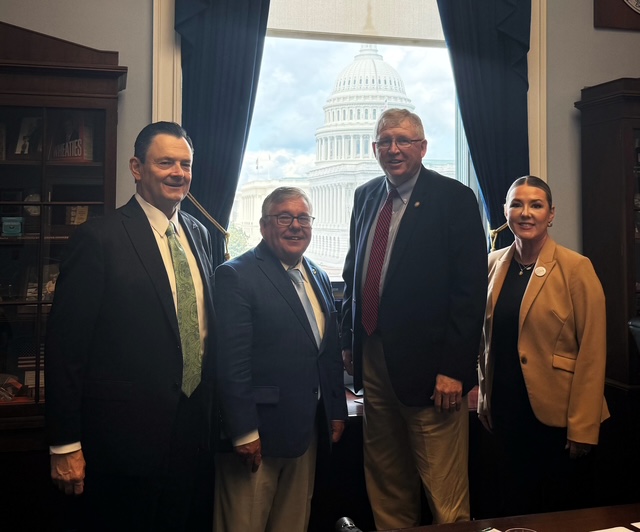
Members of the Oklahoma AFR Delegation with Rep. Frank Lucas.
Representatives of American Farmers & Ranchers (AFR) Cooperative joined more than 100 farmers from across the country to lobby Congress for a new farm bill during National Farmers Union's (NFU) Week of Action May 5-9.
"We went to Washington to convince Congress we need a new farm bill," said AFR Cooperative President Scott Blubaugh. "We're two-and-a-half years overdue."
AFR's message was clear: farmers in Oklahoma are facing a perfect storm of volatile markets, rising input costs, shrinking federal support and mounting trade tensions — all with no new farm bill in sight.
"The trade uncertainties throughout the world and input prices have risen dramatically since the last farm bill was written eight years ago, resulting in a safety net that today is totally inadequate," said Blubaugh. "Our farm programs desperately need to be updated. That's why a farm bill is supposed to be written every five years—to allow for changes to farmers' and ranchers' bottom lines, like inflation, input availability, and changes to commodity markets."
While in Washington, AFR joined other farmers and ranchers for briefings at the U.S. Dept. of Agriculture, the U.S. Dept. of Justice, and with legislators on Capitol Hill, including House Agriculture Committee Chairman Glenn "GT" Thompson (R-Penn.), House Agriculture Committee Ranking Member Angie Craig (D-Minn.), and Senate Agriculture Committee Ranking Member Amy Klobuchar (D-Minn.).
"We were in Washington to put pressure on both sides of the aisle," said Blubaugh. "We were there to say we need this now. Stop kicking the can down the road."
AFR and NFU members from across the country advocated for easing the burden on farmers by passing a strong, united and comprehensive five-year farm bill that strengthens the farm safety net, builds upon voluntary conservation programs, fosters fairness and opportunity in the marketplace, delivers fast and reliable risk management programs, and garners broad support from both farmers and consumers.
The AFR representatives also met with all members of the Oklahoma congressional delegation or their staff, including Sen. James Lankford (R-Okla.), Sen. Markwayne Mullin (R-Okla.), Rep. Frank Lucas (R-OK-03), Rep. Tom Cole (R-OK-03), Rep. Kevin Hern (R-OK-01), Rep. Stephanie Bice (R-OK-05), and Rep. Josh Brecheen (R-OK-02).
AFR Cooperative is a membership services organization established in 1905 as Oklahoma Farmers Union. AFR provides educational, legislative and cooperative programs across the state and serves as a watchdog for Oklahoma's family farmers and ranchers and rural communities. The organization is actively supportive of the state's agricultural industry and rural population with membership consisting of farmers actively involved in production agriculture and non-farmers adding their voice in support of AFR principles.
Yesterday, the National Cattlemen's Beef Association (NCBA) submitted comments to the U.S. Food and Drug Administration (FDA) urging the agency to toughen up guidance for fake meat companies that would prevent them from using misleading labels on plant-based products.
"Cattle farmers and ranchers work hard every day to raise wholesome, high-quality, and nutritious real beef. We've spent decades building a strong reputation with consumers and we will not give up on that without a fight. Companies selling fake meat should not be allowed to use misleading advertising or trade on beef's good name," said NCBA President and Nebraska cattleman Buck Wehrbein. "If you're manufacturing products to replace beef that contain no real beef, you should not be using terms that are specific to livestock, especially legally defined terms like 'meat.'
"Likewise, you should not be permitted to utilize pictures of cattle, real beef, or farmers and ranchers in your labeling," said Wehrbein. "The federal government's draft guidance for the fake meat industry has not gone far enough to prevent companies from attempting to trick the public into buying fake meat products."
NCBA's comments urge FDA to address misleading advertising on plant-based fake meat foods. Plant-based fake meat has been on the market for several years, but sales have tumbled as consumers balk at ultra-processed food. Although the final guidance for industry is nonbinding, closing loopholes that allow plant-based companies to use terms like "beef" and imagery like the outline of a cow are important first steps that benefit real farmers and ranchers. Additional guidance or rulemaking actions may follow in the coming months.
"If you have to hide behind the work of America's livestock producers to sell your product, that says all you need to know about these inferior imitations," Wehrbein added.
Read the comments here.
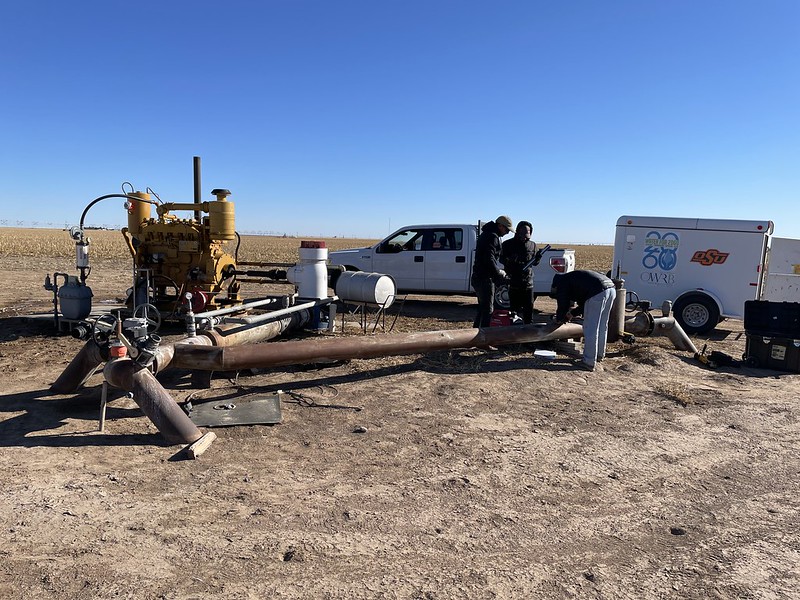
Oklahoma State University Extension specialist Scott Frazier and a team of water research experts conduct a well efficiency test in the field of a producer who graduated from the Master Irrigator program. Participants who complete the Extension program receive complimentary well testing for their irrigation systems. The program is funded by the Oklahoma Water Resources Board and the Oklahoma Corporation Commission. (Photo provided by Sumit Sharma, OSU Agriculture)
The Ogallala Aquifer, a water source of porous rock and sediment bed under farmland, cities and small towns from South Dakota to Texas, is in crisis.
The Ogallala Aquifer provides irrigation for 30% of all farmland in the U.S., including western Oklahoma. According to water and irrigation specialists with Oklahoma State University Agriculture, the aquifer has steadily declined since irrigation began in the 1930s, and some of its most productive areas are estimated to be depleted in mere decades.
"Studies suggest that about a third of the southern portion of this aquifer cannot sustain economic pumping rates to support irrigated agriculture for more than 30 years," Kevin Wagner, director of the Oklahoma Water Resources Center at OSU.
An opportunity for education
OSU Extension offers programming on responsible irrigation practices that promote water conservation.
Researchers in the OSU Ferguson College of Agriculture regularly collaborate with OSU Extension experts to educate rural and urban residents on the importance of statewide water conservation. For agricultural producers in western Oklahoma, that often involves understanding the fragile state of the Ogallala Aquifer and improving irrigation practices through water usage sensors and other pumping technology.
As a doctoral student in the OSU Department of Biosystems and Agricultural Engineering, Sumon Datta studied ways to increase agricultural sustainability and promote water security. Now, as an assistant professor in the same department, he researches using in-situ sensors, models and satellite products to conserve water in the Oklahoma Panhandle. He and other OSU researchers, including Wagner, Sumit Sharma, Dayton Lambert, Lixia Lambert, and Michael Long, are collaborating with Kansas State University, Texas Tech University and NASA to study the effectiveness of a water management tool.
"The technology informs how much water is used at a field, which can be traced back to the aquifer's activity since 2007," Datta said. "We can track how farming practices have changed over time; declining pumping rates over the years have led to producers switching to more drought-resistant crops."
The project will offer a technology demonstration hub in each of the three states on in-situ and remote sensors that can measure the amount of water in crops and soil and how much water is needed for irrigation. Also, the tri-state study will team up with 15 producers in each state to install rain gauges and soil moisture sensors in their fields. Datta and the other scientists will teach them how to schedule irrigation with the satellite and ground-based sensors, which can be viewed on their phones.
"Growers in the region are very progressive," Datta said. "They know the aquifer levels are dropping. Twenty years ago, they had one well to irrigate a quarter section, but nowadays, in many fields, they have multiple wells supplying water to the same field."
Jason Warren, OSU Extension assistant director and state program leader for agriculture, natural resources and community economic development, held a previous Extension role involving projects to increase water use efficiency in rain-fed and irrigated crop production systems. His research included overhead pivot irrigation systems and high-efficiency irrigation management.
"Studying crop genetics and water management, we've worked with producers to maximize water productivity," Warren said. "Producers already irrigate at a deficit most of the time, meaning they are not fully replacing all the water that the crop is using. With new technology and crop varieties, we can help them determine when to irrigate and how much water to use throughout the season to optimize crop growth and production. Essentially, we help them understand when to turn the water off and still maintain yield capacity before the soil dries.
"In the 1990s, we expected to grow 200- to 250-bushel corn on good circles, and now we can grow 250- to 300-bushel corn using much less water," Warren added.
OSU Extension specialists have encouraged producers to diversify into cotton. As a crop, cotton carries a higher level of risk, but its water productivity is higher than that of corn.
Necessity breeds invention
The Testing Ag Performance Solutions, or TAPS, program is another way OSU Extension is improving water-use management in corn production. Producers who participate in the program can try out research-based technologies at OSU Ag Research sites in the Oklahoma panhandle before investing in similar systems.
"TAPS is a competition supported by Extension and OSU Ag Research where producers use new technologies to achieve the highest profitability, input-use efficiency, and grain yield," said Sharma, OSU Extension specialist for high plains irrigation and water management. "TAPS provides a low-risk environment for producers to try new technologies and learn how their management decisions impact profitability and efficiency."
Sharma and other OSU researchers are also studying crop response to limited well capacity by determining if a profitable crop is possible with reduced water use through different hybrid varieties of corn. Other test plots in the panhandle will determine if reducing corn seeding rates and nitrogen application will reduce input costs and irrigation requirements while maintaining at least some profit.
Field day demonstrations draw in producers from the panhandle each year to learn the latest in aquifer irrigation strategies. The Master Irrigator program, offered through OSU Extension, also offers education to producers who want to learn more about effective water use.
For $100, producers can sign up for four weekly sessions that involve classroom training, networking with other farmers, Environmental Quality Incentives Program points and free services like energy audits of irrigation pumps. OSU Extension specialists, economists, producers, crop consultants and representatives from the Natural Resource Conservation Service discuss the latest irrigation techniques and technology, including soil moisture sensors, crop irrigation scheduling models and other infrastructure upgrades.
Graduates of the Master Irrigator program earn a $2,000 credit for smart irrigation technology in their fields and also qualify for free well evaluations by Scott Frazier, OSU Extension energy management specialist. Producers learn simple changes or upgrades to their irrigation systems that could save them money and boost their crop yields.
Mark DeLeon, a first-generation cotton, cattle and peanut producer in Beckham County, prioritizes water conservation and is a member of the North Fork Red River Conservation District. His irrigated farmland pumps water from the North Fork Red River Basin, but he understands the importance of saving the Ogallala Aquifer for his children and grandchildren. He graduated from the Master Irrigator program earlier this year.
"My biggest takeaway was learning about flow meters," DeLeon said. "Moisture sensors and moisture probes are great tools that you need to use, but the flow meter was the biggest water saver because it made me more aware of how many gallons I was pumping and how many gallons per minute I was pumping."
He encourages producers in his area to make time for Extension opportunities like Master Irrigator training.
"The program has a lot of good presenters, and what you thought might be the way to do things may not be. I appreciate everybody who helps put on the event, and it's made my operation better."
To learn more about the OSU Extension Master Irrigator program, contact Sharma at sumit.sharma@okstate.edu.
OSU Extension uses research-based information to help all Oklahomans solve local issues and concerns, promote leadership and manage resources wisely throughout the state's 77 counties. Most information is available at little to no cost.

Erin Martin, founder of FreshRx Oklahoma, will be the keynote speaker at the Oklahoma Commission on the Status of Women (OCSW) 2025 Summit, entitled "Navigating Women's Wellness and Its Economic Impact." The one-day summit will take place 9 a.m. to 4:30 p.m. on Wednesday, June 10, at the Oklahoma City Community College Visual and Performing Arts Center, located at 7777 S. May Ave.
"This year's summit will take a deeper look at the root causes that keep women from achieving long-term economic security and wellness," said OCSW Chair Brenda Barwick. "From gaps in access to healthcare and nutritious food to the economic toll of chronic illness, we'll be examining how wellness directly impacts a woman's ability to thrive. Most importantly, we'll be focusing on solutions – bringing together voices from across Oklahoma to help shape policy that supports healthier women, stronger families and a more resilient economy."
Co-chaired by Commissioners Joy Hammons, Erin Engelke and Arnella Karges, the 2025 summit will offer solutions intended to help women live well and contribute fully to their families and communities. The summit is designed for anyone who wants to be part of the solution and have their voices heard in the process of developing public policy that gives women equal footing and better opportunities in the workforce and beyond.
The summit will feature several speakers who are experts in their fields. They will address current strategies and challenges, and their in-depth insights will help the commission recommend public policy solutions to the Oklahoma governor and Legislature. The day-long summit includes lunch. Tickets are available at $75 plus fees per person. Registration is required at the OCSW 2025 Summit webpage, which also contains the agenda and complete list of speakers. For sponsorship information, call (405) 401-6970.
With a certification in regenerative soil advocacy, Erin is passionate about promoting food as medicine and its connection to soil health. As president of the Tulsa Urban Ag Coalition, director of Oklahoma's FreshRx program and co-lead of Oklahoma's Food is Medicine Policy Coalition, she works to integrate the concept of "food is medicine" as a standard of care for those with chronic disease.
The Oklahoma Commission on the Status of Women is a state government commission created by the Legislature in 1994. Its mission is to advise the governor and Legislature on issues that impact women to improve their quality of life and increase economic opportunities. Commissioners are appointed by the governor, president pro tempore of the Oklahoma Senate and speaker of the Oklahoma House of Representatives. The commission has hosted summits on topics such as human trafficking, domestic violence, incarceration, obesity and diabetes, mental health, and substance addiction. Visit oklahoma.gov/ocsw to learn more about the commission's areas of focus, summits, community conversations and educational activities.
National Farmers Union (NFU) today concluded the Week of Action that gathered more than 100 farmers from across the country to the halls of Congress and spurred local action from hundreds of family farmers and ranchers in their home states. Farmers Union members' message was clear: farmers across the country are facing a perfect storm of volatile markets, rising input costs, shrinking federal support and mounting trade tensions — all with no new farm bill in sight.
"We are so deeply indebted to over 100 farm families who have taken time from what is the busiest time of year for many farmers and ranchers to travel here, deliver the news themselves and tell their stories about why action is so necessary right now," said NFU President Rob Larew.
On Tuesday, May 6, NFU hosted a press conference with Representative Marcy Kaptur (OH-09) at the House Triangle to spotlight five farmers who shared their personal stories on how the lack of a farm bill has caused stress and uncertainty during the crucial planting season.
"Prices are low, and the time to do something for our family farmers and ranchers is now," said NFU Vice President Jeff Kippley. "Our safety net right now is inadequate. That is why we are taking time off of our farms and ranches when we should be calving out cattle, putting them to grass, putting seeds in the ground. We are out here in D.C. talking to our legislators and asking them to get the job done. Let's get to work, let's roll up our sleeves and let's get a farm bill."
Farmers Union members advocated for easing the burden on farmers by passing a strong, united and comprehensive five-year farm bill that strengthens the farm safety net, builds upon voluntary conservation programs, fosters fairness and opportunity in the marketplace, delivers fast and reliable risk management programs and garners broad support from both farmers and consumers.
Attorney General Gentner Drummond is alerting Oklahoma consumers in the wake of 23andMe having filed for bankruptcy protection last month. The genetic testing company, which collects and analyzes the genetic code of consumers, has indicated its intent to sell its corporate assets, a move likely to include stored genetic data submitted by customers.
"The implications of 23andMe selling genetic information to the highest bidder are understandably very concerning to Oklahomans who have used the company's services," Drummond said. "While the situation is troubling, there are easy steps that consumers can take to proactively safeguard their privacy."
The Attorney General Office offers the following tips for interested consumers:
To delete genetic data from 23andMe
To destroy your 23andMe test sample
If you have opted to have your saliva sample and DNA stored by 23andMe but want to change that preference, you can do so on your account settings page, under "Preferences."
To revoke research consent regarding your genetic data
You can withdraw consent in research through your 23andMe account settings, under "Research and Product Consents."
| |||||||||||||||||||||||||||||||||||||||||||||||||||||||||||||||||||||||||||||||||||||||||||||||||||||||||||||||||||||||||||||||||||||||||||||||||||||||||||||||||||||||||||||||||||||||||||||||||||||||||||||||||||||||||
| |||||||||||||||||||||||||||||||||||||||||||||||||||||||||||||||||||||||||||||||||||||||||||||||||||||||||||||||||||||||||||||||||||||||||||||||||||||||||||||||||||||||||||||||||||||||||||||||||||||||||||||||||||||||||
|
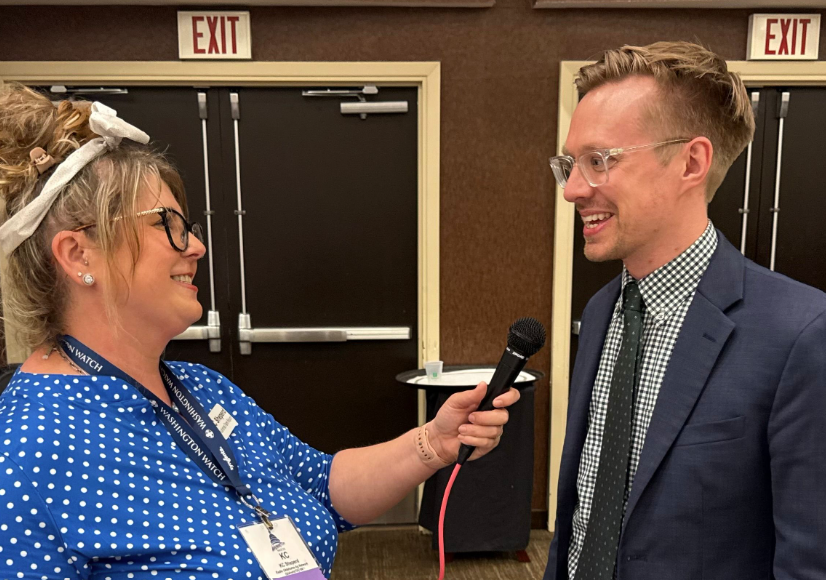
The U.S. wheat industry is actively engaged in the ongoing legislative landscape in Washington, D.C., navigating the complexities of farm bill discussions and the reconciliation process. Farm Director KC Sheperd recently spoke with Jake Westlin, Vice President of Policy and Communications for the National Association of Wheat Growers (NAWG), to gain an update on these critical issues.
Westlin highlighted the farm bill as a primary focus for wheat growers, directly linked to the current state of the farm economy. "The farm bill is something that's at the top of the mind of many of our growers. That goes back to what the state of the farm economy looks like."
He also addressed the reconciliation debate, noting its initial focus on taxes, aiming to extend and improve upon the Tax Cuts and Jobs Act. Importantly, Westlin pointed out potential overlaps with farm bill priorities. "Both the House and the Senate Agriculture Committee have their reconciliation instructions that they're working through as well. There could be opportunities there to include some things that we would typically include in a farm bill process in a reconciliation bill. Thinking about things like Farm Bill Title 1 and 11, which are your reference prices and crop insurance." He emphasized the desire to incorporate improvements previously discussed for the farm bill, such as "significant increases to the statutory reference prices for wheat" and making crop insurance "more affordable for growers."
When asked about NAWG's legislative wish list, Westlin emphasized the importance of market development programs. "I think in addition to map and FMD, the Market Development Program, continuing to increase funding for those programs when we're cutting these trade deals around the world that President Trump is working on. That once those get implemented, and signed, and we have dollars our growers can match to help continue to expand in our existing markets and build more opportunities for growers."
Regarding the biggest obstacles, Westlin cited the challenging political dynamics in achieving legislative goals. "There are a lot of challenges with the political dynamic, trying to get things across the finish line. We want to make sure that we're continuing to educate members of Congress about the current state of the farm economy. If vehicles are moving, we must try to find opportunities for wins, as little or as big as they may be." He concluded by stressing the importance of seizing opportunities for positive change through reconciliation or a comprehensive farm bill.
| REGISTRATION IS NOW OPEN! Join us August 4-6, 2025 at the 71st Annual Texas A&M Beef Cattle Short Course Visit our website to learn more. Click here for the direct Registration Link Click here for Hotel Information |
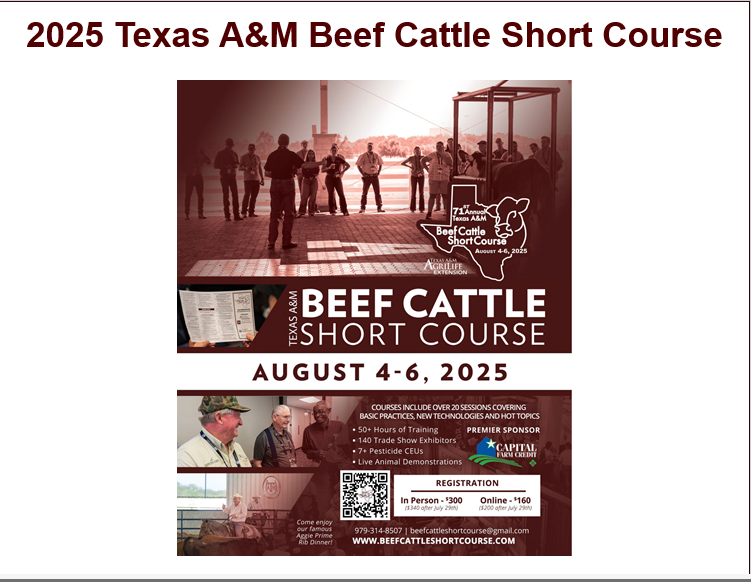

President Trump and British Prime Minister Keir Starmer announced on Thursday an agreement-in-principle designed to enhance trade between the U.S. and the United Kingdom. The agreement will improve access for U.S. beef, with the UK agreeing to create a preferential duty-free quota of 13,000 metric tons (mt). In return, the U.S. agreed to reallocate to the UK a country-specific tariff rate quota (TRQ) in the same amount for British beef entering the United States. More details are in this White House press release.
U.S. Meat Export Federation (USMEF) President and CEO Dan Halstrom thanked the Trump administration for prioritizing beef access in these negotiations and welcomed the UK's creation of a duty-free quota. This is a critical step, because U.S. beef has not had duty-free access to the UK since Brexit. But Halstrom notes that U.S. beef still faces numerous non-tariff barriers in the UK, and those must also be addressed for the U.S. industry to have meaningful opportunities in the British market. He also sees significant potential for U.S. pork exports to the UK, but tariff and non-tariff barriers for pork must be removed as well.
For questions or to schedule an interview, please contact me or email Joe Schuele.
Farm director KC Sheperd is on the ground in the nation's capital this week with the National Association of Farm Broadcasters, engaging with lawmakers and agricultural groups to address the mounting challenges facing American farmers and ranchers. A key part of this week's activities includes meetings with influential figures like Rob Larew, President of the National Farmers Union, amidst their crucial "week of action."
Larew underscored the gravity of the current situation, stating, "First of all, I think it's a sign of the fact that the farm economy is in a little bit of a state of crisis right now, that we were able to get well over 100 farmers and ranchers from across the country to come into DC this week."
He emphasized the pressing need for intervention. "The fact is, is that the state of the farm economy, coupled with a great deal of uncertainty in farm country right now, the threat of additional trade implications in the ongoing trade war, all of this, along with USDA kind of unveiling some of their plans, and the fact that we still don't have a farm bill in place, so we are trying to send a message to Capitol Hill, to USDA and the White House, that farm country needs help."
The primary message being delivered to policymakers is the urgent need for stability. "We need to bring some more certainty back into farm country, and the best way to do that would be to pass a comprehensive five-year farm bill," Larew asserted.
Despite ongoing discussions, progress on a new farm bill has been slow, leaving farmers operating under the 2018 bill, which Larew argues is inadequate for the current climate. "It used to be that we could say that a 2018 farm bill, which is what we're operating under right now, didn't even help us prepare for a pandemic. It certainly isn't helping us prepare for this trade war that we're currently under, and it hasn't kept up with the farm safety net."
The consequences of inaction could be severe, according to Larew. "What we are trying to say to Capitol Hill is that if you aren't careful, if you don't do something soon, what you're going to see is the continued disappearance of farmers who just want to stop the bleeding because they're eating into their life's equity at their operations. And you're going to have new and beginning farmers who say, 'Where's the future in this?' And I think that sets up the country and certainly our communities for real trouble here on the horizon. So, we are trying to urge them: We need help, and we need it sooner rather than later."
Adding to the challenges are recent cuts and potential future reductions within the USDA and Farm Service Agency (FSA). Larew advised members to stay informed and connected with their local FSA offices, noting reports of reduced operating hours due to staffing shortages. "We're hearing stories of some offices that are only operating two or three days a week because they don't have the staff to keep things open. That's not a good way to make sure that farmers can be well served here." While acknowledging the need for fiscal responsibility, Larew cautioned against short-sighted cuts. "I think we can all appreciate that any waste, fraud, and abuse needs to be vetted out. Absolutely! But we also need to make sure that the programs continue to be operational and that farmers and ranchers can actually be serviced, and that's why those county offices are just too important. So I think that we'd love to see a plan for the long term. I think just making cuts without any grand plan is a very dangerous precedent right now. It's having so many unintended consequences across the country, including Oklahoma."
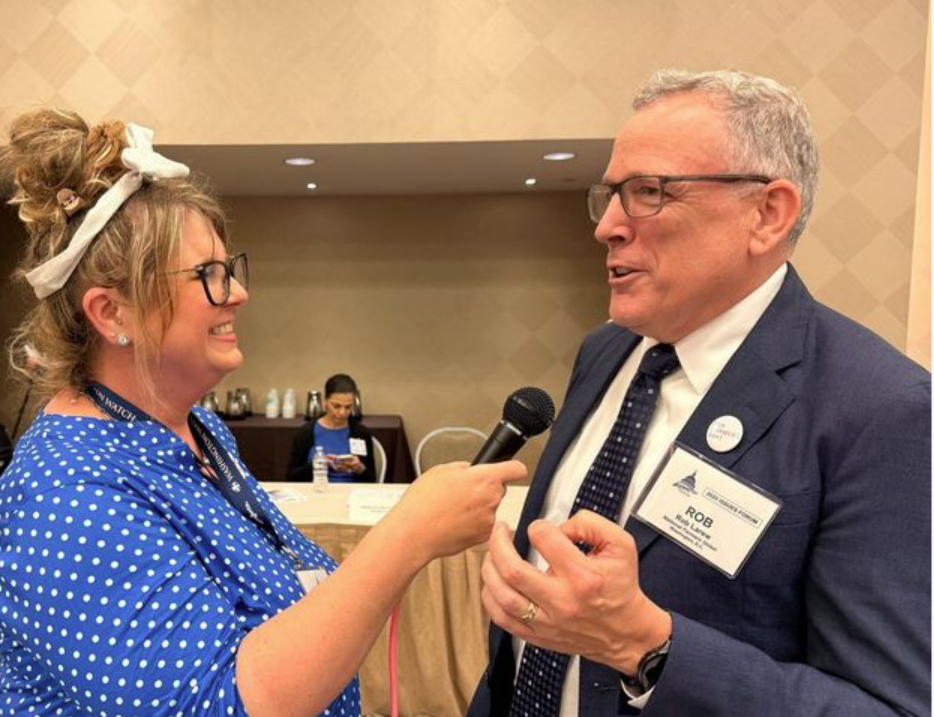
The National Farmers Union is also actively engaged in promoting fair competition within the agricultural marketplace. Larew highlighted a positive meeting with the Department of Justice on antitrust issues. "As a farmers' union, through our Fairness for Farmers campaign and making sure that there's true competition in the marketplace. We had just a tremendous conversation this morning with the Assistant Attorney General for antitrust, so the top law enforcement at the Department of Justice, who understands that farmers and ranchers, particularly cattlemen, out there, are up against huge monopoly forces, and they want to work with us to try to see what can be done about that. That's very positive."
As the week progresses, the focus remains on conveying the urgent needs of farmers and ranchers to policymakers, advocating for a comprehensive farm bill, and ensuring the continued functionality of vital support systems. The message from farm country is clear: the time for action is now.
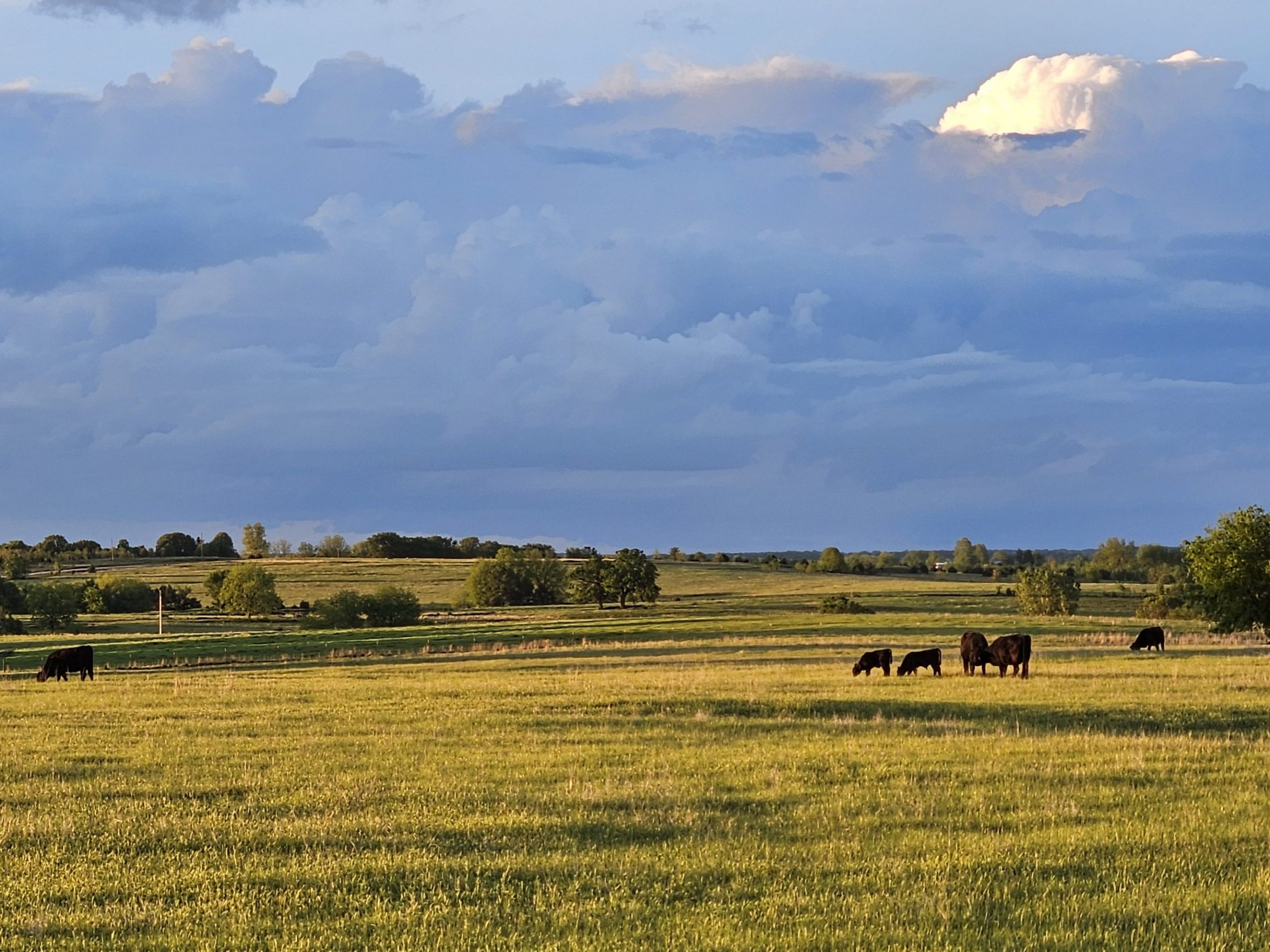
During the issues forum of the National Farm Broadcasters Washington Watch, Oklahoma Farm Report's Maci Carter had the opportunity to visit with Mary-Thomas Hart, National Cattlemen's Beef Association's Chief Counsel, about many things, including EPA's intent to revise WOTUS which was featured in yesterday's BeefBuzz. In today's BeefBuzz, Senior Farm and Ranch Broadcaster Ron Hays highlights her comments from that conversation concerning telling consumers the beef industry's sustainability story.
According to Hart, the conversation would have been more difficult about ten years ago. "We hadn't coalesced around how to talk about climate sustainability in the beef industry. It was a conversation we were, quite frankly, scared to have."
Prior to starting those conversations, NCBA visited cattle producers in other countries that were already dealing with regulatory environmental mandates. They were surprised to learn that the United States' beef supply chain is the global blueprint for producing beef in an efficient and sustainable way.
"According to the United Nations, the U.S. beef supply chain has the lowest greenhouse gas emissions per pound of beef of any beef-producing nation," she said. "That's not an accident. That is a product of the market telling our producers how they want their beef, producers answering those market demands, maximizing efficiency within the supply chain and our environmental sustainability, protecting those natural resources – our water, soil, and carbon resources and wildlife biodiversity."
She described how an American consumer eating a hamburger can not only enjoy the burger, but also the industry and supply chain that they are supporting.
"I'm really excited about what we've done as an industry in the last sixty years, and the progress we've made," she touted.
During the Biden administration, several climate-smart commodity programs were implemented to help cattle producers align with the climate sustainability discussion. "Those programs are being reconsidered by this administration," Hart shared. "As they are being reconsidered, our primary goal is to make sure that programs grant research opportunities and pilot projects to the extent that those are available to cattle producers and that the USDA prioritizes retaining those and ensuring their continued availability."
She cautioned that cattle producers do have a target on their backs in climate conversations despite their success thus far. "Any additional research or pilot projects that help cattle producers implement new, innovative practices or establish a market for some of those ecosystem services are really valuable, and are things that our producers are looking for."
She established that whether it is done in a climate lens or a general improved efficiency lens, NCBA is going to be supportive of those programs. They work to highlight the benefits of those programs both in foreign and domestic markets.
"U.S. beef is in high demand around the world," she said. "We want to make sure that not only the U.S consumer knows about the sustainability of our product, but that the global consumer understands the sustainability of our product. That comes with not only lobbying in D.C., but lobbying internationally, too."
The team at NCBA frequently attends international climate discussions where they can highlight the positive story of U.S. beef production to be sure that the U.S. beef supply chain remains the example of sustainability for global beef production.
The Beef Buzz is a regular feature heard on radio stations around the region on the Radio Oklahoma Ag Network and is a regular audio feature found on this website as well. Click on the LISTEN BAR at the top of the story for today's show and check out our archives for older Beef Buzz shows covering the gamut of the beef cattle industry today.
President Donald J. Trump announced, on the 80th anniversary of Victory in Europe, a new trade agreement in principle that will lower tariffs, remove trade barriers, increase market access, and strengthen cooperation on economic security. The President secured major wins for American agriculture. This deal provides significant expansion in U.S. market access in the UK, creating a $5 billion opportunity for new exports for U.S. stakeholders, including U.S. farmers, ranchers, and producers. After the announcement, several ag groups issued responses.
American Farm Bureau Federation President Zippy Duvall also commented on the announced trade deal between the United States and the United Kingdom.
"Farm Bureau appreciates the work between the administration and the United Kingdom to secure a new trade agreement. We have long advocated for new trade deals, and this is an important first step in expanding markets in the four countries. More work is needed, however, to remove the arbitrary barriers that have excluded American-grown food from grocery stores in the U.K.
"America's farmers and ranchers grow the safest and most affordable food in the world. We're encouraged by progress to create market opportunities for farmers. We urge the administration to build on this success to pursue more trade agreements and resolve current disputes, so farmers can continue to feed families here at home and overseas."
The National Cattlemen's Beef Association (NCBA) announced support for President Donald Trump's trade agreement-in-principle with the United Kingdom (U.K.). Most importantly, the agreement includes market access for beef. This announcement follows years of NCBA's hard work building the foundation for a trade deal with the U.K., including numerous meetings with British industry stakeholders, Members of Parliament, the British Embassy, the U.K. Department for Environment, Food and Rural Affairs, and other top British authorities.
"With this trade deal, President Trump has delivered a tremendous win for American family farmers and ranchers," said NCBA President Buck Wehrbein, a Nebraska cattleman. "For years, American cattle producers have seen the United Kingdom as an ideal partner for trade. Between our countries' shared history, culture, and their desire for high-quality American beef, securing a trade agreement is a natural step forward. Thank you President Trump for fighting for American cattle producers."
NCBA has spent years advocating for expanded trade with the U.K. When the U.K. left the European Union in 2020, that opened the door to secure trade agreements with countries like the United States. British and American cattle producers share similar values and British consumers also enjoy American beef.
Background
For the past few years, NCBA members have participated in several meetings both domestically and abroad with senior British government officials to educate them on our production practices and the unique attributes of our product. In 2022, the British Ambassador to the U.S., Dame Karen Pierce, attended the 2022 CattleCon and spoke to attendees about the importance of strengthening the relationship between the U.S. and U.K. Last year, NCBA hosted a U.S. versus U.K. "Battle of the Beef" event in collaboration with the British Embassy. This lighthearted event brought top U.S. and U.K. officials—including the British Embassy Deputy Head of Mission, U.S. Chief Agricultural Negotiator, President of the U.K. National Farmers Union, and numerous members of Congress—together to talk about the mutual benefits of American and British trade. In March 2025, NCBA member Robby Kirkland reiterated that message when he testified before the U.S. House Ways and Means Committee in a congressional hearing on trade. NCBA also recently met with current British Ambassador Peter Mandelson.
Congressman Tom Cole (OK-04) released the following statement applauding President Trump for his success in negotiating a trade deal between the United States and the United Kingdom, which is our fourth largest trade partner:
"Today, President Trump delivered a historic U.S.-UK trade deal, which every American, no matter political party or ideology, should be happy to see. It will not only provide American companies with unprecedented access to British markets, but it will also bolster our national security. Specifically, this deal will create a $5 billion opportunity for new exports for U.S. farmers, ranchers, and producers, many of which I represent in Oklahoma's Fourth District, as well as maximize the competitiveness and secure the supply chain of U.S. defense manufacturers," said Congressman Cole.
"Today proves that countries will come to the negotiating table. Congratulations to the Trump Administration, and I look forward to seeing the future trade deals to come," said Congressman Cole.
The National Corn Growers Association (NCGA) praised a new bilateral trade agreement that increases access for American agricultural products to the United Kingdom, including ethanol.
"This is great news," said Illinois farmer and NCGA President Kenneth Hartman Jr. "We applaud President Trump and his administration for brokering this deal, and we encourage them to continue to include corn, corn ethanol and corn co-products in future bilateral agreements with other countries."
During the announcement, Trump officials indicated that tariffs on U.S. ethanol will be reduced to zero. According to the White House fact sheet, this covers $700 million worth of U.S. ethanol exports.
NCGA had previously asked the Trump administration for increased ethanol access in the United Kingdom. The country is currently the second largest destination for U.S. ethanol exports, taking in 244 million gallons, which is 12.7% of the total U.S. ethanol exports for 2024. Ethanol exports to the UK have steadily increased since 2021.
Growth Energy, the nation's largest biofuel trade association, also commended the White House and President Trump this morning after his announcement of the trade deal that will potentially increase ethanol exports to the United Kingdom. Growth Energy CEO Emily Skor issued the following statement in response:
"In terms of trade with the UK, the American ethanol industry had its best year ever last year, with exports valued at over $535 million. This trade agreement puts us on track to set another record, all to the benefit of American farmers, biofuel producers, and UK consumers. We look forward to learning more and finding new ways to help the UK achieve its economic and environmental goals through the increased use of American biofuels. We commend the President and his team for making this deal and creating new opportunities for American ethanol and rural America."
USDA Secretary Brooke Rollins announced plans this week to expedite $21 billion in disaster assistance to aid farmers and ranchers across the country following several natural disasters.
Appearing before the Senate Appropriations Committee on Tuesday, Rollins announced that the online portal allowing farmers to apply for disaster assistance will be launched on the USDA website by the end of May. The program will be funded by the American Relief Act, which passed through Congress in December 2024. Program funds total approximately $21 billion.
Rollins underscored the complexity of distributing disaster aid as cause for the delay, noting that it involves negotiating agreements with individual state governments tasked with delivering the funds. She explained that this process is significantly more intricate than the distribution of the $10 billion in market-related assistance previously provided through the Emergency Commodity Assistance Program.
ASA President Caleb Ragland, a soybean grower from Kentucky, said, "ASA appreciates USDA's continuous work to coordinate the distribution of disaster assistance that will help restore some stability to rural communities that have endured devastating hurricanes, floods, fires and other natural disasters."
A disaster assistance timeline can be found on USDA's website here. ASA will continue to serve as a resource as these funds are rolled out.
Statement of NCFC President Chuck Conner on Framework for U.S.-U.K. Trade Deal:
"The National Council of Farmer Cooperatives (NCFC) welcomes the announcement by President Trump and Prime Minister Starmer of a framework for a U.S.-U.K. trade agreement. We look forward to reviewing the details when the text of the agreement is available.
"As discussions move forward during the 90-day consultation period, it is essential that this and any future trade agreements with other countries secure meaningful new market access to help offset losses in other export markets. We stand ready to work with the administration to ensure that the final agreement delivers tangible results for U.S. agriculture."
About NCFC
Since 1929, the National Council of Farmer Cooperatives has been the voice of America's farmer cooperatives, representing their interests in legislative and regulatory affairs. NCFC's members include regional and national farmer cooperatives, which in turn consist of nearly 1,600 local farmer cooperatives across the country. These cooperatives handle, process, and market almost every type of agricultural commodity; furnish farm supplies; and provide credit and related financial services, including export financing. Earnings from these activities are returned to their farmer members on a patronage basis, helping improve their income from the marketplace. Farmer cooperatives also provide over 200,000 jobs, with a total payroll in excess of $12 billion, and contribute significantly to the economic well-being of rural America.
The National Association of State Departments of Agriculture (NASDA) congratulates the U.S. and the United Kingdom on releasing a trade agreement that aims to enhance trade relationships and open new market opportunities for both countries. NASDA CEO Ted McKinney said the following statement in support of the trade deal.
"This agreement marks a significant step forward for U.S. farmers and ranchers, and U.K. agriculture and consumers as well," McKinney said. "We applaud the leadership of both governments in forging a partnership that opens new markets in both countries."
In recent years, NASDA played a vital role in helping strengthen U.S.-U.K. agricultural relations through its international trade missions and export development efforts. In collaboration with USDA's Foreign Agricultural Service and the U.K. Government, notably its Embassy in Washington, D.C., NASDA members participated in multiple trade missions to the U.K., facilitating critical connections between U.S. farmers and agricultural businesses and U.K. markets. Likewise, NASDA members hosted many U.K. visitors. In August 2024, NASDA led a U.K. delegation to North Carolina to discuss the importance of animal health and welfare. Most recently, NASDA hosted a U.K. delegation, traveling to Maine, Arkansas and Louisiana to learn about the U.S. agriculture industry with a focus on forestry and wood pellets.
NASDA remains committed to helping build relationships and reduce barriers to trade and looks forward to continuing its partnership with U.K. counterparts to ensure mutual agricultural prosperity.
The White House issued a statement announcing a trade deal aimed at improving U.S. companies access to markets in the United Kingdom (U.K.), including a major victory for U.S. farmers and U.S. ethanol producers.
According to the statement, the trade deal will expand U.S. market access in the U.K. and create an opportunity upwards of $5 billion in new exports for U.S. farmers, ranchers and producers.
The deal will specifically include more than $700 million in U.S. ethanol exports, via a new tariff-free quota for ethanol, applying to the first 1.4 billion liters or 368 million gallons.
The deal also includes $250 million in other agricultural products and increases U.S. competitiveness in the U.K.'s procurement market. It also establishes commitments around intellectual property, labor and environment, maximizes competitiveness in the aerospace community and secures the supply chain for pharmaceuticals.
"This deal is a huge win specifically for U.S. ethanol producers, allowing them to expand even more into our second largest market for ethanol," said Council President and CEO Ryan LeGrand. "It's a crucial step forward in the continued positive relationship between our two countries, and we greatly appreciate all the Trump Administration has done to expand reach for U.S. ethanol."
The U.K. imported 226.6 million gallons of U.S. ethanol in the 2023-2024 marketing year, making it the second largest importer of U.S. ethanol, for a total of just over $529 million.
Statements from the National Milk Producers Federation and the U.S. Dairy Export Council:
"The United States and the United Kingdom are long overdue to strike a deal on trade. This agreement on a solid framework for negotiations over the coming months is an important step in the right direction," said Gregg Doud, president and CEO of the National Milk Producers Federation. "The UK is the world's largest cheese importer from global markets. The United States has invested $10 billion in U.S. dairy processing capacity in a four-year window. It's vitally important that our exporters have a level playing field."
The European Union has duty-free, quota-free access to the UK dairy market and benefits from geographical indications that prohibit fair competition in the UK market in common cheese categories. The UK in 2023 also implemented Free Trade Agreements with New Zealand and Australia which eliminate all UK dairy tariffs over the course of five years. The EU, New Zealand and Canada also all benefit from most of their dairy products being deemed by the UK to be "low risk" and thus can enter the UK market without the need for product certification.
"Yesterday's announcement of a U.S.-UK agreement on a negotiating framework for trade must be a first step in the work that's needed to open market opportunities for U.S. dairy products to the UK, which imported $5 billion from the world last year," said Krysta Harden, president and CEO of the U.S. Dairy Export Council. "The UK already has open trade with the world's largest dairy exporter—the EU—and it will have fully open trade with two of the other largest exporters—New Zealand and Australia—in just 3 years. Duty-free, quota-free, certificate-free trade is what U.S. dairy exporters need to have a level playing field in this key market."

The AgricultHER conference provides women in rural areas with learning and networking opportunities. (Photo by Mitchell Alcala, OSU Agriculture)
Latimer County Extension will host its annual AgricultHER conference geared toward women involved in agriculture statewide. The one-day conference includes hands-on learning, networking opportunities and a trade show. Registration is $35, and lunch is provided.
Session topics will include:
Who: Women of all ages in agriculture are encouraged to participate. Those interested in attending can email crystal.shipman@okstate.edu or call the Latimer County Extension office at 918-465-3349 to register.
When: 8:30 a.m. to 4 p.m., Friday, June 13
Where: Eastern Oklahoma State College Ballroom, 1301 W Main St., Wilburton
OSU Extension uses research-based information to help all Oklahomans solve local issues and concerns, promote leadership and manage resources wisely throughout the state's 77 counties. Most information is available at little to no cost.
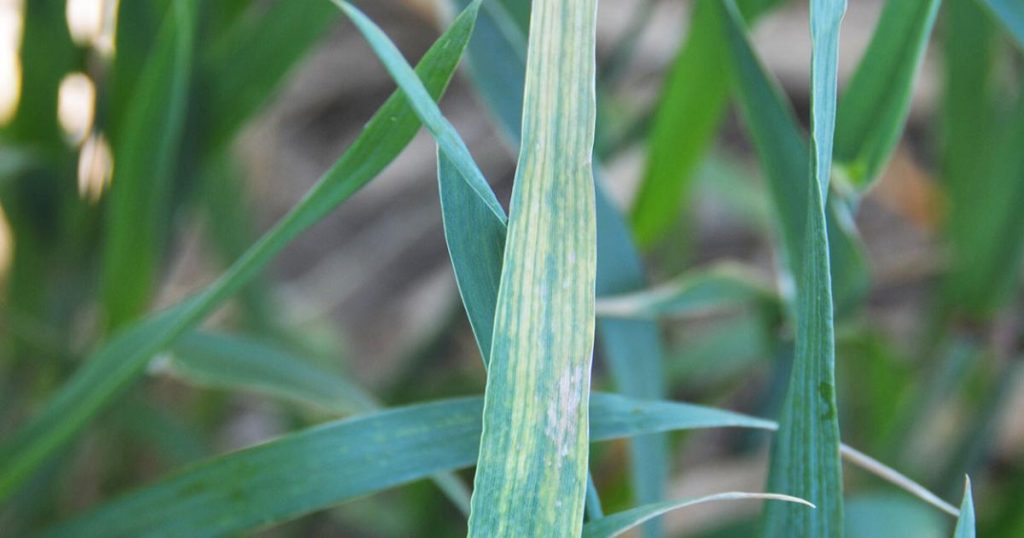
The wheat curl mite is a small but mighty adversary of Kansas wheat producers as the vector for Wheat Streak Mosaic Virus (WSMV), Triticum mosaic virus (TriMV) and High Plains Mosaic Virus. Fueled by a combination of the right weather conditions and ample volunteer wheat and other safe harbors, producers across the state appear to be losing the battle against these tiny critters and the diseases they carry in what could be the worst WSMV outbreak since 2017.
"We have some fields that are close to total losses," said Kelsey Andersen Onofre, K-State assistant professor of plant pathology, who has been across the state scouting fields. "It's hard to walk in a wheat field in Kansas right now and not find at least low-level, trace-level symptoms of WSMV, and that's pretty unusual."
Andersen Onofre explained that symptoms of WSMV — symptomatic leaves with dark green coloring and light-yellow discolorations or stunted plants with a distinct yellow discoloration — are showing up more clearly over the last few weeks as temperatures warm up, but the cause happened last summer and fall. A suspected high population of mites last summer found a place to hide for the summer, fall and winter — most commonly in volunteer wheat or volunteer wheat hidden in a field of cover crops or double crop acres. Mites survive the winter in these "green bridges" and mild weather meant populations stayed fairly high — so high that mites were able to disperse over long distances, up to one or two miles away from a source, and there are now concerning levels of the diseases they carry across the state.
"If we have an extended, warm fall, like we did in 2024, it's a perfect storm for mite populations to stay at high levels and increase later in the season," Andersen Onofre said. "The more populations increase, the higher the chance they will be blown by wind into neighboring fields. If the weather stays warm, we can see this spread continue over long distances."
That is certainly the case in Saline County, where more diverse cropping systems are making it an emerging issue where it hasn't traditionally been found.
"This is by far the worst year I've seen for impact of wheat streak mosaic virus in our area," said Gypsum farmer Justin Knopf. "Many fields have been affected with a high level of presence of the virus. Some fields, where they're right next to a field where the source was, have significant impact."
Infected fields at this point in the plant's growth stage near flowering will often not head out well or will have low grain fill, meaning producers with infected fields should expect yield loss, especially in fields where the flag leaf has already turned yellow.
"Unless we have a significant weather event such as hail or excessive heat during grain fill, wheat streak mosaic virus is likely to be the number one cause of yield loss in this area," said Knopf.
Adding insult to injury, there is no effective treatment for WSMV once the infection has occurred. Producers must balance estimated yield loss, requirements for crop insurance and the economics behind terminating the most severely infected fields in favor of planting a summer crop.
"Unfortunately, there is not much to do at this point in the season if you have a field that has severe WSMV infection. These fields are likely not good candidates for a fungicide application. Fungicides will have no effect on wheat streak, and it will be difficult to recover yield losses from foliar diseases if yield potential is already reduced by wheat streak." Andersen Onofre said. "We do not recommend spraying insecticides or miticides. There is no immediate action you can take to slow down the spread of WSMV or preserve yield in affected fields."
Increased instances of the viruses this year has farmers thinking about the longer-term causes. Knopf attributed the widespread infection this year to three really dry falls and winters in a row, more hail in the area last year (areas with hail are virus hot spots) and more diverse cropping systems, including warm season cover crops and double cropping.
Producers who selected wheat varieties with known tolerance or genetic resistance to WSMV are seeing the benefit of that decision.
"I haven't historically selected varieties based on WSMV resistance in this area, but it will certainly be on my mind for next year's crop," said Knopf.
"We do not have any perfect resistance, but variety selection is making a difference under this really high pressure situation," Andersen Onofre said. However, she cautioned producers that even varieties with tolerance or genetic resistance to WSMV may still be susceptible to Triticum mosaic virus (TriMV), and dual infections of both diseases are also popping up. When fields are infected with both viruses, yield losses can be more severe. She encouraged producers to work with their local extension office or directly send samples to the K-State Plant Disease Diagnostic Clinic (https://www.plantpath.k-state.edu/extension/plant-disease-diagnostic-la...) to test for the different wheat viruses to help identify infections.
In addition to WSMV and TriMV, she also encouraged producers to monitor their risk of Fusarium head blight (scab) as weather conditions during flowering have been conducive to the development of scab and leaf spot diseases like tan spot and Septoria in parts of the state like central and southeast Kansas. These wheat diseases can be managed with fungicide applications. A Fusarium Risk Tool is available at wheatscab.psu.edu for producers to manage their risk. Unlike WSMV, producers cannot scout fields to see FHB, so they must make application decisions based on individual field risk, which is particularly important for wheat fields planted into corn residue. Producers can review which fungicides work best for FHB at https://bookstore.ksre.ksu.edu/pubs/foliar-fungicide-efficacy-ratings-f....
"We are recommending producers watch the FHB risk pretty carefully, especially right now in central and southeast Kansas, as we are in that flowering window and we have had favorable conditions," she said.
Producers will have the chance to speak with K-State extension experts and local field staff and agronomists during the upcoming winter wheat variety plot tours that start May 13. The plot tours will provide a chance to see how different available and upcoming wheat varieties are reacting to the disease pressure this season. Find the full list of plot tour dates and locations in the May 1, 2025 Agronomy eUpdate. These field observations are another important tool as producers plan beyond this year's harvest, especially as it will take a collective effort to stop the WSMV streak.
"Now we need to look towards aggressive volunteer management and variety selection for the fall because we have had bad WSMV this year," Andersen Onofre said. "If we don't manage our volunteer wheat in the state after harvest, we could be right back in the same place a year from now — this is going to be absolutely critical after harvest."
Read more at kswheat.com/wheatstreak.
RON's Dave Lanning has a pre-opening look at today's agricultural Markets.
Click the audio tab below for today's report.
RON's Jacquelyn Farris reports from the State Capitol
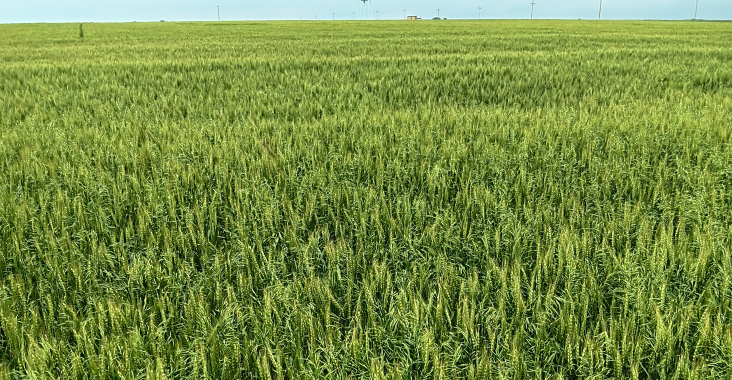
This week on SUNUP, OSU Agriculture Economist Dr. John Michael Riley discusses the highs and lows of current grain and cotton markets.
The recent Crop Progress Report showed that 60 percent of the wheat crop had heads, causing producers to hope for a pause in the recent precipitation event that has dumped record amounts of rainfall on certain areas of Oklahoma.
"You hate to say those types of things in Oklahoma at this time of year, but certainly, for wheat growers, it would be nice to slow it down so that wheat crop can finish up and we can finish the season strong," Riley admitted somewhat regretfully.
Largely due to export conditions, wheat prices are down. "The most recent export reports that we are getting in are showing some signs of weakness. We're about to end our current marketing year and shift into the new marketing year, so our current marketing year that we're in is going to look really good with exports."
He pointed out the multitude of movements in trade policy over the past month or so that will impact wheat prices in the coming market year.
He continued to discuss summer crop markets and planting conditions. Click the listen bar at the top of the page to hear the complete conversation.
This week on SUNUP:
U.S. Senators Markwayne Mullin (R-OK), Mark Kelly (D-AZ), Mike Crapo (R-ID), and Kevin Cramer (R-ND) introduced the Lowering Broadband Costs for Consumers Act of 2025 to direct the Federal Communications Commission (FCC) to require proper contributions to the Universal Service Fund (USF) from edge providers and broadband providers. Requiring edge providers to cover associated costs for rural fiber networks will reduce the financial burden on consumers and rural providers while strengthening broadband connectivity throughout rural America.
In Oklahoma, less than half of all rural residents have access to broadband Internet, a necessity most people across the country have enjoyed at a low cost for years. More than 30 percent of individuals living on Tribal land across the U.S. do not have access to high-speed internet.
"Fair contributions to the USF from edge providers are long overdue," said Senator Mullin. "Video streaming services account for 75 percent of all traffic on rural broadband networks. However, unrecovered costs from streaming companies are often shifted and borne by small rural broadband providers. Available, affordable internet will close the digital divide and increase telehealth, educational, and employment opportunities for those who previously went without. Rural Oklahomans deserve the same connectivity as those living in urban areas."
"In an interconnected world, high-speed internet access is part of our daily lives - from scheduling a doctor's appointment to keeping in touch with family," said Senator Kelly. "This bipartisan bill will have big corporations contribute to the expansion of affordable high-speed internet in areas that desperately need it."
"Chickasaw Telephone Company wishes to thank Senator Markwayne Mullin, Senator Mark Kelly, and Senator Mike Crapo for introducing the Lowering Broadband Costs for Consumers Act of 2025. This bill recognizes that the Universal Service Fund rules written in 1996 aren't applicable today, nor was the funding mechanism that was adopted decades ago. This bill takes the funding burden off those who are the smallest users of the network and places it fairly and rationally on the largest financial beneficiaries of the network," Larry Jones, Vice President and Chief Financial Officer of Chickasaw Holding Company.
"We are pleased and encouraged by the Lowering Broadband Costs for Consumers Act of 2025. Senators Mullin and Kelly are true leaders for consumers and rural areas. During times of economic struggle for many in America, this bill would lessen the burden on families when they pay for the internet. This legislation would also help modernize how broadband network deployment and maintenance is supported and paid for in the future. We thank the Senators for introducing this ground-breaking bill," Mark Gailey, President and CEO of Totah Communications, Inc.
"The Universal Service Fund is a vital tool for ensuring that all Americans have access to affordable broadband, which is why WTA - Advocates for Rural Broadband supports the Lowering Costs for Broadband Consumers Act. This legislation would provide the FCC the authority it needs to ensure that all businesses that profit from the broadband network support the construction, maintenance, and upgrades of the network. It makes no sense to continue to rely on telephone customers alone. We thank the Senators for introducing this bipartisan bill and look forward to working with Congress and the FCC to modernize the USF contributions mechanism," Derrick Owens, Senior Vice President of Government and Industry Affairs, WTA.
"NTCA applauds the introduction of the Lowering Broadband Costs for Consumers Act, which would promote more predictable and stable funding to preserve and advance the statutory mission of universal service. As traditional telecommunications revenues decline, the assessment on the remaining consumers of such services increases, resulting in a disproportionate burden on those consumers even though they are not the most significant users of services or beneficiaries of underlying networks. Common-sense reforms like those directed by this legislation will shore up the foundation of universal service funding, spread contribution obligations more equitably among all of those that use and benefit from broadband networks, and ultimately help the low-income and rural consumers and schools, libraries, and rural health care facilities that depend on critical universal service programs," Shirley Bloomfield, CEO of NTCA-The Rural Broadband Association.
"The Universal Service Fund plays a crucial role in connecting millions in America, particularly in our rural areas. We appreciate Senators Mullin and Kelly for their leadership and urge Congress to make Universal Service Fund reform a top priority," Brandon Heiner, Senior Vice President of Government Affairs, USTelecom.
Background - The Lowering Broadband Costs for Consumers Act would:
Full text of the Lowering Broadband Costs for Consumers Act of 2025 can be found here.
Within the Oklahoma State Treasurer's Office is the Oklahoma Capitol Improvement Authority (OCIA), which took official action with financing a $275 million infrastructure package in partnership with the Oklahoma Department of Transportation (ODOT).
Approved earlier this year by the OCIA Board as authorized by the Legislature, the bond financing will fund major transportation improvements across the state, such as upgrades to the Roosevelt Bridge over Lake Texoma, a new truck bypass on U.S. Highway 81 in Chickasha and the widening of I-35 from south of Purcell to Ardmore.
"This is a strong example of careful and responsible financial management," said State Treasurer Todd Russ. "Upgrades and maintenance can be painful, but they are extremely vital. By acting at the right time in the bond market, we are securing the best possible rates to finance important transportation upgrades that will benefit Oklahoma families and businesses for years to come."
The OCIA Board—chaired by Governor Kevin Stitt, with Lt. Governor Matt Pinnell as Vice Chair, and Treasurer Russ serving as Secretary—approved the project in February 2025. Other board members include Tim Gatz, Rick Rose, Sterling Zearley, Charles Prater and Jeffrey Cartmell. The Office of the State Treasurer, on behalf of OCIA, executes the bond financing to generate project funds.
The Board authorized the issuance of the Oklahoma Capitol Improvement Authority State Highways Capital Improvement Revenue Bonds, Series 2025A, in an amount not to exceed $275 million. These funds will be used for construction, maintenance, and improvements to state highway and bridge infrastructure. As part of the state's goal of becoming the top 10 nationwide in sound roads and bridges, this funding is crucial to continuing the positive momentum created over the last ten years.
The pricing was competitive with strong investor demand, which in conjunction with the tax-exempt status of the bonds, allowed for tightening of spreads and a lower cost of capital on the financing —further evidence of the state's strong credit standing and market timing.
"We carefully watched the market and weighed the best possible time to act, and result spoke to those efforts," said Treasurer Russ. "OCIA's role within the Office of the State Treasurer ensures Oklahoma can respond quickly and effectively in moments like this—making the most of market conditions and investing wisely in our state's future."
Bond proceeds will be delivered promptly to ODOT to begin the authorized projects.
Angus Day of Giving on May 17th will celebrate Angus through the Legacy Sustaining Campaign.
Over 150 years ago, the Great Plains of the United States were scattered with cattle of Longhorn decent. The Kansas prairie was a place where cowboys called home. A Scottish cattlemen would soon homestead alongside them with a vision to make a lasting impression on the beef industry. Destined for George Grant's farm, four Angus bulls arrived in America on May 17, 1873, marking the beginning of Angus genetics in the United States.
In celebration of this timestamp in the breeds history and its monumental impact on U.S. cattle industry, we invite you to take part in Angus Day of Giving on May 17th.
Each year, we celebrate this special day by supporting the Legacy Sustaining Campaign. This giving campaign encourages American Angus Association members to commit to a monthly gift of $12.50 or a yearly gift of $150, in a collective effort to build long-term, sustaining support for the breed.
The Angus Foundation is thrilled to announce a newly received $35,000 matching gift. To unlock this match, 233 people giving $150 each will help us reach our goal. "The Angus Foundation would like to extend our sincere gratitude to the generous donor who made this $35,000 matching gift possible," said Jaclyn Boester, executive director of the Angus Foundation. "Their commitment to the Angus legacy and belief in the power of collective giving serves as an inspiration. Because of their support, your contributions on Angus Day of Giving will go twice as far in shaping the future of education, youth and research within our breed."
To leave a legacy means to pass something on. When George Grant imported those first Angus bulls, he left a legacy - an impact felt by all in the American cattle industry. Who is your George Grant? Is there someone in your life who has had a special impact on you? Who encouraged, mentored or influenced your success? Honor their efforts through the Legacy Sustaining Campaign.
All dollars raised from Angus Day of Giving and the Legacy Sustaining Campaign help support the Angus Fund. The Angus Fund is a collection that provides unrestricted dollars to fund educational programs like Angus University and Beef Leaders Institute; promote youth leadership through the Raising the Bar and LEAD Conferences; and research initiatives like the Imagine Conference and Phenotyping Research White Paper.
"Your support today will carry double the weight," said Jimmy Stickley, Angus Foundation donor coordinator. "With $35,000 on the line, your yearly gift of $150—or your monthly commitment—will help us preserve the Angus legacy and build it for the future. Let's come together and unlock our goal."
Make a gift on May 17th to celebrate Angus Day of Giving and ensure the Angus legacy lives on through future generations. Donations can be made at www.angus.org/foundation/make-a-gift/a-legacy-sustaining. Donors can also mail a check with "Angus Day of Giving," in the memo line to be added to the Angus Fund.
USDA Secretary Brooke Rollins announced plans this week to expedite $21 billion in disaster assistance to aid farmers and ranchers across the country following several natural disasters.
Appearing before the Senate Appropriations Committee on Tuesday, Rollins announced that the online portal allowing farmers to apply for disaster assistance will be launched on the USDA website by the end of May. The program will be funded by the American Relief Act, which passed through Congress in December 2024. Program funds total approximately $21 billion.
Rollins underscored the complexity of distributing disaster aid as cause for the delay, noting that it involves negotiating agreements with individual state governments tasked with delivering the funds. She explained that this process is significantly more intricate than the distribution of the $10 billion in market-related assistance previously provided through the Emergency Commodity Assistance Program.
ASA President Caleb Ragland, a soybean grower from Kentucky, said, "ASA appreciates USDA's continuous work to coordinate the distribution of disaster assistance that will help restore some stability to rural communities that have endured devastating hurricanes, floods, fires and other natural disasters."
A disaster assistance timeline can be found on USDA's website here. ASA will continue to serve as a resource as these funds are rolled out.

On Wednesday, United States Department of Agriculture (USDA) Secretary Brooke Rollins unveiled her plans and timeline for rolling out the nearly $21 billion in disaster assistance to farmers and ranchers, which was authorized on December 21, 2024.
The announcement comes on the heels of the timely rollout of the Emergency Commodity Assistance Program (ECAP), which provided $10 billion in much-needed economic assistance for farmers nationwide. As of Monday, over $7.3 billion in critical aid was disbursed to farmers across the United States, including over $933 million for wheat farmers.
"NAWG appreciates Secretary Rollins and her USDA team's hard work in rolling out ECAP earlier this spring and for working hard to get the disaster assistance pieces rolled out. We understand the long hours that go into standing up any disaster program, and this one is no different. Farmers from across the country have endured a host of natural disasters--in addition to economic challenges--and we appreciate the clear timeline for implementation," said Pat Clements, NAWG President.
More information on the announcement and timeline can be found here on the USDA's website.
U.S. Secretary of Agriculture Brooke Rollins will visit the United Kingdom May 12-14. This comes after President Donald J. Trump announced today, on the 80th anniversary of Victory in Europe, a new trade agreement in principle that will lower tariffs, remove trade barriers, increase market access, and strengthen cooperation on economic security. The President secured major wins for American agriculture. This deal provides significant expansion in U.S. market access in the UK, creating a $5 billion opportunity for new exports for U.S. stakeholders, including U.S. farmers, ranchers, and producers.
"President Trump has made a historic deal with the UK that secures increased access for American agricultural products, including unprecedented access for American beef and ethanol. The President's trade strategy is working. We are working every day to increase American economic exceptionalism and that includes selling the bounty of American agriculture around the world," said Secretary Rollins. "I am traveling to the UK next week on my first foreign mission to meet with my counterparts and discuss the commitments of this deal. Our strong cultural and political ties between our countries have led to incredible economic prosperity. It is our goal to achieve even closer relations, and we are thankful for a deal that benefits both countries and gives American farmers, ranchers, foresters, and food processors better access to the UK market and the ability to compete for this business."
Secretary Rollins will meet with senior UK government officials, visit facilities importing US agricultural products, and hear from U.S. cooperators and UK importers on how the Administration can best position U.S. agricultural products in this important and high value market.
Secretary Rollins has made it a top priority to advocate on behalf of American agriculture. This means increasing access for American products in existing markets, opening new markets with strong demand for our products, and making sure trading partners are treating American farmers, ranchers, and producers fairly. This comes after four years of inaction by the Biden Administration that caused agriculture to go from a trade surplus under President Trump, to a significant trade deficit under President Biden.
Following Secretary Rollins' trip to the UK in May, she will travel to Japan, Vietnam, Brazil, Peru, Italy, and India over the next five months. Other USDA Trade Missions this year include Hong Kong, the Dominican Republic, Taiwan, Côte d'Ivoire, and Mexico.
United Kingdom: The UK is the United States' fourteenth largest agricultural export market. U.S. producers face disproportionately high tariffs and small tariff rate quota volumes, and unjustified non-tariff barriers when exporting to the UK.
India: The United States is India's sixth largest supplier of agricultural products. The U.S. has a $1.3 billion agricultural trade deficit with India.
Brazil: The United States has a $7 billion agricultural trade deficit with Brazil.
Japan: Japan is a top five market for many key U.S. commodities, including corn, beef, pork, wheat, rice, and soybeans.
Vietnam: Vietnam is the United States' tenth largest agricultural export market. The U.S. has no trade agreement with Vietnam while major competitors like China do.
Peru: Peru is the United States' third largest South American market for agricultural exports, and the U.S. remains Peru's second largest agricultural supplier. Key prospects for U.S. agricultural exports to Peru include ethanol, dairy products, meat, tree nuts, and pulses.
Italy: American farmers and ranchers face a number of arbitrary non-tariff barriers that prevent larger export opportunities to Italy.
Exports of U.S. beef, pork and lamb trended higher year-over-year in March, according to data released by USDA and compiled by the U.S. Meat Export Federation (USMEF). Beef export value was the highest since June, while Latin American markets again fueled pork export growth, as USMEF President and CEO Dan Halstrom explains in this audio report.
March beef exports totaled 109,330 metric tons (mt), up 1% from a year ago, while export value reached $922 million – up 4% and the highest since June. Export value per head of fed slaughter was the seventh highest on record at $466.77.
March export growth was led by strong performances in Taiwan, Mexico, Central America, Chile and Africa. Exports also increased slightly to China, though this momentum will be short-lived due to China's retaliatory tariffs and expired plant registrations. March exports were steady year-over-year to Japan and modestly lower to South Korea.
First-quarter beef exports were slightly below last year's pace at 310,368 mt, but increased 2% in value to $2.53 billion.
March pork exports increased 3% year-over-year to 269,344 mt, valued at $769.7 million (up 4%). Export value per head slaughtered was outstanding in March, reaching the second highest figure on record at $73.91.
March export growth was once again fueled by Mexico and Central America, while shipments to Colombia were the second largest on record. Exports to Korea, which had slowed significantly in recent months, were the largest in nearly a year, while shipments trended higher year-over-year to the Philippines and Cuba but slowed to Japan.
First-quarter pork exports were slightly above last year's record value pace at $2.11 billion, but slightly lower in volume (754,488 mt).
Plant eligibility for China is less of an issue for U.S. pork than for U.S. beef, as China renewed most pork establishments in mid-March. But Halstrom cautioned that both pork and beef exports to China have since hit a wall due to China's prohibitive duties, which now total 172% for U.S. pork and 147% for U.S. beef.
For questions or to schedule an interview, please contact me or email Joe Schuele.
The National Milk Producers Federation's latest Regulatory Register is a special edition about the 2025 National Conference of Interstate Milk Shipments (NCIMS), which took place April 11-16 in Minneapolis, MN.
Linked below, the report provides an overview of the conference and highlights key proposals that were discussed. The report also includes a chart from NCIMS detailing the voting results of each proposal.

Molly Moody, a 2024 OSU Rural Scholar program participant, discusses a project with Cheryl Lively, county Extension director and family and consumer sciences educator for Greer County. Moody studied experiences and perceptions related to citizen journalism and rural news access in Mangum, Oklahoma. (Photo provided by Linnea Harvey, OSU Agriculture)
Students from Oklahoma State University and other universities nationwide are gearing up for the 2025 Rural Scholar experience offered by OSU's Rural Renewal Initiative.
Now in its sixth year, the Rural Scholars program is a paid internship experience where students live in rural Oklahoma communities for 10 weeks while researching rural issues, participating in service projects and supporting community initiatives.
The following 12 OSU students will begin their internships in the following communities in late May.
Angelique Robinson joins the Rural Scholars program this year to continue a study on obesity, exercise and diabetes in rural Oklahoma communities. The findings from 2024 revealed a heightened prevalence of obesity and diabetes.
"Having once lived in a remote northern California town, I've seen firsthand the effects of limited access to medical care and nutritious food," Robinson said. "I hope to help identify actionable, community-driven strategies for improving health outcomes."
The Rural Renewal Initiative launched a second variation of the Rural Scholars internship in 2024. Known as the Research and Extension Experience for Undergraduates program, it invites students from universities across the country to participate.
Linnea Harvey, coordinator of the Rural Renewal Initiative, said both Research and Extension Experience for Undergraduates cohorts have expanded the reach of the Rural Scholars program, gaining rural perspectives from other regions of the U.S.
"We're excited to see how rural Oklahoma makes an impression on the students who didn't grow up here," she said. "Having outside perspectives get involved in these communities encourages both our scholars and rural community leaders to learn from one another and have a successful experience throughout the internship."
The 2025 Research and Extension Experience for Undergraduates participants are:
As a student at the rural college of Tuskegee University in Alabama, Tania Peebles, a second-time Research and Extension Experience for Undergraduates scholar, will continue research she was involved in last summer that focused on support for Black farmers.
"My goal is to build a strong foundation of research that highlights the Black farmers' experiences, explores how they relate to their work and identifies meaningful ways others can support them," Peebles said. "This program opened my eyes to the everyday lives of rural Americans. I discovered so much about how these communities connect and operate."
The rural research experience has inspired Robinson to pursue a dual doctorate in veterinary medicine and a doctor of philosophy in entomology. Peebles plans to earn a master's degree in agricultural leadership and education.
Harvey said the program will remain in communities like Frederick and Hollis while also exploring new areas in 2025, including Delaware, Logan and Latimer counties.
To learn more about the rural scholar internships, contact Harvey at linnea.harvey@okstate.edu.
OSU Extension uses research-based information to help all Oklahomans solve local issues and concerns, promote leadership and manage resources wisely throughout the state's 77 counties. Most information is available at little to no cost.
| |||||||||||||||||||||||||||||||||||||||||||||||||||||||||||||||||||||||||||||||||||||||||||||||||||||||||||||||||||||||||||||||||||||||||||||||||||||||||||||||||||||||||||||||||||||||||||||||||||||||||||||||||||||||||||||||||||||
| |||||||||||||||||||||||||||||||||||||||||||||||||||||||||||||||||||||||||||||||||||||||||||||||||||||||||||||||||||||||||||||||||||||||||||||||||||||||||||||||||||||||||||||||||||||||||||||||||||||||||||||||||||||||||||||||||||||
|
The American Farm Bureau Federation's 2025 Communications Award winners named at this year's Communications Conference in Kansas City, Missouri, include 16 standout states. The competition recognizes state Farm Bureau professionals from across the country for their exceptional work in communications.
Judged against states with similar membership sizes, California, Wisconsin, Illinois, Kansas and Texas rose to the top, receiving the most awards overall. States could submit one entry per category, with 17 categories to choose from, in the areas of writing, print, media relations, social media, graphic design, video, audio and website. Nearly 200 entries for work produced in 2024 were submitted for the 2025 contest.
"State Farm Bureau communicators remain committed to sharing the voices of farm and ranch families across the country," said AFBF President Zippy Duvall. "The work of our communicators is exceptional and I'm proud of how they share agriculture's story. Congratulations to the winning states and my thanks to all Farm Bureau communicators."
Awards were presented to Farm Bureau communicators in California, Colorado, Florida, Idaho, Illinois, Iowa, Kansas, Maryland, Minnesota, Nebraska, New York, North Carolina, Pennsylvania, Texas, Virginia and Wisconsin.
Each award is divided into groups based on membership size with up to two winners possible per category. The number of winners per category is based on the number of submissions received for the division. Each category was evaluated by two independent judges with experience in the field. A list of award winners follows.
Anne Marie Moss Team Effort Award– recognizes outstanding collaborative engagement on a regional or national issue.
Wisconsin, for "WisGO," a program to train members as advocates for agricultural issues – Cassie Sonnentag, Wendy Volkert, Jason Mugnaini
Kansas, for "Rural Minds Matter," a program to raise awareness about mental health issues in the farming and ranching community – Sheridan Wimmer, Meagan Cramer, Greg Doering, Claudia Hissong
Best Agriculture Story
California – Caleb Hampton
Virginia – Nicole Zema
Best Single Blog Item, Editorial or Column
Maryland – Jeb Burchick, Jamie Raley, Parker Welch
Illinois – Tim Eggert
Best Newspaper
California – Barbara Arciero, Shawn Collins, Linda DuBois, Caleb Hampton, Ching Lee, Christine Souza
Illinois – Dan Grant, Rhiannon Branch, Phyllis Coulter, Hannah Spangler, Tammie Sloup, Catrina Rawson, Jenny Carr, Jessica Wells, Michelle Pazar, Deana Stroisch
Best E-Newsletter
New York – Brooks Brown, Amanda Powers
Kansas – Sheridan Wimmer, Neva Roenne, Meagan Cramer
Best Magazine
California – Barbara Arciero, Linda DuBois, Paula Erath, Caleb Hampton, Ching Lee, Nicole Love, Christine Souza
Kansas – Sheridan Wimmer, Greg Doering, Sandi Cowdin, Meagan Cramer, Debbie Hargrave
Best Graphic Design
Wisconsin – Lynn Siekmann, Cassie Sonnentag, Rachel LaCount, Amy Eckelberg
Illinois – Tifani Shea, John Lock
Best Audio News Story, Feature Story or Commentary/Editorial
Minnesota – Rachel Reisig, Whitney Pittman Visser, Dylan Wohlenhaus
Idaho – Kristy Lindauer, Ott Clark, Cam Hammond, Joel Benson
Best Video News Story
Pennsylvania – Will Whisler, David Varner
North Carolina – Lynda Loveland, Mark Stebnicki, Jamie Thomas
Best Video Feature Story
Colorado – Melissa Weaver
Illinois – Mark Pressburger, Scott Anderson, Tammie Sloup
Best Website
California – Christina Apkarian, Alex Eickmann, Connor Duncan, Darren Lee
Illinois – Gracie Pierson
Best Social Media Video
Wisconsin – Rachel LaCount
Texas – Julie Tomascik, Ed Wolff, Pedro Rosas, Emmy Powell
Best Social Media Campaign
New York – Erik Flora
Texas – Julie Tomascik, Ed Wolff, Pedro Rosas, Angela Lujan, Emmy Powell, Shelby Shank
Best Social Media Presence
Maryland – Jeb Burchick
Texas – Julie Tomascik, Ed Wolff, Pedro Rosas, Angela Lujan, Holly Herren, Emmy Powell, Shelby Shank, Penny Cox
Best Media Relations Event
Iowa – Sara Payne, Andrew Wheeler, Caitlyn Lamm
Best Public Relations Campaign
Nebraska – Abby Durheim, Kenzie White, Oscar Diaz, Devan Kirkpatrick
Illinois – Gracie Pierson
Best Unique Tactic or Execution
Wisconsin – Amy Eckelberg, Rachel LaCount, Cassie Sonnentag, Raegan Statler, Kylie Ver Kuilen
Florida – Rachael Smith, James Neville, Shelby Martin
Two bills aimed at modernizing Oklahoma's unemployment tax system—one reducing costs for employers and the other cracking down on fraud—have passed the House floor and now head to the governor's desk.
Carried in the House by Rep. Mark Tedford, R-Jenks, Senate Bill 911 reduces the top unemployment tax rate from 9.2% to 6.5%—a significant cut that offers direct relief to Oklahoma employers. The change especially benefits small businesses, which can hit the top rate after only a few claims. By lowering the rate and updating outdated formulas, the bill brings greater fairness and predictability to the unemployment system. SB911 also establishes a new conditional factor rate table and raises the threshold for triggering an unemployment insurance surcharge from $25 million to $50 million.
Senate Bill 924, also carried by Tedford, targets fraud within the unemployment system. The bill allows the Oklahoma Employment Security Commission (OESC) to require in-person interviews when fraud is suspected and authorizes denial of claims when the employer is not correctly named—two tools critical to protecting the system's integrity. It also updates statutory language and clarifies judicial review procedures to improve efficiency and consistency in appeals.
"For small business owners, just one or two claims can send their unemployment tax rate sky-high. That's not sustainable for those working trying to keep people employed," Tedford said. "And when fraud slips through the cracks, it hurts everyone. These bills help level the playing field—making taxes fairer and tightening up the system so benefits go where they're supposed to."
Both bills passed the House unanimously. If signed into law, they will take effect Nov. 1.

Mowing grass is a common chore for young people, but it involves serious hazards. Nearly 10,000 child/youth lawn mower injuries occur in the United States annually, with approximately 5 percent resulting in amputation.
Learn how to assess, train and supervise youth to do the job safely by attending a lawn mowing safety webinar, May 16 at 11 a.m. (Central Time). The webinar is being hosted by the Childhood Agricultural Safety Network (CASN), facilitated by the National Children's Center for Rural and Agricultural Health and Safety, Marshfield Clinic Research Institute.
Registration is free: https://us06web.zoom.us/meeting/register/g7S9EQkIQnOCBc2wRoYJig
Webinar speakers include:
· Diane Rohlman, Ph.D., Associate Dean of Faculty in the College of Public Health and a professor in the Department of Occupational & Environmental Health at the University of Iowa. Dr. Rohlman directs the Healthier Workforce Center of The Midwest, as well as the Agricultural Safety and Health Training Program. Her research focuses on the health effects of occupational and environmental exposures, with emphasis on the increased workplace risks faced by younger employees.
· Charles Jennissen, M.D., a pediatric emergency medicine specialist and Clinical Professor of Emergency Medicine, University of Iowa Carver College of Medicine. Dr. Jennissen has helped establish, sustain, study and grow a wide range of successful injury prevention programs, including lawnmower safety and other activities associated with rural living. Jennissen has dedicated much of his medical career to increasing public awareness of injury prevention.
Despite improvements in engineering and safety features, pediatric lawn mower-related injury rates have remained constant over the past 40 years. Injuries include lacerations, burns and eye injuries. On farms, mowing is often the first job involving machinery that is assigned to young people.
"Injuries associated with mowers can happen in an instant, so it is important to be safety prepared," said Andrea Swenson, Ph.D., director of the National Children's Center.
The webinar will kick off the Childhood Agricultural Safety Network 2025 Youth Lawnmower Safety Campaign. Find resources associated with this and other CASN campaigns (including ATVs and tractors) at https://cultivatesafety.org/campaigns/ CASN, celebrating 25 years dedicated to children and youth growing up safely on farms and ranches, is a coalition of nearly 250 individuals and organizations.
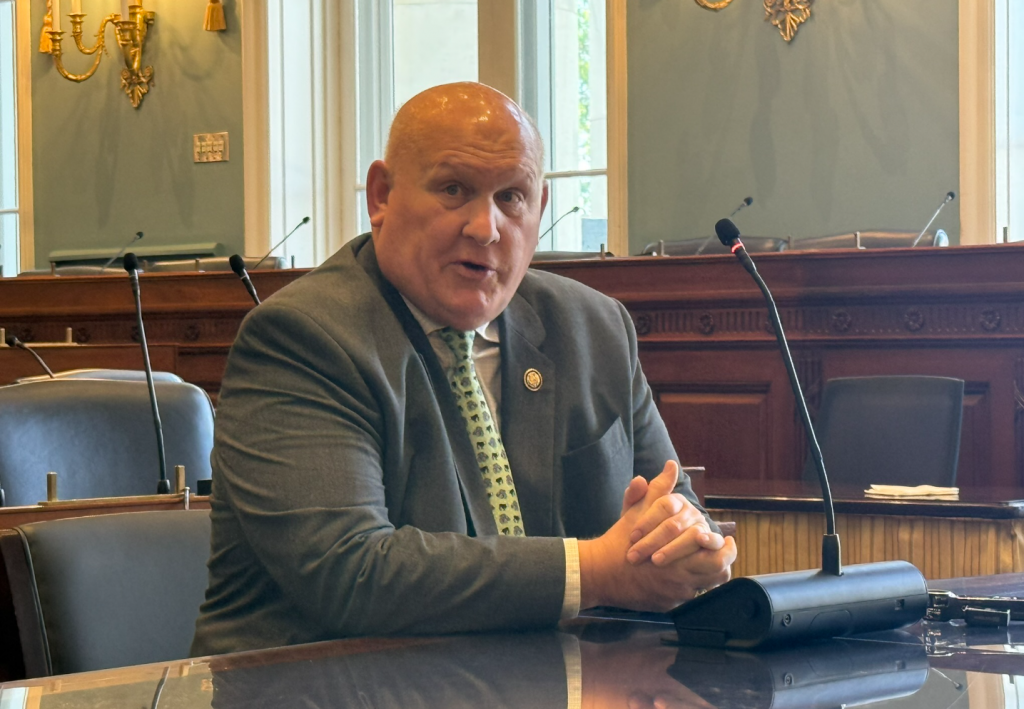
House Agriculture Committee Chairman Glenn "GT" Thompson recently addressed the National Association of Farm Broadcasters at their Washington Watch event, covering critical issues like the Farm Bill, border security, taxes, and trade. Thompson emphasized the importance of these matters to American agriculture, stating, "It's exciting times. Obviously, with the new administration, there are a lot of moving parts right now. I think it's all for the greater good when it comes to America's number one industry, which is agriculture."
Border Security and Workforce
Many of Thompson's discussions focused on border security and its impact on the agricultural workforce. He argued that an open border does not benefit agriculture, countering the common perception. "I think there are some folks that think an open border helps with workforce, and it absolutely does not," he asserted.
Thompson highlighted the importance of establishing a legal pathway for agricultural workers, which he believes is hindered by uncontrolled borders. He noted, "I have always found that the biggest obstacle to getting something done, in terms of defining a pathway for a legal workforce, has been the open border."
Thompson also mentioned that budget reconciliation will allocate funds for "smart walls and smart fences" to enhance border monitoring.
Tax Cuts and Financial Relief
Thompson addressed the tax implications for American farmers, emphasizing the need to prevent tax increases. "I don't think there's a group in America that will benefit more from what we will do with the tax cuts - making sure we prevent the largest tax increase in history - than the American farmer," he stated. He specifically mentioned the "death tax," arguing that it forces farmers to liquidate assets to pay taxes, harming their ability to continue operating. Thompson also mentioned maintaining deductions for capital investments, acknowledging that American agriculture is "asset-rich and cash-poor."
Education Funding and Program Integrity
Another critical issue Thompson addressed was correcting educational funding policies that negatively impact agricultural families. He criticized the previous administration's move to determine funding based on assets, which he argued doesn't work for agriculture. "That was a terrible move under the last administration. That all gets corrected this time around," he stated.
Thompson also discussed improving program integrity in nutrition programs like SNAP, aiming to "enhance opportunity" rather than "punish." He explained, "We're not robbing from anyone. We're enhancing opportunity." He also discussed removing the "poverty cliff" in SNAP, so that an increase in income does not result in total loss of benefits.
Trade and International Relations
Thompson also spoke about the importance of trade for American agriculture. He mentioned that many nations are seeking trade deals with the U.S. and expressed optimism about future trade opportunities. "The fact that over 100 nations are knocking at the door at the White House, saying, I want to make a deal. I just ask that you give the president and his team a little bit of grace," he said. He also assured that if trade-related issues harm farmers, measures will be taken to provide relief, similar to past actions.
Farm Bill and Bipartisan Efforts
Thompson discussed the Farm Bill, emphasizing its bipartisan nature and the input from American farmers. "It wasn't my farm bill, it was America's farm bill," he stated. He highlighted the extensive input from various stakeholders and the bipartisan efforts in drafting the bill.
Thompson called the current progress with the reconciliation bill the "down payment" or "skinny" farm bill, which will address certain aspects, with the remaining portions to be addressed later. "It'll be later, at a very affordable price tag, and we'll have pay fors that are not controversial. It's good policy," he explained.
Crop Insurance and Future Plans
Thompson reaffirmed the commitment to protecting and improving crop insurance, a top priority for farmers. "That was the number one ask. We traveled the country, and it was amazing how often people said, 'We only got one ask.' Well, they had more than that, but their most important thing was, you have to protect crop insurance," he said. He also expressed a desire for bipartisan support in the committee, though he acknowledged the partisan nature of budget reconciliation.
Health and Human Services
Regarding the Secretary of Health and Human Services' views on agriculture, Thompson acknowledged the Secretary's "heart's in the right place" but suggested a need for a deeper understanding of commodity production. "I'm not sure he has a great depth of knowledge when it comes to how commodities are grown and the value of each of those commodities," he noted. Thompson expressed a willingness to educate the Secretary through firsthand experience.
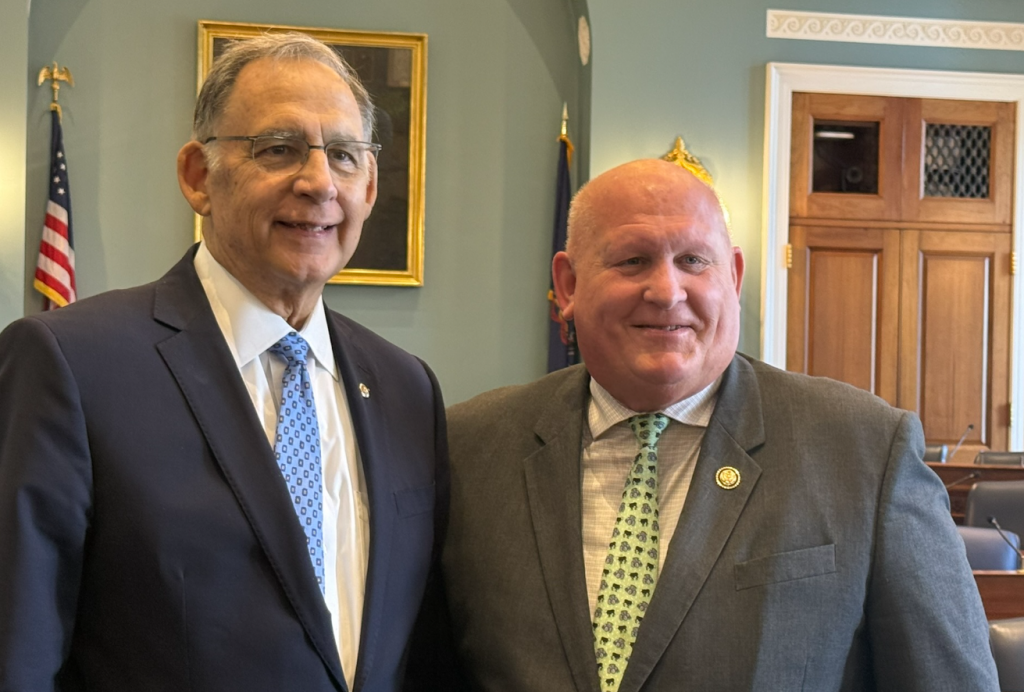
Thompson's remarks highlight the complex interplay of policies affecting American agriculture, from border security and taxation to trade and nutrition programs. NAFB appreciated his willingness to sit down and discuss the issues.
During the issues forum of the National Farm Broadcasters Washington Watch, Oklahoma Farm Report's Maci Carter had the opportunity to visit with Mary-Thomas Hart, National Cattlemen's Beef Association's Chief Counsel, about the progress EPA is making to clarify the Waters of the United States (WOTUS) definition. In today's BeefBuzz, Senior Farm and Ranch Broadcaster, Ron Hays, is featuring comments from that conversation.
The WOTUS definition has long been a source of ongoing contention, with shifting interpretations based on presidential administrations and congressional control. Prompted by the Supreme Court's ruling on Sackett v. EPA, the EPA and the Army Corps of Engineers are collaborating to revise the definition of WOTUS. The revision aims to provide clarity and stability for landowners, particularly those in the agricultural sector, who have faced uncertainty due to fluctuating regulatory interpretations.
EPA and the Army Corps of Engineers have asked for input on the geographic scope of the relatively permanent waters, the meaning of continuous surface, and how to determine the jurisdictional status of ditches.
Hart, along with her team at NCBA, has been homing in on these issues and interacting with the administration. "NCBA has been pretty actively engaged, both in the comment period and in the listening sessions that EPA recently held in its request for recommendations."
She explained further that it is a preliminary step prior to the EPA issuing a formal ruling or guidance document, but is confident that WOTUS is a priority for them. "We really appreciate that approach," Hart shared. "We are really happy with the list of exclusions from the WOTUS definition, things like certain ditches, stock and watering ponds, and waste treatment systems. Those are really important to keep excluded from the WOTUS definition. We want a clear exclusion of all ephemeral features."
Possibly a bigger ask, but high on NCBA's list of importance is related to interstate water features. Previous administrations have regulated interstate water features in various ways. NCBA wants any interstate water features that don't qualify as any other category of jurisdictional water, then it shouldn't qualify just because it spans two or more states.
"That is a big ask for the agency, but overall, I think we are really happy with the direction the agency has taken thus far," Hart stated.
She mentioned that several relics from the Biden administration were being rolled back by the Trump administration. She detailed listings under the ESA, broader ESA standards, and MIPA standards as rollbacks that will be good for producers.
"Those cases are being slowly rolled back, one by one," she said. "We'll still engage in WOTUS litigation until the EPA and this administration make any kind of formal action. I think we are also closely watching cases as they slowly trickle up toward the Supreme Court."
She said that the Supreme Court has enjoyed a relatively light year, so far, but will likely experience a bigger case load next year.
The Beef Buzz is a regular feature heard on radio stations around the region on the Radio Oklahoma Ag Network and is a regular audio feature found on this website as well. Click on the LISTEN BAR at the top of the story for today's show and check out our archives for older Beef Buzz shows covering the gamut of the beef cattle industry today.
The president of the National Corn Growers Association said today that his organization fully supports the Trump administration's effort to forge a new trade relationship with India, and corn growers urge the administration to include corn and corn co-products, such as ethanol and its byproducts, in any final agreement with the South Asian country.
The comments came during an online press conference as the organization released data showing India would be a valuable market for the nation's corn growers and benefit rural America should the Trump administration's ongoing efforts to open the market to American goods prove effective.
"We applaud the Trump administration for the trade outreach it is conducting with India, and we will advocate over the next few months to encourage the Office of the U.S. Trade Representative to include American corn exports in any new trade agreement it makes with the country," said Illinois farmer and NCGA President Kenneth Hartman Jr. "Building a more level playing field for all American products to access global markets is exactly what corn growers need, especially as we face a projected third consecutive year of negative returns."
Hartman added that the organization will continue working directly with the Trump administration and with the media to highlight how beneficial an agreement with India would be for the nation's corn growers.
The Trump administration has made India the initial focus of its efforts to open new markets for U.S. exports. During a CNN interview in early April, Commerce Secretary Howard Lutnick called out India for its barriers to accepting corn from the United States.
India's restrictions on genetically modified corn have blocked access for American corn imports, as 94% of American corn is genetically modified. India also imposes technical restrictions that prevent access for distiller dried grains with solubles, a byproduct from ethanol production used in animal feed, and limits U.S. ethanol imports. India's stance puts U.S farmers at a distinct disadvantage and addressing these barriers would benefit American farmers.
If the Indian government were to drop its restrictions on genetically modified corn, it could open the door to $235 million worth of U.S. exports each year, according to data released by NCGA. If the U.S. were able to supply India's sustainable aviation fuel market, it would represent $434 million opportunity for U.S. corn farmers in the first year of the relationship.
India would also stand to benefit from this arrangement, with greater access to high quality feed and an affordable and more environmentally friendly renewable energy source.
The Trump administration has said it expects to have a framework agreement in place over the next 90 days, and the leaders at NCGA say they are hopeful that the president and his administration can make progress with India that will benefit rural America.
"We know President Trump is excellent at making a deal," said Hartman. "He's off to a great start and we want to be a part of the final product."
Read Economic Data on Corn & India
As we did in 2020 to mark our 40th anniversary, in our 45th year U.S. Wheat Associates (USW) is remembering and celebrating the people who produce the wheat and their enduring partnerships with their state commissions, the USDA's Foreign Agricultural Service (FAS), wheat buyers, and wheat food processors around the world.
Wheat farmers in post-World War II United States were producing more wheat than ever before. So, to improve marketing opportunities, they organized and reached out to the U.S. Department of Agriculture (USDA) for help. These visionary state wheat leaders ultimately formed two regional organizations to coordinate export market development: Western Wheat Associates and Great Plains Wheat Market Development Association. These organizations merged to form USW in 1980.
In this article originally published in March 2020, Wheat Letter offers historical perspective on how changes in federal programs, global market factors, and relationships drew Western Wheat Associates and Great Plains Wheat ever closer together and led to the establishment of one export market development organization – U.S. Wheat Associates.
"It is not the strongest of the species that survives. It is the one that is the most adaptable to change, that lives within the means available and works cooperatively..." – Charles Darwin
In 1959, foreign currency funds were building in several countries that were buying U.S. wheat under U.S. Public Law 480. The funds could only be used for export market development.
USDA's Foreign Agricultural Service (FAS) told Great Plains Wheat Market Development Association (GPW) it was time to step up their efforts. And when Western Wheat Associates (WWA) was founded, FAS told its leaders that the agency wanted to move wheat to overseas markets regardless of their potential for becoming cash customers.
"It is interesting to note that FAS, being the banker of market development funds, has had an influence on our internal policies from the very first meeting," wrote WWA CEO Richard K. Baum in his report The First Twenty Years.
As organized, public-private export market development of U.S. wheat evolved, these three partners would find themselves adapting to many changes and threats at home and abroad. Though the relationships at times were tested – and there was what Baum termed a "healthy and friendly competition" between WWA and GPW – the spirit of cooperation remained strong.
The formation of regional export promotion organizations by state wheat farmer leaders was a logical outcome of circumstances in the 1950s.
In Kernels and Chaff, A History of Wheat Marketing Development, Marx Koehnke noted that soft red winter (SRW) wheat grown east of the Mississippi River had been the most exported U.S. wheat class because it was more accessible to export points. Overseas buyers were not getting the quality they needed to make bread from low protein SRW. Koehnke also wrote that hard red winter (HRW) grown in the Great Plains and "needed by the foreign buyers" was going into government surplus stockpiles. With support from FAS, GPW was established specifically to promote HRW and hard red spring (HRS) in Europe and Latin America served by Gulf, East Coast, and eventually Great Lakes ports.
With soft white (SW) production concentrated in Pacific Northwest states, a region gifted with natural export tributaries, it was logical for WWA to focus on promoting SW in Asian wheat markets. Even as state wheat commissions in Oregon, Washington, and Idaho were organizing WWA, however, discussions with GPW leaders revealed an interest in promoting HRW in Asian markets, too.
GPW and WWA signed a Memorandum of Understanding in May 1959 to share expenses equally for export development programs in the PL 480 markets of India, Pakistan, and Sri Lanka. Koehnke wrote this agreement "was a coordination of joint efforts to expand the total market for U.S. wheat ... and was to continue through the years."

A bit of early resistance to coordinated market development appeared in 1961 after GPW identified the growth of bread and roll consumption in Japan. Even though the higher protein wheat grown in the Plains was needed to meet that demand, Kernels and Chaff suggests the organization sensed reluctance on WWA's part to have GPW participate in the Japanese market. The reasons for this alleged "reluctance" are not recorded, but the spirit of cooperation won out.
In return for being able to promote hard wheats in Japan, GPW invited WWA to participate in European and South American market activities to identify potential demand for SW wheat. A committee to help coordinate all wheat export market development activities was also formed with members from WWA, GPW, the domestic export grain trade, and the domestic U.S. milling industry (which was likely selling bread flour to Japan at the time). In addition, WWA gained agreement with GPW to represent the interests of both organizations in Washington, D.C. FAS strongly supported such cooperation – support that, to Baum at least, indicated FAS was "already pushing for a merger of GPW and WWA."
The cooperation on promoting HRW and HRS in Asia was tested over the next several years because of the cost constraint to move these U.S. classes to ports and to Asian markets. There were proposals by Plains farmer organizations to increase a then existing U.S. government wheat export subsidy on wheat from Gulf ports, and to reduce rail rates on wheat moving from the Plains to West Coast ports. The WWA board of directors opposed these proposals "without similar reductions from states closer to the West Coast." Ultimately, WWA's board created a transportation committee that worked out agreeable solutions with GPW.
By maintaining frequent contact and coordination, and customizing ways to represent all regionally produced wheat in markets designated in their separate marketing agreements with FAS, GPW and WWA developed a steady collaboration. For example, they worked together to try to gain representation at PL 480 planning meetings and International Wheat Agreement negotiating sessions, observing that there was not enough representation from people well-versed in wheat production and trade. Together they also supported FAS in resisting calls from other U.S. farm and business organizations to reduce PL 480 program funding. By 1971, both organizations and USDA were celebrating the fact that Japan was the first overseas customer to import an annual volume of U.S. wheat valued at $1 billion and now including more HRW and HRS than SW.

In the mid-1960s, FAS sponsored a team to evaluate U.S. export market development. Fred Waring, a retired USDA auditor, led the team on visits to Europe, Asia, and the Middle East to review specific activities and confer with U.S. ag officials, importers, and others engaged in wheat trade. The so-called Waring Report recommended many changes to improve and strengthen market development. In terms of activities, the report suggested that detailed plans with clearly defined and measurable goals, objectives and activities be developed, and recommended emphasizing trade and technical services customized for each market.
In addition, the report suggested that one organization focused on U.S. wheat export development should be developed.
Kernels and Chaff notes that GPW and WWA responded to the evaluation "by agreeing to the general observations and recommendations." Specific responses are not carefully recorded but in 1965, GPW was surprised to learn that the Nebraska wheat commission (now Nebraska Wheat Board) intended to end its membership in the organization and join WWA. Koehnke wrote that NWC cited several issues leading to its decision including "resistance to recommendations in the Waring Report ... a tendency to avoid cooperation with WWA ... and a perceived belief among GPW staff that FAS gave WWA preferred treatment."
After GPW reviewed and reorganized its operations, NWC returned to membership in the organization, but maintained its membership with WWA. In some ways NWC's actions offered the first signs that circumstances in the global wheat market were changing. As new states formed commissions, more of them joined both GPW and WWA, whittling away at regional views of how best to promote the wheat their farmers were growing.
Stakeholders continued to discuss the concept of combining U.S. wheat farmer groups into one organization. In 1967, at a meeting of the National Association of Wheat Growers (NAWG), a committee to study the feasibility of combining NAWG, GPW, and WWA was formed. No change was made but it appeared the committee continued meeting. In 1971, Baum and Koehnke recorded that WWA authorized funding to evaluate the merits of merging WWA, GPA, and NAWG. Koehnke wrote that pressure from FAS to increase the portion of producer funding for export market development was of mutual concern to GPW and WWA. Looking back, the dramatic effects of the Soviet Union's huge U.S. wheat purchases probably put merger talks on hold for many years.
Adjustments to accommodate market factors continued without a merger. In about 1972, WWA assumed all responsibility for promoting all U.S. wheat classes in Asia and GPW assumed the same responsibility for Latin America, Europe, the Middle East, and Africa. Separate agreements with FAS continued but this meant that, for example, GPW would bring potential customers on trade team visits to the Pacific Northwest to learn more about SW wheat production and value. The circumstances were drawing GPW and WWA even closer together.

In Kernels and Chaff, Koehnke wrote that enthusiasm among farmer leaders to merge GPW and WWA seemed to grow during 1976. Merger plans and joint committee work were "revived." In conjunction with NAWG's annual meeting in Hawaii in January 1977, GPW and WWA held a joint meeting, billed as "Meeting Your Customers Half Way," that included 220 Japanese executives and representatives from many other Asian countries. At separate discussions during these meetings, the farmer leaders identified several advantages of a merger including "greater efficiency, avoiding duplication of efforts, greater strength in obtaining federal funding, and expansion of markets for all classes of U.S. wheat."
At this meeting, the name "U.S. Wheat Associates" was first proposed for a merged organization.
It is interesting to note that an FAS representative at the meeting said the agency was "neutral on the proposed merger and the decision was up to the producers themselves." Funding would be based on the merits of proposed projects, the representative said.
Even as they took the time to take care of their own seasonal farm work, enthusiasm among the farmer leaders for a merger remained. Koehnke wrote that GPW took up discussion of a merger proposal and analysis completed by the North Dakota Wheat Commission in December 1978. At GPW's January 1979 board meeting, WWA presented its own merger plans. That is when the hard work of making the merger a reality really started.
Former Kansas Secretary of Agriculture and Kansas wheat farmer Adrian Polansky, who represented his state on a merger task force as a first-year Kansas Wheat commissioner in 1979, told "High Plains Journal" that "combining two distinct entities with differing geographical regions, differing market focuses and completely different structures was a large challenge ... but the challenges had to be met."
U.S. Wheat Associates was officially formed at a board of directors meeting on Jan. 12, 1980, in Phoenix, Ariz.
Koehnke summarized the culmination of this legacy of commitment from Great Plains Wheat and Western Wheat Associates this way:
"Both Dick Baum [WWA CEO] and Mike Hall [GPW President] had built formidable staffs and organizations which were merged into U.S. Wheat Associates. Both [organizations] were highly respected by FAS and the U.S. wheat industry, from producers to exporters, and by the import trade in many countries over the world. Other exporting countries with wheat boards respected the competitiveness of the U.S. wheat [organizations] and emulated their activities in many areas."


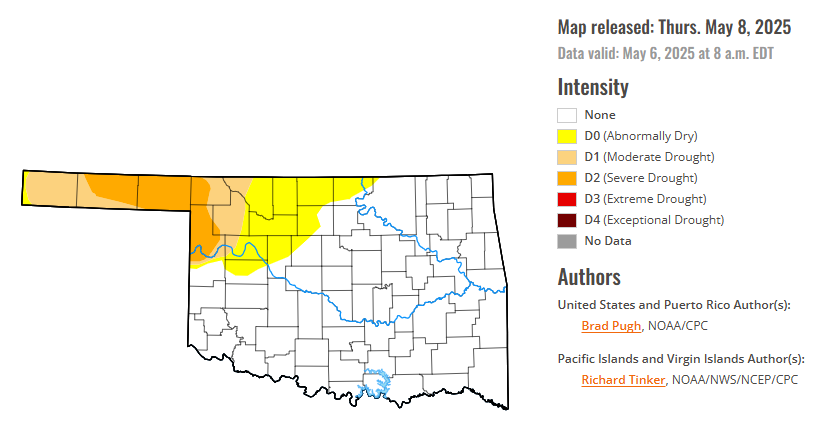
To view the latest Oklahoma drought map, CLICK HERE.
According to the latest Oklahoma drought monitor report, exceptional drought remains at zero percent, unchanged from the start of the calendar year.
Extreme drought or worse conditions remain at zero percent, unchanged since the week of October 29, 2024.
Severe drought or worse conditions are unchanged at 6.91 percent from last week.
Moderate drought or worse conditions have decreased to 13.95 percent, down from 14.14 percent last week.
Abnormally dry or worse conditions have decreased to 24.91 percent, down from 33.14 percent last week.
According to the 6-to-10-day precipitation outlook map, the Southwestern part of the state of Oklahoma, along with the panhandle, the Southeastern corner, and a thin band along the Red River, is near normal chances of precipitation through May 17. The Northwest, Central, South Central, Northeastern and Eastern portions of the state are leaning above a 33-40% chance of precipitation through May 17. A pocket in Northern Oklahoma is leaning above a 40-50% chance of precipitation through that May 17th date.
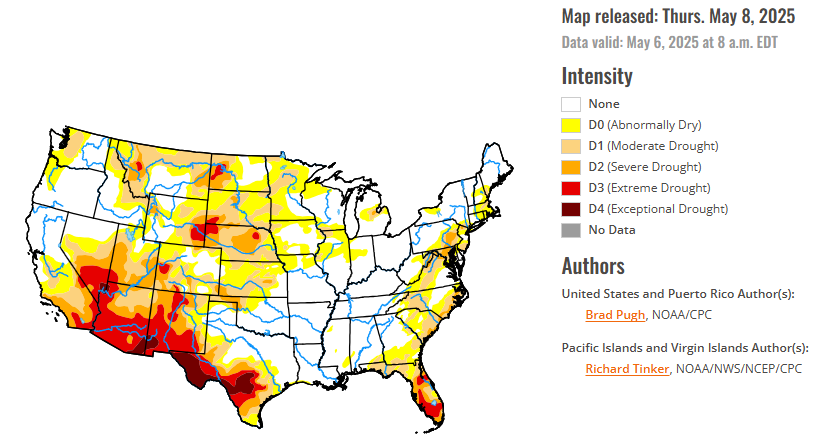
To view the United States Drought Map, CLICK HERE.
A blocking weather pattern that is common during the spring resulted in a couple of slow-moving low-pressure systems from the end of April through the start of May. These low-pressure systems brought heavy precipitation (more than 2 inches) and drought improvement to the Northeast, Mid-Atlantic, and Southern Great Plains. The heavy precipitation across Oklahoma, western Texas, and eastern New Mexico was accompanied by cooler-than-normal temperatures. Further to the north, drought expanded and intensified across portions of the Central to Northern Great Plains. Another area that experienced worsening drought was the Florida Peninsula. For the West, drought improvements were made to parts of Arizona, Utah, and western Montana. No changes were made this week to Hawaii, while Alaska and Puerto Rico remain drought-free.
In the Southern Plains, heavy precipitation (more than 2 inches) resulted in improvements to parts of Oklahoma and Texas. According to the Oklahoma Mesonet, 10 to 16 inches of precipitation were observed across central to southwestern Oklahoma during the past 30 days. A 2-category improvement was warranted to the north of Midland based on a favorable response among soil moisture indicators. Any precipitation that occurred after 8 am EDT on Tuesday, May 9th, will be considered in the next U.S. Drought Monitor release. A very tight gradient from excessive wetness across much of Oklahoma to extreme and exceptional drought closer to the Upper and Middle Rio Grande Valley has become established this spring. Minor improvements were made to the small abnormal dryness areas depicted in parts of Mississippi and eastern Tennessee.
In the High Plains, mostly dry weather prevailed this past week (April 29 to May 5) across the Northern to Central Great Plains. Based on multiple soil moisture indicators, including CPC, NLDAS, and NASA SPoRT, along with the Vegetation Drought Response Index (VegDri), extreme drought (D3) was expanded to include more of western North Dakota. This D3 expansion coincides with recent wildfires and dust storms. Soil moisture (below the 10th percentile), VegDri, and 60 to 90-day SPEI supported an expansion of severe drought (D2) across central Nebraska. D3 was added to parts of northeastern Nebraska based on VegDRI soil moisture below the 5th percentile and a longer-term extreme drought signal. Further to the west, a broad 1-category improvement was made to northeastern Wyoming and adjacent areas of western South Dakota due to recent wetness and a positive recovery among multiple drought indicators. Improvements were also warranted for the upper Green River basin of western Wyoming. However, a drier-than-normal April resulted in a 1-category degradation to parts of southern Wyoming.
In the West, recent widespread, heavy precipitation, along with consideration of multiple drought indicators such as SPI at various time scales, soil moisture, 28-day average streamflows, and the NDMC drought blends, led to a 1-category improvement across eastern New Mexico. Improvements were also warranted for parts of Arizona due to April precipitation averaging at or above normal. Minor improvements were justified for parts of western and southeastern Montana, but abnormal dryness (D0) and moderate drought (D1) expanded across parts of north-central Montana that missed out on another week of spring precipitation. No changes were made this week to California or Nevada as those areas enter a drier time of year. For the Pacific Northwest, long-term drought is limited to the northern Cascades region of Washington.
Looking ahead, a cut-off low-pressure system is forecast to bring widespread, heavy precipitation to the Southeast with the Weather Prediction Center depicting more than 3 inches of precipitation for southeastern Alabama, central to south Georgia, and the Florida Panhandle through May 12. Following a wet week, another round of precipitation (1 to 2 inches) is expected from northern New Jersey northward to New England on May 9 and 10. Elsewhere, mostly dry weather is forecast for the Corn Belt along with much of the Great Plains and the West. The dry weather will be accompanied by unseasonably warm temperatures across the Northern Great Plains. By May 12, precipitation is forecast to overspread the Pacific Northwest as a low-pressure system tracks inland from the northeastern Pacific.
The Climate Prediction Center's 6-10 day outlook (valid May 13-17, 2025) favors above-normal precipitation for the Mid-Atlantic, Florida Peninsula, Upper Mississippi Valley, Northern to Central Great Plains, and much of the West. Elevated below-normal precipitation probabilities are limited to the Lower Mississippi Valley, western Gulf Coast, and Rio Grande Valley. Above-normal temperatures are likely for most of the eastern and central U.S., with the largest probabilities (more than 80 percent) forecast for the Great Lakes. Below-normal temperatures are favored throughout the West.
To view the 6-10 Day Precipitation Outlook Map, click here.
To view the 6-10 Day Temperature Outlook Map, click here.
To view the Monthly Drought Outlook Map, click here.
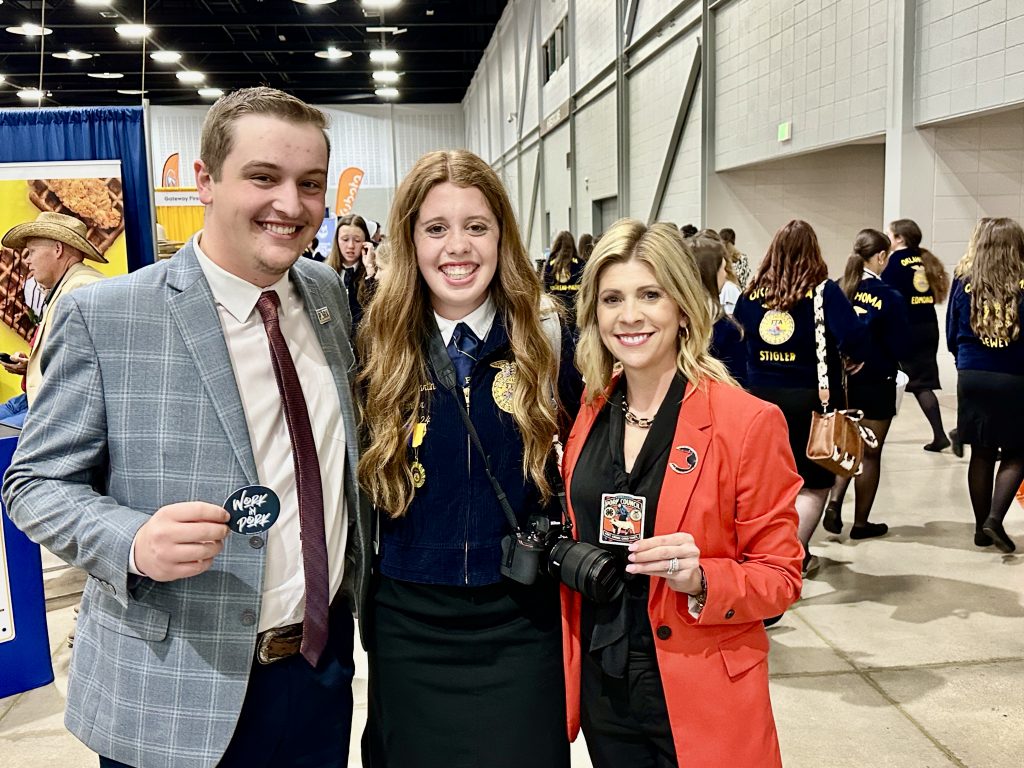
Katelee Martin, Reporter for the Alva FFA Chapter, found time to help us out with some interviews while she attended the State FFA Convention. She spoke with Kylee Deniz, Oklahoma Pork Council's Executive Director, and the organization's summer intern, Ethan Drake, a student at OSU.
Martin had noticed a large gathering of FFA students surrounding the Oklahoma Pork Council booth at the event and reached out to learn more.
Deniz detailed one of the Council's four strategic initiatives: workforce at all levels. "What we are celebrating today are the vast opportunities there are to work in the pork industry," she said.

To create more fun for FFA members, Deniz invited the FFA members to help in the creation of a mosaic wall, which Drake explained as a collection of small pictures that create one large picture. He said, "Students get to be one small part of a bigger thing, and its really interesting to see all of the different students over here. They are all really excited and can't wait to find out what our mosaic wall will reveal tomorrow."
Throughout the year, the Oklahoma Pork Council takes advantage of every opportunity it can to support young swine showmen, seeks involvement in local FFA chapters, and provides free pork lunches at various times.
Both Deniz and Drake are former FFA members and understand its value to the up-and-coming future leaders and producers of the ag industry.
"With the reintroduction of the Farm Workforce Modernization Act, the Agriculture Workforce Coalition commends Reps. Newhouse and Lofgren for their leadership on this issue. But let's be clear: reviving a bill negotiated in 2019 falls short of what today's farm labor crisis demands. Farmers need a solution that reflects current realities and keeps their operations viable.
"The agricultural industry looks quite different today than it did six years ago. Between natural disasters, falling commodity prices, soaring input and labor costs, and additional regulatory burdens, many producers today have gone out of business. As such, we believe that a straightforward reintroduction of the Farm Workforce Modernization Act as written does not fundamentally make the reforms needed to keep our agricultural producers in business. Much like farm bills are updated every five years in recognition of the changing conditions faced by ag producers, so too should an ag labor bill that was first drafted six years ago.
"America's farmers are in the grips of a worsening labor crisis that threatens our domestic food supply. Despite fast-rising wages and increased reliance on the H-2A guest worker program, growers across the country are struggling to find enough workers to plant, tend, and harvest their crops and care for their animals. The problem is multifaceted: an aging domestic workforce, scant interest from U.S.-born workers, and a guest worker program that remains too costly, seasonal, and bureaucratic for many operations.
"We look forward to continuing working with Reps. Newhouse and Lofgren – and all Members of Congress - to pass legislation that keeps the future of farmers and American agriculture viable."
About the AWC
The Agriculture Workforce Coalition (AWC) brings together organizations representing the diverse needs of agricultural employers across the country. AWC serves as the unified voice of agriculture in the effort to ensure that America's farmers, ranchers and growers have access to a stable and secure workforce now and in the future.

David Schumacher
Veteran ag industry leader David Schumacher has joined the senior management team at Meristem Crop Performance as Chief Commercial Officer (CCO). Schumacher will now apply his deep experience in sales, marketing, and product development to accelerate Meristem's efforts to drive farm business success and boost innovation all across the U.S.
"We are so excited to have Dave sign on with Meristem," said Mitch Eviston, Meristem Founder and CEO in making the announcement. "He is uniquely qualified to lead this team of all-stars that we've assembled to serve more and more farmers with Meristem's growing product portfolio."
Schumacher has more than 30 years of diverse experience leading teams both in the U.S. and globally. He is widely known for delivering growth through vision, strategy, and execution: especially when it comes to improving the distribution process for crop inputs.
"I've worked with Dave off and on in different roles throughout my career," says Eviston. "He has exactly the right experience, business skills, and dedication we need at Meristem Crop Performance to build out our dealer network and our efficiency as we take it to next level."
Schumacher grew up on the family dairy farm in Illinois, where he learned how to work and developed a love for agriculture. "I loved our farm, and I figured out that I wanted to serve the wider world of agriculture," he says. "So I went to college, studied ag and began my career at Ciba-Geigy (now Syngenta). That's when I first met Mitch Eviston – we both started with Ciba-Geigy on the same day." He earned his bachelor's in ag business from Southern Illinois University and later added a master's in business administration (MBA) from Butler University.
Schumacher comes to Meristem after nearly seven years at Helm Agro, where he first served as president of Helm Agro US, where he led the overall crop protection business in the US, building a portfolio of herbicides, insecticides and fungicides to help growers and retailers drive strong performance and profitability. He then was elevated to Helm Agro Executive Vice President and became responsible for growing the company globally.
Earlier in his career, Schumacher was VP of Marketing for Winfield United, with P&L accountability for a multi-billion-dollar crop protection business including herbicide, insecticide, fungicide, seed treatment, adjuvants, micronutrients, plant growth regulators, and bio stimulants. Later in his time with Winfield, he was tapped to serve as Vice President & General Manager of a joint venture between Winfield parent company Land O'Lakes, Inc. and Villa Corp Protection, Johannesburg, South Africa. He says it was then he felt his eyes were opened to the pressing global need for grain.
"I realized how important it was for us to figure out how to raise more grain. When we don't have enough production in the world, there are many in Africa who can't eat." Schumacher says that drives his desire to help farmers make the most of every seed they plant on every acre they farm. "First, it means a better life for those farm families," he says, "then it also contributes to the effort to feed people who need to eat all around the world." Schumacher says that's why he's eager to start with Meristem.
"I think biologicals are the next big driver farmers will use to improve their yields and profitability to the benefit of their families and the world at large," says Schumacher. "Meristem is on the cutting edge of delivering results with biologicals because of the BIO-CAPSULE, their patented delivery system. I'm very excited to see how these new combinations of biologicals and synthetics will positively impact farmer results and feed more people worldwide."
Schumacher and his wife Michelle currently live in Minnesota and have three grown children: Isaac, Lauren and Blake. In late 2024, the family celebrated Lauren's marriage to Marcus Johnson in Florida. Dave and Michelle also recently marked their own 30th wedding anniversary.
About Meristem Crop Performance
Meristem® Crop Performance, Inc. (www.meristemag.com) helps farmers produce more bushels for less cost per bushel. Meristem is the global leader in delivering live, in-field biologicals through the patented BIO-CAPSULE™ Technology platform. Meristem significantly reduces waste and increases productivity in crop input systems through accelerated access to innovation, improved supply chain efficiency, and advanced concentrates. Learn more at www.meristemag.com.
RON's Dave Lanning has a pre-opening look at today's agricultural Markets.
Click the audio tab below for today's report.
RON's Jacquelyn Farris reports from the State Capitol
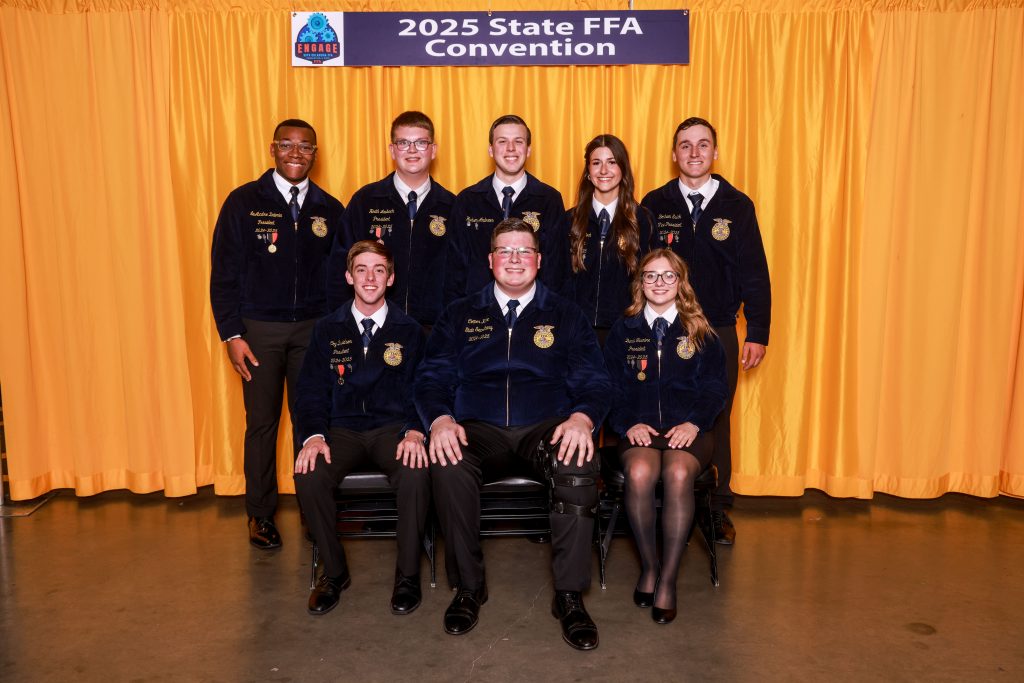
Cooper Kline (front center), member of the North Rock Creek FFA Chapter, will lead the more than 29,500 members of the Oklahoma FFA Association for 2025-2026.
Members elected the 19-year-old to his presidential position during the 99th Oklahoma FFA Convention on May 7. An agricultural education major at Oklahoma State University, Kline previously served as the 2024-2025 Oklahoma FFA Secretary. He is the son of Seth and Tammy Kline of Chandler, Oklahoma.
Seven additional FFA members will join Kline on the 2025-2026 Oklahoma FFA Association officer team: Coy Davidson (front left), Elgin FFA, secretary; Darla Fesmire, Oklahoma Union FFA, reporter(front right); LeAundre Delonia (back left), Okmulgee FFA, northeast area vice president; Heath Laubach, Mooreland FFA, northwest area vice president; Hudson Andrews, Purcell FFA, central area vice president; Isabella Whitlock, Silo FFA, southeast area vice president; and Bonham Eslick, Elgin FFA, southwest area vice president.
FFA is an integral part of the agricultural education division in the Oklahoma Department of Career and Technology Education system. With 29,500 members and 369 chapters, the Oklahoma FFA Association is the sixth-largest state FFA association. The FFA mission is to make a positive difference in the lives of students by developing their potential for premier leadership, personal growth and career success through agricultural education. To learn more about the Oklahoma FFA, visit okffa.org.
Your coverage of the 2025 Oklahoma FFA Convention is sponsored by Hilliary Communications, who deliver the latest cutting-edge communications services supporting tens of thousands of customers across 22 counties throughout Oklahoma, Texas, and Iowa. The company offers internet, voice, and HilliaryTV. Hilliary Communications continuously researches the marketplace for innovations and strives to improve underserved areas, offering services that exceed customer expectations. Click here to learn more about Hilliary Communications.
For more information about the 99th Oklahoma State FFA Convention, click here.
A measure reorganizing when certain elections are held in Oklahoma passed the Oklahoma House of Representatives floor this week.
Rep. Mike Osburn, R-Edmond, presented Senate Bill 652, which streamlines the election process by establishing five election days annually, scheduled in February, April, June, August and November. There are currently 12 possible election dates in odd-numbered years and seven in even-numbered years.
"The passage of Senate Bill 652 is a forward-looking effort to bring greater clarity, consistency and accessibility to Oklahoma's electoral process," Osburn said. "By strategically aligning our election dates, we can encourage broader participation in our democracy. This reform is not simply about rescheduling; it's about respecting the time and voices of Oklahoma citizens. "
Osburn added that a reduction in the number of elections will combat voter fatigue, relieve overworked poll workers and improve communication about election dates, all of which contribute to low voter turnout.
SB652 was authored by Pro Tempore Lonnie Paxton, R-Tuttle.
"Senate Bill 652 is about making elections more predictable and is an effort to modernize and streamline Oklahoma's election calendar," Paxton said. "By consolidating election dates, it will promote greater clarity for voters and improve access to the ballot. With a more structured election schedule, it will provide consistency and give voters greater opportunity to plan ahead and participate in the democratic process. I appreciate Representative Osburn for carrying this measure in the House and moving it forward."
While the new structure would affect the timing of some special elections, propositions and candidate races, all other elections, including the absentee and early voting processes, would remain unaffected. SB652 preserves exceptions for special elections called by the governor and establishes clear guidelines for when additional elections can be scheduled.
SB652 passed the House 93-0. It returns to the Senate for a vote on the House amendments.
U.S. Secretary of Agriculture Brooke Rollins today held the inaugural Farmers First roundtable at the U.S. Department of Agriculture (USDA). Secretary Rollins hosted Nebraska Governor Jim Pillen, the Board of Directors for the National Association of State Departments of Agriculture (NASDA), and over 20 farmers and ranchers from 11 states who run smaller-scale, independent, family-owned operations. These operations are at the heart of American agriculture and their continued success is critical for the economic viability of the industry.
Farming is a noble and patriotic line of work. America's farmers, ranchers, and producers are the backbone of our country. It is the goal of the Trump Administration to ensure all of America's farms are economically viable and thriving, including smaller, independently owned businesses. After studying the needs and current state of the farm economy, Secretary Rollins will launch a plan later this month to ensure smaller-scale family-owned farming operations are economically viable and those who want to start and keep their own farms for generations to come are able to. The states are key stakeholders in supporting American agriculture and the group discussed ways USDA will work together with states and federal and private sector partners to put farmers first. Alongside NASDA President Wes Ward, Secretary Rollins today signed a Memorandum of Understanding to improve collaboration, coordination, and to ensure partnership with our friends in our agriculture community on the front lines.
This plan builds on the many ways USDA is putting farmers first and reprioritizing customer service. USDA's Emergency Commodity Assistance Program (ECAP) was the quickest, most effective rollout of emergency payments in the history of the program. To date, 487,177 farmers across 49 states have received over $7.3 billion in payments. To ensure total transparency, USDA updates the portal every Monday so the American people can track payment totals. President Trump and Secretary Rollins understand how important customer service is to the American people. That is why, in direct contrast to the Biden Administration, USDA stood up the ECAP program in 3 months as opposed to an average of 13 months, and in one case 19 months, it took to release ad hoc assistance programs under Secretary Vilsack. These unnecessary delays cause real harm on the farm.
Following several natural disasters that deeply impacted farms and ranches across the country, Secretary Rollins announced plans to expedite $21 billion in disaster assistance. Farmers receiving livestock relief for drought and wildfire can expect to receive payments as soon as the end of this month. While we aim to move all payments out expeditiously and to cut timelines where possible, it is important to note that some elements of the Congressionally appropriated assistance are more specific and labor intensive and were also not statutorily required, therefore will take a bit more time.
"At USDA, we understand there are many challenges to starting a new farm and maintaining a small family farm. While there are many programs to assist our farmers, we feel strongly that it takes government entities, non-profits, and the private sector working together to improve the viability, prosperity, and longevity of small family farms. I have had the honor of visiting many farms and speak with families over the last several months and have heard firsthand that farmers are struggling. We are working every day to improve the farm economy," said Secretary Rollins. "President Trump knows how important agriculture is to the success of our country. We are reversing four years of neglect by announcing a policy portfolio to help small family farms and expediting assistance to support American agriculture. We delivered ECAP payments in record time and will do it again with this disaster assistance announced today."
A landing page to track the status of USDA's disaster rollout, which will be updated regularly, has launched today.
Disaster Assistance Program Timeline
Emergency Livestock Relief Program – Drought/Wildfire
May 23 – Release to Federal Register for publication
May 28 – Final rule on public display
May 29 – Payment processing on Thursday night
May 30 – County offices sign and certify payments
Supplemental Disaster Relief Program – Previously Indemnified Loss
June 30 – Release to Federal Register for Publication
July 3 – Final rule on public display
July 7 – SDRP sign up begins
Emergency Livestock Relief Program – Flooding includes Commodity Loss Assistance Program, Milk Loss Program – Combined Final Rule
August 13 – Sent to Federal Register for Publication
August 15 – Final Rule on public display
August 18 – ELRP flooding, Commodity Loss Assistance and Milk Loss – sign up begins
Supplemental Disaster Relief Program – Uncovered Loss
September 10 – Sent to Federal Register for Publication
September 12 – Final Rule on public display
September 15 – SDRP sign up targeted.
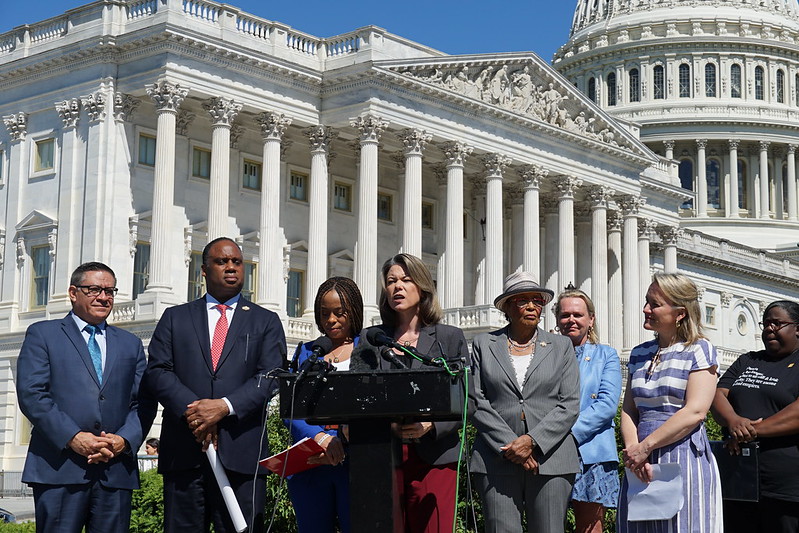
Today, House Agriculture Committee Ranking Member Angie Craig (MN-02),Vice Ranking Member Shontel Brown (OH-11), Nutrition and Foreign Agriculture Subcommittee Ranking Member Jahana Hayes (CT-05) and Congresswoman Nikki Budzinski (IL-13) were joined by farmers, veterans and parents to speak out against the Republican plan to cut $230 billion from the Supplemental Nutrition Assistance Program (SNAP), which will take food away from seniors, children and veterans while reducing demand for the food America's farmers grow.
"Slashing $230 billion from SNAP will take food away from seniors, children, veterans and people with disabilities when costs are already too high. These cuts also drive a stake into the heart of the farm economy. A cut of this size would take $30 billion in revenue away from family farmers who grow our food. We should be making SNAP work better, not making cuts that harm innocent people," said Ranking Member Craig.
"The radical Republican reconciliation bill calls for billions in cuts to SNAP. It's bad for families, bad for farmers and bad for the country. Increasing hunger to make billionaires richer is just plain wrong. I'm proud to join Ranking Member Craig and my colleagues on the Agriculture Committee in fighting for the millions of Americans who rely on SNAP, including one-in-five households in my district," said Vice Ranking Member Brown.
"House Democrats are standing strong to protect SNAP and make sure there is no reduction or loss of benefits to families who rely on them. We are trying to amplify and make sure that the American people understand there is no way to get to $230 billion without drastically cutting SNAP. This is a non-starter for us. We stand ready and willing to come to the table to work with our Republican counterparts to produce a farm bill that helps farmers and families and all Americans, all of the things that we have been able to do time and time again. But doing that at the expense of the American people, of hungry children, of American households and livelihoods, is a non-starter," said Nutrition and Foreign Agriculture Subcommittee Ranking Member Hayes.
"Cutting SNAP isn't just a hit to the most vulnerable in our society – it's a hit to the heart of our rural economies. It's a blow to grocery stores, to truck drivers, to everyone who is a part of this food system. And it's going to hurt our farmers, who are already operating on razor-thin margins and experiencing increasing uncertainty in the markets," said Congresswoman Budzinski.
Other speakers at the press conference included mother and Army veteran Yolanda M. Gordon of South Carolina, farmer Carah Ronan of Montana, mother and student Meghan Hullinger of West Virginia and farmer Kat Becker of Wisconsin.
Representatives Alma Adams (NC-12), Jill Tokuda (HI-02), Jonathan Jackson (IL-01), April McClain Delaney (MD-06) and Salud Carbajal (CA-24) attended the press conference in solidarity with America's hungry families and farmers.
Members of the Oklahoma House Democratic Caucus debated against SB 1027, a bill that would limit the number of signatures by Oklahomans in urban areas of the state for initiative petitions.
SB 1027 limits the number of valid signatures from any one county. Voters in Oklahoma and Tulsa counties—where nearly 40% of Oklahomans live—could contribute no more than 10% of total signatures each.
"Oklahomans are overwhelmingly opposed to this bill because they know it works to silence their efforts to engage in direct democracy," said House Democratic Leader Cyndi Munson, D-Oklahoma City. "I am so tired of the pitting of urban and rural Oklahomans against each other by our state's leaders. Regardless of where Oklahomans live, they care about quality public schools, access to affordable and quality healthcare, and making a living wage that allows them to care for themselves and their families. By limiting Oklahomans' ability to put forth their priorities when their legislators don't act, we are limiting their freedom to pursue the Oklahoma they want to live in. SB1027 was not requested by Oklahomans, but rather by interest groups, yet the negative impact of this legislation will last generations. My Democratic colleagues in the House urge the Governor to veto SB1027."
Rep. Mickey Dollens, D-Oklahoma City, debated against SB 1027 and proposed an amendment to extend the signature-gathering window from 90 days to 180. That amendment was tabled.
"The tabling of my amendment to extend the signature-gathering window from 90 days to 180 days proves that this bill has nothing to do with obtaining more rural input and everything to do with silencing citizens' voices and severely hindering their constitutional right to petition their government."
Rep. Andy Fugate, D-Del City, debated against the measure and proposed an amendment that would let Oklahomans decide if they wanted this change to their initiative petition process. That amendment was also tabled.
"It is very hard to get a measure on the ballot via initiative petition, and this body just voted to make it even harder," Fugate said. "If we are going to take away the power of the people, we should at least give them the opportunity to decide for themselves if that's what they want. Sadly, they voted down my amendment to do just that."
Rep. Jared Deck, D-Norman, also debated against the measure and now urges Oklahomans to call for a veto.
"Since statehood, when the government has failed, the people have risen to action. Today, the Oklahoma House of Representatives gave preference to the failure of government over the will of the people. The House decided that it knows better than the very voters who elected us. This is the broadest harm to self-government I've seen and a decision I believe we will regret for generations to come. The opportunity to put this removal of rights to a vote of the people was offered and rejected. I ask all Oklahomans to call for the Governor to veto this attack on our right to petition our government."
Rep. Forrest Bennett, D-Oklahoma City, debated against the bill.
"Proponents of this legislation claim it will give a greater voice to rural Oklahomans, but the fact is, it stifles the voices of all Oklahomans at a time when the people's ability to engage in the political process is as important as ever," Bennett said.
Rep. Suzanne Schreiber, D-Tulsa, also debated against the bill.
"Oklahoma was founded on populist principles of putting people over politics," Schreiber said. "We lose that right with SB 1027. No matter how you slice it, the bill strips Oklahomans' rights and shifts power away from the people and into the hands of politicians. I'm not for that–I'm for people over politics."
Rep. Michelle McCane, D-Tulsa, also debated against the bill, stating it is an assault on direct democracy.
"SB1027 is not about expanding the voice of the people—it's about silencing them," McCane said. "Time and time again, Oklahomans have told us they feel ignored, that their voices aren't reaching this chamber, and that their representatives aren't advocating for them. Instead of listening, this bill places even more barriers between the people and their power. It's unnecessary, restrictive, and a direct assault on our constitutional right to direct democracy. This should be a resounding alarm to the people of Oklahoma: our government is no longer operating as the people's government."
At the Washington Watch in D.C., Farm Director KC Sheperd welcomed a conversation with a fellow Oklahoman when she met up with Senator James Lankford and accompanied him and other members of the media on an evening tour of the Capitol.
"It's good to see a friendly face here, too," he said. "I don't get to see Oklahomans in town all the time, so it is good to have some Oklahoma family here."
Lankford has only been home in Oklahoma for three weeks of 2025, and it is now the fifth month of the year, but it's all been for a good cause. "We've done a record number of confirmations; more than any Senate in the last forty years," he said. "We also have a lot of tax policy to do. We've got a farm bill. We've got twelve appropriation bills. We've got the national defense authorization. There is still a lot to do."
Sheperd asked for clarification between H-2A workers and immigrants. The key difference is that H-2A workers are temporary, agricultural workers who are allowed to enter the U.S. to perform seasonal agricultural labor. Immigrants, on the other hand, are individuals who come to a country to live there permanently and can potentially become citizens.
Having not heard from the President himself on the matter, Senator Lankford, reading between the lines, speculated on his understanding of the matter. "Once the border is actually secure, and we've had the maximum number of people that self-deport and leave or criminal aliens that have left, I think the President turns more towards, how we prevent more illegal immigration but allow for more legal immigration," he said.
Noting the number of resorts and country clubs owned by President Trump, Senator Lankford understands that he is pro-immigration. "He already does what is called the Gold Card," he explained. "It is for tech businesses and others that want to be able to buy a position in. He's dipping his toe into some of those things already, and I would expect in the next couple of years he'll turn to Congress and say, 'let's work on the actual legal immigration system.'"
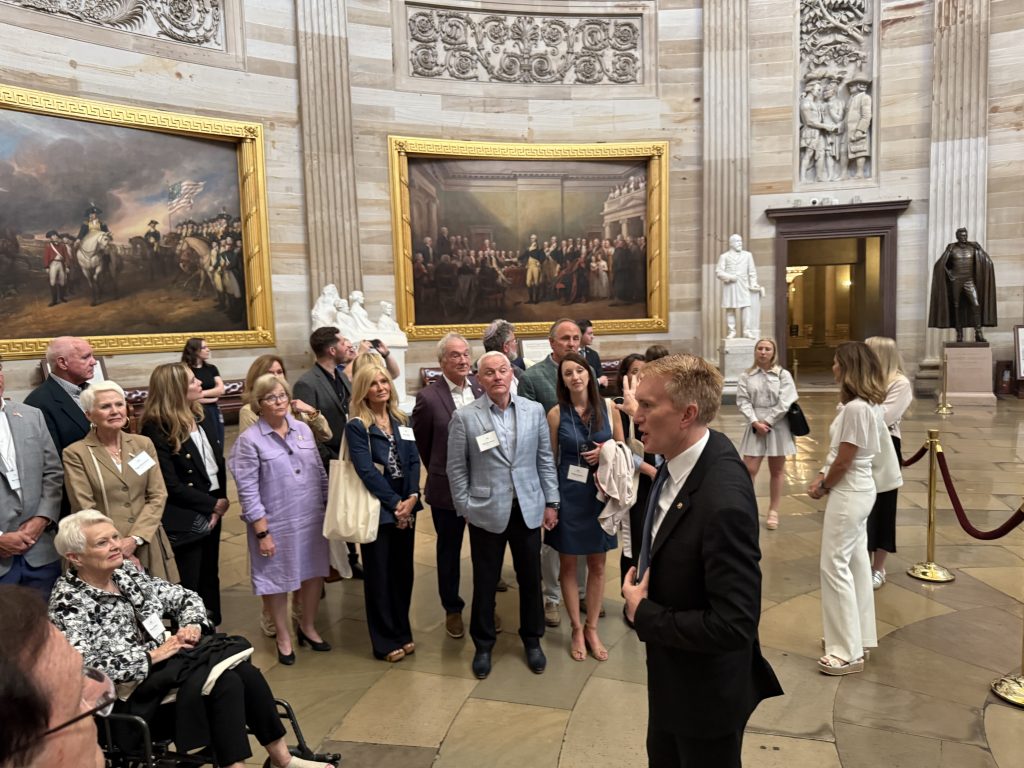
Turning to DOGE cuts to USDA, Sen. Lankford clarified that it is a resizing, not a downsizing. Secretary Rollins has expressed understanding of the concerns of producers in Oklahoma and other states and assured Lankford that she is protecting as many people as she can; however, some people are "in the wrong seat on the bus."
"I'm very pleased that we have now moved from the DOGE moments at the very beginning of the administration to now, where we have Cabinet Secretaries that are in place and say, 'Let's be strategic in how we do this,'" Lankford explained. "We do need to have a smaller government, but we need to be strategic in how we do it."
He compared the tariff debacle to remodeling a kitchen. When the work begins, it is a mess, but it will become something better. President Trump wants to reopen markets that have previously been blocked, such as India, Korea, Japan, and Australia.
"There are some of those trade barriers we've got to tear down to be able to open up new markets globally," he detailed. "The President has got to get leverage to be able to do that with tariffs. That is already in process, and he's about to announce several deals on this."
Unfortunately, Senator Lankford wasn't so positive when asked about the proximity of a farm bill. "Ugh, we're not that close," he said. "We're in a much better position now. John Boozman, the Chairman, has worked on this now for 2.5 years. He feels very resolved about it. Some of the aspects of the farm bill, we are going to try to get done in our reconciliation bill. That should be in July, but I think the rest of the farm bill is more like October–November."
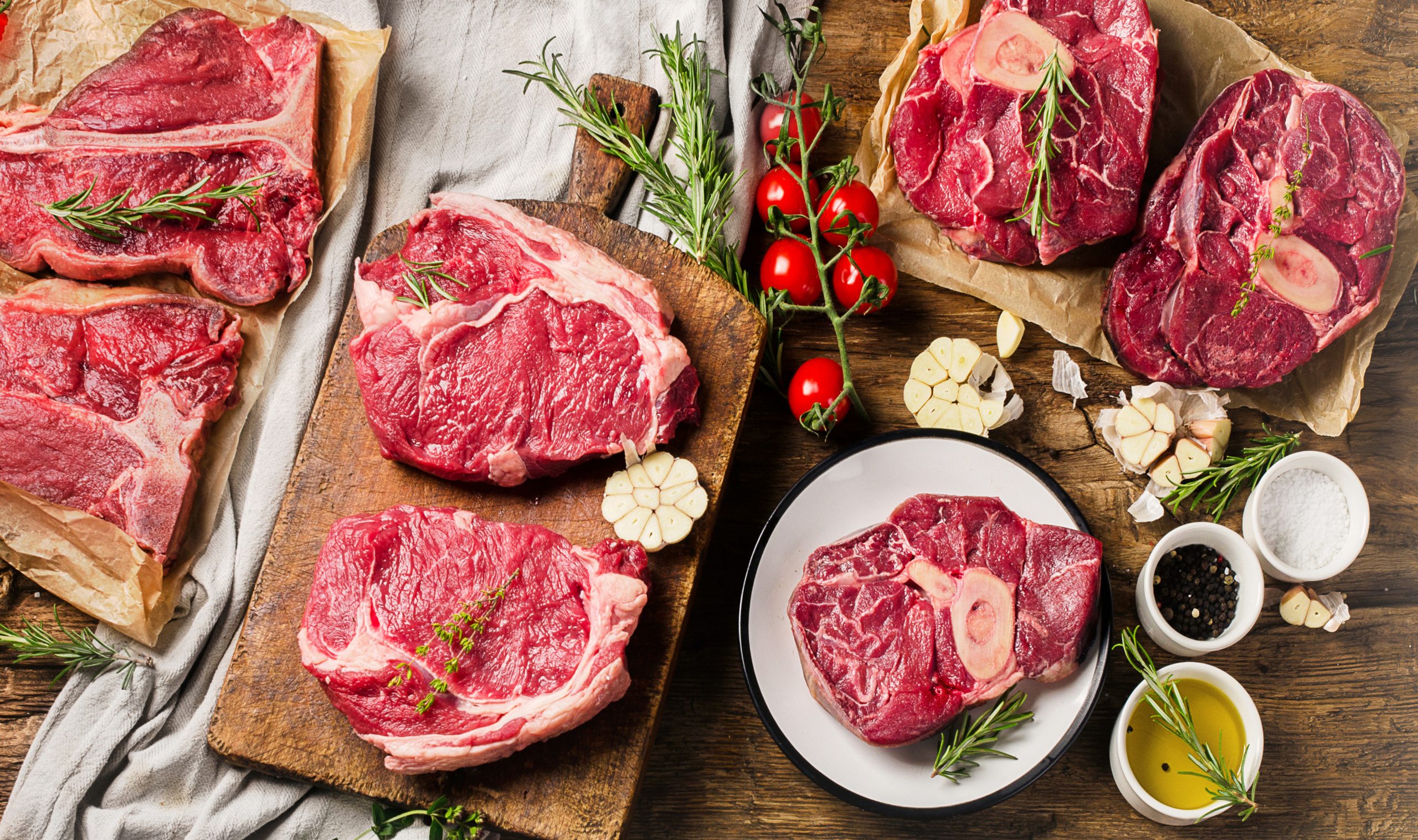
Exports of U.S. beef, pork and lamb trended higher year-over-year in March, according to data released by USDA and compiled by the U.S. Meat Export Federation (USMEF). Beef export value was the highest since June, while Latin American markets again fueled pork export growth. March exports of lamb muscle cuts were the largest in more than five years.
March beef exports totaled 109,330 metric tons (mt), up 1% from a year ago, while export value reached $922 million – up 4% and the highest since June. First-quarter exports were slightly below last year's pace at 310,368 mt, but increased 2% in value to $2.53 billion.
"Despite a great deal of uncertainty, global demand for U.S. beef remains robust and resilient," said USMEF President and CEO Dan Halstrom. "The March export results confirm this, with demand trending higher in Taiwan and Mexico, reaching record levels in Central America and holding up well in Japan and Korea. Although we anticipate that China's retaliatory tariffs and expired plant registrations will have a more drastic impact on April and May exports, the U.S. industry's efforts to diversify markets and broaden U.S. beef's global footprint are definitely paying dividends."
March pork exports increased 3% year-over-year to 269,344 mt, valued at $769.7 million (up 4%). First-quarter exports were slightly above last year's record value pace at $2.11 billion, but slightly lower in volume (754,488 mt).
"March was another spectacular month for U.S. pork demand in Mexico and Central America, but exports also rebounded nicely to Colombia and Korea," Halstrom said. "Duty-free access has helped fuel pork exports to these key markets, where we continue to see heightened competition."
Plant eligibility for China is less of an issue for U.S. pork than for U.S. beef, as China renewed most pork establishments in mid-March. But Halstrom cautioned that both pork and beef exports to China have since hit a wall due to China's prohibitive duties, which now total 172% for U.S. pork and 147% for U.S. beef.
"Shipments already in the pipeline can still clear without the extra 125% tariff, provided they shipped before April 10 and arrive in China by May 13," Halstrom explained. "But new business has been effectively halted until there is a de-escalation of the U.S.-China trade impasse."
Taiwan, Mexico, Central America fuel March beef export growth
March was a bounceback month for U.S. beef exports to Taiwan, which jumped 34% from a year ago to 5,086 mt, while export value climbed 33% to $60.5 million. These results pushed first-quarter exports to Taiwan 1% above last year's pace at 12,212 mt, while export value climbed 11% to $147.6 million. The U.S. is the dominant supplier of high-value chilled beef in Taiwan, capturing 72% of the chilled import market.
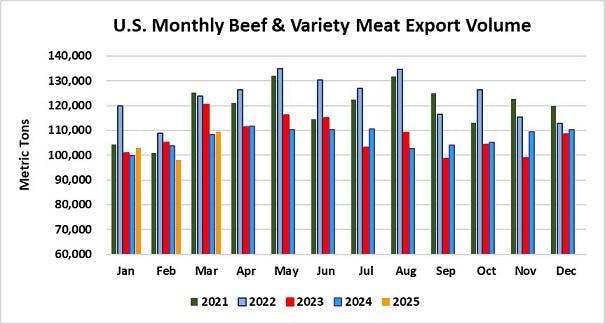
Beef exports to Mexico also closed the first quarter on a high note, increasing 6% from a year ago in March to 17,592 mt, while export value climbed 7% to $110.9 million. For January through March, shipments to Mexico were 3% below last year's pace at 54,861 mt, while value was steady at $332.7 million. Mexico is the leading volume destination for U.S. beef variety meat, including large volumes of tripe, lips and hearts. First-quarter variety meat shipments increased 5% from a year ago in volume (30,162 mt) and 6% in value ($81.6 million).
Coming off a record year in 2024, beef exports to Central America continue to gain momentum. Led by growth in Guatemala and Panama, March exports to the region increased 23% from a year ago to 2,158 mt, valued at $19.8 million (up 29%). First-quarter exports were 5% above last year at 6,018 mt, with exports to Costa Rica and Panama on a record pace. Value climbed an impressive 24% to $52.5 million, led by a record value pace in Guatemala, Panama, Costa Rica and Honduras.
Other first-quarter results for U.S. beef exports include:
March pork demand shines in Mexico and Central America, rebounds in Colombia
March was another spectacular month for U.S. pork exports to Mexico, which increased 14% from a year ago to 96,723 mt. Export value soared 19% to $213.1 million – the ninth consecutive month that value has exceeded $200 million. Through the first quarter, pork exports to Mexico topped last year's record pace by 5% at 294,403 mt, with value climbing 11% to $637.7 million.

While trade relations with Mexico have been relatively stable in 2025, USMEF is closely monitoring the U.S. Commerce Department's plan to impose a 21% antidumping duty on tomatoes imported from Mexico, effective July 14. Mexico has not published a retaliation list, but U.S. pork has been mentioned as a potential target.
Fueled by monthly records for Honduras and Guatemala, March pork exports to Central America increased 21% from a year ago to 16,493 mt, while value increased 22% to $51.8 million. First-quarter shipments to the region were 20% above last year's record pace at 45,167 mt, valued at $141.7 million (up 23%). First-quarter exports established a record volume pace to Honduras, Guatemala, Costa Rica and Nicaragua.
After a slow start in 2025, March pork exports to Colombia surged to the second highest monthly volume on record, climbing 39% from a year ago to 14,342 mt, while export value soared 44% to $41.3 million. First-quarter shipments to Colombia climbed 4% above last year's record pace at 33,264 mt, while value increased 9% to $96 million.
Other first-quarter results for U.S. pork exports include:
March lamb exports largest since 2019
Exports of U.S. lamb muscle cuts totaled 278 mt in March, up 45% from a year ago and the largest since December 2019. Export value increased 18% to $1.5 million. Through the first quarter, exports increased 26% year-over-year to 747 mt, while value was up 10% to $4.1 million. Growth was driven primarily by Mexico and the Caribbean, with Trinidad and Tobago shining among Caribbean markets. Exports also trended higher to Central America.
Complete January-March export results for U.S. pork, beef and lamb are available from USMEF's statistics web page.
For questions, please contact Joe Schuele or call 303-547-0030.
NOTES:
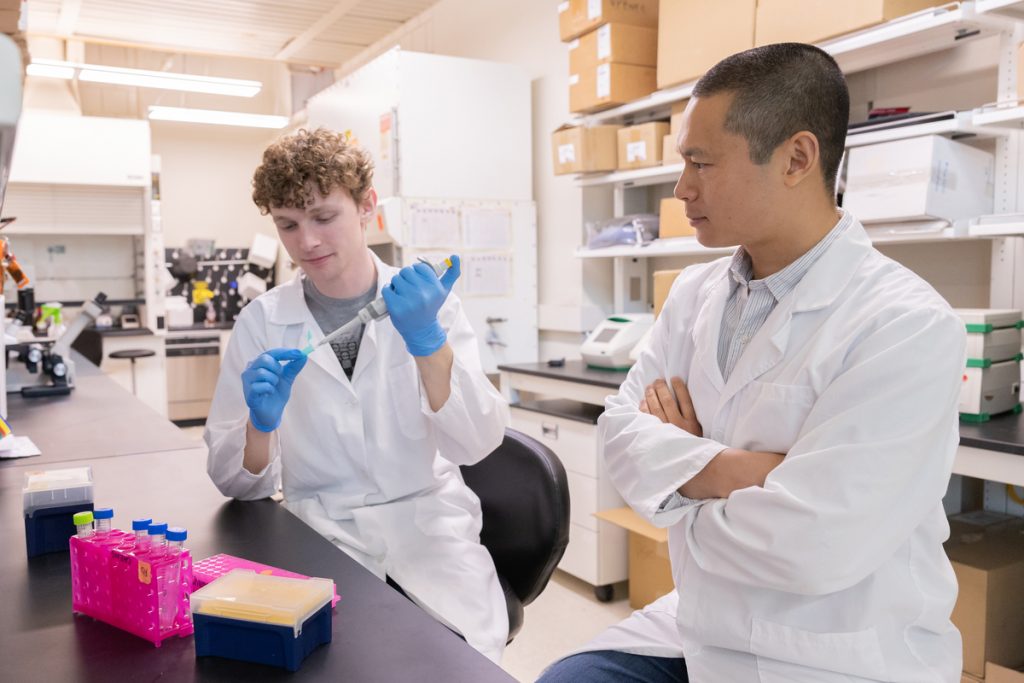
Biochemistry and molecular biology senior Elijah Brown researches non-tuberculous mycobacteria to improve the quality of life for individuals with cystic fibrosis under the mentorship of Assistant Professor Yong Cheng. (Photo by Kristin Knight, OSU Agriculture)
The Cystic Fibrosis Foundation reports that the rare genetic disease affects nearly 40,000 people in the U.S. Elijah Brown, a biochemistry and molecular biology senior in the Oklahoma State University Ferguson College of Agriculture, has spent most of his college career engaged in new drug discovery research to improve quality of life for people with cystic fibrosis.
"Specifically, we're trying to find new drugs to treat infections caused by non-tuberculous mycobacteria, a group of environmental bacteria found in soil, water and dust," Brown said.
Cystic fibrosis affects the lungs, pancreas and other organs in humans. Chronic lung infections caused by non-tuberculous mycobacteria are becoming increasingly common among people with the disease and are one of the leading causes of illness and death for these individuals, Brown said.
Developing new drugs is important because non-tuberculous mycobacterial infections are difficult to treat, said Yong Cheng, assistant professor in the Department of Biochemistry and Molecular Biology.
"By experimenting with potent compounds, our goal is to find a new drug to increase the treatment outcome for cystic fibrosis patients with these infections," Cheng said. "In my lab, undergraduate students are engaged in research focused on non-tuberculous mycobacteria and understanding why patients are more susceptible to infections."
When Brown joined Cheng's lab his sophomore year, he began testing different small-molecule compounds through a rigorous drug screening technique using a mammalian cell culture system.
Brown infected the host cells with Mycobacterium abscessus or Mycobacterium avium, the two most common types of non-tuberculous mycobacteria that cause infections in patients with cystic fibrosis. Then, he treated the infected cells with each compound to evaluate their strength against the bacteria.
"We evaluated each compound's ability to inhibit bacterial growth and its toxicity to the host cells," he said. "Then, we tested how effectively the compounds could kill bacteria once inside the host cells."
One of the compounds tested successfully inhibited bacterial growth in the cells, Brown said.
"Our results suggest a potential application of this compound as a new antibiotic to treat non-tuberculous mycobacteria," he added.
Cheng said the goal is to move the active drug candidate to clinical trials in the future.
In addition to significant progress in his research, Cheng said he has witnessed Brown's growth as a researcher and a leader.
"When he first joined my lab, he was just starting to understand what we were doing," Cheng said. "Now, he knows how to drive the whole project and lead a research team."
Brown served as a peer mentor to younger students in Cheng's lab. These students will continue Brown's research after he graduates.
"Through this experience, I learned how to be an effective leader," Brown said. "Teaching them about the importance of what we're doing and seeing them become more skilled has been rewarding. This project opens the doors to finding more compounds that can kill bacteria affecting cystic fibrosis patients by exploring how to use these experiments to test different compounds in the future."
Before his research, Brown said his knowledge about cystic fibrosis was limited.
"People ask if I have personal experience or have relatives with the disease, and I don't," he said. "I have enjoyed meeting people who do have family members with cystic fibrosis and sharing what we're doing with our research and the progress that is being made for their loved ones to have a better quality of life in the near future."
The Ferguson College of Agriculture believes in the value of hands-on education and the importance of having a well-rounded student experience. The college's award-winning faculty members are dedicated to developing students and are passionate about adding value to the total educational experience. With 16 majors, a variety of study options and more than 60 student organizations, the college is committed to expanding minds and inspiring purpose. Learn more at agriculture.okstate.edu.
By Kristin Knight
Addyson Schneberger of the Hydro-Eakly FFA Chapter earned the title of State Star in Agricultural Production during the fifth session of the 99th State FFA Convention and Expo May 7 at the BOK Center.
Schneberger, a Senior this year, feels very diversified in her FFA involvement because she has her proficiency in goat production, shows goats, gives speeches, and judges livestock. Last year, she won the National Goat Production Proficiency Award, and this year, at OYE, she won the 2025 Premier Exhibitor Award.
For her project, Schneberger raises show goats and Dorper sheep. "I run this operation on my family's farm that I rent from my parents," she described. "I have ten donor females and thirty-eight Spanish recips in Carnegie. It keeps me very busy between having show goats and that side of it, but also the production side and selling does and weathers to 4H and FFA members."
Her production project is a continuation of what her parents started before she was born and has continued to grow over the years. "I knew I wanted to show goats from a very young age, and then starting my journey in FFA, I've had my donors, my Spanish recips, and my project has just continued to grow over the years. It is something that I have a very big passion for."
Schneberger feels like her youth in such a large industry as show goats makes any information that she can glean from the larger breeders that she sometimes shows for critical. "When it comes to promoting the industry and the operation that you run, it is all about communication and getting out there with some of the biggest names, like Blake Kennedy and Kevin Mock and the sales that they put on, because they only want the highest quality and that is what I strive to produce. The highest quality does and wethers to sell to FFA members in the state of Oklahoma and in other states," she shared.
Knowing the shows, the judges, and the preferences of each, because the style of goat is dependent on what each judge prefers. She explained, "It's hard to know what any one particular person is going to like. Sometimes it works out great when you go to a show or sell an animal, and sometimes it doesn't. I've been successful in the show ring, and I've sold does and wethers that have also been successful, and I've had years where we weren't. That is just part of the game we play, but I like that game that I play, so I'm always looking for the best and hoping to achieve whatever goal I have set."
She hopes to keep her operation stable while she attends college at Redlands Community College to major in Ag Business with a pre-law option. Afterwards, she wants to graduate from Oklahoma State University and pursue law school to become an agricultural lobbyist.
"I want to represent the agricultural industry at the state capitol," she said. "I think that I have such a drive and passion for that career because of the things that I've been involved in during high school."
Throughout her career as a lobbyist, she intends to grow her herd and flock both in numbers and in quality.
Schneberger thanked her parents, the other people in the goat barn, her livestock judging coach, and several individuals who have helped her with her speeches.
The State Stars were selected from the Area Stars across the state. This year's 19 Area Stars each received a plaque and $500 cash award co-sponsored by the Masonic Charity Foundation, McDonald's of Oklahoma, The Chickasaw Nation, Blue and Gold Sausage Co., Davis Farms, Sirloin Club of Oklahoma, Noble Research Institute, and Oklahoma Farm Bureau.
As the State Star Farmer, Schneberger and the other State Stars will each receive $29,737 in scholarships or capital grant funds through a $3.2 million gift from the Carl C. Anderson Sr. and Marie Jo Anderson Charitable Foundation. The late Carl C. Anderson, after whom the State Star awards are now named, was born in Naples, Oklahoma, in 1911. One of 10 children, he dropped out of high school to earn money and support his family. From those modest beginnings, the Anderson Corp. grew across the country as well as in Canada and South America.
FFA is an integral part of the agricultural education division in the Oklahoma Department of Career and Technology Education system. With more than 29,500 members and 369 chapters, the Oklahoma FFA Association is the sixth-largest state FFA association. The FFA mission is to make a positive difference in the lives of students by developing their potential for premier leadership, personal growth and career success through agricultural education. To learn more about the Oklahoma FFA, visit okffa.org
Your coverage of the 2025 Oklahoma FFA Convention is sponsored by Hilliary Communications, who deliver the latest cutting-edge communications services supporting tens of thousands of customers across 22 counties throughout Oklahoma, Texas, and Iowa. The company offers internet, voice, and HilliaryTV. Hilliary Communications continuously researches the marketplace for innovations and strives to improve underserved areas, offering services that exceed customer expectations. Click here to learn more about Hilliary Communications.
For more information about the 99th Oklahoma State FFA Convention, click here.
Hunter Brashears of the Sentinel FFA Chapter earned the title of State Star in Agribusiness during the fifth session of the 99th State FFA Convention and Expo May 7 at the BOK Center.
Brashears's Star SAE project began when he hauled some hay for "an older gentleman in the community" and then grew to a full-scale hay-hauling business for small square bales. "Over the years, I decided to go into fall and autumn décor, then somewhere in between there, I had the bright idea to start a little hair sheep operation," he shared. "It was great because I didn't really have to do much because I had someone do a lot for me."
Brashears has a very traditional way of stacking hay, which he says may protect him from complaints from customers, plus they are happy to have him doing a job that many shy away from. It also helps that when taking on a new client, he assures the person that should a stack ever fall, he will restack it for no additional charge, but said that hasn't happened, yet.
"A lot of older farmers have back trouble or their knees are giving out, so I'm there with the young muscle to help get things rolling," he shared.
Brashears described himself as a fourth-generation hay hauler, but the first to make a real business out of it. He relies on Facebook to market his services, but gets the most exposure out of word of mouth.
Brashears's father and grandfather, Kendall Brashears, who retired from his position as executive director of the Oklahoma FFA Foundation in 2017, are staunch FFA supporters and former members, so he doesn't believe he ever had the choice not to join the association but has since discovered the plethora of opportunities that it provides him. He regularly competes in speech contests and attends alumni camp.
He intends to attend OSU's Ferguson College of Agricultural Biochemistry and Molecular Biology to pursue a pre-med route to eventually become a surgeon to repair the back and knee problems he sees all too often in his hay-hauling customers.
"I love being on the farm, but at the same time, I know it isn't something I want to do for the rest of my life," he admitted.
The State Stars were selected from the Area Stars across the state. This year's 19 Area Stars each received a plaque and $500 cash award co-sponsored by the Masonic Charity Foundation, McDonald's of Oklahoma, The Chickasaw Nation, Blue and Gold Sausage Co., Davis Farms, Sirloin Club of Oklahoma, Noble Research Institute, and Oklahoma Farm Bureau.
As the State Star in Agribusiness, Brashears and the other State Stars will each receive $29,737 in scholarships or capital grant funds through a $3.2 million gift from the Carl C. Anderson Sr. and Marie Jo Anderson Charitable Foundation. The late Carl C. Anderson, after whom the State Star awards are now named, was born in Naples, Oklahoma, in 1911. One of 10 children, he dropped out of high school to earn money and support his family. From those modest beginnings, the Anderson Corp. grew across the country as well as in Canada and South America.
FFA is an integral part of the agricultural education division in the Oklahoma Department of Career and Technology Education system. With more than 29,500 members and 369 chapters, the Oklahoma FFA Association is the sixth-largest state FFA association. The FFA mission is to make a positive difference in the lives of students by developing their potential for premier leadership, personal growth, and career success through agricultural education. To learn more about the Oklahoma FFA, visit okffa.org
Your coverage of the 2025 Oklahoma FFA Convention is sponsored by Hilliary Communications, who deliver the latest cutting-edge communications services supporting tens of thousands of customers across 22 counties throughout Oklahoma, Texas, and Iowa. The company offers internet, voice, and HilliaryTV. Hilliary Communications continuously researches the marketplace for innovations and strives to improve underserved areas, offering services that exceed customer expectations. Click here to learn more about Hilliary Communications.
For more information about the 99th Oklahoma State FFA Convention, click here.
Kyriana Beard of the Stillwater FFA Chapter earned the title of State Star in Ag Placement during the fifth session of the 99th State FFA Convention and Expo May 7 at the BOK Center.
"I have had a wide variety of livestock and equine placements, and they've all been highly interconnected," Beard explained. "I've gone from one to the next because of the previous one."
Beginning in eighth grade, Beard took an unpaid volunteer position to learn about swine management at Dowdy Livestock, owned by Paige Dowdy, which raises Iberico hogs, a niche breed from Portugal. Dowdy also owned Scissortail Steading, a commercial Iberico breeding operation. At the time, she was also working at Noble Road Equestrian Center for her performance horse trainer, Nancy Burba. This led to her Total Equine Services Placement, owned by Holly Huffaker, during which she began riding five to eight horses per day. Her final ag placement is at Rocking E Boarding and Veterinary Services, where her boarding and equine husbandry tasks have continued.
"We have two barns with thirty total horses," she explained. "I work for two equine veterinarians and complete equine rehabilitation tasks for them. These tasks are on rehab horses that have sustained an injury or have undergone some type of surgery. My job is to take them to the horse walker, and we use Equibands, and we perform several different physiotherapy exercises with these horses, hoping to globally strengthen their bodies and put them back to whatever performance industry they were previously in."
She witnessed the opportunities and skills gained by her cousin and uncle through FFA, and since eighth grade has poured herself into the organization. "I have always had a passion for equine, not as much swine, but I did get the opportunity to get into it in the eighth grade, and I really found it super interesting because I'm now hoping to be a mixed animal veterinarian," she shared. "I want to serve a rural area with different types of farmers, and I also want to have equine specialties as well. Being able to see that side of the industry was very unique, but my passion for all of this has truly been centered around my love for animals."
Through her work with horses, Beard has already earned two National FFA Agriscience titles with projects centering on equine fitness and how horses recover from exercise.
Beard has been accepted to Oklahoma State University to pursue an Animal Science Pre-Veterinarian degree, after which she will apply to vet school. "Going into vet school, I hope to continue research, specifically equine as that is where my direct passion lies," she shared.
She thanked her single mother, Kimberly Beard, for instilling a strong work ethic in her and driving her from location to location to work.
The State Stars were selected from the Area Stars across the state. This year's 19 Area Stars each received a plaque and $500 cash award co-sponsored by the Masonic Charity Foundation, McDonald's of Oklahoma, The Chickasaw Nation, Blue and Gold Sausage Co., Davis Farms, Sirloin Club of Oklahoma, Noble Research Institute, and Oklahoma Farm Bureau.
As the State Star in Ag Placement, Beard and the other State Stars will each receive $29,737 in scholarships or capital grant funds through a $3.2 million gift from the Carl C. Anderson Sr. and Marie Jo Anderson Charitable Foundation. The late Carl C. Anderson, after whom the State Star awards are now named, was born in Naples, Oklahoma, in 1911. One of 10 children, he dropped out of high school to earn money and support his family. From those modest beginnings, the Anderson Corp. grew across the country as well as in Canada and South America.
FFA is an integral part of the agricultural education division in the Oklahoma Department of Career and Technology Education system. With more than 29,500 members and 369 chapters, the Oklahoma FFA Association is the sixth-largest state FFA association. The FFA mission is to make a positive difference in the lives of students by developing their potential for premier leadership, personal growth, and career success through agricultural education. To learn more about the Oklahoma FFA, visit okffa.org.
Your coverage of the 2025 Oklahoma FFA Convention is sponsored by Hilliary Communications, who deliver the latest cutting-edge communications services supporting tens of thousands of customers across 22 counties throughout Oklahoma, Texas, and Iowa. The company offers internet, voice, and HilliaryTV. Hilliary Communications continuously researches the marketplace for innovations and strives to improve underserved areas, offering services that exceed customer expectations. Click here to learn more about Hilliary Communications.
For more information about the 99th Oklahoma State FFA Convention, click here.
Callen Veit of the Morrison FFA Chapter earned the title of State Star in Agriscience during the fifth session of the 99th State FFA Convention and Expo May 7 at the BOK Center.
Veit started his project in eighth grade and has continued it for five years of research at the Oklahoma State University Animal and Food Science. His five research projects focus on improving beef quality and reducing beef waste through the use of natural antioxidants.
Veit shared that his fourth study was his favorite. He said, "I developed a software application that could predict the running shelf life of beef cuts. That was by far my hardest, most time-consuming project, so I do have a little soft spot for it in my heart because it was something that has never been done before and can be implemented in real-world scenarios, so I'm really proud of that project."
His stepping stone into FFA in the eighth grade was the agriscience fair, and his involvement increased each year. He found a passion for public speaking and also competes in farm business management, the Animal Science Quiz Bowl, and is a chapter officer.
"My biggest FFA highlight was my freshman year," he shared. "I was at the National Convention, and I was the youngest one there – it was mainly a bunch of seniors and juniors. There were about fifteen or twenty of us – it was a big group. I remember being the baby of the group, and they were all like taking care of me, but it was an awesome experience. Beyond that, the Washington Leadership Conference this last year was also one of my best experiences in FFA."
Veit explained that his first lab research revolved around natural antioxidants extracted from plants, herbs, or spices that also improve beef color. Pomegranate rind extract was the subject of his first study, and the research proved that it did improve the color of beef over time.
"Really, the majority of my research was focused on improving beef color, because when we go to the grocery store, most consumers are looking for that bright red cut, and when they see brown, they usually associate it with spoilage, but that is often not the case," he interjected. "Brown meat is just as edible and safe to consume as red meat. My research is really focused on improving consumer appeal of beef."
He went on to explain that lipid oxidation is the actual process of beef spoilage. The process begins when oxygen comes in contact with the meat, and it begins to degrade, the color being first. He explained how it goes from a red myoglobin to a brown metmyoglobin, and then, much later, the meat will finally deteriorate enough to affect the taste and texture.
He plans to major in Ag Business at Oklahoma State University with an eye toward law school, but he hopes to continue his research during his college career. "I have spent so much time on it and invested so much and have really fallen in love with this topic," he said. "Even if I'm not conducting research, I know it will continue at Oklahoma State, and I am excited to see where it goes."
He thanked Dr. Ranjith Ramanathan for allowing him access to the labs at OSU, the grad students who have assisted in his research throughout the years, his agricultural education instructor, and Tammy Will, his science teacher at Morrison High.
The State Stars were selected from the Area Stars across the state. This year's 19 Area Stars each received a plaque and $500 cash award co-sponsored by the Masonic Charity Foundation, McDonald's of Oklahoma, The Chickasaw Nation, Blue and Gold Sausage Co., Davis Farms, Sirloin Club of Oklahoma, Noble Research Institute, and Oklahoma Farm Bureau.
As the State Star in Agriscience, Veit and the other State Stars will each receive $29,737 in scholarships or capital grant funds through a $3.2 million gift from the Carl C. Anderson Sr. and Marie Jo Anderson Charitable Foundation. The late Carl C. Anderson, after whom the State Star awards are now named, was born in Naples, Oklahoma, in 1911. One of 10 children, he dropped out of high school to earn money and support his family. From those modest beginnings, the Anderson Corp. grew across the country as well as in Canada and South America.
FFA is an integral part of the agricultural education division in the Oklahoma Department of Career and Technology Education system. With more than 29,500 members and 369 chapters, the Oklahoma FFA Association is the sixth-largest state FFA association. The FFA mission is to make a positive difference in the lives of students by developing their potential for premier leadership, personal growth and career success through agricultural education. To learn more about the Oklahoma FFA, visit okffa.org
Your coverage of the 2025 Oklahoma FFA Convention is sponsored by Hilliary Communications, who deliver the latest cutting-edge communications services supporting tens of thousands of customers across 22 counties throughout Oklahoma, Texas, and Iowa. The company offers internet, voice, and HilliaryTV. Hilliary Communications continuously researches the marketplace for innovations and strives to improve underserved areas, offering services that exceed customer expectations. Click here to learn more about Hilliary Communications.
For more information about the 99th Oklahoma State FFA Convention, click here.
The beef sector has been stunned by the velocity of price increases in the fed cattle market. The memory of early April pain in Live Cattle futures seems a distant memory now as fundamental supply and demand have, once again, taken control of spot fed cattle values.
The nearby June Live Cattle contract, deflated by $13/cwt. a month ago, has since posted a $20/cwt. run to the upside, reaching $213/cwt. this Tuesday. The contract has posted just three lightly negative trading sessions of the last 19 days marking the turnaround. Even so, futures have raced to keep up, leaving the June contract $7/cwt. behind last week's national average cash steer price of $220/cwt.
While the supply side is bullish for cattle feeders, one must be equally aware of the leadership futures prices lend to this market. Although spot cash prices are currently premium to futures, recent strength in futures gains are largely driven by a resurgence of capital into those contracts from managed funds. Psychologically, this is impactful to the cash price direction, along with the obvious active packer demand.

Last week's total cattle harvest of just 559,000 head marks the fifth week in a trend of firmly smaller harvest volumes averaging 44,000 head fewer per week than a year ago. Negative packer margins remain a headwind to the entire beef sector as rising carcass cutout values fail to regain ground relative to explosive cash cattle prices.
Packers procured 99,000 head in last week's negotiated trade—a large sum compared to most weeks. The likelihood that this reduces packer negotiated volume needs this week may dampen further advances in cattle prices, although not immediately evident. As well, carcass weights remain 27 lb. heavier than a year ago. The increase in the number of long-fed cattle continues to be a factor to watch as the feedlot sector gauges the currentness of cattle inventories.
May is "Beef Month" for good reason as the spring holidays kick off with Mother's Day this Sunday, followed up quickly by Memorial Day. Wholesale and retail beef buyers have been preparing for weeks ahead of the spike in consumer beef buying associated with warmer weather and holiday grilling demand.
The 2.6% reduction in year-to-date fed cattle harvest head counts have largely been offset by a 30 lb. increase in carcass weights. Yet, middle meat steak items are the grilling favorites of the season. The availability of steaks cut to an inch and a quarter thickness, for example, is still largely constrained by head count, even if ribeye areas are slightly larger.
Meat buyers, well aware of the supply trend, accelerated spring steak procurement earlier than normal this spring, sending middle meat values rapidly upward. Wholesale CAB ribeye prices began an unstoppable climb in early March, capturing a 32% price increase by late April as buyers proactively stocked away inventory. Last week's price decline of a few pennies signaled short term finality to that run-up, but at a value nearly 50% higher than a year ago. Bear in mind that the spot market trade volume represents a relatively small volume of total sales, creating heightened price sensitivity as demand spikes and end-users rush to fill in product inventory on limited unsold supplies.
Earlier seasonal price increases were also noted for CAB strip loins and top sirloin butts with wholesale price increases in the last two months of 13% and 26%, respectively. It's especially notable that top butts have reached 33% higher than a year ago as their much cheaper price point provides a budget-friendly alternative to ribs and strips. Tenderloins, currently 10% pricier than ribeyes, contrastingly don't see spring price inflation to the degree that they do ahead of December holidays.

An admittedly narrow focus on just three cuts describes a fraction of the carcass, yet they are a focal point for the season. Briskets have also undertaken their seasonal uptick that will only increase into summer as smokers are brought back into use. Tight supplies of lean grinding material continue to support round cuts such as insides, knuckles and eye of rounds.
Heightened demand for richly-marbled middle meats brings to a cattlemen's mind the associated quality-based price spreads paid out on packer grids. It's understandable to assume that record fed cattle and retail beef prices may squash premiums. Yet last week's Choice-Select spread was quite wide at $23.82/cwt., while the CAB-Choice cutout spread was $20.68/cwt., compared to $13.35/cwt. a year ago.
The weighted average premium for Prime carcasses for this week is $14.92/cwt. over Choice, just $0.06/cwt. below a year ago and $1.49/cwt. lower than this week in the record-setting Prime market of 2022. This is impressive considering that latest data shows Prime carcasses comprised a hefty 12% of national fed steer and heifer production for the past four weeks. This adds to the historic stretch of 7 weeks where the Prime carcass share has surpassed that of USDA Select.

CNH will provide MSU with a New Holland T6.180 Methane tractor, the world's first 100% methane-powered production tractor, for use in educational and research initiatives.

Through a new partnership with CNH, researchers and students at the MSU College of Agriculture and Natural Resources (CANR) will have access to the innovative New Holland T6.180 Methane tractor. A rare piece of equipment, usage of this tractor will further solidify CANR's position as a leader in agricultural innovation.
Underscoring a commitment to sustainability, the New Holland T6. 180 Methane tractor, the world's first 100% methane-powered production tractor, will be utilized for educational and research purposes at locations throughout campus, including the MSU Agronomy Farm, Dairy Cattle Teaching & Research Center and south campus farms. This state-of-the-art tractor will be powered by refined gases produced by the MSU Anaerobic Digester, showcasing a practical application of sustainable energy solutions in agriculture.
"We are grateful for this new partnership with CNH as we continue advance groundbreaking sustainable farming practices that will benefit our environment and our economy," said George Smith, director of MSU AgBioResearch. "Usage of the New Holland T6. Methane tractor will provide our students and researchers with invaluable hands-on experience and the opportunity to explore the benefits of methane-powered technology."
The New Holland T6.180 Methane tractor was unveiled at the MSU Innovating with Dairy symposium held on Wednesday, May 7, taking place at the Henry Center for Executive Development and the MSU Dairy Cattle Teaching & Research Center.
Key Benefits of the New Holland T6.180 Methane Tractor:
"The T6.180 Methane tractor results from our pioneering work on the use of fuels through New Holland's Clean Energy Leader strategy," said Sean Dorosz, North American Medium Tractor product marketing manager, New Holland. "We are excited for this partnership with MSU for students and researchers to gain first-hand experience with alternative fuels across their campus facilities."
On May 8th, MSU will host a training session with the CNH team for the MSU farm managers, farm staff and Burnips Equipment employees. As a methane-powered tractor is technology new to MSU, both MSU and CNH are using this opportunity to provide safety and maintenance training.
Under the terms of the partnership with CNH, CANR will have cost-free access to the New Holland T6.180 Methane tractor for one year, creating opportunities for students, researchers and the public to see end-to-end methane tractor ecosystem at work in the field.
About CANR:
As MSU's founding college, the College of Agriculture and Natural Resources (CANR) has a storied history tackling the world's biggest problems related to food, health and the environment. From classrooms and labs to farm fields and forests, CANR Spartans are crafting solutions in Michigan that have a global impact. A vibrant academic community, CANR encompasses 12 academic units, MSU Extension, MSU AgBioResearch and the Institute of Agricultural Technology.
About CNH:
CNH is a global leader in agricultural machinery, committed to providing innovative solutions that enhance farming efficiency and sustainability. With a rich history of pioneering advancements in agricultural technology, CNH continues to drive progress in the industry.
About New Holland:
For over 125 years, New Holland has supported farmers with the technology, solutions and services they need for productive agriculture. It has a history of driving innovation, providing the answers to customer needs with a broad range of agricultural and light construction equipment. With proven production machines that utilize the latest alternative fuel technology to power the sustainable revolution in farming, we are the sector's Clean Energy Leader. Our expertise and innovations are backed by precision connected services and supported by a dedicated and global dealer network with a strong territory presence. With you, Season after Season.
New Holland is a brand of CNH Industrial N.V. (NYSE: CNH), a world-class equipment, technology and services company. More information about CNH can be found online at www.cnh.com
| ||||||||||||||||||||||||||||||||||||||||||||||||||||||||||||||||||||||||||||||||||||||||||||||||||||||||||||||||||||||||||||||||||||||||||||||||||||||||||||||||||||||||||||||||||||||||||||||||||||||||||||||||||||||||||||||
| ||||||||||||||||||||||||||||||||||||||||||||||||||||||||||||||||||||||||||||||||||||||||||||||||||||||||||||||||||||||||||||||||||||||||||||||||||||||||||||||||||||||||||||||||||||||||||||||||||||||||||||||||||||||||||||||
|
House Republicans are trying to sort out their policy differences on their budget bill, and the press is looking for fissures that could sink the bill. But that's no reason to shun the harder issues, and one of them is the need to fix the dysfunctional federal food assistance program.
The House Agriculture Committee is shooting to save $230 billion over 10 years, and a big account is the roughly $100 billion a year Supplemental Nutrition Assistance Program (SNAP). Despite what you read elsewhere, Republicans aren't indifferent to whether children and the poor have enough to eat.
But more than 41 million Americans are on food stamps, and the program long ago ceased to be temporary help for those who fall on hard times. Enrollment doesn't shrink any longer in a strong economy as it should, and the rolls include millions of adults who can work. The program is contributing to one of America's most pressing social ailments: Prime-age men attenuated from work and its attendant disciplines and contributions to society.
The program on paper requires that able-bodied adults without dependents work part-time or lose benefits after three months. Yet the Economic Policy Innovation Center (EPIC), a think tank, estimates that a mere 16% of these adults work 20 hours a week or more. Government data suggests that only 28% of such adults have earned income.
That's in part because states exploit waivers from the federal government to dilute the work requirement. States rely on old unemployment data and gerrymander regions to paint locales as scenes from the Great Depression. By one estimate, nearly 40% of these able-bodied adults without dependents live in areas where the work requirement is waived.
Congress can crack down on the waiver offenses and make work a centerpiece of the program in the tradition of the GOP's 1990s welfare reform. The 20-hour work requirement also ought to apply to those who have children old enough to attend school.
Parents can fulfill the requirement during school hours, and job training or volunteering at a church checks the box. Anyone who thinks this is cruel should read the compelling academic evidence that growing up around adults who work is crucial for a child's shot at upward mobility. See last year's paper from economist Raj Chetty and colleagues.
But the food stamp dysfunction runs deeper. States manage the program but the feds pick up 100% of the benefits tab, which means states have an incentive to draw down more federal dollars. No wonder the program's improper payment figure is north of 10%, according to Agriculture Department data.
Multiple policy analysts have proposals giving states a stake in the program, and President Trump's 2018 budget included a version of the idea. Congress can ask states to pick up 10% of the benefits tab the first year, then 15% and perhaps eventually 25%. EPIC, the think tank, estimates the feds could save $250 billion over 10 years by phasing in a state share to 50%.
Governors of both parties won't like a policy change that asks more of them. But states showed in the 1990s, after the federal welfare reform, that they could manage case loads and help people find their footing back into the private economy.
SNAP could use further reform because it discourages additional hours of work as recipients earn more income and lose benefits. But the White House is desperate to avoid anything that can be attacked as a "benefit cut," and moderate lawmakers are anxious even about a state cost-share.
Democrats will attack Republicans as heartless if the GOP even touches the food program, so there's nothing to gain from pre-emptive surrender. America's food safety net should be fiscally sane and offer incentives so recipients won't need it forever. If Republicans can't defend these basic principles of self-government, they have bigger problems than passing a tax and spending bill.
Find the complete story published by The Wall Street Journal here.
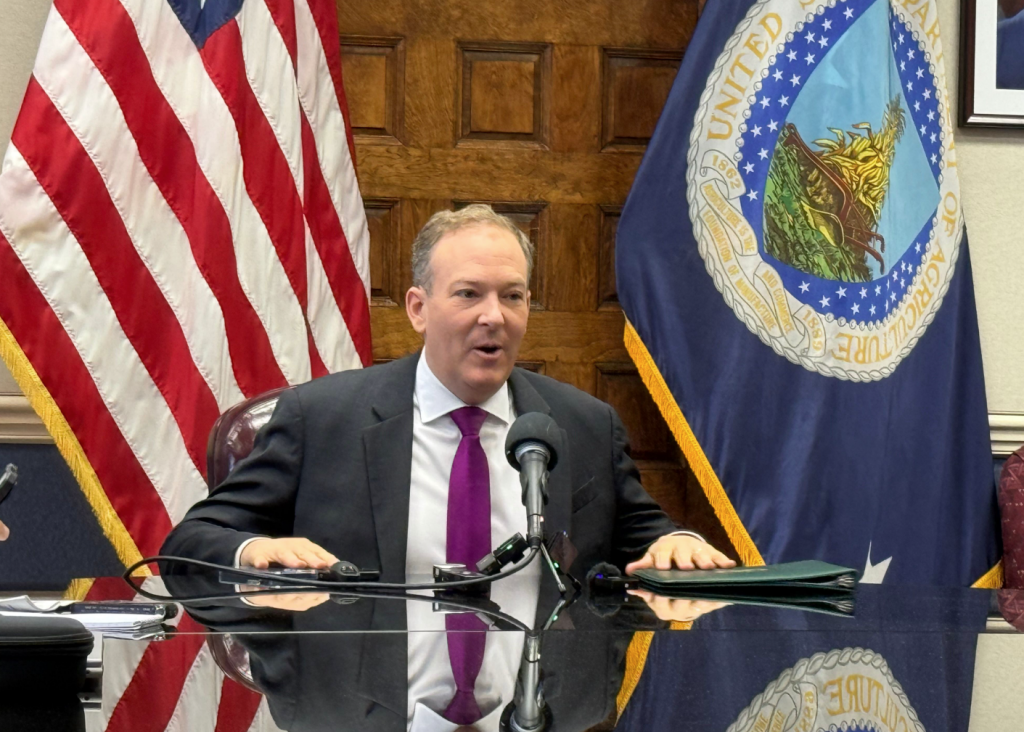
EPA Administrator Lee Zeldin recently engaged with the National Association of Farm Broadcasters (NAFB) in Washington, D.C., addressing critical issues impacting the agricultural community. Zeldin emphasized his commitment to balancing environmental protection with the economic realities faced by farmers and ranchers.
Zeldin began by highlighting his recent farm visits, stating, "It's great to be with all of you. I was actually on a farm in Georgia on Friday with Governor Kemp. I spent National Ag Day in St. Louis on a farm. And while it's, it's nice to be able to spend this time with you here in Washington. I do enjoy those trips outside of Washington a bit more." He underscored the importance of direct engagement with the agricultural sector.
Key topics of discussion included the National Insecticide Strategy, Waters of the U.S. (WOTUS), and Renewable Fuel Standard (RFS) issues. Zeldin addressed the complexities of WOTUS, stating, "Our goal is to be able to come up with a simple definition that farmers, ranchers, landowners across this country are going to know whether or not there's a water of the US on their land without having to hire an attorney or a consultant."
Regarding the National Insecticide Strategy, Zeldin highlighted the positive feedback received from farmers. "Farmers across the country have provided good feedback on the national insecticide strategy, both during the public comment period and also since the announcement," he said. He also noted the EPA's reorganization efforts to streamline pesticide reviews: "Part of the announcement last Friday with the other reorganization is to bring scientists over from the Office of Research and Development, which was a very compelling case that the chemicals office had made to us."
Zeldin emphasized interagency collaboration, particularly with the USDA. "I have a great relationship with Secretary Rollins and her team. The same goes with many people on my team. We want to make sure that the collaboration between EPA and USDA is strong," he stated. He also addressed the administration's broader priorities, "The President campaigned on it. Part of that mandate earned from the voters is to help unleash energy dominance, pursue permanent reform, advance cooperative federalism, make America the AI capital of the world, and bring back American auto jobs. These are some of the other priorities that EPA has been assisting with."
Addressing the sheer volume of regulatory work, Zeldin said, "If one of the questions that I've gotten asked is what's the biggest shock since you became administrator EPA? And the answer is, just how much we're able to do it once."
He encouraged farmers to provide feedback, "My message is, anything that you have, large or small, let us know. You're not doing yourself or us a favor by holding anything back. Our desire is to fix everything in 2025."
On the issue of herbicide challenges, Zeldin reiterated the EPA's commitment to science-based decisions. "At EPA, the first principle is to follow the science," he stated. He also acknowledged the legal challenges faced by the agency, "Every single decision that I make, someone's going to sue me no matter what. Any yes or no or inactivity, there's no way to navigate any issue where I'm not going to get sued for every decision."
Regarding Renewable Volume Obligations (RVOs) and E15, Zeldin indicated upcoming announcements. "Soon, there will be an announcement. It's a very active conversation inside of EPA," he said. He emphasized that the most durable solution for E15 would come from congressional legislation. "The most durable, long-term solution is going to be for Congress to legislate," he asserted.
Concerning the Endangered Species Act (ESA) and pesticide compliance, Zeldin pointed to the National Insecticide Strategy. "We feel confident that this helps growers in compliance with EPA. It helps EPA perform our statutory obligations," he explained.
On WOTUS, Zeldin clarified the EPA's approach. "We have a definition from Sackett that we're inheriting from the Supreme Court. We have a map of America that has states operating under multiple definitions. We have a whole lot of feedback from farmers, ranchers, landowners, and states on how the current rule is not working for them. I believe we have a very clear path on how to finalize a simple definition that would allow the entire country to be operating off of the same definition that farmers, ranchers, land owners, and states will be happy with," he said. He named the end of 2025 as a goal to finalize the clarified language.
Regarding sustainable aviation fuel and ethanol, Zeldin pledged to investigate further. He said, "Now that you're re-upping it for me, I'll definitely see what our team is thinking as far as ways that we can assist on that."
Finally, addressing concerns about pesticide availability, Zeldin reiterated the importance of scientific evidence. "If there's ever a disagreement on an individual pesticide that's brought up, or a group of pesticides that are brought up, I will tell you right now, I'm not burying the lead or keeping any mystery behind it. My answer is going to be, let's look at the science," he concluded.
Click the listen bar at the top of the page or watch the YouTube video to hear the complete conversation.
Gardin is growing their list of customers leveraging their novel optical photosynthesis sensor & AI that measures crop photosynthesis in real time, giving growers early insight into plant health and development. This allows for faster, more targeted interventions, resulting in improved yields, better crop quality and more efficient use of resources such as water, light and energy. Clients have reported up to 10x return on investment. Since commercial launch in June 2023, Gardin's sensors have been deployed across a wide range of environments – from polytunnels in Spain and Morocco to greenhouses in the Netherlands and Canada – and used successfully on more than 20 crop species, from algae to tomatoes. In 2025, the company is doubling down on light optimisation and energy efficiency enabling growers to make informed decisions, with trials already showing growers can achieve 20-30% in energy savings. Gardin's technology also aids research into hardier seed varieties, contributing to a more sustainable and secure food supply.

The news comes at a critical time for the $200 billion global Controlled Environment Agriculture (CEA) market, which is expanding rapidly due to rising demand for reliable food supplies and decreasing setup costs. Yet the sector faces mounting pressures: energy and labour costs have surged, emissions regulations are tightening and there's a shortage of skilled growers to operate indoor farms, greenhouses and seed breeding businesses. Existing tools lack the sophistication to process vast amounts of data and deliver timely insights, leaving many operations struggling to adapt efficiently. This underscores a pressing need for AI-powered solutions capable of analysing large swathes of data in real time – enabling smarter, automated decisions and unlocking the full potential of precision agriculture.
Agriculture Investments Limited, one of the UK's most progressive fruit producers, adopted Gardin's technology after seeing its potential to deliver scalable, confident decision-making for more resilient, high-quality crops. "We have been long believers that to truly optimise food production we need to be able to change the greenhouse climate to adapt to the crop's needs but there was no solution on the market that could solve this with high confidence and scalably.... Until we met Gardin. Gardin's unique sensor + AI is able to detect changes in crop photosynthesis and provide clear, actionable insights based on that. As a result, within a couple of months of trialling Gardin's product we decided to sign a multi-year contract," said David Moore, Director of Agriculture at Agriculture Investments.
Fromboer reports a 5% yield increase per square meter thanks to more uniform, high-quality production and improved cost control. "The sensor contributes to homogeneous production with high quality and cost control. Overall, I estimate yield is at least 5% higher per square meter," said Leonard Boer, Owner & Head Grower at Fromboer.
Ridder highlights Gardin's ability to drive profitability boosts of up to 30%, yield gains of 15%, and early detection of crop stress weeks in advance – marking a shift from traditional climate control to data-driven "crop control." "For many years now we have been able to effectively automate climate control around the crop, the next phase is to incorporate real time feedback from the crop and move from 'climate control' towards 'crop control'. Gardin has developed the key technology to enable this," said Sander Baraké, CTO at Ridder. "Results include profitability boosts of up to 30% by optimizing winter LED efficiency and maximising summer light. Yield increases of up to 15% and early detection of biotic and abiotic stresses by up to 4 weeks before crop walking," he continued.
With this new round of funding, Gardin will enhance its platform and grow their commercial team to expand its customer base across continents. Available jobs are listed here.
Led by serial entrepreneur Sumanta Talukdar, who previously co-founded and exited WaveOptics for over $500 million, brings decades of experience across optics, photonics, sensors and computer science,
"Navus Ventures are in my opinion the best Ag focussed investor in Europe with a deep knowledge and network in this ecosystem. The whole Gardin team is very pleased to partner with Navus," said Sumanta Talukdar, Founder & CEO of Gardin.
"Gardin has developed a unique affordable technology that gives growers an actual pulse on their plants and therefore business. A great addition to our portfolio and fit with our strategy and background, we are looking forward to helping Sumanta and the Gardin team through the next phase of commercial scaling," said Jaap Zijlstra, director at Navus.
About Gardin
About Navus Ventures
About LDV Capital
About Oxford Innovation Finance
About MMC Ventures
About Seedcamp
About Alchimia Investments
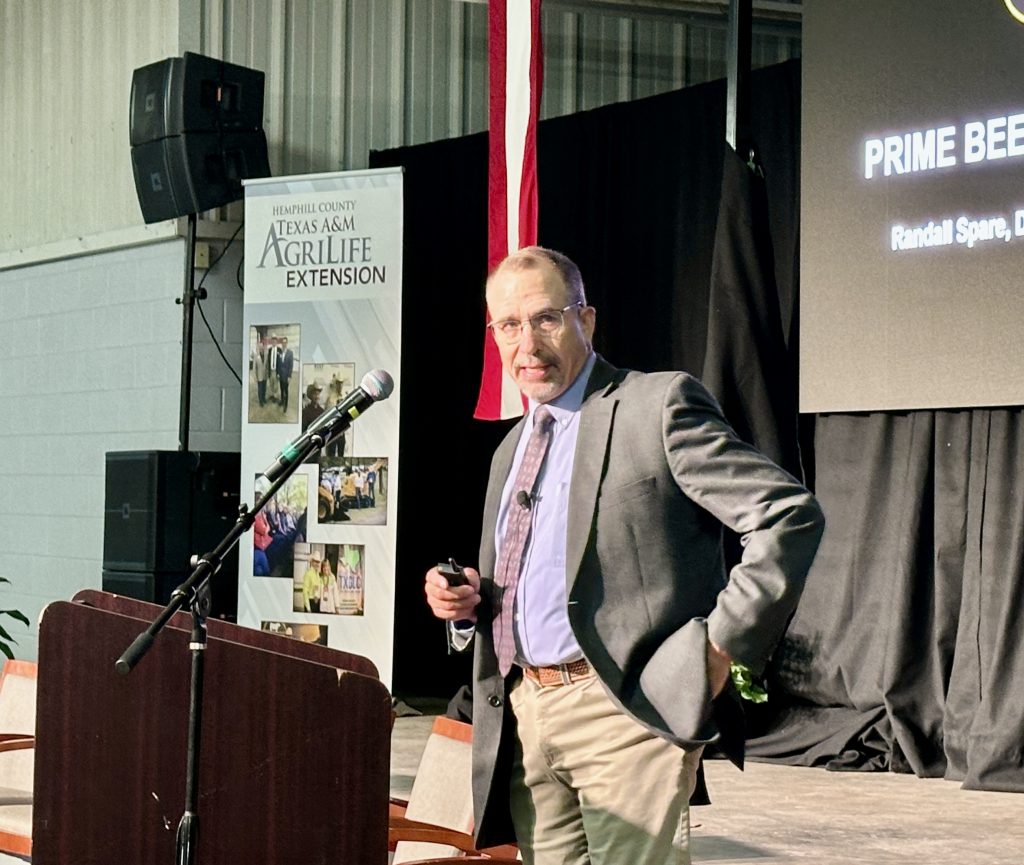
Senior Farm and Ranch Broadcaster, Ron Hays, had the chance to speak with the operator of the Ashland Veterinary Center, Dr. Randall Spare, at the recent Hemphill County Beef Conference in Canadian, Texas. In Tuesday's BeefBuzz, they discussed the importance of maintaining a high-quality product for beef consumers. Today, in line with Dr. Randall's presentation at the event titled "The Value of Artificial Insemination to a Commercial Cowherd," they are discussing factors to consider when choosing a bull.
According to Dr. Spare, the right bull depends on the environment in which he and his calves will live. He said that a producer must consider his or her goals, how the cattle will be marketed and to whom, and what their purpose is.
"The right bull is the one that meets their needs to meet their goals," he summarized. "My job, then, is to move their goals to something that they can create more value with."
He emphasized the benefits of genomic testing on the cowherd to better understand their needs for choosing the right bull. "If we understand that genomic testing is involved in seedstock production, and those seedstock producers can genomically test and enhance their EPDs, why can't we do that with commercial cattle? We can."
Genomic testing can identify the top third of a cow herd or the bottom third, allowing a commercial producer to market the bottom end differently than the top end of the herd, or to eliminate the bottom end and increase the top end.
"There is a sentiment in production agriculture today, 'Well, we've got enough choice cattle, and we don't need any more marbling,'" Dr. Spare pointed out. "I would challenge producers who think that .65 percent marbling is good enough for CAB, when 2.5 is available. We can have marbling EPDs as high as 2.5 percent. One of the highest bulls in the Angus breed is a 2.7. If we can do that and be in the top one percent, why can't we move it there? We have to be pioneers in this business."
He highlighted how refusing to get the most out of one's cattle reduces their value. He added, "It's just like feeding $8 corn to our cattle. If they're not efficient, and they're not gaining four pounds per day, and they are not converting, we are making our corn worth less. The same thing with our grass. We've got to produce the best cattle to get the most value out of our forage."
He expressed excitement about the number of young people attending the Hemphill County Beef Conference and emphasized the opportunity they present to bolster the trajectory of using genomic testing in commercial herds to produce the best cattle possible.
"It's kind of like a mutual fund," he said. "If we can make those things more valuable early on, they are really going to have something to sell, but they may have to be willing to do it a little differently than their father or grandfather."
The Beef Buzz is a regular feature heard on radio stations around the region on the Radio Oklahoma Ag Network and is a regular audio feature found on this website as well. Click on the LISTEN BAR at the top of the story for today's show and check out our archives for older Beef Buzz shows covering the gamut of the beef cattle industry today.
Senator Amy Klobuchar (D-MN), Ranking Member of the Senate Committee on Agriculture, Nutrition, and Forestry, is pressing the U.S. Department of Agriculture (USDA) for more information about reporting that certain farm loans and loan guarantees must be cleared through Department of Government Efficiency (DOGE) employees.
"We write to express concern about a reported memorandum from the Farm Service Agency (FSA) to require certain farm loans and loan guarantees to be cleared through Department of Government Efficiency (DOGE) employees," wrote the Senators.
"In addition to raising privacy questions, this change could create delays in FSA loans for qualified borrowers," the Senators continued. "At a time when financial uncertainty is rising for America's families and farmers, creating more red tape for customers who often have no other options for credit could prevent farmers from getting crops in the ground, animals fed, or cause a beginning farmer to miss out on the purchase of their first parcel of land."
Along with Klobuchar, the letter was signed by Senators Ron Wyden (D-OR), Dick Durbin (D-IL), Mark Warner (D-VA), Michael Bennet (D-CO), Richard Blumenthal (D-CT), Mazie Hirono (D-HI), Angus King (I-ME), Tammy Duckworth (D-IL), Tina Smith (D-MN), Ben Ray Luján (D-NM), Jon Ossoff (D-GA), Raphael Warnock (D-GA), John Fetterman (D-PA), Adam Schiff (D-CA), and Elissa Slotkin (D-MI).
The full letter is available here and below.
Dear Secretary Rollins,
We write to express concern about a reported memorandum from the Farm Service Agency (FSA) to require certain farm loans and loan guarantees to be cleared through Department of Government Efficiency (DOGE) employees. In addition to raising privacy questions, this change could create delays in FSA loans for qualified borrowers. At a time when financial uncertainty is rising for America's families and farmers, creating more red tape for customers who often have no other options for credit could prevent farmers from getting crops in the ground, animals fed, or cause a beginning farmer to miss out on the purchase of their first parcel of land.
The April 29, 2025 memo reportedly requires that farm loans and loan guarantees exceeding $500,000 as well as any loans or guarantees to "formal entities" such as an LLC must be "reviewed and cleared" not only by the USDA Chief Financial Officer (CFO) but also by DOGE employees. Because most farming operations are structured as some type of entity, this requirement could impact a large number of loans and loan guarantees.
USDA's Farm Service Agency has recently made improvements to farm loan program procedures to create more efficiency, cut red tape, and streamline application processes to ease the burden on farmers. The Agency has simplified the direct farm loan application to reduce paperwork from 29 pages to 13 pages and implemented a "fast track" expedited review process for farm loan applications. We are concerned this new review could undermine the improvements made by USDA to reduce delays for applicants.
We request answers to the following questions by May 13th, 2025.
We look forward to working with you to ensure that our farmers and ranchers have access to the credit they need.

A breakdown on the Purdue/CME Group Ag Economy Barometer April results can be viewed at https://purdue.ag/barometervideo. Find the audio podcast discussion for insight on this month's sentiment at https://purdue.ag/agcast.
Farmer sentiment improved in April as the Purdue University-CME Group Ag Economy Barometer climbed 8 points to a reading of 148. The improvement in farmers' sentiment was bolstered by increases in both the Index of Current Conditions, which rose 9 points to 141, and the Index of Future Expectations, which rose 8 points to 152. Somewhat surprisingly, this month's improvement in farmer sentiment occurred despite ongoing trade disputes with many of U.S. agriculture's largest trading partners, including Mexico, Canada and China. However, producers responding to the April survey overwhelmingly reported that they expect the increased use of tariffs by the U.S. to prove beneficial to the U.S. agricultural economy in the long run, which was reflected in the Future Expectations Index's strengthening. The April barometer survey took place from April 14-21, 2025.


The Farm Capital Investment Index at 61 was 7 points higher in April than in March, reaching the highest investment index reading since May 2021. There was a marked shift in the investment index following the November 2024 election. From May through October 2024, the investment index averaged a reading of 36, while from November 2024 through April 2025, the average index value was 54 — 50% higher than during the preceding six months. This month, one out of four respondents said it was a good time to make large investments, nearly double the percentage of respondents who said it was a good time to invest when surveyed from May through October of last year.
Although 25% of respondents this month reported that it's a good time to invest, nearly two-thirds of producers in this month's survey still said it was a bad time to invest, and that group's view appears to be the driver behind weak new farm equipment sales so far in 2025. For example, the Association of Equipment Manufacturers reported that first-quarter 2025 sales of tractors over 100 horsepower declined 19% compared to 2024's first quarter, while new combine sales fell 38% below a year earlier.
The Farm Financial Performance Index changed little in April. At a reading of 101, the index was just 1 point below a month earlier. April marked the fourth month in a row that the index was above 100, indicating that producers expect financial performance this year to equal or slightly exceed the year-ago level.


The Short-Term Farmland Value Expectations Index weakened in April to a reading of 110, which was 8 points below a month earlier. The decline in the index was primarily attributable to fewer producers reporting that they expect farmland values to increase in the year ahead, with a comparable increase in the percentage of producers saying they expect values to remain about the same.

The April survey included several questions focused on the impact of the U.S.'s tariff policy on U.S. agriculture. Although sentiment improved in April, farmers are still concerned that the U.S. government's tariff policy will have a negative impact on farm incomes. Fifty-six percent of respondents to the April survey said they think the U.S. tariff policy will have either a negative or very negative impact on their farm's income in 2025. In a related question, just over half (53%) of producers expect the increase in tariffs on imports to make it more difficult to obtain inputs from their suppliers this year. Producers who expect some difficulty in obtaining inputs pointed to three main areas of concern: fertilizer, parts for farm machinery and electronics and crop chemicals. Despite the concerns farmers expressed in the April survey about the impact of tariffs on farm incomes and availability of inputs for their farm operations, 70% of respondents said they expect the increased use of tariffs will, in the long run, strengthen the U.S. agricultural economy.


Wrapping Up
Farmer sentiment improved in April as farmers' appraisal of both current conditions and their expectations for the future improved compared to March. Agricultural producers are concerned that the U.S. tariff policy will reduce farm incomes in 2025. However, in the long run, there is an expectation among a majority of producers that the U.S. tariff policy will actually benefit U.S. agriculture. Finally, just over half of producers in the April survey expressed concern about the imposition of tariffs making it more difficult to obtain inputs from their suppliers later this year. Concerns were focused on the availability of fertilizer, parts for farm machinery and electronics and crop chemicals.
By Michael Langemeier and James Mintert, Purdue Center for Commercial Agriculture.
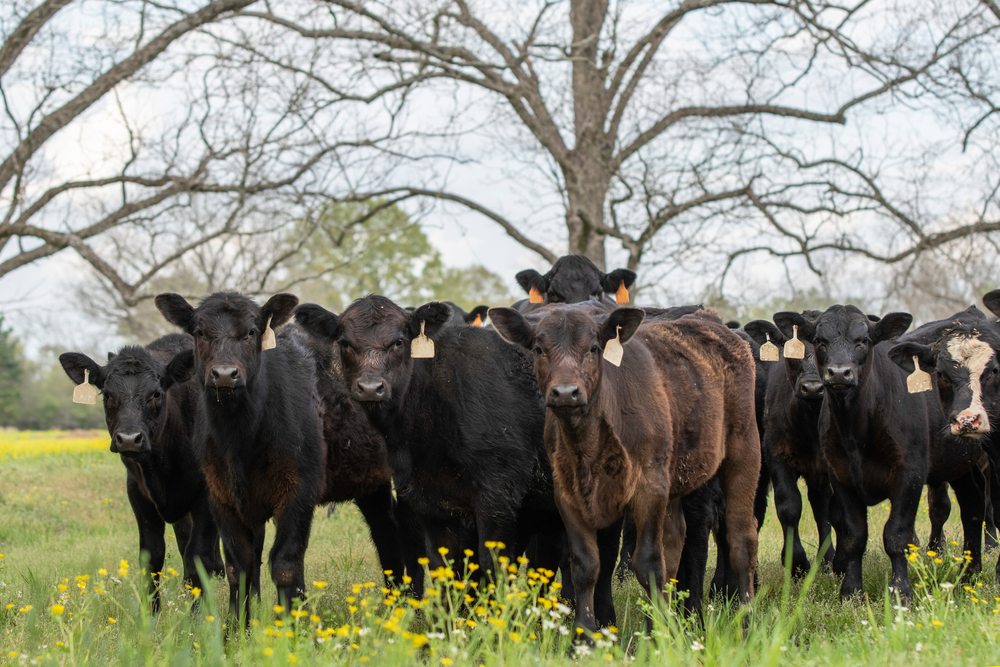
Weekly, Oklahoma State University Extension Beef Cattle Nutrition Specialist Paul Beck offers his expertise on the beef cattle industry. This is part of the weekly series known as the "Cow Calf Corner," published electronically by Dr. Derrell Peel, Mark Johnson, and Beck. Today, Beck is joined by Paul Vining, OSU Department of Animal and Food Sciences Graduate Research Assistant, to discuss supplementing DDGA cubed and tubs to stocker calves on mixed prairie grass in Western Oklahoma.
Growing calves grazing rangeland pasture during the summer often lack sufficient nutrition to achieve desired body weight gains. Providing a nutritional supplement can help bridge nutrient gaps and enhance performance, but frequent deliveries of supplemental feed are becoming increasingly costly due to rising fuel and labor expenses. To explore a more cost-effective approach, Oklahoma State University Animal Science Researchers conducted a stocker calf supplementation study to compare self-fed to hand-feeding supplemental distillers grains at the Marvin Klemme Range Research Station in Bessie, Oklahoma.
The distillers grains-based supplements provided by Pellet Technologies USA (York, NE) were in two different forms:
1. A dried distillers grains (DDGS) cube (PowerCubes™, Pellet Technologies LLC)
2. A 200-pound DDGS pressed tub (PowerTubs™, Pellet Technologies LLC)
During the early summer period, steers fed tubs consumed approximately 2.2 pounds of feed per head each day. Adjustments were made in the late summer to ensure the target daily intake of 2.5 pounds for the groups fed tubs to more closely match targeted intake in hand-fed groups for the remainder of the trial. Steers fed cubes received approximately 2.5 pounds of feed per head each day throughout the entire study.
Calf Performance
There were no significant differences in starting, mid-point, or final body weights between the two feeding methods. Average daily weight gains were also similar during both the early and late grazing periods. However, over the full 140-day trial, steers that were hand-fed cubes gained slightly more weight (0.18 pounds per day) than those consuming the tubs. This slight improvement in daily weight gain for the cube-fed steers was likely due to a marginally greater amount of supplement consumed during the early grazing period.
Economic Considerations
While hand-feeding cubes three times per week resulted in slightly better weight gains, the additional costs associated with supplement delivery could outweigh these benefits. Using estimated feed costs of $0.26 per pound for DDGS cubes and $0.55 per pound for the tubs, a round-trip feeding route of approximately 54 miles would justify the higher expense of the tubs.
Future Data Analysis and Experiments
This study also collected data on pasture forage quality, including forage biomass and nutritional value, to better understand how grazing conditions influenced steer performance. Researchers plan to repeat this study at the same location during the summer of 2025, using the same DDGS products provided by Pellet Technology USA. Insights from the upcoming trial, along with the current data, will further refine the understanding of supplementation strategies and their economic feasibility.
RON's Jacquelyn Farris reports from the State Capitol
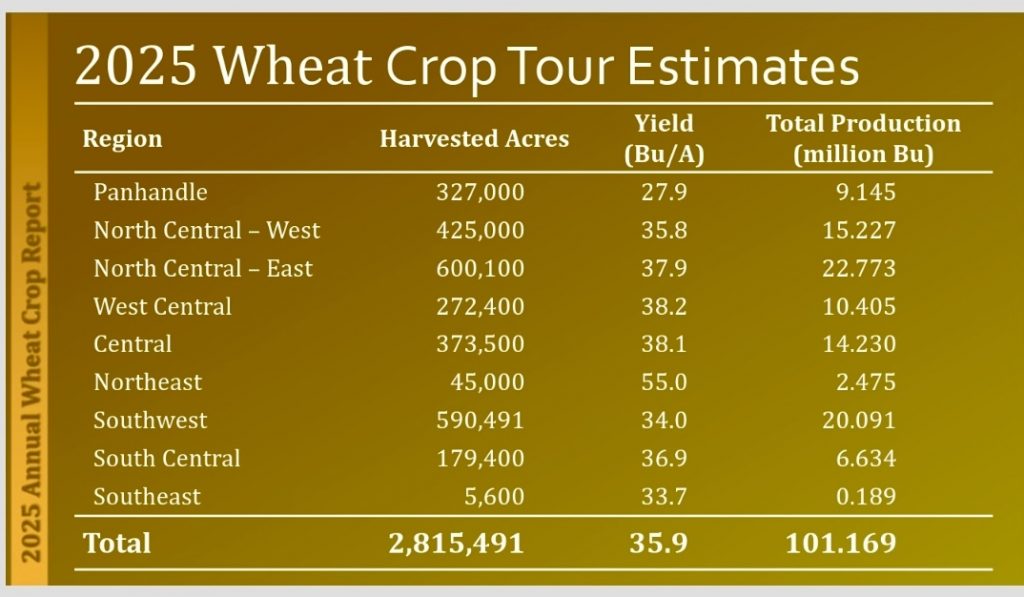
At the Oklahoma Grain and Feed Association's 127th Annual Meeting, Farm and Ranch Broadcaster, Ron Hays, had the chance to catch up with Oklahoma State University Extension Area Agronomist Specialist Josh Bushong. Bushong talks about Oklahoma's winter wheat crop and the estimates for harvested acres, yield, and total production from OSU Extension and Oklahoma Grain and Feed Association members.
This is the 45th year of the Crop Tour Report. Hays noted that in 2024, the wheat crop improved significantly after that year's report was released. Bushong explained, "It is a snapshot in time. It is our best estimate to see what kind of crop we need to manage here pretty soon."
The state is divided into nine regions that are evaluated by various teams of agronomists. He admitted that they were too conservative in last year's estimates, shorting the actual outcome by almost 20 million bushels, but was pleased with the better-than-expected production numbers.
He noted weak stands last fall and shortened wheat pasture throughout the winter, which caused producers to be reluctant to use very many inputs, but when spring rains began to fall, they applied fertilizer to finish out the kernels.
The total 2025 wheat crop tour estimates came to 2,815,491 harvested acres, 35.9 bushels per acre, and a total production of 101.169 million bushels. The estimate from the Oklahoma Grain and Feed Association members came to 2,777,000 harvested acres, 37.2 bushels per acre, and a total production of 103.336 million bushels. It is important to note that these estimates should be perceived as a moving average.
"We didn't have a lot of diseases this year, thank goodness, and not a lot of insect pressures, but the main pests we had were weeds," he detailed. "That's an investment that we really need to look at more in the future."
He noted the appearance of loose smut as the season nears its end, but said that it is the easiest to deal with among other smut varieties. He recommended producers use seed treatments before next year's planting season.
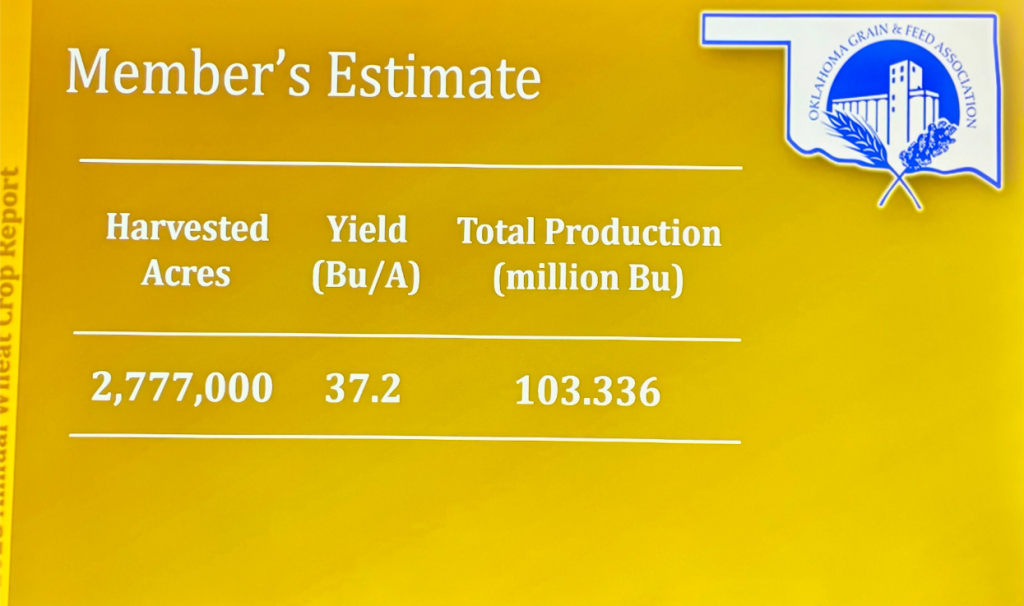
The moist, cool air has been good for the crop's development, but Bushong warned that when temperatures rise above 85 degrees, the kernels will be more difficult to set up. "Most of those crops are in anthesis, or flowering," he noted. "We do have some pockets up in North Central that are late planted or resown patches that are still almost to anthesis, so they may still have some issues needing fungicide pretty timely, but for the most part, we are past anthesis. The kernels are already set, and we just have to finish them out."
As far as the expected harvest time, Bushong noted that despite the late break in dormancy, the crop has reached the boot stage more quickly, which has nearly equaled out. He said, "The saturated soils are going to prematurely put this crop in, as well. Hopefully, the ground drains out and we can finish these crops out without terminating them too quickly with the flooded ground."
If the soil drains as hoped for, Bushong estimates the harvest to be on time in the southern part of the state to a week or so later in the northern regions.
Review the full presentation at the 2025 report session by looking at the Powerpoint below:
Today, U.S. Department of Agriculture's Food and Nutrition Service (FNS) will require States to make certain all records associated with Supplemental Nutrition Assistance Program (SNAP) benefits and allotments are shared with the federal government.
"President Trump is rightfully requiring the federal government to have access to all programs it funds," said Secretary Rollins, "and SNAP is no exception. For years, this program has been on autopilot, with no USDA insight into real-time data. The Department is focused on appropriate and lawful participation in SNAP, and today's request is one of many steps to ensure SNAP is preserved for only those eligible."
On March 20, 2025, President Trump signed Executive Order 14243, Stopping Waste, Fraud, and Abuse by Eliminating Information Silos, requiring agency heads to "take all necessary steps, to the maximum extent consistent with law, to ensure the federal government has unfettered access to comprehensive data from all State programs that receive federal funding, including, as appropriate, data generated by those programs but maintained in third-party databases." The Supplemental Nutrition Assistance Program is federally funded, administered by States, and includes relationships with processors and retailers, among others, all of which are information siloes. Today's guidance prioritizes program integrity and will allow FNS, for the first time, transparency into the data long only held by States and Electronic Benefits Transfer (EBT) processors.
Rep. Nick Archer, R-Elk City, today commented on the Oklahoma House of Representatives' defeat of Senate Bill 2, a bill he argued would set a dangerous precedent before later being overturned in court.
In his debate against the bill, Archer, who serves as chair of the House Energy Committee, argued the Fifth Amendment protects the right to private property.
"It plainly says, if government takes your property, it owes you just compensation," Archer said. "That principle isn't optional. It's not up for debate."
Archer argued that SB2 would open the door for counties to enact "viewshed restrictions" that amount to public takings without compensation.
"Let's not sugarcoat it: this bill gives local government the power to take from one private citizen in the name of another's preference," he said. "That is not conservative. That is not constitutional."
Archer challenged the idea of allowing counties to override citizens' constitutional rights through a simple majority vote, pointing out that "rights don't disappear based on a local vote."
He said SB2 would let a group "vote away your right to use your land. That's not democracy. and the Constitution exists to prevent that. And even if this body passes it, the courts will strike it down. I'd rather get it right today."
The measure failed 44-49 on Tuesday evening. However, notice was served that the vote may be reconsidered.

Ag in the Classroom will tour Growing Paynes and Bridging Vines Vineyard and Winery!
Join us for a ONE day Specialty Crop Educational bus tour. Our first stop will be a farm that grows strawberries, blueberries, summer vegetables, and much more!
Next, we will visit a vineyard and winery, where you will have the opportunity to have a wine and craft beer tasting (included in the tour - no extra cost). The tour will begin at 9:00 am and conclude by 3:00 pm. LUNCH is provided.
Please reach out to Emily Ague with any questions! emily.ague@ag.ok.gov
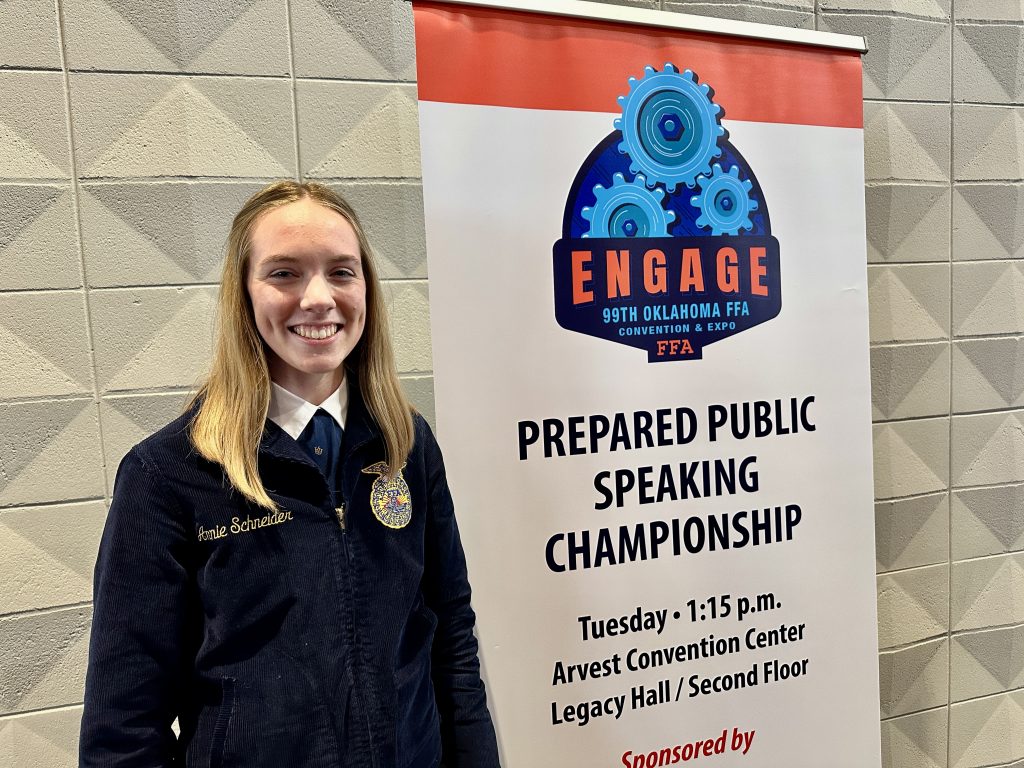
Oklahoma Farm Report's Senior Farm and Ranch Broadcaster Ron Hays had the honor of helping judge the State Prepared Public Speaking contest at the 99th State FFA Convention and Expo on May 6 at the BOK Center. Once the decision was made, he scored an interview with the winning competitor, Annie Schneider of the Seiling FFA Chapter, where she serves as the Chapter President.
In addition to public speaking competitions, she has compiled vet science projects and competed in livestock judging, but she says that speeches are her favorite.
"My Natural Resources Speech is essentially emphasizing the issue of overgrazing, why it's important that we don't overgraze, and different grazing plans that farmers and ranchers can implement to ensure that they are taking good care of their land and cattle," she described.
Her interest in the topic began while riding around with her dad, looking at land and cattle and discussing the issue of overgrazing with him. She has developed the speech over the course of two years and is excited to present her speech at the National FFA Convention in Indianapolis, Indiana, in a few months.
"FFA has given me the confidence and the mindset and toolset to go out and achieve my dreams," she said. "I never thought I would be here, and I never thought I was good enough, but because I had an ag teacher and fellow members that really believed in me, I have been able to achieve this that I never would have been able to do on my own."
Your coverage of the 2025 Oklahoma FFA Convention is sponsored by Hilliary Communications, who deliver the latest cutting-edge communications services supporting tens of thousands of customers across 22 counties throughout Oklahoma, Texas, and Iowa. The company offers internet, voice, and HilliaryTV. Hilliary Communications continuously researches the marketplace for innovations and strives to improve underserved areas, offering services that exceed customer expectations. Click here to learn more about Hilliary Communications.
For more information about the 99th Oklahoma State FFA Convention, click here.

Starting tomorrow, travelers nationwide must present a REAL ID-compliant license or another TSA-accepted form of identification to board domestic flights or enter certain federal facilities, as federal enforcement of the REAL ID Act officially takes effect. Service Oklahoma continues to support Oklahomans with REAL ID services statewide.
REAL ID by the Numbers (as of May 5)
Service Oklahoma is reminding residents that while May 7 is the start of enforcement, it is not a deadline to apply. REAL ID credentials remain available at all Service Oklahoma Licensing and Exam locations and licensed operators (also known as tag agents) across the state.
"Tomorrow marks the start of federal enforcement, but Oklahomans can still apply for a REAL ID at any time," said Diedra O'Neil, Chief Executive of Strategy & Operations at Service Oklahoma. "With more than 270 locations statewide, evening and weekend appointments and online tools to guide you through each step, we've worked to make this process convenient, clear and available when you're ready."
What to know before applying for a REAL ID?
While a REAL ID is not required in Oklahoma, residents may wish to apply for one to avoid disruptions when traveling or entering certain federal facilities.
What if you're flying soon but haven't received your REAL ID?
If you have not yet applied for a REAL ID and do not have a valid U.S. passport or another TSA-accepted form of identification, Service Oklahoma recommends visiting a nearby location soon to complete the application process. Be sure to use the REAL ID Checklist to confirm you bring all required documents.
If you have already applied but your REAL ID hasn't arrived by mail before your scheduled flight, the Transportation Security Administration (TSA) offers the following guidance:
Passengers without a REAL ID or acceptable alternative may experience delays, additional screening or denial of entry at TSA checkpoints. For more, visit the Department of Homeland Security REAL ID page or the TSA Contact Center.
Ready to apply for a REAL ID but want options?
To support travelers ahead of busy summer and fall travel, Service Oklahoma has added evening and weekend appointment options at select locations throughout May. These expanded hours are in addition to the walk-in service available at all Service Oklahoma Licensing and Exam locations during regular business hours.
Customers are encouraged to use the online waitlist at service.ok.gov/locations to check current wait times and plan their visit. With more than 270 locations statewide offering REAL ID services and 95% of Oklahomans living within 20 miles of a service site, help is always close by.
For a personalized REAL ID checklist, document requirements or to find a location with walk-in or after-hours appointment options that work best for you, visit service.ok.gov/REALID.
Service Oklahoma: Oklahomans Helping Oklahomans
Service Oklahoma's mission is to ease the stress of navigating government services while providing a best-in-class customer experience. Service Oklahoma provides driver license and motor vehicle services on behalf of the state both online and in-person. Service Oklahoma's partnership with licensed operators (formerly tag agents) provides essential services in all 77 counties at 270+ locations across the state.
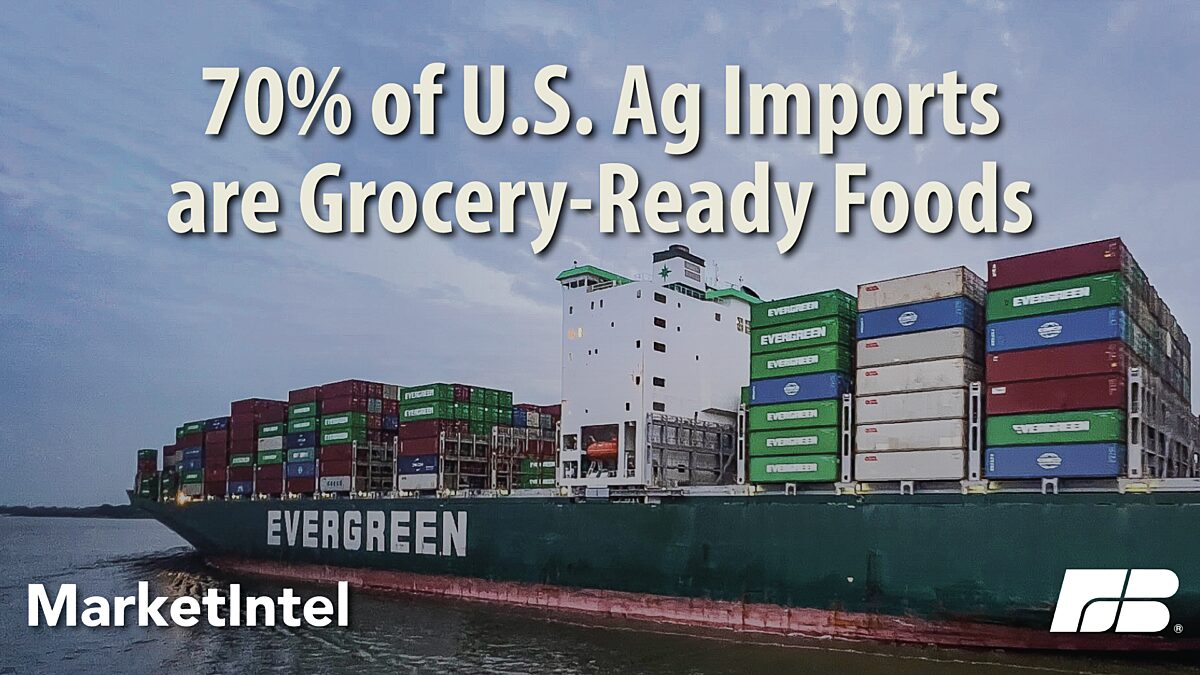
Trade is a hot topic with a lot of uncertainty. Trade policy decisions made in Washington, D.C., will impact farmers and ranchers in the countryside. This Market Intel is part of a series exploring agricultural trade, including the potential impacts of trade policy changes and Agricultural Exports 101.
The U.S. agricultural trade deficit has garnered significant attention, as the value of imported agricultural products now exceeds the value of what we export. Why do we import so many agricultural products, and where are these goods coming from? In today's Market Intel, we'll address these questions.
Import Origins
In 2024, the U.S. imported $213 billion in agricultural products from 184 countries and territories, representing over 6% of total U.S. imports. Seventy-six percent of these imports came from the top 10 suppliers, with Mexico, Canada and the European Union accounting for nearly two-thirds of the total agricultural import value. Since 2000, agricultural imports from these three partners have more than quadrupled, rising from $24 billion to over $102 billion. Mexico has held the top spot for U.S. agricultural imports since 2016, surpassing Canada.
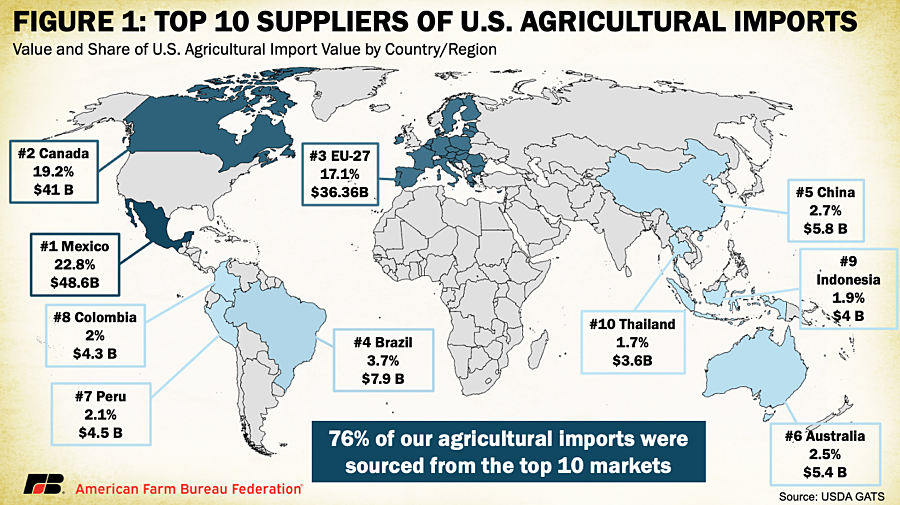
What Food we Import
Before diving into why the U.S. imports so many agricultural goods, it helps to look at what we're bringing in. Of the total, nearly $149 billion, or 70%, fell under consumer-oriented products. These include everyday items you'll find on grocery store shelves, like fruits and vegetables, which rank as the top two import categories. Intermediate goods, such as vegetable oils, sweeteners and baking ingredients used in food processing, accounted for $48 billion (22%). The remaining $16 billion (8%) consisted of bulk commodities — primarily unprocessed items like unroasted coffee, raw cane and beet sugar, cocoa beans, oilseeds, rice and tea. You may recall that bulk goods account for a considerably larger share of U.S. agricultural exports — 32% — underscoring a key difference in trade dynamics: while U.S. imports are dominated by high-value, consumer-ready foods, our exports lean more heavily on raw, unprocessed commodities like grains and oilseeds. In 2024 the U.S. also imported an additional $50 billion in ag-related products which included $25 billion in seafood products, $23 billion in forest products and $2 billion in biodiesel and blends.
Figure 2 highlights the top 12 agricultural import categories by value and their share of total U.S. ag imports.
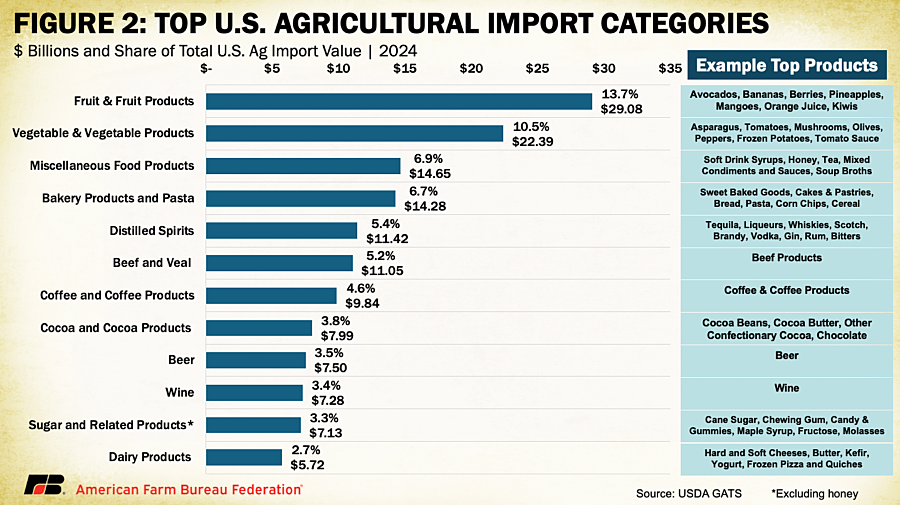
Why we Import
So, why does the U.S. import so much food? It comes down to the fact that not all countries are created equal — each has its own mix of climate, natural resources, labor costs and cultural specialties that influence what they produce most efficiently. Some countries are simply better suited — whether by geography or skill — to grow, raise or make certain goods. That comparative advantage allows each country to focus on what it does best, and trade for the rest. From a consumer standpoint, this global specialization means greater access to the products we want, often at better prices, in greater variety and year-round.
Take climate, for example. Many tropical fruits are now staples in the American diet, but they require consistently warm, humid conditions to thrive. Bananas top the list, with 26.9 pounds available per person each year. While limited banana domestic production can exist in places like Hawaii, Puerto Rico and parts of southern Florida, these areas face land constraints and pressures like urban sprawl, making large-scale production difficult. Instead, countries like Guatemala, Ecuador and Costa Rica, our top banana suppliers, step in to meet demand. In fact, fruit and fruit products represented the largest share of U.S. agricultural imports in 2024 at $29.08 billion, or 13.7% of total ag imports, with tropical fruits contributing heavily to that total.
Coffee follows a similar pattern: it's deeply embedded in American consumption habits, yet virtually all of it must be imported (just 0.2% of U.S. coffee consumption came from domestic production in Hawaii and Puerto Rico). For exporting nations, this trade brings in valuable revenue that can be used to purchase goods and services they may not be able to produce themselves, completing the win-win cycle of global trade.
The Seasonality Factor
At the start of this year, concerns over a potential International Longshoremen's strike threatened to disrupt operations at major East Coast ports, posing a serious risk to the steady flow of imported food products. At the time, we highlighted how the timing of a trade disruption — specifically, the season in which it occurs — can significantly affect its impact. That's because the availability of domestic agricultural supply varies month to month. Americans are accustomed to having year-round access to a wide variety of foods, regardless of season, but that access often depends on imports. The global climate plays a key role in this dynamic, as production shifts across hemispheres. When one region is in winter or the rainy season, another may be in peak harvest. When U.S. fresh supply is out of season or limited, imports fill the gap.
Figure 3 highlights this seasonal dynamic. Berry harvests vary widely across the U.S. by variety and region, but there is generally a domestic shortage during the winter months. During this time, shipments of blueberries from Peru, for example, increase significantly to meet consumer demand. Conversely, oranges have robust domestic availability during the winter and spring, with imports peaking in the summer and fall. Pineapples, on the other hand, have a different pattern. With domestic production limited to Hawaii and Puerto Rico, pineapple imports remain steady throughout the year with little seasonality.
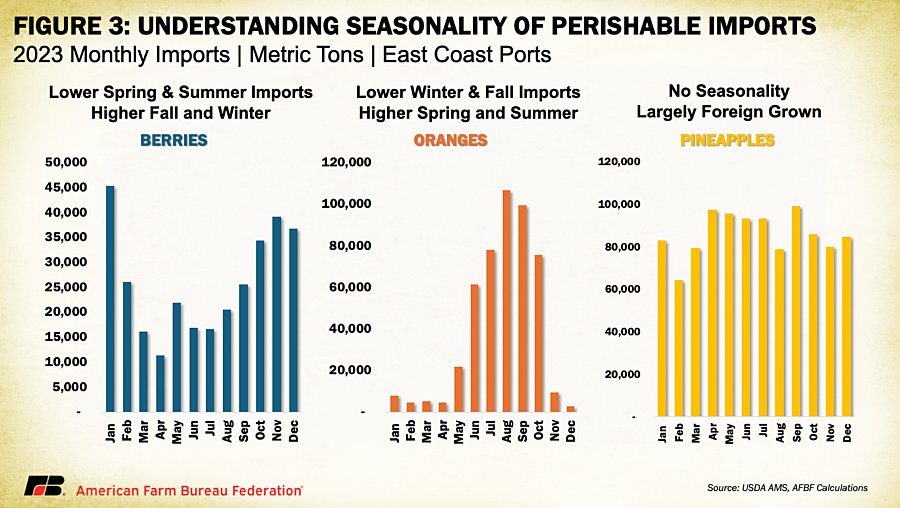
While imports often complement domestic supply, particularly in off-season months, they can also compete directly with U.S. growers producing the same crops during peak harvest. This is especially true for fruits and vegetables with narrow harvest windows, where foreign product availability can undercut prices or shift market share. These challenges are well known among seasonal produce growers and continue to raise concerns about fair competition and long-term viability.
Inputs Matter
We could try giving up coffee, bananas and winter berries for a while, but the impact of disrupted imports goes far deeper than just what's on the grocery list. A significant portion of U.S. agricultural production depends on the global trade of critical inputs that make farming possible in the first place. Take fertilizer, for example. While the U.S. is the world's third-largest fertilizer producer, it still lacks the domestic resources to meet total demand. Every country's ability to manufacture fertilizer is shaped by its natural reserves, particularly mineral nutrients like phosphate and potassium, and the energy sources needed to extract and process them.
One key example: Canada possesses potash deposits not found in the U.S., which are essential for producing potassium-based fertilizers. In 2024, the U.S. imported 97% of its potassium fertilizer, with 85% of that coming from Canada. Although the U.S. has stronger domestic capabilities for nitrogen and phosphate, imports still accounted for roughly 25% of total fertilizer use. Without access to these imported nutrients, the productivity of many row and specialty crops would be severely compromised.
And it doesn't stop at fertilizer. The U.S. farm sector also depends on foreign supplies of crop protection chemicals, equipment components and other essential inputs. China, for example, is the world's top exporter of both phosphate fertilizers and active ingredients used in herbicides and fungicides. In fact, Chinese manufacturers produce nearly 70% of the world's pesticide products, and the U.S. ranks among the largest importers. From farm machinery parts to seed treatments, U.S. farmers rely on a tightly connected global supply chain, making agricultural imports about more than just the foods we eat, but the means to grow them in the first place.
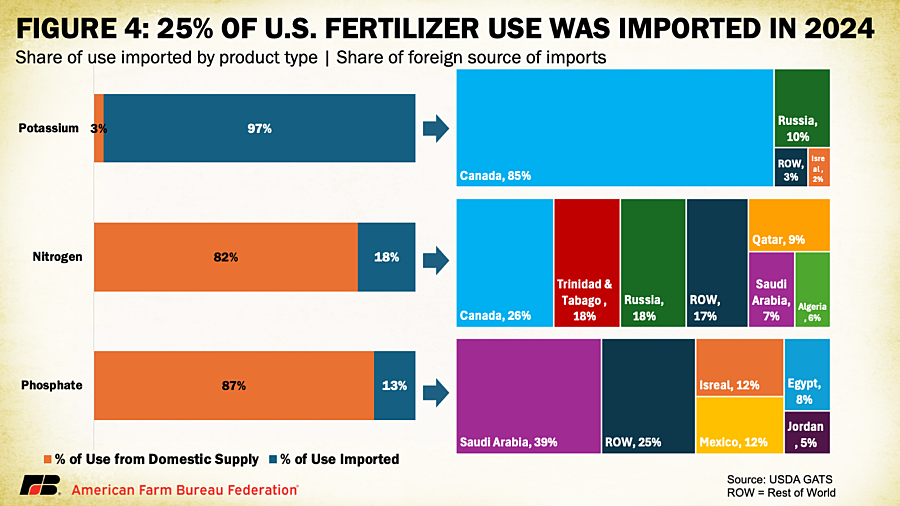
The Developed-Country Factor
An often-overlooked driver of the U.S.'s high level of agricultural imports is not just what we grow — or can't grow — but who we are as a nation. The United States is a high-income, developed economy with one of the largest consumer markets in the world. With higher average incomes and a relatively low percentage of income spent on food, American consumers have the luxury of choice, and they exercise it. In fact, U.S. households spend just over 10% of their disposable income on food, one of the lowest shares globally. That financial flexibility allows Americans to be selective not only about what they eat, but where it comes from. We don't just buy for sustenance, we buy for taste, convenience, novelty, health preferences and year-round availability.
Compare that to developing countries, where many consumers must prioritize price and basic availability over brand, variety or origin. Even if imported foods are technically available, they may be unaffordable or inaccessible for large portions of the population.
The U.S. is a world-class producer of many of the very same products it also imports. From California vineyards and Midwest creameries to the craft breweries dotting every state, domestic options are not only available — they're thriving. Yet, many consumers still choose foreign options, because they can. The more purchasing power a population has, the more likely it is to seek out products that either complement or enhance the domestic supply — and that demand is met through global trade.
Labor Costs Strain U.S. Competitiveness
The lack of an affordable and reliable labor supply has created significant challenges for U.S. seasonal produce growers, who face higher labor costs than many of their global competitors. To put this into perspective, the 2025 required wage for temporary agricultural workers is $18.12 per hour, far above the $1.59per hour earned by farmworkers in Mexico and the $4.50 per hour in Brazil. Labor costs are up to 40% of production costs for labor-intensive industries like fresh fruits and vegetables. These significant labor cost gaps, exacerbated by worker shortages, make it difficult for U.S. growers to compete on price. As a result, many are forced to rely on imports to meet demand, especially for labor-intensive crops. Addressing labor shortages through reforms to programs like the H-2A guestworker program could ease this burden, reduce the need for imports and ultimately help close the agricultural trade deficit.
Conclusion
The U.S. agricultural import story isn't one of weakness, it's one of complexity, necessity and consumer choice. Imports provide Americans with year-round access to diverse products and supply farmers with critical inputs needed to stay productive. But strong import flows shouldn't be mistaken for a lack of domestic capability. The U.S. remains a global leader in producing high-quality food, fuel and fiber. Even so, a growing trade deficit and rising reliance on foreign inputs warrant attention. Structural challenges — from labor costs and regulatory burdens to shifting supply chains — have already pushed some specialty crop production offshore and continue to pressure others.
Imports and exports each play essential, often complementary, roles in U.S. agriculture. While exports open new markets for American producers, imports fill seasonal gaps, supply key inputs and broaden consumer choice. Understanding both sides of the ledger is key to navigating the challenges and opportunities ahead.
Written by Daniel Munch, Economist for AFBF MarketIntel.
Under Assistant Professor Yong Cheng's mentorship, students have received several prestigious undergraduate research fellowships. (Photo by Kristin Knight, OSU Agriculture)
For the second year in a row, Yong Cheng, assistant professor in the Oklahoma State University Department of Biochemistry and Molecular Biology, has received the OSU Excellence in Research Mentoring Award.
Cheng was recognized at the OSU Undergraduate Research Symposium on April 22 in the ConocoPhillips Alumni Center.
The annual honor celebrates a faculty mentor's success and impact in supervising undergraduate research students. Cheng first received the award in 2024, and this consecutive recognition highlights his continued commitment to developing individualized mentoring strategies for students and helping them achieve academic, career and personal growth.
During the past four years, Cheng's mentees have received 18 research fellowships, including Goldwater, Niblack, Wentz, Purdie, McNair and Ferguson College of Agriculture Undergraduate Scholars.
"When I begin working with students, I want to understand their educational goals and career aspirations and provide resources for them to succeed," Cheng said. "They motivate me to create a positive environment for undergraduate research in my lab."
Carlyn Guthrie, a biochemistry and molecular biology doctoral student, has been mentored by Cheng since she was an undergraduate student. Throughout her time in college, Carlyn said Cheng has provided experiences that developed her skills in research, scientific communication and leadership.
"Dr. Cheng does everything he can to help me and other students be successful in the lab and in our futures," Carlyn said. "He also makes lab life fun and engaging by sharing stories about his own research experiences that help us connect what we're learning to real-world scenarios."
Cheng continues to distinguish himself as an exceptional mentor for undergraduate students pursuing research opportunities, said Karen Hickman, director of undergraduate research in the Ferguson College and the environmental science undergraduate program director.
"He has cultivated a dynamic, collaborative culture in his lab – one where undergraduates are mentored not only by him, but also by his graduate students and post-doctoral fellows," Hickman said. "This layered mentorship model provides students with a rich and supportive framework that inspires confidence and fosters their growth as future researchers in biochemistry and molecular biology."
The Ferguson College of Agriculture believes in the value of hands-on education and the importance of having a well-rounded student experience. The college's award-winning faculty members are dedicated to developing students and are passionate about adding value to the total educational experience. With 16 majors, a variety of study options and more than 60 student organizations, the college is committed to expanding minds and inspiring purpose. Learn more at agriculture.okstate.edu.

The 74th Annual National Land & Range Judging contest attracted students from across the nation to the Oklahoma City area from April 29th through May 1st, 2025. There were over 1000 contestants, 199 teams, from 39 states. Teams traveled from an array of states including Washington state, Maryland, West Virginia and Hawaii. Beyond the contest, NLRJ is a chance for high school juniors and seniors to explore continuing education and career opportunities in the field of conservation and soil science. The event reflected students as well as leaders of the next generation of conservationists.
The Oklahoma Association of Conservation Districts ( OACD ) is the primary host of the National Land and Range Judging Contest with additional sponsorship from 60 sponsors. In addition, the Natural Resources Conservation Service (NRCS) and its employees play a significant role annually in the success of the event, as does the Oklahoma Conservation Commission (OCC). The event reflected students as well as leaders of the next generation of conservationists. The celebratory banquet included participants hearing from Deputy Commissioner from the Oklahoma Department of Agriculture, JanLee Rowlett, NRCS State Conservationist Jeanne Jasper, and El Reno Mayor J. Steve Jensen.
The 4H and FFA students match their skills in judging the adaptability of the land for various purposes, including farming, range management and home development. The skills the teens apply at the contest involve principles they can use in career fields such as environmental and range management, natural resource conservation, home building and construction. The event was centered around the Canadian County Expo and Event center in El Reno, Oklahoma. Each year a different farm, ranch, company, organization or agency hosts the contest site on its land near the Oklahoma City metro area. The awards ceremony took place the evening of May 1st at the CCEC arena.
Winners:
4-H Homesite Individual – Luke Horstman, South Dakota White 4H, South Dakota
4-H Team – Shenandoah County 4-H, Virginia
4-H Land Individual – Alex Morales, Tri-County 4-H, Indiana
4-H Land Team – Tri-County 4-H, Indiana
4-H Range Individual – Rosie Abraham, Oliver County 4-H, North Dakota
4-H Range Team – Oliver County 4-H, North Dakota
FFA Land Individual – Tayten Reynolds, National Trail MVCTC FFA, Ohio
FFA Land Team – Tishomingo FFA, Oklahoma
FFA Range Individual – Garrison Johnson, Jacksboro FFA, Texas
FFA Range Team – Jacksboro FFA, Texas
Complete results of the 2025 National Land & Range Judging Contest as well as photos can be found at https://www.okconservation.org/nationallandrangejudging.
Oklahoma State Treasurer Todd Russ today commended the Legislature for the successful passage of House Bills 1541 and 1549, marking significant strides in strengthening Oklahoma's agricultural lending tools and modernizing how the state manages private activity bonds.
HB 1541: Strengthening Agricultural Financial Support
House Bill 1541 focuses on refining the Agriculture Linked Deposit Program, to better serve farmers and ranchers by expanding access to low-interest capital. The bill increases the amount of funds available through the program, removes unnecessary red tape, and puts loan decision-making authority back where it belongs — in the hands of local banks that know their communities best. It empowers Oklahoma's local lenders to support the agricultural economy from the ground up, helping producers access better financing, boost rural development, and keep investment dollars working inside the state.
"Our farmers and ranchers are the backbone of Oklahoma's economy in a time when goods and services are priced at an all-time high, this provides a way for some relief in interest," said Treasurer Russ. "HB 1541 reinforces our commitment to supporting their financial stability and growth."
HB 1549: Modernizing Private Activity Bond Allocation
House Bill 1549 streamlines how Oklahoma allocates private activity bonds by updating definitions and setting clear guidelines for bond pools and applications — ensuring that funds are directed toward projects that drive economic growth. The bill strengthens the state's ability to match capital with community needs and provides clearer, more attractive access for Oklahoma investors to over $500 million in tax-free bonds. By clarifying how bond capacity is allocated and used, Oklahoma becomes a more attractive place for investment and development, while encouraging tax-exempt investment opportunities to remain in-state.
"Efficient allocation of private activity bonds is crucial for funding infrastructure and community projects," Treasurer Russ noted. "HB 1549 equips us with the tools to manage these resources more effectively, benefiting communities across Oklahoma. Most recently, we approved three new projects with multi-family housing worth $82.5 million across Oklahoma — expanding affordable living options, supporting working families, and helping meet the growing demand for quality housing in our communities."
Looking Ahead
With the enactment of HB 1541 and HB 1549, the State Treasurer's Office is poised to implement these changes, working closely with stakeholders to ensure smooth transitions and maximize the benefits of the new provisions.
"These programs use zero public dollars and carry zero risk to taxpayers. It's a smart, practical way to make government work for the people — not the other way around," said Treasurer Russ.

The American Soybean Association will bring back a valuable opportunity for industry collaboration, connections and learning for a second year this August.
Registration is now open for the 2025 ASA Farmer Forum: Building Your Conservation Program and Profit Potential. This free event is open to all farmers and will take place Monday, August 25, 2025, at the Mt. Zion Convention Center in Mt. Zion, Illinois, the day before the annual Farm Progress Show.
The half-day event is designed to help soybean farmers evaluate current conservation incentive programs and connect with organizations and companies offering these opportunities. Attendees will gain practical insights into conservation programs, consumer perspectives, and farm-level decision making.
Informational sessions will take place 1:00-5:30 p.m., followed by a reception from 5:30-7:30 p.m. All farmers who attend the full event will receive a free one-day admission to the Farm Progress Show in nearby Decatur, Illinois. The Farm Progress Show, Aug. 26-28, is one of the largest outdoor farm shows in the country, attracting thousands of attendees from more than 30 countries.
"Today's farmers are under more pressure than ever to balance productivity with environmental stewardship," said ASA President Caleb Ragland, a soybean farmer from Kentucky. "Navigating the many conservation programs out there can be overwhelming. That's why ASA is proud to bring farmers and experts together at this forum to simplify the process, highlight real opportunities, and ultimately help farmers make the best decisions for their operations and the environment."
Building on the success of last year's event, farmers will once again have the chance to attend expert-led panels, interact with industry leaders and network with event sponsors. Conservation technicians and crop advisors from several organizations and companies will be available to answer questions and help farmers identify the best conservation program for their unique farm situations.
During the afternoon break and evening reception, attendees can visit sponsor exhibits, engage in discussions with conservation experts and enjoy drinks and hors d'oeuvres. ASA appreciates the support of the United Soybean Board and the Soy Checkoff, lead sponsor of this year's event.
Check out the agenda, highlights from last year's ASA Farmer Forum and the registration site here.
| |||||||||||||||||||||||||||||||||||||||||||||||||||||||||||||||||||||||||||||||||||||||||||||||||||||||||||||||||||||||||||||||||||||||||||||||||||||||||||||||||||||||||||||||||||||||||||||||||||||||||||||||||||||||||||||||||
| |||||||||||||||||||||||||||||||||||||||||||||||||||||||||||||||||||||||||||||||||||||||||||||||||||||||||||||||||||||||||||||||||||||||||||||||||||||||||||||||||||||||||||||||||||||||||||||||||||||||||||||||||||||||||||||||||
|
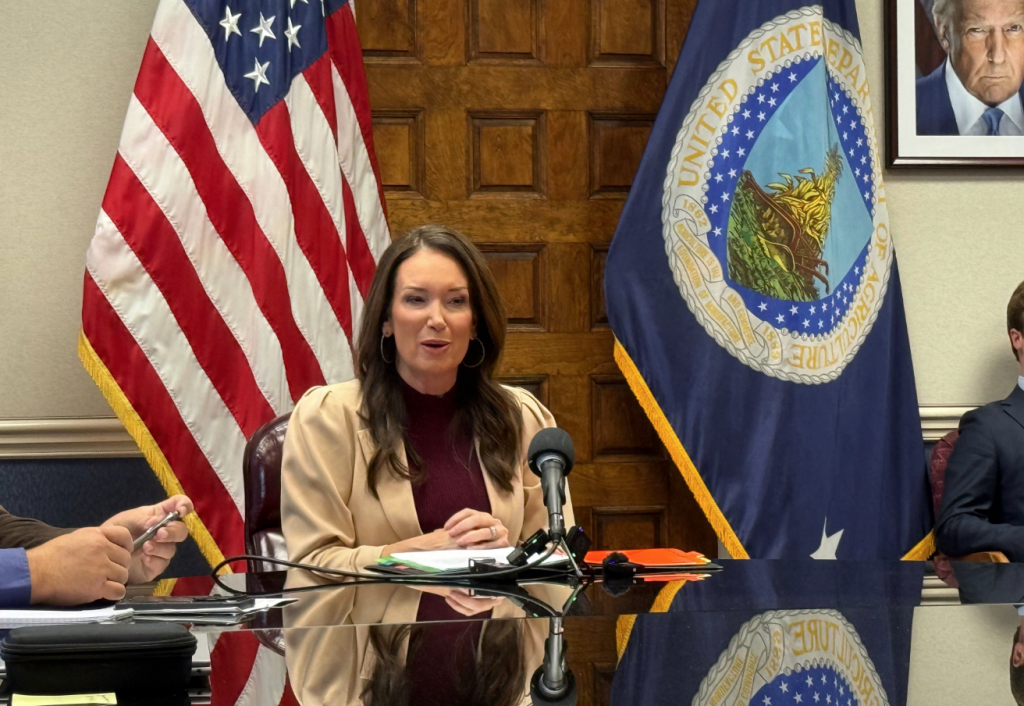
Agriculture Secretary Brooke Rollins recently met with the National Association of Farm Broadcasters (NAFB), including Farm Director KC Sheperd, and Farm Reporter Maci Carter to discuss the administration's agricultural policies and address concerns from farm producers as part of their Washington watch event. This event highlighted the crucial role of farm broadcasters in disseminating vital information to rural communities.
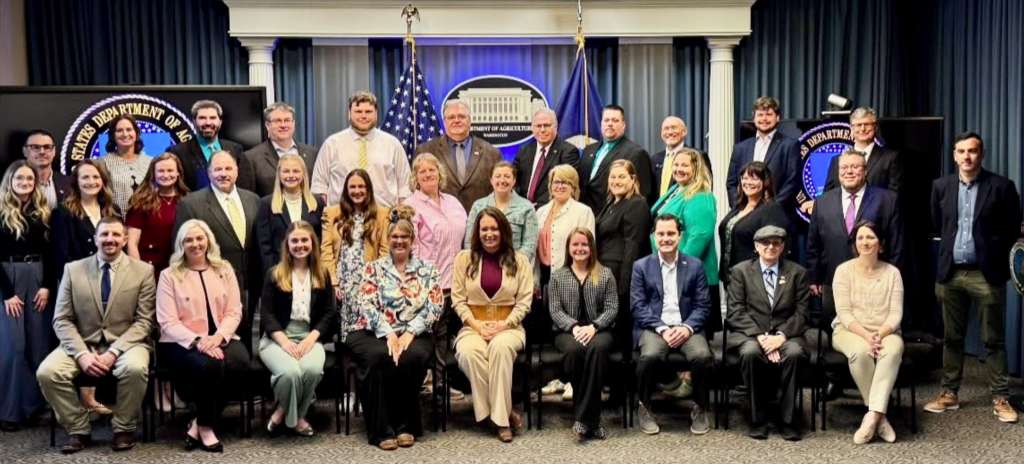
Rollins began by acknowledging the NAFB's long-standing contribution. "Since 1944, you all have connected the countryside to the information needed, including timely market updates and local agriculture news and weather," she stated. She emphasized the importance of a free press, quoting Thomas Jefferson: "Were it left to me to decide whether we should have a government without newspapers or newspapers without a government? I should not hesitate a moment to prefer the latter, the newspapers without a government."
A significant point of discussion was the recent dismissal of criminal charges against the Maude family, a ranching family from South Dakota. Rollins credited agricultural media for their role in bringing the family's plight to light. "Heather Maude thanked, during that press conference, almost at the very top of the list, the writers and the editors of the agriculture outlets who had been making her family's case for months," she noted.
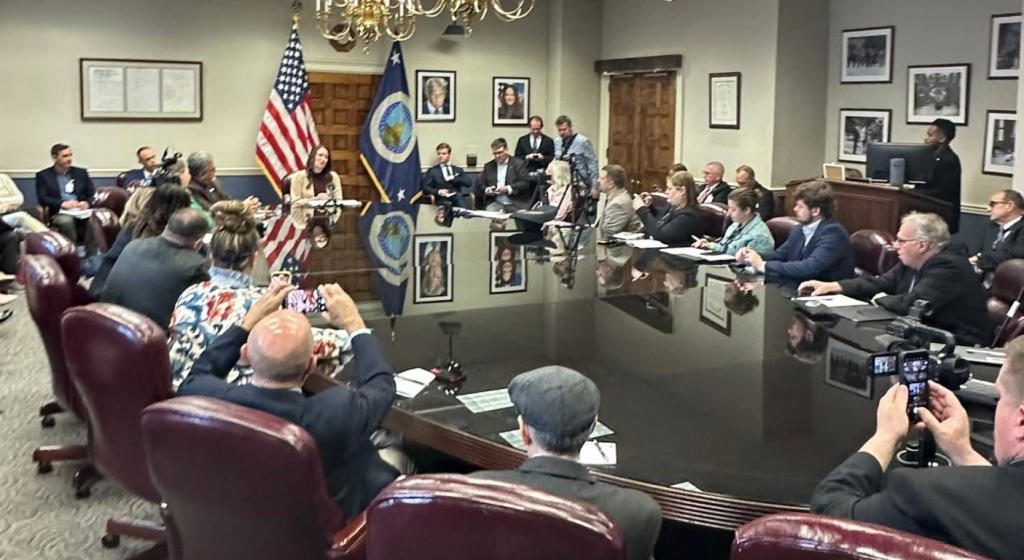
Rollins then outlined the USDA's priorities, including addressing avian influenza, trade issues with Mexico, and ensuring fair trade for American farmers. "Since our avian influenza plan was unveiled, the price of eggs has gone down," she said. "We put pressure on the Mexican government for failing to cooperate in addressing the New World screwworm and also for failing to meet its water delivery obligations under the 1944 water treaty, and we've been fighting for fair trade for every American Farmer and Rancher."
One of the key announcements was the upcoming USDA reorganization plan. "We are planning to unveil the new USDA reorganization plan next week," Rollins revealed, addressing concerns about staffing levels and potential "brain drain" due to deferred resignations. She clarified, "USDA has around 106,000 employees in total. Every year, we lose, just by attrition, between eight to 10,000 of those employees. So while 15,000 is blasting across a lot of headlines right now, at the end of the day, through the DRP, hopefully the goal is that it isn't too much of a difference." She also assured that front-line staff, such as those in the Farm Service Agency (FSA) and wildland firefighters, would remain priorities.
The issue of economic stress on farmers due to tariffs and increased input costs was raised. Rollins acknowledged the severity of the situation. "That four years of the last administration, where we went from a $0 trade deficit to more than a $50 billion trade deficit, those are direct dollars out of farmers' pockets, the cost of inputs increased 30% over the last four years," she explained.
She expressed optimism about upcoming trade agreements, stating, "We're coming to the end of, I think, this first round of negotiations. Just yesterday, I was at the White House. I was there for different reasons, but there were three different countries, I think, in the White House currently in negotiations with not just Secretary Lutnick or Secretary Bessent or Jamieson Greer, but with the President himself. He is so leaned in on all of this."
Rollins also addressed the mental health challenges faced by farmers. "The margins are even thinner than they were when we were here the last time, which is causing a significant amount of stress in our farming community and with our brothers and sisters in rural America," she said. She highlighted the importance of state-level partnerships in addressing this issue.
Regarding domestic market development, Rollins emphasized the administration's commitment to supporting farmers. "They don't want these checks. They don't want the government sending them checks not to farm, or sending them checks when the numbers don't work. They want a really robust, profitable way to make a business to continue their fourth, fifth, sixth, seventh generation farms," she asserted.
She also stressed the national security implications of a strong agricultural sector. "If we lose the ability to feed ourselves, then we lose the ability to be and remain the world's superpower," she concluded.
Click the listen bar at the top of the page or watch the video on YouTube to hear the complete conversation.
Subcommittee on Commodity Markets, Digital Assets, and Rural Development Chairman Dusty Johnson (SD-At Large) delivered the following opening statement at today's roundtable "American Innovation and the Future of Digital Assets: A Blueprint for the 21st Century."
Remarks as prepared:
Good morning and thank you for joining us today. Thank you, Chairman Steil, for leading this remarkable roundtable this morning.
It's an honor to welcome you all to the second public event between our two committees. Almost two years ago, we had the privilege of holding a joint hearing. Whether today's event is a called a hearing or a roundtable, it will not diminish the quality of the discussion and the importance of our topic.
I want to thank Chairmen Hill and Thompson for renewing our partnership from last congress and helping make today happen. Lastly, I want to recognize Subcommittee Vice-Chairman Rose.
Today's roundtable is to explore approaches to delineate the jurisdictional boundaries between the two agencies to reduce fragmentation, minimize duplication, and enhance regulatory coordination. But, in my mind, it's about two guys I met recently, Mark and Mike, and people like them.
Last month, Don Davis and I held a hearing on the real-world use cases of digital assets and blockchain technology and learned about projects that can touch and enhance the lives of everyday Americans.
Mark Tague, a fourth-generation cattleman in Oklahoma, co-founded CattleProof to improve agricultural operations and markets. Mike Horton, an engineer in California, developed GEODNET to create an accessible world-wide precision mapping network. Mark and Mike each set out to solve a real-world problem and found digital assets could help them do it.
Both CattleProof and GEODNET are made possible by blockchain technology and digital assets. Without tokens, the blockchain wouldn't work and neither CattleProof nor GEODNET would exist.
Let's not forget these stories as we talk about the CFTC and the SEC, the Howey Test and decentralization, exempt offerings and secondary trading. This legal discussion matters because if we get it right it will empower entrepreneurs and encourage innovation. It will give people like Mark and Mike certainty about how to build with digital assets and how to create services that people need.
So, to me, the point of today's hearing is Mark and Mike, and any person trying to build the next great thing on a blockchain. The regulatory framework matters because their success and their innovation matters.
I'll close by thanking our panelists for their time and testimony today. You are here to help us get it right. So, thank you.
U.S. Department of Agriculture today announced $23 million in grants to support transporting hazardous fuels – such as dead or downed trees – from national forests to processing facilities. Through the USDA Forest Service's Hazardous Fuels Transportation Program, these grants will reduce the hazardous fuels that pose wildfire threats to communities, critical infrastructure and recreation areas.
"President Trump has directed his cabinet to unleash domestic production of our natural resources, including timber. Our nation is blessed with an abundance of resources and there is no reason we cannot responsibly harvest and use these products right here at home. Investments like these are delivering on our commitment to protect communities, make forests healthier and more resilient," said Secretary Rollins. "Removing hazardous fuels not only reduces wildfire risk but also creates opportunities for businesses and workers in the wood products industry. These grants also reflect the Forest Service's dedication to active forest management, and we will continue working to keep our forests productive, sustainable, and safe for future generations."
This work directly supports President Trump's Executive Order on increasing domestic timber production as well as Secretary Rollins' direction to have the Forest Service (PDF, 2.9 MB) ramp up active forest management on national forests to improve forest health, reduce wildfire risk, and support rural prosperity.
Unlike high-value wood, which is typically used in construction and furniture manufacturing, low-value wood has more limited applications, with fewer facilities able to process it into useful products like soil-enriching materials, renewable energy sources like electricity and heat, and sustainable construction solutions such as cross-laminated timber. The Hazardous Fuels Transportation Program aims to help businesses, non-profits, and state, local and tribal governments make use of the dead trees, fallen branches, and dense undergrowth which would go to waste or fuel catastrophic wildfires.
The Forest Service will accept applications through June 20, 2025. Information about webinars will be available soon on the Forest Service Timber Transportation website. To expedite wildfire mitigation and forest restoration efforts, projects in areas covered by Emergency Situation Determinations (ESDs) will be prioritized in the selection process. These authorities allow the Forest Service to act swiftly in high-risk firesheds by expediting project approvals and reducing administrative delays, ensuring that hazardous fuel reduction efforts reach the most vulnerable communities and landscapes.
Attorney General Gentner Drummond is opposing Vermont's Climate Superfund Act, a measure that could adversely impact Oklahoma's energy industry.
The action is part of a 24-state coalition challenging a law that would impose potentially billions of dollars in fines on domestic energy producers, including many Oklahoma-based companies vital to the state's economy.
"Vermont's law is a direct attack on Oklahoma's energy producers and the thousands of hardworking Oklahomans employed in this critical industry," said Drummond. "This unconstitutional overreach not only threatens our state's economic foundation but also risks driving energy production to countries like China, India and Russia where environmental standards are far less stringent. I will always defend Oklahoma's energy sector against harmful and misguided policies."
The Vermont law targets coal, oil and natural gas suppliers for global greenhouse gas emissions from 1995 to 2024 — a period when these companies were following state and federal regulations. The Act has no cap, so the fines levied against decades of past energy production could be in the billions.
The coalition's lawsuit aligns with action taken by the U.S. Department of Justice, which filed its own challenge to Vermont's law, delivering on President Trump's promise to provide federal reinforcement to states fighting these types of superfund laws.
The coalition is asking the court to, among other things, issue an injunction and declare the Act preempted by federal statutes.
Alabama, Alaska, Arkansas, Florida, Georgia, Idaho, Indiana, Iowa, Kansas, Kentucky, Louisiana, Missouri, Montana, Nebraska, North Dakota, Ohio, South Carolina, South Dakota, Tennessee, Texas, Utah, West Virginia and Wyoming are seeking to join the lawsuit.
House and Senate Republicans in April adopted a budget blueprint to instruct congressional committees to begin working on legislation to renew the 2017 Tax Cuts and Jobs Act and include spending provisions, with dairy-related items an NMPF focus.
Republicans are writing this bill using the budget reconciliation process, which allows Congress to enact tax and mandatory spending legislation on a simple majority vote in the House and Senate. The Senate passed the budget resolution on April 5, and the House followed suit on April 10.
NMPF is prioritizing renewal of the Section 199A tax deduction as part of the process. Dairy cooperatives can claim the deduction based on their domestic manufacturing and pass the benefit back to their farmer owners. NMPF secured 51 dairy stakeholder signers on a March 24 letter led by the National Council of Farmer Cooperatives urging congressional leaders to make Section 199A permanent, and the provision was the main topic of April's CEO's Corner.
Outside of tax policy, Congress is likely to use this bill to adjust mandatory spending. The House and Senate Agriculture Committees may boost the farm commodity safety net, which would take one issue off the table for the pending farm bill. The Agriculture Committees are also likely to reduce overall spending from the Supplemental Nutrition Assistance Program, a change that Democrats would oppose. NMPF is in close contact with the committees as they develop their portion of the larger bill.
Republicans also are expected to increase border security-related funding, which could create an opportunity later this year for legislation that would finally address dairy's agricultural workforce needs. Multiple members of Congress are drafting bills to address ag labor priorities, including allowing dairy farmers and other year-round employers to access the H-2A ag visa program.
NMPF will once again lead efforts in the dairy industry, in partnership with other agricultural stakeholders, to build the momentum and support for advancing much-needed ag workforce legislation.
AgriGold agronomist shares advice on how to make the most of your resources.
In a perfect world, all your corn would emerge within a narrow (ideally 12-hour) window. But the reality of every field emerging evenly, let alone every acre is slim to none. Farmers can, however, track emergence and use that information to guide their decisions later in the growing season.
"In a year where margins are tighter, farmers can be more strategic with management decisions based on field history and what emergence signals about their yield potential," AgriGold Agronomist Brett Leahr says.
Scout corn around 100 to 120 GDUs
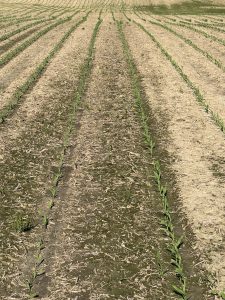
Corn typically emerges around 100 to 120 growing degree units (GDUs). Leahr encourages farmers to routinely scout those acres as that time nears, using the cadence of when fields were planted. He advises recording the dates and timing of emergence for each field, using a data management system or by hand.
"Note how long corn sat in the ground and how evenly it emerged," Leahr advises. "Whether corn sits in the ground for seven days or 17 days will impact replant decisions and how we manage that field going forward, especially if the wet weather persists."
How a crop emerges tells so much of the story of the season, Leahr continues. In fact, emergence is a major consideration for what corn hybrids make it into AgriGold's lineup.
Stick to the plan, even when emergence is poor
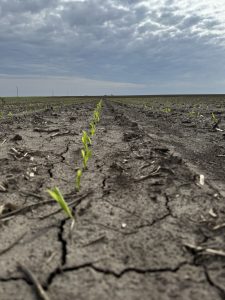
"There's always an instance where you reflect on the weather and recognize that wasn't the best time to plant," Leahr says. "But if you're monitoring emergence, at least you have that foundational knowledge so you can prioritize acres. That's especially important when margins are tight."
While acres that emerged poorly may not get "extras," Leahr encourages farmers to stick with their baseline management plan, even if they have uneven emergence. "That's the plan you drew up that you'll be most profitable by," he says. "We don't want to alter that and skimp on something, which could cause the crop to go the opposite direction."
Much like a person with a rundown immune system, Leahr says a crop that emerges poorly will likely have weaker defenses, leaving it more vulnerable to an infection. "But if you stick with your initial plans to spray a fungicide, it could help that corn battle disease or other threats later in the season."
Consider additions when emergence impresses
If a farmer has uniform emergence and the weather is favorable, it may be worth adding inputs beyond what's in the baseline plan to push yields and profits — even on some of those tougher acres.
For example, a farmer might consider adding a fungicide application. "Disease isn't going away," Leahr says, noting tar spot remains an ever-present threat.
Beyond protecting against disease, fungicides can help bolster the health of the corn plant, enabling it to pack on mass by flexing kernel depth late in the season. "Fungicides can help crops thrive all the way to the finish line," Leahr explains.
Another option for supporting a crop that emerged evenly is more nitrogen later in the growing season, according to Leahr. Other potential yield boosters could include a foliar application of potassium acetate or the addition of micronutrients like molybdenum or boron.
Grappling with "OK" emergence?
The toughest management decisions occur when emergence is OK — not great, not bad, but somewhere in between. Leahr often receives calls from farmers asking for recommendations on those acres. His advice?
"Stick with your original game plan but get another set of eyes on the crop before making any other decisions on those acres." A second opinion from an outside source, like your agronomist, can help a farmer level set and provides a sounding board.
"There's a lot of emotion this time of year, especially when it comes to emergence," Leahr says. "It's important that farmers be intentional with their game plans and subsequent management decisions. Another opinion can bring clarity."
If you're in need of a second set of eyes or support on how to use emergence to be strategic with inputs, reach out to your local AgriGold agronomist.
At the Washington Watch in Washington, D.C., Oklahoma Farm Report's Maci Carter had the chance to speak with Richard Gupton, Senior Vice President for Public Policy & Counsel at the Ag Retailers Association (ARA.).
The ARA is based in Washington and represents the interests of ag retailers and distributors throughout the nation. As the representative voice, ARA recently penned a letter to Health & Human Services Secretary Robert F. Kennedy, Jr., regarding the Make America Healthy Again campaign.
"The concern is that they may be short-sighted and ban critical pesticide products in their decision making, so we just want to make sure that those tools remain available and that they use, scientific risk-based decisions and follow the law, because the agricultural industry has been making America healthy for years," Guton explained.
He pointed out how agricultural practices utilize modern technologies to ensure that the safest, most abundant, and lowest-cost foods are being provided for both American consumers and global consumers. He reiterated that the letter was sent to explain the importance of those tools to agricultural production in hopes of preventing knee-jerk decisions to ban them.

He described that most major issues for ARA clients are related to obtaining certainty through the extension of tax provisions, the passage of a multi-year farm bill, surface transportation reauthorization to maintain roads and highways, and promoting biofuels.
"We think that's win-win for America, for the American agricultural industry, and for rural communities," Gupton stated. "It will create certainty and long-term financial stability for our industry."
Farm bill priorities for the ARA include continued investment in a strong crop insurance program, robust conservation programs that allow for working lands, and regulatory certainty on pesticide policies.
"We want to make sure there's not junk science put on the label," Gupton detailed. "You see the issues going on in California as they try to put science and data that is inconsistent with the EPA's findings on the labels."
When discussing his concerns with the new Trump administration, Gupton mentioned tariff policies at the top of the list. "There has been a lot of volatility and movement on that issue," he said.
He listed the action on the USMC agreement as a positive step and explained that it means that any product made in Canada or Mexico can enter the U.S. without tariffs. "We heavily rely on potash from Canada," he said. "Even though there is a ten percent base on tariffs globally with other countries, there is a pause on that, so we are hopeful there will be some trade deals that will be good for America, good for production agriculture to open up trading marketplaces, and the administration seems to be listening. We have had good conversations with them."
Regarding budget reconciliation, Gupton said that the House's committee process is underway. "The House Transportation Committee voted and approved their portion of it, and the other committees are doing as well. Our understanding is they're supposed to have four votes on the House by Memorial Day this weekend. They are on track. The Senate would like to get work done as well, and hopefully, on track to get a tax bill to the President's desk by July 4th. That is a pretty aggressive timeframe, but it has to be done. It is a priority because if they don't get this stuff done by the summertime, it will be more difficult this fall. The deadline is to get it done by the end of this year."
ARA is pushing its membership body to engage their lawmakers to speed the process along while requesting tax certainty over tax reductions. "If they don't get anything done, again, there is a massive tax burden on our members, on their farmer customers, and on rural communities that they can ill afford now with all of the economic issues that we're having to deal with at the moment."
To keep track of ARA's efforts on Capitol Hill, Gupton advised listeners to subscribe to the e-newsletter and member alerts. "We encourage our members to get engaged with their local media, as well, because we are the voice here in Washington, D.C., but they have to be the leaders and the voice within their community. If they don't speak up, our members don't speak up, farmers don't speak up, who is going to?" He compelled. "As we say, 'If you're not at the table, you are on the menu.' So we are engaged every day with lawmakers and the agencies to make sure that they are protecting our freedom to operate and to make sure that we have a strong ag industry here in the United States."
More information about the Ag Retailer's Association can be found at aradc.org.

Richard D. Lawrence was presented with the Oklahoma Cross of Valor on Monday and a citation in his honor by (L-R) Reps. Ty Burns, Collin Duel and David Smith. Also shown is Sen. Brenda Stanley.
Richard D. Lawrence, of Wakita, was awarded the Oklahoma Cross of Valor on Monday in a ceremony at the Oklahoma State Capitol.
Issuing a citation in his honor were Reps. Ty Burns, R-Pawnee, and Collin Duel, R-Guthrie, chair and vice chair of the Legislative Veterans Caucus, and David Smith, R-Arpelar, a member of the caucus and chair of the House Veteran and Military Affairs Committee.
"Mr. Lawrence is an American hero and just the best kind of person," the three lawmakers said in a joint statement. "Not only did he serve his country honorably, but he displayed the utmost courage and resilience as a prisoner of war. Then he came home and served his community and his family. We are ever grateful for his sacrifice on behalf of keeping our nation free and our citizens safe. He's deserving of this distinction and our gratitude."
Lawrence was a prisoner of war from June 27, 1944, through May 2, 1945, while serving with the 2518th Army Air Force Base Unit in the European Theater, Hungary.
As a flight maintenance gunner and B-17 bomber ball turret gunner, Lawrence was a vital member of the crew aboard a B-17 Flying Fortress. During a mission over Hungary, the aircraft was struck by a direct hit, forcing all crew members to bail out. While Lawrence and his fellow airmen parachuted to safety, after landing, he unfortunately was captured by enemy forces.
Throughout his captivity, Lawrence endured harsh and inhumane conditions, including a grueling march of more than 500 miles without provisions. Even in the face of such extreme adversity, Lawrence was noted for consistently providing leadership and support to his fellow POWs, never losing hope for their eventual liberation.
The citation notes his strength, resilience and refusal to surrender to the enemy as exemplifying the highest ideals of duty and patriotism.
"Through his unwavering determination and exemplary conduct as a prisoner of war, Richard D. Lawrence has earned the deepest respect and admiration, embodying the finest traditions of the United States Armed Forces and the state of Oklahoma," the citation reads.
After returning from military service, Lawrence resumed work on his family farm in Wakita, dedicating his life to wheat and cattle farming. he continues to manage the farm, clearing fields from the seat of his Polaris.
He's been deeply involved in his community, serving on the boards of the Farmers' Cooperative of Wakita, the Wakita School Board and as a longtime director of Citizens Bank of Wakita. His dedication to agriculture was honored with the title of Oklahoma Farmer of the Year at the Oklahoma State Fair. He also served over 60 years as an elder at both Fairview Christian Church and Wakita Christian Church. He played golf into his early 90s with the same group of friends.
Also present at the ceremony was Gov. Kevin Stitt, Oklahoma Secretary of Military and Veterans Affairs John Nash, and Sens. Roland Pederson, R-Burlington, and Brenda Stanley, R-Midwest City.
On Tuesdays, Senior Farm and Ranch Broadcaster Ron Hays visits with Ben Hale of Western Livestock Auctions as he talks about the latest in the markets and more. Established in 1995, Western has grown into a multi-generational family-owned and operated business and stands as a symbol of tradition, excellence, and a deep-rooted passion for the cattle industry. Western Livestock Auctions operates the Western Livestock Commission Firm, which sells cattle on Mondays and Tuesdays. They also operate the livestock auction markets in Woodward, Comanche, Waurika, and Knoxville, Iowa.
Oklahoma National Livestock Auctions ran 4,200 head yesterday compared to 5,150 a year ago. He suspects the major rainfall event is the main cause for reduced numbers, as many areas of the state have experienced catastrophic floods.
"There is still lots of wheat grazing out there," Hale said. "Since it has been cooler and wetter, that's helping the grazing."
Hale described the quality of cattle being sold as "quite a bit better." Overall, the market was called $2 to $11 higher. Low, nine-weight cattle brought $2.70 to $2.86. High, nine-weights brought $2.66 to $2.69.
Hale expects 1,000 head to sell in Waurika today, and another good run in Comanche tomorrow. He noted that the Woodward Sale was off last week but expects good numbers this Thursday, so long as cattlemen can get them out of the potentially muddy pastures.
Hale can be contacted at 940-631-2333. Check out more about the marketing options that Western offers by clicking here.
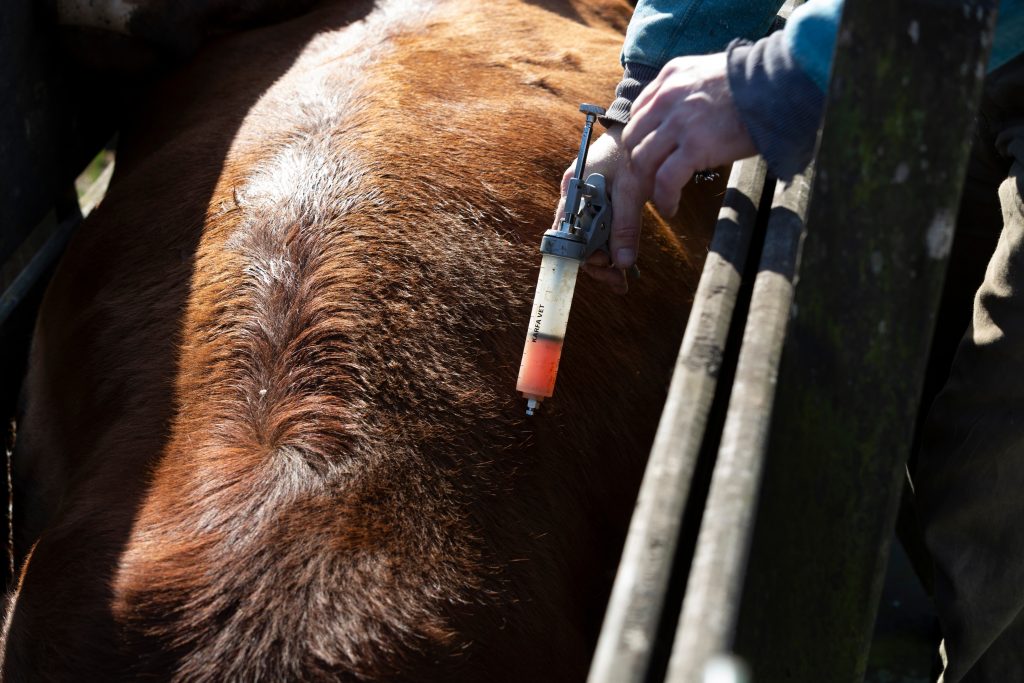
Mark Johnson, Oklahoma State University Extension Beef Cattle Breeding Specialist, offers herd health advice as part of the weekly series known as the "Cow Calf Corner," published electronically by Dr. Derrell Peel, Johnson, and Paul Beck. Today, Johnson discusses needle selection for vaccinating cattle.
When selecting a needle, choose one that is sharp, durable and detectable. It should be standard practice to avoid contaminated, burred, bent or broken needles. To help combat the chances of a needle breaking, use a durable, specialized stainless-steel needle with a thick-walled cannula. Change needles as frequently as necessary to guarantee needles remain sharp. If you are managing any blood-borne pathogens in your herd, such as anaplasmosis or bovine leukosis, it is necessary to replace the needle after each animal. Detectable needles offer the benefit of being easily identified and found by the metal detection systems within beef processing plants. The only 100% detectable needle is made of a specialized, highly ferritic, stainless-steel alloy.
Read product labels to determine the appropriate route of administration, whether it is subcutaneous (sub-Q) or intramuscular (IM). Next, determine the weight of the animal, not only for proper dosage, but also for selection of the appropriate needle. The route of administration determines the length of the needle, while the size of the animal determines the gauge, or diameter, of the needle. Viscosity of the product is another factor in the selection of the proper gauge. Lighter calves require a smaller-diameter needle, whereas heavier animals require a larger-diameter needle. It is important to note that as the gauge increases, the diameter decreases. There can be implications to selecting the wrong needle. It is critically important to use a needle of the correct length to ensure it enters the correct tissue. When this fails absorption of the product can be altered, resulting in failed efficacy. Furthermore, when treating young, light weight calves, if the needle is too long, there is potential to strike a bone or a nerve.
The chart below can help in deciding the needle gauge and length required.
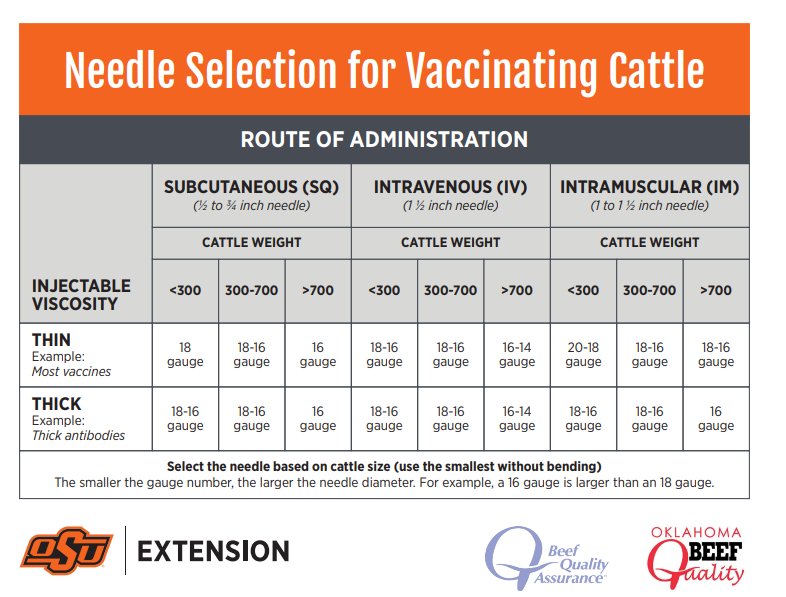
Reference: https://extension.okstate.edu/programs/beef-extension/oklahoma-beef-quality-assurance/site-files/documents/cattle-vaccination-needle-selection.pdf
Dr. Rosslyn Biggs, DVM, OSU Extension beef cattle specialist, takes an in-depth look at handling and administering vaccines on SunUpTV from January 22, 2022. https://www.youtube.com/watch?v=gKfw-DXs4ss&t=51s.
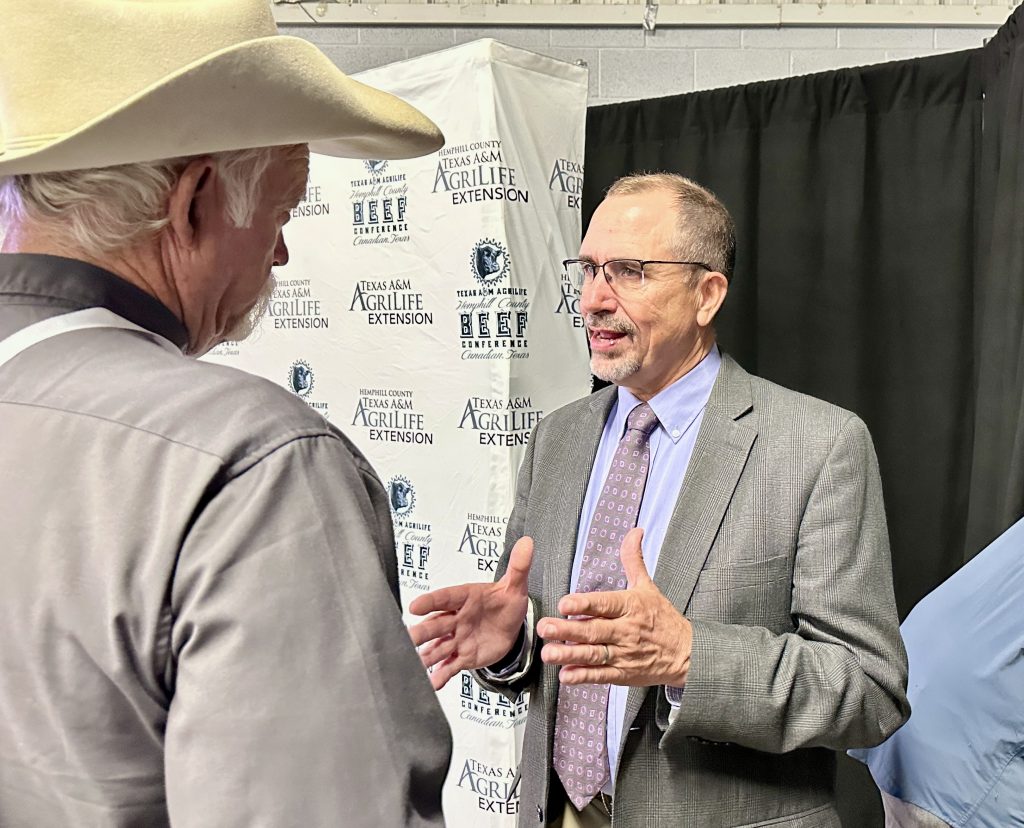
Senior Farm and Ranch Broadcaster, Ron Hays, had the chance to speak with the operator of the Ashland Veterinary Center, Dr. Randall Spare, at the recent Hemphill County Beef Conference in Canadian, Texas. They discussed the importance of maintaining a high-quality product for beef consumers.
Hays pointed out a statement that Dr. Spare made during his presentation at the event titled "The Value of Artificial Insemination to a Commercial Cowherd," in which Dr. Spare insisted that all beef producers are involved in the food production business. Such a statement might have been considered controversial in the past.
"As ranchers and cow calf producers, we are literally at the grass level and we are doing menial tasks every day, but when we are making genetic, health, or nutrition choices, we need to understand that somebody is going to buy our product. Somebody is going to eat that steak, and we want them to have the very best experience," Dr. Spare compelled.
He emphasized the importance of ensuring that consumers enjoy their beef-eating experiences so that they will be willing to pay its higher price over and over again.
Utilizing the genomic information available today, producers can better understand the commercial cattle in their pastures and measure their value to the beef industry.
"Some of them might not be good, but the important thing is that we know," he underscored. "We've got to know what is in our pasture, know what we are producing, and be able to objectively describe that to someone else."
He highlighted the importance of teaching others how to succeed with genomics and considering the success of the next person down the line who buys a producer's cattle, whether it be a stocker operator, a feedyard, or a consumer. "If we can describe those cattle to them before they buy them, we are going to realize their fullest value," he insisted. "We have a tremendous opportunity today. There is a tremendous amount of money in our product, and we need to take advantage of that and invest it back in ourselves right now."
He discussed how genomic testing can help previously unknowing producers understand what is underneath the hide of their cattle before they are harvested, and underlined the importance of purchasing good, tested bulls.
"We need to find the bull that does the best for us today," he said. "A lot of these Angus bulls in 2025 are bringing ten to twelve thousand dollars, and that is a tremendous investment, but at the same time, we have fed cattle that are bringing thirty-eight to four thousand dollars. It doesn't take us too long to pay for that bull. The more we make investments in those cattle while they are still on the cows, the more likely we are to realize that investment, the longer we own those animals. If our equity allows us to own them until harvest time, we are going to get that full investment out."
The Beef Buzz is a regular feature heard on radio stations around the region on the Radio Oklahoma Ag Network and is a regular audio feature found on this website as well. Click on the LISTEN BAR at the top of the story for today's show and check out our archives for older Beef Buzz shows covering the gamut of the beef cattle industry today.

Registration is now open for the 42nd Annual SouthEast Agricultural Lenders School (SEALS) as the agricultural sector navigates economic variability and complex market forces. Scheduled for May 20-22, 2025, at the SC Water Resources Center on Clemson University's campus, this program offers insights under the theme, "The Art & Science of Ag Lending." Limited seating available. Register: https://bit.ly/SEALS42
For over four decades, SEALS has served as an educational resource for professionals supporting agricultural financial health. The three-day program provides a forum for information sharing and hands-on application designed for today's demanding environment.
Leading the sessions are three recognized experts:
Scott Mickey, SEALS Director and Extension Associate at Clemson University: Brings experience in farm financial management and transition planning relevant to the Southeast region. "SEALS blends proven financial principles with nuanced understanding of individual operations," says Mickey. "Our goal is to empower attendees with confidence to guide clients toward sustainable success."
Dr. Dave Kohl, Professor Emeritus at Virginia Tech: A renowned speaker and author, brings a dynamic perspective on global economic trends, strategic business planning, and the crucial 'human element' in agricultural finance. Dr. Kohl will share pragmatic strategies for lenders and their customers to build resilience and maintain a forward-looking mindset.
Dr. Steve Isaacs, Professor at the University of Kentucky: offers deep expertise in farm management, financial analysis, and risk management, connecting economic principles directly to on-farm decisions. Dr. Isaacs will enhance participants' problem-solving approaches for immediate application.
Key topics include:
SEALS is designed for a diverse audience including: Agricultural Lenders seeking advanced skills; Bankers and Financial Advisors needing updated industry knowledge; Agricultural Consultants; Farm Managers and Owners; Economic Development Professionals; and Community Leaders focused on fostering agricultural resilience.
The school returns to Clemson University's main campus at the SC Water Resources Center (509 Westinghouse Rd, Pendleton, SC 29670). A welcome reception will be held on May 19, 2025, providing networking opportunities before sessions begin.
Registration costs range from $775 to $925. Register now to secure your place: https://bit.ly/SEALS42
For Program Inquiries: Contact Scott Mickey at smickey@clemson.edu or 803-418-9391.
About SouthEast Agricultural Lenders School (SEALS)
The SouthEast Agricultural Lenders School is an annual professional development program providing education for professionals in agricultural finance. For 42 years, SEALS has equipped attendees with knowledge, skills, and networking opportunities to effectively serve the agricultural industry throughout the Southeast. The program is hosted by Clemson University Extension.
RON's Dave Lanning has a pre-opening look at today's agricultural Markets.
Click the audio tab below for today's report.
RON's Jacquelyn Farris reports from the State Capitol

The Oklahoma House Democratic Caucus conducted elections for leadership members for the 61st Legislature.
"I am deeply proud of the Oklahoma House Democratic Caucus for committing themselves to doing the hard work for all Oklahomans every day and I look forward to that work continuing with this upcoming group of compassionate and capable leaders," said House Democratic Leader Cyndi Munson, D-Oklahoma City. "I trust that they will work to ensure a state government that works for and serves all Oklahomans, just as they have as members of this caucus. Oklahoma House Democrats remain focused on legislation we know will help everyday Oklahomans and solve the problems they face and we are committed to pushing back on legislation we know will not. Congratulations to Leader-elect Provenzano, Caucus Chair-elect Deck, and Vice Chair-elect Hefner!"
The incoming Leadership team issued the following statement:
"We look forward to telling the story of what it means to be an Oklahoma Democrat. Here in Oklahoma, Democrats believe: living should cost less between paychecks, every child deserves a free, quality public education, and that we all have the best chance of success when we're healthy and have access to the care we need. Finally, we believe Oklahomans should retire comfortably at the time that is right for us."
The House Democratic Caucus voted Rep. Melissa Provenzano, D-Tulsa, as the Leader-elect.
"Oklahomans are practical, independent and strong," Provenzano said. "There's room for everyone here to build a life for themselves. Oklahomans deserve leaders focused on making that possible."
Rep. Jared Deck, D-Norman, was voted as the Caucus Chair-elect.
"As the next Caucus Chair, I'm committed to the development of our team as we work to address the tangible needs of working families and inspire the next generation of public servants," said Deck.
Rep. Ellyn Hefner, D-Oklahoma City, was voted as the Caucus Vice Chair-elect.
"Together, we can create a path forward that puts people first and moves Oklahoma toward a more hopeful future," Hefner said.
House Democratic Leader Rep. Cyndi Munson, D-Oklahoma City, Democratic Caucus Chairwoman Rep. Trish Ranson, D-Stillwater, and Caucus Vice Chairman Rep. John Waldron, D-Tulsa, will remain in their leadership positions until November 3, 2026.
Rep. Provenzano, Rep. Deck, and Rep. Hefner will assume their leadership positions on November 4, 2026.
Winter Wheat headed reached 39 percent, down 2 points from the previous year but up 6 points from the average. Winter wheat conditions rated 51 percent good to excellent, 31 percent fair, and 18 percent poor to very poor. Last week's conditions rated 49 percent good to excellent, 32 percent fair, and 19 percent poor to very poor.
Corn planted reached 40 percent, up 5 percentage points from last year and up 1 point from the five-year average. Corn emerged reached 11 percent, equal to a year ago, but up 2 points from the five-year average. No corn conditions were provided.
Soybeans planted reached 30 percent, up 6 percentage point from a year ago and 7 points from the five-year average. Soybeans emerged reached 7 percent, down 1 point from a year ago, but up 2 from the five-year average. No soybean conditions were provided.
Cotton planted reached 21 percent, up 2 percentage points from a year ago and 1 point from the five-year average. No cotton conditions were provided.
Sorghum planted reached 23 percent, up 1 point from a year ago and the five-year average. No sorghum conditions were provided.
Winter wheat jointing reached 96 percent, with no data regarding last year or the five-year average. Winter wheat headed reached 60 percent, down 4 points from a year ago and 3 points from the five-year average. Conditions were rated 48 percent good to excellent, 35 percent fair, and 17 percent poor to very poor. Last week's conditions rated 44 percent good to excellent, 37 percent fair, and 19 percent poor to very poor.
Corn planted reached 45 percent, down 4 points from a year ago but up 4 points from the five-year average. Corn emerged reached 19 percent, down 10 points from last year but equal to the five-year average. No corn conditions were provided.
Sorghum planted reached 45 percent, down 4 points from a year ago, but up 4 points from the five-year average. No sorghum conditions were provided.
Soybeans planted reached 15 percent, up 11 points from a year ago and 4 points from the five-year average. No soybean conditions were provided.
Livestock conditions rated 64 percent good to excellent, 29 percent fair, and 7 percent poor to very poor. Last week's conditions rated 56 percent good to excellent, 35 percent fair, and 9 percent poor to very poor.
Pasture and range conditions rated 45 percent good to excellent, 38 percent fair, and 17 percent poor to very poor. Last week's conditions rated 41 percent good to excellent, 37 percent fair, and 22 percent poor to very poor.
Winter wheat headed reached 45 percent, down 6 percentage points from a year ago, but up 19 points from the five-year average. Winter wheat conditions rated 47 percent good to excellent, 33 percent fair, and 20 percent poor to very poor. Last week's conditions rated 47 percent good to excellent, 36 percent fair, and 17 percent poor to very poor.
Corn planted reached 50 percent, up 1 percentage point from last year, and up 6 points from the five-year average. Corn emerged reached 24 percent, down 3 points from a year ago, but up 6 points from the five-year average. No corn conditions were provided.
Soybeans planted reached 23 percent, up 2 points from a year ago and 6 points from the five-year average. Soybeans emerged reached 3 percent, down 1 point from a year ago but up 1 point from the five-year average. No soybean conditions were provided.
Cotton planted reached 4 percent, down 1 point from the five-year average. No cotton conditions were provided.
Sorghum planted reached 4 percent, equal to a year ago but up 2 from the five-year average. No sorghum conditions were provided.
Winter wheat headed reached 78 percent, up 5 percentage points from the previous year and 5 points from the five-year average. Winter wheat conditions rated 32 percent good to excellent, 38 percent fair, and 30 percent poor to very poor. Last week's conditions rated 31 percent good to excellent, 36 percent fair, and 33 percent poor to very poor.
Corn planted reached 78 percent, up 3 points from the previous year and 4 points from the five-year average. Corn emerged reached 70 percent, up 4 points from the previous year and 8 points from the five-year average. Corn silked reached 5 percent, up 1 point from the previous year and 3 points from the five-year average. Corn conditions rated 58 percent good to excellent, 38 percent fair, and 4 percent poor to very poor. Last week's conditions rated 38 percent good to excellent, 54 percent fair, and 8 percent poor to very poor.
Cotton planted reached 25 percent, up 2 percentage points from last year and 3 points from the five-year average. No cotton condition ratings were provided.
Sorghum planted reached 70 percent, equal to the previous year and up 1 percentage point from the five-year average. Sorghum emerged reached 55 percent, up 47 points from the previous year and 49 points from the five-year average. No sorghum condition ratings were provided.
Soybeans planted reached 30 percent, up 21 percentage points from the previous year but down 3 points from the five-year average. Soybeans emerged reached 15 percent, up 6 points from the previous year, but down 18 points from the five-year average. No soybean conditions were provided.
Range and pasture conditions rated 32 percent good to excellent, 39 percent fair, and 25 percent poor to very poor. Last week's conditions rated 24 percent good to excellent, 34 percent fair, and 42 percent poor to very poor.
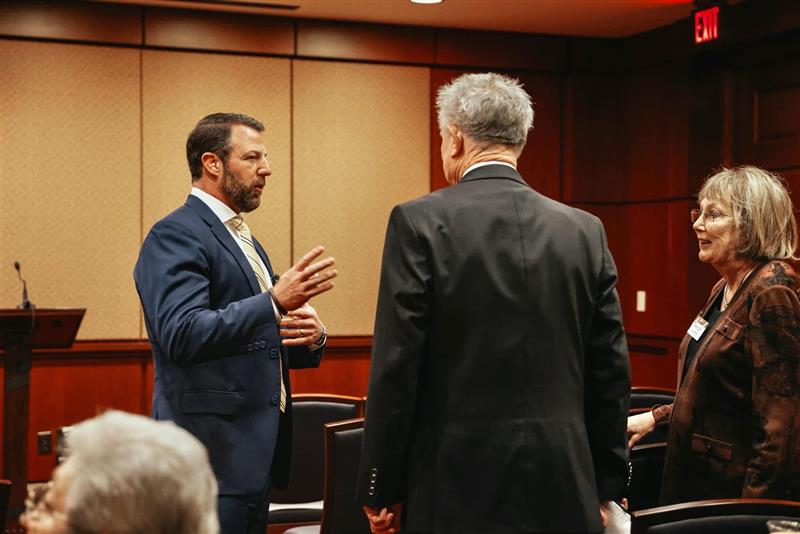
While attending the Washington Watch, KC Sheperd had the opportunity to sit down with Oklahoma Senator Markwayne Mullin in his D.C. office to discuss the plethora of legislative issues impacting agriculture today.
"The biggest thing that we work with here in D.C. is building relationships," he said. "Our unofficial, but official job is being the liaison between the House and the White House and the Senate."
He explained that his relationship with Speaker Johnson, President Trump, and Senate Majority Leader Thune allows him a unique opportunity to make sure legislation that needs to get through gets through, and to make sure legislation that doesn't gets stopped.
"When you start talking about reconciliation and delivering the president's promises, there are unique differences between how the House operates and how the Senate operates," he detailed. "We have to work together because we want to deliver for the president, and then the president has his priorities too. He had eight priorities listed, now he has thirteen. To try to get that through reconciliation and to get the cuts that the American people want and we want is difficult, so dealing with all of those issues keeps me hopping – usually about eighteen to twenty hours per day."
According to Mullin, the president regularly puts in 21 hours a day, so he strives to match that effort as closely as possible. "I don't know when the guy sleeps!" Mullin said. "So, he makes us work at the same pace because I don't want this guy to outwork me. I've always said I'll never let a man outwork me, but I think President Trump just might do that."
Sheperd brought up the concerns of Oklahoma producers regarding DOGE cuts to USDA programs, and specifically things like NASS reports, ag mediation, FSA offices, and OSU extension programs.
Senator Mullin replied, "We have to reorganize the way we are doing it. Too many of our farmers are dependent on the government at this point. If you look at any farmer out there, they just want to be left alone, but we have too many regulations, too much red tape, and too many people going onto their farms trying to tell them how to farm."
He emphasized the size of the ag department building and the thousands of employees who man it and questioned how many of them have ever been involved with any aspect of farming, yet are charged with making decisions for the nation's agricultural industry.
"Since it is so big, the best way we can get a handle on it is to say, 'Let's quit what we are doing – that is the definition of insanity - and restructure it all,'" he stated. "Overall, the idea is to make our farmers and our farms healthy, strong, and financially stable again, but we need to get the waste out of the way and focus on the product and the farmer himself."
About budget reconciliation and the likelihood of a farm bill, Mullin was positive, saying that progress is being made on the farm bill. "Both House and Senate Ag Committees are working, but we're three-quarters of a mile away, and that's three-quarters of a mile in Eastern Oklahoma, not Western Oklahoma!" he said with a laugh. "It takes a little bit longer."
He pointed out how important it is to the Ag Committees to deliver a farm bill, but clarified the biggest hindrance lies in the relatively small size of the agricultural language as compared to the overwhelming size of the subsidies related to everything other than farming that is being crammed into the farm bill.
"Every different kind of program you can imagine is being thrown into the farm bill," he clarified. "We are trying to shrink that side and make the farm bill more about farming. At the same time, we still have to have sixty votes to carry it across the finish line. That is the issue we are having. I think the House can deliver a stronger bill than we can at this point, and we have to figure out what we can pass over here in the Senate."
He highlighted that although the Senate may present the biggest hill for the bill to climb, it isn't because of Senate Majority Whip John Barrasso (R-Wyo.), but because seven votes are required from Democratic members, and not many of them are from red states that farm.
Sheperd mentioned Senator Mullin's unique relationship with President Trump and compelled him to share what he wants Oklahomans to know about their president. In addition to Trump's outstanding work ethic, Mullin said that he is "probably one of the funniest human beings you've ever been around." He said, "Privately, I'm telling you, the guy is hilarious."
Becoming more solemn, Mullin added, "The thing I like to talk about the most is the kids. We know a lot of very wealthy individuals who have zero relationships with their kids. Trump's kids love him. His grandkids love him. There is no barrier between him and his grandkids. I don't know how many times I've been in a meeting with him, and the grandkids come in and jump on his lap, but he is also that way with my kids. My sons look at the president like he is their friend, just like I look at him."
Mullin observes the same friend-to-friend relationship with everyone who knows President Trump on a personal level. "There is a reason why he is such an effective leader, just the media wouldn't portray him that way," he said. "The bias of the media will never be able to show the real personality of the president. What I think is important to rural Oklahoma is that we are a family state, and family is important. When someone truly cares for your kids, that means more to you than when anyone tries to be nice to you. He truly cares for my kids."
The Oklahoma House Veterans and Public Safety Caucuses cordially invite all Oklahomans to attend the third annual Oklahoma Memorial Trail Ruck-Off in Broken Arrow on Saturday, May 10. This year's ruck-off is named in honor of U.S. Army Infantry Major Clarence Oliver, a combat veteran of the Korean War who resides in Broken Arrow.
The ruck-off is a military-style march in which participants will carry a weighted ruck sack or backpack. The event aims to raise awareness about veteran issues, support military recruitment efforts and promote the Oklahoma Military Trails.
"I hope many Oklahomans will come out for this important event, whether they choose to march to bring attention to veteran issues, or whether they cheer on others or simply attend the closing ceremonies," said Ross Ford, R-Broken Arrow, chair of the Public Safety Caucus. "Our veterans have done so much to preserver our freedoms and keep our citizens safe. It will be an honor to recognize their efforts in this way."
Ford thanks the City of Broken Arrow, the Veterans & Public Safety Caucus, the Oklahoma Department of Veterans Affairs and Soldiers Wish for their partnership in organizing this event.
The march will begin at 7 a.m. at Veterans Park, 1111 S Main St. in Broken Arrow. Participants can choose between a four-mile or a twelve-mile route, with or without a 35-pound ruck. The closing ceremony is scheduled for noon behind the Veterans Center, 1117 S Main St.
Broken Arrow VFW Post 10887, 1117 S Main St., is having a pancake breakfast from 7:30 to10:30 a.m., come and go.
To register for the march, visit: 3rd Annual Oklahoma Memorial Trail Ruck-March on May 10th, 2025. If anyone has questions, they can call Rep. Ford at (405) 557-7347 or (918) 381-4777.
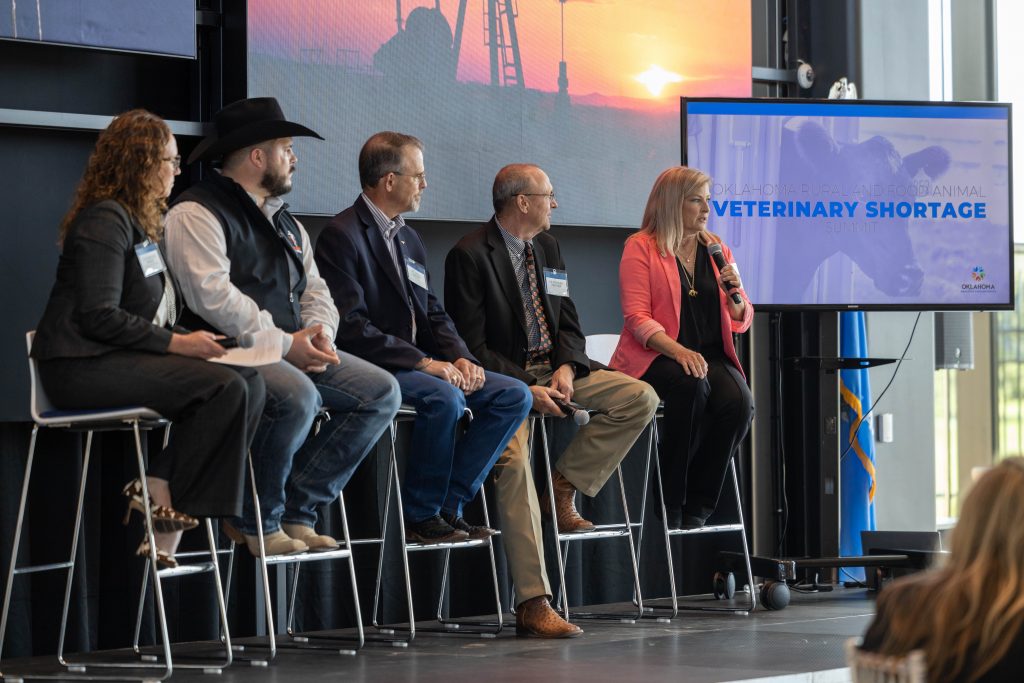
OSU President Dr. Jim Hess addresses attendees at the Oklahoma Rural and Food Animal Veterinary Shortage Summit.
Leaders from the veterinary industry and agriculture industry stakeholders recently gathered at the Oklahoma Rural and Food Animal Veterinary Shortage Summit to address the shortage of veterinarians in rural communities.
"The availability of large and food animal veterinarians in rural Oklahoma is a tremendous challenge," said Sec. of Agriculture Blayne Arthur. "This issue directly impacts livestock producers and the agriculture community, but this is important for all Oklahomans. Veterinarians play a vital role in producing protein for our growing population. I'm encouraged by the work that is being done to bring large animal veterinarians to rural Oklahoma and the many stakeholders who are committed to that goal."
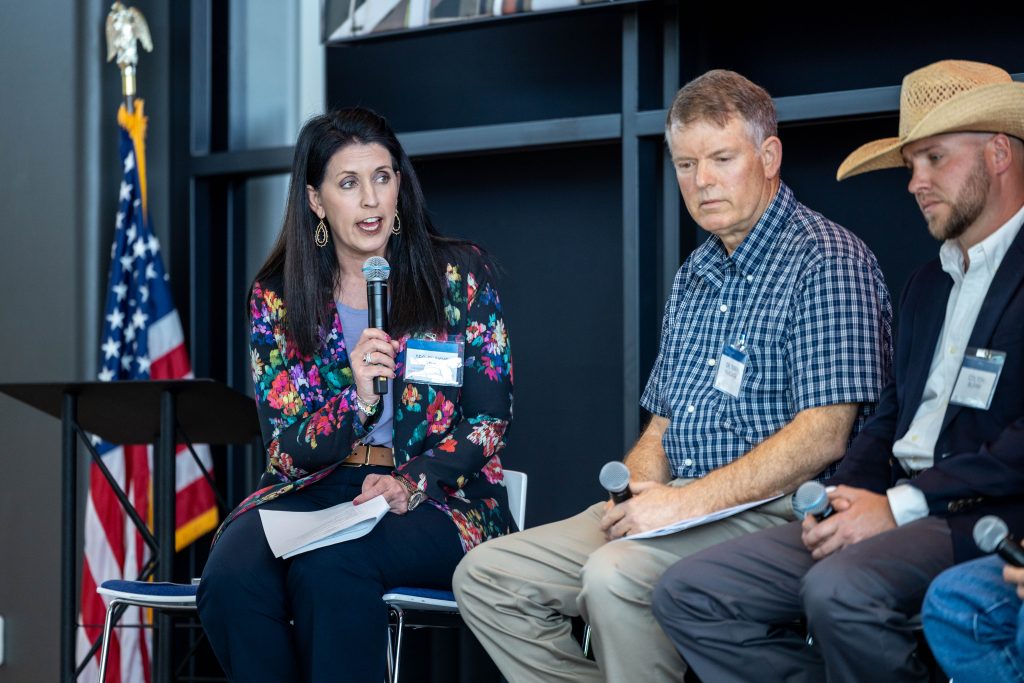
Hosted by the Oklahoma Department of Agriculture, Food and Forestry, the meeting featured expert panels and current resources aimed at creating a stronger, more vibrant veterinary workforce program that supports practitioners, farmers and rural economic development.
"Oklahoma must remain competitive when it comes to producing veterinarians and keeping Oklahoma students in Oklahoma," said OSU President Dr. Jim Hess. "This is about destiny and legacy. It's worth every single ounce of dedication, energy and resources."
The summit follows a partnership with the Farm Journal Foundation, which aims to address the shortage through research and collaboration.
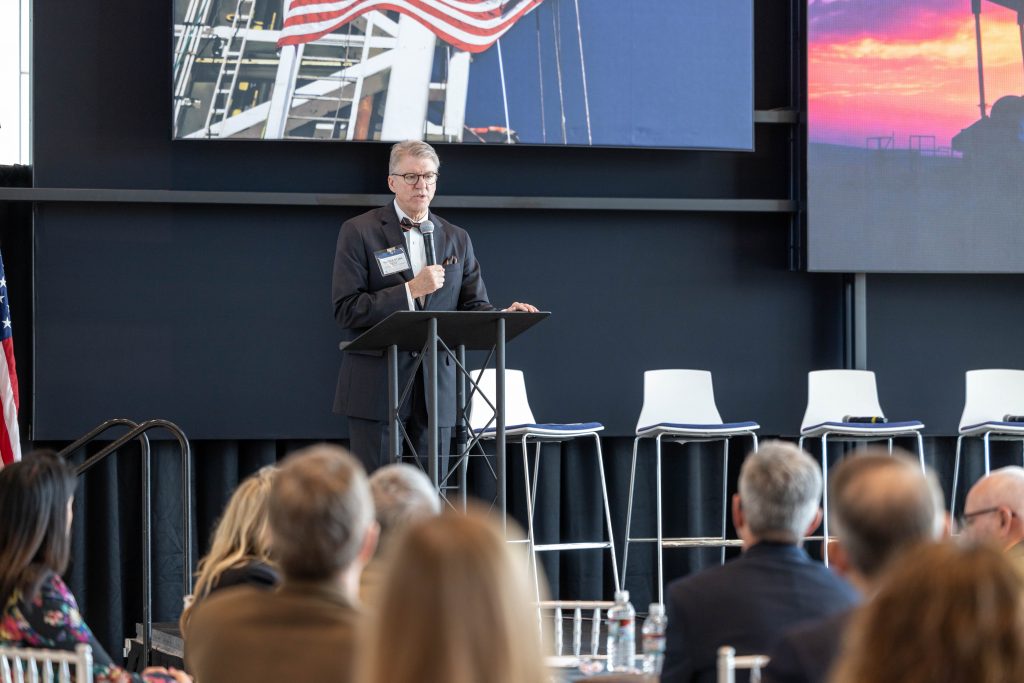
For more information, contact Kirsten Hollansworth at kirsten.hollansworth@ag.ok.gov.


- Increase in revenue of 53.2% over last month.
- Revenue total of $16.9B for the last 12 months a decrease of $11.4M, or 0.1%, over the last year.
- Year-over-year monthly comparisons show an overall increase of $58.4M or 3%.
- Three tax sources increased over the last month.
- Gross Production Tax of $606.6M, up 119%,
- Total Income Tax of $74.7M up 14.5%,
- Total Sales and Use Tax of $88M down 11.5%,
- Motor Vehicle Tax of $73.1M down 4.9% and
- Other Tax Sources of $148.8M up 29.1%.

The state's Business Conditions Index for March declined to a solid 53.6 from 56.1 in February. Components of the overall March index were: new orders at 55.5; production or sales at 53.6; delivery lead time at 54.6; inventories at 43.7; and employment at 60.5. According to ITA data, the Oklahoma economy began the year with $525.0 million in manufacturing exports, compared to $499.0 million for the same period in 2024, for a 5.2% gain.

Formally known as the Gross Receipts Report, this report is a timely, broad view of the state's economy and releases in conjunction with the General Revenue Fund report. Providing information to state agencies for budgetary planning purposes, the General Revenue Fund acts as the state's main operating account and receives a portion of the state's gross receipts as well as state, city and county funds.

12-Month Period End Comparison
Gross receipts total $16.9 billion, down $11.4 million or 0.1 percent.

Monthly Comparison
Gross receipts total $2.02 billion, up $58.4 million or 3.0 percent for April 2025 vs. 2024.

Month-Over-Month Comparison
Gross receipts total $2.02 billion, up $699.6 million or 53.2 percent from last month.
View full PDF report below.
U.S. agricultural groups and businesses interested in securing federal support for international trade promotion in Fiscal Year (FY) 2026 have a limited time to apply. The U.S. Department of Agriculture's (USDA) Foreign Agricultural Service (FAS) has officially opened the application period for its suite of agricultural trade promotion programs.
According to a recent USDA report, applications for FY 2026 funding are now being accepted for four key programs:
Mark Slupek, Acting Associate Administrator for FAS, confirmed that the application window is open for all four initiatives. The deadline for interested parties to submit their applications is Thursday, June 6, 2025.
Eligibility requirements vary slightly depending on the program. The Market Access Program (MAP), which receives $200 million annually through the Farm Bill, is available to non-profit U.S. agricultural trade organizations, state regional trade groups, U.S. agricultural cooperatives, and state agencies. Slupek noted that MAP funding is also accessible for small companies. "A small company that's interested in participating in the Market Access Program should reach out to us at the Foreign Agricultural Service so we can connect you to the appropriate participant," he advised.
The Foreign Market Development (FMD) Cooperator Program targets non-profit U.S. agricultural trade organizations focused on promoting the export of U.S. agricultural commodities.
For both the Emerging Markets Program (EMP) and the Technical Assistance for Specialty Crops (TASC) program, eligibility extends to all United States private or government entities that demonstrate a role or interest in exporting U.S. agricultural commodities or products. TASC funding, however, is specifically focused on addressing technical barriers related to exporting U.S. specialty crops.
Combined, the FMD, TASC, and EMP programs represent approximately $50 million in annual available funding.
These public-private partnerships play a crucial role in supporting the export of a diverse range of American agricultural products, from bulk commodities to specialty crops and value-added goods. They play a crucial role in helping U.S. exporters maintain existing international markets and capitalize on new opportunities, particularly in emerging regions worldwide.
Interested groups seeking more information or wishing to apply should visit the FAS website at www.fas.usda.gov or contact FAS staff directly. Remember, the deadline to apply for FY 2026 funding is June 6, 2025.

Join us for an insightful webinar where we delve into the economic benefits of effective grazing management. Discover how strategic grazing practices can transform your agricultural operations, boost productivity, and enhance profitability. Gain valuable knowledge from Dr. Jason Sawyer, East Foundation, and Steve Wooten, Beatty Canyon Ranch, who will share their experiences and success stories in implementing effective grazing strategies. This webinar offers practical advice and innovative solutions to help you achieve economic success. Don't miss this opportunity to enhance your grazing management skills and drive your business forward!
Two national ramen noodle chains in Japan are now using underutilized U.S. pork cuts in popular dishes, thanks to product development efforts led by the U.S. Meat Export Federation (USMEF) and funded through support from the National Pork Board and USDA.
USMEF President and CEO Dan Halstrom explains that Ramen Kagetsu, a chain of 250 stores across Japan, was looking for a less-expensive but high-quality alternative to the European sheet belly they had been using for a Cantonese-style barbecued pork dish. USMEF Japan staff worked with the foodservice retailer to test options and identify the U.S. pork false lean as a prime alternative.
The false lean is an underutilized subcutaneous muscle imbedded in the fat overlying the shoulder end of the loin. Ramen Kagetsu projects utilizing 40 metric tons of the product each month.
A second ramen chain, Kairikiya, was similarly looking for an option to replace Mexican picnic for one its most popular menu items. The chain is now using U.S. pork cushion meat cut from the pork shoulder for all of its 160 restaurants. Kairikiya anticipates demand for the U.S. pork cushion to exceed 1,000 mt this year.
In both instances, USMEF staff in Japan worked with the restaurant chains' culinary staff to develop the best preparation methods for the new products, in order to maintain a quality dining experience.
For questions or to schedule an interview, please contact me or email Joe Schuele.
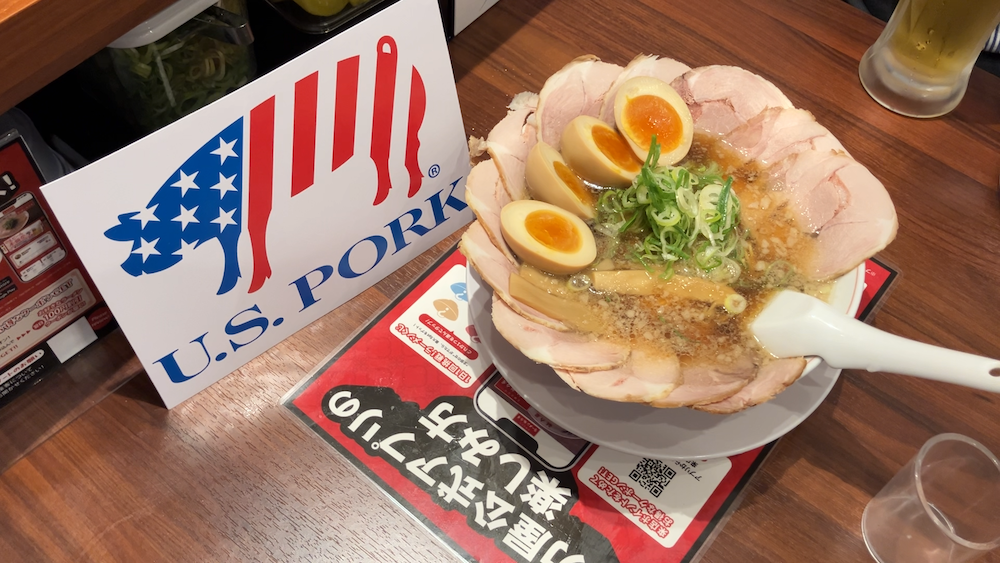
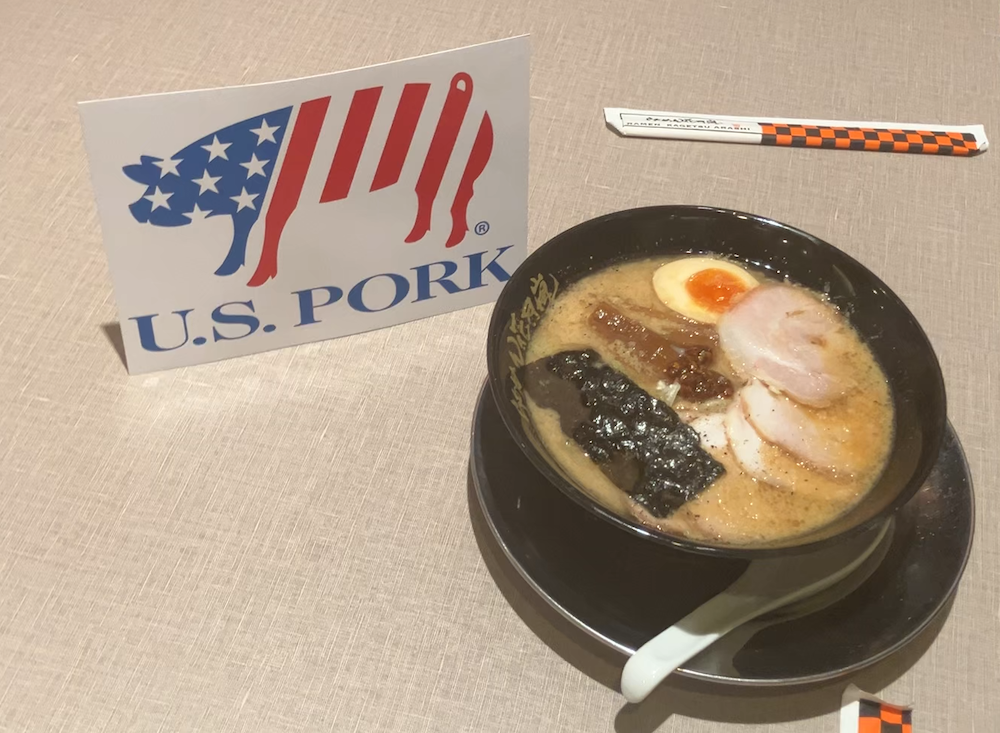
| |||||||||||||||||||||||||||||||||||||||||||||||||||||||||||||||||||||||||||||||||||||||||||||||||||||||||||||||||||||||||||||||||||||||||||||||||||||||||||||||||||||||||||||||||||||||||||||||||||||||||||||||||||||||
| |||||||||||||||||||||||||||||||||||||||||||||||||||||||||||||||||||||||||||||||||||||||||||||||||||||||||||||||||||||||||||||||||||||||||||||||||||||||||||||||||||||||||||||||||||||||||||||||||||||||||||||||||||||||
|
Study highlights record-breaking year for biodiesel and renewable diesel, with major economic gains across rural and agricultural communities.
A new study commissioned by Clean Fuels Alliance America shows the U.S. biomass-based diesel industry generated $42.4 billion in economic activity in 2024, supported 107,400 jobs and paid $6 billion in annual wages.
The study, "Economic Impact of Biodiesel on the U.S. Economy 2024," was conducted by GlobalData using actual 2024 data, including 5 billion gallons of domestic production. It evaluates direct, indirect and induced economic impacts and jobs across the entire value chain, from raw-material production, collection and processing to fuel production and distribution.
According to the report, nearly half of the total economic impact—$19.9 billion and 41,500 jobs—came from fuel production, while oilseed production supported 30,600 jobs and generated $15.3 billion in economic activity, delivering major benefits to soybean-growing states. Significant employment was also reported in oilseed processing (8,600 jobs) and rendering (12,700 jobs).
"The numbers don't lie; 2024 was a record-setting year for clean fuels, and the benefits reached deep into rural America," said Donnell Rehagen, CEO of Clean Fuels. "This study proves that biodiesel and renewable diesel not only lower carbon emissions but deliver real income and jobs, especially for soybean producers and the broader agricultural economy."
Looking ahead, the industry's continued growth could bring even greater returns to farmers, feedstock producers and fuel producers. The study also analyzes a near-future capacity scenario of 7.4 billion gallons, based on publicly announced investments in new or expanded facilities. At that level, the industry could support 145,700 jobs and contribute $60.25 billion annually to the U.S. economy, according to GlobalData.
Dr. Derrell Peel, Oklahoma State University Extension Livestock Marketing Specialist, offers his economic analysis of the beef cattle industry as part of the weekly series known as the "Cow Calf Corner," published electronically by Dr. Peel, Mark Johnson, and Paul Beck. Today, Dr. Peel explains why heifer retension prospects have improved.
Much of the Southern Plains received significant precipitation in April, providing a much-improved pasture, hay and pond water situation. In Oklahoma, five of nine climate divisions had either the first or second wettest period on record from April 4 – May 3, resulting in the second wettest period statewide. Figure 1 shows that, for the 30 days ending May 3, all of the state, with the exception of the three panhandle counties, received over 100 percent to over 600 percent of normal precipitation.
Figure 1.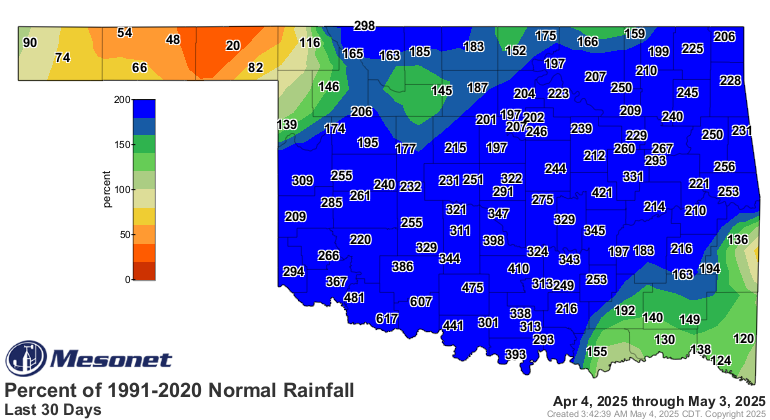 The immediate drought threat has been greatly reduced and has sparked more talk of heifer retention among producers and lenders. The April Cattle on Feed report showed that the number of heifers in feedlots had dropped and it appears that it will likely continue to drop in the coming months. The next quarterly check of heifers on feed will be in July, when a mid-year Cattle inventory report will also be available.
Increased heifer retention in 2025 can have two components. One form of heifer retention is unplanned (impulse) breeding of yearling heifers that were not noted as replacement heifers in the January 1 inventory . These heifers would have been counted as part of "other heifers". Historical data shows that an average of roughly 13 percent of other heifers is typically bred each year as part of the total bred beef heifer supply the following January. During the last herd expansion from 2014-2019, this percentage increased to over 18 percent, meaning that an additional 300-400 thousand head of heifers were diverted from the feeder supply to breeding for the cow herd. A slower pace is expected in 2025, but impulse heifers breeding is likely to increase this year.
Additionally, beef producers may increase retention of heifer calves in 2025. These would be generally available to breed in 2026 and enter the cow herd in 2027. Fall-born heifers that will be weaned in the next couple of months could be bred in late 2025 and calve in the fall of 2026. Both of these factors suggest that the Cattle report next January could show an increase in beef replacement heifers, consisting of more bred heifers to calve in 2026 and more heifer calves to be bred in 2026. Heifer retention may be starting but the pace appears to be relatively slow. Certainly much slower than the last herd expansion a decade ago.
If heifer retention is accelerating, the most immediate impact will be reduced feeder cattle supplies available for placement in feedlots. I would expect to see feedlot inventories declining more noticeably in the coming months. With a lag of five or six months, heifer slaughter may decrease more noticeably. The next few months may show the long-awaited evidence of heifer retention.
Derrell Peel, OSU Extension livestock marketing specialist, says cattle markets remain strong, and recent rainfall is a factor, though trade uncertainty could lead to volatility on SunUpTV from May 3,2025 at https://www.youtube.com/watch?v=GX6NIcMYDeQ&list=PLglOSpV-TcadvUT94k2ZDaOvQF9BRvTGs&index=1
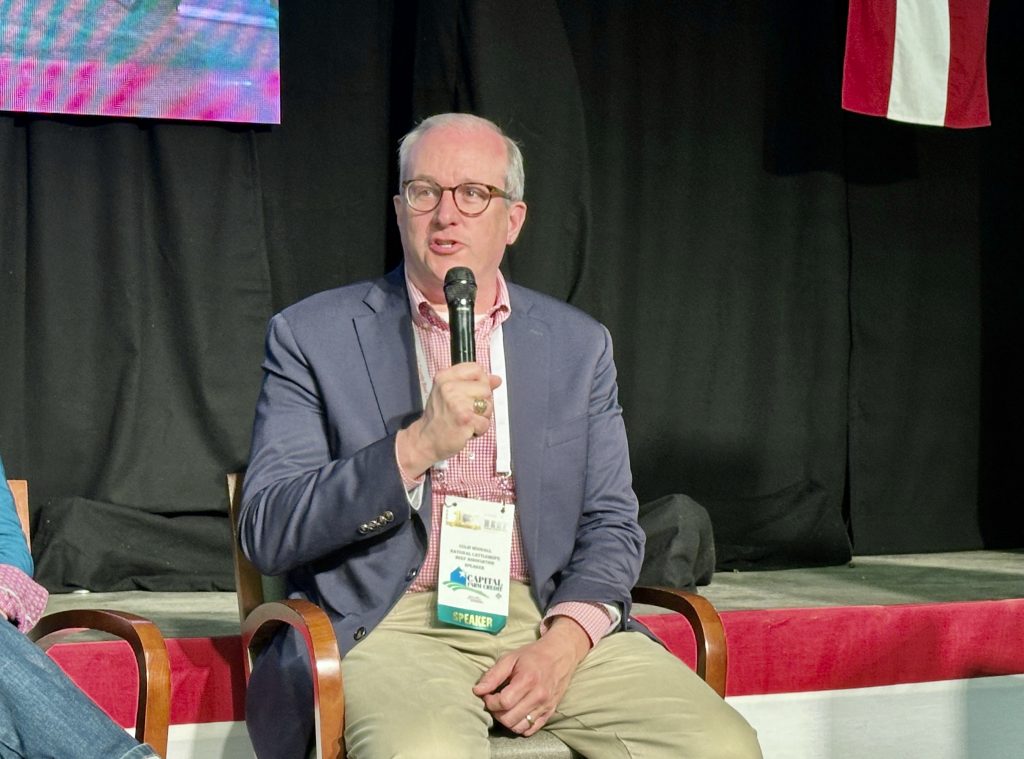
At the Hemphill County Beef Conference in Canadian, Texas, Senior Farm and Ranch Broadcaster Ron Hays had the chance to talk with National Cattlemen's Beef Association CEO Colin Woodall, who was speaking at the conference. Last week, the two men discussed the critical leadership of Secretary Rollins in the battle against the New World Screwworm. In today's BeefBuzz, they are discussing the impacts of tariffs on the beef industry.
Woodall explained that the trade war caused a halt to trade with China, previously a top market for U.S. beef, among other things. "We believe in trade, but we also believe in fair trade," Woodall said. "That's what the president is trying to do with these tariffs."
He described issues with other countries that are not conducting trade fairly. Some examples he listed were the United Kingdom, the European Union, Thailand, and Vietnam. He insisted that each of those countries enjoys access to the U.S. but doesn't reciprocate by allowing access to their markets.
"We are very supportive of the way the president is using tariffs as a tool to try to fix all of this," Woodall stated. "We believe that we need to give the president some time to continue his efforts."
He underscored his trust in President Trump's and Ag Secretary Rollins's understanding of how the loss of trade with China, a billion dollar market due to the efforts of the first Trump administration, is affecting beef producers. He reminded listeners that discussions regarding China are much larger than beef, and compelled them to remain patient as the process works, but to continue to remind leaders of the impacts to the beef industry.
Australia is another big conversation regarding beef. "We have had a free trade agreement with Australia for over twenty years, but ever since BSE, we have been locked out of Australia, yet they have sold about thirty billion dollars' worth of beef into our country," Woodall emphasized. "We need to make sure they are taking our product, and right now, they are not. I believe that this effort is one that will help us try to rectify that situation."
The conversation turned to the elusive farm bill, and Woodall said, "It's very important because we are going to see a lot of those tax provisions start to expire at the end of 2025, including the death tax provisions that we are benefiting from. This is a priority of both the House and the Senate; it is a priority of the President, and I have full faith that we will get it done before any of those programs expire on us."
He admitted that making the bills permanent will be a hard lift, so he expects a ten-year extension to the provision. "It buys us some additional time," he said. "We just need some certainty. That's what we want before things start to expire at the end of this year."
Woodall acknowledged that the farm bill may have to be grouped in a reconciliation bill and that both chairmen are examining the possibility. "Everyone knows that we need a farm bill, but right now, it is hard to tell when that is going to happen," Woodall said.
The Beef Buzz is a regular feature heard on radio stations around the region on the Radio Oklahoma Ag Network and is a regular audio feature found on this website as well. Click on the LISTEN BAR at the top of the story for today's show and check out our archives for older Beef Buzz shows covering the gamut of the beef cattle industry today.
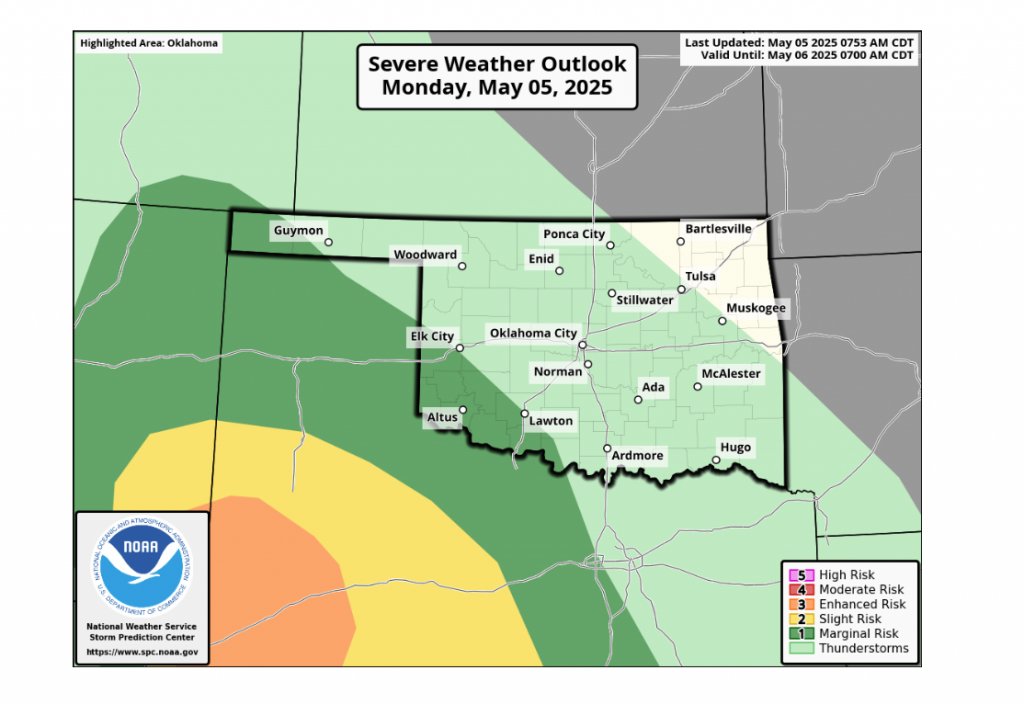
Oklahoma is bracing for another week of wet weather, with rain beginning tonight and continuing throughout the week. According to State Climatologist Gary McManus, while there's a chance for some strong-to-severe storms, Oklahomans shouldn't expect the kind of widespread, intense severe weather typically seen in May.
"We'll see chances for some strong-to-severe storms, but not big-time May severe weather like we've seen in the past," McManus stated. He also offered a seasonal outlook, suggesting a potential shift in weather patterns. "That's more like June than May, which probably means July will be more like June, and that's fine until September is like August, and even worse when October is like September."
The already saturated ground across the state has prompted concerns about flooding. "Given our saturated soils, we see yet another big flash flood watch across the SW two-thirds of the state, but really anywhere could see flooding," McManus cautioned.
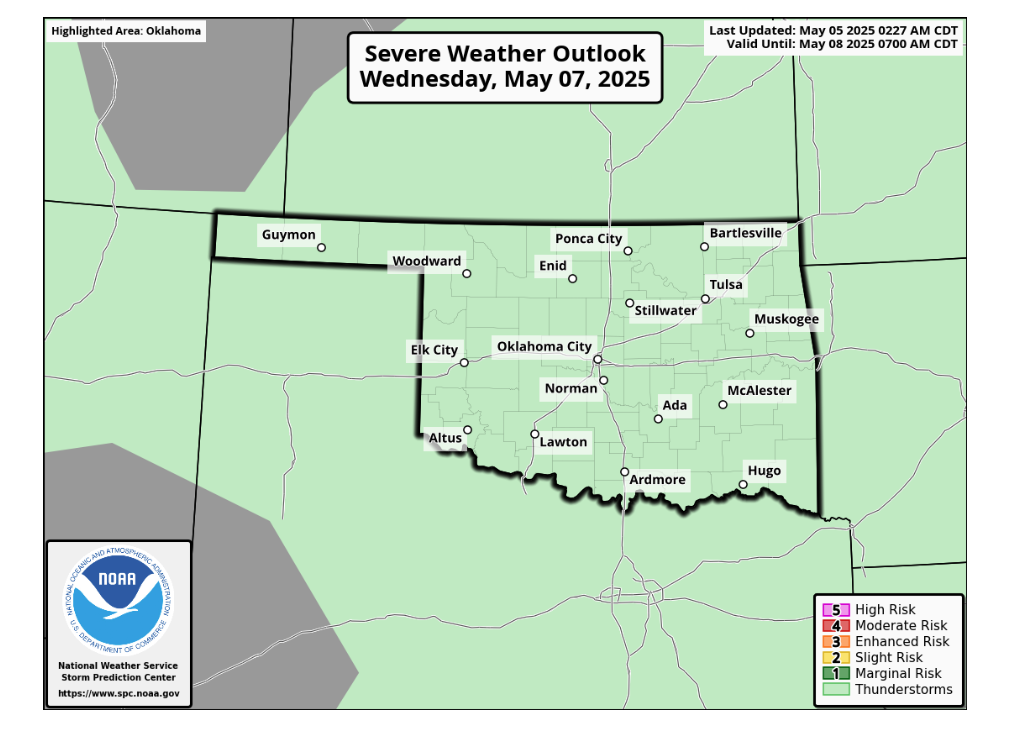
Interestingly, despite the recent record-breaking rainfall in April for Oklahoma, some parts of the state are still experiencing a deficit. "We really need those rains to hit up in the Panhandle and far NW OK, though, because believe it or not, and listen to me now but believe me later, they're still in deficit even after the wettest April on record for Oklahoma," McManus explained.
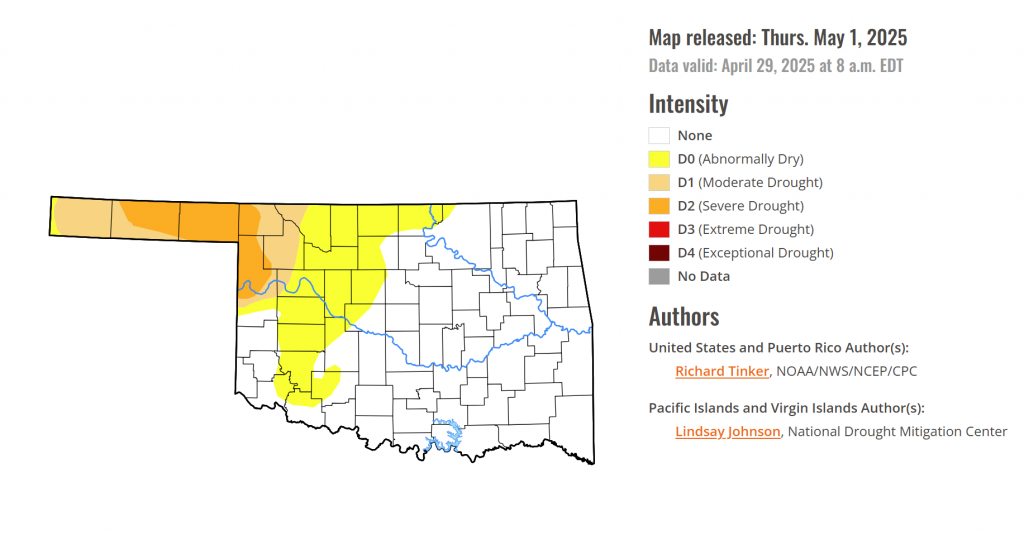
For those hoping for warmer temperatures, the forecast brings disappointing news. "Now, the saddest news of all I see no high temperatures above 80 degrees for the 7 days," McManus noted.
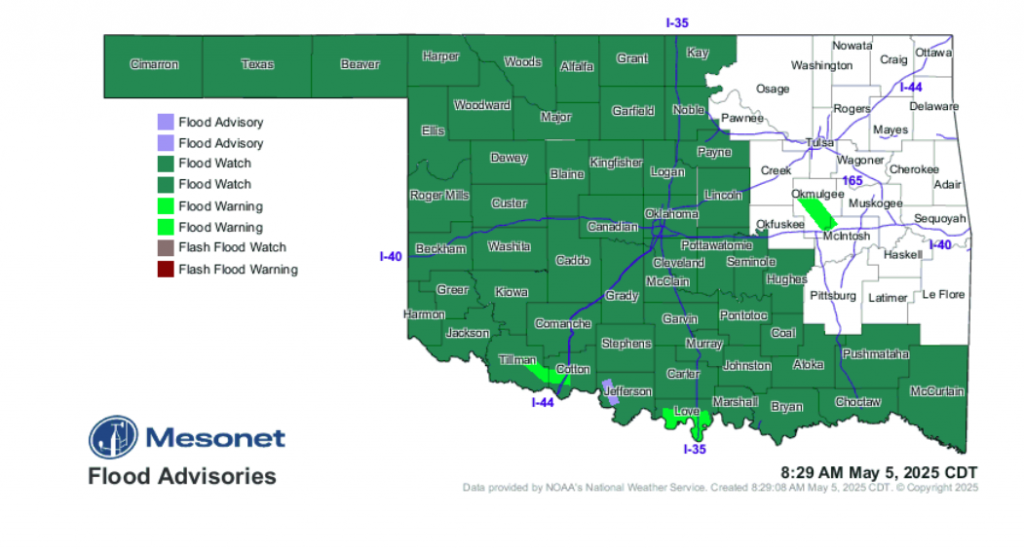
While the rain is welcome in the panhandle and northwestern regions, the cooler temperatures will likely persist for the next seven days.
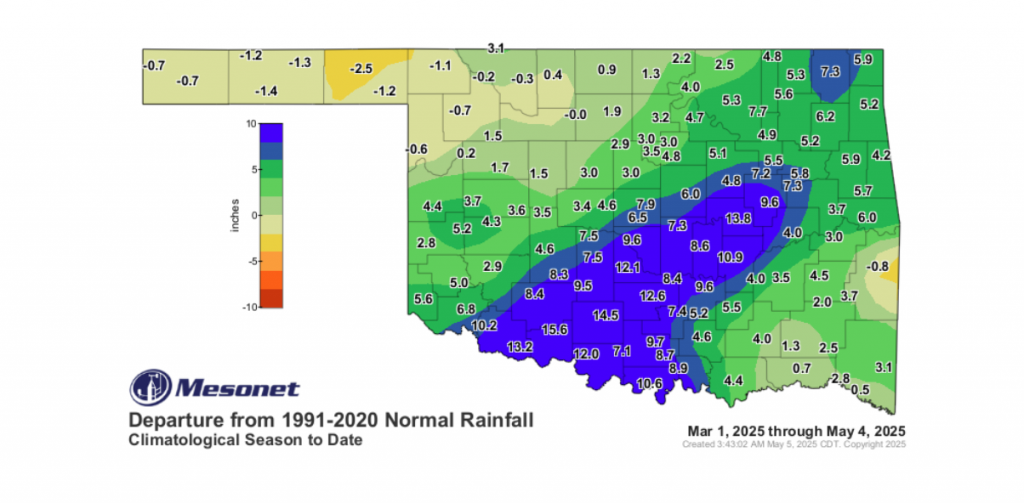
U.S. Secretary of Agriculture Brooke Rollins today announced the latest slate of presidential appointments for key Farm Service Agency (FSA) and Rural Development (RD) State Director roles.
"When America's farming communities prosper, the entire nation thrives. This new group of USDA appointees will ensure President Trump's America First agenda is a reality in rural areas across the country. I am grateful for the leadership of these new state directors and look forward to their work reorienting the agency to put Farmers First again," said Secretary Rollins.
FSA State Directors help implement President Trump's America First agenda and execute the U.S. Department of Agriculture's (USDA) policies in planning, organizing, and administering FSA programs through state offices across the country. RD State Directors help affirm the mission of the Trump Administration by focusing on finding ways to empower rural America and unleash economic prosperity.
Alaska
Eric A. Koan Appointed as State Director, Alaska Rural Development
Eric A. Koan serves as State Director for Rural Development in Alaska. Eric graduated from Michigan State University with an Agribusiness Management degree in 2002. Shortly thereafter, he was hired by USDA Rural Development, starting in Michigan and then transferring to Alaska.
Alabama
Monica Carroll Appointed as State Executive Director, Alabama Farm Service Agency
Monica Carroll and her family operate a diversified farm raising poultry and cattle, along with growing row crops. She previously served as Chairperson of the FSA State Committee during President Trump's first term. She is a board Member for the Alabama Resource Conservation and Development Council and serves on the Alabama Farmers Federation State Women's Leadership Committee.
Arizona
Sine Kerr Appointed as State Executive Director, Arizona Farm Service Agency
Sine Kerr serves as State Executive Director for the Farm Service Agency in Arizona. Prior to joining USDA, Sine was first appointed, then elected to the Arizona State Senate serving from 2018 to 2025. She was Chairwoman of the Natural Resources, Energy, and Water Committee, where she dedicated her time championing legislation for the betterment and protection of agriculture.
Lori Urban Appointed as State Director, Arizona Rural Development
Lori Urban serves as State Director for Rural Development in Arizona. Most recently, Lori served as Small Business Program Manager for Arizona Commerce Authority, assisting businesses across Arizona. Lori, originally from South Dakota, has made Arizona home for over 30 years.
Arkansas
David Branscum Appointed as State Director, Arkansas Rural Development
David Branscum serves as State Director for Rural Development in Arkansas. Most recently, David served as Director of Governmental Affairs at the Arkansas Department of Education. He previously served as Rural Development State Director during President Trump's first term and is a third-generation cattle rancher.
Ty Davis Appointed as State Executive Director, Arkansas Farm Service Agency
Ty Davis serves as State Executive Director for the Farm Service Agency in Arkansas. Ty previously served as the State Agriculture Liaison for Senator John Boozman and is a graduate of the University of Central Arkansas.
California
Bryan Anguiano Appointed as State Director, California Rural Development
Bryan Anguiano serves as State Director of Rural Development in California. Before being appointed to USDA, Bryan served as California State Director for the Republican National Committee and President Trump's campaign. During his tenure with the RNC, he oversaw the RNC's investment for four years and three elections cycles, including the 2022 midterms, 2024 presidential elections, and the California gubernatorial recall.
Connie Conway Appointed as State Executive Director, California Farm Service Agency
Connie Conway serves as State Executive Director of the Farm Service Agency in California, a role she held during President Trump's first term. She most recently served as chairman of the World Ag Expo, the largest annual outdoor agricultural exposition.
Colorado
Sallie Clark Appointed as State Director, Colorado Rural Development
Sallie Clark serves as the State Director for Rural Development in Colorado. Most recently, Sallie served as the Senior Advisor for Government & Military Engagement in the Mayor's Office of Community Affairs at the City of Colorado Springs, overseeing public policy, military engagement and the Sister Cities International program.
Jerry Sonnenberg Appointed as State Executive Director, Colorado Farm Service Agency
Jerry Sonnenberg serves as State Executive Director for the Farm Service Agency in Colorado. In 2022, Jerry was elected as a County Commissioner after 16 years of service in the Colorado legislature, eventually as President Pro Tem of the Senate. His background is as a fourth-generation farmer and rancher on his families Centennial Farm.
Delaware
Richard Wilkins Appointed as State Executive Director, Delaware Farm Service Agency
Richard Wilkins serves as State Executive Director for the Farm Service Agency in Delaware. A farmer from Greenwood, DE, he previously served as President of the American Soybean Association (ASA) in 2016 and as President of the Delaware Farm Bureau from 2018 to 2022. The Wilkins family produces soybeans, corn, wheat, and hay and maintains a 40 head cow-calf beef herd.
Florida
Marcinda Kester Appointed as State Executive Director, Florida Farm Service Agency
Marcinda Kester serves as the Florida State Executive Director for the USDA Farm Service Agency. Marcinda most recently served as the County Executive Director for Polk, Hillsborough, and Pinellas Counties in Florida. Prior to her role in Florida, she served as the Farm Programs Disaster Specialist and Farm Programs Chief for the Kentucky Farm Service Agency.
MaryAnn Pistilli Appointed as State Director, Florida and U.S. Virgin Islands Rural Development
MaryAnn Pistilli serves as State Director for Rural Development in Florida and the U.S. Virgin Islands. Her political background includes serving as the Florida State Director for the 2024 Trump presidential campaign and as Deputy State Director for the 2020 campaign.
Georgia
Duncan Johnson Appointed as State Executive Director, Georgia Farm Service Agency
Duncan Johnson serves as State Executive Director for the Farm Service Agency in Georgia. He most recently served as president of Johnson Consulting and Mediation, located in Augusta, Georgia. He has previously served as a trustee for Leadership Georgia and the Georgia Board of Physicians Workforce.
Illinois
Bill Graff Appointed as State Executive Director, Illinois Farm Service Agency
William Graff of Middletown, Illinois a lifelong farmer. This is his fourth appointment to the State Executive Director position. Previously he has served as a Volunteer Fireman, Township Supervisor, Township Trustee, and School Board member. He and his family are members of the Lincoln Christian Church.
Jesus Ortega Appointed as State Director, Illinois Rural Development
Jesus Ortega serves as State Director for Rural Development in Illinois. He holds Bachelor of Arts degrees in Political Science and International Studies from Loyola University Chicago. Born and raised in the land of Lincoln, Jesus believes it is an honor to serve rural Illinois.
Kansas
Gimmie Jo Jansonius Appointed as State Director, Kansas Rural Development
Gimmie Jo Jansonius serves as State Director for Rural Development in Kansas. A sixth-generation rancher actively involved in production agriculture, Mrs. Jansonius's family's business consists of a cow calf herd, small row crop farm, and direct beef sales enterprise where the seventh generation has also put down roots and returned home to rural America working in agriculture and healthcare.
David Schemm Appointed as State Executive Director, Kansas Farm Service Agency
David Schemm serves as State Executive Director for the Farm Service Agency in Kansas. David formerly served in this position during the first Trump Administration and has also served as Agricultural Advisor for US Senator Dr. Roger Marshall. David works with his wife, Lisa, and son, Clay on their Western Kansas farm.
Kentucky
Travis Burton Appointed as State Director, Kentucky Rural Development
Travis Burton serves as State Director for Rural Development in Kentucky. Most recently, Travis served as Associate Vice President of Government Affairs for the Kentucky Hospital Association, working with state leaders to improve rural healthcare in the Commonwealth. Travis resides in Garrard County with his wife, Lindsay, a kindergarten teacher, and their young children.
David A. Wayne Appointed as State Executive Director, Kentucky Farm Service Agency
David A. Wayne serves as State Executive Director for the Farm Service Agency in Kentucky. Most recently, David served as the FSA County Executive Director for the Taylor County Office in Kentucky. He owns and operates a beef cattle farm with his family in central Kentucky.
Louisiana
Craig McCain Appointed as State Executive Director, Louisiana Farm Service Agency
Craig McCain serves as State Executive Director for the Farm Service Agency in Louisiana. Craig served in this same capacity during President Trump's first term. He has devoted his entire working life to the Farm Service Agency and to the customers who depend on these services. In total he has nearly 37 years experience serving Louisiana's agriculture with the Farm Service Agency.
Massachusetts
Edward Davidian Appointed as State Executive Director, Massachusetts Farm Service Agency
Edward Davidian serves as State Executive Director for the Farm Service Agency in Massachusetts, a position he held during President Trump's first term. Ed and his family run a fruit and vegetable farm in central Massachusetts. He previously served as Massachusetts Farm Bureau Federation President along with serving many years in a leadership role within the organization.
Michigan
Joel Johnson Appointed as State Executive Director, Michigan Farm Service Agency
Joel Johnson serves as the State Executive Director for the Farm Service Agency in Michigan, a role he also fulfilled during President Trump's first term. He was most recently a Constituent Relations Representative in the office of Congressman John Moolenaar.
Minnesota
Kurt Blomgren Appointed as State Executive Director, Minnesota Farm Service Agency
Kurt Blomgren serves as State Executive Director for the Farm Service Agency in Minnesota. He is a fourth-generation family farmer from Butterfield, Minnesota, currently operating a diversified crop and livestock farm with his son Vance and family. In his local community, he is a volunteer firefighter, Sunday school teacher, and mentor to local urban youth with livestock projects at his farm.
Mississippi
Dane Maxwell Appointed as State Director, Mississippi Rural Development
Dane Maxwell serves as State Director for Rural Development in Mississippi. He is a U.S. Marine Corps veteran. He retired from law enforcement and is a successful businessman creating two successful national companies. He was elected as Mayor of his hometown of Pascagoula, Mississippi, and later elected Mississippi Public Service Commissioner serving the southern twenty-seven counties in Mississippi.
Chris McDonald Appointed as State Executive Director, Mississippi Farm Service Agency
Chris McDonald serves as State Executive Director for the Farm Service Agency in Mississippi. Most recently, Chris served as the Director of Federal and Environmental Affairs at the Mississippi Department of Agriculture and Commerce.
Missouri
Ben Baker Appointed as State Director, Missouri Rural Development
Ben Baker serves as State Director for Rural Development in Missouri. He is a former Missouri State Representative with a focus on government efficiency and public service. He lives in Neosho, Missouri, with his wife, Naomi, and their two daughters, living a life grounded in faith, family, and a relentless drive to serve his community.
Montana
Mike Foster Appointed as State Executive Director, Montana Farm Service Agency
Mike Foster serves as State Executive Director for the Farm Service Agency in Montana, a position he held during President Trump's first term. He was born and raised in Townsend, Montana, and currently lives in Bozeman where the FSA state office is located. He and his wife, Mary, a retired elementary teacher, have been married for nearly 46 years and have three grown children and three grandchildren.
Nebraska
Hilary Maricle Appointed as State Executive Director, Nebraska Farm Service Agency
Hilary Maricle serves as State Executive Director for the Farm Service Agency in Nebraska. Most recently, Hilary served as Deputy Director for the Nebraska Department of Agriculture. She and her family own and operate Maricle Family Farms.
Neil Moseman Appointed as State Director, Nebraska Rural Development
Neil serves as State Director for Rural Development in Nebraska. Most recently, Neil served as Agriculture and Energy Policy Director for U.S. Senator Deb Fischer. Neil is a fifth-generation Nebraskan and a U.S. Navy veteran.
Nevada
Alida Ceballos Appointed as State Director, Nevada Rural Development
Alida Ceballos serves as the State Director for Rural Development in Nevada. Most recently, Alida served as Nevada State Director of President Trump's 2024 campaign. Her previous roles include serving as Executive and Political Director of the Nevada Republican Party, and as the State Data Director for the 2020 Trump Victory campaign.
New Hampshire
Patrick Suprunowicz Appointed as State Director, New Hampshire and Vermont Rural Development
Patrick Suprunowicz serves as State Director for Rural Development in New Hampshire and Vermont. Raised in the White Mountains of New Hampshire, he comes from the private sector in property management group and residential services, where he led teams focused on improving housing quality and property management systems.
New York
Clark Putman Appointed as State Executive Director, New York Farm Service Agency
Clark Putman serves as State Executive Director for the Farm Service Agency in New York. Clark returns having previously served as the Farm Service Agency State Executive Director for New York from 2017 to 2021. Prior to this he worked as FSA County Executive Director for 29 years and also brings over 25 years of experience as a dairy producer.
North Carolina
Ron Garrett Appointed as State Executive Director, North Carolina Farm Service Agency
Ron Garrett serves as the State Executive Director for the Farm Service Agency in North Carolina. Most recently Ron served as a County Executive Director for FSA for over 33 years. Ron earned his Bachelor of Science degree in Agricultural Business Management from North Carolina State University.
Robert Hosford Appointed as State Director, North Carolina Rural Development
Robert Hosford serves as State Director for Rural Development in North Carolina, a position he held during President Trump's first term. In 2003 he was appointed the Chief of Staff for the USDA Farm Service Agency through 2009. After earning a B.S. from Mississippi State University, Hosford relocated to Washington D.C., as a part of the Government Affairs team for the National Cattlemen's Beef Association.
North Dakota
Tom Campbell Appointed as State Director, North Dakota Rural Development
Tom Campbell serves as State Director for Rural Development in North Dakota. Tom started Campbell Farms with his two brothers. Tom has been an entrepreneur involved with farming, real estate, and banking. He has served on various boards and committees and received a degree from NDSU. Tom has 6 grandchildren and values his Christian faith.
Brad Thykeson Appointed as State Executive Director, North Dakota Farm Service Agency
Brad Thykeson serves as State Executive Director for the Farm Service Agency in North Dakota, a position he held during President Trump's first term. He and his wife, Karla, are third-generation farmers, who farm corn, soybeans, wheat, and edible beans with his two sons and families in Steele, Barnes, and Traill counties in North Dakota.
Oregon
Jim Carmack Appointed as State Director, Oregon Rural Development
Jim Carmack serves as State Director for Rural Development in Oregon. Jim brings a wealth of financial expertise with a 30+ year career on Wall Street in capital markets and sales supervision with a strength in strategic planning. Jim has served in senior positions at investments banks, including Jefferies & Co. and Imperial Capital.
Pennsylvania
Michael Cabell Appointed as State Director, Pennsylvania Rural Development
Michael Cabell serves as the State Director for Rural Development in Pennsylvania. He previously served in the Pennsylvania House of Representatives, where he worked on issues impacting infrastructure, economic growth, and education in rural communities. Before his legislative service, Michael co-founded a multi-site behavioral healthcare company that serves communities across Pennsylvania.
South Carolina
Jacob French Appointed as State Director, South Carolina Rural Development
Jacob French serves as the State Director for Rural Development in South Carolina. He previously held positions in President Trump's first term, initially at the Office of Food Safety and later at U.S. Customs and Border Protection's Office of Trade Relations. Most recently, Jacob served as the Growth and Outreach Manager for Tyler Technologies in South Carolina.
W.R. "Cody" Simpson, III Appointed as State Executive Director, South Carolina Farm Service Agency
W.R. "Cody" Simpson, III, serves as State Executive Director for the Farm Service Agency in South Carolina. A fifth-generation South Carolina farmer, Simpson is a member of the National Governors Association's Land Management, Agriculture, Wildlife, and Rural Communities Advisory Network and the S.C. Forest Recovery Task Force. Simpson also serves as a major in the S.C. State Guard.
Tennessee
Patrick Jaynes Appointed as State Director, Tennessee Rural Development
Patrick Jaynes serves as State Director for Rural Development in Tennessee. As Senior Consultant for Nashville-based Jigsaw Consulting, Patrick engaged in local, state, and federal government relations. Prior to his work with Jigsaw, Patrick served for 18 years as Deputy Chief of Staff and State Director with U.S. Senator Lamar Alexander.
Mike Mayfield Appointed as State Executive Director, Tennessee Farm Service Agency
Mike Mayfield serves as the State Executive Director for the Farm Service Agency in Tennessee. Mike previously served in this position during President Trump's first term after spending 35 years as the County Director in Giles County, Tennessee. Mayfield owns and operates Mayfield Angus Farm with his family.
Utah
Stan Summers Appointed as State Director, Utah Rural Development
Stan Summers serves as State Director for Rural Development in Utah. Stan recently completed his third term as a County Commissioner for Box Elder County. During his time as a county commissioner Stan also served as President of the Utah Association of Counties, Chair of the Utah Association of County Commissioners and Councils, and Chair of Bear River Association of Governments.
Vermont
Patrick Suprunowicz Appointed as State Director, New Hampshire and Vermont Rural Development
Patrick Suprunowicz serves as State Director for Rural Development in New Hampshire and Vermont. Raised in the White Mountains of New Hampshire, he comes from the private sector in property management group and residential services, where he led teams focused on improving housing quality and property management systems.
Wendy Wilton Appointed as State Executive Director, Vermont Farm Service Agency
Wendy Wilton serves as State Executive Director for the Farm Service Agency in Vermont. Wendy formerly served as Vermont State Executive Director for FSA during President Trump's first term. Most recently she provided on-site financial consulting services and software support to Vermont municipalities with New England Municipal Resource Center.
Washington
Kirk Pearson Appointed as State Director, Washington Rural Development
Kirk Pearson serves as State Director for Rural Development in Washington, a position he held during President Trump's first term. Most recently Kirk was an executive for a non-profit organization and served in the Washington State Legislature for 17 years, where he was the Chair of the Senate Natural Resources and Parks Committee.
Jon Wyss Appointed as State Executive Director, Washington Farm Service Agency
Jon Wyss serves as State Executive Director for the Farm Service Agency in Washington. Jon was born in Thermopolis, Wyoming, and attended Lubbock Christian University in Lubbock, Texas. Prior to this appointment to the Farm Service Agency, Wyss worked for his wife Melanie's family company, Gebbers Farms, as an analyst and government affairs director.
West Virginia
John Reisenweber Appointed as State Director, West Virginia Rural Development
John Reisenweber serves as State Director for Rural Development in West Virginia. Most recently, he was a Vice President for the Civil Military Innovation Institute (CMI2). Prior to that, John served as Regional Field Representative for the U.S. Senator Shelley Moore Capito when she was in the House of Representatives.
Wisconsin
Sandy Chalmers Appointed as State Executive Director, Wisconsin Farm Service Agency
Sandy Chalmers serves as State Executive Director for the Farm Service Agency in Wisconsin. Sandy has served in a number of leadership roles advocating for farmers, ranchers, and rural Americans, and she returns to direct Farm Service Agency operations in Wisconsin. Sandy previously served in executive positions at the Wisconsin Department of Agriculture, Trade, and Consumer Protection.
Wyoming
Thomas (Tyler) Harrison Appointed as State Director, Wyoming Rural Development
Thomas (Tyler) Harrison serves as the State Director for Rural Development in Wyoming. Most recently, Tyler served as Field Representative and Veteran's Liaison for Congresswoman Harriet Hageman, WY-AL. He previously served over 25 years in the U.S. Coast Guard as an intelligence officer and project manager.
Special elections hold greater significance due to typically lower voter turnout, meaning each vote carries more weight in shaping the outcome. In order to equip voters with the most up-to-date information, iVoterGuide (iVoterGuide.com),the nation's premier Christian voting guide, is providing accurate, meticulously researched data on impending special election candidates.
"The chance to elect people who will stand up for our Judeo-Christian values continues throughout 2025," said iVoterGuide President Debbie Wuthnow. "iVoterGuide is covering special elections across the nation, and those provide a special opportunity to make a difference . . . as they are usually decided by fewer than 10% of voters! Every vote truly makes a difference in each of these elections."
WHO: iVoterGuide.com
WHAT: Helpful voter guide to equip Oklahoma voters to make informed voting decisions in the upcoming Oklahoma special general election for State Senate District 8, and special primary runoff elections for State Representative, Districts 71 and 74.
WHERE: View iVoterGuide's Oklahoma special election guide here.
WHEN: Tuesday, May 13, 2025
WHY: iVoterGuide.com offers election dates, links to voter registration sites, polling locations and other information needed to help Americans vote wisely and identify candidates on the ballot who share their values. Related tools are also available to help family, neighbors and business associates vote wisely. iVoterGuide.com is helping to restore the principles of limited government, free enterprise, and traditional American values.
HOW: Providing the most comprehensive, educational information on races across the country, iVoterGuide.com has researched thousands of candidates and educated millions of voters through personalized voting information and candidate evaluations. In 2024, iVoterGuide's expert researchers gave an in-depth analysis — and overall rating — for 12,000+ candidates in 5,290 races nationwide. Learn more at iVoterGuide.com.
For those unsure of which candidates have earned their vote, iVoterGuide.com, a division of AFA Action, provides accurate, up-to-date information on thousands of candidates. iVoterGuide.com's research and ratings can be extremely valuable in helping voters determine the distinctions between candidates.
iVoterGuide.com is dedicated to equipping Americans to be informed, educated voters and is a one-stop resource for candidate ratings and election information. iVoterGuide.com is known for its accuracy and integrity in researching and evaluating candidates and equipping Christians to vote wisely and be good stewards of their citizenship.
For more information on iVoterGuide.com, visit iVoterGuide.com or follow iVoterGuide.com on Facebook, X or Instagram.
National Farmers Union (NFU) today launched a Week of Action in Washington and across the country to tell Congress it must take quick and decisive legislative action to pass a comprehensive farm bill that supports family farmers, ranchers and consumers.
"Family farmers are on edge, and the farm economy is faltering. Without the certainty of a strong, five-year farm bill, farmers are left exposed to mounting risks and instability," said NFU President Rob Larew. "This week, farmers and ranchers across the country are raising their voices to urge Congress to act—for farmers' sake. Their stories make clear what's at stake, not just for agriculture, but for the rural communities that depend on it."
Hundreds of farmers and ranchers from across the country will be advocating from their farms and Washington, D.C. Together, they'll highlight policy priorities recently approved during NFU's 123rd Anniversary Convention in March, where family farmers and ranchers shaped NFU's grassroots policy platform. Members will urge Congress to pass a strong, bipartisan five-year farm bill that:
· Strengthens the farm safety net
· Builds upon voluntary conservation programs
· Fosters fairness and opportunity in the marketplace
· Delivers fast and reliable risk management programs
· Garners broad support from both farmers and consumers
Farmers Union's Week of Action will also push advocacy efforts at the state and local level. Many farmers will be participating in the Week of Action from their hometowns and state capitals as the spring planting season is underway across the country.
For more details on the Week of Action, visit nfu.org/forfarmerssake.
RON's Dave Lanning has a pre-opening look at today's agricultural Markets.
Click the audio tab below for today's report.
RON's Jacquelyn Farris reports from the State Capitol
Today, House Committee Ranking Member Angie Craig (D-MN-02) released the following statement in response to the president's 2026 budget proposal which cuts around $5 billion from critical U.S. Department of Agriculture programs that support farm country.
"The president's budget proposal is out of touch and ignores the needs of America's farmers, ranchers, foresters and rural communities. At a time when farmers are reeling from trade wars, funding freezes and mass layoffs at USDA, gutting technical assistance at the Farm Service Agency will make it impossible for farmers to access the resources they need to do their jobs. The president's budget also poses real danger to our communities by slashing funding for programs that assist local and state partners with wildfire prevention. A budget is a values document, and this budget does not value farm country," said Ranking Member Craig.
Some of the most egregious cuts that will harm farm country are:
Oklahoma State University Agriculture will host its annual Lahoma Wheat Field Day in May for producers to learn about wheat varieties, breeding, fertility, disease, and pest and weed management.
OSU Agriculture Field Days are educational events presented by OSU Ag Research and OSU Extension to share research-based information and resources with Oklahomans. Field days showcase current agricultural research and relevant best practices through presentations, tours, hands-on workshops and discussions. Research at OSU locations across the state is often designed for specific applications based on region.
Who: Wheat producers in north-central Oklahoma
What: Lahoma Wheat Field Day
When: 9 a.m. to 1:30 p.m. on May 16
Where: North Central Research Station, 1 mile west of Lahoma on Highway 60.
Schedule:
Check-in begins at 8:30 a.m. Registration is required. Register by May 13. For more information or to register, visit the Field Days website at https://agresearch.okstate.edu/field-days.html. Lunch will be provided.
OSU Agriculture is dedicated to improving the quality of life of Oklahomans through science-based information and education. It is comprised of the Ferguson College of Agriculture and two state agencies: OSU Ag Research and OSU Extension.
On Tuesday, U.S. Senator Markwayne Mullin (R-OK) led a special evening tour of the U.S. Capitol for nearly 50 visiting Oklahomans from the Durant Area Chamber of Commerce and the Oklahoma Electric Cooperative. Throughout the tour, Senator Mullin took questions and detailed many of the most historic sites in the building, including the Speaker's Balcony, Old Supreme Court Chamber, the Crypt, and of course, the Capitol Rotunda. Photos from the tour are below.
"Serving Oklahoma in the U.S. Senate is one of the great honors of my life. It's extremely humbling to work in the United States Capitol, and it's always a blessing to walk through our country's rich history with Oklahomans visiting Washington. As always, I am grateful to the people of Oklahoma for sending me here to fight for them and I enjoy showing them around their nation's capital any chance I get," said Senator Mullin.
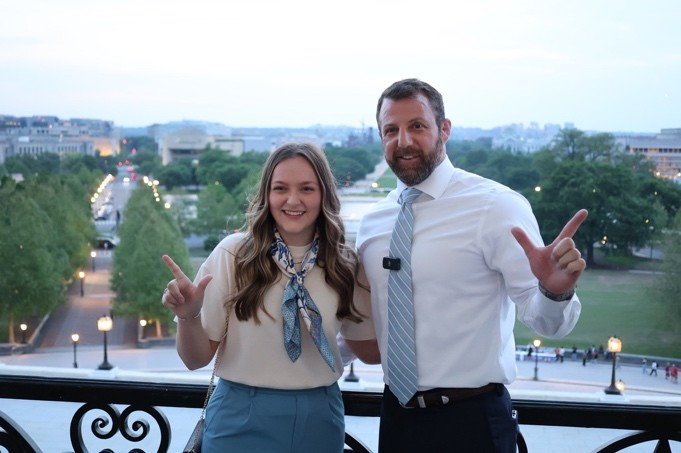
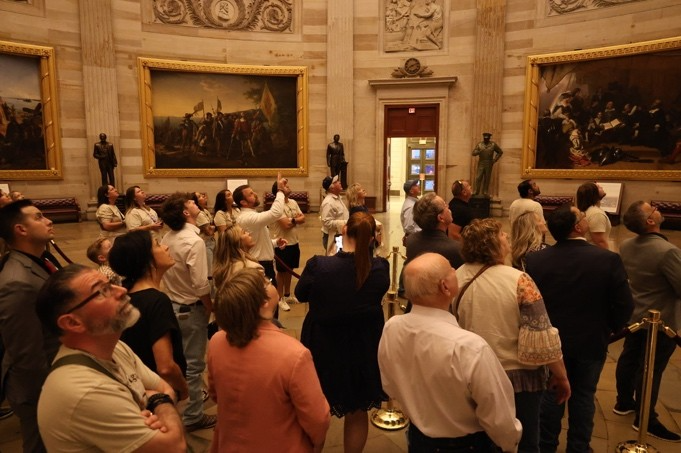


Planning a trip to Washington, D.C.? Senator Mullin's office is glad to help Oklahomans set up tours of the United States Capitol and The White House. The Washington office can also provide information for many D.C. monuments, museums, memorials, and other attractions. Please fill out a tour request form here: https://www.mullin.senate.gov/services/tour-requests/.
Need help with a federal agency? Senator Mullin's office may be able to assist. Learn more and get in touch by filling out a casework form on Senator Mullin's website here: https://www.mullin.senate.gov/services/help-with-a-federal-agency/.

The Maude family visits the office of the National Cattlemen's Beef Association (NCBA) and Public Lands Council (PLC). (Left to right: NCBA Senior Vice President of Government Affairs Ethan Lane, PLC Executive Director Kaitlynn Glover). Photo Credit: NCBA.
This week, public lands ranchers Charles and Heather Maude visited Washington, D.C. following news that criminal charges levied against them under the Biden administration would be dropped thanks to the hard work of Secretary of Agriculture Brooke Rollins and President Donald J. Trump.
"Federal overreach on your private property is not an experience any farmer or rancher should ever have to face," said National Cattlemen's Beef Association (NCBA) President and Nebraska cattleman Buck Wehrbein. "I am thankful that the Maudes can return to their family ranch and their normal life free from the looming threat of federal charges."
"The Maude family endured a living nightmare and for the first time in months, they can finally rest knowing that an overreaching federal government will no longer be trying to throw them in jail," said Public Lands Council (PLC) President Tim Canterbury, a federal grazing permittee and Colorado rancher. "We are so thankful for the groundswell of support from the Trump administration, Secretary Rollins, and grassroots ranchers from around the country who rallied around the Maudes. PLC will continue fighting to make sure this situation never happens to another hardworking federal grazing permittee again. We are thrilled that Charles, Heather, and their children can return to regular life."
On Wednesday, April 30, the Maude family attended a press conference on the steps of the U.S. Department of Agriculture (USDA). Joining Secretary Rollins and the Maudes at the press conference was Secretary of Homeland Security Kristi Noem, Senator Mike Rounds, Congressman Dusty Johnson, Governor Larry Rhoden, Congresswoman Harriet Hageman, NCBA Senior Vice President of Government Affairs Ethan Lane, and PLC Executive Director Kaitlynn Glover.

Following the press conference at USDA, the Maude family and Glover met with senior officials at the U.S. Department of the Interior.
On Thursday, May 1, the Maude family traveled to Capitol Hill to meet with Senator Rounds and Congresswoman Hageman. The Maudes expressed gratitude for the support of elected officials in bringing their case to the Trump administration's attention and they discussed policy avenues Congress can take to prevent this issue from occurring in the future. NCBA and PLC have supported the Fence Line Fairness Act introduced by Senator Rounds to create a formal boundary dispute mediation process that would avoid future criminal charges like the Maudes experienced. NCBA and PLC encourage cattle producers to contact their senators and urge support for the Fence Line Fairness Act.
Charles and Heather also had an opportunity to tell their story during media interviews from Washington, including live appearances on RFD-TV and Fox Business.
On Friday, the National Sustainable Agriculture Coalition (NSAC) issued a statement in response to the Trump Administration's release of its "skinny" budget for Fiscal Year (FY) 2026 discretionary funding. Based on the few details that are available, the Administration's proposal would seemingly slash the US Department of Agriculture's funding by over $4.5 billion in FY2026 alone, with deep cuts to Rural Development, the Natural Resources Conservation Service, and the Farm Service Agency, among others. The following comment is attributable to Mike Lavender, NSAC Policy Director:
"It's hard to imagine a more effective roadmap for undermining rural communities and the farmers, families, and individuals who call them home. Congress should reject the Administration's proposal and continue its work to craft a responsible, bipartisan FY2026 agriculture appropriations bill that invests in economic opportunity for agricultural communities nationwide."
In the first 100 days of the Trump Administration, U.S. Secretary of Agriculture Brooke Rollins has taken bold action to support the leadership of President Donald J. Trump and work to Make America Healthy Again (MAHA) at the United States Department of Agriculture (USDA).
"President Trump has made fixing our chronic health problems a main priority. Our farmers and ranchers produce the safest, most abundant food supply in the world, and we are working every day to ensure our kids and families are eating the healthiest foods. We have made great strides in the last 100 days to Make America Healthy Again," said Secretary Rollins.
On her first full day in office, Secretary Rollins sent a letter to the nation's governors (PDF, 88.8 KB), outlining her vision for the Department and inviting them to participate in a new "laboratories for innovation" initiative to create bold solutions to long-ignored challenges. She has supported the leadership of states who are submitting waivers to Make America Healthy Again. The MAHA movement at USDA has also supported major voluntary changes to make food healthier, including applauding the dairy industry for voluntarily removing artificial colors from the National School Lunch Program.
At the direction of President Trump, USDA and the U.S. Department of Health and Human Services (HHS) are ensuring programs work harder to encourage healthy eating and lifestyle habits. As part of the MAHA Commission led by HHS Secretary Robert F. Kennedy Jr., this work will not only research and report the many reasons children face unbelievable rates of diet-related disease like obesity and diabetes but also how government can implement change through things like revised dietary policy, state innovation, and less regulation. Secretary Kennedy and Secretary Rollins collaborated on their first MAHA event during a visit to Ferdinand T. Day Elementary School in Alexandria, VA where they participated in a healthy snack time with students and met facility staff. The event was an opportunity to learn more about the impact that federally funded nutrition programs have on children and signaled their strong partnership to work together to effectuate their vision for a healthier America. The Secretaries also wrote an opinion piece in USA Today outlining their plan to MAHA.
This week, the Secretaries visited Texas to discuss food security and learn how America's farmers are working to Make America Healthy Again by visiting cutting-edge laboratories at the Texas A&M Norman E. Borlaug Building and receiving a briefing on the Grand Nutrition Challenge at the Institute for Advancing Health Through Agriculture (IHA). The Secretaries then toured the Automated Precision Phenotyping Greenhouse in addition to touring the fourth-generation Sawyer Farms who are utilizing stewardship practices to ensure healthy production of a robust barley, rye, corn, and wheat crop. The visit to Texas A&M IHA included amplifying the HHS and USDA commitment to a timely and consumer-facing update to Dietary Guidelines for Americans (DGA). On March 11, 2025, after the inaugural meeting of the Make America Healthy Again Commission, Secretary Rollins and Secretary Kennedy announced a commitment to a final DGA no later than December 31, 2025.
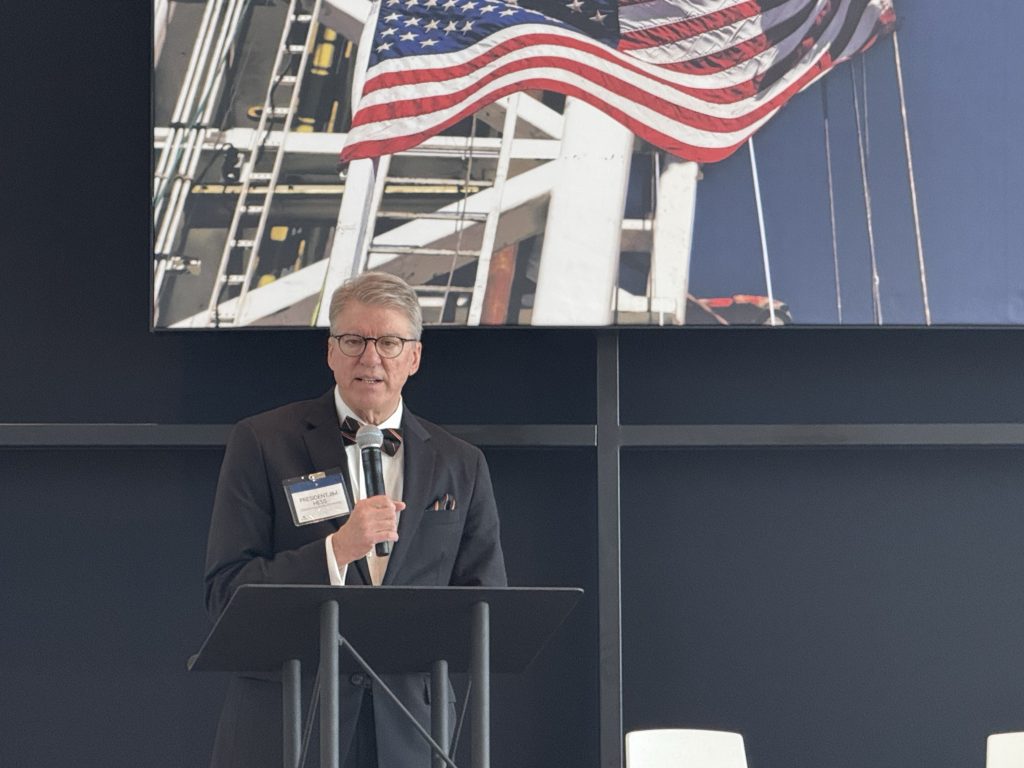
Last year, The Oklahoma Department of Agriculture, Food and Forestry announced a partnership with the Farm Journal Foundation to address Oklahoma's rural large animal and food animal veterinary shortage.
In collaboration with agriculture industry stakeholders, Oklahoma Secretary of Agriculture Blayne Arthur's goal was to assess the state's specific challenges in creating a stronger, more vibrant veterinary workforce program that supports practitioners, farmers, and rural economic development.
Farm Director KC Sheperd attended the Rural Veterinarian Shortage Summit today and had the opportunity to speak with OSU President Dr. Jim Hess about the collaborative efforts to find solutions.
Dr. Hess has been working on the issue for nearly three years and expressed gratitude for the creation of the Oklahoma Veterinary Medicine Authority by the Oklahoma state legislature two years ago. He said, "They've been gracious enough to give us funding to be able to add faculty, and of course, we have now have a legislative request for a significant amount of funding to be able to build the animal teaching hospital that we desperately need as our facilities are aged and it is affecting our ability to recruit faculty and students both, as well as our ability to place large animal and food animal vets in rural Oklahoma."
As the current legislative session is winding down to its last 28 days, Dr. Hess is confident that legislators can see the importance of agriculture to the state's economy and the effect that the health of the veterinary teaching hospital has on it.
"We've been gratified by their interest in our situation and their willingness to help us address it," he said. He explained further that there are only 33 vet schools in the United States, which creates a lot of competition for recruiting quality faculty members, as their work environment is critically important. Conversely, the same applies to students considering which of the schools to attend. Currently, 106 students per year are admitted to the OSU School of Veterinary Medicine.
"Our focus is on trying to attract people from rural Oklahoma, train them, and get them back to rural Oklahoma, and we take that mission very seriously," Dr. Hess explained. "Part of our legislative efforts in the past have been to provide scholarships for students who will commit to practicing large animal or food animal veterinary medicine in a rural area."
Eight such scholarships were awarded in the fall of 2024, and more are ready to be granted this fall. "We are very appreciative of our legislative team members who have provided that support. It is absolutely critical for a rural veterinarian not to have much debt," Dr. Hess added.
He described the situation as "a once-in-a-multigenerational opportunity" to restore the 43-year-old glory that it deserves and once held. He said, "If our legislative program with our partners at the Capitol comes to fruition, we will have one of the very best veterinary teaching hospitals in the United States."
Beyond improvements to the veterinary hospital, President Hess aims to secure funding to provide scholarships for all OSU Students. He stated, "The cost of higher education has continued to escalate, not just in Oklahoma, but across the nation, due to mandatory cost increases and the cost of operating the facilities. My focus, in addition to vet med, is going to be in raising private scholarship money. What we really want is for our students to leave the university with the least amount of debt possible, because that will make a big difference in their quality of life."
He noted how students nowadays are leaving universities across the nation with so much student debt that it equates to an additional house payment for them. He pointed out that reducing that load on the students would double as an economic driver, as students leaving college with less debt will be economic drivers in possession of spendable, disposable income.
"It's not just critical for them, personally, it is critical for our economy as well," he concluded.
| ||||||||||||||||||||||||||||||||||||||||||||||||||||||||||||||||||||||||||||||||||||||||||||||||||||||||||||||||||||||||||||||||||||||||||||||||||||||||||||||||||||||||||||||||||||||||||||||||||||||||||||||||||||||||||||||||
| ||||||||||||||||||||||||||||||||||||||||||||||||||||||||||||||||||||||||||||||||||||||||||||||||||||||||||||||||||||||||||||||||||||||||||||||||||||||||||||||||||||||||||||||||||||||||||||||||||||||||||||||||||||||||||||||||
|
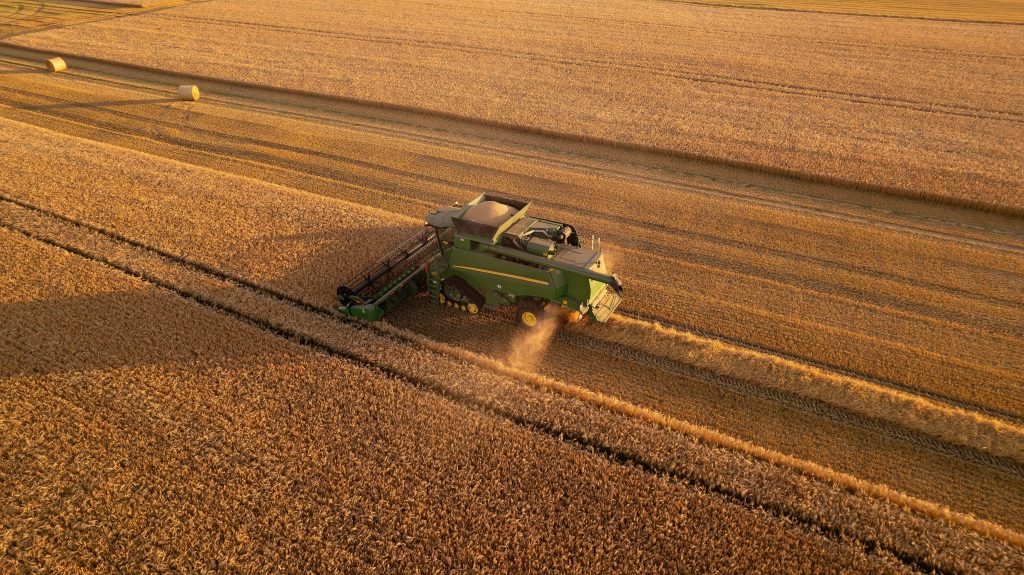
U.S. Wheat Associates (USW) recently started its weekly crop condition calls with states. And farmers in Arizona, California, Texas, and Oklahoma are making last-minute checks to make sure combines and equipment are in shape.
Indeed, the 2025 U.S. wheat harvest is just days away.
Another indication is that USW Vice President of Programs Erica Oakley has announced the information-packed USW Harvest Report will begin May 16. USW Harvest Reports will be published every Friday afternoon throughout the season with updates and comments on harvest progress, crop conditions and current crop quality for hard red winter (HRW), soft red winter (SRW), hard red spring (HRS), soft white (SW) and durum wheat.
While U.S. farmers like to use it as a tool to monitor the crop and harvest progress around the country, the weekly Harvest Report is also a key component of USW's international technical and marketing programs. It is a resource that helps customers understand how the crop situation may affect basis values and export prices. USW's overseas offices share the report with their market contacts. They also use it as a key resource in meetings and for answering inquiries. Several USW offices publish the report in the local language.
Anyone may subscribe to receive the Harvest Report directly to their email inbox by filling out a quick form found at this link.
USW includes links in the email to additional wheat condition and grading information, including the U.S. Drought Monitor, USDA/NASS Crop Progress and National Wheat Statistics, the official FGIS wheat grade standards, and USDA's World Agricultural Supply and Demand Estimates report. Harvest Reports are also posted online on the USW website here.
Additional links to the Harvest Report are available on USW's Facebook, Twitter and LinkedIn pages.
USW's Harvest Report also shares harvest photos throughout the week. Farmers around the country can boost this effort by sharing photos from the 2025 harvest. Photos should be emailed to ralphloos@uswheat.org
U.S. Secretary of Agriculture Brooke Rollins issued the following statement after President Donald J. Trump submitted his FY 2026 budget proposal to Congress:
"We have a once in a generation opportunity to save our country from fiscal ruin. President Trump's budget will put us on the path to reducing our deficit and lowering the national debt. We have to act now," said Secretary Rollins. "Lower federal spending combined with the largest tax cuts in the history of our country, strong deregulatory actions, and tariff & trade realignment will set the stage for the next generation of American greatness. At USDA we have already started by eliminating wasteful spending, reprioritizing our services to put farmers first, and cutting red tape."
The Oklahoma Pork Council invites all Oklahoma FFA students to help build a mosaic mural from May 6 to 7 during the Oklahoma State FFA Convention in Tulsa, Oklahoma.
Blayne Arthur, Oklahoma's Secretary of Agriculture, declared 2025 at the "Year of Youth in Agriculture." In support of Secretary Arthur's initiative, the Oklahoma Pork Council has showcased several exciting ways young Oklahomans are thriving within the pork industry – including this unique booth activity for students to enjoy.
"We always work to make our State FFA Convention booth fun and meaningful," said Kylee Deniz, the Oklahoma Pork Council's executive director, "This very interactive mosaic experience is the one I'm most excited about yet. Students will truly get to 'picture themselves in pork' as they use their individual photos to create a special collaborative display celebrating the 'Year of Youth in Agriculture' together."
The booth will include a green screen and a camera for taking photos. After their photo is taken then printed to color-match the needed mural square, students will be directed to place it on a large display building the mural.
"It will start with one two-by-two-inch photo. By Wednesday afternoon, visitors to our booth will get to see a massive 'Year of Youth in Agriculture' collage made up of more than a thousand photos. It truly represents how we are all an important part of the bigger picture within pork and our agriculture community." Deniz said.
As a result of stopping by the Oklahoma Pork Council's booth at the 2025 Oklahoma FFA Convention, students get the chance to celebrate pork's place in Oklahoma agriculture and represent the next generation of leaders in this field.
Thomas Clark, first grade student from Burlington, Oklahoma, examined his citation from Senator Pederson pretty closely! He was the Overall Early Childhood Winner for the AITC Contest.
We cannot thank the Oklahoma Beef Council enough for sponsoring the contest each year. Each winner-first through third place- at every grade level receives a medal and gift card the Oklahoma Beef Council supplies. The overall winners also receive a plaque at Ag Day.
Oklahoma Farm Bureau Women's Committee give the teachers of the winning students a gift card as well.
Thank you to all the teachers and students who have entered the AITC contest through the years.
Celebrating Ag in the Classroom Teacher of the Year, Jacey Duncan, Oklahoma Union Schools! Congratulations, Jacey! Thank you Oklahoma Farm Bureau Women's Leadership Committee and Oklahoma Soybean Board for sponsoring Jacey's all-expense paid trip to the National Ag in the Classroom Conference held in June in Minneapolis Minnesota.
Morrison Public Schools teach their students about agriculture and so many of their teachers use the Ag in the Classroom lessons and resources. All of the teachers pictured above are Oklahoma Ag in the Classroom Teacher of the Year winners who have a tie to Morrison Schools.
From left to right:
Audrey Harmon, Former and current Morrison Elementary teacher and former Oklahoma AITC State Coordinator, Oklahoma AITC TOY 2009, National Excellence in Teaching About Agriculture Award 2010;
Tammy Will, Morrison High School teacher, Oklahoma AITC TOY 2020, National Excellence in Teaching About Agriculture Award 2021;
Teresa Brunnemer, Morrison Elementary teacher, Oklahoma AITC TOY 2022;
Amber Bales, Current Will Rogers Elementary teacher, Stillwater, and former Morrison Elementary teacher Oklahoma AITC TOY 2016, National Excellence in Teaching About Agriculture Award 2017;
Jacey Duncan, Morrison Public School student and Oklahoma Union School teacher, Oklahoma AITC TOY 2025!
Senior Farm and Ranch Broadcaster Ron Hays is attending the 10th Annual Hemphill County Beef Conference in Canadian, Texas, and had the chance to speak with Atmospheric Scientist Matt Makens, who provided a weather outlook for attending producers. In this conversation, the two men are discussing the likelihood of either an El Niño or La Niña weather system dominating.
Makens advised attendees to enjoy the rain while it lasts because, despite it, they are already in a La Niña system. "It's La Niña; she's in charge, and she will be for the rest of the year," he said.
According to Makens, if history repeats itself, La Niña will be in charge well into 2026, which means drought for agricultural producers in the South. He advised producers to appreciate the water they are receiving now because it is abnormal to the expected long-term trend.
"You are going to have to have precipitation timed out very well," he said. "Rather than having plenty of it, it needs to come on the day you need it. That's a La Niña."
Makens examined the USDA's pasture and range conditions index and compared this year with the previous five years. He determined that pastures and ranges are healthier now than they have been for the past five years and will likely remain healthier for some time.
"It's a valuable tool to relate what La Niña means for the grass," he said. "That is a better way to do it."
Hays pointed out how critical this time of the year is to hay production for the next 12 months, and Makens broadened the scope. "On another token, look at your wheat," he said. "If you didn't have that early November water in Oklahoma, where would that wheat have been in January and February when you got the cold. What would it look like today? Now, you are getting another well-timed system for your hay. Somebody is praying in Oklahoma, and their prayers are very well-timed for wheat and hay. The outlook for the next four weeks is relatively favorable for hay producers across the region."
He cautioned that May through September may be drier than average for most of the Southern Plains. Looking into fall wheat planting, Makens said, "When you have a La Niña coming back, that moisture you get – whether in late October or November – you dusted in your wheat, that timing has to be on, and in La Niña there is no guarantee that there is going to be that water."
He advised producers to look for ongoing impacts late in the year and to consider their Pasture, Rangeland, Forage (PRF), and Annual Forage (AF) coverages, because drought is more prevalent in La Niña systems than moisture.
The Northern Plains are already in real trouble. The area including Nebraska, South Dakota, Wyoming, and Montana is lacking soil moisture already and hasn't received much rain so far this year. According to the USDA pasture and range conditions index, the region is likely in one of its worst outlooks for pasture and grass health this year. The drought is also impacting Southern Canada, and much further South, Mexico is also in the midst of a devastating drought.
"For the beef industry across North America, this is a drought headline kind of year," Makens summarized.
Click here to listen to and read about Maken's explanation of the significant amounts of rainfall currently falling on the Southern Plains at this time.
The Beef Buzz is a regular feature heard on radio stations around the region on the Radio Oklahoma Ag Network and is a regular audio feature found on this website as well. Click on the LISTEN BAR for today's show, and check out our archives for older Beef Buzz shows covering the gamut of the beef cattle industry today.
The Oklahoma Farm Bureau Young Farmers and Ranchers committee has awarded nine $1,000 scholarships to one high school senior from each OKFB district and a $1,000 scholarship to a Collegiate Farm Bureau member.
The scholarships were awarded to students who plan to pursue a degree in an agriculture-related field at an Oklahoma college or university and who desire to contribute to agriculture and rural Oklahoma.
"The Young Farmers and Ranchers committee is proud to support these 10 students in achieving their higher-education goals," said Jacob Beck, OKFB YF&R chair. "The agriculture industry is in good hands with this outstanding group of young leaders."
Cora Sullivan was the winner of the Collegiate Farm Bureau scholarship. She is studying animal science at Cameron University.
The nine high school scholarship recipients are:
These high school seniors plan to attend Oklahoma State University, Western Oklahoma State College, Northeastern Oklahoma A&M and Murray State College with plans to study ag business, soil science, animal science, agricultural education, biosystems engineering and more.

A brighter future is on the horizon for families with hospitalized children, thanks to the collaborative efforts of the Oklahoma State Department of Health (OSDH), Ronald McDonald House Charities (RMHC) and key state partners. The Office of Management and Enterprise Services (OMES) is proud to recognize this exciting milestone as construction begins on a second Ronald McDonald House in Oklahoma City.
The new facility, located in the heart of the city's medical district, will offer a home away from home for up to 28 families each night, providing comfort, care and critical support during some of life's most challenging moments.
On April 3, a crowd of community leaders, RMHC staff, families, supporters and elected officials gathered to celebrate the ceremonial groundbreaking. This expansion will significantly increase RMHC-OKC's capacity to serve families whose children are battling serious illnesses or injuries, reinforcing a vital support network that spans the state.
The new location is made possible in part by a $4 million appropriation from the American Rescue Plan Act State and Local Fiscal Recovery Fund (ARPA-SLFRF), granted by the state Legislature to OSDH. Combined with generous contributions from private donors, this funding will ensure more Oklahoma families can stay close to their loved ones while accessing top-tier pediatric care.
"When a child faces a critical health challenge, the entire family carries the weight," said Sen. Paul Rosino, R-Oklahoma City, who serves in the state Legislature's Health and Human Services Working Group for the Joint Committee on Pandemic Relief Funding. "As a veteran, father and grandfather, I know the strength families draw from being together in times of crisis. This expansion will offer that strength to even more Oklahoma families by providing a sense of home when it's needed most."
"The new Ronald McDonald House will provide comfort, stability and support to families facing some of the most difficult moments in their lives," said Rep. Nicole Miller, R-Edmond, who attended the groundbreaking and serves on the state Legislature's Joint Committee on Pandemic Relief Funding. "I'm proud to see this investment help expand access to compassionate care for families throughout Oklahoma."
When a child is in the hospital, families shouldn't have to worry about where they'll sleep or how they'll afford a hotel room. Ronald McDonald House offers more than free housing – it provides a place of refuge. Families staying at the facility will have access to a full kitchen, laundry services, technology and play areas, making it easier to focus on what truly matters: their children's recovery.
Perhaps the most powerful component of the Ronald McDonald House experience is the community. Staff, volunteers and fellow families provide vital emotional support and connection, turning a stressful, isolating experience into one of shared strength.
In 2023 alone, RMHC-OKC served 778 families across 76 Oklahoma counties, delivering 12,161 nights of stay. The upcoming location – nestled on West Memorial Road between North Meridian Avenue and North MacArthur Boulevard – will support families receiving care at Mercy Hospital, the Love Family Women's Center, INTEGRIS Hospital and Bethany Children's Health Center, and will serve as overflow for Oklahoma Children's Hospital OU Health.

Renderings of the proposed location provided by the architect, Bockus Payne.
The three-story facility is expected to open in summer 2026.
OMES applauds the unwavering dedication of OSDH and RMHC in bringing this project to life and for their continued efforts to promote healing and remove barriers to essential health care support for families across Oklahoma.
Since its founding in 1974, Ronald McDonald House Charities has helped millions of families around the world stay close to their hospitalized children. The first Oklahoma City House opened in 1984 with just 10 bedrooms. Today, the need continues to grow – and so does RMHC's impact. To learn more or get involved, visit rmhc-okc.org.

Left: An attendee holds the shovel from the opening of the very first Ronald McDonald House in the United States. Right: Attendees gather for photos with the golden shovels previously used to break ground.
The Office of Management and Enterprise Services provides financial, property, purchasing, human resources and information technology services to all state agencies, and assists the Governor's Office with budgetary policy matters. Our mission: Provide excellent service, expert guidance and continuous improvement in support of our partners' goals. For more information, visit oklahoma.gov/omes.
The Grants Management Office is the central administering entity of the American Rescue Plan Act's State and Local Fiscal Recovery Fund for the State of Oklahoma. Our team builds partnerships and collaborates with state agencies to maximize the use of ARPA-SLFRF dollars. Our goal is to be a supportive partner in helping agencies accomplish their ARPA-SLFRF project goals. For more information on the state's ARPA-SLFRF progress, visit oklahoma.gov/arpa.
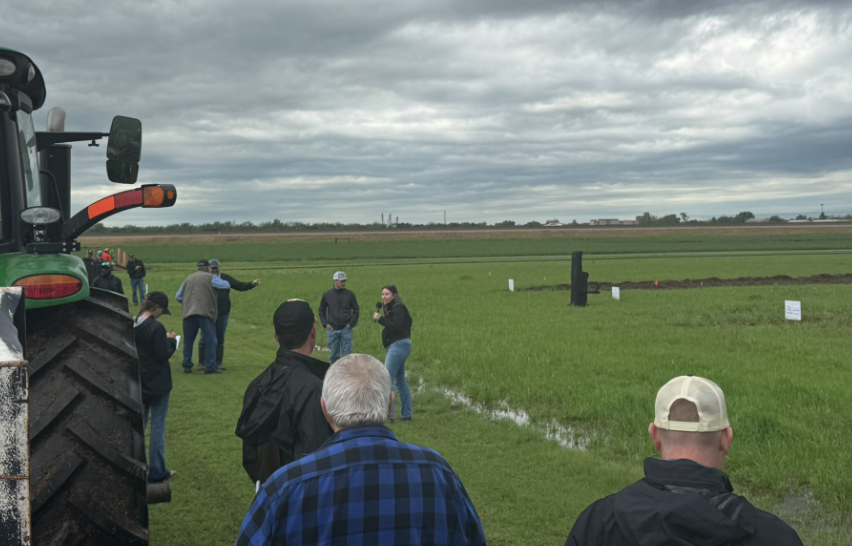
The increasing challenge of herbicide-resistant weeds is prompting some no-till farmers to consider a return to tillage, a move that raises concerns about soil conservation. At the Chickasha Wheat Forage and Field Day, Dr. Liberty Galvin, OSU Weed Science specialist, discussed her research into strategic tillage as a potential tool for managing these problematic weeds in wheat fields.
Dr. Galvin highlighted the reliance on herbicides that contributed to the success of no-till systems. "A lot of our no-till producers became successful no-till producers because of the availability of chemicals. And a lot of producers have used traded crops. So Roundup-ready soybeans, for example. The continual use of those crops year after year after year has created a lot of herbicide-resistant problems, but when you do no-till, you take away all of your mechanical weed control options. So a lot of growers have said, 'Well, I'm just gonna go back to tillage.'"
As someone with a strong background in soil conservation, Dr. Galvin expressed her apprehension about a widespread return to conventional tillage. "Hearing this now, sometime later, is terrifying because we want to maintain our soil conservation goals, all that carbon. But how do you control herbicide-resistant weeds when you don't have any more chemical options and you don't use tillage?"
To address this challenge, Dr. Galvin and her colleague, Dr. Daniel Adamson, a soil and water conservation professor, are investigating strategic tillage practices. "What my colleague, Dr. Daniel Adamson and I are looking at is how much tillage, how frequently you should till, and what type of tillage? So really the intensity."
Dr. Galvin hypothesized that less frequent, deep tillage might be beneficial. "I think one really deep flip every five years could really help us bury these herbicide-resistant weeds to a depth that will no longer cause us problems."
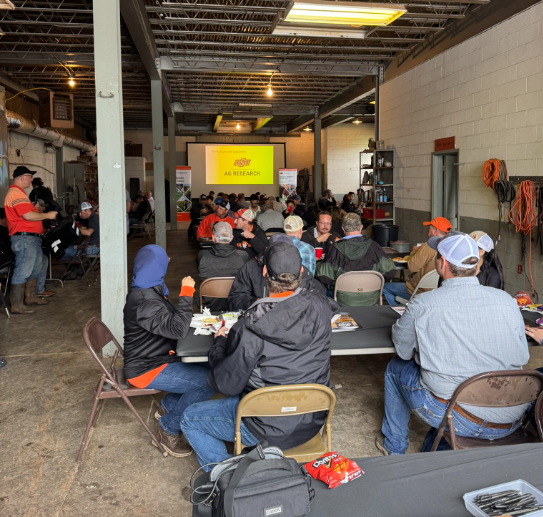
The research also considers weed seed dormancy. "If you bury it six inches in the ground and then you don't do another tillage event for five or 10 years, you might actually be able to get rid of all those herbicide resistant Italian ryegrass plants," Dr. Galvin suggested, noting the shorter dormancy period of Italian ryegrass compared to some summer weeds.
While the research is in its early stages, Dr. Galvin outlined the initial steps. "Part of our preliminary studies right now is we're looking at how these seeds move through the soil profile. So before we do a tillage event, we take a soil core, separate it into zero to two inches, two to four inches, and we do a seed bank analysis."
This involves painstakingly extracting and analyzing weed seeds at different soil depths. Dr. Galvin noted that seeds buried between two and four inches remain viable but often fail to germinate and emerge. The next phase involves tracking seed movement after tillage events. "Now that we've done tillage, we need to go back out and collect data to see how those seeds moved through the profile with our different tillage events."
The research will also examine the impact of tillage on soil health. "We're also trying to look at carbon-nitrogen movement. How does this 20-year no-till look after a massive tillage event? And is that really gonna mess people up for their coming crop? Is it gonna mess them up for multiple years?" Dr. Galvin explained, highlighting the collaborative nature of the research with a soil science PhD student.
Looking ahead, Dr. Galvin emphasized the need for broader collaboration. "We wanna find people who have been doing no-till for different amounts of time. So, five years, 10 years, 20 years. Just based on the literature, the folks who have been doing no-till for 20 years probably only have seeds in the top inch. That's great because that means that there's nothing scary lurking in the depths of the soil."
The goal is to identify the most effective tillage tools and frequencies. "We want to figure out what the best two or three are, and then the frequency. So we'll hit it in the fall. We'll get some good results by next spring. And if we're really doing good field research, we need to have at least two years, three years would look nicer." Preliminary data on seed movement is expected to be presented at the Winter Crop School.

Dr. Galvin encouraged growers to stay informed and reach out with their experiences. "Y'all can find me on Facebook, that's OK State Weed Science. We're constantly posting about what all of our students are doing, but I do a lot of continuing education courses for pesticide applicators. I'm happy to travel anywhere in the state to talk about this research and herbicide resistance. We'll be at Winter Crop School this coming December, but I'm also available via phone. Anybody can call me, anybody can send me an email, and I would love to talk to them about their soil concerns or their Italian ryegrass problems. I'm all ears."
Interested individuals can contact Dr. Galvin at (405) 334-7676.
This week, U.S. Environmental Protection Agency (EPA) Administrator Lee Zeldin recognized the historic first 100 days of the Trump administration by releasing 100 environmental actions taken by EPA since Jan. 20th to advance the agency's core mission of protecting human health and the environment.
EPA remains committed to fulfilling its statutory obligations, providing clean air, land and water to all communities across American while growing the economy, unleashing American energy, lowering cost of living, revitalizing the American auto industry, and so much more.
See the full list of 100 environmental actions and Administrator Zeldin's video recap here.
Here's what people across the U.S. are saying:
Oklahoma Governor Kevin Stitt: "This decision [to place onerous conditions on Oklahoma's administration of environmental regulatory programs under the Safe, Accountable, Flexible, Efficient Transportation Equity Act] was a blatant overreach by the Biden administration on the way out the door. It disregarded Oklahoma's proven ability to manage environmental programs and imposed unnecessary, ideologically driven mandates that harmed our state's citizens and economy. I'm grateful to Administrator Zeldin and the Trump administration for their work to return authority back to the state."
California Governor Gavin Newsom: "Thanks to the hard work and dedication of hundreds of federal and state crews, the first phase of debris cleanup is coming to a close and we can turn our focus fully to structural debris removal. Under the leadership of EPA Administrator Lee Zeldin, crews cleaned hazardous waste from thousands of properties in less than 30 days, a record pace never seen before at this scale."
Missouri Governor Mike Kehoe: "The year-round sale of E-15 gasoline is a gamechanger for consumers and producers alike. Ethanol is a critical value-added agriculture product that offers an affordable and clean source of fuel while simultaneously providing additional economic opportunities to hard-working corn producers across our state. Missouri remains a leading ethanol producing state, and efforts like this help improve our nation's energy independence. We extend our thanks to the Trump Administration for its continued work to lower fuel costs for Americans all while proudly supporting our nation's farmers and ranchers."
Senate Environment and Public Works Committee Chairman Shelley Moore Capito (R-WV): "I'm thrilled that Administrator Zeldin has affirmed his support for West Virginia's approval to permit Class VI wells for carbon capture, and that we are officially bringing this important authority to those who know our state best. West Virginia has proven ourselves as a leader in this field, and with this announcement, has become the fourth state to receive Class VI well primacy. Today's signing marks an important step in the continuation of West Virginia's proud tradition of being an energy state and our efforts to contribute to American energy dominance."
Senator Jim Justice (R-WV): "West Virginians elected President Trump by an overwhelming majority to make life better, and this common-sense action by Administrator Zeldin establishes West Virginia to be the keepers of our own resources instead of some bureaucrat in Washington. Cutting red tape advances our state's economic growth and allows us to operate with regard for the environment – it's a win for West Virginia because West Virginians know best how to manage our state."
Senator Josh Hawley (R-MO): "The EPA just announced a new plan to clean up the radioactive West Lake Landfill – and shaved two full years off the timeline. Tremendous progress since Administrator Zeldin joined me in St. Louis & talked with the good people there who are suffering."
Representative Nick LaLota (R-NY-01): "The EPA's partial deletion of the Lawrence Aviation Industries Superfund site marks a major step forward in protecting the health and environment of the Port Jefferson Station community. For decades, this site posed a serious threat to local families. The progress made in cleaning up the most contaminated areas is a credit to the EPA and the leadership of Administrator Lee Zeldin, who represented Port Jefferson in Congress for eight years."
Representative Carol Miller (R-WV-01): "Under President Trump, the EPA is executing an agenda that promotes the states' authority and will benefit American energy production. By reaffirming West Virginia's ability to implement carbon capture, utilization, and storage technology, our state will be able to unleash more energy to lower costs and reduce emissions. Using this innovative technology to enhance energy production is an important first step in securing American economic and energy success. When we take carbon emissions and turn them into an energy source, the United States will be energy dominant once again. I thank President Trump and Administrator Zeldin for their leadership, and I look forward to seeing West Virginia thrive under their direction."
Los Angeles, California, Mayor Karen Bass: "Another milestone: Phase one is now COMPLETE. Thanks to EPA and all our other federal, state, and local partners, we have officially finished Phase 1 of debris removal from properties impacted by the wildfires — months ahead of expectations."
Stratford, Connecticut, Mayor Laura Hoydick: "The success of the Raymark waste superfund project is due in large part to EPA's willingness to work collaboratively with Town and state partners and listen to the voices of residents and businesses whose lives have been impacted by literally having waste in their backyards. The Town greatly appreciates EPA's commitment, professionalism and dedication to addressing the contamination and creating a path forward to remove and cap the waste. We are thankful for the removal of health hazards and redevelopment opportunities for new and productive use of the properties."
St. Joseph, Missouri, Mayor John Josendale: "The City of St. Joseph greatly appreciates the EPA's continued efforts to clean up and remediate the HPI Chemical properties to provide a safer and cleaner environment for our community."
U.S. Customs and Border Protection Assistant Port Director Richard Diamond: "CBP places significant emphasis on enforcing laws and regulations governing imports and exports because it is vital to the economic and physical security of the United States. Working with the Environmental Protection Agency, we are able to build upon our enforcement efforts to prevent unregistered pesticides like these from entering our commerce leading to potential safety concerns for the consumer."
U.S. Department of Agriculture Natural Resources Conservation Service Conservationist David Doctorian: "NRCS applauds the EPA's work with the Kansas ranching community and regional leaders to discuss and understand grassland conservation and the priority threats the grasslands are facing. Finding key strategies that are science-based and rancher led are as crucial to the grasslands as the grasslands are vital to the Kansas agriculture economy. Defending and stewarding Kansas grasslands requires a comprehensive view of economic, societal, and environmental factors, including the use of prescribed burning. While burning creates impacts to downwind communities, fire is recognized to be one of nature's oldest tools to ensure healthy grasslands."
Arizona Chamber of Commerce: "From regulatory clarity to cross-border air quality issues, collaboration like this helps ensure policies reflect Arizona's unique challenges—without slowing growth. We're encouraged by EPA's recent steps toward more balanced rules and look forward to continued partnership that protects the environment without punishing the economy."
Delaware River Basin Commission Executive Director Kristen Bowman Kavanagh: "EPA's rule, when finalized, will support improved conditions for aquatic life in the Delaware River Estuary, and I am proud of the Delaware River Basin Commission's (DRBC) sound scientific work in the process. The DRBC will continue to provide resources and expertise to our member states, EPA, and stakeholders to implement the rule."
EPA Region 9 Regional Tribal Operations Committee Tribal Chair Roman Orona: "We appreciate Administrator Zeldin coming to Ak-Chin community, and of his willingness to seek the native environmental perspective. I look forward to working with Administrator Zeldin and the Trump Administration to further tribal participation in the federal governments' partnership in Indian Country."
Fort Belknap Indian Community Vice President Judy King: "The EPA Region 8 Office has been instrumental in assisting the Fort Belknap Indian Community in maintaining a safe and healthy environment for the members and residents of the Fort Belknap Indian Community. Partnering with the EPA Region 8 Office has been beneficial to the Fort Belknap Indian Community and has allowed us to learn and develop different environmental aspects."
Georgia Environmental Protection Division Director Jeff Cown: "Federal partnership is crucial to completing the cleanup needed to make the neighborhood safer for all those who live, work and play on Atlanta's Westside. We are grateful to EPA for their partnership and look forward to this popular park being reopened for the community."
Kansas Department of Health and the Environment Bureau of Water Director Tom Stiles: "EPA Region 7's approval of Kansas' new and revised water quality standards continues to advance water quality improvement for Kansans. Kansas and Region 7 have a history of working collaboratively to safeguard human health and the environment by protecting the state's water resources. The latest water quality standards reflect contemporary scientific understanding of pollutants and the risks they present to the uses made of Kansas waters. Additionally, the approval of wastewater lagoon variances ensures small Kansas towns will overcome challenges in complying with certain standards, such as ammonia."
Kentucky Energy and Environment Cabinet Secretary Rebecca Goodman: "Time and again, Kentucky has been hit with weather events that impact our homes, businesses and infrastructure, and our families' livelihoods. And time and again, our partners at EPA Region 4 are there, supporting us in our recovery. The mobile drinking water lab allowed us to test drinking water and well water onsite during the flooding event in February, and to give residents confidence in the quality of their water."
Mississippi Department of Environmental Quality Executive Director Chris Wells: "The Mississippi Phosphates Superfund Site is a prime example of effective state and federal coordination. The partnership with EPA Region 4 has not only advanced the cleanup but has also saved Mississippi taxpayers millions of dollars. This is a clear example of how working together can achieve real results for our communities and environment."
New Mexico Environment Department Cabinet Secretary James Kennedy: "The New Mexico Environment Department appreciates EPA Headquarters and Region 6 staff's assistance and proficiency in helping New Mexico develop and deliver new legislation for our state's water permitting program. EPA's partnership and support will continue to be essential to furthering New Mexico's longstanding goal of securing NPDES primacy over waters in our state."
Oregon Department of Environmental Quality Drinking Water Protection Program Coordinator Julie Harvey: "The EPA SWP Pilot Program's funding for technical assistance has been instrumental in helping Reedsport and Neskowin navigate their projects and applications. Depoe Bay and Newport will also be well set-up to apply for potential future funding due to the EPA Pilot. This is a huge victory—not just for these communities, but for public health, environmental resilience, and future generations."
Pueblo Department Public Health and Environment Program Manager Aaron Martinez: "Having never been involved with a Superfund project or the EPA before the Colorado Smelter, I have a new appreciation for the work EPA does in the communities they serve. The project seemed overwhelming with over 2000 properties to test and possibly remediate. The team at the EPA has been amazingly focused to reach the completion of yard clean ups this year. I am grateful for how fast they were able to remedy a health hazard for so many families in the Study boundaries. I look forward to the completion of OU2, working with the Superfund team has made me a better Program Manager learning how large projects take planning and communication every step of the way."
Railroad Commission of Texas Chairwoman Christi Craddick: "In less than 100 days into a new White House administration, we are already making great progress with our partners at the federal level. Working with [Region 6] Administrator Mason strengthens our efforts to protect the environment while ensuring Texas remains a leader in energy and economic growth. Together, we will keep our energy strong and economy free while promoting prosperity, protecting our environment and keeping the economic miracle alive and well in Texas!"
Springfield Program Supervisor Carmen May: "We are grateful to the EPA for providing the funding for this program and for our partnership with Ozark Correctional Center. It is our goal to provide job readiness and training certifications that allow the justice involved to obtain meaningful employment upon release."
Texas Association of Business President and CEO Glenn Hamer: "As we reach the 100 day marker of the Trump administration, it's clear that the Environmental Protection Agency under Lee Zeldin is moving at the speed of business!"
Texas Commission on Environmental Quality Executive Director Kelly Keel: "The Texas Commission on Environmental Quality (TCEQ) is encouraged by EPA's renewed efforts at cooperative federalism as evidenced by EPA's commitment to eliminate SIP backlogs and give states flexibility to develop sensible plans for addressing air pollution."
Weber Basin Water Conservancy District General Manager and CEO Scott Paxman: "This loan enables Weber Basin Water Conservancy District to uphold our commitment to providing safe, reliable water to a growing population. Our partnership with the EPA provides the financial flexibility to construct these critical infrastructure projects, ensuring we meet the needs of our communities today and safeguard resources for future generations."

Thomas Clark, first grade student from Burlington, Oklahoma, examined his citation from Senator Pederson pretty closely! He was the Overall Early Childhood Winner for the AITC Contest.
We cannot thank the Oklahoma Beef Council enough for sponsoring the contest each year. Each winner-first through third place- at every grade level receives a medal and gift card the Oklahoma Beef Council supplies. The overall winners also receive a plaque at Ag Day.
Oklahoma Farm Bureau Women's Committee give the teachers of the winning students a gift card as well.
Thank you to all the teachers and students who have entered the AITC contest through the years.

Celebrating Ag in the Classroom Teacher of the Year, Jacey Duncan, Oklahoma Union Schools! Congratulations, Jacey! Thank you Oklahoma Farm Bureau Women's Leadership Committee and Oklahoma Soybean Board for sponsoring Jacey's all-expense paid trip to the National Ag in the Classroom Conference held in June in Minneapolis Minnesota.

Morrison Public Schools teach their students about agriculture and so many of their teachers use the Ag in the Classroom lessons and resources. All of the teachers pictured above are Oklahoma Ag in the Classroom Teacher of the Year winners who have a tie to Morrison Schools.
From left to right:
Audrey Harmon, Former and current Morrison Elementary teacher and former Oklahoma AITC State Coordinator, Oklahoma AITC TOY 2009, National Excellence in Teaching About Agriculture Award 2010;
Tammy Will, Morrison High School teacher, Oklahoma AITC TOY 2020, National Excellence in Teaching About Agriculture Award 2021;
Teresa Brunnemer, Morrison Elementary teacher, Oklahoma AITC TOY 2022;
Amber Bales, Current Will Rogers Elementary teacher, Stillwater, and former Morrison Elementary teacher, Oklahoma AITC TOY 2016, National Excellence in Teaching About Agriculture Award 2017;
Jacey Duncan, Morrison Public School student and Oklahoma Union School teacher, Oklahoma AITC TOY 2025!

Daniel Adamson draws from his experience as a crop advisor to meet with Oklahoma producers, listen to their challenges and provide valuable feedback. (Photo by Mitchell Alcala, OSU Agriculture)
Daniel Adamson joined Oklahoma State University Extension as a soil and water conservation specialist in September 2024. He is also an assistant professor in the OSU Department of Plant and Soil Sciences.
With a background in agronomy and certified crop advising, Adamson focuses on soil health, conservation and sustainability.
"I've had a chance to see 75% of the state so far, and I'm getting up to speed on how people farm here and what's important," he said. "There's a lot of talk about soil health from academics, federal and state governments, and local conservation groups, but we have to back it all up with science. We want to confirm what people are doing and seeing in the field with good data, and that's what OSU and my program can offer."
Adamson grew up on a cow-calf ranch in southern Wyoming and earned his bachelor's and master's degrees in agronomy from the University of Wyoming. He launched his career in crop advising in northern Colorado, inspiring him to pursue a role in Extension.
"I was knocking on people's doors, talking to farmers and recommending things to them – communications skills I hadn't developed through my master's degree," he said. "As a young person, I learned how to sustain a conversation, listen to what they need and provide valuable feedback."
Adamson later returned to the University of Wyoming to receive a doctorate in soil science. Now as an Extension specialist, he's interested in helping producers adopt practical management practices that improve farm functionality and sustainability.
In addition to his primary Extension responsibilities, he hopes to increase land judging participation among 4-H youth and FFA students in Oklahoma. He coaches OSU's land judging team, known at the collegiate level as soils judging, and is assisting with coordination of the 2025 state and national FFA land judging contests.
Adamson has enjoyed working with Master Gardeners groups in several counties since last fall, and he is interested in learning more about urban soils.
He also inherited a well-established onsite wastewater management Extension program that collaborates with the Oklahoma Department of Environmental Quality to provide continuing education to soil testers, septic pumpers and septic installation professionals. He plans to conduct research in onsite wastewater in the future.
OSU Extension uses research-based information to help all Oklahomans solve local issues and concerns, promote leadership and manage resources wisely throughout the state's 77 counties. Most information is available at little to no cost.
By Gail Ellis
RON's Dave Lanning has a pre-opening look at today's agricultural Markets.
Click the audio tab below for today's report.
RON's Jacquelyn Farris reports from the State Capitol

The American Society of Agricultural Consultants (ASAC) will present its next #CultivatingResiliency webinar, "Common Traits of Highly Successful Farm Transitions," featuring ASAC member Mike Downey of UnCommon Farms. The live webinar is free and open to both members and non-members.
Registration is now open at: https://www.agconsultants.org/asac_webinars.php
Downey, who leads the Succession Planning program at UnCommon Farms, will share key strategies and real-world examples from his extensive work helping family farms plan and implement smooth, successful transitions. UnCommon Farms, based in Brighton, Illinois, provides consulting services for farm businesses in strategic planning, management, human resources, financials, succession and risk management.
"Family farms are at a critical crossroads right now. We are about to experience the largest transfer of land and assets in agricultural history," Downey said. "Having the right plan in place can make the difference between a farm that thrives for another generation and one that fades away. I'm passionate about helping families make that transition with confidence, and I'm excited to share practical strategies that work."
Downey also contributes to Farm Futures' More than Dirt blog, offering insights on succession and family business management.
The event is part of the American Society of Agricultural Consultants' yearlong #CultivatingResiliency series designed to provide actionable education and support for agricultural professionals.
"Helping farm families navigate transition planning is one of the most vital services an agricultural consultant can provide today," said American Society of Agricultural Consultants President Dave Mielnicki. "ASAC is proud to offer timely, relevant education like this webinar, not only for our members but for anyone passionate about preserving the future of agriculture."
Webinar Topics Will Include:
A live Q&A session with Downey will follow the presentation.
Invitation to Non-Members and Prospective Consultants
The American Society of Agricultural Consultants invites anyone interested in agricultural consulting, farm business advising, or improving their own transition plan to attend. The webinar also provides an opportunity for non-members to get a glimpse of the kind of professional development and networking opportunities ASAC offers year-round.
Founded in 1963, the American Society of Agricultural Consultants is the only professional society dedicated to serving the needs of agricultural consultants. Members must meet strict experience and ethics standards, offering clients proven expertise they can trust. More information on membership is available at www.agconsultants.org.
Save the Date: American Society of Agricultural Consultants Annual Conference Nov. 2–4 in Indianapolis
 |
Attendees of the webinar are also encouraged to join the American Society of Agricultural Consultants' 2025 Annual Conference, scheduled for Nov. 2–4 in Indianapolis. The conference will feature national experts in farm management, finance, transition planning, ag technology and rural entrepreneurship.
The event is open to both members and non-members. Conference details and registration information will be posted at www.agconsultants.org.
Register Today
Registration for the webinar, "Common Traits of Highly Successful Farm Transitions," is available at https://www.agconsultants.org/asac_webinars.php. Space is limited, so early registration is encouraged.
About ASAC
The American Society of Agricultural Consultants (ASAC) is a non-profit association dedicated to promoting the professionalism of agricultural consultants. ASAC members represent a diverse range of disciplines within the agriculture industry and serve clientele both domestically and globally. The organization's mission is to foster the discipline of agricultural consulting and uphold exemplary standards involving training, experience, knowledge, performance, and the ability to provide independent and objective consulting services. To find agricultural consultants of value to your business or to explore joining ASAS visit www.agconsultants.org.
Rep. Jim Grego, R-Wilburton, today commented on a bill that will move to the governor that would require food manufacturers to correctly label products that come from plants or insect proteins instead of identifying them as meat.
House Bill 1126 passed the Senate this morning on a vote of 40-7. It previously passed the House on a vote of 86-7. The governor will now consider signing it into law.
"People should know where their food comes from," Grego said. "If it comes from insect proteins, plant products, a Petri dish, no matter where it comes from, this legislation would make sure it's labeled correctly so people will know what they are consuming. We have to maintain a safe food supply."
Grego thanked Sen. Roland Pederson, R-Burlington, the Senate author of the bill, for securing its passage in his legislative chamber.
"This legislation will offer additional protections to Oklahoma consumers, ensuring they know exactly what they are purchasing and consuming, while also ensuring that those who aim to mislead consumers through deceptive advertising or the mislabeling of alternative meat products are held accountable," Pederson said. "I extend my appreciation to Rep. Grego for bringing this bill forward this session and look forward to seeing it signed into law to support consumer protection and education, as well as truth in labeling."
Under the provisions of the bill, the burden of proof would be on the manufacturer and not the retailer, Grego said. The Department of Agriculture, Food and Forestry would be responsible for investigating all credible complaints that food products are falsely advertised or misbranded as meat products.
Any person convicted of violating the act shall be guilty of a misdemeanor.
The Oklahoma Cattlemen's Association (OCA) hosted the highly anticipated 2025 Beef Day at the Capitol, a vibrant celebration highlighting the legacy and tremendous quality of the beef industry in Oklahoma. The event, held on May 1st, saw an impressive turnout as 500 ribeye steak sandwiches were served to attendees, accompanied by complimentary boot shines.
Legislators, legislative staff and Capitol personal enjoyed the ribeye sandwiches near the beautiful west lawn of the Capitol on a beautiful sunny midday in Oklahoma.
"The tremendous success of the 2025 Beef Day at the Capitol underscores the enduring importance of the beef industry to our state's economy and heritage," said Dr. Troy Shelby, President of the Oklahoma Cattlemen's Association. "We are proud to showcase the dedication and innovation of our producers and partners, and OCA remains committed to advancing the interests of Oklahoma's beef community every day of the Legislative session."
The OCA is the trusted voice of the Oklahoma Cattle Industry and works to protect and empower Oklahoma cattlemen today, to serve tomorrow. OCA is the only voice that speaks solely for the cattlemen of Oklahoma and represents beef producers in all 77 counties across the state. The OCA officers, board of directors and membership encourages you to join us in our advocacy efforts to ensure less government intervention, lower taxes, and a better bottom line. For more information about OCA membership, the theft reward program or activities call 405-235-4391 or visit www.okcattlemen.org.
The National Milk Producers Federation (NMPF), U.S. Dairy Export Council (USDEC) and KADIN, the Indonesian Chamber of Commerce, signed a memorandum of understanding (MOU) today in a milestone step to deepen cooperation between U.S. and Indonesian dairy industries.
The MOU outlines a framework for collaboration to support enhanced dairy trade, strengthen commercial cooperation and bolster public nutrition through promoting greater consumption of dairy products, particularly in public programs. Key areas of collaboration include the greater integration of dairy into Indonesia's Free Nutritious Meals program, regulatory procedures including on dairy facility registration, data sharing on market trends, information exchange on best practices and technical expertise areas regarding dairy production, and joint public communication efforts to raise awareness of the benefits of dairy nutrition. The agreement also emphasizes support for school milk programs as a catalyst for child health and educational success.
"This agreement marks an exciting next chapter in U.S.–Indonesia cooperation on trade and dairy," said Krysta Harden, USDEC president and CEO. "It builds on strong momentum from the U.S.-Indonesia Dairy Partnership Program that USDEC launched in January with U.S. and Indonesian partners in the agriculture and university sectors. It also charts a pathway for U.S. dairy suppliers to more fully complement local Indonesian milk supplies in meeting the country's evolving nutritional needs during a critical time for U.S.-Indonesia trade relations."
With its focus on areas of mutual collaboration and support for U.S. dairy exports to Indonesia, this agreement complements ongoing trade negotiations between Indonesia and the United States regarding fostering more reciprocal trade flows.
"The United States and Indonesia share a mission of promoting dairy as a valuable source of nutrition," said Gregg Doud, NMPF president and CEO. "The agreement signed today commits our industries to join efforts to grow the Indonesian market and support producers in both countries."
The MOU builds on a deepening relationship between the U.S. and Indonesian dairy industries, initially prompted by Harden's participation as the featured industry guest on a 2023 National Association of State Department of Agriculture trade mission to Indonesia. Indonesia is the seventh-largest export market for U.S. dairy products, purchasing $245 million in 2024. With Indonesian President Prabowo's launch of a new national school meals program that includes school milk, dairy demand in Indonesia is poised to expand significantly.
Over the past year, USDEC has led the creation of the U.S.-Indonesia Dairy Partnership Program, which held its first farmer education and training session in January in Indonesia. In collaboration with the New Mexico and Wisconsin Agriculture Departments, New Mexico State University, and Indonesian university and dairy company partners, the project is focused on the dissemination of technical educational materials designed to empower small-scale dairy producers in Indonesia to improve the quality and quantity of milk they produce. As those practices are adopted, U.S. dairy supplies play a vital complementary role to meet Indonesia's growing dairy needs.

Marking the biggest growth of any U.S. food and agricultural export market, Mexico has surged 65% over the past four years and is quickly catching up to Canada. Export sales to Mexico reached $31.4 billion in 2024, slightly below Canada, the top market at $32.4 billion. Given recent trends, Mexico will likely surpass Canada for the first time and claim the top spot in 2025.
The growth has been spurred by the booming post-COVID Mexican economy, buoyed by a rapidly growing manufacturing sector. The economic boom has allowed consumers to expand their traditional diet, and U.S. food and agricultural producers are helping meet Mexico's growing demand for more meat, poultry, dairy, processed foods and feed grains.

Since 2020, Mexico's share of all U.S. agricultural exports rose from 11.2% to 16.4%. On a volume basis, corn, pork, dairy products, soybeans, and poultry products make up the top five U.S. commodities purchased by Mexico, according to the USDA Foreign Agricultural Service.


The rise of Mexico as a customer has been a huge success story for U.S. agriculture, but risk factors are emerging in the near-term. Mexico's economy has been slowing and the unusually strong peso in 2023 and 2024, dubbed the "super peso," has weakened by about 15% since early 2024. Combined with a slowing economy – the International Monetary Fund forecasts the Mexican economy to shrink by 0.3% in 2025. Mexican consumer purchasing power will likely be challenged in 2025.


At $13.9 billion, grain, feed, oilseeds, and related products is the largest category of exports to Mexico. Two factors are primarily driving the strong recent growth in this category: feed demand for the expanding domestic pork, chicken and beef industries, combined with an ongoing severe drought that began in 2023, and which continues to limit domestic crop yields and grazing conditions. Domestic corn production in 2024 was down 16% from 2022 levels.
Given the ongoing trade tensions between the U.S. and China, Mexico will almost certainly overtake China as the largest export market for U.S. grain, feed, and oilseeds in 2025. As Mexico faces ongoing drought, with limited areas for grain production and an expanding livestock sector, it will need to import more grain and feed ingredients to fill its domestic supply deficit.

Although Mexico's domestic meat and poultry production continues to climb at a healthy clip, consumption is expanding so quickly that imports are increasing as well. We expect this trend to continue in the coming years.


At $2.5 billion in export sales, Mexico is by far the largest destination for U.S. dairy products and almost twice the size of the second largest, China. Total U.S. dairy export value to Mexico has risen by 76% since 2020, driven mostly by Mexico's steadily increasing appetite for cheese, which has grown 3.3% per capita on average over the past decade. Ample runway remains for cheese exports as Mexican per capita consumption is only 11 pounds versus 42 pounds in the U.S.

Mexico is also a sizeable importer of a wide array of packaged food and related processed agricultural products. The bulk of this is made up of consumer-packaged goods, specifically bakery and confectionery items. Other categories include fresh fruit and vegetables ($1.4 billion), sweeteners ($1.2 billion), processed fruit and vegetables ($900 million), and tree nuts ($360 million).

Over the past decade, cross border trade of food and agricultural products between the U.S. and Mexico has doubled to $80 billion. Of the $49 billion in U.S. imports of Mexican products, fresh fruit and vegetables ($18.8 billion), alcoholic beverages ($11.6 billion), and processed food ($10.8 billion), make up the top three categories.
Although free trade agreements have fallen out of favor in recent years, it is hard to see the high degree of interconnectedness in food systems between U.S. and Mexico as anything but a "win-win" for both countries. Since the North American Free Trade Agreement in 1994 (later replaced by the United States-Mexico-Canada Agreement), food and agricultural trade between the three countries has risen nearly ten-fold in dollar terms. Consumers on both sides of the border benefit from a wider array of food choices at lower prices than they would without free trade.
With federal enforcement of REAL ID requirements starting May 7, Service Oklahoma is reminding residents to plan ahead for upcoming travel needs. While Oklahomans can continue to apply for a REAL ID after May 7, travelers should be aware that temporary paper IDs issued at the time of application are not accepted for air travel.
Permanent REAL ID-compliant credentials are mailed and typically arrive within 10 to 14 business days after visiting a Service Oklahoma location or licensed operator.
To support customers ahead of the May 7 enforcement date, Service Oklahoma has expanded after-hours and Saturday appointment availability at key locations statewide in May.
REAL ID by the Numbers (as of April 28)
Service Oklahoma continues to work with licensed operators to offer REAL ID services at more than 270 locations across all 77 counties, meaning 95% of Oklahomans are within 20 miles of a location offering REAL ID services.
May 7 Is Enforcement Day, Not a Deadline to Apply
May 7 marks the start of federal REAL ID enforcement—not the last opportunity to apply.
Residents can continue applying for a REAL ID at Service Oklahoma and licensed operator locations after this date. However, travelers with upcoming trips should act quickly, as temporary paper licenses are not valid for flying or entering certain federal facilities.
Starting May 7, travelers must present either a REAL ID-compliant license (with the gold star) or another acceptable form of ID, such as a valid U.S. passport, at airport security checkpoints.
REAL ID is only required for:
A standard Oklahoma credential will still be valid for driving, voting and general identification, as applicable.
Expanded Evening and Saturday Appointments in May
Service Oklahoma is offering more ways to prepare for summer and fall travel:
Appointments for after-hours slots must be scheduled in advance. Customers are also encouraged to check the live wait map for daytime walk-in service availability at any Service Oklahoma location during regular business hours. Using the online waitlist helps customers find the shortest waits nearby and choose the best time to visit.
For full details on REAL ID requirements, the personalized REAL ID checklist and more, visit service.ok.gov/REALID.
Service Oklahoma: Oklahomans Helping Oklahomans
Service Oklahoma's mission is to ease the stress of navigating government services while providing a best-in-class customer experience. Service Oklahoma provides driver license and motor vehicle services on behalf of the state both online and in-person. Service Oklahoma's partnership with licensed operators (formerly tag agents) provides essential services in all 77 counties at 270+ locations across the state.
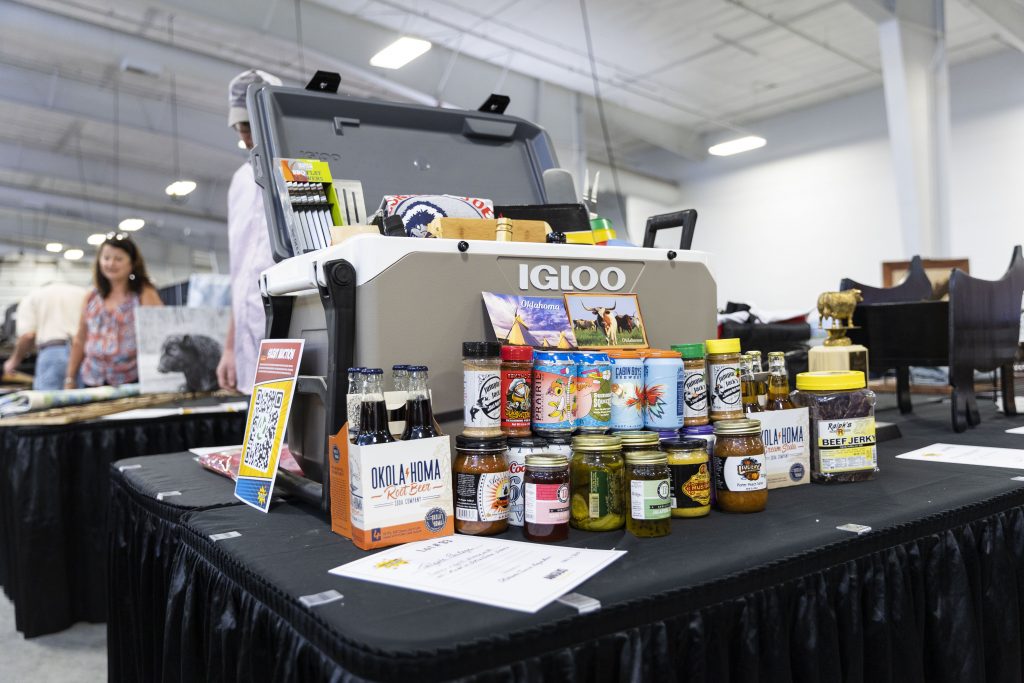
The Angus Foundation will host its annual silent auction during the National Junior Angus Show (NJAS) in Tulsa, Oklahoma. Proceeds from the silent auction help to grow the Angus Fund, which provides unrestricted support for the Foundation's mission of advancing education, youth and research in the Angus breed.
"For over 15 years, the silent auction has raised money to provide funding for programs ranging from youth scholarships and leadership events to Angus research," said Jaclyn Boester, Angus Foundation executive director. "We greatly appreciate everyone's support and dedication towards the silent auction. The generous support is key to the event's continued success."
Items donated to the Foundation for the silent auction may come from individual Angus supporters, farms, companies or state junior Angus associations. Donation examples include paintings, gift baskets, books, cattle supplies, jewelry, clothing and Angus collectibles. The state junior association with the highest selling item will receive a $250 donation to their state junior association.
Past silent auctions have featured a mix of one-of-a-kind items. From vintage publications to framed artwork, wine and outdoor accessories like fire pits and corn hole sets, there's something unique each year and a special item for every type of bidder.
At the 2024 NJAS in Madison, Wisconsin, the silent auction raised nearly $16,000 in unrestricted funds to aid the Angus Foundation's mission and supported numerous scholarships, conferences and research projects. These funds support scholarships and events including the Leaders Engaged in Angus Development (LEAD) Conference, Beef Leaders Institute (BLI) and breed-improvement research initiatives.
For the fourth year, the silent auction will be hosted online at https://anguslive.com/auctions with bidding opening June 30th and closing July 4th. Lots will be available to view online prior to the auction and in person at the National Junior Angus Show.
To donate an item, please contact the Angus Foundation at 816-383-5100. For more information about the silent auction, visit www.angus.org/foundation/get-involved/events/silent-auction.
About the Angus Foundation
Established as a 501(c)(3) organization in 1980, the Angus Foundation remains focused on its mission to support Angus education, youth, and research. The organization has distributed more than $4.9 million in youth scholarships since 1998 and has also invested more than $1.4 million in beef cattle research in the past decade.
For more information, contact the Angus Foundation at 816-383-5100.
In the first 100 days of the Trump Administration, U.S. Secretary of Agriculture Brooke Rollins has worked to put Farmers First and reverse the woke Diversity, Equity, and Inclusion (DEI) agenda of the Biden Administration.
"It is absurd that while the Biden Administration was driving up inflation, American taxpayers were forced to fund billions in woke DEI initiatives. American farmers and ranchers don't need DEI, they need reduced regulations and an Administration that is actively putting them first. In the first 100 days of the Trump Administration, USDA has done exactly that, by cancelling over 3,600 contracts and grants saving more than $5.5 billion. I look forward to finishing our work of cleaning out Biden's bureaucratic basement and moving forward with this Administration's priorities that put American farmers first," said Secretary Rollins.
On day one, Secretary Rollins issued a memorandum to rescind all DEI programs and celebrations. Instead, USDA is reprioritizing unity, equality, meritocracy, and color-blind policies. Secretary Rollins directed USDA to review Inflation Reduction Act funding to ensure that it honors the sacred obligation to American taxpayers—and to ensure that programs are focused on supporting farmers and ranchers, not DEI programs or far-left climate programs. Since January 20th, USDA has begun a comprehensive review of contracts, personnel, and employee trainings and DEI programs. As a result, USDA has terminated 597 grants, which totaled more than $3.45 billion and over 3,000 contracts totaling $1.8 billion. Between grants and contracts, USDA has terminated more than $5.5 billion in unnecessary and wasteful spending. USDA has identified and canceled nearly 1,000 employee trainings, more than 750 of which focused on DEI alone. Other canceled trainings include Environmental Justice and gender ideology classes. Per the President's directives, Secretary Rollins is leading a new era of USDA to ensure that it is the most efficient, nimble, and innovative department to serve American Agriculture since its establishment in 1862 by President Abraham Lincoln.
In order to ensure that taxpayer dollars are being spent in accordance with federal law, Rollins sent a letter (PDF, 612 KB) to Maine Governor Janet Mills announcing the pause and an ongoing review of federal funding that the state of Maine receives from the USDA. This comes after Maine's continual refusal to provide equal opportunity to women and girls in educational programs, in direct violation of Title IX. Secretary Rollins also sent a letter to Governor Gavin Newsom announcing a review of federal funding California receives intended for research and education.
Additionally, in order to ensure that taxpayer dollars are directly supporting farmers and not serving as a Green New Scam slush fund for non-governmental organizations, Secretary Rollins announced the cancellation of the Partnerships for Climate-Smart Commodities (PCSC). Following a thorough line by line review of each of these Biden era partnerships, it became clear that the majority of these projects had sky-high administration fees which in many instances provided less than half of the federal funding directly to farmers. Select projects may continue if it is demonstrated that a significant amount of the federal funds awarded will go to farmers. With this action, USDA is cutting bureaucratic red tape, streamlining reporting, lowering the paperwork burden on producers and putting farmers first.
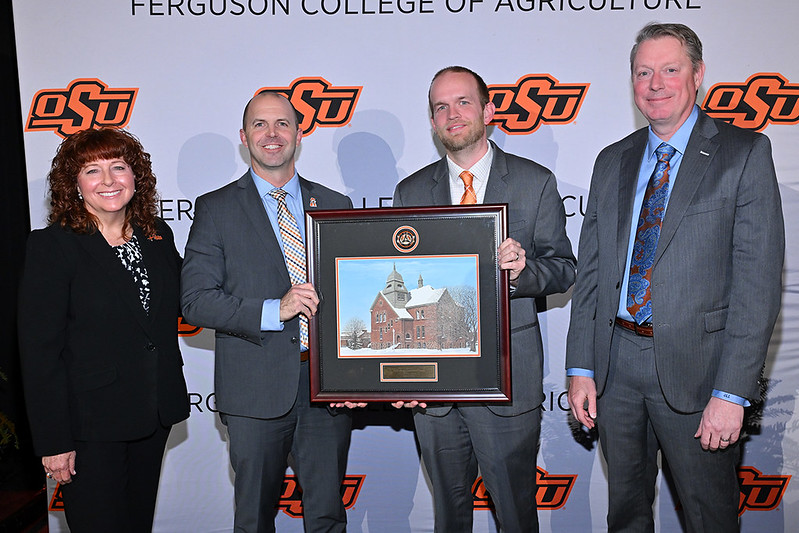
Cynda Clary, associate dean of the Ferguson College, Justin Anderson, president of the Ferguson College Alumni Society, and Jayson Lusk, vice president and dean of OSU Agriculture, present Robby Branscum with the Early Career Achievement Award. (Photo provided by Genesee Photo)
The Oklahoma State University Ferguson College of Agriculture Alumni Society Board recently recognized Robby Branscum with the Early Career Achievement Award. Branscum was honored at the annual Scholarships and Awards Banquet on April 3.
Branscum, a two-time graduate of the Ferguson College, earned a bachelor's degree in animal science and agricultural education in 2013 and a doctorate in agricultural education in 2024.
As an undergraduate student, Branscum was a member of the Freshmen in Transition Living Learning Program, the First-Year Representative Council and Collegiate FFA. In addition to student organizations, Branscum said his coursework prepared him for an agricultural education career.
"I am grateful for Dr. Jon Ramsey, Dr. Rob Terry and Dr. Shane Robinson for their guidance in preparing me to succeed in the classroom and appreciate the field experiences where I visited other agricultural education programs and taught in their classrooms," Branscum said. "Also, many of the projects I completed in Dr. Bob Kropp's animal nutrition courses are ones I use in my classes today."
In 2013, Branscum began his career as an agricultural education instructor and FFA advisor at Oilton Public Schools in Oilton, Oklahoma. He joined Stillwater Public Schools to serve in the same role in 2016.
Branscum is an accomplished educator and has been recognized by the Oklahoma Agricultural Education Teachers Association and the National Association of Agricultural Educators. He also received the 2023 national Carl Perkins Community Service Award from the Association for Career and Technical Education for his efforts to promote student involvement in community service.
A member of Stillwater's agricultural education team, Branscum has helped Stillwater FFA win several national and state accolades. In 2023, Stillwater FFA was named the National Premier Chapter for Building Communities, a recognition honoring the most innovative FFA chapter in community service. Stillwater FFA also won the Model of Excellence award from the National FFA Association, the highest honor an FFA program can receive. Stillwater FFA boasts impressive individual student achievements, including 78 state and 19 national Agriscience Fair championships, 30 state Agricultural Proficiency awards and over 80 national supervised agricultural experience grants.
"We are thrilled to recognize Robby with the Early Career Achievement Award," said Justin Anderson, president of the Ferguson College of Agriculture Alumni Society. "His commitment to developing students not only in his classroom but also in the Ferguson College is admirable."
Branscum continues to support the Ferguson College by serving as a guest lecturer in the OSU Department of Agricultural Education, Communications and Leadership and hosting students for their first teaching experiences in his classroom.
"I believe in the mission of educating others on the importance of the agricultural industry," Branscum said. "As an agricultural educator, I recognize the necessity of preparing the next generation of educators and love giving back through this endeavor."
Branscum said receiving this award is meaningful because of his passion for OSU and the Ferguson College of Agriculture.
"For the past 12 years, I have been involved in a career where I can combine my two passions of agriculture and education," he said. "These passions were instilled in me during my time at OSU, and being recognized for this award by the college that shaped my life is truly an honor."
The Ferguson College of Agriculture believes in the value of hands-on education and the importance of having a well-rounded student experience. The college's award-winning faculty members are dedicated to developing students and are passionate about adding value to the total educational experience. With 16 majors, a variety of study options and more than 60 student organizations, the college is committed to expanding minds and inspiring purpose. Learn more at agriculture.okstate.edu
By Sophia Fahleson

Malaysia recently opened itself to U.S. sorghum imports by relaxing administrative requirements.
U.S. sorghum has a new market opportunity in Malaysia after import restrictions and requirements for the product were eased earlier this month.
The U.S. Grains Council (USGC) worked closely with its Malaysian counterparts together with its partners at the U.S. Animal and Plant Health Inspection Service (APHIS), the U.S. Department of Agriculture's Foreign Agricultural Service (USDA's FAS) and the United Sorghum Checkoff Program (USCP) to advance market access for U.S. sorghum in Malaysia.
"The Council applauds Malaysia's decision to open itself to U.S. sorghum to provide a high-quality feed and food ingredient option for this growing, modern economy," said Caleb Wurth, USGC regional director for Southeast Asia and Oceania (SEA&O). "Our staff has already been in touch with Malaysian customers to let them know about this change and they are extremely interested in the financial and nutritional benefits of U.S. sorghum."
The new import laws dropped several logistical and administrative requirements that previously put U.S. sorghum at a competitive disadvantage compared to other origins.
Malaysia imported more than $28 million in U.S. grains in all forms (GIAF) in marketing year (MY) 2023/2024 and has already surpassed that mark in MY 2024/2025, with more than $32 million in sales through February according to USDA data.
"Like many Southeast Asian nations, Malaysia has been a consistent market for U.S. producers despite an absence of sorghum exports, but with these new regulations allowing U.S. sorghum access, I expect to see an even stronger trade partnership between the countries," said Rowena Ngumbang, USGC regional marketing manager for SEA&O.
"Sorghum's versatility is appealing to end-users in the region and the Council will continue working alongside APHIS, FAS and USCP to seek similar changes in nearby countries."
Farmers are invited to submit nominations for the 2026 Farm Bureau Farm Dog of the Year contest, which comes with cash prizes and bragging rights. This is the eighth year of the contest, supported by Nestlé Purina PetCare, which celebrates farm dogs and the many ways they support farmers and ranchers.
The grand prize winner – Farm Bureau Farm Dog of the Year – will win a year's worth of Purina Pro Plan dog food and $5,000 in prize money. The winner will be recognized at a Farm Dog of the Year award ceremony at the American Farm Bureau Convention in Anaheim, California, in January 2026.
The 2026 Farm Dog of the Year will also be featured in a professionally produced video. The profile of 2025 Farm Dog of the Year Sirius can be viewed here. Since its inception, the contest has provided a link to the farm for pet-loving Americans who vote for their favorite farm dog online.
"Farm dogs play an important role on the farm and hold a special place in our hearts," said AFBF President Zippy Duvall. "They show up every day without complaint and are eager to pitch in. Many go above and beyond in caring for their farm families."
Rounding up livestock, chasing off predators, opening gates, fetching or carrying tools/buckets and greeting visitors are among the many tasks performed by farm dogs.
Scientific research insights from a collaboration between Mayo Clinic and Purina reveal that interacting with pets can provide health benefits. For example, after spending just 20 minutes with a dog, people experienced a significant increase in levels of oxytocin, a hormone that plays a role in moderating stress. This was also associated with a decrease in heart rate and an increase in a self-reported sense of well-being. Following the interaction with the dog, people were in a more positive emotional state.
"We are proud to continue supporting and celebrating hard-working and loving farm dogs through the American Farm Bureau's Farm Dog of the Year contest," said Jack Scott, vice president, sustainable sourcing at Purina. "Purina sources nutritious ingredients from American farms to make our pet food, and we support the hard work and dedication of American farmers feeding generations of people and pets."
Desired attributes for the Farm Dog of the Year include helpfulness to the farmer and his/her family, playfulness and obedience.
Farm dog owners must be Farm Bureau members to enter their dogs in the competition. Not yet a Farm Bureau member but interested in nominating your farm dog? Visit fb.org/join to learn about becoming a member.
Eligibility guidelines and submission requirements are available here. Farm Dog of the Year nominations, which include written responses to questions, at least one still photo and a video clip (optional), must be received by July 11, 2025, for consideration. The Farm Bureau Farm Dog of the Year contest is sponsored by the American Farm Bureau Federation.
The People's Choice Pup, a popular social media element of the Farm Dog of the Year competition, returns for 2026. Profiles of several dogs nominated for the contest will be shared beginning in September, with the public invited to vote. Bragging rights and a $2,500 cash prize from Purina will be awarded to the People's Choice Pup.
About Nestlé Purina PetCare Company
Nestlé Purina PetCare creates richer lives for pets and the people who love them. Founded in 1894, Purina has helped dogs and cats live longer, healthier lives by offering scientifically based nutritional innovations. Purina manufactures some of the world's most trusted and popular pet care products, including Purina ONE, Pro Plan, Friskies and Tidy Cats. Our more than 11,000 U.S. associates take pride in our trusted pet food, treat and litter brands that feed 46 million dogs and 68 million cats every year. Nearly 500 Purina scientists, veterinarians, and pet care experts ensure our commitment to unsurpassed quality and nutrition. Over the past five years, Purina has contributed more than $150 million towards organizations that bring, and keep, people and pets together, as well as those that help our communities and environment thrive. Purina is part of Nestlé, a global leader in Nutrition, Health and Wellness.
About American Farm Bureau Federation
The American Farm Bureau Federation is the Voice of Agriculture. We are farm and ranch families working together to build a sustainable future of safe and abundant food, fiber and renewable fuel for our nation and the world. Learn more at http://facebook.com/FarmBureau or follow @FarmBureau on Twitter or @farmbureau on Instagram.
Rep. Collin Duel, R-Guthrie, on Tuesday passed a bill in the House aimed at protecting Oklahoma's bioscience and research assets from being exploited by hostile foreign governments.
Senate Bill 552 now moves to the governor for his consideration of signing it into law.
"Foreign adversaries have made clear their intent to exploit sensitive biological data," Duel said. "We cannot allow Oklahoma's institutions to be vulnerable to such risks. Oklahoma must remain vigilant in protecting our state's security and ensuring that taxpayer dollars do not support entities that pose a risk to our nation."
Duel, a combat veteran and former Army Ranger, has fought for similar protections of state assets in other areas of law.
He said if the U.S. government designates a biotechnology company to be one of concern due to its close association with hostile foreign governments, any Oklahoma state agency that receives federal or state funds would be prohibited from using the company's equipment or services. The agency also would not be allowed to use a company that contracts with such an entity.
Sen. Kelly Hines, R-Oklahoma City, is the Senate author of the measure. Hines is a retired U.S. Army colonel.
"Senate Bill 552 strengthens national security by safeguarding our bioscience and research assets from hostile foreign governments," Hines said. "By ensuring state agencies don't contract with companies designated as biotechnology companies of concern, we are protecting the integrity of our state's innovation and securing the future of Oklahoma's research sector."
Both lawmakers said Oklahoma has many world-class foreign researchers, and the bill is not intended to risk those relationships. They also acknowledged viable work with companies from around the globe. They said the bill targets a narrow category of foreign-government affiliated companies that are set on unlocking world-changing technologies with ill intent.
The U.S. Senate is poised to consider similar legislation. While SB522 is meant to mirror the federal legislation, it establishes state-level protections regardless of whether the congressional bill passes.
| Economic Benefits of Effective Grazing Management Thursday, May 8th, 6:00 - 7:00 CDT Join us for an insightful webinar where we delve into the economic benefits of effective grazing management. Discover how strategic grazing practices can transform your agricultural operations, boost productivity, and enhance profitability. Gain valuable knowledge from Dr. Jason Sawyer, East Foundation, and Steve Wooten, Beatty Canyon Ranch, who will share their experiences and success stories in implementing effective grazing strategies. This webinar offers practical advice and innovative solutions to help you achieve economic success. Don't miss this opportunity to enhance your grazing management skills and drive your business forward! |
| ||||||||||||||||||||||||||||||||||||||||||||||||||||||||||||||||||||||||||||||||||||||||||||||||||||||||||||||||||||||||||||||||||||||||||||||||||||||||||||||||||||||||||||||||||||||||||||||||||||||||||||||||||||||||||||
| ||||||||||||||||||||||||||||||||||||||||||||||||||||||||||||||||||||||||||||||||||||||||||||||||||||||||||||||||||||||||||||||||||||||||||||||||||||||||||||||||||||||||||||||||||||||||||||||||||||||||||||||||||||||||||||
|
Just over a year ago, Michigan State University leaders broke ground on transformative renovations taking place at the MSU Plant Science Research Greenhouse Facility located at the corner of Farm Lane and Wilson Road. As work continues to be done at the facility, its progress is clear and evident when passing by.
In April, construction wrapped up at the greenhouses' new headhouse, the hub supporting the entire complex, allowing the facility's team to move in and the building to open.
The facility's old headhouse only held staff offices, a conference room and an equipment workshop that also acted as a lunchroom. In comparison, the new headhouse hosts multiple workstations that contribute to cutting-edge research happening across the greenhouses, including a conference room, equipment workshop, soil mixing and fertilizer room, plant photography room, potting room, pot- and root-wash rooms, vernalization room, and pesticide mixing and storage rooms.

The large potting room offers tables for researchers to spread out while they're planting and has hoses over each table to allow them to moisten potting mix as they're filling pots, ultimately helping plants get off to a better start in the greenhouses. Chrislyn Particka, director of the MSU Plant Science Research Greenhouse Facility, said she hopes this can be a collaborative space for the more than 400 users who utilize the greenhouses.
She also said the tools offered in the new headhouse will promote research in ways the old headhouse couldn't support.

"Many researchers at MSU study plant roots, an often forgotten, yet very important, part of plants," Particka said. "The new headhouse offers a large sink with a soil trap so that users can more easily and quickly wash roots for their research projects without worrying about clogging drains.
"Additionally, high quality photos are important to include in research and extension publications and presentations. The new headhouse offers a plant photography room with black walls, shelving and lighting. Greenhouse users will only need to bring their plants and camera to access and use the room."
The new headhouse also accommodates a cold room — or vernalization room — which scientists can use to mimic winter conditions on the plants they're studying and conduct seed stratification. The old headhouse had a smaller vernalization room, but its compressor broke beyond repair years ago.
"Seeing the new headhouse reemphasizes how much the revamping of MSU's greenhouse facility was needed," said George Smith, director of MSU AgBioResearch. "Our scientists hear from stakeholders and do fundamental research intended to benefit them. The investment into these greenhouses is not only one for Michigan State University, but one for all Michiganders working in the agriculture and natural resources spaces."
The updates at the greenhouses are supported, in part, by $53 million allocated by the Michigan Legislature in July 2022 to update the university's greenhouse and dairy facilities. The university also contributed $12 million, creating a budget of $35 million for greenhouse renovations.

In addition to the completion of the headhouse, several other greenhouse developments have been finalized, and others are still ongoing.
By fall 2024, updates to eight existing greenhouses (including six that were renovated with financial support from various MSU units before the start of the state-funded project) had been made, and by January 2025, two of five new greenhouses planned to be built had been finished. The remaining three will be constructed over the next year and a half, with the final one scheduled for move-in by November 2026.
Installing modern environmental control systems and energy-efficient LED lighting have been among the advancements featured in the renovated and newly built greenhouses. These upgrades give MSU scientists the opportunity to conduct controlled, replicated experiments under a variety of growth, environmental and stress conditions — no matter the season.

In the new greenhouses, an energy curtain can be protracted and retracted with the environmental control system, assisting with cooling the greenhouses in the summer and retaining heat overnight in the winter. The new greenhouses will also allow for taller plants to be grown beneath higher ceilings.
This summer, in addition to the construction of new greenhouses, work will be done on existing greenhouses to rebuild sidewall vents and replace an evaporative cooling pad system.

"This investment will be a tremendous help to our researchers, whose work is advancing our understanding of plant science and contributing to sustainable solutions for global challenges," said Eric Hegg, dean of MSU's College of Natural Science. "Our faculty rely on precise environmental controls for their experiments. I'm excited to see the innovative discoveries they'll make in these updated facilities."
Prior to these renovations, two-thirds of the MSU greenhouses had been built before 1980, with the oldest having been built in the 1950s. The improvements being made address issues that MSU scientists have experienced with their research due to aging infrastructure, such as leaky roofs and walls, and an inability to properly control temperature inside greenhouses.

Campus units, including the College of Natural Science, Infrastructure Planning and Facilities, MSU AgBioResearch, Office of the Provost, Office of the Vice President for Research and Innovation, and Plant Science Research Greenhouse User Committee, have joined Particka over the years in raising awareness about the need to invest in the greenhouse facility.
But the work won't be done after these refurbishments are complete.
At the conclusion of the project in 2026, roughly 40% of the 88,500 square feet of greenhouse space will remain untouched. Smith said continued backing for the greenhouses is needed to guarantee MSU scientists are provided with reliable spaces to conduct their research.
"We're very grateful for the support our advocates have shown in helping us update the greenhouse facility," Smith said. "Thank you to the Michigan Legislature, state commodity organizations and our agricultural partners. After these renovations are complete, however, almost half of the greenhouse area will still need to be addressed with substantial work.
"Having up-to-date infrastructure is critical in ensuring research is accurate and true. We need to build on this momentum so we can continue enhancing our capacity to conduct research that advances how food is grown, plants are taken care of, and resources are managed."
Michigan State University AgBioResearch scientists discover dynamic solutions for food systems and the environment. More than 300 MSU faculty conduct leading-edge research on a variety of topics, from health and agriculture to natural resources. Originally formed in 1888 as the Michigan Agricultural Experiment Station, MSU AgBioResearch oversees numerous on-campus research facilities, as well as 15 outlying centers throughout Michigan. To learn more, visit agbioresearch.msu.edu.
The Agricultural Retailers Association (ARA) is pleased to announce the launch of LaborLink, a new member benefit designed to help agricultural retailers address one of their most urgent operational challenges: securing reliable labor. Through a partnership with másLabor, the nation's leading provider of H-2 visa services, ARA members now have direct access to expert support in navigating H-2 visa processes.
"Our members are dealing with significant labor shortages that impact everything from product delivery to service capacity," says Daren Coppock, ARA President and CEO. "LaborLink gives members access to a proven, legal workforce solution—and it comes at a critical time in the hiring cycle."
The H-2 visa program enables U.S. employers to legally hire foreign workers for temporary, non-agricultural positions. For agricultural retailers—many of whom require help with logistics, custom application, and facility operations—the program offers a powerful tool for filling workforce gaps.
Crucial Timing
To be eligible for the spring workforce window, employers must begin the H-2 application process by June 1. By starting now, ARA members can bring workers in during the fall and rehire them in spring 2026 under a cap-exempt status, significantly improving their chances of success.
With LaborLink, ARA members receive:
másLabor currently represents more H-2 program clients across more sectors and states than any other provider, offering deep expertise in regulatory navigation, audit readiness, and workforce onboarding.
"This collaboration is another example of how ARA is working to deliver real, timely solutions to help members operate more effectively," Coppock says. "We're proud to offer this benefit and look forward to seeing the impact it makes across the industry."
Get more information about ARA's LaborLink.
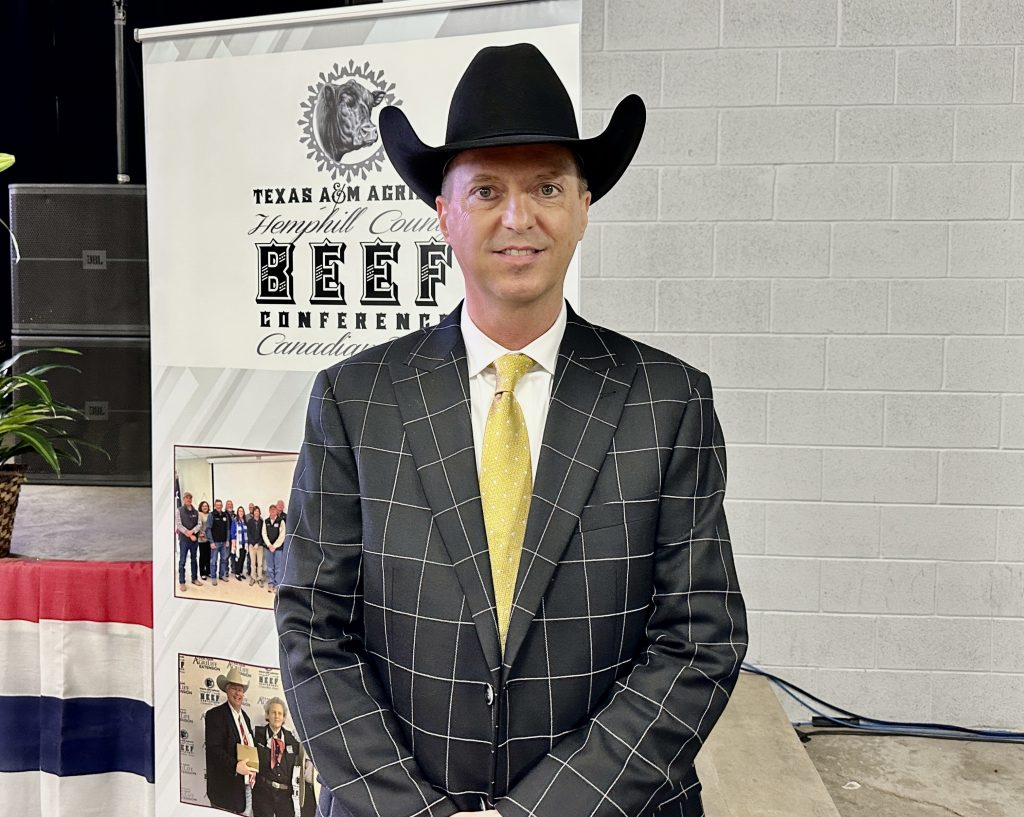
At the 10th Annual Hemphill County Beef Conference in Canadian, Texas, Senior Farm and Ranch Broadcaster Ron Hays had the chance to visit with Troy Applehans, Market Specialist at CattleFax, who was speaking at the event.
Applehans discussed the red-hot cattle markets at the time of the conference. "We're another year deeper into the cycle, and there is an expiration date to these cycles, but none of us know if it is going to be this year or next, but we simply see the market sustaining itself much longer than it did during the last cycle," he stated.
He pointed out that even those with short memories will remember the 2014 – 2016 cycle and the detriments of prices seen during that period. He doesn't anticipate the nation's herd size returning to its previous glory this time, but does expect the higher prices to have a longer lifespan.
According to Applehans, the snail's pace of herd rebuilding is directly related to the actions of Mother Nature. "There is an opportunity and a desire out there for people to want to restock and even expand their herds, but there's no place to go with these cattle at this particular time," he detailed. "It is just too dry around the country."
He noted that about 60 percent of the nation's cow herd resides in the area spanning from Montana, into the Dakotas, and south into Texas, and pointed out that all of those states have been pretty dry over the past several years.
He explained the unprecedented demand for beef and how the 26-to-27-pound increases to carcass weights seen last year made up for roughly a million head of fed cattle that didn't have to be slaughtered without shorting the market.
Hays mentioned the near-record prices of fed cattle seen in the $2.15 to $2.16 range this week, and Applehans thinks they still may not have peaked yet. "Record territory isn't unusual to see at a time like this in this cycle, but as I mentioned, there is an expiration date, and none of us know exactly where these highs will be. Certainly, there is a lot of data that would indicate that the market can reach that $2.25 or better level on the fed cattle side – none of us know for sure – but if we get to that level, you wonder about the consumer and are they still willing to accept the prices at the retail side."
Applehans and his team at CattleFax closely examine the state of the economy through unemployment rates, equity markets, consumer psychology, and more, to try to determine where the breaking point will be. He knows pork and poultry are close competitors with beef and that beef is the protein most vulnerable to consumer pullback due to its higher prices, but says that so far, there has been no chinks in the armor regarding consumer demand.
Applehans believes that the constricted numbers of the cow herd, combined with high demand for beef, may mean that cow calf producers will remain in the driver's seat for an extended period of time.
"We know that these cycles tend to last ten to eleven years in length between a high to a high or a low to a low, and quite frankly, we're in about the fifth year of this upcycle that we've seen," Applehans explained. "The message that we would like to portray is that we don't see these prices just falling off. Does that mean that we can forego managing risks? Things can be really, really important to manage risks. Utilizing some form of risk management, whether that be through the LRP side or utilizing the options market or the futures, will be very important here over the next several years."
He touted the user-friendly aspect of LRP programs and said that it is money well spent. He pointed out that although some producers have purchased it and didn't need it because their cattle sold well, that is what they should be hoping for – that their insurance isn't needed. He cautioned that, "going forward, there is a higher probability that it will pay."
The Beef Buzz is a regular feature heard on radio stations around the region on the Radio Oklahoma Ag Network and is a regular audio feature found on this website as well. Click on the LISTEN BAR for today's show, and check out our archives for older Beef Buzz shows covering the gamut of the beef cattle industry today.
Texas & Southwestern Cattle Raisers Association Leadership Development Foundation, a 501(c)(3) organization dedicated to fostering the next generation of land and livestock stewards and leaders, has opened applications for the TSCRA Leadership Development Foundation Working Grant Program.
This initiative provides financial capital to business owners with a vested interest in the beef value chain. Entrepreneurs in Texas and Oklahoma — including those in cow-calf operations, stocker and feeder programs, packing plants, large animal veterinary clinics and other beef industry sectors — are encouraged to apply.
To qualify for financial assistance, applicants must operate in economically depressed or blighted areas of Texas or Oklahoma and face disadvantages that make obtaining conventional financing challenging.
The TSCRA Leadership Development Foundation Working Grant Program aims to assist individuals in launching, sustaining or expanding their beef-related businesses.
The online application will remain open until May 31, with grantees expected to be announced by August. For complete details, including application guidelines and eligibility criteria, visit tscra.org/leadership-development-foundation.
CALLING ALL OKLAHOMA 4-H & FFA STUDENTS!
COMMERICAL CATTLE GRADING SCHOLARSHIP CONTEST
DATE: Friday, May 23, 2025
TIME: 8:00 a.m. On –Site Registration.
No Pre-Qualification Required
9:00 a.m. Orientation & Instructional Seminar
9:30 – 9:45 a.m. Break
9:45 am. Contest with results following
LOCATION: OKC West Market Inc., El Reno, OK
The top three scoring overall students will receive the Rick Jones Memorial Scholarships. First Place $2,000., Second Place $1,500., and Third Place $1,000.
Rick Jones was a lifelong cattleman and a founding partner of OKC West Livestock Market, Inc.; El Reno, OK. Rick always realized the importance of having a good eye for cattle, feeling it was the single most important key to success in any aspect of the cattle business. He always encouraged young people who were interested in the cattle business and will continue to do so through the memorial scholarship bearing his name.
Midwest Shows Scholarship Programs Inc. in conjunction with
Several sponsors present the competition. This contest is open to all FFA and 4H members. Those participating will first attend a 30-minute seminar on grading presented by Jason Harvey, Oklahoma Department of Agriculture Market Development Coordinator. Following the presentation teams will grade up to 16 head using the criteria covered in the seminar. Scoring will be supervised by Oklahoma Careertech Ag Education department Kurt Murray who is the Southwest Area Program Specialist. A total of 33 scholarships totaling $8,100 will be awarded to the top three FFA teams, the top three 4H teams and the top three individuals from FFA and the top three individuals from 4H. There will also be an open class for individuals not participating in the scholarship competition. First place team members and First place individuals also receive a $50.00 Gift card from Tener's Western Outfitter, 4320 West Reno, Oklahoma City, OK
For More Information Contact: Ddee Haynes
580-772-4053 or E-mail ddeehpj@gmail.com
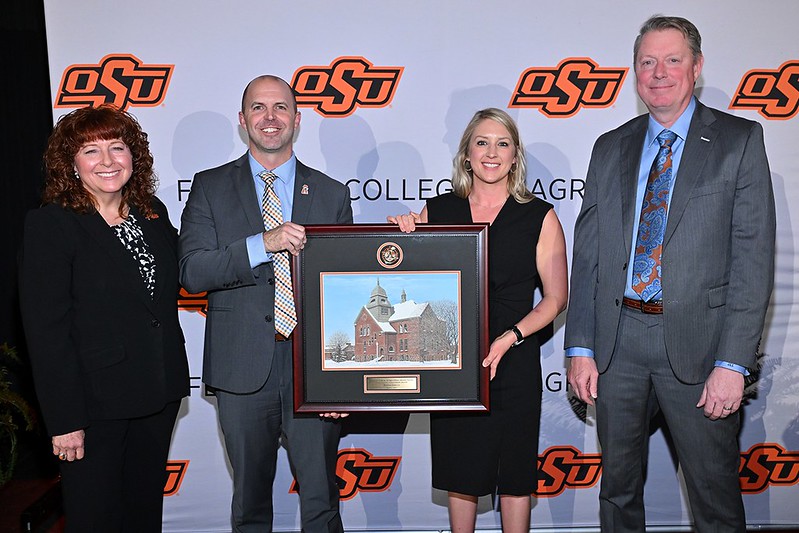
Cynda Clary, associate dean of the Ferguson College, Justin Anderson, president of the Ferguson College Alumni Society, and Jayson Lusk, vice president and dean of OSU Agriculture, present Halston Johnson with the Early Career Achievement Award. (Photo provided by Genesee Photo)
The Oklahoma State University Ferguson College of Agriculture Alumni Society Board recently recognized Halston Johnson with the Early Career Achievement Award. Johnson was honored at the annual Scholarships and Awards Banquet on April 3.
Johnson, of Perryton, Texas, is a two-time graduate of the Ferguson College. She received a bachelor's degree in agricultural communications in May 2013 and a master's degree in international agriculture in December 2013.
While Johnson was a student at OSU, she was a member of the Agricultural Communicators of Tomorrow and Alpha Zeta professional agricultural fraternity. In addition to her campus involvement, Johnson said the relationships she developed inside and outside the classroom are among the most meaningful aspects of her college experience.
"It was incredibly beneficial to my education to work with and learn from so many like-minded people," Johnson said. "The value of that education and the impact each and every connection had on me is unmatched and opened my mind to all of the possibilities I didn't yet know existed."
Johnson joined Courson Oil & Gas as a landman in 2014 and stepped into the position of vice president in 2022.
In 2024, Johnson began her career with Panhandle Drones, working to provide farmers with high-performance technology to elevate production efficiency. She currently oversees the company's operations, advertising and social media marketing.
"Halston's impact in the agricultural industry makes her a deserving recipient of the Early Career Achievement Award," said Justin Anderson, president of the Ferguson College Alumni Society Board. "Her leadership reflects the values held within the Ferguson College, and we are happy to celebrate her success."
Active in her community, Johnson serves as president of the Ochiltree General Hospital Healthcare Foundation and volunteers with the Perryton Rodeo Association. Johnson said she is passionate about participating in local organizations that allow her to advocate for agriculture and natural resources, and she enjoys promoting the Ferguson College to young adults interested in pursuing higher education in agriculture.
"I strive to be an ambassador for the Ferguson College of Agriculture each day through my actions, attitude and professionalism," she said. "It is my hope that the way I conduct myself reflects favorably on how the college helped shape me into the businesswoman I have become."
To Johnson, receiving the Early Career Achievement Award is an honor that recognizes not only her achievements but also the connections she built in the Ferguson College.
"I am blown away that I was considered for such an honor and put into the same category as some of the very impressive prior recipients of this award," she said. "This award is an incredible honor to receive, however, the honor isn't just mine. It belongs to all who stood by me and believed in my potential as both a student and a businesswoman."
The Ferguson College of Agriculture believes in the value of hands-on education and the importance of having a well-rounded student experience. The college's award-winning faculty members are dedicated to developing students and are passionate about adding value to the total educational experience. With 16 majors, a variety of study options and more than 60 student organizations, the college is committed to expanding minds and inspiring purpose. Learn more at agriculture.okstate.edu.
By Sophia Fahleson

Providing opportunities for all talents, strengths and interests is how a community improves itself and its citizens. In fact, according to ApprenticeshipUSA, there were 4,332 registered apprentices who served in the agriculture industry in 2024. This was a 56 percent increase since 2019.
On April 30, 2025, Nebraska officials recently gathered in Omaha to discuss the economic and business benefits of trade school partnerships with representatives from the German American Chamber of Commerce, area business leaders and trade school educators during a roundtable discussion sponsored by CLAAS and Graepel North America. This event was the first stop on the Skills Initiative Roadshow 2025, a multi-site tour aimed at fostering the development of regional partnerships between German companies and U.S. apprenticeship providers.
"We know that as equipment advances and more innovations come online, we are going to need a highly trained workforce to build and maintain these machines," says Matthias Ristow, President and Managing Director Business Administration at CLAAS Omaha Inc. "We hope by sharing how we have implemented educational programs like this encourages others to consider an apprenticeship program. Through our program CLAAS can not only teach participants the skills they need to do the job as well as critical thinking and communications skills that benefit the company and the worker."
Apprenticeships Offer Win-Win Scenario
Nebraska officials including Governor Jim Pillen and Nebraska State Chamber President Bryan Slone participated in the discussion, which was held at CLAAS headquarters. The robust apprenticeship program at CLAAS Omaha is modeled after the German dual education system, which combines practical, on-the-job training with theoretical education in vocational schools.
"Apprenticeship programs are key to growing our workforce and providing employers with the skilled labor they need," said Gov. Pillen. "Apprenticeships are equally important for lifting up our kids, introducing them to career opportunities and then giving them the skills and experience that will help them to stand out when seeking permanent employment."
Apprenticeships require both on-the-job instruction and classroom learning and must be agreed to in a written agreement. The agreement is then approved in Nebraska by the Office of Apprenticeship. Apprenticeships in farm equipment manufacturing and servicing are approved by the U.S. Department of Labor.
"Supporting the communities where CLAAS equipment is manufactured and where CLAAS customers are a key fixture to us," adds Ristow. "Increasing apprenticeship programs in Nebraska could offer new opportunities and boost our rural economies."
ABOUT CLAAS
CLAAS produces a wide variety of technologically innovative tractors, combines, forage harvesters, balers, and hay tools that deliver optimum performance in the field. These premium equipment lines are designed by a dedicated engineering staff located at numerous factories worldwide and focused on research and production. The design, performance, and reliability of this equipment have made CLAAS an international market leader. For more information, visit www.claas.com.
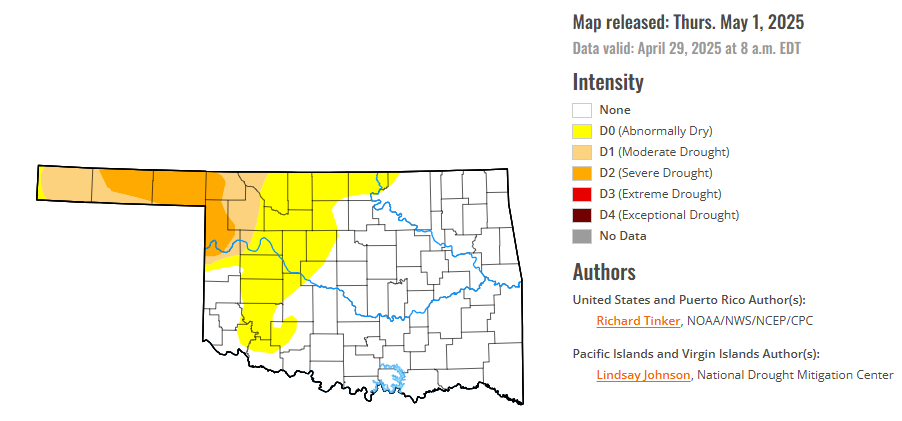
To view the latest Oklahoma drought map, CLICK HERE.
According to the latest Oklahoma drought monitor report, exceptional drought remains at zero percent, unchanged from the start of the calendar year.
Extreme drought or worse conditions remain at zero percent, unchanged since the week of October 29, 2024.
Severe drought or worse conditions have increased to 6.91 percent, up from 2.74 percent last week.
Moderate drought or worse conditions have decreased to 14.14 percent, down from 32.02 percent last week.
Abnormally dry or worse conditions have decreased to 33.14 percent, down from 46.00 percent last week.
According to the 6-to-10-day precipitation outlook map, the western half of the state of Oklahoma is leaning above a 40-50% chance of precipitation, and the eastern half is likely above a 50-60% chance of precipitation through May 10. The extreme southwest corner of the panhandle is likely above a 60-70% chance of precipitation and the far northeast corridor is leaning above a 33-40% chance of precipitation through that May 10th date.
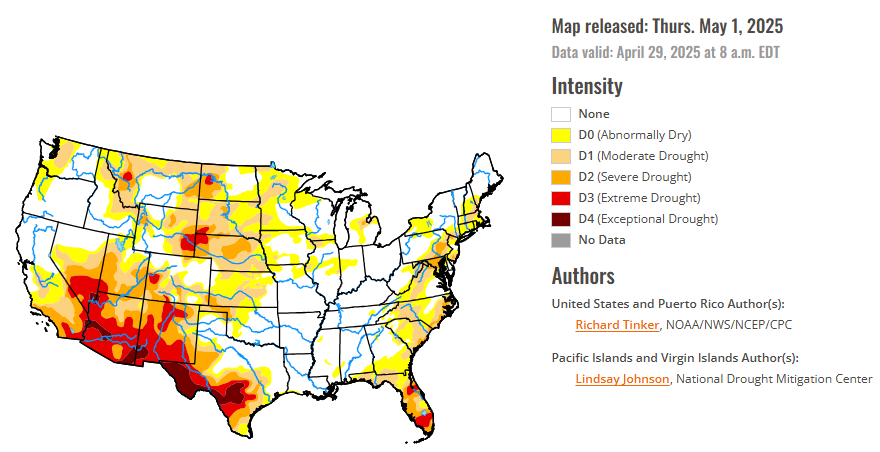
To view the United States Drought Map, CLICK HERE.
Strong thunderstorms and heavy precipitation again affected parts of the central and eastern Contiguous United States, although coverage was spotty in all but a few areas. Heavy to excessive rains (at least 2 inches) doused portions of the Plains, Mississippi Valley, Upper Southeast, and scattered to isolated sections of the northern and western Great Lakes, Ohio Valley, Carolinas, Northeast, and northern Rockies. In several sizeable areas of the Plains where there was relatively solid coverage of heavy precipitation, conditions improved significantly. Meanwhile, rainfall was negligible (several tenths of an inch at best) in most areas from the Rockies westward and in a few areas farther to the east, including much of southern and western Texas, the Oklahoma Panhandle, southeastern Kansas, central and western Nebraska, central and western North Dakota, a band from parts of the middle Mississippi Valley through the southern and eastern Great Lakes region, much of the immediate Gulf Coast, central North Carolina, central and eastern Virginia, and most of Florida and adjacent southeastern Alabama and southern Georgia. This led to another week with significant dryness and drought expansion and deterioration in the latter areas of the Southeast.
In the Southern Plains, the heaviest rain in the Contiguous United States fell on a band from central Oklahoma southwestward across the Red River (south) into part of northwestern Texas. An area covering several counties recorded 4 to locally 8 inches of rain. Lesser but still heavy amounts (over 2 inches) fell on many areas across the rest of northern, central, and eastern Texas, portions of Louisiana and Mississippi, part of southern Tennessee, and a few scattered locations across Arkansas. Rainfall during the current and past few weeks led to large areas of improvement across the central, northern, and eastern portions of the Texas dryness and drought coverage, in addition to north-central Oklahoma and the western portions of the state outside the Panhandle. Dryness and drought remains widespread across most of Texas outside the northeast and over western portions of Oklahoma, with some deterioration to D2 (severe drought) noted in the Oklahoma Panhandle, which missed the week's heavy rains. A broad area of exceptional drought (D4) remained entrenched across a large swath in central and western Texas, though there was some erosion of its eastward extent. East of this area of solid drought coverage, most areas are free of dryness and drought, and locally heavy rains reduced the coverage even further in part of southeastern Mississippi. Small, isolated areas of abnormal dryness (D0) elsewhere were limited to northwestern Mississippi and eastern Tennessee. Arkansas is entirely free of any dryness or drought.
In the High Plains, precipitation totals varied significantly this week, but more areas were hit by heavy rains and improving conditions than dryness and deterioration. The dry week led to deterioration across southwestern Kansas, southeastern Colorado, and much of the central tier of Colorado. Further north and east, however, widespread heavy rains were noted in several swaths of the Plains and Wyoming, leading to reductions in the intensity and extent of dryness and drought. Improvements were most widespread across central and northwestern Kansas, and most of the state of South Dakota, where heavy rains were most widespread. Still, despite the improvement in many areas, 60-day precipitation totals were under 25 percent of normal in southwestern Kansas and southeastern Colorado, with less than half of normal reported in adjacent areas plus parts of central Kansas, central and northeastern Nebraska, and a few other scattered areas..
In the West, a band of moderate to heavy precipitation (1 to 3 inches) fell across southeastern and south-central Montana, plus isolated spots in eastern Idaho. The rest of the West Region was dry this past week, outside a narrow corridor of heavy rain in east-central New Mexico. As a result, dryness and drought eased their grip in these areas. In addition, some limited improvement was brought into northern and western Washington, and small parts of northern Montana, based on a reassessment of conditions. Most observed changes, however, were for the worse. Conditions were broadly downgraded across interior northern Montana, and increasing moisture deficits led to the expansion of D0 (abnormal dryness) into southwestern Washington and much of northwestern Oregon. In addition, surface moisture depletion has become increasingly obvious across several areas in New Mexico, leading to a significant increase in D3 (extreme drought) coverage there. The dryness was more climatologically seasonable across Arizona, Nevada, and California, where conditions were unchanged this week.
Looking ahead, during May 1-5, 2025, heavy rain (2 to locally 5 inches) is forecast for central and northeastern Texas, northern Louisiana, and southern Arkansas. Moderate to locally heavy totals (1 to 2.5 inches) are expected over much of Mississippi and Alabama, the central and southern Appalachians, the middle and upper Ohio Valley, Pennsylvania and adjacent New York and New Jersey, and a small portion of the central Great Lakes. Light to moderate totals (a few tenths to locally over an inch) is expected across the remainder of the eastern Contiguous United States, with the lowest amounts expected across coastal South Carolina, most of Georgia, and the northern and western sections of the Florida Peninsula. Several tenths to an inch are also forecast from the central and southern Plains westward through much of the Rockies, Nevada, and most of California, with locally higher amounts in some higher elevations of the Sierra Nevada and Great Basin. Little or none is forecast across the northern tier from the upper Mississippi Valley westward to the Pacific Coast, and in some climatologically drier parts of the Southwest. Warmer than normal weather is expected from the western Great Lakes through the northern Rockies and Intermountain West, with daily highs averaging 10 to 13 deg. F above normal in the northern Plains and adjacent areas. Meanwhile, cooler-than-normal conditions are anticipated from central and southern California through the Great Basin, southern Rockies, and central and western Texas. Highs are expected to average 8 to 10 deg. F below normal from western Texas through portions of the Great Basin and central through southern California.
The Climate Prediction Center's 6-10 day outlook valid May 6-10, 2025 favors subnormal precipitation across the Great Lakes, middle and upper Mississippi Valley, the Ohio Valley, the interior Southeast, the mid-Atlantic region, the lower Northeast, and western New England. In contrast, enhanced chances for wetter than normal conditions cover Florida and the immediate southern Atlantic Coast, the Gulf Coast, the lower Mississippi Valley, the central and southern Plains and Rockies, most of the Great Basin, the Southwest, southeastern portions of Alaska, and Hawaii. Higher than normal temperatures are favored across roughly the northern two-thirds of the Contiguous United States, with odds exceeding 70 percent in the northern Plains and adjacent Mississippi Valley. Enhanced chances for warmer-than-normal weather also extend across Hawaii, especially central and western parts of the island chain. Increased odds for subnormal temperatures cover Florida, central and western Texas, the central and southern Four Corners region, and southeastern Alaska. Chances for significantly cooler than normal conditions exceed 50 percent across central and southern New Mexico.
To view the 6-10 Day Precipitation Outlook Map, click here.
To view the 6-10 Day Temperature Outlook Map, click here.
To view the Monthly Drought Outlook Map, click here.
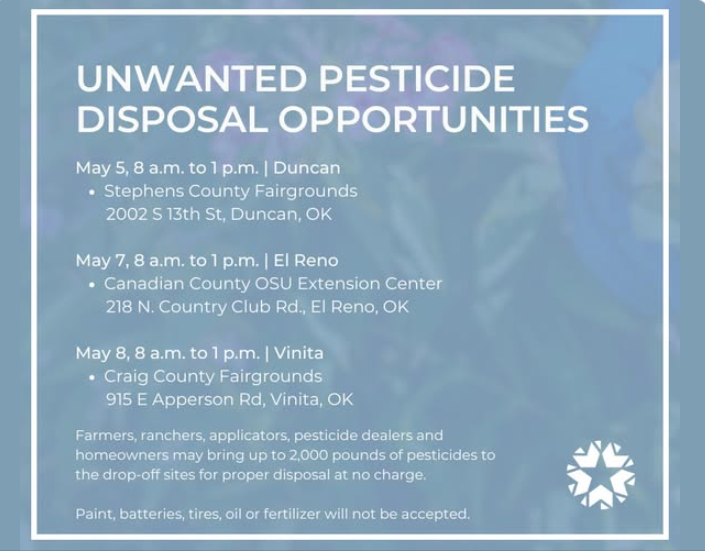
Time to declutter those sheds and storage spaces! 🌱 OSU Extension's Unwanted Pesticide Disposal Program is set to offer three FREE disposal events in May. This is a fantastic opportunity to safely get rid of old or unwanted pesticides at no charge.
🗓️ Mark Your Calendars:
✅ Who can participate? Farmers, ranchers, commercial applicators, pesticide dealers, and homeowners. ✅ What's the limit? Bring up to 2,000 pounds of pesticides per participant for free disposal.
Don't miss this chance to freshen up your storage and ensure safe disposal!
➡️ Learn More & Get Details: https://tinyurl.com/2zm5sud6

Fashion industry veteran and sustainability expert Liz Hershfield will lead Cotton Council International (CCI), the export promotion arm of the National Cotton Council of America (NCC), as its new Executive Director. Hershfield succeeds Bruce Atherley, who retired at the end of March. "Strong leadership and innovative strategies are essential to maintaining U.S. cotton's competitive edge," NCC President & CEO Gary Adams said. "Liz is well poised to enhance COTTON USA™ programs by communicating U.S. cotton's benefits, giving U.S. cotton growers more opportunities to thrive in the complex global market."
Hershfield's specialized expertise in sustainability, global sourcing, product development and end-to-end supply chain strategy, alongside extensive experience with U.S. cotton, will advance CCI in leading the world to cotton's next level through its COTTON USA™ brand and help drive global U.S. cotton initiatives. "There's never been a more important time to champion U.S. cotton," Hershfield said. "U.S. cotton has an incredible story to tell—rooted in quality, innovation and an unwavering commitment to sustainability, underscored by trust earned through reliable COTTON USA™ partnerships. I'm honored to join the talented team at CCI to bolster growth in demand and preference for U.S. cotton across the global textile supply chain."
Throughout her distinguished career, Hershfield has spearheaded supply chain and sustainability initiatives for globally established brands such as J.Crew, Madewell and Gap Inc. She also founded Green-ish, a consultancy that helps businesses navigate the complexities of environmental, social and governance (ESG) and supply chain management. Her contributions to sustainable fashion have earned her widespread recognition, including the prestigious Textile Exchange Ryan Young Climate+ Award for her pioneering regenerative cotton program supporting U.S. cotton farmers.
Hershfield was also honored with The Lead's "The Direct 60" award and named to the Rivet 50 Index for her leadership in the denim industry. In her new role as CCI Executive Director, Hershfield will leverage her vast experience with U.S. cotton and her proven track record in sustainable fashion and supply chain management to globally elevate "The COTTON USA™ Difference" of superior U.S. cotton plus unrivalled partnership across the global textile supply chain.
During the month of April, the Radio Oklahoma Ag Network and Oklahoma Farm Report are spotlighting the 19 Area Stars of Oklahoma FFA, who are among the highest achievers in the organization.
The stars come from the five areas in four categories - Star in Ag Placement, Star in Agriscience, Star in Agribusiness, and Star in Agricultural Production.
This week, we spotlight the five area stars in Agricultural Production in 2025.
One Star Finalist featured in the coming days from each of the categories will be named the State Star Award Winner during the 99th Oklahoma State FFA Convention, which will take place on May 6th and 7th in Tulsa, Oklahoma.
This week, our coverage of the 2025 Oklahoma FFA Star Award Finalists continues with Agricultural Production competitor Addyson Schneberger of the Hydro-Eakly FFA chapter representing the Southwest Area.
Schneberger feels very diversified in her FFA involvement because she has her proficiency in goat production, shows goats, gives speeches, and judges livestock. Last year, she won the National Goat Production Proficiency Award, and this year, at OYE, she won the 2025 Premier Exhibitor Award.
For her project, Schneberger raises show goats and Dorper sheep. "I run this operation on my family's farm that I rent from my parents," she described. "I have ten donor females and thirty-eight Spanish recips in Carnegie. It keeps me very busy between having show goats and that side of it, but also the production side and selling does and weathers to 4H and FFA members."
Her production project is a continuation of what her parents started before she was born, and has continued to grow over the years. She hopes to keep her operation stable while she attends college at Redlands Community College to major in Ag Business with a pre-law option. Afterwards, she wants to graduate from Oklahoma State University and pursue law school to become an agricultural lobbyist.
"I want to represent the agricultural industry at the state capitol," she said. "I think that I have such a drive and passion for that career because of the things that I've been involved in during high school."
Throughout her career as a lobbyist, she intends to grow her herd and flock both in numbers and in quality.
Hear KC's full conversation with Addyson Schneberger by clicking on the Listen Bar above.
Your coverage of the 2025 Oklahoma FFA Convention is sponsored by Hilliary Communications, who deliver the latest cutting-edge communications services supporting tens of thousands of customers across 22 counties throughout Oklahoma, Texas, and Iowa. The company offers internet, voice, and HilliaryTV. Hilliary Communications continuously researches the marketplace for innovations and strives to improve underserved areas, offering services that exceed customer expectations. Click here to learn more about Hilliary Communications.
For more information about the 99th Oklahoma State FFA Convention, click here.
Rising waters demand swift action! If you have livestock, now is the time to prepare.
✔ Keep them safe: Move animals to higher ground or secure shelter when needed.
✔ Plan evacuation routes: Know where to go and how to transport them safely.
✔ Secure food and water: Floods can contaminate supplies, so stock up early.
✔ ID your animals: Floods can displace livestock, so clear identification is crucial.
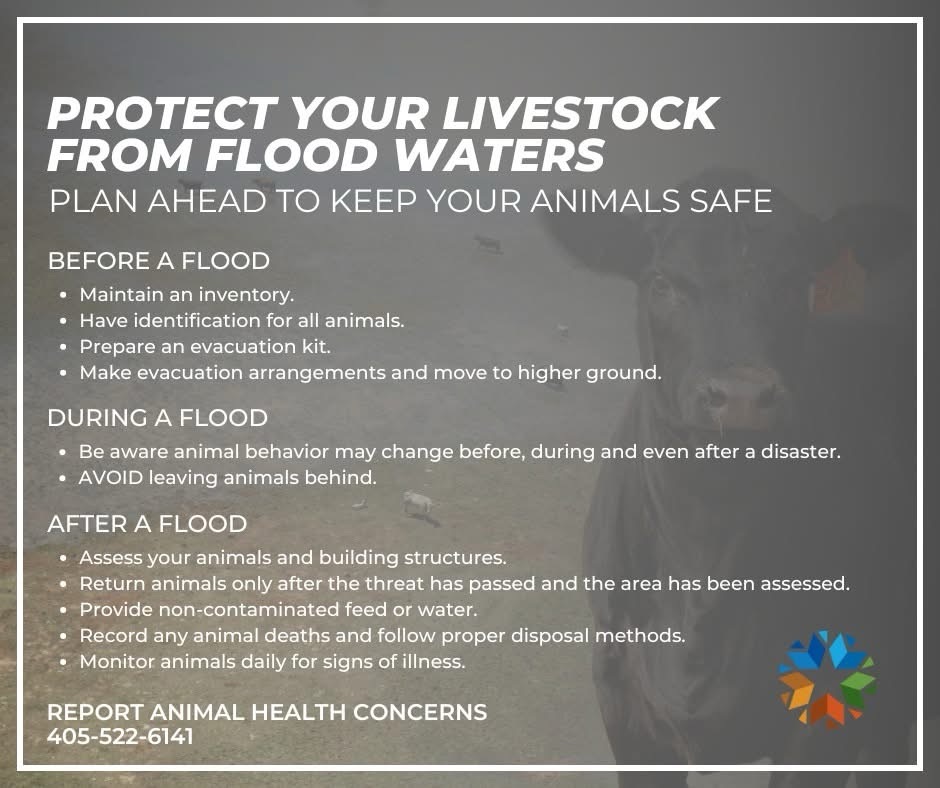
RON's Dave Lanning has a pre-opening look at today's agricultural Markets.
Click the audio tab below for today's report.
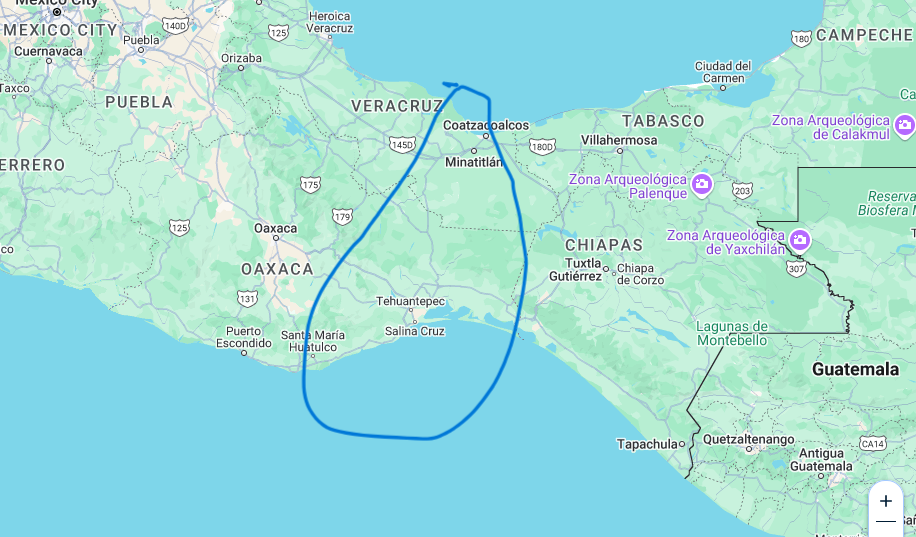
The Isthmus of Tehuantepec is the battleground where the New World Screwworm is currently found
U.S. Secretary of Agriculture Brooke Rollins announced Wednesday that Mexico has committed to eliminate restrictions on USDA aircraft, and waive customs duties on eradication equipment aiding in the response to the spread of New World Screwworm (NWS). Due to this agreement the ports will remain open to livestock imports, however if at any time these terms are not upheld, port closure will be revisited. This agreement follows Secretary Rollins' letter to Mexico Secretary of Agriculture Julio Antonio Berdegue Sacristan on Saturday pushing for a resolution of the restrictions.
"I am happy to share Mexico has continued to partner in emergency efforts to eradicate the New World Screwworm. This pest is a devastating threat to both of our economies, and I am pleased to work together with Mexico in good faith to protect the livelihoods of our ranchers and producers who would have been hurt by this pest," said Secretary Rollins. "At USDA we are working every day to keep pests and disease from harming our agricultural industry. I thank our frontline USDA staff and their counterparts in Mexico for their work to ensure the screwworm does not harm our livestock industry."
New World Screwworm (NWS) is a deadly parasitic fly that infests warm-blooded animals, causing severe wounds and complications that can lead to death.
RON's Jacquelyn Farris reports from the State Capitol
Archives:
2026-11 | 2026-10 | 2026-09 | 2026-08 | 2026-07 | 2026-06 | 2026-05 | 2026-04 | 2026-03 | 2026-02 | 2026-01 | 2025-12 | 2025-11 | 2025-10 | 2025-09 | 2025-08 | 2025-07 | 2025-06 | 2025-05 | 2025-04 | 2025-03 | 2025-02 | 2025-01 | 2024-12 | 2024-11 | 2024-10 | 2024-09 | 2024-08 | 2024-07 | 2024-06 | 2024-05 | 2024-04 | 2024-03 | 2024-02 | 2024-01 | 2023-12 | 2023-11 | 2023-10 | 2023-09 | 2023-08 | 2023-07 | 2023-06 | 2023-05 | 2023-04 | 2023-03 | 2023-02 | 2023-01 | 2022-12 | 2022-11 | 2022-10 | 2022-09 | 2022-08