The outcome of the upcoming presidential election could reshape U.S. trade policy, directly impacting Southern U.S. agriculture. With its dependence on exporting commodities like soybeans, cotton, and poultry, the region faces uncertainty as potential policy shifts loom. Historically, Southern agriculture has been sensitive to changes in trade policies, as seen during recent trade conflicts like the U.S.-China trade war, which led to substantial income losses for farmers and ranchers across the region. Understanding how those new trade policy scenarios, as summarized in Table 1, might unfold is crucial for preparing Southern farmers and agricultural businesses for a turbulent period in global trade.
One possible scenario comes from the Biden administration's 2024 decision to impose a 20% (trade-weighted) tariff on Chinese electric vehicles and other critical sectors. In response, we could see commodity-specific tit-for-tat trade retaliation from China in 2025, potentially involving a 20% tariff on U.S. agricultural exports. While this scenario is aggressive, it would likely remain a bilateral conflict between the U.S. and China, much like the 2018-2019 trade dispute that significantly impacted U.S. farmers, particularly those in the Southern states.
A more extreme scenario would be for the U.S. to impose a 60% tariff on Chinese goods and a 10% tariff on imports from all other countries. Those who believe that taking a protectionist stance on trade is the best way to increase U.S. jobs have suggested this trade policy approach. However, such a move would almost certainly provoke a strong reaction, with China likely imposing a 60% tariff on U.S. agricultural products and other countries also raising their tariffs on U.S. goods by 10%. The U.S. South's heavy reliance on foreign markets could create severe disruptions in global trade, with the region's agriculture being particularly hit.
A third scenario could involve the U.S. Congress revoking China's Permanent Normal Trade Relations (PNTR) status, which some lawmakers believe is necessary for national security and economic reasons. This could result in a 9.5% increase in tariffs on Chinese goods. In this scenario, China is expected to respond with an equivalent tariff on U.S. agricultural exports. Although this scenario focuses more on the U.S.-China relationship, it presents significant risks for Southern agriculture.
Table 2 presents each scenario's projected export losses. Southern agriculture is closely tied to global markets, with key exports like soybeans, cotton, poultry, and livestock playing a pivotal role. Take soybeans, for example. This crop is central to agriculture in Arkansas, Mississippi, and Kentucky. Under the first scenario, we estimate soybean exports could fall by 32.6%, or about $1.2 billion. The third scenario presents a more moderate decline of 15.5%, equating to a loss of approximately $0.6 billion. If the second, more extreme scenario were to unfold, soybean exports could drop by a staggering 67.6%, which translates to a loss of $2.4 billion. Such a decline would likely lead to excess soybeans in domestic markets, pushing prices down and putting financial pressure on farmers.
Cotton, another critical crop for Southern states like Texas, Georgia, and Arkansas, would also face serious challenges. Under the first scenario, cotton exports could decrease by 8.4%, leading to a $0.5 billion loss. The third scenario predicts a 4% decrease, amounting to a loss of around $0.2 billion. The drop could be as high as 38.8% in the second scenario, or $ 2.1 billion. These losses could have ripple effects throughout the regional economy, squeezing farm incomes and adding financial stress. The poultry industry, vital to Georgia, North Carolina, and Alabama, would not be spared. In the first scenario, poultry exports might shrink by 8.8%, while in the second scenario, the decrease could reach 38.2%. This would amount to billions in lost revenue, hitting rural economies hard.
Potential trade policy scenarios following the U.S. presidential election could considerably affect Southern U.S. agriculture. While the exact outcomes will depend on the policies that are ultimately implemented, the risks to the Southern agricultural economy are clear. By diversifying export markets, investing in value-added agriculture, strengthening domestic markets, and advocating for supportive trade-relief programs, Southern U.S. states could better position themselves to deal with the challenges posed by these potential shifts in trade policy. Southern agriculture must be prepared and adaptable in the face of these uncertainties, ensuring it can thrive in an increasingly competitive global market disrupted by protectionist trade policies.
The NCGA is working nonstop to find relief for growers.
Caught between rising costs and stagnant corn prices, growers are feeling the pinch.
So, as the National Corn Growers Association transitions from the leadership of one member-President to another, its leadership and staff are focused on growing demand for corn in both the short- and long-term horizons.
In this episode, we meet newly-minted President Ken Hartman, Jr., a grower from southern Illinois who is taking the reins as NCGA's top leader.
And we also meet his predecessor, former President Harold Wolle from south-central Minnesota, who's stepping into the role of NCGA chairman.
Together, they'll discuss the top priorities for NCGA in the year ahead, how the organization is driving new sources of demand for corn, and why it's more important than ever to be in touch with your representatives in Washington.
Listen to Ron Hays talking with John Stika about how Certified Angus Beef achieved a near-record year in sales.
Senior Farm and Ranch Broadcaster, Ron Hays, visited with the President of Certified Angus Beef, John Stika, about a near-record fiscal year in sales that CAB wrapped up in September 2024.
"When you look at our sales numbers, we actually had the second-best sales year in our forty-six-year history, with sales coming in at 1.237 billion pounds," Stika said. "This is really exciting for us and, actually, it was near record sales."
What Stika found surprising was that the brand's supply was the largest in history. A recent press release from CAB reported that while the total fed cattle supply declined by 1.6%, this year a record 5.96 million carcasses, up 2.4%, were certified for the brand, with 37.4% of all Angus cattle meeting the brand's strict quality standards. A record 730,000 carcasses qualified for Certified Angus Beef ® Prime.
"The biggest thing is that as an industry, we put more quality into these cattle than ever before," Stika said. "Not only are there more Angus cattle in the mix, but we fed them a little longer this year as well."
2024 was the ninth fiscal year in which CAB sales topped a billion pounds and looks forward to reaching the next milestone. "We don't expect that we are going to get there in the next couple of years by any means with cattle numbers where they are going to be, but it's a tremendous opportunity for us to continue to position the brand and help the industry position itself for continued growth overall as cattle numbers continue to come back by focusing on quality, which, remarkably, consumers have been willing to pay the prices for that we continue to see in the market," Stika reasoned.
Genetic selection and the right management earned producers nearly $100 per head, above market price, in grid premiums for cattle meeting the brand's standards. Stika added, "As you multiply that by 5.96 million carcasses, that's a very economic signal, not counting the added premiums that are there for Prime and high quality overall."
Certified Angus Beef ® Prime sales noted a new milestone with 50.5 million pounds sold, growing 22.5% from 2023. Given the current market conditions, these record sales are further indication that consumers are not backing down from quality.
"It is exciting to see how that market continues to grow. It actually grew across every segment of our sales channels: food service, retail, and the biggest growth for Certified Angus Beef ® Prime sales was in our international division," Stika said.
The Beef Buzz is a regular feature heard on radio stations around the region on the Radio Oklahoma Ag Network and is a regular audio feature found on this website as well. Click on the LISTEN BAR at the top of the story for today's show and check out our archives for older Beef Buzz shows covering the gamut of the beef cattle industry today.
On Monday, the Emergency Drought Committee approved a new program to deliver critical drought relief for Oklahoma agricultural producers. The application period opens on Nov. 12 and will remain open through Jan. 31, 2025. Applications will be available at local conservation districts and on the Oklahoma Conservation Commission website starting Nov. 12.
Sen. Roland Pederson, R-Burlington, and Rep. Kenton Patzkowsky, R-Balko, authored HB3182, the legislation which made this program possible. The bill allows the Secretary of Agriculture to declare drought conditions, opening the path to distributing emergency funds pending committee approval.
"Drought has hit our producers hard this year, and they need timely support to keep operations running," Pederson said. "This new assistance program is designed to offer immediate, practical relief to those impacted by severe drought. From helping to secure water resources to addressing infrastructure needs, this program will be a critical tool in ensuring that Oklahoma's producers can weather these conditions and continue to drive our agricultural economy."
To qualify, producers must be in counties where 25 percent or more of the land area is categorized as D1 drought or worse, as indicated by the National Drought Monitor. Each Thursday at 9 a.m., the Oklahoma Conservation Commission will publish an updated list of eligible counties to local conservation districts.
Eligible producers may apply for assistance with several practices, including pipeline installation, heavy-use protection areas, water wells, pumping plants, watering facilities, pasture taps, and pond cleanouts.
Sen. Blake Cowboy Stephens, R-Tahlequah, called for Congressional action to allow states to adopt permanent Daylight Saving Time. Stephens served as the author of a trigger bill in the 2024 legislative session to adopt permanent DST in Oklahoma. The provisions of Senate Bill 1200 will take effect immediately following the passage of federal legislation allowing states to discontinue bi-annual time changes.
"This year, Oklahoma joined 19 other states who have passed legislation in support of permanent Daylight Saving Time. As other states continue to pursue legislative action to lock the clock, I am confident that we are building strength in numbers and that Congress will soon see how widespread the support for permanent DST is across the nation. I look forward to continuing discussions with Oklahoma's federal delegation and other leaders in Washington to encourage them to support locking the clock and end the redundant and archaic practice of changing our clocks twice a year," Stephens said.
Daylight Saving Time will end Sunday, November 3 and 48 states will roll their clocks back one hour.
"As Daylight Saving Time ends, I encourage Oklahomans to take note of the effects that the time change has on themselves and their families," Stephens added. Losing an hour of daylight in the evenings can take a toll on both mental and physical health as the time change limits opportunities for outdoor exercise or leisure activities in the evenings. This is just one of many harmful effects of the bi-annual time change, as heart attacks, sleeping issues, depression, and other health problems are also known to increase following the switch."
Stephens has been a proponent of locking the clock throughout his legislative tenure, which began in 2020.
The United States Department of Agriculture (USDA) announced today that registration is now open for the 101st Agricultural Outlook Forum. The event, titled "Meeting Tomorrow's Challenges, Today," will be held at the Crystal City Gateway Marriott on February 27-28, 2025. Additionally, all Forum sessions will be livestreamed on a virtual platform.
The Forum program will feature a presentation on the 2025 outlook for the U.S. agricultural economy and trade by USDA Chief Economist Seth Meyer. The program will also include a plenary panel of distinguished guest speakers, alongside 30 breakout sessions organized by USDA agencies that will explore a wide range of current issues. Over one hundred experts from government, industry, and academia will provide insights on key topics such as commodity and food price forecasts, farm income, U.S. and global agricultural trade, the future of biofuels, climate change strategies, and advancements in biotechnology. The in-person event will also feature exhibit booths by different USDA agencies, providing attendees with information about recent USDA-funded innovations and the Department's key programs and activities.
Future Leaders Program
The Future Leaders in Agriculture Program selects 20 undergraduate and graduate students in agriculture-related studies (15 undergraduate students and five graduate students) for a weeklong trip to Washington, D.C. During their visit, students take part in a USDA briefing, discuss career opportunities with agriculture leaders in academia, government, and industry, attend the forum, and tour the nation's capital. Winners receive free registration, transportation, and lodging. Apply today for the program.
USDA touches the lives of all Americans each day in so many positive ways. In the Biden-Harris Administration, USDA is transforming America's food system with a greater focus on more resilient local and regional food production, fairer markets for all producers, ensuring access to safe, healthy and nutritious food in all communities, building new markets and streams of income for farmers and producers using climate smart food and forestry practices, making historic investments in infrastructure and clean energy capabilities in rural America, and committing to equity across the Department by removing systemic barriers and building a workforce more representative of America. To learn more, visit www.usda.gov.
Ranchers-Cattlemen Action Legal Fund United Stockgrowers of America, et al. v. U.S. Department of Agriculture, Secretary Thomas Vilsack, Animal and Plant Health Inspection Service, Administrator Michael Watson
The New Civil Liberties Alliance has filed a Complaint against the U.S. Department of Agriculture (USDA) and its Animal and Plant Health Inspection Service's (APHIS) unlawful new rule requiring electronically readable (EID) eartags for certain cattle and bison transported across state lines, rather than long-used visual tags. Representing ranchers, farmers, and livestock producers who move cattle across state lines, NCLA urges the U.S. District Court for the District of South Dakota to halt this illegal attempt to eliminate an already-in-place efficient means of cattle identification.
In 2013, APHIS promulgated a final rule regulating traceability for interstate livestock movements, a regulation that permitted several forms of "official identification" for certain cattle and bison moving across state lines, including both visual-only and electronically readable eartags and providing producers with flexibility to choose among options. Over the past decade, the agency advanced and abandoned less formal measures for mandating radio frequency identification (RFID) eartags. In May 2024, however, APHIS issued its new rule to end the use of visual-only eartags as a form of official identification for certain cattle and bison moving between states, requiring visually readable EID eartags in their place. This illegal move was also unnecessary, as the existing Animal Disease Traceability framework is already proven effective.
The Animal Health Protection Act does not give USDA and APHIS the power to mandate EID eartags. Courts certainly do not have to defer to the agencies' interpretation of the Act after NCLA's recent Supreme Court victory in Relentless Inc. v. Department of Commerce, which overturned Chevron deference. The new rule is also arbitrary and capricious under the Administrative Procedure Act, since the agencies fail to reasonably explain how the EID Final Rule "is necessary to prevent the introduction or dissemination of any pest or disease of livestock." APHIS violated the Regulatory Flexibility Act as well, failing to calculate the new rule's true cost to producers—and consumers.
APHIS's rule imposes punishing new financial and practical burdens, particularly on smaller and independent cattle producers. NCLA represents ranchers Rick and Theresa Fox and Kenny and Roxie Fox of South Dakota and Tracy and Donna Hunt of Wyoming, as well as R-CALF USA, South Dakota Stockgrowers Association, and the Farm and Ranch Freedom Alliance in an effort to stop these injustices.
NCLA released the following statements:
"USDA and APHIS are pursuing their objectives without any regard to the statutory limitations placed on them by Congress. Sadly, in this instance, America's ranchers have been left holding the bag and footing the bill for this unlawful rule."
— Kara Rollins, Litigation Counsel, NCLA
"These agencies have identified no reason the current tagging system is inadequate. They cannot issue a rule just because they want it."
Here is Your Daily Oklahoma Farm and Ranch News Update:
Storms Roll Into Oklahoma- Bringing First Wave of Rains- More in Forecast
Understanding the Impact of Drought on Beef Cattle Numbers with Dr. Derrell Peel
Oklahoma Farm Bureau's Annual Gathering: Policy, Leadership, and Celebration
Dr. Rosslyn Biggs Talks Oklahoma Initiatives to Address Rural Veterinary Issues
Broiler Industry Provides 1.4 Million Jobs and $450 Billion in Economic Impact: New Study
High Interest in Regenerative Agriculture Reveals Growth Opportunities for Brands and Retailers
Global Wheat Shortfalls Could Signal Bullish Potential for U.S. Wheat
Storms Roll Into Oklahoma- Bringing First Wave of Rains- More in Forecast
The line of storms that has moved across Oklahoma is still bringing rain to parts of southeastern Oklahoma early this morning. Following Wednesday's storms, clear and cooler conditions are anticipated for today, with morning lows in the upper 40s to lower 50s and afternoon highs in the mid-60s to low 70s.
Rain and storms are expected to return by Saturday morning in western and central Oklahoma, lasting through Monday, with the potential for very heavy rainfall in a "training rain" event.
With projected rainfall over 4 inches in some areas, localized flooding could be a concern, though with currently dry lakes, ponds and rivers, significant flooding is unlikely.
The Mesonet rainfall map above shows some totals above two inches in north central and northeastern Oklahoma- you can click on the map to jump over to the Mesonet to check on specific locations for their rainfall totals from what appears to be our first in a series of rainfall events.
While the rain expected through Monday won't wipe out the drought conditions in the state- they will put a nice "dent" in them in many locations.
Sponsor Spotlight
Midwest Farm Shows is proud to produce the two best Farm Shows in the State of Oklahoma annually- the Tulsa Farm Show each December and the Oklahoma City Farm Show each April.
The Tulsa Farm Show is Oklahoma's premier agricultural and ranching event- and returns to the SageNet Center (Expo Square) December, 12-13-14, 2024.
Now is the ideal time to contact the Midwest Farm Show Office at 507-437-7969 and book space at the 2024 Tulsa Farm Show. To learn more about the Tulsa Farm Show, click here.
Understanding the Impact of Drought on Beef Cattle Numbers with Dr. Derrell Peel
Senior Farm and Ranch Broadcaster Ron Hays talked to OSU Extension Livestock Market Economist Dr. Derrell Peel about how the drought is affecting beef producers and how they are making decisions concerning their herds.
"For the last four weeks, the overall inventory numbers have shown sharply higher weekly auction totals for the combined auction report for Oklahoma," Dr. Peel shared. "I think that's clearly a function of drought conditions, water supplies, and maybe not so much pasture and hay – I think that is still holding in there, but in a lot of places, the lack of water is forcing producers to make decisions."
As a result, calves are being moved earlier than usual. Dr. Peel described a similar situation during the drought of 2022, and by late October and early November, when numbers normally peak, they began to drop.
"All of these things are going to combine to impact where we are on January 1 for the overall inventory numbers," Dr. Peel said.
Oklahoma Farm Bureau's Annual Gathering: Policy, Leadership, and Celebration
The much-anticipated Oklahoma Farm Bureau Convention is planned for November 8-10, 2024, at the Omni Hotel and Convention Center in Oklahoma City. At the convention, Farm Bureau members will share their positive outlook by celebrating a year of grassroots achievement and programs as they look to create a brighter future for agriculture and rural Oklahoma. Farm Director KC Sheperd caught up with Dustin Mielke, OKFB Vice President of Communications & Public Relations, to get the scoop on the convention.
"This is our largest annual gathering of Farm Bureau members throughout the year," Mielke said. "Our members come together to hear from speakers, and we will have some breakout sessions as well. Of course, we'll conduct our official Farm Bureau business where we'll set our policy for the year, elect some new leaders for the organization, and hopefully, just get together and have a good time."
Governor Kevin Stitt will speak during the Friday opening session, as will U.S. Representative Kevin Hern, who represents the Tulsa area in Oklahoma. U.S. Representative Frank Lucas will speak at the Saturday dinner and award ceremony, and will also be celebrating his American Farm Bureau Distinguished Service Award which he accepted in January. U.S. Senator James Lankford will lead the Sunday worship service. Fellow Oklahoman and Texas A&M Agricultural and Food Policy Center research associate Bart Fischer will be featured at the Saturday evening dinner and awards banquet.
For our farmers who have either- always have had cotton on their farms- or those who have more recently have added the fiber crop to their operations- we have a daily report heard on several of our Radio Stations- It's Called Cotton Talk!
Click on the Button below to listen to our most recent report
Dr. Rosslyn Biggs Talks Oklahoma Initiatives to Address Rural Veterinary Issues
On today's Cow-Calf Corner, Rosslyn Biggs, DVM, Oklahoma State University Cooperative Extension Beef Cattle Specialist talks about Oklahoma initiatives to address rural veterinary issues.
Over the past several years, Oklahoma legislative and agricultural industry leaders have invested in supporting the OSU CVM, its students, and graduates. During the 2023 session, the OSU Veterinary Medicine Authority (OSUVMA) was created through House Bill 2863 for the purposes of supporting the educational, research, and practice activities of the CVM. The OSUVMA secures long-term support for clinical faculty, student training, and the veterinary teaching hospital, similar to how the OSU Medical Authority and the University Hospitals Authority support the state's medical schools.
Additionally, during the 2024 legislative session, House Bill 3196, the Dr. Lee Denney Act, was passed to provide financial support for students pursuing a veterinary medicine degree at OSU to practice in rural Oklahoma communities and receive training to meet the needs of livestock producers. Preference for awards will be given to those students who are focused on large animal veterinary medicine, who are Oklahoma residents, and who agree to serve in a community in Oklahoma which has a population not to exceed 25,000. HB 3196 also provides language for support of large animal veterinarians currently practicing in similarly sized communities.
We invite you to listen to us on great radio stations across the region on the Radio Oklahoma Ag Network weekdays-
if you missed this morning's Farm News - or you are in an area where you can't hear it- click below for this morning's Farm news from Ron Hays and KC Sheperd on RON.
Dating back to 1891, Stillwater Milling Company has been supplying ranchers with the highest quality feeds made from the highest quality ingredients. Their full line of A & M Feeds can be delivered direct to your farm, found at their Agri-Center stores in Stillwater, Davis, Claremore and Perry or at more than 125 dealers in Oklahoma, Arkansas, Kansas and Texas. We appreciate Stillwater Milling Company's long time support of the Radio Oklahoma Ag Network and we encourage you to click here to learn more about their products and services.
Broiler Industry Provides 1.4 Million Jobs and $450 Billion in Economic Impact: New Study
The U.S. Poultry & Egg Association (USPOULTRY), National Chicken Council, National Turkey Federation and United Egg Producers have released an updated economic impact study that highlights the positive impact the poultry industry has on jobs, wages, and federal and state revenue in the United States.
The study breaks down poultry into three subcategories: broilers, turkey and eggs. The broiler industry provides 1,375,952 jobs, $90.9 billion in wages, $449.5 billion in economic activity and $36.7 billion in government revenue.
The data is hosted on interactive websites that can be viewed collectively or by individual product, and then sorted nationally, by state, congressional district, state house district or state senate district, and county.
High Interest in Regenerative Agriculture Reveals Growth Opportunities for Brands and Retailers
Exploring Consumer Appetite for Regenerative Agriculture: A 2024 Consumer Trends Report highlights a growing interest in regenerative agriculture. The in-depth study, commissioned by Regenified™, a leader in regenerative agriculture verification, involved 850 U.S. consumers, segmented into General Consumers and Values Based Shoppers. The data revealed a key finding during analysis: the emergence of a subset of consumers spanning both groups—dubbed the Emerging Regenerative Market—who demonstrate significant interest in regenerative values and a desire to purchase regenerative products. The findings present a major opportunity for brands and retailers to meet this growing demand.
The Emerging Regenerative Market creates an exciting opportunity for brands and retailers to meet the rising demand.
The report, undertaken from July 9th to 26th, 2024, provides benchmarks on consumer awareness, interest, and purchasing intent in regenerative agriculture. While the data reveals an increasing recognition of regenerative practices, it also highlights the need to increase understanding and access. Consumers preferences for certification, nutrient density, and product availability underpin the opportunity for market expansion.
Global Wheat Shortfalls Could Signal Bullish Potential for U.S. Wheat
The October 16, 2024, edition of Southern Ag Today indicated a slightly bullish wheat situation within the United States (Welch, 2024). Today's article discusses this further using three charts: U.S. Wheat Imports by Country, Wheat Production by Country, and Ending Stocks by Country. Wheat is a global crop, with the U.S. accounting for just 7% of the world's wheat supply (Welch, 2024). Thus, U.S. fundamentals may not be the best indicator of a bullish outlook. Generally, the U.S. has a few uses for wheat, including food, seed, feed, and exports. Year over year, we see similar quantities of wheat used for food, seed, and feed. Significant changes in demand, which could result in a bullish outlook, typically occur due to changes in exports.
Mexico is the largest importer of U.S. wheat. China is a vast producer – typically keeping most of its production for domestic use – but it is also a significant importer. In 2023, China imported more wheat than usual due to quality deterioration. This situation is unlikely to occur again in 2024, as China is projected to have above-average production (Figure 2) and standard quality. However, the U.S. could see a price increase due to smaller production and ending stocks in the European Union (Figures 2 and 3). The E.U. has had a bad year of production with low quality in crucial wheat-producing countries, including Germany and France. Consequently, E.U. stocks are projected to be the lowest since 2000. French wheat, similar to U.S. soft red winter, is used for food products like cakes, cookies, and pastries, requiring lower-protein wheat. German wheat is similar to U.S. hard wheats, including hard red winter wheat, and it is often used for bread and pizza dough.
OKC West is our Market Links Sponsor- they sell cattle three days a week- Cows on Mondays, Stockers on Tuesday and Feeders on Wednesday- Call 405-262-8800 to learn more.
Today's First Look:
Ron on RON Markets as heard on K101
mornings with cash and futures reviewed- includes where the Cash Cattle market stands, the latest Feeder Cattle Markets Etc.
OKC West in El Reno had 5,907 head on Tuesday and Wednesday of this week.
According to USDA Market News- Compared to last week: Feeder steers and heifers sold steady to firm on limited comparable sales. Demand good. Steer and heifer calves that were weaned with at least one round of shots traded steady. Un weaned bawling calves sold with very light demand. Much needed moisture is in the forecast for the weekend. Supply included: 100% Feeder Cattle (65% Steers, 31% Heifers, 5% Bulls). Feeder cattle supply over 600 lbs was 64%.
Meanwhile- OKC West Manager Bill Barnhart offers these comments on the market's Facebook page: " Calves and feeders sold mostly steady this week at the sales with the exception of short weaned or unweaned calves which were sharply lower with little demand. Those that have been putting calves together and getting them ready for pasture are holding on for rain which is in the forecast for this weekend but will it be too late to make much wheat pasture this fall? Fats sold higher last week at 190 as cattle feeders achieved another win. Yearling feeders are in short supply and will remain in high demand.
Each afternoon we are posting a recap of that day's markets as analyzed by Justin Lewis of KIS futures - click below for the latest update on the Livestock and Grain Futures Trade..
Daily Oklahoma Cash Grain Prices- as reported by the Oklahoma Dept. of Agriculture- The report available after the close of the Futures Trade for that day.
Ron Hays, Senior Farm/Ranch Broadcaster and Editor
KC Sheperd, Farm Director and Editor
Dave Lanning, Markets and Production
Stevie White, Farm News and Email Editor
Pam Arterburn, Calendar and Template Manager
Podcasts From Oklahoma Farm Report and More
Two of our regular reports are also podcasts that you can subscribe to- Our daily Farm and Ranch News with KC Sheperd- available here on the Apple Podcast Platform
The second is our daily Beef Buzz with Ron Hays- available here on the Apple Podcast Platform
Periodically- we offer interviews on our Ag Perspectives Podcast series- this podcast is available here.
Ron has also has a series of podcasts from interviews with newsmakers at the Cattlemen's Congress- Click here or you can find them on your favorite Podcast platform- look for them by searching for Cattlemen's Congress Conversations.
We are making plans to jump back into regular installments of what has been called the Road to Rural Prosperity- a new name and fresh content is in the works- for now- click on the blue button below for one of our favorites that is a timeless classic.
The link below is one of our most recent podcasts- Ron spotlighting the Life and Times of Dr. Kim Anderson, who has just retired from OSU.
For your convenience, we have our sponsors' websites linked here- just click on their name to jump to their website- check their sites out and let these folks know you appreciate the support of this daily email, as their sponsorship helps us keep this arriving in your inbox on a regular basis- at NO Charge!
We invite you to check out our website at the link below too that includes an archive of these daily emails, audio reports and top farm news story links from around the globe.
Texas & Southwestern Cattle Raisers Association (TSCRA), the largest and oldest livestock association in the Southwest, opened the application window for the 2025 Cattle Raisers Convention & Expo internship held April 8-13, in Fort Worth.
This exceptional internship program allows college students to gain experience and knowledge in the beef industry while making connections with some of the industry's highest leaders. Students will build their communication and networking skills, acquaint themselves with a wide range of work departments and get a behind-the-scenes look at hosting the largest agricultural event in the Southwest.
Applicants must submit a cover letter, resume and letter of recommendation. Submissions are due Dec. 31, 2024, to education@tscra.org. Details including submission instructions are accessible at tscra.org/what-we-do/students/.
House Agriculture Committee Ranking Member David Scott today released the following statement regarding the establishment and launch of the Southern Farmer Financial Association (SFFA) by the U.S. Department of Agriculture (USDA).
"Any farmer will tell you that farming requires a large amount of capital to keep an operation going. Due to inequitable access to capital, many farmers have not been allowed to reach their full potential or even get started in farming.
"Expanding lending and financial services, especially those who have been historically underserved by traditional lenders or even USDA's Farm Service Agency, is an important step toward leveling the playing field. It was what House Democrats had in mind when we provided the funding under the Inflation Reduction Act to create entities like the Southern Farmer Financial Association.
"The new SFFA will empower producers so that they can continue to benefit their communities, grow their businesses, and succeed in agriculture for generations to come.
"I want to thank Cornelius Blanding, Shirley Sherrod, and their respective organizations for continuing to work towards expanding credit access in Georgia and neighboring states."
Oklahomans will fall back an hour Sunday morning, and they're scheduled still to spring forward an hour March 9, 2025. This is because of the Legislature's refusal to adopt meaningful legislation on daylight saving time, according to Rep. Kevin West, R-Moore.
West has authored several bills that would send to a vote of the people a question on whether to adopt permanent standard time in Oklahoma, stopping the twice-yearly time change. The measures have not advanced through the legislative process.
Instead, last session, the Legislature passed and the governor signed into law Senate Bill 1200. The measure specifies that should a federal law ever authorize states to observe daylight saving time year-round, Oklahoma shall adopt it as the year-round standard of time.
"This is a terrible idea and a do-nothing law," West said. "We tried this in the past and had to petition the federal government to repeal it because of the problems caused by it remaining dark until after 8 a.m. in the winter."
West said in 1974 the entire nation was mandated to go to daylight saving time. In the winter of 1974, several states, including Oklahoma, petitioned the federal government to end it after complaints of children going to school in the dark and employees starting the work day before the sun rose. The act ultimately was repealed in 1975.
Federal law allows states to be on standard time year-round. Arizona, Hawaii and most U.S. territories currently do this. The law requires states that wish to adopt daylight saving time year-round to ask permission from the government to do so, but so far the federal government has not granted any of these requests.
West also pointed out that the Sunshine Protection Act in Congress would require states to be on daylight saving time year-round. The act would allow states to not participate only if they take legislative action to do so. The act has not passed.
States that choose not to opt out of daylight saving time are required to set their clocks forward an hour at 2 a.m. the second Sunday of March each year and back an hour at 2 a.m. the first Sunday of November.
"I've heard from numerous constituents, parents and business owners over the course of my legislative service that there is a strong desire to stop the changing of the clocks," West said. "The only way to accomplish that is to switch to permanent standard time. I've proposed several measures that would accomplish this, but we must have the legislative boldness to put this question before Oklahomans."
West has studied the issue in detail. In a previous legislative study, he invited experts to discuss the science of time change and the detriments of changing the clock twice yearly.
The U.S. Congress first implemented daylight saving time through the Standard Time Act in 1918 during World War I as a way to "add" more daylight hours to conserve energy. The act also established five time zones across the U.S. The Uniform Time Act in 1966 mandated the country use daylight saving time but allowed states to opt out and to stay on standard time year-round.
The thought behind daylight saving time is that by setting the clocks back an hour in November, more daylight time is gained in the early mornings. When an hour is added in March, more daylight is gained in the evenings.
West said there are additional concerns such as health-related risks, increased auto accidents and work-related injuries that rise when daylight comes after people start their day.
West said he's received an enormous amount of positive feedback from Oklahomans who support not having to change the clock twice yearly, specifically noting the time it takes to adjust to the change. West said he'll keep pushing for legislation to put the question before state voters.
The National Dairy Farmers Assuring Responsible Management (FARM) Program released today Environmental Stewardship (ES) Version 3 supporting the dairy community's efforts to achieve greenhouse gas neutrality by 2050. FARM ES Version 3 gives dairy farmers a scientifically robust tool with more advanced features to assess the impact of potential practice or technology changes.
The update is critical as dairy farmers, cooperatives and processors continue to seek ways to advance their sustainability efforts in ways that make business sense.
"Environmental Stewardship Version 3 is a significant step forward in supporting dairy's sustainability journey," said Nicole Ayache, National Milk Producers Federation's chief sustainability officer. "This new version yet again demonstrates dairy's leadership, showcasing our commitment to providing farmers with the best available science and insights as they pursue continued innovation and operational efficiencies."
Version 3 incorporates the Ruminant Farm System (RuFaS) model, a whole-farm model that simulates dairy farm production and environmental impact. The RuFaS team is comprised of researchers and software engineers from across the country with deep expertise in their respective fields, including experts from Dairy Management Inc. The process-based RuFaS model follows the biological, physical and chemical flows on the farm enabling more granular environmental foot-printing and scenario analysis.
FARM ES Version 3 offers farmers an advanced, more refined output compared to previous versions of the program, including estimates of carbon sequestration and the ability to analyze the environmental and milk productivity impacts of various practices and technologies. Version 3 also contains optional data inputs, such as details on reproductive programs, culling information and cropping practices, for more tailored results.
A key focus for the rest of the year will be to collect farmer, FARM evaluator and other stakeholder feedback to further refine Version 3. Feedback forms are available online for farmers and evaluators to provide suggestions. FARM also plans to host stakeholder webinars to foster discussion about the new platform.
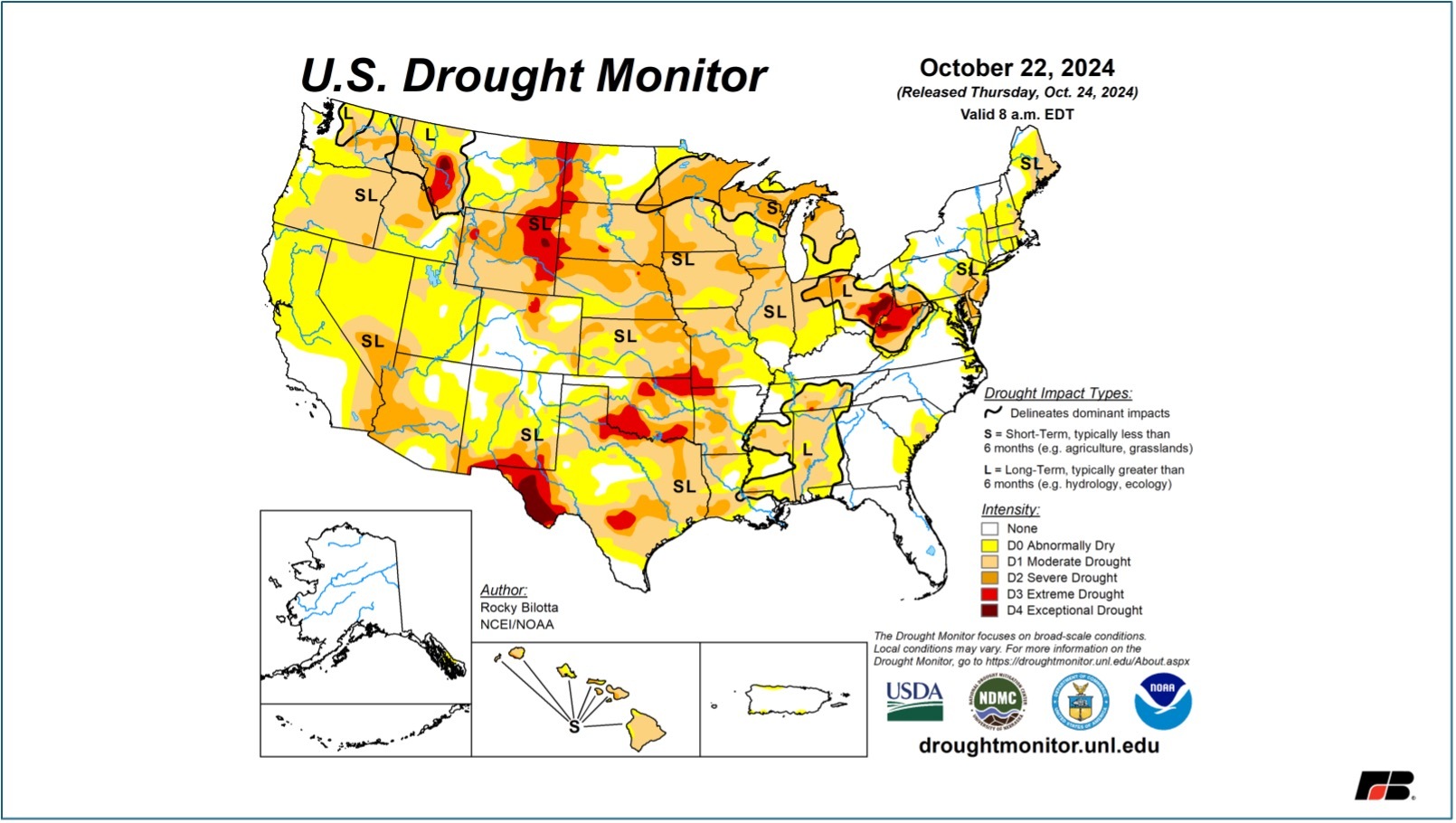
To view the latest Oklahoma drought map, CLICK HERE.
According to the latest Oklahoma drought monitor report, exceptional drought remains at zero percent, unchanged from the start of the calendar year.
Extreme drought or worse conditions have increased to 41.57 percent, up from 33.74 percent last week.
Severe drought or worse conditions have increased to 67.70 percent, up from 58.66 percent last week.
Moderate drought or worse conditions have increased to 83.54 percent, up from 78.62 percent last week.
Abnormally dry or worse conditions increased to 92.27 percent, up from 89.83 percent last week.
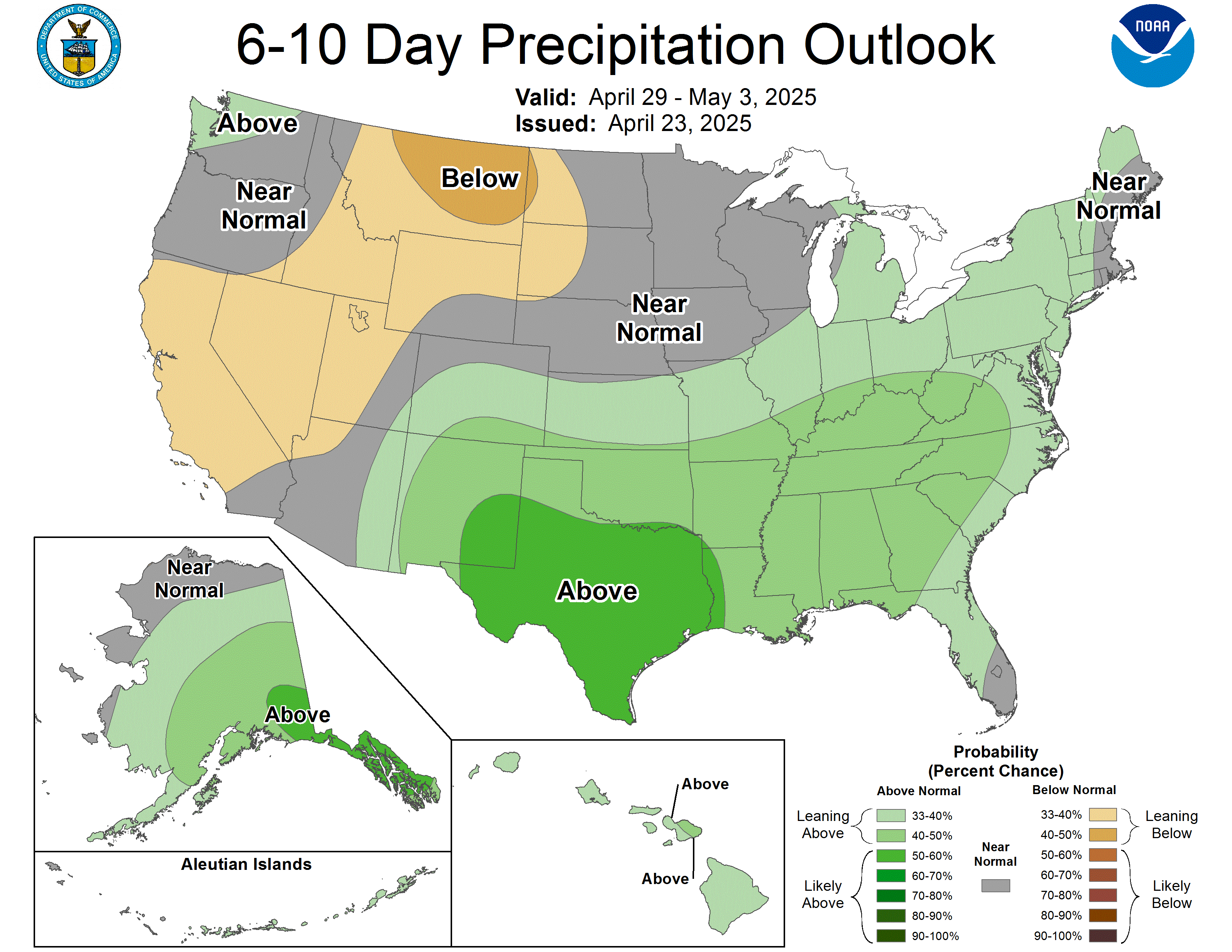
According to the 6-to-10-day precipitation outlook map, nearly the entire state of Oklahoma is leaning above a 40-50 percent chance of precipitation through November 9, 2024. Only the extreme tip of the panhandle is leaning above a 50-60 percent chance of precipitation through that November 9 date.
To view the United States Drought Map, CLICK HERE.
According to the latest U.S. Drought Monitor, the dry pattern that has been impacting much of the country has continued into this current period. The wettest areas were along the coast in the Pacific Northwest, with some locations recording over 2 inches of rain for the week. Other areas receiving some precipitation were in the Four Corners region, the Midwest and parts of the South, but many of these totals were minimal and did little to impact the drought conditions. The Southern Plains and South were the warmest regions, with departures of 10-12 degrees above normal this week. Almost the entire country was warmer than normal, with only areas of the Northeast and Pacific Northwest having near to slightly below normal temperatures. As the month is ending, many locations will be at or near record dryness across the country. For the Lower 48 states, there has not been this much drought shown on the U.S. Drought Monitor since December 2022. Areas of the Southeast that were impacted by significant precipitation associated with landfalling hurricanes have dried out rapidly, with some locations recording zero precipitation since the hurricanes. Some precipitation development at the end of the current period could help ease conditions into the next week, but that will be determined on the next map.
In the Southern Plains, temperatures were well above normal over the region with areas of north Texas and much of eastern Oklahoma 12-16 degrees above normal for the week. Some very light rains were reported in central Arkansas, but much of the region was dry this week. With the fall warmth and dryness impacting the region, drought intensified and expanded. In Oklahoma, the north-central and eastern portions of the state saw severe and extreme drought expand, with some moderate drought expanding in the east. Widespread degradation took place over much of northern and eastern Texas and into the southern portions of the state, where almost every drought category intensified, most now in severe drought or worse. Moderate and severe drought expanded over portions of West Texas as well. In Arkansas, most of the western portions of the state had degradation this week, now in severe to extreme drought. Moderate drought expanded over southeast Arkansas. Severe drought emerged in northwest and southwest Louisiana, and moderate drought expanded over more of the east and southeastern areas. In Mississippi, moderate and severe drought expanded in the southern half of the state and in a small area of the northeast part of the state. In Tennessee, the short-term dryness allowed slight expansion of the severe and moderate drought in the southern portions of the state. Abnormally dry conditions filled in the rest of northern Tennessee.
In The High Plains, dryness again dominated the region with only areas of far southeast Nebraska and northeast Kansas, northeast Wyoming and northwest South Dakota recording any significant precipitation. Coupled with the dryness, temperatures have been unseasonably warm for the region with most all areas 4-8 degrees above normal for the week. Drought expanded and intensified across the region this week with severe and extreme drought expanding over western North Dakota, and moderate drought and abnormally dry conditions expanding over the southeast. Severe and extreme drought expanded over much of western and southern South Dakota and also over western and northern Nebraska. Eastern Nebraska saw both moderate and severe drought expand. In Kansas, severe and extreme drought expanded over the southeast while severe drought expanded over the northeast and western portions of the state. Moderate drought also expanded in western Kansas. In northeast Colorado, moderate drought and abnormally dry conditions expanded, with both moderate and severe drought expanding in southeast Colorado. Southeast Wyoming saw expansion of moderate, severe, and extreme drought while eastern Montana had severe and extreme drought expand to the west.
The West was the one region that had substantial precipitation during the week, with rains in the areas of central to northeast Arizona, western Colorado, central to western Wyoming, central Utah, southern Oregon into Idaho and along the coastal areas of the Pacific Northwest. Minimal improvements were made to the abnormally dry conditions along the Oregon coast. Moderate drought improved in northern California and northern Nevada as well as into southern Oregon and Idaho. Abnormally dry conditions disappeared from the rest of southwest Colorado. Severe and extreme drought expanded in northern Colorado into southern Wyoming and severe drought expanded in western Wyoming.
Looking ahead, over the next 5-7 days, it is anticipated that the dry pattern will break over much of the Plains, Midwest and into the South, with widespread precipitation from north Texas to Wisconsin. The Western portions of the country will also be in a more active pattern, with the coastal areas, the Great Basin, and part of the Rocky Mountains seeing some precipitation. Temperatures will continue to be warmer than normal out in front of the precipitation, with the eastern Midwest, South, and East all anticipated to be warmer than normal, including departures of 13-15 degrees above normal in the Ohio River basin. Cooler- than-normal temperatures will settle in over the West, with departures of 10-13 degrees below normal over much of Nevada.
The 6-10 day outlooks show that the best chance for above-normal temperatures is over the East while much of the West has the best chance for below-normal temperatures centered on the Southwest. The greatest chance for above-normal precipitation is over the southern Rocky Mountains with above normal chances in the Plains and into the Midwest while the greatest chance for below-normal precipitation is over northern California and much of the West.
To view the 6-10 Day Precipitation Outlook Map, click here.
To view the 6-10 Day Temperature Outlook Map, click here.
To view the Monthly Drought Outlook Map, click here
Farm Director KC Sheperd caught up with Jeff Calender of Great Plains Kubota to see what is new with Kubota equipment.
Kubota offers a full line of equipment. From lawnmowers to RTVs up to 200 hp tractors. Cadender said, "Kubota is also a dealer for Vermeer, Arrowquip cattle chutes, and Hustler hay equipment."
He mentioned that feeding solutions are the focus at this time of year as natural foraging becomes depleted and ranchers have to start feeding their animals. "Either you are unrolling a bale, bale processing – Vermeer Feed Mixers have really taken off. That is where our thought process is right now coming into the wintertime, and also saving money, reducing costs, and saving time for producers."
Kubota offers demos of their equipment to be sure the buyer knows how to use their equipment properly and is satisfied with the performance of the product.
Christmas is just around the corner and a new piece of equipment would be a welcome gift. The RTV 1100s are climate controlled with a cab, and Vermeer Vertical Mixers are popular for cattle producers.
"Anything we can do to help out the cattle producers, ranchers, we really appreciate their business," Calender said. "They are the backbone of our company."
He is also excited about the new state-of-the-art Great Plains Kubota dealership being built on the intersection of Highway 9 and I-35 outside of Norman, Oklahoma.
Great Plains Kubota has ten locations across the state: Enid, Arnett, Shawnee, Ardmore, Ada, Clinton, Duncan, Edmond, Norman, and Stillwater. Visit the website to find a location and learn more about what Great Plains Kubota has to offer.
"I'm out of the Norman location, Outside Sales Pro, so I cover the area South of Paul's Valley and out west to Minco. Reach out to me, and I'll be more than happy to help you out," Calender finished.
The U.S. has long had tariffs and tariff-rate quotas in both our cattle and beef and sheep and lamb industries. The only problem with these tariffs and tariff-rate quotas is that the tariffs are way too low to be effective.
Tariffs are a fee assigned to a product that is paid by the exporting nation to allow their product to enter our U.S. market. In the past, they've been important tools for maintaining our domestic beef and lamb production capacity by ensuring imports that are supported by foreign subsidies, both publicly known and clandestine; supported by currency misalignments; and even supported by largeness of scale advantages of foreign corporations, do not undercut domestic prices that cause our domestic production capacity to shrink.
Tariffs also provide revenue for our national treasury as the tariff, which helps offset whatever reason imported products are much cheaper than domestic products, represents a cash payment to our treasury.
Now tariff-rate quotas or TRQs are different in that their purpose is not to raise revenues. Instead, tariff-rate quotas set a volume limit per year on the volume of beef, for example, that a foreign country can export to the United States under low or even zero tariffs. But once the volume limit is reached, any additional imports are subject to a much higher tariff intended to curb additional imports during the year.
When set at adequate levels, tariff-rate quotas restrain enough imports to provide breathing space for domestic producers. They can provide greater market certainty enabling domestic producers to maintain profitable operations and invest in expansion. This itself will help reduce risks of shortages and prevent sudden price swings, again enabling domestic producers to remain profitable and invest in expansion.
The U.S. is the largest beef consuming market in the world, and yet our cattle industry is shrinking in terms of the number of producers, number of cattle, and number of marketing outlets, with imports capturing an ever-greater share of our domestic market. And while this is certainly true in our beef market, our lamb market is now largely captured by imports causing our domestic sheep industry to shrink at an alarming rate.
Why wouldn't we want to deploy tried, proven, and already in effect economic tools to strengthen our nation's food security by providing the breathing space for our domestic cattle and beef and sheep and lamb industries to remain profitable and expand?
But that's certainly not what we've been doing for the past several decades. Instead, we've been dismantling our tariffs and tariff-rate quota systems to give certain countries unlimited access to our domestic market, creating a huge imbalance in the trade of cattle, beef, sheep and lamb.
There are no tariffs or tariff-rate quotas for Australia, Canada or Mexico and that's a major reason for our nearly 1.6-billion-pound trade deficit in 2023.
But we do have a tariff-rate quota for New Zealand, which is set at 470.5 million pounds. So, if New Zealand sends us more beef than that, they have to pay the over-quota rate of 26.4%. Already through August of this year, New Zealand has shipped 436 million pounds, so they're only about 34.5 million pounds from having to pay the over-quota rate, and they just might.
You see, many countries are undeterred by the over-quota tariff rate because it's too low to be a meaningful check on imports. For example, Brazil is subject to a tariff-rate quota of about 143 million pounds that includes several other countries. But when that quota level is filled, then Brazil and the other countries have to pay the over-quota rate of 26.4%. But Brazil alone has far exceeded the volume-based quota of 143 million pounds as, through August, it has already shipped 496 million pounds to the United States.
So, it's clear that the 26.4% over-quota beef tariff rate is ineffective at accomplishing the purpose of our tariff-rate quota system for beef, which is to provide our domestic industry with the opportunity to breathe, to remain profitable, and to invest in expansion.
Until and unless we update our tariffs and our tariff-rate quota system for cattle, beef, sheep, and lamb, then our domestic beef and lamb industries will continue to shrink, threatening our nation's food security and worsening the ongoing hollowing out of rural communities across America.
So, pick up your phones and call your Senators and Representatives and urge them to establish meaningful beef, cattle, sheep, and lamb tariffs for all countries that we import from and to significantly increase our over-quota tariff rate of 26.4% so it can serve its purpose of deterring unlimited, price-depressing imports.
The National Pork Producers Council (NPPC) confirms there is no food safety concerns about the nation's pork supply after the detection of H5N1 influenza in swine on a small backyard farm in Oregon. NPPC continues to work closely with the United States Department of Agriculture (USDA) Animal and Plant Health Inspection Service (APHIS) Veterinary Services and pork industry stakeholders on disease surveillance programs.
"The confirmed case in Oregon poses no threat to consumer health or food safety; properly handled and cooked pork products remain safe for consumption," said Bryan Humphreys, NPPC CEO. "The entire pork industry remains committed to safeguarding food safety and human and animal health."
With rigorous on-farm biosecurity programs in place, the pork industry has worked alongside APHIS since 2009 to carry out the swine influenza surveillance program to identify influenza viruses circulating in swine, proactively detect reassortment viruses that could impact public health, and gain knowledge to contribute to improved animal health diagnostics and vaccines.
"Pork producers have always been proactive and diligent about implementing biosecurity plans as part of their daily production practices to assure animals wellbeing and food safety," said Lori Stevermer, NPPC president and Minnesota pork producer. "This detection serves as a reminder for producers of all sizes to understand and address influenza virus risks."
NPPC appreciates the ongoing collaboration among producers, industry stakeholders, and state and federal animal health officials. These partnerships are essential for rapidly detecting and eradicating viruses, including H5N1.
Weekly, Oklahoma State University Extension Beef Cattle Nutrition Specialist Paul Beck offers his expertise on the beef cattle industry. This is a part of the weekly series known as the "Cow-Calf Corner." Today, he talks about the close of the summer grazing trials at the Marvin Klemme Range Research Station.
Today we are pulling the stocker steers from experiments at the Oklahoma State University Marvin Klemme Range Research Station near Bessie (Southwest of Clinton). This year the project compared the extruded distiller's grains cubes hand-fed at 2.5 pounds per calf per day to a self-fed extruded distiller's grains tub supplement offered at the same feeding rate. The project was managed by graduate research assistant Paul Vining (also coordinator of the OSU OQBN preconditioning program) with help from Area Livestock Extension Specialist Marty New.
The early research at the station indicated that the economically optimal stocking rate is 5 acres per steer for growing calves through the summer. With drier weather patterns we decided to reduce the stocking rate by 40% to 7 acres per steer the last couple of years.
With over a month with no rain, we are closing out the trials this year in Extreme Drought. The Mesonet station at Klemme recorded 11.3 inches of precipitation in the last 6 months which is 6.8 inches less than the average since 1991. The last recorded rainfall of 1.46 inches in August allowed us to finish the grazing season without providing hay or hauling water.
Here are some pictures of activities with the stocker cattle trial this year.
Another experiment managed by James Pixley a graduate research assistant from the Department of Natural Resource Ecology and Management along with Laura Goodman and Sam Fuhlendorf is looking at using targeted mowing or managed burns to enhance grazing distribution for mature beef cows.
We are expecting some exciting results from both of these ongoing experiments, so stay tuned!
Diet and exercise play key roles in helping prevent type 2 diabetes. (Photo by Mitchell Alcala, OSU Agriculture)
Type 2 diabetes is a dangerous disease that can lead to a myriad of serious health problems if not well-managed. Some modifiable risk factors, however, can be changed to help reduce the risk of developing the disease.
Lauren Amaya, Oklahoma State University Extension diabetes specialist, said the two greatest modifiable risk factors for type 2 diabetes are too much fat around the abdomen and the lack of physical activity. If left untreated, elevated blood glucose levels can contribute to the risk of other chronic diseases such as heart disease, hypertension and obesity.
"These two risk factors contribute to insulin resistance, which occurs when the body's cells stop responding to insulin the way they should," she said. "Insulin is the hormone that helps move sugar from the blood into cells for energy."
Consuming too much glucose leads to central adiposity, which is belly fat. Excess fat in the mid-section can result in insulin resistance, which means the body's cells don't respond to insulin properly and blood sugar remains high.
Amaya said when cells resist insulin, the body reacts by making more insulin in an attempt to lower blood sugar.
"What happens over time is the pancreas can't keep up and the blood glucose level keeps rising, which can lead to type 2 diabetes," she said. "Some signs of type 2 diabetes include blurry vision, slow-healing wounds, frequent urination, constant thirst and poor circulation. Unfortunately, some people live with type 2 diabetes without realizing they have it."
Amaya said in addition to not following a high-fiber, well-balanced diet, lack of physical activity plays a significant role in developing insulin resistance.
"Muscles use glucose for energy, especially when exercising. When people don't exercise, there's less glucose uptake in muscle cells, which leads to higher blood glucose levels," she said. "Less physical activity also means more fat storage and ectopic fat. Ectopic fat is the fat that builds up in places where it shouldn't normally be stored, including in the muscles, heart, liver and pancreas."
Lack of physical activity also leads to inflammation and loss of muscle mass. Increasing physical activity can help counteract these negative impacts. When developing a plan for physical activity, aim for moderate-intensity aerobic exercise for 30 minutes five times per week or vigorous-intensity activities for 25 minutes four times per week. Also, incorporate muscle-strengthening and flexibility/balance activities.
Amaya said regular physical activity helps the body's naturally produced insulin work better, reduces belly fat, lowers the risk of chronic diseases, improves mood and mental health, and increases muscle mass and strength, all of which help a person live a healthier life.
"There are some factors in our health that we don't have any control over; however, lowering body fat and living an active lifestyle are within our control," she said. "Making some dietary changes and being more active can make a big difference in a person's quality of life."
OSU Extension uses research-based information to help all Oklahomans solve local issues and concerns, promote leadership and manage resources wisely throughout the state's 77 counties. Most information is available at little to no cost.
If you would like to see all Kubota has to offer, join us in Tuttle on November 15th for the Fall Equipment Showcase! Jeff Calender will be on hand to discuss all things Kubota and help you find the right equipment for your farm or ranch!
Attorney General Gentner Drummond praised the U.S. Supreme Court today for its quick action allowing Virginia to remove non-citizens from its voter roll. Drummond and 25 other state attorneys general filed an amicus brief with the high court on Monday urging justices to stay a preliminary injunction halting the state from removing self-identified non-citizens from its roll. The court issued a stay this morning.
"This is a victory for election integrity," Drummond said. "I am pleased the court affirmed the authority of states to police voter qualifications and keep non-citizens from voting."
In the brief, Drummond argued that the Eastern District of Virginia Court's earlier decision to temporarily stop Virginia from removing non-citizens from its roll would result in Congress forcing a state to allow non-citizens to vote in an election over the objection of that state. It would have converted Virginia's statute into a federal mandate that would force states to allow non-citizens to vote in an upcoming election in violation of state law – and federal law itself – when a non-citizen is discovered on the rolls within 90 days of an election.
"Non-citizens are not eligible voters. They were not eligible voters before Congress passed the National Voter Registration Act, they were not eligible when Congress passed the NVRA and they are not eligible today," the brief stated.
Here is Your Daily Oklahoma Farm and Ranch News Update:
As Parts of Oklahoma Burns- State Forester Discusses Oklahoma's Extreme Fire Danger
Dr. Derrell Peel Discusses the Future of the Beef Cattle Herd Amidst High Heifer Liquidations
How FFA is Transforming Future Generations in Agriculture: Insights from CEO Scott Stump
Mark Johnson: Beef – The Perfect Dietary Protein?
Hot and Dry is the New Normal as Drought Returns to Impact Oklahoma Agriculture
Energy is the Foundation of a Strong Economy
Dead Ahead- RAIN!?!?!
OSU Breaks Ground on New Tulsa Center
As Parts of Oklahoma Burns: State Forester Discusses Our Extreme Fire Danger
While attending the Oklahoma Drought Commission Emergency Meeting this week, Farm Director KC Sheperd spoke with State Forester Mark Goeller about the current extreme fire danger situation the state is in.
The dry weather pattern throughout the past couple of months has had a tremendous impact on wildland fuel throughout most of the state, namely grass, brush, and trees. "For the most part, our wildland fuels statewide are extremely dry," Goeller said. "We are not in the worst situation regarding the weather conditions yet, but those are coming."
Goeller explained that grassy fuels and other things near the surface of the ground are considered horizontal fuels and trees and brush are considered vertical fuels. He said how measuring the horizontal fuels can help predict how far a fire might spread, but the vertical fuels have a lot to do with how difficult a wildfire might be to fight, especially if the trees and brush still have leaves and live moisture.
Leaves and needles on all vegetation above ground during wildfires are subject to burning. Cedar trees are a common evergreen in the state, so they are always a source of fuel for wildfires, no matter the season.
The vision of the Oklahoma Beef Council is to be a positive difference for Oklahoma's farming and ranching families and the greater beef community, and its mission is to enhance beef demand by strengthening consumer trust and exceeding consumer expectations.
To learn more, visit www.oklabeef.org. Also, don't forget to like its Facebook page at www.facebook.com/oklabeef for stories on Oklahoma's ranching families and great beef recipes.
And Check out this video below that helps you learn more about the Beef Checkoff- .
Dr. Derrell Peel Discusses the Future of the Beef Cattle Herd Amidst High Heifer Liquidations
Senior Farm and Ranch Broadcaster Ron Hays talked to OSU Extension Livestock Market Economist Dr. Derrell Peel after the latest USDA Cattle on Feed Report was released on Friday afternoon, and despite reduced cattle numbers, cattle on feed are consistent with 2023 numbers, due in part to the number of heifers being fed.
Dr. Peel has been watching the quarterly report for many years and over the past couple of years he has anticipated that when herd rebuilding begins, the number of heifers in feedlots will fall.
"There was no decrease in this latest quarterly number," Dr. Peel stated. "Once again, forty percent of all the cattle in the feedlot are heifers. That's pretty close to where it's been for the last several quarters telling us that we are continuing to market heifers as feeder animals rather than retaining them for breeding."
According to Dr. Peel, this allows feedlots to hold numbers in the short run but has long-term implications for the overall industry and inventory. He anticipates an even smaller beef cattle herd in 2025 than this year's which will constrict the pipeline for heifers even more.
How FFA Can Transform Future Generations in Agriculture: Insights from CEO Scott Stump
While attending the National FFA Convention in Indianapolis, Indiana, Senior Farm and Ranch Broadcaster Ron Hays got to talk with FFA Chief Executive Officer Scott Stump about the success of the organization.
FFA's membership has grown to more than a million individuals and Stump feels the responsibility of delivering to the needs of each member on a local level. He said, "As those memberships continue to rise, how do we come alongside agricultural teachers and FFA members to create more experiences for them to grow as leaders, personally, and in career success? We have to really ramp up over the next few years to meet the needs of those students."
Historically, the organization was known as Future Farmers of America, and Stump, himself, was a student of vocational agricultural education. Stump described FFA's role is to help students grow agriculture through science, business, and technology.
"There are lots of advancements all the way along that continuum," Stump said. "Especially as we talk about sustainability and precision ag. That's the space where we are going to continue to work and pour into our students and provide resources to teachers to help make that possible."
In the near future, Stump hopes that FFA can get more students into Workplace Learning Experiences. "It's harder for people under the age of 18 to get a part-time job," he said. "Only about 35 percent of high school students have work experience before they graduate in the general public. We know through our data that the FFA organization is well over 50 percent of students who are out actively working or having an entrepreneurial experience, but we need to lean into that even more. America needs a workforce right now. We are 7 million short across the economy in all sectors of having people who can fill or are willing to fill jobs. We have a resource in our students to create the talent for the future of agriculture and that is what keeps me up at night."
For our farmers who have either- always have had cotton on their farms- or those who have more recently have added the fiber crop to their operations- we have a daily report heard on several of our Radio Stations- It's Called Cotton Talk!
Click on the Button below to listen to our most recent report
Mark Johnson, Oklahoma State University Extension Beef Cattle Breeding Specialist, offers herd health advice as part of the weekly series known as the "Cow Calf Corner," published electronically by Dr. Derrell Peel,Mark Johnson, and Paul Beck. Today, Johnson talks about the benefits of beef in the diet.
Every five years the U.S. Departments of Health and Human Services (HHS) and Agriculture (USDA) work together to update and release the Dietary Guidelines for Americans which should reflect the current body of nutritional science in order to provide advice on what to eat and drink to meet nutritional needs, promote health, and prevent disease. As the debate heats up at the federal level about how much beef will be included in the newest version, it seems appropriate to address the question in my title.
Is beef the perfect dietary protein? What are facts? First, beef is nutrient-dense. Nutrient density refers to foods that are rich in nutrients but relatively low in calories. Beef is also highly digestible and humans are equipped with a digestive system well-designed to digest beef and use its nutrients. Beef gives your body the nutrients it needs with great taste and eating satisfaction.
We invite you to listen to us on great radio stations across the region on the Radio Oklahoma Ag Network weekdays-
if you missed this morning's Farm News - or you are in an area where you can't hear it- click below for this morning's Farm news from Ron Hays and KC Sheperd on RON.
Invenergy is committed to Oklahoma, having completed its first project in the state in 2006. Today, Invenergy operates three wind energy centers in our state, employs over 60 Oklahomans and continues investing in our project communities. We believe building relationships is the key to being good community partners and we work to develop relationships to benefit our landowners, our employees, and our communities.
We invest in Oklahomans, and we take pride in their success. Our energy facilities provide jobs, tax revenues, landowner payments and other sources of local economic development.
Hot and dry is the New Normal as Drought Returns to Impact Oklahoma Agriculture
The latest drought monitor map from the Oklahoma Mesonet shows dry conditions intensifying, and 34 counties are currently under a burn ban.
Drought is taking its toll on agricultural producers and two of the state's largest commodities – cattle and wheat.
Wheat grazing challenges
Jimmy Kinder is one of three generations who have grown dual-purpose wheat in southwest Oklahoma's Cotton County. The wheat he plants is used as a forage for stocker calves to graze in late fall. In early September, Kinder dusted in wheat, a planting technique commonly used by producers when conditions are dry and subsoil moisture is low. Producers dust in the wheat seed at a shallow depth to maximize germination speed.
Typically, the stocker calves he buys would graze on this young wheat in a few weeks, but weather conditions are concerning.
The following is an Op-Ed provided by Oklahoma Congresswoman Stephanie Bice
Energy is a key foundation of a strong economy. Energy prices affect everything: from the price of harvesting goods, transporting goods to stores, powering our homes and businesses, and numerous other essential services. Over the last few years, we have become increasingly dependent on foreign adversaries for energy resources, compromising our safety, straining our economy, and impacting the wallets of every American citizen. As the world continues to grow more unstable, we have seen the consequences of these actions. The best solution is the easiest- to rely on sustainable, reliable, and affordable energy. This starts in states like Oklahoma.
Over the last few years, gas prices have soared, affecting all sectors of the economy. Due to extreme regulations of the Biden-Harris Administration, our nation has suffered. In 2022, President Biden and Vice President Harris canceled the sales of three major offshore oil leases and halted the construction of the Keystone XL Pipeline, leading the U.S. to miss out on $3.4 billion of economic activity. We would have benefited significantly from the 830,000 barrels of oil being delivered daily, and an estimated 70% of petroleum products from this pipeline would have remained in America. Furthermore, just this year, the Administration paused issuing permits for the construction of new Liquefied Natural Gas (LNG) export facilities, stifling our domestic industry and its growth potential. When economic growth is suppressed, costs inevitably rise, and this restriction in supply directly correlates with increased prices for consumers, exemplified by gas prices reaching a record high of $5 per gallon nationwide.
Our state Climatologist Gary McManus loves to throw a dramatic vibe into his weather reporting- but if he can deliver on this forecasted rainfall- mostly happening this weekend and into Election Day next week- it's all just fine by me.
Gary says in his latest Mesonet Ticker of yesterday- ".the rainfall forecast continues to go up as we head into the weekend and through early next week."
Read and look at all the maps that Gary has pulled together to show where we are on drought but also on a much more rainy period dead ahead.
Officials from OSU Extension, OSU-Tulsa and the Tulsa County Board of Commissioners attended a special groundbreaking ceremony on Oct. 29 where construction is expected to begin in early 2025. The Tulsa County Extension office is currently located at Expo Square in mid-town Tulsa.
OSU Extension provides local research-based programming as part of OSU's land-grant mission to serve communities and improve the lives of Oklahomans. OSU Extension educators live and work in every county of Oklahoma, offering educational enrichment opportunities in family resilience, community health and development, 4-H youth development, and agriculture and natural resources.
Educational activities are developed and tailored to meet local needs within each county.
OKC West is our Market Links Sponsor- they sell cattle three days a week- Cows on Mondays, Stockers on Tuesday and Feeders on Wednesday- Call 405-262-8800 to learn more.
Today's First Look:
Ron on RON Markets as heard on K101
mornings with cash and futures reviewed- includes where the Cash Cattle market stands, the latest Feeder Cattle Markets Etc.
OKC West in El Reno had 3,000 head of stockers and calves on Tuesday, October 29th.
Compared to last week: Steer and heifer calves that were weaned with at least one round of shots traded steady. Un weaned bawling calves sold with very light demand.
Each afternoon we are posting a recap of that day's markets as analyzed by Justin Lewis of KIS futures - click below for the latest update on the Livestock and Grain Futures Trade..
Daily Oklahoma Cash Grain Prices- as reported by the Oklahoma Dept. of Agriculture- The report available after the close of the Futures Trade for that day.
Ron Hays, Senior Farm/Ranch Broadcaster and Editor
KC Sheperd, Farm Director and Editor
Dave Lanning, Markets and Production
Stevie White, Farm News and Email Editor
Pam Arterburn, Calendar and Template Manager
Podcasts From Oklahoma Farm Report and More
Two of our regular reports are also podcasts that you can subscribe to- Our daily Farm and Ranch News with KC Sheperd- available here on the Apple Podcast Platform
The second is our daily Beef Buzz with Ron Hays- available here on the Apple Podcast Platform
Periodically- we offer interviews on our Ag Perspectives Podcast series- this podcast is available here.
Ron has also has a series of podcasts from interviews with newsmakers at the Cattlemen's Congress- Click here or you can find them on your favorite Podcast platform- look for them by searching for Cattlemen's Congress Conversations.
We are making plans to jump back into regular installments of what has been called the Road to Rural Prosperity- a new name and fresh content is in the works- for now- click on the blue button below for one of our favorites that is a timeless classic.
The link below is one of our most recent podcasts- Ron spotlighting the Life and Times of Dr. Kim Anderson, who has just retired from OSU.
For your convenience, we have our sponsors' websites linked here- just click on their name to jump to their website- check their sites out and let these folks know you appreciate the support of this daily email, as their sponsorship helps us keep this arriving in your inbox on a regular basis- at NO Charge!
We invite you to check out our website at the link below too that includes an archive of these daily emails, audio reports and top farm news story links from around the globe.
Listen to Ron Hays talking with Dr. Derrell Pell about the impact drought is having on beef cattle numbers.
Senior Farm and Ranch Broadcaster Ron Hays talked to OSU Extension Livestock Market Economist Dr. Derrell Peel about how the drought is affecting beef producers and how they are making decisions concerning their herds.
"For the last four weeks, the overall inventory numbers have shown sharply higher weekly auction totals for the combined auction report for Oklahoma," Dr. Peel shared. "I think that's clearly a function of drought conditions, water supplies, and maybe not so much pasture and hay – I think that is still holding in there, but in a lot of places, the lack of water is forcing producers to make decisions."
As a result, calves are being moved earlier than usual. Dr. Peel described a similar situation during the drought of 2022, and by late October and early November, when numbers normally peak, they began to drop.
"All of these things are going to combine to impact where we are on January 1 for the overall inventory numbers," Dr. Peel said.
While forage and pastures may still be holding on, they are deteriorating rapidly as this week's USDA Crop Progress report showed a 9% drop in Oklahoma's pasture and range conditions from the previous week to only 7% good this week. Fall is not a season in which pastures typically improve, but forage is still needed to get cattle through the winter.
"We do still have ample hay supplies," Dr. Peel said. "That's the only bright spot in all of this. With pasture supplies dwindling fast, and water supplies dwindling even faster in many cases, I think we are set up here for a very challenging winter in terms of being able to hang on to these animals."
Dr. Peel admitted that at one point he thought the cow herd had dwindled enough that they could be carried through a dry winter without much additional liquidation, but under the current circumstances and especially if they continue through next spring, cattle numbers will continue to drop.
He said that resource management should be a producer's first priority. He added that producers are happy with market prices today but are still very cautious about where they are going.
Dr. Peel said, "My analyses will tell them that, given the way things are set up now, we expect to see elevated prices, not only through 2024 but also through 2025 and 2026 as well. Simply because we don't have the ability to change cattle numbers and beef production during that timeframe. They are still being awfully cautious and probably for a very good reason."
The overall agricultural industry is experiencing many challenges. The surplus of certain crops has put pressure on prices, which the livestock industry generally benefits from through cheaper feeds, but pork and poultry are also struggling despite that offset.
"Cattle prices are high, but the longer we go with steadily decreasing supplies, it doesn't matter if prices are high because there won't be anything to sell," Dr. Peel warned. "That is going to become a real issue for some producers at some point."
The Beef Buzz is a regular feature heard on radio stations around the region on the Radio Oklahoma Ag Network and is a regular audio feature found on this website as well. Click on the LISTEN BAR at the top of the story for today's show and check out our archives for older Beef Buzz shows covering the gamut of the beef cattle industry today.
The United States Department of Agriculture (USDA) today announced a $29 million investment into programs supporting the Special Supplemental Nutrition Program for Women, Infants, and Children (WIC) Workforce National Strategy. The investment will fund eight projects that support WIC workforce development by addressing the workforce needs of WIC agencies, enhancing diversity and cultural competency, and increasing the uptake of WIC benefits and services. Celebrating its 50th anniversary, WIC is widely regarded as one of the nation's most effective public health programs. WIC improves the health of low-income pregnant, postpartum and breastfeeding women, and infants and children up to age five by providing nutritious foods, information on healthy eating including breastfeeding promotion and support, and referrals to health care and other social services.
The WIC Workforce National Strategy is part of a joint agency effort between the USDA Food and Nutrition Service (FNS) and the USDA National Institute of Food and Agriculture (NIFA). This initiative is expected to cultivate comprehensive and sustained solutions for WIC workforce development.
The joint agency initiative aims to strengthen the diversity and cultural competency of the WIC workforce and increase WIC participation through connecting with those populations that are eligible but not enrolled. It also encourages WIC participants' use of benefits and services, including nutrition education and breastfeeding support, through more culturally responsive care.
"WIC has a decades-long history of providing high-quality services, and these new investments will provide tremendous opportunities to bolster and support a strong WIC workforce," said NIFA Director Dr. Manjit Misra. "Not only will these efforts result in a WIC workforce that better reflects the program's participants, but they also support USDA's priority of advancing racial justice, equity and opportunity."
This investment will fund projects that include providing scholarships for the training and credentialing of WIC staff; developing training models and pilots related to training materials and paraprofessional and career ladder development, including recruitment and retention strategies; and creating a WIC Workforce Evaluation and Technical Assistance Center.
The University of Minnesota will identify effective WIC staffing models for diverse contexts, including necessary roles and responsibilities of all levels of WIC positions; the experiences, skills and competencies needed to successfully accomplish the roles and responsibilities; processes and strategies for supporting organizational change to adopt effective staffing structures; and provide learnings for leaders and supervisors to develop skills to monitor the impact of staffing change efforts.
The Rochester Institute of Technology Inc. in Rochester, New York, will work to identify, assess, recommend and pilot effective scholarships and funding programs, particularly those targeting people of color for careers and career advancement in WIC and related fields.
These WIC workforce efforts are aligned with the Biden-Harris administration's National Strategy pillar to better integrate nutrition and health, released in conjunction with the historic White House Conference on Hunger, Nutrition and Health in September 2022.
To learn more about efforts to modernize and improve WIC, visit the FNS website.
Through investments in science as a solution to our greatest challenges, USDA NIFA collaborates with partners to drive research, education and Extension — improving lives, supporting livelihoods and sustaining the planet. In FY 2023, NIFA's total scientific investment was $2.5 billion.
Today, Oct. 30, the U.S. Environmental Protection Agency announced the selection of 48 applicants across the country that will collectively receive nearly $19 million in grants to support states, Tribal Nations and U.S. territories in providing technical assistance to businesses to develop and adopt pollution prevention (P2) practices in local communities. As a result of the investments from President Biden's Bipartisan Infrastructure Law, nearly half of the funds awarded this year were made available with no cost share/match requirement.
"Thanks to President Biden and Vice President Harris' leadership, EPA has provided unprecedented support for innovative approaches that prevent pollution and protect the environment," said EPA Office of Chemical Safety and Pollution Prevention Deputy Assistant Administrator for Pollution Prevention Jennie Romer. "Empowering businesses through these grant projects is a win-win that protects communities while also cutting costs for businesses."
Pollution prevention, also known as P2 or source reduction, is any practice that reduces, eliminates or prevents pollution at its source prior to recycling, treatment or disposal. Preventing pollution at the source rather than managing waste afterwards is an important way to support American business' efforts to reduce costs, while protecting communities from exposure to toxic chemicals and conserving natural resources. These practices are essential for protecting health, improving environmental conditions–including in and around disadvantaged communities–and preserving natural resources like wetlands, groundwater sources and other critical ecosystems.
Between 2011-2022, EPA's Pollution Prevention program issued over 500 grants totaling more than $54 million, which have helped businesses identify, develop and adopt P2 approaches. These approaches have resulted in 31.9 billion kWh in energy savings, eliminated 20.8 million metric tons of greenhouse gases, saved 52 billion gallons of water, reduced 1 billion pounds of hazardous materials and saved businesses more than $2.3 billion.
These newly selected recipients for the P2 grants program funded by the Bipartisan Infrastructure Law, and EPA's traditional P2 grants program, include a diverse set of projects that will tackle pollution prevention at the community level. Examples include:
Kansas State University will lead a project to bring residents of disadvantaged communities together with representatives of nearby businesses in a series of workshops to share information and collaborate to implement P2 practices that cut waste and reduce pollution.
New York State Department of Environmental Conservation will partner with the New York State Pollution Prevention Institute at the Rochester Institute of Technology to provide technical assistance to the chemical manufacturing, processing and formulation industry to increase the awareness and adoption of green chemistry practices and train workers.
Georgia Institute of Technology will lead a project to help businesses in metal manufacturing and fabrication, chemical manufacturing and processing and formulation to better track and reduce their greenhouse gas emissions.
University of Massachusetts Lowell will lead a project to help businesses in the metalworking and metal finishing sector to reduce the use of toxic solvents in vapor degreasing applications by identifying potential alternatives, contact vendors of degreasing systems and establish a Vacuum Vapor Degreasing Validation and Demonstration Hub.
The agency expects to award funds once all legal and administrative requirements are satisfied. Once awarded, selected grantees will document and share P2 best practices that they identify and develop through these grants, so that others can replicate these practices and outcomes. Each selected grantee will also develop at least one case study during the grant period on P2 practices that are new or not widely known or adopted, or where detailed information on the P2 practices could benefit other businesses or P2 technical assistance providers.
The grants funded by the Bipartisan Infrastructure Law will be fully funded upon being awarded, with individual grant awards as high as $350,000. Grants that are a part of the traditional P2 grants program will be funded over a two-year funding cycle and require a cost share/match of fifty percent. EPA's Pollution Prevention Grant Program advances President Biden's Justice40 Initiative which set a goal to deliver 40% of the overall benefits from certain federal investments to disadvantaged communities that are marginalized by underinvestment and overburdened by pollution.
List of Selections for $9.3 Million P2 Grants Funded by the Bipartisan Infrastructure Law
Alabama: University of Alabama
Alaska: Knik Tribe
California: California Air and Resources Board
Florida: University of South Florida
Georgia: Georgia Institute of Technology
Illinois: University of Illinois
Iowa: University of Northern Iowa
Kansas: Kansas State University
Kentucky: University of Louisville
Louisiana: Louisiana State University
Maine: University of Southern Maine
Maryland: University of Maryland
Massachusetts: University of Massachusetts Boston, University of Massachusetts Lowell, University of Massachusetts Amherst
Michigan: Central Michigan University
Minnesota: University of Minnesota
Missouri: University of Missouri – Rolla, Missouri State University
Montana: Montana State University
New Jersey: Rowan University
North Carolina: University of North Carolina
Nevada: University of Nevada: Reno
New York: New York State Department of Environmental Conservation
Oregon: Portland State University
Texas: University of Texas at Arlington
Utah: University of Utah
Virginia: Virginia Department of Environmental Quality
Washington: Washington State Department of Ecology
List of Selections for $9.5 Million P2 Grants Funded by the Traditional P2 Grants Program
California: University of California – Berkeley, California Air and Resource Board
Colorado: Colorado Department of Public Health and the Environment
Connecticut: Connecticut Department of Energy and Environmental Protection
Delaware: University of Delaware
Georgia: Georgia Institute of Technology
Iowa: Iowa Department of Natural Resources
Kansas: Kansas State University
Louisiana: Delgado Community College
Massachusetts: University of Massachusetts Lowell
Michigan: Michigan Department of Environment, Great Lakes and Energy
Minnesota: Minnesota Pollution Control Agency
Montana: Montana State University
Nebraska: University of Nebraska - Lincoln
Nevada: Western Nevada College
New Hampshire: New Hampshire Department of Environmental Services
New Mexico: New Mexico State University
North Carolina: East Carolina University, North Carolina Department of Environmental Quality
Oregon: Oregon State University
Pennsylvania: Penn State University
Rhode Island: Rhode Island Department of Environmental Management
Tennessee: Tennessee Department of Environment and Conservation
Virginia: Virginia Department of Environmental Quality
Washington: Washington State Department of Ecology
West Virginia: West Virginia University
Background
President Biden's Bipartisan Infrastructure Law made a historic $100 million investment in EPA's P2 Program, more than doubling the funding for P2 grants. The first round of 39 awards funded by the Bipartisan Infrastructure Law was announced in September 2022 and the second round of 24 awards was announced in October 2023.
The U.S. Poultry & Egg Association (USPOULTRY), National Chicken Council, National Turkey Federation and United Egg Producers have released an updated economic impact study that highlights the positive impact the poultry industry has on jobs, wages, and federal and state revenue in the United States.
The study breaks down poultry into three subcategories: broilers, turkey and eggs. The broiler industry provides 1,375,952 jobs, $90.9 billion in wages, $449.5 billion in economic activity and $36.7 billion in government revenue. The data is hosted on interactive websites that can be viewed collectively or by individual product, and then sorted nationally, by state, congressional district, state house district or state senate district, and county.
"This valuable tool shows the positive economic impact the poultry and egg industry have on our nation and communities, and we are pleased to continue providing it," said Nath Morris, president of USPOULTRY.
"Chicken producers' positive economic impact stretches from coast to coast, hits every sector of the U.S. economy and is felt in every congressional district," added NCC Interim President Gary Kushner. "We know that chicken is nutritious, affordable and versatile, but chicken also means jobs – whether it's on the farm, in the processing plant, the transportation sector, manufacturing, retail or restaurants. This data will prove extremely helpful as we welcome a new Congress to Wahington next year. I want to thank USPOULTRY for funding and coordinating this effort."
The economic impact study was funded by USPOULTRY. The study was conducted by John Dunham & Associates, based in New York City. The study was updated using the most current methodology available and uses data from 2024. For more information on the study's methodology and model description, please click here.
Oklahoma always provides interesting weather for Oklahoma. In the past we have seen Ice Storms the week of Halloween, and then the next year triple digit temps, so today's forecast is not too out of the normal. According to State Climatologist Gary McManus a storm system is headed this way, "We'll have a storm system moving through the Southern Plains with a surface low just to our north dragging a dryline and cold front through the state. Behind that dryline, bigtime wildfire concerns." Fire danger & severe threat will max out later today. The severe threat will continue into the evening.
McManus says in front of the dryline we could see the possibility of strong tornados in certain parts of the state.
The good news is that this front might provide a little bit of rain, just unfortunate that it might also bring severe weather.
After the front moves through McManus says Temps will drop below freezing up in the far Northwest Oklahoma behind that cold front, "So an eventful 24 hours coming up! And that's AFTER record-setting high minimum temps this morning, although I guess those could be wiped out when the cold front moves through (i.e., our low temps could come right before midnight in some parts of Oklahoma)."
McManus says the Halloween Forecast for Trick-Or-Treaters should be nice and seasonal, and after Halloween we could see More rain and severe weather into the weekend. Some Locations could see two to four inches by Tuesday Night.
According to McManus the Threat for Sunday looks like hail and high winds, but a low risk of tornadoes.
To read more from Gary McManus on his ticker, click here:
During a visit to Dramm Corp. today, U.S. Department of Agriculture (USDA) Deputy Secretary Xochitl Torres Small announced that the Biden-Harris Administration is making investments that will strengthen American farms and businesses by expanding innovative domestic fertilizer production and increasing independent meat and poultry processing capacity, which will in turn increase competition and lower fertilizer costs for farmers and food costs for consumers.
The Department is awarding over $120 million today to fund six fertilizer production projects in Arkansas, California, Illinois, South Dakota, Washington and Wisconsin through the Fertilizer Production Expansion Program (FPEP), which is funded by the Commodity Credit Corporation and provides funding to independent business owners to help them modernize equipment, adopt new technologies, build production plants and more.
In addition, USDA announced today $20.2 million in awards to 26 projects through the Local Meat Capacity (Local MCap) grant program to expand processing capacity within the meat and poultry industry, which adds new jobs to their local communities and provides producers more options to ensure their products get to market.
The investments advance President Biden's Investing in America agenda to grow the nation's economy from the middle out and bottom up and to promote fair and competitive markets for American farmers and ranchers.
"When we invest in domestic supply chains, we drive down input costs and increase options for farmers," Deputy Secretary Torres Small said. "Through today's investments to make more fertilizer and process meat locally, the Biden-Harris Administration is bringing jobs back to the United States, lowering costs for families, and supporting farmer income."
Fertilizer Production Expansion Program Grants
As part of today's announcement, Deputy Secretary Torres Small visited Dramm Corp,, a previous FPEP recipient. Dramm Corp. is using a $776,000 grant to increase its production capacity and expand its network of customers and farmers while reducing their carbon footprint and increasing employee safety. Using fish offal collected from commercial and sport fishermen, Dramm produces a liquid fish fertilizer suitable for organic and traditional farming while keeping millions of pounds of waste out of landfills and fresh waterways.
In total, USDA is awarding over $120 million today to fund six fertilizer production projects in Arkansas, California, Illinois, South Dakota, Washington and Wisconsin.
For example:
Betley Farms LLC in Wisconsin is receiving a $3.5 million grant. The third-generation family farm will use the funding to install and operate a nutrient concentration system, which processes waste and produces nitrogen-phosphorus-potassium liquid and ammonium-potassium liquid fertilizers. The system is expected to yield 39 million gallons of liquid product per year and create nine new jobs.
LSB Industries LLC in Arkansas is receiving a $77 million grant to expand production capacity of its urea and ammonium nitrate facility to 580,000 tons per year. The expanded capacity will allow product to be available to roughly 450,000 producers within a four-state region. This project is expected to create 20 full-time positions.
Agtegra Cooperative in South Dakota is receiving a $3 million grant to build a new fertilizer manufacturing building and install two storage tanks with a combined capacity of 950,000 gallons. The project will also install a 500,000-gallon storage tank at each of its facilities in McLauglin and Kimball. The project is expected to increase fertilizer production from 26,175 tons to 53,270 tons per year.
To date, USDA has invested over $368 million in 67 projects through FPEP, creating new jobs and increasing domestic fertilizer production across the country.
President Biden and USDA created FPEP to combat issues facing American farmers due to rising fertilizer prices, which more than doubled between 2021 and 2022 due to a variety of factors such as war in Ukraine and a lack of competition in the fertilizer industry.
The Administration committed up to $900 million through the Commodity Credit Corporation for FPEP. Funding supports long-term investments that will strengthen supply chains, create new economic opportunities for American businesses and support climate-smart innovation.
Local Meat Capacity Grants
USDA also announced today $20.2 million in awards to 26 projects through the Local Meat Capacity (Local MCap) grant program to expand processing capacity within the meat and poultry industry. This final set of awards through Local MCap is for both Simplified Equipment Only and Processing Expansion project types. Two additional projects (totaling $7.8 million), which have been selected to move forward, are in final review with USDA.
This final set of awards for simplified equipment and processing expansion covers projects in 21 states. Simplified Equipment Only awards fund projects to purchase processing equipment such as meat grinders, stuffers and smokers. Processing Expansion projects increase processing or rendering capacity through activities including facility upgrades, equipment purchases and training.
Examples of Funded Projects:
Haen Meats in northeastern Wisconsin will use funding to purchase new equipment, including stuffers, hanging lines, three truck smokehouses, automatic grinders and energy-saving cooling mixers. These upgrades will boost their processing capacity, engage an additional 121 local producers and create 12 new jobs, further supporting the local community.
Granite State Packing Inc., located in the Connecticut River Valley, New Hampshire, is receiving a Local MCap grant to purchase new slaughter, cutting and packaging equipment. This will increase the business' pork slaughter and processing capacity, benefitting 100 local producers and increase the availability of local pork products. Additionally, 15 new jobs will be created.
Montana Premium Processing Cooperative in Hill County, Montana, provides critical tribal slaughter support and regional employment opportunities. Using Local MCap funding, the cooperative will boost production capacity by 225% and invest in new equipment including hoists, vacuum sealers, a bandsaw and steel containers which will enhance both production efficiency and quality control.
The Local MCap grant program supports meat and poultry processors with smaller-scale projects, with a goal to increase processing availability and choice for local and regional livestock producers. A first round of funding was announced in March 2024, and a second round of funding was announced in July 2024. With today's announcement, USDA has funded a total of 97 projects for $55.8 million through Local MCap. The program is administered by the Agricultural Marketing Service (AMS) and is authorized by the American Rescue Plan.
For more information, on Local MCap and to view a complete list of the awarded projects visit the AMS Local MCap webpage.
USDA touches the lives of all Americans each day in so many positive ways. Under the Biden-Harris Administration, USDA is transforming America's food system with a greater focus on more resilient local and regional food production, fairer markets for all producers, ensuring access to safe, healthy and nutritious food in all communities, building new markets and streams of income for farmers and producers using climate-smart food and forestry practices, making historic investments in infrastructure and clean energy capabilities in rural America, and committing to equity across the Department by removing systemic barriers and building a workforce more representative of America. To learn more, visit www.usda.gov.
Exploring Consumer Appetite for Regenerative Agriculture: A 2024 Consumer Trends Report highlights a growing interest in regenerative agriculture. The in-depth study, commissioned by Regenified™, a leader in regenerative agriculture verification, involved 850 U.S. consumers, segmented into General Consumers and Values Based Shoppers. The data revealed a key finding during analysis: the emergence of a subset of consumers spanning both groups—dubbed the Emerging Regenerative Market—who demonstrate significant interest in regenerative values and a desire to purchase regenerative products. The findings present a major opportunity for brands and retailers to meet this growing demand.
The Emerging Regenerative Market creates an exciting opportunity for brands and retailers to meet the rising demand
The report, undertaken from July 9th to 26th, 2024, provides benchmarks on consumer awareness, interest, and purchasing intent in regenerative agriculture. While the data reveals an increasing recognition of regenerative practices, it also highlights the need to increase understanding and access. Consumers preferences for certification, nutrient density, and product availability underpin the opportunity for market expansion.
Key Findings
Rising awareness and interest: 68% of Values Based Shoppers are aware of regenerative agriculture, and 65% expressed strong interest in purchasing regenerative products after learning more.
Emerging Regenerative Market: 32% of Values Based Shoppers and 20% of General Consumers qualify as the Emerging Regenerative Market — highly engaged consumers who are eager to share their knowledge and support brands that align with their values.
Certification is critical: 72% of Values Based Shoppers and 92% of the Emerging Regenerative Market place high importance on certification when choosing products, demanding clear labeling to ensure trust in the products they choose.
Consumers prioritize health and nutrient density: 80% of Values Based Shoppers and 96% of the Emerging Regenerative Market expressed desire for nutrient-dense foods, correlating regenerative practices and healthier choices.
Willingness to pay a premium: 89% of the Emerging Regenerative Market are willing to pay more for regenerative products, reflecting strong consumer commitment to align purchasing decisions with ethical and environmental values.
Supply is a current barrier: Limited availability is a challenge for 40% of Values Based Shoppers and 44% of the Emerging Regenerative Market, signaling a clear need to expand access to regenerative products.
A knowledge gap in the survey highlights the need to educate consumers about the benefits of regenerative agriculture. Before being shown visual aids, just 37% of Values Based Shoppers reported a strong understanding of it. However, when presented with information illustrating how regenerative practices can improve soil health, increase biodiversity, and enhance nutrient density in food, 65% of Values Based Shoppers reported being "extremely interested" in regenerative agriculture. This presents a clear opportunity for brands to invest in awareness efforts that explain key environmental and human benefits.
Even as interest in regenerative products rises, availability remains limited. Expanding the presence of regenerative products in categories like fruits, vegetables, dairy, and grains can help meet demand and build consumer loyalty. By increasing visibility and offering clear certification, brands can capture the interest of the Emerging Regenerative Market and Values Based Shopper alike.
Salar Shemirani, CEO of Regenified, says, "The Emerging Regenerative Market is a significant finding. These consumers are loyal advocates for the movement, creating an exciting opportunity for brands and retailers to meet the rising demand for certified regenerative products." He adds, "Consumers in the Emerging Regenerative Market are ready to make positive changes through their purchasing decisions, but farmers can't meet this demand alone. We invite brands, retailers and peers across the industry to unite and serve these consumers by fostering a truly regenerative supply chain, from field to shelf."
Regenified is a practice and outcome-based land verification and product certification program that champions regenerative agriculture. Founded by a team of regenerative farming pioneers, experts, and innovators, Regenified promotes practices that enhance biodiversity, soil health, water quality, and nutrient density while aligning with nature. Farmers, brands and retailers interested in learning more should visit www.regenified.com
Statewide Discussion: The past two days have proven to be very challenging with elevated to near-critical fire weather over drought-cured fuels. As forecasted, fire sizes have not been on par with what is observed in the full dormant season, however fireline intensity, resistance to control and transition to extreme fire behavior has proven to require higher resource commitment during initial attack and heavy resource commitment during extended mop-up efforts. Critical fire weather has potential to develop over dry fuels in the west today after some low rain chances this morning. Ongoing fires from previous days in central and eastern Oklahoma will be challenged by strong southerly winds ahead of increasing rain/storm chances late this afternoon into the evening.
Today: Red Flag Warning in effect today from Noon through 8:00 PM spanning western Oklahoma. Despite some low rain chances this morning, critical fire weather will develop in western Oklahoma as very dry air pushes into the area coupled with stout southwest winds over dry fuels ahead of an approaching cold front. The ongoing fire activity from yesterday across the state will be subjected to challenging conditions ahead of rain and storm chances building in late afternoon and evening. Outside of storm development, the best opportunity for wetting rains resides in eastern/southeastern Oklahoma. Nonetheless, this will be a dynamic fire/weather day across Oklahoma posing significant concern on active fire grounds. Firefighters will need to remain aware of changing conditions with storm development including intense flare-ups, rapid changes in spread direction from outflow winds and extreme fire behavior potential. OFS Resources: OFS Suppression Groups and firefighting resources are committed to ongoing fires at this time and supporting initial attack when requested dependent upon availability.
Western/Northwestern Oklahoma (Warned Area): Following some rain chances this morning, very dry air will push into the area eliminating the benefits from light rains that may develop. Temperature will range from 75° (north)-87°(south) with afternoon relative humidity values 13-23% yielding very receptive fine-dead fuel moisture at 3%. Southwest winds sustained 19-24 mph gusting around 35 mph will support rapid rates of spread in rangeland fuels. Grass-dominated rangelands will exhibit head fire rates of spread 165-240 ft/min (1.8-2.7 mph) with flame lengths 10-15 ft. Problematic to extreme fire behavior fire behavior should be anticipated including group torching, crown runs in brush fuels and spotting. The clockwise wind shift associated with the frontal passage is expected to occur late evening.
North-Central/Central Oklahoma: Wildfire occurrence yesterday will be subjected to stout winds today although higher relative humidity values will throttle back the fie fuel receptiveness a bit. The large fuel size classes will continue to exhibit problematic fire behavior meriting extensive resource commitment today. Temperature will top out in the low 80°s under persistent sky cover with relative humidity values struggling to dip below 45% holding 1-Hr. fuels above 7%. Winds will become southwesterly this afternoon sustained 17-25 mph with some gusts topping 35 mph at times. Grass dominated fuels should offer better suppression opportunity than yesterday with head fire rates of spread +/-150 ft/min and flame lengths 10-12 ft. Rain/Storm chances build into the afternoon east of the dryline and will likely pose an increase in fire behavior with ROS nearer to 200 ft/min (2.3 mph) and a brief period of extreme fire behavior potential.
Southern Oklahoma: Ahead of some increasing rain/storm chances, temperature will be in the low- to mid-80°s under lingering clouds with afternoon relative humidity values 35 - +50% holding fine-dead fuel moisture to around 7% or higher. Southerly winds sustained 13-20 mph with higher gusts will challenge recent fire activity especially where heavier fuels are concentrated. Those rain/storm chances around 50% will increase into the overnight hours. As such, fire behavior will likely be muted although there are many complexities in the forecast. Should the system under-deliver, grass dominated fuels may exhibit head fire rates of spread +/-120 ft/min with 9 ft flame lengths. Consistent with recent fire behavior observations, expect potential for problematic fire behavior in juniper and brush fuels.
Eastern/Southeastern Oklahoma: Severe weather potential ramps up this evening and overnight. As this system approaches rapid increases in fire behavior may be observed with erratic rates of spread and problematic fire behavior especially on the going fire incidents. Initial attack activity today should be less than in previous days give fine-dead fuel moisture values holding above 7% with temps in the 80°s, relative humidity values above 50% and lingering cloud cover. Southerly winds sustained 12-20 mph with higher gusts will support active burning in heavier fuels, however new fire activity should remain muted with grassland head fire rates of spread +/-95 ft/min offering much improved probability of initial attack success. Thursday: While rainfall occurring overnight will need to be assessed with regards to changes in fire danger overall, Thursday presents much less threat from wildfire occurrence. Following the cold front and storm chances, dry conditions are expected although improved atmospheric moisture and much calmer winds will support reduced fire danger and greatly improved probability of successful initial attack. Near-Term: Friday will be another dry day in large part with moderate fire danger indices supporting good probability of initial attack success. Rain/storm chances build in for most of the state by Friday evening with a wetter pattern for period following. The 5-Day Quantitative Precipitation Forecast hold strong optimism for solidly wetting amounts. Important in this forecast is the duration of the wetter pattern and the potential improvement in composite fuel moisture.
County Burn Bans: Click HERE for the most current burn ban information.
Denali, the nation's leading recycler of organics, today revealed it transformed over 10 billion pounds of organic byproducts into natural fertilizers, according to its newly released third annual sustainability report that details findings from 2023. Additionally, the report highlights that the company collected 1.7 billion pounds of food waste of which more than 75% was recycled into organic, nutrient-rich animal feed or uniquely curated into customized formulations by Denali's environmental team to address dietary concerns farmers have about their cattle.
Denali's recycled products continue to have a positive impact on the agriculture industry, delivering significant benefits to farmers, ranchers and the sector at large.
2023 Report Agriculture Highlights By The Numbers:
Denali's recycling efforts produced enough natural fertilizer to support more than 100,000 acres of farmland and manufactured enough animal feed to nourish over 40,000 cattle across five states.
According to US EPA calculations, converting 1.3 billion pounds of food waste into animal feed resulted in an approximate avoidance of 780,000 metric tons of carbon dioxide equivalent (CO₂e) in 2023. This reduction is comparable to the greenhouse gas emissions produced by 185,641 gasoline-powered vehicles driven over the course of one year.
Fertilizer and chemicals remain the largest on-farm expenditure accounting for 17.5% of on-farm costs, with animal feed closely following at 15.5%. Denali's depackaging process enabled farmers to receive fertilizer and/or animal feed at no cost, saving them a minimum of $100 per acre.
"At Denali, our purpose is to convert organic wastes, such as unsalable food that accumulates from various sources - like retail sites across the US - into valuable products," said Denali CEO Todd Mathes. "Our business is inherently circular, returning value from the earth back to the earth by taking organic byproducts originally destined for the landfill and recycling them to save farmers money and advance the circular economy. Through our customized service offering, we connect with farmers across the country to offer fertilizer and animal feed tailored to their specific needs. Looking ahead, we have our sights set on delivering an even greater impact for more producers and the agriculture industry as a whole."
Food waste is one of many organic waste streams that Denali converts into valuable products as part of its mission to provide the best recycling solutions for a healthier planet. The company collects food waste from thousands of generators, including major retailers like Whole Foods Market and Albertson's, as well as food manufacturers and distributors, hotels, stadiums, universities, and cafeterias across 48 states and Puerto Rico.
Most recently, Denali launched depackaging technology across the US, providing customers such as grocery retailers, municipalities, stadiums, restaurants and more, a way to collect and recycle wasted food items without having to manually separate organic contents from their packaging more easily. The depackaging technology automatically separates food from its packaging materials like plastic and cardboard, producing a cleaner stream of organic material that can be turned into animal feed, compost or converted into energy with anaerobic digesters.
Denali is the leading and largest organic recycling company on a mission to replenish the Earth by repurposing waste. Our work is essential to keeping water clean, reducing the need for new landfill capacity, building soil fertility, helping farmers be more resilient, and reducing society's reliance on fossil fuels. Our services and products touch thousands of acres, hundreds of locales, millions of tons of material, and nearly every person who purchases and consumes food in the US.
Listen to KC Sheperd talking with Dustin Mielke about the upcoming Oklahoma Farm Bureau Convention.
The much-anticipated Oklahoma Farm Bureau Convention is planned for November 8-10, 2024, at the Omni Hotel and Convention Center in Oklahoma City. At the convention, Farm Bureau members will share their positive outlook by celebrating a year of grassroots achievement and programs as they look to create a brighter future for agriculture and rural Oklahoma. Farm Director KC Sheperd caught up with Dustin Mielke, OKFB Vice President of Communications & Public Relations, to get the scoop on the convention.
"This is our largest annual gathering of Farm Bureau members throughout the year," Mielke said. "Our members come together to hear from speakers, and we will have some breakout sessions as well. Of course, we'll conduct our official Farm Bureau business where we'll set our policy for the year, elect some new leaders for the organization, and hopefully, just get together and have a good time."
Governor Kevin Stitt will speak during the Friday opening session, as will U.S. Representative Kevin Hern, who represents the Tulsa area in Oklahoma. U.S. Representative Frank Lucas will speak at the Saturday dinner and award ceremony, and will also be celebrating his American Farm Bureau Distinguished Service Award which he accepted in January. U.S. Senator James Lankford will lead the Sunday worship service. Fellow Oklahoman and Texas A&M Agricultural and Food Policy Center research associate Bart Fischer will be featured at the Saturday evening dinner and awards banquet.
For the breakout sessions, AFBF staff member Jessica Cabrera will lead a mental health discussion at the Friday Cultivating Healthy Minds Luncheon. There will be others on wind energy and renewable energy contracts, Rural Economic Development Initiatives, and more. In the business meetings, grassroots members can make their voices heard and have a say in the creation of new policies for the Farm Bureau.
"We will have our Discussion Meet for our young farmers and ranchers," Mielke said. "Those are people involved in production agriculture, ages 18-35. We will also have a Collegiate Discussion Meet. We will present awards for those two events, as well as awards for the Achievement Award winner, which is a young agriculturist who wins the majority of their income from production agriculture. We will also present the Excellence in Ag Award, which hits the sweet spot for a lot of people in agriculture who might work a day job, but also love ag or run cattle or a farm."
Many Professors bring their students to the event because it is a great opportunity for them to see all aspects of the Farm Bureau. Mielke said, "We have lots of stuff going on all around the state and in many program areas, so the convention is a great way to go to one place and see not just everything that we do, but also how it interacts. Most importantly, they can just experience being around Farm Bureau members. That's what I love about my job and Farm Bureau. All of this provides a great opportunity for Collegiate members up to seasoned member veterans who have been around for a long time."
Registering for the event begins at a local county Farm Bureau office which can provide details on how to get registered and what the process looks like. More information about the AFB Convention including a schedule of events can be found on the website at okfarmbureau.org.
On today's Cow-Calf Corner, Rosslyn Biggs, DVM, Oklahoma State University Cooperative Extension Beef Cattle Specialist talks about Oklahoma initiatives to address rural veterinary issues.
Over the past several years, Oklahoma legislative and agricultural industry leaders have invested in supporting the OSU CVM, its students, and graduates. During the 2023 session, the OSU Veterinary Medicine Authority (OSUVMA) was created through House Bill 2863 for the purposes of supporting the educational, research, and practice activities of the CVM. The OSUVMA secures long-term support for clinical faculty, student training, and the veterinary teaching hospital, similar to how the OSU Medical Authority and the University Hospitals Authority support the state's medical schools.
Additionally, during the 2024 legislative session, House Bill 3196, the Dr. Lee Denney Act, was passed to provide financial support for students pursuing a veterinary medicine degree at OSU to practice in rural Oklahoma communities and receive training to meet the needs of livestock producers. Preference for awards will be given to those students who are focused on large animal veterinary medicine, who are Oklahoma residents, and who agree to serve in a community in Oklahoma which has a population not to exceed 25,000. HB 3196 also provides language for support of large animal veterinarians currently practicing in similarly sized communities.
Oklahoma State University is joining a new pilot program from Farm Journal Foundation (FJF) to support veterinary students and early career veterinary graduates in their professional development and address the national shortage of rural, food-supply veterinarians. The university is one of 10 schools participating in the Veterinary Workforce Solutions Program. The program supports veterinary students across a number of areas, including tackling student debt and financial planning, developing business management skills, and learning how to engage with rural communities. More information, including educational modules for undergraduates, veterinary students, and veterinarians can be found at www.ruralveterinaryworkforcesolutions.org .
The Oklahoma Department of Agriculture, Food, and Forestry is also collaborating with the FJF to assess Oklahoma's unique challenges, as well as mechanisms to support veterinarians, producers, and rural communities. Oklahoma is one of only three states participating in this initiative. Data collection is currently ongoing from veterinary and agricultural stakeholders. Information will be analyzed to develop measures to support the veterinary workforce and community readiness.
The October 16, 2024, edition of Southern Ag Today indicated a slightly bullish wheat situation within the United States (Welch, 2024). Today's article discusses this further using three charts: U.S. Wheat Imports by Country, Wheat Production by Country, and Ending Stocks by Country. Wheat is a global crop, with the U.S. accounting for just 7% of the world's wheat supply (Welch, 2024). Thus, U.S. fundamentals may not be the best indicator of a bullish outlook. Generally, the U.S. has a few uses for wheat, including food, seed, feed, and exports. Year over year, we see similar quantities of wheat used for food, seed, and feed. Significant changes in demand, which could result in a bullish outlook, typically occur due to changes in exports.
Figure 1 illustrates U.S. wheat imports by country. In general, Mexico is the largest importer of U.S. wheat. China is a vast producer – typically keeping most of its production for domestic use – but it is also a significant importer. In 2023, China imported more wheat than usual due to quality deterioration. This situation is unlikely to occur again in 2024, as China is projected to have above-average production (Figure 2) and standard quality. However, the U.S. could see a price increase due to smaller production and ending stocks in the European Union (Figures 2 and 3). The E.U. has had a bad year of production with low quality in crucial wheat producing countries, including Germany and France. Consequently, E.U. stocks are projected to be the lowest since 2000. French wheat, similar to U.S. soft red winter, is used for food products like cakes, cookies, and pastries, requiring lower-protein wheat. German wheat is similar to U.S. hard wheats, including hard red winter wheat, and it is often used for bread and pizza dough.
The low stocks and production situation could cause the E.U. to limit their exports, opening opportunities for more U.S. exports to countries that typically buy wheat from the European Union. It could also result in more direct U.S. exports into the E.U., boosting U.S. wheat price. A series of U.S. sales to the E.U. could indicate bullish action in the wheat market and be a crucial indicator to sell this marketing year.
Figure 1: U.S. Wheat Imports by Country
Figure 2: Wheat Production by Country
Figure 3: Ending Stocks by Country
Sources:
U.S. Department of Agriculture. (2024). Production, Supply, and Distribution database. Foreign Agricultural Service. https://www.fas.usda.gov/data/psd-online
Leaders from Oklahoma State University Extension, the Tulsa County Board of Commissioners and OSU-Tulsa mark the beginning of a new construction project for Tulsa County Extension. (Photo by Ryan Jensen, OSU-Tulsa)
Officials from OSU Extension, OSU-Tulsa and the Tulsa County Board of Commissioners attended a special groundbreaking ceremony on Oct. 29 where construction is expected to begin in early 2025. The Tulsa County Extension office is currently located at Expo Square in mid-town Tulsa.
OSU Extension provides local research-based programming as part of OSU's land-grant mission to serve communities and improve the lives of Oklahomans. OSU Extension educators live and work in every county of Oklahoma, offering educational enrichment opportunities in family resilience, community health and development, 4-H youth development, and agriculture and natural resources.
Educational activities are developed and tailored to meet local needs within each county.
"This modern and collaborative hub will continue to serve youth and adults of all ages with educational programming that suits both rural and urban audiences in the county," said Damona Doye, associate vice president of the Oklahoma Cooperative Extension Service. "The county Extension office is the foundation of our statewide Extension system, and local feedback serves as the eyes and ears for our researchers on campus."
Among the many programs offered through Tulsa County Extension, educators lead courses in co-parenting for resilience, nutrition and diabetes education, horticulture, and 4-H activities and competitions. Soil testing for urban gardens and agricultural operations is available at a minimum cost, and the Tulsa County Master Gardeners organization is one of the largest of its kind in the country.
Tulsa County Extension volunteers log thousands of hours each year participating in community programs that support youth development in addition to horticultural projects. Other Extension specialists advocate for food safety and security, self-care, sound financial management, mental health wellness and opioid addiction awareness.
Elevating the presence of OSU Extension programs and services in downtown Tulsa will help better connect Extension to university resources citywide.
"I am excited to see this long overdue project come to fruition. The Extension programs are growing exponentially, and the OSU-Tulsa campus is a perfect fit," said Karen Keith, Tulsa County District 2 Commissioner. "We hope this project will enhance the work of the historic Mount Zion Baptist Church and be a great addition to the campus and existing programs."
Johnny Stephens, interim president of OSU-Tulsa and president of OSU Center for Health Sciences, said the new OSU Extension facility will also support career preparation, health care, research and industry-driven technical education available through OSU Polytech while uniting OSU's multiple campuses and Medical Academic District.
"This facility exemplifies our commitment to enriching communities across northeastern Oklahoma. This is what we mean when we say 'Orange Country,'" he said.
Shirley Lu led a team of COFCO executives to the United States in 2023, including to the ARS Soft Wheat Quality Laboratory in Wooster, Ohio, here with Director, Dr. Byung-Kee Baik, and team participants discussing cookie performance with flour from the 2023 U.S. soft red winter wheat crop.
U.S. Wheat Associates (USW) promotes Shirley Lu (photos below) from Country Director to Managing Director, China, effective January 1, 2025, following the retirement of Regional Vice President Jeff Coey on December 31, 2024. She will be responsible for planning and implementing public affairs, trade and technical service programs, and managing USW's regional staff in Beijing and Hong Kong. Lu will serve in her new position from USW's Hong Kong Regional Office.
"Promoting and maintaining a competitive edge for U.S. wheat to take advantage of opportunities in China is very important and Shirley has earned this leadership position," said Mike Spier, USW Vice President of Overseas Operations. "She is highly professional with extensive industry experience and strong relationships with customers and partner organizations. Jeff Coey and I know that she will provide a steady hand guiding the future direction of USW programs in China."
"My work promoting U.S. wheat in China has given me challenges and a sense of common cause with my colleagues, building on the excellent reputation set by our predecessors over many years. To carry on that work in China will be an important mission for me and the team," said Lu.
Shirley Lu will become Managing Director, China, in the U.S. Wheat Associates' Hong Kong office Jan. 1, 2025
Before joining USW in 2012 as Marketing Specialist, Lu gained 12 years of experience as a wheat buyer for both a trading company and a major mill, building on her professional knowledge to localize the full scope of USW's export market development programming. In 2018, she was promoted to Country Director, China. A native of Wuzhou, Guangxi, Lu earned a bachelor's degree in economics from Beijing International Studies University.
Under its membership in the World Trade Organization, China has met or exceeded a wheat import tariff rate quota of 9.6 million metric tons (MMT) over the past four marketing years. In marketing year 2023/24 that ended May 31, commercial sales of four U.S. wheat classes to China exceeded 2.11 MMT, or more than 77.52 million bushels. The volume of U.S. wheat sales varies annually so keeping China's state trading enterprise and private flour millers informed about U.S. price, quality, and value is USW's primary promotional strategy in the market.
U.S. Wheat Associates' (USW) mission is to "develop, maintain, and expand international markets to enhance wheat's profitability for U.S. wheat producers and its value for their customers." USW activities in more than 100 countries are made possible through producer checkoff dollars managed by 17 state wheat commissions and cost-share funding provided by USDA's Foreign Agricultural Service. USW maintains 15 offices strategically located around the world to help wheat buyers, millers, bakers, wheat food processors and government officials understand the quality, value and reliability of all six U.S. wheat classes. For more information, visit www.uswheat.org
U.S. Department of Agriculture (USDA) Deputy Secretary Xochitl Torres Small today announced that USDA is awarding $39 million in grants to U.S. business owners to increase the availability of domestic biofuels in 18 states and give Americans cleaner, more affordable fuel options. Deputy Secretary Torres Small also announced the Department will make $200 million available through the new Biobased Market Access and Development Grants made possible by Commodity Credit Corporation (CCC) funds.
The awards and funding announced today are made possible through the Higher Blends Infrastructure Incentive Program (HBIIP) and the Biobased Market Access and Development Program as part of President Biden's Investing in America agenda with funding from CCC and President Biden's Inflation Reduction Act.
"By increasing the supply of biofuels made here in the U.S., we are helping to lower costs for American families, strengthening our energy independence, creating new streams of income for agricultural producers and bringing good-paying jobs to people in rural communities." Deputy Secretary Torres Small said. "Through President Biden's Investing in America agenda, we are partnering with rural agricultural producers to expand clean energy and build an economy that benefits working families and small businesses while combatting climate change."
More Access to Higher-Blends Fuels at the Pump
USDA provides HBIIP grants to fueling station and distribution facility owners, including marine, rail, and home heating oil facilities, to help expand access to domestic biofuels, a clean and affordable source of energy.
Through the investments announced today, the Department is expanding the availability of homegrown biofuels that will strengthen energy independence, create new revenue for American businesses and bring good-paying jobs to rural communities.
The projects will help business owners install and upgrade infrastructure such as fuel pumps, dispensers and storage tanks.
For example:
Connor's Service Station in Webster, Wisconsin will use a grant of more than $445,000 to install two E15 fuel dispensers, two B20 dispensers, one ethanol storage tank and one biodiesel storage tank. The project is expected to increase the amount of biofuel sold by nearly 224,000 gallons per year.
Fleet Fueling of Michigan LLC will use a $4.2 million grant to install 16 E15 fuel dispensers, 16 E85 dispensers, 30 B20 dispensers, seven ethanol storage tanks and 14 biodiesel storage tanks at seven fueling stations in Eaton, Ingham and Clinton counties. The company expects that the project will increase the amount of biodiesel sold by 2.5 million gallons per year.
NUVU Fuels Florida LLC will use a $150,000 grant to install four E85 dispensers and four E15 dispensers at a fueling station in Sarasota. Through this project, the company expects to increase the amount of ethanol sold by nearly 178,000 gallons per year.
The grants announced today are funding projects in Arkansas, California, Florida, Illinois, Iowa, Kansas, Maryland, Michigan, Minnesota, Nebraska, North Carolina, Ohio, Pennsylvania, Rhode Island, Texas, Virginia, West Virginia and Wisconsin.
Since the start of the Biden-Harris Administration, USDA has invested more than $253 million nationwide through more than 300 awards to increase access to biofuels across the nation. Almost $192 million of that funding invested in 267 projects comes from President Biden's Inflation Reduction Act.
Biobased Market Development and Access Grant Program
USDA will use previously transferred CCC funds to create the Biobased Product Market Development and Access Grant Program to support innovative biobased technologies and bridge the gap between pilot-scale demonstrations and commercial viability. The funding will be available to applicants who have been accepted into the Biorefinery, Renewable Chemical and Biobased Product Manufacturing Assistance Program (Section 9003), which is administered by Rural Development. The $200 million program is being funded through the reallocation of unobligated CCC funds from 2020.
HBIIP
In June 2023, USDA made $450 million available in Inflation Reduction Act funding through HBIIP to expand the use and availability of higher-blend biofuels. That same month, USDA also announced the first round of Inflation Reduction Act-funded HBIIP awardees.
The Biden-Harris Administration championed the Inflation Reduction Act, the nation's largest-ever investment in combatting the climate crisis, a key pillar of the Investing in America agenda. Through the Inflation Reduction Act, the Administration is delivering on its promise to fight climate change and reduce greenhouse gas emissions across America.
The Act provides funding to USDA Rural Development to help eligible organizations invest in renewable energy infrastructure and zero-emission systems and make energy-efficiency improvements that will significantly reduce greenhouse gas emissions. For more information on the Inflation Reduction Act, visit: www.rd.usda.gov/inflation-reduction-act.
USDA Rural Development provides loans and grants to help expand economic opportunities, create jobs and improve the quality of life for millions of Americans in rural areas. This assistance supports infrastructure improvements; business development; housing; community facilities such as schools, public safety and health care; and high-speed internet access in rural, Tribal and high-poverty areas. Visit the Rural Data Gateway to learn how and where these investments are impacting rural America. To learn more, visit www.usda.gov. To subscribe to USDA Rural Development updates, visit the GovDelivery Subscriber Page.
USDA touches the lives of all Americans each day in so many positive ways. Under the Biden-Harris Administration, USDA is transforming America's food system with a greater focus on more resilient local and regional food production, fairer markets for all producers, ensuring access to safe, healthy and nutritious food in all communities, building new markets and streams of income for farmers and producers using climate-smart food and forestry practices, making historic investments in infrastructure and clean energy capabilities in rural America, and committing to equity across the Department by removing systemic barriers and building a workforce more representative of America. To learn more, visit www.usda.gov.
Today, the U.S. Department of Agriculture's (USDA) Forest Service announced an investment of more than $265 million to conserve nearly 335,000 acres of ecologically and economically significant forestlands across the nation, in partnership with states across the country, thanks to funding from President Biden's Inflation Reduction Act.
The Forest Service will fund 21 projects in 17 states to conserve working forests that support rural economies. In 2024 alone, the Forest Service has invested nearly $420 million to conserve more than 500,000 acres through the Forest Legacy Program and since 2021, has invested more than $758 million in 123 projects.
"Local communities, and our country as a whole, depend on private forests to provide clean water, habitat, recreation, and jobs," said Agriculture Secretary Tom Vilsack. "Landowners face many pressures to convert forests to other uses and this investment is key to keeping the economic, social, and ecological benefits that these forests provide."
"Forests provide innumerable benefits to people and communities, and for nearly 35 years the Forest Legacy Program has allowed us to support States and landowners in their efforts to conserve important forestlands," said Forest Service Chief Randy Moore. "Thanks to the Inflation Reduction Act, we are protecting parcels we never thought we'd have the resources to secure and even more acres of vital forestlands so that future generations of Americans will be able to enjoy all the irreplaceable benefits they provide."
Through the Forest Legacy Program, states work with Tribes, local communities, and landowners to identify important private forestlands and develop proposals to conserve these lands as forests. The Forest Service selects the top proposals for funding through a competitive, entirely voluntary process and provides grant funding to participating states so they may implement the work. Some of this land will stay in private ownership and will be permanently protected and conserved as forests, while states will also purchase other parcels to be managed as public land.
Projects selected today include:
The $8.2 million investment for the Sunfish Creek Project will acquire 3,125 acres of forestland, expanding the adjacent Pike State Forest in Ohio's scenic Appalachian hills. The project will help expand a national and statewide hiking trail system, support the critical forest industry, and protect waterways and domestic water supply. These increased benefits are expected to produce upward of $2 million annually for Pike County.
The Pee Dee Basin Initiative is the largest single land conservation project ever undertaken by South Carolina. Thanks to a $50 million investment, the project will consist of a 61,340-acre conservation easement and 880-acre land acquisition, conserving working forests to benefit the local timber economy while also conserving habitat for priority plants and wildlife. This effort will expand a corridor of protected lands that includes a state park, state forest, wildlife management areas, and private lands to protect water resources and increase the resiliency of this landscape.
Through a conservation easement, the $30 million Stimson Timberland Legacy Project will conserve nearly 88,000 acres of working forests that are key to rural economies, mitigating wildfire risk, sequestering carbon, and providing critical public access in Eastern Washington. The property is in a region facing high development pressure and increasing land values, threatening the long-term viability of its forest industry.
A $13.5 million investment in the Buffalo Creek Project, a more than 1,200-acre project that includes some of the highest quality aquatic habitat in North Carolina. Alongside an adjacent property, this project creates a nearly 3,000-acre public land asset that will be visible from the Blue Ridge Parkway, the most visited National Park Site in the nation.
Since it was created in 1990, the Forest Legacy Program has conserved approximately 3.1 million acres of forestlands in fifty states and three territories. Thanks to President Biden's Inflation Reduction Act, the Forest Service has been able to protect larger properties through the program than ever before. With this unprecedented investment, one out of every six acres this program has protected in its lifetime was protected this year. These forests sequester carbon, protect water quality and wildlife habitat, support the forest products industry, and create opportunities for recreation and other public benefits.
The Forest Legacy Program is also covered under President Biden's Justice40 Initiative, which sets the goal that 40% of the overall benefits of certain federal investments flow to disadvantaged communities that are marginalized by underinvestment and overburdened by pollution. Communities across the nation depend on forests for the many benefits they provide and this effort to conserve private forestlands directly benefits disadvantaged communities.
For more on how the Forest Service works with states to conserve forests through this program, for a complete list of projects, or to learn how states can apply for fiscal year 2025 funding, visit the Forest Legacy Program webpage. States can also contact their Forest Service regional office for more information.
USDA touches the lives of all Americans each day in so many positive ways. In the Biden-Harris administration, USDA is transforming America's food system with a greater focus on more resilient local and regional food production, fairer markets for all producers, ensuring access to safe, healthy and nutritious food in all communities, building new markets and streams of income for farmers and producers using climate smart food and forestry practices, making historic investments in infrastructure and clean energy capabilities in rural America, and committing to equity across the Department by removing systemic barriers and building a workforce more representative of America. To learn more, visit www.usda.gov.
Listen to Ron Hays talking with Dr. Derrell Peel about the latest Cattle On Feed Report.
Senior Farm and Ranch Broadcaster Ron Hays talked to OSU Extension Livestock Market Economist Dr. Derrell Peel after the latest USDA Cattle on Feed Report was released on Friday afternoon, and despite reduced cattle numbers, cattle on feed are consistent with 2023 numbers, due in part to the number of heifers being fed.
Dr. Peel has been watching the quarterly report for many years and over the past couple of years he has anticipated that when herd rebuilding begins, the number of heifers in feedlots will fall.
"There was no decrease in this latest quarterly number," Dr. Peel stated. "Once again, forty percent of all the cattle in the feedlot are heifers. That's pretty close to where it's been for the last several quarters telling us that we are continuing to market heifers as feeder animals rather than retaining them for breeding."
According to Dr. Peel, this allows feedlots to hold numbers in the short run but has long-term implications for the overall industry and inventory. He anticipates an even smaller beef cattle herd in 2025 than this year's which will constrict the pipeline for heifers even more.
"The most we could hope for next year is to maybe stabilize the herd at a very small level," he commented. "Any potential growth in the herd is at least two years out from this year, in terms of the calendar year, and perhaps even longer."
High heifer liquidations are due to the drought and diminished forage and water resources, but also the producer's financial situation and the high prices that the heifers are bringing.
Even with a shrinking cattle herd, the amount of beef produced has been maintained fairly well. "We've continually revised our estimates of 2024 beef production," Dr. Peel admitted. "We started about 4.5% down, then we kept cutting that back. We are to the point now where it looks like total beef production for 2024 will be equal to or a bit higher than a year ago according to USDA."
He explained that it is all coming from the fed beef side, namely steer and heifer slaughter, which isn't down as much as he would have expected combined with the fact that feedlots are increasing days on feed to grow the cattle larger before processing. He said that fed beef production comprises about 85% of total beef production and is up almost 2%. It is being offset by a sharp decrease in non-fed beef, cow and bull slaughter, which is down 13%.
"When you combine the two, we are holding on to a slim decrease of less than 1% down year over year in total beef production, but by the end of the year, we may be even with last year or a smidge higher," he detailed.
The Beef Buzz is a regular feature heard on radio stations around the region on the Radio Oklahoma Ag Network and is a regular audio feature found on this website as well. Click on the LISTEN BAR at the top of the story for today's show and check out our archives for older Beef Buzz shows covering the gamut of the beef cattle industry today.
While attending the National FFA Convention in Indianapolis, Indiana, Senior Farm and Ranch Broadcaster Ron Hays got to talk with FFA Chief Executive Officer Scott Stump about the success of the organization.
FFA's membership has grown to more than a million individuals and Stump feels the responsibility of delivering to the needs of each member on a local level. He said, "As those memberships continue to rise, how do we come alongside agricultural teachers and FFA members to create more experiences for them to grow as leaders, personally, and in career success? We have to really ramp up over the next few years to meet the needs of those students."
Stump spoke on the competitiveness of FFA members from Oklahoma, saying that they do really well in most aspects of the organization. His own son lost a competition to an Oklahoma student one year. "We have nearly 4,000 students that are at the top of their game, that are bringing those skills into this environment to compete in these events against students from other states across the country," he said. "In addition to that, we awarded 4,055 American Degree awards, which is our highest award given.
"These are students who have shown that they have earned and productively invested $10,000 out of their Supervised Agricultural Experiences (SAE), they have leadership and service experience documented, and academic success documented. I don't know an employer in the world who wouldn't want to hire one of these students. To me, that is an exciting testament to where our students and teachers are advancing as we continue this work."
Historically, the organization was known as Future Farmers of America, and Stump, himself, was a student of vocational agricultural education. Stump described FFA's role is to help students grow agriculture through science, business, and technology.
"There are lots of advancements all the way along that continuum," Stump said. "Especially as we talk about sustainability and precision ag. That's the space where we are going to continue to work and pour into our students and provide resources to teachers to help make that possible."
Agriscience is an exploding area of agriculture and Stump is always amazed with the Agriscience Stars that he sees at Convention. He said, "We've had students create new organic herbicides that ultimately made their way into the commercial marketplace. These students are getting it, and they are hungry to solve the big problems of the world!"
In the near future, Stump hopes that FFA can get more students into Workplace Learning Experiences. "It's harder for people under the age of 18 to get a part-time job," he said. "Only about 35 percent of high school students have work experience before they graduate in the general public. We know through our data that the FFA organization is well over 50 percent of students who are out actively working or having an entrepreneurial experience, but we need to lean into that even more. America needs a workforce right now. We are 7 million short across the economy in all sectors of having people who can fill or are willing to fill jobs. We have a resource in our students to create the talent for the future of agriculture and that is what keeps me up at night."
Click here to see the website for the National FFA Convention for 2024 in Indianapolis. Our coverage of Oklahoma FFA engaged at the National FFA Convention is being powered again in 2024 by Oklahoma Farm Bureau. Watch for our stories and interviews from Indianapolis on our Website, Daily Email, our statewide Radio Oklahoma Ag Network and our Social Media Channels. Click here for the OKFB website to learn about how they are making a difference in the lives of Oklahomans. Oklahoma Farm Bureau supports the youth of rural Oklahoma year round- and reminds you- Together- We Are Rural Oklahoma!
Eldon Gustavo Gonzalez was arrested on felony theft charges in connection with the theft of nine registered Longhorn yearling bulls in Caldwell County. The arrest is the result of a year-long investigation led by Texas & Southwestern Cattle Raisers Association Special Ranger Kenny Murchison.
In April 2023, Special Ranger Murchison took a report from a victim whose bulls had gone missing from a property in Caldwell County. The cattle were last seen earlier that month.
Special Ranger Murchison notified Texas & Southwestern Cattle Raisers Association market inspectors, providing descriptions of the missing bulls and their brand.
Several days later, Murchinson was notified, five bulls matching the description of the missing bulls, were located at an auction barn in Central Texas. The bulls were removed from the sale and returned to the victim.
Special Ranger Murchison received a tip with the possible location of the remaining four bulls. When he visited the site, he found the remaining four bulls in addition to a heifer that also belonged to the victim.
All 10 head of cattle were recovered and later returned to the victim. The bulls were identified by the owner's brand.
Further investigation revealed the suspect in possession of the cattle had purchased the livestock from Gonzalez, who lived near the property where the theft occurred. Attempts to contact Gonzalez were unsuccessful, and investigators found he had moved.
Two felony theft warrants were issued for Gonzalez. He was arrested in October 2024 and booked into the Caldwell County Jail on a $50,000 bond.
Special Ranger Murchison extends a thank you to the Caldwell County District Attorney's Office, Caldwell County Sheriff's Office and Texas & Southwestern Cattle Raisers Association Market Inspectors for their assistance in the case.
Here is Your Daily Oklahoma Farm and Ranch News Update:
Latest Crop Progress- Oklahoma Wheat Planting Continues to Lag- AND Pasture Ratings are Single Digit
Applications Open November 12 for New $27 Million Drought Relief Initiative in Oklahoma
Dr. Derrell Peel Says Cattle On Feed Numbers Are Consistent with 2023
OKFB State Resolutions Committee Considers Grassroots Policy Proposals for 2025
Oklahoma Faces Drought Challenges: State Climatologist Gary McManus
BUT- We May Put a Dent in the Drought This Weekend
Early Voting for the General Election Begins Tomorrow
Latest Crop Progress: Oklahoma Wheat Planting Continues to Lag(And Pasture Ratings are Single Digit)
USDA's weekly Crop Progress Report shows that nationwide, harvest is expanding- the US corn crop is now 81% harvested- Soybeans are 89% harvested and the US Cotton crop is now 52% harvested.
Dry weather has Winter Wheat plantings in Oklahoma well behind the 5-year average of 80% at 59 percent with 36 percent of our crop emerged. Our neighbors are much closer to the five-year average with 87 percent planted in Kansas with 63 percent of their crop emerged, and Texas now stands at 70 percent planted with 46 percent of their crop emerged.
This is the first week of winter wheat conditions for the season, and Oklahoma's rated 21 percent good to excellent and 33 percent poor to very poor. Kansas's were 38 percent good to excellent and 20 percent poor to very poor. Texas's conditions rated 11 percent good to excellent and 35 percent poor to very poor.
Oklahoma's cotton and soybean harvests are underway with cotton at 30 percent, equal to a year ago, and soybeans at 35 percent harvested, down 9 points from a year ago.
The Oklahoma Corn crop is now 90 percent harvested up 4 points from this point a year ago - while the Oklahoma Grain sorghum crop is now 57 percent harvested versus 56 percent a year ago.
The Kansas corn harvest reached 89 percent, up 2 points from last year. The Soybean harvest is 7 points behind a year ago at 84 percent. The Sorghum harvest is 1 point ahead of a year ago at 67 percent. Kansas cotton is 44 percent harvested, up 10 points from a year ago.
Texas's corn and Sorghum harvests are complete.
Their cotton harvest is 48 percent completed, well above 42 percent a year ago. The soybean harvest is 83 percent complete, 5 points ahead of this time a year ago.
Pasture and Range Conditions for the 48 states declined 4 points from last week to 19 percent good to excellent. Oklahoma has declined 9 points to a 7 percent good rating - Kansas improved 1 point to 17 percent good to excellent - Texas is unchanged at an 11 percent good to excellent rating. Missouri now stands at 21% Good - down 1 point this week versus last.
Oklahoma Farm Bureau works to improve the lives of all Oklahomans by supporting our state's agriculture community. As Oklahoma's largest general farm organization led by Oklahoma farmers and ranchers, OKFB takes grassroots values and advocates for agriculture at the state Capitol and in Washington, D.C., to ensure our way of life continues for generations to come. Farm Bureau hosts leadership events, supports our state's agricultural youth and connects consumers with agriculture in order to build a brighter future for our state. Become an OKFB member today online at okfarmbureau.org/join. Together, we are rural Oklahoma.
Applications Open November 12 for New $27 Million Drought Relief Initiative in Oklahoma
During the Drought Commission Emergency Meeting today, Farm Director KC Sheperd got to talk with Oklahoma Conservation Commissioner Trey Lam to talk about the drought relief programs available.
The meeting was led by Lam, Pete Nichols of Washita County, Secretary of Agriculture Blayne Arthur, Josh Emerson of McIntosh County, and Julie Cunningham, Executive Director of the Oklahoma Water Resources Board.
The Water Well Resources program was slated to end this past June but has been extended until December 31st due to a shortage in water well drillers. Once the program ends, the $4 million that remains unused in the program will become available for other programs.
"When we cut it off in June, there were still people who hadn't gotten their ponds cleaned out, so at that time we made the decision to prioritize their needs," Lam said. "We will be contacting them to see if they still need the work done, did it themselves and need to be reimbursed, or want to cancel."
Dr. Derrell Peel Says Cattle On Feed Numbers Are Consistent with 2023
Senior Farm and Ranch Broadcaster Ron Hays talked to OSU Extension Livestock Market Economist Dr. Derrell Peel after the latest USDA Cattle of Feed Report was released on Friday afternoon, and despite reduced cattle numbers, cattle on feed are consistent with 2023 numbers.
Dr. Peel said that the report showed September placements at 98% of a year ago, marketings were 102% of a year ago, and the on-feed number as of October 1 is even with a year ago at 100% of last year.
"This report was pretty well anticipated," Dr. Peel said. "Placements were on the upper end of our range of pre-report estimates, but I don't think this will cause any particular reaction."
According to Dr. Peel, the average monthly on-feed total for the past year has been 100% of the previous year. "That's pretty amazing, given that we know there are less cattle in the country and feedlots have been able to hold these inventories," he commented.
We will have more with Dr. Peel in tomorrow's Beef Buzz here in the Daily Email- note there is a second Blue Box below which is a link to the weekly Derrell Peel analysis as provided in the Cow Calf Corner.
For our farmers who have either- always have had cotton on their farms- or those who have more recently have added the fiber crop to their operations- we have a daily report heard on several of our Radio Stations- It's Called Cotton Talk!
Click on the Button below to listen to our most recent report
OKFB State Resolutions Committee Considers Grassroots Policy Proposals for 2025
More than 40 Oklahoma Farm Bureau members gathered for the annual state resolutions committee meeting Oct. 22-23 in Oklahoma City.
The committee comprised of Farm Bureau members representing the 27 counties selected for the 2024 resolutions committee as well as representatives from the OKFB state board of directors, Young Farmers and Ranchers, and the Women's Leadership Committee.
The committee met over the course of two days to consider, discuss and vote upon hundreds of county-submitted policy resolutions on major agricultural topics, including water usage, wind and solar energy, livestock and more.
Members began the process in four subcommittees, where they passed, deleted or amended each individual resolution in their subject area. The resolutions that passed out of subcommittees were then considered in a full group setting Tuesday evening and Wednesday morning.
The state resolutions committee serves as a stepping stone in OKFB's grassroots policymaking process that begins at the county level. The resolutions that advanced through the process will be presented to the full delegate body for consideration at the 2024 OKFB Annual Meeting Nov. 8-10 in Oklahoma City.
Those that pass the final step will be adopted into OKFB's policy book, which guides the work of the organization at the state Capitol and beyond.
For more information about OKFB's grassroots policymaking process, contact the OKFB public policy team at (405) 523-2300.
We invite you to listen to us on great radio stations across the region on the Radio Oklahoma Ag Network weekdays-
if you missed this morning's Farm News - or you are in an area where you can't hear it- click below for this morning's Farm news from Ron Hays and KC Sheperd on RON.
Oklahoma AgCredit supports rural Oklahoma with reliable and consistent credit, today and tomorrow. We offer loans for land, livestock, equipment, operating costs and country homes (NMLSR #809962) to farmers, ranchers and rural businesses across 60 counties. As a cooperative, we are owned by the members we serve. Through our Patronage Program, we have returned more than $74 million to our members since 1997.
For more information on our services or to find a location near you, visit our website here.
Oklahoma Faces Drought Challenges: State Climatologist Gary McManus
State Climatologist Gary McManus spoke last week on the Southern Plains Climate and Drought Update Webinar. Farm Director KC Sheperd featured comments from his presentation related to the problems Oklahoma's drought is causing for wheat planting, wildfires, and reservoir levels.
Looking at the map above and on the left, McManus said the dark green places are the major wheat-growing areas in Oklahoma, Texas, and Kansas. "Most of that area is in a drought area, the red-hatched area. That is the significant portion of the winter wheat crop trying to be planted in drought conditions. A lot of that has been dusted in."(jump to the story on our website to actually see the map)
According to USDA's Crop Progress Report, Oklahoma's winter wheat is 59 percent planted, a 15 percent drop from the five-year average.
The dry conditions have also caused an uptick in wildfires. McManus said, "Even though we are still in the transition phase, between warm and cool seasons, we have had a widespread freeze already, so the vegetation is transitioning to a cool season state" and he adds that a major problem with wildfires may well be ahead. (Witness the Logan County wildfire seen on Monday)
BUT- We May Put a Dent in the Drought This Week & Weekend
From yesterday's Mesonet Ticker- here's what just maybe could happen rain wise in the next few days- unlike anything we have seen for weeks and yes months.
According to Gary McManus- "This all starts Wednesday with a possible round of severe weather. Severe winds and large hail are the most likely hazard. There will also be a marginal chance of severe weather in the northwest on Tuesday as the front moves through."
Much of this rain that is being predicted will happen starting Friday and into the weekend.
Keep Praying for Rain(Wednesday night prayer meeting is coming!)
Early Voting for the General Election Begins Wednesday
"Early voting" – officially known as in-person absentee voting – begins at 8:00 a.m. on Wednesday for the November 5 General Election.
Early voting will be held Wednesday, October 30 through Friday, November 1 from 8 a.m. to 6 p.m. and Saturday, November 2 from 8 a.m. to 2 p.m. No excuse is needed to vote early, but voters must provide proof of identity when checking in at their early voting site. More information about accepted forms of identity is available on the State Election Board website.
As a reminder, early voting sites are not the same as polling places. Each county has at least one early voting site; however, some counties may have more than one location. A list of early voting locations is available on the State Election Board website. (Voters must vote in the county where they are registered to vote.)
The State Election Board recommends that voters view or download a sample ballot before heading out to their voting location. Sample ballots can be found using the OK Voter Portal. All voters will be voting on presidential electors and State Corporation Commissioner. There are also two state questions on the ballot and judicial retention. Some voters may also have congressional, legislative, county, and/or local elections on the ballot. A full list of elections by county is available on the State Election Board website.
OKC West is our Market Links Sponsor- they sell cattle three days a week- Cows on Mondays, Stockers on Tuesday and Feeders on Wednesday- Call 405-262-8800 to learn more.
Today's First Look:
Ron on RON Markets as heard on K101
mornings with cash and futures reviewed- includes where the Cash Cattle market stands, the latest Feeder Cattle Markets Etc.
Oklahoma National Stockyards had 8,500 head on Monday, October 28, 2024
Compared to last week: Feeder cattle and calves steady. Demand good. The market continues to hold together as slaughter cattle prices move higher. Quality mostly average. Rain is finally in the forecast for mid-week and better chances this weekend.
The Joplin Regional Stockyards had a total run of 7,536 head on Monday October 28, 2024.
Compared to last week feeder steers sold steady to 7.00 higher with the most gain on weights above 825 lbs.. Feeder heifers sold from 3.00 lower to 4.00 higher. Supply and demand was moderate. Unweaned and non vaccinated calves continue to have substantial discounts along with non-worked bull calves receiving even larger discounts.
Click on the button below for details of the trade as compiled by the USDA Market News Service.
Each afternoon we are posting a recap of that day's markets as analyzed by Justin Lewis of KIS futures - click below for the latest update on the Livestock and Grain Futures Trade..
Daily Oklahoma Cash Grain Prices- as reported by the Oklahoma Dept. of Agriculture- The report available after the close of the Futures Trade for that day.
Ron Hays, Senior Farm/Ranch Broadcaster and Editor
KC Sheperd, Farm Director and Editor
Dave Lanning, Markets and Production
Stevie White, Farm News and Email Editor
Pam Arterburn, Calendar and Template Manager
Podcasts From Oklahoma Farm Report and More
Two of our regular reports are also podcasts that you can subscribe to- Our daily Farm and Ranch News with KC Sheperd- available here on the Apple Podcast Platform
The second is our daily Beef Buzz with Ron Hays- available here on the Apple Podcast Platform
Periodically- we offer interviews on our Ag Perspectives Podcast series- this podcast is available here.
Ron has also has a series of podcasts from interviews with newsmakers at the Cattlemen's Congress- Click here or you can find them on your favorite Podcast platform- look for them by searching for Cattlemen's Congress Conversations.
We are making plans to jump back into regular installments of what has been called the Road to Rural Prosperity- a new name and fresh content is in the works- for now- click on the blue button below for one of our favorites that is a timeless classic.
The link below is one of our most recent podcasts- Ron spotlighting the Life and Times of Dr. Kim Anderson, who has just retired from OSU.
For your convenience, we have our sponsors' websites linked here- just click on their name to jump to their website- check their sites out and let these folks know you appreciate the support of this daily email, as their sponsorship helps us keep this arriving in your inbox on a regular basis- at NO Charge!
We invite you to check out our website at the link below too that includes an archive of these daily emails, audio reports and top farm news story links from around the globe.
With a presidential election only days away, Attorney General Gentner Drummond is urging the U.S. Supreme Court to allow Virginia to remove non-citizens from its voter roll. In an amicus brief filed yesterday, Drummond and a coalition of 25 other states argue that a preliminary injunction halting the state of Virginia from removing self-identified non-citizens from its rolls undermines a state's authority to determine voter qualifications. Virginia's law provides mechanisms to protect election integrity, while ensuring only U.S. citizens remain on voter rolls.
"Election integrity is non-negotiable," said Drummond. "Voters across the country are already casting ballots for next week's presidential election. It is critical that states have the authority to police voter qualifications and keep non-citizens from voting."
The Eastern District of Virginia Court's recent decision to temporarily stop Virginia from removing non-citizens from its rolls will result in Congress forcing a state to allow non-citizens to vote in an election over the objection of that state, the brief notes. It converts Virginia's statute into a federal mandate that forces states to allow non-citizens to vote in an upcoming election in violation of state law – and federal law itself – when a non-citizen is discovered on the rolls within 90 days of an election.
"Non-citizens are not eligible voters. They were not eligible voters before Congress passed the National Voter Registration Act, they were not eligible when Congress passed the NVRA and they are not eligible today," the brief states.
In addition to Oklahoma, the brief is signed by attorneys general for Alabama, Alaska, Arkansas, Florida, Georgia, Idaho, Indiana, Kansas, Kentucky, Louisiana, Mississippi, Missouri, Montana, Nebraska, New Hampshire, North Dakota, Ohio, South Carolina, South Dakota, Tennessee, Texas, Utah, West Virginia and Wyoming. Read the amicus brief.
The Emergency Drought Committee met Monday and voted to approve a new program aimed to provide emergency drought assistance to Oklahoma producers. The application period opens Nov. 12 and runs through Jan. 31, 2025.
The application will be available at local conservation districts and the Oklahoma Conservation Commission webpage beginning Nov. 12.
Oklahoma State Climatologist Gary McManus attended Monday's meeting and provided a drought forecast.
"This is the most drought we have seen (in Oklahoma) since February 2023," McManus said. "We have 79 percent of the state in drought right now and nearly 35 percent of that is extreme drought."
McManus added that this is the driest October on record in Oklahoma history. The statewide average rainfall total for the month is 0.09 inches.
Producers are eligible to apply for the new program when the total area in D1 drought in their county reaches 25 percent as reported by the National Drought Monitor. The Oklahoma Conservation Commission will distribute a list of eligible counties to conservation districts each Thursday at 9 a.m.
Eligible producers may apply for the following practices: pipeline, heavy use protection area, water well, pumping plant, watering facility, pasture tap, and pond cleanout.
The Emergency Drought Committee previously met in March and set a deadline of June 30 to complete pond cleanout projects. Those applicants who did not complete their pond cleanout projects by June 30 now receive priority in this new program. Applicants have from Nov. 1-15 to alert their local conservation district if they wish to cancel their application, complete their pond cleanout after June 30, or will complete their pond cleanout.
All work regarding priority pond cleanout projects must be completed by Feb. 28, 2025. All other practices must be completed by July 31, 2025
Research detailing the genome of a wild wheat relative from a team including Michigan State University wheat geneticist Eric Olson has been published in Nature.
Olson, an associate professor in the MSU Department of Plant, Soil and Microbial Sciences, helped map out the genomics of Tausch's goatgrass (Aegilops tauschii), an annual grass species and donor of the bread wheat D genome.
Eric Olson, an associate professor in the MSU Department of Plant, Soil and Microbial Sciences.
As defined by Nature, genome refers to, "the complete set of genetic information in an organism." Modern bread wheat has three genomes: the A genome, B genome and D genome. When the D genome hybridized with the A and B genomes roughly 8,000-11,000 years ago to create what is now modern bread wheat, the process subsequently restricted wheat's genetic diversity.
By studying the genetic makeup of Tausch's goatgrass and other wild wheat relatives, which are described in the paper as "genetic reservoirs," breeders and geneticists can use the knowledge to improve modern bread wheat through the discovery and enhancement of genes — such as the one examined in this project Olson found during his doctoral research at Kansas State University.
"My colleagues and I cloned a disease resistance gene I identified during my work at Kansas State University," Olson said. "As a Ph.D. student, I did the genetic mapping and transferred this gene to modern bread wheat, but it was through this work that we were able to differentiate the gene from others in the same chromosome region and get the actual sequence for this disease resistance gene."
The project was led by the King Abdullah University of Science and Technology in Saudi Arabia. Results were published in Nature on Aug. 14, 2024.
The team analyzed and sequenced 493 different Tausch's goatgrass accessions — genetic material representing specific genotypes collected in distinct geographies — which gave rise to 46 unique genome assemblies that were studied.
Olson said the information gathered from evaluating the genome assemblies will advance how the MSU Wheat Breeding and Genetics Program goes after traits of interest when developing new wheat varieties.
"This research will help us identify individual genes controlling qualitative traits, including specific resistance to disease or pests," Olson said. "On top of that, however, these wild wheat relatives have traits that are important for climate resiliency, heat and drought tolerance and other characteristics critical for modern wheat production.
"Those specific traits weren't evaluated in this paper, but this paper positions us to use these genomes to unlock those traits in modern bread wheat. Once we bring those genes into wheat, we can start evaluating the effects on qualities like grain yield and biomass production."
The Public Lands Council (PLC), the leading national organization representing public lands ranchers, is issuing a call for videographers to support the creation of digital content in the coming year.
"Public lands ranching is essential to rural communities and public lands ranchers themselves have incredible stories to share about legacy, family, dedication, and conservation," said PLC Executive Director Kaitlynn Glover. "In the coming year, PLC will be focused on sharing these stories through high-quality, cinematic videos and we are looking for talented videographers to help us in these efforts."
PLC is seeking a number of videographers with advanced video production skills to capture audio/visual content on farms and ranches throughout the western United States. PLC has members located in Arizona, California, Colorado, Idaho, Montana, Nebraska, Nevada, North Dakota, New Mexico, Oregon, South Dakota, Utah, Washington, and Wyoming.
Applicants must:
Be available for work on a contracted basis.
Supply their own equipment, including but not limited to cameras, microphones, lighting equipment, sound equipment, computers, and/or video editing software.
Have the correct equipment and skill to record and edit high-quality, high-resolution videos for use on social media, broadcast television, websites, and other platforms.
Additionally, PLC strongly prefers that applicants have prior experience on farms and ranches, understand basic farm/ranch safety procedures and practices, and are comfortable near livestock.
To be considered for these contract video opportunities, please submit a sample of your work and join PLC's videographer roster. Application forms and detailed information are available here.
Listen to Ron Hays talk with Ben Hale about the latest in the cattle markets.
On Tuesdays, Senior Farm and Ranch Broadcaster, Ron Hays, visits with Ben Hale of Western Livestock Auctions as he talks about the latest in the markets and more. Established in 1995, Western has grown into a multi-generational family-owned and operated business and stands as a symbol of tradition, excellence, and a deep-rooted passion for the cattle industry. Western Livestock Auctions are located in Oklahoma City, Woodward, and Comanche.
On Monday, the Oklahoma National Stockyards experienced a good run of 8,500 head versus 2,000 a year ago. Hale described lots of good calves, yearlings, and several weaned cattle, and the market was strong for all of them.
"I still believe that when we get a killing frost, we'll have some bigger numbers," Hale said. "I'm hoping that this rain materializes and gets some of this wheat kicked off. That will help our market more than anything."
Hale expects a good run at the Comanche sale tomorrow and at Woodward's on Thursday, depending on how the rain affects it.
Hale can be contacted at 940-631-2333. Check out more about the marketing options that Western offers by clicking here.
Four outstanding agriculture advocates were recently announced by the American Farm Bureau Federation. The 2024 GO Teamers of the Year are Laura Haffner from Kansas, Julie Hardy from Georgia, and Renee McPherson and Linda Pryor from North Carolina. These outstanding individuals have demonstrated an unwavering commitment to advocating for farmers and ranchers through a variety of impactful activities.
AFBF's GO (Grassroots Outreach) Team is a vital component of the organization's advocacy efforts. It consists of dedicated Farm Bureau members who work tirelessly as agriculture advocates to represent the interests of American farmers and ranchers at the local, state and national levels. The GO Teamers of the Year award recognizes individuals who have gone above and beyond in their advocacy efforts, making an impact on the agriculture industry.
"Laura Haffner, Julie Hardy, Renee McPherson and Linda Pryor are all outstanding examples of the grassroots advocacy that makes the American Farm Bureau Federation, the Voice of Agriculture," said AFBF President Zippy Duvall. "Their dedication and tireless efforts on behalf of farmers and ranchers in their communities and across the country are truly inspirational to us all."
Haffner has played a critical role as an agriculture advocate by participating in the AFBF Labor Fly-In. During her visits with representatives from the White House, Senate and House Agriculture committees and key congressional leaders, she focused on addressing the longstanding labor shortage affecting the agriculture industry.
Hardy has been a powerful agriculture advocate for farmers in her state, actively engaging in legislative and media outreach. She has worked closely with her senators to address critical issues such as flooding in Georgia and the farm bill, emphasizing the need to increase reference prices.
McPherson has become a regular voice for agriculture, effectively bridging the gap between the farming community and the public through her newspaper column, "Talking Agriculture," published in the News of Orange County in Hillsborough, North Carolina.
Pryor has been an influential agriculture advocate, playing a pivotal role on AFBF's Labor Issue Advisory Committee. She was part of a team that engaged in high-level discussions with the White House and the USDA, addressing critical labor issues such as the H-2A visa program and the Adverse Effect Wage Rate.
Energy is a key foundation of a strong economy. Energy prices affect everything: from the price of harvesting goods, transporting goods to stores, powering our homes and businesses, and numerous other essential services. Over the last few years, we have become increasingly dependent on foreign adversaries for energy resources, compromising our safety, straining our economy, and impacting the wallets of every American citizen. As the world continues to grow more unstable, we have seen the consequences of these actions. The best solution is the easiest- to rely on sustainable, reliable, and affordable energy. This starts in states like Oklahoma.
Over the last few years, gas prices have soared, affecting all sectors of the economy. Due to extreme regulations of the Biden-Harris Administration, our nation has suffered. In 2022, President Biden and Vice President Harris canceled the sales of three major offshore oil leases and halted the construction of the Keystone XL Pipeline, leading the U.S. to miss out on $3.4 billion of economic activity. We would have benefited significantly from the 830,000 barrels of oil being delivered daily, and an estimated 70% of petroleum products from this pipeline would have remained in America. Furthermore, just this year, the Administration paused issuing permits for the construction of new Liquefied Natural Gas (LNG) export facilities, stifling our domestic industry and its growth potential. When economic growth is suppressed, costs inevitably rise, and this restriction in supply directly correlates with increased prices for consumers, exemplified by gas prices reaching a record high of $5 per gallon nationwide.
House Republicans have fought back against this Administration's suffocating regulations from the very beginning. The Lower Energy Costs Act, H.R. 1, was the first bill introduced in the 118th Congress. This legislation aims to increase domestic energy production, reform the permitting process, reverse the Administration's anti-American energy policies, and streamline the industry's infrastructure. By unleashing American energy, we can alleviate the financial burden on families across the country. The simple fact is that American energy is cleaner, more reliable, more affordable, and more sustainable than any other source in the world.
True independence requires not just the absence of foreign control but also a commitment to fostering the domestic economy. It is crucial that we continue to prioritize policies which will support American energy independence and economic growth. I remain committed to solutions which will ultimately lower the costs of goods and services across the board. We must secure our energy independence and utilize the abundant resources underneath our feet.
Today, October 29, as part of President Biden and Vice President Harris' Investing in America agenda, the U.S. Environmental Protection Agency announced the selection of 55 applicants across 27 states and territories to receive nearly $3 billion through EPA's Clean Ports Program. These grants will support the deployment of zero-emission equipment, as well as infrastructure and climate and air quality planning projects at ports across the country. The grants are funded by President Biden's Inflation Reduction Act — the largest investment in combating climate change and promoting clean energy in history— and will advance environmental justice by reducing diesel air pollution in U.S. ports and surrounding communities while promoting good-paying and union jobs that help America's ports thrive.
Ports are vital to the U.S. economy and are responsible for moving goods and people throughout the country. At the same time, the port and freight equipment responsible for moving goods including trucks, locomotives, marine vessels, and cargo-handling equipment contribute to significant levels of diesel air pollution at and near port facilities. This pollution is especially harmful to nearby communities' health and contributes to climate change. The funds announced today will improve air quality at ports across the country by installing clean, zero-emission freight and ferry technologies along with associated infrastructure, eliminating more than 3 million metric tons of carbon pollution, equivalent to 391,220 homes' energy use for one year.
"Our nation's ports are critical to creating opportunity here in America, offering good-paying jobs, moving goods, and powering our economy," said EPA Administrator Michael S. Regan. "Today's historic $3 billion investment builds on President Biden's vision of growing our economy while ensuring America leads in globally competitive solutions of the future. Delivering cleaner technologies and resources to U.S. ports will slash harmful air and climate pollution while protecting people who work in and live nearby ports communities."
"President Biden and Vice President Harris entered office with a vision to rebuild our nation's infrastructure and tackle the climate crisis in a way that would create good-paying and union jobs and uplift the communities who've borne the brunt of pollution," said John Podesta, Senior Advisor to the President for International Climate Policy. "The EPA Clean Ports program is one of the best examples of their vision come to life."
"Decarbonizing our nation's ports is one of the many ways President Biden and Vice President Harris's investment agenda is helping cut pollution and create good-paying union jobs," said White House National Climate Advisor Ali Zaidi. "The communities being uplifted by these grants provide proof points for how good environmental policy can be good economic policy. By advancing clean energy solutions in every sector of our growing economy, the Biden-Harris administration continues to position our nation to lead the global clean energy race, while protecting all communities -- especially those on the front-line and the fence-line -- from harmful pollution in the air we breathe and the water we drink."
"The Port of Baltimore is a vital economic engine for the state and a leader among the nation's ports. As we work to improve the Port, it is essential that we build for the future. The projects supported by the Clean Ports Program will help reduce emissions, improve air quality in the Baltimore region and create more clean energy jobs," said Senator Ben Cardin (MD). "The Biden-Harris administration's bold investments in modernizing our infrastructure are driving our economy forward while enabling us to take on climate change in a meaningful way."
"The tremendous projects selected for these federal funding awards will improve air quality and combat climate change by dramatically diminishing the Port of Baltimore's greenhouse gas and toxic pollutant emissions via installation of zero-emission cargo handling equipment and trucks, while also bolstering the Maryland Port Administration's overall emissions reduction strategy. These extraordinary federal investments into our Port are consistent with our collective duty to preserve the planet – while also continuing to uplift the Port of Baltimore's workforce and surrounding communities in the transition to a zero-emissions facility," said Congressman Kweisi Mfume (MD-07). "As exemplified by this compelling announcement, the historic Inflation Reduction Act continues to tackle the climate crisis with fierce urgency right here in Baltimore," he concluded.
In February 2024, EPA announced two separate funding opportunities for U.S. ports – a Zero-Emission Technology Deployment Competition to directly fund zero-emission equipment and infrastructure to reduce mobile source emissions and a Climate and Air Quality Planning Competition to fund climate and air quality planning activities. The competitions closed in May 2024 with over $8 billion in requests from applicants across the country seeking to advance next-generation, clean technologies at U.S. ports.
After a thorough and rigorous grant application review process, EPA selected 55 applications to receive this historic investment. Applications to the Clean Ports Program were evaluated in part on their workforce development efforts, to ensure that projects will expand access to high-quality jobs. Grant selections also align with the Administration's national goal for a zero-emission freight sector, the National Blueprint for Transportation Decarbonization, and the 'all-of government' National Zero-Emission Freight Corridor Strategy.
Selected projects cover a wide range of human-operated and human-maintained equipment used at and around ports, with funds supporting the purchase of zero-emission equipment, including over 1,500 units of cargo handling equipment, 1,000 drayage trucks, 10 locomotives, and 20 vessels, as well as shore power systems, battery-electric and hydrogen vehicle charging and fueling infrastructure, and solar power generation.
Initial estimates of tailpipe reductions from this new equipment are estimated to be over 3 million metric tons of CO2, 12 thousand short tons of NOx, and 200 short tons of PM2.5 in the first 10 years of operation. These estimates are based on initial counts of proposed zero-emission equipment and shore power installations and do not consider benefits from retiring older vehicles, among other factors. These simplified estimates were prepared using national default emissions and activity factors and will be refined over time with more detailed information from selectees.
The Port Authority of New York and New Jersey (PANYNJ) has been selected to receive an anticipated $344,138,135 to work with 5 collaborating partners to implement their proposed project, Catalyzing Change: Zero-Emissions NY-NJ Port Projects for a Greener Future. The proposed project includes the deployment of electric cargo handling equipment and drayage trucks with supporting charging infrastructure, including through a ZE Equipment for Ports (ZEEP) Voucher Incentive Program and Green Drayage Accelerator (GDA) program. PANYNJ commits to reducing the number of polluting vehicles at the port by scrapping a portion of the existing fleet. The project also includes the installation of vessel shore power infrastructure. As part of this project, PANYNJ will implement a comprehensive community engagement plan and train workers to operate and maintain new equipment and infrastructure.
The Detroit/Wayne County Port Authority has been selected to receive an anticipated $21,905,782 to initiate the transition to a zero-emission future for the Port of Detroit in Michigan. The proposed project includes the acquisition and deployment of battery-electric cargo handling equipment, vessels, railcar movers, charging equipment, and solar arrays to support the electricity needs of the new equipment. The project also includes the scrappage of diesel cargo handling equipment, a vessel, and a railcar mover to reduce air pollution at the port and in the surrounding area. As part of this project, the applicant plans to develop a stakeholder engagement plan to facilitate community engagement and a guidebook for workforce development.
The Georgia Ports Authority (GPA) has been selected to receive an anticipated $48,763,746 to upgrade the Port of Savannah and the Port of Brunswick with vessel shore power systems. These systems will allow ships to 'plug-in' to electric grid power and turn off auxiliary diesel engines while at port. In addition, the project includes the scrappage and replacement of diesel terminal tractors with new electric terminal tractors and the installation of electric charging infrastructure. GPA plans to engage with communities through their community advisory network and conduct classroom and on the job training for workers related to shore power, zero-emission vehicles, and charging stations.
The Philadelphia Regional Port Authority has been selected to receive an anticipated $77,650,965 to deploy zero-emission port equipment across the Port of Philadelphia's (PhilaPort) operations in Pennsylvania. The equipment slated for purchase under this project includes zero-emissions (ZE) cargo handling equipment and associated charging infrastructure. The project also includes the scrappage of a portion of the existing diesel fleet to reduce air pollution at the port and in the surrounding area. In addition to the deployment of zero-emission technology, the Philadelphia Regional Port Authority plans to conduct community engagement and workforce development through this project.
The Port Department of the City of Oakland has been selected to receive an anticipated $322,167,584 to purchase and deploy zero-emission technology at the Port of Oakland in California. Project activities include the deployment of electric and hydrogen cargo handling equipment, drayage trucks, charging infrastructure, and a battery energy storage system, and the scrappage of a portion of the existing diesel fleet. The project includes community engagement activities, workforce training on zero-emission equipment, and efforts to expand access to high-quality jobs in near-port communities.
Selected Climate and Air Quality Planning project examples include:
The Port of Houston Authority in Texas, which has been selected to receive an anticipated $2,983,457 grant for the Port Houston's PORT SHIFT (Ports Optimizing Resilient Transportation through Sustainable, Human, Innovative, and Forward-looking Technology), a comprehensive program designed to accelerate the introduction of zero-emissions technology into the Houston Port ecosystem. The project includes nine tasks: 1) greenhouse gas emissions inventory; 2) truck route analysis; 3) infrastructure cost assessment; 4) climate action plan; 5) performance measurement framework; 6) advisory council and community engagement forum; 7) trucking industry collaborative; 8) workforce planning and engagement; and 9) resiliency planning.
The Puerto Rico Ports Authority has been selected to receive an anticipated $1,800,000 for planning activities including the development of a baseline air emissions inventory and two projected "business as usual" emissions inventories for 2030/2050, development of emissions reduction strategies, and stakeholder engagement. Reduction strategies will prioritize technologically and operationally feasible vehicles and equipment that can be integrated to reduce criteria, greenhouse gas, and toxic air emissions. The project also includes development of a resiliency plan to protect infrastructure from climate related vulnerabilities, such as hurricanes.
The Northwest Seaport Alliance (NWSA) has been selected to receive an anticipated $3,000,000 to conduct planning for a breakbulk cargo terminal at the Port of Tacoma in Washington. Expected activities include completing a baseline emissions inventory and feasibility analysis of ZE technology to inform the development of a plan to transition 40 pieces of CHE and light-duty vehicles to zero-emissions, and engineering and design for shore power. A workforce development and climate resilience needs assessment will be prepared as part of the planning process. Meaningful community is already a standard practice at NWSA, and the project is informed by community concerns.
In addition to protecting human health and the environment, the program will protect and grow good-paying and union port jobs, create new good-paying and union jobs in the domestic clean energy sector, and enhance U.S. economic competitiveness through the innovation, installation, maintenance, and operation of zero-emissions equipment and infrastructure. The program's historic investment in zero-emission port technology will also help promote and ensure the U.S. position as a global leader in clean technologies. EPA's Clean Ports Program advances President Biden's Justice40 Initiative, which aims to deliver 40% of the overall benefits of certain federal investments to disadvantaged communities that are marginalized by underinvestment and overburdened by pollution. Disadvantaged communities will benefit from cleaner air and access to high quality jobs that will be created to operate zero emissions technologies at ports.
EPA ensured that near-port community engagement and equity considerations were at the forefront of the Clean Ports Program's design, including by evaluating applications on the extent and quality of their projects' community engagement efforts. The program will also help to ensure that meaningful community engagement and emissions reduction planning become a part of port industry standard practices by building on the successes of EPA's Ports Initiative and the Diesel Emissions Reduction Act programs. These programs have previously invested over $196 million to implement 207 diesel emissions reduction projects at ports with an additional $88 million to multi-sector projects that involve ports and have encouraged strong community-port collaboration.
The agency anticipates making awards once all legal, statutory, and administrative requirements are satisfied. Selectees will work with EPA over the coming months to finalize project plans before receiving final awards and moving into the implementation phase. Project implementation will occur over the next three to four years depending on the scope of each project.
Listen to KC Sheperd talking with Mark Goeller about the extreme fire danger in Oklahoma.
While attending the Oklahoma Drought Commission Emergency Meeting yesterday, Farm Director KC Sheperd spoke with State Forester Mark Goeller about the current extreme fire danger situation the state is in.
The dry weather pattern throughout the past couple of months has had a tremendous impact on wildland fuel throughout most of the state, namely grass, brush, and trees. "For the most part, our wildland fuels statewide are extremely dry," Goeller said. "We are not in the worst situation regarding the weather conditions yet, but those are coming."
Goeller explained that Grassy fuels and other things near the surface of the ground are considered horizontal fuels and trees and brush are considered vertical fuels. He said how measuring the horizontal fuels can help predict how far a fire might spread, but the vertical fuels have a lot to do with how difficult a wildfire might be to fight, especially if the trees and brush still have leaves and live moisture.
Mark Goeller
Leaves and needles on all vegetation above ground during wildfires are subject to burning. Cedar trees are a common evergreen in the state, so they are always a source of fuel for wildfires, no matter the season.
He explained that the terms one-hour fuels, hundred-hour fuels, and thousand-hour fuels refer to how long it takes for the fuel to reach equilibrium moisture content with the surrounding atmosphere. He said that the moisture in one-hour fuels is always changing making them very volatile. As moisture builds in the atmosphere, they are absorbing moisture from it. They also dry quickly with drier atmospheric conditions.
"We can have a fire that will burn in grassy fuel all night long, but if we do have moisture coming in in the morning, the grasses may go out," Goeller described. "But then you have the hundred-hour and thousand-hour fuels, the big stuff, that continues to burn all night long, then as soon as the air dries out again the next day, off the fire goes again. It's a very dynamic situation that we face."
Goeller said that landowners can be proactive by taking some preventative measures. He suggested making firebreaks, a minimum of 30 feet wide, around their properties.
"We need places where we can stop a fire," he said. "Anytime that we have a problem fire, the way that we approach it is to find a favorable change in the fuels, weather, or topography and take advantage of it. A firebreak around a home or fields is a beneficial change in fuel to help us stop a fire or use it for a firing operation."
He advised not to wait until there is smoke in the air to take action but to examine property lines and see if there is grass that can be mowed shorter, or coniferous trees that should be removed or limbed up at least 6 feet from the ground.
"Anything you can do to get that fuel off of the ground or to separate the ground from aerial fuels will be a benefit. If there's brush underneath, clear the brush out. Make it as open around your home as you can. It doesn't only help with keeping the fire low, but it also allows responding personnel a better opportunity to put that fire out," he shared.
Goeller encouraged fire departments across the state to utilize the Oklahoma Forestry Services Wildland Fire Reporting Tool, an app called ArcGIS Survey123, so that the Forestry Department can accumulate data on the number of fires, acres burned, and revenue lost due to fire damage. Doing so would help the Oklahoma Forestry Service secure FEMA Fire Management Assistance Grants and Federal and State governmental Volunteer Fire Assistance Grants.
More information about the Oklahoma Department of Agriculture, Food and Forestry can be found here.
As the demand for renewable energy rises, the future of solar development on agricultural land is a growing concern for state and local governments.
A new fact sheet from the Center for Rural Affairs highlights the use of both solar energy generation and agricultural production on the same land.
"Dual use is a great solution to alleviate concerns about solar on agricultural land," said Mallory Tope, policy associate with the Center for Rural Affairs. "We encourage local decision makers to consider agrisolar and dual use when drafting or amending ordinances related to solar development."
According to the Center, dual-use solar sites offer combined renewable energy production with livestock grazing, crop production, pollinator habitats, or beekeeping.
"Dual use has many economic benefits, like increased tax revenues, lease payments to local landowners, and the ability to continue agricultural use," said Tope. "Through creating balanced siting standards, county officials and landowners can play an active role in capturing those benefits."
To support dual use development, counties could set additional land-use expectations, adopt zoning approaches that allow for mixed land use, or establish overlay districts for special solar permits.
"For dual-use solar to be possible, it is important to avoid overly prescriptive siting regulations such as restrictions on panel height and prohibitively specific vegetation management requirements," said Tope.
The fact sheet addresses ordinance development such as land-use planning, definitions, zoning and sitting regulations, goals of dual use, and construction considerations. To read and download a copy of "Best Practices for Adopting Dual-Use Solar Ordinances," visit cfra.org/publications.
Mark Johnson, Oklahoma State University Extension Beef Cattle Breeding Specialist, offers herd health advice as part of the weekly series known as the "Cow Calf Corner," published electronically by Dr. Peel, Mark Johnson, and Paul Beck. Today, Johnson talks about the benefits of beef in the diet.
Every five years the U.S. Departments of Health and Human Services (HHS) and Agriculture (USDA) work together to update and release the Dietary Guidelines for Americans which should reflect the current body of nutritional science in order to provide advice on what to eat and drink to meet nutritional needs, promote health, and prevent disease. As the debate heats up at the federal level about how much beef will be included in the newest version, it seems appropriate to address the question in my title.
Is beef the perfect dietary protein? What are facts? First, beef is nutrient-dense. Nutrient density refers to foods that are rich in nutrients but relatively low in calories. Beef is also highly digestible and humans are equipped with a digestive system well-designed to digest beef and use its nutrients. Beef gives your body the nutrients it needs with great taste and eating satisfaction.
The essential nutrients provided by beef include:
Iron, which helps your body use oxygen.
Choline, which supports nervous system development.
Protein, which helps preserve and build muscle.
Vitamins B6 and B12 help maintain brain function and give you energy.
Phosphorus, which helps build strong bones and teeth.
Zinc, which helps maintain a healthy immune system.
Niacin, which supports energy production and metabolism.
Riboflavin, which helps convert food into fuel.
Selenium, which helps protect cells from damage
A three-ounce serving of cooked beef provides only 175 calories but provides 100% of your daily vitamin B12, as well as approximately half your daily needs of Zinc, Protein and Selenium. It would take eight 8 ounces of cooked chicken breast to get the same amount of iron as three ounces of beef, and 20 ounces of chicken to get the same amount of zinc as a three-ounce serving of beef. In comparison, many sources of plant protein do not contain all the amino acids your body needs. Beef supplies more protein and nutrients in significantly fewer calories than plant proteins.
Research shows that a heart-healthy diet and lifestyle that includes beef on a daily basis can improve cholesterol levels. Roughly half the fatty acids found in beef are monounsaturated fatty acids, the same kind found in olive oil.
Bottomline: Beef is a nutritional powerhouse! As beef producers, we can take pride in the fact that beef cattle can convert plant fiber into beef. More information about the nutritional benefits of beef is available at the reference below.
In dry conditions, producers bale sorghum and other crops to use as alternative forage sources for their livestock. (Photo by Todd Johnson, OSU Agriculture)
The latest drought monitor map from the Oklahoma Mesonet shows dry conditions intensifying, and 34 counties are currently under a burn ban.
Drought is taking its toll on agricultural producers and two of the state's largest commodities – cattle and wheat.
Wheat grazing challenges
Jimmy Kinder is one of three generations who have grown dual-purpose wheat in southwest Oklahoma's Cotton County. The wheat he plants is used as a forage for stocker calves to graze in late fall. In early September, Kinder dusted in wheat, a planting technique commonly used by producers when conditions are dry and subsoil moisture is low. Producers dust in the wheat seed at a shallow depth to maximize germination speed.
Typically, the stocker calves he buys would graze on this young wheat in a few weeks, but weather conditions are concerning.
"It's up and growing, but with the hot weather we had in September and October, I'm wondering whether it's a blessing or curse because it's showing drought stress, and we're losing plants," Kinder said.
The experienced producer usually feeds out more than twice the number of stocker calves he currently owns, but when weather reports earlier this summer began forecasting a dry fall, Kinder knew he needed to take a conservative approach with forage and cattle for the rest of the year.
"We've got the calves on some stockpiled forages and grasses of various improved and native varieties, but there isn't a whole lot of nutrient value in them," he said. "We're blessed with a barn full of hay, but we're going to have to supplement with feed to make the stockers gain (weight)."
Kinder's neighbors who manage cow/calf operations have exhausted many of their forage pasture resources for the year and are already feeding stockpiled hay to their herds. The remaining grass that has not yet turned dormant is drought-stressed and potentially high in nitrates that threaten cattle health. Varieties like Johnsongrass carry the risk of fatal prussic acid toxicity to cattle once overnight freezing temperatures arrive.
In addition to forage shortages, drought conditions deplete water sources, drying up ponds and forcing many producers to haul water to their cattle herds. Kinder said rural water is available in some of his pastures, but water quality has to be monitored during drought for excessive sulfur content.
"There are a lot of things in the environment that can kill livestock, including poisonous plants and low water quality," he said. "Whenever all the water in a pond evaporates, it condenses the naturally occurring sulfur nutrients. You've got to be careful with supplements because distillers' grain is also high in sulfur."
Planting delays due to drought
For dual-purpose producers like Kinder, all wheat should be planted at this point in the season, said Amanda Silva, Oklahoma State University Extension small grains specialist. Most was dusted in.
"We don't need a lot of rain, just a little for the wheat to germinate and emerge to sustain that seedling," she said.
OSU Extension has received reports of armyworms in wheat fields planted in early September in north and north-central Oklahoma.
"Keep a lookout for that," she explained in a recent segment of "SUNUP," the production agriculture television show of OSU Agriculture. "Those armyworms are very tiny, and they change in activity depending on the time of day, especially for no-till fields, so look under residue."
Grain-only wheat producers may be able to delay planting more than initially expected. Silva said preliminary OSU Extension research in delayed planting dates shows grain-only wheat producers can still reach satisfactory yields when sowing later, such as in November, especially when early fall planting conditions are unfavorable. Also, increasing the seeding rate from 870,000 seeds per acre to 1 million or 1.4 million does not appear to improve harvest yields.
"Going forward, the best decision farmers can make is whatever they're most comfortable with," she said. "We always face these (drought) situations in Oklahoma, and we do the best we can."
Drought reduces forage amounts and wheat pasture for cattle to graze but will have little effect on cattle inventory because herd numbers are already so diminished.
No signs of recovery
"We haven't recovered from what the drought has done to us over the past three years," said Derrell Peel, OSU Extension livestock marketing specialist. "Our resources and pastures aren't healed up, and with re-emerging drought threat now, producers are understandably being very cautious about restocking their herds."
Producers have kept their herd numbers trimmed so low that drought is not forcing the additional sale of cattle. Peel said they will hang on to the cattle they have this fall if hay and water are available.
"It's pushing off any potential recovery," he said. "Next spring will be the key – if we're still in drought conditions at that time, we'll see some additional liquidation. If it looks better, we'll start to rebuild with replacement heifers."
Peel said beef consumers will continue to see record-level retail prices as supplies tighten into 2025.
"There's no relief from the current situation, and whenever we do start saving replacement heifers in our herds, that will decrease beef supplies and impact consumers even more," he said.
The new normal
Low cattle inventory, restricted water supplies, drought-stressed wheat and high retail beef prices all point to dry conditions that have gripped the Southern Great Plains off and on for the past three years. Oklahoma recorded 100-degree temperatures in early June and continues to hit the 90-degree mark in late October.
Wes Lee, OSU Extension Mesonet agriculture coordinator who retired this month, said drought tendencies are the new normal for Oklahoma weather.
"If we look over records going back to 1895, every decade during the past 40 to 50 years is hotter than the decade before," Lee said. "We just finished an El Nino weather pattern this past winter, and we're now into a La Nina cycle, which tends to be drier than normal. More heat is something we've got to get used to."
Winter Wheat Planted reached 80 percent, down 2 percentage points from the previous year and 4 from the average. Winter Wheat Emerged reached 56 percent, down 4 points from a year ago and 5 points from the five-year average.
Corn harvested reached 81 percent, up 13 points from last year and 17 points from the average.
Soybeans harvested reached 89 percent, up 7 points from last year and 11 points from the average.
Cotton Bolls Opening reached 97 percent, up 5 points from a year ago and 3 points from the five-year average. Cotton harvested reached 52 percent, up 5 points from a year ago and 6 points from the average.
Sorghum harvested reached 75 percent, up 1 point from the previous year and 2 from the average.
Winter wheat planted reached 59 percent, down 15 points from the previous year and 22 points from the five-year average. Winter wheat emerged reached 36 percent, down 17 points from the previous year and 26 points from normal. Winter wheat conditions rated 21 percent good to excellent, 46 percent fair, and 33 percent poor to very poor.
Corn harvested reached 90 percent, up 4 percentage points from a year ago and the average.
Sorghum mature reached 95 percent, down 2 points from a year ago and the average. Sorghum harvested reached 57 percent, down 1 point from a year ago and 2 from the average.
Soybeans dropping leaves reached 80 percent, down 5 percentage points from a year ago, and 2 points from the average. Soybeans harvested reached 35 percent, down 9 points from a year ago and 5 from the average.
Cotton harvested reached 30 percent, equal to a year ago and up 4 percentage points from the average.
Livestock conditions rated 50 percent good to excellent, 26 percent fair, and 24 percent poor to very poor. Last week's conditions rated 55 percent good to excellent, 26 percent fair, and 19 percent poor to very poor.
Pasture and range conditions rated 7 percent good, 41 percent fair, and 52 percent poor to very poor. Last week's conditions rated 16 percent good to excellent, 33 percent fair, and 51 percent poor to very poor.
Winter wheat planted was 87 percent, down 2 percentage points from last year and 1 from the five-year average. Winter wheat emerged was 63 percent, down 3 points from last year and the average. Winter wheat conditions were 38 percent good to excellent, 42 percent fair, and 20 percent poor to very poor.
Corn harvested reached 89 percent, up 2 points from last year and 5 points from the average.
Soybeans harvested reached 84 percent, up 7 points from last year and 14 points from the average.
Sorghum mature was 96%, up 1 point from last year and the average. Sorghum harvested reached 67 percent, up 1 point from last year, and 5 points from the average.
Cotton harvested reached 44 percent, up 10 points from last year and 24 points from the average.
Pasture and range conditions rated 17 percent good to excellent, 37 percent fair, and 46 percent poor to very poor. Last week's conditions rated 16 percent good to excellent, 40 percent fair, and 44 percent poor to very poor.
Winter Wheat planted reached 70 percent, down 2 percentage points from a year ago and 5 from the five-year average. Winter wheat emerged reached 46 percent, down 6 points from a year ago and the 5-year average. Winter wheat conditions rated 11 percent good to excellent, 35 percent fair, and 35 percent poor to very poor.
The Texas Corn harvest is complete.
Cotton bolls opening reached 95 percent, up 7 points from the previous year and 3 from the average. Cotton harvested reached 48 percent, up 6 points from the previous year and 5 from the average.
The Texas Sorghum harvest is complete.
Soybeans harvested reached 83 percent, up 5 points from last year, and 2 points from the average.
Pasture and range conditions rated 11 percent good to excellent, 26 percent fair, and 63 percent poor to very poor. Last week's conditions rated 11 percent good to excellent, 27 percent fair, and 45 percent poor to very poor.
An investigation conducted by Texas & Southwestern Cattle Raisers Association Special Rangers has resulted in an indictment against 30-year-old Emmit Hernandez of Dallas for theft of livestock.
The indictment comes after Hernandez purchased 28 head of cattle from the Big Spring Livestock Auction in September 2022. Hernandez bought the cattle for approximately $15,000, but did not pay for the livestock at the time of purchase.
In October 2022, Hernandez began making unscheduled payments for the cattle to the Big Spring Livestock Auction despite terms requiring the purchase to be paid in full. Hernandez's installments totaled $11,390 with a remaining balance of approximately $3,800 owed to the Big Spring Livestock Auction.
Hernandez failed to respond to the Big Spring Livestock Auction for demand of the remaining balance.
In November 2023, the Big Spring Livestock Auction contacted former Special Ranger Michael Beggs. Beggs contacted Hernandez twice in December 2023, where Hernandez assured them that he would make arrangements for the payment in each interaction. Payment in full was never received.
Beggs conducted his investigation and in January 2024, he submitted his case to the 118th District Attorney's Office in Big Spring.
On Sept. 5, 2024, Special Ranger Clay McKinney, the district 18 special ranger, presented the case to a grand jury in Big Spring. The grand jury returned a third-degree felony indictment on Hernandez for theft of livestock.
Dr. Derrell Peel, Oklahoma State University Extension Livestock Marketing Specialist, offers his economic analysis of the beef cattle industry as part of the weekly series known as the "Cow Calf Corner," published electronically by Dr. Peel and Mark Johnson. Today, Dr. Peel discusses how feeding heifers is keeping feedlot inventories up.
The latest USDA Cattle on Feed report showed an October 1 feedlot inventory of 11.6 million head, unchanged from one year ago. For the last 13 months, monthly feedlot inventories have averaged 100.7 percent of the prior year. Feedlots have remarkably been able to hold feedlot inventories steady despite declining feeder cattle supplies. Among major feedlot states, Texas was down year over year at 99 percent of last year, Kansas was 95 percent of last year, while Nebraska was 102 percent of one year ago and Colorado was 101 percent of last year. The Oklahoma feedlot inventory was 119 percent of one year ago and was the highest level since 2012.
September feedlot placements were 98 percent of last year. Total feedlot placements January - September are down 1.9 percent year over year. Feedlot marketings in September were 102 percent of last year. Total feedlot marketings in the first nine months of 2024 have been 0.7 percent lower compared to last year. The decrease in feedlot marketings matches the decrease of 0.7 percent in fed steer and heifer slaughter for the first 41 weeks of the year.
The quarterly inventory of heifers on feed was 4.6 million head, down 0.9 percent year over year. Heifers made up 39.7 percent of the total feedlot inventory on October 1, up slightly from the 39.6 percent in July. Heifers have averaged 39.5 percent of total feedlot inventories for the past ten quarters, since July 2022 and have been above the 15-year average of 36.9 percent since October 2018 (Figure 1).
Continued large inventories of heifers in feedlots confirms that little or no heifer retention is starting in 2024. Heifer slaughter is down 1.7 percent year over year thus far in 2024. Heifer slaughter would have to drop significantly more if heifers were being retained for breeding. In the most recent beef herd expansion, heifer slaughter decreased an average of just over ten percent each year in 2014 and 2015.
Reemerging drought is changing the timing of feeder cattle marketing again in Oklahoma. September feedlot placements were down two percent year over year but were likely somewhat higher than otherwise due to a fall run of calves that started earlier than usual. In Oklahoma, September combined feeder auction totals were up 7.5 percent year over year. The next Cattle on Feed report in November may show an even bigger impact as the Oklahoma feeder auction total for October is 32 percent higher year over year. However, feeder auction totals are expected to drop sharply late in the year after the early calf marketing run is exhausted. The timing of calf marketing can be changed but the supply of feeder cattle is not larger. Maintaining feedlot inventories for the past year has masked the ever-tightening supply of feeder cattle in the country. The feeder cattle supply is an increasingly hollow ball that will implode at some point.
Listen to KC Sheperd talking with Trey Lam about the Drought Commission Emergency Meeting held today.
During the Drought Commission Emergency Meeting today, Farm Director KC Sheperd got to talk with Oklahoma Conservation Commissioner Trey Lam to talk about the drought relief programs available.
The meeting was led by Lam, Pete Nichols of Washita County, Secretary of Agriculture Blayne Arthur, Josh Emerson of McIntosh County, and Julie Cunningham, Executive Director of the Oklahoma Water Resources Board.
The Water Well Resources program was slated to end this past June but has been extended until December 31st due to a shortage in water well drillers. Once the program ends, the $4 million that remains unused in the program will become available for other programs.
"When we cut it off in June, there were still people who hadn't gotten their ponds cleaned out, so at that time we made the decision to prioritize their needs," Lam said. "We will be contacting them to see if they still need the work done, did it themselves and need to be reimbursed, or want to cancel."
Once those people have been taken care of, applications for the new program will open on November 12. The new program will utilize all of the money that legislation has appropriated and will total around $27 million. A little more than $350,000 will be appropriated to each drought-stricken county. People can apply in person at their local Conservation District office, online, or by mail, and applications will be reviewed, approved, and served on a first-come first-served basis.
Within the next few days, local Conservation districts will have the details of the Emergency Drought Commission meeting and be ready to answer questions about the guidelines, dollar amounts, etc.
The Conservation Commission program helps with pond cleanouts, water well installations, pumping unit purchases, laying pipelines, pasture taps (if rural water allows), and tank purchases. It pays 80% of the expense with a $7,500 cap per person, and the producer is responsible for the remaining 20%.
During the drought that spanned 2011 – 2015, revenue was at a low and the drought had nearly ended before enough funds could be raised to create even a small drought relief program, so Lam is asking for permanent funding of the program.
"This time," Lam said. "The Legislature was very proactive. They addressed the ongoing drought that we had but anticipated this next drought. Still, if you don't know whether or not there will be funding for the next drought or not, it is hard for producers, conservation agencies, and this committee. If we can make this permanent, we could take applications continually. Then, when we went to a D1 drought situation, the committee could meet, declare that drought, and immediately take action. It gives some certainty to producers that there will always be some relief there."
He encouraged producers to share their needs with elected officials, and state agencies. "If water and water resources are your big concerns and every time one of these droughts comes around, you have to liquidate your cattle, let them know that so they can start planning, budgeting, and looking at all of the other priorities. From healthcare to roads and bridges, everything is a priority, but they need to know that this is a priority as well. Rather than trying to just face a crisis when we come to it, let's be prepared."
More than 40 Oklahoma Farm Bureau members gathered for the annual state resolutions committee meeting Oct. 22-23 in Oklahoma City.
The committee comprised of Farm Bureau members representing the 27 counties selected for the 2024 resolutions committee as well as representatives from the OKFB state board of directors, Young Farmers and Ranchers, and the Women's Leadership Committee.
The committee met over the course of two days to consider, discuss and vote upon hundreds of county-submitted policy resolutions on major agricultural topics, including water usage, wind and solar energy, livestock and more.
Members began the process in four subcommittees, where they passed, deleted or amended each individual resolution in their subject area. The resolutions that passed out of subcommittees were then considered in a full group setting Tuesday evening and Wednesday morning.
The state resolutions committee serves as a stepping stone in OKFB's grassroots policymaking process that begins at the county level. The resolutions that advanced through the process will be presented to the full delegate body for consideration at the 2024 OKFB Annual Meeting Nov. 8-10 in Oklahoma City. Those that pass the final step will be adopted into OKFB's policy book, which guides the work of the organization at the state Capitol and beyond.
For more information about OKFB's grassroots policymaking process, contact the OKFB public policy team at (405) 523-2300.
Here is Your Daily Oklahoma Farm and Ranch News Update:
Oklahoma FFA Brought Home Multiple National Championships- anj Lots of Memories
Understanding the Debate: Red Meat vs. Plant-Based Proteins in Proposed Dietary Guidelines
Brent Haken's Vision for CareerTech: Transforming Student Opportunities in Oklahoma
Dietary Guidelines Advisory Committee Draft Report a Mixed Bag for Pork Producers
USDA Designates 19 Oklahoma Counties as Primary Natural Disaster Areas for Drought
Sustainable Aviation Fuel Could Spark U.S. Ag Economy, but Policy and Market Questions Remain
Growing from the Grove- The Miller Pecan Story
Oklahoma FFA Brought Home Multiple National Titles - & Lots of Memories
The final curtain has dropped on the 97th National FFA Convention and Expo with 71,096 FFA students and guests in attendance, according to the number reported by 2023-2024 National Secretary Grant Norfleet of Missouri on Saturday afternoon at the 7th General Session of the organization. That included around 2,000 from Oklahoma- and FFA members from our state are bringing home lots of honors for their accomplishments.
The picture above is Coy Davidson of Elgin FFA who became the 11th Oklahoma FFA member to win the National Prepared Public Speech Contest. Our other two national speakers representing Oklahoma also made the final four in their respective categories- the first time in recent memory that has happened- with Cooper Kline of North Rock Creek placing third nationally in the Extemporaneous contest and Cierra Collins of Frederick placed fourth nationally in the Creed Contest.
Oklahoma FFA also had five National Proficiency Award titles and two National Agriscience Championships for 2024!
We have a really comprehensive review of all of these awards and more from this past week in Indy- click here or the blue button below to read more and listen to our interviews from this past week.
Our thanks to Oklahoma Farm Bureau for powering our coverage of the 2024 National FFA Convention- it's an amazing event- and life changing to so many of the young people who are able to attend- if you supported your local chapter and helped members from your hometown go- you have invested well- they will take those memories and the inspiration of the week with them for years to come.
As the premier John Deere dealer across Oklahoma & Arkansas, P&K Equipment is proud to serve our 20 communities and the surrounding areas. From residential, small ag & hay, large ag, & compact construction equipment- the P&K team makes it easy to buy & own your John Deere equipment. You'll find transparent pricing & easy financing options on the website & in stores. You'll have technology, sales, parts, and service support long after the sale. So when you're ready to experience the ease of operating John Deere equipment- you can trust the experts at P&K Equipment.
Understanding the Debate: Red Meat vs. Plant-Based Proteins in the Latest Proposed Dietary Guidelines
New dietary guidelines are released every five years, and the preview report from the Advisory Committee on the next set of guidelines included a surprising proposed recommendation for people to reduce red meat consumption in favor of beans, peas, and lentils.
Senior Farm and Ranch Broadcaster, Ron Hays is visiting with the Executive Director of Nutrition Research at the National Cattlemen's Beef Association, Dr. Shalene McNeill, about the committee that came up with the new dietary recommendations. This is the second of a two-part conversation. The first can be found here.
"I don't think that science is driving this process," McNeill said. "The committee has looked at the evidence, but when it comes to red meat, they aren't looking at a complete body of the evidence."
Scientific evidence has proven that beef is part of a healthy diet, and millions of Americans are already eating it regularly. McNeill worried that members of the committee are somewhat out of touch as a scientific community, which she admitted is easy to do.
Brent Haken's Vision for CareerTech: Transforming Student Opportunities in Oklahoma
While attending the 97th Annual National FFA Convention in Indianapolis, Indiana, Senior Farm and Ranch Broadcaster Ron Hays caught up with Oklahoma State Director for CareerTech Brent Haken who was presented with an Honorary American FFA Degree at the convention.
Before taking the State Director Role in 2022, Haken served as superintendent of Morrison Public Schools from 2019. Before that, he served the same district as high school principal from 2016, and elementary assistant principal and special education director from 2015, but before moving to Morrison, he taught agricultural education in Wellston and Stillwater.
Haken decided to pursue the role of State Director for CareerTech because he wanted to make a difference for the organization and the students who need it. He said, "I want to find a way to pour back and show our state how vital CareerTech organizations and experiences are for students because there is nothing like it. There is no other way for students to show off and build leadership, and career opportunities, and make a difference in their own lives. If not for FFA, I wouldn't be here today."
For our farmers who have either- always have had cotton on their farms- or those who have more recently have added the fiber crop to their operations- we have a daily report heard on several of our Radio Stations- It's Called Cotton Talk!
Click on the Button below to listen to our most recent report
KIS FUTURES specializes in Futures and Options for Institutions, Commercials, Hedgers, and Individual Traders and executes trades for its clients in the following markets: Livestock, Grains, Energy, Metals, Softs, Financials, Currencies, and Stock Index Futures. For more information, please give them a call Toll Free at (800) 256-2555. Click here for their website to learn more.
And- their iPhone App, which provides all electronic futures quotes is available at the App Store- click here for the KIS Futures App for your iPhone.
Dietary Guidelines Advisory Committee Draft Report a Mixed Bag for Pork Producers
The National Pork Producers Council (NPPC) expressed concerns about the Dietary Guidelines Advisory Committee's latest report, criticizing the lack of scientific basis for recommending plant proteins as a replacement for animal proteins.
"The Dietary Guidelines Advisory Committee has the opportunity to benefit public health by following sound science," said NPPC CEO Bryan Humphreys. "While pork producers support the Committee's recommendation to increase protein intake, their recommendation to replace animal proteins will severely compromise the American diet, as plant proteins are not nearly as nutritionally rich."
The Committee recommends moving beans, peas, and lentils from the vegetable group to the protein group. While this increases the amount of recommended protein intake, this would be deceiving to Americans, as there are essential nutrients in animal protein that plant proteins do not provide.
This also puts at risk infants, young children, adolescent girls, pregnant and lactating women, and older adults, as they require higher amounts of protein and nutrients that are provided by animal-based proteins. Pork can fill the gap in protein deficiencies, as well as provide ammino acids, vitamins, minerals, and other micronutrients.
We invite you to listen to us on great radio stations across the region on the Radio Oklahoma Ag Network weekdays-
if you missed this morning's Farm News - or you are in an area where you can't hear it- click below for this morning's Farm news from Ron Hays and KC Sheperd on RON.
The Oklahoma Wheat Commission promotes greater use of wheat in domestic and international markets through research, market development and public education.
Our Commissioners develop policy and programs, direct the funding, represent producer interests and, of course, promote Oklahoma wheat!
Learn more about the Oklahoma Wheat Commission by clicking here for their website.
USDA Designates 19 Oklahoma Counties as Primary Natural Disaster Areas for Drought
This Secretarial natural disaster designation allows the United States Department of Agriculture (USDA) Farm Service Agency (FSA) to extend much-needed emergency credit to producers recovering from natural disasters through emergency loans. Emergency loans can be used to meet various recovery needs including the replacement of essential items such as equipment or livestock, reorganization of a farming operation, or to refinance certain debts. FSA will review the loans based on the extent of losses, security available, and repayment ability.
According to the U.S. Drought Monitor, these counties suffered from a drought intensity value during the growing season of 1) D2 Drought-Severe for eight or more consecutive weeks or 2) D3 Drought-Extreme or D4 Drought-Exceptional.
Sustainable Aviation Fuel Could Spark U.S. Agricultural Economy, but Policy and Market Questions Remain
Sustainable aviation fuel could emerge as the next opportunity for substantial growth in U.S. biofuels production with proper market and regulatory incentives. Agricultural feedstocks are poised to play a leading role in the supply chain for domestic SAF production. However, any meaningful growth opportunities will be largely dependent on favorable policies and adequate incentives for farmers and the wider biofuels industry.
According to a new report from CoBank's Knowledge Exchange, the anticipated guidance for the 45Z tax credit, also known as the Clean Fuel Production Credit, will be a determining factor for the extent of agriculture's role in SAF production. Authorized in the Inflation Reduction Act, the 45Z tax credit is intended to encourage domestic production of clean transportation fuels. It replaces the 40B tax credit for SAF production and is set to take effect Jan. 1, 2025.
"The 40B tax credit guidance for SAF fell short in effectively incentivizing farmers to adopt the prescribed set of on-farm conservation practices required to be eligible for the credit," said Jacqui Fatka, farm supply and biofuels economist with CoBank. "Farmers are hoping the new guidance offers more flexibility to employ practices that are applicable to their individual operations. The 40B guidance reflected a one-size-fits-all approach, which is certainly not the case for farms spanning the entire country."
Just off Route 66 in northeast Oklahoma, the Miller Pecan Country Market greets travelers entering the town of Afton.
A sprawling storefront welcomes visitors, travelers and locals, enticing them to step inside the store, which features a wide array of pecans, candies, snacks, Made in Oklahoma products and more.
As shoppers browse their way through the market, enjoying the pecans and products the Miller family has carefully curated, they are unaware of the flurry of activity happening just down the hallway where the Miller family and their employees are busy sorting, cracking and processing pecans that will not only be featured on the shelves of their own market, but will also be shipped across the country for families to enjoy.
Brothers Jared and Justin Miller have built the sprawling pecan processing plant and storefront that complements their own pecan grove in a short 10-year span. The Millers created a state-of-the-art facility that transforms pecans from fresh-off-the-farm nuts to pecan halves and pieces that are used in confectionery items, baked goods and even enjoyed by the handful.
OKC West is our Market Links Sponsor- they sell cattle three days a week- Cows on Mondays, Stockers on Tuesday and Feeders on Wednesday- Call 405-262-8800 to learn more.
Today's First Look:
Ron on RON Markets as heard on K101
mornings with cash and futures reviewed- includes where the Cash Cattle market stands, the latest Feeder Cattle Markets Etc.
Oklahoma National Stockyards had 7,716 head on the yards as of 9 PM last night. The sale will start at 6:30 am. We are expecting to start with 7,800 to 7,900.
According to USDA Market News Last Monday- Compared to the previous week: Feeder steers under 800 lbs steady to 3.00 lower; over 800 lbs steady to 2.00 higher. Feeder heifers steady to 2.00 lower. Steer calves steady to 4.00 lower. Heifer calves mostly steady. Demand moderate to good for feeder cattle. Demand moderate for calves. Quality mostly average, few attractive.
Here's our regular feature that is a part of the Monday Daily Email- market commentary from Bob Rodenberger, a partner with Stockman Oklahoma Livestock Marketing.
Each afternoon we are posting a recap of that day's markets as analyzed by Justin Lewis of KIS futures - click below for the latest update on the Livestock and Grain Futures Trade..
Daily Oklahoma Cash Grain Prices- as reported by the Oklahoma Dept. of Agriculture- The report available after the close of the Futures Trade for that day.
Ron Hays, Senior Farm/Ranch Broadcaster and Editor
KC Sheperd, Farm Director and Editor
Dave Lanning, Markets and Production
Stevie White, Farm News and Email Editor
Pam Arterburn, Calendar and Template Manager
Podcasts From Oklahoma Farm Report and More
Two of our regular reports are also podcasts that you can subscribe to- Our daily Farm and Ranch News with KC Sheperd- available here on the Apple Podcast Platform
The second is our daily Beef Buzz with Ron Hays- available here on the Apple Podcast Platform
Periodically- we offer interviews on our Ag Perspectives Podcast series- this podcast is available here.
Ron has also has a series of podcasts from interviews with newsmakers at the Cattlemen's Congress- Click here or you can find them on your favorite Podcast platform- look for them by searching for Cattlemen's Congress Conversations.
We are making plans to jump back into regular installments of what has been called the Road to Rural Prosperity- a new name and fresh content is in the works- for now- click on the blue button below for one of our favorites that is a timeless classic.
The link below is one of our most recent podcasts- Ron spotlighting the Life and Times of Dr. Kim Anderson, who has just retired from OSU.
For your convenience, we have our sponsors' websites linked here- just click on their name to jump to their website- check their sites out and let these folks know you appreciate the support of this daily email, as their sponsorship helps us keep this arriving in your inbox on a regular basis- at NO Charge!
We invite you to check out our website at the link below too that includes an archive of these daily emails, audio reports and top farm news story links from around the globe.
Listen to KC Sheperd's featured comments from State Climatologist Gary McManus about the impacts of current drought conditions.
State Climatologist Gary McManus spoke recently at the Southern Plains Climate and Drought Update Webinar. Farm Director KC Sheperd featured comments from his presentation related to the problems Oklahoma's drought is causing for wheat planting, wildfires, and reservoir levels.
Looking at the map above and on the left, McManus said the dark green places are the major wheat-growing areas in Oklahoma, Texas, and Kansas. "Most of that area is in a drought area, the red-hatched area. That is the significant portion of the winter wheat crop trying to be planted in drought conditions. A lot of that has been dusted in."
According to USDA's Crop Progress Report, Oklahoma's winter wheat is 59 percent planted, a 15 percent drop from the five-year average.
The dry conditions have also caused an uptick in wildfires. McManus said, "Even though we are still in the transition phase, between warm and cool seasons, we have had a widespread freeze already, so the vegetation is transitioning to a cool season state, but look at the 16-inch plant available soil moisture - the fire researchers at Oklahoma State University have come up with this to indicate the danger for large wildfires."
According to McManus, once the cool season is here, the daily Fire Weather Conditions will be the main indicator of wildfire danger, and fire danger will increase as more vegetation enters the dormant stage due to cooler weather and shorter days. The potential for wildfires was termed "unnerving" by an Oklahoma Forestry Service Wildfire expert.
"That is certainly not something you want to hear from an expert in that field," McManus pointed out. "He said that across most of the state of Oklahoma, it is not looking good for wildfires as we go into the dormant season."
Along with pasture ponds, reservoir and lake water levels across the state are dropping rapidly. In Southwest Oklahoma, Lake Lugert is 18 feet below normal, and Tom Steed Lake is 9 feet below normal. "Lugert/Altus is a very important reservoir for cotton irrigation and this is the third year in a row that it hasn't been available for that purpose due to low levels," McManus said. "All across the state, you see those values starting to drop."
He listed some: In Northeast Oklahoma, Skiatook is 10 feet below normal, Wister in far East Central Oklahoma is 5 feet below normal, and Lake Hefner in Central Oklahoma is 7 feet below normal.
Lake Hefner is Oklahoma City's main reservoir for drinking water, so water was released from Canton Lake in Northwest Oklahoma to feed Lake Hefner; therefore, Canton Lake's water level will be dropped substantially as well.
"When we have these long-term drought impacts, like these reservoir levels, it isn't just local. It can impact reservoirs in surrounding regions as well," he said.
McManus said it isn't uncommon for fall dry spells to last through the winter and into early spring, especially during La Nina cool seasons. Anecdotally, in 2018, parts of the state went up to 150 days without receiving a quarter inch of rain in a single day. Last year, areas in the Panhandle went 200 days without a quarter inch of rainfall.
"If this does occur as it has in the past, it will not be good that this dry spell has been given as much of a head start, should it continue through early spring," McManus cautioned.
McManus pointed out that this is the fourth iteration of drought in the past three years, so it does demand attention, especially across the southern portion of Oklahoma, to worry about the drier-than-normal and warmer-than-normal signal. He reminded listeners that it isn't as bad, yet, as last year's drought, but those previous droughts will have an impact on the current situation.
"I think the current drought situation has a pretty good head start on those previous two droughts," he said. "This one is a little more supercharged due to that previous dryness, in my opinion."
Listen to Ron Hays talking with Dr. Derrell Peel about the latest Cattle On Feed Report.
Senior Farm and Ranch Broadcaster Ron Hays talked to OSU Extension Livestock Market Economist Dr. Derrell Peel after the latest USDA Cattle of Feed Report was released on Friday afternoon, and despite reduced cattle numbers, cattle on feed are consistent with 2023 numbers.
Dr. Peel said that the report showed September placements at 98% of a year ago, marketings were 102% of a year ago, and the on-feed number as of October 1 is even with a year ago at 100% of last year.
"This report was pretty well anticipated," Dr. Peel said. "Placements were on the upper end of our range of pre-report estimates, but I don't think this will cause any particular reaction."
According to Dr. Peel, the average monthly on-feed total for the past year has been 100% of the previous year. "That's pretty amazing, given that we know there are less cattle in the country and feedlots have been able to hold these inventories," he commented.
Feedlots have maintained their inventories is by slowing down their turnover rate, meaning that they are feeding cattle longer and growing them larger, and also by continuing to feed heifers.
"If you look at average placements and average marketings, they've both fallen more consistent with what we know is the underlying feeder cattle supply," Dr. Peel explained. "So, there are fewer cattle in total coming through the system, but a feedlot is like a water tank. There is a pipe going in, that's placements. There is a pipe going out, that's marketings, and even if there are fewer placements coming in, you can still maintain the level of the tank if you are restricting the outflow a little."
This time of year, Dr. Peel said that drought conditions are also keeping the numbers up as producers are having to sell cattle at an accelerated rate as they run out of water and forage.
Although feedlots have maintained their number for several months longer than he expected, Dr. Peel knows that they won't be able to keep these levels indefinitely. "In the short run, there will be a backside to this where there are fewer cattle," Dr. Peel observed.
The Beef Buzz is a regular feature heard on radio stations around the region on the Radio Oklahoma Ag Network and is a regular audio feature found on this website as well. Click on the LISTEN BAR at the top of the story for today's show and check out our archives for older Beef Buzz shows covering the gamut of the beef cattle industry today.
Please join us on Monday, November 4 from 11-11:45 a.m. EST to hear U.S. Regenerative Cotton Fund's Soil Health Educator Emily Ball present on the Economics of Soil Health Management Systems on Five Cotton Farms in North Carolina. This webinar will discuss the Soil Health Institute's partial budget analysis that was conducted to provide North Carolina cotton farmers the economic information they need when deciding whether to adopt soil health management systems. After opening remarks, Emily Ball will highlight economic findings, followed by a Q&A session with Emily Ball and Agricultural Economist Dr. Archie Flanders.
After the webinar, registered attendees will receive a link to the recording.
Haven't read the fact sheet yet? Read it here and bring your questions to the Q&A session!
Registration is free but required to attend, so sign up today!
Two fugitives from the law on Attorney General Gentner Drummond's Most Wanted List are now in custody. The arrest of Jennifer Gayle Price came about thanks to a tipster, while agents with the Attorney General's Office successfully tracked down Melvin Joe Stevenson to a location in Texas.
Drummond praised the work of his agents and partner law enforcement agencies that assisted in capturing the fugitives.
"The apprehending of these individuals is a testament to the effectiveness of the 10 Most Wanted List and sends a powerful statement to those who seek to elude justice," he said. "Because the fugitives on this list represent a serious threat to public safety, it is critical that we have an engaged public in these matters. I am particularly grateful that a tip to the Most Wanted program led to the arrest of Ms. Price."
On Oct. 21, an anonymous tip led the U.S. Marshals Service to arrest Price at a Tulsa apartment complex. She faces charges in Tulsa County for possession of a firearm while in the commission of a felony, falsely personating another to create liability, unlawful possession of a controlled substance with intent to distribute, removing an electronic monitoring device, identity theft, and uttering a forged document under $1,000.
In Stevenson's case, agents with the Office of the Attorney General were able to trace his activities to a Wal-Mart in Wichita Falls, Texas. That revelation quickly led to Whitney (Texas) police confronting Stevenson at a residence in that town. Stevenson led police on a brief car chase before he abandoned the vehicle and was eventually taken into custody at a nearby lake. The Oklahoma Highway Patrol and Hill County (Texas) District Attorney's Office assisted in the operation.
Stevenson is wanted in Cotton County on charges of trafficking methamphetamine and larceny of merchandise from a retailer.
Both Price and Stevenson have eluded authorities since the spring of 2022. The Attorney General's Most Wanted List can be viewed at the agency's website (oklahoma.gov/oag). In some cases, financial rewards ranging from $1,000 to $10,000 are offered for anyone who can provide information directly leading to the arrest of a fugitive on the list. Several of these fugitives should be considered armed and dangerous
"Early voting" – officially known as in-person absentee voting – begins at 8:00 a.m. on Wednesday for the November 5 General Election.
Early voting will be held Wednesday, October 30 through Friday, November 1 from 8 a.m. to 6 p.m. and Saturday, November 2 from 8 a.m. to 2 p.m. No excuse is needed to vote early, but voters must provide proof of identity when checking in at their early voting site. More information about accepted forms of identity is available on the State Election Board website.
As a reminder, early voting sites are not the same as polling places. Each county has at least one early voting site; however, some counties may have more than one location. A list of early voting locations is available on the State Election Board website. (Voters must vote in the county where they are registered to vote.)
The State Election Board recommends that voters view or download a sample ballot before heading out to their voting location. Sample ballots can be found using the OK Voter Portal. All voters will be voting on presidential electors and State Corporation Commissioner. There are also two state questions on the ballot and judicial retention. Some voters may also have congressional, legislative, county, and/or local elections on the ballot. A full list of elections by county is available on the State Election Board website.
Exporters of U.S. beef, pork and lamb met with buyers from around the globe at a U.S. Meat Export Federation (USMEF) hosted pavilion at SIAL Paris, one of the world's largest food trade shows.
USMEF President and CEO Dan Halstrom explains that more than 200 countries were represented at the trade show. He reports that many of the importers from across Europe voiced interest in U.S. beef despite supply constraints.
On the pork side, discussions showed an opening for expansion of U.S. market share as EU pork production continues to contract.
OFS Prescribed Fire Activity: No New Activity Fire Department Activity: Moderate Initial Attack (9 Fires Burned 117.2 Acres)
Statewide Discussion: A Red Flag Warning is in effect today along and northwest of the I-44 corridor with high to extreme fire danger indices statewide. Above normal temperatures and strong/gusty winds over drought-cured fuels will pose potential for any established wildfire to exhibit extreme fire behavior including rapid rates of spread, torching, crown runs and spotting. Any recent fire and outdoor burning activities should be checked to ensure those fires are fully suppressed focusing effort on the north fire edges. Strong winds today will persist in the overnight hours although moisture recovery should be good. South winds continue Tuesday, stronger than today, although higher dewpoint temperatures will hold relative humidity values outside of critical threshold. Rain chances increase Wednesday for much of the state with highest probability in central and eastern regions.
Today: Critical and elevated fire weather over drought-cured fuels will pose a notable increase in large fire (+300 acres) probability today and a low to moderate risk of significant fire (+5,000 acres) occurrence. The highest potential today will be concentrated along a line basically from Washita County to Noble County where the alignment of Fire Environment indicators are highest. Nonetheless, the statewide wildfire threat today will support potential for rapid rates of fire spread, problematic fire behavior exhibiting a transition to extreme fire behavior on fully established wildfires exhibiting rates of spread 200 ft/min, torching, crown runs and extended spotting ranges. Firefighters should not attempt frontal assault given potential rates of spread and fireline intensity. One mitigating factor today may be a cirrus cloud shield slightly limiting insolation limiting overall probability of ignition – again this is only a slight mitigation. Use of aviation will likely be limited due to windspeed and gust spread.
OFS Resources: Suppression Groups are prepositioned at Weatherford and Guthrie. Aviation resources will likely be prohibited or limited due to wind speed and gust spread.
North-Central Oklahoma: Temperature 87°-92° under partly-cloudy skies with afternoon relative humidity values 24-32% will yield receptive fine-dead fuel moisture at 5-6% for most locations. Winds will increase into the afternoon when south winds sustained 22-30 mph gusting 35-45 mph will support rapid rates of fire spread. Grass-dominated rangeland fuels will exhibit head fire rates of spread 170-240 ft/min (1.9-2.3 mph) with flame lengths 12-20 ft. Problematic and extreme fire behavior should be anticipated including torching, crown runs and spotting to ¼ mile. Winds will persist through the evening and overnight although moisture recovery will be good moderating fire behavior to some extent.
Southwest Oklahoma: Temperature 89°-93° under partly-cloudy skies with afternoon relative humidity values 19-24% will yield 1-Hr fuel moisture at 5% although 4% observations should be expected if sky cover is less than 40%. South winds sustained 17-22 gusting over 40 mph at times will drive potential for rapid rates of fire spread in rangeland fuels. Established wildfires will exhibit head fire rates of spread 170-260 ft/min (1.9-3.1 mph) and 12-15 ft flame lengths. Mixed fuels (grass/brush) will present ROS +/- 90 ft/min and FL 8-12 ft with frequent flare-ups and torching resulting in spotting distances up to ¼ mi. Winds persist through the night and heavier fuel concentrations will continue to present problematic fire behavior.
Western/Northwestern Oklahoma: Partly-cloudy skies are expected to persist limiting fine-dead fuel moisture from bottoming out although we will need to watch for a clearing line into the afternoon which will ramp up overall fuels receptiveness. Temperature +/-90° and afternoon relative humidity values 15-24% will yield fine-dead fuel moisture at 6% although if the cloud deck dissipates 4% observations are likely. South winds this afternoon will be sustained 17-27 mph with some gusts approaching 45 mph. Rangeland fuels have potential to exhibit head fire rates of spread 155-220 ft/min (1.7-2.5 mph) and flame lengths 11-14 ft. Problematic to extreme fire behavior should be anticipated including torching and extended range spotting.
Central/Southern Oklahoma: Temperature in the upper-80°s to around 90° under some sky cover early and afternoon relative humidity values 28-34% will yield fine-dead fuel moisture at 5-6%. South winds 15-21 mph gusting to 35 mph will support rapid rates of spread in grass-dominated fuels and problematic fire behavior in mixed and timber fuel types. Grass-dominated fuels will exhibit head fire rates of spread 120-155 ft/min with flame lengths 10-12 ft.
Eastern/Southeastern Oklahoma: Given the stresses on composite fuel moisture, problematic fire behavior is again anticipated overriding somewhat improved afternoon relative humidity values. Clearing skies with temperature in the upper-80°s and relative humidity values down to 29-35% will yield fine-dead fuel moisture at 6%. South winds 12 mph (south) to +20 mph (north) gusting at times to 25-30 mph will drive rapid rates of spread in grass dominated fuels. ROS at 122-170 ft/min with flame lengths 10-13 ft should be expected in grasslands while ROS +/-30 ft/min is expected in timber fuel types where frequent problematic fire behavior observations are anticipated.
Tuesday: Overnight moisture recovery is forecast to be very good although stout winds continue overnight intensifying even further during day. Relative humidity values will be improved ranging from 21% in the western Panhandle to +40% across much of the state limiting overall fine-fuel receptiveness. New wildfire occurrence should be less frequent than the anticipation for today although any fire will exhibit both resistance to control and suppression difficulty. Temperatures will be slightly cooler in the 80°s with average relative humidity values around 40% holding fine-dead fuel moisture outside of critical range. South winds, however, will be sustained above 25 mph for most of the state with some gusts topping 50 mph potentially. Established wildfires will exhibit rates of spread +220 ft/min in rangeland fuels. Near-Term: Following two concerning days of fire danger, precipitation chances increase on Wednesday and persist into the weekend. Should the forecast amounts be realized a dent in the drought is expected along with some reprieve from persistent fire danger. The 5-Day Quantitative Precipitation Forecast hold strong optimism for wetting rainfall amounts for most of the state – especially those areas where composite fuels are in dire straits.
Despite the cattle inventory plummeting to the lowest level in 73 years, the number of cattle on feed remains surprisingly strong. The average all-fresh retail price for beef hit record highs in six of the last seven months, while the cash price paid to farmers fell from July to September. Though cash prices have recovered in recent weeks, drought is beginning to emerge, creating more uncertainty in the cattle markets. Without the July report to estimate the cattle inventory and calf crop for the first half of the year, farmers and other market stakeholders will be eagerly awaiting USDA's January Cattle Inventory report.
Cattle on Feed
According to today's monthly Cattle on Feed report, USDA estimates that all cattle and calves on feed were 11.6 million head on Oct. 1, 2024, slightly below year-ago levels. Placements of cattle on feed were 2.16 million head, 2% below October 2023. Marketings of fed cattle were 1.7 million head, 2% above last year.
The report indicates there are still plenty of fed cattle for packers to choose from, which typically leads to lower cash prices. However, if the pattern of smaller placements compared to marketings continues, this should result in fewer cattle on feed. Strong production estimates agree with this scenario. Weather has the potential to play a major role in placements of cattle on feed over the next six months (more on this later).
Production
According to USDA's October Livestock Slaughter report, September beef production was 2.2 billion pounds, up 3% from last year. The production estimates came from 2.57 million head of cattle, down about 1% from a year ago. The average live weight was record high at 1,406 pounds, 44 pounds higher than September 2023.
Heifers and cows made up about 47.8% of September slaughter volume, down from 51% in September 2023. This significant difference may be an indicator that some female retention is occurring. However, the U.S. Drought Monitorhas recently indicated emerging dryer conditions. The National Oceanic and Atmospheric Administration indicates there is a 60% chance of a La Niña developing and bringing dryer conditions to key cattle-producing regions of the country, likely elevating female cattle slaughter, resulting in continued cattle inventory contraction in 2025.
Conclusions
This week's USDA reports indicate a strong number of cattle on feed. Plenty of cattle available for bidding means packers have to compete less to maintain profits. This can sometimes lead to lower cash prices. Beef production estimates align with slightly increased marketings of fed cattle and should keep beef moving from packers into the retail market. This is good news for consumers experiencing higher beef prices at the grocery store.
Without the July cattle inventory, it's impossible to know what the spring calf crop looks like. Most analysts suspect the new calf crop is smaller than last year's crop of 24.7 million head. However, the recent lower percentage of female slaughter could be an indicator that some female retention occurred in 2024. If this happened, the calf crop may come closer to even with last year's estimates. Even so, it will be a year before female calves from this generation are ready to expand the cattle inventory with a calf of their own. And if emerging drought conditions continue, it is likely that placements of cattle on feed will rise further, reducing the overall cattle inventory.
Dairy farmers are remaining resilient as they manage their way through H5N1 in dairy cattle and respond to natural disasters that have devastated farms, NMPF Chairman Randy Mooney said in remarks at the organization's annual meeting.
"Farming is hard. I said that. We all know that. But when you get hit with weather events like hurricanes, tornadoes, floods, droughts, the list goes on and on, unexpected costs, that makes it even harder," Mooney said in his remarks Oct. 22. "You get hit with things like bird flu that a year ago we didn't even know was a problem," he continued. "And if you've been hit by one of these either a weather event or something really unexpected, my heart goes out to you. These things are difficult. It puts strains on farms, put strains on families, put strains on financials."
"Everything we do, the future is going to take a level of cooperation and coordination from all of us. And we've had that, but it's going to take more than we've ever had," said Mooney, a Dairy Farmers of America member-owner who farms near Rogersville, MO. "I continue to be inspired by all of you and the work that you're doing. Amid great change and preparation for the future, we are still part of the greatest industry that there is.
Mooney also talks about the 2024 Farm Bill, efforts to modernize milk pricing, labor shortages and dairy' need to promote exports.
You can find and subscribe to the Dairy Defined podcast on Apple Podcasts, Spotify, and Amazon Music under the podcast name "Dairy Defined."
Southern agriculture faces unique challenges, with limited crops that are both suitable and competitive in the region. Cotton, one of the major row crops in the Southern United States, has historically been favored for its drought resistance, making it well-suited to the region's soil and weather conditions. Cotton is grown from Virginia to California across the southern U.S. In 2024, the U.S. is projected to produce 14.5 million bales of cotton. While market prices are expected to be around $0.66 per pound (USDA WASDE), the value of cotton production is approximately $4.6 billion nationwide, underscoring its essential role in the Southern region.
Recent data from the USDA's Economic Research Service highlights the complexities of cotton farming, showing that growers have faced financial challenges over the years. The data in Figure 1, covering the period from 1997 to 2023, highlight the ongoing profitability challenges Southern cotton farmers face. This data accounts for all costs incurred by participants in the production process, including farm operators, landlords, and contractors. The data reflects the actual production costs incurred by cotton farmers, including expenses for labor, equipment, and other inputs, as well as the revenue generated from cotton sales. However, these figures do not include government payments and crop insurance indemnities received by producers during this period. The government payments include traditional farm bill programs for farmers with base acres, as well as ad-hoc disaster relief programs.
In competitive commodity markets, where agricultural goods compete under perfect competition, economic theory suggests that profits attract more producers. This increase in supply drives prices down, eventually reducing profitability. Over time, long-term economic profitability tends to stabilize around zero, which becomes the level needed for economic sustainability for the industry. Producers are compelled to become more efficient in their operations to achieve profitability above this threshold. However, over the 27-year period, cotton only managed to exceed total production costs in four years. On average, cotton growers faced annual losses of $94 per acre, highlighting the crop's ongoing struggle to cover production costs.
This consistent lack of profitability is unsustainable for cotton producers. Farmers' inability to cover total costs, including fixed expenses like long-term asset depreciation for buildings and equipment, presents a serious risk to the agricultural future. Many farmers are increasingly relying on personal equity to keep their operations running, a practice that is financially unsustainable in the long term. As a result, many are turning to government support, including farm bill programs and disaster relief initiatives, which can provide a safety net during challenging times.
With long-term economic loss for cotton production, the economic health of Southern agriculture and the livelihoods of its farmers are at risk. If this issue is not addressed, it could result in a prolonged decline in agricultural production, eroding the economic foundation of farming communities across the Southern region.
Figure 1. Cotton Production Total Costs, Revenue, and Returns for Producers in the United States (1997 – 2023).
Data Source: U.S. Department of Agriculture (USDA) Economic Research Service (ERS), Commodity Costs and Returns for Cotton.
References:
U.S. Department of Agriculture (USDA) Economic Research Service (ERS), Commodity Costs and Returns for Cotton, Updated on 10/1/2024.
U.S. Department of Agriculture (USDA), World Agricultural Supply and Demand Estimates (WASDE), WASDE – 652, September 12, 2024.
The American Soybean Association is expressing concern after the U.S. Environmental Protection Agency imposed additional restrictions on farmers—a move that seems to have followed adverse comments from environmental groups. A new registration for glufosinate-P was announced October 18; however, EPA lagged in releasing the final label for that registration. The label is finally available, and with its public posting, additional, unwarranted restrictions are evident.
Alan Meadows, an American Soybean Association director who grows soybeans in Tennessee, responded, "EPA seems to have relented to pressure from environmental groups and decided to impose additional Endangered Species Act restrictions on farmers."
In their glufosinate-P draft registration comments, environmental groups claimed the number of runoff points and the size of the spray drift buffers currently required by EPA are insufficient. In response to the comments, EPA expressed confidence in its own findings that the registration would not jeopardize species or their habitats. Further, the agency said the draft registration was informed by the Herbicide Strategy. However, in the final label, additional restrictions were included.
"Somewhere between the draft and final registration, EPA without explanation tripled the number of ESA runoff points required and imposed a new 10-foot mandatory ground spray drift buffer farmers must adopt to use the new glufosinate-P herbicide. Growers should be worried about the precedent this will set," said Meadows.
According to EPA, the Herbicide Strategy and other ESA strategies are simply frameworks. ASA is concerned that with this decision, EPA has demonstrated it is willing to deviate from its own strategies to set more restrictive requirements for individual registrations. In this, the first new herbicide registration following the Herbicide Strategy being finalized, EPA has imposed additional restrictions above and beyond its previous safety findings.
In a similar move after finalizing the Vulnerable Species Action Plan in September, EPA signaled to the public that it would not impose new restrictions for VSAP species until the overly broad pesticide use limitation area maps for those species were refined. However, the final glufosinate-P registration contains restrictions for two of these species prior to map revisions, one of which, the Whorled Sunflower, was added last minute to the registration—and following the draft. Neither EPA nor commenters raised any concerns specific to the Whorled Sunflower, and yet the agency inexplicably opted to impose a strict VSAP avoidance area in this range, preventing farmers in this area from any use of glufosinate-P.
"The agricultural community should be very concerned," Meadows concluded. "If this registration is any indication, the Herbicide Strategy could serve as only a base layer of restrictions on which EPA can then tack additional restrictions, including in response to pressure from environmental groups. This is not how the agency should implement a science-based regulatory system, as Congress intended."
The new label for glufosinate-P can be viewed here.
Tucker Leck of Neodesha- 2024 National Proficiency Award Winner in Swine Production- Placement
Three southeastern Kansas FFA members won their respective proficiency award categories at the just concluded National FFA Convention in Indianapolis.
Agricultural proficiency awards honor FFA members who, through Supervised Agricultural Experiences (SAEs), have developed specialized skills that they can apply toward their future careers. Students compete in areas ranging from agricultural communications to wildlife management. Proficiency awards are also recognized at local and state levels and provide recognition to members exploring and becoming established in agricultural career pathways.
The three from southeastern Kansas include:
Swine Production – Placement Tucker Wayne Leck Tucker Wayne Leck has been promoted from farm assistant to herd manager at Leck Family Showpigs during his three years working there. In addition to increasing his hands-on farm duties and livestock management skills, Leck has also handled marketing outreach and communication with buyers. Leck is a member of the Neodesha FFA Chapter in Kansas, and his FFA advisor is Emma Lehmann.
Ron Hays talks with Tucker Leck at the 2024 National FFA Convention
Beef Production – Placement Cecillia LeaAnn Newby Cecillia LeaAnn Newby works for Newby Show Cattle and D/N Cattle Company. Newby performs vaccinations, chooses sires for breeding, administers growth implants, and assists with artificial insemination and embryo transfers, among other things. With 10 years of livestock judging, Newby is skilled in finding new replacement animals to incorporate into the herd. Newby is a member of the Labette County FFA Chapter in Kansas and her FFA advisors are Kyle Zwahlen, Dustin Wiley and Keith Geren.
Ron Hays talks with Cecilla Newby of the Labette County FFA about her National Proficiency Award at the 2024 National FFA Convention
Fiber and/or Oil Crop Production – Entrepreneurship/Placement Noah Wiley Noah Wiley works on a farm consisting of 2,000 acres of highly productive crop ground that grows early soybeans as well as double-crop soybeans. Mowing, bean scouting, combine operation and maintenance, grain cart operation, and planting are just some of the duties Wiley performs. Wiley is a member the of the Labette County FFA Chapter in Kansas, and his FFA advisors are Rocky Becker, Dustin Wiley, and Kyle Zwahlen.
Ron Hays talks with Noah Wiley of Labette County FFA about his Proficiency Award at the National FFA Convention in Indy
Coy Davidson of Elgin FFA Receives His National Championship Medal for Prepared Public Speaking
The final curtain has dropped on the 97th National FFA Convention and Expo with 71,096 FFA students and guests in attendance, according to the number reported by 2023-2024 National Secretary Grant Norfleet of Missouri on Saturday afternoon at the 7th General Session of the organization. That included around 2,000 from Oklahoma- and FFA members from our state are bringing home lots of honors for their accomplishments.
Several hundred Oklahoma FFA members were engaged at the 2024 Convention- click here for that comprehensive list of who was a part of the scene in Indy- from contests to playing in the band, singing in the choir, being in the talent show or being awarded the American FFA degree.
Kaylee Junghanns, Medford FFA, Representing Oklahoma as a National Talent Participant
That includes several National Championships- the picture at the top celebrates Coy Davidson of Elgin FFA, who became the 11th Oklahoma FFA member who was won the National Championship in Prepared Public Speaking. Click here for our interview with Coy that we had on Thursday evening after he was on stage and heard his name called.
While our two other national speaker entrants did not win national titles- they both advanced to the Final Four- the first time in recent memory that all three Oklahomans competed in that Final Four round. Cooper Kline of the North Rock Creek FFA advanced into the Final Four in Extemporaneous Public Speaking and placed third nationally, while Cierra Collins of Frederick FFA spoke in the three rounds of the national contest- including the Final Four- and placed fourth nationally in Creed Speaking.
Cierra Collins of Frederick FFA- Placing Fourth Nationally in the FFA Creed Contest
The National FFA Agriscience Fair recognizes student researchers studying the application of agricultural scientific principles and emerging technologies in agricultural enterprises. The agriscience fair is for middle and high school students. Participation begins at the local level and progresses to state and national levels. The Stillwater FFA Chapter continued their strong presence in 2024- winning two National Agriscience Fair Titles.
Stillwater FFA members Oakley Gross and Preslee Watley-Kindt won the National Title in Food Productions and Processing: Division 6 while Trinity Blosch and Aubrie McEndoo on the National Championship in the Environmental Services and Natural Resources: Division 6. Aubrie is now a three time national champion while Trinity is now a six time national champion in the Agriscience arena.
Click here for the complete list of Oklahoma's National Agriscience Fair Finalists that participated in Indianapolis.
Oakley Gross and Preslee Watley-Kindt showing off their Agriscience Fair entry that won the National Title in Food Productions and Processing
Speaking of Trinity Blosch of Stillwater FFA, she was one of five national Proficiency Champions that call Oklahoma home. Blosch has a Supervised Agricultural Experience involving five years of research on social, environmental, and food systems. Over the years, Blosch has significantly progressed in the complexity of her projects. Her research has included evaluating consumer and student knowledge about food and agriculture and testing bioremediation products used in contaminated fresh water. Click here for our story and conversation about Blosch winning that Proficiency National Championship.
National Champions Trinity Blosch of Stillwater and Titus Montgomery of Red Oak share a moment of joy after winning their respective proficiency award categories in Indy.
Oklahoma also had four more National Proficiency Championships at the 97th National FFA Convention. Click on the Name of the Champion below to go and read their story and listen to the conversation that Ron Hays had with them.
Titus Montgomery, Red Oak FFA Chapter- National Champion in Agricultural Communications Entrepreneurship/Placement
Addyson Schnebergerof the Hydro-Eakly FFA Chapter was named the National Champion Proficiency Award winner in Goat Production- Entrepreneurship/Placement.
Ryder Klassen of the Hydro-Eakly FFA Chapter was named the National Champion Proficiency Award winner in Diversified Crop Production – Entrepreneurship.
Click here for our preview story on all of our National Proficiency Award Finalists from Oklahoma for 2024.
While the four Oklahoma Star Finalists did not win their respective American Star categories- they got lots of face time on the screens during the sessions in Indy- Ron Hays caught up with their of the four- click on their name to read and listen to their conversations:
Larahmy Blakley, Oologah FFA, American Star Finalist in Ag Production
Rylee Smith, Oologah FFA, American Star Finalist in Agriscience
Gage Slagell, Hydro-Eakly FFA, American Star Finalist in Ag Placement
Kylee Falasco of Weatherford FFA represented Oklahoma as a National Officer Candidate- she advanced to Phase Two in the selection process but did not hear her name called on Saturday afternoon. Click here for our earlier story with Kylee- she is an exceptional young lady, We have the story on the National Officers in our Blue Green Gazette- and the interviews of five of the six National FFA officers for 2024-25 who were in Stillwater in September for a training session for the candidates hosted by OSU.
Oklahoma has a real connection to the 2023-24 National FFA President Amara Jackson of Michigan- she was a undergraduate at Oklahoma State when she heard her name called a year ago as the President of the National FFA- and she plans to return for her final two years to Stillwater as she majors in Ag Communications and Agri Business- click here to read more about Amara and listen to Ron Hays talk to her at the front end of the 2024 convention.
2023-24 National FFA President (and Oklahoma State University student) Amara Jackson
Several chapters that were representing Oklahoma had a top four placing the convention- they include:
Poultry Evaluation: Westville FFA- National Runnerup- Emorie Bailey, Boston Butler, Jake Simmons, and Brooklyn Teague,
Westville FFA Runnerup National Champion Poultry Evaluation 2024
Marketing Plan: Edmond FFA, Third Nationally- Bailey Bumpas, Lana Maly, and Kelley King
Meats Evaluation and Technology- Porter FFA- Third Nationally- Cash Criner, Addison Criner, Abby Gourd, and Karlie Guinn
Conduct of Meetings- Lomega FFA- Fourth Nationally- Addie Chestnut, Claire Myers, Jackie Penaran, Brayli Walker, Whitney Ramer, JoseyNusz, and Lasi Grabow.
There were several Oklahomans presented with a Honorary American FFA Degree- including the current state director of CareerTech Brent Haken. Ron Hays had the opportunity to talk with Brent after he came off the stage- click on the link below to listen to that conversation:
Brent Haken, after receiving the Honorary American Degree from the National FFA Organization
Our coverage of Oklahoma FFA engaged at the National FFA Convention is being powered again in 2024 by Oklahoma Farm Bureau. Watch for our stories and interviews from Indianapolis on our Website, Daily Email, our statewide Radio Oklahoma Ag Network and our Social Media Channels. Click here for the OKFB website to learn about how they are making a difference in lives of Oklahomans. Oklahoma Farm Bureau supports the youth of rural Oklahoma year round- and reminds you- Together- We Are Rural Oklahoma!
Ron Hays talks with National Champion Ryder Klassen of Hydro- Eakly
Thirteen winners of the 2024 National FFA Agricultural Proficiency Awards were named during the fifth session of the 97th National FFA Convention & Expo on Friday, Oct. 25, which is being held in Indianapolis.
Agricultural proficiency awards honor FFA members who, through Supervised Agricultural Experiences (SAEs), have developed specialized skills that they can apply toward their future careers. Students compete in areas ranging from agricultural communications to wildlife management. Proficiency awards are also recognized at local and state levels and provide recognition to members exploring and becoming established in agricultural career pathways.
One of the winners announced on Friday was Ryder Klassen of the Hydro-Eakly FFA Chapter. Klassen was named the National Champion Proficiency Award winner in Diversified Crop Production – Entrepreneurship.
Ryder Klaassen rents three farms and grows wheat, black-eyed peas, mung beans, and cotton in rotation. He has negotiated and held several contracts in domestic and global markets. Klaassen is a member of the Hydro-Eakly FFA Chapter in Oklahoma, and his FFA advisor is Chris Klaassen.
Klassen is currently a sophomore at Redlands Community College where is a part of the Livestock Judging team.
Click here to see the website for the National FFA Convention for 2024 in Indianapolis.
Our coverage of Oklahoma FFA engaged at the National FFA Convention is being powered again in 2024 by Oklahoma Farm Bureau. Watch for our stories and interviews from Indianapolis on our Website, Daily Email, our statewide Radio Oklahoma Ag Network and our Social Media Channels. Click here for the OKFB website to learn about how they are making a difference in the lives of Oklahomans. Oklahoma Farm Bureau supports the youth of rural Oklahoma year round- and reminds you- Together- We Are Rural Oklahoma!
Ethan Stone- National Champion in Fruit and Nut Proficiency at 2024 National FFA Convention
Ron Hays talks with Ethan Stone of Chandler FFA
Thirteen winners of the 2024 National FFA Agricultural Proficiency Awards were named during the fifth session of the 97th National FFA Convention & Expo on Friday, Oct. 25, which is being held in Indianapolis.
Agricultural proficiency awards honor FFA members who, through Supervised Agricultural Experiences (SAEs), have developed specialized skills that they can apply toward their future careers. Students compete in areas ranging from agricultural communications to wildlife management. Proficiency awards are also recognized at local and state levels and provide recognition to members exploring and becoming established in agricultural career pathways.
One of the winners announced on Friday was Ethan Stone of the Chandler FFA Chapter. Stone was named the National Champion Proficiency Award winner in Fruit & Nut Production - Entrepreneurship/Placement.
Ethan Stone has worked in his family's pecan orchard since 2018 and has since learned a wide variety of production skills. Stone operates the shaker and harvester, collects tree leaves for tissue testing to determine the nutrient composition, and was charged with field cleaning pecans and building a pecan sizer. Stone is a member of the Chandler FFA Chapter in Oklahoma and his FFA advisors are Marcus Dunn and Madison Deeds.
Click here to see the website for the National FFA Convention for 2024 in Indianapolis.
Our coverage of Oklahoma FFA engaged at the National FFA Convention is being powered again in 2024 by Oklahoma Farm Bureau. Watch for our stories and interviews from Indianapolis on our Website, Daily Email, our statewide Radio Oklahoma Ag Network and our Social Media Channels. Click here for the OKFB website to learn about how they are making a difference in the lives of Oklahomans. Oklahoma Farm Bureau supports the youth of rural Oklahoma year round- and reminds you- Together- We Are Rural Oklahoma!
Professor Justin Quetone Moss joined the Ferguson College of Agriculture Faculty in 2008 and has served as head of the Department of Horticulture and Landscape Architecture since 2020. (Photo by Todd Johnson, OSU Agriculture)
The Oklahoma State University Board of Regents approved the appointment of Justin Quetone Moss as director of the OSU Student Farm on Oct. 25.
"Dr. Moss is a great fit as the director of the OSU Student Farm. His research interests in urban water use, conservation and quality of horticultural plants will further the development and advancement of Student Farm initiatives," said Jayson Lusk, vice president and dean of OSU Agriculture. "It also dovetails nicely with the mission of OSU Agriculture and the Department of Horticulture and Landscape Architecture to provide students with hands-on learning experiences inside and outside of the classroom."
The Student Farm is a project housed within the horticulture and landscape architecture department and in cooperation with the OSU Innovation Foundation. It was inspired by First Cowboy Darren Shrum, husband of OSU President Kayse Shrum. Produce grown and harvested on the farm's five acres is delivered to Pete's Pantry on campus and Our Daily Bread Food and Resource Center, which serves Payne County. The operation is located along Highway 51 across from the OSU Agronomy Research Station in Stillwater.
The farm is led by a small group of full-time university staff members and employs student workers. Modeled as a hands-on living classroom, employees and volunteers are involved in all aspects of the farm's vegetable and fruit production, from planting, irrigating and fence-building to weeding and harvesting.
This year, the Student Farm planted cabbage, Swiss chard, broccoli, cauliflower, squash, sweet corn, spinach, potatoes, onions, sweet potatoes and Irish potatoes. Fall favorites include pumpkins and cool-season greens. More than 27,000 pounds of produce have been harvested in 2024, and more than 81,000 pounds have been collected since the farm was established.
New features this year include a post-harvest wash station to prepare fruits and vegetables for food bank distribution in Oklahoma City and Tulsa. Also, graduate students have added an acre of certified naturally grown strawberries.
The original site of the OSU Swine Research and Education Center, the Student Farm is part of a 678-acre collaborative research park to be developed in southwest Stillwater. Known as The Innovation Park, the concept will connect the Student Farm, Botanic Garden at OSU and the Agronomy Research Station to serve as a crossroads for advancing OSU's land-grant mission through technology and commercial partnerships.
"Dr. Moss's leadership of the OSU Student Farm aligns perfectly with The Innovation Foundation's mission to foster collaboration and advance impactful applied research," said Elizabeth Pollard, CEO of The Innovation Foundation at OSU.
Moss is a professor of horticulture and landscape architecture in the Ferguson College of Agriculture. He joined the OSU faculty in 2008 and previously served as an OSU Extension specialist for turfgrass, water and environmental issues; he was named head of the department of horticulture and landscape architecture in 2020. Moss earned bachelor's and master's degrees from OSU in horticulture and a doctorate from OSU in crop science.
"His expertise in horticulture, water conservation and sustainable agricultural practices brings tremendous value to the development of The Innovation Park," Pollard said. "The Student Farm's integration with our broader research initiatives not only enhances hands-on learning but also strengthens our partnerships and commitment to addressing real-world challenges through innovative solutions."
Sustainable aviation fuel could emerge as the next opportunity for substantial growth in U.S. biofuels production with proper market and regulatory incentives. Agricultural feedstocks are poised to play a leading role in the supply chain for domestic SAF production. However, any meaningful growth opportunities will be largely dependent on favorable policies and adequate incentives for farmers and the wider biofuels industry.
According to a new report from CoBank's Knowledge Exchange, the anticipated guidance for the 45Z tax credit, also known as the Clean Fuel Production Credit, will be a determining factor for the extent of agriculture's role in SAF production. Authorized in the Inflation Reduction Act, the 45Z tax credit is intended to encourage domestic production of clean transportation fuels. It replaces the 40B tax credit for SAF production and is set to take effect Jan. 1, 2025.
"The 40B tax credit guidance for SAF fell short in effectively incentivizing farmers to adopt the prescribed set of on-farm conservation practices required to be eligible for the credit," said Jacqui Fatka, farm supply and biofuels economist with CoBank. "Farmers are hoping the new guidance offers more flexibility to employ practices that are applicable to their individual operations. The 40B guidance reflected a one-size-fits-all approach, which is certainly not the case for farms spanning the entire country."
The advent of low-carbon biofuels ushered in an era of new market opportunities for U.S. farmers, beginning with ethanol in 2005 and continuing more recently with biodiesel and renewable diesel. Increased demand for corn and soybean oil for use in the production of cleaner-burning transportation fuels has supported farm incomes and strengthened rural economies, particularly during periods of low commodity prices. SAF is unlikely to offer a short-term solution for lower commodity prices but does provide longer-term opportunities to revitalize rural America.
Farmers and renewable fuel producers are also hoping for longer-term policies that provide more market certainty. The Inflation Reduction Act only authorized the 45Z tax credit for three years beginning in 2025. "The lack of longer-term incentives, as well as a lack of offtake agreements from the airline sector, will limit adoption and growth in the market," Fatka added.
Federal and state policy initiatives designed to reduce greenhouse gas emissions and imports of foreign oil have successfully bolstered domestic production of renewable transportation fuels in the past. The Energy Policy Act of 2005 authorizing the Renewable Fuel Standard set the stage for rapid expansion of ethanol production.
The Sustainable Aviation Fuel Grand Challenge, announced by the Biden administration in September 2021, set production goals of 3 billion gallons of SAF by 2030 and 35 billion gallons by 2050 to satisfy 100% of domestic airline fuel demand.
According to the latest government dashboard of SAF projects, between 2.6 billion and 4.9 billion gallons of SAF may be produced annually by 2030, creating a clear pathway to achieve the SAF Grand Challenge near-term goal. However, it will be dependent on policy initiatives and market conditions that give biofuel producers the flexibility to expand production capacity of both renewable diesel and SAF.
While the 45Z tax credit is set to take effect on Jan. 1, 2025, the final guidance has yet to be issued. The government is finalizing an updated Greenhouse gases, Regulated Emissions and Energy Use in Technologies model, which could include improved accounting for climate-smart ag practices. According to Fatka, the delay is causing uncertainty for farmers, biofuel producers and other market participants.
"Biofuel producers are unlikely to move forward on any expansion plans until the new guidance is published," said Fatka. "And the delay creates more uncertainty for farmers as they make decisions about planting, input purchases and conservation programs for 2025."
The TN visa program's lack of clarity on U.S. farm and ranch work is failing livestock farmers and other producers in need of skilled non-seasonal foreign farm labor. Agricultural labor shortages span the entire agricultural production system: from fieldworkers to veterinarians, equipment operators to animal breeders. TN visas provide a valuable pathway to bring specialized professionals from Mexico and Canada across many fields, including agriculture, to the United States.
The TN Visa Program's NAFTA Roots
The TN visa program, also known as NAFTA Professional Workers, is a temporary worker program created in 1994 under the North American Free Trade Agreement (NAFTA) that was grandfathered into the United States-Mexico-Canada Agreement (USMCA). Canadian and Mexican citizens with professional qualifications – such as a college degree – in certain specified fields are eligible for these visas if they have guaranteed job offers from American employers. Numerous agricultural professions are designated as TN employment sectors, yet there's been a jump in denials for recent applicants.
TN Visa Use
Several factors make TN visas an attractive employment pathway for agricultural employers and employees alike. Like H-2A visas, there is no cap on the number of TN visas that can be issued. TN visa holders are also not able to apply for permanent legal residency while residing in the United States under the nonimmigrant visa.
Unlike H-2A visas, TN visas are not constrained by seasonal limitations; these employees may work and reside in the U.S. year-round. While they are employed, their spouses and children can also reside in the U.S. under an adjacent trade dependent (TD) visa. This is a major benefit for workers employed under a TN visa compared to other temporary worker visas.
The process for attaining a TN visa differs for Mexican and Canadian citizens. A Canadian citizen need only show proof of a job offer in an eligible profession upon entry to the United States to be granted a TN visa. Mexican citizens, on the other hand, must apply at a US embassy or consulate. In 2022, the U.S. State Department consolidated their in-person TN visa processing to only three locations in Mexico, making it more difficult for Mexican citizens to obtain a TN visa. Despite this, TN visa applications continue to rise. Nearly 33,000 TN visa applications were submitted in Mexico across all eligible industries in 2023, three times as many as a decade ago.
Since Canadian citizens do not have to apply for a TN visa, we must rely on admissions data to evaluate overall usage of the program. Over 1.2 million admittances occurred in 2023, more than twice as many as 2022. One visa holder can be admitted to the U.S. multiple times, so this does not mean 1.2 million people received visas. A TN visa holder may work and reside in the U.S. for up to three years and then can renew indefinitely, so there is a carryover from year to year of admittances that are not new issues. Admittance increases were mostly driven by Canadian admittances; Canadian citizens were admitted 846,250 times in 2023, 143% more than 2022, compared to 358,660 Mexican admittances, a 78% increase from 2022.
Speed Bumps for Workers
Applications for TN visas are considered one of the simplest and most often accepted. Yet within the last year, denials have skyrocketed. Eighteen percent of all TN visa applications were denied in 2023, the highest denial rate in over 10 years. Increased denial rates caused the number of visas issued to decrease in 2023, despite a continued increase in the number of applications.
Industry-level data is not available for TN visa usage and denial. In agriculture, TN visas are often used by industries like dairy or pork that do not have access to designated agricultural labor due to H-2A restrictions on non-seasonal work. These industries have been noted as having larger variations in the approval rates for TN visas.
TN visas are primarily denied because an employer-provided job description does not meet the adjudicating officer's standard of "professional" employment, but there is typically no further guidance or explanation.
So, what constitutes a professional, particularly in agriculture?
Inconsistent Expectations
The U.S. State Department's interpretation of what is professional employment seems to reflect the expectations of people unfamiliar with agriculture. Appendix 2 of Annex 16-A of USCMA, Chapter 16 lists the entirety of professions eligible for TN visas. Those that are solely focused on agriculture include forester, range manager/conservationist, veterinarian, agriculturist (including agronomist), animal breeder, animal scientist, apiculturist, dairy scientist, plant breeder, poultry scientist and soil scientist. Other than veterinarians – of whom the United States faces a severe rural and food animal shortage – these professions' only USMCA requirements are a baccalaureate or licenciatura degree (the Mexican equivalent of a bachelor's degree).
Unlike other agricultural visa programs, TN visa program administration receives no input from USDA, despite including agricultural professions. Instead, U.S. State Department guidance relies on the Bureau of Labor Statistics (BLS) Occupational Outlook Handbook to determine professional-level employment in these industries.
Of the 11 agricultural professions deemed eligible for TN visas, only veterinarians have a dedicated occupation description in this document. Four professions – animal and plant breeders, animal scientists and apiculturists – are not in the handbook, while the remaining professions are grouped with numerous others in generic "conservation scientists and foresters" or "agricultural and food scientists" categories. The second of these very broad areas is very narrowly defined around scientific research. BLS considers all other farm work, including farm management, to be unskilled work that requires a high school diploma or less. In modern agriculture, many agricultural production jobs – such as herd manager, animal nutritionist and farm manager – require specialized skills and are commonly filled by college graduates due to the increasing technicality of farm production. The BLS definitions no longer reflect modern agriculture, if they ever did.
Some of these professions have more specific BLS descriptions in the Occupational Employment and Wage Statistics (OEWS) occupation profiles, but OEWS does not survey agricultural industries and is not a reliable expert on agricultural employment.
Beyond missing, inconsistent and outdated definitions across U.S. agency programs, these profession expectations can also vary across USMCA countries. For example, take an animal breeder, and more specifically a swine breeder. Across the three countries, swine breeder definitions and job functions include:
Agricultural professionals are being denied standard industry jobs because their expectations for use of their college degree do not align with the State Department adjudicators' expectations of a professional worker. College graduates seeking work in animal breeding face drastically different opportunities, based on uninformed administrative definitions. Without a concrete definition of professional agricultural job descriptions accepted by all three countries, one would hope industry norms would be a proper North Star. Agricultural jobs – especially these hands-on professions included in Appendix 2 of USMCA Chapter 16 – often differ greatly from traditional office jobs, requiring at times what would normally be considered manual labor. This is the norm for college-trained professionals in agriculture. By considering industry norms for the status and scope of agricultural professionals in the administration of the TN visa program, North American agricultural professionals would have greater employment opportunities and U.S. farmers could have better access to the help they need.
Conclusion
A rising number of Mexican TN visa applicants have been rejected, based in part on a lack of experience with agriculture among U.S. Department of State officials and Department of Labor classifiers. This visa program receives no input from the agriculture sector on its own job duty expectations and is reliant on data that notably excludes agriculture. In livestock industries that already suffer from inequal access to H-2A labor programs, TN visas should provide at least some relief in specialized professional job roles. Instead, the recent jump in application denials has created another hurdle for farmers and ranchers to clear as they try to adequately staff their operations.
Today, October 25, 2024, the U.S. Environmental Protection Agency announced $2.8 million in funding to seven small businesses to further develop and commercialize their environmental technologies. With these awards from EPA's Small Business Innovation Research program, businesses will be tackling complex challenges including destroying PFAS, cleaning indoor air during wildfires, enhancing recycling systems, reducing food waste, and improving disaster response.
"Congratulations to these small businesses for continuing to pursue innovative solutions to some of our most pressing environmental challenges," said Maureen Gwinn, Acting Assistant Administrator for EPA's Office of Research and Development. "EPA is proud to invest in these small businesses as they work to help protect human health and the environment across many sectors and help grow the American economy."
For over 40 years, EPA's SBIR program has funded small businesses as they create environmental technologies and bring them to the marketplace. SBIR projects are funded in a phased approach. For Phase I, EPA awards contracts of up to $100,000 for six months for "proof of concept" of the proposed technology. Small businesses that have received a Phase I award can compete for a Phase II award of $400,000 to further develop and commercialize the technology.
The following businesses are receiving about $400,000 each in SBIR Phase II awards for these projects:
DiPole Materials, Inc., Baltimore, Maryland, to design a biodegradable filter made of electro-spun nanofibers to clean indoor air during wildfires.
Fourth State LLC, Ann Arbor, Michigan, for a plasma treatment technology to destroy PFAS in complex water matrices.
GreenLife Tech Corporation, Banner Elk, North Carolina, for an autonomous system that controls oxygen levels in refrigerators to preserve produce for a longer time.
Holochip Corporation, Torrance, California, to build an artificial intelligence application to map sites to improve the safety and efficacy of disaster response.
KLAW Industries LLC, Binghamton, New York, to produce a rapidly deployable, autonomous robotic sorting system to improve recycling facilities in disadvantaged communities.
Valis Insights, Inc., Worcester, Massachusetts, to develop an automated and AI-driven technology that helps optimize the sorting process for metals recycling.
Water Illumination, Inc., Riverside, California, to create a novel chemical-free UV based PFAS destruction technology for saline wastewater treatment.
Each week, Beltway Beef brings you the latest policy news affecting the U.S. cattle and beef industry. Hear from subject-matter experts, producers, and industry leaders on the topics that impact the business viability of farms and ranches across the country.
On this episode, we are joined by Registered Dietitian and NCBA Executive Director of Nutrition Science Dr. Shalene McNeill for the latest on the Dietary Guidelines for Americans. Updated every five years, the Dietary Guidelines inform federal policies on everything from school lunches to chronic disease prevention. Unfortunately, the Dietary Guidelines Advisory Committee is recommending that Americans reduce their consumption of red meat—including beef—and replace it with beans, peas, and lentils. Dr. McNeill explains why this recommended swap is so out-of-touch with the average American's wallet, tastes, and available options at the grocery store. Even worse, it can have unintended consequences for the health of Americans. NCBA is raising the alarm on this development with Congress and cattle producers are encouraged to share their perspective with policymakers by texting BEEF to 52886.
Listen to Ron Hays talking with Oklahoma State Director for CareerTech Brent Haken.
While attending the 97th Annual National FFA Convention in Indianapolis, Indiana, Senior Farm and Ranch Broadcaster Ron Hays caught up with Oklahoma State Director for CareerTech Brent Haken who was presented with an Honorary American FFA Degree at the convention.
Before taking the State Director Role in 2022, Haken served as superintendent of Morrison Public Schools from 2019. Before that, he served the same district as high school principal from 2016, and elementary assistant principal and special education director from 2015, but before moving to Morrison, he taught agricultural education in Wellston and Stillwater.
Haken decided to pursue the role of State Director for CareerTech because he wanted to make a difference for the organization and the students who need it. He said, "I want to find a way to pour back and show our state how vital CareerTech organizations and experiences are for students because there is nothing like it. There is no other way for students to show off and build leadership, and career opportunities, and make a difference in their own lives. If not for FFA, I wouldn't be here today."
Through CareerTech, Haken is proud to serve people in all walks of life from K-12 settings to post-secondary education. The organization boasts more than 140,000 enrolled students in K-12 settings and more than 30,000 in post-secondary education. They have almost 300,000 enrolled students in Business and Industry who want to make a difference through training, career development, and more. It also provides Prison education experiences so former inmates can be released with trade experience to help them reintegrate into society. It also helps adults get their high-school diplomas.
"CareerTech in Oklahoma has a huge scope. The whole purpose of everything that we do is to help people be prepared to have a career and live the lives that they want in our State," he said.
Haken emphasized that while CareerTech changes and adapts to technology, student needs, and career needs, its main focus is on making the biggest difference to the students.
Future Farmers of America (FFA), National Professional Agricultural Student Organization (PAS), Family, Career and Community Leaders of America (FCCLA), Business Professionals of America (BPA), Distributive Education Clubs of America (DECA), SkillsUSA, Health Occupations Students of America (HOSA), Future Business Leaders of America (FBLA), and the National Technology Student Association (TSA) are all Career and Technical Student Organizations (CTSO) that help CareerTech reach more students.
"People need to find their place, and what makes a difference for them," Haken said. "FFA was my difference maker and for thousands of students in Oklahoma, but the other organizations provide an opportunity for students that this is not their place. They allow us to give more students in Oklahoma the same opportunity."
He said that CareerTech is reaching half of the state's student population in 9th through 12th grade through CTSO programs and aims to reach more as demand for skilled professionals is growing.
"Since the pandemic, we have had a forty percent demand increase in full-time programs and Technology Centers across the state," he commented. "We are working to meet that need. We have grown by 16.5 percent over the last two years since I've been here. We are working to find deficiencies and how we can capitalize on the dollars that we do have so we can reach more students. Businesses are asking for more development.
"We are a demand-focused education platform where the demand is the jobs that are available for students now and will be in the future, and we have to train to meet that."
He explained that most education entities are supply-focused where they want to supply what has been done with degrees already, but it is beneficial for CareerTech to be able to adapt to industry needs.
A new opportunity that CareerTech has partnered with is the aerospace industry which is the second largest industry in Oklahoma. There are currently seven rapidly growing aerospace programs on different campuses across the state. The healthcare industry is always changing and always in demand, so skilled workers are essential in that partnership.
"The need for what we call soft skills is really becoming essential skills," Haken added. "It is important to implement that into every program and our CTSOs do that better than anyone. It's great that while we develop new programs, whether aviation or electric vehicle programs, it is very important that we implement soft skills and job skills into those."
On the horizon, Oklahoma CareerTech is reaching out to middle school students through CTSOs and CareerTech experiences to let them know what career opportunities are available. "Rapid growth is in the STEM fields for lower grade level students, so they know how to be a part of technical skills. That is where we are really changing is finding ways to dip down into the lower grade levels to show them careers that are available so they know that it might be an interest moving forward."
Click here to see the website for the National FFA Convention for 2024 in Indianapolis.
Our coverage of Oklahoma FFA engaged at the National FFA Convention is being powered again in 2024 by Oklahoma Farm Bureau. Watch for our stories and interviews from Indianapolis on our Website, Daily Email, our statewide Radio Oklahoma Ag Network and our Social Media Channels. Click here for the OKFB website to learn about how they are making a difference in the lives of Oklahomans. Oklahoma Farm Bureau supports the youth of rural Oklahoma year round- and reminds you- Together- We Are Rural Oklahoma!
Here is Your Daily Oklahoma Farm and Ranch News Update:
The Latest Drought Monitor Shows Spreading Drought While Precipitation Chances Increase in Oklahoma
Larahmy Blakley of Oologah American Star Farmer Finalist in Indianapolis
Debate Heats Up as New Proposed Dietary Guidelines Target Beef Consumption
Certified Angus Beef Marked its Second-Best Sales Year
This week on SUNUP: John Michael Riley Talks About the Latest in Crop Markets
From Indy- Latest Speech Results and a Pair of National Champs in Proficiencies
New Extension Finance Specialist Focuses on Saving
McDonalds Pointing to Onions as the E Coli Problem
The Latest Drought Monitor Report Shows Spreading Drought While Precipitation Chances Increase
According to the latest Oklahoma drought monitor report, exceptional drought remains at zero percent, unchanged from the start of the calendar year.
Extreme drought or worsehas increased to 33.74 percent, up from 31.44 percent last week.
Severe drought or worsehas increased to 58.66 percent, up from 52.37 percent last week.
Moderate drought or worse,increased to 78.62 percent, up from 70.97 percent last week.
Abnormally dry or worsehave increased to 89.83 percent, up from 85.59 percent last week.
As for our neighbors, dry conditions continued across much of the South this week, while precipitation fell just along the western borders of Texas, Oklahoma and Kansas. Moderate to severe drought were expanded across portions of Texas, Oklahoma, and northern Arkansas, while moderate to severe drought were expanded in Louisiana and Mississippi.
Kansas Drought Monitor shows Moderate Drought expanding from 64.38% last week to 75.62% this week. Texas Drought ratings saw an increase from 55.12% a week ago to 66.69%.
National Livestock was founded in 1932 in Oklahoma City. National's Marketing Division offers cattle for sale weekly at the Oklahoma National Stockyards in Oklahoma City. The Finance Division lends money to ranchers across several states for cattle production. The Grazing Division works with producers to place cattle for grazing on wheat or grass pastures.
National also owns and operates other livestock marketing subsidiaries including Southern Oklahoma Livestock Auction in Ada, Oklahoma, OKC West Livestock Market in El Reno, Oklahoma, and the nation's premier livestock video sale, Superior Livestock Auction. National offers customers many services custom made for today's producer. To learn more, click here for the website or call the Oklahoma City office at 1-800-310-0220.
Larahmy Blakley of Oologah American Star Farmer Finalist at 2024 FFA Convention
While attending the National FFA Convention in Indianapolis, Indiana, Senior Farm and Ranch Broadcaster Ron Hays caught up with one of the four Oklahoma Star finalists, Larahmy Blakley, from the Oologah FFA Chapter. He specializes in Agricultural Production.
The American Star Farmer is awarded to the FFA member that demonstrates the top production agriculture supervised agricultural experience in the nation. The member must demonstrate outstanding achievement, active FFA participation, and an exemplary scholastic record.
In eighth grade, Blakley's project began with beef and swine production projects comprised of 50 head of mama cows and two sows. Currently, his project has grown to 250 cows and 12 sows. Within his beef project, he has about 100 mama cows owned by other producers who pay him on a cost-of-production basis. He also feeds 250 head of stocker cattle for other producers through winters on the same basis of pay.
His swine operation is focused on show-quality pigs and the ones that don't make the cut are used in his meat market SAE, which consists of retail cuts of beef and pork sold at farmers' markets in the Tulsa area.
Our coverage of Oklahoma FFA engaged at the National FFA Convention is being powered again in 2024 by Oklahoma Farm Bureau. Watch for our stories and interviews from Indianapolis on our Website, Daily Email, our statewide Radio Oklahoma Ag Network and our Social Media Channels. Click here for the OKFB website to learn about how they are making a difference in the lives of Oklahomans.
The America Stars will be announced Friday night in Indianapolis- We spotlighted Gage Slagell of Hydro Eakly and Rylee Smith of Oologah yestyerday in the email- and hope to have a story up in the Blue Green Gazette later today on our fourth Star- Allyson Arthur of Chickasha.
Debate Heats Up as New Proposed Dietary Guidelines Target Beef Consumption
New dietary guidelines are released every five years, and the preview report from the Advisory Committee on the next set of guidelines includes a surprising recommendation. Senior Farm and Ranch Broadcaster, Ron Hays is visiting with the Executive Director of Nutrition Research at the National Cattlemen's Beef Association, Dr. Shalene McNeill, about the new dietary guideline that asks people to reduce red meat consumption.
"It's really shocking that the committee is disregarding the body of science and the everyday reality of the great job that beef is doing helping to keep us nourished," McNeill said. "When I look at it as a dietician and a mom, I know that beef helps close nutrient gaps with the iron, zinc, and B vitamins we need. It just doesn't make any sense to reduce beef in the diet any further."
She said that Americans already eat a modest amount of beef and emphasized its importance in meeting nutritional needs.
"This committee works for five years on the next set of dietary guidelines, and they supposedly review the scientific evidence," McNeill said. "One of the things we've been thinking a lot about is that they committed to making these guidelines practical, relevant, and achievable. At the end of the day, we see that they are recommending beans in place of red meat."
For our farmers who have either- always have had cotton on their farms- or those who have more recently have added the fiber crop to their operations- we have a daily report heard on several of our Radio Stations- It's Called Cotton Talk!
Click on the Button below to listen to our most recent report
Certified Angus Beef Marked its Second-Best Sales Year
In a year marked by shifting marketing dynamics and margin pressure across the supply chain, Certified Angus Beef (CAB) closed its 2024 fiscal year with its second-strongest sales year in the company's history. With growth both domestically and internationally, the global beef brand sold 1.237 billion pounds across the U.S. and 55 other countries.
"Since 1978, Certified Angus Beef's success has been in large part because of the engaging, forward-thinking and collaborative producers and partners we work with from pasture to plate," says John Stika, president of CAB.
Stay the Course on Quality
While the total fed cattle supply declined by 1.6%, this year a record 5.96 million carcasses, up 2.4%, were certified for the brand, with 37.4% of all Angus cattle meeting the brand's strict quality standards. A record 730,000 carcasses qualified for Certified Angus Beef ® Prime.
"The Angus cattlemen and women who spend every day dedicated to producing the highest quality cattle are the foundation of our brand," Stika says. "With strong consumer demand, the signal to continue producing premium beef is clear."
We invite you to listen to us on great radio stations across the region on the Radio Oklahoma Ag Network weekdays-
if you missed this morning's Farm News - or you are in an area where you can't hear it- click below for this morning's Farm news from Ron Hays and KC Sheperd on RON.
The Oklahoma Agriculture Mediation Program knows this is a hard time for farmers and ranchers. We want you to know we are still open, and we are still here for you. The Ag Mediation program is a free service that provides mediation to agriculture producers who may need help with ag-related disputes.
At Oklahoma Ag Mediation, we have been helping people in agriculture resolve conflicts since 1987. We know firsthand about working together to resolve conflicts, so you don't have to go through the court systems. Let our professional mediators help you. Mediation is allowed for lease issues, farmer/neighbor disputes, family farm transitions, and more. These services are available at no cost for Oklahoma farmers and ranchers in all 77 counties. For more information, you can go to ok.gov/mediation, or give us a call at 800 248 5465.
This week on SUNUP: John Michael Riley Talks About the Latest in Crop Markets
This week on SUNUP, OSU Agriculture Economist John Michael Riley discusses the highs and lows of current grain and cotton markets.
He said that 73 percent of the nation's winter wheat crop is in the ground which is right on schedule. In Oklahoma, only 55 percent of the crop is planted, which is notably behind schedule. The warmer and drier than usual conditions are to blame for Oklahoma's delay as producers are hesitant to put the seed in the ground until they can see more favorable conditions in the forecast.
"Wheat prices have been on the decline for the past couple of weeks," Riley said. "From late August through early October, prices had improved about ninety cents per bushel, but since the start of the month, we have dropped about forty cents off of that price at the future's market."
He added that the basis levels for wheat across the state are on par with where they normally are this time of year: about fifty cents behind the futures market in the eastern part of the state and about 60 to ninety cents behind in futures market in the western part of the state.
From Indy- FFA Speech Results and the Latest on Proficiencies
For the first in recent memory- the three Oklahoma FFA members representing the state in the national speech contests all made the Final four in their category
Cierra Collins of Frederick spoke in the Final Four of the Creed- Cierra placed fourth nationally in the 2024 Creed contest.
Cooper Kline of North Rock Creek made the final four in the Extemporaneous Contest- Cooper placed third nationally.
Here's the moment that Coy Davidson knew he was the National Champion in Prepared Public Speaking- which is the oldest of all of the contests that the National FFA operates (it's been around since 1930)
Davidson is a senior at Elgin and has been working on this speech for a year- and that hard work in research and practice paid off with this national title. He is the 11th Oklahoma FFA member to have won the National Prepared Speech Contest. Click here to read more and listen to our quick visit with Coy after he was named the National Champion in Prepared Public Speaking.
Two National Championships have been claimed in the Proficiency Awards thus far by Oklahoma Students.
One of the winners announced on Thursday was Titus Montgomery of the Red Oak FFA Chapter. He was named the National Champion in Agricultural Communications Entrepreneurship/Placement.
Titus has a weekly radio report called the Southeast Oklahoma Ag Report, which can be heard three times each weekday on The Mix 93.1 FM. Montgomery also started a podcast, "Brag on Ag," which he produces on his own and is published on all major podcast listening apps. His Supervised Agricultural Experiences have provided him with skills in radio programming and production, advocacy and research, public speaking and writing, and even merchandising. Montgomery is a member of the Red Oak FFA Chapter in Oklahoma, and his FFA advisors are Troy Walker and Leland Walker. Click here for our story that includes out interview with Titus after he was named a National Champion.
The other Oklahoma winner announced on Thursday was Trinity Blosch of the Stillwater FFA Chapter. Trinity was named the National Champion Proficiency Award winner in Agriscience Research- Integrated Systems.
Blosch has a Supervised Agricultural Experience involving five years of research on social, environmental, and food systems. Over the years, Blosch has significantly progressed in the complexity of her projects. Her research has included evaluating consumer and student knowledge about food and agriculture and testing bioremediation products used in contaminated fresh water. Blosch is a member of the Stillwater FFA Chapter in Oklahoma, and her FFA advisors are Bailey Kliewer, Carl Nipper, and Robby Branscum. Click here for our story and interview with Trinity.
New Extension Finance Specialist Focuses on Saving
Mengya Wang has found a way to join her interests in both education and finance as an Oklahoma State University state Extension specialist in personal finance. She is also an assistant professor in the Department of Human Development and Family Science. Wang joined OSU in July 2024.
Wang's primary focus areas include educating women about finances, teaching others about financial planning for retirement, and the economic aspects of aging.
"Financial planning is very important. I believe some people don't have a solid financial plan because they simply don't know how to do it," Wang said. "I love working in Extension because of the outreach possibilities and helping people better understand the importance of financial planning. Through Extension, we have the opportunity to make connections with people and make their lives better."
Wang said she enjoys conducting research and is interested in how people, particularly women, and caregivers, can apply the research findings to improve their lives.
McDonalds Pointing to Onions as the E Coli Problem
According to a story from AP- A California-based produce company was the source of fresh onions linked to a deadly E. coli food poisoning outbreak at McDonald's, officials with the restaurant chain said Thursday. Meanwhile, other fast-food restaurants — including Taco Bell, Pizza Hut, KFC and Burger King — pulled onions from some menus.
McDonald's officials said that Taylor Farms, of Salinas, California, sent onions to one distribution facility, which led the fast-food chain to remove Quarter Pounder hamburgers from restaurants in several states. McDonald's didn't say which facility it was.
An outbreak tied to the burgers has sickened at least 49 people in 10 states, including a person who died, federal health officials have said. Investigators said they were focused on slivered onions as a potential source of the infections.
Let's Check The Markets!
OKC West is our Market Links Sponsor- they sell cattle three days a week- Cows on Mondays, Stockers on Tuesday and Feeders on Wednesday- Call 405-262-8800 to learn more.
Today's First Look:
Ron on RON Markets as heard on K101
mornings with cash and futures reviewed- includes where the Cash Cattle market stands, the latest Feeder Cattle Markets Etc.
Each afternoon we are posting a recap of that day's markets as analyzed by Justin Lewis of KIS futures - click below for the latest update on the Livestock and Grain Futures Trade..
Daily Oklahoma Cash Grain Prices- as reported by the Oklahoma Dept. of Agriculture- The report available after the close of the Futures Trade for that day.
Ron Hays, Senior Farm/Ranch Broadcaster and Editor
KC Sheperd, Farm Director and Editor
Dave Lanning, Markets and Production
Stevie White, Farm News and Email Editor
Pam Arterburn, Calendar and Template Manager
Podcasts From Oklahoma Farm Report and More
Two of our regular reports are also podcasts that you can subscribe to- Our daily Farm and Ranch News with KC Sheperd- available here on the Apple Podcast Platform
The second is our daily Beef Buzz with Ron Hays- available here on the Apple Podcast Platform
Periodically- we offer interviews on our Ag Perspectives Podcast series- this podcast is available here.
Ron has also has a series of podcasts from interviews with newsmakers at the Cattlemen's Congress- Click here or you can find them on your favorite Podcast platform- look for them by searching for Cattlemen's Congress Conversations.
We are making plans to jump back into regular installments of what has been called the Road to Rural Prosperity- a new name and fresh content is in the works- for now- click on the blue button below for one of our favorites that is a timeless classic.
The link below is one of our most recent podcasts- Ron spotlighting the Life and Times of Dr. Kim Anderson, who has just retired from OSU.
For your convenience, we have our sponsors' websites linked here- just click on their name to jump to their website- check their sites out and let these folks know you appreciate the support of this daily email, as their sponsorship helps us keep this arriving in your inbox on a regular basis- at NO Charge!
We invite you to check out our website at the link below too that includes an archive of these daily emails, audio reports and top farm news story links from around the globe.
U.S. Department of Agriculture (USDA) Rural Development Oklahoma State Director, Kenneth Corn today announced that the Oklahoma State Office is now accepting Rural Business Development Grant (RBDG) Applications. An RBDG is a competitive grant, which is designed to aid small and emerging private businesses in rural Oklahoma. Applicants must submit their grant package to the Oklahoma State Office no later than Feb. 28, 2025, by 4:30 p.m.
Funds may be used to establish business support centers or to finance job training and leadership development in rural areas. They may also be used to purchase or develop land; repair or modernize buildings; finance feasibility studies or business plans; or purchase equipment to lease to small or emerging businesses.
"The Biden-Harris Administration has made these grants available to be used by towns, nonprofits, Tribal Nations, institutes of higher education and others to improve the economic impact in rural and tribal communities across Oklahoma," Corn said. "This notice is being provided prior to the passage of a Fiscal Year 2025 budget being secured to provide necessary time for Oklahoma entities to apply for this important program. Due to the uncertainty of this appropriation process funding for this program has yet to be determined; however, I still encourage entities to apply and communicate with our State Office on your economic goals as we work together to improve and strengthen our economic impact in Oklahoma."
Examples of past successful RBDG projects in Oklahoma include:
A $108,437 grant agreement with Enid Regional Development Alliance in 2023 that provided a laser cutting machine to EH Metal Works, owned by a young entrepreneur and woman-owned business, to increase production and sales for the business.
A $65,426 grant agreement with Logan County Economic Development Council in 2023 that purchased a larger coffee roaster for a coffee shop in downtown Guthrie to expand sales and acquire long-term wholesale clients.
A $163,622 grant agreement with Cherokee Nation in 2022, which provided a revolving loan fund for the Cherokee Nation Small Business Assistance Center to assist multiple small businesses with their financing needs.
Listen to Ron Hays talking with Dr. Shalene McNeill about the committee suggesting that red meat be reduced in American diets.
New dietary guidelines are released every five years, and the preview report from the Advisory Committee on the next set of guidelines included a surprising recommendation for people to reduce red meat consumption in favor of beans, peas, and lentils.
Senior Farm and Ranch Broadcaster, Ron Hays is visiting with the Executive Director of Nutrition Research at the National Cattlemen's Beef Association, Dr. Shalene McNeill, about the committee that came up with the new dietary recommendations. This is the second of a two-part conversation. The first can be found here.
"I don't think that science is driving this process," McNeill said. "The committee has looked at the evidence, but when it comes to red meat, they aren't looking at a complete body of the evidence."
Scientific evidence has proven that beef is part of a healthy diet, and millions of Americans are already eating it regularly. McNeill worried that members of the committee are somewhat out of touch as a scientific community, which she admitted is easy to do.
"We need to take a look at what is going on out in our country. What is going on in people's diets," she said. "We need help to get the diet healthier than it is today, but we don't have to cut back on beef in order to do that."
She said that on the same day that the committee released the recommended dietary guidelines report, the University of Arkansas published research showing that ground beef aids in the development of muscle tissue better than plant proteins do.
"We know that not all proteins are created equal," McNeill emphasized. "We know that beef builds better muscle health than plant-based alternatives. So, substituting beans in place of beef just doesn't make sense. You are going to get more calories, less quality protein, and not going to get bio-available iron. It is not going to help achieve the direction that we are all trying to get to – which is a healthier America."
Research shows that Americans are only eating an average of about 1.5 oz. of beef per day, but certain groups such as adolescent girls, pregnant women, and the elderly, are meeting important nutrient deficiencies through eating more beef.
"We simply can't afford to cut back on beef intake in the American diet and ensure that we are getting the nutrients in these limited amounts of calories that many of us need," McNeill reiterated.
She and the NCBA team want to make sure that the public understands that the dietary guidelines report doesn't support scientific evidence or the practicality of what Americans desire as part of a healthy diet.
"One of the things this committee said is that they want to be practical and relevant, yet these recommendations are so far from that. We need to call attention to this and ask for common-sense nutrition guidelines. Meat needs to be as big a part of that as it has been, and I think we can make a case in a lot of ways to argue for more meat in the diet for health as well."
NCBA will weigh in on the issue and submit additional scientific comments. McNeill added that producers can also get involved by texting the word BEEF to 52886 to help inform Senators and Representatives of their opinions. NCBA has published documents to help people talk to their policymakers.
"It's time to listen and get engaged on this topic," she said. "Because I think it is a really important matter for public health."
A preliminary report will be officially published, likely around mid-December, and then sent to the USDA and HHS so that they can create the actual dietary guidelines based on it, but an open comment period will become available before the process is complete.
McNeill encouraged producers to watch for that open comment period and be ready to weigh in. She said, "I think we've got a great story to tell about the research. We also have great consumer research that says people are looking for beef as part of a healthy diet, and we need to continue to weigh in on that because where we are today just does not make sense for the long-term gain, which is improving healthy eating in America."
The Beef Buzz is a regular feature heard on radio stations around the region on the Radio Oklahoma Ag Network and is a regular audio feature found on this website as well. Click on the LISTEN BAR at the top of the story for today's show and check out our archives for older Beef Buzz shows covering the gamut of the beef cattle industry today.
Addyson Schneberger of Hydro Eakly- National Champion in Goat Production Proficiency
Ron Hays talks with Addyson Schneberger - 2024 National Proficiency Champion in Goat Production.
Eight winners of the 2024 National FFA Agricultural Proficiency Awards were named during the fourth session of the 97th National FFA Convention & Expo on Friday, Oct. 25, which is being held in Indianapolis.
Agricultural proficiency awards honor FFA members who, through Supervised Agricultural Experiences (SAEs), have developed specialized skills that they can apply toward their future careers. Students compete in areas ranging from agricultural communications to wildlife management. Proficiency awards are also recognized at local and state levels and provide recognition to members exploring and becoming established in agricultural career pathways.
One of the winners announced on Friday was Addyson Schneberger of the Hydro-Eakly FFA Chapter. Addyson was named the National Champion Proficiency Award winner in Goat Production- Entrepreneurship/Placement.
Addyson Schneberger has a goat operation that consists of a breeding herd of donor females, 37 Spanish recipient does, and 16 fall-born babies. In her enterprise, Schneberger uses advanced reproductive practices and has increased revenue through online marketing. She is a member of the Hydro-Eakly FFA Chapter in Oklahoma, and her advisor is Chris Klaassen.
She is currently a Senior at Hydro- Eakly and serves as President of her Chapter.
Click here to see the website for the National FFA Convention for 2024 in Indianapolis.
Our coverage of Oklahoma FFA engaged at the National FFA Convention is being powered again in 2024 by Oklahoma Farm Bureau. Watch for our stories and interviews from Indianapolis on our Website, Daily Email, our statewide Radio Oklahoma Ag Network and our Social Media Channels. Click here for the OKFB website to learn about how they are making a difference in the lives of Oklahomans. Oklahoma Farm Bureau supports the youth of rural Oklahoma year round- and reminds you- Together- We Are Rural Oklahoma!
Listen to KC Sheperd talk with Bob Rodenberger about the latest in the cattle markets.
KC Sheperd, Farm Director, is back talking with Bob Rodenberger, a Stockman Oklahoma Livestock Marketing partner, as he gives the latest on the cattle markets.
According to Rodenberger, the market was steady, with a high demand for calves despite the challenging weather conditions, adding that the calf market was optimistic about potential rain, which could improve the situation. He did note a pushback on big, fleshy six-weight calves due to the temperature swings of the season.
He said the Apache sale ran average numbers on Monday, but yesterday, sold 3,000 head compared to 500 at this time last year. "I know a lot of that is drought,' he said. "I had several 25 to 100 head groups of cows that were just complete dispersals for one simple reason: they are out of water."
He spoke of a producer who ran out of water and had to sell all 125 head of his mama cows but netted $3,200 on theirs and their calves' salvage value. "You can't ask for a better situation if you have to get out of your cows," he said. "Normally, in this situation, we see them just tank this market, but it is staying good."
He mentioned a sale in Kansas that sold 3,000 head of fat cattle at $1.90, and that the latest On Feed Report indicated that on-feed numbers were down, placements were down, and the market was up.
"Fundamentally, we are selling cows that we are already short on, but I don't think the lower numbers are dictating this market. In the next year, it'll be 'Can we continue to sell beef at this level?'" Rodenberger said.
He expects more of the same at next week's sales but anticipates the calf market will soften in the near future.
Today Agriculture Secretary Tom Vilsack announced more than $3 billion through the United States Department of Agriculture's (USDA) Empowering Rural America (New ERA) Program to lower electricity costs as part of President Biden and Vice President Harris' Investing in America Agenda.
USDA is awarding nearly $2.5 billion in financing for Tri-State Generation and Transmission Association and has selected six rural electric cooperatives to move forward in the awards process for nearly $1 billion in New ERA funds. New ERA was made possible by President Biden's Inflation Reduction Act, which makes the largest investment in rural electrification since President Franklin Delano Roosevelt signed the Rural Electrification Act into law in 1936.
New ERA program funding is available to member-owned rural electric cooperatives, which have been the backbone of America's rural power delivery for nearly a century. Today's investment in rural co-ops will create good-paying jobs and make energy more affordable for families in Arizona, Colorado, Nebraska, New Mexico, Minnesota, South Carolina, South Dakota, Texas and Wyoming.
"Since day one of his administration, President Biden has remained committed to ensuring rural communities are directly benefitting from a clean energy economy," Secretary Vilsack said. "Through today's announcement, USDA is delivering on this commitment with critical funding from the President's historic Inflation Reduction Act. These projects will strengthen America's energy security while increasing access to affordable and reliable clean energy for people across the nation."
"The Inflation Reduction Act makes the largest investment in rural electrification since FDR and the New Deal in the 1930s," said John Podesta, Senior Advisor to the President for International Climate Policy. "Today's awards will bring clean, affordable, reliable power to rural Americans from Colorado to Texas to South Carolina."
"All across America, rural electric cooperatives play an important role in delivering reliable sources of energy to rural communities. Under President Biden and Vice President Harris's leadership, we are making significant investments to ensure that those communities are receiving clean, carbon-free energy – which will reduce the pollution in our air and water, create good-paying jobs, and lower families' home energy costs," said White House National Climate Advisor Ali Zaidi. "By helping rural cooperatives upgrade infrastructure and invest in newer, lower cost clean electricity projects, these investments will benefit rural families and businesses who for too long have faced disproportionately high energy costs due to the challenges of providing electricity in remote communities."
Today in Westminster, Colorado, Agriculture Deputy Secretary Torres Small joined the Tri-State Generation and Transmission Association to highlight the benefits of the nearly $2.5 billion in financing, made possible by a combination of grants and loans through the program. Tri-State's award is expected to reduce electricity rates 10 percent for cooperative members by 2034, amassing $430 million in rural consumer benefits over ten years. New ERA funds will finance the purchase of 1,040 megawatts of renewable energy and more than 200 megawatts of energy storage. New ERA funds will also help Tri-State refinance the retirement of 1,100 megawatts of previously and newly announced coal-fired energy generation. The investments will provide affordable, reliable, and resilient energy to Tri-State's cooperative members across Arizona, Colorado, Nebraska, New Mexico, and Wyoming. This investment will reduce climate pollution by nearly 5.8 million tons annually. This transformative investment is expected to create more than 2,000 jobs.
USDA also announced six electric cooperatives to move forward in the New ERA process. The six cooperatives are:
Connexus Energy, serving rural communities in Minnesota and South Dakota,
Central Electric Power Cooperative Inc, serving rural communities in South Carolina,
Poudre Valley Rural Electric Association Inc., serving rural communities in Colorado,
Nebraska Electric Generation, serving rural communities in Nebraska,
Rayburn Country Electric Cooperative serving rural communities in Texas, and
Yampa Valley Electric Association, serving rural communities in Colorado
USDA will be investing nearly $1 billion in grants and loans for these six new selectees, which will leverage investments of $6.4 billion for 1.75 gigawatts of clean energy for rural communities across the country. The selectees announced today will reduce and avoid at least 6.4 million tons of greenhouse gases annually.
Including today's announcements, USDA has announced over $8.3 billion in funding as part of the New ERA program to benefit rural electric cooperatives and their members through the New ERA program. USDA expects this over $8.3 billion to result in over $13 billion in New ERA financed grants and loans. These projects will create good-paying jobs, lower energy costs for rural communities, significantly reduce pollution, enhance the resiliency of the nation's electric grid, and advance the Biden-Harris Administration's Justice40 Initiative. One in five rural Americans will benefit from these clean energy investments.
Farmer Benefit Plan
USDA also announced the release of a Farmer Benefit Plan as an innovative way for New ERA awardees to demonstrate ways for agricultural producers to benefit from clean energy projects. USDA encourages each award recipient to collaborate with local stakeholders to develop a Community Benefit Plan. During the first year of the award, applicants will collaborate with their communities and local farm associations to codevelop a plan. Based on the New ERA applications received so far, coops are collaborating with 154 local community groups, including 50 farm organizations, to explore local priorities.
As part of their New ERA award, Tri-State will develop a Farmer Benefit Plan that aims to lower electricity costs for farmers who voluntarily participate in a smart irrigation program. The goal of the program is to reduce pumping load at the times of peak demand. This will help reduce future energy needs and offset the need to build new transmission and generation, saving cooperative members from future costs. Tri-State will work with farmers to execute additional energy programs to encourage the most efficient use of electricity and water and will provide no-cost technical support to enable participation in these opportunities. Tri-State will engage local farm associations for additional ideas as they move through the Community Benefits Plan process.
Investments from USDA Rural Development
USDA Rural Development provides loans and grants to help expand economic opportunities, create jobs and improve the quality of life for millions of Americans in rural areas. This assistance supports infrastructure improvements; business development; housing; community facilities such as schools, public safety and healthcare; and high-speed internet access in rural, Tribal and high-poverty areas. Visit the Rural Data Gateway to learn how and where these investments are impacting rural America.
These investments made through the Inflation Reduction Act are powering the Biden-Harris Administration's efforts to make USDA programs more inclusive, accessible and available to more people than ever before so that these benefits are felt for generations to come. Many of these programs are also part of the Biden-Harris Administration's Justice40 Initiative, which is advancing environmental justice by ensuring that 40% of the overall benefits of certain federal climate, clean energy, and other investments reach disadvantaged communities that are marginalized by underinvestment and overburdened by pollution.
USDA touches the lives of all Americans each day in so many positive ways. Under the Biden-Harris Administration, USDA is transforming America's food system with a greater focus on more resilient local and regional food production, fairer markets for all producers, ensuring access to safe, healthy and nutritious food in all communities, building new markets and streams of income for farmers and producers using climate-smart food and forestry practices, making historic investments in infrastructure and clean energy capabilities in rural America, and committing to equity across the Department by removing systemic barriers and building a workforce more representative of America. To learn more, visit www.usda.gov.
Leaders of Dairy Management Inc. (DMI), the National Dairy Promotion and Research Board (NDB) and the United Dairy Industry Association (UDIA) announced election results to lead national dairy checkoff strategies and programs to protect and grow sales.
Dairy checkoff leaders elected their officers at the 2024 Joint Annual Meeting of the NDB, UDIA and National Milk Producers Federation in Phoenix, Oct. 21-23.
"I'm honored to join farmers from across the country and as we work together to create a successful future for dairy farmers and the U.S. dairy industry," said Marilyn Hershey, a farmer from Cochranville, Pa., who was re-elected chair of DMI. "The board and elected officers represent our partnership to fund, govern and lead the dairy checkoff program."
DMI, which manages the national checkoff program, is co-funded by NDB and UDIA. In addition to Hershey, other DMI officers elected are:
Vice Chair – Mary Kraft, Fort Morgan, Colo.
Secretary – Jim Reid, Grant Township, Mich.
Treasurer – Becky Nyman, Hilmar, Calif.
The NDB elected the following officers:
Chair – Joanna Shipp, Boones Mill, Va.
Vice Chair – Lolly Lesher, Bernville, Pa,
Secretary – Arlene VanderEyk, Tulare, Calif.
Treasurer – Justin Leyendekker, Dinuba, Calif.
The 37-member NDB, formed in May 1984 under the authority of the Dairy Production Stabilization Act of 1983, carries out coordinated promotion and research programs to help build demand, and expand domestic and international markets for dairy products.
UDIA officers elected are:
Chair – Alex Peterson, Trenton, Mo.
1st Vice Chair – Charles Krause, Buffalo, Minn.
2nd Vice Chair/Chair, National Dairy Council – Audrey Donahoe, Clayville, N.Y.
Secretary – Harold Howrigan, Sheldon, Vt.
Treasurer – Kris Wardin, St. Johns, Mich.
The UDIA is a federation of state and regional dairy farmer-funded promotion organizations that provide marketing programs developed and implemented in coordination with its members. The UDIA is overseen by a board comprised of dairy farmers elected by respective local and regional boards of UDIA member organizations.
The National Dairy Promotion and Research Board (NDB) honored Glen Easter and Larry Hancock as the 2024 co-recipients of the Richard E. Lyng Award for their contributions and distinguished service to dairy promotion.
The award is named for former U.S. Department of Agriculture Secretary Richard E. Lyng, who played a critical role in implementing policies that led to the establishment of NDB more than 35 years ago. It honors leaders who have made a significant contribution to dairy promotion that benefits the entire industry.
Hancock and Easter were honored at the Joint NDB/National Milk Producers Federation/United Dairy Industry Association Annual Meeting in Phoenix, Oct. 21-23.
Easter and his wife, Marilyn, operated their dairy in Laurens, S.C., and sold their cows before Hurricane Helene struck the Southeast last month, which created damage in their area.
Easter has a long history of checkoff and industry leadership. He was the longtime chair of the Dairy Alliance board and vice chair of the American Dairy Association board. He also served on the United Dairy Industry Association (UDIA) and Dairy Management Inc. (DMI) boards as well as the Dairy Farmers of America (DFA) corporate board.
"I cannot think of someone more deserving of this honor than Glen Easter," said Geri Berdak, CEO of The Dairy Alliance. "Every day from dawn to dusk, Glen's leadership and unwavering dedication to the dairy industry nurtured not just cows, but communities. His lifelong commitment to dairy farmers and the work of the dairy checkoff is truly inspiring."
Hancock and his family have a dairy in Muleshoe, Texas, and over the years, he has served in many leadership positions. He has been on the Dairy MAX, NDB and UDIA boards, served as treasurer of the DMI board, sat on the DFA board and was the chair of the U.S. Dairy Export Council.
Hancock stepped away from much of his dairy responsibilities at the farm to devote more time to the ministry.
"Larry's leadership, integrity and unwavering commitment to the dairy checkoff and the entire dairy industry has left an indelible mark on us and everyone he's touched," said Mike Konkle, CEO of Dairy MAX. "As Larry has embarked on a new calling, his well-deserved recognition of this award serves as a testament to the extraordinary impact he's made. Larry leaves us better, inspired and grateful."
As part of the Richard E. Lyng Award, the NDB will contribute $2,500 in each winner's name to an organization of their choice.
Dairy Management Inc. (DMI) President and CEO Barbara O'Brien outlined "now, next, and future" checkoff strategies to more than 800 dairy farmers and industry representatives at the 2024 joint annual meeting of the United Dairy Industry Association, National Dairy Promotion and Research Board and National Milk Producers Federation held in Phoenix, Oct. 21-23.
O'Brien began by sharing that consumer retail dollar spending and volume sales for dairy are increasing – up 3% and 2%, respectively, year to date – and all categories are experiencing volume growth compared to last year.
"Make no mistake – we are experiencing what I call a dairy renaissance," O'Brien said. "You've seen the headlines and heard the discussions on social media – it is clear the narrative is shifting, and this is our time."
O'Brien noted that data indicates the millennial generation (ages 28-43) is primarily driving dollar and volume growth based on newfound positive perceptions of dairy.
"Consumers have found their truth; they want real food, and they are voting with their dollars," O'Brien said. "People are recognizing the true value of the nutritious products farmers produce."
The now, next and future strategies are occurring simultaneously through the checkoff, which O'Brien described as allowing the organization to maintain its long-term vision while responding quickly to immediate needs. "It's about being strategically patient but tactically urgent, ensuring that farmers' investments are working harder," she said.
O'Brien provided updates and successes in each area.
Now – Sales Environment, Market Demands, Consumer Trends O'Brien mentioned that science-backed dairy research is making strides with thought leaders from organizations such as the National Medical Association, National Hispanic Medical Association and the American Academy of Pediatrics, who hold credibility with patients.
Partnerships with social media influencers also are driving the dairy conversation; O'Brien cited 10 million dairy-centric social media posts year to date and 99,000 recipes featuring dairy.
The checkoff's longstanding partnership model of working with and through leaders, including those at foodservice, continues to deliver results. Domino's CEO Russell Weiner addressed meeting attendees and outlined successes that have led to the chain's increased use of cheese across menu items. Recent innovations, supported by the checkoff, include the New York Style Pizza and five-cheese mac and cheese offerings.
Domino's also continues to find success with its Smart Slice school lunch program, which is increasing school lunch cheese use, and the chain is launching delicious cheesy menu items internationally, including its Domino's Volcano pizza – featuring mozzarella cheese on top and a cheddar cheese sauce in the middle – finding enthusiastic consumer interest in Japan.
Weiner said the company has doubled its cheese use since the partnership began in 2008.
"It's not just a Domino's success story; it's a success story of our partnership with dairy farmers," Weiner said. "When DMI came to us, it coincided with Domino's turnaround. There was a commitment to improve the food and grow the category, and we have achieved just that."
Additionally, an e-commerce strategy conducted by DMI with 14 state and regional checkoff organizations included campaigns with Instacart, Walmart and Dollar General. The content highlighted dairy's affordability, versatility, and nutritional benefits, with every dollar invested by the checkoff yielding a return of $15.60 in dairy sales.
And a partnership with General Mills resulted in the introduction of Yoplait Protein, which has brought new buyers to the category and increased purchases in the first half of the year, which is a testament to yogurt's strong positioning as people seek more health and wellness solutions.
Next – Laying Groundwork for 2025, Examining Evolving Strategies O'Brien said the strategies and programs of the 2025 Unified Plan will be built on a foundation of science and innovation to foster future growth.
"As you've seen over the past couple of years, we'll continue to deepen our investment in science," O'Brien said. "It's critical for our category, and if the checkoff doesn't invest, no one will."
The checkoff will engage in discovery research in areas of interest to consumers, including women's health, mental health, weight management, bioactives and next generation fermentation technologies. O'Brien emphasized the checkoff will serve as a pre-competitive consultant, providing scientific knowledge and consumer insights to inspire a broader range of supply chain partners.
DMI is also refining its reputation strategy, with O'Brien saying the checkoff will focus on fewer, larger in-market executions aimed at thought leaders, customers and consumers centered around content priorities, such as:
Growth, performance, and endurance
Gut health
First 1,000 days of life (from conception to a child's second birthday)
Environmental progress with dairy farmers of varying sizes and geographies
O'Brien added the checkoff has broadened its youth strategy, recognizing the need for sustained engagement in the dairy category. This begins with the first 1,000 days and continues through various stages of a child's next 18 years.
"We're focusing on touchpoints in schools and at home, in-store and online, including learning and social platforms like YouTube and TikTok, gaming, and more," O'Brien said. "These 'next' initiatives are designed to build on our successes and position us for an even stronger future."
Future – Preparing the Checkoff for Generations to Come As she considers the future of dairy and the checkoff program, O'Brien is driven by a single thought: if U.S. dairy were a company, what are the most important actions for DMI and the checkoff enterprise? She identified three key elements:
Have a vision for dairy's future
Build a foundation with world-class science
Cultivate relationships and credibility across the supply chain to drive change
O'Brien said this begins with enhancing the checkoff's foundation of science. DMI created a 10-year roadmap that aligns with an analysis of consumer health and wellness needs.
"People are increasingly viewing food as medicine, and we see a growing percentage acting on healthier eating behaviors," O'Brien said. "Dairy is well positioned to capture a significant share of the billions in sales opportunities with the right products, forms, formats and packaging, delivering the right benefits. This is our opportunity to win, and we're building the pipeline to redefine dairy's role as a health and wellness solution in people's lives."
O'Brien concluded her remarks by calling dairy farmers the "drivers of this change" for the checkoff's strategy.
"Your innovation on the farm, commitment to stewardship, and passion for feeding the world make our checkoff initiatives possible," she said. "The challenges we face are significant, but so are our opportunities. With your continued support and the power of our unified approach, there is no limit to what we can achieve."
The Moment that Coy Davidson knew he had won the Prepared Public Speech Contest in Indy at the 2024 FFA Convention
For the first in recent memory- the three Oklahoma FFA members representing the state in the national speech contests all made the Final four in their category.
Cierra Collins of Frederick spoke in the Final Four of the Creed- Cierra placed fourth nationally in the 2024 Creed contest.
Cooper Kline of North Rock Creek made the final four in the Extemporaneous Contest- Cooper placed third nationally.
Coy Davidson was the last of the three to speak in their respective Finals of the three contests.
He drew first in speaking order- and gave his speech on agricultural espionage and cyber crime in the world of agriculture.
Davidson was competing against speakers from Minnesota and Texas in the Finals. Davidson is a senior at Elgin and has been working on this speech for a year- and that hard work in research and practice paid off with this national title. He is the 11th Oklahoma FFA member to have won the National Prepared Speech Contest.
After he was named the National Champion Thursday evening at the General Session of the organization- Oklahoma Farm Report's Ron Hays talked with Coy to get his reactions- click on the listen bar below to hear their conversation:
Ron Hays talks with National Prepared Public Speech Champion Coy Davidson
Click here to see the website for the National FFA Convention for 2024 in Indianapolis.
Our coverage of Oklahoma FFA engaged at the National FFA Convention is being powered again in 2024 by Oklahoma Farm Bureau. Watch for our stories and interviews from Indianapolis on our Website, Daily Email, our statewide Radio Oklahoma Ag Network and our Social Media Channels. Click here for the OKFB website to learn about how they are making a difference in the lives of Oklahomans. Oklahoma Farm Bureau supports the youth of rural Oklahoma year round- and reminds you- Together- We Are Rural Oklahoma!
Dr. John Michael Riley discusses the highs and lows of current grain and cotton markets.
This week on SUNUP, OSU Agriculture Economist Dr. John Michael Riley discusses the highs and lows of current grain and cotton markets.
He said that 73 percent of the nation's winter wheat crop is in the ground which is right on schedule. In Oklahoma, only 55 percent of the crop is planted, which is notably behind schedule. The warmer and drier than usual conditions are to blame for Oklahoma's delay as producers are hesitant to put the seed in the ground until they can see more favorable conditions in the forecast.
"Wheat prices have been on the decline for the past couple of weeks," Riley said. "From late August through early October, prices had improved about ninety cents per bushel, but since the start of the month, we have dropped about forty cents off of that price at the future's market."
He added that the basis levels for wheat across the state are on par with where they normally are this time of year: about fifty cents behind the futures market in the eastern part of the state and about 60 to ninety cents behind in futures market in the western part of the state.
He also provided updates on the market statuses of the three major summer crops: Soybeans, Corn, and Cotton. Click the soundbar above to listen to his full report.
THIS WEEK ON SUNUP:
Janice Herman, OSU Extension adult and older adult nutrition specialist, discusses healthier fall holiday alternatives to candy. She also explains why it's important to be on the lookout for allergens in seasonal Halloween candy treats.
Gary McManus, state climatologist, does a deep dive into just how bad the drought is getting throughout the state.
Amy Hagerman, OSU Extension agricultural policy specialist, says with the Farm Bill expiration, there are currently no program deadlines to keep up with.
Derrell Peel, OSU Extension livestock marketing specialist, has a chat with Kenny Burdine, University of Kentucky Extension Livestock specialist, about the state of the cattle markets in the U.S.
John Michael Riley, OSU agricultural economist, says after a strong rally in the late summer months, grain prices have moved in a downward trend.
Mark Johnson, OSU Extension beef cattle breeding specialist, discusses how to calculate how much hay cattle producers will need in the winter.
This Secretarial natural disaster designation allows the United States Department of Agriculture (USDA) Farm Service Agency (FSA) to extend much-needed emergency credit to producers recovering from natural disasters through emergency loans. Emergency loans can be used to meet various recovery needs including the replacement of essential items such as equipment or livestock, reorganization of a farming operation, or to refinance certain debts. FSA will review the loans based on the extent of losses, security available, and repayment ability.
According to the U.S. Drought Monitor, these counties suffered from a drought intensity value during the growing season of 1) D2 Drought-Severe for eight or more consecutive weeks or 2) D3 Drought-Extreme or D4 Drought-Exceptional.
Ron Hays talks with Trinity Blosch of Stillwater FFA- a National Proficiency Champion at the 2024 National FFA Convention
Seven winners of the 2024 National FFA Agricultural Proficiency Awards were named during the second session of the 97th National FFA Convention & Expo on Thursday, Oct. 24, which is being held in Indianapolis.
Agricultural proficiency awards honor FFA members who, through Supervised Agricultural Experiences (SAEs), have developed specialized skills that they can apply toward their future careers. Students compete in areas ranging from agricultural communications to wildlife management. Proficiency awards are also recognized at local and state levels and provide recognition to members exploring and becoming established in agricultural career pathways.
One of the winners announced on Thursday was Trinity Blosch of the Stillwater FFA Chapter. Trinity was named the National Champion Proficiency Award winner in Agriscience Research- Integrated Systems.
Blosch has a Supervised Agricultural Experience involving five years of research on social, environmental, and food systems. Over the years, Blosch has significantly progressed in the complexity of her projects. Her research has included evaluating consumer and student knowledge about food and agriculture and testing bioremediation products used in contaminated fresh water. Blosch is a member of the Stillwater FFA Chapter in Oklahoma, and her FFA advisors are Bailey Kliewer, Carl Nipper, and Robby Branscum.
She is currently in her freshman year at Oklahoma State University studying Ag Education.
Click here to see the website for the National FFA Convention for 2024 in Indianapolis.
Our coverage of Oklahoma FFA engaged at the National FFA Convention is being powered again in 2024 by Oklahoma Farm Bureau. Watch for our stories and interviews from Indianapolis on our Website, Daily Email, our statewide Radio Oklahoma Ag Network and our Social Media Channels. Click here for the OKFB website to learn about how they are making a difference in the lives of Oklahomans. Oklahoma Farm Bureau supports the youth of rural Oklahoma year round- and reminds you- Together- We Are Rural Oklahoma!
Ron Hays talks to Titus Montgomery- Proficiency Award Winner at 2024 National FFA Convention
Seven winners of the 2024 National FFA Agricultural Proficiency Awards were named during the second session of the 97th National FFA Convention & Expo on Thursday, Oct. 24, which is being held in Indianapolis.
Agricultural proficiency awards honor FFA members who, through Supervised Agricultural Experiences (SAEs), have developed specialized skills that they can apply toward their future careers. Students compete in areas ranging from agricultural communications to wildlife management. Proficiency awards are also recognized at local and state levels and provide recognition to members exploring and becoming established in agricultural career pathways.
One of the winners announced on Thursday was Titus Montgomery of the Red Oak FFA Chapter. He was named the National Champion in Agricultural Communications Entrepreneurship/Placement
Titus has a weekly radio report called the Southeast Oklahoma Ag Report, which can be heard three times each weekday on The Mix 93.1 FM. Montgomery also started a podcast, "Brag on Ag," which he produces on his own and is published on all major podcast listening apps. His Supervised Agricultural Experiences have provided him with skills in radio programming and production, advocacy and research, public speaking and writing, and even merchandising. Montgomery is a member of the Red Oak FFA Chapter in Oklahoma, and his FFA advisors are Troy Walker and Leland Walker.
Montgomery is also serving as a State Officer for Oklahoma FFA- he is the Southeast District Vice President.
Click here to see the website for the National FFA Convention for 2024 in Indianapolis.
Our coverage of Oklahoma FFA engaged at the National FFA Convention is being powered again in 2024 by Oklahoma Farm Bureau. Watch for our stories and interviews from Indianapolis on our Website, Daily Email, our statewide Radio Oklahoma Ag Network and our Social Media Channels. Click here for the OKFB website to learn about how they are making a difference in the lives of Oklahomans. Oklahoma Farm Bureau supports the youth of rural Oklahoma year round- and reminds you- Together- We Are Rural Oklahoma!
The Department of the Interior today announced that the U.S. Fish and Wildlife Service is downlisting the red-cockaded woodpecker from endangered to threatened status under the Endangered Species Act. This milestone is the result of five decades of collaborative conservation efforts between the Interior Department, federal and state partners, Tribes, the private sector and private landowners that have resulted in increasing populations of these remarkable birds throughout their range.
"The downlisting of the red-cockaded woodpecker marks a significant milestone in our nation's commitment to preserving biodiversity," said Secretary Deb Haaland. "Through decades of collaborative efforts from a wide coalition of partners, we have brought this iconic species back from the brink of extinction, ensuring that future generations will continue to see these incredible birds thriving in their natural habitats. This is another important accomplishment in the U.S. Fish and Wildlife Service's implementation of the iconic Endangered Species Act."
Since being listed as an endangered species in 1973, the red-cockaded woodpecker has benefited from active conservation efforts from partners and private landowners. For example, state-wide Safe Harbor Agreements have enrolled 459 non-federal landowners covering approximately 2.5 million acres, resulting in an increase in red-cockaded clusters on private lands over the past three decades.
"Decades of committed recovery work and collaboration drove this remarkable story of recovery. The Service worked closely with the Departments of Agriculture and Defense, private landowners, Tribes, state agencies, businesses, utilities and conservation groups to reach today's announcement," said Service Director Martha Williams. "The improved status of the red-cockaded woodpecker shows that when we give species a chance, they can thrive. The Endangered Species Act can serve as a catalyst for collaborative efforts like this one to promote recovery and conserve habitats."
The red-cockaded woodpecker is a territorial, non-migratory bird species that lives in mature pine forests in the southeastern United States. Once abundant from New Jersey to Florida, west to Texas and north to Missouri, the red-cockaded woodpecker's range dwindled to a few states by the 1960s, following more than a century of habitat loss. In the late 1970s, populations were at an all-time low of an estimated 1,470 clusters of red-cockaded woodpeckers. Today, the Service estimates there are 7,800 clusters ranging across 11 states from southern Virginia to eastern Texas.
The Service has also finalized a 4(d) rule to provide for the conservation of the species. The 4(d) rule continues the same prohibitions for red-cockaded woodpeckers as an endangered species, includes exceptions for routine law enforcement activities and habitat management and provides species-specific exceptions for beneficial management practices. The prohibitions apply throughout the species' range, on both public and private lands. Over the past four decades, these prohibitions have provided an understandable and broadly accepted framework for protecting red-cockaded woodpeckers and the habitat resources upon which they depend.
While the red-cockaded woodpecker's status has improved, the species has not fully recovered. The red-cockaded woodpecker remains a threatened species, at risk of becoming endangered again due to habitat loss, random events like hurricanes, ice storms, and wildfires as well as the challenges posed by small population sizes. The Service will continue working with its coalition of partners to help the red-cockaded woodpecker thrive and advance toward a full recovery.
The Service utilizes conservation benefit agreements as a tool that allows landowners to manage their land with minimal regulatory oversight while guaranteeing a baseline population of woodpeckers. These agreements encourage activities like prescribed fire to restore longleaf pine forests with healthy understories of grasses and a mix of old and young trees needed for the woodpecker's survival.
The final rule will publish in the Federal Register on October 25, 2024. Supporting documents are available at regulations.gov by searching under docket number FWS–R4–ES–2019–0018.
Seven winners of the 2024 National FFA Agricultural Proficiency Awards were named during the second session of the 97th National FFA Convention & Expo on Thursday, Oct. 24, which is being held in Indianapolis.
Agricultural proficiency awards honor FFA members who, through Supervised Agricultural Experiences (SAEs), have developed specialized skills that they can apply toward their future careers. Students compete in areas ranging from agricultural communications to wildlife management. Proficiency awards are also recognized at local and state levels and provide recognition to members exploring and becoming established in agricultural career pathways.
Today, awards were announced for seven of the 45 categories during the second general convention session.
Titus has a weekly radio report called the Southeast Oklahoma Ag Report, which can be heard three times each weekday on The Mix 93.1 FM. Montgomery also started a podcast, "Brag on Ag," which he produces on his own and is published on all major podcast listening apps. His Supervised Agricultural Experiences have provided him with skills in radio programming and production, advocacy and research, public speaking and writing, and even merchandising. Montgomery is a member of the Red Oak FFA Chapter in Oklahoma, and his FFA advisors are Troy Walker and Leland Walker.
Sophia Gomes has focused her Supervised Agricultural Experience projects on building skills for her future as a middle school agriculture teacher. Through internships with the International Agri-Center and the local University of California extension office, an ambassadorship on the California Milk Advisory Board, and as a facilitator for California FFA Greenhand Leadership Conferences, she has gained experience developing lessons, working with young students in classrooms, and delivering content through virtual and in-person presentations. Gomes is a member of the Tulare FFA Chapter in California, and her FFA advisors are Patrick Mederos, Jared Castle, Samantha Day and Jonathan Woodard.
Agricultural Sales – Entrepreneurship
Gracie Sprague
Gracie Sprague is a supplement dealer selling three products for eight different livestock species. Sprague has learned to operate independently and is responsible for ordering inventory and monitoring sales, customer communication, marketing, and more. Primarily serving livestock exhibitors as customers, Sprague has also served as a mentor and teacher to young people in the industry. Sprague is a member of the Genoa-Penta FFA Chapter in Ohio, and her FFA advisor is Tricia Schoen.
Agricultural Sales – Placement
Jack Schuster
Jack Schuster excelled in his Supervised Agricultural Experience working for the local Ace Hardware store. Schuster was made head of the paint department and promoted to storewide assistant manager due to his drive and dedication to learning about all aspects of the store. Schuster gained leadership skills through training and managing employees, as well as business skills such as invoicing and sales. Schuster is a member of the Marshall FFA Chapter in Wisconsin, and his FFA advisor is Paula Bakken.
Agriscience Research – Integrated Systems
Trinity Blosch
Trinity Blosch has a Supervised Agricultural Experience involving five years of research on social, environmental, and food systems. Over the years, Blosch has significantly progressed in the complexity of her projects. Her research has included evaluating consumer and student knowledge about food and agriculture and testing bioremediation products used in contaminated fresh water. Blosch is a member of the Stillwater FFA Chapter in Oklahoma, and her FFA advisors are Bailey Kliewer, Carl Nipper, and Robby Branscum.
Jeremy Eaton works for a company that offers agriculture-related services by providing custom forage crop harvesting, including cutting, raking, baling and hauling hay. Eaton is responsible for operating a variety of equipment and interacting with hay producers. Eaton is a member of the Galt FFA Chapter in California, and his FFA advisors are Carl Wright, Derek Silva, Jordan Albiani and Patrick MacDonald.
Service-Learning – Entrepreneurship/Placement
Hayley Ann Hines
Hayley Ann Hines runs a food pantry at her school for students in need. In 2023, she collected $3,500 in non-perishable donations and over $13,000 in financial contributions for the pantry. Hines used grant funding to raise chickens and pigs, and the meat was used as a protein source for the pantry. Hines is a member of the Paola FFA Chapter in Kansas, and her FFA advisors are John Menefee and Thomas Schull.
In a year marked by shifting marketing dynamics and margin pressure across the supply chain, Certified Angus Beef (CAB) closed its 2024 fiscal year with its second strongest sales year in the company's history. With growth both domestically and internationally, the global beef brand sold 1.237 billion pounds across the U.S. and 55 other countries.
"Since 1978, Certified Angus Beef's success has been in large part because of the engaging, forward-thinking and collaborative producers and partners we work with from pasture to plate," says John Stika, president of CAB
Stay the Course on Quality
While the total fed cattle supply declined by 1.6%, this year a record 5.96 million carcasses, up 2.4%, were certified for the brand, with 37.4% of all Angus cattle meeting the brand's strict quality standards. A record 730,000 carcasses qualified for Certified Angus Beef® Prime.
"The Angus cattlemen and women who spend every day dedicated to producing the highest quality cattle are the foundation of our brand," Stika says. "With strong consumer demand, the signal to continue producing premium beef is clear."
Genetic selection and the right management earned producers nearly $100 per head, above market price, in grid premiums for cattle meeting the brand's standards.
Caption: For the sixth year, more than 500 million pounds of Certified Angus Beef ® brand products were sold at grocery stores.
Continued Growth and Demand
The market signals from domestic and international consumers showed high-quality beef is in demand both at restaurants and in the meat case.
Diners continued to find Certified Angus Beef® offerings from Michelin-star restaurants to barbecue joints and beyond, spurring continued foodservice growth with 415 million pounds sold across independent specialty, broadline and corporate specialty distributors. Domestically, foodservice experienced the second-best year ever, marking 14 years of growth out of the past 15.
At the meat case, shoppers reached for the Certified Angus Beef® brand. Retail stores recorded 521.5 million pounds sold, a slight 1.7% decline from the previous year. This marked the sixth year of more than 500 million pounds sold across retailers.
Certified Angus Beef® Prime sales noted a new milestone with 50.5 million pounds sold, growing 22.5% from 2023. Given the current market conditions, these record sales are further indication that consumers are not backing down from quality.
International Certified Angus Beef® product sales grew by 4.6% in 2024 to 194.8 million pounds. At a time when overall U.S. beef exports were down, this huge growth was in large part due to increased sales in Mexico, which grew by 30%, making it the brand's second-largest international market.
Certified Angus Beef® value-added products saw its fourth year of continued growth, reaching 45.5 million pounds. The widely popular Certified Angus Beef® smoked and fully cooked brisket saw 27% growth, and beef bacon remained popular both in the U.S. and internationally.
The brand continued to embrace consumer choice with three additional line extensions: Certified Angus Beef® Natural, Certified Angus Beef® Grass-Fed and Certified Angus Beef® Ranch to Table.
"We are a brand driven by relationships and quality," Stika says. "We know that producers and partners across the supply chain who often choose to lead with our brand quality promise succeed, even during difficult market dynamics that challenge producer profitability. Looking ahead, our team is focused on continuing to drive demand for registered Angus genetics and meeting consumer preference for high-quality beef. It's an approach that's worked well for 46 years."
Oklahoma farmer Jack Thomas is using a strong partnership with his local conservation district and USDA-NRCS to expand conservation on his 2,000-acre farm. During his recent field day, Jack shared how river- bottom conservation tactics, rotational grazing and financial incentives are changing his fourth-generation farm for the better.
Join us for another opportunity to talk with Jack and his local USDA-NRCS in an open discussion about how conservation can work on your farm.
Hosted by Conservation Steward Jack Thomas Jack is a 4th generation cattleman operating a cow/calf operation. He currently serves on the Nowata County Conservation District board and is a Nowata County FSA committee member. He is married with two children and one grandson.
About the Virtual Peer Network Series Join America's Conservation Ag Movement in a live, farmer-led networking event where you'll hear the latest from experts and innovators moving the needle in conservation ag. Glean insights and meet other like-minded farmers and ranchers in your state at these interactive virtual events. In 2024, ACAM is hosting a series of VPN events in Montana, Georgia, Louisiana, Oklahoma and New York.
The National Pork Producers Council (NPPC) expressed concerns about the Dietary Guidelines Advisory Committee's latest report, criticizing the lack of scientific basis for recommending plant proteins as a replacement for animal proteins.
"The Dietary Guidelines Advisory Committee has the opportunity to benefit public health by following sound science," said NPPC CEO Bryan Humphreys. "While pork producers support the Committee's recommendation to increase protein intake, their recommendation to replace animal proteins will severely compromise the American diet, as plant proteins are not nearly as nutritionally rich."
The Committee recommends moving beans, peas, and lentils from the vegetable group to the protein group. While this increases the amount of recommended protein intake, this would be deceiving to Americans, as there are essential nutrients in animal protein that plant proteins do not provide.
This also puts at risk infants, young children, adolescent girls, pregnant and lactating women, and older adults, as they require higher amounts of protein and nutrients that are provided by animal-based proteins. Pork can fill the gap in protein deficiencies, as well as provide ammino acids, vitamins, minerals, and other micronutrients.
With diet-related diseases on the rise and the continued challenge of food insecurity, science-based nutrition is paramount. Pork is an affordable protein for families, as well as federal nutrition program recipients, including the military and schoolchildren.
The Committee will finalize and submit its scientific report to the U.S. Department of Health and Human Services and the U.S. Department of Agriculture, allowing for another opportunity for the public to weigh in prior to releasing the Dietary Guidelines for Americans.
Earlier this month, NPPC submitted comments to the Committee, raising scientific concerns around replacing animal protein with plant protein. NPPC will continue to engage with the Departments as a scientific voice for the U.S. pork industry.
Here is Your Daily Oklahoma Farm and Ranch News Update:
Rylee Smith of Oologah National Star in Agriscience Finalist in Indy
Erin Karney Spaur Discusses Pro Animal Future's Threat to Animal Agriculture
Brian Whitacre Sheds Light on Rural Broadband Expansion
Jech's Interim Study Evaluates Invasion of Woody Species on State-Owned Properties
Gage Slagell of Hydro-Eakly FFA National Star Finalist in Ag Placement in Indy
Cull Cows – Should They Stay or Should They Go? And When Should They Go?
USDA to Begin Issuing $2.14 Billion to Ag Producers through Key Conservation and Safety-Net Programs
Cierra Simpson of Frederick Reaches Final Four in Creed Speaking on Wednesday
Rylee Smith of Oologah is One of Four Star Finalists in Agriscience in Indy
While attending the National FFA Convention in Indianapolis, Indiana, Senior Farm and Ranch Broadcaster Ron Hays caught up with one of the four Oklahoma Star finalists, Rylee Smith, from the Oologah FFA Chapter. She specializes in Agriscience.
The American Star in Agribusiness will be awarded to the FFA member with the top nonproduction agribusiness supervised agricultural experience in the nation. The member must demonstrate outstanding achievement, active FFA participation, and an exemplary scholastic record.
Smith began her projects in eighth grade when she still hadn't found her place in the school. Her dad served in the military, so her family moved a lot, but she knew she would be in the Oologah school district for longer than usual. At the time, though, she wasn't sure what that would mean for her. Her ag teacher saw her passion for science and agriculture and led her to agriscience competitions.
She competed at various capacities in various competitions for the next five years of school, then in college at Oklahoma State University, she presented projects at two symposiums and took her research from the university student farm to the American Society of Horticulture Science (ASHS) Conference during the summer after her Freshman year.
Our coverage of Oklahoma FFA engaged at the National FFA Convention is being powered again in 2024 by Oklahoma Farm Bureau. Watch for our stories and interviews from Indianapolis on our Website, Daily Email, our statewide Radio Oklahoma Ag Network and our Social Media Channels. Click here for the OKFB website to learn about how they are making a difference in the lives of Oklahomans.
Dating back to 1891, Stillwater Milling Company has been supplying ranchers with the highest quality feeds made from the highest quality ingredients. Their full line of A & M Feeds can be delivered direct to your farm, found at their Agri-Center stores in Stillwater, Davis, Claremore and Perry or at more than 125 dealers in Oklahoma, Arkansas, Kansas and Texas. We appreciate Stillwater Milling Company's long time support of the Radio Oklahoma Ag Network and we encourage you to click here to learn more about their products and services.
Erin Karney Spaur Discusses Pro Animal Future's Threat to Animal Agriculture
Senior Farm and Ranch Broadcaster Ron Hays features comments from Colorado Cattlemen's Association Executive Vice President Erin Karney Spaur as she goes in-depth about Pro Animal Future, a group trying to end animal agriculture beginning with banning fur sales and slaughterhouses in the city and county of Denver, Colorado.
Yesterday, her featured comments covered the group's ballot initiatives that agricultural groups are trying to garner opposition to: Initiated Ordinance 309 to ban slaughterhouses and Initiated Ordinance 308 to ban fur sales. Initiated Ordinance 309 would shut down the only remaining slaughterhouse in Denver which happens to be one of the largest lamb processing plants in the country. Listen to those comments here.
Pro Animal Future is an animal extremist organization that is exceptionally dangerous to animal agricultural producers. "The leaders of Pro Animal Future are radical animal activists," Karney said. "While on the surface, it looks like they are only trying to ban one slaughterhouse in the city of Denver, when we dug deeper and listened to interviews and podcasts that they have recently been featured in, they make it very clear that it is not just about one slaughterhouse in Denver. They are ultimately trying to test their message to build intelligence on us as an industry, our message, and how the slaughterhouse employees will respond. More importantly, they are learning how to build and refine a campaign to replicate in other cities."
Brian Whitacre Sheds Light on Rural Broadband Expansion
The Oklahoma State University Agricultural Economics Department hosted the Rural Economic Outlook Conference at the ConocoPhillips Alumni Center on the OSU campus last week, and Farm Director KC Sheperd had the opportunity to talk with OSU Extension Specialist for Rural Economic Development Brian Whitacre to get the latest update on broadband development in rural areas.
Whitacre said that there are three main broadband funding efforts in Oklahoma: the Capital Project Fund with more than $380 million, and the ARPA State and Local Fiscal Recovery Fund with $374 million, and Broadband Equity Access and Deployment (BEAD) with nearly $800 million.
"We estimate that there are around eighty thousand households without broadband service," Whitacre said. "We are hopeful that last bucket of $800 million from BEAD will get all of those households connected."
The Oklahoma Broadband Office has a map on its website for people to check if they are in a zone without broadband access. If a person finds that they don't have broadband options, they can reach out to providers in their area and let them know that these grant dollars are available to help them extend their service.
For our farmers who have either- always have had cotton on their farms- or those who have more recently have added the fiber crop to their operations- we have a daily report heard on several of our Radio Stations- It's Called Cotton Talk!
Click on the Button below to listen to our most recent report
Jech's Interim Study Evaluates Invasion of Woody Species on State-Owned Properties
Sen. Darcy Jech, R-Kingfisher, held an interim study in the Senate Agriculture and Rural Affairs Committee on Monday to evaluate the management of invasive woody species on state-owned properties. The study also explored opportunities for collaboration among state agencies, private landowners, fire departments, municipalities, and other stakeholders to further management and eradication efforts.
"As the largest property owner in Oklahoma, the state must be responsible stewards of our lands, which includes assisting with the management and removal of invasive woody species," Jech said. "Eastern red cedars and other woody species exacerbate the spread of wildfires, deplete water resources, worsen drought conditions, and damage wildlife habitats and grazing lands. Furthermore, these species affect the state's economy by lowering property values and contributing to increased costs associated with fighting and recovering from wildfires."
Jech added that the study follows the implementation of the Terry Peach North Canadian Watershed Restoration Act, a pilot program to manage and eradicate woody species in the North Canadian Watershed. The act, approved by the Legislature in 2023, included a $3.3 million investment to initiate the cost-share program. Jech said that while data is not yet available from the program, the efforts thus far have been successful, and areas around the North Canadian Watershed have seen their water sources replenished.
We invite you to listen to us on great radio stations across the region on the Radio Oklahoma Ag Network weekdays-
if you missed this morning's Farm News - or you are in an area where you can't hear it- click below for this morning's Farm news from Ron Hays and KC Sheperd on RON.
Midwest Farm Shows is proud to produce the two best Farm Shows in the State of Oklahoma annually- the Tulsa Farm Show each December and the Oklahoma City Farm Show each April.
The Tulsa Farm Show is Oklahoma's premier agricultural and ranching event- and returns to the SageNet Center (Expo Square) December, 12-13-14, 2024.
Now is the ideal time to contact the Midwest Farm Show Office at 507-437-7969 and book space at the 2024 Tulsa Farm Show. To learn more about the Tulsa Farm Show, click here.
Gage Slagell of Hydro-Eakly FFA National Star Finalist in Ag Placement
The state of Oklahoma is blessed to have four Star Finalists at the national level being recognized at the 2024 9th National FFA Convention this week. One of the four is Gage Slagell of Hydro- Eakly, Star Finalist in Ag Placement. You can listen to Gage and Ron Hays talk about his career on his grandfather's farm that has already brought him success at the state and national level- including being named as the 2023 Oklahoma State Star in Ag Placement.
Slagell's supervised agricultural experience has beenworking for Triple S Farms in Hydro, Oklahoma. Triple S Farms focuses on producing watermelons, sweet potatoes, potatoes, cantaloupe, wheat, soybeans and peanuts. They produce roughly 360 acres of watermelons and 40 acres of cantaloupe.
Triple S Farms is owned by Slagell's grandfather and his great-uncle. Slagell said he is grateful for the help he has received with his project, especially from his dad and grandpa.
"They are constantly pushing me to do better," Slagell said.
Oklahoma will be very much in the spotlight Friday night on the convention stage in Lucas Oil Stadium- Slagell, Rylee Smith(profiled above), Allyson Arthur of Chickasha and Larahmy Blakley of Oologah all will be honored as Final Four champions in their respective categories- we are rooting that Oklahoma will bring home multiple American Star honors before Friday night is done.
Cull Cows – Should They Stay or Should They Go? And When Should They Go?
On today's Cow-Calf Corner, Kellie Curry Raper, Oklahoma State University Extension Livestock Marketing Specialist in the Department of Agricultural Economics writes about making decisions concerning cull cows.
In Financial Opportunities of Cull Cow Marketing (Cow-Calf Corner – 9/23/24), Mark Johnson discussed the cull cow market, the importance of cull cow revenue to cow-calf operations, and the potential of adding value based on seasonal patterns in cull cow prices. As Dr. Johnson discussed, cull cow prices tend to bottom in the fall and peak in the spring, presenting a range of opportunities. Let's take a deeper dive into the culling decision along with post-culling management and marketing with a focus on spring-calving herds.
Cow-calf producers with spring calving herds typically wean calves in late summer or early fall and subsequently make decisions about culling cows from the herd. The culling decision is based on many factors related to fertility, productivity, management ease, and health.
USDA to Begin Issuing $2.14 Billion to Ag Producers through Key Conservation & Safety-Net Programs
The U.S. Department of Agriculture (USDA) today announced that it will begin issuing more than $2.14 billion in payments to eligible agricultural producers, and landowners—providing much needed support through key conservation and safety-net programs. Producers should soon receive payments from USDA's Farm Service Agency (FSA) for their participation in these programs aimed to conserve natural resources and keep family farms economically viable.
Specifically, program participants are expected to receive more than $1.7 billion through the Conservation Reserve Program (CRP) and CRP Transition Incentive Program (CRP TIP) and more than $447 million through the Agriculture Risk Coverage and Prices Loss Coverage (ARC/PLC) programs. Additionally, FSA is announcing an investment of $21 million for projects to better measure the effectiveness of CRP.
"Conservation and safety net program payments are significant investments in preserving and protecting our valuable and vulnerable natural resources and they provide protection for producers impacted by market volatilities," said Steve Kouplen, FSA State Executive Director in Oklahoma. "These programs support voluntary land stewardship and provide agricultural producers with risk protection and production stability, keeping them in business and feeding the world."
Oklahoma Speakers Advancing in National Contests at 97th Convention of the FFA
We have had one Final Four performer from Wednesday- and two more of our speakers representing Oklahoma in the semis waiting to see if they will be in the Final Four of their respective contests today.
Cierra Simpson of Frederick FFA advanced to the Final Four in the National Creed Contest Wednesday night- and that Championship Round was immediately held last night. We will learn who won in Creed this evening at the General Session at Lucas Oil Stadium.
Both Coy Davidson of Elgin and Cooper Kline of North Rock Creek spoke in their semi finals on Wednesday afternoon- and we will learn this morning if they have advanced to the national Final Four or not- Coy in Prepared Public Speaking and Cooper in Extemporaneous Public Speaking.
Let's Check The Markets!
OKC West is our Market Links Sponsor- they sell cattle three days a week- Cows on Mondays, Stockers on Tuesday and Feeders on Wednesday- Call 405-262-8800 to learn more.
Today's First Look:
Ron on RON Markets as heard on K101
mornings with cash and futures reviewed- includes where the Cash Cattle market stands, the latest Feeder Cattle Markets Etc.
OKC West in El Reno had 8,606 head on Tuesday and Wednesday of this week.
According to USDA Market News- Compared to last week: Feeder steers steady to 4.00 higher. Feeder heifers mostly steady. Demand very good for feeder cattle despite cattle futures trading in the red today. Several nice loads of feeder cattle available. Steer and heifer calves were unevenly steady. Wide price spreads noted between weaned and unweaned calves. Demand was moderate to good.
Meanwhile- OKC West Manager Bill Barnhart offers these comments on the market's Facebook page Wednesday evening- "Calves are coming to town, 4500 sold Tuesday, and the market has held up very well considering the on going drought and bleak pasture prospects. Big spreads in prices have developed among weaned vs unweaned as producers are fighting the health on newly purchased calves. Hot days, cool nights and dusty lots are a recipe for disaster with new calves. Some of those spreads can be as much as 30.00/cwt. Feeders traded steady to stronger Wednesday despite a sharply lower feeder board. Fats traded higher again last week at 188 as choice boxes have continued to rally ( quoted at 324 this morning), over the last couple weeks. Cattle feeders will price cattle higher this week."
Each afternoon we are posting a recap of that day's markets as analyzed by Justin Lewis of KIS futures - click below for the latest update on the Livestock and Grain Futures Trade..
Daily Oklahoma Cash Grain Prices- as reported by the Oklahoma Dept. of Agriculture- The report available after the close of the Futures Trade for that day.
Ron Hays, Senior Farm/Ranch Broadcaster and Editor
KC Sheperd, Farm Director and Editor
Dave Lanning, Markets and Production
Stevie White, Farm News and Email Editor
Pam Arterburn, Calendar and Template Manager
Podcasts From Oklahoma Farm Report and More
Two of our regular reports are also podcasts that you can subscribe to- Our daily Farm and Ranch News with KC Sheperd- available here on the Apple Podcast Platform
The second is our daily Beef Buzz with Ron Hays- available here on the Apple Podcast Platform
Periodically- we offer interviews on our Ag Perspectives Podcast series- this podcast is available here.
Ron has also has a series of podcasts from interviews with newsmakers at the Cattlemen's Congress- Click here or you can find them on your favorite Podcast platform- look for them by searching for Cattlemen's Congress Conversations.
We are making plans to jump back into regular installments of what has been called the Road to Rural Prosperity- a new name and fresh content is in the works- for now- click on the blue button below for one of our favorites that is a timeless classic.
The link below is one of our most recent podcasts- Ron spotlighting the Life and Times of Dr. Kim Anderson, who has just retired from OSU.
For your convenience, we have our sponsors' websites linked here- just click on their name to jump to their website- check their sites out and let these folks know you appreciate the support of this daily email, as their sponsorship helps us keep this arriving in your inbox on a regular basis- at NO Charge!
We invite you to check out our website at the link below too that includes an archive of these daily emails, audio reports and top farm news story links from around the globe.
Listen to Ron Hays talking with Larahmy Blakley about his FFA Star Farmer project.
While attending the National FFA Convention in Indianapolis, Indiana, Senior Farm and Ranch Broadcaster Ron Hays caught up with one of the four Oklahoma Star finalists, Larahmy Blakley, from the Oologah FFA Chapter. He specializes in Agricultural Production.
The American Star Farmer is awarded to the FFA member that demonstrates the top production agriculture supervised agricultural experience in the nation. The member must demonstrate outstanding achievement, active FFA participation, and an exemplary scholastic record.
In eighth grade, Blakley's project began with beef and swine production projects comprised of 50 head of mama cows and two sows. Currently, his project has grown to 250 cows and 12 sows. Within his beef project, he has about 100 mama cows owned by other producers who pay him on a cost-of-production basis. He also feeds 250 head of stocker cattle for other producers through winters on the same basis of pay.
His swine operation is focused on show-quality pigs and the ones that don't make the cut are used in his meat market SAE, which consists of retail cuts of beef and pork sold at farmers' markets in the Tulsa area.
"When I first started, I also grew vegetables," Blakely said. "Which I sold at farmers' markets as well. In addition to the livestock and meat production side of my SAE project, I also have a forage side which consists of baling hay for myself and custom baling for others. I also do some sharecropping, where I split a percentage of the hay with the landowner."
Blakely said that his two favorite parts of his project are livestock production and the forage SAE. "I'm big on production agriculture," he said. "I grew up on a large-scale cow calf operation where we baled a lot of hay, and when I was younger, my dad did a lot of row crop farming of corn, soybeans, and wheat."
To become more efficient in his cattle herd, Blakely has moved his record keeping from paper to a custom Excel sheet he created to track records of cost and gain. He also records his cows' performance records using CattlePro.
He understands how important record-keeping is to an operation. He said, "It is so vital because when you have twenty head of cows, you know what they have done, but with 250 head of mama cows, I can check the performance of any one of them within seconds using the app on my phone. It helps keep me organized."
Blakley is on a collegiate livestock judging team at the University of Arkansas, and when he graduates in two years, he plans to return home to continue to build on the operations he has started. "We've been five generations deep in the state of Oklahoma. My great-great-great-grandfather staked a claim in the Oklahoma land run in 1879 down near Skeleton Creek in present-day Waukomis, Oklahoma, and we are now three generations deep in Northwest Oklahoma in Rogers County. I want to continue to grow that legacy."
As far as what FFA has done for him, Blakely said, "It has given me lasting leadership abilities and helped develop me as a person, but the biggest thing that I hope to take away from my FFA career is the relationships built. I don't know how many people I have met in a blue and gold jacket. Thirty years from now, nobody cares who won what, but it's the relationships you build with not only the people from across the state but also from across the nation."
Click here to see the website for the National FFA Convention for 2024 in Indianapolis.
Our coverage of Oklahoma FFA engaged at the National FFA Convention is being powered again in 2024 by Oklahoma Farm Bureau. Watch for our stories and interviews from Indianapolis on our Website, Daily Email, our statewide Radio Oklahoma Ag Network and our Social Media Channels. Click here for the OKFB website to learn about how they are making a difference in the lives of Oklahomans. Oklahoma Farm Bureau supports the youth of rural Oklahoma year round- and reminds you- Together- We Are Rural Oklahoma!
Just off Route 66 in northeast Oklahoma, the Miller Pecan Country Market greets travelers entering the town of Afton.
A sprawling storefront welcomes visitors, travelers and locals, enticing them to step inside the store, which features a wide array of pecans, candies, snacks, Made in Oklahoma products and more.
As shoppers browse their way through the market, enjoying the pecans and products the Miller family has carefully curated, they are unaware of the flurry of activity happening just down the hallway where the Miller family and their employees are busy sorting, cracking and processing pecans that will not only be featured on the shelves of their own market, but will also be shipped across the country for families to enjoy.
Brothers Jared and Justin Miller have built the sprawling pecan processing plant and storefront that complements their own pecan grove in a short 10-year span. The Millers created a state-of-the-art facility that transforms pecans from fresh-off-the-farm nuts to pecan halves and pieces that are used in confectionery items, baked goods and even enjoyed by the handful.
"We pretty much do everything from farm to table, from starting on the farm," Jared said.
Starting in their sprawling 800-acre orchard that is home to rows and rows of pecan trees to their on-farm cleaning facility to their cracking facility in Afton, the Millers handle every step of the process from planting and grafting new trees to selling packaged pecans in their storefront.
The Miller family's story – just like the pecans they sell – started in a northeastern Oklahoma pecan orchard.
Jared Miller recalled helping his father harvest pecans when Jared himself was growing up in northeastern Oklahoma. Equipped with a pecan harvester pulled by a four-wheeler, Jared's dad began harvesting pecans for a little extra money as Jared and his brother, Justin, picked up sticks and dragged gunny sacks around area orchards.
"We started off really, really small," Jared said. "My dad started off just basically harvesting pecans for Christmas money and extra bill money, just picking a few thousand pounds in the beginning. It's just kind of grown from there."
As the family grew their pecan harvesting business, they leased more and more acres of pecan orchards and eventually purchased their own orchard, which they worked to grow and expand.
Today, the Millers' pecan orchards include immaculate rows of mature trees in addition to newly planted and maturing trees that they are nurturing into full production.
"Currently our native pecan production is around 723 acres, and we probably have about another 100 acres of improved varieties that we were harvesting," Jared said of the orchard. "Some of it's not in full production, and we also have another couple hundred acres of little baby trees anywhere from one year old to six or seven years old that are coming online in the near future.
"In our area, it takes close to 10 to 12 years to get trees to be big enough to put a mechanical shaker on and shake them. So it's a 401(k) investment."
As the Millers looked toward expanding their farm in the 2010s, they considered purchasing more land and pecan groves, but with land availability tight and land prices high, Jared and Justin decided to expand their pecan business vertically by starting a pecan processing plant.
"You know, when you're a farmer, if it's raining, you're basically unemployed that day," Jared said. "It's good thing and a bad thing when you're off work. But you know, we started the processing plant thinking we could work on rainy days, cold days, hot days, and, you know, it just fills in a lot of gaps."
The Millers opened their new pecan processing facility in 2014, planning to work their way through the pecans they produced in their own orchard. By the end of the season, they had cracked just under half a million pounds of pecans.
"We just planned on doing our own crop, and I think our first year we ended up cracking double what we produced that year," Jared said. "It's just grown ever since then."
Today, the Millers not only crack pecans they grow in their own orchard, but they also purchase pecans to process from neighboring orchards in addition to pecan growers from around the state, the region and the country with pecans coming as far away as Georgia.
While their own orchard currently supplies between 7% and 10% of the pecans the family processes each year, the search for quality pecans to keep the cracking plant running most of the year keeps Jared busy as he buys and sells pecans that are trucked to the family's plant in Afton.
"I've bought and sold more pecans from a tractor cab than I ever have from an office," Jared said.
What began in 2014 with the Millers processing around 400,000 pounds of pecans has grown tremendously. Today, Jared estimates the facility handles nearly 8 million pounds of pecans per year.
The Millers proudly maintain SQF level three certification – the highest level of safety standard offered by the Global Food Safety Initiative.
Starting each September, the first shipments of new-crop pecans begin arriving from Georgia. As the cracking season continues, pecans from Oklahoma and surrounding states arrive as harvest progresses across the pecan belt, supplying the pecans the family needs to keep the plant humming until summertime when the plant is broken down for a deep-cleaning.
When pecans are delivered to the Millers' plant, Jared said the nuts are inspected and unloaded, then put into a freezer to ensure quality. When the nuts are ready to process, they are run through the cracking line where they are sized, sanitized, cracked, sorted and thoroughly inspected before being packaged and put back into one of four freezers, which offer around 17,000 square feet of storage that helps keep the nuts fresh.
"What a lot of people don't realize is that pecans are a produce, and they have natural oils," Jared said. "They do go downhill sitting outside on your counter or shelf, so people can always just store them in the freezer."
Justin oversees the plant operations where state-of-the-art equipment sizes pecans by 1/16-inch increments, and eye sorter machines use cameras and infrared sensors to rapidly inspect pecans by color and quickly eject shell fragments and retain high-quality pecans.
The Miller family keeps different varieties of pecans separate, allowing their customers on both the retail and wholesale sides of the business to get the exact types of pecans they desire.
The final step in the process is a hands-on inspection where the Millers' employees watch pecans coming down the line and serve as a final step in removing undesirable pieces before the nuts are packaged and put into the freezer to await shipping to destinations far and wide.
The family ships both whole pecans and pecan pieces around the country – and beyond – to be used in a variety of food and confectionery products.
"Most pecan pieces are going to confectioneries," Jared said. "They go to ice cream makers, bread makers, cakes, cupcakes and everything. Some of the pieces go to candy and major pieces are used a lot to sprinkle on either cakes or pecan logs or on candy. The halves are either going to pie manufacturers or they're getting covered in chocolate or being used in some form of candy."
Jared said the Millers are the northernmost pecan processor in the pecan belt. While the majority of shelling plants are spread from New Mexico to Georgia, the Millers' more northern location makes them an ideal source of pecans for one of their customers in Canada. Jared said the family has even shipped pecans through a broker to Dubai.
While the Millers sell pecan halves and wholes by the truckload for use in confectionery, bread and other food products, their retail store serves as a welcome stop along Route 66 for travelers from around the state, nation and even the world to rest and browse a wide array of pecan-based products from the Miller's own orchard and beyond.
What is now a sprawling store and gift shop almost did not make the cut as the Millers built their first processing facility.
"We almost didn't build it," Jared said of the market. "We thought, 'Well, yes, we do want to do that too,' but we also wondered how much traffic we would get considering where we're located since we're about a mile off the interstate. But we are on Route 66, so that really helps us out a bunch. But it went really well."
After spending nine years in a 30-foot by 30-foot space, the family's latest remodel last year tripled the size of the store, including expanded restroom facilities for buses.
Inside the store, decorated displays of pecan products span the spectrum from bags of fresh pecans to pecan oils and pies and from a wide array of pecan candies to gift items including shirts and souvenirs.
As a true example of "build it and they will come," the Millers and their employees now get to meet travelers from around the globe who stop by the family's store as they make their way down Route 66.
"It amazes me how many people come to this country just to drive Route 66," Jared said. "They come from all different countries."
The Millers also offer gift boxes of pecans and pecan products for organizations to sell as fundraisers in addition to selling gift packs during the holidays. Jared said the packs make a great gift for someone looking for a unique and welcomed gift.
No matter if it is a tourist from halfway around the world or a local neighbor popping in to buy some pecans for fall baking season, the Millers and their employees strive to produce the highest quality pecans they can as they tend to the store, work in the plant and care for the trees in their orchards.
"And that's how we strive to be known: shelling the best of the best quality stuff," Jared said.
One visible sign of success is the growing facility the Millers originally built in 2014. Since beginning their pecan processing operation, Jared said the family has added on to the plant nine times in the past decade with the next addition already on the horizon.
As the next generation of Millers gets involved in the family operation, Jared said it will be up to them to decide what the future holds for the family business.
For the time being, Jared and Justin Miller are committed to producing quality pecans for friends, neighbors and customers around the nation.
"We just always want to do the best job that we can and really share with people what we get to see as farmers," Jared said.
Listen to Ron Hays talking with Dr. ShaleneMcNeill about the surprising recommendation in the proposed dietary guidelines report.
New dietary guidelines are released every five years, and the preview report from the Advisory Committee on the next set of guidelines includes a surprising recommendation. Senior Farm and Ranch Broadcaster, Ron Hays is visiting with the Executive Director of Nutrition Research at the National Cattlemen's Beef Association, Dr. Shalene McNeill, about the new dietary guideline that asks people to reduce red meat.
"It's really shocking that the committee is disregarding the body of science and the everyday reality of the great job that beef is doing helping to keep us nourished," McNeill said. "When I look at it as a dietician and a mom, I know that beef helps close nutrient gaps with the iron, zinc, and B vitamins we need. It just doesn't make any sense to reduce beef in the diet any further."
She said that Americans already eat a modest amount of beef and emphasized its importance in meeting nutritional needs.
"This committee works for five years on the next set of dietary guidelines, and they supposedly review the scientific evidence," McNeill said. "One of the things we've been thinking a lot about is that they committed to making these guidelines practical, relevant, and achievable. At the end of the day, we see that they are recommending beans in place of red meat."
This recommendation was on a preview of the guidelines, and perhaps by mid-December, a report will be released at which time NCBA and other producers can submit public comments. The report will then go to the USDA and HHS who will use it to develop the dietary guidelines.
"We need to make sure that we are engaged, and making the effort to get that science back on the radar as this policy report is being developed," she said.
McNeill was astounded that the current committee had already acknowledged that the current guidelines were a healthy pattern, with its inclusion of red meat. "One of the things we've seen as we have cut back on red meat is obesity and chronic disease rise over the last four decades. I don't think we need to cut back on beef anymore in terms of reaching our health goals," she commented.
There have recently been callouts for adding beef to the diet, especially in young children, making the new direction of the dietary guidelines even more surprising.
McNeill looks forward to the open comment period. She said, "We've got a great story to tell about the research, and also great consumer research that says people are looking for beef to build a healthy diet. We just need to weigh in on that because what we are hearing today simply doesn't make sense for a long-term gain on what we all want, which is to improve healthy eating in America today."
The Beef Buzz is a regular feature heard on radio stations around the region on the Radio Oklahoma Ag Network and is a regular audio feature found on this website as well. Click on the LISTEN BAR at the top of the story for today's show and check out our archives for older Beef Buzz shows covering the gamut of the beef cattle industry today.
The AEDP is designed to develop or improve uses for agricultural products, expand Oklahoma's production of value-added products and to encourage diversified farming. The AEDP offers five different grant or loan opportunities, including:
Agriculture Event Grant
Farm Diversification Grant
Product Development and Research Grant or Loan
Value-Added Agriculture Grant or Loan
Veteran or Young Farmer Grant or Loan
Applicant proposals must clearly demonstrate the ability to directly benefit Oklahoma farmers and ranchers through the creation of new revenue streams.
For more information about the AEDP contact Jason Harvey at Jason.harvey@ag.ok.gov or 405-606-1477.
Lieutenant Colonel Dan Rooney Announced as Opening General Session Speaker
Lieutenant Colonel Dan Rooney will be the opening general session speaker at CattleCon 2025, Feb. 4-6, in San Antonio, Texas. A decorated F-16 fighter pilot, professional golfer, philanthropist and bestselling author, Rooney is called to "inspire people to help people.''
Rooney is best known for founding the Folds of Honor, a leading non-profit organization that provides educational scholarships for children and spouses of fallen or disabled military service members and first responders. Since its inception in 2007, the foundation has provided nearly 44,000 life-changing scholarships totaling approximately $200 million. Rooney is also a Class A member of the PGA and has founded two nationally ranked golf clubs in collaboration with Jack Nicklaus.
CattleCon 2025 attendees will begin the week with inspirational speakers and will end on a high note with an unforgettable evening at Cowboys' Night at the San Antonio Stock Show & Rodeo on Thursday, Feb. 6. This bucket-list-worthy event perfectly blends the thrill of rodeo action with the best of country music.
Kick off the evening with heart-pounding performances featuring top rodeo athletes then stay tuned for a special country music performance by Scotty McCreery to end the night. A North Carolina native, McCreery won season 10 of American Idol, which kick-started his country music career. He was recently inducted as a member of the Grand Ole Opry.
Getting to San Antonio is made easier with discounted flights on United, a registration payment plan, and free Thursday trade show registration for FFA and 4-H members. Cattle producers attending CattleCon 2025 are also eligible to apply for the Rancher Resilience Grant, which provides reimbursement for registration and up to three nights hotel. For more information and to apply, visit www.ncba.org/producers/rancher-resilience-grant.
A variety of registration options are available, including super saver rates for those who register early. For more information and to register and reserve housing, visit convention.ncba.org.
November 7th from 9:00 AM - 5:30 PM CST Stockmanship & Stewardship hits the screen nearest you in two weeks! There is still time to register for this free and engaging event featuring world-renowned stockmanship clinicians and industry leaders.
Strong agriculture leaders are critical to the future of the soybean industry, and the American Soybean Association wants to provide a student interested in agriculture with a college scholarship as they start their education.
The Soy Scholarship is a $7,000, one-time award presented to a high school senior who plans to pursue agriculture as an area of study at any accredited college or university in the 2025-26 academic year. The scholarship is managed by ASA and made possible through a grant by BASF Corporation.
"Today's students are tomorrow's agriculture teachers, researchers, farmers and policymakers. We are thrilled to support future ag leaders and provide them with one more tool to help them achieve their goals," said ASA President Josh Gackle (ND). "ASA is appreciative that BASF is funding this initiative and looks forward to announcing our next Soy Scholarship recipient."
ASA and BASF have recognized and rewarded students for their hard work and interest in agriculture through the Soy Scholarship since 2008.
"BASF believes in investing in the future of agriculture by supporting young leaders who are not only shaping tomorrow but are actively involved in the industry today," said Scott Kay, vice president, BASF Agricultural Solutions U.S. "We take great pride in our ongoing support for the American Soybean Association's Soy Scholarship. This program provides support to students who have a genuine passion for agriculture and farming, which we believe is the 'Biggest Job on Earth.'"
The scholarship is awarded in $3,500 increments (one per semester) for the 2025-26 school year. The student must be a child or grandchild of a current state soybean association/ASA member, maintain successful academic progress, and remain in good standing with the college or university to receive the full amount of the scholarship. High school seniors may apply online Oct. 24-Dec. 31, 2024. Click here to apply.
A committee of soybean grower leaders will select the ASA BASF Scholarship recipient. The award winner will be announced this winter. Click here for more details.
To view the latest Oklahoma drought map, CLICK HERE.
According to the latest Oklahoma drought monitor report, exceptional drought remains at zero percent, unchanged from the start of the calendar year.
Extreme drought or worse conditions have increased to 33.74 percent, up from 31.44 percent last week.
Severe drought or worse conditions have increased to 58.66 percent, up from 52.37 percent last week.
Moderate drought or worse conditions have increased to 78.62 percent, up from 70.97 percent last week.
Abnormally dry or worse conditions increased to 89.83 percent, up from 85.59 percent last week.
According to the 6-to-10-day precipitation outlook map, nearly the entire state of Oklahoma is leaning above a 40-50 percent chance of precipitation through November 2, 2024. A thin strip stretching from North Central Oklahoma to North East Oklahoma is leaning above a 50-60 percent chance of precipitation, and the extreme corner of Southeast Oklahoma is leaning above a 33-40 percent chance of precipitation through that November 2 date.
To view the United States Drought Map, CLICK HERE.
According to the latest U.S. Drought Monitor, precipitation fell across much of the U.S. over the past week, while heavier amounts were observed over parts of the Pacific Northwest and Southwest. Portions of New Mexico, Utah, Colorado and Washington reported rainfall totals between 3 to 5 inches above normal, while precipitation totals were below normal across much of the eastern U.S. Warmer-than-normal temperatures were observed across much of the U.S. this week. Temperature departures ranging between 6 to 15 degrees F above normal were observed from the northern Rockies to northern portions of the Midwest. Cooler-than-normal temperatures were observed from eastern portions of Texas to the Mid-Atlantic, and in parts of the Great Bains and Southwest. The Southeast observed temperatures between 3 to 9 degrees F below normal this week.
In the Southern Plains, dry conditions continued across much of the South this week, while precipitation fell just along the western borders of Texas, Oklahoma and Kansas. Temperatures were mixed across the region with the eastern areas experiencing below-normal temperatures, with departures of 1 to 9 degrees F below normal, and above-normal temperatures were observed across western portions of the South, with departures of 1 to 6 degrees F above normal. Moderate to severe drought were expanded across portions of Texas, Oklahoma, and northern Arkansas, while moderate to severe drought were expanded in Louisiana and Mississippi. The expansion and intensification of drought categories were based on short-term SPI/SPEI, reservoir levels, streamflow and soil moisture data.
In The High Plains, warm temperatures dominated this week with departures ranging up to 12 degrees F above normal, especially in the northern portions of the region. Precipitation fell across much of the region this week, but amounts were not large enough to prevent further degradations across much of the region. Extreme drought was introduced in northeast Nebraska, while extreme drought was expanded in western South Dakota, eastern Wyoming, and northwestern Nebraska. Severe and moderate drought were expanded in portions of Kansas, Nebraska, and the Dakotas, while severe drought was expanded in southern Wyoming. Abnormal dryness was expanded in parts of North Dakota. The heaviest rains fell across Colorado, reporting rainfall totals up to 600% of normal, resulting in improvements of moderate to severe drought and abnormal dryness in western and southern portions of the state this week.
In the West, average temperatures were mostly above normal this week, while much of the Great Basin, New Mexico and southern California experienced below-normal temperatures, with departures of 1 to 6 degrees F below normal. Conversely, Montana observed temperatures ranging between 3 to 12 degrees F above normal this week. Precipitation fell across much of the region but amounts were mostly normal to below-normal for the region. Heavier rainfall totals, up to 600% above normal, were observed over parts of northwest Washington, Utah and New Mexico. Daily maximum precipitation records were set in parts of Utah and New Mexico. Above-normal precipitation (up to 8 inches above normal), along with cooler temperatures, allowed drought and abnormal dryness improvements in New Mexico, while abnormal dryness was improved in Arizona, Utah, and Washington. Warmer-temperatures and below-normal precipitation resulted in expansion of moderate to extreme drought and abnormal dryness in eastern Montana based on SPI/SPEI data, as well as low soil moisture and streamflow values.
Looking ahead, during the next five days (October 22–26, 2024), The cold front crossing the Great Lakes and into the Northeast Wednesday into early Thursday will likely have just enough moisture and lift to produce some mainly light to moderate showers, while conditions should continue to remain dry and mostly sunny for areas farther to the south across the Mid-Atlantic and the Southeast U.S. Moisture is forecasted to return to the Pacific Northwest late this week into the weekend, with rain and high elevation northern Cascades snow could commence as early as late Thursday. Temperatures will feel more like September across areas from the central U.S. into the Northeast Tuesday into Wednesday, with highs running 10 to 20 degrees above average for late October and possibly even a little higher over parts of the Upper Midwest/northern Great Lakes on Tuesday. A cold front pushing rapidly eastward from the northern Plains will bring more seasonable conditions after midweek. From late week into the weekend, a building Western U.S. upper ridge that pushes eastward ahead of the Pacific storm system should promote a warming trend first over the Intermountain West and Rockies/western High Plains and then covering much of the central U.S. where many areas should see highs 10 to 20 degrees above normal. The West Coast states should be within a few degrees on either side of normal aside from a brief warmer period over parts of California around midweek.
The Climate Prediction Center's 6-10 day outlook (valid October 27–31, 2024) favors above-normal precipitation from parts of the Midwest to the West Coast, and across most of Alaska and Hawaii, with below-normal precipitation favored from the Tennessee Valley to the Northeast, as well as parts of the Southwest. Increased probabilities for above-normal temperatures are forecast for Hawaii and much of the contiguous U.S., while below-normal temperatures are likely across the state of Alaska and in the Pacific Northwest.
To view the 6-10 Day Precipitation Outlook Map, click here.
To view the 6-10 Day Temperature Outlook Map, click here.
To view the Monthly Drought Outlook Map, click here.
Mengya Wang is the new personal finance specialist for Oklahoma State University Extension. She plans to focus on educating women about finances, financial planning for retirement, and the economic aspects of aging. (Photo by Mitchell Alcala, OSU Agriculture)
Mengya Wang has found a way to join her interests in both education and finance as an Oklahoma State University state Extension specialist in personal finance. She is also an assistant professor in the Department of Human Development and Family Science. Wang joined OSU in July 2024.
Wang's primary focus areas include educating women about finances, teaching others about financial planning for retirement, and the economic aspects of aging.
"Financial planning is very important. I believe some people don't have a solid financial plan because they simply don't know how to do it," Wang said. "I love working in Extension because of the outreach possibilities and helping people better understand the importance of financial planning. Through Extension, we have the opportunity to make connections with people and make their lives better."
Wang said she enjoys conducting research and is interested in how people, particularly women, and caregivers, can apply the research findings to improve their lives.
She and her husband are only children, and caring for their parents is part of their culture and something they have discussed as part of their personal financial plan. Caregiving is a large issue worldwide, and often, caregivers don't receive enough support.
"I want to teach caregivers how they can take care of others while also preparing for their own retirement and focusing on financial well-being," Wang said. "Also, divorce and death of a spouse impact a person financially. I want to empower women in these situations to become more financially aware, so they are more financially secure for the future."
In addition to planning for retirement, Wang said financial literacy should begin at a young age. Helping children distinguish between a want and a need is important for financial security. With OSU Extension's capacity for outreach programs, she hopes to collaborate with schools and provide financial literacy information geared toward elementary students.
"Helping children learn how to handle money, including saving and budgeting, can have a big impact. The more financial education we can provide to children, the better off they'll be later on," she said.
Her native country, China, does not have a cooperative Extension system, so she is looking for ways to share her expertise there.
"I love helping people learn about investing and planning for their futures, so this is my dream job. I'm fortunate I get to do something I'm passionate about," she said.
Wang earned her bachelor's degree in English with a second major in finance from Sichuan International Studies University in Chongqing, China. She holds dual master's degrees in economics from the University of Picardy Jules Vern in France and education from Carthage College in Wisconsin. She completed her doctoral degree in gerontology from Iowa State University.
OSU Extension uses research-based information to help all Oklahomans solve local issues and concerns, promote leadership, and manage resources wisely throughout the state's 77 counties. Most information is available at little to no cost.
Ron Hays talks with Gage Slagell of Hydro Eakly FFA about his Ag Placement entry that has made him a finalist in the Star Category at the 2024 National FFA Convention
The state of Oklahoma is blessed to have four Star Finalists at the national level being recognized at the 2024 9th National FFA Convention this week. One of the four is Gage Slagell, Star Finalist in Ag Placement. You can listen to Gage and Ron Hays talk about his career on his grandfather's farm that has already brought him success at the state and national level- including being named as the 2023 Oklahoma State Star in Ag Placement.
Slagell's supervised agricultural experience has beenworking for Triple S Farms in Hydro, Oklahoma. Triple S Farms focuses on producing watermelons, sweet potatoes, potatoes, cantaloupe, wheat, soybeans and peanuts. They produce roughly 360 acres of watermelons and 40 acres of cantaloupe.
Triple S Farms is owned by Slagell's grandfather and his great-uncle. Slagell said he is grateful for the help he has received with his project, especially from his dad and grandpa.
"They are constantly pushing me to do better," Slagell said.
Slagell is involved in all aspects of Triple S Farms. He assists in packaging, marketing and shipping the crops. During watermelon harvest, he oversees the whole operation to ensure everything is working smoothly and has learned the importance of leading through example, Slagell added.
Learning the importance of trying new ideas has been his biggest learning experience, Slagell said.
"Although there are somethings that don't work the majority of the time, I learn a lot of valuable information from these new ideas," Slagell said. "It has really pushed me to start doing the same and to try many different things for my future."
The National Champions in the four Star categories- including in Ag Placemnet- will be awarded Friday evening on the convention stage in Lucas Oil Stadium in Indianapolis.
Click here to see the website for the National FFA Convention for 2024 in Indianapolis.
Our coverage of Oklahoma FFA engaged at the National FFA Convention is being powered again in 2024 by Oklahoma Farm Bureau. Watch for our stories and interviews from Indianapolis on our Website, Daily Email, our statewide Radio Oklahoma Ag Network and our Social Media Channels. Click here for the OKFB website to learn about how they are making a difference in the lives of Oklahomans. Oklahoma Farm Bureau supports the youth of rural Oklahoma year round- and reminds you- Together- We Are Rural Oklahoma!
U.S. dairy farmers are remaining resilient in the face of H5N1 influenza outbreaks while advancing in policy areas including nutrition and milk pricing, said NMPF Chairman Randy Mooney at the organization's annual meeting held in Phoenix Oct. 21-23.
Dairy persists in its best practices in biosecurity and work with government officials, veterinarians and scientists to understand, contain and prevent Highly Pathogenic Avian Influenza in dairy cattle, Mooney said in remarks at the meeting held jointly by NMPF, the National Dairy Promotion and Research Board and the United Dairy Industry Association.
"Everything we do, the future is going to take a level of cooperation and coordination from all of us. And we've had that, but it's going to take more than we've ever had," said Mooney, a Dairy Farmers of America member-owner who farms near Rogersville, MO. "I continue to be inspired by all of you and the work that you're doing. Amid great change and preparation for the future, we are still part of the greatest industry that there is.
Dairy producers in the past year have grappled with HPAI and delays on a farm bill that expired in September even as milk prices have risen and consumer demand has remained strong. Meanwhile, farm-level margins have remained at a record high for months, well above levels that trigger payments under the federal Dairy Margin Coverage program, the main producer safety net, even as dairy is poised for growth with upcoming dairy manufacturing plant expansions.
Underpinning the entire industry is USDA's plan for Federal Milk Marketing Order modernization, which is likely to resemble a proposal released in July that incorporated key NMPF principles and would be voted on by dairy farmers early next year.
Also at the meeting, NMPF's Board of Directors approved the organization's policy positions and elected new members. New board members approved by NMPF delegates include:
Darrin Monteiro, California Dairies Inc.
Dan Kullot, Dairy Farmers of America
Kimberly Parks, Dairy Farmers of America
Deric Lindstrom, Ellsworth Cooperative Creamery
Joel Eigenbrood, Foremost Farms
Jon Cowell, Maola (formerly Maryland & Virginia Milk Producers Cooperative Association)
Cowell and Eigenbrood also were elected to NMPF's Executive Committee. The board also elected Craig Caballero of United Dairymen of Arizona to serve as its secretary. In addition, Jacob Larson of Southeast Milk, Inc. was elected chairman of the Small Cooperative Caucus and, in turn, to NMPF's Executive Committee.
The members awarded Honorary Directors for Life recognition to John Wilson and Kent Herman, both of Dairy Farmers of America; and Jay Bryant of Maola, NMPF's outgoing secretary.
The meeting drew roughly 750 attendees and featured breakout sessions on industry topics ranging from an economic outlook to the National Dairy Farmers Assuring Responsible Management (FARM) Program's Environmental Stewardship updates, to be released Oct. 31.
FARM Executive Director Emily Yeiser Stepp said in a breakout session on biosecurity that many practices already established have been serving dairy farms under H5N1.
"Dairy farmers and their cooperatives have developed and embraced a robust biosecurity program through the National Dairy FARM Program," NMPF's Emily Yeiser Stepp said. "This program has been adapted and adopted by dairy farms across the U.S. to prevent the spread of H5N1."
Featured panelists at the meeting's general session included Doud, who appeared with fellow dairy CEOs Barb O'Brien of Dairy Management Inc. and Krysta Harden of the U.S. Dairy Export Council, along with a session on innovative dairy revenue streams that included Brent Lilienthal, president and CEO of LF Bioenergy; Katie Cook, vice president of livestock sustainability and U.S. farm animal marketing for Elanco; and Chris Cook, head of sustainable business solutions for Syngenta.
The annual meeting is also held in conjunction with NMPF's Young Cooperators annual meeting for younger dairy leaders, as well as NMPF's annual cheese contest. This year's Chairman's Award winner was a Garden Vegetable with Sweet Basil Rub cheese from Ellsworth Cooperative Creamery in Menomonie, WI, while the Chairman's Reserve went to Upstate Niagara Cooperative Inc. of Batavia, NY for its salted butter, in the first year butter was added to the competition.
Members of the National Association of State Departments of Agriculture and their provincial counterparts from Canada issued a joint communiqué today underscoring the role of states and provinces in protecting food security and improving the competitiveness of North American trade during the 33rd annual Tri-National Agricultural Accord. NASDA President, Arkansas Secretary of Agriculture Wes Ward hosted the conference for the United States.
"By collaborating as a North American trade alliance, we increase food security for our entire continent and uplift rural communities. We will take action from our discussions this week to better foster trade and engineer solutions to challenges farmers and ranchers face in each of our countries." Ward said.
Delegates recognized the benefits of USMCA to enhance North American trade in agricultural products and emphasized the importance of the agreement's 2026 review to further promote free trade across North America. Delegates highlighted the importance of agricultural outreach programs and encourage jurisdictions to seek opportunities for cross-border collaboration to leverage resources to better reach rural, indigenous and minority communities. Delegates called on their respective federal partners to organize periodic table-top exercises with active involvement of state and provincial agricultural leaders to ensure continuity, communication, and consistency in our response to foreign animal diseases.
In addition to the joint communiqué, a statement from tri-lateral meetings and a statement from the U.S. Canada bilateral meeting were published at the accord. The Tri-National Agricultural Accord is the primary opportunity for senior state and provincial agricultural officials of the United States, Canada and Mexico to work together on agricultural trade and development issues. The accord represents a longstanding commitment to collaboration on trade between the three countries, and the current meeting arrangement dates back to 1992. Mexico will host the 34th Tri-National Agricultural Accord in 2025.
The U.S. Department of Agriculture (USDA) today announced that it will begin issuing more than $2.14 billion in payments to eligible agricultural producers, and landowners—providing much needed support through key conservation and safety-net programs. Producers should soon receive payments from USDA's Farm Service Agency (FSA) for their participation in these programs aimed to conserve natural resources and keep family farms economically viable.
Specifically, program participants are expected to receive more than $1.7 billion through the Conservation Reserve Program (CRP) and CRP Transition Incentive Program (CRP TIP) and more than $447 million through the Agriculture Risk Coverage and Prices Loss Coverage (ARC/PLC) programs. Additionally, FSA is announcing an investment of $21 million for projects to better measure the effectiveness of CRP.
"Conservation and safety net program payments are significant investments in preserving and protecting our valuable and vulnerable natural resources and they provide protection for producers impacted by market volatilities," said Steve Kouplen, FSA State Executive Director in Oklahoma. "These programs support voluntary land stewardship and provide agricultural producers with risk protection and production stability, keeping them in business and feeding the world."
Conservation Reserve Program Payments
FSA is issuing more than $1.7 billion in annual rental payments to agricultural producers and private landowners through the Conservation Reserve Program and CRP Transition Incentive Program. These annual rental payments are made to eligible farmers and ranchers throughout the country who establish long-term, resource-conserving plant species, such as approved grasses or trees, to control soil erosion, improve water quality and enhance wildlife habitat on cropland taken out of production. The duration of CRP contracts is between 10 and 15 years.
FSA accepted offers for more than 2.2 million acres through this year's Grassland, General, and Continuous CRP signups, bringing current enrollment to nearly 26 million acres.
These conservation-minded producers help provide invaluable benefits to the nation's environment and economy.
Top five states for current acreage in CRP:
Colorado: 2,978,741
South Dakota: 2,626,430
Nebraska: 2,423,361
Texas: 2,225,310
Kansas: 2,040,412
Investments in CRP Monitoring, Assessment, and Evaluation
FSA invested $21 million in 15 projects to further the monitoring, assessment, and evaluation of the Conservation Reserve Program (CRP). Projects funded this year include the adoption of emerging technology to increase knowledge on subjects such as the benefits of wetland restoration to mitigate flooding, contributions of CRP to wildlife habitat, and role CRP plays in strengthening the resiliency of agricultural operations.
FSA originally committed $10 million to the Notice of Funding Opportunity in May, but due to the quality of project proposals submitted FSA awarded more than $20 million. Since 2021, FSA has invested over $70 million into monitoring, assessment, and evaluation efforts.
The monitoring, assessment, and evaluation projects are designed to produce information that enables USDA to better target CRP toward conservation outcomes by improving data, models, and planning tools while supporting USDA's goal of putting American agriculture and forestry at the center of climate-smart solutions. The land currently enrolled in the program improve water quality, protect soil resources, provide critical wildlife habitat and aid to climate resiliency within agricultural systems. Further quantifying program benefits allows the USDA to better target CRP to achieve continued conservation wins across environmentally sensitive lands while strengthening the program's modeling and conservation planning resources for all producers.
Signed into law in 1985, CRP is one of the largest voluntary private-lands conservation programs in the United States. It was originally intended to primarily control soil erosion and potentially stabilize commodity prices by taking marginal lands out of production. The program has evolved over the years, providing many conservation and economic benefits.
Agriculture Risk Coverage and Price Loss Coverage Programs
USDA has started to issue payments to producers of 2023 crops that are estimated at more than $447 million through the Agriculture Risk Coverage (ARC) and Price Loss Coverage (PLC) programs. ARC and PLC provide financial protections to farmers from substantial drops in crop prices or revenue and are vital economic safety nets for most American farms. ARC and PLC program and crop specific data is available online and through your local FSA county office.
Authorized by the 2014 farm bill they can provide a cushion for farmers during tough economic conditions and fluctuating market prices.
USDA touches the lives of all Americans each day in so many positive ways. In the Biden-Harris Administration, USDA is transforming America's food system with a greater focus on more resilient local and regional food production, fairer markets for all producers, ensuring access to safe, healthy and nutritious food in all communities, building new markets and streams of income for farmers and producers using climate smart food and forestry practices, making historic investments in infrastructure and clean energy capabilities in rural America, and committing to equity across the Department by removing systemic barriers and building a workforce more representative of America. To learn more, visit usda.gov.
Congressman Josh Brecheen and Senator Rick Scott (R-FL) introduced the Debt-Per-Citizen Transparency Act, which requires all Congressional Budget Office (CBO) cost estimates to include how much the bill will affect the total debt-to-citizen ratio.
"With our national debt at more than $35 trillion, it is essential that lawmakers are made aware of how much legislation will affect the total debt-per-citizen ratio before voting on it," said Congressman Josh Brecheen. "Every child born today owes more than $104,000 as their share of our national debt. It is long past time we reverse this curse and stop stealing prosperity from our children and our grandchildren."
"The national debt has reached an unsustainable $35+ trillion dollars and it is beyond time for some accountability to the American people. When you break it down, that works out to over $104,000 per child born today—we cannot continue to saddle our next generation with this debt. It is taking away their chance at the American Dream right before our eyes. I will not stand for it, and that is why I am introducing a bill that notifies Congress and the American people just how much a piece of legislation will impact the American people's financial burden before they vote and continue to grow the debt-to-citizen ratio. They have a right to know," said Senator Rick Scott.
Listen to Ron Hays talk with Rylee Smith, one of four Oklahoma Star Finalists at the National FFA Convention.
While attending the National FFA Convention in Indianapolis, Indiana, Senior Farm and Ranch Broadcaster Ron Hays caught up with one of the four Oklahoma Star finalists, Rylee Smith, from the Oologah FFA Chapter. She specializes in Agriscience.
The American Star in Agribusiness will be awarded to the FFA member with the top nonproduction agribusiness supervised agricultural experience in the nation. The member must demonstrate outstanding achievement, active FFA participation, and an exemplary scholastic record.
Smith began her projects in eighth grade when she still hadn't found her place in the school. Her dad served in the military, so her family moved a lot, but she knew she would be in the Oologah school district for longer than usual. At the time, though, she wasn't sure what that would mean for her. Her ag teacher saw her passion for science and agriculture and led her to agriscience competitions.
She competed at various capacities in various competitions for the next five years of school, then in college at Oklahoma State University, she presented projects at two symposiums and took her research from the university student farm to the American Society of Horticulture Science (ASHS) Conference during the summer after her Freshman year.
"It started off with simple projects, like, testing differences in various brands of bottled water or prolonging the shelf life of cut apples, then it grew into testing CBD oils on chickens and the impact it had on the meat quality. I also tested the vitamin C content in oranges stored in various ways," Smith said. "From there, I started focusing on soil. My senior year, I studied the impact that cattle have on soil, because I have become really passionate about food production, sustainability, and security."
Although her project started off directly with food, she realized that the soil health has a big impact on food production and the agricultural food industry as a whole. As a Freshman Research Scholar at OSU, she met Dr. Justin Quetone Moss who is now her collegiate mentor. He put her to work on the student farm project. Essentially, it is a vegetable farm that provides produce to Our Daily Bread, the local food and resource center called.
"On my own, I decided to do in-depth soil sampling of the soil that the produce grows in," Smith explained. "I tested the soil because with a really good analysis, we could make needed amendments to the soil to grow the best, most nutritious produce possible. It is going to low-income families, so they need the most nutritious foods they can get."
Smith is currently majoring in both Agricultural Education and Agricultural Communications, and her goal is to become an Ag Educator to help FFA students realize their individual passions and potentials.
"Research is one of my biggest passions," Smith shared. "I just don't think I would want to do it every day as a career path, but I love the FFA organization, and I want to bring the knowledge I have gained and give it back to my future students."
She told how FFA gave her a sense of belonging, lifelong friendships, and goals to reach for. "It's crazy to think about how far the FFA organization reaches," she said. "It has been an amazing experience, and I want to share that sense of belonging with my future students so they can find the place that they fit it; their niche, whether it be showing livestock, agriscience, public speaking, or ag issues.
Click here to see the website for the National FFA Convention for 2024 in Indianapolis.
Our coverage of Oklahoma FFA engaged at the National FFA Convention is being powered again in 2024 by Oklahoma Farm Bureau. Watch for our stories and interviews from Indianapolis on our Website, Daily Email, our statewide Radio Oklahoma Ag Network and our Social Media Channels. Click here for the OKFB website to learn about how they are making a difference in the lives of Oklahomans. Oklahoma Farm Bureau supports the youth of rural Oklahoma year round- and reminds you- Together- We Are Rural Oklahoma!
Farmers for Soil Health empowers farmers to lead the charge in sustainability—putting real money directly into their hands to drive change where it matters most: at the farm level. With enrollment now open, the program offers an opportunity for farmers to make a meaningful impact on soil health while benefiting financially. In its first year alone, 238 farmers enrolled, covering more than 78,000 acres, pushing the initiative closer to its goal of doubling cover crop adoption to 30 million acres across the U.S. by 2030.
This innovative initiative, which is backed by corn, pork, and soy commodity groups, in partnership with the National Fish and Wildlife Foundation and USDA's Partnerships for Climate-Smart Commodities, provides both financial incentives and technical support to corn and soybean farmers planting cover crops. The process is designed to be simple, featuring hassle-free enrollment and satellite-based remote monitoring and verification.
"As farmers, protecting the land is personal, and it's about preserving our family's legacy," said Neal Bredehoeft, a soy checkoff farmer-leader from Alma, Missouri. "Our farm has been in the family for over a century, and we've always prioritized soil and water conservation. My brothers and I have practiced no-till for 30 years and have been using cover crops for nearly a decade. These conservation practices help keep our soil and nutrients where they belong, and Farmers for Soil Health provides even more tools to ensure sustainable farming practices for future generations."
Participating farmers who plant cover crops will receive payments to help transition totaling $50 (spanning three years) per new acre of cover crops planted. Or a one-time payment of $2 per acre for farmers with existing cover crops. Eligible farmers will participate in measurement, reporting and verification to highlight progress toward the goal of expanding adoption of cover crops.
"Farmers for Soil Health is unique in that it provides a couple of key factors that we know will enhance the adoption of cover crops," said Ben West, Farmers for Soil Health executive director. "Technical assistance provides farmers valuable benefits, and knowing what the science says and how to better implement it on their farms is key. Secondly, putting real money on the table helps farmers mitigate their risks and sustain the willpower and effort to continually adopt these practices in the future."
Across 20 states, farmers in Delaware, Illinois, Indiana, Iowa, Kansas, Kentucky, Maryland, Michigan, Minnesota, Missouri, Nebraska, New York, North Carolina, North Dakota, Ohio, Pennsylvania, South Dakota, Tennessee, Virginia and Wisconsin are eligible for enrollment in the cost-share programs through Farmers for Soil Health.
"With the support of programs like Farmers for Soil Health, which was built by farmers, for farmers, we can continue improving soil health. This initiative is unique because it not only helps cover the costs of adopting cover crops but also offers technical support and connects us with supply chain partners. It's great to see flexibility built into the program whether you're planting cover crops now or after harvest, FSH meets you where you are," Bredehoeft shares.
Visit farmersforsoilhealth.com for more information and to learn how to enroll online for cover crop payments.
About Farmers for Soil Health: Farmers for Soil Health is a collaboration between the National Corn Growers Association, National Pork Board and United Soybean Board to create a farmer-led cover crop program that advances the use of soil health practices, meets sustainability goals and improves farmer profitability. Our goal is to improve soil health by encouraging farmers to expand their adoption of cover crops to 30 million acres by 2030.
About United Soybean Board: United Soybean Board's 77 volunteer farmer-leaders work on behalf of all U.S. soybean farmers to achieve maximum value for their soy checkoff investments. These volunteers create value by investing in research, education and promotion with the vision to deliver sustainable soy solutions to every life, every day across the three priority areas of Infrastructure & Connectivity, Health & Nutrition, and Innovation & Technology. As stipulated in the federal Soybean Promotion, Research and Consumer Information Act, the USDA Agricultural Marketing Service has oversight responsibilities for USB and the soy checkoff. For more information on the United Soybean Board, visit unitedsoybean.org.
Here is Your Daily Oklahoma Farm and Ranch News Update:
OSU Student Amara Jackson Wrapping Up Her Year As National FFA President
Major User of Fresh Ground Beef- McDonalds- Dealing With E Coli in Their Quarter Pounders
Election Day Battle Pits Animal Ag Groups Against Extremist Group in Denver
Mark Johnson on Estimating Hay Needs
Oklahoma Cotton Crop Outlook: Challenges and Insights from NexGen Cotton's Shane Osborne
Sustainable U.S. Peanuts launches '24 crop year grower enrollment
Drummond asks Federal Court to Halt Program Rewarding Illegal Immigration
OSU Obesity Research Could Lead to Cell-based Therapy
OSU Student Amara Jackson Wrapping Up Her Year As National FFA President
While attending the National FFA Convention in Indianapolis, Indiana, Senior Farm and Ranch Broadcaster Ron Hays caught up with current National FFA President Amara Jackson to talk about her year of service as it is coming to an end.
Jackson said that she didn't love agricultural education when she was first put in the class during her freshman year of high school. She was already busy with her horse, dance, band, and serving on the student council. Her older sister convinced her to attend one FFA meeting and the rest is history.
"After that, I fell in love with the people, my agricultural educators, and their support," she shared. "Then I went to my first state convention in Michigan, and that's when I realized how much opportunity there was for students like me and how much of a priority I wanted FFA to be in my life."
She competed in Prepared Public Speaking and Parliamentary Procedure during her time in FFA and feels that they taught her to be a better communicator, to take control of a room, and to better connect with the people around her.
As she prepares to take off her FFA jacket for the last time this weekend in Indy- she plans to return to Stillwater in January to continue her studies in Ag Communications and Agribusiness- Go Pokes!
Our coverage of Oklahoma FFA engaged at the National FFA Convention is being powered again in 2024 by Oklahoma Farm Bureau. Watch for our stories and interviews from Indianapolis on our Website, Daily Email, our statewide Radio Oklahoma Ag Network and our Social Media Channels. Click here for the OKFB website to learn about how they are making a difference in the lives of Oklahomans.
Invenergy is committed to Oklahoma, having completed its first project in the state in 2006. Today, Invenergy operates three wind energy centers in our state, employs over 60 Oklahomans and continues investing in our project communities. We believe building relationships is the key to being good community partners and we work to develop relationships to benefit our landowners, our employees, and our communities.
We invest in Oklahomans, and we take pride in their success. Our energy facilities provide jobs, tax revenues, landowner payments and other sources of local economic development.
Major User of Fresh Ground Beef- McDonalds- Dealing with E Coli in the Chain's Quarter Pounders
The Golden Arches of McDonalds may be facing their biggest food safety problem in the history of the company. According to the CDC- the Center of Disease Control- "This is a fast-moving outbreak investigation. Most sick people are reporting eating Quarter Pounder hamburgers from McDonald's and investigators are working quickly to confirm which food ingredient is contaminated. McDonald's has pulled ingredients for these burgers, and they won't be available for sale in some states."
The CDC goes on to say "CDC, FDA, USDA FSIS, and public health officials in multiple states are investigating an outbreak of E. coli O157:H7 infections. Most people in this outbreak are reporting eating the Quarter Pounder hamburger at McDonald's before becoming sick. It is not yet known which specific food ingredient is contaminated.
"McDonald's is collaborating with investigation partners to determine what food ingredient in Quarter Pounders is making people sick. McDonald's stopped using fresh slivered onions and quarter pound beef patties in several states while the investigation is ongoing to identify the ingredient causing illness."
At the Oklahoma Farm Report- we are reaching out to Lopez-Dorada Foods as they are the grinder for McDonalds for their beef in this part of the country- including several of the states involved, We do NOT know at this point if Lopez is part of the food safety investigation or not- we hope to learn more during the day today.
Industry experts have reminded us that those fresh hamburger patties are thoroughly cooked in standardized equipment- it's much more likely that something like the onions that are added to the sandwich after cooking could be- emphasis- could be the culprit. CDC is investigating.
We did do a Beef Buzz with John Patrick Lopez this summer about their company and the beef they produce for McDonalds- including the fresh beef that has been produced since May of 2018 for specifically the Quarter Pounder.
Election Day Battle Pits Animal Ag Groups Against Extremist Group in Denver
Senior Farm and Ranch Broadcaster Ron Hays features comments from Colorado Cattlemen's Association Executive Vice President Erin Karney Spaur about the fight against a relatively new anti-animal agricultural group currently staged in Denver, Colorado.
Leading into the 2024 election, while many people are focused on the Presidential Race and other high-ranking elections, Karney says that there is an anti-animal agricultural group that people in the livestock business need to be watching and a ballot initiative to be aware of.
The group is known as Pro Animal Future, and they have been integral in getting Initiated Ordinance 309 onto the ballot in the city and county of Denver. The initiative would ban slaughterhouses in the city and county of Denver, namely a sheep slaughterhouse called Superior Farms, the only remaining slaughterhouse in Denver. Also on the ballot is Initiated Ordinance 308 which would ban fur sales in the area.
"When you think about Denver, you think about the stockyards because it was the meat-packing district down there," Karney said. "One slaughterhouse remains, Superior Farms."
Why should a cattlemen's association be concerned about preserving a lamb slaughterhouse? Karney said, "Ultimately, it comes down to Pro-Animal Future and their broad goals of, not only eliminating that slaughterhouse but also eliminating animal agriculture."
For our farmers who have either- always have had cotton on their farms- or those who have more recently have added the fiber crop to their operations- we have a daily report heard on several of our Radio Stations- It's Called Cotton Talk!
Click on the Button below to listen to our most recent report
Mark Johnson, Oklahoma State University Extension Beef Cattle Breeding Specialist, offers herd health advice as part of the weekly series known as the "Cow Calf Corner," published electronically by Dr. Derrell Peel, Mark Johnson, and Paul Beck. Today, Johnson talks about estimating the hay needs of your cattle.
Some basic rules of thumb to follow when determining the hay supplies you will need to sustain your cow herd over the next few months.
Determine your average mature cow size. This can be done by weighing your 4 – 7 year old cows and calculating the average weight. From mature cow size, we can approximate the amount of forage dry matter cows will need to consume per year or per day. For example: a 1,000 pound cow will consume about 26 pounds of forage dry matter per day. A 1,400 pound cow will consume about 36.4 pounds of forage dry matter per day.
Determine your cow inventory
Estimate the amount of time you expect to be feeding cows.
We invite you to listen to us on great radio stations across the region on the Radio Oklahoma Ag Network weekdays-
if you missed this morning's Farm News - or you are in an area where you can't hear it- click below for this morning's Farm news from Ron Hays and KC Sheperd on RON.
The vision of the Oklahoma Beef Council is to be a positive difference for Oklahoma's farming and ranching families and the greater beef community, and its mission is to enhance beef demand by strengthening consumer trust and exceeding consumer expectations.
To learn more, visit www.oklabeef.org. Also, don't forget to like its Facebook page at www.facebook.com/oklabeef for stories on Oklahoma's ranching families and great beef recipes.
And Check out this video below that helps you learn more about the Beef Checkoff- .
Oklahoma Cotton Crop Outlook: Challenges and Insights from NexGen Cotton's Shane Osborne
Oklahoma Cotton has faced some ups and downs over the years. Farm Director KC Sheperd caught up with NexGen Regional Manager Shane Osborne to discuss this year's cotton crop.
The statewide cotton outlook is gauged off of dryland fields, and Osborne says that things look bleak across most of the state. Rains have fallen in areas along Interstate 40, from Erick to Oklahoma City, and that will produce the bulk of the dryland cotton for Oklahoma this year.
"It's a pretty tough year," he admitted. "There are not a lot of things going our way. We came into this year in pretty good fashion, but that's kind of the story of cotton. What matters the most out in the field is the very end of the season. The plant doesn't really fruit up heavily until August, and a lot of money rides on how August and early September treat us, and it was not very well at all this year."
The season brought temperatures so high that irrigation couldn't even keep up, and little to no rainfall to help. Oklahoma's irrigation systems are only supplemental, so rainfall is still heavily depended upon in the state.
Sustainable U.S. Peanuts Launches '24 Crop Year Grower Enrollment
The American Peanut Council today launched the 2024 crop enrollment for the Sustainable U.S. Peanuts Initiative. In its fourth year, the initiative is supporting America's peanut industry with metrics on the most efficient use of production resources and encouraging farm operation sustainability practices that will help meet customer expectations, lead to increased demand for peanuts and set the stage for long-term economic viability.
For growers who weren't able to take advantage of early bird sign up during pre-harvest, they can enroll their '24 crop through April 2025 (or update their information from previous crop years) at https://sustainableuspeanuts.org/. An informational toolkit for growers can be accessed here: https://peanutsusa.com/our-work/sustainability.html.
"For peanut growers to be productive and profitable, the industry will need to increase demand for peanuts, and in our current market one of the biggest drivers for demand is quickly becoming sustainability," said American Peanut Council President and CEO Richard Owen. "Because consumers are demanding sustainable food production practices, manufacturers, retailers and our international trading partners have the same expectations. To be competitive, both domestically and internationally, the industry will need to prove and document peanut sustainability, which is the goal of the initiative."
Drummond asks Federal Court to Halt Program Rewarding Illegal Immigration
Attorney General Gentner Drummond is pushing back against a Biden-Harris Administration rule to allow illegal immigrants to remain where they are in the country while also affording them the possibility of employment and access to public benefits programs.
In an amicus brief filed last week in the U.S. District Court for the Eastern District of Texas, Drummond and six other attorneys general expressed support for a lawsuit challenging the Biden-Harris administration's "Parole-in-Place" (PIP) rule. This rule would allow over a million illegal aliens to remain in the United States and live as temporary legal residents until they can apply for permanent residency.
"The Biden-Harris administration's 'Parole-in-Place' rule would greatly exacerbate the nation's border crisis, which is already creating unprecedented criminal activity in Oklahoma," said Drummond. "This misguided policy increases costs and administrative burdens for our state when the federal government should be working hard to decrease them. As Oklahoma's chief law enforcement officer, I believe it is important to challenge this rule to protect the public safety as well as our resources. We must secure our communities."
In August 2024, the Department of Homeland Security implemented the PIP rule, which only added fuel to the nation's illegal immigration crisis. The program incentivizes more illegal immigration, sending an unmistakable signal that the U.S. is unwilling to enforce immigration laws.
OSU Obesity Research Could Lead to Cell-based Therapy
More than 40% of adults and more than 19% of children have obesity in the U.S., according to the Centers for Disease Control and Prevention. Oklahoma has one of the highest obesity rates in the nation at over 40% for adults and over 30% for children.
To improve these grim statistics, Oklahoma State University Ag Research scientists are studying how one of the human body's best-kept secrets in the form of a protein could help fight obesity.
OSU researchers recently discovered a protein called CTRP6 secreted by white blood cells in adipose tissue, the primary tissue that stores fat in the body. The white blood cells, also known as macrophages, are prominently found in obese adipose tissue, making up to 50% of all adipose tissue cells in the obese state, compared to just 5% in the lean state. Macrophages play a crucial role in regulating inflammation within adipose tissue, contributing to obesity and serious health conditions like diabetes.
"We discovered that CTRP6 causes macrophages to become more aggressive and release a lot of cytokines that promote inflammation. This increased inflammation can lead to problems like insulin resistance and worsening obesity," said Xia Lei, assistant professor in the OSU Department of Biochemistry and Molecular Biology.
OKC West is our Market Links Sponsor- they sell cattle three days a week- Cows on Mondays, Stockers on Tuesday and Feeders on Wednesday- Call 405-262-8800 to learn more.
Today's First Look:
Ron on RON Markets as heard on K101
mornings with cash and futures reviewed- includes where the Cash Cattle market stands, the latest Feeder Cattle Markets Etc.
Daily Oklahoma Cash Grain Prices- as reported by the Oklahoma Dept. of Agriculture- The report available after the close of the Futures Trade for that day.
Ron Hays, Senior Farm/Ranch Broadcaster and Editor
KC Sheperd, Farm Director and Editor
Dave Lanning, Markets and Production
Stevie White, Farm News and Email Editor
Pam Arterburn, Calendar and Template Manager
Podcasts From Oklahoma Farm Report and More
Two of our regular reports are also podcasts that you can subscribe to- Our daily Farm and Ranch News with KC Sheperd- available here on the Apple Podcast Platform
The second is our daily Beef Buzz with Ron Hays- available here on the Apple Podcast Platform
Periodically- we offer interviews on our Ag Perspectives Podcast series- this podcast is available here.
Ron has also has a series of podcasts from interviews with newsmakers at the Cattlemen's Congress- Click here or you can find them on your favorite Podcast platform- look for them by searching for Cattlemen's Congress Conversations.
We are making plans to jump back into regular installments of what has been called the Road to Rural Prosperity- a new name and fresh content is in the works- for now- click on the blue button below for one of our favorites that is a timeless classic.
The link below is one of our most recent podcasts- Ron spotlighting the Life and Times of Dr. Kim Anderson, who has just retired from OSU.
For your convenience, we have our sponsors' websites linked here- just click on their name to jump to their website- check their sites out and let these folks know you appreciate the support of this daily email, as their sponsorship helps us keep this arriving in your inbox on a regular basis- at NO Charge!
We invite you to check out our website at the link below too that includes an archive of these daily emails, audio reports and top farm news story links from around the globe.
The U.S. Department of Agriculture (USDA) today announced a historic $1.5 billion for 92 partner-driven conservation projects through the Regional Conservation Partnership Program (RCPP), a partner-driven approach to conservation that funds solutions to natural resource challenges on agricultural land. Partners will provide $968 million in contributions to amplify the impact of the federal investment. Selected RCPP projects will help farmers, ranchers, and forest landowners adopt and expand voluntary, locally-led conservation strategies to enhance natural resources while tackling the climate crisis.
Today's investment is made with funding available through the Farm Bill and the Inflation Reduction Act. The Inflation Reduction Act is part of the Biden-Harris Administration's Investing in America Agenda and the largest investment in climate action and conservation in world history, which has enabled USDA's Natural Resources Conservation Service (NRCS) to boost funding for RCPP. In total, the Inflation Reduction Act provides $19.5 billion to support USDA's oversubscribed conservation programs, including $4.95 billion for RCPP.
"The Regional Conservation Partnership Program is an example of public-private partnership at its best," said Agriculture Secretary Tom Vilsack. "Thanks to the boost in funding from the Biden-Harris Administration's Inflation Reduction Act we're able to invest even more in this popular and important program and increase our conservation impact across the country, supporting our nation's farmers, ranchers and forest landowners while at the same time protecting our natural resources for the future."
"America's working lands and forests are crucial in our fight against the climate crisis—from sequestering carbon pollution to absorbing the impact of storms and floods," said John Podesta, Senior Advisor to the President for International Climate Policy. "Today's awards make sure that the people who know those landscapes best—farmers, ranchers, and forest landowners—have the resources they need to lead this important work."
The projects support priorities in conservation and climate and can save farmers money and increase productivity. For example, there are six projects that support use of innovative technologies to reduce enteric methane emissions in livestock. There are also 16 projects that address water conservation in the West, ensuring producers and communities have the tools they need to adapt in the face of continued drought pressures. And 42 projects promote terrestrial wildlife habitat conservation and restoration, as directed by the recent USDA Secretarial memo: Conserving and Restoring Terrestrial Wildlife Habitat Connectivity and Corridors.
NRCS also set aside $100 million for Tribal-led projects, part of a broader effort to support Tribes and Tribal producers through NRCS conservation programs. From this set aside, NRCS has made seven awards to five different tribes and tribal entities.
By leveraging collective resources and collaborating on common goals, RCPP demonstrates the power of public-private partnerships in delivering results for agriculture and conservation.
Examples of projects include:
The InterTribal Buffalo Council will work to restore and manage native grasslands ecosystems utilizing buffalo and conservation practices on 83-member tribal nation's lands across three projects in Utah, Arizona, Colorado, New Mexico, Oklahoma, Florida, Kansas, Nebraska, South Dakota, Montana, North Dakota, and Wyoming. This project will work to restore cultural and spiritual practices, sequester carbon and reduce greenhouse emissions.
The Pennsylvania Department of Agriculture will address emissions of greenhouse gases contributing to climate change and water quality degradation. The primary goals of this project are to reduce enteric emissions from dairy cows and to improve manure management at the farm level.
The Arizona Association of Conservation Districts will fund two agricultural conservation easements in Arizona while addressing resource concerns related to drought, wildfire and climate uncertainty. Partners intend to increase the protection of biodiversity via the permanent protection of more than 2,000 acres of historic ranchland and open space, among other activities.
Blue Ridge Resource Conservation and Development will work to restore streambanks and establish riparian buffers in western North Carolina to improve water quality, enhance wildlife habitat, promote sustainable agriculture, sequester carbon and build strong community partnerships to ensure long-term environmental, social, and economic benefits for the region.
The US Endowment for Forestry and Communities will work to prevent at-risk plant and animal species from becoming listed under the federal Endangered Species Act as threatened or endangered. To ensure habitat protection, RCPP funds will be used for a combination of U.S.-held and entity-held permanent conservation easements.
Projects are being awarded under both RCPP Classic and RCPP Alternative Funding Arrangements (AFA). RCPP Classic projects are implemented using NRCS contracts and easements with producers, landowners and communities in collaboration with project partners. Through RCPP AFA, the lead partner works directly with agricultural producers to support the development of innovative conservation approaches that would not otherwise be available under RCPP Classic.
Since the start of the Biden-Harris Administration, RCPP has made 334 awards totaling more than $3 billion. Since its inception, RCPP has made 812 awards involving more than 4,000 partner organizations, with more than $4 billion in NRCS funding amplified by another $4 billion in partner contributions.
USDA touches the lives of all Americans each day in so many positive ways. In the Biden-Harris administration, USDA is transforming America's food system with a greater focus on more resilient local and regional food production, fairer markets for all producers, ensuring access to safe, healthy and nutritious food in all communities, building new markets and streams of income for farmers and producers using climate smart food and forestry practices, making historic investments in infrastructure and clean energy capabilities in rural America, and committing to equity across the Department by removing systemic barriers and building a workforce more representative of America. To learn more, visit www.usda.gov.
On November 7, 2024, at 3 p.m. EST, the U.S. Department of Agriculture (USDA) will release selected tables from the upcoming USDA Agricultural Projections to 2034 report prepared in support of the President's annual budget process as defined in the Budget Control Act. These tables will include 10-year projections for major U.S. crops and livestock products and will be followed in February 2025 by USDA's Agricultural Projections to 2034 report that will include a full discussion of the commodity supply and use projections and projections for farm income and global commodity trade.
These projections, commonly referred to as the "USDA Baseline," assume that current laws affecting federal spending and revenues remain in place throughout the projection period and do not attempt to predict global policy or political outcomes, abnormal weather events, or other external shocks that could affect market outcomes. Instead, they reflect USDA's assessment of how markets would evolve under current conditions, existing laws, and normal weather patterns. Rather than serving as a prediction of the future, they are intended to serve as a neutral benchmark for measuring the effects of proposed legislation or external developments that could have enduring effects on agricultural markets.
USDA touches the lives of all Americans each day in so many positive ways. Under the Biden-Harris Administration, USDA is transforming America's food system with a greater focus on more resilient local and regional food production, promoting competition and fairer markets for all producers, ensuring access to safe, healthy, and nutritious food in all communities, building new markets and streams of income for farmers and producers using climate-smart food and forestry practices, making historic investments in infrastructure and clean energy capabilities in rural America, and committing to equity across the Department by removing systemic barriers and building a workforce more representative of America. To learn more, visit www.usda.gov.
Statewide Discussion: An uptick in fire activity occurred yesterday in areas along and west of the pronounced dryline. Overall, the frequency of wildfire occurrence and size of fires is increasing although initial attack, while becoming more challenging, remains successful. Drought-stricken fuels are primed to support fire behavior exceeding seasonal expectation. In fact, Energy Release Component (ERC) has logged record observations within the last twenty-one years for many locations, especially in the eastern one-third of Oklahoma. ERC serves as a composite fuel moisture directly linked to resistance to control on the fireground that firefighters experience. As of late, fires have exhibited fuels-driven fire behavior lacking the wind that drives higher rates of spread. Usher in a pair of approaching cold fronts and the expectation that the pre-frontal fire environments will support increased initial attack frequency and risk for large fire (+300 acres) occurrence focusing on Thursday and then again on Monday.
Today: A weak cold front is moving into northern Oklahoma and expected to stall out north of I-40 offering only a slight reduction in temperature from yesterday and possibly a few sprinkles of rain. Otherwise, a bit slower start of active burning conditions is expected with respectable overnight moisture recovery and slightly higher afternoon relative humidity values. Wind speeds will also be a bit less intense than yesterday, with fuels/topography-driven fire behavior dominating the expectation today especially where adverse fuels (mixed brush/grass) are prevalent. Initial attack efforts, while challenging, are expected to remain successful.
North-Central Oklahoma: The most aggressive fire behavior today will likely occur in north-central Oklahoma north of I44. Temperature 78°-87°, clear skies and afternoon relative humidity values 30-36% will yield fin-dead fuel moisture around 6% noting that live-herbaceous moisture is suffering offering little moderation in composite fuel moisture. Winds will become northeasterly this afternoon sustained 8-13 mph with some higher gusts. Ungrazed grasslands will support head fire rates of spread 65-115 ft/min and flame lengths 10-14 ft. Mixed fuels, while producing slower ROS around 45 ft/min will prevalently exhibit torching, flare-ups and short-range spotting.
Eastern/Southeastern Oklahoma: Temperature remains very warm at 84°-90° this afternoon with a few clouds and slightly higher relative humidity values 33-40% holding 1-Hr. fuel moisture at 6% at most locations with some 7% observations likely. Northeast winds sustained 4-9 mph are expected although becoming more southeasterly in southeast Oklahoma by late afternoon. Timber-litter will exhibit manageable rates of spread generally 20-30 ft/min with 4-5 ft. flame lengths although expect flare-ups and challenges where large diameter dead fuels are present. Timber where pine is present will readily result in group tree torching and short-range spotting. Grass-dominated fuels will exhibit ROS 40-90 ft/min and FL 7-9 ft offering good probability of successful initial attack.
Central/Southern Oklahoma: Temperatures will likely top 90° south of I-40 with afternoon relative humidity values +/- 35% yielding fine-dead fuel moisture at 6%. Southeasterly winds 5-9 mph with a few higher gusts will support moderate rates if fire spread offering good initial attack probability – grass-dominated fuels ROS +/-70 ft/min and FL 6-9 ft / mixed fuels ROS +/-40 ft/min and FL5-8 ft. Torching and flare-up should be expected where brush fuels are present.
Western Oklahoma: Temperatures will range from the mid-70°s in the Panhandle to around 90° in southwest Oklahoma. Fine-dead fuel moisture will also range from 6% north where afternoon relative humidity values remain above 30% while the far southwestern counties tap 4% where relative humidity drops below 25%. Easterly winds sustained 7-11 mph with a few higher gusts will support moderate rates of fire spread in rangeland fuels at 60-90 ft/min and flame lengths 7-10 ft offering good probability for successful initial attack.
Thursday: Overnight moisture recovery is expected to be good delaying active burning conditions and fine-dead fuel moisture is expected to remain above critical threshold although the return to southerly winds and increased wind speeds will support moderate to rapid rates of fire spread on established wildfires in range and grass-dominated fuels. Temperature will again top 90° at many locations under clear skies and gusty south winds will support rates of fire spread nearing 200 ft/min. Large fire potential is increased while significant fire potential remains very low. Near-Term: On the heels of a cold front passage, temperature will be a bit cooler on Friday with moderate afternoon relative humidity values and wind speeds. Fire danger remains high to very-high with persistent dryness firmly in place. The next day of notable concern will come on Monday with another approaching front driving potential for critical fire weather.
County Burn Bans: Click HERE for the most current burn ban information.
U.S. Department of Agriculture (USDA) Rural Development and Oklahoma State Director Kenneth Corn announced today more than $278,000 in grant to the College of the Muscogee Nation to improve the quality of on campus life for students. Funding is a part of the Biden-Harris Investing in America Agenda to reinvest in critical needs like education for Rural America.
This project will support on campus dining improvements to help foster a thriving campus community at the College of the Muscogee Nation.
"President Biden and Vice President Harris continue to make a committed effort to invest in our Native American communities and improve their health and educational outcomes," Corn said. "For far too long, we have left funding in education just too short, and thankfully through the Biden-Harris Administration we are correcting that mistake and investing in the next generation of Americans like the students at the College of the Muscogee Nation."
The Department is awarding the grant through 1994 Land Grant Institutions (Tribal Colleges), which can be used to improve quality of life and educational outcomes for their students.
"I am thankful that this award is being made to the College of the Muscogee Nation, as the university administration makes it a priority to cultivate a tradition of Vrakkueckv (Respect) with their students and staff," Corn said. "The President and Vice President not only have been champions of raising the quality of education across our nation but also in recognizing our Tribal Nations and supporting their efforts to preserve Tribal culture and traditions in the classroom."
USDA Rural Development provides loans and grants to help expand economic opportunities, create jobs and improve the quality of life for millions of Americans in rural areas. This assistance supports infrastructure improvements; business development; housing; community facilities such as schools, public safety and health care; and high-speed internet access in rural, tribal and high-poverty areas. To learn more, visit https://www.rd.usda.gov/ok.
Listen to Ron Hays talking with Erin Karney Spaur about the anti-animal agriculture agenda of Pro Animal Future.
Senior Farm and Ranch Broadcaster Ron Hays features comments from Colorado Cattlemen's Association Executive Vice President Erin Karney Spaur as she goes in-depth about Pro Animal Future, a group trying to end animal agriculture beginning with banning fur sales and slaughterhouses in the city and county of Denver, Colorado.
Yesterday, her featured comments covered the group's ballot initiatives that agricultural groups are trying to garner opposition to: Initiated Ordinance 309 to ban slaughterhouses and Initiated Ordinance 308 to ban fur sales. Initiated Ordinance 309 would shut down the only remaining slaughterhouse in Denver which happens to be one of the largest lamb processing plants in the country. Listen to those comments here.
Pro Animal Future is an animal extremist organization that is exceptionally dangerous to animal agricultural producers. "The leaders of Pro Animal Future are radical animal activists," Karney said. "While on the surface, it looks like they are only trying to ban one slaughterhouse in the city of Denver, when we dug deeper and listened to interviews and podcasts that they have recently been featured in, they make it very clear that it is not just about one slaughterhouse in Denver. They are ultimately trying to test their message to build intelligence on us as an industry, our message, and how the slaughterhouse employees will respond. More importantly, they are learning how to build and refine a campaign to replicate in other cities."
Pro Animal Future sees a win even if their ballot initiative fails, but still gets 40 percent of the votes because they have gained intelligence on the opposition and convinced forty percent of voters to stand with them. This will aid them in building their next campaign to carry to the next city or county.
"They have also stated that their ultimate goal is to shock the nation with statewide ballot measures," Karney said. "As an industry, we must take this seriously. Not only for slaughterhouses but also for our entire industry from the cow calf producer to the processing facility."
Opposition to Pro Animal Future is gathering via the website stopthebanprotectjobs.com. Producers are also encouraged to look at the Pro Animal Future website at proanimal.org to see the threat to all U.S. animal agriculture.
The Beef Buzz is a regular feature heard on radio stations around the region on the Radio Oklahoma Ag Network and is a regular audio feature found on this website as well. Click on the LISTEN BAR at the top of the story for today's show and check out our archives for older Beef Buzz shows covering the gamut of the beef cattle industry today.
When Major County Farm Bureau member Paisley White started caring for a local bottle calf, it was the beginning of more than just an experience in animal husbandry.
The adventures of the calf – named Scout – soon found their way into the agriculture-accurate children's book that White wrote and illustrated: "Scout the Scottish Highlander."
White, a high school senior, has spent her entire life in agriculture. She grew up on her family's western Oklahoma farm, was a Major County 4-H club member and is currently a Fairview FFA member.
The inspiration for White's book began when a family in their area that raises Scottish highland cattle posted on social media that they had a bottle calf. White's mom showed her the post and thought she needed to take care of the calf.
"I ended up bottle feeding this calf all throughout the winter," White said.
White said her mom came up with the idea for her to write a children's book about raising the calf. As Scout became a project for White, she started writing a story featuring Scout while creating her own illustrations with watercolors.
"I wanted to make sure this book had facts in it besides the actual story," White said. "We added factual terms, but we had to explain them throughout the book so children would be able to understand them."
Once she had the story down, White needed to have a picture to go with each page that put into perspective what Scout was actually doing, she said. White said most people don't realize how many pictures go into a book like the one she created.
"I never thought I would've written a book as a junior in high school," White said. "Although I have been writing stories in my free time since about the second grade, so it wasn't surprising that a book came from it."
"Scout the Scottish Highlander" tells the story of a highland calf whose mother could not take care of him because she had mastitis. Scout became a bottle calf that needed love and care. Paisley, the author's namesake and Scout's caretaker in the book, took him in and gave him a place to stay while he was still a bottle calf. Throughout the book, Scout and Paisley become friends and have adventures out in the barnyard, one of them being Scout running through a fence.
The first time White read the book was to a local pre-K class that came out to the family's farm to meet Scout. The students had the opportunity to learn first-hand how calves are fed and raised.
"In the future I'd like to be a Pre-K teacher," White said. "The book allows me to bring some of the ag world into the education world."
"I feel like I'm getting to experience bringing ag into my future classroom before I become a pre-K teacher in the future." Since the book has been released, White has had numerous opportunities to read her book to local pre-K classes, including during September's Read an Accurate Ag Book Week. She also had the opportunity to attend the Oklahoma Agriculture in the Classroom conference with a booth to share her own book with Oklahoma educators.
"Yes, this is an accurate agriculture book," White said. "But it's a true story."
You can find "Scout the Scottish Highlander" on Amazon to purchase your very own copy.
On November 7, 2024, at 3 p.m. EST, the U.S. Department of Agriculture (USDA) will release selected tables from the upcoming USDA Agricultural Projections to 2034 report prepared in support of the President's annual budget process as defined in the Budget Control Act. These tables will include 10-year projections for major U.S. crops and livestock products and will be followed in February 2025 by USDA's Agricultural Projections to 2034 report that will include a full discussion of the commodity supply and use projections and projections for farm income and global commodity trade.
These projections, commonly referred to as the "USDA Baseline," assume that current laws affecting federal spending and revenues remain in place throughout the projection period and do not attempt to predict global policy or political outcomes, abnormal weather events, or other external shocks that could affect market outcomes. Instead, they reflect USDA's assessment of how markets would evolve under current conditions, existing laws, and normal weather patterns. Rather than serving as a prediction of the future, they are intended to serve as a neutral benchmark for measuring the effects of proposed legislation or external developments that could have enduring effects on agricultural markets.
USDA touches the lives of all Americans each day in so many positive ways. Under the Biden-Harris Administration, USDA is transforming America's food system with a greater focus on more resilient local and regional food production, promoting competition and fairer markets for all producers, ensuring access to safe, healthy, and nutritious food in all communities, building new markets and streams of income for farmers and producers using climate-smart food and forestry practices, making historic investments in infrastructure and clean energy capabilities in rural America, and committing to equity across the Department by removing systemic barriers and building a workforce more representative of America. To learn more, visit www.usda.gov.
Sen. Darcy Jech, R-Kingfisher, held an interim study in the Senate Agriculture and Rural Affairs Committee on Monday to evaluate the management of invasive woody species on state-owned properties. The study also explored opportunities for collaboration among state agencies, private landowners, fire departments, municipalities, and other stakeholders to further management and eradication efforts.
"As the largest property owner in Oklahoma, the state must be responsible stewards of our lands, which includes assisting with the management and removal of invasive woody species," Jech said. "Eastern red cedars and other woody species exacerbate the spread of wildfires, deplete water resources, worsen drought conditions, and damage wildlife habitats and grazing lands. Furthermore, these species affect the state's economy by lowering property values and contributing to increased costs associated with fighting and recovering from wildfires."
Jech added that the study follows the implementation of the Terry Peach North Canadian Watershed Restoration Act, a pilot program to manage and eradicate woody species in the North Canadian Watershed. The act, approved by the Legislature in 2023, included a $3.3 million investment to initiate the cost-share program. Jech said that while data is not yet available from the program, the efforts thus far have been successful, and areas around the North Canadian Watershed have seen their water sources replenished.
"Invasive species drain an enormous amount of water from our soil as well as other nutrients, and they pose a great fire danger that threatens life and property. Today's study focused on ways to best address this problem through eradication and conservation efforts as well as through legislation that will help us be better stewards of our resources going forward," Newton said.
Representatives from the Oklahoma Conservation Commission, Department of Agriculture Food and Forestry, Department of Wildlife Conservation, Oklahoma State University, Oklahoma Tourism and Recreation Department, and the Commissioners of the Land Office each shared their agencies' contributions to eradicating, managing, and researching invasive woody species during the study.
Sixth-generation rancher Seth Coffey also provided insight into managing woody species on his family ranch in southern Oklahoma. He discussed the effectiveness of prescribed burns and highlighted his collaborative efforts with various agencies to address wildfires and implement sustainable management practices for woody species. The full study can be viewed here.
The ARA Rising Stars award program, sponsored by Atticus, is a meaningful way for ARA member companies to recognize employees for their work in front of hundreds of industry professionals at the annual ARA Conference & Expo and to explore new ways to hone leadership skills. This year's award theme is Empowering Leadership through the Next Frontier, which guides the videos created by each Rising Star.
New this year is the Fan Favorite social media challenge to empower our Rising Stars to share their message over social media and encourage others to vote for their favorite video. From now until November 1, voting will be open to all. One winner with the most votes will be named to receive a prize.
"ARA and the Atticus team are excited to see our Rising Stars showcase their hard work and share what empowering leadership means to them," says Andrea Mowers, ARA director of communications and member experience.
Additionally, one video will be selected by a panel of ARA and Atticus reviewers to win a grand prize trip to visit the Atticus headquarters in Raleigh, North Carolina, to see a different side of ag retail. The grand-prize video winner will be revealed on the main stage at the 2024 ARA Conference & Expo, to be held Dec. 3-5 in Houston, Texas.
As part of the program, each Rising Star will also complete the ARA NAVIGATOR 360° online leadership assessment to identify their own strengths and areas to improve as it relates to their company's unique needs. Developed specifically for agricultural leaders by NuVue, LLC, this ARA tool empowers organizations to thrive in challenging times with effective leadership.
When employees are challenged and engaged in their own professional development, companies are more likely to retain top-tier employees to tackle the challenges facing our industry. Nominations for this award program are accepted annually from late spring until early fall and are open exclusively to ARA members.
Farmer leaders in stewardship, sustainability and workforce best practices, along with a top FARM Program evaluator, were recognized at the fourth annual FARM Excellence Awards presentation held at National Milk Producers Federation's annual meeting.
The awards, given by the National Dairy Farmers Assuring Responsible Management (FARM) Program, recognized three farms and one evaluator who go above and beyond industry standards through their commitment to innovation and continuous improvement.
The 2024 FARM Excellence Award recipients are:
Animal Care & Antibiotic Stewardship — Carlson Dairy LLP(First District Association)
Environmental Stewardship – Double S Dairy(Saputo Cheese USA, Inc.)
Workforce Development — Oakridge Dairy(Dairy Farmers of America)
Evaluator of the Year — Nicole Frank(First District Association)
"The FARM Excellence Awards celebrate the dedication, innovation and hard work that our program participants do to drive our dairy community forward," said Emily Yeiser Stepp, FARM's executive director. "Each recipient exemplifies the spirit of excellence and commitment to continuous improvement that is vital for our future. Congratulations to all the winners for their contributions to the industry."
Winners were announced at the 2024 Joint Annual Meeting of the National Dairy Promotion and Research Board (NDB), National Milk Producers Federation (NMPF) and United Dairy Industry Association (UDIA) in Phoenix, Arizona.
The FARM Excellence Awards were created in 2021 to celebrate farms dedicated to continuous improvement in each of the FARM Program pillars, and to recognize a FARM Program evaluator for their exceptional care and attention to the farms they evaluate. The awards are judged by FARM Farmer Advisory Council members and other subject matter experts. Farms and evaluators may be nominated by fellow dairy farmers and evaluators, members of their communities, extension, cooperative or processor staff, veterinarians, or other industry professionals.
Carlson Dairy LLP is in Pennock, MN and is a member of First District Association. Carlson Dairy LLP was awarded the 2024 FARM Excellence Award in Animal Care & Antibiotic Stewardship for its commitment to animal welfare and judicious use of antibiotics.
Double S Dairy is in Markesan, WI and is a patron of Saputo Cheese USA, Inc. Double S Dairy was awarded the 2024 FARM Excellence Award in Environmental Stewardship for its focus on innovation to enhance sustainable, environmentally responsible practices at the farm level.
Oakridge Dairy is in Ellington, CT and is a member of Dairy Farmers of America. Oakridge Dairy was awarded the 2024 FARM Excellence Award in Workforce Development for its dedication to delivering value to employees, owners and their community.
Nicole Frank is based in Litchfield, MN and is a FARM Program evaluator for First District Association. Nicole was awarded the 2024 FARM Evaluator Excellence Award for her commitment to her farmers and the industry at large, championing the efforts of the FARM Program every step of the way.
Listen to KC Sheperd talking with Brian Whitacre about Rural Broadband Expansion.
The Oklahoma State University Agricultural Economics Department hosted the Rural Economic Outlook Conference at the ConocoPhillips Alumni Center on the OSU campus last week, and Farm Director KC Sheperd had the opportunity to talk with OSU Extension Specialist for Rural Economic Development Brian Whitacre to get the latest update on broadband development in rural areas.
Whitacre said that there are three main broadband funding efforts in Oklahoma: the Capital Project Fund with more than $380 million, and the ARPA State and Local Fiscal Recovery Fund with $374 million, and Broadband Equity Access and Deployment (BEAD) with nearly $800 million.
"We estimate that there are around eighty thousand households without broadband service," Whitacre said. "We are hopeful that last bucket of $800 million from BEAD will get all of those households connected."
The Oklahoma Broadband Office has a map on its website for people to check if they are in a zone without broadband access. If a person finds that they don't have broadband options, they can reach out to providers in their area and let them know that these grant dollars are available to help them extend their service.
The Oklahoma Broadband Office is relatively new and has experienced a huge learning curve which has been overcome with enthusiasm, but the original plan was to sunset the office after five years.
"I'm hoping that doesn't happen," Whitacre said. "I want these folks to be in place. There is still a lot of work that we need to do on digital skills - training people to use the technology once the infrastructure is in place. We have three weeks until the election, and there will definitely be some changes."
He described the variety of connectivity options saying that fiber is the best because it is based on future-proof technology but is also the most expensive. Coaxial cable internet is second on his list as it allows for high speeds. DSL internet is at the bottom of his list, but he realizes that it is all that is available in many rural areas. DSL speeds are significantly slower, and it is a system that broadband advancements may replace when possible.
Today, October 23, the U.S. Environmental Protection Agency announced $3.6 billion in new funding under the Biden-Harris Administration's Bipartisan Infrastructure Law to upgrade water infrastructure and keep communities safe. Combined with $2.6 billion announced earlier this month, this $6.2 billion in investments for Fiscal Year 2025 will help communities across the country upgrade water infrastructure that is essential to safely managing wastewater, protecting local freshwater resources, and delivering safe drinking water to homes, schools, and businesses.
This funding is part of a five-year, $50 billion investment in water infrastructure through the Bipartisan Infrastructure Law – the largest investment in water infrastructure in American history. To ensure investments reach communities that need them the most, the Bipartisan Infrastructure Law mandates that a majority of the funding announced today must be provided to disadvantaged communities in the form of grants or loans that do not have to be repaid.
"Water keeps us healthy, sustains vibrant communities and dynamic ecosystems, and supports economic opportunity. When our water infrastructure fails, it threatens people's health, peace of mind, and the environment," said EPA Administrator Michael S. Regan. "With the Bipartisan Infrastructure Law's historic investment in water, EPA is working with states and local partners to upgrade infrastructure and address local challenges—from lead in drinking water, to PFAS, to water main breaks, to sewer overflows and climate resilience. Together, we are creating good-paying jobs while ensuring that all people can rely on clean and safe water."
These Bipartisan Infrastructure Law funds will flow through the Clean Water and Drinking Water State Revolving Funds (CWSRF and DWSRF), a long-standing federal-state water investment partnership. This multibillion-dollar investment will fund state-run, low-interest loan programs that address key challenges in financing water infrastructure. Today's announcement includes allotments for Bipartisan Infrastructure Law Clean Water General Supplemental funds ($2.6 billion) and Emerging Contaminant funds ($225 million), and $800 million under the Drinking Water Emerging Contaminant Fund.
EPA is changing the odds for communities that have faced barriers to planning and accessing federal funding through its Water Technical Assistance program, which helps disadvantaged communities identify water challenges, develop infrastructure upgrade plans, and apply for funding. Communities seeking Water Technical Assistance can request support by completing the WaterTA request form. These efforts also advance the Biden-Harris Administration's Justice40 Initiative, which sets the goal that 40% of the overall benefits of certain Federal investments flow to disadvantaged communities that are marginalized by underinvestment and overburdened by pollution.
The State Revolving Fund (SRF) programs have been the foundation of water infrastructure investments for more than 30 years, providing low-cost financing for local projects across America. SRF programs are critically important programs for investing in the nation's water infrastructure. They are designed to generate significant and sustainable water quality and public health benefits across the country. Their impact is amplified by the growth inherent in a revolving loan structure, in which payments of principal and interest on loans become available to address future needs.
On today's Cow-Calf Corner, Kellie Curry Raper, Oklahoma State University Extension Livestock Marketing Specialist in the Department of Agricultural Economics writes about making decisions concerning cull cows.
In Financial Opportunities of Cull Cow Marketing (Cow-Calf Corner - 9/23/24), Mark Johnson discussed the cull cow market, the importance of cull cow revenue to cow-calf operations, and the potential of adding value based on seasonal patterns in cull cow prices. As Dr. Johnson discussed, cull cow prices tend to bottom in the fall and peak in the spring, presenting a range of opportunities. Let's take a deeper dive into the culling decision along with post-culling management and marketing with a focus on spring-calving herds.
Cow-calf producers with spring calving herds typically wean calves in late summer or early fall and subsequently make decisions about culling cows from the herd. The culling decision is based on many factors related to fertility, productivity, management ease, and health, as described in Figure 1.
Figure 1. Multidimensional Decisions in Beef Cow Culling and Marketing (Source: K. Raper)
Alongside that culling decision is the marketing decision – the decision to market cull cows immediately or retain them on the farm for marketing at a later date (Raper and Biermacher, 2017). Many factors influence this decision, including individual cow health, cash flow needs, on-farm resources for retention and feeding, current market conditions versus market expectations, and time. If a cull cow is not healthy enough or structurally sound enough to stay in your herd, she likely needs to go on the trailer for immediate marketing, as the risk of carrying her for 4 more months outweighs the opportunity for added revenue. If a cull cow carries too much body condition, she should also join those on the trailer, as adding or maintaining weight will likely be more costly than any revenue gained from the seasonal price upswing. On the other hand, if a cull cow is sound, reasonably healthy and not over-conditioned, AND if you have the resources to do so, there are multiple retention strategies with the potential for increasing cull cow salvage values in a profitable way. These strategies focus on taking advantage of the typical spring upswing in cull cow prices without spending all of the revenue gain on feed intake cost.
This article will focus on feeding strategies and leave the conversation about selling culls as bred cows for later.
In the previously referenced studies, 162 cull cows over a three-year period were assigned either to a native pasture or to a low-cost dry-lot retention program. Market value and retention costs were assessed at October culling and again at one-month intervals from November through March and used to calculate net returns. Net returns from cull cow retention measure the difference in revenue at culling and revenue when marketing at a later date, less the associated retention and feed costs, written as:
Net Returns = Revenue at Marketing – Retention & Feed Costs – Revenue if sold at Culling
Cows retained in the dry-lot setting had higher weight gain, on average, than cows retained on native pasture, but cumulative feed costs also increased at a much faster pace, even with the low-cost strategy. Cows with BCS≤6 (thin and medium) were profitably retained in the native pasture system, regardless of the retention period, with net returns ranging from $20/head in November to $70/head in March. Many of these cows actually lost some weight during the retention period, but the seasonal price upswing 'outweighed" the lost weight. However, in the low-cost dry lot system, only the 4-month retention period was profitable for thin and medium cows, with net returns of $20/head and $10/head, respectively, as feed costs consumed most of what would be gained from the seasonal price upswing. Net returns for cows with BCS>6 were negative across the board in the dry lot system, with minimal profitability in the pasture system as well.
So...as my family says in dominoes, get rid of your big 'uns! And then carefully consider how to manage and market the rest.
Today, the National Cattlemen's Beef Association (NCBA) slammed the Dietary Guidelines Advisory Committee's unhinged recommendations that propose replacing high-quality proteins like beef with beans, peas, and lentils.
"The preview meeting of the Dietary Guidelines Advisory Committee this week stands out as one of the most out-of-touch, impractical, and elitist conversations in the history of this process," said NCBA Vice President of Government Affairs Ethan Lane. "After 22 months of public discussion and lip service to transparency, we are disappointed by the number of chaotic new directions that were proposed at the literal last minute. We would laugh at the suggestion that beans, peas, and lentils are going to replace lean red meat and fill all the nutrient gaps Americans are facing if it weren't such a dangerous and deceptive idea."
"We've had more than four decades of Dietary Guidelines advice, and during that time red meat consumption has declined, yet obesity and chronic disease is on the rise. 70% of the calories in the U.S. diet are plant based. Now, the committee wants to reduce red meat intake even further, marginalizing the 80% of the population who identify themselves as meat eaters," said NCBA Executive Director of Nutrition Science and Registered Dietitian Dr. Shalene McNeill. "These recommendations put some of the most vulnerable at risk for nutrient gaps, especially older Americans, adolescent girls, and women of child-bearing age. Beef contributes only 5% of the calories in the American diet, but more than 5% of essential nutrients like potassium, phosphorous, iron, B6, niacin, protein, zinc, choline, and B12. It's baffling that we are trying to get Americans to cut out red meat when the evidence indicates nutrient deficiencies and chronic disease are increasing as red meat consumption declines. As a registered dietitian and nutrition scientist, I am concerned that basing guidelines on highly academic exercises, hypothetical modeling, and weak science on red meat will not produce relevant or practical guidelines and will not help us achieve healthier diets."
The Dietary Guidelines Advisory Committee is tasked with delivering recommendations to the U.S. Department of Agriculture and the U.S. Department of Health and Human Services as the agencies craft the 2025-2030 Dietary Guidelines for Americans.
Ron Hays is talking with outgoing National FFA President Amara Jackson about her time serving through FFA.
While attending the National FFA Convention in Indianapolis, Indiana, Senior Farm and Ranch Broadcaster Ron Hays caught up with current National FFA President Amara Jackson to talk about her year of service as it is coming to an end.
Jackson said that she didn't love agricultural education when she was first put in the class during her freshman year of high school. She was already busy with her horse, dance, band, and serving on the student council. Her older sister convinced her to attend one FFA meeting and the rest is history.
"After that, I fell in love with the people, my agricultural educators, and their support," she shared. "Then I went to my first state convention in Michigan, and that's when I realized how much opportunity there was for students like me and how much of a priority I wanted FFA to be in my life."
She competed in Prepared Public Speaking and Parliamentary Procedure during her time in FFA and feels that they taught her to be a better communicator, to take control of a room, and to better connect with the people around her.
"There were other conferences and conventions that I attended and the support of my ag teachers who believed in me; each of those pieces made me who I am today," she added.
Although she is currently attending Oklahoma State University, Jackson served as a Michigan State FFA Officer from 2021 to 2022. She missed getting a National Office in 2022, but she redirected, transferred to OSU, and grew and developed as a person.
"It was January 2023 when I still had this feeling that maybe I do want to try again to serve as a National Officer," she allowed. "I interviewed in May 2023 to be a Michigan National Officer candidate and was selected. That proved to me that everything has a perfect time and a perfect place."
She worked hard all summer to prepare for the 2023 Convention and was thrilled to hear her name called on Saturday afternoon. "It's been an absolutely amazing year, and I'm thankful for the lesson learned that everything happens at the right time," she said.
A special memory that she shared was a trip to Japan with her teammates where they toured a grain storage facility. Jackson began talking with the facility manager about the functions of the machines, and imports and exports, and the impact that American agriculture has on Japanese agriculture.
"He stopped me for a moment and said, 'I just want you to know how much American agriculture impacts our country's agricultural industry. I don't think you understand that American farmers and ranchers allow us to live in an environment which we can thrive in. I just hope that you all in America know how important your agricultural industry is to us.' Standing on Japanese soil and seeing an American cargo ship with an American flag and listening to this employee tell me this just changed my whole perspective on agriculture's impact on the global scale."
With this new perspective, Jackson made it a personal goal to share that story with other agriculturalists so they would know that agriculture is making a difference. She hopes that on the days when the market isn't favorable or rain doesn't fall, that knowledge will give farmers and ranchers the boost they need to persevere.
Jackson said that FFA has given her the chance to discover her potential. "I remember coming in as a Freshman. I was very social, but I didn't have a strong direction in what I wanted to do or how I would serve," she shared. "I came from an ag background, but I didn't know my true passion for agriculture and that it was a choice I could make to enter into a career in agriculture."
Through FFA, she found her passion, discovered her own potential, and served others in her official and personal capacity. After finishing her Ag Communications in Agribusiness degree at OSU, Jackson plans to go to law school to focus on Farm Succession and Estate Planning through studying State and Tax Law.
Click here to see the website for the National FFA Convention for 2024 in Indianapolis.
Our coverage of Oklahoma FFA engaged at the National FFA Convention is being powered again in 2024 by Oklahoma Farm Bureau. Watch for our stories and interviews from Indianapolis on our Website, Daily Email, our statewide Radio Oklahoma Ag Network and our Social Media Channels. Click here for the OKFB website to learn about how they are making a difference in the lives of Oklahomans. Oklahoma Farm Bureau supports the youth of rural Oklahoma year round- and reminds you- Together- We Are Rural Oklahoma!
We are six weeks away from 2024 Thanksgiving but it's not too early to think about the meals that may include turkey. Here is some pertinent turkey information as we are preparing for the end of the year celebrations. One of the first considerations is production, a key part of turkey supplies. The 2024 federally inspected turkey production (weekly), is shown in Figure 1. Year to date, turkey production is running 3.29% below 2023 levels and 6.44% less than the five-year average (2018 – 2022). While lower production is usually a cause for price concerns, that is not likely to be the case this year as turkey prices have remained lower than 2023 throughout 2024.
Turkey in storage is another important consideration in turkey supplies for Thanksgiving and Christmas holidays. As seen in the in Figure 1, turkey processing occurs throughout the year with an increase in late October and early November. Cold storage is important in managing the supply of turkeys and to ensure that adequate supplies are available for the end of the year demand. Figure 2 indicates that all turkey in cold storage for 2024 is 2.1 percent higher than in 2023, but 8.9 percent less than the 2018 -2022 average. Digging a little deeper in the cold storage data indicates that while there are 1.1 percent fewer tom turkeys, whole hens in cold storage are up 4.4 percent.
With 2024 turkey production running only slightly lower than last year's production and quantities of frozen turkey in cold storage above 2023 levels, what will that mean for turkey prices in 2024? The 2024 fourth quarter wholesale price projection for an 8 – 16 pound frozen turkey hen is forecast to be $0.95 cents per pound, wholesale. This is 5.75 % less than 2023 prices ($1.01) and 47% less than fourth quarter prices ($1.78 ) in 2022. Like usual, there will be plenty of turkeys for Thanksgiving dinner. But, you might look for deals and specials and shop early to make sure you get just the right bird for your holiday table. In conclusion, it's looks to be a good year to enjoy turkeys for the holidays.
Xia Lei, assistant professor in the OSU Department of Biochemistry and Molecular Biology, is studying white blood cells in fat tissue, similar to the fat cells pictured above, to determine how they regulate inflammation caused by serious health conditions like diabetes. (Photo by Adobe Photostock)
More than 40% of adults and more than 19% of children have obesity in the U.S., according to the Centers for Disease Control and Prevention. Oklahoma has one of the highest obesity rates in the nation at over 40% for adults and over 30% for children.
To improve these grim statistics, Oklahoma State University Ag Research scientists are studying how one of the human body's best-kept secrets in the form of a protein could help fight obesity.
OSU researchers recently discovered a protein called CTRP6 secreted by white blood cells in adipose tissue, the primary tissue that stores fat in the body. The white blood cells, also known as macrophages, are prominently found in obese adipose tissue, making up to 50% of all adipose tissue cells in the obese state, compared to just 5% in the lean state. Macrophages play a crucial role in regulating inflammation within adipose tissue, contributing to obesity and serious health conditions like diabetes.
"We discovered that CTRP6 causes macrophages to become more aggressive and release a lot of cytokines that promote inflammation. This increased inflammation can lead to problems like insulin resistance and worsening obesity," said Xia Lei, assistant professor in the OSU Department of Biochemistry and Molecular Biology.
Lei is currently studying the behavior of the CTRP6 protein during the development of obesity.
"Macrophages are flexible cells that respond to their environment. They can either secrete cytokines that worsen inflammation or release anti-inflammatory ones to aid in tissue repair," Lei said. "We recently found that CTRP6 plays a key role in altering the behavior of macrophages, and we are now exploring whether modifying this protein could help these cells reduce inflammation."
Scientists have developed specially modified macrophages to treat cancer and liver diseases. Lei said her team hopes to do something similar by creating modified macrophages to treat obesity and diabetes.
Today, Oct. 22, the U.S. Environmental Protection Agency is announcing the cancellation of all products containing the pesticide dimethyl tetrachloroterephthalate (DCPA or Dacthal) under the Federal Insecticide, Fungicide and Rodenticide Act (FIFRA).
In making this decision, EPA relied on the best available science, which included robust studies demonstrating thyroid toxicity. Unborn babies whose pregnant mothers are exposed to DCPA from handling, entering or working in areas where DCPA has already been applied, could experience changes to fetal thyroid hormone levels. These changes are generally linked to low birth weight, impaired brain development, decreased IQ, and impaired motor skills later in life, some of which may be irreversible.
"With the final cancellation of DCPA, we're taking a definitive step to protect pregnant women and their unborn babies," said Assistant Administrator for the Office of Chemical Safety and Pollution Prevention Michal Freedhoff. "The science showing the potential for irreversible harm to unborn babies' developing brains, in addition to other lifelong consequences from exposure, demands decisive action to remove this dangerous chemical from the marketplace."
Background on DCPA and Biden-Harris Administration Efforts to Assess and Address Risks
DCPA is a pesticide that was registered to control weeds in both agricultural and non-agricultural settings, but was primarily used on crops such as broccoli, brussels sprouts, cabbage and onions.
In 2013, the agency issued a Data Call-In (DCI) to AMVAC Chemical Corporation (AMVAC), the sole manufacturer of DCPA, requiring it to submit more than 20 studies to support the then-existing registrations of DCPA. The required data, due in January 2016, included a comprehensive study of the effects of DCPA on thyroid development and function in adults and in developing young before and after birth. Several of the studies that AMVAC submitted from 2013-2021 were considered insufficient to address the DCI, while the thyroid study and other studies were not submitted at all.
In April 2022, EPA issued a very rarely used Notice of Intent to Suspend the DCPA technical-grade product (used to manufacture end-use products) based on AMVAC's failure to submit the complete set of required data for almost 10 years, including the thyroid study. Although AMVAC submitted the required thyroid study in August 2022, EPA suspended the registration based solely on AMVAC's continued failure to submit other outstanding data following an administrative hearing. In November 2023, EPA lifted the data submission suspension after AMVAC submitted sufficient data. Most DCPA use on turf was voluntarily canceled by AMVAC in December 2023, but unacceptable risks from other uses remained.
In May 2023, EPA released its assessment on the risks of occupational and residential exposure to products containing DCPA, following its analysis of the thyroid study submitted by AMVAC. The assessment found health risks associated with DCPA use and application, even when personal protective equipment and engineering controls are used. The most serious risks were to the unborn babies. EPA estimated that some pregnant mothers handling DCPA products could be subjected to exposures four to 20 times greater than what EPA had estimated is safe for unborn babies. Also of concern were risks to unborn babies of pregnant mothers entering or working in areas where DCPA had been applied or living near areas where DCPA was used. Levels of DCPA in a treated field could remain at unsafe levels for 25 days or more. In April 2024, EPA issued a public warning regarding the significant health risks to unborn babies of pregnant mothers exposed to DCPA and its intent to pursue action to address the health risks associated with the pesticide as quickly as possible.
The August 2024 emergency suspension issued by EPA was the first time in almost 40 years EPA has taken this type of emergency action. Following EPA's emergency suspension EPA received a letter from AMVAC stating its intent to voluntarily cancel the remaining pesticide products containing DCPA in the U.S. AMVAC subsequently announced that it intends to cancel all international registrations as well. On Aug. 29, 2024, EPA published a notice in the Federal Register requesting public comments on the voluntary cancellation. The comment period has concluded, and EPA is publishing the final cancellation order.
The final cancellation prohibits anyone from distributing, selling or carrying out other similar activities for the remaining pesticide products containing DCPA. It also means that no person can continue using existing stocks of those products. AMVAC has developed a voluntary return program for existing DCPA products. In advance of the cancellation order, AMVAC implemented a plan to identify existing stocks and coordinated a collection process. When the return program concludes in the fall of 2024, EPA will continue monitoring this process to ensure that the collected DCPA products are disposed in a manner in accordance with applicable laws. EPA plans to release additional information about any remaining stocks in the coming months.
For answers to frequently asked questions about DCPA, please see the DCPA Questions and Answers webpage. For additional background on the DCPA and EPA's efforts to assess and address risks, see the Aug. 6, 2024, or Aug. 28, 2024, press releases.
Here is Your Daily Oklahoma Farm and Ranch News Update:
Latest Crop Progress Report Shows Oklahoma's Wheat Planting Still Behind
Oklahoma's Kylee Falasco of Advances in National FFA Officer Process- Waits on Saturday with 21 Other Finalists
Understanding Livestock Risk Protection with University of Kentucky's Kenny Burdine
Dr. Derrell Peel on Beef Production and Fall Beef Demand
Cattlemen Connect with Urban Communities through OCA's Oklahoma's Best Beef Competition
USDA to Begin Issuing $2.14 Billion to Ag Producers through Key Conservation and Safety-Net Programs
First Look: Larger Hard Red Winter Wheat Crop Offers More Consistent Quality
Latest Crop Progress Report Shows Oklahoma's Wheat Planting Still Behind
USDA's weekly Crop Progress Report shows that nationwide, harvest is expanding- the US corn crop is now 65% harvested- Soybeans are 81% harvested and the US Cotton crop is now 44% harvested.
Dry weather has Winter Wheat plantings in Oklahoma well behind the 5-year average of 71% at 55 percent with 32 percent of our crop emerged. Our neighbors are much closer to the five-year average with 78 percent planted in Kansas with 48 percent of their crop emerged, and Texas now stands at 65 percent planted with 40 percent of their crop emerged.
Oklahoma's cotton and soybean harvests are underway with cotton at 20 percent, up 1 point from a year ago, and soybeans at 21 percent harvested, down 12 points from a year ago.
The Oklahoma Corn crop is now 83% harvested up 10 points from this point a year ago - while the Oklahoma Grain sorghum crop is now 48% harvested versus 47% a year ago.
The Kansas corn harvest reached 83%, up 4 points from last year. The Soybean harvest is 3 points behind a year ago at 70 percent. The Sorghum harvest is 1 point ahead of a year ago at 53 percent. Kansas cotton is 40 percent harvested, up 14 points from a year ago.
Texas's corn and Sorghum harvests are complete.
Their cotton harvest is 43 percent completed, near 39 percent a year ago. The soybean harvest is 78 percent complete, 6 points ahead of this time a year ago.
Pasture and Range Conditions for the 48 states improved 1 point from last week to 23 percent good to excellent. Oklahoma has declined 7 points to a 16 percent good to excellent rating - Kansas declined 3 points to 16 percent good to excellent - Texas dropped 2 points to an 11 percent good to excellent rating. Missouri now stands at 23% Good to Excellent - down 6 points this week versus last.
Oklahoma AgCredit supports rural Oklahoma with reliable and consistent credit, today and tomorrow. We offer loans for land, livestock, equipment, operating costs and country homes (NMLSR #809962) to farmers, ranchers and rural businesses across 60 counties. As a cooperative, we are owned by the members we serve. Through our Patronage Program, we have returned more than $74 million to our members since 1997.
For more information on our services or to find a location near you, visit our website here.
Understanding Livestock Risk Protection with University of Kentucky's Kenny Burdine
The Oklahoma State University Agricultural Economics Department recently hosted the Rural Economic Outlook Conference. University of Kentucky Extension Professor in Livestock Economics Kenny Burdine was a keynote speaker there, and Oklahoma Farm Report's Maci Carter caught up with him to talk about the mechanics of Livestock Risk Protection for feeder cattle. Ron Hays is featuring Burdine's comments in today's BeefBuzz.
Burdine explained LRP as an index insurance product triggered by the CME feeder cattle index, which is a seven-day weighted average of feeder cattle prices in twelve major states.
"You aren't insuring the value of your cattle," he said. "You are buying an insurance policy that pays you if that CME index falls below the threshold that you chose. So, if the CME index, which is actual feeder cattle sales, drops by fifteen or twenty bucks per hundredweight, although your cattle may not sell at the same amount, you can use LRP to protect yourself against major market movements."
Burdine said that the biggest advantages of LRP over put options are the lower cost of premiums and more flexibility in the number of cattle that can be covered.
Oklahoma's Kylee Falasco of Advances in National FFA Officer Process- Waits on Saturday with 21 Other Finalists
From the 2024 National FFA Convention- Kylee Falasco of Weatherford FFA has advanced to Phase Two as a finalist to be considered for one of the six national officers for the coming year.
Here in Indianapolis- Falasco is one of 22 National Officer candidates still in the running to become a National Officer for 2024-2025, representing the state of Oklahoma, Falasco says that she found her reason to serve while she was a state officer. She said, "I want every student that I interact with to know that they are loved and seen and heard and that they all have a purpose."
This mission stemmed from her own middle school insecurities about who she was and where she belonged. "FFA gave me the outlet to be a part of something bigger than myself and to get involved and find my purpose. My mission for running for National Office is to portray that. Whether I get elected to office or not, I still want to continue to make every person that I come in contact with feel so seen, and heard, and loved. I want to let everyone know that it's okay to be so fiercely authentic, and it's okay to be yourself. We were all created on purpose for a purpose."
Click on the blue button below to hear a quick reaction from Monday night in Indy with Kylee- as well as our longer sit down interview that we did with her last month in Stillwater.
I have also added a second Blue Button- that is a story just received from the National FFA that lists the 22 candidates that have advanced to Phase two of the process
Our coverage of Oklahoma FFA engaged at the National FFA Convention is being powered again in 2024 by Oklahoma Farm Bureau. Watch for our stories and interviews from Indianapolis on our Website, Daily Email, our statewide Radio Oklahoma Ag Network and our Social Media Channels. Click here for the OKFB website to learn about how they are making a difference in the lives of Oklahomans.
For our farmers who have either- always have had cotton on their farms- or those who have more recently have added the fiber crop to their operations- we have a daily report heard on several of our Radio Stations- It's Called Cotton Talk!
Click on the Button below to listen to our most recent report
Dr. Derrell Peel on Beef Production and Fall Beef Demand
Dr. Derrell Peel, Oklahoma State University Extension Livestock Marketing Specialist, offers his economic analysis of the beef cattle industry as part of the weekly series known as the "Cow Calf Corner," published electronically by Dr. Peel and Mark Johnson. Today, Dr. Peel advises on Beef Production and Fall Beef Demand.
As of October 18, the daily Choice boxed beef price was $320.65/cwt., up from a recent low of $296.37/cwt on September 26 and the highest price since July 15. The weekly Choice boxed beef price is also at the highest level since July and has averaged 2.2 percent higher year over year and a record high for the year-to-date (Figure 1). Numerous wholesale cuts have moved higher recently including chuck arm roast (IMPS 114E), chuck roll (116A), chuck mock tender (116B), and chuck flap (116G). Wholesale round cuts have also moved higher including round knuckle (167A), top inside round (169A), bottom (gooseneck) round (170), outside round (171B), and eye of round (171C). Middle meat prices from the loin and rib have also increased including bottom sirloin flap (185A), sirloin tri-tip (185D), loin strip (180), and tenderloin (189A). Likewise, wholesale ribeye prices (112A) have increased recently and are showing an early seasonal demand for the holidays.
We invite you to listen to us on great radio stations across the region on the Radio Oklahoma Ag Network weekdays-
if you missed this morning's Farm News - or you are in an area where you can't hear it- click below for this morning's Farm news from Ron Hays and KC Sheperd on RON.
Oklahoma Farm Bureau works to improve the lives of all Oklahomans by supporting our state's agriculture community. As Oklahoma's largest general farm organization led by Oklahoma farmers and ranchers, OKFB takes grassroots values and advocates for agriculture at the state Capitol and in Washington, D.C., to ensure our way of life continues for generations to come. Farm Bureau hosts leadership events, supports our state's agricultural youth and connects consumers with agriculture in order to build a brighter future for our state. Become an OKFB member today online at okfarmbureau.org/join. Together, we are rural Oklahoma.
Oklahoma's Beef Producers Connect with Urban Communities through OCA's Oklahoma's Best Beef Competition
While attending Oklahoma's Best Beef Competition held in conjunction with the Stockyards Stampede in Oklahoma City this past Saturday, Maci Carter caught up with one of the organizers, Kelli Payne of the Oklahoma Cattlemen's Foundation.
This was the third annual competition which highlights and connects Oklahoma's Beef Producers with the public. Eight teams vied for the title, all of them with a branded beef line of their own.
"This is a great way for them to come out and meet our urban friends," Payne said. "It also gives folks a chance to put a face with where their food comes from."
The community's feedback was all positive and many wished it was held every weekend. Payne heard from attendees that it was nice to meet the cattle ranchers, and the competitors appreciated the exposure they gained through the event.
USDA to Begin Issuing $2.14 Billion to Ag Producers through Key Conservation and Safety-Net Programs
The U.S. Department of Agriculture (USDA) today announced that it will begin issuing more than $2.14 billion in payments to eligible agricultural producers, and landowners—providing much needed support through key conservation and safety-net programs. Producers should soon receive payments from USDA's Farm Service Agency (FSA) for their participation in these programs aimed to conserve natural resources and keep family farms economically viable.
Specifically, program participants are expected to receive more than $1.7 billion through the Conservation Reserve Program (CRP) and CRP Transition Incentive Program (CRP TIP) and more than $447 million through the Agriculture Risk Coverage and Prices Loss Coverage (ARC/PLC) programs. Additionally, FSA is announcing an investment of $21 million for projects to better measure the effectiveness of CRP.
"Conservation and safety net program payments are significant investments in preserving and protecting our valuable and vulnerable natural resources and they provide protection for producers impacted by market volatilities," said FSA Administrator Zach Ducheneaux. "These programs support voluntary land stewardship and provide agricultural producers with risk protection and production stability, keeping them in business and feeding the world."
First Look: Larger Hard Red Winter Wheat Crop Offers More Consistent Quality
Continuous varietal improvement and improved growing conditions following a multiple-year drought helped Central and Southern Plains farmers produce a more familiar, well-balanced hard red winter (HRW) wheat crop for 2024. A wider range of conditions in the Pacific Northwest (PNW) HRW crop encouraged higher yields with lower, but highly functional, protein levels. Both supplies meet or exceed typical HRW contract specifications and should provide high value to customers.
With excellent milling and baking characteristics for pan breads, hard rolls, croissants and flat breads, U.S. HRW is also an ideal choice for some types of Asian noodles, general purpose flour, and as an improver for blending. It has medium to high protein, medium hard endosperm, red bran, medium gluten content and mellow gluten.
U.S. farmers planted an estimated 24.1 million acres (9.8 million hectares) in fall 2023, marking a 4% increase over the previous year. USDA estimates total production of 21.0 MMT. That is up 28% from last year and contributed to the largest crop of all U.S. wheat classes in eight growing seasons. Here are the initial details and information about California's HRW crop that USW will share with importing customers in the 2024 U.S. Wheat Crop Quality Report and Seminars. Plains Grains will offer even more local information soon.
OKC West is our Market Links Sponsor- they sell cattle three days a week- Cows on Mondays, Stockers on Tuesday and Feeders on Wednesday- Call 405-262-8800 to learn more.
Today's First Look:
Ron on RON Markets as heard on K101
mornings with cash and futures reviewed- includes where the Cash Cattle market stands, the latest Feeder Cattle Markets Etc.
Oklahoma National Stockyards had 8,500 head on Monday, October 21, 2024
Compared to last week: Feeder steers under 800 lbs steady to 3.00 lower; over 800 lbs steady to 2.00 higher. Feeder heifers steady to 2.00 lower. Steer calves steady to 4.00 lower. Heifer calves mostly steady. Demand moderate to good for feeder cattle. Demand moderate for calves. Quality mostly average, few attractive. Weather remains very dry but parts of Northwestern Oklahoma is seeing some moisture today. Unfortunately, it looks like the rest of the state will miss out. This was the last shot of rain for a while and temps expected to reach near 90 this week.
The Joplin Regional Stockyards had a total run of 8,127 head on Monday October 21, 2024.
Compared to last week feeder steers under 800 lbs. sold steady to 5.00 lower with heavier weights selling steady to 3.00 higher. Feeder heifers sold from 2.00 higher to 6.00 lower. Supply was heavy with moderate demand. The largest draft of the day was 180 steers weighing 880 lbs. that went across the scales for 241.00
Click on the button below for details of the trade as compiled by the USDA Market News Service.
Each afternoon we are posting a recap of that day's markets as analyzed by Justin Lewis of KIS futures - click below for the latest update on the Livestock and Grain Futures Trade..
Daily Oklahoma Cash Grain Prices- as reported by the Oklahoma Dept. of Agriculture- The report available after the close of the Futures Trade for that day.
Ron Hays, Senior Farm/Ranch Broadcaster and Editor
KC Sheperd, Farm Director and Editor
Dave Lanning, Markets and Production
Stevie White, Farm News and Email Editor
Pam Arterburn, Calendar and Template Manager
Podcasts From Oklahoma Farm Report and More
Two of our regular reports are also podcasts that you can subscribe to- Our daily Farm and Ranch News with KC Sheperd- available here on the Apple Podcast Platform
The second is our daily Beef Buzz with Ron Hays- available here on the Apple Podcast Platform
Periodically- we offer interviews on our Ag Perspectives Podcast series- this podcast is available here.
Ron has also has a series of podcasts from interviews with newsmakers at the Cattlemen's Congress- Click here or you can find them on your favorite Podcast platform- look for them by searching for Cattlemen's Congress Conversations.
We are making plans to jump back into regular installments of what has been called the Road to Rural Prosperity- a new name and fresh content is in the works- for now- click on the blue button below for one of our favorites that is a timeless classic.
The link below is one of our most recent podcasts- Ron spotlighting the Life and Times of Dr. Kim Anderson, who has just retired from OSU.
For your convenience, we have our sponsors' websites linked here- just click on their name to jump to their website- check their sites out and let these folks know you appreciate the support of this daily email, as their sponsorship helps us keep this arriving in your inbox on a regular basis- at NO Charge!
We invite you to check out our website at the link below too that includes an archive of these daily emails, audio reports and top farm news story links from around the globe.
– Tnemec Company, Inc., a leader in high-performance coatings, proudly announces that the water tank in College Station, Texas, has been voted the People's Choice Award winner in the 2024 Tank of the Year competition. This distinguished award automatically places the College Station tank among the top 12 finalists, all of whom will be featured in Tnemec's annual water tank calendar alongside the overall Tank of the Year winner.
"The College Station water tank is a vibrant landmark, which truly showcases the school spirit and pride that is evident in fans of the Aggies both far and wide," said Brian Cheshire, Director of the Water Tank Market. "The water tower at Fitch Parkway and Highway 6 not only captures the essence of the university but it also highlights the hometown pride that residents of College Station can truly get behind."
This year, over 320 water tanks were nominated, and over 17,000 online votes were cast from across the U.S. and Canada. A panel of water tank enthusiasts will select the 2024 Tank of the Year winner based on artistic value, community significance, and project challenges. The winner will be announced later this month.
"Since 2006, Tnemec has been recognizing municipalities for their aesthetic, creative, and innovative uses of our high-performance coatings on water storage tank projects," added Cheshire. "This year's finalists showcase a remarkable variety of water tanks in diverse shapes and sizes, each notable for its unique qualities and the stories they tell about their communities."
The 2024 Tank of the Year will be featured in January in Tnemec's 2025 water tank calendar, with all finalists and nominees highlighted in subsequent months.
For more information on Tank of the Year and to request a 2025 Tank of the Year calendar, visit tankoftheyear.com.
LG Seeds agronomist shares tips on avoiding yield-limiting nutrient deficiencies in corn.
It's easy to assume a corn hybrid and/or disease is to blame for a poor performance, but it's often more complicated than that. LG Seeds Agronomist Justin Schneider urges farmers to go a little deeper and investigate whether nutrient deficiencies or imbalances factored into any shortfalls in their fields this fall.
Corn crossed the finish line on fumes Schneider's Michigan territory experienced ample rain much of the growing season, which resulted in leaching of sulfur and nitrogen. Late in the season, sulfur and nitrogen deficiency in corn became evident. "Corn plants died early and we're crossing the finish line on fumes," he reports. "Corn yields are strong, but we have some very weak stalks because of how we finished."
Nitrogen deficiency brought a swift end to the growing season for some farmers.
By the time those nutrient deficiency symptoms appeared, options were limited other than pursuing a timely harvest and prioritizing fields by standability. "In-season soil nitrate testing could have clued farmers in to the shortfalls," Schneider says.
Corn plants will identify nutrient deficiencies in various ways, whether it's striping or yellowing or stunting or something else, Schneider points out. But by the time you see nutrient deficiency symptoms, you've likely already affected yield.
"You might be able to correct it and prevent additional yield damage, but you could have likely saved more if you had seen it coming," Schneider says. Tissue sampling and in-season soil testing can give farmers more of a heads-up.
Many pieces to the yield puzzle Farmers often focus on nitrogen, phosphorus and potassium, but Schneider says those aren't the only nutrients farmers should pay attention to. Other micronutrients worthy of attention include boron, zinc, sulfur and manganese.
Boron is important for root development. Zinc helps the plant early in the season with germination and growth. Manganese is important from a disease standpoint. Sulfur is necessary for nitrogen fixation and plant function, according to Schneider. He encourages farmers to make sure their ratios and application rates are correct.
"They're all pieces of the puzzle," Schneider says. "If you're missing one, the corn plant likely won't see a dramatic yield impact, but it also won't perform as best it can." The biggest nutrient-related hits to yield typically come when a deficiency leaves a corn plant vulnerable to a disease like tar spot.
Other issues that can limit nutrient uptake Application timing is a major factor since the crop uses nutrients at different points during the growing cycle. For instance, a corn plant needs boron when the ear is forming within the plant and after pollination when ears are elongating. Split applications can help make farmers more efficient with their use of boron.
Look beyond N, P and K when thinking about soil health, advises LG Seeds Agronomist Justin Schneider.
Soil pH is another consideration. "You can apply all the nutrients you want, but if your soil pH isn't balanced, your corn won't be able to take advantage of available nutrients," Schneider says. This is especially true with sandy soils that tend to be more acidic. Corn responds best when soil pH is around 6.8.
Soil compaction can also limit nutrient uptake. "If the root system can't penetrate the soil profile, the corn plant won't be able to access the nutrients that are there," Schneider says. Breaking up areas of hardpan might involve de-tillage or cover crops, depending on the farm operation.
Injury to a plant's root system — whether that's via root feeding, disease, nematodes or fertilizer burn — can also compromise nutrient uptake. Farmers should also keep moisture levels in mind when assessing crops' nutrient needs. Too much moisture can move nutrients below the root zone, while too little can limit the plant's ability to take nutrients up.
Make every bushel count "Every bushel counts in this environment," Schneider says, urging farmers to make sure a nutrient shortfall doesn't prevent them from reaching yield goals. Farmers can reach out to their local LG Seeds agronomist for support with soil testing, tissue sampling or applying their test results.
Growth Energy, the nation's largest biofuel trade association, issued the following statement today after Reps. Brad Schneider (D-Ill.), Dan Kildee (D-Mich.), and Julia Brownley (D-Calif.) introduced the Expanding Clean Fuel Production Act—a bill that would extend the Section 45Z Clean Fuel Production Credit for 10 years:
"Farmers and renewable fuel producers are making decisions today about how to invest their time and money in the years to come. With this bill they would be able to make those decisions with greater confidence, and make the kind of investments that increase efficiency, lower their carbon intensity, create jobs, and grow the rural economy," said Growth Energy CEO Emily Skor. "We commend Reps. Schneider, Kildee, and Brownley for taking the lead on this issue in the House, and we look forward to working with them and all of our biofuel champions in this Congress and the next to extend the 45Z tax credit and maximize its benefits for farmers, producers, and the communities that depend on them."
Farmers and association executives from diverse regions across the nation will get a unique opportunity to observe cotton and other agricultural operations in West Texas on October 20-25, as part of the National Cotton Council's (NCC) Multi-Commodity Education Program (MCEP).
Launched in 2006, the MCEP is coordinated by NCC's Member Services, local leaders and organizations. The program is supported by The Cotton Foundation with a grant from John Deere.
The exchange is designed to offer participants: 1) a better understanding of production challenges faced by their peers in different geographic regions and 2) an opportunity to observe agronomic practices, technology utilization, cropping patterns, marketing strategies and operational structure. Additional benefits include fostering dialogue among American farmers, regardless of their crops or locations, and building strong and lasting relationships between this nation's current and future producer leaders.
The 2024 tour's producer participants include:
Idaho – Sydney Anderson, Nampa; Ashley and Jake Ozburn, both of Soda Springs; Iowa - Pat Swanson, Ottumwa; Maryland – Jake Westin, Laurel; Minnesota – Mike Gunderson, Bejou; Jim Kukowski, Strathcona; Montana – Ken and Cindy Johnson, Conrad; Nathan Keane, Lorna; Steve Sheffels, Great Falls; Nebraska – Ken Boswell, Shickley; Ohio – Scott Ruck, Wooster; Washington - Mary Sullivan, Valleyford.
After an NCC orientation on October 20, the participants will spend the next day in Lubbock at Plains Cotton Growers, Inc. for an overview of that organization and High Plains cotton production. They also will visit the USDA Agricultural Marketing Service's Cotton Division facility, and end the day with a visit to Verett Farms in Ralls for a look at cotton harvesting and irrigation.
On October 22, the participants will be briefed on upland cotton ginning at United Cotton Growers in Levelland, before traveling to Maple where they will learn about roller ginning extra-long staple cotton at Maple Coop Gin. The group will then go to Morton for a tour of Barker Research Farm to observe regenerative research on irrigated and non-irrigated cropland. The day's activities conclude at Lov-Cot Cotton Warehouse in Lubbock.
The next day, the group will travel to Bayer Southern Production Company in Lubbock for a presentation on planting seed processing and then learn about water conservation on the Texas High Plains at the High Plains Underground Water Conservation District. The day wraps up with a briefing at Birdsong Peanuts in Brownfield, followed by a tour of Farmhouse Vineyards. During the tour, the group will learn about grape and black-eyed pea production, as well as peanut harvesting.
On the 24th, the group will travel to Plains Cotton Cooperative Association to hear presentations on cotton merchandising. They will then learn about cottonseed processing and marketing at PYCO Industries. The tour will conclude with visits to Olson Farms in Plainview and FiberMax Center for Discovery Museum in Lubbock
Attorney General Gentner Drummond is pushing back against a Biden-Harris Administration rule to allow illegal immigrants to remain where they are in the country while also affording them the possibility of employment and access to public benefits programs.
In an amicus brief filed last week in the U.S. District Court for the Eastern District of Texas, Drummond and six other attorneys general expressed support for a lawsuit challenging the Biden-Harris administration's "Parole-in-Place" (PIP) rule. This rule would allow over a million illegal aliens to remain in the United States and live as temporary legal residents until they can apply for permanent residency.
"The Biden-Harris administration's 'Parole-in-Place' rule would greatly exacerbate the nation's border crisis, which is already creating unprecedented criminal activity in Oklahoma," said Drummond. "This misguided policy increases costs and administrative burdens for our state when the federal government should be working hard to decrease them. As Oklahoma's chief law enforcement officer, I believe it is important to challenge this rule to protect the public safety as well as our resources. We must secure our communities."
In August 2024, the Department of Homeland Security implemented the PIP rule, which only added fuel to the nation's illegal immigration crisis. The program incentivizes more illegal immigration, sending an unmistakable signal that the U.S. is unwilling to enforce immigration laws.
"Defendants' latest move is to rewrite immigration law to allow over a million illegal aliens to remain in the United State and live as temporary legal residents until they can apply for permanent residency," the brief states. "Defendants do all that amid an ongoing immigration crisis that imposes significant costs on the States, including hundreds of millions of dollars in new expenses relating to law enforcement, education and healthcare programs."
The PIP program exceeds the power granted to the executive branch by Congress in the Immigration and Nationality Act, which only authorizes the Secretary of Homeland Security to parole inadmissible aliens on a "case-by-case basis for urgent humanitarian reasons or significant public benefit." PIP grants parole to millions of illegal immigrants with the stroke of a pen.
The state's amicus brief comes while Oklahoma is fighting its own battle against the Biden-Harris Administration to uphold the state's anti- illegal immigration law. Last month, Drummond asked the U.S. Tenth Circuit Court of Appeals to reverse a preliminary injunction that a federal judge issued only days before House Bill 4156 went into effect. The measure, which the Legislature passed at Drummond's request, allows state and local law enforcement to arrest and incarcerate immigrants who are in Oklahoma illegally.
In addition to Oklahoma, the brief opposing the PIP program was joined by attorneys general from Indiana, Mississippi, Montana, Nebraska, Utah and West Virginia.Read the brief here.
Listen to Ron Hays talk with Ben Hale about the latest in the cattle markets.
On Tuesdays, Senior Farm and Ranch Broadcaster, Ron Hays, visits with Ben Hale of Western Livestock Auctions as he talks about the latest in the markets and more. Established in 1995, Western has grown into a multi-generational family-owned and operated business and stands as a symbol of tradition, excellence, and a deep-rooted passion for the cattle industry. Western Livestock Auctions are located in Oklahoma City, Woodward, and Comanche.
The Oklahoma City sale experienced the highest run in some time yesterday, as around 8.600 head were sold. A year ago, 6,500 were sold, and Hale thinks it's the biggest number he has seen since June this year.
Prices have remained good, and Hale looks forward to rain to see how high the prices could get. "Its really holding together well for as dry as it is and with no grass or water," he said.
According to Hale, the top end of the five-weight cattle brought more than $3 per pound, and a nice set of seven-weight steers brought more than $2.70 per pound; however, the majority brought $2.50 to $2.60.
He thinks the large runs are due to the increasing drought conditions and the steadily high prices are due to the optimism of a cheaper cost of gain and scarcity of feeders.
He expects good runs in the Woodward and Comanche sales this week, and is still waiting for the first freeze to bring the bulk of the cull cows in.
Hale can be contacted at 940-631-2333. Check out more about the marketing options that Western offers by clicking here.
Listen to Ron Hays talking with Erin Karney Spaur about pushing back against anti-animal agricultural groups in Denver.
Senior Farm and Ranch Broadcaster Ron Hays features comments from Colorado Cattlemen's Association Executive Vice President Erin Karney Spaur about the fight against anti-animal agricultural groups currently staged in Denver, Colorado.
Leading into the 2024 election, while many people are focused on the Presidential Race and other high-ranking elections, Karney says that there is an anti-animal agricultural group that people in the livestock business need to be watching and a ballot initiative to be aware of.
The group is known as Pro Animal Future, and they have been integral in getting Initiated Ordinance 309 onto the ballot in the city and county of Denver. The initiative would ban slaughterhouses in the city and county of Denver, namely a sheep slaughterhouse called Superior Farms, the only remaining slaughterhouse in Denver. Also on the ballot is Initiated Ordinance 308 which would ban fur sales in the area.
"When you think about Denver, you think about the stockyards because it was the meat-packing district down there," Karney said. "One slaughterhouse remains, Superior Farms."
With 160 employees, Superior Farms is one of the largest lamb processing plants in the United States.
Why should a cattlemen's association be concerned about preserving a lamb slaughterhouse? Karney said, "Ultimately, it comes down to Pro-Animal Future and their broad goals of, not only eliminating that slaughterhouse but also eliminating animal agriculture."
Karney believes that the city and county of Denver were targeted because of a low threshold to get on the ballot and the Left to Center Denver voter base, but that isn't all.
"They've made it very clear in multiple channels and interviews that Denver is just a testing ground to try their message and refine their campaign to take it to other cities," Karney commented. "Our message is that these out-of-state interest groups have no stake in the future of Denver, or of Colorado. There will be real impacts on the employees who are residents of the city and county of Denver, and on the community that will lose that local food source and the revenue from the local business. It also sets a dangerous precedent for the city and county of Denver to ban one single business based on what they produce or manufacture."
Karney said that there is a growing force of opposition to Pro Animal Future, and producers can donate via the website, stopthebanprotectjobs.com.
Agriculturalists have supported the opposition by raising three-quarters of a million dollars, and donations have been added by Superior Farms, the American Sheep Industry Association, the National Pork Producers Council, the National Cattlemen's Beef Association, Colorado Livestock Association, and the United Food and Commercial Workers International Labor Union.
The Beef Buzz is a regular feature heard on radio stations around the region on the Radio Oklahoma Ag Network and is a regular audio feature found on this website as well. Click on the LISTEN BAR at the top of the story for today's show and check out our archives for older Beef Buzz shows covering the gamut of the beef cattle industry today.
Listen to KC Sheperd talking with NexGen Cotton's Shane Osborne.
Oklahoma Cotton has faced some ups and downs over the years. Farm Director KC Sheperd caught up with NexGen Regional Manager Shane Osborne to discuss this year's cotton crop.
The statewide cotton outlook is gauged off of dryland fields, and Osborne says that things look bleak across most of the state. Rains have fallen in areas along Interstate 40, from Erick to Oklahoma City, and that will produce the bulk of the dryland cotton for Oklahoma this year.
"It's a pretty tough year," he admitted. "There are not a lot of things going our way. We came into this year in pretty good fashion, but that's kind of the story of cotton. What matters the most out in the field is the very end of the season. The plant doesn't really fruit up heavily until August, and a lot of money rides on how August and early September treat us, and it was not very well at all this year."
The season brought temperatures so high that irrigation couldn't even keep up, and little to no rainfall to help. Oklahoma's irrigation systems are only supplemental, so rainfall is still heavily depended upon in the state.
Shane also mentioned that the harvest is about 10% complete, with irrigated crops being harvested first. He expressed hope for some rainfall to help with cover crops and small grains for the next year, even though it might impact the cotton harvest negatively.
Photos courtesy of Shane Osborne from the Grower Appreciation Meeting in Elk City
A cotton meeting was held in Elk City on October 16 where producers enjoyed a tour of various cotton varieties, some of which were available this year and others that are still in development.
"As depressed as the environment is, we had a very good turnout," Osborne said. "We brought in a drone applicator outfit, who sells and services drones. That made it more interesting and added something else for the growers to look at."
Photos courtesy of Shane Osborne.
Of the newly released varieties, Bollgard 3 ThryvOn Xtendflex 4405, a medium-maturity variety, has proven to be more heat-tolerant. Bollgard 3 Xtendflex 5430, a longer-season variety, has also done well on dryland acres. Bollgard 3 Xtendflex 3457, an early maturing variety has done well on dryland but performed exceptionally well on irrigated acres.
"This is a good year to test heat tolerance. As bad as it is, it is really a great indicator of what we are seeing in our genetics," Osborne commented.
He was excited about the above-mentioned varieties but said that improvements are continual. He said, "We are continuing to release varieties with both the B3XF trait and ThryvOn, so we have some great products coming in the next three to five years. If we could just get a little rainfall to go along with that, growers will begin to see that we are making a lot of progress."
Going forward, NexGen is harvesting their surviving research plots to record the results. They also gather recaps from grower's fields to compile data and share it with growers.
"We spend a lot of time in the field all year long," he added. "But this time of year is special for us because of how important that data is for us. It's going to keep us pretty busy, but we love doing that. It's a big part of the reason we have had huge success. Meeting the grower where they are is what we are all about."
For more information about NexGen Cotton, go to Americot.com to find a representative in your area.
Today, John Deere (NYSE: DE) announced an expansion to its Agriculture & Turf training center and field site near Orlando, Florida. This investment advances the company's commitment to customer success through the support of John Deere's world-class dealer channel. The development will support both service and sales training and accommodate virtual training sessions, expanding dealers' access to training and education so they can provide the highest level of service and support to John Deere customers.
"We know just how important our dealers are to enabling customer success," said Stephanie Johnson, John Deere Training Manager for the U.S. and Canada. "This project is the latest example of John Deere's dedication to supporting our dealer network and our customers through investments in training. With more opportunities to learn about the latest innovations, our dealers will be well-positioned to serve our customers with improved expertise." The unique climate at the Orange County facility and field site allows for year-round field activities, providing dealers access to consistent, comprehensive learning opportunities. The facility provides training support for dealers across the U.S. and Canada on agriculture, turf, and compact construction equipment. The expansion project is targeted for completion in Spring 2025.
Mark Johnson, Oklahoma State University Extension Beef Cattle Breeding Specialist, offers herd health advice as part of the weekly series known as the "Cow Calf Corner," published electronically by Dr. Peel, Mark Johnson, and Paul Beck. Today, Johnson talks about estimating the hay needs of your cattle.
Some basic rules of thumb to follow when determining the hay supplies you will need to sustain your cow herd over the next few months.
Determine your average mature cow size. This can be done by weighing your 4 – 7 year old cows and calculating the average weight. From mature cow size, we can approximate the amount of forage dry matter cows will need to consume per year or per day. For example: a 1,000 pound cow will consume about 26 pounds of forage dry matter per day. A 1,400 pound cow will consume about 36.4 pounds of forage dry matter per day.
Determine your cow inventory
Estimate the amount of time you expect to be feeding cows.
From this information you can calculate the total amount of hay needed. For example: 100 cows weighing 1,400 pounds will consume about 3640 pounds of hay per day. We should take into account that a certain amount of the hay fed will be wasted and there will be a certain amount of spoilage of each bale fed that won't be consumed. With this in mind we will add another 10% to the daily total to bump it up to about 4000 pounds (2 tons) per day.
Remember the amount of hay wasted or spoiled could be higher. If we are feeding hay from last year expect a higher percentage spoiled in each bale.
If we are expecting to feed hay from mid-October to mid-May, that is approximately 200 days of hay feeding. 4000 pounds of hay needed per day x 200 days equals a total of 800,000 pounds (400 ton) of forage dry matter that cows will consume over this time. If we are feeding or buying large rounds with an average weight of 1,250 pounds that equates to 640 (800,000 divided by 1,250) big bales needed to sustain the 100 cows.
If possible, purchase hay by the ton. It leads to less error in securing the amount of hay you will need to purchase or have on inventory. If buying hay by the bale is your only option, make sure to weigh enough of the bales to have an accurate representation of bale weight. Also, take into account the amount of spoilage of each bale. One of the upsides of hay baled this summer (and the drought we are dealing with now) is less spoilage of warm season grass hay baled in the summer of 2024.
Other factors such as weather, stage of gestation or lactating versus dry cows will obviously impact nutritional requirements of cows from day to day. Provide hay and other nutritional supplementation accordingly.
During the 97th National FFA Convention & Expo, a group of six dedicated and passionate FFA members will have the honor of leading the National FFA Organization as the 2024-25 National FFA Officer Team. This opportunity promises to be a transformative experience, allowing them to influence the future of the organization profoundly and inspire the next wave of agricultural leaders.
The process of becoming a national officer is arduous. The candidates—each state FFA association can submit one individual member annually—take part in an extensive interview process with the National FFA Officer Nominating Committee. The committee is comprised of students who interview and select the National FFA Officers during each National FFA Convention & Expo.
It takes a highly motivated person to become a successful National FFA Officer. Becoming a national officer requires members to learn about their passions and gain a better understanding of what life as a national officer is like. The life of a national officer is nonstop hard work and never-ending commitments, but it is a life-changing experience — one they will cherish forever.
Thirty-seven candidates vied for national office during Phase 1 of the selection process. The 2024-25 candidates advancing to Phase 2 are (listed in alphabetical order by state):
Sidney Casillas
Arizona
Abigale Jacobsen
California
Breana Butkievich
Connecticut
Noah Dixon
Delaware
Jack Lingenfelter
Georgia
Thaddeus Bergschneider
Illinois
William Vlasek
Iowa
Sage Toews
Kansas
Caroline Groth
Kentucky
Colton Conley
Louisiana
Lillian Nyland
Michigan
Hunter Adkins
Mississippi
Morgan Watkins
Missouri
Mirhonda Good
New Mexico
Madeline Chandler
North Carolina
Luke Jennings
Ohio
Kylee Falasco
Oklahoma
Jael Cruikshank
Oregon
Crystal Bomgardner
Pennsylvania
Ella Stiefvater
South Dakota
Faith Cook
Tennessee
Mary Schrieber
Wisconsin
Be sure to watch Session 7 on Saturday, Oct. 26, at 1 p.m. EDT to see who will be named to the 2024-25 national officer team. General convention sessions will air live on the FFA Live! streaming broadcast, RFD-TV and The Cowboy Channel. FFA members and supporters can tune in and watch gavel-to-gavel coverage of the event. To learn more, visit Convention.FFA.org.
Our coverage of Oklahoma FFA engaged at the National FFA Convention is being powered again in 2024 by Oklahoma Farm Bureau. Watch for our stories and interviews from Indianapolis on our Website, Daily Email, our statewide Radio Oklahoma Ag Network and our Social Media Channels. Click here for the OKFB website to learn about how they are making a difference in the lives of Oklahomans. Oklahoma Farm Bureau supports the youth of rural Oklahoma year round- and reminds you- Together- We Are Rural Oklahoma!
Kylee Falasco of Oklahoma shows her letter from National FFA- showing she has moved forward in the National Officer Process
Ron Hays gets Kylee's first reaction to knowing she is still alive in the National FFA Officer Selection process Monday night in Indianapolis
From the 2024 National FFA Convention- Kylee Falasco of Weatherford FFA has advanced as a finalist to be considered for one of the six national officers for the coming year
Here in Indianapolis- Falasco is one of 22 National Officer candidates still in the running to become a National Officer for 2024-2025, representing the state of Oklahoma, Falasco says that she found her reason to serve while she was a state officer. She said, "I want every student that I interact with to know that they are loved and seen and heard and that they all have a purpose."
This mission stemmed from her own middle school insecurities about who she was and where she belonged. "FFA gave me the outlet to be a part of something bigger than myself and to get involved and find my purpose. My mission for running for National Office is to portray that. Whether I get elected to office or not, I still want to continue to make every person that I come in contact with feel so seen, and heard, and loved. I want to let everyone know that it's okay to be so fiercely authentic, and it's okay to be yourself. We were all created on purpose for a purpose."
She said that she would represent Oklahoma FFA on the national level to agribusiness leaders by telling her story and how FFA changed her life by equipping her with skills for career success, premier leadership, and personal growth.
"The soft skills you gain through FFA and agricultural education are next to none," she said. "Not a lot of people know how to shake somebody's hand and look them in the eye, but I can guarantee you that FFA members do."
Falasco and 36 other National officer Candidates interviewed this past weekend- and she has survived the first "cut" made in the national officer process that was announced Monday night in Indy. The process now continues after the first cut, until six final national FFA offices have been selected. Those six will be announced on Saturday afternoon, October 26th, during the last session of the convention in Indianapolis.
Oklahoma Farm Report's Ron Hays talked with Kylee last month during a training session held at OSU in Stillwater- click on the listen bar below to hear that conversation.
Click here to see the website for the National FFA Convention for 2024 in Indianapolis.
Our coverage of Oklahoma FFA engaged at the National FFA Convention is being powered again in 2024 by Oklahoma Farm Bureau. Watch for our stories and interviews from Indianapolis on our Website, Daily Email, our statewide Radio Oklahoma Ag Network and our Social Media Channels. Click here for the OKFB website to learn about how they are making a difference in the lives of Oklahomans. Oklahoma Farm Bureau supports the youth of rural Oklahoma year round- and reminds you- Together- We Are Rural Oklahoma!
Texas & Southwestern Cattle Raisers Association Special Ranger Robert Fields arrested Joshua Webb for the theft of two cow-calf pairs. Webb was charged with theft of livestock, a third-degree felony, and possession of a controlled substance.
In September 2024, Special Ranger Fields took a report from an individual reporting two cow-calf pairs that went missing from a property in DeWitt County. The cattle were last seen earlier that month.
During the investigation, Special Ranger Fields received information from a DeWitt County Sheriff's Office investigator about two suspects who had sold cattle at a local sale barn. A Texas & Southwestern Cattle Raisers Association Market Inspector confirmed that Sept. 11, 2024 two cow-calf pairs that matched the description of the stolen livestock were consigned by two individuals.
Fields was able to recover both pairs and return them to their owner.
Before the investigation concluded, it was learned that one of the suspects had died. However, an arrest warrant was issued for the second suspect, Webb.
On Oct. 3, 2024, Fields received a tip on Webb's whereabouts from a confidential informant.
Webb was located and arrested by the Gonzales Police Department. He was booked into the Gonzales County Jail on felony theft of livestock and possession of a controlled substance charges.
Special Ranger Fields extends a thank you to the DeWitt County Sheriff's Office, Gonzales County Sheriff's Office and Gonzales Police Department for their assistance in the case.
Winter Wheat Planted reached 73 percent, down 1 percentage point from the previous year and 3 from the average. Winter Wheat Emerged reached 46 percent, down 3 points from a year ago and 4 points from the five-year average.
Corn mature reached 98 percent, up 1 percentage point from last year, and 3 points from the average. Corn harvested reached 65 percent, up 10 points from last year and 13 points from the average.
Soybeans harvested reached 81 percent, up 9 points from last year and 14 points from the average.
Cotton Bolls Opening reached 94 percent, up 5 points from a year ago and 3 points from the five-year average. Cotton harvested reached 44 percent, up 5 points from a year ago and 6 points from the average. Cotton conditions rated 37 percent good to excellent, 30 percent fair, and 33 percent poor to very poor. Last week's conditions rated 34 percent good to excellent, 32 percent fair, and 34 percent poor to very poor.
Sorghum Mature reached 95 percent, equal to last year and up 1 percentage point from the five-year average. Sorghum harvested reached 64 percent, up 1 point from the previous year and 3 from the average.
Winter wheat planted reached 55 percent, up 14 points from the previous week but down 16 points from the five-year average. Winter wheat emerged reached 32 percent, up 14 points from the previous week but down 16 points from normal.
Corn harvested reached 83 percent, up 10 percentage points from a year ago and 9 from the average. Corn conditions rated 61 percent good to excellent, 29 percent fair, and 10 percent poor to very poor. Last week's conditions rated 61 percent good to excellent, 29 percent fair, and 10 percent poor to very poor.
Sorghum mature reached 88 percent, down 3 points from a year ago and 5 points from the average. Sorghum harvested reached 48 percent, down 1 point from a year ago and 2 from the average. Sorghum conditions rated 55 percent good to excellent, 29 percent fair, and 16 percent poor to very poor. Last week's conditions rated 55 percent good to excellent, 29 percent fair, and 16 percent poor to very poor.
Soybeans dropping leaves reached 64 percent, down 12 percentage points from a year ago, and 10 points from the average. Soybeans harvested reached 21 percent, down 12 points from a year ago, and 9 from the average. Soybean conditions rated 18 percent good to excellent, 37 percent fair, and 45 percent poor to very poor. Last week's conditions rated 25 percent good to excellent, 36 percent fair, and 39 percent poor to very poor.
Cotton harvested reached 20 percent, up 1 point from a year ago and 2 from the average. Cotton conditions rated 20 percent good to excellent, 75 percent fair, and 23 percent poor to very poor. Last week's conditions rated 17 percent good to excellent, 60 percent fair, and 23 percent poor to very poor.
Livestock conditions rated 55 percent good to excellent, 26 percent fair, and 19 percent poor to very poor. Last week's conditions rated 55 percent good to excellent, 28 percent fair, and 17 percent poor to very poor.
Pasture and range conditions rated 16 percent good to excellent, 33 percent fair, and 51 percent poor to very poor. Last week's conditions rated 23 percent good to excellent, 32 percent fair, and 45 percent poor to very poor.
Winter wheat planted was 78 percent, down 3 percentage points from last year and 4 from the five-year average. Winter wheat emerged was 48 percent, down 4 points from last year, and 3 points from the average.
Corn harvested reached 83 percent, up 4 points from last year and 12 points from the average.
Soybeans harvested reached 70 percent, up 3 points from last year but up 16 points from the average.
Sorghum harvested reached 53 percent, up 1 point from last year, and 7 points from the average. Sorghum conditions rated 40 percent good to excellent, 35 percent fair, and 25 percent poor to very poor. Last week's conditions rated 40 percent good to excellent, 35 percent fair, and 25 percent poor to very poor.
Cotton bolls opening reached 97 percent, down 2 points from last year, but up 5 points from the average. Cotton harvested reached 40 percent, up 14 points from last year and 24 points from the average. Cotton conditions rated 43 percent good to excellent, 36 percent fair, and 21 percent poor to very poor. Last week's conditions rated 46 percent good to excellent, 33 percent fair, and 21 percent poor to very poor.
Pasture and range conditions rated 16 percent good to excellent, 40 percent fair, and 44 percent poor to very poor. Last week's conditions rated 19 percent good to excellent, 38 percent fair, and 43 percent poor to very poor.
Winter Wheat planted reached 65 percent, down 1 percentage point from a year ago and 3 from the five-year average. Winter wheat emerged reached 40 percent, down 2 points from a year ago and the 5-year average.
The Texas Corn harvest is complete.
Cotton bolls opening reached 92 percent, up 7 points from the previous year and 4 from the average. Cotton harvested reached 43 percent, up 4 points from the previous year and the average. Cotton conditions rated 28 percent good to excellent, 27 percent fair, and 45 percent poor to very poor. Last week's conditions rated 23 percent good to excellent, 32 percent fair, and 45 percent poor to very poor.
The Texas Sorghum harvest is complete.
Soybeans harvested reached 78 percent, up 6 points from last year, and 3 points from the average. Soybean conditions rated 34 percent good to excellent, 38 percent fair, and 29 percent poor to very poor. Last week's conditions rated 34 percent good to excellent, 38 percent fair, and 28 percent poor to very poor.Pasture and range conditions rated 11 percent good to excellent, 27 percent fair, and 45 percent poor to very poor. Last week's conditions rated 13 percent good to excellent, 25 percent fair, and 62 percent poor to very poor.
As a key part of its commitment to transparency and service, U.S. Wheat Associates (USW) has produced the 2024 U.S. Crop Quality Report that includes grade, flour, dough, and baking data for five of six U.S. wheat classes. The report provides essential, objective information to help buyers get the wheat they need at the best value possible.
The 2024 Crop Quality Report is now available for download in English, Spanish, French, Italian, and Portuguese. Arabic and Chinese language versions will be available through local USW offices and on the USW website when translations are complete.
USDA Foreign Agricultural Service export market development programs and USW's state wheat commission members provided funding for the crop quality report.
To produce the annual report, USW compiles comprehensive data from analysis of hundreds of samples conducted during and after harvest by partner organizations and laboratories. USW also shares more detailed, regional reports for all six U.S. wheat classes and Desert Durum® on its website, as well as additional information on its sample and collection methods, solvent retention capacity (SRC) recommendations, standard deviation tables and more.
"After the past few challenging years, my colleagues and the farmers we represent are glad to say that there is good production and quality news about U.S. wheat supplies" said USW President Vince Peterson. "The 2024 report shows the larger new crop offers our customers the milling and baking qualities needed to produce the highest quality wheat foods, and greater opportunity to thrive in the coming year."
USW will also share quality information in person through its annual series of Crop Quality Seminars. This year, seven teams of USW representatives, farmers, and wheat quality experts will conduct the seminars across Mexico, Central America, the Caribbean, South America, Asia, Africa, and Europe. USW produced this short video to provide more information about the 2024 U.S. Crop Quality Report and USW Crop Quality Seminars.
U.S. Wheat Associates' (USW) mission is to "develop, maintain, and expand international markets to enhance wheat's profitability for U.S. wheat producers and its value for their customers." USW activities in more than 100 countries are made possible through producer checkoff dollars managed by 17 state wheat commissions and cost-share funding provided by USDA's Foreign Agricultural Service. USW maintains 15 offices strategically located around the world to help wheat buyers, millers, bakers, wheat food processors and government officials understand the quality, value and reliability of all six U.S. wheat classes. For more information, visit www.uswheat.org
The American Peanut Council today launched the 2024 crop enrollment for the Sustainable U.S. Peanuts Initiative. In its fourth year, the initiative is supporting America's peanut industry with metrics on the most efficient use of production resources and encouraging farm operation sustainability practices that will help meet customer expectations, lead to increased demand for peanuts and set the stage for long-term economic viability.
For growers who weren't able to take advantage of early bird sign up during pre-harvest, they can enroll their '24 crop through April 2025 (or update their information from previous crop years) at https://sustainableuspeanuts.org/. An informational toolkit for growers can be accessed here: https://peanutsusa.com/our-work/sustainability.html.
"For peanut growers to be productive and profitable, the industry will need to increase demand for peanuts, and in our current market one of the biggest drivers for demand is quickly becoming sustainability," said American Peanut Council President and CEO Richard Owen. "Because consumers are demanding sustainable food production practices, manufacturers, retailers and our international trading partners have the same expectations. To be competitive, both domestically and internationally, the industry will need to prove and document peanut sustainability, which is the goal of the initiative."
Sustainable U.S. Peanuts is supported by the peanut industry and administered by the American Peanut Council. It is the first of its kind, industry led and industry fed, peanut sustainability initiative. Relying on growers to input their verifiable sustainability practices, the initiative aggregates sustainability data from across the entire peanut industry. It is creating transparency that will serve the entire supply chain- from the people who love to grow peanuts, to the people who love to eat them.
"The peanut industry has an incredible and evolving sustainability story to tell and the industry-supported Sustainable U.S. Peanuts Initiative is helping growers be part of the narrative," said Owen.
Ethanol is a renewable transportation fuel that can be made from domestically grown corn. Over 98% of the gasoline currently sold in the United States contains ethanol, typically a blend that is 10% ethanol and 90% gasoline. Autos that are 2001 and newer, over 92%[i] of the current fleet, can run on higher blends of ethanol (E15) but policy barriers limit availability despite infrastructure that is otherwise available to provide it. The National Corn Growers Association continues to advocate for higher blends of ethanol that would enhance market opportunities for our nation's corn growers, lower prices at the pump for our nation's consumers, and reduce greenhouse gas emissions in our environment.
Corn Based Ethanol Reduces Emissions
The transportation sector is the largest source of greenhouse gas emissions in the United States. In its most recent annual report[ii], the Environmental Protection Agency showed the transportation sector produced 28% of greenhouse gas emissions.
Ethanol is an oxygenate that reduces exhaust emissions by enhancing fuel combustion. Corn based ethanol is already shown to reduce greenhouse gas emissions by 44%-52%[iii] compared to pure gasoline, but consideration of climate smart agriculture practices and adoption of new technologies can further reduce emissions[iv]. These changes have the potential to more than fully offset emissions.
Corn based ethanol is a readily available solution for reducing greenhouse gas emissions that we could be using to a larger extent right now.
Corn Based Ethanol Reduces Prices at the Fuel Pump
The last three years have seen the highest average retail prices for reformulated gasoline in the past decade[v] despite continued efforts to reduce gasoline prices[vi].
Reformulated gasoline is a gasoline blend-stock that is ready for blending with an oxygenate like ethanol. Aside from reducing emissions, ethanol has a higher octane level than gasoline, increasing power and performance.
Not only does ethanol offer all these benefits, it's also lower priced than gasoline. On average over the first three quarters of 2024, ethanol has been $0.49 per gallon more affordable than reformulated gasoline[vii]. Ethanol is a renewable, lower emission and lower cost oxygenate. Higher blends of ethanol would mean lower-priced blended gasoline for consumers.
Corn Based Ethanol Offers Market Driven Demand for U.S. Farmers
Ethanol is an important market for U.S. corn growers. About one-third of the corn produced in the United States is used in ethanol production.
According to the U.S. Department of Energy, over 98% of the gasoline currently sold in the United States contains ethanol, typically "E10", a blend that is 10% ethanol and 90% gasoline[viii]. Other blends available in the U.S. are "E15", often marketed at the pump as UNL88, a blend composed of 10.5% to 15% ethanol and gasoline and "E85" a blend composed of 51% to 83% ethanol. Although most gasoline is E10, the average ethanol blend rate in 2023 was 10.38%, elevated above 10% by minor usage of E15 and E85.
On average, one bushel (56 pounds) of corn can be processed into about 3 gallons of ethanol plus animal feed and corn oil co-products. Given the 10.38% blend rate, approximately 4.74 billion bushels of corn were used to produce ethanol used domestically in 2023. For each 1% increase in the blend rate for 2023, we could have used an additional 457 million bushels of corn. The change in corn usage isn't constant from year to year because it's based on a percentage of finished motor gasoline use for a given year. A 5% increase in the average blend rate for 2023 would have boosted demand by 15.3% or 2.29 billion bushels of corn. That's nearly equal to the amount of corn produced in Illinois in 2023. Increasing use of corn in ethanol also translates to increased production of valuable ethanol co-products, dried distillers grains and distillers corn oil, that can be used in animal feed and biodiesel.
Over the next decade USDA projects excess corn ranging from 2.7 to 3.0 billion bushels that would be even larger if planted acres stayed the same as 2024 in the projections[ix]. Making E15 the standard provides a market-based demand opportunity for corn that can be met without additional land area as trend yield continues to increase and corn growers continue to produce more corn with fewer resources.
Summary
A 5% increase in average blend rate represents what could be achieved with a move from a 10% ethanol blend to a 15% ethanol blend as industry standard. A policy action to support this would allow for a meaningful market driven demand boost for corn, but the benefits extend well beyond the farm gate.
A switch to a higher ethanol-blend....
... drives demand to support corn prices which is critical as corn farmers face low prices and high costs in 2024 that pencils out to the biggest loss for corn since 2005.
...provides patrons with financial relief at the fuel pump as consumers still feel the impacts of high inflation and cost of living that remains elevated.
.... reduces greenhouse gas emissions immediately as our nation and world face increased burdens of climate change.
[i] U.S. Department of Transportation. National Transit Database. Based on 2022 data (most recent available) (percentage of vehicles less than or equal to 20 years old).
[ix] Office of the Chief Economist, World Agricultural Outlook Board, U.S. Department of Agriculture. Prepared by the Interagency Agricultural Projections Committee. USDA Agricultural Projections to 2033. Long-Term Projections Report OCE-2024-1, 113 pp. February 2024.
An Additional $21 Million Awarded for Monitoring, Assessment and Evaluation Projects to Enhance the Delivery of the Conservation Reserve Program
The U.S. Department of Agriculture (USDA) today announced that it will begin issuing more than $2.14 billion in payments to eligible agricultural producers, and landowners—providing much needed support through key conservation and safety-net programs. Producers should soon receive payments from USDA's Farm Service Agency (FSA) for their participation in these programs aimed to conserve natural resources and keep family farms economically viable.
Specifically, program participants are expected to receive more than $1.7 billion through the Conservation Reserve Program (CRP) and CRP Transition Incentive Program (CRP TIP) and more than $447 million through the Agriculture Risk Coverage and Prices Loss Coverage (ARC/PLC) programs. Additionally, FSA is announcing an investment of $21 million for projects to better measure the effectiveness of CRP.
"Conservation and safety net program payments are significant investments in preserving and protecting our valuable and vulnerable natural resources and they provide protection for producers impacted by market volatilities," said FSA Administrator Zach Ducheneaux. "These programs support voluntary land stewardship and provide agricultural producers with risk protection and production stability, keeping them in business and feeding the world."
Conservation Reserve Program Payments
FSA is issuing more than $1.7 billion in annual rental payments to agricultural producers and private landowners through the Conservation Reserve Program and CRP Transition Incentive Program. These annual rental payments are made to eligible farmers and ranchers throughout the country who establish long-term, resource-conserving plant species, such as approved grasses or trees, to control soil erosion, improve water quality and enhance wildlife habitat on cropland taken out of production. The duration of CRP contracts is between 10 and 15 years.
FSA accepted offers for more than 2.2 million acres through this year's Grassland, General, and Continuous CRP signups, bringing current enrollment to nearly 26 million acres.
These conservation-minded producers help provide invaluable benefits to the nation's environment and economy.
Top five states for current acreage in CRP:
Colorado: 2,978,741
South Dakota: 2,626,430
Nebraska: 2,423,361
Texas: 2,225,310
Kansas: 2,040,412
Investments in CRP Monitoring, Assessment, and Evaluation
FSA invested $21 million in projects to further the monitoring, assessment, and evaluation of the Conservation Reserve Program (CRP). Projects funded this year include the adoption of emerging technology to increase knowledge on subjects such as the benefits of wetland restoration to mitigate flooding, contributions of CRP to wildlife habitat, and role CRP plays in strengthening the resiliency of agricultural operations.
FSA originally committed $10 million to the Notice of Funding Opportunity in May, but due to the quality of project proposals submitted FSA awarded more than $20 million. Since 2021, FSA has invested over $70 million into monitoring, assessment, and evaluation efforts.
The monitoring, assessment, and evaluation projects are designed to produce information that enables USDA to better target CRP toward conservation outcomes by improving data, models, and planning tools while supporting USDA's goal of putting American agriculture and forestry at the center of climate-smart solutions. The land currently enrolled in the program improve water quality, protect soil resources, provide critical wildlife habitat and aid to climate resiliency within agricultural systems. Further quantifying program benefits allows the USDA to better target CRP to achieve continued conservation wins across environmentally sensitive lands while strengthening the program's modeling and conservation planning resources for all producers.
Signed into law in 1985, CRP is one of the largest voluntary private-lands conservation programs in the United States. It was originally intended to primarily control soil erosion and potentially stabilize commodity prices by taking marginal lands out of production. The program has evolved over the years, providing many conservation and economic benefits.
Agriculture Risk Coverage and Price Loss Coverage Programs
USDA has started to issue payments to producers of 2023 crops that are estimated at more than $447 million through the Agriculture Risk Coverage (ARC) and Price Loss Coverage (PLC) programs. ARC and PLC provide financial protections to farmers from substantial drops in crop prices or revenue and are vital economic safety nets for most American farms. ARC and PLC program and crop specific data is available online and through your local FSA county office.
Authorized by the 2014 farm bill they can provide a cushion for farmers during tough economic conditions and fluctuating market prices.
USDA touches the lives of all Americans each day in so many positive ways. In the Biden-Harris Administration, USDA is transforming America's food system with a greater focus on more resilient local and regional food production, fairer markets for all producers, ensuring access to safe, healthy and nutritious food in all communities, building new markets and streams of income for farmers and producers using climate smart food and forestry practices, making historic investments in infrastructure and clean energy capabilities in rural America, and committing to equity across the Department by removing systemic barriers and building a workforce more representative of America. To learn more, visit usda.gov.
The National Pork Producers Council (NPPC) is accepting 2025 Lois Britt Memorial Pork Industry Scholarship applications. Ten $2,500 scholarships are awarded annually to college students who intend to pursue a career in the pork industry with aspirations to become industry leaders. CME Group and the National Pork Industry Foundation sponsor the scholarships.
"The strength of America's pork industry lies in the hands of its future leaders," said Lori Stevermer, NPPC president and pork producer from Easton, Minnesota. "The Lois Britt Memorial Pork Industry Scholarship plays a critical role in encouraging and empowering students to pursue careers in our industry, ensuring we continue to move forward with strong, informed leadership."
Any undergraduate student enrolled in a two-year swine program or four-year college of agriculture may apply. Applicants are evaluated by essay submissions that describe current or future issues confronting the pork industry with proposed solutions. Winners will be announced toward the end of January and recognized at the National Pork Industry Forum in Orlando, Florida, March 12-14, 2025.
Introduced in 1990 by CME Group and NPPC, the scholarship program honors NPPC's former board director Lois Britt, a lifetime supporter of agriculture. Britt spent 34 years with the North Carolina Cooperative Extension, followed by 15 years with Smithfield Hog Production in public and government relations. A few of her many achievements include induction into the NPPC Pork Industry Hall of Fame and the North Carolina Pork Council Hall of Fame, as well as receiving the North Carolina 4-H Lifetime Achievement Award.
Please note the new application deadline for this year: December 13, 2024. Full eligibility and application requirements can be found here. For questions about the scholarship, please contact Jacob Sterle, NPPC Director of Industry Resource Development, at 515-278-8012 or invest@nppc.org.
Continuous varietal improvement and improved growing conditions following a multiple year drought helped Central and Southern Plains farmers produce a more familiar, well-balanced hard red winter (HRW) wheat crop for 2024. A wider range of conditions in the Pacific Northwest (PNW) HRW crop encouraged higher yields with lower, but highly functional, protein levels. Both supplies meet or exceed typical HRW contract specifications and should provide high value to customers.
With excellent milling and baking characteristics for pan breads, hard rolls, croissants and flat breads, U.S. HRW is also an ideal choice for some types of Asian noodles, general purpose flour, and as an improver for blending. It has medium to high protein, medium hard endosperm, red bran, medium gluten content and mellow gluten.
U.S. farmers planted an estimated 24.1 million acres (9.8 million hectares) in fall 2023, marking a 4% increase over the previous year. USDA estimates total production of 21.0 MMT. That is up 28% from last year and contributed to the largest crop of all U.S. wheat classes in eight growing seasons. Here are the initial details and information about California's HRW crop that USW will share with importing customers in the 2024 U.S. Wheat Crop Quality Report and Seminars. Plains Grains will offer even more local information soon.
2024 HRW Highlights
Average Grade for both the Gulf-exportable and PNW-exportable crops is U.S. No. 1 HRW. This indicates that both crops meet the highest quality standards for hard red winter wheat.
Test Weight for the Gulf-exportable crop is higher than last year and the 5-year average, indicating a sound crop. For the PNW-exportable crop, the test weight is significantly higher than last year, reflecting dense and heavy kernels.
Wheat Moisture levels for both the Gulf and PNW crops are lower than last year, which is a result of drier harvest conditions.
Wheat Protein (12% mb) content for the Gulf-exportable crop is lower compared to last year and the 5-year average, which is due to less stress and higher yields. The PNW-exportable crop also has slightly lower protein content compared to last year.
1000 Kernel Weight for the Gulf-exportable crop is lower than last year and the 5-year average, reflecting smaller kernels due to early season dryness. In contrast, the PNW-exportable crop has a higher 1000 kernel weight than last year and the 5-year average.
Kernel Characteristics: The Gulf-exportable crop has slightly smaller kernels due to early season dryness but higher test weights due to ideal conditions during grain filling. The PNW crop has slightly softer, heavier, and larger kernels compared to last year and the 5-year average.
Wheat Falling Number for the Gulf-exportable crop is notably higher than last year and the 5-year average, indicating a sound crop. For the PNW-exportable crop, the falling number is lower than last year and the 5-year average but still well above industry standards.
Tandem Laboratory Mill average for the Gulf-exportable crop is lower than last year, which should result in better extractions for commercial mills. The PNW-exportable crop also has a lower tandem laboratory mill average than last year, due to humidity levels and moisture loss at milling.
Farinograph Values for the Gulf-exportable crop indicate a similar peak time, slightly longer stability, and similar absorption compared to last year. The PNW-exportable crop has similar peak time, slightly shorter stability, and similar absorption compared to last year.
Extensograph Values for both the Gulf and PNW crops indicate similar or greater extensibility compared to last year, suggesting a more balanced gluten profile.
Dough Properties for both the Gulf and PNW crops demonstrate typical dough mixing properties and water absorptions with more balanced gluten properties that are adjustable with formula or blend modifications.
Loaf Volume and Bake Absorption values for both the Gulf and PNW crops are lower than previous high protein years but are appropriate for this year's protein content.
California Report
The majority of California's 2024 HRW crop has medium protein. Consistent with other years, the crop has low moisture, high flour extraction and strong baking performance — all of which make California wheat suitable for blending. The overall grade sample average for the 2024 HRW harvest survey is U.S. No. 1 HRW.
Here is Your Daily Oklahoma Farm and Ranch News Update:
OSU's Amy Hagerman Says Farm Bill Extension is Likely
CattleFax's Mike Murphy Believes Heifer Retention Has Begun as Cattle Markets Remain Strong in 2025
National FFA Convention Convention Has Arrived- We Head for Indy
Biden-Harris Administration Invests More Than $2.8 Million to Lower Energy Costs for Rural Oklahoma
Key Market Mover: Concern About Dry Conditions Continues to Drive Markets
Black Jack Legacy Beef Wins Best Beef Title This Past Saturday in Stockyards City
Corporate Transparency Act Deadline Looming
OSU's Amy Hagerman Says Farm Bill Extension is Likely
The Oklahoma State University Agricultural Economics Department hosted the Rural Economic Outlook Conference at the ConocoPhillips Alumni Center on the OSU campus on Wednesday, October 16, 2024. Farm Director KC Sheperd got to talk with OSU Associate Professor in Agricultural Economics Amy Hagerman about the pending Farm Bill.
Hagerman said that having a new Farm Bill or an extension of the current Farm Bill by the end of the calendar year is critical. She doesn't see it happening until after the election, so an extension is more likely.
"I really think that we're going to get a twelve-month extension because we've got a lot of work to do to get to a Farm Bill," Hagerman said. "If that new Farm Bill conversation actually extends beyond when new members of Congress and the new Administration come on board, that changes things a lot and for a lot of different reasons."
She explained how there would be a new Congressional Budget Office baseline, and that the cost of the Farm Bill under the proposed amendments from the House or Senate would be known. Those factors will mean a lot to a Congress that is concerned about costs after the deficit and tax cuts conversations that will happen in the Spring of 2025.
The Oklahoma Wheat Commission promotes greater use of wheat in domestic and international markets through research, market development and public education.
Our Commissioners develop policy and programs, direct the funding, represent producer interests and, of course, promote Oklahoma wheat!
Learn more about the Oklahoma Wheat Commission by clicking here for their website.
CattleFax's Mike Murphy Believes Heifer Retention has Begun and Cattle Markets Will Remain Strong in 2025
The Texas Cattle Feeder's Association represents feedlots in Texas, Oklahoma, and New Mexico, and recently held their annual meeting. Senior Farm and Ranch Broadcaster Ron Hays is featuring comments from Mike Murphy with the CattleFax Organization about several topics including heifer retention. Murphy was a speaker at the TCFA meeting in San Antonio. This is the second in a two-part series with Murphy. The first can be found here.
According to Murphy, this fall is the second year in a row for big financial margins at the cow calf level, which he believes will lead to the retention of roughly 450,000 more heifers that will become mama cows in the next couple of years.
"We are finally seeing that turn, but it did take two years of back-to-back big margins for the cow calf sector to go ahead and keep those heifers back and have the confidence that this market is sustainable as they start to build for the end of the decade," Murphy said.
Murphy is optimistic about 2025. He believes that it could be another record-setting year. He expects fed cattle to average $192 for the year, with a plus or minus $12 range. He predicts feeder cattle to be at a practical range of $2.30 to $2.70. Calves, in the early spring, on a U.S. averages basis for a 550 lb steer, should get to $3.30 to $3.40 per hundredweight; while he still expects the seasonal pullback in summer and fall, so long as there isn't a major drought event, he says that $2.95 to $3.00 in the fall should be reasonable support to the calf market.
National FFA Convention Convention Week Has Arrived- We Head for Indy
The 97th Annual National FFA Convention and Career Show is ramping up over the next couple of days in Indianapolis, Indiana. over 70,000 expected to be there for the 2024 convention- close to 2,000 of them from Oklahoma- FFA members, ag-education teachers and supporters.
State FFA President Kayla Poling of Silo FFA is leading the State Officer team as they participate in working on some of the business of the organization.
Already there in Indy is our National FFA Officer Candidate from Oklahoma- Kylee Falasco of Weatherford FFA. We will know tonight if she has made the initial cut from 37 to down around 19 to 20 that will be a part of those in final consideration for one of the six national officer slots that will be announced this coming Saturday. Maci Carter and I interviewed many of the National Officer candidates- go to our Blue Green Gazette webpage to listen to our visits with about 30 of the 37 who were in Stillwater last month for a training session.
Oklahoma FFA members are among the elite in competitions and awards that will be handed out this week- Here's the comprehensive list of Oklahoma FFA members competing or to be honored this week.
Click on the names below to jump to stories we have already posted about those in the hunt in 2024 in Indy:
Oklahoma has a finalist in each of the four Stars over America contests- click here for details
Oklahoma FFA has the second most Proficiency Award Finalists in America headed to Indy-Click here for details
Oklahoma FFA is tied for first in the number of national Agriscience Projects headed to Indy- click here for details
Coy Davidson of Elgin is our National Prepared Public Speaking rep- click here for our story with him
Our coverage all this week is powered by Oklahoma Farm Bureau- thanks to OkFB for helping us tell you the Oklahoma FFA story all week long.
For our farmers who have either- always have had cotton on their farms- or those who have more recently have added the fiber crop to their operations- we have a daily report heard on several of our Radio Stations- It's Called Cotton Talk!
Click on the Button below to listen to our most recent report
Great Plains Kubota is Oklahoma's family of full-line Kubota dealerships offering Kubota sales, service, and parts. As an Oklahoma Elite Kubota dealer, we have a large selection of Kubota Tractors, Kubota Mowers, Kubota Utility Vehicles, Kubota Construction Equipment and Kubota's line of Hay Tools. Give us a call today at 855-4KUBOTA or stop by any of our Kubota dealerships in Ada, Ardmore, Duncan, Edmond, Shawnee, Norman, Stillwater and our newest location serving western Oklahoma and beyond, Clinton. To schedule a DEMO with one of our Outside Salesmen, email gpsales@gpkubota.com Visit us and see why Great Plains Kubota is... the brand that serves!
School land auctions wrap up today on this 21st of October in Shawnee. Click HERE for more info.
Biden-Harris Administration Invests More Than $2.8 Million to Lower Energy Costs for Rural Oklahoma
U.S. Department of Agriculture (USDA) Rural Development and Oklahoma State Director Kenneth Corn announced today more than $2.8 million in grants to agriculture producers and rural small businesses to make investments in renewable energy and energy efficiency improvements that will lower their energy costs, generate new income, and strengthen the resilience of their operation.
The projects advance President Biden and Vice President Harris' Investing in America agenda to grow the nation's economy from the middle out and bottom up. Grant funding is made possible through USDA Rural Development's Rural Energy for America Program (REAP).
"President Biden and Vice President Harris continue to invest in projects that not only provide clean energy, but ultimately bring jobs and lower energy bills for rural Oklahomans," Corn said. "This historic investment in our Rural Oklahoma economy is the direct result of the Biden-Harris Administration implementing the Inflation Reduction Act to bring historic growth of our rural Oklahoma communities and Tribal Nations by growing the economy from the middle out and bottom up."
The Department is awarding the Oklahoma grants through the Rural Energy for America Program (REAP), including funding from the Inflation Reduction Act. The REAP program helps agricultural producers and rural small business owners expand their use of wind, solar, geothermal and small hydropower energy and make energy efficiency improvements. These innovations help them increase their income, grow their businesses, address climate change and lower energy costs for American families.
We invite you to listen to us on great radio stations across the region on the Radio Oklahoma Ag Network weekdays-
if you missed this morning's Farm News - or you are in an area where you can't hear it- click below for this morning's Farm news from Ron Hays and KC Sheperd on RON.
As the premier John Deere dealer across Oklahoma & Arkansas, P&K Equipment is proud to serve our 20 communities and the surrounding areas. From residential, small ag & hay, large ag, & compact construction equipment- the P&K team makes it easy to buy & own your John Deere equipment. You'll find transparent pricing & easy financing options on the website & in stores. You'll have technology, sales, parts, and service support long after the sale. So when you're ready to experience the ease of operating John Deere equipment- you can trust the experts at P&K Equipment.
Key Market Mover: Concern About Dry Conditions Continues to Drive Markets
As the Northern Hemisphere harvest concludes and crops in the Southern Hemisphere near maturation, wheat markets are still highly sensitive to weather-related news. As headlines about dry conditions around the globe come and go, and markets fluctuate daily, having information about the current drought conditions worldwide and potential impacts remains important to wheat buyers.
Southern Hemisphere
At this stage in the Southern Hemisphere, weather conditions become crucial for determining yield potential.
In September, persistent dryness in Western Australia prompted the state's grain industry association to reduce the region's output by 7% to 9.3 million metric tons (MMT), while late-season frost had detrimental effects across southeast Australia. In response, private analysts lowered their total Australian production estimates to between 27 MMT and 29 MMT. Despite the decrease, current projections still align with the five-year average of 29.8 MMT. Likewise, estimates from the Australian Bureau of Agricultural and Resource Economics and Sciences (ABARES) and the October World Agricultual Supply and Demand Estimates (WASDE) held their forecasts steady at 31.9 MMT and 32 MMT, respectively.
Similarly, in Argentina, a recent update from the Rosario Grains Exchange decreased Argentinian wheat production 1.0 MMT to 19.5 MMT, as key farming areas remain dry. Even so, the October WASDE kept Argentinian production at 18 MMT, a 2.2 MMT bump from the year prior and a 42% increase from the 2022/23 drought.
Blackjack Legacy Beef Wins Oklahoma Best Beef Title – County Line Beef Takes People's Choice Award
On this past Saturday- while attending the Oklahoma Best Beef Competition, held during the Stockyard's Stampede, at Oklahoma Stockyard City, Oklahoma Farm Report's Maci Carter got to talk with Katrina Avers, who founded Blackjack Legacy Beef, and Josh Bedell.
They were challenged by a processor to enter their beef in the competition and were glad they did after they earned the Oklahoma's Best Beef title. Based in Minco, Oklahoma, Blackjack Legacy is a coalition of small ranches joined by their common quality standards so they can compete on a larger scale while maintaining their small, manageable operations.
"We know that teamwork makes the dream work," Avers said. "We saw that today with our grilling team. They did a phenomenal job, but it starts with our ranchers and includes our processors, and customers."
As a mother of five always trying to support her kids' fundraisers, Avers's marketing mindset is a bit different from others. Her goal is to connect consumers in touch with their local producers to support families; therefore Blackjack Beef is a small, family-owned operation.
"Buy from your local kids that need to raise money for their band uniforms, cross country meet, or travel expenses," she said. "Those kids need our help and this is a great way for us to come together as a community and have 100% re-investment. Let those kids take your orders, pack your groceries, and bring you farm fresh beef from Blackjack Legacy."
The grilling team was comprised of two sets of brothers, none of which had ever experienced anything like Oklahoma's Best Beef Competition. Bedell said, "We practiced a little bit this past week, well one of us did, but once we got here, we got a plan together and did our best. We maintained good temperature control, a good seasoning from Blackjack, and the steak really spoke for itself."
Over 230,000 farms are up against a Jan. 1, 2025, deadline to file their detailed Beneficial Ownership Information (BOI) with the Treasury Department under the requirements of the Corporate Transparency Act (CTA). Despite facing steep fines and possible jail time for failing to file, less than 11% of eligible businesses nationwide have filed their BOI. Efforts to protect small businesses from these invasive requirements and the harsh punishment for noncompliance have stalled in Congress. Let's review what the Corporate Transparency Act means for farmers.
What is the Corporate Transparency Act?
The Corporate Transparency Act was passed in 2021 to combat money laundering and organized crime funding. The CTA requires that registered businesses register any "beneficial owner" of the company with the U.S. Department of Treasury's Financial Crimes Enforcement Network (FinCEN). The BOI filing requirement applies to any small business that files an incorporating document with their state business authority to conduct business in the United States, including corporations, limited partnerships or limited liability companies (LLCs). The FinCEN classification of a "small entity" is having less than 20 employees and under $5 million in cash receipts.
While the actual structure of a business – and the process to incorporate – can vary slightly state to state, most farms operate as pass-through entities in which the company's income is passed directly into the owner's individual income, rather than being taxed as business revenue. When a business files an incorporating document, it is classified as a C-corporation (C-corp) or S-corporation (S-corp). When a business files an organizing document, it is generally classified as an LLC. C-corps are legally separated from their owners and are taxed at both a business and individual level. S-corps, partnerships and LLCs pass business revenue through to be taxed at the owner level, but they provide liability protection to their owners by operating as independent entities.
OKC West is our Market Links Sponsor- they sell cattle three days a week- Cows on Mondays, Stockers on Tuesday and Feeders on Wednesday- Call 405-262-8800 to learn more.
Today's First Look:
Ron on RON Markets as heard on K101
mornings with cash and futures reviewed- includes where the Cash Cattle market stands, the latest Feeder Cattle Markets Etc.
Oklahoma National Stockyards had 7,639 head on Sunday evening at 9 PM. They expect to start the auction at 6:30 AM with over 7,800 head on hand.
According to USDA Market News on October 14th- Compared to the previous week: Feeder steers and heifers steady to 2.00 higher. Steer and heifer calves 2.00-6.00 lower. Demand moderate to good. Quality average. Most cattle off the grass with condition in the buyer's favor. The Oklahoma heat has finally broken for this week, lows will dip into the 30s. Most of Oklahoma is under some type of drought condition.
Here's our regular feature that is a part of the Monday Daily Email- market commentary from Bob Rodenberger, a partner with Stockman Oklahoma Livestock Marketing.
Each afternoon we are posting a recap of that day's markets as analyzed by Justin Lewis of KIS futures - click below for the latest update on the Livestock and Grain Futures Trade..
Daily Oklahoma Cash Grain Prices- as reported by the Oklahoma Dept. of Agriculture- The report available after the close of the Futures Trade for that day.
Ron Hays, Senior Farm/Ranch Broadcaster and Editor
KC Sheperd, Farm Director and Editor
Dave Lanning, Markets and Production
Stevie White, Farm News and Email Editor
Pam Arterburn, Calendar and Template Manager
Podcasts From Oklahoma Farm Report and More
Two of our regular reports are also podcasts that you can subscribe to- Our daily Farm and Ranch News with KC Sheperd- available here on the Apple Podcast Platform
The second is our daily Beef Buzz with Ron Hays- available here on the Apple Podcast Platform
Periodically- we offer interviews on our Ag Perspectives Podcast series- this podcast is available here.
Ron has also has a series of podcasts from interviews with newsmakers at the Cattlemen's Congress- Click here or you can find them on your favorite Podcast platform- look for them by searching for Cattlemen's Congress Conversations.
We are making plans to jump back into regular installments of what has been called the Road to Rural Prosperity- a new name and fresh content is in the works- for now- click on the blue button below for one of our favorites that is a timeless classic.
The link below is one of our most recent podcasts- Ron spotlighting the Life and Times of Dr. Kim Anderson, who has just retired from OSU.
For your convenience, we have our sponsors' websites linked here- just click on their name to jump to their website- check their sites out and let these folks know you appreciate the support of this daily email, as their sponsorship helps us keep this arriving in your inbox on a regular basis- at NO Charge!
We invite you to check out our website at the link below too that includes an archive of these daily emails, audio reports and top farm news story links from around the globe.
Two prominent biofuel groups—Growth Energy and the Renewable Fuels Association (RFA)—commented on the U.S. Supreme Court's decision to grant certiorari on petitions pertaining to the administration of small refinery exemptions (SREs) under the Renewable Fuel Standard (RFS), issuing the following joint statement:
"The Fifth Circuit was clearly an improper venue to hear challenges on small refinery exemptions (SREs). Because the Fifth Circuit opinion set up a clear split with several other Circuit courts on the question of venue, this is precisely the sort of issue that the Supreme Court is meant to resolve. The Court has agreed, and we look forward to participating in the case and having this issue settled once and for all.
"The refining community's abuse of small refinery exemptions destroys demand for biofuels nationwide, which negatively impacts farmers and bioethanol producers regardless of where they operate. The economic and environmental impact of this abuse does not recognize state lines. The decision in this case should strengthen the RFS by giving biofuel producers and their farm partners the certainty they deserve."
PORTFOLIO PERFORMANCE, DIVERSIFICATION, AND STRATEGY September portfolio yielded 3.45%, up from 2.82% last year, with a weighted average maturity of 959 days. Total assets under management of $17 billion, up $1.6 billion in comparison to September 2023. Total portfolio contained 72.4% in U.S. Treasurys, 3.5% in U.S. government agencies,14.6% in mortgage-backed securities, 8.5% money market mutual funds, 0.2% in certificates of deposit,and 0.8% in state bond issues and foreign bonds, comprising the balance of funds invested.
"Total portfolio yields are lower than current yields due to the laddered structure of the investments over a 3 year average." STATE TREASURER, TODD RUSS
TOTAL FUNDS INVESTEDFunds available for investment at market value include the State Treasurer's investments at $12,924,874,500 and State Agency balances in OK Invest at $4,099,025,117, for a total of $17,023,899,616.
MARKET CONDITIONS
Treasury yields declined broadly in September. The 2-year and 10-year note yields dropped 27.6 and 12.3 basis points respectively to 3.64% and 3.78%. The 3-month treasury bill, which fell 49 basis points in the month to 4.63%, is moving toward the 10-year note as the yield curve, a visual relationship of U.S. interest rates and the maturity dates of treasury securities, is undergoing a process of disinversion.
Year to date, the S&P 500, Dow Jones, and Nasdaq have gained 20.8%, 12.3%, and 21.2% respectively. The S&P 500 and The Dow Jones Industrial Average closed the month at all-time highs of 5,762.48 and 42,330.15 respectively. All three indexes performed well this month despite that September is historically the worst month for U.S. equities.
So far, the Federal Open Market Committee (FOMC) is making good on their promise of achieving the dual mandate. Economic indicators reveal cooling inflation and a healthy labor market. The Fed will continue evaluating future decreases in the federal funds rate to maintain maximum employment and price level stability. According to the CME FedWatch tool, the market is expecting a 25-basis point rate cut at the FOMC's November 7th meeting.
ECONOMIC DEVELOPMENTS
The unemployment rate fell to 4.1% in September after an upward revision of August's number to 4.2%. Non-farm payrolls increased 254,000, above consensus forecasts of 150,000. Jobs growth was led by the leisure and hospitality, healthcare, and government sectors. The combined July and August non-farm payroll estimates were increased by 72,000 jobs. The 3-month moving average non-farm payroll rose to 186,000 jobs. The federal reserve cannot declare victory, but this is an encouraging sign that the labor market is stabilizing. However, supply managers remain pessimistic regarding the economic outlook, with approximately 62% expecting a recession, or a sharp downturn in economic activity in the next 6 months.
The consumer price index (CPI) fell to 2.4% for the year ending in September, the smallest increase over a 12-month period since February 2021. In the same period, the price index for energy decreased 6.8%. Core CPI, which excludes volatile food and energy prices, increased 3.3% over the same period. The Bureau of Labor Statistics reported that rising housing costs made up 65% of the change in Core CPI. Core personal consumption expenditures (PCE), the Fed's preferred measure of inflation increased 2.7% over 12 months ending in August. The producer price index (PPI) was unchanged in September. In September the final demand for goods fell 0.2% and final demand service prices rose 0.2% after rising 0.4% in August. The fall of the final demand goods index this month is attributable to a 2.7% drop in final demand energy prices led by a 5.6% decrease in the index for gasoline.
Retail sales growth measured 0.4% in September and was unrevised at 0.1% in August. For the year ended in September, retail sales were up 1.7%. This month's growth came in above expectations of 0.3% per The Wall Street Journal. The growth in September was increased most by a 1.0% increase in sales at both grocery stores and food services and drinking places. The growth was reduced by another fall in sales at gasoline stations. The personal saving rate was 4.8% in August after July's estimate was revised from 2.9% up to 4.9%.
The most recent report from the National Association of Realtors reports existing home sales decreased by 2.5% in August to a seasonally adjusted annual rate of 3.86 million homes, down 4.2% from last year. Total housing inventory increased to 1.35 million, up 22.7% from a year ago. Mortgage rates are falling. Zillow.com writes that the average mortgage rate for prime borrowers fell to 6.18% at the end of September in anticipation of the cuts that the Fed delivered on. The median existing home sales price in August was $416,700.
In second quarter of 2024 gross domestic product (GDP) growth was 3.0%. Compared to first quarter GDP growth of 1.6% (revised), Q2 saw a resilient acceleration in consumer spending and inventory growth. The increase in real GDP primarily reflected increases in consumer spending, private inventory investment, and nonresidential fixed investment. Private goods-producing industries grew by 6.9%, led by manufacturing. Gross Domestic Income (GDI) rose by 3.4%, an upward revision from previous estimates.
COLLATERALIZATIONAll funds under the control of this office requiring collateralization were secured at rates ranging from 100% to 110%, depending on the type of investment.
PAYMENTS, FEES AND COMMISSIONSSecurities were purchased or sold utilizing competitive bidding. Bank fees and money market mutual fund operating expenses are detailed in the attached pages, as is the earnings split between the State Treasurer and the master custodian bank on securities lending income.
For more than 30 years, the National Cattlemen's Beef Association has offered the annual Redbook to help cattle producers effectively and efficiently record their daily production efforts. The pocket-sized booklet simplifies recordkeeping, which can enhance profitability and reduce stress levels. The 2025 edition of the Redbook is now available.
In addition to Beef Quality Assurance (BQA) practices and proper injection technique information, the 2025 Redbook includes current information about the judicious use of antibiotics in cattle, fitness for transport, and how to build a biosecurity plan. There are more than 100 pages to record calving activity, herd health, pasture use, cattle inventory, body condition, cattle treatment, AI breeding records and more. It also contains a calendar and notes section.
Redbooks can be purchased online at https://store.ncba.org/ for $8.00 each, plus shipping. Customization, including adding a company logo on the cover, is available in quantities of 100 books or more. For more information on custom orders, contact Grace Webb at gwebb@beef.org or (303) 850-3443.
Listen to Maci Carter talk with Kelli Payne about Oklahoma's Best Beef Competition.
While attending Oklahoma's Best Beef Competition held in conjunction with the Stockyards Stampede in Oklahoma City this past Saturday, Maci Carter caught up with one of the organizers, Kelli Payne of the Oklahoma Cattlemen's Foundation.
This was the third annual competition which highlights and connects Oklahoma's Beef Producers with the public. Eight teams vied for the title, all of them with a branded beef line of their own.
"This is a great way for them to come out and meet our urban friends," Payne said. "It also gives folks a chance to put a face with where their food comes from."
OCA's Kelli Payne
The community's feedback was all positive and many wished it was held every weekend. Payne heard from attendees that it was nice to meet the cattle ranchers, and the competitors appreciated the exposure they gained through the event.
"The turnout has been phenomenal," Payne said. "There is just a lot that brings people down here with the Stockyards Stampede going on, too, but the smell of those steaks cooking the grills really lures them in!"
OCA used to host a sanctioned steak cookoff for people to qualify for a national event, until 2022 when it was suggested that they host an event only for local producers. The post-pandemic environment had pushed many producers to start their own brands of products as the store shelves were often bare or too much of a risk to reach.
"The Cattlemen's Association and the Cattlemen's Association really wanted to promote what is here in Oklahoma," Payne explained.
Each year that the event is held, more and more people come to meet the producers and sample the beef. To Payne, it is a sure sign that the public wants to know where their food is coming from and the people who are producing it for them.
"I can't say enough good about these contestants," Payne said. "Some of them offer catering, some have storefronts, some use drop locations, food trucks, and even restaurants. They have really pushed to envelope of what you can do to diversify an operation when you are willing to put the work in."
Some of the teams have competed every year since 2022, and there were two new teams competing this year. Payne hopes that the event continues to grow and the strength of the connections created between producers and consumers continues to grow and thrive. Payne talked more about the Stockyards Stampede and the other activities it hosted. Click on the listen bar above to hear the full conversation.
Agriculture Secretary Tom Vilsack announced a Department-wide effort to support the connectivity of wildlife habitat on working landscapes through the management of National Forests and voluntary conservation assistance on private agricultural lands. In a memorandum released this week, Vilsack detailed plans of the U.S. Department of Agriculture (USDA) to drive coordination and action within the Department to improve terrestrial wildlife habitat connectivity and corridors in a way that recognizes and leverages state and Tribal authorities, capitalizes on public land management and respects private property rights through voluntary, locally-led conservation.
In this memorandum, Vilsack directs USDA to marshal a network of programs across USDA, including those of the Natural Resources Conservation Service (NRCS), Farm Service Agency (FSA), Forest Service (FS) and Animal and Plant Health Inspection Service (APHIS) to:
Incorporate consideration of terrestrial wildlife habitat connectivity and corridors into relevant planning processes, programs, and assessments.
Improve the coordination, compatibility, and delivery of USDA planning processes and programs to improve outcomes for terrestrial wildlife connectivity.
Increase inter-jurisdictional coordination with states, tribes and other federal departments.
Coordinate within USDA to implement the actions outlined in this memo, with the goal of improved delivery of USDA programs and outcomes for terrestrial connectivity.
"Most wildlife in America, from sage grouse to bobwhite and elk to waterfowl, depend on vast swaths of connected habitat, much of which is provided thanks to the stewardship of U.S. farmers, ranchers and forest owners," said Robert Bonnie, USDA Under Secretary for Farm Production and Conservation. "At USDA, we're partnering with farmers, ranchers and forest owners to help conserve a connected mosaic of wildlife habitat across America's public and private lands through incentives that reward them for their stewardship activities. USDA has had tremendous success working with those who voluntarily conserve wildlife habitat and integrate wildlife-friendly measures into their agricultural lands, which has benefitted so many species, from the Greater sage-grouse to the Louisiana black bear. By building on the Department's existing efforts and leveraging our partners, we hope to make meaningful impacts for wildlife, agriculture and communities."
"Coordination across agencies and with our state, private, and tribal partners is key to all of our work," said USDA Under Secretary for Natural Resources and Environment Dr. Homer Wilkes. "Our national forests and grasslands provide critical habitat for wildlife across the country and this collaboration will build on the crucial connection between public lands and the private lands around them."
"Today's announcement builds on work of the Department to support wildlife habitat connectivity to ensure the sustainability of large-scale conservation and restoration efforts," said USDA Marketing and Regulatory Programs Under Secretary Jenny Lester Moffitt. "APHIS prioritizes solutions to wildlife management, conservation and restoration that take into account animal habitats, economic considerations, and human health and safety, while utilizing new technologies available. Additionally, through programs such as the Bison Conservation Transfer Program and the Interagency Bison Management Plan, APHIS uses its animal health expertise to support Tribal conservation programs."
The U.S. harbors an abundance of wildlife species that require large and environmentally diverse areas of habitat to survive and reproduce. American wildlife species represent immense ecological value, cultural heritage, recreational enjoyment and economic opportunity for the American people. USDA's efforts will help address habitat loss, barriers to animal movement and impacts from natural disasters and invasive species.
These efforts will include:
NRCS and FSA conservation programs that provide technical and financial assistance for improving and conserving wildlife habitat on working lands.
FS land management planning and project implementation including fuels reduction and wildfire crisis planning and implementation.
APHIS programs focused on wildlife damage, wildlife disease and invasive species management.
Close coordination with state agencies, federal agencies, tribes and non-government organizations.
Integration of Indigenous Knowledge into conservation efforts.
Establishment of USDA's Terrestrial Wildlife Habitat Connectivity and Corridors Committee.
More Information
Since 2021, USDA has worked with state, federal, Tribal and non-government partners to advance wildlife habitat connectivity across the Department. This work includes:
Launching the Migratory Big Game Initiative, which is currently in Wyoming, Idaho, Montana and Colorado to focus NRCS and FSA resources on the conservation of working lands that underpin iconic migratory western species such as elk, mule deer and pronghorn.
Prioritizing land enrolled through FSA's Grassland Conservation Reserve Program (CRP) signup within two National Priority Zones: the Greater Yellowstone Ecosystem and the Dust Bowl area. The 2024 Grassland CRP enrollment has added more than 560,000 acres in the priority zones, bringing the total acres to 3.8 million.
Improving FSA's Conservation Reserve Enhancement Program (CREP) to enable better access for Tribes. Currently, FSA has CREP agreements with four Tribes, which help provide wildlife conservation efforts.
Providing resources through the Forest Service for collaborative efforts to conserve wildlife connectivity with federal, state and non-governmental partners. This includes investments through the Forest Legacy Program, which has conserved over three million acres of threatened forests to keep working lands working while protecting wildlife habitat and critical migration corridors, and contributions, totaling $1.4 million contributed to the National Fish and Wildlife Foundation's Western Big Game Seasonal Habitat and Migration Corridors Fund.
Improving planning through Forest Service analytic tools, including a Climate Risk Viewer that identifies climate change-driven risks to key resources, such as corridors and connectivity, as well as migration corridor tool development among the National Forest System, Research Stations, and partners.
Continuing to expand delivery of nonlethal tools, such as unmanned aerial systems, or drones, to detect and deter predators and minimize livestock loss remains a priority for APHIS Wildlife Services (WS). WS also works in partnership with federal and state agencies and land managers to protect a wide variety of resources from invasive species. This includes resolving damage caused by 14 of the 23 bird, mammal and reptile species identified by the World Conservation Union as being among the top 100 invasive species worldwide.
USDA touches the lives of all Americans each day in so many positive ways. In the Biden-Harris administration, USDA is transforming America's food system with a greater focus on more resilient local and regional food production, fairer markets for all producers, ensuring access to safe, healthy and nutritious food in all communities, building new markets and streams of income for farmers and producers using climate smart food and forestry practices, making historic investments in infrastructure and clean energy capabilities in rural America, and committing to equity across the Department by removing systemic barriers and building a workforce more representative of America. To learn more, visit www.usda.gov.
Listen to Ron Hays's featured comments from Kenny Burdine about the mechanics of LRP.
The Oklahoma State University Agricultural Economics Department recently hosted the Rural Economic Outlook Conference. University of Kentucky Extension Professor in Livestock Economics Kenny Burdine was a keynote speaker there, and Oklahoma Farm Report's Maci Carter caught up with him to talk about the mechanics of Livestock Risk Protection for feeder cattle. Ron Hays is featuring Burdine's comments in today's BeefBuzz.
Burdine explained LRP as an index insurance product triggered by the CME feeder cattle index, which is a seven-day weighted average of feeder cattle prices in twelve major states.
"You aren't insuring the value of your cattle," he said. "You are buying an insurance policy that pays you if that CME index falls below the threshold that you chose. So, if the CME index, which is actual feeder cattle sales, drops by fifteen or twenty bucks per hundredweight, although your cattle may not sell at the same amount, you can use LRP to protect yourself against major market movements."
Burdine said that the biggest advantages of LRP over put options are the lower cost of premiums and more flexibility in the number of cattle that can be covered.
"The thing to be aware of that might be less attractive about LRP versus the put option is that it isn't quite as flexible," Burdine cautioned. "Every policy has a beginning and ending date, so buying LRP is a little bit like buying a put option that can only be exercised at expiration. So, for indemnification purposes in LRP, the only date that matters is the ending of the policy."
When deciding which option is best for them, Burdine advised producers to create a budget to get a feel for how the expected sale price will impact their profit level. He said, "Sometimes, that answers the question for them. They may choose a coverage level that ensures them to at least break even or cover a bank loan or something like that. At the same time, you have to think about your leverage level. Newer or younger producers that are more highly leveraged, probably have to choose higher coverage which means spending more on the premium because they can't afford as much downside risk."
Overall, Burdine feels that LRP is a good risk management tool to help producers be proactive in their planning. "LRP may not be part of your plan, but thinking through how you would deal with downside risk and putting a plan in place to manage it is probably the best strategy," he concluded.
The Beef Buzz is a regular feature heard on radio stations around the region on the Radio Oklahoma Ag Network and is a regular audio feature found on this website as well. Click on the LISTEN BAR at the top of the story for today's show and check out our archives for older Beef Buzz shows covering the gamut of the beef cattle industry today.
Statewide Discussion: Fire danger continues today with the highest indices generally east of I-35 while rain/storms in the Panhandle and northwest Oklahoma provide a break from the building concern in those areas with increasing chances in western and northern Oklahoma this afternoon and evening. Tuesday will usher in dry air to western Oklahoma and areas that receive little or no rainfall today will experience elevated fire danger again. Further east on Tuesday, gulf moisture prompting higher dew point temperatures will provide a pause from recurrent afternoon relative humidity values dropping below 25% although no rainfall is currently in the mix. Overall, a slight reduction midweek with higher afternoon relative humidity values and no critical wind speeds to support rapid rates of fire spread despite temperatures warming into the +15° above normal range.
Today: The highest fire danger concern today will develop along and east of I-35 with progressively drier air moving further east to the OK/AR border. Rain and storms over the weekend in parts of the Oklahoma Panhandle continuing this morning into the northwestern counties will provide a short respite from fire danger concern in those locations. Rain/storm chances continue to build in far northwestern and western Oklahoma this afternoon extending into north-central Oklahoma this evening and overnight although decreasing as the system approaches the I-44 corridor. Relative humidity values will increase in advance of the rain potential although given composite fuel moisture lightning ignitions cannot be ruled out on the eastern edge storms.
East of I-35: Clear skies, above normal temperatures 80°-85° and afternoon relative humidity values 23-28% will support 1-Hr. fuel moisture at 5% holding receptive fine-fuels in place. Given composite fuel moisture values reflected in Energy Release Component value +/- 95th percentile, resistance to control will continue on any going wildfire noting the large diameter fuels are completely combusting, problematic fire behavior is prevalent and resource commitment is above normal. South winds sustained 7-15 mph with some gusts topping 20 mph (especially north) will support moderate to rapid rates of fire spread in drought-stressed, grass-dominant fuels. Grasses where grazing has been absent will support head fire rates of spread 78-135 ft/min with flame lengths 9-15 ft. ROS nearer to 165 ft/min should be anticipated in the northern counties where heavier grass loading exists. In mixed fuels (Grass/brush/timber), ROS +/-50 ft/min and FL 7-9 ft. coupled with torching and spotting should be expected while timber litter will offer ROS +/-25 ft/min and FL around 5 ft.
Western/Southwestern/Central Oklahoma: Rain-storm chances develop this afternoon into the evening posing lightning ignition potential associated with possible storms. Otherwise, relative humidity values will struggle to dip below 35% as temperatures warm into the 80°s holding fine-dad fuel moisture to around 7%. Atmospheric moisture increases into the late afternoon further limiting 1-hr. fuel moisture from dipping into critical concern. Any new wildfire will be subjected to southerly winds sustained 13-19 mph with erratic gusts in the vicinity of storm cells. Rangeland fuels will support head fire rates of spread 90-115 ft/min noting that fires occurring in the vicinity of storm cells will likely exhibit erratic fire behavior and bursts of ROS nearer to 175 ft/min.
Tuesday: Very good overnight moisture recovery will stall development of active burning conditions, and increased gulf moisture in the east will hold afternoon relative humidity values above 30% although dry conditions remain. In the wake of the passing storm system, dry air will penetrate western Oklahoma increasing fire danger for those areas where no rainfall is received although lower wind speeds will limit fire spread potential. Overall, a downtick in the number of fire is expected and probability of initial attack success is high.
Near-Term: Despite well-above normal temperatures, higher dewpoint temperatures will limit fine-dead fuel moisture from tapping critical values through mid-week and no anomalous wind speeds are forecasted. As such, rates of fire spread will support continued initial attack success. Next chance for rainfall may come late week as a cold front approaches the area, but forecaster confidence is low at this time.
County Burn Bans: Click HERE for the most current burn ban information.
At a time when there were more questions than answers about the H5N1 virus in dairy cattle, when any dairy farmer who spoke about the outbreak risked becoming the face of the new disease, Doug Chapin stepped up.
Chapin has been critical to the dairy industry in Michigan and across the country for his role throughout the H5N1 crisis since its inception in March. He advocated to legislators and regulators for a science-based regulatory approach; he regularly spoke to media about the effects of the outbreak; and he helped maintain industry relations within the agriculture community both in Michigan and more broadly.
"Our objective was to make sure that the response made sense and was manageable by our dairy producers to make sure that they could operate within the guidance that Michigan was putting out and to work with the USDA," Chapin said. The dairy's industry collaboration within Michigan and with federal partners including it Animal and Plant Health Inspection Service (APHIS) and the centers for Disease Control and Prevention (CDC), also helped scientists collect the information they needed to learn more about the virus.
"We did not want to be in the way of learning more, so we tried hard to make sure that all those channels were open," he said.
Michigan faced the added complexity of having both dairy herds and some commercial poultry facilities facing the H5N1 outbreak at the same time. "A big piece of the H5N1 response in Michigan, I think, was to recognize that it was important for dairy to be a good neighbor to the poultry industry and make sure that we did address the situation so that they could remain in a profitable state, too," Chapin said. Cooperation was, and continues to be, crucial to allow both Michigan's dairy producers and poultry producers to remain operational.
Chapin with his wife, Cheri
Chapin moved naturally into this role as an industry voice due to his dedication to service and leadership. Chapin sits as the board chairman for the Michigan Milk Producers Association. This role has led to the executive committee and board of directors for the National Milk Producers Federation. He serves in additional leadership roles for the U.S. Dairy Export Council, and the National Dairy Farmers Assuring Responsible Management (FARM) Program.
It was through his work on the NMPF board of directors Economic Policy Committee that Doug was first introduced to a separate pressing industry issue: the need for Federal Milk Marketing Order reform.
"I think it was clear that the FMMO needed to be updated," he said. During the FMMO reform hearings this year, Doug provided testimony advocating for the "higher of" Class III or IV proposal for the Class I mover, supporting his testimony with data and his farm's experience during the COVID-19 pandemic. USDA's proposal, which isn't final, should "make it much easier to stay updated in the future," he said.
Chapin provides testimony at FMMO hearing in Carmel, IN.
Chapin is encouraged by the industry's move toward change—from FMMO reform to sustainability efforts to meeting customer needs. "I'm pretty optimistic about where dairy will be in the future," he said. As for right now, Chapin said he thinks dairy is in a good position in the marketplace. "We are delivering so much that the consumer is really looking for. And with innovation, we're delivering it in packages that I think fit everybody, whether it's low fat, or fat free, or lactose free."
Chapin's excitement for the dairy industry is palpable. Earlier this month, Chapin was awarded NMPF's 2024 Farmer Communicator of the Year award in recognition of his leadership and contributions throughout the H5N1 crisis and FMMO reform. "As a leading voice for Michigan's dairy industry, Doug Chapin steps forward when the industry needs representation," Michigan Milk Producers Association said in its nomination letter. "He regularly meets with reporters, legislators, customers and his peers to ensure that the concerns and achievements of dairy farmers are heard and recognized."
When asked about the next generation of dairy industry communicators, Chapin said he believes that the dairy industry has its own best advocates.
"I think the dairy industry is always in need of leadership," he said. "So, if someone feels like they have help to offer, information to offer, assistance and projects to offer, I encourage them to get involved."
Chapin operates Chapin Family Farms LLC in Remus, Michigan with his wife, Cheri, and their son, Sam. Their son, Will, is also involved in the operation. The Chapins milk 900 Holsteins and farm about 3,200 acres.
Dr. Derrell Peel, Oklahoma State University Extension Livestock Marketing Specialist, offers his economic analysis of the beef cattle industry as part of the weekly series known as the "Cow Calf Corner," published electronically by Dr. Peel and Mark Johnson. Today, Dr. Peel advises on Beef Production and Fall Beef Demand.
As of October 18, the daily Choice boxed beef price was $320.65/cwt., up from a recent low of $296.37/cwt on September 26 and the highest price since July 15. The weekly Choice boxed beef price is also at the highest level since July and has averaged 2.2 percent higher year over year and a record high for the year-to-date (Figure 1). Numerous wholesale cuts have moved higher recently including chuck arm roast (IMPS 114E), chuck roll (116A), chuck mock tender (116B), and chuck flap (116G). Wholesale round cuts have also moved higher including round knuckle (167A), top inside round (169A), bottom (gooseneck) round (170), outside round (171B), and eye of round (171C). Middle meat prices from the loin and rib have also increased including bottom sirloin flap (185A), sirloin tri-tip (185D), loin strip (180), and tenderloin (189A). Likewise, wholesale ribeye prices (112A) have increased recently and are showing an early seasonal demand for the holidays.
Thus far in 2024, steer slaughter is unchanged from one year ago. Heifer slaughter is down 1.6 percent year over year. Total fed slaughter is down 0.7 percent compared to last year, less than earlier expected. For the year-to-date, steer carcasses have averaged 25.5 pounds heavier than last year, and heifer carcasses are averaging 22.6 pounds heavier than one year ago. The result of stronger than expected fed slaughter and heavier carcass weights has been an increase in fed beef production of 1.9 percent year over year thus far in 2024. In fact, for the last 16 weeks, fed beef production has been 3.7 percent larger year over year. The increase in boxed beef prices is perhaps even more surprising in the face of increased fed beef production. Higher prices and increased quantities suggest that beef demand continues to be very robust.
In contrast to fed beef production, nonfed beef production is sharply lower this year, down 12.8 percent year over year. Total cow slaughter is down 15.3 percent, consisting of a 13.8 percent year over year decrease in dairy cow slaughter and a 16.8 percent decrease in beef cow slaughter so far this year. Bull slaughter is also down 8.1 percent compared to last year. Tighter supplies of lean trimmings have kept processing beef prices higher this year and the demand for lean has increased demand for lean carcass cuts. For example, the current wholesale price of 90 percent lean trimmings is higher than wholesale prices for top inside round, bottom (gooseneck) round, and outside round.
In the fall, summer grilling demand gives way to seasonally stronger demand for roasts, crock pot cooking and increased middle meat demand in restaurants. Wholesale ground beef prices have moderated recently as hamburger grilling demand slows but prices remain well above year ago levels. Total beef production is down a scant 0.7 percent so far this year and may end the year equal to year ago levels. Despite this, wholesale and retail beef prices are higher thus far in 2024.
The U.S. Meat Export Federation (USMEF) announced the 2024 recipients of its two most prestigious awards, who will be honored Nov. 7 at the USMEF Strategic Planning Conference in Tucson, Ariz.
Nick Giordano, the former lead lobbyist for the National Pork Producers Council (NPPC) will receive the Michael J. Mansfield Award. USMEF established this award in recognition of the U.S. Senate majority leader and ambassador to Japan whose five decades of government service advanced U.S. trade relations throughout the world.
Mark Jagels
Mark Jagels, a fourth-generation farmer and livestock producer from Davenport, Neb., will receive the USMEF Distinguished Service Award. This award honors outstanding figures in the red meat industry who exemplify the exceptional, individual dedication responsible for the federation's success.
Giordano joined NPPC in 1995, and for more than a quarter-century was deeply involved in negotiating every major trade initiative impacting U.S. agriculture, working to expand, protect and preserve international market share for U.S. pork.
"The best career decision I ever made was to join NPPC, which was one of the first organizations to hire someone to work on trade policy full time," Giordano said. "It was right after NAFTA had been negotiated and trade was really just starting to heat up. This was the year that the U.S. went from being a net importer of pork to a net exporter of pork. If you don't have market access, you don't have anything. So these trade agreements were foundational, and we got a lot of really good deals. That was because, not just yours truly, and not just the NPPC leadership, but rank and file producers across the country stepped up. They understood that this was very important to their bottom line. I had a front-row seat, and it was just exhilarating."
Giordano added that the market access secured through NAFTA, the Korea-U.S. FTA and various trade agreements in Latin America laid the groundwork for market development efforts led by USMEF.
"Once we got that access, USMEF was able to develop relationships with importers and help U.S. exporters find their footing in these markets," he said. "It was a really exciting period and a great example of U.S. agriculture pulling together. I am happy to have played a role in all of this, and I am so honored and thankful to be recognized by USMEF."
Jagels became involved with USMEF through the Nebraska Corn Board, a longtime member and supporter of the federation. He would eventually join the USMEF Executive Committee and chaired the organization in 2014-15.
"I was first appointed to the Nebraska Corn Board in 1999, and I didn't know a lot about USMEF at that point," Jagels explained. "But my fellow board member Rod Hassebrook and Don Hutchens, who was executive director at the time, pushed all Corn Board members to get involved and make a difference somewhere. That's when I really became interested in everything USMEF was doing and in what the organization stood for, and could see how that work was having a positive impact on producers."
Jagels was also attracted to the collaborative nature of USMEF, where he saw all levels of the red meat supply chain working together toward a common goal.
"I believe that bringing these diverse agricultural sectors together to promote and support red meat exports across the world is what makes USMEF a truly unique organization," he said. "When we can put our differences aside and speak with one voice about the importance of expanding global demand for our products, that's when U.S. agriculture can achieve great things."
Looking back at his time with USMEF, Jagels said it was rewarding to visit international markets and help explain the quality attributes of U.S. red meat to buyers and consumers. He also enjoys bringing prospective customers to his farm, where he has hosted buyer teams from several key export markets.
"It's gratifying to bring in chefs and other international visitors and explain to them that we don't raise anything here that I won't feed to my own family," he said. "That's a powerful message and a real eye-opener for them."
Jagels remains active with several Nebraska agricultural organizations, with international trade often in the forefront.
"In Nebraska we understand the importance of trade, but it's always good to keep reinforcing that message," he said. "I'm honored to receive the USMEF Distinguished Service Award, and I look forward to reconnecting with so many great people who make up the organization."
More details on the USMEF Strategic Planning Conference, which is set for Nov. 6-8 in Tucson, are posted here and highlights will be available from the USMEF website.
The 97th Annual National FFA Convention and Career Show is ramping up over the next couple of days in Indianapolis, Indiana. Over 70,000 are expected to be there for the 2024 youth event- with close to 2,000 of them from Oklahoma- FFA members, ag-education teachers and supporters.
State FFA President Kayla Poling of Silo FFA is leading the State Officer team as they participate in working on some of the business of the organization during the early part of the week.
Already there in Indy is our National FFA Officer Candidate from Oklahoma- Kylee Falasco of Weatherford FFA. We will know tonight if she has made the initial cut from 37 to down around 19 to 20 that will be a part of those in final consideration for one of the six national officer slots that will be announced this coming Saturday. Ron Hays and Maci Carter interviewed many of the National Officer candidates- go to our Blue Green Gazette webpage to listen to our visits with about 30 of the 37 who were in Stillwater on the campus of OSU last month for a training session.
Oklahoma FFA members are among the elite in competitions and awards that will be handed out this week- Here's the comprehensive listof Oklahoma FFA members competing or to be honored this week.
Click on the names below to jump to stories we have already posted about those in the hunt in 2024 in Indy:
Oklahoma has a finalist in each of the four Stars over America contests- click here for details
Oklahoma FFA has the second most Proficiency Award Finalists in America headed to Indy-Click here for details
Oklahoma FFA is tied for first in the number of national Agriscience Projects headed to Indy- click here for details
Coy Davidson of Elgin is our National Prepared Public Speaking rep- click here for our storywith him
Click here to see the website for the National FFA Convention for 2024 in Indianapolis.
Our coverage of Oklahoma FFA engaged at the National FFA Convention is being powered again in 2024 by Oklahoma Farm Bureau. Watch for our stories and interviews from Indianapolis on our Website, Daily Email, our statewide Radio Oklahoma Ag Network and our Social Media Channels. Click here for the OKFB website to learn about how they are making a difference in the lives of Oklahomans. Oklahoma Farm Bureau supports the youth of rural Oklahoma year round- and reminds you- Together- We Are Rural Oklahoma!
Listen to Maci Carter talk with Katrina Avers and Josh Bedell of Blackjack Legacy Beef.
While attending the Oklahoma Best Beef Competition, held during the Stockyard's Stampede, at Oklahoma Stockyard City. The three-judge panel named Blackjack Legacy Beef from Minco, Oklahoma the winner of the Best Beef award. Reserve Champion Best Beef was awarded to Cowgirl Beef from Fort Cobb and Piguet's Prime Time from Vinita was named third best.
Oklahoma Farm Report's Maci Carter got to talk with Katrina Avers, who founded Blackjack Legacy Beef, and Josh Bedell.
They were challenged by a processor to enter their beef in the competition and were glad they did after they earned the Oklahoma's Best Beef title. Besed in Minco, Oklahoma, Blackjack Legacy is a coalition of small ranches joined by their common quality standards so they can compete on a larger scale while maintaining their small, manageable operations.
"We know that teamwork makes the dream work," Avers said. "We saw that today with our grilling team. They did a phenomenal job, but it starts with our ranchers and includes our processors, and customers."
As a mother of five always trying to support her kids' fundraisers, Avers's marketing mindset is a bit different from others. Her goal is to connect consumers in touch with their local producers to support families; therefore Blackjack Beef is a small, family-owned operation.
"Buy from your local kids that need to raise money for their band uniforms, cross country meet, or travel expenses," she said. "Those kids need our help and this is a great way for us to come together as a community and have 100% re-investment. Let those kids take your orders, pack your groceries, and bring you farm fresh beef from Blackjack Legacy."
The grilling team was comprised of two sets of brothers, none of which had ever experienced anything like Oklahoma's Best Beef Competition. Bedell said, "We practiced a little bit this past week, well one of us did, but once we got here, we got a plan together and did our best. We maintained good temperature control, a good seasoning from Blackjack, and the steak really spoke for itself."
According to Videl, the grilling team took a "no stone left unturned" approach to creating the winning steak. They practiced with a few inferior cuts first, to be sure that the oil was perfectly applied, the seasoning was uniform and without excess and cooked to the perfect doneness.
"We wanted everyone to have a true, good steak experience," he stated. "It really just came down to cooking it right and letting the steak do the rest."
Blackjack Legacy brands its own steak seasoning which was used on the steaks. For the Avers family, its creation was a family affair. From the youngest family members to the oldest, they all had a say in its blend.
"Winning this competition provides a lot of validation of the hard work that we put in from beginning to end," Avers said. "Our brand is alpha omega. We know our beef from start to finish, and this has been such a rewarding experience to see other people value the hard work that we put in. It took two years to get to this point today with the beef that was eaten in the competition. We are excited, honored, and thankful for the opportunity and the votes. We look forward to competing again!"
Listen to Stevie White talking with Alex Morcom of County Line Beef who won the People's Choice Award.
While at the Oklahoma Best Beef Competition, Stevie White caught up with Alex Morcom whose County Line Beef team won the People's Choice Award.
County Line Beef is a family-run, cow calf operation located in the Comanche area of Stephens County, and has been producing beef and selling it direct to consumers for about five years. Just last year, they opened a mercantile store on the ranch.
Morcom and her husband, Stephen, are first-generation ranchers and are very involved with the Oklahoma Cattlemen's Association and Alex serves on the OCA Foundation's Board. "We are super impressed with the event and the quality of beef served here," Morcom said. "The people who come out are awesome, and it is just such a neat deal that they have going on."
County Line Beef competed last year and were happy for the opportunity to try again. About earning the People's Choice Award, Morcom said, "It means so much! It is an incredible honor, and it's humbling. Everything we do is with the beef consumer in mind, so getting positive feedback is always wonderful. This is a unique event because we get to tell people our story about how we raise our animals. This is a huge honor for us."
County Line Mercantile has a Facebook page to connect with consumers.
What happened: NPPC argued before the U.S. Supreme Court as part of a broad coalition of mining companies, small businesses, manufacturers, and the U.S. Chamber of Commerce, defending the city of San Francisco in a Clean Water Act (CWA) case that could have major ramifications for livestock and other agricultural interests.
At issue is language in a wastewater discharge permit for San Francisco's combined sewer system that handles both sewage that they can control (human waste), as well as street waste that flows into the system during and after a rainfall. Traditionally, a permit (in this case, a National Pollutant Discharge Elimination System, or NPDES, permit) would provide clear direction on what can and can't be "discharged" into a Water of the United States (for example, the San Francisco Bay). While EPA's permit told San Francisco the specific types and levels of pollutants it could discharge when the system was overwhelmed, it also included impossible to meet language that prohibited the city from impacting "water quality" generally. Of course, any discharge would impact water quality, even within the general limits of the permit, placing San Francisco in a situation where compliance was impossible.
NPPC's take: NPPC's brief pointed out the multitude of problems in EPA's approach and the difficulty it could cause nationwide for farmers and other businesses, who would be unable to comply and be subject to both EPA enforcement as well as "citizen suits" filed by well-funded activist groups and trial lawyers.
NPPC, along with the city of San Francisco, is asking the Supreme Court to reverse the U.S. Court of Appeals for the Ninth Circuit ruling, which upheld EPA's preposterous and impossible to meet standards.
Why it matters: NPDES permits are the backbone of the CWA's operation. Hundreds of thousands of businesses obtain these permits and must comply with their onerous reporting requirements. Under the CWA, Congress long ago decided that agricultural stormwater — nutrients applied to a field to fertilize crops that might inadvertently run off after it rains — wouldn't be subject to permitting because of the importance of growing crops, the difficulty of controlling what runs off a field, and the minimal impact it posed to water quality overall. Nevertheless, activists continue to try to employ creative ways to force livestock producers to obtain a permit — not to protect water quality but to harass farmers though litigation and other attacks.
NPPC has successfully fought, including winning an important 9th Circuit victory earlier this month, to stop these efforts to impose requirements that livestock producers obtain NPDES permits that are otherwise unnecessary. However, if a producer does need to obtain a permit under the CWA or any other statute, the express terms of the permit should not conflict with itself and be impossible for the farmer to comply with. Under the CWA, this could result in legal obligations for producers that carry the risk of significant fines (over $60,000 per day, per violation) and potential criminal charges for their violation.
The U.S. Department of Agriculture (USDA) announced today an investment of more than $46 million in projects aimed to tackle food and nutrition insecurity in underserved communities, as well as support healthy diets by providing access to fruits and vegetables for eligible families.
"Healthy, safe, and affordable food is essential for a strong start for children and a healthy life for all of us," said Deputy Secretary of Agriculture Xochitl Torres Small. "Through these investments, the Biden Harris Administration is investing in healthy food options for people no matter where they live and supporting stronger local and regional food systems."
The investment provides funding to 20 CFPCGP projects , which bring together stakeholders from distinct parts of the food system and fosters understanding of national food security trends and how they might work together to improve local food systems. This investment is expected to catalyze small production agriculture, increase food access in low-income communities, increase community engagement in planning for food security solutions, and bridge gaps in local foods systems.
Named in honor of the former USDA Under Secretary of Agriculture for Farm and Foreign Agricultural Services (1997 to 2001) Gus Schumacher, GusNIP grant programs include Nutrition Incentives and Produce Prescriptions. By bringing together stakeholders from various parts of the food and healthcare systems, GusNIP projects help foster understanding to improve the health and nutrition of participating households, facilitate growth in underrepresented communities and geographies, and aggregate data to identify and improve best practices on a broad scale.
Fourteen awardees are receiving GusNIP Nutrition Incentive funding totaling $36.3 million. These projects increase the purchase of fruits and vegetables by providing incentives at the point of purchase among income-eligible households participating in the USDA Supplemental Nutrition Assistance Program and Nutrition Assistance Program Block Grants. The awards include Pilot Projects, Standard Projects and Largescale Projects.
Produce Prescription awards account for $5.2 million to 11 awardees. These projects will demonstrate and evaluate the impact of fresh fruit and vegetable prescriptions. The goals of the Produce Prescription Program are to increase purchase and consumption of fruits and vegetables, reduce individual and household food insecurity, and reduce healthcare use and associated costs.
USDA touches the lives of all Americans each day in so many positive ways. In the Biden-Harris Administration, USDA is transforming America's food system with a greater focus on more resilient local and regional food production, fairer markets for all producers, ensuring access to safe, healthy and nutritious food in all communities, building new markets and streams of income for farmers and producers using climate smart food and forestry practices, making historic investments in infrastructure and clean energy capabilities in rural America, and committing to equity across the Department by removing systemic barriers and building a workforce more representative of America. To learn more, visit www.usda.gov.
National Association of State Departments of Agriculture President Secretary Wes Ward is hosting the 33rd Tri-National Agricultural Accord to discuss opportunities and challenges to North American agricultural trade between the three countries on Oct. 21-24, 2024. Press are invited to the opening ceremony where remarks will be given by delegates from each country along with updates from USDA Foreign Agricultural Service and a keynote address by Dr. Tom Thompson on the Global Agricultural Productivity Report.
Federal Opening Remarks Patrick Packnett, Acting Associate Administrator, USDA Foreign Agricultural Service
Keynote Address: Overview of Global Agricultural Productivity Report Dr. Tom Thompson, Associate Dean and Director - CALS Global, College of Agriculture and Life Sciences, Virginia Tech
WHERE: Hilton Arlington National Landing 2399 Richmond Highway Arlington, Va.
WHAT: The Tri-National Agricultural Accord is the primary opportunity for senior state and provincial agricultural officials of Canada, the United States, and Mexico to work together collaboratively on agricultural trade, technology and rural development issues. The accord represents a longstanding commitment to collaboration between the three countries. The current meeting arrangement dates back to 1992.
Follow NASDA on X, LinkedIn and Facebook to keep up with the conversation, and use our hashtag #AgTradeAccord24.
Each week, Beltway Beef brings you the latest policy news affecting the U.S. cattle and beef industry. Hear from subject-matter experts, producers, and industry leaders on the topics that impact the business viability of farms and ranches across the country.
With major tax legislation, the Tax Cuts and Jobs Act, expiring at the end of next year, the National Cattlemen's Beef Association is kicking off a major push on tax policy. On this episode, NCBA President and Wyoming rancher Mark Eisele joins to share his personal story on taxes and how a large tax bill almost ended his lifelong dream of ranching with his family. From that experience, Eisele explains why the fight for lower taxes is so important for NCBA and he delivers a powerful message about how policymakers should address agriculture's unique tax needs and support the economic success of America's cattle farmers and ranchers.
As the Northern Hemisphere harvest concludes and crops in the Southern Hemisphere near maturation, wheat markets are still highly sensitive to weather-related news. As headlines about dry conditions around the globe come and go, and markets fluctuate daily, having information about the current drought conditions worldwide and potential impacts remains important to wheat buyers.
Southern Hemisphere
At this stage in the Southern Hemisphere, weather conditions become crucial for determining yield potential.
In September, persistent dryness in Western Australia prompted the state's grain industry association to reduce the region's output by 7% to 9.3 million metric tons (MMT), while late-season frost had detrimental effects across southeast Australia. In response, private analysts lowered their total Australian production estimates to between 27 MMT and 29 MMT. Despite the decrease, current projections still align with the five-year average of 29.8 MMT. Likewise, estimates from the Australian Bureau of Agricultural and Resource Economics and Sciences (ABARES) and the October World Agricultual Supply and Demand Estimates (WASDE) held their forecasts steady at 31.9 MMT and 32 MMT, respectively.
After a period of dry conditions, private analysts decreased their Australian wheat production estimates to between 27 and 29 MMT. Despite the decrease, current projections align with the five-year average of 29.8 MMT and ABARES estimates remain unchanged at 31.8 MMT. Source: ABARES.
Similarly, in Argentina, a recent update from the Rosario Grains Exchange decreased Argentinian wheat production 1.0 MMT to 19.5 MMT, as key farming areas remain dry. Even so, the October WASDE kept Argentinian production at 18 MMT, a 2.2 MMT bump from the year prior and a 42% increase from the 2022/23 drought.
Northern Hemisphere
In the Northern Hemisphere, harvest is complete and the 2024 crop is in the bin. However, recent dry conditions in Russia and the United States, along with a recent history of drought conditions, have begun to raise some concerns about potential planted area.
Following the drought in 2024/25 that cut Russian wheat production by 10% to 82.0 MMT, dryness lingers. SovEcon reported that poor weather in key growing regions has reduced Russian winter grains planting to 8.3 million hectares (20.5 million acres), down from 9.3 million hectares (22.9 million acres) last year, marking the lowest level since 2013. This reduction in planted area could negatively affect the 2025/26 harvest; however, it is too early to make definitive assessments. Furthermore, a forecast for rain may provide short-term relief across Russia.
Turning to the domestic front, dry conditions have dominated discussions; however, U.S. conditions remain much improved compared to the devastating drought from 2021 to 2023. As expected, the USDA Small Grains Summary put final 2024/25 U.S. wheat production at 53.6 MMT, a 9% increase year over year, on improved growing conditions. For all classes, yields sit at 51.2 bu/acre, the highest level since 2019, while hard red spring (HRS) yields came in at 52.5 bu/acre, the highest on record.
The USDA Small Grains Summary put final 2024/25 U.S. wheat production at 53.6 MMT, a 9% increase year over year, on improved growing conditions. Source: USDA Small Grain Summary.
Planting Progress
Looking ahead, planting progress is on track with 64% of the crop planted; however, additional moisture will be necessary to promote emergence before dormancy. According to the USDA Drought Monitor, 47% of winter wheat regions are currently experiencing drought, a decrease from 49% last year and a substantial drop from the peak of 66% in 2022. Similarly, only 29% of spring wheat is in drought-affected areas, down from 51% last year and significantly lower than the peak of 98% in October 2021.
According to the USDA Drought Monitor, 47% of winter wheat regions are currently experiencing drought, a decrease from 49% last year and a substantial drop from the peak of 66% in 2022. Only 29% of spring wheat is in drought-affected areas, down from 51% last year and significantly lower than the peak of 98% in October 2021. Source: National Drought Mitigation Center.
Despite the significant media coverage of drought and dryness, long-term effects have not yet been observed in current data. Production in Australia and Argentina remains steady and in line with long-term averages, while more insights are expected once harvest campaigns begin. Likewise, it is premature to draw any conclusions about the newly planted 2025/26 winter wheat crop. As farmers know all too well, only Mother Nature has the power to alter the narrative.
See the latest detailed World Supply and Demand information from U.S. Wheat Associates (USW) here.
Here is Your Daily Oklahoma Farm and Ranch News Update:
According to the Latest Drought Monitor Report, Drought Continues to Spread Across Oklahoma
Insights from OSU's John Michael Riley on Grain Markets
CattleFax's Mike Murphy Provides Overview of Cattle Feeders' Trends and Issues
OKFB Ag PAC Issues Additional Endorsements as November Election Nears
OSU Part of National Network Creating 10-year Ag Research Plan
Presidential Poll Results: How Farmers and Economists View Candidates' Impact on Agriculture
Thousands of Farmers Could Unknowingly Face Federal Fines or Jail Time
According to the Latest Drought Monitor Report, Drought Continues to Spread Across Oklahoma
According to the latest Oklahoma drought monitor report, exceptional drought remains at zero percent, unchanged from the start of the calendar year.
Extreme drought or worsehas increased to 31.44 percent, up from 23.41 percent last week. Southwest, northeast, northcentral and even southeast Oklahoma all have patches of extreme drought this week.
Severe drought or worsehas increased to 52.37 percent, up from 45.29 percent last week.
Moderate drought or worse,increased to 70.97 percent, up from 70.27 percent last week.
Abnormally dry or worsehave increased to 85.59 percent, up from 84.44 percent last week.
As for our neighbors, Northwest Arkansas had moderate, severe, and extreme drought all expand, while in Louisiana, moderate drought expanded in the north and in the south, with a new pocket of severe drought introduced in the south. A new area of moderate drought emerged in southern Mississippi and into southern portions of Louisiana. Moderate drought expanded over portions of central Tennessee. Texas had widespread degradation over much of the east and central portions of the state as well as expansion of moderate drought over the Panhandle.
Kansas Drought Monitor shows Moderate Drought expanding from 56.74% last week to 64.38% this week. Texas Drought ratings saw an increase from 41.66% a week ago to 55.12.
The Oklahoma Agriculture Mediation Program knows this is a hard time for farmers and ranchers. We want you to know we are still open, and we are still here for you. The Ag Mediation program is a free service that provides mediation to agriculture producers who may need help with ag-related disputes.
At Oklahoma Ag Mediation, we have been helping people in agriculture resolve conflicts since 1987. We know firsthand about working together to resolve conflicts, so you don't have to go through the court systems. Let our professional mediators help you. Mediation is allowed for lease issues, farmer/neighbor disputes, family farm transitions, and more. These services are available at no cost for Oklahoma farmers and ranchers in all 77 counties. For more information, you can go to ok.gov/mediation, or give us a call at 800 248 5465.
Insights from OSU's John Michael Riley on Grain Markets
The Oklahoma State University Agricultural Economics Department hosted the Rural Economic Outlook Conference at the ConocoPhillips Alumni Center on the OSU campus yesterday, Wednesday, October 16, 2024. Farm Director KC Sheperd got to talk with OSU's John Michael Riley about the latest in grain markets.
"It's not the prettiest of days in grain markets," Riley said. "Prices for all of our grains are under a lot of pressure. Production is outpacing demand. We are hitting some headwinds with trade as we look at a various number of factors, such as competition from overseas. In the Markets, we've had some strength in the dollar as of late, and compiling port issues for the export market that weren't needed because there is enough pressure here domestically. All told it's not the rosiest of outlooks concerning where we are at with corn, beans, and wheat – all of our grain markets."
He observed that though there was a lot of apprehension about wheat early in the growing season, the crop improved as time went on; however, all of Oklahoma's summer crops are under pressure.
"Cotton is probably in one of its worst years of the past five or so," Riley stated. "Yields are not the best because of the dry conditions here in the state, and on top of that, you've got all of the pressures that exist in the grain market spilling over into cotton. Normally, you would have a natural hedge in some respects: when you have a bad growing year, you might have stronger prices. That is just not the case this year with cotton."
CattleFax's Mike Murphy Provides Overview of Cattle Feeders' Trends and Issues
The Texas Cattle Feeder's Association represents feedlots in Texas, Oklahoma, and New Mexico, and recently held their annual meeting. Senior Farm and Ranch Broadcaster Ron Hays is featuring comments from Mike Murphy with the CattleFax Organization about several topics including La Nina, corn prices, and beef on dairy crosses. Murphy was a speaker at the TCFA meeting in San Antonio.
He mentioned how the dry conditions stemming from the La Nina weather system constrict producers in growing feed, forage, and water supplies. "Overall, we'll have to keep our eyes on our ability to see herd expansion from heifer retention at the cow calf level," Murphy said.
He spoke about how the abundance of this year's corn crop is keeping the corn prices down. "Corn is kind of at the four to four sixty level from the basis of a spot futures market. From a cattle feeder's perspective, that translates to about a dollar fifteen to twenty total cost to gain," he said. "More importantly, that sort of cost structure allows for those higher calf prices across the country."
The difference between the fed cattle value and the total cost to gain, or value of gain, is another area where Murphy has observed changes in the market. Cattle feeders are feeding cattle longer and growing them larger than in the past making the cattle more efficient.
For our farmers who have either- always have had cotton on their farms- or those who have more recently have added the fiber crop to their operations- we have a daily report heard on several of our Radio Stations- It's Called Cotton Talk!
Click on the Button below to listen to our most recent report
School land auctions conclude this coming Monday, October 21st, in Shawnee. Click HERE for more info.
OKFB Ag PAC Issues Additional Endorsements as November Election Nears
The Oklahoma Farm Bureau Ag PAC has issued five additional endorsements to state candidates ahead of the Nov. 5 general election.
The state Ag PAC board – a group of Farm Bureau members selected by their respective OKFB districts – met in late September to discuss the endorsement of additional candidates.
New endorsees include:
Oklahoma Senate
Dave Rader – Senate District 39
Kelly Hines – Senate District 47
Oklahoma House of Representatives
Scott Fetgatter – House District 16
Clay Staires – House District 66
Marilyn Stark – House District 100
The Oklahoma Farm Bureau Ag PAC is OKFB's political action committee that supports candidates seeking public office in Oklahoma who understand agriculture and the importance of rural Oklahoma.
The Ag PAC is a grassroots committee formed of OKFB members from around the state. Input is gathered from county Farm Bureau representatives, and the OKFB Ag PAC board decides on support based on this local, grassroots input.
We invite you to listen to us on great radio stations across the region on the Radio Oklahoma Ag Network weekdays-
if you missed this morning's Farm News - or you are in an area where you can't hear it- click below for this morning's Farm news from Ron Hays and KC Sheperd on RON.
National Livestock was founded in 1932 in Oklahoma City. National's Marketing Division offers cattle for sale weekly at the Oklahoma National Stockyards in Oklahoma City. The Finance Division lends money to ranchers across several states for cattle production. The Grazing Division works with producers to place cattle for grazing on wheat or grass pastures.
National also owns and operates other livestock marketing subsidiaries including Southern Oklahoma Livestock Auction in Ada, Oklahoma, OKC West Livestock Market in El Reno, Oklahoma, and the nation's premier livestock video sale, Superior Livestock Auction. National offers customers many services custom made for today's producer. To learn more, click here for the website or call the Oklahoma City office at 1-800-310-0220.
OSU Part of National Network Creating 10-year Ag Research Plan
The national network of agricultural experiment stations at the nation's land-grant universities, agInnovation, is launching a working 10-year Research Roadmap.
The plan was created by state agricultural experiment station directors nationwide, members of 1890 and 1994 land-grant universities, and the Association of Public and Land-grant Universities' Board on Agriculture Assembly. Oklahoma State University helped develop the organization's roadmap as an agInnovation representative of the southern region.
Land-grant universities and other state and private institutions conduct 70% of publicly funded research and development, which delivers $20 of economic activity for every $1 invested. agInnovation's roadmap outlines the need for additional research funding for its institutions over the next decade. The funding would support the organization's core principles, including food security, economic prosperity, natural resource protection and improvement of the health and well-being of all Americans.
"Our experiment stations are an important part of the land-grant mission," said Scott Senseman, associate vice president of OSU Ag Researchand a member of the agInnovation Research Roadmap working group. "This research roadmap emphasizes the importance of what we do and clarifies the research directions that collectively represent our experiment stations nationwide.
Presidential Poll Results: How Farmers and Economists View Candidates' Impact on Agriculture
Farmer Rationale On Harris Vs. Trump
While various polls suggest Trump has a clear edge among rural voters and there's significant support for Trump among farmers, Jim Wiesemeyer, Farm Journal Washington correspondent, is quick to remind the community is not uniform in its voting intentions, with policy preferences and personal values driving individual decisions.
In general terms, Wiesemeyer says farmers support Trump because they:
Believe Trump better understands rural America and agricultural issues
Are concerned about his trade policies and confrontation with China
Have concerns about border security and illegal immigration under the current Biden/Harris administration
Are of the opinion Trump will lower costs for farmers, especially related to energy
Oppose what they view as socialist or anti-American policies from Democrats
Farmers support Harris because they:
Back environmental policies and renewable energy
Approve of the Biden/Harris administration's efforts to strengthen farm workers' rights
Believe in Harris' food and nutrition policies
Support Harris' economic policies aimed at working-class Americans
Thousands of Farmers Could Unknowingly Face Federal Fines or Jail Time
Time is running out for thousands of farmers who may face steep fines and possible jail time for failing to file their businesses with the federal government. Jan. 1, 2025, is the deadline to file Beneficial Ownership Information (BOI) with the U.S. Department of Treasury's Financial Crimes Enforcement Network (FinCEN). New analysis in a Market Intel by American Farm Bureau Federation economists shows more than 230,000 farms are required to file, but government data indicates less than 11% of all eligible businesses nationwide have done so.
The Corporate Transparency Act of 2021 required businesses to register any "beneficial owner" of a company in an effort to combat money laundering. Many farms are structured as either a c-corporation, s-corporation or limited liability company (LLC), which are now required to be registered if they employ fewer than 20 employees or receive under $5 million in cash receipts – which covers the vast majority of farms.
"The use of LLCs is an important tool for many farms to keep personal and business assets separated, but small businesses often lack the staff to track and stay in compliance with changing rules and regulations," said AFBF President Zippy Duvall. "It's clear that many farmers aren't aware of the new filing requirement. Unclear guidance and lack of public outreach are now putting thousands of America's farmers at risk of violating federal law."
Blackjack Farms, LLC and Guests are hosting their Annual Female Production Sale on Saturday, October 19, 2024 at 12:30 p.m. – at the ranch near Seminole, Oklahoma
The address is 35824 EW 1140, Seminole, OK 74868
SALE GUESTS are PFEIFFER ANGUS FARMS and McFERRAN FARMS.
Over 170 lots of Angus, Sim Angus and Simmental cattle will be offered.
Click on the Blue button to jump to the catalog for the sale.
OKC West is our Market Links Sponsor- they sell cattle three days a week- Cows on Mondays, Stockers on Tuesday and Feeders on Wednesday- Call 405-262-8800 to learn more.
Today's First Look:
Ron on RON Markets as heard on K101
mornings with cash and futures reviewed- includes where the Cash Cattle market stands, the latest Feeder Cattle Markets Etc.
Each afternoon we are posting a recap of that day's markets as analyzed by Justin Lewis of KIS futures - click below for the latest update on the Livestock and Grain Futures Trade..
Daily Oklahoma Cash Grain Prices- as reported by the Oklahoma Dept. of Agriculture- The report available after the close of the Futures Trade for that day.
Ron Hays, Senior Farm/Ranch Broadcaster and Editor
KC Sheperd, Farm Director and Editor
Dave Lanning, Markets and Production
Stevie White, Farm News and Email Editor
Pam Arterburn, Calendar and Template Manager
Podcasts From Oklahoma Farm Report and More
Two of our regular reports are also podcasts that you can subscribe to- Our daily Farm and Ranch News with KC Sheperd- available here on the Apple Podcast Platform
The second is our daily Beef Buzz with Ron Hays- available here on the Apple Podcast Platform
Periodically- we offer interviews on our Ag Perspectives Podcast series- this podcast is available here.
Ron has also has a series of podcasts from interviews with newsmakers at the Cattlemen's Congress- Click here or you can find them on your favorite Podcast platform- look for them by searching for Cattlemen's Congress Conversations.
We are making plans to jump back into regular installments of what has been called the Road to Rural Prosperity- a new name and fresh content is in the works- for now- click on the blue button below for one of our favorites that is a timeless classic.
The link below is one of our most recent podcasts- Ron spotlighting the Life and Times of Dr. Kim Anderson, who has just retired from OSU.
For your convenience, we have our sponsors' websites linked here- just click on their name to jump to their website- check their sites out and let these folks know you appreciate the support of this daily email, as their sponsorship helps us keep this arriving in your inbox on a regular basis- at NO Charge!
We invite you to check out our website at the link below too that includes an archive of these daily emails, audio reports and top farm news story links from around the globe.
U.S. Department of Agriculture (USDA) Rural Development and Oklahoma State Director Kenneth Corn announced today more than $2.8 million in grants to agriculture producers and rural small businesses to make investments in renewable energy and energy efficiency improvements that will lower their energy costs, generate new income, and strengthen the resilience of their operation.
The projects advance President Biden and Vice President Harris' Investing in America agenda to grow the nation's economy from the middle out and bottom up. Grant funding is made possible through USDA Rural Development's Rural Energy for America Program (REAP).
"President Biden and Vice President Harris continue to invest in projects that not only provide clean energy, but ultimately bring jobs and lower energy bills for rural Oklahomans," Corn said. "This historic investment in our Rural Oklahoma economy is the direct result of the Biden-Harris Administration implementing the Inflation Reduction Act to bring historic growth of our rural Oklahoma communities and Tribal Nations by growing the economy from the middle out and bottom up."
The Department is awarding the Oklahoma grants through the Rural Energy for America Program (REAP), including funding from the Inflation Reduction Act. The REAP program helps agricultural producers and rural small business owners expand their use of wind, solar, geothermal and small hydropower energy and make energy efficiency improvements. These innovations help them increase their income, grow their businesses, address climate change and lower energy costs for American families.
In Oklahoma 21 businesses, entities and agricultural producers received grant funding. These projects include wind turbines, solar panels, energy efficient heating and cooling systems and other energy efficiency improvements.
"Since the start of the Biden-Harris Administration, USDA has invested more than 17.8 million through REAP to support Oklahoma businesses and agriculture producers combined to save millions of dollars a year on energy costs due to these investment in clean energy," Corn said. "Not only do these obligations decrease demand on our rural power supply, but the culmination of these projects also reduces the cost share for all Oklahomans by protecting the long-term stability of our electric grid. Ultimately these are real dollars that will make real impacts for strengthening our Oklahoma economy for many more years to come. There is still an opportunity for applicants to reach out to us for future grant announcements by contacting our State Office at okenergy@usda.gov."
The following businesses, producers and entities in Oklahoma received grant funding during this round:
Commercial Rental Property of Enid, $349,698
Bates Farm Operation of Lookeba, $57,250
Boehs Building Supply of Fairview, $43,200
Tim's Bodyworx of Guthrie, $75,501
Ishko of Tishomingo, $53,625
Progressive Development Corp. of Stillwater, $61,118
E&M Repp Farm Operation of Fort Cobb, $57,250
G Properties of Stillwater, $64,837
Maulding Farm Operation of Eucha, $21,300
Devore Farm Operation of Laverne, $23,823
Triple S Farms of Albert, $334,366
T&A Holdings of Mead, $99,500
OM Sai Hotel Group of Ada, $99,250
Hopewell Land of Hydro, $64,723
Trickett Farm Operation of Stigler, $85,000
Hudiburg Ford of Wellston, $253,080
Sooner Pork of Holdenville, $193,800
Bauer LLC of Tulsa, $27,300
LOR Farms of Colcord $78,400
Robinson Brothers Pork of Holdenville, $306,000
Robinson Family Farms of Calvin, $443,555
USDA Rural Development provides loans and grants to help expand economic opportunities, create jobs and improve the quality of life for millions of Americans in rural areas. This assistance supports infrastructure improvements; business development; housing; community facilities such as schools, public safety and health care; and high-speed internet access in rural, tribal and high-poverty areas. To learn more, visit https://www.rd.usda.gov/ok.
Listen to Ron Hays talking with Mike Murphy about a variety of topics related to cattle feeders.
The Texas Cattle Feeder's Association represents feedlots in Texas, Oklahoma, and New Mexico, and recently held their annual meeting. Senior Farm and Ranch Broadcaster Ron Hays is featuring comments from Mike Murphy with the CattleFax Organization about several topics including heifer retention. Murphy was a speaker at the TCFA meeting in San Antonio. This is the second in a two-part series with Mike Murphy. The first can be found here.
According to Murphy, this fall is the second year in a row for big financial margins at the cow calf level, which he believes will lead to the retention of roughly 450,000 more heifers that will become mama cows in the next couple of years.
"We are finally seeing that turn, but it did take two years of back-to-back big margins for the cow calf sector to go ahead and keep those heifers back and have the confidence that this market is sustainable as they start to build for the end of the decade," Murphy said.
Murphy is optimistic about 2025. He believes that it could be another record-setting year. He expects fed cattle to average $192 for the year, with a plus or minus $12 range. He predicts feeder cattle to be at a practical range of $2.30 to $2.70. Calves, in the early spring, on a U.S. averages basis for a 550 lb steer, should get to $3.30 to $3.40 per hundredweight; while he still expects the seasonal pullback in summer and fall, so long as there isn't a major drought event, he says that $2.95 to $3.00 in the fall should be reasonable support to the calf market.
Strong beef demand is a requirement in the equation to produce a good cattle market, but Murphy isn't concerned about that. "We've improved the quality of the product over the last ten to fifteen years. From a quality grade perspective, that is tied back to the value of the product and the consumer's willingness to spend more money for a higher quality product. We all get a little bit nervous because demand is so strong and our prices are extremely high, as long as we have a stable economy, we feel like the demand is very sustainable."
Beef is at record-high prices relative to pork and poultry at the retail level which he knows is a cause for concern. In the face of an economic slowdown, it would be easy for consumers to purchase a cheaper protein option. "That being said, pork and poultry production, as we look into 2025, won't experience any significant increases, so that allows us to see where they will be able to raise their prices a little bit to keep up with what we are doing on the beef side," Murphy explained.
The Beef Buzz is a regular feature heard on radio stations around the region on the Radio Oklahoma Ag Network and is a regular audio feature found on this website as well. Click on the LISTEN BAR at the top of the story for today's show and check out our archives for older Beef Buzz shows covering the gamut of the beef cattle industry today.
Statewide Discussion: The updated Drought Monitor expresses a slight expansion of drought effects, but captures notable degradation with an 8% increase D3 (Extreme Drought) which now spans nearly one-third of Oklahoma. Regarding wildfire indices, drought is reflected in the criticality of the dryness in the dead fuel size classes, very dry upper-level soil moisture and near record setting Energy Release Component. While reinforcing rainfall is expected this afternoon through Monday in the Panhandle, northwestern and a few north-central counties, those areas where critical dryness resides are not likely to benefit from wetting rains. Reduced fire danger indices in the northwest/west will be welcomed, although persistent concern remains from southwestern Oklahoma into northeastern Oklahoma and points southeast.
Today: Fire activity from yesterday continues to be reported given some large fires occurring that were responded to by rural fire departments. Again today, the stronger winds will develop in the northwest and western counties where other fire weather elements are reduced while further east will again see very dry conditions lacking critical fire weather elements. Above-normal wildfire occurrence is expected to continue with initial attack remaining largely successful with low to moderate large fire potential.
North-Central/Northeast Oklahoma: Temperature in the mid- to upper-70°s with relative humidity values 23-31% will yield fine-dead fuel moisture at 5%. South-southeast winds 10-17 mph with some gust above 20 mph will support grassland rates of spread 78-120 ft/min and flame lengths +/-13 ft. Higher rates of spread nearing 175 ft/min are possible in the heavier grass loading from Kay through Washington Counties. One mitigating factor may be presence of some sky cover late this afternoon limiting insolation and fuel temperature.
Eastern Oklahoma: Highs 74°-77° under mostly clear skies and afternoon relative humidity values 22-25% will again yield very receptive carrier fuels at 4-5% fine-dead fuel moisture. Southeast winds sustained 6-13 mph will support head fire rates of spread in grass-dominated fuels at 68-90 ft/min and flame lengths 7-10 ft. Timber-litter will exhibit ROS nearer to 15-25 ft/min and FL +/-5 ft. Pine needle cast will support a bit more uppity fire behavior with regard to ROS and FL noting that torching, spotting and flare ups where jackpots of fuels exist should be anticipated.
Western/Southwestern/Central Oklahoma: Highs will be in the 72°-76° range with afternoon relative humidity values above 35% (southwest) to around 25% (along/east of I-35) yielding fine-dead fuel moisture at 5-6%. South-southeast winds sustained 9-16 mph with some gusts topping 25 mph (especially southwest) will support moderate to rapid rates of fire spread. Range and grass fuels will support head fire ROS 74-119 ft/min and FL +/-9 ft. Mixed fuels will exhibit ROS +/-43 ft/min and average FL 8 ft. noting that problematic fire behavior is likely including torching, spotting and flare-ups where heavier fuel concentrations reside. Of note, recent fire activity has included torching hardwoods generating significant spotting potential.
Oklahoma Panhandle/Far Northwest Counties: Higher humidity values and approaching rains will limit fuel receptiveness, although cumulative drying will prompt moderate rates of spread on any established wildfire today ahead of rainfall. Temperatures today will range from the mid-60°s in Cimarron County to 77° in Woods County with increasing sky cover and relative humidity values 55% (western Panhandle) to 31% (further east) limiting fine-dads fuel moisture from dipping below 6%. South winds will be stout again today sustained 19-23 mph with some gusts around 30 mph. Wildfires that become established will exhibit head fire rates of spread +/-130 ft/min, but again only if they become fully established. Probability if initial attack success is high with low large fire potential.
Saturday: Rainfall probability increases in the Panhandle overnight progressing into northwest Oklahoma while fire danger persists in the central and especially eastern regions. The highest fire danger indices will generally reside in the eastern 1/3rd of Oklahoma where temperature will register in the upper 70°'s with afternoon relative humidity values again around 25%. Easterly winds will be a bit less intense than Friday in this area sustained 4-11 mph. As such, rates of fire spread will be reduced to +/- 65 ft/min with 10ft. flame lengths. Potential for sporty, problematic fire behavior continues in the mixed (grass/brush) and timber fuels. Initial attack activity is expected to be successful.
Sunday: Again, the fire danger focus will be in the eastern 1/3rd of Oklahoma with a warming trend pushing temperatures around 80° coupled with afternoon relative humidity again +/-25% yielding receptive carrier fuels. Winds will become more southeasterly with similar windspeeds to Saturday sustained 4-11 mph. Grass-dominated fuels in the dry areas will generate head fire rates of spread +/-75 ft/min and initial attack activity remains largely successful outside of those fires occurring where normal firefighting tactics are limited due to access. Rain chances expand out of the Panhandle and far northwestern Oklahoma into the evening and overnight hours.
Near-Term: The rainy system parked over the Panhandle and northwestern counties will eject to the east on Monday bringing higher rain chances into northern and central Oklahoma. Unfortunately, outside of the Panhandle and Northwest Oklahoma, wetting amounts are unlikely as captured by the current 7-Day Quantitative Precipitation Forecast. Dry conditions will dominate the forecast into next week along and southeast of I-44 wherea noticeable uptick in wildfire activity has been observed, although critical fire weather in not anticipated at this time.
The seasonal temperature and precipitation outlooks were updated yesterday and do not bode well for wildfire potential heading into the dormant season, especially given the intensifying drought that continues to build in Oklahoma. Now, is the time for fire departments, agencies and emergency management organizations to emphasize prevention, preparedness and homeowner mitigation practices given the grim outlook for the dormant season.
U.S. Department of Agriculture (USDA) Secretary Tom Vilsack today announced during a visit to Pennsylvania that USDA is partnering with farmers and small business owners to expand access to clean energy, create jobs and help lower their energy bills through the Rural Energy for America Program (REAP) and the Empowering Rural America (New ERA) program. This funding includes 654 grants that will help small businesses and farms across the country implement cost-saving, clean, efficient energy systems on their properties, in addition to a $20.5 million grant that will help Allegheny Electric Cooperative meet over 80% of its power requirements from carbon-free resources by 2026.
More than 600 of the funded projects under both programs announced today are made possible by President Biden's Inflation Reduction Act, the nation's largest-ever investment in combating the climate crisis. They also advance the President's Investing in America agenda to grow the nation's economy from the middle out and bottom up.
"For far too long, rural communities throughout America did not receive the resources they deserve. That is why President Biden and I worked to increase investments in these communities—from supporting their small businesses, to targeting resources toward their health care, education, and economic well-being," said Vice President Harris. "These new awards for rural electric cooperatives, farmers, and small business owners will build on this work by creating jobs, generating business opportunities, and ensuring that residents of rural communities — from Pennsylvania to Michigan to Idaho — have access to affordable, clean, and reliable energy. We are committed to making sure that rural communities have the resources they need to thrive."
"Farmers, rural business owners and electric cooperatives are the backbone of our economy, and we are partnering with them to expand their operations while creating jobs and lowering energy costs," Secretary Vilsack said. "The investments the Biden-Harris Administration are announcing today will support rural communities as they transition to clean energy and drive economic prosperity here in Pennsylvania and across this nation."
Through REAP, USDA partners with agricultural producers and small businesses to lower business costs through clean energy and energy efficiency systems. The New ERA program provides funding to member-owned rural electric cooperatives to transition to clean energy, keeping electricity costs low for hardworking families, farmers and small business owners and preventing power outages in the face of extreme weather exacerbated by the climate crisis. Secretary Vilsack also announced the availability of an additional $600 million in REAP funds that farmers and small businesses can apply for by March 31, 2025.
New ERA Investment Expands Clean Energy for Rural Households in Pennsylvania and New Jersey
Through the New ERA program, USDA is investing $20.5 million in Allegheny Electric Cooperative. This award will help reduce energy costs and secure reliable, clean energy for rural residents in Pennsylvania and New Jersey.
The funding is expected to support the cooperative's investment in 25 megawatts of clean energy, which will help serve the electricity needs of approximately 235,000 households served by Allegheny's 14-member electric distribution cooperatives.
In addition to lowering costs for rural households, the New ERA grant will allow Allegheny to meet over 80% of its power requirements from carbon-free resources by 2026. This will mean a reduction of nearly 100,000 tons of climate pollution annually, or the equivalent of providing electricity for nearly 18,000 homes.
This Biden-Harris Administration New ERA opportunity to invest in more affordable, clean energy resources will make Allegheny one of the cleanest, most carbon-free generation and transmission cooperatives in America.
REAP Investments Lower Costs and Create Jobs
In addition, USDA is investing $126 million in REAP grants that will support 654 clean energy projects in 39 states, Guam and Puerto Rico. This includes $24 million in grants that will finance 112 clean energy projects in Pennsylvania.
Since the start of the Biden-Harris Administration, USDA has invested $66.8 million through REAP in Pennsylvania through 475 awards that directly serve farmers and rural small businesses across the state. Nationally, USDA has invested more than $2.4 billion in approximately 8,500 renewable energy and energy efficiency improvements since President Biden took office. This includes more than 3,000 clean energy projects totaling more than $800 million which were made possible because of President Biden's Inflation Reduction Act.
The investments announced today will help make it possible for agricultural producers and rural small business owners to expand their use of wind, solar, geothermal and small hydropower energy and make energy efficiency improvements.
These innovations will help them increase their income, grow their businesses and address climate change while lowering energy costs for American families.
For example, Farmer Boy Ag Inc. in Pennsylvania will use a nearly $294,000 grant to install a solar photovoltaic system for its agricultural supply and construction company. This project is expected to save the business more than $35,000 per year.
Additional examples are below.
Veddler Dairy Farm Inc. in Michigan will use a grant of more than $813,000 grant to purchase and install a solar photovoltaic system, saving them nearly $107,000 per year.
Glen Lehner Farms LLC in Ohio will use a grant of nearly $250,000 to install an energy efficient grain dryer. The project is expected to save the farm nearly $30,000 in annual energy costs and offset 57% of the farm's annual energy consumption.
Poteet Farms Inc., a family-owned farm in Idaho, will use a grant of more than $555,000 to go solar. The project is expected to save Poteet Farms more than $56,000 per year.
The awards will benefit people in Alabama, Alaska, Arkansas, Arizona, California, Colorado, Connecticut, Delaware, Florida, Georgia, Hawaii, Iowa, Idaho, Illinois, Indiana, Kansas, Kentucky, Massachusetts, Maine, Maryland, Michigan, Minnesota, Missouri, Montana, North Dakota, Nebraska, New Hampshire, New Jersey, New York, Ohio, Oklahoma, Pennsylvania, South Carolina, South Dakota, Utah, Vermont, Washington, Wisconsin, West Virginia, Guam and Puerto Rico.
REAP Inflation Reduction Act Funding Availability
As part of today's announcement, USDA will make available an additional $600 million across three funding rounds from now until 2027.
During each funding round, the Department expects to make available $180 million in general REAP funding and $20 million in set-aside funding for underutilized renewable energy technology.
These funds are made possible by President Biden's historic Inflation Reduction Act and will be the final REAP funding availability from this legislative package.
USDA is accepting applications in this first round through two windows. The deadlines to apply are Dec. 31, 2024, and March 31, 2025.
Both REAP and the New ERA Program are a part of the President's Justice40 Initiative, which sets a goal that 40% of the benefits from certain federal investments go to disadvantaged communities that are marginalized by underinvestment and overburdened by pollution.
For additional information about the REAP funding availability, see page 83449 of the Oct. 16 Federal Register.
Under the Biden-Harris Administration, USDA Rural Development provides loans and grants to help expand economic opportunities, create jobs and improve the quality of life for millions of Americans in rural areas. This assistance supports infrastructure improvements; business development; housing; community facilities such as schools, public safety and health care; and high-speed internet access in rural, Tribal and high-poverty areas. Visit the Rural Data Gateway to learn how and where these investments are impacting rural America. For more information, visit www.rd.usda.gov. To subscribe to USDA Rural Development updates, visit the GovDelivery Subscriber Page.
USDA touches the lives of all Americans each day in so many positive ways. Under the Biden-Harris Administration, USDA is transforming America's food system with a greater focus on more resilient local and regional food production, fairer markets for all producers, ensuring access to safe, healthy and nutritious food in all communities, building new markets and streams of income for farmers and producers using climate-smart food and forestry practices, making historic investments in infrastructure and clean energy capabilities in rural America, and committing to equity across the Department by removing systemic barriers and building a workforce more representative of America. To learn more, visit www.usda.gov.
Listen to KC Sheperd talk with Bob Rodenberger about the latest in the cattle markets.
KC Sheperd, Farm Director, is back talking with Bob Rodenberger, a Stockman Oklahoma Livestock Marketing partner, as he gives the latest on the cattle markets.
Rodenberger experienced a good run of 600 cows compared to 400 cows a year ago, but said they were mostly cull cows as producers are running out of water and/or forage.
"We are back in the same situation as we were in 2011 and '12," he said. "I knew we were dry, but I didn't think we were back to that same level, but it looks like we are."
While there has been talk of herd rebuilding beginning, Rodenberger has yet to see any sign of it as people continue to cull cows and sell heifers, and prices for them still make that an inviting option, especially considering the increasing drought.
"If you are having to sell cows, we are getting way more than we've ever been accustomed to getting," he said. "When a cow brings $1.30, I'm old enough to remember when she brought $0.30. It's a blessing that if you are having to cull down, you are still getting value for your salvage."
He said that there was still tremendous demand for calves under 700 lbs despite there being no wheat pasture prospects in southwest Oklahoma and few elsewhere. He advised keeping six-weight bulls and heifers for ninety days before selling them because feeder cattle will likely still be in high demand at the beginning of 2025.
Analysis Shows Tariff-Induced Trade War Would Hurt U.S. Farmers
ASA and the National Corn Growers Association released a new economic study this week that paints a troubling picture of the potential results a renewed U.S.-China trade war could have on hundreds of thousands of farmers and rural communities, showing American-imposed tariffs would come at a steep cost to U.S. producers while benefiting Brazil and Argentina.
The study, conducted by the World Agricultural Economic and Environmental Services, shows a new trade war would result in an immediate drop in corn and soy exports to the tune of hundreds of millions of tons. As a result, Brazil and Argentina would claim the lost market share, which would be extremely difficult for American growers to reclaim in the future.
What ASA & NCGA say:
Both organizations have cautioned against a trade war:
"The U.S. agriculture sector is going through a significant economic downturn. This work shows that a trade war would easily compound the adverse conditions that are placing financial stress on farmers. Even when a trade war officially ends, the loss of market share can be permanent," said ASA Chief Economist Scott Gerlt.
"The study highlights the dangers that come with broad tariffs on imports," said NCGA Lead Economist Krista Swanson. "While launching widespread tariffs may seem like an effective tool, they can boomerang and cause unintended consequences. Our first goal should be to avoid unnecessary harm."
Why it matters:
The third-party study comes as U.S. lawmakers and officials from both political parties are increasingly looking at tariff-forward approaches as they work to address troubling Chinese trade practices.
Researchers modeled several scenarios that could play out in a new U.S.-China trade war and found a consistent outcome: • Severe drop in U.S. exports to China. If China cancels its current waiver (from the 2020 Phase I agreement) and reverts to tariffs already on the books, U.S. soybean exports to China would, according to the study, fall 14 to 16 million metric tons annually, an average decline of 51.8% from baseline levels expected for those years. U.S. corn exports to China would fall about 2.2 million metric tons annually, an average decline of 84.3% from the baseline expectation. • Brazil and Argentina would benefit. Brazil and Argentina would increase exports and thus gain valuable global market share. Chinese tariffs on soybeans and corn from the U.S.—but not Brazil—would provide incentive for Brazilian farmers to expand production area even more rapidly than baseline growth. • No place to turn. While it is possible to divert exports to other nations, the study found there is insufficient demand from the rest of the world to offset the major loss of soybean exports to China to support the farmgate value. The study found a new trade war would lead to a steep drop in soy and corn prices, resulting in a ripple impact across the U.S., particularly in rural economies where farmers live, purchase inputs, use farm and personal services, and purchase household goods.
The main takeaway:
Leaders at ASA and NCGA believe it is in America's economic interests to maintain a trading relationship with China, even as both governments work through trade and other concerns. They also noted they support thoughtful consideration of the impacts tariffs and tariff retaliation could have on U.S. farms and rural communities.
Listen to KC Sheperd talking with KC Sheperd about the pending Farm Bill.
The Oklahoma State University Agricultural Economics Department hosted the Rural Economic Outlook Conference at the ConocoPhillips Alumni Center on the OSU campus on Wednesday, October 16, 2024. Farm Director KC Sheperd got to talk with OSU Associate Professor in Agricultural Economics Amy Hagerman about the pending Farm Bill.
Hagerman said that having a new Farm Bill or an extension of the current Farm Bill by the end of the calendar year is critical. She doesn't see it happening until after the election, so an extension is more likely.
Amy Hagerman
"I really think that we're going to get a twelve-month extension because we've got a lot of work to do to get to a Farm Bill," Hagerman said. "If that new Farm Bill conversation actually extends beyond when new members of Congress and the new Administration come on board, that changes things a lot and for a lot of different reasons."
She explained how there would be a new Congressional Budget Office baseline, and that the cost of the Farm Bill under the proposed amendments from the House or Senate would be known. Those factors will mean a lot to a Congress that is concerned about costs after the deficit and tax cuts conversations that will happen in the Spring of 2025.
"To me, that means we are going to have a hard time getting a Farm Bill with any kind of floor time for a while," Hagerman stated. "Some of these other big conversations have to happen. We are probably holding through 2025, and a lot of programs are going to look exactly like they have looked like for the last six years."
Hagerman spoke about the differences between the Harris and Trump administrations that would impact agriculture the most. She said that while their trade policies are very different, they both share the same goal of protecting and enhancing U.S. production with an internal focus rather than an external market development. She said that the two administrations' approaches to food inflation need to be watched carefully as they could have a big impact on agriculture. Then, of course, their tax policies need to be examined closely.
As calls for increased disaster relief to be added to the new farm bill ring out after the devastation caused by Hurricanes in the South and wildfires in the North and West, Hagerman says that will be difficult to accomplish. "Right now, new money is really hard to find for this Farm Bill," she commented. "That is just a general trend that we see across the federal government right now; they want to reduce spending. We have a lot of challenges right now that are going to result in higher costs, whether that be through our crop insurance, disaster programs, or through this additional ad hoc FEMA money that is going into those areas as well. Those are critical disaster programs, and they are permanent so this Farm Bill expiration doesn't affect any of our disaster programs that those producers can use."
The Public Lands Council (PLC) hailed a recent University of Nevada, Reno (UNR) study that shows that the digestive process of cattle renders cheatgrass seeds effectively inert, virtually eliminating any ability for those seeds to germinate into new plants. This study effectively busts the common myth that has incorrectly blamed cattle for spreading invasive cheatgrass plants across western landscapes through grazing.
"As a grazing permittee, I have seen firsthand how the presence of cattle on allotments drastically reduces the amount of cheatgrass and other invasive plants compared to areas without livestock. This study proves that the spread of cheatgrass is not happening through as a byproduct of grazing and should be an incentive for federal agencies to work more with ranchers on range conservation and removing invasive plants like cheatgrass that are known to fuel catastrophic wildfires," said PLC President and Colorado grazing permittee Tim Canterbury. "It has to happen now. With over 6.1 million acres of land burned nationwide so far this year, it is past time to double down on grazing as the best way to eliminate invasive plants and protect our country's natural resources from wildfires. Thanks to the Nevada Department of Agriculture and University of Nevada, Reno for completing this comprehensive study and all they do to support the ranching community."
The results from the UNR study confirm what rangeland managers have seen through careful management of grazed lands: the timing of grazing on federal lands removes cheatgrass density that allows native grasses a chance to establish and grow, improving biodiversity and giving native grasses the space to establish greater dominance. These environmental outcomes are just some of the voluntary conservation work ranchers undertake to maintain rangeland, but ranchers often face serious regulatory barriers due to gaps in science or social misconceptions.
"This study is a perfect example of commonsense meeting environmental realities: livestock have long been maligned for spreading cheatgrass across the West, despite cheatgrass exploding on rangelands where livestock have been reduced or removed. At the same time, we've seen a massive increase in acres affected by catastrophic wildfire, which creates perfect conditions for cheatgrass to take over a landscape," said PLC Executive Director Kaitlynn Glover. "What we see in the West today is a perfect storm of mismanagement and misinformation, and this study is a huge step in the right direction in applying real solutions to real problems, like late season grazing on cheatgrass stands. If seeds can't survive the digestion process, cattle are the ideal tool: grazing immediately reduces fine fuel buildup to reduce fire risk, neutralizes seeds to prevent regermination next year, and provides critical organic matter to support native grass stands in the following year. Thank you to the researchers that took the time to conduct this labor-intensive study and prove that grazing is the best conservation practice for our western landscape."
Time is running out for thousands of farmers who may face steep fines and possible jail time for failing to file their businesses with the federal government. Jan. 1, 2025, is the deadline to file Beneficial Ownership Information (BOI) with the U.S. Department of Treasury's Financial Crimes Enforcement Network (FinCEN). New analysis in a Market Intel by American Farm Bureau Federation economists shows more than 230,000 farms are required to file, but government data indicates less than 11% of all eligible businesses nationwide have done so.
The Corporate Transparency Act of 2021 required businesses to register any "beneficial owner" of a company in an effort to combat money laundering. Many farms are structured as either a c-corporation, s-corporation or limited liability company (LLC), which are now required to be registered if they employ fewer than 20 employees or receive under $5 million in cash receipts – which covers the vast majority of farms.
"The use of LLCs is an important tool for many farms to keep personal and business assets separated, but small businesses often lack the staff to track and stay in compliance with changing rules and regulations," said AFBF President Zippy Duvall. "It's clear that many farmers aren't aware of the new filing requirement. Unclear guidance and lack of public outreach are now putting thousands of America's farmers at risk of violating federal law."
Businesses that fail to file, or do not update records when needed, could face criminal fines up to $10,000 and additional civil penalties of up to $591 per day. Failure to file could also lead to felony charges and up to two years in prison.
"The greater farm economy will also be impacted by CTA requirements," AFBF economists write. "Many feed and supply stores, crop marketers like grain elevators and the greater rural business community are also likely required to file their BOI and subject to penalties if they do not comply. The regulatory burdens and potential enforcement crackdowns could have ripple effects throughout the entire food, fiber and fuel supply chains."
Farmers are encouraged to contact an accountant or attorney if they are unsure whether they are required to file their business's BOI with FinCEN.
We also asked about the candidate's impact on agriculture overall. Here's that breakdown by state. Make note of the seven swing states, Georgia, Nevada, Wisconsin, Michigan, Arizona, Pennsylvania and North Carolina, outlined in black.
Farmer Rationale On Harris Vs. Trump
While various polls suggest Trump has a clear edge among rural voters and there's significant support for Trump among farmers, Jim Wiesemeyer, Farm Journal Washington correspondent, is quick to remind the community is not uniform in its voting intentions, with policy preferences and personal values driving individual decisions.
In general terms, Wiesemeyer says farmers support Trump because they:
Believe Trump better understands rural America and agricultural issues
Are concerned about his trade policies and confrontation with China
Have concerns about border security and illegal immigration under the current Biden/Harris administration
Are of the opinion Trump will lower costs for farmers, especially related to energy
Oppose what they view as socialist or anti-American policies from Democrats
Farmers support Harris because they:
Back environmental policies and renewable energy
Approve of the Biden/Harris administration's efforts to strengthen farm workers' rights
Believe in Harris' food and nutrition policies
Support Harris' economic policies aimed at working-class Americans
Economists' Views On Harris Vs. Trump
The September Ag Economists Monthly Monitor, a Farm Journal survey of nearly 70 ag economists, revealed a more mixed view of the presidential candidates' impact on trade.
When asked if a Harris or Trump administration would help or hurt trade, the survey found the following:
"Farmers are definitely concerned about trade," says Michael Langemeir, an agricultural economist from Purdue University who helps author the Purdue University/CME Group Ag Economy Barometer and is one of the economists surveyed by Farm Journal each month. "We don't ask specific questions related to tariffs in the Ag Economy Barometer, but one question we do ask is if they expect exports to increase, decrease or stay the same? Really, this is the most pessimistic they've been for about five years with regard to trade."
Tariffs are a tool both the former Trump administration and the current Biden/Harris administration have used.
During the first presidential debate, Trump didn't waver from his staunch stance on tariffs and trade, reiterating his plan to use tariffs to protect U.S. industries and increase revenues. Trump reinforced his plan to impose a 10% tariff on all imported goods and a 60% tariff on goods from China.
During the debate, Harris stated tariffs are essentially a "sales tax" on American households. The Biden/Harris administration recently extended the Trump-era tariffs, while also imposing its own set of tariffs in May. Biden directed the U.S. Trade Representative to "increase tariffs under Section 301 of the Trade Act of 1974 on $18 billion of imports from China to protect American workers and businesses."
"That's why I get really worried when both candidates start talking about tariffs. It's really uncharted waters, if you will. There's already the perception we're struggling a little bit with trade. As we enter these uncertain waters, we're going to struggle more," Langemeier explains.
Do Tariffs Work?
The controversy over tariffs and if they're a good trade policy tool is long standing. The September Ag Economists' Monthly Monitor asked economists: "Do tariffs work in trade policy?" Economists views were mixed:
"Tariffs can work in trade policy — that's why nations continue to use them. The complex part that extends beyond the tariff action is potential long-term repercussions that can result from trade flow changes."
"In limited cases, typically only if they result in a policy response in the targeted country. Much of the time, tariffs are like cutting off one's nose to spite one's face."
"Tariffs provide short-term gains but have always failed relative to free trade in the long term."
"Absolutely, when properly applied."
"Not over the long term. They tend to affect who gets to supply different markets around the world."
The September Ag Economists' Monthly Monitor also asked: "When tariffs are used as a 'tool' in trade, who pays the tariff?" Not all economists were aligned on that answer either, saying sometimes it's farmers and consumers, but it can also be the exporting countries.
"When the U.S. imposes tariffs on imports, importers in the U.S. pay taxes to the U.S. government on their purchases from abroad. When another nation imposes tariffs, importers in that nation pay import taxes to their government on their purchases from abroad. Often when a tariff is implemented, another nation retaliates, and you end up with importers in both nations paying the price on whatever products the tariffs apply toward."
"If an importing country places a tariff on the exporting country, producers in the exporting country and consumers in the importing country both lose (i.e., receive lower and higher prices, respectively). Conversely, producers in the importing country and consumers in the exporting country win (i.e., receive higher and lower prices, respectively)."
"In the short run, consumers who purchase goods with a tariff might see higher prices if the tariff is not absorbed elsewhere. In the long run, the tariff might result in changes to the supply chain that result in higher prices but also create other economic opportunities in America (e.g. reshoring of domestic manufacturing)."
"The correct economist answer is 'it depends.' Tariffs drive a wedge between prices in the exporting country and in the importing country. It depends on the circumstances of particular markets and how much is reflected in higher prices in the importing country and reduced prices in the exporting country."
"Both the exporting nation and the importing consumer pay some portion of the tariff depending on who has more flexibility to adjust to trade barrier. If exporting countries can easily switch to supplying other markets, they won't have to 'pay.' If consumers can easily find cheap substitute goods, they won't have to pay.
Trump Threatens Tariffs on Deere
During a policy roundtable in Smithton, Penn., organized by the Protecting America Initiative last month, Trump made significant statements regarding John Deere and its plans to move some production to Mexico. Trump threatened to impose a 200% tariff on John Deere products if the company proceeds with its plan to relocate some of its manufacturing operations to Mexico.
Farm Journal asked economists the likely outcome if Trump did follow through with tariffs. Here's what they said:
The Oklahoma Farm Bureau Ag PAC has issued five additional endorsements to state candidates ahead of the Nov. 5 general election.
The state Ag PAC board – a group of Farm Bureau members selected by their respective OKFB districts – met in late September to discuss the endorsement of additional candidates.
New endorsees include:
Oklahoma Senate Dave Rader – Senate District 39 Kelly Hines – Senate District 47
Oklahoma House of Representatives Scott Fetgatter – House District 16 Clay Staires – House District 66 Marilyn Stark – House District 100
The Oklahoma Farm Bureau Ag PAC is OKFB's political action committee that supports candidates seeking public office in Oklahoma who understand agriculture and the importance of rural Oklahoma.
The Ag PAC is a grassroots committee formed of OKFB members from around the state. Input is gathered from county Farm Bureau representatives, and the OKFB Ag PAC board decides on support based on this local, grassroots input.
Inci Dannenberg and Jenny Maloney from Bayer Vegetable Seeds; Allen Warch, Bill Pollard, and Dan Hoelter from Dollar General; Andrew Marshall and Joe Watson from IFPA; and representatives from various School Districts, including: Houston Independent School District, Cypress-Fairbanks School District (TX), Fulton County Public Schools (GA), Nashville Public Schools, Minneapolis Public Schools, Richmond City Public Schools.
Bayer and Dollar General are again partnering to improve access to fresh produce for K-12 students and their families. The partnership, which coincides with National School Lunch Week October 14-18, provides students with coupons for fresh produce, nutritional supplements like vitamins and over the counter medications, helping make nutritious options more affordable to families outside of school.
National School Lunch Week celebrates the importance of a healthy school lunch and the role of school nutrition professionals to provide well-balanced meals to students throughout the United States. According to the United States Department of Agriculture, one in five children live in households without consistent access to adequate food. School lunches play an important role in providing children with nutritious meals.
Dollar General and Bayer are working to extend access to nutrition to students once they leave school. Approximately 75% of Americans live within five miles of a Dollar General and more than 5,400 Dollar Generals offer fresh produce. For the second year, Dollar General and Bayer are offering children and families discount coupons to help save on purchases of fresh produce, vitamins and over the counter medications at Dollar General stores.
"School lunch programs do a great job of providing students with nutritious meals, but it's important we find a way to also help ensure they have access to nutrition at home," said Inci Dannenberg, Head of Bayer's Vegetables business. "This partnership with Dollar General underscores our commitment to Health for All, Hunger for None as we work to continue to increase access to fruits and vegetables around the globe."
The International Fresh Produce Association (IFPA) works with school nutrition programs around the country to help increase children's access to fresh fruits and vegetables and plans to work with schools to facilitate the distribution of the coupons. Students will receive coupons for fresh produce at DG, as well as Bayer's vitamin supplements.
"Schools are important partners, when it comes to introducing students to fruits and vegetables," said Andrew Marshall, wholesaler-distributor relations and external partnerships, International Fresh Produce Association. "School nutrition programs are often the largest 'restaurant' in their respective communities, and it's not uncommon to partner on efforts that support the health and well-being of their students and families. We're proud to help facilitate in this opportunity."
"At Dollar General, we're committed to breaking down barriers to affordable food access, particularly in communities overlooked or underserved by others," shared Allen Warch, Vice President/DMM, Food and Fresh, Dollar General. "Our partnership with Bayer and the IFPA isn't just a collaboration, it's a shared passion to extend our reach beyond the store aisles and into the classrooms, ensuring every child has access to nutritious produce and vital vitamin supplements beyond the school walls. We believe nurturing the next generation's health is the most genuine service we can offer."
As a global leader in agriculture and health, Bayer is committed to helping enable access to healthy and affordable food as well as essential vitamins and minerals through nutritional supplements. The Dollar General partnership supports Bayer's Nutrient Gap Initiative, which aims to expand access to fruits, vegetables and supplements in underserved communities.
Inci Dannenberg, Head of Bayer's Vegetables business, and Allen Warch, Vice President/DMM, Food and Fresh, Dollar General
About Bayer
Bayer is a global enterprise with core competencies in the life science fields of health care and nutrition. In line with its mission, "Health for all, Hunger for none," the company's products and services are designed to help people and the planet thrive by supporting efforts to master the major challenges presented by a growing and aging global population. Bayer is committed to driving sustainable development and generating a positive impact with its businesses. At the same time, the Group aims to increase its earning power and create value through innovation and growth. The Bayer brand stands for trust, reliability and quality throughout the world. In fiscal 2023, the Group employed around 100,000 people and had sales of 47.6 billion euros. R&D expenses before special items amounted to 5.8 billion euros. For more information, go to www.bayer.com.
About Dollar General
Dollar General Corporation (NYSE: DG) is proud to serve as America's neighborhood general store. Founded in 1939, Dollar General lives its mission of Serving Others every day by providing access to affordable products and services for its customers, career opportunities for its employees, and literacy and education support for its hometown communities. As of August 2, 2024, the Company's 20,345 Dollar General, DG Market, DGX and pOpshelf stores across the United States and Mi Súper Dollar General stores in Mexico provide everyday essentials including food, health and wellness products, cleaning and laundry supplies, self-care and beauty items, and seasonal décor from our high-quality private brands alongside many of the world's most trusted brands such as Coca Cola, PepsiCo/Frito-Lay, General Mills, Hershey, J.M. Smucker, Kraft, Mars, Nestlé, Procter & Gamble and Unilever.
Listen to KC Sheperd's featured comments from USDA Meteorologist Brad Rippey.
Above-normal temperatures and below-normal precipitation has produced a mixed harvest of agricultural impacts across the nation. Farm Director KC Sheperd is featuring comments from USDA Meteorologist Brad Rippey to learn more.
Rippey said that while it has been ideal for summer crop dry-down and harvest in most states, it is a major concern for recently planted items like wheat and cover crops. "We have really depleted the topsoil moisture across much of the country outside of the hurricane zones in the southeast," he allowed. "There are concerns for getting this winter wheat crop established properly before it heads into dormancy in a few more weeks."
The low water levels in the tributaries of the Mississippi River are also a cause for unease. Rippey explained, "We've seen the input declining from the Ohio River, and we still have some decent inflow from the Missouri Valley, but some of the other tributaries are critically low at this point."
He described a nine-mile stretch along the Illinois River where significant shoaling can be seen. Transportation has been temporarily disrupted in that area.
He described that the five-day forecast indicates continually dry weather across the eastern half of the United States, but expects precipitation to increase in the Western half of the country reaching no further East than the High Plains through the end of the week.
"We are seeing record-setting runs of triple-digit heat extending all the way into Mid-October across the desert southwest; however we are looking toward the Pacific for some signs of significant change coming," he said. "There is a cold front starting to push its way ashore across the Pacific Northwest, and that is the leading edge of what will be a sharply colder air mass working its way into the Western United States later this week."
The National Weather Service's 8 - 14 Day Outlook encompassing October 23 - 29, shows near or above normal temperatures and near or above normal chances of precipitation across the vast majority of the United States. Rippey said, "That will be a big change from what we've seen over the last few weeks in terms of the rainfall and snowfall patterns."
He noted cooler-than-normal temperatures are generally limited to the Pacific Northwest, and a few areas will stay dryer than normal in parts of the southwest and the middle and Northern Atlantic coast.
"At least in this outlook, we have some prospects for improving topsoil moisture as we head toward the end of October," he added.
The U.S. Department of Agriculture (USDA) today celebrated the ongoing success of the Partnerships for Climate-Smart Commodities, a historic and innovative funding opportunity that expands markets for commodities produced using climate-smart production methods. This effort is helping farmers, ranchers, and private forest landowners implement climate-smart production practices on working lands to build soil health, reduce greenhouse gas emissions, sequester carbon, enhance productivity and build revenue.
Today, as organizations participating in Partnerships for Climate-Smart Commodities projects gathered in Hershey, PA, at the Partnerships for Climate-Smart Commodities Learning Network meeting, Agriculture Secretary Tom Vilsack highlighted the initiative's success to date in building market opportunities for climate-smart commodities and connecting producers with the tools they need to combat the challenges of climate change while reaching new markets and generating new income.
"Through our Partnerships for Climate-Smart Commodities, we are working to create an economy that supports rural communities, meets global demand for renewable and climate-smart goods, and achieves our climate goals," said Secretary Vilsack. "Today we are celebrating tangible results from the historic effort, and continuing to move the ball forward on climate-smart innovation and the creation of new markets and income opportunities, especially for small and mid-sized farming operations."
In conjunction with today's celebration, USDA released a progress report highlighting the successes of Partnerships for Climate-Smart Commodities. Since its creation in September 2022, USDA has invested $3.03 billion in 135 projects that have:
· Connected over 14,000 farms to climate-smart markets, premiums and incentives. By providing producers new markets and financial incentives to implement climate smart practices, USDA is helping build more economically and environmentally resilient operations. Of the producers participating in Partnerships for Climate-Smart Commodities, 43% are small and underserved producers.
· Enrolled over 3.2 million acres of working land into climate-smart practices. Partnerships for Climate-Smart Commodities provides financial and technical assistance specifically for climate-smart practices that reduce greenhouse gas emissions and sequester carbon. 46% of enrolled producers had prior experience with climate-smart practices, meaning over half of participants are new to climate-smart agriculture.
· Sequestered over 400,000 metric tons of carbon, with over 60 million tons estimated by project completion. Climate and environmental benefits associated with climate-smart practice progressively build over time. Projects are using a variety of direct measurement tools on the ground and testing nearly 50 different greenhouse gas models to verify results.
· Made over 40 climate-smart commodities available to consumers, including rice, beef, yogurt, milk, coffee, beer, vodka, rye whiskey, bourbon, and gin. Projects have also produced low-carbon biofuels, including sustainable aviation fuel. More products will come online soon, allowing consumers and farmers alike to access new markets for climate-smart commodities.
These results show strong early progress toward the cumulative goals for the 5-year projects.
Partnerships for Climate-Smart Commodities in Pennsylvania
In Pennsylvania, 29 projects are helping producers of 48 major commodities implement climate-smart practices and access new markets. With over $907 million in federal funding, the projects are leveraging the greenhouse gas benefits of climate-smart commodity products and provide direct, meaningful benefits to production agriculture in Pennsylvania, including small and underserved producers.
At the gathering in Hershey, Secretary Vilsack highlighted several of these projects:
· In central Pennsylvania, dairy farmers are participating in a project led by Dairy Grazing Apprenticeship where they are using a unique PaddockTrac tool to them manage their herds sustainably. The tool helps connect farmers to digital marketing of their climate-smart milk products that reduce greenhouse gas emissions.
· Another project led by the Pennsylvania Association of Sustainable Agriculture is bringing together 20 farming and agroforestry organizations, serving over 20,000 small to mid- scale and underserved farmers to produce climate-smart fruits, vegetables and specialty crops and leveraging innovative data tracking and mapping tools to market commodities.
· A project led by Farm Journal is expanding climate-smart markets for specialty crops, beef, pork and other commodities while incentivizing Pennsylvania farmers to implement practices like cover crops and grazing management, and providing technical assistance and data-management support to track outcomes.
· The Conservation Innovation Fund is helping dairy, beef and poultry producers in the mid-Atlantic region expand climate-smart markets and integrate climate-smart practices into beef, dairy and grain supply chains, with a focus on reducing greenhouse gas emissions. Conservation Innovation Fund recently announced the second round of farm enrollment for this project.
Other projects that Secretary Vilsack highlighted today in Hershey include:
· The Iowa Soybean Association's Midwest Climate-Smart Community Program was one of the first operational, and now has over 1800 farms enrolled in climate-smart production. The resulting corn, soy, sugar beats and wheat supply insetting markets where corporate entities aim to reduce their greenhouse gas footprint.
· A project let by TH Cattle Company is quantifying the soil and biomass impacts of climate-smart ranching practices and rewarding livestock producers through premiums for added-value beef. Over 5,000 acres of ranchland are participating by implementing climate-smart grazing practices that will enable access to these markets.
Background: Partnerships for Climate-Smart Commodities
USDA first announced details of the Partnerships for Climate-Smart Commodities opportunity in February 2022. The design of this opportunity was informed by over 400 comments received in a Request for Information published in September 2021. Through this new opportunity, USDA finances partnerships to support the production and marketing of climate-smart commodities via a set of pilot projects lasting one to five years.
USDA received over 1,000 proposals from more than 500 groups, totaling over $20 billion in requests for funding. In September 2022, Secretary Vilsack announced USDA would be investing up to $2.8 billion in 70 selected projects under the first pool of the Partnerships for Climate-Smart Commodities funding opportunity. In December 2022, he announced $325 million would be invested in an additional 71 projects under the second funding pool, which was focused on small and underserved producers.
USDA touches the lives of all Americans each day in so many positive ways. Under the Biden-Harris Administration, USDA is transforming America's food system with a greater focus on more resilient local and regional food production, fairer markets for all producers, ensuring access to safe, healthy and nutritious food in all communities, building new markets and streams of income for farmers and producers using climate smart food and forestry practices, making historic investments in infrastructure and clean energy capabilities in rural America, and committing to equity across the Department by removing systemic barriers and building a workforce more representative of America. To learn more, visit www.usda.gov.
Four start-up companies offering agricultural innovations have advanced to compete for a top prize of $100,000 in the 2025 Farm Bureau Ag Innovation Challenge. The American Farm Bureau Federation, in partnership with Farm Credit, continues to elevate the importance of entrepreneurship in agriculture through the contest.
"We're pleased to recognize the final four teams in the Ag Innovation Challenge," said AFBF President Zippy Duvall. "This competition helps entrepreneurs grow their ideas into products that support farmers and ranchers in their mission to provide the food, fuel and fiber we all rely on."
This is the 11th year of the Ag Innovation Challenge, which was the first national business competition focused exclusively on rural entrepreneurs launching agriculture- and food-related businesses. Farm Bureau is offering $145,000 in start-up funds throughout the course of the competition.
Ten semi-finalist teams participated in a virtual pitch round earlier this week with three judges representing various sectors of the agricultural supply chain. The four finalist teams advancing to the final round each received $10,000 and are listed below.
The finalist teams will compete at the AFBF Convention on Sunday, Jan. 26, in front of a live audience of Farm Bureau members, investors and industry representatives, competing for top titles and prizes:
Farm Bureau Ag Innovation Challenge Winner, total of $100,000
Farm Bureau Ag Innovation Challenge Runner-up, total of $25,000
Affected Homeowners Can Register to Receive Free Trees and Services as Part of the Pottawatomie County RETREET Initiative
Keep America Beautiful®, in partnership with Keep Oklahoma Beautiful, Pottawatomie Go (Pogo), and United Way of Eastern Frontier Country, invites Pottawatomie County residents impacted by the April 2023 tornado to register for the Pottawatomie County RETREET initiative. Eligible homeowners can receive up to two large native trees at no cost to replace those lost during the storm, in addition to tree risk assessments, debris removal, and expert advice on long-term tree care.
"At Keep America Beautiful, we understand the power of trees and the impact they have on the overall health and well-being of a community," said Jerí Irby, Keep America Beautiful RETREET Manager. "Losing trees in a disaster of this scale is devastating and replanting them is a crucial part of the recovery process. It's not only about restoring the landscape—it's about restoring hope for those who have been through so much."
"Replanting trees is more than restoring the natural beauty of our community—it's about healing and strengthening the core of our neighborhoods", said John Bobb-Semple, Pottawatomie Go Executive Director. "This initiative is vital to improving our built environment and fostering a sense of new beginnings, but it requires all of us to come together and make it happen."
The Pottawatomie County RETREET initiative will begin with home site assessments and debris removal throughout the winter, ensuring properties are ready for tree planting. In March 2025, volunteers and staff aim to plant 175 to 200 large (8'-10' tall) native trees in Shawnee neighborhoods, followed by a community celebration of renewal and resilience, with food, music, and local activities.
All owners of impacted properties can complete their tree requests online now; visit https://kab.org/our-signature-programs/retreet/ . United Way of Eastern Frontier Country (formerly United Way of Pottawatomie County) is accepting local donations to fund this initiative. To donate online, visit www.gopogo.org/retreet and click "Donate". To donate by mail, make checks payable to United Way of Eastern Frontier Country and send to PO Box 697, Shawnee, OK 74802 with the memo line: RETREET.
RETREET, a signature program of Keep America Beautiful, is the only program of its kind dedicated to post-disaster tree planting. Over the past decade, it has helped restore more than 7,000 trees for communities across the country as they recover from natural disasters.
This tree planting event is made possible through generous support from the Pottawatomie County Board of County Commissioners, Oklahoma Baptist University, Oklahoma State University Extension Office of Pottawatomie County, Shawnee Feed and Garden Center, United Way of Eastern Frontier Country, Citizen Potawatomi Nation, and the Pottawatomie Go Built Environment Committee.
About Keep America Beautiful:
Keep America Beautiful®, the nation's leading community improvement nonprofit organization, inspires and educates people to take action every day to improve and beautify their community environment. Established in 1953, Keep America Beautiful® strives to end littering, improve recycling, and beautify America's communities. Join us on Facebook, Instagram, X, LinkedIn, and YouTube.
Limousin exhibitors concluded their stay in Kansas City with the Level I MOE Limousin Show that followed the junior show. The show was held Monday, October 14 in Kansas City, Mo. Judge Ty Bayer, Wisc. evaluated the female and bull show.
Grand Champion Limousin Female was TSSL Something Special exhibited by Kinley Holmes, Ainsworth, Iowa. She is an 25% Lim-Flex female born March 19, 2023 and sired by Conley No Limit.
Reserve Grand Champion Limousin Female was Ratliff Lights Out 307L ET exhibited by Sadie Eggers, Humboldt, Kan. She is a 59% Lim-Flex female born January 26, 2023 and sired by FWLY Can Do.
Grand Champion Limousin Bull was DEBV MC Hammer 419M exhibited by Deb Miller, Treynor, Iowa. He is a 59% Lim-Flex bull born January 25, 2024 and sired by Alter Ego.
Reserve Grand Champion Limousin Bull was WLR Blackwater 822L ET exhibited by Wies Limousin, Wellsville, Mo. He is a 65% Lim-Flex bull born May 28, 2023 and sired by ELCX Kings Landing 599 D ET.
For more information about NALJA, the North American Limousin Foundation, or to locate a Limousin or Lim-Flex breeder near you, visit www.NALF.org or call 303-220-1693.
Grand Champion Limousin Female: TSSL Something Special, 3/19/2023, 25% Lim-Flex, homozygous black, double polled, sired by Conley No Limit, out of JSZC TSSC Larissa 49G ET, exhibited by Kinley Holmes, Ainsworth, Iowa.
Reserve Champion Limousin Female:Ratliff Lights Out 307L ET, 1/26/2023, 59% Lim-Flex, homozygous black, horned, sired by FWLY Can Do, out of MRRC Forever Charmed 801F ET, exhibited by Sadie Eggers, Humboldt, Kan.
Grand Champion Limousin Bull:DEBV MC Hammer 419M, 1/25/2024, 59% Lim-Flex, heterozygous black, homozygous polled, sired by Alter Ego, out of DEBV Flash Dancer 829F ET, exhibited by Deb Miller, Treynor, Iowa.
Reserve Champion Limousin Bull: WLR Blackwater 822L ET, 5/28/2023, 65% Lim-Flex, homozygous black, homozygous polled, sired by ELCX Kings Landing 599 D ET, out of WLR Envious ET, exhibited by Wies Limousin, Wellsville, Mo.
Female Show Division Winners:
Division I Champion:TSSL BTOM Mariah Carey ET, 3/12/2024, 25% Lim-Flex, homozygous black, double polled, sired by SCC SCH 24 Karat 838, out of JSZC TSSC Larissa 49G ET, exhibited by Jacob Stofer, Warsaw, Ind. Division I Reserve: MOSJ Khloe Mae 001M, 4/25/2024, 57% Lim-Flex, double black, double polled, sired by MAYC Gold Buckle 624G, out of Schilling Khloe ET, exhibited by Jance Mosbarger, Goodland, Kan.
Division II Champion:KRLE Miami, My Amy 461M ET, 1/16/2024, 60% Lim-Flex, homozygous black, homozygous polled, sired by TASF Heineken 405H ET, out of ELCX Highness 056H ET, exhibited by Karlee Favor, Marshfield, Mo. Division II Reserve:SEEE Marshmallow ET, 1/6/2024, 67% Lim-Flex, homozygous black, double polled, sired by Ratliff Jump Start 340J ET, out of SEEE Eternity ET, exhibited by Jaidyn Wood, Independence, Mo.
Division III Champion:VTGF Truely Charmed ET, 10/26/2023, Purebred, black, double polled, sired by TMCK Durham Wheat 6030X, out of HSF Your Fantasy, exhibited by Eliza Truel, Skiatook, Okla. Division III Reserve:TASF Lovely Dream 801L, 10/3/2023, 64% Lim-Flex, black, homozygous polled, sired by TASF Jumpman 565J ET, out of TASF Just A Dream 579J, exhibited by Ellistin Morey, Lamar, Mo.
Division IV Champion:CELL Luna 3162L ET, 5/2/2023, 50% Lim-Flex, homozygous black, heterozygous polled, sired by BNWZ Dignity 8017, out of Riverstone Charmed, exhibited by Ryleigh Morris, Ash Grove, Mo. Division IV Reserve:Ratliff Lamborghini ET, 5/5/2023, 50% Lim-Flex, homozygous black, sired by Gateway Follow Me F163, out of Riverstone Charmed, exhibited by Sadie Eggers, Humboldt, Kan.
Division V Champion: TSSL Something Special, 3/19/2023, 25% Lim-Flex, homozygous black, double polled, sired by Conley No Limit, out of JSZC TSSC Larissa 49G ET, exhibited by Kinley Holmes, Ainsworth, Iowa. Division V Reserve:Ratliff Lights Out 307L ET, 1/26/2023, 59% Lim-Flex, homozygous black, horned, sired by FWLY Can Do, out of MRRC Forever Charmed 801F ET, exhibited by Sadie Eggers, Humboldt, Kan.
Division VI Champion:BRDG Google 05K ET, 11/22/2022, 75% Lim-Flex, double black, double polled, sired by Schilling Halas ET, out of Ratliff Google 911G ET, exhibited by Carver Pryor, Woodbine, Iowa. Division VI Reserve: BMFK Kinsley, 11/2/2022, 75% Lim-Flex, double black, double polled, sired by TASF Hold My Beer 402H, out of MAGS Dear John, exhibited by Bre Engler, Carbondale, Kan.
Bull Show Division Winners:
Division I Champion:Old 24 Manhattan, 4/3/2024, 54% Lim-Flex, double black, double polled, sired by MAYC Gold Buckle 624G, out of Schilling Garnishment, exhibited by Cogan Schilling, Goodland, Kan. Division I Reserve:SL Maximus, 3/15/2024, 82% Limousin, double black, double polled, sired by SSTO Guns N Roses 9408G ET, out of SL Jazzed Up, exhibited by Dawson Book, Logan, Iowa.
Division II Champion: DEBV MC Hammer 419M, 1/25/2024, 59% Lim-Flex, heterozygous black, homozygous polled, sired by Alter Ego, out of DEBV Flash Dancer 829F ET, exhibited by Deb Miller, Treynor, Iowa. Division II Reserve:AVAM Mickey Mouse 401M, 1/1/2024, 76% Limousin, homozygous black, homozygous polled, sired by Alter Ego, out of AVAM Kiki 205K, exhibited by Ava Miller, Treynor, Iowa.
Division III Champion: BMFK Lager ET, 10/9/2023, 71% Lim-Flex, homozygous black, homozygous polled, sired by TASF Hold My Beer 402H, out of SHSK Debra Dawn ET, exhibited by Brooke Falk, Harveyville, Kan.
Division IV Champion:WLR Blackwater 822L ET, 5/28/2023, 65% Lim-Flex, homozygous black, homozygous polled, sired by ELCX Kings Landing 599 D ET, out of WLR Envious ET, exhibited by Wies Limousin, Wellsville, Mo.
Premier Breeder: Tim Schaeffer, Hagerstown, Ind. Premier Exhibitor: Sadie Eggers, Humboldt, Kan.
OKFB members to Gather for Annual Meeting Nov. 8-10
New Extension Water Specialist Explores Hydrological Extremes
Arvest Bank Announces New Regional Ag Banker in Oklahoma
OSU's Rodney Holcomb Highlights Changes in Food Industry Trends
The Oklahoma State University Agricultural Economics Department hosted the Rural Economic Outlook Conference on the OSU campus yesterday. Oklahoma Farm Report's Maci Carter caught up with OSU Professor Rodney Holcomb who spoke about technology in the food industry.
Holcomb has observed a shift from consumers eating three meals per day, to snacking throughout the day. While it sounds bad, he's also observed a big swing towards portion control and increased health management goals.
"We see a lot of food products that have come out with cleaner labels; consumers want fewer ingredients," he said. "They've also come out with packaging that highlights the important information that the consumer wants: protein, fat, carbs, vitamins and nutrients, and fiber content. The idea is to give the consumer exactly what they want without bombarding them with too much stimuli."
To meet these demands Oklahoma companies have begun to find unique ways to stand out while giving consumers what they are looking for. Amelia Creamery, of Nowata, Oklahoma, serves various flavors of French-style yogurt in clay containers that raise no concerns about increasing the volume of landfills. Out of Oklahoma City, KiZE Concepts has redesigned energy bars comprised of no more than six or seven ingredients.
Midwest Farm Shows is proud to produce the two best Farm Shows in the State of Oklahoma annually- the Tulsa Farm Show each December and the Oklahoma City Farm Show each April.
The Tulsa Farm Show is Oklahoma's premier agricultural and ranching event- and returns to the SageNet Center (Expo Square) December, 12-13-14, 2024.
Now is the ideal time to contact the Midwest Farm Show Office at 507-437-7969 and book space at the 2024 Tulsa Farm Show. To learn more about the Tulsa Farm Show, click here.
Discover the Benefits of the PRF Protection Program with Dakota Moss
Senior Farm and Ranch Broadcaster Ron Hays caught up with Dakota Moss, Livestock Risk Services President, to discuss the Pasture, Rangeland, and Forage (PRF) Protection Program because the time to sign up is now as the opportunity ends on December 1.
The PRF program is a federally subsidized insurance program that protects against yield losses due to low precipitation for grazing and haying land. Click here to see a list of frequently asked questions about the PRF program.
"For that program, I like to sit down with a producer and look at them on a case-by-case basis because there are some areas where it works very well for a producer and some areas where it doesn't work at all just because of what their climate situation is and how the rains come in that area," Moss explained.
He explained that the coverage covers acreage in two-month periods with the producer choosing the number of acres, the months, and the amount of coverage they want.
Edmond's Things to Know from the OSU Rural Economic Conference
One of our favorite people within the Division of Ag and Natural Resources at Oklahoma State University has to be Dr. Edmond Bonjour. As many of you know- I have had the privilege of working along side of Edmond on the Oklahoma Ag Leadership Program since he was named Director of the program several classes ago- most of that time as the Chairman of the Advisory Council to OALP.
One of Edmond's gifts is his ability to summarize meetings and tours that he participates in- and he did a great job of doing just that yesterday at the OSU Rural Economic Conference- here's his take from the event:
"The Rural Economic Outlook Conference at OSU was very informative today. Speakers from Triangle Insurance (Randy Daniels), University of Kentucky (Kenny Burdine), and several from the Agricultural Economics Department at OSU enlightened us. Here are a few highlights. The cost of insurance has increased 50% since 2020. There are only five commercial agricultural insurers in the U.S. There are more dispensaries than gasoline stations in Oklahoma.
"High pressure processing, a non-thermal preservation technique that uses intense pressure to kill microorganisms that spoil food, is being used in milk, fruit juice, and dark cutting beef. The number of cattle is the lowest since the 1950s and 1960s. There are 644 undergraduate and 48 graduate students in the Department of Agricultural Economics. Livestock Risk Protection is important to insure against decreases in livestock selling prices while enabling producers to benefit from an increase in market prices.
"Net farm income has fallen since 2022 ($177,696) and is projected to only be $45,000 in 2024. For grain prices, stay out of the market on report day."
For our farmers who have either- always have had cotton on their farms- or those who have more recently have added the fiber crop to their operations- we have a daily report heard on several of our Radio Stations- It's Called Cotton Talk!
Click on the Button below to listen to our most recent report
School land auctions will conclude this coming Monday, October 21st in Shawnee. Click HERE for more info.
Paul Beck Offers Advice on Feeding Weaned Calves this Winter
Weekly, Oklahoma State University Extension Beef Cattle Nutrition Specialist Paul Beck offers his expertise on the beef cattle industry. This is a part of the weekly series known as the "Cow-Calf Corner." Today, he offers advice on feeding weaned calves this winter.
With the dry weather we have had for the past few months the prospects of wheat pasture this winter are slim. Calf prices remain fairly strong, but there are indications that feeding calves to heavier weights next spring may have economic advantages.
We had a good hay crop earlier in the summer and the quality of much of the alfalfa hay grown this summer was outstanding. Feeding free-choice hay with a concentrate supplement has the potential to add gain to growing calves without large investment in additional equipment. The number of nutrition program alternatives is virtually unlimited.
We recommend feeding an ionophore to increase gains and efficiency and help with coccidia control. See our OSU Fact Sheet "Feed Additives for Beef Cattle Production" (AFS-3038) for more information on use of ionphores and other feed additives. The supplement could be designed to provide all minerals and an ionophore or a commercial complete mineral could be provided free-choice.
We invite you to listen to us on great radio stations across the region on the Radio Oklahoma Ag Network weekdays-
if you missed this morning's Farm News - or you are in an area where you can't hear it- click below for this morning's Farm news from Ron Hays and KC Sheperd on RON.
Dating back to 1891, Stillwater Milling Company has been supplying ranchers with the highest quality feeds made from the highest quality ingredients. Their full line of A & M Feeds can be delivered direct to your farm, found at their Agri-Center stores in Stillwater, Davis, Claremore and Perry or at more than 125 dealers in Oklahoma, Arkansas, Kansas and Texas. We appreciate Stillwater Milling Company's long time support of the Radio Oklahoma Ag Network and we encourage you to click here to learn more about their products and services.
Oklahoma Farm Report's Maci Carter met with Keith O'Brien, Senior Director for Application Research and Development at Pivot Bio to discuss their unique nitrogen products.
Pivot Bio's unique approach uses microbes that pull nitrogen from the atmosphere and grow on the root system of plants, producing ammonia for the plant to use. This method, which does not leach or volatilize, provides an efficient and dependable source of nitrogen, producing up to 40 pounds per acre for corn and 25 pounds for wheat.
"We want to get the microbe in the soil close to the seed," O'Brien said. "So, it has to be either an in-furrow application or on-seed application. Once the see germinates and develops a root, the microbes colonize the root system and that is when they start utilizing the nitrogen from the atmosphere and living off of the root system in a symbiotic relationship with that plant in producing ammonia."
Pivot Bio's products are environmentally sustainable and have no ill-effects on the environment. Seed treatments are very common practices in corn, so using Pivot Bio's product is user-friendly for the producer.
The company plans to expand into new crops and formulations, with a focus on wheat and corn. "We go up to 40 pounds of nitrogen now, and we are going to see if we can move that to needle even higher," O'Brien said.
Additional information can be found and products purchased at pivotbio.com, where you can locate a local representative.
OKFB Members to Gather for Annual Meeting Nov. 8-10
Oklahoma Farm Bureau members will meet in Oklahoma City for the organization's largest annual gathering during the 2024 OKFB annual meeting at the Omni Hotel and
Convention Center in Oklahoma City, Nov. 8-10.
Farm Bureau members will share their positive outlook by celebrating a year of grassroots achievement and programs as they look to create a brighter future for agriculture and rural Oklahoma.
With numerous meetings, business sessions and awards for members to participate in, there is something for everyone at this year's convention. Below is a sampling of the many opportunities Farm Bureau members have to gather and grow together. Be sure to check out the latest convention schedule on the inside for the latest listing of events, and visit our convention website at okfb.news/AnnualMeeting24 for the latest updates and details.
Jafarzadegan's background in civil engineering led him to a crossroads early in his academic career when he chose between studying the structure or water aspects of the field. He decided to pursue water and the study of hydrological extremes based on his love of mathematics.
"Water is complicated, a complex phenomenon," he said. "For example, when we study flooding, we look at the different components of the environment and try to model them mathematically together."
His OSU research and Extension appointments include characterization, modeling and management of hydrological extremes. He is focused on developing flood and drought forecasting tools to improve the resilience of local communities affected by Mother Nature's harsh weather events.
Arvest Bank Announces New Regional Ag Banker in Oklahoma
Arvest Bank is pleased to announce Jon Rich has joined the bank as Regional Commercial Banker focused on agribusiness.
Rich, who has 30 years' experience in agriculture lending, previously served as president of a leading livestock financing company where he managed all lending and staffing operations. In his new role at Arvest, Rich will lead the bank's regional agriculture lending and banking efforts, supporting producers with a variety of financial products and services.
"We're very excited to have the experience and background that Jon brings to our team," said Levi Price, general manager for Arvest Bank's Food Value Chain vertical. "His industry knowledge, especially in beef cattle ranching in Oklahoma, will be a great asset to us and our customers as we continue to grow our agriculture business."
Rich is a southwest Oklahoma native and resides on a farm in Marlow, Okla. He has a bachelor's degree in animal science and business administration from Oklahoma State University.
In 2023, Arvest announced the launch of the bank's food value chain vertical that focuses on growing agriculture business with products and solutions tailored specifically to meet the needs of customers in the agriculture industry. The bank ranked 26th on the top 100 farm lender list in the U.S. based on dollar volume, according to FDIC data for the second quarter of 2024.
OKC West is our Market Links Sponsor- they sell cattle three days a week- Cows on Mondays, Stockers on Tuesday and Feeders on Wednesday- Call 405-262-8800 to learn more.
Today's First Look:
Ron on RON Markets as heard on K101
mornings with cash and futures reviewed- includes where the Cash Cattle market stands, the latest Feeder Cattle Markets Etc.
OKC West in El Reno had 6,601 head on Tuesday and Wednesday of this week.
According to USDA Market News- Compared to last week: Feeder steers traded mostly 1.00-3.00 higher, feeder heifers fully mostly 2.00-4.00 higher. Demand good to very good, quality average to attractive. Steer and heifer calves traded 4.00-6.00 higher. Demand good. Fall weather has finally arrived.
Meanwhile- here are some additional comments from OKC West on their Facebook page and the market this week: " Calves are now more plentiful than yearlings as we move into the fall run. The market was stronger again this week on limited receipts of feeder cattle despite the futures correction of the last 2 days. Calves were also higher Tuesday even as dry conditions persist and pasture prospects dwindle. Cattle feeders managed another dollar out of packers last week and will continue to push for more."
Each afternoon we are posting a recap of that day's markets as analyzed by Justin Lewis of KIS futures - click below for the latest update on the Livestock and Grain Futures Trade..
Daily Oklahoma Cash Grain Prices- as reported by the Oklahoma Dept. of Agriculture- The report available after the close of the Futures Trade for that day.
Ron Hays, Senior Farm/Ranch Broadcaster and Editor
KC Sheperd, Farm Director and Editor
Dave Lanning, Markets and Production
Stevie White, Farm News and Email Editor
Pam Arterburn, Calendar and Template Manager
Podcasts From Oklahoma Farm Report and More
Two of our regular reports are also podcasts that you can subscribe to- Our daily Farm and Ranch News with KC Sheperd- available here on the Apple Podcast Platform
The second is our daily Beef Buzz with Ron Hays- available here on the Apple Podcast Platform
Periodically- we offer interviews on our Ag Perspectives Podcast series- this podcast is available here.
Ron has also has a series of podcasts from interviews with newsmakers at the Cattlemen's Congress- Click here or you can find them on your favorite Podcast platform- look for them by searching for Cattlemen's Congress Conversations.
We are making plans to jump back into regular installments of what has been called the Road to Rural Prosperity- a new name and fresh content is in the works- for now- click on the blue button below for one of our favorites that is a timeless classic.
The link below is one of our most recent podcasts- Ron spotlighting the Life and Times of Dr. Kim Anderson, who has just retired from OSU.
For your convenience, we have our sponsors' websites linked here- just click on their name to jump to their website- check their sites out and let these folks know you appreciate the support of this daily email, as their sponsorship helps us keep this arriving in your inbox on a regular basis- at NO Charge!
We invite you to check out our website at the link below too that includes an archive of these daily emails, audio reports and top farm news story links from around the globe.
The National Chicken Council (NCC) has installed the four officers that will guide the organization through 2025. The installation took place at NCC's 69th Annual Conference in Washington, D.C. Bill Griffith, Chief Operations Officer at Peco Foods, will serve as 2024-2025 Chairman.
Bill has more than 25 years of management experience in the food industry and is known for his strong reputation for innovation, sustainability and quality. Prior to joining Peco, he worked for Keystone Foods U.S. where he served as President from 2016-2019 and also held roles of VP of Global Food Safety and Quality Assurance, and VP of Food Safety and Quality Assurance. In addition to nine years with Keystone, Bill had a successful tenure at Perdue Foods, overseeing food safety, quality and regulatory compliance. Preceding his time at Perdue, he was a microbiologist at Tyson Foods where he established a global reputation as an innovator in food safety technology. He holds two degrees from Virginia Polytechnic Institute and State University: a B.S. in Biology and a B.A. in Chemistry. Bill resides in Tuscaloosa, Alabama with his wife Sonja. They have two children, Shrader and Will. To download a picture of Bill Griffith, click here.
David Jackson, Chief Operating Officer of Simmons Foods, Simmons Prepared Foods, Simmons Pet Food and Simmons Animal Nutrition, will serve as NCC Vice Chairman. David joined Simmons in 1991 and has over 33 years of poultry and pet food experience. From October of 2016, until his appointment as Chief Operating Officer over all the Simmons companies in October 2018, David was President and Chief Operation Officer of Simmons' poultry operations. From March 2014 through October 2016, he served as President and Chief Operating Officer of Simmons Pet Food. From 2012 through March 2014, he served as President of Simmons Wet Pet Food division, and from 2007 through 2011, he served as President of Simmons Prepared Foods. David received a Bachelor of Science degree in Administrative Management from the University of Arkansas and a Master of Business Administration degree from the University of Texas at Austin. David resides in Siloam Springs, Arkansas with his wife Sasha. They have two grown children, Trey and Julia. To download a picture of David Jackson, click here.
New to the 2024-2025 officer corps is Kevin McDaniel, Chief Operating Officer at Wayne-Sanderson Farms. Kevin served as Senior Vice President and General Manager of the Fresh Business Unit, and held the role of Chief Operating Officer for Wayne Farms prior to the acquisition. With over 34 years of industry experience, he brings a wealth of leadership expertise, most recently as President of Aviagen North America, as well as previous senior roles with OK Foods and Pilgrim's. Kevin earned a bachelor's degree in agricultural economics from Stephen F. Austin State University. He currently sits on the board at other associations, including the U.S. Poultry & Egg Association, Southern Hens and previously held several key positions with the Poultry Federation including Chairman, Vice-Chairman, Treasurer, Secretary, and Board Member. Kevin resides in Suwanee, Georgia with his wife Melissa. They have two grown daughters, Jordan and Loren. To download a picture of Kevin McDaniel, click here.
In addition to the three new officers, Gary Kushner will continue to serve as Interim President of NCC. To download a picture of Gary, click here.
"I want to commend and thank immediate past chairman Randy Day for his guidance and outstanding service to NCC and to the industry this past year," noted Kushner. "Now he can get on to his real retirement! The next twelve months will be a year full of challenges and opportunities for NCC, as issues like increased government regulations, avian influenza and food safety, to name a few, become more prominent. I know NCC will lean on the extensive experience and vast knowledge of Bill, David and Kevin to guide our organization in the coming year."
Today, Oct. 17, the U.S. Environmental Protection Agency announced a total of $1 million in awards to six recipients to address asthma, radon, and other indoor air health risks. These cooperative agreements will advance national policy and systems-level change to reduce indoor air risks and yield measurable environmental and public health benefits.
"The EPA is proud to partner with these leading organizations to address the serious threats posed by poor indoor air quality," said EPA Assistant Administrator for the Office of Air and Radiation Joe Goffman. "With these agreements, the agency advances our commitment to communities across the country by providing financial and technical assistance so they can take action to prevent lung cancer, asthma episodes, and other respiratory diseases."
Americans spend up to 90% of their time indoors, making indoor air quality a critical public health issue. For example, radon is the second leading cause of lung cancer in the United States and asthma affects 25 million Americans, including nearly 5 million children, with poor and minority children suffering a greater burden of the disease.
These new awards will help efforts to:
· Prevent lung cancer by promoting testing and fixing homes, schools, and other buildings with elevated radon levels.
· Prevent asthma attacks, emergency room visits, and other poor asthma health outcomes by supporting delivery, infrastructure and sustainability of environmental asthma interventions at home and school, with a focus on disproportionately impacted populations.
· Prevent other indoor air problems and associated poor health outcomes through expanded support of state and local efforts to improve indoor air quality by promoting best practices and policies.
· Kansas State University will work to reduce lung cancer deaths by supporting radon testing and mitigation. This includes operating a national radon hotline and website, conducting performance assessments of common consumer grade digital radon monitors, selling radon test kits, and working to increase the number of credentialed radon professionals.
· The American Lung Association will work to build national-scale capacity and systems to increase the number of new homes, schools and workplaces built with radon-resistant new construction, and the number of existing homes, schools and workplaces mitigated for elevated levels of radon gas. ALA has two primary objectives for this award: 1) to support the implementation of the National Radon Action Plan, and 2) to build the capacity of underserved communities to reduce radon risk.
· The Conference of Radiation Control Program Directors, in support of the National Radon Action Plan, will provide coordinated assistance to states, Tribes and local governments working to reduce radon risk. This will include technical assistance aimed at the adoption of consensus standards for radon testing and mitigation nationally and within state and Tribal radon programs.
· The Public Health Institute, through their Regional Asthma Management and Prevention project, will build the capacity of states and communities to affect policy and systems change aimed at ensuring sustained access to in-home environmental asthma interventions for children disproportionately impacted by asthma. This work will include providing individualized technical assistance, facilitating opportunities for peer learning, and creating new tools and resources to share successes, challenges, and lessons learned.
· The National Center for Healthy Housing will amplify and expand national-scale capacity to address Indoor Environmental Determinants of Health, reduce indoor air risks, and accelerate sustainable policy and systems-level actions to improve indoor air quality. This work will include providing flexible and responsive technical assistance, resources, and support to states, Tribes, and communities designed to increase their capacity and readiness to advance strategies to improve indoor air quality.
· The Environmental Law Institute will advance state policies and programs for comprehensive indoor air risk reduction by convening workshops for indoor air quality officials. ELI will also provide the public clear and practical information describing the current state of indoor air quality policies and highlighting policy models for reducing indoor air exposures.
The AEM Manufacturing Express concluded its cross-country tour this week when it returned home to Wisconsin for its final stops. The tour, which launched on July 1 in Knoxville, Iowa, has travelled across 22 states, celebrating the 2.3 million men and women of the U.S. equipment manufacturing industry and highlighting their role in building, powering, and feeding the world.
The AEM Manufacturing Express stopped at 80 equipment manufacturers across the Midwest, Southeast, and Mid-Atlantic. The final stops in Wisconsin, home to AEM's headquarters, brought the four-month long tour to a celebratory close as manufacturing workers, elected officials, and industry leaders gathered to celebrate equipment manufacturers' impact on the communities where they live and work.
"The AEM Manufacturing Express has been a unique platform to celebrate the grit and determination of the men and women of the equipment manufacturing industry," said AEM President Megan Tanel. "As we wrap up this historic journey in Milwaukee, we are proud to have told the stories of so many individuals who help build and sustain our modern world. We look forward to finishing strong in the community where our organization is rooted."
Throughout the tour, the AEM Manufacturing Express showcased the cutting-edge technology and innovations driving the equipment manufacturing industry. Each stop featured an interactive experience – the "Manufacturing Challenge" – giving attendees a chance to test their knowledge and learn about the many ways the equipment manufacturing industry is critical to our way of life, from infrastructure development to powering essential services and supporting agriculture. One lucky participant will walk away with a brand-new Ford F-150 at the conclusion of the tour.
"Returning to Wisconsin, the AEM Manufacturing Express is coming home to celebrate the equipment manufacturing industry and the 180,000 workers that are the backbone of the state," said Kip Eideberg, AEM's Senior Vice President of Government and Industry Relations. "This cross-country tour has demonstrated that when the equipment manufacturing industry is strong, America is strong. As we enter the final sprint to Election Day, we have a simple message for all candidates: We do not care whether there is an R or D behind your name, we want to know what you will do to support equipment manufacturing in America."
Participating equipment manufacturers include iconic companies such as AGCO Corporation, CNH Industrial, Caterpillar Inc., Cummins Inc., Deere & Company, Komatsu, Kubota, The Toro Company, Vermeer Corporation, and Volvo Group. The tour has also featured the participation of more than 100 elected officials and community leaders, who joined company employees and their families for events that included games, giveaways, food, and entertainment.
Listen to Ron Hays talking with Mike Murphy about a variety of topics related to cattle feeders.
The Texas Cattle Feeder's Association represents feedlots in Texas, Oklahoma, and New Mexico, and recently held their annual meeting. Senior Farm and Ranch Broadcaster Ron Hays is featuring comments from Mike Murphy with the CattleFax Organization about several topics including La Nina, corn prices, and beef on dairy crosses. Murphy was a speaker at the TCFA meeting in San Antonio.
He mentioned how the dry conditions stemming from the La Nina weather system constrict producers in growing feed, forage, and water supplies. "Overall, we'll have to keep our eyes on our ability to see herd expansion from heifer retention at the cow calf level," Murphy said.
He spoke about how the abundance of this year's corn crop is keeping the corn prices down. "Corn is kind of at the four to four sixty level from the basis of a spot futures market. From a cattle feeder's perspective, that translates to about a dollar fifteen to twenty total cost to gain," he said. "More importantly, that sort of cost structure allows for those higher calf prices across the country."
The difference between the fed cattle value and the total cost to gain, or value of gain, is another area where Murphy has observed changes in the market. Cattle feeders are feeding cattle longer and growing them larger than in the past making the cattle more efficient.
"As a cattle feeding industry, we have really embraced technology and that has helped our ability to make cattle better. We are more efficient than we were when we look at conversions and those types of things," Murphy commented. "At the same time, we are creating animals from a cow calf sector that have the right sorts of frames to handle more muscle and fat, so we can make these cattle bigger. Fifteen hundred fifty-pound steers are not uncommon as a lightweight for a fed cattle animal."
Murphy anticipates that over the next ten to fifteen years, weights will continue to trend higher as genetics become more precise.
He regards beef on dairy crosses as a positive for the industry saying the resulting animals are more efficient in conversions, and daily gains, and better qualified for branded beef programs. "The other thing is that we've created some sexed semen so we don't have as many replacement heifers on the dairy side, and we've created more dairy influence to our dairy on beef crossed cattle which adds to the number of available supplied cattle available to be harvested. Overall, it is a very positive impact on the beef industry for sure." The Beef Buzz is a regular feature heard on radio stations around the region on the Radio Oklahoma Ag Network and is a regular audio feature found on this website as well. Click on the LISTEN BAR at the top of the story for today's show and check out our archives for older Beef Buzz shows covering the gamut of the beef cattle industry today.
agInnovation, the national network of agricultural experiment stations at land-grant universities, is launching a working 10-year Research Roadmap outlining a research focus in sustainable food systems, climate solutions and water resiliency. (Photo by Adobe Photo Stock)
The national network of agricultural experiment stations at the nation's land-grant universities, agInnovation, is launching a working 10-year Research Roadmap.
The plan was created by state agricultural experiment station directors nationwide, members of 1890 and 1994 land-grant universities, and the Association of Public and Land-grant Universities' Board on Agriculture Assembly. Oklahoma State University helped develop the organization's roadmap as an agInnovation representative of the southern region.
Land-grant universities and other state and private institutions conduct 70% of publicly funded research and development, which delivers $20 of economic activity for every $1 invested. agInnovation's roadmap outlines the need for additional research funding for its institutions over the next decade. The funding would support the organization's core principles, including food security, economic prosperity, natural resource protection and improvement of the health and well-being of all Americans.
"Our experiment stations are an important part of the land-grant mission," said Scott Senseman, associate vice president of OSU Ag Research and a member of the agInnovation Research Roadmap working group. "This research roadmap emphasizes the importance of what we do and clarifies the research directions that collectively represent our experiment stations nationwide.
"With this roadmap, representatives of the research mission can provide a long-term vision that will drive the strategic investments needed for long-term agricultural and natural resource advancements for our state and beyond," he continued.
The federal Hatch Act of 1887 established the State Experiment Station System and provided land and funds for each state to develop research stations, particularly in the areas of soil minerals and plant growth. The Oklahoma Agricultural Experiment Station was established by the Oklahoma Territorial Legislature in 1890. Two years later, the station's first research building was constructed on the grounds of Oklahoma A&M College. OSU Ag Research has grown to encompass more than 40 research stations, laboratories and other facilities statewide.
"Since the enactment of the Hatch Act, agricultural research has been a foundation for productivity, food security and sustainability," said Doug Steele, vice president of Food, Agriculture and Natural Resources for the APLU. "The creation of a new research roadmap will assist in directing a national research agenda that will continue to keep U.S. agriculture a world leader in addressing the issues of today while adapting to the needs of tomorrow."
agInnovation's funding request attached to the roadmap amounts to just 1% of the federal research and development budget, which is $1.9 billion annually.
The roadmap emphasizes water resiliency, climate solutions and sustainable food systems. The plan also proposes workforce development by designating resources for training an additional 20,000 students annually in food, agriculture and renewable natural resources.
agInnovation is also committed to diversifying research and education, a commitment that is echoed in tactics identified at OSU.
"One of OSU Agriculture's key priorities is to increase agricultural productivity by creating new technologies and crop varieties, exploring new management of farming and ranching systems, and getting new information into the hands of farmers and ranchers," said Jayson Lusk, vice president and dean of OSU Agriculture. "A more productive agricultural system is more sustainable, enabling more food and fiber production from fewer resources."
Climate solutions
The roadmap describes climate objectives that can be accomplished by reducing barriers among communities, researchers, farmers and policymakers and by employing the following new technologies:
Improving yield stability and soil health through carbon sequestration, reducing the carbon footprint of agriculture by 40%.
Improving nitrogen use efficiency and minimizing nutrient runoff while reducing the cost of production for farmers and related greenhouse gas emissions by 35%.
Fostering new forestry land management, land cover and harvesting practices that promote fire resiliency in forests and prevent other extreme weather events while aiding in the uptake of 30% of carbon dioxide emissions annually.
Improving adaptation of climate-smart practices and enhancing the resilience of agriculture, rangeland and forest ecosystems. This could reduce federal crop insurance payments by 25%, which equals $3.5 billion annually.
Water resiliency
Using novel agricultural applications of technology, such as AI-driven irrigation systems and drought-resistant crops, the roadmap's goals in this area include:
Increasing water-use efficiency by 50% across food and agriculture systems.
Enhancing the health and U.S. Environmental Protection Agency compliance of U.S. coastal waters, groundwater, lakes, rivers and streams by reducing water quality impairment within agricultural watersheds by 40%.
Enhancing agricultural system resiliency by reducing production losses to drought, flooding and waterlogging by 50%.
Sustainable food systems
The roadmap highlights opportunities to ensure a nutritious and safe food supply grown sustainably for future generations. Cost-benefit analyses, environmental impact surveys, and the development of diverse crop and livestock genetics to improve disease and pest resiliency support these objectives:
Producing 95% of food domestically, increasing local and regional farm revenues by 20% and reducing food waste by 50%.
Strengthening the supply chain by helping local and regional markets meet between 15% to 25% of local demand, while reducing the carbon footprint of food transportation by 25%.
Reducing food insecurity and decreasing diet-related diseases by 40%.
Increasing food's nutritional value and protecting the food supply from foodborne contaminants and plant and animal disease outbreaks during production, processing, retail and transportation.
Input from a variety of stakeholders, including federal science agencies, producers and nongovernmental organizations, is being collected through Nov. 1 to complete and implement the agInnovation stakeholder-informed plan in early 2025.
"There is substantial evidence that investments in agricultural research result in high rates of return to society in the form of higher profits for farmers and a more abundant food supply for consumers," Lusk said. "For every $1 invested in agricultural research, $32 in benefits are created for farmers and consumers."
For more information about agInnovation and the 10-Year Research Roadmap, visit agInnovation.info.
The National Institute for Animal Agriculture's (NIAA) Antibiotics Council co-chairs, Dr. Heather Fowler and Dr. Alexandra Medley have been leading the Symposium planning team in preparing a Symposium program with an extensive list of impressive speakers. NIAA will host the 14th Annual Antibiotics Symposium in Denver, Colorado at the Colorado State University's SPUR Campus from November 19-21, 2024.
In August, NIAA convened animal agriculture leaders in Atlanta, Georgia to meet with human and animal health experts at the Centers for Disease Control and Prevention (CDC) prior to their antimicrobial resistance discussion with leaders at the 79th UN General Assembly. Through ongoing discussions with public health leaders, animal agriculture leaders identify opportunities to concretely improve One Health outcomes. Additionally, farmers, ranchers, and veterinarians provide context about on-farm and ranch practices regarding the use of antibiotics and antimicrobials.
The Symposium program will continue to lead animal agriculture's work in a One Health approach to antimicrobial stewardship and combatting antimicrobial resistance (AMR). Animal agriculture will benefit from the expertise and guidance of the following speakers and topics at the 14th Annual Antibiotics Symposium:
Retaining Rural Health Professionals for One Health Dr. Elizabeth Strand, University of Tennessee – Knoxville
Communication across the value chain Dr. Ken Opengart, 3 Birds Consulting Dr. Renata Ivanek, Cornell University Dr. KatieRose McCullough, The Meat Institute
Surveillance of resistance across the One Health spectrum Dr. Jay Garland, U.S. Environmental Protection Agency Keira Stuart, National Veterinary Services Laboratories Helen Johnston, Colorado Department of Public Health & Environment Dr. Heather Tate, Food & Drug Administration Dr. Alan B. Franklin, U.S. Department of Agriculture – APHIS/WS Dr. Kaitlin Tagg, CDC NARST Dr. Randy Singer, University of Minnesota Dan Kullot, Dairy Farmers of America
Barriers to reduction and stewardship (all sectors) Dr. Paul Plummer, University of Tennessee/NIAMRRE Dr. Chelsey Shively, U.S. Department of Agriculture – APHIS Dr. Kartik Cherabuddi, University of Florida
Accessing and Leveraging Dashboards for AMR and AMU Dr. Amanda Kreuder, Iowa State University Dr. Casey Cazer, Cornell University Dr. Armando E. Hoet, The Ohio State University Matt Sutton-Vermeulen, NASDA [Context Network] Dr. Kate Huebner, Food & Drug Administration Dr. Delfy Gochez, World Organization for Animal Health Claudine Kabera, Food & Drug Administration
Metrics beyond use Dr. Valerie Morley, Ginkgo Bioworks Claudine Kabera, Food & Drug Administration Dr. Chelsey Shively, U.S. Department of Agriculture Dr. Randy Singer, University of Minnesota Dr. Kris Johannsen, NIAMRRE
Join NIAA and animal agriculture stakeholders at the 14th Annual Antibiotics Symposium in November. To register and review the agenda, visit www.AnimalAgriculture.org. For assistance or media passes, please contact Morgan Young, Director of Communications and Outreach for the National Institute for Animal Agriculture at morgan.young@animalagriculture.org.
Over 230,000 farms are up against a Jan. 1, 2025, deadline to file their detailed Beneficial Ownership Information (BOI) with the Treasury Department under the requirements of the Corporate Transparency Act (CTA). Despite facing steep fines and possible jail time for failing to file, less than 11% of eligible businesses nationwide have filed their BOI. Efforts to protect small businesses from these invasive requirements and the harsh punishment for noncompliance have stalled in Congress. Let's review what the Corporate Transparency Act means for farmers.
What is the Corporate Transparency Act?
The Corporate Transparency Act was passed in 2021 to combat money laundering and organized crime funding. The CTA requires that registered businesses register any "beneficial owner" of the company with the U.S. Department of Treasury's Financial Crimes Enforcement Network (FinCEN). The BOI filing requirement applies to any small business that files an incorporating document with their state business authority to conduct business in the United States, including corporations, limited partnerships or limited liability companies (LLCs). The FinCEN classification of a "small entity" is having less than 20 employees and under $5 million in cash receipts.
While the actual structure of a business – and the process to incorporate – can vary slightly state to state, most farms operate as pass-through entities in which the company's income is passed directly into the owner's individual income, rather than being taxed as business revenue. When a business files an incorporating document, it is classified as a C-corporation (C-corp) or S-corporation (S-corp). When a business files an organizing document, it is generally classified as an LLC. C-corps are legally separated from their owners and are taxed at both a business and individual level. S-corps, partnerships and LLCs pass business revenue through to be taxed at the owner level, but they provide liability protection to their owners by operating as independent entities.
Beneficial owners include anyone with a significant stake in the company, whether or not they have direct legal ties to the business. This may include holding at least 25% of a company's shares, having a similar level of control over the company's equity or holding significant influence over the company's decisions and operations (i.e., the authority to exercise substantial managerial control over the reporting company). Should a business partake in illegal activities, each such stakeholder is accountable for the crimes of the business.
Filings must include all personal information like addresses, birthdays and identification numbers for each owner. While this report does not have to be renewed after the initial filing, changes of address, new driver's licenses or changes of name all require updated filings. Since having control over a business' operations qualifies as beneficial ownership, a restructuring of job duties, even if the person does not have a legal ownership stake in the company, could also trigger requirements to file updates.
Liable Agricultural Firms
The vast majority of farms and ranches operate as sole proprietorships (Family & Individual in Figure 1) and are likely exempt from filing their BOI, but 230,792 farming operations are state-registered businesses, either as corporations or partnerships, according to the 2022 Census of Agriculture. These 12% of all farm operations operate 33% of farm acres.
Even though these farms may be legally classified as corporations, they are still small family firms. While the vast majority of farms are pass through entities, 85% of farm businesses formed as c-corps are family-owned and fall well under the employee and revenue cap set by the CTA.
Farms and ranches aren't the only agricultural businesses that have to meet CTA requirements. Many feed and supply stores, crop marketers like grain elevators and the greater rural business community are also likely required to file their BOI and subject to penalties if they do not. The regulatory burdens and potential enforcement crackdowns could have ripple effects throughout the entire food, fiber and fuel supply chains.
Filing Delays
With just three months left to register, only 11% of the estimated 30 million companies that fall under the filing requirements of Jan. 1, 2025, have successfully filed with FinCEN.
Businesses that fail to file, or do not update records when needed, could face criminal fines up to $10,000 and additional civil penalties of up to $591 per day they fail to file. If the hefty fines are not deterrence enough, failure to file could also lead to felony charges and up to two years in prison, whether or not these paperwork violations are linked to any other crime. Since these criminal risks also apply to record updating, tracking these CTA requirements could be a grey cloud for small business owners well beyond Jan. 1.
Corporate Transparency Act Speedbumps
A lack of awareness and other permitting and filing requirements are likely the biggest reason farms and other businesses fail to meet the CTA obligations. Businesses already file registrations with state agencies to operate, leading many to believe their information is recorded with the correct agencies, but FinCEN does not receive ownership information from these agencies. Many financial institutions require their own BOI reports from customers to absolve themselves of responsibility for fraudulent transactions. However, these do not fulfill the new CTA requirements as they are not reported to FinCEN.
CTA filing deadlines also vary depending on business inception. Jan. 1, 2025, is the deadline for businesses established before Jan. 1, 2024. If businesses were registered in the 2024 calendar year, they only had 90 days to file their BOI upon notification of their business certification. Businesses established after Jan. 1, 2025, will have even stricter filing requirements; they will only have 30 days after notification of their formation to submit their initial BOI report to FinCEN. This 30-day window also applies to updates to previously filed information for all registered businesses, adding another chore for small business owners (or those exercising "substantial control") going through business restructuring, or major life changes, such as a family death or divorce.
While BOI is free to file, business owners should consult attorneys or accountants to determine whether or not they are required to file and, if so, when to ensure they comply with FinCEN's standards. This adds another financial burden for farmers already facing significant cash flow problems during a tough year. However, professional advice may be helpful if you run into problems attempting to file.
Conclusion
Small businesses often lack the time and the staff to track ever-changing rules and regulations pushed out by the federal government. The Corporate Transparency Act is an added burden for small business owners nationwide, including farmers and ranchers. With unclear guidance and a lack of public awareness, businesses of all sizes are struggling to comply with new BOI requirements and are quickly approaching a deadline that bears criminal consequences.
There have been unsuccessful attempts to extend the filing period for small businesses, but Congress has a long laundry list of other legislation to pass before the end of the year, including a much-needed modernized farm bill and disaster relief. For now, business owners should anticipate a crackdown on CTA filings starting Jan. 1 and take steps to ensure they are in compliance.
Approximately 70 selectees to reduce diesel emissions across a range of projects, including upgrades to school buses, port equipment, and construction equipment
Today, Oct. 17, the U.S. Environmental Protection Agency announced selections totaling nearly $125 million under the Diesel Emissions Reduction Act National Grants Program which will incentivize and accelerate the upgrade or retirement of older diesel engines to cleaner and zero-emission solutions leading to significant emission reductions and air quality and public health benefits. These awards are in final workplan negotiations with the tentatively selected applicants. The DERA program prioritizes projects in areas that face air quality impacts, especially those projects that benefit disadvantaged communities and other areas that face particular public health or environmental justice risks or impacts.
"Every community deserves to breathe clean air, but too many communities are still over-burdened by pollution from older diesel equipment," said EPA Administrator Michael S. Regan. "With the latest round of funding, EPA's successful DERA program will upgrade these sources of harmful pollution, and accelerate real progress toward a cleaner, more just, and healthier future for all Americans."
"For almost 20 years now, the competitive grants administered through the Diesel Emissions Reduction Act program have taken inefficient and old diesel engines off the road and replaced them with cleaner, American-made technology," said Senate Environment and Public Works Chairman Tom Carper. "This $125 million award will help the nation transition to a cleaner economy while also protecting vulnerable communities. This program is a testament to the kind of public-private partnerships that drive environmental and economic progress by reducing air pollution, creating American jobs, and making communities safer and healthier."
In total, EPA has tentatively selected approximately 70 national DERA projects to reduce diesel emissions across a range of transportation sectors including the engine replacements and upgrades to school buses, port equipment, and construction equipment. In addition to funding new cleaner diesel technologies, more than half of these selections will support replacing older equipment and vehicles with zero-emission technologies, such as all-electric school buses, terminal tractors, drayage trucks and shore power to marine vessels. All selected projects will reduce diesel pollution and benefit local communities, including disadvantaged communities and other areas facing environmental justice concerns. A small number of awards are still under processing. Once all legal and administrative requirements are satisfied and awards are finalized, EPA will update the DERA National Awards webpage.
Eligible activities include the retrofit or replacement of existing diesel engines, vehicles, and equipment with EPA and California Air Resources Board certified engine configurations and verified retrofit and idle reduction technologies. Reducing emissions from diesel engines is one of the most important air quality challenges facing the country. New diesel engines must meet tight standards, however, nearly 8 million legacy diesel engines across transportation sectors remain in service and emit higher levels of harmful nitrogen oxides and particulate matter than newer diesel engines. These pollutants are linked to a range of serious health problems including asthma, lung and heart disease, other respiratory ailments, and premature death.
In selecting projects for award, priority was given to projects that:
· Are in areas designated as having poor air quality.
· Reduce emissions from ports and other goods movement facilities.
· Benefit local communities.
· Incorporate local communities in project planning.
· Demonstrate planning or action towards reducing vulnerabilities to climate impacts.
· Illustrate preparation for workforce development.
· Demonstrate an ability to continue efforts to reduce emissions after the project has ended.
DERA advances environmental justice by prioritizing emissions reductions in areas particularly affected by health and environmental impacts from diesel fleets. EPA is committed to ensuring the DERA Program delivers on the Biden-Harris Administration's Justice40 Initiative, which set a goal that 40% of the overall benefits of certain federal investments flow to disadvantaged communities that are marginalized by underinvestment and overburdened by pollution.
Listen to KC Sheperd talking with John Michael Riley about the latest in grain markets.
The Oklahoma State University Agricultural Economics Department hosted the Rural Economic Outlook Conference at the ConocoPhillips Alumni Center on the OSU campus yesterday, Wednesday, October 16, 2024. Farm Director KC Sheperd got to talk with OSU's John Michael Riley about the latest in grain markets.
"It's not the prettiest of days in grain markets," Riley said. "Prices for all of our grains are under a lot of pressure. Production is outpacing demand. We are hitting some headwinds with trade as we look at a various number of factors, such as competition from overseas. In the Markets, we've had some strength in the dollar as of late, and compiling port issues for the export market that weren't needed because there is enough pressure here domestically. All told it's not the rosiest of outlooks concerning where we are at with corn, beans, and wheat – all of our grain markets."
He observed that though there was a lot of apprehension about wheat early in the growing season, the crop improved as time went on; however, all of Oklahoma's summer crops are under pressure.
"Cotton is probably in one of its worst years of the past five or so," Riley stated. "Yields are not the best because of the dry conditions here in the state, and on top of that, you've got all of the pressures that exist in the grain market spilling over into cotton. Normally, you would have a natural hedge in some respects: when you have a bad growing year, you might have stronger prices. That is just not the case this year with cotton."
Regarding wheat planting, he said, "There is a tremendous amount of risk when you put that seed in the ground with the soil moisture conditions where they are at. It's not something I would want to face, and I'm encouraged by the resiliency of farmers here in Oklahoma."
He advised wheat producers to focus on managing their costs.
He admitted that the latest WASDE report was rather mundane with no surprises. "For the most part, it was a report that we were expecting which is normal for this time of year. As we get into the harvest season, we know a lot more about what that crop looks like, and certainly, now, with a lot of test trials being run up in the northern parts of the U.S., and a lot of harvest already happening in the southern parts of the U.S., we know a lot more about the crop so these reports are generally better received," he concluded.
To view the latest Oklahoma drought map, CLICK HERE.
According to the latest Oklahoma drought monitor report, exceptional drought remains at zero percent, unchanged from the start of the calendar year.
Extreme drought or worse conditions have increased to 31.44 percent, up from 23.41 percent last week.
Severe drought or worse conditions have increased to 52.37 percent, up from 45.29 percent last week.
Moderate drought or worse conditions have increased to 70.97 percent, up from 70.27 percent last week.
Abnormally dry or worse conditions increased to 85.59 percent, up from 84.44 percent last week.
According to the 6-to-10-day precipitation outlook map, the entire western corridor of Oklahoma is leaning below a 33-40 percent chance of precipitation through October 26, 2024. The very tip of the Panhandle is learning below a 40 – 50 percent chance of precipitation. The rest of the state is near normal chances of rain, except for the extreme northwestern corner which is leaning above a 33-40 percent chance of rain through that October 26th date.
To view the United States Drought Map, CLICK HERE.
According to the latest U.S. Drought Monitor, precipitation across the country was pretty much nonexistent over the past week. The outliers were in Florida as Hurricane Milton came ashore and brought with it copious amounts of rain over much of the peninsula, as well as some rains in the upper Midwest into New England, and some coastal areas of the Pacific Northwest. From the Mississippi River west, most areas were warmer than normal, with departures of 9-12 degrees or more above normal over much of the southern Plains, Rocky Mountains, and into the desert Southwest. Cooler-than-normal temperatures were recorded along the Eastern Seaboard with departures of 3-6 degrees below normal quite common.
In the Southern Plains, warm temperatures dominated the region with some areas of Texas having temperatures greater than 10 degrees above normal. The entire region was warmer than normal outside of far south Texas and portions of southern Louisiana. Like the High Plains, precipitation was pretty much nonexistent in the region this week, and coupled with the warm temperatures, degradation took place over much of the region. In Oklahoma, moderate and severe drought expanded in the central portions of the state while extreme drought expanded in the northeast. Northwest Arkansas had moderate, severe, and extreme drought all expand, while in Louisiana, moderate drought expanded in the north and in the south, with a new pocket of severe drought introduced in the south. A new area of moderate drought emerged in southern Mississippi and into southern portions of Louisiana. Moderate drought expanded over portions of central Tennessee. Texas had widespread degradation over much of the east and central portions of the state as well as expansion of moderate drought over the Panhandle. Severe and extreme drought expanded in the central portion of the state, where long-term indicators are showing drought at various timescales. Along the border with Oklahoma, severe and extreme drought expanded slightly.
In The High Plains, the dry pattern continued with only a small area of North Dakota recording any precipitation this week. The warm temperatures continued as well with most areas 4-8 degrees above normal and even greater departures of 8-12 degrees above normal in the plains of Wyoming and Colorado and portions of western Nebraska and South Dakota. Degradation took place from North Dakota to Kansas and into the plains of Montana, Wyoming, and Colorado. Moderate and severe drought were expanded in North Dakota, mainly in the south and west portions of the state. South Dakota had moderate and severe drought expand in the northern, southern, and western portions of the state and had extreme drought expand in the northwest and a new area in southern portions of the state. Nebraska and Kansas both had severe and moderate drought expand over many areas of the state. Kansas had extreme drought expand in the far southeast. Moderate and severe drought expanded over eastern Colorado and abnormally dry conditions expanded over portions of northeast Colorado and into Wyoming and Nebraska. Eastern Wyoming had moderate, severe, and extreme drought conditions expand.
In the West, most was dry this week with only some coastal areas of California and Washington measuring any precipitation. Warm temperatures dominated the region with almost everyone at least 3-6 degrees above normal for the week and areas of Utah, Idaho, Colorado, Nevada, Wyoming and southern Montana 9-12 degrees above normal. Abnormally dry and moderate drought conditions expanded over Washington and Oregon. In Arizona, moderate and severe drought expanded in the southern portions of the state and into southern California. Moderate drought also expanded in central Arizona. The heat that has impacted the Southwest has been record-setting. Phoenix went 21 straight days of setting all-time daily high temperature records that ended on October 15, when the high temperature of 99 degrees Fahrenheit did not break the daily high. New Mexico had severe and extreme drought expand over southern parts of the state, while abnormally dry conditions filled in more of the west. Moderate drought emerged in southwest Colorado, with severe drought expanding and a new area of extreme drought in the north central portions of the state. Utah had abnormally dry conditions and moderate drought expand in the east. In Wyoming, moderate drought expanded over the southwest part of the state, severe drought expanded in the central area, and moderate drought expanded in the northwest.
Looking ahead, over the next 5-7 days, it is anticipated that much of the Rocky Mountain and central Plains areas will have the best chances for measurable precipitation. The highest amounts are anticipated over northeast New Mexico, southeast Colorado, and parts of the Oklahoma and Texas panhandles, where 2 or more inches may be recorded. Most of the other areas are expecting an inch or less. Temperatures during this time are anticipated to be above normal over much of the Plains, Midwest, and into the Northeast, with departures of 10-15 degrees above normal over the upper Midwest. Cooler than normal temperatures of 2-4 degrees below normal are expected over the Four Corners region and the Rocky Mountains.
The 6-10 day outlooks show that above-normal temperatures will continue for almost all of the country through the end of October, especially from Texas into the Midwest. The coastal areas of the Pacific Northwest have the greatest probabilities of below-normal temperatures during this time. Outlooks show that the greatest chances of below-normal precipitation are from the Gulf Coast into the Midwest and over much of the East. The highest probabilities of above-normal precipitation will be in the central to northern Plains, northern Rocky Mountains and into portions of the Pacific Northwest.
To view the 6-10 Day Precipitation Outlook Map, click here.
To view the 6-10 Day Temperature Outlook Map, click here.
Statewide Discussion: The fire danger focus will shift a bit today as a low-level jet over the High Plains introduces strong, gusty winds across the Oklahoma Panhandle and northwestern counties. While composite fuel moisture is much better in this area than elsewhere in the state and relative humidity values will be elevated, it has been over twenty days since rain in the area and fuels will support potential for rapid moderate tov rates of fire spread on fully established wildfires. Elsewhere in Oklahoma, conditions today will support fire danger and fire behavior similar to what was experiences yesterday. Rain chances are holding in the forecast data for western and northern Oklahoma beginning Friday through Monday although little if any moisture relief is expected further east through Oklahoma.
Today: Outside of the counties along the Red River, overnight moisture recovery was generally marginal to moderate supporting an earlier start to the burning period. The strongest winds today are misaligned with the lowest humidity values and driest fuels. Nonetheless, wildfires that become established in the Panhandle and far northwestern counties will be subjected to strong, gusty southwest winds supporting moderate to rapid rates of fire spread. Elsewhere, conditions will be similar to yesterday noting that winds may be a little stronger and gustier in the afternoon supporting an uptick in fire behavior including rates of spread and spotting distance.
Oklahoma Panhandle/Far Northwest Counties: South winds will increase through the morning hours becoming strong and gusty this afternoon sustained 20-29 mph gusting to 40 mph - some gusts near 50 mph cannot be ruled out in the western Panhandle. Temperature in the 73°-78° range with some blowing dust and relative humidity values 28-34%. Fine-dead fuel moisture will register 5-6% supporting moderate to potentially rapid rates of fire spread on a fully established wildfire. Rangeland fuels will exhibit head fire rates of spread 135-190 ft/min with flame lengths 11-12 ft. Initial attack will be challenging in the more decadent fuels and a few large fires may emerge. Significant fire potential remains very low.
North-Central/Northeast Oklahoma: Increased rates of fire spread in the grass-dominated fuels should be anticipated today with gusty south winds this afternoon. Temperature 70°-74° under clear skies with afternoon relative humidity values 20-26% will again yield 1-Hr fuel moisture at 4-5%. South winds sustained 11-17 mph gusting around 25 mph will support rapid rates of spread on established fires. Grass-dominated fuels will exhibit head fire rates of spread 117-165 ft/min and flame lengths +/-14ft. Much slower ROS will occur in timber fuels although problematic fire behavior including flare-ups, torching and spotting should be anticipated especially where brush fuels are present.
Western/Southwestern/Central Oklahoma: Temperature in the 70°s and afternoon relative humidity values 23-28% will support receptive fine-dead fuel moisture at 5% for most reporting locations. Southerly winds sustained 9-18 mph and gusts around 25 mph will support more active fire behavior than has been observed in recent days. Rangeland fuels will support head fire rates of spread 120-162 ft/min with flame lengths 10-12 ft. Fare-ups and torching coupled with extended range spotting should be anticipated in brush fuels.
Eastern Oklahoma: Large diameter, dead fuel moisture has tapped the record low observation with twenty-one years of data. Resistance to control has noticeably increased and mop-up efforts are becoming quite lengthy. Today, temperature in the upper-60°s to low 70°'s under clear skies with afternoon relative humidity values 20-25% will again yield 1-Hr fuel moisture at 5% with 4% observations locally. South-southeast winds sustained 5-11 mph with some higher gusts this afternoon will support moderate rates of spread in the drier grass stands around 90 ft/min with flame lengths 6-9 ft. Timber litter will exhibit ROS 20-35 ft/min with FL 5.5-8 ft. Areas where pine fuels are present will see a propensity for torching, spotting and frequent flare-ups.
Friday: The fire danger focus will reside in the eastern half of Oklahoma where sky cover will be less and afternoon relative humidity values again dip below 25% at most locations. Rain chances build across the west spurring less concerning fire weather in western Oklahoma given improved atmospheric moisture and increasing sky cover. Potential rainfall amounts through Friday (right) for the west are unimpressive although reinforcing chances of rain through the weekend are promising. In the eastern half of Oklahoma, fire behavior expectations will be like those listed above for today.
Near-Term: Rain chances focus on western Oklahoma through the weekend and then northern Oklahoma on Monday. Otherwise, fire danger concern continues across the central and eastern regions of Oklahoma through the weekend. No critical fire weather is forecasted although the state of fuels is dire for the time of year translating to enhanced resistance to control and longer duration mop-up efforts. The weekend weather system and another system on Monday offer potential for much needed wetting rains in the Panhandle, far northwest and north-central counties. The near-term outlook suggests that we are firmly pushed back into above normal temperatures with equal or below normal chances for rain. While some areas may see as brief respite from concerning fire danger, many areas in central and eastern Oklahoma will experience continued above normal fire activity and severity.
County Burn Bans: Click HERE for the most current burn ban information
POLLARD RITA 4012 to sell as the 2025 Angus Foundation Heifer Package, donated by Pollard Farms of Waukomis, Oklahoma. The sale of the Angus Foundation Heifer Package will take place Friday, January 10, 2025, at the 86th National Angus Bull Sale during Cattlemen's Congress in Oklahoma City.
Drum roll please...... POLLARD Rita 4012 has earned the coveted spot as the 2025 Angus Foundation Heifer Package female. The heifer will sell at the National Angus Bull Sale on January 10, at the 2025 Cattlemen's Congress in Oklahoma City. This sale not only showcases top-tier genetics but also benefits the Angus Fund, supporting programs that shape the future of the breed, including Beef Leaders Institute the Leaders Engaged in Angus Development (LEAD) conference and Angus University.
"Pollard Farms has donated an exceptional female," said Jaclyn Boester, Angus Foundation executive director. "This female will be a great asset to anyone's herd, whether they are looking for phenotype or genomic enhancements, and while supporting the Angus Fund."
POLLARD Rita 4012 is a daughter of EXAR Cover the Bases 0819B and out of a productive, young two-year-old that is "on her way to the donor pen," said Dr. Barry Pollard of Pollard Farms. She stems from the PF W34 Rita 4139, a long-time donor in the Pollard Farms program. Rita is an elite donor prospect that exemplifies the phenotypic and numerical balance that Dr. Pollard and his crew strive to produce; ranking in the top 1% for $C , Marb, $G, $AxH and $AxJ; top 2% for $B and $W; top 5% for RADG; top 10% for WW, YW, and HP; top 15% for CED, BW, PAP, and $M; top 20% for RE; and top 25% for CW and $F.
Her sire, EXAR Cover the Bases 0819B, is valued at $400,000 and is owned by Pollard Farms and Express Ranches. Cover the Bases 0819B first calf crop was headlined by the $240,000 half-interest, top-selling, record setting female at the 2023 Big Event at Express Ranches production sale.
"His first calf crop was phenomenal," said Dr. Pollard. "He is a high carcass and high marbling bull with a great foot structure and great bone. As Jarold always said, 'he is a different kind of marbling bull.'"
The dam of Rita 4012 is a prolific, young two-year-old that comes from a long line of maternal genetics in the Pollard herd. PF W34 Rita 4139, a longstanding donor in the Pollard program, is a direct daughter of EXAR Rita U049, who came to Pollard Farms as the $62,000 half-interest, Lot 1 from a past Big Event.
"I am honored to donate the Angus Foundation Heifer Package this year," said Dr. Pollard. "She comes from a great cow family and is a high carcass animal. Her dam exemplifies what the goals of our operation are. On the topside, her sire's first calf crop was phenomenal. I think people will be pleased with her look and genetic abilities."
Pollard adds that the Foundation has given so much to him and his family and he is proud to offer this female representing genetics from the heart of his herd.
"I hope everybody bids a lot of money and they make a lot of money," he said with a smile.
Kansas feeder, Carpenter Cattle Company earns the 2024 CAB Feedyard Commitment to Excellence Award.
John Stika, CAB, Wayne and Leisha Carpenter, Bruce Cobb, CAB
Not everyone is cut out to be a cattle feeder. It's an art and a science that comes with a need to overcome risk. Wayne Carpenter fed his first pen of steers in 1980 and lost money. But he stuck with it.
Today with their sons' families, he and his wife Leisha run the Octo15,000-head-capacity Carpenter Cattle Company.
The Brewster, Kansas, yard still has the same priorities it started with at 1,000 head: cattle care, facility management, profitability and commitment to high-quality beef. Learning and adjusting over time serve to temper the risk.
"We have to be aware and listening to all segments of the industry, including chefs, retailers and the consumer, we have to know what they do and don't want," Wayne says.
This dedication to feeding the best beef earned Wayne and his family the 2024 Certified Angus Beef (CAB) Feedyard Commitment to Excellence Award. They received their award in Verona, New York, at the brand's Annual Conference in September.
The northwest Kansas feedyard has grown exponentially since its inception, with owners, Wayne and Leisha, consistently working to move their business needle.
An Art
Bunks are clean, waterers clear and cattle quiet. Not a day goes by that a pen isn't fed within an hour's deviation at the Carpenter yard.
You can find Wayne himself in the feed truck most mornings.
"It's more than dumping feed and calling it good," he says. "The little things in the yard, the ones you don't think about here and there. Those add up to affect your bottom line." The challenge drives him.
"Wayne's not a quitter," Leisha says. "From getting cattle marketed right to adjusting for the weather we have, he's not afraid to take a chance to grow and try something different."
The Carpenters have positioned their yard for success with all team members Beef Quality Assurance (BQA) certified and the business backed by Micro Technologies precision feed management.
"Animal health, feed inventory, feed truck scales, GPS, billing, all of it is tracked through one system which has made our life a lot easier," Wayne says. "We can run any report we need for our veterinarian or nutritionist—you name it, we can analyze it. It's made us better."
His customers recognize that meticulous care.
Wayne McKinney runs a cow-calf operation near Weskan, Kansas, and has retained ownership of calves through Carpenter Cattle Company.
"He's not a manager that is 200 miles away and has somebody else running it," McKinney says. "He's available at any time and can tell me how my cattle are doing. He's a progressive go-getter, always making improvements."
The Carpenter approach to embracing innovation and technology to improve results wins many admirers.
"Not only does Wayne do a quality job with the animals and the economics of the business, but the relationship is top shelf as well," Keith Bergkamp says.
The stocker and backgrounder at Cottonwood Feeders, Cunningham, Kansas, tips his hat to the business ethics.
"I don't know many people who work harder," Bergkamp says. "I really appreciate his guidance. He's always honest with me; he's consistent and his character is top-notch."
Through hard work and weathering a few storms, Wayne and Leisha Carpenter have built a successful business.
A Science
Carpenter commends the Angus breed for adding to the producers' toolbox with genomics and data that point the way to CAB grid premiums.
Those tools cut down on guessing when cattle are finished and how long it will take to improve them.
"We used to eyeball it or maybe look at our grids and figure it will be two years before it gets better," Wayne says. "Now, we've sped that up."
Before joining U.S. Premium Beef, the Carpenters sold pens of finished cattle on the cash market, all for the same average price. But once they started to get individual carcass data back and saw the greater value of high-quality beef, they leaned into grid marketing. They haven't looked back.
"If it wasn't for grids improving carcass quality and putting that quality in front of the consumer, we wouldn't have the demand for our product today," Wayne says. "It's made us better cattle feeders."
He says it takes feeding the right kind of cattle to make the most out of the grid, and they've been lucky to have some great partners that have made it a successful business for all of them.
"You've got to have quality pounds," Wayne says. "The whole industry is pushing over 80% Choice and Prime, and I've got to compliment the cow-calf side of this business. They don't always get the recognition, but it all starts there with quality genetics. We're just a piece of the chain here at the feedyard, and it all starts at the ranch and setting calves up right."
The Carpenter family
Risk Overcome
Wayne grew up in a family of dryland farmers and ran a few cow-calf pairs with his dad. After feeding out his first pen of steers, however, he was hooked.
"My dad told me one day, 'You're going to go broke feeding cattle,'" Wayne chuckles. "And he was right. We've been broke three times. We always come back. Like I always told him, 'When you were a wheat farmer and you got hailed out, did you quit? No, you kept going.'"
Success over the long term means learning from setbacks in a series of calculated risks.
"Businesses take time to grow and mature. Just make sure you enjoy what you're doing."
For Wayne and Leisha Carpenter, the risk has paid off.
The Okfuskee County Cattlemen's Association (OCCA) hosted a record-breaking OCCA ANNUAL BANQUET on Saturday, September 28, 2024, at 6 p.m. at the Okfuskee County Fairgrounds in Okemah.
This free event welcomed the Oklahoma Cattlemen's Association's Vice President, Michael Kelsey, as a guest speaker, a live auction with Hunter Auction Service, and free Pepino's enchiladas for all, generously donated by American Exchange Bank.
Mr. Michael Kelsey shared with attendees reports from the capital as well information on the Corporate Transparency Act and the effects on LLCs, partnerships, and trusts. He also discussed the required official Electronic ID of all cattle myths.
This 2024 Annual Banquet fundraising event raised TWICE the goal for youth scholarships, prizes, and awards for Okfuskee County. With nearly seventy philanthropists in attendance the auctioneers worked the room to bring the best price for each donation given by over twenty different donors from the region.
Please plan to join your Okfuskee County Cattlemen's Association at their next free community event at the Okfuskee County Fairgrounds in Okemah on November 16, 2024, at 6:01 p.m. for their annual Chili Cook-Off. The OCCA is preparing for their Carcass Contest in the spring where these funds will be used for prizes for the eleven competitors. Prepare yourselves and your freezers this winter as OCCA will help auction off twenty-two sides of beef this year after having another record-breaking weigh-in at the County Fair for participants in the OCCA Carcass Contest.
To help sponsor the meal, provide desserts, door prizes, or to become a member of OCCA please contact Tom Goode at (940) 393-9815. As always, no membership is required to attend any OCCA meetings but it is highly encouraged.
The crisis at the southern border has endangered every single state and community in our nation. Due to the policies of this administration, we are seeing increased national security threats from terrorists entering the country, human and drug trafficking, and countless deaths from fentanyl. Our borders haven't always been this wide-open. The actions and executive orders of President Biden and Vice President Harris have worsened this crisis.
Under the Biden-Harris administration, illegal immigrant crossings have nearly doubled, reaching record highs. Since 2021, we have seen more than 10 million encounters of illegal immigrants nationwide, with over 8.3 million of those occurring at our southern border. In just the last month alone, we have experienced 107,503 encounters. This is an alarming trend that far exceeds the threshold of 1,000 encounters a day, which Obama administration DHS Secretary Jeh Johnson deemed a "crisis."
On top of this, newly released data from Immigration and Customs Enforcement (ICE) paints a troubling picture. There are currently 425,431 convicted criminals and 222,141 individuals with pending criminal charges living freely in our country. Among these are over 62,000 convicted of assault, nearly 15,000 for burglary, and over 13,000 convicted of homicide. To add to this, over 350 individuals on the terrorist watchlist have attempted to cross the southern border, with some successfully making it into our country. These individuals even include some with known ties to ISIS and other terrorist groups. We cannot ignore the chilling implications of this data.
However, it doesn't stop there. Under Vice President Harris's oversight, nearly 300,000 unaccompanied minors are unaccounted for—children who could be at risk of trafficking and exploitation. In many cases, these individuals undertook the dangerous journey to get to America's southern border while being led by the cartels, who have been empowered under this administration. This serious humanitarian crisis cannot continue.
The drug crisis also continues to devastate our communities. In August alone, Customs and Border Protection (CBP) seized close to 1,700 pounds of fentanyl, with drug-related arrests soaring 130% compared to the previous administration. Over 200,000 Americans have lost their lives due to illegal drugs flowing across our southern border. This is a direct consequence of weak border policies that fail to address the security risks posed by criminal cartels.
The data is irrefutable. We are witnessing a crisis of unprecedented proportions. Our national security is at stake, and we must take decisive action. We need to restore border policies that prioritize American safety, hold the Biden-Harris administration accountable, and ensure that our laws are enforced to protect our communities.
Staying hydrated in the winter has a positive impact on overall health. (Photo by Shutterstock)
Hydration is important in the heat of the summer, but it is just as crucial – if not more so – during the winter months.
Several factors contribute to dehydration in cold weather, including warmer indoor temperatures, cold air and less water consumption.
"You may not feel as thirsty in the winter as you do in the summer, so it's easier for dehydration to sneak up on you," said Janice Hermann, Oklahoma State University Extension nutrition specialist. "Cold, winter air is less humid, and a home's heating system can pull even more moisture out of the air. Plus, the body loses air breathing out, but the moisture isn't replaced when inhaling due to the dry air conditions."
A person's thirst response diminishes up to 40% in cold weather. Blood vessels constrict to prevent blood from flowing freely to the extremities. Directing that blood flow to the body's core to protect vital organs tricks the body into thinking it's properly hydrated. Therefore, people often drink less water, thus increasing the risk of dehydration.
Hermann said sweat on the skin evaporates almost immediately in the winter, making it more difficult for people to realize they're losing water.
"Dehydration can be life-threatening, even causing heat exhaustion and stroke. We can tolerate losing stores of fat and carbohydrates but not water," she said.
A 1-2% water loss can cause fatigue, weakness and loss of appetite; 3-4% loss can cause impaired physical performance, dry mouth, urine reduction and flushed skin; 5-6% results in difficulty concentrating, headache, irritability, sleepiness, impaired temperature regulation and increased respiratory rate; and a 7-10% loss can lead to dizziness, spastic muscles, loss of balance, delirium, exhaustion or heat stroke.
Hermann said some older adults are particularly susceptible to dehydration because they may limit fluid intake due to concerns about incontinence. Also, the thirst mechanism isn't as effective as the body ages.
"Older adults often deal with muscle loss, which results in the loss of body water," she said. "Unfortunately, many signs of dehydration are misinterpreted as being due to age."
How much water is enough? The Dietary Reference Intake Committee set the adequate intake of liquid at 3.7 liters and 2.7 liters per day for adult males and females, respectively. This includes both water in beverages and food. About 20% of a person's water intake comes from food, but more may be needed with increased physical activity or environmental conditions.
Hermann said any beverage can provide fluids, but some options are better than others.
"Water is the best option. Herbal teas and sugar-free hot cocoa can be soothing on a blustery winter day," she said. "Sodas and juices count for total fluid intake, but the added sugar can pull water into the large intestine and interfere with proper water absorption."
Caffeine does cause some fluid loss, so adults should limit caffeine intake to 400 milligrams per day. Avoid alcohol as it is a diuretic causing water loss and shouldn't be used to meet fluid recommendations.
Tips for staying hydrated in the winter:
Keep a water bottle handy.
Set water-consumption goals and track daily water intake.
Set reminders to hydrate.
Check your hydration meter. Urine should be a pale, straw-like color when properly hydrated.
"Remember, hydration is a year-round effort that has a positive impact on your overall health," Hermann said.
General Revenue Fund collections in September totaled $746.1 million, which is $8.4 million, or 1.1%, above the monthly estimate. This is $28.3 million, or 3.7%, below collections in September 2023. Total GRF collections for the first three months of fiscal year 2025 are $1.97 billion, which is $4.8 million, or 0.2%, above the estimate, and $17.4 million, or 0.9%, below prior year collections for the same period.
"Overall, through the first quarter of the fiscal year, the state's General Revenue Fund is slightly ahead of estimates," said OMES Director Rick Rose. "Gross production tax contributions to the General Revenue Fund continue to fall well short of the estimate, but have been offset by outperformance in contributions from other sources. Oklahoma's state grocery tax elimination launched at the end of August, and we expect to see the first full month of that elimination reflected in next month's results."
A 43-year-old Pecos County man who defaulted on a $1.5 million loan has been indicted on first-degree felony charges for hindering secured creditors. The indictment follows an investigation by Texas & Southwestern Cattle Raisers Association Special Ranger Clay McKinney.
The investigation began after a law firm representing a regional bank contacted Texas & Southwestern Cattle Raisers Association. The firm reported that Tate McMullen, doing business as Compana Cattle Company, had entered into a security agreement with the bank in November 2017 for a loan of $1.5 million. McMullen put livestock as collateral for the loan.
After defaulting on the loan, the bank sent numerous letters to McMullen asking for the surrender of the collateral or payment of the outstanding loan balance, but McMullen did not respond to these requests.
The bank conducted an inspection of McMullen's cattle in April 2023. Only $556,000 was assessed as a fair market for the livestock.
By December 2023, when the bank seized the remaining livestock, only $222,000 in livestock remained.
Special Ranger McKinney presented the case to a Reeves County Grand Jury on Sept. 25, 2024, resulting in an indictment of McMullen for hindering a secured creditor, a charge protecting lenders when collateral is intentionally concealed, destroyed or removed.
On Oct. 8, 2024, McMullen surrendered to the Reeves County Sheriff's Office in Pecos. He was subsequently arrested and released on a $25,000 bond.
McMullen owes more than $1 million to the bank.
The missing livestock have not yet been identified.
Special Ranger McKinney expressed his gratitude to the 143rd District Attorney's Office and the Reeves County Sheriff's Office for their assistance throughout the investigation.
The United Sorghum Checkoff Program (USCP) announces the members of Leadership Sorghum Class VII. This program, hosted by the USCP, is designed to cultivate the next generation of leaders and advocates for the sorghum industry.
"The strength of the sorghum industry depends on developing leaders who can advocate for its future," said Kendall Hodgson, USCP Chairman. "With growing demand and evolving challenges in agriculture, Leadership Sorghum plays a vital role in preparing producers to represent and promote our industry with knowledge and confidence."
Seventeen farmers from nine states have been selected to participate in the program's seventh class:
Nicholas Bridgeforth - Tanner, Alabama Dylan J. Moyer - Irvington, Illinois Jared Stegman - Dodge City, Kansas Lesley Schmidt - Spearville, Kansas Sydney Bacon - Salina, Kansas Weston Schmidt - Syracuse, Kansas Bryan Thomas - St. Charles, Missouri Camden Liska - Verdigre, Nebraska Brian Null - Hobart, Oklahoma Kyle Supplee - Thompsontown, Pennsylvania David Gunter - Lexington, South Carolina Carson Polasek - Tynan, Texas Daniel Sell - Booker, Texas Heath Heinrich - Slaton, Texas Matthew Bartek - La Grange, Texas Reagan Ivey - Robstown, Texas Will Braack - Hereford, Texas
"Leadership Sorghum is instrumental in shaping the future of our industry by equipping producers with the skills and knowledge needed to lead and advocate at every level," said Shelee Padgett, Leadership Sorghum program director. "The leaders we develop today are vital to ensuring the success and growth of the sorghum industry tomorrow. We are excited to work with Class VII as they embark on this journey to strengthen both their operations and our collective voice."
Through a combination of hands-on experiences and classroom-style learning, participants will gain insight into the sorghum value chain, the role of checkoffs and advocacy groups in supporting the industry and the future outlook for the crop. Leadership Sorghum also offers opportunities for professional development and networking. The first session will take place Dec. 10-12, 2024, in Lubbock, Texas, during the USCP Board meeting. For more details about the Leadership Sorghum program, visit www.LeadSorghum.com.
The United Sorghum Checkoff Program is a producer-funded organization dedicated to improving the sorghum industry through research, promotion and education. For more information about the USCP and other research projects, please visit www.sorghumcheckoff.com.
Listen to Maci Carter talking with Rodney Holcomb about how technology is changing the food industry.
The Oklahoma State University Agricultural Economics Department is hosting the Rural Economic Outlook Conference at the ConocoPhillips Alumni Center located on the OSU campus today, Wednesday, October 16, 2024. Oklahoma Farm Report's Maci Carter caught up with Rodney Holcomb who spoke about technology in the food industry.
Holcomb has observed a shift from consumers eating three meals per day, to snacking throughout the day. While it sounds bad, he's also observed a big swing towards portion control and increased health management goals.
"We see a lot of food products that have come out with cleaner labels; consumers want fewer ingredients," he said. "They've also come out with packaging that highlights the important information that the consumer wants: protein, fat, carbs, vitamins and nutrients, and fiber content. The idea is to give the consumer exactly what they want without bombarding them with too much stimuli."
Dr. Rodney Holcomb
To meet these demands Oklahoma companies have begun to find unique ways to stand out while giving consumers what they are looking for. Amelia Creamery, of Nowata, Oklahoma, serves various flavors of French-style yogurt in clay containers that raise no concerns about increasing the volume of landfills. Out of Oklahoma City, KiZE Concepts has redesigned energy bars comprised of no more than six or seven ingredients.
Due to the increased focus on eating healthy, health-centered apps are increasingly in demand to help consumers track what they are eating, while still maintaining their nutritional needs. Holcomb said, "The apps, the technology, and even the labeling on the food products are all designed to make sure the consumer is getting what they need."
Holcomb also spoke about the impact of the incoming wave of the Industrial Revolution, which he calls "Industrial Revolution 4.0." He described it as going beyond the basic use of electricity, machinery, automation, and computers to cloud connectivity, sensors, and artificial intelligence.
"The food industry has made a lot of investment in those things," he commented. "Most of that investment, so far, has not been on new product development. It's mainly been on making existing facilities run more efficiently, safely, and with improved food safety, all while minimizing utility and water use. They also have to make sure they are secure from hackers."
He detailed how Oklahoma, along with OSU, has been at the forefront of inventing and developing new technologies. Click on the soundbar above to hear the full conversation.
Here is Your Daily Oklahoma Farm and Ranch News Update:
Oklahoma Wheat Planting Falls Further Behind According to Latest Crop Progress Report
Empowering New Farmers: Insights from OSU's $739,432 USDA-Funded Program
Ribeye Sandwiches: Oklahoma Cattlemen's Association's Star Attraction at the Tulsa State Fair
Best Management Practices During Drought from Mark Johnson
Analysis Shows Tariff-Induced Trade War Would Hurt U.S. Farmers
You are Invited to the 2024 Oklahoma Ag Oktoberfest Ag Expo October 28-30
OCA Fall Gatherings Kick off October 28th in Smithville-Find Yours
Oklahoma Wheat Planting Falls Further Behind According to Latest Crop Progress Report
USDA's weekly Crop Progress Report shows that nationwide, harvest is expanding- the US corn crop is now 47% harvested- soybeans are 67% harvsted and the US Cotton crop is now 34% harvested.
Dry weather has Winter Wheat plantings in Oklahoma well behind the 5-year average of 60% at 43 percent with 20 percent of our crop emerged. Our neighbors are much closer to the five-year average with 68 percent planted in Kansas with 36 percent of their crop emerged, and Texas now stands at 61 percent planted with 34 percent of their crop emerged.
Oklahoma's cotton and soybean harvests are underway with cotton at 15 percent, up 4 points from a year ago, and soybeans at 13 percent harvested, down 7 points from a year ago.
The Oklahoma Corn crop is now 78% harvested up 20 points from this point a year ago - while the Oklahoma Grain sorghum crop is now 43% harvested versus 39% a year ago.
The Kansas corn harvest reached 77%, up 7 points from last year. The Soybean harvest is 1 point behind a year ago at 53 percent harvested. The Sorghum harvest is 3 points ahead of a year ago at 39 percent. Kansas cotton is 23 percent harvested, up 8 points from a year ago.
Texas's corn harvest is nearly complete at 98 percent, 13 percentage points ahead of last year.
Their cotton harvest is 38 percent completed, near 36 percent a year ago. Sorghum harvest is also almost finished at 95 percent, a 4-point increase from a year ago. The soybean harvest is 66 percent complete, 3 points ahead of this time a year ago.
Pasture and Range Conditions for the 48 states fell 3 points from last week to 22 percent good to excellent. Oklahoma has declined 6 points to a 23 percent good to excellent rating - Kansas declined 1 point to 19 percent good to excellent - Texas dropped 1 point to a 13 percent good to excellent rating. Missouri now stands at 29% Good to Excellent - down 12 points this week versus last.
The vision of the Oklahoma Beef Council is to be a positive difference for Oklahoma's farming and ranching families and the greater beef community, and its mission is to enhance beef demand by strengthening consumer trust and exceeding consumer expectations.
To learn more, visit www.oklabeef.org. Also, don't forget to like its Facebook page at www.facebook.com/oklabeef for stories on Oklahoma's ranching families and great beef recipes.
And Check out this video below that helps you learn more about the Beef Checkoff- .
Empowering New Farmers: Insights from OSU's $739,432 USDA-Funded Program
Senior Farm and Ranch Broadcaster Ron Hays is talking with OSU's Dr. Josh Campbell about the $739,432 Beginning Farmers and Ranchers Development Project Grant that OSU received from the USDA on October 9, 2024. Campbell will be the project director for the $719,432 project authorized by the National Institute of Food and Agriculture (NIFA).
The portion that OSU was granted was part of USDA's $46 million investment in projects supporting America's veteran, underserved, and beginning farmers and ranchers to help aspiring producers enter the business and improve their skills and knowledge to sustain their operations for years to come.
The funds were given in support of OSU's Beginning Farmer and Rancher programs proposed by Campbell. Aligning with USDA's mission and in partnership with CoBank and farm credit Organizations, OSU's Beginning Farmer and Rancher program is designed to aid and support producers early in their agriculture careers by providing financial, educational and technical assistance. The program is designed to encourage those desiring to be involved in agriculture but have limited access to capital or resources.
"As we look at the state of agriculture across the nation, we know that our producers are an aging population, so it is critical that we continue to invest in building up a pipeline of new producers who will carry on the mantel of our nation's food system," Campbell stated.
Ribeye Sandwiches: Oklahoma Cattlemen's Association's Star Attraction at the Tulsa State Fair
In line with their mission to promote beef, the Oklahoma Cattlemen's Association has manned a beef tent at the Tulsa State Fair for decades where fairgoers can enjoy a mouth-watering ribeye beef sandwich. Senior Farm and Ranch Broadcaster Ron Hays caught up with Oklahoma Cattlemen's Association's Executive Vice President Michael Kelsey to talk about the iconic way to promote beef at the Tulsa State Fair.
"We have done this for thirty-plus years," Kelsey said. "When Jarold Callahan was the executive vice president, he started it in the early nineties, and we have continued it. That ribeye sandwich is a staple of the Tulsa State Fair."
At the 2024 event, OCA members served 8,100 steak sandwiches, equating to about 2,200 pounds of ribeye. "That is probably the lowest amount we have done in a while," Kelsey said. "Our peak was 23,000 sandwiches."
The reason for the reduction is simply a change in the culture of the Tulsa State Fair. "It is a food carnival, now, not so much a ride carnival, anymore," Kelsey explained. "Advertisements are now centered around fair food. Then if you consider the cost to park, the cost to get in the gate, a family of four is going to spend $70 to $80 just to get in. In a tight-budget year, they're going to squeeze their belts a little tighter, so it made sense to us that numbers were down. We were about a thousand less than we did last year."
For our farmers who have either- always have had cotton on their farms- or those who have more recently have added the fiber crop to their operations- we have a daily report heard on several of our Radio Stations- It's Called Cotton Talk!
Click on the Button below to listen to our most recent report
School land auctions continue through October 21st. Click HERE for more info.
Best Management Practices During Drought from Mark Johnson
Mark Johnson, Oklahoma State University Extension Beef Cattle Breeding Specialist, offers herd health advice as part of the weekly series known as the "Cow Calf Corner," published electronically by Dr. Derrell Peel, Mark Johnson, and Paul Beck. Today, Johnson talks about best management practices for your herd during a drought.
Drought conditions continue to persist and expand in Oklahoma, following the La Niña forecast that meteorologists have predicted. Drought will likely advance in the central and southern plains regions for the remainder of the year. Warm season forage production is done for this growing season. The potential for winter wheat pasture looks bleak. On the upside, Oklahoma hay inventories are apparently more than adequate going into winter. On the other hand, water, the most significant nutrient, is a primary concern with ponds low or dry across Oklahoma. Water will remain a concern through the fall and winter.
Best management practices and opportunities during times of drought:
Monitoring access to water as well as the quality and quantity of water.
Pond cleanout. Many ponds are low or dry. If your budget permits, now is a good time to clean out ponds to improve capacity and water quality in the future. Review OSU Cooperative Extension Fact Sheet NREM-9221 covering the planning process of pond clean out and pond building.
Pregnancy check cows to eliminate open cows (as well as old and unproductive cows) in order reduce inventory
Weaning calves to reduce nutritional needs of cows and maintain body condition of cows.
Rotating pastures/Dry lotting cows/Grazing crop residues if available.
Supplemental feeding, mineral, vitamin and/or protein supplementation to stretch feed resources, maintain health and growth.
We invite you to listen to us on great radio stations across the region on the Radio Oklahoma Ag Network weekdays-
if you missed this morning's Farm News - or you are in an area where you can't hear it- click below for this morning's Farm news from Ron Hays and KC Sheperd on RON.
Invenergy is committed to Oklahoma, having completed its first project in the state in 2006. Today, Invenergy operates three wind energy centers in our state, employs over 60 Oklahomans and continues investing in our project communities. We believe building relationships is the key to being good community partners and we work to develop relationships to benefit our landowners, our employees, and our communities.
We invest in Oklahomans, and we take pride in their success. Our energy facilities provide jobs, tax revenues, landowner payments and other sources of local economic development.
Analysis Shows Tariff-Induced Trade War Would Hurt U.S. Farmers
A new economic study paints a troubling picture of the potential results a renewed U.S.-China trade war could have on hundreds of thousands of farmers and rural communities, showing American-imposed tariffs would come at a steep cost to U.S. producers while benefiting Brazil and Argentina.
The study, commissioned by the American Soybean Association and the National Corn Growers Association and conducted by the World Agricultural Economic and Environmental Services, shows a new trade war would result in an immediate drop in corn and soy exports to the tune of hundreds of millions of tons. As a result, Brazil and Argentina would claim the lost market share, which would be extremely difficult for American growers to reclaim in the future.
"The study highlights the dangers that come with broad tariffs on imports," said NCGA Lead Economist Krista Swanson. "While launching widespread tariffs may seem like an effective tool, they can boomerang and cause unintended consequences. Our first goal should be to avoid unnecessary harm."
You are Invited to the 2024 Oklahoma Ag Oktoberfest Ag Expo October 28-30
Yodel-ay-hee-hoo! You are invited to the 2024 Oklahoma Ag Expo Oktoberfest, happening October 28-30 at the Embassy Suites and Conference Center in Norman, OK. Join the special meet-and-greet social that kicks off the event on Monday at 5:30 p.m. or show up at the Westwood Golf Course in Norman for the 8:30 a.m. check-in for the Ag Expo Fest Golf Tournament.
Ashley Randolph, with Oklahoma Ag, gave KC Sheperd the rundown of what is else happening at the 2024 Oklahoma Ag Oktoberfest. "Every year, the Oklahoma Ag Retailers Association and the Oklahoma Grain and Feed Association join together to host the event which provides networking opportunities for our members as well as guests. We have a tradeshow, as well as numerous continuing education courses for our certified crop advisors and professional applicators."
Tuesday begins at 9:00 a.m. with a series of engaging speakers, followed by the grand opening of the trade show at 10:00 a.m. During lunch, Darren Shrum, OSU First Cowboy will share insights about Oklahoma Ag's philanthropic partner this year, the OSU Student Farm. On Tuesday at 5:00 p.m., attendees may enjoy beer, snacks, and great company as the AgPAC silent and live auction kicks off.
OCA Fall Gatherings Kick off October 28th in Smithville-Find Yours
OCA Fall Gatherings OCA's Fall Gatherings provide cattle producers an opportunity to fellowship with area cattlemen in a casual atmosphere while gaining tips on how to protect our livelihood and enhance production practices. In an effort to recruit new OCA members, we encourage members to invite friends, family and neighbors.
Doors open for vendor and sponsor visitation at 6:00 pm and the program begins with a delicious BEEF meal at 6:30 pm. Participation is free and an RSVP is requested to help prepare the appropriate meal count.
You can RSVP by clicking below on the location you plan to attend:
OKC West is our Market Links Sponsor- they sell cattle three days a week- Cows on Mondays, Stockers on Tuesday and Feeders on Wednesday- Call 405-262-8800 to learn more.
Today's First Look:
Ron on RON Markets as heard on K101
mornings with cash and futures reviewed- includes where the Cash Cattle market stands, the latest Feeder Cattle Markets Etc.
Each afternoon we are posting a recap of that day's markets as analyzed by Justin Lewis of KIS futures - click below for the latest update on the Livestock and Grain Futures Trade..
Daily Oklahoma Cash Grain Prices- as reported by the Oklahoma Dept. of Agriculture- The report available after the close of the Futures Trade for that day.
Ron Hays, Senior Farm/Ranch Broadcaster and Editor
KC Sheperd, Farm Director and Editor
Dave Lanning, Markets and Production
Stevie White, Farm News and Email Editor
Pam Arterburn, Calendar and Template Manager
Podcasts From Oklahoma Farm Report and More
Two of our regular reports are also podcasts that you can subscribe to- Our daily Farm and Ranch News with KC Sheperd- available here on the Apple Podcast Platform
The second is our daily Beef Buzz with Ron Hays- available here on the Apple Podcast Platform
Periodically- we offer interviews on our Ag Perspectives Podcast series- this podcast is available here.
Ron has also has a series of podcasts from interviews with newsmakers at the Cattlemen's Congress- Click here or you can find them on your favorite Podcast platform- look for them by searching for Cattlemen's Congress Conversations.
We are making plans to jump back into regular installments of what has been called the Road to Rural Prosperity- a new name and fresh content is in the works- for now- click on the blue button below for one of our favorites that is a timeless classic.
The link below is one of our most recent podcasts- Ron spotlighting the Life and Times of Dr. Kim Anderson, who has just retired from OSU.
For your convenience, we have our sponsors' websites linked here- just click on their name to jump to their website- check their sites out and let these folks know you appreciate the support of this daily email, as their sponsorship helps us keep this arriving in your inbox on a regular basis- at NO Charge!
We invite you to check out our website at the link below too that includes an archive of these daily emails, audio reports and top farm news story links from around the globe.
Though getting to the other side of a major economic downturn isn't easy, there are leadership traits, actions and tools that can help farmers get there. As promised in a previous Market Intel, "The State of the Farm Economy and What it Means," we'll discuss some of the ways farmers and ranchers can bolster themselves and their businesses as they work through a financial situation that bears some instructive similarities to the 1980s farm crisis.
Leadership
About 88% of all farms are small, family-owned businesses, and combining family and business requires a special kind of leadership. Farming presents unique challenges—whether you're growing corn in the Midwest, raising cattle in Texas, or producing citrus in Florida. Those challenges, the pressure and uncertainty, create some of the strongest, loyal, salt-of-the-earth leaders you will ever meet, much like how a diamond is formed under pressure of the earth. Leadership on the farm requires courage, empathy, accountability and a good attitude day-in and day-out. The greatest leaders develop a strong character and work to grow in these qualities consistently.
It's not easy to lead a family business. Mounting pressures can create emotions that can cloud decision-making. To help prevent that from happening, a farm leader should develop the farm's mission, vision and goals. These should be written and visible to provide a consistent, visual reminder when the path forward isn't clear.
Mission
The farm's mission should be present tense. This is the statement that defines what the farm does, how it does it, and why.
Vision
The farm's vision is a statement about the future. It outlines where the business aspires to be. A helpful way to create a vision for the farm is to answer the question: "What should the farm look like in five years in my perfect world?" Organize this answer into general categories such as work-life balance, and financial goals. Then use the categories to write the vision statement.
Goals
Goal setting is an important and often overlooked leadership tool, which provides focus and direction. Goals help leaders focus on controllable variables and manage around uncontrollable ones. Good leaders have goals: great ones write them down. Writing down goals gives leaders—and those they are leading—a map. Goals can be set both short-term (six months to one year) or long-term (three years, five years or more). One good approach is to use the SMART goal system: Specific, Measurable, Achievable, Relevant and Time-bound.
Financial
The farm economy has entered a period of low returns and we don't know how long it will last. Low incomes can result in lower levels of cash and working capital, requiring farmers to use other resources to remain financially stable. The financial decisions made during this time will determine the long-term sustainability of many American farms. The following are some tips that can help farm leaders make good financial decisions.
Write a Marketing Plan
While marketing decisions won't be enough to offset lower prices, they are still important to managing income. One of the most important things a decision-maker can do is make a written marketing plan that includes all production costs and identifies the break-even price needed to cover those costs. Marketing plans should be flexible. A good marketing plan doesn't need to be complicated and can serve as a benchmark for pricing products throughout the year. As sales are made, it's important to keep records so that the decision-maker can learn whether the plan is working or should be adjusted. Remember, even the wrong paths can lead to the right places if we are willing to learn from mistakes.
Relationship Building
Develop a relationship with your ag lender and other third parties who can act as advisors. A farmer's lender does far more than just provide credit. Ag lenders care deeply for their clients and can provide valuable financial advice. The more transparent and open you are with your ag lender, the better they can serve you, especially when tough circumstances arise.
Credit can provide liquidity when working capital is depleted. However, it's important to use credit appropriately and understand the cost. Due to the high upfront cost of farming, a lot of farms rely on an annual operating loan for cash flow. If this isn't enough, refinancing or term loans can be the next option. These options, while sometimes necessary, are costly and every time one of these is used, another lifeline gets taken off the table. Farm managers need to be sure that using these options is necessary and aligns with the written goals and vision of the farm.
Spending
The best managers are proactive about spending, including spending on family living. Family living is one of the more controllable expenses, but it can easily get away from you. Decisions about spending should reflect a dedication to goals and vision. If it doesn't, you won't accomplish the goals that would allow the farm to reach that vision.
Don't waste money on unproductive assets. Years like this, when it's all too easy to eat into working capital, are not a good time to spend money on something like a trial product that has little research supporting a claimed yield boost. Focus on profitability and margins, not chasing revenue and yield.
Top-tier producers with a proactive approach to spending tend to have lower rent and fertilizer costs. Many companies will price match their competitors, so shopping around for products like chemicals and fertilizer can pay off. Keep an eye out for pricing opportunities throughout the year because pre-buying can often save money.
Tough Circumstances
Often, tough circumstances are unforeseen and uncontrollable. Other times they may be a result of a decision. This might be a situation where a farmer has to decide whether or not to buy the land he's been renting or risk losing it to a new owner, or it could be a natural disaster like the recent hurricanes or droughts Whatever the case is, these tough circumstances are the reason why it's important to have your written goals, vision and mission to align your decisions with.
And when disaster strikes, seek out available government assistance and keep good records so it's easy to apply for that assistance when it becomes available.
Hurricanes Helene and Milton have created devastating and unimaginable circumstances for many people. For information on how to support victims, please visit our Hurricane Relief Webpage.
Farm State of Mind
Farming is stressful and comes with increased levels of anxiety and depression. Multiple studies show that farmer suicide rates are two-to-five times higher than the national average. According to an American Farm Bureau Federation survey, 91% of farmers and farmworkers believe that financial issues impact their mental health. According to the same survey, 87% of farmers and farm workers believe that fear of losing the farm impacts their mental health.
The American Farm Bureau Farm State of Mind campaign builds awareness to reduce stigma and provides access to information and resources that promote farmer and rancher mental health wellness. One of the Farm State of Mind resources provided by the Farm Family Wellness Alliance, including AFBF, is Togetherall, a safe, anonymous, online peer-to-peer community available 24/7. These mental health and wellbeing services provide a nationwide safety net of confidential and on-demand support to farmers, ranchers and farm families in the United States.
Conclusions
Many farmers are struggling to keep their heads above water in this farm economy. But there are actions farmers can take to help them lead their businesses and families through the hard times and become a sustainable business for generations to come. Great leaders write down marketing plans, goals and visions for the farm. They calculate spending and avoid investing in unproductive assets, especially when cash flow is not abundant. Lastly, they develop relationships with their third-party advisors such as their lender. Doing these things takes courage, and when done consistently, can help lead farms through the down ag economy.
Listen to Ron Hays talking with Dakota Moss about the Pasture, Rangeland, and Forage (PRF) Program.
Senior Farm and Ranch Broadcaster Ron Hays caught up with Dakota Moss, Livestock Risk Services President, to discuss the Pasture, Rangeland, and Forage (PRF) Protection Program because the time to sign up is now as the opportunity ends on December 1.
The PRF program is a federally subsidized insurance program that protects against yield losses due to low precipitation for grazing and haying land. Click here to see a list of frequently asked questions about the PRF program.
"For that program, I like to sit down with a producer and look at them on a case-by-case basis because there are some areas where it works very well for a producer and some areas where it doesn't work at all just because of what their climate situation is and how the rains come in that area," Moss explained.
He explained that the coverage covers acreage in two-month periods with the producer choosing the number of acres, the months, and the amount of coverage they want.
Moss said, "It is one of the most flexible programs that federal crop insurance offers. As a rule of thumb, the premium is usually about ten percent of their coverage."
The level of drought is determined by the analysis of more than seventy years of rainfall data to determine rainfall averages for a 16-mile by 16-mile grid that every producer falls in. There is a rainfall index average for each grid, and rainfall is measured for each two-month period. Moss provided the example of a producer who has insured over 90 percent of average rainfall, and the total rainfall for the two-month period of coverage within his entire grid comes in under 90 percent, he has a coverable claim.
"With the La Nina pattern, we are moving into, we could see a very dry start to next year," Moss added. "If we have a tough start without those spring rains, you are not going to have much grass going into spring and summer so that PRF program could be very valuable."
He emphasized how crucial spring rains are for cattle producers, and how bleak the current and foreseeable situation appears. While the deadline to sign up is December 1, producers won't be billed until September 2025. He said, "If we do have an extremely dry start to 2025, that policy could pay for itself or pay its premium down, and then generate indemnity payments."
Moss invited interested producers to contact either himself or Jake Grossnicklaus by using the contact information found on the Livestock Risk Services website's contact page.
Hear what Moss had to say about LRP and its alternatives here.
The Beef Buzz is a regular feature heard on radio stations around the region on the Radio Oklahoma Ag Network and is a regular audio feature found on this website as well. Click on the LISTEN BAR at the top of the story for today's show and check out our archives for older Beef Buzz shows covering the gamut of the beef cattle industry today.
Members of the North American Limousin Junior Association turn up the heat in Kansas City at the 2024 American Royal Limousin Junior Show. The show was held Monday, October 14 in Kansas City, Mo. Judge Jara Settles, Kan., evaluated the junior heifers.
Grand Champion Limousin Female was TSSL Something Special, exhibited by Kinley Holmes, Ainsworth, Iowa. She is a 25% Lim-Flex female born on March 19, 2023 and sired by Conley No Limit.
The Reserve Champion Limousin Female was exhibited by Makayla Massey, London, Ky. TSSL Main Larissa 3032L ET is a 25% Lim-Flex female born on March 22, 2023 and sired by PVF Blacklist 7077.
Photos and additional converge may be found on the Facebook pages for the North American Limousin Junior Association and the North American Limousin Foundation.
For more information about NALJA, the North American Limousin Foundation, or to locate a Limousin or Lim-Flex breeder near you, visit www.NALF.org or call 303-220-1693.
Listen to Maci Carter talk with Keith O'Brien about Pivot Bio's unique nitrogen products.
Oklahoma Farm Report's Maci Carter met with Keith O'Brien, Senior Director for Application Research and Development at Pivot Bio to discuss their unique nitrogen products.
Pivot Bio's unique approach uses microbes that pull nitrogen from the atmosphere and grow on the root system of plants, producing ammonia for the plant to use. This method, which does not leach or volatilize, provides an efficient and dependable source of nitrogen, producing up to 40 pounds per acre for corn and 25 pounds for wheat.
"We want to get the microbe in the soil close to the seed," O'Brien said. "So, it has to be either an in-furrow application or on-seed application. Once the see germinates and develops a root, the microbes colonize the root system and that is when they start utilizing the nitrogen from the atmosphere and living off of the root system in a symbiotic relationship with that plant in producing ammonia."
Pivot Bio's products are environmentally sustainable and have no ill-effects on the environment. Seed treatments are very common practices in corn, so using Pivot Bio's product is user-friendly for the producer.
The company plans to expand into new crops and formulations, with a focus on wheat and corn. "We go up to 40 pounds of nitrogen now, and we are going to see if we can move that to needle even higher," O'Brien said.
Additional information can be found and products purchased at pivotbio.com, where you can locate a local representative.
Vive Crop Protection continues to drive agricultural innovation with its Highest Velocity Commercialization Engine (HVCE). This strategic initiative will enable Vive to rapidly bring innovative and differentiated crop protection inputs to market, empowering growers, retailers, and industry partners with products tailored to meet their unique challenges in an ever-evolving agricultural landscape.
"Growers need differentiated tools to tackle today's agricultural challenges – and they need them fast," said Dave Rummel, VP of Sales and Business Development at Vive Crop Protection. "Vive's HVCE enables us to develop unique, market-specific solutions, most recently Phobos® FC fungicide, at a pace the industry has not seen before."
Redefining the Path to Market
"Innovation in crop protection has traditionally relied on discovering new active ingredients, followed by years of development, registration, and commercialization," said Doug Baumann, Chief Technology Officer at Vive Crop Protection. "However, the cost of bringing a new synthetic active ingredient to market has skyrocketed, now taking over 12 years and more than $300 million. Compounding this challenge is the rise in regulatory scrutiny, which has made it increasingly difficult for new synthetic active ingredients to gain approval. While biocontrols were once seen as a quicker and more cost-effective alternative, even these solutions are now facing regulatory bottlenecks. The EPA currently reviews around 80 new biocontrols annually but is only equipped to process a fraction of these due to resource constraints. This growing regulatory burden underscores the need for innovative approaches that emphasize development over discovery."
By contrast, Vive's Highest Velocity Commercialization Engine significantly reduces both R&D time and cost by focusing on the optimization of existing active ingredients and innovative development over discovery. Products reach the market in a fraction of the time vs. new active ingredients, quickly recouping development investment and fueling growth for stakeholders throughout the ag industry. Vive powers the HVCE by leveraging its proprietary nanotechnology delivery platforms to develop new products containing existing conventional synthetic and biocontrol active ingredients, enhancing performance, optimizing efficiency, and delivering added value to the grower.
"With the HVCE set to deliver more than 30 product innovations in the next 7 years, including three products launching in 2026, we are positioning ourselves to not only speed up the development process, but do it in an effective, efficient, and sustainable way," Baumann stated.
Serving the Underserved
Vive's HVCE provides the opportunity to fill gaps in the market that larger industry players often overlook. Focusing on these underserved segments, whether smaller acreage crops or farms with specialized cropping practices, Vive looks to deliver tailored crop protection solutions that meet the distinct needs of today's growers.
"Evolving regulations and emerging pest challenges aren't a future problem for growers," Rummel said. "They're happening right now! The HVCE allows us to deliver reliable solutions to the market faster with better performance and stronger returns for growers and retailers alike."
Accelerating Innovation
With sights set on building the Highest Velocity Commercialization Engine, Vive is not only committed to faster product development, but also to long-term commercial success. With a focus on integrating cutting-edge delivery technologies with modular product development and a deep understanding of the market, Vive aims to cement its position as a leader in the crop protection space.
"By building the Highest Velocity Commercialization Engine, we're not just speeding up the process of product development—we're transforming the way solutions are brought to market," said Darren Anderson, Co-Founder and CEO of Vive Crop Protection. "Our goal is to empower growers with tools that deliver real results today, while paving the way for a more sustainable and resilient future in agriculture."
Weekly, Oklahoma State University Extension Beef Cattle Nutrition Specialist Paul Beck offers his expertise on the beef cattle industry. This is a part of the weekly series known as the "Cow-Calf Corner." Today, he offers advice on feeding weaned calves this winter.
With the dry weather we have had for the past few months the prospects of wheat pasture this winter are slim. Calf prices remain fairly strong, but there are indications that feeding calves to heavier weights next spring may have economic advantages.
We had a good hay crop earlier in the summer and the quality of much of the alfalfa hay grown this summer was outstanding. Feeding free-choice hay with a concentrate supplement has the potential to add gain to growing calves without large investment in additional equipment. The number of nutrition program alternatives is virtually unlimited.
We recommend feeding an ionophore to increase gains and efficiency and help with coccidia control. See our OSU Fact Sheet "Feed Additives for Beef Cattle Production" (AFS-3038) for more information on use of ionphores and other feed additives. The supplement could be designed to provide all minerals and an ionophore or a commercial complete mineral could be provided free-choice.
The following Table includes several rations for calves receiving free-choice hay, with target gains of 1.0, 1.5, and 2.0 pounds per day. Separate rations are suggested for alfalfa hay (mid-bloom, 17% CP and 58% TDN), and good quality grass hays (> 10% CP and 56% TDN), and low-quality grass hay (containing 7% CP and 52% TDN).
Table 1. Rations for supplementation of growing calves fed free-choice hay in dry lot.
Level of Performance
1.0 lbs/day
1.5 lbs/day
2.0 lbs/day
Mid-bloom alfalfa (17% CP and 58% TDN)
Expected hay intake, lbs/day
16.0
17.0
15.0
Supplementation rate, lbs/day
None required
1.0
3.5
Supplement Protein, %
-
8%
8%
Supplement composition, % as-fed basis
Cracked corn
-
100.0
100.0
Salt/mineral mix
Free choice salt only
Grass hay (10% CP and 56% TDN)
Expected hay intake, lbs/day
14.5
12.5
10.0
Supplementation rate, lbs/day
None required
2.5
5.4
Supplement Protein, % as fed
-
14.6%
18.3%
Supplement composition, % as-fed basis
Cottonseed meal
-
20.0
22.2
Soybean hulls
-
-
33.3
Cracked corn
-
80.0
44.4
Salt/mineral mix
Free Choice Complete Mineral
Grass Hay (7% CP 52% TDN)
Expected hay intake, lbs/day
13.0
11.4
9.1
Supplementation rate, lbs/day
2.5
4.6
7.0
Supplement Protein, % as fed
32.6
22.0%
19.1%
Supplement composition, % as-fed basis
Cottonseed meal
60.0
32.6
24.6
Soybean hulls
40.0
26.1
31.9
Cracked corn
-
41.3
43.5
Salt/mineral mix
Free Choice Complete Mineral
Notice, as the quality of the hay decreases the supplement requirements increase for each expected level of performance. Also, as performance expectations increase, supplementation rates and quality of the supplements also increase. These are just some suggested diets with commonly available ingredients. There are many ways to get to the same desired level of performance. Be mindful of the costs of feeding and the breakeven value of your calves and use appropriate price protection for your calves to ensure profitability. See your feed company representative or local Cooperative Extension office for more specific assistance in developing supplementation programs for your calves this winter.
Reference: Beck, P. and D. Lalman. 2021. Beef Cattle Manual 8th ed. Chapter 22 Supplementation and feeding calves and stocker cattle. Oklahoma Cooperative Extension Service E-913.
American Farm Bureau President Zippy Duvall today urged the administration to prioritize American-grown crops in the production of sustainable fuels during a meeting at the White House organized by the AFBF. Duvall was joined by leaders from the National Corn Growers Association and American Soybean Association to urge Senior Advisor to the President for Clean Energy Innovation John Podesta to take action.
President Duvall said, "We appreciate John Podesta's willingness to hear our concerns about the Clean Fuel Production Credit and the Sustainable Aviation Fuel Credit. Both have the potential to be valuable incentives to produce homegrown biofuels that will help lower the nation's carbon emissions and keep America's farmers economically sustainable, but improvements are needed. These are tax credits that should benefit Americans, not foreign companies."
Crops used for clean, renewable fuels are grown in the United States with a smaller environmental footprint than anywhere else in the world. Yet current guidance to produce sustainable aviation fuel does not require the use of domestically grown feedstocks. This has resulted in interests from outside of the U.S. taking advantage of the credits at the expense of rural America. Cumbersome and unnecessary reporting demands also put the monetary benefit of participating in the market out of reach for many U.S. farmers.
Duvall and the other agriculture leaders called for the administration to move quickly in adopting workable regulations for the tax credits, saying, "Time is of the essence. The Clean Fuels Production Credit is scheduled to go into effect next year, and farmers must soon decide whether they are willing and able to participate in the program. We urge Mr. Podesta and the administration to prioritize America's farmers by establishing a domestic feedstock requirement for clean fuel production credits, and revise guidelines to make the goal of producing efficient biofuels more attainable." More information about tax policies that affect farmers can be found here.
Winter Wheat Planted reached 64 percent, down 1 percentage point from the previous year and 2 from the average. Winter Wheat Emerged reached 35 percent, down 1 point from a year ago and 3 points from the five-year average.
Corn mature reached 94 percent, up 1 percentage point from last year, and 5 points from the average. Corn harvested reached 47 percent, up 5 points from last year and 8 points from the average. Corn conditions rated 64 percent good to excellent, 24 percent fair, and 12 percent poor to very poor. Last week's conditions rated 64 percent good to excellent, 23 percent fair, and 13 percent poor to very poor.
Soybeans dropping leaves reached 95 percent, down 1 point from last year, but up 3 points from the five-year average. Soybeans harvested reached 67 percent, up 10 points from last year and 16 points from the average. No Soybean conditions were reported, but last week's conditions rated 63 percent good to excellent, 26 percent fair, and 11 percent poor to very poor.
Cotton Bolls Opening reached 88 percent, up 2 points from a year ago and the five-year average. Cotton harvested reached 34 percent, up 3 points from a year ago and 4 points from the average. Cotton conditions rated 34 percent good to excellent, 32 percent fair, and 34 percent poor to very poor. Last week's conditions rated 29 percent good to excellent, 36 percent fair, and 35 percent poor to very poor.
Sorghum Mature reached 89 percent, equal to last year and up 2 percentage points from the five-year average. Sorghum harvested reached 53 percent, up 3 points from the previous year and the average. Sorghum conditions rated 44 percent good to excellent, 32 percent fair, and 24 percent poor to very poor. Last week's conditions rated 45 percent good to excellent, 32 percent fair, and 23 percent poor to very poor.
Winter Wheat Planted reached 43 percent, down 17 percentage points from a year ago and the five-year average. Winter wheat emerged reached 20 percent, down 9 points from a year ago and 15 from the average.
Corn harvested reached 78 percent, up 20 percentage points from a year ago and 16 from the average. Corn conditions rated 61 percent good to excellent, 29 percent fair, and 10 percent poor to very poor. Last week's conditions rated 61 percent good to excellent, 29 percent fair, and 10 percent poor to very poor.
Sorghum Coloring reached 95 percent, up 1 percentage point from last year, and equal to the five-year average. Sorghum mature reached 76 percent, down 3 points from a year ago and 7 points from the average. Sorghum harvested reached 43 percent, up 4 points from a year ago and 6 from the average. Sorghum conditions rated 55 percent good to excellent, 29 percent fair, and 16 percent poor to very poor. Last week's conditions rated 59 percent good to excellent, 23 percent fair, and 18 percent poor to very poor.
Soybeans dropping leaves reached 55 percent, down 6 percentage points from a year ago, and 5 points from the average. Soybeans harvested reached 13 percent, down 7 points from a year ago, and 5 from the average. Soybean conditions rated 25 percent good to excellent, 36 percent fair, and 39 percent poor to very poor. Last week's conditions rated 30 percent good to excellent, 31 percent fair, and 39 percent poor to very poor.
Cotton harvested reached 15 percent, up 4 points from a year ago and 5 from the average. Cotton conditions rated 17 percent good to excellent, 60 percent fair, and 23 percent poor to very poor. Last week's conditions rated 17 percent good to excellent, 59 percent fair, and 34 percent poor to very poor.
Livestock conditions rated 55 percent good to excellent, 28 percent fair, and 17 percent poor to very poor. Last week's conditions rated 59 percent good to excellent, 23 percent fair, and 18 percent poor to very poor.
Pasture and range conditions rated 23 percent good to excellent, 32 percent fair, and 45 percent poor to very poor. Last week's conditions rated 29 percent good to excellent, 33 percent fair, and 38 percent poor to very poor.
Winter wheat planted was 68 percent, up 5 percentage points from both last year and the five-year average. Winter wheat emerged was 36 percent, up 1 point from last year, but down 2 points from the average.
Corn harvested reached 77 percent, up 7 points from last year and 13 points from the average. Corn conditions were not reported.
Soybeans dropping leaves reached 93 percent, equal to last year, and up 5 points from the average. Soybeans harvested reached 53 percent, up 1 point from last year but up 16 points from the average. Soybean conditions rated 47 percent good to excellent, 32 percent fair, and 21 percent poor to very poor. Last week's conditions rated 48 percent good to excellent, 32 percent fair, and 20 percent poor to very poor.
Sorghum mature reached 87 percent, up 4 points from last year and 5 points from the five-year average. Sorghum harvested reached 39 percent, up 3 points from last year, and 7 points from the average. Sorghum conditions rated 40 percent good to excellent, 35 percent fair, and 25 percent poor to very poor. Last week's conditions rated 39 percent good to excellent, 36 percent fair, and 25 percent poor to very poor.
Cotton bolls opening reached 90 percent, down 5 points from last year, but up 4 points from the average. Cotton harvested reached 23 percent, up 8 points from last year and 15 points from the average. Cotton conditions rated 46 percent good to excellent, 33 percent fair, and 21 percent poor to very poor. Last week's conditions rated 42 percent good to excellent, 32 percent fair, and 26 percent poor to very poor.
Pasture and range conditions rated 19 percent good to excellent, 38 percent fair, and 43 percent poor to very poor. Last week's conditions rated 20 percent good to excellent, 43 percent fair, and 37 percent poor to very poor.
Winter Wheat planted reached 61 percent, up 1 percentage point from a year ago and from the five-year average. Winter wheat emerged reached 34 percent, up 1 point from a year ago but down 1 from the 5-year average.
Corn harvested reached 98 percent, up 13 points from last year and 14 points from the average. Corn conditions rated 41 percent good to excellent, 28 percent fair, and 31 percent poor to very poor. Last week's conditions rated 41 percent good to excellent, 28 percent fair, and 31 percent poor to very poor.
Cotton bolls opening reached 83 percent, up 3 points from the previous year and 1 from the average. Cotton harvested reached 38 percent, up 2 points from the previous year, and 4 points from the average. Cotton conditions rated 23 percent good to excellent, 32 percent fair, and 45 percent poor to very poor. Last week's conditions rated 17 percent good to excellent, 35 percent fair, and 48 percent poor to very poor.
Sorghum harvested reached 95 percent, up 4 points from the previous year and the average. Sorghum conditions rated 47 percent good to excellent, 31 percent fair, and 22 percent poor to very poor. Last week's conditions rated 47 percent good to excellent, 31 percent fair, and 22 percent poor to very poor.
Soybeans dropping leaves reached 95 percent, up 1 point from a year ago and 2 points from the five-year average. Soybeans harvested reached 66 percent, up 3 points from last year, but down 2 points from the average. Soybean conditions rated 34 percent good to excellent, 38 percent fair, and 28 percent poor to very poor. Last week's conditions rated 34 percent good to excellent, 38 percent fair, and 34 percent poor to very poor.
Pasture and range conditions rated 13 percent good to excellent, 25 percent fair, and 62 percent poor to very poor. Last week's conditions rated 14 percent good to excellent, 29 percent fair, and 57 percent poor to very poor.
Arvest Bank is pleased to announce Jon Rich has joined the bank as Regional Commercial Banker focused on agribusiness.
Rich, who has 30 years' experience in agriculture lending, previously served as president of a leading livestock financing company where he managed all lending and staffing operations. In his new role at Arvest, Rich will lead the bank's regional agriculture lending and banking efforts, supporting producers with a variety of financial products and services.
"We're very excited to have the experience and background that Jon brings to our team," said Levi Price, general manager for Arvest Bank's Food Value Chain vertical. "His industry knowledge, especially in beef cattle ranching in Oklahoma, will be a great asset to us and our customers as we continue to grow our agriculture business."
Rich is a southwest Oklahoma native and resides on a farm in Marlow, Okla. He has a bachelor's degree in animal science and business administration from Oklahoma State University.
In 2023, Arvest announced the launch of the bank's food value chain vertical that focuses on growing agriculture business with products and solutions tailored specifically to meet the needs of customers in the agriculture industry. The bank ranked 26th on the top 100 farm lender list in the U.S. based on dollar volume, according to FDIC data for the second quarter of 2024.
Oklahoma Farm Bureau members will meet in Oklahoma City for the organization's largest annual gathering during the 2024 OKFB annual meeting at the Omni Hotel and Convention Center in Oklahoma City, Nov. 8-10.
Farm Bureau members will share their positive outlook by celebrating a year of grassroots achievement and programs as they look to create a brighter future for agriculture and rural Oklahoma.
With numerous meetings, business sessions and awards for members to participate in, there is something for everyone at this year's convention. Below is a sampling of the many opportunities Farm Bureau members have to gather and grow together. Be sure to check out the latest convention schedule on the inside for the latest listing of events, and visit our convention website at okfb.news/AnnualMeeting24 for the latest updates and details.
Grassroots business meetings
OKFB members will consider and vote on proposed changes to the organization's grassroots policy submitted by Farm Bureau members from around the state. The two business sessions on Saturday starting at 9:30 a.m. and 1:30 p.m. will feature policy discussions, reports from OKFB member-led committees, the election of delegates to serve at the 2025 American Farm Bureau Convention and more.
The policies voted upon by delegates at the OKFB annual meeting will serve as the organization's guiding document for the 2025 Oklahoma legislative session.
Election of leaders
OKFB members from districts two, five and eight will meet on Saturday, Nov. 9, to elect district directors who will represent grassroots Farm Bureau members on the OKFB state board.
OKFB Women's Leadership Committee members will vote for the committee's chair position along with district two, five and eight representatives. Young Farmers and Ranchers members will also select committee members for districts two, five and eight along with a new committee chair, at-large and Collegiate Farm Bureau representatives.
Speaker highlights
OKFB members will have the opportunity to hear from a wide array of speakers sharing the latest information from the agriculture industry and beyond. U.S. Rep. Frank Lucas will speak at the Saturday evening awards banquet as OKFB celebrates his 2024 AFBF Distinguished Service Award, which was presented at the 2024 AFBF Convention in Salt Lake City in January.
Oklahoma U.S. Sen. James Lankford will lead the Sunday morning worship service along with musical guests Blake and Jenna Bolerjack.
Fellow Oklahoman and Texas A&M Agricultural and Food Policy Center research associate Bart Fischer will be featured at the Saturday evening dinner and awards banquet, and AFBF staff member Jessica Cabrera will lead a mental health discussion at the Friday Cultivating Healthy Minds Luncheon.
Fun and awards
OKFB members will gather for an exciting virtual evening at the races along with entertainment from dueling pianos during Friday night's game night beginning at 7 p.m. The event serves as an opportunity for Farm Bureau members to join together for fun, excitement and fellowship.
Saturday night will feature the organization's annual awards banquet where Farm Bureau members, county Farm Bureaus and agricultural leaders will be recognized for their activities, achievements and contributions to the organization.
YF&R Competitive events
The OKFB YF&R committee will host both their annual Collegiate Discussion Meet for college students on Thursday, Nov. 7, and the YF&R discussion meet for YF&R members ages 18-35 on Friday morning. Awards will be presented for both events during convention, and winners of the High School Discussion Meet, which was held Tuesday, Oct. 8, will also be recognized.
WLC Meetings
Farm Bureau women from around the state will gather for numerous OKFB WLC events including a Friday-night dinner at 5:30 p.m., a Saturday Advocacy Luncheon and a Sunday-morning coffee talk session.
Breakout and training sessions
Friday morning will feature a county Farm Bureau board member training where OKFB staff will provide updates and information for grassroots county Farm Bureau leaders.
Friday afternoon will feature several breakout sessions open to all members, including sessions on OKFB's rural economic development programming, a mental well-being discussion as part of OKFB's Cultivating Healthy Minds program and a presentation on landowners' rights in wind and solar farm leases.
Fundraisers
The OKFB Foundation for Agriculture will host a Flapjack Fundraiser Saturday morning beginning at 7:30 a.m. Attendees will hear from one of Oklahoma's own accurate agriculture book authors Paisley White as well as receive OKFB Foundation for Ag updates.
Tickets are $40 per individual and table reservations are $500 for 10 people which includes five copies of "Scout the Scottish Highlander" an accurate agriculture book (additional books will be available for purchase). Ticket and table purchases can be made by picking up a Flapjack Fundraiser form at your local county office. For more questions regarding the Flapjack Fundraiser, please contact Holly Carroll at (405) 523-2300.
OKFB members will also have the opportunity to bid on items at the foundation's silent auction during convention. The deadline for members and county Farm Bureaus that wish to donate silent auction items is Friday, Nov. 8, at 8 a.m.
The Women's Leadership Committee will be raising funds for the Ronald McDonald House Charities of Oklahoma City. Farm Bureau members are welcome to donate to these funds during convention at the WLC booth in the OKFB Expo.
Trade show
The OKFB Expo trade show will return for 2024 featuring vendors with products and services ranging from agricultural inputs and products to rural lifestyle and clothing vendors. The Expo will be open through Friday at 9 a.m. to 5 p.m. and at 9 a.m. to 1:30 p.m.
Growth Energy, the nation's leading biofuel trade association, continued to urge the Internal Revenue Service (IRS) today to follow the best available science when crafting its long-awaited guidance on the 45Z Clean Fuel Production Credit. Specifically, Growth Energy called on the U.S. Treasury Department to quickly issue guidance, preferably in a rulemaking, that accurately rewards the full spectrum of tools available to reduce bioethanol emissions at the plant and on the farm, including carbon capture and storage, process heat and energy, and climate-smart agriculture (CSA).
Growth Energy called on the IRS to provide flexibility for biofuel producers to integrate climate-smart technologies.
"For the 45Z credit to function properly, the IRS should reward renewable fuel producers that maximize their GHG reductions through the full scope of lower-carbon production processes," wrote Growth Energy CEO Emily Skor. "Fortunately the GREET model includes a broad range of at-the-plant technologies that should be incorporated into any 45Z model used in the SAF context and the emissions rate table used for 45Z on-road eligibility. At a minimum, any model or emissions rate table designed to estimate carbon intensity using best available practices must include adjustments for biomass power or heat, corn stover to process heat, combined heat and power, wet distiller's grains, membrane dehydration, vapor recompression, advanced yeasts and enzymes, energy storage, and zero-CI electricity from solar, nuclear, geothermal, hydropower, and biomass facilities."
With regard to climate-smart farming practices, "there is not a one-size-fits-all approach to CSA," wrote Skor. "Farmers should be encouraged to adopt as many CSA practices as possible, with the flexibility to choose the CSA practices that work best for the specific circumstances at their farms. Farmers across the country face distinct challenges and advantages based on the location of their farm, types of crops grown, soil health, weather patterns, local equipment costs, and individual risk tolerance, among many other factors."
Finally, Growth Energy reminded Treasury officials that time is of the essence and called on IRS to work quickly before October ends to take the critical first step of proposing a rulemaking with guidance for 45Z.
"At a minimum, the IRS should issue a proposed rule no later than November 1, 2024, including any proposed new models or model upgrades," wrote Skor.
KJ Jafarzadegan is a new water specialist for Oklahoma State University Extension, and he is focused on developing flood and drought forecasting tools for local communities. (Photo by Mitchell Alcala, OSU Agriculture)
Jafarzadegan's background in civil engineering led him to a crossroads early in his academic career when he chose between studying the structure or water aspects of the field. He decided to pursue water and the study of hydrological extremes based on his love of mathematics.
"Water is complicated, a complex phenomenon," he said. "For example, when we study flooding, we look at the different components of the environment and try to model them mathematically together."
His OSU research and Extension appointments include characterization, modeling and management of hydrological extremes. He is focused on developing flood and drought forecasting tools to improve the resilience of local communities affected by Mother Nature's harsh weather events.
"One of my main goals is to use Mesonet data in my models and develop an early warning system for Oklahoma that specifically warns people about flood and drought," Jafarzadegan said. "We're trying to find the best strategies that mitigate the adverse impacts during flood and drought."
He works closely with the Oklahoma Water Resources Center at OSU and applies tools such as hydrologic and hydrodynamic models, data assimilation and machine learning techniques, satellite remote sensing data and statistical methods in his research. He also concentrates on hazard, vulnerability and risk assessment as well as integrated water resources management.
"In my Extension research, I try to address three key areas related to flood and drought – where, when and how – we're developing maps and forecasting tools based on that information to give us warning ahead of the flood or drought impact," he said.
Jafarzadegan earned a bachelor's degree from Isfahan University of Technology and a master's from the University of Tehran in Iran. He also holds a doctorate in civil engineering from Purdue University. He completed postdoctoral work and served as a senior research associate in the University of Alabama's Department of Civil, Construction and Environmental Engineering.
Today, U.S. Environmental Protection Agency Administrator Michael S. Regan announced that EPA's Office of Environmental Education is requesting applications for the 2025 President's Environmental Youth Awards (PEYA) and Presidential Innovation Awards for Environmental Educators (PIAEE). The 1990 National Environmental Education Act established PEYA, which recognizes outstanding environmental stewardship projects from students in Grades K-12 that promote environmental awareness and encourage community involvement. The act also established PIAEE, which recognizes outstanding Grade K-12 educators who integrate environmental education and place-based learning into school curricula and school facility management across the country.
Our commitment to promote stewardship and safeguard the environment requires innovative climate action and dedication to environmental justice. At EPA, we seek to recognize the students and teachers whose work will have a lasting impact on their communities," said EPA Administrator Michael S. Regan. "We look forward to celebrating these leaders whose contributions will serve as a source of hope and inspiration to many."
The White House Council on Environmental Quality, in partnership with EPA, administers the PIAEE awards program.
"In the face of climate change, environmental education is critical to fostering tomorrow's leaders who will advance innovative climate solutions and help protect our environment for generations to come," said White House Council on Environmental Quality Chair Brenda Mallory. "The Presidential awards recognize students and educators who are making inspiring strides promoting environmental awareness and encouraging community involvement across the country."
Applications for both awards are due no later than Monday, January 15, 2025. Projects eligible for the awards can apply to a variety of environmental topics, including (but not limited to):
Agricultural practices
Climate change
Environmental justice
Food waste
Lead in drinking water
Recycling
Sustainability
Using science, technology, engineering, and math (STEM) in environmental education
Water infrastructure
Water quality and/or litter within waterways
Additional Information on the 2025 Awards
For PEYA, EPA may select up to two winners in each of the agency's 10 regions: one regional winner for Grades K-5 and one regional winner for Grades 6–12. Winning projects will be highlighted on EPA's website. All student projects must be sponsored by at least one adult over the age of 21. If the sponsor is not a teacher, the project must have a teacher as a co-sponsor. Application and eligibility information is available on EPA's PEYA page.
For PIAEE, up to two teachers from each of EPA's 10 regions, each from different states, may be selected to receive the award. Teachers will receive a presidential plaque and an award of up to $2,500 to be used to further professional development in environmental education. The winners' local education agencies will also receive awards of up to $2,500 to fund environmental educational activities and programs. Winners will be highlighted on EPA's website. Application and eligibility information is available on EPA's PIAEE page.
For more information on the youth awards (PEYA), please email PEYA@epa.gov. For more information on the teacher awards (PIAEE), please email PIAEE@epa.gov.
Agriculture Secretary Tom Vilsack today announced additional assistance from the U.S. Department of Agriculture (USDA) to help producers impacted by Hurricane Helene in the recovery process. USDA is announcing the counties that have triggered for payment under the Hurricane Insurance Protection-Wind Index (HIP-WI) endorsement for Hurricane Helene. As a result, Approved Insurance Providers (AIP) have 30 days to issue payments to producers, but AIPs typically issue payments much sooner.
USDA's Risk Management Agency (RMA) first offered HIP-WI for the 2020 hurricane season, and last year, the endorsement was expanded to include the Tropical Storm Option (TS). Under HIP-WI and TS, producers with the endorsement will receive over $233 million in indemnities for hurricane-related losses from Hurricane Helene. These payments will directly help farmers and rural communities recover.
"Several states across the southeast experienced devastating damages from Hurricane Helene, which caused significant destruction right before the fall harvest season," said Secretary Vilsack. "The Biden-Harris Administration and USDA will support farmers through the recovery process for the long haul, and this includes today's step of making innovative types of coverage available and getting funds into the hands of producers quickly."
Currently, Hurricane Helene estimated indemnities for both HIP-WI and TS by state include:
· Alabama: $5.0 million
· Florida: $12.8 million
· Georgia: $207.7 million
· North Carolina: $4.1 million
· South Carolina: $4.1 million
· Virginia: $61,000
These payments are in addition to the estimated $58 million paid for Hurricane Beryl, the $214 million paid for Hurricane Debby and the $128 million paid for Hurricane Francine, which hit gulf coast and southeastern states in July, August and September respectively. In total over $630 million in payments have been issued under HIP-WI and TS in 2024.
Agricultural Deputy Secretary Torres Small today visited South Carolina and Georgia to hear from those on the ground during the recovery process. In South Carolina, Deputy Secretary Torres Small visited a local family farm and highlighted resources USDA has available for farmers as they work to recover their operations. In Georgia, in partnership with Feeding America, the Deputy Secretary helped pack emergency food at the Golden Harvest Food Bank.
USDA continues to look at every avenue possible to accelerate assistance and get resources to the people that need them most. This includes by putting into place contingency plans and program flexibilities to support farmers, foresters and rural communities. A full list of FSA disaster assistance programs is available on the Hurricane webpage on farmers.gov.
USDA has 215 responders engaged in immediate response and recovery efforts, with incident management teams deployed in North Carolina, Tennessee, and Georgia, conducting work such as clearing trees and debris. These teams are also providing key support to FEMA's national response efforts, including daily assessments and logistical coordination from Washington D.C. Within USDA, we are also adjusting internal staff to support producers in hurricane stricken states and provide FSA jump teams.
Emergency Procedures
Due to the catastrophic damage that Hurricane Helene caused in the southeast as well as the continuing impacts from Hurricane Debby, RMA authorized emergency procedures to help producers with hurricane-related losses.
RMA is working with crop insurance companies to streamline and accelerate the adjustment of losses and issuance of indemnity payments to crop insurance policyholders in impacted areas.
Emergency procedures will help streamline paperwork and reduce the number of required representative samples when damage is consistent. These flexibilities will reduce burdens on both insurance companies and producers.
RMA's emergency procedure flexibilities apply to all counties in Alabama, Florida, Georgia, Kentucky, North Carolina, Ohio, South Carolina, Tennessee, Virginia and West Virginia impacted by Hurricane Helene or Hurricane Debby.
Additional information on these emergency procedures is available on RMA's Hurricanes Helene and Debby webpage.
More Information
Producers do not need to file a claim to receive an indemnity payment under HIP-WI. If a county is triggered, the AIP will issue an indemnity payment in the coming weeks. Triggered counties were identified by RMA in Product Management Bulletin 24-067 and will also be available in the county's actuarial documents. Eligible producers will receive a HIP-WI indemnity payment in addition to any applicable indemnity payments due to them through their underlying crop insurance policy. AIPs are using the standard notice of loss and claims process to timely process those underlying crop insurance policy claims.
HIP-WI covers a portion of the deductible of the underlying crop insurance policy when the county, or an adjacent one, is hit with sustained hurricane-force winds from a named hurricane based on data from the National Oceanic and Atmospheric Administration (NOAA).
The National Center for Environmental Information located in Asheville, N.C. was severely impacted by Hurricane Helene with no timetable for operational capability. This center maintains the IBTrACS, which is the data normally used for HIP-WI. In accordance with the provisions in the HIP-WI policy and the interest of issuing payments to producers as quickly as possible, RMA used data from the National Hurricane Center to publish the initial triggers for Hurricane Helene. Once the IBTrACS data becomes available, RMA will analyze the data and publish any additional triggers. Please keep in mind that this does not impact the underlying policy and additional payments could be made on those as claims are completed.
TS covers named tropical storms, as reported by NOAA, with maximum sustained winds exceeding 34 knots and precipitation of at least six inches over a four-day period. Both the wind trigger and precipitation trigger must occur for an indemnity to be paid.
The HIP-WI endorsement, including the Tropical Storm Option, are available in select counties in Alabama, Arkansas, Connecticut, Delaware, Florida, Georgia, Louisiana, Maine, Maryland, Massachusetts, Mississippi, New Hampshire, New Jersey, New York, North Carolina, Pennsylvania, Rhode Island, South Carolina, Texas, Vermont and Virginia.
During the past four years, HIP-WI has been a successful risk management tool for many in affected areas, with over $1.1 billion paid in indemnities to date.
To find additional information about the policy, including frequently asked questions, videos, and a fact sheet, please visit the HIP-WI website.
Crop insurance is sold and delivered solely through private crop insurance agents. A list of crop insurance agents is available at all USDA Service Centers and online at the RMA Agent Locator. Producers can learn more about crop insurance and the modern farm safety net at rma.usda.gov or by contacting their RMA Regional Office.
RMA secures the future of agriculture by providing world class risk management tools to rural America through federal crop insurance and risk management education programs. RMA provides policies for more than 130 crops and is constantly working to adjust and create new policies based on producer needs and feedback.
USDA touches the lives of all Americans each day in so many positive ways. Under the Biden-Harris administration, USDA is transforming America's food system with a greater focus on more resilient local and regional food production, fairer markets for all producers, ensuring access to safe, healthy and nutritious food in all communities, building new markets and streams of income for farmers and producers using climate smart food and forestry practices, making historic investments in infrastructure and clean energy capabilities in rural America, and committing to equity across the Department by removing systemic barriers and building a workforce more representative of America. To learn more, visit www.usda.gov.
Here is Your Daily Oklahoma Farm and Ranch News Update:
OCA's Michael Kelsey Reviews Oklahoma Legislative Interim Studies That Could Impact Cattlemen
AFR Advocates Push for USDA Reforms and FSA Loan Updates at Washington, DC Event
Coy Davidson of Elgin FFA to Represent Oklahoma in Prepared Public Speaking Next Week in Indy
Dr. Derrell Peel on Dealing With Drought
From 90 Degrees to a Possible Freeze
NPPC Seeks Dismissal of Activist Challenge on Farm Emissions Reporting
Scientists use AI to Reduce Ag Costs and Labor
OSU Agriculture Celebrates Distinguished Alumni and Champions for 2024
OCA's Michael Kelsey Reviews Oklahoma Legislative Interim Studies That Could Impact Cattlemen
Oklahoma legislators are in the midst of more than a hundred interim studies, and Senior Farm and Ranch Broadcaster Ron Hays caught up with Oklahoma Cattlemen's Association's Executive Vice President, Michael Kelsey to talk about the ones that may impact cattle producers.
Kelsey listed several interim studies that OCA is watching including some concerning water, taxes – namely one related to ad valorem tax, cattle theft, and an interesting one that was just completed regarding type two diabetes in Oklahoma and how beef can be beneficial to those suffering from it.
"Representative Clay Staires, of Skiatook, wanted to look at how much type 2 diabetes is costing the state of Oklahoma, and potential solutions that we are already good at," Kelsey explained. "We are good at the beef industry here in Oklahoma, so if people could incorporate beef into their diets appropriately, could that be positive towards type 2 diabetes?"
He detailed how water would be a big issue in the upcoming Winter Policy Meeting, with plans to tweak the current policy to reflect a landowner's perspective better. Alternative energy sources, such as wind and solar, specific to tax policy will also be topics of discussion.
Oklahoma Farm Bureau works to improve the lives of all Oklahomans by supporting our state's agriculture community. As Oklahoma's largest general farm organization led by Oklahoma farmers and ranchers, OKFB takes grassroots values and advocates for agriculture at the state Capitol and in Washington, D.C., to ensure our way of life continues for generations to come. Farm Bureau hosts leadership events, supports our state's agricultural youth and connects consumers with agriculture in order to build a brighter future for our state. Become an OKFB member today online at okfarmbureau.org/join. Together, we are rural Oklahoma.
AFR Advocates Push for USDA Reforms and FSA Loan Updates at Washington, DC Event
Farm Director KC Sheperd is talking with American Farmers and Rancher's Zane Blubaugh and Callie Price about what they experienced at the invitation-only Farmers & Ranchers in Action Event, held in Washington D.C. The invited ag groups had the option to take a tour of the White House in the morning before hearing from top administration officials, and then going to the USDA's headquarters for more talks.
The event allowed producers to advocate for important issues in agriculture and rural development. At least 15 members of the National Farmers Union joined the event.
The AFR Young Farmers group in attendance expressed concerns about the lack of progress on the farm bill and the need for reform in the USDA's processes.
Despite the pessimistic mood surrounding the issues related to the pending Farm Bill, they found some officials to be more optimistic than expected. Blubaugh described, "The National Farmers Union people were able to have a more private, sit-down discussion with Undersecretary Xochitl Torres Small, and that was much more productive because we were a group of people who were all on the same page, and there were only fourteen or fifteen of us in that room, versus ninety or so in the big room. Among other things, we talked about the issues that young people are facing."
Coy Davidson of Elgin FFA to Speak About Agri Cybersecurity in Next Week's National FFA Prepared Public Speech Contest
Earlier this month- Senior Farm and Ranch Broadcaster Ron Hays talked to Coy Davidson, who will represent Oklahoma in the speech competition at the National FFA Convention in Indianapolis, Indiana, October 23 – 26.
Hailing from Elgin, Oklahoma, Davidson has been preparing for the National FFA Convention since May after winning the state contest. He said, "I will be talking about cybersecurity and espionage in agriculture. I will speak on the threats that agriculture faces due to these attacks and how more people need to know about this. This is a large issue that is at stake right now."
He said that national security could be impacted if the agricultural sector doesn't stay vigilant against these threats against genetics (both plant and animal), agricultural equipment, and any other data that gives U.S. producers the proprietary edge in world markets.
During his research on the subject, Davidson realized that there are multiple entities already at work to protect U.S. Agriculture from cyber-attacks. "This is already a huge issue and a lot of people are already starting to work for it. This has helped me get in contact with a lot of these people who are at the top of advancing cyber-security in Oklahoma and in some very large companies. It has been really neat to interview some of these people and learn what our state and nation are doing to protect the agricultural industry," he stated.
For our farmers who have either- always have had cotton on their farms- or those who have more recently have added the fiber crop to their operations- we have a daily report heard on several of our Radio Stations- It's Called Cotton Talk!
Click on the Button below to listen to our most recent report
School land auctions that continues through October 21st. Click HERE for more info.
Dr. Derrell Peel on Dealing With Drought
Dr. Derrell Peel, Oklahoma State University Extension Livestock Marketing Specialist, offers his economic analysis of the beef cattle industry as part of the weekly series known as the "Cow Calf Corner," published electronically by Dr. Peel and Mark Johnson. Today, Dr. Peel advises on dealing with drought.
Drought conditions are advancing rapidly in Oklahoma. Figure 1 shows that, as of October 8, 70.27 percent of the state had some level of drought, including D1 (24.99 percent), D2 (21.87 percent) and D3 (23.41 percent). While there is currently no D4, Exceptional Drought, in the state, the amount of D3, Extreme Drought, jumped from 11.5 percent to 23.41 percent in just one week. As recently as August 20, there was no D3 level drought in Oklahoma. The Drought Severity and Coverage Index (DSCI) measures the overall level of drought in a single value. The DSCI for Oklahoma was at a growing season low of 43 in early June and has increased to a current level of 223.
Winter wheat planting in Oklahoma for the week ending October 6 was at 32 percent, compared to the previous five-year average of 46 percent for that date. The percentage of wheat emerged was at 14 percent, compared to an average of 22 percent in the previous five years. Wheat that has emerged is growing very slowly or not at all. The potential for winter wheat grazing is fading fast with the current dry weather pattern. Water supplies for cattle are rapidly becoming a critical issue. In recent travels around the state, I have consistently observed low pond levels. Producers have reported ponds that are already dry or nearly dry, forcing decisions about relocating cattle.
We invite you to listen to us on great radio stations across the region on the Radio Oklahoma Ag Network weekdays-
if you missed this morning's Farm News - or you are in an area where you can't hear it- click below for this morning's Farm news from Ron Hays and KC Sheperd on RON.
Oklahoma AgCredit supports rural Oklahoma with reliable and consistent credit, today and tomorrow. We offer loans for land, livestock, equipment, operating costs and country homes (NMLSR #809962) to farmers, ranchers and rural businesses across 60 counties. As a cooperative, we are owned by the members we serve. Through our Patronage Program, we have returned more than $74 million to our members since 1997.
For more information on our services or to find a location near you, visit our website here.
Oklahoma in October- From 90 Degrees to a Possible Freeze- And Fire Danger to Boot
Oklahomans are definitely ready for fall, as October has brought us almost 100-degree days for the past few months. According to State Climatologist Gary McManus says, "We're officially at the 4-way stop of seasons in Oklahoma when we can get Summer, fall, spring, and summer fighting it out to see who takes control. We had the summer this weekend with darned near 100 in SW OK, the 2nd-highest temperature ever recorded for Oct. 12, and more sun than you could handle. Now, some would say we get our first freezes (and frosts) in the fall, so it should be fall." Cooler temps will undoubtedly be welcome, and we will see those throughout this week with Wintery morning highs in the 60s across the state. A beautiful Start to your Monday morning with highs in the 70s, light winds, and mostly sunny Skies. This morning, we saw lows in the 40s and some 30s across the state. Tomorrow, another cold front will move in, ramping up some north winds.
The Coldest air of the season will arrive on Wednesday morning, with a light frost and maybe even a light freeze possible. The Portions of the State in the possible Frost outlook for Wednesday Morning are the Alva-Enid-Stillwater-Tulsa area, while the "Freeze" portion would be Ponca City-Bartlesville. The rest of the state looks clear for now.
McManus says the big need right now is Rain. With Wheat planting being behind throughout the state, he says the high plains may see some moisture, 'Right now, it's starting to look like a High Plains event mostly." We will see a slight chance of rain on Saturday and Sunday.
NPPC Seeks Dismissal of Activist Challenge on Farm Emissions Reporting
What happened: NPPC and a coalition of livestock and farm groups filed a Motion for Summary Judgmentasking a federal judge to reject activist challenges to the Environmental Protection Agency's (EPA) regulations exempting livestock farms from filing reports on routine air emissions associated with manure storage and handling. This comes a week after NPPC successfully defended the pork industry against activist attempts in the 9th Circuit Court of Appeals to force permitting requirements on livestock farms under the Clean Water Act.
In a nearly 16-year battle over air emissions reporting, the latest development stems from a challenge to EPA rules established after Congress passed the Fair Agricultural Reporting Method (FARM) Act in 2018. The law, which had strong bipartisan support, exempted concentrated animal feeding operations (CAFOs) from reporting routine manure emissions to the Coast Guard's National Response Center under the Superfund Act (CERCLA).
Congress acted after a 2017 federal court ruling that required farmers to calculate, document, and report their farm emissions. The EPA then issued a rule under the FARM Act, exempting these emissions from mandatory reporting to local emergency response authorities, as the requirement under the Emergency Planning and Community Right-to-Know Act (EPCRA) only applies if reports are required under CERCLA.
Activist groups challenged this EPA rule during the Trump Administration. After President Biden's election, the litigation paused while the EPA reconsidered its stance. Activists resumed their legal challenge when the Biden Administration ultimately supported livestock farmers and upheld the previous EPA rule.
Southern land-grant scientists are utilizing artificial intelligence to help farmers save on labor costs and time through research on precision spraying, disease detection, food quality control, animal health and wheat production.
Oklahoma State University
ExtensionBot, a chatbot app developed by Oklahoma State University Agriculture and the Extension Foundation, launched in September to provide the public with Extension information in community health, family and consumer sciences, 4-H youth development, and agricultural and natural resources. Its narrative interface combined with AI technology improves accessibility and use of Extension content that currently exists online.
Another OSU app in the beginning stages of development is BudgetBot, an AI-powered advisor that simplifies decision-making for underserved, small- and medium-sized agricultural producers by providing easy access to research-based information. Using advanced AI software, BudgetBot connects to structured and unstructured data sources, delivering clear, actionable insights in text and visual formats. Designed to overcome complex, hard-to-use farm budgeting solutions, the app offers real-time data on commodity prices, production inputs, and performance metrics.
Finally, researchers in the OSU Department of Plant and Soil Sciences are in the testing phase of a variety selection tool for wheat producers. Although such tools already exist, OSU researchers are throwing AI into the mix to increase the tool's efficiency. Wheat producers can ask questions about specific production systems and manipulate wheat harvest data to illustrate production systems.
OSU Agriculture celebrates distinguished alumni and champions for 2024
Oklahoma State University honored an exceptional group of individuals who have brought distinction to the Ferguson College of Agriculture and demonstrated a continuous commitment to agricultural sciences and natural resources.
OSU Agriculture, comprised of the Ferguson College of Agriculture and two state agencies – OSU Extension and OSU Ag Research – held an Honors ceremony on Oct. 11 to recognize the recipients of the 2024 Distinguished Alumni and Champion for OSU Agriculture awards.
"The awards celebrated during OSU Ag Honors are the most prestigious honors the division can bestow on an individual," said Jayson Lusk, vice president and dean of OSU Agriculture. "From supporting the New Frontiers campaign, creating scholarships benefiting students, excelling in their career field, and serving as champions and advocates for the agricultural industry, this year's recipients are an incredible group we are proud to recognize."
Jami Longacre of Kellyville, Oklahoma, Ed Moydell of Cleveland, Ohio, Rob and Mary Shuey of Dakota Dunes, South Dakota, and Carl Thoma of Dallas, Texas, were honored as the 2024 Distinguished Alumni Award recipients.
OKC West is our Market Links Sponsor- they sell cattle three days a week- Cows on Mondays, Stockers on Tuesday and Feeders on Wednesday- Call 405-262-8800 to learn more.
Today's First Look:
Ron on RON Markets as heard on K101
mornings with cash and futures reviewed- includes where the Cash Cattle market stands, the latest Feeder Cattle Markets Etc.
Oklahoma National Stockyards had 6,800 head on MondayOctober 14th.
Compared to last week: Feeder steers and heifers steady to 2.00 higher. Steer and heifer calves 2.00-6.00 lower. Demand moderate to good. Quality average. Most cattle off the grass with condition in the buyer's favor. The Oklahoma heat has finally broken for this week, lows will dip into the 30s. Most of Oklahoma is under some type of drought condition.
The Joplin Regional Stockyards had a total run of 6,493 head Monday October 14th.
Compared to last week feeder steers under 525 lbs. sold 2.00-10.00 higher. Heavier weights sold steady to 3.00 lower. Feeder heifers sold from 5.00 lower to 6.00 higher. Supply was moderate with good demand.
Click on the button below for details of the trade as compiled by the USDA Market News Service.
Each afternoon we are posting a recap of that day's markets as analyzed by Justin Lewis of KIS futures - click below for the latest update on the Livestock and Grain Futures Trade..
Daily Oklahoma Cash Grain Prices- as reported by the Oklahoma Dept. of Agriculture- The report available after the close of the Futures Trade for that day.
Ron Hays, Senior Farm/Ranch Broadcaster and Editor
KC Sheperd, Farm Director and Editor
Dave Lanning, Markets and Production
Stevie White, Farm News and Email Editor
Pam Arterburn, Calendar and Template Manager
Podcasts From Oklahoma Farm Report and More
Two of our regular reports are also podcasts that you can subscribe to- Our daily Farm and Ranch News with KC Sheperd- available here on the Apple Podcast Platform
The second is our daily Beef Buzz with Ron Hays- available here on the Apple Podcast Platform
Periodically- we offer interviews on our Ag Perspectives Podcast series- this podcast is available here.
Ron has also has a series of podcasts from interviews with newsmakers at the Cattlemen's Congress- Click here or you can find them on your favorite Podcast platform- look for them by searching for Cattlemen's Congress Conversations.
We are making plans to jump back into regular installments of what has been called the Road to Rural Prosperity- a new name and fresh content is in the works- for now- click on the blue button below for one of our favorites that is a timeless classic.
The link below is one of our most recent podcasts- Ron spotlighting the Life and Times of Dr. Kim Anderson, who has just retired from OSU.
For your convenience, we have our sponsors' websites linked here- just click on their name to jump to their website- check their sites out and let these folks know you appreciate the support of this daily email, as their sponsorship helps us keep this arriving in your inbox on a regular basis- at NO Charge!
We invite you to check out our website at the link below too that includes an archive of these daily emails, audio reports and top farm news story links from around the globe.
listen to KC Feature comments from Terry Filla, Wisconsin Poultry Farmer
Pure Prairie Poultry declared bankruptcy and shut down with little notice, affecting workers at a processing plant in Iowa and contract growers in Iowa, Minnesota, and Wisconsin. The Wisconsin Farmers Union says this has left farmers in dire straits, with thousands of birds to feed and no feed or compensation coming.
The growers are reporting that they will have to euthanize tens of thousands of birds because it's too expensive to feed that many out of their own pockets. Reports say Pure Prairie Poultry received $45 million in taxpayer subsidies in 2022. Chickens in some of the company's Wisconsin sheds haven't been fed for more than a week and have resorted to cannibalism to survive. No feed or relief from their suffering is in sight as
Pure Prairie Poultry is no longer feeding the birds and refusing to respond to any inquiries from its contracted farmers about the situation.
As Hispanic Heritage Month celebrations wrap, the U.S. Department of Agriculture (USDA) announced today an investment of more than $15 million to promote and strengthen agriculture-related higher-education programs at Hispanic-serving Institutions (HSI) nationwide.
"Hispanic-serving Institutions provide invaluable agricultural education programs and prepare Hispanic students across the nation for careers in food and agriculture that traditionally have not been available to them," said USDA Deputy Secretary Xochitl Torres Small. "The Biden-Harris Administration is proud to support our HSI partners in these efforts to provide hands-on experience and training for students. These partnerships will ensure that students continue to have the opportunities they need to have fruitful careers."
The Hispanic population is underrepresented in college enrollment and the STEM workforce, although U.S. job opportunities are growing in food, agriculture, natural resources and human sciences. Hispanic students account for 21% of U.S. enrolled college students, yet Hispanic students earn about 17% of bachelor's, 13% of master's, and 9% of doctoral degrees conferred, and make up 8% of the STEM workforce, according to Texas State University research.
Projects funded through the National Institute of Food and Agriculture's (NIFA) Hispanic-serving Institutions Education Grants Program are designed to attract and support students from underrepresented groups and prepare them for careers related to food, agriculture, natural resources and human sciences. Other projects will enhance postsecondary instruction within these disciplines; provide opportunities and access to food and agricultural careers in the public, nonprofit and private sectors; and align HSI efforts with other nonprofit organizations to support academic development and career attainment of underrepresented groups.
"As one of the key programs in USDA NIFA's grant portfolio to build the next generation agricultural workforce and leaders, these projects will help build capacity at our nation's Hispanic-serving Institutions," said NIFA Director Dr. Manjit Misra. "Capacity building across U.S. universities is vital to ensuring students preparing for careers in agriculture represent the nation's diverse population so our food system includes everyone."
USDA funded 21 projects across 10 states, including:
A collaborative project between the University of New Mexico-Taos and New Mexico Highlands University to increase communities' connections with natural resource management by supporting and preparing local youth for natural resource management professions. Called LISTOS, the project will offer hands-on experiential education, leadership training and literacy support to train well-rounded and skilled graduates for jobs locally and beyond.
A project at the Metropolitan State University of Denver will develop underrepresented minority college students into leaders and role models who advocate for diversity and policy change within the nutrition and dietetics profession. Diversity in this profession is needed that represents those they serve. Through the creation of a Becoming Culturally Aware Leaders Scholars program, the project will provide scholarships and academic training to learn how storytelling can be used to advance cultural responsiveness, and maximize effectiveness of leadership, mentoring and advocacy.
A project being led by the University of Texas Rio Grande Valley is addressing the preconceptions or misconceptions held by many first-generation Hispanic students about careers in food and agriculture, which often are rooted in personal histories and reinforced by a sense of unbelonging. Focusing on students at the University of Texas Rio Grande Valley, a federally designated Hispanic-serving Institution, the project will develop an inclusive model for investing in students through new training and workforce development in organic agriculture.
NIFA is building a better future by nurturing innovation in the food and agricultural sciences and cultivating equitable change in communities across the nation. Through investments in science as a solution to our greatest challenges, USDA NIFA collaborates with partners to drive research, education and Extension — improving lives, supporting livelihoods and sustaining the planet. In FY 2023, NIFA's total scientific investment was $2.5 billion.
USDA supports Hispanic communities and institutions throughout the year through the Hispanic-serving Institutions (HSI) National Program, which is overseen by the Office of Partnerships and Public Engagement (OPPE). This program manages the USDA liaisons stationed on, and covering regionally, HSI campuses across the country. These liaisons provide vital support to HSIs, connecting students and their surrounding communities with USDA programs and services. Today USDA liaisons serve at HSIs in Fresno, Calif., Imperial, Calif., Chicago, Ill., Edinburg, Texas, New York, N.Y., and Miami, Fla. USDA just signed cooperative agreements with two new institutions to host USDA liaisons in Las Cruces, N.M. and Yakima, Wash.
USDA touches the lives of all Americans each day in so many positive ways. In the Biden-Harris Administration, USDA is transforming America's food system with a greater focus on more resilient local and regional food production, fairer markets for all producers, ensuring access to safe, healthy and nutritious food in all communities, building new markets and streams of income for farmers and producers using climate smart food and forestry practices, making historic investments in infrastructure and clean energy capabilities in rural America, and committing to equity across the Department by removing systemic barriers and building a workforce more representative of America. To learn more, visit www.usda.gov.
Today, Oct. 15, the U.S. Environmental Protection Agency released 2023 greenhouse gas data collected under the EPA's Greenhouse Gas Reporting Program. In 2023, reported direct emissions of greenhouse gases from large stationary sources, representing approximately 50% of total U.S. emissions, were down by approximately 4% from 2022.
More than 8,100 industrial facilities reported greenhouse gas emissions in 2023 to EPA. The data show that in 2023:
· Power plants were the largest stationary source of U.S. greenhouse gas emissions, with 1,320 facilities emitting approximately 1.5 billion metric tons of carbon dioxide. Reported power plant emissions decreased by 7.2% between 2022 and 2023. There is a 33.8% decrease in emissions since 2011 reflecting the long-term shifts in power sector fuel-stock from coal to natural gas.
· Petroleum and natural gas systems were the second largest stationary source of reported emissions, reporting 322 million metric tons of greenhouse gas emissions. Reported emissions for 2023 were 1.4% higher than in 2022, and 16.4% higher than 2016. (2016 is the earliest year of comparable data for this sector, as new industry segments began reporting that year.)
· Reported direct emissions from other large sources in the industrial and waste sectors were a combined 785 million metric tons of greenhouse gas emissions in 2023, down 1.1% from 2022, and down 10.3% since 2011. These are other direct emission sources reporting to the GHGRP other than power plants and petroleum and natural gas facilities.
From 2011 to 2023, total reported GHG emissions from large facilities decreased by approximately 22%, driven by a decrease in power plant emissions. This decline occurred despite the fact that after 2016, the program began tracking additional sources.
The reporting year 2023 Greenhouse Gas Reporting Program Data does not yet reflect the impact of several rules EPA issued in 2024 to tackle methane emissions from the oil and gas sector and improve data quality. These actions include standards to reduce methane and other harmful air pollution from new and existing oil and natural gas operations; a final rule under the Greenhouse Gas Reporting Program to strengthen, expand, and update methane emissions reporting requirements for oil and gas operations to help close the gap between observed and reported emissions; and other amendments to improve Greenhouse Gas Reporting Program data.
EPA will be holding an informational webinar to demonstrate its internet-based greenhouse gas data publication tools, including new features and a tutorial on common searches, on Oct. 23. EPA will hold an additional webinar on Oct. 25 to demonstrate the data publication tools and searches as they relate to the oil and gas sector (also known as subpart W).
This is the fourteenth year of data collection for most sectors under the GHGRP. As directed by Congress, EPA collects annual, facility-level emissions data from major industrial sources, including power plants, oil and gas production, iron and steel mills, and landfills. GHGRP also collects activity data from upstream fossil fuel and industrial gas suppliers. More than 8,100 direct emitters and suppliers report GHG data to GHGRP.
Data reported from both direct emitters and upstream suppliers combined cover 85% to 90% of total U.S. GHG emissions. A complete accounting of total U.S. GHG emissions across all sectors of the economy using national-level data is available through a separate EPA report, the Inventory of U.S. Greenhouse Gas Emissions and Sinks.
Learn about the [epa.gov/ghgreporting]Greenhouse Gas Reporting Program and view the new data directly in FLIGHT.
Agriculture Secretary Tom Vilsack today emphasized USDA's ongoing commitment to connecting local farmers and producers with schools nationwide that serve meals to about 30 million children every school day. Joining others across the country in celebrating National School Lunch Week and National Farm to School Month, Secretary Vilsack pointed to the Department's recent investment of $500 million for schools to purchase local, unprocessed foods as the latest in a series of actions to support school meals through nutritious, domestic foods.
"A healthier future for our country starts with our children and American farmers and producers play a critical role in ensuring kids have healthy, tasty food with homegrown flavor to nourish them throughout the school day," said Secretary Vilsack. "We know the school meals supply chain is strongest when schools have relationships with local suppliers, which is why USDA will continue to support local foods in schools for a brighter future for our children".
This week, USDA is celebrating National School Lunch Week; recognition of National Farm to School Month will continue throughout the month of October.
Investments in Local, Domestic Foods
Since 2021, USDA has provided a boost of nearly $4.8 billion for school meal programs to purchase domestic, unprocessed foods. Of that, nearly $700 million – including the recently-announced $500 million investment – is through the Local Food for Schools Cooperative Agreement Program. This program is specifically for procuring local and regionally sourced foods with an emphasis on purchases from historically underserved producers.
In addition to providing schools greater access to nutritious, local foods for their meal programs, this funding creates new market opportunities for producers as well as jobs and opportunities in local communities. The result is a stronger, fairer, more resilient local food chain for schools.
Farm to School
Farm to school activities – such as serving local foods in school, growing a school garden, tasting new foods and visiting local farms – provide experiential learning for children, support American farmers and producers, boost nutrition in school meals and more. The new USDA Farm to School Census reports that 74% of schools served local foods during school year 2022-2023.
Other key findings include:
School districts that purchased local spent about $1.8 billion on local foods, roughly 16% of their total food spending.
Participation in farm to school activities has grown by 14% since the 2019 Farm to School Census.
School districts with a high percentage of students receiving free or reduced-price meals are as likely to participate in farm to school as lower-need school districts.
Learn more about the Farm to School Census and USDA's record-breaking $14.3 million in Farm to School Grants awarded in 2024 by visiting the Patrick Leahy Farm to School Program website.
Strengthening School Meals
Nutritious school meals are a top priority for USDA and the Biden-Harris Administration, which have provided about $13.2 billion in extra financial support for schools since 2021 to ensure they have the resources they need to operate successful meal programs. School meals are a vital source of nutrition for about 30 million children nationwide, giving them the fuel they need to grow, learn and thrive.
Major actions USDA has taken this year to strengthen school meals include:
USDA is also committed to increasing access to school meals to ensure all children are set up for success in the classroom and beyond. Advancing a pathway to free healthy school meals for all is a priority of the Biden-Harris Administration's White House National Strategy on Hunger, Nutrition and Health. Eight states have already taken permanent actions to provide healthy school meals at no cost to all students; in other states, many schools in high-need areas provide free meals to all students through the USDA's Community Eligibility Provision.
USDA touches the lives of all Americans each day in so many positive ways. Under the Biden-Harris Administration, USDA is transforming America's food system with a greater focus on more resilient local and regional food production, fairer markets for all producers, ensuring access to safe, healthy and nutritious food in all communities, building new markets and streams of income for farmers and producers using climate-smart food and forestry practices, making historic investments in infrastructure and clean energy capabilities in rural America, and committing to equity across the Department by removing systemic barriers and building a workforce more representative of America. To learn more, visit www.usda.gov.
OCA Fall Gatherings OCA's Fall Gatherings provide cattle producers an opportunity to fellowship with area cattlemen in a casual atmosphere while gaining tips on how to protect our livelihood and enhance production practices. In an effort to recruit new OCA members, we encourage members to invite friends, family and neighbors.
Doors open for vendor and sponsor visitation at 6:00 pm and the program begins with a delicious BEEF meal at 6:30 pm. Participation is free and an RSVP is requested to help prepare the appropriate meal count.
You can RSVP
by clicking below on the location you plan to attend:
The office of Congressman Josh Brecheen is accepting service academy nomination applications until Friday, October 18th.
The honor of attending a service academy comes with the obligation and commitment to serve in the military for a minimum of five years upon graduation. Members of Congress may nominate candidates for appointment to four of the five U.S. service academies: U.S. Military Academy (USMA), West Point, NY; the U.S. Naval Academy (USNA), Annapolis, MD; the U.S. Air Force Academy (USAFA), Colorado Springs, CO; and the U.S. Merchant Marine Academy (USMMA), Kings Point, NY. The fifth service academy, the U.S. Coast Guard Academy (USCGA), New London, CT, does not require a congressional nomination for appointment.
Completed application packets must be received in the Claremore office by 5:00 pm October 18, 2024. Send all requested information to: The Honorable Josh Brecheen Service Academy Nomination Board 223 W Patti Page Blvd Claremore, OK 74017.
Listen to Ron Hays talk with Ben Hale about the latest in the cattle markets.
On Tuesdays, Senior Farm and Ranch Broadcaster, Ron Hays, visits with Ben Hale of Western Livestock Auctions as he talks about the latest in the markets and more. Established in 1995, Western has grown into a multi-generational family-owned and operated business and stands as a symbol of tradition, excellence, and a deep-rooted passion for the cattle industry. Western Livestock Auctions are located in Oklahoma City, Woodward, and Comanche.
The Oklahoma National Stockyards had a good run of cattle at Monday's sale: 6,800 compared to 6,900 a year ago. Hale said that the market was good on long-yearling steers and heifers.
"These feeders have become so scarce," Hale said. "There are a lot of 60-day-weaned seven-weights, but sure enough a yearling would be weaned for ninety days to a hundred plus, and there's just not many of them out there."
Eight-weights and larger brought more than $2.50; calves were softer than last week, but weaned calves did better than un-weaned ones due to the cooling temperatures.
"We are going to have some of these 40-to-50-degree nights and 70-to-80-degree days. That's perfect to get one sick," Hale said. "I think everybody in the ag industry is praying for that one day of rain that we may have out there in the next fourteen days."
The Woodward sale today expects to have 350-400 cows to sell, and Comanche expects at least 1,000 head. Woodward's Thursday sale is expecting a lot of those scarce feeder cattle to come to town.
Hale can be contacted at 940-631-2333. Check out more about the marketing options that Western offers by clicking here.
Listen to Ron Hays talking with Michael Kelsey about OCA's Beef Tent at the Tulsa State Fair.
In line with their mission to promote beef, the Oklahoma Cattlemen's Association has manned a beef tent at the Tulsa State Fair for decades where fairgoers can enjoy a mouth-watering ribeye beef sandwich.. Senior Farm and Ranch Broadcaster Ron Hays caught up with Oklahoma Cattlemen's Association's Executive Vice President Michael Kelsey to talk about what has now been upgraded to a Beef Building.
"We have done this for thirty-plus years," Kelsey said. "When Jarold Callahan was the executive vice president, he started it in the early nineties, and we have continued it. That ribeye sandwich is a staple of the Tulsa State Fair."
At the 2024 event, OCA members served 8,100 steak sandwiches, equating to about 2,200 pounds of ribeye. "That is probably the lowest amount we have done in a while," Kelsey said. "Our peak was 23,000 sandwiches."
The reason for the reduction is simply a change in the culture of the Tulsa State Fair. "It is a food carnival, now, not so much a ride carnival, anymore," Kelsey explained. "Advertisements are now centered around fair food. Then if you consider the cost to park, the cost to get in the gate, a family of four is going to spend $70 to $80 just to get in. In a tight-budget year, they're going to squeeze their belts a little tighter, so it made sense to us that numbers were down. We were about a thousand less than we did last year."
While the Beef Building is a revenue source for the association, Kelsey said that its projected image is more important. With 250 concession stands on the grounds, OCA was happy to sell 8,100 steak sandwiches after they had planned for 7,500.
"The folks that put the Tulsa State Fair on have a Most Savory Dish competition each year, and this year they wouldn't let us compete because we've won it twice already," Kelsey said with a laugh. "You can't compete with a ribeye steak sandwich, even as a funnel cake or a fried Twinkie!"
He emphasized that the Tulsa State Fair is one of their favorite events and that the OCA is treated very well by its staff. Over the years, OCA has earned regulars who attend the fair with OCA's steak sandwiches at the top of their list of attractions.
"It gives us the opportunity to highlight the beef cattle industry," Kelsey stated. "We hang some posters with information about cows. In Tulsa, a lot of folks are removed three, four, or five generations from the farm, so that is their exposure to the beef cattle industry. We want to give them a very good picture of who we represent."
The Beef Buzz is a regular feature heard on radio stations around the region on the Radio Oklahoma Ag Network and is a regular audio feature found on this website as well. Click on the LISTEN BAR at the top of the story for today's show and check out our archives for older Beef Buzz shows covering the gamut of the beef cattle industry today.
Listen to Ashley Randolph giving KC Sheperd a rundown of what to expect.
Yodel-ay-hee-hoo! You are invited to the 2024 Oklahoma Ag Expo Oktoberfest, happening October 28-30 at the Embassy Suites and Conference Center in Norman, OK. Join the special meet-and-greet social that kicks off the event on Monday at 5:30 p.m. or show up at the Westwood Golf Course in Norman for the 8:30 a.m. check-in for the Ag Expo Fest Golf Tournament.
Ashley Randolph, with Oklahoma Ag, gave KC Sheperd the rundown of what is else happening at the 2024 Oklahoma Ag Oktoberfest. "Every year, the Oklahoma Ag Retailers Association and the Oklahoma Grain and Feed Association join together to host the event which provides networking opportunities for our members as well as guests. We have a tradeshow, as well as numerous continuing education courses for our certified crop advisors and professional applicators."
Tuesday begins at 9:00 a.m. with a series of engaging speakers, followed by the grand opening of the trade show at 10:00 a.m. During lunch, Darren Shrum, OSU First Cowboy will share insights about Oklahoma Ag's philanthropic partner this year, the OSU Student Farm. On Tuesday at 5:00 p.m., attendees may enjoy beer, snacks, and great company as the AgPAC silent and live auction kicks off.
Wednesday will feature a lineup of industry speakers, with the event concluding at noon. Don't miss this opportunity to network and enjoy some great times at the 2024 Oklahoma Ag Expo Oktoberfest. We look forward to seeing you there! Please RSVP by October 6th to Ashley Tucker Randolph using this link to her email, or click here to learn more.
"Remember that preregistration closes on October 6th. Currently, the rates for members are $275, and $400 for nonmembers, but after that date, those prices will increase to $400 and $500," Randolph emphasized. "I'm certainly encouraging folks to get registered in the next few weeks before that October 6th cutoff, and we also have a room block with the Embassy Suites that also cuts off on October 6th."
U.S. corn and soy farmers' loss would be South America's gain
A new economic study paints a troubling picture of the potential results a renewed U.S.-China trade war could have on hundreds of thousands of farmers and rural communities, showing American-imposed tariffs would come at a steep cost to U.S. producers while benefiting Brazil and Argentina.
The study, commissioned by the American Soybean Association and the National Corn Growers Association and conducted by the World Agricultural Economic and Environmental Services, shows a new trade war would result in an immediate drop in corn and soy exports to the tune of hundreds of millions of tons. As a result, Brazil and Argentina would claim the lost market share, which would be extremely difficult for American growers to reclaim in the future.
"The study highlights the dangers that come with broad tariffs on imports," said NCGA Lead Economist Krista Swanson. "While launching widespread tariffs may seem like an effective tool, they can boomerang and cause unintended consequences. Our first goal should be to avoid unnecessary harm."
ASA joined NCGA in cautioning against a trade war.
ASA Chief Economist Scott Gerlt said, "The U.S. agriculture sector is going through a significant economic downturn. This work shows that a trade war would easily compound the adverse conditions that are placing financial stress on farmers. Even when a trade war officially ends, the loss of market share can be permanent."
The third-party study comes as U.S. lawmakers and officials from both political parties are increasingly looking at tariff-forward approaches as they work to address troubling Chinese trade practices.
Researchers modeled several scenarios that could play out in a new U.S.-China trade war and found a consistent outcome:
Severe drop in U.S. exports to China. If China cancels its current waiver (from the 2020 Phase I agreement) and reverts to tariffs already on the books, U.S. soybean exports to China would, according to the study, fall 14 to 16 million metric tons annually, an average decline of 51.8% from baseline levels expected for those years. U.S. corn exports to China would fall about 2.2 million metric tons annually, an average decline of 84.3% from the baseline expectation.
Brazil and Argentina would benefit. Brazil and Argentina would increase exports and thus gain valuable global market share. Chinese tariffs on soybeans and corn from the U.S.—but not Brazil—would provide incentive for Brazilian farmers to expand production area even more rapidly than baseline growth.
No place to turn. While it is possible to divert exports to other nations, the study found there is insufficient demand from the rest of the world to offset the major loss of soybean exports to China to support the farmgate value.
The study found that trade war would lead to a steep drop in soy and corn prices, resulting in a ripple impact across the U.S., particularly in rural economies where farmers live, purchase inputs, use farm and personal services, and purchase household goods.
Leaders at NCGA and ASA said they believe it is in America's economic interests to maintain a trading relationship with China, even as both governments work through trade and other concerns. They also noted that they support thoughtful consideration of the impacts tariffs and tariff retaliation could have on U.S. farms and rural communities.
Listen to the Dairy Defined Podcast from the National Milk Producers Federation.
With the dietary guidelines for the American Scientific Advisory Committee reviewing the science for the upcoming 2025 guidelines, better nutrition for diverse American communities is getting a lot of attention. Dr. Priscilla Mpasi, a Philadelphia physician and board member of the National Medical Association, said dairy's essential to support in the dietary recommendations the guidelines make, given its importance to nutrition in families with diverse backgrounds.
"The science is very clear about the health benefits, from birth to our senior population," said Mpasi, a primary care pediatrician, in a Dairy Defined Podcast released today. "The recommendations have been three servings of dairy a day, and we're hoping it stays at three servings of dairy a day."
Mpasi also addresses misperceptions regarding lactose intolerance, misinformation on dairy among consumers, and the contrasts between dairy and plant-based beverages.
You can find and subscribe to the Dairy Defined podcast on Apple Podcasts and Spotify under the podcast name "Dairy Defined."
Mark Johnson, Oklahoma State University Extension Beef Cattle Breeding Specialist, offers herd health advice as part of the weekly series known as the "Cow Calf Corner," published electronically by Dr. Peel, Mark Johnson, and Paul Beck. Today, Johnson talks about best management practices for your herd during a drought.
Drought conditions continue to persist and expand in Oklahoma, following the La Niña forecast that meteorologists have predicted. Drought will likely advance in the central and southern plains regions for the remainder of the year. Warm season forage production is done for this growing season. The potential for winter wheat pasture looks bleak. On the upside, Oklahoma hay inventories are apparently more than adequate going into winter. On the other hand, water, the most significant nutrient, is a primary concern with ponds low or dry across Oklahoma. Water will remain a concern through the fall and winter.
Best management practices and opportunities during times of drought:
Monitoring access to water as well as the quality and quantity of water.
Pond cleanout. Many ponds are low or dry. If your budget permits, now is a good time to clean out ponds to improve capacity and water quality in the future. Review OSU Cooperative Extension Fact Sheet NREM-9221 covering the planning process of pond clean out and pond building.
Pregnancy check cows to eliminate open cows (as well as old and unproductive cows) in order reduce inventory
Weaning calves to reduce nutritional needs of cows and maintain body condition of cows.
Rotating pastures/Dry lotting cows/Grazing crop residues if available.
Supplemental feeding, mineral, vitamin and/or protein supplementation to stretch feed resources, maintain health and growth.
Think of an individual, organization or group that has profoundly influenced the soybean industry and the soy checkoff — who stands out to you? United Soybean Board (USB) today announced a call for nominations for the Tom Oswald Legacy Award. In its third year, this annual award honors the late Tom Oswald, who will always be remembered as a passionate farmer-leader and dedicated volunteer. The award honors someone who went above and beyond to advance research and promotes investments forward in an unconventional way.
An Iowa soybean and corn farmer, Oswald served eight years as a USB director and three years on the USB executive committee. He frequently posed the question, "How do we make it better-er?" — meaning what extra steps, thoughts, and efforts could the checkoff take to go beyond expectations and provide the best possible outcome?
"Tom was an example of compassion and creativity. He was always willing to tackle the challenging questions, an important quality we value in the recipient of this award. Our soy community is fortunate to have leaders who are dedicated to advancing the soy industry and are committed to maximizing the impact of checkoff dollars," said Steve Reinhard, USB chair and Ohio farmer. "We look forward to receiving many deserving nominations and are excited to honor an outstanding leader shaping the future for U.S. soybean farmers."
Ed Anderson, PhD in molecular plant virology, received the award in 2024 for his leadership in improving soybean genetics and agronomic production. His work has benefited the soybean industry while keeping farmers' needs at the forefront. The inaugural recipient of this award, Ken Bader was awarded in 2023 for his commitment and steadfast efforts to advance the soybean industry, most notably through his work that led to the creation of the United Soybean Board.
If there is an organization, group or individual that you believe should be recognized for their efforts and passion for this industry, visit the USB websiteto submit your nomination. Nominations will close on Nov. 8, 2024, and the award will be presented at Commodity Classic in March 2025.
In one of Oswald's final interviews with his local TV station KMEG-TV on its "Proud To Be a Hometown Farmer" segment, he encouraged farmers to serve on the soy checkoff. He spoke from the heart, saying, "The rewards are not financial, the rewards are hard to describe because it's that intangible. Working with other farmers, locally, nationally, it's that bigger picture. Working with city people who do not know a thing about agriculture and making a connection — you can't be paid for that. It's wonderful."
About United Soybean Board: United Soybean Board's 77 volunteer farmer-leaders work on behalf of all U.S. soybean farmers to achieve maximum value for their soy checkoff investments. These volunteers create value by investing in research, education and promotion with the vision to deliver sustainable soy solutions to every life, every day, across the three priority areas of Infrastructure & Connectivity, Health & Nutrition, and Innovation & Technology. As stipulated in the federal Soybean Promotion, Research and Consumer Information Act, the USDA Agricultural Marketing Service has oversight responsibilities for USB and the soy checkoff. For more information on the United Soybean Board, visit unitedsoybean.org.
Missouri net farm income is projected to decline in 2024, for the second consecutive year. That's the latest from the University of Missouri's Rural and Farm Finance Policy Analysis Center's (RaFF) Fall 2024 Missouri Farm Income Outlook.
Published bi-annually, the report provides state-wide projections of key farm financial indicators for the Show-Me State. Cash receipts, production statistics, government payments and other elements pertaining to agricultural profitability are evaluated to project the state's net farm income.
Despite its projected $697 million decline to $3.66 billion in 2024, net farm income is still the fourth highest on record in Missouri's history, following 2021 (third highest), 2022 (record-high), and 2023 (second highest). The report projects that farm receipts will decline an overall $1.66 billion, mostly driven by lower crop receipts and farm related income (crop insurance indemnities).
According to the RaFF report, Missouri net farm income is projected to drop 16% in 2024, compared to the projected 6.2% decline in the U.S. net farm income projected by Mizzou's Food and Agricultural Policy Research Institute.
Other projections from the fall 2024 Missouri Farm Income Outlook include:
Crop receipts will decline $1.4 billion in 2024, as lower crop prices in 2023 and 2024 led to more than 1 million fewer acres in production in 2024.
Missouri's cattle and hog inventories and marketings will decline throughout 2024, resulting in a combined 3% reduction in cattle and hog receipts. However, Missouri's livestock receipts remain stable in 2024 at $6.5 billion, as other livestock receipts increase by a combined $117 million.
Despite the increase in purchased livestock, production expenses are estimated to decline 4% in 2024 as fertilizer, feed, seed and fuel expenses retreat. Production expenses are projected to decrease even further in 2025.
Looking ahead, the report states that Missouri net farm income will continue to contract in 2025.
Missouri's Farm Income Outlook is one of multiple state-level farm income analyses published by RaFF this fall. The center co-publishes farm income projections with land-grant institutions in Arkansas, Kansas and Nebraska, and offers additional state-level analyses for key Midwestern and Southern geographies.
"Unfortunately, farm income is projected to decline in calendar years 2024 and 2025," said Alejandro Plastina, an associate professor of agricultural finance in Mizzou's College of Agriculture, Food and Natural Resources and director of RaFF. "It will be critical for farmers and ranchers to take actionable steps to protect their profit margins and secure sufficient liquidity in order to get through the downturn. MU Extension provides plenty of resources to help with the planning process."
RaFF provides objective policy analysis and informs decision-makers on issues affecting farm and rural finances. To do this work, the center's faculty and staff produce consistent farm income projections for states and regions; cooperation with participating states brings local expertise to enhance model design and estimates. Decision-makers use the analysis as they form policies to support farm and rural economies throughout the U.S.
Recipients of the 2024 Oklahoma State University Ferguson College of Agriculture Distinguished Alumni Award include, left to right, Rob Shuey, Mary Shuey, Carl Thoma, Jami Longacre and Ed Moydell. Recipients of the 2024 Champion for OSU Agriculture Award include Ronald Elliott and Harvey Schroeder. (Photo by Mitchell Alcala, OSU Agriculture)
Oklahoma State University honored an exceptional group of individuals who have brought distinction to the Ferguson College of Agriculture and demonstrated a continuous commitment to agricultural sciences and natural resources.
OSU Agriculture, comprised of the Ferguson College of Agriculture and two state agencies – OSU Extension and OSU Ag Research – held an Honors ceremony on Oct. 11 to recognize the recipients of the 2024 Distinguished Alumni and Champion for OSU Agriculture awards.
"The awards celebrated during OSU Ag Honors are the most prestigious honors the division can bestow on an individual," said Jayson Lusk, vice president and dean of OSU Agriculture. "From supporting the New Frontiers campaign, creating scholarships benefiting students, excelling in their career field, and serving as champions and advocates for the agricultural industry, this year's recipients are an incredible group we are proud to recognize."
Jami Longacre of Kellyville, Oklahoma, Ed Moydell of Cleveland, Ohio, Rob and Mary Shuey of Dakota Dunes, South Dakota, and Carl Thoma of Dallas, Texas, were honored as the 2024 Distinguished Alumni Award recipients.
The Distinguished Alumni Award was established in 1983 and recognizes individuals who serve as models for current and future Ferguson College of Agriculture students.
Ronald Elliott and Harvey Schroeder, both of Stillwater, were honored as 2024 Champions for OSU Agriculture.
Established in 2011, the Champion for OSU Agriculture Award recognizes individuals who are not graduates of the Ferguson College of Agriculture but have made significant contributions to the division.
Lyndall Stout, OSU Agriculture Office of Communications and Marketing senior director and host of the television show "SUNUP," served as the event's master of ceremonies.
"The OSU Ag Honors ceremony is always one of my favorite nights to celebrate the outstanding honorees and learn more about them through unique videos telling the stories of their lives," Stout said. "We appreciate the opportunity to applaud the many achievements of this impressive group of honorees."
This year's event featured a new component for the honorees. In the past, each recipient received a medallion for their contributions. OSU Agriculture unveiled a new, custom-designed buckle for Distinguished Alumni and Champions.
Not only did the 2024 honorees receive the newly minted Honors buckles, but past recipients attending the event were also presented with a buckle.
"We were thankful to recognize our first buckle sponsors," Lusk said. "Keith Kisling, a 2010 Distinguished Alumnus, learned about the Honors sponsorship opportunity, and he was quick to assemble a group of Distinguished Alumni from past years to help support the cause. We were honored to present the first set of buckles to the buckle sponsors – Keith, Frank Robson, Don Schieber and Matt Waits."
Visit OSU Agriculture Honors to learn more about this year's honorees and past recipients of the Distinguished Alumni and Champion for OSU Agriculture awards.
Maci Carter talks with 2024 National FFA Officer Candidate Thad Bergschneider
While attending the 2024 FFA National Officer Training Session hosted by Oklahoma State University, Farm Broadcaster Maci Carter talked to Thad Bergschneider, a National FFA Officer candidate who will represent Illinois at the National FFA Convention in Indianapolis, Indiana, October 23 – 26.
Carter talked with the candidate about how they got involved in FFA - and the path that has led them to compete for a national office for the organization this fall.
Bergschneider and 36 other National officer candidates will be interviewing on the weekend of October 19th, then after the committee votes, there will be the first "cut" made in the national officer process on Monday night the 21st - about 50 percent. The process will continue after the first cut until six final national FFA offices have been selected. Those six will be announced on Saturday afternoon, October 26th, during the last session of the convention in Indianapolis.
Click here to see the website for the National FFA Convention for 2024 in Indianapolis.
Our coverage of Oklahoma FFA engaged at the National FFA Convention is being powered again in 2024 by Oklahoma Farm Bureau. Watch for our stories and interviews from Indianapolis on our Website, Daily Email, our statewide Radio Oklahoma Ag Network and our Social Media Channels. Click here for the OKFB website to learn about how they are making a difference in the lives of Oklahomans. Oklahoma Farm Bureau supports the youth of rural Oklahoma year round- and reminds you- Together- We Are Rural Oklahoma!
Maci Carter talks with 2024 National FFA Officer Candidate Jake Chulyak
While attending the 2024 FFA National Officer Training Session hosted by Oklahoma State University, Farm Broadcaster Maci Carter talked to Jake Chulyak, a National FFA Officer candidate who will represent Montana at the National FFA Convention in Indianapolis, Indiana, October 23 – 26.
Carter talked with the candidate about how they got involved in FFA- and the path that has led them to compete for a national office for the organization this fall.
Chulyak and 36 other National officer candidates will be interviewing on the weekend of October 19th, then after the committee votes, there will be the first "cut" made in the national officer process on Monday night the 21st - about 50 percent. The process will continue after the first cut, until six final national FFA offices have been selected. Those six will be announced on Saturday afternoon, October 26th, during the last session of the convention in Indianapolis.
Click here to see the website for the National FFA Convention for 2024 in Indianapolis.
Our coverage of Oklahoma FFA engaged at the National FFA Convention is being powered again in 2024 by Oklahoma Farm Bureau. Watch for our stories and interviews from Indianapolis on our Website, Daily Email, our statewide Radio Oklahoma Ag Network and our Social Media Channels. Click here for the OKFB website to learn about how they are making a difference in the lives of Oklahomans. Oklahoma Farm Bureau supports the youth of rural Oklahoma year round- and reminds you- Together- We Are Rural Oklahoma!
Maci Carter talks with 2024 National FFA Officer Candidate Mary Schrieber
While attending the 2024 FFA National Officer Training Session hosted by Oklahoma State University, Farm Broadcaster Maci Carter talked to Mary Schrieber, a National FFA Officer candidate who will represent Wisconsin at the National FFA Convention in Indianapolis, Indiana, October 23 – 26.
Carter talked with the candidate about how they got involved in FFA - and the path that has led them to compete for a national office for the organization this fall.
Schrieber and 36 other National officer candidates will be interviewing on the weekend of October 19th, then after the committee votes, there will be the first "cut" made in the national officer process on Monday night the 21st - about 50 percent. The process will continue after the first cut, until six final national FFA offices have been selected. Those six will be announced on Saturday afternoon, October 26th, during the last session of the convention in Indianapolis.
Click here to see the website for the National FFA Convention for 2024 in Indianapolis.
Our coverage of Oklahoma FFA engaged at the National FFA Convention is being powered again in 2024 by Oklahoma Farm Bureau. Watch for our stories and interviews from Indianapolis on our Website, Daily Email, our statewide Radio Oklahoma Ag Network and our Social Media Channels. Click here for the OKFB website to learn about how they are making a difference in the lives of Oklahomans. Oklahoma Farm Bureau supports the youth of rural Oklahoma year round- and reminds you- Together- We Are Rural Oklahoma!
Listen to Ron Hays talking with Josh Campbell about plans for grant money received from USDA to develop new farmers and ranchers.
Senior Farm and Ranch Broadcaster Ron Hays is talking with OSU's Dr. Josh Campbell about the $739,432 Beginning Farmers and Ranchers Development Project Grant that OSU received from the USDA on October 9, 2024. Campbell will be the project director for the $719,432 project authorized by the National Institute of Food and Agriculture (NIFA).
The portion that OSU was granted was part of USDA's $46 million investment in projects supporting America's veteran, underserved, and beginning farmers and ranchers to help aspiring producers enter the business and improve their skills and knowledge to sustain their operations for years to come.
The funds were given in support of OSU's Beginning Farmer and Rancher programs proposed by Campbell. Aligning with USDA's mission and in partnership with CoBank and farm credit Organizations, OSU's Beginning Farmer and Rancher program is designed to aid and support producers early in their agriculture careers by providing financial, educational and technical assistance. The program is designed to encourage those desiring to be involved in agriculture but have limited access to capital or resources.
"As we look at the state of agriculture across the nation, we know that our producers are an aging population, so it is critical that we continue to invest in building up a pipeline of new producers who will carry on the mantel of our nation's food system," Campbell stated.
There are a lot of challenges for beginning producers, so the program that Campbell heads hopes to help support and establish those new producers to be successful in their efforts to feed the world.
The funding received from USDA is to be a three-year project that will allow OSU to establish a digital footprint, conduct educational webinars, engage with new and beginning farmers within the state through experiential education programs, and strategically invest in their successful futures.
While USDA doesn't have a singular definition of a beginning farmer and no age classification, Campbell explained that it has more to do with the length of time an individual has been trying to produce an agricultural product.
"Typically, it is a person who has been an active producer, farmer, or rancher for less than ten years, and generally has no more than five years of schedule F on their taxes," he said. "It can be a young person in their twenties, or a person who has retired from a career, and is getting into farming or ranching for the first time."
Campbell hopes to provide for a gamut of opportunities from specialty crop production to livestock operations. "One of the core purposes of this program is to help beginning producers mitigate some of the risks they may encounter," he explained. "A lot of that is going to be financial. I think a lot of beginning producers don't fully understand the resources and services available to them, such as beginning farmer loan programs through FSA and ag creditors and things like that. So, helping people become familiar with those opportunities and help guide them through the process of accessing those resources is important."
Campbell admitted that his three-year goal for the program is ambitious, but he hopes that what the USDA's grant allows him to start will become sustainable well beyond that time frame. Within three years, he is planning to produce a slate of educational programs, developing fact sheets, recording webinars to be housed on YouTube and the Beginning Farmers and Ranchers webpage, and develop mentoring and experiential apprenticeship opportunities.
OSU is already in possession of a great wealth of digital resources through archives of videos, fact sheets, and the televised SUNUP program that airs every weekend. He hopes that the Beginning Farmers and Ranchers project will add to the array of resources to benefit producers. The new Beginning Farmer and Rancher Development Program website has already been launched and the new resources will be cataloged there as they become available. The website includes an email signup list which will keep those interested up to date with the project's development.
Ron Hays talks with Coy Davidson about his speech for the upcoming National FFA Convention.
Earlier this month- Senior Farm and Ranch Broadcaster Ron Hays talked to Coy Davidson, who will represent Oklahoma in the speech competition at the National FFA Convention in Indianapolis, Indiana, October 23 – 26.
Hailing from Elgin, Oklahoma, Davidson has been preparing for the National FFA Convention since winning the state speech sweepstakes at the 2024 Oklahoma State FFA Convention. He tells Hays , "I will be talking about cybersecurity and espionage in agriculture. I will speak on the threats that agriculture faces due to these attacks and how more people need to know about this. This is a large issue that is at stake right now."
He said that national security could be impacted if the agricultural sector doesn't stay vigilant against these threats against genetics (both plant and animal), agricultural equipment, and any other data that gives U.S. producers the proprietary edge in world markets.
During his research on the subject, Davidson realized that there are multiple entities already at work to protect U.S. Agriculture from cyber-attacks. "This is already a huge issue and a lot of people are already starting to work for it. This has helped me get in contact with a lot of these people who are at the top of advancing cyber-security in Oklahoma and in some very large companies. It has been really neat to interview some of these people and learn what our state and nation are doing to protect the agricultural industry," he stated.
Davidson began work on his speech just after fall break in 2023. It was finalized just before Christmas break in 2023, and he practiced it throughout the spring at various jackpot competitions, before he won the state speech competition this April.
"Since then, we have touched it up a little bit, but it is still the same speech, so I've been studying the same speech for almost a year, now," he said.
The questions from the judges are always the wildcard in speech contests, but Davidson looks forward to the challenge they present. "I really enjoy hearing all of the questions that get brought up from the judges at these contests who are from all aspects of agriculture, from teachers to industry leaders," he said. "It is super neat to hear the questions that they have and be able to fill, even the audience that is listening, with information that a lot of people don't know. At the end of the day, what we are trying to do is bring awareness to these issues through these speeches."
Davidson encouraged every FFA member to participate in public speaking because of the benefits it has provided to him. "From my first speech in the eighth grade, I have learned so much," he said. "You learn how to speak in front of a group of people. That is something that a lot of people are scared of and don't know how to do. You also learn big topic issues that affect our country today, so get to learn about these and study all the aspects that relate to the speech. Then you go present it and plead your case about this issue, so it is super cool."
Click here to see a comprehensive list of Oklahoma FFA members competing and/or being honored during the 2024 convention. Click here to see the website for the National FFA Convention for 2024 in Indianapolis.
Our coverage of Oklahoma FFA engaged at the National FFA Convention is being powered again in 2024 by Oklahoma Farm Bureau. Watch for our stories and interviews from Indianapolis on our Website, Daily Email, our statewide Radio Oklahoma Ag Network and our Social Media Channels. Click here for the OKFB website to learn about how they are making a difference in lives of Oklahomans. Oklahoma Farm Bureau supports the youth of rural Oklahoma year round- and reminds you- Together- We Are Rural Oklahoma!
Michael Kelsey talks to Ron Hays about the Oklahoma interim studies that may impact cattle producers.
Oklahoma legislators are in the midst of more than a hundred interim studies, and Senior Farm and Ranch Broadcaster Ron Hays caught up with Oklahoma Cattlemen's Association's Executive Vice President, Michael Kelsey to talk about the ones that may impact cattle producers.
Kelsey listed several interim studies that OCA is watching including some concerning water, taxes - namely one related to ad valorem tax, cattle theft, and an interesting one that was just completed regarding type two diabetes in Oklahoma and how beef can be beneficial to those suffering from it.
"Representative [Clay] Staires, of Skiatook, wanted to look at how much type 2 diabetes is costing the state of Oklahoma, and potential solutions that we are already good at," Kelsey explained. "We are good at the beef industry here in Oklahoma, so if people could incorporate beef into their diets appropriately, could that be positive towards type 2 diabetes?"
He detailed how water would be a big issue in the upcoming Winter Policy Meeting, with plans to tweak the current policy to reflect a landowner's perspective better. Alternative energy sources, such as wind and solar, specific to tax policy will also be topics of discussion.
"As landowners, we have roles in those types of alternative energy," Kelsey said. "Discussions can be quite emotional for both of those as far as for and against. I'm not talking about the property rights piece of it, although that is a very important piece of both solar and wind, but tax policy will be in the discussion."
The electricity transmission line proposed to cross northern Oklahoma as green energy makes its way eastward across the state is also on OCA's radar. "This one has a lot of moving parts and pieces and challenges to it. Our interest is eminent domain, and how it impacts landowners in that structure. We are very involved in that one and watching it closely," Kelsey said. "I know there has been a bill on the federal level that has been filed, but hasn't been passed, that would not allow the federal government to use eminent domain for transmission lines and some of those types of things."
He finished by saying that the lame-duck situation in Washington at this time will likely put that decision off until sometime beyond January 2025.
The Beef Buzz is a regular feature heard on radio stations around the region on the Radio Oklahoma Ag Network and is a regular audio feature found on this website as well. Click on the LISTEN BAR at the top of the story for today's show and check out our archives for older Beef Buzz shows covering the gamut of the beef cattle industry today.
You're 22 years old in 2021. Everything is available through your smart phone. You're never going to pick something up when it can be delivered. Groceries, takeout, medicine, doctor appointments, clothes — all available through the phone. Your friends are people you have never met but follow on social media. Your counselors and advisers are "influencers" with millions of followers online. Your favorite trendy items are recommended to you by these friends on social media and thanks to the digital space, you can order it straight from your social media account. You subscribe to clothing retailers online who will "style" you by sending you things you might like to try on and send back if you don't like them. You've never heard of cable, opting instead to subscribe to a ton of streaming services for all your favorite shows. You work from home, grocery shop from home, visit the doctor at home, workout at home, eat at home, talk to friends at home.
But now it's 2024. You want to get out and experience the world again. You're tired of isolation and want to have real tangible experiences with real people again. Turns out, it's bad for mental health and overall well-being to be stuck in the house that long. Plus, you want to wear cute outfits again and go to coffee or out to eat before going to a concert.
You're still addicted to your phone and heavily influenced by it. However, you're trying to break some bad habits and create better ones. You want to put the phone down some and just live in the moment. Maybe go visit your mom instead of FaceTiming her. Maybe run at the park instead of the YouTube workout you have loaded on your T.V. Maybe you want to feel something rather than numbing your mind with a screen.
Congratulations, you just became the cotton industry's target customer.
Cotton Shoppin'
Cotton Incorporated's campaign "The Fabric of Now" made a splash in Dallas, Texas, the last weekend in September. Partnering with the global billion-dollar online retailer, REVOLVE, they showed customers how versatile, unique and high-quality cotton clothing is. PCG was invited to attend and see the experience first-hand as well as Cotton Incorporated and The Cotton Board leadership.
The REVOLVE contract is a six-month partnership that has been consistently paying off for cotton the last six years. In the beginning, REVOLVE offered 2,100 different cotton styles. Today that number is well over 18,000.
Since REVOLVE is an online retailer, they host pop-up shops periodically so customers can try on the clothes and see them in a brick-and-mortar setting. "It allows them to see our product, but also helps us get to know our customer base," a REVOLVE employee told me at the event.
REVOLVE's target audience are the 18 to 24 and 25-34 age ranges. While they have primarily targeted female audiences, they have broken into the male market with the REVOLVEMan brand. They are also the pioneers of the influencer marketing strategy. For years, they've worked with the "Stars" of social media. These relationships allow them to market to millions of customers without any of the heavy lifting.
You've Been Influenced
Influencer marketing is a social media marketing approach that uses endorsements and product mentions from influencers. Influencers are generally those with a large social media presence. The REVOLVE influencers in the Dallas area were invited to an exclusive event at the pop-up shop the day before it opened to tease the event to their audiences and drum up excitement for the weekend shopping extravaganza.
Some of these influencers included the Dallas Cowboys Cheerleaders who posted their cotton shop experiences to their millions of followers.
Influencers are successful at building large audiences because of the authentic online experiences they offer. They allow strangers into their worlds to the point where these followers feel like real friends. If an influencer thinks her followers will love something, she recommends it. And the followers will buy the tar out of it. I've seen influencers recommend something and it's sold out within minutes. Small business owners have had their lives changed by a huge influencer recommending their product.
Typically, when contracting influencers to promote a product for a company, there is payment for the posts on social media as well as commissions for sales. However, the investment is returned many times over most of the time.
It's About the Amenities
The pop-up shop featured free iced coffee lattes to shoppers as well as free permanent jewelry, both popular with the younger crowd. The more amenities you can offer, the better the experience is — experience is key for REVOLVE's target demographic. It's no longer about wearing clothes in a utilitarian way. It's about wearing clothes for the experience offered by the outfit — how does this clothing make me feel when I wear it?
Throughout the temporary store, there was brand messaging consistent with Cotton Incorporated's "Fabric of Now" Campaign. Signage educated customers on the versatility, comfort and adventurous spirit of cotton clothing. There were little decorations that were meant to communicate mindfulness, presence, relaxation and living in the moment. The pop-up shop showed customers that there is a cotton outfit for every occasion.
Each clothing item had a tag with the seal of cotton as well as a QR code. If the temporary shop was out of your size, you could easily scan the code and buy it directly from the online cotton shop.
Everything behind Cotton Incorporated's newest campaign is designed with intention. The contract with REVOLVE stipulates that every item in the cotton shop must hold a minimum of 90% cotton for all denim products and 60% cotton for all other items.
Most of what I saw in the store was in the 80% to 100% cotton range and, surprisingly, most of the customers coming into the shop were already wearing predominantly cotton pieces as well.
The expectations for this event were exceeded in my opinion and it was nice to see so many people from different backgrounds sharing a commonality in their love for cotton products.
Stay tuned for part two of this series. Next stop: Aeropostale.
Here is Your Daily Oklahoma Farm and Ranch News Update:
All Oklahoma Summer Crops Show Reduced Yield in October Crop Production Report
Latest WASDE Shows 2024-2025 Wheat harvested acres at 38.5 million, an increase from 37.9 million
NCBA's Kent Bacus: The Case to Extend the Death Tax Exemption
USDA Announces Proposed Interventions in Fed Cattle Marketing- TCFA Calls It Bad News
Sharing U.S. Food and Farm Facts- Courtesy of AFBF
Student Leaders Prepare for 97th National FFA Convention & Expo
Listen to Our Conversations With the 2024 National FFA Officer Candidates
Community Spirit at Tadlock Stockyard: Raising $37,000 for Hurricane Victims
All Oklahoma Summer Crops Show Reduced Yield in October Crop Production Report
On October 11, 2024, the USDA released the latest Crop Production report. Associate Farm Editor Stevie White had the chance to talk with USDA's Troy Marshall about the report.
"We didn't see a whole lot of revisions to acres, so the main focus is looking at those yields and production," Marshall said.
In Oklahoma, Marshall noted what many other reports have: deteriorating conditions. Cotton yields and overall production decreased 17% this month to 442 pounds per acre. Corn harvest is nearly complete, but it also shows a decrease in yield from 139 bushels to 136 bushels per acre – a 2.2% drop in the overall production of corn. Sorghum yields decreased from 43 bushels per acre to 38 bushels per acre which caused an 11.6 percent decrease in overall production. Soybeans share a similar story with 26 bushels per acre in September dropping to 25 bushels per acre this month which resulted in a 3.8% reduction in overall production.
He brushed over hay production as well, saying, "For all hay in Oklahoma, we saw a slight uptick in yield, rounding up to almost a full 0.1 ton per acre which resulted in a 5 percent increase in the overall production of all hay types in October."
As the premier John Deere dealer across Oklahoma & Arkansas, P&K Equipment is proud to serve our 20 communities and the surrounding areas. From residential, small ag & hay, large ag, & compact construction equipment- the P&K team makes it easy to buy & own your John Deere equipment. You'll find transparent pricing & easy financing options on the website & in stores. You'll have technology, sales, parts, and service support long after the sale. So when you're ready to experience the ease of operating John Deere equipment- you can trust the experts at P&K Equipment.
Latest WASDE Shows 2024-2025 Wheat harvested acres at 38.5 million, an increase from 37.9 million
Lynsey Such with Allendale discussed the latest agricultural report, highlighting reduced wheat supply and potential impacts of erratic weather on crops. She also noted increased beef production and anticipated higher beef imports in 2024 and 2025, predicting a tight supply situation to continue into early 2025. Lynsey expected the next couple of months to be quiet due to the holidays, with adjustments to world supplies expected in the new year.
"Wheat actually did give us some excitement on this report," Such said. "We know that we are working with a reduction of supply for this wheat stock. We have higher domestic use, and we saw lower ending stocks today. Production was reduced by 11 million bushels, to now, 1.97 billion bushels, while imports were increased by 10 billion bushels. This was due to really strong early-season activity.
"What I would say was a little more interesting was on the world side for wheat. USDA's outlook shows lower supplies and lower consumption. Global wheat production is expected to be down due to lower production in the EU. This is offset by Ukraine's higher production and Russia's large beginning stocks. So we did see a rise in global ending stocks for the global wheat picture to now, 257 million tons, but I do want to point out that this is still one of the lowest levels since 2015 to 2016. So global wheat is a story for us when it comes to prices in the future."
USDA raised corn production and yields on Friday, bumping corn to 15.2 billion bushels, while slightly lowering soybean production to 4.582 billion bushels.
NCBA's Kent Bacus: The Case to Extend the Death Tax Exemption
Senior Farm and Ranch Broadcaster, Ron Hays, is talking with National Cattlemen's Association executive director of government affairs, Kent Bacus, about the case for extending the death tax exemption. This is part two of Ron's conversation with Bacus concerning the tax study that NCBA conducted over the course of a year and a half, and the findings were just recently released. Part one of the conversation can be found here.
With the 2017 Tax Cuts and Jobs Act set to expire at the end of 2025, NCBA collected this survey data to better understand how key tax provisions, such as Death Tax relief and business deductions, impact family-owned cattle operations. The study revealed some great cases to be made regarding the need to extend the exemptions on the death tax.
Of the 1200 individuals who responded to NCBA's survey, one-third had to pay the estate tax. Of that number, 35 percent had paid it more than once. Bacus said, "Talk about getting kicked when you are down. You are having to deal with the loss of a loved one, and the government shows us with a big tax bill."
Also concerning is that while the current estate tax relief is set to expire at the end of 2025, sixty-one percent of survey respondents indicated that they would be impacted if the estate tax threshold was reduced back to $5 million per individual or $10 million per couple.
For our farmers who have either- always have had cotton on their farms- or those who have more recently have added the fiber crop to their operations- we have a daily report heard on several of our Radio Stations- It's Called Cotton Talk!
Click on the Button below to listen to our most recent report
The Oklahoma Cattlemen's Association is the trusted voice of the Oklahoma Cattle Industry. With headquarters in Oklahoma City, the OCA has a regular presence at the State Capitol to protect and defend the interests of cattlemen and cattlewomen.
Their Vision Statement explains the highest priority of the organization- "Leadership that serves, strengthens and advocates for the Oklahoma cattle industry."
To learn more about the OCA and how you can be a part of this forward-looking group of cattle producers, click here for their website. For more information- call 405-235-4391.
School land auctions continue today through October 21st. Click HERE for more info.
USDA Announces Proposed Interventions in Fed Cattle Marketing- TCFA Calls It Bad News
This past week, U.S Department of Agriculture (USDA) Secretary Tom Vilsack announced additional steps "to promote fair and competitive markets for American farmers and ranchers, and lower food prices for American families." The following actions were rolled-out at a Farmers and Ranchers in Action event hosted by the White House:
Among the proposals- USDA announced the next steps in a new rulemaking effort under the Packers & Stockyards Act of 1921 to enhance price discovery and fairness in cattle markets. USDA issued an Advanced Notice of Proposed Rulemaking (ANPR) which was published today in the Federal Register to seek comment on several possible interventions to develop new benchmarks as Alternative Marketing Agreement (AMA) base prices and approaches to trading when using benchmarks.
"If adopted, USDA's regulatory approach for fed cattle marketing would single-handedly dismantle decades of value-based marketing progress made by producers across the supply chain in response to consumers' demand for high quality beef," said Ben Weinheimer, TCFA President & CEO. "This announcement makes it evident that it is no longer just a policy discussion for seedstock and cow/calf producers, stocker operators and cattle feeders to weigh the pros and cons on whether the government should get involved in dictating how producers can market cattle. The threat to producers' freedom to market cattle becomes obvious when a federal regulatory agency emphasizes 'regulatory options' and 'proposed interventions' to dictate fed cattle marketing practices."
We invite you to listen to us on great radio stations across the region on the Radio Oklahoma Ag Network weekdays-
if you missed this morning's Farm News - or you are in an area where you can't hear it- click below for this morning's Farm news from Ron Hays and KC Sheperd on RON.
The Oklahoma Wheat Commission promotes greater use of wheat in domestic and international markets through research, market development and public education.
Our Commissioners develop policy and programs, direct the funding, represent producer interests and, of course, promote Oklahoma wheat!
Learn more about the Oklahoma Wheat Commission by clicking here for their website.
Sharing U.S. Food and Farm Facts- Courtesy of AFBF
U.S. food and farm facts are featured in a new ag literacy resource available from the American Farm Bureau Foundation for Agriculture. How and where food in America is grown and who purchases it are at your fingertips in the new Food and Farm Facts book and pocket guide.
"Curiosity among consumers about food and farming in the U.S. – how our food systems works – remains high," said Foundation Chairman Zippy Duvall, who also serves as president of the American Farm Bureau Federation. "Food and Farm Facts provides a snapshot of how and why farmers and ranchers do what we do to produce food, fiber and renewable fuel, as well as some pretty impressive facts about agriculture's impact."
Food and Farm Facts is organized by section (Consumers, Modern Farmers, Trade & Economics, Environment and Production) and helps answer questions that learners of all ages may have about food and farming in the U.S. including "Where does our food come from and who grows it?" The 32-page, full-color book features updated facts from the most recent Census of Agriculture and other sources, in addition to easy-to-read graphics that can be used in a variety of ways to help increase agricultural literacy. The book would be a valuable resource in the classroom, at fairs and events, for student leadership organizations and when creating social media posts.
Copies of Food and Farm Facts may be purchased for $5 each (up to 10 copies). A price break is available for purchases of 11 or more books ($4 each). A pocket guide version of Food and Farm Facts (100 copies for $15) that features several popular infographics from the book is also available. An online learning module for students featuring Food and Farm Facts will be released later this fall.
Student Leaders Prepare for 97th National FFA Convention & Expo
FFA members and supporters from across the country will celebrate agriculture and agricultural education during the 97th National FFA Convention & Expo in Indianapolis. This time-honored tradition will be held Oct. 23-26.
The National FFA Organization is the nation's premier school-based youth leadership development organization with more 1 million members and 9,000 chapters in rural, suburban, and rural schools in all 50 states, Puerto Rico and the U.S. Virgin Islands. FFA's mission is to make a positive difference in the lives of students by developing their potential for premier leadership, personal growth and career success through agricultural education.
"Our FFA mission is to grow the next generation of leaders who will feed, fuel, clothe and sustain our world," says Mandy Hazlett, associate director, convention & events management programs. "Throughout the year FFA is focused on career success and personal development for every student member, no matter what path they choose after high school graduation. The 97th National FFA Convention & Expo is a culmination of hard work throughout the members' year as well as a prime opportunity to network with others from throughout the country."
The National Convention & Expo is the largest gathering of FFA members each year. Attendees have the opportunity to compete, explore more than 350 careers, meet other members from across the country, shape the future of the organization, enjoy entertainment opportunities, and more.
Listen to Our Conversations With the 2024 National FFA Officer Candidates
Oklahoma State University hosted the majority of the 2024 National FFA officer candidates at the end of September in the new Ag Hall.
Oklahoma Farm Report broadcasters Ron Hays and Maci Carter teamed up to interview all 31 of the 37 candidates that showed up for the two days of training ahead of arriving in Indianapolis this coming Saturday for the process that will end with the announcement of the new National officer team of six of these candidates on Saturday, October 26th.
You can click on the Blue Button to jump to our Blue Green Gazette section of our website to check out these interviews- including Ron's visit with Kylee Falasco, the Oklahoma representative from Weatherford.
We are pleased to announce that our coverage next week in Indy will be powered by Oklahoma Farm Bureau. It could be a historic week for Oklahoma FFA as we have Star Finalists in all four categories and are tied for first in the states when it comes to the National Agriscience Fair- and are ranked second in the states when it comes to National Proficiency Finalists.
Community Spirit at Tadlock Stockyard: Raising $37,000 for Hurricane Victims
It has often been said that there are no better people than those in the farming and ranching community, and a sale barn in Forest, Mississippi, may have proven just that.
Tadlock Stockyard posted their intentions to pass a hat around at their next weekly sale on Facebook to allow attendees to donate to Hurricane Helene relief efforts. A regular customer at Tadlock's weekly cattle sale saw the post and offered to donate a Brangus heifer to the cause.
The sale, held on Monday, October 7, was one to remember. Our own Stevie White caught up with the Stockyard's owner, David Tadlock to get the story.
"We sold that heifer eighteen different times," Tadlock said. "The people that bought the heifer would say, 'Resell the heifer.' We also passed the hat around for everyone to throw cash in and when the dust settled, we gathered up $33,600 in about five minutes. That shows you that there are still some good people in the world!"
OKC West is our Market Links Sponsor- they sell cattle three days a week- Cows on Mondays, Stockers on Tuesday and Feeders on Wednesday- Call 405-262-8800 to learn more.
Today's First Look:
Ron on RON Markets as heard on K101
mornings with cash and futures reviewed- includes where the Cash Cattle market stands, the latest Feeder Cattle Markets Etc.
Oklahoma National Stockyards have 6,260 head on the yards as of 9 PM on Sunday evening. The sale will start at 6:30 am on this Monday morning. We are expecting to start with 6,000 to 6,500.
This past Monday- October 7th- Compared to the previous week: Steers over 700lbs steady to 2.00 higher. Steers under 700lbs 7.00-11.00 higher with instances up to 20.00 higher on the lighter steers. Heifers over 650lbs 5.00-8.00 higher. Heifers under 650lbs 1.00-5.00 higher. Quality was average to attractive. Demand good. The market continues to be extremely good despite hot and dry conditions across Oklahoma
Here's our regular feature that is a part of the Monday Daily Email- market commentary from Bob Rodenberger, a partner with Stockman Oklahoma Livestock Marketing.
Each afternoon we are posting a recap of that day's markets as analyzed by Justin Lewis of KIS futures - click below for the latest update on the Livestock and Grain Futures Trade..
Daily Oklahoma Cash Grain Prices- as reported by the Oklahoma Dept. of Agriculture- The report available after the close of the Futures Trade for that day.
Ron Hays, Senior Farm/Ranch Broadcaster and Editor
KC Sheperd, Farm Director and Editor
Dave Lanning, Markets and Production
Stevie White, Farm News and Email Editor
Pam Arterburn, Calendar and Template Manager
Podcasts From Oklahoma Farm Report and More
Two of our regular reports are also podcasts that you can subscribe to- Our daily Farm and Ranch News with KC Sheperd- available here on the Apple Podcast Platform
The second is our daily Beef Buzz with Ron Hays- available here on the Apple Podcast Platform
Periodically- we offer interviews on our Ag Perspectives Podcast series- this podcast is available here.
Ron has also has a series of podcasts from interviews with newsmakers at the Cattlemen's Congress- Click here or you can find them on your favorite Podcast platform- look for them by searching for Cattlemen's Congress Conversations.
We are making plans to jump back into regular installments of what has been called the Road to Rural Prosperity- a new name and fresh content is in the works- for now- click on the blue button below for one of our favorites that is a timeless classic.
The link below is one of our most recent podcasts- Ron spotlighting the Life and Times of Dr. Kim Anderson, who has just retired from OSU.
For your convenience, we have our sponsors' websites linked here- just click on their name to jump to their website- check their sites out and let these folks know you appreciate the support of this daily email, as their sponsorship helps us keep this arriving in your inbox on a regular basis- at NO Charge!
We invite you to check out our website at the link below too that includes an archive of these daily emails, audio reports and top farm news story links from around the globe.
Parallel Ag, a leading agricultural equipment dealership across the Midwest and Southern Plains, has officially been named the number one dealer for Massey Ferguson® in North America. The established brand achieved this prestigious title by demonstrating exceptional sales volume for the 2024 calendar year. This distinction highlights the company's longstanding commitment to excellence and its pivotal role in supporting regional agricultural efficiency.
"We at Parallel Ag are proud to announce that we have become the #1 Massey Ferguson Dealer by volume," said Shawn Skaggs, CEO of Parallel Ag. "Massey Ferguson is a great company to represent with great products to help our farmers be efficient and get the job done while they feed our communities. Our team has worked tirelessly for years to provide the kind of experience that people want to tell their friends and neighbors about and that hard work and commitment has paid off in the form of this achievement."
In today's fast-paced agricultural landscape, efficiency is essential for farmers. The extensive inventory of AGCO parts and unmatched 24/7 service is a testament to Parallel Ag's dedication to customer satisfaction. Furthermore, the strategic rotation of skilled technicians among various locations fosters collaboration, amplifying the skill sets of all technicians and significantly benefiting clientele.
"Being recognized as the number one dealer in North America is a powerful testament to our unwavering commitment to our customers and the agricultural community," said Salem Henricks, Director of Marketing. "Our laser focus on quality service and support is crucial in empowering farmers to thrive as they work tirelessly to feed our communities efficiently."
The dealership is poised for explosive growth and impact across North America. Their objective is to consistently deliver top-notch service in the industry and cement a reputation as the foremost name in agriculture. With a mission to serve local farmers and communities, the dealership remains fiercely committed to excellence and innovation.
Visit us today to experience the Parallel Ag difference.
With seventeen locations throughout Texas, Oklahoma, Kansas, Missouri, Iowa, Illinois, and Minnesota, Parallel Ag will provide quality parts, various equipment sales, and 24/7 exceptional service across the agricultural industry. Visit us in person or online at www.ParallelAg.com for more information.
Dr. Derrell Peel, Oklahoma State University Extension Livestock Marketing Specialist, offers his economic analysis of the beef cattle industry as part of the weekly series known as the "Cow Calf Corner," published electronically by Dr. Peel and Mark Johnson. Today, Dr. Peel advises on dealing with drought.
Drought conditions are advancing rapidly in Oklahoma. Figure 1 shows that, as of October 8, 70.27 percent of the state had some level of drought, including D1 (24.99 percent), D2 (21.87 percent) and D3 (23.41 percent). While there is currently no D4, Exceptional Drought, in the state, the amount of D3, Extreme Drought, jumped from 11.5 percent to 23.41 percent in just one week. As recently as August 20, there was no D3 level drought in Oklahoma. The Drought Severity and Coverage Index (DSCI) measures the overall level of drought in a single value. The DSCI for Oklahoma was at a growing season low of 43 in early June and has increased to a current level of 223.
Winter wheat planting in Oklahoma for the week ending October 6 was at 32 percent, compared to the previous five-year average of 46 percent for that date. The percentage of wheat emerged was at 14 percent, compared to an average of 22 percent in the previous five years. Wheat that has emerged is growing very slowly or not at all. The potential for winter wheat grazing is fading fast with the current dry weather pattern. Water supplies for cattle are rapidly becoming a critical issue. In recent travels around the state, I have consistently observed low pond levels. Producers have reported ponds that are already dry or nearly dry, forcing decisions about relocating cattle.
It is important for producers to act early to minimize the impacts of developing drought. Producers should evaluate water resources to determine if action is imminent. Though little pasture growth is expected this time of year, standing forage should be inventoried for both quantity and quality, including the availability of water needed to utilize specific pastures. Likewise, hay should be inventoried to determine both quantity and quality.
Finally, the inventory of water and feed resources should be evaluated relative to current cattle inventories and particular production systems to create a plan going forward. For example, the needs and goals of a spring calving herd in the next few months will be different from a fall calving herd. The drought plan should address how the operation will get through the winter and, in a worst-case scenario, how will the operation be impacted if spring 2025 arrives and still no moisture. As always, drought plans should identify a timeline when decisions should be made and priorities for classes of animals that will be liquidated if necessary. One of the keys to drought planning is to think beyond the drought and have a plan to still have a viable operation remaining after the drought. It is much better to have a plan that, hopefully, will not be needed, than to muddle along until resources are depleted to a level where no flexibility remains.
Derrell Peel, OSU Extension livestock marketing specialist, discusses wheat pasture prospects and explains why calf markets are increasing in the fall months on SunUpTV from October 7, 2024 at https://www.youtube.com/watch?v=EjXLY8uF9e8
Oklahomans are definitely ready for fall, as October has brought us almost 100-degree days for the past few months. According to State Climatologist Gary McManus says, "We're officially at the 4-way stop of seasons in Oklahoma when we can get Summer, fall, spring, and summer fighting it out to see who takes control. We had the summer this weekend with darned near 100 in SW OK, the 2nd-highest temperature ever recorded for Oct. 12, and more sun than you could handle. Now, some would say we get our first freezes (and frosts) in the fall, so it should be fall." Cooler temps will undoubtedly be welcome, and we will see those throughout this week with Wintery morning highs in the 60s across the state. A beautiful Start to your Monday morning with highs in the 70s, light winds, and mostly sunny Skies. This morning, we saw lows in the 40s and some 30s across the state. Tomorrow, another cold front will move in, ramping up some north winds.
The Coldest air of the season will arrive on Wednesday morning, with a light frost and maybe even a light freeze possible. The Portions of the State in the possible Frost outlook for Wednesday Morning are the Alva-Enid-Stillwater-Tulsa area, while the "Freeze" portion would be Ponca City-Bartlesville. The rest of the state looks clear for now.
McManus says the big need right now is Rain. With Wheat planting being behind throughout the state, he says the high plains may see some moisture, 'Right now, it's starting to look like a High Plainsevent mostly." We will see a slight chance of rain on Saturday and Sunday.
With the Cold Front, and all the drought, McManus says we will have to be on the lookout for Fire danger, "Wildfire danger will be on the increase thanks to the low humidity and gusty winds."
McManus says that with this latest cold front, hopefully, the 100-degree days and upper 90-degree days are gone. However, don't put it past Oklahoma to "Oklahoma" us a time or two."
To read more from Gary McManus on his daily ticker, click here:
Dairy farmers will soon have the opportunity to weigh in on proposed USDA Federal Milk Marketing Order amendments through a referendum process. While referendums are a routine part of FMMO proceedings, many dairy farmers may be unfamiliar with the specifics of how voting works, particularly given the complexities surrounding the FMMO system. The purpose of this article is to decode the referendum process, including what dairy farmers should expect, who is eligible and what a "yes" or "no" vote truly means for the future of their milk marketing order. The content of this article is based on information provided by USDA in their recent webinar: FMMO National Proceeding: Referendum Process.
How the FMMO Rulemaking Process Leads to a Referendum
The 12-step journey to a referendum begins with a formal hearing on stakeholder-proposed changes to the Federal Milk Marketing Order system. The most recent FMMO proceeding, which took place in Carmel, Indiana, from August 2023 to January 2024, represents the first comprehensive review of FMMO pricing formulas in over 20 years. Throughout the hearing, stakeholders, including the American Farm Bureau Federation, debated key issues such as make allowances, milk composition factors, and Class I differentials—factors that could significantly influence pricing formulas across the 11 existing federal orders. In July 2024, USDA's Agricultural Marketing Service issued a recommended decision, opening a comment period for feedback on proposed changes which closed September 13th, 2024. For an in depth review of the proposed amendments, please refer to Decoding USDA's FMMO Recommendations – Extended Edition.
Only after the recommended decision comment period ends and the secretary of Agriculture makes a final decision does the referendum come into play. At this stage, dairy farmers pooled on an order have a say in whether the proposed amendments become the new rules of the game — or if the order itself is terminated. USDA must release a final decision by Nov. 12 (60 days from the comment deadline).
Voting on the Entire Order: No Partial Approvals
Dairy farmers should be aware that the referendum is an all-or-nothing proposition. A vote in favor means supporting the entire order as it is proposed to be amended. Conversely, a "no" vote supports terminating the order entirely, along with the timely payment requirements and third-party component verification benefits that come with it. Farmers cannot pick and choose specific amendments to keep or reject, nor can they vote to retain the status quo of the current order.
Each FMMO votes individually, meaning the outcome in one order only impacts that specific order. This could lead to some orders accepting the changes while others are terminated. USDA contends that terminating an order following a "no" vote is the correct interpretation of the Agricultural Marketing Agreement Act of 1937 (AMAA). However, some dairy stakeholders, including the American Farm Bureau Federation, argue that this interpretation is flawed and undermines the original intent of FMMOs to promote market stability.
Voter Eligibility and the Role of Cooperatives
Once a final decision is announced, USDA designates a "representative month" to determine which dairy farmers are eligible to vote. Essentially, all active dairy farmers who had milk pooled on an FMMO during this month are eligible. However, this process isn't as simple as filling out a ballot and mailing it back.
Bloc Voting by Cooperatives: Cooperatives have a unique role in the referendum process. USDA-qualified cooperatives can choose to bloc vote on behalf of all their producer members pooled on the FMMO during the representative month. This means the cooperative submits a single vote that reflects the collective interests, and votes, of its members. However, cooperatives must decide to bloc vote for all members or allow all members to vote independently — there is no middle ground. The cooperative's vote is then counted either by the number of its eligible producers or the volume of milk those producers pooled, depending on how the approval criteria play out.
Individual Producer Votes: For producers not part of a bloc-voting cooperative — or if their cooperative opts not to bloc vote — USDA will directly mail ballots to each eligible producer. For details on special cases, see the section below.
The American Farm Bureau Federation's Stance: The American Farm Bureau Federation supports a modified bloc voting system. This approach would require cooperatives to notify their members of the intended vote, allowing individual farmers to opt out and receive their own independent, confidential ballot. Under this framework, the cooperative could still bloc vote on behalf of those members who choose not to vote individually. However, there is currently no legislation that amends the AMAA to authorize this form of modified bloc voting. As it stands, dairy farmers who are members of cooperatives will not have the option to vote individually if their cooperative decides to bloc vote.
The Voting Process: Procedures and Best Practices
USDA designates a referendum agent — usually the market administrator — to handle the logistics of the voting process within each order. This agent determines eligibility, issues ballots, sets deadlines and ensures the integrity of the referendum. Here's what to expect:
Ballot Distribution: Ballots are either sent to cooperatives for bloc voting or mailed directly to individual producers. The referendum agent uses records from readily available sources, including USDA records and producer records supplied by the milk handlers in the marketing area, to determine eligibility. Each ballot is accompanied by prepaid return envelopes, detailed information on the proposed order amendments, and a link to USDA's final decision. Producers and cooperatives must pay close attention to postmark and received-by deadlines, typically set within a 30–45-day window.
Submission Requirements: To count, ballots must be signed and returned by the specified deadlines. Unsigned, late or ineligible ballots will be disqualified. Importantly, USDA does not provide confirmation of ballot receipt. Therefore, producers should consider obtaining a return receipt from the mail carrier to ensure their vote is counted. It's also worth noting that ballots cannot be submitted via email or fax.
How USDA Determines the Outcome
Approval of the proposed amendments hinges on two key criteria, one of which must be met:
Two-Thirds of Producers: At least two-thirds of the eligible producers voting in the referendum must vote "yes."
Milk Volume: Producers representing more than two-thirds of the milk volume must vote in favor.
If either of these conditions is satisfied, USDA will issue a final rule implementing the amendments. If not, USDA will initiate steps to terminate the order. For cooperatives casting bloc votes, the vote count is based on either the number of eligible producers or the volume of milk those producers pooled, ensuring that the cooperative's collective interests are appropriately represented. The referendum outcome is determined solely by the dairy farmers and cooperatives who actively participate by casting a vote. Those who choose not to vote will not influence the final tally, meaning every submitted vote carries significant weight.
Special Scenarios: What Happens in Unique Voting Circumstances
Multiple Farms: Producers owning multiple farms with the same ownership structure receive a single vote. However, if the ownership structures differ, each farm gets its own vote.
Mixed Pooled Producers: If a producer had milk pooled both as a member of a bloc-voting cooperative and independently, the vote is assigned to the entity that pooled the greater volume of milk in the representative month.
Dual Cooperative Members: If a dairy farmer is a member of multiple cooperatives and had milk pooled by more than one cooperative during the representative month, their vote would be assigned to the cooperative that pooled the greater volume of milk in the representative month.
Producers on Multiple FMMOs: When amendments affect multiple FMMOs, separate referenda are conducted for each. Producers who pooled milk across multiple orders during the representative month will receive separate ballots for each order.
Result Implementation
After the referendum concludes, USDA will publish the results in the Federal Register. If the amendments are approved, USDA issues a final rule and announces the implementation details. If the referendum fails, the order will proceed toward termination. Importantly, USDA intends to maintain confidentiality throughout the process, keeping the number and manner of votes undisclosed.
Conclusion
As the referendum on USDA's proposed amendments to the Federal Milk Marketing Orders approaches, it is vital for dairy farmers to understand the significance of their vote. While the American Farm Bureau Federation has raised concerns about certain aspects of the process — such as USDA's interpretation that a "no" vote leads to the termination of an order, and the lack of flexibility for modified bloc voting — the focus now shifts to the dairy farmers themselves. This vote is an opportunity for dairy farmers to directly influence the rules that govern their market.
Given the potential for changes to minimum pricing formulas and regulations, participation in the referendum is crucial. Each farmer's vote will help shape how milk prices are determined and how products are valued moving forward. In a system with far-reaching impacts on farm operations and revenue, making your voice heard is more important than ever.
For more information on the referendum or to seek clarity on voting procedures, visit USDA's AMS hearing webpage or contact the FMMO inbox at FMMOHearing@usda.gov .
Producers from nine states were represented at the rally as they joined together in opposition to the U.S. Department of Agriculture (USDA) Animal and Plant Health Inspection Service's (APHIS') final rule mandating the use of electronic identification (EID) eartags on adult cattle shipped across state lines.
U.S. Rep. Harriet Hageman of Wyoming kicked off the event. Hageman stated that this mandate is an effort by the government to control cattle producers and to foster a fully integrated livestock industry that will force the small and independent producers out of business as producers will likely be denied access to the market for cattle that are not in compliance with the mandate.
Presentations were also heard from South Dakota state Rep. Marty Overweg, Wyoming state Rep. Chip Neiman, R-CALF USA CEO Bill Bullard, "Feeder Flash" host Corbitt Wall, and United States Cattlemen's Association President Justin Tupper.
During his presentation, Bullard announced that R-CALF USA and the South Dakota Stockgrowers Association, along with several area ranchers, will be filing a lawsuit against the USDA's EID mandate with the help of the New Civil Liberties Alliance.
Bullard said that his organization has exhausted all available remedies with USDA, which has summarily ignored their concerns; and that they continue to urge Congress to step up and help block this burdensome and independence-robbing rule by passing H.J.Res.167, S.J.Res.98, and S.4282.
"We will soon be asking our third branch of government – the U.S. judicial system, to intervene to protect the freedom, liberty, and independence of the American rancher," said Bullard. "As unfortunate as it is that we must fight our own government to preserve the independence of our U.S. cattle producers, the time to do so is now."
Also at the rally, the group launched a petition drive to further demonstrate the mass opposition to the EID mandate from across the industry. All producers and industry stakeholders can sign the petition at www.StopMandatoryEID.com.
What happened: NPPC and a coalition of livestock and farm groups filed a Motion for Summary Judgment asking a federal judge to reject activist challenges to the Environmental Protection Agency's (EPA) regulations exempting livestock farms from filing reports on routine air emissions associated with manure storage and handling. This comes a week after NPPC successfully defended the pork industry against activist attempts in the 9th Circuit Court of Appeals to force permitting requirements on livestock farms under the Clean Water Act.
In a nearly 16-year battle over air emissions reporting, the latest development stems from a challenge to EPA rules established after Congress passed the Fair Agricultural Reporting Method (FARM) Act in 2018. The law, which had strong bipartisan support, exempted concentrated animal feeding operations (CAFOs) from reporting routine manure emissions to the Coast Guard's National Response Center under the Superfund Act (CERCLA).
Congress acted after a 2017 federal court ruling that required farmers to calculate, document, and report their farm emissions. The EPA then issued a rule under the FARM Act, exempting these emissions from mandatory reporting to local emergency response authorities, as the requirement under the Emergency Planning and Community Right-to-Know Act (EPCRA) only applies if reports are required under CERCLA.
Activist groups challenged this EPA rule during the Trump Administration. After President Biden's election, the litigation paused while the EPA reconsidered its stance. Activists resumed their legal challenge when the Biden Administration ultimately supported livestock farmers and upheld the previous EPA rule.
In this week's filing, NPPC and its coalition partners asked the court to reject the arguments of the activist groups and uphold EPA's exemption from reporting routine air emissions to local emergency response authorities.
NPPC's take: Mandating unnecessary reporting of routine manure emissions places an undue burden on farmers, who are still awaiting the EPA's completion of Emission Estimating Factors under the National Air Emissions Monitoring Study. It also overwhelms emergency responders with irrelevant data, hindering their ability to respond effectively to emergencies.
Why it matters: Pig farmers are committed environmental stewards, and active community members are known for their volunteerism and leadership. Many emergency response teams in farming communities are comprised of farmers who understand the locations and operations of local livestock farms.
Listen as Chris Eck explains why the Indiana Soybean Alliance invests in the Vietnam market.
Chefs from across Vietnam recently competed in Porkstars, a cooking competition now in its third year designed to promote creative uses of U.S. pork. The live-streamed event is a collaboration between the U.S. Meat Export Federation, the National Pork Board, the Indiana Soybean Alliance, and the Indiana Corn Marketing Board.
Chris Eck, a director for the Indiana Soybean Alliance, explains why the group invests in the Vietnam market while National Pork Board President Al Wulfekuhle of Iowa says there is growing market potential in Vietnam.
Proceeds from Porkstars went to a local charity – Feed the Kids – which provides nutritious food to vulnerable children in Vietnam.
As an Extension Economist, I regularly have the opportunity to talk about cow-calf profitability. I usually start with revenues, talking about calf prices and making assumptions about weaning weight and weaning rate. Then I walk through costs like winter feed (hay), pasture maintenance, breeding, vet/medicine, trucking, sale expenses, etc. While there is always room for discussion, most of these expenses can be estimated on a "per cow" basis by making some reasonable assumptions. At some point in the discussion, I bring up the topic of labor. Some cow-calf operations hire a significant amount of labor, but for a lot of these operations, the majority of labor is unpaid operator labor.
The classic economist approach to valuing unpaid labor is to value it at its opportunity cost. By that, I mean if the farmer could be making $20 per hour doing something else, their labor on the farm should be valued at $20 per hour and be treated as an expense. On the surface, it's hard to argue with this logic, but it is also not the way that most farmers think about the value of their time. For this reason, I tend not to treat labor as an expense but instead make the point that any return must be sufficient to adequately compensate the operator for the time they spend. This allows each individual in the room to evaluate whether that return is sufficient and place whatever value they feel is appropriate on their time.
One danger of this approach is that it may encourage ignoring other expenses that often accompany operator labor. To illustrate this, consider two very different operator labor hours – an hour spent manually clearing fence rows and an hour spent on a tractor baling hay. A producer clearing fence rows may be using a set of loppers to cut small saplings, they may have a smaller set of clippers for briars and weeds, and they may even have a chainsaw they use on occasion when needed. An overly eager economist could talk about depreciation on that chainsaw and the other equipment, as well as the fuel being used when the chainsaw is operating, but clearly, these costs are pretty minimal. The point here is that the vast majority of the cost associated with an hour clearing fence rows is time.
On the contrary, time is a much smaller portion of the total cost of an hour spent baling hay. Beyond the hour of labor, the producer baling hay is running both a tractor and hay baler. Fuel costs are much more significant, as is depreciation on both pieces of equipment. The same can be said of maintenance and repairs associated with the additional use of the equipment. Choosing not to place a value on an hour spent clearing fences is one thing, but not placing a value on time spent baling hay is very different. Obviously, I am describing two extremes here, but hopefully, it helps to illustrate the point I am making. Sometimes an hour of operator labor is not just an hour of operator labor, especially if there are a lot of other expenses being incurred during that hour.
My experience has been that most farmers prefer time spent running machinery over time spent doing more manual labor. In fact, many producers would readily trade manual labor hours for more machinery hours. Cleaning out fence rows on a hot day is tough work, but the expense beyond the value of the time spent is minimal. Conversely, that same hour spent baling hay comes with a lot of additional expenses beyond the value of that time. The point is that choosing not to value operator labor is the choice of the farmer, but that farmer still needs to make sure they are valuing other costs incurred during those operator labor hours. Failing to do so has the potential to greatly underestimate the total costs for the operation.
Listen to KC Sheperd visit with Zane Blubaugh and Callie Price, AFR Young Farmers
Farm Director KC Sheperd is talking with American Farmers and Rancher's Zane Blubaugh and Callie Price about what they experienced at the invitation-only Farmers & Ranchers in Action Event, held in Washington D.C. The invited ag groups had the option to take a tour of the White House in the morning before hearing from top administration officials, and then going to the USDA's headquarters for more talks.
The event allowed producers to advocate for important issues in agriculture and rural development. At least 15 members of the National Farmers Union joined the event.
The AFR Young Farmers group in attendance expressed concerns about the lack of progress on the farm bill and the need for reform in the USDA's processes.
Despite the pessimistic mood surrounding the issues related to the pending Farm Bill, they found some officials to be more optimistic than expected. Blubaugh described, "The National Farmers Union people were able to have a more private, sit-down discussion with Undersecretary Xochitl Torres Small, and that was much more productive because we were a group of people who were all on the same page, and there were only fourteen or fifteen of us in that room, versus ninety or so in the big room. Among other things, we talked about the issues that young people are facing."
He noted that Undersecretary Torres was receptive and engaged and related things that the USDA could do to improve the issues that were described to her. He said, "It felt like she was genuinely trying to figure out how to make some positive changes. Within the broader USDA meeting, it seemed like they were also trying to make some positive steps regarding potentially lowering interest rates and reforming how the collateral system works."
Price related her key takeaways from the meetings as well. She said, "Zane and I got the opportunity to be at the USDA building to talk about the pending changes for FSA loans. I feel like all of the young farmers who were there had the same struggles with our local FSA offices with trying to get those loans pushed through. I feel like they were listening to our problems and the changes being made to the new loans will really be beneficial for the young farmers."
She was most excited about planned changes to interest rates. "Zane and I are a dying breed in this generation. The changes that they are willing to make for us will be able to, hopefully, keep us farming because there aren't many young people who are willing to do what we do."
She was impressed with the changes Secretary Tom Vilsack was willing to help bring about, especially to the FSA loans. While she wasn't provided with a timeline for possible changes to take place, it was mentioned that interest rates would drop to an eighth of a percent, and USDA would be providing deadline extensions to make FSA loan payments within reasonable cause.
Price is a fifth-generation farmer and knows firsthand the struggles of that livelihood. She said, "I told my mom and my uncles that that is where my heart is, and I know that they have painstakingly preserved that land for many generations – since the land run for us. Some days I feel like I might have to work full time in town to have the opportunity to farm, but I wouldn't change it for anything."
This past week, U.S Department of Agriculture (USDA) Secretary Tom Vilsack announced additional steps "to promote fair and competitive markets for American farmers and ranchers, and lower food prices for American families." The following actions were rolled-out at a Farmers and Ranchers in Action event hosted by the White House:
First, USDA is leveraging its funding and research capacity, as well as interagency partnerships, to increase transparency and improve access to seed germplasm.
Second, USDA published an interim report that assesses competitive conditions in the meat retail industry. According to USDA, it identifies hidden fees and unjust/anticompetitive pricing strategies present in the beef market as a case study.
Third, USDA announced the next steps in a new rulemaking effort under the Packers & Stockyards Act of 1921 to enhance price discovery and fairness in cattle markets. USDA issued an Advanced Notice of Proposed Rulemaking (ANPR) which was published today in the Federal Register to seek comment on several possible interventions to develop new benchmarks as Alternative Marketing Agreement (AMA) base prices and approaches to trading when using benchmarks.
"If adopted, USDA's regulatory approach for fed cattle marketing would single-handedly dismantle decades of value-based marketing progress made by producers across the supply chain in response to consumers' demand for high quality beef," said Ben Weinheimer, TCFA President & CEO. "This announcement makes it evident that it is no longer just a policy discussion for seedstock and cow/calf producers, stocker operators and cattle feeders to weigh the pros and cons on whether the government should get involved in dictating how producers can market cattle. The threat to producers' freedom to market cattle becomes obvious when a federal regulatory agency emphasizes 'regulatory options' and 'proposed interventions' to dictate fed cattle marketing practices."
The ANPR focuses on how base prices in AMAs are developed, and whether there are better ways to develop those base prices than simply the price of cash negotiated live cattle in specific regions, which make up the majority of AMA base prices. It also explores possible ways to overcome other potential obstacles to price discovery.
"Our members fully understand and appreciate the role that targeted levels of negotiated trade, as recommended by reputable livestock economists, play in price discovery and base price determination." Weinheimer stated. "Over the past several years, TCFA members have demonstrated that those targeted levels can be achieved without government intervention, and industry-led solutions will continue to be the preferred approach for TCFA members in the future."
The proposal was accompanied by a fact sheet stating that the Agricultural Marketing Service's Packers and Stockyards Division "requests comment on a range of targeted options designed to ensure that base prices in fed cattle AMAs are broadly representative of general market conditions and are not vulnerable to distortion or strategic behavior that could cause prices to shift for reasons other than changes in supply and demand."
TCFA staff and legal counsel will review the proposal in detail and develop written comments. The initial comment deadline is Dec. 10, 2024. TCFA takes issue with such a short period of time to develop comprehensive comments on a proposed rule the Administration has been working on for almost four years. TCFA will request an extension of the comment period.
Maci Carter talks with 2024 National FFA Officer Candidate Mirhonda Good
While attending the 2024 FFA National Officer Training Session hosted by Oklahoma State University, Farm Broadcaster Maci Carter talked to Mirhonda Good, a National FFA Officer candidate who will represent New Mexico at the National FFA Convention in Indianapolis, Indiana, October 23 – 26.
Carter talked with the candidate about how they got involved in FFA- and the path that has led them to compete for a national office for the organization this fall.
Good and 36 other National officer Candidates will be interviewing on the weekend of October 19th, then after the committee votes, there will be the first "cut" made in the national officer process on Monday night the 21st- about 50 percent. The process will continue after the first cut, until six final national FFA offices have been selected. Those six will be announced on Saturday afternoon, October 26th, during the last session of the convention in Indianapolis.
Click here to see the website for the National FFA Convention for 2024 in Indianapolis.
Our coverage of Oklahoma FFA engaged at the National FFA Convention is being powered again in 2024 by Oklahoma Farm Bureau. Watch for our stories and interviews from Indianapolis on our Website, Daily Email, our statewide Radio Oklahoma Ag Network and our Social Media Channels. Click here for the OKFB website to learn about how they are making a difference in lives of Oklahomans. Oklahoma Farm Bureau supports the youth of rural Oklahoma year round- and reminds you- Together- We Are Rural Oklahoma!
Maci Carter talks with 2024 National FFA Officer Candidate Noah Dixon
While attending the 2024 FFA National Officer Training Session hosted by Oklahoma State University, Farm Broadcaster Maci Carter talked to Noah Dixon, a National FFA Officer candidate who will represent Delaware at the National FFA Convention in Indianapolis, Indiana, October 23 – 26.
Carter talked with the candidate about how they got involved in FFA- and the path that has led them to compete for a national office for the organization this fall.
Dixon and 36 other National officer Candidates will be interviewing on the weekend of October 19th, then after the committee votes, there will be the first "cut" made in the national officer process on Monday night the 21st- about 50 percent. The process will continue after the first cut, until six final national FFA offices have been selected. Those six will be announced on Saturday afternoon, October 26th, during the last session of the convention in Indianapolis.
Click here to see the website for the National FFA Convention for 2024 in Indianapolis.
Our coverage of Oklahoma FFA engaged at the National FFA Convention is being powered again in 2024 by Oklahoma Farm Bureau. Watch for our stories and interviews from Indianapolis on our Website, Daily Email, our statewide Radio Oklahoma Ag Network and our Social Media Channels. Click here for the OKFB website to learn about how they are making a difference in lives of Oklahomans. Oklahoma Farm Bureau supports the youth of rural Oklahoma year round- and reminds you- Together- We Are Rural Oklahoma!
Maci Carter talks with 2024 National FFA Officer Candidate Josiah Knapp
While attending the 2024 FFA National Officer Training Session hosted by Oklahoma State University, Farm Broadcaster Maci Carter talked to Josiah Knapp, a National FFA Officer candidate who will represent Idaho at the National FFA Convention in Indianapolis, Indiana, October 23 – 26.
Carter talked with the candidate about how they got involved in FFA- and the path that has led them to compete for a national office for the organization this fall.
Knapp and 36 other National officer Candidates will be interviewing on the weekend of October 19th, then after the committee votes, there will be the first "cut" made in the national officer process on Monday night the 21st- about 50 percent. The process will continue after the first cut, until six final national FFA offices have been selected. Those six will be announced on Saturday afternoon, October 26th, during the last session of the convention in Indianapolis.
Click here to see the website for the National FFA Convention for 2024 in Indianapolis.
Our coverage of Oklahoma FFA engaged at the National FFA Convention is being powered again in 2024 by Oklahoma Farm Bureau. Watch for our stories and interviews from Indianapolis on our Website, Daily Email, our statewide Radio Oklahoma Ag Network and our Social Media Channels. Click here for the OKFB website to learn about how they are making a difference in lives of Oklahomans. Oklahoma Farm Bureau supports the youth of rural Oklahoma year round- and reminds you- Together- We Are Rural Oklahoma!
While attending the 2024 FFA National Officer Training Session hosted by Oklahoma State University, Farm Broadcaster Maci Carter talked to Breanna Butkievich, a National FFA Officer candidate who will represent Connecticut at the National FFA Convention in Indianapolis, Indiana, October 23 – 26.
Carter talked with the candidate about how they got involved in FFA- and the path that has led them to compete for a national office for the organization this fall.
Butkievich and 36 other National officer Candidates will be interviewing on the weekend of October 19th, then after the committee votes, there will be the first "cut" made in the national officer process on Monday night the 21st- about 50 percent. The process will continue after the first cut, until six final national FFA offices have been selected. Those six will be announced on Saturday afternoon, October 26th, during the last session of the convention in Indianapolis.
Click here to see the website for the National FFA Convention for 2024 in Indianapolis.
Our coverage of Oklahoma FFA engaged at the National FFA Convention is being powered again in 2024 by Oklahoma Farm Bureau. Watch for our stories and interviews from Indianapolis on our Website, Daily Email, our statewide Radio Oklahoma Ag Network and our Social Media Channels. Click here for the OKFB website to learn about how they are making a difference in lives of Oklahomans. Oklahoma Farm Bureau supports the youth of rural Oklahoma year round- and reminds you- Together- We Are Rural Oklahoma!
Maci Carter talks with 2024 National FFA Officer Candidate Abby Jacobsen
While attending the 2024 FFA National Officer Training Session hosted by Oklahoma State University, Farm Broadcaster Maci Carter talked to Abby Jacobsen, a National FFA Officer candidate who will represent California at the National FFA Convention in Indianapolis, Indiana, October 23 – 26.
Carter talked with the candidate about how they got involved in FFA- and the path that has led them to compete for a national office for the organization this fall.
Jacobsen and 36 other National officer Candidates will be interviewing on the weekend of October 19th, then after the committee votes, there will be the first "cut" made in the national officer process on Monday night the 21st- about 50 percent. The process will continue after the first cut, until six final national FFA offices have been selected. Those six will be announced on Saturday afternoon, October 26th, during the last session of the convention in Indianapolis.
Click here to see the website for the National FFA Convention for 2024 in Indianapolis.
Our coverage of Oklahoma FFA engaged at the National FFA Convention is being powered again in 2024 by Oklahoma Farm Bureau. Watch for our stories and interviews from Indianapolis on our Website, Daily Email, our statewide Radio Oklahoma Ag Network and our Social Media Channels. Click here for the OKFB website to learn about how they are making a difference in lives of Oklahomans. Oklahoma Farm Bureau supports the youth of rural Oklahoma year round- and reminds you- Together- We Are Rural Oklahoma!
Listen to Ron Hays talking with National FFA Officer candidate Kylee Falasco.
While attending the 2024 FFA National Officer Training Session hosted by Oklahoma State University, Senior Farm and Ranch Broadcaster Ron Hays talked to Kylee Falasco, a National FFA Officer candidate who will represent Oklahoma at the National FFA Convention in Indianapolis, Indiana, October 23 – 26.
Falasco grew up near Weatherford, Oklahoma, and at the tender age of nine decided that she wanted to show sheep like her friend, Ashton. Her mom surprised her by readily agreeing, but the local ag teacher preferred pigs, so that is where she got started.
"I got rooted in agriculture through the livestock industry," she said. "I eventually ended up in an eighth-grade ag class, then made the transition from the green jacket to the blue jacket. I ended up really loving it."
She smiled as she admitted that she joined FFA because she showed pigs, but stayed in the club because of the opportunities and experiences it provided her.
"I did all of the things," she said. "I did Opening Ceremonies, the Greenhand quizzes, and I was really passionate about the Agricultural Communications CDE. I loved it and also, showing livestock."
Because of the COVID pandemic, she missed out on doing the FFA Creed for anyone except her classmates. She said, "COVID was such a crazy and unique thing that happened in our generation. I remember very vividly being at the OYE in March, and they were talking about this coronavirus, and everyone was kind of making a joke about it. Then, before you knew it, they told us that within the next 24 hours, we had to be packed up and out of there because this virus was so serious; it was taking the lives of so many people."
Falasco said that she and many other livestock exhibitors took a lot of chances due to the uncertainty surrounding whether or not livestock shows would prevail that summer.
"COVID was difficult," she said. "We were quarantined, and we didn't have connection with anybody that whole summer from spring break until August. Then we were being quarantined every two weeks because someone within six feet of us had COVID. It was hard!"
Falasco began her first FFA Officer position, Chapter Historian, near the end of her freshman year. She enjoyed the position so much, she ran against her older brother for President and won. She served in that position for both her Junior and Senior years.
"Being FFA President the second time around was different from the first time," she said. "I knew the ropes of being a leader within the chapter and the community better. Something that not a lot of people think about is how hard it is to be on a team. I learned how to be a team player and to respect other people's opinions even if it wasn't something I agreed with."
The summer before her Senior year, Falasco attended a Washington Leadership Conference where the biggest takeaway was being changemakers in their chapters and communities. She also attended her last alumni leadership camp and got caught up in the "lasts" that go along with a student's senior year of high school. She decided that her next goal would be to serve Oklahoma FFA on the state level. She was elected as the Southwest Area Vice President.
"I served that year with my teammates who are still my best friends, so that was a really cool experience," she shared.
Now a National Officer candidate representing the state of Oklahoma, Falasco says that she found her reason to serve while she was a state officer. She said, "I want every student that I interact with to know that they are loved and seen and heard and that they all have a purpose."
This mission stemmed from her own middle school insecurities about who she was and where she belonged. "FFA gave me the outlet to be a part of something bigger than myself and to get involved and find my purpose. My mission for running for National Office is to portray that. Whether I get elected to office or not, I still want to continue to make every person that I come in contact with feel so seen, and heard, and loved. I want to let everyone know that it's okay to be so fiercely authentic, and it's okay to be yourself. We were all created on purpose for a purpose."
She said that she would represent Oklahoma FFA on the national level to agribusiness leaders by telling her story and how FFA changed her life by equipping her with skills for career success, premier leadership, and personal growth.
"The soft skills you gain through FFA and agricultural education are next to none," she said. "Not a lot of people know how to shake somebody's hand and look them in the eye, but I can guarantee you that FFA members do."
Falasco and 36 other National officer Candidates will be interviewing on the weekend of October 19th, then after the committee votes, there will be the first "cut" made in the national officer process on Monday night the 21st- about 50 percent. The process will continue after the first cut, until six final national FFA offices have been selected. Those six will be announced on Saturday afternoon, October 26th, during the last session of the convention in Indianapolis.
Click here to see a comprehensive list of Oklahoma FFA members competing and/or being honored during the 2024 convention.
Our coverage of Oklahoma FFA engaged at the National FFA Convention is being powered again in 2024 by Oklahoma Farm Bureau. Watch for our stories and interviews from Indianapolis on our Website, Daily Email, our statewide Radio Oklahoma Ag Network and our Social Media Channels. Click here for the OKFB website to learn about how they are making a difference in lives of Oklahomans. Oklahoma Farm Bureau supports the youth of rural Oklahoma year round- and reminds you- Together- We Are Rural Oklahoma!
Maci Carter talks with 2024 National FFA Officer Candidate Crystal Bomgardner
While attending the 2024 FFA National Officer Training Session hosted by Oklahoma State University, Farm Broadcaster Maci Carter talked to Crystal Bomgardner, a National FFA Officer candidate who will represent Pennsylvania at the National FFA Convention in Indianapolis, Indiana, October 23 – 26.
Carter talked with the candidate about how they got involved in FFA- and the path that has led them to compete for a national office for the organization this fall.
Bomgardner and 36 other National officer Candidates will be interviewing on the weekend of October 19th, then after the committee votes, there will be the first "cut" made in the national officer process on Monday night the 21st- about 50 percent. The process will continue after the first cut, until six final national FFA offices have been selected. Those six will be announced on Saturday afternoon, October 26th, during the last session of the convention in Indianapolis.
Click here to see the website for the National FFA Convention for 2024 in Indianapolis.
Our coverage of Oklahoma FFA engaged at the National FFA Convention is being powered again in 2024 by Oklahoma Farm Bureau. Watch for our stories and interviews from Indianapolis on our Website, Daily Email, our statewide Radio Oklahoma Ag Network and our Social Media Channels. Click here for the OKFB website to learn about how they are making a difference in lives of Oklahomans. Oklahoma Farm Bureau supports the youth of rural Oklahoma year round- and reminds you- Together- We Are Rural Oklahoma!
Maci Carter talks with 2024 National FFA Officer Candidate Garrett Ammons
While attending the 2024 FFA National Officer Training Session hosted by Oklahoma State University, Farm Broadcaster Maci Carter talked to Garrett Ammons, a National FFA Officer candidate who will represent West Virginia at the National FFA Convention in Indianapolis, Indiana, October 23 – 26.
Carter talked with the candidate about how they got involved in FFA- and the path that has led them to compete for a national office for the organization this fall.
Ammons and 36 other National officer Candidates will be interviewing on the weekend of October 19th, then after the committee votes, there will be the first "cut" made in the national officer process on Monday night the 21st- about 50 percent. The process will continue after the first cut, until six final national FFA offices have been selected. Those six will be announced on Saturday afternoon, October 26th, during the last session of the convention in Indianapolis.
Click here to see the website for the National FFA Convention for 2024 in Indianapolis.
Our coverage of Oklahoma FFA engaged at the National FFA Convention is being powered again in 2024 by Oklahoma Farm Bureau. Watch for our stories and interviews from Indianapolis on our Website, Daily Email, our statewide Radio Oklahoma Ag Network and our Social Media Channels. Click here for the OKFB website to learn about how they are making a difference in lives of Oklahomans. Oklahoma Farm Bureau supports the youth of rural Oklahoma year round- and reminds you- Together- We Are Rural Oklahoma!
Maci Carter talks with 2024 National FFA Officer Candidate Faith Cook
While attending the 2024 FFA National Officer Training Session hosted by Oklahoma State University, Farm Broadcaster Maci Carter talked to Faith Cook, a National FFA Officer candidate who will represent Tennessee at the National FFA Convention in Indianapolis, Indiana, October 23 – 26.
Carter talked with the candidate about how they got involved in FFA- and the path that has led them to compete for a national office for the organization this fall.
Cook and 36 other National officer Candidates will be interviewing on the weekend of October 19th, then after the committee votes, there will be the first "cut" made in the national officer process on Monday night the 21st- about 50 percent. The process will continue after the first cut, until six final national FFA offices have been selected. Those six will be announced on Saturday afternoon, October 26th, during the last session of the convention in Indianapolis.
Click here to see the website for the National FFA Convention for 2024 in Indianapolis.
Our coverage of Oklahoma FFA engaged at the National FFA Convention is being powered again in 2024 by Oklahoma Farm Bureau. Watch for our stories and interviews from Indianapolis on our Website, Daily Email, our statewide Radio Oklahoma Ag Network and our Social Media Channels. Click here for the OKFB website to learn about how they are making a difference in lives of Oklahomans. Oklahoma Farm Bureau supports the youth of rural Oklahoma year round- and reminds you- Together- We Are Rural Oklahoma!
Maci Carter talks with 2024 National FFA Officer Candidate Jael Cruikshank
While attending the 2024 FFA National Officer Training Session hosted by Oklahoma State University, Farm Broadcaster Maci Carter talked to Jael Cruikshank, a National FFA Officer candidate who will represent Oregon at the National FFA Convention in Indianapolis, Indiana, October 23 – 26.
Carter talked with the candidate about how they got involved in FFA- and the path that has led them to compete for a national office for the organization this fall.
Cruikshank and 36 other National officer Candidates will be interviewing on the weekend of October 19th, then after the committee votes, there will be the first "cut" made in the national officer process on Monday night the 21st- about 50 percent. The process will continue after the first cut, until six final national FFA offices have been selected. Those six will be announced on Saturday afternoon, October 26th, during the last session of the convention in Indianapolis.
Click here to see the website for the National FFA Convention for 2024 in Indianapolis.
Our coverage of Oklahoma FFA engaged at the National FFA Convention is being powered again in 2024 by Oklahoma Farm Bureau. Watch for our stories and interviews from Indianapolis on our Website, Daily Email, our statewide Radio Oklahoma Ag Network and our Social Media Channels. Click here for the OKFB website to learn about how they are making a difference in lives of Oklahomans. Oklahoma Farm Bureau supports the youth of rural Oklahoma year round- and reminds you- Together- We Are Rural Oklahoma!
Ron Hays talks with 2024 National FFA Officer Candidate Will Vlasek
While attending the 2024 FFA National Officer Training Session hosted by Oklahoma State University, Senior Farm and Ranch Broadcaster Ron Hays talked to Will Vlasek, a National FFA Officer candidate who will represent Iowa at the National FFA Convention in Indianapolis, Indiana, October 23 – 26.
Hays talked with the candidate about how they got involved in FFA- and the path that has led them to compete for a national office for the organization this fall.
Vlasek and 36 other National officer Candidates will be interviewing on the weekend of October 19th, then after the committee votes, there will be the first "cut" made in the national officer process on Monday night the 21st- about 50 percent. The process will continue after the first cut, until six final national FFA offices have been selected. Those six will be announced on Saturday afternoon, October 26th, during the last session of the convention in Indianapolis.
Click here to see the website for the National FFA Convention for 2024 in Indianapolis.
Our coverage of Oklahoma FFA engaged at the National FFA Convention is being powered again in 2024 by Oklahoma Farm Bureau. Watch for our stories and interviews from Indianapolis on our Website, Daily Email, our statewide Radio Oklahoma Ag Network and our Social Media Channels. Click here for the OKFB website to learn about how they are making a difference in lives of Oklahomans. Oklahoma Farm Bureau supports the youth of rural Oklahoma year round- and reminds you- Together- We Are Rural Oklahoma!
Ron Hays talks with 2024 National FFA Officer Candidate Miriana Eiden
While attending the 2024 FFA National Officer Training Session hosted by Oklahoma State University, Senior Farm and Ranch Broadcaster Ron Hays talked to Miriana Eiden, a National FFA Officer candidate who will represent Minnesota at the National FFA Convention in Indianapolis, Indiana, October 23 – 26.
Hays talked with the candidate about how they got involved in FFA- and the path that has led them to compete for a national office for the organization this fall.
Eiden and 36 other National officer Candidates will be interviewing on the weekend of October 19th, then after the committee votes, there will be the first "cut" made in the national officer process on Monday night the 21st- about 50 percent. The process will continue after the first cut, until six final national FFA offices have been selected. Those six will be announced on Saturday afternoon, October 26th, during the last session of the convention in Indianapolis.
Click here to see the website for the National FFA Convention for 2024 in Indianapolis.
Our coverage of Oklahoma FFA engaged at the National FFA Convention is being powered again in 2024 by Oklahoma Farm Bureau. Watch for our stories and interviews from Indianapolis on our Website, Daily Email, our statewide Radio Oklahoma Ag Network and our Social Media Channels. Click here for the OKFB website to learn about how they are making a difference in lives of Oklahomans. Oklahoma Farm Bureau supports the youth of rural Oklahoma year round- and reminds you- Together- We Are Rural Oklahoma!
Ron Hays talks with 2024 National FFA Officer Candidate Grace Walbroehl
While attending the 2024 FFA National Officer Training Session hosted by Oklahoma State University, Senior Farm and Ranch Broadcaster Ron Hays talked to Grace Walbroehl, a National FFA Officer candidate who will represent Virginia at the National FFA Convention in Indianapolis, Indiana, October 23 – 26.
Hays talked with the candidate about how they got involved in FFA- and the path that has led them to compete for a national office for the organization this fall.
Walbroehl and 36 other National officer Candidates will be interviewing on the weekend of October 19th, then after the committee votes, there will be the first "cut" made in the national officer process on Monday night the 21st- about 50 percent. The process will continue after the first cut, until six final national FFA offices have been selected. Those six will be announced on Saturday afternoon, October 26th, during the last session of the convention in Indianapolis.
Click here to see the website for the National FFA Convention for 2024 in Indianapolis.
Our coverage of Oklahoma FFA engaged at the National FFA Convention is being powered again in 2024 by Oklahoma Farm Bureau. Watch for our stories and interviews from Indianapolis on our Website, Daily Email, our statewide Radio Oklahoma Ag Network and our Social Media Channels. Click here for the OKFB website to learn about how they are making a difference in lives of Oklahomans. Oklahoma Farm Bureau supports the youth of rural Oklahoma year round- and reminds you- Together- We Are Rural Oklahoma!
Ron Hays talks with 2024 National FFA Officer Candidate Ella Underberg
While attending the 2024 FFA National Officer Training Session hosted by Oklahoma State University, Senior Farm and Ranch Broadcaster Ron Hays talked to Ella Underberg, a National FFA Officer candidate who will represent New York at the National FFA Convention in Indianapolis, Indiana, October 23 – 26.
Hays talked with the candidate about how they got involved in FFA- and the path that has led them to compete for a national office for the organization this fall.
Underberg and 36 other National officer Candidates will be interviewing on the weekend of October 19th, then after the committee votes, there will be the first "cut" made in the national officer process on Monday night the 21st- about 50 percent. The process will continue after the first cut, until six final national FFA offices have been selected. Those six will be announced on Saturday afternoon, October 26th, during the last session of the convention in Indianapolis.
Click here to see the website for the National FFA Convention for 2024 in Indianapolis.
Our coverage of Oklahoma FFA engaged at the National FFA Convention is being powered again in 2024 by Oklahoma Farm Bureau. Watch for our stories and interviews from Indianapolis on our Website, Daily Email, our statewide Radio Oklahoma Ag Network and our Social Media Channels. Click here for the OKFB website to learn about how they are making a difference in lives of Oklahomans. Oklahoma Farm Bureau supports the youth of rural Oklahoma year round- and reminds you- Together- We Are Rural Oklahoma!
Ron Hays talks with 2024 National FFA Officer Candidate Drake Ariail
While attending the 2024 FFA National Officer Training Session hosted by Oklahoma State University, Senior Farm and Ranch Broadcaster Ron Hays talked to Drake Ariail, a National FFA Officer candidate who will represent South Carolina at the National FFA Convention in Indianapolis, Indiana, October 23 – 26.
Hays talked with the candidate about how they got involved in FFA- and the path that has led them to compete for a national office for the organization this fall.
Ariail and 36 other National officer Candidates will be interviewing on the weekend of October 19th, then after the committee votes, there will be the first "cut" made in the national officer process on Monday night the 21st- about 50 percent. The process will continue after the first cut, until six final national FFA offices have been selected. Those six will be announced on Saturday afternoon, October 26th, during the last session of the convention in Indianapolis.
Click here to see the website for the National FFA Convention for 2024 in Indianapolis.
Our coverage of Oklahoma FFA engaged at the National FFA Convention is being powered again in 2024 by Oklahoma Farm Bureau. Watch for our stories and interviews from Indianapolis on our Website, Daily Email, our statewide Radio Oklahoma Ag Network and our Social Media Channels. Click here for the OKFB website to learn about how they are making a difference in lives of Oklahomans. Oklahoma Farm Bureau supports the youth of rural Oklahoma year round- and reminds you- Together- We Are Rural Oklahoma!
Ron Hays talks with 2024 National FFA Officer Candidate Lily Nyland
While attending the 2024 FFA National Officer Training Session hosted by Oklahoma State University, Senior Farm and Ranch Broadcaster Ron Hays talked to Lily Nyland, a National FFA Officer candidate who will represent Michigan at the National FFA Convention in Indianapolis, Indiana, October 23 – 26.
Hays talked with the candidate about how they got involved in FFA- and the path that has led them to compete for a national office for the organization this fall.
Nyland and 36 other National officer Candidates will be interviewing on the weekend of October 19th, then after the committee votes, there will be the first "cut" made in the national officer process on Monday night the 21st- about 50 percent. The process will continue after the first cut, until six final national FFA offices have been selected. Those six will be announced on Saturday afternoon, October 26th, during the last session of the convention in Indianapolis.
Click here to see the website for the National FFA Convention for 2024 in Indianapolis.
Our coverage of Oklahoma FFA engaged at the National FFA Convention is being powered again in 2024 by Oklahoma Farm Bureau. Watch for our stories and interviews from Indianapolis on our Website, Daily Email, our statewide Radio Oklahoma Ag Network and our Social Media Channels. Click here for the OKFB website to learn about how they are making a difference in lives of Oklahomans. Oklahoma Farm Bureau supports the youth of rural Oklahoma year round- and reminds you- Together- We Are Rural Oklahoma!
Ron Hays talks with 2024 National FFA Officer Candidate Makenleigh Bledsoe
While attending the 2024 FFA National Officer Training Session hosted by Oklahoma State University, Senior Farm and Ranch Broadcaster Ron Hays talked to Makenleigh Bledsoe, a National FFA Officer candidate who will represent Florida at the National FFA Convention in Indianapolis, Indiana, October 23 – 26.
Hays talked with the candidate about how they got involved in FFA- and the path that has led them to compete for a national office for the organization this fall.
Bledsoe and 36 other National officer Candidates will be interviewing on the weekend of October 19th, then after the committee votes, there will be the first "cut" made in the national officer process on Monday night the 21st- about 50 percent. The process will continue after the first cut, until six final national FFA offices have been selected. Those six will be announced on Saturday afternoon, October 26th, during the last session of the convention in Indianapolis.
Click here to see the website for the National FFA Convention for 2024 in Indianapolis.
Our coverage of Oklahoma FFA engaged at the National FFA Convention is being powered again in 2024 by Oklahoma Farm Bureau. Watch for our stories and interviews from Indianapolis on our Website, Daily Email, our statewide Radio Oklahoma Ag Network and our Social Media Channels. Click here for the OKFB website to learn about how they are making a difference in lives of Oklahomans. Oklahoma Farm Bureau supports the youth of rural Oklahoma year round- and reminds you- Together- We Are Rural Oklahoma!
Ron Hays talks with 2024 National FFA Officer Candidate Gabriella
While attending the 2024 FFA National Officer Training Session hosted by Oklahoma State University, Senior Farm and Ranch Broadcaster Ron Hays talked to Gabriella Minoletti, a National FFA Officer candidate who will represent Nevada at the National FFA Convention in Indianapolis, Indiana, October 23 – 26.
Hays talked with the candidate about how they got involved in FFA- and the path that has led them to compete for a national office for the organization this fall.
Minoletti and 36 other National officer Candidates will be interviewing on the weekend of October 19th, then after the committee votes, there will be the first "cut" made in the national officer process on Monday night the 21st- about 50 percent. The process will continue after the first cut, until six final national FFA offices have been selected. Those six will be announced on Saturday afternoon, October 26th, during the last session of the convention in Indianapolis.
Click here to see the website for the National FFA Convention for 2024 in Indianapolis.
Our coverage of Oklahoma FFA engaged at the National FFA Convention is being powered again in 2024 by Oklahoma Farm Bureau. Watch for our stories and interviews from Indianapolis on our Website, Daily Email, our statewide Radio Oklahoma Ag Network and our Social Media Channels. Click here for the OKFB website to learn about how they are making a difference in lives of Oklahomans. Oklahoma Farm Bureau supports the youth of rural Oklahoma year round- and reminds you- Together- We Are Rural Oklahoma!
Ron Hays talks with 2024 National FFA Officer Candidate Sydney Casillas
While attending the 2024 FFA National Officer Training Session hosted by Oklahoma State University, Senior Farm and Ranch Broadcaster Ron Hays talked to Sydney Casillas, a National FFA Officer candidate who will represent Arizona at the National FFA Convention in Indianapolis, Indiana, October 23 – 26.
Hays talked with the candidate about how they got involved in FFA- and the path that has led them to compete for a national office for the organization this fall.
Casillas and 36 other National officer Candidates will be interviewing on the weekend of October 19th, then after the committee votes, there will be the first "cut" made in the national officer process on Monday night the 21st- about 50 percent. The process will continue after the first cut, until six final national FFA offices have been selected. Those six will be announced on Saturday afternoon, October 26th, during the last session of the convention in Indianapolis.
Click here to see the website for the National FFA Convention for 2024 in Indianapolis.
Our coverage of Oklahoma FFA engaged at the National FFA Convention is being powered again in 2024 by Oklahoma Farm Bureau. Watch for our stories and interviews from Indianapolis on our Website, Daily Email, our statewide Radio Oklahoma Ag Network and our Social Media Channels. Click here for the OKFB website to learn about how they are making a difference in lives of Oklahomans. Oklahoma Farm Bureau supports the youth of rural Oklahoma year round- and reminds you- Together- We Are Rural Oklahoma!
Ron Hays talks with 2024 National FFA Officer Candidate Chloe Seitz
While attending the 2024 FFA National Officer Training Session hosted by Oklahoma State University, Senior Farm and Ranch Broadcaster Ron Hays talked to Chloe Seitz, a National FFA Officer candidate who will represent Utah at the National FFA Convention in Indianapolis, Indiana, October 23 – 26.
Hays talked with the candidate about how they got involved in FFA- and the path that has led them to compete for a national office for the organization this fall.
Seitz and 36 other National officer Candidates will be interviewing on the weekend of October 19th, then after the committee votes, there will be the first "cut" made in the national officer process on Monday night the 21st- about 50 percent. The process will continue after the first cut, until six final national FFA offices have been selected. Those six will be announced on Saturday afternoon, October 26th, during the last session of the convention in Indianapolis.
Click here to see the website for the National FFA Convention for 2024 in Indianapolis.
Our coverage of Oklahoma FFA engaged at the National FFA Convention is being powered again in 2024 by Oklahoma Farm Bureau. Watch for our stories and interviews from Indianapolis on our Website, Daily Email, our statewide Radio Oklahoma Ag Network and our Social Media Channels. Click here for the OKFB website to learn about how they are making a difference in lives of Oklahomans. Oklahoma Farm Bureau supports the youth of rural Oklahoma year round- and reminds you- Together- We Are Rural Oklahoma!
Ron Hays talks with 2024 National FFA Officer Candidate Colton Conley
While attending the 2024 FFA National Officer Training Session hosted by Oklahoma State University, Senior Farm and Ranch Broadcaster Ron Hays talked to Colton Conley, a National FFA Officer candidate who will represent Louisiana at the National FFA Convention in Indianapolis, Indiana, October 23 – 26.
Hays talked with the candidate about how they got involved in FFA- and the path that has led them to compete for a national office for the organization this fall.
Conley and 36 other National officer Candidates will be interviewing on the weekend of October 19th, then after the committee votes, there will be the first "cut" made in the national officer process on Monday night the 21st- about 50 percent. The process will continue after the first cut, until six final national FFA offices have been selected. Those six will be announced on Saturday afternoon, October 26th, during the last session of the convention in Indianapolis.
Click here to see the website for the National FFA Convention for 2024 in Indianapolis.
Our coverage of Oklahoma FFA engaged at the National FFA Convention is being powered again in 2024 by Oklahoma Farm Bureau. Watch for our stories and interviews from Indianapolis on our Website, Daily Email, our statewide Radio Oklahoma Ag Network and our Social Media Channels. Click here for the OKFB website to learn about how they are making a difference in lives of Oklahomans. Oklahoma Farm Bureau supports the youth of rural Oklahoma year round- and reminds you- Together- We Are Rural Oklahoma!
Ron Hays talks with 2024 National FFA Officer Candidate Ella Stiefvater
While attending the 2024 FFA National Officer Training Session hosted by Oklahoma State University, Senior Farm and Ranch Broadcaster Ron Hays talked to Ella Stiefvater, a National FFA Officer candidate who will represent South Dakota at the National FFA Convention in Indianapolis, Indiana, October 23 – 26.
Hays talked with the candidate about how they got involved in FFA- and the path that has led them to compete for a national office for the organization this fall.
Stiefvater and 36 other National officer Candidates will be interviewing on the weekend of October 19th, then after the committee votes, there will be the first "cut" made in the national officer process on Monday night the 21st- about 50 percent. The process will continue after the first cut, until six final national FFA offices have been selected. Those six will be announced on Saturday afternoon, October 26th, during the last session of the convention in Indianapolis.
Click here to see the website for the National FFA Convention for 2024 in Indianapolis.
Our coverage of Oklahoma FFA engaged at the National FFA Convention is being powered again in 2024 by Oklahoma Farm Bureau. Watch for our stories and interviews from Indianapolis on our Website, Daily Email, our statewide Radio Oklahoma Ag Network and our Social Media Channels. Click here for the OKFB website to learn about how they are making a difference in lives of Oklahomans. Oklahoma Farm Bureau supports the youth of rural Oklahoma year round- and reminds you- Together- We Are Rural Oklahoma!
Ron Hays talks with 2024 National FFA Officer Candidate Brandon Boyer
While attending the 2024 FFA National Officer Training Session hosted by Oklahoma State University, Senior Farm and Ranch Broadcaster Ron Hays talked to Brandon Boyer, a National FFA Officer candidate who will represent Maryland at the National FFA Convention in Indianapolis, Indiana, October 23 – 26.
Hays talked with the candidate about how they got involved in FFA- and the path that has led them to compete for a national office for the organization this fall.
Boyer and 36 other National officer Candidates will be interviewing on the weekend of October 19th, then after the committee votes, there will be the first "cut" made in the national officer process on Monday night the 21st- about 50 percent. The process will continue after the first cut, until six final national FFA offices have been selected. Those six will be announced on Saturday afternoon, October 26th, during the last session of the convention in Indianapolis.
Click here to see the website for the National FFA Convention for 2024 in Indianapolis.
Our coverage of Oklahoma FFA engaged at the National FFA Convention is being powered again in 2024 by Oklahoma Farm Bureau. Watch for our stories and interviews from Indianapolis on our Website, Daily Email, our statewide Radio Oklahoma Ag Network and our Social Media Channels. Click here for the OKFB website to learn about how they are making a difference in lives of Oklahomans. Oklahoma Farm Bureau supports the youth of rural Oklahoma year round- and reminds you- Together- We Are Rural Oklahoma!
Ron Hays talks with National Officer Candidate Caroline Groth
While attending the 2024 FFA National Officer Training Session hosted by Oklahoma State University, Senior Farm and Ranch Broadcaster Ron Hays talked to Caroline Groth, a National FFA Officer candidate who will represent Kentucky at the National FFA Convention in Indianapolis, Indiana, October 23 – 26.
Hays talked with the candidate about how they got involved in FFA- and the path that has led them to compete for a national office for the organization this fall.
Groth and 36 other National officer Candidates will be interviewing on the weekend of October 19th, then after the committee votes, there will be the first "cut" made in the national officer process on Monday night the 21st- about 50 percent. The process will continue after the first cut, until six final national FFA offices have been selected. Those six will be announced on Saturday afternoon, October 26th, during the last session of the convention in Indianapolis.
Click here to see the website for the National FFA Convention for 2024 in Indianapolis.
Our coverage of Oklahoma FFA engaged at the National FFA Convention is being powered again in 2024 by Oklahoma Farm Bureau. Watch for our stories and interviews from Indianapolis on our Website, Daily Email, our statewide Radio Oklahoma Ag Network and our Social Media Channels. Click here for the OKFB website to learn about how they are making a difference in lives of Oklahomans. Oklahoma Farm Bureau supports the youth of rural Oklahoma year round- and reminds you- Together- We Are Rural Oklahoma!
Ron Hays talks with 2024 National FFA Officer Candidate Reese Mitchell
While attending the 2024 FFA National Officer Training Session hosted by Oklahoma State University, Senior Farm and Ranch Broadcaster Ron Hays talked to Reese Mitchell, a National FFA Officer candidate who will represent Arkansas at the National FFA Convention in Indianapolis, Indiana, October 23 – 26.
Hays talked with the candidate about how they got involved in FFA- and the path that has led them to compete for a national office for the organization this fall.
Mitchell and 36 other National officer Candidates will be interviewing on the weekend of October 19th, then after the committee votes, there will be the first "cut" made in the national officer process on Monday night the 21st- about 50 percent. The process will continue after the first cut, until six final national FFA offices have been selected. Those six will be announced on Saturday afternoon, October 26th, during the last session of the convention in Indianapolis.
Click here to see the website for the National FFA Convention for 2024 in Indianapolis.
Our coverage of Oklahoma FFA engaged at the National FFA Convention is being powered again in 2024 by Oklahoma Farm Bureau. Watch for our stories and interviews from Indianapolis on our Website, Daily Email, our statewide Radio Oklahoma Ag Network and our Social Media Channels. Click here for the OKFB website to learn about how they are making a difference in lives of Oklahomans. Oklahoma Farm Bureau supports the youth of rural Oklahoma year round- and reminds you- Together- We Are Rural Oklahoma!
Ron Hays talks with National FFA Officer Candidate Hunter Adkins of Mississippi
While attending the 2024 FFA National Officer Training Session hosted by Oklahoma State University, Senior Farm and Ranch Broadcaster Ron Hays talked to Hunter Adkins, a National FFA Officer candidate who will represent Mississippi at the National FFA Convention in Indianapolis, Indiana, October 23 – 26.
Hays talked with the candidate about how they got involved in FFA- and the path that has led them to compete for a national office for the organization this fall.
Adkins and 36 other National officer Candidates will be interviewing on the weekend of October 19th, then after the committee votes, there will be the first "cut" made in the national officer process on Monday night the 21st- about 50 percent. The process will continue after the first cut, until six final national FFA offices have been selected. Those six will be announced on Saturday afternoon, October 26th, during the last session of the convention in Indianapolis.
Click here to see the website for the National FFA Convention for 2024 in Indianapolis.
Our coverage of Oklahoma FFA engaged at the National FFA Convention is being powered again in 2024 by Oklahoma Farm Bureau. Watch for our stories and interviews from Indianapolis on our Website, Daily Email, our statewide Radio Oklahoma Ag Network and our Social Media Channels. Click here for the OKFB website to learn about how they are making a difference in lives of Oklahomans. Oklahoma Farm Bureau supports the youth of rural Oklahoma year round- and reminds you- Together- We Are Rural Oklahoma!
Listen to Stevie White talk with USDA's Troy Marshall about the latest USDA Crop Production report.
On October 11, 2024, the USDA released the latest Crop Production report. Associate Farm Editor Stevie White had the chance to talk with USDA's Troy Marshall about the report.
"We didn't see a whole lot of revisions to acres, so the main focus is looking at those yields and production," Marshall said.
In Oklahoma, Marshall noted what many other reports have: deteriorating conditions. Cotton yields and overall production decreased 17% this month to 442 pounds per acre. Corn harvest is nearly complete, but it also shows a decrease in yield from 139 bushels to 136 bushels per acre – a 2.2% drop in the overall production of corn. Sorghum yields decreased from 43 bushels per acre to 38 bushels per acre which caused an 11.6 percent decrease in overall production. Soybeans share a similar story with 26 bushels per acre in September dropping to 25 bushels per acre this month which resulted in a 3.8% reduction in overall production.
He brushed over hay production as well, saying, "For all hay in Oklahoma, we saw a slight uptick in yield, rounding up to almost a full 0.1 ton per acre which resulted in a 5 percent increase in the overall production of all hay types in October."
Marshall hopes the good response he got from producers in October continues in November so good numbers can be reported.
He also talked about October Crop Production numbers for Kansas and Texas. Click the listen bar above to hear the full conversation!
Special Note:Hurricane Helene made landfall in Florida on September 26, 2024 as a Category 4 hurricane. After passing through parts of Alabama, Georgia, and the Carolinas, it degenerated to a post-tropical cyclone on September 27, over Tennessee.
Survey work for the field crop and pecan forecasts in this report occurred primarily from September 28 to October 7. Although much of the survey work occurred after the most severe weather had subsided, the full impact of the storm may not be reflected until future reports.
Corn production for grain is forecast at 15.2 billion bushels, up less than 1 percent from the previous forecast but down 1 percent from 2023. Based on conditions as of October 1, yields are expected to average 183.8 bushels per harvested acre, up 0.2 bushel from the previous forecast and up 6.5 bushels from last year. Area harvested for grain is forecast at 82.7 million acres, unchanged from the previous forecast but down 4 percent from the previous year.
Soybean production for beans is forecast at a record high 4.58 billion bushels, down slightly from the previous forecast but up 10 percent from 2023. Based on conditions as of October 1, yields are expected to average a record high 53.1 bushels per acre, down 0.1 bushel from the previous forecast but up 2.5 bushels from 2023. Area harvested for beans in the United States is forecast at 86.3 million acres, unchanged from the previous forecast but up 5 percent from 2023.
All cottonproduction is forecast at 14.2 million 480-pound bales, down 2 percent from the previous forecast but up 18 percent from 2023. Based on conditions as of October 1, yields are expected to average 789 pounds per harvested acre, down 18 pounds from the previous forecast and down 110 pounds from 2023. Upland cotton production is forecast at 13.7 million 480-pound bales, down 2 percent from the previous forecast but up 16 percent from 2023. Pima cotton production is forecast at 516,000 bales, down 6 percent from the previous forecast but up 63 percent from 2023. All cotton area harvested is forecast at 8.63 million acres, unchanged from the previous forecast but up 34 percent from 2023.
Oklahoma Upland cotton production is forecast at 290 thousand bales, 38 percent higher than 2023. Yield averaged 442 pounds per acre, compared with 560 pounds last year. Acreage harvested, at 315 thousand acres, is up 75 percent from last year.
Oklahoma corn production is forecast at 53 million bushels, up 5 percent from the previous year. Statewide yields averaged 136 bushels per acre, 13 bushels lower than 2023. Acres harvested for grain, at 390 thousand, is up 15 percent from last year.
Oklahoma sorghum production is forecast at 10.8 million bushels, down 34 percent from last year. Yield averaged 38 bushels per acre, down 9 bushels from the previous year. Acres harvested, at 285 thousand acres, is 19 percent lower than 2023.
Oklahoma soybean production is forecast at 11.4 million bushels, up 9 percent from last year. Yield is expected to average 25 bushels per acre, compared with 26 bushels in 2023. Harvested acreage, at 455 thousand acres, is 14 percent higher than last year.
Texas Upland cotton production is forecast at 4.40 million bales, 63 percent higher than 2023. Yield averaged 579 pounds per acre, compared with 618 pounds last year. Acreage harvested, at 3.65 million acres, is up 74 percent from last year.
Texas corn production is forecast at 215 million bushels, down 16 percent from the previous year. Statewide yields averaged 121 bushels per acre, 1 bushel lower than 2023. Acres harvested for grain, at 1.78 million, is down 15 percent from last year.
Texas sorghum production is forecast at 72.9 million bushels, down 4 percent from last year. Yield averaged 54 bushels per acre, up 5 bushels from the previous year. Acres harvested, at 1.35 million acres, is 13 percent lower than 2023.
Texas soybean production is forecast at 3.2 million bushels, up 51 percent from last year. Yield is expected to average 40 bushels per acre, compared with 25 bushels in 2023. Harvested acreage, at 80 thousand acres, is 6 percent lower than last year.
Kansas Cotton production is forecast at 190,000 bales, up 28% from last year. Acreage for harvest, at 120,000 acres, is up 26,000 acres from 2023. Yield is forecast at 760 pounds per acre, down 1 pound per acre from a year ago.
Kansas Sorghum for grain is forecast at 165 million bushels, down 3% from last year. Area for harvest, at 2.70 million acres, is down 17% from 2023. Yield is forecast at 61 bushels per acre, up 9 bushels from last year.
Kansas Soybean production is forecast at 175 million bushels, up 69% from last year. Area for harvest, at 4.48 million acres, is 13% above 2023. Yield is forecast at 39 bushels per acre, up 13 bushels from last year.
Lynsey Such with Allendale discussed the latest agricultural report, highlighting reduced wheat supply and potential impacts of erratic weather on crops. She also noted increased beef production and anticipated higher beef imports in 2024 and 2025, predicting a tight supply situation to continue into early 2025. Lynsey expected the next couple of months to be quiet due to the holidays, with adjustments to world supplies expected in the new year.
"Wheat actually did give us some excitement on this report," Such said. "We know that we are working with a reduction of supply for this wheat stock. We have higher domestic use, and we saw lower ending stocks today. Production was reduced by 11 million bushels, to now, 1.97 billion bushels, while imports were increased by 10 billion bushels. This was due to really strong early-season activity.
"What I would say was a little more interesting was on the world side for wheat. USDA's outlook shows lower supplies and lower consumption. Global wheat production is expected to be down due to lower production in the EU. This is offset by Ukraine's higher production and Russia's large beginning stocks. So we did see a rise in global ending stocks for the global wheat picture to now, 257 million tons, but I do want to point out that this is still one of the lowest levels since 2015 to 2016. So global wheat is a story for us when it comes to prices in the future."
USDA raised corn production and yields on Friday, bumping corn to 15.2 billion bushels, while slightly lowering soybean production to 4.582 billion bushels.
The corn yield was pegged at 183.8 bushels per acre (bpa), up 0.2 bpa, still a record. Soybean yield was reported at 53.1 bpa, down 0.1 bpa, but also still a record.
USDA released its October Crop Production and World Agricultural Supply and Demand Estimates (WASDE) reports on Friday.
USDA estimates 2024-2025 U.S. wheat harvested acres at 38.5 million, an increase from 37.9 million in September. The area planted was estimated at 46.1 million acres, down from 46.3 million.
U.S. wheat production was estimated at 1.971 bb in October, down from USDA's September estimate of 1.982 bb. Ending stocks were estimated at 812 mb, a decrease from 828 mb in September.
Wheat exports were pegged at 825 mb, which is unchanged from September. USDA estimates the farmgate price at $5.70, also unchanged from September.
World ending stocks were estimated at 257.72 million metric tons, up from 257.22 mmt in September.
Global wheat production was pegged at 794.08 mmt, down from 796.88 mmt in September.
Wheat production in Russia was estimated at 82 mmt, down from September's estimate of 83 mmt.
Ukraine wheat exports is estimated at 16 mmt. USDA estimates Ukraine production at 22.9 mmt, a slight bump up from 22.3 mmt last month.
Australia's wheat production was pegged at 32 mmt in October, unchanged from last month. Production in Argentina was estimated at 18 mmt, also unchanged.
CORN
Going against analysts' pre-report expectations, corn production is projected at 15.203 billion bushels (bb), up 17 million bushels (mb) from September. USDA also slightly increased yield 0.2 bushels per acre (bpa) to a record 183.8 bpa. That also went against analysts' projections.
Harvested acres remained at 82.7 million acres.
For demand, USDA raised exports 25 mb to 2.325 bb, the only change on the demand side. USDA projected total feed and residual use at 5.825 bb.
Ethanol use is forecast at 5.45 bb. Total domestic use is forecast at 12.665 bb with food, seed & industrial use included.
Ending stocks for the 2024-25 crop were lowered 58 mb to 1.999 bb. USDA also lowered old-crop carryover 52 mb to 1.76 bb.
The farm gate price for 2024-25 remained unchanged at $4.10 a bushel.
Globally, USDA raised 2024-25 beginning stocks to 312.65 million metric tons (mmt). Global production was lowered 1.38 mmt from September. Global ending stocks were pegged at 306.52 mmt, down 1.83 mmt from September. USDA held pat on 2024-25 Brazil's corn production at 127 mmt and Argentina at 51 mmt.
For the global 2023-24 crop, USDA also held Brazil's 2023-24 production at 122 mmt, but lowered exports 2 mmt to 46 mmt. USDA also maintained Argentina's production to 50 mmt but also lowered Argentina's exports 3 mmt to 32 mmt in exports.
SOYBEANS
USDA trimmed its national yield estimate for soybeans by 0.1 bushel per acre to 53.1 bpa. Overall production declined 4 million bushels because of the change, coming in at 4.582 billion bushels.
Ending stocks for 2024-25 were unchanged at 550 mb. USDA boosted beginning stocks by 2 mb, which helped to offset the production increase. USDA adjusted residual use lower by 2 mb to adjust for the rest. The national average farm gate price was also unchanged at $10.80 per bushel.
USDA made several changes on the 2023-24 balance sheet, reflecting its revisions to production from that crop year. Production was cut by 3 mb, and imports grew by 1 mb, leading to a 2 mb change in overall supply. Crush demand was updated to 2.287 bb from last month's 2.295 mb. Exports were cut by 5 mb to 1.695 bb. Residual use climbed to 45 mb from 36 mb, for total use of 4.105 bb, 4 mb lower than last month's estimate. USDA pegged ending stocks at 342 mb, up 2 mb from last month. The national average farm gate price dropped by a dime to $12.40 per bushel.
Globally, stocks estimates for the 2024-25 growing season increased fractionally to 134.65 million metric tons, with USDA making minor tweaks throughout. Brazil and Argentina are forecast to grow 169 mmt and 51 mmt respectively.
For the old-crop season, USDA estimated global ending stocks at 112.37 mmt and left Brazilian and Argentine production unchanged at 153 mmt and 48.1 mmt respectively.
LIVESTOCK
Friday's WASDE report was supportive to both the beef and cattle markets for 2024, according to DTN Livestock Analyst ShayLe Stewart.
"2024 beef production was raised by 205 million pounds to total 27,000,000 pounds for the year as beef production for the third and fourth quarters are expected to be greater than last month's projection and carcass weights remain at record levels," Stewart said. "Beef production for 2025 was also increased -- by 300 million pounds -- as production in the first half of the year is expected to be greater than originally assumed. It was exciting to see quarterly steer price projections increased from last month's report as steer prices in the fourth quarter of 2024 are expected to average $186 (up $3 from last month), first-quarter steer prices in 2025 are expected to average $187 (up $1 from last month) and second-quarter steer prices in 2024 are expected to average $186 (which is steady with last month's projection). 2024 beef imports were increased by 55 million pounds as supplies continue to come into the U.S. aggressively from Oceania and South America, but beef exports for 2024 were also increased by 5 million pounds.
"Friday's WASDE report was mixed to both the hog and pork markets of 2024. 2024 pork production was decreased by 105 million pounds, as recently, slaughter speeds have been reduced and carcass weights are lighter. Quarterly price projections were favorable to the hog complex, as hogs in the fourth quarter of 2024 are now expected to average $55 (up $1 from last month), hog prices in the first quarter of 2025 are expected to average $55 (up $1 from last month) and hog prices in the second quarter of 2025 are expected to average $61 (up $1 from last month). Pork imports for 2024 are unchanged, but pork exports for 2024 fell by 30 million pounds."
Listen to Stevie White talking with David Tadlock about how $37,000 was raised at his cattle sale for hurricane victims.
It has often been said that there are no better people than those in the farming and ranching community, and a sale barn in Forest, Mississippi, may have proven just that.
Tadlock Stockyard posted their intentions to pass a hat around at their next weekly sale on Facebook to allow attendees to donate to Hurricane Helene relief efforts. A regular customer at Tadlock's weekly cattle sale saw the post and offered to donate a Brangus heifer to the cause.
The sale, held on Monday, October 7, was one to remember. Our own Stevie White caught up with the Stockyard's owner, David Tadlock to get the story.
"We sold that heifer eighteen different times," Tadlock said. "The people that bought the heifer would say, 'Resell the heifer.' We also passed the hat around for everyone to throw cash in and when the dust settled, we gathered up $33,600 in about five minutes. That shows you that there are still some good people in the world!"
That last statement was proven further when additional donations began coming in bringing the total funds raised to $37,000 so far.
David Tadlock
Tadlock emphasized that he doesn't know anyone affected by the hurricanes. "They are Americans just like we are," he stated proudly.
When he was planning the fundraiser, he hoped to raise $10,000 for the hurricane victims. He gave credit to the multiple people who purchased the heifer and put cash in the hat, beginning with the first one to win the bid of $3,000. The money was distributed to the Cajun Navy, Samaritan's Purse, and the Graham Foundation in North Carolina.
Tadlock Stockyard made the final bid on the heifer. "We put my granddaughter's brand on her, named her Helene, and turned her out in the pasture. She acts like Hurricane Helene because she's not very happy right now."
Of the agricultural community, he said, "We are all Americans, and we are all in this together. Farmers and ranchers are always there for each other and anyone else who is in trouble. It is great to be part of this family of ranchers who do things like this for their fellow Americans."
While the recent Hurricanes haven't impacted his business, he recalls when a hurricane did. "We are right in central Mississippi," he said. "When Hurricane Katrina came through, we didn't have electricity for four or five days and part of the barn blew away and some other things got torn up. Those storms don't have any mercy on anybody. If you are in the way, you are just very unlucky to be there."
Tadlock Stockyards is a multigenerational business celebrating its 100th year. David is the third generation of his family to run it, a task which he took on at 19 years old. It is reputed to be the largest sale in Mississippi, averaging from 1,400 to 3,000 head of cattle sold during each Monday's sale.
"We are blessed to be surrounded by good people, good customers, good buyers, and good employees. That's what makes our sale," Tadlock said. "We are family-owned. My two daughters work with me here in the barn, and we just have a good time!"
He concluded by calling for the public to also donate to hurricane victims in whatever way they can.
Southern land-grant scientists are utilizing artificial intelligence to help farmers save on labor costs and time. (Photo by OSU Agriculture)
Southern land-grant scientists are utilizing artificial intelligence to help farmers save on labor costs and time through research on precision spraying, disease detection, food quality control, animal health and wheat production.
Oklahoma State University
ExtensionBot, a chatbot app developed by Oklahoma State University Agriculture and the Extension Foundation, launched in September to provide the public with Extension information in community health, family and consumer sciences, 4-H youth development, and agricultural and natural resources. Its narrative interface combined with AI technology improves accessibility and use of Extension content that currently exists online.
Another OSU app in the beginning stages of development is BudgetBot, an AI-powered advisor that simplifies decision-making for underserved, small- and medium-sized agricultural producers by providing easy access to research-based information. Using advanced AI software, BudgetBot connects to structured and unstructured data sources, delivering clear, actionable insights in text and visual formats. Designed to overcome complex, hard-to-use farm budgeting solutions, the app offers real-time data on commodity prices, production inputs and performance metrics.
Finally, researchers in the OSU Department of Plant and Soil Sciences are in the testing phase of a variety selection tool for wheat producers. Although such tools already exist, OSU researchers are throwing AI into the mix to increase the tool's efficiency. Wheat producers can ask questions about specific production systems and manipulate wheat harvest data to illustrate production systems.
The University of Florida Institute of Food and Agricultural Sciences
University of Florida scientists are helping growers save time and money with Agroview, technology that uses images from drones, satellites and the ground to assess plant stress and count and categorize plants based on their height and canopy area. It also estimates plant-nutrient content and can reduce data collection, analysis time and cost by up to 90% compared to manual data collection.
Two UF/IFAS scientists designed a precision weed sprayer that uses images of weeds to train computers to identify them. Growers can use the pictures to know when, where and how to control pests. This precision agriculture data has helped farmers reduce pesticide use by up to 90%.
Virginia Tech
Researchers are also interested in identifying and eliminating weeds without harming crops at Virginia Tech. U.S. growers spend approximately $6 to $8 billion annually on herbicides in addition to rising labor costs for specialty crops.
Testing unmanned aerial systems is the first step, but the goal is to automate the process and conduct real-time weed detection and spray applications.
University of Georgia College of Agricultural and Environmental Sciences
A digital twin is a virtual model of a physical object, like a food item, that researchers can use to simulate its life cycle and assess production processes. The technology collects data on a piece of food, its processing operations, distribution and shelf life. Next, the virtual model develops the digital counterpart of those processes or products to optimize unit operations and quality monitoring in the supply chain.
Fort Valley State University
Small and limited-resource farmers in the southern United States and South Africa will soon have immediate access to their veterinarian and agronomist with just a click of the finger.
Researchers at Fort Valley State University in Georgia are using a $750,000 grant from the U.S. Department of Agriculture's National Institute of Food and Agriculture to develop a precision animal health management app. The research team found many limited-resource farmers have access to mobile phones but may not have funds or access to a veterinarian.
The app aims to use geographic information systems technology and AI computer modeling to develop an automated, cell phone-based decision support system for farmers in the U.S. and South Africa to improve animal health in their small ruminants (sheep and goats).
For example, a farmer can take pictures of an ailing goat's eyes with a cell phone and upload the images to the free app. The farmer will receive immediate information on the goat's condition and how to improve its health.
The University of Florida, University of Georgia, Virginia Tech, Fort Valley State University and Oklahoma State University are part of a system of agricultural research centers at land-grant universities in the southern United States where scientists collaborate to conduct research and outreach focused on conserving the region's natural resources and sustainably feeding a growing global population.
By members of the Southern Region Communications Consortium for OSU Ag News.
FFA members and supporters from across the country will celebrate agriculture and agricultural education during the 97th National FFA Convention & Expo in Indianapolis. This time-honored tradition will be held Oct. 23-26.
The National FFA Organization is the nation's premier school-based youth leadership development organization with more 1 million members and 9,000 chapters in rural, suburban, and rural schools in all 50 states, Puerto Rico and the U.S. Virgin Islands. FFA's mission is to make a positive difference in the lives of students by developing their potential for premier leadership, personal growth and career success through agricultural education.
"Our FFA mission is to grow the next generation of leaders who will feed, fuel, clothe and sustain our world," says Mandy Hazlett, associate director, convention & events management programs. "Throughout the year FFA is focused on career success and personal development for every student member, no matter what path they choose after high school graduation. The 97th National FFA Convention & Expo is a culmination of hard work throughout the members' year as well as a prime opportunity to network with others from throughout the country."
The National Convention & Expo is the largest gathering of FFA members each year. Attendees have the opportunity to compete, explore more than 350 careers, meet other members from across the country, shape the future of the organization, enjoy entertainment opportunities, and more.
CAREER SUCCESS
Explore 350 careers in agriculture at the Expo
Talk with 65 universities from across the country about their programs ranging from agriculture engineering to business management
Participate in Career Success Tours to meet members of the community and learn about their businesses
PERSONAL GROWTH
Attend the opening general session, featuring motivational speaker and comedian Kevin Wanzer
Hear from keynote speaker Dr. Temple Grandin and be one of the first to screen her new documentary
Attend student and teacher workshops
PREMIER LEADERSHIP
475 FFA members from across the country will convene during the 97th National FFA Convention & Expo serving their role as convention delegates and conducting the organization's official business.
On the last day of the event, the new National FFA Officer team, the six students who will represent the organization for the next year, will be elected.
4,805 American FFA Degrees will be awarded during the 97th National FFA Convention & Expo, to outstanding members for their achievements in agricultural education and FFA.
DAYS OF SERVICE
FFA members will make an estimated 4,000 loom potholders in collaboration with Meals on Wheels on the Expo Hall floor in the Indiana Convention Center. Potholders will be given to volunteers who hand out warm meals to homebound seniors and to those receiving the meals.
FFA members will spend an evening assembling Celebration Boxes while learning how to plan a similar project back home. Items in the boxes will support a birthday or a congratulations day for members of the Indianapolis community who might not have the means to celebrate.
An estimated 3,185 delegates and FFA members will serve at 24 local non-profits to give back to the greater Indianapolis area.
COMPETITIVE EVENTS
Students will participate in a variety of competitive events which will focus on their Supervised Agricultural Experiences as well as on their FFA Chapter activities.
FFA members will also have the opportunity to participate in a Talent Competition.
ECONOMIC IMPACT According to Visit Indy, the convention's more than 65,000 visitors and use of the Indiana Convention Center, Lucas Oil Stadium, Gainbridge Fieldhouse, Indiana State Fairgrounds, and more than 100 hotels in Central Indiana will impact the region with an estimated $40 million in economic activity. The convention has been in Indianapolis since 2016 and it scheduled to remain there at least through 2033.
The 97th National Convention & Expo officially kicks off Wednesday, Oct. 23, when the Expo Hall opens at Noon and concludes on Saturday afternoon, Oct. 26, with the election of the new National Officer Team.
Those unable to attend in person are encouraged to watch on FFA Live!, FFA's streaming broadcast beginning with the first drop of the gavel on Wednesday, Oct. 23 and ending with the election of the 2024-25 National FFA Officers on Saturday, Oct. 26. Additionally, student reporters will be hosting Inside Convention, a daily highlight show of all the key happenings at convention. The show will air at 11 a.m.EDT each day of the event and be available online at any time. Visit convention.ffa.org for more information.
Today, USDA Rural Development State Director for Oklahoma, Kenneth Corn, announced more than $3.5 million in grant awards to support public education for schools located across Southeastern Oklahoma. Funding is a part of the Biden-Harris Investing in America Agenda to deliver critical resources to strengthen rural America.
This funding will support distance learning initiatives across the southeastern part of the state in STEM courses, language courses, law enforcement training for school resource officers and transportation needs for students.
"There is not a bigger supporter for public education than President Joe Biden and Vice President Kamala Harris, especially when it comes to bridging the education gap between the imbalance in our country with school funding," Corn said. "More importantly, as President Biden and Vice President Harris believes, your zip code should not be a roadblock to quality education and the opportunity to succeed – regardless of your economic background."
Funding for this award is being made through USDA Rural Development Distance Learning Grant programs and Community Facilities Grant programs. The following Oklahoma entities were funded:
Atoka Public Schools, $654,884, to deliver distance learning in scientific, technical, engineering and mathematics courses.
Caney School District, $781,311, to deliver in collaboration with Kiamichi Tech and Boswell Public Schools, specialized STEM courses and mathematics that will support mare than 14,000 students.
Clayton Public Schools, $50,000, for a new school bus to transport students.
Choctaw Nation, $261,687, to deliver Choctaw Language instruction through distance learning to support 20 Oklahoma schools in Atoka, Bryan, Grayson, Haskell, Hughes, Johnston, Latimer, Le Flore, McCurtain and Pittsburg counties.
Howe Public Schools, $979,545, to deliver STEM courses and support law enforcement training for the Le Flore County Police Department.
Oklahoma Public School Resource Center, $867,788, to enable class sharing, professional development and more for multiple Oklahoma school districts.
"Growing up in a rural school district, I understand how important it is to give these kids every chance to have the same educational opportunities their colleagues get in Jenks, Edmond and other larger school districts that have more funding," Corn said. "I am thankful that President Biden not only understands how important that is for rural schools, but that the Biden-Harris Administration is making every effort to level the playing field we have seen all too often in the inequities rural students and Tribal students have previously faced due to being left behind in the past."
USDA Rural Development provides loans and grants to help expand economic opportunities, create jobs and improve the quality of life for millions of Americans in rural areas. This assistance supports infrastructure improvements; business development; housing; community facilities such as schools, public safety and health care; and high-speed internet access in rural, Tribal and high-poverty areas. Visit the Rural Data Gateway to learn how and where these investments are impacting rural America. For more information, visit www.rd.usda.gov. To subscribe to USDA Rural Development updates, visit the GovDelivery subscriber page.
Harley Janssen, a farmer and leader with over 20 years of experience in agriculture, construction and off-road technology, has joined the National Corn Growers Association (NCGA). He will serve as the director of outputs and measurements, a newly created position at the organization.
"We are thrilled that Harley will be putting his extensive experience to work for our farmers," said Sean Arians, vice president of sustainable production & value chain engagement at NCGA. "The high caliber experience he brings to this issue will help NCGA take its sustainability work to new heights."
In his role, Janssen will translate and interpret production and sustainability data and help growers access new sustainability markets. For example, he will play a crucial role as NCGA helps farmers access tax credits that will allow them to sell into the aviation sector.
"We want to make certain that existing private and public sustainability programs are as inclusive as possible when it comes to how they work with and assist corn growers," Jannsen said. "This is an exciting new challenge for me, and I look forward to working with my colleagues and the grower community to build a sustainability program at NCGA that is second to none."
Janssen has led cross-functional teams of engineering, manufacturing, product management, customer support and customer success professionals. His first day at NCGA was on Monday, Oct. 7.
Here is Your Daily Oklahoma Farm and Ranch News Update:
In Latest Drought Monitor Report, Extreme Drought Conditions Double in Oklahoma
NCBA's Kent Bacus on How Producers Use Tax Relief Programs
On SUNUP: Wheat Planting Progress and More: Insights from John Michael Riley
Pecans are the pick of the season
10% of carcasses narrowly miss CAB certification
Watonga Cheese Festival This Weekend October 11-12th.
USDA Announces Additional $250 Million in Financial Assistance for Distressed Farm Loan Borrower
Federal District Court Says No to Activists Over EPA Handling of CAFOs
In Latest Drought Monitor Report, Extreme Drought Conditions Double in Oklahoma
According to the latest Oklahoma drought monitor report, exceptional drought remains at zero percent, unchanged from the start of the calendar year.
Extreme drought or worsehas increased to 23.41 percent, up from 11.5 percent last week. Southwest, northeast, northcentral and even southeast Oklahoma all have patches of extreme drought this week.
Severe drought or worsehas increased to 45.29 percent, up from 37.39 percent last week.
Moderate drought or worse,increased to 70.27 percent, up from 61.31 percent last week.
Abnormally dry or worsehave increased to 84.44 percent, down from 77.18 percent last week.
As for our neighbors, over 2 inches of rain soaked Deep South Texas and the Louisiana Bayou, but amounts decreased rapidly moving away from these areas, and a vast majority of the region saw no measurable rain during the week. Dryness and drought of most intensities (D0 to D3) expanded in coverage across large parts of western and eastern Texas and parts of Louisiana. Much of Texas and western Arkansas are 4 to 8 inches below normal rainfall since early June. Kansas seems to be in slightly better shape for the time being with a few parts in the western part of the state untouched by abnormal dryness, and extreme drought is only affecting a couple of small patches in the southeastern part.
Kansas Drought Monitor shows more than half of the state in Moderate Drought - 56.74 this week versus 50.40% last week. Texas Drought ratings saw an increase from 34.39% a week ago to 41.66.
National Livestock was founded in 1932 in Oklahoma City. National's Marketing Division offers cattle for sale weekly at the Oklahoma National Stockyards in Oklahoma City. The Finance Division lends money to ranchers across several states for cattle production. The Grazing Division works with producers to place cattle for grazing on wheat or grass pastures.
National also owns and operates other livestock marketing subsidiaries including Southern Oklahoma Livestock Auction in Ada, Oklahoma, OKC West Livestock Market in El Reno, Oklahoma, and the nation's premier livestock video sale, Superior Livestock Auction. National offers customers many services custom made for today's producer. To learn more, click here for the website or call the Oklahoma City office at 1-800-310-0220.
NCBA's Kent Bacus on How Producers Use Tax Relief Programs
Senior Farm and Ranch Broadcaster, Ron Hays, is talking with National Cattlemen's Association executive director of government affairs, Kent Bacus, about the tax study that NCBA recently released.
With the 2017 Tax Cuts and Jobs Act set to expire at the end of 2025, NCBA collected survey data to better understand how key tax provisions, such as Death Tax relief and business deductions, impact family-owned cattle operations.
"This tax survey report is a reflection of our grassroots network from across the country," Bacus said. "What we found was very revealing. As we started to dig into this, we really learned about how some of these tools are used and how important they are to cattle producers.
The respondents to the tax survey indicated that 99% operated family-owned farms or ranches and 64% were third-generation cattle producers or greater. Additionally, the survey showed strong support for provisions such as the 1031 Like-Kind Exchange, Section 179 Expensing, Bonus Depreciation, and Section 199A Small Business Deduction. The data also showed that a quarter of respondents spend more than $10,000 annually for tax preparation, filing, and potential audits, all expenses that only add further pressure to agricultural operations.
On SUNUP: Wheat Planting and Fall Harvests: Insights from John Michael Riley
This week on SUNUP, Dr. John Michael Riley discusses the progress of wheat planting and summer crop harvests.
Across the U.S., 50% of the wheat crop has been planted while Oklahoma lags behind at 32% with 14% emerged. Dr. Riley commented, "I was driving around this weekend and saw a little bit of green in those fields, but most of them look fairly bare or just planted. We are behind schedule compared to where we are typically at this time of year."
Dry conditions are to blame for a lot of that, but Dr. Riley is confident that wheat planting will continue to progress despite continuing drought in the foreseeable future.
Regarding the harvest of summer crops, corn is right on schedule at 30% harvested, and 47% of the soybean harvest is complete, which is slightly ahead of normal.
"Our summer crops across the U.S. have really been strong all year," Dr. Riley stated. "That has put some pressure on prices, but it is still shaping up to be pretty decent."
For our farmers who have either- always have had cotton on their farms- or those who have more recently have added the fiber crop to their operations- we have a daily report heard on several of our Radio Stations- It's Called Cotton Talk!
Click on the Button below to listen to our most recent report
School land auctions continue until October 21st. Click HERE for more info.
Pecans Are the Pick of the Season
The state's wholesale pecan industry generates $23 million a year, and with the 2024 harvest on the horizon, Oklahoma pecan producers are preparing for a busy season.
Becky Carroll, Oklahoma State University Extensionfruit and nut specialist, said statewide retail sales, value-added products and other businesses like equipment manufacturers, pesticide and fertilizer distributors, and applicator services also contribute to the state's economy.
The exact number of commercial growers across the state is difficult to pinpoint. The 2020 U.S. Census of Agriculture reports 2,044 farms in pecan production on 113,719 acres. Many acres of pecan trees remain untouched or are managed at different levels yearly.
"A lot of growers use pecans as a cash crop, and if they're not worth picking up, then they don't get out their equipment and harvest that year," said Jon Vantrease, president of the Oklahoma Pecan Growers Association.
We invite you to listen to us on great radio stations across the region on the Radio Oklahoma Ag Network weekdays-
if you missed this morning's Farm News - or you are in an area where you can't hear it- click below for this morning's Farm news from Ron Hays and KC Sheperd on RON.
The Oklahoma Agriculture Mediation Program knows this is a hard time for farmers and ranchers. We want you to know we are still open, and we are still here for you. The Ag Mediation program is a free service that provides mediation to agriculture producers who may need help with ag-related disputes.
At Oklahoma Ag Mediation, we have been helping people in agriculture resolve conflicts since 1987. We know firsthand about working together to resolve conflicts, so you don't have to go through the court systems. Let our professional mediators help you. Mediation is allowed for lease issues, farmer/neighbor disputes, family farm transitions, and more. These services are available at no cost for Oklahoma farmers and ranchers in all 77 counties. For more information, you can go to ok.gov/mediation, or give us a call at 800 248 5465.
10% of Carcasses Narrowly Miss CAB Certification
Packers were aggressive last week on a smaller total volume of fed cattle trade as the market average price moved nearly a dollar higher to $186.59/cwt. Weekly spot fed cattle prices have charted a $5.50/cwt. recovery since the $181/cwt. early September low that ended the futures-induced lower cash prices beginning in early August. Weekly fed cattle harvest head counts continue to run at an impressive pace contrasted against multiple previous months. Each of the latest four weeks have featured head counts larger than a year ago with an average of 496,750 per week, a 2.1% increase for the period compared to 2023.
Amidst the upturn in live cattle prices, boxed beef cutout values have been locked in a downward pattern since mid-September. Larger weekly fed cattle slaughter in recent weeks, coupled with carcass weights 30 pounds heavier than a year ago, has pushed fed cattle carcass tonnage 2% higher than a year ago. Even so, cull cow harvest has been 14.5% smaller than a year prior for the recent four-week period. This pulled the weekly count lower by about 16,000 head. Seasonally, weak beef demand during the month of September tends to extend into the first half of October. In the past five years, the price drop for the comprehensive cutout value has been 7% from the last week of August through mid-October. The current market shows a 4% decline since late August through last week. This suggests that the boxed beef price action is well within the historical trend although we've yet to cross the mid-point in October. The daily trend this week shows strength in cutout values with a $4/cwt. increase in the USDA Choice cutout over last Friday's quote. This is aligned with last year's trend where the price increase began a bit earlier in the month than is typical.
Watonga Cheese Festival This Weekend October 11-12th
The second week in October brings thousands of visitors to the annual Watonga Cheese & Wine Festival. Enjoy two days of fun-filled musical entertainment as well as a wine and cheese tasting, art show, quilt show, fiber arts show and children's games. Don't miss the parade down Noble Street at noon on Saturday, and sign up for the Great Rat Race to participate in a 5K run, 10K run or a 1-mile fun run.
Visitors to this event will also enjoy a great assortment of vendors in three locations, including the armory and the craft tent, which offers a collection of items ranging from handmade crafts and food items to home décor and gifts. Visit the Made in Oklahoma tent for unique items and food products made throughout the state.
View the beautiful works of many talented artists at the Watonga Cheese & Wine Festival art show and make sure to fire up your appetite with cheese tastings and selections from the festival's cheese food contest. Satisfy your hunger with a number of fantastic food options from multiple food vendors set up in downtown Watonga.
The whole family will enjoy the carriage and amusement rides on Main Street. This festival also features a classic car show and musical entertainment in various locations. In addition, many area stores will be open during the festival.
Kids Zone Carnival will kick off Saturday at 9am with Carnival rides, Zip Line Tower, Extreme Rockwall, Mindwinder, Pirates Revenge and Boomerang! Carnival activity will be held on East Main Street!
USDA Announces Additional $250 Million in Financial Assistance for Distressed Farm Loan Borrowers
The U.S. Department of Agriculture (USDA) announced an additional $250 million in automatic payments for distressed direct and guaranteed farm loan borrowers under Section 22006 of the Inflation Reduction Act. This significant step continues USDA's commitment to keeping farmers and ranchers financially viable and support for agricultural communities.
Over the past two years, USDA acted swiftly to assist borrowers in retaining their land and continuing their agricultural operations. Since President Biden signed the Inflation Reduction Act into law in August 2022, the USDA has provided approximately $2.4 billion in assistance to more than 43,900 distressed borrowers.
"USDA continues to invest in the future of producers through our loan portfolio. These ongoing investments made possible by the Inflation Reduction Act come on the heels of critical Farm Service Agency Loan Reforms that became effective last week," said Zach Ducheneaux, USDA Farm Service Agency (FSA) Administrator. "The payments announced today help to ensure that more than 4,600 producers across the country will see another production season. Importantly, however, we're not only addressing current crises. We're also creating a more resilient and supportive loan system for the future."
Building on this momentum, USDA is announcing an estimated additional $250 million in assistance to approximately 4,650 distressed direct and guaranteed farm loan borrowers. This includes approximately $235 million in assistance for an estimated 4,485 delinquent direct and guaranteed borrowers who have not received prior IRA 22006 assistance, and approximately $15 million in assistance for an estimated 165 direct and guaranteed borrowers with Shared Appreciation Agreements.
Court Denies Petition for Stronger EPA Regulation of Large Livestock Farms
A federal judge rejected a petition from environmental activists for more strict regulation of large livestock operations in a win for the U.S. meat industry. The U.S. Court of Appeals for the Ninth Circuit, based in San Francisco, threw out a lawsuit that would have changed how the Environmental Protection Agency regulates concentrated animal feeding operations.
Pork producers applauded the decision. Last month, the National Pork Producers participated in oral arguments before the Ninth Circuit, successfully urging the court to reject the baseless lawsuit. At that hearing, the Ninth Circuit expressed frustration and significant concerns with Food & Water Watch's approach and candor.
The lawsuit, filed and led by Food & Water Watch, challenged the EPA's decision last year to deny a petition that would have required all farms to obtain permits to operate their CAFOs unless they could prove they're not a source of pollution. In their petition, activist groups argued livestock operations are releasing pollution into waterways in violation of the Clean Water Act.
In its decision, however, the court agreed with the EPA's approach to regulating livestock production, including the formation of a subcommittee to study water quality issues, saying it was important to "seek information about how best to tackle the problem" before crafting new regulations.
Let's Check The Markets!
OKC West is our Market Links Sponsor- they sell cattle three days a week- Cows on Mondays, Stockers on Tuesday and Feeders on Wednesday- Call 405-262-8800 to learn more.
Today's First Look:
Ron on RON Markets as heard on K101
mornings with cash and futures reviewed- includes where the Cash Cattle market stands, the latest Feeder Cattle Markets Etc.
Each afternoon we are posting a recap of that day's markets as analyzed by Justin Lewis of KIS futures - click below for the latest update on the Livestock and Grain Futures Trade..
Daily Oklahoma Cash Grain Prices- as reported by the Oklahoma Dept. of Agriculture- The report available after the close of the Futures Trade for that day.
Ron Hays, Senior Farm/Ranch Broadcaster and Editor
KC Sheperd, Farm Director and Editor
Dave Lanning, Markets and Production
Stevie White, Farm News and Email Editor
Pam Arterburn, Calendar and Template Manager
Podcasts From Oklahoma Farm Report and More
Two of our regular reports are also podcasts that you can subscribe to- Our daily Farm and Ranch News with KC Sheperd- available here on the Apple Podcast Platform
The second is our daily Beef Buzz with Ron Hays- available here on the Apple Podcast Platform
Periodically- we offer interviews on our Ag Perspectives Podcast series- this podcast is available here.
Ron has also has a series of podcasts from interviews with newsmakers at the Cattlemen's Congress- Click here or you can find them on your favorite Podcast platform- look for them by searching for Cattlemen's Congress Conversations.
We are making plans to jump back into regular installments of what has been called the Road to Rural Prosperity- a new name and fresh content is in the works- for now- click on the blue button below for one of our favorites that is a timeless classic.
The link below is one of our most recent podcasts- Ron spotlighting the Life and Times of Dr. Kim Anderson, who has just retired from OSU.
For your convenience, we have our sponsors' websites linked here- just click on their name to jump to their website- check their sites out and let these folks know you appreciate the support of this daily email, as their sponsorship helps us keep this arriving in your inbox on a regular basis- at NO Charge!
We invite you to check out our website at the link below too that includes an archive of these daily emails, audio reports and top farm news story links from around the globe.
Reproductive management is at the foundation of a successful cow-calf herd. However, enhanced reproductive technologies are not readily incorporated as seen in the results of the 2017 USDA National Animal Health Monitoring System Beef Cow-calf study. Results of this study indicated, of heifers bred for calving in 2017, 76.8 percent were bred only by bulls, and 15.1 percent were bred by a combination of artificial insemination and bull breeding. Of cows bred for calving in 2017, 92.9 percent were bred only by bulls, and 5.5 percent were bred by a combination of artificial insemination and bull breeding. Estrus synchronization was utilized in only 7.3 percent of all operations.
As producers approach breeding season, plans should be developed to fit the needs of the operation in coordination with veterinary input. Breeding soundness evaluations and pregnancy detections should be standard in all breeding herds. Reproductive technologies when used appropriately improve herd health, efficiency, genetics, and overall profitability. Enhanced reproductive protocols can be utilized for operations incorporating artificial insemination as well as exclusively bull bred herds.
Estrus synchronization involves manipulating the estrous cycle of heifers and cows so that a large group of females come into heat at the same time. Various hormone-based protocols are used to achieve estrus synchronization. These protocols effectively control the reproductive cycle, making it easier to manage breeding and improve pregnancy rates.
By synchronizing estrus, producers can breed multiple cows simultaneously, potentially reducing the time and labor required for heat detection and insemination. Although this technique is most often used in conjunction with artificial insemination to maximize reproductive efficiency, advantages can also be seen in bull-bred herds. Estrus synchronization allows for more precise timing of calving, which is beneficial for managing labor, nutrition, and health.
Artificial insemination (AI) is one of the most widely used reproductive technologies in the beef industry. It allows for the breeding of cattle utilizing semen from genetically superior bulls. AI allows producers to access superior genetics enabling them to improve a variety of traits in the resulting calf crop. Moreover, AI reduces the need for keeping a large number of bulls on-site, thereby lowering bull maintenance costs, decreasing disease transmission, and improving animal and human safety.
Great resources exist for producers seeking to integrate or improve their reproductive strategies. Notable examples are those provided by the Beef Reproduction Task Force. This task force consists of reproductive and technological specialists. It was created in 2000 to deliver extension education and foster collaborative research to support cow-calf producers and enhance profitability. The task force offers a variety of free resources including webinars, synchronization protocols, and decision tools such as the Estrus Synchronization Planner and AI Cowculator.
The Estrus Synchronization Planner provides information to eliminate errors in medication administration and provides analysis of cost of various systems. The AI Cowculator helps producers determine the economic feasibility of AI along with supporting resources. More information on these resources can be found at beefrepro.org.
Article by Dr. Rosslyn Biggs, OSU Beef Cattle Extension Specialist
Click here to listen to Ron Hays talk to Kent Bacus about cases for extending the Death Tax exemption.
Senior Farm and Ranch Broadcaster, Ron Hays, is talking with National Cattlemen's Association executive director of government affairs, Kent Bacus, about the case for extending the death tax exemption. This is part two of Ron's conversation with Bacus concerning the tax study that NCBA conducted over the course of a year and a half, and the findings were just recently released. Part one of the conversation can be found here.
With the 2017 Tax Cuts and Jobs Act set to expire at the end of 2025, NCBA collected this survey data to better understand how key tax provisions, such as Death Tax relief and business deductions, impact family-owned cattle operations. The study revealed some great cases to be made regarding the need to extend the exemptions on the death tax.
Of the 1200 individuals who responded to NCBA's survey, one-third had to pay the estate tax. Of that number, 35 percent had paid it more than once. Bacus said, "Talk about getting kicked when you are down. You are having to deal with the loss of a loved one, and the government shows us with a big tax bill."
Also concerning is that while the current estate tax relief is set to expire at the end of 2025, sixty-one percent of survey respondents indicated that they would be impacted if the estate tax threshold was reduced back to $5 million per individual or $10 million per couple.
"That really speaks a lot to the increase in land values and property values all around," Bacus said. "We are asset-rich, and cash-poor. You find that throughout agriculture, but especially when you look at the cattle sector. It is a big concern for our industry, and it will definitely be a top priority. We want to see that thing repealed. The Death Tax kills family businesses. It is not a part of a pro-growth economy. If anything, it does more to destroy first and second-generation businesses than anything else in the tax code. It is something that NCBA strongly opposes."
Bacus knows that their goal won't be easy to accomplish because while many decision-makers on Capitol Hill have a notion of what the estate tax is, a lot haven't had to deal with it personally.
"They don't know the personal impact that these provisions have on our producers," Bacus said. "That is why education and advocacy is going to be so important. Half of the current Congress wasn't here the last time they had to vote on this tax code. We have a lot of ground to cover with these elected officials and their staff members in the year that we have before our deadline."
Bacus revealed that the Biden Administration was for increasing the estate tax, and he is hopeful that the Harris Administration would not continue that legacy should they win the November election.
"Unfortunately, there are also Republicans saying that we have both a spending and revenue problem," Bacus admitted. "Revenue problem is code for tax increases. It is uncomfortable to hear members of Congress, regardless of their Party, advocating for tax increases."
He emphasized the importance of asking politicians for their views on taxes, small businesses, and the tools they believe are needed to foster a pro-growth economy that will help family-owned cattle operations when they are asking for support.
"We need a tax code that empowers small businesses, gives the owners the freedom to make investments in their operations, and hire people in their communities," Bacus stated. "When you look at the economic pressures in rural America, having a sound tax code that encourages growth is something that everybody should support. So, it is important for us to make sure that our elected officials understand exactly how these letters and numbers of the tax code affect the real men and women who are growing our food and fiber, and raising our cattle."
The Beef Buzz is a regular feature heard on radio stations around the region on the Radio Oklahoma Ag Network and is a regular audio feature found on this website as well. Click on the LISTEN BAR for today's show and check out our archives for older Beef Buzz shows covering the gamut of the beef cattle industry today.
Ron Hays talks with National FFA Officer Candidate Luke Jennings of Ohio
While attending the 2024 FFA National Officer Training Session hosted by Oklahoma State University, Senior Farm and Ranch Broadcaster Ron Hays talked to Luke Jennings, a National FFA Officer candidate who will represent Ohio at the National FFA Convention in Indianapolis, Indiana, October 23 – 26.
Hays talked with the candidate about how they got involved in FFA- and the path that has led them to compete for a national office for the organization this fall.
Jennings and 36 other National officer Candidates will be interviewing on the weekend of October 19th, then after the committee votes, there will be the first "cut" made in the national officer process on Monday night the 21st- about 50 percent. The process will continue after the first cut, until six final national FFA offices have been selected. Those six will be announced on Saturday afternoon, October 26th, during the last session of the convention in Indianapolis.
Click here to see the website for the National FFA Convention for 2024 in Indianapolis.
Our coverage of Oklahoma FFA engaged at the National FFA Convention is being powered again in 2024 by Oklahoma Farm Bureau. Watch for our stories and interviews from Indianapolis on our Website, Daily Email, our statewide Radio Oklahoma Ag Network and our Social Media Channels. Click here for the OKFB website to learn about how they are making a difference in lives of Oklahomans. Oklahoma Farm Bureau supports the youth of rural Oklahoma year round- and reminds you- Together- We Are Rural Oklahoma!
Listen to KC Sheperd talk with Bob Rodenberger about the latest in the cattle markets.
KC Sheperd, Farm Director, is back talking with Bob Rodenberger, a Stockman Oklahoma Livestock Marketing partner, as he gives the latest on the cattle markets.
Bob Rodenberger discussed the current state of the cattle market, noting that it was better than expected, with high demand and steady prices.
He detailed, "We had some fats bring $186, then later in the week, bring $187. The feeder market is $2 to $5 higher. We are still getting twelve to fifteen hundred dollars for a calf off the cow. That is still record highs."
He highlighted the importance of managing resources carefully, particularly in light of drought conditions and potential water shortages. Bob suggested keeping the cow herd young and manageable, and not weaning them unless there was sufficient water and grass for them to graze on.
He also predicted a potential shortage of feeder cattle in the coming months due to the unavailability of wheat for feeding, suggesting alternative feeding methods like silage-based diets.
As the football season is underway, fans everywhere are gearing up for game day. While everyone has their own favorite team, one thing unites us all: delicious beef on the grill at tailgates!
This month, we invite you to share your cherished tailgating traditions, mouthwatering beef recipes, and essential tips to help friends and followers celebrate the season in style. Let's get the festivities started!
8 King's Hawaiian Original or Pretzel Slider Buns, split, divided
1/2 cup barbecue sauce
2 slices pepper Jack cheese, cut in quarters
1/4 cup Grillo's Pickles® Classic Dill Chips
8 thinly sliced white onion rings
Cooking:
Heat medium saucepan over medium heat. Add beef Brisket and broth; cook, covered 5 minutes or until beef is hot.
Place Brisket slices evenly on bottoms of buns. Top each bun with 1 Tbsp. barbecue sauce, one piece of cheese, two pickle chips, and one slice of onion. Close sandwiches.
Safe Handling Tips:
Wash hands with soap and water before cooking and always after touching raw meat.
Separate raw meat from other foods.
Wash all cutting boards, utensils, and dishes after touching raw meat.
Do not reuse marinades used on raw foods.
Wash all produce prior to use.
Cook steaks and roasts until temperature reaches 145°F for medium rare, as measured by a meat thermometer, allowing to rest for three minutes.
Cook Ground Beef to 160°F as measured by a meat thermometer.
Nearly two weeks after Hurricane Helene devastated communities across the southeastern United States, Hurricane Milton made landfall near Tampa, Florida, last night as a Category 3 storm.
While the hurricane didn't quite reach the catastrophic levels predicted, it spurred a record 150 tornados across the state and storm surges as high as 10 feet in some places. Authorities are still assessing the extent of the damage.
What Congress is doing:
Democratic members of the House are urging Speaker Mike Johnson to call the chamber back from recess to approve additional funding to aid FEMA and other agencies "to fulfill their disaster relief missions."
"Our communities cannot wait, and we must act swiftly to provide them with the assurance that their government will stand by them," a letter to Johnson, signed by 63 House members, states.
This request follows a similar call from a bipartisan group of senators last week pushing for Congress to return to the Capitol and pass an emergency appropriations package for those impacted by Hurricane Helene.
U.S. Sen. Jon Ossoff (GA) and Congressman Austin Scott (GA-08) are leading a bipartisan, bicameral push for disaster relief funding to ensure resources are made available to agricultural producers to "prevent deep and lasting economic damage to the agricultural industry in the southeastern United States."
Resources from USDA:
On its website, USDA states it is standing by to assist ag producers as they work to recover their operations in the wake of an extreme hurricane season through several programs: • USDA and FEMA, along with other disaster-focused organizations, offer the Disaster Resource Center, a website and web tool that provides an easy access point to find USDA disaster information and assistance. • USDA has a disaster assistance discovery tool specifically targeted to rural and agricultural issues. The tool walks producers through five questions that generate personalized results identifying which USDA disaster assistance programs can help them best recover from a natural disaster. • USDA also offers several risk management and disaster assistance options to help producers recover after disasters. • Once producers are able to evaluate the impact of the storms to their operations, they can contact their local Farm Service Agency county office or crop insurance agent to report all crop, livestock and farm infrastructure damages and losses. • The Natural Resources Conservation Service can help landowners with their recovery and resiliency efforts. NRCS staff will work one-on-one with landowners to assess damage and assist with recovery of the land. • Through the Emergency Watershed Protection program, NRCS assists local government sponsors with the cost of addressing watershed impairments or hazards such as debris removal and streambank stabilization. Sponsors must submit a formal request (by mail or email) to the NRCS state conservationist for assistance within 60 days of the natural disaster occurrence, or 60 days from the date when access to the sites become available.
Are you a school wanting to source fresh food from local producers, a producer looking to sell to schools, or a stakeholder passionate about bringing local food into Oklahoma's schools? We invite you to be part of the first annual 2024 Oklahoma Farm to School Summit!
Event Details:
Saturday, October 26, 2024
8:00 AM – 12:00 PM
777 Grand Casino Boulevard, Shawnee, OK
This summit is a unique opportunity to explore the Oklahoma Farm to School program, discuss the challenges and opportunities of connecting farmers with schools, and ensure our children have access to healthy, local food.
What to Expect:
For Producers: Gain valuable resources and knowledge to enhance your marketing efforts towards schools.
For Schools: Connect with local farmers to learn about available produce that meets your food service needs.
For Stakeholders: Discover innovative strategies to support local food initiatives in your community.
The Farm to School model is unique in every community, and this summit will equip you with the insights and tools needed to effectively sell and procure local foods for Oklahoma schools.
Please share this invitation with others you think would benefit from this summit. We look forward to seeing you there!
For more information and event registration, please visit the link below.
Ron Hays talks with Kansas National FFA Candidate Sage Toews
While attending the 2024 FFA National Officer Training Session hosted by Oklahoma State University, Senior Farm and Ranch Broadcaster Ron Hays talked to Sage Toews, a National FFA Officer candidate who will represent Kansas at the National FFA Convention in Indianapolis, Indiana, October 23 – 26.
Hays talked with the candidate about how they got involved in FFA- and the path that has led them to compete for a national office for the organization this fall.
Toews and 36 other National officer Candidates will be interviewing on the weekend of October 19th, then after the committee votes, there will be the first "cut" made in the national officer process on Monday night the 21st- about 50 percent. The process will continue after the first cut, until six final national FFA offices have been selected. Those six will be announced on Saturday afternoon, October 26th, during the last session of the convention in Indianapolis.
Click here to see the website for the National FFA Convention for 2024 in Indianapolis.
Our coverage of Oklahoma FFA engaged at the National FFA Convention is being powered again in 2024 by Oklahoma Farm Bureau. Watch for our stories and interviews from Indianapolis on our Website, Daily Email, our statewide Radio Oklahoma Ag Network and our Social Media Channels. Click here for the OKFB website to learn about how they are making a difference in lives of Oklahomans. Oklahoma Farm Bureau supports the youth of rural Oklahoma year round- and reminds you- Together- We Are Rural Oklahoma!
U.S. food and farm facts are featured in a new ag literacy resource available from the American Farm Bureau Foundation for Agriculture. How and where food in America is grown and who purchases it are at your fingertips in the new Food and Farm Facts book and pocket guide.
"Curiosity among consumers about food and farming in the U.S. – how our food systems works – remains high," said Foundation Chairman Zippy Duvall, who also serves as president of the American Farm Bureau Federation. "Food and Farm Facts provides a snapshot of how and why farmers and ranchers do what we do to produce food, fiber and renewable fuel, as well as some pretty impressive facts about agriculture's impact."
Food and Farm Facts is organized by section (Consumers, Modern Farmers, Trade & Economics, Environment and Production) and helps answer questions that learners of all ages may have about food and farming in the U.S. including "Where does our food come from and who grows it?" The 32-page, full-color book features updated facts from the most recent Census of Agriculture and other sources, in addition to easy-to-read graphics that can be used in a variety of ways to help increase agricultural literacy. The book would be a valuable resource in the classroom, at fairs and events, for student leadership organizations and when creating social media posts.
Copies of Food and Farm Facts may be purchased for $5 each (up to 10 copies). A price break is available for purchases of 11 or more books ($4 each). A pocket guide version of Food and Farm Facts (100 copies for $15) that features several popular infographics from the book is also available. An online learning module for students featuring Food and Farm Facts will be released later this fall.
About the American Farm Bureau Foundation for Agriculture
Our mission is to build awareness, understanding and a positive public perception of agriculture through education. We do so by developing and distributing educational resources, curriculum materials and programs that promote a better understanding of agriculture's importance and its role in daily life. Through partnerships and initiatives, we work to bridge the gap between farmers and consumers, fostering a greater appreciation for the food, fiber and fuel produced by American farmer and ranchers.
U.S. sales of Ag tractors decreased 19.2% in September 2024 compared to the year before, according to new data from the Association of Equipment Manufacturers. Sales of combines also fell during the month, dropping 40.7% compared to 2023.
"September's sales of Ag tractors and combines follows a summer that showed a cyclical slowdown in sales," said AEM Senior Vice President Curt Blades. "These declines point to the overall softness in the ag economy."
Canadian sales of Ag tractors also dropped in September 2024, finishing the month 24.9% behind 2023's sales, while combine sales fell 51.9% compared to the year before.
Michigan Milk Producers Association's Chapin Wins Farmer Communicator of the Year
Prairie Farms Dairy, Inc., took top honors in the National Milk Producers Federation's annual cooperative communications contest, winning five categories and the competition's "Best in Show: Writing" award. A farmer-owner of Michigan Milk Producers Association (MMPA), Doug Chapin, received NMPF's Farmer Communicator of the Year award.
Edwardsville, IL-based Prairie Farms also took one second-place finish and two third-place finishes in the competition, which recognizes the top communications efforts among NMPF's member cooperatives. The Best of Show: Writing award was given for Prairie Farms's article, "R-Homestead Holsteins – 150 Years of Family Tradition."
"This was a good feature showing the history of a small Illinois dairy with the father, Dave, having a long history of activism in Illinois boards and commissions," the competition review wrote. "The story also touches on challenges such as why an 80-head dairy hasn't expanded like others. It also highlights Dave's interest in genetics with his herd as well. It's a good, rounded, thorough story of a single family farm."
Chapin was recognized for his leadership in communicating farmer and co-op perspectives on challenging issues that were of top priority to dairy farmers and the entire industry throughout 2024, including dairy's response to the discovery of the H5N1 influenza virus in dairy cattle and efforts to modernize the Federal Milk Marketing Order system.
At a time when simply speaking out on H5N1 invited additional scrutiny, Chapin ably represented dairy farmers and the cooperatives they owned by addressing consumer and industry concerns during moments of great uncertainty early in the H5N1 outbreak.
"During the H5N1 crisis in Michigan, Doug was instrumental in advocating to legislators for a science-based regulatory approach , representing dairy interests to the media, and maintaining critical industry relations within the agriculture community," Michigan Milk Producers Association said in its nomination letter. "His efforts ensured that the dairy community's perspective was front and center, demonstrating his unwavering commitment to the industry and the health and safety of workers and cattle."
Chapin also "played a crucial role in the Federal Milk Marketing Order reform by testifying on behalf of NMPF and the Michigan Milk Producers Association," MMPA continued. "He advocated for the higher of Class 3 or 4 proposal for the Class I skim milk price mover, supporting his testimony with data and his farm's experience during the pandemic. His participation ensured that his peers' voices were heard in the reform process."
Chapin is the chairman of the board for MMPA and a member of NMPF's executive committee. He farms near Remus, MI. In an NMPF Farmer Focus article to be published later this month, he said that in the early days of H5N1, dealing with uncertainty about the virus and the necessity of a response by state and federal officials. "Our objective was to make sure that the response made sense and was manageable by our dairy producers, to make sure that they could operate within the guidance that Michigan was putting out and work with the USDA," he said.
"It's important to remember that there is still a lot we don't know about the virus, and early on, there was even less," he continued. "So we wanted to make sure we were using real facts and the best science we had to make sure we were making good decisions."
The "Best of Show" award is selected from the first-place entries in the contest's main areas: publication, writing, graphics and special projects. In addition to Prairie Farms's recognition in the writing category, Upstate Niagara Cooperative won publications for its annual report; Dairy Farmers of America won graphics for its photo, "Dairy Fountain at Sunset," and Land O'Lakes won the special projects category with its video series, "Rural is Incredible."
Winners were announced at a meeting of NMPF member cooperative communicators yesterday. All the winners will also be recognized at NMPF's annual meeting in Phoenix on Oct. 21-23. A full list of the winners of the NMPF communications contest, which received 95 entries from 11 member cooperatives, can be found here.
Considerable discussion has surrounded suggestions of ratcheting up tariffs for various reasons on U.S. imports of Chinese products. And experience and research have shown that U.S. agriculture often bears the cost of such trade disputes.
U.S. soybeans and corn are prime targets for tariffs. As the top two export commodities for our country, together they account for about one-fourth of total U.S. agricultural export value. As such, a repeated tariff-based approach to addressing trade with China places a target on both U.S. soybeans and corn. Farmers and rural economies pay the price as a result.
The National Corn Growers Association and American Soybean Association asked World Agricultural Economic and Environmental Services (WAEES) to evaluate the impact a trade war would have on soybeans and corn today. Bottom line: A repeated tariff-based approach accelerates conversion of cropland in South America, which has permanent ramifications on soybean and corn exports worldwide. And U.S. soybean and corn growers bear the burden.
China Trade War Background
U.S. lawmakers from both parties are increasingly concerned with several Chinese trade practices. While addressing unfair trade practices is warranted, the use of import tariffs as a method to address trade concerns negatively impacts the U.S. farmer and has ramifications for the U.S. economy. In the 2018 trade war, the U.S. extended tariffs on steel and aluminum to several major trading partners and separately imposed tariffs on an extensive range of imported products from China. In response, China and other nations imposed retaliatory tariffs on numerous U.S. products, including many agricultural and food products. This led to significant reduction in U.S. agricultural exports to those nations. As a result of retaliatory tariffs from the onset in summer 2018 through the end of 2019, U.S. agricultural export losses exceeded $27 billion, with China accounting for about 95% of the value lost (USDA).
China and the U.S. signed a "Phase I Agreement" in January 2020, which helped end the trade war. Part of the agreement stipulated China would purchase $80 billion of U.S. agricultural products over 2020 and 2021. China dramatically increased its purchases of U.S. agriculture products during that time, though final volumes fell short of those obligations, with only $59.2 billion of U.S. agricultural products purchased by China. Logistics issues stemming from the COVID-19 pandemic and resulting global supply chain crisis further limited China's purchases, but the revival in trade, which included record volumes of soybeans and corn, helped repair goodwill between China and the United States.
U.S. farmers have worked more than 40 years to establish and nurture their strong trade relationships with China. During those decades, many farmers visited China as part of trade teams, and Chinese buyers visited the United States. The 2018 trade war created concerns about the reliability of U.S. supply creating an incentive for China to invest in alternative supply chains. These investments encouraged irreversible production area expansion in U.S. agricultural competitor nations. While it took decades to fully develop trade with China, the trade war quickly reversed many years of efforts in ways that remain difficult to recover.
While the 2018 trade war with China is a recent reference point, there are additional historical examples of nations targeting U.S. agriculture with retaliatory measures given agriculture's importance as an industry, its reliance on trade, and historical political influence (farmdoc). As the largest exporter of agricultural products in the world (WTO), the U.S. exports about 20% of its total agricultural production (USDA).
Among all U.S. agricultural products, soybeans and corn are prime targets: As mentioned above, these crops are the top two commodities contributing to the U.S. agricultural export value, accounting for about one-fourth of the total (USDA). Intermediate products from the two commodities, such as soybean meal and oil, ethanol and distillers grains, capture additional share of that total.
Study Framework
The purpose of the study is to investigate the impacts of another potential U.S. and China trade war in which China responds to U.S. punitive tariffs by imposing retaliatory tariffs on corn, soybeans, and soybean products (meal and oil), as would be expected given the 2018 trade war and overall historical precedent.
Many of the tariffs China imposed on U.S. agricultural products from the 2018 trade war remain in place but have been granted a waiver that has been renewed annually. These tariffs could easily be reinstated by China. The table below shows the varying levels of Chinese tariffs on U.S. products, including the base most favored nation (MFN) status and the rounds of retaliatory tariffs and partial reduction that sum to the total tariff that could be applied.
With the waiver process China has been implementing thus far, the rate that has been applied is the "tariffs with waiver" column, equal to the most favored nation rate. China still has an MFN tariff rate quota (TRQ) set at 7.2 million metric tons for corn. Despite corn imports significantly above that level, China has indicated no changes will be made but also has not been enforcing it. Importantly, China can restrict imports at any time without public disclosure, including by enforcing or changing the administration of its TRQ.
To evaluate how a trade war could impact U.S. soybeans and corn over the next decade, WAEES evaluated possible scenarios. One approach was the assumption that China would apply the rate from the "Total Tariff that Could be Applied" column to imports of U.S. corn, soybeans, and soybean products. Another approach is the assumption that China would apply a 60% tariff to imports of U.S. corn, soybeans, and soybean products if a 60% tariff on Chinese goods was imposed by the United States.
In both cases, the tariffs are assumed to begin in 2025 and affect the 2025/26 marketing year, staying in place through the 2035/36 marketing year. Argentina, Brazil, and trading partners in the Rest of the World (ROW) stay at the "Most Favored Naton" tariff rates. China continues to ignore its TRQ so that out-of-quota tariffs do not apply to any country. This analysis does not consider the impact of increased tariffs on input costs for crop production.
A baseline provides a starting point for the analysis with a forecast for prices and quantities of soybeans and corn over the next 10 years based on current policy, which is the tariff waivers by China. The tariff scenarios are compared against the baseline to evaluate their effects.
Study Findings
U.S. Soybean & Corn Exports Drop While Brazil Gains Market Share
If China cancels its waiver and reverts to tariffs already on the books, U.S. soybean exports to China fall between 14 and 16 million metric tons annually, an average decline of 51.8% from baseline levels expected for those years. U.S. corn exports to China fall about 2.2 million metric tons annually, an average decline of 84.3% from the baseline expectation. Although the export quantity decline is much lower for corn than soybeans, reflecting the smaller quantity of corn exported to China, the relative change from the baseline quantity is significant for corn.
While it's possible to divert exports to other nations, there is not enough demand from the rest of the world to offset the major loss of soybean exports to China. At the same time, Brazil and Argentina gain global market share with increased exports. The U.S. loses a combined total of 2.3 to 3.7 million metric tons of soybean plus corn exports annually, while Brazil gains an average of 4.6 million metric tons of soybean plus corn exports annually.
Chinese tariffs on soybeans and corn from the U.S. but not Brazil provide incentive for Brazilian farmers to expand production area even more rapidly than baseline growth. The expansion is magnified because some land area in Brazil can be used to grow a soybean and corn crop in the same year. Land transitioned into production area in Brazil will remain in production. The impact on U.S. soybean and corn farmers isn't limited to a short-term price shock: This is a long-lasting ramification that changes the global supply structure.
A 60% retaliatory tariff level intensifies the shock, resulting in a loss of over 25 million metric tons of soybean exports to China and nearly 90% of corn exports to China. In this situation, the U.S. loses a combined total of 2.9 to 4.6 million metric tons of soybean plus corn exports annually, while Brazil gains an average of 8.9 million metric tons of annual soybean plus corn exports over the projection timeline.
U.S. Soybean & Corn Prices Drop from Already Low Levels, Brazil Benefits
A removal of the waiver on existing tariff levels results in a U.S. soybean price that is $0.60 per bushel below the baseline, on average, over the forecast horizon. The price rises for farmers in Brazil and Argentina, capturing more than $0.75 per bushel over the baseline price on average. In China, the price rises to $1.27 above baseline, on average. The price increases in China make imports more expensive for China but are beneficial to its farmers. The result is China buys less foreign soybeans and corn while alternatively expanding its domestic production area for both crops and retaining the added economic value of the higher price.
The U.S. corn price drops $0.08 per bushel below baseline, on average, while farmers in Argentina and Brazil capture a nearly equivalent increase in their corn price. In China, the price of corn rises $0.12 per bushel, on average.
Under a 60% tariff scenario, the price for U.S. soybeans falls nearly $1 per bushel on average, and the price for U.S. corn drops $0.13 per bushel, on average, from already low baseline price levels. While U.S. soybean and corn farmers are hit harder, farmers in Argentia, Brazil, and China see even greater increases in their prices for soybeans and corn.
Comparative prices in Argentina and Brazil rise while farmers in those nations benefit from a combination of higher prices and expanded export opportunity. Alternatively, U.S. farmers face further price declines at a time when costs remain at record levels and commodity prices are already declining. Current USDA projections for 2023 and 2024 net cash income would result in the largest two-year decline since the 1970s, leaving U.S. farmers exceptionally vulnerable to the adverse impacts of trade war in 2025.
U.S. Soybeans & Corn Lose Production Value, Rural Economies Suffer
Depending on the scenario, U.S. soybeans lose an average of 1.3 to 2.2 million acres annually over the forecast horizon. U.S. corn gains an average of 0.2 to 0.5 million acres annually depending on scenario, but this is not a "win" for U.S. corn.
The gain in corn acres does not offset the loss in soybean acres: This is collectively a loss for U.S. soybean and corn production and numerous farmers growing both crops. Meanwhile, other nations expand total soybean and corn production area. For example, growth in combined production area in Brazil is nearly equivalent to the combined loss in the United States. China also gains acres.
Depending on the scenario, U.S. soybean farmers lose an average of $3.6 to $5.9 billion in annual production value. U.S. corn farmers lose an average of $0.9 to $1.4 billion in annual production value, as the resulting decline in corn prices more than offsets the acreage change.
This burden is not limited to the U.S. soybean and corn farmers who lose market share and production value. There is a ripple impact across the U.S., particularly in rural economies where farmers live, purchase inputs, utilize farm and personal services, and purchase household goods.
U.S. soybean and corn farmers and businesses connected to growing these crops make significant contributions to the U.S. economy. When U.S. soybean and corn acres are lost, the impact ripples throughout U.S. communities. The baseline and scenario results from the WAEES study were used to estimate economic impact using IMPLAN, a regional economic analysis software and data application.
The combined soybean and corn contribution to total economic output could be expected to drop $4.9 billion annually under the first scenario or $7.9 billion annually under the second scenario. Among the sectors heavily affected by the soybean and corn scenarios are manufacturing and mining of crop protection, fertilizer products, and energy products, as well as real estate and transportation.
In line with the WAEES study approach, which did not consider the impact of increased tariffs on input costs for crop production, costs were held constant in the economic impact analysis, as was the number of farmers. If a renewed trade war impacts inputs, the economic impact results would be even more stark, particularly given the heavy reliance of the soybean and corn sectors on inputs such as crop protection products and fertilizers. Although not modeled, a trade war revival in an already challenging time for farm income would likely expedite loss of farms and employment throughout the industry.
Conclusion
Our results confirm Chinese tariffs on U.S. agriculture can have a damaging effect with permanent consequences that extend far beyond a short-term price drop. Another recent study evaluates a potential wider agriculture sector trade war using different baseline assumptions on response elasticities and tariff levels, resulting in even more detrimental impacts to U.S. farmers.
Regardless of approach and assumptions that determine the severity of the modeled outcome, the overarching consequences are the same. While dollar value impacts can represent losses in export value or value of production, neither study can account for the permanent implications from the loss of the United States' reputation with trading partners, as evident in the fact that U.S. agriculture today is still rebuilding from the 2018 trade war. Further, these studies do not measure the accelerated transition of new production areas in South America, which will remain in use long after a trade war.
A reignited trade war would reduce both U.S. soybean and corn prices and the combined production area of the two crops. If it were to occur, a trade war would not only reduce the value of production for U.S. farmers but also have a ripple effect throughout the U.S. economy. Meanwhile, farmers in Argentina and Brazil would see higher soybean and corn prices and be poised to more rapidly expand their production areas. The economies of these two countries would benefit from rising production value. In short, South America would gain on all fronts at the expense of U.S. farmers and the U.S. economy.
By Krista Swanson, NCGA Lead Economist • Scott Gerlt, PhD, ASA Chief Economist • Jacquie Holland, ASA Economist
Listen to Dr. John Michael Riley discuss the progress of wheat planting and summer crop harvests.
This week on SUNUP, Dr. John Michael Riley discusses the progress of wheat planting and summer crop harvests.
Across the U.S., 50% of the wheat crop has been planted while Oklahoma lags behind at 32% with 14% emerged. Dr. Riley commented, "I was driving around this weekend and saw a little bit of green in those fields, but most of them look fairly bare or just planted. We are behind schedule compared to where we are typically at this time of year."
Dry conditions are to blame for a lot of that, but Dr. Riley is confident that wheat planting will continue to progress despite continuing drought in the foreseeable future.
Regarding the harvest of summer crops, corn is right on schedule at 30% harvested, and 47% of the soybean harvest is complete, which is slightly ahead normal.
"Our summer crops across the U.S. have really been strong all year," Dr. Riley stated. "That has put some pressure on prices, but it is still shaping up to be pretty decent."
This week on SUNUP:
Amanda Silva, OSU Extension small grains specialist, says fall armyworms have been reported in the state and producers should begin scouting now in early-planted wheat fields.
SUNUP says a fond farewell to our longtime Mesonet agricultural coordinator Wes Lee as he heads off into retirement after 35 years of service to OSU Extension. Congrats, Wes!
State climatologist Gary McManus provides additional analysis and context about the drought's severity.
Brian Arnall, OSU Extension soil nutrient specialist, has information on a new OSU fact sheet about forage quality results from samples sent to the OSU Soil, Water and Forage Analytical Laboratory, which can help producers gauge the status of their forage systems.
Paul Beck, OSU Extension beef cattle specialist, has tips for managing cattle herds during the drought.
Here is Your Daily Oklahoma Farm and Ranch News Update:
August Pork Exports Above Year-Ago; Beef Exports Trend Lower
Challenges and Opportunities: Navigating Global Wheat Markets Amid Increased U.S. Production
OSU Receives $739,432 Beginning Farmers and Ranchers Development Project Grant from USDA
Register for Free Virtual Stockmanship & Stewardship Event
Boost Your Farm's Sustainability: Free Program by Noble Research & Certified Angus Beef
Dana Zook on the Direct Impacts of Eastern Redcedar
Oklahoma Farm Bureau Foundation for Agriculture donates $10,000 for Hurricane Helene relief
August Pork Exports Above Year-Ago; Beef Exports Trend Lower
Fueled by another outstanding performance from Mexico, August exports of U.S. pork increased year-over-year, according to data released by USDA and compiled by the U.S. Meat Export Federation (USMEF). U.S. beef exports were below year-ago levels in August while lamb exports trended higher, posting the largest volume since January.
August pork exports totaled 238,989 metric tons (mt), up 6% from a year ago but the second lowest of 2024. Export value increased 8% to $702.9 million. In addition to the strong results in Mexico, exports trended higher to Central and South America, the Caribbean and the ASEAN region.
Meanwhile on the Beef Export side-Beef exports totaled 102,682 mt in August, down 6% from a year ago and the lowest since January. Export value fell 4% to $845.9 million. Through the first eight months of the year, beef exports were 3% below last year at 856,834 mt, but were 4% higher in value at just under $7 billion.
According to Dan Halstrom, President of the USMEF, "Beef demand in our major Asian markets seemed to lose a bit of momentum in August, but exports held up well to Mexico, Taiwan and the Middle East.
"The headwinds in Asia remain formidable, but we are encouraged by the region's ongoing tourism rebound. The late-September removal of Colombia's restrictions on U.S. beef is also a positive development. While this came too late to impact the August results, it will help bolster fourth-quarter demand in Latin America."
Dating back to 1891, Stillwater Milling Company has been supplying ranchers with the highest quality feeds made from the highest quality ingredients. Their full line of A & M Feeds can be delivered direct to your farm, found at their Agri-Center stores in Stillwater, Davis, Claremore and Perry or at more than 125 dealers in Oklahoma, Arkansas, Kansas and Texas. We appreciate Stillwater Milling Company's long time support of the Radio Oklahoma Ag Network and we encourage you to click here to learn more about their products and services.
Challenges and Opportunities: Navigating Global Wheat Markets Amid Increased U.S. Production
The USDA Small Grains Summary showed a little more than 108 million bushels were produced with the 2024 Oklahoma hard red winter wheat crop- compared to last year's 68.6 million bushels. Senior Farm and Ranch Broadcaster Ron Hays got the rundown from Oklahoma Wheat Commission's Mike Schulte.
"We saw a ten bushel per acre yield increase, and we also had more harvested acreage this year at 2.8 million acres compared to 2.4 million acres the year before," Schulte said.
Wheat yields also increased across the United States and given the political climate worldwide and the exports from other countries, the large volume of wheat has been more challenging to market.
"We have had some challenges with being competitive in the export market," Schulte admitted. "I think we are seeing the market react to some things that are going on globally. As we know, drought situations in Russia and Eastern Europe are returning."
We also talked with Schulte about the Wheat Commission's efforts to work with OSU Administration to improve the OSU Wheat Improvement Team's tools in both the new Ag Hall as well as the soon to come new greenhouses at the OSU Agronomy Farm on Highway 51 on the west side of Stillwater. You can hear that part of the conversation by clicking on the blue button below.
OSU Receives $739,432 Beginning Farmers and Ranchers Development Project Grant from USDA
U.S. Department of Agriculture (USDA) Deputy Secretary Xochitl Torres Small today announced a more than $46 million investment in projects supporting America's veteran, underserved, and beginning farmers and ranchers to help aspiring producers enter the business and improve their skills and knowledge to sustain their operations for years to come.
Among the projects being funded by USDA is one proposed by Oklahoma State University, with their new extension specialist for Beginning Farmer and Rancher programs, Dr. Josh Campbell. Campbell will be the project director for the $719,432 project authorized by NIFA.
According to the project grant– "Many agencies serve Oklahoma Beginning Farmers and Ranchers (BFRs), but no systematic and collaborative effort currently exists to develop new BFRs. This project will establish such a program and strengthen Oklahoma agriculture through activites focusing on experiential learning, apprenticeships, and mentorship of underserved BFRs. The primary emphasis will be supporting new specialty crop producers within the scale of $10,000 – $100,000 in sales to become more viable businesses and launching first time indigenous BFRs into sustainable farm businesses. Our program will work with farm apprentices and mentees to address the need to grow more growers and scale farms beyond $100,000 in gross sales."
For our farmers who have either- always have had cotton on their farms- or those who have more recently have added the fiber crop to their operations- we have a daily report heard on several of our Radio Stations- It's Called Cotton Talk!
Click on the Button below to listen to our most recent report
School land auctions are now underway and will continue until October 21st. Click HERE for more info.
Register for Free Virtual Stockmanship & Stewardship Event
Stockmanship & Stewardship is going virtual for a unique educational experience on Thursday, Nov. 7, 2024, 9:00 am-5:30 pm (Central). This online version of the popular in-person event provides an opportunity for cattle producers to learn about the latest technology, listen to industry updates, and understand the role Beef Quality Assurance plays in the conversation.
The full-day free event features nationally recognized speakers and clinicians discussing topics such as biosecurity, cattle handling, grazing, sustainability, innovative technology and industry trends. The program brings together beef and dairy producers, stakeholders and key industry members to engage in the discussion of current challenges, consumer-driven trends, and realistic strategies to enhance producers' commitment to stockmanship and stewardship.
Stockmanship & Stewardship is sponsored by the National Cattlemen's Beef Association (NCBA), Neogen, and the Beef Checkoff-funded Beef Quality Assurance program. The event will also be recorded and available to watch on-demand.
We invite you to listen to us on great radio stations across the region on the Radio Oklahoma Ag Network weekdays-
if you missed this morning's Farm News - or you are in an area where you can't hear it- click below for this morning's Farm news from Ron Hays and KC Sheperd on RON.
Midwest Farm Shows is proud to produce the two best Farm Shows in the State of Oklahoma annually- the Tulsa Farm Show each December and the Oklahoma City Farm Show each April.
The Tulsa Farm Show is Oklahoma's premier agricultural and ranching event- and returns to the SageNet Center (Expo Square) December, 12-13-14, 2024.
Now is the ideal time to contact the Midwest Farm Show Office at 507-437-7969 and book space at the 2024 Tulsa Farm Show. To learn more about the Tulsa Farm Show, click here.
Boost Your Farm's Sustainability: Free Program by Noble Research & Certified Angus Beef
Recently, the Noble Research Institute announced the release of a free educational program for livestock producers for which they partnered with Certified Angus Beef. The program introduces the six soil health principles and how they work with the ecosystem processes. Land Stewardship, set to launch in November 2024, will be accessible worldwide entirely online and self-paced to meet the needs of busy farmers and ranchers.
Farm Director KC Sheperd caught up with Noble Research Institute Public Relations Specialist Kim Leaston. According to Leaston, the partnership with CAB highlights the organizations' shared dedication to supporting producers in caring for the land and grazing livestock in the best way possible to ensure better production, improve the environment, and provide a better future for their communities around the country.
"The course is intended to build the foundation of what regenerative agriculture is, and then they will learn how the six soil health principles work together with the ecosystem processes," Leaston said.
Dana Zook on the Direct Impacts of Eastern Redcedar
On today's Cow-Calf Corner, Dana Zook, NW Area Livestock Specialist talks about the direct impacts of eastern redcedar.
In many areas of the state, the Eastern Redcedar tree has been present in the landscape for a long time and it can be easy to overlook its true impact on rangelands. This species can thrive in many different soil types and under a variety of weather conditions and it seems that no landscape is immune. Some might not feel like the cedar tree is an issue but research on the impacts to forage production and water use tells the true story.
As Eastern Redcedar trees grow, they shade out forage plants that are used for wildlife and livestock production. Areas dominated by the Eastern Redcedar may see reductions in rangeland carrying capacity (stocking rate). This might be hard to initially identify but evidence of this could be detected by increased feed costs or earlier need for supplementation compared to the past.
Recently, Oklahoma State University Natural Resources Extension published an infographic documenting the change in Eastern Redcedar Tree Cover from 1950 to 1985. The impact is astonishing. In that time, the amount of land taken up by this species statewide went from 1.5 million acres to 3.5 million acres (140% increase). In Northwest Oklahoma, the increase went from 92,750 acres to a staggering 697,350 acres (652% increase). If we simply say that 1 acre of native grass produces 1,000 pounds of forage that would be a substantial loss for livestock production. There is no denying the spread of the Eastern Redcedar has reduced forage production. You can view the post @Oklahomalands on Facebook.
Oklahoma Farm Bureau Foundation for Agriculture donates $10,000 for Hurricane Helene relief
The Oklahoma Farm Bureau Foundation for Agriculture has donated $10,000 to a number of state Farm Bureau relief efforts in the wake of Hurricane Helene.
Relief efforts are in full force after the devastating hurricane hit parts of Florida, Georgia, North and South Carolina and Tennessee in late September.
American Farm Bureau has accumulated a list of relief efforts and funds coordinated by several state Farm Bureaus. OKFB members wishing to donate to Hurricane Helene relief are encouraged to give directly to any or all of the funds listed below.
OKC West is our Market Links Sponsor- they sell cattle three days a week- Cows on Mondays, Stockers on Tuesday and Feeders on Wednesday- Call 405-262-8800 to learn more.
Today's First Look:
Ron on RON Markets as heard on K101
mornings with cash and futures reviewed- includes where the Cash Cattle market stands, the latest Feeder Cattle Markets Etc.
OKC West in El Reno had 7,313 head on Tuesday and Wednesday of this week.
According to USDA Market News- Compared to last week: Feeder steers sold steady to 2.00 higher. Feeder heifers traded fully steady. Demand good. Steer calves that were weaned and under 450 lbs sold 5.00-8.00 higher, remainder of the offering and heifers fully steady.
Meanwhile- OKC West Manager Bill Barnhart offers these comments via the Market's Facebook Page- "Despite a lower board today the feeder market was steady to 2.00 higher at the auction. Cattle feeders negotiated another buck out of the packers in the South last week to 186. No fat trade yet this week but boxed beef has made an impressive comeback in the last 2 weeks quoted at 308 today. There is plenty of demand for long weaned calves also, even as the dry weather is hurting pasture prospects."
Each afternoon we are posting a recap of that day's markets as analyzed by Justin Lewis of KIS futures - click below for the latest update on the Livestock and Grain Futures Trade..
Daily Oklahoma Cash Grain Prices- as reported by the Oklahoma Dept. of Agriculture- The report available after the close of the Futures Trade for that day.
Ron Hays, Senior Farm/Ranch Broadcaster and Editor
KC Sheperd, Farm Director and Editor
Dave Lanning, Markets and Production
Stevie White, Farm News and Email Editor
Pam Arterburn, Calendar and Template Manager
Podcasts From Oklahoma Farm Report and More
Two of our regular reports are also podcasts that you can subscribe to- Our daily Farm and Ranch News with KC Sheperd- available here on the Apple Podcast Platform
The second is our daily Beef Buzz with Ron Hays- available here on the Apple Podcast Platform
Periodically- we offer interviews on our Ag Perspectives Podcast series- this podcast is available here.
Ron has also has a series of podcasts from interviews with newsmakers at the Cattlemen's Congress- Click here or you can find them on your favorite Podcast platform- look for them by searching for Cattlemen's Congress Conversations.
We are making plans to jump back into regular installments of what has been called the Road to Rural Prosperity- a new name and fresh content is in the works- for now- click on the blue button below for one of our favorites that is a timeless classic.
The link below is one of our most recent podcasts- Ron spotlighting the Life and Times of Dr. Kim Anderson, who has just retired from OSU.
For your convenience, we have our sponsors' websites linked here- just click on their name to jump to their website- check their sites out and let these folks know you appreciate the support of this daily email, as their sponsorship helps us keep this arriving in your inbox on a regular basis- at NO Charge!
We invite you to check out our website at the link below too that includes an archive of these daily emails, audio reports and top farm news story links from around the globe.
Click here to listen to Ron Hays talk to Kent Bacus about the recent NCBA tax study.
Senior Farm and Ranch Broadcaster, Ron Hays, is talking with National Cattlemen's Association executive director of government affairs, Kent Bacus, about the tax study that NCBA recently released.
With the 2017 Tax Cuts and Jobs Act set to expire at the end of 2025, NCBA collected survey data to better understand how key tax provisions, such as Death Tax relief and business deductions, impact family-owned cattle operations.
"This tax survey report is a reflection of our grassroots network from across the country," Bacus said. "What we found was very revealing. As we started to dig into this, we really learned about how some of these tools are used and how important they are to cattle producers.
The respondents to the tax survey indicated that 99% operated family-owned farms or ranches and 64% were third-generation cattle producers or greater. Additionally, the survey showed strong support for provisions such as the 1031 Like-Kind Exchange, Section 179 Expensing, Bonus Depreciation, and Section 199A Small Business Deduction. The data also showed that a quarter of respondents spend more than $10,000 annually for tax preparation, filing, and potential audits, all expenses that only add further pressure to agricultural operations.
"We are going to use this data in our advocacy and education efforts with Congress over the next year, before the 2017 Tax Cuts and Jobs Act is set to expire," Bacus stated.
He explained that the 199A Small Business Deduction, which more than half of the respondents considered to be very important to their business, is a deduction from taxable ordinary income. It is useful for farms and ranches that are not corporations and have income from sales through a cooperative or other similar businesses.
The Beef Buzz is a regular feature heard on radio stations around the region on the Radio Oklahoma Ag Network and is a regular audio feature found on this website as well. Click on the LISTEN BAR for today's show and check out our archives for older Beef Buzz shows covering the gamut of the beef cattle industry today.
A new field day on Oct. 17 is geared towards cattle producers and will be held at several research stations in the Stillwater area. Topics will include beef production, cattle and forage management, parasite control and production economics. (Photo by OSU Agriculture)
According to Laura Goodman, OSU associate professor and Extension specialist for rangeland ecology, the encroachment of woody plants in grassland pastures is the leading cause of livestock forage loss on Great Plains rangelands.
Prescribed fire management using patch burn grazing increases forage quality, stockpiles grass for drought, rotates cattle grazing without the addition of fencing, and increases habitat availability for wildlife while controlling the spread of woody plants. Prescribed fire management is one of several topics to be discussed at the Livestock & Range Field Day.
"We have been studying patch burn grazing at the Stillwater Range Research Station for 25 years and added goats to these cattle pastures in 2020," Goodman said. "I will share about woody plant control, livestock performance, grazing behavior, diet selection and the economics of this management approach."
What: The Livestock & Range Field Day will include presentations on beef production, cattle and forage management, parasite control and production economics. Registration is required and can be completed on the field days website.
When and where: 8:30 a.m.-1:30 p.m., Oct. 17 at OSU research stations around Stillwater. Check-in is at 8 a.m. at the Range Cow Research Center North Range, 2927 N. Perry Road.
Schedule:
Tank Mixes for Broad Leaf Weed Control on Range
Goat Grazing and Patch Burning for Woody Plant Control
Virtual Fencing for Management of Cattle
Sire Selection for Calf Growth
Beef Cattle Production and Management
Cow Efficiency: What is it and how do you get it?
Cattle Internal Parasite Resistance
For more information, contact the OSU Field and Research Service Unit at agfielddays@okstate.edu or 405-744-9607.
To view the latest Oklahoma drought map, CLICK HERE.
According to the latest Oklahoma drought monitor report, exceptional drought remains at zero percent, unchanged from the start of the calendar year.
Extreme drought or worse conditions have increased to 23.41 percent, up from 11.5 percent last week.
Severe drought or worse conditions have increased to 45.29 percent, up from 37.39 percent last week.
Moderate drought, or worse conditions have increased to 70.27 percent, up from 61.31 percent last week.
Abnormally dry or worse conditions increased to 84.44 percent, up from 77.18 percent last week.
According to the 6-to-10-day precipitation outlook map, the entire western corridor of Oklahoma is leaning below a 33-40 percent chance of precipitation through October 19, 2024. The rest of the state is leaning below a 40-50 percent chance of rain, except for a sliver of southeast Oklahoma which is leaning below a 50-60 percent chance of rain through that October 19th date.
To view the United States Drought Map, CLICK HERE.
According to the latest U.S. Drought Monitor, after the intense rains from Hurricane Helene tapered off, this past week was extremely dry over a large majority of the contiguous 48 states. Rainfall totals exceeding 2 inches were limited to much of the Florida Peninsula, the immediate central Gulf Coast, the Louisiana Bayou, and Deep South Texas. Several small, isolated locations across these areas reported as much as 5 inches of rain. Significant rainfall was hard to find in other areas. Several tenths of an inch, with isolated totals up to 1.5 inches, fell on Maine, southeastern New England, the central Appalachians and foothills, southeastern Virginia, the Upper Peninsula of Michigan, southeastern Iowa, west-central Illinois, and the Pacific Northwest from the Washington and northern Oregon Cascades to the Pacific Coast. The remainder of the country recorded at most 0.25 inch of precipitation, with a vast majority of the area measuring no precipitation for the week. This abetted recovery in places devastated by the intense rains and flooding associated with Hurricane Helene, but also caused dryness and drought to persist or intensify. Rapid deterioration was starting to take place in parts of the Lower Mississippi Valley and southern Great Plains while deterioration proceeded at a slower pace in other parts of the Nation affected by dryness and drought. In addition, unseasonably high temperatures accentuated the dryness in many areas, particularly in the Southwest.
In the Southern Plains, over 2 inches of rain soaked Deep South Texas and the Louisiana Bayou, but amounts decreased rapidly moving away from these areas, and a vast majority of the region saw no measurable rain during the week. As a result, conditions began to quickly deteriorate over a large part of the region. Dryness and drought of most intensities (D0 to D3) expanded in coverage across large parts of Oklahoma and adjacent Texas, western and eastern Texas, and parts of Louisiana. In Mississippi, a re-assessment of 90- to 180-day precipitation totals and some unfavorably low agricultural statistics, such as reduced hay production, led to the re-introduction of some D2 in west-central and east-central Mississippi, although most locations in that state changed little from last week. Dryness and drought in Tennessee worsened in a few areas, but most locations were not declining as quickly as some areas farther west on the other side of the Mississippi River. Currently, exceptional drought (D4) covers a sizeable portion of western Texas, and extreme drought (D3) was assessed in the rest of western Texas, much of the Red River Valley (South), parts of northern Oklahoma, and northwestern Arkansas. Much of Oklahoma outside the Panhandle, adjacent Texas, and western Arkansas are 4 to 8 inches below normal rainfall since early June. Less than half or normal rain has fallen during this period across and near the Red River Valley (South). Daily high temperatures averaging over 10 deg. F above normal across most of Oklahoma and some adjacent locations worsened the rate of deterioration.
In The High Plains, it was very warm and almost bone dry throughout the region for the second successive week. As a result, D0 to D3 conditions all expanded broadly, and most of the region is currently experiencing some degree of dryness or drought. The only areas free of abnormal dryness are central and eastern North Dakota, a few parts of southwestern Nebraska and western Kansas, northeastern Colorado, and parts of southern and western Colorado. A small patch of exceptional drought (D4) was introduced in east-central Wyoming, and extreme drought (D3) expanded across a large part of eastern Wyoming, much of the western tier of the Dakotas, and a couple small patches in southeastern Kansas. Since early June, precipitation has totaled less than half of normal through most of east-central and northeastern Wyoming, and shorter-term deficits of varying intensities envelop most of the High Plains Region. In addition, dryness was exacerbated by high temperatures averaging at least 5 deg. F above normal last week region-wide, and more than 10 deg. F above normal in most of Colorado and Wyoming, plus a few other scattered patches.
In the West, for the last couple of weeks, several tenths of an inch to over an inch of precipitation fell from the Cascades of Washington and northern Oregon westward to the Pacific Ocean, allowing temperatures to climb only slightly above normal and bringing an end to abnormal dryness in a small section of northwestern Washington where precipitation has been most significant. Slightly-elevated temperatures extended eastward through the state of Washington and some adjacent areas, but the rest of the West Region was significantly warmer than normal, with many areas reporting record or near-record heat for this time of year. Areas from southern Montana, central Idaho, and southern Oregon southward through the Great Basin, California, Arizona, and western New Mexico reported high temperatures averaging over 10 deg. F above normal, with most of California and the adjacent Southwest enduring almost summerlike heat 15 to 20 deg. F above normal for this time of year. For the past 2 months, high temperatures have averaged 4 to 8 deg. F above normal over central and eastern Montana, and through most of Arizona and some adjacent areas, including southern Nevada. A few locations in eastern Montana averaged more than 8 deg. F higher than normal. Drought tends to move slowly this time of year in the West Region, where light precipitation often doesn't keep up with water loss to evapotranspiration and human usage, but the excessive heat has caused drought conditions to intensify at a quicker rate than usual. This past week, much of the West south and east of the Cascades saw conditions deteriorate sufficiently to justify an increase in the Drought Monitor classification, with a large D2 expansion in the Southwest as well as parts of eastern Washington and Idaho. D2 to D4 conditions (severe to exceptional drought) also covered western Montana, unchanged over the past several weeks. On the southern tier of the West Region, D2 and D3 conditions increased slightly in coverage over southern New Mexico. The area with some improvement was found in central Idaho due to the sustained effects of precipitation a few weeks back.
Looking ahead, during the next five days (October 10 - 14), Hurricane Milton will contribute to excessive rainfall across much of the central and northern Florida Peninsula, but most other parts of the Nation should expect little precipitation, if any. Between 10 and 15 inches of rain are expected in part of the northeastern Florida Peninsula, and totals of at least 5 inches are expected from St. Petersburg and Cedar Key northward to the Florida Big Bend and the south side of Jacksonville. To the north and south of this band, precipitation totals will be considerably lower. Near or less than an inch is expected over most of the southern Florida Peninsula. Farther north, there will be a tight gradient between heavy rain and little or none, with totals over 0.25 inch no farther north than just north and west of the Florida Big Bend through extreme southeastern Georgia. Elsewhere, a frontal system is expected to drop 0.5 to 1.0 inch of rain from the northern and eastern Great Lakes through northwest Pennsylvania, upstate New York, and central and northern New England. Light to locally moderate totals (0.1 to 0.5 inch) are forecast across the Upper Ohio Valley and southern New England, and across northwestern California from San Francisco to the Oregon border. Little or no precipitation is expected across the remainder of the contiguous U.S., including most areas impacted by dryness and drought. Near or slightly less than normal precipitation is expected in far southeastern Alaska. Meanwhile, temperatures are anticipated to be above normal from most of Texas and the High Plains westward to the Pacific Coast. Daily maximum temperatures are forecast to average 10 to 16 deg. F above normal across the northern halves of the Rockies and Intermountain West. In contrast, most locations east of the Mississippi River are expected to average cooler than normal, with highs averaging 4 to 6 deg. F below normal through most of the Appalachians, eastern Great Lakes, and New England.
The Climate Prediction Center's 6-10 day outlook (valid October 15 - 19) favors above normal precipitation for the Florida Peninsula and the immediate South Atlantic Coast, with chances for significantly above normal rainfall exceeding 50 percent in southern Florida. Enhanced chances for wetter than normal weather also cover the Pacific Northwest and northern Intermountain West. Meanwhile, subnormal precipitation is favored from the central Gulf Coast, Southeast Piedmont, and interior mid-Atlantic and Northeast westward through the Plains and into the central Rockies and eastern Great Basin. Significantly drier than normal weather is at least 50 percent likely from the Great Lakes southward through most of the Tennessee and lower Mississippi Valleys. Warm weather is favored from the northern Great Lakes, central Great Plains, and southern High Plains westward to the Pacific Coast. Chances for unusually warm weather exceed 70 percent in the northern High Plains and the northern half of the Rockies. Farther east, lower than normal temperatures are expected from the southeastern Great Lakes, middle and lower Mississippi Valley, and southeastern Great Plains eastward through the Atlantic Seaboard. The likelihood of subnormal temperatures exceeds 70 percent across most of the Carolinas, southwestern Virginia, the southern Appalachians, and most of Georgia and Alabama. Odds somewhat favor relatively cool conditions and near normal precipitation in southeastern Alaska while near-normal precipitation is expected to be accompanied by warmer than normal conditions across Hawaii.
To view the 6-10 Day Precipitation Outlook Map, click here.
To view the 6-10 Day Temperature Outlook Map, click here.
To view the Monthly Drought Outlook Map, click here.
Dan Halstrom gives the details of this USMEF Audio Report.
Fueled by another outstanding performance from Mexico, August exports of U.S. pork increased year-over-year, according to data released by USDA and compiled by the U.S. Meat Export Federation (USMEF). U.S. beef exports were below year-ago levels in August. USMEF President and CEO Dan Halstrom has the details in this USMEF Audio Report.
August pork exports totaled 238,989 metric tons (mt), up 6% from a year ago but the second lowest of 2024. Export value increased 8% to $702.9 million. In addition to the strong results in Mexico, exports trended higher to Central and South America, the Caribbean and the ASEAN region. August shipments to Malaysia were record-large, while exports to Colombia achieved a value record.
For January through August, pork exports were just under 2 million mt, up 4% from a year ago, while valued climbed 7% to $5.68 billion. Pork export value was on a record pace through August, and USMEF projects both export volume and value will reach record highs in 2024.
Beef exports totaled 102,682 mt in August, down 6% from a year ago and the lowest since January. Export value fell 4% to $845.9 million. Mexico's demand for U.S. beef remained robust in August, while exports also trended higher to Taiwan, the Middle East and the ASEAN region. But these results were offset by lower shipments to Japan, South Korea and China/Hong Kong. While it came too late to impact the August export results, Halstrom notes that U.S. beef regaining full access to the Colombian market will help bolster fourth-quarter demand.
Through the first eight months of the year, beef exports were 3% below last year at 856,834 mt, but were 4% higher in value at just under $7 billion.
A detailed summary of the January-August export results for U.S. beef, pork and lamb, including market-specific highlights, is available from the USMEF website.
Back row L to R: Chad Blocker, Kayla Leeper, Christina Jenlink, Jansen Shirley, and Adam Lloyd. Middle row L to R: Katelee Martin and Avery McMurphy Front row L to R: Kayla Polling, Brady Lott, and Casyn Larman
September was filled with many events for the Alva FFA Chapter. The month started with the Woods County Fair, which every FFA member participated in. This year the FFA Chapter was split into nine teams who got a certain number of points for placing with projects in the county fair. Each FFA Officer was a team captain. Projects that placed first got three points, projects that placed second won two points, and all other placing got one point. This included livestock projects, cooking projects, welding, plant, and craft projects. The winning team was captained by Brady Lott and consisted of Falynn Thomas, Daisy Ceniceros, Kenadie Meyer, Trenton Clepper, Jaxon Headlee, TJ Maltbee, Austin Hawley, and Fenix Domingez.
The first Official Alva FFA Chapter Meeting was help on September 18. New and old business was discussed. The members enjoyed pizza and icebreaker games.
The Alva FFA Officer Team attend County Officer Leadership Training (COLT) Conference in Enid, Oklahoma on September 24, 2024. The Officer Team listened to Josiah Cruikshank, a former Naitonal FFA Officer, speak about setting and reaching goals. The Alva FFA Officer team was put into a breakout room with Aubry McEndoo and Casyn Larmen, two State FFA Officers. The team set personal, team, and chapter goals, and learned how to make SMART goals.
The Livestock Judging Team attended the Canton-Galva Eagle Classic in McPherson, Kansas. The Senior FFA team placed fourth. The team consisted of Brady Lott, Avery McMurphy, Ember Sandoval, and Allison Blocker. They also competed in the Tulsa State Fair Livestock Judging Contest.
The Junior and Senior Shooting Sports Teams attended the Ft. Supply Shooting Sports Contest. The members attending consisted of Adler Bates, Kuper Penco, Grady Mahieu, Tristan Turner, Jaxon Headlee, Logan Bays, Jace Rhodes, Trenton Welty, and Waylon Vendetti.
The Opening and Closing Ceremonies (OCC) Team and Greenhand members attended their first two contests in September. Their first contest was at Carnagie-Mountain View Gotebo. Kase Martin and Merritt Mantz both advanced to the oral finals in Greenhand Quiz. Merritt Mantz placed third in The FFA Creed. The OCC team placed third. At the Hammon LDE contest, Merritt Mantz placed first in Greenhand Quiz and The FFA Creed, and the OCC team placed first. The OCC team consists of Clayse Shafer, Merritt Mantz, Daisy Ceniceros, Whitney Hanks, Kodee Ohm, and Allison Blocker.
The Ag Literacy Committee, headed by Madison Blocker, held their first Ag Literacy Day with third-graders at Longfellow Elementry on September 25, 2024. The Committee read a book about soil and taught the third-grade class about soil horizons/ layers. Blocker made "Dirt Cups" for each child. Each layer in the Dirt Cups represented a different layer of the soil. Layers were made of chocolate chips, pudding, graham crackers, and more.
The Alva FFA Chapter hosted Community Coffee on September 12 and the Alva COOP. The FFA Chapter provided donuts and had coffee while talking to community members.
Blue and Gold Sausage was delivered. This is the sole fundraiser for the benefit of the Alva FFA Chapter. The FFA member sold 5,420 rolls of sausage, 508 bags of chicken, and 1,620 packages of bacon. Alva FFA greatly appreciates the support it receives from its community.
FFA members entered livestock, as well as other projects, at the Oklahoma State Fair and Tulsa State Fair. It takes members a lot of time and hard work to participate in these contests.
Oklahoma Farm Bureau members are invited to attend the Oklahoma Water Resources Board's fourth round of stakeholder input meetings throughout the month of October. As the largest user of water in Oklahoma, it is crucial for agriculture to have a voice in these meetings.
The stakeholder meetings will center on the 2025 updates to Oklahoma's Comprehensive Water Plan with discussions on water policy, water management strategies and more.
For more information on the stakeholder input meetings and OCWP changes, visit the OWRB website.
Upcoming meeting dates
Northeast Region Thursday, October 24 | 1 – 4 p.m. Rogers State University – Dr. Carolyn Taylor Center 1701 W. Will Rogers Blvd., Claremore, OK
Middle Arkansas, Grand, Eufaula, and Lower Arkansas OCWP Planning Regions
Central Region Friday, October 25 | 9 a.m. – Noon Department of Public Safety Training Center 3600 N. MLK Blvd., Oklahoma City, OK
Upper Arkansas and Central OCWP Planning Regions
Northwest Region Monday, October 28 | 1 – 4 p.m. High Plains Technology Center 3921 34th St., Woodward, OK
Panhandle OCWP Planning Region
Southwest Region Tuesday, October 29 | 1 – 4 p.m. Quartz Mountain State Park Lodge 22469 Lodge Rd., Lone Wolf, OK
West Central, Southwest, Beaver-Cache, and Lower Washita OCWP Planning Regions
Southeast Region Wednesday, October 30 | 1 – 4 p.m. Massey Building 200 West Main Street, Durant, OK
On October 8, 2024, the U.S. Department of Agriculture (USDA) issued a preliminary copy of an advanced notice of proposed rulemaking (ANPR) titled "Price Discovery and Competition in Markets for Fed Cattle." The agency intends to seek public comments regarding methods to resolve concerns that current fed cattle procurement practices are distorting the market.
For more than two decades, R-CALF USA has sought reforms to correct what it viewed as a disconnect between the competitive value of fed cattle sold by cattle producers to meatpackers and the actual price that cattle producers receive from the meatpackers for their cattle.
The ranch group has long argued that producers receive a less than competitive price for their cattle due in large part to the meatpackers' ongoing practice of shifting large volumes of cattle out of the competitive cash market and into unpriced formula contracts (known today as alternative marketing arrangements (AMAs)). The price producers ultimately receive for their AMA cattle is determined sometime in the future and is most often based on an average price discovered in the very cash market from which the cattle had been removed, thus leaving the cash market too thin to establish a competitive value for fed cattle.
The soon-to-be-published ANPR addresses this very concern and seeks public comments on how best to resolve this industry-wide problem with the goal of eliminating market distortions and restoring market competition for independent cattle producers.
R-CALF USA CEO Bill Bullard issued the following statement in response to the preliminary ANPR.
"Reforming the cattle procurement practices of the highly concentrated meatpackers as this ANPR sets out to do is the cattle industry's holy grail. It is inarguable that the highly concentrated meatpackers possess overwhelming market power when compared to independent cattle producers, and the meatpackers' current cattle procurement practices that this ANPR intends to reform are among the tools they use to exact that market power upon independent cattle producers.
"We strongly support USDA's effort and view it as the most critical step undertaken by any administration over the past two decades to restore for independent cattle producers a robustly competitive marketplace, which is absolutely essential to our goal of reversing the alarming decline in the number independent cattle feeders and independent cattle farmers and ranchers, and for ensuring an abundant and affordable supply of beef for American consumers.
"The comment period for the ANPR has not yet been announced, but when it is, we urge every cattle producer to comment on this important effort by offering their solutions to help the USDA make their forthcoming proposed rule as effective as possible."
National 4-H Week 2024 is October 7 to 12, offering time to reflect on the incredible impact of this nationwide youth development program. Millions of 4-H members, alumni, volunteers and supporters will come together to celebrate the accomplishments of this vibrant community.
The official proclamation, signed by Agriculture Secretary Tom Vilsack, underscores the importance of this annual event in fostering leadership, civic engagement and academic achievement in young people across the nation. Learn more about how 4-H provides young people an important steppingstone to life, college and careers.
The National 4-H Council has already released its toolkit for this year's celebration, complete with the theme for 2024, designed to highlight how 4-H prepares youth for success in both college and their future careers. The official proclamation, signed by Agriculture Secretary Tom Vilsack, underscores the importance of this annual event in fostering leadership, civic engagement and academic achievement in young people across the nation.
4-H: A Stepping Stone to Life, College and Careers
The 4-H program is more than just a set of activities or clubs. It's a proven pathway to educational and professional success. Through hands-on learning experiences in science, agriculture and public speaking, 4-H members develop the confidence and competencies necessary for thriving in today's competitive job market.
Below are a few examples of how 4-H programs are bridging the gap between academic learning and real-world application, ensuring that 4-H members are equipped with the skills they need to succeed in college and the workforce.
Production agriculture is at the forefront of technology. Three Mississippi State University Extension programs have been designed to inspire youth to seek careers in the agricultural sciences. Nearly 400 youths have participated in the Science Experiments program and increased their knowledge of agronomic practices, the scientific method, planning and development skills, attention to detail and critical thinking skills. Read more.
Each year, Michigan State University (MSU) Extension hosts 4-H Exploration Days on the MSU campus. This overnight, pre-college program strives to prepare youth for their future, introducing them to new ideas and career paths as they develop important life skills and learn more about themselves and their passions. Attendees live the life of a college student, staying in the dorms and choosing from more than 100 courses taught by MSU faculty, 4-H staff and volunteers across campus. In 2023, 4-H Exploration Days was attended by 712 youth, 59% of whom had never attended the event before. Learn more.
Gunnison County 4-H in Colorado hosted a series of six Juntos 4-H Family Engagement Night dinners for Latino high school students and their families. Conducted in Spanish, participants learned about communicating with schools, setting goals, graduating from high school, applying for college or trade school and financing higher education. Colorado State University Extension staff worked to connect with local resources and adapt the Juntos 4-H curriculum to meet local needs. Colorado State University, Western Colorado University and Gunnison Watershed School District provided up-to-date information about local educational opportunities for youth after high school. Read more.
National 4-H Week 2024: What to Expect
This year's National 4-H Week will be marked by events and activities across the country, showcasing the talents and accomplishments of 4-H members. Whether through community service projects, leadership workshops or educational fairs, the week will shine a spotlight on how 4-H is shaping the future.
In addition to the local and state events, keep an eye out for national campaigns that emphasize how 4-H empowers young people to lead with heart and take on challenges with resilience. Each year, a national theme is selected, around which the week's activities are focused. The 2024 theme is Beyond Ready.
Upcoming 4-H Event
Planning to attend the 2025 National 4-H Conference April 11-16 in Washington, D.C? Join NIFA for an informational session on November 16 to learn about the conference's history, objectives, schedule, chaperone roles, policies and registration process.
Happy National 4-H Week! Let's celebrate the youth who are making a difference today and preparing to lead tomorrow.
A pecan tree shaker gently shakes ripe pecans off their branches in the orchard at the Cimarron Valley Research Station in Perkins. (Photo by Mitchell Alcala, OSU Agriculture)
The state's wholesale pecan industry generates $23 million a year, and with the 2024 harvest on the horizon, Oklahoma pecan producers are preparing for a busy season.
Becky Carroll, Oklahoma State University Extension fruit and nut specialist, said statewide retail sales, value-added products and other businesses like equipment manufacturers, pesticide and fertilizer distributors, and applicator services also contribute to the state's economy.
The exact number of commercial growers across the state is difficult to pinpoint. The 2020 U.S. Census of Agriculture reports 2,044 farms in pecan production on 113,719 acres. Many acres of pecan trees remain untouched or are managed at different levels yearly.
"A lot of growers use pecans as a cash crop, and if they're not worth picking up, then they don't get out their equipment and harvest that year," said Jon Vantrease, president of the Oklahoma Pecan Growers Association.
Oklahoma is one of the top two states in the nation for native pecan production due to abundant sunlight, rich soil and adequate water found primarily in the eastern part of the state. Many pecan groves sit along creek beds or river valleys and produce an average of 400 to 800 pounds per acre of nuts annually.
"The trees require about 54 inches of water a year, so that's why we don't see native trees in many western counties," Carroll said. "Our number of growing days is sufficient to ripen pecans as well."
Pecan Harvest at the at Cimarron Valley Research Station in Perkins on Monday, Oct. 16, 2023. (Photo by Mitchell Alcala/OSU Agriculture)
Buy, sell and shell
Some pecan operations offer additional services to meet the needs of producers and customers. Jarod Miller and his brother, Justin Miller, own and operate Miller Pecan Co. near Afton in northeast Oklahoma. Their father custom-harvested pecans, and the brothers began growing them in the 1990s. They harvest 850 acres of pecan trees and operate the largest processing plant in Oklahoma.
"Some years, we crack the state's entire crop, but our retail sales are also growing," Justin Miller said. "That second week of October is when people start thinking about baking and using a lot of pecans."
Harvest for improved pecan varieties, which grow from grafted cuttings, begins in mid-October. Native pecans – those grown in the wild – are harvested in November.
The Millers buy, sell and shell pecans.
"We're expecting a good crop this year," Justin Miller said. "All of our pecans are in a river bottom. We had adequate rainfall in July and early August, and the nuts sized and filled out pretty well."
Producer Chad Selman, who grows pecans from Bartlesville to Verdigris, is also an entrepreneur in the pecan industry. After college, he began leasing orchards and equipment from his father, a longtime pecan grower. Today, Selman owns a portion of Southern Roots Nut Co., which operates a shelling plant in New Mexico, and he brokers pecans throughout the central and eastern U.S.
"We produce good crops year in and year out as long as we don't have early freezes as far as native pecans go," Selman said. "Pecans do well in soils that hold a lot of water, so we're able to take on some of these droughts a little bit better than some of the other crops here in Oklahoma. Our pecans are more resistant to drought."
Pecan Harvest at the at Cimarron Valley Research Station in Perkins on Monday, Oct. 16, 2023. (Photo by Mitchell Alcala/OSU Agriculture)
Growing an industry through research and Extension
Carroll said pecans were first recognized by Native Americans as a reliable energy source, sustaining tribes during the fall and winter. Spanish explorers were introduced to pecans as they traveled through Oklahoma in the 1500s. The U.S. began planting pecan seeds in the 1700s, and commercial production began in the late 1800s.
"In the 1940s and 1950s, pecan equipment sparked a large increase in pecan farms and production," Carroll said.
OSU Extension established the Oklahoma Pecan Field Station in Lincoln County in 1946 to research the best native pecans for Oklahoma's diverse regions. After the station closed in 1990, pecan trees were planted at the Cimarron Valley Research Station near Perkins in Payne County. OSU Extension pecan research continues at the location and other orchards across the state.
Carroll said OSU researchers have left their mark on the pecan industry by advancing production methods worldwide. Trials in crop load management, nutrition recommendations, pest management and a Mesonet weather model for preventing disease were developed by OSU Extension specialists as well as faculty in the OSU Ferguson College of Agriculture.
"We've had great support from the OSU entomology department, pathologists and Extension and learned so much over the years," said Bill Ihle of Pecan and Agricultural Equipment, located in Bristow. "Back in the 1960s, the general thought was if something moved in your orchard, you sprayed it. Now we know you only spray when you need to. Biological insecticides help our programs, and we've learned how beneficial insects can help control the aphid."
Ihle's father, who is still involved in the industry today at 102 years old, established a pecan processing company in 1955, supplying pecans to customers like Braum's Ice Cream and Bama Companies. Ihle followed in his father's footsteps and manages Pecan and Ag Equipment, supplying producers with shakers, harvesters, sprayers and other pecan production needs. As a dealer for Savage Equipment Company products manufactured in Madill, Oklahoma, Ihle's pecan venture specializes in assisting new and experienced pecan growers with their chemical and pesticide needs.
"The pecan industry is unique in that every year we're managing the same trees," he said. "We're not tilling the soil or planting row crops. You get to know your trees because you see them year after year."
In addition to Pecan and Ag Equipment, the family owns a native pecan orchard along the Deep Fork River that it purchased in the early 1960s. Ihle, his father and his two sons represent three generations in the Oklahoma pecan industry. After decades of experience in the business, Ihle said he's learned marketing is just as important as a quality product.
"The best money in the industry today is taking the pecans right from your orchard to the consumer," he said. "The consumer mindset is if you buy pecans straight from the orchard, it's a healthier product. Fresh pecans have more flavor, and the kernel is brighter in color. Think ahead to create that connection from the orchard to the consumer and maximize your profit."
Flowers on a Pecan tree at Cimmeraon Research Facility in Perkins on Friday, May 3, 2024. (Photo by Mitchell Alcala/OSU Agriculture)
Grow an orchard with OSU Extension
Since 1997, OSU Extension has offered a monthly Oklahoma Pecan Management Class with in-person instruction at the Cimarron Valley Research Station.
"The course is unique in that we study pecan trees from dormancy to harvest and discuss what needs to be done each month," Carroll said. "Experts provide timely classroom lectures and hands-on opportunities out in the field."
Registration for the pecan management class begins in November and costs $250. Other pecan educational programming includes:
Free spring pest workshop, Feb. 20, in Shawnee. Producers learn about insects, disease, weeds and other pest management strategies. Private pesticide applicator continuing education units are provided.
Mini pecan class during the Oklahoma Pecan Growers Association annual meeting with basic information on establishing an orchard, pecan cultivar selection, disease and insects.
Summer field day during the Oklahoma Pecan Growers Association meeting at a local orchard.
Free fall field day at a grove or orchard to highlight its operations and discuss timely management practices for growers.
Expertise from Carroll through state grafting workshops, speaking events, fact sheets and other requested content.
Although pecans are popular for baking and holiday meals, they are a healthy option any time of the year. A high-energy, low-carb and heart-healthy snack, pecans are a nutritious addition to yogurt, oatmeal or salads. Due to their high fat content, pecans are best when stored in the freezer.
Learn more about growing native pecans and the Oklahoma pecan industry by contacting Carroll at becky.carroll@okstate.edu.
Fueled by another outstanding performance from Mexico, August exports of U.S. pork increased year-over-year, according to data released by USDA and compiled by the U.S. Meat Export Federation (USMEF). U.S. beef exports were below year-ago levels in August while lamb exports trended higher, posting the largest volume since January.
August pork exports totaled 238,989 metric tons (mt), up 6% from a year ago but the second lowest of 2024. Export value increased 8% to $702.9 million. For January through August, pork exports were just under 2 million mt, up 4% from a year ago, while valued climbed 7% to $5.68 billion. Pork export value was on a record pace through August, and USMEF projects both export volume and value will reach record highs in 2024.
"Mexico was once again the pacesetter for U.S. pork, but demand throughout the Western Hemisphere was outstanding in August," said USMEF President and CEO Dan Halstrom. "Shipments to South America posted the highest value on record, while exports to Central America and the Caribbean also achieved strong growth. These markets are increasingly competitive, so it is essential that the U.S. industry defends its market share while also developing marketing efforts that help expand overall consumption."
Beef exports totaled 102,682 mt in August, down 6% from a year ago and the lowest since January. Export value fell 4% to $845.9 million. Through the first eight months of the year, beef exports were 3% below last year at 856,834 mt, but were 4% higher in value at just under $7 billion.
"Beef demand in our major Asian markets seemed to lose a bit of momentum in August, but exports held up well to Mexico, Taiwan and the Middle East," Halstrom said. "The headwinds in Asia remain formidable, but we are encouraged by the region's ongoing tourism rebound. The late-September removal of Colombia's restrictions on U.S. beef is also a positive development. While this came too late to impact the August results, it will help bolster fourth-quarter demand in Latin America."
August demand for U.S. pork robust in Western Hemisphere, ASEAN region
Pork exports to leading market Mexico remain on a record pace, with August shipments up 4% from a year ago to 94,935 mt, while value climbed 9% to $230.6 million. For January through August, exports to Mexico were 8% above last year's pace in volume (758,712 mt) and 14% higher in value ($1.68 billion).
Pork export value to South America reached a record high in August at $45.3 million, up 97% from a year ago. Export value to Colombia surged to a record $39.6 million, more than doubling from a year ago and up 16% from the previous high in November 2023. Export volume to the region climbed 83% to 14,961 mt, the highest in nine months, with Colombia reaching the second largest total on record at 13,341 mt. January-August exports to South America climbed 27% from a year ago in volume (89,341 mt) and 36% in value ($263.2 million).
Soaring demand in Costa Rica, Nicaragua and Panama, as well as steady growth in leading markets Honduras and Guatemala, delivered another impressive month for U.S. pork in Central America. August exports to the region increased 31% from a year ago to 11,417 mt, valued at $36 million (up 38%). With January-August shipments trending higher year-over-year to all seven Central American markets, exports to the region increased 22% to 96,739 mt, while value climbed 32% to $302 million. Shipments to Costa Rica (12,464 mt) have already matched the full-year record volume achieved in 2023.
Other January-August results for U.S. pork exports include:
Led by significant growth in the Philippines and record-large shipments to Malaysia, August pork exports to the ASEAN region reached 7,130 mt, up 45% from a year ago, while export value climbed 35% to $16.2 million. Through August, exports to the region were 12% above last year's pace at 54,249 mt, while value increased 2% to $118.2 million.
Despite shipments trending lower to leading market Dominican Republic, pork exports to the Caribbean still edged higher in August, increasing 3% to 8,138 mt. Export value increased 8% to $26.2 million. For January through August, exports to the region increased 1% to 81,076 mt, while value climbed 5% to $239.2 million, with larger exports to Cuba, Trinidad and Tobago, Leeward-Windward Islands and Netherlands Antilles offsetting lower shipments to the DR and the Bahamas.
Pork exports to Australia continued on a robust pace in August, increasing 4% from a year ago to 5,743 mt, valued at $20.9 million (up 13%). Through August, shipments to Australia climbed 32% in volume (60,117 mt) and 38% in value ($215 million). With exports also trending higher to New Zealand, January-August shipments to Oceania totaled 68,910 mt, up 32% from a year ago, valued at $248 million (up 36%).
While August pork exports to South Korea were the lowest of 2024 at 11,049 mt, down 3% from a year ago, export value still increased slightly to $37.8 million. Exports to Korea are on the strongest pace since the 2018 record year, with January-August shipments up 28% from a year ago at 160,142 mt, with value up 34% to $546.7 million.
Pork exports to Japan took a step back in August, falling 5% from a year ago to 26,958 mt. Export value was down 6% to $112.3 million. January-August exports to Japan were 2% below last year in both volume (235,079 mt) and value ($958.5 million).
While demand from China/Hong Kong remains sluggish, August pork exports to the region achieved a slight year-over-year increase at 37,794 mt, while value climbed 8% to $93.8 million. Through August, exports to China/Hong Kong were 14% below last year at 303,027, while value fell 19% to $726.3 million. Pork variety meat accounts for about 70% of the export volume to China/Hong Kong, which remains the largest destination for these items.
Pork export value equated to $64.46 per head slaughtered in August, up 10% from a year ago. The January-August average was $66.27 per head, up 5%. Exports accounted for 29% of total August pork production and 25.2% for muscle cuts only – up from 27.4% and 23.4%, respectively, a year ago. The January-August ratios were 30.2% and 26.1%, up from 29.6% and 25.3%, respectively, during the first eight months of 2023.
Beef exports trend higher to Mexico, Taiwan, Middle East, but lower overall
Mexico's demand for U.S. beef remained robust in August, with exports increasing 2% from a year ago in both volume (19,037 mt) and value ($113.2 million). For January through August, shipments to Mexico increased 13% to 153,591 mt, while value climbed 16% to $898.5 million. This included a strong increase in beef variety meat exports, which were up 15% to 81,816 mt, valued at $221.4 million (up 9%). Mexico is the largest volume destination for U.S. beef variety meat.
Beef exports to Taiwan continued to trend higher in August, with shipments increasing 4% from a year ago in both volume (5,817 mt) and value ($67.6 million). After a slow start to the year, January-August exports to Taiwan pulled within 4% of last year's volume pace at 42,669 mt, while export value climbed 6% above last year to $471.8 million.
Led by larger beef variety meat shipments to Egypt, record beef muscle cut shipments to Qatar and strengthening demand for muscle cuts in the United Arab Emirates, Kuwait and Bahrain, beef exports to the Middle East have rebounded impressively in 2024. August exports increased 40% from a year ago to 4,053 mt, valued at $17.6 million (up 18%). This pushed the January-August results 30% above last year in volume (36,501 mt) and 27% higher in value ($164.2 million).
Other January-August results for U.S. beef exports include:
Strong demand in the Philippines, Singapore and Vietnam pushed August exports to the ASEAN region to 3,374 mt, up 9% from a year ago, while export value climbed 60% to $28.4 million. For January through August, exports were slightly below last year's volume at 26,463 mt, but achieved an impressive 39% increase in value to $221.7 million.
August beef exports to the Caribbean edged slightly higher than a year ago at 2,463 mt, though export value fell 8% to $23 million. Some of this volume was newfound demand for canned beef products in Cuba, but growth was also driven by record-large shipments to the Dominican Republic, Netherlands Antilles, and Turks and Caicos and rebounding variety meat shipments to Trinidad and Tobago and Jamaica. For January through August, exports to the region were 23% above last year at 22,254 mt, while export value climbed 9% to $187 million.
August beef export volume to Japan slipped modestly compared to last year, falling 2% to 20,585 mt. Export value declined more significantly, down 9% to $158.4 million. For January through August, export volume to Japan was steady with last year at 169,636 mt, while export value was 5% higher at $1.31 billion.
Beef exports to South Korea also trended lower in August, down 13% from a year ago in volume (17,128 mt, the lowest since 2020) and 5% lower in value ($163.1 million). Through August, exports to Korea managed a slight increase in value ($1.43 billion, up 1%) despite a 12% decline in volume (151,065 mt).
August exports to China/Hong Kong declined 10% from a year ago to 17,131 mt, while export value fell 8% to $155.3 million. January-August exports to the region were down 11% from a year ago in volume (139,382 mt) and were 6% lower in value ($1.29 billion). In recent weeks the Chinese government unveiled long-awaited measures aimed at stimulating the nation's sluggish economy. Some aspects of this package could provide a boost to China's foodservice sector, which is still struggling to recover from the COVID era.
As noted above, Colombia recently repealed its ban on U.S. beef originating from 14 states in which H5N1 was detected in dairy cows. These restrictions, which began in April, decimated beef exports to Colombia, which fell to just 73 mt in August, valued at about $600,000. The Colombian market had been averaging more than $3 million in monthly shipments before restrictions were imposed, and USMEF is actively working to rebuild demand now that full access has been restored.
Beef export value equated to $391.19 per head of fed slaughter in August, down 1% from a year ago. The January-August average was $414.88 per head, up 5%. Exports accounted for 13% of total August beef production and 10.7% for muscle cuts only – each down about one-half percentage point from a year ago. The January-August ratios were 13.9% of total production and 11.6% for muscle cuts, down from 14.3% and 12%, respectively, during the same period in 2023.
August lamb exports largest since January
Exports of U.S. lamb reached 288 mt in August, up 170% from last year's low volume. Export value was $1.16 million, up 70%. These results drove January-August exports 20% above last year's pace in volume (1,946 mt) and 23% higher in value ($10.2 million). While larger shipments to the Caribbean and Mexico accounted for most of this growth, exports also trended higher year-over-year to the Philippines, Canada, Guatemala and Taiwan.
Complete January-August export results for U.S. pork, beef and lamb are available from USMEF's statistics web page.
Packers were aggressive last week on a smaller total volume of fed cattle trade as the market average price moved nearly a dollar higher to $186.59/cwt. Weekly spot fed cattle prices have charted a $5.50/cwt. recovery since the $181/cwt. early September low that ended the futures-induced lower cash prices beginning in early August. Weekly fed cattle harvest head counts continue to run at an impressive pace contrasted against multiple previous months. Each of the latest four weeks have featured head counts larger than a year ago with an average of 496,750 per week, a 2.1% increase for the period compared to 2023.
Amidst the upturn in live cattle prices, boxed beef cutout values have been locked in a downward pattern since mid-September. Larger weekly fed cattle slaughter in recent weeks, coupled with carcass weights 30 pounds heavier than a year ago, has pushed fed cattle carcass tonnage 2% higher than a year ago. Even so, cull cow harvest has been 14.5% smaller than a year prior for the recent four-week period.This pulled the weekly count lower by about 16,000 head. Seasonally, weak beef demand during the month of September tends to extend into the first half of October. In the past five years, the price drop for the comprehensive cutout value has been 7% from the last week of August through mid-October. The current market shows a 4% decline since late August through last week. This suggests that the boxed beef price action is well within the historical trend although we've yet to cross the mid-point in October. The daily trend this week shows strength in cutout values with a $4/cwt. increase in the USDA Choice cutout over last Friday's quote. This is aligned with last year's trend where the price increase began a bit earlier in the month than is typical.
10% Narrowly Miss Certification
Product supply is a key metric in growing the reach of the Certified Angus Beef® brand. With U.S. beef cow numbers projected to decline by 200,000 head in 2024, supplying downstream brand partners with product becomes even more challenging. That's one reason that our team annually captures data on several million head of Angus-type carcasses from our packer partners. Understanding why roughly 64% of eligible carcasses are unsuccessful in reaching the brand's 10 specifications is a big step toward informing cattlemen of their opportunity to capture more dollars through improved carcass quality. First, it's important to realize that 83% of eligible carcasses missed the brand's "Modest or higher" marbling requirement for certification in 2023. Easily the most influential factor, marbling outpaced ribeye area, the second most common specification failure, by 60 percentage points. It's easy to understand that improving marbling achievement across the entire brand-eligible pool of cattle would make a big difference in the share of carcasses certified. Inspection of the 2023 data on more than 2 million carcasses reveals that moving the marbling needle may have been in close reach. The chart indicates that 10% of the total, measured carcasses fell within just 30 marbling degress below the required "Modest 00" marbling score, the minimum requirement for CAB certification.
Understandably, most cattlemen don't make a study of the USDA marbling score system or the relevance it may have to live cattle value. Further understanding of what may be required to shift marbling scores within a calf crop or management group upward by 1 to 30 marbling degrees may also be a bit of a guessing game. Since there are genetic, management and environmental factors at play the issue is more complex than a single strategy appropriate for all circumstances. In 2024 the culmination of annual incremental increases in feedlot days-on-feed has correlated with higher marbling achievement. This is seen as industry average percentages for USDA Choice, Prime and Certified Angus Beef® brand carcasses jumped well above prior years this summer, as carcass weights also soared to 25-plus pounds above last year. Extending the feeding period for cattle is a winning recipe only as long as feedlots have pricing leverage. Feed is cheap relative to fed cattle price and the cattle supply is much smaller than packing capacity. Profitability of the above conditions aligning this year has not been driven by pursuit of improved carcass marbling. Rather, marbling has been the beneficiary of those conditions. As well, the proportion of Yield Grade 4 and 5 carcasses have concurrently swelled to record-highs. Given the discount nature of these carcasses and lost production efficiency in surplus external fat, it seems that simply "adding days" can be overdone from the viewpoint of ideal carcass composition. Most likely a combination of genetic selection, nutrition and implant/beta-agonist management need to work jointly to achieve the most profitable outcome with carcass quality playing a significant role. The relatively high genetic heritabilty of marbling has allowed rapid advancement in carcass quality through positive selection pressure, among other factors, since the early 2000's. The American Angus Association's "Marbling" EPD is a powerful tool when used strategically within a cow herd. There are arguably more balanced-trait Angus genetics (phenotype included) with marbling EPDs above breed average today than ever before. For many producers simply setting a strategic threshold for the Marbling EPD within selection parameters may move 10% of future terminal calves from just-below the line to "certified" status.
Export Exchange 2024, an event bringing together international purchasers and end users with U.S. producers and exporters, concluded today and groups of participants are flying out to visit key components of the agricultural value chain.
Export Exchange 2024, sponsored by the U.S. Grains Council (USGC), Growth Energy, and the Renewable Fuels Association (RFA), culminated on Wednesday with a focus on new products, sustainability, and the superior value of U.S. corn.
"We are incredibly excited to see the impact that this week will have in the coming year as international stakeholders continue to generate new business within the U.S. value chain," Ryan LeGrand, USGC president and CEO said. "Export Exchange has proven to be a crucial part in strengthening U.S. relationships with international industry professionals and therefore, strengthening the U.S. agriculture industry for years to come."
Speakers during the last day of the event illustrated numerous reasons why U.S. commodities offer the best advantage to global buyers and how its scalable and transparent export system provides direct access to satisfy grain needs around the world.
Topics during Wednesday's general sessions, covered by top experts in their fields, included "New Co-Products in the Market," by Joe Ward, executive director of the Distillers Grains Technology Council; "Sustainable Corn and Co-Products Exports," presented by USGC Director of Global Sustainability Carlos Suárez; and a panel, "Value of U.S. Corn," featuring Dr. Vijay Singh from the University of Illinois, USGC Senior Director of Global Strategies Kurt Shultz and Technical Sales Manager at CPM Industrial Solutions Doug Kitch.
Export Exchange 2024 allows buyers and sellers of U.S. corn, distiller's dried grains with solubles (DDGS), sorghum and other commodities to network and gain a better understanding of the needs of buyers around the world and the caliber of supply the U.S. provides.
As Export Exchange ends, 13 trade teams will continue the momentum and head to corn-growing states to see advanced farming operations, explore DDGS production at ethanol plants, viewport facilities, and more to build their networks with U.S. suppliers, rounding out their time in the United States.
These groups include:
- China: heading to Kansas, Oct. 9-13
- China: heading to Texas and New Mexico, Oct. 9-13
- Taiwan: staying in Texas, Oct. 10
- Mexico: heading to North Dakota, Oct. 9-12
- Mexico: heading to Missouri, Oct. 9-12
- Middle East and Africa: staying in Texas, Oct. 9-12
- Middle East and Africa: heading to Georgia and Maryland, Oct. 9-12
- Middle East and Africa: heading to Iowa and New Orleans, Oct. 9-12
- Middle East and Africa: heading to Arkansas, Oct. 9-12
- Latin America: heading to Kentucky and Tennessee, Oct. 9-12
- Southeast Asia: staying in Texas, Oct. 9-11
- Southeast Asia: heading to Illinois, Oct. 9-12
- Southeast Asia: heading to Colorado Oct. 9-12
More information is available at www.exportexchange.org or on social media at #ExEx24.
Stockmanship & Stewardship is going virtual for a unique educational experience on Thursday, Nov. 7, 2024, 9:00am-5:30 pm (Central). This online version of the popular in-person event provides an opportunity for cattle producers to learn about the latest technology, listen to industry updates, and understand the role Beef Quality Assurance plays in the conversation.
The full-day free event features nationally recognized speakers and clinicians discussing topics such as biosecurity, cattle handling, grazing, sustainability, innovative technology and industry trends. The program brings together beef and dairy producers, stakeholders and key industry members to engage in the discussion of current challenges, consumer driven trends, and realistic strategies to enhance producers' commitment to stockmanship and stewardship.
Stockmanship & Stewardship is sponsored by the National Cattlemen's Beef Association (NCBA), Neogen, and the Beef Checkoff-funded Beef Quality Assurance program. The event will also be recorded and available to watch on-demand.
"As a leader within the cattle industry, Neogen is proud to be a partner in beef production. For more than 40 years, we have provided cattlemen and women with unmatched support and expert solutions for their operations," said Elizabeth Wonsowski, livestock director of marketing at Neogen. "We recognize that education and resources are key to advancing operations forward and are proud to support NCBA and the Beef Checkoff through the Stockmanship & Stewardship program. This engaging virtual format enhances accessibility to producers across the country as we advance global food security."
USCA is Eager to Submit Comments and Continue Momentum
Yesterday, USDA announced several steps to improve competition and ensure fairness in the marketplace. Among those was the interim report of the investigation into competition in the meat retail industry and a rulemaking effort under the Packers & Stockyards Act of 1921 to enhance price discovery in fed cattle markets.
United States Cattlemen's Association (USCA) is currently reviewing the report and the proposed rulemaking and released the following statement shortly after USDA's announcement.
"We commend USDA for their investigation into competition and fairness in the meat industry and hope identifying the trend of continued consolidation will help inform future decisions. We look forward to their continued investigation efforts, particularly through the use of subpoenas, to further research the concerns raised, largely by small and mid-sized, independent farmers and ranchers and processors like those that make up USCA. As we further analyze the interim report, we will begin drafting comments for the upcoming AMS proposed rulemaking," USCA President Justin Tupper said.
"USCA is also carefully reviewing the preview of the price discovery options to be presented in the Price Discovery and Competition in Markets for Fed Cattle Advanced Notice of Proposed Rulemaking (ANPR). For years, our group has sought avenues to increase price discovery and transparency in fed cattle markets and we look forward to submitting comments to further our efforts to foster a fair and competitive market for all cattle producers.
"USDA has worked diligently to gather input from our industry on both the investigation and for the proposed price discovery options. Their willingness to connect with producers and organizations like USCA is appreciated and helps yield rule-making procedures that make a difference for those of us in the countryside."
U.S. Department of Agriculture (USDA) Deputy Secretary Xochitl Torres Small today announced a more than $46 million investment in projects supporting America's veteran, underserved, and beginning farmers and ranchers to help aspiring producers enter the business and improve their skills and knowledge to sustain their operations for years to come.
"Starting or taking over a farm takes courage, and USDA wants to make sure our next generation of farmers have the resources and support they deserve to take that leap," said Deputy Secretary Xochitl Torres Small. "Today, the Biden-Harris Administration is announcing investments to support beginning, underserved, and veteran farmers with technical assistance and mentoring to build successful operations. These partnerships with local experts help ensure all farmers and ranchers have fair access to USDA's programs and market opportunities."
Among the projects being funded by USDA is one proposed by Oklahoma State University, with their new extension specialist for Beginning Farmer and Rancher programs, Dr. Josh Campbell. Campbell will be the project director for the $719,432 project authorized by NIFA.
According to the project grant- "Many agencies serve Oklahoma Beginning Farmers and Ranchers (BFRs), but no systematic and collaborative effort currently exists to develop new BFRs. This project will establish such a program and strengthen Oklahoma agriculture through activites focusing on experiential learning, apprenticeships, and mentorship of underserved BFRs. The primary emphasis will be supporting new specialty crop producers within the scale of $10,000 - $100,000 in sales to become more viable businesses and launching first time indigenous BFRs into sustainable farm businesses. Our program will work with farm apprentices and mentees to address the need to grow more growers and scale farms beyond $100,000 in gross sales. This project was developed through feedback and support from partners including numerous beginning farmers, BIPoC producers, and tribal nations. All project elements were identified based on feedback from a series of meetings held with stakeholders during the planning process.
"This program brings together multiple partners including Oklahoma State University, College of the Muscogee Nation, the OKC Food Hub, and others, to develop resilient farm enterprises to strengthen our rural and urban communities. Three primary objectives include: 1) To aggregate existing resources, develop new educational content to launch new farm or ranch enterprises including content specific to Mvskoke people and other Oklahoma indigenous communities, 2) Supporting and strengthening existing BFRs towards increased operational sustainability with emphasis on business planning for socially disadvantaged BFRs, and 3) Develop the partnerships, peer networks, resources, and program infrastructure to launch new BFRs and to sustainexisting early career BFRs through training camps, apprencticships, and mentorships."
According to the 2022 Census of Agriculture report from the USDA National Agricultural Statistics Service, the average age of all U.S. farm producers was 58.1, up 0.6 years from 2017, and more than one-third are 65 or older. This continues a long-term trend of aging in the U.S. producer population.
USDA's Beginning Farmer and Rancher Development Program (BFRDP) and 2501 Program provide education, mentoring, and technical assistance to help underserved, veteran, and beginning farmers and ranchers own and operate successful farms. These investments also help provide equitable participation in USDA agricultural programs.
Beginning Farmer and Rancher Development Program Grants
Washington Farmland Trust will recruit and provide 50 beginning producers with personalized technical assistance and connect them with landowners who are ready to transition their farmland to a new operation and ultimately allow beginning producers to establish or expand their farm businesses.
Nirvana Tea, Inc., in Detroit, Michigan will provide underserved beginning farmers with education, financial literacy, technical assistance and mentoring with a special focus on hydroponic farming, a sustainable, year-round farming system.
Augusta Locally Grown, Inc. in Georgia will provide individual farm plots, mentorship, climate-smart agricultural training, business plan development, and more to help beginning farmers improve and sustain farming operations.
2501 Program Grants
The 2501 Program is administered by the USDA Office of Partnerships and Public Engagement (OPPE). The program awarded $22.6 million to 31 Fiscal Year 2024 grantees. Among them:
Tanka Fund in South Dakota will provide technical assistance to Native American and Native veteran buffalo producers on marketing, food distribution, and value-added product development for local and regional food supply markets.
The Florida International University Board of Trustees will teach veterans and youth from underserved neighborhoods in Broward and Miami-Dade counties about climate-smart and sustainable farming, incubator farms, local food system production, and financial management.
Wakulima USA in Washington State will provide a support system for immigrant and refugee farmers in South King County including training to help access farmland, improve production skills and facilities, and establish and expand market connections.
More information about the funded projects is available at the USDA 2501 Program website.
USDA touches the lives of all Americans each day in so many positive ways. In the Biden-Harris Administration, USDA is transforming America's food system with a greater focus on more resilient local and regional food production, fairer markets for all producers, ensuring access to safe, healthy and nutritious food in all communities, building new markets and streams of income for farmers and producers using climate smart food and forestry practices, making historic investments in infrastructure and clean energy capabilities in rural America, and committing to equity across the Department by removing systemic barriers and building a workforce more representative of America. To learn more, visit www.usda.gov.
Here is Your Daily Oklahoma Farm and Ranch News Update:
Wheat Planting Going Slow in Oklahoma: Mike Schulte Says Its as Dry As He Remembers Seeing
Mark Nichols on Sustainable Farming and Adapting to Adverse Conditions in Oklahoma's Cotton Fields
Dr. Derrell Peel Sees "Extremely Dry Pattern in the Southern Plains" Impacting Cattle Producers
BQA Calf Hauling Guidelines from Mark Johnson
The Three Ps of Herd Expansion: Profit, Pasture, and Patience
USDA Announces Actions to Lower Food Prices, Bring Fairness to Farmers, and Promote More Competitive Food Supply Chains
NCBA Responds to Misguided White House Ag Event With Activists
OSU Agriculture Dedicates New Agricultural Hall
Wheat Planting Going Slow in Oklahoma: Mike Schulte Says It's As Dry as He Has Seen It
The latest Crop Progress report shows that Oklahoma's wheat is only 32 percent planted, fifteen percentage points lower than the five-year average. Senior Farm and Ranch Broadcaster Ron Hays caught up with Oklahoma Wheat Commission's Mike Schulte, to talk about the challenges surrounding wheat planting in Oklahoma.
"Wheat planting is certainly a challenge in Oklahoma for us right now with the return of La Nina and drought conditions," Schulte said. "We are behind the five-year average and if you look at Texas and Kansas, they are at 51 and 32 percent planted, so we are behind those two states as well."
He said that as October progresses, more and more producers may decide to plant some of their fields while hoping for rainfall to germinate the seed.
"Certainly, we have had long-term drought conditions over the last ten to fifteen years, but I think, as far as planting goes, this is probably the driest I have seen it," he admitted. "It does have producers concerned."
Invenergy is committed to Oklahoma, having completed its first project in the state in 2006. Today, Invenergy operates three wind energy centers in our state, employs over 60 Oklahomans and continues investing in our project communities. We believe building relationships is the key to being good community partners and we work to develop relationships to benefit our landowners, our employees, and our communities.
We invest in Oklahomans, and we take pride in their success. Our energy facilities provide jobs, tax revenues, landowner payments and other sources of local economic development.
Mark Nichols on Sustainable Farming and Adapting to Adverse Conditions in Oklahoma's Cotton Fields
Farm Director KC Sheperd caught up with Oklahoma Cotton Council Vice Chairman and Altus, Oklahoma cotton farmer Mark Nichols.
Nichols began by talking about the condition of cotton across the state which he said is pretty bleak in most areas. He said that in Tillman County and the Carnegie area of Caddo County, fields under pivots look pretty good, and due to a bit of extra rain, the Elk City area of Beckham County is still doing okay.
"Some of the cotton in my area, dryland cotton, looked pretty good," he admitted. "The plants look pretty good, but when you go out there and look, there is just nothing there. It is just so hot that it didn't do anything."
Compared to the 2023 crop, Nichols believes that the irrigated cotton will be better this year, despite how sparse it looks. "We had some underground moisture going into this year that we didn't have last year," he said. "It's really amazing what just a little bit of in-ground moisture will do as you are going into a crop year. I think that is why the crop looked a little better overall this year than last, but it is still not very good in Oklahoma or West Texas."
Dr. Derrell Peel Sees "Extremely Dry Pattern in the Southern Plains" Impacting Cattle Producers
Senior Farm and Ranch Broadcaster Ron Hays featured comments from Oklahoma State University Extension Livestock Market Economist Dr. Derrell Peel about the current state of drought in the Southern Plains and how it affects producers.
For almost a year, meteorologists have anticipated the arrival of a La Nina weather system, but as rain continued to fall, many began to doubt. "I believe it is here. We are locked into an extremely dry pattern in the Southern Plains right now," Dr. Peel said.
With decent years, weather-wise, in 2023 and 2024, hay supplies are good in Oklahoma for the time being; however, Kansas may not be in as good shape.
According to Dr. Peel, drying conditions are expected at this time of year, so the biggest concern now is water supply. "A lot of stock ponds in the area are low, not critically low, yet, but we typically don't replenish stock ponds during winter so that will be a source of concern for producers as we go into the winter."
For our farmers who have either- always have had cotton on their farms- or those who have more recently have added the fiber crop to their operations- we have a daily report heard on several of our Radio Stations- It's Called Cotton Talk!
Click on the Button below to listen to our most recent report
School land auctions are underway and will continue through October 21. Click HERE for more info.
BQA Calf Hauling Guidelines from Mark Johnson
Mark Johnson, Oklahoma State University Extension Beef Cattle Breeding Specialist, offers herd health advice as part of the weekly series known as the "Cow Calf Corner," published electronically by Dr. Peel, Mark Johnson, and Paul Beck. Today, Johnson talks about BQA calf hauling guidelines.
Transportation is one of the biggest causes of stress for cattle. As we move through the fall months, most calves will be taking at least one trailer ride after weaning. Quiet and low stress animal handling techniques used when loading and unloading will significantly reduce animal stress and make it easier for calves to acclimate to their new surroundings. As well, it is important to remember load density when transporting calves. Load density is the amount of area (measured in square feet) that calves need during transport for comfort and safety.
We invite you to listen to us on great radio stations across the region on the Radio Oklahoma Ag Network weekdays-
if you missed this morning's Farm News - or you are in an area where you can't hear it- click below for this morning's Farm news from Ron Hays and KC Sheperd on RON.
The vision of the Oklahoma Beef Council is to be a positive difference for Oklahoma's farming and ranching families and the greater beef community, and its mission is to enhance beef demand by strengthening consumer trust and exceeding consumer expectations.
To learn more, visit www.oklabeef.org. Also, don't forget to like its Facebook page at www.facebook.com/oklabeef for stories on Oklahoma's ranching families and great beef recipes.
And Check out this video below that helps you learn more about the Beef Checkoff- .
The Three Ps of Herd Expansion: Profit, Pasture, and Patience
Editor's Note- this article was written by Dr. Kenny Burdine, Livestock Specialist at the University of Kentucky- and the keynote speaker at the upcoming OSU Ag Economics Rural Economic Conference next week.
The beef cow inventory is at a sixty-three-year low. Tight supplies have driven cattle markets and calf prices have increased by roughly $1 per lb over the last two years. Limited heifer retention and beef cow slaughter exceeding 10 percent of beef cow inventory for the year indicate that beef cow numbers will be even lower in 2025. Cowherd expansion will happen eventually but, there appears to be little evidence that producers have an appetite for that currently. For the cow herd to grow, we need to have the 3 Ps of herd expansion at the cow-calf level: profit, pasture, and patience.
The first P is probably the most obvious – profit. There will be no interest in cowherd expansion without money being made at the cow-calf level. While profit has been there recently, it is important to remember that these strong calf price levels are relatively new. We actually went from November 2015 to February 2023 (7 years and 4 months) with the state average price of a 550 lb medium / large frame #1-2 steer in Kentucky being under $2 per lb. Coming out of that challenging 7-year period, I think a lot of cow-calf operators have been cautious and guarded. Just as importantly, a lot of costs are substantially higher now than they were ten years ago, so comparing current calf prices to historical calf prices is misleading. Still, I think current returns at the cow-calf level are sufficient to see heifer retention if the other two Ps fall into place.
The second P is pasture, and I am using pasture broadly to describe forage/feed availability. While profit may be the first driver of expansion, no level of profit can make it rain, and limited pasture and hay supplies can nix any interest in expansion. As a recent example, drought was so widespread in the US during 2022 that expansion would have been highly unlikely, regardless of calf price levels. Both hay supplies and pasture and range conditions have improved since 2022, but a lot of areas have been dry this year, including my home state of Kentucky.
USDA Announces Actions to Lower Food Prices, Bring Fairness to Farmers, and Promote More Competitive Food Supply Chains
On Tuesday, the U.S. Department of Agriculture (USDA) announced multiple steps to deliver on the President's Executive Order on Promoting Competition in the American Economy to promote fair and competitive markets for American farmers and ranchers, and lower food prices for American families. The following actions were announced by Agriculture Secretary Tom Vilsack during a Farmers and Ranchers in Action event hosted by the White House:
First, through a multipart framework, USDA is leveraging its funding and research capacity, as well as interagency partnerships, to increase transparency and improve researcher access to seed germplasm, the starting materials plant breeders need to create diverse, resilient, and competitive seed varieties. These were key recommendations identified in USDA's 2023 report, "More and Better Choices for Farmers: Promoting Fair Competition and Innovation in Seeds and Other Agricultural Inputs."
Second, USDA today published an interim report that assesses competitive conditions in the meat retail industry. The report draws on over 1,600 comments received from the public in response to USDA requests for information, interviews with small, medium, and large meatpackers, distributors, retailers, academics, and farmer or advocacy organizations. It identifies hidden fees and unjust/anticompetitive pricing strategies present in the beef market as a case study.
Third, USDA announced the next steps in a new rulemaking effort under the Packers & Stockyards Act of 1921 to enhance price discovery and fairness in cattle markets. For years, USDA has fielded complaints from producers around beef packers using reported regional cash or spot prices as base prices for fed cattle formula pricing agreements, commonly known as Alternative Marketing Agreements (AMAs). USDA is issuing an Advanced Notice of Proposed Rulemaking (ANPR) to seek comment on several possible interventions to develop new benchmarks as AMA base prices and approaches to trading when using benchmarks.
NCBA Responds to Misguided White House Ag Event With Activists
Today, National Cattlemen's Beef Association (NCBA) Vice President of Government Affairs Ethan Lane responded to the agriculture event hosted today at the White House:
"Real cattle producers have faced two hurricanes in two weeks and months of devastating wildfires across the West, and instead of addressing these immediate problems hurting farmers and ranchers, the Biden-Harris administration hosted a pep rally to prop up their failing Bidenomics agenda at the White House, with animal rights activists front and center. Had we been invited, we could have discussed more pressing issues like much-needed disaster relief, regulatory overreach, and USDA's questionable approval of South American beef imports.
"This event makes clear what cattle producers have known for quite some time: when it comes to agriculture, this administration has prioritized politics over policy that supports cattle producers."
OSU Agriculture Dedicates New Agricultural Hall
More than 300 Oklahoma State University Ferguson College of Agriculture faculty, staff, alumni and friends gathered on Oct. 5 to dedicate and celebrate the opening of Agricultural Hall, the new home for OSU Agriculture.
The OSU Foundation partnered with OSU Agriculture to host the building dedication and a Ferguson College Family Tailgate before the Cowboy football game against the University of West Virginia.
"This ceremony marks the completion of our cutting-edge facility and a time to celebrate the significance of how OSU Agriculture is advancing the land-grant mission of teaching, research and Extension," said Jayson Lusk, vice president and dean of OSU Agriculture. "I want to thank the Cowboy family and friends for supporting the New Frontiers campaign and making this building a reality."
The Cowboy Marching Band kicked off the festivities, followed by remarks from Lusk, OSU President Kayse Shrum, OSU/A&M Board of Regents Chair Jimmy Harrel and Ferguson College of Agriculture student Hailey Spray.
Oklahoma Fire Rescue Teams Now in Florida for Anticipated Hurricane Help
No one knows for sure what kind of destruction might be wielded by Hurricane Milton as it arrives in Florida by early Thursday morning.
But Oklahoma fire departments are lending their support for critical rescues, should they occur. The Southwest Ledger's Mike Ray reported the Lawton Fire Department joined forces with crews from Guymon and Coalgate to help in any recovery efforts.
Lawton sent its Swift Water Rescue Team to Orlando, Florida. A team of seven, comprised of six rescue technicians and one battalion chief, departed Lawton at 5 a.m. Monday and was expected to arrive early Tuesday morning, city spokeswoman Caitlin Gatlin said.
Their mission is expected to last between one and two weeks
and will focus on providing critical support to communities affected by the storm.
Let's Check The Markets!
OKC West is our Market Links Sponsor- they sell cattle three days a week- Cows on Mondays, Stockers on Tuesday and Feeders on Wednesday- Call 405-262-8800 to learn more.
Today's First Look:
Ron on RON Markets as heard on K101
mornings with cash and futures reviewed- includes where the Cash Cattle market stands, the latest Feeder Cattle Markets Etc.
OKC West in El Reno had 2,500 head of Calves and Stockers on Tuesday,
Compared to last week: Steer calves that were weaned and under 450 lbs sold 5.00-8.00 higher, remainder of the offering and heifers fully steady. Demand good.
Each afternoon we are posting a recap of that day's markets as analyzed by Justin Lewis of KIS futures - click below for the latest update on the Livestock and Grain Futures Trade..
Daily Oklahoma Cash Grain Prices- as reported by the Oklahoma Dept. of Agriculture- The report available after the close of the Futures Trade for that day.
Ron Hays, Senior Farm/Ranch Broadcaster and Editor
KC Sheperd, Farm Director and Editor
Dave Lanning, Markets and Production
Stevie White, Farm News and Email Editor
Pam Arterburn, Calendar and Template Manager
Podcasts From Oklahoma Farm Report and More
Two of our regular reports are also podcasts that you can subscribe to- Our daily Farm and Ranch News with KC Sheperd- available here on the Apple Podcast Platform
The second is our daily Beef Buzz with Ron Hays- available here on the Apple Podcast Platform
Periodically- we offer interviews on our Ag Perspectives Podcast series- this podcast is available here.
Ron has also has a series of podcasts from interviews with newsmakers at the Cattlemen's Congress- Click here or you can find them on your favorite Podcast platform- look for them by searching for Cattlemen's Congress Conversations.
We are making plans to jump back into regular installments of what has been called the Road to Rural Prosperity- a new name and fresh content is in the works- for now- click on the blue button below for one of our favorites that is a timeless classic.
The link below is one of our most recent podcasts- Ron spotlighting the Life and Times of Dr. Kim Anderson, who has just retired from OSU.
For your convenience, we have our sponsors' websites linked here- just click on their name to jump to their website- check their sites out and let these folks know you appreciate the support of this daily email, as their sponsorship helps us keep this arriving in your inbox on a regular basis- at NO Charge!
We invite you to check out our website at the link below too that includes an archive of these daily emails, audio reports and top farm news story links from around the globe.
Short docuseries profiles New York dairy farm with a dream to build something that lasts
Crystal Grimmaldi and Son
Zoetis will shine the spotlight on industry voices and premiere the inaugural episode of the second season of its Born of the Bond Series at World Dairy Expo in Madison, Wisconsin, during the Supreme Champion of the Heifer Show Selection on Oct. 3 at 8:15 p.m. CT. The four-episode season features Ideal Dairy Farms, a sixth-generation dairy operation in Hudson Falls, New York.
The Born of the Bond Series is a short documentary, produced by Zoetis, that explores topical issues in the cattle industry and how it takes an entire community — producers, families, communities, veterinarians and animal health companies like Zoetis — to tackle them. This season delves into what innovation can mean for a dairy's legacy and how this family of dairy farmers strives to preserve its way of life.
"We know the future lies with our passionate producers and their commitment to our industry. Each generation of a farm is born to the traditions and lessons that came before it and born to a way of life that's worth preserving," said Clint Mefford, Head of Communications and Marketing Operations, U.S. Livestock at Zoetis. "We're proud to share Ideal Dairy Farms' story with the cattle industry and generate conversation about how dairies are working to build something that lasts for the next generation."
For Ideal Dairy Farms, that has included a variety of innovative solutions and initiatives, from community engagement and sustainable farming practices to implementing technologies like genomic testing with CLARIFIDE® Plus. Today, Ideal Dairy Farms milks 3,800 cows and farms more than 4,800 acres. The farm is run in partnership with the Dickinson and Getty families, along with 40 full-time employees.
"When Zoetis reached out to our family and asked if we'd be willing to share our story, we were really excited," said Crystal Grimaldi, sixth generation dairy farmer and head of human resources. "Our family farm has been in operation since 1908. The reason we're here at all is because of all the decisions that generations of our families made before we even thought about returning home to the dairy. And as dairies change and evolve, you have to be relevant and viable, which means changing and doing things differently. I think that's an experience every dairy can relate to."
Tune in to this season's first episode at World Dairy Expo in the Coliseum or on ExpoTV at 8:15 p.m. CT on Thursday, Oct. 3, or visit BornOfTheBond.com. The remaining three episodes will premiere in late 2024 and early 2025
Listen to KC Sheperd talking with Kim Leaston about the Noble Research Institute's New Educational Program for Producers.
Recently, the Noble Research Institute announced the release of a free educational program for livestock producers for which they partnered with Certified Angus Beef. The program introduces the six soil health principles and how they work with the ecosystem processes. Land Stewardship, set to launch in November 2024, will be accessible worldwide entirely online and self-paced to meet the needs of busy farmers and ranchers.
Farm Director KC Sheperd caught up with Noble Research Institute Public Relations Specialist Kim Leaston. According to Leaston, the partnership with CAB highlights the organizations' shared dedication to supporting producers in caring for the land and grazing livestock in the best way possible to ensure better production, improve the environment, and provide a better future for their communities around the country.
"The course is intended to build the foundation of what regenerative agriculture is, and then they will learn how the six soil health principles work together with the ecosystem processes," Leaston said.
She added that the biggest benefit to producers who take the course will be being able to take a free course in the foundations of regenerative agriculture. Noble also offers advanced courses for producers who want to delve deeper.
In addition to this course, the Noble Research Institute has also partnered with ranch managing consultants Ranching For Profit (RFP) to launch the Noble Profitability Essentials and the Business of Grazing courses.
Interested producers can sign up for a course at Noble.org. Leaston explained, "On the top, righthand side of your screen, click Find A Course. There you can find all the available courses, and their locations, dates, and times."
The Noble Research Institute launched its first classes in 2023 with Noble Land Essentials and Noble Grazing Essentials. "We have been very busy working on courses that are filling in those gaps that producers need. Helping them build up their soil health, manage their grazing, and making sure that they are profitable," Leaston added. "Keep an eye out for our next online course to be announced in December."
The Beef Buzz is a regular feature heard on radio stations around the region on the Radio Oklahoma Ag Network and is a regular audio feature found on this website as well. Click on the LISTEN BAR for today's show and check out our archives for older Beef Buzz shows covering the gamut of the beef cattle industry today.
Ron Hays is talking with Oklahoma Wheat Commission's Mike Schulte.
The USDA Small Grains Report showed a little more than 108 million bushels were produced during the 2024 Oklahoma hard red winter wheat crop, compared to last year's 68.6 million bushels. Senior Farm and Ranch Broadcaster Ron Hays got the rundown from Oklahoma Wheat Commission's Mike Schulte.
"We saw a ten bushel per acre yield increase, and we also had more harvested acreage this year at 2.8 million acres compared to 2.4 million acres the year before," Schulte said.
Wheat yields also increased across the United States and given the political climate worldwide and the exports from other countries, the large volume of wheat has been more challenging to market.
"We have had some challenges with being competitive in the export market," Schulte admitted. "I think we are seeing the market react to some things that are going on globally. As we know, drought situations in Russia and Eastern Europe are returning."
He said that due to the return of drought, Russia will be scaling back its export pace. Simultaneously in Australia, private analysts predict a reduced wheat crop in their region as well.
"If that starts coming into the market with reports, it will have an impact on our ability to be more competitive in the global export market," Schulte stated.
Rail shipments to Mexico have been challenging as well. "We are working through those, so they have trains moving back into those regions, now. That has increased our opportunity to market in that region," Schulte said. "I am hopeful that towards the end of the year, we will have some marketing opportunities that we haven't had over the past three or four months."
Looking ahead, Schulte is excited about the new greenhouses being planned for the Oklahoma State University Agronomy Research Station which should begin breaking ground soon. The start of construction being so near the unveiling of the new Agricultural Hall facility, which includes new laboratories, only adds to the excitement.
He said, "When I went on my tour with Dr. Brett Carver and Dr. Amanda Silva and they showed me the new laboratory, it was exciting to see just how far we are going to be able to make advancements on things that we couldn't do because we didn't have the facilities to do them in."
They will be working on increasing the health options for consumers through the promotion of high-fiber wheat and high-anti-oxidant wheat. Marketing plans will be detailed to show that these options fight cardiovascular disease and type 2 diabetes.
"Specifically, when an individual reaches the ages of sixty to sixty-five, more than half of the population in the southern plains have at least one of those two ailments," Schulte related. "We will also be doing long-term strategic planning with our national organization, U.S. Wheat Associates, and also at a state level, with Oklahoma Genetics Incorporated, Oklahoma Foundation Seed, the Oklahoma Wheat Commission, and Oklahoma Wheat Growers to look at a five-year plan."
Planning will be centered on what can be done differently to better market wheat and research to find different uses for it.
The second week in October brings thousands of visitors to the annual Watonga Cheese & Wine Festival. Enjoy two days of fun-filled musical entertainment as well as a wine and cheese tasting, art show, quilt show, fiber arts show and children's games. Don't miss the parade down Noble Street at noon on Saturday, and sign up for the Great Rat Race to participate in a 5K run, 10K run or a 1-mile fun run.
Visitors to this event will also enjoy a great assortment of vendors in three locations, including the armory and the craft tent, which offers a collection of items ranging from handmade crafts and food items to home décor and gifts. Visit the Made in Oklahoma tent for unique items and food products made throughout the state.
View the beautiful works of many talented artists at the Watonga Cheese & Wine Festival art show and make sure to fire up your appetite with cheese tastings and selections from the festival's cheese food contest. Satisfy your hunger with a number of fantastic food options from multiple food vendors set up in downtown Watonga.
The whole family will enjoy the carriage and amusement rides on Main Street. This festival also features a classic car show and musical entertainment in various locations. In addition, many area stores will be open during the festival.
Kids Zone Carnival will kick off Saturday at 9am with Carnival rides, Zip Line Tower, Extreme Rockwall, Mindwinder, Pirates Revenge and Boomerang! Carnival activity will be held on East Main Street!
The U.S. Department of Agriculture (USDA) announced an additional $250 million in automatic payments for distressed direct and guaranteed farm loan borrowers under Section 22006 of the Inflation Reduction Act. This significant step continues USDA's commitment to keeping farmers and ranchers financially viable and support for agricultural communities.
Over the past two years, USDA acted swiftly to assist borrowers in retaining their land and continuing their agricultural operations. Since President Biden signed the Inflation Reduction Act into law in August 2022, the USDA has provided approximately $2.4 billion in assistance to more than 43,900 distressed borrowers.
"USDA continues to invest in the future of producers through our loan portfolio. These ongoing investments made possible by the Inflation Reduction Act come on the heels of critical Farm Service Agency Loan Reforms that became effective last week," said Zach Ducheneaux, USDA Farm Service Agency (FSA) Administrator. "The payments announced today help to ensure that more than 4,600 producers across the country will see another production season. Importantly, however, we're not only addressing current crises. We're also creating a more resilient and supportive loan system for the future."
Building on this momentum, USDA is announcing an estimated additional $250 million in assistance to approximately 4,650 distressed direct and guaranteed farm loan borrowers. This includes approximately $235 million in assistance for an estimated 4,485 delinquent direct and guaranteed borrowers who have not received prior IRA 22006 assistance, and approximately $15 million in assistance for an estimated 165 direct and guaranteed borrowers with Shared Appreciation Agreements.
Distressed FSA borrowers with loans secured by real estate must sign a Shared Appreciation Agreement when they accept loan servicing actions that write down a portion of their direct or guaranteed debt. FSA is required to recapture a portion of that write-down if the property value of the real estate security increases when the agreement matures. Borrowers are required to either repay this amount or have it converted into an interest-accruing repayment agreement. As loan servicing actions that were paused due to the COVID-19 pandemic resume, such as Shared Appreciation Agreement recaptures, this added debt burden could severely impact borrowers who are already struggling.
How Payments Will Be Made
For direct borrower delinquency assistance, FSA will make an automatic payment in the amount of any outstanding delinquencies, as of Sept. 30, 2024, on qualifying direct borrower loans that are one or more days delinquent, as of that date, provided those borrowers have not received prior Section 22006 assistance that was applied to reduce a direct FSA loan balance (excluding assistance for Disaster Set-Asides and Emergency Loans).
For guaranteed borrower delinquency payments, FSA will mail via check an automatic payment in the amount of any outstanding delinquencies, as of Sept. 30, 2024, on qualifying guaranteed loans that are 30 or more days delinquent, as of that date, provided those borrowers have not received prior Section 22006 guaranteed loan assistance. Guaranteed loan borrowers are not considered to be in monetary default until 30 days past due. This assistance will be in the form of a United States Department of the Treasury check that is jointly payable to the borrower and the lender.
For borrowers receiving assistance on their Shared Appreciation Agreements, a payment will be made to resolve outstanding amortized repayment agreements and recapture amounts owed to FSA which have matured as of Sept. 30, 2024. Borrowers whose Shared Appreciation Agreements have not matured as of Sept. 30, 2024, will be contacted by FSA and provided an opportunity to request that FSA calculate a partial recapture and Shared Appreciation Agreement assistance offer.
Shared Appreciation Agreement assistance amounts will be calculated as follows:
For borrowers whose Shared Appreciation Agreement had previously matured and the receivable owed was converted into a Shared Appreciation Payment Agreement prior to Sept. 30, 2024, Shared Appreciation Agreement assistance will be equal to the total amount of outstanding principal and interest owed on the payment agreement of Sept. 30, 2024.
For Shared Appreciation Agreements that have reached their maturity date, but FSA has not yet calculated recapture due, FSA will complete required appraisals and calculate the recapture due as of the date of the Shared Appreciation Agreement maturity. Shared Appreciation Agreement assistance will be equal to the amount of calculated recapture.
For Shared Appreciation Agreements that have not yet matured, FSA will be in contact with borrowers and will provide the option to request Shared Appreciation Agreement payment assistance. Borrowers must consent to FSA completing an appraisal on real estate security prior to March 31, 2025. FSA will calculate the amount of recapture that would be due as if the Shared Appreciation Agreement matured as of Sept. 30, 2024, and the borrower may accept that payment as a partial payment towards the receivable due at final maturity. Borrowers may still owe additional recapture at final Shared Appreciation Agreement maturity.
As with previous rounds of Section 22006 of the Inflation Reduction Act assistance, direct and guaranteed borrowers receiving assistance under any category above will receive a letter from FSA explaining the payment they received. Guaranteed borrowers will receive instructions to make an appointment with their lender to process the payment and apply it to their qualifying guaranteed loan accounts. FSA will provide a letter to guaranteed lenders with instructions for providing updated status reports.
Any distressed direct and guaranteed borrowers who qualify for these forms of assistance and are currently in bankruptcy will be addressed using the same case-by-case review process announced in October 2022 for complex cases.
Impact of Section 22006 of the Inflation Reduction Act Assistance
USDA conducted an Economic Impact Analysis on the $2.2 billion in payments previously provided to distressed Farm Loan Program borrowers through Section 22006 of the Inflation Reduction Act. Key findings show these payments will:
Generate or support nearly 49,000 jobs.
Increase household income by $2.471 billion.
Contribute $3.556 billion to the United States gross domestic product.
Increase gross revenues from total sales of final goods and services by $5.663 billion.
While the economic impacts of these payments will diminish over time as the economy returns to a steady state, the one-time payments are expected to strengthen local economies and potentially improve resilience and growth prospects. View the additional estimated economic impacts in this fact sheet.
Since fiscal year 2021, USDA foreclosures have significantly decreased, with only 12 farm foreclosures initiated directly by FSA, compared to a 10-year average of 51 annually. Chapter 12 farm bankruptcies have dropped from an average of 493 annually to 139 in 2023. Inflation Reduction Act assistance has brought 1,904 farmers facing foreclosure current and prevented the initiation of foreclosures for 3,970 farmers. Around 82% of direct loan borrowers who received assistance remain current on their loans.
Additional Farm Loan Programs Improvements
FSA recently announced significant changes to Farm Loan Programs through the Enhancing Program Access and Delivery for Farm Loans rule. These policy changes are designed to expand opportunities for borrowers to increase profitability and be better prepared to make strategic investments in the enhancement or expansion of their agricultural operations.
FSA also has a significant initiative underway to streamline and automate the Farm Loan Program customer-facing business process. FSA has made several impactful improvements including:
The Loan Assistance Tool that provides customers with an interactive online, step-by-step guide to identifying the direct loan products that may be a fit for their business needs and to understanding the application process.
The Online Loan Application, an interactive, guided application that is paperless and provides helpful features including an electronic signature option, the ability to attach supporting documents such as tax returns, complete a balance sheet and build a farm operating plan.
An online direct loan repayment feature that relieves borrowers from the necessity of calling, mailing, or visiting a local USDA Service Center to pay a loan installment.
The Distressed Borrowers Assistance Network, a national initiative aimed at providing personalized support to financially distressed farmers and ranchers. The network connects borrowers with individualized assistance to help them regain financial stability.
USDA encourages producers to reach out to their local FSA farm loan staff to ensure they fully understand the wide range of loan and servicing options available to assist with starting, expanding, or maintaining their agricultural operation. To conduct business with FSA, producers should contact their local USDA Service Center.
FSA helps America's farmers, ranchers and forest landowners invest in, improve, protect and expand their agricultural operations through the delivery of agricultural programs for all Americans. FSA implements agricultural policy, administers credit and loan programs, and manages conservation, commodity, disaster recovery and marketing programs through a national network of state and county offices and locally elected county committees. For more information, visit fsa.usda.gov.
USDA touches the lives of all Americans each day in so many positive ways. Under the Biden-Harris administration, USDA is transforming America's food system with a greater focus on more resilient local and regional food production, fairer markets for all producers, ensuring access to safe, healthy and nutritious food in all communities, building new markets and streams of income for farmers and producers using climate smart food and forestry practices, making historic investments in infrastructure and clean energy capabilities in rural America, and committing to equity across the Department by removing systemic barriers and building a workforce more representative of America. To learn more, visit usda.gov.
USDA is an equal opportunity provider, employer and lender.
The Oklahoma Farm Bureau Foundation for Agriculture has donated $10,000 to a number of state Farm Bureau relief efforts in the wake of Hurricane Helene.
Relief efforts are in full force after the devastating hurricane hit parts of Florida, Georgia, North and South Carolina and Tennessee in late September.
American Farm Bureau has accumulated a list of relief efforts and funds coordinated by several state Farm Bureaus. OKFB members wishing to donate to Hurricane Helene relief are encouraged to give directly to any or all of the funds listed below.
Senator James Lankford (R-OK) issued the following statement after it was reported that an individual was arrested in Oklahoma for plotting a terrorist attack:
"The charges brought against Nasir Ahmad Tawhedi in Oklahoma for plotting an Election Day terrorist attack on US soil is a stark reminder that our nation continues to face threats from those who hate our freedom and want to do us harm. I'm grateful to the FBI, especially the Oklahoma FBI Field Office, and our local law enforcement agencies for their vigilance and dedication to protect our communities. Their swift action prevented what could have been a devastating attack.
"Tawhedi is an Afghan refugee with ties to ISIS. With the escalating conflict in Israel and across the Middle East, we must remain vigilant against terrorism here at home. Oklahomans know well that many of the Afghan refugees in our communities fought side by side with American troops against the terrorism that attacked our nation on 9/11 and destroyed the nation of Afghanistan.
"I have been in direct contact with the FBI about this case for a while and I will remain engaged as Tawhedi is prosecuted to the fullest extent of the law. As a member of the Senate Select Committee on Intelligence, I will continue to work closely with Federal prosecutors to ensure we are taking every step necessary to keep Americans safe."
From changing a tire to checking the oil, novice drivers have a lot to learn about cars. AAA is hosting 'Teen' Night at the Garage' – a series of fun, educational evenings that will not only take the mystery out of car care but help keep teen drivers safe on the roads. Teens will learn proper vehicle maintenance, how to self-diagnose possible issues with their vehicles, safe driving skills, and anti-texting and driving information.
"Along with obeying the rules of the road, it is important that our young drivers learn from the start that basic vehicle maintenance is also critical to ensuring their safety and the safety of their passengers," says Don Paxton, district director, AAA Tire and Auto Center. "Teens who invest a few hours with us in this fun setting will pick up skills to last a lifetime."
Event locations and times:
October 15th 6:30 – 8:30 p.m. AAA Norman 2520 W. Main St., Norman, OK 405-360-7771
October 16th 6:30 – 8:30 p.m. AAA Oklahoma City 6163 N. May Ave., Oklahoma City, OK 405-717-8200
October 17th 6:30 – 8:30 p.m. AAA Edmond 1701 South Broadway, Edmond, OK 405-348-8281
The events are free but registration is required. Door prizes, special gifts and more will be awarded.
AAA Car Care technicians will teach attendees about:
Oil change
Air and cabin filters
Wiper blades
Cooling system
Battery maintenance
Tires and wheel alignment
Traffic safety
AAA Travel advisors and insurance experts will also be on hand.
To register, go to AAA.com/events and search for each location's event.
Smithfield Foods employees collected more than 32,000 pounds of food and grocery items for the companywide food drive during Feeding America's Hunger Action Month®, a 28% increase from the previous year. The donated items are equivalent to more than 27,000 meals.
In addition to the food items collected by its employees, Smithfield donated more than 600,000 pounds of protein to food banks in Illinois, Indiana, Iowa, Kansas, Maryland, Missouri, Nebraska, North Carolina, Oklahoma and Virginia throughout the month of September. Equivalent to more than 2.4 million servings, these donations will help fight hunger in local communities across the country.
"Smithfield Foods employees rise to the challenge every year during Hunger Action Month," said Jonathan Toms, senior community development manager for Smithfield Foods. "Smithfield is proud to do our part to help alleviate hunger in local communities where our employees live, work and raise their families."
Hunger Action Month is a nationwide effort to raise awareness about hunger in America and inspire action. Smithfield's employee food drive donations will benefit nearby food banks to help address food insecurity across the United States.
"For people facing hunger, donations of protein are valuable during Hunger Action Month and all throughout the year," said Erika Thiem, chief supply chain officer for Feeding America. "The unwavering commitment and generous support from Smithfield and their team members is vital to our mission to help end hunger."
Smithfield supports the Feeding America network of local food banks throughout the year with its signature hunger-relief initiative program, Helping Hungry Homes®. This program has provided hundreds of millions of servings of protein in all 50 U.S. states since 2008. Smithfield donated 30.2 million servings of protein to food banks, disaster relief efforts and community outreach programs across the U.S. in 2023 and has pledged to donate 200 million servings of protein by 2025.
On today's Cow-Calf Corner, Dana Zook, NW Area Livestock Specialist talks about the direct impacts of eastern redcedar.
In many areas of the state, the Eastern Redcedar tree has been present in the landscape for a long time and it can be easy to overlook its true impact on rangelands. This species can thrive in many different soil types and under a variety of weather conditions and it seems that no landscape is immune. Some might not feel like the cedar tree is an issue but research on the impacts to forage production and water use tells the true story.
As Eastern Redcedar trees grow, they shade out forage plants that are used for wildlife and livestock production. Areas dominated by the Eastern Redcedar may see reductions in rangeland carrying capacity (stocking rate). This might be hard to initially identify but evidence of this could be detected by increased feed costs or earlier need for supplementation compared to the past.
Recently, Oklahoma State University Natural Resources Extension published an infographic documenting the change in Eastern Redcedar Tree Cover from 1950 to 1985. The impact is astonishing. In that time, the amount of land taken up by this species statewide went from 1.5 million acres to 3.5 million acres (140% increase). In Northwest Oklahoma, the increase went from 92,750 acres to a staggering 697,350 acres (652% increase). If we simply say that 1 acre of native grass produces 1,000 pounds of forage that would be a substantial loss for livestock production. There is no denying the spread of the Eastern Redcedar has reduced forage production. You can view the post @Oklahomalands on Facebook.
Water is becoming one of our most limited resources, especially in Western Oklahoma. While both water availability and water quality are reduced in some areas, the Eastern Redcedar quietly but efficiently encroaches our grasslands. Is there a relationship here? According to the OSU Factsheet L-439 "Water Use by Eastern Redcedar", a single Eastern Redcedar uses up to 21 gallons of water each day, all year long. Water use by this species will vary depending on soil type and research shows it can adapt to drier conditions but also increase water uptake in areas where the water table is closer to the surface.
Precipitation will also be less available in areas where the Eastern Redcedar tree has dominated the landscape. When it rains, a portion of the precipitation will be caught in the canopy of the tree and litter layer on the ground and is eventually lost through Evaporation and Transpiration. In areas where rainfall is so desperately needed, Eastern Redcedar trees reduce the amount of water that could enter the soil, would be available for natural stream flow, and could replenish groundwater supplies.
Who knew that one type of tree could have so much impact? For assistance identifying the impact of Eastern Redcedar on rangelands or evaluating supplemental need for livestock, contact your local OSU Extension office.
Compared to the last report: The drought continues to grow and needs timely rain across Oklahoma. We are reaching the point where the grass has stopped growing, and we are beginning to count our hay bales to prepare for fall and winter. Even with the drought, the hay trade is at a standstill. Oklahoma continues to see hay prices drop again this week.
Trends: Alfalfa Large rounds & squares $130-$150 a ton - 2024 Grinding hay - No Trend Bermuda 5x6 rounds - $70-$90 a bale - 2024 Bermuda 5x6 rounds - $50-$55 a bale - Year Old Hay Bermuda Large Squares - No Trend Wheat Hay 5x6 Round and Large Squares - $80-$90 a Ton - 2024 Grass Hay 4x5-4x6 - $45-$55 a bale - 2024 Grass Hay 4x5-4x6 Unfertilized hay - $25-$35 - 2024 Grass Hay 5x6 - No Trend Rough Grass Hay any size $25 a bale - Year Old Hay
The Oklahoma Mesonet Drought Monitor shows we are at 0 percent in exceptional drought, 6.82 percent in an extreme drought, 33.22 percent in severe drought, 56.51 percent in moderate, 74.25 percent in abnormally dry conditions, and 25.75 percent that has no drought conditions.
*** The next report release will be on October 11th ***
U.S. Department of Agriculture Acting Deputy Undersecretary for Trade and Foreign Agricultural Affairs Jason Hafemeister was among the first speakers at Export Exchange 2024, held this week in Fort Worth, Texas.
Export Exchange 2024 began today in Fort Worth, Texas, where the U.S. Grains Council (USGC), partnering with Growth Energy and the Renewable Fuels Association (RFA), welcomed nearly 500 guests including international buyers and domestic U.S. value chain stakeholders to the conference.
With 28 industry exhibitors to further showcase the breadth of the U.S. agriculture and agribusiness industries, Export Exchange encourages real-time trade and relationship building.
"It is essential for us to strengthen the bonds between suppliers and partner countries, and the connections we make this week will not only help propel our industry this year, but for years to come," Ryan LeGrand, president and CEO of the U.S. Grains Council said. "Export Exchange provides the perfect environment for stakeholders to get answers, make contacts and build business."
Tuesday also included speaker Jason Hafemeister, the USDA acting deputy undersecretary for trade and foreign agricultural affairs. Hafemeister presented USDA's goals for exports and explained the necessity of trade for U.S. agriculture success.
"[Exports] help keep rural American economies strong and vibrant, so we are all in on promoting trade. It is also an important part in our relationships with the rest of the world, Hafemeister said. "The United States is a reliable supplier of agricultural products. We want to develop strong relationships with our trading partners, and we think that the flow of agriculture commodities is critical to do so."
Other Tuesday speakers included information about global feed demand by Ankush Bhandari with Verition Fund Management; "Requirements of the Agriculture Supply Chain and Transportation Amidst Global Upheaval," presented by Ken Eriksen of Polaris Analytics and Consulting; and "Understanding Today's Contracts," by Alejandra Castillo and Thomas Erickson from the North American Export Grain Association.
The day's speakers highlighted commodity outlooks and examined the continuous evolution of agriculture industry with "Sorghum, The Smart Choice," presented by Norma Ritz Johnson from the United Sorghum Checkoff Program; "Co-Products in Petfood," by Kent Cooper with Evolve Consulting Group; a discussion of new opportunities with "Seafood Protein Demand Outlook," presented by Gary Morrison from Expana; and "Value-Baded Procurement of U.S. Co-Products," led by Guy Allen with the International Grains Program.
Wednesday, the final day of the event, will include discussions on new co-products in the market by Joe Ward with the Dried Distillers Council; sustainable corn and co-products exports offered by USGC Director of Global Sustainability, Carlos Suárez; and a panel discussing the value U.S. corn including Dr. Vijay Singh, University of Illinois, Kurt Shultz, USGC and Doug Kitch, CPM Industrial Solutions.
More information about ExEx 2024, including registration details, is available at www.exportexchange.org or on social media using the hashtag #ExEx24.
Sen. George Burns, R-Pollard, recently held a meeting with multiple state agencies and Southeastern Oklahoma residents to discuss critical water resource issues in Southeastern Oklahoma. The meeting focused on concerns surrounding the environmental and public health impacts of water permits being issued for commercial use in the region, specifically for a poultry farm and a marijuana grow operation.
Residents of Garvin, Oklahoma, have raised strong objections to these permits, citing potential overuse of local water resources and environmental degradation. In a four-mile radius surrounding the town, there are currently 65 poultry houses, only one of which belongs to a local resident, according to community members. The overwhelming presence of commercial operations, coupled with concerns about groundwater depletion, has led to formal protests filed with the Oklahoma Water Resources Board (OWRB).
"Protecting our water resources is a priority, especially when it comes to safeguarding the rights and livelihoods of our local communities," Burns said. "The people of Garvin have valid concerns about the potential environmental harm and overuse of groundwater. It's essential that these issues are thoroughly considered before any new permits are granted."
Under Oklahoma law, landowners may apply for groundwater permits for commercial uses such as poultry farming or marijuana cultivation. If the applicants meet the statutory requirements, they must publish notice of their application in local newspapers and provide notice to surrounding landowners. This allows community members the opportunity to file formal protests, as they have done in this case.
The protestors have raised a number of issues, including concerns that the proposed wells for these commercial operations would not be adequately spaced from their existing groundwater wells. Additionally, they fear that these operations could deplete local water supplies, lower property values, and diminish environmental quality.
The OWRB will hold a hearing on the permit applications in the coming months, where protestors will have the opportunity to present their concerns. OWRB Executive Director Julie Cunningham said the OWRB is aware of concerns regarding several permit applications in McCurtain County.
"The water rights permitting process includes a public notice phase and OWRB has received many protests to these applications. The next step is a hearing where the OWRB will receive evidence and comment regarding the applications. This hearing has not yet been scheduled. Additionally, the OWRB is cooperating with USGS to update the water availability study on the Antlers groundwater basin. This study is expected to be completed summer of 2025," Cunningham said.
Listen to Ron Hays talk with Ben Hale about the latest in the cattle markets.
On Tuesdays, Senior Farm and Ranch Broadcaster, Ron Hays, visits with Ben Hale of Western Livestock Auctions as he talks about the latest in the markets and more. Established in 1995, Western has grown into a multi-generational family-owned and operated business and stands as a symbol of tradition, excellence, and a deep-rooted passion for the cattle industry. Western Livestock Auctions are located in Oklahoma City, Woodward, and Comanche.
Hale reported a good day at the Oklahoma National Stockyards in Oklahoma City for Monday's sale. "Demand was pretty typical for this time of year," he said. "They haven't really started moving those calves and I don't think they will until it freezes."
The market saw a big upturn last week which carried through to the Woodward sale last Thursday and continued through Monday's sale in Oklahoma City. He reported that some four-weight weaned calves sold twenty to thirty higher than they would have two weeks prior.
He said that shippers are concerned about widespread drought, but buyers are still seeing a lot of demand for weaned calves. "I don't know what causes that other than short supply and if it does rain, they will need several of them, so they just as well get started."
Hale anticipates pressure on fat calves and bulls after people's pens begin to fill and they experience some death losses due to weather changes.
This week's Comanche sale is expected to be lighter, and Woodward sold about 380 head today. He expects numbers to jump after the first freeze.
Hale can be contacted at 940-631-2333. Check out more about the marketing options that Western offers by clicking here.
Ron Hays and Mike Schulte discuss the challenges surrounding wheat planting in Oklahoma.
The latest Crop Progress report shows that Oklahoma's wheat is only 32 percent planted, fifteen percentage points lower than the five-year average. Senior Farm and Ranch Broadcaster Ron Hays caught up with Oklahoma Wheat Commission's Mike Schulte, to talk about the challenges surrounding wheat planting in Oklahoma.
"Wheat planting is certainly a challenge in Oklahoma for us right now with the return of La Nina and drought conditions," Schulte said. "We are behind the five-year average and if you look at Texas and Kansas, they are at 51 and 32 percent planted, so we are behind those two states as well."
He said that as October progresses, more and more producers may decide to plant some of their fields while hoping for rainfall to germinate the seed.
"Certainly, we have had long-term drought conditions over the last ten to fifteen years, but I think, as far as planting goes, this is probably the driest I have seen it," he admitted. "It does have producers concerned."
The Oklahoma panhandle stands as an anomaly from the rest of the state due to unusually high rainfall for the area. "The summer crops have been favorable in that region," he said. "It looks different out there than the rest of the state. It seems like we are facing the challenges that they have been facing over the last ten to fifteen years of drought conditions."
According to the most recent Drought Monitor Report, several counties in the Western corridor of Oklahoma have returned to extreme drought conditions, as have areas in Northeast Oklahoma where both hard and soft red winter wheat production is normally strong. In North Central Oklahoma, extreme drought situations are being reported.
Producers had been looking at the possibility of seeding early because wheat prices had dropped due to the higher volume of harvest this year. They thought that seeding for early forage may benefit the market, but the plan hasn't panned out in Oklahoma.
"Looking at the long-term forecast for the next ten to fifteen days in Oklahoma, there isn't a lot of hope for rainfall, but of course, that can change. That may also make producers decide to go ahead and dry sow their wheat," Schulte said.
He added that there are already some fields in Southwest Oklahoma that were seeded early and are continually hoping for later forage opportunities. "We always seem to rise to the occasion when we face these challenges," he stated. "What works for one producer might not work for another, but hopefully, things will look different three to four weeks from now."
Data Shows Urgent Need for Tax Relief to Protect Family-Owned Cattle Operations
Today, the National Cattlemen's Beef Association (NCBA) released a report analyzing data collected in a nationwide tax survey of America's cattle producers. With the 2017 Tax Cuts and Jobs Act set to expire at the end of 2025, NCBA collected this survey data to better understand how key tax provisions, such as Death Tax relief and business deductions, impact family-owned cattle operations.
"When I was starting out in the ranching business, I saw the devastating impact of the Death Tax firsthand and this tax nearly killed my dream of ranching with my family," said NCBA President and Wyoming rancher Mark Eisele. "This experience pushed me to fight for lower taxes on farms and ranches, and the data collected by NCBA shows that many other producers around the country have faced similar pressure from devastating tax bills too. I urge our policymakers to see the story this data is telling—that farmers and ranchers need lower taxes to stay in business and continue feeding the world."
The respondents to the tax survey indicated that 99% operated family-owned farms or ranches and 64% were third-generation cattle producers or greater. Additionally, the survey showed strong support for provisions such the 1031 Like-Kind Exchange, Section 179 Expensing, Bonus Depreciation, and Section 199A Small Business Deduction. The data also showed that a quarter of respondents spend more than $10,000 annually for tax preparation, filing, and potential audits, all expenses that only add further pressure to agricultural operations.
"Farms and ranches are unique small businesses, and they face a variety of challenges that our tax code must address," said NCBA Executive Director of Government Affairs Kent Bacus. "The survey data shows strong support for tax provisions that help cattle producers reduce their taxes and invest in essential assets for running a successful cattle operation. To protect our farming and ranching heritage, we need Congress to step up and back tax provisions that help cattle producers save more of their hard earned money and set up the next generation of cattle producers for success."
Dairy farmers will soon have the opportunity to weigh in on proposed USDA Federal Milk Marketing Order amendments through a referendum process. While referendums are a routine part of FMMO proceedings, many dairy farmers may be unfamiliar with the specifics of how voting works, particularly given the complexities surrounding the FMMO system. The purpose of this article is to decode the referendum process, including what dairy farmers should expect, who is eligible and what a "yes" or "no" vote truly means for the future of their milk marketing order. The content of this article is based on information provided by USDA in their recent webinar: FMMO National Proceeding: Referendum Process.
How the FMMO Rulemaking Process Leads to a Referendum
The 12-step journey to a referendum begins with a formal hearing on stakeholder-proposed changes to the Federal Milk Marketing Order system. The most recent FMMO proceeding, which took place in Carmel, Indiana, from August 2023 to January 2024, represents the first comprehensive review of FMMO pricing formulas in over 20 years. Throughout the hearing, stakeholders, including the American Farm Bureau Federation, debated key issues such as make allowances, milk composition factors, and Class I differentials—factors that could significantly influence pricing formulas across the 11 existing federal orders. In July 2024, USDA's Agricultural Marketing Service issued a recommended decision, opening a comment period for feedback on proposed changes which closed September 13th, 2024. For an in depth review of the proposed amendments, please refer to Decoding USDA's FMMO Recommendations – Extended Edition.
Only after the recommended decision comment period ends and the secretary of Agriculture makes a final decision does the referendum come into play. At this stage, dairy farmers pooled on an order have a say in whether the proposed amendments become the new rules of the game — or if the order itself is terminated. USDA must release a final decision by Nov. 12 (60 days from the comment deadline).
Voting on the Entire Order: No Partial Approvals
Dairy farmers should be aware that the referendum is an all-or-nothing proposition. A vote in favor means supporting the entire order as it is proposed to be amended. Conversely, a "no" vote supports terminating the order entirely, along with the timely payment requirements and third-party component verification benefits that come with it. Farmers cannot pick and choose specific amendments to keep or reject, nor can they vote to retain the status quo of the current order.
Each FMMO votes individually, meaning the outcome in one order only impacts that specific order. This could lead to some orders accepting the changes while others are terminated. USDA contends that terminating an order following a "no" vote is the correct interpretation of the Agricultural Marketing Agreement Act of 1937 (AMAA). However, some dairy stakeholders, including the American Farm Bureau Federation, argue that this interpretation is flawed and undermines the original intent of FMMOs to promote market stability.
Voter Eligibility and the Role of Cooperatives
Once a final decision is announced, USDA designates a "representative month" to determine which dairy farmers are eligible to vote. Essentially, all active dairy farmers who had milk pooled on an FMMO during this month are eligible. However, this process isn't as simple as filling out a ballot and mailing it back.
Bloc Voting by Cooperatives: Cooperatives have a unique role in the referendum process. USDA-qualified cooperatives can choose to bloc vote on behalf of all their producer members pooled on the FMMO during the representative month. This means the cooperative submits a single vote that reflects the collective interests, and votes, of its members. However, cooperatives must decide to bloc vote for all members or allow all members to vote independently — there is no middle ground. The cooperative's vote is then counted either by the number of its eligible producers or the volume of milk those producers pooled, depending on how the approval criteria play out.
Individual Producer Votes: For producers not part of a bloc-voting cooperative — or if their cooperative opts not to bloc vote — USDA will directly mail ballots to each eligible producer. For details on special cases, see the section below.
The American Farm Bureau Federation's Stance: The American Farm Bureau Federation supports a modified bloc voting system. This approach would require cooperatives to notify their members of the intended vote, allowing individual farmers to opt out and receive their own independent, confidential ballot. Under this framework, the cooperative could still bloc vote on behalf of those members who choose not to vote individually. However, there is currently no legislation that amends the AMAA to authorize this form of modified bloc voting. As it stands, dairy farmers who are members of cooperatives will not have the option to vote individually if their cooperative decides to bloc vote.
The Voting Process: Procedures and Best Practices
USDA designates a referendum agent — usually the market administrator — to handle the logistics of the voting process within each order. This agent determines eligibility, issues ballots, sets deadlines and ensures the integrity of the referendum. Here's what to expect:
Ballot Distribution: Ballots are either sent to cooperatives for bloc voting or mailed directly to individual producers. The referendum agent uses records from readily available sources, including USDA records and producer records supplied by the milk handlers in the marketing area, to determine eligibility. Each ballot is accompanied by prepaid return envelopes, detailed information on the proposed order amendments, and a link to USDA's final decision. Producers and cooperatives must pay close attention to postmark and received-by deadlines, typically set within a 30–45-day window.
Submission Requirements: To count, ballots must be signed and returned by the specified deadlines. Unsigned, late or ineligible ballots will be disqualified. Importantly, USDA does not provide confirmation of ballot receipt. Therefore, producers should consider obtaining a return receipt from the mail carrier to ensure their vote is counted. It's also worth noting that ballots cannot be submitted via email or fax.
How USDA Determines the Outcome
Approval of the proposed amendments hinges on two key criteria, one of which must be met:
Two-Thirds of Producers: At least two-thirds of the eligible producers voting in the referendum must vote "yes."
Milk Volume: Producers representing more than two-thirds of the milk volume must vote in favor.
If either of these conditions is satisfied, USDA will issue a final rule implementing the amendments. If not, USDA will initiate steps to terminate the order. For cooperatives casting bloc votes, the vote count is based on either the number of eligible producers or the volume of milk those producers pooled, ensuring that the cooperative's collective interests are appropriately represented. The referendum outcome is determined solely by the dairy farmers and cooperatives who actively participate by casting a vote. Those who choose not to vote will not influence the final tally, meaning every submitted vote carries significant weight.
Special Scenarios: What Happens in Unique Voting Circumstances
Multiple Farms: Producers owning multiple farms with the same ownership structure receive a single vote. However, if the ownership structures differ, each farm gets its own vote.
Mixed Pooled Producers: If a producer had milk pooled both as a member of a bloc-voting cooperative and independently, the vote is assigned to the entity that pooled the greater volume of milk in the representative month.
Dual Cooperative Members: If a dairy farmer is a member of multiple cooperatives and had milk pooled by more than one cooperative during the representative month, their vote would be assigned to the cooperative that pooled the greater volume of milk in the representative month.
Producers on Multiple FMMOs: When amendments affect multiple FMMOs, separate referenda are conducted for each. Producers who pooled milk across multiple orders during the representative month will receive separate ballots for each order.
Result Implementation
After the referendum concludes, USDA will publish the results in the Federal Register. If the amendments are approved, USDA issues a final rule and announces the implementation details. If the referendum fails, the order will proceed toward termination. Importantly, USDA intends to maintain confidentiality throughout the process, keeping the number and manner of votes undisclosed.
Conclusion
As the referendum on USDA's proposed amendments to the Federal Milk Marketing Orders approaches, it is vital for dairy farmers to understand the significance of their vote. While the American Farm Bureau Federation has raised concerns about certain aspects of the process — such as USDA's interpretation that a "no" vote leads to the termination of an order, and the lack of flexibility for modified bloc voting — the focus now shifts to the dairy farmers themselves. This vote is an opportunity for dairy farmers to directly influence the rules that govern their market.
Given the potential for changes to minimum pricing formulas and regulations, participation in the referendum is crucial. Each farmer's vote will help shape how milk prices are determined and how products are valued moving forward. In a system with far-reaching impacts on farm operations and revenue, making your voice heard is more important than ever.
For more information on the referendum or to seek clarity on voting procedures, visit USDA's AMS hearing webpage or contact the FMMO inbox at FMMOHearing@usda.gov .
More than 300 Oklahoma State University Ferguson College of Agriculture faculty, staff, alumni and friends gathered on Oct. 5 to dedicate and celebrate the opening of Agricultural Hall, the new home for OSU Agriculture.
The OSU Foundation partnered with OSU Agriculture to host the building dedication and a Ferguson College Family Tailgate before the Cowboy football game against the University of West Virginia.
"This ceremony marks the completion of our cutting-edge facility and a time to celebrate the significance of how OSU Agriculture is advancing the land-grant mission of teaching, research and Extension," said Jayson Lusk, vice president and dean of OSU Agriculture. "I want to thank the Cowboy family and friends for supporting the New Frontiers campaign and making this building a reality."
The Cowboy Marching Band kicked off the festivities, followed by remarks from Lusk, OSU President Kayse Shrum, OSU/A&M Board of Regents Chair Jimmy Harrel and Ferguson College of Agriculture student Hailey Spray.
Baylee Bowen, an agribusiness and agricultural communications senior from Chandler, Oklahoma, and Easton Fraser, an animal science senior from Grapevine, Texas, joined Spray, a food science senior from Riverton, Wyoming, as they cut a large, orange ribbon to dedicate Agricultural Hall.
"It is an honor to participate in the dedication of the new home for the Ferguson College of Agriculture," Spray said. "The building stands as not only a home to new classrooms, labs and offices but also a testament to our alumni's passion toward the collaboration and innovation they want to continue to spark from our college."
In addition to Saturday's dedication and tailgate, New Frontiers cornerstone and major gift donors were invited to an open house to visit their named spaces on Oct. 4.
More than 600 donors have contributed to the New Frontiers campaign, helping build the state-of-the-art facility. This includes 10 cornerstone donors of $1 million or more, 104 major gift donors and 31 major gift industry donors and corporate donors.
The New Frontiers campaign reached its fundraising goal in record time. It is recognized as one of the fastest capital campaigns at OSU and the first academic capital campaign of this magnitude to reach its campaign goal before the building opened.
"OSU Agriculture has some of the most loyal and dedicated friends and alumni," Shrum said. "Their support for this project speaks to the significance of this facility. This project embodies our land-grant mission and supports the important role OSU Agriculture plays in the lives of Oklahomans and the state's economy."
National Corn Growers Association (NCGA) President Kenneth Hartman Jr. today told Biden administration officials that farmers are living through difficult economic times, but the administration and Congress can help by removing barriers so growers can access expanding markets for U.S. corn.
Hartman's comments came during an event, called "Farmers and Ranchers in Action," hosted this morning at the White House.
"On behalf of my fellow corn growers, I spoke about the need to make it possible for producers to access tax credits for sustainable aviation fuels," Hartman said. "The tax credit would help us expand the ethanol market, which is important to growers, while boosting the airline industry's efforts to lower greenhouse gas emissions."
The White House meeting comes as producers are faced with falling corn and other commodity prices.
Hartman also touched on priorities that he hopes Congress will tackle and called on administration officials to help in any way they can with pending legislation, such as the farm bill.
"While we're almost out of time this year, Congress should pass a robust farm bill," Hartman said. "I also think Congress can advance legislation that will allow consumers to access higher blends of ethanol. During my visit today, I asked that the president sign these pieces of legislation once they make it to his desk."
The Association of Equipment Manufacturers (AEM) is excited to announce a thrilling opportunity for the public to engage with the U.S. manufacturing industry while competing for a chance to win a Ford F-150. As part of AEM's national Manufacturing Express tour, attendees and participants online can take part in the Manufacturing Challenge, a one-of-a-kind, industry-themed online video game.
The Manufacturing Challenge allows participants to test their knowledge by answering a series of trivia questions related to the equipment manufacturing industry. Players who excel in the challenge will be entered to win the grand prize—an iconic Ford F-150 truck, a symbol of American ingenuity and craftsmanship. The game is available both at tour stops and online, making it accessible to a nationwide audience.
The Manufacturing Express is a major public engagement initiative and the largest in AEM's 130-year history. It will visit 80 equipment manufacturers in 20 states, giving people across the country the opportunity to learn about and celebrate the vital role of the 2.3 million men and women working in the equipment manufacturing industry. In Oklahoma, equipment manufacturing supports nearly 50,000 jobs and contributes $5.5 billion to the state economy every year.
In Oklahoma, the Manufacturing Express visited:
Ditch Witch in Perry
McElroy in Tulsa
Vacuworx in Tulsa
PACCAR Winch in Broken Arrow
TWG-Dover in Jenks
CM Truck Beds in Kingston
"This tour is about recognizing the essential contributions of U.S. equipment manufacturers and engaging the public in a fun and interactive way," said Wade Balkonis, AEM Director of Grassroots Advocacy. "Through the Manufacturing Challenge, we're providing a unique opportunity to raise awareness of our industry and giving participants a chance to win one of the most iconic vehicles in the country—the Ford F-150."
Beyond entertainment, the Manufacturing Express serves as a platform to showcase the industry's $316 billion contribution to the U.S. economy. In a pivotal election year, the tour aims to highlight bipartisan policies that support the growth and success of equipment manufacturing companies and their workforce.
The Association of Equipment Manufacturers (AEM) is an international trade group representing off-road equipment manufacturers and suppliers with more than 1,000 member companies and more than 200 product lines. AEM works to promote policies that help equipment manufacturers compete globally and effectively contribute to a strong U.S. economy.
Listen to Ron Hays talking with Dr. Derrell Peel about Oklahoma's drought and how it affects cattle producers.
Senior Farm and Ranch Broadcaster Ron Hays featured comments from Oklahoma State University Extension Livestock Market Economist Dr. Derrell Peel about the current state of drought in the Southern Plains and how it affects producers.
For almost a year, meteorologists have anticipated the arrival of a La Nina weather system, but as rain continued to fall, many began to doubt. "I believe it is here. We are locked into an extremely dry pattern in the Southern Plains right now," Dr. Peel said.
With decent years, weather-wise, in 2023 and 2024, hay supplies are good in Oklahoma for the time being; however, Kansas may not be in as good shape.
According to Dr. Peel, drying conditions are expected at this time of year, so the biggest concern now is water supply. "A lot of stock ponds in the area are low, not critically low, yet, but we typically don't replenish stock ponds during winter so that will be a source of concern for producers as we go into the winter."
Winter wheat for grazing is also a source of concern. While some producers put the seed in the ground dry and are hoping for rain to bring it up, others are waiting for moisture to begin planting. According to the latest USDA Crop Progress report, Oklahoma is behind on wheat planting as compared to last year and the average of the past five years.
"There is some wheat that is up, but it isn't growing very fast," Dr. Peel said. "It's going to have to have moisture very soon to continue making progress. All in all, our window for optimal winter wheat grazing is passing."
With timely rainfall, winter wheat grazing is still possible at this time, but it will be delayed and likely a shortened grazing season.
Despite the dry conditions, the cattle market continues to shine. "The market is still based on tightening numbers," Dr. Peel said. "If the cow herd continues to get smaller in 2024, we will go into 2025 with an even smaller calf crop next year."
Dr. Peel said that the biggest question people have been asking is when herd rebuilding will begin. He said, "We don't see any indication of it, yet. We might see some at the end of the year, but in any event, nothing is going to change anytime soon. We are going to continue to see a tight supply situation that will continue to support cattle prices at an elevated level."
The Beef Buzz is a regular feature heard on radio stations around the region on the Radio Oklahoma Ag Network and is a regular audio feature found on this website as well. Click on the LISTEN BAR for today's show and check out our archives for older Beef Buzz shows covering the gamut of the beef cattle industry today.
Listen to KC Sheperd talking with Mark Nichols about the current state of cotton, sustainable farming, and the pending Farm Bill.
Farm Director KC Sheperd caught up with Oklahoma Cotton Council Vice Chairman and Altus, Oklahoma cotton farmer Mark Nichols.
Nichols began by talking about the condition of cotton across the state which he said is pretty bleak in most areas. He said that in Tillman County and the Carnegie area of Caddo County, fields under pivots look pretty good, and due to a bit of extra rain, the Elk City area of Beckham County is still doing okay.
Pic courtesy of Mark Nichols FB page
"Some of the cotton in my area, dryland cotton, looked pretty good," he admitted. "The plants look pretty good, but when you go out there and look, there is just nothing there. It is just so hot that it didn't do anything."
Compared to the 2023 crop, Nichols believes that the irrigated cotton will be better this year, despite how sparse it looks. "We had some underground moisture going into this year that we didn't have last year," he said. "It's really amazing what just a little bit of in-ground moisture will do as you are going into a crop year. I think that is why the crop looked a little better overall this year than last, but it is still not very good in Oklahoma or West Texas."
Although cotton variety tests have been going on, plants don't grow without water. "The dryland variety tests are all being shredded so we won't learn much from them. We will learn some things from our irrigated varieties. Some of those may have done a little bit better than others under these stressed conditions."
Cotton Incorporated sponsors a sustainability conference every couple of years. This year's conference was held in La Jolla, California. By invitation only, fifty or so importers attended the conference. Five producers from across the country were also invited to talk about sustainability, regenerative agriculture, and what those look like in each of their areas.
"When I got up to talk, I said, 'You are going to hear a very similar story from all of us,'" Nichols said. "We all were no-till sustainable and re-gen certified, but I don't know any of those producers who were doing those practices to fit into a box for the importers or retailers."
Consumers feel good about buying products that are produced sustainably, so in addition to the environmental benefits, producing Certified Sustainable and Regenerative Certified cotton makes the it more marketable.
"Those buyers want to hear our stories," Nichols said. "To learn how you cut back on chemicals and why you have been able to do that. That is really part of our story. We do it because that's the only way that we can survive - to cut back on the number of times that we cross a field and the amount of chemicals we use. Being sustainable in no-till practice for so long, we can now do a lot of those things."
He admitted that it is hard to change when you've been farming a certain way for so long, and often a way you have observed for generations. He watched others who started the practices before him for a long time.
"They brought back farms that had not been very productive for a long time by practicing no-till," he remembers. "They were able to turn some pretty sorry ol' ground into productive farms again."
The U.S. Trust Protocol with the National Council is a good place to get started learning about how cotton is sustainably grown.
Nichols also spoke about the pending Farm Bill and what cotton farmers would like to see included in it. "GT Thompson put together a very good farm bill when it left the House," he said. "The National Cotton Council got everything reasonable that was on their wish list. We are just waiting on the Senate to take up the bill."
Congressman Frank Lucas attended a fundraiser and meeting with them in Altus on October 8 to provide an update. "What we are hearing is that we are in a lame-duck session," Nichols said. "The Chairmen and Vice Chairmen of both the Senate and House Ag Committees have agreed that something must be done before the end of the year."
Nichols hopes to see something from it between the election and January 1, and that it will include an economic relief program for agricultural producers. He said that historically, the Farm Bill has not been partisan. "That is one thing that they have been able to come together on in D.C. is agriculture, so hopefully some things will come out of it that are positive."
Here is Your Daily Oklahoma Farm and Ranch News Update:
Oklahoma Winter Wheat Planting Lags While Corn and Sorghum Harvest Ahead of Normal
From Green to Blue: How Kylee Falasco Found Her Passion in FFA
Strategies for Cattle Producers Facing Dry Conditions: Timely Advice from Livestock Risk Services
OSU's Derrell Peel Sees Drought a Major Part of Fall Cattle Producer Concerns
Hurricane Milton Headed for the Gulf, But No Rain in the Forecast for Oklahoma
Congressman Josh Brecheen Statement on One Year Anniversary of October 7th Terrorist Attack on Israel
Pesticide Disposal Events – Atoka and Fairview, Oklahoma
Oklahoma Winter Wheat Planting Lags While Corn and Sorghum Harvest Are Ahead of 5 Year Average Pace
USDA's weekly Crop Progress Report shows that nationwide, the US Corn crop is unchanged at 65 percent good to excellent rating. Soybeans only dropped 1 point to 63 percent good to excellent - Cotton fell 2 points this week to 29 percent good to excellent and Sorghum was unchanged at 45 percent good to excellent.
Dry weather has Winter Wheat plantings in Oklahoma well behind the 5 year average of 47% at 32 percent with 14 percent of our crop emerged. Our neighbors are much closer to the five year average with 32 percent planted in Kansas with 21 percent of their crop emerged, and Texas now stands at 51 percent planted with 26 percent of their crop emerged.
Oklahoma's cotton and soybean harvests are underway with cotton at 9 percent, up 4 points from a year ago, and soybeans at 8 percent harvested, down 3 points from a year ago.
The Oklahoma Corn crop is now 66% harvested up 21 points from this point a year ago - while the Oklahoma Grain sorghum crop is now 38% harvested versus 28% a year ago.
The Kansas corn harvest reached 67%, up 7 points from last year. The soybean harvest is 5 points behind a year ago at 30 percent harvested. The Sorghun harvest is inline with a year ago at 26 percent. Kansas cotton is 10 percent harvested, near 8 percent from a year ago.
Texas's corn harvest is nearly complete at 95 percent, 13 percentage points ahead of last year. Their cotton harvest is 33 percent completed, near 31 percent a year ago. Sorghum harvest is also almost finished at 93 percent, a 6 point increase from a year ago. The soybean harvest in a little more than half finished at 56 percent, 5 points ahead of this time a year ago.
Pasture and Range Conditions for the 48 states fell one point from last week to 25 percent good to excellent. Oklahoma has declined 2 points to a 29 percent good to excellent rating - Kansas declined 7 points to 20 percent good to excellent - Texas dropped 6 points to a 14 percent good to excellent rating. Missouri now stands at 41% Good to Excellent- off four points this week versus last.
Oklahoma AgCredit supports rural Oklahoma with reliable and consistent credit, today and tomorrow. We offer loans for land, livestock, equipment, operating costs and country homes (NMLSR #809962) to farmers, ranchers and rural businesses across 60 counties. As a cooperative, we are owned by the members we serve. Through our Patronage Program, we have returned more than $74 million to our members since 1997.
For more information on our services or to find a location near you, visit our website here.
From Green to Blue: How Kylee Falasco Found Her Passion in FFA
While attending the 2024 FFA National Officer Training Session hosted by Oklahoma State University, Senior Farm and Ranch Broadcaster Ron Hays talked to Kylee Falasco, a National FFA Officer candidate who will represent Oklahoma at the National FFA Convention in Indianapolis, Indiana, October 23 – 26.
Falasco grew up near Weatherford, Oklahoma, and at the tender age of nine decided that she wanted to show sheep like her friend, Ashton. Her mom surprised her by readily agreeing, but the local ag teacher preferred pigs, so that is where she got started.
"I got rooted in agriculture through the livestock industry," she said. "I eventually ended up in an eighth-grade ag class, then made the transition from the green jacket to the blue jacket. I ended up really loving it."
She smiled as she admitted that she joined FFA because she showed pigs, but stayed in the club because of the opportunities and experiences it provided her.
We will be covering Kylee's progress and the many other Oklahoma FFA members who will be chasing their dreams in Indianapolis later this month- and we are proud to announce that our coverage of the 2024 National FFA Convention will be powered by the Oklahoma Farm Bureau.
Strategies for Cattle Producers Facing Dry Conditions: Timely Advice from Livestock Risk Services
Senior Farm and Ranch Broadcaster Ron Hays caught up with Dakota Moss, Livestock Risk Services President, to discuss LRP and potential alternatives that may fit some producers' needs better as the year's final quarter brings increasingly dry conditions.
As they plan their strategies going forward, producers have to consider their forage supplies and how long those supplies might last..
"Here at Livestock Risk Services, we specialize in Livestock Risk Protection," Moss said. "If someone is looking to take cattle all the way to March and May next year on wheat pasture, they need to look at some different options compared to LRP."
"For a producer wanting wheat pasture calves this fall, LRP may not be an option," Moss stated. "Because if they run out of forage or if the wheat doesn't even come up, they may be better off talking to a broker about hedging or puts or calls options and use those more flexible strategies. LRP is a great tool, but once you put those cattle on that policy, you can't get out of it until it expires."
If cattle on an LRP policy do have to be marketed prematurely, their coverage is voided and the full premium is still owed. Moss suggests that you carefully consider your production options this fall and winter before utilizing LRP on stocker cattle you may have on your place.
For our farmers who have either- always have had cotton on their farms- or those who have more recently have added the fiber crop to their operations- we have a daily report heard on several of our Radio Stations- It's Called Cotton Talk!
Click on the Button below to listen to our most recent report
School land auctions are underway now until October 21. Click HERE for more info.
Fall Cattle Market Update from Dr. Derrell Peel
Dr. Derrell Peel, Oklahoma State University Extension Livestock Marketing Specialist, offers his economic analysis of the beef cattle industry as part of the weekly series known as the "Cow Calf Corner," published electronically by Dr. Peel and Mark Johnson. Today, Dr. Peel gives a fall cattle market update.
Drought conditions continue to advance in Oklahoma, following the La Niña forecast that meteorologists have been suggesting for about a year. The latest Seasonal Drought Outlook, issued by the Climate Prediction Center, suggests that drought will persist and expand in the central and southern plains for the remainder of the year. Forage production is mostly done for this growing season (with the exception of winter wheat) so dry conditions are not an immediate threat to forage pasture and range. Oklahoma hay supplies are quite large for the winter. However, water supplies may become a significant concern in the coming months. Many ponds are already low and typically do not recharge much in the fall and winter.
Winter wheat planting is running behind schedule due to the dry conditions. At the end of September, wheat planting in Oklahoma was 22 percent, compared to a 32 percent average for the previous five years. Some wheat has been "dusted in" to dry soil to await moisture. Some wheat is up but stands are small and not growing much due to the lack of moisture. Opportunities for wheat grazing are slipping aways quickly.
The fall run of feeder cattle has started in Oklahoma. While the total auction volume of feeder cattle is down 9.2 percent year over year thus far in 2024, the auction volume of feeder cattle has been larger by 12.9 percent year over year since Labor Day. In early October, the auction volume included calves as well as big feeder cattle from summer grazing programs. It is possible that drought conditions and deteriorating pastures is resulting in earlier-than-planned marketings of calves and feeder cattle.
We invite you to listen to us on great radio stations across the region on the Radio Oklahoma Ag Network weekdays-
if you missed this morning's Farm News - or you are in an area where you can't hear it- click below for this morning's Farm news from Ron Hays and KC Sheperd on RON.
Oklahoma Farm Bureau works to improve the lives of all Oklahomans by supporting our state's agriculture community. As Oklahoma's largest general farm organization led by Oklahoma farmers and ranchers, OKFB takes grassroots values and advocates for agriculture at the state Capitol and in Washington, D.C., to ensure our way of life continues for generations to come. Farm Bureau hosts leadership events, supports our state's agricultural youth and connects consumers with agriculture in order to build a brighter future for our state. Become an OKFB member today online at okfarmbureau.org/join. Together, we are rural Oklahoma.
Hurricane Milton Headed for the Gulf, But No Rain in the Forecast for Oklahoma
Another major hurricane is set to hit Florida and the Gulf Coast by midweek, just after Helene hit, leaving millions without power and devastation on its path.
State Climatologist Gary McManus says this one looks nasty, "With Milton forecast to hit the western coast of Florida
broadsides late on Wednesday or early Thursday, possibly still a major hurricane after intensifying over the next couple of days."
So, what does this mean for Oklahoma? McManus says not much, "We are still dominated by this mid-fall Dome of Death over the western half of the U.S.; the same Dome of Death that is helping keep Milton headed east. And apparently this
dome still ain't budging anytime soon."
This week Oklahoma will see above-normal temperatures with below-normal precipitation for the next two weeks or so. McManus says there is some hope that we might see something break through possible 10+ days out, but McManus says that is still in 'fantasy cast' territory for now.
Congressman Josh Brecheen Statement on One Year Anniversary of October 7th Terrorist Attack on Israel
Congressman Josh Brecheen released the following statement on the one-year anniversary of Hamas' October 7th terrorist attack on Israel:
"One year ago today, we lost 1,200 innocent lives at the hands of Hamas terrorists. Many of these victims, who were raped and murdered, included women, the elderly, children, and even babies. Hamas terrorists took more than 250 hostages—97 of these hostages remain unaccounted for, including four Americans. America must continue to work to free the remaining hostages and get them home safely.
I pray for the victims and their families and hope that one day they can find peace. October 7th is a day we will never forget and is a day that can never happen again. As Israel's right to exist continues to be under attack, America must stand with Israel in its right to defend itself against terror," said Congressman Josh Brecheen.
Pesticide Disposal Events – Atoka and Fairview, Oklahoma
OKC West is our Market Links Sponsor- they sell cattle three days a week- Cows on Mondays, Stockers on Tuesday and Feeders on Wednesday- Call 405-262-8800 to learn more.
Today's First Look:
Ron on RON Markets as heard on K101
mornings with cash and futures reviewed- includes where the Cash Cattle market stands, the latest Feeder Cattle Markets Etc.
Oklahoma National Stockyards had 4,700 head on Monday, October 7, 2024.
Compared to last week: Steers over 700lbs steady to 2.00 higher. Steers under 700lbs 7.00-11.00 higher with instances up to 20.00 higher on the lighter steers. Heifers over 650lbs 5.00-8.00 higher. Heifers under 650lbs 1.00-5.00 higher. Quality was average to attractive. Demand good. The market continues to be extremely good despite hot and dry conditions across Oklahoma.
The Joplin Regional Stockyards had a total run of 6,391 head on Monday October 7, 2024..
Compared to last week feeder steers under 500 lbs. sold 10.00-30.00 higher. Feeder steers over 500 lbs. sold 2.00-8.00 higher. Feeder heifers under 550 lbs. sold 5.00-25.00 higher with heavier weights selling steady to 5.00 lower. Supply was moderate with very good demand. The largest draft of the day was 220 head of steers weighing 898 lbs. S
Click on the button below for details of the trade as compiled by the USDA Market News Service.
Each afternoon we are posting a recap of that day's markets as analyzed by Justin Lewis of KIS futures - click below for the latest update on the Livestock and Grain Futures Trade..
Daily Oklahoma Cash Grain Prices- as reported by the Oklahoma Dept. of Agriculture- The report available after the close of the Futures Trade for that day.
Ron Hays, Senior Farm/Ranch Broadcaster and Editor
KC Sheperd, Farm Director and Editor
Dave Lanning, Markets and Production
Stevie White, Farm News and Email Editor
Pam Arterburn, Calendar and Template Manager
Podcasts From Oklahoma Farm Report and More
Two of our regular reports are also podcasts that you can subscribe to- Our daily Farm and Ranch News with KC Sheperd- available here on the Apple Podcast Platform
The second is our daily Beef Buzz with Ron Hays- available here on the Apple Podcast Platform
Periodically- we offer interviews on our Ag Perspectives Podcast series- this podcast is available here.
Ron has also has a series of podcasts from interviews with newsmakers at the Cattlemen's Congress- Click here or you can find them on your favorite Podcast platform- look for them by searching for Cattlemen's Congress Conversations.
We are making plans to jump back into regular installments of what has been called the Road to Rural Prosperity- a new name and fresh content is in the works- for now- click on the blue button below for one of our favorites that is a timeless classic.
The link below is one of our most recent podcasts- Ron spotlighting the Life and Times of Dr. Kim Anderson, who has just retired from OSU.
For your convenience, we have our sponsors' websites linked here- just click on their name to jump to their website- check their sites out and let these folks know you appreciate the support of this daily email, as their sponsorship helps us keep this arriving in your inbox on a regular basis- at NO Charge!
We invite you to check out our website at the link below too that includes an archive of these daily emails, audio reports and top farm news story links from around the globe.
White House Organizes a "Pep Rally" While Producers Face Hurricanes and Fire Damages
Today, National Cattlemen's Beef Association (NCBA) Vice President of Government Affairs Ethan Lane responded to the agriculture event hosted today at the White House:
"Real cattle producers have faced two hurricanes in two weeks and months of devastating wildfires across the West, and instead of addressing these immediate problems hurting farmers and ranchers, the Biden-Harris administration hosted a pep rally to prop up their failing Bidenomics agenda at the White House, with animal rights activists front and center. Had we been invited, we could have discussed more pressing issues like much-needed disaster relief, regulatory overreach, and USDA's questionable approval of South American beef imports.
"This event makes clear what cattle producers have known for quite some time: when it comes to agriculture, this administration has prioritized politics over policy that supports cattle producers."
Today, the U.S. Department of Agriculture (USDA) announced multiple steps to deliver on the President's Executive Order on Promoting Competition in the American Economy to promote fair and competitive markets for American farmers and ranchers, and lower food prices for American families. The following actions were announced by Agriculture Secretary Tom Vilsack during a Farmers and Ranchers in Action event hosted by the White House:
First, through a multipart framework, USDA is leveraging its funding and research capacity, as well as interagency partnerships, to increase transparency and improve researcher access to seed germplasm, the starting materials plant breeders need to create diverse, resilient, and competitive seed varieties. These were key recommendations identified in USDA's 2023 report, "More and Better Choices for Farmers: Promoting Fair Competition and Innovation in Seeds and Other Agricultural Inputs."
Second, USDA today published an interim report that assesses competitive conditions in the meat retail industry. The report draws on over 1,600 comments received from the public in response to USDA requests for information, interviews with small, medium, and large meatpackers, distributors, retailers, academics, and farmer or advocacy organizations. It identifies hidden fees and unjust/anticompetitive pricing strategies present in the beef market as a case study.
Third, USDA announced the next steps in a new rulemaking effort under the Packers & Stockyards Act of 1921 to enhance price discovery and fairness in cattle markets. For years, USDA has fielded complaints from producers around beef packers using reported regional cash or spot prices as base prices for fed cattle formula pricing agreements, commonly known as Alternative Marketing Agreements (AMAs). USDA is issuing an Advanced Notice of Proposed Rulemaking (ANPR) to seek comment on several possible interventions to develop new benchmarks as AMA base prices and approaches to trading when using benchmarks.
"Over these last four years, the Biden-Harris Administration has made historic investments in agriculture to help farmers, small businesses, and rural communities get a fair shake," said Secretary of Agriculture Tom Vilsack. "Our work on competition is about opening up new markets for farmers and delivering fairer, more competitive choices. Today's actions will help to deliver on more choice and lower costs for seeds used by farmers, more choice and lower food costs for consumers, and a fairer marketplace for ranchers."
"With today's announcements, the Biden-Harris Administration is taking action to lower food prices for working families by enabling small businesses and family farms to compete fairly," said National Economic Advisor Lael Brainard. "For too long, consolidation in the agriculture industry has been swallowing up family farms, lowering incomes and choices for farmers, and raising prices at the grocery store. Today's announcements build on our work to restore fair competition in farming and food markets and to lower grocery prices for working families."
"USDA is taking smart, strategic steps to open up pathways for continued innovation and improved competition in seed markets, new retail choices for small businesses and working family consumers alike, and fairer, more competitive trading in America's world-leading cattle market," said USDA's Senior Advisor for Fair and Competitive Markets Andy Green. "These represent the first steps into these markets in a long time, and so we're both listening to all while we're doing so but we're putting the relevant industries on notice that in the coming months, the USDA alongside its Federal partners will be amping up our scrutiny of these markets closely to protect fair, open, and honest competition."
As President Biden outlined in the Competition Executive Order, consolidation in the agricultural industry is making it too hard for small family farms to survive as they face concentrated market power in the channels for selling agricultural products. In part due to the Administration's efforts to tackle predatory pricing throughout the American economy, grocery inflation has improved as has certain key agricultural inputs such as fertilizer, but meat prices remain too high and competition in seeds markets remains highly constrained.
Seed Competition Framework
USDA's framework for promoting research access to germplasm represents a three-part strategy for enhanced seed system diversity, competition, and resilience. Specifically, the framework:
Identifies opportunities for better defining patent-related disclosure for seeds so researchers understand their freedom to operate. A letter from USDA to the U.S. Patent and Trademark Office (USPTO) USPTO describes the need for more clarity on breeding history and pedigrees and ensuring accessibility to seeds samples placed in patent depositories to adequately disclose plant-related inventions. Clarifying disclosure requirements for utility patents on seeds would help ensure researchers can better understand the scope and bounds of patent rights on plant-related inventions and conduct the research necessary to develop new innovations.
Provides guidance to USDA researchers around observational uses of protected germplasm in the context of patent law. The ability to observe and understand patented inventions is necessary for federal scientists to pursue critical research and to innovate without fear of infringement. View USDA's guidance for federal researchers.
Encourages that germplasm developed by federal funding be shared for research and plant breeding, thus reflecting existing best practices. This will potentially help ensure that the germplasm pool is available for future innovation for both private and public breeders alike to bring new and diverse choices to the market. View USDA's guidance for federally-funded research.
To learn more about USDA's focus on seed competition, and to report a complaint, visit the Farmer Seed Liaison webpage.
Access to Retail Report
Released today, USDA's interim report "Competition and Fair Practices in Meat Merchandising," uses beef markets as a case study to better understand access to retail dynamics for producers and processors. USDA's Agricultural Marketing Service (AMS) conducted an investigative study, took public comment, and supported academic examination of the topic.
This interim report has identified a trend of increasing market concentration nationally and regionally, particularly among the top four packers, distributors, and retailers. The report also highlights the views of commenters and interviewees, including farmers and small to midsize or independent packers and retailers, who describe their concerns with problematic practices by intermediaries.
As next steps, USDA will be continuing the investigative study already commenced, including through subpoenas. USDA is also announcing that the Agricultural Marketing Service will be commencing an Advanced Notice of Proposed Rulemaking in the coming months to seek public input around potential next steps.
Together, these efforts will protect free and fair competition on the merits for businesses operating in the retail channel; ensure that small, midsize, or independent businesses can continue to raise and process livestock; and help these businesses distribute and sell meat to the families and local communities that they serve.
Cattle Price Discovery Advanced Notice of Proposed Rulemaking (ANPR)
The Competition Executive Order directed USDA to address the unfair treatment of farmers and improve conditions of competition in the markets for their products through rulemaking actions under the Packers and Stockyards (P&S) Act. USDA was also directed to identify measures to enhance price discovery, increase transparency, and improve the functioning of the cattle and other livestock markets.
Upon publication in the Federal Register, AMS's Packers and Stockyards Division will be seeking comment on a range of targeted options to improve price discovery and fair and competitive trading in fed cattle markets. The options presented in the ANPR focus on ways to ensure that the base prices in fed cattle purchasing agreements, commonly known as alternative marketing arrangements (AMAs), are representative of relevant market conditions and are not vulnerable to distortion or strategic behavior that could cause prices to shift for reasons other than changes in supply and demand.
These options are intended to mitigate the concern that AMAs have negative price effects on the spot market and otherwise distort the trading of fed cattle, which are complaints that AMS has received over the years. Cattle plays an important role in the economic health of many rural communities, and so fairness to cattle producers is vitally important.
USDA touches the lives of all Americans each day in so many positive ways. In the Biden-Harris Administration, USDA is transforming America's food system with a greater focus on more resilient local and regional food production, fairer markets for all producers, ensuring access to safe, healthy, and nutritious food in all communities, building new markets and streams of income for farmers and producers using climate smart food and forestry practices, making historic investments in infrastructure and clean energy capabilities in rural America, and committing to equity across the Department by removing systemic barriers and building a workforce more representative of America. To learn more, visit www.usda.gov.
Today, October 8, the Biden-Harris Administration issued a final rule requiring drinking water systems across the country to identify and replace lead pipes within 10 years. The Lead and Copper Rule Improvements (LCRI) also require more rigorous testing of drinking water and a lower threshold requiring communities to take action to protect people from lead exposure in water. In addition, the final rule improves communication within communities so that families are better informed about the risk of lead in drinking water, the location of lead pipes, and plans for replacing them. This final rule is part of the President's commitment to replace every lead pipe in the country within a decade, making sure that all communities can turn on the tap and drink clean water.
Alongside the Lead and Copper Rule Improvements, EPA is announcing $2.6 billion in newly available drinking water infrastructure funding through the Bipartisan Infrastructure Law. This funding will flow through the drinking water state revolving funds (DWSRFs) and is available to support lead pipe replacement and inventory projects. Additionally, 49% of the funding must be provided to disadvantaged communities as grant funding or principal forgiveness that does not have to be repaid. EPA is also announcing the availability of $35 million in competitive grant funding for reducing lead in drinking water. Communities are invited to apply directly for grant funding through this program. Additional federal funding is available to support lead pipe replacement projects and EPA has developed a website identifying available funding sources.
EPA estimates that up to 9 million homes are served through legacy lead pipes across the country, many of which are in lower-income communities and communities of color, creating disproportionate lead exposure burden for these families. Eliminating lead exposure from the air people breathe, the water people drink, and the homes people live in is a crucial component of the Biden-Harris Administration's historic commitment to advancing environmental justice.
The Lead and Copper Rule Improvements establish achievable, common-sense practices which have been implemented by several states and cities. The public health and economic benefits of the final rule are estimated to be up to 13 times greater than the costs, and together with new funding announced today under Biden-Harris Administration's Bipartisan Infrastructure Law, water systems will be able to accelerate removal of lead pipes and create good-paying local jobs in the process.
"We've known for decades that lead exposure has serious long-term impacts for children's health. And yet, millions of lead service lines are still delivering drinking water to homes," said EPA Administrator Michael S. Regan. "President Biden is putting an end to this generational public health problem. With the Lead and Copper Rule Improvements and historic investments in lead pipe replacement, the Biden-Harris Administration is fulfilling its commitment that no community, regardless of race, geography, or wealth, should have to worry about lead-contaminated water in their homes."
"There is no higher priority than safety, and this announcement advances the safety of drinking water all across the country," said Milwaukee Mayor Cavalier Johnson. "We are making progress through partnerships. And I am so pleased President Joe Biden and the Environmental Protection Agency are working with local governments to speed the replacement of lead pipes that carry drinking water into homes."
"The EPA's new lead rule will begin to reverse the massive public health disaster of lead-contaminated tap water that has affected generations of our children. Every person has a right to safe and affordable drinking water, no matter their race, income, or zip code," said Manish Bapna, president and CEO of NRDC (Natural Resources Defense Council). "NRDC has had the privilege of working with residents of Flint, Newark, Chicago and beyond to help secure this meaningful rule and stop the flow of toxic lead from the tap into water glasses in homes across the nation."
"A game changer for kids and communities, EPA's finalized lead and copper rule improvements will ensure that we will never again see the preventable tragedy of a city, or a child, poisoned by their lead pipes," said Mona Hanna, Flint, Michigan pediatrician and Associate Dean for Public Health at Michigan State University College of Human Medicine. "I commend the Biden-Harris administration for their steadfast efforts to finally update this ancient rule, and I am thrilled that this rule proactively centers our children and their potential. The children win!"
The science is clear: Lead is a potent neurotoxin and there is no safe level of lead exposure, particularly for children. In children, lead can severely harm mental and physical development, slow down learning, and irreversibly damage the brain. In adults, lead can cause increased blood pressure, heart disease, decreased kidney function, and cancer. If someone is impacted by lead exposure, there is no known antidote, according to the Centers for Disease Control and Prevention. The Lead and Copper Rule Improvements strengthen nationwide requirements to protect children and adults from these significant and irreversible health effects from lead in drinking water.
Communities across the country have already begun to tackle lead pipes.
Milwaukee Water Works is on track to replace all remaining lead pipes within the EPA's ten-year timeframe. In 2024 alone, Milwaukee received approximately $30 million in Bipartisan Infrastructure Law funding to replace 3,400 lead service lines.
The Detroit Water and Sewerage Department has received $90 million from the Administration and will replace more than 8,000 lead service lines this year, putting the city on track to replace all lead pipes in 10 years.
The Erie, Pennsylvania Water Works has received $49 million from EPA to enable the city to replace all lead pipes within 5 years instead of 25 years.
Denver Waterhas accelerated its efforts through $76 million from the Bipartisan Infrastructure Law, allowing the city to be on track to replace all lead pipes within a decade.
The Lead and Copper Rule Improvements will help protect millions of Americans from exposure to lead in drinking water. EPA estimates that on average, every year after the LCRI is issued it will:
protect up to 900,000 infants from having low birthweight.
prevent Attention-Deficit Hyperactivity Disorder (ADHD) in up to 2,600 children.
reduce up to 1,500 cases of premature death from heart disease.
prevent up to 200,000 IQ points lost in children.
Investments in identifying lead pipes, planning for their removal, and replacing them will create jobs in local communities while strengthening the foundation of safe drinking water that supports economic opportunity.
For more information about the final rule, including a pre-publication version of the federal register notice and fact sheets, visit the rule webpage.
Background
EPA is taking a comprehensive approach to getting the lead out, including:
Funding: The Bipartisan Infrastructure Law provides $50 billion to support upgrades to the nation's drinking water and wastewater infrastructure. This includes $15 billion over five years dedicated to lead service line replacement and $11.7 billion of general Drinking Water State Revolving Funds that can also be used for lead service line replacement. There are a number of additional pathways for systems to receive financial support for lead service line replacement. These include billions available as low- to no-cost financing through annual funding provided through the Drinking Water State Revolving Fund (DWSRF) program and low-cost financing from the Water Infrastructure Finance and Innovation Act (WIFIA) program. Funding may also be available from other federal agencies, state, and local governments. These efforts also advance the Biden-Harris Administration's Justice40 Initiative, which sets the goal that 40% of the overall benefits of certain Federal investments flow to disadvantaged communities that are marginalized by underinvestment and overburdened by pollution.
Practical Implementation Tools: Through training, tools, webinars, and case studies, EPA provides support to drinking water systems to reduce lead exposure.
AcreShield, the developer of the AI seed selector, the Yield Optimizer™, entered harvest season with positive financial results in fields and ongoing growth. In under a year, the company has signed on more than 70 distributors and hundreds of farmer customers. Jason Schmidt farms near Springfield, Ill, and found Yield Optimizer gave him additional protection on his first go-round with it. He shared his impressions in a recent conversation with AcreShield CEO Billy Rose.
"I thought it was reasonably priced," Schmidt said. "I like the ROI. There's a really good return. It's going to be a nice tool as it grows, especially with the additional subsidy. They'll cover your stop losses and losses that historically you'd have a hard time recovering.
"I like it because it's a unique product that fills a 'yield gap' I've seen in crop insurance for a long time. There's a lot of risk in the upper portion of yield. AcreShield has identified that problem solving the challenge with the Yield Optimizer product that can help make a difference in a lot of operations," Schmidt said. "If you can cover that risk for a limited cost, it's a valuable tool. It might keep you in business. It might also make you profitable. It'll definitely keep the wheels on the bus."
Company growing
As harvest progresses and farmers like Schmidt experience yield advantages, AcreShield continues to grow rapidly. The company completed its Series A funding of more than $2.5 million, and the board of directors authorized an additional $2 million in Series A. Yield Optimizer is the first commercially accepted proven artificial intelligence (AI) seed selection program for yield prediction that uses independent seed performance data and provides farmers with guaranteed ROI performance.
Leadership team track record
"We were attracted to this investment opportunity because of the proven track record and demonstrated experience of the founding team," said Kaylee Williams, investment director of InnoVenture Iowa, a co-investment fund that supports world-changing technologies created in Iowa. "We also saw the potential for this AI technology to disrupt a billion-dollar market in a key industry – agriculture. Every row crop farmer faces the Yield Gap problem. AcreShield brings a truly innovative solution to solve the Yield Gap and, by doing so, is creating a 180-million-acre opportunity in the U.S. alone. This is something the industry has never seen before."
Williams is not alone in her assessment and investment
Scott Stewart is president of Vertical Ventures Inc., which invests in companies leveraging technologies such as generative AI and machine learning. He said, "AcreShield fits the firm's investment thesis as its proprietary seed trial data and model give farmers the ability for a smarter seed selection." It also caught his team's attention, as seed selection is paramount to a successful farming operation.
Stewart added, "We chose to become the lead investor in AcreShield Series A funding for three main reasons. First, AcreShield's AI Ag Tech platform is up and running with a distributor network in place and with paying customers. It has demonstrated revenue success and is on track for rapid growth. Second, because of its smarter seed selection model and the proprietary data set used, they can offer farmers a performance guarantee. We haven't seen anything like this before in the AI market. Lastly, investors always have a foundational requirement in any investment – the team. The AcreShield team has proven to be consistently successful. The entire package complements our AI investment portfolio." Helping farmers solve the Yield Gap
Billy Rose, AcreShield CEO, concurred, "The Yield Gap is a serious challenge to farmers, which is why we created and built AcreShield to solve this multi-billion dollar opportunity with AI-powered smarter seed selection for greater yields. We do this by managing our own independent seed trials, which provide unbiased data sets that feed our AI Yield Optimizer. The net result is that farmers have better yield and financial performance, which is so needed with today's low commodity prices. We're solving a critical farmer problem, the Yield Gap, by demystifying smarter seed selection with financial protection." Higher farm performance in the field AcreShield distributors recognize the opportunity AcreShield offers their customers. The Oswald Crow agency is an AcreShield distributor with 10 crop insurance specialists meeting farmers' needs in southern Iowa and northern Missouri.
"I immediately realized AcreShield is a product we should provide our customers," Adam Oswald said. "Its Yield Optimizer seed selector solves the universal row crop farmer problem called the Yield Gap. It starts at 85 percent and goes to 100 percent of the historical average yield for customers' farms. This is a gap crop insurance does not cover. "We know 40 percent of the time our customers' yields fall into the Yield Gap. It's the difference between profit and loss for the season. AcreShield's Yield Optimizer, with its AI smarter seed selector with guaranteed protection, is what our customers need. It pays up to $100 per acre if their yields fall into the Yield Gap." He emphasized that AcreShield is backed by the world's largest reinsurers with AM Best ratings of A+ Superior. Sales contacts and distributor/partner program
Farmers can buy AcreShield's Yield Optimizer from local distributor representatives, visit acreshield.com, or call 888-650-CROP (2767) for more information. AcreShield is actively expanding our distributor partner program. Please contact Kyle Kiner, vice president of channel sales, at kyle.kiner@acreshield.com. (LinkedIn)
About AcreShield
AcreShield, a DBA of OptimalAg Solutions Inc., is a farmer-focused company founded to help farmers mitigate their financial risk by increasing yields using Yield Optimizer. The company provides revolutionary AI seed selection with seed performance guarantees and drives customer satisfaction with increased yield confidence. In short, we help farmers achieve profitability. To learn more, visit acreshield.com or email info@acreshield.com. Follow us on LinkedIn, Facebook, X and YouTube.
The NFIB Small Business Optimism Index rose by 0.3 points in September to 91.5. This is the 33rd consecutive month below the 50-year average of 98. The Uncertainty Index rose 11 points to 103, the highest reading recorded. Fifty-one percent of owners reported capital outlays in the last six months, down five points from August. Meanwhile, the number of owners reporting inventory gains fell four points to a net negative 13% (seasonally adjusted), the lowest reading since June 2020.
"Small business owners are feeling more uncertain than ever," said NFIB Chief Economist Bill Dunkelberg. "Uncertainty makes owners hesitant to invest in capital spending and inventory, especially as inflation and financing costs continue to put pressure on their bottom lines. Although some hope lies ahead in the holiday sales season, many Main Street owners are left questioning whether future business conditions will improve."
Although state-specific data is unavailable, NFIB State Director Jerrod Shouse urged Congress to give Main Street employers greater certainty by stopping the massive tax hike scheduled to take place in 2025.
"Between rising prices, the lack of qualified applicants, and a massive federal tax hike scheduled for next year, Main Street is very uncertain about what the future will hold. This makes it incredibly difficult for small business owners to make decisions, hire employees, and plan ahead. Congress must stand up for our local job creators and make the Small Business Deduction permanent."
Key findings include:
The net percent of owners reporting inventory gains fell four points to a net negative 13% (seasonally adjusted), the lowest reading since June 2020.
The average rate paid on short maturity loans was 10.1%, up 0.6 of a point from August. The last time it was this high was February 2001.
Thirty-four percent (seasonally adjusted) of all owners reported job openings they could not fill in the current period, down six points from August and the lowest reading since January 2021.
A net 12% of owners reported paying a higher rate on their most recent loan, down three points from August and the lowest reading since March 2022.
Fifty-one percent reported capital outlays in the last six months, down five points from August. The last time it was this low was July 2022.
Seasonally adjusted, a net 32% reported raising compensation, down one point from August and remaining the lowest reading since April 2021.
Twenty-three percent of owners reported that inflation was their single most important problem in operating their business (higher input and labor costs), down one point from August but remaining the top issue.
As reported in NFIB's monthly jobs report, a seasonally adjusted 34% of all small business owners reported job openings they could not fill in their current period, down six points from August and the lowest reading since January 2021. Of the 59% of owners hiring or trying to hire in September, 90% reported few or no qualified applicants for the positions they were trying to fill.
Fifty-one percent of owners reported capital outlays in the last six months, down five points from August. Of those making expenditures, 35% reported spending on new equipment, 23% acquired vehicles, and 15% improved or expanded facilities. Ten percent spent money on new fixtures and furniture and 4% acquired new buildings or land for expansion. Nineteen percent (seasonally adjusted) plan capital outlays in the next six months, down five points from August.
A net negative 17% of all owners (seasonally adjusted) reported higher nominal sales in the past three months, down one point from August and the lowest reading of this year. The net percent of owners expecting higher real sales volumes rose nine points to a net negative 9% (seasonally adjusted).
The net percent of owners reporting inventory gains fell four points to a net negative 13%, seasonally adjusted, the lowest reading since June 2020. Not seasonally adjusted, 10% reported increases in stocks and 22% reported reductions.
A net negative 4% (seasonally adjusted) of owners viewed current inventory stocks as "too low" in September, up one point from August. A net negative 3% (seasonally adjusted) of owners plan inventory investment in the coming months, down two points from August.
The net percent of owners raising average selling prices rose two points from August to a net 22% seasonally adjusted. Twenty-three percent of owners reported that inflation was their single most important problem in operating their business, down one point from August and remaining the top issue. Unadjusted, 13% reported lower average selling prices and 34% reported higher average prices.
Price hikes were the most frequent in the finance (64% higher, 4% lower), retail (48% higher, 9% lower), transportation (41% higher, 18% lower), and construction (38% higher, 12% lower) sectors. Seasonally adjusted, a net 25% plan price hikes in September.
Seasonally adjusted, a net 32% reported raising compensation, down one point from August and remaining and the lowest reading since April 2021. A seasonally adjusted net 23% plan to raise compensation in the next three months, up three points from August. Nine percent of owners cited labor costs as their top business problem, unchanged from August and only four points below the highest reading of 13% reached in December 2021. Seventeen percent said that labor quality was their top business problem, remaining behind inflation as the number one issue.
The frequency of reports of positive profit trends was a net negative 34% (seasonally adjusted), up three points from August. Among owners reporting lower profits, 37% blamed weaker sales, 14% blamed the rise in the cost of materials, 13% cited labor costs, and 11% cited lower selling prices. For owners reporting higher profits, 47% credited sales volumes, 26% cited usual seasonal change, and 9% cited higher selling prices.
Two percent of owners reported that all their borrowing needs were not satisfied. Twenty-four percent reported all credit needs met and 62% said they were not interested in a loan. A net 8% reported their last loan was harder to get than in previous attempts.
Four percent of owners reported that financing was their top business problem in September, unchanged from August.
The NFIB Research Center has collected Small Business Economic Trends data with quarterly surveys since the fourth quarter of 1973 and monthly surveys since 1986. Survey respondents are randomly drawn from NFIB's membership. The report is released on the second Tuesday of each month. This survey was conducted in September 2024.
International buyers and U.S. producers are arriving in Fort Worth, TX in preparation for Export Exchange 2024, a biannual event promoting the sale of U.S. agricultural products in markets around the world.
Nearly 250 international buyers and end-users of coarse grains and co-products from more than 50 countries are arriving in Fort Worth, Texas, this week for Export Exchange 2024, ready to meet with nearly 300 U.S. suppliers and service providers across the value chain.
Co-sponsored by the U.S. Grains Council (USGC), Growth Energy and the Renewable Fuels Association (RFA), Export Exchange 2024 offers attendees an unparalleled opportunity to meet and build relationships with domestic suppliers of corn, distiller's dried grains with solubles (DDGS), sorghum, barley and other commodities.
Export Exchange focuses on bringing together international buyers and end-users of coarse grains and co-products, including distiller's dried grains with solubles (DDGS), with U.S. suppliers and agribusiness representatives.
"Ninety-five percent of potential customers and three-fourths of the world's purchasing power are outside the U.S. – another reason Export Exchange – this longstanding event - is so critical to our industry," USGC Chairwoman Verity Ulibarri said.
"The U.S. Grains Council strives to develop new markets and encourage trade by offering trade teams for buyer groups and by providing technical education to help potential customers better understand how to buy and use U.S. grains to meet the needs of their country's consumers," Ulibarri said.
Before attending Export Exchange, the Council organized 21 trade teams to show international buyers and end users aspects of the U.S. value chain to strengthen relationships. Eight trade teams arrived in the U.S. before Export Exchange and visited corn-growing states during harvest, explored DDGS production at ethanol plants and viewed port facilities in Indiana, Iowa, Louisiana, Minnesota, Nebraska, Ohio, South Dakota and Wisconsin. After the event, the remaining 13 trade teams will leave for post-conference tours.
The conference runs through Wednesday at the Omni Fort Worth. More information about ExEx 2024, including registration details, is available at www.exportexchange.org or on social media using the hashtag #ExEx24.
The beef cow inventory is at a sixty-three-year low. Tight supplies have driven cattle markets and calf prices have increased by roughly $1 per lb over the last two years. Limited heifer retention and beef cow slaughter exceeding 10 percent of beef cow inventory for the year indicate that beef cow numbers will be even lower in 2025. Cowherd expansion will happen eventually but, there appears to be little evidence that producers have an appetite for that currently. For the cow herd to grow, we need to have the 3 Ps of herd expansion at the cow-calf level: profit, pasture, and patience.
The first P is probably the most obvious – profit. There will be no interest in cowherd expansion without money being made at the cow-calf level. While profit has been there recently, it is important to remember that these strong calf price levels are relatively new. We actually went from November 2015 to February 2023 (7 years and 4 months) with the state average price of a 550 lb medium / large frame #1-2 steer in Kentucky being under $2 per lb. Coming out of that challenging 7-year period, I think a lot of cow-calf operators have been cautious and guarded. Just as importantly, a lot of costs are substantially higher now than they were ten years ago, so comparing current calf prices to historical calf prices is misleading. Still, I think current returns at the cow-calf level are sufficient to see heifer retention if the other two Ps fall into place.
The second P is pasture, and I am using pasture broadly to describe forage/feed availability. While profit may be the first driver of expansion, no level of profit can make it rain, and limited pasture and hay supplies can nix any interest in expansion. As a recent example, drought was so widespread in the US during 2022 that expansion would have been highly unlikely, regardless of calf price levels. Both hay supplies and pasture and range conditions have improved since 2022, but a lot of areas have been dry this year, including my home state of Kentucky.
The final P is patience, and I think this may be the one that is most lacking in the cattle industry right now. When a farmer decides to expand the size of their cowherd, they are trading income from the sale of heifers today for a stream of income from additional calf sales in the future. Weaned heifers are valuable in 2024 and passing up that income in the short run is difficult. Developing heifers is also costly and is an expense that is incurred well before additional calves can be sold. These same factors were largely present when our last expansion began in 2015, but interest rates were considerably lower than they are today. Higher interest rates increase the cost of production and also increase the preference for income today, rather than in the future. Put another way, patience is at a premium in higher interest rate environments like the present.
At some point, the three Ps will line up and herd expansion will start. When that will happen is a difficult question to answer, but it is safe to say there are no signs of heifer retention right now. Limited heifer retention, combined with cow slaughter levels, suggest that another decrease in beef cow inventory is almost certain when the January 2025 estimates are released. So, supply fundamentals are encouraging and should continue to support calf prices next year. Many are also expecting some reductions in interest rates over the several months, which may factor into this decision at the producer level.
If weather cooperates, I do think increased heifer retention could be seen in 2025, but it is important to remember that this would just be the first step towards expansion. And the initial impact of heifer retention is actually a tightening of calf markets as those heifers are held back. There are always risk factors out there, but I remain optimistic about the next couple of years largely because cattle supplies are tight and likely to get tighter. We are not seeing signs up expansion yet, so all we can do is watch for the 3 Ps!
Over three decades ago economists suggested the United States would be better off if we opened our markets to the world and the world opened its markets to us. So inviting was this suggestion that policy makers set out to achieve this ideal by reducing or eliminating tariffs on imported goods. But expectations that the world would reciprocate were never fully met.
And when the prospects of accessing the most affluent consumer market in the world while paying low or no tariffs became a reality, many manufacturers moved offshore to avail themselves of lower production costs, due largely to lower wages and less stringent regulatory requirements.
And over time, the U.S. became increasingly dependent on foreign manufacturing to meet rising consumer demands for goods, as well as for maintaining our national security.
This dependency is measured by our trade deficit. Last year we imported $3 trillion worth of goods, and our trade deficit was about $785 billion.
In short, we have been importing far more than we export, and our trade deficit has exploded.
And then someone asked a fundamental question: What if we began producing here more of what we consume here, what would that do for America?
And that fundamental question is the reason that "To tariff or not to tariff" is now a critical question in the 2024 elections.
So, let us look at the pros and cons of tariffs. Now tariffs can be viewed as a fee paid by importers for the privilege of selling into the U.S. market.
Tariffs have three basic purposes:
Stimulate domestic production.
Protect domestic industries.
Raise revenues.
By setting tariffs on imported goods at an amount that offsets the offshore advantages of lower wages and lesser regulatory costs, tariffs level the playing field for domestic producers, enabling them to compete head-to-head with lower-priced imports. This would be expected to stimulate domestic production which would be expected to generate more good-paying jobs.
By setting tariffs on imported goods considered critical to our national security, at levels that afford our domestic production of critical goods a competitive advantage in our domestic market, tariffs can be used to protect our domestic production of critical goods.
And in both examples, tariffs would be expected to generate revenues for the United States, which could reduce tax burdens on both U.S. industries and on U.S. consumers.
Those would be the pros of reestablishing tariffs in the United States.
But it is important to also discuss the cons of tariffs. And the con, of course, is the impact of any negative price inflation that might ensue.
To say that tariffs will not impact any prices would be disingenuous. Studies show that some price inflation would be expected from increased tariffs though that price inflation would not likely occur for all goods, and prices would not likely increase dollar for dollar based on the amount of the tariff.
Let us look at why this would be. By stimulating domestic production, U.S. employment would be expected to rise, and because manufacturing is generally associated with high wages, paying higher wages than does retail, tariffs would be expected to both create domestic economic growth and increase household incomes.
The balance to be achieved is that benefits expected to accrue from increased economic growth and increased household incomes must offset the level of expected negative price inflation. This is where our attention should be focused, and we are fortunate that studies are being conducted right now to help us better evaluate the potential impact of tariffs on our economy.
That tariffs can protect domestic industries is inarguable. We can readily understand how this works by considering the current state of the U.S. sheep industry. Our domestic sheep industry has been decimated by imported lamb arriving in the U.S. tariff-free and produced under less stringent standards. As a result, imports have captured about 70 percent of the U.S. market from our domestic sheep producers.
Instituting a tariff on imported lamb at a level that discourages unlimited imports will provide the domestic sheep industry an opportunity to breathe – an opportunity to expand and grow without the stifling burden of cheaper market-depressing imports.
If you believe achieving a high degree of food self-sufficiency is important to the national security of our nation, then the potential that lamb prices might increase if the volume of cheaper imports is reduced is a trade-off worth making. And when you consider that when we produce here more of the lamb consumed here, then we will see additional economic growth in lamb processing and more employment throughout the entire lamb supply chain, a growth and expansion that will again lead to improvements to U.S. household incomes.
Mark Johnson, Oklahoma State University Extension Beef Cattle Breeding Specialist, offers herd health advice as part of the weekly series known as the "Cow Calf Corner," published electronically by Dr. Peel, Mark Johnson, and Paul Beck. Today, Johnson talks about BQA calf hauling guidelines.
Transportation is one of the biggest causes of stress for cattle. As we move through the fall months, most calves will be taking at least one trailer ride after weaning. Quiet and low stress animal handling techniques used when loading and unloading will significantly reduce animal stress and make it easier for calves to acclimate to their new surroundings. As well, it is important to remember load density when transporting calves. Load density is the amount of area (measured in square feet) that calves need during transport for comfort and safety. The square feet per calf will vary according to size as shown in the chart below.
NATO's Air Traffic Management Communications, Navigation, and Surveillance Advisory Group (ATM CNS AG) recently convened its first-ever meeting in Oklahoma City. With attendance from 22 nations and more than 50 delegates, the week-long sessions brought together key leaders to discuss pivotal advancements in aviation and air traffic control. A primary draw was the opportunity to tour the Mike Monroney Aeronautical Center (MMAC), recognized for its exceptional contributions to aviation training and research.
The invitation from the United States Air Force Flight Standards Agency to visit the MMAC played a critical role in the decision to meet in Oklahoma. "The opportunity to visit the MMAC was absolutely outstanding," said Wing Commander Pete Soanes, Chair of NATO's ATM CNS AG from the United Kingdom, highlighting the center's groundbreaking work in aviation training and research.
Larry Cole, Chair of NATO's Airspace Operations Systems Working Group, reinforced the significance of the MMAC in nurturing international collaboration. "Many of our allies that are members of NATO send their members to the MMAC to become qualified and trained to enhance their capabilities within their nations," Cole explained. "That is all part of the interoperability of what we do. It was a great opportunity for us to demonstrate Oklahoma and the capabilities that it has to the NATO community "
The MMAC is recognized as a pivotal center of excellence for both civil and military aviation, specializing in training programs that enhance aviation safety and operational efficiency.
Soanes spoke on NATO's admiration for the capabilities at the MMAC, stating, "European partners coming here were jealous of the capability you have here. It's unique to have everything concentrated in one place. You've got some truly groundbreaking work being done with amazing staff. They're doing cutting-edge research that none of us have seen. They've got fantastic human factors research that is an interest area for many of us in the group."
Secretary of NATO's ATM CNS AG, Stephen Hanson, noted, "Having lived here 20 years ago as an ex-Air Force officer from Canada, I knew how important Oklahoma was to aviation in general with Tinker Air Force Base, the FAA and other organizations." He added, "A lot of people don't realize what a hidden gem in the aviation world that Oklahoma is."
This historic meeting highlights NATO's efforts to advance aviation safety and technology while showcasing Oklahoma City's vital role in aviation innovation. By bringing together leaders at the Mike Monroney Aeronautical Center, known for its outstanding training and research capabilities, Oklahoma City is recognized as a key player in international collaboration, fostering strong partnerships among NATO allies and shaping the future of aviation.
Winter Wheat Planted reached 51 percent, down 1 percentage point from the previous year and the average. Winter Wheat Emerged reached 25 percent, equal to a year ago and the five year average.
Corn mature reached 87 percent, equal to last year, but up 6 points from the average. Corn harvested reached 31 percent, up 1 point from last year and 4 points from the average. Corn conditions rated 64 percent good to excellent, 23 percent fair, and 13 percent poor to very poor. Last week's conditions rated 64 percent good to excellent, 24 percent fair, and 12 percent poor to very poor.
Soybeans dropping leaves reached 90 percent, down 1 point from last year, but up 5 points from the five-year average. Soybeans harvested reached 47 percent, up 10 points from last year and 3 points from the average. Soybean conditions rated 63 percent good to excellent, 26 percent fair, and 11 percent poor to very poor. Last week's conditions rated 64 percent good to excellent, 25 percent fair, and 11 percent poor to very poor.
Cotton Bolls Opening reached 82 percent, up 2 points from a year ago and the five-year average. Cotton harvested reached 26 percent, up 3 points from a year ago and 4 points from the average. Cotton conditions rated 29 percent good to excellent, 36 percent fair, and 35 percent poor to very poor. Last week's conditions rated 31 percent good to excellent, 32 percent fair, and 37 percent poor to very poor.
Sorghum Mature reached 80 percent, up 2 points from last year and 4 points from the average. Sorghum harvested reached 43 percent, up 2 points from the previous year and 3 from the average. Sorghum conditions rated 45 percent good to excellent, 32 percent fair, and 23 percent poor to very poor. Last week's conditions rated 45 percent good to excellent, 32 percent fair, and 23 percent poor to very poor.
Winter Wheat Planted reached 32 percent, down 11 points from a year ago, and 15 points from the five-year average. Winter wheat emerged reached 14 percent, down 5 points from a year ago and 8 from the average.
Corn harvested reached 66 percent, up 21 percentage points from a year ago and 17 from the average. Corn conditions rated 61 percent good to excellent, 29 percent fair, and 10 percent poor to very poor. Last week's conditions rated 61 percent good to excellent, 29 percent fair, and 10 percent poor to very poor.
Sorghum Coloring reached 90 percent, down two percentage points from last year, and 5 from the five-year average. Sorghum mature reached 60 percent, down 1 point from a year ago and 9 points from the average. Sorghum harvested reached 38 percent, up 10 points from a year ago and the average. Sorghum conditions rated 59 percent good to excellent, 23 percent fair, and 18 percent poor to very poor. Last week's conditions rated 62 percent good to excellent, 25 percent fair, and 13 percent poor to very poor.
Soybeans setting pods reached 95 percent, however there is no data from a year ago or from the average. Soybeans dropping leaves reached 45 percent, down 2 points from a year ago, but up 1 point from the average. Soybeans harvested reached 8 percent, down 3 points from a year ago, and 1 from the average. Soybean conditions rated 30 percent good to excellent, 31 percent fair, and 39 percent poor to very poor. Last week's conditions rated 42 percent good to excellent, 36 percent fair, and 22 percent poor to very poor.
Cotton bolls opening reached 86 percent, up 5 points from last year and 6 points from the average. Cotton harvested reached 9 percent, up 4 points from a year ago and 7 from the average. Cotton conditions rated 17 percent good to excellent, 59 percent fair, and 34 percent poor to very poor. Last week's conditions rated 26 percent good to excellent, 50 percent fair, and 24 percent poor to very poor.
Livestock conditions rated 59 percent good to excellent, 23 percent fair, and 18 percent poor to very poor. Last week's conditions rated 61 percent good to excellent, 23 percent fair, and 16 percent poor to very poor.
Pasture and range conditions rated 29 percent good to excellent, 33 percent fair, and 38 percent poor to very poor. Last week's conditions rated 31 percent good to excellent, 35 percent fair, and 34 percent poor to very poor.
Winter wheat planted was 32 percent, equal to both last year and 2 from the five-year average. Emerged was 21 percent, down 1 point from last year and the average.
Corn mature reached 97 percent, up 1 point from last year, and 6 from the average. Corn harvested reached 67 percent, up 7 points from last year and 15 points from the average. Corn conditions were not reported. Last week's conditions rated 31 percent good to excellent, 31 percent fair, and 32 percent poor to very poor.
Soybeans dropping leaves reached 85 percent, down 1 point from last year, but up 8 points from the average. Soybeans harvested reached 30 percent, down 5 percentage points from last year but up 8 points from the average. Soybean conditions rated 48 percent good to excellent, 32 percent fair, and 20 percent poor to very poor. Last week's conditions rated 50 percent good to excellent, 31 percent fair, and 19 percent poor to very poor.
Sorghum mature reached 76 percent, up 6 points from last year and 9 points from the average. Sorghum harvested reached 26 percent, equal to last year, and up 6 points from the average. Sorghum conditions rated 39 percent good to excellent, 36 percent fair, and 25 percent poor to very poor. Last week's conditions rated 39 percent good to excellent, 36 percent fair, and 25 percent poor to very poor.
Cotton bolls opening reached 84 percent, down 8 points from last year, but up 16 points from the average. Cotton harvested reached 10 percent, up 2 points from last year and 3 points from the average. Cotton conditions rated 42 percent good to excellent, 32 percent fair, and 26 percent poor to very poor. Last week's conditions rated 49 percent good to excellent, 34 percent fair, and 17 percent poor to very poor.
Pasture and range conditions rated 20 percent good to excellent, 43 percent fair, and 37 percent poor to very poor. Last week's conditions rated 27 percent good to excellent, 43 percent fair, and 30 percent poor to very poor.
Winter Wheat planted reached 51 percent, down 1 percentage point from a year ago but up 1 points from the five-year average. Winter wheat emerged reached 26 percent, up 2 points from a year ago and the 5-year average.
Corn harvested reached 95 percent, up 13 points from last year and 14 points from the average. Corn conditions rated 41 percent good to excellent, 28 percent fair, and 31 percent poor to very poor. Last week's conditions rated 41 percent good to excellent, 28 percent fair, and 31 percent poor to very poor.
Cotton bolls opening reached 77 percent, up 3 points from the previous year and 2 from the average. Cotton harvested reached 33 percent, up 2 points from the previous year, and 4 points from the average. Cotton conditions rated 17 percent good to excellent, 35 percent fair, and 48 percent poor to very poor. Last week's conditions rated 20 percent good to excellent, 30 percent fair, and 50 percent poor to very poor.
Sorghum harvested reached 93 percent, up 6 points from the previous year and 5 points from the average. Sorghum conditions rated 47 percent good to excellent, 31 percent fair, and 22 percent poor to very poor. Last week's conditions rated 47 percent good to excellent, 31 percent fair, and 22 percent poor to very poor.
Soybeans dropping leaves reached 90 percent, up 1 point from a year ago and equal to the average. Soybeans harvested reached 56 percent, up 5 points from last year, but down 6 points from the average. Soybean conditions rated 34 percent good to excellent, 38 percent fair, and 34 percent poor to very poor. Last week's conditions rated 29 percent good to excellent, 49 percent fair, and 22 percent poor to very poor.
Pasture and range conditions rated 14 percent good to excellent, 29 percent fair, and 57 percent poor to very poor. Last week's conditions rated 20 percent good to excellent, 33 percent fair, and 47 percent poor to very poor.
Oklahoma's tax revenues have grown steadily over the last 12 months, reflecting another 0.12% increase, after the previous month receiving the same percentage increase, according to the Gross Receipts Report. With three consecutive growth months in revenue, the state is experiencing a period of financial stability, driven by consistent income tax growth and steady consumer spending. This upward trend signals strong economic health and positions Oklahoma to continue investing in critical areas such as education, infrastructure, and public services. The state's ability to maintain revenue growth despite challenges in sectors like energy reflects a diversified and resilient economy, benefiting both taxpayers and the broader community.
The largest amounts of growth coming from a few key areas month over month:
Total Revenue: Grew by a significant $218.3 million, or 17.1%, signaling robust overall growth in state finances.
Total Income Tax: The largest contributor to this increase, growing by $233.5 million or 63.6%, driven by stronger earnings across the state.
Individual Income Tax: Rose by $86.9 million, or 24.9%, reflecting improved employment rates and higher wages for residents, which contribute directly to public funds.
Corporate Income Tax: The most dramatic rise came from corporate income taxes, which jumped by $146.6 million, or an astonishing 820%. This spike suggests thriving business profits, new investments, or possibly deferred tax payments adding to the large increase.
Gross Production Tax: Increased by $1.5 million, or 1.8%, showing steady, though modest, growth in Oklahoma's oil and gas industry.
Other Tax Sources: Up by $900 thousand or 0.7%, indicating small but consistent gains from diverse revenue streams such as motor vehicle taxes, fees, and smaller tax categories.
"Our state's revenue growth over the past month reflects a strong and resilient economy, despite national and global uncertainties. With a 17.1% increase in total revenue, driven by robust income tax and corporate profits, Oklahoma is in a solid financial position to continue investing in our future." State Treasurer Russ commented, "This is a critical time for Oklahoma to make sound financial decisions—ensuring we maintain a balanced budget while preparing for any economic shifts. Our priority is to safeguard the economic well-being of our citizens by supporting industries that keep our state strong and continuing to diversify our revenue sources for long-term stability."
Nationally, strong economic factors continue with the jobs report adding a surge of 254,000 new jobs according to the U.S. Bureau of Labor Statistics, the largest monthly increase since March. The unemployment rate decreased to 4.1%, ticking down 0.1% for the second month in a row.
This national momentum, combined with Oklahoma's steady revenue increases, positions the state for sustained economic growth. With strategic financial planning and investment in core industries, Oklahoma can continue to thrive and expand opportunities for its citizens.
For more information about the Oklahoma Gross Receipts Report for September and how it may affect Oklahoma, contact the Treasurer's Office at 405-522-4263.
*Other tax sources, includes more than 70 revenue streams
Listen to Ron Hays talking with National FFA Officer candidate Kylee Falasco.
While attending the 2024 FFA National Officer Training Session hosted by Oklahoma State University, Senior Farm and Ranch Broadcaster Ron Hays talked to Kylee Falasco, a National FFA Officer candidate who will represent Oklahoma at the National FFA Convention in Indianapolis, Indiana, October 23 - 26.
Falasco grew up near Weatherford, Oklahoma, and at the tender age of nine decided that she wanted to show sheep like her friend, Ashton. Her mom surprised her by readily agreeing, but the local ag teacher preferred pigs, so that is where she got started.
"I got rooted in agriculture through the livestock industry," she said. "I eventually ended up in an eighth-grade ag class, then made the transition from the green jacket to the blue jacket. I ended up really loving it."
She smiled as she admitted that she joined FFA because she showed pigs, but stayed in the club because of the opportunities and experiences it provided her.
"I did all of the things," she said. "I did Opening Ceremonies, the Greenhand quizzes, and I was really passionate about the Agricultural Communications CDE. I loved it and also, showing livestock."
Because of the COVID pandemic, she missed out on doing the FFA Creed for anyone except her classmates. She said, "COVID was such a crazy and unique thing that happened in our generation. I remember very vividly being at the OYE in March, and they were talking about this coronavirus, and everyone was kind of making a joke about it. Then, before you knew it, they told us that within the next 24 hours, we had to be packed up and out of there because this virus was so serious; it was taking the lives of so many people."
Falasco said that she and many other livestock exhibitors took a lot of chances due to the uncertainty surrounding whether or not livestock shows would prevail that summer.
"COVID was difficult," she said. "We were quarantined, and we didn't have connection with anybody that whole summer from spring break until August. Then we were being quarantined every two weeks because someone within six feet of us had COVID. It was hard!"
Falasco began her first FFA Officer position, Chapter Historian, near the end of her freshman year. She enjoyed the position so much, she ran against her older brother for President and won. She served in that position for both her Junior and Senior years.
"Being FFA President the second time around was different from the first time," she said. "I knew the ropes of being a leader within the chapter and the community better. Something that not a lot of people think about is how hard it is to be on a team. I learned how to be a team player and to respect other people's opinions even if it wasn't something I agreed with."
The summer before her Senior year, Falasco attended a Washington Leadership Conference where the biggest takeaway was being changemakers in their chapters and communities. She also attended her last alumni leadership camp and got caught up in the "lasts" that go along with a student's senior year of high school. She decided that her next goal would be to serve Oklahoma FFA on the state level. She was elected as the Southwest Area Vice President.
"I served that year with my teammates who are still my best friends, so that was a really cool experience," she shared.
Now a National Officer candidate representing the state of Oklahoma, Falasco says that she found her reason to serve while she was a state officer. She said, "I want every student that I interact with to know that they are loved and seen and heard and that they all have a purpose."
This mission stemmed from her own middle school insecurities about who she was and where she belonged. "FFA gave me the outlet to be a part of something bigger than myself and to get involved and find my purpose. My mission for running for National Office is to portray that. Whether I get elected to office or not, I still want to continue to make every person that I come in contact with feel so seen, and heard, and loved. I want to let everyone know that it's okay to be so fiercely authentic, and it's okay to be yourself. We were all created on purpose for a purpose."
She said that she would represent Oklahoma FFA on the national level to agribusiness leaders by telling her story and how FFA changed her life by equipping her with skills for career success, premier leadership, and personal growth.
"The soft skills you gain through FFA and agricultural education are next to none," she said. "Not a lot of people know how to shake somebody's hand and look them in the eye, but I can guarantee you that FFA members do."
Falasco and 36 other National officer Candidates will be interviewing on the weekend of October 19th, then after the committee votes, there will be the first "cut" made in the national officer process on Monday night the 21st- about 50 percent. The process will continue after the first cut, until six final national FFA offices have been selected. Those six will be announced on Saturday afternoon, October 26th, during the last session of the convention in Indianapolis.
Click here to see a comprehensive list of Oklahoma FFA members competing and/or being honored during the 2024 convention.
Our coverage of Oklahoma FFA engaged at the National FFA Convention is being powered again in 2024 by Oklahoma Farm Bureau. Watch for our stories and interviews from Indianapolis on our Website, Daily Email, our statewide Radio Oklahoma Ag Network and our Social Media Channels. Click here for the OKFB website to learn about how they are making a difference in lives of Oklahomans. Oklahoma Farm Bureau supports the youth of rural Oklahoma year round- and reminds you- Together- We Are Rural Oklahoma!
In the absence of strong, decisive leadership from the United States, the world is again on fire, and Americans are less safe.
In the Middle East, Kamala Harris' regular chants of "de-escalation" and "ceasefire" fall on deaf ears, and yield nothing but appeasement. In Afghanistan, Harris was the last in the room as President Joe Biden recklessly abandoned American citizens and trusted Afghan allies, leading to the execution of 13 American heroes at Abbey Gate.
Following the deadly and chaotic Afghanistan withdrawal, it should be no surprise that when he sensed American weakness, Russian President Vladimir Putin began testing our resolve and support for Ukraine as he pushed to destabilize Europe and assert Russia as a dominating force
Our allies around the world have been left to wonder: if American leadership is willing to abandon their own citizens, what's the chance they'll stand with us? That posture, now all too common among world leaders, is toxic for our international interests and sends the wrong message to those who wish America harm.
The contrast is clear. President Donald Trump delivered stability to the world with a very simple declaration: peace through strength. He had policies to back it up. Under the Trump administration, the Iranian regime was poor and significantly weakened thanks to crippling U.S. sanctions. That all changed when Kamala Harris and Joe Biden came to power.
When Trump left office, Iran was limited to just $4 billion in foreign oil reserves. Under Harris, Iran has quickly rebuilt their arsenal, generating at least $90 billion from illicit oil sales. Now, every dollar Iran takes in from oil sales is powering the war chest for Iranian attacks on U.S. forces abroad, foreign shipping vessels, and of course, Israel. So, what changed? In short, the Biden administration's lax enforcement of U.S. oil sanctions on Tehran are to blame. To make things worse, the current administration also rescinded President Trump's restoration of U.N. sanctions on Iran.
Oklahomans know that appeasement never works. This is especially true when handling Iran, the largest state sponsor of terrorism on Earth. It shouldn't take much for an American president to declare that any terrorist who harms an American will pay a heavy price—yet Kamala Harris and her absent administration have avoided every opportunity to stand up to our most hostile adversaries. Our enemies have taken notice.
There's a reason why under Donald Trump, we had no new wars, and America's most hostile adversaries remained at bay. In the interest of U.S. national security now and in the future, we must return to peace through strength— before it's too late.
Today, Growth Energy—the nation's largest biofuel trade association—celebrated completion of the fifth and final round of applications for the U.S. Department of Agriculture's (USDA) Higher Blends Infrastructure Incentive Program (HBIIP) by releasing new figures that demonstrate how Growth Energy has helped retailers install equipment to offer higher biofuel blends like E15 and E85.
In total, Growth Energy facilitated 54% of grant applications for the last five rounds of HBIIP resulting in 1,173 total sites adding higher bioethanol-blended fuels. With these additions, our retail partners will generate 100 million gallons of additional bioethanol demand annually. Through grant writing, per-gallon incentives, and even direct financial support, Growth Energy has driven more than $1 billion in investments in new biofuels infrastructure since 2011, the year the U.S. Environmental Protection Agency (EPA) approved Growth Energy's waiver request that ultimately allowed the sale of E15 in cars made in 2001 or newer.
"Over the past few summers, E15 has been saving drivers 10 to 30 cents per gallon, and our leaders in Congress are rallying bipartisan support to make those savings a permanent, year-round feature of the marketplace," said Growth Energy CEO Emily Skor. "We are committed to increasing consumer access to this more affordable, lower-carbon fuel option. With every new pump that offers E15, we're increasing American energy security, reducing emissions, and holding down prices for hardworking families."
"We are thrilled with the outstanding results we've seen so far, from HBIIP and the programs that preceded it, and, as always, are grateful to our retail partners and USDA Secretary Vilsack for making it possible," Skor added.
"We invite drivers from all across Florida, Texas, and Georgia to visit one of our locations that offers E15 and try it out for themselves. This is a fuel option that's compatible with 96% of the cars on the road, better for the environment, and easier on their wallets," said Steve Walk, COO of Protec Fuel. "We're excited to see what the future holds for our stores and their customers as they offer this more affordable fuel option, and we thank the team at Growth Energy for their support throughout the grant process—without them, this wouldn't have been possible." The success of HBIIP illustrates the growing demand for more affordable, lower-carbon fuel options among retailers and their customers. Growth Energy will continue to build on this momentum so that consumers across the country have access to the cleaner burning, cost-lowering fuel option.
Listen to Ron Hays talk with Dakota Moss of Livestock Risk Services about LRP and alternate options.
Senior Farm and Ranch Broadcaster Ron Hays caught up with Dakota Moss, Livestock Risk Services President, to discuss LRP and potential alternatives that may fit some producers' needs better as the year's final quarter brings increasingly dry conditions.
As they plan their strategies going forward, producers have to consider how many animals their forage will last and for how long.
"Here at Livestock Risk Services, we specialize in Livestock Risk Protection," Moss said. "If someone is looking to take cattle all the way to March and May next year on wheat pasture, they need to look at some different options compared to LRP."
When cattle are put on an LRP policy, a producer must own the cattle to within sixty days of the end of the policy. For example, cattle in an LRP policy set to expire on May 28 cannot be marketed until March 29th, sixty days prior to the end of the policy period.
"For a producer wanting wheat pasture calves this fall, LRP may not be an option," Moss stated. "Because if they run out of forage or if the wheat doesn't even come up, they may be better off talking to a broker about hedging or puts or calls options and use those more flexible strategies. LRP is a great tool, but once you put those cattle on that policy, you can't get out of it until it expires."
If cattle on an LRP policy do have to be marketed prematurely, their coverage is voided and the full premium is still owed. Moss suggests that you carefully consider your production options this fall and winter before utilizing LRP on stocker cattle you may have on your place.
A good use of LRP is to put a floor of protection under baby calves, even before birth. Moss said, "There are so many unknowns between right now and the fall of 2025. We saw the September feeder contracts start trading today on the board, so we will start seeing LRP prices for September and October of next year over the next thirty to sixty days."
He urged producers to look hard at covering next year's calf crop now before they even hit the ground. Late August numbers, which is as far as can be anticipated for unborn calves at this time, show coverage for a 599-pound calf to be $1,560 with a $60 premium per head.
"With the uncertainty of the world right now and the volatility in the cattle market that is so impacted by our economy, make sure you are using the tools at hand to secure that profit margin for next year," Moss concluded.
The services of Livestock Risk Services can be accessed at livestockriskservices.com, and while their home office is in the Oklahoma City Stockyards, agents have the state well covered. Livestock Risk Services agents are also licensed in nearly the entire continental United States.
The Beef Buzz is a regular feature heard on radio stations around the region on the Radio Oklahoma Ag Network and is a regular audio feature found on this website as well. Click on the LISTEN BAR at the top of the story for today's show and check out our archives for older Beef Buzz shows covering the gamut of the beef cattle industry today.
Here is Your Daily Oklahoma Farm and Ranch News Update:
2024 School Land Lease Auctions Begin Today in Boise City and Guymon
Certified Angus Beef: John Stika on the Flavor, Quality, and Consumer Demand that Sets It Apart
NPPC Secures 9th Circuit Victory Defending Producers' Freedom to Farm
Join OKFB for second-annual Ag Defense Fundraiser Dec. 14
U.S. Dairy Welcomes End to Port Strike, Urges Swift Conclusion of Contract Negotiations
10 Smart Ways to Start Cutting Your Fertilizer Bill
OKFB announces fall 2024 Activate Oklahoma rural development cohort members
2024 School Land Lease Auctions Begin Today in Boise City and Guymon
The annual School Land Trust lease auctions are running from October 7th in Cimarron County and conclude October 21st in Shawnee. This year's fall lease auctions will include several hundred leases in 32 counties.
The 2024 Lease Auctions begin this morning in Boise City at the Cimarron County Fairgrounds at 9 AM for leases in Cimarron County.
The auctions move to Guymon and the Texas County Fairgrounds tis afternoon at 2 PM to offer leases in Beaver and Texas Counties.
The Commissioners of the Land Office (Land Office) has approximately 750,000 acres of land in 42 counties managed by the Real Estate Management Division. Income earned through leasing these lands is directly distributed to the beneficiaries of the trust.
An agricultural lease is usually for a five-year lease term, the lease can be used for crop production, grazing, hunting, recreation or a combination of these uses.
Approximately one-fifth of the total agriculture leases are appraised and offered for lease each year.
The brochure that gives you information about the eight live auction sites for 2024 can be seen by clicking or tapping here.
The Oklahoma Wheat Commission promotes greater use of wheat in domestic and international markets through research, market development and public education.
Our Commissioners develop policy and programs, direct the funding, represent producer interests and, of course, promote Oklahoma wheat!
Learn more about the Oklahoma Wheat Commission by clicking here for their website
Certified Angus Beef: John Stika on the Flavor, Quality, and Consumer Demand that Sets It Apart
Senior Farm and Ranch Broadcaster, Ron Hays, visited with the President of Certified Angus Beef, John Stika, about domestic beef demand and the taste and quality that CAB brings to the table.
"I think we are all probably very pleased with the position that beef in general is in at the moment," Stika said. "Grade is pretty good. Probably, the biggest question I continue to get especially from the production sector is, 'Where are we at with consumer demand?'"
To answer that question, Stika said there is clearly a craving for high-quality beef.
"We continue to see our Certified Angus Beef sales remain extremely strong," Stika said. "Some of the best months in our history are being experienced right now."
NPPC Secures 9th Circuit Victory Defending Producers' Freedom to Farm
In a significant victory for the U.S. pork industry, the U.S. Court of Appeals for the Ninth Circuit, based in San Francisco, rejected a lawsuit from several activist groups who sought to impose sweeping changes to the Environmental Protection Agency's (EPA) concentrated animal feeding operation (CAFO) rules.
Last month, NPPC participated in oral arguments before the Ninth Circuit, successfully urging the court to reject the baseless lawsuit. At that hearing, the Ninth Circuit expressed frustration and significant concerns with Food & Water Watch's approach and candor.
In its decision, the court made clear that EPA's preferred approach to regulating livestock production, including the formation of its Animal Agriculture Water Quality Subcommittee, which includes representatives of the pork industry, to study water quality issues is the appropriate path for EPA and does not warrant throwing out decades of established law. As the court explained, EPA "deemed it prudent to first seek information about how best to tackle the problem before directing resources towards" new regulations. The court declared this process, which NPPC has been a close partner with the Biden Administration, "reasonable and hardly at odds with the Clean Water Act's requirements," as Food & Water Watch claimed.
For our farmers who have either- always have had cotton on their farms- or those who have more recently have added the fiber crop to their operations- we have a daily report heard on several of our Radio Stations- It's Called Cotton Talk!
Click on the Button below to listen to our most recent report
KIS FUTURES specializes in Futures and Options for Institutions, Commercials, Hedgers, and Individual Traders and executes trades for its clients in the following markets: Livestock, Grains, Energy, Metals, Softs, Financials, Currencies, and Stock Index Futures. For more information, please give them a call Toll Free at (800) 256-2555. Click here for their website to learn more.
And- their iPhone App, which provides all electronic futures quotes is available at the App Store- click here for the KIS Futures App for your iPhone.
School land auctions begin October 7 and run through October 21st.. Click HERE for more info.
Join OKFB for Second-Annual Ag Defense Fundraiser Dec. 14
Oklahoma Farm Bureau is set to host the second-annual Ag Defense Fundraiser Saturday, Dec. 14, at 6 p.m. at Castle Falls in Oklahoma City.
Tickets for the event are $250 per person. Table sponsorships are available for $2,500 and include eight seats and recognition at the event.
Funds raised during the evening will support involvement in the political sphere to defend production agriculture from threats that seek to limit the ability of Oklahoma's farm and ranch families to produce food, fiber and fuel in our state.
Space for the fundraiser is limited – guests should RSVP using the form below. Payment will be accepted at the door via check or credit card.
For questions about the event, contact the OKFB pubic policy department at (405) 523-2300.
We invite you to listen to us on great radio stations across the region on the Radio Oklahoma Ag Network weekdays-
if you missed this morning's Farm News - or you are in an area where you can't hear it- click below for this morning's Farm news from Ron Hays and KC Sheperd on RON.
As the premier John Deere dealer across Oklahoma & Arkansas, P&K Equipment is proud to serve our 20 communities and the surrounding areas. From residential, small ag & hay, large ag, & compact construction equipment- the P&K team makes it easy to buy & own your John Deere equipment. You'll find transparent pricing & easy financing options on the website & in stores. You'll have technology, sales, parts, and service support long after the sale. So when you're ready to experience the ease of operating John Deere equipment- you can trust the experts at P&K Equipment.
U.S. Dairy Welcomes End to Port Strike, Urges Swift Conclusion of Contract Negotiations
The U.S. Dairy Export Council (USDEC) and the National Milk Producers Federation (NMPF) today welcomed news that the labor strike affecting East and Gulf Coast ports has come to an end, allowing port operations to resume. The two organizations emphasized the importance of quickly finalizing contract negotiations to provide long-term certainty for U.S. dairy exporters.
"We are grateful to the Biden Administration for its important role in getting the parties to return to work and resume port operations," said Krysta Harden, president and CEO of USDEC. "This is a crucial step in ensuring that U.S. dairy products can continue to reach our international customers. We encourage both sides to continue their negotiations and reach a final agreement that protects the supply chain and strengthens the reliability of American exports."
The dairy industry has been severely affected by the disruptions, as $1.7 billion in dairy exports flow through the East and Gulf coast ports each year. The three-day work stoppage has had ripple effects throughout the export supply chain, with dairy exporters reporting canceled sales and added time and costs to reroute products.
"We still need the contract negotiations to conclude swiftly," said Gregg Doud, president and CEO of NMPF. "International customers of U.S. dairy products need certainty that their orders will arrive on time, and dairy producers can't afford further disruptions."
Dairy exporters experiencing challenges with rerouting or repositioned equipment should reach out to Tony Rice (trice@nmpf.org) with questions.
10 Smart Ways to Start Cutting Your Fertilizer Bill
Fertilizer costs are weighing on many farmers this fall, as they wrap up the 2024 harvest and look forward to next season. Ken Ferrie, Farm Journal Field Agronomist, says one of the most important decisions you can make now is to keep your wits about you in the process.
"Don't get caught up in a fire sale mentality," he encourages. "Emotional decisions based on what you hear at the coffee shop or read on social media rarely pay in positive outcomes. Instead, take a more controlled, calibrated approach to reducing fertilizer costs."
Here are nine additional thoughts from Ferrie on how to approach your corn and soybean fertility program for 2025:
1. Figure out what you currently spend on fertilizer. With the facts in hand, you'll be able to make decisions based on reality and not feelings.
OKFB announces fall 2024 Activate Oklahoma rural development cohort members
Oklahoma Farm Bureau's Oklahoma Grassroots Rural & Ag Business Accelerators program has added two innovative rural Oklahoma companies to the program's Activate Oklahoma business accelerator program for fall 2024.
Oklahoma-based companies CASSIE and Invision Smart Windows will join five graduates of the Oklahoma Grassroots Rural & Ag Business Accelerator program's 2024 AgCelerate agricultural innovation pre-accelerator cohort for business development, innovation development and mentorship.
CASSIE has created an automated filtration system that focuses on dust and airborne virus deduction, aiming to be the leader of air filtration systems for healthcare and manufacturing facilities.
Invision Smart Window has developed the innovative window technology adjustable glass color smart window. The window has applications in greenhouses, solar panels, vehicles and construction.
OKC West is our Market Links Sponsor- they sell cattle three days a week- Cows on Mondays, Stockers on Tuesday and Feeders on Wednesday- Call 405-262-8800 to learn more.
Today's First Look:
Ron on RON Markets as heard on K101
mornings with cash and futures reviewed- includes where the Cash Cattle market stands, the latest Feeder Cattle Markets Etc.
Oklahoma National Stockyards had 4,370 head on the yards at 9 PM last night. The sale will start at 6:30 am this morning. We are expecting to start with 4,300 to 4,500..
Last Monday, September 30th- Compared to the previous week: Feeder steers and steer calves 3.00-8.00 higher. Feeder heifers over 800lbs 5.00 higher. Feeder heifers under 800lbs unevenly steady. Heifer calves 3.00-8.00 higher. Demand good. Quality improved from last week and contributed to the higher market. S.
Here's our regular feature that is a part of the Monday Daily Email- market commentary from Bob Rodenberger, a partner with Stockman Oklahoma Livestock Marketing.
Each afternoon we are posting a recap of that day's markets as analyzed by Justin Lewis of KIS futures - click below for the latest update on the Livestock and Grain Futures Trade..
Daily Oklahoma Cash Grain Prices- as reported by the Oklahoma Dept. of Agriculture- The report available after the close of the Futures Trade for that day.
Ron Hays, Senior Farm/Ranch Broadcaster and Editor
KC Sheperd, Farm Director and Editor
Dave Lanning, Markets and Production
Stevie White, Farm News and Email Editor
Pam Arterburn, Calendar and Template Manager
Podcasts From Oklahoma Farm Report and More
Two of our regular reports are also podcasts that you can subscribe to- Our daily Farm and Ranch News with KC Sheperd- available here on the Apple Podcast Platform
The second is our daily Beef Buzz with Ron Hays- available here on the Apple Podcast Platform
Periodically- we offer interviews on our Ag Perspectives Podcast series- this podcast is available here.
Ron has also has a series of podcasts from interviews with newsmakers at the Cattlemen's Congress- Click here or you can find them on your favorite Podcast platform- look for them by searching for Cattlemen's Congress Conversations.
We are making plans to jump back into regular installments of what has been called the Road to Rural Prosperity- a new name and fresh content is in the works- for now- click on the blue button below for one of our favorites that is a timeless classic.
The link below is one of our most recent podcasts- Ron spotlighting the Life and Times of Dr. Kim Anderson, who has just retired from OSU.
For your convenience, we have our sponsors' websites linked here- just click on their name to jump to their website- check their sites out and let these folks know you appreciate the support of this daily email, as their sponsorship helps us keep this arriving in your inbox on a regular basis- at NO Charge!
We invite you to check out our website at the link below too that includes an archive of these daily emails, audio reports and top farm news story links from around the globe.
Today, the National Association of Conservation Districts (NACD) announced the launch of its application period for the 2025 Friends of NACD District Grants Program.
This year, NACD and Scotts Miracle Gro are partnering to award the 2025 Friends of NACD District Grants Program. Now in its sixth round of funding, the Friends of NACD District Grants Program is an initiative of the NACD District and Partner Relations Committee. The 2025 program will award top-ranking applicants up to $2,500 each to conduct new activities or test novel approaches to their operations.
Past grantees have implemented projects that have helped to enhance their visibility within their communities, reach new clients, and grow their partnerships. Examples include an Arbor Day tree-planting partnership event hosted by the Rio Grande Conservation District, a 2024 grantee in Center, CO; a climate resilience focused educational demonstration forest project created by the Oxford County Soil and Water Conservation District, a 2023 grantee in Hiram, Maine; an educational outreach program to increase invasive species awareness led by the Clark County Soil and Water Conservation District in Indiana, a 2022 grantee; the Start Farming Mentorship Program started by the Duval Soil and Water Conservation District, a 2021 grantee in Jacksonville, Florida; and a recycling bin for agricultural chemical containers constructed by the Butte Soil and Water Conservation District, a 2020 granteein Arco, Idaho.
The Friends of NACD program was established in 2009 to enable individuals and organizations to support the nation's approximately 3,000 conservation districts through cash donations to NACD. Requests for proposals are open from October 9 through November 30, 2024, and any questions about the grant can be directed to Caleb Griffin at caleb-griffin@nacdnet.org.
Learn more about Friends of NACD and the District Grants Program and apply on NACD's website. Consider becoming a member of the Friends of NACD network to further support this important grassroots effort!
A corn plant's root system helps tell a more complete story of how the season played out.
If you have a field or an area of the field that's underperforming, you should get out a shovel and investigate, says LG Seeds Agronomist Jed Norman. As the close of the growing season nears, the roots act as a final report card.
"They help tell a more complete story of the growing season," Norman says. "And in some cases, they can alert farmers to issues they didn't even realize they had — issues that could worsen if not addressed."
Discoloration within the roots can signal disease.
Root digging tips When digging up corn roots late in the season, Norman encourages farmers to sample from several areas of the field — specifically, an area that's high yielding, an area that's lower yielding and an area that's average on yield. That helps tell a more complete story.
He advises farmers to dig up roughly 10 plants from each of those spots. "An 8-inch-by-8-inch area will give you a good root ball to look at," he details. Anything smaller will likely prune roots.
When digging roots, make sure to split them open. A healthy pith will be white and strong.
Corn root system checks There are three main things Norman looks for when conducting these early-fall root digs: insect damage, disease pressure and root growth issues.
"When I'm looking at roots, I'm looking for signs of feeding," Norman explains, noting corn rootworm pressure has been significant in recent years. These pests feed on roots and cause injury to corn. Farmers should check whether corn plants still have all five sets of nodal roots.
Norman also examines corn roots for signs of disease. That might include discoloration, decay or a softening of roots. He encourages farmers to split the root in half to check whether the main feeding pathway for the plant looks healthy, white and strong all the way to the crown.
Root growth is another factor Norman evaluates. "Check whether corn roots went down deep into the soil or if they feathered out to form more of a mohawk," he says. "Sidewall compaction or hardpan resulting from wetness during planting can cause roots to feather out rather than stretching down deep into the soil."
Applying those belowground findings Equipped with a better idea of what went well and/or what didn't, farmers can start planning how to overcome any issues or tweak management to realize even more yield potential next season. Hybrid selection is one of farmers' main tools for overcoming problems.
Roots can show evidence of corn rootworm feeding.
If farmers are dealing with insect pressure, they may be able to incorporate traits that offer protection. If roots tip a farmer off that disease is moving in, that field might be one to monitor closely and harvest early.
And of course, awareness of disease, insect pressures and soil conditions should inform a farmer's hybrid selection for the coming season. "If you know you have tighter clay soils or some hardpan in a field, you may want to choose a hybrid with a more penetrating root that will be able to work down to get to water and nutrients," Norman says. Hybrid selection is very important in challenging environments.
"Farmers don't want to point fingers at something or spend money on a possible fix unless they know what the issue is," Norman says. Corn's root system can help clarify issues so a farmer can troubleshoot with purpose.
For support using root dig results to make the best hybrid choices for any acre, reach out to your local LG Seeds agronomist.
Scholarships Available for College Students Pursuing Careers in the Beef Industry
The National Cattlemen's Foundation (NCF) is now accepting applications for the 2025 CME Group Beef Industry Scholarship. Ten scholarships of $1,500 each will be awarded to outstanding students pursuing careers in the beef industry.
Introduced in 1989 and sponsored by CME Group, the scholarship identifies and encourages talented students who play a vital role in the future of food production. Students studying education, communication, production, research or other areas related to the beef industry are eligible to apply for the annual scholarship program.
"We are pleased to continue the CME Group Beef Industry Scholarship program with the National Cattlemen's Foundation and National Cattlemen's Beef Association to support the next generation of agriculture producers," said CME Group's John Ricci, managing director and global head of agricultural products. "For 35 years, these scholarships have helped students develop critical risk management skills as they pursue their careers in agriculture, cultivating strong leaders for our global food system well into the future."
Eligible applicants must be a graduating high school senior or full-time undergraduate student enrolled at a two- or four-year institution. The application process includes submitting a one-page letter expressing career goals related to the beef industry, a 750-word essay describing an issue in the beef industry and offering solutions to this problem, and two letters of recommendation. The applicant or a family member must be a member of the National Cattlemen's Beef Association.
The application deadline is Nov. 8, 2024, at midnight Central Time. For more information and to apply, visit www.nationalcattlemensfoundation.org. Scholarship winners will be announced during CattleCon 2025, Feb. 4-6, in San Antonio, Texas.
Organized in 1972, NCF is a 501(c)(3) nonprofit organization providing charitable, scientific and educational activities to benefit the cattle industry.
Today, USDA Rural Development State Director for Oklahoma, Kenneth Corn, announced more than $27.5 million in grant awards to the National Rural Water Association (NRWA) in Duncan to assist in the organization's platform to provide assistance in safe and accessible drinking water in rural water districts across the United States. The investment in NRWA is part of President Biden and Vice President Harris' Investing in America agenda to strengthen critical infrastructure needs in rural America.
Funding for this project is being made available through USDA's Water and Waste Disposal Technical Assistance and Training Grants, 2022 Federally declared Disaster Areas via the USDA's Water and Waste Grant Program, and USDA's Water and Waste Disposal Revolving Loan Fund. The $27,510,907 in grant funds provided to NRWA will allow the Oklahoma-based nonprofit to distribute capital assistance, technical assistance, energy assessments, disaster aide, provide short-term financing and more to hundreds of rural water districts located across the United States.
"President Biden and Vice President Harris believe that the backbone of America's economic engine runs through Rural America, but that isn't possible without safeguarding our drinking water for these communities," Corn said. "So, it is a distinct pleasure of mine to be here in Duncan today with The National Rural Water Association, as they are an outstanding partner in delivering on this Administration's priorities of securing this critical infrastructure item. I know that the NRWA will be able to capitalize on this investment to improve on water safety and quality, as they are a key strategic stakeholder with rural water districts all over the United States."
USDA Rural Development provides loans and grants to help expand economic opportunities, create jobs and improve the quality of life for millions of Americans in rural areas. This assistance supports infrastructure improvements; business development; housing; community facilities such as schools, public safety and health care; and high-speed internet access in rural, Tribal and high-poverty areas. Visit the Rural Data Gateway to learn how and where these investments are impacting rural America. For more information, visit www.rd.usda.gov. To subscribe to USDA Rural Development updates, visit the GovDelivery subscriber page.
This time of year is busy as summer comes to a close, children have returned to school, harvest is in full swing, and we anticipate busy days in the fall and winter months. Another item for your to-do list is meeting with your tax professional. This appointment is often scheduled for the early part of the year, but there can be advantages to carving out some time now.
One of the main advantages is that even though a large majority of the year has passed, there is opportunity for tax planning and management relative to where things currently stand. This allows you (or you and the preparer together) to determine what you would like to see happen by the end of the year.
If it is a lower-income year so far, consider making additional sales to generate revenue when your income tax rate is lower. This could include making sales of business assets you are considering disposing of as the depreciation recapture or possible capital gains treatment rates could be lower. For expenses, we often think about taking as much expense as possible, but if income is already low, it may be advantageous to save those expenses for another time period. This may mean using depreciation sparingly, not pre-paying farm expenses, or otherwise cutting back on discretionary farm expenditures.
In times of high income, the opposite strategies would be appropriate. We may hold off on making additional sales during the year to slow down revenue recognition. This could include installment sales, deferred payment contracts, deferring any disaster payments, and holding off on selling any assets from the business. To lower our taxable income, we may look to recognize additional expenses through depreciation, pre-paid inputs, or otherwise try to find ways to re-invest in the business or take personal deductions. If high income still seems likely, Schedule J income averaging may be another tax planning opportunity for the farm.
A tax preparer may also clean up your business' accounting records. Generally, late fall would be a slower time for CPA and accounting firms, which may provide focused attention on your operation when things are not so hectic. Again, getting a clear picture of revenues and expenses at this stage can help with decision-making, tax or otherwise. For a preparer, clients who are easy to work with and make the business run smoother are going to receive better outcomes and better service. Likely, you have ideas or plans between now and the end of the year. Sharing those with your tax advisor can alert you to any possible negative tax outcomes. Too often, preparers get a call after the fact, making the accounting/tax work more difficult and more expensive for you.
Each year will be unique, with new challenges and new opportunities. Spending a bit more time communicating with your preparer, especially before year-end, may pay dividends for all involved.
Calling all 4th grade classrooms! On Oct. 29, bring the farm directly to the classroom with Cultivating Classrooms; an OKFB Foundation for Agriculture program. Through Zoom we will invite your students to engage with a farmer or rancher and learn about Oklahoma Agriculture.
This first of five sessions will be highlighting the commodity cotton! The first 25 teachers to sign up will also receive a kit of hands-on material for your students! To register or to learn more about this event visit okfb.news/CultivatingClassroomswithCotton
Another major hurricane is set to hit Florida and the Gulf Coast within a couple of weeks, just after Helene hit, leaving millions without power and devastation on its path.
State Climatologist Gary McManus says this one looks nasty, "With Milton forecast to hit the western coast of Florida broadsides late on Wednesday or early Thursday, possibly still a major hurricane after intensifying over the next couple of days."
So, what does this mean for Oklahoma? McManus says not much, "We are still dominated by this mid-fall Dome of Death over the western half of the U.S.; the same Dome of Death that is helping keep Milton headed east. And apparently this dome still ain't budging anytime soon."
This week Oklahoma will see above-normal temperatures with below-normal precipitation for the next two weeks or so. McManus says there is some hope that we might see something break through possible 10+ days out, but McManus says that is still in 'fantasy cast' territory for now.
Congressman Josh Brecheen released the following statement on the one-year anniversary of Hamas' October 7th terrorist attack on Israel:
"One year ago today, we lost 1,200 innocent lives at the hands of Hamas terrorists. Many of these victims, who were raped and murdered, included women, the elderly, children, and even babies. Hamas terrorists took more than 250 hostages—97 of these hostages remain unaccounted for, including four Americans. America must continue to work to free the remaining hostages and get them home safely.
I pray for the victims and their families and hope that one day they can find peace. October 7th is a day we will never forget and is a day that can never happen again. As Israel's right to exist continues to be under attack, America must stand with Israel in its right to defend itself against terror," said Congressman Josh Brecheen.
Dr. Derrell Peel, Oklahoma State University Extension Livestock Marketing Specialist, offers his economic analysis of the beef cattle industry as part of the weekly series known as the "Cow Calf Corner," published electronically by Dr. Peel and Mark Johnson. Today, Dr. Peel gives a fall cattle market update.
Drought conditions continue to advance in Oklahoma, following the La Niña forecast that meteorologists have been suggesting for about a year. The latest Seasonal Drought Outlook, issued by the Climate Prediction Center, suggests that drought will persist and expand in the central and southern plains for the remainder of the year. Forage production is mostly done for this growing season (with the exception of winter wheat) so dry conditions are not an immediate threat to forage pasture and range. Oklahoma hay supplies are quite large for the winter. However, water supplies may become a significant concern in the coming months. Many ponds are already low and typically do not recharge much in the fall and winter.
Winter wheat planting is running behind schedule due to the dry conditions. At the end of September, wheat planting in Oklahoma was 22 percent, compared to a 32 percent average for the previous five years. Some wheat has been "dusted in" to dry soil to await moisture. Some wheat is up but stands are small and not growing much due to the lack of moisture. Opportunities for wheat grazing are slipping aways quickly.
The fall run of feeder cattle has started in Oklahoma. While the total auction volume of feeder cattle is down 9.2 percent year over year thus far in 2024, the auction volume of feeder cattle has been larger by 12.9 percent year over year since Labor Day. In early October, the auction volume included calves as well as big feeder cattle from summer grazing programs. It is possible that drought conditions and deteriorating pastures is resulting in earlier-than-planned marketings of calves and feeder cattle.
Feeder cattle prices continue to climb back from the August stock market and futures market corrections. Oklahoma auction prices for calves and feeder cattle have increased recently (Figure 1). For the calves, this is a counter-seasonal move as calves typically move lower through October into November. However, limited cattle numbers may continue to push feeder prices higher despite the lack of stocker demand this fall.
Cull cow prices remain above year ago levels but did drop in September. Cull cow prices typically decrease to a seasonal low in October/November. However, boning cow prices increased counter-seasonally in the first week of October. The volume of cull cows in Oklahoma auctions in 2024 is down 32.5 percent year over year, consistent with the 16.4 percent year to date decrease in beef cow slaughter thus far this year. The reduced inventory of cows likely means that seasonal cull cow price pressure this fall will be less than usual.
Unwanted pesticides are chemicals that can't be used for their original purpose. Many unwanted pesticides are no longer identifiable or registered in the state. (Photo by Mitchell Alcala, OSU Agriculture)
What: Unwanted pesticides are unusable as originally intended for various reasons including pesticides that are left over or no longer registered in Oklahoma, those that no longer have labels or chemicals that are no longer identifiable. Farmers, ranchers, commercial and non-commercial applicators, pesticide dealers and homeowners may bring up to 2,000 pounds of pesticides to the drop-off sites for proper disposal at no charge. A fee is required if more than 2,000 pounds of pesticides are brought. Pesticide dealers are asked to pre-register due to the potential of large quantities expected from multiple dealers or locations.
When and where:
8 a.m. to 1 p.m., Oct. 22, Major County Fairgrounds, 808 E. Highland St., Fairview
8 a.m. to 1 p.m., Oct. 24, Atoka County Fairgrounds, 2071 W. Liberty Rd., Atoka
Why: Since 2006, over 1.39 million pounds of pesticides have been properly disposed of during the Unwanted Pesticide Disposal Days, preventing the chemicals from running into rivers, streams, landfills, storm drains and illegal roadside dumps. People cleaning out garages, barns and storage buildings can use this opportunity to dispose of old pesticides and chemicals safely.
Participants must transport their pesticides to one of the collection sites safely. Pick-up services are not available. Read these safe transportation tips before bringing chemicals to the drop-off site.
For more information, visit the OSU Pesticide Safety Education Program website or contact Charles Luper, OSU Extension associate, at 405-744-5808.
OSU Extension uses research-based information to help all Oklahomans solve local issues and concerns, promote leadership and manage resources wisely throughout the state's 77 counties. Most information is available at little to no cost.
In the aftermath of Hurricane Helene, which devastated communities, homes, farms and businesses across parts of the Southeast, the U.S. Department of Agriculture (USDA) has deployed staff to assist with response and recovery efforts. USDA is also putting in place contingency plans and program flexibilities to ensure farmers, and foresters and communities are able to get the support they need. USDA is sharing information today to help impacted people learn about resources that may be available to them.
On Thursday, Agriculture Secretary Tom Vilsack and Farm Service Agency Administrator Zach Ducheneaux traveled to Florida and Georgia with President Biden to assess damage and meet with farmers and residents in the wake of the storm. In remarks, Secretary Vilsack highlighted that USDA is taking measures like extending program signup opportunities and using waivers and emergency procedures to expedite recovery efforts on America's working lands. The department has also deployed 190 staff, including many from the U.S. Forest Service, to assist with response efforts, to include removal of debris from roads.
"At USDA, our thoughts and prayers go out to all the families and farmers who have been impacted by this storm," said Agriculture Secretary Tom Vilsack. "Our job is to try to keep farms viable and operational, to help rural communities remain resilient, and at the end of the day to get as much help as quickly as possible to as many people as possible."
Here are steps USDA wants farmers to know about to ensure they can access the tools and resources that USDA offers:
How to Contact USDA
USDA has offices in virtually every county. However, some remain obstructed or without power due to the storm. Other USDA offices in affected states are stepping up to help triage and take producers' calls. The Farm Service Agency Call Center, available at 877-508-8364, can help direct producers to available staff. More program information is also available online at farmers.gov.
Leaders with USDA's Farm Service Agency (FSA), Natural Resources Conservation Service (NRCS), and Risk Management Agency (RMA) will hold a virtual briefing on Monday, Oct. 7 at 11 a.m. EDT for agricultural producers and stakeholders to share information on disaster assistance programs for agricultural operations. Visit farmers.gov/hurricane for details on how to join.
Through the Farm and Ranch Stress Assistance Network, USDA also partners with several organizations to offer mental health resources. Anyone in need of extra support in light of stressful circumstances is encouraged to contact the Southern Ag Exchange Network Farmer Support Hotline at 888-381-7243, which is available 24/7.
Expediting Crop Insurance Payments
USDA estimates there are more than 38,000 crop insurance policies, covering more than 4.8 million acres, in place in the affected areas. USDA has instructed crop insurance companies to expedite loss adjustments that are necessary to make payments, and we expect payments to be made within 30 days. If you have Federal crop insurance, contact your crop insurance agent as soon as crop or livestock losses are apparent.
Documenting and Reporting Losses
USDA reminds producers to document damages and losses, including gathering farm records, herd inventory, receipts and pictures of damages or losses. USDA advises livestock producers to document livestock numbers by taking time and date-stamped video or pictures of injury or loss, to the extent possible. USDA asks producers to report crop, livestock and farm infrastructure losses to FSA at your local USDA Service Center. Producers can call the FSA Hotline for assistance if their local Service Center is currently closed.
Flexibilities for Disaster Assistance Programs
In addition to RMA's Federal crop insurance flexibilities, FSA has added flexibilities to several programs. A full list of FSA disaster assistance programs is available on the Hurricane webpage on farmers.gov.
Extended ECP and EFRP signup that begins Oct. 15, 2024, and runs through June 1, 2025, in states affected by Hurricane Helene.
Executed Emergency Response (ER-850) authorization of emergency National Environmental Policy Act (NEPA) circumstances to expedite FSA approval of practices involving surface debris removal, fence restoration and non-ground disturbing activities.
Waiver of onsite inspection requirement for non-engineering practices for ECP and EFRP.
Waiver of requirement for producers to obtain prior approval to conduct surface debris removal, fence repair and hazard tree removal to support critical disaster recovery efforts. Producers should contact FSA for any questions on allowable activities.
Additionally, the Livestock Indemnity Program (LIP) provides benefits to livestock owners and contract growers for livestock deaths in excess of normal mortality caused by eligible loss conditions including eligible adverse weather. FSA has issued guidance to FSA County Committees and local staff to exercise maximum flexibility in determining acceptable loss documentation and to ensure LIP applications are acted on timely.
Through the Emergency Assistance for Livestock, Honeybees, and Farm-Raised Fish Program (ELAP), FSA provides assistance to owners of livestock, and producers of honeybees and farm-raised fish for feed and death losses due to an eligible natural disaster event. FSA is providing assistance to help cover above normal costs to transport livestock to feed and/or transport feed/forage to livestock in hurricane-impacted states, and assistance to help cover above normal costs to haul water to livestock in hurricane-impacted states.
The Tree Assistance Program (TAP) provides financial cost-share assistance to qualifying orchardists and nursery tree growers to replant or, where applicable, rehabilitate eligible trees, bushes and vines lost by natural disasters. FSA has extended assistance to trees, bushes and vines that have not died but are no longer capable of production (not economically viable). This assistance program complements the Noninsured Crop Disaster Assistance Program (NAP) or federal crop insurance coverage, which covers the crop but not the plants or trees in all cases.
Under NAP, FSA has waived the 72-hour notification requirement on hand harvested crops, extended deadline to file a Notice of Loss, and provided flexibility for FSA staff to perform loss adjustment activities and/or waive field inspections in cases where the cause of loss can be verified through other means.
For producers with Marketing Assistance Loans (MAL), FSA is providing additional time for producers to deliver commodities to a buyer to repay MALs with sale proceeds and postponing MAL foreclosure letters applicable to losses or damages due to hurricanes for up to 90 calendar days.
USDA's Food and Nutrition Service, at states' request, has already issued flexibilities and waivers for its many nutrition programs in Florida, Georgia, Kentucky, Ohio, North Carolina, South Carolina, Tennessee, Virginia, and West Virginia, in order to help emergency meal providers reach more people quickly. USDA is ready to issue additional flexibilities upon request. More information on those recovery and assistance efforts can be found on the FNS Disaster Assistance webpage.
USDA Rural Development is already communicating with local governments about how their resources can help assist with the long-term recovery of impacted rural communities. Additionally, Rural Development is looking at flexibilities within existing programs for communities impacted to address housing assistance for tenants and homeowners, water infrastructure needs, support to rural businesses, and existing participants of our Electric and Community Facilities programs. Additional information for impacted rural communities and current Rural Development customers can be found on the Rural Development Disaster Assistance site.
USDA touches the lives of all Americans each day in so many positive ways. Under the Biden-Harris administration, USDA is transforming America's food system with a greater focus on more resilient local and regional food production, fairer markets for all producers, ensuring access to safe, healthy and nutritious food in all communities, building new markets and streams of income for farmers and producers using climate smart food and forestry practices, making historic investments in infrastructure and clean energy capabilities in rural America, and committing to equity across the Department by removing systemic barriers and building a workforce more representative of America. To learn more, visit usda.gov.
Legislation led by Senators James Lankford (R-OK), Gary Peters (D-MI), Thom Tillis (R-NC), and Peter Welch (D-VT) to reform the Federal Emergency Management Agency's (FEMA) Individual Assistance program has advanced in the Senate.
"When disaster strikes, red tape shouldn't get in the way of Oklahomans getting assistance from federal agencies," said Lankford. "The Disaster Survivors Fairness Act streamlines the process to get resources to those who need it most."
"Americans across the nation are experiencing the devastation caused by more frequent and catastrophic natural disasters. These individuals must have swift access to federal resources in order to piece their lives back together," said Peters. "My commonsense bipartisan legislation would reform the FEMA individual disaster assistance process and improve how the agency provides assistance to survivors for home repairs, disaster housing, and mitigation activities."
"It's past time we end the 'one-size-fits-all' approach to disaster relief and cut the red tape that prevents many communities from accessing the relief they desperately need," said Tillis. "This common-sense legislation provides greater flexibility for communities in need, saves tax-payer dollars, and helps communities recover faster."
"Once-in-a-generation disasters are now happening every year because of climate change. We've seen it in Vermont with back-to-back floods, and in so many other disaster-impacted communities across the country. These extreme weather events don't discriminate between red states and blue states. We need bipartisan solutions that give communities more flexibility to provide housing resources after a crisis," said Welch. "The Disaster Survivors Fairness Act is a commonsense way to bridge crucial gaps in FEMA funding and help victims of natural disasters get the resources needed to rebuild and recover."
This bill would improve how FEMA provides assistance to individuals to rebuild their lives in the aftermath of a disaster. According to the National Oceanic and Atmospheric Administration, there were 28 weather and climate disasters in 2023, surpassing the previous record of 22 in 2020, and with a price tag of at least $92.9 billion in recovery costs. The bill was advanced by the Senate Homeland Security and Governmental Affairs Committee. It now moves to the full Senate for consideration. This bill comes as communities in the Southeast continue to recover from Hurricane Helene and Oklahomans continue to recover from severe weather events throughout 2024.
The Disaster Survivors Fairness Act would reform individual federal disaster assistance programs to best support survivors. The bill would provide FEMA with new authorities to increase its ability to fund disaster mitigation projects and expand support to homeowners. The bill would also enable FEMA to reimburse states that implement their own innovative post-disaster housing solutions and bolster development of post-disaster solutions for renters. The bill requires FEMA and the Government Accountability Office (GAO) to complete a series of reports and studies that would identify additional challenges regarding the administration of post-disaster assistance for survivors and boost transparency.
The U.S. Department of Agriculture (USDA) announced today a $19.2 million investment in 1890 Land-grant Universities to provide undergraduate scholarships for students to stimulate interest in food and agricultural careers.
"The 1890 Land-grant Universities have been critical partners in building the next generation of agricultural leaders, including here at USDA," said Agriculture Secretary Tom Vilsack. "This scholarship investment is an important resource for students as they pursue their dreams and set out to make their mark on the world."
Vilsack will speak about this announcement during a meeting today with the 1890 Land Grant University Council of Presidents.
Administered by USDA's National Institute of Food and Agriculture (NIFA), these scholarships enable outstanding 1890 Land-grant University (LGU) students to pursue and complete baccalaureate degrees in food and agricultural sciences and related fields. This program complements USDA's 1890 National Scholars Program, which provides competitively selected students with full tuition, fees, books, room and board. These programs are part of a suite of opportunities USDA administers to develop a highly skilled food and agricultural systems workforce.
"The investments and partnerships USDA science has with the 1890 community, including the 1890 Scholarships Program, build capacity that brings excellence and diversity into the agriculture sector," said Dr. Chavonda Jacobs-Young, USDA Chief Scientist and Under Secretary for Research, Education and Economics. "We all must contribute to the critical work of educating and developing the next generation of food and ag professionals."
August 30 marked the 134th anniversary of the Second Morrill Act of 1890, which gave Land-grant status to state-designated historically Black colleges and universities, expanding the reach and impact of the U.S. Land-grant University System. USDA has a long history of investing in and supporting historically Black colleges and universities. Learn more about USDA NIFA's 1890 Land-grant Institutions programs designed to strengthen these universities' capacity for research, Extension and teaching in the food and agricultural sciences.
"As we work to build a future agriculture workforce that represents American society, USDA NIFA's 1890 Scholarships Program is a critical component for success," said NIFA Director Dr. Manjit Misra. "Since the program was authorized in the 2018 Farm Bill, NIFA has invested $92 million to support 3,274 scholarships to help recruit, engage, retain, mentor and train undergraduate students at the 19 1890 Land-grant Universities."
Each 1890 LGU received funds to support students at their institution, including: Alabama A&M University, Alcorn State University, Central State University, Delaware State University, Florida A&M University, Fort Valley State University, Kentucky State University, Langston University, Lincoln University, North Carolina A&T, Prairie View A&M University, South Carolina State University, Southern University, Tennessee State University, Tuskegee University, University of Arkansas at Pine Bluff, University of Maryland Eastern Shore, Virginia State University and West Virginia State University.
USDA continues to invest in the workforce of the future and provides opportunities to students by providing scientific and agricultural learning experiences.
NIFA is building a better future by nurturing innovation in the food and agricultural sciences and cultivating equitable change in communities across the nation. Through investments in science as a solution to our greatest challenges, USDA NIFA collaborates with partners to drive research, education and Extension — improving lives, supporting livelihoods and sustaining the planet. In FY 2023, NIFA's total investment was $2.5 billion.
USDA touches the lives of all Americans each day in so many positive ways. In the Biden-Harris Administration, USDA is transforming America's food system with a greater focus on more resilient local and regional food production, fairer markets for all producers, ensuring access to safe, healthy and nutritious food in all communities, building new markets and streams of income for farmers and producers using climate smart food and forestry practices, making historic investments in infrastructure and clean energy capabilities in rural America, and committing to equity across the Department by removing systemic barriers and building a workforce more representative of America. To learn more, visit www.usda.gov.
What happened: In a significant victory for the U.S. pork industry, the U.S. Court of Appeals for the Ninth Circuit, based in San Francisco, rejected a lawsuit from several activist groups who sought to impose sweeping changes to the Environmental Protection Agency's (EPA) concentrated animal feeding operation (CAFO) rules.
Last month, NPPC participated in oral arguments before the Ninth Circuit, successfully urging the court to reject the baseless lawsuit. At that hearing, the Ninth Circuit expressed frustration and significant concerns with Food & Water Watch's approach and candor.
In its decision, the court made clear that EPA's preferred approach to regulating livestock production, including the formation of its Animal Agriculture Water Quality Subcommittee, which includes representatives of the pork industry, to study water quality issues is the appropriate path for EPA and does not warrant throwing out decades of established law. As the court explained, EPA "deemed it prudent to first seek information about how best to tackle the problem before directing resources towards" new regulations. The court declared this process, which NPPC has been a close partner with the Biden Administration, "reasonable and hardly at odds with the Clean Water Act's requirements," as Food & Water Watch claimed.
NPPC's take: For decades, the pork industry has demonstrated leadership in addressing environmental challenges and has maintained successful working relationships with federal, state, and local regulators to ensure their farms are constructed and maintained as zero-discharge operations. Major changes to long-standing federal laws can only come from congressional action, and it is inappropriate for these activist groups to seek to rewrite federal law through the courts when Congress has consistently rejected their outlandish demands.
Why it matters: This baseless lawsuit sought to use the court to upend livestock production across the country. By attacking core notions of due process and fundamental civil rights, including changing the burden of proof for proving violations of the Clean Water Act and having judges reject the clear intent of Congress to not regulate rainwater running across agricultural fields, these activists sought to put pork producers around the country out of business.
The U.S. Department of Agriculture (USDA) today announced $11.04 million in funding to support dairy businesses and producers under the Dairy Business Innovation Initiatives (DBI) grant program, Agriculture Secretary Tom Vilsack announced today at the World Dairy Expo in Madison, Wisconsin. The initiatives support small and mid-sized dairy businesses in the development, production, marketing, and distribution of dairy products.
"USDA is committed to helping America's dairy industry remain competitive as they work hard to provide necessary, nutritious dairy products to communities nationwide," Vilsack said. "Through the Dairy Business Innovation Initiative, we aim to help the dairy industry access new and better market, spur innovation, and create economic growth. To date, the Initiatives have invested over $64 million into more than 600 projects that are increasing dairy supply chain resiliency, creating new markets, and expanding economic growth in rural economies."
This year's funds are being awarded noncompetitively to the four current DBI Initiatives at California State University,Fresno,the University of Tennessee, Vermont Agency of Agriculture, Food & Markets, and the University of Wisconsin. The initiatives will use the funding to provide valuable technical assistance and subaward funds to dairy farmers and businesses across their regions, supporting them with business plan development, marketing, and branding, as well as increasing access to innovative production and processing techniques to support the development of value-added products.
This year's DBI projects include:
· In California, Oregon, and Washington, the Pacific Coast Coalition will use $690,000 in new funding to continue revolutionizing the dairy sector by helping farmers tap into higher-value uses for milk, such as artisanal cheeses and organic dairy products. The Coalition's workforce training program will ensure dairy businesses remain competitive, allowing producers to diversify markets and income.
· In the Southeast, the University of Tennessee will use $3.45 million to support farmers across 12 states, enabling them to integrate innovative practices such as on dairy innovation, product safety, farm sustainability, and workforce development to improve financial outcomes and diversify the dairy supply chain.
· In the Northeast, Vermont's Dairy Business Innovation Center will use $3.45 million to extend its reach. As of August 2024, this initiative has provided $31 million in support for 333 projects, ranging from farm modernization to energy efficiency improvements, all aimed at boosting resilience and efficiency across the region's dairy sector.
· The Dairy Business Innovation Alliance in Wisconsin will use $3.45 million to continue to empower dairy farmers and processors in the Midwest with grant programs and technical assistance, focusing on expanding market opportunities and supporting value-added dairy product innovation.
For more information, visit the AMS Dairy Business Innovation Initiatives webpage. Dairy farmers and businesses interested in the program must contact the appropriate initiative to be considered for direct technical assistance or a subaward.
AMS supports U.S. food and agricultural product market opportunities, while increasing consumer access to fresh, healthy foods through applied research, technical services, and congressionally funded grants. To learn more about AMS's investments in enhancing and strengthening agricultural systems, visit www.ams.usda.gov/grants.
AMS administers programs that create domestic and international marketing opportunities for U.S. producers of food, fiber, and specialty crops. AMS also provides the agriculture industry with valuable services to ensure the quality and availability of wholesome food for consumers across the country and globally. AMS services and its significant grant investments create opportunities by supporting American farmers, ranchers and businesses across the supply chain, and drive economic development in small towns and rural communities.
USDA touches the lives of all Americans each day in so many positive ways. In the Biden-Harris Administration, USDA is transforming America's food system with a greater focus on more resilient local and regional food production, fairer markets for all producers, ensuring access to safe, healthy and nutritious food in all communities, building new markets and streams of income for farmers and producers using climate smart food and forestry practices, making historic investments in infrastructure and clean energy capabilities in rural America, and committing to equity across the Department by removing systemic barriers and building a workforce more representative of America. To learn more, visit www.usda.gov.
Here is Your Daily Oklahoma Farm and Ranch News Update:
In Latest Drought Monitor Report, All Categories in Oklahoma Deteriorate
Discover Top Sire Lines at Express Ranches' Fall Bull Sale – October 7th, 2024
USMEF Calls End of Dock Strike a Tremendous Relief
$200,000 in Funding Awarded to Beef Entrepreneurs Through TSCRA Grant Program
Twelve FFA State Officers- Including One from Oklahoma- Selected to Serve as Voices of Ag
2024 School Land Lease Auctions Begin Monday in Panhandle
Invenergy's Cimarron Link Transmission Project Selected for $306 Million in Federal Financing Support
USDA Launches Assistance Network to Support Financially Stressed Farmers & Ranchers
In Latest Drought Monitor Report, All Categories in Oklahoma Deteriorate
According to the latest Oklahoma drought monitor report, exceptional drought remains at zero percent, unchanged from the start of the calendar year.
Extreme drought or worsehas increased to 11.5 percent, up from 6.82 percent last week.
Severe drought or worsehas increased to 37.39 percent, up from 33.22 percent last week.
Moderate drought or worse,increased to 61.31 percent, up from 56.51 percent last week.
Abnormally dry or worsehave increased to 77.18 percent, down from 74.25 percent last week.
As for our neighbors, rains spawned by Helene dropped 2 to locally 6 inches of rain on Tennessee and northeastern Arkansas. A few tenths of an inch of rain (with isolated higher amounts) fell on parts of eastern Texas and Oklahoma and scattered portions of Louisiana, Mississippi, and the remainder of Arkansas. However, rainfall during the past 60 days was less than half of normal in portions of northeastern Oklahoma, the Red River Valley, eastern Texas, and the Texas Big Bend.
Kansas Drought Monitor shows half of the state in Moderate Drought - 50.40 this week versus 46.36% last week. Texas Drought ratings saw a slight increase from 33.15% a week ago to 34.39%.
The Oklahoma Agriculture Mediation Program knows this is a hard time for farmers and ranchers. We want you to know we are still open, and we are still here for you. The Ag Mediation program is a free service that provides mediation to agriculture producers who may need help with ag-related disputes.
At Oklahoma Ag Mediation, we have been helping people in agriculture resolve conflicts since 1987. We know firsthand about working together to resolve conflicts, so you don't have to go through the court systems. Let our professional mediators help you. Mediation is allowed for lease issues, farmer/neighbor disputes, family farm transitions, and more. These services are available at no cost for Oklahoma farmers and ranchers in all 77 counties. For more information, you can go to ok.gov/mediation, or give us a call at 800 248 5465.
Discover Top Sire Lines at Express Ranches' Fall Bull Sale – October 7th, 2024
Express Ranches' Premier Bull Sale will be held on October 7, 2024, at the ranch in Yukon, Oklahoma. Senior Farm and Ranch Broadcaster Ron Hays caught up with Kevin Hafner, the Vice President for Operations for the ranch to talk about the upcoming sale and the 225 elite Angus and Hereford bulls being offered.
Express Ranches is an active participant in every phase of the beef production process and has fed as many as 50,000 head of cattle per year and owns an interest in the 30,000 head capacity Xcel Feedyard near Watonga, Oklahoma. The addition of the historic UU Bar Ranch located just outside of Cimarron, New Mexico, added over 164,000 acres of high-altitude rangeland to Express Ranches. A production unit of commercial cows and calves plus 4,000 to 5,000 yearlings have allowed the testing of Express genetics under these semi-arid conditions that are not unlike that experienced by many of its commercial customers.
"We have a nice selection this year, including a couple of new up-and-coming sire lines that we are excited about," Hafner said. "More than half of the offering will qualify for use on a heifer, which is important now with the rebuilding phase that we are dealing with. They still carry a lot of high-growth and will work on cows after you've used them on a set of heifers."
Hefner tries to get to know the producers buying bulls to get a feel for what his herd base is and what his goals are. "That's one of the things that I'm proud that we are able to do, is get those customers and have long-standing relationships. We have a vested interest in their product as they do ours," Hafter admitted. "We find out what they want, then tailor to their needs with the type and kind and try to do the best job we can to match those cattle up with our customers."
USMEF Calls End of Dock Strike a Tremendous Relief
On Thursday evening, the International Longshoremen's Association (ILA) and the U.S. Maritime Alliance (USMX) released a joint statement announcing an end – at least temporarily – to the work stoppage that shut down East and Gulf Coast ports earlier this week.
U.S. Meat Export Federation (USMEF) President and CEO Dan Halstrom issued the following statement:
On behalf of USMEF's member companies and organizations, I want to thank all parties involved in the effort to get cargo moving again off the East and Gulf Coasts. This is a tremendous relief to everyone in the U.S. meat and livestock industries, as about $100 million worth of beef and pork products are exported every week through East and Gulf Coast ports. Exports are a critical revenue stream at all levels of the U.S. red meat supply chain, and our industry needs all U.S. ports operating to meet the needs of our international customers and to maintain the United States' reputation as a reliable red meat supplier.
For our farmers who have either- always have had cotton on their farms- or those who have more recently have added the fiber crop to their operations- we have a daily report heard on several of our Radio Stations- It's Called Cotton Talk!
Click on the Button below to listen to our most recent report
School land auctions begin October 7. Click HERE for more info.
$200,000 in Funding Awarded to Beef Entrepreneurs through TSCRA Grant Program
Texas & Southwestern Cattle Raisers Association Leadership Development Foundation, a 501(c)(3) nonprofit supporting future land and livestock stewards, announced nearly $200,000 of funding was granted to entrepreneurs throughout the beef industry.
The funding comes after the inaugural TSCRA Leadership Development Working Grant Program Spring application period, offering financial support to individuals in Texas or Oklahoma who have faced challenges obtaining conventional financing. Unlike traditional loans, these grants do not require repayment, focusing solely on helping recipients establish long-term careers in the beef industry. The grant program is inclusive, open to individuals of all ages, backgrounds, and industry segments.
"The landscape of ranching has become increasingly challenging for each generation," says TSCRA Leadership Development Foundation Chairman Carl Ray Polk Jr. "Market risks, land availability, operational costs and more have left the future legacy of ranching compromised. The TSCRA Leadership Development Working Grant Program allows TSCRA to equip individuals with the financial capital to sustain their beef business."
We invite you to listen to us on great radio stations across the region on the Radio Oklahoma Ag Network weekdays-
if you missed this morning's Farm News - or you are in an area where you can't hear it- click below for this morning's Farm news from Ron Hays and KC Sheperd on RON.
National Livestock was founded in 1932 in Oklahoma City. National's Marketing Division offers cattle for sale weekly at the Oklahoma National Stockyards in Oklahoma City. The Finance Division lends money to ranchers across several states for cattle production. The Grazing Division works with producers to place cattle for grazing on wheat or grass pastures.
National also owns and operates other livestock marketing subsidiaries including Southern Oklahoma Livestock Auction in Ada, Oklahoma, OKC West Livestock Market in El Reno, Oklahoma, and the nation's premier livestock video sale, Superior Livestock Auction. National offers customers many services custom made for today's producer. To learn more, click here for the website or call the Oklahoma City office at 1-800-310-0220.
Twelve FFA State Officers- Including One from Oklahoma- Selected to Serve as Voices of Agriculture
A select group of 12 FFA State Officers from across the country have been chosen to serve as prominent voices in agriculture. The 2024-2025 class of National FFA's SpeakAg Pioneers are expected to serve as advocates at the local, state, and national levels for the industry and those in it.
Members of the 2024-2025 SpeakAg Pioneer Class are:
Brynn Almgren, Nebraska FFA Secretary
Caleb Ames, Oklahoma FFA Southwest Area Vice President
Jack Beyer, New York FFA President
Chloe Bomgardner,Pennsylvania FFA President
Porter Hand, South Carolina FFA Region One Vice President
Romulus Hiner, Montana FFA 2nd Vice President
Josh Nelson, Idaho FFA Vice President
Paige Pardue, Tennessee FFA Reporter
Inga Peterson,Alaska FFA President
Mikaela Rojas, Missouri FFA State 1st Vice President
2024 School Land Lease Auctions Begin Monday in Panhandle
Each October, approximately one-fifth of state school land is leased at public auction for agricultural farming and grazing, as well as for outdoor sport and recreational use. Revenues received from these auctions support Oklahoma schools and colleges.
The 2024 Lease Auctions begin Monday October 7th in Boise City at the Cimarron County Fairgrounds at 9 AM for leases in Cimarron County.
The auctions move to Guymon and the Texas County Fairgrounds that afternoon at 2 PM to offer leases in Beaver and Texas Counties.
Invenergy's Cimarron Link transmission project selected for $306 million in federal financing support
Cimarron Link will improve grid reliability and affordability in Oklahoma while driving economic development and community benefits across the state.
The U.S. Department of Energy (DOE) announced Thursday that Invenergy's Cimarron Link transmission project has been selected to enter award negotiations for a $306 million capacity contract as part of DOE's Transmission Facilitation Program.
Cimarron Link is a High Voltage Direct Current (HVDC) transmission project that will deliver new renewable energy supply from the Oklahoma Panhandle to rapidly growing load centers in eastern Oklahoma. This project will transmit 1,900 megawatts (MW) of energy capacity, equivalent to the size of two new nuclear power plants. The project will support energy price competitiveness and stability for Oklahoma consumers, bolster reliability, and strengthen long-term energy security in the region.
"The selection of Cimarron Link to enter award negotiations through the Transmission Facilitation Program is an important step to deliver Oklahoma power, benefitting Oklahoma families," said Shashank Sane, Executive Vice President and Head of Transmission at Invenergy. "The strong support for this project at the local, state, and national level reflects the critical need this grid investment serves for Oklahoma, as it will enable the construction of energy infrastructure that the Panhandle has long sought."
USDA Launches Assistance Network to Support Financially Stressed Farmers & Ranchers
The U.S. Department of Agriculture (USDA) is announcing the launch of the Distressed Borrowers Assistance Network, an initiative designed to provide personalized support to financially distressed farmers and ranchers across the nation. Through a series of Cooperative Agreements, this national network will connect distressed borrowers with individualized assistance to help them stabilize and regain financial footing. USDA's Farm Service Agency (FSA) made this announcement on Thursday at the Farm Aid Festival in Saratoga Springs, N.Y.
"I started my off-ranch career as a Farm Advocate, working hand-in-hand with other tireless farmer advocates. Having someone with experiences in ag finance help producers work through financial difficulties can be the difference between them losing the farm or prospering," said FSA Administrator Zach Ducheneaux. "The Distressed Borrowers Assistance Network underscores our dedication to farmers and ranchers receiving the tailored support they need. These partnerships also illustrate that USDA acknowledges the importance of these advocates and sees them as part of the solution to ensure program access for all farmers, ranchers, and producers."
Network partners include Farm Aid, Rural Advancement Foundation International, the University of Arkansas, the Socially Disadvantaged Farmers and Ranchers Policy Center at Alcorn State University, and the University of Minnesota. Through this initiative, we are collaborating with community-based organizations to better serve financially distressed producers. Network partners will provide farm loan policy training to the community-based organizations so the organizations can work alongside FSA to help producers understand financing available through FSA, ensuring that when they visit an FSA office, the partner organization representative and FSA staff can better assist.
OKC West is our Market Links Sponsor- they sell cattle three days a week- Cows on Mondays, Stockers on Tuesday and Feeders on Wednesday- Call 405-262-8800 to learn more.
Today's First Look:
Ron on RON Markets as heard on K101
mornings with cash and futures reviewed- includes where the Cash Cattle market stands, the latest Feeder Cattle Markets Etc.
Each afternoon we are posting a recap of that day's markets as analyzed by Justin Lewis of KIS futures - click below for the latest update on the Livestock and Grain Futures Trade..
Daily Oklahoma Cash Grain Prices- as reported by the Oklahoma Dept. of Agriculture- The report available after the close of the Futures Trade for that day.
Ron Hays, Senior Farm/Ranch Broadcaster and Editor
KC Sheperd, Farm Director and Editor
Dave Lanning, Markets and Production
Stevie White, Farm News and Email Editor
Pam Arterburn, Calendar and Template Manager
Podcasts From Oklahoma Farm Report and More
Two of our regular reports are also podcasts that you can subscribe to- Our daily Farm and Ranch News with KC Sheperd- available here on the Apple Podcast Platform
The second is our daily Beef Buzz with Ron Hays- available here on the Apple Podcast Platform
Periodically- we offer interviews on our Ag Perspectives Podcast series- this podcast is available here.
Ron has also has a series of podcasts from interviews with newsmakers at the Cattlemen's Congress- Click here or you can find them on your favorite Podcast platform- look for them by searching for Cattlemen's Congress Conversations.
We are making plans to jump back into regular installments of what has been called the Road to Rural Prosperity- a new name and fresh content is in the works- for now- click on the blue button below for one of our favorites that is a timeless classic.
The link below is one of our most recent podcasts- Ron spotlighting the Life and Times of Dr. Kim Anderson, who has just retired from OSU.
For your convenience, we have our sponsors' websites linked here- just click on their name to jump to their website- check their sites out and let these folks know you appreciate the support of this daily email, as their sponsorship helps us keep this arriving in your inbox on a regular basis- at NO Charge!
We invite you to check out our website at the link below too that includes an archive of these daily emails, audio reports and top farm news story links from around the globe.
USDA Increasing Flexibility, State Cattlemen's Associations Accepting Donations
Today, the National Cattlemen's Beef Association (NCBA) shared updated information about disaster relief programs available to cattle producers impacted by Hurricane Helene and opportunities to support disaster recovery through NCBA state affiliates.
"The cattle industry is a family and together we will recover from the devastation brought by Hurricane Helene," said NCBA President Mark Eisele. "I encourage you to utilize the relief programs available through USDA and contact NCBA if you encounter any challenges or need assistance."
The U.S. Department of Agriculture (USDA) has extended flexibilities and waivers to disaster relief programs making it easier for cattle producers to apply for these programs and receive timely payments.
Guidance to FSA County Committees and local staff to exercise maximum flexibility in determining acceptable loss documentation and to ensure LIP applications are acted on timely.
Assistance to help cover above normal costs to transport livestock to feed and/or transport feed/forage to livestock in hurricane-impacted states.
Assistance to help cover above normal costs to haul water to livestock in hurricane-impacted states.
Tree Assistance Program (TAP):
Extension of TAP assistance to trees/bushes/vines that have not died but are no longer capable of production (not economically viable).
Non-Insured Crop Disaster Assistance Program (NAP):
Waiver of 72-hour notification requirement on hand harvested crops.
Extended deadline to file a Notice of Loss with FSA.
Flexibility for FSA staff to perform loss adjustment activities and/or waive field inspections in cases where the cause of loss can be verified through other means.
Marketing Assistance Loans (MAL):
Additional time for producers to deliver commodities to a buyer to repay MALs with sale proceeds.
Postponement of MAL foreclosure letters applicable to losses or damages due to hurricanes for up to 90 calendar days.
USDA has also created a hurricane specific webpage at farmers.gov, which contains additional information on relief programs and deadlines for filing applications. All USDA disaster relief programs are accessed through your local USDA Service Center where you can speak directly with USDA staff. To find your local Service Center, please visit offices.usda.gov.
If you encounter any difficulties navigating these programs, please contact NCBA's Washington, D.C. office at (202) 347-0228. To streamline the process of interacting with USDA, we encourage you to keep accurate records of your herd and document damages by taking photos, videos, or making written lists with detailed descriptions.
Additionally, NCBA state affiliates are currently collecting donations for Hurricane Helene recovery efforts.
"In the cattle industry, we give our neighbors a hand when they need it and the same is true for helping our fellow producers who are impacted by Hurricane Helene," Eisele added. "I encourage you to consider making a donation to these state cattlemen's associations so they can assist producers who are on the long road to recovering from this disaster."
Florida
The Florida Cattlemen's Association is accepting donations online or by check sent to:
The Georgia Cattlemen's Association is accepting donations by check sent to:
Georgia Cattlemen's Foundation Memo: Hurricane Helene Response 100 Cattlemen's Dr. Macon, GA 31220
The Georgia Cattlemen's Association is also coordinating donations of fencing supplies and seeking volunteers to clear areas and rebuild fences. To join this effort, please call (478) 474-6560.
North Carolina
The North Carolina Cattlemen's Association is accepting donations by check sent to:
North Carolina Cattlemen's Association Memo: Hurricane Helene Response 2228 N Main Street Fuquay-Varina, NC 27526
Tennessee
The Tennessee Cattlemen's Association is accepting donations online or by check sent to:
Tennessee Cattlemen's Foundation Inc. Attn: Hurricane Helene Disaster Relief 530 Brandies Circle Suite B Murfreesboro, TN 37128
South Carolina
The South Carolina Cattlemen's Association is accepting donations by check sent to:
South Carolina Cattlemen's Foundation Attn: Hurricane Helene P.O. Box 207 Saluda, SC 29138
Virginia
The Virginia Cattlemen's Association is accepting donations through Venmo to @VACattlemenFoundation or by check sent to:
Virginia Cattlemen's Foundation Memo: Disaster Relief Fund P.O. Box 9 Daleville, VA 24083
If you are interested in supporting the recovery efforts in other ways, please contact your state cattlemen's association or the organizations listed above. For the latest information and resources, please visit www.ncba.org/producers/disaster-relief-resources or call NCBA's Washington, D.C. office at (202) 347-0228.
Company donates more than 30,000 pounds of protein to Mercy Chefs to serve free, hot meals to Hurricane Helene flooding victims, first responders and volunteers
Smithfield Foods delivered more than 30,000 pounds of protein to Mercy Chefs, a Virginia-based nonprofit disaster and humanitarian relief organization, to support Western North Carolina communities and residents recovering from Hurricane Helene.
"Devastation across Western North Carolina has left many residents displaced from their homes without basic essentials like water and electricity, leaving them wondering where their next meal may come from," said Steve Evans, vice president of community development for Smithfield Foods. "Through our partnership with Mercy Chefs, we are deploying support to our neighbors who are suffering from the catastrophic impacts of the hurricane."
Donated food items included ribs, tenderloins and pork chops, and will provide more than 120,000 servings of protein.
Mercy Chefs' mobile kitchen, capable of serving up to 20,000 hot meals a day, is providing free food in Asheville, North Carolina, to anyone in the community in need. The team is also distributing meals to those unable to make it to the base of operations. To donate or find out how to volunteer locally, visit mercychefs.com/donate-helene.
"Mercy Chefs is bringing hope in the form of a hot meal to those who are hurting and have found themselves in an unimaginable place after Hurricane Helene," said Gary LeBlanc, founder and CEO for Mercy Chefs. "This is some of the worst devastation I have witnessed in nearly 20 years of responding to disasters. Thanks to the support from Smithfield Foods, we can nourish thousands of residents and emergency workers across Western North Carolina, reminding them that they are not forgotten during this challenging time."
North Carolina Pork Council also donated $5,000 to Mercy Chefs for recovery assistance.
"There is an overwhelming need for supplies and resources in Western North Carolina from Hurricane Helene's aftermath," said Roy Lee Lindsey, CEO for the North Carolina Pork Council. "We're proud to partner with Smithfield Foods and Mercy Chefs to provide free, hot meals to flooding victims, first responders and volunteers as the community continues to recover from this tragic disaster."
In addition, employees at Smithfield's Tar Heel, North Carolina, facility collected more than 795 pounds of nonperishable food items that will be distributed by Clarkton Volunteer Fire Department to disaster victims. North Carolina is home to approximately 10,000 Smithfield employees and their families and is a large footprint of Smithfield's operations.
Smithfield has also coordinated with the North Carolina Department of Agriculture to dispatch two refrigerated commercial trucks and 24 pallets of water to aid in recovery efforts.
Smithfield's hunger relief program, Helping Hungry Homes®, has provided hundreds of millions of servings of protein all 50 U.S. states since 2008. Smithfield donated nearly 28 million servings of protein to food banks, disaster relief efforts and community outreach programs across the U.S. in 2023 and has pledged to donate 200 million servings of protein by 2025.
Listen to Ron Hays talk with John Stika about Certified Angus Beef.
Senior Farm and Ranch Broadcaster, Ron Hays, visited with the President of Certified Angus Beef, John Stika, about domestic beef demand and the taste and quality that CAB brings to the table.
"I think we are all probably very pleased with the position that beef in general is in at the moment," Stika said. "Grade is pretty good. Probably, the biggest question I continue to get especially from the production sector is, 'Where are we at with consumer demand?'"
To answer that question, Stika said there is clearly a craving for high-quality beef.
"We continue to see our Certified Angus Beef sales remain extremely strong," Stika said. "Some of the best months in our history are being experienced right now."
Due to rising beef costs, more ground beef consumption was noted than higher-end items; however, Stika said the demand is still there for those more expensive cuts of beef.
"Consumers continue to tell us that flavor and taste is what they are looking for," Stika said. "We are going to learn again as we did during the economic downturn that the purchasing decision on beef is the price in relation to value decision. It is not just a price decision alone."
When it comes to marketing to consumers, Stika said it is important to communicate the value that sets CAB apart from other products at the grocery store.
"If it is not certified, it is not the best," Stika said.
From an advertising standpoint, Stika said CAB utilizes digital media in a targeted manner to give consumers that extra push to purchase Certified Angus Beef.
"A big portion of our budget is also dedicated to education," Stika said. "Education lasts a long time, and if we can teach those who are representing our brand through restaurant tours and when communicating with consumers to tell the brand's story in a way that really encourages consumers to purchase the product, then over the long hall, that is what has been a big part of our success."
The Beef Buzz is a regular feature heard on radio stations around the region on the Radio Oklahoma Ag Network and is a regular audio feature found on this website as well. Click on the LISTEN BAR for today's show and check out our archives for older Beef Buzz shows covering the gamut of the beef cattle industry today.
Listen to KC Sheperd talk with Bob Rodenberger about the latest in the cattle markets.
KC Sheperd, Farm Director, is back talking with Bob Rodenberger, a Stockman Oklahoma Livestock Marketing partner, as he gives the latest on the cattle markets.
Rodenberger discussed the minimal impact of the port strike on the cattle market, noting that cattle runs were normal or slightly lower than last year in most places. Apache saw a significant increase of 2,600 head compared to 1,300 last year due to producers selling cows. He attributed the high cow runs to a lack of water and grass, with some regions experiencing both issues.
"In our area, everyone who normally keeps their calves or buys calves are saying that there isn't going to be any wheat," he said. "We are still talking 90-degree weather for the next 10 days and no chance for rainfall."
He added that some producers were delaying decisions until after the upcoming election. He also predicted that the high cow runs would continue next week as people have to match their herd size to their forage and water supplies.
Dr. Derrell Peel discusses the rising concerns of producers about dry conditions.
This week on SUNUP, OSU Extension livestock marketing specialist Dr. Derrell Peel discusses rising concerns about currently dry conditions, the impending La Nina, and how producers are handling it.
Dr. Peel says that the current dry conditions are typical for this time of year, and reminds people that forage conditions have been unusually good up to this point.
"But as you look around, now, we are getting very dry, and producers are becoming more and more concerned about it. Water supplies are getting lower, not critically low, yet, but producers are concerned and paying attention to conditions going forward," he said.
With the window for planting winter wheat for grazing slipping away and La Nina looming in the forecast, producers are already considering the potential for dry conditions next spring as well.
Dr. Peel says that producers are in better shape than it seems, though because hay supply in the state is plentiful. He said, "We had a reasonably good hay year this year, and we also carried over a lot of hay from last year. Total hay supplies in Oklahoma are very good, and that's going to work well going into the winter."
He said that feeder cattle markets seem to be recovering from the summer slump, and calf prices are moving counter seasonally. "They normally go down to an early November or October low, but we are actually moving back higher," he observed. "Even without the demand for stocker cattle for wheat pastures, the markets are still reflecting the fact that numbers overall are pretty tight. The bigger feeder cattle didn't drop as far anyways, and they normally move up this time of the year. All in all, we are probably looking at higher prices as we move into the fourth quarter of the year."
Dr. Peel will be speaking at the Rural Economic Outlook Conference slated for Wednesday, October 16, 2024, and held on the Oklahoma State University Campus in the Conoco Phillips Alumni Center.
Lunch will be served during the conference, so there is a need for pre-registration. The cost is $50 until October 9, when the fee increases to $75. To see the Lineup and get registered, click here.
This week on SUNUP:
Amanda Silva, OSU Extension small grains specialist, discusses how the worsening drought conditions are impacting both pasture and grain-only wheat planting.
Wes Lee, OSU Extension Mesonet agricultural coordinator, says these warmer and dryer fall conditions could become the new norm for Oklahoma. State climatologist Gary McManus predicts more of the same during the weeks ahead.
Derrell Peel, OSU Extension livestock marketing specialist, explains why calf markets are increasing in the fall months.
Mark Johnson, OSU Extension beef cattle breeding specialist, discusses the biological lag time for your cattle operation when retaining heifers.
Finally, Dave Lalman, OSU Extension beef cattle specialist, uses one piece of paper and a business card to illustrate the uniqueness of ruminants in converting resources into food.
Statewide Discussion: Summer-like conditions continue across the state of Oklahoma with hot and dry conditions driving intensifying drought indices and worsening composite fuel moisture. Fortunately, critical fire weather elements have remained absent. A cold front is progressing across northwestern Oklahoma but will likely wash out north and west of the I-44 corridor holding above normal temps in the state again today. Warm temperatures will continue through the weekend coupled with dry conditions. Elevated fire weather is expected to develop Saturday across the Oklahoma Panhandle into northwest Oklahoma as southerly winds become a bit gusty during the afternoon. Otherwise, dry fuels will support potential for an uptick in initial attack activity with good probability of success and limited large fire potential.
The Oklahoma Department of Environmental Quality has issued an Air Quality Alert for today (Friday) in both the Oklahoma City and Tulsa metropolitan areas prompting a ban on open burning in the identified counties today.
Today: Light winds will limit fire spread potential today affording very good probability of successful initial attack efforts. A cold front has moved into northwestern Oklahoma but is expected to washout near the I-44 corridor. Temperatures northwest of the frontal boundary will range from the upper-70°s in the Panhandle to the upper-80°s in the northwestern counties while another day in the 90°s is expected across much of the state. Afternoon relative humidity values generally in the 25-25% range will hold 1 Hr. fuel moisture to 6% at most locations noting that both southwestern and southeastern Oklahoma counties will likely observe 4-5% observations during peak afternoon heating. Light and somewhat variable winds this morning will remain light through the day - northerly in the northwest and variable east winds in central and eastern Oklahoma. Rangeland and grass-dominated fuels will exhibit very manageable rates of fire spread with head fire ROS less than 60 ft/min and flame lengths +/- 6 ft. on established fires.
Saturday: Elevated fire weather will develop across the Panhandle and northwestern Oklahoma with the return of temps in the 90°s and breezy southwest winds. Initial attack activity is expected to increase statewide through the weekend with hot/dry conditions. Lacking alignment of the strongest fire weather over the driest fuels, large fire potential remains low and initial attack activity is expected to remain successful.
Oklahoma Panhandle / Northwestern Oklahoma: Temperature in the mid-90°s under clear skies with afternoon relative humidity values 10-23% will result in receptive grass fuels as fine-dead fuel moisture dips into the 3-4% range late in the afternoon. South-southwest winds sustained 12-17 mph with some gust over 20 mph will support moderate rates of fire spread. Rangeland fuel will exhibit head fire rates of spread 71-103 ft/min and flame lengths +/- 8 ft. Winds will calm with sunset and respectable overnight moisture recovery will stall potential for active fire behavior affording good probability of success on initial attack actions.
Southwestern / Central Oklahoma (Middle 1/3rd): Very dry conditions continue with temperatures in the 89°-95° range. Afternoon relative humidity values 22-32% will support fine-dead fuel moisture values in the 4-6% range supporting receptive fuels. South winds will be light in southern Oklahoma increasing in the northern counties where south winds will be sustained 8-12 mph with some gusts around 20 mph in the far northern counties. Grass-dominated fuels will support head fire rates of spread 55-80 ft/min and flame lengths 6-9 ft. Firefighters should anticipate single/group tree torching where juniper is present and brush fuels to exhibit flare ups resulting in some short-range spotting.
Eastern Oklahoma: Composite fuel moisture has rapidly degraded in recent days and resistance to control in the timber fuel types will begin increasing. Temperature 89°-94° under clear skies with relative humidity values 25-35% will yield fine-dead fuel moisture 5-6%. Although stressed and nearing the end of the growing season, live fuel moisture will continue to retard rapid fire growth. Southerly winds 3-8 mph will limit spread potential in grass-dominated fuels where ROS will top out around 50 ft/min with flame lengths 7-9 ft. Timber fuels will exhibit ROS generally less than 25 ft/min although potential for problematic fire behavior including single/group tree torching and short-range spotting is increasing. Sunday: Another cold front will move onto the area although most of the state will remain registering temperatures in the 90°s. north-northeast winds are in the forecast with some gusts possibly 20 mph north and west of I-44. Relative humidity values will range from the low-20%s west to 35% east yielding another day of receptive fuels. Rates of spread in rangeland and grass fuels will generally be in the 70 ft/min area during peak burning conditions offering very good initial attack success although increased fire behavior should be anticipated where fuels are aligned with both wind and slope. Near-Term: Current forecast data favors continuing warm/dry conditions into next week driving rapid drying of fuels, potential for drought intensification and increasing wildfire occurrence. No critical fire weather is showing up at this time in the near-term although fires will begin to exhibit increasing resistance to control. The current drought monitor is concerning as we wind down the growing season and transition into fuels dormancy.
Oklahoma Farm Bureau is set to host the second-annual Ag Defense Fundraiser Saturday, Dec. 14, at 6 p.m. at Castle Falls in Oklahoma City.
Tickets for the event are $250 per person. Table sponsorships are available for $2,500 and include eight seats and recognition at the event.
Funds raised during the evening will support involvement in the political sphere to defend production agriculture from threats that seek to limit the ability of Oklahoma's farm and ranch families to produce food, fiber and fuel in our state.
Space for the fundraiser is limited – guests should RSVP using the form below. Payment will be accepted at the door via check or credit card.
For questions about the event, contact the OKFB pubic policy department at (405) 523-2300.
The 2024 Oklahoma Governor's Water Conference and Research Symposium will be held November 19 & 20, 2024 at the Embassy Suites in Norman, Oklahoma
The Oklahoma Water Resources Center is currently accepting standard oral, poster, and lightning talk presentation abstracts for this year's event.
Apply Today!
We encourage professionals, researchers, and students to submit standard oral, poster, or lightning talk presentation abstracts on research, Extension, or outreach topics relevant to Oklahoma water resources. The conference draws scientists, policymakers, agency personnel, consultants and interested citizens from many disciplines. Standard oral, poster, and lightning talk presentations should be comprehensible to a general, non-expert audience.
Submission of an online application is due by October 9, 2024.
The U.S. Dairy Export Council (USDEC) and the National Milk Producers Federation (NMPF) today welcomed news that the labor strike affecting East and Gulf Coast ports has come to an end, allowing port operations to resume. The two organizations emphasized the importance of quickly finalizing contract negotiations to provide long-term certainty for U.S. dairy exporters.
"We are grateful to the Biden Administration for its important role in getting the parties to return to work and resume port operations," said Krysta Harden, president and CEO of USDEC. "This is a crucial step in ensuring that U.S. dairy products can continue to reach our international customers. We encourage both sides to continue their negotiations and reach a final agreement that protects the supply chain and strengthens the reliability of American exports."
The dairy industry has been severely affected by the disruptions, as $1.7 billion in dairy exports flow through the East and Gulf coast ports each year. The three-day work stoppage has had ripple effects throughout the export supply chain, with dairy exporters reporting cancelled sales and added time and costs to reroute products.
"We still need the contract negotiations to conclude swiftly," said Gregg Doud, president and CEO of NMPF. "International customers of U.S. dairy products need certainty that their orders will arrive on time, and dairy producers can't afford further disruptions."
Dairy exporters experiencing challenges with rerouting or repositioned equipment should reach out to Tony Rice (trice@nmpf.org) with questions.
In late August I was at a farm show in Iowa when a customer walked up to me. "Al," he said, "two years ago, when I drove down to the farm show, one bushel of corn would buy 2 gallons of gas. Last year it bought a gallon and a half. This year not even a gallon! What will turn things around?"
I told him to sit in on my presentation and that we should talk after the program. Maybe I could answer his question.
This is the long-term monthly CBOT corn continuation chart, factoring in the U.S. dollar's changing value. The chart shows the relative price of U.S. corn for a buyer outside the U.S. You can see the major low in 2009 and the rally in 2012. Then, prices went to the initial low in 2014 and stayed in a narrow trading channel for six years. Prices went sharply higher to the major high in May 2022. The combination of a lower CBOT corn futures price and the lower trend in the U.S. dollar has prices approaching 2009 and 2020 lows. Chart Source: Barchart
First, what got us here?
Let's start with the USDA monthly reports we follow with our webinars. In particular let's look at how much grain is on hand around the world — the global "ending stocks."
Over the last two years, we've witnessed a dramatic change in global ending stocks. In August the USDA projected global corn ending stocks to be 310 million metric tons (mmt) compared with 303 mmt just two years ago. For soybeans the USDA projects ending stocks to grow to 134 mmt compared with just 101 mmt two years ago.
The fundamentals always look the worst at major lows. The good news is today's lower CBOT futures price has built in those large numbers.
The second factor that has driven down prices is U.S. crops' excellent 2024 production conditions. Week by week we had nearly ideal growing conditions across most of the Corn Belt. Each week the USDA reported high crop ratings. This had the agency projecting record yields by late summer.
This fits with the long-term monthly corn and soybean continuation charts I study: They project a major low in 2024 or the first quarter of 2025. We had the classic end-of-February low the last week of February 2024, followed by a weather rally into May 17. From those high futures prices for corn and soybeans, prices turned lower, then continued lower. My research shows that in this scenario, prices often put in a major low in October. Watch for a low during the World Series or when the U.S. harvest reaches just beyond 50% complete.
When this large crop is put away, I expect rapid basis improvement and, eventually, futures prices to turn higher.
Why? Because they are so very, very low, especially for overseas buyers. One chart I build factors in the U.S. dollar's changing value; this allows me to chart what I call the "international perceived price" for corn and soybeans. At this time international corn and soybean prices are their lowest since fall 2020 and approaching the lowest prices since 2009.
These charts show that global grain buyers are paying bargain basement prices. The U.S. is competitive with offers out of South America.
Another way I look at prices is to compute purchasing power, which I call "the real price." I build a chart that uses the inflation-adjusted dollar.
Farmers are very aware of inflation this fall, since input costs are up 5% to 10%. When you sell crops in 2024, the dollars you get are worth only about 80% of what they were in 2020. If you go all the way back to 2009, the purchasing power of the dollars you generate today are worth about 70%. The last time the "real prices" were this low was 1968 through 1972. Compared with that period, farms are a lot larger and yields have improved. But still ... you have to have real money to pay your bills.
Now that I have laid out all these negative economic facts, I will try to show you three signals to know when the trend has changed.
This is the long-term monthly CBOT soybean continuation chart, factoring in the U.S. dollar's changing value. The chart shows the relative price of U.S. soybeans for a buyer outside the U.S. You can see the major low in 2009 and the rally in 2012. Prices trended lower into 2020. After that, CBOT soybeans rallied strongly, just as the U.S. dollar did. Together those factors pushed international perceived soybean prices to over $17.00 per bushel for the global buyer. The soybean market went sharply lower into fall of 2024, with prices approaching the lows of 2020 and 2009.
1) Watch central Illinois cash basis bids. Illinois is projected to have a record corn crop in 2024. The cash and futures markets have built in huge carrying charges. Odds are good that by late October, basis bids will start to improve. That is when U.S. processors will scramble to lock in the lowest input cost.
2) Watch for when the futures markets' large carrying charges start pulling in. At this time the December-to-July corn futures market price spread is 37¢. I think it can get as wide as 40¢. When that spread starts narrowing, then it's a positive sign for prices. The November-to-July soybean spread is 58¢; I think it can get to 62¢ to 65¢. Watch in late October to see whether the soybean spread starts narrowing.
3) Watch for the first monthly higher close in the nearby futures market. Since May, corn and soybean futures have been in a grinding bear market, with corn futures down over $1.00 per bushel, and soybean futures down over $4.00 per bushel. When the down-trend is over, I anticipate a basing-type market. But watch for the first monthly higher close you see posted on the long-term monthly corn and soybean charts.
Now, back to the question "What will turn prices around?"
First, it takes time to build back into a demand-driven market. However, as fast as the world fundamentals have turned bearish, they can turn back to bullish within the next two years.
Second, price eventually does work. Farmers around the world will be reducing inputs, since new crop prices are below the cost of production. This does not always take yields lower, but it sets up more variable yields next year. With lower prices, expect usage projections to start to improve.
Some Final Thoughts:
The odds are good that prices will put in major lows by the end of October. I think it is important to be realistic in the price objectives you make for selling your 2024 crops. Just because prices have put in major lows and start to turn around does not mean we are right back to $6 corn and $15 soybeans.
When I look back at the other major lows, you usually get a minimum 30¢ rally in corn. Sometime next year that rally and the 40¢ carry in the corn market should set up cash prices 60¢ to 80¢ higher than the October low. For soybeans a 60¢ rally in the futures market and 50¢ to 60¢ carry sets up a rally of $1.00 to $1.20 per bushel. With good yields this year, set up a revenue plan that works for your farm.
Note: The risk of loss in trading futures and/or options is substantial, and each investor and/or trader must consider whether this is a suitable investment. Past performance — whether actual or indicated by simulated historical tests of strategies — is not indicative of future results. Trading advice reflects good-faith judgment at a specific time and is subject to change without notice. There is no guarantee that the advice given will result in profitable trades.
This evening the International Longshoremen's Association (ILA) and the U.S. Maritime Alliance (USMX) released a joint statement announcing an end – at least temporarily – to the work stoppage that shut down East and Gulf Coast ports earlier this week.
In the audio file below- you can hear the comments from President and CEO Dan Halstrom about the resolution of the Dock Strike announced late Thursday afternoon:
U.S. Meat Export Federation (USMEF) President and CEO Dan Halstrom issued the following statement:
On behalf of USMEF's member companies and organizations, I want to thank all parties involved in the effort to get cargo moving again off the East and Gulf Coasts. This is a tremendous relief to everyone in the U.S. meat and livestock industries, as about $100 million worth of beef and pork products are exported every week through East and Gulf Coast ports. Exports are a critical revenue stream at all levels of the U.S. red meat supply chain, and our industry needs all U.S. ports operating to meet the needs of our international customers and to maintain the United States' reputation as a reliable red meat supplier.
NFIB's September jobs report found that 34% (seasonally adjusted) of small business owners reported job openings they could not fill in September, down 6 points from August and the lowest reading since January 2021.
"Overall, the job market appears to be softening," said NFIB Chief Economist Bill Dunkelberg. "Fewer small firms have openings they can't fill as we head into fall. But many still report trouble finding qualified applicants and plans to increase compensation is once again on the rise."
Though state-specific data is unavailable, NFIB State Director Jerrod Shouse said:
"Heading into the final quarter of 2024, qualified applicants are hard to come by. As a result, many of our smaller employers will have to raise wages, which makes it much more difficult for them to keep their costs competitive. Main Street is stuck between a rock and a hard place."
Overall, 59% of small business owners reported hiring or trying to hire in September, down three points from August. Fifty-two percent (90% of those hiring or trying to hire) of owners reported few or no qualified applicants for the positions they were trying to fill. Thirty percent of owners reported few qualified applicants for their open positions and 22% reported none.
Thirty percent have openings for skilled workers (down six points) and 14% have openings for unskilled labor (down one point).
Job openings in construction were down seven points from August and about half of them (53%) have a job opening they can't fill. Job openings were the highest in the construction, transportation, and manufacturing sectors, and the lowest in the agriculture and finance sectors.
A seasonally adjusted net 15% of owners plan to create new jobs in the next three months, up two points from August.
The percent of small business owners reporting labor quality as their top small business operating problem fell four points from August to 17%. Labor costs reported as the single most important problem for business owners was unchanged at 9%, four points below the highest reading of 13% reached in December 2021.
Seasonally adjusted, a net 32% of small business owners reported raising compensation in September, down one point from August and the lowest reading since April 2021. A net 23% (seasonally adjusted) plan to raise compensation in the next three months, up three points from August.
The U.S. Environmental Protection Agency is inviting small businesses, governments, and not-for-profit entities to participate as Small Entity Representatives (SERs) providing advice and recommendations to a Small Business Advocacy Review (SBAR) Panel. This SBAR Panel will focus on the agency's development of a rule that will regulate perchlorate in drinking water to protect public health.
EPA is developing a National Primary Drinking Water Regulation (NPDWR) for the chemical contaminant perchlorate (ClO4–) under the authority of the Safe Drinking Water Act (SDWA) and as required by court orders. EPA has committed to issuing a proposed NPDWR for perchlorate by November 2025 and a final regulation by May 2027.
The Regulatory Flexibility Act requires agencies to establish an SBAR Panel for rules that may have a significant economic impact on a substantial number of small entities. The SBAR Panel will include federal representatives from the Small Business Administration (SBA), the Office of Management and Budget (OMB), and the EPA. The Panel members ask a selected group of SERs to provide advice and recommendations on behalf of their company, government, or organization to inform the Panel members about potential impacts of the proposed rule on small entities.
The EPA seeks self-nominations directly from the small public water systems (serving 10,000 or fewer people) that may be subject to the rule requirements. Other representatives, such as trade associations that exclusively or at least primarilyrepresent potentially regulated small public water systems, may also serve as SERs.
Self-nominations may be submitted through the link below and must be received by October 7, 2024.
Fertilizer costs are weighing on many farmers this fall, as they wrap up the 2024 harvest and look forward to next season. Ken Ferrie, Farm Journal Field Agronomist, says one of the most important decisions you can make now is to keep your wits about you in the process.
"Don't get caught up in a fire sale mentality," he encourages. "Emotional decisions based on what you hear at the coffee shop or read on social media rarely pay in positive outcomes. Instead, take a more controlled, calibrated approach to reducing fertilizer costs."
Here are nine additional thoughts from Ferrie on how to approach your corn and soybean fertility program for 2025:
1. Figure out what you currently spend on fertilizer. With the facts in hand, you'll be able to make decisions based on reality and not feelings.
2. Determine the target dollar amount that you want to get to for next year, what will make your cash flow work.
"Your agronomist can help you through this process, but they need real numbers to work with – not just emotions," Ferrie says. "There's a big difference between taking $20 per acre out of your program or trying to reduce it $120."
3. Once you have the target dollar amount in mind, refer to your soil test information.
"Let your soil tests do the talking," Ferrie says. "They will tell you if you can cut fertilizer costs in a field by 10%, 20% or even 50% without dinging yields short-term. The opposite is true, too."
4. Keep your rotation in mind as you prepare to trim. For instance, Ferrie says when farmers are building fertilizer levels in lower testing areas, most do that ahead of soybeans.
"So, if you say, 'I'm just going to cut out all my bean spreads,' you're going to be cutting the lowest fertility in the field," he says. "It usually works better to scale back your corn fertility program for most fields."
5. Remember that applying less fertilizer than the removal rates will lower soil fertility in the field, and that will need to be reckoned with when profitability finally stabilizes.
"The good news is that most of your farms are in a good place where you can lean them out without damaging yields short-term. That's the power of knowing your fertility levels," Ferrie says.
6. However, if you're dealing with a new farm or one with poor fertility, it's a tough climb to pull back on fertility in either of those scenarios without adjusting your yield goals. If this is your situation, be sure to check soil pH levels.
"This is where to start. Don't be too quick to pull lime out of the program," Ferrie advises. "Adequate lime is important in making all your nutrients work at optimum levels."
7. Consider where you might be able to trim costs without taking as much money out of your fertility program. Maybe you reduce tillage passes or your seed spend. In addition, there might be some fields where you pull back on fertility and others that you leave alone.
8. Don't wait until the last minute to start the process. What you end up doing will involve a series of important decisions, and that requires time.
9. Tap into your valued experts who know you and know your fields. They can provide good counsel and partner with you in the process.
You can listen to Ken Ferrie's full recommendations on how to go about reducing fertility costs as well as his take on how harvest in central Illinois is progressing here:
Listen to Mike Schulte's featured comments with KC Sheperd.
A port strike is now in place. Negotiations between the International Longshoremen's Association Union, representing about 85,000 port workers, and the United States Maritime Alliance employer group, representing about 40 ocean carriers and terminal operators, failed to agree before the contract expired.
According to Oklahoma Wheat Commission Director Mike Schulte, Oklahoma grain shipments will likely be affected by a lengthy shoreman strike. Farm Director KC Sheperd featured his comments in this agricultural news update.
Oklahoma exports roughly 30 billion dollars in agricultural products through the east and gulf coast to Mexico, one of Oklahoma wheat's biggest customers. The port strike throws a wrench in Oklahoma's wheat producer's plans to export to other countries. If the ports remain closed, the movement of grains into export markets will be halted.
Schulte stated, "Our hope is that we can get past this. It is important that these negotiations move forward so we don't have to jump these hurdles when trying to market our crop. Oklahoma is 60 percent of our market share when we look at imports that exports play to the wheat industry."
With a port strike affecting roughly $1.4 billion in agricultural exports weekly, some groups and farm leaders are calling on President Joe Biden and his administration to step in more aggressively to end the strike that has halted supply chains along the East Coast and Gulf of Mexico ports.
The International Longshoremen's Association (ILA) walked off the jobs early Tuesday morning over wages and concerns about automation taking jobs. Carriers are represented by the United States Maritime Alliance (USMX). There is no indication that talks are restarting.
Schulte said, "Thirty-six East and Gulf Coast ports have shut down with 45,000 union workers having left the job."
President Biden has said since Monday that he would not invoke the Taft-Hartley Act, which would require the administration to get a court order for an 80-day "cooling-off period" for negotiations to continue.
The American Farm Bureau Federation pegged that about $1.4 billion in agricultural exports pass through the East Coast and Gulf Coast ports controlled by the ILA.
Supply chain disruptions will cost billions if not resolved quickly.
Oklahoma Farm Bureau's Oklahoma Grassroots Rural & Ag Business Accelerators program has added two innovative rural Oklahoma companies to the program's Activate Oklahoma business accelerator program for fall 2024.
Oklahoma-based companies CASSIE and Invision Smart Windows will join five graduates of the Oklahoma Grassroots Rural & Ag Business Accelerator program's 2024 AgCelerate agricultural innovation pre-accelerator cohort for business development, innovation development and mentorship.
CASSIE has created an automated filtration system that focuses on dust and airborne virus deduction, aiming to be the leader of air filtration systems for healthcare and manufacturing facilities.
Invision Smart Window has developed the innovative window technology adjustable glass color smart window. The window has applications in greenhouses, solar panels, vehicles and construction.
The fall 2024 Activate Oklahoma cohort will also include five recent graduates of OKFB's AgCelerate Oklahoma agricultural innovation pre-accelerator, which includes:
Advanced Avigation of Fairview, a drone-based herbicide application solution to eradicate invasive plant species, including eastern red cedar trees
Bio Advantage Recycling Company of Shawnee, a commercial service provider that assists the cattle industry with removal and processing of waste products with no emissions
Blackjack Legacy of Minco, which is crafting a program offering superior beef products through fundraiser sales, corporate gifting and subscription models
Burgess Aerospace Innovations of Stillwater, which has developed HerdsEyeView, an AI-powered aerial drone technology for livestock monitoring
E2C Cattle Company of Wagoner, which has developed a beef cattle supplementation calculator for beef producers to maximize feed efficiency
The Activate Oklahoma pipeline connects innovative rural Oklahoma businesses with numerous resources and assistance with curriculum supported by Oklahoma Small Business Development Center. The Activate Oklahoma track is designed for any rural-based business with an innovation or product that will bring economic opportunities to Oklahoma's rural communities.
The seven businesses, all hailing from rural Oklahoma communities with a population of 50,000 people or less, will complete a vigorous bootcamp training and other programs in the coming months.
Join small organic family farms live from multiple states on Oct. 11 for an all-day celebration and interactive live stream
To celebrate National Farmers Day, Organic Valley is bringing a firsthand farm experience to viewers live from small organic family farms, coast to coast, all day long. Anyone can join Organic Valley's annual virtual farm tour on Friday, Oct. 11 between 7 a.m. and 5 p.m. CST. The YouTube livestream will feature close to a dozen small organic family farmers from Washington to Vermont. Thousands of people and dozens of classrooms tuned in to Organic Valley's successful 2023 farmer livestream, inspiring the cooperative to provide a real-time farm experience this year.
Viewers will get virtual mud on their boots, have an opportunity to ask real organic farmers questions, see curious cows, enjoy the natural beauty of organic pastureland and learn from Organic Valley farmers how these small organic family farms are protecting where food comes from. Those watching will get a close-up view of the landscape and biodiversity on Organic Valley farms in New York, Ohio, Pennsylvania, Vermont, Washington and Wisconsin. This is the second consecutive year Organic Valley has created this interactive virtual event to see the day-to-day happenings on organic dairy farms in real time.
Classrooms and families across the country are invited to sign up for the livestream in advance at https://ethicallysourced.organicvalley.coop/farmer-livestream. The livestream will offer interactive opportunities for classrooms and activities for families including printable educational sheets. Organic Valley encourages viewers to virtually explore some of the small organic family farms protecting where their food comes from by signing up at the link above or by watching the livestream on YouTube.
Organic Valley farmers protect more than half a million acres of organic farmland across the country from toxic pesticides – providing habitat for countless plants and animals, keeping waterways clean and combating the climate crisis.
The annual National Farmers Day livestream brings the wonder of these farms to life for children and adults, fostering a deeper understanding of the importance of protecting where their food comes from. National Farmers Day is Oct. 12, and the Oct. 11 livestream is one more way to celebrate the farmers caring for animals, people and the planet. Interviews with Organic Valley farmers participating in the livestream are available upon request.
Organic Valley is the leading organic farmer-owned cooperative on a mission to save, serve and safeguard small organic family farms. The brand's products are ethically sourced, which we define as food raised on organic farms where families manage the daily care for the animals and the earth while living up to the requirements of the USDA National Organic Program as well as our cooperative's own high standards and practices designed to promote the principles of organic agriculture, including respect for the dignity and interdependence of human, animal, plant, soil and global life. Founded in 1988, today the cooperative is owned by over 1,600 organic family farms. Visit ov.coop for more information. Organic Valley is also @OrganicValley on Instagram, Facebook, LinkedIn, Pinterest and @therealorganicvalley on TikTok.
The U.S. Department of Agriculture (USDA) today announced $58 million available for marketing assistance to eligible organic dairy producers through the Organic Dairy Marketing Assistance Program (ODMAP) 2024 to help expand the market for organic dairy and increase the consumption of organic dairy.
"The Organic Dairy Marketing Assistance Program continues USDA's commitment to keep the market for organic dairies sustainable as they weather challenges outside of their control," said USDA's Farm Service Agency (FSA) Administrator Zach Ducheneaux. "In preparation for the launch of ODMAP 2024, we met often with organic milk industry leaders and their constituents to ensure that the assistance we provide addresses their expressed needs. Through this proactive engagement, we identified the need for and are pleased to offer increased payment rates and an increased production level eligible for marketing cost-share assistance."
ODMAP 2024 helps mitigate market volatility, higher input and transportation costs, and unstable feed supply and prices that have created unique hardships in the organic dairy industry. Specifically, through ODMAP 2024, FSA is assisting organic dairy operations with projected marketing costs in 2024 calculated using their marketing costs in 2023. FSA will begin accepting ODMAP 2024 applications on Sept. 30. Eligible producers include certified organic dairy operations that produce milk from cows, goats, and sheep.
ODMAP 2024 Program Improvements
Dairy producers who participate in ODMAP 2024 will benefit from improvements to provisions outlined in the program. Specifically, ODMAP 2024 provides for an increase in the payment rate to $1.68 per hundredweight compared to the previous $1.10 per cwt. Additionally, the production level eligible for marketing cost-share assistance has increased to nine million pounds compared to the previous five million pounds.
How ODMAP 2024 Works
ODMAP 2024 provides a one-time cost-share payment based on marketing costs on pounds of organic milk marketed in the 2023 calendar year or estimated 2024 marketing costs for organic dairy operations that have increased milk production or entered the organic dairy market. The assistance provided by ODMAP 2024 and the original ODMAP 2023 is provided through previously unused Commodity Credit Corporation funds remaining from earlier pandemic assistance programs.
ODMAP 2024 provides financial assistance that immediately supports certified organic dairy marketing during 2024 keeping the organic dairy market sustainable until markets return to more normal conditions.
How to Apply
FSA is accepting applications from Sept. 30 to Nov. 29. To apply, producers should contact FSA at their local USDA Service Center. To complete the ODMAP 2024 application, producers must certify to pounds of 2023 milk production, show documentation of their organic certification, and submit a completed application form.
Organic dairy operations are required to provide their USDA certification of organic status confirming operation as an organic dairy in 2024 and 2023 along with the certification of 2023 milk production or estimated 2024 milk production in hundredweight.
ODMAP 2024 complements other assistance available to dairy producers, including Dairy Margin Coverage (DMC), with more than $36 million in benefits paid for the 2024 program year to date. Learn more on the FSA Dairy Programs webpage.
More Information
To learn more about FSA programs, producers can contact their local USDA Service Center. Producers can also prepare maps for acreage reporting as well as manage farm loans and view other farm records data and customer information by logging into their farmers.gov account. If you don't have an account, sign up today.
FSA helps America's farmers, ranchers and forest landowners invest in, improve, protect and expand their agricultural operations through the delivery of agricultural programs for all Americans. FSA implements agricultural policy, administers credit and loan programs, and manages conservation, commodity, disaster recovery and marketing programs through a national network of state and county offices and locally elected county committees. For more information, visit fsa.usda.gov.
USDA touches the lives of all Americans each day in so many positive ways. Under the Biden-Harris administration, USDA is transforming America's food system with a greater focus on more resilient local and regional food production, fairer markets for all producers, ensuring access to safe, healthy and nutritious food in all communities, building new markets and streams of income for farmers and producers using climate-smart food and forestry practices, making historic investments in infrastructure and clean energy capabilities in rural America, and committing to equity across the Department by removing systemic barriers and building a workforce more representative of America. To learn more, visit usda.gov.
USDA is an equal opportunity provider, employer and lender.
Here is Your Daily Oklahoma Farm and Ranch News Update:
Tulsa State Fair Night of Champions Honors Top Exhibitors in Market Show for 2024
Join the 3rd Annual Oklahoma Best Beef Competition in Oklahoma City Stockyards
NCBA Seeks Market Access for Quality Beef Through British Embassy Cook-Off
OKFB Names Anderson Northeastern Field Representative
Oklahoma NRCS Announces First Application Dates for Multiple Conservation Programs
Buy or bale: Run These Numbers to Calculate Hay Costs
Noble and CAB Launch Partnership Centered on Promoting Land Management
Oklahoma's Electric Co-ops Send Mutual Aid Crews to Assist Georgia Following Hurricane Helene
Tulsa State Fair Night of Champions Honors Best in Market Show in 2024 With $500K Handed Out
The Tulsa State Fair night of champions did not disappoint as sponsors and exhibitors alike gathered to see who would selected as the best animals at the 2024 show. This event showcased over 150 of the top-placing market animals from the Fair.
Your Grand Champions in the five market animal divisions include:
Grand Champion Steer- Hadlie Bell, Bristow FFA
Reserve Grand Steer- Kelton Arthur, Ripley FFA
Grand Champion Barrow- Claire Voss, Chisholm 4-H
Reserve Grand Barrow- Neely Pritchard, Weatherford FFA
Grand Market Lamb- Saye Allen, Canute FFA
Reserve Grand Market Lamb- Javen Sparks, Hartshorne FFA
Grand Champion Goat- Sayde Allen, Canute FFA
Reserve Grand Champion Goat- Baylor Pearson, El Reno FFA
Grand Champion Broiler Pen- Alton Fuse, Tipton 4-H
Midwest Farm Shows is proud to produce the two best Farm Shows in the State of Oklahoma annually- the Tulsa Farm Show each December and the Oklahoma City Farm Show each April.
The Tulsa Farm Show is Oklahoma's premier agricultural and ranching event- and returns to the SageNet Center (Expo Square) December, 12-13-14, 2024.
Now is the ideal time to contact the Midwest Farm Show Office at 507-437-7969 and book space at the 2024 Tulsa Farm Show. To learn more about the Tulsa Farm Show, click here.
Join the 3rd Annual Oklahoma Best Beef Competition in Oklahoma City Stockyards
The Oklahoma Best Beef Competition, to be held in the Oklahoma City Stockyards on October 19, is about to hold its third annual event where local Oklahoma ranchers will grill steaks to compete for the title of having the Best Beef in Oklahoma or the coveted People's Choice award. Farm Director KC Sheperd caught up with Kelli Payne to hear all about it.
The premise of the event was the awakening after the isolation brought on by the COVID pandemic caused people to be more curious about where their food comes from. "We seized on that opportunity," said Payne. "What better way to celebrate Oklahoma's ranchers and invite the public to come and sample their product and meet the producers face to face?"
The event will be held next to Langston's in Oklahoma Stockyards City in conjunction with the Stockyards Stampede, an event that has been running for almost 30 years. The Slash O' Ranch Longhorns will be paraded down the street at around 10 a.m., and then be held just behind the location of the Best Beef Competition. The grills will be fired up at about 11 a.m., and an independent panel of certified judges will choose first through third places, but all in attendance can place their votes for the recipient of the People's Choice Award. Stick around until 4 pm to find out who won during the Awards Presentation.
NCBA Seeks Market Access for Quality Beef Through British Embassy Cook-Off
Recently, a friendly Beef Cook-Off was held at the British Embassy between the U.S. and the U.K. in an attempt to convince the British to offer access to U.S. Beef in the British market. Senior Farm and Ranch Broadcaster, Ron Hays, caught up with National Cattlemen's Beef Association executive director of government affairs, Kent Bacus, who was involved with the competition.
"Right now, we don't have a lot of exposure, there," Bacus said. "We're limited to only a few menus at London steakhouses. We see the U.K. as not only a good place to sell high-quality beef but to backfill some unmet demand within their market."
According to Bacus, the U.K. is a culture that likes beef, which holds a traditional place at their tables. Currently, they use their domestic product and some Irish imports.
"I think we could grow beef demand and target some under-represented areas," said Bacus. "However, building trust with those consumers will take time because we have had very little access."
Marketing to a hesitant consumer base isn't unusual for the NCBA team, as they have already won over Japan and Korea in similar situations.
For our farmers who have either- always have had cotton on their farms- or those who have more recently have added the fiber crop to their operations- we have a daily report heard on several of our Radio Stations- It's Called Cotton Talk!
Click on the Button below to listen to our most recent report
School land auctions begin October 7. Click HERE for more info.
OKFB Names Anderson Northeastern Field Representative
Alisen Anderson of Fairland has joined Oklahoma Farm Bureau as northeastern field representative.
In her new position, Anderson will assist 14 county Farm Bureaus in northeastern Oklahoma with programs, activities and operations as she serves as a liaison between the county organizations and statewide OKFB organization.
Anderson joins the OKFB staff after years of involvement in the organization as an active Farm Bureau member. Anderson has served as Ottawa County Farm Bureau president; OKFB Young Farmers and Ranchers Chair with her husband, Jared, from 2022-2023; and on the national level as a member of the American Farm Bureau YF&R committee from 2022-2024.
Anderson also fostered the growth of the Collegiate Farm Bureau chapter at Northeastern Oklahoma A&M College in Miami when she worked as an instructor at the school and served as chapter adviser.
"For years, my Farm Bureau family has pushed and guided me to pursue so many opportunities in agriculture to better our industry," Anderson said. "Now, I get to give back every day to those same people. I am finally home, right where I belong, working for the farmers and ranchers who are feeding our world. I now get to work alongside of people who dedicate their life to telling the ag story, and I couldn't be more grateful to be part of their family. I am home."
We invite you to listen to us on great radio stations across the region on the Radio Oklahoma Ag Network weekdays-
if you missed this morning's Farm News - or you are in an area where you can't hear it- click below for this morning's Farm news from Ron Hays and KC Sheperd on RON.
Dating back to 1891, Stillwater Milling Company has been supplying ranchers with the highest quality feeds made from the highest quality ingredients. Their full line of A & M Feeds can be delivered direct to your farm, found at their Agri-Center stores in Stillwater, Davis, Claremore and Perry or at more than 125 dealers in Oklahoma, Arkansas, Kansas and Texas. We appreciate Stillwater Milling Company's long time support of the Radio Oklahoma Ag Network and we encourage you to click here to learn more about their products and services.
Oklahoma NRCS Announces First Application Dates for Multiple Conservation Programs
The Natural Resources Conservation Service (NRCS) is announcing Friday, November 1, 2024, as the first batching date for applications submitted for Fiscal Year 2025 funding through either the Conservation Stewardship Program (CSP), Regional Conservation Partnership Program (RCPP), Agricultural Conservation Easement Program (ACEP) or Environmental Quality Incentives Program (EQIP).
"NRCS-Oklahoma is wasting no time in FY25 connecting landowners with our most popular conservation programs," said State Conservationist Jeanne Jasper. "CSP, RCPP, ACEP and EQIP are cornerstone programs for NRCS, and it's important that we provide landowners with financial and technical assistance."
NRCS uses batching dates for CSP, RCPP, ACEP and EQIP as a tool to review, approve and fund applications. NRCS accepts applications on a continuous basis, and applications received after a batching date will automatically be considered during future funding cycles. This and future batching dates will include conventional funding and/or funding through the Inflation Reduction Act (IRA) to include variances of the programs referenced above. An example being applications for EQIP, EQIP IRA, or EQIP Conservation Incentive Contracts (CIC).
DeVuyst recommends factoring in the custom rates of the area: baling a 5-foot-by-6-foot hay round at 1,400 pounds would cost around $28 for custom cutting, raking and baling. Producers should also consider a land charge. Even if the land is owned, not rented, DeVuyst said landowners are actually paying rent to themselves internally for about $20 to $30 per bale.
Noble and CAB Launch Partnership Centered on Promoting Land Management for Livestock Producers
Noble Research Institute, a trusted resource for farmers and ranchers since 1945, and Certified Angus Beef, a brand known for its commitment to quality beef, have partnered to develop and deliver Land Stewardship, an educational course designed for livestock producers worldwide.
Land Stewardship, set to launch in November 2024, is an extension of Noble's educational curriculum and offers an introduction to the six soil health principles and how they work with the ecosystem processes. Available fully online, and free, the program provides participants with accessibility and the ability to complete it at their own pace. Producers of all sizes and locations will gain insights into improving their land management for healthy soil, better grazing animal performance and a more resilient and profitable operation.
Noble provides U.S. farmers and ranchers with a research-backed suite of educational programming covering all aspects of farm and ranch management. The organization's curriculum offers the tools needed to restore their land, improve their grazing, increase profits and gain long-term success for their operations.
Oklahoma's Electric Co-ops Send Mutual Aid Crews to Assist Georgia Following Hurricane Helene
Five electric cooperatives in Oklahoma collectively sent more than 30 lineworkers to assist sister cooperatives in Georgia following unprecedented damage and historic flooding in the wake of Hurricane Helene.
According to the National Hurricane Center, Helene made landfall late on September 26 at Category 4 intensity packing 140-mph winds, plowing into Florida with catastrophic storm surge and damaging winds and dumping profuse rainfall over the Southeast. Helene was the strongest hurricane on record to landfall in Florida's Big Bend region.
Electric cooperative officials say this will be a multi-week restoration effort and devastation in some areas is unprecedented due to extreme flooding and impassable roads. Nationwide, cooperative crews account for more than 6,400 personnel including lineworkers, support staff, right-of-way contractors, warehouse staff, safety employees and command center staff from more than a dozen states, according to the National Rural Electric Cooperative Association.
"Our thoughts and prayers are with our sister cooperatives in all states on the path of the destructive Hurricane Helene," Chris Meyers, general manager of the Oklahoma Association of Electric Cooperatives, said. "We commend our lineworkers for selflessly leaving their homes to help our neighbors in Georgia. We pray for their safe journey and safe restoration efforts."
Crews from Oklahoma's electric cooperatives, standing on the principle of Cooperation Among Cooperatives, are prepared to rotate as needed to ensure power is restored in hurricane-stricken areas.
OKC West is our Market Links Sponsor- they sell cattle three days a week- Cows on Mondays, Stockers on Tuesday and Feeders on Wednesday- Call 405-262-8800 to learn more.
Today's First Look:
Ron on RON Markets as heard on K101
mornings with cash and futures reviewed- includes where the Cash Cattle market stands, the latest Feeder Cattle Markets Etc.
OKC West in El Reno had 6,400 head of yearlings and Stockers on Tuesday and Wednesday of this week.
According to USDA Market News- "Compared to last week: Feeder steers and heifers sold 1.00-3.00 higher. Demand moderate to good. Steer and heifer calves that were weaned sold steady to 4.00 higher. Demand moderate. Fall has arrived bringing new crop calves to town. "
Meanwhile- OKC West Manager Bill Barnhart writes this for the market's Facebook page- "the market continued its upward climb this week at the auction. Prices were steady to 4.00 higher on a fairly light run that consisted of half calves and half feeder weights. Long yearlings are getting scarce particularly those with quality as we are now in the full blown fall run. Producers are busy planting wheat and are getting desperate for a rain. Most of the calves we are seeing are unweaned. Big premiums have developed on those that are weaned with multiple rounds of shots. This time of year a general rule of thumb, the bigger the calf the longer they need to be weaned. Fats traded higher again last week, (185),and futures have made a remarkable rally, up 13.00 since their early September lows in Live Cattle. Have a great week."
Each afternoon we are posting a recap of that day's markets as analyzed by Justin Lewis of KIS futures - click below for the latest update on the Livestock and Grain Futures Trade..
Daily Oklahoma Cash Grain Prices- as reported by the Oklahoma Dept. of Agriculture- The report available after the close of the Futures Trade for that day.
Ron Hays, Senior Farm/Ranch Broadcaster and Editor
KC Sheperd, Farm Director and Editor
Dave Lanning, Markets and Production
Stevie White, Farm News and Email Editor
Pam Arterburn, Calendar and Template Manager
Podcasts From Oklahoma Farm Report and More
Two of our regular reports are also podcasts that you can subscribe to- Our daily Farm and Ranch News with KC Sheperd- available here on the Apple Podcast Platform
The second is our daily Beef Buzz with Ron Hays- available here on the Apple Podcast Platform
Periodically- we offer interviews on our Ag Perspectives Podcast series- this podcast is available here.
Ron has also has a series of podcasts from interviews with newsmakers at the Cattlemen's Congress- Click here or you can find them on your favorite Podcast platform- look for them by searching for Cattlemen's Congress Conversations.
We are making plans to jump back into regular installments of what has been called the Road to Rural Prosperity- a new name and fresh content is in the works- for now- click on the blue button below for one of our favorites that is a timeless classic.
The link below is one of our most recent podcasts- Ron spotlighting the Life and Times of Dr. Kim Anderson, who has just retired from OSU.
For your convenience, we have our sponsors' websites linked here- just click on their name to jump to their website- check their sites out and let these folks know you appreciate the support of this daily email, as their sponsorship helps us keep this arriving in your inbox on a regular basis- at NO Charge!
We invite you to check out our website at the link below too that includes an archive of these daily emails, audio reports and top farm news story links from around the globe.
U.S. Department of Agriculture (USDA) Deputy Secretary Xochitl Torres Small announced today that USDA is partnering with farmers and small businesses to expand access to clean energy and lower energy bills through the Rural Energy for America Program (REAP).
"As drivers of our economy, farmers and rural business owners deserve affordable energy," Deputy Secretary Torres Small said. "That's why, as part of the Biden-Harris Administration's Investing in America Agenda, I'm proud to announce an additional $104 million in REAP loans and grants that will lower energy costs for farmers and small business and help them expand their operations, all while tackling climate change."
Today, USDA is investing $104 million in loans and grants that will support over 300 clean energy projects in 34 states. Many of the projects are funded by President Biden's Inflation Reduction Act, the nation's largest-ever investment in combating the climate crisis. The projects also advance President Biden's Investing in America Agenda to grow the nation's economy from the middle out and the bottom up.
Since the start of the Biden-Harris Administration, USDA has invested more than $2.3 billion through REAP in 7,923 renewable energy and energy efficiency improvements. REAP enables agricultural producers and rural small business owners to expand their use of wind, solar, geothermal and small hydropower energy and make energy efficiency improvements. These innovations help them increase their income, grow their businesses and address climate change while lowering energy costs for American families.
Here are examples of the awards being announced today:
· In Pennsylvania, Schrack Farms Resources LP, an 11th generation farm, will use a grant of approximately $479,000 to replace the engine to its anaerobic digester. The project is estimated to generate 2.7 million kilowatt hours (kWh) per year, which is enough energy to power 252 homes.
· In Alaska, Koniag Inc. will use a grant of approximately $248,000 to install air-source heat pumps at the Kodiak Brown Bear Center near Karluk, which will replace imported diesel fuel with electrical heating powered by renewable energy. The project is expected to save more than $54,000 annually and will replace 96% of the facility's energy use. It will benefit a community participating in the Biden-Harris Administration's Rural Partners Network.
· In Arkansas, Community Venture Foundation will use a $250,000 grant to provide REAP application assistance to agricultural producers and rural small businesses in all 75 counties in Arkansas.
· In Kansas, Holton Meat LLC will use a nearly $25,000 grant to purchase and install a walk-in cooler for its meat processing facility. This project is expected to save approximately 78,000 kWh annually, which is enough energy to power seven homes.
The awards will benefit people in Alabama, Alaska, Arkansas, Colorado, Georgia, Hawaii, Iowa, Idaho, Illinois, Indiana, Kansas, Kentucky, Louisiana, Maine, Minnesota, Missouri, Mississippi, Montana, Nebraska, Nevada, New Hampshire, New Mexico, New York, Ohio, Oregon, Pennsylvania, South Carolina, South Dakota, Tennessee, Utah, Vermont, Washington, Wisconsin and Wyoming.
USDA continues to accept REAP applications and has set aside a portion of the program funds to support underutilized renewable energy technologies, like wind and geothermal power. For additional information, contact a local energy coordinator.
USDA Rural Development provides loans and grants to expand economic opportunities, create jobs and improve the quality of life for millions of Americans in rural areas. REAP is a part of the President's Justice40 Initiative which sets a goal that 40% of the benefits from certain federal investments go to disadvantaged communities that are marginalized by underinvestment and overburdened by pollution. USDA Rural Development supports infrastructure improvements; business development; housing; community facilities such as schools, public safety and health care; and high-speed internet access in rural, tribal and high-poverty areas. Visit the Rural Data Gateway to learn how and where these investments are impacting rural America. To subscribe to USDA Rural Development updates, visit the GovDelivery Subscriber Page.
USDA touches the lives of all Americans each day in so many positive ways. Under the Biden-Harris Administration, USDA is transforming America's food system with a greater focus on more resilient local and regional food production, fairer markets for all producers, ensuring access to safe, healthy and nutritious food in all communities, building new markets and streams of income for farmers and producers using climate-smart food and forestry practices, making historic investments in infrastructure and clean energy capabilities in rural America, and committing to equity across the Department by removing systemic barriers and building a workforce more representative of America. To learn more, visit www.usda.gov.
Imagine: AGI's Beef Genetics Forum hosted a cross-section of the beef industry to think about future phenotypes and data collection.
Matt Perrier of Dalebanks Angus speaks to other breeders and industry professionals at Imagine: AGI's Beef Genetics Forum in September in Kansas City.
Angus Genetics Inc. (AGI®) facilitated a conversation for around 80 cattle breeders, beef industry professionals, researchers and academics during Imagine: AGI's Beef Genetics Forum September 25-26 in Kansas City. The program challenged the group to explore paths for progress in the beef genetics space.
"Anytime that we can get a bunch of like-minded individuals in the same room to discuss innovation, to discuss what's next, to discuss the catalysts in our industry that are really going to create genetic change, we feel like it's a really good use of time," said Kelli Retallick-Riley, president of AGI, during the event's welcome.
This was the first event of its kind hosted by AGI, and the theme was "The Future of Phenotyping for a Sustainable Beef Industry." In addition to six technical presentations, the program's design allowed for small-group discussions focused on technologies and novel phenotypes. It also included dedicated time for networking and less-structured conversation.
Some key takeaways, summarized during the event, were that data-driven decisions will continue to be important for those managing and breeding cattle; challenges currently exist around the increasingly important topic of data collection and sharing, and solutions for this are needed across every segment of the beef industry; and the industry must balance innovation with maintaining consumer satisfaction as it advances and implements new and useful technologies.
Attendees also discussed opportunities to improve traits related to health, longevity, fertility and feed efficiency through new phenotyping methods. AGI plans to release a white paper outlining key takeaways from Imagine discussions in February 2025.
"Imagine was a one-of-a-kind experience for all who attended," said Levi Landers, director of field & member services for the American Angus Association®. "Thought leaders for all segments of the livestock industry were present to help drive breed improvement through the latest technologies that are and will be available. Conferences such as these will keep Angus in the lead when it comes to data collection and submission to secure ourselves as the breed of choice for all commercial producers."
ADVANCING ANGUS GENETICS Angus Genetics, Inc. (AGI®) has been providing services to the beef industry and various beef breed organizations since 2007, assisting in the genetic evaluation of economically important traits. As a subsidiary of the American Angus Association®, AGI looks to lead genetic change for the beef industry. AGI develops genomic-enhanced expected progeny differences (GE-EPDs) for the Angus breed that are updated on a weekly basis. AGI also conducts research and develops new science and technology to benefit the entire beef business.
Texas & Southwestern Cattle Raisers Association Leadership Development Foundation, a 501(c)(3) nonprofit supporting future land and livestock stewards, announced nearly $200,000 of funding was granted to entrepreneurs throughout the beef industry.
The funding comes after the inaugural TSCRA Leadership Development Working Grant Program Spring application period, offering financial support to individuals in Texas or Oklahoma who have faced challenges obtaining conventional financing. Unlike traditional loans, these grants do not require repayment, focusing solely on helping recipients establish long-term careers in the beef industry. The grant program is inclusive, open to individuals of all ages, backgrounds, and industry segments.
"The landscape of ranching has become increasingly challenging for each generation," says TSCRA Leadership Development Foundation Chairman Carl Ray Polk Jr. "Market risks, land availability, operational costs and more have left the future legacy of ranching compromised. The TSCRA Leadership Development Working Grant Program allows TSCRA to equip individuals with the financial capital to sustain their beef business."
The U.S. Department of Agriculture (USDA) is announcing the launch of the Distressed Borrowers Assistance Network, an initiative designed to provide personalized support to financially distressed farmers and ranchers across the nation. Through a series of Cooperative Agreements, this national network will connect distressed borrowers with individualized assistance to help them stabilize and regain financial footing. USDA's Farm Service Agency (FSA) made this announcement today at the Farm Aid Festival in Saratoga Springs, N.Y.
"I started my off-ranch career as a Farm Advocate, working hand-in-hand with other tireless farmer advocates. Having someone with experiences in ag finance help producers work through financial difficulties can be the difference between them losing the farm or prospering," said FSA Administrator Zach Ducheneaux. "The Distressed Borrowers Assistance Network underscores our dedication to farmers and ranchers receiving the tailored support they need. These partnerships also illustrate that USDA acknowledges the importance of these advocates and sees them as part of the solution to ensure program access for all farmers, ranchers, and producers."
Network partners include Farm Aid, Rural Advancement Foundation International, the University of Arkansas, the Socially Disadvantaged Farmers and Ranchers Policy Center at Alcorn State University, and the University of Minnesota. Through this initiative, we are collaborating with community-based organizations to better serve financially distressed producers. Network partners will provide farm loan policy training to the community-based organizations so the organizations can work alongside FSA to help producers understand financing available through FSA, ensuring that when they visit an FSA office, the partner organization representative and FSA staff can better assist.
FSA, in collaboration with farm support organizations and land-grant institutions, will facilitate this network, which will provide the technical resources and guidance of USDA partners to experts from distressed and underserved communities. The network's approach includes integrating knowledgeable service providers to deliver one-on-one support to borrowers so they can best make plans and understand options to overcome their financial challenges.
The Distressed Borrowers Assistance Network will address the immediate needs of distressed borrowers and provide comprehensive, wraparound services aimed at addressing the unique challenges faced by financially distressed producers. Once stabilized financially, these borrowers will be better positioned to access new opportunities and continue contributing to the agricultural economy. These investments will also build a system of service providers that can better support agricultural communities for years to come. Investing in a network of agricultural financing service providers to help bridge access to FSA loans is a benefit for rural and agricultural communities.
Additional Farm Loan Programs Improvements
FSA recently announced significant changes to Farm Loan Programs through the Enhancing Program Access and Delivery for Farm Loans rule. These policy changes, to take effect Sept. 25, 2024, are designed to expand opportunities for borrowers to increase profitability and be better prepared to make strategic investments in enhancing or expanding their agricultural operations.
FSA also has a significant initiative underway to streamline and automate the Farm Loan Program customer-facing business process. For the over 26,000 producers who submit a direct loan application annually, FSA has made several meaningful improvements including:
The Loan Assistance Tool that provides customers with an interactive online, step-by-step guide to identifying the direct loan products that may fit their business needs and to understanding the application process.
The Online Loan Application, an interactive, guided application that is paperless and provides helpful features including an electronic signature option, the ability to attach supporting documents such as tax returns, complete a balance sheet, and build a farm operating plan.
An online direct loan repayment feature that relieves borrowers from the necessity of calling, mailing, or visiting a local USDA Service Center to pay a loan installment.
USDA encourages producers to reach out to their local FSA farm loan staff to ensure they fully understand the wide range of loan making and servicing options available to assist with starting, expanding, or maintaining their agricultural operation. To conduct business with FSA, producers should contact their local USDA Service Center.
More Information
To learn more about FSA programs, producers can contact their local USDA Service Center. Producers can also prepare maps for acreage reporting as well as manage farm loans and view other farm records data and customer information by logging into their farmers.gov account. If you don't have an account, sign up today.
FSA helps America's farmers, ranchers and forest landowners invest in, improve, protect and expand their agricultural operations through the delivery of agricultural programs for all Americans. FSA implements agricultural policy, administers credit and loan programs, and manages conservation, commodity, disaster recovery and marketing programs through a national network of state and county offices and locally elected county committees. For more information, visit fsa.usda.gov.
USDA touches the lives of all Americans each day in so many positive ways. Under the Biden-Harris administration, USDA is transforming America's food system with a greater focus on more resilient local and regional food production, fairer markets for all producers, ensuring access to safe, healthy and nutritious food in all communities, building new markets and streams of income for farmers and producers using climate smart food and forestry practices, making historic investments in infrastructure and clean energy capabilities in rural America, and committing to equity across the Department by removing systemic barriers and building a workforce more representative of America. To learn more, visit usda.gov.
USDA is an equal opportunity provider, employer and lender.
Ron Hays talks Fall Bull Sale and the Selection of that perfect bull with Kevin Hafner of Express Ranches
Express Ranches' Premier Bull Sale will be held on October 7, 2024, at the ranch in Yukon, Oklahoma. Senior Farm and Ranch Broadcaster Ron Hays caught up with Kevin Hafner, the Vice President for Operations for the ranch to talk about the upcoming sale and the 225 elite Angus and Hereford bulls being offered.
Express Ranches is an active participant in every phase of the beef production process and has fed as many as 50,000 head of cattle per year and owns an interest in the 30,000 head capacity Xcel Feedyard near Watonga, Oklahoma. The addition of the historic UU Bar Ranch located just outside of Cimarron, New Mexico, added over 164,000 acres of high-altitude rangeland to Express Ranches. A production unit of commercial cows and calves plus 4,000 to 5,000 yearlings have allowed the testing of Express genetics under these semi-arid conditions that are not unlike that experienced by many of its commercial customers.
"We have a nice selection this year, including a couple of new up-and-coming sire lines that we are excited about," Hafner said. "More than half of the offering will qualify for use on a heifer, which is important now with the rebuilding phase that we are dealing with. They still carry a lot of high-growth and will work on cows after you've used them on a set of heifers."
Hefner tries to get to know the producers buying bulls to get a feel for what his herd base is and what his goals are. "That's one of the things that I'm proud that we are able to do, is get those customers and have long-standing relationships. We have a vested interest in their product as they do ours," Hafter admitted. "We find out what they want, then tailor to their needs with the type and kind and try to do the best job we can to match those cattle up with our customers."
Hafner admitted that sorting through all of the expected progeny differences (EPDs) information is daunting, but they work through the numbers daily to exemplify the things that are important to their customers.
"You narrow it down," he said. "A guy that is merchandising those calves as yearlings will think maximum growth is important, but we can't forget the maternal side of the equation to because they will be getting some replacement heifers out of that crop. We try to get that bull that jumps through a lot of hoops. We try to work through that quandary of numbers to make it easier for them with some baseline numbers that they can work with."
He said that it has been fun to watch the genetics improve in cow herds over the past 10 to 15 years. "The genomics side of this thing has been phenomenal as far as producing cattle that will grow and gain efficiently, to be able to predict calving ease, and carcass quality. Carcass weights have continued to rise, and we attribute that to genetics."
He emphasized the importance of requiring fewer cattle to feed more people in today's world. "We try to watch both sides of the business and be cognizant of where it is headed," he commented. "But we can't forget that mother cow. That is the basis for these commercial guys that these cows breed easily, calve easy, and produce calves that grow pounds."
More information about the sale and the sale catalog can be found at expressranches.com.
The Beef Buzz is a regular feature heard on radio stations around the region on the Radio Oklahoma Ag Network and is a regular audio feature found on this website as well. Click on the LISTEN BAR at the top of the story for today's show and check out our archives for older Beef Buzz shows covering the gamut of the beef cattle industry today.
To view the latest Oklahoma drought map, CLICK HERE.
According to the latest Oklahoma drought monitor report, exceptional drought remains at zero percent, unchanged from the start of the calendar year.
Extreme drought or worse conditions have increased to 11.5 percent, up from 6.82 percent last week.
Severe drought or worse has increased to 37.39 percent, up from 33.22 percent last week.
Moderate drought, or worse conditions increased to 61.31 percent, up from 56.51 percent last week.
Abnormally dry or worse conditions increased to 77.18 percent, up from 74.25 percent last week.
According to the 6-to-10-day precipitation outlook map, the majority of Oklahoma is likely below a 50-60 percent chance of precipitation through October 12, 2024. The panhandle is below a 40 – 50 percent chance of precipitation and the far western tip is leaning below a 33 – 40 percent chance of precipitation through that October 12 date.
To view the United States Drought Map, CLICK HERE.
According to the latest U.S. Drought Monitor, Hurricane Helene dropped heavy to excessive amounts of rain on a large area from the Ohio Valley, central Appalachians, and mid-Atlantic Piedmont southward to the eastern Gulf Coast region. The storm moved inland across the Florida Panhandle and northward into the South Atlantic States, then slowed down and drifted westward as it interacted with an upper-level low pressure system, becoming quasi-stationary as it slowly dissipated. The heaviest rains fell where precipitation was orographically enhanced on the east side of the Appalachians. Part of the central North Carolina mountains received 20 to almost 30 inches of rain, with totals topping 10 inches over the rest of the North Carolina mountains as well as the central Blue Ridge in Virginia, part of central and western South Carolina, some patches in central Georgia, and near the landfall site. More than 4 inches soaked a broad area from the middle and lower Ohio Valley southward through eastern Alabama and eastward through the central and southern Appalachians and Piedmont, including most of the Carolinas and Georgia. Widespread flooding resulted, with devastating floods impacting the wetter areas, along with prolonged power outages. Helene is the deadliest tropical system to affect the Nation since Hurricane Katrina in 2005, with a death total was approaching 200 as of this writing. At the same time, the intense rains dramatically improved or ended the various degrees of dryness and drought that had been affecting many of the areas impacted by Helene, especially from the Appalachians westward through the Ohio and Tennessee Valleys and southward to the central Gulf Coast, in addition to much of South Carolina and northern Georgia. Outside the broad area impacted by Helene, subnormal precipitation prevailed across most of the contiguous states. Precipitation was almost non-existent over a large area from the western Great Lakes and most of the Mississippi Valley westward to the Pacific Coast, with only scattered sites in the northern Intermountain West and areas from the northern Cascades to the Pacific Coast receiving over one-tenth of an inch. Above-normal temperatures accompanied the low precipitation totals, resulting in dryness and drought persisting or intensifying across this area covering a majority of the contiguous states. Farther east, the Northeast, mid-Atlantic region, and eastern Great Lakes recorded generally 0.5 to 2.0 inches of rain, with a little more reported in parts of western Michigan, southern and western Pennsylvania, and the higher elevations from upstate New York eastward across Vermont, New Hampshire, and western Maine.
In the Southern Plains, intense rains spawned by Helene dropped 2 to locally 6 inches of rain on Tennessee and northeastern Arkansas, but lesser amounts fell elsewhere. A few tenths of an inch of rain (with isolated higher amounts) fell on parts of eastern Texas and Oklahoma and scattered portions of Louisiana, Mississippi, and the remainder of Arkansas. Other locations recorded little or no rain. Predictably, the heavy rains across Tennessee led to broad-scale reductions in the areal coverage dryness and drought, leaving only south-central parts of the state in drought (D1 and isolated spots of D2). Improvements were also indicated in northern Mississippi and eastern Arkansas, where a re-assessment of conditions demonstrated that early September rainfall from Hurricane Francine was more beneficial than initially thought. Meanwhile, D0 was expanded across southern Louisiana, and areas of deterioration were identified in Texas and Oklahoma, including an expansion of exceptional drought (D4) in the Texas Big Bend, and increased coverage of severe to extreme drought (D2 to D3) in portions of Oklahoma. Rainfall during the past 60 days was less than half of normal in portions of northeastern Oklahoma, the Red River Valley, eastern Texas, and the Texas Big Bend. According to the U.S. Department of Agriculture (USDA), half of the Texas cotton crop was in poor or very poor condition, along with 31 percent of Texas corn and 24 percent of Oklahoma cotton.
In The High Plains, it was very warm and almost bone dry throughout the region, with only a few highly isolated spots of measurable rainfall. Unusually high temperatures worsened the situation, with weekly mean anomalies ranging from +1 to +2 deg. F in eastern Kansas to +15 to +18 deg. F in most of the Dakotas. Wyoming and most of Colorado saw temperatures average near or over 10 deg. F above normal. As a result, dryness and drought in the region was unchanged or worsened. Moderate to severe drought expanded in coverage across the central Great Plains and northern High Plains, with increased areas of extreme drought D3) noted in eastern Wyoming, plus a few spots in the western Dakotas. Over the past 30 days, only a few tenths of an inch of rain at most has fallen on much of Wyoming and Nebraska, northern Kansas, and the southeastern Dakotas.
In the West, some of the higher elevations in Washington recorded 1.0 to locally 2.5 inches of rain while a few tenths of an inch were measured in other parts of the Northwest from the Cascades to the Pacific Coast, and in portions of northern Idaho and northwestern Montana. However, most of the West was very warm and free from any measurable precipitation. A few areas in Utah saw conditions noticeably deteriorate this past week, but no other degradations took place. Some D0 and D1 areas were actually scaled back in central and northwestern Montana despite the warm and dry week due to a few rounds of heavy precipitation in late August and September, which has continued to have a positive impact on soil moisture, vegetative health, and 1- to 4-month precipitation anomalies. Elsewhere, conditions are unchanged from last week. Low relative humidity, high temperatures, and gusty winds continue to produce periods of extreme fire danger, and supplemental feeding and watering of livestock has been common in eastern Montana. With the Southwest monsoon season ending and the wet season in the West not yet underway, drought tends to progress slowly in the region this time of year.
Looking ahead, during the next five days (October 3 - 7), warm and dry weather will dominate the contiguous United States. Very little if any precipitation is expected across a vast majority of the Nation. The Florida Peninsula the immediate rim of the Gulf Coast are significant exceptions, where abundant tropical moisture is expected to feed heavy rainfall. There is some potential for tropical cyclone development over the Gulf later in the period. Over an inch is forecast across the Florida Peninsula and along parts of the immediate Gulf Coast from the Florida Panhandle through coastal southern Texas. Generally 1.5 to 3.0 inches are expected in a swath across the central Florida Peninsula and near the central Gulf Coast, with heavy amounts of 3 to 5 inches forecast on the Florida West Coast from the Tampa area southward through Ft. Myers, and across the Louisiana Bayou. Moderate amounts (0.5 to 1.5 inches) are forecast from the Cascades of Washington and northern Oregon westward to the Pacific Coast, and over parts of northern Idaho and adjacent Montana. Meanwhile, several tenths of an inch are expected across most of the Great Lakes region and the Northeast. Several tenths of an inch are also expected over most of Hawaii, with the largest totals forecast in central Lanai, eastern Maui, and part of the western Big Island. Between 2 and 3 inches are expected to fall on southeasternmost Alaska, where normals are relatively high. Near normal temperatures are expected in most areas east of the Mississippi River while well above-normal temperatures should prevail farther west. Daily maximum temperatures 10 – 15 deg. F above normal are anticipated from the central and northern Plains through most of the Rockies and Intermountain West to near the California Coast. Temperatures are expected to average closer to normal across Hawaii and southeastern Alaska.
The Climate Prediction Center's 6-10 day outlook (valid October 8 - 12) continues to favor warmer and drier than normal weather for most of the Nation. Above-normal rainfall is expected to continue across the Florida Peninsula, possibly spreading into southern Georgia. Meanwhile, marginally-enhanced chances for wetter than normal weather cover much of Maine, portions of the Far West from the Cascades westward, and west-central California. A much larger area with increased chances for drier-than normal weather stretch across the northern Rockies and from the High Plains eastward through the southern and middle Atlantic Coast. The best odds for subnormal rainfall extend from the Great Lakes southward through the lower Ohio and middle Mississippi Valleys. Surplus precipitation is expected in southeasternmost Alaska while totals over Hawaii are expected to be near normal. Meanwhile, warmer than normal weather is expected from the Great Lakes and the Mississippi Valley westward to the Pacific Coast, with odds for unusual warmth exceeding 80 percent over northern and central sections of the Rockies and Plains. Warmer than normal weather is also favored over the Florida Peninsula. In contrast, there are enhanced chances for subnormal temperatures along the Eastern Seaboard from Georgia through Maine, over most of the Appalachians, across the middle and upper Ohio Valley, and in the Tennessee Valley and adjacent areas. Outside the contiguous U.S., near normal temperatures are forecast for southeast Alaska, with nominally elevated chances for warmer than normal conditions across most of Hawaii.
To view the 6-10 Day Precipitation Outlook Map, click here.
To view the 6-10 Day Temperature Outlook Map, click here.
To view the Monthly Drought Outlook Map, click here.
USDA Provides Historic Investments for Working Lands through Inflation Reduction Act and Farm Bill
The U.S. Department of Agriculture (USDA) today announced up to $7.7 billion in assistance for fiscal year 2025 to help agricultural and forestry producers adopt conservation practices on working lands. This includes up to $5.7 billion for climate-smart practices, made possible by the Inflation Reduction Act, which is part of President Biden's Investing in America Agenda and $2 billion in Farm Bill funding. This is more than double the amount available last year and the most conservation assistance made available in a single year in U.S. history for popular USDA conservation programs.
Through changing temperatures, precipitation patterns, drought, flooding, and increasingly more severe extreme events, such as hurricanes and wildfires, climate change is affecting the livelihood of USDA's stakeholders. Innovations in adapting to such changes will be central to the future success of working lands. USDA's Natural Resources Conservation Service (NRCS) received more than 156,485 applications for its conservation programs in fiscal year 2024. While NRCS accepts applications year-round, interested agricultural producers can now apply for fiscal year 2025 funding through NRCS at their local USDA Service Center.
"Thanks to the Biden-Harris Administration's Inflation Reduction Act, America's producers have additional funding available to them for conservation programs and climate-smart practices. We continue to see record demand for these programs, and we're confident that we can continue to get the support out to conservation-minded producers," said Agriculture Secretary Tom Vilsack. "This funding will be used to maximize climate benefits across the country while also providing other important conservation and operational benefits, which will lead to economic opportunity for producers, and more productive soil, cleaner water and air, healthier wildlife habitat, greater connectivity, and natural resource conservation for future generations."
The Inflation Reduction Act, the largest climate and conservation investment in history, invests an additional $19.5 billion in NRCS' oversubscribed conservation programs over five years, which began in fiscal year 2023. This year through the Inflation Reduction Act, producers can apply for $2.8 billion through the Environmental Quality Incentives Program (EQIP), $943 million through the Conservation Stewardship Program (CSP), $472 million through the Agricultural Conservation Easement Program (ACEP), and up to $1.4 billion in the Regional Conservation Partnership Program (RCPP). This is in addition to the $2 billion available for these programs through the Farm Bill, including $860 million for EQIP, $600 million for CSP, $450 million for ACEP, and $250 million for RCPP.
This assistance through the Inflation Reduction Act also helps advance the President's Justice40 Initiative, which set a goal that 40% of the overall benefits of certain climate, clean energy and other federal investments flow to disadvantaged communities that are marginalized by underinvestment and overburdened by pollution. These investments also advance President Biden's America the Beautiful Initiative, a locally led, voluntary conservation and restoration effort that aims to address the nature and climate crises, support working lands conservation, improve equitable access to the outdoors, and strengthen the economy.
Since implementation began in 2023, this climate smart conservation assistance has helped over 28,500 farmers and ranchers apply conservation to 361 million acres of land during the past two years. These funds provide direct climate mitigation benefits, advance a host of other environmental co-benefits, and expand access to financial and technical assistance for producers to advance conservation on their farm, ranch or forest land through practices like cover cropping, conservation tillage, wetland restoration, prescribed grazing, nutrient management, tree planting and more.
These in-demand activities are expected to reduce greenhouse gas emissions or increase carbon sequestration, as well as provide other significant benefits to natural resources like soil health, water quality, pollinator and wildlife habitat and air quality. In response to feedback received from conservation partners, producers and NRCS staff across the country, NRCS considered and evaluated activities based on scientific literature demonstrating expected climate change mitigation benefits.
These activities will also help producers mitigate the risks of climate change, including drought and flooding from extreme weather events such as the recent hurricane. Agriculture faces significant exposure to the physical risks of climate change. The USDA estimates that due to increased drought fueled by climate change, the Agency could see up to double the number of ranchers seeking assistance under the Livestock Forage Disaster Program by the end of the century compared to today. This corresponds to an increase of more than $800 million per year in Federal expenditures by the end of the century.
Conservation Easements
NRCS is accepting applications for ACEP for fiscal year 2025, which includes $472 million in Inflation Reduction Act funds for this year. ACEP helps producers conserve and protect grasslands, wetlands and farmlands. Producers interested in Inflation Reduction Act funding through ACEP should submit their applications by the next two ranking dates,Oct. 4, 2024, or Dec. 20, 2024. Any ACEP application submitted to NRCS that was unfunded in fiscal year 2024 will be automatically re-considered during the Oct. 4 funding cycle.
In addition, NRCS is also accepting ACEP applications eligible for Farm Bill funding. Application dates for fiscal year 2025 funding differ by state, and they're available on the NRCS Ranking Dates webpage.
How to Apply
NRCS accepts producer applications for EQIP and CSP year-round, but producers interested in fiscal year 2025 funding should apply by their state's ranking dates through NRCS at their local USDA Service Center. Funding is provided through a competitive process and is an opportunity to address the unmet demand from producers who have previously sought funding for climate-smart conservation activities.
Additionally, USDA will hold a briefing on Oct. 4 at 11:30 a.m. EDT for interested agriculture and conservation partners. USDA Farm Production and Conservation Under Secretary Robert Bonnie, NRCS Chief Cosby and several producers who have implemented NRCS programs with the help of the Inflation Reduction Act will talk about voluntary conservation on working lands. Add to your calendar: Google, iCal or Outlook.
More Information
On Aug. 16, 2022, President Biden signed the Inflation Reduction Act, the largest climate investment in history, into law. It is a historic, once-in-a-generation investment and opportunity for the agricultural communities that USDA serves. The Inflation Reduction Act will help producers stay on the farm, prevent producers from becoming ineligible for future assistance and promote climate-smart agriculture by increasing access to conservation assistance.
For more than 90 years, NRCS has helped farmers, ranchers and forestland owners make investments in their operations and local communities to improve the quality of our air, water, soil, and wildlife habitat. NRCS uses the latest science and technology to help keep working lands working, boost agricultural economies, and increase the competitiveness of American agriculture. NRCS provides one-on-one, personalized advice and financial assistance and works with producers to help them reach their goals through voluntary, incentive-based conservation programs. Now, with additional funding from the Inflation Reduction Act, NRCS is working to get even more conservation practices on the ground while ensuring access to programs for all producers. For more information, visit www.nrcs.usda.gov.
USDA touches the lives of all Americans each day in so many positive ways. Under the Biden-Harris administration, USDA is transforming America's food system with a greater focus on more resilient local and regional food production, fairer markets for all producers, ensuring access to safe, healthy and nutritious food in all communities, building new markets and streams of income for farmers and producers using climate smart food and forestry practices, making historic investments in infrastructure and clean energy capabilities in rural America, and committing to equity across the Department by removing systemic barriers and building a workforce more representative of America. To learn more, visit usda.gov.
A select group of 12 FFA State Officers from across the country have been chosen to serve as prominent voices in agriculture. The 2024-2025 class of National FFA's SpeakAg Pioneers are expected to serve as advocates at the local, state, and national levels for the industry and those in it.
SpeakAg Pioneers lead the way among FFA's more than one million members in promoting agricultural advocacy and literacy to FFA members and the general public by hosting workshops, creating content for social media, and attending events such as National Ag Day and the 97th National FFA Convention & Expo in Indianapolis October 23-26, 2024.
"The SpeakAg Pioneer program provides a pathway for FFA members interested in careers in communications and advocacy to advance their skills," says Celya Glowacki, Manager of Advocacy, Literacy, and Ag-Based Experiences at National FFA. "These students from across the country have shown initiative to lead in their state FFA associations, and this is another opportunity for them to educate others, serve an industry they love, and prepare for a successful career in agriculture."
Members of the 2024-2025 SpeakAg Pioneer Class are:
Cimarron Link will improve grid reliability and affordability in Oklahoma while driving economic development and community benefits across the state
The U.S. Department of Energy (DOE) announced Thursday that Invenergy's Cimarron Link transmission project has been selected to enter award negotiations for a $306 million capacity contract as part of DOE's Transmission Facilitation Program.
Cimarron Link is a High Voltage Direct Current (HVDC) transmission project that will deliver new renewable energy supply from the Oklahoma Panhandle to rapidly growing load centers in eastern Oklahoma. This project will transmit 1,900 megawatts (MW) of energy capacity, equivalent to the size of two new nuclear power plants. The project will support energy price competitiveness and stability for Oklahoma consumers, bolster reliability, and strengthen long-term energy security in the region.
"The selection of Cimarron Link to enter award negotiations through the Transmission Facilitation Program is an important step to deliver Oklahoma power, benefitting Oklahoma families," said Shashank Sane, Executive Vice President and Head of Transmission at Invenergy. "The strong support for this project at the local, state, and national level reflects the critical need this grid investment serves for Oklahoma, as it will enable the construction of energy infrastructure that the Panhandle has long sought."
"Oklahoma's welcoming business climate has created an increase in new and existing manufacturers looking to locate or relocate, but without projects like Cimarron Link, Oklahoma will not be able to bring this business diversity and economic vitality to the state," said Ken McQueen, Oklahoma Secretary of Energy & Environment.
Cimarron Link will generate more than 3,600 construction jobs and more than 20 permanent jobs once the project is operational. Additionally, as part of its capacity contract application, Cimarron Link presented a Community Benefits Plan to invest an additional $10 million in Oklahoma communities. This investment will enable local, Tribal, and disadvantaged communities to access jobs, workforce development opportunities, career pathways in renewable energy, and contracting opportunities for minority and disadvantaged business enterprises while also enhancing the state's wildfire mitigation capabilities.
"Rarely does an infrastructure project provide so many tangible benefits to so many counties and citizens across one state," said Oklahoma Senator Casey Murdock. "In addition to the direct benefits Cimarron Link will bring to landowners, schools, and county services, our state will benefit exponentially from the $10 million investment in our local communities."
Over the last two years, Cimarron Link has engaged landowners and other community members to seek input on project routing and other considerations. By working with landowners to negotiate easement agreements, Cimarron Link has now acquired over half of the rights-of-way for the project. Cimarron Link has also invested in communities by sponsoring local events and organizations, and by developing a Cimarron Link high school scholarship and community grant program.
High Plains Technology Center stated in its letter of support, "Our number one focus is returning people to our communities while providing technical trades training that can provide meaningful income and opportunity for the people of our area. High Plains will continue to expand (our) programs to support the growth in workforce needs created by Invenergy's investment and resulting from the Cimarron Link project."
The Oklahoma Manufacturing Alliance stated in its letter of support, "In addition to addressing critical infrastructure needs, the Cimarron Link project will improve the lives of local communities by providing good paying jobs and workforce development opportunities."
Funded through the Bipartisan Infrastructure Law, the Transmission Facilitation Program (TFP) is a $2.5 billion revolving fund that will provide transmission developers with financial assistance to help develop transmission infrastructure. The Transmission Facilitation Program is not associated withthe National Interest Electric Transmission Corridor (NIETC) Designation Process or the preliminary designation of the Delta-Plains Corridor.
TFP award contracts are expected to be finalized in January 2025.
The Tulsa State Fair night of champions did not disappoint as sponsors and exhibitors alike gathered to see who would be crowned Grand Champion Live at the Event. This event showcased over 150 of the top placing market animals from the Fair.
Claire Voss
Tulsa spares no expense on the Night of Champions, which often includes pyrotechnics and a red carpet for the Grand Champion exhibitors to approach the stage on. Tonight was no different, as exhibitors walked the red carpet, with pyrotechnics showcased behind the backdrop.
Claire Voss
The Tulsa State Fair Board enjoyed a very successful year in their fundraising efforts so more than $500,000 will be awarded to the youth who show the top animals in the market show of the 2024 Tulsa Fair.
The Grand Champion contest started off with the Market Barrow, Grand Champion Market Barrow went to Claire Voss of the Chisolm FFA with her Dark Cross earning her a $15,000 Check.
Reserve Grand Champion Market Barrow stayed within the same breed with the Dark Cross Reserve going to Neely Pritchard of the Weatherford FFA Chapter. Pritchard won a $10,000 prize.
Neely Pritchard
Next up was the Grand Champion market Meat Goat, the Winner was familiar going to Sayde Allen of the Canute FFA with her Champion from Division 6 adding a $7500 check to her winning pile.
Sayde Allen
The Reserve Grand Champion Market Meat Goat from Division 5, Baylor Pearson, El-Reno FFA picking up a $5000 scholarship.
Baylor Pearson
Grand Champion Market Lamb also stayed within the Allen Family, going once again to Sayde Allen of Canute with her Black Face Cross Lamb. Allen picked up her second check of the night for $10,000
Sayde Allen
Reserve Grand Champion was also a Black Face Cross going to Javen Sparks of the Hartsthorne FFA Chapter. Javen scored a $7500 prize.
Javen Sparks
The Grand Champion Market Steer Drive was the last on the agenda for the night of Champions. Judge Glen Martin of Mason, Texas gave a heartfelt speech about his love of the livestock and exhibitors, "Losing is a mindset, and if you want to be a loser your while life, get that in your head that you are. I never won a buckle, but I've raised my kids to have a relationship with Jesus Christ, and there's no better place to raise your kids than in that barn."
Winning Grand Champion Market Steer went to a tearful Hadlie Bell of the Bristow FFA Chapter with her Crossbred Steer earning her a $30,000 check.
Hadlie Bell with her sister Ruby
Reserve Grand Went to Kelton Arthur, of the Ripley FFA Chapter with his Crossbred picking up a check for $20,000
Kelton Arthur
Also winning in the Broiler Category was Grand Champion Afton Fuse, of Tipton 4-H, and Cassie Rae had Reserve Broiler from the Hinton FFA.
Oklahoma Farm Report would like to thank AFR's Karli Fuss, and Michelle Noggle for helping us cover the event with their pictures and in the ring shots.
The U.S. Department of Agriculture (USDA) today announced up to $7.7 billion in assistance for fiscal year 2025 to help agricultural and forestry producers adopt conservation practices on working lands. This includes up to $5.7 billion for climate-smart practices, made possible by the Inflation Reduction Act, which is part of President Biden's Investing in America Agenda and $2 billion in Farm Bill funding. This is more than double the amount available last year and the most conservation assistance made available in a single year in U.S. history for popular USDA conservation programs.
Through changing temperatures, precipitation patterns, drought, flooding, and increasingly more severe extreme events, such as hurricanes and wildfires, climate change is affecting the livelihood of USDA's stakeholders. Innovations in adapting to such changes will be central to the future success of working lands. USDA's Natural Resources Conservation Service (NRCS) received more than 156,485 applications for its conservation programs in fiscal year 2024. While NRCS accepts applications year-round, interested agricultural producers can now apply for fiscal year 2025 funding through NRCS at their local USDA Service Center.
"Thanks to the Biden-Harris Administration's Inflation Reduction Act, America's producers have additional funding available to them for conservation programs and climate-smart practices. We continue to see record demand for these programs, and we're confident that we can continue to get the support out to conservation-minded producers," said Agriculture Secretary Tom Vilsack. "This funding will be used to maximize climate benefits across the country while also providing other important conservation and operational benefits, which will lead to economic opportunity for producers, and more productive soil, cleaner water and air, healthier wildlife habitat, greater connectivity, and natural resource conservation for future generations."
The Inflation Reduction Act, the largest climate and conservation investment in history, invests an additional $19.5 billion in NRCS' oversubscribed conservation programs over five years, which began in fiscal year 2023. This year through the Inflation Reduction Act, producers can apply for $2.8 billion through the Environmental Quality Incentives Program (EQIP), $943 million through the Conservation Stewardship Program (CSP), $472 million through the Agricultural Conservation Easement Program (ACEP), and up to $1.4 billion in the Regional Conservation Partnership Program (RCPP). This is in addition to the $2 billion available for these programs through the Farm Bill, including $860 million for EQIP, $600 million for CSP, $450 million for ACEP, and $250 million for RCPP.
This assistance through the Inflation Reduction Act also helps advance the President's Justice40 Initiative, which set a goal that 40% of the overall benefits of certain climate, clean energy and other federal investments flow to disadvantaged communities that are marginalized by underinvestment and overburdened by pollution. These investments also advance President Biden's America the Beautiful Initiative, a locally led, voluntary conservation and restoration effort that aims to address the nature and climate crises, support working lands conservation, improve equitable access to the outdoors, and strengthen the economy.
Since implementation began in 2023, this climate smart conservation assistance has helped over 28,500 farmers and ranchers apply conservation to 361 million acres of land during the past two years. These funds provide direct climate mitigation benefits, advance a host of other environmental co-benefits, and expand access to financial and technical assistance for producers to advance conservation on their farm, ranch or forest land through practices like cover cropping, conservation tillage, wetland restoration, prescribed grazing, nutrient management, tree planting and more.
These in-demand activities are expected to reduce greenhouse gas emissions or increase carbon sequestration, as well as provide other significant benefits to natural resources like soil health, water quality, pollinator and wildlife habitat and air quality. In response to feedback received from conservation partners, producers and NRCS staff across the country, NRCS considered and evaluated activities based on scientific literature demonstrating expected climate change mitigation benefits.
These activities will also help producers mitigate the risks of climate change, including drought and flooding from extreme weather events such as the recent hurricane. Agriculture faces significant exposure to the physical risks of climate change. The USDA estimates that due to increased drought fueled by climate change, the Agency could see up to double the number of ranchers seeking assistance under the Livestock Forage Disaster Program by the end of the century compared to today. This corresponds to an increase of more than $800 million per year in Federal expenditures by the end of the century.
Conservation Easements
NRCS is accepting applications for ACEP for fiscal year 2025, which includes $472 million in Inflation Reduction Act funds for this year. ACEP helps producers conserve and protect grasslands, wetlands and farmlands. Producers interested in Inflation Reduction Act funding through ACEP should submit their applications by the next two ranking dates, Oct. 4, 2024, or Dec. 20, 2024. Any ACEP application submitted to NRCS that was unfunded in fiscal year 2024 will be automatically re-considered during the Oct. 4 funding cycle.
In addition, NRCS is also accepting ACEP applications eligible for Farm Bill funding. Application dates for fiscal year 2025 funding differ by state, and they're available on the NRCS Ranking Dates webpage.
How to Apply
NRCS accepts producer applications for EQIP and CSP year-round, but producers interested in fiscal year 2025 funding should apply by their state's ranking dates through NRCS at their local USDA Service Center. Funding is provided through a competitive process and is an opportunity to address the unmet demand from producers who have previously sought funding for climate-smart conservation activities.
Additionally, USDA will hold a briefing on Oct. 4 at 11:30 a.m. EDT for interested agriculture and conservation partners. USDA Farm Production and Conservation Under Secretary Robert Bonnie, NRCS Chief Cosby and several producers who have implemented NRCS programs with the help of the Inflation Reduction Act will talk about voluntary conservation on working lands. Add to your calendar: Google, iCal or Outlook.
More Information
On Aug. 16, 2022, President Biden signed the Inflation Reduction Act, the largest climate investment in history, into law. It is a historic, once-in-a-generation investment and opportunity for the agricultural communities that USDA serves. The Inflation Reduction Act will help producers stay on the farm, prevent producers from becoming ineligible for future assistance and promote climate-smart agriculture by increasing access to conservation assistance.
For more than 90 years, NRCS has helped farmers, ranchers and forestland owners make investments in their operations and local communities to improve the quality of our air, water, soil, and wildlife habitat. NRCS uses the latest science and technology to help keep working lands working, boost agricultural economies, and increase the competitiveness of American agriculture. NRCS provides one-on-one, personalized advice and financial assistance and works with producers to help them reach their goals through voluntary, incentive-based conservation programs. Now, with additional funding from the Inflation Reduction Act, NRCS is working to get even more conservation practices on the ground while ensuring access to programs for all producers. For more information, visit www.nrcs.usda.gov.
USDA touches the lives of all Americans each day in so many positive ways. Under the Biden-Harris administration, USDA is transforming America's food system with a greater focus on more resilient local and regional food production, fairer markets for all producers, ensuring access to safe, healthy and nutritious food in all communities, building new markets and streams of income for farmers and producers using climate smart food and forestry practices, making historic investments in infrastructure and clean energy capabilities in rural America, and committing to equity across the Department by removing systemic barriers and building a workforce more representative of America. To learn more, visit www.usda.gov.
Total revenue for September 2024 increased over September 2023 by $17.6M or 1.2% while totals equal $1.49B. Receipts for the last 12 months through September total $16.97B, a decrease of $173.18M, or 1.0%, when comparing revenue from the previous year. Gross Production Tax or "GPT" totals equal $85.4M, up $1.5M or 1.81% over the previous month. Other tax sources for the same time period show total income tax increased 63.6%, total sales and use tax decreased 2.3%, motor vehicle tax decreased 4.8% and other sources increased 0.7%.
OK Unemployment for August — 3.4% seasonally adjusted rate, decreasing 0.1% from July. US Unemployment for August — 4.2% seasonally adjusted rate, decreasing 0.1% from July. Consumer Price Index — Increased 0.2% in August on a seasonally adjusted basis, after increasing 0.2% in July. The index for shelter rose 0.5% in August and was the main factor in the all items increase. The food index increased 0.1% in August, after rising 0.2% in July. The index for food away from home rose 0.3% over the month, while the index for food at home was unchanged. The energy index fell 0.8% over the month, after being unchanged the preceding month. The all items index rose 2.5% for the 12 months ending August, the smallest 12-month increase since February 2021. The all items less food and energy index rose 3.2% over the last 12 months. The energy index decreased 4.0% for the 12 months ending August. The food index increased 2.1% over the last year.
The state's Business Conditions Index for August saw a decrease over last month. J 48.7 F 46.9 M 53.3 A 54.7 M 48.4 J 47.5 J 49.3 A 48.0 Components of the overall August index were: new orders at 49.2; production or sales at 44.5; delivery lead time at 53.1; inventories at 34.8; and employment at 58.1. However, according to the latest U.S. International Trade Administration data, Oklahoma's manufacturing sector expanded 2024 year-to-date exports to $3.9 billion from $2.9 billion for the same period in 2023 for a 16.9% gain.
As a timely, broad view of the state's economy the report releases in conjunction with the General Revenue Fund report. Providing information to state agencies for budgetary planning purposes, the General Revenue Fund acts as the state's main operating account and receives a portion of the state's gross receipts as well as state, city and county funds.
12-Month Period End Comparison Gross receipts total $16.97 billion, down $173.2 million or 1.0 percent.
Combined individual income tax and corporate income tax $6.2 billion, up $211.2 million or 3.5 percent. Individual tax of $5.3 billion, up $256.2 million or 5.1 percent. Corporate tax of $909.2 million, down $45 million or 4.7 percent. Combined sales tax and use tax–including city and county remittances–of $7.1 billion, up $10.4 million or 0.1 percent. Sales tax of $5.9 billion, down $65 million or 1.1 percent. Use tax, received on out-of-state and Internet purchases, of $1.2 billion, up $75.5 million or 6.7 percent.
Oil and gas gross production tax of $1.1 billion, down $431.7 million or 28.4 percent. Motor vehicle tax of $912.1 million, up $35.8 million or 4.1 percent. Other sources, including 70 different revenues, of $1.64 billion, down by $173.2 million or 1.0 percent. Monthly Comparison Gross receipts total $1.49 billion, up $17.6 million or 1.2 percent for September 2024 vs. 2023. Income tax of $600.9 million, up $34.5 million or 6.1 percent. Individual tax of $436.4 million, up $35.9 million or 9.0 percent. Corporate tax of $164.5 million, down $1.3 million or 0.8 percent. Sales and use tax of $52.2 million, down $10.1 million or 1.7 percent. Sales tax of $499.9 million, down $9.0 million or 1.8 percent. Use tax of $92.3 million, down $1.1 million or 1.2 percent. Gross production taxes of $85.4 million, down $8 million or 8.5 percent. Motor vehicle taxes of $76.1 million, up $4.1 million or 5.6 percent. Other sources of $138.7 million, down $2.9 million or 2.0 percent. Month-Over-Month Comparison Gross receipts total $1.49 billion, up $218.3 million or 17.1 percent from last month. Increase in income tax of $233.5 million or 63.6 percent. Increase in sales and use tax of $13.7 million or 2.3 percent. Increase in gross production taxes of $1.5 million or 1.8 percent. Decrease in motor vehicle taxes of $3.9 million or 4.8 percent. Decrease in other sources of $0.9 million or 0.7 percent. View full PDF report below. Gross_Receipts_September_2024.pdf
Alisen Anderson of Fairland has joined Oklahoma Farm Bureau as northeastern field representative.
In her new position, Anderson will assist 14 county Farm Bureaus in northeastern Oklahoma with programs, activities and operations as she serves as a liaison between the county organizations and statewide OKFB organization.
Anderson joins the OKFB staff after years of involvement in the organization as an active Farm Bureau member. Anderson has served as Ottawa County Farm Bureau president; OKFB Young Farmers and Ranchers Chair with her husband, Jared, from 2022-2023; and on the national level as a member of the American Farm Bureau YF&R committee from 2022-2024.
Anderson also fostered the growth of the Collegiate Farm Bureau chapter at Northeastern Oklahoma A&M College in Miami when she worked as an instructor at the school and served as chapter adviser.
"For years, my Farm Bureau family has pushed and guided me to pursue so many opportunities in agriculture to better our industry," Anderson said. "Now, I get to give back every day to those same people. I am finally home, right where I belong, working for the farmers and ranchers who are feeding our world. I now get to work alongside of people who dedicate their life to telling the ag story, and I couldn't be more grateful to be part of their family. I am home."
Anderson, her husband and her three children own and operate a farm and ranch in Ottawa County where they grow wheat, corn, soybeans and other crops in addition to managing their cattle herd.
Do you have unwanted pesticides haunting your storage?
Unwanted pesticides don't have to be spooky. We're teaming up with OSU's Unwanted Pesticide Disposal Program for two disposal events this October:
Fairview - Oct. 22 at Major County Fairgrounds
Atoka - Oct. 24 at Atoka County Fairgrounds
Farmers, ranchers, applicators, pesticide dealers and homeowners may bring up to 2,000 pounds of pesticides to the drop-off sites for proper disposal at no charge.
Let's make this spooky season a safe one by removing unusable pesticides and reducing the potential threat to public health and the environment.
Alisen Anderson of Fairland has joined Oklahoma Farm Bureau as northeastern field representative.
In her new position, Anderson will assist 14 county Farm Bureaus in northeastern Oklahoma with programs, activities and operations as she serves as a liaison between the county organizations and statewide OKFB organization.
Anderson joins the OKFB staff after years of involvement in the organization as an active Farm Bureau member. Anderson has served as Ottawa County Farm Bureau president; OKFB Young Farmers and Ranchers Chair with her husband, Jared, from 2022-2023; and on the national level as a member of the American Farm Bureau YF&R committee from 2022-2024.
Anderson also fostered the growth of the Collegiate Farm Bureau chapter at Northeastern Oklahoma A&M College in Miami when she worked as an instructor at the school and served as chapter adviser.
"For years, my Farm Bureau family has pushed and guided me to pursue so many opportunities in agriculture to better our industry," Anderson said. "Now, I get to give back every day to those same people. I am finally home, right where I belong, working for the farmers and ranchers who are feeding our world. I now get to work alongside of people who dedicate their life to telling the ag story, and I couldn't be more grateful to be part of their family. I am home."
Anderson, her husband and her three children own and operate a farm and ranch in Ottawa County where they grow wheat, corn, soybeans and other crops in addition to managing their cattle herd.
Listen to KC Sheperd talking with Kelli Payne about Oklahoma's Best Beef Competition.
The Oklahoma Best Beef Competition, to be held in the Oklahoma City Stockyards on October 19, is about to hold its third annual event where local Oklahoma ranchers will grill steaks to compete for the title of having the Best Beef in Oklahoma or the coveted People's Choice award. Farm Director KC Sheperd caught up with Kelli Payne.
The premise of the event was the awakening after the isolation brought on by the COVID pandemic caused people to be more curious about where their food comes from. "We seized on that opportunity," said Payne. "What better way to celebrate Oklahoma's ranchers and invite the public to come and sample their product and meet the producers face to face?"
The event will be held next to Langston's in Oklahoma Stockyards City in conjunction with the Stockyards Stampede, an event that has been running for almost 30 years. The Slash O' Ranch Longhorns will be paraded down the street at around 10 a.m., and then be held just behind the location of the Best Beef Competition. The grills will be fired up at about 11 a.m., and an independent panel of certified judges will choose first through third places, but all in attendance can place their votes for the recipient of the People's Choice Award. Stick around until 4 pm to find out who won during the Awards Presentation.
It will also host a Made In Oklahoma popup market, and a chuckwagon exhibit, and the shops that regularly do business in Stockyards City will have their doors open. There will also be a Kid's Corral for the young cowpokes. There will be a stage set up nearby with live music, and the Little Miss and Mister Stockyards Pageant will also be held there, too.
"It really will be a great day for the entire family!" Payne said.
There will be nine teams competing for the title at the 2024 event, half of which are repeat contenders. The Oklahoma Panhandle, Southeast Oklahoma and everywhere in between will be represented there.
"You can get a unique glimpse into the lives of these ranchers, and how far they are traveling to be there," Payne added. "They really look forward to coming to this, because it is a great way for them to advertise."
Bring a chair and a bib and enjoy a great day in Stockyards City. Payne concluded, "There is a lot of history in the Stockyards, and last year, we had a little over 1,000 people come through to sample steaks. It is great exposure for these ranchers, but it's great for the community to come and learn."
Tickets can be purchased the day of at the registration booth for $25 apiece, and children below 5 are free. Event proceeds go to the Oklahoma Cattlemen's Foundation Scholarships and the Oklahoma Cattlemen's Association. Keep tabs on the action at the Oklahoma Cattlemen's Association Facebook page.
Here is Your Daily Oklahoma Farm and Ranch News Update:
Agriculture Mentioned in Veep Debate
Farmer Sentiment Reaches Lowest Levels Since 2016 as Income Expectations Weaken
Weaning Strategies for Calves: Insights from K-State's Dr. AJ Tarpoff
Joint Statement from Our Pecan Industry Organizations on Helene
Tulsa State Fair's Night of Champions to Highlight Grand Champion Exhibitors and Donors
What Happens When a Farm Bill Dies?
Dockworker Strike Highlights Importance of Food Independence
Small scale and backyard poultry owners should remain vigilant to protect against Highly Pathogenic Avian Influenza
Mark Johnson on the Biological Time Lag of Heifer Retention
Agriculture Mentioned in VP Debate
Farmers were brought up fairly early in last night's Vice President's debate between Ohio Senator JD Vance and Minnesota Governor Tim Walz in a left handed sort of way.
The CBS commentators made their question about the tragic flooding and resulting deaths in the southeast because of Hurricane Helene about climate change- and Governor Walz mentioned that his farmers understand the swings in the weather. "But my farmers know climate change is real. They've seen 500 year droughts, 500 year floods, back to back. But what they're doing is adapting, and this has allowed them to tell me, "Look, I harvest corn, I harvest soybeans, and I harvest wheat."
No direct mention of farming or ranching came up again- but it was interesting that while the CBS moderators mentioned the Dock strike in their preamble before asking their first question- they never got around to a question on it- despite the huge implications for the economy- including agriculture.
To view a replay- here's the C-Span link to it- and here is the CBS transcript of the debate (note- I corrected the transcript in my quote above- they subbed the word wind in for wheat in the reference to farmers- they had climate change on their minds more than farming)
Farmer sentiment reaches lowest levels since 2016 as income expectations weaken
Declining income expectations helped to push farmer sentiment down again in September as the Purdue University-CME Group Ag Economy Barometer Index fell 12 points to 88. Both of the barometer's sub-indices, the Index of Current Conditions and the Index of Future Expectations, declined as well. The Current Conditions Index fell 7 points to 76, and the Future Expectations Index dropped 14 points to 94. These were the weakest barometer and future expectations readings since March 2016, when the farm economy was in the throes of an economic downturn.
The current conditions assessment very nearly matched that of April 2020, when COVID concerns were top of mind for U.S. farmers. Weak output prices combined with high input costs were key problems cited by survey respondents in September. The September survey took place from September 9-13, 2024.
According to the survey- Farmers are concerned about commodity prices, input costs, the future of agricultural trade and how the upcoming election could affect their farm operations. When asked specifically about their biggest concerns for the upcoming year, low commodity prices and high input costs were locked in a virtual dead heat in September as the top 2 concerns for the upcoming year. Thirty-four percent of farmers in the survey chose input prices as a top concern, while 33% chose lower output prices as their biggest concern.
The vision of the Oklahoma Beef Council is to be a positive difference for Oklahoma's farming and ranching families and the greater beef community, and its mission is to enhance beef demand by strengthening consumer trust and exceeding consumer expectations.
To learn more, visit www.oklabeef.org. Also, don't forget to like its Facebook page at www.facebook.com/oklabeef for stories on Oklahoma's ranching families and great beef recipes.
And Check out this video below that helps you learn more about the Beef Checkoff- .
Weaning Strategies for Calves: Insights from K-State's Dr. AJ Tarpoff
In this BeefBuzz, Senior Farm and Ranch Broadcaster Ron Hays talks to Kansas State Associate Professor and Beef Extension Veterinarian Dr. AJ Tarpoff about weaning strategies for calves.
One strategy Dr. Tarpoff referred to as a hard wean. He explained this method by saying, "At a single point in time, we separate mom and calf. From that point in time, they remain separated, and that calf will be managed with its cohorts."
Producers with good, solid structure fences have less stressful options for weaning. With fence line weaning, the calves can be separated into lots adjacent to their mothers and be introduced to their own water tank, and feed bunk while their mothers are just across the fence. The mothers and calves will gradually drift away from one another in their own times.
In a two-stage weaning strategy, early planning is more important. Nose flaps would be clipped into the nostrils of the calves to interfere with their ability to nurse. "Essentially, this method separates the mom from the calf nutritionally before physical separation," Dr. Tarpoff explained.
For our farmers who have either- always have had cotton on their farms- or those who have more recently have added the fiber crop to their operations- we have a daily report heard on several of our Radio Stations- It's Called Cotton Talk!
Click on the Button below to listen to our most recent report
School land auctions begin October 7. Click HERE for more info.
Joint Statement from Our Pecan Industry Organizations About Helene
"The American Pecan Council, the American Pecan Promotion Board, the National Pecan Shellers Association and the National Pecan Federation come together to express their deepest sympathies to the families grappling with the destruction of Hurricane Helene.
"As an industry that has increasingly found its strength through unity, we must all recognize that what happens to one grower, happens to us all. While the loss of human life in the East is the ultimate consequence of this storm's wrath, there are no words for the images of entire orchards plucked of every tree. As a crop that depends on an investment in pecan trees that can take decades to recoup, the loss to our Georgia farm families is unfathomable.
"Each of our organizations is working to educate federal and state officials on the damages incurred and recovery needs.
We will also work to support local organizations, like the Georgia Pecan Growers Association, that provide a critical voice for farmers. Georgia Growers impacted by Hurricane Helene are encouraged to contact the Georgia Pecan Growers Association with specific questions. Their contact is Mary Bruorton, who can be reached at mary@georgiapecan.org or (229) 382-2187.
"Please contact industry@americanpecan.com if there are impacts in other states of which we should be aware.
"Until more help arrives, growers impacted are encouraged to use USDA's Disaster Assistance Recovery Tool. For those struggling with the undoubted emotional strain, the State of Georgia offers online resources, including dialing 9-8-8, which is the Georgia Suicide and Crisis Lifeline.
"We encourage the broader industry to consider supporting charities working to help families affected by Helene."
We invite you to listen to us on great radio stations across the region on the Radio Oklahoma Ag Network weekdays-
if you missed this morning's Farm News - or you are in an area where you can't hear it- click below for this morning's Farm news from Ron Hays and KC Sheperd on RON.
Invenergy is committed to Oklahoma, having completed its first project in the state in 2006. Today, Invenergy operates three wind energy centers in our state, employs over 60 Oklahomans and continues investing in our project communities. We believe building relationships is the key to being good community partners and we work to develop relationships to benefit our landowners, our employees, and our communities.
We invest in Oklahomans, and we take pride in their success. Our energy facilities provide jobs, tax revenues, landowner payments and other sources of local economic development.
Tulsa State Fair's Night of Champions to Highlight Grand Champion Exhibitors and Donors
Farm Director KC Sheperd talked to Brandi Herndon with the Tulsa State Fair about the exciting event and the upcoming Night of Champions when the livestock champions will be awarded for their success.
According to Herndon, the Tulsa State Fair has been running smoothly and the weather has been perfect. The Fair's livestock show kicked off with the Junior Breeding Gilt show, and its premium sale grossed $285,000, which averaged nearly $4,600.
The Open Cattle Show, was held this past weekend, as were the Open and Junior Breeding Sheep shows. The market animals were moved in on September 30th and were showing as Herndon and Sheperd spoke. The market animal shows will conclude on October 2, and 150 top placing animals and the 4-H and FFA members showing them will be recognized during the pinnacle event known as the Night of Champions.
The Tulsa State Fair spares no expense on the Night of Champions which often includes pyrotechnics and a red carpet for the Grand Champion exhibitors to approach the stage on.
American Farm Bureau Federation Chief Economist Roger Cryan wrote the following on September 30, 2024 in a special MarketIntel report:.
The 2018 farm bill will die tonight.
It could be revived later this year (or early next year) with another extension, but its time has come.
In some ways, this farm bill has been dying for several years: thanks to unanticipated price inflation in recent years, the dollar is only worth 80% of what it was in 2018. The fixed reference prices from that farm bill, which define the help from USDA that farmers depend on in tough times, are only worth 80% of what they were in 2018. The value of dollars set aside for research and innovation grants and for certain conservation programs are only worth 80% of what they were in 2018.
In addition, a lot of the funding for other climate-focused conservation programs is being spent for the last time, rather than entering the farm bill baseline accounting so that it can become available for the next farm bill.
But we have shared before what farmers and the rest of us will miss without a new farm bill.
Dockworker Strike Highlights Importance of Food Independence
American Farm Bureau Federation President Zippy Duvall commented today on the impact of the East Coast dockworker strike.
"America is bracing for the impact of the massive dockworker strike that threatens to paralyze traffic of goods in and out of the United States. Our nation relies on international trade for everything from electronics to machinery.
"Families also count on the import of food like bananas, coffee and specialty items, including chocolates and European beer. While there is a risk of shortages of some items, the United States is fortunate that it can meet its nutritional needs without importing food. America's farmers grow a diverse range of food items that ensure the nation's food independence. Rest assured, America's food supply is strong, and store shelves will continue to be stocked with domestically raised products.
Small scale and backyard poultry owners should remain vigilant to protect against Highly Pathogenic Avian Influenza
Chicken, duck, turkey, and game bird owners should increase their on-farm biosecurity practices and minimize opportunities for domestic and wild bird interactions to reduce the risk of HPAI infections.
Highly Pathogenic Avian Influenza (HPAI) continues to be a concern as the fall migration season begins, and it is important for bird owners to increase biosecurity practices and remain vigilant in monitoring their birds' health.
HPAI is a highly contagious virus that can be spread directly by infected wild birds/animals or indirectly through any items that have come into contact with the virus such as equipment, vehicles, feed and the clothing and shoes of animal caretakers. Implementing biosecurity practices can help reduce the risk of exposure and infection. Michigan State University Extension suggests some useful on-farm practices.
Mark Johnson on the Biological Time Lag of Heifer Retention
Mark Johnson, Oklahoma State University Extension Beef Cattle Breeding Specialist, offers herd health advice as part of the weekly series known as the "Cow Calf Corner," published electronically by Dr. Peel, Mark Johnson, and Paul Beck. Today, Johnson talks about the biological time lag of heifer retention.
It is evident the pace of expansion of the U.S. cow inventory will be slower than past cycles. Several factors will continue to contribute to the slow rebuild. Our beef cow inventory continues to tighten and pushes market prices to record levels. With regard to heifer retention, the questions most of us are asking:
Will increased heifer retention (at some point in the future) result in even higher prices?
How long will these prices last?
Good questions. Past cattle cycles indicate the answer to the first is most likely yes. When producers begin to retain more heifers to develop as herd replacements, it results in fewer calves going to market.
OKC West is our Market Links Sponsor- they sell cattle three days a week- Cows on Mondays, Stockers on Tuesday and Feeders on Wednesday- Call 405-262-8800 to learn more.
Today's First Look:
Ron on RON Markets as heard on K101
mornings with cash and futures reviewed- includes where the Cash Cattle market stands, the latest Feeder Cattle Markets Etc.
OKC West in El Reno had 2,500 head of calves and stockers on Tuesday, October 1, 2024.
Compared to last week: Steer and heifer calves that were weaned sold steady to 4.00 higher. Demand moderate. Fall has arrived bringing new crop calves to town.
For the yearling sale on Wednesday(today)- EXPECTING 4,000
Each afternoon we are posting a recap of that day's markets as analyzed by Justin Lewis of KIS futures - click below for the latest update on the Livestock and Grain Futures Trade..
Daily Oklahoma Cash Grain Prices- as reported by the Oklahoma Dept. of Agriculture- The report available after the close of the Futures Trade for that day.
Ron Hays, Senior Farm/Ranch Broadcaster and Editor
KC Sheperd, Farm Director and Editor
Dave Lanning, Markets and Production
Stevie White, Farm News and Email Editor
Pam Arterburn, Calendar and Template Manager
Podcasts From Oklahoma Farm Report and More
Two of our regular reports are also podcasts that you can subscribe to- Our daily Farm and Ranch News with KC Sheperd- available here on the Apple Podcast Platform
The second is our daily Beef Buzz with Ron Hays- available here on the Apple Podcast Platform
Periodically- we offer interviews on our Ag Perspectives Podcast series- this podcast is available here.
Ron has also has a series of podcasts from interviews with newsmakers at the Cattlemen's Congress- Click here or you can find them on your favorite Podcast platform- look for them by searching for Cattlemen's Congress Conversations.
We are making plans to jump back into regular installments of what has been called the Road to Rural Prosperity- a new name and fresh content is in the works- for now- click on the blue button below for one of our favorites that is a timeless classic.
The link below is one of our most recent podcasts- Ron spotlighting the Life and Times of Dr. Kim Anderson, who has just retired from OSU.
For your convenience, we have our sponsors' websites linked here- just click on their name to jump to their website- check their sites out and let these folks know you appreciate the support of this daily email, as their sponsorship helps us keep this arriving in your inbox on a regular basis- at NO Charge!
We invite you to check out our website at the link below too that includes an archive of these daily emails, audio reports and top farm news story links from around the globe.
The National Cattlemen's Beef Association (NCBA) is reminding students of internship opportunities available for the spring 2025 semester. Initiated in 1898, NCBA is the oldest and largest national trade association representing America's cattle farmers and ranchers. Internship opportunities include a public policy internship, meetings and events internship, and a producer education and sustainability internship.
"Interning at NCBA is a fantastic learning opportunity and a great way to jumpstart your career in the cattle industry," said NCBA President-Elect Buck Wehrbein, a Nebraska cattle producer. "Interns perform critical work that supports our advocacy efforts in Washington, our producer education programs, and our industry-focused meetings and events, including the annual cattle industry convention. I encourage you to apply to these internship opportunities and see how your skills might help the American cattle and beef industry."
The public policy internship in Washington, D.C. supports the work of NCBA's Government Affairs team. Public policy interns conduct legislative research, monitor congressional and federal agency activity, and prepare briefing materials. This internship is also conducted in conjunction with the Public Lands Council, offering interns an opportunity to also learn about public lands ranching in addition to the rest of the cattle industry.
The meetings and events internship in Denver, CO assists with planning major cattle industry events including the annual cattle industry convention and summer business meeting.
The producer education and sustainability internship in Denver, CO assists in the development and release of educational materials to cattle producers, execution of the Beef Quality Assurance program, and research and communications support for cattle industry sustainability initiatives.
Applications for the public policy and meetings and events internships close October 11. The producer education internship application closes October 22. To learn more about these internship opportunities and apply, please visit ncba.org.
Listen to Ron Hays talking with Kent Bacus about U.S. beef trade.
Recently, a friendly Beef Cook-Off was held at the British Embassy between the U.S. and the U.K. in an attempt to convince the British to offer access to U.S. Beef in the British market. Senior Farm and Ranch Broadcaster, Ron Hays, caught up with National Cattlemen's Beef Association executive director of government affairs, Kent Bacus, who was involved with the competition.
"Right now, we don't have a lot of exposure, there," Bacus said. "We're limited to only a few menus at London steakhouses. We see the U.K. as not only a good place to sell high-quality beef but to backfill some unmet demand within their market."
According to Bacus, the U.K. is a culture that likes beef, which holds a traditional place at their tables. Currently, they use their domestic product and some Irish imports.
"I think we could grow beef demand and target some under-represented areas," said Bacus. "However, building trust with those consumers will take time because we have had very little access."
Marketing to a hesitant consumer base isn't unusual for the NCBA team, as they have already won over Japan and Korea in similar situations.
Bacus said that 85% of U.S. beef stays within its borders, but it is important to reach foreign markets with the remaining 15%. Currently, most of it is sold across Asia and Latin America, adding $400 - $450 per head.
"We think it is very important for the United States to continue to advocate for increased market access around the world," he stated. "It's important that we can sell our beef overseas."
He added that over the past few years, the U.S. government has stepped back from actively pursuing market access. "When it comes to removing tariff barriers, the U.S. government has been fairly absent. We really need to get back into the game and expand that market access across the world. We need the U.S. government to take an active role in setting these global standards for trade."
Like so many Americans, Bacus is hoping for change with the next administration. He said, "We need to make sure it is the U.S. government that is helping lead these discussions because, in our absence, China and the European Union have stepped forward. That's not good when you are talking about science-based food production. We need the U.S. to take the lead and continue to advocate."
The U.S.'s leadership in foreign markets benefits cattle producers by increasing market reach and foreign demand for U.S. beef.
The Beef Buzz is a regular feature heard on radio stations around the region on the Radio Oklahoma Ag Network and is a regular audio feature found on this website as well. Click on the LISTEN BAR at the top of the story for today's show and check out our archives for older Beef Buzz shows covering the gamut of the beef cattle industry today.
Today, Oct. 2, the U.S. Environmental Protection Agency is announcing a final rule to restore the pesticide Application Exclusion Zone (AEZ) requirements under the 2015 Agricultural Worker Protection Standard (WPS). The AEZ is an area surrounding outdoor pesticide application equipment where people are prohibited while pesticides are applied. This rule finalizes the agency's 2023 proposed rule without change and advances the Biden-Harris Administration's commitment to environmental justice, protecting farmworkers, pesticide handlers, their families and agricultural communities. It reinstates AEZ protections, extends protections for neighboring communities, makes requirements easier to understand, and provides flexibilities for family farms without compromising protections.
"Farmworkers help to provide the food we feed our families every day and it's EPA's job to keep them safe from pesticides," said Assistant Administrator for the Office of Chemical Safety and Pollution Prevention Michal Freedhoff. "No one should be at risk from pesticide related illness because of their job or where they live. Today's rule is another significant step by the Biden-Harris Administration to protect public health and deliver on environmental justice."
Application Exclusion Zone
The WPS regulation protects over two million agricultural workers (and their families) and pesticide handlers who work on over 600,000 agricultural establishments. In 2015, EPA made significant changes to the regulation to reduce incidents of pesticide exposure among farmworkers and their family members. Less pesticide exposure means a healthier workforce and fewer lost wages, medical bills, and absences from work and school.
These changes include creating the "Application Exclusion Zone" (AEZ), an area with additional requirements to protect workers and bystanders. This area immediately surrounds the pesticide application equipment during an outdoor pesticide application. The AEZ only exists during the application, moves with the equipment during application, and can extend outside of an agricultural establishment (e.g., school grounds, residential neighborhoods). The 2015 regulation required that pesticide applicators suspend their applications if anyone is in the AEZ. It also required employers to ensure that the AEZ requirements are understood and followed and prohibited employers from directing or allowing any of their workers to enter an AEZ. By requiring additional precautions in an AEZ, the 2015 regulation aimed to prevent pesticides from contacting farmworkers and bystanders.
In 2020, the previous administration published a rule limiting AEZ protections to agricultural establishments and shrinking the size of the AEZ from 100 feet to 25 feet for some ground-based spray applications. These changes would have meant that applicators no longer had to suspend applications if people in the AEZ were outside of an agricultural establishment, such as a neighboring property or in an easement. Additionally, some AEZs would have been sized smaller (e.g., 25 feet instead of 100 feet) even for some fine sprays, which tend to drift farther. Prior to the effective date of the 2020 AEZ Rule, petitions were filed in the U.S. District Court for the Southern District of New York (SDNY) and in the U.S. Second Circuit Court of Appeals challenging the 2020 Rule. The SDNY issued an order granting the petitioners' request for a temporary restraining order and preliminary injunction enjoining the effective date of the rule. As a result, the 2020 AEZ Rule never went into effect.
In 2021, EPA began reviewing the 2020 AEZ Rule in accordance with Executive Order 13990, Protecting Public Health and the Environment and Restoring Science to Tackle the Climate Crisis. The agency determined that the provisions in the 2020 AEZ Rule that weakened protections for farmworkers and nearby communities from pesticide exposure should be rescinded. The proposed rule to reinstate several provisions of the 2015 rule was published in March of 2023.
Final Rule Provisions
With today's action, EPA is finalizing its 2023 proposed rule without change. The final rule reinstates several 2015 WPS provisions protecting farmworkers and bystanders, including:
The AEZ suspension requirement will apply beyond the boundaries of the agricultural establishment.
The AEZ suspension requirement will apply in easements on the establishment (for example, easements for utility workers to access telephone lines).
The AEZ distance for ground-based applications will be:
Additionally, the final rule includes two revisions that the agency believes provide clarity and flexibility for growers and farming families without increasing risk to farmworkers and bystanders:
An "immediate family exemption" that allows farm owners and their immediate family to remain inside enclosed structures or homes during pesticide application. This exemption, which is limited to farming families, provides them the flexibility to decide whether to stay on-site during pesticide applications, rather than compelling them to leave even when they feel safe remaining in their own homes.
A clarification that suspended pesticide applications can resume only after people leave the AEZ.
These changes are a critical part of EPA's efforts to protect the health of farmworkers and support the agency's priority to advance equity and justice for all communities. Learn more about EPA's extensive efforts to train, support and enhance safe working conditions for agricultural workers at local, state and national levels on EPA's website.
EPA will release interim guidance by the end of October to support the regulated community in complying with the new rule and will accept feedback on how to improve the guidance after its release.
The new rule will be effective 60 days after publication of the federal register notice and will be available in docket EPA-HQ-OPP-2022-0133 at the Regulations.gov page.
As potential ideas emerge, University Products builds on decades of successful protection of Bovine Anaplasmosis Vaccine that is available today
BATON ROUGE, La., Oct. 2, 2024 /PRNewswire/ -- Recent developments in bovine anaplasmosis research have sparked excitement among cattle producers, but also confusion surrounding the current state of vaccine availability. University Products, a longstanding leader in the field of bovine health, has been providing an effective anaplasmosis vaccine for over two decades. This tried-and-true solution offers protection against the disease, which affects cattle nationwide.
"There's a misperception that there are no effective vaccines for anaplasmosis currently available, but this is simply not true," said Gene Luther of University Products. "Our vaccine has been providing consistent, reliable protection for years, and it has helped countless producers manage this devastating disease and save money."
Proven Efficacy in the Field
A recent announcement suggests that a newly developed vaccine could soon offer protection from bovine anaplasmosis. And while any advancements in combating the disease are welcome, University Products remains confident in its own vaccine's superior track record.
Luther emphasized the importance of clear communication within the industry: "We welcome innovation and new research, but it's critical to ensure that producers aren't misled. Our vaccine gives great protection against anaplasmosis, and it is widely available now – not just possibly sometime in the future."
The University Products vaccine has been used by producers across the country, offering a long-term solution through an established vaccination schedule. Unlike unproven treatments still in development, University Products' vaccine has years of real world application, minimizing symptoms in infected animals and reducing cattle deaths.
Cost-Effective and Easy to Use
In addition to its reliability, the University Products vaccine is cost-effective and straightforward to administer. With just two doses in the first year and an annual booster, producers can easily incorporate the vaccine into their seasonal cattle-health management plans.
"Producers are facing a perfect storm of rising costs and growing disease threats," said Luther. "Our vaccine provides a practical, sustainable solution that allows them to focus on other critical aspects of their operations."
Addressing the Economic Impact
The U.S. beef industry loses more than $1 billion each year due to bovine anaplasmosis. Symptoms range from anemia and jaundice to decreased milk production and abortion, all of which significantly affect the productivity and profitability of livestock. While there is optimism around new treatments, there is no need to wait for future developments when University Products already offers a solution.
"Our vaccine has consistently proven to be one of the most economical approaches to mitigating these devastating losses," said Luther. "And our goal is to continue supporting producers with a product that's backed by over 20 years of success."
Looking Forward
As research continues into new treatments for bovine anaplasmosis, University Products remains committed to providing its proven vaccine to the cattle industry. The company encourages producers to explore the full range of solutions available today, rather than waiting for trials that are still in development.
"It's important that cattle producers know they have an effective, widely available option now," Luther concluded. "We will continue to lead the charge in providing sustainable, reliable solutions that safeguard the industry from this costly disease."
A detailed description of University Products' time-tested vaccine and its method of administration is publicly available for PDF download. For more information on vaccine availability for ranchers and veterinarians, please contact University Products directly.
About University Products LLC
Based in Louisiana, University Products specializes in bovine vaccines (for experimental use). Their Bovine Anaplasmosis vaccine minimizes clinical signs in at-risk animals, is safe during pregnancy, and requires two initial doses plus annual boosters. The company is also researching vaccines for bovine babesiosis and theileriosis. Veterinarians can inquire about availability by emailing directly at docndoc@aol.com.
Five electric cooperatives in Oklahoma collectively sent more than 30 lineworkers to assist sister cooperatives in Georgia following unprecedented damage and historic flooding in the wake of Hurricane Helene.
According to the National Hurricane Center, Helene made landfall late on September 26 at Category 4 intensity packing 140-mph winds, plowing into Florida with catastrophic storm surge and damaging winds and dumping profuse rainfall over the Southeast. Helene was the strongest hurricane on record to landfall in Florida's Big Bend region.
Crews from the following electric cooperatives have dispatched mutual aid:
Lake Region Electric Cooperative, Hulbert, Okla. – assisted Snapping Shoals EMC, Covington-GA then moved to assist Jefferson Energy Cooperative, Wrens-GA
Verdigris Valley Electric Cooperative, Collinsville, Okla. – assisted Snapping Shoals EMC, Covington-GA then moved to assist Jefferson Energy Cooperative, Wrens-GA
Canadian Valley Electric Cooperative, Seminole, Okla. – assisting Jefferson Energy Cooperative, Wrens-GA
Northeast Oklahoma Electric Cooperative, Vinita, Okla. – assisting Jefferson Energy Cooperative, Wrens-GA
People's Electric Cooperative, Ada, Okla. – assisting Jefferson Energy Cooperative, Wrens-GA
Electric cooperative officials say this will be a multi-week restoration effort and devastation in some areas is unprecedented due to extreme flooding and impassable roads. Nationwide, cooperative crews account for more than 6,400 personnel including lineworkers, support staff, right-of-way contractors, warehouse staff, safety employees and command center staff from more than a dozen states, according to the National Rural Electric Cooperative Association.
"Our thoughts and prayers are with our sister cooperatives in all states on the path of the destructive Hurricane Helene," Chris Meyers, general manager of the Oklahoma Association of Electric Cooperatives, said. "We commend our lineworkers for selflessly leaving their homes to help our neighbors in Georgia. We pray for their safe journey and safe restoration efforts."
Crews from Oklahoma's electric cooperatives, standing on the principle of Cooperation Among Cooperatives, are prepared to rotate as needed to ensure power is restored in hurricane-stricken areas.
Compared to the last report: The drought continues to grow and needs timely rain across Oklahoma. We are reaching the point where the grass has stopped growing, and we are beginning to count our hay bales to prepare for fall and winter. Even with the drought, the hay trade is at a standstill. Oklahoma continues to see hay prices drop again this week.
Trends: Alfalfa Large rounds & squares $130-$150 a ton - 2024 Grinding hay - No Trend Bermuda 5x6 rounds - $70-$90 a bale - 2024 Bermuda 5x6 rounds - $50-$55 a bale - Year Old Hay Bermuda Large Squares - No Trend Wheat Hay 5x6 Round and Large Squares - $80-$90 a Ton - 2024 Grass Hay 4x5-4x6 - $45-$55 a bale - 2024 Grass Hay 4x5-4x6 Unfertilized hay - $25-$35 - 2024 Grass Hay 5x6 - No Trend Rough Grass Hay any size $25 a bale - Year Old Hay
The Oklahoma Mesonet Drought Monitor shows we are at 0 percent in exceptional drought, 6.82 percent in an extreme drought, 33.22 percent in severe drought, 56.51 percent in moderate, 74.25 percent in abnormally dry conditions, and 25.75 percent that has no drought conditions.
*** The next report release will be on October 11th ***
Dr. David Lalman, Oklahoma State University Professor and Harrington Chair, Extension Beef Cattle Nutrition Specialist regularly offers reports as part of the weekly series known as the "Cow Calf Corner," published electronically by Dr. Peel and Mark Johnson. Today, Dr. Lalman is addressing feed intake for mama cows.
In the September 16, 2024 edition of the Cow-Calf Corner Newsletter, the widely adopted equation to estimate feed intake in beef cows was discussed. That equation was published in 1996 in Nutrient Requirements of Beef Cattle, Seventh Revised Edition, National Academy of Sciences, Engineering, and Medicine (NASEM, 1996). Another widely used guideline for beef cow feed or forage intake was published by Dr. Chuck Hibberd and Dr. Todd Thrift in 1992 (Table 1).
Table 1. Forage capacity of beef cows
Forage quality
Stage of production
Dry matter intake % body weight
Low quality forage< 52% TDN
Dry
1.8
Lactating
2.2
Average quality forage53 to 59% TDN
Dry
2.2
Lactating
2.5
High quality forage> 59% TDN
Dry
2.5
Lactating
2.7
In her effort to test these guidelines, along with the 1996 equation, Megan Gross used 85 study or treatment means. She restricted this "validation" data set to include studies published that met the following restrictions:
Data either published or studies conducted between 2003 and 2022.
Cows had ad-libitum (free choice) access to feed.
No marker generated data.
No metabolism or tie stall data.
Only studies with adequate dietary protein were included.
As a sidenote, 58 of those 85 treatment means were generated by our group at Oklahoma State University.
Like the 1996 NASEM equation, the Hibberd and Thrift guidelines are sensitive to body weight, diet digestibility or energy, and stage of production. Megan discovered that these guidelines consistently overestimated dry-cow feed intake. In fact, the average deviation from the observed values was about 6 pounds per day with slightly better accuracy when diet digestibility was low and slightly poorer accuracy when diet digestibility was high. As a reference, the NASEM 1996 equation had an average deviation from observed values of 5.3 pounds per day in dry cows.
The Hibberd and Thrift guidelines were substantially more accurate in estimating lactating cow feed intake with an average deviation from observed values of about 3.3 pounds of feed or forage per day. That compares to 6.6 pounds average deviation from observed values using the NASEM, 1996 lactating cow equation. Certainly, reasonable estimates of feed intake in lactating beef cows can be obtained using the Hibberd and Thrift guidelines.
The feed intake equation developed using the more recent data is provided below. Intake must first be calculated using metric units (kg), but then can be converted to imperial units (pounds) by dividing kg per day by 0.454.
Where DMI is dry matter intake, kg per day; SBW0.75 is shrunk body weight raised to 0.75 power; and diet NEm is diet net energy for maintenance, megacalories per kilogram of feed. Shrunk body weight is calculated by multiplying full body weight by 0.96.
Throughout this work, Megan and her graduate committee identified several areas where more data is needed. For example, information to quantify the effects of forage processing, cow body condition, milk yield and milk composition would further improve our ability to accurately estimate feed intake in a group of beef cows.
Listen as KC Visits with Brandi Herndon at the Tulsa State Fair about the Night o Champions, and KC Also goes over the latest CME Ag Economy Barometer.
Monitoring body condition score allows you to make educated management decisions regarding the future of your cattle.
Body condition scoring is a visual assessment of the animal's body energy reserves. In other words, an estimation of the animal's fat deposition or lack thereof. Body condition is scored subjectively on a scale from 1 to 9 for beef cattle, with 1 representing an emaciated animal and 9 representing a very obese animal (see Table 1/Figure 1 in Nutrient Requirements of Beef Cattle). Cattle with a body condition score of 5 to 7 is considered most ideal.
Body condition score (BCS) can be an effective tool to evaluate the health, nutritional status and economic value of your beef cattle. For example, cattle that are too thin are at greater risk from metabolic challenges, diseases, experience decreased milk production, lower quality colostrum, reduced fertility, dystocia and their offspring may experience reduced performance. Conversely, over-conditioning is expensive and can lead to greater risks of compromised udder development, dystocia, lameness and reduced feed intake.
Body condition scoring can be conducted multiple times throughout a year to implement and monitor changes. For cows, BCS evaluation should occur at weaning (60 to 90 days prior to calving) and calving. Assessing BCS at weaning allows producers time to separate and manage thin or excessively fat cows differently so they can achieve the optimum BCS (5 to 7) at calving. Body condition score can be more easily managed after weaning when the cow's nutrient requirements are at their lowest. It becomes increasingly difficult to add body condition when cows are lactating and nursing a calf. For other cattle, such as calves and fed cattle intended for market, body condition should be assessed prior to marketing to identify if cattle are in optimal body condition for their intended market.
Likewise, the fitness and body condition of all cattle should be assessed prior to transport to confirm cattle are able to withstand the stress and rigor of transportation. Beef Quality Assurance guidelines recommend that cattle with a BCS less than 2 should not be transported. Monitoring BCS will allow for the transportation of cull animals before BCS becomes less than 2, while other animals may need additional time to recover if being treated or need to consume additional nutrients (i.e., energy, protein) to achieve a greater BCS.
BCS 1– Emaciated. The cow is severely emaciated and physically weak. The bone structure of shoulder, ribs, back vertebrae, hooks and pins are sharp to the touch and easily visible. No evidence of fat deposits or normal muscling (i.e., atrophy). Cows in this body condition score are extremely rare and are usually inflicted with disease and/or parasitism. Cows in this condition would qualify for the United States Department of Agriculture (USDA) market news category of "Lights."
Photo by University of Minnesota
BCS 2 – Very Thin. The cow appears emaciated but not weak. No evidence of fat deposition. Muscle atrophy is significant in the shoulder, over the loin and rump, and through the hindquarters. The back vertebrae, hooks and pins feel sharp to the touch and are easily seen. Ribs can be easily identified. Cows in this condition would typically produce carcasses that would qualify for USDA market news category of either "Leans" or "Lights" depending on carcass size.
Photo by University of Minnesota
BCS 3 – Thin. The cow appears then with no fat in the brisket. There is evidence of muscle atrophy over the shoulder, loin and rump and through the hindquarter, but there is the beginning of some fat deposition over the shoulder, loin and rump. The foreribs have slight evidence of fat deposition, but the last three (11th, 12th, 13th) or more ribs are visible. The back vertebrae, hooks and pins are clearly evident. Cows in this condition would typically produce carcasses that would qualify for USDA market news category of either "Leans" or "Lights" depending on carcass size.
Photo by University of Minnesota
BCS 4 – Borderline. The cow appears thin, with the last two ribs (12th and 13th) easily visible. Muscle atrophy is still slightly noticeable over the shoulder, loin and hindquarter, but is approaching normal. The muscles in the shoulder are prominent as the animal moves. The back vertebrae can be identified only by palpation (with slight pressure) and feel rounded rather than sharp. The hooks and pins are covered in minimal fat and easily identified. Cows in this condition would typically produce carcasses that would qualify for USDA market news category of either "Leans" or "Lights" depending on carcass size.
Photo by University of Minnesota
BCS 5 – Moderate. There is slight evidence of fat deposition in the brisket. Muscle expression in the shoulder, loin, rump and hindquarters are normal. A thin layer of fat covers the muscle in the shoulder and the muscles in the shoulder are not prominent when the animal moves. The last two ribs (12th and 13th) can only be seen if the cow has less than normal gut fill. Individual back vertebrae appear smooth and are not visible but can only be felt with firm pressure. The hooks and pins are covered with a layer of fat, but still distinguishable. Areas on each side of the tail head are starting to fill but are not mounded. Cows in this condition would typically produce carcasses that would qualify for USDA market news category of "Boners" (Boning Utility).
Photo by University of Minnesota
BCS 6 – Good. Some fat deposition in the brisket is evident. The cow exhibits a smooth appearance throughout with normal muscle expression. A layer of fat covers the shoulder, so shoulder movement appears fluid when the animal walks. There is a noticeable sponginess over the foreribs just behind the shoulder. The ribs of young cows are fully covered by fat and cannot be detected visually, but the flat, wide ribs of older cows may be seen. The back vertebrae are now covered by fat and muscle and can only be felt with firm pressure. The hooks and pins are embedded in fat and appear round and smooth, while there is noticeable sponginess on either side of the tail head. Cows in this condition would typically produce carcasses that would qualify for USDA market news category of "Boners" (Boning Utility).
Photo by University of Minnesota.
BCS 7 – Fleshy. The brisket is full, but not distended. A layer of fat covers the shoulder, so shoulder movement appears fluid when the animal walks. The ribs appear smooth and are covered by a uniform layer of fat from the forerib to the last rib. The back vertebrae are embedded in fat, and the topline is beginning to take on a square appearance. The pins are embedded in a layer of spongy fat, and there are pones of fat forming on either side of the tail head. Cows in this condition would typically produce carcasses that would qualify for USDA market news category of either "Breakers" or "Boners" (Boning Utility). Carcass fat content (26.4%) would be approaching a similar carcass fat content of steer or heifers that grade USDA Choice (28%).
Photo by University of Minnesota
BCS 8 – Obese. The cow's neck appears short and thick, and the brisket is distended with fat. There is no evidence of the bone structure from the shoulder, along the topline, hooks or pins. A thick layer of fat covers the shoulder and the shoulder muscle movement underneath the hide is not evident. The animal appears very square and blocky over the topline and smooth along the sides. Fat covering the shoulders, topline, and ribs appear spongy both visually and by touch. The pins are embedded in pones of fat on both sides of the tail head. There is evidence of fat deposition in the udder. Animal movement may be somewhat impaired due to excess fat. Cows in this condition would typically produce carcasses that would qualify for USDA market news category of "Breakers."
Photo by University of Minnesota
BCS 9 – Very Obese. Cows of this body condition are rarely seen. The animal appears very square and blocky over the topline, smooth along the sides, and spongy throughout. Bone structures are difficult to identify and the animal appears short-necked with a full, distended brisket. The pins are embedded in patchy pone fat on both sides and over the top of the tail head. The is significant fat deposition in the udder. The animal's mobility may be seriously impaired by excess fat. Cows in this condition would typically produce carcasses that would qualify for USDA market news category of "Breakers."
Body condition scoring is a useful tool to help evaluate the health and nutritional status of your cattle. Determining BSC on a regular basis will allow you to make informed management decisions to help improve the economic returns to your cattle operation. If you have questions or would like to discuss further, reach out to the Michigan State University Extensionbeef team experts.
This article was previously published in the summer issue of The Michigan Cattleman magazine.
U.S. Senator Debbie Stabenow (D-MI), Chairwoman of the Senate Agriculture, Nutrition, and Forestry Committee, Tuesday applauded a $1.7 billion investment in American farmers through the U.S. Department of Agriculture's authorities under the Commodity Credit Corporation (CCC) Charter Act. The funding will be used to purchase locally grown food for school and childcare meals programs, food banks, and people who need a little help making ends meet to put food on the table.
Stabenow said: "Farm income is declining and food insecurity is rising. This is an investment in farmers, by purchasing locally grown food from underserved producers, and families, who may need just a little bit of help to make ends meet. That's a win-win, and I applaud the Biden-Harris Administration and Secretary Vilsack for this investment that will keep farmers farming and families fed."
On Tuesday, Stabenow announced the investment with Deputy Secretary of Agriculture Xochitl Torres Small in Detroit, Michigan. As Chairwoman of the Senate Agriculture, Nutrition, and Forestry Committee, Stabenow has advocated for creative solutions to support American farmers and ranchers while Congress is negotiating a 5-year reauthorization of the Farm Bill.
This includes a $2.3 billion investment in trade promotion and in-kind international food assistance that Stabenow secured through the CCC last year.
Today, October 1, 2024, EPA is recognizing October as Children's Health Month. Every year, EPA begins the fall season by raising awareness about the crucial role our environment plays in the ability for our nation's children to grow up healthy and happy.
"Every child deserves to breathe clean air, drink clean water, and live in healthy, thriving neighborhoods," said EPA Administrator Michael S. Regan, "At EPA we are committed to making this a reality by advancing policies that reduce health disparities, and ensure that communities have the tools to safeguard their children's future and lifelong health."
Children, especially in vulnerable communities, are susceptible to the damages of pollution and climate change. Their developing bodies are sensitive to toxins, where they live can increase their exposure to pollutants and poverty can impact their recovery from environmental exposures. Early exposure to pollutants can last a lifetime. Most recently, EPA took these actions to advance children's health protection:
Launching the Kids and Climate Health Zone, a collection of stories and information about how climate stressors are impacting children's health at various life stages across different regions of the U.S.
Reducing diesel emissions and creating cleaner air for children and communities by awarding nearly $900 million through the EPA Clean School Bus Program Awards to approximately 53 school districts to support the purchase of over 3,400 zero-emission and clean school buses, part of an overall $5 billion investment.
Reducing exposure to lead in drinking water for countless families through the Drinking Water State Revolving Fund (DWSRF), which announced $3 billion to help identify and replace lead service lines, part of a $9 billion total investment to replace an estimated 1.7 million lead service lines nationwide and $50 million in funding to reduce lead exposure in schools.
Preventing exposure to "forever chemicals" by investing $10 billion to tackle PFAS in water, establishing the first-ever national drinking water standard for PFAS to protect over 100 million people, and initiating cleanup efforts at Superfund sites to protect children and public health.
Finalizing a suite of standards to reduce air pollution from fossil fuel-fired power plants and investment in the transition to a clean energy economy.
Strengthening safeguards to protect families and children from lead in contaminated soil at residential sites; and more.
Thanks to the Biden-Harris Administration's Investing in America agenda historic investments from the Bipartisan Infrastructure Law and the Inflation Reduction Act are changing the world where our children live, learn and play.
The National Milk Producers Federation (NMPF) and the U.S. Dairy Export Council (USDEC) called on the Biden Administration to immediately intervene in the port labor strike that began at 12:01 AM EST today at East and Gulf coast ports. The dairy organizations warned that this disruption could have a devastating impact on American dairy farmers and exporters who rely on the smooth functioning of these ports to get their products to international markets.
"The administration must act now to bring both sides back to the table. The stakes are too high," said Gregg Doud, president and CEO of NMPF. "This strike puts the livelihoods of American dairy farmers and the strength of our supply chain at risk. The administration needs to step in and end the strike before further damage is done."
The U.S. dairy industry relies heavily on ports to maintain access to global markets. In 2023, over 530,000 twenty-foot equivalent units of dairy products, valued at $1.7 billion, were shipped through East and Gulf ports, accounting for 21% of total U.S. dairy exports by volume. The ongoing strike directly jeopardizes $32 million in dairy exports per week, with additional indirect consequences looming as exporters are forced to reroute shipments and face rising transportation costs.
"Global customers depend on the reliability of U.S. dairy products," said Krysta Harden, president and CEO of USDEC. "Delays caused by this strike not only risk damaging those relationships but also severely impact perishable dairy products that require timely delivery. The negotiating parties need to come together to find a resolution and ensure port operations resume as soon as possible."
Dairy exporters experiencing challenges with rerouting or stuck shipments should reach out to Tony Rice (trice@nmpf.org) with questions.
Noble Research Institute, a trusted resource for farmers and ranchers since 1945, and Certified Angus Beef, a brand known for its commitment to quality beef, have partnered to develop and deliver Land Stewardship, an educational course designed for livestock producers worldwide.
Land Stewardship, set to launch in November 2024, is an extension of Noble's educational curriculum and offers an introduction to the six soil health principles and how they work with the ecosystem processes. Available fully online, and free, the program provides participants with accessibility and the ability to complete it at their own pace. Producers of all sizes and locations will gain insights into improving their land management for healthy soil, better grazing animal performance and a more resilient and profitable operation.
Noble provides U.S. farmers and ranchers with a research-backed suite of educational programming covering all aspects of farm and ranch management. The organization's curriculum offers the tools needed to restore their land, improve their grazing, increase profits and gain long-term success for their operations.
"We are excited to partner with Certified Angus Beef, a company with a long history of commitment to the beef industry and the establishment of a set of uncompromising standards for taste," said Steve Rhines, CEO and president of Noble Research Institute. "Producing the best beef starts with the animal and how it is raised, and that's where Noble's expertise comes in. Together, we have developed a program that supplies the tools to apply high standards to our land stewardship to build stronger and more sustainable operations."
The partnership between Noble and CAB highlights the shared dedication of both organizations to support producers in caring for the land and grazing livestock in the best way possible to ensure better production, improve the environment and provide a better future for their communities around the country.
"Farmers and ranchers are land stewards first, with healthy forages a necessity for cattle production," said Bruce Cobb, executive vice president of production at CAB. "Our team is excited to bring forward this resource, developed by subject-matter experts, that will help producers enhance soil health and profitability on their operations."
For more information about partnership opportunities with Noble Research Institute, visit www.noble.org/partner/.
Extra forage can be baled into late summer and early fall, but the hay's lower nutrient levels later in the season might not be worth the time and expense. (Photo by Todd Johnson, OSU Agriculture)
Livestock owners can save money and time with an awareness of the economics behind harvesting, buying and selling hay.
DeVuyst recommends factoring in the custom rates of the area: baling a 5-foot-by-6-foot hay round at 1,400 pounds would cost around $28 for custom cutting, raking and baling. Producers should also consider a land charge. Even if the land is owned, not rented, DeVuyst said landowners are actually paying rent to themselves internally for about $20 to $30 per bale.
Hay nutrients: Prairie hay
One of the most overlooked numbers in hay production is the cost of nutrients in a bale. For native, prairie hay, nitrogen is not a factor, but there is about 2 ½ pounds of phosphorous in a bale of hay.
2 ½ pounds phosphorous = $5 per bale (per 1,400-pound bale of hay)
Total cost of a bale of hay including land, custom rates and nutrient uptake is about $51 per bale for a 1,400-pound bale with a 1.1 tons per-acre yield.
"Hay prices in the summer are $35 to $55 per bale, depending on size and quality, so if you're selling hay for $50 per bale, you're pretty close to breaking even on economic costs," DeVuyst said. "You're turning an accounting profit because the phosphorous and land charge are opportunity costs –essential expenses paid to yourself. If you're receiving less than $50 per bale, you'd better check if that's sustainable over time."
Hay nutrients: Bermuda
Bermuda hay requires about $7 per bale in phosphorous application each year. Some nitrogen is lost to volatile conditions and tissue growth that is not harvestable in the lower parts of the stems, but the typical nitrogen application rate is 200 pounds per acre per year, the equivalent to about $13 of nitrogen per bale.
DeVuyst said herbicide is needed if producers plan to market the hay as "weed free." The total cost to a landowner for producing Bermuda hay is about $58 to $60 per bale for a 1,400-pound bale.
"Looking at the hay markets and what's advertised, Bermuda is selling for about $60 per bale, so if you can put that bale up and sell it for $60 a round, you're going to turn an accounting profit and break even on economic costs."
Fall hay production
In the fall months, some producers are still wrapping up hay in eastern and central Oklahoma, but producers need to determine if it's cost-effective to continue running the baler.
"In terms of crude protein in the low 3% range and the variable costs of a bale of hay at about break even on a per ton basis, it costs about $55 per bale to harvest hay right now," DeVuyst said.
He explained at this point in the season, land costs are not a factor; it's a "sunk cost," meaning whether hay is baled or not, land charges are incurred. The numbers show that baling hay late in the season is at best a break-even scenario. Hay baled in September does not have the same crude protein percentage as forage harvested earlier in the summer. Producers would incur the expected variable costs of baling hay but would also have to purchase range cubes to feed their animals adequate protein.
To buy late-harvested, protein-deficient hay plus range cubes needed to supplement crude protein, DeVuyst said it would cost the equivalent of $68 per bale, considering the variable cost of baling hay and purchasing supplemental protein. Based on nutrient content, that's $20 to $30 in additional expense per bale for hay baled now versus forage harvested in July.
"Test hay before you buy it. Put a probe in it, and make sure you're getting what you think you're buying," he said. "Hay harvested late is probably costing more money than it's worth. Protein levels will fall quicker into the mid-2% range, and you'll be way behind whether buying or baling it."
DeVuyst explains the economics of baling hay and the relative value of hay in two segments of SUNUP, the agricultural production television show of OSU Extension.
The Natural Resources Conservation Service (NRCS) is announcing Friday, November 1, 2024, as the first batching date for applications submitted for Fiscal Year 2025 funding through either the Conservation Stewardship Program (CSP), Regional Conservation Partnership Program (RCPP), Agricultural Conservation Easement Program (ACEP) or Environmental Quality Incentives Program (EQIP).
"NRCS-Oklahoma is wasting no time in FY25 connecting landowners with our most popular conservation programs," said State Conservationist Jeanne Jasper. "CSP, RCPP, ACEP and EQIP are cornerstone programs for NRCS, and it's important that we provide landowners with financial and technical assistance."
NRCS uses batching dates for CSP, RCPP, ACEP and EQIP as a tool to review, approve and fund applications. NRCS accepts applications on a continuous basis, and applications received after a batching date will automatically be considered during future funding cycles. This and future batching dates will include conventional funding and/or funding through the Inflation Reduction Act (IRA) to include variances of the programs referenced above. An example being applications for EQIP, EQIP IRA, or EQIP Conservation Incentive Contracts (CIC).
Conservation Stewardship Program (CSP)
CSP is the nation's largest conservation program in terms of participating land and is designed to help agricultural producers have more robust conservation activities and to help producers take conservation activities to the next level.
Through CSP, agricultural producers and forest landowners earn payments for actively managing, maintaining, and expanding conservation activities like cover crops, ecologically-based pest management, buffer strips, and pollinator and beneficial insect habitat – all while maintaining active agricultural or forest production on their land. CSP also encourages the adoption of new technologies and new management techniques such as irrigation monitoring, precision agriculture applications, improved grazing systems, on-site carbon storage and planting for high carbon sequestration rate, and new soil amendments to improve water quality.
Regional Conservation Partnership Program (RCPP)
RCPP is a partner-driven approach to conservation that allows NRCS and partners to co-invest in solutions to natural resource challenges on agricultural and non-industrial private forest lands. This program allows eligible partners to focus NRCS funding, while leveraging their partner funding, on important conservation issues in specific regions across the state and nation.
Natural Resources Conservation Service (NRCS), Oklahoma Conservation Commission (OCC), and Grand River Dam Authority (GRDA) have partnered to address resource concerns related to the expansion and evolution of the poultry industry in eastern Oklahoma. Eligible participants for the Neighborhood Solutions RCPP Project are poultry producers and neighbors located in: Craig, Ottawa, Delaware, Cherokee, Adair, Sequoyah, Mayes, Muskogee, LeFlore, Haskell, and McCurtain counties.
Potential practices utilized to address these resource concerns include Waste Storage Facility, Animal Mortality Facility, Composting Facility, Nutrient Management, Roof Runoff Structures, Conservation Cover, Tree/Shrub Establishment, Vegetative Barriers, Diversions, Critical Area Plantings, etc.
Agricultural Conservation Easement Program (ACEP)
ACEP helps landowners, land trusts, and other entities protect, restore, and enhance wetlands, grasslands, and working farms and ranches through conservation easements. Under the Agricultural Land Easements component, NRCS helps American Indian tribes, state and local governments and non-governmental organizations protect working agricultural lands and limit non-agricultural uses of the land. Under the Wetlands Reserve Easements component, NRCS helps to restore, protect and enhance enrolled wetlands.
Environmental Quality Incentives Program (EQIP)
EQIP is NRCS' flagship conservation program that helps farmers, ranchers and forest landowners integrate conservation into working lands.
EQIP provides financial and technical assistance to address natural resource concerns and to deliver environmental benefits, such as improved water and air quality, conserve ground and surface water, reduced soil erosion and sedimentation, improved soil health and plant condition, and improved or created wildlife habitat.
Oklahoma NRCS will be utilizing ACT NOW for grass plantings, soil health practices and seasonal high tunnels in ranking pool in FY25. ACT NOW allows NRCS to immediately approve and obligate a ranked application in a designated ranking pool when an eligible application meets or exceeds a State determined minimum ranking score without waiting until the NRCS field office ranks all applications in the ranking pool.
How to Apply
Applications can be submitted at local USDA offices. NRCS will conduct an assessment and rank all eligible applications received by the batching date. NRCS will fund applications in ranking order as funding allows.
More information
For more information about NRCS programs and assistance, visit the www.ok.nrcs.usda.gov or contact the NRCS Field Office serving your county. NRCS employees in county offices can provide more information about how to apply for benefits offered by NRCS.
Listen to Ron Hays talk with Ben Hale about the latest in the cattle markets.
On Tuesdays, Senior Farm and Ranch Broadcaster, Ron Hays, visits with Ben Hale of Western Livestock Auctions as he talks about the latest in the markets and more. Established in 1995, Western has grown into a multi-generational family-owned and operated business and stands as a symbol of tradition, excellence, and a deep-rooted passion for the cattle industry. Western Livestock Auctions are located in Oklahoma City, Woodward, and Comanche.
Monday's sale at the Oklahoma National Stockyards ran about 5,800 head through the barn, very comparable to the 5,900 reported a year ago. Overall, the sales have been considerably improved from just a week ago.
"The feeder steer and calves called $3 to $8 higher," Hale said. "The heifers over 800 pounds were called $5 higher. Heifer calves were $3 to $8 better, but we had a lot of heavy eight to eleven-weight steers, and several eight-and-a-quarter up to eleven ninety-weight heifers."
He added that the overall quality of cattle were better which likely helped the market report this week. He says that recent rain bolstered buyers' optimism and they will be holding calves for future wheat pastures.
Hale anticipates that things will remain on the lighter side until it freezes, and then the sales will become extremely busy.
Hale can be contacted at 940-631-2333. Check out more about the marketing options that Western offers by clicking here.
With dry conditions and limited hay availability, horse owners may have to choose between available hay sources. One question always on the mind of cattle owners but may be shared by horse owners is nitrate content in their hay.
First, let's consider what hay types may have elevated nitrate levels. All plants will contain some level of nitrates and growing conditions and rates of fertilization will affect these concentrations. The plants with most concern include sorghums or sorghum hybrids, sudan grass, johnson grass and small grains such as oat and wheat hay. These forages can contain significant levels of nitrates, especially during droughts. Other common species fed to horses, such as fescue can also accumulate nitrates. Be especially aware of grazing these pastures following rainfall during a drought pattern. The stalk of the plant will contain the highest level of nitrates, thus avoiding overgrazing is another management strategy. Plants with lower risks include Bermuda grass and other native grasses. Most traditional grass species fed to horses (Bermuda, Bahia, Timothy, Orchardgrass) do not represent the same risk as due sorghums and small grain crops.
What makes nitrates a concern is their conversion by microbes into nitrites. In cattle, this is more of a concern due to extensive deamination in the rumen. The horse is somewhat more protected as their microbial population is in the hindgut, after enzymatic digestion and absorption has already occurred. Thus horses have a higher tolerance for nitrates in forages. Horses have been reported to safely consume hay that is 1 to 1.5% nitrate. For typical forage analysis, that would equate to 10,000 to 15,000 ppm, well above the common threshold for safety in cattle. However, it is possible for forages to contain nitrates at a level that are even unsafe for horses.
Register today for 32nd annual Cattlemen's College
For more than 30 years Cattlemen's College, sponsored by Zoetis, has provided cattle producers with valuable information to help improve their herds and businesses. This premier educational experience will be held in conjunction with CattleCon 2025, Feb. 4-6, in San Antonio, Texas.
"Producer feedback drives the agenda for Cattlemen's College, and we elevate our educational content every year," said Michaela Clowser, senior director of producer education with the National Cattlemen's Beef Association. "Our goal is to give producers the opportunity to engage with industry leaders and provide them with the latest advancements."
The Cattlemen's College luncheon on Tuesday, Feb. 4, will feature four leading voices in the cattle industry providing fast-paced talks on nutrition, genetics, grazing and beef in a healthy sustainable diet. Each presenter will look back in time and share a little history, update the narrative on where the industry is today and provide a glimpse into the future for beef.
There will be two days of classroom sessions and one day of live animal handling demos. Industry experts will tackle innovative topics including business management, emerging trends, grazing, sustainability, nutrition, herd health, genetics and reproduction. Sessions will also be recorded and available for registered attendees to watch when they return home.
In addition to Cattlemen's College, there are learning opportunities available on the NCBA Trade Show floor. Cattle Chats features 20-minute beef industry educational sessions. Attendees can also stop in the Learning Lounge to enjoy informal, face-to-face talks in an intimate setting. Speakers will tackle topics such as reproductive technologies, vaccination programs, ag lending and crop protection.
Cattle producers attending Cattlemen's College are eligible for the Rancher Resilience Grant, which provides reimbursement for registration and up to three nights of hotel. For more information and to apply, visit www.ncba.org/producers/rancher-resilience-grant.
Register today by selecting the Education Package, which offers the best value and combines admission to CattleCon and Cattlemen's College. For more information, visit convention.ncba.org.
American Farm Bureau Federation President Zippy Duvall commented today on the impact of the East Coast dockworker strike.
"America is bracing for the impact of the massive dockworker strike that threatens to paralyze traffic of goods in and out of the United States. Our nation relies on international trade for everything from electronics to machinery.
"Families also count on the import of food like bananas, coffee and specialty items, including chocolates and European beer. While there is a risk of shortages of some items, the United States is fortunate that it can meet its nutritional needs without importing food. America's farmers grow a diverse range of food items that ensure the nation's food independence. Rest assured, America's food supply is strong, and store shelves will continue to be stocked with domestically raised products.
"That's not to say rural America won't feel the affects of a dockworker strike. Farmers and ranchers rely on international partners to sell billions of dollars of home-grown food to markets around the world. A disruption at the ports could leave perishable food rotting at the docks, which threatens the livelihood of farmers.
"It's important that farmers can continue to meet the needs of America's families. They do that with help from the farm bill. Ironically, the farm bill extension expired at the same time the dockworkers strike began. Farmers and ranchers are focused on growing the food, fiber and fuel families depend on, but they're working under a cloud of uncertainty as several safety net programs designed to help them survive tough times begin to sunset.
"We urge both sides of the dockworker disagreement to work on a solution that will return vital ports to normal operations. We also urge Congress to recognize the importance of America's food independence and pass a new, five-year farm bill to ensure a stable food supply for America's families."
Read a Market Intel on the impact of the dockworker strike here.
Here is Your Daily Oklahoma Farm and Ranch News Update:
Crop Progress Report: 1/4 of Oklahoma Wheat- 1/3 of Kansas Wheat Now Planted
USDA Publishes Final Numbers for Small Grains, Oklahoma Wheat Production up 58% Versus 2023
Cattlemen's Congress Event Breakdown: Looking Ahead to the Fifth Congress in January 2025
Dr. Derrell Peel's Update on Herd Rebuilding
East and Gulf Port Strike to Have Significant Impact on Meat and Livestock Industries
OKFB names Westwood head of public policy, Milliman joins department
More Broadband Expansion Grants Approved in 28 Counties
Oklahoma Comprehensive Water Plan Round 4 Regional Meetings
Crop Progress Report: 1/4 of Oklahoma Wheat- 1/3 of Kansas Wheat Now Planted
USDA's weekly Crop Progress Report shows that nationwide, the US Corn crop has only declined 1 point since last week's 65 percent good to excellent rating. Soybeans are unchanged at 64 percent good to excellent - Cotton fell 6 points this week to 31 percent good to excellent and Sorghum improved 1 point to 45 percent good to excellent.
Winter Wheat in the Southern Plains is now 22 percent planted in Oklahoma with 7 percent of our crop emerged, 32 percent planted in Kansas with 10 percent of their crop emerged, and Texas is ahead at 43 percent planted with 15 percent of their crop emerged.
Oklahoma's spring-planted crop conditions mostly improved slightly except for cotton which fell 6 points. Corn conditions were unchanged at 61 percent good to excellent. Soybean conditions improved 6 points to 42 percent good to excellent. Cotton conditions rated 26 percent good to excellent, down 2 points from a week ago, and Sorghum conditions rated 62 percent good to excellent, up 3 points from a week ago.
The Oklahoma Corn crop is now 62% harvested versus 39% at this point a year ago - while the Oklahoma Grain sorghum crop is now 34% harvested versus 17% a year ago.
In Kansas, corn declined 7 percentage points to 31 percent good to excellent and sorghum improved 1 percentage point to 39 percent good to excellent. Cotton improved 9 points to 49 percent good to excellent. Conditions for soybeans declined 1 point to 50 percent good to excellent
Texas's spring-planted crop conditions are mixed as compared to last week with Corn conditions unchanged at 41 percent good to excellent, and Sorghum conditions unchanged at a 47 percent good to excellent rating. Cotton conditions declined to 20 percent good to excellent from last week's 22 percent rating. Soybean conditions declined to a 29 percent good to excellent rating from last week's 34 percent good to excellent rating.
Pasture and Range Conditions for the 48 states improved one point from last week to 26 percent good to excellent. Oklahoma has declined 2 points to a 31 percent good to excellent rating - Kansas declined 6 points to 27 percent good to excellent - Texas improved 3 points to a 20 percent good to excellent rating. Missouri now stands at 45% Good to Excellent- off three points this week versus last.
Oklahoma Farm Bureau works to improve the lives of all Oklahomans by supporting our state's agriculture community. As Oklahoma's largest general farm organization led by Oklahoma farmers and ranchers, OKFB takes grassroots values and advocates for agriculture at the state Capitol and in Washington, D.C., to ensure our way of life continues for generations to come.
Farm Bureau hosts leadership events, supports our state's agricultural youth and connects consumers with agriculture in order to build a brighter future for our state. Become an OKFB member today online at okfarmbureau.org/join. Together, we are rural Oklahoma.
USDA Publishes Final Numbers for Small Grains, Oklahoma Wheat Production up 58% Vs 2023
Two USDA reports important for grains were released on September 30, quarterly Grain Stocks and the annual Small Grains Summary. Farm Director KC Sheperd caught up with USDA National Agricultural Statistics Expert Troy Marshall to discuss the contents of the reports.
Wheat production increased significantly in Oklahoma, Texas, and Kansas, which Marshall attributed to weather conditions. Oklahoma showed 3.5 million planted acres in 2024, 2.85 million acres harvested, and 38 bushels to the acre yielded, and 108.3 million bushels of wheat were produced in the state.
While the 2024 Oklahoma crop is well above both the 2023 and 2022 crops that both came in at 68 million bushels- the 2024 crop is more in line with the crops harvested in 2019-2021- which ranged from 104 to 115 million bushels. The 2024 yield of 38 BPA was slightly under the 39 to 40 bushel per acre yields seen in that 2019-2021 period.
Texas, in 2024, planted 5.5 million acres, down from 6.5 last year. Harvested acres totaled 2.6 million acres, up from 2.1 million last year; however, yield was down 6 bushels per acre from the 2023 numbers to 31 bushels per acre this year. Texas produced a total of 80.6 million bushels of wheat, compared to 77.7 million bushels last year.
Kansas planted 7.6 million acres of wheat, down from 8.1 million in 2023. 7.15 million of those acres were harvested which is up from 5.75 million acres last year. This year's yield was 43 bushels per acre as compared to 35 bushels per acre in 2023. Wheat production was up to 307 million bushels, a 53% increase from last year.
Cattlemen's Congress Event Breakdown: Looking Ahead to the Fifth Congress in January 2025
Senior Farm and Ranch Broadcaster Ron Hays caught up with Executive Vice President of Cattlemen's Congress Bray Haven to get an update on the 2025 show slated for January 4-16, 2025, in Oklahoma City.
The mission of the Cattlemen's Congress is to be an exhibitor-friendly show for cattlemen, by cattlemen. All of the major breed associations are involved and for many of them, Cattlemen's Congress is already one of the largest shows of the year. Several have added ancillary events to the 2025 show's lineup.
"Every year, it seems like someone wants to add something new," Haven said. "People are grasping the fact that we'll have cattlemen from all over the country here, and we need to be having our meetings and talking about issues and encouraging people to participate in all of the things that we have going on in the first two weeks of January."
Haven encouraged anyone interested in agriculture, especially beef cattle to go and spend a day exploring at Cattlemen's Congress as there is something for everyone. "It is really unique," he said. "You won't find anywhere, probably in the world, that you can see the diversity in the number of purebred, seedstock cattle that people are trying to bring out the best genetics in, all in one place."
For our farmers who have either- always have had cotton on their farms- or those who have more recently have added the fiber crop to their operations- we have a daily report heard on several of our Radio Stations- It's Called Cotton Talk!
Click on the Button below to listen to our most recent report
School land auctions begin October 7. Click HERE for more info.
Dr. Derrell Peel's Update on Herd Rebuilding
Dr. Derrell Peel, Oklahoma State University Extension Livestock Marketing Specialist, offers his economic analysis of the beef cattle industry as part of the weekly series known as the "Cow Calf Corner," published electronically by Dr. Peel and Mark Johnson. Today, Dr. Peel gives an update on herd rebuilding.
The biggest question in the cattle industry continues to be that of herd rebuilding. Specifically, there are questions regarding the status of the beef cow herd in 2024 and, more importantly, how is the industry setting up for 2025 and beyond. Beef herd expansion involves two components: reduced cow culling and increased heifer retention. Direct measures of the cow herd inventory and replacement heifer inventories are only available in the January 1 USDA-NASS Cattle report, with the next release in late January 2025. In the meantime, it is challenging to determine what is happening in 2024.
There is data on beef cow slaughter through the year that does indicate the beef cow herd culling rate. The final rate is usually expressed annually as total annual beef cow slaughter as percent of the January 1 beef cow inventory. The annual beef cow slaughter total will not be available until after the end of the year. In the first 37 weeks of 2024, beef cow slaughter is down 16.3 percent year over year. Monthly beef cow slaughter can be expressed as a percentage of total cattle slaughter. On an annual basis, beef cow slaughter as a percent of total cattle slaughter is 97.5 percent correlated with the annual herd culling rate. A twelve-month moving average of this percentage provides an indication during the year of beef cow herd culling.
We invite you to listen to us on great radio stations across the region on the Radio Oklahoma Ag Network weekdays-
if you missed this morning's Farm News - or you are in an area where you can't hear it- click below for this morning's Farm news from Ron Hays and KC Sheperd on RON.
Oklahoma AgCredit supports rural Oklahoma with reliable and consistent credit, today and tomorrow. We offer loans for land, livestock, equipment, operating costs and country homes (NMLSR #809962) to farmers, ranchers and rural businesses across 60 counties. As a cooperative, we are owned by the members we serve. Through our Patronage Program, we have returned more than $74 million to our members since 1997.
For more information on our services or to find a location near you, visit our website here.
East Coast and Gulf Port Strike to Have Significant Impact on Meat and Livestock Industries
Longshoremen at ports along the East and Gulf Coasts are set to strike when their current labor contract expires at midnight tonight.
U.S. Meat Export Federation Vice President for Economic Analysis Erin Borror believes their will be a significant economic impact with a shutdown on the U.S. meat and livestock industries.
Forty-five percent of waterborne pork shipments and 30% of waterborne beef shipments move out of the affected ports at a pace of about $100 million worth of product weekly. Much of that product is handled by smaller companies serving very specific markets such as the Caribbean or Central and South America as well as variety meats like beef livers to Egypt. These are routes that do not have economically viable shipping alternatives.
OKFB names Westwood head of public policy, Milliman joins department
Oklahoma Farm Bureau has selected Kinsey Westwood to lead the organization's public policy department as senior director of public policy and has tapped Gage Milliman to join the policy department as a director of public policy.
Westwood has served as OKFB's senior public policy consultant since 2023 in addition to a previous stint with the organization from 2011-2012. In her new role, Westwood will oversee the advocacy efforts of Oklahoma's largest general farm organization at the state legislature and through the rulemaking and regulatory processes. Westwood will also work with Oklahoma's congressional delegation and federal agencies to advance OKFB's grassroots policies at the federal level.
"I am excited to help Oklahoma's family farmers and ranchers by amplifying their voices and grassroots policy through Farm Bureau's advocacy efforts," Westwood said. "I am proud to help make a difference for Oklahoma agriculture through OKFB's public policy initiatives across the state and in Washington, D.C."
Milliman will advocate for OKFB's grassroots member-developed policies at the state Capitol and beyond as director of public policy. Milliman will also work to connect Farm Bureau members from around the state with the legislative process.
Milliman previously served as the northeastern field representative for the organization since 2015 where he worked as a liaison between 14 northeastern county Farm Bureaus and the state organization. Milliman's agriculture background includes raising registered Charolais cattle with his wife, Trista, and son, Henry, in Nowata County.
"After nine years of working with our members and the agricultural community as a member of the OKFB field staff, I feel like I can continue to be an asset to Oklahoma Farm Bureau in our Public Policy Department," Milliman said. "I'm looking forward to getting started in my new role."
More Broadband Expansion Grants Approved in 28 Counties
Grants totaling more than $158 million have been approved by the Oklahoma Broadband Governing Board to bring reliable and affordable high-speed internet service to some 28,000 homes and businesses in Oklahoma.
Funded through the American Rescue Plan Act Capital Projects Fund (ARPA CPF), the board gave unanimous approval to 50 grants with 12 internet service providers (ISPs) for projects in 28 counties at a meeting on Thursday afternoon. The grants will be coupled with more than $109 million in matching funds from the ISPs.
Dr. Jim Meek, board chair, praised the work of the Oklahoma Broadband Office (OBO) and the internet service community.
"The partnership between the broadband office and our internet service providers has been essential in advancing vital projects for communities across the state," Meek said. "These grants will significantly enhance access to high-speed internet, improving economic opportunities and quality of life for tens of thousands of Oklahomans."
Oklahoma Comprehensive Water Plan Round 4 Regional Meetings
The Oklahoma Water Resources Board is pleased to announce the fourth in a series of stakeholder input meetings, in locations across the state, focused on the 2025 update of the OCWP. While anyone may attend, we request participation from local officials, water utility suppliers, regulated industry, commercial agricultural producers, economic development entities, and representing organizations.
Round 4 will get feedback from participants on:
Potential water management strategies to address local water challenges
Preview policy ideas that have been collected throughout the engagement process.
OKC West is our Market Links Sponsor- they sell cattle three days a week- Cows on Mondays, Stockers on Tuesday and Feeders on Wednesday- Call 405-262-8800 to learn more.
Today's First Look:
Ron on RON Markets as heard on K101
mornings with cash and futures reviewed- includes where the Cash Cattle market stands, the latest Feeder Cattle Markets Etc.
Oklahoma National Stockyards had 5,800 head on Monday, September 30, 2024
Compared to last week: Feeder steers and steer calves 3.00-8.00 higher. Feeder heifers over 800lbs 5.00 higher. Feeder heifers under 800lbs unevenly steady. Heifer calves 3.00-8.00 higher. Demand good. Quality improved from last week and contributed to the higher market.
The Joplin Regional Stockyards had a total run of 6,406 head on Monday Sepember 30, 2024.
Compared to last week feeder steers under 800 lbs. sold steady to 8.00 higher. Weights over 800 lbs. sold steady to 3.00 lower. Feeder heifers sold steady to 8.00 higher. Supply was moderate with good demand.
Click on the button below for details of the trade as compiled by the USDA Market News Service.
Each afternoon we are posting a recap of that day's markets as analyzed by Justin Lewis of KIS futures - click below for the latest update on the Livestock and Grain Futures Trade..
Daily Oklahoma Cash Grain Prices- as reported by the Oklahoma Dept. of Agriculture- The report available after the close of the Futures Trade for that day.
Ron Hays, Senior Farm/Ranch Broadcaster and Editor
KC Sheperd, Farm Director and Editor
Dave Lanning, Markets and Production
Stevie White, Farm News and Email Editor
Pam Arterburn, Calendar and Template Manager
Podcasts From Oklahoma Farm Report and More
Two of our regular reports are also podcasts that you can subscribe to- Our daily Farm and Ranch News with KC Sheperd- available here on the Apple Podcast Platform
The second is our daily Beef Buzz with Ron Hays- available here on the Apple Podcast Platform
Periodically- we offer interviews on our Ag Perspectives Podcast series- this podcast is available here.
Ron has also has a series of podcasts from interviews with newsmakers at the Cattlemen's Congress- Click here or you can find them on your favorite Podcast platform- look for them by searching for Cattlemen's Congress Conversations.
We are making plans to jump back into regular installments of what has been called the Road to Rural Prosperity- a new name and fresh content is in the works- for now- click on the blue button below for one of our favorites that is a timeless classic.
The link below is one of our most recent podcasts- Ron spotlighting the Life and Times of Dr. Kim Anderson, who has just retired from OSU.
For your convenience, we have our sponsors' websites linked here- just click on their name to jump to their website- check their sites out and let these folks know you appreciate the support of this daily email, as their sponsorship helps us keep this arriving in your inbox on a regular basis- at NO Charge!
We invite you to check out our website at the link below too that includes an archive of these daily emails, audio reports and top farm news story links from around the globe.
"The American Pecan Council, the American Pecan Promotion Board, the National Pecan Shellers Association and the National Pecan Federation come together to express their deepest sympathies to the families grappling with the destruction of Hurricane Helene.
"As an industry that has increasingly found its strength through unity, we must all recognize that what happens to one grower, happens to us all. While the loss of human life in the East is the ultimate consequence of this storm's wrath, there are no words for the images of entire orchards plucked of every tree. As a crop that depends on an investment in pecan trees that can take decades to recoup, the loss to our Georgia farm families is unfathomable.
"Each of our organizations is working to educate federal and state officials on the damages incurred and recovery needs. We will also work to support local organizations, like the Georgia Pecan Growers Association, that provide a critical voice for farmers. Georgia Growers impacted by Hurricane Helene are encouraged to contact the Georgia Pecan Growers Association with specific questions. Their contact is Mary Bruorton, who can be reached at mary@georgiapecan.org or (229) 382-2187.
"Please contact industry@americanpecan.com if there are impacts in other states of which we should be aware.
"Until more help arrives, growers impacted are encouraged to use USDA's Disaster Assistance Recovery Tool. For those struggling with the undoubted emotional strain, the State of Georgia offers online resources, including dialing 9-8-8, which is the Georgia Suicide and Crisis Lifeline.
"We encourage the broader industry to consider supporting charities working to help families affected by Helene."
Deborah Walden-Ralls Chair of American Pecan Promotion Board
Larry Don Womack Chair of American Pecan Council and National Pecan Federation
Alex Willson Chair of National Pecan Shellers Association
Cows and calfs on wheat pasture.Cow Calf on Dry Lot near OSU feed mill. Late calf on wheat.
Listen to Ron Hays talk to Dr. AJ Tarpoff about weaning strategies for calves.
In this BeefBuzz, Senior Farm and Ranch Broadcaster Ron Hays talks to Kansas State Associate Professor and Beef Extension Veterinarian Dr. AJ Tarpoff about weaning strategies for calves.
One strategy Dr. Tarpoff referred to as a hard wean. He explained this method by saying, "At a single point in time, we separate mom and calf. From that point in time, they remain separated, and that calf will be managed with its cohorts."
Producers with good, solid structure fences have less stressful options for weaning. With fence line weaning, the calves can be separated into lots adjacent to their mothers and be introduced to their own water tank, and feed bunk while their mothers are just across the fence. The mothers and calves will gradually drift away from one another in their own times.
In a two-stage weaning strategy, early planning is more important. Nose flaps would be clipped into the nostrils of the calves to interfere with their ability to nurse. "Essentially, this method separates the mom from the calf nutritionally before physical separation," Dr. Tarpoff explained.
He mentioned another low-stress weaning strategy. "Maybe you aren't set up to do any of these individually, but anything you do will be a benefit," he commented. "What I mean is an introduction to the environment. If you start feeding the entire herd in the weaning location and the mama cow is bringing the calf into the weaning area, she introduces her calf to the water tank and the feed bunk. That is a low-stress strategy that is easy to accomplish in a lot of different scenarios."
In this situation, the mothers would be removed rather than the calves and the calves would already be in a familiar environment.
Dr. Tarpoff says that the time is now to begin preparing calves for weaning. "It is time to prepare our spring-born calves for the next transition, whether that be to a grower, a feedlot, or the auction barn," he said. "It's up to us to plan ahead and ensure that everything is in place to prepare these animals for the next production stage to the best of our abilities."
He plans his entire year around weaning. He said it is important to consider short- and long-term plans for how you will wean your calves. Long term, means how long you will hold the calves in a preconditioning situation, so now is the time to consult with a veterinarian about preweaning vaccination schedules.
"Prior to weaning is also a great time to deworm these animals to make sure that we clean out any of those efficiency-robbing internal parasites," Dr. Tarpoff said. "After deworming, those calves will be better prepared to make the most of their ration so that they may gain up to their potential."
The Beef Buzz is a regular feature heard on radio stations around the region on the Radio Oklahoma Ag Network and is a regular audio feature found on this website as well. Click on the LISTEN BAR at the top of the story for today's show and check out our archives for older Beef Buzz shows covering the gamut of the beef cattle industry today.
Listen to KC Sheperd talking with Brandi Herndon about the Tulsa State Fair's Night of Champions.
Farm Director KC Sheperd talked to Brandi Herndon with the Tulsa State Fair about the exciting event and the upcoming Night of Champions when the livestock champions will be awarded for their success.
According to Herndon, the Tulsa State Fair has been running smoothly and the weather has been perfect. The Fair's livestock show kicked off with the Junior Breeding Gilt show, and its premium sale grossed $285,000, which averaged nearly $4,600. The proceeds from that sale are used for the Ringmasters Scholarship Fund.
The Open Cattle Show, was held this past weekend, as were the Open and Junior Breeding Sheep shows. The market animals were moved in on September 30th and were showing as Herndon and Sheperd spoke. The market animal shows will conclude on October 2, and 150 Grand Champions will be recognized during the pinnacle event known as the Night of Champions.
The Tulsa State Fair spares no expense on the Night of Champions which often includes pyrotechnics and a red carpet for the Grand Champion exhibitors to approach the stage on.
"Our goal is to celebrate the exhibitors that make the Night of Champions," Herndon said. "We want them to have fun and feel like rockstars. At the same time, we want to honor our donors as well. The donors really enjoy that evening and like interacting with the young exhibitors who are there. We are really excited for that night."
The Tulsa State Fair Board enjoyed a very successful year in their fundraising efforts so more than $500,000 will be awarded to the youth who held Grand Champion animals.
Attendance is open to the public and the energy of the event won't disappoint. It kicks off at 6 p.m. in the Ford Truck Arena at the Expo Square in Tulsa, Oklahoma.
U.S. Department of Agriculture (USDA) Secretary Tom Vilsack today issued a USDA proclamation to recognize October 2024 as the Department's 60th anniversary of National Cooperative Month.
Since the start of the Biden-Harris Administration, USDA has invested more than $17 billion in loans and grants to spur economic development, catalyze rural prosperity and advance equity through rural cooperatives.
"Cooperatives are the backbone of our nation and are central to President Biden's Investing in America agenda to rebuild the economy from the bottom up and middle out," Secretary Vilsack said. "Today we celebrate our partnerships with these organizations and renew our commitment to champion the vital work they accomplish in building local wealth, creating new opportunities and serving the unique needs of rural communities throughout the country."
This year's theme for the month-long celebration is "The Future is Cooperative," acknowledging the unique and essential role cooperatives play in providing clean, affordable energy, increasing economic opportunities and improving the quality of life for people in rural America.
In his proclamation, Vilsack noted that more than 30,000 cooperatives throughout the U.S. account for more than 2 million jobs and generate more than $700 billion in annual revenue. Secretary Vilsack also noted that USDA has been serving the nation's farmer cooperatives for 98 years with cooperative statistics, research, technical assistance and informational products.
This year, National Cooperative Month comes on the heels of President Biden's historic announcement of more than $7.3 billion in financing for rural electric cooperatives to build clean energy for rural communities through the Empowering Rural America (New ERA) program. Together, New ERA and other investments in rural clean energy in the President's Inflation Reduction Act make up the largest investment in rural electrification and in electric cooperatives since the 1936 Rural Electrification Act.
As part of the month-long observance, USDA Rural Development Under Secretary Dr. Basil Gooden will deliver remarks at the National Cooperative Business Association (NCBA) CLUSA's Cooperative IMPACT Conference in Washington, DC on October 2. The conference is the only national, cross-sector event focused on how cooperatives serve to create economic opportunities and strengthen communities across the nation.
Cooperatives are businesses owned and controlled by the people who use them. They differ from other businesses because they are member-owned and operate for the benefit of members, rather than to earn profits for investors.
Cooperatives are a trusted, democratic, time-tested business model that builds local wealth for members and communities. Organized to meet the economic needs of its member-owners, a cooperative is a particularly resilient business model and embodies the concept of self-help.
USDA Rural Development offers a variety of financial assistance and services to assist rural businesses, including cooperatives and agricultural producers. For more information on cooperatives, visit USDA Rural Development Cooperative Services.
USDA touches the lives of all Americans each day in so many positive ways. In the Biden-Harris Administration, USDA is transforming America's food system with a greater focus on more resilient local and regional food production, fairer markets for all producers, ensuring access to safe, healthy and nutritious food in all communities, building new markets and streams of income for farmers and producers using climate-smart food and forestry practices, making historic investments in infrastructure and clean energy capabilities in rural America, and committing to equity across the Department by removing systemic barriers and building a workforce more representative of America. To learn more, visit www.usda.gov.
After more than 50 years providing Members and drivers across the country with the latest gas prices, AAA has expanded its weekly Fuel Gauge Report to include the cost of electricity, a significant milestone in the ongoing transition of U.S. motorists to electric or partially electric vehicles. The weekly report now provides data for all levels of public charging (Level 1, Level 2, and Level 3/DC Fast).
For example, the most recent report indicated the nation's top 10 least expensive states for public charging per kilowatt hour were Kansas (22 cents), Missouri (24 cents), Delaware (26 cents), Wisconsin (28 cents), Nebraska (29 cents), Texas (29 cents), Michigan (30 cents,) North Dakota (30 cents), Utah (31 cents) and Vermont (31 cents).
"National Drive Electric Week is certainly a fitting time to recognize that electric vehicle ownership, once reserved for the rare auto enthusiast, has become so mainstream as to prompt AAA to add electricity to its weekly consumer report," says Rylie Fletcher, spokesperson for AAA Oklahoma. "As the advocacy organization for all motorists, AAA provides a wide range of resources to support those considering electric vehicle ownership, those who have already made the switch and even those who may have an EV they are now looking to sell."
Latest EV Sales Data
According to Cox Automotive, U.S. electric vehicle sales in Q2 of this year increased almost 23% from Q1 and were up more than 11% when compared to Q2 last year.
AAA EV Resources
In addition to its weekly Fuel Gauge Report, AAA provides its Members and consumers with a broad range of resources to support their growing interest in electric or hybrid vehicles:
When and what to buy: AAA.com provides information to help inform electric vehicle buying decisions, electric vehicle ownership and used electric vehicle sales.
Driving Costs: AAA's 'Your Driving Costs' report provides a comparison of costs related to EVs, hybrid and gas fueled vehicles.
Charging while traveling: AAA's TripTik Travel Planner helps EV owners map out travel routes that include charging stations
Emergency Roadside Service for EVs: AAA continues to expand its fleet of Emergency Roadside Service vehicles that can provide a charge for EV owners stranded at the roadside.
Another valued EV resource, the AAA mobile app includes information on where EV owners can charge their vehicles in the gas finder section. Members can simply change the filter to "electric," and nearby charging stations will appear.
The American Farm Bureau Federation announced the opening of general registration today for the 2025 American Farm Bureau Convention. The convention will be held Jan. 24-29, 2025, in San Antonio, Texas.
"Step Up, Drive Forward" is the theme of the 106th consecutive American Farm Bureau Convention, a "can't miss" event that offers attendees unique insights on the policies and perspectives that will affect farms, ranches and agribusinesses in 2025 and beyond.
"Farmers and ranchers are always looking to the future, whether that's finding ways we can be more innovative and efficient or building up our local communities," said AFBF President Zippy Duvall. "The 2025 American Farm Bureau Convention will showcase that spirit across agriculture and the Farm Bureau family as we step up and drive forward together. I look forward to seeing you in January in San Antonio as we gather together to kick off another year of feeding, clothing and fueling our great nation."
Duvall will give his annual address to Farm Bureau members during the convention's opening general session on Sunday morning, Jan. 26. Eric Boles, a global expert in talent development, change management and cultural transformation, will address attendees as closing general session keynote speaker on Monday, Jan. 27. Boles is founder and CEO of The Game Changers Inc., a leadership training and development company headquartered in Lakewood, Washington. He learned principles of peak performance, team dynamics and leadership from his experience as a wide receiver with the National Football League's Green Bay Packers and New York Jets.
A full lineup of engaging workshops will be available at convention. Workshops will be offered in four tracks – public policy, rural development, member engagement and consumer engagement. Topics will include the farm bill, hot topics in public policy, the 2024 election, farmer mental health, farm transition planning and engaging the next generation of agriculturists.
A vibrant trade show with exhibitors showcasing cutting edge innovations in agricultural technology, tools and services is also sure to capture the attention of attendees.
In addition, numerous optional farm- and ag-related day tours are available for attendees who wish to explore the Lone Star State. These include working farms and ranches, a beef cattle feedyard, a greenhouse, a turfgrass operation, vineyards, a cotton gin and the historic town of Luckenbach. Attendees can also sign up to explore a buggy barn, the Chisholm Trail Museum, the National Museum of the Pacific War and more. Details about additional tours will be posted when available.
American Farm Bureau Federation Chief Economist Roger Cryan wrote the following on September 30, 2024.
The 2018 farm bill will die tonight.
It could be revived later this year (or early next year) with another extension, but its time has come.
In some ways, this farm bill has been dying for several years: thanks to unanticipated price inflation in recent years, the dollar is only worth 80% of what it was in 2018. The fixed reference prices from that farm bill, which define the help from USDA that farmers depend on in tough times, are only worth 80% of what they were in 2018. The value of dollars set aside for research and innovation grants and for certain conservation programs are only worth 80% of what they were in 2018.
In addition, a lot of the funding for other climate-focused conservation programs is being spent for the last time, rather than entering the farm bill baseline accounting so that it can become available for the next farm bill.
But we have shared before what farmers and the rest of us will miss without a new farm bill.
What will we miss with no farm bill?
Death at Midnight
The death at midnight begins a calendar of expirations, let downs and price support on steroids.
Some programs will be shut down immediately, as their day-to-day authority depends on the farm bill. Among those are:
Numerous international programs, including the Market Access and Foreign Market Development Cooperator trade promotion programs and Food for Progress;
The Biobased Markets Program and Bioenergy Program for Advanced Biofuels;
Several important animal health programs;
Programs for socially disadvantaged, veteran, young and beginning farmers;
The Specialty Crops Block Grants program; and
The National Organic Certification Cost-Share program.
Conservation Stops... and Goes
New enrollment in some conservation programs will stop at midnight; and some could continue for seven more years. Technical assistance and several emergency conservation and restoration programs are permanently authorized.
The Inflation Reduction Act and the Infrastructure Investment and Jobs Act added nearly $18 billion in funding for farm bill conservation programs – outside the farm bill and only for certain programs deemed "climate-related" by the law's authors. These programs are all at least partially funded with supplemental funding that doesn't have to be spent until fiscal year 2031, including the Conservation Stewardship Program (other than the Grassland Conservation Incentive), the Environmental Quality Incentives Program (EQIP, other than livestock projects), the Agricultural Conservation Easement Program and the Regional Conservation Partnership Program.
New enrollments for most of the rest of USDA's conservation programs, however, end tonight, including the bedrock Conservation Reserve Program, livestock projects under the EQIP program, the Grassland Conservation Incentive, and several wetland, forest and watershed restoration programs.
Permanent Law
A number of current farm bill programs operate under permanent law, meaning law without a sunset date. The most important of these are crop insuranceprograms and the primary nutrition programs – the Supplemental Nutrition Assistance Program and The Emergency Food Assistance Program . Happily, these will continue to operate, although without the potential improvements and updates that would happen in a new farm bill. They both also adjust automatically to changes in price levels each year – and the crop insurance program has avenues for expansion to new agricultural products and new tools – so that they don't need as much updating as the rest of the farm bill.
Several disaster programs are also permanently authorized, including the Livestock Indemnity Program; Livestock Forage Disaster Program; Emergency Assistance for Livestock, Honey Bee, and Farm-Raised Fish Program; and Tree Assistance Program.
When people talk about permanent law and the end of a farm bill, however, they are usually talking about farm programs dating back to the 1940s and 1930s that are still on the books, but which are suspended in each farm bill. Various farm bill commodity support programs will be extended through the current crop year, but over time they will be replaced with permanent law.
Congress has left these laws on the books as a guarantee that it will take some action to prevent the return of these old programs. The programs would support certain farm prices that are (good news) far above the current support prices and (bad news) so far above market prices that they would be very disruptive to the agricultural economy and costly to the government. These support prices are based on prices in 1910 to 1914, with adjustments for rising input costs but not for (vastly) improved yields and input efficiencies. These "parity prices" are still published every month by USDA.
For the field crops that are eligible (wheat, cotton, rice, corn, sorghum, barley, oats and rye) this wouldn't kick in until the 2025 crop is harvested.
The Farm Bill's Dairy Cliff: Milk and Honey
What could kick in soon – on January 1 – are price support purchases of milk and honey. The all-milk price in July 2024 was $22.80 per hundredweight. The parity price of milk is $65.90 and permanent law says that USDA should support July milk at 75% of parity, or $49.43 per hundredweight. This was historically translated into cheese, butter and nonfat dry milk purchases: the equivalent cheese price would be about $6 per pound, compared to recent prices below $2.25 per pound.
The July market price of honey was $2.53 per pound; the support price under permanent law would be $4.75.
The last time the farm bill expired for more than a couple months, USDA slow-walked rulemaking to implement these purchases and a new farm bill was in place before a pound of milk or honey was purchased; but USDA has the know-how and the facilities to begin these purchases by January 2nd, if they are so inclined. Purchasing cheese, butter and nonfat dry milk at multiples of the market price would be severely disruptive to markets, would badly distort pricing under the federal milk marketing order system and would undermine demand at home and abroad in return for very uneven benefits to farmers over a limited time. And the release of USDA stocks when permanent law is suspended again would depress markets for months.
On the other hand, it would send a strong message to Congress that action is needed.
Corn at $7.45, Wheat at $15.08; But No Safety Net for Soy
If there was no new farm bill or extension through next year, USDA would pay excessive prices under these old programs for certain crops harvested in 2025 through purchases and nonrecourse loans. The table below shows the support prices for all the crops supported under permanent law. Every other commodity loses its support programs: no program for soybeans, peanuts, sunflower seeds, canola or several other crops.
Once again, permanent law would mean a heavy cost to the government for uneven and likely temporary benefits to farmers; the high support prices would drive up prices for food, fiber and fuel, at home and abroad; and the release of stocks if and when permanent law was suspended again would flood the market.
CCC Authority
The Commodity Credit Corporation (CCC) has historically been used as the secretary of Agriculture's Swiss Army knife (regardless of political party). The farm bill directs numerous programs to draw funding from the CCC and many of those will expire tonight and in the coming months, including the commodity price and margin support programs.
The secretary's broad ad hocauthority to support farm prices, farm income, agricultural marketing, exports, domestic consumption and conservation programs, and to provide emergency relief remains, however. And when the Department of the Treasury pays the Agriculture Secretary's bills this fall, he has a $30 billion line of credit to work with.
This gives the secretary flexibility to operate farm income support and disaster programs to supplement action not taken by Congress. This is in line with his recent suggestions that he can use CCC authority to fill the funding gap in various farm proposals, and a point of contention among some in Congress.
Conclusion
The 2018 farm bill was a good law for its time, but that time is past.
And that farmers are calling for a new farm bill, and not an extension, is telling.
Farmers face many difficulties this year and next, from crashing crop prices to backed up transportation systems to this weekend's devastating hurricane. All of these demonstrate how much farmers can suffer from a lack of the certainty and support that a new farm bill can provide.
It's not too late to imagine a new five-year farm bill coming out of this Congress. It is not that hard, unfortunately, to imagine the price of inaction.
The author gratefully acknowledges Jim Monke, Randy Alison Aussenberg and Megan Stubbs at the Congressional Research Service. Their overview of farm bill expiration and permanent law was a key foundation for the above discussion. See our Market Intel reports for more discussion and analysis of farm policy and agricultural markets.
These winners qualified for the drawing by participating in The SCN Coalition's "Are You Smarter Than a Nematode?" quizzes. This fun, engaging and informative series sponsored by BASF, Bayer and Syngenta challenged participants to test their nematode knowledge.
Putting SCN knowledge to the test In addition to engaging the audience, the questions and answers from industry experts helped educate about plant-parasitic nematodes and their significance to soybean production. To kick off the quiz series, participants were asked whether all nematodes are harmful.
"No, they are not," says Dylan Mangel, plant pathologist at the University of Nebraska-Lincoln and a leader of the Coalition. He explains, "While plant-parasitic nematodes like soybean cyst nematode (SCN) are a threat to food security and plant health, beneficial nematodes are also abundant in the ecosystem."
In Week 2, quiz respondents tested their regional knowledge, weighing in on what plant-parasitic nematode they thought was the No. 2 threat to the southern soybean crop.
Southern root-knot nematode claims that distinction, according to Horacio Lopez-Nicora, soybean nematologist at Ohio State University and a Coalition leader. "Southern root-knot nematode cost farmers more than 13 million bushels in 2022," he details.
For the final week of the quiz series, participants were asked whether SCN makes other plant diseases worse. The correct answer is yes. Mangel explains, "A healthy plant is better able to defend itself against pathogens."
Take the Test By generating a lot of buzz about nematodes and SCN via National Nematode Day and a quiz-based sweepstakes, the Coalition and its partners hope to spread awareness about the threat plant-parasitic nematodes like SCN pose to agriculture.
If farmers and agronomists are aware that SCN is a widespread and serious problem costing them bushels and profits with little to no visible aboveground symptoms, they are more likely to test fields for SCN. Fall is an ideal time to do so.
Farmers can take those test results and use them in the SCN Profit Checker to estimate how much SCN is costing them in each of their fields. Seeing that personalized hit to the bottom line can be a powerful motivator for active management of the problem.
Raising awareness At its core, National Nematode Day is about awareness. On the farm, awareness is an important step on the path of active management. At the industry level, awareness is the precursor to new research and tools for fighting SCN. Learn more about what you can do to manage SCN.
Declining income expectations helped to push farmer sentiment down again in September as the Purdue University-CME Group Ag Economy Barometer Index fell 12 points to 88. Both of the barometer's sub-indices, the Index of Current Conditions and the Index of Future Expectations, declined as well. The Current Conditions Index fell 7 points to 76, and the Future Expectations Index dropped 14 points to 94. These were the weakest barometer and future expectations readings since March 2016, when the farm economy was in the throes of an economic downturn. The current conditions assessment very nearly matched that of April 2020, when COVID concerns were top of mind for U.S. farmers. Weak output prices combined with high input costs were key problems cited by survey respondents in September. The September survey took place from September 9-13, 2024.
Figure 1. Purdue/CME Group Ag Economy Barometer, October 2015-September 2024.Figure 2. Indices of Current Conditions and Future Expectations, October 2015-September 2024.
Farmers are concerned about commodity prices, input costs, the future of agricultural trade and how the upcoming election could affect their farm operations. When asked specifically about their biggest concerns for the upcoming year, low commodity prices and high input costs were locked in a virtual dead heat in September as the top 2 concerns for the upcoming year. Thirty-four percent of farmers in the survey chose input prices as a top concern, while 33% chose lower output prices as their biggest concern. Trailing output and input prices as a key concern among producers was interest rates, selected by 17% of respondents. Producers' concerns about commodity prices was backed up by their lack of confidence in the future of U.S. agricultural exports. This month, just 26% of respondents reported that they expect U.S. agricultural exports to rise over the next five years. Dating back to 2019, when this question was first posed, this was the least optimistic perspective offered by farmers regarding agricultural exports in a barometer survey. In a related question, 78% of producers in this month's survey also said they are concerned that following the fall 2024 elections, there will be government policy changes that affect their farms.
Figure 3. Biggest Concerns for Your Farming Operation, June 2023-September 2024.
The Farm Financial Performance Index declined for the third month in a row, dipping to 68 in September, down from 72 in August. Farmers's financial expectations are markedly weaker than a year ago at this time as the index in September 2023 stood at 86, 18 points higher than this month. Although this month's Farm Capital Investment Index rose 4 points compared to August, the index at 35 remains in very weak territory as a large majority of producers continue to view this as a poor time to make sizable investments.
Figure 4. Farm Financial Performance Index, January 2021-September 2024.Figure 5. Farm Capital Investment Index, October 2015-September 2024.
The Short-Term Farmland Value Index declined 10 points to a reading of 95. The fact that the index dipped below 100 signifies that for the first time since 2020, more farmers said they expect farmland values to weaken in the year ahead than expect values to rise. This month's shift from a positive to a weaker outlook was attributable to a sharp drop in the percentage of producers who expect values to rise and a concomitant increase among those who expect values to simply hold steady. Unlike the short-term index, the Long-Term Farmland Values Index remained positive in September, rising to 147, 5 points higher than in August.
Figure 6. Short-Term Farmland Value Expectations Index, January 2018-September 2024.
The September survey marked the fourth year in a row that the barometer survey has included several questions focused on cover crop usage among corn and soybean producers. Consistent with prior year's surveys, over half of respondents reported that they currently plant cover crops on part of their farm, and one in five respondents said they had planted cover crops in the past. Among farmers who reported that they currently plant cover crops, the proportion of their farm's acreage devoted to cover crops has been rising. In 2021, 41% of cover crop users said they planted cover crops on more than 25% of their crop acreage. By 2023, that percentage had increased to 50%, and in this year's survey, 68% of cover crop users reported planting cover crops on more than one-fourth of their farms' acreage.
Figure 7. Proportion of Your Farm Planted to Cover Crops, September 2021-September 2024.
Wrapping Up
Concerns about low commodity prices coupled with high input costs leading to poor financial performance expectations weakened farmer sentiment for the second month in a row. This month's sentiment decline pushed the Ag Economy Barometer index below 100, indicating farmer sentiment is lower than during the barometer's base period of late 2015-early 2016 when farm incomes were very weak. Producers expect markedly worse financial performance for their farms in the upcoming year compared to their expectations at this time last year. Weak farm income expectations combined with lingering interest rate concerns and a pessimistic agricultural export outlook helped push the Short-Term Farmland Value Expectations Index below 100 for the first time since 2020.
Service Oklahoma is excited to announce the launch of the REAL ID Tracker which has been added as a feature to its website. The REAL ID Tracker was created to keep Oklahomans regularly updated on the status of the number of REAL IDs in the state as the federal enforcement date draws near.
With less than one year remaining until the REAL ID federal mandate deadline for citizens to get a REAL ID, more than 1.8 million REAL IDs have been issued in Oklahoma and around 40,000 are currently being added each month.
The Oklahoma REAL ID Tracker shows a real-time estimate of how many REAL IDs have been added throughout the week, while also featuring a timer that keeps track of the days, hours, minutes and seconds left until the federal REAL ID deadline on May 7, 2025.
After May 7, 2025, a REAL ID or other form of federal identification, like a passport, is needed to board domestic flights, visit military bases or gain access to certain federal facilities. While not required, Oklahomans may wish to apply for a REAL ID to avoid any disruptions to their travel plans or access to essential government facilities.
Service Oklahoma is dedicated to assisting Oklahomans who wish to obtain their REAL IDs and have made the process quick and efficient. Citizens can conveniently visit any of the 270 locations across the state to get their REAL ID.
"Now is a great time to apply for a REAL ID," said Jay Doyle, Chief Executive Officer of Service Oklahoma. "We encourage those wanting to be REAL ID compliant to prepare for their visit by using our REAL ID Checklist located on our website to view documents they will need and check current location wait times. Oklahomans can also go to their nearest licensed operator to get their REAL ID."
Get a Gold Star: Easily Make a Credential REAL ID Compliant! Any Driver License, State Identification Card or Commercial Driver License, can be made REAL ID complaint with additional documentation. REAL IDs have a gold star in the top right-hand corner to signify the REAL ID status.
Service Oklahoma has also made it easy to know which documents are needed when applying for a REAL ID by creating an online REAL ID Checklist found at service.ok.gov/REALID. This easy-to-use tool walks users through a step-by-step process to determine exactly which documents they will need to bring to ensure a productive visit. REAL ID Checklist users also have the ability to send the list of documents directly to their email for safe keeping.
Many of the documents needed to make a credential REAL ID compliant are easily accessible. A utility bill found in an email, a voter registration card found in a wallet or a vehicle's title of registration can all be used for two proofs of an Oklahoma address that are needed.
Birth Certificates and Vital Records To learn more about how to obtain a copy of any needed vital records, such as a birth certificate, in preparation for your REAL ID, visit oklahoma.gov/health.
With more than 270 locations statewide, Service Oklahoma is committed to providing Oklahomans with convenient access to REAL ID services. When Oklahomans are ready to apply for a REAL ID, they can visit service.ok.gov/locations to find the Service Oklahoma or licensed operator location nearest them and check current wait times. Service Oklahoma and licensed operator locations can be found in all 77 state counties making 95% of Oklahomans within 20-miles of a location.
REAL ID Act and Oklahoma REAL ID Stats The REAL ID Act, passed by Congress in 2005, establishes the minimum-security standards for state-issued driver licenses and identification cards for all U.S. states and territories. These standards include documentation requirements and enhanced security features, making REAL IDs more resistant to tampering and fraud and allow for the sharing of information between states. While some states began issuing as early as 2010, all 50 states, including Oklahoma, began issuing REAL IDs in 2020.
REAL ID Stats:
1,829,335 Oklahoma REAL IDs issued as of Sept. 1, 2024.
2,310,013 Oklahomans with non-REAL ID credentials as of Sept. 1, 2024.
By the May 7, 2025 deadline, Service Oklahoma estimates around 60% of Oklahomans will be REAL ID compliant, aligning with the current national compliance rate.
270 locations statewide including Service Oklahoma Licensing and Exam and licensed operator locations can issue REAL IDs.
Service Oklahoma: Oklahomans Helping Oklahomans Service Oklahoma's mission is to ease the stress of navigating government services while providing a best-in-class customer experience. Service Oklahoma provides driver license and motor vehicle services on behalf of the state both online and in-person. Service Oklahoma's partnership with licensed operators (formerly tag agents) provides essential services in all 77 counties at 270 locations across the state.
Dairy farmers have a new tool that will help them enhance efficiency and sustainability while accommodating changing regulations that affect their operations. Launched today and available for customer registration, the Milk Sustainability Center from John Deere and DeLaval is an innovative digital ecosystem that integrates agronomic and animal performance into one unified platform.
Dairy farmers can use the Milk Sustainability Center to monitor nutrient use efficiency (NUE) and carbon dioxide equivalent (CO2e) across their farm, herd and fields. It collects animal and agronomic data, providing insights to help farmers manage nutrient utilization effectively and reduce the need for manual data input.
"The Milk Sustainability Center is designed with input from dairy farmers to help them increase their productivity and efficiency and enable them to address the needs of dairy processors, retailers, and consumers," said Dave Chipak, Director Product Management at John Deere. "Integration of agronomic and animal performance data will give farmers the future ability to benchmark the data and utilize recommendations to make real-time changes that provide for an increase in productivity and a reduction in CO2e emissions."
Developed and powered by Dairy Data Warehouse BV (DDW), a Dutch company with 11 years of experience in providing data solutions for sustainable dairy farming, the Milk Sustainability Center will serve dairy farmers by integrating their machinery, milking equipment, and herd management software solutions into one platform to reduce the need for manual entry. The cloud-based platform integrates the agronomic data from the John Deere Operations Center™ and the animal data from the DeLaval system, allowing consultants such as nutritionists and agronomists to provide more wholistic recommendations to the farmer.
Lars Bergmann, executive vice president of digital service at DeLaval, explains: "Dairy farming involves using multiple unconnected software solutions. The Milk Sustainability Center links these different systems into one platform. This integration reduces the need for manual data entry and provides farmers with a comprehensive view of their farms' sustainability. The tool helps identify where farmers can save money and improve their sustainability efforts by highlighting nutrient losses and offering recommendations for reduction."
The Milk Sustainability Center is currently available at no cost to an initial group of dairy farmers in the United States, Netherlands and Germany, with plans to expand to other countries. John Deere and DeLaval invite interested dairy farmers in these areas to join the waiting list. As farmers are onboarded, the benefits of the Milk Sustainability Center will be extended to other farmers on the waiting list. For more information or to join the waiting list, farmers can visit milksustainabilitycenter.com or contact inquiries@milksustainabilitycenter.com.
To support the mission of the Milk Sustainability Center and provide dairy farmers with a solution that increases their productivity and sustainability efforts, John Deere and DeLaval welcome partners to join them in supporting the Milk Sustainability Center. For more information, potential partners may contact us at inquiries@milksustainabilitycenter.com.
About John Deere Deere & Company (www.Deere.com) is a global leader in the delivery of agricultural, construction, and forestry equipment. We help our customers push the boundaries of what's possible in ways that are more productive and sustainable to help life leap forward. Our technology-enabled products including John Deere Autonomous 8R Tractor, See & Spray™, and E-Power Backhoe are just some of the ways we help meet the world's increasing need for food, shelter, and infrastructure. Deere & Company also provides financial services through John Deere Financial.
About DeLaval Our vision is to make sustainable food production possible. As a company built on innovation, we constantly work to find ways of helping our customers, dairy farmers, do more with less by providing world-leading milking equipment and solutions.
Today, DeLaval has approximately 4,500 passionate professionals operating in more than 100 markets around the world. DeLaval is part of the Tetra Laval Group.
Scholarship and Seminar Opportunities · Wooster, Ohio
Certified Angus Beef (CAB) invites aspiring Angus leaders to the Youth Beef Leaders Seminar, December 11-13, 2024, at the CAB office in Wooster, OH. This event welcomes the NJAA Board of Directors, Miss American Angus, and leaders from the Canadian Junior Angus Association. Additionally, CAB will accept five qualified candidates for an all-expense paid trip to join this year's class. Applications will be accepted through October 11, 2024. Eligible applicants should be enrolled in undergraduate or graduate college with academic and career goals associated with the field of animal science, meat science, food science, or any other related agricultural industry. Certified Angus Beef sees value in producers completing animal care training like Beef Quality Assurance or other equivalent certification programs to convey their commitment to cattle care to consumers. Applicants will be asked to provide their certification status in such programs.
Participants in the Youth Beef Leaders Seminar will experience growth as an Angus leader through the following:
A look inside the global protein market and where the Certified Angus Beef ® brand fits.
Learn what the ultimate beef consumer wants – beyond the pasture.
Insight about the consumer marketing message used to create pull-through demand for the best Angus beef.
An interactive carcass grading and fabrication session with corporate meat scientists.
See how the value created by the brand equates to more dollars for registered Angus breeders.
Network with staff members and other young beef industry leaders from across North America.
Each year, CAB supports several initiatives and internships to help young Angus leaders eager to build a career that ultimately drives the supply and demand for high-quality beef. Graduates of the Youth Beef Leaders Seminar will be well-equipped to communicate about the CAB brand, consumer beef demand, and the value of high-quality beef to today's Angus ranchers.
To be considered for attendance, complete the application by October 11, 2024. Winners will be contacted by phone by November 15. Questions can be directed to KLee@certifiedangusbeef.com.
We look forward to hosting this year's young Angus leaders!
Chicken, duck, turkey, and game bird owners should increase their on-farm biosecurity practices and minimize opportunities for domestic and wild bird interactions to reduce the risk of HPAI infections.
Highly Pathogenic Avian Influenza (HPAI) continues to be a concern as the fall migration season begins, and it is important for bird owners to increase biosecurity practices and remain vigilant in monitoring their birds' health.
HPAI is a highly contagious virus that can be spread directly by infected wild birds/animals or indirectly through any items that have come into contact with the virus such as equipment, vehicles, feed and the clothing and shoes of animal caretakers. Implementing biosecurity practices can help reduce the risk of exposure and infection. Michigan State University Extension suggests the following on-farm practices:
Prevent contact between wild birds and domestic birds
Removing standing water
Fencing off natural ponds and vegetative areas around barns and pasture/free ranging areas
Reducing food sources for wild birds
Covering animal carcasses
Plugging holes where wild birds can obtain access into and out of coops
Removing wild bird perching areas
Implement on-farm biosecurity practices
Wear clean clothing and footwear while caring for animals
Practice good personal hygiene by frequently washing hands with soap and hot water
Regularly clean and disinfect tools and equipment used on the farm
Limit farm visitors: if service professionals must come on the farm, identify a specific area for parking away from animal housing and provide visitors with disposable foot coverings
Do not visit neighboring flocks. If you must, wear different clothing and footwear than you wear with your flock
Limit exposure to your flock from anyone who has had contact with other flocks of birds or infected cattle.
Keep a visitor log that includes date individuals visited your flock and their contact information
Separate, or ideally isolate, any newly acquired animals for a minimum of 14 days and monitor new animals for signs of illness
Know the signs and symptoms of illness
Care for new, separated, isolated or sick animals last
To create a comprehensive farm biosecurity plan, visit the United States Department of Agriculture (USDA) Defend the Flock resource center for more information and detailed biosecurity checklists.
Purple discoloration or swelling of the head, comb, wattles, eyelids, and/or hocks
Reduced egg production, or soft-shelled/misshapen eggs
Nasal discharge, coughing, or sneezing
Diarrhea
Sudden death with no prior signs
The Michigan Department of Agriculture and Rural Development (MDARD) notes that HPAI is not evidenced by one bird showing symptoms or dying while the remaining flock continues acting normally. Small flock and backyard poultry owners should take notice when two or more birds die within a 24-hour period and the rest of the flock is exhibiting symptoms of HPAI. Bird owners should contact MDARD if they suspect an HPAI infection in birds at 1-800-292-3939 (daytime) or 517-373-0440 (after-hours).
If unusual or unexplained wild birds deaths are noticed, cases should be reported to the Michigan Department of Natural Resources by using the DNR's Eyes in the Field app, choose the "Diseased Wildlife" option in the "Observation Forms," or by calling the DNR Wildlife Disease Laboratory at 517-336-5030.
Properly prepared and cooked poultry products remain safe to consume. The chance of infected poultry or egg products entering the food chain is extremely low due to the rapid onset of symptoms of HPAI and the USDA flock monitoring and inspection safeguards that are in place.
The U.S. Department of Agriculture (USDA) today announced an investment of $1.7 billion for purchase of locally and regionally produced foods and domestically produced foods for emergency food assistance. These investments, made possible by the Commodity Credit Corporation (CCC), will help American producers by ensuring they have the certainty of access to local and regional markets as well as the financial benefits that come with selling directly to institutions. With these purchases, USDA is at the same time ensuring schools, child care facilities and emergency food providers have access to healthy foods.
"The investments USDA is announcing today provide immediate and long-term assistance to American farmers, families, and communities," said Agriculture Secretary Tom Vilsack. "By delivering food from domestic producers to schools, child care facilities and emergency feeding organizations, we're securing local and regional markets for those farmers and ensuring our students, young children and neighbors in need are getting nutritious, reliable meals. These types of investments keep local economies strong and help build resilient food systems with lasting impact."
Many of these initiatives build on previous investments in local and regional food systems that have helped many farmers find new markets and recover from supply chain disruptions. Local and regional commercial opportunities are especially important for small- and mid-sized farming operations in the aftermath of natural disasters. These funds respond to pre-existing needs that Hurricane Helene has exacerbated and provide an early foundation for future disaster assistance and long-term recovery efforts.
With funding made available from the CCC, USDA is providing:
· $1.2 billion to support local food purchases with schools, child care facilities, food banks, and other institutions; and
· $500 million to purchase domestic commodities for emergency food providers.
Local Food Support
USDA is providing $1.2 billion for local food purchases that food banks, schools, and child care facilities will integrate into their meals for the coming year. This funding builds on previously provided local food support and creates new marketing opportunities for small- and mid-sized producers and food businesses. Past funding has provided much needed assistance to schools and food banks as they grapple with acquiring enough food to meet the needs of their recipients. Continued investment in local purchasing allows producers to expand, invest in infrastructure, and solidify new connections that support resilient regional food systems while providing healthy products to food recipients.
Of the funding, $500 million will be made available for states, territories, and Tribal nations to purchase local foods for emergency food providers and underserved communities, while another $500 million will allow school meal programs to make local food purchases. For the first time, USDA will also provide $200 million in funds specifically for child care facilities, which face similar challenges purchasing food as schools.
USDA is providing $500 million to purchase domestic commodities for emergency food providers like food banks and food pantries. This latest round of funding, in addition to the nearly $2 billion previously provided in 2022 and 2023, will allow states to order American-grown commodities from USDA for emergency food providers. These investments and several other USDA actions to support emergency food providers will help ensure no one in America goes without the nutrition they need. Past domestic commodity support has enhanced food deliveries to emergency providers fighting food and nutrition insecurity while supporting American agriculture, and these funds continue that investment.
USDA touches the lives of all Americans each day in so many positive ways. In the Biden-Harris Administration, USDA is transforming America's food system with a greater focus on more resilient local and regional food production, fairer markets for all producers, ensuring access to safe, healthy and nutritious food in all communities, building new markets and streams of income for farmers and producers using climate smart food and forestry practices, making historic investments in infrastructure and clean energy capabilities in rural America, and committing to equity across the Department by removing systemic barriers and building a workforce more representative of America. To learn more, visit www.usda.gov.
Mark Johnson, Oklahoma State University Extension Beef Cattle Breeding Specialist, offers herd health advice as part of the weekly series known as the "Cow Calf Corner," published electronically by Dr. Peel, Mark Johnson, and Paul Beck. Today, Johnson talks about the biological time lag of heifer retention.
It is evident the pace of expansion of the U.S. cow inventory will be slower than past cycles. Several factors will continue to contribute to the slow rebuild. Our beef cow inventory continues to tighten and pushes market prices to record levels. With regard to heifer retention, the questions most of us are asking:
Will increased heifer retention (at some point in the future) result in even higher prices?
How long will these prices last?
Good questions. Past cattle cycles indicate the answer to the first is most likely yes. When producers begin to retain more heifers to develop as herd replacements, it results in fewer calves going to market.
The answer to the second questions is this week's topic. The biological time lag of beef production. The reality of beef production is that what competing animal proteins can accomplish in weeks (broiler production) or months (pork production), will take those of us in the cow-calf sector years to accomplish. The biology of the beef animal is why.
The Time Line
If we selected a high percentage of our spring (2024) born heifer calves to develop as replacements this fall. Next spring (2025), those properly developed replacement heifers would be ready to breed by 14 – 15 months of age. The following spring (2026), those heifers would calve at two years of age. Those calves would be ready to market at weaning in the fall of 2026. Those calves would become yearlings in 2027 and eventually become marketed as finished "A Maturity" finished cattle or beef carcasses six to seven months after entering the feedyard.
Bottomline
As of now there is little evidence of large scale heifer retention across the country. If and when we begin to retain heifers (on a large scale) we are a couple of years away from increasing the cow inventory, and at least 30 months away from increasing the supply of weaned calves, and so on, regarding yearlings and fed cattle. As is always the case in the beef cattle industry, other factors can and will have impact on the market. That being stated, the basic fundamentals of supply and demand favor strong prices for all categories of cattle until cow inventory begins to increase, and that will take some time.
U.S. Senator Debbie Stabenow (D-MI), Chairwoman of the Senate Agriculture, Nutrition, and Forestry Committee, Monday called for emergency assistance for farmers, ranchers, and rural communities who suffered devastating losses in the wake of Hurricane Helene.
"This was a horrible blow to farmers, ranchers, and rural communities across the Southeast just as the harvest season was getting underway for many crops. As Chairwoman of the Senate Agriculture, Nutrition, and Forestry Committee, I'm focused on ensuring that these farmers and ranchers get the emergency assistance they need to get back on their feet as soon as possible."
Rural communities across America, including in Michigan, have experienced the ravaging impacts of severe weather in recent years made worse by the serious impacts of the growing climate crisis. In addition to critical emergency assistance, Chairwoman Stabenow is encouraging farmers and ranchers to report their losses to their crop insurance agents and contact their local USDA offices for information on existing disaster assistance programs.
The transition from summer to fall welcomed a much-needed rain across our state. For those of you beginning to get your drills ready, wrapping up your time in the hay field, and gearing up for calving season, keep FSA in mind. Keep your eyes peeled for these FSA deadlines:
October 15, 2024 - Final date to PLANT small grains (wheat, rye, triticale) to be eligible for full season Noninsured Crop Assistance Program and Livestock Forage Program coverage. January 15th, 2025 - Acreage reporting deadline for small grains and cool season grasses
Office Closures: October 14, 2024 - Office closed in observance of Columbus Day November 11, 2024 - Office closed in observance of Veteran's Day
Enjoy the transition to fall and cooler months! Steve Kouplen


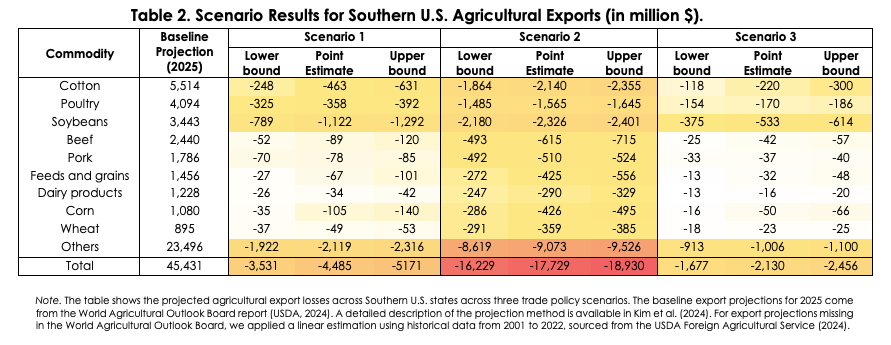












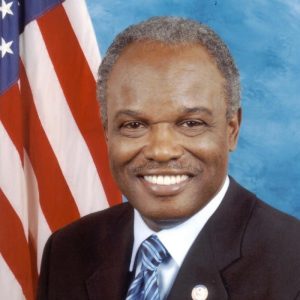

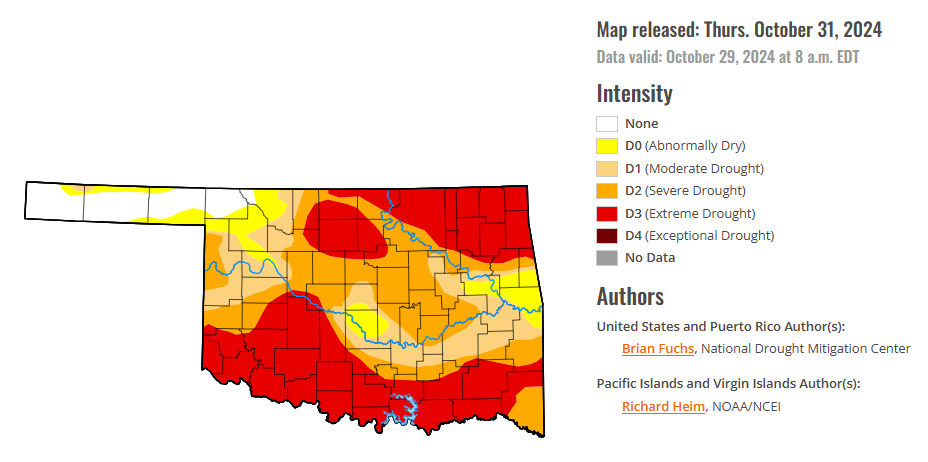
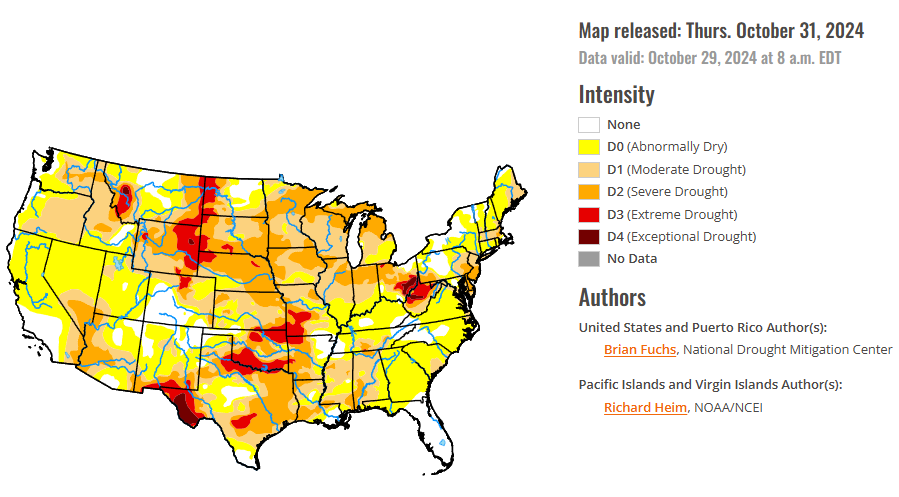
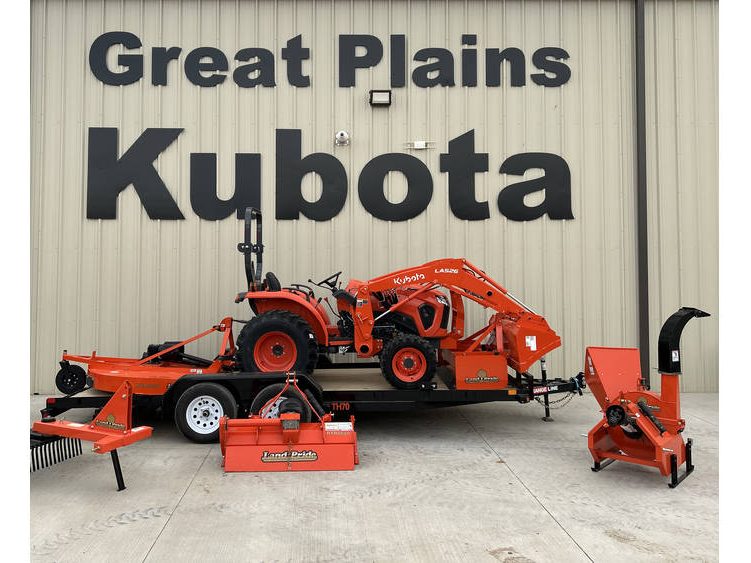

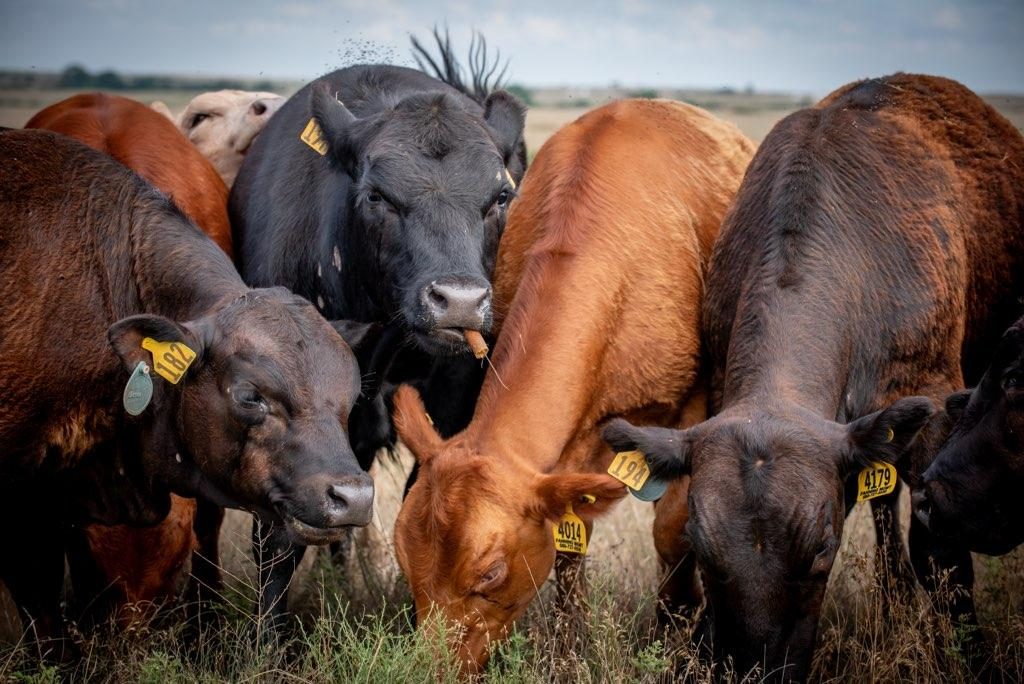
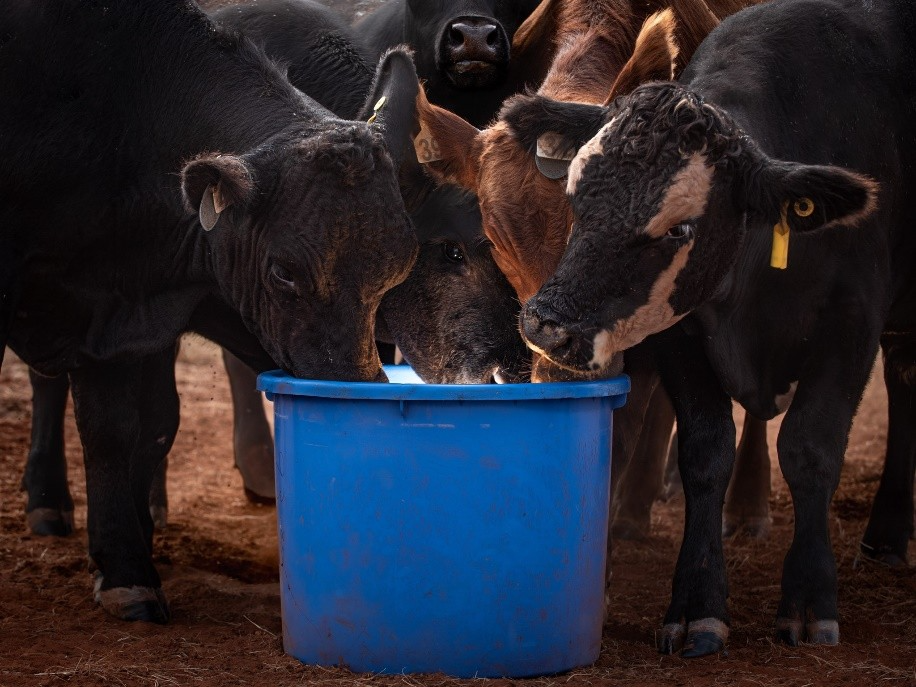
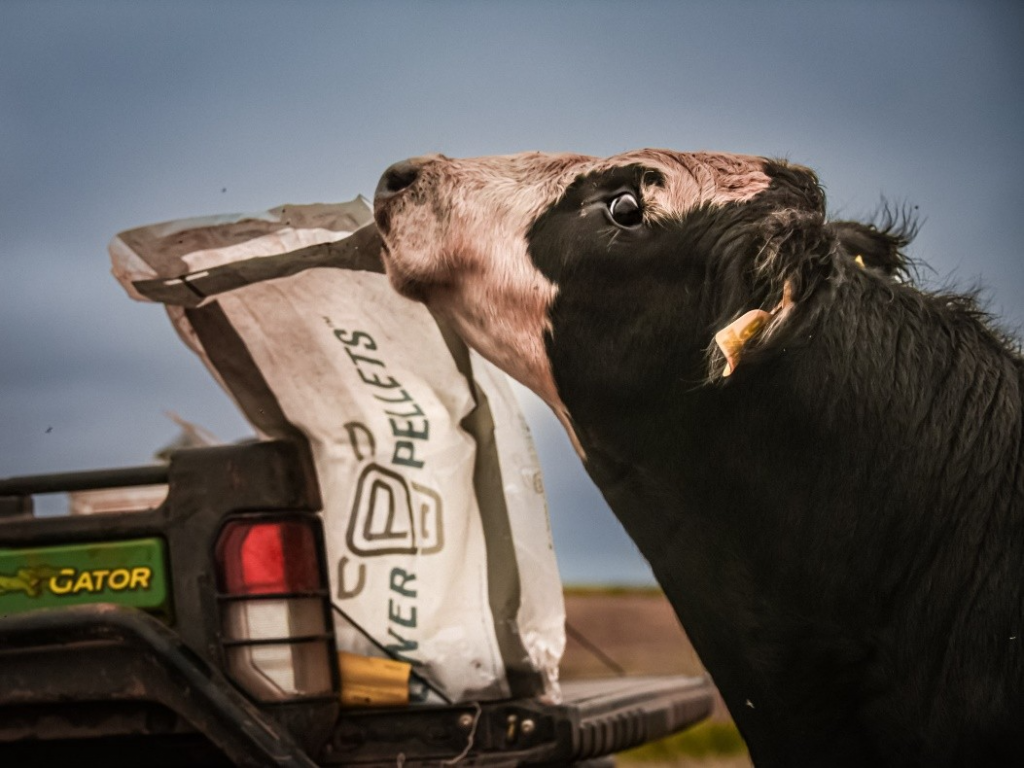
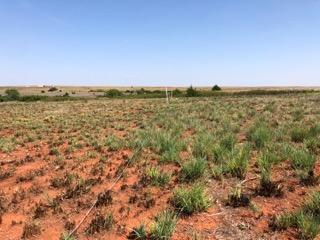
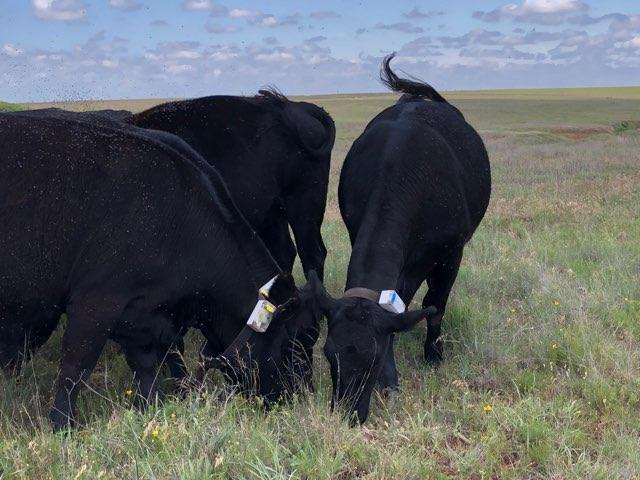
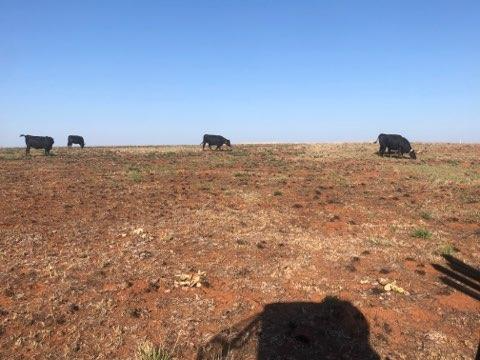




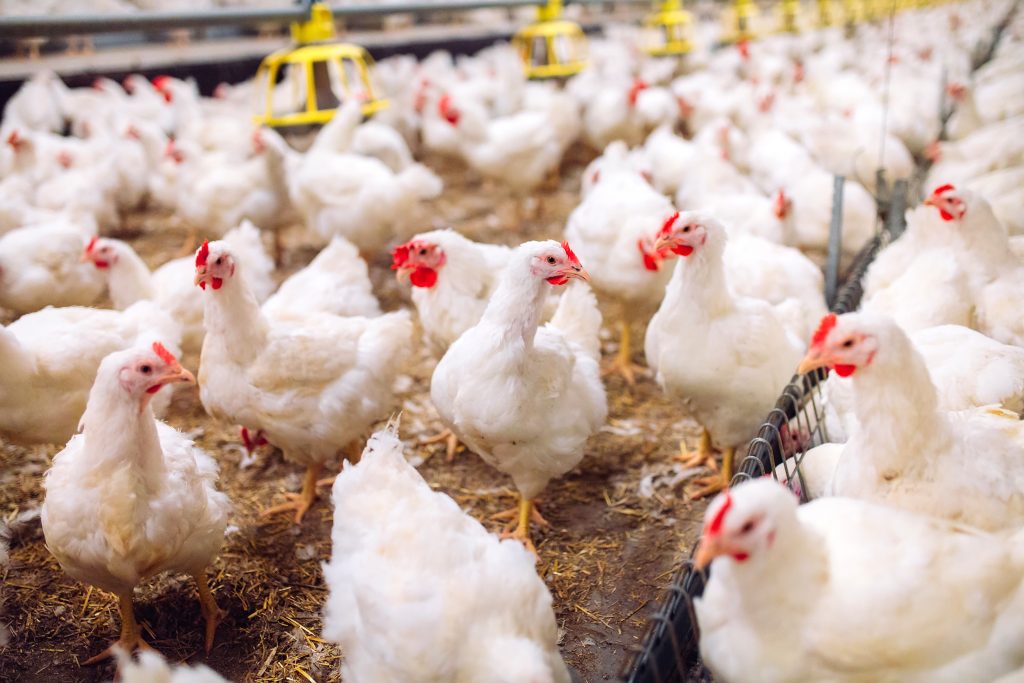
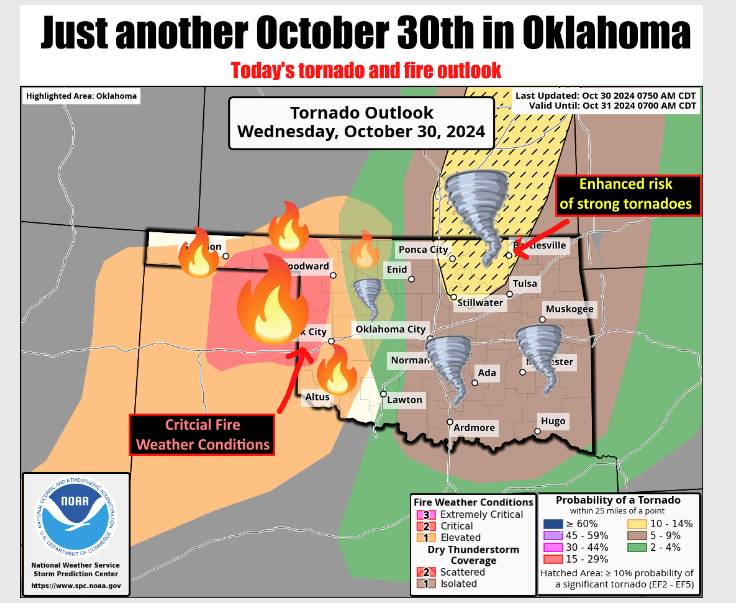
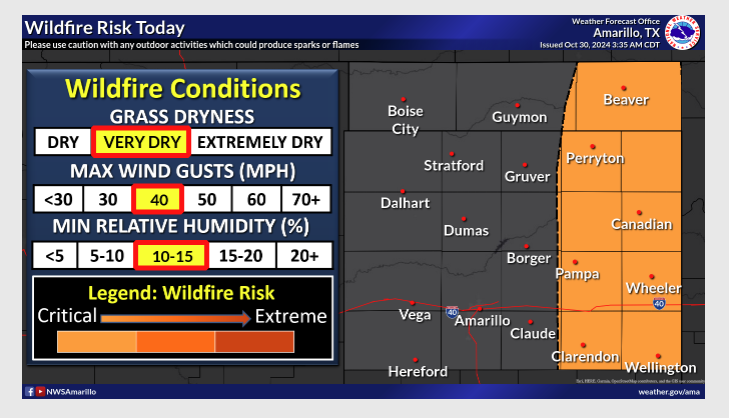
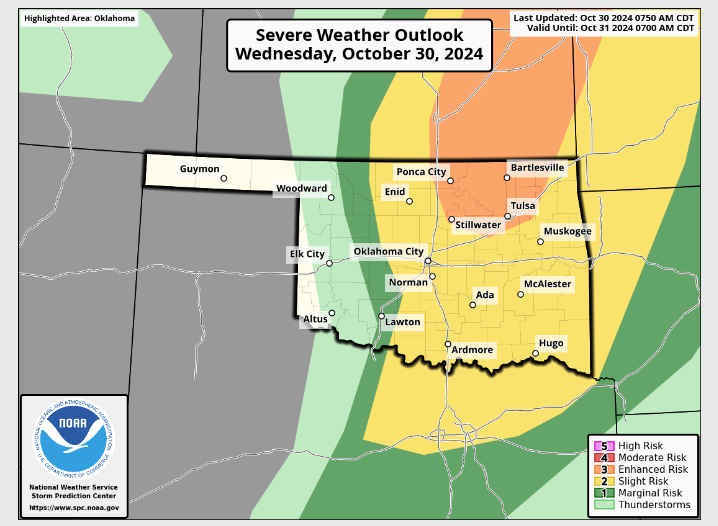
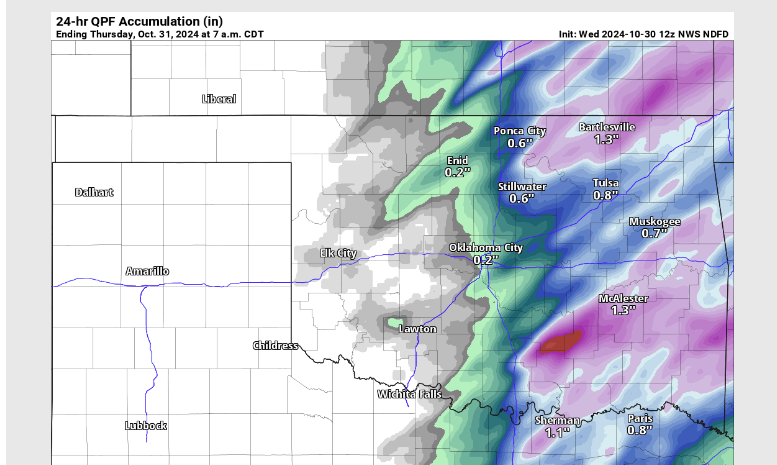
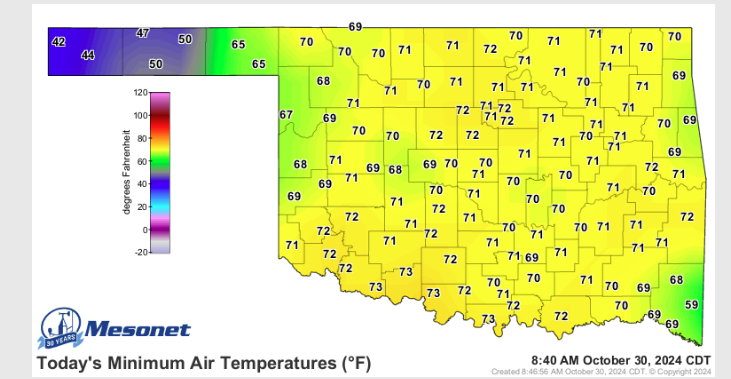
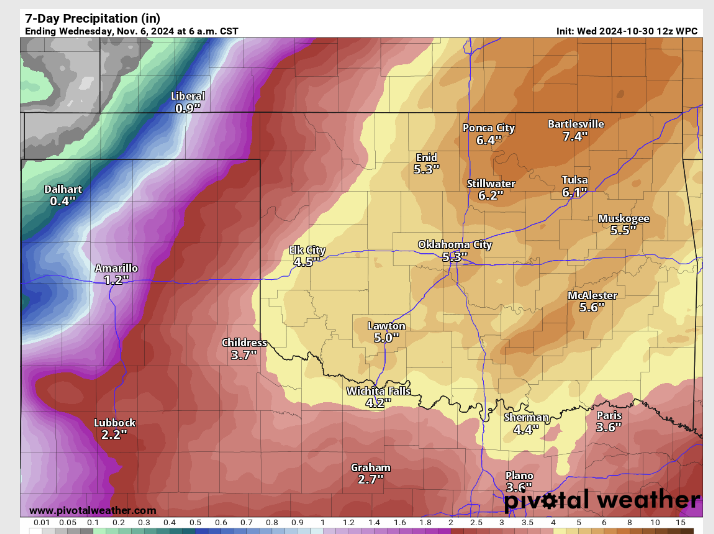

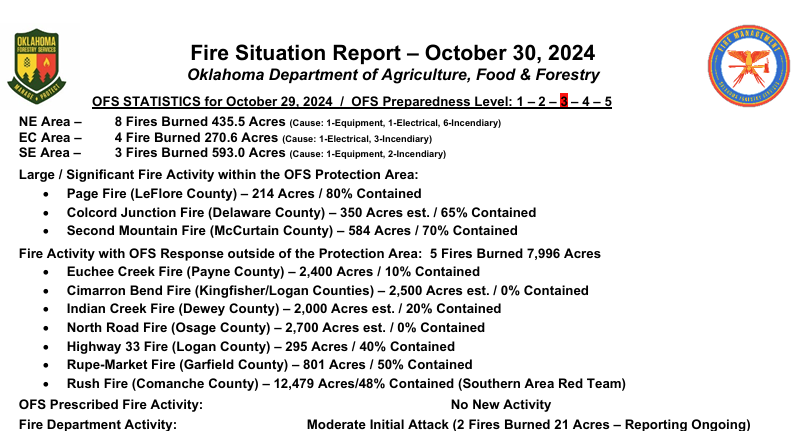
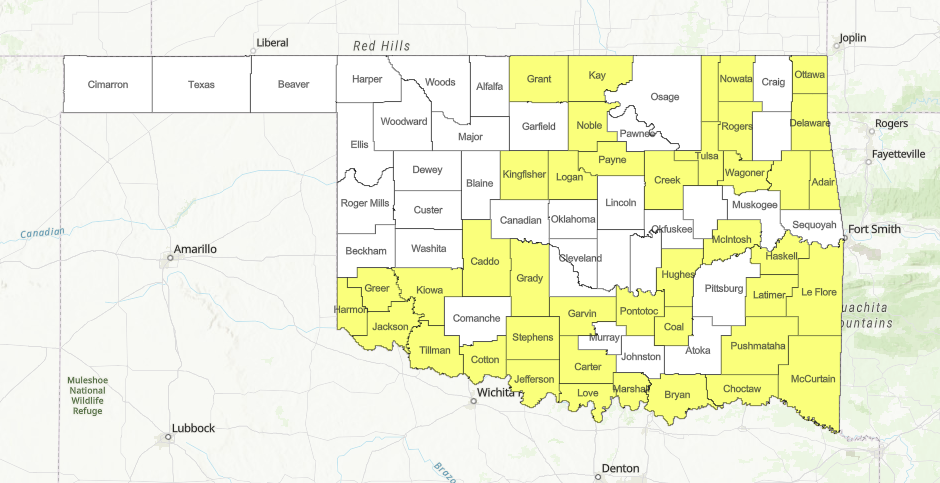
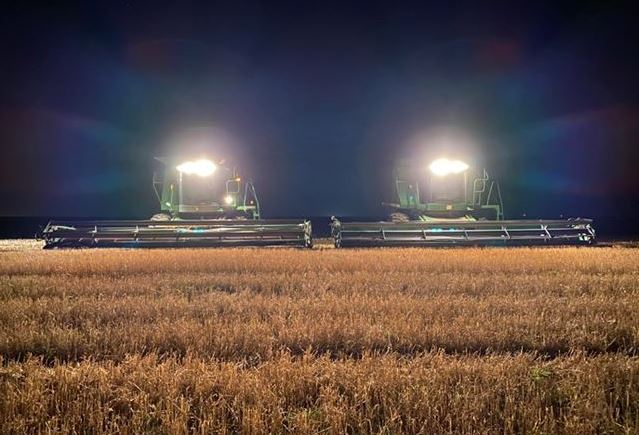
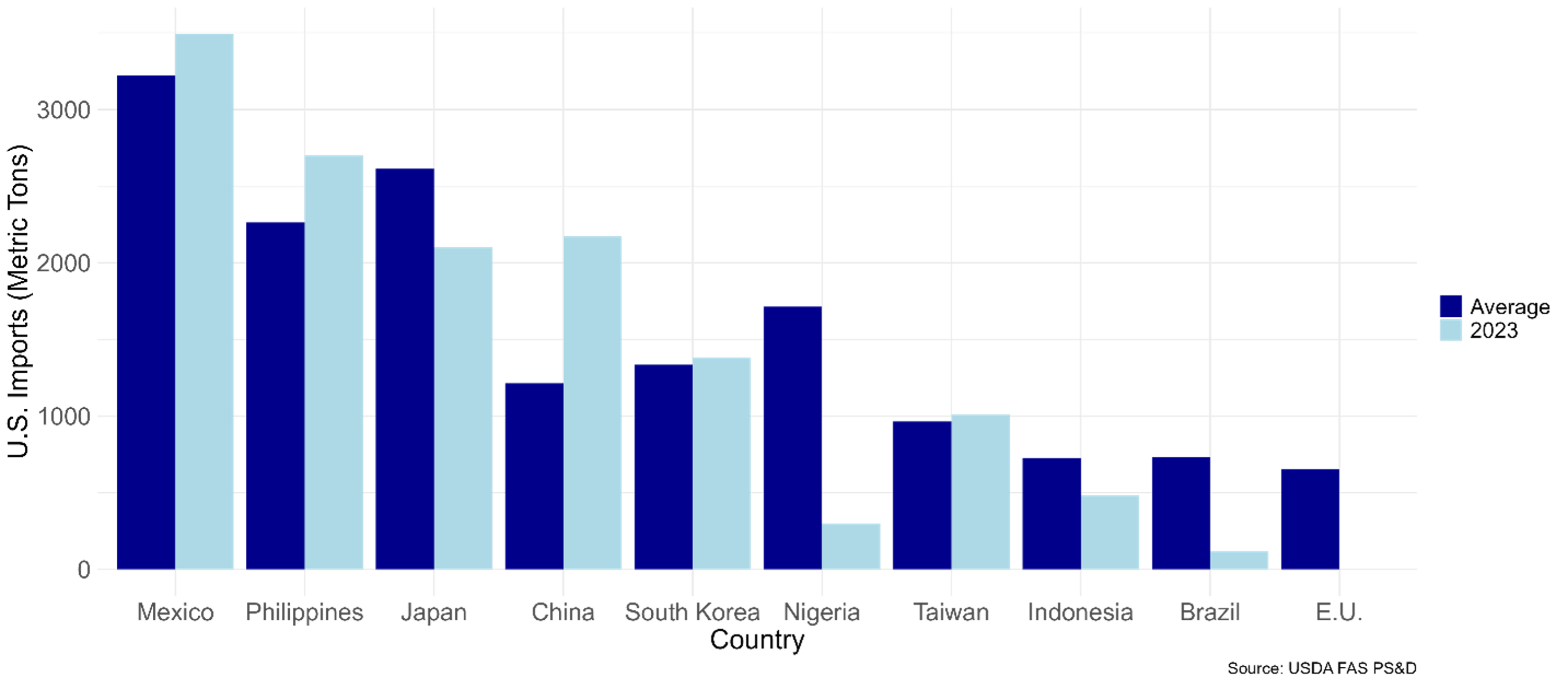
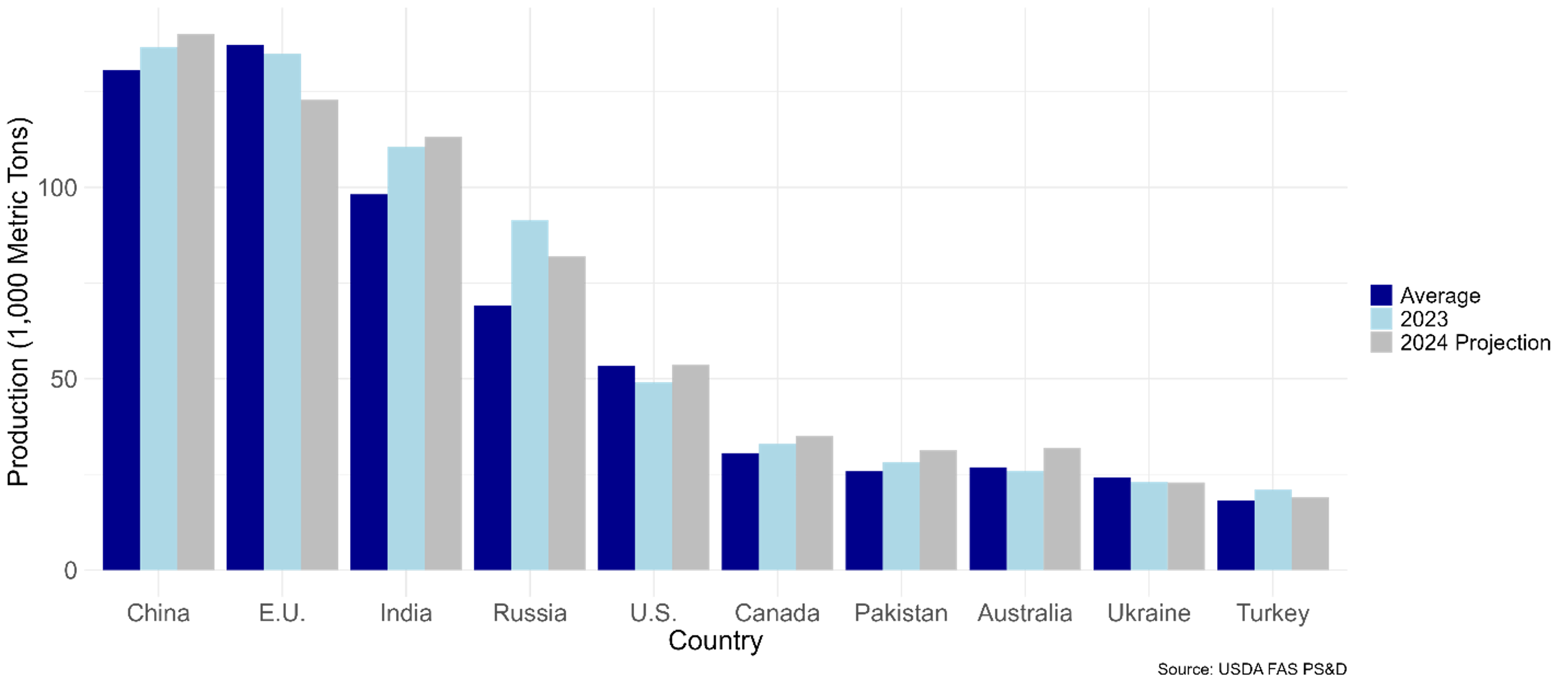
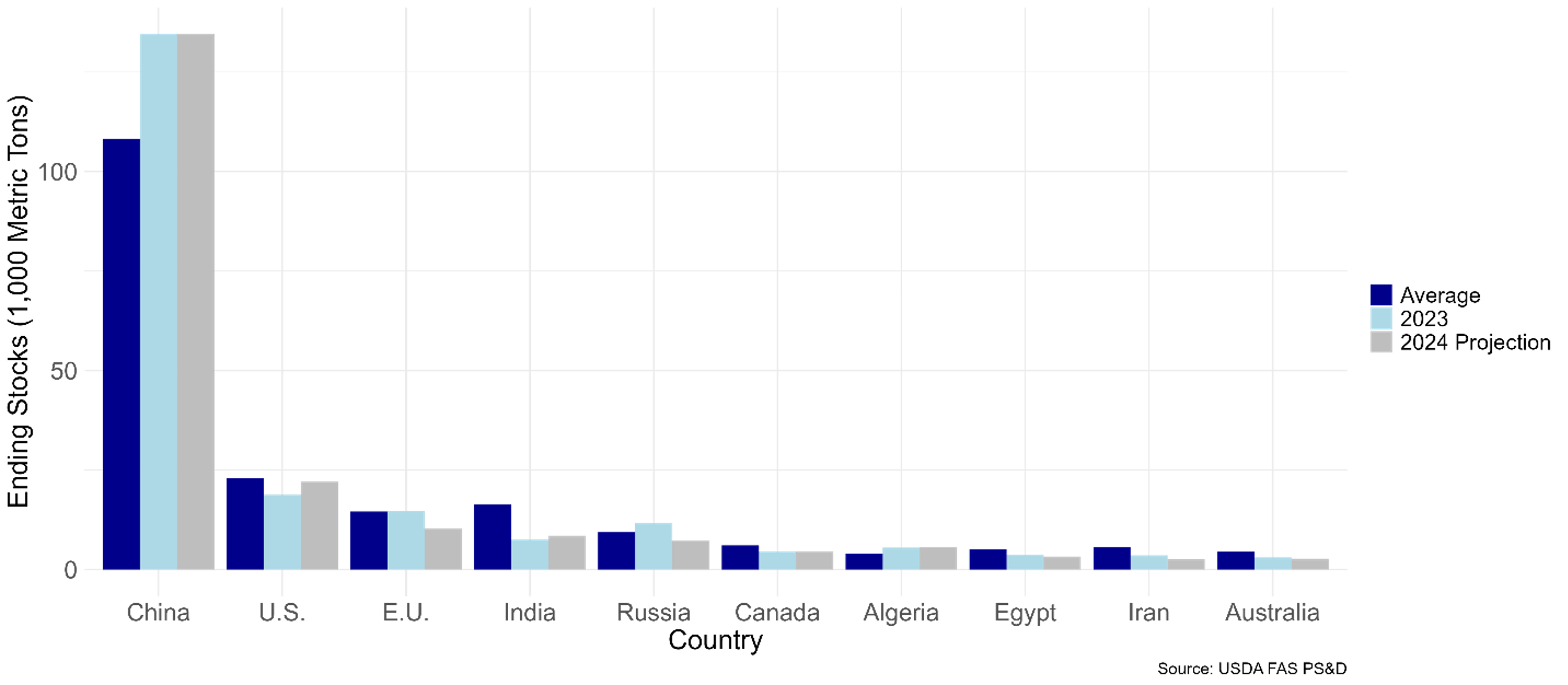

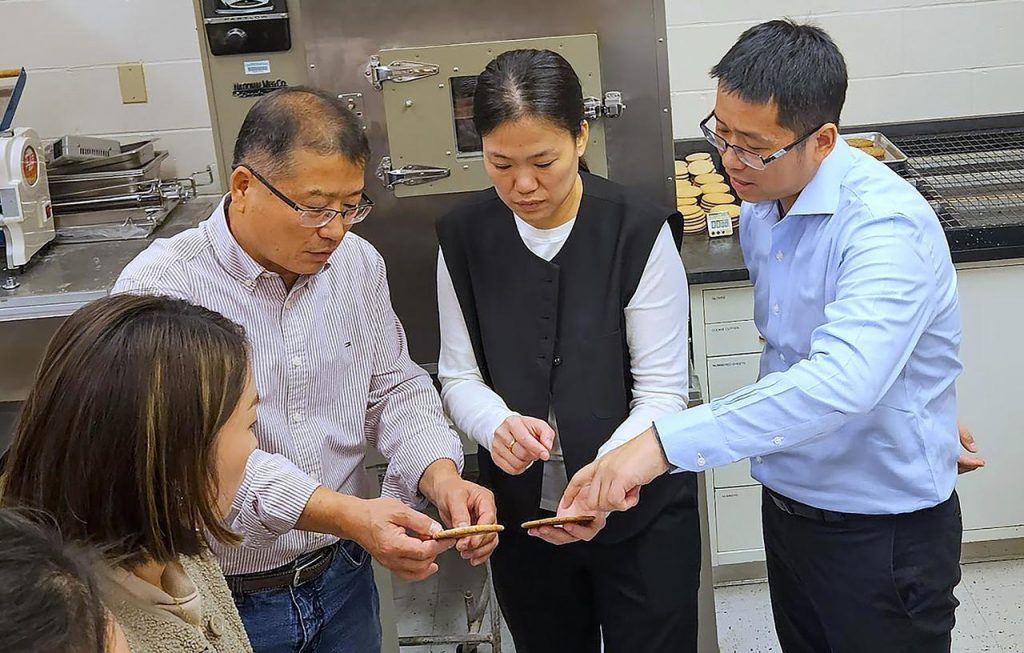



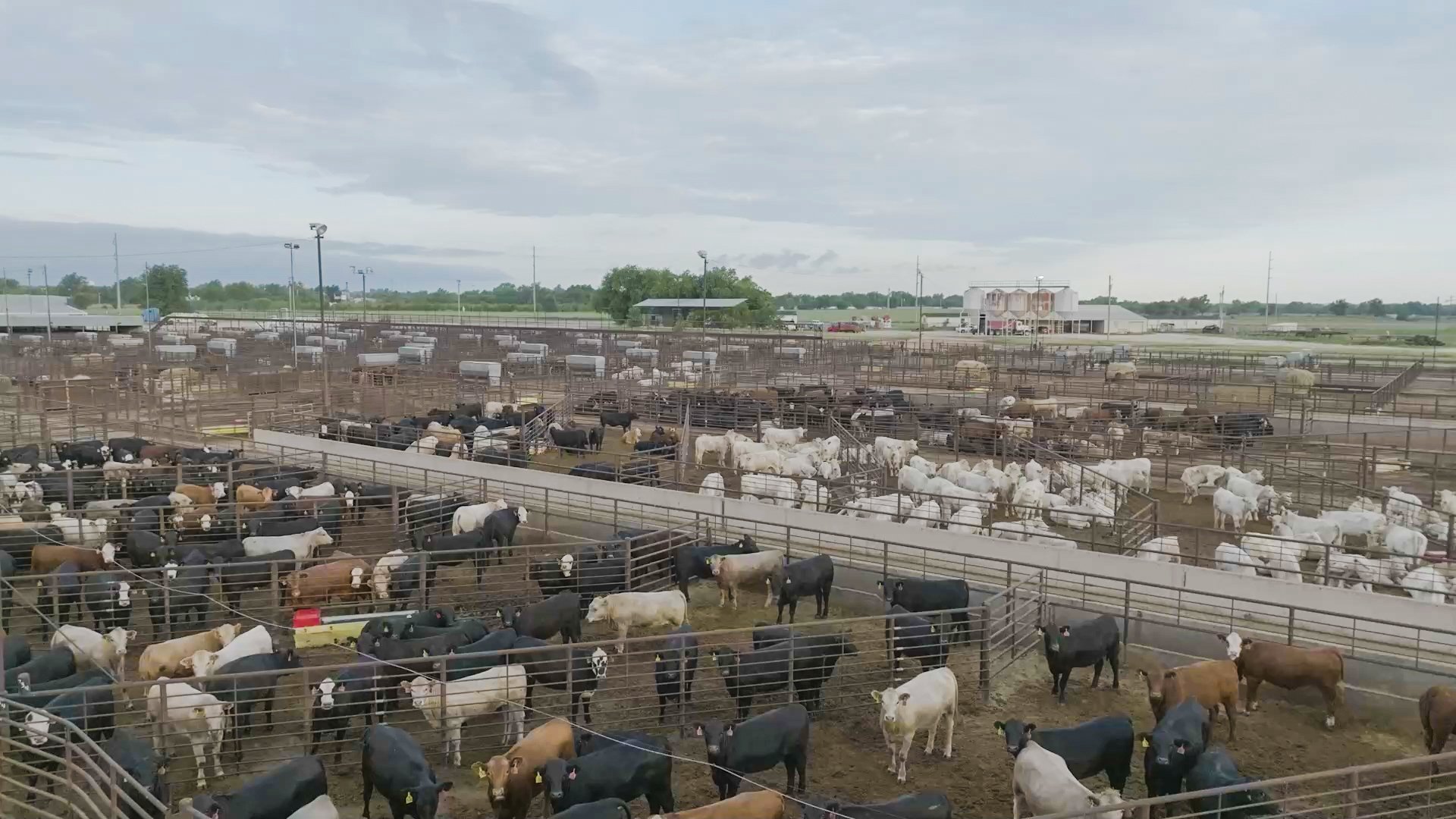

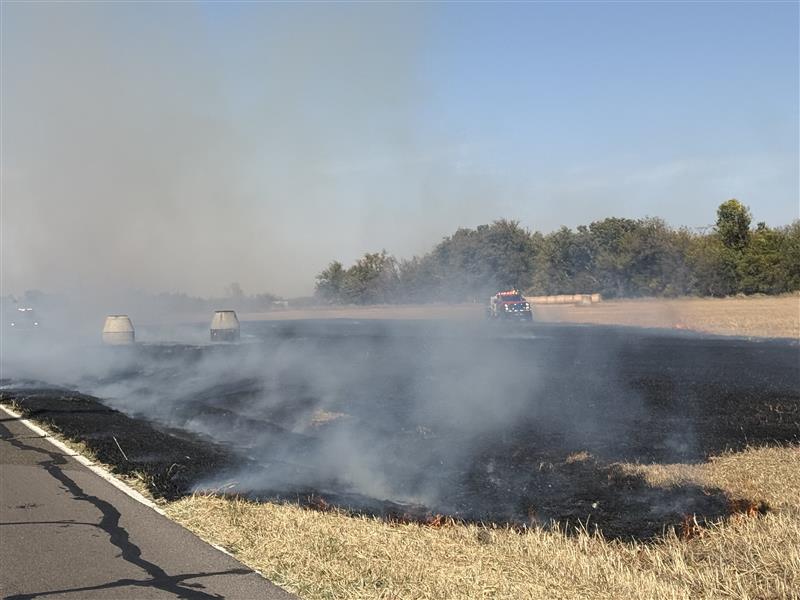
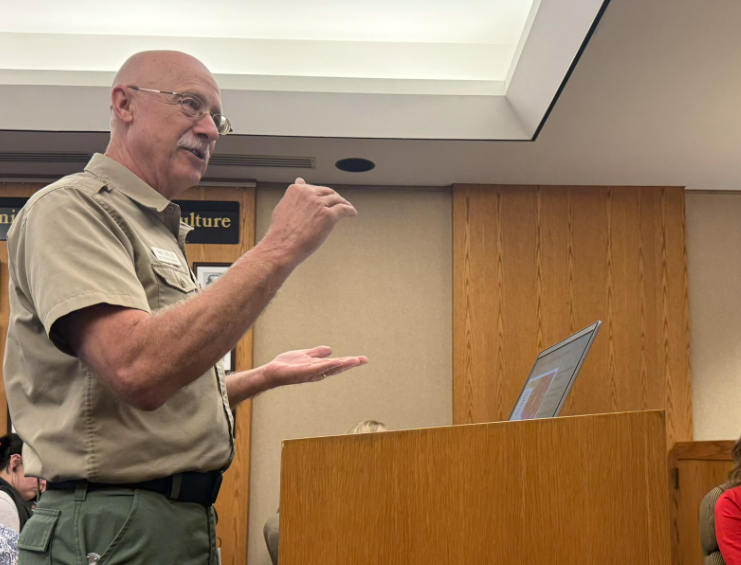
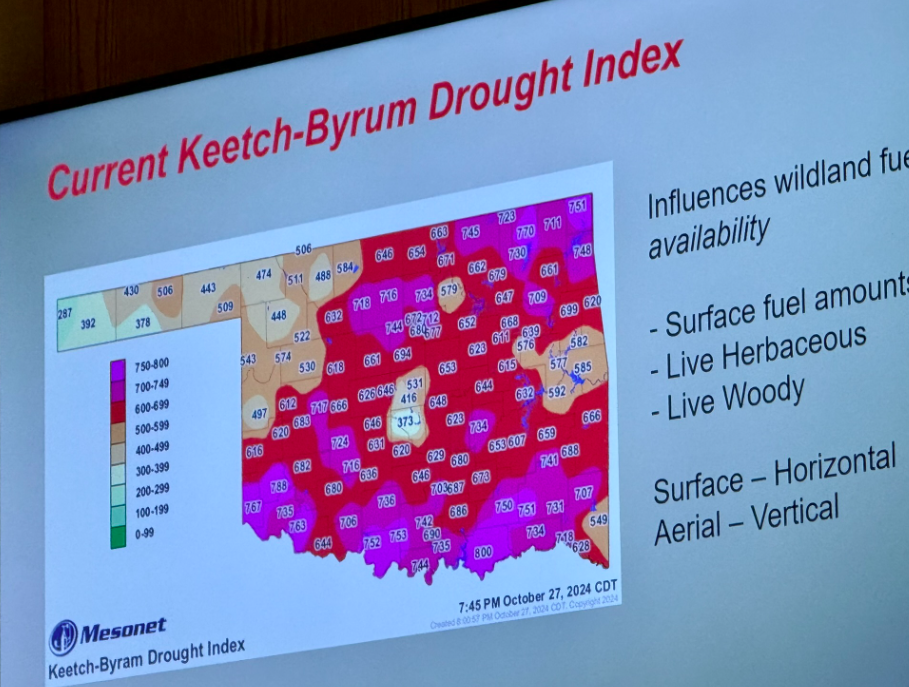
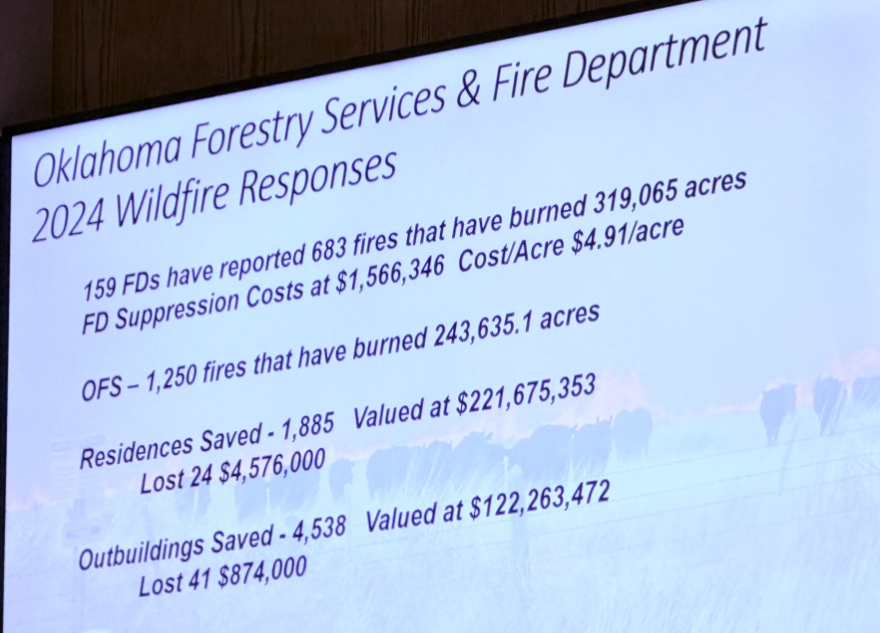
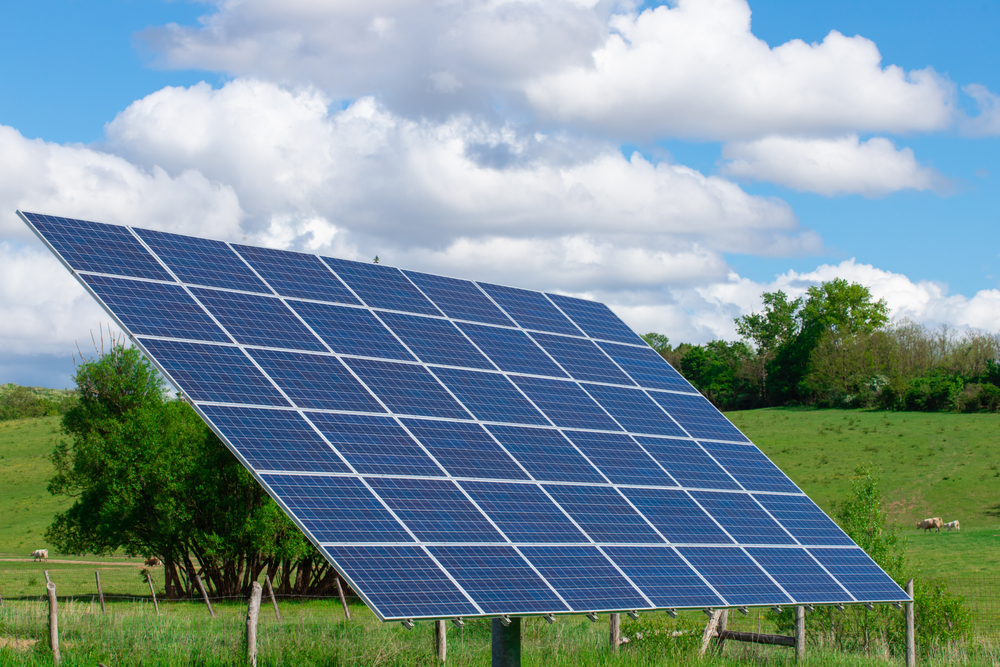
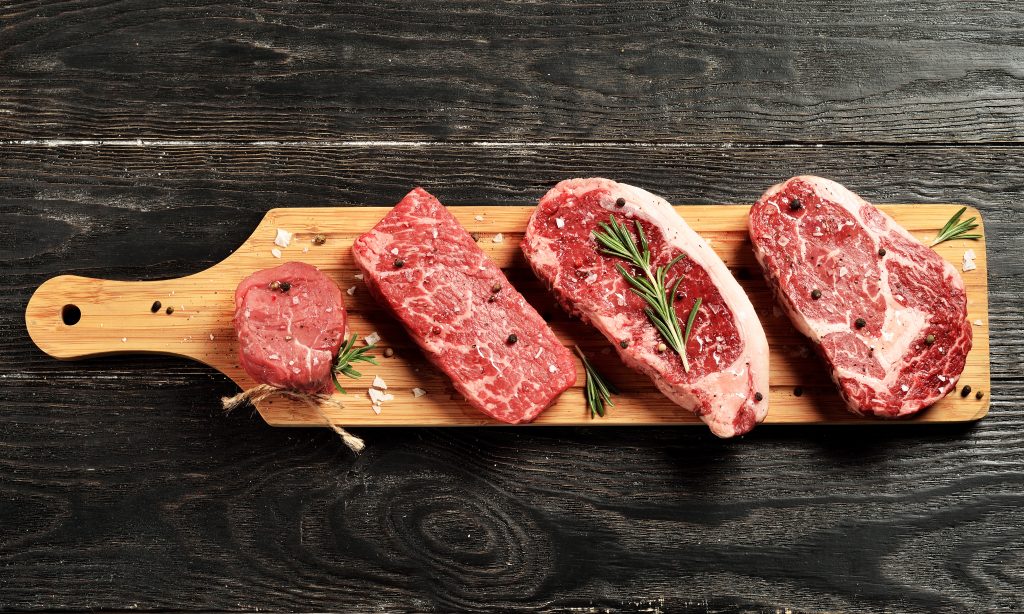
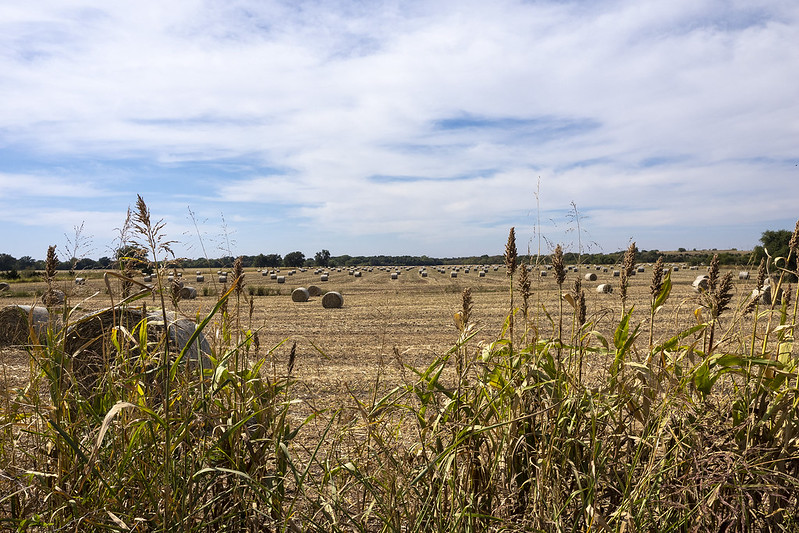
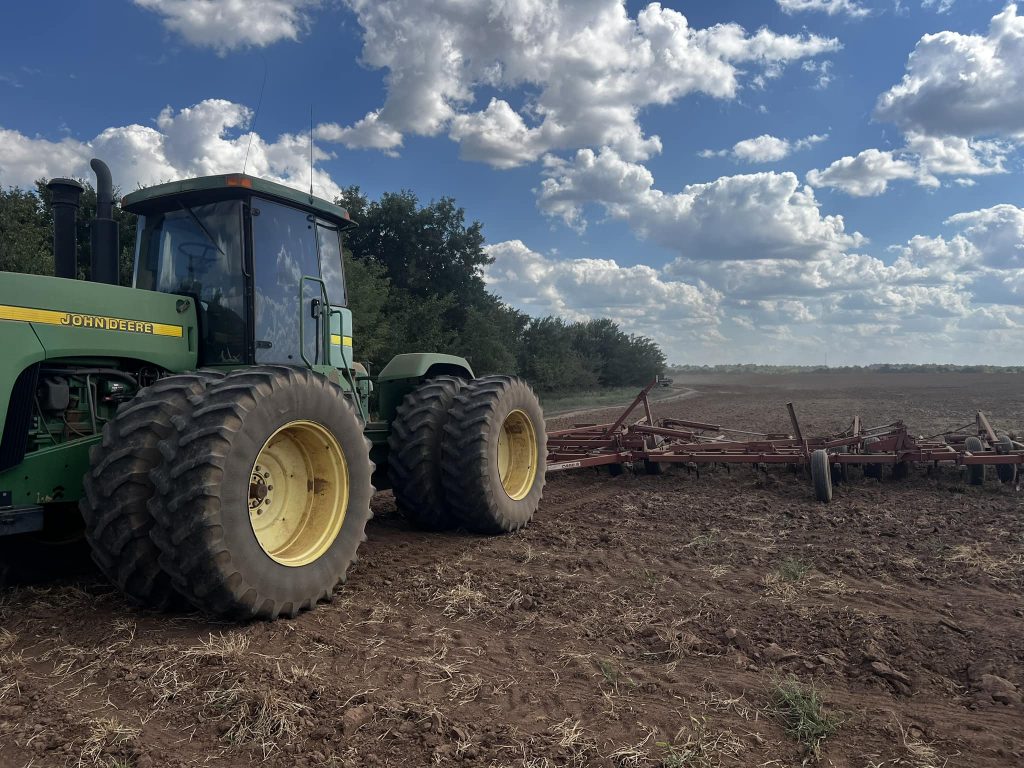
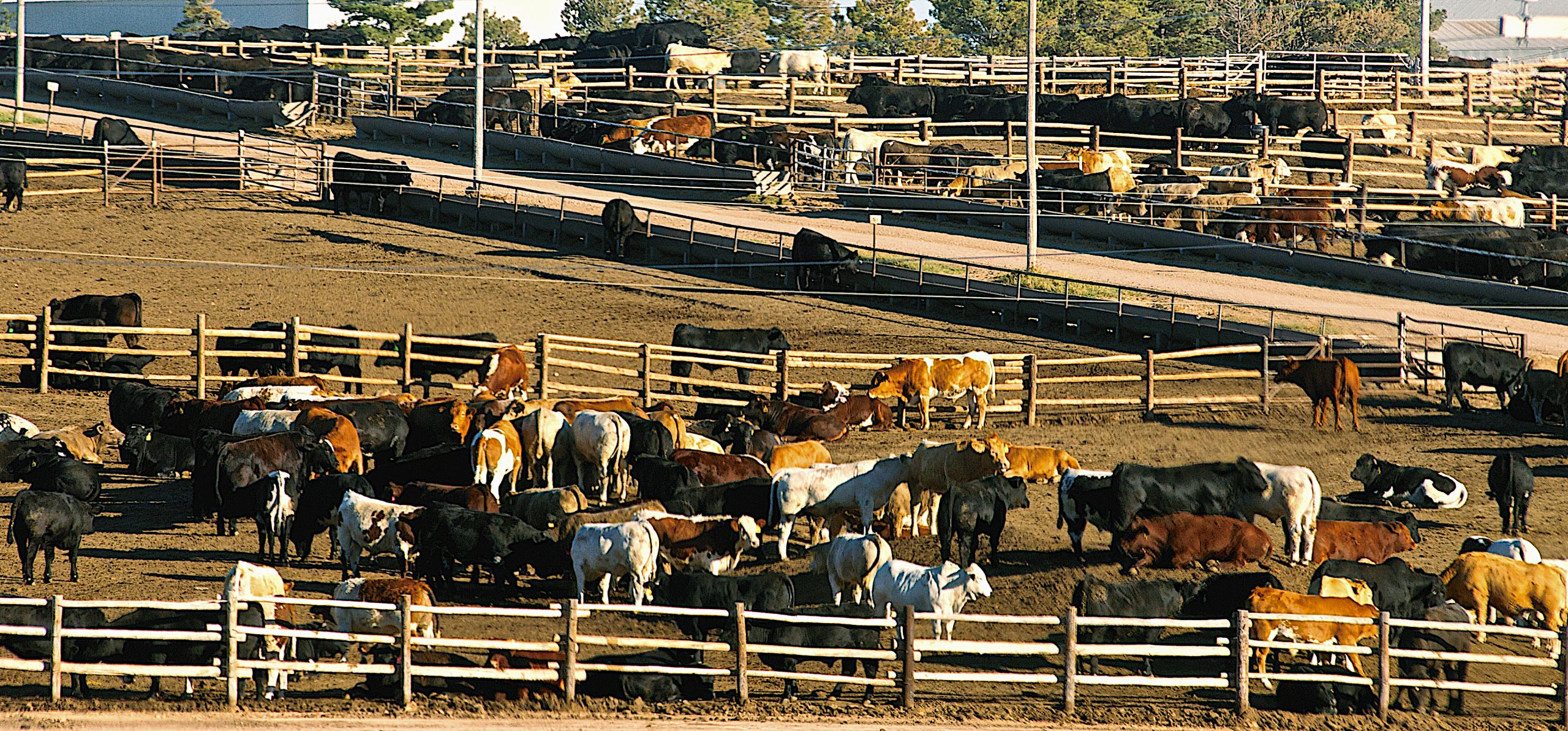
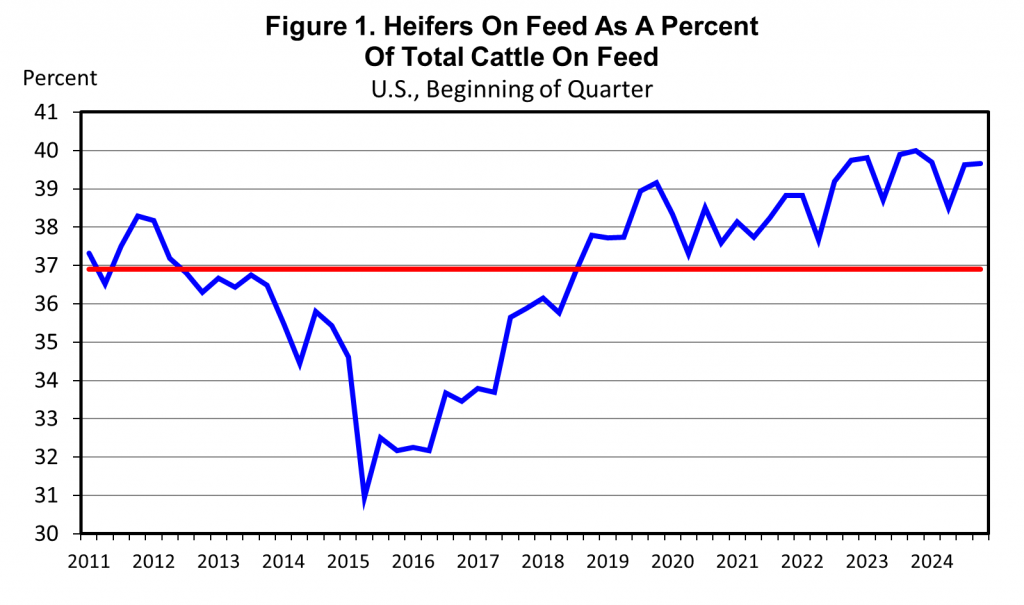
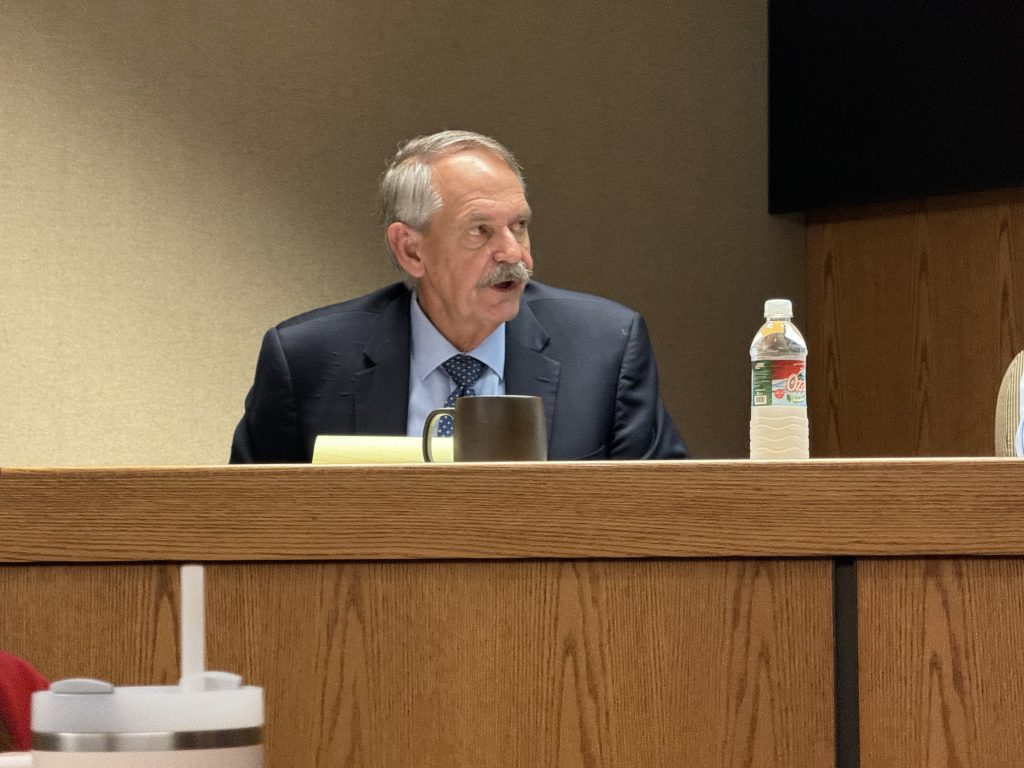
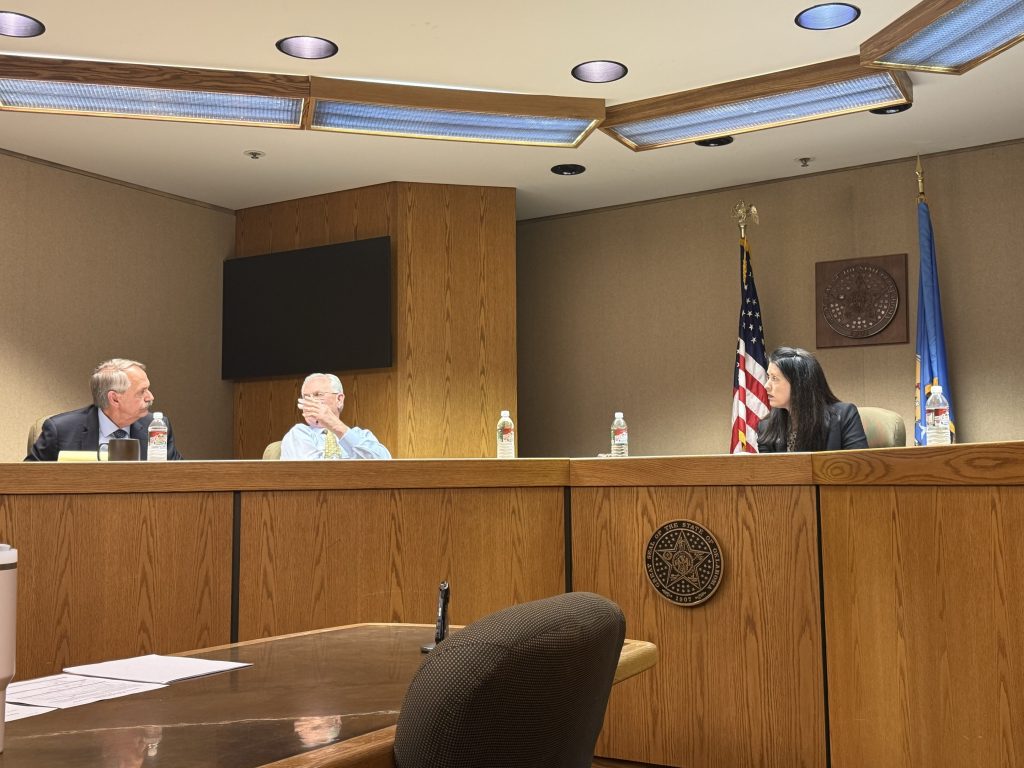


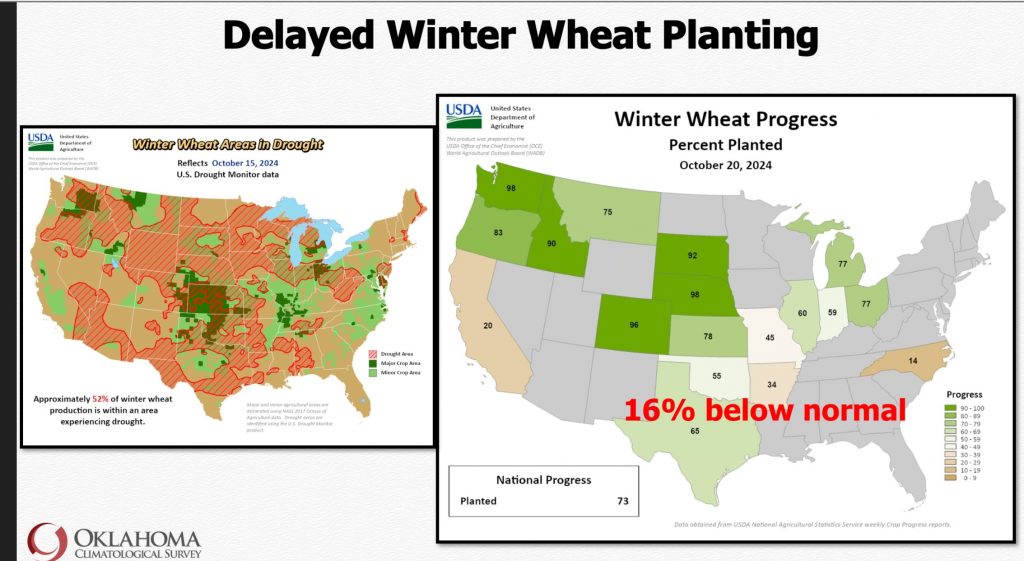
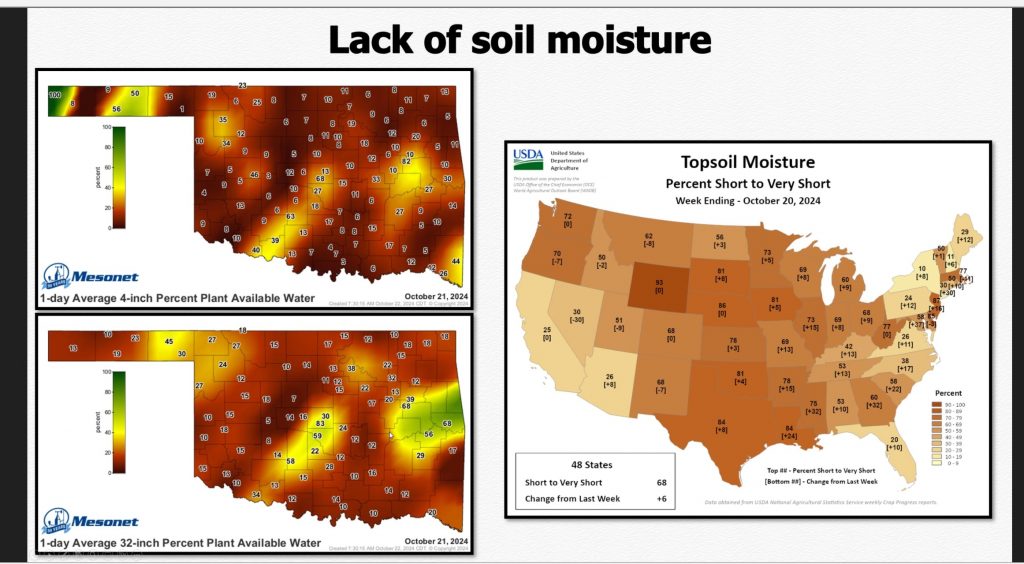
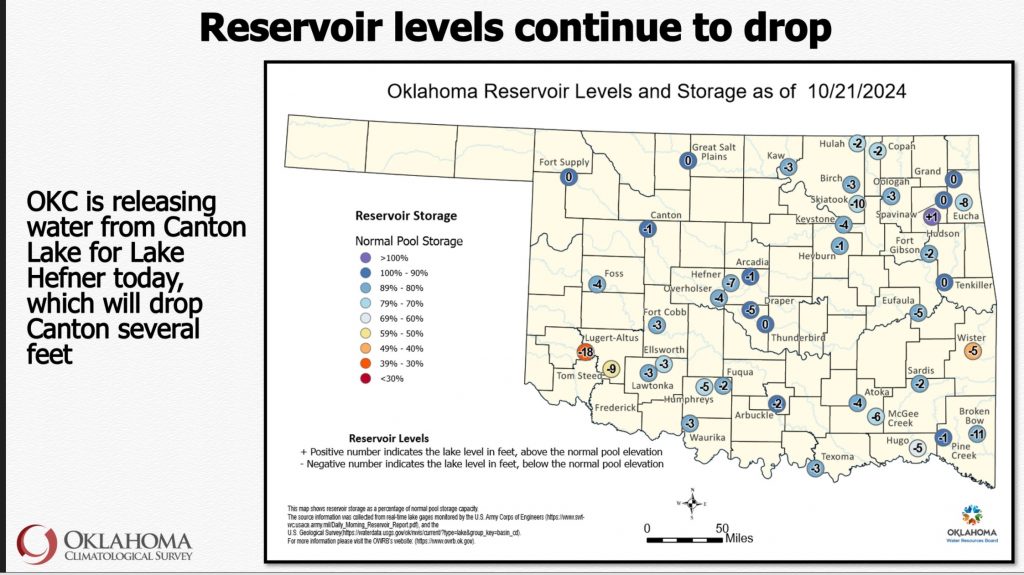
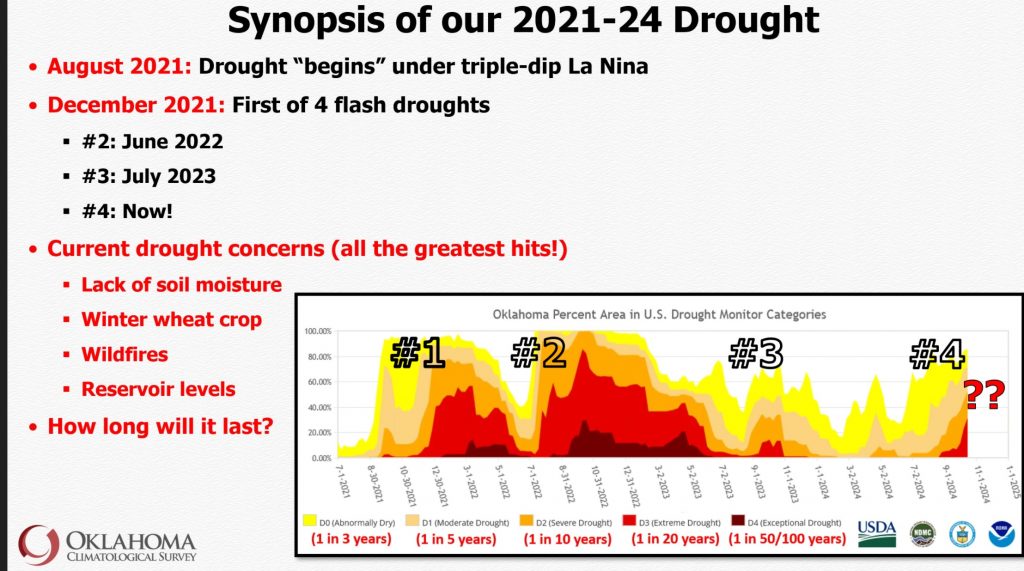
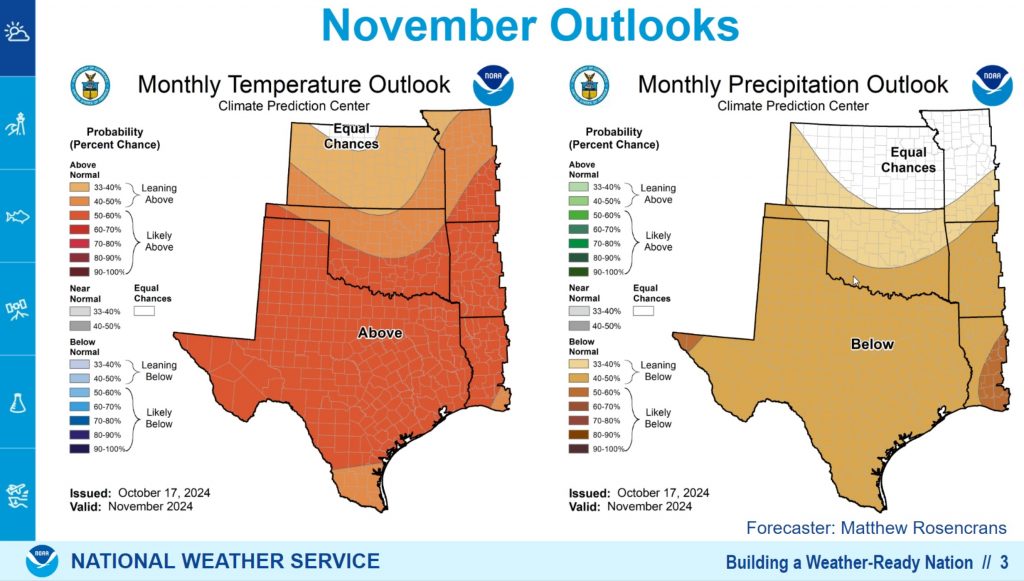
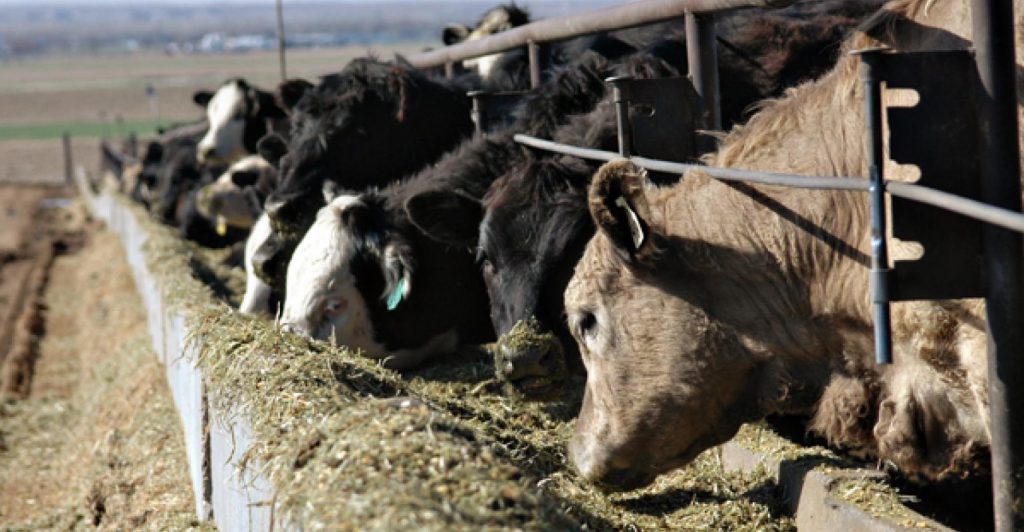


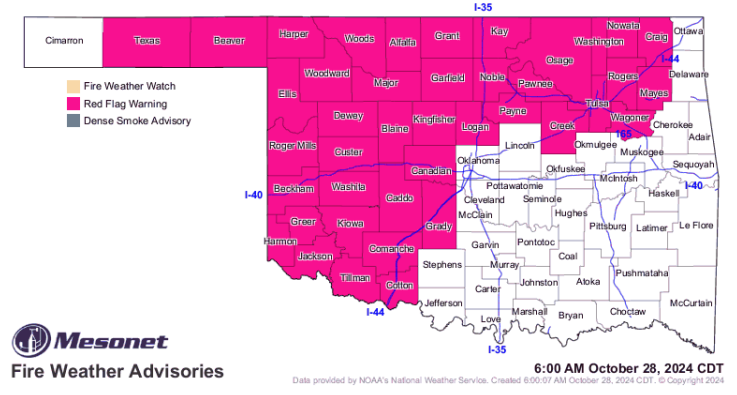
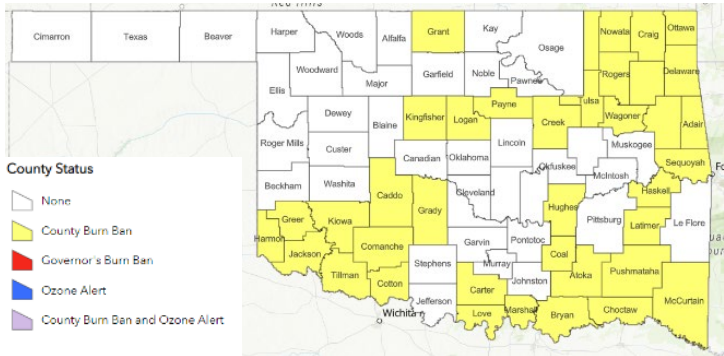
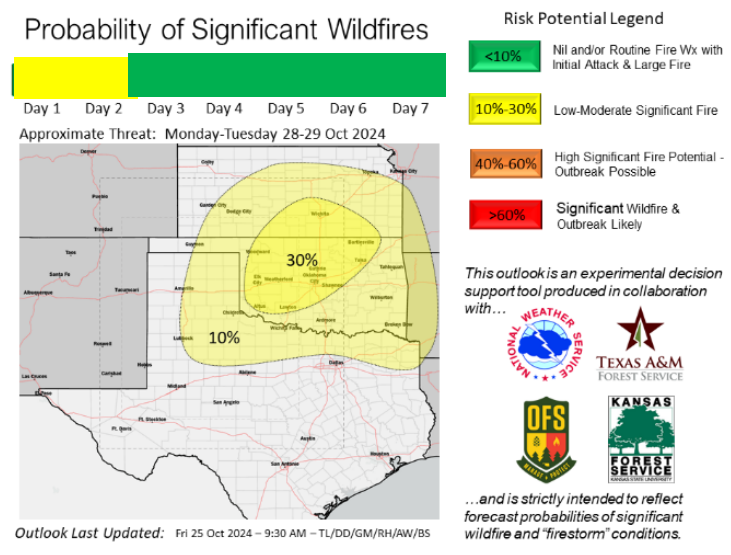
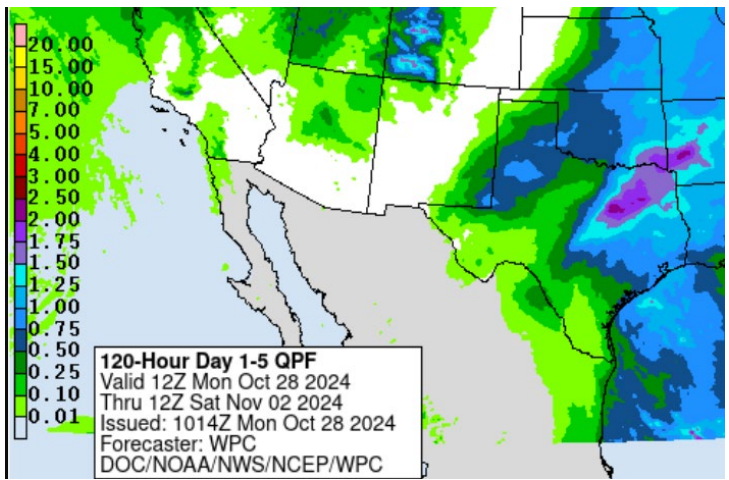

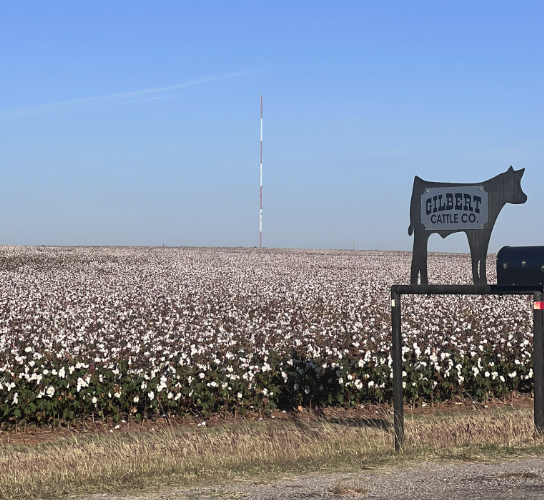
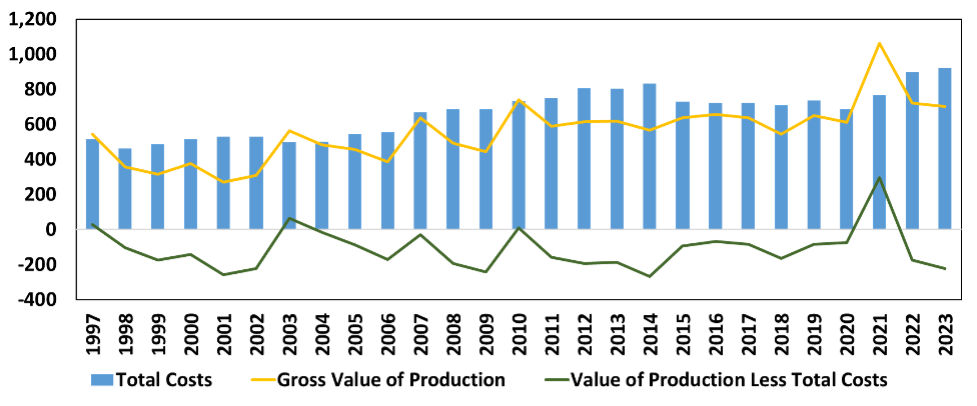
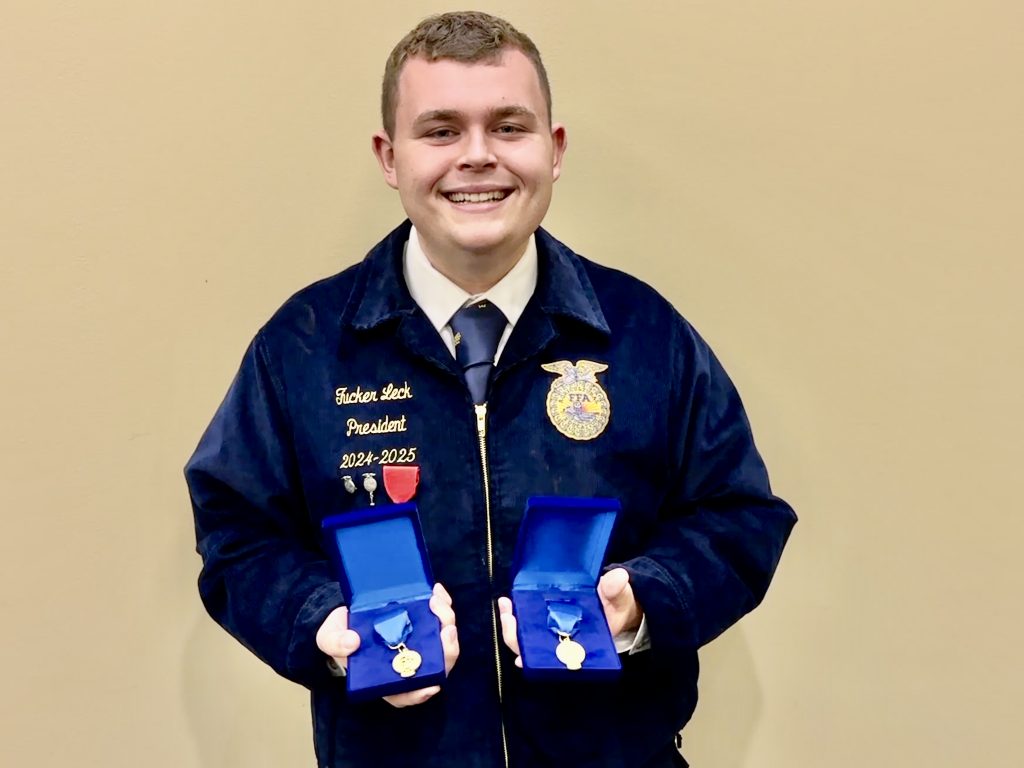
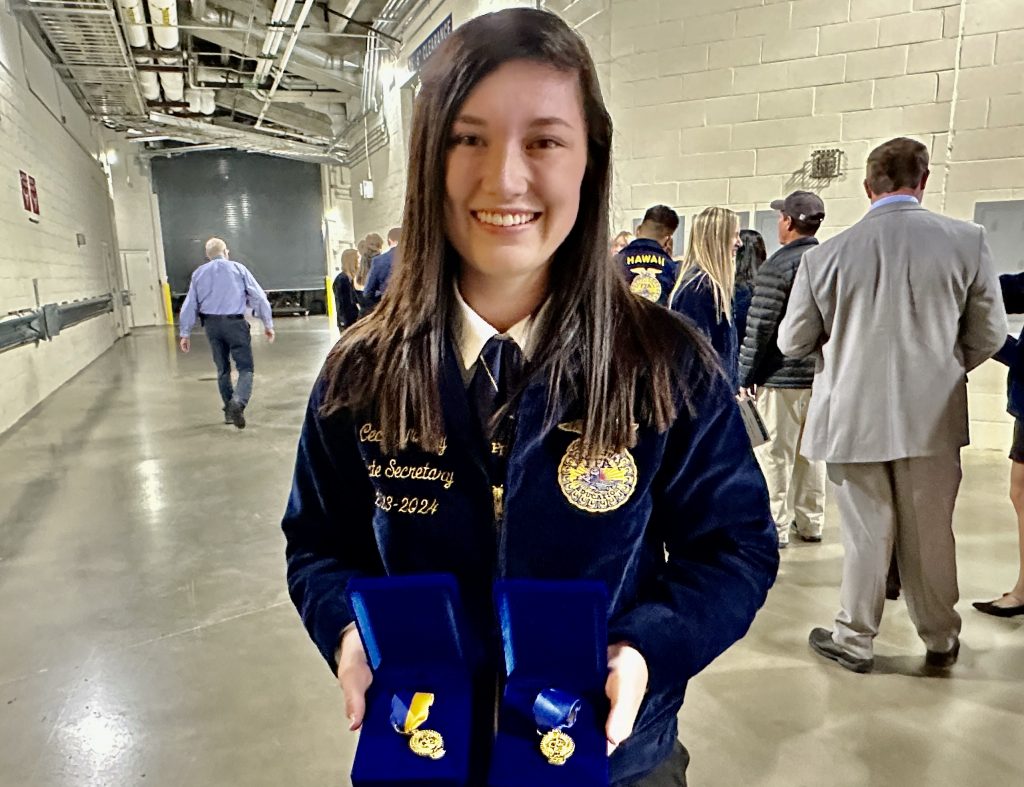
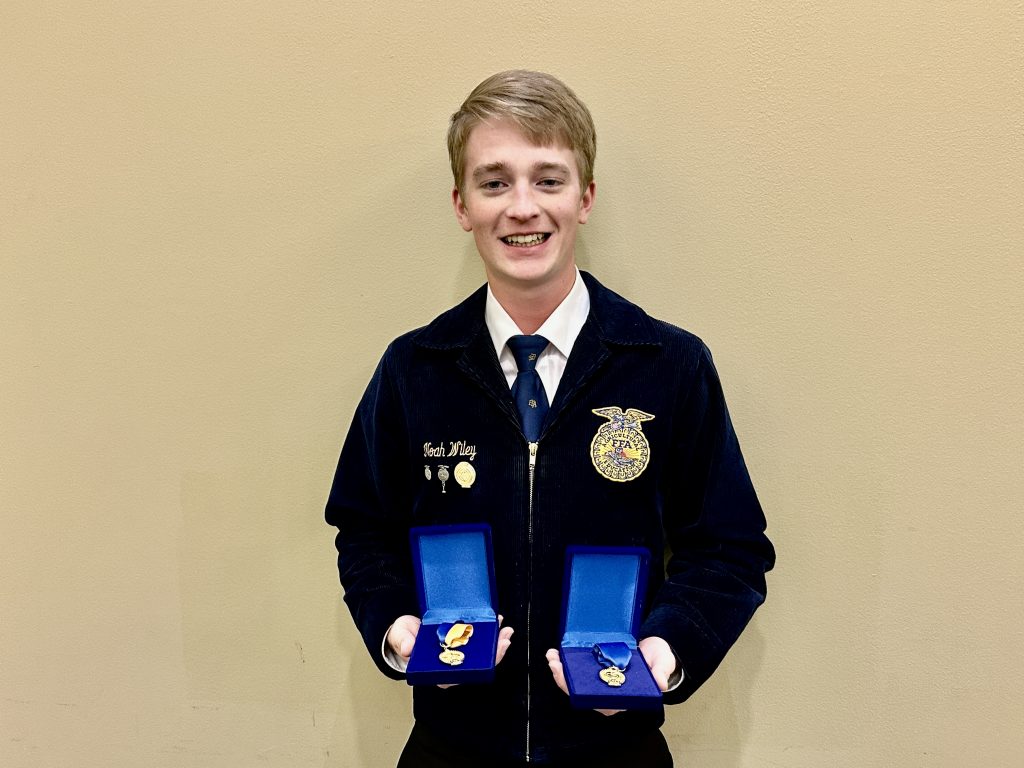
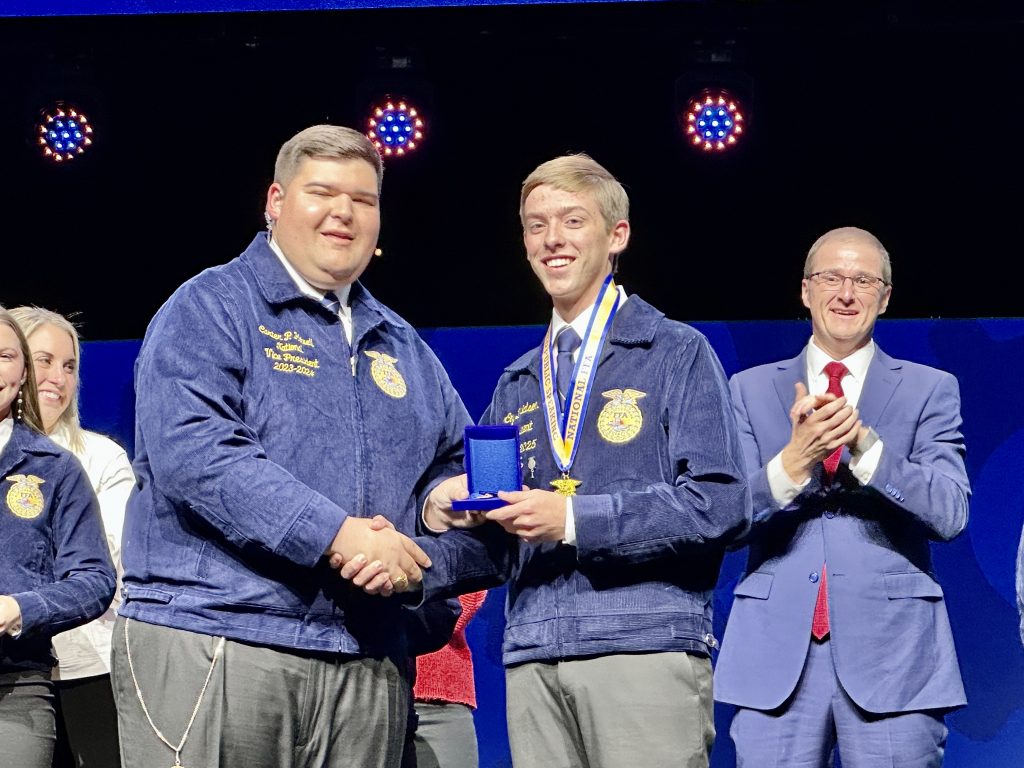

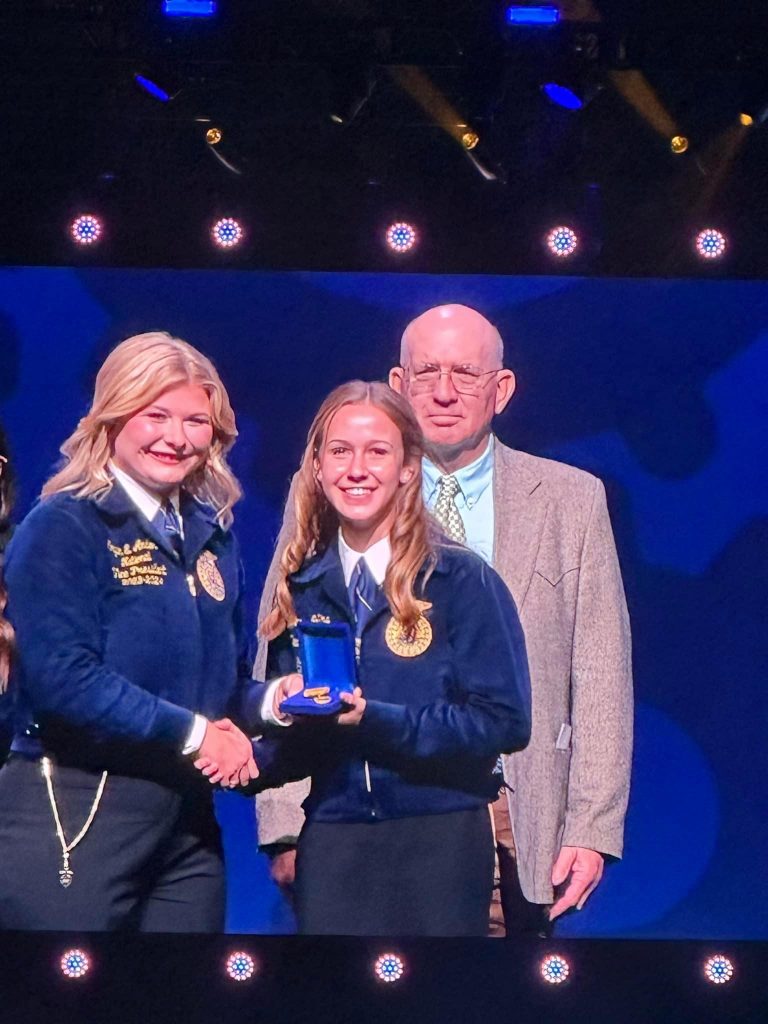
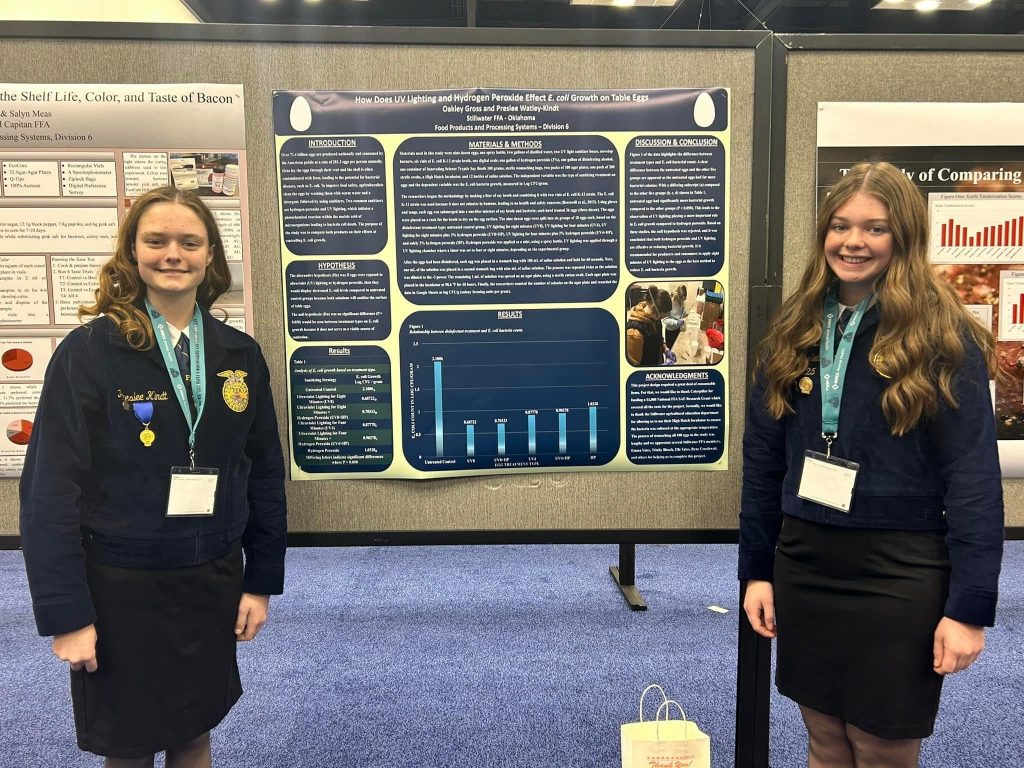
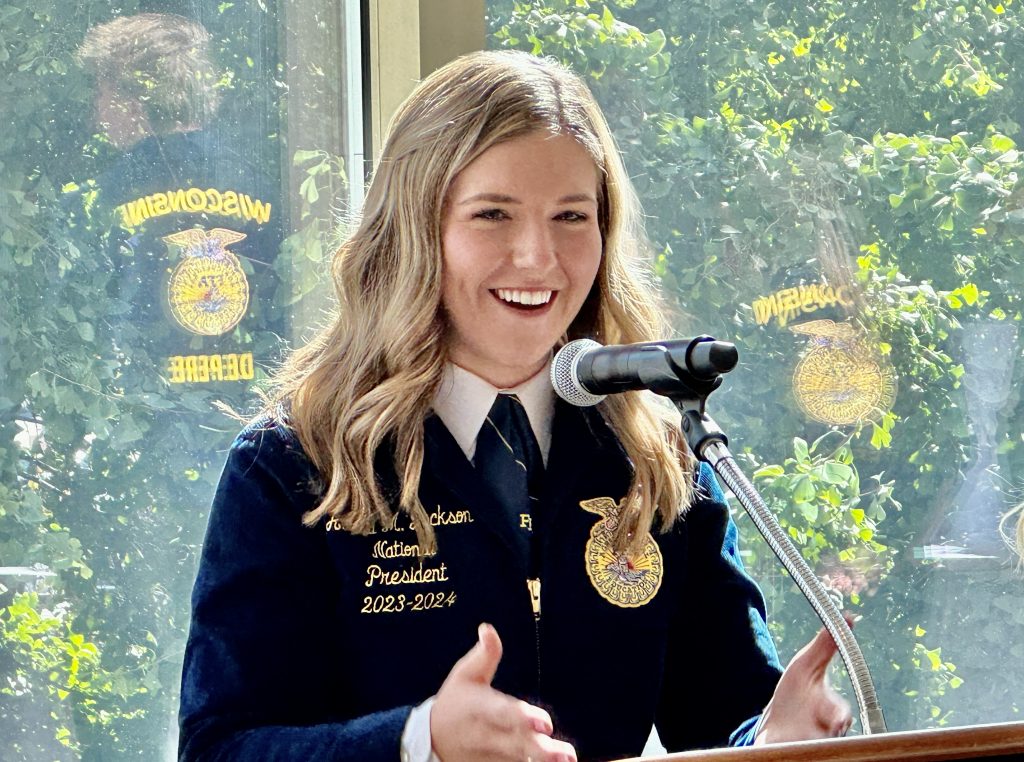
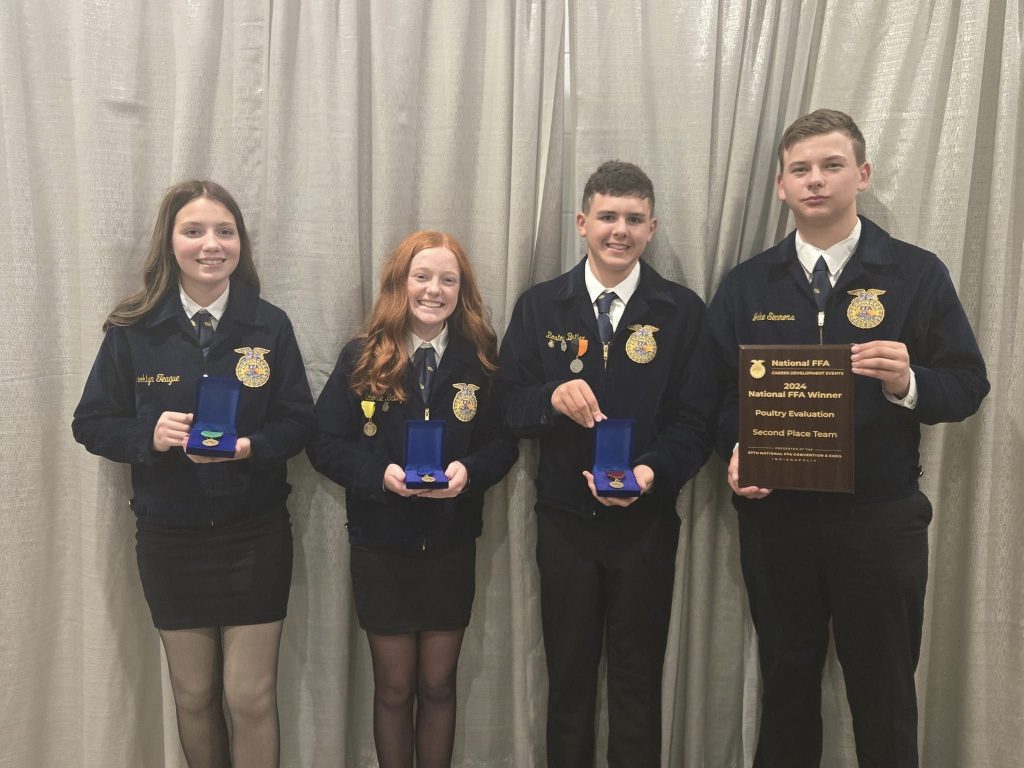
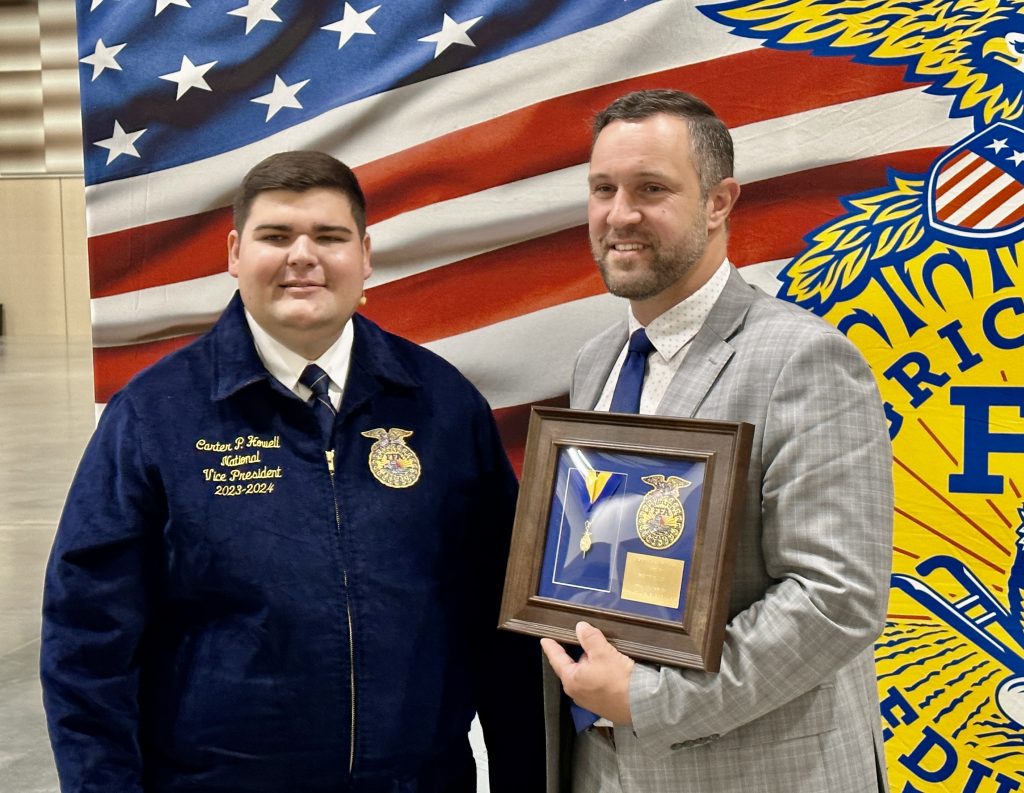
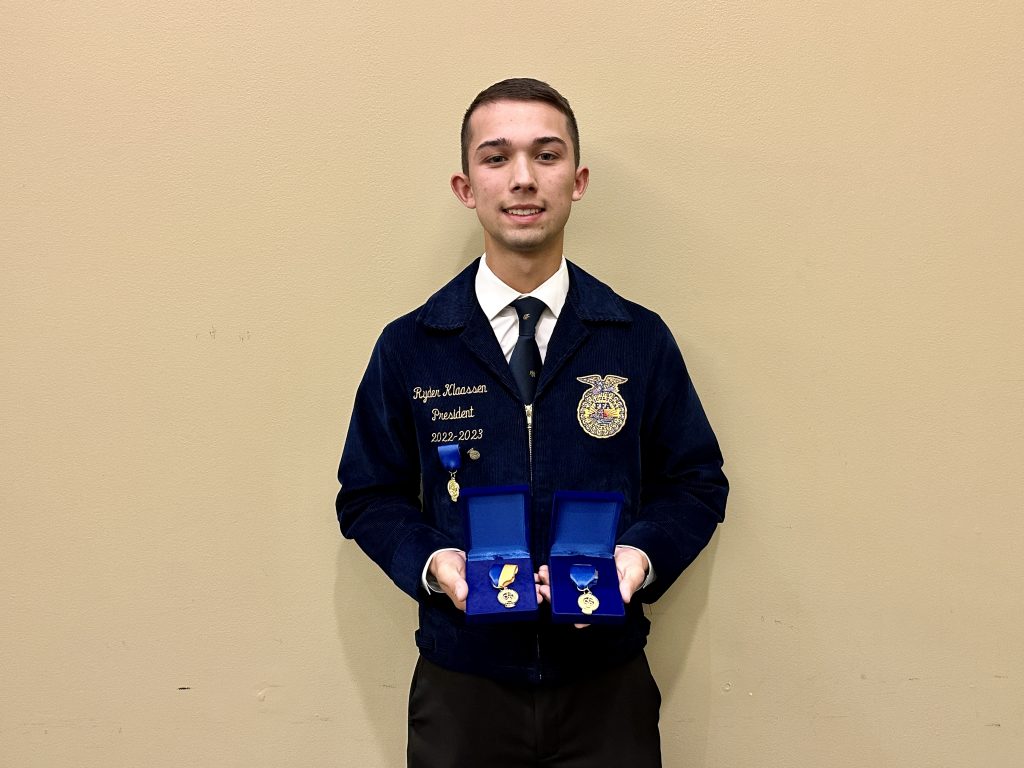
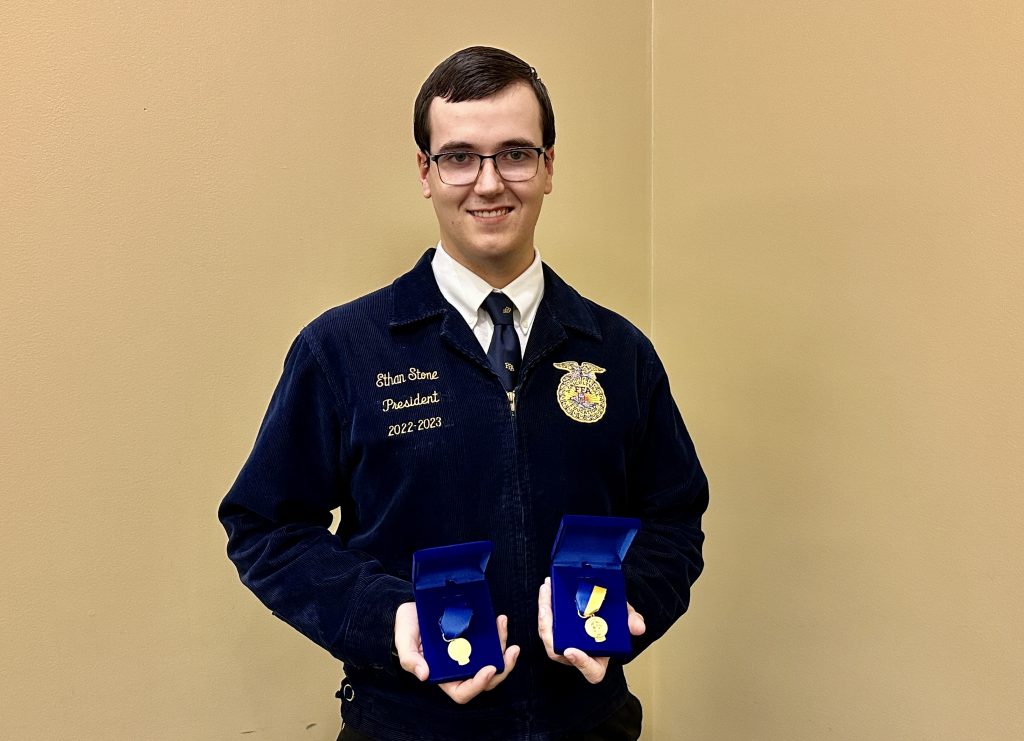
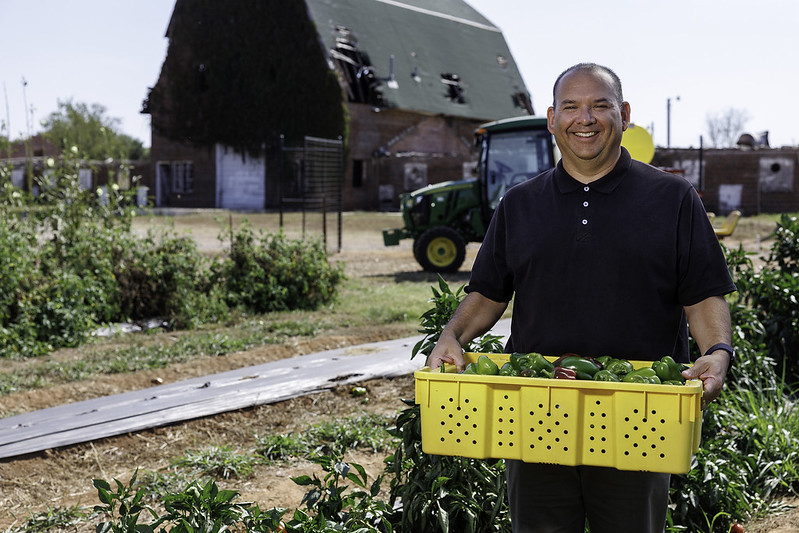
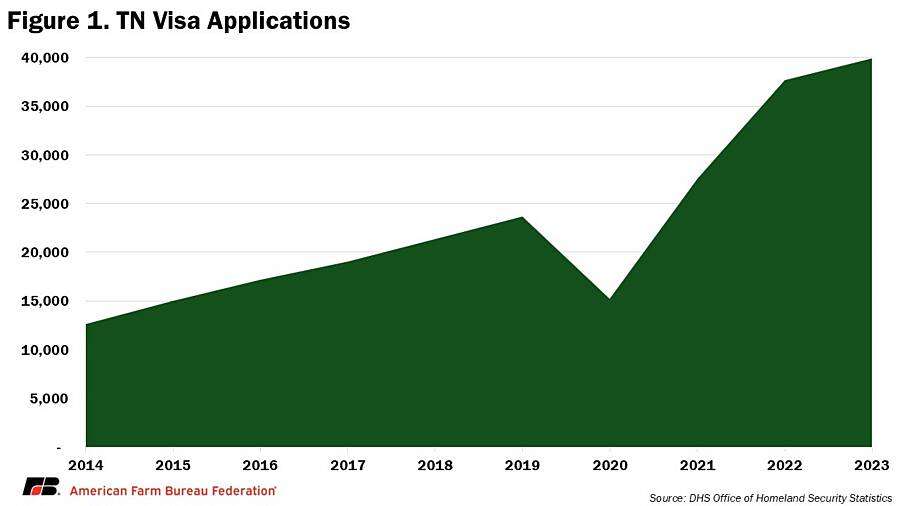
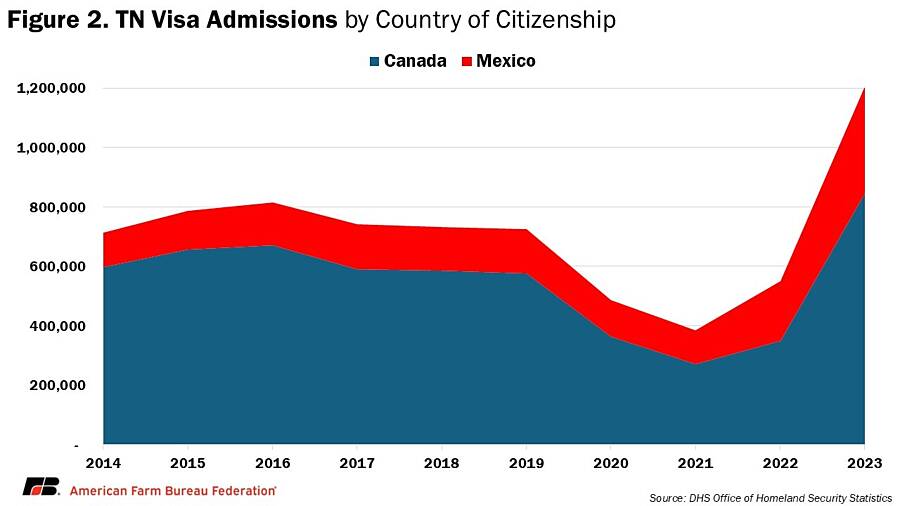
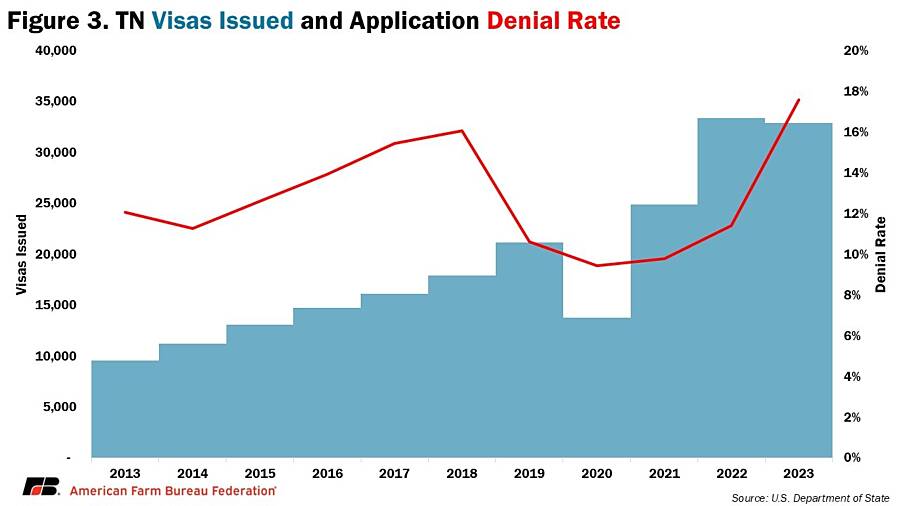
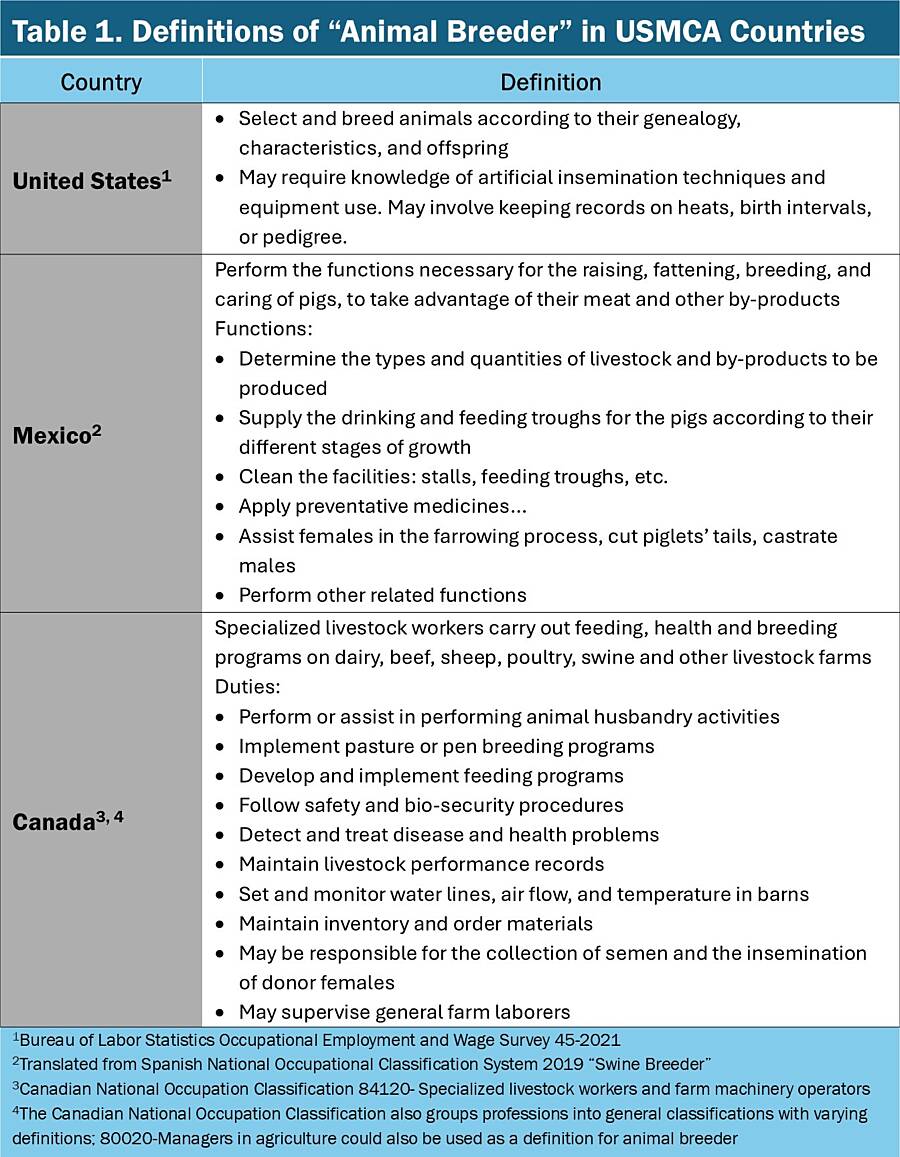


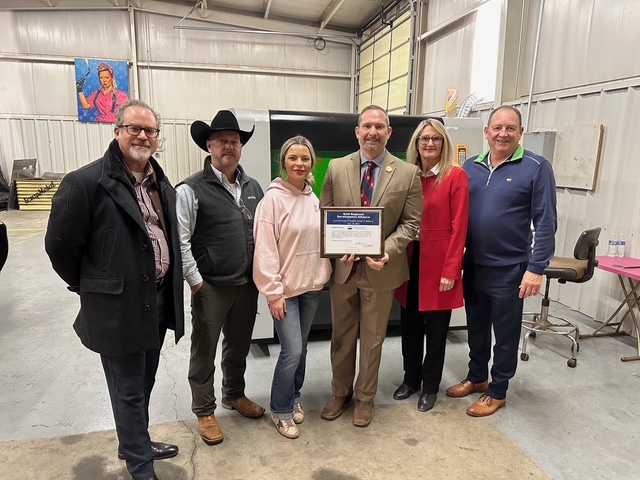
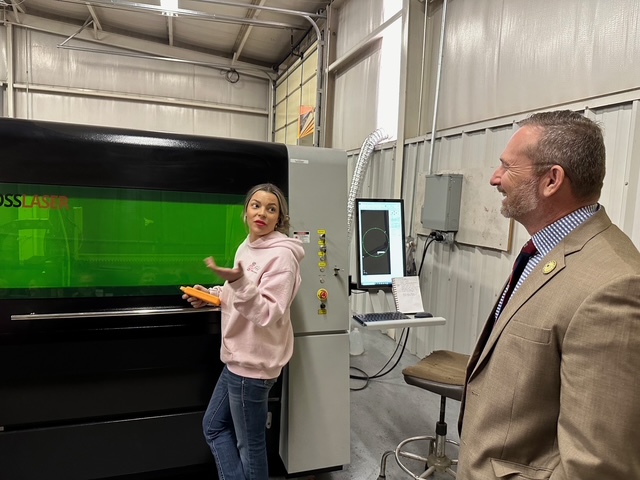
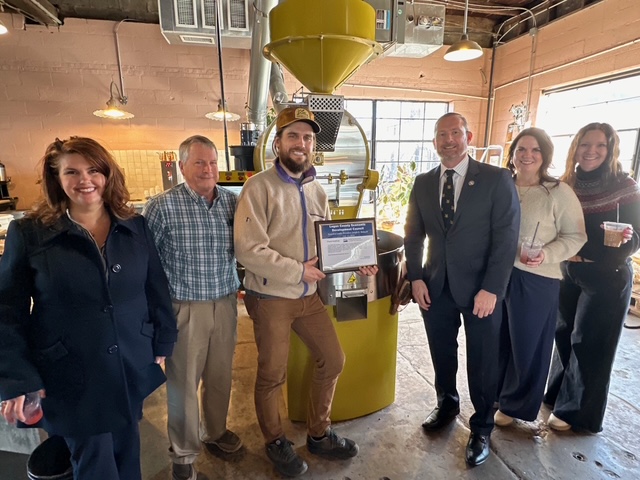
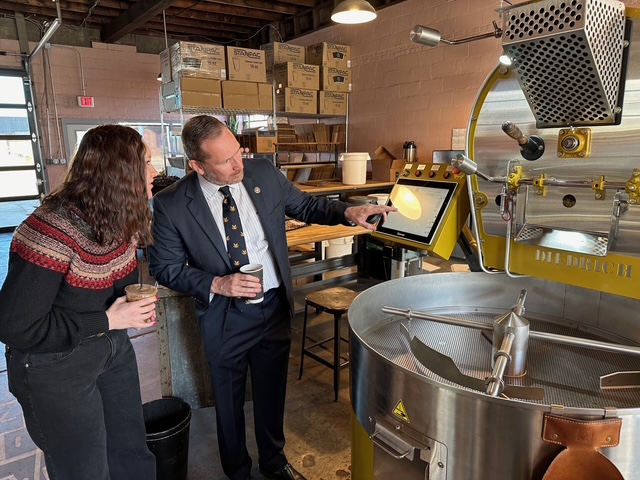
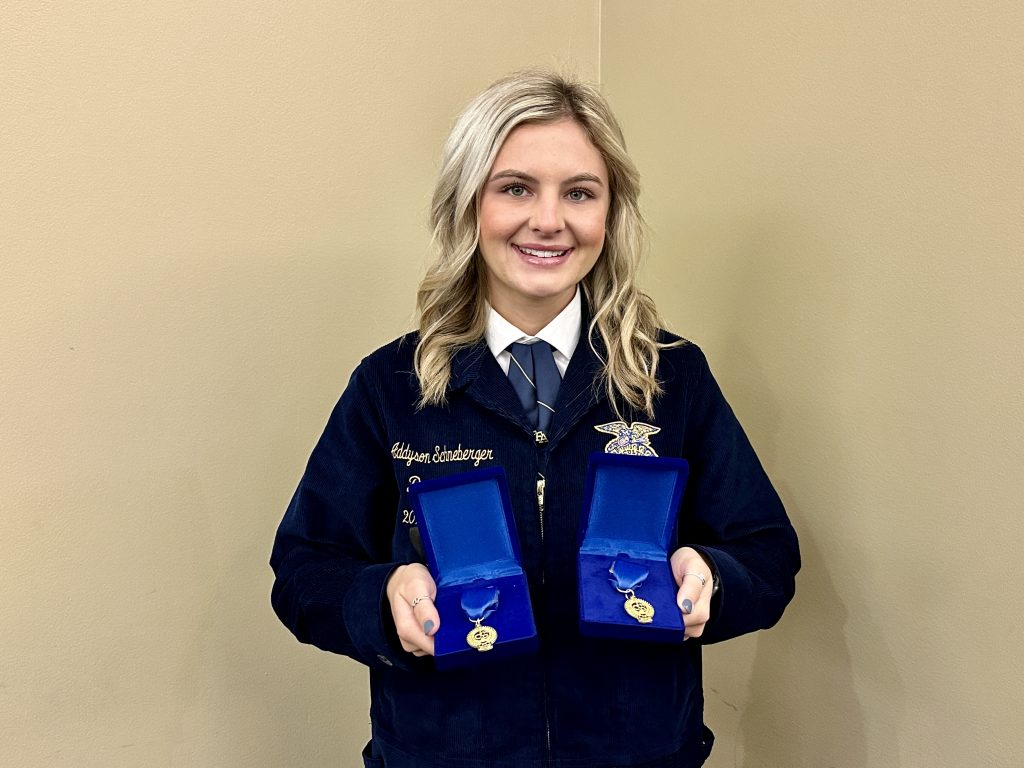
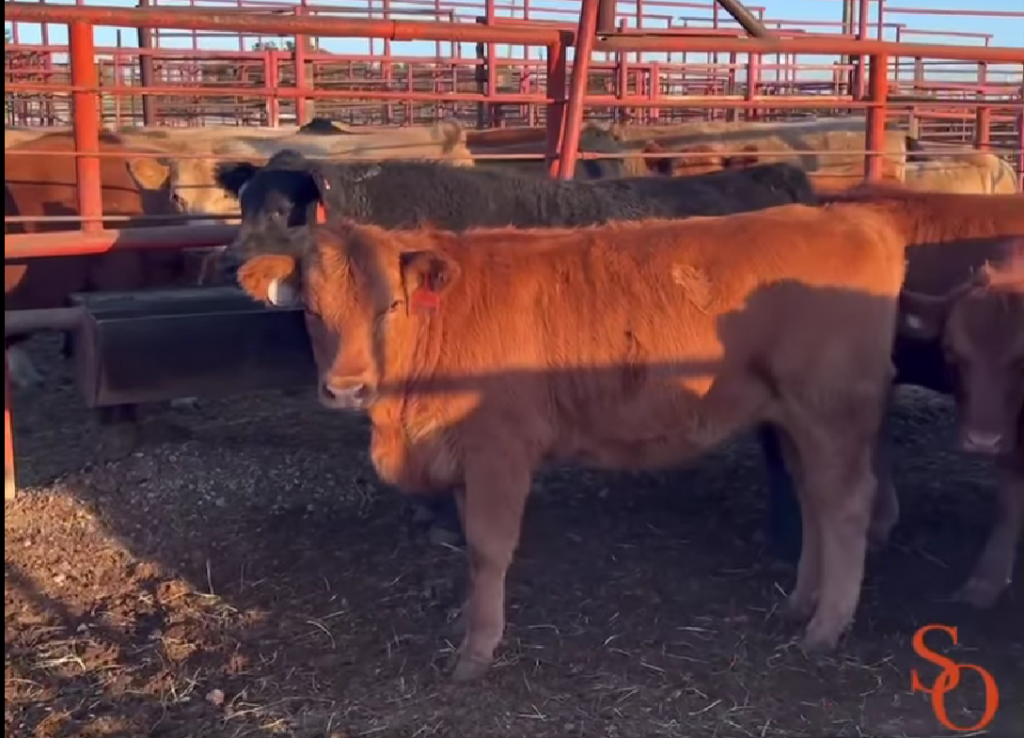
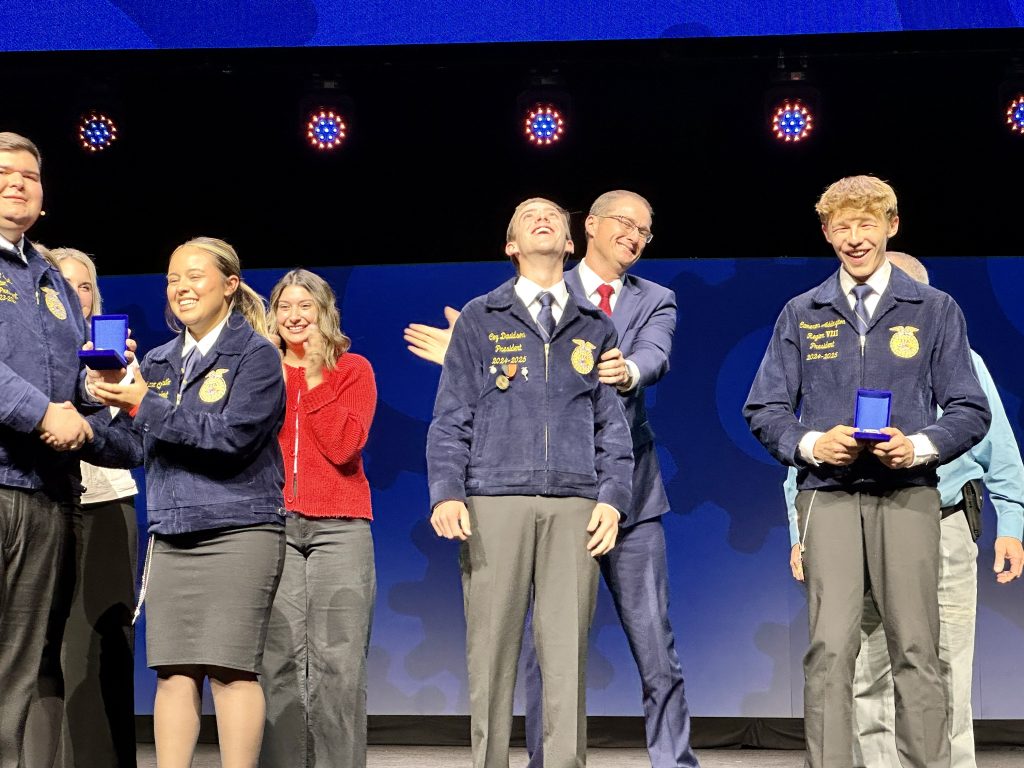
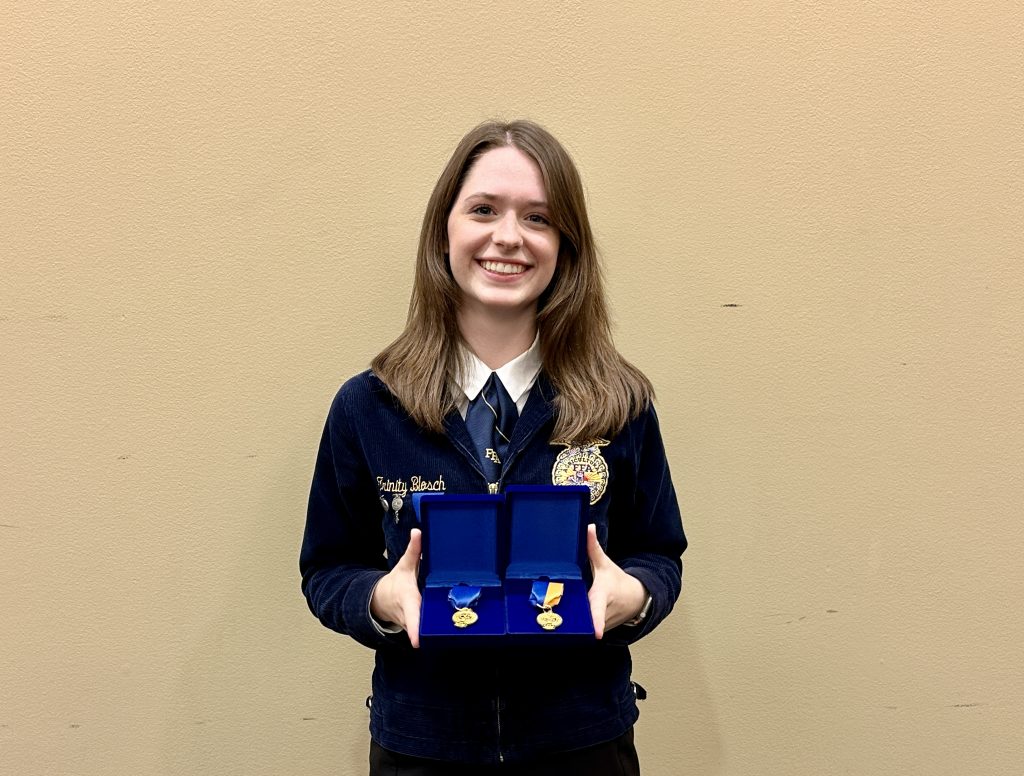
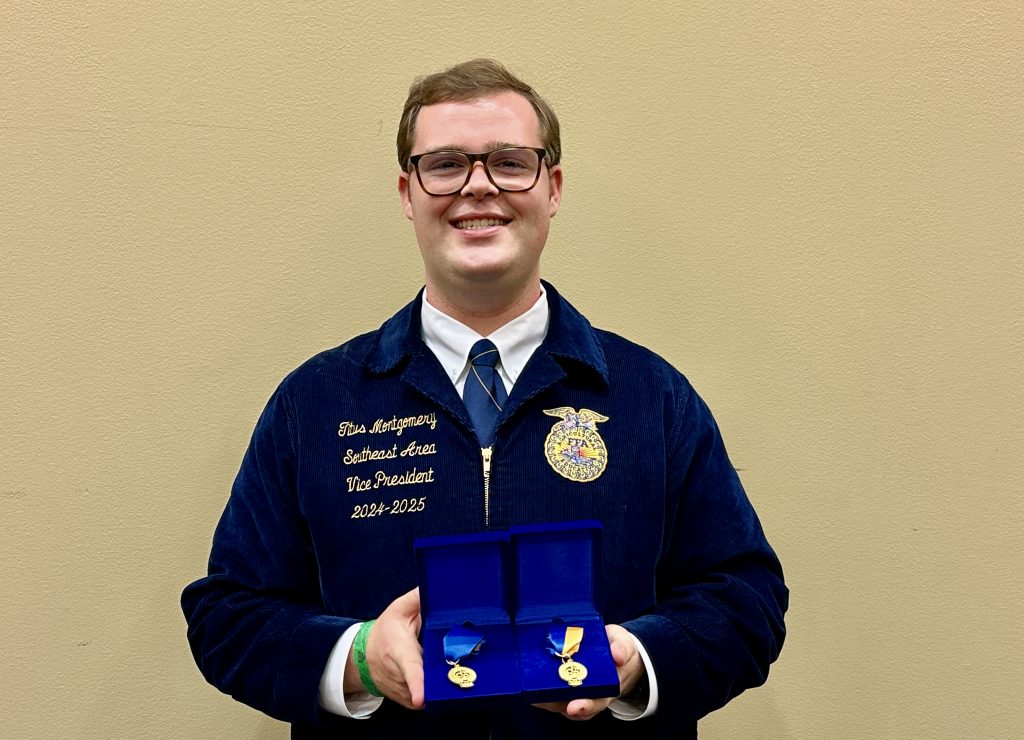
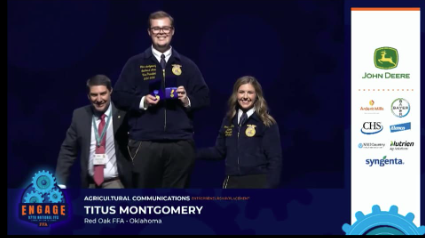

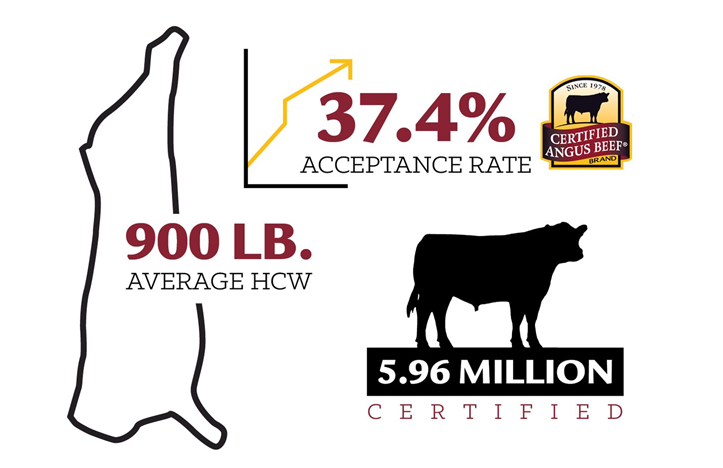





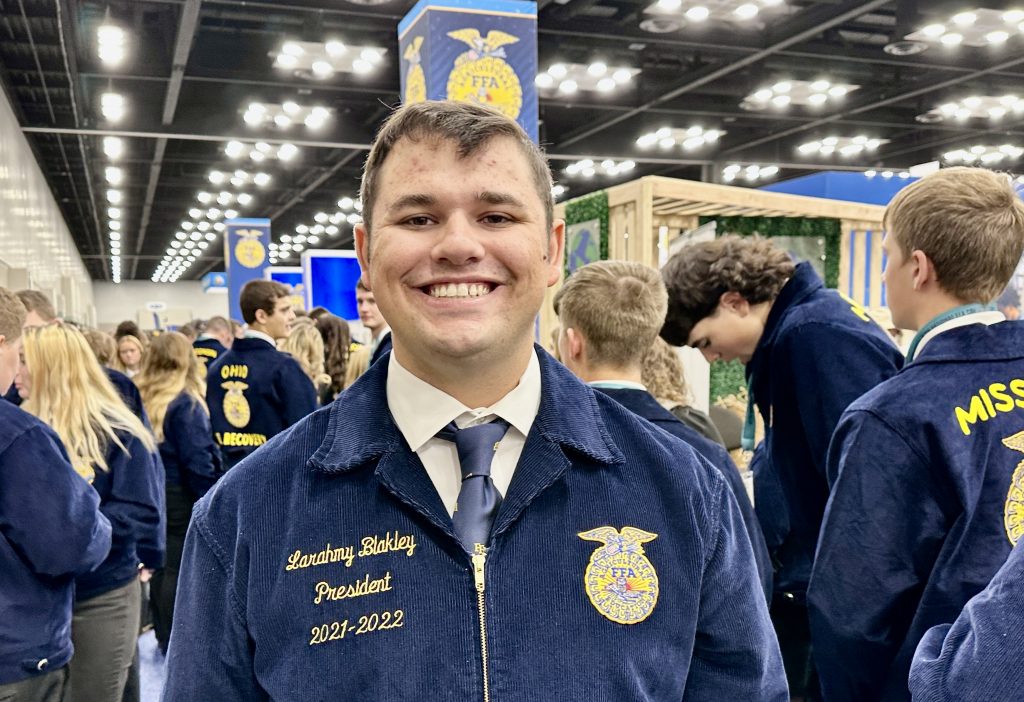
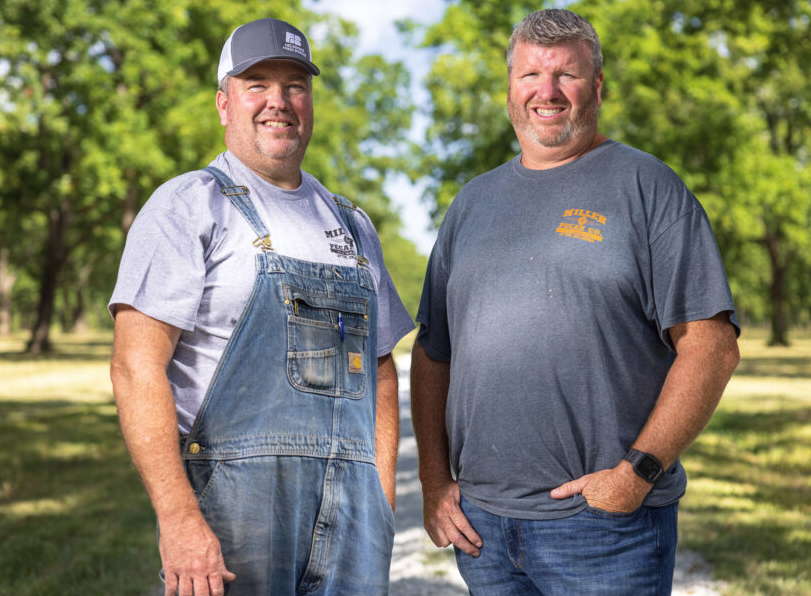
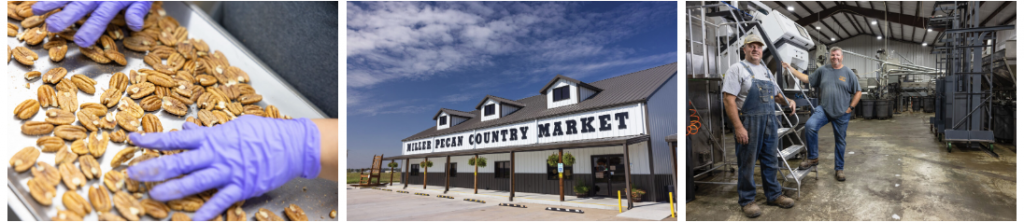
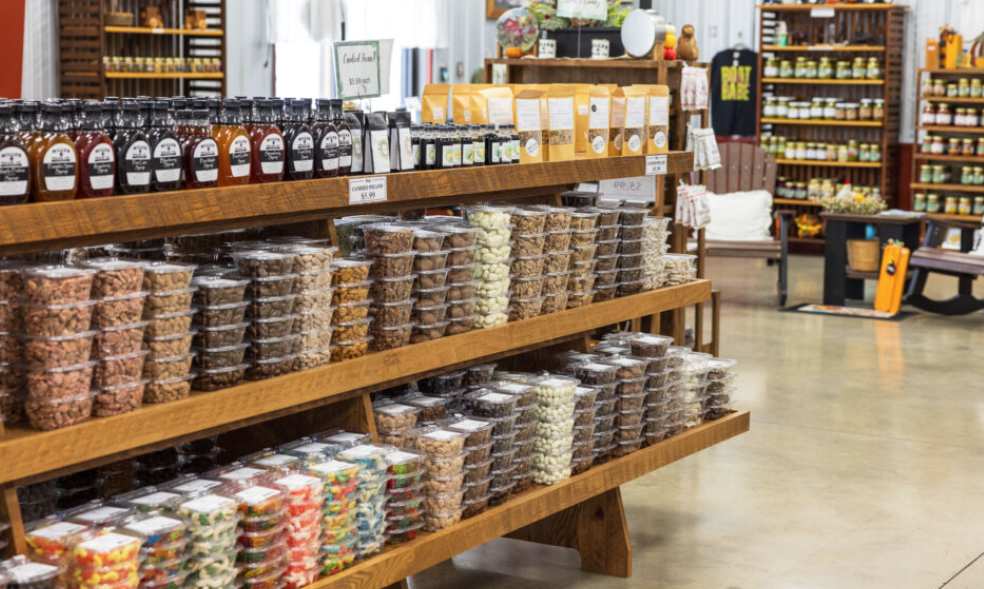

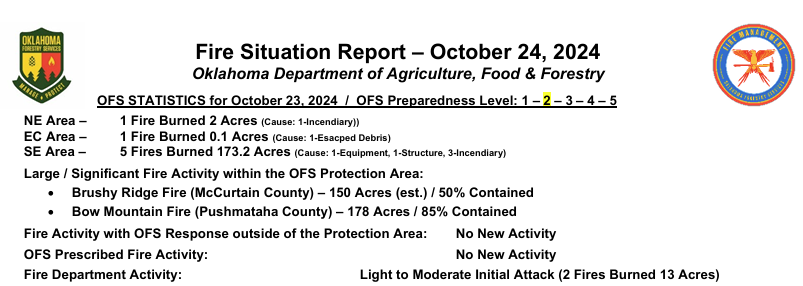
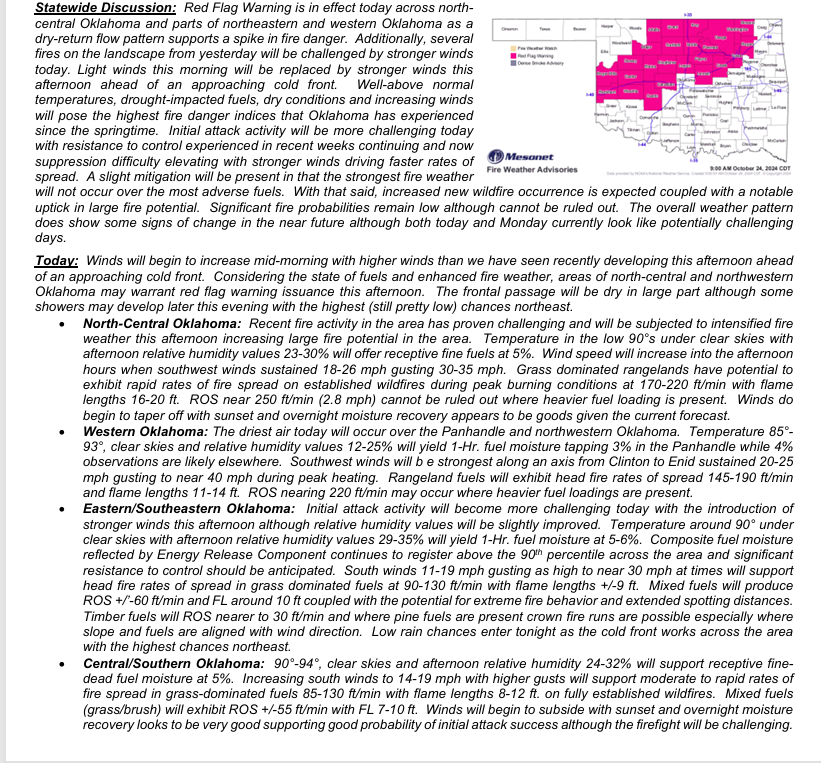
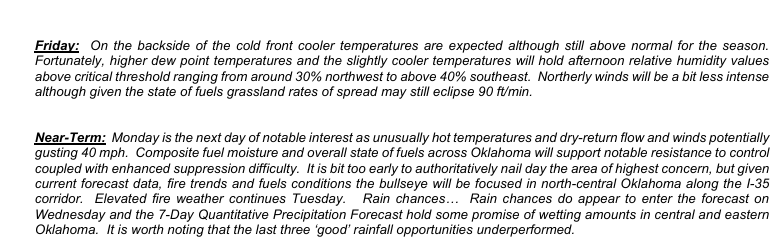
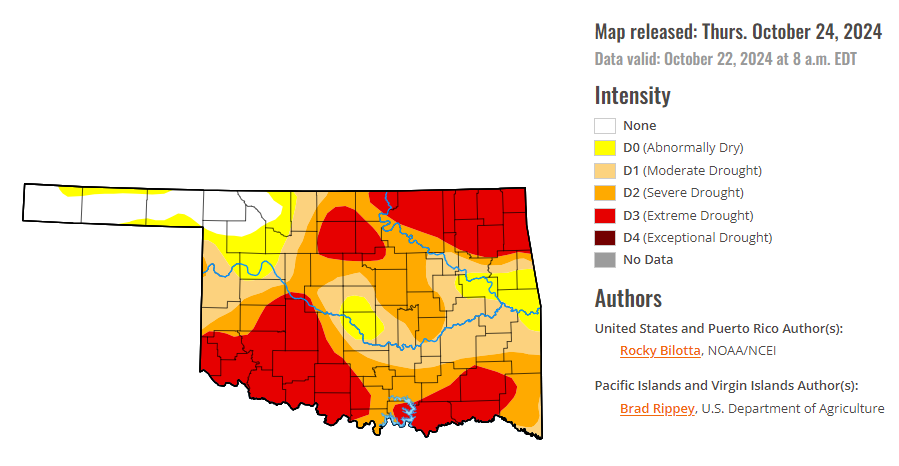
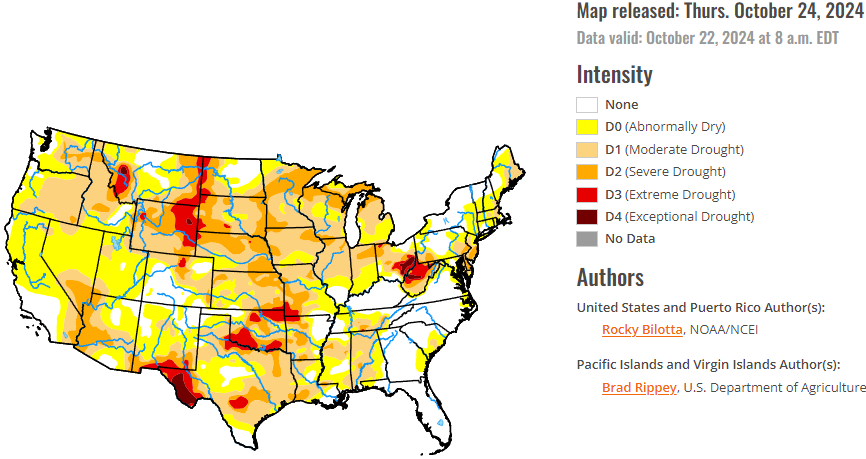

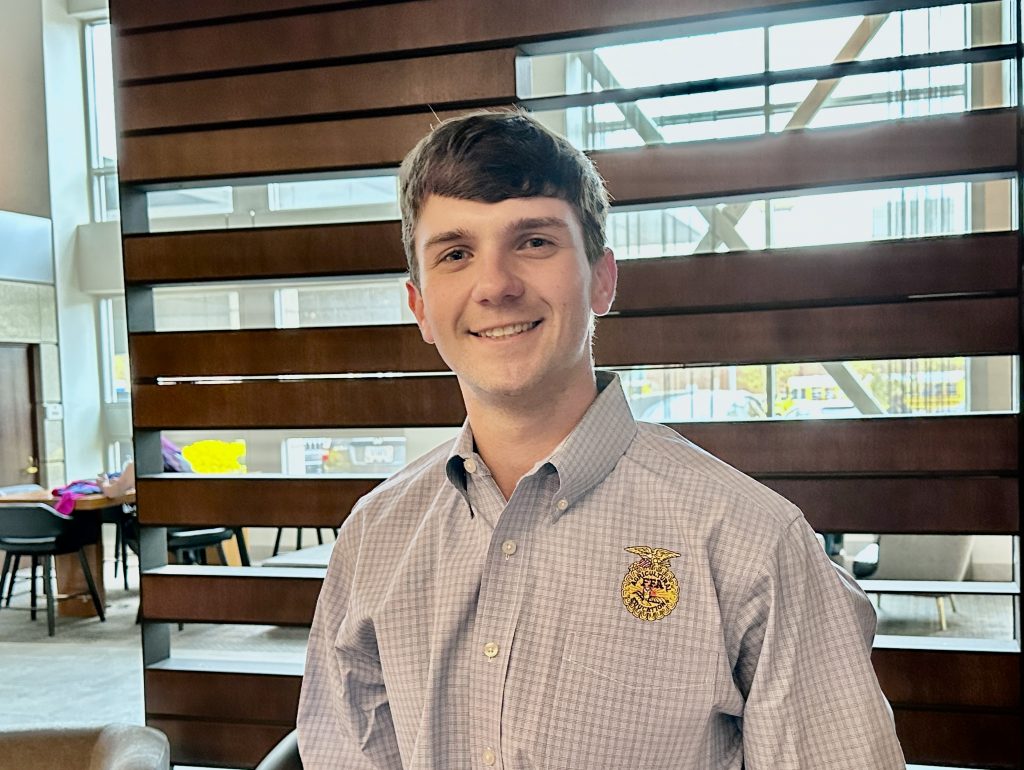
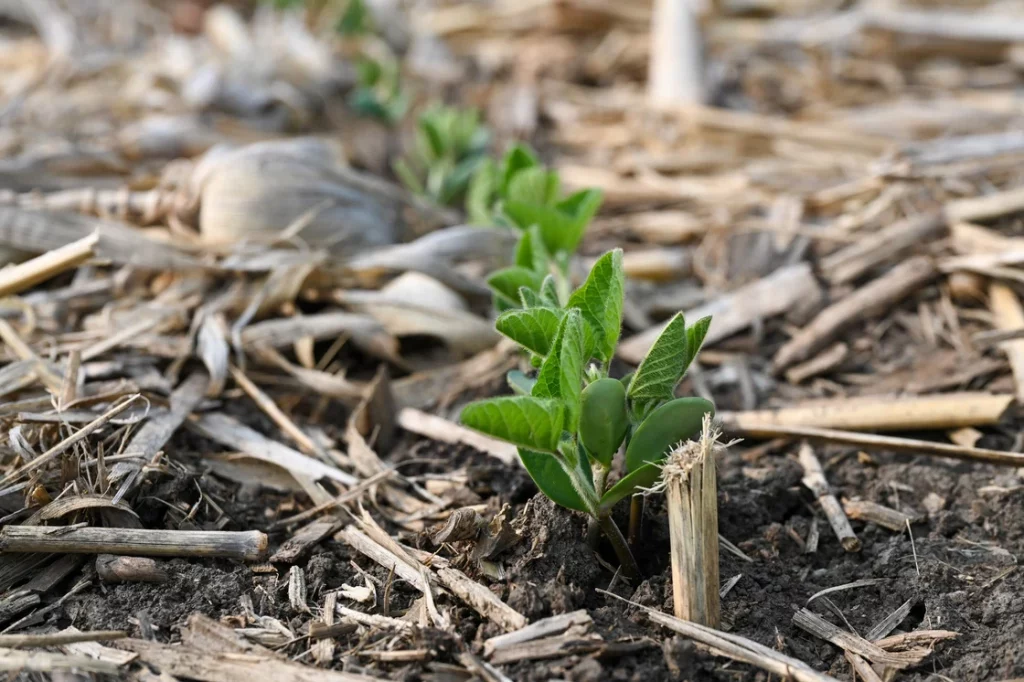


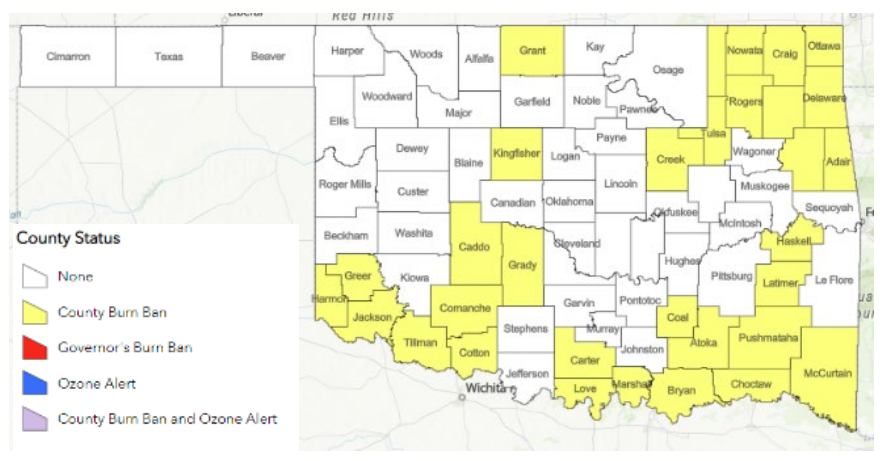
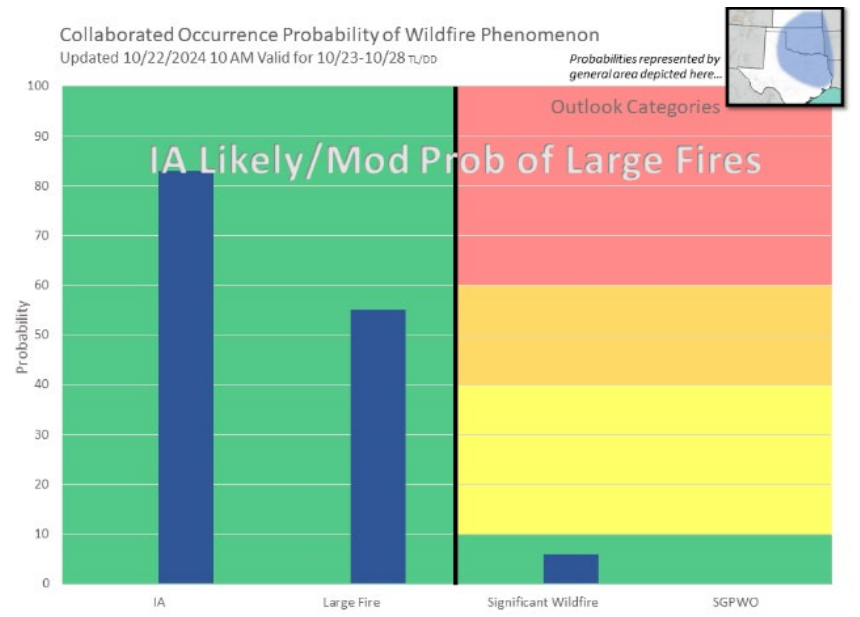
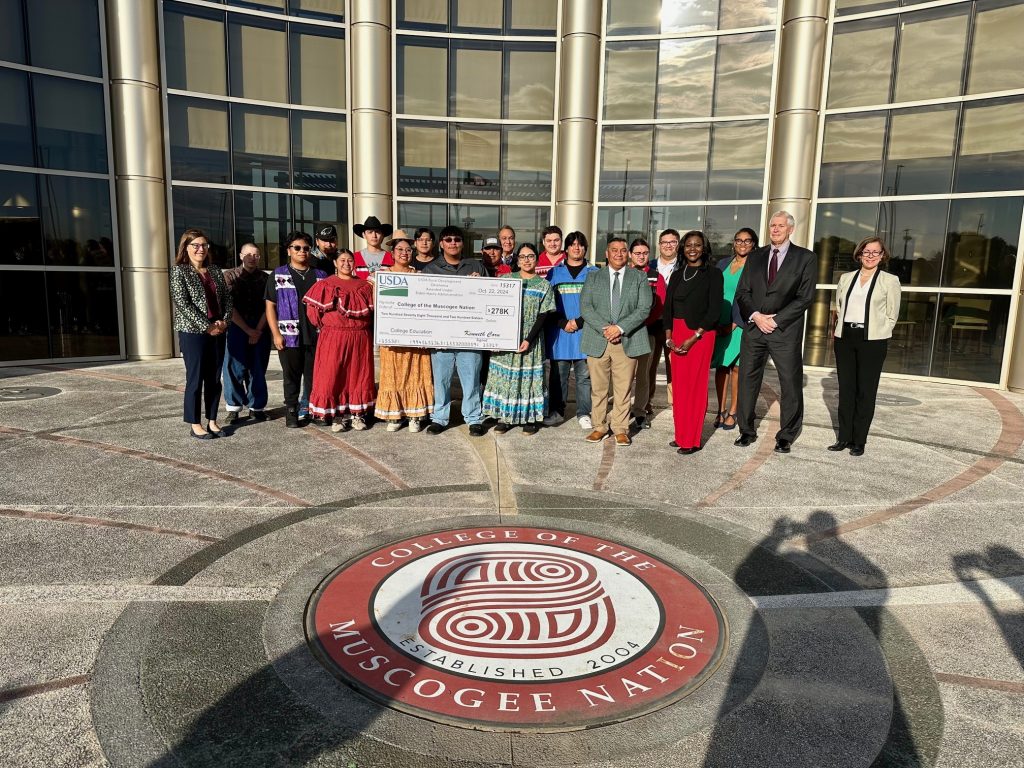
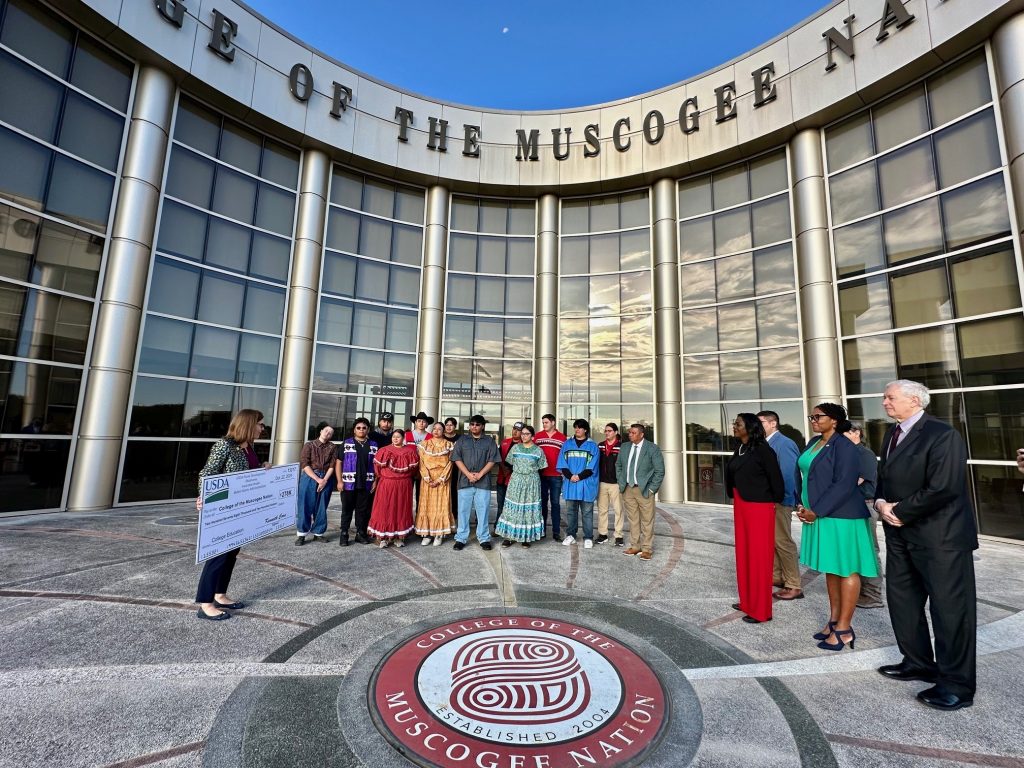
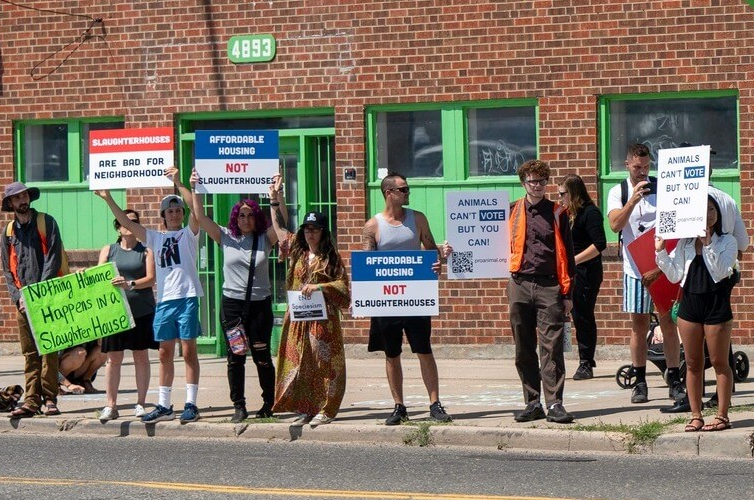
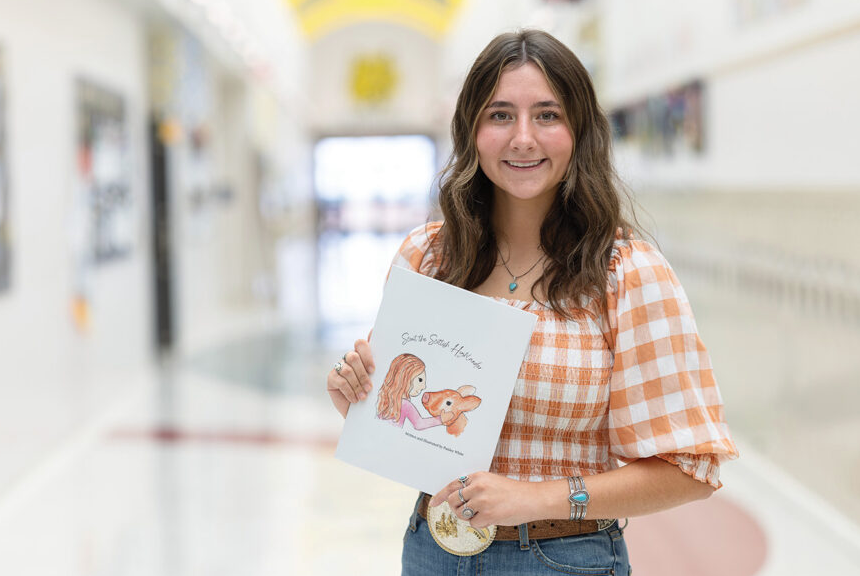
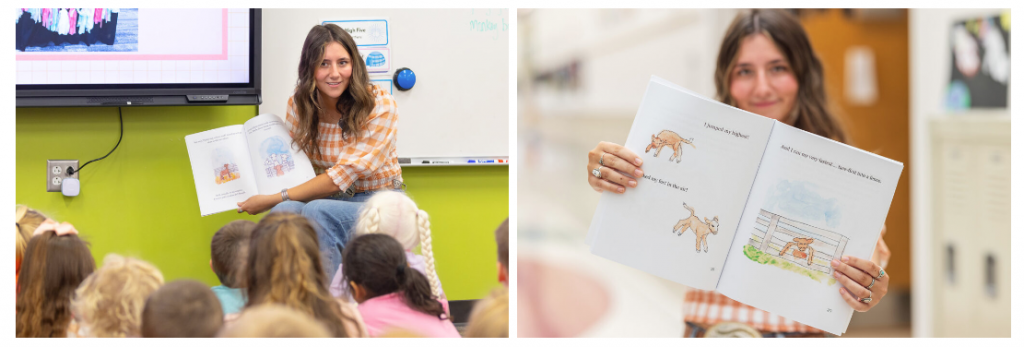
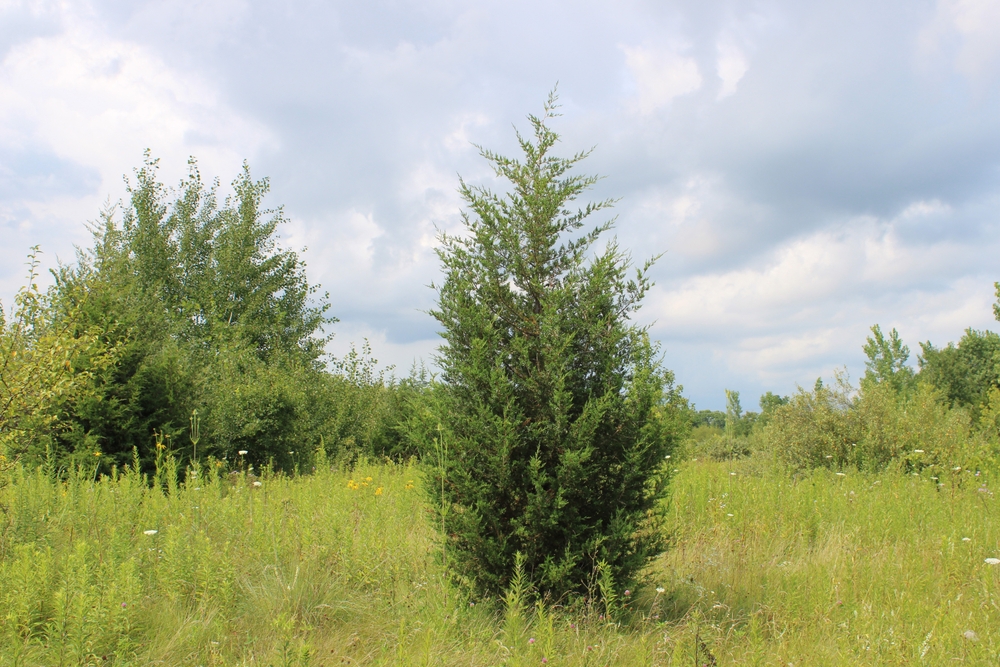
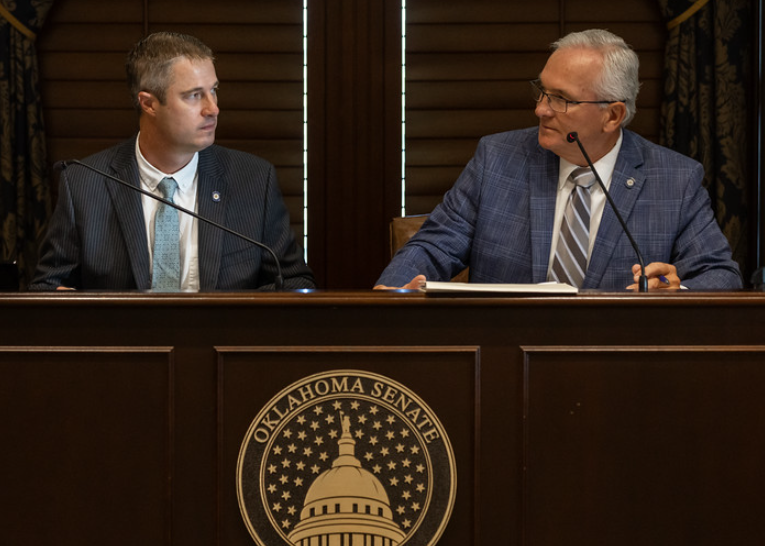
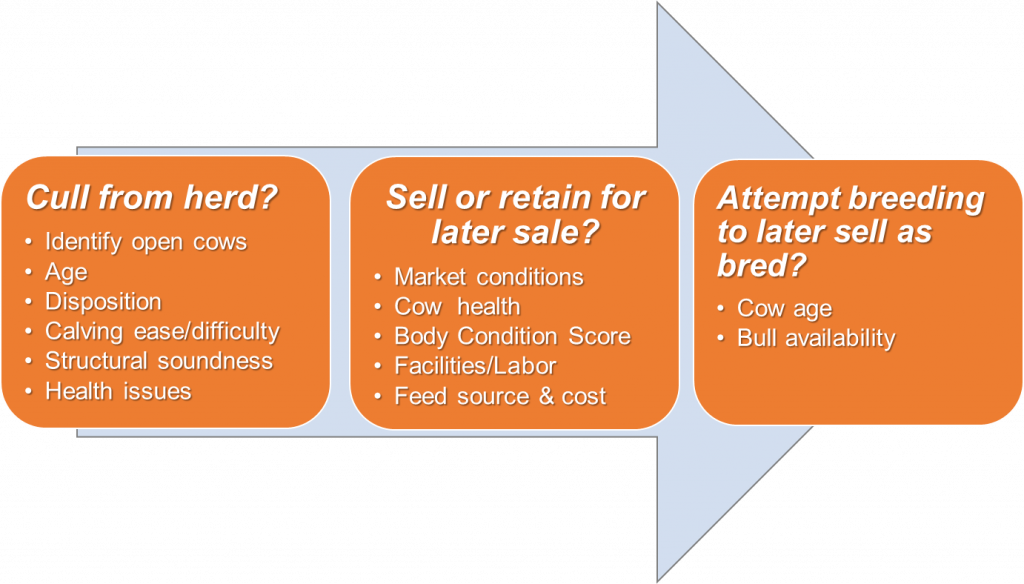
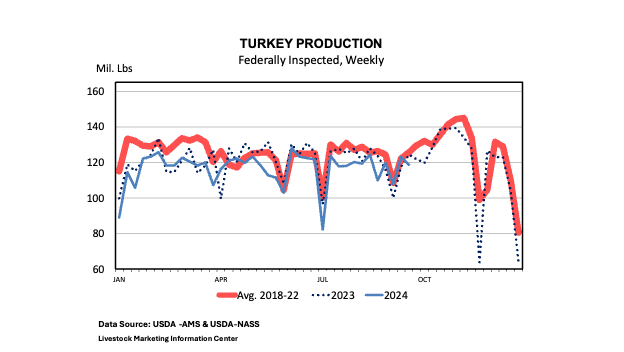
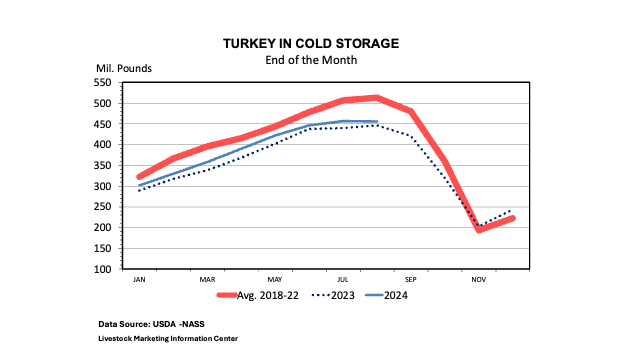
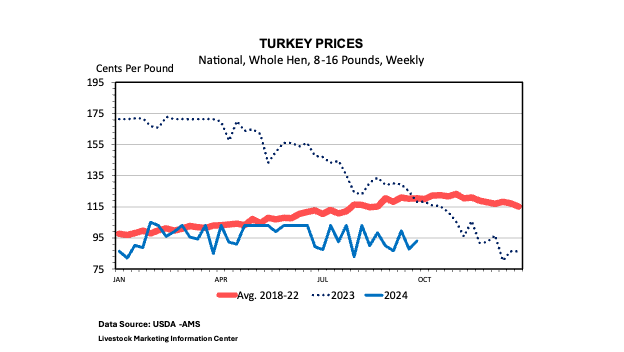

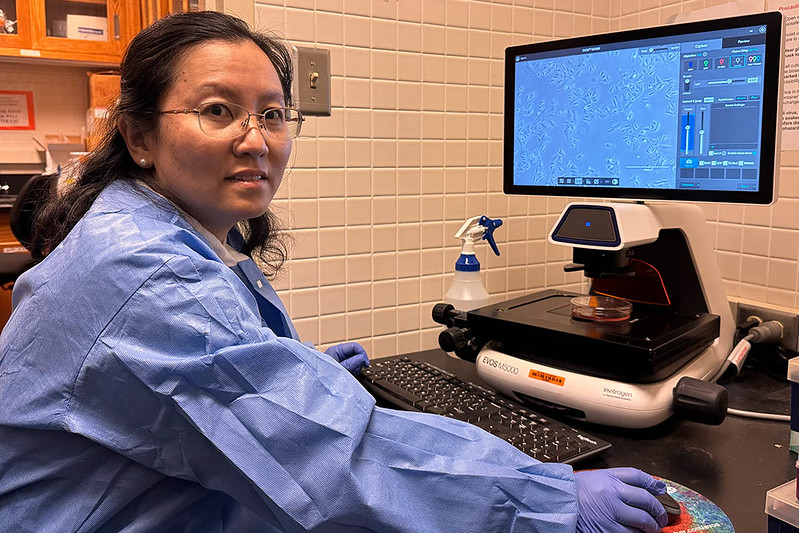



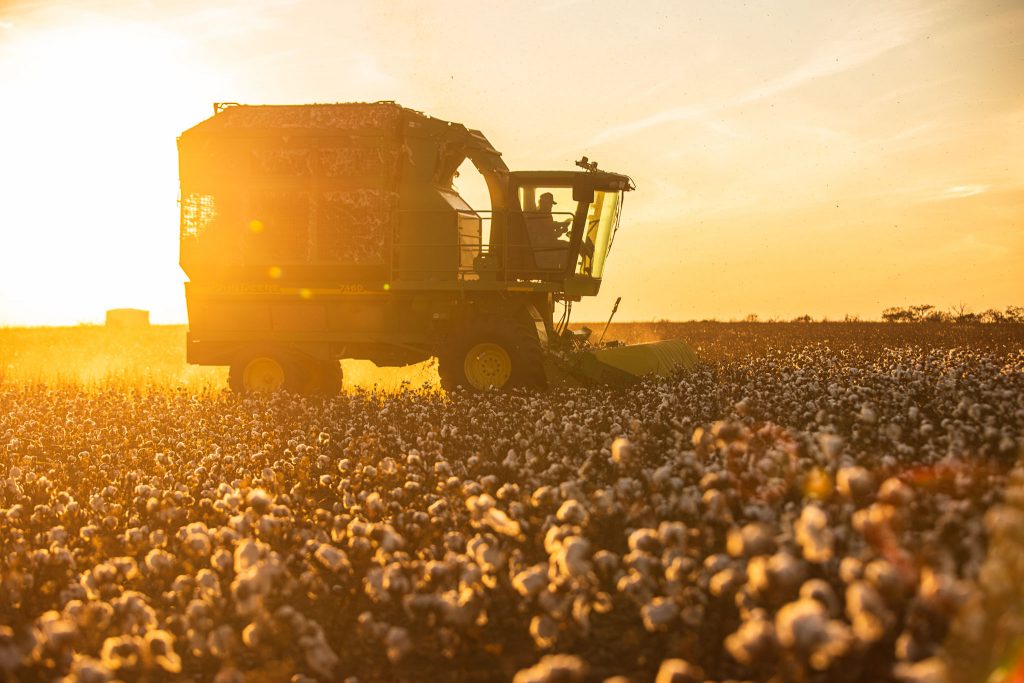
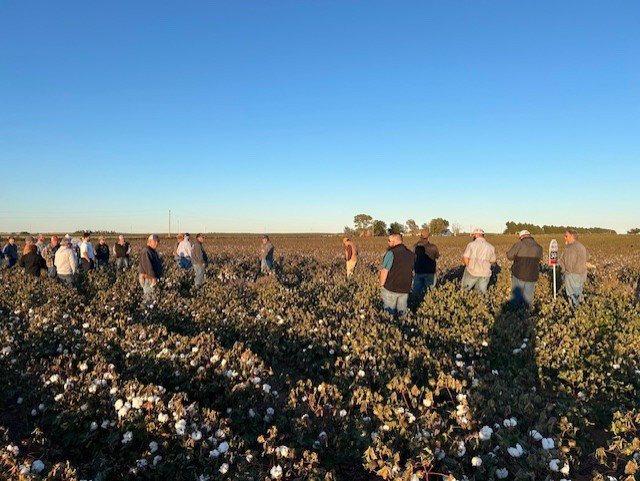
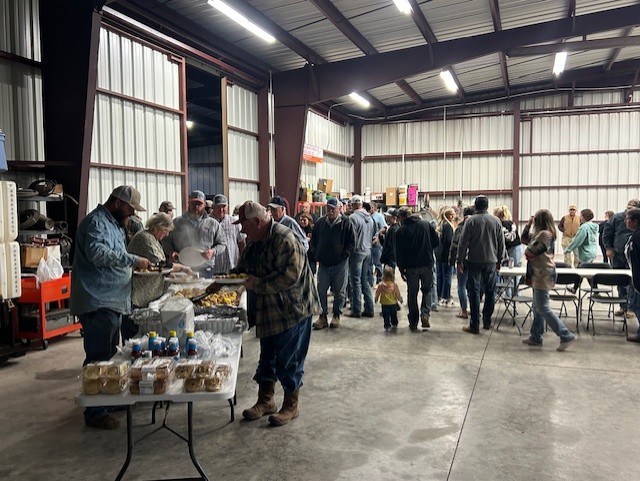
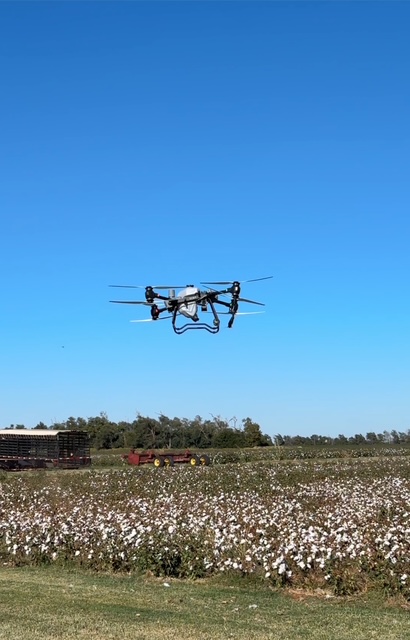
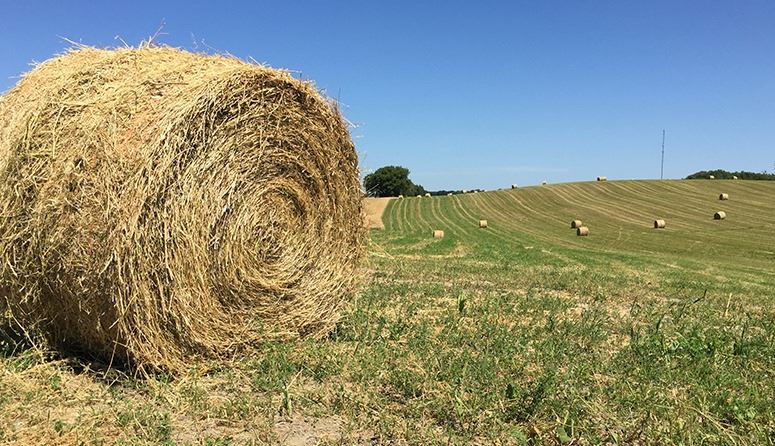
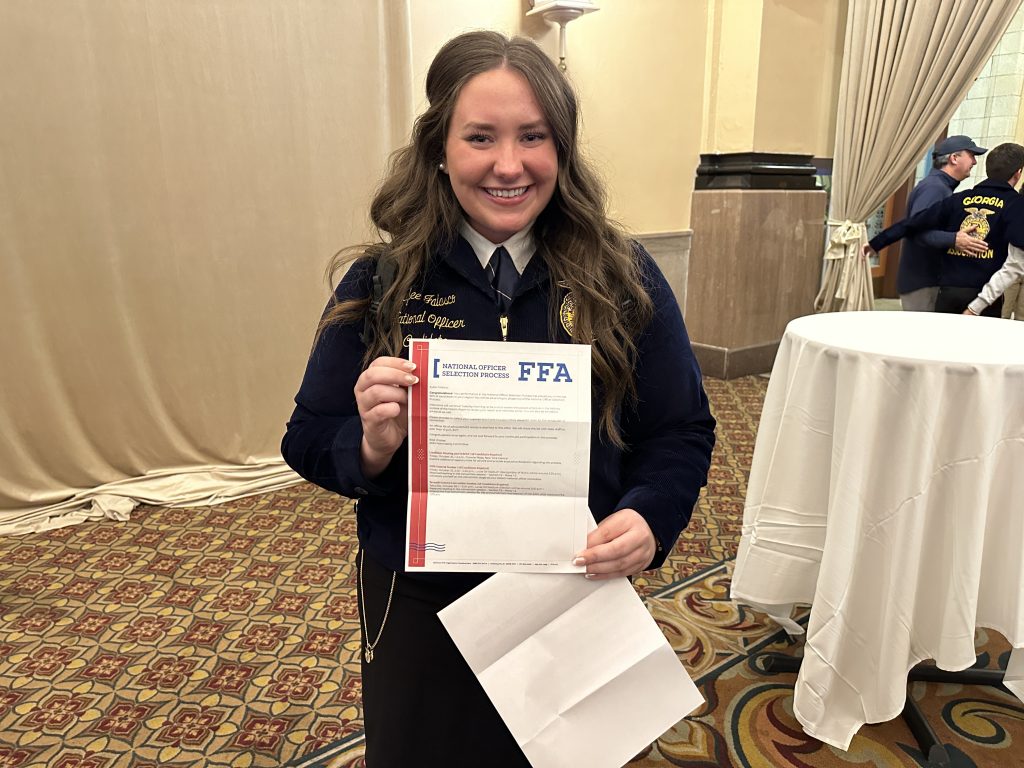
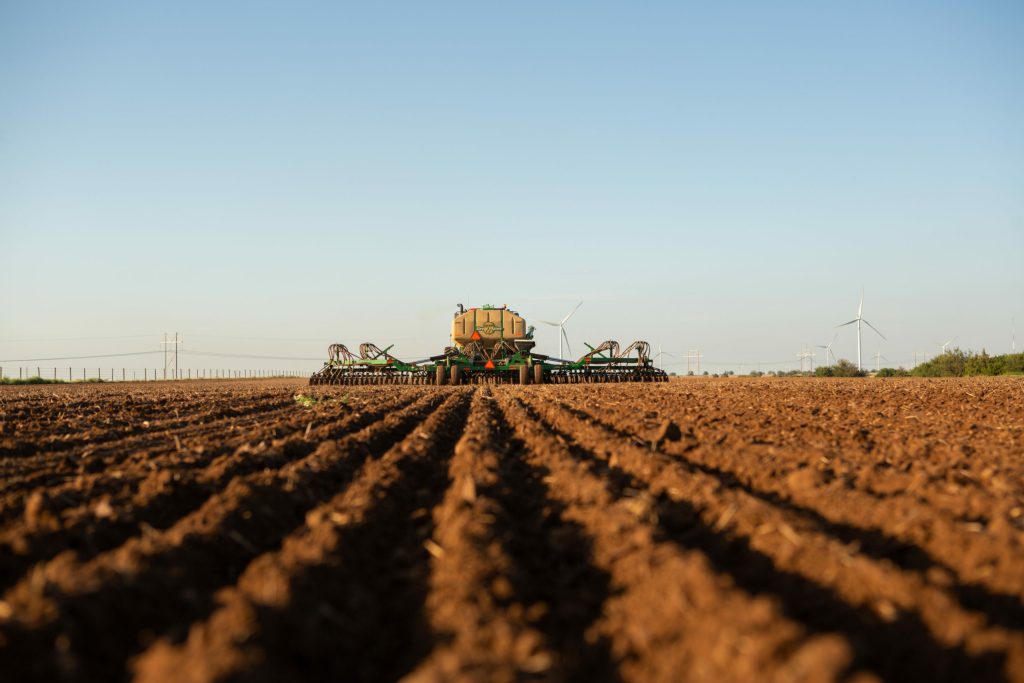
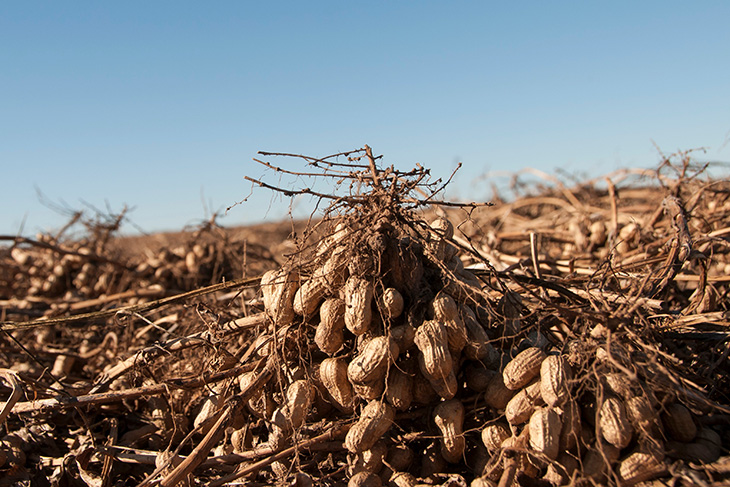


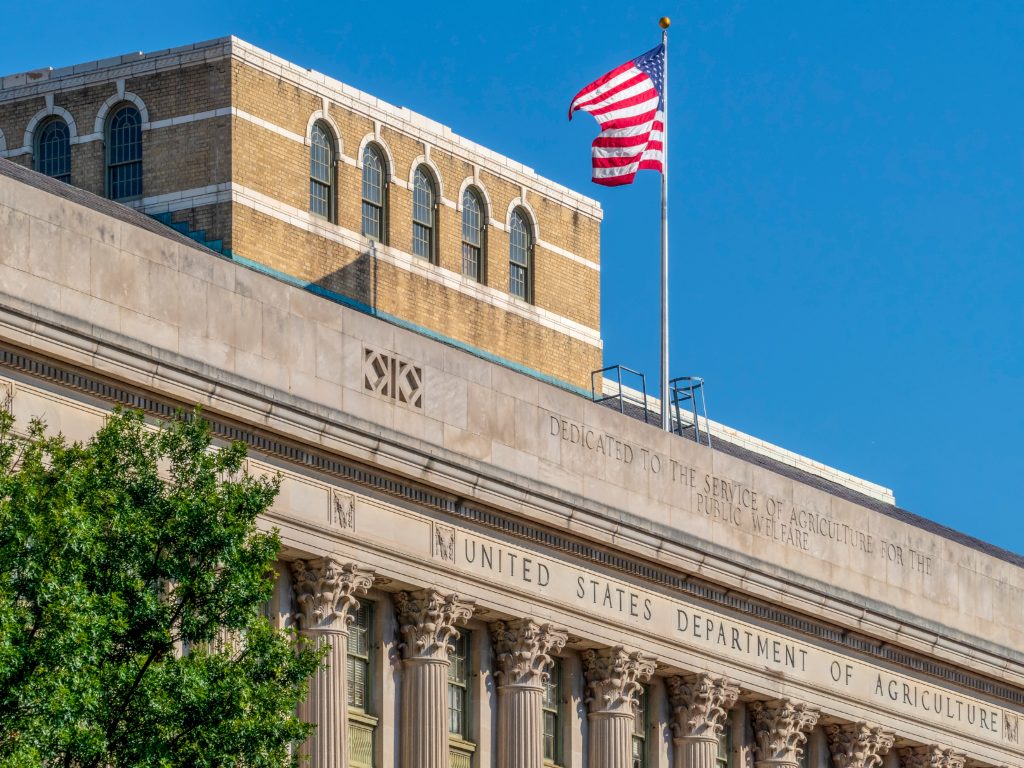
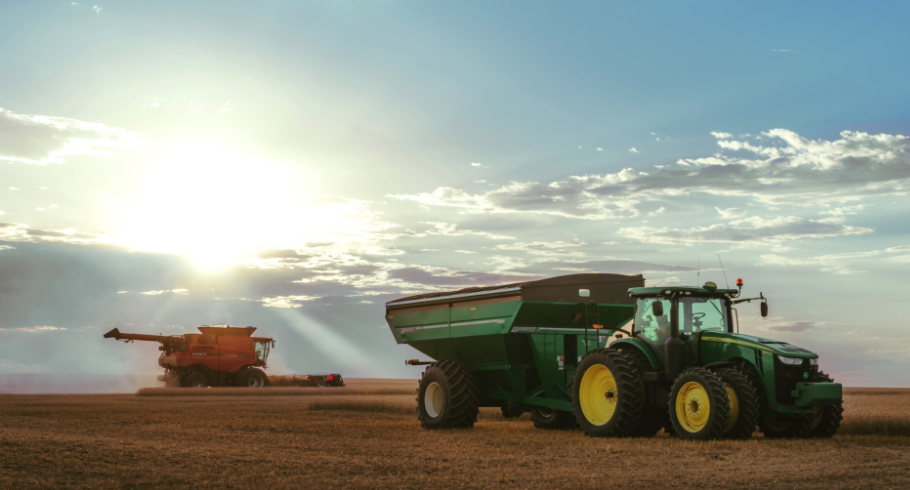





 TODD RUSS
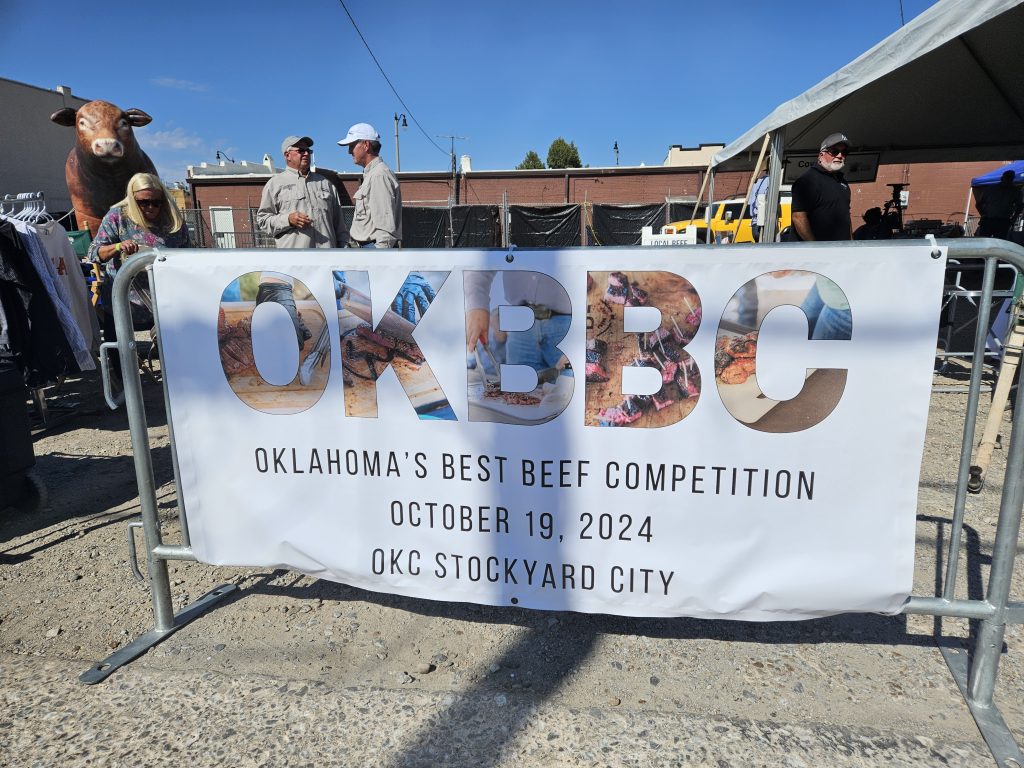
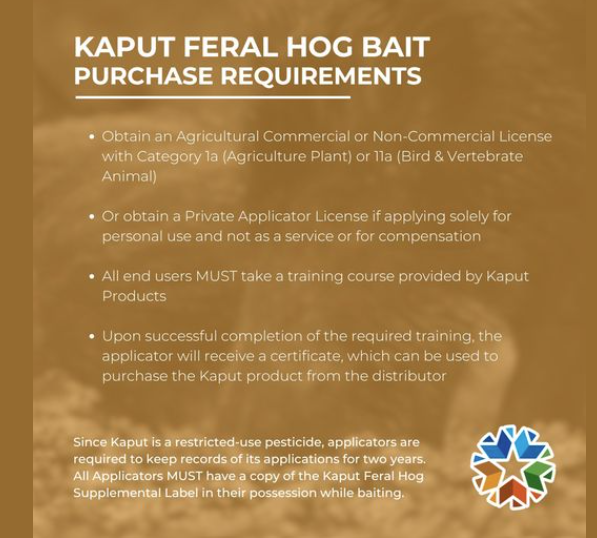
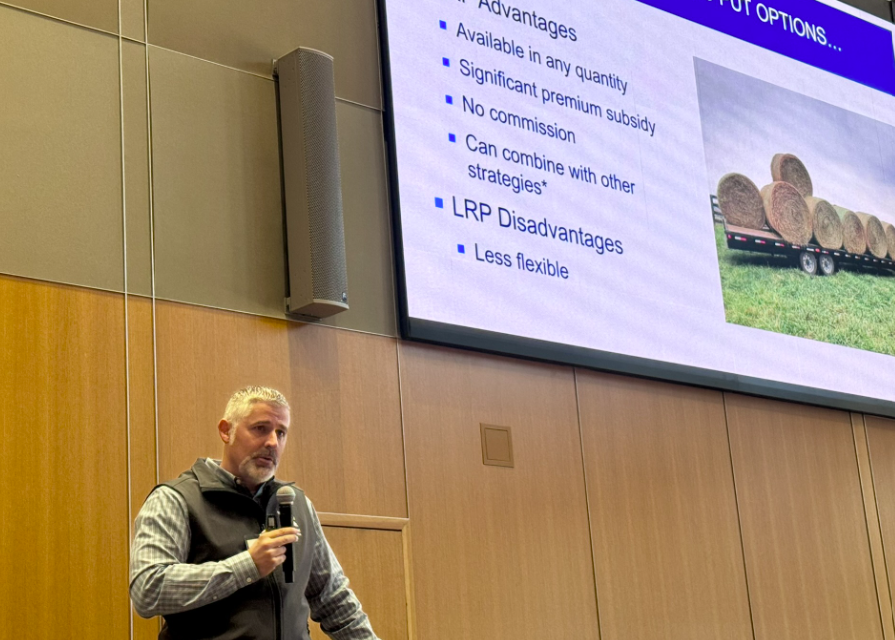
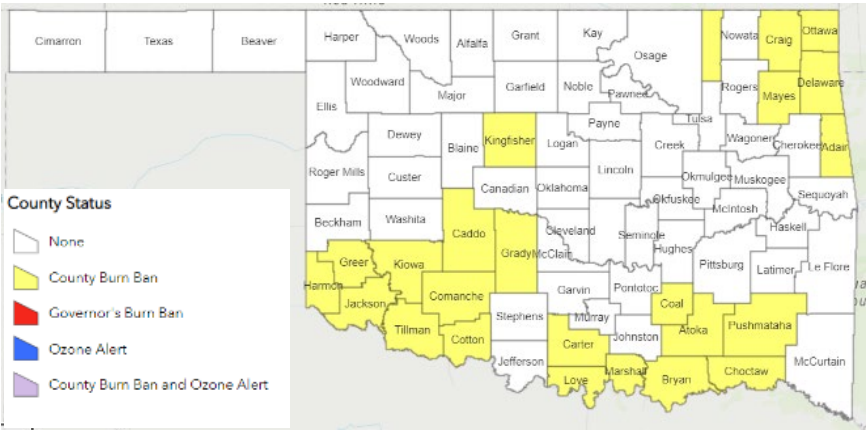

 Chapin provides testimony at FMMO hearing in Carmel, IN.

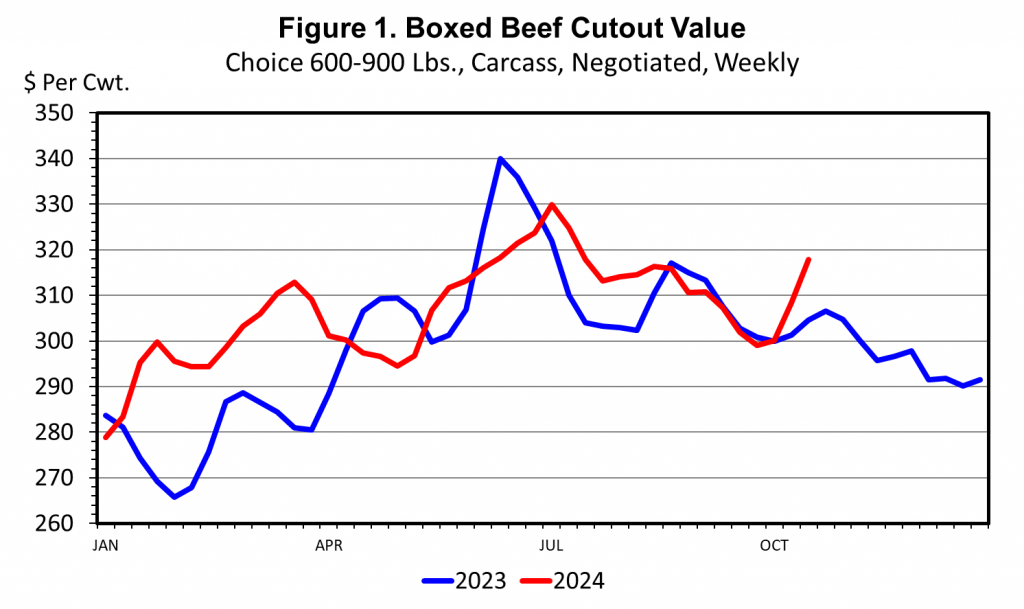
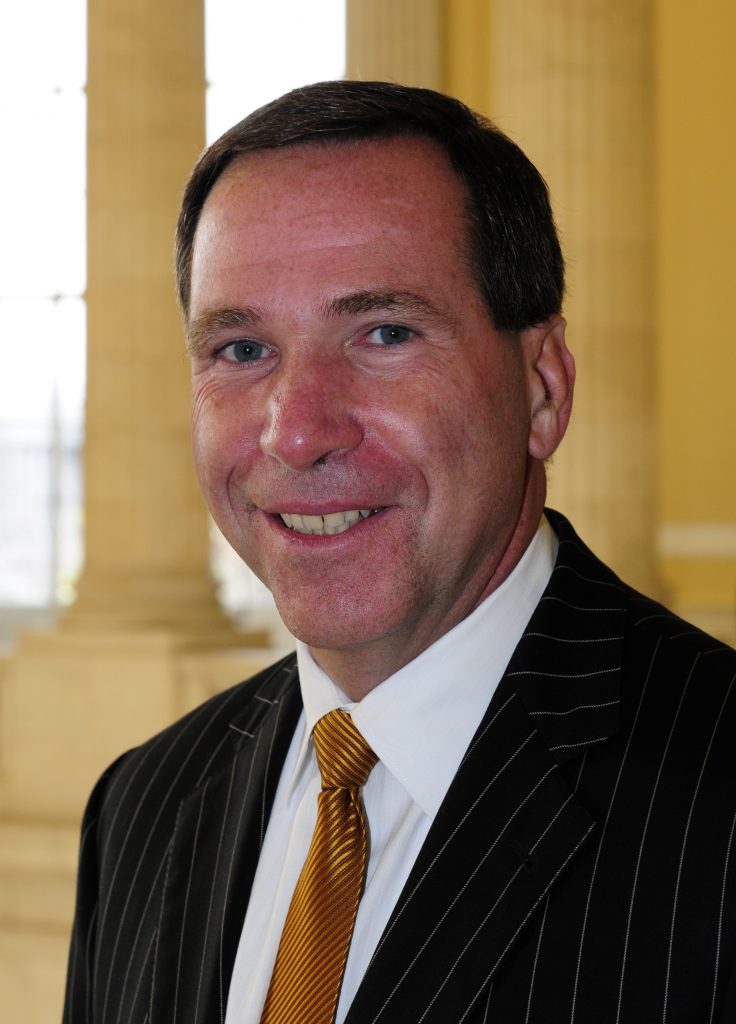
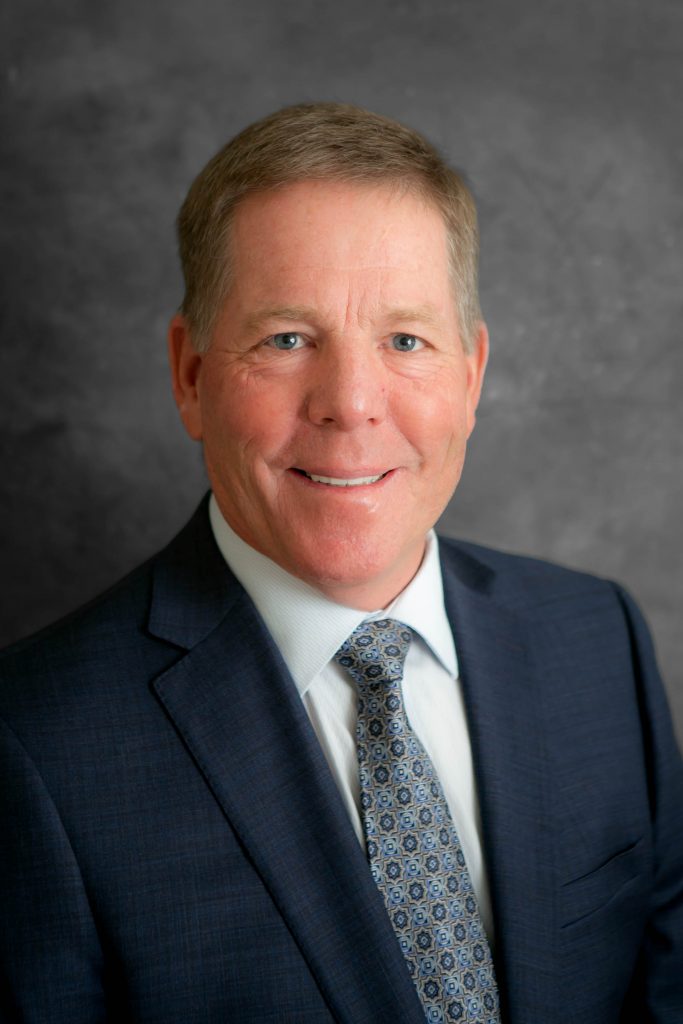
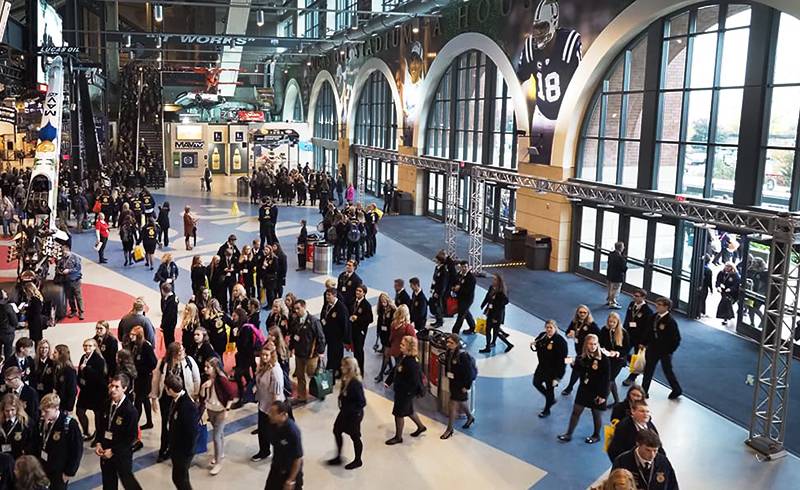
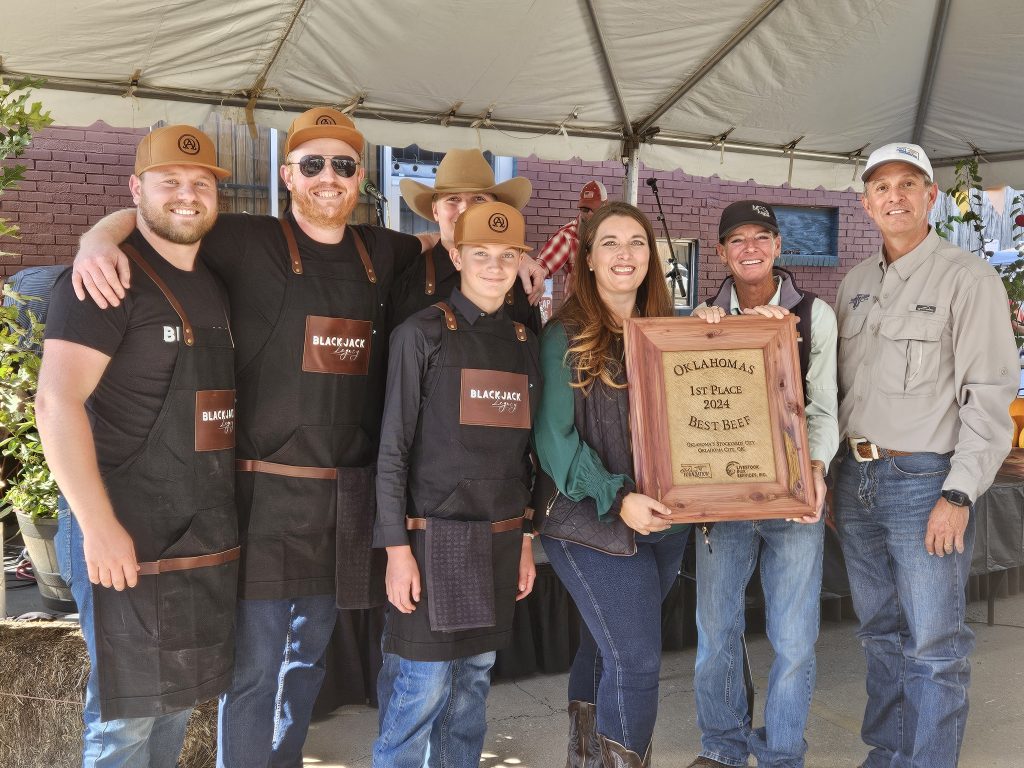
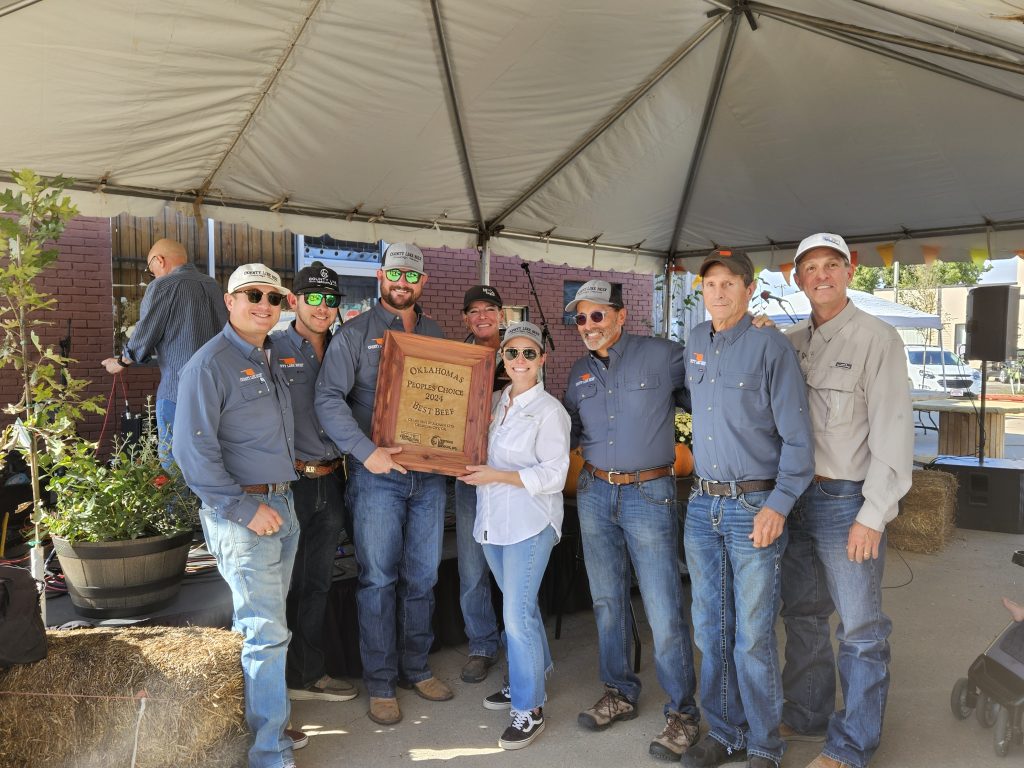

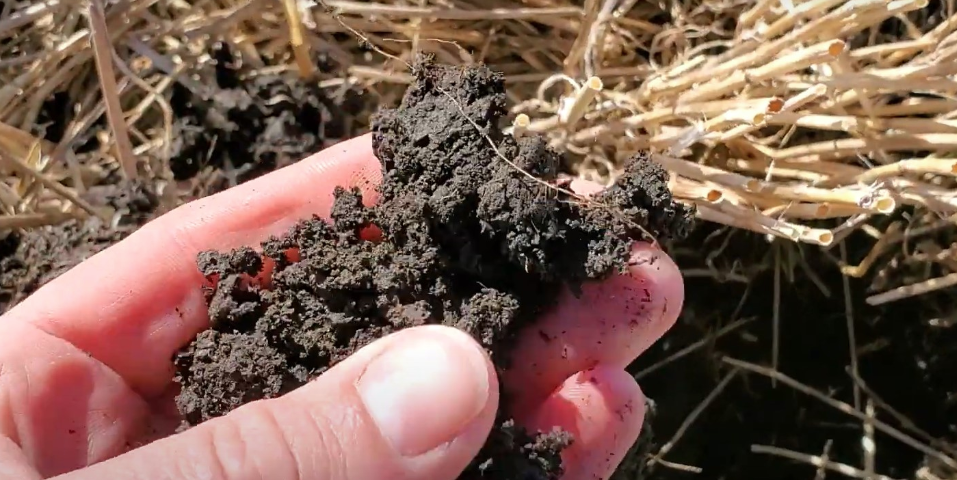


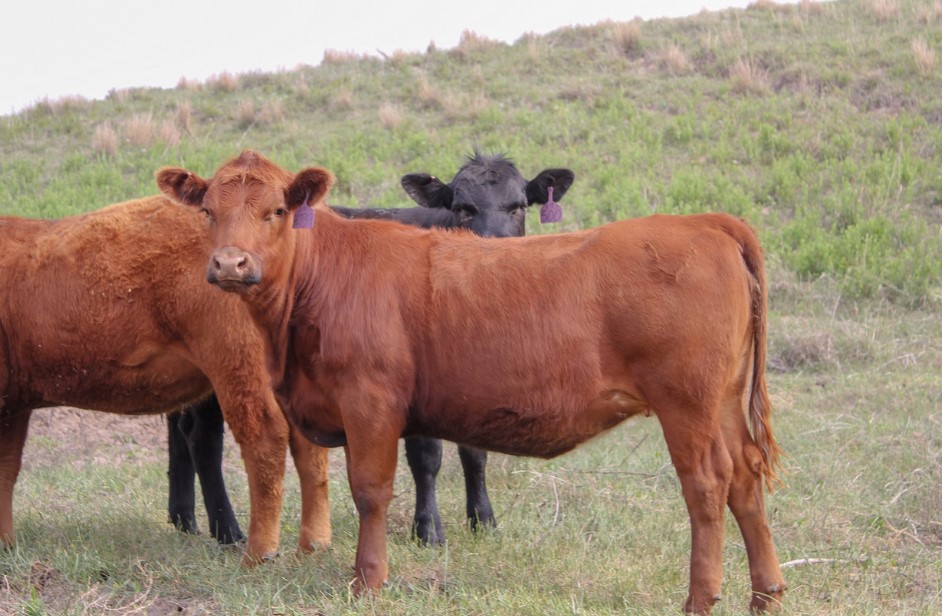
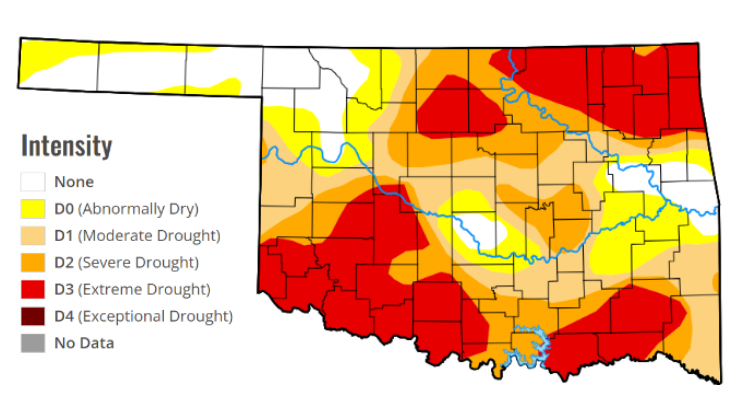
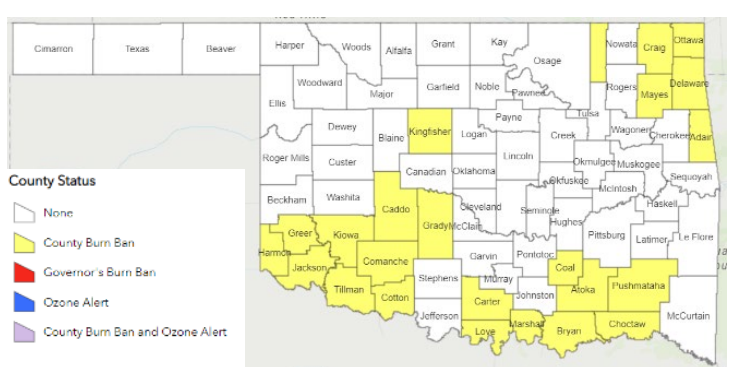
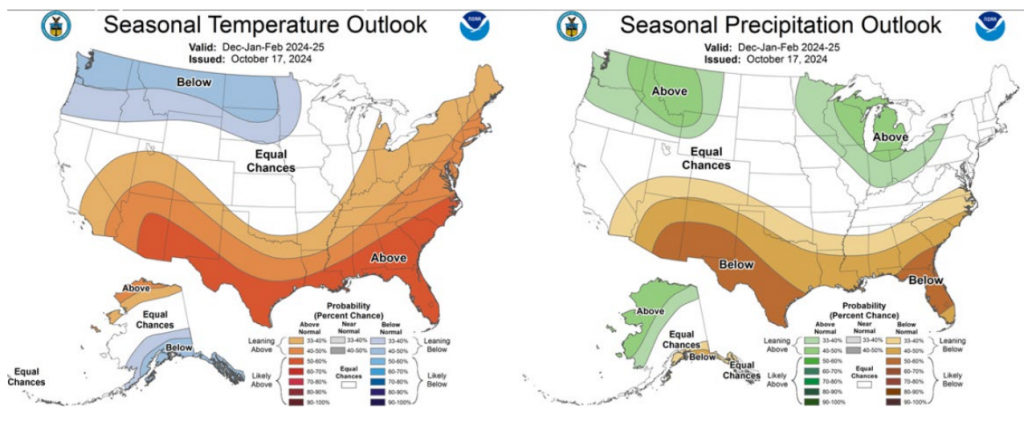
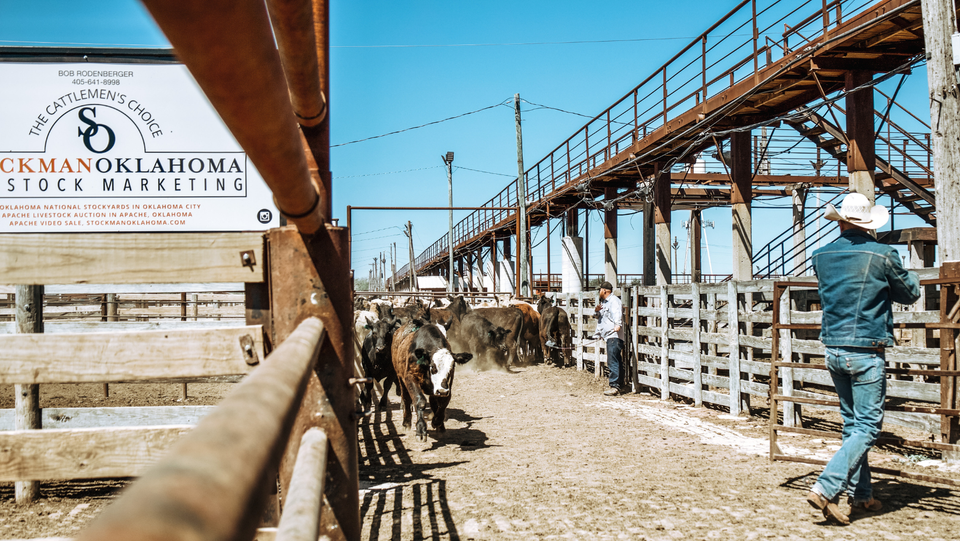

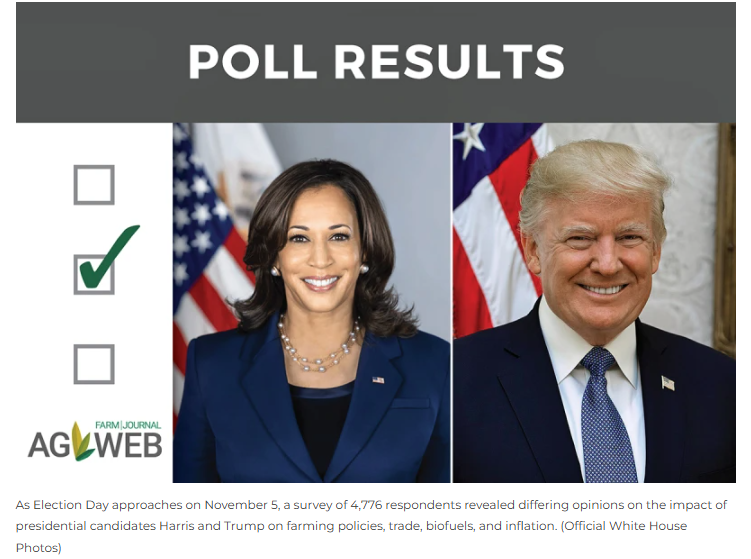
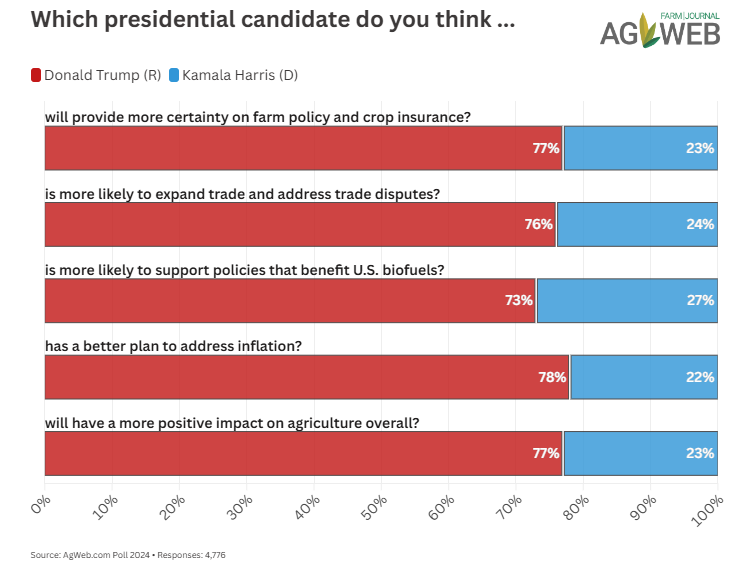
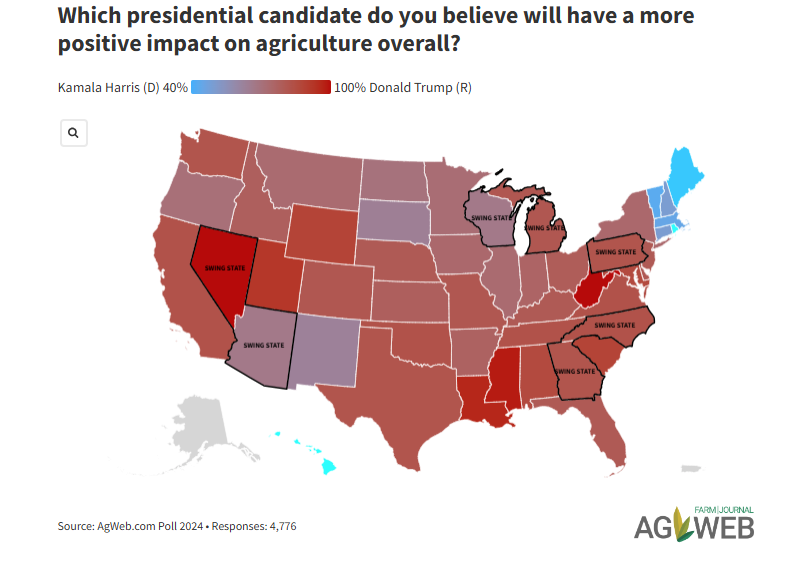










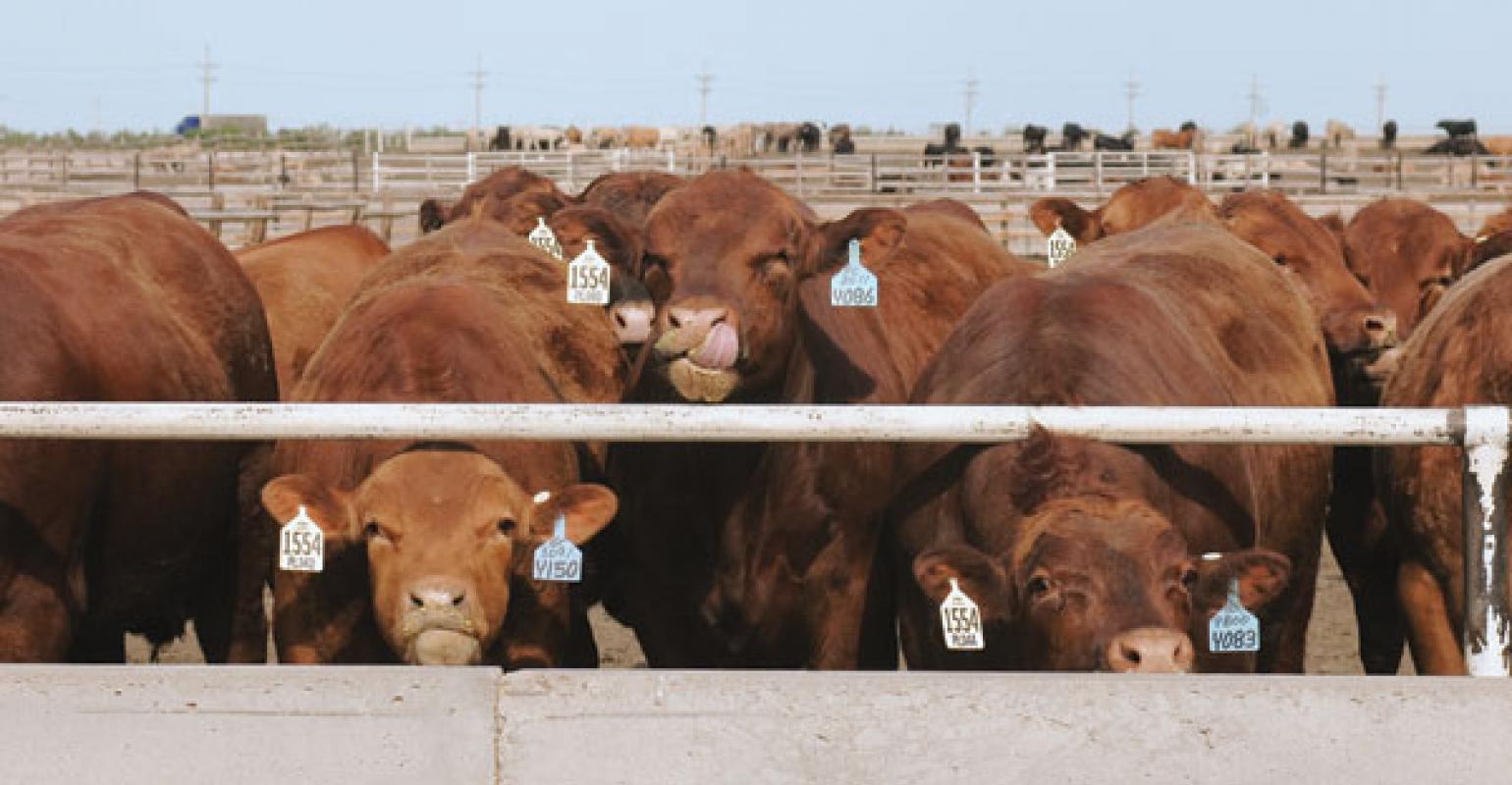


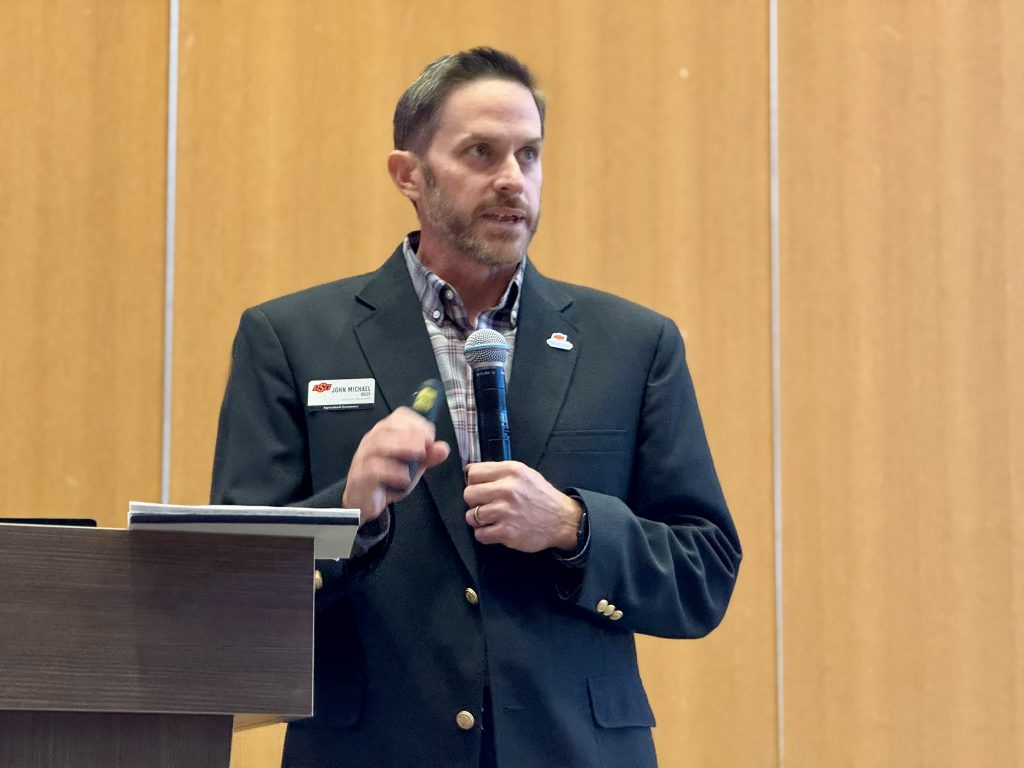
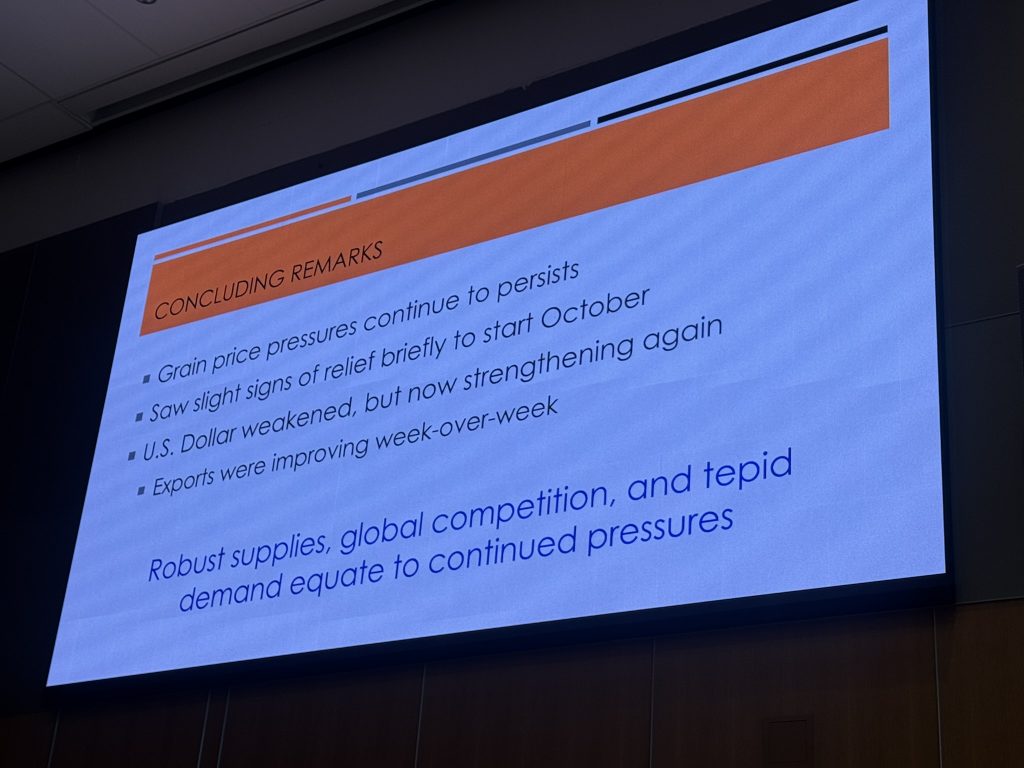
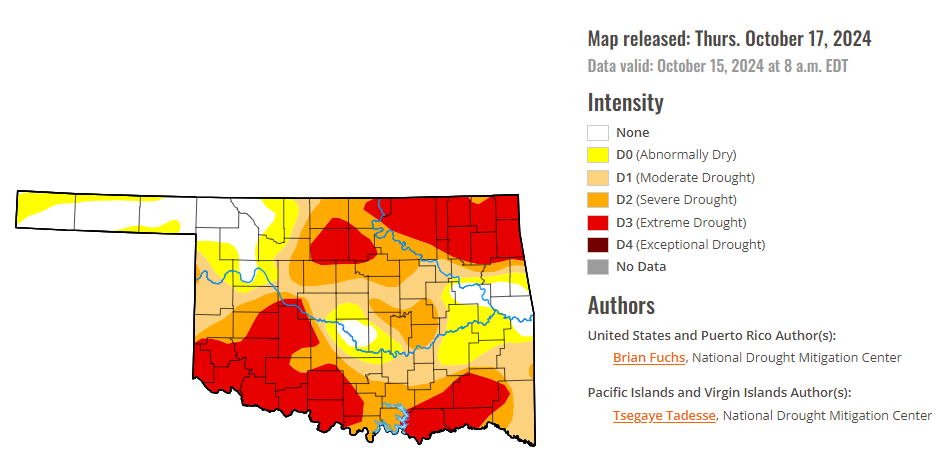
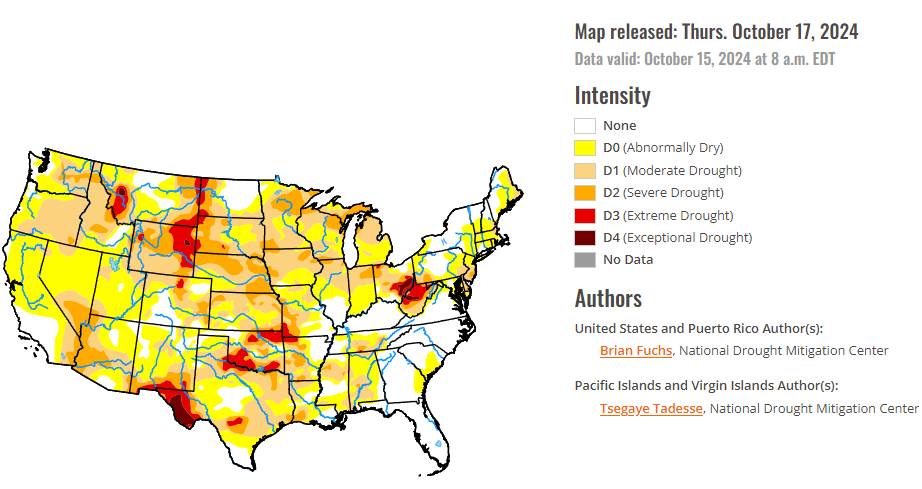
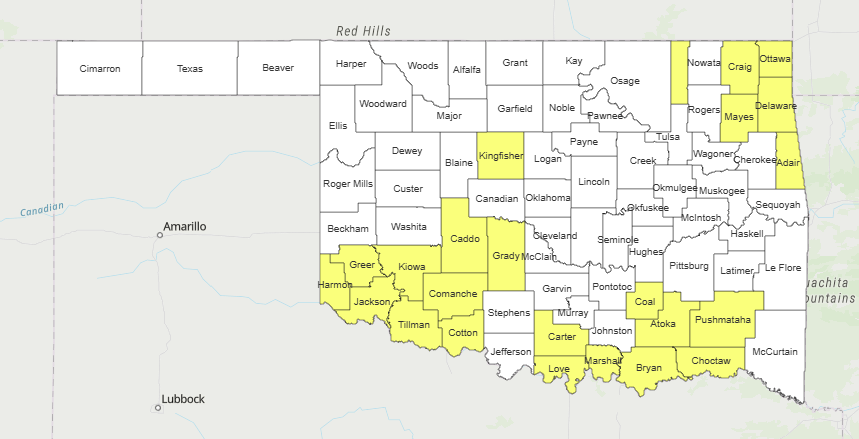
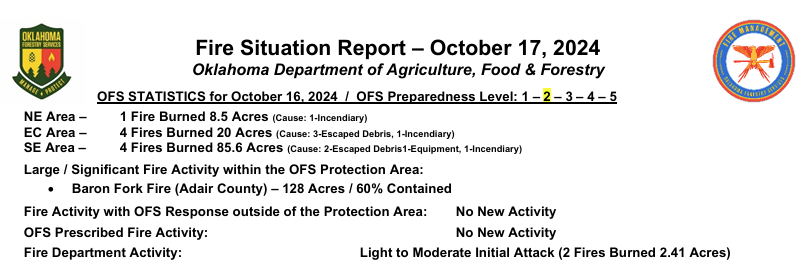
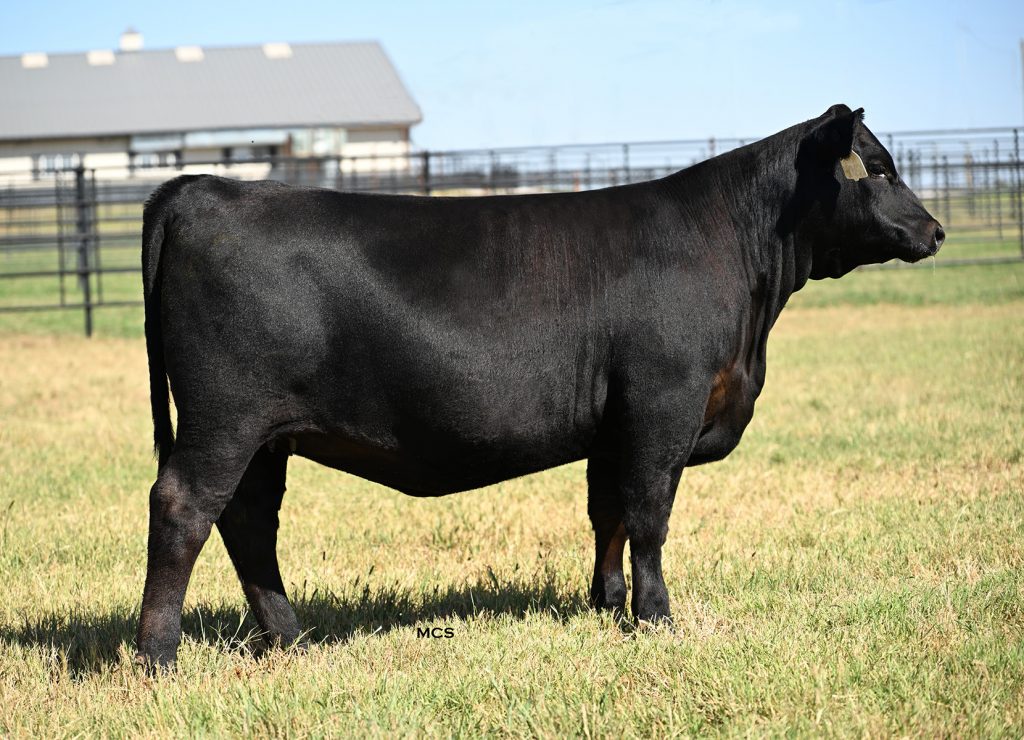
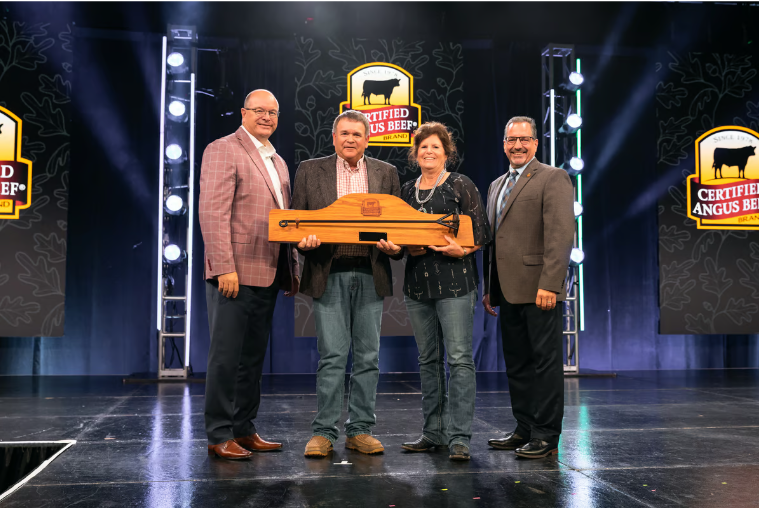
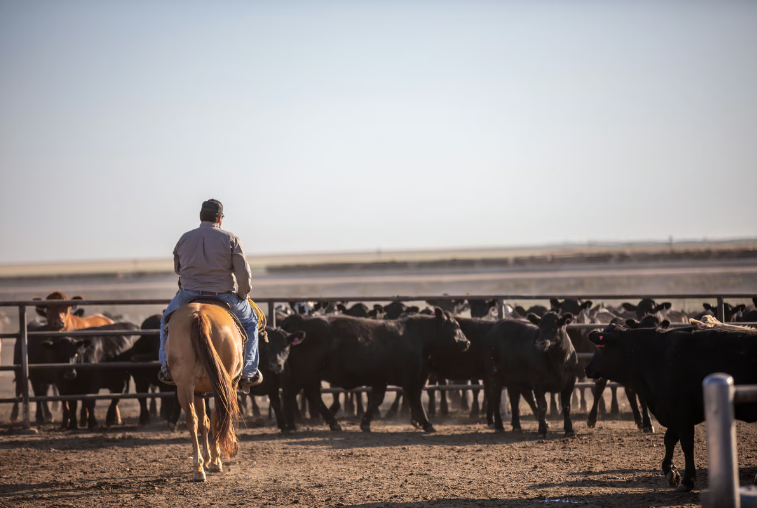
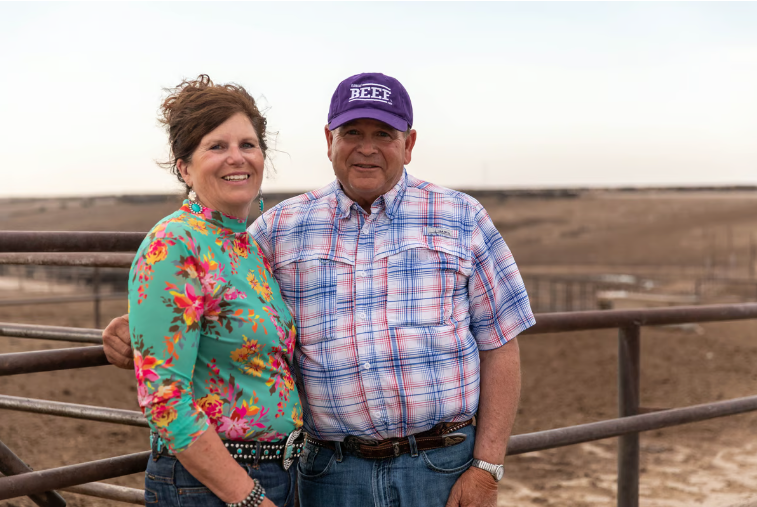
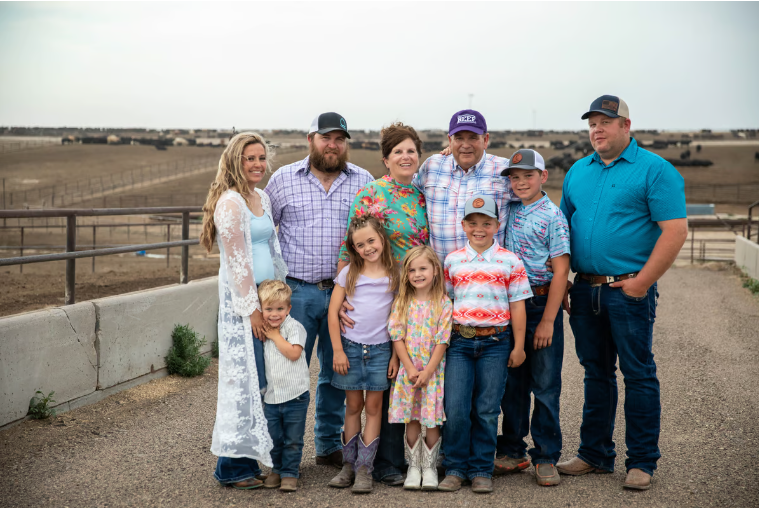



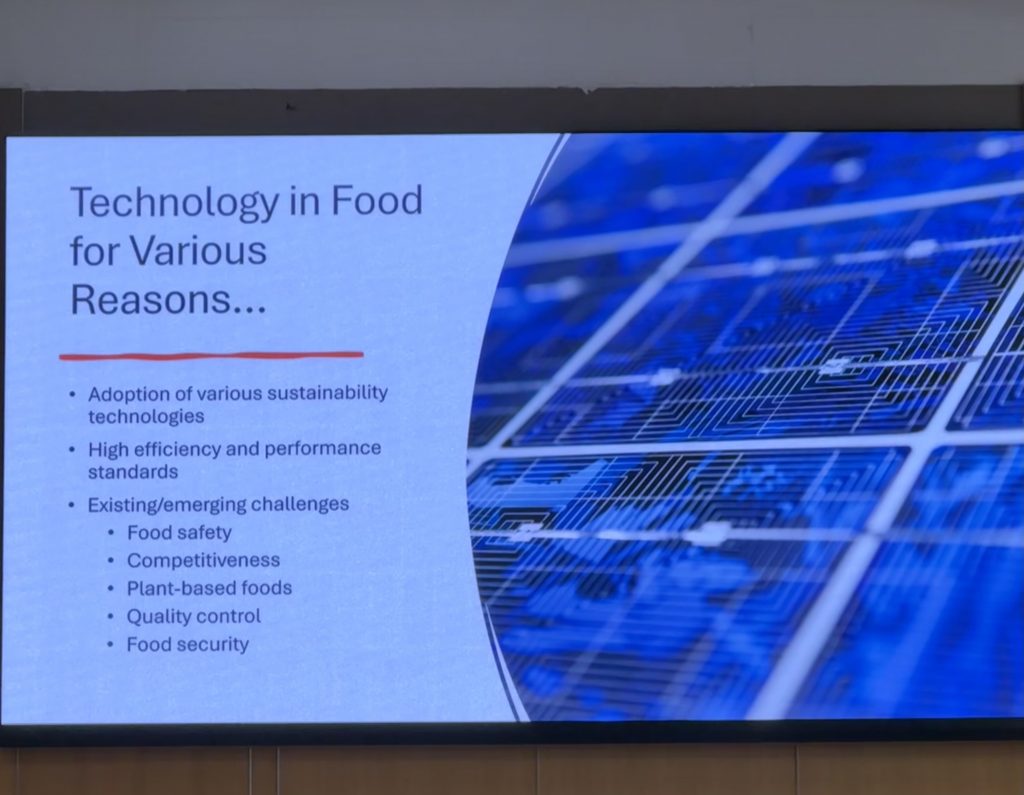


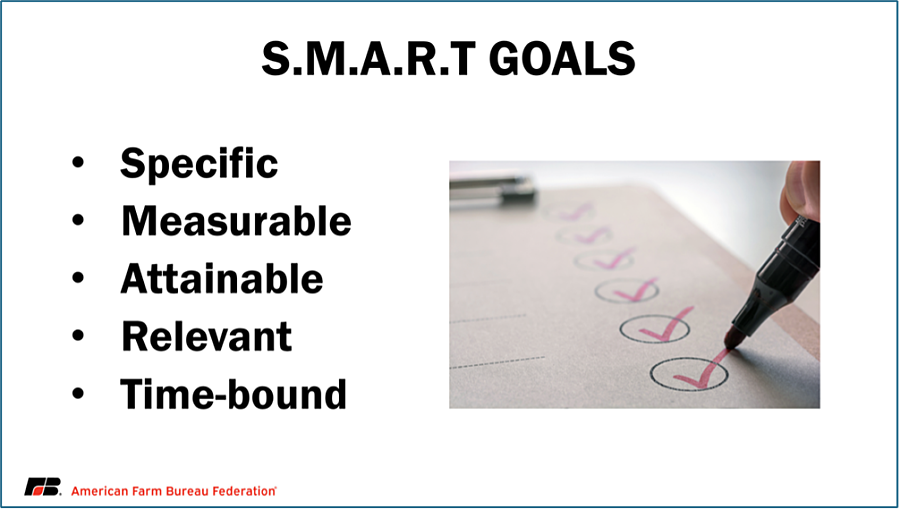

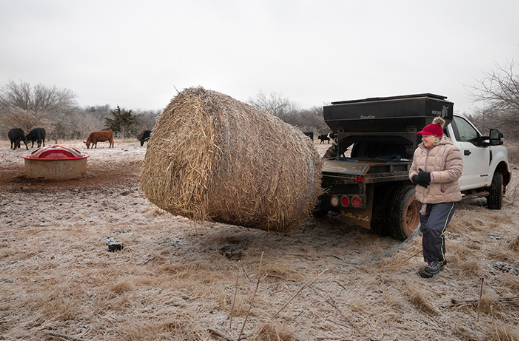



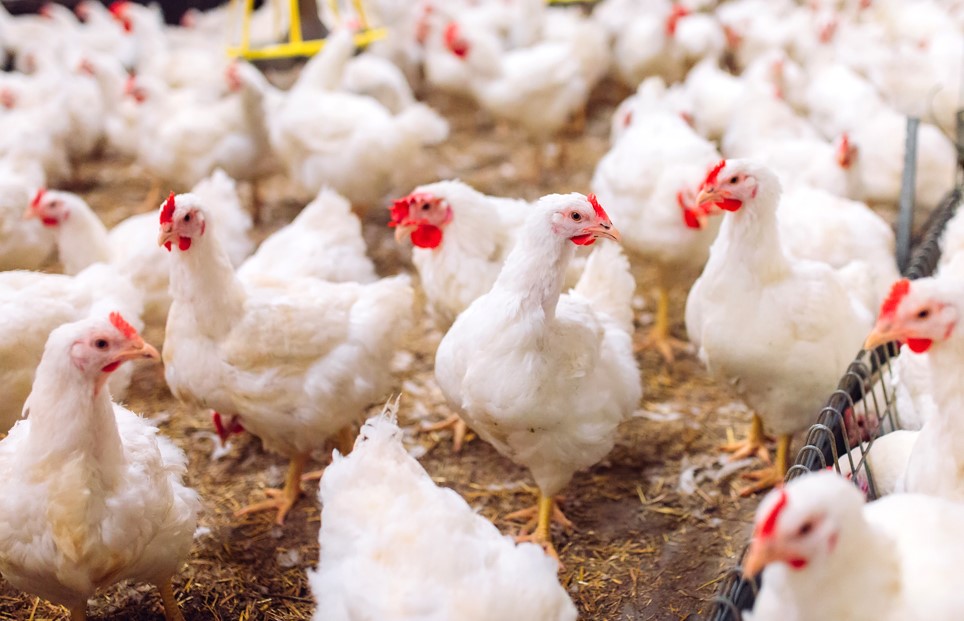
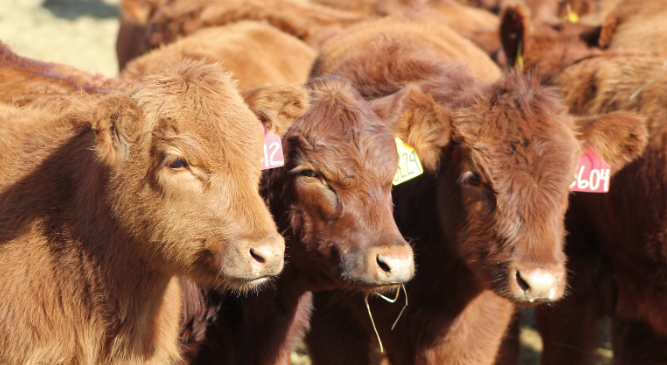


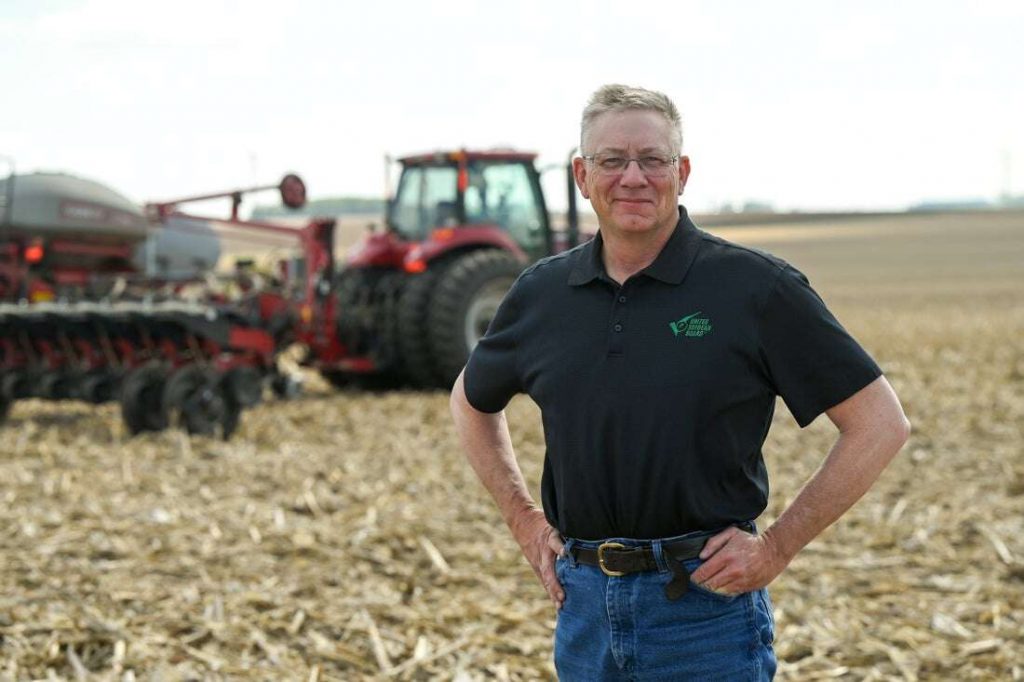
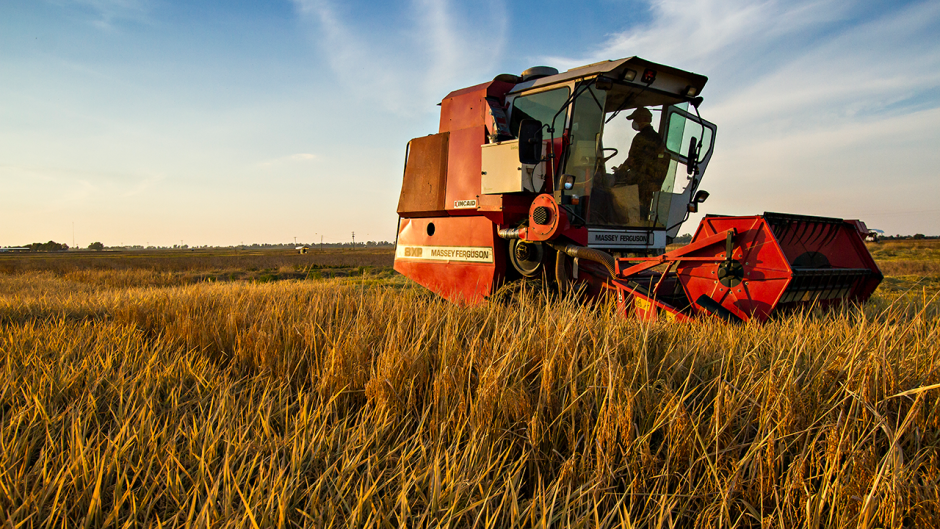
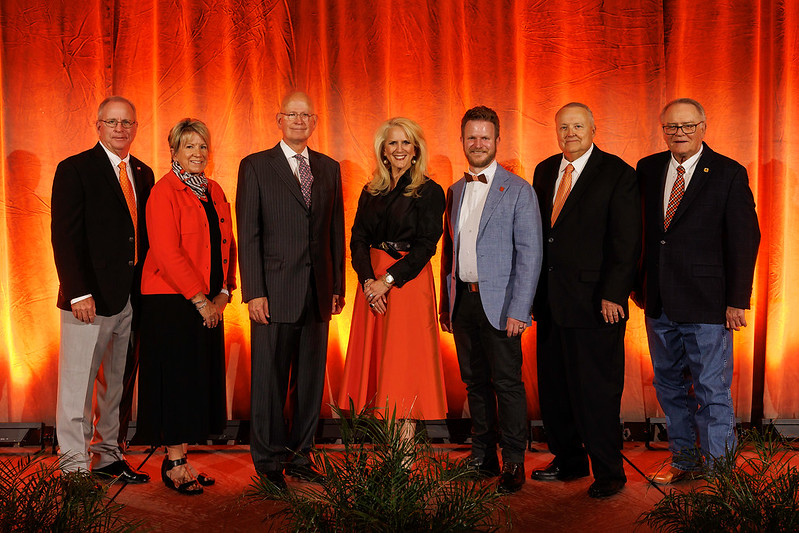
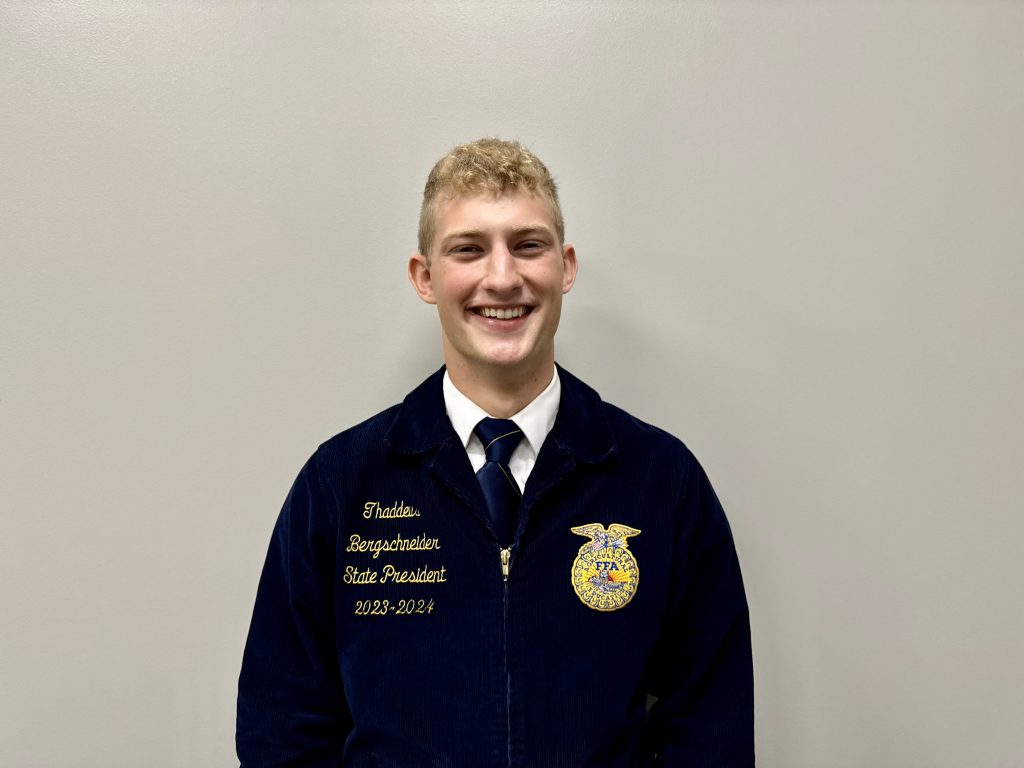



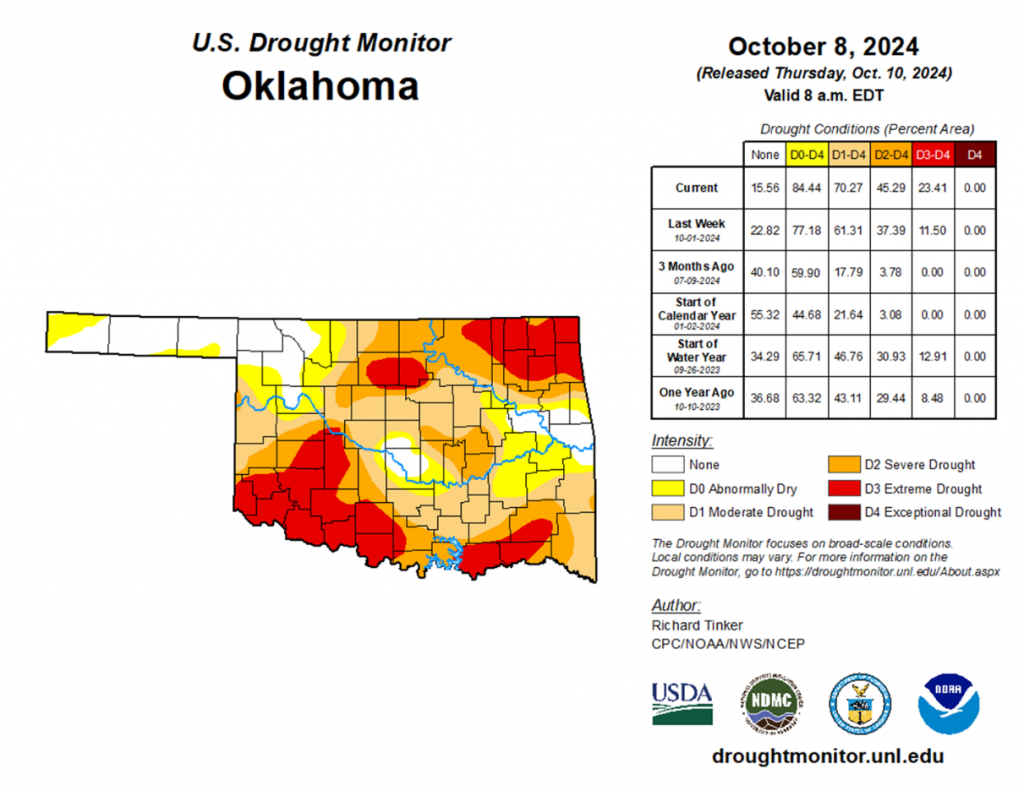
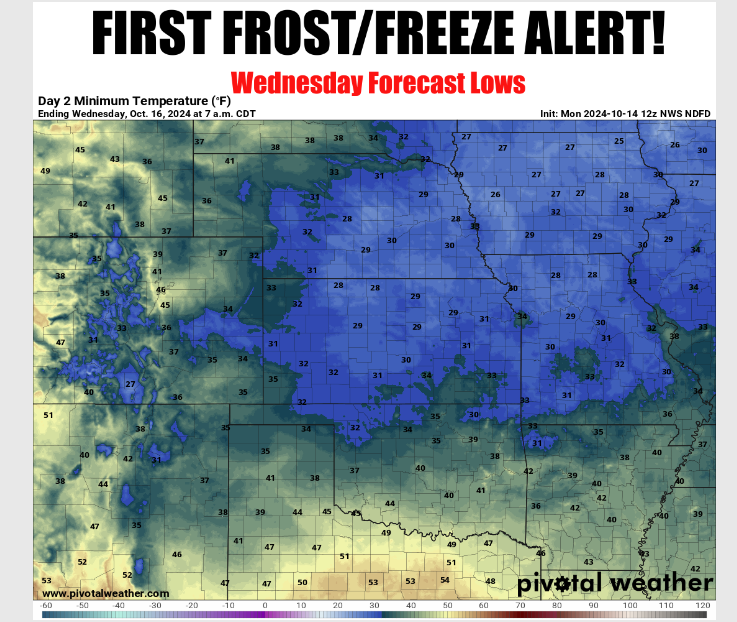
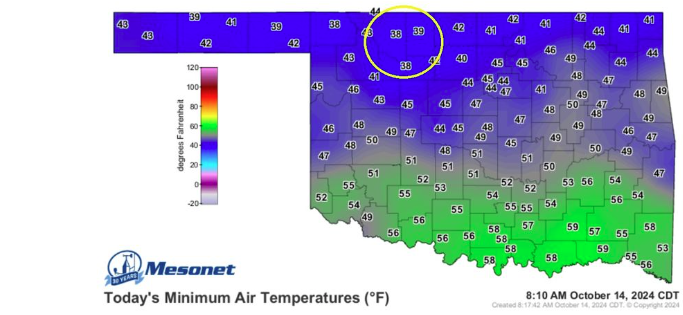
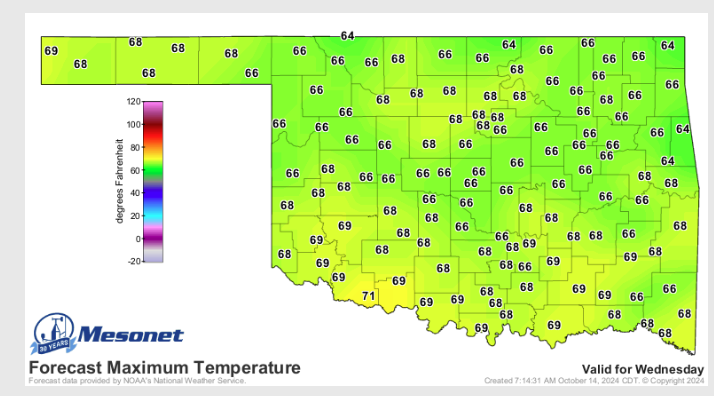
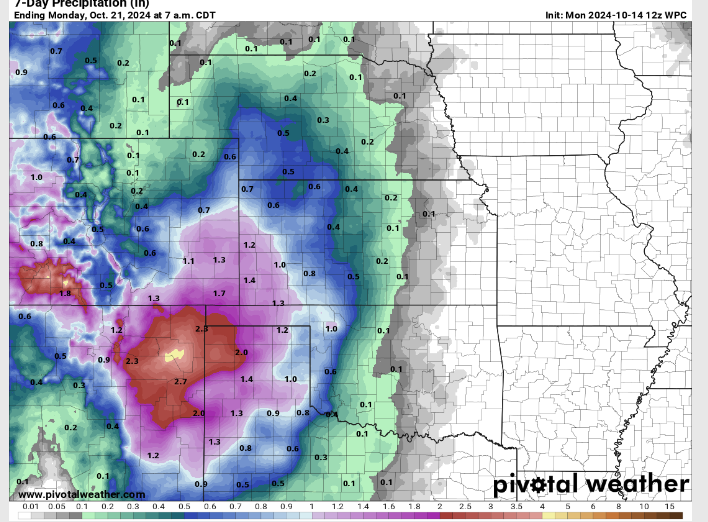
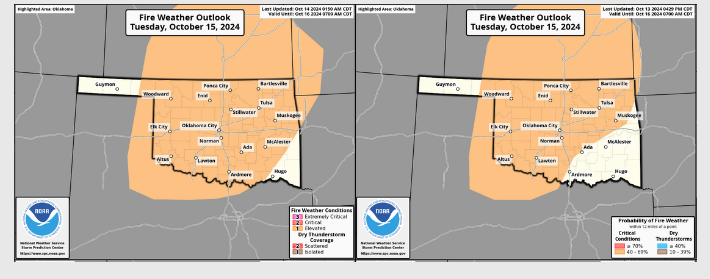


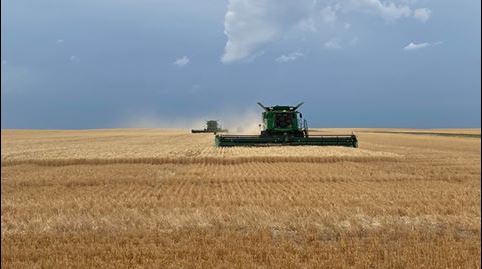
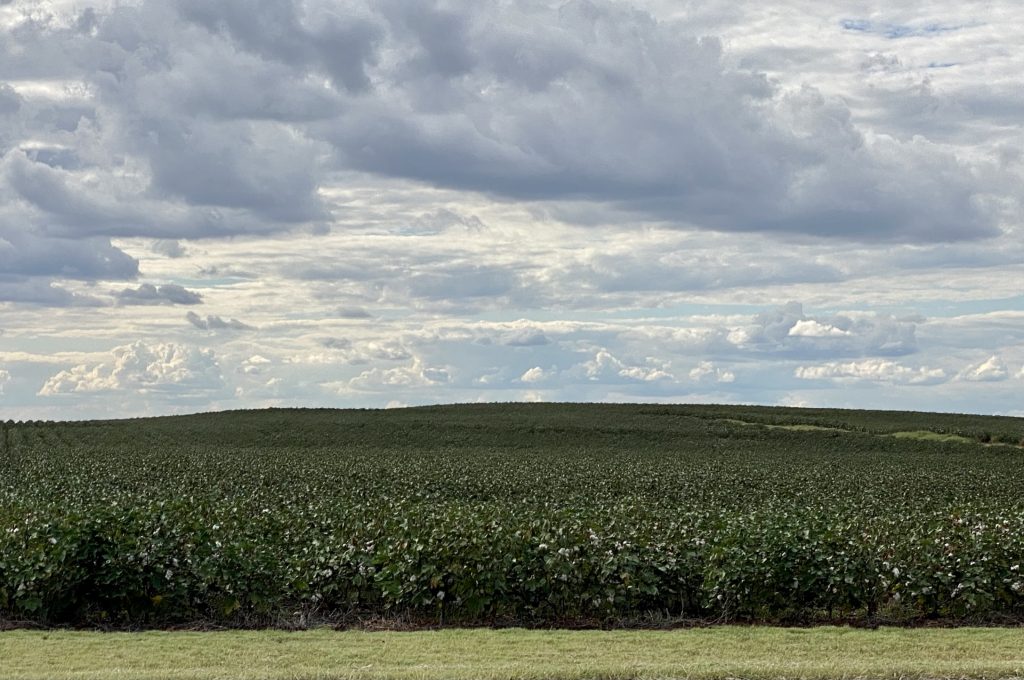
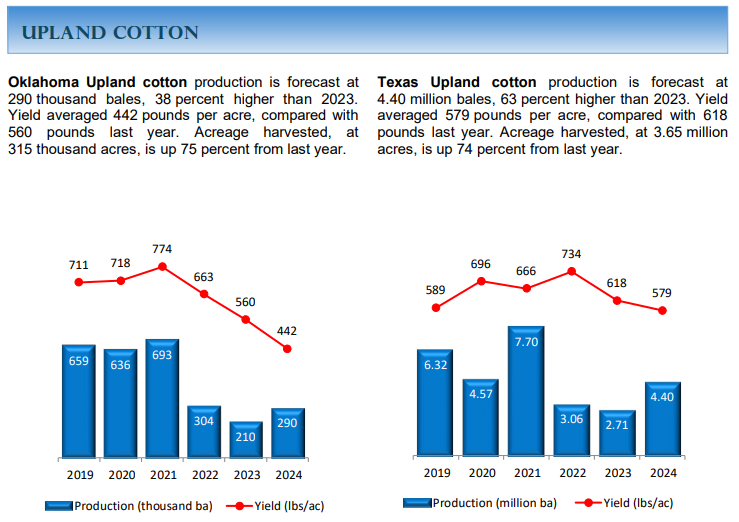
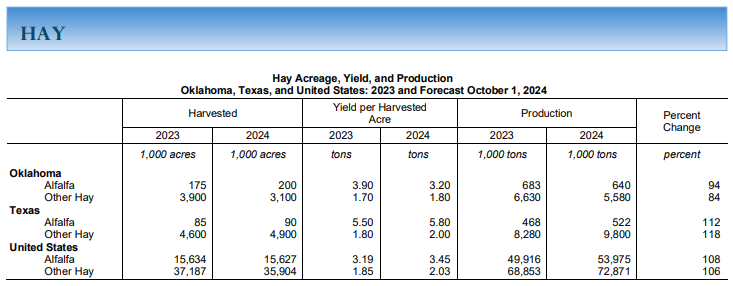

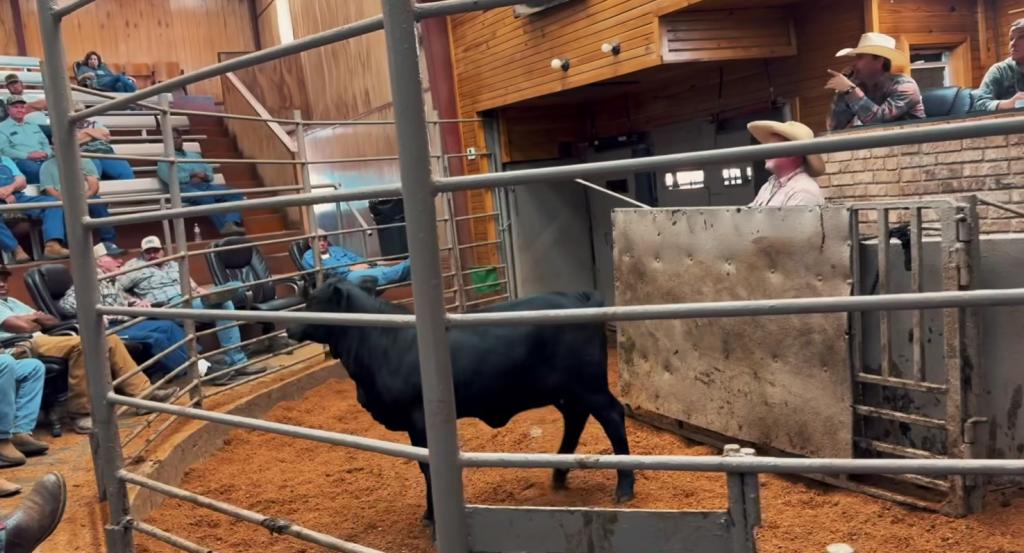

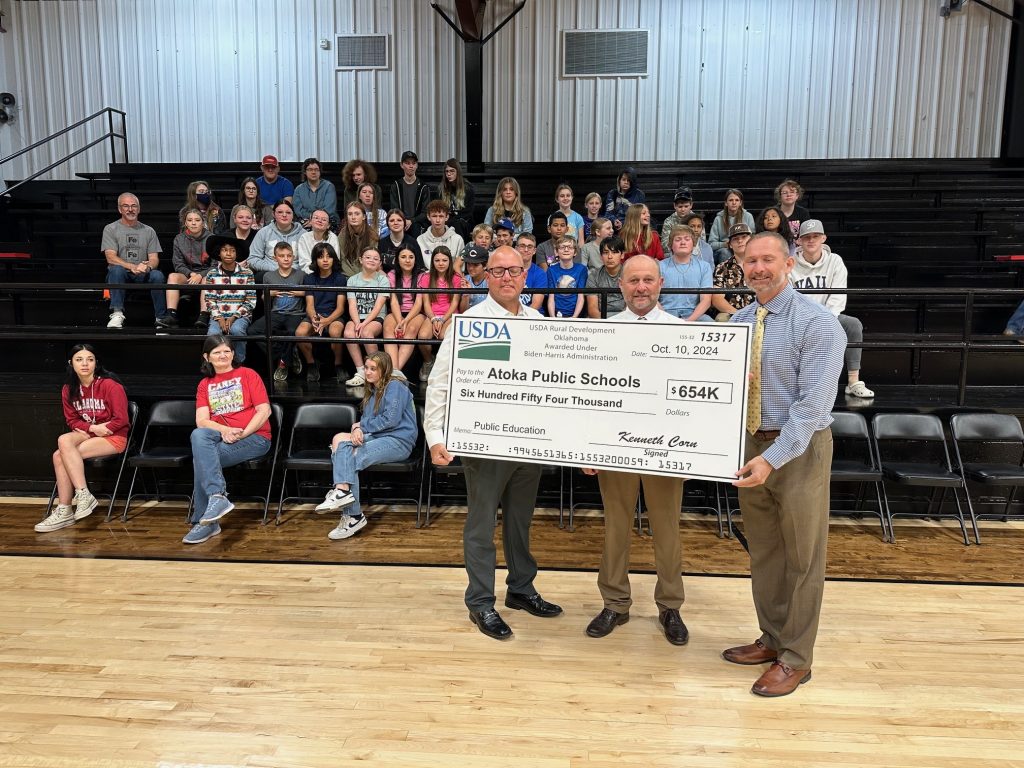
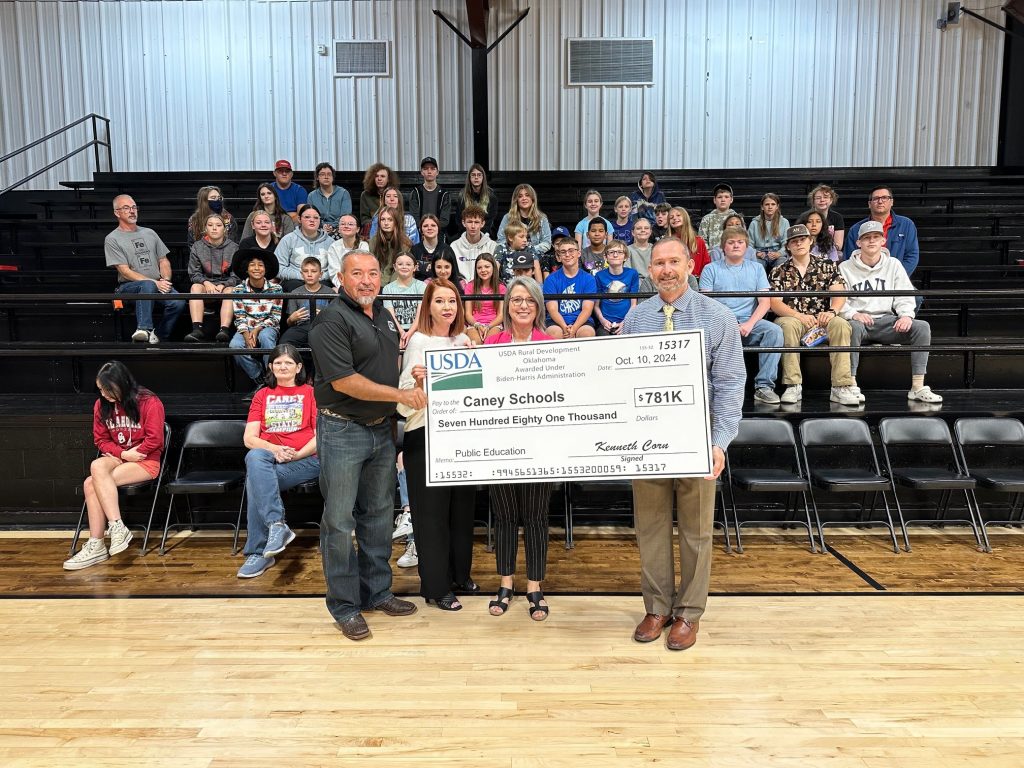
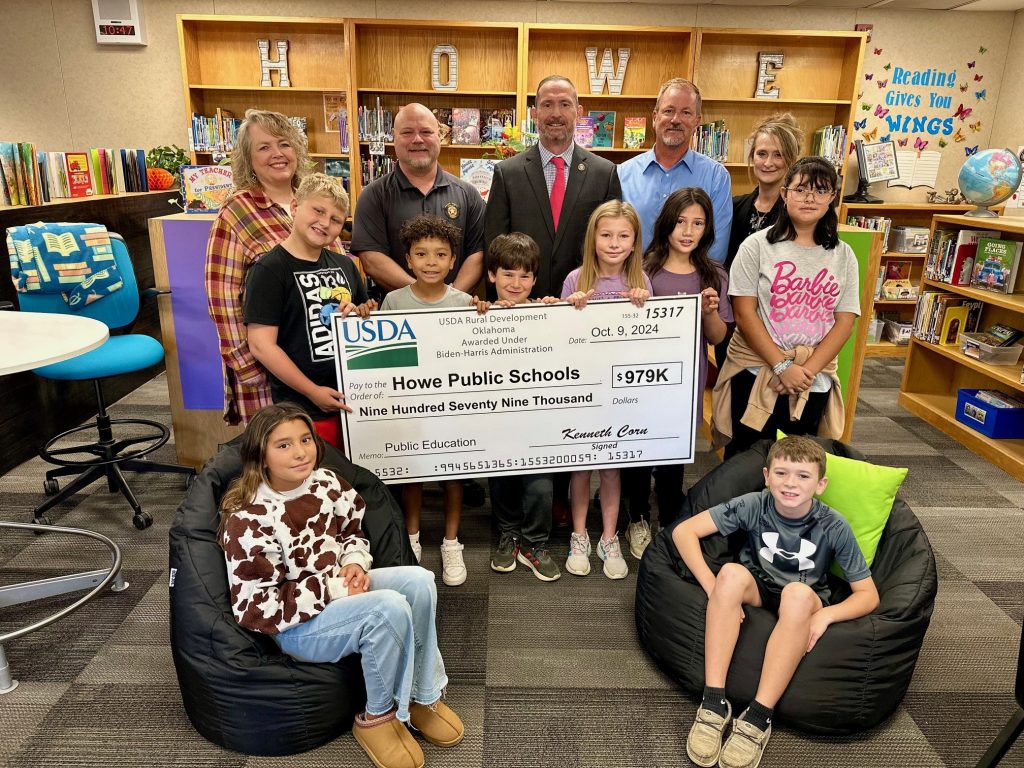
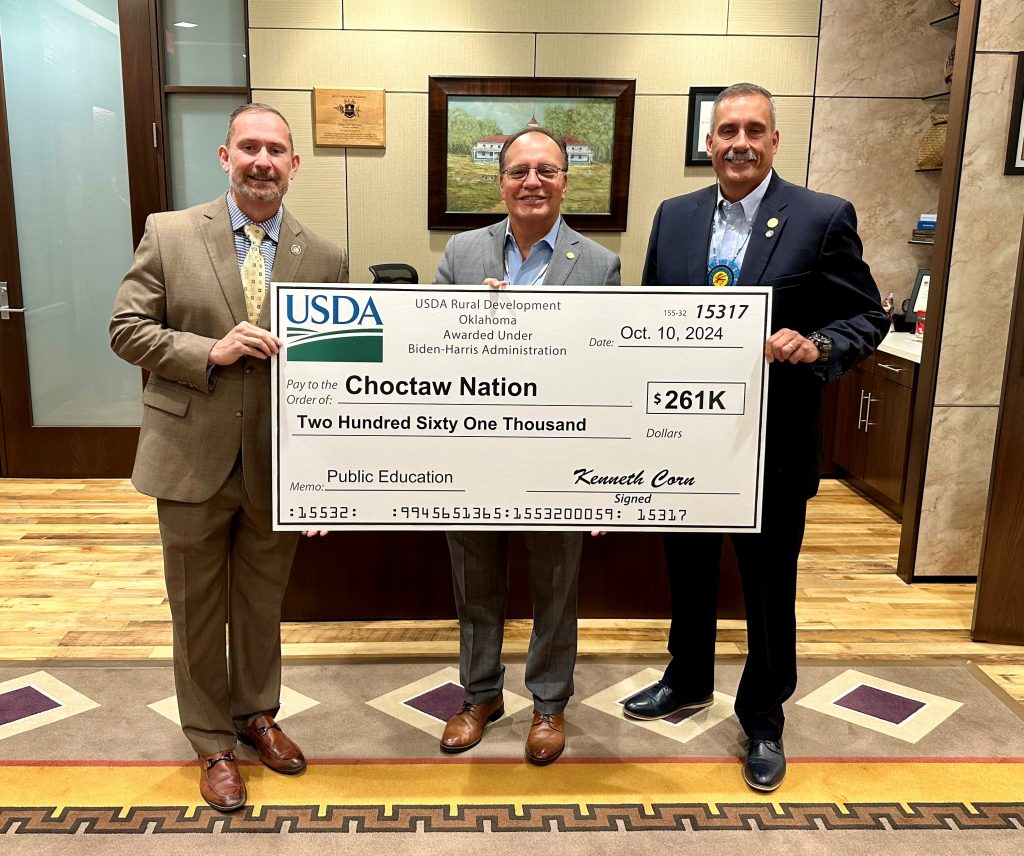
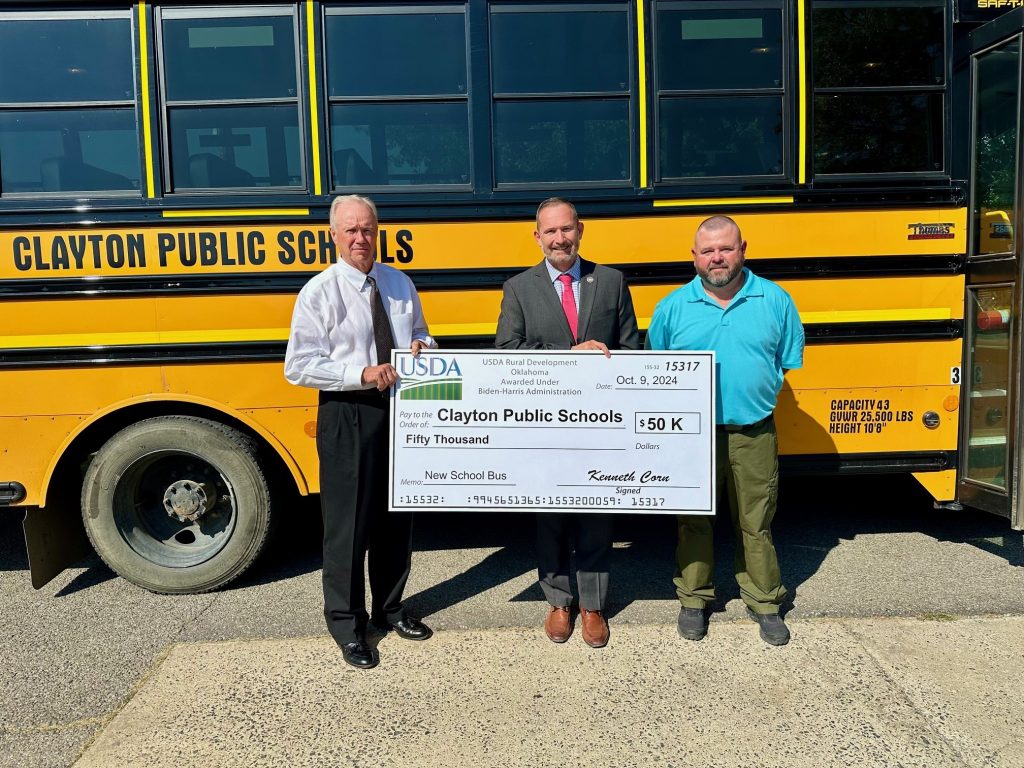


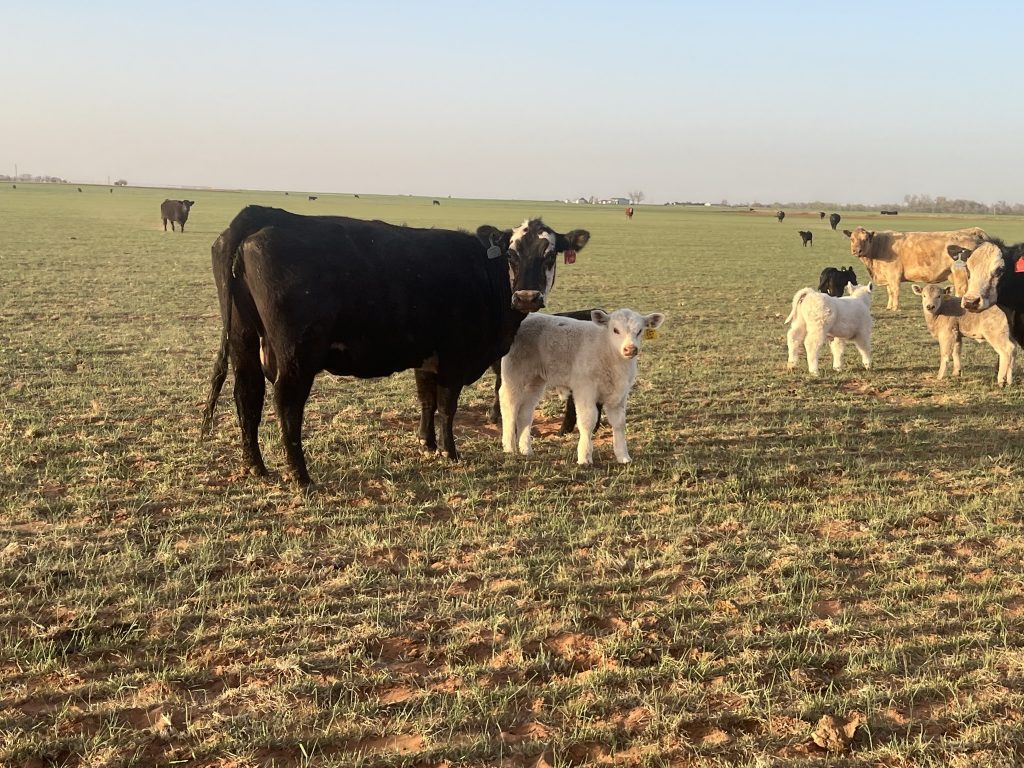

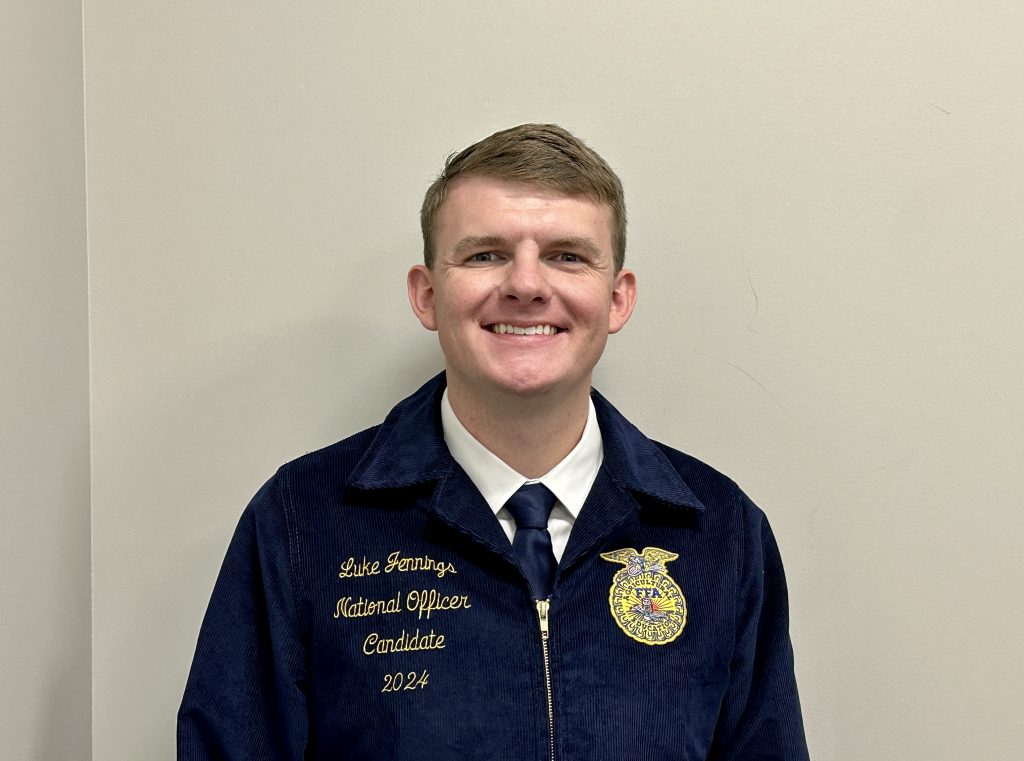
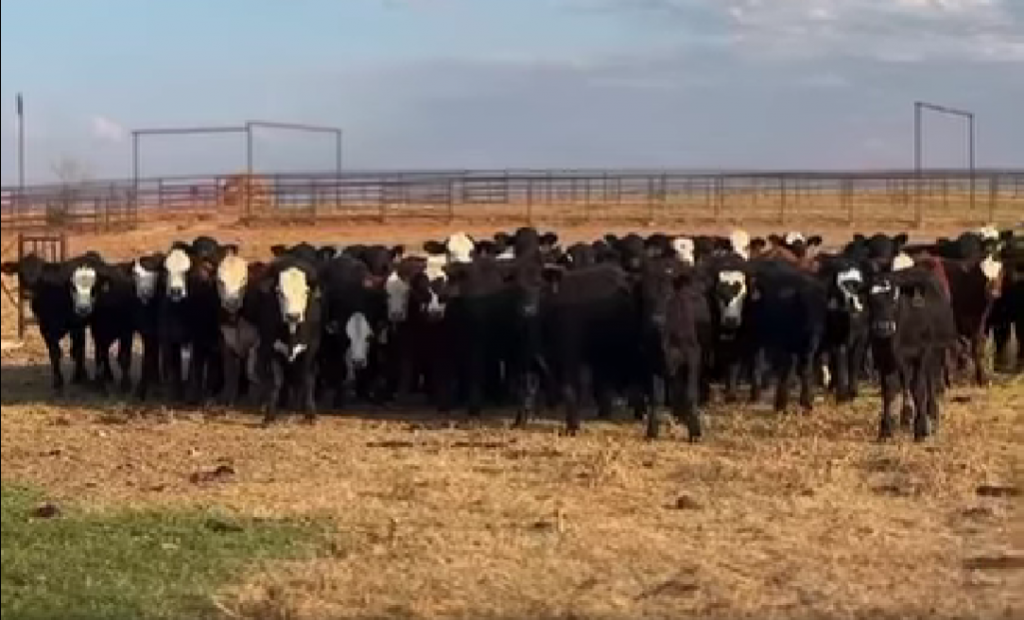

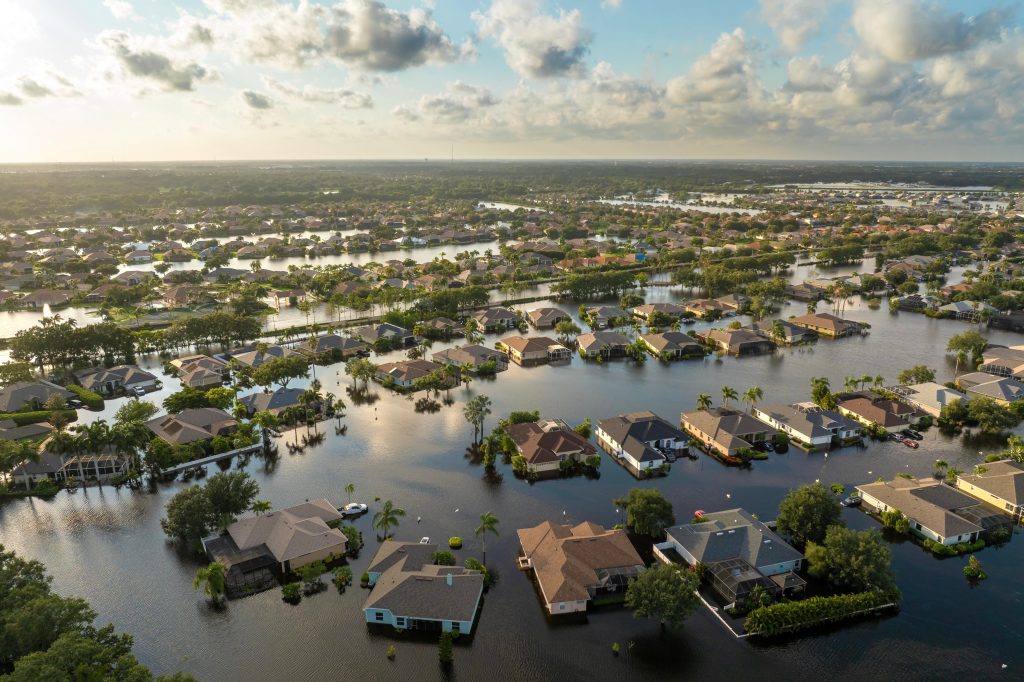

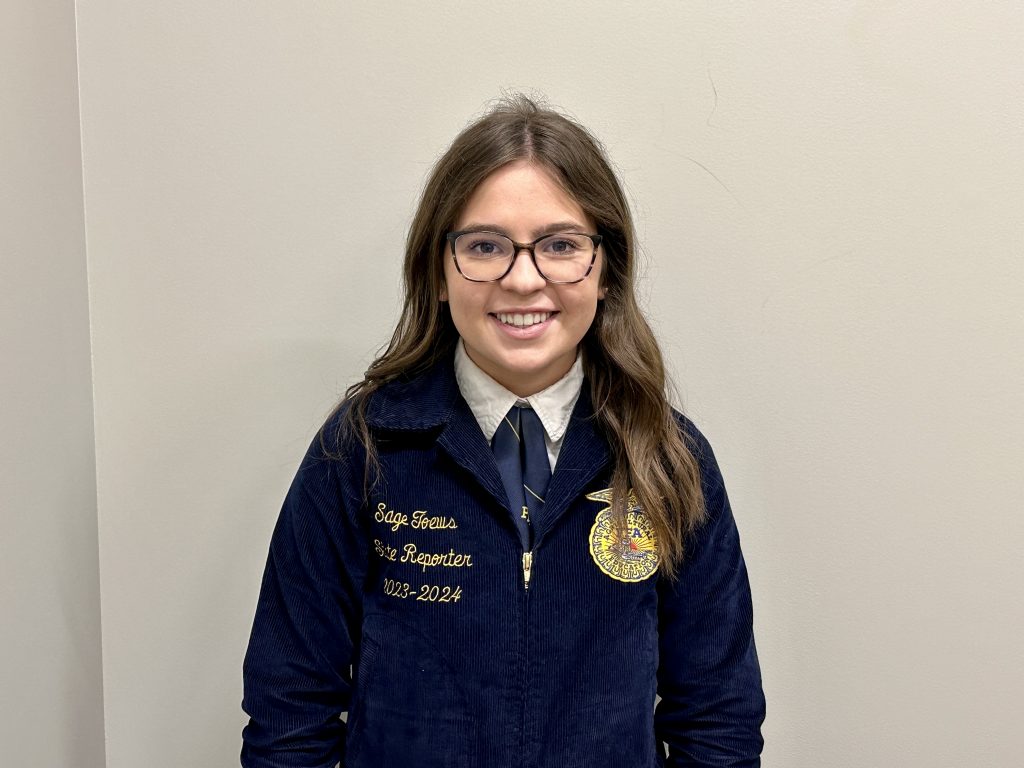
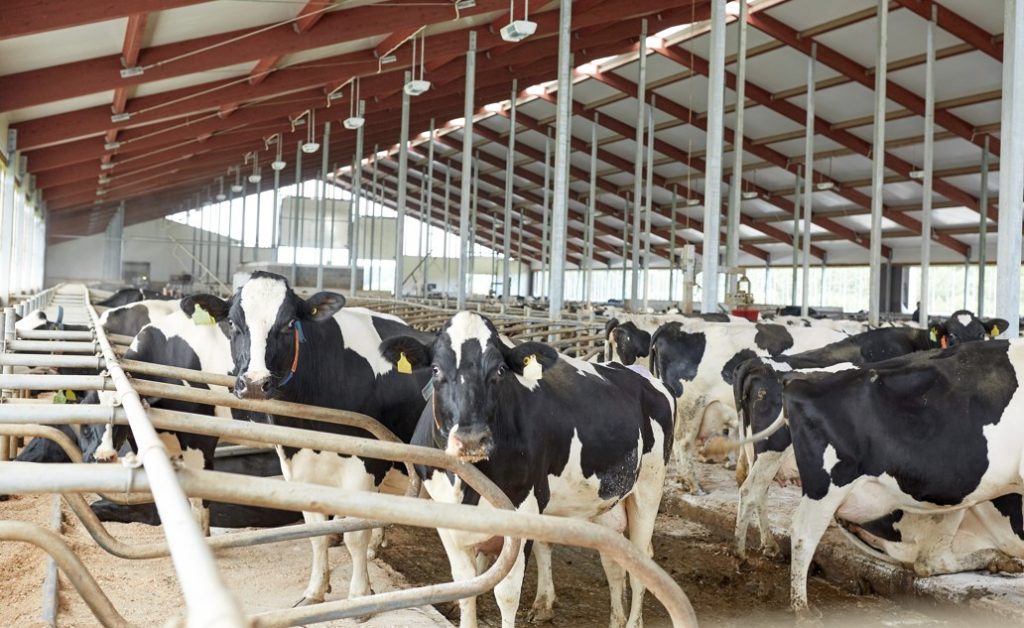
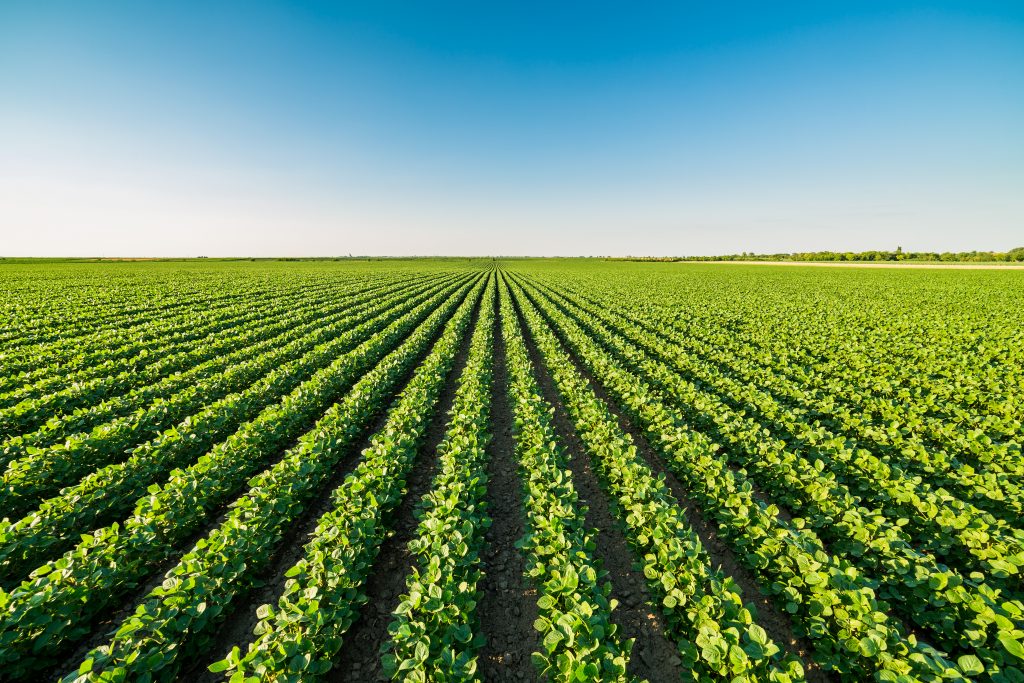
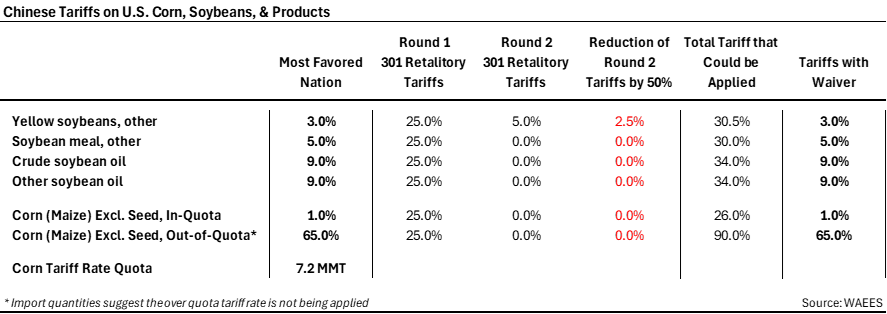
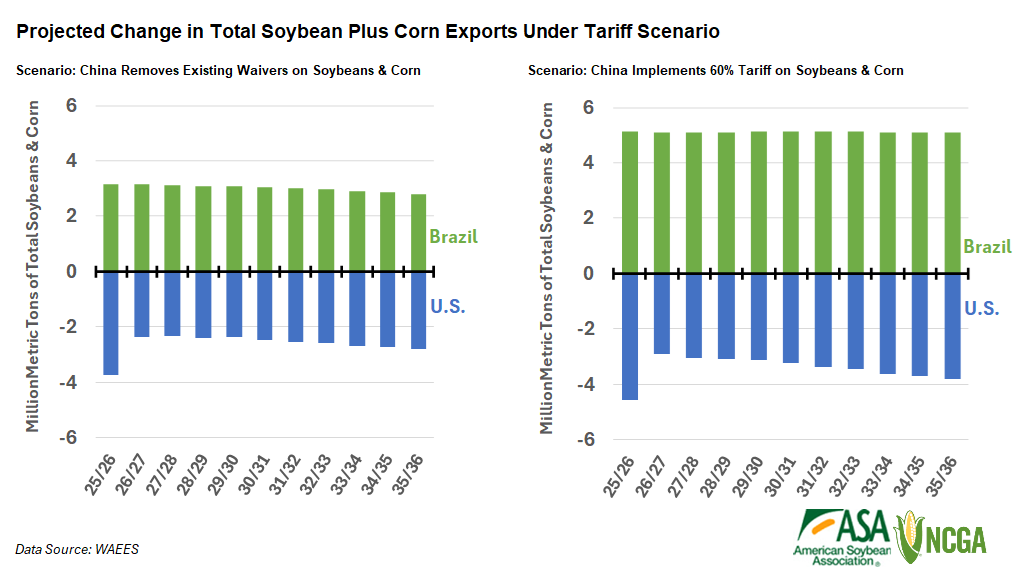
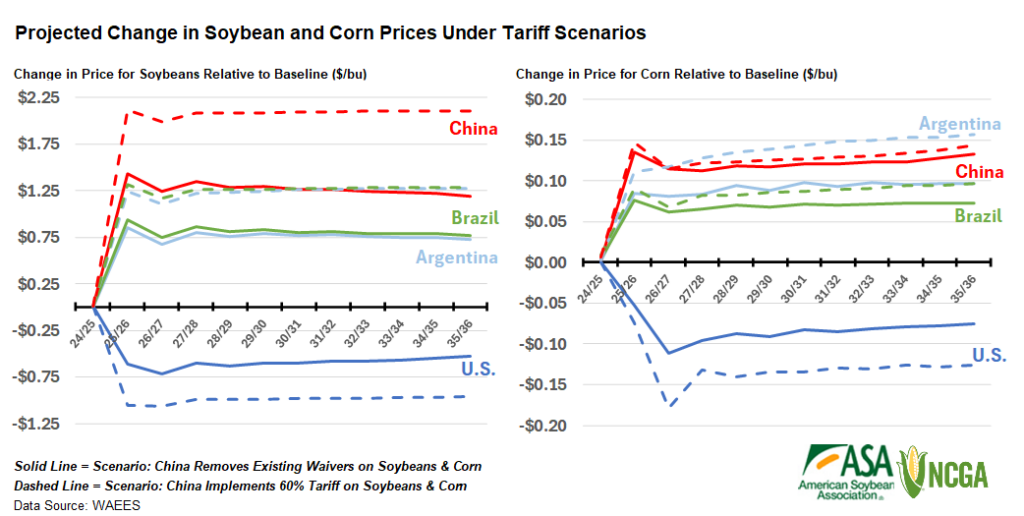
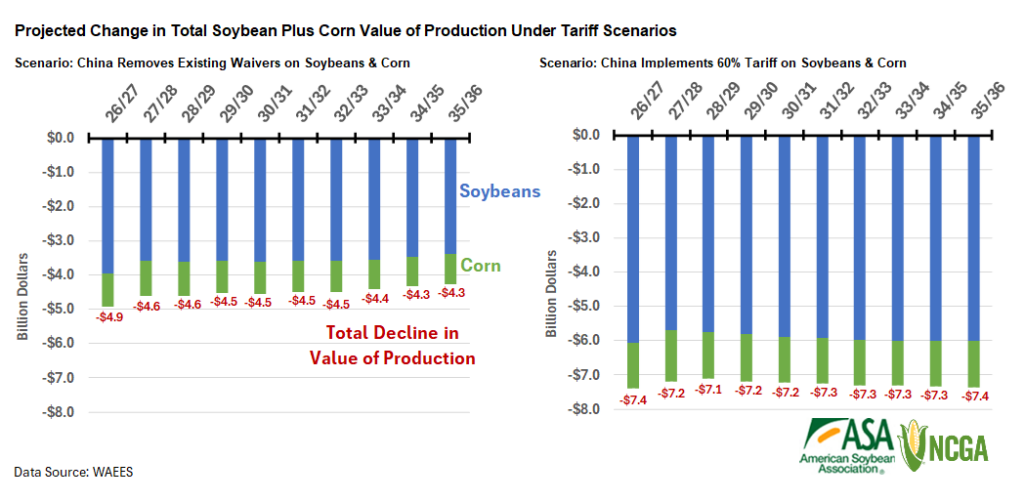
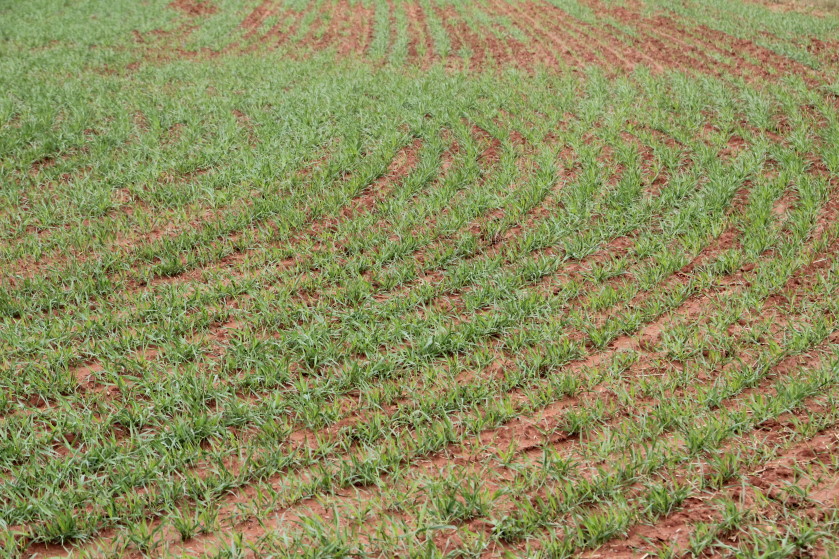



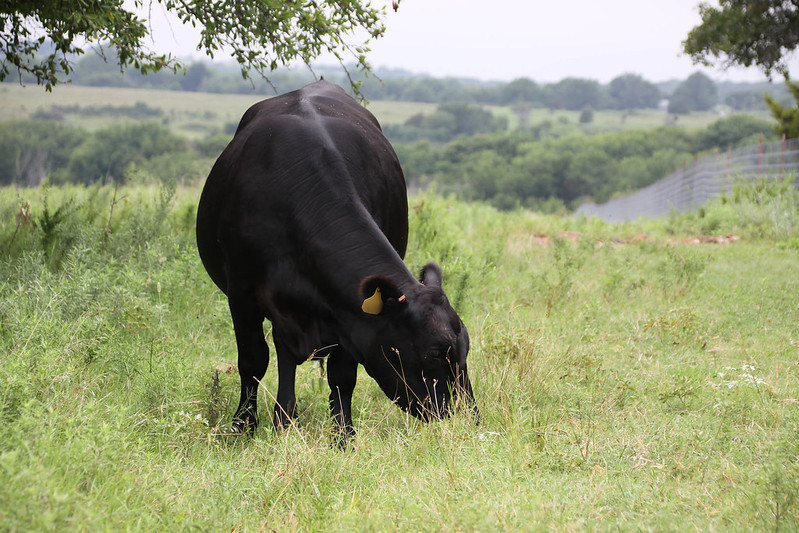
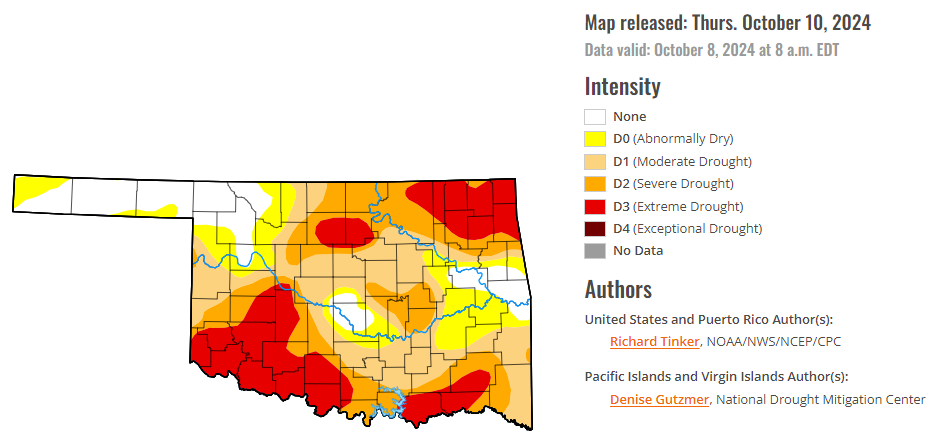
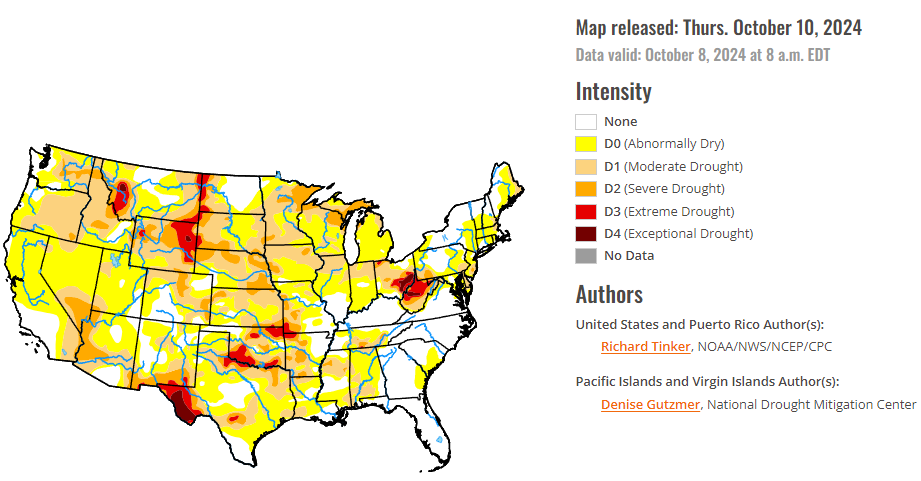
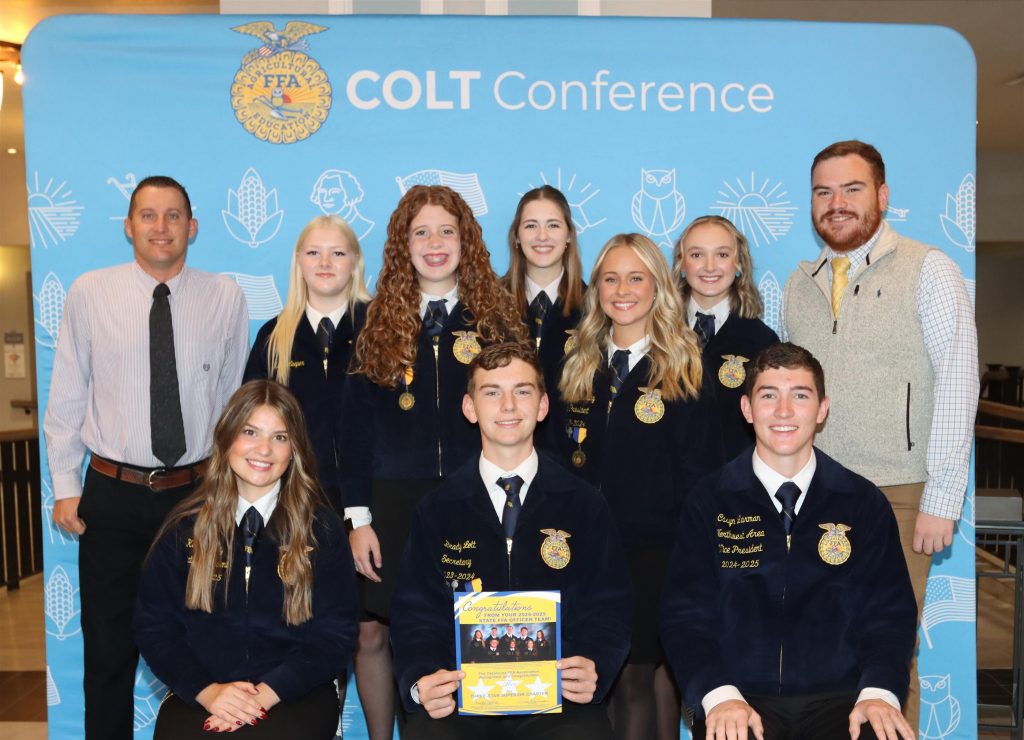
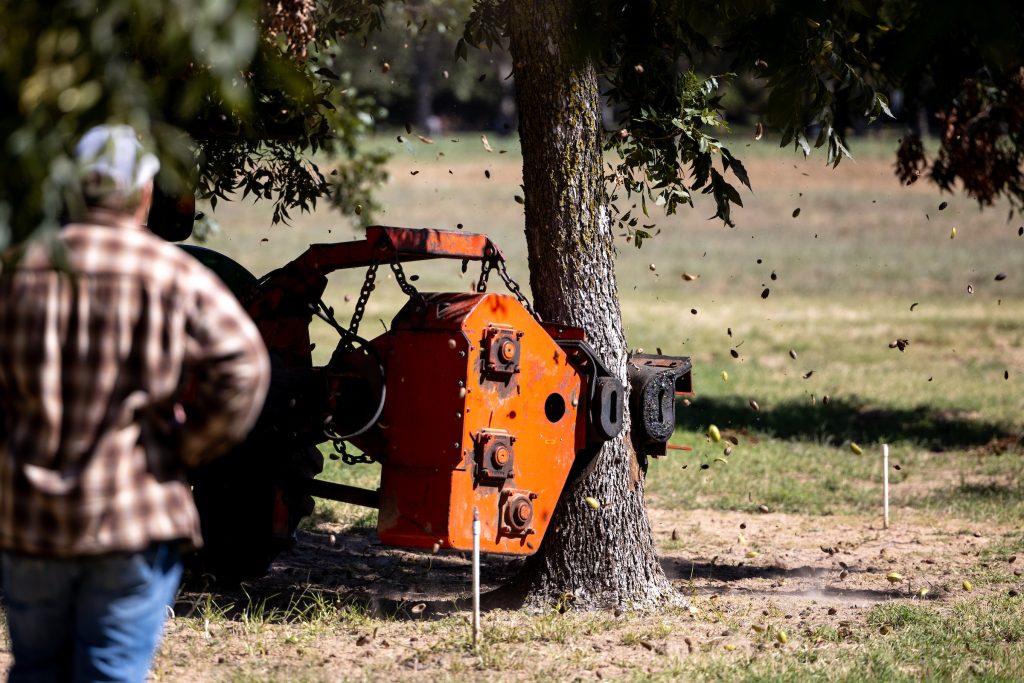
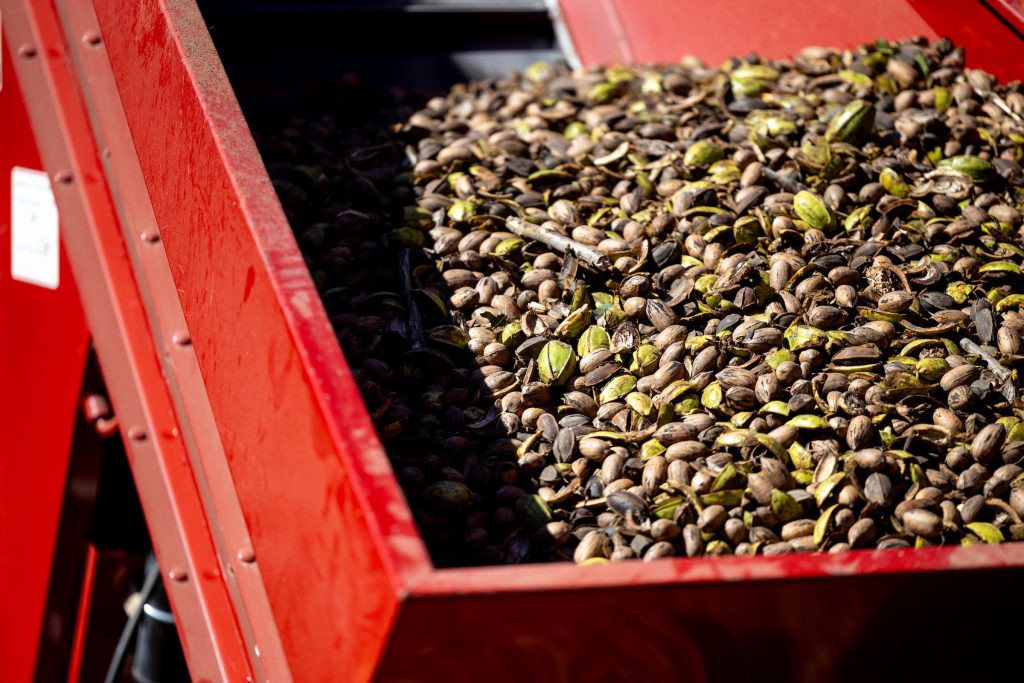
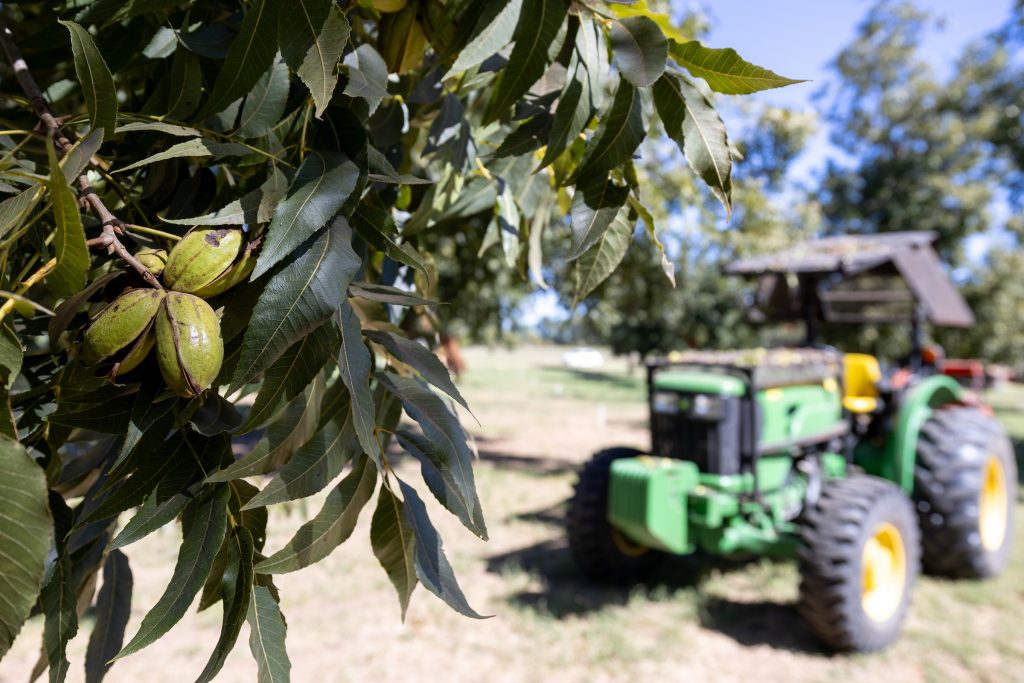
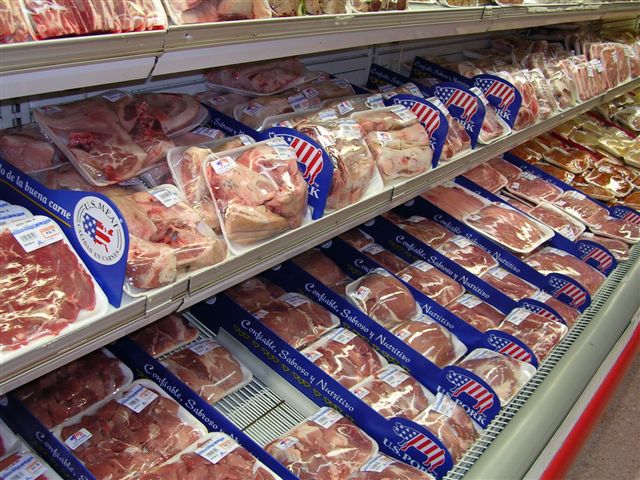


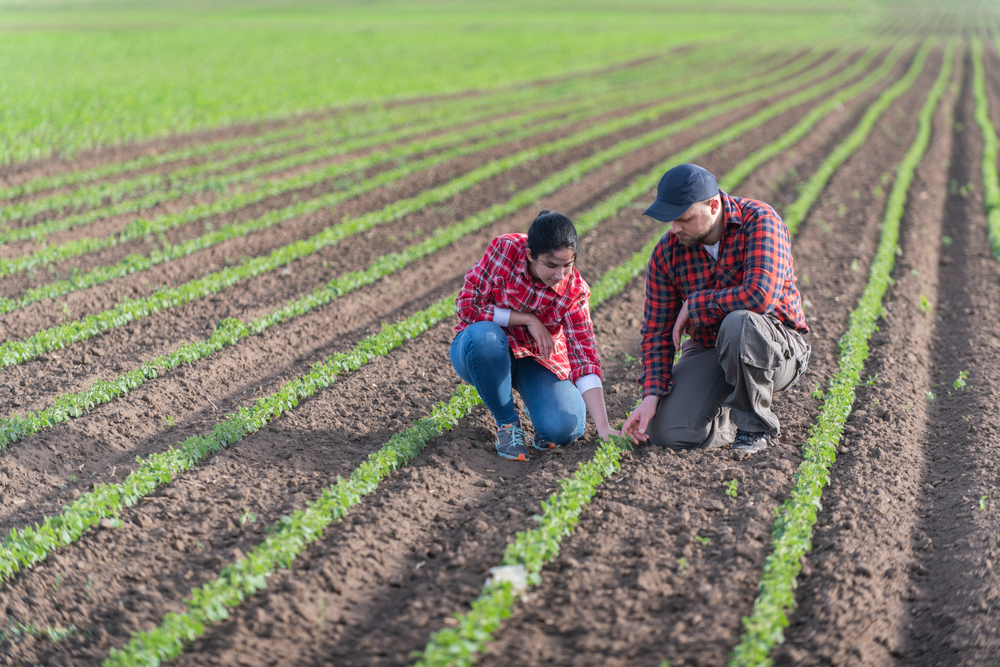




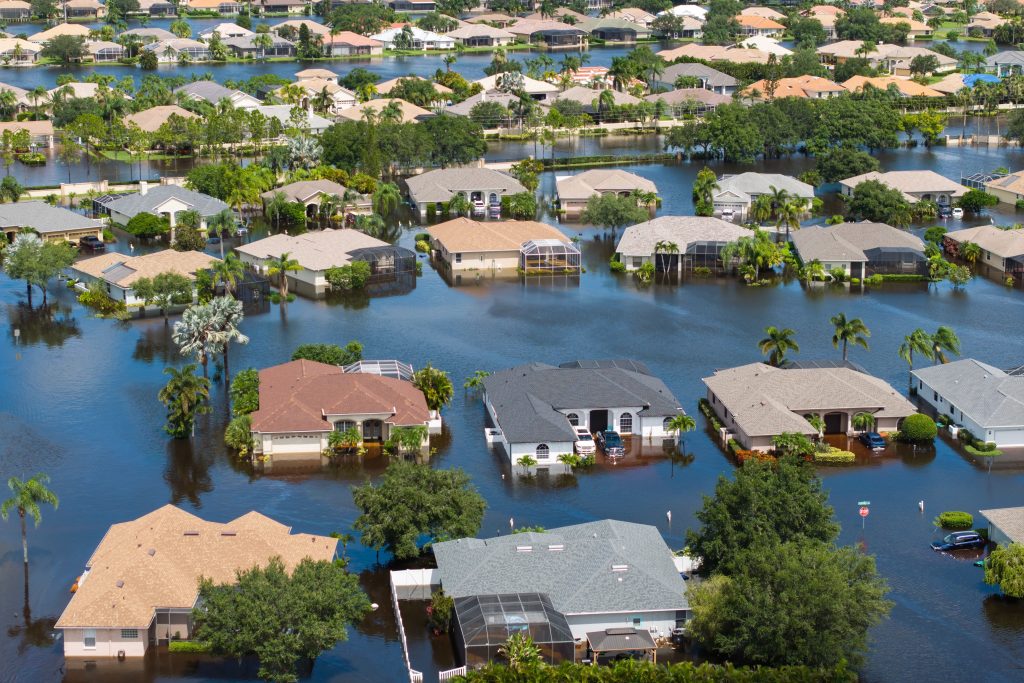



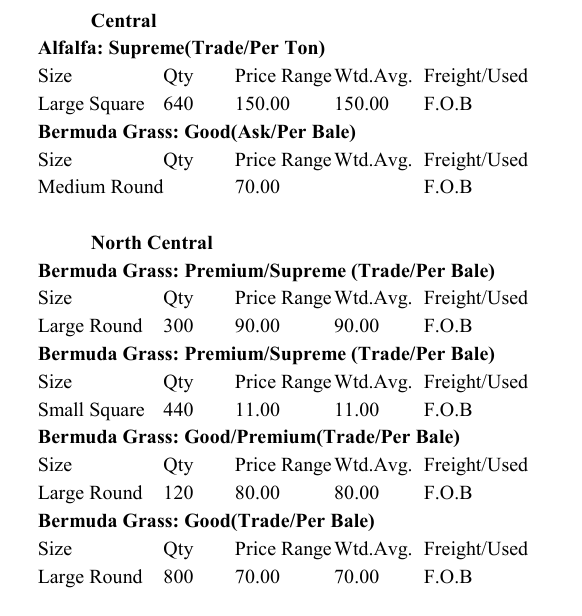
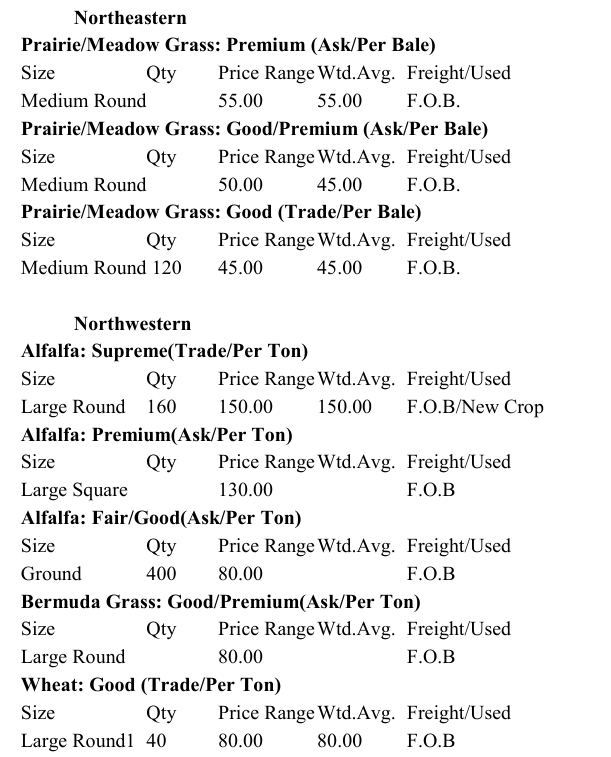
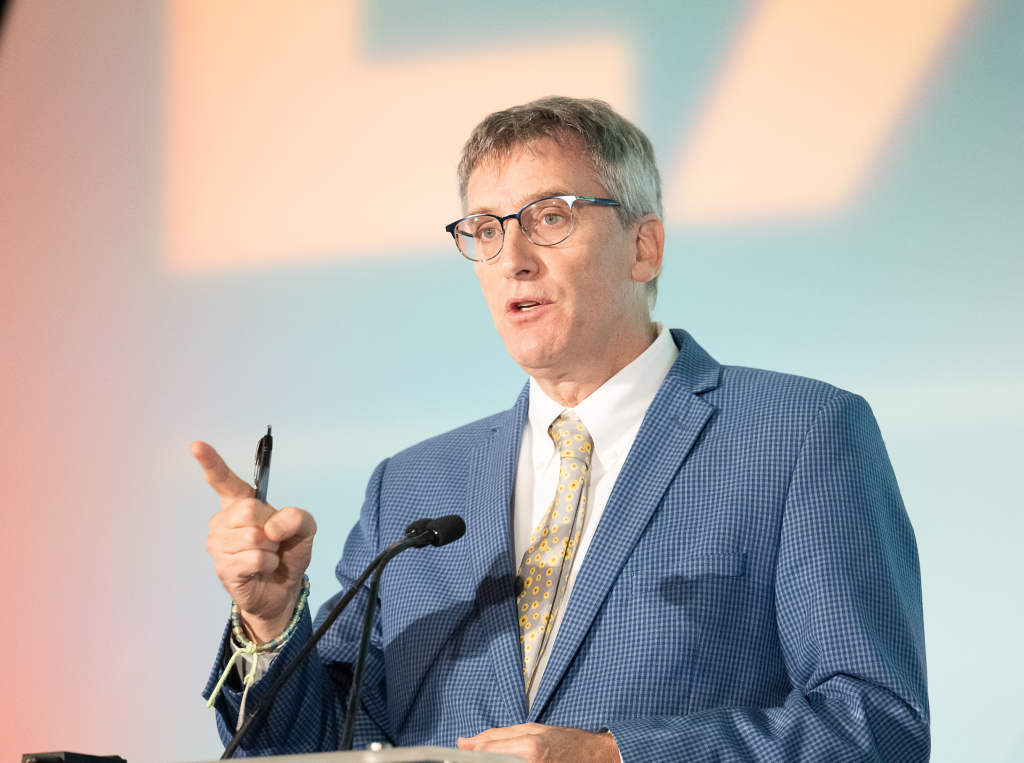

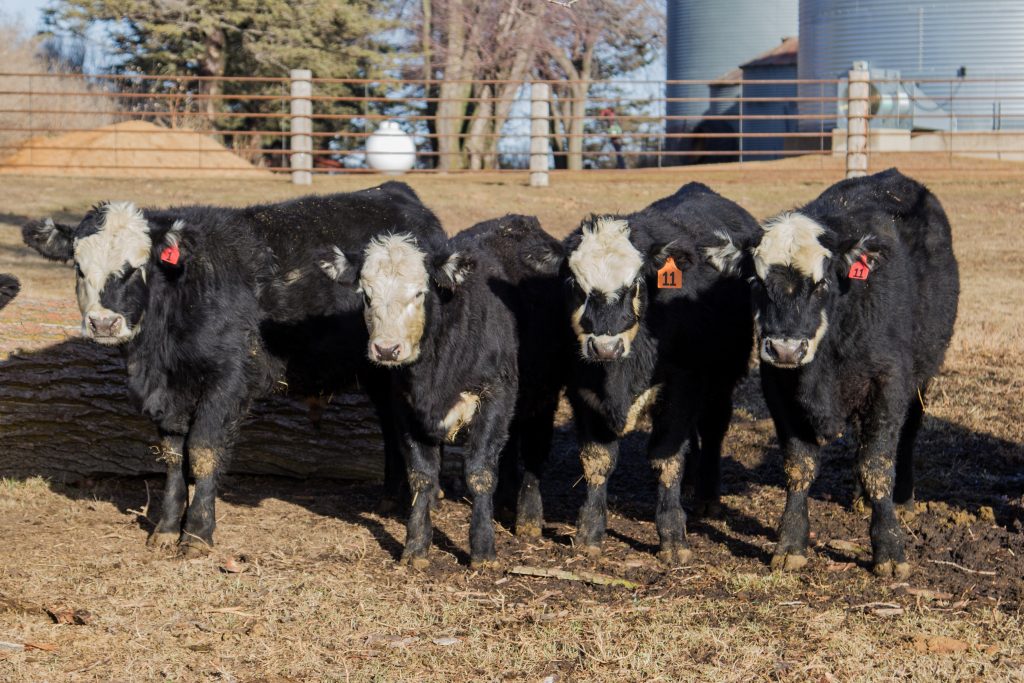
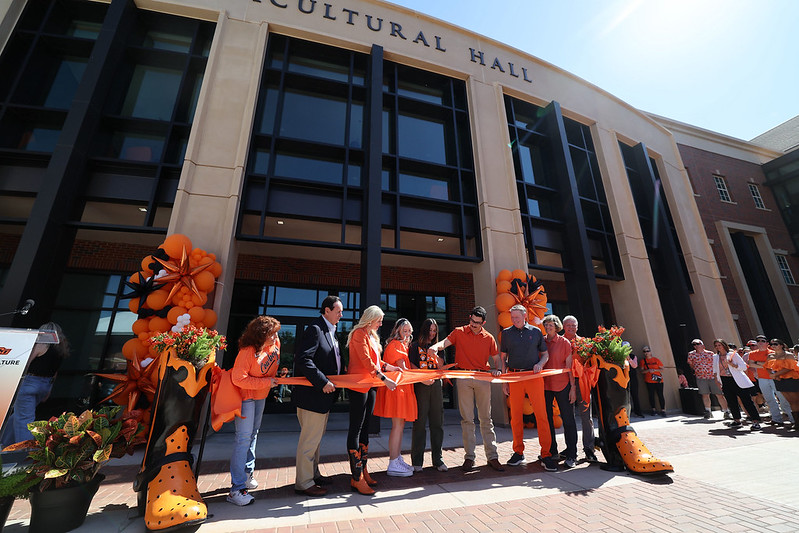
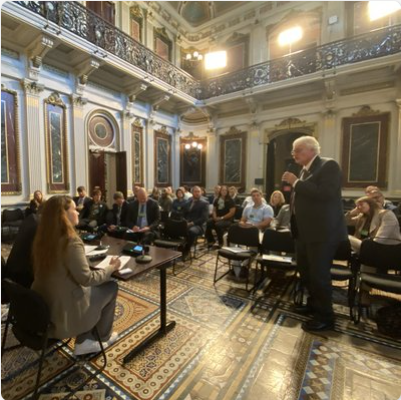

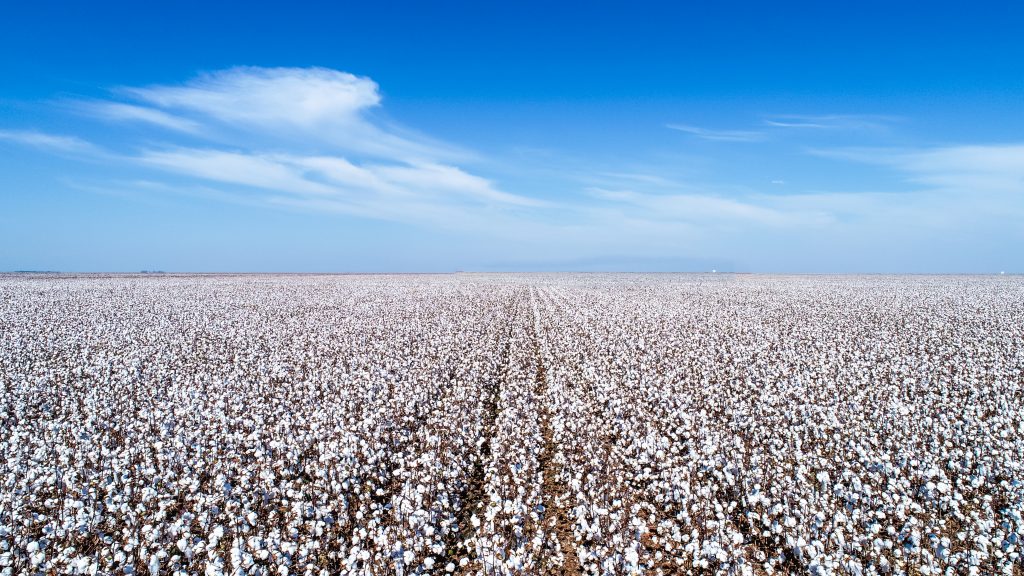
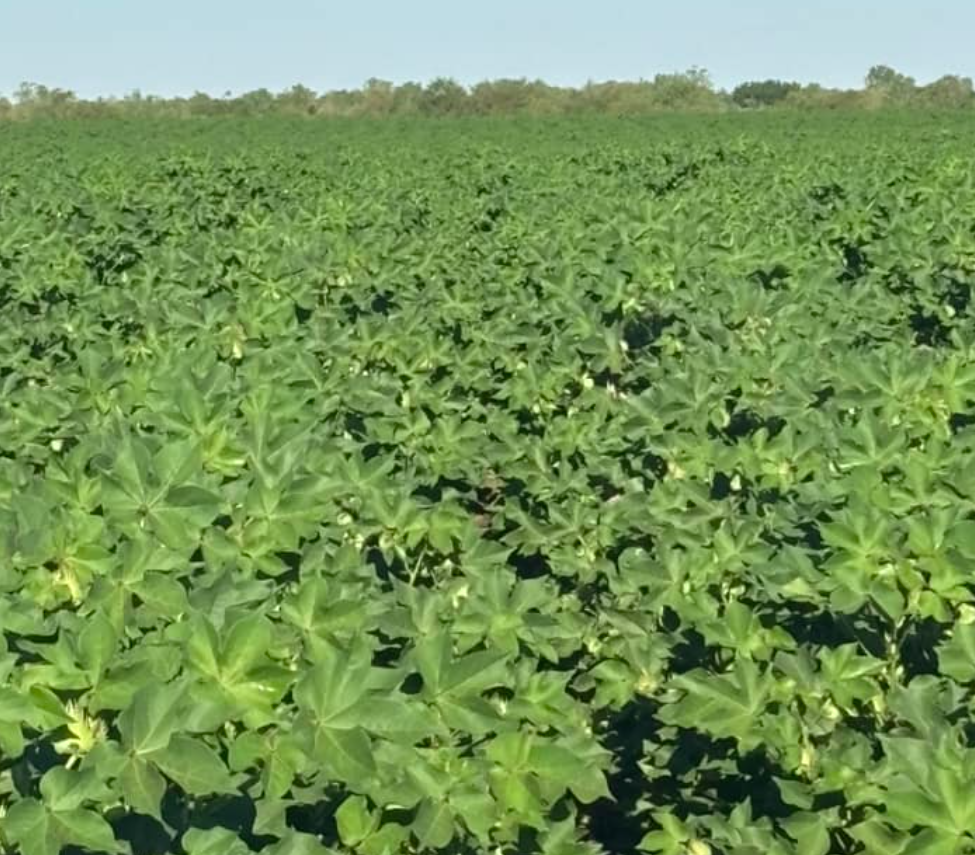



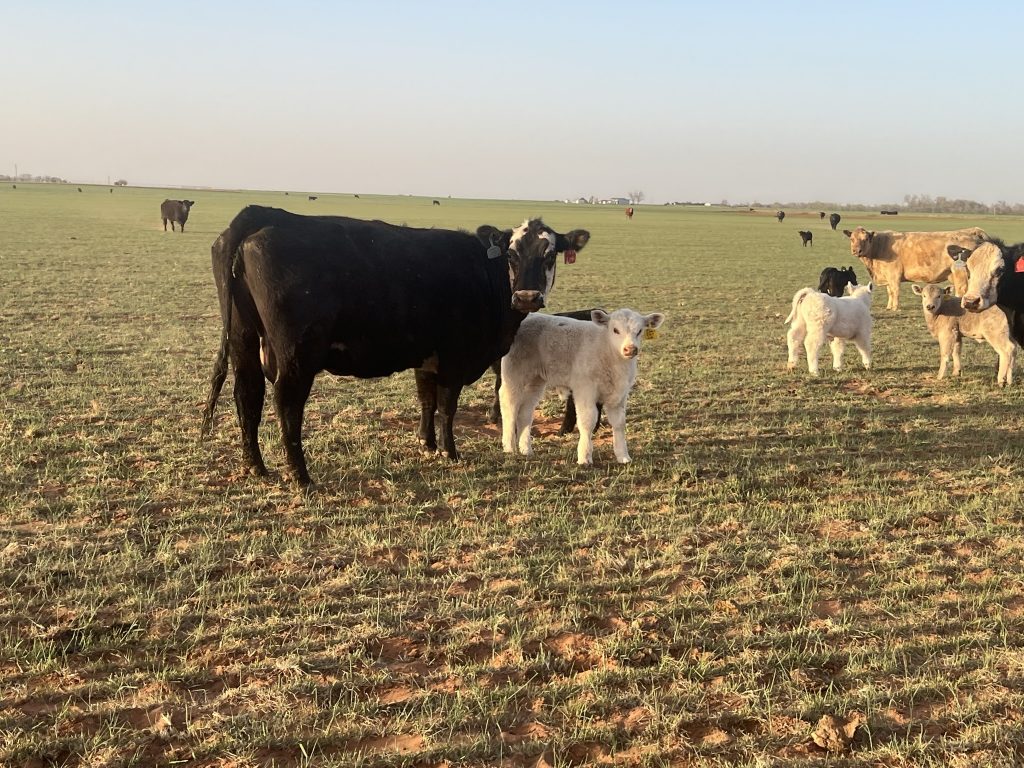
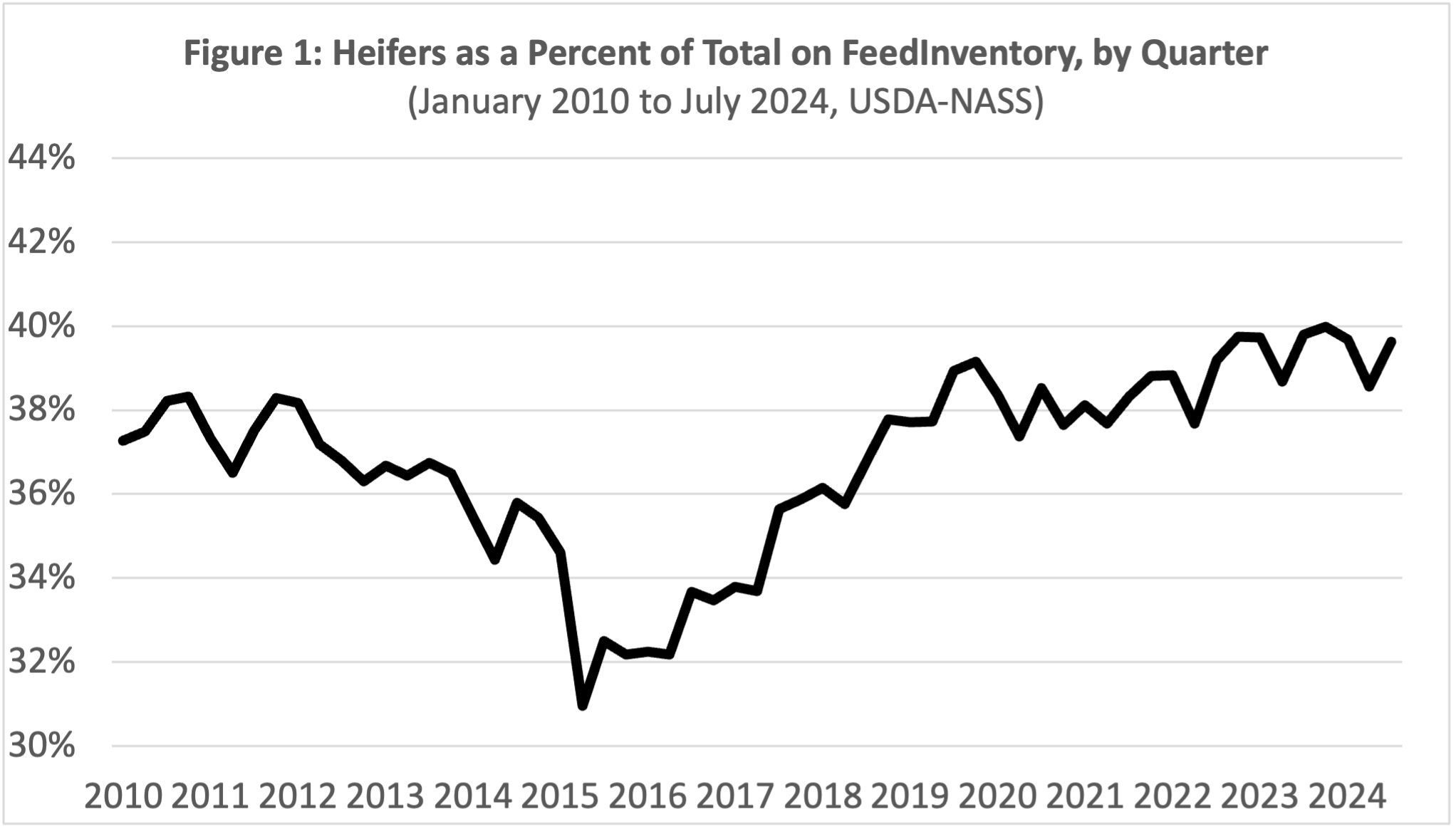

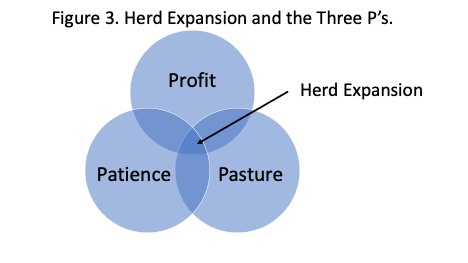
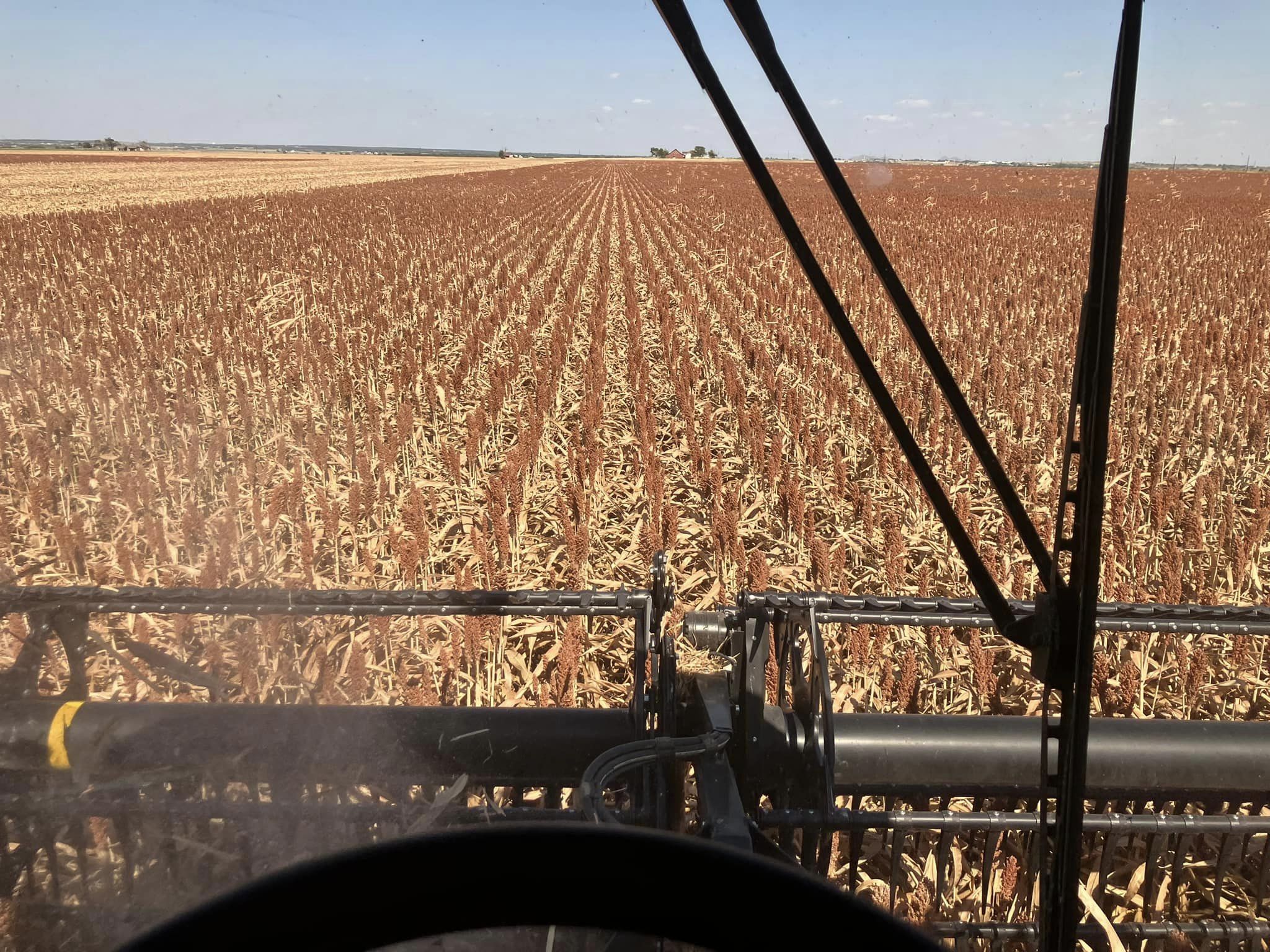


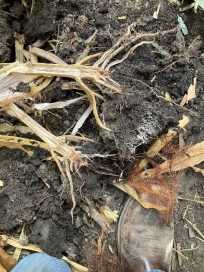
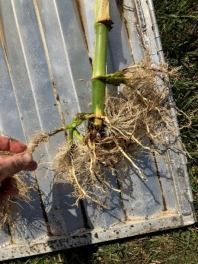
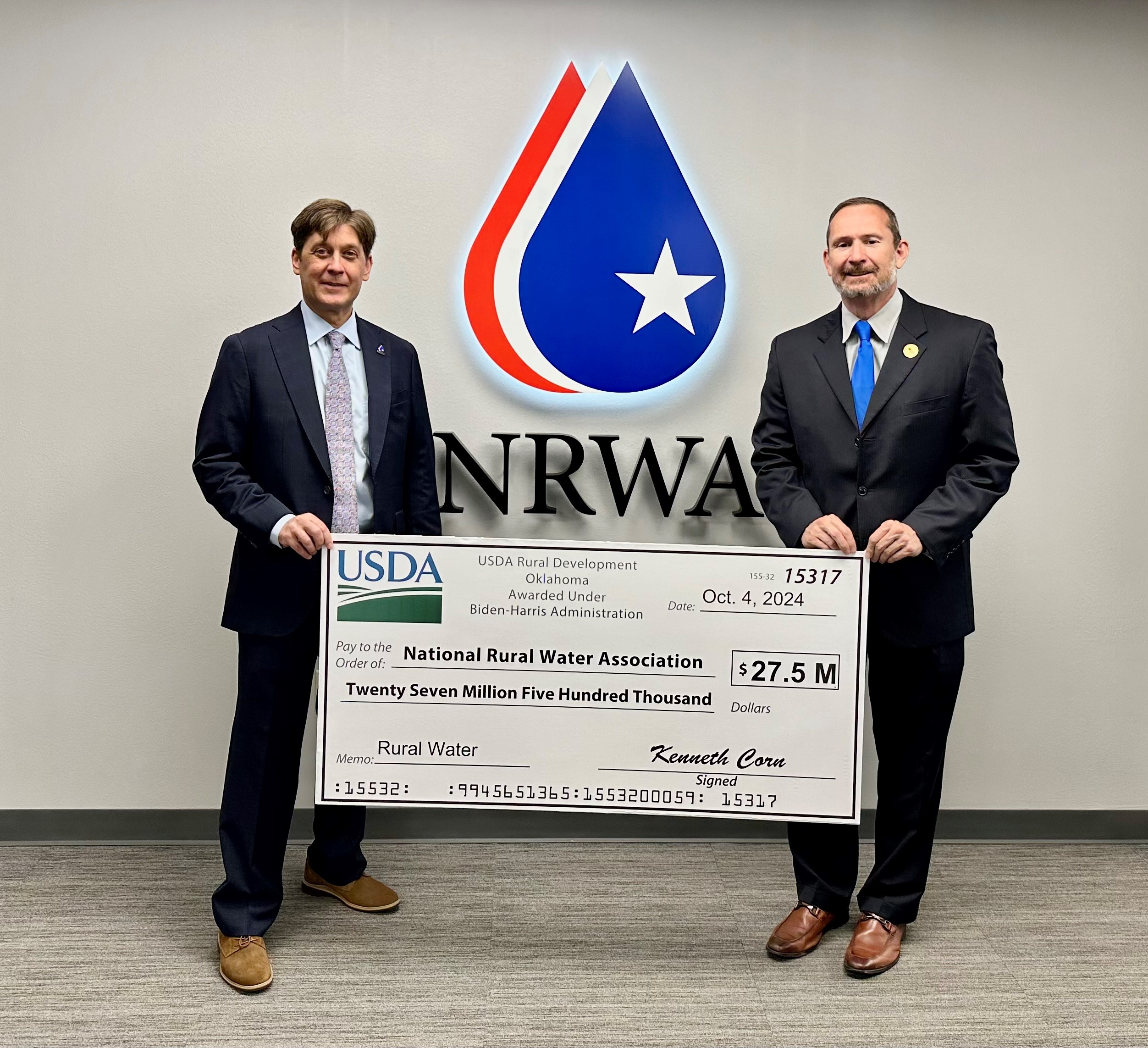
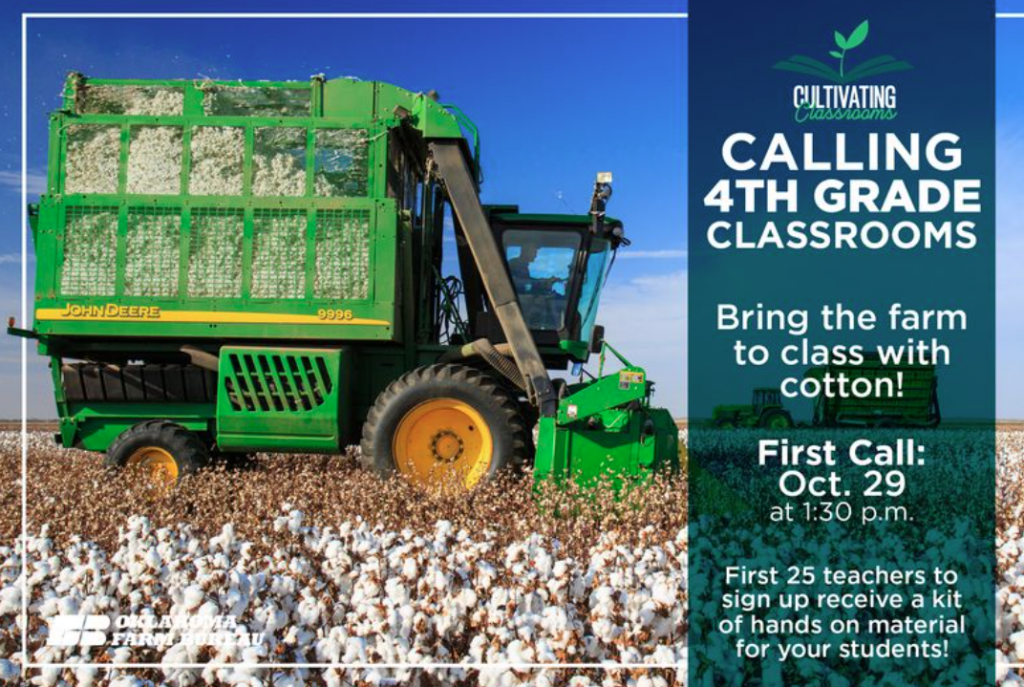
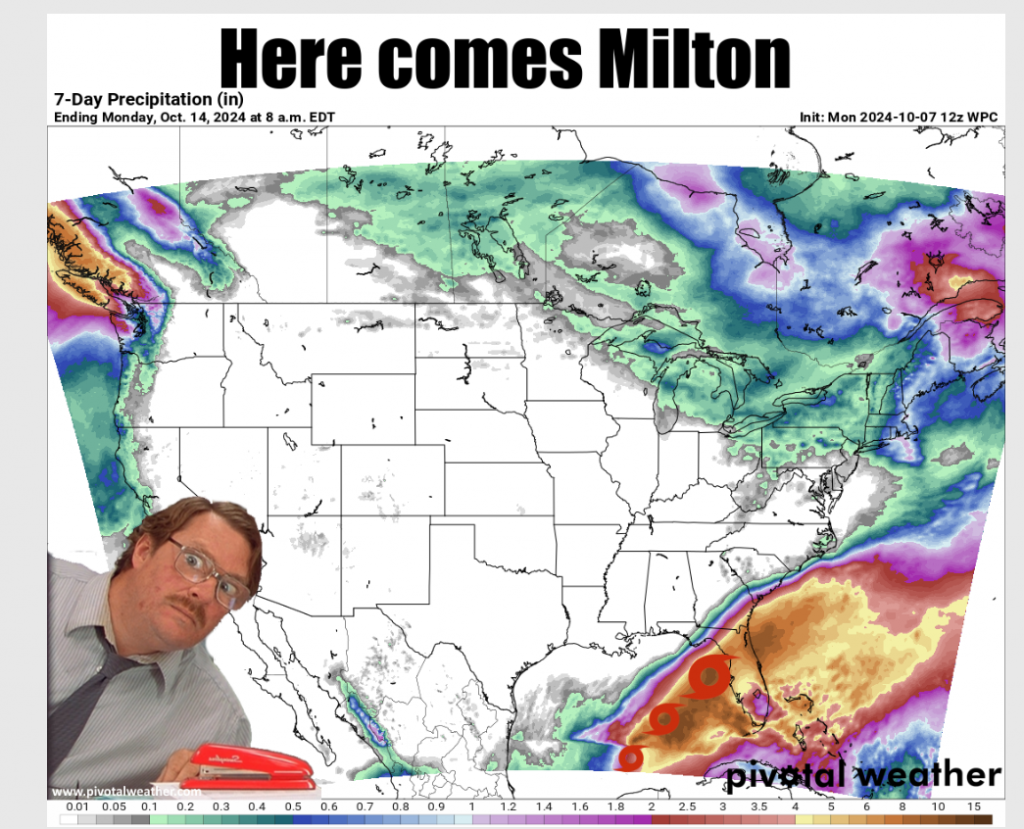
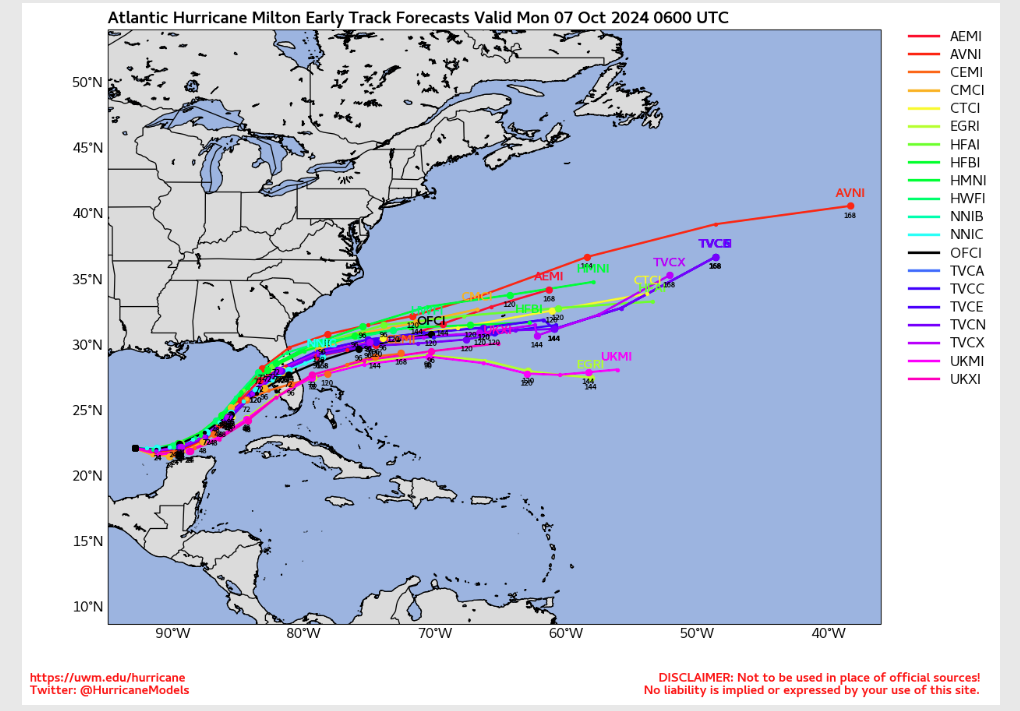
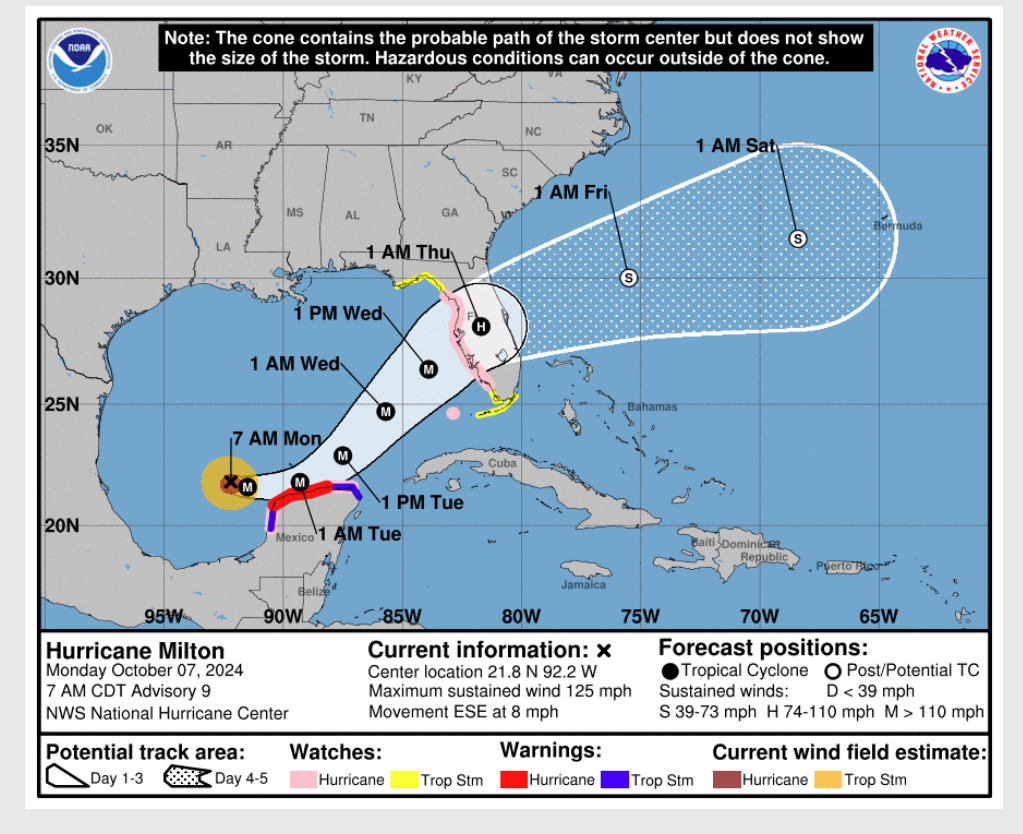
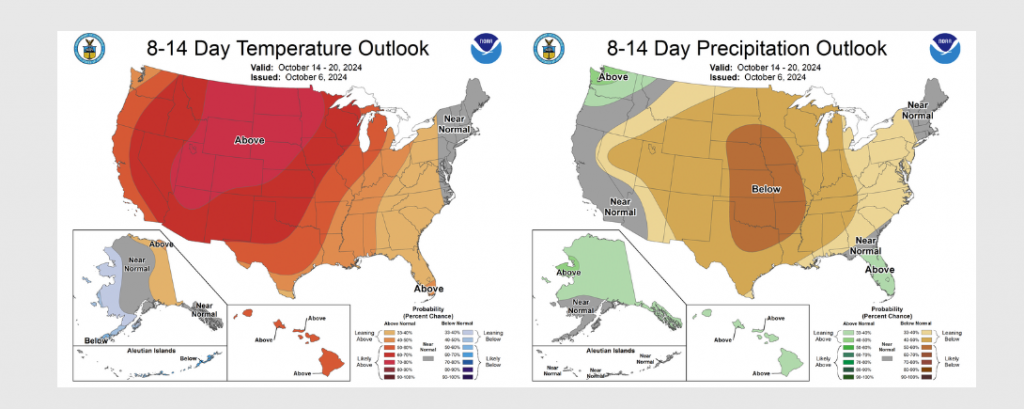
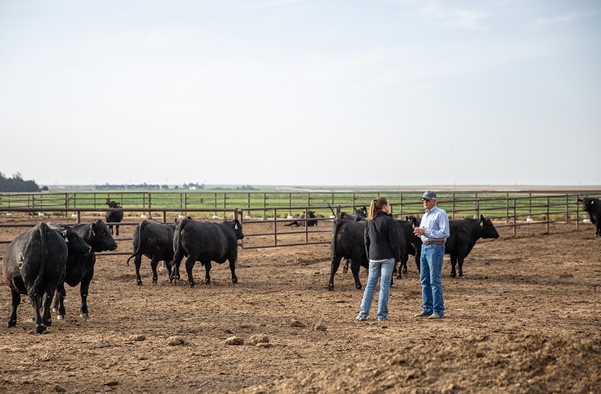
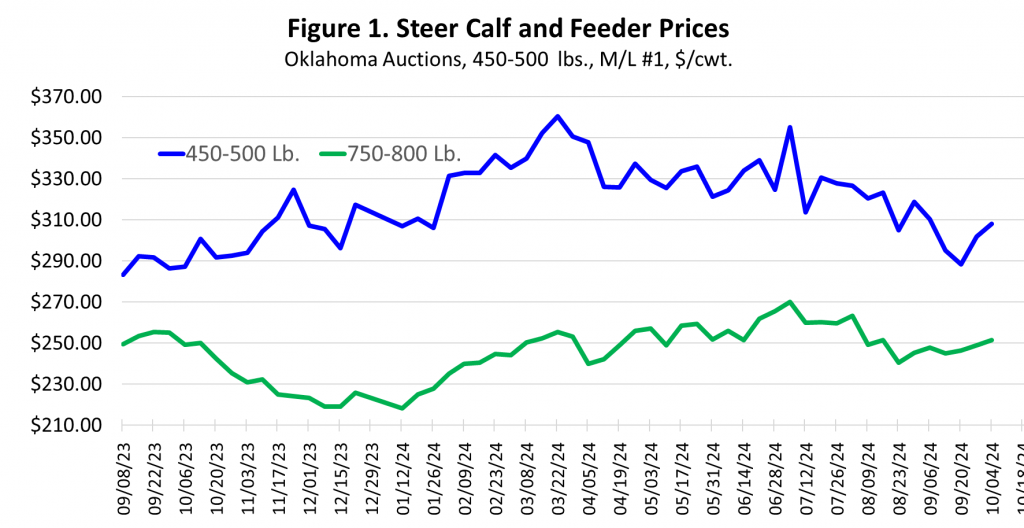
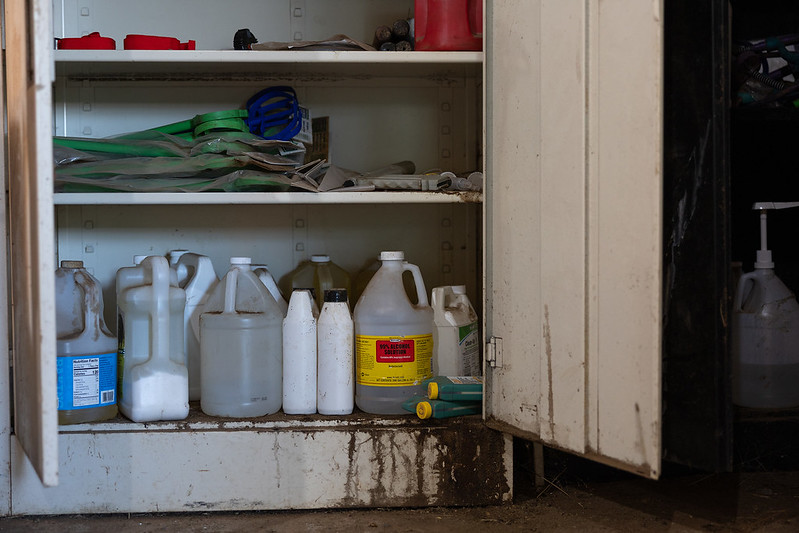



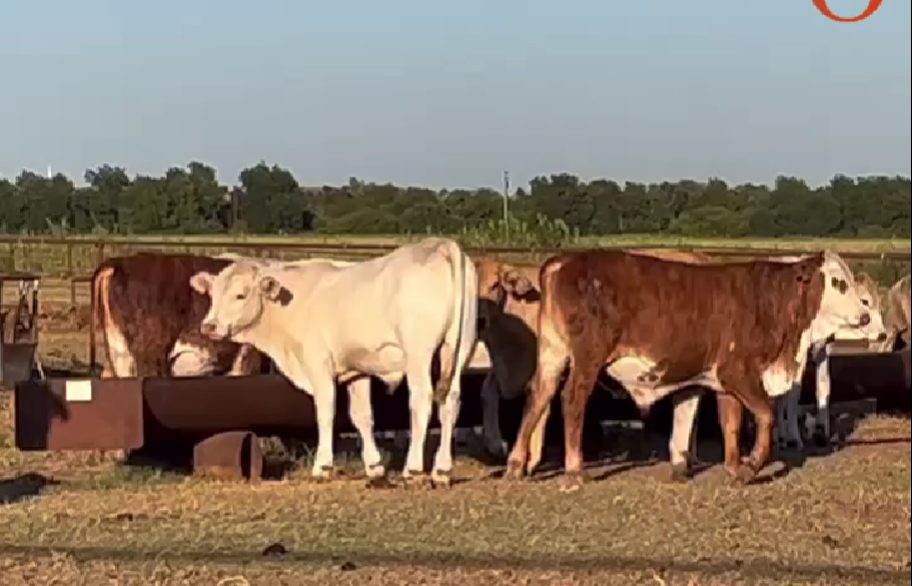
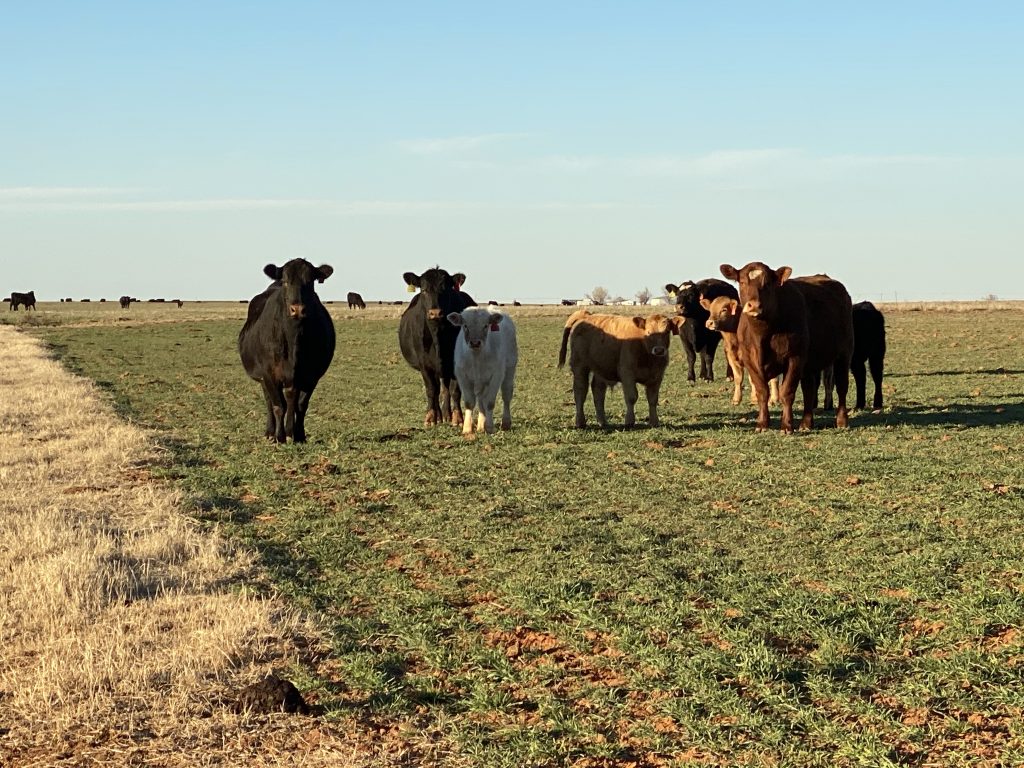
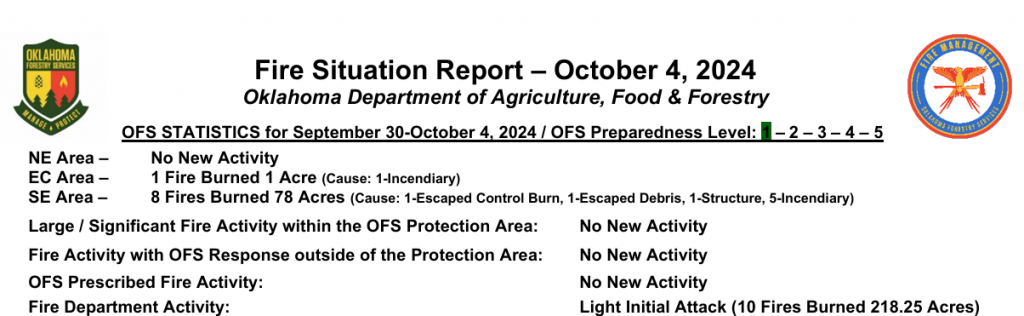
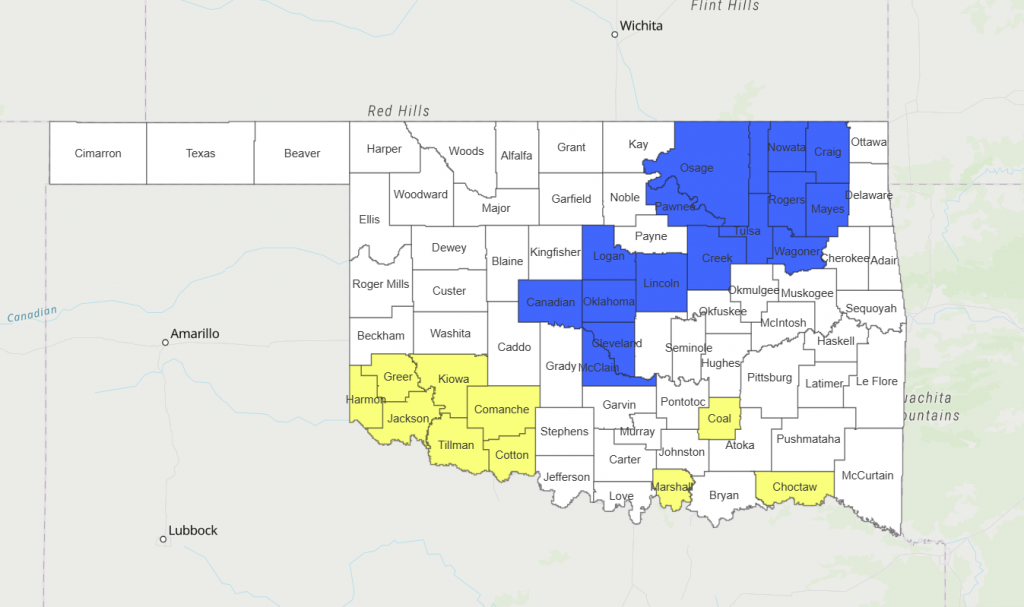

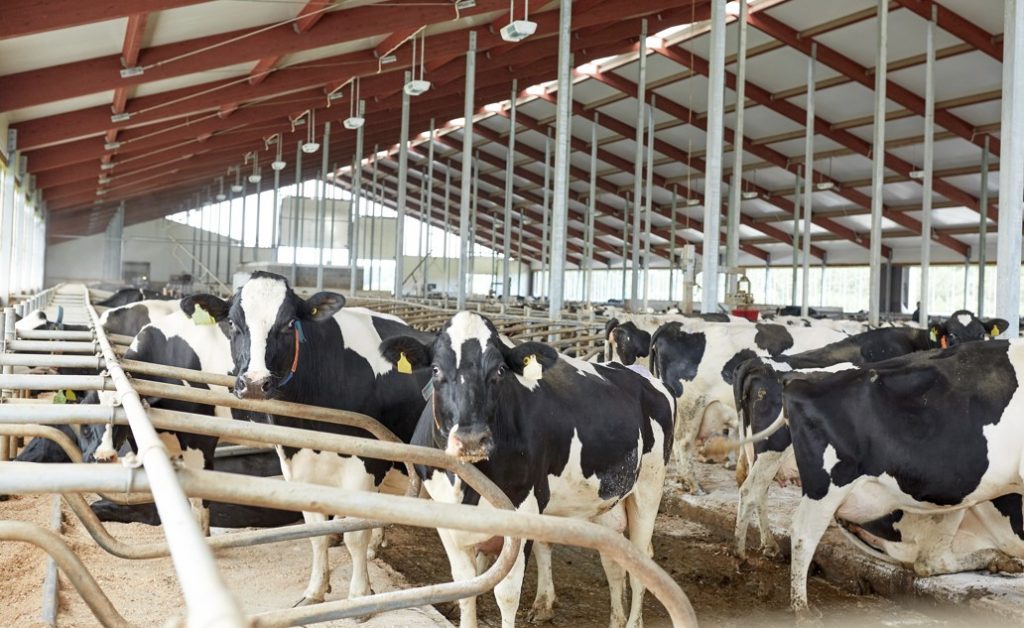


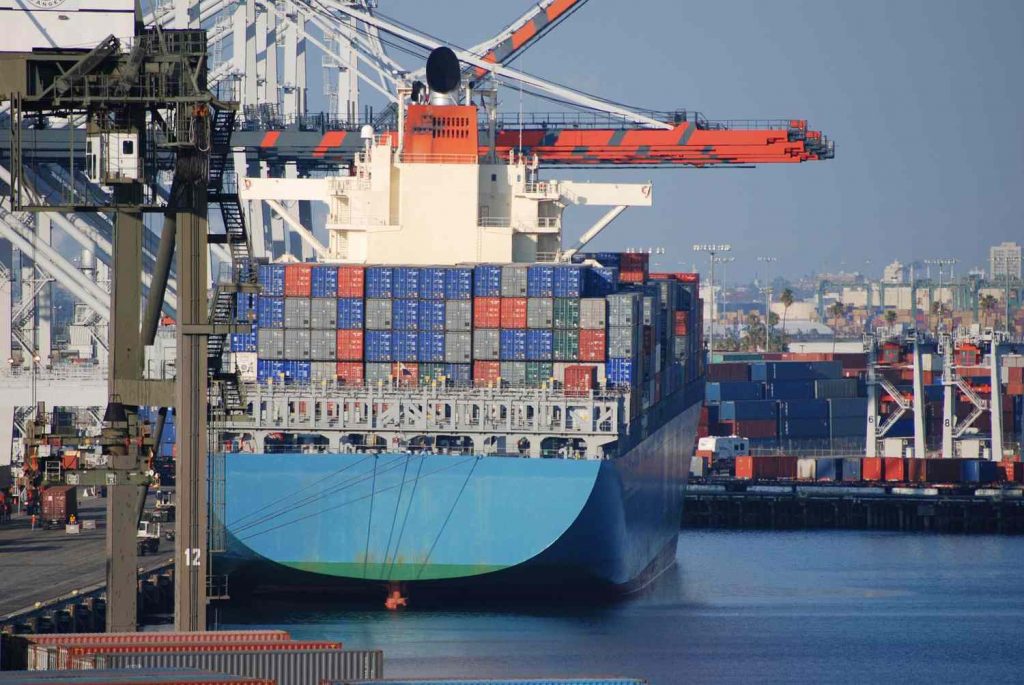
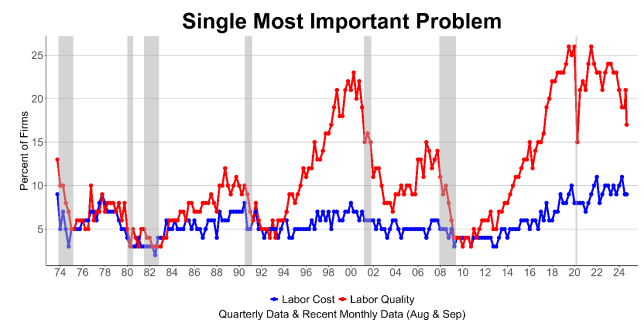



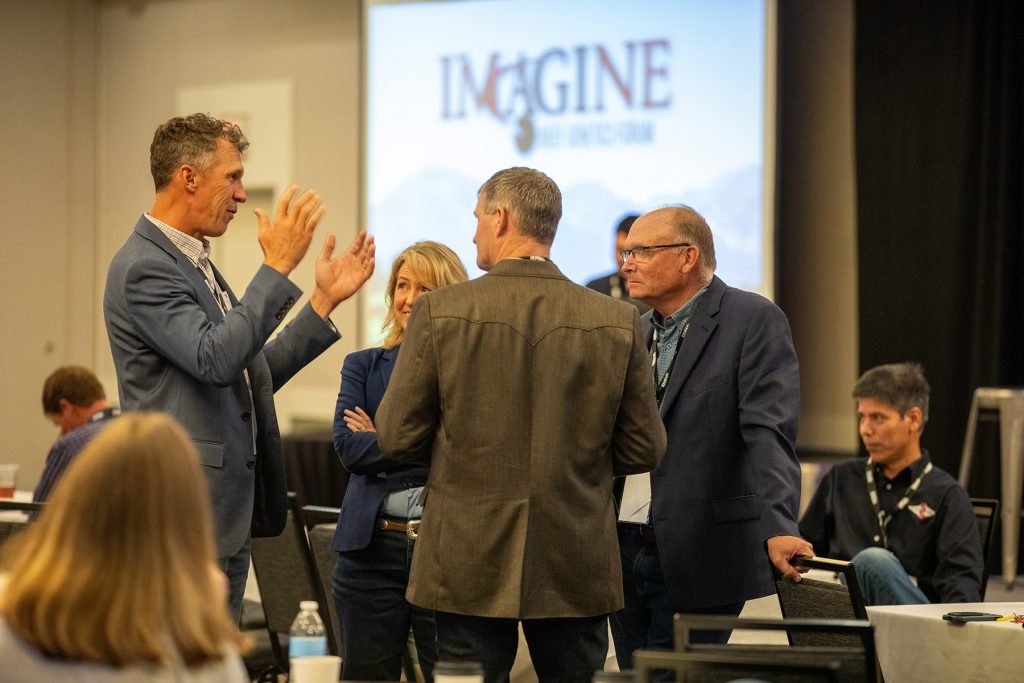
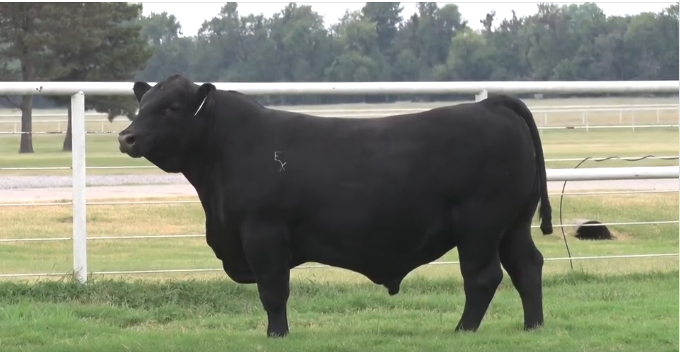
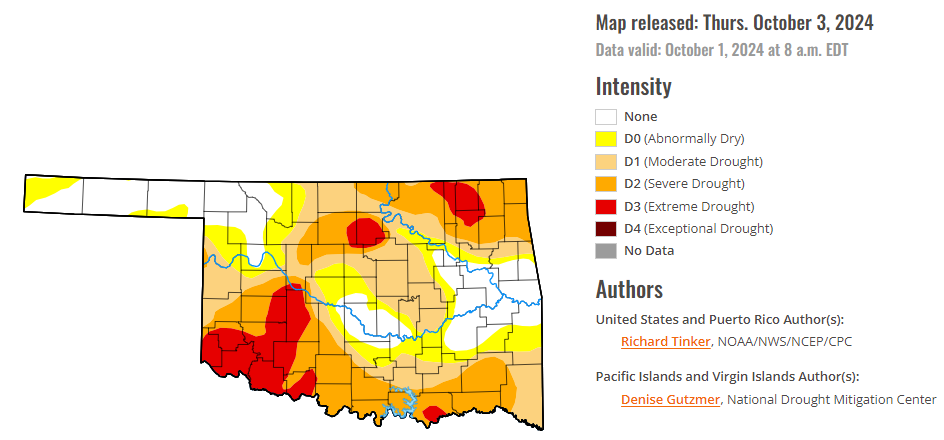
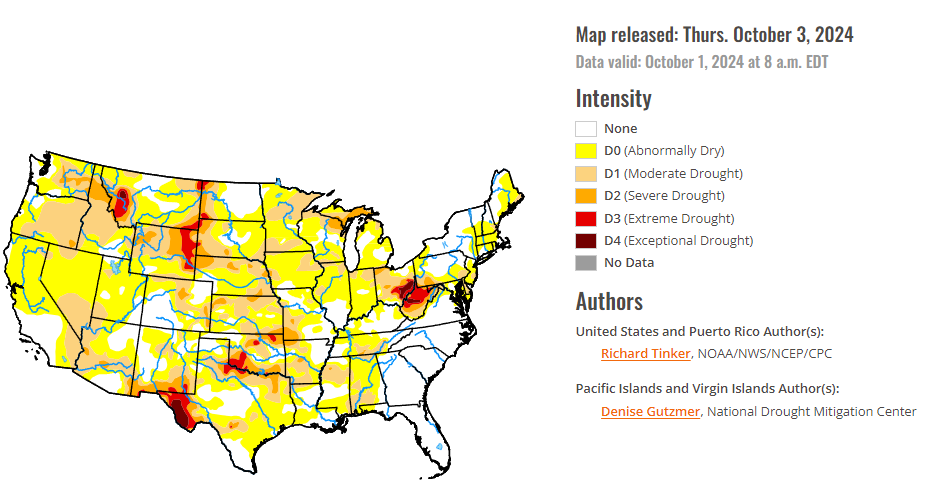
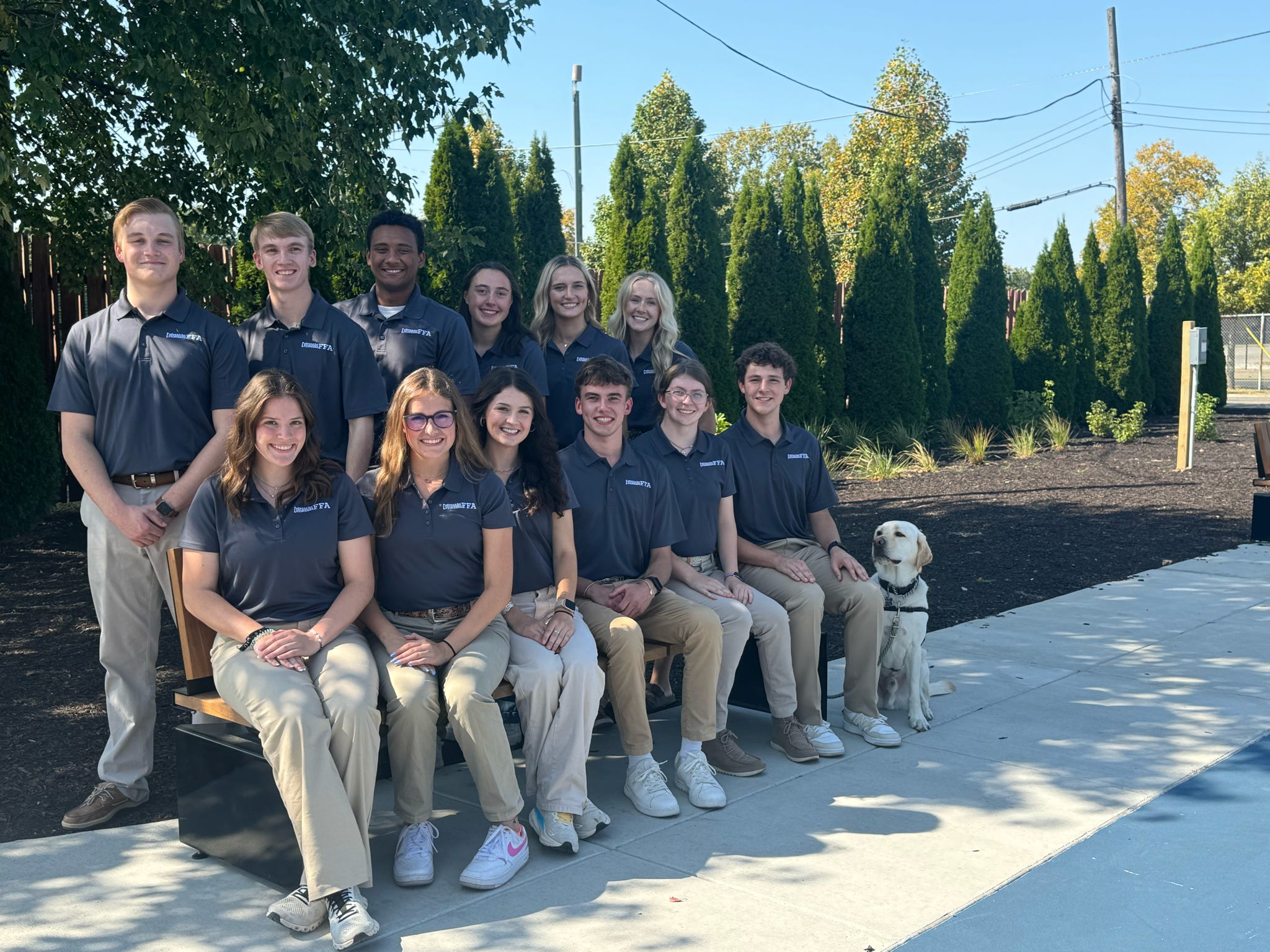
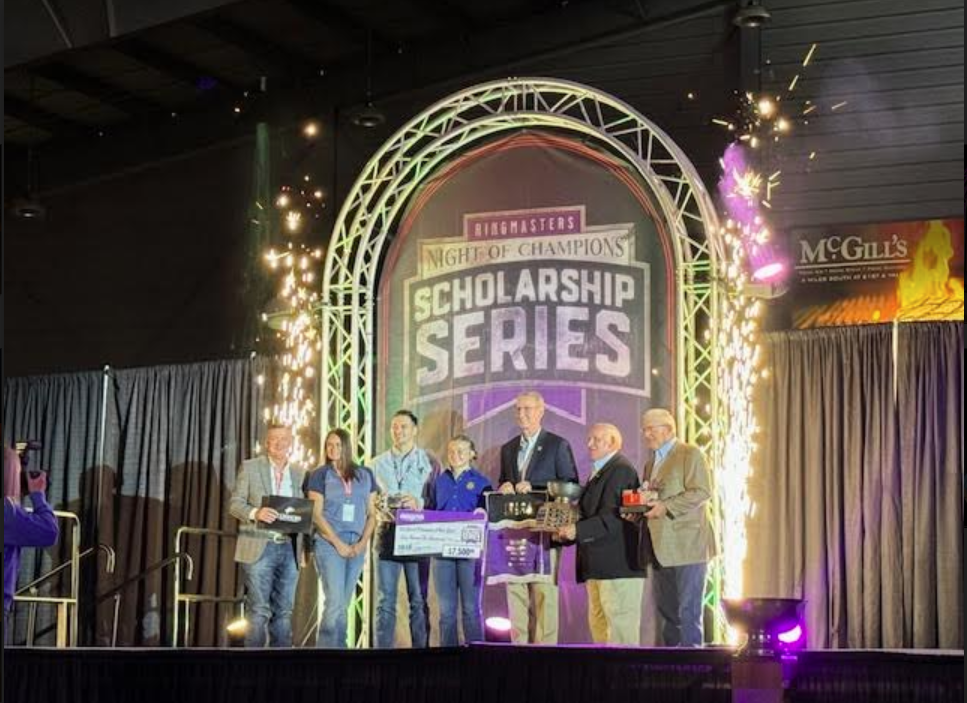
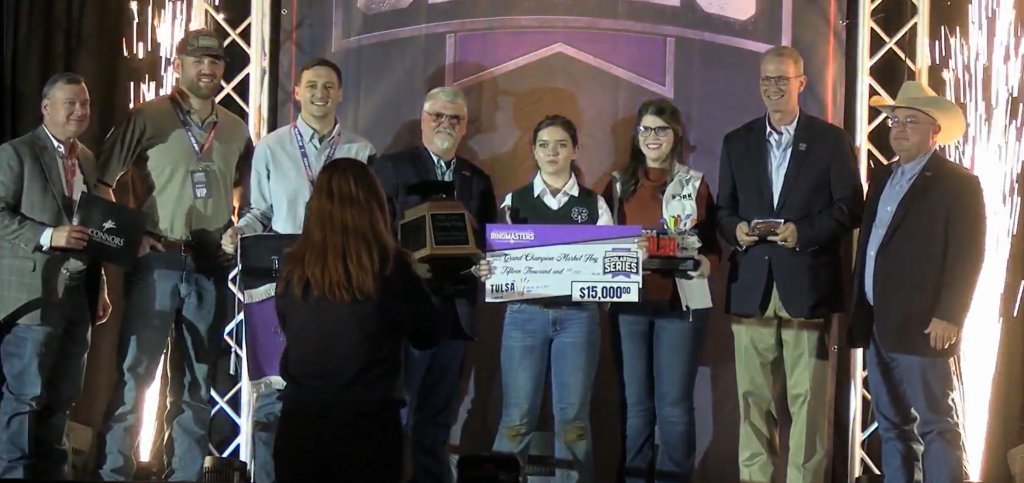
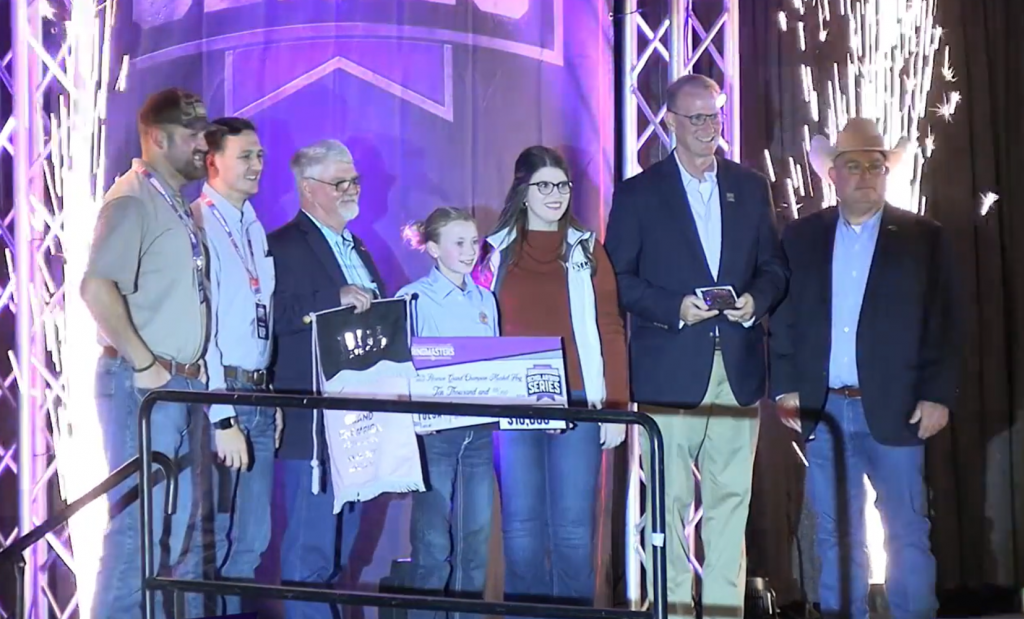

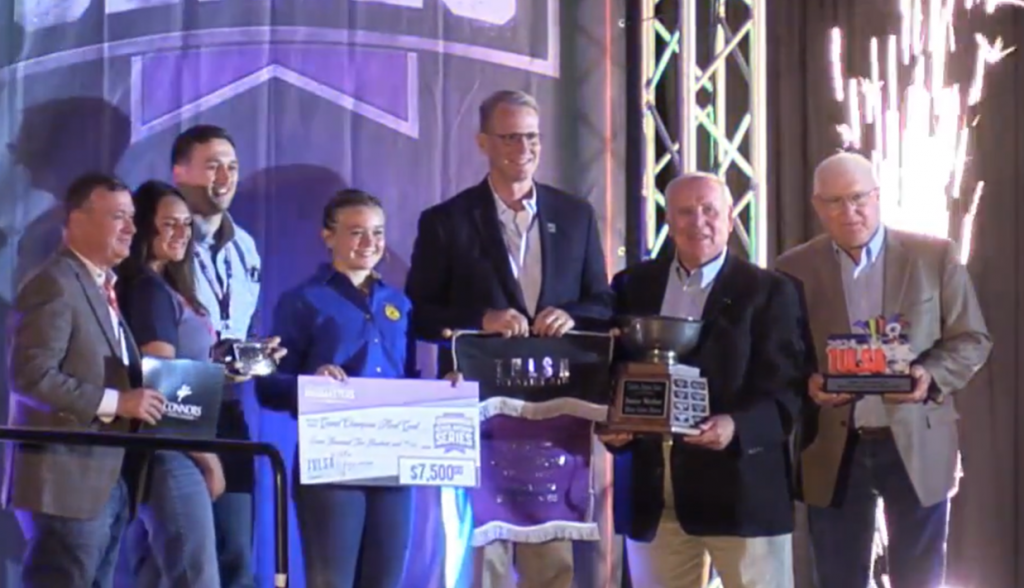
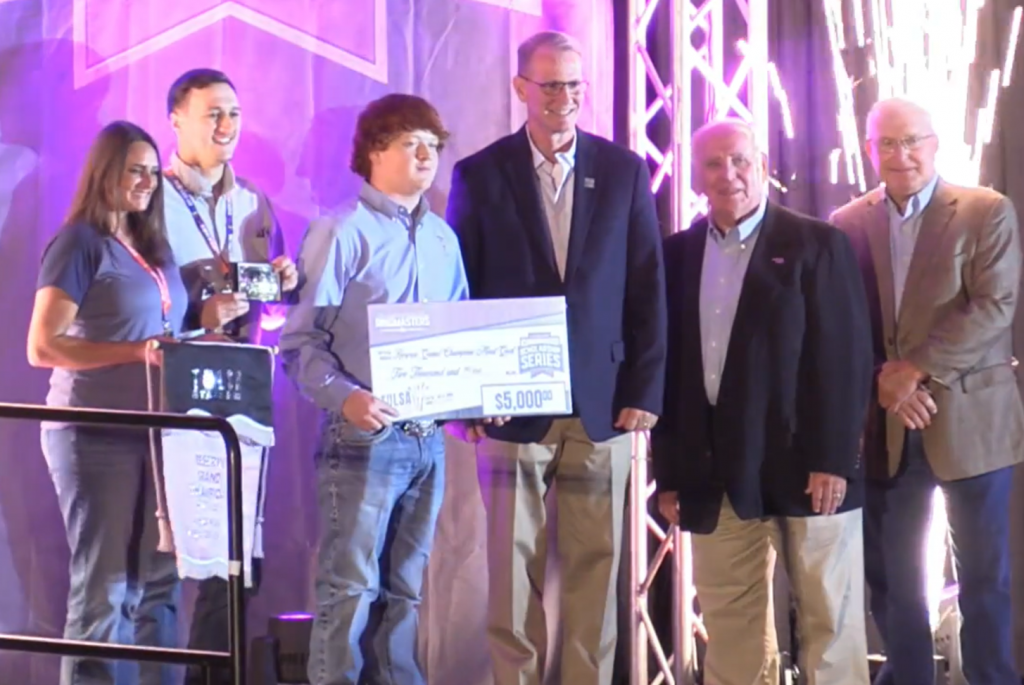
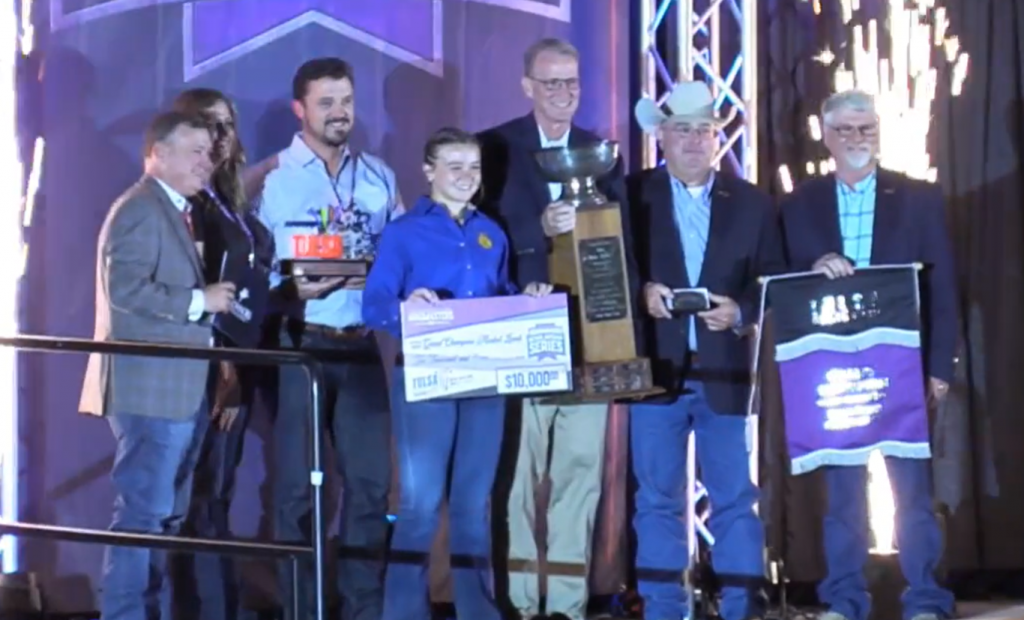

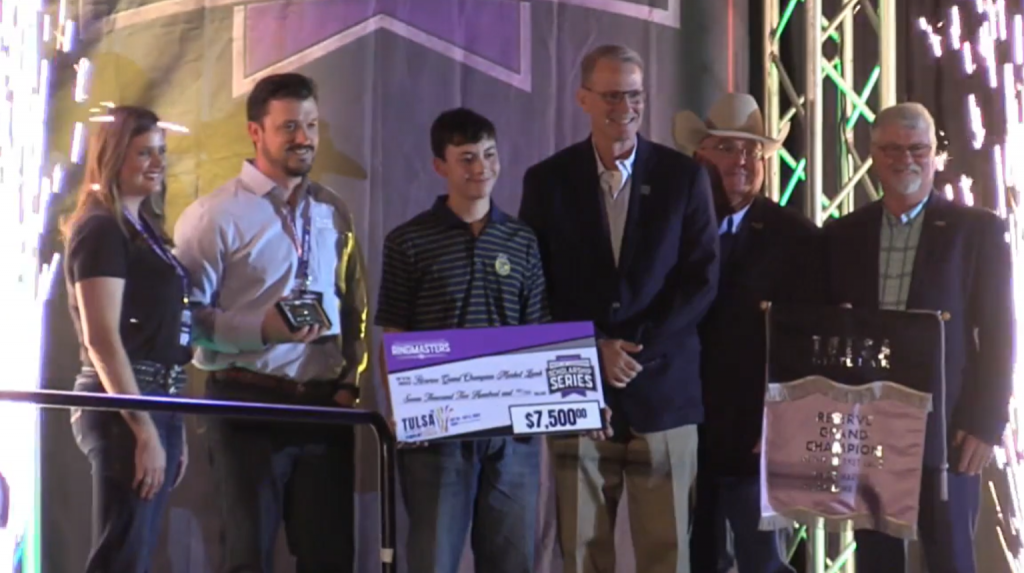

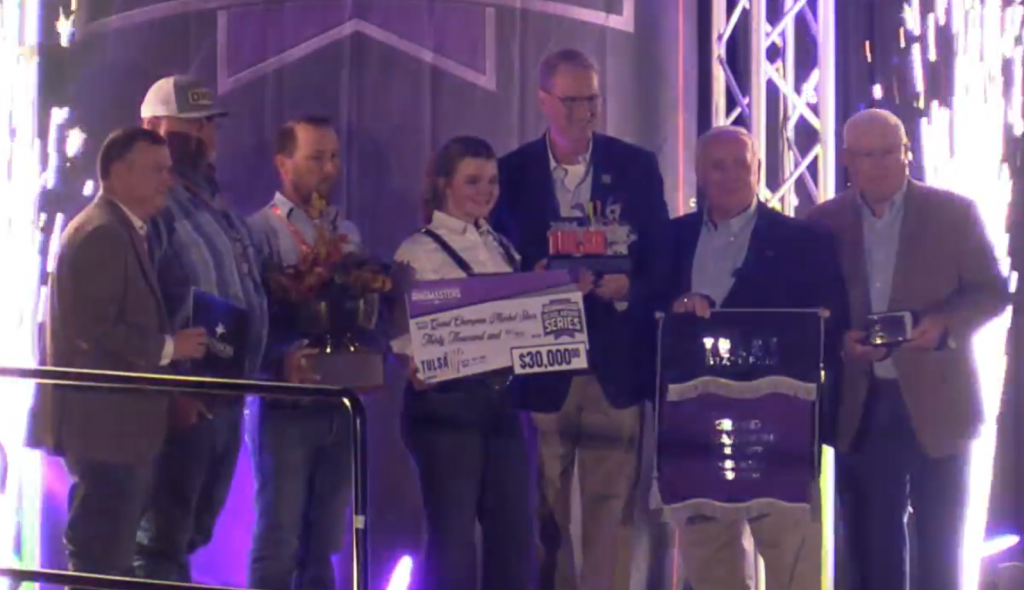
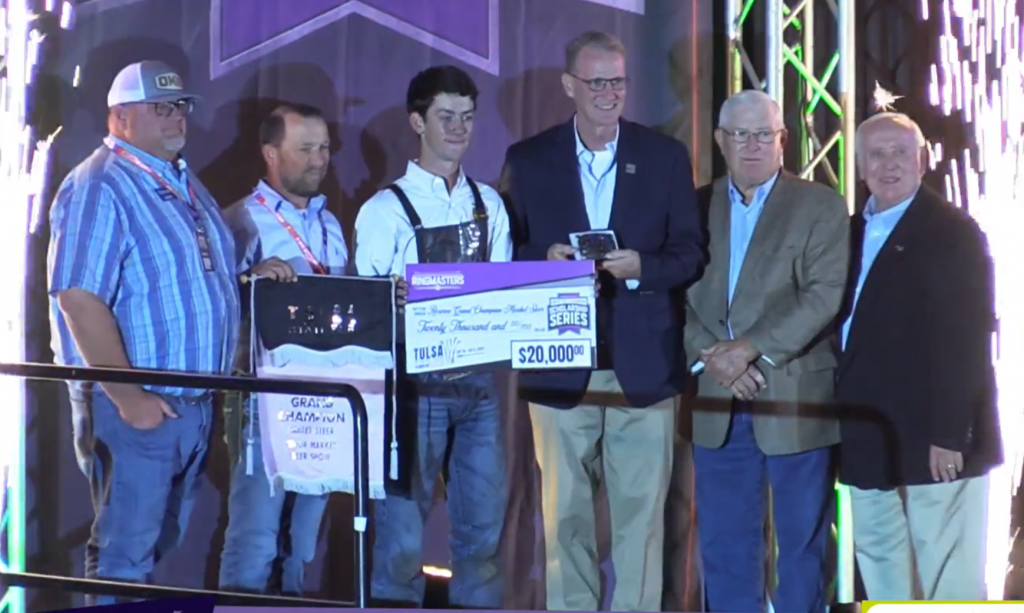


 The state's Business Conditions Index for August saw a decrease over last month.


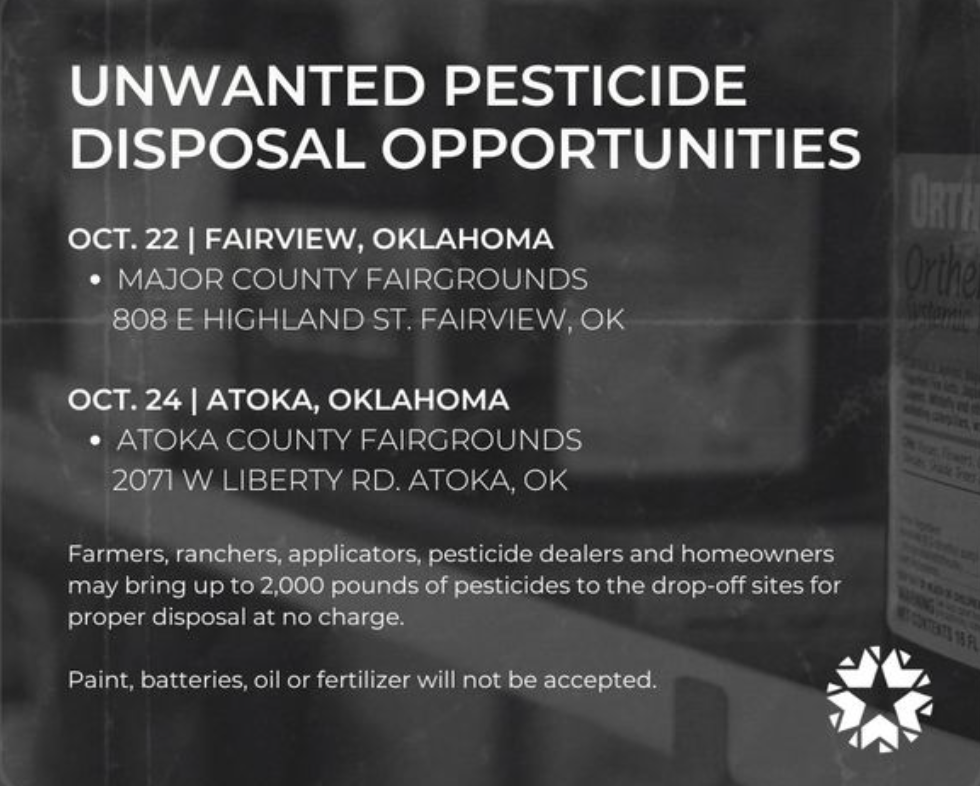
 Fairview - Oct. 22 at Major County Fairgrounds