Ag News Archives for 2025-11

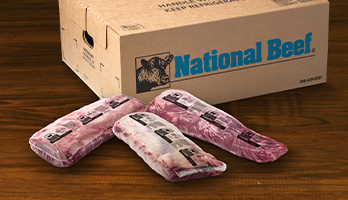
National Boxed Beef

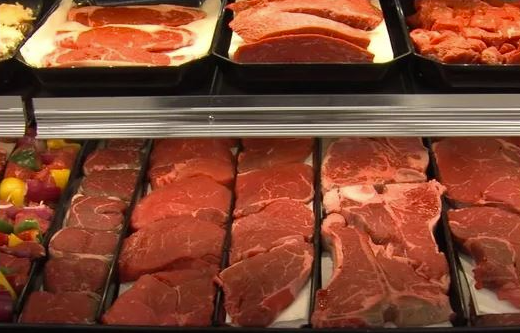
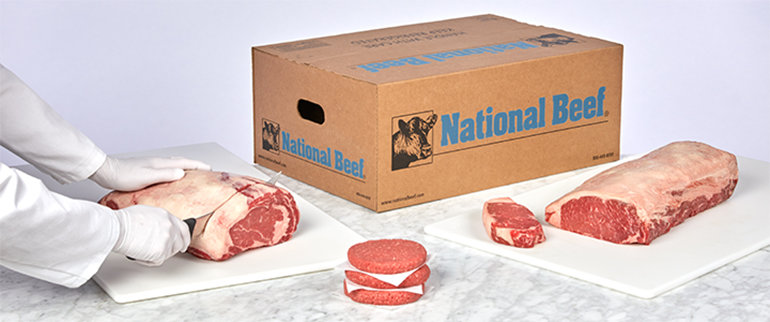
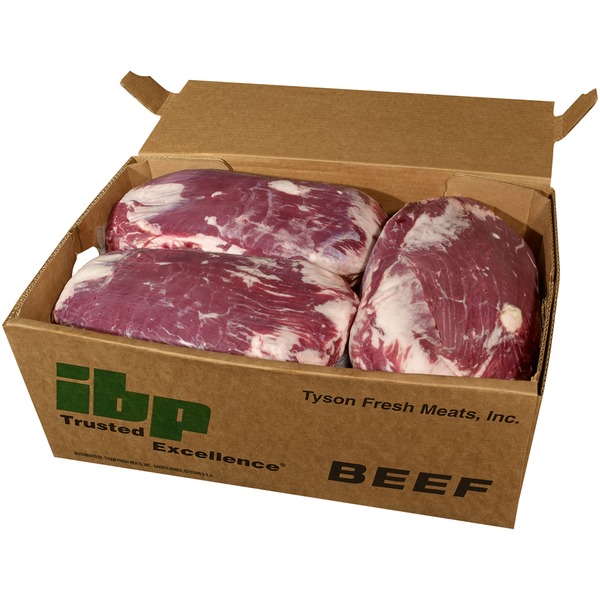
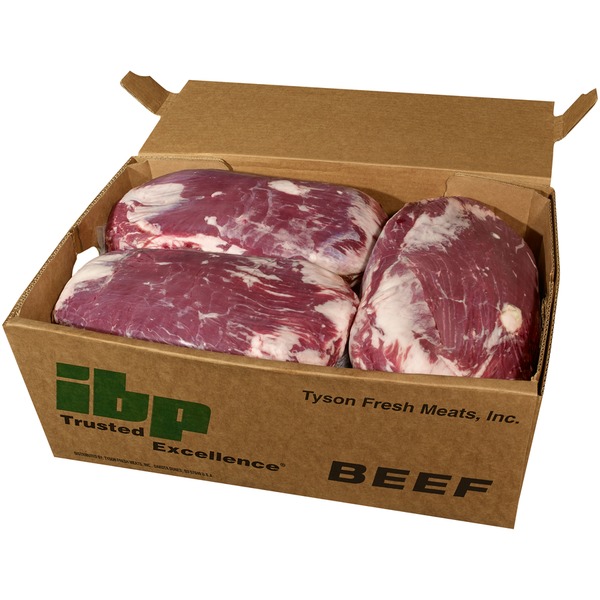
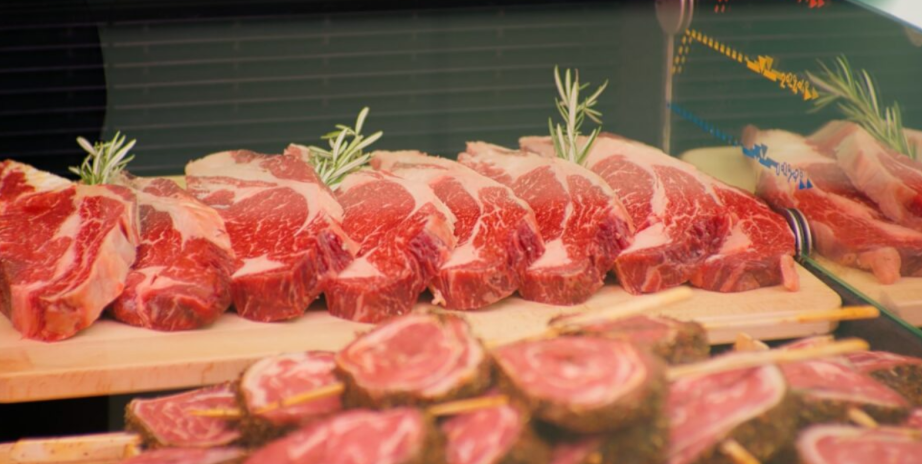
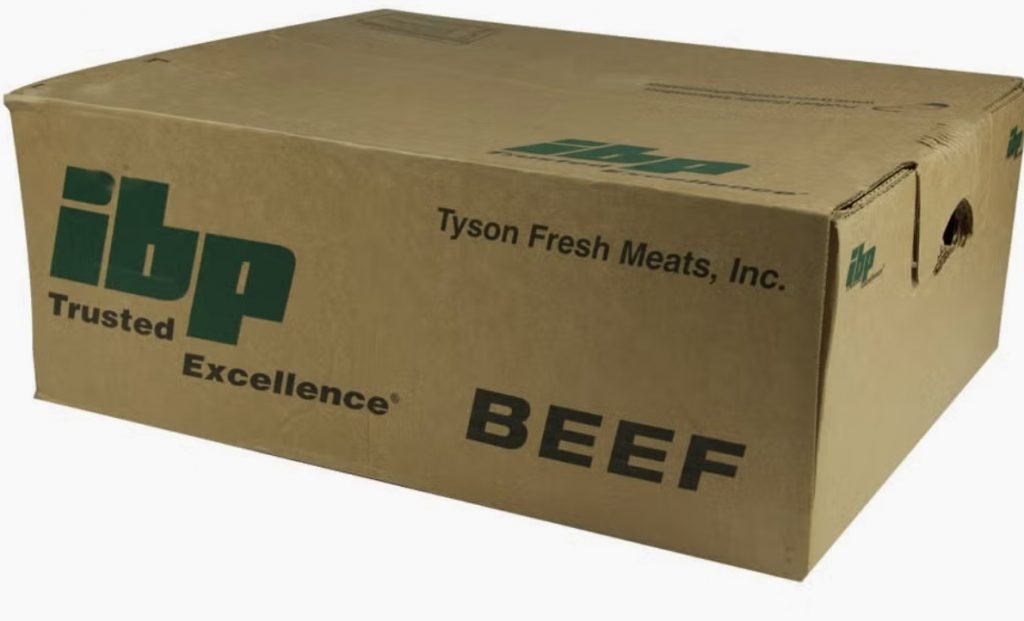
Choice Boxed Beef Ends November Down $1.46 at $366.82

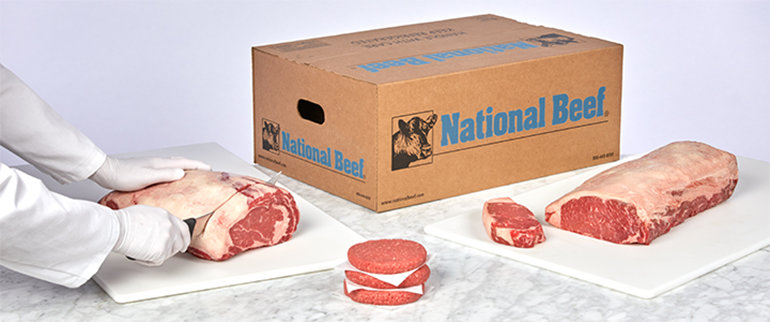
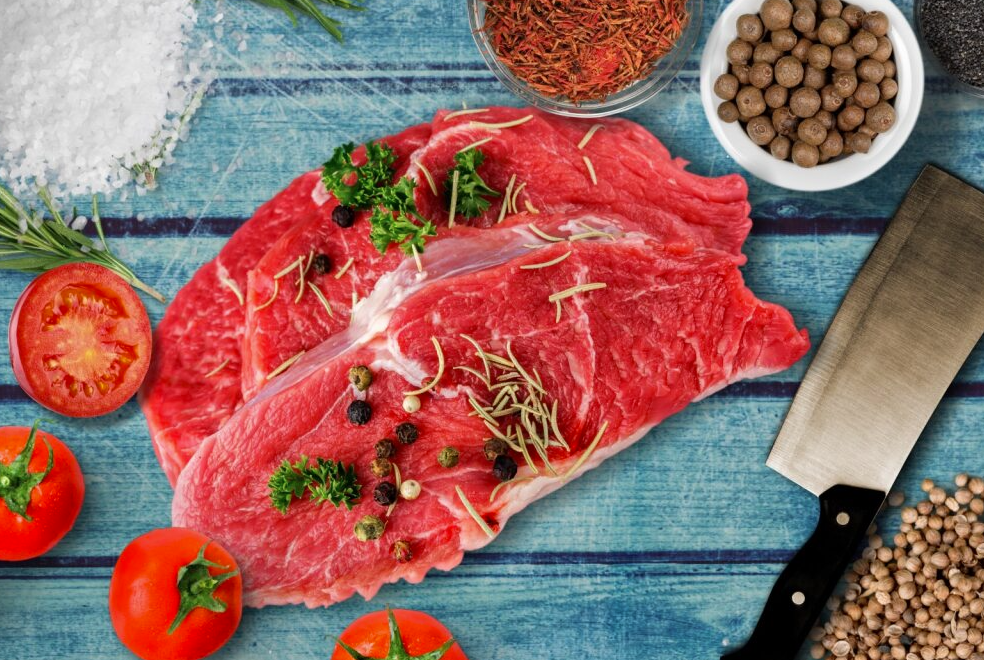
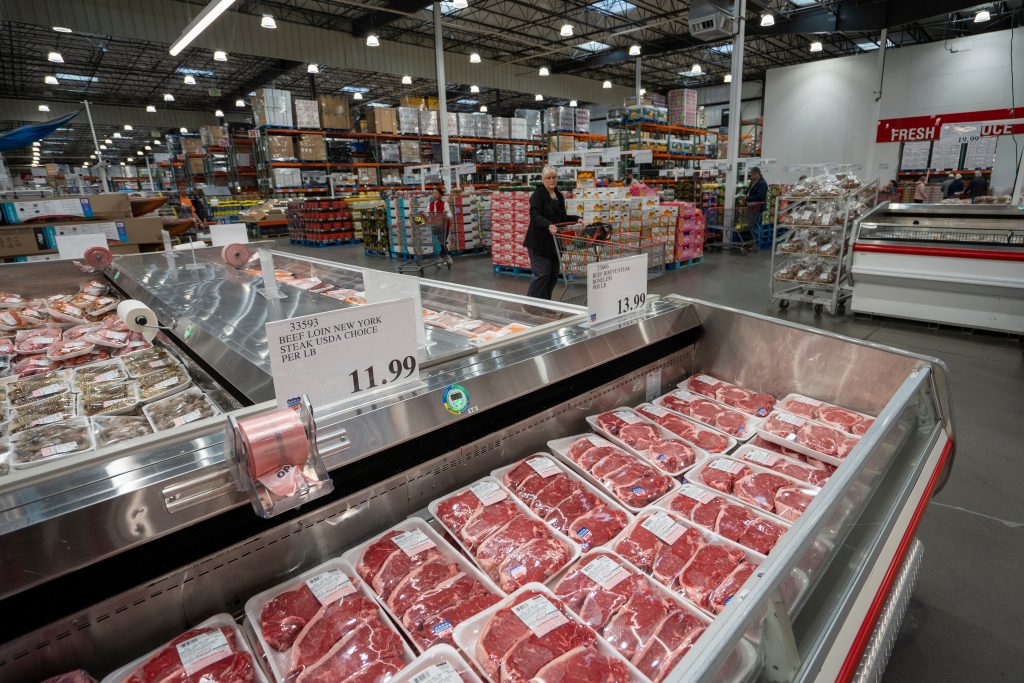
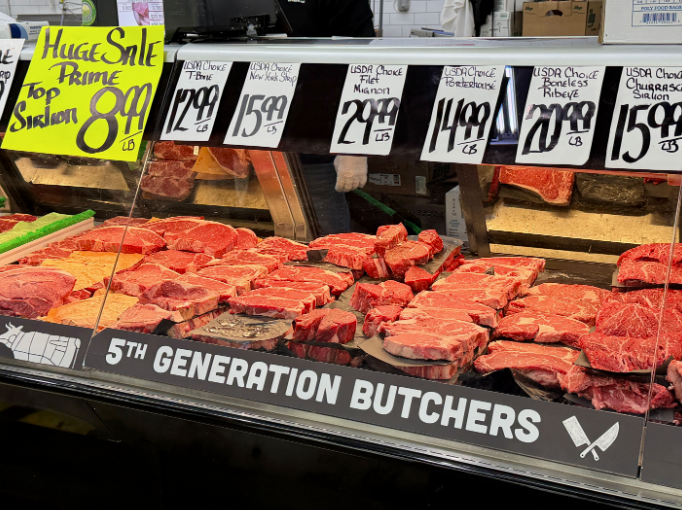
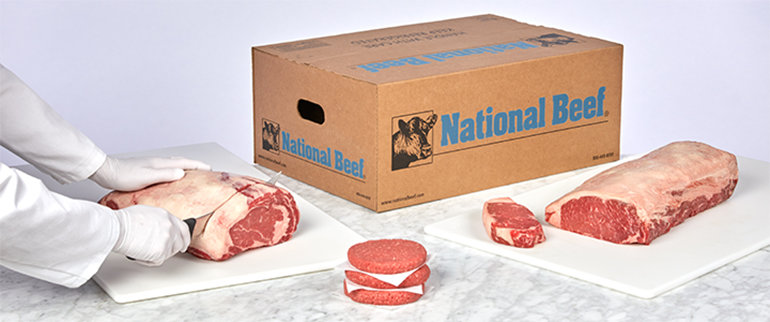
Boxed beef values on Friday showed declines compared to Wednesday, as no report was issued Thursday due to Thanksgiving. Choice closed at $366.82, down $1.46 from Wednesday's $368.28, while Select finished at $351.05, down $4.46 from $355.51. The Choice/Select spread widened to 15.77, compared to 12.77 on Wednesday. Choice was also down $4.66 from the previous Friday.

Across the primals, Friday levels were mixed compared to Wednesday. The rib moved from $645.88 to $637.12, while the chuck rose slightly from $292.28 to $293.89. The round held nearly steady at $295.91 compared to $295.98, and the loin eased from $481.38 to $476.98. Brisket increased from $319.48 to $325.60, while the plate declined from $250.23 to $247.01, and the flank slipped from $181.94 to $179.94.

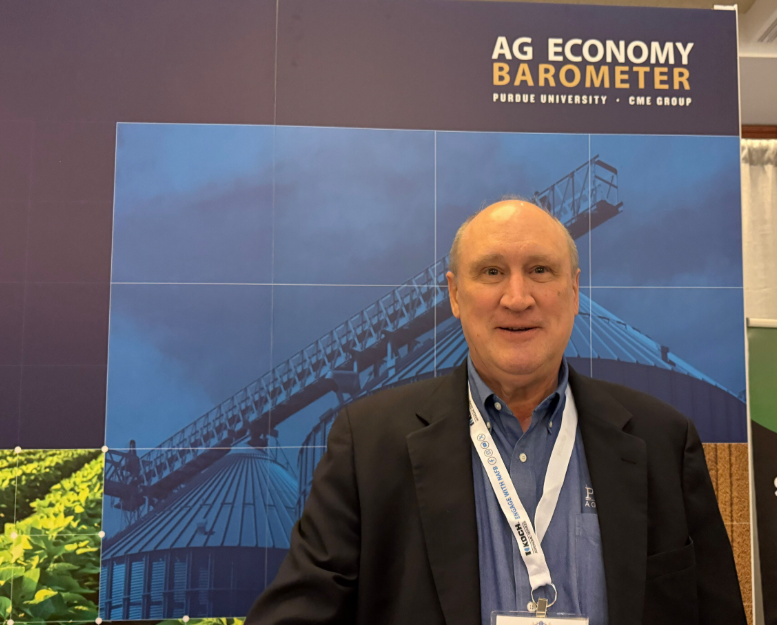
Ag Economy Barometer Michael Langemeier

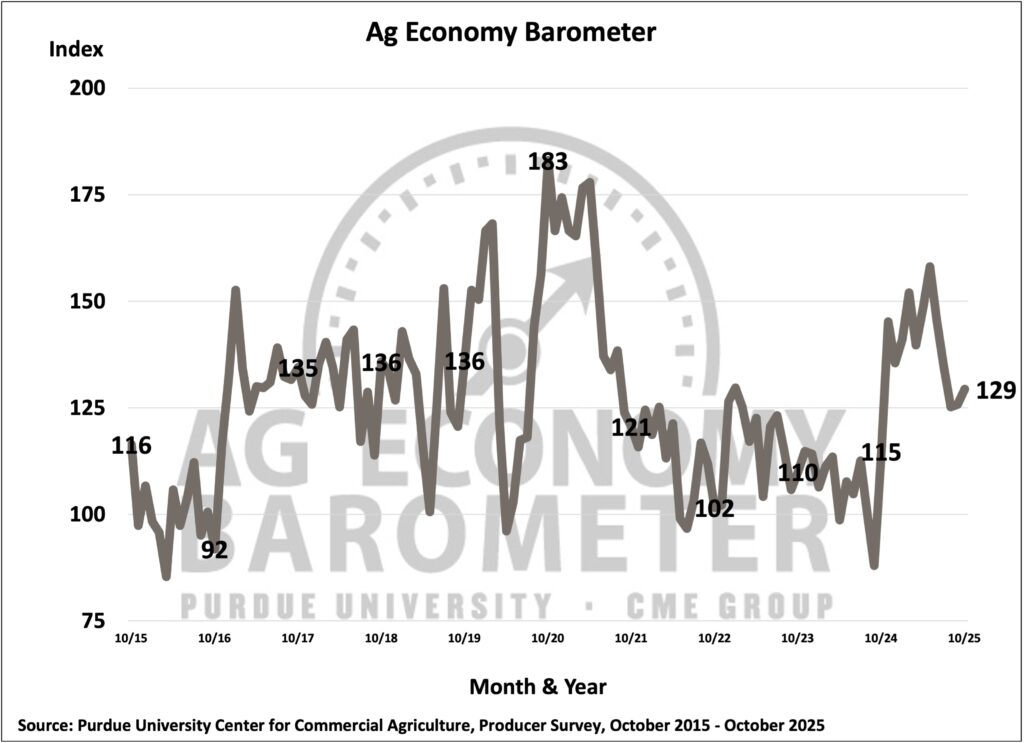
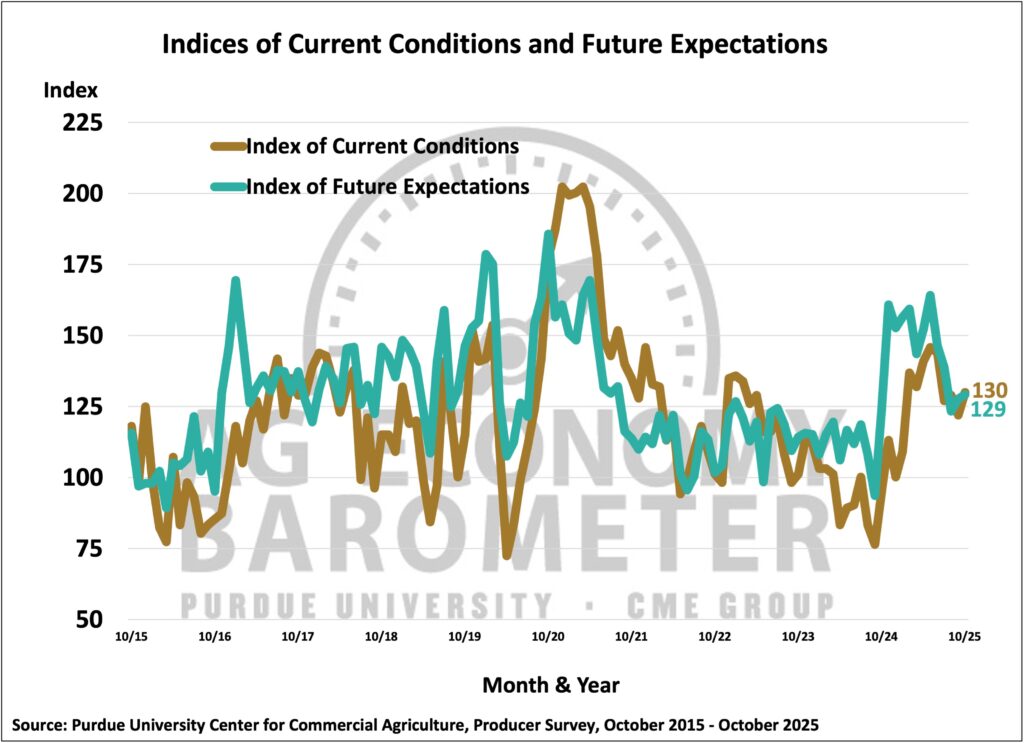
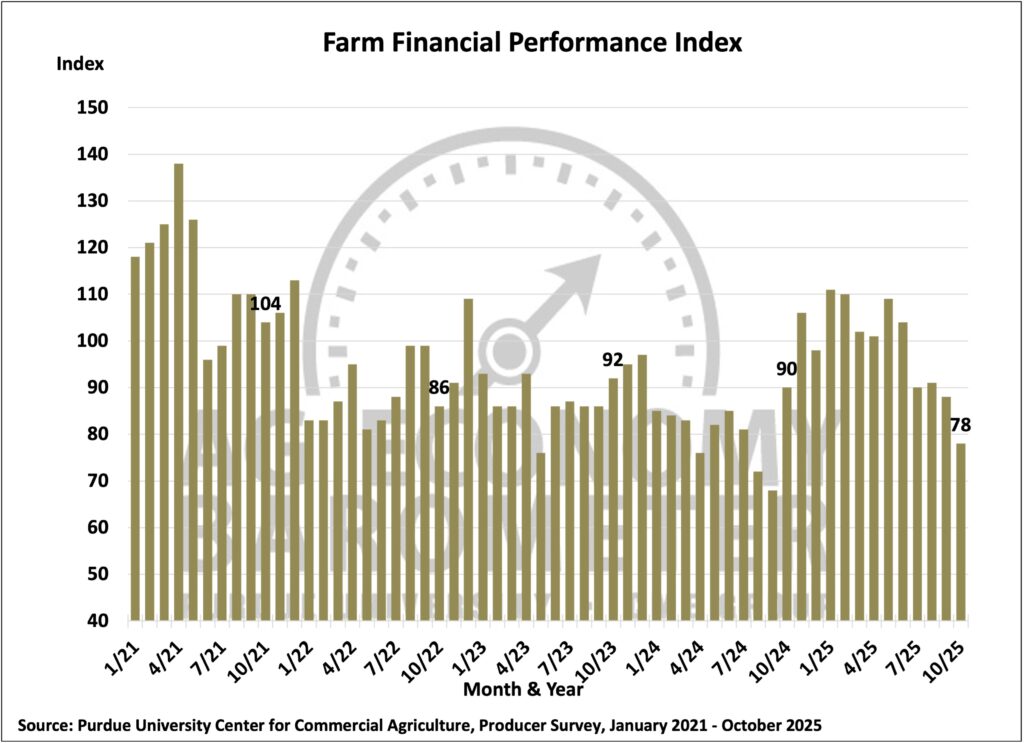
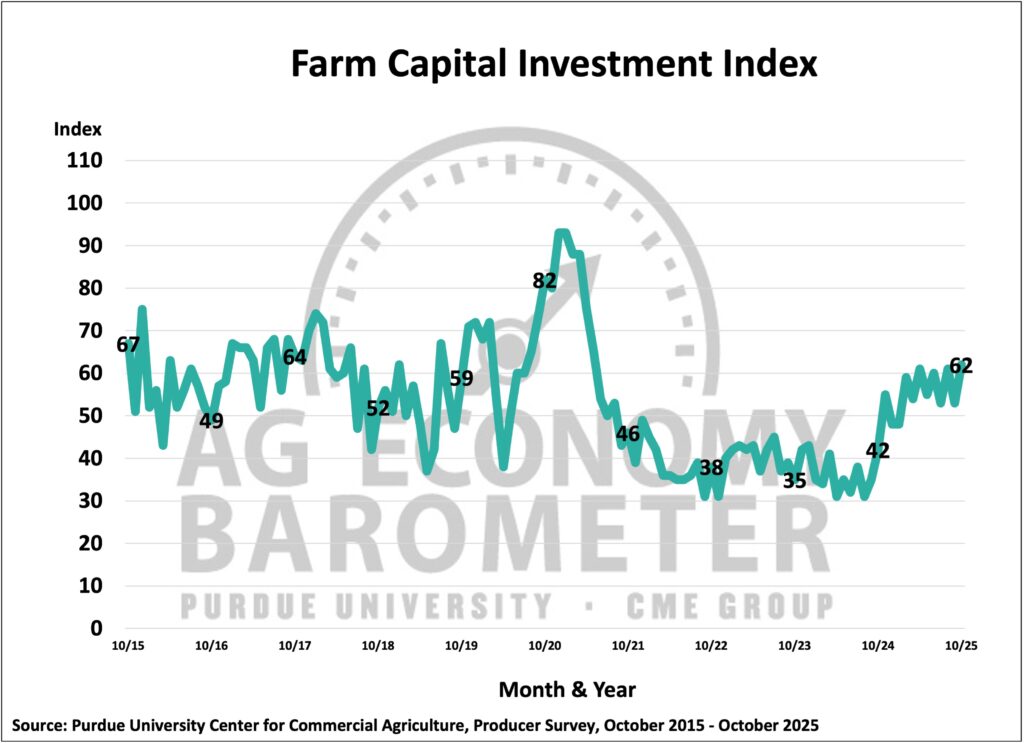
What 400 U.S. Farmers Really Think: Inside the Ag Economy Barometer's Latest Findings

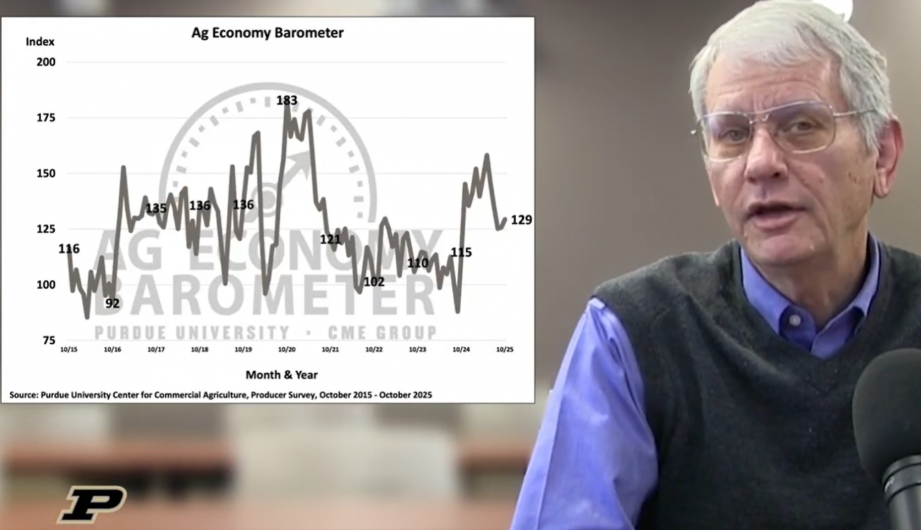
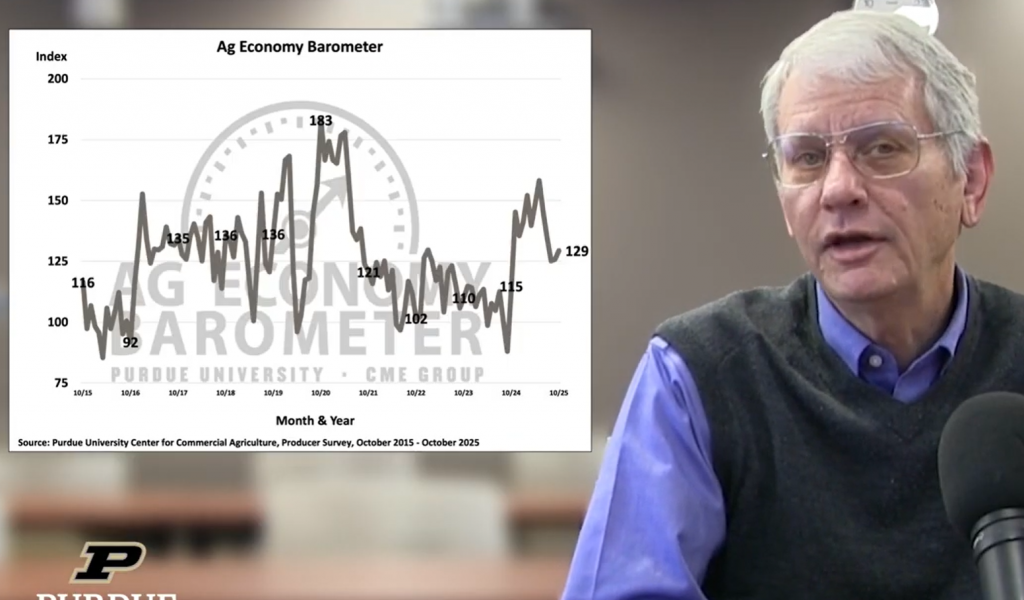
Farm director KC Sheperd spoke with Michael Langemeier of Purdue University, who began with an introduction to the Ag Economy Barometer, a monthly survey conducted by Purdue to track the sentiment of U.S. agricultural producers. Langemeier explained that the survey has been ongoing for about a decade and involves polling 400 producers every month. "We survey folks in the middle of each month, and then we report the results the first Tuesday of each month," he said, emphasizing the regularity and structure of the study.

Langemeier highlighted the differences in optimism between crop and livestock producers. Crop producers have shown relatively low optimism due to weaker net returns, while livestock producers remain highly optimistic, especially in the short term. Despite short-term differences, he noted that both groups are generally positive about the long-term outlook. He explained, "Part of the optimism is related to what I call the long-run policy environment," suggesting that confidence in government policies has a strong influence on overall sentiment.

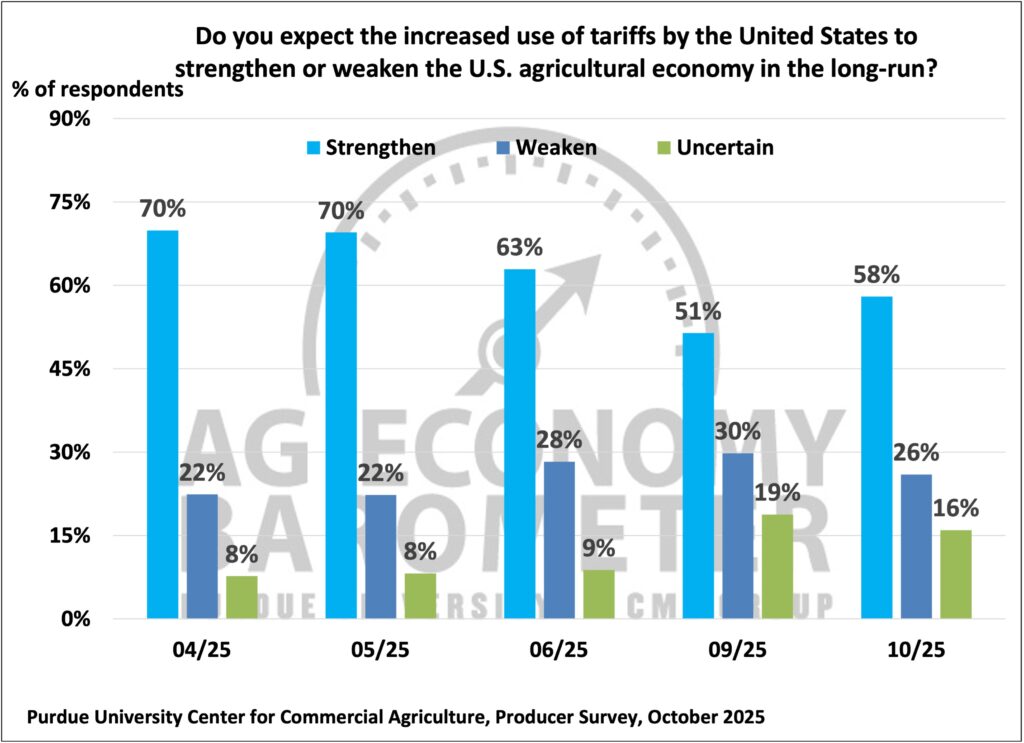
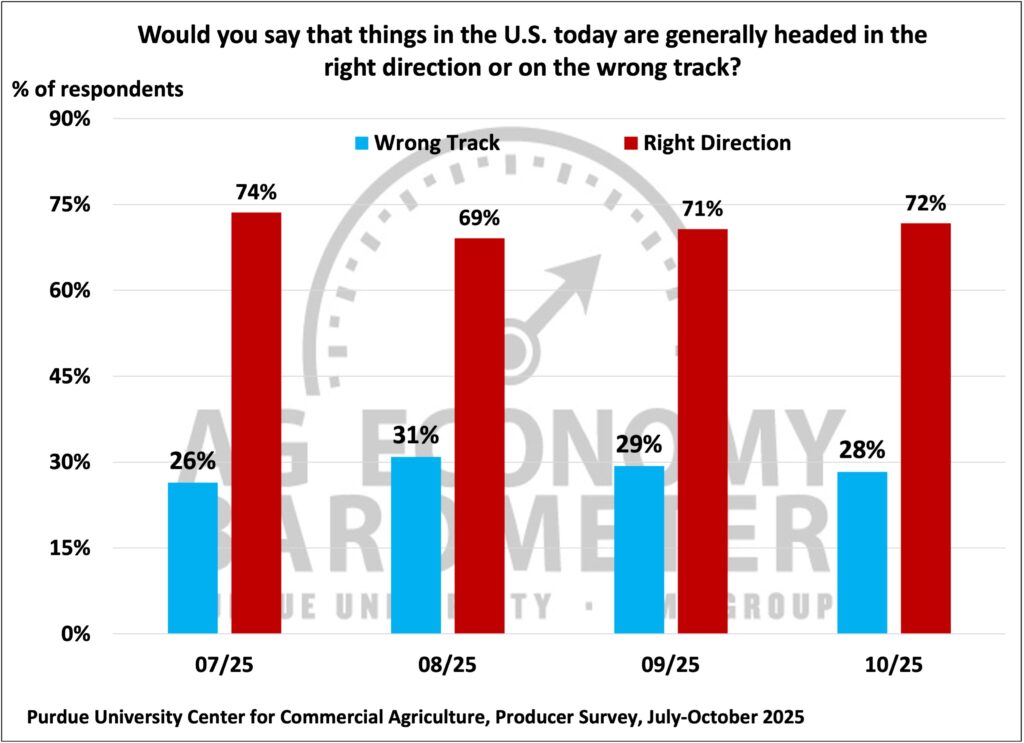
Trade policy emerged as a particularly significant factor this year. Langemeier pointed out that while crop producers were concerned about exports, particularly soybeans to China, many producers displayed patience. When asked if trade and tariffs would strengthen U.S. agriculture in the next five years, about 60% of respondents answered affirmatively. He added that 70% believe the U.S. is on the "right track," demonstrating that long-term optimism remains robust despite short-term uncertainties.

The Ag Economy Barometer also tracks broader trends over time. Langemeier explained the influence of policy on sentiment: "If they think the policy is going in the wrong direction, sentiment goes down; if they're more optimistic about where policy is heading, sentiment goes up." He noted three major policy areas impacting producers: the Farm Bill, monetary policy, and trade policy, with trade being particularly critical in the current context.

Regarding survey methodology, Langemeier clarified how participants are selected. A Kansas City-based company conducts phone surveys using lists from farm groups, targeting specific percentages of crop and livestock producers to reflect U.S. production. He stressed that only full-time farmers are surveyed to ensure consistent results: "I'm convinced that if we did a survey of part-time and full-time, the sentiment would be different."

Langemeier reflected on particularly high or surprising results in the past. When separating sentiment by sector, he was struck by the contrast: "The sentiment for livestock was over 150. The crop was down 110 some place in there." He also noted that optimism often correlates with growth intentions or plans to bring family members into the farm business, providing additional context for variations in producer sentiment.

The Ag Economy Barometer serves as a valuable resource for farmers, agribusinesses, and the farm press. Langemeier described how the survey informs discussions at meetings and outreach events, saying, "Farmers are kind of interested in what other people think. It's just like when you talk to a group of Indiana producers, they like it. If I tell some stories about what's going on in Nebraska...they have a certain sentiment about how they think things are heading."

Finally, Langemeier explained how producers and others can access the survey results. The reports are published on the Ag Economy Barometer website and are updated monthly: "The first Tuesday of every survey is always mid-month, and you can sign up to get the email about it." This ensures that anyone interested can track trends in agricultural sentiment over time, comparing current and historical data to better understand the broader economic environment.

Reiterating Agrifood Safety Education to Further Reduce Southern U.S. Farm Markets' Product Waste

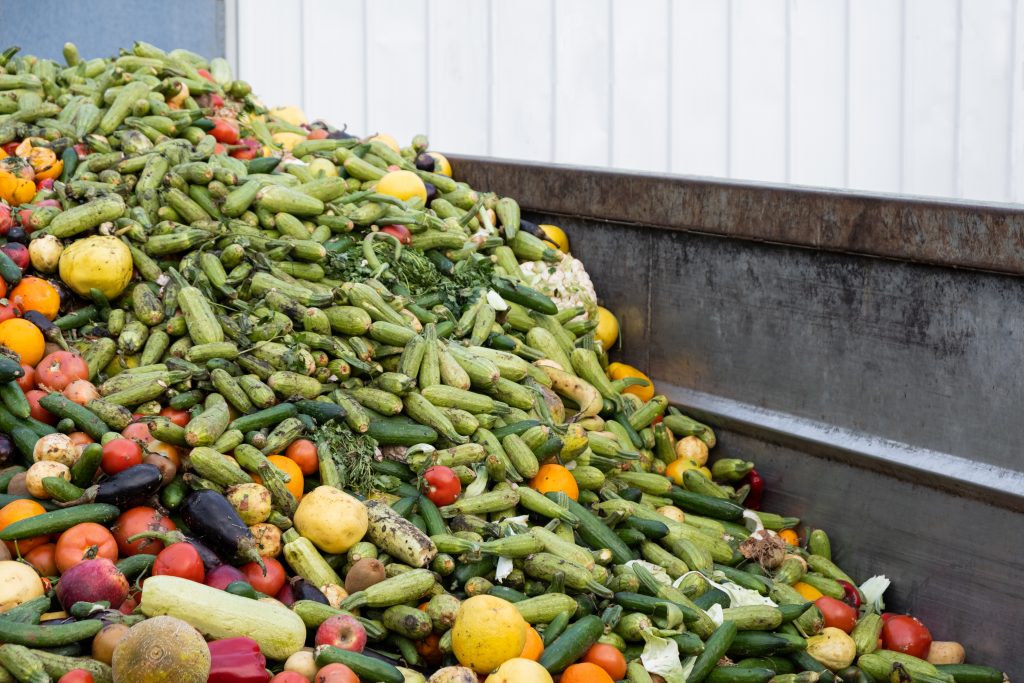
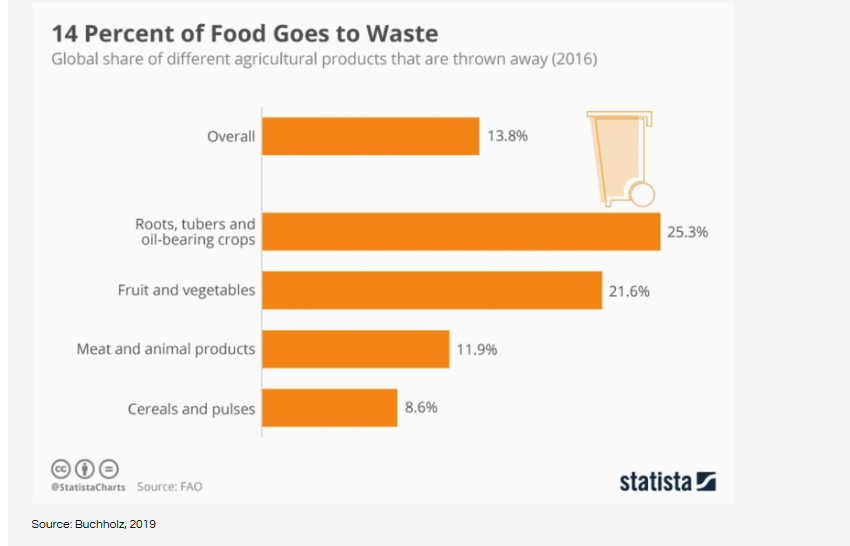
The State of Georgia, according to the USDA's 2022 Census of Agriculture, accounted for 39,264 farms, with a market value of roughly $13 billion in animal and plant products across poultry, peanut, cotton, pecan, fruit, and vegetable sectors. It is well known that small-scale farms are largely family owned and contribute significantly to the U.S. agricultural landscape, being of higher concentration in the south compared to other regions. Specifically, over 60% of U.S. farms in the southern region are small-scale (gross cash farm income under $350,000), and contribute significantly to the total farmland and food production. The specialized nature of Southern U.S. farmers' markets makes them uniquely positioned with ever-increasing resilience, despite their economic struggles to sustain value-added products (Schupp, 2016). By consumer intervention and farm-vendor complexities, Woods and Wolff (2023) articulated agricultural commodities, climate adaptation, diverse needs of technical assistance, and (market) pricing confront U.S. South farmers' markets opportunities. Consider the global picture of agrifood waste, estimated at roughly 1.3 billion tons (Adedeji, 2022), consumers in the U.S. are estimated to contribute 30-40% of this waste. This reported level, nearly 103 million tons, is more than any other country in the world. According to the Food and Agriculture Organization (FAO) of the United Nations, almost 14% of the world's food production is lost before it reaches the retail stage, from roots, fruits and vegetables to cereals and pulses (FAO, 2011). 

Figure 1: A global account of waste by major food category (FAO, 2016).

Figure 1 shows a global account of how major food production goes to waste. USDA's Economic Research Service (ERS) estimated that16% total food waste across the U.S. occurs at the farm level. Such losses may be attributed to climatic conditions, improper logistics/transport, incorrect harvesting techniques/times, etc. (Buchholz, 2019). Moreover, agrifood waste levels of U.S. Southern states appear to be on the rise as a result of a range of farm- and non-farm-related challenges such as inefficient farm-to-plate systems and inadequate storage infrastructure. These issues have placed significant pressure on farmers' markets and highlight the need for increased agrifood safety education. Strengthening hygiene, safety and quality practices in harvest and post- harvest handling practices can help alleviate this pressure and reduce waste across the supply chain. In line with farm quality management policies and procedures, all (farm) workers should understand why it is important for them to elevate their personal/self-hygiene levels, their continuous use of clean/sanitized (farm) facilities/tools, and their deliberate/intentional care/effort to ensure the lowest contamination levels.

  Farmers' markets in the U.S. South can play a role in reducing the agrifood waste that largely emanates from contaminated, poorly handled, including damaged food produce that can occur at any stage of the supply chain. Emphasizing the four well-known and established food safety key areas, namely: cleaning, separation, cooking, and chilling can support reductions in food waste. Key areas include regular washing of hands/surfaces, separating raw and cooked/processed agrifood produce, cooking to a safe (internal) temperature, and prompt/rapid refrigeration. Regardless of farm type, all farm workers require food safety training to strengthen their best practices and prevent/reduce microbial proliferation of farm food produce. Enhanced delivery of agrifood safety education would improve overall consumer protection as well as the empowerment of diverse farmers' markets (Okpala & Korzeniowska, 2023; Okpala, 2024). 

It is well-known that extension education, among other useful services, has been crucial in helping farmers improve their productivity and output quality by providing them with evidence-based research information. In fact, extension education, available across the land-grant institutions in the southern states, is well positioned to provide agrifood safety training to many farmers' markets across diverse communities. For the farmers' markets to thrive, a continuous and persistent implementation of agrifood safety education is paramount Prioritizing agrifood safety education would increasingly equip farmers' markets towards achieving greater implementation of good practices, for example, good agricultural practices (GAP), good hygiene practices (GHP), good storage practices (GSP), good transport practices (GTP), good manufacturing practices (GMP), and others (Okpala & Korzeniowska, 2023). 

Article courtesy of Southern Ag Today.

Harvester Paul Paplow on Record Crops and Solving Farm Crises on the Road

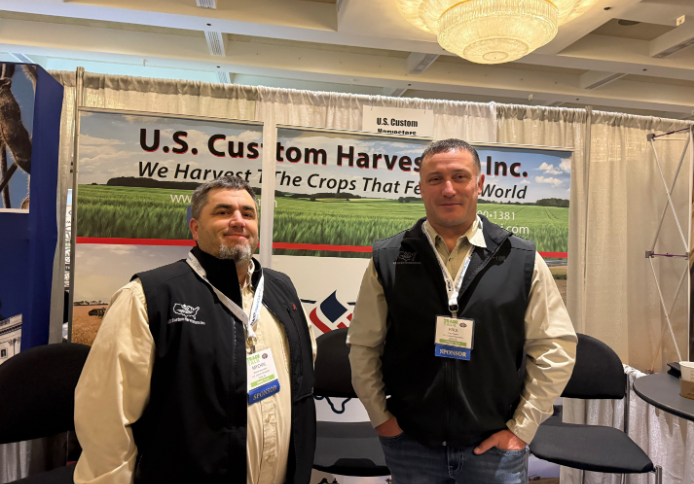
At the National Farm Broadcasters Convention, Farm Director KC Sheperd spoke with Paul Paplow of U.S. Custom Harvesters, Inc. (USCHI), to discuss the dynamic, high-stakes life of custom harvesting and the critical role these mobile crews play in American agriculture.

Paplow's own operation exemplifies the massive scale of the work, running a route that covers thousands of miles each season.

"My operation itself works from North Texas all the way up to the Canadian line through Montana, North Dakota, harvesting wheat, any pulse crops, specialty crops as mustard, canola, and corn and soybeans back in Minnesota, South Dakota, Iowa," Paplow explained.

A Good Year Despite Early Challenges

Reflecting on the harvest season, Paplow noted that despite some early difficulties, the overall outcome was positive.

"There was a lot of really good crops," he confirmed.

The season started with a struggle in the Southern Plains: "We started out the year kind of a crop failure down in North Texas, Southern Oklahoma. Drought then it got too wet." However, conditions improved dramatically further north. "After we hit Kansas, everything was good from there on out... the wheat crop was really good in Montana," he said, adding that they had an "awesome soybean crop and corn crop" in the Midwest states.

Solving Farm Crises and Maximizing Uptime

One of the most vital services USCHI members provide is acting as an emergency backup for farm operations. When equipment fails or a farmer faces a personal crisis, custom harvesters step in to save the crop.

"If someone just needs someone to come in and fill out or fill in for a few days because they're behind or they got a weather event coming, we have a lot of members, probably 500 members," Paplow noted.

This large pool of operators allows them to mobilize massive firepower quickly.

"We can run one to probably 20 machines, so you can get a lot done in a short period of time," he confirmed.

The Mobile Lifestyle and Recruitment

The custom harvester's life is defined by constant movement, chasing the ripening crops across the Great Plains and Midwest. Paplow highlighted the necessity of a mobile home base.

"It doesn't really matter where you live at, we all got travel trailers or stay in motels, so we just move our home base kind of everywhere that we're going," he said. "So every couple weeks in the summertime we're moving... and setting up camp for another couple weeks and do it again a few weeks after that."

For those interested in joining this unique and essential industry, USCHI serves as a recruitment hub, connecting potential crew members with harvesters who need labor.

"People want to do this job, they need to go to the USCHI website and there's a form on there they can fill out to apply to go for a custom harvester. And harvesters are looking at that job board every day, so if they have positions or have needs, they'll reach out to you."

The association's website is the best source for information on USCHI and its services.

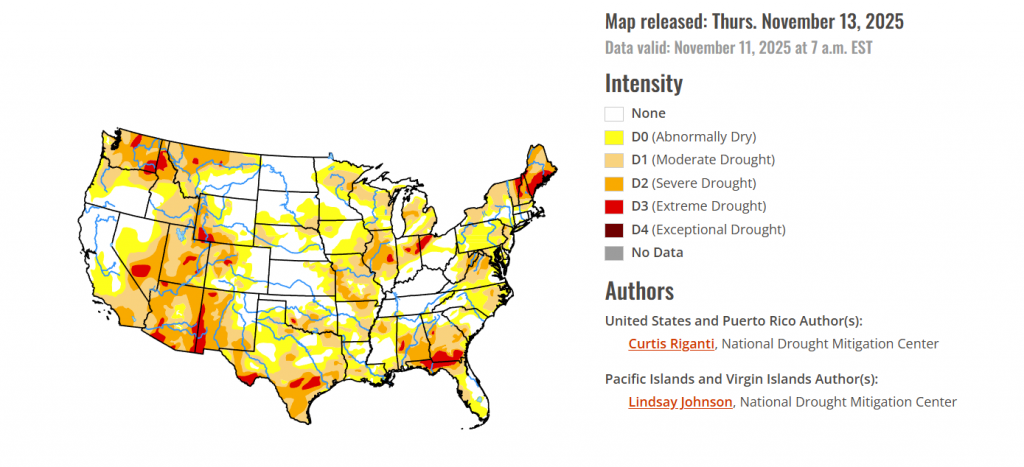
drought monitor oklahoma

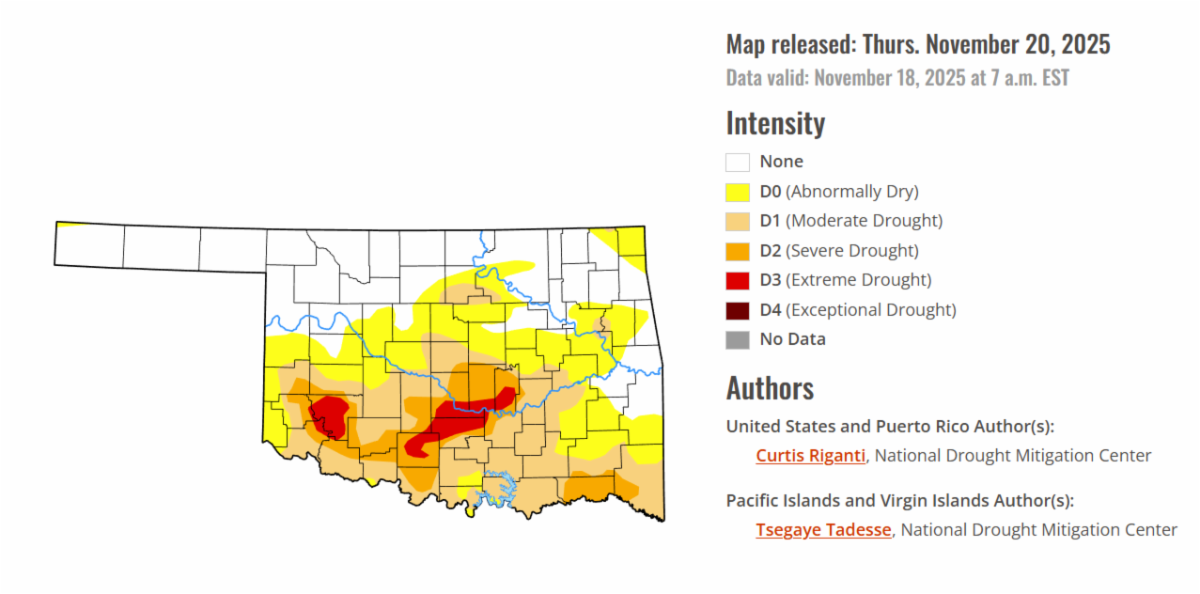
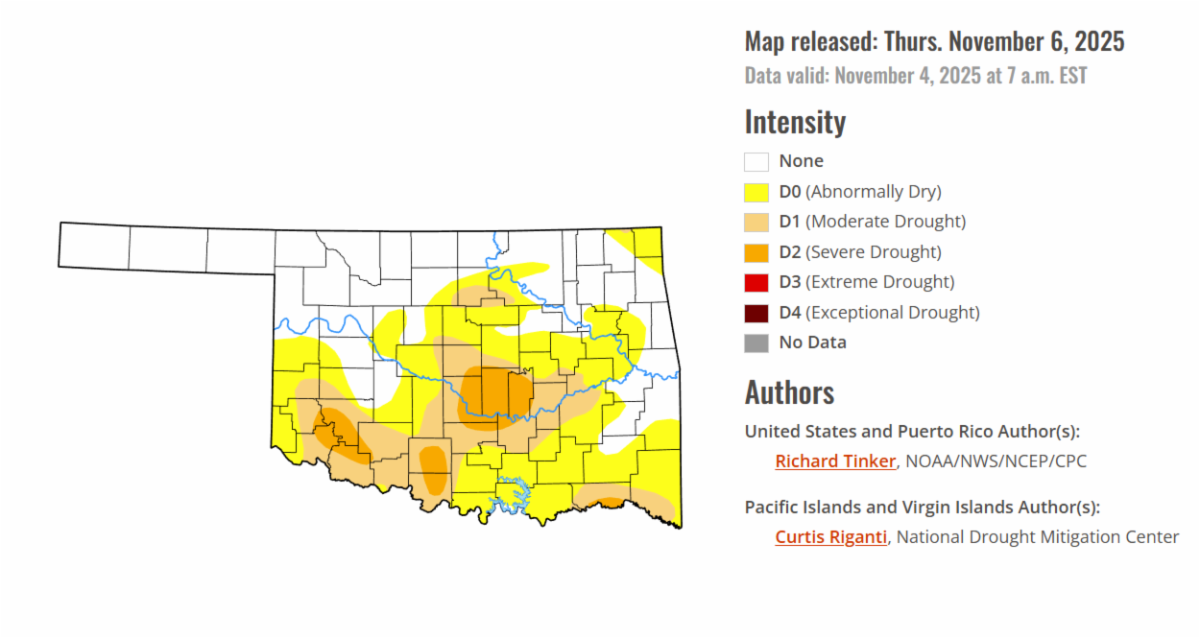
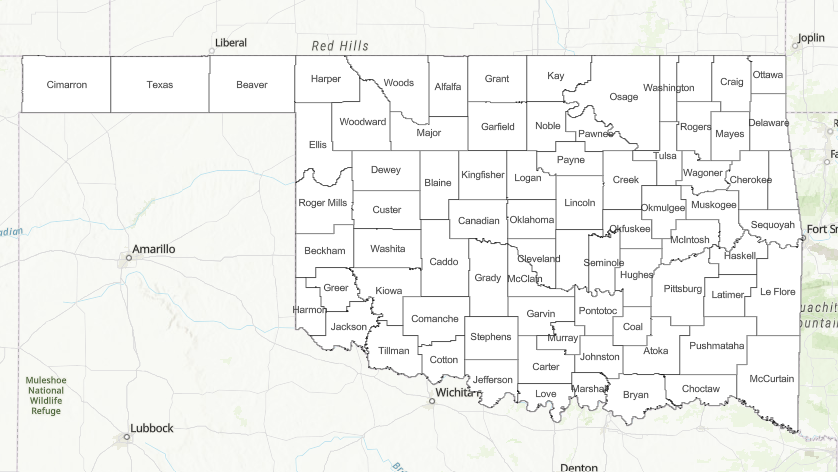
Oklahoma Drought Eases in Key Categories, But Extreme Conditions Persist in latest Drought Monitor


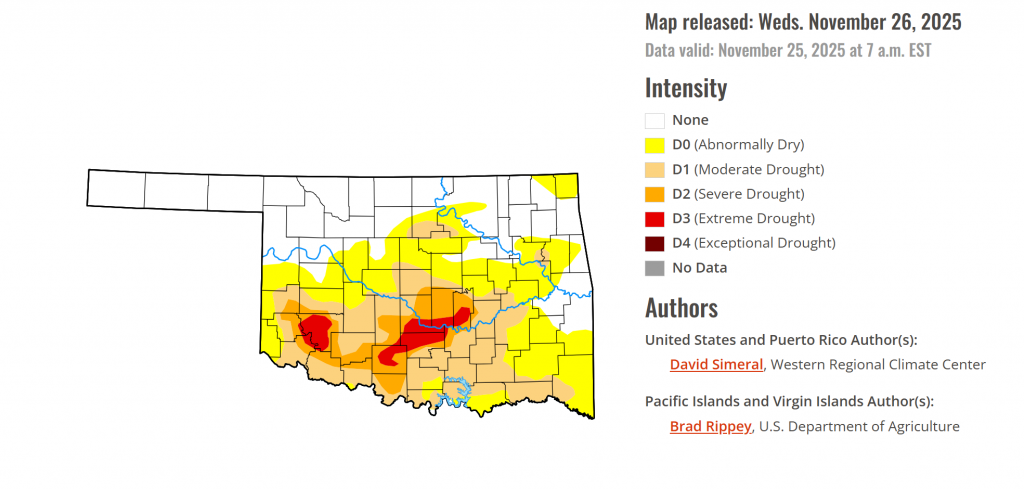
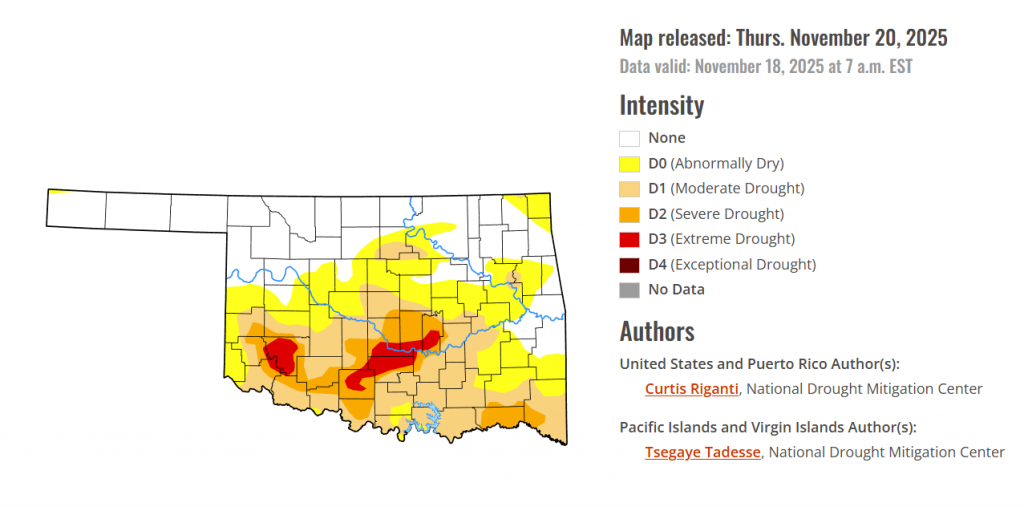
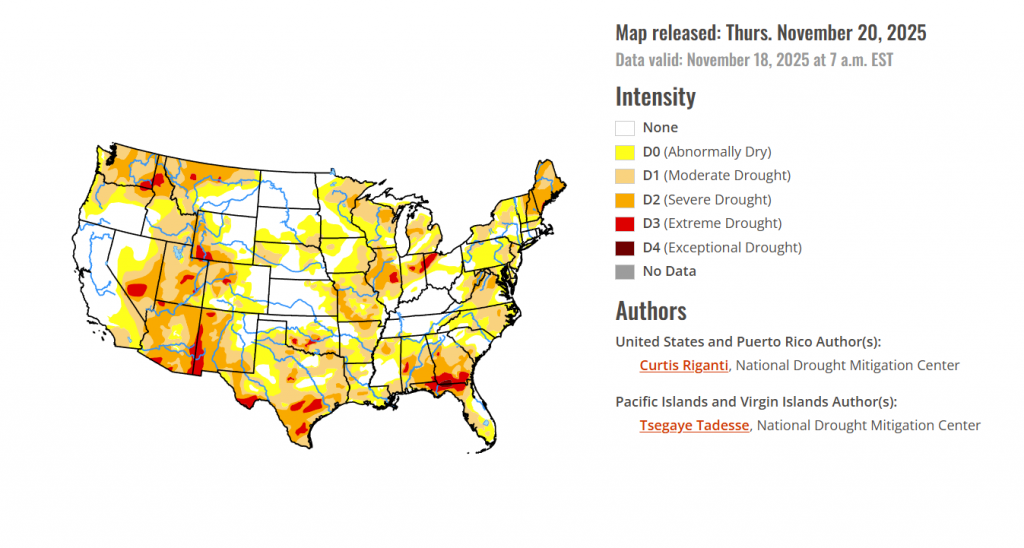
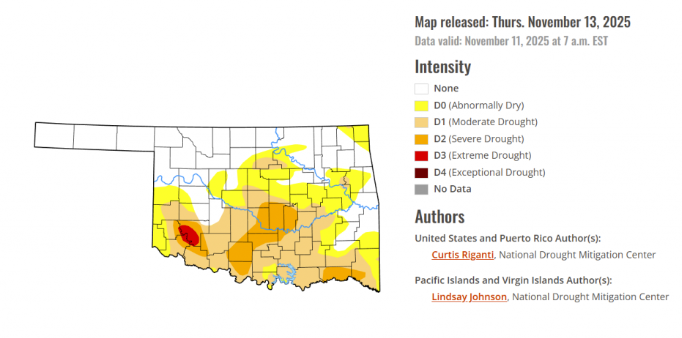
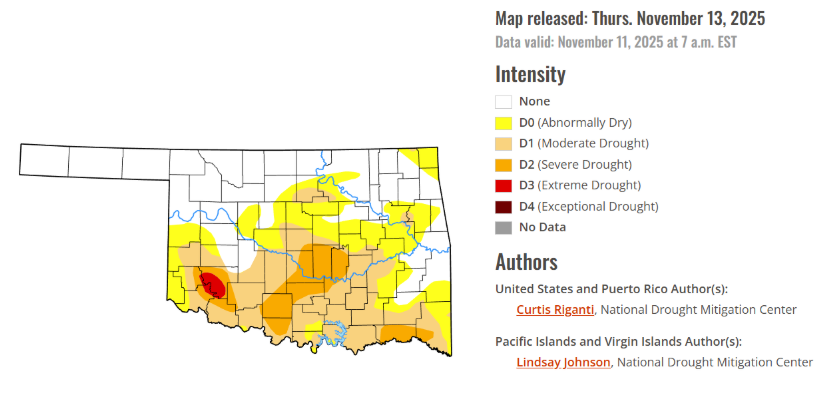
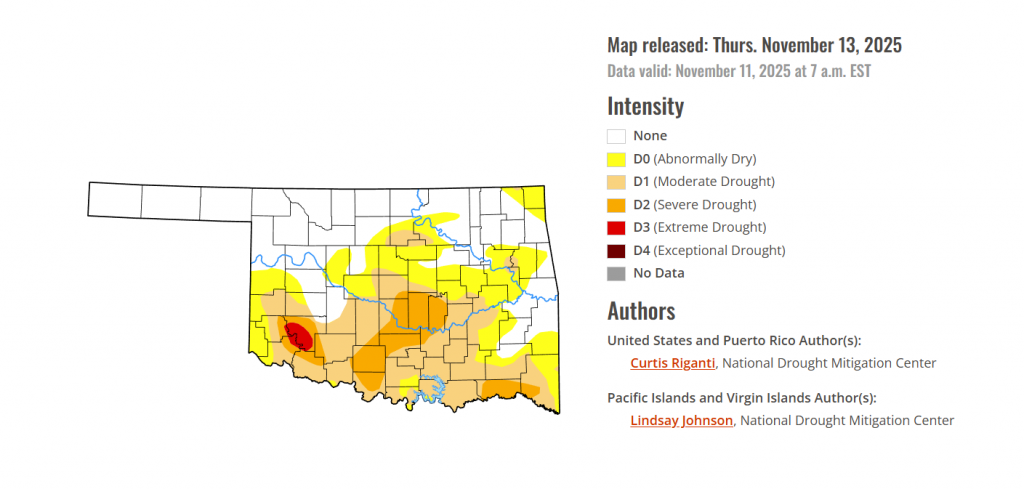
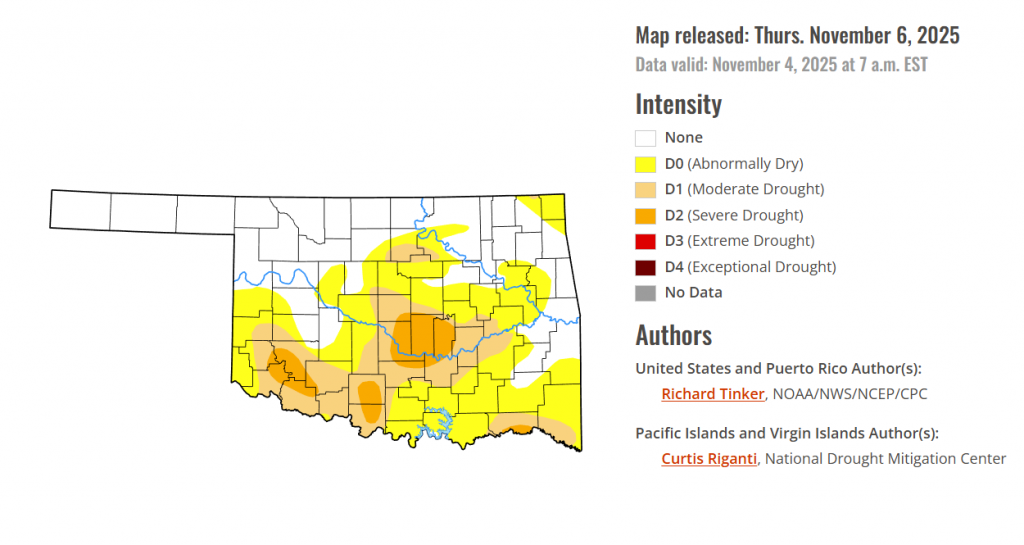
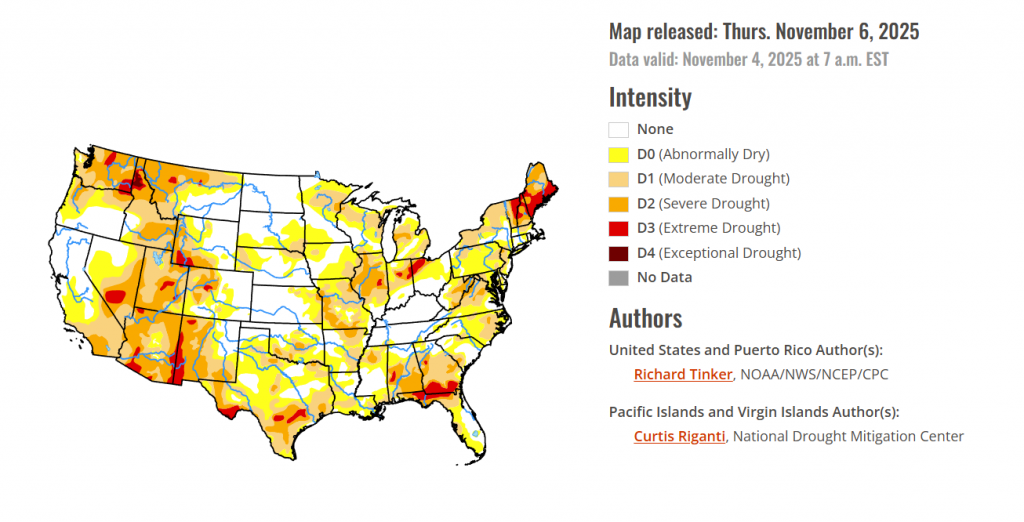
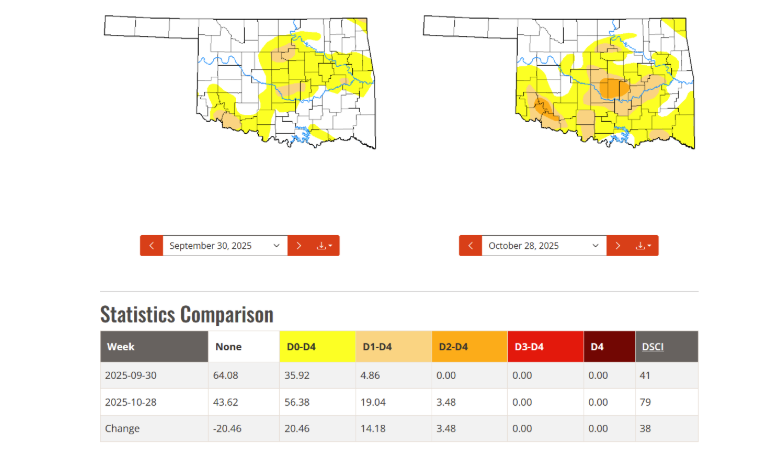
The latest U.S. Drought Monitor report, released this week, delivers a mixed signal to Oklahoma's agriculture sector. While rainfall and management efforts have helped reduce the overall extent of severe and moderate dryness, an entrenched area of Extreme Drought (D3) remains a major threat to winter wheat, forage, and water supplies in the southern and central parts of the state.

D0-D4 drought conditions in the current period indicate that nearly two-thirds of Oklahoma (61.37%) is experiencing conditions ranging from Abnormally Dry (D0) to Exceptional Drought (D4).

The total area facing Moderate to Exceptional Drought (D1-D4) decreased by 3.39%, now covering 33.31% of the state. The area under Severe to Exceptional Drought (D2-D4) also declined, dropping 1.57% to 11.11%.

The percentage of Oklahoma under Extreme to Exceptional Drought (D3-D4) held static at 3.48%. This stability means conditions in the hardest-hit areas are not improving, putting critical cattle and water resources under sustained stress.

Extreme Threat Zeroes in on South-Central Counties

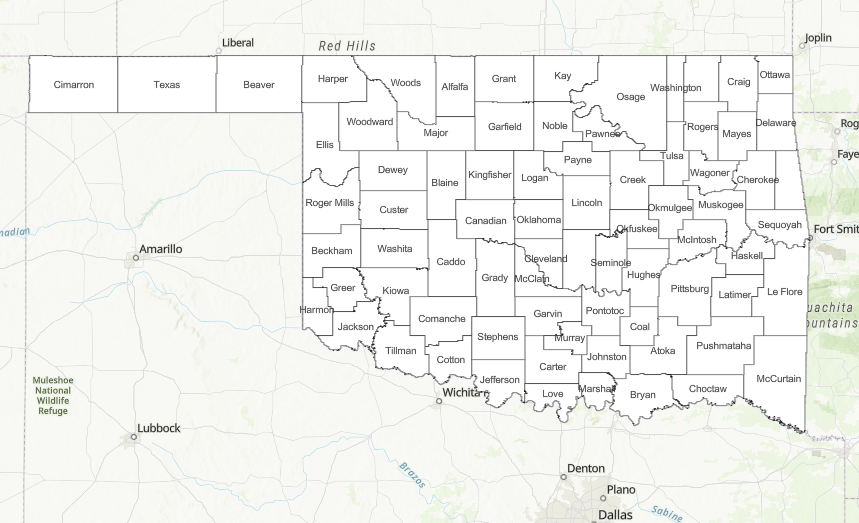
The 3.48% Extreme Drought (D3) coverage is concentrated in areas vital to Oklahoma's agricultural production, particularly impacting ranchers and row-crop farmers. Counties now designated with new or persistent Extreme Drought include: Stephens, Kiowa, Garvin, McClain, Cleveland, Pottawatomie, and Seminole

To view the latest Oklahoma drought map, CLICK HERE.

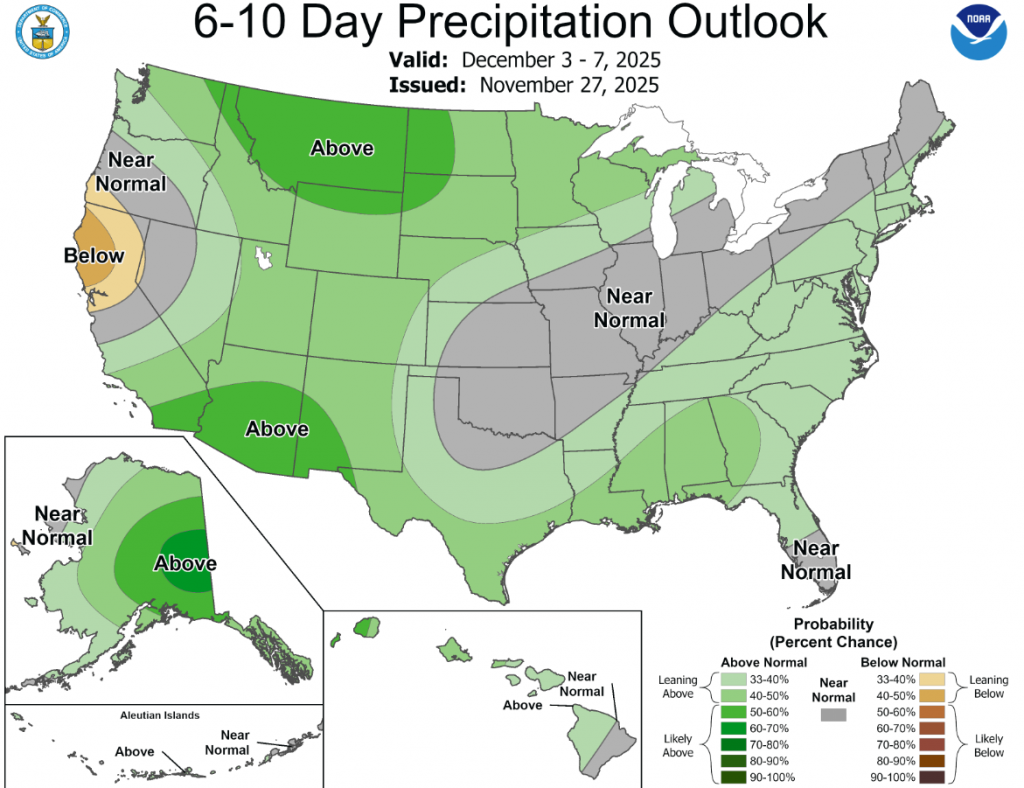
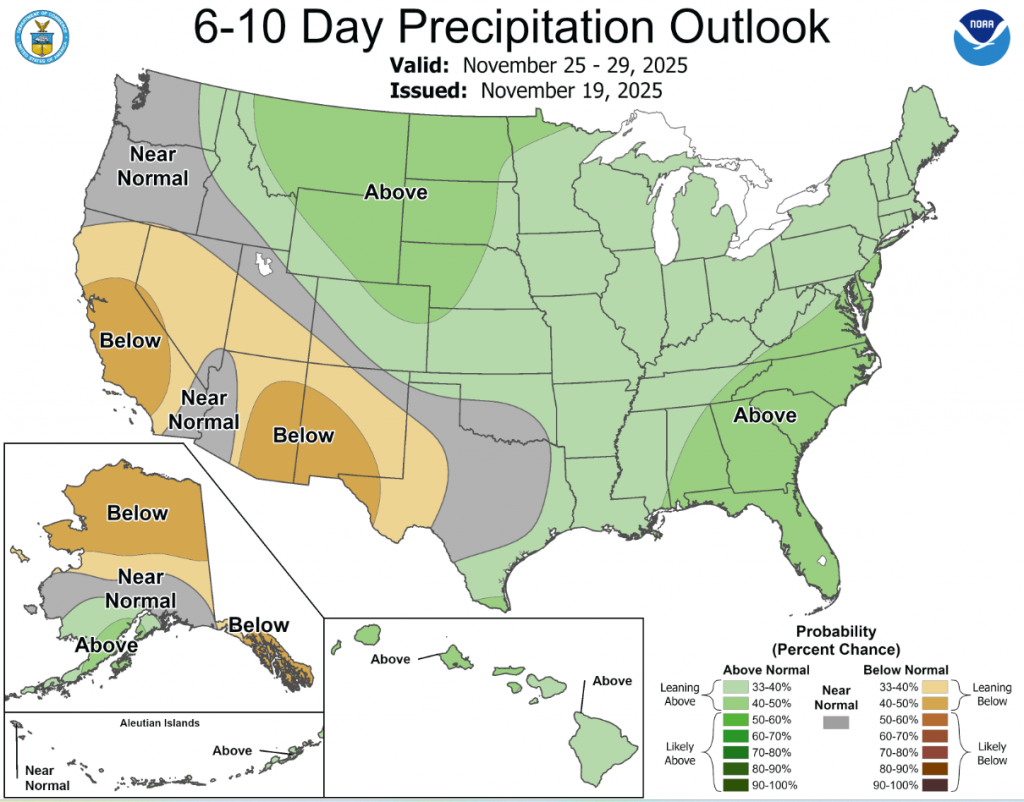
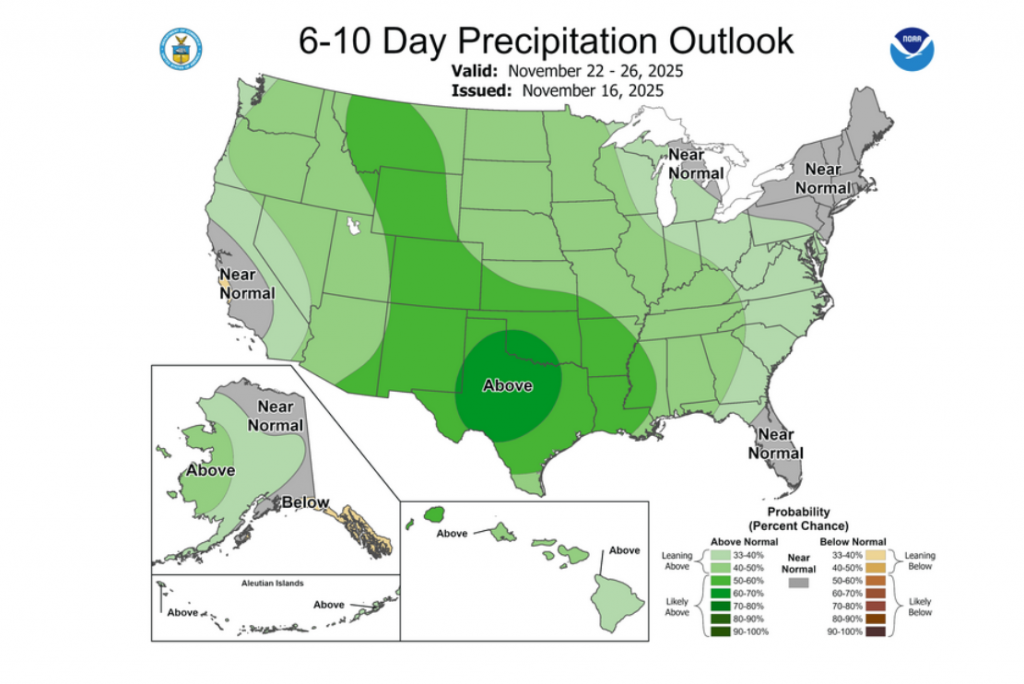
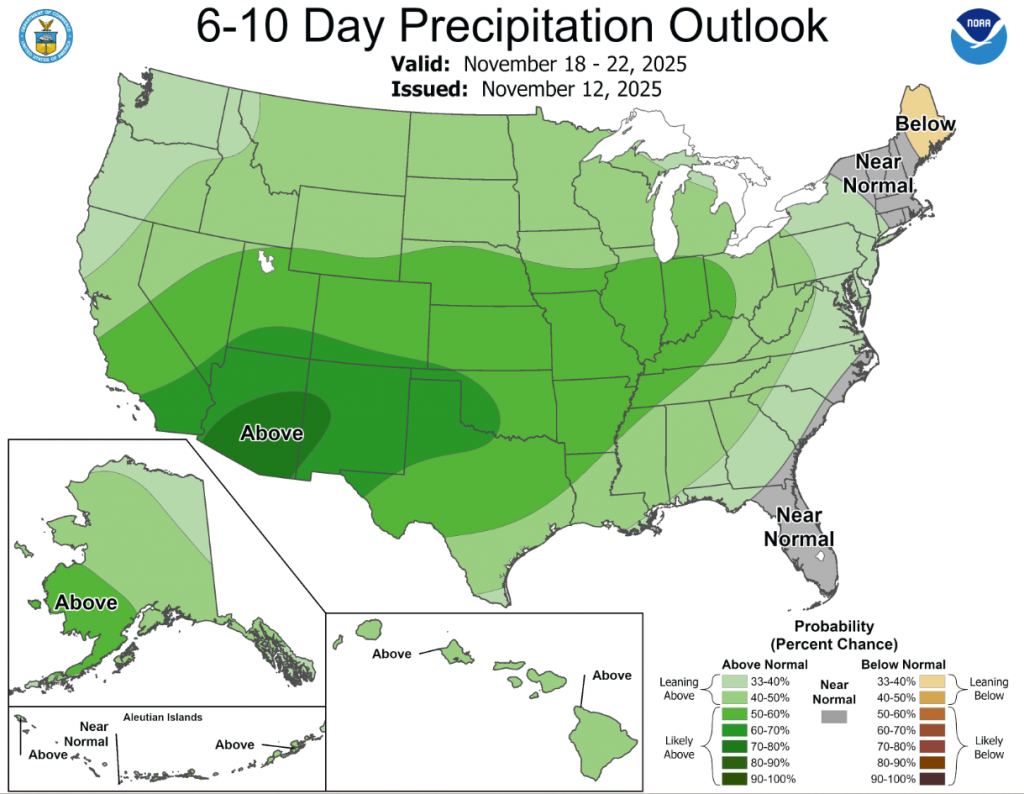
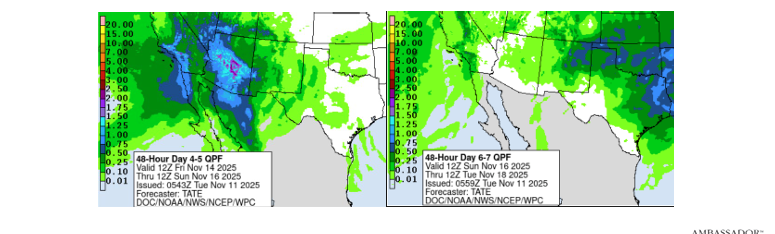
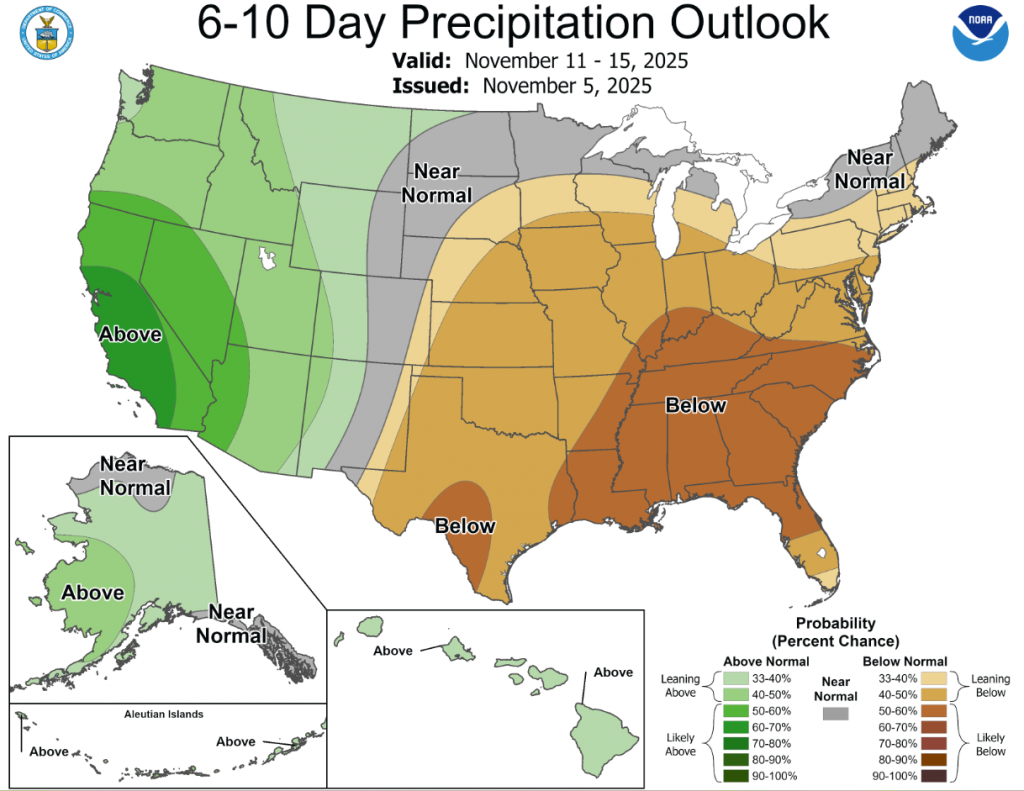
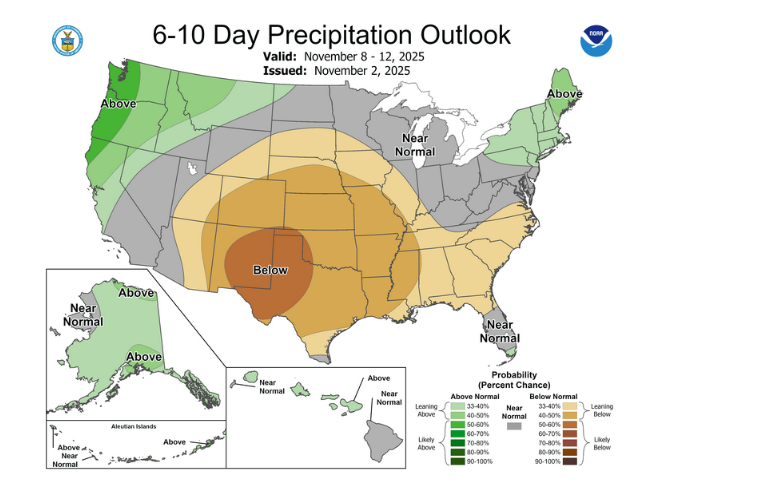
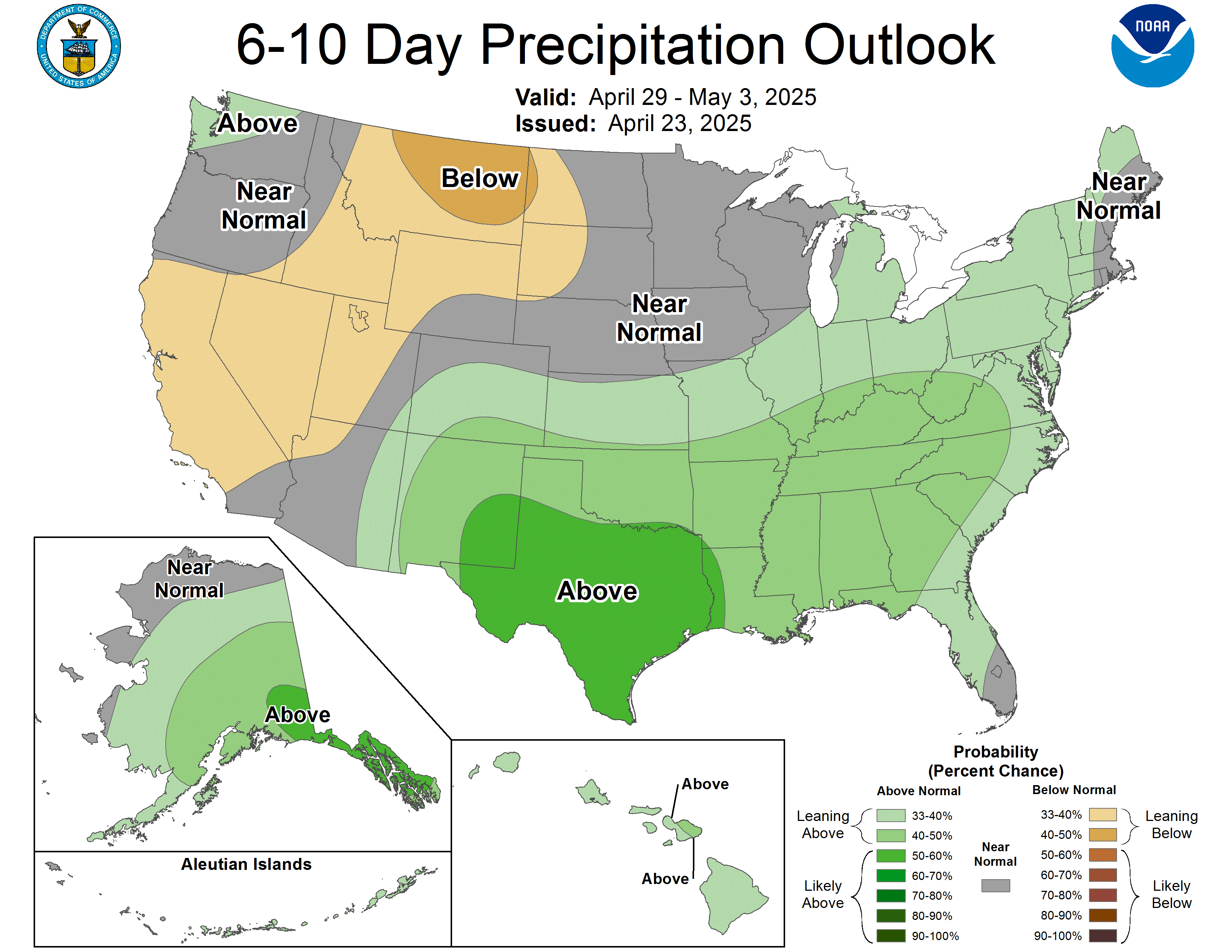
According to the 6-10 day precipitation outlook map, precipitation is leaning towards Near Normal across most of Oklahoma. The forecast indicates the Oklahoma Panhandle has a slightly above-average chance of rain through that date.

In the Southern Plains: Across much of the region, generally dry conditions prevailed this week, especially in the far southern and western portions of the region, with little or no precipitation observed. In contrast, light to moderate rainfall (2 to 4+ inches) was observed along a swath extending from central Texas to southwestern Arkansas. The beneficial rainfall led to one-category improvements in areas of Moderate (D1) to Extreme Drought (D3) with most of the improvements focused on areas of central and northeastern Texas. Elsewhere, minor improvements were made on the map in southeastern Oklahoma, southwestern Arkansas, and northern Mississippi. In Louisiana, short-term precipitation deficits (past 90-day period) and declining soil moisture levels led to expansion of areas of Moderate Drought (D1) and Severe Drought (D2). For the week, average temperatures were well above normal across the region with anomalies ranging from 4 to 16 degrees F above normal. Looking at reservoir conditions in Texas, Water for Texas (November 25) was reporting statewide reservoirs at 74% full, with many reservoirs in the eastern part of the state in very good condition, while numerous reservoirs in the western portion of the state were experiencing continued below-normal levels.

In the High Plains: On this week's map, only minor changes were made in the region, including changes in eastern Kansas, Nebraska, and southwestern South Dakota. For the week, precipitation across the region was generally light and primarily restricted to eastern and central portions of Kansas as well as in eastern and central South Dakota. In terms of average temperatures, warmer-than-normal temperatures (5 to 15+ degrees F above normal) were observed across the region with the greatest anomalies observed in the Dakotas. According to NWS NOHRSC, the current regional snowpack spatial extent is limited to areas of central and northern North Dakota.

In the West: On this week's map, improvements were made in the southern extent of the region in Missouri in response to widespread rainfall (1 to 2.5 inches) across the state. Elsewhere in the region, some minor improvements were made in southern Illinois, central Indiana, and northwestern Michigan. For the week, average temperatures were above normal across the western and southern extent of the region, with anomalies ranging from 5 to 15 degrees F above normal and the greatest departures observed in western Minnesota and southern Missouri. Temperatures were cooler in the eastern half of the region ranging from 5 degrees F above normal to 5 degrees below normal (central and northern Michigan, eastern Ohio). Using the Southeast Regional Climate Center's Climate Perspectives tool, the past two months have been very dry across much of the region, with record to near-record dryness observed in the following locations: Duluth, Minnesota (-4.52 inch departure); Madison, Wisconsin (-3.57 inches); Green Bay, Wisconsin (-2.58 inches); Detroit, Michigan (-3.75 inches); and St. Louis, Missouri (-4.3 inches).

To view the 6-10 Day Precipitation Outlook Map, click here.

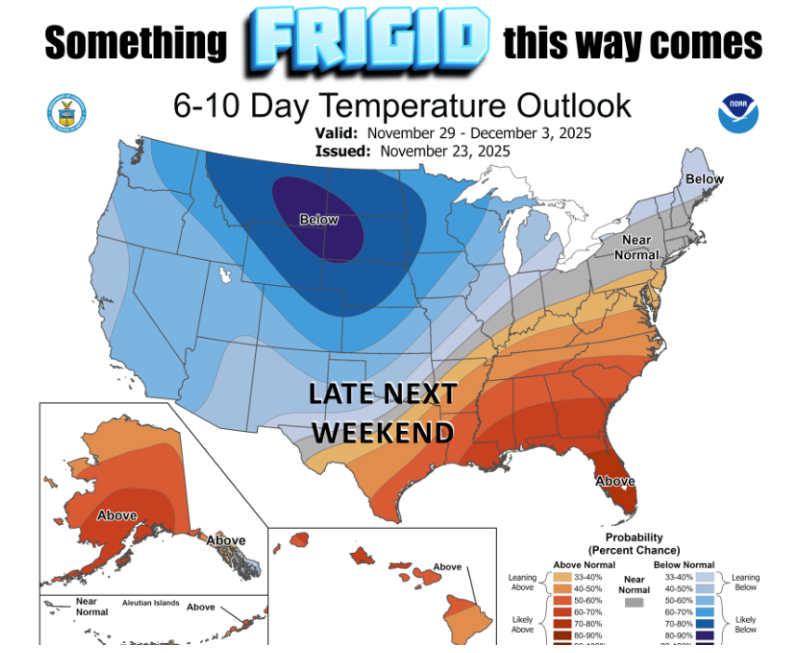
To view the 6-10 Day Temperature Outlook Map, click here.

To view the Monthly Drought Outlook Map, click here.

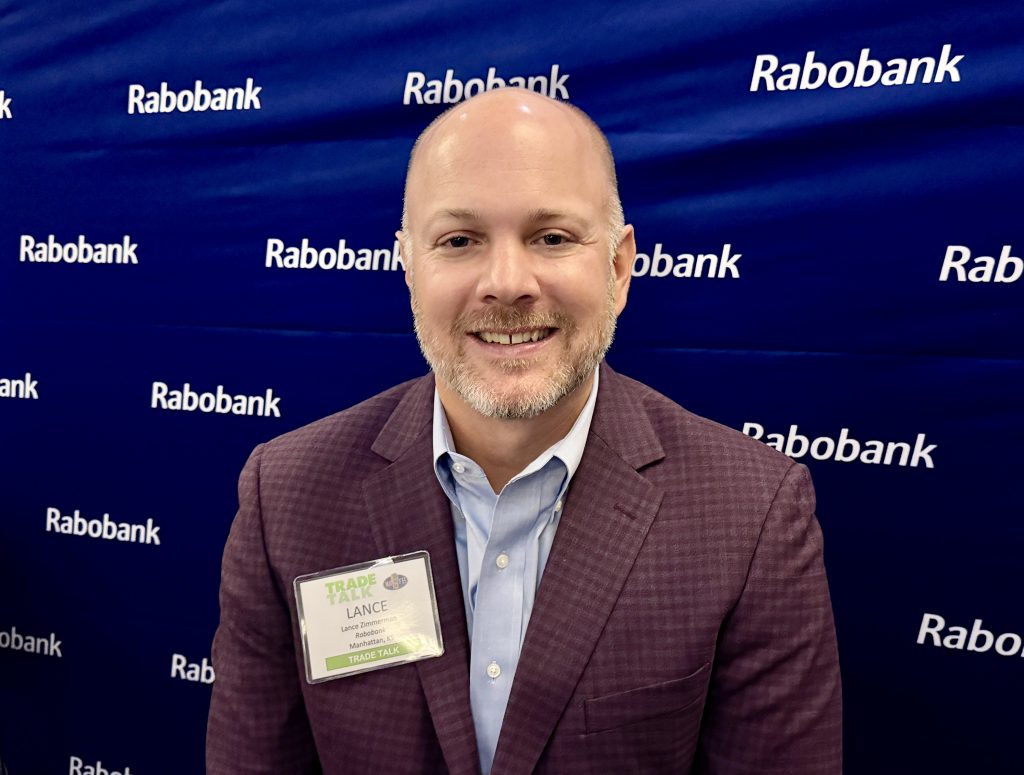
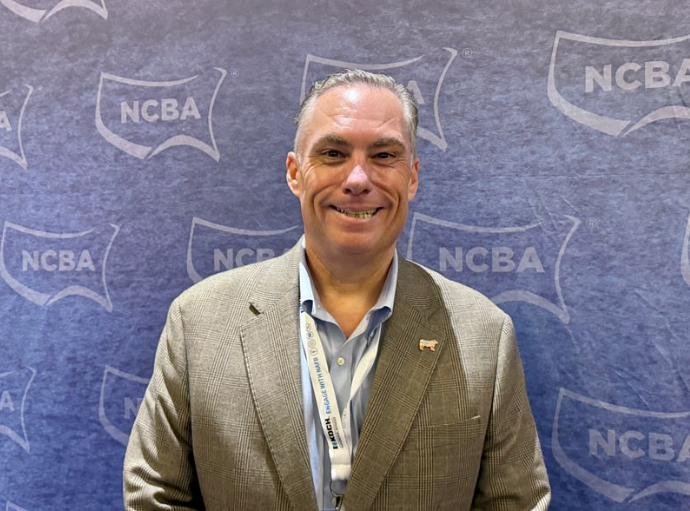
Lance Zimmerman of Rabobank 
NAFB's Trade Talk in KC, November 2025

Rabo Analyst Says Cattle Market Sees Pullback, But Fundamentals Remain Strong

Despite recent market fluctuations, the cattle industry is still experiencing historically high prices, fueled by unprecedented consumer demand, according to Lance Zimmerman, Senior Beef Analyst for Rabobank in today's Beef Buzz.

Zimmerman talked with Oklahoma Farm Report's Ron Hays at the recent National Farm Broadcasters Trade Talk in Kansas City- you can hear part one of their conversation by clicking on the audio button above.

While the cattle market has experienced a notable correction in recent weeks, dropping approximately 15% over the past month, Zimmerman emphasizes that these levels remain "lifetime, wildly high profits" for the industry. He attributes the recent volatility to the psychology of the market, particularly the exit of speculative long positions on futures exchanges.

"When you have record high or near record high participation of longs... there's always the risk of the unknown and the uncertainty that can creep into those markets that spooks those long positions and those fund traders when they want to exit the market," Zimmerman explained. He described the current situation as a period of "capitulation," where traders are exiting positions to await calmer market conditions.

However, Zimmerman is quick to point out to Hays that the underlying fundamentals of the cattle market remain "incredibly strong." He highlights that the story of high prices is not driven by declining supply, as per capita supplies have remained surprisingly steady over the past six years. Instead, the primary driver is a surge in consumer demand, reaching "40 year plus highs."

This robust demand, Zimmerman suggests, is a testament to several factors:

  • Unprecedented Quality: The beef industry's commitment to quality, from producers to processors, is resonating with consumers.
  • Dietary Trends: The "MAHA movement" and a desire for fresh foods, particularly those found on the perimeter of grocery stores, benefit beef. Additionally, a growing understanding that "fat's not the enemy, but actually the friend" is supporting beef consumption.
  • Post-Pandemic Cooking Habits: The pandemic forced many consumers, particularly younger generations and even some baby boomers, to re-learn cooking skills. This has led to increased home cooking and a greater reliance on products like beef.
  • Health and Wellness: The rise of anti-obesity drugs, while leading consumers to eat less overall, also comes with medical advice to "lean into animal protein" to preserve muscle mass and bone density, a benefit that beef provides.

"The consumer has been clearly the MVP of these high prices," Zimmerman stated.

Looking ahead, Zimmerman anticipates that supply will eventually become a more significant factor in supporting prices. He notes that the cattle supply is expected to decline further as producers focus on rebuilding herds. While strong imports, carcass weight gains, and increased cattle from the dairy sector have bolstered current supplies, the intentional retention of heifers for future breeding will naturally lead to a reduction in market-ready cattle.

He acknowledges that the recent market pullback may have caused some producers to reconsider holding back females for herd expansion. However, he assures that profitability remains exceptionally high, and pasture conditions are improving.

"We have a lot of producers that are not allowing themselves to enjoy the run this market has been on for fear of what could happen," Zimmerman said, referencing the market downturn experienced in 2015. He urged producers, particularly those also involved in grain and oilseed production where margins have been tighter, not to miss the opportunity to participate in the future of the cattle market by retaining heifers.

"The next several years, we're going to pull supply out of this market to further prop up these prices," Zimmerman concluded. "Supply can be just as supportive to this market as demand, which means there's still some price appreciation ahead for us."

The Beef Buzz is a regular feature heard on radio stations around the region on the Radio Oklahoma Ag Network and is a regular audio feature found on this website as well. Click on the LISTEN BAR for today's show and check out our archives for older Beef Buzz shows covering the gamut of the beef cattle industry today.

Sweet Potatoes: A Southern Crop for Thanksgiving

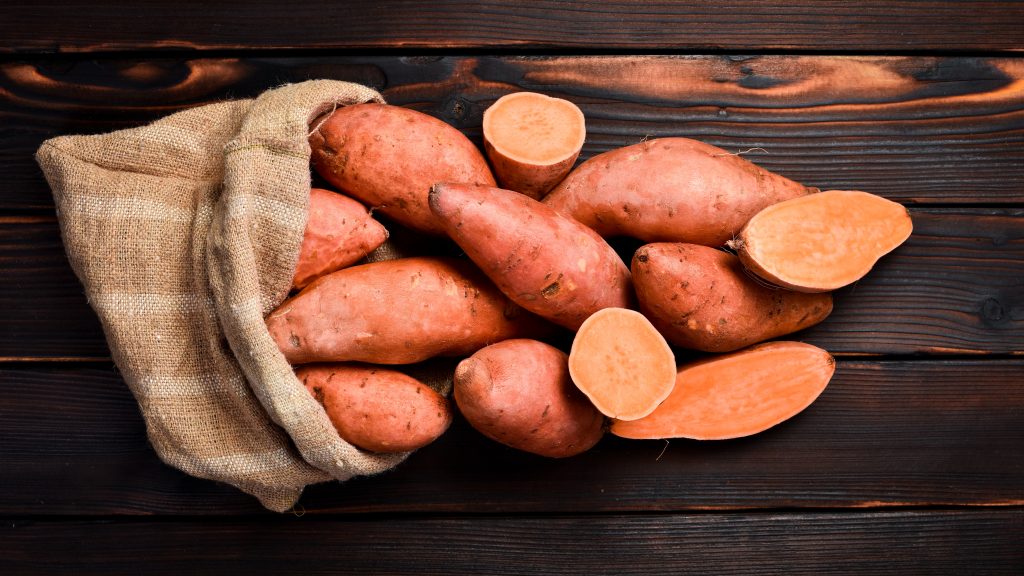
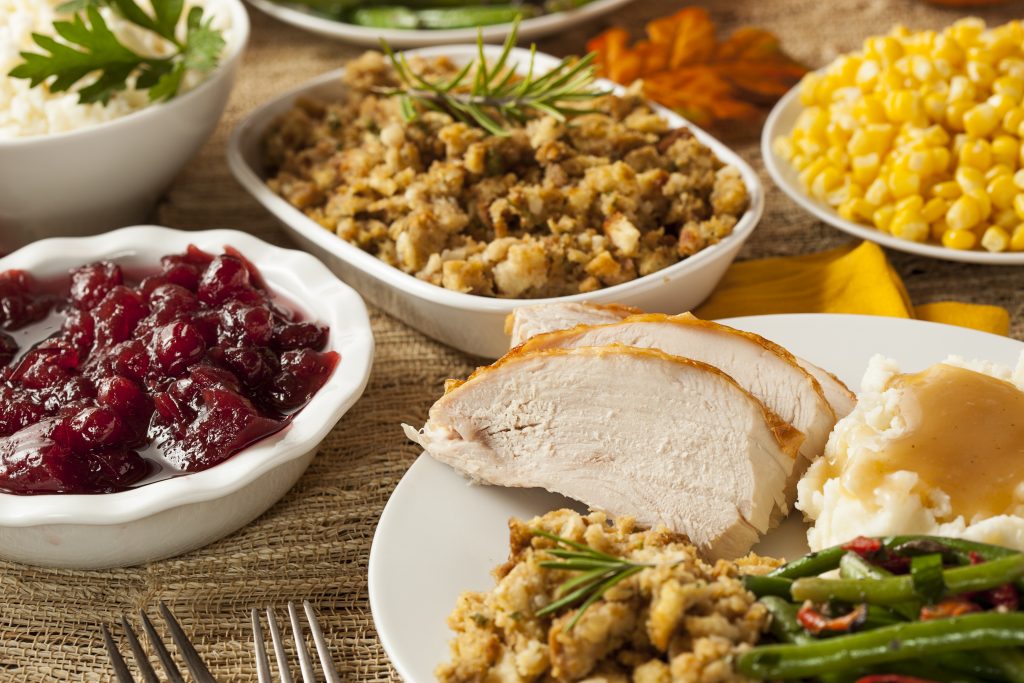
Thanksgiving is a time to slow down, gather with the people who matter most, and enjoy the dishes that feel like home. For many Southern families, no holiday table feels complete without one standout ingredient: the sweet potato. Whether baked, mashed, candied, or topped with toasted marshmallows, this humble crop has become a Thanksgiving staple across the country. Each year, the United States (U.S.) plants more than 150,000 acres of sweet potatoes, making it a major commercial crop, especially in states across the South.

Sweet potato production is largely centered in three states: North Carolina, Mississippi, and California. North Carolina is the clear leader, planting 87,000 acres in 2024, which accounted for 58 percent of all U.S. sweet potato acreage (NASS). Mississippi ranked second with 32,000 acres, followed by California with 18,000. Together, North Carolina and Mississippi produced roughly 80 percent of the nation's planted acres. In Mississippi, production is clustered in the north central region around Vardaman, often celebrated as "The Sweet Potato Capital of the World." In North Carolina, Wilson, Nash, and Johnston counties anchor the state's industry.

Louisiana, while still an important producer, has experienced a significant decline over the past decade. In 2011, producers planted 13,000 acres, but by 2024 that number had fallen to just over 5,000 (LSU AgCenter). High production costs, persistent pest pressure from the sugarcane beetle, and an aging grower population have all contributed to this downward trend.

Of all U.S. sweet potatoes produced, about 70 percent are made available for domestic consumption. In recent decades, however, U.S. sweet potatoes have also seen strong growth in export demand. In 2000, exports accounted for only 3 percent of total use, but by 2022 that share had increased to 21 percent. Canada, the United Kingdom, and the Netherlands are the top three destinations for U.S. sweet potatoes. While Canada has steadily increased its imports and remains the largest buyer, most of the export growth since 2000 has come from expanding markets in Europe. 

Sweet potato producers face unique marketing challenges compared to traditional row crops. Not every sweet potato is the same, and roots are graded based on size. U.S. No. 1s are considered the premium grade, preferred for the fresh market, and command the highest price. U.S. No. 2s include smaller roots, known as canners, and larger roots, known as jumbos, which are typically used by the processing industry. However, jumbos and canners bring lower prices, and depending on market conditions, canners may not be economical to harvest. This season, Mississippi growers have faced particular challenges with a higher share of smaller roots, resulting in lower overall economic returns.

Sweet potatoes remain a key crop in the Southeast, and producers continue to navigate significant challenges to deliver them to your Thanksgiving table. If you haven't planned to include sweet potatoes in your meal tomorrow, there is still time. To make it easier, I am happy to share the best way to enjoy sweet potatoes for a Thanksgiving meal. This recipe comes straight from my wife's Mimi, who grew up in the heart of Mississippi sweet potato country. Her sweet potato casserole has been a family staple for generations, and I hope your family enjoys it just as much as ours does. Happy Thanksgiving!

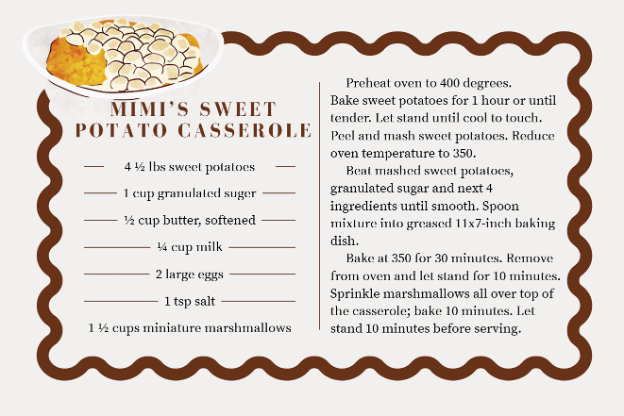
Mimi's Sweet Potato casserole
4.5 lbs sweet potatoes
1 cup granulated sugar
.5 cup butter softened
.25 cup milk
2 large eggs
1 tsp salt 
1.5 cups mini marshmallows 
Preheat oven to 400 degrees. Bake sweet potatoes for 1 hour until cool to the touch. Peel and mash sweet potatoes. Reduce oven temperature to 350. 
Beat Mashed sweet potatoes  sugar and next 4 ingredients until smooth. Spoon mixture intogreaded 11x17 inch baking dish. 
Bake at 350 for 30 minutes. Remove from oven and let stand for 10 minutes. Sprinkle marshmallows all over the top of casserole; bake 10 minutes and let stand another 10 minutes before serving!

References 

LSU AgCenter. (n.d.). Research station profile: Sweet Potato Research Station. https://www.lsuagcenter.com/portals/our_offices/research_stations/sweetpotato/features/profile

USDA National Agricultural Statistics Service (USDA NASS). (2025). Quick Stats. https://quickstats.nass.usda.gov/


Article Courtesy of Southern Ag Today: Maples, Will. "Sweet Potatoes: A Southern Crop for Thanksgiving." Southern Ag Today 5(48.3). November 26, 2025. Permalink

A Thanksgiving Message from Senator James Lankford

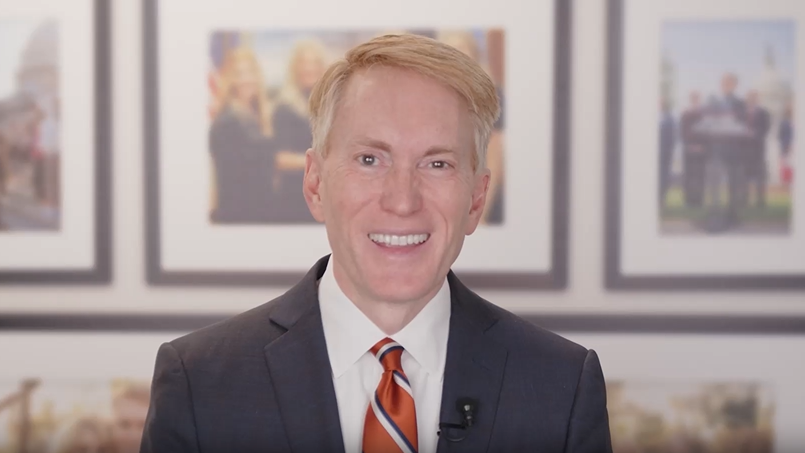
Senator James Lankford (R-OK) released a holiday message today, wishing his constituents a Happy Thanksgiving and encouraging them to take time for rest and gratitude amidst the holiday cheer. The message, delivered in a video greeting, emphasized the importance of pausing to appreciate the blessings shared as a nation, a state, and within family and community.

"Happy Thanksgiving," the Senator began, "I hope you enjoy time together with family and that you get time together just to be grateful."

Lankford acknowledged the American spirit of striving for continuous improvement, noting, "We're Americans and so we're always trying to make a more perfect union, and we're always working to get better." However, he stressed that times like Thanksgiving are essential for reflection.

"We need times like this to be able to pause, rest, watch a little football, and enjoy time together as a family with gratitude," he said.

The Senator concluded his brief but heartfelt message by urging everyone to embrace the spirit of thankfulness. "So, I hope you take time to just be grateful," he stated, wishing his audience a blessed holiday season.

The Thanksgiving holiday, observed annually on the fourth Thursday of November, is traditionally a time for families and friends to gather, share a meal, and give thanks. Senator Lankford's message aligns with this tradition, highlighting the value of family and community reflection.

Ride into the Holidays: Stockyards City Cowboy Christmas Parade & Pake McEntire

Stockyards City Main Street invites everyone to join the festivities for the Annual Cowboy Christmas Parade in historic Stockyards City on Saturday, December 6th!

Parade Details

The excitement kicks off at 10:00 a.m. with the majestic Slash O Ranch Longhorns leading the way. The parade features a mix of fun entries, including:

  • Antique cars
  • Community groups and law enforcement
  • Pageant royalty
  • The famous Cowboy Santa
  • And much more!

The parade route begins at Pennsylvania and Exchange, heads west on Exchange to Agnew, and then turns south on Agnew to S.W. 15th Street.

Meet Grand Marshal Pake McEntire

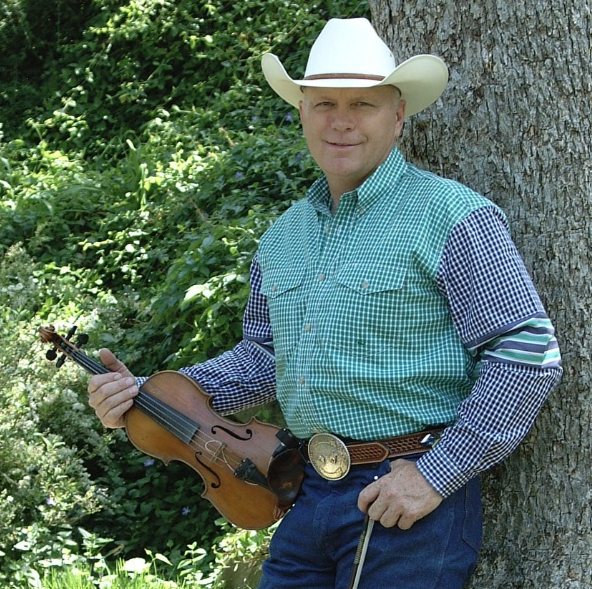
We are thrilled to announce that acclaimed country artist and accomplished steer roper Pake McEntire will be this year's Grand Marshal!

Pake McEntire's deep Oklahoma roots trace back to his upbringing in Chockie on the family ranch, where hard work, rodeo, and music were daily life. He started performing in the family group, 'The Singing McEntires,' alongside his siblings, including his sister Reba.

Pake's Career Highlights:

  • He signed with RCA Nashville in 1986.
  • His debut single, "Every Night," quickly made the Top 20.
  • His hit "Savin' My Love for You" rose to number three.
  • Beyond music, he is a recognized competitive steer roper.
  • To this day, he continues to play his fiddle and share the music that is part of his heritage.

Stay Awhile for Shopping and Fun!

After the parade wraps up, the fun continues!

  • Photo Opportunity: Get your picture taken with Cowboy Santa at Rodeo Cinema, located at 2221 Exchange Avenue.
  • Explore: Take time to shop the unique locally owned stores and grab a bite to eat.
  • Surprises: Plan on "stayin' a while"—you might find a few surprises waiting!

Come celebrate the holiday season with the grit and grandeur of the West!

Derrell Peel at 580 Cattle Conference in Woodward- 2025

OSU's Derrell Peel on Navigating the Beef Cattle Market as 2025 Heads for the Finish Line

OSU's Derrell Peel

Ron Hays Beef Buzzes with OSU's Dr. Derrell Peel

As the cattle market experiences heightened fluctuations, recent developments, including Tyson's announcement of beef packing capacity closures in January, warrant careful consideration among producers and consumers alike. As the cattle markets pause for the Thanksgiving holiday- Oklahoma Farm Report's Ron Hays Beef Buzzes with Oklahoma State University Extension Livestock Market Economist Dr. Darrell Peel about the current state and future trajectory of the cattle industry.

The recent cattle-on-feed report and the impending consolidation by Tyson are critical indicators of the market's evolving landscape. Dr. Peel suggests that despite these challenges, the fundamentals of the cattle market point towards potential growth in beef cow herds. He predicts that the January 2026 beef cow herd might be "fractionally more" than in 2025, emphasizing that while the expectation remains for herd stability, slight increases in numbers are feasible.

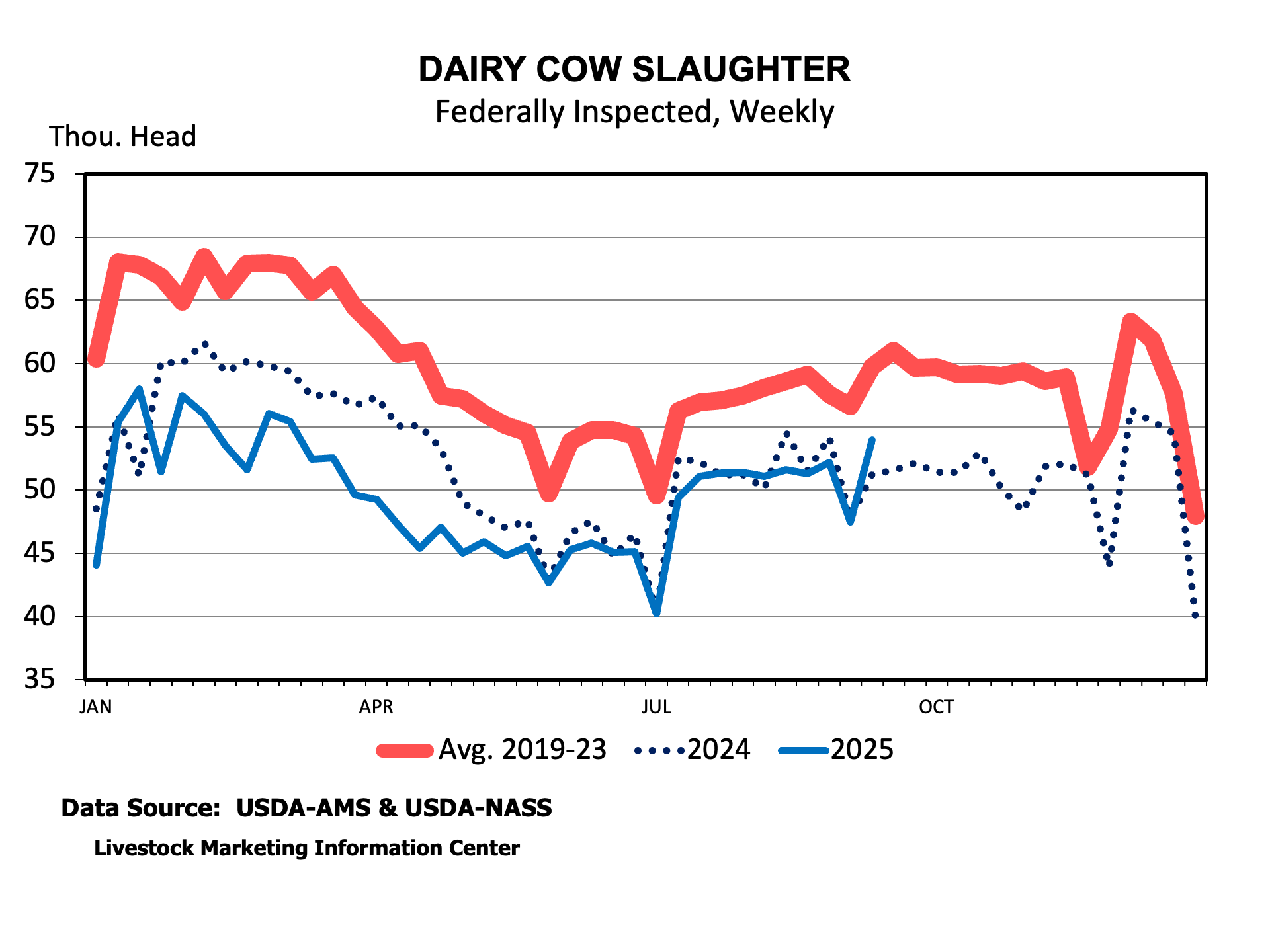
One of the factors influencing this potential growth is the significant decrease in cow slaughter rates. This decline has created a more favorable environment for the existing cows, especially given the low inventory of replacement heifers. Dr. Peel indicates that while producers entered this year with concerns surrounding inadequate heifer numbers, the reduced slaughter rates might sufficiently offset these challenges, thereby stabilizing the beef cow population at its current low levels.

Strategic Considerations for Producers

As the year draws to a close, Dr. Peel advises cattle producers to adhere to well-laid plans for 2026, emphasizing the importance of understanding and responding to market signals.

Rebuilding Strategies: Producers aiming to rebuild their herds should focus on strategic management of their resources. Implementing solid plans to produce and care for calves will enable producers to capitalize on prevailing market conditions.

Production vs. Rebuilding: Conversely, fully stocked producers should aim to maximize calf production. Efficient herd management will ensure robust numbers entering the market.

Dr. Peel encourages producers to remain steadfast in their plans, despite external turbulence that may obscure the underlying fundamentals of the market. "The market is still telling us that it's worthwhile," he asserts, pointing to the growing need for females to replenish the herd.

Looking ahead, Dr. Peel warns consumers that elevated beef prices are likely to persist. He notes that while there may be minor impacts from trade developments, significant relief in pricing is unlikely in the short term. The feeder cattle supply remains tight, necessitating that heifers be retained to rebuild the herd, thereby driving prices higher in the near future.

Long-Term Recovery Timeline

The path to recovery is expected to be gradual. "The highest prices are ahead of us yet," cautions Dr. Peel. He emphasizes that the cattle industry is characterized by its slow response to market shifts, foreseeing a protracted recovery that could span several years.

The cattle market is at a crucial juncture, influenced by internal dynamics and external pressures. As producers navigate these complexities, leveraging strategic planning and adhering to market fundamentals will be essential for their success. For consumers, the current situation suggests that high beef prices are a fixture for the foreseeable future, emphasizing the importance of adaptability within both the production and consumption landscapes of the beef industry.

The Beef Buzz is a regular feature heard on radio stations around the region on the Radio Oklahoma Ag Network and is a regular audio feature found on this website as well. Click on the LISTEN BAR for today's show and check out our archives for older Beef Buzz shows covering the gamut of the beef cattle industry today.

The Food Safety Super Bowl: Why Thanksgiving is a High-Stakes Game

While many associate the Super Bowl with football, for USDA food safety experts, the real high-stakes game is Thanksgiving. According to Meredith Carothers, a food safety expert with the USDA's Meat and Poultry Hotline, Thanksgiving is their "food safety Super Bowl of the year".

The holiday presents numerous food safety challenges because there are "so many food safety points to make and so many things to consider".


Stress and Shortcuts: The Recipe for Risk

Thanksgiving meal prep can be a stressful event, with cooks potentially facing various pressures:

  • Time Constraints: Tensions can be high due to tight timelines.
  • Impression Management: There's often pressure to impress loved ones.
  • Novelty: Doing the cooking for the first time adds to the stress.

This stress can lead cooks to miss critical steps in the meal preparation process or take shortcuts, which may result in a food safety issue.


The Unique Questions the Hotline Fields

The USDA's Meat and Poultry Hotline has been fielding questions for 40 years, and many unique food safety questions are posed to staff during the Thanksgiving season. Carothers mentions a few notable examples of questions asked over the decades:

  • A turkey was brined in a trash bag and then cooked with melted plastic still on it. The question was whether the turkey was still safe to eat.
  • Somebody tried to thaw their turkey in a dishwasher or in the shower.

While these questions may be unique, Carothers notes a declining trend in such bizarre food safety inquiries. She surmises this is because people call, learn the correct information, and then "in theory pass that information on to others". Much of what we learn about cooking is passed down by cooking with others.


Food Safety Resources

The USDA's Meat and Poultry Hotline, along with their food safety education team, develops partnerships and resources to ensure food safety information gets into the hands of consumers.

The USDA's Meat and Poultry Hotline is available to answer food safety questions during the Thanksgiving season and anytime of the year.

  • Call: $1-888-674-6854$ (1-888-MP-HOTLINE)
  • Email: MPHotline@usda.gov
Speaker Hilbert banner

House Speaker Highlights Approval for Major Hospital Project in Bristow, OK

Oklahoma House Speaker Kyle Hilbert, R-Bristow, today celebrated a major milestone for rural health care access following the Bristow Hospital Authority's approval of a final lease agreement allowing St. Francis Health System to assume operations of Bristow's local hospital.

This transition brings one of Oklahoma's largest and most respected health systems directly into the Bristow community, marking a significant expansion of high-quality, accessible medical care for residents across Creek County and the surrounding area.

Speaker Hilbert said the decision represents years of local effort and state-level work to support rural health infrastructure.

"St. Francis is one of the premier healthcare providers in Oklahoma, and having them in Bristow is a game-changer," Hilbert said. "This ensures families in our community have reliable, modern care close to home, not 30 or 40 miles away. This is exactly the kind of long-term investment rural Oklahoma deserves."

State Sen. Todd Gollihare, R-Kellyville, echoed Hilbert's remarks and praised the partnership for its long-term impact on the region.

"This partnership with St. Francis is a tremendous win for Bristow and for all of Creek County," Gollihare said. "Reliable, high-quality health care shouldn't be something rural families have to drive an hour to find. This investment ensures our communities have the medical access they deserve, and I'm grateful for the leadership that brought us to this point."

The Legislature has helped support the hospital by directing funds through Senate Bill 20XX in 2022, funding a total of $25 million to re-open closed hospitals in rural communities across the state. The Bristow Hospital was among communities selected through a transparent application process Speaker Hilbert championed.

Bristow City Mayor Kris Wyatt emphasized the vital partnership with St. Francis.

"We all understand how essential a hospital is to Bristow's future," said Wyatt. "It drives economic development, influences whether new industry chooses to come here, and supports the community's overall quality of life. If we want to continue growing and providing the standard of living our residents deserve, Bristow must have a hospital. St. Francis has a strong history of delivering excellent health care, and they are an outstanding partner to help meet that need."

This hospital project will support expanded services, improved patient capacity and upgrades to meet modern rural health care demands. St. Francis Hospital leadership expressed gratitude for the state's investment and praised lawmakers for prioritizing rural medical infrastructure.

"Saint Francis is proud to continue its investment in the health and well-being of Bristow and the surrounding community. With the opening of Warren Clinic Bristow in 2023 and now the transition to operate the local hospital, this partnership reinforces our shared vision for exceptional healthcare in rural Oklahoma," said Dr. Cliff Robertson, president and CEO of Saint Francis Health System. "This is another important step in building a lasting relationship between Saint Francis and the people of Bristow—one that will grow and evolve to meet the community's needs for years to come."

Yesterday's action in Bristow comes as St. Francis in Tulsa recently received Trauma I designation , made possible by the partnership with OSU medical center established through the Legislature during the 2025 session. This major development advanced under Speaker Hilbert and Senator Gollihare's leadership.

"Healthy communities make for a stronger Oklahoma," Hilbert said. "Communities across the state are seeing long-overdue progress, and this is just the beginning."

Daily Email for November 26, 2025


Oklahoma's Latest Farm

and Ranch News

Wednesday, November 26, 2025


Howdy Neighbors!

Navigating the Grain Market: Trade Truce, Soy Demand, and the Corn Conundrum

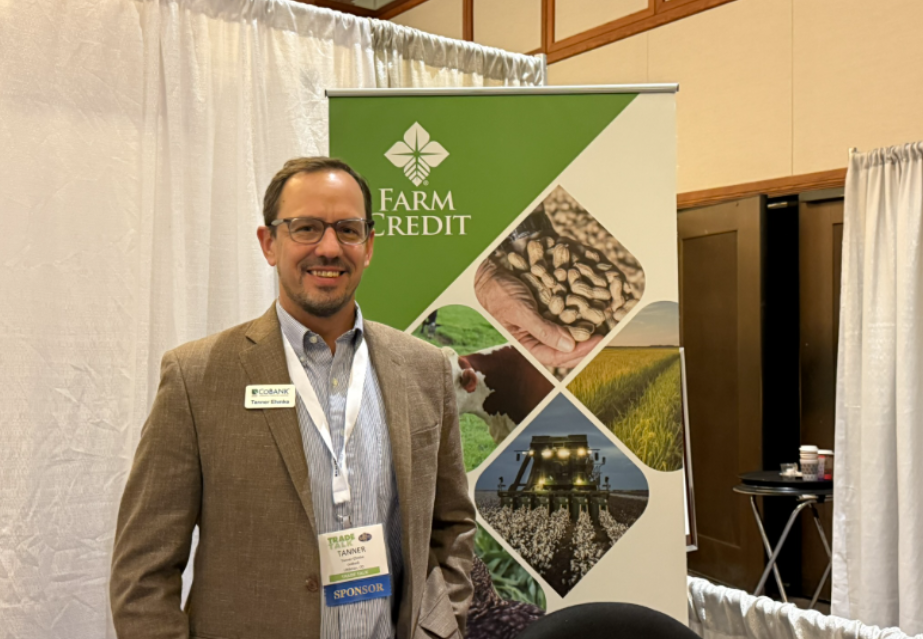
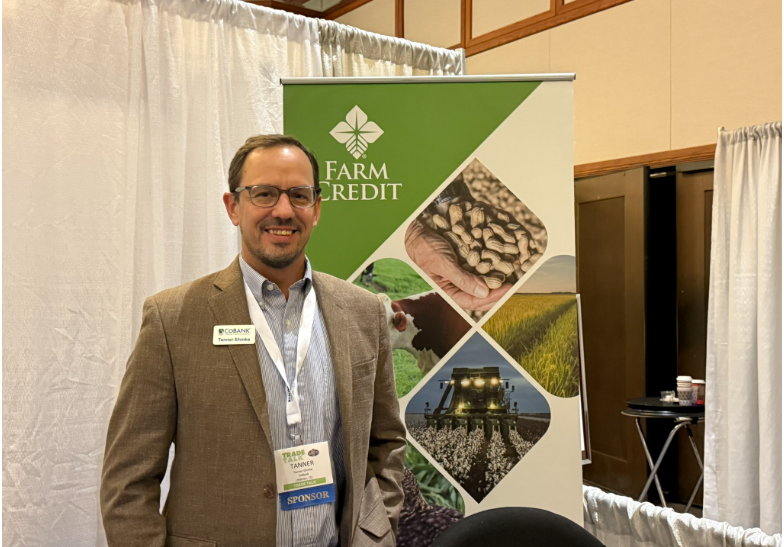
Farm Director KC Shepherd speaks with Tanner Ehmke, the Lead Economist for Grains and Oilseeds at Farm Credit, to discuss the latest developments shaping the market for U.S. soybeans, corn, and wheat. The conversation covers the volatile state of international trade, the surge in domestic demand, and the persistent challenges of massive grain inventories.


Ehmke characterizes the current U.S.-China trade situation not as a formalized deal, but as a trade truce, noting that a signed agreement is still forthcoming, possibly after the new year. The "great news" is the absence of further trade escalation and a positive shift in demand. Buying Resumption: China's state-owned firms like COFCO and Sinograin have resumed buying U.S. soybeans. Ehmke calls this an "absolute win" that led to a recovery in soybean prices. Persistent Hurdles: Private crushers in China are still not buying U.S. soybeans because of the 13% tariff and the fact that Brazil continues to offer cheaper alternatives. Demand Sustained: While current purchases haven't reached the 12 million tons previously promoted, the demand from state-owned firms is expected to provide a firmer floor under soybean prices.


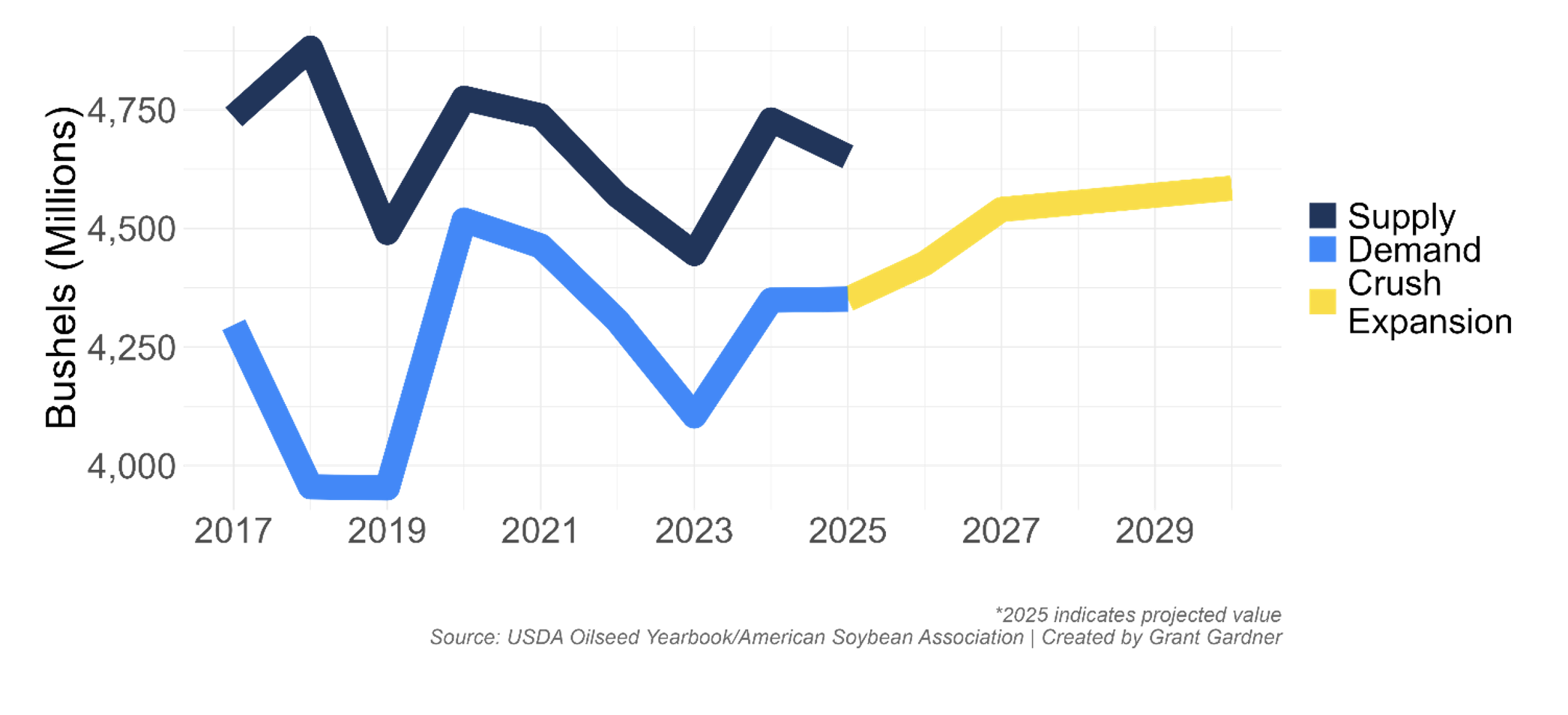
In addition to foreign demand, U.S. soybeans benefit from a domestic boom: Biofuel Demand: The expansion of crush capacity in the U.S., driven by nationwide biofuel demand, is creating significant domestic demand. Price Strength: Soybeans have shown the strongest price retention compared to other commodities. Ehmke advises farmers to be cautiously optimistic, acknowledging that high prices rarely stick around long, especially given the instability of the current trade truce. Sustaining the rally requires new, consistent demand from China.

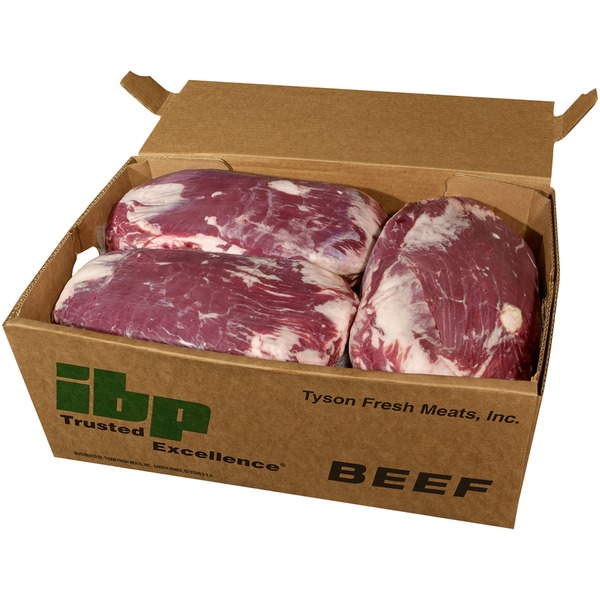
Tyson Beef Plant Closures: Dr. Derrell Peel Explains the Impact

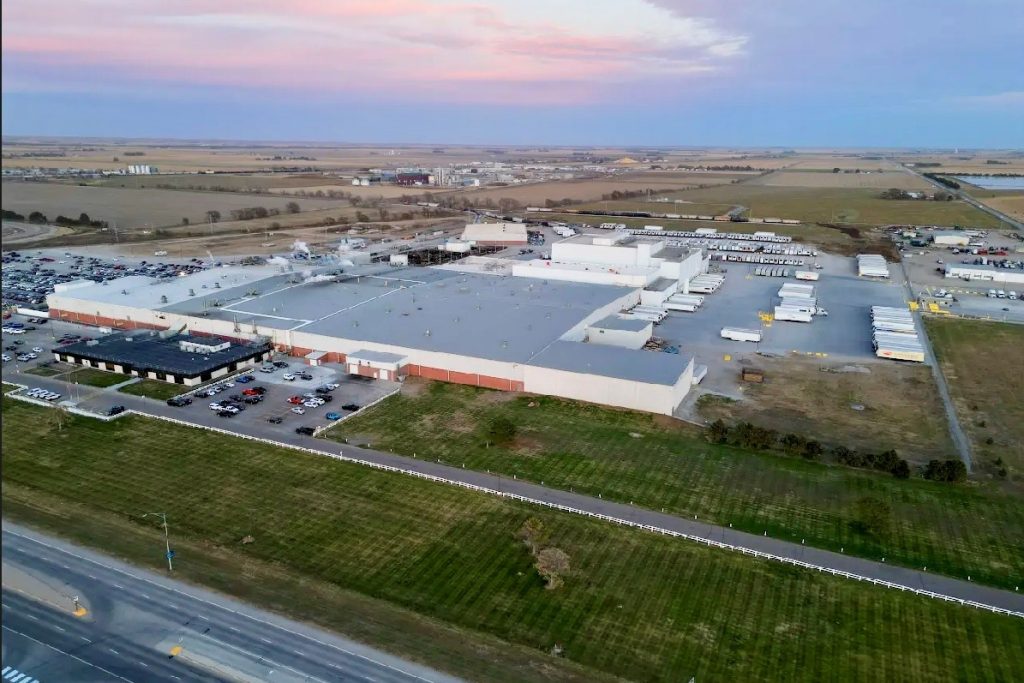
Senior farm and ranch broadcaster Ron Hays speaks with livestock market economist Dr. Derrell Peel about Tyson Foods' recent announcement about shutting down its Lexington, Nebraska, beef plant and downsizing operations in Amarillo. This news follows months of losses in its beef division, driven largely by the smallest U.S. cattle herd in decades. Tyson Foods' recent announcement about shutting down its Lexington, Nebraska, beef plant and downsizing operations in Amarillo. This news follows months of losses in its beef division, driven largely by the smallest U.S. cattle herd in decades.


Dr. Peel explained that the closure was not entirely unexpected within the industry. As he noted, "I've been getting questions for months from producers. Everybody was aware that this was a possibility." With cattle numbers extremely tight, packers have operated far below capacity and "have been unable to operate at anywhere close to full capacity," leading to sustained financial losses. According to Peel, the combined changes at the two Tyson plants represent a "seven to eight thousand head per day loss of packing capacity... probably somewhere in the range of seven and a half to nine percent of total U.S. packing capacity."


While plants tend to operate regionally, Peel emphasized that cattle flows respond to market pressures. He acknowledged that cattle can travel substantial distances when numbers are low, remarking that "when numbers get tight... fed cattle will travel significant distances. It's not as efficient to do that."

Ben Hale: Cattle Markets Ahead Of Thanksgiving Holiday

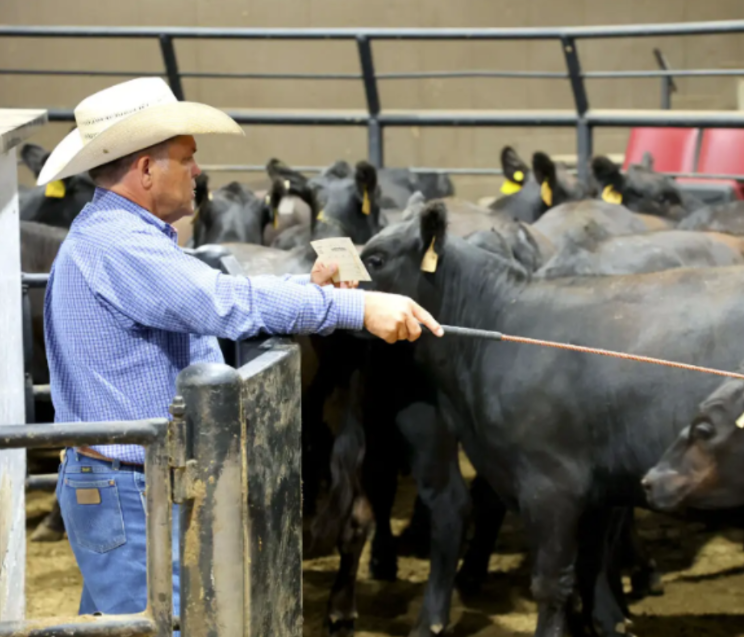
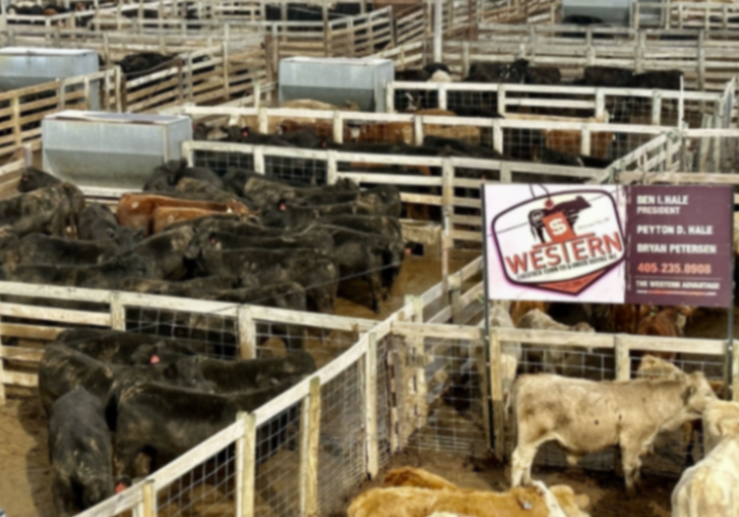
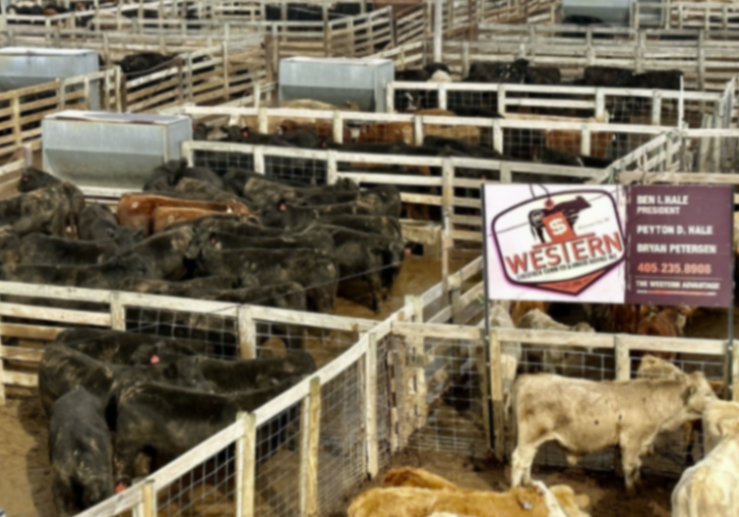
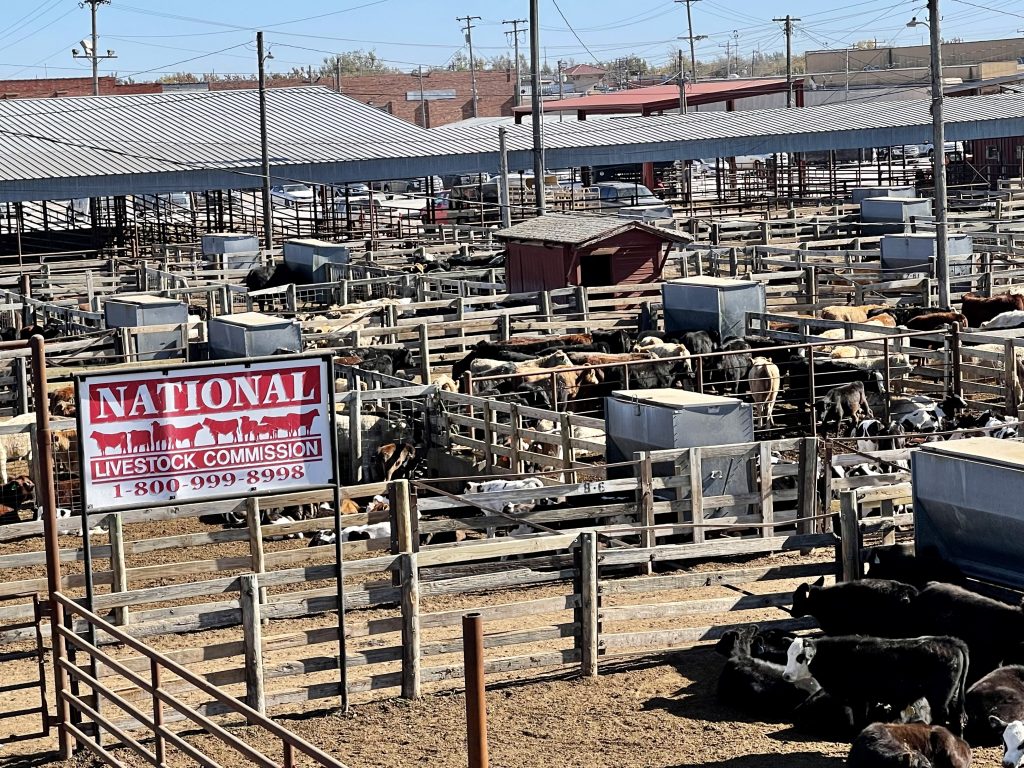
Hale noted a lighter-than-usual run of cattle ahead of Thanksgiving at the Oklahoma National Stockyards. he explains that the numbers were "a little over three" thousand compared to "about 6000 a year ago," and he attributes the decline partly to "the rain and the market a little bit." He notes that producers appear cautious in the face of market uncertainty and shifting conditions.


A major topic is the shockwave caused by Tyson Foods' recent announcement of packing facility closures and reductions. Hale says the news has "thrown the market for a loop" and compares the disruption to the 2019 Holcomb plant fire. Still, he emphasizes that the situation shouldn't fundamentally alter cattle flow, noting "they could move those cattle around," and suggesting the reaction may be more psychological than structural. As he puts it, "It shouldn't have had that effect... it's just one more thing to pile on."


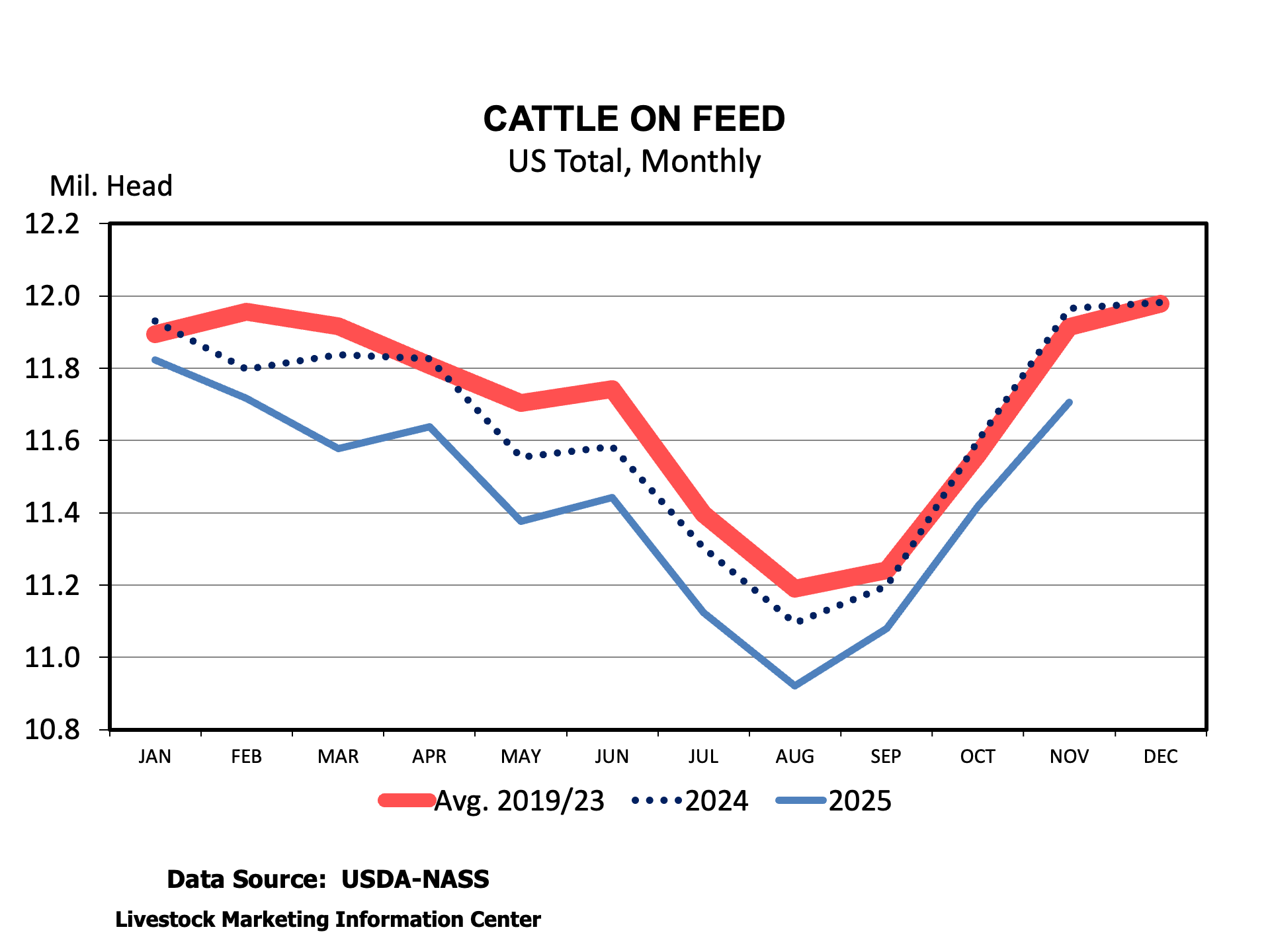
Hale also weighs in on the latest Cattle on Feed report, which he felt "looked bullish, honestly" despite being labeled neutral. He argues that current volatility is driven more by sentiment than by supply fundamentals: "fundamentals don't mean anything... it's just the kind of negative news day after day."

As Oklahoma's largest John Deere dealer, P&K Equipment is proud to serve our communities & the surrounding areas through 18 Oklahoma locations & 2 Arkansas locations. The entire P&K team is ready to keeping your equipment up & running. So, when it comes time to buy John Deere parts, look no further than GetGreenParts.com. Shop 24/7 from the convenience of wherever you are & have the parts shipped directly to you! This spring and summer- P&K is committed to making it easier than ever to really own your John Deere equipment. And long after the sale- P&K will be here to support you at every step. 

The Oklahoma Wheat Commission promotes greater use of wheat in domestic and international markets through research, market development and public education.


Our Commissioners develop policy and programs, direct the funding, represent producer interests and, of course, promote Oklahoma wheat!


Learn more about the Oklahoma Wheat Commission by clicking here for their website.


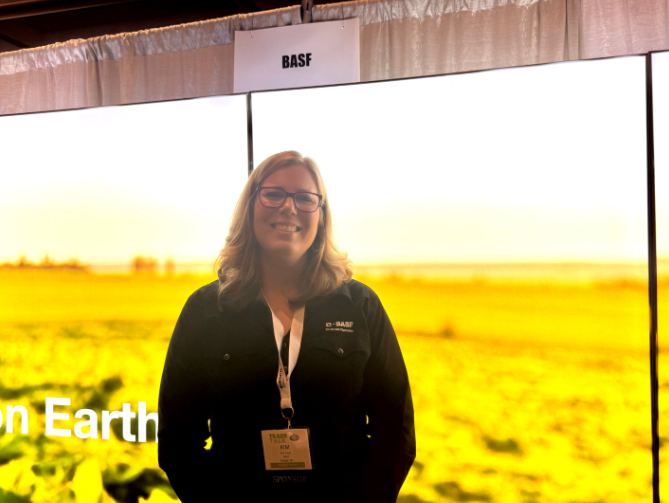
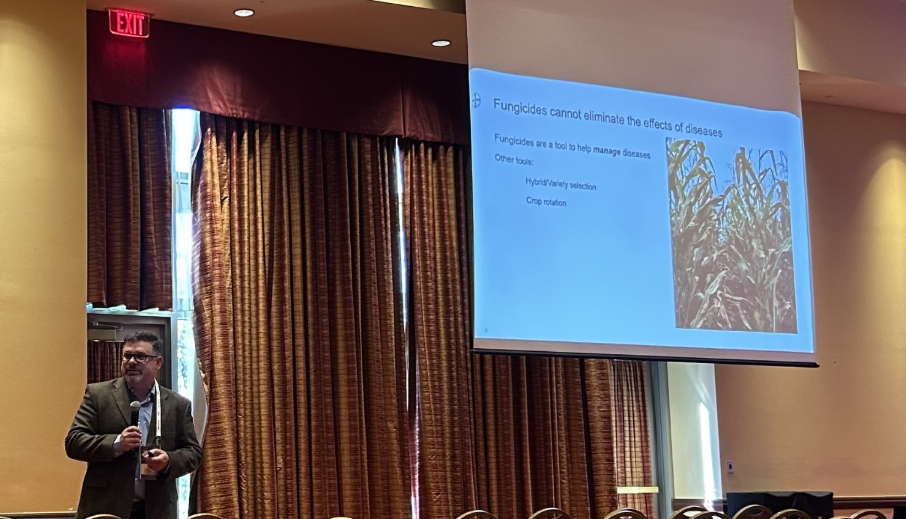
How BASF Fungicides Improve Crop Health and ROI

KC sheperd spoke with Kim Tutor, technical marketing manager for plant health who explains that her role at BASF focuses on fungicide performance. She notes, "I'm excited to be here talking about the performance of our fungicides." She highlights their performance-driven fungicides and emphasizes their lead corn product, Veltyma.


Tutor discusses the significant disease pressures growers faced, especially tar spot and southern rust, stressing the value of fungicide application. She says that "if you didn't treat your corn with a fungicide... you've left a lot of yield on the table, anywhere from 20 to 60 bushels an acre." She also highlights Veltyma's strong performance in soybeans, which has contributed to consistent yields and ROI across diverse geographies.


A major portion of Tutors' discussion focuses on plant health benefits beyond disease control. She explains how Veltyma helps plants withstand heat and drought stress by keeping stomates open: "We're going to help keep those little vents open... that gas exchange is what drives photosynthesis. Photosynthesis equals yield." She adds that their products support both above-ground growth and "basal root growth," contributing to cooler canopies and more resilient crops overall.

Todd Hubbs Crop Outlook Newsletter

Happy Thanksgiving, everyone. I wish you the best over the holiday. Last week witnessed significant volatility across agricultural futures markets. The markets gave back many of the gains seen on last Monday. Uncertainty over Chinese buying and trade deals in general combined with geopolitical developments kept the futures markets under pressure through the end of the week.


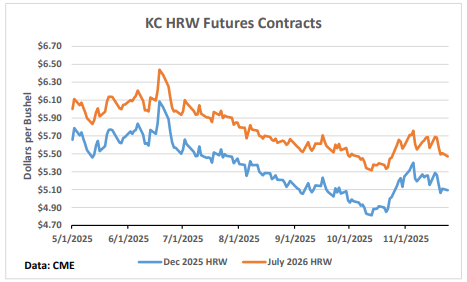
KC hard red winter wheat prices fell over the last week as they were dragged down by uncertainty that leaned bearish in the wheat market. The KC December HRW futures contract closed Monday at $5.07 per bushel down approximately twenty cents over the last week. Basis in Oklahoma has remained stable in the lower range of the five-year average. A strong carry is still in place between nearby and deferred KC HRW contracts. The Crop Progress report on Monday showed moderate improvements in conditions as planting wrapped up. Recent rains across the Southern Plains may take some drought risk premium out of the market. At present, the market fundamentals look to keep wheat prices range bound.


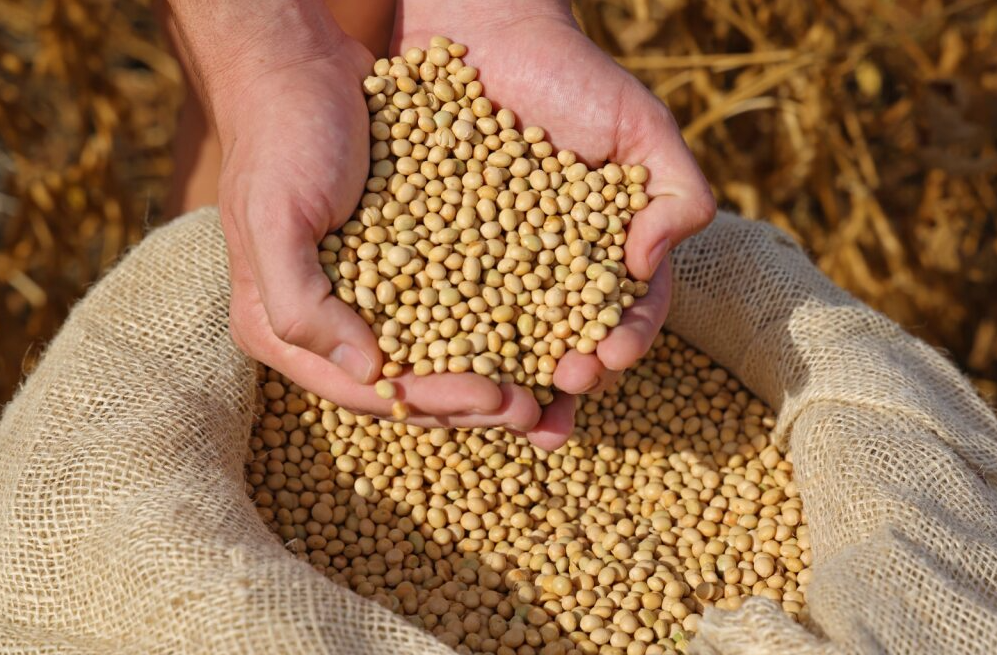
Soybean prices saw massive levels of volatility over the last week. China and South America are expected to dominate the outlook on soybeans despite the potential domestically for crush. Prices drove higher last Monday on growing belief that China would indeed buy U.S. soybeans. China followed through, in a limited fashion, by buying approximately 58 million bushels over three straight days from November 18 – 20. An additional flash sale of 123,000 metric tons was announced on Monday. The total of those flash sales brought soybeans purchased for the marketing year to around 71 million bushels. 

Cattlemen's Column: The cattle market is not broken

The following Op-Ed is written by Shelby Horn, a Board Member of the Texas and Southwestern Cattle Raisers. Recently, higher beef prices at the grocery store have become a hot topic. It's made local and national news headlines and taken social media by storm. That attention has fueled a narrative that something is "wrong" with the beef supply chain, pulling ranchers, media, elected officials and industry critics into a fast-moving conversation.


For ranchers, it is frustrating. People outside our industry don't always understand the cattle cycle, how prices move or why beef costs more at the grocery store right now. They do not see what ranchers see every day, and they rarely understand how quickly their comments can move markets.


Most ranchers understand these cycles. We know tight supplies and higher prices are part of a normal pattern. It is not a sign that the system is broken. Yet, that has not stopped people from looking for ways to fix a problem that is not there. For example, many of our political friends campaigned and were elected to make America more affordable, and with midterm elections around the corner, they're understandably looking for ways to move the needle with voters.

Analyzing Your System

In a recent cow calf article, Mark Johnson writes how do you develop breeding objectives and identify economically important traits on which to apply selection pressure in your cow-calf operation? The answer lies in understanding that your cattle (and their underlying genotype) are just one component of a much larger system. Your production system is a group interdependent components. Animal-related systems vary from large, extremely complex systems such as the beef industry as a whole, to smaller (but still complex) systems like an individual farm or ranch.


To analyze your own unique cow-calf production system, consider the following: Your cattle – specifically their genotypes, Your production environment, Your fixed resources and management, and economics. Your cow inventory and bulls used are the means to produce the calves marketed. How would you describe the genetic potential and phenotype of your cowherd, bull battery and calves produced? Is this description a good fit with the other components of your system?


Your production environment refers to all the elements involved in your cow-calf operation over which you have little influence. Examples would include altitude, soils, climate conditions like rainfall, wind and temperature, as well as the quantity and quality of your forage base. Cow-calf production takes place in an extremely wide variety of production environments. A cowherd of the correct genotype to fit their production environment will more efficiently convert grazed forage into pounds of calf raised.

USDA Launches 2025 National Study to Focus on Small and Mid-Sized Poultry Operations

The U.S. Department of Agriculture (USDA), in collaboration with industry partners, has officially launched its 2025 national study on poultry health and management practices. The effort aims to gather crucial, contemporary data specifically from small and mid-sized commercial poultry enterprises, a segment of the industry often underrepresented in broad national surveys. The study, announced this week, seeks input to help federal agencies and veterinary organizations develop targeted support and biosecurity protocols that are practical and effective for smaller-scale operations.


The study is open to U.S. producers who manage flocks within the following commercial size ranges: Table Egg Layers: 300 to 74,999 birds, Broilers: 300 to 199,999 birds and Meat Turkeys: 300 to 59,999 birds. Producers who meet these criteria are strongly encouraged to participate to ensure their operational data and health challenges are accurately reflected in the national findings.


The primary goal of the 2025 study is to address the gap in national poultry health data, which often disproportionately reflects the management systems and disease challenges of the largest industrial farms. Information collected will focus on key areas, including: Biosecurity measures and protocols, Feed and water management practices, Flock health record keeping and Specific disease pressures and challenges faced by small enterprises. The data will be aggregated and analyzed by the USDA to inform future educational resources, disease mitigation strategies, and veterinary support programs designed to bolster the long-term economic stability and public health of the entire poultry sector.

Checking the Markets...

Livestock markets were mixed but cautious. Feeder Cattle futures posted strong gains (January up $2.10, March up $3.07, April up $3.30), while Live Cattle futures were narrowly mixed (December/February down $0.20, April up $0.67).


Boxed beef was also mixed. Critically, cash trade at the Oklahoma National Stockyards saw drastic price cuts with feeder cattle down $10–$20 and calves down $20–$40, reflecting the "bewildered and very frustrated" reaction of buyers to the down-trending futures prices.

Click here for our Markets Page on OklahomaFarmReport.Com- there you will find our latest reports on cattle auctions, boxed beef, cash grains and market analysis.


OKC West is our Market Links Sponsor- they sell cattle three days a week- Cows on Mondays, Stockers on Tuesday and Feeders on Wednesday- Call 405-262-8800 to learn more.

Our daily email is free because of our Sponsors!

OKAgCredit248x160.png
AMFeeds.png
TulsaFarmShowSquareGraphic240.jpg
okfb.png
GreatPlainsLogoFeb2025Update240.jpg
Oklahoma-Wheat-Commission_Logo_Vertical_Full-Color_Gray240b-e1736195614699.jpg
OklaBeefCouncil.png
NAT_Logo_BlackRed160.png
KIS-Logo240b.png
oca.png
Facebook

© 2025 Oklahoma Farm Report - All rights reserved


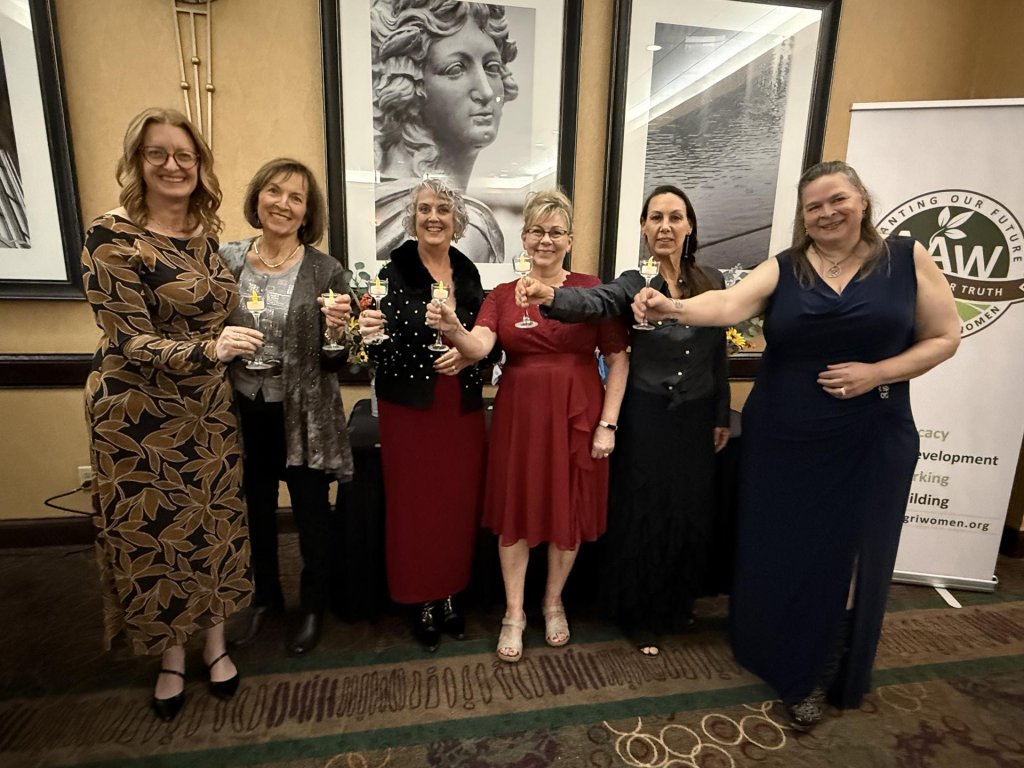
American Agri-Women Announces Newly Installed Officers at 2025 Convention

American Agri-Women (AAW) today announced its newly elected members of the national board for the upcoming term.

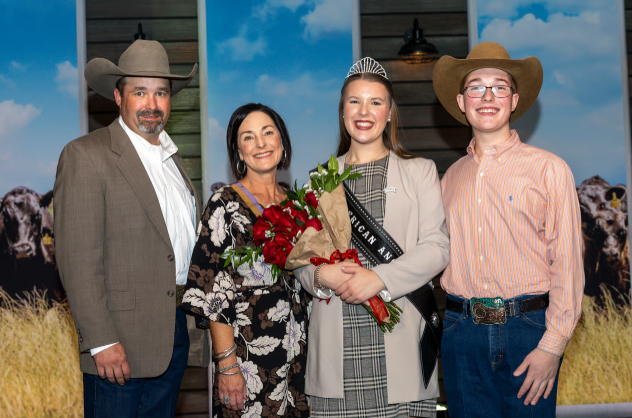
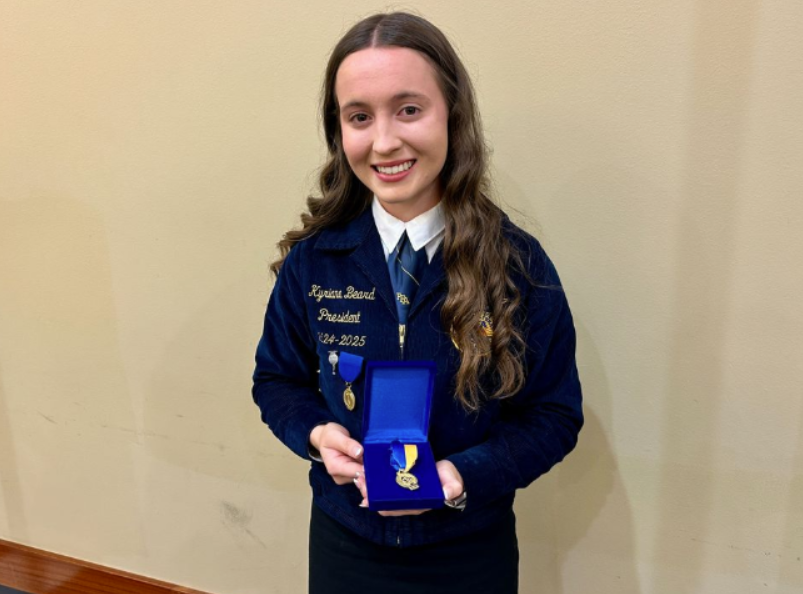
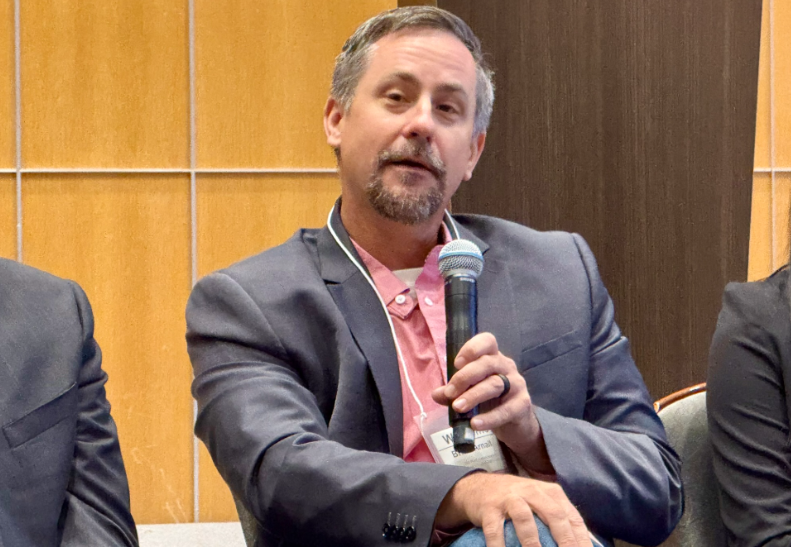
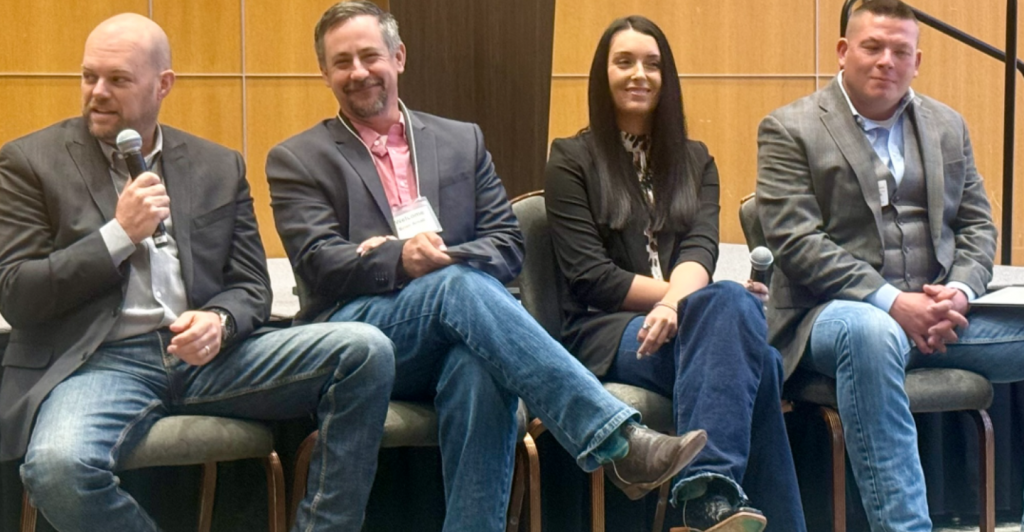
Kim Bremmer of Wisconsin is the new president, Maggie Howley of Montana has been elected first vice president, Vikkie Becker of Illinois will serve as the new vice president of communications and Sheila Currie of Maine has been named treasurer.

Rose Tryon of California will serve as past president. Debbie Bacigalupi of California is continuing her term as vice president of education, and Alex Henderson of Texas will continue as secretary.

American Agri-Women, founded in 1974, is the nation's largest coalition of farmers, ranchers, producers and agribusiness women across the country. The organization advocates for sound agricultural policy, provides leadership development opportunities and works to support strong rural communities.

For more information, visit americanagriwomen.org.

OAG Seal

Drummond calls out Tyson's misinformation campaign over poultry lawsuit

Attorney General Gentner Drummond is addressing inaccuracies surrounding the ongoing litigation to protect water quality in the Illinois River watershed, calling out what he describes as a coordinated misinformation campaign by Tyson Foods. The attorney general says the poultry company is trying to intimidate Oklahomans and deflect accountability. 

"Tyson Foods is engaging in shameless gamesmanship, using Oklahoma's hardworking farmers as pawns while threatening to withdraw contracts," said Drummond. "But Tyson's actions speak louder than their empty threats. Even as they claim to be concerned about this litigation, Tyson is actively working to acquire additional processing capacity in the watershed. Oklahomans deserve better than corporate intimidation tactics from a company that has repeatedly shown it prioritizes profits over people and environmental responsibility." 

The lawsuit, originally filed in 2005, seeks to hold major poultry companies accountable for polluting the Illinois River watershed with phosphorus from chicken waste. In 2023, U.S. District Judge Gregory Frizzell ruled in favor of the state and ordered each side to reach an agreement with regard to remedies imposed. After negotiations broke down, the court held a six-day evidentiary hearing and reaffirmed the findings that the watershed is still impaired. Proposed penalties exceeded $100 million against poultry companies Tyson, Cargill, George's, Simmons and Cal-Maine for violations of the Oklahoma Environmental Quality Code. The attorney general also requested that the companies be required to fund a restoration plan for the watershed. 

Recently, local officials and lawmakers have pressured Drummond and the state to abandon or scale back the litigation, following warnings from Tyson Foods about potential reductions to Oklahoma operations. However, reports show Tyson is seeking to increase its production capacity in the watershed through the acquisition of Cargill's former processing plant in Springdale, Ark., which contradicts claims that it has been forced to scale back operations in the watershed due to the lawsuit. 

"Let's be clear about what's really happening here," Drummond continued. "This isn't about protecting farmers. It's about protecting corporate profits at the expense of Oklahoma's natural resources." 

The state's lawsuit specifically targets the corporate poultry companies responsible for waste management practices, not individual farmers or growers. Oklahoma's legal action seeks to enforce state laws protecting the water quality of the Illinois River and Lake Tenkiller. Despite no farmers being named as defendants in the case, poultry companies have attempted to redirect blame and portray the litigation as an attack on agriculture. 

"Not one single farmer has been sued by the state, but these corporations continue to hide behind a false narrative, using hardworking farm families as human shields to avoid accountability," emphasized Drummond. "A thriving poultry industry and clean water can absolutely coexist. What we cannot accept is allowing massive corporations to pollute our waterways without consequence. Oklahoma is simply asking Tyson Foods to conduct its business responsibly and comply with laws—the same laws that protect the health and economic future of all Oklahomans." 

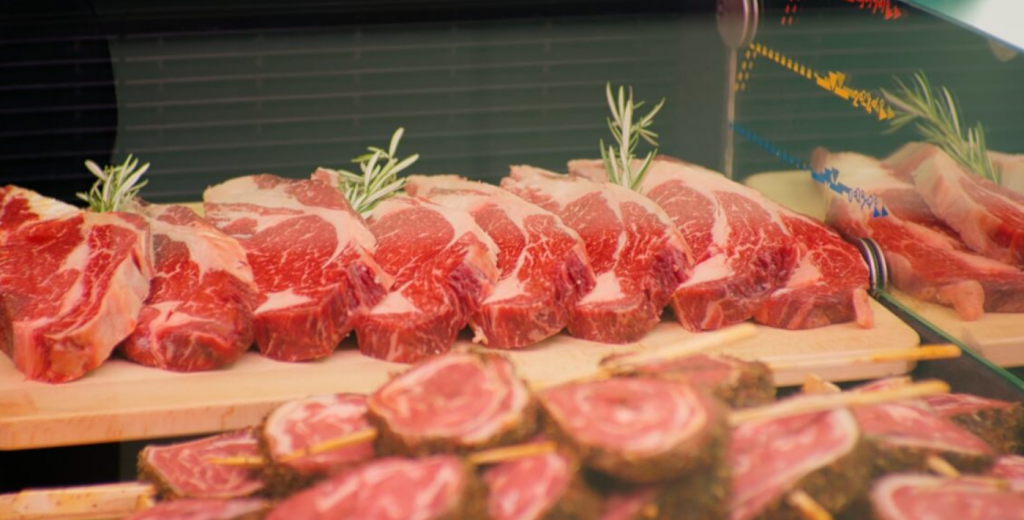
Every Primal Has Its Value

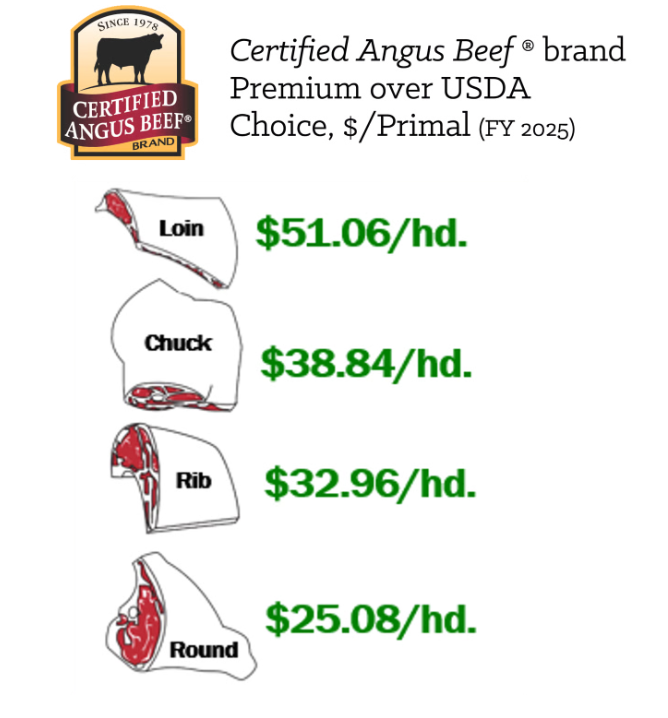
Certified Angus Beef (CAB) has turned carcass merchandising into a science, delivering premiums across every primal. In fiscal year 2025, the loin dominated with a $51.06 per head premium over Choice, driven by high-value cuts like tenderloin, strip loin and top butt. At 21.3% of total carcass weight, it remains the top contributor.

The chuck surprised many by ranking second at $38.84 per head premium over Choice, surpassing the rib thanks to its weight advantage—2.6 times heavier. The rib, while smaller at 11.4% of carcass weight, still added $30.39 per head and captured double the per-pound premium compared to chuck.

The round, at 22.3% of weight, contributed $17.68 per head, limited by lower tenderness and use for roasts or ground beef. Brisket and plate offered strong per-pound premiums near $0.13 and represent just 12% of carcass weight.

While it may not have started this way 47 years ago, CAB has successfully carved out premiums over commodity USDA Choice from end to end of the carcass.

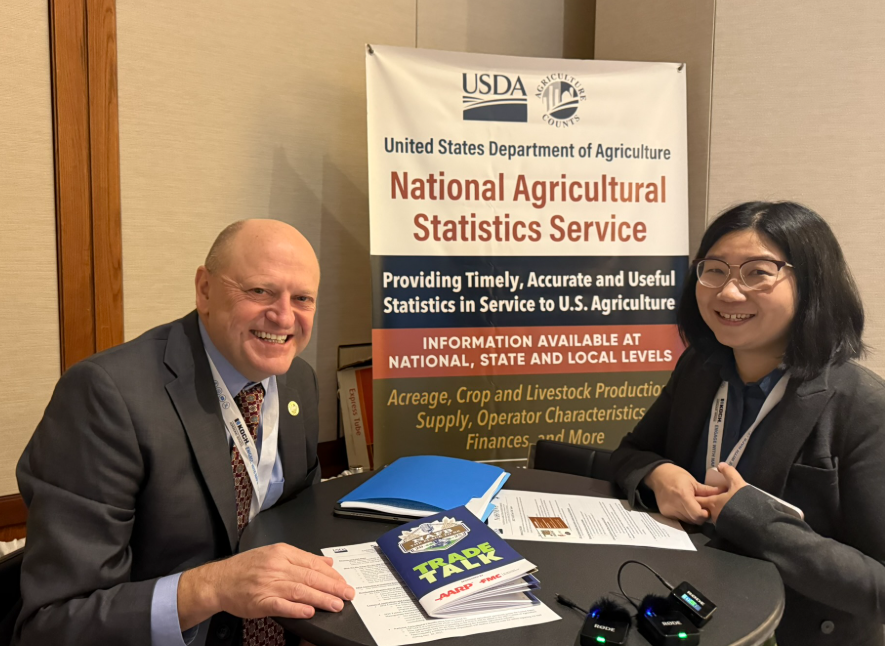
USDA NASS Rushes to Catch Up: Why Farm Data is More Critical Than Ever

Following a recent lapse in government funding, the USDA National Agricultural Statistics Service (NASS) is working hard to bring its vital statistical reports back on schedule. In an interview with Farm Director KC Sheperd, Joe Parsons of USDA NASS discussed the agency's mission to recover from the hiatus and underscored the irreplaceable value of farm data.

Back on Track: Reports and Year-End Surveys

Parsons confirmed that while NASS successfully released key information like the November Crop Production report, the agency has significant work ahead. The pause necessitated the rescheduling of crucial market information.

"We do have some catching up to do," Parsons stated. "We have about 60 reports that were scheduled to be released during the lapse in funding... we're very busy trying to get back on track and also prepare for the other things that are coming down the pipe."

He confirmed that widely followed reports, including crop production numbers, the WASDE (World Agricultural Supply and Demand Estimates), and cattle on feed data, are being prioritized to be back on time. Additionally, NASS is gearing up for its essential year-end activities.

"We have a lot of data to get collected to... meet those end of what we call our end of year surveys," Parsons explained, which includes a "big survey that we do in December" related to the January reports on crop and grain in storage.


Closing the Market Intelligence Gap

The need for farmers to diligently participate in NASS surveys was a key focus of the discussion. Parsons explained that for many family farms, the NASS data is their only source of comprehensive, reliable market intelligence.

"A large multinational firms that have really as a part of their business have market intelligence, right?" Parsons noted. However, farmers "don't have the resources to have that kind of market intelligence."

When NASS data is unavailable, it creates a serious problem: "there is a, you know, there's really a gap." The agency's solution is to level the playing field by ensuring all stakeholders—from multinational corporations to part-time farmers—receive the information simultaneously.

"The data that we collect from farmers and ranchers... it's available to everybody at the same time, whether you're a big operator, a multinational, or... you farm part time," he confirmed.


Confidentiality and the Agricultural Census

Addressing a perennial concern from the farming community, KC Sheperd asked Parsons to confirm the privacy of the submitted data. Parsons provided firm assurance, noting that the data is protected by federal law.

"That's not just because we think that's a good idea, that's because it's covered in law," Parsons stressed. He added that regardless of situations like a lawsuit or a Freedom of Information Act request, "The data provided to us by farmers and ranchers... are private and they are kept confidential and that's under a law called Subsea, with very high penalties if we don't."

Looking ahead, while the next main Census of Agriculture data collection will begin at the end of 2027, NASS is focused on crucial preliminary activities. This includes follow-on surveys, notably one concerning land transfer, and targeted surveys on Organics and Local Foods.

A major current activity is refining the mailing list to ensure accuracy. Parsons mentioned that some listeners may soon receive a short questionnaire: "That's what that's about is to determine who is farming, who should we reach out to with that census form that's now a couple years away."

US Meat Export Performance Strong But China Issues Persist

In today's beef buzz, senior farm and ranch broadcaster Ron Hays speaks with  Dan Halstrom, president of the USMEF, who emphasized that global demand for U.S. red meat remains "very, very good, if not record-breaking," even amid political and economic turbulence. He noted especially strong performance in markets tied to existing free trade agreements, saying regions such as Canada and Mexico under USMCA account for about 28% of U.S. beef and pork exports and are "growing, and have been for several years now."

Halstrom highlighted that countries with long-standing trade agreements—Central America under CAFTA; Colombia and Chile; and South Korea under KORUS—continue to deliver robust results. Despite record-high beef prices, he said these partners "continue to buy, demanding our quality products." Alongside these mature markets, he underscored the importance of expanding in developing regions, particularly Southeast Asia, Central America, and Africa, where USMEF sees strong long-term potential.

The most significant challenge he identified is restricted U.S. beef access in China. Halstrom called the situation "extremely frustrating," pointing out that China was a $1.6 billion market last year and that customers like Sam's Club are ready to resume chilled beef purchases "tomorrow" if the relisted plants are approved. He stressed that restoring access is the top priority with USTR, noting the solution could come "with a flip of a switch tomorrow, if they so choose."

While waiting for China's return, Halstrom explained the need to redirect products—particularly variety meats—into alternative markets. China is the largest customer for these items, so finding new destinations is essential. He said the lack of access is "expediting that momentum, or that urgency" to develop outlets in Mexico, Peru, Central America, and Africa for items like tripe, kidneys, and livers. Although China cannot be replaced quickly, he believes that when it eventually reopens, the U.S. will be "much well positioned with a more diverse portfolio."

Halstrom described strong global interest in U.S. quality and consistency, saying customers "are wanting quality even if it costs more." Demand for upper Choice and Prime beef is rising worldwide. At the same time, consumer habits are changing rapidly: convenience products, meal kits, case-ready items, and home-meal-replacement options are growing across markets. He noted Korea as the leading example, where more than 40% of purchases are now through e-commerce, adding, "Everything's moving fast, very fast."

Finally, Halstrom said the global consumer mindset increasingly mirrors U.S. trends around nutrition and the "power of protein." This applies not only to muscle cuts but also to variety meats, which he said carry strong nutritional appeal in markets such as Peru, Chile, Mexico, Africa, and Japan. He emphasized that "people are giving more focus on health, more focus on nutrition," and U.S. beef, pork, and lamb remain central to that demand.

The Beef Buzz is a regular feature heard on radio stations around the region on the Radio Oklahoma Ag Network and is a regular audio feature found on this website as well. Click on the LISTEN BAR for today's show and check out our archives for older Beef Buzz shows covering the gamut of the beef cattle industry today.

Sean Voskhul at trade talk

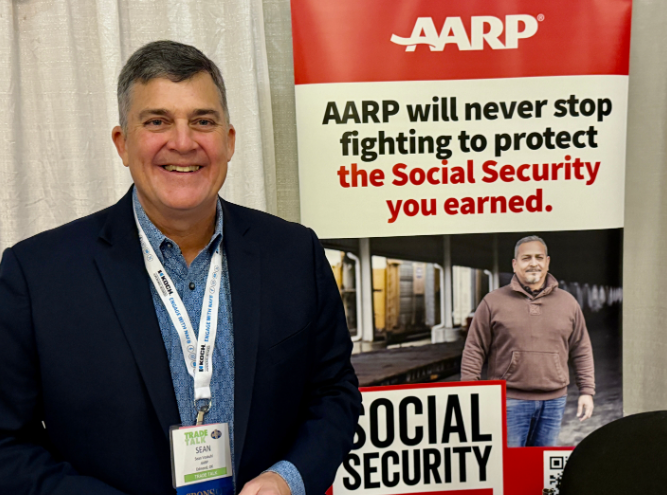
AARP Advocates for Caregivers, Rural Support, and Medicare Updates

Senior farm and ranch broadcaster Ron Hays spoke with Sean Voskhul from AARP. Voskhul began with recognition of the vital role caregivers play across the country. Voskhul highlighted that "835,000 caregivers in Oklahoma provide that labor of love every day, taking care of individuals so they can stay at home where they want to be and out of costly institutions." He emphasized the financial burden caregivers face, noting that "family caregivers, in our research spend on average $7,200 per year," which has led Oklahoma to implement a caregiver tax credit. AARP is now advocating for a similar federal tax credit to ease financial strain on families who often have to reduce work hours or leave their jobs entirely.

Voskhul also discussed ongoing policy issues related to Medicare and Medicaid, particularly with open enrollment approaching. He stressed the importance of careful planning, saying, "Medicare is confusing, and you need that expert help to understand what you need to get." He highlighted recent improvements, including an out-of-pocket cap of $2,000 on prescription drug costs and projected savings from Medicare negotiating lower drug prices starting in 2026. Additionally, he noted a federal income tax credit for Social Security recipients: "Starting in 2026 you'll get a $6,000 back."

The conversation then turned to AARP's work in rural communities, where Voskhul highlighted the AARP Community Challenge grant program. Since 2017, AARP has invested approximately $10 million in rural initiatives, funding projects like community gardens, street safety improvements, and telehealth pods in libraries. Voskhul explained, "Many times communities who don't have that big tax base can use this challenge grant to also bring down other dollars from other grants." These grants aim to make rural communities more livable, connected, and resilient.

Voskhul stressed the demographic realities of rural America, noting that "for the first time ever, one in five people who live in rural areas are 65 years of age and older." To address this aging population, AARP invests in telehealth, Wi-Fi access, and other essential services, ensuring older residents can age in place safely and maintain connection to their communities. He emphasized, "Rural America is a great place to live. We've got over 6 million members nationwide who live in rural communities. So we're invested."

The discussion also addressed AARP's advocacy for preserving AM radio, which remains a critical communication tool for older Americans, especially during emergencies. Voskhul stated, "When you think about AM radio, obviously older Americans rely on AM radio for news, their weather, and disaster events. It's a big safety issue." He emphasized bipartisan support for legislation to sustain AM radio, calling it "a no brainer" and urging Congress to act.

Finally, Voskhul summarized AARP's broad approach to improving quality of life for older Americans. From financial support for caregivers to healthcare policy, rural development, and emergency communication systems, AARP seeks to address both practical and systemic challenges. Voskhul reiterated the organization's commitment: "It's important that this legislation gets done... We support it. We've been advocating for several years." The conversation highlighted AARP's role as a trusted partner for older adults navigating complex social, financial, and technological landscapes.

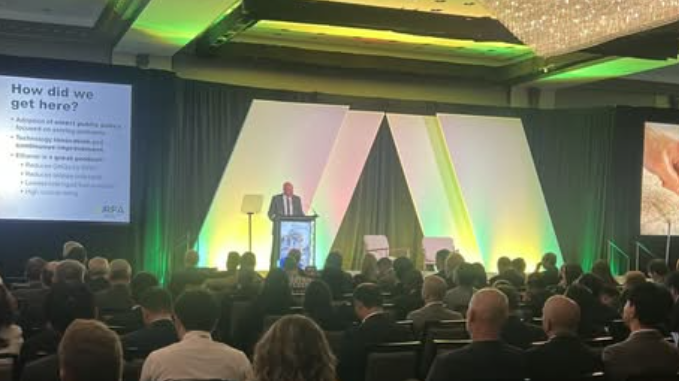
Ethanol Industry Eyes Record Exports and Sustainable Aviation Fuel

Geoff Cooper, CEO of the Renewable Fuels Association (RFA), spoke with Intern Karleigh Erramouspe about the current market dynamics for U.S. ethanol, revealing record-setting export levels and highlighting a major new opportunity in sustainable aviation fuel (SAF).

Legislative Roadblocks for E15

Cooper began by outlining the core function of the RFA: representing U.S. ethanol producers, who convert corn and grain sorghum into ethanol, and giving the industry a unified voice across the country.

The biggest hurdle for expanding domestic E15 sales (a blend of 15% ethanol and 85% gasoline) remains legislative uncertainty. Currently, roughly 70% of the country cannot sell E15 year-round without a last-minute emergency waiver from the EPA.

"Really the biggest hurdle currently for nationwide year-round sales of E15 is we still don't have legislation that allows the fuel to be sold year-round," Cooper said.

Geoff Cooper

This lack of certainty creates a massive disincentive for retailers to invest in the necessary infrastructure.

"If we don't know whether we can sell this fuel year-round, you know, 365 days a year, we're not going to make the investment in the infrastructure... to offer this product, if we can't sell it every day of the year," he explained, summarizing the retailer's dilemma.

To solve this, Cooper stressed the urgent need for Congress to pass legislation allowing year-round E15 sales before the end of the year.

Record Exports and Trade Success

In stark contrast to the domestic regulatory hurdles, the ethanol industry is celebrating unprecedented success in the global marketplace.

"We're actually seeing record exports in the ethanol industry. We're expecting that this year about 2.4 billion gallons of ethanol will be exported, that will be an all-time record," Cooper revealed.

This record volume means approximately 13% or 14% of total U.S. production is being exported.

Cooper noted that the industry has not seen adverse effects from recent tariff and trade disputes. In fact, ethanol has been front and center in the U.S. government's trade negotiations. He specifically highlighted a recent success:

"The showpiece of that is is the trade deal that was done with the U.K. [United Kingdom]. The United Kingdom deal included a nice provision for ethanol that really expands our access to that market."

A Huge Opportunity in Sustainable Aviation Fuel (SAF)

The most exciting development for the industry is the emergence of sustainable aviation fuel (SAF), which promises to open an entirely new sector for corn-based ethanol.

Cooper detailed how ethanol is now being used as the foundational component for cleaner jet fuel.

"One of the things we're we're very focused on in the industry today is taking ethanol and using it as the building block for sustainable aviation fuel," he said.

He proudly pointed to a significant milestone: the first-ever sustainable aviation fuel facility using ethanol as its feedstock was built in Soperton, Georgia, and has recently reached commercial-scale production.

"We think that's a great sign and and and points to a bright future for the use of ethanol in the aviation sector," Cooper concluded, noting that this is not a market the industry has previously played in, making it a "potentially a huge market opportunity" for ethanol producers and corn growers.

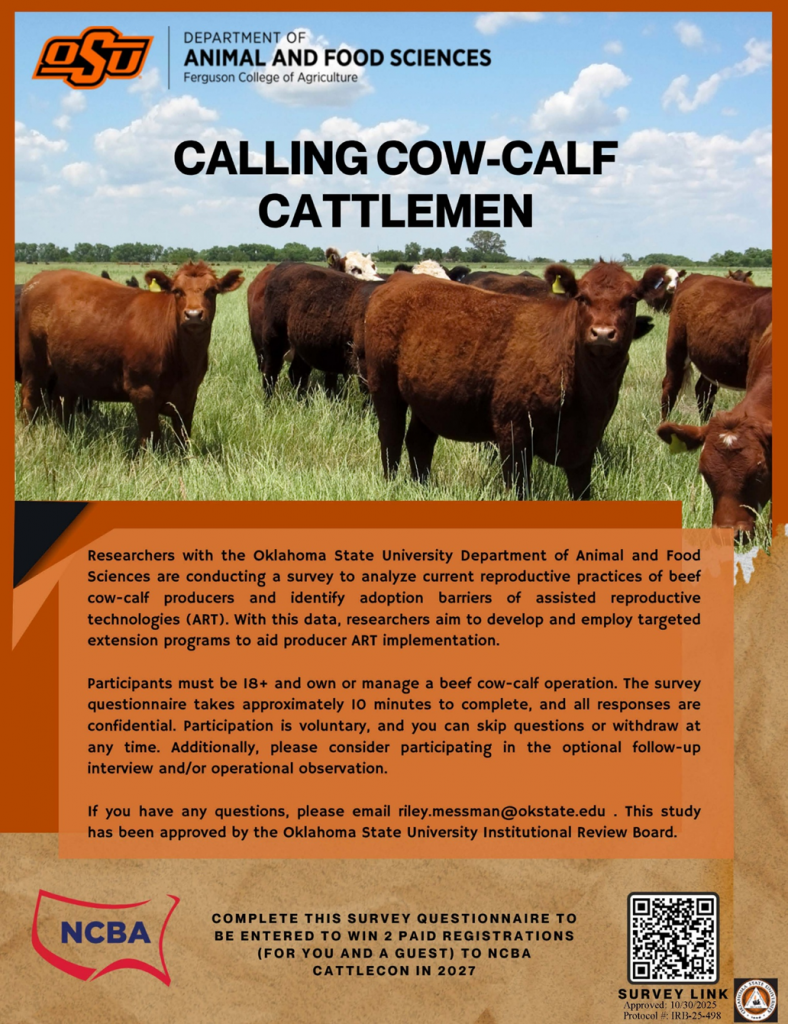
Input Needed for Reproductive Technology Study

Cattle producers, we need your help!

Researchers with the Oklahoma State University Department of Animal and Food Sciences are conducting a survey to assess the current reproductive practices of beef cow-calf producers. With special interest in assisted reproductive technologies (ART), such as artificial insemination and embryo transfer, this study aims to quantify and analyze ART utilization as well as explore the barriers in its adoption and implementation within beef cow-calf operations.

We invite you to participate in our survey questionnaire and optional follow-up interview and/or operational observation. The survey questionnaire takes approximately 10 minutes of your time to complete. Participation is completely voluntary, and responses will remail confidential. To participate, you must be 18 years or older and own or manage a beef cow-calf operation. For full completion of the 10-minute questionnaire, you'll receive one entry into a raffle for a chance to win 2 paid registrations to NCBA CattleCon 2027 – one for you and a guest.

We believe this information is invaluable in further developing extension education programs so we may continue to adopt, enhance, and innovate industry methods, especially as our production resources are continuing to diminish.

Thank you for your considered participation, as we deeply appreciate any feedback you would be willing to provide.

To participate, please click the link below to complete the consent form and take the survey questionnaire.

https://okstatecasnr.az1.qualtrics.com/jfe/form/SV_dmQFP9m1pMzgyDc

If you have any questions, please contact Riley Messman at riley.messman@okstate.edu.  This study has received approval from the Oklahoma State University Institutional Review Board.

Image

Lankford Letter

Dear Oklahoma friends and neighbors:

It's almost Thanksgiving. If you're like me, you wanted your Christmas tree up when the first leaf fell off a tree early this fall, but now the holiday season is really getting into full swing, and Christmas lights are going up around our state. 

In all the bustle of the holidays, I pray no one loses sight of what's really important about the season: giving thanks for our many blessings, coming together as families, looking for ways to serve others, and most importantly for me and my family, celebrating the birth of Jesus on Christmas. I hope you will take time to rest and feel encouraged about our days ahead as a state and nation. We are at our best when we are hopeful, engaged, and steadfast in our values.

Keeping the US Open

Here is something to be thankful for: the government shutdown is behind us. After 15 votes to reopen the government over five weeks, we are open. If you want all the detail on the shutdown and my work to get us back open, CLICK HERE.

Five years ago, I proposed to the Senate that we never have a shutdown again. I offered a simple bill to keep the government open if we did not pass the appropriation bills on time, which would require the House and Senate to be in session seven days a week until we resolve our budget issues. That would mean no federal employee, SNAP recipient or airline would feel any effect of the funding debate, only members of Congress. My bill received 57 votes during the last session of Congress, just three votes shy of becoming law. I'm getting close to shutting down shutdowns forever. I will keep working. 

CLICK HERE to read my op-ed in National Review on my bill to end government shutdowns.

What's Next?

In the coming days and weeks before the end of the year, the Senate has plenty of work to complete. Thankfully, Senate Republicans began working earlier this year on the National Defense Authorization Act (known as the Defense Bill) to finish the important work of providing for our nation's heroes before January—which Congress has been able to get done every year since the end of World War II. I work every year for our Oklahoma military installations and our national defense. 

CLICK HERE to read more about the priorities I secured for Oklahoma military members and their installations.

In the next few months, we need to pass at least five more appropriation bills to fund the government before January 30, 2026. We also need to finish the second half of the Farm Bill, pass energy permitting reform, finalize the transportation bill, and confirm at least 70 more nominees for President Trump.

Addressing the Cost of Health Care

When Obamacare passed in 2009, Democrats promised that healthcare costs would drop by 25%. We are still waiting for those healthcare cost savings. In reality, the opposite was true. Once the bill was fully implemented, from 2013-2019, the cost of commercial health insurance in Oklahoma went up 29% and the cost of the Obamacare marketplace plans went up an astounding 198%. Everyone's healthcare costs have skyrocketed.

During the COVID pandemic in the first year of the Biden Administration, Democrats passed a four-year emergency COVID bonus payment to insurance companies on top of the Obamacare healthcare subsidy for about 10 million people. Four years later, as the bonus payment was set to expire, there were 19 million people getting the subsidies, some making over $500,000 a year. Democrats devised a system to send money directly to insurance companies so they could get around the law that prevents federal tax money from paying for elective abortions. Most Oklahomans I meet do not want their hard-earned tax dollars being used to pay for someone's elective abortion or subsidizing the health insurance of people making half a million dollars.

The answer to rising healthcare costs in America is not sending more and more money to insurance companies and hoping they use the money efficiently. It is about getting less expensive options to every American. It is also about lowering the cost of prescription drugs by taking on the pharmacy benefit managers (known as PBMs) who control the formulary and costs of our prescription drugs. As a member of the Senate Finance Committee and as a member of Senate Republican leadership, I am directly involved in working on real options for lower healthcare costs and making sure we protect life in our nation.

I do not know yet if we can find consensus in the next few months on health care, but I am going to work until we do.

National Beef Boxed Beef

Choice Boxed Beef Drops 40 Cents to $370.09 on Tuesday

On Tuesday, November 25, 2025, the Choice boxed beef cutout was reported at $370.09, down $0.40 from Monday, while Select increased $0.42 to $355.93, narrowing the spread to $14.16. The day's load count hit 215, marking the highest single-day total so far in 2025, up significantly from 120 loads the previous day.

Among primal cuts, the Rib rose to $645.89 from $635.06, while the Chuck eased to $298.93 and the Round declined to $302.07. The Loin gained slightly to $478.52, while Brisket and Plate held mostly steady. The Flank fell from $179.20 to $175.95.

EPA news release banner

EPA Proposes to Extend the Compliance Deadline for Certain Coal-Fired Facilities

Today, U.S. Environmental Protection Agency (EPA) announced a proposal to extend the closure deadline for certain coal combustion residuals (CCR) surface impoundments operating under the alternative closure provisions. This proposal would defer the deadline from October 17, 2028, to October 17, 2031, for a small subset of owners and operators to cease operation of coal-fired boilers and complete the closure of unlined CCR surface impoundments larger than 40 acres. This extension will promote electric grid reliability by allowing a small subset of baseload coal-fired power producers to continue operating for an additional three years beyond the original deadline.

"President Trump understands that maintaining baseload capacity is critical to providing affordable and reliable energy for all Americans," said Principal Deputy Assistant Administrator for the Office of Land and Emergency Management Steven Cook. "Today's proposal offers flexibility for coal-fired power plants, so they have the time needed to meet requirements and can continue to help secure prosperity and energy independence of our nation."

This extension would apply to CCR surface impoundments operating under the alternative closure provisions for permanent cessation of a coal-fired boiler by a certain date.

EPA is seeking comments on this proposal through January 7, 2026. EPA will hold a virtual public hearing on this proposal on January 6, 2026. For a copy of the pre-publication notice and more information on how to comment, visit the CCR rulemaking webpage.

Background

On March 12, 2025, EPA committed to taking swift action on CCR, including state permit program reviews and updates to the CCR regulations. Since then, EPA approved North Dakota's CCR program, proposed approving Wyoming's CCR program, and made significant progress working with other states as they also seek to permit CCR disposal in surface impoundments and landfills in their states. EPA will continue working with state partners to prioritize timely action and empower those with local expertise to oversee more effective CCR disposal operations.

EPA also issued a proposal that would extend the compliance deadlines for CCR management unit requirements. This action would provide additional time to meet facility evaluation requirements and to comply with groundwater monitoring provisions. 

EPA news release banner

EPA Announces $3 Billion in New Funding for States to Reduce Lead in Drinking Water

Today, U.S. Environmental Protection Agency (EPA) announced $3 billion in new funding for states through the State Revolving Fund (SRF) programs to reduce exposure to lead in drinking water. EPA conducted a thorough review of previously awarded funding and assessed updated lead service line data to increase accountability and ensure funds are properly distributed to achieve maximum impact in removing lead pipes and reducing lead contamination in drinking water systems. This funding will accelerate progress in finding and removing lead pipes (also known as lead service lines that deliver water to homes, schools, and businesses) as the agency also announces a new lead service line inventories dashboard with the latest information provided by states. Lead pipes are the key source of lead—a potent neurotoxin particularly harmful to children—in drinking water.

"This investment represents the EPA's unwavering commitment to protecting America's children from the dangers of lead exposure in their drinking water," said EPA Administrator Lee Zeldin. "With our updated data, we can tackle this challenge more efficiently than ever before, and we're ensuring every dollar goes directly toward replacing the lead pipes that threaten our communities. This is about giving parents peace of mind and securing healthier futures for the next generation."

"Supporting drinking water systems as they work around the clock to provide safe water for all Americans is one of EPA's top priorities," said EPA's Assistant Administrator for Water, Jess Kramer. "Today's announcement is a win-win for drinking water systems and for the health and futures of our nation's children. Not only are we providing $3 billion in new federal assistance for replacing lead pipes, and $1.1 billion in redistributed federal funding, but we also expect that this money will go farther because updated inventory data show far fewer lead pipes across the country."

Reducing drinking water exposure to lead is a priority under EPA's Powering the Great American Comeback Initiative. The Trump Administration's commitment to tackling lead in drinking water is a throughline from the first term, when EPA issued the first regulation in 30 years to strengthen protections.

The agency is also releasing new information indicating that there are fewer lead service lines nationwide than previously estimated. EPA's updated estimate is 4 million lead service lines, down from 9 million previously estimated. This significant reduction is driven by improved data provided by service line inventories required by the first Trump Administration's Lead and Copper Rule Revisions. The agency is releasing a new dashboard highlighting information from lead service line inventories provided by states.

EPA's goal is to ensure these funds are deployed where they are needed most. Therefore, funding allotments will be distributed based on the best available information locating the approximately 4 million active lead service lines. EPA gathered this information from states in a lead service line inventory.

EPA is also announcing the redistribution of an additional $1.1 billion in previously announced DWSRF funding to address lead. These funds were made available to states but have not been used. Consistent with the Safe Drinking Water Act's directive to reallocate unused funds, these investments are now available to different eligible states with lead service line replacement needs.

States that have neither obligated or spent any awarded funds since at least fiscal year 2023 will be required to submit a plan to EPA detailing their strategy for expeditiously using funds to address lead before being eligible for new funding. EPA is committed to ensuring that the federal funding is used effectively and efficiently to address lead challenges facing local communities. The agency will proactively work with states to ensure they are expeditiously spending this funding by making awards to water systems for lead service line replacement projects.

These funds can be used for lead service line replacement (LSLR) and associated activities like identification, planning, design, and replacement. With this funding, EPA is issuing an Additional Eligibilities for State Implementation of the IIJA DWSRF LSLR Appropriation memorandum underscoring important flexibilities under this appropriation to ensure states can use the funding more efficiently and effectively.

For more information about the DWSRF program, visit https://www.epa.gov/dwsrf. 

Good Dogma receives a $5,000 Oklahoma City Community Foundation Grant to Support a Spay & Neuter Assistance Program

The Oklahoma City Community Foundation is pleased to announce it has awarded Good Dogma a $5,000 grant, renewable over three years, to support its spay and neuter assistance program.

Good Dogma is the first organization to receive this kind of grant from OCCF's newly established Animal Welfare Community Grant Program, which promotes animal welfare in Central Oklahoma by increasing access to affordable spay and neuter services. Early grants will focus on increasing access to affordable spay and neuter services. As more contributions are received, OCCF will expand funding.

Good Dogma works to save the lives of dogs and cats by reducing pet overpopulation in Midwest City, Okla., and surrounding communities. This promotes responsible pet ownership and supports healthy pet communities.

"At the Oklahoma City Community Foundation, we know pets bring comfort and connection that improve the lives of individuals and families," said Trisha Finnegan, president and CEO of the Oklahoma City Community Foundation. "By supporting care for local pets, we are helping families and enhancing animal welfare."

The Animal Welfare Community Grant Program is beginning with a limited pool of funding, but OCCF believes it is important to start making an impact right away. As support from donors and the community grows, the fund will expand to provide even greater support for animal welfare.

This grant program grew from the Best Friends of Pets endowment fund at OCCF, established by Kim and Bill Schlittler. Best Friends of Pets dissolved in 2024, but through this initiative, funding will continue to impact the lives of pets and pet owners.

"Pets are an important part of many Oklahoma families," said Kim and Bill Schlittler. "We are excited that Good Dogma is the first grant recipient, so that more families can receive services for the pets they love, and we all work together to address pet overpopulation in our community."

The Animal Welfare Community Grant Program is beginning with a limited pool of funding, but OCCF believes it is important to start making an impact right away. As support from donors and the community grows, the grant program will expand to provide even greater support for animal welfare.

Contributing to OCCF's Animal Welfare Community Grant Program helps provide critical support to local nonprofits that care for animals, promote responsible pet ownership, and protect the well-being of pets in our community. If you'd like to learn more, contact the Oklahoma City Community Foundation at occf.org/giving/community.

About the Oklahoma City Community Foundation

Founded in 1969, the Oklahoma City Community Foundation is a 501 (c)(3) public charity that works with individuals, families, and organizations to benefit our community now and in the future. Together, we strive to make the greatest impact in our community. To join us or learn more about our work to maximize charitable funds, visit occf.org.

About Good Dogma

Good Dogma aims to reduce the overpopulation of pets in Midwest City and surrounding communities by encouraging responsible pet ownership. For more information, visit Gooddogma.org.

Smithfield® Commonwealth Clash Marks Five Years of Hunger Relief

Smithfield, alongside the University of Virginia and Virginia Tech, donated 62,000 pounds of protein to the Blue Ridge Area Food Bank near Charlottesville, Virginia, and Feeding Southwest Virginia near Blacksburg, Virginia, to support students and neighbors facing food insecurity.

"Five years ago, we set out to make the Smithfield Commonwealth Clash about more than one of the nation's longest-standing rivalries," said Jonathan Toms, senior community development manager for Smithfield Foods. "Today, we're humbled to see how this 125-year matchup has grown into a tradition that brings fans together to support their local communities."

The 2025-26 Commonwealth Clash kicks off with a football game on Nov. 29, 2025, in Charlottesville, Virginia, and spans 22 sports throughout the academic year. Fans from both universities will participate in food drives, donating thousands of pounds of nonperishable items to help end hunger.

The Blue Ridge Food Bank is the largest hunger relief organization in Western and Central Virginia, providing nutritious food to more than 170,000 people each month through a network of community partners across 25 counties and eight cities.  

"Each day, thousands of families and students across Central and Western Virginia depend on the Blue Ridge Area Food Bank for access to nutritious meals," said Kari Diener, CEO for the Blue Ridge Area Food Bank. "The Commonwealth Clash shows how a historic rivalry can be transformed into a powerful force for good when communities unite around a common cause. We are profoundly grateful to Smithfield for helping us deliver protein to neighbors who need it most."

Feeding Southwest Virginia, a leading hunger relief organization serving 26 counties and nine cities, distributes more than 21 million pounds of food annually through a network of 400 partner programs.

"Our Food Bank seeks to not only feed our neighbors, but nourish them," says Pamela Irvine, CEO and president for Feeding Southwest Virginia. "Protein is a crucial nutrient that every neighbor across Virginia deserves to enjoy. Thanks to this partnership with Smithfield Commonwealth Clash, we can distribute a nourishing source of protein to the many thousands of children, seniors and families who face hunger in our region. We are so grateful to Smithfield for helping our Food Bank distribute hope and nourishment to our neighbors this holiday season."

Smithfield has donated 350,000 pounds of protein since the program's inception in 2021. These donations are part of Smithfield's long-standing commitment to reducing hunger and strengthening the communities where its employees live, work and raise their families.  

Smithfield's hunger relief program, Helping Hungry Homes®, has provided hundreds of millions of servings of protein in all 50 U.S. states since 2008. Smithfield donated more than 25 million servings of protein, valued at nearly $28 million, to food banks, disaster relief efforts and community outreach programs across the U.S. in 2024.  

To learn more about Smithfield's initiatives to strengthen local communities, visit smithfieldfoods.com/good-is-what-we-do.

Daily Email for November 25, 2025


Oklahoma's Latest Farm

and Ranch News

Tuesday, November 25, 2025


Howdy Neighbors!

Crop Progress Shows Crop Harvest Weeks Away From Completion

National Wheat Statistics: Winter Wheat Planted reached 97 percent, equal to the previous year and the five-year average. Winter Wheat Emerged reached 87 percent, down one point versus the previous year and down two points from the five-year average.


National Corn Statistics: Corn Harvested Reached 96 percent, down four points from a year ago and down one point from the five-year average. National Cotton Statistics: Cotton Harvested reached 79 percent, down four points from the previous year and down one point versus the five-year average. National Sorghum Statistics: Sorghum harvested reached 91 percent, down seven points from the previous year and down six points from the five-year average.


As for our Crops and Pastures in Oklahoma: Winter wheat planted reached 97%- up three points from the previous year and up one point from the five-year average.

Cotton harvest is at 86% harvested- up twenty-two points from the previous year and up twelve points from the 5-year average. Grain Sorghum is 88% harvested- down eight points from the previous year and down seven points from the five-year average.

Farm Economy Update: Low Prices, High Costs, and Trade Challenges

Farm Director KC Shepherd spoke with Faith Parham, an Economist at the American Farm Bureau Federation, about the ongoing struggles in the U.S. farm economy, the high cost of inputs, and the critical importance of trade deals and farm safety nets. Parham painted a clear picture of the difficulty facing farmers and ranchers, noting that the struggles have persisted for a few years. Low Prices: The sector is seeing historically low crop prices. High Costs: These low prices are accompanied by record production costs. "When you add those two numbers together, it's not looking good for our farmers and ranchers," Parham said, emphasizing the need to focus on building markets both domestically and abroad.


Producers are currently battling the dual challenge of low prices and soaring input costs. Parham highlighted a small win related to input costs. Fertilizer Tariffs: The Trump administration has removed tariffs on fertilizer, which is a good first step toward bringing those costs down. Looking forward, the focus will be on further investigating where high prices are originating and how they can be affected at a national level to make them more feasible for producers.


Regarding the latest legislation, the big beautiful bill, Parham noted its strengths and weaknesses: What It Covered: The bill reinvested in farm safety net programs. This included significant investments in crop insurance and Title 1 programs, which will benefit farmers in the future. However, these changes do not come into effect until next year.

Dr. Derrell Peel Breaks Down November's Cattle on Feed Trends

Senior farm and ranch broadcaster Ron Hays speaks with Extension livestock market economist Dr. Derrell Peel, who talked about the November Cattle on Feed Report. He noted that the report showed the cattle on feed inventory "down 2% on a year over year basis," with October placements at "90% of last year" and marketings at "92% of last year." Dr. Peel emphasized that the figures were close to expectations and contained "no real surprises in this report."


Dr. Peel added that the report also filled in the previously missing October data. He explained that the numbers confirm a continued, gradual decline in feedlot inventories. As he put it, "this month of November represents the 12th consecutive month of year over year, decreases in that cattle on feed inventory." Although the decline is modest—"only 2% down, so it's been a very slow process"—he suggested that the reductions may compound in the coming months.


The updated breakdown of steers and heifers on feed showed little change in the gender composition. Dr. Peel pointed out that the heifer percentage was "38.1% which is exactly what it was in the July quarterly report." While the total number of heifers on feed is "95% of a year ago," their share of the total remains the same, reinforcing the stability of the ratio.

Dating back to 1891, Stillwater Milling Company has been supplying ranchers with the highest quality feeds made from the highest quality ingredients. Their full line of A & M Feeds can be delivered direct to your farm, found at their Agri-Center stores in Stillwater, Davis, Claremore and Perry or at more than 125 dealers in Oklahoma, Arkansas, Kansas and Texas. We appreciate Stillwater Milling Company's long time support of the Radio Oklahoma Ag Network and we encourage you to click here to learn more about their products and services.


National Livestock was founded in 1932 in Oklahoma City. National's Marketing Division offers cattle for sale weekly at the Oklahoma National Stockyards in Oklahoma City. The Finance Division lends money to ranchers across several states for cattle production. The Grazing Division works with producers to place cattle for grazing on wheat or grass pastures. 


National also owns and operates other livestock marketing subsidiaries including Southern Oklahoma Livestock Auction in Ada, Oklahoma, OKC West Livestock Market in El Reno, Oklahoma, and the nation's premier livestock video sale, Superior Livestock Auction. National offers customers many services custom made for today's producer. To learn more, click here for the website or call the Oklahoma City office at 1-800-310-0220.


OSU's Dr. John Long: Drones Taking Agriculture to New Heights

Dr. John Long, Associate Professor and Agricultural Engineer at Oklahoma State University, spoke with Associate Farm Reporter Carli Davenport about drones being used in agriculture. Dr. Long says drones are becoming an important tool for farmers and ranchers. "Drones are being used a lot of different ways in agriculture," he explains, "from just being able to take imagery and do some scouting, looking for livestock, and then also some of the bigger drones are now being used for applying pesticides." Their versatility, from crop monitoring to livestock management, is driving wider adoption across the industry.


When it comes to accuracy in pesticide application, Dr. Long says drone technology is keeping pace with traditional methods. "I would say they're as accurate as most any other type of sprayer out there," he notes. However, he adds that "there's not a whole lot of research out there," which is why "Oklahoma State is collecting some of that research and providing it to the public." He emphasizes that much of a drone's performance "really boils down to who's operating it," highlighting the importance of proper training and management.


Regulations also play a key role in how drones can be used in agriculture. Dr. Long explains that larger drones especially fall into that category, "all of those require you to have a remote pilot's license, which is a license that's issued by the FAA." This certification process, he says, involves understanding "regulations and airspace rules."

Thanksgiving Calm Before the Arctic Storm: Gary McManus Warns of Imminent "Siberian Express"

As Oklahoma prepares for a Thanksgiving break, State Climatologist Gary McManus delivered a crucial weather update, confirming the exit of recent rain and warning residents to brace for a dramatic shift in temperatures by the end of November 2025. McManus confirmed that the scattered rain that has been falling "off and on since mid-week last week" is set to exit the state later today. While the moisture was appreciated across the state, it was far from uniform.


The recent precipitation was insufficient to break the long-term deficits in some of the hardest-hit areas, with the climatologist noting it "barely dented those deficits in parts of SW OK." Nonetheless, he conceded, "at least everybody got something."


The immediate forecast for Thanksgiving week is relatively pleasant—at least compared to what's coming. Temperatures are expected to moderate, providing a comfortable, if slightly crisp, holiday atmosphere. We'll see temperatures moderate a bit through the week in time to give us a fairly seasonable—if not chilly—Thanksgiving Day and into the weekend," McManus advised.

Oklahoma Conservation Conversations Highlight Legislative Clashes Over Land Use and Property Rights

Throughout November, the Oklahoma Association of Conservation Districts (OACD) hit the road, hosting five Area Meetings across the state to address pressing issues impacting rural Oklahoma. Billed as the "Conservation Conversations" the annual event featured local Conservation District Directors and Staff collaborating with state legislators on key "hot topics" straight from the Capitol.


The discussions were moderated by Clay Pope and Jean Lam, with the central panel featuring OACD President Ed Casey (a rancher and wind energy contract holder) and Trey Lam, Executive Director of the Oklahoma Conservation Commission (OCC).


The core of the roadshow centered on legislative action concerning three rapidly developing areas of conflict in rural communities: Wind and Solar Energy Development: Discussions covered proposed legislation on setbacks for wind turbines, as well as complex issues surrounding solar projects. Biosolids Application: The sessions provided updates on potential biosolids moratoriums or phased-in application plans on agricultural land.

Secretary Rollins Announces $30 Million Food Purchase to Back U.S. Producers and Strengthen America's Food Supply

U.S. Secretary of Agriculture Brooke L. Rollins announced the U.S. Department of Agriculture's (USDA) intent to purchase up to $30 million in fresh fruit from American farmers and producers to distribute to food banks and nutrition assistance programs across the country. These purchases are being made through USDA's authority under Section 32 of the Agriculture Act of 1935 and will assist producers and communities in need. With this action, the Trump Administration is bolstering American prosperity by supporting American agriculture, rural communities, and those in need of nutrition assistance.


"President Trump is standing with America's farmers, especially right now while the farm economy recovers from years of neglect under the last administration. Certain commodities are experiencing a surplus and USDA is ensuring these crops do not go to waste and instead go to Americans in need across the country," said Secretary Brooke Rollins. "These fresh fruits will reach those in need, boosting healthier options for Americans at food banks across the country, all while benefitting American farmers facing unfair actions from foreign competitors."


On an ongoing basis, AMS purchases a variety of domestically produced and processed agricultural products as authorized by Section 32 of the Agriculture Act of 1935.

 Reduced Packing Capacity and Tariff Roulette Adds to Cattle Market Uncertainty

In a recent cow calf article, Dr. Derrell Peel says Industry fears about the impact of packer losses and low cattle numbers were realized in late November with the announcement from Tyson that the Lexington, Nebraska, packing plant would close and the Amarillo, Texas, plant would decrease from two shifts to one shift in the coming months. This will reduce industry slaughter capacity by roughly 7,000 to 8,000 head per day. The exact impact will depend on forthcoming details, especially how Tyson will manage a one-shift plant. Depending on the details, the reduction represents roughly 7.5 – 9.0 percent of total industry slaughter capacity.  


Monday – Friday daily fed slaughter thus far in 2025 has averaged 90,529 head per day, down 3.6 percent from the recent peak (93,931 head per day) in 2022. However, Saturday slaughter has averaged 4,878 head this year, just 13.1 percent of the 37,137 head per day average in 2022. For the first 45 weeks of the year, total weekly fed slaughter has averaged 457,524 head compared to 506,793 head per week in 2022, a decrease of 9.7 percent. The Tyson planned reduction in packing capacity may be nearly (but not quite) enough to balance the decrease in cattle slaughter since the peak in 2022. However, fed slaughter is expected to continue decreasing in 2026 and 2027. Excess packing capacity will continue to be an issue for beef packers for the foreseeable future. 


In other news last week, the latest spins of the big tariff roulette wheel included lifting the 10 percent tariffs imposed in April on countries from which the U.S. imports beef.  Major beef import sources are Brazil, Australia, New Zealand, Canada, Mexico and Uruguay, along with minor sources including Nicaragua and Argentina. 

Checking the Markets...

Plain and simple, it was an ugly, painstaking day for the live cattle complex as the market closed limit lower. Traders took Tyson's announcement of them closing their plant in Lexington, Nebraska, and reducing their plant in Amarillo, Texas, as a bearish sign for the marketplace and consequently pulled the contracts down substantially. December live cattle closed $7.25 lower at $207.20, February live cattle closed $7.25 lower at $207.52 and April live cattle closed $7.25 lower at $207.90. 


Feeder Cattle also closed Limit Lower. January feeders closed $9.25 lower at $304.97, March feeders closed $9.25 lower at $297.80 and April feeders closed $9.25 lower at $296.10. At Joplin Regional Stockyards in Carthage, Missouri, compared to last week, feeder steers and heifers traded $5.00 to $20.00 lower. Feeder cattle supply over 600 pounds was 61%.

Click here for our Markets Page on OklahomaFarmReport.Com- there you will find our latest reports on cattle auctions, boxed beef, cash grains and market analysis.


OKC West is our Market Links Sponsor- they sell cattle three days a week- Cows on Mondays, Stockers on Tuesday and Feeders on Wednesday- Call 405-262-8800 to learn more.

Our daily email is free because of our Sponsors!

OKAgCredit248x160.png
AMFeeds.png
TulsaFarmShowSquareGraphic240.jpg
okfb.png
GreatPlainsLogoFeb2025Update240.jpg
Oklahoma-Wheat-Commission_Logo_Vertical_Full-Color_Gray240b-e1736195614699.jpg
OklaBeefCouncil.png
NAT_Logo_BlackRed160.png
KIS-Logo240b.png
oca.png
Facebook

© 2025 Oklahoma Farm Report - All rights reserved


Preparing Now for Safer Burns: Experts Urge Advanced Firebreak Construction

With the early spring prescribed burn season approaching, land management experts are urging producers and landowners to begin preparing their firebreaks now. Proper firebreak construction is the most critical element in safely managing a prescribed burn, controlling smoke, and preventing fire escape.

The central message is clear: Not all firebreaks are the same, and advance preparation is key to a safer burn.

The Distinction Between Good and Bad Firebreaks

Successful prescribed burning relies on creating wide, fuel-free buffers that stop fire spread. Landowners should focus on creating 'good' firebreaks and avoid common pitfalls that compromise safety.

Good Firebreaks are those that provide a bare, well-maintained barrier:

  • Bare Ground: Areas that have been dozed, bladed, or heavily disked to expose soil.
  • Existing Roads: County, ranch, or lease roads that are clear of significant dry vegetation.
  • Crop Fields: Fields that are green (actively growing) or cultivated.
  • Waterbodies: Natural barriers like creeks, streams, rivers, or lakes.
  • Mowed Line: Mowed lines that were cut months before the burn date and are then wet-lined (saturated with water or foam) immediately before ignition.

Bad Firebreaks are inadequate barriers that pose a high risk of failure:

  • Narrow Mowed Line: Fire can easily creep across, and flames may reach across the gap.
  • Mowed Just Before Burn: Mowing immediately before a burn leaves behind a heavy layer of piled thatch (residual debris) or tall stubble height, which acts as concentrated, volatile fuel, allowing the fire to jump the line.

Keys to Safer Burns

To maximize safety and effectiveness, firebreak preparation should follow two main rules:

  1. Prepare in Advance: The most effective firebreaks are prepared months to weeks before the ideal burn day, allowing time for cut vegetation to decompose or settle and ensuring the ground is clean.
  2. Wider is Better: The minimum recommended width is 10 feet. This width is crucial not only to stop the fire's progress but also to allow sufficient room for vehicles (such as water trucks or utility vehicles) and personnel to safely pass while patrolling and managing the burn line.

Landowners seeking detailed guidance on design, construction, and maintenance of firebreaks are encouraged to consult specialized resources, such as the Firebreaks for Prescribed Burning Factsheet.

USDA Launches 2025 National Study to Focus on Small and Mid-Sized Poultry Operations

The U.S. Department of Agriculture (USDA), in collaboration with industry partners, has officially launched its 2025 national study on poultry health and management practices. The effort aims to gather crucial, contemporary data specifically from small and mid-sized commercial poultry enterprises, a segment of the industry often underrepresented in broad national surveys.

The study, announced this week, seeks input to help federal agencies and veterinary organizations develop targeted support and biosecurity protocols that are practical and effective for smaller-scale operations.

Eligibility and Participation

The study is open to U.S. producers who manage flocks within the following commercial size ranges:

  • Table Egg Layers: 300 to 74,999 birds
  • Broilers: 300 to 199,999 birds
  • Meat Turkeys: 300 to 59,999 birds

Producers who meet these criteria are strongly encouraged to participate to ensure their operational data and health challenges are accurately reflected in the national findings.

The USDA is offering flexible methods for participation to maximize response rates and convenience for producers:

  1. Paper Questionnaire
  2. Online Survey
  3. Phone Interview

Purpose and Impact

The primary goal of the 2025 study is to address the gap in national poultry health data, which often disproportionately reflects the management systems and disease challenges of the largest industrial farms.

Information collected will focus on key areas, including:

  • Biosecurity measures and protocols
  • Feed and water management practices
  • Flock health record keeping
  • Specific disease pressures and challenges faced by small enterprises

The data will be aggregated and analyzed by the USDA to inform future educational resources, disease mitigation strategies, and veterinary support programs designed to bolster the long-term economic stability and public health of the entire poultry sector.

Producers can learn more about the study and participation details by visiting the USDA's resources or viewing the promotional video on YouTube above.

Tyson Beef Plant Closures: Dr. Derrell Peel Explains the Impact

In today's beef buzz, senior farm and ranch broadcaster Ron Hays speaks with livestock market economist Dr. Derrell Peel about Tyson Foods' recent announcement about shutting down its Lexington, Nebraska, beef plant and downsizing operations in Amarillo. This news follows months of losses in its beef division, driven largely by the smallest U.S. cattle herd in decades. Tyson Foods' recent announcement about shutting down its Lexington, Nebraska, beef plant and downsizing operations in Amarillo. This news follows months of losses in its beef division, driven largely by the smallest U.S. cattle herd in decades.

Dr. Peel explained that the closure was not entirely unexpected within the industry. As he noted, "I've been getting questions for months from producers. Everybody was aware that this was a possibility." With cattle numbers extremely tight, packers have operated far below capacity and "have been unable to operate at anywhere close to full capacity," leading to sustained financial losses. According to Peel, the combined changes at the two Tyson plants represent a "seven to eight thousand head per day loss of packing capacity... probably somewhere in the range of seven and a half to nine percent of total U.S. packing capacity."

While plants tend to operate regionally, Peel emphasized that cattle flows respond to market pressures. He acknowledged that cattle can travel substantial distances when numbers are low, remarking that "when numbers get tight... fed cattle will travel significant distances. It's not as efficient to do that." The Amarillo shift reduction, he explained, is structured so the plant can eventually return to normal operations when cattle supplies recover. In contrast, he noted that "the Lexington plant's a little different story... that one appears to be closed permanently," which has longer-term implications for national packing capacity.

Peel also pointed out that the southern plains region is especially strained due to both drought-reduced cattle numbers and the impact of the screwworm issue, which has restricted the flow of Mexican feeder cattle. As he stated, "Southern plains supplies are really tight... and when you aggravate that with the lack of the Mexican feeder cattle... that's probably the final straw here in terms of that tight supply." This shortage played a major role in Tyson's decision to reduce Amarillo to one shift rather than attempt to maintain full production.

Finally, Peel noted that Tyson recently invested heavily in updating the Amarillo facility, which signals that the company does not intend to abandon the plant long-term. "I don't think they're walking away from that plant," he said, affirming Tyson's commitment. Tyson's presence in Amarillo remains important in the Texas and Oklahoma Panhandle region which also includes major beef plants operated by Cargill, JBS, and National Beef.

The Beef Buzz is a regular feature heard on radio stations around the region on the Radio Oklahoma Ag Network and is a regular audio feature found on this website as well. Click on the LISTEN BAR for today's show and check out our archives for older Beef Buzz shows covering the gamut of the beef cattle industry today.

Ben Hale: Cattle Markets Ahead Of Thanksgiving Holiday

On Tuesdays, Senior Farm and Ranch Broadcaster Ron Hays visits with Ben Hale of Western Livestock Auctions as he talks about the latest in the markets and more. Established in 1995, Western has grown into a multi-generational family-owned and operated business and stands as a symbol of tradition, excellence, and a deep-rooted passion for the cattle industry. Western Livestock Auctions operates the Western Livestock Commission Firm, which sells cattle on Mondays and Tuesdays. They also operate the livestock auction markets in Woodward, Comanche, Waurika, and Knoxville, Iowa.

Hale noted a lighter-than-usual run of cattle ahead of Thanksgiving at the Oklahoma National Stockyards. he explains that the numbers were "a little over three" thousand compared to "about 6000 a year ago," and he attributes the decline partly to "the rain and the market a little bit." He notes that producers appear cautious in the face of market uncertainty and shifting conditions.

A major topic is the shockwave caused by Tyson Foods' recent announcement of packing facility closures and reductions. Hale says the news has "thrown the market for a loop" and compares the disruption to the 2019 Holcomb plant fire. Still, he emphasizes that the situation shouldn't fundamentally alter cattle flow, noting "they could move those cattle around," and suggesting the reaction may be more psychological than structural. As he puts it, "It shouldn't have had that effect... it's just one more thing to pile on."

Hale also weighs in on the latest Cattle on Feed report, which he felt "looked bullish, honestly" despite being labeled neutral. He argues that current volatility is driven more by sentiment than by supply fundamentals: "fundamentals don't mean anything... it's just the kind of negative news day after day." Even so, he maintains that cattle supplies remain tight and that, unlike past cycles, he believes "our numbers are tighter now than they were back then," leaving room for eventual recovery, though the timing remains uncertain.

Regarding producers' concerns, Hale says many are "scrambling to figure out... do I hold them... or take what it's at right now?" High input costs and elevated purchase prices complicate decisions despite historically strong cattle values. His advice is steady and simple: "try not to get away from what you normally do." Hale ends by sharing his market schedule, offering assistance to producers, and wishing everyone a Happy Thanksgiving.

Hale can be contacted at 940-631-2333. Check out more about the marketing options that Western offers by clicking here.

A COF Report Comes Out Among Other Headlines

Amid the drumbeat of bad news in the cattle market over the last month, including on-again, off-again tariffs, jawboning for lower beef prices, and now Tyson's announcement that they will close their beef packing plant in Lexington, NE, in January, USDA released a cattle on feed report.  (We'll look at the impact of the plant closure on packing capacity in a future SAT).    USDA caught up on cattle on feed following the shutdown when they released the COF report on Friday, November 21st.

The report did not contain many surprises.  Placements and marketings were down 10 percent and 8 percent, compared to October 2024.  The combination left the number of cattle on feed down 1.6 percent compared to November 1, 2024. 

The most interesting, and important, number in the report was the number of heifers on feed.  Heifers on feed is normally reported in the October report, but that was delayed due to the shutdown.  There were 4.355 million heifers on feed on October 1, 2025.  That was 245,000 fewer than October 1, 2024, and the fewest heifers on feed for an October since 2018.  It also represented the 5th consecutive quarter of year-over-year declines in the number of heifers on feed.  That would seem to be positive news if looking for evidence of herd expansion. 

But the heifer data on feed for October 2024 would have included spayed heifers imported from Mexico.  Over the April-September 2024 period, 266,559 spayed heifers were imported.  So, the decline in heifers on feed reflects no imported heifers from Mexico this year and any decline in domestic heifer feedlot placement.  The expectation is that fewer spayed heifers would have been imported this year compared to last year, but considering imports, the report doesn't indicate a lot of heifer retention.

The report included a rare event with Texas slipping to number 2, reporting 10,000 fewer cattle on feed than Nebraska, 2.63 million head versus 2.64 million head.  The last time Nebraska had more cattle in feedyards than Texas was May 2018.  The lack of Mexican feeder cattle imports is the most important factor in this ranking reversal.  

There were a couple of other interesting numbers to think about.  More steers were reported on feed than a year ago.  At first glance, we might think that seems surprising given the decline in cow numbers, but days on feed is boosting total cattle on feed inventories, given overall declines in cattle numbers.

All of us livestock economists at Southern Ag Today wish you all a blessed Thanksgiving with as many of your family and friends as possible!


Anderson, David. "A COF Report Comes Out Among Other Headlines." Southern Ag Today 5(48.2). November 25, 2025. Permalink

Representative Stephanie Bice

Giving Thanks

As we approach Thanksgiving, it is a time for us to reflect on what matters most. This is a moment for gratitude and for spending time with loved ones. We are also reminded of how fortunate we are to live in the United States, a country built on freedom and opportunity.

The history of Thanksgiving traces back to 1610. It wasn't until 1863, during a time of deep national division, that President Abraham Lincoln declared Thanksgiving a national holiday. In the midst of conflict, he called on the nation to pause, to give thanks, and to remember the blessings that unite us. His hope was that this day would help bring our country closer together during the hardships of the Civil War. That message still resonates today.

This year, families across the country are also feeling some relief when it comes to affordability. The American Farm Bureau Federation's annual Thanksgiving dinner survey shows that the average cost of a classic holiday feast for ten people is $55.18, which comes out to about $5.52 per person. That is a slight decrease from 2024. While three years of declines do not fully erase the record high cost of $64.05 in 2022, it is encouraging progress for families.

Many individual Thanksgiving staples have come down in price. The centerpiece of most tables, the 16-pound turkey, averages $21.50, or about $1.34 per pound, which is sixteen percent lower than f last year. Other popular items including stuffing mix, pie crusts, dinner rolls, eggs, and bags of cranberries are also lower in cost. Altogether, these decreases have helped bring down the price of preparing traditional Thanksgiving meals.

We are fortunate to live in the land of the free because of the brave. I have deep respect and gratitude for the men and women who have served and continue to serve our country by protecting the freedoms we hold dear. Many of these individuals will not be home for the holidays, so we take a moment to reflect on their sacrifices.

Lastly, I am especially grateful to the residents of Oklahoma's Fifth District, who have placed their trust in me to represent them in Congress. My goal is to ensure your voices are heard and to serve you through meaningful legislation and strong constituent services.

I wish you and your loved ones a safe and happy Thanksgiving Day.

Todd Hubbs Crop Outlook Newsletter

Happy Thanksgiving, everyone. I wish you the best over the holiday. Last week witnessed significant volatility across agricultural futures markets. The markets gave back many of the gains seen on last Monday. Uncertainty over Chinese buying and trade deals in general combined with geopolitical developments kept the futures markets under pressure through the end of the week.

Wheat Market Outlook:
KC hard red winter wheat prices fell over the last week as they were dragged down by uncertainty that leaned bearish in the wheat market. The KC December HRW futures contract closed Monday at $5.07 per bushel down approximately twenty cents over the last week. Basis in Oklahoma has remained stable in the lower range of the five-year average. A strong carry is still in place between nearby and deferred KC HRW contracts. The Crop Progress report on Monday showed moderate improvements in conditions as planting wrapped up. Recent rains across the Southern Plains may take some drought risk premium out of the market. At present, the market fundamentals look to keep wheat prices range bound.

Exports continue to be a key demand focus for the wheat market. Export sales were released for October 2 last week. Releasing data this delayed does not really impact the market but only confirms the shipments that occurred over the last couple of months. China did buy 4.8 million bushels of white wheat that was reported on November 20. Export inspections on Monday for movements through November 20 came in stronger than the last few weeks at 17.4 million bushels placing wheat 19.6 percent above last year's pace. This week's data showed a jump in hard red spring exports out of the Pacific northwest that are headed to our Asian trading partners.


The potential for a peace agreement between Russia and Ukraine appears to be providing weakness as well. While the amount of risk premium in the wheat market pertaining to the Black Sea seemed minimal, the probability of a peace deal shot up and places the larger Black Sea wheat production this year on a more favorable footing if the transportation risk is taken out of their price. Romania and Bulgaria produced particularly good crops this year and look to be particularly competitive for trade in the European Union and the Middle East/ North Africa regions. The Russian crop came in around 3.2 billion bushels, and their trade has been lagging. An expectation of stronger exports out the Black Sea region was in place without a peace deal.

While the 2026 Russian crop is being forecast lower by local analysts by around 150 million bushels on smaller acreage, the world wheat supply looks to remain quite robust over the next year. Reports out of the southern hemisphere place Australian (1.3 billion bushels) and Argentinian (825 million bushels) wheat crops at higher levels as they get confirmation of good yields during harvest. Global prices reflect this reality.

Soybean Market Outlook:


Soybean prices saw massive levels of volatility over the last week. China and South America are expected to dominate the outlook on soybeans despite the potential domestically for crush. Prices drove higher last Monday on growing belief that China would indeed buy U.S. soybeans. China followed through, in a limited fashion, by buying approximately 58 million bushels over three straight days from November 18 – 20. An additional flash sale of 123,000 metric tons was announced on Monday. The total of those flash sales brought soybeans purchased for the marketing year to around 71 million bushels. Sales totals equate to 1.94 million metric tons which is a decent distance from the 12 million metric ton announced as the agreed buying under the trade deal. Doubt on the veracity of the 12-million-ton figure hangs over the market and saw futures give back over forty cents in the January contract over the end of the week. Export inspections through November 20 released on Monday came in at 29.4 million bushels, down by 33 percent from last week and over 60 percent from the same week last year. Reports of continued buying out of Brazil as export prices converged with U.S.
prices do not bring more confidence.

Soybean outlook:

Brazilian crop analysts started to fade the new crop in Brazil recently by bringing the forecast down a couple of million tons. The forecasts range from 177 – 179 million metric tons. Those cuts remain 3 to 4 percent above the old crop estimates that saw massive Brazilian exports to China this year. Planting in Brazil has lagged the typical pace due to irregular rainfall in areas (Bahia, Piaui, and Tocantins). Argentina witnessed flooding in Buenos Aires province, a major growing region, which has planting well behind the five-year pace. South America is approaching crucial periods of the growing season and bears monitoring. Recent weather forecasts indicate potential improvement in the dry areas of
South America that could inject additional bearishness into the market.

Crush continues to be a positive as USDA released the Fats and Oils report on Friday which showed 198 million bushels processed in August and confirmed the old crop estimate from USDA of 2,445 million bushels. When combined with the huge crush number from NOPA for October, the prospects for domestic crush remain bright. The issue with soybean prices remains that we will not crush ourselves out of this situation over the next year. Reward strong price rallies for old and new crop soybean marketing.

Navigating the Grain Market: Trade Truce, Soy Demand, and the Corn Conundrum

Farm Director KC Shepherd speaks with Tanner Ehmke, the Lead Economist for Grains and Oilseeds at Farm Credit, to discuss the latest developments shaping the market for U.S. soybeans, corn, and wheat. The conversation covers the volatile state of international trade, the surge in domestic demand, and the persistent challenges of massive grain inventories.


China Trade Update: A Win for Soybeans

Ehmke characterizes the current U.S.-China trade situation not as a formalized deal, but as a trade truce, noting that a signed agreement is still forthcoming, possibly after the new year.

The "great news" is the absence of further trade escalation and a positive shift in demand:

  • Buying Resumption: China's state-owned firms like COFCO and Sinograin have resumed buying U.S. soybeans. Ehmke calls this an "absolute win" that led to a recovery in soybean prices.
  • Persistent Hurdles: Private crushers in China are still not buying U.S. soybeans because of the 13% tariff and the fact that Brazil continues to offer cheaper alternatives.
  • Demand Sustained: While current purchases haven't reached the 12 million tons previously promoted, the demand from state-owned firms is expected to provide a firmer floor under soybean prices.

📈 The Two-Pronged Positive for Soybeans

In addition to foreign demand, U.S. soybeans benefit from a domestic boom:

  1. Biofuel Demand: The expansion of crush capacity in the U.S., driven by nationwide biofuel demand, is creating significant domestic demand.
  2. Price Strength: Soybeans have shown the strongest price retention compared to other commodities.

Ehmke advises farmers to be cautiously optimistic, acknowledging that high prices rarely stick around long, especially given the instability of the current trade truce. Sustaining the rally requires new, consistent demand from China.


Logistics and Opportunities for Wheat and Corn

Following strong harvests, logistical challenges—specifically the shortage of storage—are forcing a lot of grain, including Milo, to be piled on the ground.

Wheat Market Opportunities

  • Strong Basis: The excellent wheat export program to Mexico has been particularly beneficial for Oklahoma and Kansas due to proximity, providing a firmer floor under basis (the difference between the local cash price and the futures price).
  • Marketing Strategy: Since flat wheat prices remain low, farmers are encouraged to lock in a stronger basis and benefit from the carries offered in the futures market. Ehmke stresses a focus on "base runs" (capturing basis and carry) rather than waiting for "home runs" (huge flat price rallies).
  • Corn: The strategy for corn is similar: abundance of bushels and strengthening basis mean opportunities lie in maximizing carry and basis for profit.

The Corn Conundrum: WASDE Report Analysis

The reopening of the government allowed for the release of the latest World Agricultural Supply and Demand Estimates (WASDE) report, which held few surprises for the market.

Corn Yield and Carryout

  • Disappointing Revision: The downward revision of the national corn yield to 186 bushels per acre was disappointing to many farmers, though it still represents a record yield.
  • Abundance of Supply: Ehmke points out that even if the USDA were to revise the yield down further—say to 183 bushels—it would still result in an estimated 2 billion bushel carryout (ending stocks).
  • Market Reality: The current low price for corn reflects this abundance of supply. The market has a lot of work ahead to move these bushels, which is typically done through low prices.

Looking Ahead to Future WASDE Reports

Ehmke offers expectations for the final reports in January and beyond:

  • Yields: He expects cautious downward revisions on corn yield, estimating perhaps a drop to 184 or 183 bushels at best.
  • Exports (Upward Bias): There is optimism for continued upward revisions on exports for both corn and potentially wheat, driven by phenomenal sales data.
  • Soybeans (Cautious): Revisions on soybean demand will be highly data-based, with USDA remaining cautious until concrete sales data from China rolls in.

Overall, Ehmke's bias is for continued slight positive adjustments (upward on exports, cautious downward on yield), but the massive supply, particularly in corn, remains the dominant factor.

Cow Calf Corner Mark Johnson: Analyzing Your System

How do you develop breeding objectives and identify economically important traits on which to apply selection pressure in your cow-calf operation? The answer lies in understanding that your cattle (and their underlying genotype) are just one component of a much larger system. Your production system is a group interdependent components. Animal-related systems vary from large, extremely complex systems such as the beef industry as a whole, to smaller (but still complex) systems like an individual farm or ranch.

To analyze your own unique cow-calf production system, consider the following:

  • Your cattle – specifically their genotypes
  • Your production environment
  • Your fixed resources and management
  • Economics

Your cow inventory and bulls used are the means to produce the calves marketed. How would you describe the genetic potential and phenotype of your cowherd, bull battery and calves produced? Is this description a good fit with the other components of your system?

Your production environment refers to all the elements involved in your cow-calf operation over which you have little influence. Examples would include altitude, soils, climate conditions like rainfall, wind and temperature, as well as the quantity and quality of your forage base. Cow-calf production takes place in an extremely wide variety of production environments. A cowherd of the correct genotype to fit their production environment will more efficiently convert grazed forage into pounds of calf raised.

Fixed resources include factors such as the amount of pasture you have for grazing, your ability to grow (or have access to) supplemental feeds, and available labor. Management involves all the practices implemented by you. Examples include vaccination protocols, supplemental feeding, how long will mature cows remain in production and (very importantly), how and when will calves be marketed. Management also involves the selection and mating decisions you make to optimize genotypes in your production system in order to create profit potential.

Economics encompasses all the financial factors unique to your operation. The cost of inputs and value of outputs. Feed, fuel, fertilizer, equipment and labor are input cost. Input expenses are significantly influenced by the cost of maintaining your breeding herd. Furthermore, interest rates on debt and the equity you have in your land and cattle are very important economic factors which often influence marketing plans. 

Considering all the components of your production system and how they interact with each other should determine breeding objectives and where selection pressure should be applied. This can result in genotypes that are an environmental fit, are aligned with marketing plans and optimize the use of your resources.

Build Back Better – Replacement Heifers Series – Article 3

Dr. Johnson discusses breeding objectives and selection pressure, helping producers make smarter decisions that lead to stronger, more productive herds on SunUpTV from November 22, 2025. https://www.youtube.com/watch?v=tuPLCJZzEI8

Cattlemen's Column: The cattle market is not broken

The following Op-Ed is written by Shelby Horn, a Board Member of the Texas and Southwestern Cattle Raisers

Recently, higher beef prices at the grocery store have become a hot topic. It's made local and national news headlines and taken social media by storm. That attention has fueled a narrative that something is "wrong" with the beef supply chain, pulling ranchers, media, elected officials and industry critics into a fast-moving conversation.

     For ranchers, it is frustrating. People outside our industry don't always understand the cattle cycle, how prices move or why beef costs more at the grocery store right now. They do not see what ranchers see every day, and they rarely understand how quickly their comments can move markets.

     Most ranchers understand these cycles. We know tight supplies and higher prices are part of a normal pattern. It is not a sign that the system is broken.

     Yet, that has not stopped people from looking for ways to fix a problem that is not there. For example, many of our political friends campaigned and were elected to make America more affordable, and with midterm elections around the corner, they're understandably looking for ways to move the needle with voters.

     While we support making America more affordable, increasing beef imports, investigating the packers and hinting at government intervention are not going to lower beef prices for consumers.

     This isn't about taking sides between packers, retailers or policymakers. It is about understanding how each part of the chain contributes to the final price and acknowledging the full picture rather than assuming blame lies in one place.

     To do this, we need to reframe the narrative. There isn't a problem with beef prices. Consumer beef demand has been nothing short of stellar. Even with higher prices at the grocery store, consumers continue to consistently choose beef as their protein — even at elevated prices. This is a testament to the commitment and investment that ranchers have made in listening to consumers and delivering what they want.

     Ranchers are well aware of the lag between cattle prices and consumer beef prices. Beef doesn't move from the ranch to the grocery store overnight. It passes through a complex chain that adds labor, transportation, processing, fabrication, cold storage and retail markups to beef products.

     Contrary to the narrative that today's beef prices are due to packer manipulation, beef packer margins have been negative all year until recently. Packers certainly have experienced strong margins in some years, especially during the COVID pandemic, but that is not what we are seeing today. Their margins are tight, while retail margins remain strong. That disconnect is unusual and it not receiving much attention.

     At the same time, packers are not operating at capacity because they don't have enough cattle, while still being faced with the same fixed costs. Low cattle supplies are a result of increased costs and drought and are currently being compounded by restricted cattle movement from Mexico because of New World screwworm concerns.

     Losing processing capacity in this country has suddenly become a reality. Tyson recently announced the closure of the Lexington, Neb. packing plant that has been in operation for 30 years, employing 3,200 and processing nearly 5,000 cattle a day. On top of this, Tyson plans to reduce their beef facility in Amarillo to a single, full-capacity shift. This will result in approximately 7 percent reduction in fed processing capacity and consequently negatively impacts the segments and the communities where they operate.

     While the 80 percent processing share held by major packers is concerning, especially by those that are foreign owned, the last thing we need is reduced processing capacity. It is crucial we maintain enough packing capacity so when our cowherd numbers recover, we are prepared.

     Without adequate packing capacity, the size of our industry is not determined by our ability to produce more cattle to meet a growing consumer demand, but by how many hooks are available. We are fortunate that in response to the issues created during the pandemic, several new packing facilities were built. Producers owning these facilities is a positive for the industry, allowing producers to control their destiny. In the past, that has not been possible in a segmented industry.

     While needed, the recent call from President Donald Trump for the Department of Justice and USDA to reexamine packer practices, possible price manipulation and overall market fairness may not result in what many are expecting. There are times when price discovery and transparency are real issues but now is not one of them.

     To be clear, Texas & Southwestern Cattle Raisers Association supports strong price discovery and meaningful efforts to strengthen transparency and ensure competitive markets for ranchers. But it is important to recognize that lack of transparency is not where today's price pressures are coming from.

     Trade is not absent from the conversation regarding prices either. President Trump has used tariffs and trade pressure as tools on a larger geopolitical stage, and beef has been impacted. Those actions have delivered short-term benefits for ranchers; however, trade restrictions and retaliatory measures can also create challenges.

      Trade is good for business. The U.S. exports high-quality, high-value beef cuts, as well as some lower-value beef cuts, and imports lean trim, primarily for ground beef blends desired by U.S. consumers. That exchange strengthens cattle prices here at home and is a win for ranchers who get more money for their cattle.

    At the end of the day, there are multiple factors impacting the price of beef and there is no shortcut, incentive or policy lever that can fast-track lower consumer prices — nor is one needed.

     The cattle industry is a commodity business. Markets move in cycles. These high prices won't last forever. As the herd rebuilds, supplies will increase and prices will naturally moderate. It simply takes time. Forcing retail prices down only delays progress and injects instability into a market that is already working to correct itself.

     That is where Texas & Southwestern Cattle Raisers Association will stay focused: cutting through the noise, elevating the facts and ensuring the market has the time and clarity it needs to work as intended.

Kim Tutor with BASF at NAFB

How BASF Fungicides Improve Crop Health and ROI

KC sheperd spoke with Kim Tutor, technical marketing manager for plant health who explains that her role at BASF focuses on fungicide performance. She notes, "I'm excited to be here talking about the performance of our fungicides." She highlights their performance-driven fungicides and emphasizes their lead corn product, Veltyma.

Tutor discusses the significant disease pressures growers faced, especially tar spot and southern rust, stressing the value of fungicide application. She says that "if you didn't treat your corn with a fungicide... you've left a lot of yield on the table, anywhere from 20 to 60 bushels an acre." She also highlights Veltyma's strong performance in soybeans, which has contributed to consistent yields and ROI across diverse geographies.

A major portion of Tutors' discussion focuses on plant health benefits beyond disease control. She explains how Veltyma helps plants withstand heat and drought stress by keeping stomates open: "We're going to help keep those little vents open... that gas exchange is what drives photosynthesis. Photosynthesis equals yield." She adds that their products support both above-ground growth and "basal root growth," contributing to cooler canopies and more resilient crops overall.

Turning to wheat, Tutor outlines BASF's fungicide portfolio for managing Fusarium head blight, noting its impact on both yield and grain quality. She mentions that "Spheric is a strong performer... in terms of helping control that disease and that vomitoxin," and she also points to Nexicor and Priaxor for protecting wheat at herbicide or flag-leaf timing. She ties this to the broader theme of helping growers stay profitable through challenging environmental and market conditions.

Tutor encourages producers to plan proactively rather than cutting fungicide applications due to cost concerns. She emphasizes, "There is 100% chance that Mother Nature is going to throw you a curve ball every year," noting that only 45% of corn and soybean acres were treated in 2024. She also promotes BASF's Real Results Yield Challenge, inviting growers to try products like Veltyma or RevyTech and enter for prizes: "You could win a two-year F-250 Ford truck lease... just try, just do it." She closes by urging growers to visit BASF's website or contact local representatives for more information.

cotton ready to be harvested

Crop Progress Shows Crop Harvest Weeks Away From Completion

National Wheat Statistics: Winter Wheat Planted reached 97 percent, equal to the previous year and the five-year average. Winter Wheat Emerged reached 87 percent, down one point versus the previous year and down two points from the five-year average.

National Corn Statistics:  Corn Harvested Reached 96 percent, down four points from a year ago and down one point from the five-year average.

National Cotton Statistics:  Cotton Harvested reached 79 percent, down four points from the previous year and down one point versus the five-year average.

National Sorghum Statistics: Sorghum harvested reached 91 percent, down seven points from the previous year and down six points from the five-year average.

As for our Crops and Pastures in Oklahoma:

Winter wheat planted reached 97%- up three points from the previous year and up one point from the five-year average.

Cotton harvest is at 86% harvested- up twenty-two points from the previous year and up twelve points from the 5-year average.

Grain Sorghum is 88% harvested- down eight points from the previous year and down seven points from the five-year average.

Checking Crops and Pastures in Kansas:

Winter wheat planted reached 100%, equal to the previous year and the five-year average.

Corn crop is 95% harvested- down five points from last year and down four points from the five-year average.

Cotton crop is 52% harvested- down 18 points from last year and down 16 points from the five-year average.

Grain Sorghum crop is 77% harvested- down 15 points from last year and down 14 points from the five-year average.

Checking Crops and Pastures in Texas:

Winter wheat planted reached 98%, down two points from the previous year and the five-year average.

Corn crop is 95% harvested- versus complete last year and down four points from the five-year average.

Cotton crop is 70% harvested down nine points from last year and down four points from the five-year average.

Grain Sorghum crop is 98% harvested- versus 100% last year and the five-year average.

ASA, USSEC & WISHH Welcome USDA America First Trade Promotion Program Funding to Strengthen U.S. Soy Global Market Competitiveness

The American Soybean Association (ASA), the U.S. Soybean Export Council (USSEC), and ASA's World Initiative for Soy in Human Health (WISHH) expressed strong support for the America First Trade Promotion Program (AFTPP) recently announced by the U.S. Department of Agriculture (USDA) Foreign Agricultural Service (FAS). This initiative, which establishes an estimated $285 million in funding for 2026, offers a timely and strategic opportunity to bolster U.S. soybean export development in non-traditional markets for American farmers.

"This funding mechanism reflects a clear commitment to expanding the global footprint of U.S. agriculture," said ASA President Caleb Ragland. "For U.S. soybean growers, the AFTPP offers renewed momentum behind efforts to work with new markets, deepen existing relationships, and keep American-grown soy at the forefront of global feed and food chains."

"USSEC welcomes the AFTPP as an important complement to established programs such as Market Access Program (MAP) and Foreign Market Development (FMD)," said USSEC Chair Janna Fritz. "With the pool of resources increasing and an emphasis toward non-traditional markets, U.S. Soy exporters are well-positioned to leverage our proven supply chain, sustainability credentials and industry partnerships to capture next-generation growth."

In coordination with USSEC and ASA, the World Initiative for Soy in Human Health (WISHH) also plays a vital role in emerging-market development through various capacity-building, education, and technical assistance initiatives on behalf of U.S. Soy.

"WISHH is excited about the potential of the AFTPP to empower new market opportunities, especially in regions where animal-feed and human-food protein demand are expanding," said WISHH Chair Morey Hill. "Through strategic investments and partnerships enabled by USDA's funding, U.S. Soy can deliver sustainable, high-quality nutrition solutions while supporting trade and global food-security goals."

For U.S. soybean farmers, this source of funding will help accelerate efforts to diversify export destinations, strengthen value-added processing, highlight the sustainability profile of U.S. Soy, and reinforce supply-chain reliability for global customers.

By aligning resources toward strategic markets, the U.S. Soy industry stands to enhance its competitiveness and contribute to broader U.S. agricultural export efforts.

Thanksgiving Calm Before the Arctic Storm: Gary McManus Warns of Imminent "Siberian Express"

As Oklahoma prepares for a Thanksgiving break, State Climatologist Gary McManus delivered a crucial weather update, confirming the exit of recent rain and warning residents to brace for a dramatic shift in temperatures by the end of November 2025.

Rain Ends, But Drought Lingers

McManus confirmed that the scattered rain that has been falling "off and on since mid-week last week" is set to exit the state later today. While the moisture was appreciated across the state, it was far from uniform.

Click to see the rain in your area

"In some places, way too much! And in some places, way too little," McManus quipped.

The recent precipitation was insufficient to break the long-term deficits in some of the hardest-hit areas, with the climatologist noting it "barely dented those deficits in parts of SW OK." Nonetheless, he conceded, "at least everybody got something."

Seasonable Holiday Weather

The immediate forecast for Thanksgiving week is relatively pleasant—at least compared to what's coming. Temperatures are expected to moderate, providing a comfortable, if slightly crisp, holiday atmosphere.

"We'll see temperatures moderate a bit through the week in time to give us a fairly seasonable—if not chilly—Thanksgiving Day and into the weekend," McManus advised.

He also offered a crucial holiday cooking safety reminder: "[Y]eah, and that TURKEY you cooked might be a bit off, too...never thaw it out of the refrigerator!"

The Bottom Drops Out: Arctic Air on the Siberian Express

The brief period of moderate temperatures is set to end abruptly. McManus issued a stark warning for the turn of the month, indicating a massive cold blast is inevitable.

"But sometime around November 30, in this year of our Lord 2025, the bottom is going to finally drop out with a large Arctic air mass headed south on the Siberian Express."

The "Siberian Express" is a meteorological term used to describe the surge of an extremely cold, dry air mass originating from Siberia that plunges deep into North America, often bringing sudden and severe cold waves.

The National Weather Service (NWS) offices in Norman and Amarillo have also signaled caution regarding the approaching system. While there is "still lots of uncertainty with timing," residents should prepare for the possibility of wintry conditions.

"...best be on the lookout for some freezing precip to be possible late this weekend into early next week."

While this warning means winter is arriving ahead of schedule, McManus ended on a note of characteristic, chilly humor for those who dread the cold: "Hey, if you hate winter, don't fret...spring is only 2-5 months away!"

To read more from Gary McManus on his mesonet ticker, click here:

OAG Seal

Drummond encourages safe and informed charitable giving during holiday season

As the holiday giving season approaches, Attorney General Gentner Drummond is reminding Oklahomans to take precautions to ensure their charitable donations reach legitimate organizations and the causes they care about.

Giving Tuesday is Dec. 2, which is a day that kicks off the busiest charitable giving period of the year. But donors need to be vigilant with their giving.  

"Oklahomans are incredibly generous people, and we see the Oklahoma Standard in action especially during the holidays as people show up for their neighbors with kindness and generosity," said Drummond. "Unfortunately, bad actors seek to exploit that generosity. By taking a few simple steps to verify a charity's legitimacy, donors can ensure their hard-earned money goes where it's intended and makes a real difference in people's lives." 

Drummond formed the Charity Enforcement Unit earlier this year to stop fraudsters, protect donors and ensure charitable organizations comply with state law.  

Here are some tips to help Oklahomans give wisely this season.

  1. Take your time. Legitimate charities will never pressure you to donate immediately. Resist impulse decisions and take time to research the organization. 
  1. Ask key questions. Request the charity's full name, address and contact information. Ask if donations are tax-deductible; only federally recognized 501(c)(3) organizations qualify. Verify that the charity or its professional fundraisers are registered to solicit in Oklahoma.
  1. Do some research. Take time to make sure you are giving to a charity you trust. Learn more about its programs and finances, whether it is a tax-exempt entity under federal law and what others say about it. 
  1. Watch for warning signs and trust your gut. Be cautious of organizations that use names or logos similar to well-known charities, apply high-pressure tactics or offer prizes or gimmicks as incentives to donate. If it seems too good to be true, it probably is. 

Find more details on how to research charitable organizations and how to file a complaint against a charity at oklahoma.gov/oag/charity. 

Alternate text

Ag Labor Shortages Driving Higher Holiday Food Prices

 A new Grow It Here report released today reveals that severe agricultural labor shortages are accelerating the financial strain facing America's family farms and contributing to rising prices for traditional Thanksgiving foods.

According to the findings, farms across the country are struggling to secure the skilled, reliable workforce needed to harvest crops, care for livestock, and maintain year-round operations. As labor shortages worsen, growers are facing higher production costs, reduced yields, and in some cases, the difficult decision to scale back or abandon crops altogether. The result of these significant disruptions: domestic food production instability and higher prices for U.S. consumers.

"The food that we enjoy to celebrate Thanksgiving does not just happen. It is planted, cared for, harvested and delivered by people whose contributions deserve to be as much a part of the conversation as the recipes themselves," said Linda Pryor, Grow It Here Spokesperson and Farm Manager of Hilltop Apple Farm in Hendersonville, NC. "When farms do not have enough employees to plant, harvest, and process the crops, the effects show up at the grocery store."

The report calls for urgent policy action to modernize the agricultural workforce system and protect the long-term viability of U.S. food producers. Without meaningful reform, consumers will face continued price increases and local farming communities will bear deepening economic consequences.

AEM Announces 2025 Hall of Fame Winners

At the finale reception of the Association of Equipment Manufacturers (AEM) Annual Conference in Miami, Florida, the AEM Hall of Fame welcomed three innovative leaders into its ranks. The AEM Hall of Fame officially inducted Billy Robert "B.R." Lee, founder of LeeBoy; Art and Panny McElroy, founders of McElroy Manufacturing; and Nicolaus August Otto, engineer and inventor with Deutz, into this prestigious group. This year, judges carefully considered an impressive pool of high-caliber nominations, ultimately selecting this trio as the 2025 AEM Hall of Fame class. All three inductees were honored posthumously. 

Keith Lee accepted the award for B.R. Lee, Chip McElroy accepted the award for Chip & Panny McElory, and Dr. Sebastion Schulte accepted the award for Nicolaus August Otto.

"B.R. Lee, Art and Panny McElroy, and Nicolaus August Otto each embody the spirit of innovation and dedication that drives our industry forward," said AEM President & CEO Megan Tanel. "Their creations undoubtedly transformed the equipment manufacturing industry and inspired future generations to continue pushing forward. AEM is honored to add them to our Hall of Fame."

Billy Robert "B.R." Lee, Founder, LeeBoy

Billy Robert "B.R." Lee revolutionized the commercial paving industry through innovation, leadership, and unwavering dedication to the paving professional. In the 1960s, he began crafting affordable pull-boxes from scrap metal in his backyard garage, addressing the needs of small contractors. In 1970, B.R. spawned an entirely new industry with his invention of the first self-propelled commercial-class paver. It was gas-powered with variable widths and intuitive controls, transforming productivity and accessibility. This breakthrough marked the genesis of the LeeBoy brand.

Lee's commitment to customer feedback drove continuous innovation, including heated screed extensions and the industry-standard 8-foot paver. He also developed specialized equipment like the Force Feed Loader and Maintainer for the North Carolina Department of Transportation, and pioneered features now standard across the industry.

Beyond engineering, Lee built a culture centered on customer satisfaction. Every employee was responsible for ensuring equipment met user needs, no matter their role. His leadership was rooted in humility, integrity, and family values. Employees and dealers alike were treated as extended family, with relationships often sealed by a handshake. Lee's social responsibility was equally profound. He quietly supported employees and community members in need.

At his core, B.R. was a simple, yet brilliant, farm man who worked hard sun-up to sun-down and had a habit of doing the right thing, simply because it was the right thing to do. LeeBoy's success as a company today is a direct result, 61 years later, of B.R.'s ability to successfully imprint his multi-generation farm values on the corporate culture.

Art and Panny McElroy, Founders, McElroy Manufacturing

In 1954, Art and Panny McElroy launched McElroy Manufacturing from their Tulsa, Oklahoma garage as a fabrication shop for local companies like American Airlines, WL Walker, and Allied Bearing.

With Panny handling the books and Art at the helm, the company flourished, taking on more contract work and expanding their facilities. By the late 1960s, McElroy was shipping its fintube machines around the globe – but the company's potential wouldn't be fully realized until 1969, when Art designed a machine that could weld a newly-introduced high-density polyethylene plastic pipe. By 1973, with his passion and focus on the potential of the fledgling polyethylene pipe market, McElroy had built the most complete range of equipment globally, capable of fusing from ½" to 48" pipe. In the years that followed, his inventive mind combined with his engineering and manufacturing expertise led to many further advances and improvements in products that shaped this industry into what it is today.

Art and Panny established a reputation not only for their quality products, but also for their ability to make customers feel welcomed and valued. It wasn't uncommon for business meetings to turn into "family dinners" that laid the foundation for long-lasting friendships between the McElroys and their customers – many of which last to this day.

Art and Panny were instrumental in laying the foundation for many of the company's most successful ventures, including McElroy University, McElroy's commitment to supporting its products globally, and the network of channel partners that are critical to selling, supporting, and servicing McElroy's many machine lines. The couple held themselves to a high standard and committed to leading by example, whether in terms of customer service, machine quality, or just making others feel genuinely welcome.

After Art passed away in 1988, Panny took the company's reins, continuing the vision she and her husband had worked to realize. Almost a decade later, Panny decided it was time to retire as President and CEO of McElroy, passing the title along to the couple's son, Chip McElroy. Their daughters, Donna (McElroy) Dutton and Peggy (McElroy) Tanner, serve as the company's Executive Vice President of Finance and Executive Vice President of Sales for Emerging Markets, respectively.

To this day, the plastic pipe fusion industry owes much of its success to the tireless work of Art and Panny McElroy. Through their commitment to quality, the company continues to reach new heights with each passing year.

Nicolaus August Otto, Engineer & Inventor, DEUTZ

Nicolaus August Otto transformed the world through his groundbreaking work in internal combustion technology. Originally a merchant and traveling salesman, Otto's fascination with engines led him to experiment with combustion systems at a time when the field was still in its infancy. In 1862, he began developing his own four-stroke engine. Just two years later, he co-founded N. A. Otto & Company in Cologne with Eugen Langen, the world's first factory dedicated solely to internal combustion engines, and the forerunner of today's DEUTZ AG.

Their atmospheric gas engine won a gold medal at the 1867 World Exhibition in Paris for its efficiency. But Otto's most enduring contribution came in 1876 with the invention of the four-stroke engine, a design that became the foundation for modern internal combustion engines.

Otto didn't stop there. He further enhanced engine independence with the development of magnetic low-voltage ignition, a prerequisite for making an internal combustion engine independent of the mains gas supply. His innovations helped mechanize small trades, boost industrial growth, and democratize access to mechanical power. Adaptable to various fuels and applications, it revolutionized how power was generated and used. Otto's leadership turned complex engineering into practical solutions. His vision earned him global recognition, including an honorary doctorate in 1882 alongside Alexander Graham Bell. His legacy lives on in every car, truck, and industrial engine today, proof that one man's curiosity and persistence can reshape the world.

The AEM Hall of Fame has been recognizing luminaries in the agriculture and construction equipment manufacturing industry since 1993, and includes such names as Benjamin Holt (Caterpillar), Joseph Cyril Bamford (JCB), Jerome Increase Case (CNH Industrial), John Deere (Deere & Co.), Gus Ramirez (HUSCO International) and Mary Andringa (Vermeer). The induction of Lee, the McElroys, and Otto brings the total number of inductees to 74. 

The Association of Equipment Manufacturers (AEM) Hall of Fame recognizes the pioneers whose inventions, ideas, leadership and courage have built, fed, and powered our modern world.

Oklahoma Conservation Conversations Highlight Legislative Clashes Over Land Use and Property Rights

Throughout November, the Oklahoma Association of Conservation Districts (OACD) hit the road, hosting five Area Meetings across the state to address pressing issues impacting rural Oklahoma. Billed as the "Conservation Conversations" the annual event featured local Conservation District Directors and Staff collaborating with state legislators on key "hot topics" straight from the Capitol.

The discussions were moderated by Clay Pope and Jean Lam, with the central panel featuring OACD President Ed Casey (a rancher and wind energy contract holder) and Trey Lam, Executive Director of the Oklahoma Conservation Commission (OCC).

Legislative Focus: Energy, Waste, and Water Wars

The core of the roadshow centered on legislative action concerning three rapidly developing areas of conflict in rural communities:

  1. Wind and Solar Energy Development: Discussions covered proposed legislation on setbacks for wind turbines, as well as complex issues surrounding solar projects.
  2. Biosolids Application: The sessions provided updates on potential biosolids moratoriums or phased-in application plans on agricultural land.
  3. Data Center Construction: Conservationists learned about the growing concerns regarding the massive water and power usage required by potential data centers.

Traveling the State: Legislators Address Local Concerns

The roadshow traced a path across Oklahoma, featuring legislators who have been central to authoring or negotiating bills on these topics.

The tour kicked off in Stillwater for Area II, where Senator Grant Green outlined his legislation from the last session, interim study information, and plans for the upcoming year. Sen. Green is notably involved in both wind energy and biosolids issues at the Capitol.

Moving east to Wilburton and Muskogee, Natural Resources Appropriations Chair Jim Grego (a former Latimer County CD Director and OCC Commissioner) spoke with attendees, sharing his perspective as both an elected official and a rancher. This region's complexities regarding renewable energy development were further discussed by Senator Avery Frix and Representative Tim Turner. Rep. Turner detailed his specific work concerning a potential project around Lake Eufaula.

Farmers and ranchers in the western part of the state, west of I-35, have significantly more experience with energy development. At a full house in Watonga for Area I, Representative Mike Dobrinski and Senator Darcy Jech addressed the issues. Both legislators are well-versed, having authored bills on turbine setbacks and tower lighting, respectively.

The True North: Protecting Private Property Rights

The Conservation Road Show wrapped up its blitz in Clinton, where Representative Anthony Moore delivered a strong message advocating for the private property rights of landowners. Rep. Moore, recognized as the expert on landowner rights in contract negotiation with wind energy companies, summarized the overarching sentiment of the meetings.

In addition to the legislative panel, every Area received updates on critical conservation needs, including flood control dam repairs, the Terry Peach Project, Unpaved Road Erosion, Wetlands projects and cost-share, and the local District Innovation Growth (DIG) program recipients.

Representative Moore provided a powerful summation of the tour's central theme:

"The area conservation meetings were a great time to gather and discuss issues that face all of landowners throughout the state. At the end of the day, regardless of our feelings on specific issues, the overarching theme of protecting private property rights is and should remain the number one concern of rural Oklahomans... making sure we can responsibly live and work on our land as we deem fit, without infringement, is our true north and remains our primary focus."

Daily Email for November 24, 2025


Oklahoma's Latest Farm

and Ranch News

Monday, November 24, 2025


Howdy Neighbors!

Market Outlook with Todd Hubbs: Wheat Volatility, Big Corn Supplies, and Bearish Cotton Trends

Associate farm reporter Carli Davenport spoke with crop marketing specialist Todd Hubbs from Oklahoma State University, who began with an update on the wheat market, noting significant price movement throughout the week. He explains that early gains faded after the USDA report, which, in his words, "didn't raise exports, which a lot of people were assuming," but did incorporate late-September production numbers. This pushed domestic ending stocks higher while global production increased by "over 12 million tons." Hubbs adds that winter wheat conditions were weaker than expected at 45% good-to-excellent, and planting progress was slower. He also mentions that a major rain event and rumors of a Russia–Ukraine peace deal "maybe...taken a little bit out of the market."


Shifting to corn, Hubbs emphasizes the size of this year's crop, saying, "We've got a big crop." He notes that many still question the USDA's yield forecast and are "a couple bushels, if not more, lower." However, he stresses that the USDA's demand projections may be overly ambitious, pointing to "over 3 billion bushels of exports" and feed-and-residual use that "a lot of people disagree with...because we don't have a lot of cattle out there." Given this balance, he believes corn prices will likely stay range-bound.


Regarding cotton, Hubbs explains that the global balance sheet last year was "pretty bearish" due to sharply higher production and increased beginning stocks. U.S. production alone rose by nearly a million bales. Although exports were raised by 200,000 bales, ending stocks were still up 700,000, which he describes as "somewhat bearish." He suggests prices in the low-60-cent range may represent a bottom, but adds, "We're probably going to need some non-fundamental outside factor to get us running."

USDA's Richard Fordyce on Post-Shutdown Recovery

Senior farm and ranch broadcaster Ron Hays spoke with Richard Fordyce, Under Secretary of Agriculture for Farm Production and Conservation at USDA at the National Farm Broadcasters Convention in Kansas City. Questions about how the USDA recovered after the lengthy government shutdown started the conversation, and Fordyce explains that the department "had folks back in the day after the shutdown ended" and emphasized that USDA now has "a full year appropriation, so we're not going to be subject to another government shutdown." According to him, both FSA and NRCS employees were "ready to go to work that very next day," allowing operations to resume quickly.


Fordyce acknowledges that a shutdown inevitably leaves farmers uncertain about their program status, loans, and payments, and that staff have had to work through backlogs. He notes that after 43 days of closure, "there'll be some things that have kind of piled up," although limited staffing during the shutdown allowed some essential processes to continue. He highlights that FSA employees were still able to issue marketing assistance loans and ARC/PLC payments, and that the agency had "started a payment run yesterday for CRP." NRCS, which had fewer personnel working, faced more unfinished projects and producer questions.


Addressing operational status across the country, Fordyce stresses that with "320–350 county offices," local conditions vary, but "by and large... things are going pretty well." He adds that USDA is almost fully staffed at the state-executive-director level, reporting that only Nevada and Washington still lack permanent FSA directors. This near-complete staffing helps stabilize program delivery and responsiveness at the state level.

NCBA's Ethan Lane on the Future of Beef Labeling

senior farm and ranch broadcaster Ron Hays speaks with Ethan Lane of the National Cattlemen's Beef Association at the National Farm Broadcasters Convention in Kansas City. They discussed the ongoing debate over labeling in the beef industry. The conversation centered on tensions between mandatory Country of Origin Labeling (MCOOL) and voluntary labeling, a topic that continues to divide producers, policymakers, and industry groups. Lane was clear that he believes the industry must move forward based on evidence rather than nostalgia for policies that have struggled in the past.


Lane emphasized that MCOOL simply did not achieve its intended goals. "MCOOL didn't work. The numbers show that MCOOL didn't work." In contrast, Lane argued that voluntary labeling systems have shown measurable success with consumers, who increasingly respond to local, regional, and value-added labels that highlight specific production attributes.


From the producer's perspective, Lane stressed that voluntary labeling delivers real value where it matters—at the ranch level. He explained that broad national origin claims don't benefit cattle producers directly, saying, "A large, broad national origin claim... might give a little tiny kicker to the packers... they do absolutely nothing for the U.S. cattle producer that I work for." Instead, he believes the U.S. beef industry should focus on leveraging its unmatched product quality and capturing premiums that reward producers for the superior beef they raise.


The Oklahoma Cattlemen's Association is the trusted voice of the Oklahoma Cattle Industry. With headquarters in Oklahoma City, the OCA has a regular presence at the State Capitol to protect and defend the interests of cattlemen and cattlewomen.


Their Vision Statement explains the highest priority of the organization- "Leadership that serves, strengthens and advocates for the Oklahoma cattle industry."


To learn more about the OCA and how you can be a part of this forward-looking group of cattle producers, click here for their website. For more information- call 405-235-4391.

Midwest Farm Shows is proud to produce the two best Farm Shows in the State of Oklahoma annually- the Tulsa Farm Show each December and the Oklahoma City Farm Show each April.


The Tulsa Farm Show is Oklahoma's premier agricultural and ranching event- and returns to the SageNet Center (Expo Square) December 11,12 & 13, 2025. 


Now is the ideal time to contact the Midwest Farm Show Office at 507-437-7969 and book space at the 2025 Tulsa Farm Show.  To learn more about the Tulsa Farm Show, click here. 


Billy Howe Texas Water Challenges: AI Centers, Groundwater Rights, and Conservation

Farm Director KC Sheperd spoke with Billy Howe of the Texas Farm Bureau, who explained how Texas differs from most states regarding water rights. As he notes, "the landowner actually owns their groundwater. It's part of their land, so it's private property." This framework, he adds, can easily generate disputes when one landowner wants to profit from pumping water while neighbors fear depletion or well impacts. According to Howe, this can lead to "a neighbor versus neighbor type situation."


Discussion then shifts to emerging pressures on rural water supplies, particularly from technology infrastructure. Howe says Farm Bureau members are increasingly worried about "the AI data centers as water users," even more than large metropolitan areas that previously drew concern. These data centers are entering rural regions and tapping local water sources, a trend Howe believes will be significant, noting that "it's gonna be interesting to see how that develops."


The conversation further examines how large tech companies are influencing rural communities by offering money and jobs, sometimes without producers fully understanding long-term water implications. Howe emphasizes producer skepticism, stating, "Our ag producers are very wary of those things coming in into their areas for sure." He highlights the scale of planned development, pointing out that "Google announced that they're going invest $40 billion in Texas" to build major complexes. 

USDA Launches Screwworm.gov, Centralizing New World Screwworm Information Across the Federal Government

The U.S. Department of Agriculture (USDA) is excited to highlight the launch of the NEW Unified New World screwworm (NWS) website, screwworm.gov. This dynamic new site centralizes NWS information available across the federal government. It reflects our whole-of-government effort to fight this pest through the implementation of Secretary Rollins' comprehensive five-pronged plan.


"The Trump Administration is leading a whole-of-government effort to protect our nation's cattle industry from the New World Screwworm. To ensure timely and effective communications, this new unified website will be a one-stop shop for all screwworm-related information and will help our stakeholders be better informed as new information becomes available," said Secretary Brooke Rollins. "We are grateful for the robust interagency collaboration, and we continue to work every day with our state and industry partners to implement our screwworm plan. This is a national security priority, and it has the full attention of our team."


Screwworm.gov has targeted resources for a wide range of stakeholder,s including livestock producers, veterinarians, animal health officials, wildlife professionals, healthcare providers, pet owners, researchers, drug manufacturers, and the general public. It also includes the latest USDA-verified information on cases and response activities in Mexico, as well as U.S. preparedness efforts.

Hardin Addresses Concerns Over Potential Poultry Industry Changes

Rep. David Hardin, R-Stilwell, is addressing concerns raised by Adair County commissioners regarding the potential economic impact of major reductions in poultry operations in northeastern Oklahoma and the importance of the poultry industry to Oklahoma agriculture.


 Adair County commissioners sent a letter to Attorney General Gentner Drummond outlining the role poultry production plays in local economies and the significant effect a large-scale reduction could have on county governments, school districts, farm families and small businesses across the region. The commissioners noted that poultry production has long been one of the primary economic drivers in Adair County and supports hundreds of families while generating revenue that helps sustain rural communities.


Reports indicating that Tyson Foods is evaluating possible changes to its Oklahoma operations come as the state continues navigating a long-running federal lawsuit over water quality in the Illinois River watershed. The litigation, now more than 20 years old, centers on pollution concerns shared by Oklahoma and Arkansas.


Updated- Tyson to Shutter Lexington, Nebraska Beef Plant- Make Amarillo a Single Shift Plant

Tyson Meats announced major changes to its beef processing network, confirming fears within the cattle industry that historically low U.S. cattle herd numbers—at their lowest since 1951—are impacting processing capacity. Tyson released a statement detailing the decision to end operations at its beef facility in Lexington, Nebraska, and to convert its Amarillo, Texas, plant to a single, full-capacity shift. The company stated these moves are "designed to right size its beef business and position it for long-term success," while assuring customers that production will be increased at other company facilities to meet demand.


The closures and adjustments carry significant community and industry impact. The Lexington, Nebraska, plant, which first opened in 1990, had a daily slaughter capacity of 5,000 head and employed approximately 3,200 workers. The reduction to a single shift at the Amarillo, Texas, facility (which has a daily capacity of 5,500 head) could affect as many as 1,700 workers. Tyson stated it is committed to supporting impacted team members, including providing relocation benefits and assistance in applying for open positions at other facilities across its network. Industry leaders expressed immediate concern over the contraction in processing capacity.


Michael Kelsey with OCA stated he was "disappointed" by Tyson's decisions, noting that any reduction in national processing capacity "creates uncertainty throughout the beef supply chain." However, the OCA also maintained a long-term optimistic view, asserting that "The long-term outlook for the beef cattle industry remains strong," driven by robust demand for high-quality beef. The OCA pledged to continue monitoring the situation and supporting policy efforts aimed at strengthening processing capacity for cattle producers.

Klobuchar, Luján, Colleagues Press USDA on Unnecessary SNAP Reapplications


U.S. Senators Amy Klobuchar (D-MN), Ranking Member of the Senate Committee on Agriculture, Nutrition, and Forestry, and Ben Ray Luján (D-NM), Ranking Member of the Subcommittee on Food and Nutrition, Specialty Crops, Organics, and Research, led 30 of their colleagues in pressing U.S. Department of Agriculture Secretary Brooke Rollins on the USDA's plan to have all beneficiaries of the Supplemental Nutrition Assistance Program (SNAP) "reapply" for their benefits.


"We write to express serious concerns and request further details about the plan by the U.S. Department of Agriculture to have all beneficiaries of the Supplemental Nutrition Assistance Program (SNAP) 'reapply' for their benefits," wrote the Senators. "These changes appear to be duplicative of existing SNAP rules and designed to create more red tape for families seeking to put food on the table."


"This reapplication requirement comes after repeated efforts to deny Americans in need of essential nutrition assistance," the Senators continued. "In addition to unprecedented cuts to SNAP enacted earlier this summer, decisions to disrupt food assistance during the shutdown have created additional uncertainty. We are therefore troubled that the Administration could choose, at this moment, to add additional red tape that creates duplicative and unnecessary barriers to accessing nutrition assistance for families."

Checking the Markets...

On Friday, the livestock complex closed fully lower, with the market's fundamentals simply not providing enough support to allow the contracts any other option ahead of the weekend. The only positive development late this week was Friday's Cattle on Feed report, which showed placements down 10% year over year.


From Friday to Friday, livestock futures scored the following changes: December live cattle down $4.70, February live cattle down $4.75; January feeder cattle down $6.32, March feeder cattle down $6.30. Boxed beef prices closed higher: choice up $0.20 ($371.48) and select up $2.80 ($356.98) with a movement of 145 loads 


MONDAY'S CATTLE CALL: Lower. With packers currently having the upper hand in the fed cash cattle market, next week's trade will likely be lower, as it will be a holiday-shortened week.

Click here for our Markets Page on OklahomaFarmReport.Com- there you will find our latest reports on cattle auctions, boxed beef, cash grains and market analysis.


OKC West is our Market Links Sponsor- they sell cattle three days a week- Cows on Mondays, Stockers on Tuesday and Feeders on Wednesday- Call 405-262-8800 to learn more.

Our daily email is free because of our Sponsors!

OKAgCredit248x160.png
AMFeeds.png
TulsaFarmShowSquareGraphic240.jpg
okfb.png
GreatPlainsLogoFeb2025Update240.jpg
Oklahoma-Wheat-Commission_Logo_Vertical_Full-Color_Gray240b-e1736195614699.jpg
OklaBeefCouncil.png
NAT_Logo_BlackRed160.png
KIS-Logo240b.png
oca.png
Facebook

© 2025 Oklahoma Farm Report - All rights reserved


Cow Calf Corner Derrell Peel: Reduced Packing Capacity and Tariff Roulette Adds to Cattle Market Uncertainty

Industry fears about the impact of packer losses and low cattle numbers were realized in late November with the announcement from Tyson that the Lexington, Nebraska packing plant would close and the Amarillo, Texas plant would decrease from two shifts to one shift in the coming months.  This will reduce industry slaughter capacity by roughly 7,000 to 8,000 head per day.  The exact impact will depend on forthcoming details, especially how Tyson will manage a one-shift plant.  Depending on the details, the reduction represents roughly 7.5 – 9.0 percent of total industry slaughter capacity.  

Monday – Friday daily fed slaughter thus far in 2025 has averaged 90,529 head per day, down 3.6 percent from the recent peak (93,931 head per day) in 2022.  However, Saturday slaughter has averaged 4,878 head this year, just 13.1 percent of the 37,137 head per day average in 2022.  For the first 45 weeks of the year, total weekly fed slaughter has averaged 457,524 head compared to 506,793 head per week in 2022, a decrease of 9.7 percent. The Tyson planned reduction in packing capacity may be nearly (but not quite) enough to balance the decrease in cattle slaughter since the peak in 2022.  However, fed slaughter is expected to continue decreasing in 2026 and 2027.  Excess packing capacity will continue to be an issue for beef packers for the foreseeable future. 

In other news last week, the latest spins of the big tariff roulette wheel included lifting the 10 percent tariffs imposed in April on countries from which the U.S. imports beef.   Major beef import sources are Brazil, Australia, New Zealand, Canada, Mexico and Uruguay, along with minor sources including Nicaragua and Argentina.  A few days later, the additional 40 percent tariff imposed on Brazil in August was removed.  Brazil, who filled the "Other Country" tariff rate quota in January, will still face the 26.4 percent over-quota tariff rate.  For the first seven months of the year, Brazil was the largest source of U.S. beef imports.

Since the beginning of the year, Brazil has gone from a zero within-quota tariff (filled by January 17) to a 26.4 percent over-quota tariff later in January, to which an additional 10 percent tariff was added in April (36.4 percent total), to which an additional tariff of 40 percent was added in August (76.4 percent total), back to 66.4 percent total after removal of 10 percent tariffs in November, followed a few days later by removal of the 40 percent tariff and, thus, back to the 26.4 over quota tariff until the end of the year (maybe) when the "Other Country" quota resets for another year.  If you are confused, don't feel bad – how can any industry function in such a quagmire of changing rules?

Lack of trade data resulting from the shutdown has made it impossible to quantify the negative impact of the August tariff on beef imports from Brazil, let alone the impacts of now reverting back to the situation from early in the year.  There will be impacts, likely relatively small on the ground beef market – probably more likely to simply moderate future increases rather than actually reducing ground beef prices in the U.S. Certainly there will be no relief for high steak prices, with even higher prices likely ahead as beef production continues to fall.

Dr. Derrell Peel Breaks Down November's Cattle on Feed Trends

In today's beef buzz, senior farm and ranch broadcaster Ron Hays speaks with Extension livestock market economist Dr. Derrell Peel, who talked about the November Cattle on Feed Report. He noted that the report showed the cattle on feed inventory "down 2% on a year over year basis," with October placements at "90% of last year" and marketings at "92% of last year." Dr. Peel emphasized that the figures were close to expectations and contained "no real surprises in this report."

Dr. Peel added that the report also filled in the previously missing October data. He explained that the numbers confirm a continued, gradual decline in feedlot inventories. As he put it, "this month of November represents the 12th consecutive month of year over year, decreases in that cattle on feed inventory." Although the decline is modest—"only 2% down, so it's been a very slow process"—he suggested that the reductions may compound in the coming months.

The updated breakdown of steers and heifers on feed showed little change in the gender composition. Dr. Peel pointed out that the heifer percentage was "38.1% which is exactly what it was in the July quarterly report." While the total number of heifers on feed is "95% of a year ago," their share of the total remains the same, reinforcing the stability of the ratio.

When asked what this indicates about rebuilding the cow herd, Dr. Peel explained that "we aren't seeing a lot of heifer retention yet." He noted that the heifer percentage is "probably a little bit inflated, because it does include dairy animals," but emphasized that "none of that changes the fact that there's no real indication here of strong heifer retention." In other words, herd rebuilding efforts have not yet begun in a meaningful way.

The conversation concluded with a look at the beef-on-dairy trend. Dr. Peel observed that these crossbred calves "have more value because they do have improved carcasses from a meat standpoint," and he added that they are "immensely valuable now, because they are going into this record high beef market." Still, he cautioned that dairies "may actually have to pull back just slightly in order to produce enough heifers for themselves," suggesting the industry may have reached the upper limit of beef-on-dairy production.

The Beef Buzz is a regular feature heard on radio stations around the region on the Radio Oklahoma Ag Network and is a regular audio feature found on this website as well. Click on the LISTEN BAR for today's show and check out our archives for older Beef Buzz shows covering the gamut of the beef cattle industry today.

Secretary Rollins Announces $30 Million Food Purchase to Back U.S. Producers and Strengthen America's Food Supply

U.S. Secretary of Agriculture Brooke L. Rollins today announced the U.S. Department of Agriculture's (USDA) intent to purchase up to $30 million in fresh fruit from American farmers and producers to distribute to food banks and nutrition assistance programs across the country. These purchases are being made through USDA's authority under Section 32 of the Agriculture Act of 1935 and will assist producers and communities in need. With this action, the Trump Administration is bolstering American prosperity by supporting American agriculture, rural communities, and those in need of nutrition assistance.

"President Trump is standing with America's farmers, especially right now while the farm economy recovers from years of neglect under the last administration. Certain commodities are experiencing a surplus and USDA is ensuring these crops do not go to waste and instead go to Americans in need across the country," said Secretary Brooke Rollins. "These fresh fruits will reach those in need, boosting healthier options for Americans at food banks across the country, all while benefitting American farmers facing unfair actions from foreign competitors."

Agricultural Marketing Service Section 32 Purchases

On an ongoing basis, AMS purchases a variety of domestically produced and processed agricultural products as authorized by Section 32 of the Agriculture Act of 1935. These "USDA Foods" are provided to USDA's Food and Nutrition Service (FNS) nutrition assistance programs, including food banks that operate The Emergency Food Assistance Program (TEFAP), and are a vital component of the nation's food safety net.

USDA AMS will purchase $30 million of the following commodities:

Fresh Oranges: $15M
Grapefruit: $10M
Mandarins: $5M

Dairy Leaders Share Progress, Priorities at Fall Alliance Meeting

ANAHEIM, Calif. – More than 270 leaders from across the dairy value chain gathered Nov. 18 for the 2025 Dairy Sustainability Alliance® Fall Meeting, sending a clear message: progress happens faster when the community moves forward together.

The meeting drew 28 dairy farmers as well as representatives from cooperatives, processors, brands, research institutions and NGOs, underscoring the strength of collaboration in advancing U.S. dairy's sustainability leadership.

The meeting's opening session highlighted the release of the 2023-2024 U.S. Dairy Sustainability Report, which tracks industry-wide performance across three priority areas: Advance Well-being, Regenerate the Environment and Care for our Animals and Communities.

It includes the industry's first five-year update toward its 2050 Environmental Stewardship Goals, providing a clear and credible view of how the dairy industry is turning commitments into measurable impact.

"The report reinforces the credibility of dairy's sustainability leadership," said Lori Captain, group executive vice president of sustainability strategy, science and industry relations at Dairy Management Inc. (DMI). "It brings forward the science, transparency and results that matter to our customers, and it reflects the steady progress happening every day on farms and across the value chain."

Brad Anderson, vice chair of the checkoff-founded Innovation Center for U.S. Dairy and retiring president and CEO of California Dairies Inc., emphasized the power of team-focused, collaborative action across the value chain. He noted that the industry's progress reflects innovation and relationships built through forums like the Fall Meeting.

"This forum brings together people who might not always sit at the same table," Anderson said. "Farmers, co-ops, processors, brands, researchers and NGOs exchange ideas, find common ground and turn shared priorities into shared progress. It's not just talk. It's action supported by measurement and accountability."

Shared Progress, Credible Results

The Sustainability Report demonstrates how the dairy community is nourishing people while improving environmental performance. It reflects the industry's commitment to transparency through the U.S. Dairy Stewardship Commitment, adopted by companies representing more than 77 percent of milk production.

The report also features trendlines from Stewardship Commitment legacy adopters who have reported data from 2021 to 2024, representing nearly 74 percent of milk production. These data provide consistent, year-over-year insights on renewable energy, water use efficiency and worker safety.

Key findings from the report include:

· A 2½-percent decrease in greenhouse gas intensity since 2020

· A nearly 5-percent increase in milk production over that same period, showing more food produced with fewer emissions per gallon

· A tripling in fossil fuel energy displaced by biogas since 2020

· 99 percent of U.S. milk produced is under the National Dairy Farmers Assuring Responsible Management (FARM) Animal Care Program

· Strong gains in workforce safety among Stewardship Commitment legacy adopters

· Clear impacts in food security, including 1.5 billion servings of dairy reaching families through Feeding America in 2024

Captain reflected on how far the industry has come and how new tools and partnerships accelerate real-world progress.

"Over the past five years, we've built the tools and partnerships needed to scale what works," Captain said. "From shared metrics to on-farm innovation, the dairy community now has a stronger foundation to accelerate progress while staying grounded in what matters most to farmers and the people we serve."

She highlighted advances such as:

· Development of lifecycle assessments that strengthen how progress is measured · Partnerships through the checkoff-created Newtrient that connect innovation, financing and implementation

· A rising number of feed and enteric research pilots

· Expansion of FARM Environmental Stewardship, with more than 1,000 assessments completed since its inception

· Continued progress through regional programs like the California Dairy Research Foundation and Dairy Cares, which deliver an estimated 5 million metric tons of carbon dioxide equivalent reductions each year

Pathways to Reduce Emissions

The meeting included panel sessions and breakout sessions exploring the evolving science, technology and financing needed to advance sustainability at scale.

A discussion led by Captain brought together experts from DMI, Dairy Farmers of America, Bar 20 Dairy and Leprino Foods. The group shared insights from the in-development greenhouse gas (GHG) strategic roadmap and discussed how credible science and models, financing tools and innovation can help bridge the gap between ambition and action.

A discussion on the Ruminant Farm Systems (RuFaS) model showcased how it is designed to optimize dairy farm production and quantify economic and environmental outcomes. A key feature of RuFaS is its ability to simulate the interaction of processes across the farm and to explore different management decisions and their potential impacts. DMI provided partnership support of the science that made RuFaS possible.

Other sessions explored regenerative agriculture, circularity through soil health, the role of dairy in future food and nutrition trends and new applications for the U.S. Dairy Health and Wellness Playbook.

Farmers, technical experts and sustainability leaders emphasized practicality and real-world applicability – a theme echoed throughout the meeting.

A closing panel featuring Anderson, CoBank economist Corey Geiger and California dairy farmer and U.S. Dairy Export Council Chair Becky Nyman offered a forward-looking perspective on the economic and sustainability trends shaping the next decade.

They emphasized that continued sustainability progress requires economic viability at the farm, value chain collaboration and commitment to shared priorities.

"Our margins are really tight and it's a tough business, but it was encouraging to hear that what we do has to have a good ROI for the farmers," said California dairy farmer Steve Shehadey, who attended the meeting. "We can't afford to miss on something and

go backwards. Evaluating technologies and processes to benefit the farmers can be expensive so we need to get our return back and that little extra to run our farm.

"It's great to see the whole industry working together to come up with a roadmap to 2050 and hearing the word 'team' used quite a bit."

U.S. Dairy's Leadership Continues at Sustainable Agriculture Summit

The Fall Meeting momentum extended into the 2025 Sustainable Agriculture Summit, held Nov. 19-20, also in Anaheim. The Summit brings together farmers, suppliers, processors, brands, academia, conservation organizations and the public sector to drive sustainability through collaboration and innovation.

Dairy was well represented through sessions that showcased leadership. Iowa farmer Joan Maxwell joined a cross-commodity panel focused on the future of sustainability and finance, offering an honest, farmer-led perspective on what it takes to make sustainability viable and lasting.

During a breakout on water stewardship, California dairy leaders shared how they are addressing groundwater challenges by offering free well testing and access to safe drinking water for thousands of families. Their model demonstrates how agriculture can lead with care and accountability to strengthen communities.

Another session convened a cross-sector panel including Newtrient, National Milk Producers Federation and the Institute for Feed Education and Research. The group discussed how emissions modeling and scenario analysis are helping the industry ask better system-level questions, explore new pathways and build cross-commodity opportunities.

For information about the Innovation Center for U.S. Dairy, visit www.usdairy.com/about-us/innovation-center

OKFB names Saunders economic development special programs manager

Oklahoma Farm Bureau has added a new employee to the organization's economic development division to bolster the organization's rural business development efforts.

Garrett Saunders will serve as the economic development special programs manager working with OKFB's Oklahoma Grassroots Rural and Ag Business Accelerators Program.

 Saunders joined OKFB in early November, and he will work with rural business owners and innovators across the eastern part of the state.

In his new position, Saunders will provide technical assistance, coaching and networking for rural Oklahoma innovators. He will work to connect entrepreneurs with Oklahoma-based business resources while also promoting the accelerators program throughout the state.

"I'm excited to join the economic development team and see how I can play a role in further connecting rural Oklahomans growing small businesses in a place that matters," Saunders said.

A native of Binger, Saunders grew up heavily involved in FFA serving as the Southwest Area Vice President during 2016 through 2017. He earned his bachelor's degree in agricultural education at Oklahoma State University.

Saunders joins OKFB from Herc Rentals with a background in business operations. He also served as an agriculture educator at Moore and Sentinel High Schools.

Cash Rents for Irrigated Cropland Across the Mid-South

Cash leases have grown in favor relative to crop share leases in the Mid-South. Eastern Arkansas still has a high proportion of cropland rented under crop share leases (ASFMRA, 2024). In contrast, other regions in the Mid-South have a higher proportion of cropland rented under cash leases (Paulson and Schnitkey, 2016). Much of the impetus for choosing cash leases stems from their simplicity. Crop share arrangements are perceived by some landowners, particularly absentee landlords or non-farm operators, as more difficult to monitor or manage, while tenants may find it easier to bid for additional tracts of land using cash bids. (Bigelow et al., 2016). 

The amount of cash rent paid for cropland is affected by many factors, including: land productivity, the presence of land improvements (in particular, precision leveling and field typography that allow for greater ease of water flow and drainage for Mid-South crop production), access to groundwater for irrigation, and the ability to grow several different cash crops (or crop diversification). Higher commodity prices and inflation also tend to push cash rents upward, as these have an upward impact on cropland value. 

This article compares cash rents for irrigated cropland across the Mid-South region, as most Mid-South crops (rice, soybeans, corn, and cotton) are grown with irrigation. County-level irrigated cropland cash rents are obtained for seven Mid-South subregions for the period 2019 – 2025 from the USDA, National Agricultural Statistics Service (USDA, NASS, 2025). Cash rents are averaged across counties within each subregion by year. Figure 1 illustrates the average 2025 irrigated cropland cash rent by subregion.

Cash rents vary greatly by subregion, largely due to differences in land productivity, irrigation infrastructure, and groundwater availability observed throughout the Mid-South. Average irrigated cropland cash rents in 2025 ranged from $146/acre in East Central Arkansas to $228/acre in Southeast Missouri. The lower average irrigated cropland cash rent in East Central Arkansas reflects a greater proportion of unimproved irrigated cropland in this region relative to Southeast Missouri. Unimproved irrigated cropland is land not conducive to precision leveling because of undulating or rolling terrain with varying slopes (ASFMRA, 2024).

Nominal annual average irrigated cropland cash rents are presented by Mid-South subregion from 2019 through 2025 in Figure 2. Nominal cash rents significantly increased for all seven subregions during this period (+9% for Southeast Arkansas, +17% for the Mississippi Lower Delta, + 20% for East Central Arkansas, +21% for Northeast Arkansas, +24% for the Mississippi Upper Delta, +25% for Southeast Missouri, and +27% for Northeast Louisiana). Sorting out the cause of rising rental rates is challenging with the combination of increasing crop prices and increasing input costs resulting from market disruptions (the COVID-19 pandemic and the Russian invasion of Ukraine during 2021 and 2022) followed by general inflation across the economy after 2022. 

Real annual average irrigated cropland cash rents are presented by Mid-South subregion from 2019 through 2025 in Figure 3. Cash rents are adjusted to 2025 dollars using the Gross Domestic Product Price Index (U.S. Bureau of Economic Analysis, 2025). Figure 3 reveals that when adjusting for inflation, cash rents have remained relatively steady since 2019. Thus, the escalation in nominal cash rents observed since 2019 is mostly explained by inflation.


References and Resources

ASFMRA (2024). 2024 Mid-South Land Values and Lease Trends Report. American Society of Farm Managers and Rural Appraisers, Mid-South Chapter. https://nationalaglawcenter.org/wp-content/uploads//assets/Conferences/2024-Mid-South-ASFMRA-Land-Values-and-Lease-Trends-Report.pdf

Bigelow, D., A. Borchers, and T. Hubbs. U.S. Farmland Ownership, Tenure, and Transfer (2016). U.S. Department of Agriculture, Economic Research Service, Economic Information Bulletin No. 161. https://ers.usda.gov/sites/default/files/_laserfiche/publications/74672/EIB-161.pdf?v=75942

Paulson, N., G. Schnitkey (2016). Farmland Leasing: Where are We Going? Farmland in Perspective. Volume 34, No. 3 https://www.glaubfm.com/sites/default/files/u5/Farmland%20in%20Perspective%20Vol.37%2C%20No.3.pdf

USDA-NASS (2025). United States Department of Agriculture, Quick-Stats. https://quickstats.nass.usda.gov/

U.S. Bureau of Economic Analysis (2025). Gross Domestic Product: Chain-type Price Index [GDPCTPI], retrieved from FRED, Federal Reserve Bank of St. Louis. https://fred.stlouisfed.org/series/GDPCTPI


Article courtesy of Southern ag Today: Watkins, Brad. "Cash Rents for Irrigated Cropland Across the Mid-South." Southern Ag Today 5(48.1). November 24, 2025. Permalink

Farm Economy Update: Low Prices, High Costs, and Trade Challenges

Farm Director KC Shepherd spoke with Faith Parham, an Economist at the American Farm Bureau Federation, about the ongoing struggles in the U.S. farm economy, the high cost of inputs, and the critical importance of trade deals and farm safety nets.


The Current State of the Farm Economy

Parham painted a clear picture of the difficulty facing farmers and ranchers, noting that the struggles have persisted for a few years.

  • Low Prices: The sector is seeing historically low crop prices.
  • High Costs: These low prices are accompanied by record production costs.

"When you add those two numbers together, it's not looking good for our farmers and ranchers," Parham said, emphasizing the need to focus on building markets both domestically and abroad.


Addressing Input Costs and the Future Outlook

Producers are currently battling the dual challenge of low prices and soaring input costs.

Parham highlighted a small win related to input costs:

  • Fertilizer Tariffs: The Trump administration has removed tariffs on fertilizer, which is a good first step toward bringing those costs down.
  • Looking Forward: The focus will be on further investigating where high prices are originating and how they can be affected at a national level to make them more feasible for producers.

The Need for Enforceable Trade Deals

The conversation shifted to trade, a hot topic for the industry.

  • Positive Focus: The American Farm Bureau is pleased that the administration is focused on opening markets for U.S. farmers and ranchers.
  • Enforceability is Key: Parham stressed that any new trade deals must be enforceable. In the past, unenforceable trade deals have created market instability and made it difficult for farmers and ranchers to plan.
  • Goal: "We need to make sure that farmers and ranchers don't get the short end of the stick" as the U.S. continues to negotiate new agreements.

Farm Bill Assessment

Regarding the latest legislation, which they refer to as the "big beautiful bill," Parham noted its strengths and weaknesses:

  • What It Covered: The bill reinvested in farm safety net programs. This included significant investments in crop insurance and Title 1 programs, which will benefit farmers in the future. However, these changes do not come into effect until next year.
  • What It Missed: A full farm bill is still needed to address several programs that were not updated. These include:
    • Loan Limits: Increasing loan limits for young farmers to keep pace with inflation.
    • Titles: Updating forestry titles.
    • Programs: Addressing various conservation programs.

Advice for Producers and Thanksgiving News

💡 Risk Management

Parham’s advice for producers trying to hold on until market conditions improve is to work closely with trusted advisors.

  • Trusted Network: Consult with your lender, extension agent, or a trusted friend who knows your farm and operation.
  • Tool Selection: Choose the risk management tools that best suit your unique operation.

🦃 Thanksgiving Dinner Costs Down

In a bit of good news, the cost of a traditional Thanksgiving dinner is down this year.

  • Price Drop: The cost of Thanksgiving dinner is down 5%, marking the third consecutive year of declines.
  • Inflation Ease: This suggests that food price inflation may be easing.
  • Driving Factors: The decrease is largely driven by a drop in turkey prices, as well as other sides like stuffing and dinner rolls.

OSU's Dr. John Long: Drones Taking Agriculture to New Heights

Dr. John Long, Associate Professor and Agricultural Engineer at Oklahoma State University, spoke with Associate Farm Reporter Carli Davenport about drones being used in agriculture. Dr. Long says drones are becoming an important tool for farmers and ranchers. "Drones are being used a lot of different ways in agriculture," he explains, "from just being able to take imagery and do some scouting, looking for livestock, and then also some of the bigger drones are now being used for applying pesticides." Their versatility, from crop monitoring to livestock management, is driving wider adoption across the industry.

When it comes to accuracy in pesticide application, Dr. Long says drone technology is keeping pace with traditional methods. "I would say they're as accurate as most any other type of sprayer out there," he notes. However, he adds that "there's not a whole lot of research out there," which is why "Oklahoma State is collecting some of that research and providing it to the public." He emphasizes that much of a drone's performance "really boils down to who's operating it," highlighting the importance of proper training and management.

Regulations also play a key role in how drones can be used in agriculture. Dr. Long explains that larger drones especially fall into that category, "all of those require you to have a remote pilot's license, which is a license that's issued by the FAA." This certification process, he says, involves understanding "regulations and airspace rules." He points out that larger drones—those "bigger than 55 pounds"—fall into a regulatory gray area: "Those are ones that are kind of a little bit of an, I call them an orphan in the FAA regulations, because they're treated more like full-size aircraft."

As for how producers view this growing technology, Dr. Long says most are open-minded and interested. "I would say that for the most part, they're pretty curious," he shares. Smaller drones "have been around for a long time," and many producers have already "found really good uses for those in their operation." Meanwhile, "a lot of custom applicators are really latching onto" the larger drones, allowing aerial application "in areas where they weren't able to get aerial application before because a manned aircraft couldn't get there."

Oklahoma Cattlemen Disappointed at Tyson Decision to Reduce Processing Capacity

On Friday, the cattle industry was told that a significant reduction in packing capacity will become a reality in early 2026 as Tyson will close their Lexington, Nebraska Beef Processing Plant and reduce from two shifts to a single shift in beef processing at their Amarillo, Texas plant.

In response, Michael Kelsey with the Oklahoma Cattlemen's Association has provided a statement from their leadership on Sunday: "The Oklahoma Cattlemen's Association is disappointed to learn of Tyson Foods' decision to close its Lexington, Nebraska beef processing plant, and to consolidate the Amarillo plant into one shift decreasing its daily capacity.. Any reduction in national processing capacity creates uncertainty throughout the beef supply chain.

"Despite this development, the long-term outlook for the beef cattle industry remains strong. Demand for high-quality beef continues to be robust and Oklahoma cattle producers remain committed to supplying consumers with safe, nutritious beef. OCA will continue monitoring the situation while supporting policy efforts that strengthen processing capacity and promote opportunities for cattle producers."

Boxed Beef IBP

Choice Boxed Beef edges Up 20 Cents on Friday- Ending Week at $371.48

Boxed beef values closed slightly higher on Friday, November 21, 2025. The Choice cutout increased by $0.20 to $371.48, while the Select cutout rose $2.80 to $356.98. The Choice/Select spread narrowed to $14.50, down from $17.10 the previous day. Load counts increased to 145 from 116 on Thursday, indicating stronger end-of-week movement.

Among the primal cuts, the rib declined $2.99 to $635.07 and the chuck eased $1.35 to $300.46. The round improved $3.33 to $306.00, and the loin gained $1.24 to $478.97. Brisket edged up $0.19 to $323.87, and plate advanced $0.16 to $249.90. The flank decreased by $2.66 to $184.55.

Tyson Beef Processing Plant- Lexington, Neb

Updated- Tyson to Shutter Lexington, Nebraska Beef Plant- Make Amarillo a Single Shift Plant

Tyson Beef Processing Plant in Lexington, Neb- Thanks to Paul Pack/KRVN Radio

On Friday, Tyson Meats announced news that the Beef Cattle Industry feared was inevitable, given that the US cattle herd is at lowest level since 1951-short cattle supplies are causing Tyson to shut down a major Beef Processing Plant- and adjust the schedule of a second of their plants.

Tyson released a brief statement on Friday that turns the beef processing world on it's head:

"Tyson Foods today announced network changes designed to right size its beef business and position it for long-term success.
"The company will end operations at its Lexington, Nebraska, beef facility and convert its Amarillo, Texas, beef facility to a single, full-capacity shift. To meet customer demand, production will be increased at other company beef facilities, optimizing volumes across our network.
"Tyson Foods recognizes the impact these decisions have on team members and the communities where we operate. The company is committed to supporting our team members through this transition, including helping them apply for open positions at other facilities and providing relocation benefits.
"With these changes, Tyson Foods is ensuring that it will continue to deliver high-quality, affordable, and nutritious protein for generations to come."

The Lexington, Nebraska plant has had a daily slaughter capacity of 5,000 and employs about 3,200 workers. It first opened in 1990. Tyson's Amarillo facility has a daily slaughter capacity of 5,500 head. The Tyson plans could impact as many as 1,700 workers in Amarillo with the elimination of the second shift. For context, the largest beef processing plant in the US by daily processing capacity is the Tyson Foods plant in Holcomb, Kansas, which can process 6,000 head of cattle per day, according to DTN.

National Cattlemen's Beef Association's CEO Colin Woodall provided his reaction to the Oklahoma Farm Report- "NCBA is disappointed by the closure of the beef processing facility in Lexington. Similarly, the reduction in operations at the beef processing plant in Amarillo. This raises concerns about the impact on family farmers and ranchers, but it is the unfortunate result of the industry experiencing excess processing capacity in the face of historically low cattle numbers. We are closely monitoring this situation and are working to ensure the beef supply chain continues to function properly."

Michael Kelsey with the Oklahoma Cattlemen's Association also has provided us a statement from their leadership on Sunday: "The Oklahoma Cattlemen's Association is disappointed to learn of Tyson Foods' decision to close its Lexington, Nebraska beef processing plant, and to consolidate the Amarillo plant into one shift decreasing its daily capacity.. Any reduction in national processing capacity creates uncertainty throughout the beef supply chain.

"Despite this development, the long-term outlook for the beef cattle industry remains strong. Demand for high-quality beef continues to be robust and Oklahoma cattle producers remain committed to supplying consumers with safe, nutritious beef. OCA will continue monitoring the situation while supporting policy efforts that strengthen processing capacity and promote opportunities for cattle producers."

The announcement by Tyson reminds those in the cattle business of the shock that rumbled through the industry a little over a decade ago when we also had tight cattle numbers. The Cargill beef processing plant in Plainview, Texas shut down operations on February 1, 2013, due to tight cattle supplies from prolonged drought, and by 2015 Cargill had put the plant up for sale, leaving it permanently shuttered.

U.S. Sen. Deb Fischer issued a statement about the Tyson plans for the Lexington plant, calling the announcement "extremely disappointing."

"As the single largest employer in Lexington, Tyson's announcement will have a devastating impact on a truly wonderful community, the region, and our state," Fischer said. "Nebraskans are nothing if not resilient, and Lexington has a robust workforce. I hope their skill and experience will be sought after by other employers."

Fischer noted the volatility of the cattle market in recent years.

"Nebraska is the beef state, and we know better than anyone the highs and lows of the cattle market," she said. "It's no secret that just a few years ago, packers like Tyson were making windfall profits while the rest of the industry was continuously in the red."

"As we head into the holiday season, I call on Tyson to do everything in its power to take care of the families affected by this short-sighted decision," she added.

On Saturday- the Amarillo Globe News reported about the Amarillo facility "The company announced that it will eliminate the second (B-shift) at the plant and convert the facility to a single, full-capacity shift beginning on or about Jan. 20, 2026." They also indicated that sources are saying the Nebraska plant will be closed in "early 2026."

UFCW Statement on Closure of Lexington, NE Tyson Foods Beef Plant

The United Food and Commercial Workers International Union (UFCW), which represents 1.2 million essential workers across North America, including thousands of meatpacking workers, released a statement in response to the closure of a non-union Tyson Foods beef plant in Lexington, Nebraska.

Mark Lauritsen, Director of the Food Processing, Packing and Manufacturing Division and International Vice President at UFCW International, said:

"The closure of the Tyson Foods beef plant in Lexington, Nebraska is a devastating blow to the hundreds of meatpacking workers who every day put in the hard, often unseen work of keeping America fed. While these workers were not members of UFCW, we stand with them. These men and women are the backbone of an industry that strengthens local economies and sustains our nation's food supply

"Layoffs in towns like Lexington don't just impact workers inside the plant. Families now face uncertainty and anxiety heading into the holiday season and small businesses will feel the strain as spending drops. When a company as large and as profitable as Tyson shuts down a facility like this, it is the community - not the corporation - that pays the biggest price.

"This decision also raises serious questions about our national priorities. The Administration and Congress should be working to strengthen these workers and their communities by boosting production here at home. Instead, our leaders are flirting with importing beef from Argentina and unleashing tariffs that cut off foreign markets to American beef, pork, and chicken. Meatpacking workers across this country deserve better."

U.S. Cattlemen's Association Urges Washington: Prioritize U.S. Producers

United States Cattlemen's Association (USCA) issues the following statement in response to a recent wave of policy announcements and trade decisions that have continued a trend of uncertainty within the U.S. cattle industry and livestock marketplace, including the cancellation of tariffs on Brazilian beef.

With the national herd at a 75-year low, the domestic cattle industry is facing historic challenges. American ranchers are only now seeing prices that make their businesses sustainable; yet new signals from Washington risk undermining this critical progress.

USCA recognizes that trade and tariff policies are complex tools that can be beneficial when wielded with long-term strategy and consistency. When used correctly, tariffs bolster the competitive viability of U.S. ranchers in their own market, protect the American consumers from inferior foreign product, and demonstrate national priority for U.S.-grown beef. However, recent actions, including a new agreement to clear the way for additional beef imports from Argentina and an executive order exempting beef from reciprocal tariffs, have created confusion and concern among U.S. ranchers. The most recent announcement on the cancellation of 40% tariff, following the earlier removal of the 10% reciprocal tariff, marks an inconsistent and unsafe trade strategy. Easing restrictions with Brazil, a country with a documented history of forced labor, deforestation, and product integrity issues in the beef sector, is alarming. These actions signal an increasing administrative focus on sourcing foreign beef precisely when domestic producers need clear signals for reinvestment.

"When Washington pushes policies that flood the market with imported beef, it sends a crystal-clear message to every American rancher: 'Don't invest.' We cannot rebuild our domestic herd if every signal we receive tells us we'll be undercut by foreign supply," said USCA President Justin Tupper. "Our members believe in fair market competition, but they also believe in long-term survival. That survival depends on a national focus that zeroes in on building up an industry here at home that feeds families and strengthens our food security. Now is the time to invest in U.S. cattlemen—not to increase dependence on outside sources."

USCA supports all efforts to restore fair competition and transparency in the beef packing sector including the recently announced DOJ investigation of the country's largest packers. "We appreciate the Administration once again picking up the torch of investigating the 'Big 4' meatpackers," President Tupper noted. "However, an investigation is only as good as its enforcement and pursuit. Past inquiries left producers without answers; we expect this time will be different in outcome, not just in intent. We urge the Administration to ensure this investigation leads to substantive action and real reforms."

USCA stands ready to work with the Administration and Congress on policies that build, not bypass, U.S. cattle producers. Our ranchers produce the world's highest quality beef. Let's set the example—and set the table—with American-grown.

Klobuchar, Luján, Colleagues Press USDA on Unnecessary SNAP Reapplications

U.S. Senators Amy Klobuchar (D-MN), Ranking Member of the Senate Committee on Agriculture, Nutrition, and Forestry, and Ben Ray Luján (D-NM), Ranking Member of the Subcommittee on Food and Nutrition, Specialty Crops, Organics, and Research, led 30 of their colleagues in pressing U.S. Department of Agriculture Secretary Brooke Rollins on the USDA's plan to have all beneficiaries of the Supplemental Nutrition Assistance Program (SNAP) "reapply" for their benefits.

"We write to express serious concerns and request further details about the plan by the U.S. Department of Agriculture to have all beneficiaries of the Supplemental Nutrition Assistance Program (SNAP) 'reapply' for their benefits," wrote the Senators. "These changes appear to be duplicative of existing SNAP rules and designed to create more red tape for families seeking to put food on the table."

"This reapplication requirement comes after repeated efforts to deny Americans in need of essential nutrition assistance," the Senators continued. "In addition to unprecedented cuts to SNAP enacted earlier this summer, decisions to disrupt food assistance during the shutdown have created additional uncertainty. We are therefore troubled that the Administration could choose, at this moment, to add additional red tape that creates duplicative and unnecessary barriers to accessing nutrition assistance for families."

Along with Klobuchar and Luján the letter was signed by Leader Chuck Shumer (D-NY), and Senators John Fetterman (D-PA), Jack Reed (D-RI), Richard Blumenthal (D-CT), Lisa Blunt Rochester (D-DE), Jacky Rosen (D-NV), Tammy Baldwin (D-WI), Ruben Gallego (D-AZ), John Hickenlooper (D-CO), Ed Markey (D-MA), Dick Durbin (D-IL), Kirsten Gillibrand (D-NY), Michael Bennet (D-CO), Sheldon Whitehouse (D-RI), Chris Van Hollen (D-MD), Andy Kim (D-NJ), Raphael Warnock (D-GA), Martin Heinrich (D-NM), Gary Peters (D-MI), Mark Warner (D-VA), Bernie Sanders (I-VT), Ron Wyden (D-OR), Jeff Merkley (D-OR), Catherine Cortez Masto (D-NV), Cory Booker (D-NJ), Angela Alsobrooks (D-MD), Tina Smith (D-MN), Patty Murray (D-WA), Adam Schiff (D-CA), and Mark Kelly (D-AZ).

The full text of the letter is below and can be found here.

Dear Secretary Rollins,

We write to express serious concerns and request further details about the plan by the U.S. Department of Agriculture to have all beneficiaries of the Supplemental Nutrition Assistance Program (SNAP) "reapply" for their benefits. These changes appear to be duplicative of existing SNAP rules and designed to create more red tape for families seeking to put food on the table.

SNAP benefits are provided pursuant to existing statute passed by Congress and signed into law by the President. Under these SNAP rules, states are generally required to certify SNAP households for a period of not more than 1 year. All Americans who receive SNAP must be recertified by states to verify that they continue to qualify for SNAP on a regular basis. Additionally, SNAP rules prohibit states from ending a household's certification period early unless the household has become ineligible. Introducing further roadblocks for SNAP beneficiaries, most of whom are children, the elderly, or disabled, is unnecessary and unwarranted.

This reapplication requirement comes after repeated efforts to deny Americans in need of essential nutrition assistance. In addition to unprecedented cuts to SNAP enacted earlier this summer, decisions to disrupt food assistance during the shutdown have created additional uncertainty. We are therefore troubled that the Administration could choose, at this moment, to add additional red tape that creates duplicative and unnecessary barriers to accessing nutrition assistance for families.

With millions of Americans, including children, at risk of losing access to nutritious foods, we strongly support efforts to ensure the SNAP program is working efficiently and reaching beneficiaries consistent with the law. We therefore request responses to the following questions by December 1, 2025:

How is the "reapplication" plan different from the current recertification process?
How is the "reapplication" plan consistent with existing program rules and regulations?
When will the USDA issue rulemaking or guidance for states and families on the "reapplication" plan?

Oklahoma House of Representatives Banner

Hardin Addresses Concerns Over Potential Poultry Industry Changes

Rep. David Hardin, R-Stilwell, is addressing concerns raised by Adair County commissioners regarding the potential economic impact of major reductions in poultry operations in northeastern Oklahoma and the importance of the poultry industry to Oklahoma agriculture.

This week, Adair County commissioners sent a letter to Attorney General Gentner Drummond outlining the role poultry production plays in local economies and the significant effect a large-scale reduction could have on county governments, school districts, farm families and small businesses across the region. The commissioners noted that poultry production has long been one of the primary economic drivers in Adair County and supports hundreds of families while generating revenue that helps sustain rural communities.

Reports indicating that Tyson Foods is evaluating possible changes to its Oklahoma operations come as the state continues navigating a long-running federal lawsuit over water quality in the Illinois River watershed. The litigation, now more than 20 years old, centers on pollution concerns shared by Oklahoma and Arkansas.

Federal and state agencies have documented water quality improvements in portions of the watershed following decades of targeted conservation work. An Environmental Protection Agency success story published in 2020 highlighted reduced bacteria and nutrient levels, the removal of five waterbody segments from the impaired waters list and ongoing cooperative efforts involving Oklahoma, Arkansas and the Cherokee Nation. Population growth in northwest Arkansas, which now exceeds 700,000 residents, has increased pressure on the watershed and prompted both states to update monitoring and long-term planning.

"While the Environmental Protection Agency promotes the Illinois River watershed as a water quality success story and the Oklahoma Tourism Department promotes the water quality of Illinois River and Lake Tenkiller, Attorney General Drummond's office is telling a federal judge the Illinois River is polluted to the point that poultry companies should be fined hundreds of millions of dollars," Hardin said. "The Attorney General's proposal would devastate county governments, school districts, small businesses and countless Oklahoma families."

Hardin agreed with the commissioners' concerns and emphasized the importance of balancing environmental goals with economic stability.

"Eastern Oklahoma should not be put at risk while decisions are made without fully weighing the progress that has been achieved or the families who depend on this industry," Hardin said. "Water quality challenges deserve meaningful attention, but we can address those concerns with science, long-term planning and cooperation between both states. I stand with the Adair County commissioners in supporting solutions that protect our natural resources and preserve the jobs, investment and economic health of our rural communities."

Hardin noted that decades of coordinated conservation work have produced measurable improvements in the Illinois River watershed.

"Local, state and federal partners have invested years into improving the Illinois River, and the data show those efforts are working," said Hardin. "We should continue building on that progress while also safeguarding the economic stability of the counties that rely on agriculture to survive.

"Frankly, our neighbors in Arkansas have shown more interest in water quality than we have and have invested in tens of millions of dollars in improvements for recreation and water quality monitoring and improvement. We need to focus on investment in water quality, not litigation."

Hardin said he supports continued collaboration among agencies, landowners and state leaders to protect water quality and maintain the long-term economic well-being of eastern Oklahoma.

Farmers Appreciate Efforts to Improve Endangered Species Act

American Farm Bureau Federation President Zippy Duvall commented today on departments of the Interior and Commerce proposed rules to improve Endangered Species Act regulations.

"Farm Bureau appreciates the Trump administration's efforts to improve implementation of the Endangered Species Act. Farmers and ranchers take seriously the responsibility of protecting the environment, and these proposals will provide them with more certainty as they manage the land they often both live and work on. We are committed to working with the administration and Congress to advance the larger goal of modernizing the Endangered Species Act to protect wildlife and promote voluntary efforts to preserve at-risk species."

USDA Launches Screwworm.gov, Centralizing New World Screwworm Information Across the Federal Government

Today, the U.S. Department of Agriculture (USDA) is excited to highlight the launch of the NEW Unified New World screwworm (NWS) website, screwworm.gov. This dynamic new site centralizes NWS information available across the federal government and reflects our whole-of-government effort to fight this pest through implementation of Secretary Rollins' comprehensive five-pronged plan.

"The Trump Administration is leading a whole of government effort to protect our nation's cattle industry from the New World Screwworm. To ensure timely and effective communications, this new unified website will be a one stop shop for all screwworm related information and will help our stakeholders be better informed as new information comes available," said Secretary Brooke Rollins. "We are grateful for the robust interagency collaboration, and we continue to work every day with our state and industry partners to implement our screwworm plan. This is a national security priority and it has the full attention of our team."

Screwworm.gov has targeted resources for a wide range of stakeholders including livestock producers, veterinarians, animal health officials, wildlife professionals, healthcare providers, pet owners, researchers, drug manufacturers, and the general public. It also has the latest USDA-verified information on cases and response activities in Mexico and U.S. preparedness efforts.

Under the decisive leadership of Secretary Rollins, USDA is leading an aggressive, whole-of-government response to protect the Nation's livestock, wildlife, and public health from NWS. The U.S. One Health Coordination Unit for NWS, co-led by USDA, the Centers for Disease Control and Prevention, and the Department of the Interior, is actively working to ensure the United States is prepared, should NWS be detected here.

Screwworm.gov includes information from these partner agencies as well as the following collaborating agencies: the Food and Drug Administration, the Department of Energy, the Department of Homeland Security, the Environmental Protection Agency, and Department of State.

This new site was built with customers in mind and will help all visitors to the Screwworm.gov website, whether they are protecting their herds, traveling internationally with or without pets, endorsing health certificates, conducting research, seeking answers to questions, or looking for other ways to help. USDA will continue to work with our partners to update and enhance this site to ensure it has the latest information and updates.

Visit Screwworm.gov today!

Richard Fordyce at NCBA

USDA's Richard Fordyce on Post-Shutdown Recovery

Senior farm and ranch broadcaster Ron Hays spoke with Richard Fordyce, Under Secretary of Agriculture for Farm Production and Conservation at USDA at the National Farm Broadcasters Convention in Kansas City. Questions about how the USDA recovered after the lengthy government shutdown started the conversation, and Fordyce explains that the department "had folks back in the day after the shutdown ended" and emphasized that USDA now has "a full year appropriation, so we're not going to be subject to another government shutdown." According to him, both FSA and NRCS employees were "ready to go to work that very next day," allowing operations to resume quickly.

Fordyce acknowledges that a shutdown inevitably leaves farmers uncertain about their program status, loans, and payments, and that staff have had to work through backlogs. He notes that after 43 days of closure, "there'll be some things that have kind of piled up," although limited staffing during the shutdown allowed some essential processes to continue. He highlights that FSA employees were still able to issue marketing assistance loans and ARC/PLC payments, and that the agency had "started a payment run yesterday for CRP." NRCS, which had fewer personnel working, faced more unfinished projects and producer questions.

Addressing operational status across the country, Fordyce stresses that with "320–350 county offices," local conditions vary, but "by and large... things are going pretty well." He adds that USDA is almost fully staffed at the state-executive-director level, reporting that only Nevada and Washington still lack permanent FSA directors. This near-complete staffing helps stabilize program delivery and responsiveness at the state level.

The discussion then shifts to disaster assistance and economic aid. Fordyce explains that the American Relief Act, passed in December 2024, provided $30 billion for economic and disaster response, and USDA has been distributing those funds in stages. He states that with stage one and stage two of the Supplemental Disaster Relief Program underway, "we will have put out the $30 billion that Congress appropriated." Regarding potential new support for farmers, he notes ongoing internal evaluations, saying that if USDA moves forward, "it needs to be very well informed and representative of where we are at that point in time."

Finally, the conversation touches on USDA's plan to relocate more staff outside Washington, D.C. Fordyce expresses strong support, saying, "I'm 100% supportive of the reorganization effort" to place personnel in five regional hubs across the country. He believes having staff located closer to agricultural communities is beneficial, remarking that driving past "a cornfield or... a pasture full of cattle on the way to work might do some good." While supportive, he acknowledges that much about the final structure remains uncertain, saying, "we don't know what we don't know" but expects continued progress in the months ahead.

Daily Email for November 21, 2025


Oklahoma's Latest Farm

and Ranch News

Friday, November 21, 2025


Howdy Neighbors!

It's time for the Friday farm funny!! Farming and ranching can be stressful, so enjoy a little laugh!

Extreme Drought Continues To Spread In This Weeks Drought Monitor

According to the latest Oklahoma Drought Monitor report, exceptional drought remains at 0 percent, unchanged from the start of the calendar year. Extreme Drought (D3) has grown significantly in the south this week, covering 3.48% of the state. New extreme drought has been reported in Stephens, Garvin, McClain, Cleveland, Pottawatomie, and Seminole counties. Overall dryness covers 61% of the state, including D0 to D3 drought.


According to the 6-to-10-day precipitation outlook map, southern Oklahoma is expected to see near-normal conditions through November 29, and northern Oklahoma is leaning above a 33-40% chance of rain through that same date.


In the southern plains, Dry weather occurred across nearly the entire South region this week, which led to widespread degradations in conditions in some states. Warmer-than-normal temperatures occurred in parts of Texas and Oklahoma and some locales in Arkansas, while near- or below-normal temperatures were more common elsewhere. In the Texas Panhandle and southwest parts of the Lone Star State, temperatures of at least 9 degrees above normal were common.

Ethan Lane on U.S. Beef Trade and Screwworm Threat

Senior farm and ranch broadcaster Ron Hays speaks with Ethan Lane of the National Cattlemen's Beef Association regarding concerns from the U.S. cattle industry about China allowing beef plant export credentials to expire without renewing them. Lane expresses deep frustration with the lack of U.S. progress in correcting the situation, emphasizing that the lost access represents "$165 a head, give or take, in value to producers." Despite repeated industry pressure, Lane notes, "We have not heard anything on that front, and so it does not appear that anything was done there." The silence from policymakers, he says, has been "deafening."


Lane underscores that the industry had been led to believe beef access was included in earlier trade conversations. He explains, "We were told for quite a long, long time that it was in the mix and part of the discussion, but clearly they weren't able to make any headroom on that." Looking ahead, he points to the administration's plan for annual trade reviews and stresses the importance of making beef access a priority: "Obviously, we're advocating that this be part of the conversation immediately."


The conversation then shifts to the emerging new world screwworm threat, which Lane says is "a tough situation" that has placed significant pressure on Agriculture Secretary Brooke Rollins. Lane praises her handling of the crisis: "I think the Secretary has done well... making it clear to [Mexico] repeatedly what it is the U.S. side needs to see from them." He notes that cooler weather has temporarily slowed fly production, offering "a little bit of a breather," but emphasizes that long-term readiness is essential.

Pork Exports Remain Strong in August; Beef Decline Continues; Lamb Exports Trend Higher

USDA has released August red meat export data, which was delayed due to the lengthy government shutdown. As compiled by the U.S. Meat Export Federation (USMEF), August data showed a relatively strong performance for U.S. pork exports and an uptick in shipments of U.S. lamb cuts. But beef exports were sharply lower than a year ago, impacted heavily by an impasse with China that has effectively locked U.S. beef out of the world's largest import market.


August pork exports totaled 236,311 metric tons (mt), down 1% from a year ago, valued at $685.9 million (down 2%). August exports were bolstered by another remarkable performance by leading market Mexico, where shipments climbed 8% from a year ago to 102,790 mt, the fifth largest volume on record. Export value reached $252.3 million, up 9% and the second highest on record, trailing only December 2024.


For January through August, pork exports were 3% below last year's record pace in both volume (1.93 million mt) and value ($5.48 billion). This gap is mostly attributable to lower exports to China, where U.S. pork faces retaliatory tariffs. This situation was especially disruptive in the spring months, when tariffs imposed by the U.S. and China temporarily escalated and there was growing uncertainty about the continued eligibility of U.S. plants.

The vision of the Oklahoma Beef Council is to be a positive difference for Oklahoma's farming and ranching families and the greater beef community, and its mission is to enhance beef demand by strengthening consumer trust and exceeding consumer expectations. 


To learn more, visit www.oklabeef.org. Also, don't forget to like its Facebook page at www.facebook.com/oklabeef for stories on Oklahoma's ranching families and great beef recipes. 


And Check out this video below that helps you learn more about the Beef Checkoff- .

KIS FUTURES specializes in Futures and Options for Institutions, Commercials, Hedgers, and Individual Traders and executes trades for its clients in the following markets: Livestock, Grains, Energy, Metals, Softs, Financials, Currencies, and Stock Index Futures. For more information, please give them a call Toll Free at (800) 256-2555. Click here for their website to learn more.

And- their iPhone App, which provides all electronic futures quotes is available at the App Store- click here for the KIS Futures App for your iPhone.  


EHV Outbreak Explained by Dr. Jason Thorne

Associate farm reporter Carli Davenport spoke with Dr. Jason Thorne, a veterinarian and the owner of Territory Medicine in Weatherford, Oklahoma, about the ongoing EHV outbreak. The virus is believed to have originated at an event in Texas and has sparked widespread concern among horse owners, particularly in Oklahoma and Texas. Many organizations and boarding facilities have canceled major events and advised owners to suspend hauling and implement quarantine measures as a precaution.


Dr. Thorne explains the basics of the virus, noting that "EHV is a virus, a herpes virus to be exact in horses." He distinguishes between the two primary problematic strains—Type 1 and Type 4—stating, "There are other types, but in our populations, really it's just one and four causing problems." Regarding the Texas event, dr thorne adds, "I believe what happened in Texas is going to be an EHV one," which typically presents first as a respiratory infection.


On transmission, Dr. Thorne emphasizes the role of stress in triggering viral shedding: " More than likely, A very stressed animal was allowed to recrudesce the virus. And then poof, you have this extremely contagious virus that spreads rapidly." While noting that the virus does not persist as long in open environments, he warns, "It'll be very, very contagious." He explains that the virus may linger silently in a horse until reactivated by a stressful event, making early detection and control challenging.

Meat & Poultry Processors Contribute $57.3 Billion to the US Economy; Provide 584,000 Jobs

The Meat Institute released an economic study that found the meat and poultry processing industry contributes $57.3 billion to the US economy and provides 584,000 jobs. The entire meat and poultry industry, including livestock production, animal feed, equipment manufacturing, transportation and more contributes $347.7 billion in value to the nation, supporting 3.2 million jobs.


"The meat and poultry industry is a critical and growing part of the US economy, and one that has outsized importance to rural economies," said Meat Institute President and CEO, Julie Anna Potts. "Our member companies are often the biggest employers in their rural communities, and their impact goes beyond jobs.


In addition to the taxes they pay, they invest in their communities with generous donations of food and make financial and other irreplaceable contributions to local infrastructure like housing, community spaces, schools, and childcare."

Farm Bureau Applauds Senate Action to Restore Whole Milk in Schools

American Farm Bureau President Zippy Duvall applauded Senate passage of the bipartisan Whole Milk for Healthy Kids Act of 2025. "This is a win-win for kids and dairy farmers because the nutritional benefits of whole milk are now broadly known. By lifting the restrictions on whole and reduced-fat 2% milk in schools, kids have more access to important protein, calcium and vitamins. Because school milk accounts for almost 8% of fluid milk demand, it's a significant market driver, too.


"Many thanks to the bipartisan leadership from Sens. Welch and Marshall as well as that from Chairman Boozman and Ranking Member Klobuchar for getting the bill across the finish line in the Senate. I urge the House to act quickly to get it to President Trump's desk.


"This vote follows letters from AFBF to the president and Congress that, among other priorities, urged for the restoration of whole milk in schools to ensure children have access to nutritious dairy products. The availability of whole milk in schools is a step toward helping the struggling agricultural economy. We look forward to working with Congress and President Trump to advance priorities that benefit families and America's farmers."

E15 for All, a Win-Win for Farmers and Consumers

Making E15 available across the country year-round would deliver real benefits for farmers, consumers and the country. America's farmers are always looking for how we can do better for our families, our rural communities and our nation. We are committed to growing nutritious food for families across the country, and we are proud to help deliver products that make Americans' daily lives more affordable and sustainable. Biofuels, like E15, are boosting farm businesses, improving the environment, and reducing costs at the pump.


Farmers are facing the toughest farm economy in a generation, with historically low row crop prices and record-high and ever-increasing production expenses. Some farm families are uncertain whether they can hang on for another season. Since 2017, we have lost more than 160,000 farms, and that number will only rise if relief doesn't come soon. Farm Bureau has been calling on Congress and the administration to deliver short- and long-term solutions to ensure our farms and rural communities not only survive but thrive.


The challenges facing our farms are as diverse as the crops we grow. There's not one quick solution for all of the farm economy, but there are plenty of clear steps that lawmakers can take to help, from addressing the labor crisis to finally passing a new, modernized farm bill. Earlier this fall, Farm Bureau sent a letter to Congress and the President outlining several policy solutions to help farm country. A top priority on that list: making E15 available year-round. Just last week, I had the opportunity to meet with senior White House officials to discuss this issue.

Thanksgiving Dinner Cost Analysis: Moderate Decline

The 40th annual American Farm Bureau Federation (AFBF) Thanksgiving dinner survey finds that a table of classic dishes for 10 people will cost $55.18, down 5% from last year, but still higher than four years ago. Prices of several of the items reflect some of the struggles of farm and ranch families working to stock the grocery store shelves.


For one week leading up to Thanksgiving each year, volunteer shoppers from all 50 states and Puerto Rico visit their local grocery store (or local store's website) to survey the prices of items used in a classic Thanksgiving feast. Since 1986, these volunteers have reported their local prices for turkey, cubed stuffing, sweet potatoes, dinner rolls, frozen peas, fresh cranberries, celery, carrots, pumpkin pie mix and crusts, whipping cream and whole milk. While many families put their own spin on this traditional dinner, the survey captures many key ingredients in American homes this holiday season.


The classic Thanksgiving dinner grocery bill is a mixed bag of savings and squeezes. Four of the items dropped in price this year – the main turkey dish, cubed stuffing, fresh cranberries and dinner rolls. However, five items – sweet potatoes, frozen green peas, a vegetable tray of carrots and celery, whole milk and whipping cream – rose in price. Pumpkin pie mix and pie shells remained virtually unchanged from 2024.

Checking the Markets...


The livestock complex closed mixed, with the cattle contracts continuing their downward trend for the day. December live cattle closed $1.57 lower at $214.72, February live cattle closed $1.85 lower at $215.40 and April live cattle closed $2.22 lower at $215.57


Boxed beef prices closed higher: choice up $0.05 ($371.28) and select up $0.63 ($354.18) with a movement of 116 loads


January feeders closed $5.07 lower at $316.37, March feeders closed $4.85 lower at $308.55 and April feeders closed $4.17 lower at $306.55.

Click here for our Markets Page on OklahomaFarmReport.Com- there you will find our latest reports on cattle auctions, boxed beef, cash grains and market analysis.


OKC West is our Market Links Sponsor- they sell cattle three days a week- Cows on Mondays, Stockers on Tuesday and Feeders on Wednesday- Call 405-262-8800 to learn more.

Our daily email is free because of our Sponsors!

OKAgCredit248x160.png
AMFeeds.png
TulsaFarmShowSquareGraphic240.jpg
okfb.png
GreatPlainsLogoFeb2025Update240.jpg
Oklahoma-Wheat-Commission_Logo_Vertical_Full-Color_Gray240b-e1736195614699.jpg
OklaBeefCouncil.png
NAT_Logo_BlackRed160.png
KIS-Logo240b.png
oca.png
Facebook

© 2025 Oklahoma Farm Report - All rights reserved


outreach header image

Smithfield Foods Donates 32,000 Pounds of Protein to Hampton Roads Foodbanks at the Mayflower Marathon

Smithfield Foods donated 32,000 pounds of protein to the 29th Annual Mayflower Marathon Holiday Food and Fund Drive to support the Virginia Peninsula Foodbank and Foodbank of Southeastern Virginia and the Eastern Shore.

"Providing access to protein is a key part of our commitment to fighting hunger in the communities where we live and work," said Jonathan Toms, senior community development manager for Smithfield Foods. "The Mayflower Marathon is a testament to the strength of our community when we unite around a shared purpose."

Donated items include ham, sausage and bacon, and will provide 128,000 servings of food to neighbors experiencing hunger in Southeastern Virginia.

"The generous donations from Smithfield ensure that individuals and families experiencing food insecurity on the Peninsula receive much-needed proteins for their holiday table," said Bob Latvis, president and CEO for the Virginia Peninsula Foodbank. "This and other donations from the Mayflower Marathon give everyone in our community the means to celebrate and connect with their loved ones over a filling and memorable shared meal."

More than 20 Smithfield employees volunteered at the event by unloading and organizing donated food items.

"Smithfield's long-standing partnership helps us keep nutritious protein available for households across our community, especially during a season when many are facing tighter budgets," said Christopher Tan, president and CEO for the Foodbank of Southeastern Virginia and the Eastern Shore. "Their continued support strengthens our focus on healthy food access and helps ensure the warmth of holiday meals reaches every table."

The Mayflower Marathon is a 57-hour continuous food and fund drive that brings hope and relief to many Virginians in need during the holiday season.

These donations are part of Smithfield's commitment to fighting hunger and strengthening the communities where its employees live, work and raise their families.

Smithfield's hunger relief program, Helping Hungry Homes®, has provided hundreds of millions of servings of protein in all 50 U.S. states since 2008. Smithfield donated more than 25 million servings of protein, valued at nearly $28 million, to food banks, disaster relief efforts and community outreach programs across the U.S. in 2024.

To learn more about Smithfield's initiatives to strengthen local communities, visit smithfieldfoods.com/good-is-what-we-do.

Representative Stephanie Bice

Recapping our Legislative Week

After the record long, Democrat-driven shutdown, the House advanced major pieces of legislation to address energy, crime, and deregulation.

Congresswoman Bice issued the following statement:

"The U.S. House of Representatives remains committed to unleashing American energy production, cutting burdensome and unnecessary regulation, and protecting Americans from violent crime. A huge piece of this is the Unlocking our Domestic LNG Potential Act, which moves the LNG export permitting process away from political appointees and places it with neutral experts at FERC. This protects American energy producers from the kind of political interference we saw under President Biden, who froze LNG export permits and threatened thousands of jobs. Together, with other deregulation efforts, these bills are meaningful steps toward strengthening American energy security.

"The House also advanced strong public safety legislation to combat crime, especially in our Nation's capital. Thanks to President Trump's leadership, violent crime is down 22 percent, carjackings are down 83 percent, and homicides are down 29 percent.

"This was a productive legislative week, and I am encouraged by what we were able to accomplish. I will continue fighting for Oklahoma's families, for American energy dominance, for safer communities, and for greater transparency in the government."

Congresswoman Bice spoke on the House Floor in support of H.R. 1949. Her remarks can be viewed here.

Background:

H.R. 1949 the Unlocking our Domestic LNG Potential Act- Lifts restrictions on the import and export of natural gas and streamlines the permitting process by getting rid of the requirement for the DOE to authorize exports and giving FERC total authority over the approval process, facilitating American energy dominance and lowering costs.
H.J. Res. 13- Overturns the ban on oil and gas leasing across 1.16 million acres in ANWR, an area with an estimated 10.4 billion barrels of recoverable oil.
H.J. Res. 130- Reverses the freeze on future coal leasing in Wyoming's Powder River Basin, protecting jobs and more than 260 million dollars in projected federal revenue.
H.J. Res 80- Blocks the plan that shut off twelve million acres in the National Petroleum Reserve in Alaska from future development.
H.R. 3109 the REFINER Act- Directs the Department of Energy to examine refinery capacity, identify risks, and recommend steps to strengthen America's refining sector.
H.R. 5107 the CLEAN DC Act- Rolls back harmful parts of the 2022 DC policing law that limited officers and weakened accountability, restoring commonsense tools law enforcement needs.
H.R. 5214 the DC Cash Bail Reform Act- Ends dangerous "zero bail" practices by requiring pre-trail detention for violent offenders and reinstating cash bail for those who threaten public safety.

USDA Designates 2 Oklahoma Counties as Contiguous Natural Disaster Areas Due to Excessive Rain, Floods, Hail, High Winds, and Severe Storms

This Secretarial natural disaster designation allows the United States Department of Agriculture (USDA) Farm Service Agency (FSA) to extend much-needed emergency credit to producers recovering from natural disasters through emergency loans. Emergency loans can be used to meet various recovery needs including the replacement of essential items such as equipment or livestock, reorganization of a farming operation, or to refinance certain debts. FSA will review the loans based on the extent of losses, security available, and repayment ability.

Triggering Disaster #1

Impacted Area: Texas

Triggering Disaster: Hail, High Winds, and Severe Storms

Application Deadline: June 1, 2026

Primary Counties Eligible: Clay

Contiguous Counties Also Eligible: Archer, Jack, Montague, and Wichita

Oklahoma: Cotton and Jefferson

More Resources

On farmers.gov, the Disaster Assistance Discovery Tool, Disaster Assistance-at-a-Glance fact sheet, and Loan Assistance Tool can help you determine program or loan options. To file a Notice of Loss or to ask questions about available programs, contact your local USDA Service Center.

Billy Howe Texas Water Challenges: AI Centers, Groundwater Rights, and Conservation

Farm Director KC Shepherd spoke with Billy Howe of the Texas Farm Bureau following a water panel discussion, focusing on the unique legal status of groundwater in Texas, the emergence of major new industrial water users, and the urgent need for new water technology.


Texas Groundwater: The Rule of Capture

Groundwater rights in Texas are distinctive compared to many other states. Texas landowners own the groundwater beneath their property, classifying it as private property.

This ownership structure, based on the historical "rule of capture," often leads to conflict. Howe noted that landholders seeking to generate income from their water resources may face opposition from neighbors who fear that increased pumping will deplete the water beneath their own land or affect their existing wells. This scenario can create a "neighbor versus neighbor" situation.

The Rise of AI Data Centers as Major Water Users

Traditionally, Texas Farm Bureau members were primarily concerned about metropolitan areas reaching into rural regions for water. However, the biggest current concern is the influx of AI data centers moving into rural Texas.

"Now the AI centers are coming into rural Texas, and they're using the water," Howe explained. These major complexes, such as the $40 billion investment recently announced by Google in Texas, require enormous amounts of water for cooling. While developers promise to be serious about reusing and conserving water to mitigate their long-term impact, the initial demand and the sheer scale of the projects are a growing concern for agricultural producers.

Ag producers, who are often keenly aware of the implications for their water supply, are "very wary" of these developments entering their areas.


The Push for Water Technology and Conservation

Given that the options for traditional water solutions—like drilling more wells or building new reservoirs—are limited, Texas must turn to technology to secure its future water supply.

  • Shifting Focus: Howe highlighted a shift away from traditional supply projects toward technologies such as desalination, aquifer storage and recovery (ASR), and wastewater reuse.
  • Aquifer Depletion: Farmers, particularly those on the Panhandle who rely on non-recharging aquifers, are taking conservation seriously and actively adopting technology and practices to be more efficient with their water.
  • Recharge Slowdown: Howe noted that most aquifers, unlike the fast-recharging Edwards Aquifer, rely on slow seepage from outcrop areas during rainfall. This process is extremely slow, often taking 30 to 40 years for water to travel into lower areas.

Wastewater Reuse: Moving Toward Feasibility

The technology for reusing wastewater is already available, but its high expense has traditionally made it non-feasible for agriculture. However, this is changing:

  • Oil and Gas Driver: The oil and gas industry is now often willing to sell treated wastewater at a loss just to dispose of it, as deep injection is increasingly causing environmental issues like earthquakes. This creates a potential opportunity for agricultural users.
  • State Initiatives: The Texas Legislature recently created a consortium to push water technology forward, bringing together agriculture, technology, and the oil and gas industry.
  • Funding: New state funding—$1 billion over the next 20 years—approved by Texas voters, is earmarked to develop and support this critical water reuse and conservation technology.

NCBA's Ethan Lane on the Future of Beef Labeling

In today's beef buzz, senior farm and ranch broadcaster Ron Hays speaks with Ethan Lane of the National Cattlemen's Beef Association at the National Farm Broadcasters Convention in Kansas City. They discussed the ongoing debate over labeling in the beef industry. The conversation centered on tensions between mandatory Country of Origin Labeling (MCOOL) and voluntary labeling, a topic that continues to divide producers, policymakers, and industry groups. Lane was clear that he believes the industry must move forward based on evidence rather than nostalgia for policies that have struggled in the past.

Lane emphasized that MCOOL (mandatory country of origin labeling) simply did not achieve its intended goals. "MCOOL didn't work. The numbers show that MCOOL didn't work." In contrast, Lane argued that voluntary labeling systems have shown measurable success with consumers, who increasingly respond to local, regional, and value-added labels that highlight specific production attributes.

From the producer's perspective, Lane stressed that voluntary labeling delivers real value where it matters—at the ranch level. He explained that broad national origin claims don't benefit cattle producers directly, saying, "A large, broad national origin claim... might give a little tiny kicker to the packers... they do absolutely nothing for the U.S. cattle producer that I work for." Instead, he believes the U.S. beef industry should focus on leveraging its unmatched product quality and capturing premiums that reward producers for the superior beef they raise.

Lane also discussed the upcoming "Product of the USA" label changes that take effect January 1. He highlighted that this new voluntary model eliminates decades of confusion, stating, "For 35 years... Product of the USA... was any product that passed through a USDA inspected facility. This does away with that... if you want to use the label, you have to attest that that product was born, raised, and harvested in the United States." He added that retailers and packers are currently evaluating how the new rules will affect sourcing and supply chains, especially since foreign beef—including Brazilian and Argentinian product—will no longer qualify for the label.

Lane described why NCBA encouraged USDA to take the lead on these changes and why he sees voluntary labeling as a win for producers. He explained that clearer, truth-in-labeling standards combined with marketing flexibility create new opportunities, especially for small and regional processors. As he put it, the new system will provide "true marketing options" and support business models that allow producers and emerging processors to earn premiums. Lane expressed optimism about the path ahead, calling the updated Product of the USA rule "a win for the U.S. cattle industry."

The Beef Buzz is a regular feature heard on radio stations around the region on the Radio Oklahoma Ag Network and is a regular audio feature found on this website as well. Click on the LISTEN BAR for today's show and check out our archives for older Beef Buzz shows covering the gamut of the beef cattle industry today.

Market Outlook with Todd Hubbs: Wheat Volatility, Big Corn Supplies, and Bearish Cotton Trends

Associate farm reporter Carli Davenport spoke with crop marketing specialist Todd Hubbs from Oklahoma State University, who began with an update on the wheat market, noting significant price movement throughout the week. He explains that early gains faded after the USDA report, which, in his words, "didn't raise exports, which a lot of people were assuming," but did incorporate late-September production numbers. This pushed domestic ending stocks higher while global production increased by "over 12 million tons." Hubbs adds that winter wheat conditions were weaker than expected at 45% good-to-excellent, and planting progress was slower. He also mentions that a major rain event and rumors of a Russia–Ukraine peace deal "maybe...taken a little bit out of the market."

Shifting to corn, Hubbs emphasizes the size of this year's crop, saying, "We've got a big crop." He notes that many still question the USDA's yield forecast and are "a couple bushels, if not more, lower." However, he stresses that the USDA's demand projections may be overly ambitious, pointing to "over 3 billion bushels of exports" and feed-and-residual use that "a lot of people disagree with...because we don't have a lot of cattle out there." Given this balance, he believes corn prices will likely stay range-bound.

Regarding cotton, Hubbs explains that the global balance sheet last year was "pretty bearish" due to sharply higher production and increased beginning stocks. U.S. production alone rose by nearly a million bales. Although exports were raised by 200,000 bales, ending stocks were still up 700,000, which he describes as "somewhat bearish." He suggests prices in the low-60-cent range may represent a bottom, but adds, "We're probably going to need some non-fundamental outside factor to get us running."

The conversation also covers the delayed WASDE report, released after the government shutdown. Hubbs underscores how essential these updates are, stating, "It was good to get the information out there so people like me have something to talk about, and everybody has something to trade on and disagree with." He notes that not just the WASDE, but other reports—such as export sales, milling data, and processing numbers—help the market "digest where we're at and where we're going."

National Beef Boxed Beef Cuts

Choice Boxed Beef Gains a Nickel to $371.28 on Thursday

Boxed beef prices were slightly higher on Thursday. The Choice cutout increased by $0.05 to $371.28, and the Select cutout rose $0.63 to $354.18, narrowing the Choice/Select spread to $17.10. A total of 116 loads were reported.

Among primals, the Rib edged up to $638.06 from $637.77, Chuck increased to $301.81 from $298.55, and Brisket rose to $323.68 from $322.47. Plate and Flank were also slightly higher at $249.74 and $187.21, respectively. In contrast, Round declined to $302.67 from $305.73, and Loin eased to $477.73 from $479.69.

Press Release

Ranking Member Angie Craig, Hayes, Klobuchar, Luján, Schumer, Merkley Lead Congressional Democrats in Introducing Legislation to Reverse SNAP Cuts and Restore Food Security for Millions of Americans

Today, House Agriculture Committee Ranking Member Angie Craig (MN-02), and House Agriculture Committee's Subcommittee on Nutrition and Foreign Agriculture Ranking Member Jahana Hayes (CT-05) were joined by U.S. Senator Ben Ray Luján (D-NM), ranking member of the Senate Agriculture Committee's Subcommittee on Food and Nutrition, Specialty Crops, Organics, and Research, Democratic Leader Chuck Schumer (D-NY), U.S. Senator Amy Klobuchar (D-MN), ranking member of the Senate Agriculture, Nutrition, and Forestry Committee, and U.S. Senator Jeff Merkley (D-OR), in introducing the Restoring Food Security for American Families and Farmers Act of 2025. The legislation would repeal all the devastating Republican cuts to the Supplemental Nutrition Assistance Program (SNAP) made in the Republicans' Big Ugly Bill. The bicameral legislation is supported by over 190 House Democrats and every Democratic Senator.

Congress has upheld a 50-year bipartisan commitment that Americans should not go hungry, but the Republicans' Big Ugly Bill breaks that promise with the largest SNAP cuts in history. To fund tax breaks for the ultra-wealthy, Congressional Republicans approved cuts that the Congressional Budget Office estimates will eliminate $187 billion in food assistance over the next decade, even as President Trump's tariffs increase grocery prices. These Republican cuts will take meals away from millions of Americans, including children, seniors, veterans, workers and people with disabilities, while harming farmers, ranchers, small businesses and grocers who rely on SNAP dollars. Additionally, the Republicans' Big Ugly Bill creates a massive unfunded mandate on state governments that could force deep cuts or even eliminate SNAP entirely.

"President Trump has spent his first year in office repeatedly attacking our nation's most effective anti-hunger program at a time when his tariffs are contributing to record food prices. His Big Ugly Bill cut SNAP – a basic needs food assistance program – by $187 billion, taking food away from millions of hungry American seniors, children, people with disabilities and veterans. I encourage my colleagues on both sides of the aisle to stand up for our vulnerable neighbors and help to pass the Restoring Food Security for American Families and Farmers Act," said Ranking Member Craig.

"At every opportunity, Republicans have chosen to target and decimate the programs that feed people. The Big Beautiful Bill implemented the largest cut to SNAP in history – putting the most vulnerable at higher risk of hunger. Republicans have proven that cruelty is the point. During the government shutdown, all of America watched as they once again chose to use hunger as a weapon and blocked emergency funding for SNAP – marking the first ever lapse in funding. With the Restoring Food Security for American Families and Farmers Act, we can reverse the damage caused by this legislation and restore the nearly $200 billion eliminated from SNAP," said Representative Hayes.

"From gutting SNAP in their Big Beautiful Betrayal of a bill to refusing to provide food assistance to families in need during the shutdown, this Administration has taken every opportunity to make it harder for Americans to put food on the table. With this legislation, we will keep fighting every step of the way to restore food assistance to families in need and ensure the 42 million Americans — including veterans, seniors and children — who count on SNAP don't go to bed hungry," said Ranking Member Klobuchar.

"For half a century, our nation has stood behind a bipartisan promise: that no child, no senior, no veteran, and no working family should go hungry. Republicans broke that promise and ripped meals away from millions of Americans in their Budget Betrayal. SNAP puts food on the table for 42 million people – including one in every five New Mexicans – yet the Trump administration spent the shutdown trying to block families from receiving food assistance and make it as difficult as possible to access their benefits. We have a responsibility to protect these families. That's why I am leading Congressional Democrats in introducing legislation to fully repeal the Republican cuts to SNAP and ensure no American family goes hungry," said Senator Luján.

"SNAP isn't an abstract policy or a number in a spreadsheet, it's food, dignity and survival for 42 million Americans. This summer, the Republican "Big, Ugly Bill" made the single largest cut to federal food assistance in our nation's history. And during the Republican shutdown, the Trump administration weaponized hunger, blocking families from receiving SNAP benefits that Congress had already funded. Democrats are fighting back. Today, we introduced legislation to reverse these disastrous and deadly cuts and restore food security for millions of Americans. We will keep fighting until every family has the basic security and dignity of food on the table," said Leader Schumer.

"Children, seniors, and low-income families will go hungry because of the Republican cuts to SNAP. This is yet another heartbreaking consequence of the Republican agenda to fund tax breaks for the ultrarich while working families struggle. Under Trump, it is always the red carpet for billionaires and red tape for families. I'll keep fighting to reverse these devastating cuts," said Senator Merkley.

Watch the full press conference here. Supporting quotes can be found here.

Additionally, earlier this week, nearly 1,500 national, state, and community-based organizations signed a letter voicing support for this effort.

SNAP is a lifeline for over 42 million Americans, including 16 million children, 8 million seniors, 4 million people with disabilities and 1.2 million veterans.

During the government shutdown, Ranking Member Craig led the charge against the Trump administration's illegal withholding of food assistance from hungry Americans. During debate on the Republicans' Big Ugly Bill, Ranking Member Craig spearheaded efforts to reverse the bill's drastic cuts to food assistance.

Together with Representative Hayes, Ranking Member Angie Craig led a Spotlight Hearing to underscore the devastating impact of Congressional Republicans' plan to gut SNAP.

In addition to Ranking Member Craig and Congresswoman Hayes, the House bill is cosponsored by U.S. Representatives: Alma S. Adams (NC-12), Gabe Amo (RI-01), Yassamin Ansari (AZ-03), Becca Balint (VT), Nanette Diaz Barragan (CA-44), Joyce Beatty (OH-03), Wesley Bell (MO-01), Donald S. Beyer Jr. (VA-08), Sanford D. Bishop Jr. (GA-02), Suzanne Bonamici (OR-01), Shontel M. Brown (OH-11), Julia Brownley (CA-26), Nikki Budzinski (IL-13), Janelle S. Bynum (OR-05), Salud O. Carbajal (CA-24), Andre Carson (IN-07), Troy A. Carter (LA-02), Greg Casar (TX-35), Sean Casten (IL-06), Kathy Castor (FL-14), Joaquin Castro (TX-20), Sheila Cherfilus-McCormick (FL-20), Judy Chu (CA-28), Yvette D. Clarke (NY-09), Emanuel Cleaver (MO-05), James E. Clyburn (SC-06), Steve Cohen (TN-09), Herbert C. Conaway Jr. (NJ-03), J. Luis Correa (CA-46), Jim Costa (CA-21), Joe Courtney (CT-02), Jasmine Crockett (TX-30), Jason Crow (CO-06), Sharice Davids (KS-03), Danny K. Davis (IL-07), Madeleine Dean (PA-04), Diana DeGette (CO-01), Rosa L. DeLauro (CT-03), Suzan K. DelBene (WA-01), Christopher R. Deluzio (PA-17), Mark DeSaulnier (CA-10), Maxine Dexter (OR-03), Debbie Dingell (MI-06), Lloyd Doggett (TX-37), Sarah Elfreth (MD-03), Veronica Escobar (TX-16), Adriano Espaillat (NY-13), Dwight Evans (PA-03), Cleo Fields (LA-06), Shomari Figures (AL-02), Lizzie Fletcher (TX-07), Bill Foster (IL-11), Valerie P. Foushee (NC-04), Lois Frankel (FL-22), Laura Friedman (CA-30), Maxwell Frost (FL-10), John Garamendi (CA-08), Sylvia R. Garcia (TX-29), Robert Garcia (CA-42), Jesus G. "Chuy" Garcia (IL-04), Daniel S. Goldman (NY-10), Maggie Goodlander (NH-02), Josh Gottheimer (NJ-05), Al Green (TX-09), Josh Harder (CA-09), Pablo Jose Hernandez (PR), James A. Himes (CT-04), Steven Horsford (NV-04), Chrissy Houlahan (PA-06), Steny Hoyer (MD-05), Jared Huffman (CA-02), Glenn Ivey (MD-04), Jonathan L. Jackson (IL-01), Pramila Jayapal (WA-07), Henry C. "Hank" Johnson Jr. (GA-04), Julie Johnson (TX-32), Sydney Kamlager-Dove (CA-37), Marcy Kaptur (OH-09), William R. Keating (MA-09), Robin L. Kelly (IL-02), Timothy M. Kennedy (NY-26), Ro Khanna (CA-17), Raja Krishnamoorthi (IL-08), Greg Landsman (OH-01), Rick Larsen (WA-02), John B. Larson (CT-01), George Latimer (NY-16), Summer L. Lee (PA-12), Teresa Leger Fernandez (NM-03), Mike Levin (CA-49), Ted Lieu (CA-36), Zoe Lofgren (CA-18), Stephen F. Lynch (MA-08), Seth Magaziner (RI-02), John W. Mannion (NY-22), Doris O. Matsui (CA-07), Lucy McBath (GA-06), Sarah McBride (DE), April McClain Delaney (MD-06), Jennifer L. McClellan (VA-04), Betty McCollum (MN-04), Kristen McDonald Rivet (MI-08), Morgan McGarvey (KY-03), James P. McGovern (MA-02), LaMonica McIver (NJ-10), Gregory W. Meeks (NY-05), Robert Menendez (N-J08), Grace Meng (NY-06), Kweisi Mfume (MD-07), Dave Min (CA-47), Gwen Moore (WI-04), Joseph D. Morelle (NY-25), Kelly Morrison (MN-03), Jared Moskowitz (FL-23), Seth Moulton (MA-06), Frank J. Mrvan (IN-01), Kevin Mullin (CA15), Jerrold Nadler (NY12), Richard E. Neal (MA01), Joe Neguse (CO-02), Donald Norcross (NJ-01), Eleanor Holmes Norton (DC), Alexandria Ocasio-Cortez (NY-14), Johnny Olszewski Jr. (MD-02), Ilhan Omar (MN-05), Frank Pallone Jr. (NJ-06), Jimmy Panetta (CA-19), Chris Pappas (NH-01), Nancy Pelosi (CA-11), Scott H. Peters (CA-50), Brittany Pettersen (CO-07), Chellie Pingree (ME-01), Stacey E. Plaskett (VI), Mark Pocan (WI-02), Nellie Pou (NJ-09), Ayanna Pressley (MA-07), Mike Quigley (IL-05), Delia C. Ramirez (IL-03), Emily Randall (WA-06), Jamie Raskin (MD-08), Josh Riley (NY-19), Luz M. Rivas (CA-29), Raul Ruiz (CA-25), Patrick Ryan (NY-18), Andrea Salinas (OR-06), Linda T. Sanchez (CA-38), Mary Gay Scanlon (PA-05), Janice D. Schakowsky (IL-09), Bradley Schneider (IL-10), Hillary J. Scholten (MI-03), Kim Schrier (WA-08), Bobby Scott (VA-03), David Scott (GA-13), Terri A. Sewell (AL-07), Mikie Sherrill (NJ-11), Lateefah Simon (CA-12), Adam Smith (WA-09), Eric Sorensen (IL-17), Darren Soto (FL-09), Melanie A. Stansbury (NM-01), Greg Stanton (AZ-04), Haley M. Stevens (MI-11), Marilyn Strickland (WA-10), Suhas Subramanyam (VA-10), Thomas R. Suozzi (NY-03), Eric Swalwell (CA-14), Emilia Sykes (OH-13), Mark Takano (CA-39), Shri Thanedar (MI-13), Bennie G. Thompson (MS-02), Mike Thompson (CA-04), Dina Titus (NV-01), Rashida Tlaib (MI-12), Jill N. Tokuda (HI-02), Paul Tonko (NY-20), Ritchie Torres (NY-15), Lori Trahan (MA-03), Derek Tran (CA-45), Lauren Underwood (IL-14), Juan Vargas (CA-52), Gabe Vasquez (NM-02), Marc A. Veasey (TX-33), Nydia M. Velazquez (NY-07), Eugene Simon Vindman (VA-07), Debbie Wasserman Schultz (FL-25), Maxine Waters (CA-43), Bonnie Watson Coleman (NJ-12), George Whitesides (CA-27), Nikema Williams (GA-05), and Frederica S. Wilson (FL-24).

The full bill text of the legislation can be found here.

New Study: Meat & Poultry Processors Contribute $57.3 Billion to the US Economy; Provide 584,000 Jobs

The Meat Institute today released an economic study that found the meat and poultry processing industry contributes $57.3 billion to the US economy and provides 584,000 jobs. The entire meat and poultry industry, including livestock production, animal feed, equipment manufacturing, transportation and more contributes $347.7 billion in value to the nation, supporting 3.2 million jobs.

"The meat and poultry industry is a critical and growing part of the US economy, and one that has outsized importance to rural economies," said Meat Institute President and CEO, Julie Anna Potts. "Our member companies are often the biggest employers in their rural communities, and their impact goes beyond jobs. In addition to the taxes they pay, they invest in their communities with generous donations of food and make financial and other irreplaceable contributions to local infrastructure like housing, community spaces, schools, and childcare."

The Meat Institute commissioned Decision Innovation Solutions to conduct the economic contribution study.

The complete analysis is here.

The study and data searchable by state and Congressional district is here.

Key Findings:

Meat and Poultry Industry Direct Contributions to the National Economy in 2025:

$57.3 billion in value
Nearly 584,000 jobs
$40.6 billion in labor income
$311.0 billion in total sales (output)
$12.5 billion in local, state, and federal taxes

After accounting for these indirect and induced effects, the total economic contribution of the U.S. meat and poultry processing industry is:

$347.7 billion in value
More than 3.2 million jobs
$205.3 billion in labor income
$911.7 billion in total sales (output)
$77.0 billion in local, state, and federal taxes
(Indirect and induced effects: The meat and poultry processing industry generates significant economic activity in other industries including livestock and poultry production, animal feed manufacturing, grain and oilseed production, truck and rail transportation, equipment manufacturing, and more.)

State and Congressional District Economic Contributions:

The report also estimates the economic contributions of the meat and poultry processing industry for each state and federal congressional district. While the meat and poultry processing industry drives some economic activity in every state and nearly every district, there are some areas where the industry's impact is undeniably irreplaceable:

Top States:

Texas, Nebraska, Iowa, Georgia, North Carolina, Kansas, California, and Arkansas.

Top Districts:

Nebraska-3, Iowa-4, Texas13, Kansas-1, Minnesota-1, and Arkansas-3

Farm Bureau Applauds Senate Action to Restore Whole Milk in Schools

American Farm Bureau President Zippy Duvall today applauded Senate passage of the bipartisan Whole Milk for Healthy Kids Act of 2025.

"This is a win-win for kids and dairy farmers because the nutritional benefits of whole milk are now broadly known. By lifting the restrictions on whole and reduced-fat 2% milk in schools, kids have more access to important protein, calcium and vitamins. Because school milk accounts for almost 8% of fluid milk demand, it's a significant market driver, too.

"Many thanks to the bipartisan leadership from Sens. Welch and Marshall as well as that from Chairman Boozman and Ranking Member Klobuchar for getting the bill across the finish line in the Senate. I urge the House to act quickly to get it to President Trump's desk.

"This vote follows letters from AFBF to the president and Congress that, among other priorities, urged for the restoration of whole milk in schools to ensure children have access to nutritious dairy products. The availability of whole milk in schools is a step toward helping the struggling agricultural economy. We look forward to working with Congress and President Trump to advance priorities that benefit families and America's farmers."

EPA news release banner

EPA Announces $7 Billion in Newly Available WIFIA Funding and Five New WIFIA Loan Approvals

 Today, U.S. Environmental Protection Agency (EPA) announced $6.5 billion in Water Infrastructure Finance and Innovation Act (WIFIA) funding available for water systems, with an additional $550 million available to states. Interested entities can apply for this funding through a rolling application process. The agency is also announcing approval of five new WIFIA loans that will invest in critical water infrastructure projects in Texas, Illinois, Oregon, and Florida. EPA's WIFIA program provides a powerful financial tool that can significantly accelerate investments in water infrastructure to protect human health and the environment while saving communities millions of dollars.  

"Modernizing and maintaining water infrastructure is essential to ensuring clean and safe water for all Americans and advancing EPA's Powering the Great American Comeback Initiative," said EPA's Assistant Administrator for Water Jessica Kramer. "EPA's WIFIA program provides a win-win for communities and American taxpayers. Communities use these competitive loans to upgrade water infrastructure to benefit residents and businesses while loan payments reimburse the U.S. Treasury."  

Notices of Funding Availability 

The first WIFIA Notice of Funding Availability was issued by the first Trump administration. EPA's 2025 funding initiates the 9th round of financing with $6.5 billion available. Through a separate Notice of Funding Availability, $550 million is available to State infrastructure financing authorities through the State WIFIA (SWIFIA) program. EPA is currently accepting letters of interest for both WIFIA and SWIFIA financing. 

For this new round of funding, EPA has identified priority areas that will advance the agency's Powering the Great American Comeback Initiative, including: 

  • Ensuring safe drinking water and addressing pollution in our nation's waterbodies; 
  • Unleashing American energy dominance; 
  • Advancing cooperative federalism by supporting local, regional, and state water priorities; 
  • Supporting innovation in the water sector; and 
  • Promoting economic growth and furthering America's industrial resurgence.  

Approved Loans 

EPA is also announcing its approval of five loans that invest in water infrastructure projects that will benefit communities from coast to coast. The following loans have been approved, and EPA will work with the recipients to formally close loan agreements: 

Fort Worth, Texas – A $347 million loan will be used to upgrade wastewater collection and treatment and support beneficial water reuse. A newly designed and built water reclamation facility will meet the needs of a growing population while treating wastewater to be reused for industrial and irrigation purposes. 

Pflugerville, Texas – A $176 million WIFIA loan will support multiple projects modernizing drinking water and wastewater infrastructure in this growing city. Work will include design and construction of a new wastewater treatment plant, expansion and consolidation of wastewater collection systems, and water main rehabilitation. This is the second WIFIA loan to the City of Pflugerville 

Joliet, Illinois – An $87 million loan will help transition the city's drinking water supply from a stressed and unsustainable aquifer. Projects will include upgrading the distribution system to reduce water loss as the city prepares to begin using water from Lake Michigan. This is the third WIFIA loan for the City of Joliet under an agreement that will provide a total of $395 million in financing.  

Ashland, Oregon – A $73 million WIFIA loan will help build a new drinking water treatment plant to provide a safer and more resilient supply of clean drinking water to this small, rural community.  

Wilton Manors, Florida – A $28 million WIFIA loan will reduce the risk of pipeline failures, minimize water loss, and improve system reliability, particularly during emergencies such as storm events. Projects include replacing water mains, rehabilitating and replacing wastewater lift stations and force mains, and improving stormwater drainage systems. 

Background 

Established by the Water Infrastructure Finance and Innovation Act of 2014, the WIFIA program is a federal loan program administered by EPA. The WIFIA program aims to accelerate investment in the nation's water infrastructure by providing long-term, low-cost supplemental credit assistance for regionally and nationally significant projects. Through its flexible financing features and competitive interest rates, WIFIA helps communities save money. By partnering the WIFIA program's federal funding with state, local, and private investment, EPA accelerates water infrastructure investment worth billions of dollars.   

The WIFIA program's rolling selection process allows a wide variety of borrowers from across the country to access WIFIA financing. For example, in the last round of funding, the WIFIA program selected two private entities and five small communities to submit loan applications. To date, EPA's WIFIA program has announced $22 billion to help finance 141 projects across the country. These projects are creating over 160,000 jobs across the country.  

NMPF Praises Senate Passage of Whole Milk for Healthy Kids Act

The National Milk Producers Federation celebrated today's latest step toward better nutrition for children, as the Senate passed the Whole Milk for Healthy Kids Act by unanimous consent.

The Senate's unanimous support for the legislation means that only House passage and a presidential signature remain before improved access to dairy nutrition in schools becomes law. This bill would provide schools with the option of serving whole and 2% milk in addition to the 1%, fat-free, and flavored options currently offered. 

Whole and 2% milk are the most consumed varieties at home, offering the same 13 essential nutrients including protein, calcium and vitamin D with a taste kids often prefer.   

"Restoring schools' option to offer whole and reduced-fat milk will mean more schoolkids will get the essential nutrients they need," NMPF President and CEO Gregg Doud said. "This commonsense legislation will help American children get back on solid nutritional footing. We're grateful that both sides of the aisle can come together and agree on the importance of making informed, science-backed decisions that prioritize the health and future of our children."

The Senate measure is sponsored by Senators Roger Marshall, R-KS, Peter Welch, D-VT, Dave McCormick, R-PA, and John Fetterman, D-PA. Senate Agriculture Chairman John Boozman, R-AR, and Ranking Member Amy Klobuchar, D-MN, led the committee in approving the bill by voice vote in June.

"We thank Senators Marshall and Welch for their passionate advocacy for getting this bill over the finish line in committee and on the floor. Their leadership made this win possible," Doud said.

Whole and 2% milk were removed from school meals programs beginning in 2012 as part of an effort to slow obesity in American kids that was based on science and nutrition advice that is now outdated. Research over the past decade has found that milk at all fat levels has a neutral or positive effect on health outcomes, ranging from obesity and diabetes to heart disease. 

With Senate approval, the next step is House passage. A similar bill overwhelmingly passed the House of Representatives in 2023 but stalled in the Senate. House Committee on Agriculture Chairman GT Thompson, R-PA, has led the charge in the House on this issue for years, with Rep. Kim Schrier, D-WA, as coauthor, and this bill is expected to pass with strong bipartisan support once again. 

E15 for All, a Win-Win for Farmers and Consumers

Making E15 available across the country year-round would deliver real benefits for farmers, consumers and the country. America's farmers are always looking for how we can do better for our families, our rural communities and our nation. We are committed to growing nutritious food for families across the country, and we are proud to help deliver products that make Americans' daily lives more affordable and sustainable. Biofuels, like E15, are boosting farm businesses, improving the environment, and reducing costs at the pump.

E15 Can Help Refuel the Farm Economy

Farmers are facing the toughest farm economy in a generation, with historically low row crop prices and record-high and ever-increasing production expenses. Some farm families are uncertain whether they can hang on for another season. Since 2017, we have lost more than 160,000 farms, and that number will only rise if relief doesn't come soon. Farm Bureau has been calling on Congress and the administration to deliver short- and long-term solutions to ensure our farms and rural communities not only survive but thrive.

The challenges facing our farms are as diverse as the crops we grow. There's not one quick solution for all of the farm economy, but there are plenty of clear steps that lawmakers can take to help, from addressing the labor crisis to finally passing a new, modernized farm bill. Earlier this fall, Farm Bureau sent a letter to Congress and the President outlining several policy solutions to help farm country. A top priority on that list: making E15 available year-round. Just last week, I had the opportunity to meet with senior White House officials to discuss this issue.

"Authorizing permanent ethanol-blended fuels all year could increase demand for corn by up to 2.4 billion bushels a year."

Today, about 33% of total U.S. corn production goes to ethanol, and authorizing permanent ethanol-blended fuels all year could increase demand for corn by up to 2.4 billion bushels a year. But as it stands now, federal law restricts the year-round sale of E15 in many parts of the country because of an outdated regulation from almost 50 years ago. If E15 were available year-round, drivers could see significant savings—an estimated 10 to 30 cents per gallon. That's cutting costs up to 18% at the pump, and that can make a real difference for tight budgets for families across the country.

E15 Boosts Savings and Sustainability

Beyond the clear savings at the pump for drivers, E15 is critical to our energy independence as a nation. Conflicts across the globe are a clear reminder of how important it is for our nation to fuel and feed itself. Farmers, and the American-grown products we deliver, are essential to our national security.

Overall, biofuels also play an impressive role in sustainability in this country, along with the regenerative practices farmers use to grow them. Roughly 3 trillion pounds of corn have been used to produce clean, renewable fuel in the last decade. Behind those trillions of pounds of corn are farmers dedicated to reducing emissions and improving soil health. And their efforts are making a difference beyond the farm too. A simple change to nationwide E15 would reduce CO2 emissions by more than 17.62 million tons per year. That's equal to taking nearly 4 million cars off the road. To help picture that impact: that's roughly the same as taking half of the cars in Los Angeles County off the road for a year. While farmers can't do anything to reduce rush hour traffic, we can make a difference for sustainability and family savings if lawmakers increase access to American-grown biofuels, like E15.

With high prices putting a squeeze on America's families, including farm families, E15 can deliver a win for us all. Farmers are ready and eager to deliver more affordable, American-grown fuels. Let's join together in calling on Congress to give drivers a choice at the pump that brings savings for their families and expanded markets for farmers.

Thanksgiving Dinner Cost Analysis: Moderate Decline

The 40th annual American Farm Bureau Federation (AFBF) Thanksgiving dinner survey finds that a table of classic dishes for 10 people will cost $55.18, down 5% from last year, but still higher than four years ago. Prices of several of the items reflect some of the struggles of farm and ranch families working to stock the grocery store shelves.

The AFBF Thanksgiving Grocery Basket Tradition

For one week leading up to Thanksgiving each year, volunteer shoppers from all 50 states and Puerto Rico visit their local grocery store (or local store's website) to survey the prices of items used in a classic Thanksgiving feast. Since 1986, these volunteers have reported their local prices for turkey, cubed stuffing, sweet potatoes, dinner rolls, frozen peas, fresh cranberries, celery, carrots, pumpkin pie mix and crusts, whipping cream and whole milk. While many families put their own spin on this traditional dinner, the survey captures many key ingredients in American homes this holiday season.

The classic Thanksgiving dinner grocery bill is a mixed bag of savings and squeezes. Four of the items dropped in price this year – the main turkey dish, cubed stuffing, fresh cranberries and dinner rolls. However, five items – sweet potatoes, frozen green peas, a vegetable tray of carrots and celery, whole milk and whipping cream – rose in price. Pumpkin pie mix and pie shells remained virtually unchanged from 2024.

Prices for ham, Russet potatoes and frozen green beans were added to the survey in 2018 to reflect a wider variety of Thanksgiving favorites. When including the additional items, the meal cost rises to $77.09, or $7.71 per person. The updated Thanksgiving dinner is virtually unchanged from last year – only 28 cents cheaper than 2024 – due to increases in all three additional ingredients.

Turkey No Longer Tops the Bill

As the main dish, turkey is often the biggest ticket item. Over the span of the AFBF Thanksgiving survey, turkey has accounted for an average of 43% of the total dinner cost. However, this year, a 16-pound turkey only accounts for 39% of the cost of a 10-person Thanksgiving dinner. This is turkey's lowest share since 2000.

This drop in turkey's cost impact comes from both falling turkey prices and rising costs of sides. A 16-pound turkey will cost an average of $21.50, down 16% from 2024. While fresh turkey prices continue to rise as the poultry sector fights highly pathogenic avian influenza (HPAI), prices for frozen turkeys – the most commonly used for Thanksgiving dinner – continue to fall. On top of this, demand for turkey continues to drop outside of Thanksgiving with the average American consuming only 13 pounds of turkey per year, nearly 3 pounds less than six years ago.

Sides Weigh Heavier on the Receipt

Though overall Thanksgiving meal costs are down this year, side dishes are up in terms of the share of the total basket. Price increases for fresh produce and key baking ingredients reflect higher costs throughout the supply chain. Farmers who grow the fruits, vegetables and potatoes for many Thanksgiving staples continue to face elevated expenses for fertilizer, fuel, machinery, labor and land, which tightens already narrow margins and limits production capacity.

Items like fresh vegetables and sweet potatoes posted some of the most notable increases. A veggie tray is up more than 61% and sweet potatoes are up 37%. Natural disasters contributed to these higher costs. North Carolina, which produces more than half of the nation's sweet potatoes, experienced hurricane damage that reduced yields and tightened supplies ahead of the holiday. Fresh produce prices are also highly volatile. Even modest disruptions related to weather, labor shortages, transportation delays or regional production setbacks can translate quickly into short-term price spikes at retail.

High labor costs and worker shortages are a major driver of produce costs. Fruits and vegetables rely heavily on manual labor for planting, harvesting, grading and packing, with labor expenses making up nearly half of total production expenses for these industries. Persistent labor shortages and higher wage requirements have increased production expenses for growers, and these higher on-farm costs eventually factor into grocery store prices. It is important to note that items like fresh vegetables and potatoes typically start from a low price point. As a result, even small increases in per-pound or per-unit costs can generate large year-to-year percentage changes.

Several items moved lower in price this year and helped pull down the overall cost of the meal. Dinner rolls are down 14.6%, stuffing is down 9% and cranberries are down 2.8%. Even so, stronger price increases among produce-heavy side dishes kept these items at the center of the overall cost story.

Dressing or Stuffing? Regional Differences Extend to Pricing

Thanksgiving staples and even what people call them, are not the only things that vary across the United States. Regional price differences are notable again this year. For those celebrating in the West, the classic Thanksgiving dinner for a party of 10 costs $61.75, the highest of any region and about 12% more than the national average. Families in the Northeast will also pay more than the national average with their classic meal coming in at $60.82. The South has the most affordable holiday meal at $50.01, followed by the Midwest at $54.38.

A similar pattern emerges when looking at the updated Thanksgiving basket, which includes ham, Russet potatoes and green beans. The South once again has the lowest total at $71.20, followed by the Midwest at $76.33. The Northeast and the West both jumped in cost, at $82.97 and $84.97, respectively. The West again stands apart at more than a dollar per person higher than the other regions.

Give Thanks to the Farmers

Farmers and ranchers are struggling. Crop prices have fallen again while fuel, fertilizer, labor and machinery costs continue to climb, leaving many operations below breakeven. Weather challenges, including drought, flooding and hurricane damage, added further strain, and weaker export demand continues to pressure income. This combination has contributed to a poor farm economy marked by tight margins and rising financial stress. As producers navigate another uncertain year, effective support remains essential to keeping America's food supply stable, affordable and secure.

Conclusion

According to AFBF's national Thanksgiving survey, this year's meal is expected to cost consumers about 5% less than last year. Though this is the third straight annual decline, consumers have not fully recovered from the sharp increases that pushed the classic dinner to a record high in 2022. These consumer savings come as many farmers enter 2026 facing a poor farm economy marked by falling crop prices, persistently high input costs, and lingering weather and disaster losses. Fresh produce prices are especially sensitive to these pressures, with growers navigating continued labor challenges and ongoing supply-chain disruptions. Farmers carry much of the food system's risk to keep groceries plentiful and affordable, and when conditions tighten, timely and effective support remains critical for helping them stay in business and maintaining a secure, stable food supply.

Dreams Come True: Claire Murnin Named Miss American Angus

Wearing the iconic red coat of Miss American Angus for the first time, Claire Murnin can't seem to stop smiling, because she says this moment is actually a dream come true.

For any who might think she's exaggerating, the Montana junior has a photo. She has not even started her own National Junior Angus Association membership in the image, smiling next to Sally Yon, who was Angus royalty at the time.

"What you don't see in the photo is there's a princess Barbie in my hand," Murnin says. "I was the girl who loved princesses growing up, and I loved Angus cattle. To see Sally go from being in the show ring and being an active showman to then being royalty in my eyes, that was amazing."

Murnin was crowned recently during the 2025 National Angus Convention after a competition that included public speaking and an interview process. Today, as an 18-year-old, Murnin knows there's more to this title than just a talent on the end of a show halter and donning a shiny crown.

"Now as I look at Miss American Angus, I see how much she's really able to be a representation of our breed," she explains. "The role has shifted, and I think that it's so important for not only those little girls that look up to you as royalty but then also those older girls to show how you can be a leader and be involved."

The Pompeys Pillar resident is also currently serving the entire state of Montana as the president of Montana FFA. She's coupling that responsibility with online courses at Montana State University Billings, where Murnin is studying animal science on a pre-law track. She has hopes of serving as an agriculture lobbyist one day, as she says she foresees herself serving as a resource and advocate for the industry.

Clearly the Big Sky State is a big part of her core identity, and that truth even shines as she wears the crown of Miss American Angus. She's the first from her state to serve in this capacity.

With all her different leadership roles and classwork filling up her calendar, Murnin says now more than ever she'll be leaning on her support team.

She says her parents, Julie and Jared, have consistently been on board with all her plans, always finding ways to help her achieve her goals. Her brother, too, helps in big ways behind the scenes. While Cooper has jokingly dubbed himself a coat rack, Murnin says he's always been the work horse at home that keeps the cattle in line while she's traveling.

Looking to the busy year ahead, Murnin has nothing but excitement.

It'll be a chance to give back to the industry that built her. With her servant's heart, there's no doubt some little girl holding a princess Barbie will get own photo with the first ever Miss American Angus from Montana.

Find Murnin in the crown, red blazer and sash during her travels as Miss American Angus this year. For more information about the American Angus Auxiliary-sponsored contest, visit www.angusauxiliary.com.

Daily Email for November 20, 2025


Oklahoma's Latest Farm

and Ranch News

Thursday, November 20, 2025


Howdy Neighbors!

Joe Schuele: How Tariffs Are Impacting U.S. Meat Trade

Farm Director KC Sheperd spoke with Joe Schuele of the U.S. Meat Export Federation, who began with a discussion about the Trump administration's tariff strategy and whether the tariffs were "working." Joe Schuele clarified that, from the U.S. Meat Export Federation's perspective, the key issue is not whether tariffs work broadly, but whether U.S. red meat is suffering collateral effects. He explained that "for the most part, no," because many trading partners "have not retaliated" and have instead chosen negotiation. He specifically praised Mexico, noting, "I actually give Mexican president Claudia Sheinbaum a lot of credit for that," because Mexico was among the first hit with tariffs but opted for negotiation rather than retaliation.


Schuele contrasted Mexico's approach with China's, emphasizing that China "did go right to retaliation" and that its actions have significantly harmed U.S. meat exports. He explained that U.S. pork "still faces a 47% tariff entering China," while beef faces 22%, but the larger challenge is China's non-tariff retaliation, which has "made most of our plants ineligible." While most global markets have maintained demand and avoided retaliation, China remains the main source of trade-related damage for the industry. As he put it, "We really need to get those obstacles addressed with China."


The conversation then turned to producers' frustration over how long they can wait for a resolution. Schuele emphasized strong domestic demand as an important buffer. He noted that about "85% of the beef we produce in the U.S. is consumed right here" and roughly "70% of the pork" as well. He stressed that this stability helps the industry weather trade disruptions, but he also underscored the importance of continued export access, saying, "we still need strong market access" and especially need progress with China.

Cost of Thanksgiving Dinner Declines

Cooking a Thanksgiving dinner for your friends and family will cost less than last year, marking the third straight year of price declines. The American Farm Bureau Federation's 40th annual Thanksgiving dinner survey provides a snapshot of the average cost of Thanksgiving staples that make up a classic holiday feast for 10, which is $55.18 or about $5.52 per person. This is a 5% decrease from 2024. Three years of declines don't fully erase dramatic increases that led to a record-high cost of $64.05 in 2022.


The centerpiece on most Thanksgiving tables – the turkey – dramatically decreased in price, which helped bring down the overall cost of dinner. The average price for a 16-pound frozen turkey is $21.50. That is $1.34 per pound, down more than 16% from last year. While the wholesale price for fresh turkey is up from 2024, grocery stores are featuring Thanksgiving deals and attempting to draw consumer demand back to turkey, leading to lower retail prices for a holiday bird.


Farm Bureau volunteer shoppers checked prices the first week of November. Grocery stores often feature whole turkeys at even lower prices in the days leading up to Thanksgiving. According to the most recent USDA Agricultural Marketing Service data, the average per-pound feature price for whole frozen turkeys declined further during the second week of November.

Glen Dolezal Believes Heavier Cattle Are Testing the System

Senior farm and ranch broadcaster Ron Hays continues to feature comments made by one of the speakers at the recent King Ranch Institute for Ranch Management Symposium, Dr. Glen Dolezal, a recently retired meat scientist and executive, about the unavoidable rise in beef carcass weights. He emphasized that the industry is seeing "40 pounds larger carcass weights this year versus a year ago," a shift he described as a factual and significant trend. With these heavier carcasses, Dolezal noted, "there are some things we need to be paying attention to and maybe worry just a little bit about."


Dolezal outlined major animal-welfare concerns connected to increased carcass weights, citing his experience on the NCBA Beef Quality Assurance Committee. He reminded producers that "lameness is always a concern," and that severely lame cattle "can't be harvested anymore in a federally inspected plant." He also referenced heat-stress issues, past incidents of congestive heart failure, and current worries about late-term deaths in feedyards. Additionally, he warned that infrastructure capacity is lagging: "transport trailer densities, pen sizes... and equipment at facilities has gotten too small."


He further explained the physiological strain placed on heavier cattle. According to Dolezal, "when you add that much weight, you put a lot of pressure on pumping blood to all your muscles and your brain," which raises risks to heart and lung function. He also discussed changes in carcass composition, noting that "we're still plenty fat," and described the growing challenge of chilling heavier carcasses. Older hot-box systems from the 1970s and 80s were designed for lighter weights, yet today's beef requires longer chilling times: "We always like to get at least 30 hours of chill... preferably 36 to 48."

Oklahoma Farm Bureau works to improve the lives of all Oklahomans by supporting our state's agriculture community. As Oklahoma's largest general farm organization led by Oklahoma farmers and ranchers, OKFB takes grassroots values and advocates for agriculture at the state Capitol and in Washington, D.C., to ensure our way of life continues for generations to come. Farm Bureau hosts leadership events, supports our state's agricultural youth and connects consumers with agriculture in order to build a brighter future for our state. Become an OKFB member today online at okfarmbureau.org/join. Together, we are rural Oklahoma.

Oklahoma AgCredit supports rural Oklahoma with reliable and consistent credit, today and tomorrow. We offer loans for land, livestock, equipment, operating costs and country homes (NMLSR #809962) to farmers, ranchers and rural businesses across 60 counties. As a cooperative, we are owned by the members we serve. Through our Patronage Program, we have returned more than $74 million to our members since 1997.


For more information on our services or to find a location near you, visit our website here.


USDA Announces Major Expansion of Disaster Assistance for Farmers Starting November 24

USDA Announces Major Expansion of Disaster Assistance for Farmers Starting November 24Th. This will be a significant expansion of federal aid to agricultural producers recovering from natural disasters in 2023 and 2024. In a virtual media call on Monday, USDA officials outlined the rollout of "Stage Two" of the Supplemental Disaster Relief Program (SDRP), alongside the launch of two additional targeted relief efforts: the Milk Loss Program and the On-Farm Stored Commodity Loss Program. Key Dates for Producers According to Farm Production and Conservation Under Secretary Richard Fordyce, the signup period for all three programs begins this coming Monday, November 24, 2025.


Deputy Agriculture Secretary Stephen Vaden emphasized that this new phase is designed to fill the gaps left by previous assistance. While Stage One provided initial relief, Stage Two specifically targets "shallow losses" and quality losses that were not previously covered. Coverage Years: Calendar years 2023 and 2024. Scope: This stage addresses revenue, quality, or production losses due to qualifying natural disasters (such as wildfires, hurricanes, floods, and excessive heat) that may not have met the threshold for standard crop insurance indemnities.


In addition to the broader SDRP, the USDA is launching two specific programs to address unique loss scenarios: Milk Loss Program: This provides compensation to dairy operations for milk that had to be dumped or removed from the commercial market without compensation due to qualifying weather events (e.g., power outages, impassable roads). On-Farm Stored Commodity Loss Program: This assists producers who lost harvested crops stored in on-farm structures that were damaged or destroyed by natural disasters.

Thanksgiving by the Numbers: Families Pay More While Farmers Earn Less

National Farmers Union (NFU) released the annual Thanksgiving Edition of the "Farmer's Share of the Food Dollar," revealing stark inequities in America's food system. Farmers continue to receive only pennies on the dollar for foods typically consumed for Thanksgiving dinner despite high grocery prices.


Farmers earn small returns on staple Thanksgiving foods according to this year's Thanksgiving Farmer's Share report. The agricultural economy is fragile and uncompetitive after decades of corporate consolidation. Monopolies now dominate everything from food processing and distribution to the markets for seeds and farm equipment, leaving family farmers at a steep disadvantage while consumers face fewer choices and higher prices.


"Even in a season of gratitude, we must acknowledge the continuous inequality in our food system and agriculture industry," said NFU President Rob Larew. "Family farmers and ranchers work year-round for historically low profits across all sectors of the industry, while consumers are still paying unsustainably high prices at grocery stores. Fairness for farmers is also fairness for consumers – when rural America does well, we all benefit."

Selection for Improved Performance Does Not Reduce Hardiness of Beef Cattle

In a recent cow-calf article, Paul Beck says that genetic selection has improved growth, carcass weight, and milk production in beef cattle. In many livestock species, intensive selection for production traits has been shown to reduce disease resistance and weaken immune function, raising concerns that similar patterns may be emerging in the beef industry. Research across species demonstrates that when resources are biologically allocated toward production, animals may have fewer resources available to maintain a strong immune system. This is feared to potentially result in cattle that are less resilient to stress and disease.


At the same time, record-low national cattle inventories and strong beef demand continue to push the industry toward greater biological efficiency and longer days on feed during finishing steadily increasing finished body weights, and hot carcass weights. As the industry places greater emphasis on lean yield and meat quality, there is a growing need to better understand how genetics, nutrition, and management interact to shape animal performance and hardiness.


This study investigated whether sires selected for higher growth and milk expected progeny differences produce post-weaning calves with different immune competence, growth efficiency, and carcass outcomes.

Morocco to Mexico: A Conversation with USW's Mitch Skalicky on 48 Years of Developing Global Wheat Markets

For this edition of Wheat Letter by US Wheat Associations, they sat down with Mitch Skalicky, USW's regional vice president for Mexico, Central America, the Caribbean, and Venezuela. With a career spanning decades and continents, he is a cornerstone of USW's international market development work.


Skalicky opened the Mexico office in 1997 after arriving from Panama, where he was regional vice president from 1995 to 1997. He has represented USW in several international management and marketing positions, including assignments in Washington, DC, Guatemala, Mexico, Panama and Morocco, where he served as regional director for North Africa.


In Mexico, Skalicky has played a crucial role in shaping the strong relationships that have made Mexico consistently the largest buyer of U.S. wheat. This interview includes reflections on his career, insights on what it takes to build enduring customer trust and the future of the Mexican wheat market.

Deeper Dive into Last Weeks Funding Bill

Congresswoman Stephanie Bice writes "After 43 days of a Democrat-driven shutdown, the government finally reopened last week. This legislation was identical to a package that Republican leadership offered in the Senate weeks ago, showing that this entire situation was political and avoidable. This legislation responsibly reopened the government and fully funded three appropriations bills: Agriculture, Legislative Branch, and Military Construction and Veterans Affairs. This means that SNAP, WIC, and the VA will be operating and fully funded through the end of the Fiscal Year in September of 2026.


In the Agriculture appropriations bill, under USDA Rural Development, I successfully secured funding for the Oklahoma University's Health Science Center to develop the OK NeuroNet. As the state's only comprehensive academic health system, this funding will help OU improve health outcomes, especially in rural parts of Oklahoma. The state's rural geography, combined with a shortage of neurologists, creates barriers to accessing timely and quality neurological care.


To overcome these challenges, the OK NeuroNet aims to leverage telemedicine to increase rural Oklahomans' access to academic neurologists, delivering high-quality care statewide. Also included in the agriculture portion of the package is a provision to help combat the New World Screwworm, something that threatens Oklahoma ranchers. The Trump Administration has been working to prevent an infestation in North American cattle, and we must continue to closely monitor this dangerous parasite. Additionally, the Agriculture bill includes full-year funding for SNAP and WIC, ensuring that those who truly need these programs are supported."

Checking the Markets...

It was a disappointing day for the live cattle complex as the market received none of the fundamental support it hoped for -- boxed beef prices closed lower, and of the light cash cattle trade that developed, weaker prices were the theme of the market. December live cattle closed $3.72 lower at $216.30, February live cattle closed $3.60 lower at $217.25 and April live cattle closed $3.52 at $217.80.


Boxed beef prices closed lower: choice down $0.72 ($371.23) and select down $1.40 ($353.55) with a movement of 179 loads 


The feeder cattle complex continued to follow the direction of the live cattle market and drifted lower through the day's close. January feeders closed $4.60 lower at $321.45, March feeders closed $5.00 lower at $313.40 and April feeders closed $5.02 lower at $310.72

Click here for our Markets Page on OklahomaFarmReport.Com- there you will find our latest reports on cattle auctions, boxed beef, cash grains and market analysis.


OKC West is our Market Links Sponsor- they sell cattle three days a week- Cows on Mondays, Stockers on Tuesday and Feeders on Wednesday- Call 405-262-8800 to learn more.

Our daily email is free because of our Sponsors!

OKAgCredit248x160.png
AMFeeds.png
TulsaFarmShowSquareGraphic240.jpg
okfb.png
GreatPlainsLogoFeb2025Update240.jpg
Oklahoma-Wheat-Commission_Logo_Vertical_Full-Color_Gray240b-e1736195614699.jpg
OklaBeefCouncil.png
NAT_Logo_BlackRed160.png
KIS-Logo240b.png
oca.png
Facebook

© 2025 Oklahoma Farm Report - All rights reserved


Ethan Lane on U.S. Beef Trade and Screwworm Threat

In today's beef buzz, senior farm and ranch broadcaster Ron Hays speaks with Ethan Lane of the National Cattlemen's Beef Association regarding concerns from the U.S. cattle industry about China allowing beef plant export credentials to expire without renewing them. Lane expresses deep frustration with the lack of U.S. progress in correcting the situation, emphasizing that the lost access represents "$165 a head, give or take, in value to producers." Despite repeated industry pressure, Lane notes, "We have not heard anything on that front, and so it does not appear that anything was done there." The silence from policymakers, he says, has been "deafening."

Lane underscores that the industry had been led to believe beef access was included in earlier trade conversations. He explains, "We were told for quite a long, long time that it was in the mix and part of the discussion, but clearly they weren't able to make any headroom on that." Looking ahead, he points to the administration's plan for annual trade reviews and stresses the importance of making beef access a priority: "Obviously, we're advocating that this be part of the conversation immediately."

The conversation then shifts to the emerging new world screwworm threat, which Lane says is "a tough situation" that has placed significant pressure on Agriculture Secretary Brooke Rollins. Lane praises her handling of the crisis: "I think the Secretary has done well... making it clear to [Mexico] repeatedly what it is the U.S. side needs to see from them." He notes that cooler weather has temporarily slowed fly production, offering "a little bit of a breather," but emphasizes that long-term readiness is essential.

Lane explains that the U.S. must continue preparing for the possibility that the screwworm reaches domestic cattle herds. He highlights ongoing verification work in Mexico, stating, "We want, we need to see them show their work," and adds that USDA has been "sending teams down there... to verify what the Mexican government is saying." As for when Mexican cattle might resume crossing into the U.S., Lane suggests there is no fixed checklist but rather "one of those 'you'll know it when you see it' deals."

Lane stresses a critical infrastructure need: construction of a sterile fly production facility. He is unequivocal: "We need to see that that facility going vertical... We cannot wait on that any longer." While the dispersal facility is underway, Lane makes clear that both pieces must advance quickly to protect U.S. cattle and maintain supply chains. Throughout the interview, he emphasizes the cattle industry's adaptability but reinforces that decisive action is required to manage both trade challenges and biological threats.

The Beef Buzz is a regular feature heard on radio stations around the region on the Radio Oklahoma Ag Network and is a regular audio feature found on this website as well. Click on the LISTEN BAR for today's show and check out our archives for older Beef Buzz shows covering the gamut of the beef cattle industry today.

Horses in stalls

EHV Outbreak Explained by Dr. Jason Thorne

Associate farm reporter Carli Davenport spoke with Dr. Jason Thorne, a veterinarian and the owner of Territory Medicine in Weatherford, Oklahoma, about the ongoing EHV outbreak. The virus is believed to have originated at an event in Texas and has sparked widespread concern among horse owners, particularly in Oklahoma and Texas. Many organizations and boarding facilities have canceled major events and advised owners to suspend hauling and implement quarantine measures as a precaution.

Dr. Thorne explains the basics of the virus, noting that "EHV is a virus, a herpes virus to be exact in horses." He distinguishes between the two primary problematic strains—Type 1 and Type 4—stating, "There are other types, but in our populations, really it's just one and four causing problems." Regarding the Texas event, dr thorne adds, "I believe what happened in Texas is going to be an EHV one," which typically presents first as a respiratory infection.

On transmission, Dr. Thorne emphasizes the role of stress in triggering viral shedding: " More than likely, A very stressed animal was allowed to recrudesce the virus. And then poof, you have this extremely contagious virus that spreads rapidly." While noting that the virus does not persist as long in open environments, he warns, "It'll be very, very contagious." He explains that the virus may linger silently in a horse until reactivated by a stressful event, making early detection and control challenging.

Describing the predominant symptoms, Dr. Thorne outlines the typical respiratory signs: "a runny nose or a snotty nose, cough, depression, and, hands down, a fever." He stresses that "the main thing you wanna watch is any temperature over 101 and a half," which is considered a fever in horses. He also details neurological manifestations, "some horses may have a mild fever, not cough or anything, or look depressed, but their symptom is predominantly towards the hind end of the animal" noting that some horses may show "hind limb ataxia," "insensitivities of their tail and the perineum," or signs suggesting urinary incontinence, describing it as "the neurologic form" of EHV.

When discussing early detection, Dr. Thorne identifies the most reliable red flags: "I'd have to say it's gonna be depression and fever." He explains the mechanism behind this, saying, "The way a virus works is it mounts a huge immune response, it creates an overwhelming inflammatory reaction where they get depressed rapidly and the fever goes sky high." He urges horse owners to monitor temperatures at home: "Get a digital thermometer, we want you to stay home. We don't want you to have to haul anywhere if you can help it." A temperature over 101.5°F should prompt immediate communication with a veterinarian.

Regarding containment, Dr. Thorne identifies several challenges: "The hardest thing's gonna be getting out in front of it... and once you get ahead of it, stay ahead of it." He notes that rapid virus spread and variable testing reliability complicate control efforts. He stresses the importance of halting all potential vectors, warning that owners must also quarantine "the tack, the equipment, the coats, shirts, and shoes." A 21-day quarantine is recommended, "to provide that whatever animal has came into contact with the most recent case has enough time to get over it and not be a carrier."

For prevention, Dr. Thorne highlights steps that can support immune function: "If we can reduce their stress, that's the best first thing to try." He mentions nutritional support and immune supplements, stating, "There is a product called Lysine, it has been known to help boost immune systems." Vaccination remains a key tool, and Dr. Thorne notes, "We run a product called Vetera gold and it has this herpes virus vaccine in it." Booster vaccines are described as "extremely beneficial," and he encourages consulting local veterinarians for individualized guidance on preventing further spread.

Oklahoma drought monitor map

Extreme Drought Continues To Spread In This Weeks Drought Monitor

To view the latest Oklahoma drought map, CLICK HERE.

According to the latest Oklahoma Drought Monitor report, exceptional drought remains at 0 percent, unchanged from the start of the calendar year.

Extreme Drought (D3) has grown significantly in the south this week, covering 3.48% of the state. New extreme drought has been reported in Stephens, Garvin, McClain, Cleveland, Pottawatomie, and Seminole counties.

Overall dryness covers 61% of the state, including D0 to D3 drought.

According to the 6-to-10-day precipitation outlook map, southern Oklahoma is expected to see near-normal conditions through November 29, and northern Oklahoma is leaning above a 33-40% chance of rain through that same date.

Dry weather covered most of the central and eastern U.S. this week, with a few localized areas of heavier precipitation falling in the Northeast and parts of eastern South Dakota. In the West, heavy rain and snow was widespread, especially in parts of southern Nevada, southern and coastal California, the Sierra Nevada, the Pacific Northwest and northwest Montana. Temperatures west of the Mississippi River were mostly warmer than normal, especially in Montana and Wyoming, where temperatures of 12 or more degrees above normal were common. East of the Mississippi River, near- or below-normal temperatures were widespread, especially in southern Georgia and Florida, where temperatures were 6-12 degrees colder than normal. Given the wetter weather recently, improvements continued in parts of the Northeast, where streamflow and soil moisture continued to recover and precipitation deficits lessened. Improvements were also widespread in California and Washington, where recent precipitation has cut into or erased precipitation deficits and boosted soil moisture and streamflow. Degradations were common in Oklahoma, Texas, Louisiana, Florida, Georgia and North Carolina, where short-term precipitation deficits grew. Widespread degradation also occurred in parts of Nebraska, central and northeast Montana and the western Great Lakes area, as primarily short-term dryness intensified in each of these areas. Recent pockets of drier- or wetter-than-normal weather led to a few small changes in areas of abnormal dryness in Puerto Rico. Wetter weather in the windward sides of Hawaii led to local improvements on Oahu, Maui and the Big Island, where streamflows have responded well to increased precipitation.

In the southern plains, Dry weather occurred across nearly the entire South region this week, which led to widespread degradations in conditions in some states. Warmer-than-normal temperatures occurred in parts of Texas and Oklahoma and some locales in Arkansas, while near- or below-normal temperatures were more common elsewhere. In the Texas Panhandle and southwest parts of the Lone Star State, temperatures of at least 9 degrees above normal were common. South of Oklahoma City, extreme drought developed where ponds dried up amid large short-term precipitation deficits and above-normal evaporative demand. Degradations occurred across large parts of southern Oklahoma where short-term precipitation deficits continued amid above-normal temperatures. A mix of short- and long-term precipitation deficits and warm temperatures led to degradations in southern Texas, while conditions also degraded in parts of north Texas and the Texas Panhandle during recent dry and warm weather. Short-term precipitation deficits also grew in much of northeast Texas, Louisiana, southwest Arkansas and southern Mississippi, leading to degrading conditions. Streamflow and soil moisture levels also were low in some areas that worsened this week.

In the High Plains, Primarily dry and warmer-than-normal weather occurred in the High Plains region this week, with the exceptions of east-central South Dakota and some high-elevation areas of Colorado and Wyoming. Temperatures in Wyoming and parts of eastern Colorado were 12 or more degrees above normal this week, while eastern parts of the Dakotas, Nebraska and Kansas were mostly 3-9 degrees warmer than normal. Short-term precipitation deficits and decreasing soil moisture in some areas led to expansions and development of abnormal dryness and moderate drought in parts of eastern and central Nebraska. In western Nebraska, abnormal dryness and moderate drought expanded under similar conditions, while severe drought also developed where more substantial longer-term precipitation deficits were taking place. In and near the Kansas City area, moderate and severe drought locally expanded where soil moisture levels decreased and short-term precipitation shortfalls grew. Abnormal dryness expanded across the southeast Colorado plains where short-term precipitation deficits grew, while moderate drought filled in in northwest Colorado where short-term dryness aligned with long-term precipitation deficits.

In the Midwest, This week, scattered precipitation fell in parts of central and eastern Missouri, Illinois, southern Indiana, northern and eastern Iowa and the eastern Upper Peninsula of Michigan. Otherwise, primarily dry weather occurred. In Decatur, Illinois, stage one water restrictions began, and severe and extreme drought expanded in the area surrounding Champaign-Urbana as shortages in soil moisture and precipitation intensified again. From northeast Iowa into the western Great Lakes area, moderate and severe drought and abnormal dryness developed or expanded. Short-term precipitation deficits and soil moisture deficits were especially intense in the Wisconsin Northwoods, where severe drought developed and moderate drought expanded. Streamflow and soil moisture continued to struggle amid growing precipitation deficits in parts of Missouri, where abnormal dryness and moderate and severe drought locally expanded. Severe drought now covers the entire Kansas City area, where soil moisture levels continue to be low amid a very dry late summer and autumn. Warmer-than-normal temperatures occurred in the western reaches of the Midwest (primarily along and west of the Mississippi River), while near- or below-normal temperatures were more common in Indiana, Kentucky, Ohio and the Lower Peninsula of Michigan.

To view the 6-10 Day Precipitation Outlook Map, click here.

To view the 6-10 Day Temperature Outlook Map, click here.

To view the Monthly Drought Outlook Map, click here.

Drilling Down on Beef Prices

Let's drill down on beef prices. Here's what we know. At the outset of the COVID pandemic in March 2020, all-fresh retail beef prices jumped significantly, running up about $1.40 per pound in just three months and peaking at about $7.40 per pound in June 2020. Beef prices then fell, but not as far as their pre-COVID level. Then, beginning at the end of 2020, beef prices trended sharply upward, and in August this year they reached over $9 per pound.

Boxed beef prices also jumped dramatically in March 2020 and peaked at an all-time high of more than $4 per pound in just two months. They then fell around mid-2020, only to dramatically jump again in early 2021, peaking later that year and then gradually falling toward autumn of 2022. Since fall 2022, boxed beef prices have trended sharply higher.

Fed cattle prices, however, fell while both boxed beef prices and retail beef prices were rising, and by mid-2020 they were at their lowest level in a decade, since July 2010. In 2019, as cattle prices were trending downward, the nation's cowherd began liquidating. Over a year later, in mid-2020, a shock hit the U.S. cattle industry – a widespread drought that accelerated the decline of the already declining herd.

When cattle prices were at their low in July 2020, the spread between the price of cattle and boxed beef was about $1.08 per pound, and the spread between the price of cattle and the price of retail beef was about $5.80 per pound. Jump ahead five years. In July 2025, the spread between the price of cattle and the price of boxed beef increased to about $1.50 per pound, and the spread between the price of cattle and all-fresh retail beef prices was about $6.61 per pound.   

What this tells us is that the spread between cattle prices and boxed beef prices increased $0.42 per pound, and the spread between cattle prices and retail beef prices increased $0.81 per pound. This means if the government believes beef prices should be lower, it should look not at the cattle industry but rather at the retail sector and the meatpacking sector, because they have captured more of the beef price increase than did the cattle producer.

If the spread between cattle prices and retail prices had not increased from its $5.80 per pound spread in July 2020, and if cattle prices remained as high as they were in July 2025, then the price of beef would have been about $8.09 per pound rather than $8.90 per pound.  

What else do we know? We know that the available beef supply on a per capita basis was higher in 2024 than at any time since 2020, suggesting we do not have a beef shortage.

We also know domestic consumption has increased significantly during the past decade. In 2015, domestic production fell short of meeting domestic consumption by about 2.7 billion pounds, but in 2024 the shortfall had grown to 3.2 billion pounds. This tells us something very important – that domestic production has not kept pace with domestic consumption over the past decade.

So how is it that the available beef on a per capita basis was higher in 2024 if our domestic production – meaning beef produced from cattle born and raised in the U.S. – was not keeping pace with the long-term increase in domestic consumption?

Surprise! The answer is because we have become increasingly dependent on imports. In 2020, imports made up about 18% of domestic consumption, but in 2024 imports made up about 22% of domestic consumption. This tells us that America's dependency on imports is growing, and that puts national security at risk.

And what of the claims that global beef packers are losing money as a result of higher cattle prices? My calculation, based on USDA data, is that for the one-year period from Nov. 11, 2024 to Nov. 10, 2025, the packer margin averaged about $230 per head per week. Compare this to the five-year period from Nov. 11, 2010 to Nov. 9, 2015, when the packer margin averaged about $188 per head per week.    

Our problem is that we've reduced our nation's ranchers and their herd size over the past few decades to the point where it cannot only not meet domestic food security needs; but also, it cannot withstand any form of economic shock without causing severe price anomalies for producers and consumers. We must look internally – within the borders of the United States – not externally to foreign countries, to resolve our domestic beef production shortfall.

Pork Exports Remain Strong in August; Beef Decline Continues; Lamb Exports Trend Higher

USDA has released August red meat export data, which was delayed due to the lengthy government shutdown. As compiled by the U.S. Meat Export Federation (USMEF), August data showed a relatively strong performance for U.S. pork exports and an uptick in shipments of U.S. lamb cuts. But beef exports were sharply lower than a year ago, impacted heavily by an impasse with China that has effectively locked U.S. beef out of the world's largest import market.

August pork exports totaled 236,311 metric tons (mt), down 1% from a year ago, valued at $685.9 million (down 2%). August exports were bolstered by another remarkable performance by leading market Mexico, where shipments climbed 8% from a year ago to 102,790 mt, the fifth largest volume on record. Export value reached $252.3 million, up 9% and the second highest on record, trailing only December 2024.

For January through August, pork exports were 3% below last year's record pace in both volume (1.93 million mt) and value ($5.48 billion). This gap is mostly attributable to lower exports to China, where U.S. pork faces retaliatory tariffs. This situation was especially disruptive in the spring months, when tariffs imposed by the U.S. and China temporarily escalated and there was growing uncertainty about the continued eligibility of U.S. plants. While this situation has since stabilized, China's total tariff on U.S. pork and most pork variety meat had been 57% until Nov. 10, when it was reduced to 47%.

August beef exports totaled 83,388 mt, down 19% from a year ago and the lowest since June 2020. Export value fell 18% to $695.5 million, the lowest since February 2021. While exports to China plummeted, shipments were fairly steady to leading market South Korea and trended higher than a year ago to the Caribbean and Central and South America.

For January through August, beef exports were 9.5% below last year at 775,188 mt, while value declined 9% to $6.37 billion.

Mexico and Central America continue to shine for U.S. pork

Pork exports to Mexico continue to reach new heights in 2025, with January-August shipments climbing 3% above last year's record pace in volume (781,605 mt) and 6% higher in value ($1.78 billion). The leading destination for U.S. pork is increasingly competitive, with Brazil's pork shipments to Mexico (through October) increasing 64% from a year ago to nearly 64,000 mt. However, Brazil still captured less than 5% market share, while U.S. market share is about 80%.

August pork exports to Central America also trended higher, keeping shipments to the region on a record pace. Through August, pork exports to Central America totaled 118,257 mt, up 22% from last year's record. Value soared 25% to $377.5 million, led by robust growth in Honduras, Guatemala and Costa Rica.

Pork exports to Colombia took a step back in August, falling 29% from last year's very robust totals in both volume (9,418 mt) and value ($28 million). But January-August shipments to Colombia were still on a record pace, increasing 9% to 85,707 mt, valued at $245.4 million (up 11%).

Among other markets, August pork exports trended higher than a year ago to Korea, the Caribbean, Australia and the Philippines. Shipments were below last year to China, Japan, Canada, Taiwan and Hong Kong.

Pork export value equated to $67.74 per head slaughtered in August, up 5% from a year ago, while the January-August average was $65.55 per head, down 1%. Exports accounted for 31% of total August pork production, up two full percentage points from a year ago. For muscle cuts only, the ratio exported was about one percentage point higher at 26.3%. For January through August, exports accounted for just under 30% of total production, down slightly from a year ago. The ratio of muscle cuts exported was steady at 26.1%.

Some bright spots for beef, but impasse with China weighs heavily on exports

With U.S. beef facing a multi-layered lockout in China, export results have worsened throughout 2025 as supplies of eligible product were depleted and more plants were suspended in June and August. Exports sank to just 862 mt in August, down 94% from a year ago. For January through August, exports to China were 52% below last year in volume (56,494 mt) and 53% lower in value ($484.2 million). The accumulated decline in exports for January through October is estimated at $832 million, as September and October exports are also certain to be minimal. As USMEF has previously reported, China has failed to renew registrations for the vast majority of U.S. beef plants and cold storage facilities. But renewing these registrations is just one of the steps necessary to restore access for U.S. beef in China, where 16 U.S. plants have been suspended since June and 30 facilities have been suspended since 2022. For China to return to its commitments under the U.S.-China Phase One Agreement, it must address all of the barriers obstructing access for U.S. beef.

August beef exports to leading market Korea were slightly below last year in volume, falling 1.5% to 16,823 mt. But export value still increased 3% to $168 million. For January through August, exports to Korea increased 8% from a year ago in volume (162,907 mt) and 9% in value ($1.55 billion).

Beef exports to Central America posted another strong performance in August, climbing 5% from a year ago to 1,512 mt, while value soared 50% to $17 million. Led by robust growth in Guatemala and Costa Rica, January-August beef exports to the region are on a record pace, reaching 14,520 mt, up 6% from a year ago, while value climbed 34% to $134.2 million.

Among other markets, August beef exports trended higher than a year ago to the Caribbean region, led by growth in the Dominican Republic, Bahamas and Jamaica, and to South America, led by growth in Chile (where exports have been above year-ago levels in each of the past six months) and a rebound in Colombia. Exports were also higher to Hong Kong, the Philippines, Vietnam, Europe and Morocco, but trended lower to Japan, Mexico, Canada, Taiwan and the Middle East.

Beef export value equated to $372.10 per head of fed slaughter in August, down 5% from a year ago. The January-August average was $400.16 per head, down 3.5% from the same period last year. Exports accounted for 12.1% of total August beef production and 9.8% for muscle cuts only – each down about one percentage point from a year ago. The January-August ratios were 13.1% of total production and 11% for muscle cuts, down from 13.9% and 11.6%, respectively, during the same period last year.

Caribbean and Canada drive August lamb exports higher

August exports of U.S. lamb muscle cuts totaled 220 mt, up 58% from a year ago, while value jumped 59% to $1.26 million. Growth was led by larger shipments to the Bahamas, Trinidad and Tobago and Canada. Although August exports to Mexico were lower, January-August shipments to Mexico were still up 60% in volume (879 mt, the highest since 2014) and 75% in value ($3.14 million). For all markets, January-August exports increased 46% from a year ago to 2,049 mt, while value was up 29% to $10.9 million.

Full January-August export results for U.S. pork, beef and lamb are available from USMEF's statistics web page.

Boxed from Excel

Choice Boxed Beef Slips 72 Cents to $371.23

Boxed beef prices declined on Wednesday, November 19, 2025, marking the fifth decrease in the past six sessions. The Choice cutout fell by $0.72 to $371.23, while Select dropped $1.40 to $353.55, widening the Choice/Select spread to $17.68. Total loads reported were 179, up from 163 on Tuesday.

Among primal cuts, the Rib rose to $637.77 from $632.92, and Chuck increased slightly to $298.55 from $296.40. In contrast, Round declined to $305.73 from $310.29, and Loin slipped to $479.69 from $482.82. Brisket edged down to $322.47 from $323.60, Plate dropped to $249.35 from $251.83, and Flank inched up to $185.29 from $185.12.

AFIA's Huddleston Surpasses 1,000 PCQIs Trained, Earns Award

The Food Safety Preventive Controls Alliance (FSPCA) announced that Gary Huddleston, the American Feed Industry Association's (AFIA) director of feed manufacturing and regulatory affairs, is one of its top 10 instructors in the country for Preventive Controls Qualified Individual (PCQI) training for animal food.

The alliance recognized Huddleston at its annual conference, this week in Bethesda, Md. The award is given to Huddleston due to the number of participants he trained (instructor-led) and for FSPCA Preventive Controls for Animal Food certificates issued between Aug. 15, 2024, and Aug. 15, 2025. This year, the alliance also recognized Huddleston for training 1,000 or more participants, cumulatively in the four FSPCA training curricula, with FSPCA certificates issued.

"This award and milestone signify AFIA's deep commitment in ensuring the safety of the animal food supply," said Leah Wilkinson, AFIA's chief policy officer, "Gary's excellent ability to share his knowledge and experience with manufacturers so that they can create and manage robust animal food safety plans is crucial in today's world where animal food safety is paramount, and regulations impacting feed and pet food manufacturers are constantly evolving. We applaud Gary for his dedication and a job well done."

PCQI training is designed to provide participants with the knowledge and skills needed to develop and implement animal food safety plans in compliance with the Food Safety Modernization Act (FSMA). The AFIA hosts PCQI training annually and upon request for members looking to customize their training.

"It means a lot to me that our members trust me and the AFIA as the best way for their employees to learn how they can help their facility comply with the FSMA animal food regulations and prepare for inspections," said Huddleston. "By having employees properly trained, it ensures the safety of their animal food products and plays a vital role in protecting the health of consumers, while building multiple layers of defense against potential hazards."

The AFIA encourages facility quality and regulatory employees and any other manufacturing employees seeking to understand more about FSMA animal food rules to complete this course.

Huddleston will teach a PCQI refresher course from Dec. 9-10 in Nashville, Tenn., which interested individuals can register for now at afia.org/events. The AFIA plans to host a full-course training in summer 2026.

Editorial Note: To obtain a high-resolution image to use for editorial purposes, contact Marisa Halbstein, AFIA's marketing and program development specialist.

Cost of Thanksgiving Dinner Declines

Cooking a Thanksgiving dinner for your friends and family will cost less than last year, marking the third straight year of price declines. The American Farm Bureau Federation's 40th annual Thanksgiving dinner survey provides a snapshot of the average cost of Thanksgiving staples that make up a classic holiday feast for 10, which is $55.18 or about $5.52 per person.

This is a 5% decrease from 2024. Three years of declines don't fully erase dramatic increases that led to a record-high cost of $64.05 in 2022.

The centerpiece on most Thanksgiving tables – the turkey – dramatically decreased in price, which helped bring down the overall cost of dinner. The average price for a 16-pound frozen turkey is $21.50. That is $1.34 per pound, down more than 16% from last year. While the wholesale price for fresh turkey is up from 2024, grocery stores are featuring Thanksgiving deals and attempting to draw consumer demand back to turkey, leading to lower retail prices for a holiday bird.

Farm Bureau volunteer shoppers checked prices the first week of November. Grocery stores often feature whole turkeys at even lower prices in the days leading up to Thanksgiving. According to the most recent USDA Agricultural Marketing Service data, the average per-pound feature price for whole frozen turkeys declined further during the second week of November.

"It's encouraging to see some relief in the price of turkeys, as it is typically the most expensive part of the meal," said AFBF Economist Faith Parum, Ph.D. "Farmers are still working to rebuild turkey flocks that were devastated by avian influenza, but overall demand has also fallen. The combination will help ensure turkey will remain an affordable option for families celebrating Thanksgiving."

The shopping list for Farm Bureau's informal survey includes turkey, stuffing, sweet potatoes, rolls, peas, cranberries, a veggie tray, and pumpkin pie with whipped cream, all in quantities sufficient for 10 servings.

Half of the ingredients in the survey declined in price, including dinner rolls and stuffing. Low wheat prices helped bring down the cost of items requiring flour.

Items like fresh vegetables and sweet potatoes increased – a veggie tray is up more than 61% and sweet potatoes are up 37%. Natural disasters partly contributed to the increase. For example, North Carolina, which is the largest grower of the nation's sweet potatoes, suffered hurricane damage. Additionally, fresh produce prices tend to be highly volatile, and even modest supply-chain disruptions, from weather, labor shortages, transportation delays or regional production setbacks, can trigger sharp, short-term spikes in prices. The continued shortage of farmworkers and rapidly increasing farm wages also played a role in rising produce costs. It's important to note that fresh vegetables and potatoes are traditionally low-cost items, so an increase of just a few cents can dramatically affect the cost change percentage year-to-year.

"We are blessed to live in a country that is capable of producing such an abundant food supply, and for that we should be thankful," said AFBF President Zippy Duvall. "Despite modest declines in the cost of a Thanksgiving meal, I know food prices are a real concern for many families, including in rural America. We lost 15,000 farms last year because of factors including historically low crop prices, high supply costs and trade uncertainty, which continue to squeeze farmers and ranchers. Every farm lost is another step toward consolidation and reliance on other countries for our food.

"We urge Congress to address the challenging economic conditions facing farmers to ensure farm families can continue growing the food we all rely on, not just on Thanksgiving, but every day of the year."

In recognition of changes in Thanksgiving dinner traditions, the Farm Bureau price survey also includes boneless ham, Russet potatoes and frozen green beans, in an expanded menu. Adding these foods to the classic Thanksgiving menu increases the overall cost by $21.91, to $77.09.

This year's national average cost was calculated using surveys completed with pricing data from all 50 states and Puerto Rico. Farm Bureau volunteer shoppers checked prices in person and online using grocery store apps and websites. They looked for the best possible prices without taking advantage of special promotional coupons or combined purchase deals.

The AFBF Thanksgiving dinner survey was first conducted in 1986. The informal survey provides a record of comparative holiday meal costs over the years. Farm Bureau's classic survey menu has remained unchanged since 1986 to allow for consistent price comparisons.

Individual Prices

16-pound turkey: $21.50 or $1.34 per pound (down 16.3%)
14-ounces of cubed stuffing mix: $3.71 (down 9%)
2 frozen pie crusts: $3.37 (down .8%)
Half pint of whipping cream: $1.87 (up 3.2%)
1 pound of frozen peas: $2.03 (up 17.2%)
1 dozen dinner rolls: $3.56 (down 14.6%)
Misc. ingredients to prepare the meal: $3.61 (down 4.7%)
30-ounce can of pumpkin pie mix: $4.16 (up .1%)
1 gallon of whole milk: $3.73 (up 16.3%)
3 pounds of sweet potatoes: $4.00 (up 37%)
1-pound veggie tray (carrots & celery): $1.36 (up 61.3%)
12-ounce bag of fresh cranberries: $2.28 (down 2.8%)

Regional Averages

AFBF analysis revealed regional differences in the cost of the meal. The cost for the classic meal was the most affordable in the South at $50.01, followed by the Midwest at $54.38, the Northeast at $60.82, and the West at $61.75. The expanded meal (classic meal plus boneless ham, Russet potatoes and green beans) was the most affordable in the South at $71.20, the Midwest at $76.33, the Northeast at $82.97, and most expensive in the West at $84.97.

Read a full analysis of the 2025 Thanksgiving dinner cost survey in a Market Intel report here.

To download selected soundbites on the survey, click here.

AFBF also conducts an annual summer cookout survey in advance of the 4th of July holiday. Be sure to watch for that in late June 2026.

Daily Email for November 19, 2025


Oklahoma's Latest Farm

and Ranch News

Wednesday, November 19, 2025


Howdy Neighbors!

Back After the Shutdown- Crop Progress Shows Harvest of Spring Crops Nearly Complete

National Wheat Statistics: Winter Wheat Planted reached 92 percent, down two points from the previous year and down three points from the five-year average. .


National Corn Statistics: Corn Harvested Reached 91 percent, down seven points from a year ago and down three points from the five-year average.


National Soybean Statistics: Soybean Harvested reached 95 percent, down three points from the previous year and down one point from the five-year average. National Cotton Statistics: 


As for our Crops and Pastures in Oklahoma: Winter wheat planted reached 92%- up four points from the previous year and down 2 points from the five-year average. The Oklahoma wheat crop is 39% in good to excellent shape. Cotton harvest is at 72% harvested- up ten points from the five year average.

USDA Turkey Safety: Essential Thawing and Cooking Tips

As Thanksgiving approaches, millions of Americans are preparing for the biggest meal of the year. According to Meredith Carothers, a food safety expert with the USDA, this week represents the "Food Safety Super Bowl" for the department.

In a recent conversation with the USDA's Rod Bain, Carothers discussed the crucial role the USDA Meat and Poultry Hotline plays during the holidays, offering vital advice to ensure your centerpiece bird is safe to eat.


For the team at the USDA hotline, which has been fielding calls for nearly 40 years, Thanksgiving is the busiest season. Carothers notes that the stress of the holiday often leads to mistakes. "Tensions are high with timelines, with trying to impress loved ones, or the pressures of doing this for the first time," Carothers explained. Unfortunately, this stress often leads cooks to take shortcuts that can compromise food safety. The solution? Advanced planning. Knowing exactly what you are making and how long it takes to prepare is the first step toward a safe dinner.


A critical safety warning involves the popular method of deep-frying turkeys. While you can cook a partially frozen turkey in a conventional oven, you must never put a frozen turkey in a deep fryer. "If you put frozen anything into hot oil, the ice crystals turn into steam immediately," Carothers warned. This reaction causes the hot oil to bubble over rapidly, leading to the dangerous fires often seen in viral videos. If you plan to fry, the bird must be completely thawed and dry.

Glen Dolezal: Beef Carcass Weights Surging

Senior farm and ranch broadcaster Ron Hays features comments made by one of the speakers at the recent King Ranch Institute for Ranch Management Symposium, Dr. Glen Dolezal, a recently retired meat scientist and executive from Cargill, centered on the dramatic and accelerating increase in beef carcass weights observed in 2025. Following his 16-year tenure at Oklahoma State University and 25 years with Cargill, Dolezal provided an expert perspective on how the industry is managing current production challenges.


He highlighted that while the long-term trend has seen carcass weights grow by about five pounds per year, the current surge is exceptional. Dolezal noted, based on his former employer's data, that "year on year, steer carcass weights are up 40 pounds," significantly "blowing that out of the water" and accelerating far beyond previous forecasts for 2025. This substantial increase in weight is primarily a strategic industry response to a low cattle headcount following drought conditions. Dolezal explained that although the industry is down 4-5% on head count, the focus on increasing red meat production has helped "weather this," keeping the overall reduction in volume to "1% or less."


However, the current pace of beef production remains at an "all time low" as evidenced by the depressed four-week rolling average and the fact that packers are running limited 32-hour work weeks. This makes the additional weight crucial for satisfying both retail and food service demands. CattleFax projects that average steer carcass weights for the year could "approach 950 pounds," a figure Dolezal believes will be met or exceeded, especially given that Canada—where pay weight is streamlined—already sees averages of 1,000 pounds or heavier.

As Oklahoma's largest John Deere dealer, P&K Equipment is proud to serve our communities & the surrounding areas through 18 Oklahoma locations & 2 Arkansas locations. The entire P&K team is ready to keeping your equipment up & running. So, when it comes time to buy John Deere parts, look no further than GetGreenParts.com. Shop 24/7 from the convenience of wherever you are & have the parts shipped directly to you! This spring and summer- P&K is committed to making it easier than ever to really own your John Deere equipment. And long after the sale- P&K will be here to support you at every step.


The Oklahoma Wheat Commission promotes greater use of wheat in domestic and international markets through research, market development and public education.


Our Commissioners develop policy and programs, direct the funding, represent producer interests and, of course, promote Oklahoma wheat!


Learn more about the Oklahoma Wheat Commission by clicking here for their website.


Ben Hale: Cattle Market Finds Strength After Uncertainty

Hale notes that receipts were down slightly from the previous year—"I had 65 compared to about 7700 a year ago"—but he emphasizes that the market "was better for sure. very, very active." Although trade began "a little bit sluggish," he explains that buyer interest strengthened quickly, with "a lot of good cattle yesterday" and strong bidding throughout the sale.


Producers were uneasy heading into the week due to policy news and tariff concerns that surfaced after market close the previous Friday. Hale describes the mood, saying, "I think just the uncertainty... especially on a Friday evening, and then you don't know what's going to happen." Many cattlemen were particularly worried about confusion over Brazilian beef tariffs, which Hale addressed by clarifying, "Whether it was misquoted or just run with it... that was mainly this weekend, fielding calls like that." Fortunately, Monday's stronger market came as "a pleasant surprise."


Hale also comments on cattle condition and the impact of weather, noting that grazing cattle—especially weaned calves—are selling extremely well: "This thing is extremely good... if we get this rain, this week's probably going to boost it again." Moisture is now critical, as he states plainly, "Yes, we do need some moisture... a half inch to two inches right now would do a lot of good."

 Breeding Objectives and Selection Pressure

In a recent Cow Calf Article, Mark Johnson says a breeding objective is the general goal of a breeding program – the notion of what constitutes the best animal. Selection pressure is applied to specific traits in order to meet breeding objectives. Selection pressure is a precious commodity and should not be squandered. Especially in beef cattle breeding programs where the biological time lag from selection and mating decisions until replacement heifers become cows is lengthy, as compared to other meat animal species.


Determining the correct selection criterion and breeding objectives for your cow-calf operation is critically important (especially as it pertains to generating replacement heifers) as these have long-term impact on cowherd productivity and profit potential. For example, applying all selection pressure to weaning and yearling growth with no consideration of (strongly genetically correlated) mature cow size can leave a producer tethered to an excessively sized, higher maintenance input cowherd for at least a decade. Thereby, selection pressure applied to weaning and yearling growth relative to an acceptable upper limit of mature weight or mature height may lead to a more optimum outcome with regard to the value of calves sold annually and maintenance cost of the cowherd year-around.


Whether it is the purchase of herd bulls, picking AI sires, or which heifers will be kept from this calf crop to develop as herd replacements, over time, 80 – 90% of genetic change is the result of sire selection. Additive genetic change is cumulative and permanent.

Lucas Highlights Need for Targeted Deposit Insurance Reform

he House Financial Services Committee held a hearing entitled, "The Future of Deposit Insurance: Exploring the Coverage, Costs, and Depositor Confidence".

Congressman Frank D. Lucas opened by highlighting the need for targeted deposit insurance reform and the benefits of expanded coverage for certain accounts.


OPENING REMARKS AS PREPARED: Lucas: "Today, our banking system is healthy and well-capitalized. Our strength is in the diversity of our nation's banks in size, business model, and specialization. But when it comes to deposit insurance and bank failures, there is a difference in how the government treats banks of different sizes.

We saw this most recently when the FDIC provided a backstop under the Systemic Risk Exception for the big banks that failed in the Spring of 2023. But when a small bank in Oklahoma failed last year, that exception wasn't invoked, and depositors weren't made whole. When people hear that their deposits may be safer in a larger institution because of that implicit guarantee by the government, our smaller banks are left at a competitive disadvantage.


I want to focus my questions today on Secretary Bessent's support for expanding deposit insurance on non-interest-bearing transaction accounts as part of President Trump's community banking and main street agenda. Importantly, Acting FDIC Chair Travis Hill has testified that based on the FDIC's estimates, they would not need to raise assessments for this expanded coverage. Though not a silver bullet, this reform is a much-needed improvement and could be part of a broad array of changes that must be made to strengthen our banking system."

International Year of the Woman Farmer Information Hub Launched to Celebrate Women's Impact on Agriculture Globally

The National Association of State Departments of Agriculture along with 15 members of an International Year of the Woman Farmer working group launched an information hub dedicated to celebrating and advancing women in agriculture. The site debuted Oct. 15, the International Day of Rural Women, to highlight and connect efforts supporting women in agriculture worldwide.


Women contribute nearly half of the world's food production, but they continue to face persistent barriers to accessing land, resources and leadership opportunities. The information hub serves as a central online platform to elevate women's stories and drive action in support of women farmers globally, recognizing that supporting them helps advance the entire agriculture industry. A primary feature of the group's collaboration is the National Women in Agriculture Study, a national effort led by the American Farm Bureau Federation, to better understand the women behind American agriculture.


According to a USDA report, in 2022 the U.S. had 1.2 million female producers, representing 36% of the nation's agricultural producers. The National Women in Agriculture Study will explore women's leadership and involvement across the agricultural industry, identify barriers and opportunities, and provide actionable insights to strengthen engagement and support systems. This study offers a unique opportunity to highlight the significant role women play in driving innovation, leadership and engagement in agriculture.

Advancing Biotechnology in Oklahoma

In an OP-ED by Rodd Moesel- He Writes, "Biotechnology is no longer distant science fiction; it's already a growing force in both national security and local economies. It affects everything from how much you pay at the pharmacy to whether the U.S. can outcompete China in the critical technologies that will shape our future. Biotech means using biology to solve real-world problems, and with the right leadership, it could be one of the biggest drivers of American strength and economic growth in the decades ahead.


That promise starts with what biotech actually does: using biology to make useful things across industries. And it's not just happening in coastal tech hubs. It's already taking root in places like Oklahoma, where innovation is helping power the local economy and train the next generation of workers. At its core, biotechnology is about engineering living systems to produce synthetic insulin, crops that can

survive droughts, or new materials that replace plastics or metal parts. It's how we grow food, manufacture goods, secure our military edge, and prepare for the next public health crisis. It's the reason insulin prices could drop, why a next-generation fertilizer could end world hunger, or how our military might one day treat battlefield injuries more effectively. Biotech is a foundation for future jobs, too, and not just on the coasts, but right here.


So when Congress gets serious about biotechnology, that's not just good news for scientists. It's good news for families, workers, and communities that want to build something lasting. For the first time in years, lawmakers from both parties are treating biotechnology the way they treated semiconductors a few years ago, with urgency and real investment."

Checking the Markets...

It was another mixed day for the livestock complex as traders weren't comfortable pushing the contracts higher without seeing more fundamental support.  December live cattle closed $1.25 lower at $220.02, February live cattle closed $0.92 lower at $220.85 and April live cattle closed $0.50 lower at $221.32. Tuesday's slaughter is estimated at 121,000 head, 5,000 head more than a week ago but 6,000 head less than a year ago.


Boxed beef prices closed mixed: choice up $1.54 ($371.95) and select down $1.35 ($354.95) with a movement of 163 loads


January feeders closed $0.22 lower at $326.05, March feeders closed $0.15 lower at $318.40, and April feeders closed $0.07 lower at $315.75. At Oklahoma Stockyards in Oklahoma City, all classes of feeder cattle traded unevenly steady compared to last week. The sale report did note that on Monday, when the board opened and stayed green, cautious optimism set in, and bidding leveled out at mostly steady money. Feeder cattle supply over 600 pounds was 52%. The CME feeder cattle index 11/17/2025: down $2.40, $339.49.

Click here for our Markets Page on OklahomaFarmReport.Com- there you will find our latest reports on cattle auctions, boxed beef, cash grains and market analysis.


OKC West is our Market Links Sponsor- they sell cattle three days a week- Cows on Mondays, Stockers on Tuesday and Feeders on Wednesday- Call 405-262-8800 to learn more.

Our daily email is free because of our Sponsors!

OKAgCredit248x160.png
AMFeeds.png
TulsaFarmShowSquareGraphic240.jpg
okfb.png
GreatPlainsLogoFeb2025Update240.jpg
Oklahoma-Wheat-Commission_Logo_Vertical_Full-Color_Gray240b-e1736195614699.jpg
OklaBeefCouncil.png
NAT_Logo_BlackRed160.png
KIS-Logo240b.png
oca.png
Facebook

© 2025 Oklahoma Farm Report - All rights reserved


Morocco to Mexico: A Conversation with USW's Mitch Skalicky on 48 Years of Developing Global Wheat Markets

For this edition of Wheat Letter by US Wheat Associations, they sat down with Mitch Skalicky, USW's regional vice president for Mexico, Central America, the Caribbean, and Venezuela. With a career spanning decades and continents, he is a cornerstone of USW's international market development work.

Mitch Skalicky, USW's regional vice president for Mexico, Central America, the Caribbean and Venezuela

Skalicky opened the Mexico office in 1997 after arriving from Panama, where he was regional vice president from 1995 to 1997. He has represented USW in several international management and marketing positions, including assignments in Washington, DC, Guatemala, Mexico, Panama and Morocco, where he served as regional director for North Africa.

In Mexico, Skalicky has played a crucial role in shaping the strong relationships that have made Mexico consistently the largest buyer of U.S. wheat. This interview includes reflections on his career, insights on what it takes to build enduring customer trust and the future of the Mexican wheat market.

1. Take us back to the beginning. Walk us through your early career with Great Plains Wheat/USW.

After graduating from the American Graduate School of International Management in Glendale, Arizona, with my master's degree in international management, I was interviewing with companies and learned about Great Plains Wheat, one of USW's legacy organizations. The president asked me to interview to work in the Washington, DC, office and within less than a month, I was there working.

I started working in the Great Plains Wheat office as the program coordinator, who was in charge of programs for Europe, Africa, the Middle East and Latin America, working closely with the state wheat commissions, largely in the Great Plains at that time.

From there, I transferred to the office in Guatemala City, Guatemala, as the marketing specialist and then later as the assistant regional director covering Mexico, Central America, the Caribbean and Venezuela – my first tour working in these wheat markets.

Given the size and potential in Mexico, we relocated the office to Mexico City, where I continued to work as the assistant regional director. At that time, the organization's name changed to U.S. Wheat Associates, following the merger between Great Plains Wheat and the Western Wheat Associates.

After working for several years in Mexico, I was transferred to Panama City, Panama, as the assistant regional director.

After that, there was an opportunity to be promoted to regional director for North Africa. This opportunity was based in Morocco, and one of the main objectives beyond the day-to-day market development work was to work collaboratively with the Moroccan private sector, the Moroccan government and Buhler in Switzerland to build Africa's first French-speaking milling school.

This effort was a major undertaking as it represented USW's largest commitment, dollar-wise, to any project overseas at that time. Following challenges and constraints, the milling school was built and equipped, and personnel were hired. The facility became known as IFIM, located in the outskirts of Casablanca, Morocco.

This six-year project involved the work of many fine people, including Dr. Elie Posner, former K-State milling professor, and Mustafa Sirissy, IFIM's first milling instructor.

Years later, Peter Lloyd moved to Morocco to continue to work on the technical aspects of the program, and Tarik Gahi was hired to help provide ongoing technical expertise.

3. Tell us about opening the Mexico City office in 1997.

The early years of opening the USW office in Mexico City were challenging. Post implementation of the North American Free Trade Agreement (NAFTA), the office was shifted from Panama City to Mexico City in August 1997. For more than one year, there were no employees working in Mexico other than myself – then temporary help and a part-time bookkeeper.

It was decided to transfer Steve Wirsching, who had been working in the USW office in Santiago, Chile, to work with me out of Mexico City. After that, our top priority was to hire a full-time accountant. Fortunately, we hired Ana Laura Salinas on April 15, 1999, and she is still working for us today.

4. Mexico is consistently the largest buyer of U.S. wheat. How has USW contributed to this long-term success?

USW has been working with the Mexican milling industry closely over the last 45 years. Over the years, the vast majority of wheat trade has moved from government buying to purchases from private sector flour millers. In the earlier years, there were still quite a number of government buying offices across the region – CONASUPO in Mexico, Jamaican Cereals Office in Jamaica and other state trading offices in Haiti, the Dominican Republic, Nicaragua and others.

We have definitely made significant progress in our work in Mexico on all fronts. We have worked with both the Mexican government and the private sector on projects involving market information, technical training and trade servicing.

5. Today, Mexico is home to some of the world's largest and most sophisticated millers in the world. How does USW work to maintain a competitive advantage with these millers against other global origins?

USW was the only wheat farmer-driven organization working in Mexico. Only in the last five or so years did the Canadians introduce a trade financial specialist working and living in Mexico.

We have taken our fundamental base of market development programs and tweaked them over time and created new programs related to grain transportation and logistics workshops. We do customized, individual seminars with our key clients and implement other opportunities through our annual program analysis. Those seminars include milling, baking, grain grading and inspection, cookie and cracker technology, customized trade missions, export credit guarantee programs and more. The inclusion of new technology allows us to provide additional customer service and solutions now and into the future.

6. After returning home from a recent visit, the USW leadership team commented on the amazing relationships between USW staff in Mexico and their customers. How has maintained such great partnerships over such a long time?

The partnership between our USW staff and Mexican customers is a key component of our work. We need to be considered reliable, trustworthy, discreet and able to handle information with professionalism, confidence and discretion. We often need to invest years to earn that access and trust.

Through more than four decades of ongoing interactions, our Mexican customers know that we will provide them factual, concise and accurate data, not just provide them with simply what we think they want to hear. As a steady, stable barometer of information on a daily, weekly, monthly and annual basis – supplemented through published reports – we have earned that trust and confidence that is so important to us working internationally.

7. What excites you about what's coming next in the Mexican market? Or what challenges do you see on the horizon?

Do not underestimate the importance of the Mexican market simply given its proximity. As communications, transportation and technology continue to advance, I envision that the market will become even more competitive. Thirty years ago, the principal wheat suppliers to Mexico were the United States and Canada. Today, added to that group are competitors from France, Germany, Poland, Romania, Russia, Ukraine, Argentina and Brazil. Distance, logistics and economics do not make exports from Australia feasible right now, but future breakthroughs in technology could change that.

Still, under the leadership of the USW Board of Directors and USW leadership, USW has the most dedicated and committed group of personnel globally that work every day to promote U.S. wheat export sales. This work is why Mexico is currently on track to be the top world market for U.S. wheat producers for the 10th consecutive year in 2026.

Article courtesy of US Wheat Associates

Glen Dolezal Believes Heavier Cattle Are Testing the System

In today's Beef Buzz, senior farm and ranch broadcaster Ron Hays continues to feature comments made by one of the speakers at the recent King Ranch Institute for Ranch Management Symposium, Dr. Glen Dolezal, a recently retired meat scientist and executive, about the unavoidable rise in beef carcass weights. He emphasized that the industry is seeing "40 pounds larger carcass weights this year versus a year ago," a shift he described as a factual and significant trend. With these heavier carcasses, Dolezal noted, "there are some things we need to be paying attention to and maybe worry just a little bit about."

Dolezal outlined major animal-welfare concerns connected to increased carcass weights, citing his experience on the NCBA Beef Quality Assurance Committee. He reminded producers that "lameness is always a concern," and that severely lame cattle "can't be harvested anymore in a federally inspected plant." He also referenced heat-stress issues, past incidents of congestive heart failure, and current worries about late-term deaths in feedyards. Additionally, he warned that infrastructure capacity is lagging: "transport trailer densities, pen sizes... and equipment at facilities has gotten too small."

He further explained the physiological strain placed on heavier cattle. According to Dolezal, "when you add that much weight, you put a lot of pressure on pumping blood to all your muscles and your brain," which raises risks to heart and lung function. He also discussed changes in carcass composition, noting that "we're still plenty fat," and described the growing challenge of chilling heavier carcasses. Older hot-box systems from the 1970s and 80s were designed for lighter weights, yet today's beef requires longer chilling times: "We always like to get at least 30 hours of chill... preferably 36 to 48."

To illustrate beef demand, Dolezal shared a story from a visit to his brother's Texas meat market and restaurant. After selecting a thick-cut ribeye, he noted the price was $21 but emphasized that consumers continue to buy premium steaks. He asked his brother whether such cuts "move very well... or do you have to pull them when they start to deteriorate," and was told that customers "aren't fussing about the price of a ribeye steak if it delivers on tenderness, juiciness and flavor." This reinforced Dolezal's view that eating quality is sustaining strong consumer demand.

Dolezal concluded by praising the entire beef supply chain, stating that he is "very proud of [the industry]... hats off to you," and affirming that beef quality is at unprecedented levels. He emphasized that "quality of beef has never been higher in my career," crediting ranchers, seedstock suppliers, cow-calf operators, and feedlots for this success. His message underscored both the challenges and achievements tied to larger carcass weights in today's beef industry.

The Beef Buzz is a regular feature heard on radio stations around the region on the Radio Oklahoma Ag Network and is a regular audio feature found on this website as well. Click on the LISTEN BAR for today's show and check out our archives for older Beef Buzz shows covering the gamut of the beef cattle industry today.

Agriculture Workforce Coalition Announces Leadership Transition

The steering committee for the Agriculture Workforce Coalition (AWC), a broad-based coalition of ag groups seeking meaningful, long-term labor reform, unanimously elected American Farm Bureau Federation President Zippy Duvall and Western Growers President & CEO Dave Puglia as the new Co-Chairs of the coalition.

They succeed Chuck Conner, who retired earlier this year as CEO of the National Council of Farmer Cooperatives.

"I'm humbled to be asked to serve as co-chair for the Ag Workforce Coalition," said Duvall. "Chuck Conner helped bring agriculture together to make the AWC into the leading voice on agricultural labor policy in Washington, and we look forward to building on that foundation as we press for practical, bipartisan solutions to address the workforce crisis facing our family farms."

"I'm honored to have been selected by peers to serve as Co-Chair of the Agriculture Workforce Coalition alongside Zippy Duvall," Puglia said. "American agriculture, although a resilient industry, continues to face mounting pressures that cannot be economically sustained. Chief among these is the chronic and worsening labor situation. No one wants to see more American food production forced to shift to foreign countries, but that is one of the consequences of the failure of Congress to confront this crisis. As a coalition, we have worked to secure important recent improvements to ag labor programs through regulation, but now more than ever we must work together to persuade Congress to pass legislation that will stabilize and protect the sustainability of America's farmers and ranchers in every region. I know Zippy is fully committed to this objective as well, and I am grateful that he has stepped forward to lead this important coalition."

The new Co-Chairs and AWC will continue to advocate for:A workable, market-based guestworker program that reflects the year-round and seasonal needs of U.S. agricultureReforms to wage and regulatory requirements that protect workers while ensuring the continued viability of farm and ranch operationsA fair, practical process to provide stability and certainty for experienced farmworkers already contributing to U.S. agriculture. 
About the AWC
The Agriculture Workforce Coalition (AWC) brings together organizations representing the diverse needs of agricultural employers across the country. AWC serves as the unified voice of agriculture in the effort to ensure that America's farmers, ranchers and growers have access to a stable and secure workforce now and in the future.
2021_EPA_NewsRelease_cision.png

EPA Delivers Additional 100 Top Environmental Accomplishments, 300 Environmental Wins

Monday, U.S. Environmental Protection Agency (EPA) Administrator Lee Zeldin shared 100 additional environmental accomplishments EPA has achieved in the last 100 days, recognizing 300 days of fulfilling the agency's statutory obligations, and delivering clean air, land, and water for all Americans under President Donald Trump's leadership.

EPA Region 6 led the response to the Smitty's Supply fire in Roseland, Louisiana, to remove over 11 million gallons of waste from the Tangipahoa River and surrounding waterways and engage with over 3,000 residents. Region 6 also issued a Safe Drinking Water Act permit for ExxonMobil's Rose Low Carbon Solutions Class VI injection wells in Jefferson County and a Clean Air Act permit to Texas GulfLink for a deepwater port southeast of Freeport. These permits enable significant projects to move forward, creating jobs and boosting the nation's energy economy. Region 6 also provided oversight of the depressurization of four flanged tritium waste containers at Los Alamos National Laboratory in New Mexico. Air monitoring for tritium indicated no deviation from background levels.

Nationwide, this progress includes announcing a proposed rule that establishes a clear, durable, common-sense definition of "waters of the United States" (WOTUS), completing 100 days of "pressure testing" Tijuana-San Diego wastewater projects from the July 2025 U.S.-Mexico Memorandum of Understanding (MOU) and accelerating timelines by nine months, secured our border from dangerous illegal pesticides through enforcement action, led emergency response efforts and cleanup efforts in communities across the nation, and so much more.

These 100 actions build on Administrator Zeldin's  list of 100 pro-environmental actions taken by the agency during President Trump's First 100 Days in office and another 100 pro-environmental actions highlighted at the 200-day milestone to total 300 featured accomplishments.

"We are thrilled to announce another 100 top accomplishments from the last 100 days in our mission to meet our statutory duties and defend human health and environmental quality," said EPA Administrator Zeldin. "The Trump EPA is showing that we can be exceptional environmental stewards while Powering the Great American Comeback. 300 days, 300 major environmental wins – this is the energy that propels us forward and the pace that motivates us. We will keep working tirelessly to secure success after success for America's environment and families nationwide."

"EPA Region 6 is home to much of our nation's energy, industry, and agriculture production as well as diverse landscapes and natural resources. Under the Trump Administration, our team has shown we can fulfill our mission to protect human health and the environment while not getting in the way of the economic development that's Powering the Great American Comeback," said Regional Administrator Scott Mason. "We have accomplished a great deal in less than a year, and we'll keep pushing to do even more for the environment, the economy, and the American people."

This snapshot represents the great work done by the agency on a daily basis as EPA continues to fulfill its core mission of protecting human health and the environment, while committing to commonsense policies that drive down prices, unleash American energy, advance permitting reform and cooperative federalism, make America the AI capital of the world, and revitalize the auto industry.

Led emergency response at Smitty's Supply explosion and fire in Louisiana deploying 464 EPA employees and contractors to conduct air monitoring and recover 7,622,181 gallons of oily waste and 3,769,668 gallons of CERCLA waste from the Tangipahoa River.
Signed final Clean Air Act Minor New Source Review permit for Texas GulfLink Deepwater Port, the first use of an offshore support vessel to house VOC vapor control technology.
Conducted oversight of the depressurization of four flanged tritium waste containers at Los Alamos National Laboratory in New Mexico.
Signed proposed approval of Oklahoma SIP Revisions for New Source Review permitting and general SIP updates, addressing 13 SIP submittals.
Approved Texas SIP for SO2 interstate transport requirements.
Announced a proposed rule that establishes a clear, durable, common-sense definition of WOTUS under the Clean Water Act.
Completed 100 days of "pressure testing" Tijuana-San Diego wastewater projects following the July 2025 U.S.-Mexico MOU, accelerating timelines by nine months while advancing funding discussions with Mexico that will contribute to permanently ending the flow of raw sewage from Mexico into the United States.
Issued an Interim Final Rule to cut red tape on the temporary-use Commercial and Industrial Solid Waste Incinerators (CISWI) for natural disaster debris removal, providing state, local and Tribal governments with the ability to quickly and effectively clean up their communities
Issued guidance directing regional offices to work with local, state, Tribal, and federal partners to remove barriers in State Implementation Plans (SIPs) that discourage prescribed fires.
Established orders under Toxic Substances Control Act (TSCA) Section 5(e) for 68 new chemicals that may present unreasonable risk.
Proposed 144 and finalized 170 significant new use rules (SNURs) under TSCA for chemicals approved in the new chemicals program, ensuring these chemicals do not pose unreasonable risks to human health or the environment.
Decreased the backlog of pesticide submissions under review by over 5,200 from the start of the Administration to the beginning of November, ensuring growers and other users have the tools they need to protect our food supply, combat pests and respond to other public health and environmental issues.
Hosted a webinar for almost 400 building code officials covering lead hazards, EPA lead-safe work certification requirements, and protective practices during home renovations.
Streamlined review processes for over 3,000 company chemical risk notifications (including PFAS and pesticides), distributing 900+ to improve regulatory decisions protecting human health and the environment.
Issued vital guidance needed for publishing bilingual labels to better protect farmworkers and other users from pesticide exposures and ensure proper use.
Held a webinar attended by 882 participants aimed at training farmers, applicators, and other users on how to comply with Endangered Species Act label mitigations.
Secured U.S. border from dangerous pesticides and chemicals through enforcement actions resulting in 13 total defendants, $6.3 million in financial penalties, and 29 months imprisonment.
Concluded 1,778 enforcement cases, which will reduce, treat, or eliminate nearly 86 million pounds of air, chemical, and water pollution.
Concluded 41 enforcement cases totaling more than $714.4 million for past and future Superfund cleanup work addressing more than 58.8 million cubic yards of contaminated soil and water.
Conducted 6,457 inspections and 3,807 offsite compliance monitoring activities.
Issued the Residential Lead Directive for CERCLA Sites and RCRA Hazardous Waste Cleanup Program Facilities.
Announced the selection of 25 communities to receive assistance through the Recreation Economy for Rural Communities.
Distributed $86.2 million in supplemental Hurricane Helene recovery funds to support debris removal, management, and property reuse evaluation.
Hosted the biennial Brownfields conference with over 2,600 stakeholders, offering 185 sessions and eight workshops focused on sharing best practices for contaminated property remediation and redevelopment.
Signed 10 Clean Air Act regulatory actions in New England including 5 final State Implementation Plan (SIP) rulemakings.
Issued nine TSCA PCB Cleanup and Disposal Approvals to support New England infrastructure and redevelopment.
Finalized a consent order requiring removal of PFAS foam and system cleaning at Brunswick Executive Airport in Maine.
Signed Interim Record of Decision for the Tinkham Garage Superfund Site in New Hampshire to address contamination in drinking water.
Signed an Action Memo to mobilize cleanup efforts of PCBs and lead in a Dartmouth, Massachusetts, residential neighborhood.
Completed decision document for cleanup at Lower Neponset River Superfund Site in Massachusetts to remove contaminated soil and sediment, stabilize and restore riverbanks.
Conducted outreach on the Renovation, Repair, and Painting Rule (RRP) to 689 companies and individuals in Maine with lapsed certifications, sponsored training, and approved training provider accreditation.
Approved revised Clean Water Act Section 320 Comprehensive Conservation and Management Plan to protect and restore Great Bay and Hampton-Seabrook estuary watersheds in New Hampshire.
Installed 108 Point of Entry Treatment water systems to address PFAS contamination and sampled over 350 wells and provided bottled water to almost 200 residents near the Route 31 Sludge Superfund removal site in New Jersey.
Finalized agreement with NRGY Development, LLC, requiring asbestos contamination removal to secure the former Goudey Power Station Site in New York.
Issued a Clean Water Act National Pollutant Discharge Elimination System (NPDES) permit for EcoEléctrica, a company that produces about 15% of Puerto Rico's electricity.
Reached settlement with the Newark Housing Authority requiring lead testing and abatement across 11 pre-1978 properties housing about 5,500 residents in New Jersey.
Issued a Safe Drinking Water Act order to the City of Syracuse, New York, requiring improvements and public education to address lead in the water.
Issued a Unilateral Administrative Order under Superfund law requiring Messer LLC to perform vapor intrusion mitigation for the Cinnaminson Groundwater Contamination Superfund Site in New Jersey.
Responded to a serious fire in Gorham, New York, establishing air monitoring and developing plans to address flareups while working to remove hazardous substances (primarily expired hand sanitizer).
Completed removal of approximately 100,000 gallons of expired hand sanitizer and 30 cubic yards of contaminated soil from Niagara Falls, New York.
Gained full accreditation to perform a sophisticated analysis for toxic volatile organic compounds (VOCs) in the air in Region 2.
Expedited evaluation of Maryland's Animal Feeding Operations Discharge Permit in just 27 days, reducing permit review time by 70%.
Conducted extensive sampling at Atlantic Wood Industries Superfund Site in Virginia, analyzing over 1,500 oysters to evaluate remedial success.
Hosted over 60 federal and state stakeholders for collaborative training on environmental remediation, groundwater investigation, and radon risk reduction in Region 3.
Strengthened multi-agency preparedness with training on train derailments, radiological security, oil spills, and hazardous materials emergency planning and response.
Advanced clean water protections through approved selenium criteria in Virginia and new sediment total maximum daily limits.
Completed oyster reef recovery in 10 target tributaries and restored more than 2,900 acres of habitat with Chesapeake Bay partners.
Forged first-ever Agriculture Memorandum of Understanding with Virginia Department of Agriculture and Consumer Services to expand collaboration on agricultural practices that benefit the environment, regulatory and compliance programs, training, communication, and education.
Launched a new macroinvertebrate subsampling station at Fort Mifflin in Pennsylvania to strengthen regional Clean Water Act monitoring.
Removed 1,815 pounds of contamination at Southern Solvents Superfund Site in Tampa, Florida, and achieved the Remedial Action goal.
Sampled 515 residential properties, remediated 161 properties, and disposed of more than 30,000 tons of contaminated material to safeguard residents from lead exposure at the Southside Chattanooga Lead Superfund Site in Tennessee.
Completed a $1.98 million cleanup at Continental Cleaners Superfund Site in Miami, Florida, that protects the Biscayne aquifer, Miami-Dade's sole source of drinking water.
Provided Risk Assessment training to 40 state project managers in Columbia, South Carolina.
Finalized a report on particulate Action Levels related to metal emissions from lithium-ion battery fires to enhance and guide protective actions.
Enhanced EPA's partnership with Citrus County, Florida, to advance $1.2 million for the Septic-to-Sewer program.
Distributed $685 million for recovery in partnership with FEMA and local officials, resulting in 122 pre-application projects in 59 communities for flood risk reduction and resiliency enhancement, as we recently marked the first anniversary since the devastation of Hurricane Helene.
Worked to collect 54,000 gallons of oil-water mix, stabilize nearby waterways and drinking water sources, and prevent further contamination following the UPS Flight 2976 crash in Louisville, Kentucky.
Collaborated with Department of Energy (DOE) on the first land lease in the nation under the Hall Amendment for beneficial site redevelopment with lease of 100-acre parcel of Paducah Gaseous Diffusion Plant Superfund site.
Completed two-year residential cleanup project addressing PCB-contaminated soil at 56 properties on the Ten Mile Drain Superfund site in Kentucky.
Approved Michigan's regional haze state implementation plan revisions, addressing pollution that causes visibility issues at national parks and wilderness areas.
Completed a time-critical cleanup of a former balloon factory to remove hundreds of containers of hazardous materials in Malvern, Ohio.
Excavated more than 5,000 tons of PCB-contaminated soil discovered by the city of Detroit during construction of the Joe Louis Greenway.
Cleaned up properties contaminated by a fire at a Newburgh, Indiana, manufacturing facility which spread caustic ash over a large part of the community.
Removed Muskegon Lake, Michigan, from the list of the most environmentally degraded areas in the Great Lakes.
Reached a settlement to resolve alleged lead-paint renovation violations in South Bend, Indiana.
Reached settlement for alleged violations of the Clean Air Act requiring company to reduce lead and particulate matter emissions.
Sailed more than 8,000 miles, sampled 382 sites and hosted hundreds of students and visitors during EPA research vessel Lake Guardian's 2025 survey of Great Lakes water quality.
Collaborated with the state of Ohio and numerous local partners to begin the long-anticipated process to remove Cuyahoga River's Gorge Dam.
Removed more than 2,100 tons of spilled asphalt from the Chicago Ship and Sanitary Canal.
Provided expedited sample results for 61 indoor air samples for volatile organic compounds from 16 residential properties in the CCI Superfund site in Kansas.
Awarded task order contract that reduces mobilization time by approximately 280 days for the Superfund Removal and Remedial Program in Region 7.
Awarded $148,000 to the City of Cambridge, Nebraska, for rehabilitation of Cambridge's Wastewater Treatment Plant.
Collected fish tissue samples at four locations near Montrose, Missouri, to address potential concerns with the Montrose facility and fly ash storage.
Signed a final action to approve revisions to the Missouri SIP to resolve a discrepancy between federal and state requirements.
Signed a final action to approve revisions to the Kansas SIP to redesignate the Salina Area from nonattainment to attainment for the 2008 Lead (Pb) NAAQS.
Collected and analyzed bacterial samples at 48 sites on the Maquoketa and upper Iowa River watersheds in northeast Iowa.
Finalized agreement with liable parties for cleanup of a 15,000-ton pile of elemental sulfur in Peru, Kansas, resulting in site cleanup at no taxpayer cost.
Approved an aquifer exemption for the Lisbon Valley Mine Project in Utah to include underground recovery of copper, expanding current mining operations with less surface disturbance.
Signed North Dakota's Coal Combustion Residuals (CCR) final rule, allowing the state to permit CCR disposal in surface impoundments and landfills.
Signed a proposed rule approving a SIP revision for Montana, addressing regional haze and visibility requirements related to the 2015 ozone National Ambient Air Quality Standard.
Approved revisions to Montana's water quality standards in House Bill 664, maintaining narrative criteria to protect against harmful effects of nutrient pollution.
Signed a Memorandum of Agreement with the Blackfeet Tribe in Montana and Idaho to create NPDES permitting efficiencies for the Clean Water Act Section 401 Process.
Supported Colorado's efforts in a chemical removal action at Otero County schools, with over 3,400 containers added to collection efforts.
Reached a settlement with Kennecott Utah Copper requiring the mining company to monitor wetlands, study groundwater contamination, and pay oversight costs at the Kennecott North Zone Superfund Site near Salt Lake City, Utah.
Hosted Proposed Plan public meeting in Billings, Montana, with record attendance, identifying EPA's Preferred Alternative for addressing contaminated indoor air detected in homes, schools, and commercial buildings in the downtown area.
Paved the way toward cleanup at the Northeast Church Rock site near Gallup, New Mexico, by concluding a consent decree to remove approximately one million cubic yards of uranium mine waste.
Completed removal of approximately 150,000 pounds of illegally stored fireworks, nitrous oxide gas, and hand sanitizer at a warehouse in Commerce, California.
Completed Dededo waste piles removal action in Guam, removing approximately 31,000 cubic yards of contaminated soil and installing new fencing to prevent future dumping.
Concluded an agreement with owners of a supermarket chain to remove multiple unregistered pesticides illegally sold throughout Arizona, California, and Nevada.
Completed four PFAS treatment systems to safeguard drinking water in southern California's Irvine Ranch and Orange County Water Districts to protect over 9,500 households from PFAS.
Began oversight of unprecedented lithium-ion battery removal from the Moss Landing, California, energy storage facility damaged in a January 2025 fire.
Completed transfer of almost one million tons of Maui wildfire debris to permanent disposal two months ahead of schedule, transitioning to the restoration phase.
Issued five orders to drinking water systems in Arizona, California, and Nevada for failing to complete lead service line inventories and customer notifications.
Completed remediation of 413,000 cubic yards of mine wastes and restoration of 17 acres Bunker Hill Superfund Site's Tamarack Complex project in northern Idaho and eastern Washington.
Completed the Gray's Meadow Remedial Action in Idaho restoring 695 acres of former agricultural land to clean wetland habitat.
Approved Alaska's Air Quality Plan for Fairbanks North Star Borough, providing cleaner air while saving Alaskans from costly provisions.
Issued Cooperative Agreements to advance cleanup of contaminated Alaska Native Corporation lands, with 296 sites remaining to be verified out of nearly 1,200.
Remobilized to the Cosmo Specialty Fibers site in Washington to conduct an expanded removal evaluation assessing risks to nearby fish-bearing waters from hundreds of thousands of gallons of chemicals remaining in over 47 above-ground storage tanks after mill closure.
Awarded the City of Seattle $3 million to help implement their South Park Drainage Improvements Project, that will manage stormwater, reduce flooding, and protect Seattle residents, property, and public infrastructure from contaminants like BETX, VOCs, and various metals.
Awarded a $965,000 Community Grant to the Town of Washtucna in Washington State to design and construct a new community well and pump station, bolstering the reliability of a safe drinking water supply for the community.

Representative Stephanie Bice

Deeper Dive into Last Weeks Funding Bill

After 43 days of a Democrat-driven shutdown, the government finally reopened last week. This legislation was identical to a package that Republican leadership offered in the Senate weeks ago, showing that this entire situation was political and avoidable. This legislation responsibly reopened the government and fully funded three appropriations bills: Agriculture, Legislative Branch, and Military Construction and Veterans Affairs. This means that SNAP, WIC, and the VA will be operating and fully funded through the end of the Fiscal Year in September of 2026.

In the Agriculture appropriations bill, under USDA Rural Development, I successfully secured funding for the Oklahoma University's Health Science Center to develop the OK NeuroNet. As the state's only comprehensive academic health system, this funding will help OU improve health outcomes, especially in rural parts of Oklahoma. The state's rural geography, combined with a shortage of neurologists, creates barriers to accessing timely and quality neurological care. To overcome these challenges, the OK NeuroNet aims to leverage telemedicine to increase rural Oklahomans' access to academic neurologists, delivering high-quality care statewide. Also included in the agriculture portion of the package is a provision to help combat the New World Screwworm, something that threatens Oklahoma ranchers. The Trump Administration has been working to prevent an infestation in North American cattle, and we must continue to closely monitor this dangerous parasite. Additionally, the Agriculture bill includes full-year funding for SNAP and WIC, ensuring that those who truly need these programs are supported.

The Military Construction and Veterans Affairs bill also includes several important year-long provisions that directly strengthen care and support for veterans. It ensures that VA health care benefits remain focused on American veterans and not individuals who have entered the country illegally. It protects the Second Amendment rights of our veterans by improving the accuracy of the VA system that determines firearm restrictions and prevents wrongful reporting. The bill also secures funding for critical military infrastructure in Oklahoma, including continued progress on the E7 Wedgetail program at Tinker Air Force Base. Also, within the continuing resolution, was a two hundred-million-dollar transfer that keeps the program on schedule by supporting ongoing prototyping work needed to move toward production.

After more than 40 days of the shutdown, I was proud to support this package and help reopen our government. More concerning, however, is that 207 House Democrats still voted against reopening, paying our federal workers and troops, and against benefits for our veterans, farmers, and rural communities.

Animal Ag Alliance participating in Giving Tuesday

November 19, 2025 (Arlington, Va.) – The Animal Agriculture Alliance, a 501(c)(3) non-profit working to safeguard the future of animal agriculture, is participating in Giving Tuesday on December 2. From now until Giving Tuesday, U.S. Poultry & Egg Association will match donations to the Alliance up to $100,000 to help contributions go even further toward keeping meat, dairy, poultry, eggs, and seafood on consumers' plates. Donate today!

There's only one way to safeguard the future of animal agriculture – together. On Giving Tuesday, a global day of giving, people around the world come together to support causes they care about. As a 501(c)(3) non-profit, the Alliance relies on generous supporters to keep its mission moving forward. Join the Giving Tuesday celebration today by making a tax-deductible donation that will support the Alliance's critical work to advance animal agriculture.

"The stakes are high for animal agriculture as we navigate pressures on animal protein from various sources – but there's strength in numbers," said Hannah Thompson-Weeman, president and CEO, Animal Agriculture Alliance. "With your support, we can bolster our work to safeguard the future of animal agriculture and bridge the gap between farm and fork."

Founded in 1987, the Alliance brings together farmers, ranchers, veterinarians, animal feed companies, animal health companies, processors, allied associations, and others involved in getting food from farm to fork. The Alliance safeguards the future of animal agriculture and its value to society by bridging the communication gap between the farm and food communities. The organization connects key food industry stakeholders to arm them with responses to emerging issues, engages food chain influencers and promote consumer choice by helping them better understand modern animal agriculture, and protects farmers' livelihoods by exposing those who threaten our nation's food security with damaging misinformation.

Joe Schuele speaking at NAFB

Joe Schuele: How Tariffs Are Impacting U.S. Meat Trade

Farm Director KC Sheperd spoke with Joe Schuele of the U.S. Meat Export Federation, who began with a discussion about the Trump administration's tariff strategy and whether the tariffs were "working." Joe Schuele clarified that, from the U.S. Meat Export Federation's perspective, the key issue is not whether tariffs work broadly, but whether U.S. red meat is suffering collateral effects. He explained that "for the most part, no," because many trading partners "have not retaliated" and have instead chosen negotiation. He specifically praised Mexico, noting, "I actually give Mexican president Claudia Sheinbaum a lot of credit for that," because Mexico was among the first hit with tariffs but opted for negotiation rather than retaliation.

Schuele contrasted Mexico's approach with China's, emphasizing that China "did go right to retaliation" and that its actions have significantly harmed U.S. meat exports. He explained that U.S. pork "still faces a 47% tariff entering China," while beef faces 22%, but the larger challenge is China's non-tariff retaliation, which has "made most of our plants ineligible." While most global markets have maintained demand and avoided retaliation, China remains the main source of trade-related damage for the industry. As he put it, "We really need to get those obstacles addressed with China."

The conversation then turned to producers' frustration over how long they can wait for a resolution. Schuele emphasized strong domestic demand as an important buffer. He noted that about "85% of the beef we produce in the U.S. is consumed right here" and roughly "70% of the pork" as well. He stressed that this stability helps the industry weather trade disruptions, but he also underscored the importance of continued export access, saying, "we still need strong market access" and especially need progress with China.

Looking ahead, Schuele highlighted opportunities in regions where U.S. access is currently limited. He pointed to Latin America, Southeast Asia, Africa, and Europe as markets with significant potential if barriers can be reduced. "If we can get some gains there," he said, "we could come out the other side of this in a better position." Despite current challenges, he conveyed optimism that ongoing negotiations could open doors that strengthen the long-term competitiveness of U.S. red meat.

The discussion also revisited past trade successes, especially the U.S.–China Phase One agreement. Schuele explained that Phase One "really gave us beef meaningful access to China for the first time" since the BSE-related closure. While the market partially reopened in 2017, it was Phase One in 2020 that brought access "in a meaningful and profitable way," leading to "over $2 billion in exports shortly thereafter." However, he noted that China has since "backslid on its Phase One commitments," leaving the U.S. locked out of much of that opportunity.

Schuele stressed the broader economic consequences of losing China—not only in direct export losses but in the indirect drag on prices in other Asian markets. Cuts that are popular in Asia, such as "short plate and short ribs and chuck rolls," would command higher prices if "all those Chinese buyers" were competing for them. He emphasized that the industry is not asking governments to set import volumes, only to restore access: "We'll let the market sort that out. But we need access. We need meaningful access. We need the Chinese government to just get out of the way."

Thanksgiving by the Numbers: Families Pay More While Farmers Earn Less

National Farmers Union (NFU) today released the annual Thanksgiving Edition of the "Farmer's Share of the Food Dollar," revealing stark inequities in America's food system. Farmers continue to receive only pennies on the dollar for foods typically consumed for Thanksgiving dinner despite high grocery prices.

Farmers earn small returns on staple Thanksgiving foods according to this year's Thanksgiving Farmer's Share report. The agricultural economy is fragile and uncompetitive after decades of corporate consolidation. Monopolies now dominate everything from food processing and distribution to the markets for seeds and farm equipment, leaving family farmers at a steep disadvantage while consumers face fewer choices and higher prices.

"Even in a season of gratitude, we must acknowledge the continuous inequality in our food system and agriculture industry," said NFU President Rob Larew. "Family farmers and ranchers work year-round for historically low profits across all sectors of the industry, while consumers are still paying unsustainably high prices at grocery stores. Fairness for farmers is also fairness for consumers – when rural America does well, we all benefit."

NFU's Fairness for Farmers campaign continues to spotlight how consolidation and anti-competitive practices in the food and agriculture supply chain squeeze both ends of the system. By pushing for stronger antitrust enforcement, transparency, and fair markets, the campaign aims to ensure farmers receive a more equitable share of the food dollar, and that consumers see relief at the checkout line.

"Every Thanksgiving, the numbers tell the same story: farmers aren't asking for a bigger slice of pie, just a fair one," Larew added. "It's long past time to fix a food system that works for corporations but not for the families who grow and consume our food."

Data for this publication were sourced from the U.S. Department of Agriculture's National Agricultural Statistics Service and other industry sources. Retail prices are based on the Safeway (SE) brand in the Washington, D.C. area.

USDA Announces Major Expansion of Disaster Assistance for Farmers Starting November 24

USDA Announces Major Expansion of Disaster Assistance for Farmers Starting November 24Th. This will be a significant expansion of federal aid to agricultural producers recovering from natural disasters in 2023 and 2024.

In a virtual media call on Monday, USDA officials outlined the rollout of "Stage Two" of the Supplemental Disaster Relief Program (SDRP), alongside the launch of two additional targeted relief efforts: the Milk Loss Program and the On-Farm Stored Commodity Loss Program.

Key Dates for Producers According to Farm Production and Conservation Under Secretary Richard Fordyce, the signup period for all three programs begins this coming Monday, November 24, 2025.

Stage Two: Supplemental Disaster Relief Program (SDRP)

Deputy Agriculture Secretary Stephen Vaden emphasized that this new phase is designed to fill the gaps left by previous assistance. While Stage One provided initial relief, Stage Two specifically targets "shallow losses" and quality losses that were not previously covered.

  • Coverage Years: Calendar years 2023 and 2024.
  • Scope: This stage addresses revenue, quality, or production losses due to qualifying natural disasters (such as wildfires, hurricanes, floods, and excessive heat) that may not have met the threshold for standard crop insurance indemnities.

Targeted Support: Milk and Stored Commodities

In addition to the broader SDRP, the USDA is launching two specific programs to address unique loss scenarios:

  1. Milk Loss Program: This provides compensation to dairy operations for milk that had to be dumped or removed from the commercial market without compensation due to qualifying weather events (e.g., power outages, impassable roads).
  2. On-Farm Stored Commodity Loss Program: This assists producers who lost harvested crops stored in on-farm structures that were damaged or destroyed by natural disasters.

USDA Data Returns Uncertainty Remains: A Look Inside the Post-Shutdown Reports

Long-awaited data updates were released by USDA today. Due to the government shutdown, today's releases include the first updates to crop production, and supply and demand estimates since the mid-September reports two months ago.

While weekly export sales will be slowly trickled out over the next seven weeks, USDA published all of the daily export sales announcements for the October 2 through November 12, 2025 period today, offering a glimpse into what we may expect as the full picture comes together.

These new data pieces offer more clarity for where USDA is currently, but leave us wanting to know more. Here's a run-down of what we know and what gaps persist while we wait on remaining data catch-up and normal procedures to resume.

Did USDA Have All the Normal Data Needed to Make New Projections?

Information gaps wouldn't be surprising given the government shutdown, but data and methodology notes included on the November USDA reports indicate production-related data was being collected during the shutdown. A note in the November WASDE report indicates some U.S. data sources typically used were not available due to the shutdown. Given the NASS Crop Production Report indicates data collection continued during the shutdown, that doesn't appear to be among the data unavailable.

The Crop Production Report methodology states objective yield and farm operator surveys were conducted between October 25 and November 9. Approximately 6,690 producers were interviewed during the survey period and asked questions about probable yield, more than the number of producers interviewed during the corresponding survey period for the November 2024 report. No specific references or statistics are provided for farm operator surveys collected in the normal range ahead of the October release, but other notes indicate a survey was completed at that time.  

The report methodology states objective yield evaluation began in September, and plots were visited each month until crop maturity when harvested and weighed, indicating October objective yield data was collected during the shutdown period.

It appears USDA had the same crop production information for the November 2025 report that would be available in other years.

Corn Production Lower, Corn Supplies Higher

While analysts widely expected U.S. corn yield to be lowered, the new 186.0 bushel per acre projection is a fractional change from the 186.7 bushel per acre September projection, not dropping as far as pre-report industry expectations. Despite being revised downward, 186.0 bushels per acre would still top last year's record yield by 6.7 bushels per acre.

The yield change resulted in a 62 million bushel drop in production to 16.75 billion bushels but changes to the 2024/25 balance sheet raised 2025/26 beginning stocks by 207 million bushels, resulting in higher corn supplies for the current year.

Big Export Sales Support Larger Corn Exports 

As the market eagerly awaited supply updates, a new swath of export pace indicators also went live to inform the distribution side of the balance sheet. While most eyes went straight to any soybean sales destined for China after White House's recent announcement of ambitious purchase commitments, the (albeit unsurprising) bright point of the update was very strong corn volumes. The accumulated flash announcements represented 4.4 million metric tons (172 million bushels) of corn sales to Mexico, Japan, South Korea, and unknown destinations for MY 25/26 since the last release.   

Though the market already had a good idea of this quick pace with record implied exports in September and October and corn inspections up a whopping 65.7 percent on the year through November 6, the release of this information indicates that new sales are still continuing with vigor. This strong showing led USDA to revise their export line higher by 100 million bushels, totaling 3.1 billion bushels and strengthening the record forecast.  

Farm Price Higher, Still-Below Break Even

Corn prices have trended upward since the beginning of the 2025/26 marketing year on September 1, providing support for an increase in the projected 2025/26 market-year average farm price from $3.90 per bushel to $4.00 per bushel.

The yield adjustment leaves farmers with fewer bushels per acre, on average, to sell. The higher average price more than offsets the reduction in yield, raising average gross corn sales by $15.87 to $744.00 per acre. While a movement in the right direction, this is still well below the $897.44 per acre average cost of production, pushing average net losses to $153.44 per acre for corn.

Future Implications

Today's report lacked major volume changes in supply or demand for the U.S. corn balance sheet, but given the market expectation for a notable drop in production, the small drop in production paired with increasing beginning stocks was disappointing. The market reacted sharply to today's releases as the December corn futures contract dropped more than $0.11 per bushel, erasing positive momentum from the resistance-breaking gains the contract made this week. While the prospect for higher seasonal average farm price was a bright spot in today's WASDE – a continued retraction in actual prices farmers can sell their corn for going forward pushes revenues further away from break-even levels.

Although USDA data has returned, uncertainty remains. Today's releases offer fresh data to digest, but no doubt farmers and other market participants will continue to anticipate greater clarity as the backlog of data releases continues and additional data can be collected to work toward final production numbers.

Emergency Approval Sought for Tick-Borne Cattle Disease Treatment

 In a letter to the U.S. Food and Drug Administration's Center for Veterinary Medicine, R-CALF USA requested emergency approval for a medicine called buparvaquone to treat cattle infected with theileriosis.

In the letter, R-CALF USA Animal Health Committee Chair Max Thornsberry, DVM, said the disease had been spreading in the United States since 2017, when its carrier, the invasive Asian longhorned tick, was introduced. The tick had been confirmed on the East Coast, in the South and in Midwestern states.

Thornsberry said veterinarians could prescribe treatments to control ticks, but no approved medicine exists to treat infected cattle. The letter stated that buparvaquone is already approved and used globally, including in Africa, the Middle East, Pacific Island nations and Asia, and is broadly accepted as safe and effective. It also explained that withdrawal times for slaughter could be extended to ensure food safety.

"The impact of having to watch valuable cattle die because of the lack of access to an approved treatment is tremendous," Thornsberry said. "American cattle producers face serious risks from theileriosis, and we urge prompt action."

Cow Calf Corner Paul Beck: Selection for Improved Performance Does Not Reduce Hardiness of Beef Cattle

Genetic selection has driven improved growth, carcass weight, and milk production in beef cattle. In many livestock species, intensive selection for production traits has been shown to reduce disease resistance and weaken immune function, raising concerns that similar patterns may be emerging in the beef industry. Research across species demonstrates that when resources are biologically allocated toward production, animals may have fewer resources available to maintain a strong immune system. This is feared to potentially result in cattle that are less resilient to stress and disease.

At the same time, record-low national cattle inventories and strong beef demand continue to push the industry toward greater biological efficiency and longer days on feed during finishing steadily increasing finished body weights, and hot carcass weights. As the industry places greater emphasis on lean yield and meat quality, there is a growing need to better understand how genetics, nutrition, and management interact to shape animal performance and hardiness.

This study investigated whether sires selected for higher growth and milk expected progeny differences produce post-weaning calves with different immune competence, growth efficiency, and carcass outcomes.

What we found.

As expected, selection of sires for increased post-weaning growth resulted in offspring that were heavier at weaning and had higher average daily gains from weaning through harvest. High growth steers were 86 pounds heavier at harvest and had 35 pounds heavier hot carcass weights in 10 less days on feed. The high growth steers consumed more feed but feed efficiency was similar to steers from sires with lower post-weaning growth. Lower growth steers had more marbling and carcasses that graded Prime.

Somewhat surprisingly, we did not find any differences in immune function, but high growth steers had higher pro-inflammatory cytokines. This may be important because pro-inflammatory cytokines are chemical messengers that help activate the immune response. When levels differ between animals, it shows that some calves mount a stronger or quicker immune reaction than others. That can help us understand which animals may be more resilient during the post-weaning period. The lower growth steers had greater respiratory disease incidence during the late finishing period with greater death loss and more steers deemed to be chronically sick.

This research highlights the impact of genetic selection and management on performance and carcass quality. We have seen no evidence to date that increased selection for performance has a negative impact on livestock resilience to disease and marketing stresses.

OKC West Sale Barn

OKC West was Unevenly Steady on Their Tuesday Calf Sale Ahead of Thanksgiving

OKC West had an estimated run of 4,000 head for their last regular Calf sale before the Thanksgiving break. According to the USDA Market News service- Compared to last week: Steer and heifer calves unevenly steady. Quality ranged from plain to fancy, with condition running from thin fleshed to full.

Looking ahead to the Wednesday yearling sale- OKC West is expecting 3,500 head- 1,400 Feeder Heifers @ 9:00 AM and 2,100 Feeder Steers @ 10:30 AM.

Choice Boxed Beef Closes $1.54 Higher at $371.95 on Tuesday

Boxed beef prices on Tuesday, November 18, 2025, saw the Choice cutout increase by $1.54 to $371.95, while the Select cutout declined by $1.35 to $354.95. The Choice/Select spread widened slightly to 17.00, and total loads increased to 163 from 75 on Monday.

On the primal side, rib values edged down slightly to $632.92 from $633.97, while chuck rose to $296.40 from $294.77. Round moved up to $310.29 from $307.74, and loin increased to $482.82 from $478.88. Brisket slipped to $323.60 from $326.16, plate firmed to $251.83 from $249.25, and flank decreased to $185.12 from $193.68.

Daily Email for November 18, 2025


Oklahoma's Latest Farm

and Ranch News

Tuesday, November 18, 2025


Howdy Neighbors!

Emergency Drought Aid Update: Trey Lam Warns Conditions Worse Than Monitor Shows

At an emergency drought committee meeting, Oklahoma Conservation Commission Executive Director Trey Lam shared an overview of the state's worsening drought conditions with Associate Farm Reporter Carli Davenport. He said the panel heard from state climatologist Gary McManus, noting that "drought has been growing across the state, and actually maybe a little more severe even than the Drought Monitor would indicate." Lam added that McManus has been pushing for updated classifications because "the drought is back on in Oklahoma after a fairly wet summer." However, Lam said there is optimism, as "the chances of rain are much higher this week."


Lam explained the structure and purpose of the state's Emergency Drought Assistance Program, created by lawmakers to help producers manage water shortages. He said the legislature provided funding and that the drought committee—made up of key agency heads and two legislative appointees—chose to direct that support through conservation districts. According to Lam, the funding has enabled "practices that will help alleviate drought concerns," including cleanouts of ponds and the drilling of new wells.


The program has been active for more than a year, and Lam said the committee met to review its progress. He noted the significant work already accomplished, including numerous completed projects across the state. The commission is still working through remaining commitments, including "about 212 water wells that haven't been drilled," which they are working to complete as the previous drought cycle is closed out.

EPA Rolls Out New Language on Waters of the US Under the Clean Water Act

On November 17, 2025, the U.S. Environmental Protection Agency (EPA) and the Department of the Army announced proposed revisions to the 2023 definition of "waters of the United States," which defines the scope of federal jurisdiction over Clean Water Act permitting. When finalized, this action would give landowners in rural America—including the agricultural community—clarity, predictability, and consistency under the Clean Water Act to understand where Federal jurisdiction applies and

where it does not.


It would continue to protect the nation's navigable waters while reducing

bureaucratic barriers to agricultural production and growth, and helping farmers and ranchers feed our nation and manage their land. The proposed rule would provide a straightforward and commonsense approach to defining "waters of the United States," consistent with the Supreme Court's clear direction, and would preserve and protect the primary authority of States and Tribes over the land and water resources within their borders. Pre-proposal recommendations from the agricultural community

helped shape this proposed rule.


The definition of "waters of the United States" establishes the geographic scope of Federal jurisdiction and applies to the implementation of a variety of programs under the Clean Water Act. Many of these programs are managed by States, Tribes, or the U.S. Army Corps of Engineers with EPA oversight. First and foremost, WOTUS defines whether or not a waterbody is subject to Federal jurisdiction under the Clean Water Act.

Trump Administration Delivers Second Stage of Crop Disaster Assistance for Farmers

Just Days after the government reopened and despite the radical left Democrat caused shutdown, President Donald J. Trump and U.S. Secretary of Agriculture Brooke L. Rollins continue to put Farmers First, including the unprecedented move to reopen over 2,000 county FSA offices in the middle of the government shutdown so farmers could continue to access U.S. Department of Agriculture (USDA) services during harvest. Today, the USDA will continue to support farmers and will release billions in disaster assistance for those recovering from natural disasters across the country.


"President Trump continues to put Farmers First and provide relief to American farmers reeling from the devastating natural disasters that struck across the United States in 2023 and 2024. The continued financial success of our farming and ranching operations is a national security priority," said Secretary Brooke Rollins. "USDA is doing whatever it takes to make good on President Trump's promise to expedite disaster recovery assistance to U.S. farmers and ranchers, ensuring viability, prosperity, and longevity for these men and women who dedicate their entire lives to our nation's food, fiber and fuel production. The majority of payments from the first stage are already in the hands of producers helping them prepare for and invest in the next crop year."


USDA's Farm Service Agency (FSA) is delivering more than $16 billion in total Congressionally approved SDRP assistance. This is on top of over $9.3 billion in Emergency Commodity Assistance Program (ECAP) assistance to over 560,000 row crop farmers and over $705 million in Emergency Livestock Relief Program (ELRP) assistance to over 220,000 ranchers. Stage Two of SDRP covers eligible crop, tree, bush and vine losses that were not covered under Stage One program provisions, including non-indemnified (shallow loss), uncovered and quality losses. 

Dating back to 1891, Stillwater Milling Company has been supplying ranchers with the highest quality feeds made from the highest quality ingredients. Their full line of A & M Feeds can be delivered direct to your farm, found at their Agri-Center stores in Stillwater, Davis, Claremore and Perry or at more than 125 dealers in Oklahoma, Arkansas, Kansas and Texas. We appreciate Stillwater Milling Company's long time support of the Radio Oklahoma Ag Network and we encourage you to click here to learn more about their products and services.


National Livestock was founded in 1932 in Oklahoma City. National's Marketing Division offers cattle for sale weekly at the Oklahoma National Stockyards in Oklahoma City. The Finance Division lends money to ranchers across several states for cattle production. The Grazing Division works with producers to place cattle for grazing on wheat or grass pastures. 


National also owns and operates other livestock marketing subsidiaries including Southern Oklahoma Livestock Auction in Ada, Oklahoma, OKC West Livestock Market in El Reno, Oklahoma, and the nation's premier livestock video sale, Superior Livestock Auction. National offers customers many services custom made for today's producer. To learn more, click here for the website or call the Oklahoma City office at 1-800-310-0220.


Jimmy Taylor: USMEF Delivers Big Returns for U.S. Cattle Producers

Senior farm and ranch broadcaster Ron Hays features comments with USMEFs, Jimmy Taylor, a western Oklahoma cattle producer, former chairman of the Cattlemen's Beef Promotion Board, and current ex officio member of the Oklahoma Beef Council. Taylor highlighted the strong value USMEF delivers for producers. He emphasized that the organization is "doing an exceptional job in representing the U.S. cattle producer," especially when it comes to building export demand for American beef.


Taylor stressed that producers can clearly see the return on their Beef Checkoff investment through USMEF's work. "For every dollar invested, it returns $13.41," he said, noting that if you look specifically at the portion directed to USMEF, "it comes out to over $20." Over the past few years alone, he said the economic impact "has added over $400 per fed head," a lift that "really affects their bottom line." Without USMEF's efforts, Taylor added, "those fat cattle that sell would be worth $400 less."


Drawing on his time as chairman of the Beef Promotion Board, Taylor recalled traveling with USMEF to Japan and Korea to see the programs in action. "You can see the impact that those checkoff dollars are making there," he said. He described a memorable outreach event in Tokyo where "approximately 30 bloggers" learned to cook U.S. steaks, even preparing the meal for attendees. "They were very proud of their efforts," Taylor said, noting that stories from the bloggers went online the same night—an example of how checkoff dollars support market development.

Potential Impacts of the Mexican Border Reopening

Dr Derrell Peel in a recent cow calf corner article says cattle markets have been nervously reacting to rumors and speculation that the Mexican border may reopen at any time to cattle imports into the U.S. Many questions are swirling about when the border might open, how many cattle are backlogged in Mexico and how fast cattle might cross into the U.S. Some background and recent events are helpful to sort out what to expect if the border reopens.


For twenty years from 2004 – 2023, U.S. imports of Mexican cattle have averaged 1.17 million head, ranging from 0.703 to 1.47 million head per year. On average, Mexican cattle imports are equal to 3.3 percent of the U.S. calf crop. Mexican cattle imports include steers and spayed heifers, with heifers accounting for an average of 15.6 percent of total cattle imports. 


Severe drought in Mexico, especially in 2023 and 2024, significantly impacted exports of cattle to the U.S. In 2023, a total of 1.25 million head of Mexican cattle were imported, including 28.4 percent spayed heifers. In 2024, a total of 1.25 million head of Mexican cattle were imported prior to the border closure in late November. Given the typical seasonal pattern of imports, total Mexican cattle imports in 2024, were on pace to reach a record or near record level of 1.45 – 2.0 million head. Total imports prior to the border closure included 37.1 percent spayed heifers, a record level of heifers in the import total. Total steers in the import mix both years were below average levels. 

Sheri Glazier: Grown- Bridging the Gap Between Agriculture and Dietetics

Associate farm reporter Carli Davenport spoke with Sheri Glazier , the dietitian at the Dirt Road, about the grown event coming up this November. She emphasized why the event matters for nutrition professionals, explaining that "there's a significant learning gap in understanding basic ag practices and principles," and that her goal is to "slowly close that gap and create immersive and memorable opportunities" for registered dietitians and students.


This year's event will take place in Tulsa and is designed to keep attendees out of the weather while still connecting them deeply with agriculture and food systems. Glazier explained the vision: "We're stepping out of the elements, growing food, and giving back." She credited the Oklahoma Academy of Nutrition and Dietetics, Oklahoma Farm Bureau Foundation for Agriculture, and the Oklahoma Pork Council for making the event possible.


The day will begin at the Food Bank of Eastern Oklahoma, where attendees will learn "all things pork and pork nutrition" followed by a tour of Better Day Farms. There, participants will see a hydroponic lettuce and herb operation that supplies schools statewide. Returning to the food bank, Chef Jeremy Johnson will lead a hands-on culinary session featuring pork loin, flavor development, spice rubs, and vinaigrettes—an experience Glazier believes is impactful because "it's also impactful when you're able to get your hands dirty."

Oklahoma Weather: 94°F 'Summer' Heat Shatters November Records

Oklahomans could be forgiven for checking their calendars this past weekend, as "summer" made an aggressive and record-shattering return in the middle of November. "Why are we having mid-90s in Oklahoma in mid-November?" asked a bewildered State Climatologist Gary McManus in his recent report, channeling the thoughts of many residents. This wasn't just unseasonably warm; it was historic.

The heat, which peaked over the weekend and is forecast to linger through Tuesday, broke not just daily records but, in many cases, monthly records for entire stations. The most stunning reading came from Tipton, which recorded a high of 94°F.


According to McManus, that 94-degree temperature in Tipton is not only a local record but also ties for the second-highest temperature ever recorded in November in Oklahoma's history. The all-time November record remains 95°F, set in Hollis on November 7, 2023, and in Coalgate on November 1, 1937. The warmth wasn't just a daytime event. Record-high minimum temperatures were also set Monday morning, meaning Oklahomans woke up to temperatures warmer than the previous record highs for the date.


This "summer" weather has been less of a treat and more of a strain on the state, which is slipping back into drought. McManus noted the troubling lack of moisture, with parts of Oklahoma experiencing periods of 3 to 8 weeks without seeing at least a quarter-inch of rain in a single day. For some, it has been three weeks without even a tenth of an inch. The good news, as McManus reports, is that a significant pattern change is finally on the horizon. A "cut-off upper-level low pressure system"—which McManus calls "drought's worst enemy"—is set to visit the state this week. This system is expected to end the record warmth and bring widespread chances for significant rainfall.

Ag Groups React to EPA New Language on Waters of the US Under the Clean Water Act

American Farm Bureau Federation President Zippy Duvall commented, "Clean water is a top priority for farmers and ranchers – we depend on it. We are pleased that the new rule protects critical water sources while respecting the efforts of farmers to protect the natural resources they've been entrusted with. "The Supreme Court clearly ruled several years ago that the government overreached in its interpretation of what fell under federal guidelines. We are still reviewing the entire rule, but we are pleased that it finally addresses those concerns and takes steps to provide much-needed clarity. We look forward to providing comments to EPA to ensure farmers can continue to safeguard the environment while growing the food America's families rely on."


The National Cattlemen's Beef Association (NCBA) "Waters of the U.S. has been a longstanding and frustrating issue for family farmers and ranchers. Every few years, the definition of a 'water of the U.S.' has changed. Often, this meant that small water features like prairie potholes or dry ditches suddenly fell under federal regulation," said NCBA President and Nebraska cattleman Buck Wehrbein. "NCBA has spent years fighting to protect cattle producers from excessive red tape. We went to the EPA, advocated on Capitol Hill, and even took this issue all the way up to the Supreme Court to protect our members from federal overreach. We appreciate the EPA finally fixing previous WOTUS rules and supporting America's family farmers and ranchers." The revised WOTUS rule ensures that only large bodies of water and their main tributaries are subject to federal jurisdiction.


National Association of State Departments of Agriculture: "NASDA appreciates EPA listening to input from state departments of agriculture and other stakeholders regarding problems with prior WOTUS rulemakings. NASDA is pleased that our federal colleagues are now working cooperatively with state co-regulators to ensure the goals of the Clean Water Act are met while minimizing unjustified interference with agricultural and other activities that feed, clothe, and house Americans and drive our nations' economy," NASDA CEO Ted McKinney said.

Checking the Markets...

The livestock complex was able to close higher as traders poured a tick more interest into the marketplace. New showlists appear to be mixed, with higher values in Texas, but lower values in Kansas and Nebraska/Colorado. December live cattle closed $2.12 higher at $221.27, February live cattle closed $2.25 higher at $221.77, and April live cattle closed $2.25 higher at $221.82. 


The feeder cattle complex successfully traded higher throughout the day, as the market continues to follow the direction of the live cattle market closely. January feeders closed $5.72 higher at $326.27, March feeders closed $5.20 higher at $318.55, and April feeders closed $4.75 higher at $315.82. At Joplin Regional Stockyards in Carthage, Missouri, compared to last week and at their midsession point, feeder steers were selling $4.00 higher to $6.00 lower and feeder heifers were trading $5.00 higher to $5.00 lower. The CME feeder cattle index 11/14/2025: up $1.89, $341.89.


Boxed beef prices closed mixed: choice down $0.32 ($370.41) and select up $2.06 ($356.30) with a movement of 75 loads 

Click here for our Markets Page on OklahomaFarmReport.Com- there you will find our latest reports on cattle auctions, boxed beef, cash grains and market analysis.


OKC West is our Market Links Sponsor- they sell cattle three days a week- Cows on Mondays, Stockers on Tuesday and Feeders on Wednesday- Call 405-262-8800 to learn more.

Our daily email is free because of our Sponsors!

OKAgCredit248x160.png
AMFeeds.png
TulsaFarmShowSquareGraphic240.jpg
okfb.png
GreatPlainsLogoFeb2025Update240.jpg
Oklahoma-Wheat-Commission_Logo_Vertical_Full-Color_Gray240b-e1736195614699.jpg
OklaBeefCouncil.png
NAT_Logo_BlackRed160.png
KIS-Logo240b.png
oca.png
Facebook

© 2025 Oklahoma Farm Report - All rights reserved


Lucas Highlights Need for Targeted Deposit Insurance Reform

Today, the House Financial Services Committee held a hearing entitled, "The Future of Deposit Insurance: Exploring the Coverage, Costs, and Depositor Confidence".

Congressman Frank D. Lucas opened by highlighting the need for targeted deposit insurance reform and the benefits of expanded coverage for certain accounts.
OPENING REMARKS AS PREPARED:

Lucas: "Today, our banking system is healthy and well-capitalized. Our strength is in the diversity of our nation's banks in size, business model, and specialization.

But when it comes to deposit insurance and bank failures, there is a difference in how the government treats banks of different sizes.

We saw this most recently when the FDIC provided a backstop under the Systemic Risk Exception for the big banks that failed in the Spring of 2023. But when a small bank in Oklahoma failed last year, that exception wasn't invoked, and depositors weren't made whole.

When people hear that their deposits may be safer in a larger institution because of that implicit guarantee by the government, our smaller banks are left at a competitive disadvantage.

I want to focus my questions today on Secretary Bessent's support for expanding deposit insurance on non-interest-bearing transaction accounts as part of President Trump's community banking and main street agenda.

Importantly, Acting FDIC Chair Travis Hill has testified that based on the FDIC's estimates, they would not need to raise assessments for this expanded coverage.

Though not a silver bullet, this reform is a much-needed improvement and could be part of a broad array of changes that must be made to strengthen our banking system.

Mr. Ryan – the FDIC's report on deposit insurance reform after the large bank failures in March 2023 says that increasing deposit insurance coverage to business payment accounts is the "most promising option" to improve financial stability.

What are the benefits to financial stability and increased competition with expanded coverage for these types of accounts?"

Witness: "America needs banks of all sizes. I think having a diverse and healthy banking system requires a lot of us. That's what is unique about the American banking system, so having an increased deposit insurance limit reinforces the stability and strength of this very diverse system we have today."

–Mr. James Ryan, Chairman and Chief Executive Officer, Old National Bancorp, Board member for the Mid-Size Bank Coalition of America and Vice Chair for the American Bankers Association.

You can watch his full remarks by clicking here

Cull Cows Defy Seasonality

All the talk of relaxing tariffs on imported beef, knowing that the majority of our beef imports are lean beef trimmings to go into ground beef competing with cull cow beef, suggested it might be time to take a quick look at the cull cow market.  

Most will remember that cull cow prices tend to hit their seasonal lows in the Fall.  The most important reason for the price decline is that more cows are culled from the herd in the Fall.  For beef cattle, the largest proportion of cows are culled in the Fall following calf weaning.  On the dairy side, cow culling increases from summertime lows.  The increase in supplies of cows for sale results in lower prices.  Another contributor to lower prices is the end of grilling season, with consumers shifting over to more Fall and Winter consumption patterns.  

So far this Fall, the cull cow market has defied normal seasonality.  Southern Plains cull cow auction prices hit about $165 per cwt back in June and have remained there since then.  A couple weeks of declines were followed by rebounds back to about $165 per cwt.  National average cutter quality cows have declined recently, slipping about $9 per cwt to $126.

While the live cow market has not declined much, the same cannot be said for the cow beef market.  The boxed cow beef cutout climbed to $340 per cwt but has declined to $317 over the last two months.  Wholesale 90 percent lean beef has declined from $436 to $404 per cwt over the same period.  Both the boxed beef cutout and wholesale 90 percent lean have followed the normal season pattern, declining into the Fall.  

We are likely to see some increased culling from the dairy side of the beef industry in the coming months.  USDA's latest milk production report indicated the nation's dairy cow herd at 9.85 million head.  That is the largest herd since at least 1993.  Milk production in September was 4 percent larger than the year before.  Milk prices are beginning to decline sharply with increased production.  There is no doubt that the increased returns from using beef bull instead of dairy breed semen to produce cross bred calves is boosting profits and aiding in the dairy herd expansion.  Beef cow culling is likely to remain low due to the historically small cow herd and incentives to expand.  More dairy cow culling and less beef cow culling will continue to leave cull cow prices high.

Corn Harvest

Back After the Shutdown- Crop Progress Shows Harvest of Spring Crops Nearly Complete

National Wheat Statistics: Winter Wheat Planted reached 92 percent, down two points from the previous year and down three points from the five-year average. Winter Wheat Emerged reached 79 percent, down four points versus the previous year and down five points from the five-year average.

National Corn Statistics:  Corn Harvested Reached 91 percent, down seven points from a year ago and down three points from the five-year average.

National Soybean Statistics: Soybean Harvested reached 95 percent, down three points from the previous year and down one point from the five-year average.

National Cotton Statistics:  Cotton Harvested reached 71 percent, down five points from the previous year and down one point versus the five-year average.

National Sorghum Statistics: Sorghum harvested reached 82 percent, down twelve points from the previous year and down twelve points from the five-year average.

As for our Crops and Pastures in Oklahoma:

Winter wheat planted reached 92%- up four points from the previous year and down 2 points from the five-year average. The Oklahoma wheat crop is 39% in good to excellent shape.

Cotton harvest is at 72% harvested- up ten points from the five year average.

Grain Sorghum is 81% harvested- down seven points from the five year average.

Checking Crops and Pastures in Kansas:

Winter wheat planted reached 95%, down four points from the previous year and down three points from the five-year average. The Kansas wheat crop is 56% in good to excellent shape.

Corn crop is 92% harvested- down seven points from last year and down five points from the five year average

Soybeans are 91% harvested- down seven points from last year and down three points from the five year average

Cotton crop is 30% harvested- down 36 points from last year and down 29 points from the five year average

Grain Sorghum crop is 77% harvested- down 15 points from last year and down 14 points from the five year average

Checking Crops and Pastures in Texas:

Winter wheat planted reached 86%, up one point from the previous year and down two point from the five-year average. The Texas wheat crop is 23% in good to excellent shape.

Corn crop is 95% harvested- versus complete last year and down four points from the five year average

Cotton crop is 60% harvested- down 11 points from last year and down 6 points from the five year average

Grain Sorghum crop is 95% harvested- versus 100% last year and the five year average

Corteva Pasure Notes: 3 Tips to withstand Dry Times

There's no off-season in pasture management

Drought drives a lot of conversations in farming and ranching. A proactive approach, even while temperatures are dropping, benefits grazing acres both during periods of adequate moisture and when conditions turn dry.

"We're always about a month away from drought," says Abe Smith, Corteva Range & Pasture Specialist. "Protecting your grass pastures is just as critical in a drought as it is in a normal winter cycle."

Although it's not possible to fully droughtproof pastures, there are steps producers can take to make them drought-resistant:

*Focus on root health

    Reducing stocking rates, moving cattle more frequently and extending pasture rest periods can help protect against overgrazing and deteriorating root reserves.

    • Incorporate grazing flexibility

    A strong, healthy grass stand is the best defense when moisture runs short. Breaking larger pastures into two or more smaller parcels offers significant benefits year-round, regardless of moisture levels.

    • Give grasses the resources they need

    Like grass, weeds thrive on moisture. It's critical to ensure that every drop of moisture contributes to grass growth instead of weeds. Limit competitive plants that aren't providing forage value by using a broad-spectrum herbicide with residual control, such as DuraCor® herbicide.

    International Year of the Woman Farmer Information Hub Launched to Celebrate Women's Impact on Agriculture Globally

    The National Association of State Departments of Agriculture along with 15 members of an International Year of the Woman Farmer working group launched an information hub dedicated to celebrating and advancing women in agriculture. The site debuted Oct. 15, the International Day of Rural Women, to highlight and connect efforts supporting women in agriculture worldwide.

    Women contribute nearly half of the world's food production, but they continue to face persistent barriers to accessing land, resources and leadership opportunities. The information hub serves as a central online platform to elevate women's stories and drive action in support of women farmers globally, recognizing that supporting them helps advance the entire agriculture industry. A primary feature of the group's collaboration is the National Women in Agriculture Study, a national effort led by the American Farm Bureau Federation, to better understand the women behind American agriculture. According to a USDA report, in 2022 the U.S. had 1.2 million female producers, representing 36% of the nation's agricultural producers. The National Women in Agriculture Study will explore women's leadership and involvement across the agricultural industry, identify barriers and opportunities, and provide actionable insights to strengthen engagement and support systems. This study offers a unique opportunity to highlight the significant role women play in driving innovation, leadership and engagement in agriculture.

    "The International Year of the Woman Farmer provides an opportunity to honor and empower women shaping the future of agriculture," said NASDA President Amanda Beal. "Through collaboration with these key stakeholders in the agriculture industry, we can highlight the achievements and challenges of women farmers while building resources that can inspire meaningful change."

    Members of the working group include American Farm Bureau Federation, American Farmland Trust, American Soybean Association, Annie's Project, Corus International, Dairy Farmers of America, Farm Credit, Dairy Girl Network, Equal Origins, International Fresh Produce Association, NASDA, National Corn Growers Association, National Farmers Union, National Young Farmers Coalition, Public Lands Council and U.S. Dairy Export Council.

    The group is also preparing for the International Year of the Woman Farmer ACE Summit, taking place in Washington, D.C., June 1–3, 2026. The Women's ACE (Advocate, Cultivate, Empower) Summit is an annual event hosted by the American Farm Bureau Federation which brings together women farmers, ranchers and agribusiness professionals to develop as leaders, enhance their women in agriculture network and grow as strong advocates for agriculture. The ACE Summit will empower, equip and connect attendees through skill-building sessions, high-impact networking and advocacy-focused programming. Additionally, the results of the National Women in Agriculture Study will be featured during the event. All women in agriculture are invited to attend the summit in the nation's capital for an experience that honors their impact and fuels their leadership journey.

    These initiatives and other events that will take place throughout 2026 demonstrate the collective commitment of NASDA and its partners to recognize and elevate women who are shaping the future of food and agriculture. To explore the International Year of the Woman Farmer Information Hub, visit nasda.org/IYWF. Learn more from members of the working group:

    American Farm Bureau Federation: "Farm and ranch women contribute so much to our society, from rural communities to big cities all across the globe," said Isabella Chism, an Indiana farmer and chair of the American Farm Bureau Federation's Women's Leadership Committee. "We're delighted to work together with a variety of partners across the agricultural industry to honor those contributions, cultivate learning opportunities, and empower women farmers around the world. The International Year of the Woman Farmer is an opportunity to celebrate and elevate the work of women farmers everywhere."

    International Fresh Produce Association: When we come together to elevate women's leadership, voices and experiences, we honor their achievements while strengthening the entire agriculture, produce and floral supply chain. Collaboration has always been at the core of the produce and floral industry, and this initiative reflects that spirit of working together to create lasting impact. By amplifying the stories and leadership of women in agriculture, we're helping build a stronger, more inclusive industry that reflects the communities we serve and ensures women's leadership continues to shape the future of food.

    National Corn Growers Association: "Women have always been an important part of farming, and increasingly we are seeing our daughters step up and take over our family farms," said Ohio farmer and National Corn Growers Association President Jed Bower. "So, it's only appropriate that we honor women farmers in this way. I am particularly pleased that the United States took the lead in establishing 2026 as the year to honor these amazing women."

    National Young Farmers Coalition: "Young Farmers is honored to be in coalition with many national and international partners to highlight the role of women farmers in organizing their communities and leading advocacy to increase more equitable access to land, credit, and markets for young people in agriculture," said National Young Farmers Coalition Government Relations Director Vanessa Garcia Polanco.

    Glen Dolezal: Beef Carcass Weights Surging

    In today's Beef Buzz, senior farm and ranch broadcaster Ron Hays features comments made by one of the speakers at the recent King Ranch Institute for Ranch Management Symposium, Dr. Glen Dolezal, a recently retired meat scientist and executive from Cargill, centered on the dramatic and accelerating increase in beef carcass weights observed in 2025. Following his 16-year tenure at Oklahoma State University and 25 years with Cargill, Dolezal provided an expert perspective on how the industry is managing current production challenges. He highlighted that while the long-term trend has seen carcass weights grow by about five pounds per year, the current surge is exceptional. Dolezal noted, based on his former employer's data, that "year on year, steer carcass weights are up 40 pounds," significantly "blowing that out of the water" and accelerating far beyond previous forecasts for 2025.

    This substantial increase in weight is primarily a strategic industry response to a low cattle headcount following drought conditions. Dolezal explained that although the industry is down 4-5% on head count, the focus on increasing red meat production has helped "weather this," keeping the overall reduction in volume to "1% or less." However, the current pace of beef production remains at an "all time low" as evidenced by the depressed four-week rolling average and the fact that packers are running limited 32-hour work weeks. This makes the additional weight crucial for satisfying both retail and food service demands. CattleFax projects that average steer carcass weights for the year could "approach 950 pounds," a figure Dolezal believes will be met or exceeded, especially given that Canada—where pay weight is streamlined—already sees averages of 1,000 pounds or heavier.

    The drive for heavier weights is deeply rooted in the industry's focus on weight-driven efficiency, which correlates with sustainability metrics like reduced greenhouse gas emissions per pound of beef produced. Every segment of the supply chain contributes to this increase. Cow-calf producers focus on better weaning weights, stocker operators prioritize weight gain before feedlot placement, and feed yards have done a "phenomenal job of extending time on feed at cheaper cost of gain." A critical factor is that over 80% of fed cattle are now sold on a carcass merit basis, not live weight, which incentivizes adding carcass pounds. Dolezal compared the past to the present, noting that in 1999, the average Cargill carcass weight was near 750 pounds and time on feed was "90 days or less." Today, cattle may be on feed for over 200 days, with 8-weight cattle being fed 220 to 240 days, proving "that's where the pounds are coming from."

    This extended feeding period results in significant weight gain late in the process, as the animal shifts from growing muscle to adding fat. While this efficiency is beneficial, Dolezal cautioned the industry to exercise prudence regarding animal care. He urged listeners that "as an industry, we have to be careful" and recognize where they might be pushing the limits of nature, especially concerning environmental factors. He specifically warned against the potential for creating animal welfare issues, stating, "All I say is there's good in what has transpired, but we have to be careful moving forward that we don't create an animal welfare issue in the beef industry."

    The Beef Buzz is a regular feature heard on radio stations around the region on the Radio Oklahoma Ag Network and is a regular audio feature found on this website as well. Click on the LISTEN BAR for today's show and check out our archives for older Beef Buzz shows covering the gamut of the beef cattle industry today.

    cattle at stockyards

    Ben Hale: Cattle Market Finds Strength After Uncertainty

    On Tuesdays, Senior Farm and Ranch Broadcaster Ron Hays visits with Ben Hale of Western Livestock Auctions as he talks about the latest in the markets and more. Established in 1995, Western has grown into a multi-generational family-owned and operated business and stands as a symbol of tradition, excellence, and a deep-rooted passion for the cattle industry. Western Livestock Auctions operates the Western Livestock Commission Firm, which sells cattle on Mondays and Tuesdays. They also operate the livestock auction markets in Woodward, Comanche, Waurika, and Knoxville, Iowa.

    Hale notes that receipts were down slightly from the previous year—"I had 65 compared to about 7700 a year ago"—but he emphasizes that the market "was better for sure. very, very active." Although trade began "a little bit sluggish," he explains that buyer interest strengthened quickly, with "a lot of good cattle yesterday" and strong bidding throughout the sale.

    Producers were uneasy heading into the week due to policy news and tariff concerns that surfaced after market close the previous Friday. Hale describes the mood, saying, "I think just the uncertainty... especially on a Friday evening, and then you don't know what's going to happen." Many cattlemen were particularly worried about confusion over Brazilian beef tariffs, which Hale addressed by clarifying, "Whether it was misquoted or just run with it... that was mainly this weekend, fielding calls like that." Fortunately, Monday's stronger market came as "a pleasant surprise."

    Hale also comments on cattle condition and the impact of weather, noting that grazing cattle—especially weaned calves—are selling extremely well: "This thing is extremely good... if we get this rain, this week's probably going to boost it again." Moisture is now critical, as he states plainly, "Yes, we do need some moisture... a half inch to two inches right now would do a lot of good." Looking across other auction markets his team operates, Hale reports large expected runs in Waurika, Comanche, and Woodward, including dispersals, stock cows, and strong offerings of yearlings.

    Looking ahead to year-end, Hale says the industry is still evaluating heifer retention, placements, and how tight supplies may influence prices. "These placements... should be kind of tight," he notes, and he suggests the market could "take back off with some steam" early in the new year if volatility calms.

    Hale can be contacted at 940-631-2333. Check out more about the marketing options that Western offers by clicking here.

    Todd Hubbs: Crop Outlook Newsletter

    Market News:

    On Friday November 14, USDA released the Crop Production and WASDE reports. These reports capped an uneventful week in the futures markets as participants positioned themselves for USDA data. While the reports were
    highly anticipated, the data left a bit to be desired from a producer perspective. This newsletter reviews the major takeaways and implications from those reports. On a positive note, the markets recovered on Monday from the severe
    reaction after the reports.


    Wheat Market Outlook:


    KC hard red winter wheat prices fell last Friday to close at $5.15 in the December futures contract. Wheat prices across all major contracts dropped on a bearish supply outlook both domestically and internationally. KC December Hard Red Winter futures contract closed Monday at $5.29 per bushel after seeing a high of $5.39 early in November. On the domestic balance sheet, the WASDE report increased production based on the Small Grains Summary report from September but left exports at nine hundred million bushels. Ending stocks increased the full fifty-eight million bushels to 1.985 billion bushels in contrast to market expectations. There is reason for concern because it seems likely USDA saw export sales figures that have yet to be released to the public when making this forecast. Export inspections on Monday totaled 454 million bushels through November 13 Over the last month weekly exports averaged 10.6 million bushels per
    week, down from over twenty-three million bushels a week from the start of September through mid-October. The numerous trade deals that have taken place mentioned wheat buying, particularly in Asia. While exports to Indonesia, Vietnam, and Thailand appeared in this week's export inspections, one must wonder about the potential buying given USDA's forecast. Strong competition is taking its toll as shown in the international section of the WASDE.

    The WASDE report raised 2025/26 world production 466 million bushels (12.7 MMT) from the September forecast with many major exporters seeing larger production. While an expectation of higher world production was in place, the magnitude and subsequent change in world ending stocks sent a bearish signal for U.S. wheat exports. Ending stocks outside of China are forecast to increase 271 million bushels from the last report. The world stocks to use ration excluding China for 2025/26 is forecast at 22 percent, up 1.5 percent from the 2024/25 marketing year estimate.

      The wheat market price recovery on Monday appears to have shrugged off the negativity around the
      Friday report and followed soybeans higher. Nonetheless, a fundamentally strong supply situation
      around the globe remains in place for the rest of the marketing year. Expect more volatility in the wheat
      market moving forward.

      Soybean Market Outlook:


      USDA placed soybean yield at 53 bushels per acre in the November crop report, down 0.5 bushels per
      acre from September. The change in yield equated to forty-eight million fewer bushels on the balance
      sheet in the WASDE report. The change was offset by exports being lowered to 1.635 billion bushels,
      down fifty million bushels on intense competition out of South America and USDA's belief that the
      trade deal with China will make U.S. soybeans less competitive in non-China markets. Brazilian
      soybean export prices falling below U.S. prices supports this idea. Ending stocks were down slightly to
      290 million bushels.

      Global soybean production for 2025/26 was forecast 151 million bushels lower at 15.5 billion bushels.
      Ending stocks moved slightly lower on a smaller expected crush in India, due to a lower crop, and Argentina due to lower supplies because of stronger exports to China. Global vegetable oils are forecast to have slightly lower production and usage than presented in September but are still higher than last marketing year. While negative, the large price drop seen on Friday was more linked to a lack of soybean exports and the subsequent reduction than any unexpected surprises in the report globally.


      Monday, November 17, saw a massive price rally to recoup all the losses seen on Friday. The nearby January soybean contract fell over twenty cents on Friday but closed over 30 cents higher on Monday at $11.57 per bushel. There are two market movers to credit for this rally. One was a massive NOPA.

      soybean crush number reported for October. At 227.65 million bushels, the oilseed processor report was a record for any month not just October. The enormous number confirms expansion and crush capacity to meet soybean oil needs and global meal demand. The other was continued reports of China buying soybeans to meet trade deal promises. Multiple cargoes were reported as purchased by China on Monday. Cash prices in Oklahoma yesterday surged to $10.81 cents. For marketing purposes, these types of rallies should not be ignored.

      Corn/Sorghum Market Outlook:


      USDA's corn yield forecast of 186 million bushels can easily be classified as the most disappointing number from the data dump on Friday. Most analysts were expecting a yield closer to 184 and the 0.7 bushel per acre yield drop was extremely bearish. Record corn yields reported through the heart of the Corn Belt have raised skepticism as to what the actual final yield will be when reported in January. While it is easy to dismiss the report, one should be careful when considering marketing as the market appears to be pricing in a yield in the 182-184 range.

      The balance sheet changes for old crop discussed in last week's newsletter happened and there were few surprises for the 2024/25 marketing year. USDA raised 2025/26 demand by one hundred million bushels on stronger exports. Export inspections came in at 624 million bushels as of November 13, over 260 million bushels above last year. Strong inspections and flash sales point to robust outstanding sales as confirmation of USDA's large export total.


      Total usage is set at a whopping 16.155 billion bushels. All the caveats mentioned last week on feed and residual usage and corn use for ethanol are still in play. Ending stocks came in at 2.15 billion bushels, the largest since 2018/19 marketing year. If production does not come down, the ability for demand in USDA's current balance sheets to increase is severely limited.


      December corn futures fell eleven cents on Friday to $4.30 per bushel and corn put in the weakest showing on Monday in closing at $4.35 despite large rallies in other crops on Monday. Corn in Oklahoma was priced on average around $4.22 per bushel on Monday and has been following the December futures contract.


      Sorghum production was forecast at 428 million bushels, up twenty-six million from September. A seventy-five bushel per acre yield drove production higher. The 4.6 bushel per acre yield jump was driven by a ninety bushel per acre crop in Kansas. Oklahoma came in at 60 bushels per acre. USDA forecast ending stocks at forty-three million bushels, down one million from September. Food, seed, and industrial use was upped to one hundred million bushels on ethanol grind. Exports are still being forecast at 225 million bushels as we all wait on China to buy sorghum and for the sales to show up in the data. Oklahoma sorghum prices remain low as basis remains weak on large supply and muted export demand. Export inspections thus far in the marketing year are at 13.6 million bushels, down 55 percent from last marketing year.


      Oklahoma cash sorghum prices select location

      Small Business Saturday is November 29: Support Main Street this Holiday Season

      Op-Ed by Jerrod Shouse: In all likelihood, Black Friday sales have been hitting your inbox before you got your kids' Halloween costumes put away. But the big box stores aren't the only place to find holiday shopping deals. Small Business Saturday, the day after Black Friday, offers shoppers an opportunity to find great quality items at a competitive price and invest in their community.

      This year, November 29 is Small Business Saturday. There's no better way to kick off the holiday season than shopping small. What began 15 years ago as a way to promote local businesses recovering from the Great Recession has blossomed into one of the busiest shopping days of the year. Last year, shoppers spent roughly $22 billion at their local businesses.

      The holiday season is a time to celebrate and express gratitude. Here in Oklahoma, small business owners are particularly grateful for how elected officials in Oklahoma City and in Washington, D.C. have stood up for Main Street.

      First, the Oklahoma Legislature passed and Governor Stitt signed into law several bills that make it easier to do business in the state, including tax cuts and caps on non-economic damages in civil lawsuits. Then, in July, Congress and President Trump made the 20% Small Business Tax Deduction permanent, averting a major tax hike at the end of the year.

      These reforms on the state and federal levels will help our small business owners navigate an uncertain economic environment. Between rising prices, a tight labor market, and a decline in sales, small businesses across the country are heading into the holiday season with a little less cheer.

      According to a recent NFIB survey, optimism among small business owners declined in October, as job creators reported reduced sales and profits. And while many small businesses want to hire, filling open positions is becoming nearly impossible.

      With a looming state ballot initiative to raise the minimum wage headed before voters in June of next year, it's incumbent on Oklahomans to reject SQ 832. Raising the minimum wage only stands to exacerbate the hiring challenges on Main Street.

      Small businesses are the beating heart of our state's economy, accounting for more than 99 percent of businesses in the state and employing more than half of working Oklahomans, according to the Small Business Administration.

      When you stop in at your favorite coffee shop, locally-owned boutique, or family-run hardware store, your dollars go further. Nearly 68 cents of every dollar spent at a small business stays within the community where it's spent and creates another 50 cents in local business activity.

      This holiday season, don't forget to shop small. Our local businesses keep our communities strong and our economy growing. When Main Street prospers, we all prosper.

      Jerrod Shouse is the State Director of the National Federation of Independent Business in Oklahoma.

      Cow Calf Corner Mark Johnson: Breeding Objectives and Selection Pressure

      A breeding objective is the general goal of a breeding program – the notion of what constitutes the best animal. Selection pressure is applied to specific traits in order to meet breeding objectives. Selection pressure is a precious commodity and should not be squandered. Especially in beef cattle breeding programs where the biological time lag from selection and mating decisions until replacement heifers become cows is lengthy, as compared to other meat animal species. Determining the correct selection criterion and breeding objectives for your cow-calf operation is critically important (especially as it pertains to generating replacement heifers) as these have long-term impact on cowherd productivity and profit potential. For example, applying all selection pressure to weaning and yearling growth with no consideration of (strongly genetically correlated) mature cow size can leave a producer tethered to an excessively sized, higher maintenance input cowherd for at least a decade. Thereby, selection pressure applied to weaning and yearling growth relative to an acceptable upper limit of mature weight or mature height may lead to a more optimum outcome with regard to the value of calves sold annually and maintenance cost of the cowherd year-around.

      Whether it is the purchase of herd bulls, picking AI sires, or which heifers will be kept from this calf crop to develop as herd replacements, over time, 80 – 90% of genetic change is the result of sire selection. Additive genetic change is cumulative and permanent.

      Four facts should be known about a trait before applying selection pressure to it or including it in your breeding objectives, these are:

      1.     Heritability of the trait

      2.     Economic importance of the trait

      3.     Genetic correlation of the trait to other economically important traits

      4.     Measurability of the trait 

      The final take home point is this, determining breeding objectives and where selection pressure should be applied is unique to your operation. It should not be determined by your seedstock vendor who sells you bulls, or your neighboring cow-calf operation whose financial situation, forage base and marketing endpoint for calves may be different from your own. Now is the time to consider the unique nature of your operation and give thought to breeding goals and where selection pressure should be applied in the next bull buying season. More on that topic next week in an article addressing the analysis of your production system.      

      Mark breaks down why replacement females are more important than ever, what producers should be evaluating early in the process, and how today's decisions can shape herd genetics and market value for years to come on SunUpTV from November 14, 2025. https://www.youtube.com/watch?v=hGZ8DbRPa1A

      USDA Turkey Safety: Essential Thawing and Cooking Tips

      As Thanksgiving approaches, millions of Americans are preparing for the biggest meal of the year. According to Meredith Carothers, a food safety expert with the USDA, this week represents the "Food Safety Super Bowl" for the department.

      In a recent conversation with the USDA's Rod Bain, Carothers discussed the crucial role the USDA Meat and Poultry Hotline plays during the holidays, offering vital advice to ensure your centerpiece bird is safe to eat.

      The Pressure Cooker of Holiday Prep

      For the team at the USDA hotline, which has been fielding calls for nearly 40 years, Thanksgiving is the busiest season. Carothers notes that the stress of the holiday often leads to mistakes.

      "Tensions are high with timelines, with trying to impress loved ones, or the pressures of doing this for the first time," Carothers explained. Unfortunately, this stress often leads cooks to take shortcuts that can compromise food safety. The solution? Advanced planning. Knowing exactly what you are making and how long it takes to prepare is the first step toward a safe dinner.

      Thawing: The 24-Hour Rule

      One of the most common pitfalls involves thawing a frozen turkey. Carothers emphasizes that patience is key.

      • The Math: You need to allow 24 hours of thawing time in the refrigerator for every 4 to 5 pounds of meat.
      • The Method: The refrigerator is the safest place to thaw a bird because it keeps the meat at a constant, safe temperature.
      • The Setup: Always place the frozen turkey in a bowl or on a platter to catch thawing juices and prevent cross-contamination with other foods in your fridge.

      Buying Fresh? If you opt for a fresh turkey instead of frozen, pay close attention to the dates. Look for a "Use By" or "Freeze By" date rather than a "Sell By" date. Carothers confirms that you can safely keep the turkey in your refrigerator up until that specific "Use By" date.

      The Deep Fryer Danger

      A critical safety warning involves the popular method of deep-frying turkeys. While you can cook a partially frozen turkey in a conventional oven, you must never put a frozen turkey in a deep fryer.

      "If you put frozen anything into hot oil, the ice crystals turn into steam immediately," Carothers warned. This reaction causes the hot oil to bubble over rapidly, leading to the dangerous fires often seen in viral videos. If you plan to fry, the bird must be completely thawed and dry.

      What Not To Do: Tales from the Hotline

      Over nearly four decades, the hotline has received its fair share of bizarre questions. Carothers shared a few "don'ts" based on real calls:

      • Don't brine in a trash bag: One caller brined a turkey in a non-food-grade trash bag and then put it in the oven, resulting in melted plastic fused to the bird.
      • Don't use the dishwasher: Callers have actually asked about thawing turkeys in the dishwasher or the shower. These are not safe methods.

      A Trend Toward Safety

      The good news is that "crazy" stories are becoming less frequent. Carothers attributes this to better education and consumers sharing proper cooking techniques with one another.

      "People call and learn and then, in theory, pass that information on to others," she said.


      Need Help?

      If you have questions about your Thanksgiving meal, help is available.

      • Call: 1-888-MP-Hotline (1-888-674-6854)
      • Email: MPHotline@usda.gov

      Choice Boxed Beef Down 32 Cents to $370.41 on Monday

      Boxed beef prices declined for the fourth consecutive day on Monday, November 17, 2025. The Choice cutout was down $0.32 to $370.41, while Select rose by $2.06 to $356.30, narrowing the spread to $14.11 from $16.49 on Friday. Load volume was lighter at 75, compared to 128 the previous session.

      Among the primals, most cuts were lower compared to Friday. The Rib declined slightly to $633.97 (from $634.84), Chuck eased to $294.77 (from $295.87), and Loin softened to $478.88 (from $480.10). Round edged higher to $307.74 (from $306.17), and Brisket was nearly unchanged at $326.16 (vs. $326.32). The Plate moved up to $249.25 (from $247.93), while the Flank slipped to $193.68 (from $195.74).

      Ag Groups React to EPA New Language on Waters of the US Under the Clean Water Act

      On November 17, 2025, the EPA and Department of the Army proposed revisions to the 2023 definition of "waters of the United States," which determines federal jurisdiction under the Clean Water Act. The updated rule aims to give rural landowners and the agricultural community greater clarity and consistency about where federal authority applies. It seeks to protect the nation's navigable waters while reducing regulatory barriers for farmers and ranchers. The proposal reflects input from the agricultural community and aligns with the Supreme Court's direction, while preserving the primary authority of states and Tribes over their land and water resources. Read AG groups' reactions below.

      Proposed WOTUS Rule Protects Environment, Respects Farmers

      American Farm Bureau Federation President Zippy Duvall commented today on the EPA and Army Corps of Engineers' proposed Waters of the United States rule. "Clean water is a top priority for farmers and ranchers – we depend on it. We are pleased that the new rule protects critical water sources while respecting the efforts of farmers to protect the natural resources they've been entrusted with. "The Supreme Court clearly ruled several years ago that the government overreached in its interpretation of what fell under federal guidelines. We are still reviewing the entire rule, but we are pleased that it finally addresses those concerns and takes steps to provide much-needed clarity. We look forward to providing comments to EPA to ensure farmers can continue to safeguard the environment while growing the food America's families rely on."

      NCBA Secures New WOTUS Proposed Rule that Protects Family Farmers and Ranchers

      Today, the National Cattlemen's Beef Association (NCBA) announced support for the new proposed Waters of the United States (WOTUS) rule released by the Environmental Protection Agency (EPA). The revised WOTUS rule comes after decades of advocacy by NCBA and our state affiliate partners to remove confusing and burdensome regulations on cattle farmers and ranchers. "Waters of the U.S. has been a longstanding and frustrating issue for family farmers and ranchers. Every few years, the definition of a 'water of the U.S.' has changed. Often, this meant that small water features like prairie potholes or dry ditches suddenly fell under federal regulation," said NCBA President and Nebraska cattleman Buck Wehrbein. "NCBA has spent years fighting to protect cattle producers from excessive red tape. We went to the EPA, advocated on Capitol Hill, and even took this issue all the way up to the Supreme Court to protect our members from federal overreach. We appreciate the EPA finally fixing previous WOTUS rules and supporting America's family farmers and ranchers." The revised WOTUS rule ensures that only large bodies of water and their main tributaries fall under federal jurisdiction. Past WOTUS rules issued under the Obama and Biden administrations placed small, isolated water features under federal regulation. Prairie potholes, playa lakes, and even ditches that only carried water after large storms became regulated as if they were a large lake, river or ocean. In addition to congressional advocacy and technical comments to the EPA, NCBA also stood up for cattle producers' rights in court. We filed an amicus brief in the U.S. Supreme Court case Sackett v. EPA and received a major victory in 2023 that rolled back previous overreaching WOTUS rules. NCBA also initiated numerous lawsuits under the Obama and Biden administrations to prevent harmful rules from impacting cattle producers. Since the Trump administration entered office at the start of 2025, NCBA has been working with newly appointed EPA officials to craft a new WOTUS rule that ends the uncertainty caused by previous regulations. "Today's WOTUS announcement finally acknowledges that the federal government should work to protect lakes, rivers and oceans, rather than regulating ditches and ponds on family farms and ranches," said NCBA Chief Counsel Mary-Thomas Hart. "NCBA is pleased to see the EPA stand up for cattle producers, and we look forward to providing input on this proposed rule." NCBA and its state affiliate partners will submit comments to the agency on the rule, which will be considered before the rule is finalized.

      State agriculture departments laud proposed "Waters of the United States" rule

      With today's release of their revised 'Waters of the U.S.' rule, the U.S. Environmental Protection Agency and Army Corps of Engineers have duly recognized states' expertise in managing and protecting local land and water resources. "NASDA appreciates EPA listening to input from state departments of agriculture and other stakeholders regarding problems with prior WOTUS rulemakings. NASDA is pleased that our federal colleagues are now working cooperatively with state co-regulators to ensure the goals of the Clean Water Act are met while minimizing unjustified interference with agricultural and other activities that feed, clothe, and house Americans and drive our nations' economy," NASDA CEO Ted McKinney said. As NASDA has previously shared, states currently are responsible for enforcing more than 96 percent of federal water laws as designed by the Clean Water Act of 1972. The historic legislation served as a catalyst for the layers of stringent local, state and federal water regulations in place today and has led to dramatic improvements in water quality over the past 50 years. "NASDA is excited to properly re-engage with EPA under cooperative federalism to ensure our local water resources are protected and farmers have the information and resources they need to make the best decisions about how to manage their land." NASDA will continue to review the proposed rule and intends to offer detailed comments in due course.

      Statement of NCFC President & CEO Duane Simpson on Waters of the U.S. Announcement

      "The National Council of Farmer Cooperatives welcomes today's announcement by EPA Administrator Lee Zeldin that the agency has published a revised Waters of the United States (WOTUS) rule to provide farmers, landowners, and rural communities with the clarity they have long needed. A definition that follows the law, reflects the Supreme Court's ruling in Sackett, and delivers a straightforward, durable framework is essential for producers who must navigate these rules every day. "NCFC supports this effort to streamline permitting, reduce unnecessary red tape, and ensure that water regulations are both clear and workable for stakeholders, including agriculture. Farmer co-ops and their members are committed to protecting our natural resources, and today's action is a meaningful step toward giving them the certainty required to keep doing just that while continuing to power rural economies."

      ARA Reacts to EPA WOTUS Announcement

      The Agricultural Retailers Association (ARA) released the following statement after the U.S. Environmental Protection Agency (EPA) made an announcement this afternoon on their new Waters of the United States (WOTUS) proposal. "The Agricultural Retailers Association applauds EPA's proposal to bring clarity and certainty to the definition of Waters of the United States. By aligning federal jurisdiction with the Supreme Court's Sackett decision, this rule provides a practical framework that respects state authority while reducing unnecessary regulatory burdens. Our members need clear, consistent rules to plan and invest in conservation and infrastructure, and this proposal is a step in the right direction for both environmental stewardship and agricultural productivity," commented Daren Coppock, ARA's President and CEO.

      Thompson Applauds EPA's WOTUS Proposal

      House Committee on Agriculture Chairman Glenn "GT" Thompson (PA-15) released the following statement after the Environmental Protection Agency and the U.S. Army Corps of Engineers announced their proposed rule clarifying the definition of "waters of the United States" and fully implementing the U.S. Supreme Court's decision in Sackett v. Environmental Protection Agency "For too long, WOTUS allowed Washington to overreach into the everyday work of farmers, ranchers, and landowners. Today's action is a strong step in finally delivering a clear, practical definition that ends the needless permitting headaches created by the Biden-era rule. By following through on a promise to rural America, Administrator Zeldin is restoring certainty and trust where it's long been needed."


      Illinois river in eastern Oklahoma

      EPA Rolls Out New Language on Waters of the US Under the Clean Water Act


      On November 17, 2025, the U.S. Environmental Protection Agency (EPA) and the Department of the
      Army announced proposed revisions to the 2023 definition of "waters of the United States," which
      defines the scope of federal jurisdiction over Clean Water Act permitting. When finalized, this action
      would give landowners in rural America—including the agricultural community—clarity, predictability,
      and consistency under the Clean Water Act to understand where Federal jurisdiction applies and
      where it does not. It would continue to protect the nation's navigable waters while reducing
      bureaucratic barriers to agricultural production and growth, and helping farmers and ranchers feed our
      nation and manage their land. The proposed rule would provide a straightforward and common-sense
      approach to the definition of "waters of the United States," consistent with the Supreme Court's clear
      direction, and would preserve and protect the primary authority of States and Tribes over the land and
      water resources within their borders. Pre-proposal recommendations from the agricultural community
      helped shape this proposed rule.


      WOTUS Matters to the Agricultural Community


      The definition of "waters of the United States" establishes the geographic scope of Federal jurisdiction
      and applies to the implementation of a variety of programs under the Clean Water Act. Many of these
      programs are managed by States, Tribes, or the U.S. Army Corps of Engineers with EPA oversight.
      First and foremost, WOTUS defines whether or not a waterbody is subject to Federal jurisdiction under
      the Clean Water Act. If a waterbody is considered a WOTUS, then Clean Water Act programs may apply
      to farmers or landowners impacting that waterbody, including through the section 402 National
      Pollutant Discharge Elimination System (or NPDES) permit program (including the Pesticide General
      Permit), the section 404 permit program for discharges of dredged or fill material, the section 311 oil
      spill prevention, preparedness and response program, the section 303 water quality standards and
      total maximum daily load (or TMDL) programs, and the section 401 State water quality certification.
      Producers across America depend on clean, reliable water for their livestock, crops, and families.


      Proposing Improved and Clear Exclusions


      The proposed rule would revise three existing exclusions associated with the definition of "waters of
      the United States"—delivering clarity to the agricultural community.
      Prior Converted Cropland – The proposed rule seeks to maintain an exclusion for prior
      converted cropland while reverting to the 2020 Navigable Waters Protection Rule's (NWPR)
      definition. Under the proposal, clarity on what is meant by "agricultural purposes" under the
      NWPR is reestablished to ensure that farmers are not punished for conservation practices that
      are critical to the success of their agricultural systems. In addition, the agencies would no
      longer rely solely on determinations of prior converted cropland from the U.S. Department of
      Agriculture. Re-codifying the prior converted cropland exclusion and definition from the NWPR
      would reestablish an easier and less burdensome process for farmers to obtain a determination
      for prior converted cropland for Clean Water Act purposes and provide the agriculture
      community with regulatory and economic certainty. The proposal also intends to clarify that
      the exclusion for prior converted cropland would cease when the area is abandoned (i.e., not
      used for, or in support of, agricultural purposes in the immediately preceding five years) and
      has reverted to wetlands.


      Waste Treatment Systems – The proposed rule would maintain an exclusion for waste
      treatment systems while reverting to the NWPR's regulatory text and definition of waste
      treatment systems for additional clarity, consistency, and transparency.
      Ditches (including roadside ditches) Constructed or Excavated Entirely in Dry Land – The
      proposed revisions to the ditch exclusions provide more clarity and regulatory certainty to
      farmers and agricultural producers, ensuring that fewer ditches would be found to be
      jurisdictional. The proposed rule would eliminate jurisdiction over ditches dug in dry land
      regardless of flow. By adding the NWPR's definition of "ditch" in the regulatory text, the
      proposed rule would provide clarity and certainty to the agricultural community.
      The proposed rule would also reintroduce the NWPR exclusion for groundwater, including
      groundwater drained through subsurface drainage systems, such as tile drains from agriculture.
      Though groundwater has never been considered to be a jurisdictional water, the proposed rule would
      provide additional clarity and regulatory certainty to farmers by explicitly codifying an exclusion in the
      agencies' regulations once again.


      Retaining Exemptions under the Clean Water Act


      This proposed rule would not change the exemptions under Clean Water Act section 404(f), which
      relieve farmers and ranchers of the need for authorization for many routine types of agricultural
      discharges into "waters of the United States." Congress expressly exempted the construction and
      maintenance of irrigation ditches and the maintenance of drainage ditches from permitting
      requirements under section 404 of the Clean Water Act. Discharges of dredged or fill material
      associated with those exempt activities into a ditch that meets the definition of "waters of the United
      States" are therefore exempt from permitting, unless they change the use of the waters of the United
      States and reduce the reach or impair the flow or circulation of these waters.

      Click here for the proposed rule.

      Experience Tennessee Cattle Country Following CattleCon 2026

       After experiencing the biggest cattle industry event of the year, CattleCon 2026 attendees are encouraged to stay a little longer to see Tennessee cattle country firsthand. Tours on Friday, Feb. 6, including a Grazing Management Workshop & Tour and Agricultural Tour, are available to add onto CattleCon 2026 registrations. 

      The immersive Grazing Management Workshop & Tour at Red Hill Farms in Lafayette, Tennessee, sponsored by Envu, will focus on practical grazing solutions including cover crops, winter feeding and cattle nutrition. Farm owners Sarah and Bart Jones will host the group, joining University of Tennessee genetics expert Dr. Troy Rowan for a discussion on adapting cow herds to their environment. The event will wrap up with speakers discussing tech-based resources. Each attendee will receive a Grazing Management Workbook, allowing the opportunity to craft a personalized grazing plan, while better understanding the key components within it. 

      Deer Valley Farm in Fayetteville, Tennessee, where tradition meets innovation in cattle production, will host the full-day Agricultural Tour. Knowledgeable staff will share insights into the farm's operations, including breeding practices, pasture management and herd care. Guests will observe various areas of the farm and have the opportunity to ask questions throughout the tour. Attendees will also have the chance to view penned cattle and engage with Deer Valley's team, including their herd manager and local representatives. This tour offers a unique behind-the-scenes look at one of the country's premier Angus operations.

      Both tours include transportation and lunch. The Grazing Management Workshop & Tour is $150/person, and the Agricultural Tour is $200/person, and space is limited. Tours can be added to existing registrations or included during the registration process, based on availability. 

      A variety of CattleCon 2026 registration options are available, and all include Cattlemen's College education sessions and demonstrations. For more information and to register, visit convention.ncba.org. 

      Don Denny recognized as Angus Ambassador of the Year

      With a creative eye and a heart for the Angus family, Don Denny's commitment to the breed shines through every project he touches. His unwavering dedication to integrity and excellence earned him recognition as the 2025 Angus Ambassador of the Year, a recognition the American Angus Association® presented during the Angus Convention in Kansas City, Missouri.

      As owner of Slate Group, a national printing company based in Lubbock, Texas, Denny built a reputation for excellence by helping Angus breeders and the American Angus Association put their best foot forward, especially on sale day. From his early days as a delivery driver to leading a 140-person team, Denny's story reflects relationship building, integrity and a passion for helping others succeed.

      "What my younger 23-year-old self would tell this old 56-year-old today would be, 'Wow, you have come a long way,'" Denny said. "I never imagined when I started at 23 years old that one day I would be here. But I have always believed if you do the right thing, treat people with respect and keep your word, good things will come."

      Denny started with Slate Group in 1993 as a delivery driver and worked his way through all departments at the printing company, from bindery to sales.

      Under his leadership, Slate Group became the trusted printing partner for hundreds of Angus breeders and the Association. Whether printing 80 different sale catalogs in a month or hand-delivering a last-minute fix, Denny and his team go above and beyond to ensure every detail is right.

      Since becoming members in 2015, the Denny family - Don, his wife, Wendy and son, Dylan - have become active members. Dylan served on the National Junior Angus Association Board of Directors, and in 2022, the family hosted the largest Raising the Bar Conference to date, offering juniors a behind-the-scenes look at marketing and print production while encouraging them to think creatively.

      "When I got my first catalog job from the Association, I said, 'We've made it big time,'" Denny exclaimed. "We finally did it. I knew if we kept going, doing the right thing and making deadlines, then the rest would be history."

      From the Association's marketing materials and educational pieces to breeder catalogs, Denny's fingerprints appear throughout each project. But his personal touch sets him apart. Creatives often receive photos or videos from Denny as their projects roll off the press.

      Denny's approach to business is simple: do the right thing. That philosophy has made Slate Group a trusted name in the cattle marketing industry. From printing innovative marketing materials to producing award-winning annual reports for the Association, the company's creative print solutions help elevate Angus breeders' marketing and create meaningful touchpoints for members. Denny's responsiveness and integrity, whether answering emails or hand-delivering reprints overnight, reflect his unwavering dedication to the breed. His approach made Slate Group synonymous with trust and reliability.

      For Don Denny, being an Angus Ambassador means more than printing catalogs; it represents building relationships and helping Angus breeders succeed. His impact is evident in every printed piece, every timely delivery and every moment he helps bring a vision to life.

      "I'm humbled and honored to receive this award," Denny said. "The Angus breed has given so much to me and my family. It has been a great ride and there are many, many more years to come. Thank you all for your support. I am very humbled."

      Cow Calf Corner Derrell Peel: Potential Impacts of the Mexican Border Reopening

      Cattle markets have been nervously reacting to rumors and speculation that the Mexican border may reopen at any time to cattle imports into the U.S.  Many questions are swirling about when the border might open, how many cattle are backlogged in Mexico and how fast cattle might cross into the U.S.  Some background and recent events are helpful to sort out what to expect if the border reopens.

      For twenty years from 2004 - 2023, U.S. imports of Mexican cattle have averaged 1.17 million head, ranging from 0.703 to 1.47 million head per year.  On average, Mexican cattle imports are equal to 3.3 percent of the U.S. calf crop.  Mexican cattle imports include steers and spayed heifers, with heifers accounting for an average of 15.6 percent of total cattle imports. 

      Severe drought in Mexico, especially in 2023 and 2024, significantly impacted exports of cattle to the U.S.  In 2023, a total of 1.25 million head of Mexican cattle were imported, including 28.4 percent spayed heifers.  In 2024, a total of 1.25 million head of Mexican cattle were imported prior to the border closure in late November.  Given the typical seasonal pattern of imports, total Mexican cattle imports in 2024, were on pace to reach a record or near record level of 1.45 – 2.0 million head.  Total imports prior to the border closure included 37.1 percent spayed heifers, a record level of heifers in the import total.  Total steers in the import mix both years were below average levels. Drought conditions, combined with rising U.S. cattle prices, were major factors in the increase in Mexican cattle exports to the U.S. and especially for the increase in spayed heifer exports. Mexican cattle exports in 2023 and 2024 were most likely not sustainable and indicated cattle liquidation.

      What would have happened in 2025 if the border had not been closed?  No one knows of course but the events of the previous two years likely mean that less cattle would have been available for export.  It appears that 2025 cattle exports to the U.S. would have likely totaled perhaps 0.95 – 1.0 million head, with an open border.  A total of 229,055 head did cross in the brief periods that border was open earlier in the year. 

      The big question is how many potential cattle exports have been reabsorbed into the domestic Mexican market.  There are indications that Mexican feedlots have been placing Mexican cattle (substantially devalued relative to the U.S. market) in lieu of Central American cattle that typically backfill the Mexican cattle supply.  Improved drought conditions in Mexico do allow more flexibility for Mexican cattle producers to hold cattle.  For example, the October 12-month moving average of rainfall in Chihuahua was at the highest level since July 2023.  However, with little prospects of the border opening until recently and only rumors now, many Mexican cattle may have already been marketed back into the domestic market.  Certainly there are no prospects for spayed heifer imports into the U.S.  The limited time frame for spayed heifers to be exported combined with the uncertainty of the border (even if it is opened) makes it risky and unlikely that heifers would be scheduled for export.  There may also be more heifer retention now in northern Mexico.  On net, it seems likely that perhaps 200 to 400 thousand head of Mexican cattle may currently be available for export.

      When the border opens it will take time for cattle exports to begin and they will likely start slowly.  Border facilities have to be restaffed, and producers have to prepare cattle and paperwork for export.  All of that plus extra inspections and protocols likely means that very few cattle would cross before the end of the year.  It will be a trickle rather than a flood, when it happens.  

      Get the latest 2025 beef market outlook from Oklahoma State University's Ranchers Thursday Lunchtime Series. Dr. Derrell Peel breaks down the current state of the cattle industry—including record-low beef cow numbers, tight feeder supplies, feedlot margins, carcass weights, drought recovery, and how these factors shape the market moving forward from Rancher's Thursday Webinar Series from November 13, 2025. https://www.youtube.com/watch?v=9zfGlanP90k  

      Dairy Defined Podcast: The Guard Changes at NMPF

      NMPF elected Indiana dairy farmer Brian Rexing as its 15th chairman at its annual meeting last week, succeeding Randy Mooney of Rogersville, MO, who had served in the position for the past 17 years.

      This week's Dairy Defined Podcast is taken from their remarks at the meeting in Arlington, TX, with Mooney reflecting on his tenure and dairy's future and Rexing outlining his hope for the years to come.

      You can find and subscribe to the Dairy Defined podcast on Apple Podcasts and Spotify under the podcast name "Dairy Defined."

      Media outlets may use clips from the podcast on the condition of attribution to the National Milk Producers Federation.

      Listen to the podcast here

      Emergency Drought Aid Update: Trey Lam Warns Conditions Worse Than Monitor Shows

      At an emergency drought committee meeting, Oklahoma Conservation Commission Executive Director Trey Lam shared an overview of the state's worsening drought conditions with Associate Farm Reporter Carli Davenport. He said the panel heard from state climatologist Gary McManus, noting that "drought has been growing across the state, and actually maybe a little more severe even than the Drought Monitor would indicate." Lam added that McManus has been pushing for updated classifications because "the drought is back on in Oklahoma after a fairly wet summer." However, Lam said there is optimism, as "the chances of rain are much higher this week."

      Lam explained the structure and purpose of the state's Emergency Drought Assistance Program, created by lawmakers to help producers manage water shortages. He said the legislature provided funding and that the drought committee—made up of key agency heads and two legislative appointees—chose to direct that support through conservation districts. According to Lam, the funding has enabled "practices that will help alleviate drought concerns," including cleanouts of ponds and the drilling of new wells.

      The program has been active for more than a year, and Lam said the committee met to review its progress. He noted the significant work already accomplished, including numerous completed projects across the state. The commission is still working through remaining commitments, including "about 212 water wells that haven't been drilled," which they are working to complete as the previous drought cycle is closed out.

      When asked about producer eligibility, Lam explained that applications are currently closed. "Right now the program has closed, the application period's closed," he said, adding that the agency is wrapping up work tied to the severe drought that extended into last winter. Still, Lam expects another opportunity for producers if dry conditions continue, saying, "If this drought continues on, I would expect in the next 60 to 90 days for us to have another round of applications available."

      Lam emphasized how meaningful the assistance has been to farmers and ranchers across Oklahoma. He said producers appreciate the program because when ponds or wells run dry, "you either have to get a tank on a trailer and haul water every day... or you have to go out and drill a new well." The program helps prevent forced herd liquidation, which can be devastating even in strong markets. As Lam put it, selling cattle due to lack of water can be financially crippling because "it's going to be really expensive to restock," and losing a herd "would be a huge hit if your whole business... comes from selling cattle."

      Trump Administration Delivers Second Stage of Crop Disaster Assistance for Farmers

      Three days after the government reopened and despite the radical left Democrat caused shutdown, President Donald J. Trump and U.S. Secretary of Agriculture Brooke L. Rollins continue to put Farmers First, including the unprecedented move to reopen over 2,000 county FSA offices in the middle of the government shutdown so farmers could continue to access U.S. Department of Agriculture (USDA) services during harvest. Today, the USDA will continue to support farmers and will release billions in disaster assistance for those recovering from natural disasters across the country.

      "President Trump continues to put Farmers First and provide relief to American farmers reeling from the devastating natural disasters that struck across the United States in 2023 and 2024. The continued financial success of our farming and ranching operations is a national security priority," said Secretary Brooke Rollins. "USDA is doing whatever it takes to make good on President Trump's promise to expedite disaster recovery assistance to U.S. farmers and ranchers, ensuring viability, prosperity, and longevity for these men and women who dedicate their entire lives to our nation's food, fiber and fuel production. The majority of payments from the first stage are already in the hands of producers helping them prepare for and invest in the next crop year."

      USDA's Farm Service Agency (FSA) is delivering more than $16 billion in total Congressionally approved SDRP assistance. This is on top of over $9.3 billion in Emergency Commodity Assistance Program (ECAP) assistance to over 560,000 row crop farmers and over $705 million in Emergency Livestock Relief Program (ELRP) assistance to over 220,000 ranchers. Stage Two of SDRP covers eligible crop, tree, bush and vine losses that were not covered under Stage One program provisions, including non-indemnified (shallow loss), uncovered and quality losses. For Stage Two program details, including fact sheets, please visit fsa.usda.gov/sdrp.

      The first stage, announced in July, remains available to producers who received an indemnity under crop insurance or the Noninsured Crop Disaster Assistance Program (NAP) for eligible crop losses due to qualifying 2023 and 2024 natural disaster events. FSA county offices will begin accepting SDRP Stage Two applications on November 24, 2025. Producers have until April 30, 2026, to apply for both Stage One and Stage Two assistance. FSA is establishing block grants with Connecticut, Hawaii, Maine, and Massachusetts that cover crop losses; therefore, producers with losses on land physically located in these states are not eligible for SDRP program payments.

      Since March 2025, USDA has supported U.S. farmers and ranchers with more than $16 billion in supplemental disaster assistance mandated by Congress in the American Relief Act, 2025 including $9.3 billion through the Emergency Commodity Assistance Program, over $1 billion through the Emergency Livestock Relief Program and, to date, more than $5.7 billion in SDRP Stage One payments.

      Milk and On-Farm Stored Crop Loss Assistance

      The Milk Loss Program provides up to $1.65 million in payments to eligible dairy operations for milk that was dumped or removed without compensation from the commercial milk market because of a qualifying natural disaster event in 2023 and/or 2024.

      Producers who suffered losses of eligible harvested commodities while stored in on-farm structures in 2023 and/or 2024 due to a qualifying natural disaster event may be eligible for assistance through the On-Farm Stored Commodity Loss Program, which provides for up to $5 million to impacted producers.

      The enrollment period to apply for milk and on-farm stored commodity losses is Nov. 24, 2025, through Jan. 23, 2026. Information and fact sheets for both programs are available online at fsa.usda.gov/mlp for milk loss and fsa.usda.gov/ofsclp for on-farm stored commodity losses.

      Daily Email for November 17, 2025


      Oklahoma's Latest Farm

      and Ranch News

      Monday, November 17, 2025


      Howdy Neighbors!

      "Disappointing" USDA Report: Nelson Breaks Down Numbers

      After a 43-day government shutdown, the USDA finally released its updated production and demand reports on Friday. Post-Shutdown USDA Report and Allendale's Rich Nelson say the new numbers were "a little disappointing" for producers hoping for a market rally, according to Nelson. The data, which is the first major update since September 12, was released alongside a compiled list of all missed overnight export sales, which also failed to impress the trade.


      The most significant bearish news came from the wheat market. Nelson noted that wheat ending stocks "jumped... up to 901 million bushels," which was higher than anticipated. While a production increase was already known from a report in late September, Nelson said the market was hit with two additional pieces of bad news.

      Stagnant Exports: "Exports were not raised here for the US side," he said. Increased Competition: "They really raised a lot of the foreign competitors. In fact, foreign competition [is] up 11 million metric tons just on this report alone."


      For corn, the market was anticipating a significant yield decline, but the USDA's cut was small. "We saw yield declines in this case, just 0.7 bushels," Nelson stated, adding that the resulting stock number of 2.15 billion bushels is "certainly" adequate.

      "Excited About Yields": 2025 Oklahoma Cotton Harvest Shines, Despite Price Concerns

      Oklahoma cotton producers are wrapping up a "really, really favorable" harvest season, with many reporting exciting and optimistic yields. However, according to OSU Cotton Extension Specialist Jenny Dudak, that excitement is being tempered by concerns over the "hot topic" of low cotton prices. Speaking with Farm Director KC Sheperd, Dudak provided a harvest status update, a breakdown of the successful growing season, and what producers should consider next.


      As of early November, the cotton harvest is at different stages across the state. "In our traditional Southwest Oklahoma area, we are towards the end, if not wrapping up, with cotton harvest," Dudak reported. "As you work your way north, we're a little bit further behind," she added, clarifying that the northern areas aren't behind schedule, just simply behind the pace of the southern counties.


      This year's strong yields are the result of a growing season where the weather cooperated at nearly every crucial stage. Wet Start: The season began a bit wet, which necessitated some replanting, but conditions soon improved. Producers received "a little bit of rainfall... just at the right times" throughout the summer. Irrigation & Maturity: The irrigation district successfully irrigated the land, and the cotton matured very well.

      Oklahoma Crop Forecast Shows Big 2025 Gains

      Oklahoma's 2025 crop outlook is shaping up to be one of the strongest in years, with major gains forecast across corn, sorghum, soybeans, cotton, and peanuts.Corn for Grain: Production: Forecasted at 58,880,000 bushels, a significant increase from 40,180,000 bushels in 2024. Yield: Forecasted at 128.0 bushels per acre, up from 98.0 in 2024. Harvested Area: Forecasted at 460,000 acres, an increase from 410,000 acres in 2024.


      Cotton: Production: Forecasted at 470,000 bales (480-pound bales), a major increase from 270,000 bales in 2024. Yield: Forecasted at 820 pounds per acre, up from 701 pounds per acre in 2024. Harvested Area: Forecasted at 275,000 acres, up from 185,000 acres in 2024.


      Soybeans for Production: Forecasted at 10,560,000 bushels, an increase from 8,100,000 bushels in 2024. Yield: A record high is forecasted at 33.0 bushels per acre, a significant rise from 20.0 in 2024. Harvested Area: Forecasted at 320,000 acres, a decrease from 405,000 acres in 2024.

      Great Plains Kubota is Oklahoma's family of full-line Kubota dealerships offering Kubota sales, service, and parts. As an Oklahoma Elite Kubota dealer, we have a large selection of Kubota Tractors, Kubota Mowers, Kubota Utility Vehicles, Kubota Construction Equipment and Kubota's line of Hay Tools. Give us a call today at 855-4KUBOTA or stop by any of our Kubota dealerships in Ada, Ardmore, Duncan, Edmond, Shawnee, Norman, Stillwater and our newest location serving western Oklahoma and beyond, Clinton. To schedule a DEMO with one of our Outside Salesmen, email gpsales@gpkubota.com Visit us and see why Great Plains Kubota is... rand that serves! 


      Midwest Farm Shows is proud to produce the two best Farm Shows in the State of Oklahoma annually- the Tulsa Farm Show each December and the Oklahoma City Farm Show each April.


      The Tulsa Farm Show is Oklahoma's premier agricultural and ranching event- and returns to the SageNet Center (Expo Square) December 11,12 & 13, 2025. 


      Now is the ideal time to contact the Midwest Farm Show Office at 507-437-7969 and book space at the 2025 Tulsa Farm Show.  To learn more about the Tulsa Farm Show, click here. 


      OCA's Michael Kelsey Calls for Realistic Screwworm Plan Amid Rising Political Pressure

      Senior Farm and Ranch Broadcaster Ron Hays speaks with Executive Vice President of the Oklahoma Cattlemen's Association, Michael Kelsey, who says the New World screwworm remains a pressing concern for cattle producers across the southern U.S. As winter approaches, he notes that "we're probably... not going to see it this winter," but stresses it is "a matter of when, not if." He believes the initial spread will likely come through wildlife or people rather than cattle because, as he notes, "the border is still closed."


      Kelsey emphasized that the highest priority must be building and activating sterile fly facilities. "We've got to have these sterile fly facilities built and up and running," he says, adding that USDA's full attention should be on this issue. He points out that screwworms present a different challenge than other foreign animal diseases, explaining, "It's not a virus, it's not a bacteria... We've lived with this before... and we have some tools in our toolbox now that we didn't have back in the 40s, 50s and 60s." While the USDA's draft playbook feels "a bit harsh," Kelsey says Oklahoma is fortunate to be working with Dr. Rod Hall, who has "a much more realistic approach."


      Producers are still encouraged to weigh in on USDA's proposed plan. Kelsey notes, "They are still taking comments... we encourage producers, take a look at it, put your comments in." He says OCA, along with NCBA, will submit their own input while also working with state officials to craft an Oklahoma-specific response.

       Ag Markets Still In Limbo as Trade Talks and Reports Add Uncertainty

      OSU agricultural economist John Michael Riley says the impact of President Trump's recent trade discussions in Asia has left markets waiting for clarity. He explains that while China indicated plans to purchase U.S. soybeans, "the market is very much in limbo as to when and how much those potential sales are going to actually happen." Riley adds that long-term expectations remain uncertain, especially with competition coming as "our South American countries are going to be in harvest."


      Turning to cotton, Riley notes that Oklahoma's crop is essentially done for the season, but the market itself is unsettled. He says cotton is "for the most part, fully complete here in Oklahoma," yet prices remain unstable, with recent drops in oil prices and mixed signals from currency shifts. Overall, he describes the cotton market as "just on shaky ground right now."


      As wheat planting wraps up, Riley says producers have entered a management phase, watching markets for opportunities. Wheat, corn, and soybeans all saw some support from recent trade talk momentum, creating "some potential marketing opportunities" for farmers holding grain. However, Riley cautions that "basis remains very weak... across all of Oklahoma," meaning many producers may benefit from delaying sales "if you can handle that from a cash flow standpoint."

      SNAP delay puts bigger strain on Oklahoma food pantries

      During the federal government shutdown, more than 680,000 Oklahoma families did not receive their Supplemental Nutrition Assistance Program (SNAP) benefits, and many turned to local food pantries to help them continue putting nutritious food on the table.


      Grocery prices are at an all-time high and consume a larger part of the household budget, said Nila Pradhananga, Oklahoma State University Extension food and nutrition state specialist. "The cost of food can make it harder to keep your family fed, and it's even more difficult for those who lost their SNAP benefits," Pradhananga said. "Local food pantries across the state have been a valuable resource for those families, but with more people seeking assistance, food pantries are stretched to the limit."


      Rachael Condley, executive director of Our Daily Bread in Stillwater, Oklahoma, reported a 20% increase in guests in Payne County. Our Daily Bread is a food and resource center that provides self-select groceries to families in the community at no cost to them.

      USMEF Elects New Officers, Examines Reciprocal Trade Opportunities and USMCA Review

      The U.S. Meat Export Federation (USMEF) concluded its Strategic Planning Conference Friday with election of its new officers. Chairing USMEF for the 2025-26 term is Jay Theiler (pronounced TYLER), executive vice president of corporate affairs for Agri Beef Company, based in Boise, Idaho.


      Theiler recalled his early days with Agri Beef, when the company came to realize that it could not maximize the value of each head of livestock processed by selling product only in the Pacific Northwest, or even in the entire United States. "To get maximum value, we had to go to the international markets and include them in our sales," Theiler said. "I did a lot of overseas trips in the early 2000s and many subsequent trips that laid the foundation for our success. When we traveled to Japan, Korea, China, Taiwan and Southeast Asia, we would meet with USMEF staff, who would paint a landscape of the distributors in the market and help us set up appointments and meetings. USMEF was really an integral part of our company story and our brand story. And I tell you this today because it may serve as an inspiration for others on how to grow your business and how USMEF can help."


      Looking forward, Theiler said differentiating the quality of U.S. red meat is essential to continued expansion of the global customer base.

      October GRF collections exceed monthly estimate, fall slightly below prior year totals

      General Revenue Fund (GRF) collections in October totaled $695.9 million, which is $5.3 million, or 0.8%, above the monthly estimate. This total is also $15.9 million, or 2.2%, below collections from October 2024.


      GRF collections for the first four months of fiscal year 2026 stand at $2.7 billion. This is $113.5 million, or 4.4%, above the year-to-date estimate and $7.9 million, or 0.3%, below collections from the same period in FY 2025. "Oklahoma's finances remain strong and stable," said State Chief Operating Officer and interim OMES Director David Ostrowe. "Our steady economy allows us to keep delivering real results for Oklahomans and strengthen our standing as a national leader."


      As state government's main operating fund, the GRF is the key indicator of state government's fiscal status and the predominant funding source for the annual appropriated state budget. GRF collections are revenues that remain for the appropriated state budget after rebates, refunds and other mandatory apportionments, and after sales and use taxes are remitted back to municipalities.

      Checking the Markets...

      From Friday to Friday, livestock futures scored the following changes: December live cattle down $2.20, February live cattle down $0.22; November feeder cattle up $12.28, January feeder cattle up $0.9;  Friday's slaughter is estimated at 93,000 head -- 3,000 head less than a week ago and 28,000 head less than a year ago. Saturday's slaughter is projected to be around 12,000 head. The week's total slaughter is estimated at 576,000 head -- 16,000 head more than a week ago and 32,000 head less than a year ago.


      Boxed beef prices closed lower: choice down $2.84 ($370.73) and select down $0.79 ($354.24) with a movement of 128 loads


      MONDAY'S CATTLE CALL: Lower. With packers able to buy some inventory this week with a deferred delivery option, it's likely that they're building enough supply up around them that they won't have to support the cash market to a degree in which prices would inch higher.

      Click here for our Markets Page on OklahomaFarmReport.Com- there you will find our latest reports on cattle auctions, boxed beef, cash grains and market analysis.


      OKC West is our Market Links Sponsor- they sell cattle three days a week- Cows on Mondays, Stockers on Tuesday and Feeders on Wednesday- Call 405-262-8800 to learn more.

      Our daily email is free because of our Sponsors!

      OKAgCredit248x160.png
      AMFeeds.png
      TulsaFarmShowSquareGraphic240.jpg
      okfb.png
      GreatPlainsLogoFeb2025Update240.jpg
      Oklahoma-Wheat-Commission_Logo_Vertical_Full-Color_Gray240b-e1736195614699.jpg
      OklaBeefCouncil.png
      NAT_Logo_BlackRed160.png
      KIS-Logo240b.png
      oca.png
      Facebook

      © 2025 Oklahoma Farm Report - All rights reserved


      Oklahoma Weather: 94°F 'Summer' Heat Shatters November Records

      Oklahomans could be forgiven for checking their calendars this past weekend, as "summer" made an aggressive and record-shattering return in the middle of November.

      "Why are we having mid-90s in Oklahoma in mid-November?" asked a bewildered State Climatologist Gary McManus in his recent report, channeling the thoughts of many residents.

      This wasn't just unseasonably warm; it was historic.

      The heat, which peaked over the weekend and is forecast to linger through Tuesday, broke not just daily records but, in many cases, monthly records for entire stations. The most stunning reading came from Tipton, which recorded a high of 94°F.

      According to McManus, that 94-degree temperature in Tipton is not only a local record but also ties for the second-highest temperature ever recorded in November in Oklahoma's history. The all-time November record remains 95°F, set in Hollis on November 7, 2023, and in Coalgate on November 1, 1937.

      The warmth wasn't just a daytime event. Record-high minimum temperatures were also set Monday morning, meaning Oklahomans woke up to temperatures warmer than the previous record highs for the date.

      The Problem: A Deepening Dry Spell

      This "summer" weather has been less of a treat and more of a strain on the state, which is slipping back into drought. McManus noted the troubling lack of moisture, with parts of Oklahoma experiencing periods of 3 to 8 weeks without seeing at least a quarter-inch of rain in a single day. For some, it has been three weeks without even a tenth of an inch.

      The Solution: A "Cut-Off Low"

      The good news, as McManus reports, is that a significant pattern change is finally on the horizon.

      A "cut-off upper-level low pressure system"—which McManus calls "drought's worst enemy"—is set to visit the state this week. This system is expected to end the record warmth and bring widespread chances for significant rainfall.

      While the heat is forecast to persist through Monday and Tuesday, clouds and rain will usher in a more seasonal pattern by mid-week.

      McManus cautions, however, that the forecast rainfall amounts will be anything but uniform. "Some folks are liable to get 3.6 inches and somebody a county away might get 0.6 inches," he warned. "Just the way it works."

      This system is expected to be the first in a series, with models showing potential for more rain heading into early next week.

      What About Winter?

      For those tired of the weather whiplash, the Climate Prediction Center (CPC) is signaling a potential pattern change that could bring wintry weather to the state right after Thanksgiving.

      McManus urges extreme caution with this long-range data, labeling it "fantasy-cast territory," especially the "heavy snow" portion of the models.

      In the short term, however, Oklahomans can expect one thing for certain: The mid-90s are done.

      "At any rate," McManus concluded, "summer's about to be over. AGAIN!"

      To read more from State Climatologist Gary McManus on his ticker, click here:

      EPA Highlights 300 Environmental Wins Since President Trump Took Office

       Today, U.S. Environmental Protection Agency (EPA) Administrator Lee Zeldin shared 100 additional environmental accomplishments EPA has achieved in the last 100 days, recognizing 300 days of fulfilling the agency's statutory obligations, and delivering clean air, land, and water for all Americans under President Donald Trump's leadership.  

      This progress includes announcing a proposed rule today that establishes a clear, durable, common-sense definition of "waters of the United States" (WOTUS), completing 100 days of "pressure testing" Tijuana-San Diego wastewater projects from the July 2025 U.S.-Mexico Memorandum of Understanding (MOU) and accelerating timelines by nine months, secured our border from dangerous illegal pesticides through enforcement action, led emergency response efforts and cleanup efforts in communities across the nation, and so much more.  

      These 100 actions build on Administrator Zeldin's  list of 100 pro-environmental actions taken by the agency during President Trump's First 100 Days in office and another 100 pro-environmental actions highlighted at the 200-day milestone to total 300 featured accomplishments. 

      "We are thrilled to announce another 100 top accomplishments from the last 100 days in our mission to meet our statutory duties and defend human health and environmental quality," said EPA Administrator Zeldin. "The Trump EPA is showing that we can be exceptional environmental stewards while Powering the Great American Comeback. 300 days, 300 major environmental wins – this is the energy that propels us forward and the pace that motivates us. We will keep working tirelessly to secure success after success for America's environment and families nationwide."

      This snapshot represents the great work done by the agency on a daily basis as EPA continues to fulfill its core mission of protecting human health and the environment, while committing to commonsense policies that drive down prices, unleash American energy, advance permitting reform and cooperative federalism, make America the AI capital of the world, and revitalize the auto industry. 

      1. Announced a proposed rule that establishes a clear, durable, common-sense definition of WOTUS under the Clean Water Act. 
      2. Completed 100 days of "pressure testing" Tijuana-San Diego wastewater projects following the July 2025 U.S.-Mexico MOU, accelerating timelines by nine months while advancing funding discussions with Mexico that will contribute to permanently ending the flow of raw sewage from Mexico into the United States. 
      3. Issued an Interim Final Rule to cut red tape on the temporary-use Commercial and Industrial Solid Waste Incinerators (CISWI) for natural disaster debris removal, providing state, local and Tribal governments with the ability to quickly and effectively clean up their communities. 
      4. Issued guidance directing regional offices to work with local, state, Tribal, and federal partners to remove barriers in State Implementation Plans (SIPs) that discourage prescribed fires. 
      5. Established orders under Toxic Substances Control Act (TSCA) Section 5(e) for 68 new chemicals that may present unreasonable risk.   
      6. Proposed 144 and finalized 170 significant new use rules (SNURs) under TSCA for chemicals approved in the new chemicals program, ensuring these chemicals do not pose unreasonable risks to human health or the environment. 
      7. Decreased the backlog of pesticide submissions under review by over 5,200 from the start of the Administration to the beginning of November, ensuring growers and other users have the tools they need to protect our food supply, combat pests and respond to other public health and environmental issues.   
      8. Hosted a webinar for almost 400 building code officials covering lead hazards, EPA lead-safe work certification requirements, and protective practices during home renovations. 
      9. Streamlined review processes for over 3,000 company chemical risk notifications (including PFAS and pesticides), distributing 900+ to improve regulatory decisions protecting human health and the environment. 
      10. Issued vital guidance needed for publishing bilingual labels to better protect farmworkers and other users from pesticide exposures and ensure proper use. 
      11. Held a webinar attended by 882 participants aimed at training farmers, applicators, and other users on how to comply with Endangered Species Act label mitigations. 
      12. Secured U.S. border from dangerous pesticides and chemicals through enforcement actions resulting in 13 total defendants, $6.3 million in financial penalties, and 29 months imprisonment. 
      13. Concluded 1,778 enforcement cases, which will reduce, treat, or eliminate nearly 86 million pounds of air, chemical, and water pollution.     
      14. Concluded 41 enforcement cases totaling more than $714.4 million for past and future Superfund cleanup work addressing more than 58.8 million cubic yards of contaminated soil and water. 
      15. Conducted 6,457 inspections and 3,807 offsite compliance monitoring activities. 
      16. Issued the Residential Lead Directive for CERCLA Sites and RCRA Hazardous Waste Cleanup Program Facilities. 
      17. Announced the selection of 25 communities to receive assistance through the Recreation Economy for Rural Communities. 
      18. Distributed $86.2 million in supplemental Hurricane Helene recovery funds to support debris removal, management, and property reuse evaluation. 
      19. Hosted the biennial Brownfields conference with over 2,600 stakeholders, offering 185 sessions and eight workshops focused on sharing best practices for contaminated property remediation and redevelopment. 
      20. Signed 10 Clean Air Act regulatory actions in New England including 5 final State Implementation Plan (SIP) rulemakings. 
      21. Issued nine TSCA PCB Cleanup and Disposal Approvals to support New England infrastructure and redevelopment. 
      22. Finalized a consent order requiring removal of PFAS foam and system cleaning at Brunswick Executive Airport in Maine. 
      23. Signed Interim Record of Decision for the Tinkham Garage Superfund Site in New Hampshire to address contamination in drinking water. 
      24. Signed an Action Memo to mobilize cleanup efforts of PCBs and lead in a Dartmouth, Massachusetts, residential neighborhood. 
      25. Completed decision document for cleanup at Lower Neponset River Superfund Site in Massachussetts to remove contaminated soil and sediment, stabilize and restore riverbanks. 
      26. Conducted outreach on the Renovation, Repair, and Painting Rule (RRP) to 689 companies and individuals in Maine with lapsed certifications, sponsored training, and approved training provider accreditation. 
      27. Approved revised Clean Water Act Section 320 Comprehensive Conservation and Management Plan to protect and restore Great Bay and Hampton-Seabrook estuary watersheds in New Hampshire. 
      28. Installed 108 Point of Entry Treatment water systems to address PFAS contamination and sampled over 350 wells and provided bottled water to almost 200 residents near the Route 31 Sludge Superfund removal site in New Jersey. 
      29. Finalized agreement with NRGY Development, LLC, requiring asbestos contamination removal to secure the former Goudey Power Station Site in New York. 
      30. Issued a Clean Water Act National Pollutant Discharge Elimination System (NPDES) permit for EcoEléctrica, a company that produces about 15% of Puerto Rico's electricity. 
      31. Reached settlement with the Newark Housing Authority requiring lead testing and abatement across 11 pre-1978 properties housing about 5,500 residents in New Jersey. 
      32. Issued a Safe Drinking Water Act order to the City of Syracuse, New York, requiring improvements and public education to address lead in the water. 
      33. Issued a Unilateral Administrative Order under Superfund law requiring Messer LLC to perform vapor intrusion mitigation for the Cinnaminson Groundwater Contamination Superfund Site in New Jersey. 
      34. Responded to a serious fire in Gorham, New York, establishing air monitoring and developing plans to address flareups while working to remove hazardous substances (primarily expired hand sanitizer). 
      35. Completed removal of approximately 100,000 gallons of expired hand sanitizer and 30 cubic yards of contaminated soil from Niagara Falls, New York. 
      36. Gained full accreditation to perform a sophisticated analysis for toxic volatile organic compounds (VOCs) in the air in Region 2.  
      37. Expedited evaluation of Maryland's Animal Feeding Operations Discharge Permit in just 27 days, reducing permit review time by 70%. 
      38. Conducted extensive sampling at Atlantic Wood Industries Superfund Site in Virginia, analyzing over 1,500 oysters to evaluate remedial success. 
      39. Hosted over 60 federal and state stakeholders for collaborative training on environmental remediation, groundwater investigation, and radon risk reduction in Region 3. 
      40. Strengthened multi-agency preparedness with training on train derailments, radiological security, oil spills, and hazardous materials emergency planning and response. 
      41. Advanced clean water protections through approved selenium criteria in Virginia and new sediment total maximum daily limits. 
      42. Completed oyster reef recovery in 10 target tributaries and restored more than 2,900 acres of habitat with Chesapeake Bay partners. 
      43. Forged first-ever Agriculture Memorandum of Understanding with Virginia Department of Agriculture and Consumer Services to expand collaboration on agricultural practices that benefit the environment, regulatory and compliance programs, training, communication, and education. 
      44. Launched a new macroinvertebrate subsampling station at Fort Mifflin in Pennsylvania to strengthen regional Clean Water Act monitoring. 
      45. Removed 1,815 pounds of contamination at Southern Solvents Superfund Site in Tampa, Florida, and achieved the Remedial Action goal. 
      46. Sampled 515 residential properties, remediated 161 properties, and disposed of more than 30,000 tons of contaminated material to safeguard residents from lead exposure at the Southside Chattanooga Lead Superfund Site in Tennessee. 
      47. Completed a $1.98 million cleanup at Continental Cleaners Superfund Site in Miami, Florida, that protects the Biscayne aquifer, Miami-Dade's sole source of drinking water. 
      48. Provided Risk Assessment training to 40 state project managers in Columbia, South Carolina. 
      49. Finalized a report on particulate Action Levels related to metal emissions from lithium-ion battery fires to enhance and guide protective actions. 
      50. Enhanced EPA's partnership with Citrus County, Florida, to advance $1.2 million for the Septic-to-Sewer program. 
      51. Distributed $685 million for recovery in partnership with FEMA and local officials, resulting in 122 pre-application projects in 59 communities for flood risk reduction and resiliency enhancement, as we recently marked the first anniversary since the devastation of Hurricane Helene. 
      52. Worked to collect 54,000 gallons of oil-water mix, stabilize nearby waterways and drinking water sources, and prevent further contamination following the UPS Flight 2976 crash in Louisville, Kentucky. 
      53. Collaborated with Department of Energy (DOE) on the first land lease in the nation under the Hall Amendment for beneficial site redevelopment with lease of 100-acre parcel of Paducah Gaseous Diffusion Plant Superfund site. 
      54. Completed two-year residential cleanup project addressing PCB-contaminated soil at 56 properties on the Ten Mile Drain Superfund site in Kentucky. 
      55. Approved Michigan's regional haze state implementation plan revisions, addressing pollution that causes visibility issues at national parks and wilderness areas. 
      56. Completed a time-critical cleanup of a former balloon factory to remove hundreds of containers of hazardous materials in Malvern, Ohio. 
      57. Excavated more than 5,000 tons of PCB-contaminated soil discovered by the city of Detroit during construction of the Joe Louis Greenway. 
      58. Cleaned up properties contaminated by a fire at a Newburgh, Indiana, manufacturing facility which spread caustic ash over a large part of the community. 
      59. Removed Muskegon Lake, Michigan, from the list of the most environmentally degraded areas in the Great Lakes. 
      60. Reached a settlement to resolve alleged lead-paint renovation violations in South Bend, Indiana. 
      61. Reached settlement for alleged violations of the Clean Air Act requiring company to reduce lead and particulate matter emissions. 
      62. Sailed more than 8,000 miles, sampled 382 sites and hosted hundreds of students and visitors during EPA research vessel Lake Guardian's 2025 survey of Great Lakes water quality. 
      63. Collaborated with the state of Ohio and numerous local partners to begin the long-anticipated process to remove Cuyahoga River's Gorge Dam. 
      64. Removed more than 2,100 tons of spilled asphalt from the Chicago Ship and Sanitary Canal. 
      65. Led emergency response at Smitty Supply explosion and fire in Louisiana deploying 464 EPA employees and contractors to conduct air monitoring and recover 7,622,181 gallons of oily waste and 3,769,668 gallons of CERCLA waste from the Tangipahoa River. 
      66. Signed final Clean Air Act Minor New Source Review permit for Texas GulfLink Deepwater Port, the first use of an offshore support vessel to house VOC vapor control technology. 
      67. Conducted oversight of the depressurization of four flanged tritium waste containers at Los Alamos National Laboratory in New Mexico. 
      68. Signed proposed approval of Oklahoma SIP Revisions for New Source Review permitting and general SIP updates, addressing 13 SIP submittals. 
      69. Provided expedited sample results for 61 indoor air samples for volatile organic compounds from 16 residential properties in the CCI Superfund site in Kansas. 
      70. Awarded task order contract that reduces mobilization time by approximately 280 days for the Superfund Removal and Remedial Program in Region 7. 
      71. Awarded $148,000 to the City of Cambridge, Nebraska, for rehabilitation of Cambridge's Wastewater Treatment Plant. 
      72. Collected fish tissue samples at four locations near Montrose, Missouri, to address potential concerns with the Montrose facility and fly ash storage. 
      73. Signed a final action to approve revisions to the Missouri SIP to resolve a discrepancy between federal and state requirements. 
      74. Signed a final action to approve revisions to the Kansas SIP to redesignate the Salina Area from nonattainment to attainment for the 2008 Lead (Pb) NAAQS. 
      75. Collected and analyzed bacterial samples at 48 sites on the Maquoketa and upper Iowa River watersheds in northeast Iowa. 
      76. Finalized agreement with liable parties for cleanup of a 15,000-ton pile of elemental sulfur in Peru, Kansas, resulting in site cleanup at no taxpayer cost. 
      77. Approved an aquifer exemption for the Lisbon Valley Mine Project in Utah to include underground recovery of copper, expanding current mining operations with less surface disturbance. 
      78. Signed North Dakota's Coal Combustion Residuals (CCR) final rule, allowing the state to permit CCR disposal in surface impoundments and landfills. 
      79. Signed a proposed rule approving a SIP revision for Montana, addressing regional haze and visibility requirements related to the 2015 ozone National Ambient Air Quality Standard. 
      80. Approved revisions to Montana's water quality standards in House Bill 664, maintaining narrative criteria to protect against harmful effects of nutrient pollution. 
      81. Signed a Memorandum of Agreement with the Blackfeet Tribe in Montana and Idaho to create NPDES permitting efficiencies for the Clean Water Act Section 401 Process.  
      82. Supported Colorado's efforts in a chemical removal action at Otero County schools, with over 3,400 containers added to collection efforts. 
      83. Reached a settlement with Kennecott Utah Copper requiring the mining company to monitor wetlands, study groundwater contamination, and pay oversight costs at the Kennecott North Zone Superfund Site near Salt Lake City, Utah. 
      84. Hosted Proposed Plan public meeting in Billings, Montana, with record attendance, identifying EPA's Preferred Alternative for addressing contaminated indoor air detected in homes, schools, and commercial buildings in the downtown area. 
      85. Paved the way toward cleanup at the Northeast Church Rock site near Gallup, New Mexico, by concluding a consent decree to remove approximately one million cubic yards of uranium mine waste. 
      86. Completed removal of approximately 150,000 pounds of illegally stored fireworks, nitrous oxide gas, and hand sanitizer at a warehouse in Commerce, California.  
      87. Completed Dededo waste piles removal action in Guam, removing approximately 31,000 cubic yards of contaminated soil and installing new fencing to prevent future dumping.  
      88. Concluded an agreement with owners of a supermarket chain to remove multiple unregistered pesticides illegally sold throughout Arizona, California, and Nevada. 
      89. Completed four PFAS treatment systems to safeguard drinking water in southern California's Irvine Ranch and Orange County Water Districts to protect over 9,500 households from PFAS. 
      90. Began oversight of unprecedented lithium-ion battery removal from the Moss Landing, California, energy storage facility damaged in a January 2025 fire. 
      91. Completed transfer of almost one million tons of Maui wildfire debris to permanent disposal two months ahead of schedule, transitioning to the restoration phase. 
      92. Issued five orders to drinking water systems in Arizona, California, and Nevada for failing to complete lead service line inventories and customer notifications. 
      93. Completed remediation of 413,000 cubic yards of mine wastes and restoration of 17 acres Bunker Hill Superfund Site's Tamarack Complex project in northern Idaho and eastern Washington. 
      94. Completed the Gray's Meadow Remedial Action in Idaho restoring 695 acres of former agricultural land to clean wetland habitat. 
      95. Approved Alaska's Air Quality Plan for Fairbanks North Star Borough, providing cleaner air while saving Alaskans from costly provisions. 
      96. Issued Cooperative Agreements to advance cleanup of contaminated Alaska Native Corporation lands, with 296 sites remaining to be verified out of nearly 1,200. 
      97. Remobilized to the Cosmo Specialty Fibers site in Washington to conduct an expanded removal evaluation assessing risks to nearby fish-bearing waters from hundreds of thousands of gallons of chemicals remaining in over 47 above-ground storage tanks after mill closure. 
      98. Awarded the City of Seattle $3 million to help implement their South Park Drainage Improvements Project, that will manage stormwater, reduce flooding, and protect Seattle residents, property, and public infrastructure from contaminants like BETX, VOCs, and various metals.  
      99. Awarded a $965,000 Community Grant to the Town of Washtucna in Washington State to design and construct a new community well and pump station, bolstering the reliability of a safe drinking water supply for the community.

          100. Approved Texas SIP for SO2 interstate transport requirements

      OFS Fire Situation Report

      Elevated Fire Danger in Western Oklahoma Today; Widespread Rain Expected Mid-Week

      Oklahoma is facing a brief but elevated fire danger today, particularly in western counties, following an uptick in wildfire activity over the hot and dry weekend.

      According to a statewide discussion, a shift in winds from southeast to southwest will pull drier air into far western Oklahoma this afternoon. This will create a short window of increased fire weather, battling with more humid Gulf moisture in the eastern half of the state.

      The most at-risk areas are in western and southwestern Oklahoma, where temperatures are expected to reach the mid-80s and relative humidity could drop as low as 17-22%. Between noon and 3:00 p.m., gusty southwesterly winds of 15-20 mph (with gusts up to 30 mph) could push fires in rangeland to spread at rates of 112-169 feet per minute.

      Despite the temporary risk, officials noted that the probability of a "significant fire" remains low. This is largely because initial attack efforts by fire crews have been highly successful, and that is expected to continue. Conditions are expected to moderate after sunset.

      Central and Eastern Oklahoma will see a much lower fire risk, with higher humidity, lighter winds, and even a slight chance for a few showers in the northeast.

      This elevated fire danger is short-lived. Relief is set to arrive as early as Tuesday, as a weak cold front stalls, bringing relaxing winds and higher humidity, which will temper fire concerns.

      The outlook for the rest of the week is promising. A weather system moving in from Tuesday evening through Thursday is expected to bring "wetting rainfall" statewide, with the potential for excessive rain in the southeast. This moisture is expected to improve fuel conditions and significantly reduce fire danger heading into the Thanksgiving holiday period.

      For Burn Bans, click here:

      National Peanut Board Unveils Strategic Plan to Drive Peanut Consumption Across Generations

       The grower-funded National Peanut Board is beginning its next chapter with the launch of its 2026-2028 Strategic Plan. Key attributes of the plan include a refreshed mission statement, a renewed focus on industry unity and an evolution of strategies to drive impact and accomplish its mission. Execution of the plan begins in January 2026. 

      The updated Mission of the National Peanut Board is to cultivate the value of USA-grown peanuts and strengthen the future of peanut farming families through compelling promotion and groundbreaking research.  

      "We continue to be laser focused on benefiting American peanut farmers and their families through promotions and research," said NPB CEO Ryan Lepicier. "Our evolved mission clearly centers on increasing the value of USA-grown peanuts and keeping farmers in farming."  

      NPB's Vision is simple and memorable: More People Enjoying and Using More Peanuts in More Ways More Often.  

      "This strategic plan is a bold step forward, ensuring that our efforts in promotion, education and research continue to drive value for peanut farmers," said NPB Board Chair and Georgia peanut grower Casey Cox Kerr. "With this vision in place, we're well-positioned to grow demand and expand opportunities for peanuts." 

      NPB is set to accomplish its Vision through 5 strategies: 

      1. Increase the Passion for USA-Grown Peanuts Among Gen Z 

      We will unite the peanut industry behind a powerful brand that ignites pride and drives relevance for a new generation. By championing peanuts' unmatched wellness and sustainability story, building partner activations and amplifying our collective voice, we will make peanuts the top choice for consumers today and tomorrow.  

      1. Achieve Breakthrough Results and Remove Barriers to Eradicate Peanut Allergy 

      We will fuel groundbreaking research, empower school and campus foodservice leaders, and inspire adoption of early introduction—driving bold progress toward a future free from peanut allergy. 

      1. Leverage Relevant Storytelling to Inspire, Engage and Collaborate with Industry and Partners 

      We will tell the powerful story of peanuts by sharing successes, addressing challenges and opportunities, and advancing dynamic storytelling formats. We will engage partners and elevate NPB's voice across the industry through a unified message and targeted outreach to inspire connection and progress. 

      1. Foster a Collaborative Network to Maximize Production Research Investment 

      By connecting researchers, growers and industry leaders, we'll strengthen the power of peanut research to address emerging challenges and advance efficiency in production. As a trusted convener and thought leader, NPB will help ensure research investments deliver meaningful impact for the future of peanut production. 

      1. Optimize Organizational Capabilities to Advance Performance 

      By investing in Board and team development, fostering accountability with partners and harnessing the power of technology and data, we will elevate NPB's performance and drive our mission forward with efficiency and confidence. 

      More details on the Strategic Plan are available here.  View the Strategic Plan video here.

      Jimmy Taylor: USMEF Delivers Big Returns for U.S. Cattle Producers

      In today's Beef Buzz, senior farm and ranch broadcaster Ron Hays features comments with USMEFs, Jimmy Taylor, a western Oklahoma cattle producer, former chairman of the Cattlemen's Beef Promotion Board, and current ex officio member of the Oklahoma Beef Council. Taylor highlighted the strong value USMEF delivers for producers. He emphasized that the organization is "doing an exceptional job in representing the U.S. cattle producer," especially when it comes to building export demand for American beef.

      Taylor stressed that producers can clearly see the return on their Beef Checkoff investment through USMEF's work. "For every dollar invested, it returns $13.41," he said, noting that if you look specifically at the portion directed to USMEF, "it comes out to over $20." Over the past few years alone, he said the economic impact "has added over $400 per fed head," a lift that "really affects their bottom line." Without USMEF's efforts, Taylor added, "those fat cattle that sell would be worth $400 less."

      Drawing on his time as chairman of the Beef Promotion Board, Taylor recalled traveling with USMEF to Japan and Korea to see the programs in action. "You can see the impact that those checkoff dollars are making there," he said. He described a memorable outreach event in Tokyo where "approximately 30 bloggers" learned to cook U.S. steaks, even preparing the meal for attendees. "They were very proud of their efforts," Taylor said, noting that stories from the bloggers went online the same night—an example of how checkoff dollars support market development.

      Taylor acknowledged some challenges in the current global market, especially regarding China. "A little bit of a headwind with China," he said, noting that the ongoing government shutdown has delayed export reporting. "We were down in July... about 8% year over year," he explained, but added that "if you take China out of the mix, we were down about a percent." Despite tariffs and uncertainty, he emphasized that consumers abroad "really enjoy our product and look more for the quality than the pricing."

      Taylor remains a strong advocate for the value of U.S. beef exports and the role USMEF plays in expanding global demand. As he put it, "I'm very optimistic on where exports are at this time."

      The Beef Buzz is a regular feature heard on radio stations around the region on the Radio Oklahoma Ag Network and is a regular audio feature found on this website as well. Click on the LISTEN BAR for today's show and check out our archives for older Beef Buzz shows covering the gamut of the beef cattle industry today.

      Feed Manufacturers Gather to Explore "Winning Strategies for Workforce Protection and Management"

      Over 60 feed industry professionals gathered last week for the American Feed Industry Association's (AFIA) annual Equipment Manufacturers Conference (EMC), held in Rancho Mirage, Calif. Hosted by the AFIA's Equipment Manufacturers Committee, this year's conference embraced the theme, "Winning Strategies for Workforce Protection and Management," with sessions covering regulatory updates, workplace safety and business strategies.

      AFIA's President and CEO Constance Cullman shared updates on federal policy and industry priorities, while other expert speakers addressed topics such as fall protection, navigating National Fire Protection Association 660 requirements and conducting effective dust hazard analyses.

      Additional sessions explored strengthening organizational performance and improving employee communication, giving participants tools to enhance both safety culture and day-to-day efficiency. The program concluded with an engaging panel discussion, where presenters expanded on the week's key themes and answered questions from attendees.

      "The panel's discussion underscored something we see across the feed industry every day: safety becomes far less intimidating once facilities understand their materials and processes," said Gary Huddleston, AFIA's director of feed manufacturing & regulatory affairs. "The panel's message about bringing clarity to complex systems aligns strongly with AFIA's work to help manufacturers bridge that gap effectively and confidently."

      Thirty-eight participants teed off in the annual EMC golf tournament, setting a new participation record for the popular event. The tournament and related activities, along with the Thursday night raffle, generated over $5,000 to support the EMC Scholarship Fund, which benefits students pursuing feed manufacturing careers at seven universities.

      The winning golf team included Jameson Anding, The Essmueller Company; Nate Bingaman, D1Resources; Ryan Heyer, Heyer Engineering; and Matt Lueger, NorthWind Technical Services, while Johnny Wheat with 4B Components, Ltd. claimed top honors in the putting contest.

      Editorial Note: To obtain a high-resolution image for editorial purposes, contact Marisa Halbstein, AFIA's marketing and program development specialist.

      U.S. Wheat Associates Welcomes Trump Administration Efforts to Expand Agricultural Trade with Latin America

      U.S. Wheat Associates (USW) commends the Trump Administration on the announcement of framework agreements on trade with Ecuador, El Salvador, Guatemala and Argentina. The deals seek to provide preferential access for some U.S. agricultural products, including wheat, and strengthen cooperation on science-based decision-making and non-tariff trade barriers. 

      "We welcome the efforts of the Trump Administration to expand agricultural trade with Latin America," said Mike Spier, USW president and CEO. "We are particularly heartened by the Trump administration's assertion that access will be on preferential terms. In particular, we look to our partners in the U.S. government to finalize the details of preferential access for U.S. wheat into Ecuador on a permanent and preferential basis."

      Ecuador represents a growing market with a rapidly rising need for wheat driven by both human consumption and a burgeoning animal feed industry. In the 2024/25 marketing year, Ecuador more than quadrupled imports of U.S. wheat year-over-year to more than 380,000 metric tons (nearly 14 million bushels), including U.S. hard red winter (HRW), soft white (SW) and soft red winter (SRW) wheat. As of September 25, 2025, Ecuador has purchased 357,000 MT (13.1 million bushels) of U.S. wheat. 

      El Salvador and Guatemala are also meaningful markets. U.S. wheat is well-positioned to serve these markets due to close proximity, but sales can be limited by aggressive competition from suppliers like Canada and Russia. While these markets are already duty free for all origins, continued cooperation on non-tariff barriers can benefit both U.S. producers and end-use customers who seek high-quality wheat supplies with consistent milling and baking performance.  

      "USW remains committed to supporting trade deals structured to provide meaningful and preferential access for U.S. wheat exports," Spier said. "As we observe the implementation of previous trade deals, market access gains for U.S. agricultural exports have, in certain instances, been followed shortly thereafter with similar access being granted to our competitors - diminishing the full returns realized by U.S. farmers." 

      Argentina is a competing wheat supplier in the global marketplace, accounting for seven percent of world wheat exports in the last marketing year. Still, Argentina is an important partner for defending open markets and international standards at fora like the World Trade Organization, especially on issues related to sanitary and phytosanitary (SPS) regulations. 

      "While Argentina is our competitor for selling wheat, they are a partner in communicating the importance of upholding farmer access to technological innovations and opposing regulatory barriers lacking sufficient scientific justification," Spier said. "USW applauds the focus on non-tariff barriers across all four of these markets, including an emphasis on science-based decision-making. We look forward to continued conversations and collaboration with our customers and the U.S. government to lock in sustained market opportunities for U.S. wheat farmers." 

      NIFA Banner

      NIFA Extends Deadlines for AFRI Foundational and Applied Science Program

      New deadlines are posted for the Agriculture and Food Research Initiative (AFRI) Competitive Grants Program Foundational and Applied Science (FAS) Program Notice of Funding Opportunity (NOFO) to ensure that potential applicants can get technical assistance from NIFA staff. Please do not submit a duplicate application if one was already submitted if there are no changes. If an application has already been submitted and the applicant was not able to receive technical assistance from NIFA staff, the applicant may revise and resubmit prior to the new deadline. If an applicant did not submit an application, they may submit prior to the new deadline.

      more information here

      Advancing Biotechnology in Oklahoma

      OP-ED by Rodd Moesel- Biotechnology is no longer distant science fiction; it's already a growing force in both national security and local economies. It affects everything from how much you pay at the pharmacy to whether the U.S. can outcompete China in the critical technologies that will shape our future. Biotech means using biology to solve real-world problems, and with the right leadership, it could be one of the biggest drivers of American strength and economic growth in the decades ahead.


      That promise starts with what biotech actually does: using biology to make useful things across industries. And it's not just happening in coastal tech hubs. It's already taking root in places like Oklahoma, where innovation is already helping power the local economy and train the next generation of workers.
      At its core, biotechnology is about engineering living systems to produce synthetic insulin, crops that can
      survive droughts, or new materials that replace plastics or metal parts. It's how we grow food, manufacture
      goods, secure our military edge, and prepare for the next public health crisis. It's the reason insulin prices
      could drop, why a next-generation fertilizer could end world hunger, or how our military might one day treat
      battlefield injuries more effectively. Biotech is a foundation for future jobs, too, and not just on the coasts, but right here.


      So when Congress gets serious about biotechnology, that's not just good news for scientists. It's good news
      for families, workers, and communities that want to build something lasting. For the first time in years,
      lawmakers from both parties are treating biotechnology the way they treated semiconductors a few years ago, with urgency and real investment. They've created a bipartisan commission to chart a national biotech
      strategy, shared policy recommendations, and introduced legislation to actually do something about them.
      Oklahoma is helping lead that charge. One of the key members of that commission is Rep. Stephanie Bice,
      who's taken this kind of work seriously. She's helped launch a bipartisan biotech caucus in Congress, backed
      bills to streamline how biotech products get approved, and hosted fellow lawmakers in Oklahoma City to see
      local biotech workforce training up close.


      A lot of people assume biotech only happens in Boston or Silicon Valley. But it's growing in places like
      Oklahoma too, where students at centers like BioTC are training to step into jobs that didn't even exist a
      decade ago. These are good jobs that can anchor people in communities here and help secure America's
      position in a rapidly evolving global security landscape.


      And we're already seeing that momentum take shape on the ground. In Norman, a new bioprocessing facility
      at the University of Oklahoma is helping turn lab research into the real-world products we'll need to keep
      supply chains strong and jobs growing right here at home. In Oklahoma City, upgraded lab space is already
      being used to support biomanufacturing, so more of the critical medicines and materials we depend on can be made in America, not shipped from overseas.


      China has spent the last twenty years making biotech a national priority, not just to grow their economy, but to project power, shape global norms, and dominate the supply chains the U.S. still depends on. If we want to
      maintain our edge, we can't treat biotechnology like an afterthought. We need coordinated policy, smart
      guidelines for this emerging industry, and long-term investment to make it sustainable.

      The good news is, we're seeing movement. Congress has introduced bills to create a national biotech
      coordination office, to modernize outdated rules, and to build the secure, domestic manufacturing infrastructure we need to produce critical technologies here at home. These are the kinds of policies that don't dominate the news cycle, but quietly shape the future.


      That's the kind of leadership we need more of in Washington. Not performative, or partisan, but focused on
      getting things done that will help families, strengthen communities, and secure America's place in the world.
      Biotech isn't some abstract frontier. It's a kitchen-table issue, and a matter of national strength. And for once, it looks like Congress is starting to treat it that way.

      Statement on President Trump's Removal of Reciprocal Beef Tariffs

      President Donald Trump issued an executive order modifying his Executive Order 14257 of April 2, 2025, that imposed a trade-rebalancing 10% reciprocal tariff on imported products, including beef and lamb, from all trading partners. Exceptions to the reciprocal tariff requirement included beef, cattle, sheep and lamb from Canada and Mexico, as those products continued receiving preferential treatment provided they originated under the U.S.-Mexico-Canada Agreement (USMCA).

      Today's modification removes the 10% tariff requirement on imports of beef and beef products from countries other than Canada and Mexico, which remain exempt if those products originate under the USMCA. Today's modification also did not remove imports of lamb from the reciprocal tariff requirement. While today's modification did remove the 10% reciprocal tariff on imports of beef and beef products from Brazil, it did not remove the 40% tariff the president later imposed on imports from Brazil, including imports of beef and beef products, in his executive order of July 30, 2025.

      Just a week ago, on Nov. 7, President Trump announced that he had asked the U.S. Department of Justice to immediately begin an investigation into possible anticompetitive practices by the highly concentrated meatpacking industry.

      Bill Bullard, CEO of R-CALF USA, the nation's largest cattle association that exclusively represents cattle farmers and ranchers, issued the following statement in response to President Trump's removal of the 10% reciprocal tariffs on beef and beef products:

      "We fully supported President Trump's imposition of reciprocal tariffs in April and the additional 40% tariff later imposed on Brazil as important first steps in reducing the United States' debilitating beef and cattle trade deficit and our nation's growing dependency on foreign countries for such an important staple as beef. In fact, we've been asking the president for more tariffs and stricter import limits so our beleaguered domestic industry can rebuild and expand.  

      "The president's executive order explains his action was prompted in part by a concern that the domestic cattle industry lacks the capacity to produce enough beef to meet domestic demand. Unfortunately, the president's concern is valid.

      "Decades of failed trade policy and lack of enforcement of antitrust and fair competition laws fueled the monopolization of our industry by a handful of meatpackers, resulting in the dismantling of the domestic cattle industry's production capacity. Unprotected from monopolistic excesses, consumers have been paying inflated prices for beef since at least 2017, and they were doing so while cattle prices were falling. A recent drought exacerbated our industry's weakened condition, creating a severe supply scarcity while consumer beef demand remained strong. The chasm between supply and demand became so unbalanced that cattle prices broke free from their monopoly-induced restraints and started chasing beef prices upward.

      "And, now, consumers are paying the highest nominal prices in history for beef, and cattle producers are receiving the highest nominal prices for cattle – prices sorely needed to help them recover from years of depressed prices that have driven hundreds of thousands of domestic cattle farmers and ranchers out of business.

      "We now face a serious dilemma. Excessive beef imports are used by the monopolistic meatpackers, in combination with their unfair market practices, to drive cattle producers out of business and displace domestic beef production. We are already overly dependent on imports to meet domestic beef demand. Last year our shortfall in domestic beef production was a near record of about 3.2 billion pounds.

      "The solution must be to rebuild and expand our diminished cattle industry so it can begin meeting our national security objective of achieving self-reliance in beef production. To accomplish this, the monopolistic control of our cattle industry by the handful of global meatpackers must cease, and to that end we strongly support the president's meatpacker investigation. Free from monopolistic control, our industry will begin to rebuild, and to foster its expansion we must begin managing imports so they don't undermine our industry's growth.

      "We pledge to work with President Trump and his administration to restore competition to our diminished U.S. cattle industry so cattle producers and consumers alike can once again be confident that prices for cattle and beef are determined by competitive market forces, not monopoly power and excessive import penetration by foreign beef that is not even labeled as to its country of origin."

      GROWN event

      Sheri Glazier:Grown- Bridging the Gap Between Agriculture and Dietetics

      Associate farm reporter Carli Davenport spoke with Sheri Glazier , the dietitian at the Dirt Road, about the grown event coming up this November. She emphasized why the event matters for nutrition professionals, explaining that "there's a significant learning gap in understanding basic ag practices and principles," and that her goal is to "slowly close that gap and create immersive and memorable opportunities" for registered dietitians and students.

      This year's event will take place in Tulsa and is designed to keep attendees out of the weather while still connecting them deeply with agriculture and food systems. Glazier explained the vision: "We're stepping out of the elements, growing food, and giving back." She credited the Oklahoma Academy of Nutrition and Dietetics, Oklahoma Farm Bureau Foundation for Agriculture, and the Oklahoma Pork Council for making the event possible.

      The day will begin at the Food Bank of Eastern Oklahoma, where attendees will learn "all things pork and pork nutrition" followed by a tour of Better Day Farms. There, participants will see a hydroponic lettuce and herb operation that supplies schools statewide. Returning to the food bank, Chef Jeremy Johnson will lead a hands-on culinary session featuring pork loin, flavor development, spice rubs, and vinaigrettes—an experience Glazier believes is impactful because "it's also impactful when you're able to get your hands dirty."

      A new addition this year is the "GROWN Gives Back" service project. In response to the ongoing SNAP crisis, participants will assemble holiday food boxes for families served by the food bank. Later, Elise Anderson of Topeka Coffee will guide attendees through a seed-to-cup roastery tour—one of the few fully integrated operations of its kind. Glazier noted how valuable this is for practitioners whose clients "really enjoy coffee" and how dietitians can "enhance that experience with them."

      Although tickets for 2024 are sold out, Glazier confirmed the event will return. While nothing is finalized for 2026, she aims to spotlight more outdoor produce operations and hopes to schedule it earlier in the year to take advantage of farm and orchard seasons. She encouraged those interested to learn more at dirtroaddietitian.com, where "everything about what we're doing is through there," including updates on future GROWN events.

      USMEF Elects New Officers, Examines Reciprocal Trade Opportunities and USMCA Review

      The U.S. Meat Export Federation (USMEF) concluded its Strategic Planning Conference Friday with election of its new officers. Chairing USMEF for the 2025-26 term is Jay Theiler (pronounced TYLER), executive vice president of corporate affairs for Agri Beef Company, based in Boise, Idaho.

      Theiler recalled his early days with Agri Beef, when the company came to realize that it could not maximize the value of each head of livestock processed by selling product only in the Pacific Northwest, or even in the entire United States.

      "To get maximum value, we had to go to the international markets and include them in our sales," Theiler said. "I did a lot of overseas trips in the early 2000s and many subsequent trips that laid the foundation for our success. When we traveled to Japan, Korea, China, Taiwan and Southeast Asia, we would meet with USMEF staff, who would paint a landscape of the distributors in the market and help us set up appointments and meetings. USMEF was really an integral part of our company story and our brand story. And I tell you this today because it may serve as an inspiration for others on how to grow your business and how USMEF can help."

      Looking forward, Theiler said differentiating the quality of U.S. red meat is essential to continued expansion of the global customer base.

      "The world doesn't just buy U.S. meat because it's available – they buy it because it's exceptional," he said. "Our U.S. red meat brand means something – it is the gold standard for quality, taste, safety, sustainability and reliability. Our beef, pork and lamb is sought out as incomes around the world grow. But we can't take this for granted and we must continue to invest in international marketing, especially as our global competitors increase their quality and aim to compete with us."

      While emphasizing the need to diversify export destinations, Theiler also noted the importance of defending hard-earned market share with established trading partners.

      "We cannot take our long-standing partners for granted," Theiler said. "Markets like Japan, South Korea, Taiwan and Mexico are vital and have been reliable trading partners for decades. We must continue to protect and strengthen those relationships, and we must keep earning their confidence and trust."

      Theiler succeeds Steve Hanson, a rancher and cattle feeder from southwestern Nebraska, as USMEF chair. The USMEF chair-elect for the coming year is Dave Bruntz, who raises corn and soybeans and feeds cattle in southeastern Nebraska. Bruntz is a past president of the Nebraska Corn Board and Nebraska Cattlemen. The USMEF vice chair is Darin Parker, director of Salt Lake City-based exporter/distributor PMI Foods. The newest USMEF officer is Secretary-Treasurer Ross Havens, a cattle producer who serves as marketing coordinator for Nichols Farms in Bridgewater, Iowa.

      Friday's closing business session at the USMEF conference also included a staff panel discussion of opportunities that could emerge as a result of reciprocal trade agreements and frameworks announced by the Trump administration. The session focused mainly on two critical regions ‒ Europe and Southeast Asia (ASEAN). USMEF Vice President of Economic Analysis Erin Borror moderated the panel, which included Jihae Yang, vice president of Asia Pacific, Director of Export and Technical Services Courtney Heller and Jim Remcheck, director of export services.

      Borror kicked off the discussion by sharing USMEF estimates of substantial additional export opportunities in the European Union (EU), the United Kingdom (UK) and several ASEAN countries if trade barriers ‒ tariff and non-tariff ‒ are addressed. From there, Borror and the panelists walked the audience through an array of trade barriers that continue to prevent the red meat industry from reaching its trade potential in specific markets within those regions.

      "In the EU, we're still working on all of the trade issues that fall outside of the hormone ban that really shut things down back in 1989," said Heller. "As we began working with the Trump administration, we detailed all the extra requirements that need removed to ease the process inside the packing plant, through labeling and putting product in containers to ship to the EU. And this is product that is raised specifically for the EU or the UK. It's highly specialized and costs at least $100 extra per head, or if we're talking about pork, about $60 more. So it's very difficult to send it anywhere else and get the same return on that investment."

      In the ASEAN region, U.S. beef faces tariff disadvantages because Australia and New Zealand, along with some other suppliers, have free trade agreements throughout the region. The U.S. also faces a host of non-tariff barriers.

      "We have to chip away and tackle some of these technical market access barriers to trade that are really hindering our opportunities," said Remcheck. "The single greatest barrier we face is the facility-by-facility approval and registration process. That's sort of an overarching, cross-cutting issue that we see throughout the region, and the primary thing keeping us from reaching our market potential."

      Yang agreed that protectionism is a serious problem in the ASEAN, and shared an example of how import permit processes can be abused to help protect local producers. Yang also highlighted two other aspects that hinder market development efforts in the region ‒ cold chain infrastructure and limited financial capacities of importers.

      Yang also detailed U.S. red meat opportunities and several promotional initiatives that are contributing to the industry's market development progress in the ASEAN region.

      "You may remember that we had only two people on staff 25 years ago, and now we have 12 people in the region. That demonstrates how much we are penetrating into the market and developing our own programs to address market needs. Our strategy is supply chain development, not just in the foodservice sector, but also including distributors, retailers and further processors. The demand is there and our staff is there, working to build close working relationships with key trade partners.

      Thursday's general session focused on the upcoming review of the U.S.-Mexico-Canada Agreement (USMCA) and the importance of preserving duty-free access for U.S. pork, beef and lamb entering Mexico and Canada.

      Kenneth Smith Ramos, a former lead negotiator for the Mexican government who was deeply involved in the negotiation and ratification of USMCA, detailed the mutual benefits USMCA has delivered for the agricultural sectors in both the United States and Mexico. The agreement has enhanced food security in both countries and bolstered the profitability of many agricultural sectors through free trade.

      Smith, who is now a partner in the regulatory and trade consulting firm AGON, outlined the possible outcomes of the USMCA review, ranging from a very limited review to the threat of "rupture" if the agreement is reopened and the United States threatens to withdraw. He anticipates something in between, with portions of USMCA – some of which may be contentious – opened up for renegotiation.

      "We see a complex USMCA review, but we do not see a scenario where there is an imminent collapse of the agreement," he explained. "There will be turbulence, but we do not see the plane crashing."

      Smith added that it is critical for the U.S., Mexican and Canadian agricultural sectors to remain vigilant in explaining the benefits of USMCA and the importance of maintaining it as a trilateral pact.

      John Masswohl, a veteran of many agricultural trade negotiations during his long career with the Canadian Cattle Association, struck similar themes as he analyzed USMCA from Canada's perspective. He stressed the efficiencies that duty-free movement of meat and livestock between the U.S. and Canada have fostered and the importance of maintaining this environment.

      "You have to ask yourself, if those [Canadian] cattle weren't coming into the U.S., what would the reality be?" Masswohl explained. "Would there really be a need for two major packing plants in the Pacific Northwest? Would there be a need for a packing plant in Utah? In some of these areas, some years, up to 30% of the kill is Canadian cattle. If they don't have those facilities, are livestock producers prepared to ship their animals many hundreds more miles to be processed?"

      Masswohl also questioned whether the U.S. truly has an agricultural trade deficit with Canada, citing per-capita consumption figures. He noted that (based on 2023 data) the average Canadian consumes more than $700 per year in U.S. agricultural goods, while Americans average only $118 in consumption of Canadian ag products.

      "That tells me the Canadian market is pretty open, and that Canadians like American agricultural products," he said. "If you scratch into what we are buying, we're purchasing a lot of high-value U.S. items."

      Thursday's program also included the presentation of USMEF's Michael J. Mansfield Award to Ted McKinney, former USDA under secretary for trade and foreign agricultural affairs. Dr. Dermot Hayes, who recently retired as an Iowa State University professor and continues to serve as a consulting economist for the pork industry, received the USMEF Distinguished Service Award. More details on these awards and the honorees are available here.

      Highlights from the opening day of the USMEF Strategic Planning Conference are in this press release.

      The next meeting of USMEF members will be at the organization's Spring Conference in Oklahoma City, May 20-22.

      Editor's note: For broadcasters who receive USMEF audio reports, additional remarks by Mr. Theiler will be sent separately.

      Beef carcasses

      Choice Boxed Beef Drops $2.84 to $370.73 at the Close of the Week

      Boxed beef prices declined for the third straight day on Friday. The Choice cutout fell $2.84 to $370.73/cwt and Select slipped $0.79 to $354.24/cwt, narrowing the spread to $16.49. Since last Friday, the Choice cutout is down $5.67, marking the lowest close since October 22 and the weakest in the last 18 sessions. Load volume totaled 128.

      Compared to Thursday, the rib increased $2.55 to $634.84. The chuck fell $5.06 to $295.87, and the round dropped $4.12 to $306.17. The loin declined $4.61 to $480.10. Brisket rose $1.75 to $326.32, the plate was nearly flat at $247.93 (+$0.27), and the flank gained $4.89 to $195.74.

      NCC Statement on Framework Agreements with Guatemala and El Salvador

      The National Cotton Council commends President Trump for reaching frameworks for reciprocal tariff agreements with Guatemala and El Salvador. An important outcome of the framework is the removal of reciprocal tariffs for CAFTA-DR qualified textile and apparel exports from these two countries to the U.S. The Central American countries covered by CAFTA-DR are important markets for U.S. cotton and U.S. cotton manufactured products. We urge the Administration to finalize frameworks that remove reciprocal tariffs for the remaining CAFTA-DR participants. 

      Golden wheat harvest

      Oklahoma Crop Forecast Shows Big 2025 Gains

      Oklahoma's 2025 crop outlook is shaping up to be one of the strongest in years, with major gains forecast across corn, sorghum, soybeans, cotton, and peanuts.

      Corn for Grain

      • Production: Forecasted at 58,880,000 bushels, a significant increase from 40,180,000 bushels in 2024.
      • Yield: Forecasted at 128.0 bushels per acre, up from 98.0 in 2024.
      • Harvested Area: Forecasted at 460,000 acres, an increase from 410,000 acres in 2024.

      Sorghum for Grain

      • Production: Forecasted at 22,200,000 bushels, a large jump from 12,870,000 bushels in 2024.
      • Yield: A record high is forecasted at 60.0 bushels per acre, up from 39.0 in 2024.
      • Harvested Area: Forecasted at 370,000 acres, up from 330,000 acres in 2024.

      Soybeans for Beans

      • Production: Forecasted at 10,560,000 bushels, an increase from 8,100,000 bushels in 2024.
      • Yield: A record high is forecasted at 33.0 bushels per acre, a significant rise from 20.0 in 2024.
      • Harvested Area: Forecasted at 320,000 acres, a decrease from 405,000 acres in 2024.

      Upland Cotton

      • Production: Forecasted at 470,000 bales (480-pound bales), a major increase from 270,000 bales in 2024.
      • Yield: Forecasted at 820 pounds per acre, up from 701 pounds per acre in 2024.
      • Harvested Area: Forecasted at 275,000 acres, up from 185,000 acres in 2024.

      Peanuts

      • Production: Forecasted at 77,900,000 pounds, a slight increase from 73,980,000 pounds in 2024.
      • Yield: Forecasted at 4,100 pounds per acre, nearly identical to the 2024 yield of 4,110 pounds per acre.
      • Harvested Area: Forecasted at 19,000 acres, up from 18,000 acres in 2024.

      Corn production for grain is forecast at 16.8 billion bushels, down less than 1 percent from the previous forecast but up 12 percent from 2024. If realized, this would be the highest grain production on record for the United States. Based on conditions as of November 1, yields are expected to average a record high 186.0 bushels per acre, down 0.7 bushel from the previous forecast but up 6.7 bushels from last year. Area harvested for grain is forecast at 90.0 million acres, unchanged from the previous forecast but up 8 percent from the previous year.


      Soybean production for beans is forecast at 4.25 billion bushels, down 1 percent from the previous forecast and down 3 percent from 2024. Based on conditions as of November 1, yields are expected to average a record high 53.0 bushels per acre, down 0.5 bushel from the previous forecast but up 2.3 bushels from 2024. Area harvested for beans in the United States is forecast at 80.3 million acres, unchanged from the previous forecast but down 7 percent from 2024.


      All cotton production is forecast at 14.1 million 480-pound bales, up 7 percent from the previous forecast but down 2 percent from 2024. Based on conditions as of November 1, yields are expected to average 919 pounds per harvested acre, up 58 pounds from the previous forecast and up 33 pounds from 2024. Upland cotton production is forecast at 13.7 million 480-pound bales, up 6 percent from the previous forecast but down 1 percent from 2024. Pima cotton production is forecast at 380,000 bales, up 23 percent from the previous forecast but down 19 percent from 2024.

      "Disappointing" USDA Report: Nelson Breaks Down Numbers

      After a 43-day government shutdown, the USDA finally released its updated production and demand reports on Friday. Post-Shutdown USDA Report and Allendale's Rich Nelson say the new numbers were "a little disappointing" for producers hoping for a market rally, according to Nelson.

      The data, which is the first major update since September 12, was released alongside a compiled list of all missed overnight export sales, which also failed to impress the trade.

      "Disappointing all around for corn, soybeans and wheat," Nelson said.

      Here is a breakdown of the key numbers and what they mean for producers.

      🌾 Wheat: The "Bigger Issue"

      The most significant bearish news came from the wheat market. Nelson noted that wheat ending stocks "jumped... up to 901 million bushels," which was higher than anticipated.

      While a production increase was already known from a report in late September, Nelson said the market was hit with two additional pieces of bad news.

      1. Stagnant Exports: "Exports were not raised here for the US side," he said.
      2. Increased Competition: "They really raised a lot of the foreign competitors. In fact, foreign competition [is] up 11 million metric tons just on this report alone."

      🌽 Corn: "A Little Disappointing"

      For corn, the market was anticipating a significant yield decline, but the USDA's cut was small. "We saw yield declines in this case, just 0.7 bushels," Nelson stated, adding that the resulting stock number of 2.15 billion bushels is "certainly" adequate.

      🌱 Soybeans: China Deal Fails to Appear in Data

      Soybeans also saw a "slight yield decline" of just 0.5 bushels per acre. More surprisingly, the USDA lowered its export forecast by 50 million bushels.

      Nelson pointed out that the much-discussed 12-million-ton trade deal with China is not materializing in the sales data. The compiled overnight sales report showed "no sign yet of large enough sales to justify the 12 million ton discussion," with sales to China during the shutdown period totaling only 332,000 tons.

      🤠 Cotton: Good Crop, Large Supply

      While Oklahoma producers are seeing one of their best cotton crops in years due to "timely rains" and a "timely freeze," that positive production news was reflected nationally, pushing supply up without a matching increase in demand.

      USDA's report showed a national yield jump to 919 pounds per acre, up from 886. However, Nelson said, "USD did not offset this with a good jump in exports." As a result, ending stocks for cotton jumped from 3.6 million bales in September to 4.3 million. "We certainly... are reflecting a large supply environment right now," he added.

      🥩 Livestock: A Mixed Bag

      The livestock numbers were moderately positive for beef producers, as the USDA lowered beef production forecasts for both 2025 and 2026. While the market has been concerned about a potential flood of imports from Argentina and Brazil, Nelson noted a positive surprise: "USD did not change any import numbers on this report."

      He said this suggests the USDA is "more or less waiting to see what actually does happen here."

      Pork producers, however, saw little good news, as a slight production decline for 2025 was offset by an increase in 2026, meaning the expected drop in production "is only going to be minimal."

      🗓️ Looking Ahead: The Shutdown's Lingering Impact

      While the major reports are out, Nelson said it will still take "quite a few weeks ahead to clear up the complete backlog in the weekly export sales numbers." Furthermore, key data on cattle weights has not been released since the second week of September.

      Looking forward, Nelson said the December WASDE report is "typically... relatively quiet." The next "real big show" will be on January 12, which will feature the Annual Production Summary, the Quarterly Grain Stocks report, and the first look at Winter Wheat Seedings.

      Producers looking for more information can contact Allendale at 1-800-262-7538 or visit Allendale-Inc.com.

      U.S. and Canadian Sales of Agricultural Tractors and Combines Decline in October 2025

      Milwaukee (November 14, 2025) - According to recent data from the Association of Equipment Manufacturers (AEM), U.S. sales of total agricultural tractors declined 19.6% in October 2025 compared to the year before while combine sales decreased 26.8% during the same time frame.

      Canadian sales of agricultural tractors dropped 11.6% while combines fell 17.6% in October 2025 compared to the year before. 

      "This month's decline in sales follows a slight uptick in both Canadian and U.S. sales in September," said Curt Blades, Senior Vice President at the Association of Equipment Manufacturers. "However, we understand the uncertainty and volatility that remains in the marketplace."

      The Ag Tractor and Combine reports can be found on the AEM Market Share Statistics page. The U.S. report can be downloaded from this page, while the Canadian report is available for download here.  

      Daily Email for November 14, 2025


      Oklahoma's Latest Farm

      and Ranch News

      Friday, November 14, 2025


      Howdy Neighbors!

      Its time for the friday farm funny! Thanksgiving is just around the corner, so this joke will get you ready... maybe..!!

      Extreme Drought Emerges In This Weeks Drought Monitor

      According to the latest Oklahoma Drought Monitor report, exceptional drought remains at 0 percent, unchanged from the start of the calendar year.

      Extreme Drought (D3) has now emerged in southwestern Oklahoma in Kiowa, Jackson, and Greer counties, covering 0.8% of the state.


      Southern Oklahoma: This area is the epicenter of the current concern. Extreme Drought (D3) has now emerged in southwestern Oklahoma, specifically in Kiowa, Jackson, and Greer counties, covering approximately 0.8% of the state. 


      Central & Southwest: Severe drought (D2) continues to persist in parts of central and southwestern Oklahoma, with recent expansions noted in counties like Jefferson, Stephens, and Choctaw.


      The latest map indicates a trend across the state, particularly in the southern regions. After a dry week combined with unseasonably warm temperatures, "widespread degradations" were recorded from the southern half of Oklahoma extending into southwest Arkansas. According to the 6-to-10-day precipitation outlook map, Western Oklahoma is leaning above 60-70% chance of precipitation through November 22, while the rest of the state is leaning above 50-60% through that same date.

      OSU's Todd Hubbs Previews Post-Shutdown USDA Reports and Grain Market Outlook

      With the government finally reopening, the agricultural sector is preparing for a surge in data next week. Todd Hubbs Previews Post-Shutdown USDA Reports and Grain Market Outlook. Oklahoma State University Crop Marketing Specialist, Dr. Todd Hubbs, says the USDA is set to play catch-up starting today, November 14, with the release of the highly anticipated WASDE and Crop Production reports.

      Speaking with Farm Director KC Sheperd, Hubbs outlined what producers should expect as the data begins to flow again and provided an outlook for Oklahoma's key commodities.


      Hubbs confirmed that while the WASDE and Crop Production reports will drop today, the USDA will likely release other backlog data, such as export sales, gradually over the coming months. "It's been reported that the export sales data will be coming out gradually... as they catch up," Hubbs noted. He explained that while crop analysts can return to work and produce reports quickly, other metrics like census and trade data take longer to update.


      The wheat market has been "bumping along" this week, largely in a holding pattern while traders await Friday's data. Hubbs noted that while the USDA had previously issued strong forecasts for major global wheat producers, he expects they might raise global production numbers slightly. "Ending stocks might come up slightly, but it won't be a huge jump," Hubbs said. Domestically, he expects the balance sheet to add roughly 25 million bushels to ending stocks, reflecting higher production numbers from the Small Grains Summary in September.

      Dr Jason Sawyer: More Sterile Flies Needed to Push New World Screwworm Back to South America 

      Senior farm and ranch broadcaster Ron Hays features comments made by one of the speakers at the recent King Ranch Institute for Ranch Management Symposium, Dr Jason Sawyer, Chief Science Officer of the East Foundation discussed the urgent threat posed by the potential return of the New World screwworm across the Rio Grande. The East Foundation oversees 217,000 acres across six ranches in South Texas, an area that would be "literally on the front lines" if the pest crosses into the U.S. Sawyer emphasized that government collaboration is vital in this battle, saying, "The long-term answer here is more sterile flies."


      Dr. Sawyer detailed ongoing efforts to control the spread of the screwworm through sterile fly production. "The 100 million flies being produced in Panama couldn't quite hold the line," he explained, noting that new facilities in Mexico and the U.S. are critical. A facility under development in Mexico will "produce an additional 150 to 300 million" sterile flies weekly, while a larger U.S. facility, backed by a $750 million USDA commitment, could yield "around 500 to 600 million flies per week for distribution and eradication." According to Sawyer, this level of production mirrors historical efforts that required "the weekly dispersal of between 500 and 700 million flies for 20 years" to eliminate the pest in earlier decades.


      Sawyer warned that complacency could have severe consequences. "It would be really easy for some of us to say, hey, these things are way down there in southern Mexico... forget about it," he cautioned. "If we don't construct these new facilities and fulfill that total eradication plan, they will be in Texas." His message was clear — preparation and continued investment are the only ways to prevent a devastating outbreak that could impact livestock and wildlife across South Texas.

      The vision of the Oklahoma Beef Council is to be a positive difference for Oklahoma's farming and ranching families and the greater beef community, and its mission is to enhance beef demand by strengthening consumer trust and exceeding consumer expectations. 


      To learn more, visit www.oklabeef.org. Also, don't forget to like its Facebook page at www.facebook.com/oklabeef for stories on Oklahoma's ranching families and great beef recipes. 


      And Check out this video below that helps you learn more about the Beef Checkoff- .


      The Oklahoma Cattlemen's Association is the trusted voice of the Oklahoma Cattle Industry. With headquarters in Oklahoma City, the OCA has a regular presence at the State Capitol to protect and defend the interests of cattlemen and cattlewomen.


      Their Vision Statement explains the highest priority of the organization- "Leadership that serves, strengthens and advocates for the Oklahoma cattle industry."


      To learn more about the OCA and how you can be a part of this forward-looking group of cattle producers, click here for their website. For more information- call 405-235-4391.


      Lawmakers and Ag Groups Applaud End of Record-Breaking Shutdown

      American Farm Bureau Federation President Zippy Duvall commented on the House vote to end the government shutdown. "Farm Bureau applauds the House for its vote to end the government shutdown, swiftly following the Senate's vote. Farmers and ranchers rely on critical USDA services and disaster relief programs during these tough economic times, as do Americans who need access to food assistance programs and other services. "We urge President Trump to quickly sign the continuing resolution so Congress can return its focus to policies that will improve the farm economy and expand opportunities for America's farm families."


      The National Association of Wheat Growers (NAWG) CEO Sam Kieffer issued the following statement: "NAWG welcomes Congress's decision to reopen the federal government. This action provides critical funding to restart full USDA operations and the essential services that America's farmers depend on to grow safe and nutritious food. The vote by Congress also continues support for vital wheat research to benefit growers and consumers in the United States." "While this is a positive step, America's wheat growers call on Congress to turn toward a long-term, bipartisan Farm Bill that provides clarity and certainty in turbulent times with low commodity prices and high input costs. In addition, Congress must prioritize fully reauthorizing the U.S. Grain Standards Act to facilitate market stability and confidence in U.S. wheat exports."


      National Cattlemen's Beef Association (NCBA) Senior Vice President of Government Affairs Ethan Lane released the following statement in response to Congress passing a Continuing Resolution to end the government shutdown: "American cattle producers need the federal government running at full capacity to provide critical services and market data. We thank Speaker Johnson and Majority Leader Thune for passing the funding package to end the shutdown and extend the Farm Bill. While we're grateful to the Trump administration for easing the burden of the shutdown on producers, it still caused widespread disruptions, and we are glad it is now resolved."

      USDA Announces Opening of Sterile Fly Dispersal Facility in Tampico, Mexico

      The U.S. Department of Agriculture (USDA) announced the next milestone in the fight against New World screwworm (NWS) – the opening of a sterile fly dispersal facility in Tampico, Mexico. The Tampico facility will allow USDA to disperse sterile flies aerially across northeastern Mexico, including in Nuevo Leon.


      "The opening of the Tampico sterile fly dispersal facility is another incredibly important tool in our arsenal to stop the spread of screwworm. The facility will ensure flexibility and responsiveness in northern Mexico, giving us a greater ability to drop sterile flies and continue to push the pest south," said U.S. Secretary of Agriculture Brooke L. Rollins.


      "Stopping the spread of screwworm is a top priority for the entire Trump Administration. Last week I had a productive meeting with Mexican President Claudia Sheinbaum and my counterpart Secretary Julio Berdegue on the joint response to screwworm. We are boosting our efforts and completing a joint review of our screwworm operations in Mexico to ensure our protocols are being followed. As we enter the winter months, we continue to prioritize the response in Mexico and the rest of our five-pronged plan (PDF, 434 KB) to protect U.S. livestock and the livelihoods of American farmers and ranchers."

      Despite Volatility, Optimism Reigns at USMEF Conference in Indianapolis

      Although the U.S. red meat industry faces significant obstacles in the international marketplace, demand remains robust in many key destinations where customers crave the quality and consistency of U.S. pork, beef and lamb. This was the prevailing message delivered by U.S. Meat Export Federation (USMEF) President and CEO Dan Halstrom at the USMEF Strategic Planning Conference, which opened Wednesday in Indianapolis.


      Halstrom noted that pork exports are modestly below last year's record pace, but the gap stems mostly from a period early this year when China's retaliatory tariffs escalated and the U.S. industry faced uncertainty about plant eligibility. Although export data is only available through July due to the government shutdown, pork shipments are on record pace to leading market Mexico, as well as to Central America and Colombia.


      Beef exports have been hit harder by barriers in China, where U.S. beef not only faces retaliatory tariffs, but also unwarranted plant delistings and China's failure to renew registrations for the vast majority of U.S. beef plants and cold storage facilities. Halstrom emphasized that fully reopening the world's largest beef import market to U.S. beef will require several actions on China's part, and the lockout could extend into next year.


      USDA Extends Livestock Disaster Recovery Assistance Application Deadline for 2023 and 2024 Flood and Wildfire Losses


      The USDA Farm Service Agency (FSA) today announced that the deadline for livestock producers to apply for assistance through the Emergency Livestock Relief Program for 2023 and 2024 Flood and Wildfire (ELRP 2023 and 2024 FW) is being extended to Nov. 21, 2025. The program is expected to provide approximately $1 billion in recovery benefits to producers whose livelihoods were adversely impacted by disrupted feed availability and poor forage conditions following catastrophic floods and wildfires in 2023 and 2024. 


      To streamline program delivery, FSA determined eligible counties with qualifying floods and wildfires in 2023 and 2024. For losses in these counties, livestock producers are not required to submit supporting documentation for floods or wildfire. A list of approved counties is available at fsa.usda.gov/elrp.


      For losses in other counties, livestock producers may still be eligible for ELRP 2023 and 2024 FW but must provide supporting documentation to demonstrate that a qualifying flood or wildfire occurred in the county where the livestock were physically located or would have been physically located if not for the disaster event. 

      Secretary Rollins Leads Largest USDA Trade Mission to Mexico, Participates in New World Screwworm Joint Reviews

      Last week in Mexico City, Mexico, U.S. Secretary of Agriculture Brooke L. Rollins led the largest U.S. Department of Agriculture agribusiness trade mission in the country's history. During the mission to Mexico, 41 U.S. businesses, 33 cooperators and agriculture advocacy groups, six state departments of agriculture, and 150 participants conducted more than 500 business-to-business meetings over three days. This was a critical opportunity for American businesses to strengthen trade ties and for the USDA to continue its aggressive response to New World Screwworm (NWS) in Mexico, while also holding Mexico accountable for its commitments under the 1944 Water Treaty.  


      "The trading and diplomatic relationship between our two countries is of the utmost importance to President Trump and American farmers and ranchers. Whether it is securing the Southern Border from illegal migration, combating New World Screwworm, or expanding market access for American agricultural products, we are working every day to put American interests first.


      I thank President Claudia Sheinbaum for welcoming me to the Presidential Palace where we had a productive and positive conversation about how we will continue to work closely together to eradicate the NWS which is negatively impacting both our economies, including conducting a comprehensive joint review of our NWS response and efforts to ensure enforcement of our joint responsibilities in the 1944 water treaty," said Secretary Brooke Rollins.

      Checking the Markets...

      It was another lower-waning day for the livestock complex as all three of the markets closed lower. Some cash cattle trade developed throughout the day as well, and prices traded mostly $3.00 lower in the South, but $7.00 to $10.00 lower in the North. December live cattle closed $6.27 lower at $219.00, February live cattle closed $6.02 lower at $218.95 and April live cattle closed $5.90 lower at $218.60. Thursday's slaughter is estimated at 120,000 head, 8,000 head more than a week ago and 4,000 head less than a year ago.


      Boxed beef prices closed lower: choice down $0.88 ($373.57) and select down $4.91 ($355.03) with a movement of 131 loads (88.95 loads of choice, 20.46 loads of select, 8.78 loads of trim and 12.45 loads of ground beef)

      Click here for our Markets Page on OklahomaFarmReport.Com- there you will find our latest reports on cattle auctions, boxed beef, cash grains and market analysis.


      OKC West is our Market Links Sponsor- they sell cattle three days a week- Cows on Mondays, Stockers on Tuesday and Feeders on Wednesday- Call 405-262-8800 to learn more.

      Our daily email is free because of our Sponsors!

      OKAgCredit248x160.png
      AMFeeds.png
      TulsaFarmShowSquareGraphic240.jpg
      okfb.png
      GreatPlainsLogoFeb2025Update240.jpg
      Oklahoma-Wheat-Commission_Logo_Vertical_Full-Color_Gray240b-e1736195614699.jpg
      OklaBeefCouncil.png
      NAT_Logo_BlackRed160.png
      KIS-Logo240b.png
      oca.png
      Facebook

      © 2025 Oklahoma Farm Report - All rights reserved


      Worthington honored as 2025 Angus Young Breeder of the Year

      The American Angus Association® recognized Josh Worthington of Dadeville, Missouri as the 2025 Young Breeder of the Year on November 1 during Angus Convention in Kansas City, Missouri. Josh and his wife, childhood sweetheart and business partner Corry Worthington, own and operate Worthington Angus with their three sons: Wriston, Grayson and Corbin.

      The Young Breeder of the Year Award recognizes a young, registered Angus breeder for their leadership within the Angus breed, participation in Angus programs and innovation within their herd.

      For Josh and his family, what began with just four registered Angus cows on a rental property in 2005 has grown into a thriving seedstock operation. They breed through a total artificial insemination and embryo transfer program.

      Josh said they breed around 350 females and transfer 400-500 embryos annually, and this model has allowed them to market 250 bulls a year and some registered females in both their spring and fall sales.

      "Everything that we do here is about the customer," Josh said.

      He emphasizes another key to their success is being "laser focused" and disciplined in their methods. He said he values proven genetics and uses data to guide decisions.

      "Josh has done a great job of building a program and a customer base from the ground up," said Casey Jentz, chief operating officer of the Association. "He combines his passion and enthusiasm for the Angus business with the tools and programs the Association provides to help his customers be successful. Josh is a young breeder that other members look to, to get ideas and emulate what he has built at Worthington Angus to help build their own operation."

      For the first 11 years of Worthington Angus, Josh served as general manager of the Missouri Angus Association. The transition period – while Josh was still full-time with the state association and yet often burning the midnight oil at home to grow his own herd – was challenging.

      "When we decided to make the transition from Missouri Angus, obviously the cow herd was already growing a lot here," he said. "My full-time interest had to be with the association. That's what my job was, and I wanted to serve those members with everything I had. So we relied on family. My dad took care of a lot of cows here."

      He also credits the support of other family members, including his brother, in helping them overcome the challenge of scaling their herd during this critical period.

      "We've always been the kind of people that we worked really, really hard on plan A and thought through every possible scenario of plan A and tried to pick holes in plan A," Josh said. "And plan B was making sure plan A didn't fail, and for the most part we've got along okay doing that."

      He said they try to consistently go the extra mile for customers, helping them market their cattle and showing them how to capture added value from Worthington Angus bulls by targeting high-quality beef production.

      "Anything that we can do to be the marketing arm, we just made up our minds that our customers are busy and that's a service that we can provide," Josh said. "I know when customers come here to make a purchase, it's a big deal; and we treat it like that. It's just a step in us getting to be a part of their lives, and we want it to be a good part."

      Applicants for the Young Breeder of the Year Award can nominate themselves or be nominated by someone else. Applicants must be between 25 and 45 years old as of the current year and an active member of the Association. Couples or business partners can be nominated if they meet age requirements. Herd ownership and/or management responsibility is required of each individual applicant.

      SNAP delay puts bigger strain on Oklahoma food pantries

      During the federal government shutdown, more than 680,000 Oklahoma families did not receive their Supplemental Nutrition Assistance Program (SNAP) benefits, and many turned to local food pantries to help them continue putting nutritious food on the table.

      Grocery prices are at an all-time high and consume a larger part of the household budget, said Nila Pradhananga, Oklahoma State University Extension food and nutrition state specialist.

      "The cost of food can make it harder to keep your family fed, and it's even more difficult for those who lost their SNAP benefits," Pradhananga said. "Local food pantries across the state have been a valuable resource for those families, but with more people seeking assistance, food pantries are stretched to the limit."

      Rachael Condley, executive director of Our Daily Bread in Stillwater, Oklahoma, reported a 20% increase in guests in Payne County. Our Daily Bread is a food and resource center that provides self-select groceries to families in the community at no cost to them.

      "We're still meeting the needs of our guests and continuing our service model to our regular guests," Condley said. "We're offering more groceries per visit, and we've expanded our pick-up program. We want to make sure our guests are getting the foods they know how to cook and serve."

      The holiday season is just around the corner, a time when many families gather around traditional, tried-and-true family recipes and meals. With food pantries already seeing increased food distribution, some may need a boost as well.

      What can the public do to help ensure that local food pantries keep their shelves stocked so that families in need can still provide holiday meals?

      Condley said the most beneficial way to help food pantries is to donate money.

      "We certainly love getting all of the food donations, but we can buy in bulk and tax-free, so we can maximize monetary donations," she said. "This is the time of year when organizations do food drives, and that's fantastic. It's helpful for us at Our Daily Bread if those food drives focus on two or three items. It speeds up our sorting and stocking, which requires volunteers and makes better use of our resources."

      Some great options for food donations include shelf-stable proteins such as peanut butter and canned tuna or chicken. Also consider donating cleaning supplies, personal hygiene products and household items. Plastic shopping bags are also needed.

      "We know people's hearts are in the right place, but huge boxes of food such as cereal and rice, or 25-pound bags of flour and sugar, aren't a good idea," she said. "We don't have a license to repackage them into the smaller portions most families need. Regular-sized food items are best."

      Pradhananga said there are other ways to help food pantries besides donating money or food.

      "Most pantries can always use extra volunteers," she said. "They depend on volunteers for daily operations, and especially during these busy times when more people are seeking assistance."

      Many food pantries offer more than food and household products. Some partner with other agencies such as OSU Extension, Red Cross, local technology schools, county health departments and others to provide educational classes on budgeting, cooking, nutrition and even vehicle maintenance. Volunteering to teach a class is another way to get involved and help.

      "It's important for families to be able to provide nutritious meals for their families, and supporting local food banks can help make that happen," Pradhananga said.

      OSU Extension uses research-based information to help all Oklahomans solve local issues and concerns, promote leadership and manage resources wisely throughout the state's 77 counties. Most information is available at little to no cost.

      Oklahoma Braces for "Biggie" Warm-Up, Could Challenge All-Time November Records

      Oklahoma Braces for "Biggie" Warm-Up, which Could Challenge All-Time November Records. Oklahoma is experiencing an unseasonal and historic surge of warmth, with temperatures today and Saturday poised to break daily records and potentially challenge some all-time high-temperature records for the month of November.

      According to State Climatologist Gary McManus, the state is already on a record-breaking streak. After potential record highs were set on Thursday, Oklahomans "undoubtedly" woke up to record-high minimum temperatures Friday morning. The warmth is expected to continue through the day, with more daily record highs possible this afternoon.

      However, McManus has his eye on Saturday, calling it the "biggie." If temperatures "outkick the forecast" as they have the past couple of days, some locations could get dangerously close to their warmest-ever November day.

      The all-time records in jeopardy include:

      • Oklahoma City: The all-time November high is 87°F (set Nov. 11, 1980).
      • Tipton: The all-time November high is 91°F (set just last year on Nov. 8, 2023).
      • Stillwater: The all-time November high of 90°F (set Nov. 7, 2023) is considered a "stretch" but remains a possibility.

      The key factor on Saturday will be the timing of an approaching cold front. If the front's arrival is delayed until the evening, McManus notes that "compressional heating" ahead of it could cause temperatures to spike a few degrees higher than currently forecasted, making the all-time records more attainable.

      This warm spell has put the entire month into historical perspective. November 2025 is currently tracking as one of the top-5 warmest Novembers on record for Oklahoma, with a statewide average of 54.1°F-ish. While it's unlikely to beat the all-time warmest November of 1999 (56.1°F), a top-5 finish seems probable.

      For those missing "actual fall weather," there is good news. This burst of warmth is not here to stay. Cooler weather is in store for next week, and, as McManus "buried the lede," there is also a chance for rain.

      CropLife America (CLA), the Agricultural Retailers Association (ARA), and the Council of Producers and Distributors of Agrotechnology (CPDA)

      Ag Groups Launch New ESA Educational Resources for Farmers

      CropLife America (CLA), the Agricultural Retailers Association (ARA), and the Council of Producers and Distributors of Agrotechnology (CPDA) have released new educational tools to help farmers, agricultural retailers, and pesticide applicators understand and comply with pesticide labels that contain Endangered Species Act (ESA) language.

      The resource suite includes an introductory ESA 101 presentation and a series of short instructional videos that help explain how to determine if any runoff and spray drift requirements need to be met, as well as how to use the Environmental Protection Agency's (EPA) online compliance tools — Bulletins Live! Two and the Pesticide App for Label Mitigations (PALM).

      "Our industry is committed to protecting endangered species and the ecosystems we all rely on," said Alexandra Dunn, President and CEO of CLA. "By offering clear and practical resources for pesticide label compliance, we are showing our continued support for farmers and applicators. They need to have access to weed, pest, and disease control technologies for maintaining productivity, responsibly and sustainably."

      Federal agencies have long debated how to evaluate the impacts of pesticide use on endangered species under both the Federal Insecticide, Fungicide, and Rodenticide Act (FIFRA) and the ESA, leading to EPA's ESA Workplan. As EPA begins phasing in label language, CLA, ARA, and CPDA have joined together to support awareness and practical compliance across the pesticide supply chain.

      "Understanding how ESA provisions will change pesticide label requirements is essential for retailers and applicators," said Daren Coppock, President and CEO of ARA. "Working together, we can help ensure that everyone in the chain understands the changes and how to comply with them. We appreciate EPA's efforts to provide clarity while maintaining flexibility and compliance with the law."

      The instructional videos are moderated by Dr. Stanley Culpepper, a leading weed science specialist with the University of Georgia Cooperative Extension, are designed to help provide field-ready guidance that supports pesticide use while protecting endangered species and their habitats.

      "Growers are committed to doing things the right way, and that includes protecting endangered species," said Terry Kippley, President and CEO of CPDA. "By using Drift Reduction Adjuvants and taking advantage of these new resources, farmers can meet ESA requirements with confidence while maintaining productivity in the field."

      Educational Resources Included
      The full resource series is available at: www.croplifeamerica.org/esa

      ESA 101 Presentation: Foundation-level overview explaining how ESA requirements intersect with pesticide regulation and day-to-day application decisions.

      Video Series: Four short videos demonstrating:

      How ESA pesticide mitigations work.
      How to determine location-specific restrictions using Bulletins Live! Two (BLT).
      How to use PALM to evaluate and document runoff and spray drift mitigation practices.
      Together, these resources provide growers, applicators, and registrants with practical tools for incorporating ESA requirements into application planning and recordkeeping. This effort reflects the organization's shared commitment to stewardship, regulatory compliance, and sustainable agricultural practices.

      Record Crowd Attends 98th National FFA Convention & Expo, Celebrating Agricultural Education and Leadership

      Pic credit of National FFA Facebook

      A record-setting 73,000-plus attendees came to Indianapolis this year from across the country to attend the 98th National FFA Convention & Expo. The event brought together tens of thousands of members, alumni and supporters of the National FFA Organization, a school-based national youth leadership development organization with more than 1,042,245 student members in 9,407 local FFA chapters in all 50 states, Puerto Rico and the U.S. Virgin Islands.

      FFA transforms the lives of middle and high school students through a combination of hands-on agricultural education, work-based learning, and leadership and life skills development. The annual convention offers attendees the opportunity to explore careers, celebrate their achievements, participate in service projects, and more.

      "Each year, the National FFA Convention & Expo reminds us of the incredible power of young leaders united by purpose, and this year was truly one for the record books," said Christine White, National FFA Chief Program Officer. "Welcoming more than 73,000 attendees to Indianapolis, we not only celebrated agricultural education but also witnessed members actively living our mission through service, learning and leadership. The energy, commitment and spirit we saw this week will ripple far beyond Indianapolis and last month's event."

      More than 3,000 FFA members participated in 28 off-site service projects around central Indiana, serving at local nonprofits to give back to the host city of Indianapolis. Many more also participated in an on-site service project in the Expo Hall, braiding more than 70,000 feet of paracord to make 1,541 dog leashes for IndyHumane.

      Also at the Expo Hall, members had the opportunity to meet more than 300 exhibitors representing a wide range of industries, learning about more than 350 careers in agriculture. FFA members also participated in off-site Career Success Tours, where they met community members and learned about their businesses. More than 13,000 students and teachers participated in 141 workshops, comprising 39 teacher workshops and 102 student workshops.

      Two major announcements were made during this year's event. During the kickoff event, National FFA announced that the National FFA Convention & Expo will continue to be held in Indianapolis through at least 2040, making the conference the furthest-out booked convention in the city. Each year, the National FFA Convention & Expo brings an estimated $40 million in economic impact to Indianapolis. Then, during the final session of the convention, the 2025-26 National FFA Officers were announced. This team of six will lead the organization for the next year:

      · Trey Myers of Oklahoma was elected national president. He is a former member of the Perkins Tryon FFA Chapter.

      · Lilly Nyland of Michigan was elected national secretary. She is a former member of the Careerline Tech Center FFA Chapter.

      · Joey Nowotny of Delaware was elected eastern region vice president. He is a former member of the Laurel FFA Chapter.

      · Jael Cruikshank of Oregon was elected western region vice president. She is a former member of the Bend FFA Chapter.

      · T. Wayne Williams of Tennessee was elected southern region vice president. He is a former member of the Woodbury FFA Chapter.

      · Claire Woeppel of Nebraska was elected central region vice president. She is a former member of the Chambers FFA Chapter.

      Additionally, 5,161 American FFA Degrees and 245 Honorary American FFA Degrees were awarded on stage in Lucas Oil Stadium.

      The 99th National Convention & Expo will take place in Indianapolis from Oct. 21-24, 2026. Visit convention.ffa.org for more information.

      U.S. Dairy Praises Latin American Trade Frameworks

      The U.S. Dairy Export Council (USDEC) and the National Milk Producers Federation (NMPF) praised yesterday's announcement of new trade frameworks with Argentina, Ecuador, El Salvador and Guatemala which collectively position U.S. dairy exporters for further gains in the Western Hemisphere. 

      "U.S. dairy exports to U.S.-Central America-Dominican Republic Free Trade Agreement partners have almost doubled over the past five years. The frameworks the administration has negotiated with Guatemala and El Salvador position our exporters to really capitalize on that landscape during the first duty-free year of dairy trade under the CAFTA-DR trade agreement by ensuring that nontariff trade barriers don't slow our progress," said Gregg Doud, president and CEO of NMPF. "Non-tariff barriers tend to sprout up like weeds when tariffs disappear, which is why these commitments are so important in this region. The nontariff commitments announced with Argentina and Ecuador also may help resolve multiple long-standing issues in those markets. Dairy farmers look forward to seeing the details on them as well as on the tariff commitments the deals include."

      "The U.S. Dairy Export Council has been keenly focused on maximizing export opportunities into our FTA partner markets so that we make the most of markets where we have a level playing field against other competitors. Central America has been a key part of that strategy of growing our exports of cheese and other dairy products and creating partnerships that have been crucial to the economic wellbeing of our dairy farmers, which is why these frameworks with Guatemala and El Salvador are particularly welcome," said Krysta Harden, president and CEO of USDEC. "Ecuador has the potential to be a good market, but too often nontariff barriers have impeded access to this and other markets where opportunities exist. The commitments the administration has secured on these topics in Latin America are crucial to avoiding those problems. Dairy exporters and farmers hope that the Argentina and Ecuador deals will deliver predictable access and also include additional market access, especially for dairy ingredients and cheese."

      The U.S.-Central America-Dominican Republic Free Trade Agreement (CAFTA-DR) has delivered important gains for U.S. dairy exporters in Central America. This year marked the point at which all CAFTA-DR dairy tariffs were finally eliminated. Under the frameworks announced today, El Salvador and Guatemala will provide valuable new nontariff commitments to allow U.S. dairy exporters to fully capitalize on those FTA opportunities including expediting product registration requirements for U.S. exports, removing apostille requirements, committing to continue accepting currently-agreed dairy certificate, ensuring that market access for U.S. agricultural exporters will not be restricted due to the mere use of certain cheese terms, and assurances of transparency and fairness regarding geographical indications. 

      The framework with Argentina included commitments to not require facility registration for U.S. dairy products, not restrict market access for products that use certain cheese terms, and provide preferential market access for "a wide range of [U.S.] agricultural products". 

      The framework with Ecuador included commitments to reform its import licensing and facility registration systems for food and agricultural products, not restrict market access due to the use of certain cheese terms, and "reduce or eliminate tariffs...[for] certain agricultural products [and] establish tariff-rate quotas on a number of other agricultural goods". 

      U.S. dairy exports last year to Guatemala and El Salvador totaled $127 million and $50 million respectively. U.S. dairy sales to Ecuador and Argentina have to date been much more limited due in key part to the lack of a bilateral trade agreement with either partner; exports amounted to only $6 million and $3 million respectively last year. 

      OAG Seal

      Drummond cautions Wildlife Department to rescind policy against tribal hunters

      Attorney General Gentner Drummond has cautioned the Oklahoma Department of Wildlife Conservation (ODWC) that it must rescind its misguided and unlawful policy to pursue criminal charges against tribal members for hunting and fishing in Indian Country. 

      "These enforcement actions are not merely ill-advised—they are unlawful. They expose individual ODWC officers to personal liability," the Attorney General wrote in a Nov. 13 letter to ODWC Director Wade Free. "They waste limited law enforcement and prosecutorial resources on cases that cannot succeed. And they inflict significant harm on the State's government-to-government relationships with the Five Tribes—relationships that took years to rebuild and that benefit all Oklahomans."

      At issue is a directive from Gov. Stitt to ODWC leadership that tribal members will be prosecuted for hunting or fishing on Indian reservations without a state permit. Drummond has vowed to take over such cases and dismiss the baseless charges.

      In his letter to Free, Drummond outlined how the ill-advised policy is based on a stark misreading of case law and violates well-established federal law that recognizes tribal sovereignty over hunting and fishing of tribal members.

      "The practical consequences of ODWC's policy are equally troubling," Drummond wrote. " I have been informed that: (a) ODWC game wardens are actively threatening and citing tribal members engaged in lawful hunting activities on reservation lands; (b) Citations are being referred to the Governor's office for prosecution by special counsel in state court; (c) Game wardens are reporting information about tribal members to their superiors, creating investigative files on individuals exercising protected treaty rights; (d) The State has appointed special counsel to prosecute at least one Chickasaw citizen for hunting on the Chickasaw Reservation without state licenses."

      Drummond added he is prepared to litigate the matter if such policies are not rescinded.

      "I take no pleasure in the prospect of litigation between state agencies. But my paramount obligation is to the rule of law and to the protection of Oklahoma's legal and fiscal interests. ODWC's current policy threatens both," he wrote.

      Read the letter to the ODWC director.

      Christmas Trees: A Festive Specialty Crop in the Southeast

      Commercial Christmas tree production is often associated with colder climates and northern regions. Yet, Christmas trees are grown in all 50 states – including the South – with North Carolina, Georgia, and Texas among the leading producers, based on 2022 USDA Census of Agriculture data (Figure 1 and Table 1). Based on 2022 USDA Census of Agriculture data, the value of sales from cultivated trees in the South exceeded $160 million. 

      Table 1. Christmas Tree Production by Southeastern State, Ranked

      StateNumber of Trees Cut 
      North Carolina3,208,419
      Virginia578,777
      Georgia63,915
      Texas43,668
      Alabama24,586
      South Carolina23,317
      Oklahoma21,352
      Tennessee12,129
      Mississippi11,175
      Louisiana10,825
      Arkansas8,410
      Florida8,353
      Kentucky4,748

      Note: Data collected from the USDA Census of Agriculture, 2022.

      Virginia Pine, Afghan Pine, Leyland Cypress, Eastern Red Cedar, Fraser Fir, and Carolina Sapphire are some of the tree varieties you will find growing in the South. Families relate buying a real Christmas tree to making memories or to family traditions. For some, it is the scent of the tree, the process of picking a tree, and bringing it home. For others, it is an environmentally conscious choice as these trees, when sustainably produced and managed, can have beneficial impacts on soil and wildlife. 

      Christmas trees are primarily sold in local retail stores and on Christmas tree farms, boosting local economies. Prices vary by height, variety, and whether you buy at a local nursery, a retailer, or at a Christmas farm. Expect prices to be close to $80 as the starting price for a 5-6 ft tree, up to $400 for a 12-13 ft tree at a farm. You can also buy wreaths, garlands, and participate in festive activities at the venues throughout November and December. Yet, the industry is challenged with the American Christmas Tree Association (ACTA) reporting that U.S. households prefer an artificial tree; 83% of households surveyed in the period Oct. 3-5, 2025, representing 1,033 adults of 18 years of age or older in the US. Prices for artificial trees range from $50 for a 6ft tree all the way up to $2,500 for a 12ft high-end variety.

      However, there is something 'special' about picking out a tree, like you carry back home a piece of community. So, if you want to find where to pick your next tree, organize a family trip, or simply learn more about tree production, visit a Christmas Tree farm near you—some are counting down the days to open to the public. More information can be found at your state's Christmas Tree Association, providing you with a list of member farms, e.g., the Texas Christmas Tree Growers' Association, the Virginia Christmas Tree Growers' Association, and the North Carolina Christmas Tree Association. Other sources are the Southern Christmas Trees Association and the National Christmas Tree Association. And once the season is over, you can always check if there is a Christmas tree recycling program in your area. The National Christmas Tree Association offers a recycling guide.

      Links:

      ACTA: Survey Finds Artificial Christmas Trees Continue to Dominate U.S. Holiday Décor — The American Christmas Tree Association


      Bampasidou, Maria. "Christmas Trees: A Festive Specialty Crop in the Southeast." Southern Ag Today 5(46.5). November 14, 2025. Permalink

      OCA's Michael Kelsey Calls for Realistic Screwworm Plan Amid Rising Political Pressure

      In today's beef buzz, Senior Farm and Ranch Broadcaster Ron Hays speaks with Executive Vice President of the Oklahoma Cattlemen's Association, Michael Kelsey, who says the New World screwworm remains a pressing concern for cattle producers across the southern U.S. As winter approaches, he notes that "we're probably... not going to see it this winter," but stresses it is "a matter of when, not if." He believes the initial spread will likely come through wildlife or people rather than cattle because, as he notes, "the border is still closed."

      Kelsey emphasized that the highest priority must be building and activating sterile fly facilities. "We've got to have these sterile fly facilities built and up and running," he says, adding that USDA's full attention should be on this issue. He points out that screwworms present a different challenge than other foreign animal diseases, explaining, "It's not a virus, it's not a bacteria... We've lived with this before... and we have some tools in our toolbox now that we didn't have back in the 40s, 50s and 60s." While the USDA's draft playbook feels "a bit harsh," Kelsey says Oklahoma is fortunate to be working with Dr. Rod Hall, who has "a much more realistic approach."

      Producers are still encouraged to weigh in on USDA's proposed plan. Kelsey notes, "They are still taking comments... we encourage producers, take a look at it, put your comments in." He says OCA, along with NCBA, will submit their own input while also working with state officials to craft an Oklahoma-specific response.

      On the issue of the U.S.–Mexico cattle border remaining closed, Kelsey acknowledges the tension and the political dynamics surrounding it. "This is real. This is getting hard because it's getting political," he says. While he believes Secretary Rollins is "honestly trying to do that" — manage the cattle issue separately — he admits the political environment is "so noisy" that separating cattle health concerns from broader trade pressures is extremely difficult. He stresses the cattle industry's need to address the issue independently of political agendas.

      Looking at the broader supply chain, Kelsey highlights the challenges facing feedyards and packers if Mexican feeder cattle remain unavailable. "We need some of those Mexican feeder cattle," he says, noting packers are already limited to weekday operations. He warns that shutting out a million head would "put some pressure on some packers," and that losing another plant would be "long-term bad." Kelsey is also concerned that Mexico may use this moment to build its own infrastructure, meaning "they won't have to send those cattle to us" in the future—a development he calls "a bad, bad combination long term."

      The Beef Buzz is a regular feature heard on radio stations around the region on the Radio Oklahoma Ag Network and is a regular audio feature found on this website as well. Click on the LISTEN BAR for today's show and check out our archives for older Beef Buzz shows covering the gamut of the beef cattle industry today.

      EPA news release banner

      Administrator Lee Zeldin Fulfills Pledge to Visit All 50 States this Year, Bringing EPA Directly to the American People

      Since getting confirmed by the United States Senate on January 29, 2025, U.S. Environmental Protection Agency (EPA) Administrator Lee Zeldin has now traveled to all fifty states across the country to hear directly from the American people about the challenges facing their communities, and better inform policy decisions to be made at EPA. Throughout his travels, Administrator Zeldin shared one goal with everyone he met, and that is to fix everything.

      As a direct result, the Trump EPA made major progress for the American people from coast to coast. The agency signed a historic Memorandum of Understanding between the U.S. and Mexico to permanently and urgently end the Tijuana River Sewage Crisis in Southern California. Two years were removed off the remediation timeline at the West Lake Landfill Superfund Site, where nuclear waste remains to be cleaned up. Section 179(b) guidance on international air pollution was rescinded to help states like Utah and Arizona. Guidance on Diesel Exhaust Fuel (DEF) was updated so farmers and truckers don't have to deal with deratements putting them out of work, and many more steps have been taken to provide Americans relief nationwide.

      Thanks to the leadership of President Trump, record breaking investment has been pouring into our nation. Administrator Zeldin spent time this year traveling from groundbreaking to groundbreaking, where massive new projects are being built to unleash energy dominance, grow our economy, and power the artificial intelligence revolution. He's visited new data centers being built in West Memphis, Arkansas, and Cheyenne, Wyoming, nuclear energy projects in places like Idaho Falls, Idaho, and flourishing mining operations in Utah and Kentucky.

      The Administrator devoted much of his time, especially earlier in the year, to surveying EPA emergency response efforts firsthand. In first trip as Administrator, he accompanied Vice President JD Vance to Ohio on the two-year anniversary of the East Palestine train derailment. In response to the devastating wildfires in Los Angeles, California, he prioritized visiting early on to oversee EPA's historic wildfire cleanup effort as lead agency, removing hazardous waste and greenlighting over 13,000 properties to undergo Phase 2 debris removal in under 30 days. He traveled to Western North Carolina as efforts to rebuild from Hurricane Helene were focused on ensuring residents had access to clean drinking water. He also visited Flint, Michigan, where EPA has since lifted its emergency order on drinking water, and Maui, Hawaii, as the local community continues to recover from deadly wildfires over two years ago.

      Most importantly, the Administrator brought the EPA to the American people, witnessing the work the agency is doing in all fifty states. From Brownfields to Superfund Cleanups to meeting with regional staff and heads of geographic programs, the Administrator has dedicated much of his time to overseeing the ways EPA delivers clean air, land, and water for Americans every single day.

      "From business owners to trade workers, elected officials to residents impacted by environmental challenges, I've been soliciting feedback on any and every way the Trump EPA can fix everything. It's been an honor to get to every corner of this great nation, meeting with incredible people who share our pride and passion of being exceptional stewards of our environment. While I am honored to personally bring the EPA to all fifty states, I look forward to continuing to get out of the beltway to hear directly from Americans about ways we can continue to fix everything. No challenge is too large, and no ask is too small. Together, we are Powering the Great American Comeback," said Administrator Zeldin.

      In addition to stateside travel, the Administrator also traveled to Mexico City, Mexico, to sign the previously referenced MOU and Toronto, Canada, for the G7 Energy and Environment Ministers' Summit.

      Video Here

      Pivot Bio Expands Weatherproof Nitrogen Portfolio with New Dry Planter Box Treatments for Corn and Cotton

      The new dry application delivers Pivot Bio's weatherproof nitrogen directly in the planter box, combining the same locked-in microbial nitrogen performance with a premium dry carrier that includes micronutrients to support early growth and root development. Both products integrate seamlessly with existing planting practices and maintain the same agronomic performance as their liquid and seed treatment counterparts. With three application formats now available, Pivot Bio reinforces its position as one of the most well-rounded biological portfolios on the market, one that supports farmer choice and flexibility across different production systems.  

      "Our microbes are designed to do one thing exceptionally well — fix nitrogen on the root, right where the plant needs it," said Travis Frey, Ph.D., Chief Technology Officer at Pivot Bio. "By anchoring nitrogen to the root system, we're giving farmers a third, more predictable source of nitrogen that complements traditional fertilizer programs. PROVEN G3 delivers multiple modes of action that feed, boost, and amplify corn crop performance, while CERTN extends that same reliability to cotton acres. These dry formulations make it even easier for farmers to access consistent nitrogen performance in every pass of the planter."  

      Performance Backed by Data 

      Across farms nationwide, Pivot Bio PROVEN® G3 continues to deliver strong yield performance and consistency across a wide range of growing conditions, all while costing growers about 30 percent less per acre than synthetic nitrogen inputs. CERT-N has also shown strong performance in cotton trials, helping growers supplement up to 20 percent of their nitrogen program and achieve up to a 50-pound lint increase per acre.  

      "The 2025 season tested the resilience of every farmer. We saw everything from prolonged dry spells to early-season deluges, conditions where nutrients can be lost," said Ryan Van Roekel, Ph.D., and Director of Commercial Agronomy for Pivot Bio. "The harvest data that is rolling in is unequivocal. Our next-generation technology is delivering critical nutrition precisely when and where the crop needs it, regardless of the weather." 

      Available Now for the 2026 Season 

      Both dry products are available now through Pivot Bio's commercial and retail networks while supplies last, with strong early demand expected to sell out for the 2026 planting season. Growers can contact their local Pivot Bio representative for availability and details on recommended use.  

      "We are excited to be launching a new way for farmers to experience the benefits of Pivot Bio's exclusive, proprietary gene-edited microbes that deliver the most efficient, weatherproof nitrogen year in and year out," said Rick Myroup, Senior Director of Product Management at Pivot Bio. "Introducing a new application method for PROVEN G3 and CERT-N demonstrates our commitment to providing innovative solutions that fit farmers' operations and bring new value and ROI to their acres."  

      Transparency That Builds Trust 

      To further advance its mission of farmer-first innovation, Pivot Bio has expanded its performance data hub at pivotbio.com/provenit. The site offers an interactive view of real-time harvest data, trial results, and grower insights from across the country, showing how Pivot Bio products perform under a range of conditions. The platform also connects interested growers directly with local field representatives for follow-up and support.  

      Putting Farmers First in 2025 and Beyond 

      With a portfolio of nitrogen-fixing products that cost 30 percent less than synthetic nitrogen, Pivot Bio is helping farmers strengthen their overall fertility programs while managing input costs, efficiency, and resilience. The company's on-the-root, weatherproof nitrogen provides a dependable foundation within a grower's broader crop nutrition strategy, working alongside other sources to support higher yields and system stability. By expanding access through new applications like dry planter box treatments and by lowering price points year over year across its product line, Pivot Bio is giving farmers greater control in an unpredictable market, building a future of balanced, reliable crop nutrition that keeps farmers first.  

      OMES logo

      October GRF collections exceed monthly estimate, fall slightly below prior year totals

      General Revenue Fund (GRF) collections in October totaled $695.9 million, which is $5.3 million, or 0.8%, above the monthly estimate. This total is also $15.9 million, or 2.2%, below collections from October 2024.

      GRF collections for the first four months of fiscal year 2026 stand at $2.7 billion. This is $113.5 million, or 4.4%, above the year-to-date estimate and $7.9 million, or 0.3%, below collections from the same period in FY 2025.

      "Oklahoma's finances remain strong and stable," said State Chief Operating Officer and interim OMES Director David Ostrowe. "Our steady economy allows us to keep delivering real results for Oklahomans and strengthen our standing as a national leader."

      October 2025 revenue tables are available on the OMES website

      As state government's main operating fund, the GRF is the key indicator of state government's fiscal status and the predominant funding source for the annual appropriated state budget. GRF collections are revenues that remain for the appropriated state budget after rebates, refunds and other mandatory apportionments, and after sales and use taxes are remitted back to municipalities. In contrast, gross collections, reported by the state treasurer, are all revenues remitted to the Oklahoma Tax Commission.

      Weekly Address: A Legacy of Antitrust Enforcement

      That America is now aware that concentration in the beef packing industry has distorted the ranchers' cattle market and the consumers' beef market was firmly established by President Trump's directive to the U.S. Department of Justice to launch an investigation into beef packer price-fixing, price manipulation and illicit collusion.

      While we let that settle in, we must ask how we got here. After all, there have been complaints about the monopoly control over the United States' beef supply chain for decades, with no meaningful government enforcement of our U.S. antitrust laws or the Packers and Stockyards Act (which specifically prohibits anticompetitive conduct in livestock markets) – but with one very important exception.  

      We must go back about 18 years, to early 2008 when we learned that Brazilian-owned JBS wanted to purchase our nation's fourth-largest beef packer, National Beef Packing Co., along with Smithfield Beef Group and the then-largest U.S. feedlot, Five Rivers Ranch Cattle Feeding. We immediately requested the U.S. attorney general block the mergers, we asked the U.S. Senate Judiciary committee to launch an investigation, and we filed a private lawsuit to enforce our U.S. antitrust laws.

      By early 2009, after the U.S. Department of Justice had filed an antitrust enforcement action, JBS withdrew one of its proposed acquisitions – the purchase of National Beef Packing Co. That was our first antitrust victory, albeit a partial one, and it was the first meaningful antitrust enforcement action filed by the Department of Justice in decades on behalf of our industry.

      Although the Justice Department's action slowed the formation of our monopolized beef supply chain, it didn't stop it, and our industry continued to shrink while monopoly-structured cattle and beef markets persisted.

      So, we formally requested a second investigation. We asked the U.S. Department of Agriculture's Grain Inspection, Packers and Stockyards Administration to investigate the beef packers' cattle procurement practices. That investigation took several years, and a report was issued in 2014 stating that the packers' use of alternative marketing arrangements (AMAs) has a negative price effect on fed cattle, but no enforcement action was taken.

      While we were waiting for this disappointing outcome, in 2013 the South Dakota Law Review published my antitrust article titled "Under Siege: The U.S. Live Cattle Industry," which helped focus the legal profession's attention on antitrust concerns in the beef supply chain.

      But after cattle prices started their inexplicable collapse in 2015 – even while beef prices were at record levels – we filed our third formal request for an investigation, this time asking the U.S. Senate Judiciary Committee to determine why cattle prices collapsed and why there was intense volatility in the live cattle futures market. This resulted in yet another government investigative report that came out in 2018, but the report stated that investigators did not review internal packer documents. And again, no enforcement action was taken.

      Undeterred, in late 2018 we made our fourth request for a government investigation – this one to the U.S. Commodity Futures Trading Commission – in which we asked for an investigation into packer-related or packer-directed trading activities. But there was still no government action beyond the investigation.      

      By 2019, it was clear the government was disinterested in launching a thorough, probing investigation that would reform the monopolistic structure of the beef supply chain.   

      And so, in 2019 we filed a national class-action antitrust lawsuit alleging the four largest beef packers unlawfully colluded to suppress cattle prices while inflating beef prices.

      After we filed our lawsuit, and after the National Farmers Union joined with us, many other segments of the beef supply chain filed companion lawsuits – including consumers and retailers – which has attracted even more attention to antitrust concerns in the beef-packing industry.

      Just months after we filed our antitrust lawsuit, Tyson had a fire in its Holcomb, Kansas, plant that caused market anomalies no one could explain – rising beef prices and falling cattle prices – and the USDA launched an investigation into the beef packers' possible role. Then during the 2020 COVID pandemic, beef shelves in some grocery stores went empty, and President Trump called upon the Justice Department to investigate the beef packers' possible role.

      Now we see the aftermath of years of neglect – cattle prices were recently falling while consumer beef prices were reaching new highs. And President Trump is intervening by again calling for an investigation, and this time alleging unlawful conduct on the part of the monopolistic beef packers.

      This is welcome news for both ranchers and consumers. We hope it results in the elimination of monopoly control over our cattle and beef markets so ranchers and consumers can receive the benefits of a competitive market – not one controlled by monopolies.

      tractor in golden wheat

      This Week On Sunup With John Michael Riley: Ag Markets Still In Limbo as Trade Talks and Reports Add Uncertainty

      OSU agricultural economist John Michael Riley says the impact of President Trump's recent trade discussions in Asia has left markets waiting for clarity. He explains that while China indicated plans to purchase U.S. soybeans, "the market is very much in limbo as to when and how much those potential sales are going to actually happen." Riley adds that long-term expectations remain uncertain, especially with competition coming as "our South American countries are going to be in harvest."

      Turning to cotton, Riley notes that Oklahoma's crop is essentially done for the season, but the market itself is unsettled. He says cotton is "for the most part, fully complete here in Oklahoma," yet prices remain unstable, with recent drops in oil prices and mixed signals from currency shifts. Overall, he describes the cotton market as "just on shaky ground right now."

      As wheat planting wraps up, Riley says producers have entered a management phase, watching markets for opportunities. Wheat, corn, and soybeans all saw some support from recent trade talk momentum, creating "some potential marketing opportunities" for farmers holding grain. However, Riley cautions that "basis remains very weak... across all of Oklahoma," meaning many producers may benefit from delaying sales "if you can handle that from a cash flow standpoint."

      Looking ahead, Riley highlights the importance of the upcoming WASDE report, which USDA confirmed will be released despite government shutdown concerns. He notes the market expects "a slight reduction in corn yield," though uncertainty is high given the long stretch since the last official report. As he prepares to depart his role on SUNUP, Riley reflects that he "really enjoyed our opportunities to visit on a bi-weekly basis," and welcomes his successor, saying he looks forward to "what Dr. Todd Hubbs is going to bring to the table."

      This week on SUNUP:

      • Amy Hagerman, OSU Extension agricultural policy specialist, discusses the reopening of the U.S. Government and the impacts the extended Farm Bill programs will have on Oklahoma producers.
      • SUNUP travels to Jackson County to meet with Clint Abernathy, a cotton producer who, after several challenging growing years, finally has a crop to harvest. We also talk with Jenny Dudak, OSU Extension cotton specialist.
      • In the Mesonet weather report, Emma White, OSU Extension Mesonet agricultural meteorologist, discusses the recent cold spell before looking at the average rainfall for November. State climatologist Gary McManus says drought is expanding.
      • In Market Monitor, John Michael Riley, OSU agricultural economist, has information on the latest trade news, cotton prices and the anticipation of the next WASDE report.
      • In Cow-Calf Corner, Mark Johnson, OSU Extension beef cattle breeding specialist, begins his new SUNUP series on replacement heifers and the important role they will play in the cattle markets in the future.
      Cotton Harvest Altus Oklahoma

      "Excited About Yields": 2025 Oklahoma Cotton Harvest Shines, Despite Price Concerns

      Pic courtesy of Mark Nichols FB Page

      Oklahoma cotton producers are wrapping up a "really, really favorable" harvest season, with many reporting exciting and optimistic yields. However, according to OSU Cotton Extension Specialist Jenny Dudak, that excitement is being tempered by concerns over the "hot topic" of low cotton prices.

      Speaking with Farm Director KC Sheperd, Dudak provided a harvest status update, a breakdown of the successful growing season, and what producers should consider next.

      Harvest Status Update

      As of early November, the cotton harvest is at different stages across the state. "In our traditional Southwest Oklahoma area, we are towards the end, if not wrapping up, with cotton harvest," Dudak reported. "As you work your way north, we're a little bit further behind," she added, clarifying that the northern areas aren't behind schedule, just simply behind the pace of the southern counties.

      A "Really Favorable Year"

      This year's strong yields are the result of a growing season where the weather cooperated at nearly every crucial stage.

      • Wet Start: The season began a bit wet, which necessitated some replanting, but conditions soon improved.
      • Timely Rains: Producers received "a little bit of rainfall... just at the right times" throughout the summer.
      • Irrigation & Maturity: The irrigation district successfully ran water, and the cotton matured very well.
      • Beneficial Freeze: A timely first frost, which can sometimes be a problem for late-planted cotton, was actually a benefit this year. "For most of them, that freeze did help kind of knock some of those leaves off of that plant and get it harvest-ready," Dudak said.

      OSU Trial Data Coming Soon

      OSU's own variety trials are also showing promising results. "We are about 75% done harvesting our trials this year," Dudak said, noting that so far, "yields look really great".

      The next step is to receive the grades back from the Texas Tech Fiber Analysis Center to assess the final fiber quality. Dudak cautioned that it's important to wait for this data, as some varieties may look better in the field than they perform on paper, or vice-versa. The data will also show which varieties were better suited for different harvest equipment, such as a stripper versus a picker.

      Next Steps for Producers

      With harvest finishing up, Dudak said it's time for producers to turn their attention to seed selection for 2026.

      She encourages producers to contact her or their local extension office for help. "As soon as we get our grades back... I will start putting the charts together and start releasing that data to producers," Dudak stated. This will give them "a little bit of data from maybe a field in their area" to help make informed decisions for next year.

      Dudak will also be speaking at several upcoming events, including the Winter Crop School in December and the Beltwide Cotton Conference in San Antonio and the Southern Weed Science Society meeting in Nashville early next year.

      Tyson Boxed Box- IBP

      Choice Boxed Beef Down 88 Cents to $373.57 on Thursday

      Boxed beef was down on Thursday as Choice slipped to $373.57, a decline of $0.88 from Wednesday, while Select fell more sharply to $355.03, down $4.91. The Choice–Select spread widened to $18.54 as total movement slowed to 131 loads versus 183 the previous day.

      Primals were mixed compared to Wednesday: ribs firmed slightly to $632.29 from $631.61, while chuck edged lower to $300.93 and round eased to $310.29. Loin softened to $484.71 compared with $486.40 yesterday. Brisket strengthened to $324.57 from $321.41, plate dipped to $247.66 from $248.46, and flank moved slightly lower to $190.85 versus $191.07 on Wednesday.

      OSU Agriculture News: OSU assists in the search for sustainable irrigation solutions

      At current rates, certain areas of the Ogallala Aquifer are estimated to run dry in the next 30 years. 

      It's a daunting dilemma for producers who rely on the aquifer, a body of underground sand and gravel that is porous enough to transmit and store groundwater. 

      But it's a problem Oklahoma State University, along with Kansas State University, Texas Tech University, California State University and NASA are attempting to solve. Through grant funding from the USDA Agriculture & Food Research Initiative's Sustainable Agricultural Systems (SatRAP) Program[SL1] , a transdisciplinary, five-year project kicked off this year, aiming to develop water-smart production systems. 

      "The ultimate goal is to sustain the Ogallala Aquifer and similar aquifers in the region," Kevin Wagner, director of the Oklahoma Water Resources Center at OSU, said. 

      Wagner is joined by OSU faculty colleagues Sumon Datta, Dayton Lambert, Lixia Lambert, Michael Long and Sumit Sharma on the project. 

      More than two dozen researchers across the universities are collaborating and are split into three teams: education and outreach, socio-economic and technology. Kansas State University is the lead on the project, with OSU evaluating groundwater policy and economic impacts, working to enhance the use of new technologies in Oklahoma by developing new irrigation scheduling tools and delivering findings to producers and water managers through Extension programs and regional outreach.  [SL2] 

      OSU Extension's Master Irrigator program will be vital during this project. 

      "Initially, the project will evaluate existing conditions," Wagner said. "What are the existing policies and practices in each state, how have those changed and evolved over time and what are some possible innovations that can be implemented to help improve the aquifer?"

      OSU will work with local producers to understand current perceptions of the aquifer's condition and policies for managing it. They'll conduct surveys to determine how different conservation efforts are perceived and which ones are most likely to be implemented. 

      "These surveys will allow us to better understand the adoption barriers, needed incentives and perceptions on various policies," Wagner said. "Also[SL3] , getting feedback on new technologies will help us make the technology more usable and ensure it is providing producers what is most needed to help them."

      The primary technology being addressed is OpenET, a satellite-based water data resource used to track evapotranspiration, or crop water use. The development of OpenET was supported by NASA. 

      Sumon Datta, an assistant professor of biosystems and agricultural engineering, heads OSU's portion of the OpenET work on this project. 

      "OpenET offers several benefits to the SatRAP project by providing a transparent, standardized and scalable foundation for regional water management," Datta said. "Its long-term, field-scale evapotranspiration data can be used to establish historical baselines and benchmark irrigation performance."

      Those historical baselines are something Wagner is excited about applying to future policy guidelines. The data from OpenET will enable OSU to assess whether policy changes and various programs implemented over the years were effective. 

      Wagner gives the example of well metering. In Kansas, producers are required to meter their wells. In Texas, there are groundwater conservation districts with different levels of regulation. But in Oklahoma, there are limited regulations for users. 

      With OpenET data, which will allow researchers to examine data from the 1980s to the present day, Wagner's team will be able to determine whether groundwater management policies implemented over the years were effective.

      "Having data comparing the effectiveness of various policies across these states will help inform decision makers on best approaches moving forward," Wagner said.

      The OpenET data will also benefit producers, Datta explains, enabling smarter irrigation practices in the future that require less water usage. 

      "We can directly observe field-scale evapotranspiration and get an estimate of plant available water in the root zone," Datta said. "We can use this information to dynamically adjust irrigation demand and detect spatial variability of water stress inside the field."

      Stabilizing the aquifer is the main priority for OSU's research team. Reports indicate that droughts and heat stress across the region will intensify over the next 50 years. Wagner notes some areas have less than 30 years left. Others have more than 200 years. The universities are working to apply a "Q-stable analysis," a sustainable water usage calculation that identifies what pumping levels would be required to level off declines and extend the life of the aquifer. 

      "The whole focus is what reductions would be required to essentially level off the declines," Wagner said. "Right now, there's an angling downward trend in water levels. Can we flatten that trend out? What would that require and what would be the economic implications to farmers and the region?"

      The ultimate goal of the project is sustainability. 

      "We hope to achieve sustainable water usage in the Ogallala," Wagner said. "But what we're going to do will have broad implications throughout the United States and potentially globally."

      Jenkins, Velisek and Forker win big at Angus Convention

      Angus breeders and beef industry enthusiasts gathered in Kansas City, Missouri, Oct. 31- Nov. 2 for the 2025 Angus Convention; and three fortunate individuals left with grand prizes to help them expand their operations' potential.

      Though some may consider it the luck of the draw, Dale Jenkins of Texas said winning the Trans Ova grand-prize giveaway package couldn't have come at a better time. After experiencing a devastating loss of land in the Smokehouse Creek fires in 2024, and the destruction of several key structures when tornadoes hit their operation's headquarters in 2025, the prize is a timely blessing in a season of renewal.

      "I'm a small seedstock producer, and we lost so many acres in the fires, so I'm in the rebuilding phase," said Jenkins.

      The Trans Ova service voucher offers advanced reproductive technology, including one genetic preservation, an IVF cycle, and up to five fresh implants into Trans Ova or client recipients. Though Jenkins hasn't utilized embryo transfer in his herd since 2014, he recently explored the value and potential these tools would bring to his operation.

      "I was already thinking last spring that I needed some embryos frozen, but I didn't have any recipient cows lined up," he said. "While I'm still facing the challenge of rebuilding our facilities and fencing, building our herd is the good kind of challenge I'm looking forward to. It's going to be perfectly timed for our operation."

      The second grand prize give-away winner was Doug Velisek of Maryland, who took home a John Deere Gator™ XUV 845M Crossover Utility Vehicle, valued at $20,250. Doug and his wife Pam know first-hand the value a utility vehicle has on their cattle operation.

      "We have a small one now, and it really is an everyday piece of machinery for us," Velisek said. With wet ground in the East, using larger equipment proves too heavy for most day-to-day chores.

      "We put a cube feeder on the back, spray fencelines, drag pasture, and use it to take people out to look at cattle when they come to visit," Velisek said. "It really is a special part of our farm."

      A new Priefert Model S04 Squeeze Chute will be added to the cattle handling system at Braden and Elisabeth Forker's facilities near Columbus, Nebraska. The Forkers recently began building their own cow-calf operation, alongside Elisabeth's veterinary practice, and are eager to expand with the addition of the new equipment, which is valued at $7,161.

      Priefert is a long-standing partner of the American Angus Association and its members. Sara Rader, marketing and communications specialist for Priefert, says the relationship is built on shared values, mutual trust, and a commitment to supporting the cattle industry.

      "For decades, Priefert equipment has played a role in helping Angus producers work safer, smarter, and more efficiently, and this partnership continues to create real value for members by connecting them with reliable tools that support the success of their operations," Rader said. "We're proud to stand alongside the American Angus Association and its members as we work together to strengthen the future of the beef industry."

      Caitlyn Brandt, director of events and junior activities said these giveaways would not be possible without the continued support of these three sponsors.

      "We value the partnership of John Deere, Trans Ova, and Priefert and know our members use these brands on their operations regularly," she said. "These giveaway packages contribute to our members' success in more ways than one, and we're grateful for the continued support these sponsors provide to Angus breeders."   

      USDA Extends Livestock Disaster Recovery Assistance Application Deadline for 2023 and 2024 Flood and Wildfire Losses

      The USDA Farm Service Agency (FSA) today announced that the deadline for livestock producers to apply for assistance through the Emergency Livestock Relief Program for 2023 and 2024 Flood and Wildfire (ELRP 2023 and 2024 FW) is being extended to Nov. 21, 2025. The program is expected to provide approximately $1 billion in recovery benefits to producers whose livelihoods were adversely impacted by disrupted feed availability and poor forage conditions following catastrophic floods and wildfires in 2023 and 2024.  

      Qualifying Disaster Events  

      To streamline program delivery, FSA determined eligible counties with qualifying floods and wildfires in 2023 and 2024. For losses in these counties, livestock producers are not required to submit supporting documentation for floods or wildfire. A list of approved counties is available at fsa.usda.gov/elrp.

      For losses in other counties, livestock producers may still be eligible for ELRP 2023 and 2024 FW but must provide supporting documentation to demonstrate that a qualifying flood or wildfire occurred in the county where the livestock were physically located or would have been physically located if not for the disaster event.  FSA county committees will determine if the disaster event meets program requirements.   

      Acceptable documentation includes:   

      • Photographs documenting impact to livestock, land, or property  
      • Insurance documentation  
      • Emergency declaration reports  
      • News articles  
      • National Oceanic and Atmospheric Administration storm event database records  
      • Other FSA disaster program participation records  
      • Other documentation determined acceptable by the FSA county committee  

      Livestock and Producer Eligibility     

      For ELRP 2023 and 2024 FW, FSA is using covered livestock eligibility similar to the criteria for LFP which includes weaned beef cattle, dairy cattle, beefalo, buffalo, bison, alpacas, deer, elk, emus, equine, goats, llamas, ostriches, reindeer, and sheep.   

      Wildfire assistance is available on non-federally managed land to participants who did not receive assistance through FSA's Livestock Forage Disaster Program (LFP) and ELRP 2023 and 2024 for drought and wildfire.  

      Livestock producers can receive assistance for one or both years (2023 and 2024) and for multiple qualifying disaster events, if applicable. However, producers cannot exceed three months of assistance per producer, physical location county, and program year.   

      Payment Calculation     

      Eligible producers can receive up to 60% of one month of calculated feed costs for a qualifying wildfire or three months for a qualifying flood using the same monthly feed cost calculation that is used for LFP.    

      ELRP 2023 and 2024 for drought and wildfire and ELRP 2023 and 2024 FW have a combined payment limit of $125,000 for each program year. Producers who already received the maximum payment amount from ELRP 2023 and 2024 for drought and wildfire will not be eligible to receive an additional payment under ELRP 2023 and 2024 FW. Eligible producers may submit an FSA-510, Request for an Exception to the $125,000 Payment Limitation for Certain Programs, to be eligible for an increased payment limitation of $250,000, as applicable.    

      Oklahoma State Treasurer Todd Russ

      Federal Reserve Rate Cut and End of Shutdown Offer Relief and Renewed Clarity for Oklahomans

      The Federal Reserve's decision in October to lower its benchmark interest rate by 0.25%, paired with the recent end of the federal government shutdown, marks a turning point for the national economy and for Oklahoma households, businesses, and investors.

      "The combination of the rate cut and the reopening of the federal government brings welcome stability for Oklahomans," said State Treasurer Todd Russ. "Lower borrowing costs, restored paychecks and benefits, along with renewed access to economic data will help our state's families, businesses, and investors make more confident decisions heading into the new year."

      The rate cut in October, following an initial cut in September, reflects the Federal Reserve's continued effort to balance its dual mandate: maximum employment and stable prices. With inflation still somewhat elevated but easing, and labor market conditions showing signs of cooling, the Fed's move aims to support continued growth while guarding against further job softening.

      The shutdown delayed key federal economic data releases, creating uncertainty for markets, businesses, and policymakers. As agencies resume normal operations, updated reports on employment, inflation, and consumer activity will begin to fill in gaps that shaped the Fed's October decision. Despite limited data, the Fed noted that available public and private indicators suggest the economy has been expanding at a moderate pace. Gross Domestic Product (GDP) rose 1.6% in the first half of the year, down from 2.4% last year, but recent trends point to firmer growth driven by consumer spending and business investment, even as housing activity remains weak.

      The Fed also announced it will conclude quantitative tightening in December, signaling an end to balance sheet reductions and a shift toward a more neutral policy stance. Interest rate markets remain largely unchanged since the last cut, and analysts expect another modest reduction before year-end.

      Meanwhile, with the shutdown resolved, more than half a million Oklahomans affected by SNAP benefits and the work stoppage, including federal employees and contractors, can expect back pay starting Saturday, November 15. The new spending agreement funds three full-year appropriations bills and extends the remainder of government funding through January 30, providing much-needed stability after weeks of economic strain.

      Oklahoma is already distributing partial November SNAP benefits, which began on November 10, 2025. Eligible recipients should already be seeing some benefits while full benefits have not yet resumed, as a timeline for the complete restoration of benefits has not been released even after the government reopened.

      The yield curve has flattened since the October 1 shutdown, often a sign of market caution, but with government operations resuming and monetary policy easing, the outlook for year-end growth appears more resilient.

      USDA Announces Opening of Sterile Fly Dispersal Facility in Tampico, Mexico

      Today, the U.S. Department of Agriculture (USDA) announced the next milestone in the fight against New World screwworm (NWS) – the opening of a sterile fly dispersal facility in Tampico, Mexico. The Tampico facility will allow USDA to disperse sterile flies aerially across northeastern Mexico, including in Nuevo Leon.

      "The opening of the Tampico sterile fly dispersal facility is another incredibly important tool in our arsenal to stop the spread of screwworm. The facility will ensure flexibility and responsiveness in northern Mexico, giving us a greater ability to drop sterile flies and continue to push the pest south," said U.S. Secretary of Agriculture Brooke L. Rollins. "Stopping the spread of screwworm is a top priority for the entire Trump Administration. Last week I had a productive meeting with Mexican President Claudia Sheinbaum and my counterpart Secretary Julio Berdegue on the joint response to screwworm. We are boosting our efforts and completing a joint review of our screwworm operations in Mexico to ensure our protocols are being followed. As we enter the winter months, we continue to prioritize the response in Mexico and the rest of our five-pronged plan (PDF, 434 KB) to protect U.S. livestock and the livelihoods of American farmers and ranchers."

      There are two methods of dispersing sterile insects – aerial dispersal and ground release chambers. Aerial operations are preferred because they allow for dispersal at a steady rate through a large area and also because sterile insects may be dispersed in areas that are unreachable from the ground. Ground release chambers are used when there's a need to quickly deploy sterile insects outside of the dispersal facility range.

      USDA continues to disperse 100 million sterile flies per week in Mexico, but until now, aerial operations have been limited to southern Mexico, necessitating the use of ground release chambers in more northern areas of the country. Mass production and targeted dispersal of sterile flies remain critical components of our effective response.

      Although Mexico continues to confirm new cases of NWS, the overwhelming majority of these remain in the far southern part of the country, with no significant northward expansion over the past several months. Should that change, the Tampico facility will allow USDA to immediately tackle any cases that occur elsewhere in Mexico.

      The two northernmost detections (approximately 70 and 170 miles from the U.S. border, respectively) occurred in Nuevo León, on September 20 and October 5, in young cattle transported from Chiapas, Mexico. Neither of those cases is still active and there have been no additional detections of NWS flies in traps or cases in animals in Nuevo Leon. USDA continues to disperse sterile insects in Nuevo Leon, and will now transition from ground release chambers to aerial dispersal in those areas.

      USDA produces sterile flies for dispersal at the COPEG facility in Panama. USDA is also investing $21 million to support Mexico's renovation of an existing fruit fly facility in Metapa—which will double NWS production capacity once complete. With ongoing support from APHIS technical experts, Mexico anticipates this sterile fly production to begin as soon as summer 2026.

      To expand our domestic response capacity, USDA has also begun construction on a sterile fly dispersal facility at Moore Air Base in Edinburg, TX that is projected to begin operating in early 2026. APHIS is also expediting design and construction of a sterile fly production facility in Southern Texas, with a targeted maximum capacity of 300 million sterile flies per week.

      USDA continues to work with Mexico's agriculture authority, SENASICA, to implement the collaborative NWS Action Plan and guide trapping, surveillance, and movement protocols to help stop the northward spread of NWS.

      NOPA Welcomes Stephanie Johnson as Director of Regulatory Affairs

      Today the National Oilseed Processors Association (NOPA) announced that Stephanie Johnson will join the association as Director of Regulatory Affairs, effective December 1, 2025. In this role, Johnson will oversee projects addressing industry priorities and provide technical and regulatory guidance to member companies. 

      "I am excited to join the National Oilseed Processors Association and support our members' critical contributions to energy abundance, food safety, and a strong agricultural sector," said Johnson. "Energy security and sound nutritional science are essential for our national competitiveness. I look forward to advancing policies that strengthen America's agricultural economy and enhance our long-term resilience." 

      Johnson has more than 15 years of experience in energy policy, regulatory affairs, and legislative strategy at both the national and state levels. She most recently served as Director of State Energy and Regulatory Policy at the Edison Electric Institute (EEI), advising investor-owned electric utilities on key legislative and regulatory matters and leading outreach to governors' offices, utility commissioners, attorneys general, and state energy officials. Previously, Johnson served as Executive Director of the Chesapeake Solar and Storage Association, where she led the organization's strategic initiatives and built bipartisan coalitions across the Mid-Atlantic region. 

      Johnson holds a Master of Arts in American Studies from Ruprecht-Karls-Universität Heidelberg and a Bachelor of Arts in English and Political Science from Indiana University. 

      "Stephanie brings deep association and advocacy experience to the NOPA team, coupled with technical expertise and a demonstrated ability to lead," said Devin Mogler, President and CEO of NOPA. "We are excited to have her on board and contributing to our members on day one." 

      Capitol

      Service Academy Nominees | Press Release

      Today, Congressman Josh Brecheen announced the students from Oklahoma's 2nd Congressional District who have been nominated to the United States Service Academies.

      United States Naval Academy

      Hudson Pollard (Checotah, OK)
      United States Military Academy

      Max Cunningham (Locust Grove, OK)
      United States Air Force Academy

      Cannon Ysbrand (Bokoshe, OK)
      Michael Robertson (Claremore, OK)
      United States Merchant Marine Academy

      Brian Jones (Owasso, OK)
      The honor of attending a service academy comes with the obligation and commitment to serve in the military for a minimum of five years upon graduation.

      While a nomination does not guarantee admittance, it is a necessary step for determining which students are qualified to attend these prestigious Academies.

      Daily Email for November 13, 2025


      Oklahoma's Latest Farm

      and Ranch News

      Thursday, November 13, 2025


      Howdy Neighbors!

      House Passes Bill, Ending Record-Breaking 43-Day Government Shutdown


      The U.S. House of Representatives passed a bipartisan compromise bill Wednesday evening, bringing an end to the longest and most contentious government shutdown in American history. The vote, called earlier in the day by Speaker Mike Johnson, was the final legislative hurdle needed to restore funding and reopen federal agencies after a 43-day shutdown. The vote was 213 to 209.


      The bill, which was advanced by the Senate earlier this week, now heads to the President's desk to be signed into law, which is expected to happen immediately.


      The passage of the bill means that hundreds of thousands of federal employees who were either furloughed or working without pay—including TSA agents, air traffic controllers, and crucial USDA staff—can finally return to work and will receive back pay.


      The legislation is not a simple extension, but a hybrid package that was negotiated in the Senate. It provides full, year-long funding for three key appropriations bills:


      **Agriculture (funding the USDA and securing SNAP benefits)

      **Military Construction and Veterans Affairs (MilCon-VA)

      **The Legislative Branch


      The remaining nine government agencies, including the Department of Homeland Security, will be funded by a Continuing Resolution (CR), keeping them open until a new deadline of January 30.

      Oklahoma on Pace for 95% Broadband Connectivity by End of 2026, Aims to be "Best Connected State"

      Oklahoma is on Pace for 95% Broadband Connectivity by End of 2026, & Aims to be "Best Connected State" with a clear path to reaching 100%, according to Mike Sanders, Executive Director of the Oklahoma Broadband Office.


      Speaking at the Oklahoma Farm Bureau's annual meeting, Sanders delivered the "really exciting" news to Farm Director, KC Sheperd, emphasizing the transformative impact this will have on rural and agricultural communities.


      "We've been waiting a long, long time. And as someone who lives in rural Oklahoma, I know exactly what that means," Sanders said. He confirmed that 180 projects are currently underway across the state to build out the network. The plan also addresses the most difficult and costly areas to connect. "That last 5%—that's the most expensive, that's the hardest to get," Sanders explained. He announced that a final program, valued at $655 million, will be awarded by the end of this year to tackle these "hardest, most difficult places." He expects "shovels in the ground" for this final phase by the late first or early second quarter of 2026.

      Oklahoma Cattlemen Stay Confident as Markets Hold Strong, Says Michael Kelsey

      The Oklahoma Cattlemen's Association (OCA) is midway through its annual fall gathering meetings across the state. Senior farm and ranch broadcaster Ron Hays spoke with Executive Vice President Michael Kelsey, who says the atmosphere has been upbeat. "Great crowds, a real mix of young and old, a lot of great discussion, and a lot of good attitudes," he noted, describing the strong turnout and enthusiasm among members. Despite the positive mood, Kelsey said there has been "one rather large elephant in the room," referring to recent comments from former President Donald Trump about the price of beef.


      Kelsey explained that the President's comments have caused unnecessary disruption in an otherwise strong market. "Up until about two weeks ago, nobody was talking about the price of beef," he said. "Consumers certainly aren't saying that beef is too high. And yet, when the President says beef is too high, that just wrecks our market." He emphasized that while the cattle industry appreciates Trump's support in many areas, "He's wrong on this issue. Beef is not too high. It's finally at a point where, in our opinion, it's at the value that it should be."


      Despite the political noise, Kelsey remains confident in the underlying market fundamentals. "We still have a good market, considering the fundamentals—supply, demand, etc.—we'll be okay," he said. He noted that analysts continue to see "much, much stronger prices" ahead, pointing out that "the supply side is very much in our favor, and consumer demand is at an all 40-year time high." According to Kelsey, as long as consumers continue to purchase beef, "the fundamentals are there. They're great. We don't need these interruptions and static... we're in a good spot."

      Oklahoma Farm Bureau works to improve the lives of all Oklahomans by supporting our state's agriculture community. As Oklahoma's largest general farm organization led by Oklahoma farmers and ranchers, OKFB takes grassroots values and advocates for agriculture at the state Capitol and in Washington, D.C., to ensure our way of life continues for generations to come. Farm Bureau hosts leadership events, supports our state's agricultural youth and connects consumers with agriculture in order to build a brighter future for our state. Become an OKFB member today online at okfarmbureau.org/join. Together, we are rural Oklahoma.


      Oklahoma AgCredit supports rural Oklahoma with reliable and consistent credit, today and tomorrow. We offer loans for land, livestock, equipment, operating costs and country homes (NMLSR #809962) to farmers, ranchers and rural businesses across 60 counties. As a cooperative, we are owned by the members we serve. Through our Patronage Program, we have returned more than $74 million to our members since 1997.


      For more information on our services or to find a location near you, visit our website here.


      Wheat Farmers Share Their Stories of Stewardship

      The concept of stewardship is deeply ingrained in the farmer. Their calling is to wisely use the gifts of soil, water, sun, and seed to produce a crop – and a livelihood. Wheat Farmers Share Their Stories of Stewardship as they feel responsible for nourishing and improving the land for the next generation while producing a sustainable source of high-quality wheat for the world.


      In this Episode, Tom Cannon of the Goodson Ranch is featured. Inspired by the resilience of native grasses, some farmers are fundamentally changing their agricultural philosophy. Cannon said the new focus is not just on the plant's yield but on the health of the ground it grows in. This "roots up" thinking is leading to significant environmental and productive benefits, particularly in states like Oklahoma, where water is the top limiting resource.


      In Oklahoma, water is the single most critical and scarce resource for agriculture. Decades of traditional farming have, in some areas, left the soil with low organic matter (often 1% or less). This depleted soil has poor structure, meaning it cannot effectively absorb and store rainfall, leading to runoff and wasted moisture.

      What WASDE Days Do to Grain Futures: Intraday Volatility Patterns You Can Plan Around

      When there isn't a government shutdown that limits reporting activities, the World Agricultural Supply and Demand Estimates (WASDE) report is a once-a-month shock that does more than nudge the average price. On release days, the intraday volatility pattern—its level across the session, its midday spike, and how quickly that spike fades—differs from ordinary days in ways that traders, merchandisers, and risk managers can plan around. A recent research article evaluated the impact of the WASDE report on commodity futures markets' volatility (Lee and Park, 2024). Here we translate this research into practical guidance for traders when a WASDE report is released. 


      Most trading plans benchmark a point estimate—an expected move or a single daily volatility number. But markets trade through time. On WASDE days, volatility is comparatively calm into late morning, jumps right after the 11:00 a.m. Central Time (CT) release, and then eases within about an hour. Treating the day like any other misses the timing and the intraday pattern that drives fills, slippage, and margin exposure.


      We study corn and soybean futures from January 2013 through April 2023, focusing on regular trading hours (8:30 a.m. to 2:00 p.m. CT) and explicitly comparing three kinds of sessions: the release day itself, the day before, and the day after. Instead of averaging volatility across the whole day, we recover the intraday volatility curve—how volatility evolves minute by minute.  

      Sesbania Vesicaria: A Toxic Plant for Oklahoma Cattle Producers to Watch


      Driving around eastern Oklahoma, individuals may notice a tall, single-stemmed plant known as bladderpod or bagpod says Barry Whitworth in Cow Calf Corner. The scientific name is Sesbania vesicaria. Although the plant may appear desirable at certain times of the year, the seed pods are toxic. Cattle producers should be scouting pastures for any plants.


      S. vesicaria is a legume that can grow up to six feet tall. It has pinnately compound leaves with numerous small, oval leaflets. Bladderpod produces bright yellow flowers with hints of red or pink. Following flowering, the seed pods develop. The seed pods are green to yellowish in color. By late summer or early fall, the pods turn brown and often rattle when shaken, signaling that the plant has reached its most toxic stage.


      The plant is found in sandy soils in southeastern and central Oklahoma. It may appear in areas where it is not usually seen following wet summers or in areas that have flooded. Generally, bladderpod grows as scattered individual plants but, on occasion, will form dense stands.Since Oklahoma experienced a very wet summer, S. vesicaria may be a problem this winter. Cattle producers need to be scouting pastures for any bladderpod plants.

      Land O'Lakes and Microsoft Partner to Accelerate AI Innovation in Agriculture

      Land O'Lakes Inc. and Microsoft today announced a multiyear strategic alliance, marking a new chapter in their shared commitment to agricultural innovation. Building on five years of successful collaboration, the alliance will focus on co-developing AI-powered tools including a digital assistant called "Oz." This assistant is built on models within Azure AI Foundry and uses Land O'Lakes agricultural data to help farmers make informed decisions that aim to optimize operations, maximize yield potentials and mitigate risk.


      U.S. farms are vital to the nation's food supply but rising production costs, falling crop prices, and declining farmable land are squeezing margins across operations of all sizes. Technologies that improve efficiency and resiliency can help farmers manage costs and stabilize their operations, safeguarding the future of agriculture.


      "Land O'Lakes has supported American agriculture for more than 100 years, and the AI-powered technologies we're building with Microsoft will be key to the next 100," said Teddy Bekele, SVP and Chief Technology Officer, Land O'Lakes. "The goal of our alliance is to deliver data-driven recommendations and solutions that lead to the best outcomes for farmers, who keep food on all of our tables."

      CattleCon 2026 Prepares Next Generation of Producers

      College students and recent graduates are encouraged to attend CattleCon 2026 in Nashville, Tennessee, Feb. 3-5, to help them prepare for careers in the cattle industry. Future agricultural leaders will have the opportunity to engage with potential employers during the new "Career Crawl" at the NCBA Trade Show on Thursday, Feb. 5. 


      "The largest cattle industry event of the year is a great place for the next generation to network with some of our industry's most impactful companies," said National Cattlemen's Beef Association President Buck Wehrbein. "We hope this new career event opens doors for future leaders." Attendees can visit participating "Career Crawl" companies at the NCBA Trade Show on Thursday to explore internships, job openings and career opportunities while engaging in meaningful conversations with agriculture professionals. In addition, the first 250 FFA members and 250 4-H members to register will receive complimentary One-Day Thursday Registration, courtesy of Culver's and Nationwide.


      Collegiates are also invited to join American National CattleWomen for an engaging and educational session dedicated to shaping the future of the cattle and beef industries. During the Emerging Leaders event on Thursday morning, attendees can connect with industry leaders, gain valuable insights and explore exciting career and networking opportunities.

      Checking the Markets...

      It was another mostly uneventful day for the live cattle complex as the contracts closed slightly lower, unable to find the support in the marketplace that traders were hoping to see to justify trading the contracts any higher. December live cattle closed $1.92 lower at $225.27, February live cattle closed $1.42 lower at $224.97 and April live cattle closed $1.32 lower at $224.50. 


      Boxed beef prices closed lower: choice down $4.77 ($374.45) and select down $0.14 ($359.94) with a movement of 183 loads (141.11 loads of choice, 24.05 loads of select, 8.72 loads of trim and 9.57 loads of ground beef).


      The feeder cattle complex held the same weaker attitude that the live cattle market held throughout the day. Closing anywhere from $2.00 to $3.00 lower, the feeder cattle complex saw the biggest day-over-day declines in its furthest deferred months as time means risk in today's marketplace. November feeders closed $1.35 higher at $339.02, January feeders closed $1.67 lower at $327.47 and March feeders closed $2.30 lower at $321.02. At Oklahoma National Stockyards in Oklahoma City, Oklahoma, feeder steers and heifers traded steady to $5.00 lower compared to last week. Steer calves sold $5.00 to $10.00 lower.

      Click here for our Markets Page on OklahomaFarmReport.Com- there you will find our latest reports on cattle auctions, boxed beef, cash grains and market analysis.


      OKC West is our Market Links Sponsor- they sell cattle three days a week- Cows on Mondays, Stockers on Tuesday and Feeders on Wednesday- Call 405-262-8800 to learn more.


      Our daily email is free because of our Sponsors!

      OKAgCredit248x160.png
      AMFeeds.png
      TulsaFarmShowSquareGraphic240.jpg
      okfb.png
      GreatPlainsLogoFeb2025Update240.jpg
      Oklahoma-Wheat-Commission_Logo_Vertical_Full-Color_Gray240b-e1736195614699.jpg
      OklaBeefCouncil.png
      NAT_Logo_BlackRed160.png
      KIS-Logo240b.png
      oca.png
      Facebook

      © 2025 Oklahoma Farm Report - All rights reserved


      Dr. Todd Hubbs

      OSU's Todd Hubbs Previews Post-Shutdown USDA Reports and Grain Market Outlook

      With the government finally reopening, the agricultural sector is bracing for a flood of data next week. Todd Hubbs Previews Post-Shutdown USDA Reports and Grain Market Outlook.

      Oklahoma State University Crop Marketing Specialist, Dr. Todd Hubbs, says the USDA is set to play catch-up starting this Friday, November 14, with the release of the highly anticipated WASDE and Crop Production reports.

      Speaking with Farm Director KC Sheperd, Hubbs outlined what producers should expect as the data begins to flow again and provided an outlook for Oklahoma's key commodities.

      📉 The Data Deluge: What to Expect

      Hubbs confirmed that while the WASDE and Crop Production reports will drop on Friday, the USDA will likely release other backlog data, such as export sales, gradually over the coming months.

      "It's been reported that the export sales data will be coming out gradually... as they catch up," Hubbs noted. He explained that while crop analysts can return to work and produce reports quickly, other metrics like census and trade data take longer to update.

      🌾 Wheat: "Bumping Along"

      The wheat market has been "bumping along" this week, largely in a holding pattern while traders await Friday's data. Hubbs noted that while the USDA had previously issued strong forecasts for major global wheat producers, he expects they might raise global production numbers slightly.

      "Ending stocks might come up slightly, but it won't be a huge jump," Hubbs said. Domestically, he expects the balance sheet to add roughly 25 million bushels to ending stocks, reflecting higher production numbers from the Small Grains Summary in September.

      🌽 Corn: Yield Drop Likely, But Price Capped

      For corn, Hubbs warns that the September stocks report was "pretty bearish for demand," which may force the USDA to lower its feed and residual numbers for the previous year.

      "I think there's an expectation of a lower yield for corn. I have one," Hubbs stated. However, he believes that even if the yield drops by two bushels—erasing roughly 180 million bushels of production—the USDA has "plenty of space" to adjust feed and residual demand to offset the loss. The result? Ending stocks likely won't change much, keeping a cap on prices despite strong export programs and ethanol grind.

      🌱 Soybeans: "Running" on China Hopes

      Soybeans have been a bright spot, with prices "running" on the excitement of a potential trade deal with China involving 12 to 25 million metric tons. However, Hubbs remains cautious.

      "It's a little bit worrying that after that deal, the Brazilian price sort of dropped below the U.S. price, and you saw buying out of China in Brazil," he observed. He advised watching how the biofuels policy and trade uncertainties play out.

      📉 Cotton & Sorghum: Tough Sledding

      The outlook for cotton remains grim. "It's just getting destroyed," Hubbs said bluntly, noting he does not expect significant production number changes to rescue the market. "We're sort of stuck in the situation we've been in."

      For sorghum, the USDA is projecting a high export number (225 million bushels), but China needs to buy aggressively to hit that target. "We've seen $1 under basis in a lot of places on sorghum," Hubbs reported, adding that the crop is currently moving heavily into the domestic ethanol grind rather than export channels.

      🌏 The Bottom Line: Waiting on Trade

      Hubbs concluded with a mix of realism and optimism. "Markets don't go down forever, but they don't go up forever either," he said.

      To see a true turnaround, Hubbs believes the market needs confirmation that the recent trade deals in Asia are resulting in actual buying. "If it does, I think you're going to see some positivity moving forward."

      Weatherford Evacuation Map

      Dozens Hospitalized, Hundreds Evacuated in Weatherford After Major Ammonia Spill

      Pic courtesy of News 9 Fb page

      A major hazardous materials emergency unfolded in Weatherford overnight and into Thursday morning, after a tanker truck began leaking a large plume of anhydrous ammonia, leading to the hospitalization of dozens and the evacuation of hundreds of residents.

      The incident began late Wednesday, around 10 p.m., in the parking lot of the Holiday Inn Express. According to authorities, the driver of the tanker truck had parked for the evening when the leak began, reportedly from a mechanical failure on a valve or a faulty seal.

      First responders arriving on the scene found people in the immediate area in respiratory distress. As the toxic gas cloud spread, emergency officials, wearing gas masks, went door-to-door, initiating a large-scale evacuation.

      As of Thursday morning, here is the current situation:

      • Hospitalizations: At least 36 people have been transported to local hospitals for treatment, primarily for respiratory distress. At least four of those patients are in critical condition and, along with others, have been transferred to different hospitals for more advanced care.
      • Evacuations: Between 500 and 600 people were evacuated from the area, including several nursing homes and senior living facilities. A temporary shelter was established at the Pioneer Event Center at Southwestern Oklahoma State University (SWOSU).
      • Closures: The situation has shut down a significant portion of the city. Weatherford Public Schools and SWOSU have both canceled all classes for Thursday. An exit from Interstate 40 to Weatherford was also shut down.
      • Current Status: Authorities reported Thursday morning that the tanker is no longer actively leaking. A "shelter-in-place" order for a part of the city has been lifted. Hazmat crews and the Oklahoma National Guard are on the scene monitoring air quality. However, officials noted that a lack of wind is slowing the dissipation of the gas cloud.

      Anhydrous ammonia is a chemical commonly used as a fertilizer in agriculture. When released, it forms a vapor that is toxic and can cause severe burns to the skin, eyes, and lungs.

      Weatherford Police Chief Angelo Orefice stated that the cleanup of the site could take several days.

      EPA's Scott Mason gave the following statement:

      Today at 12:58 am, EPA was notified of a release of anhydrous ammonia at 1311 East Main Street in Weatherford, OK, that resulted from a leaking gasket from a tanker truck carrying 25,000 pounds of ammonia. The Oklahoma Fire Department and the Oklahoma National Guard 63rd Civil Support Team initially responded to the incident and are on-site. EPA mobilized to the area and is currently performing community air monitoring and is supporting the response.

      A 1.5-mile evacuation radius was ordered, and local responders from Custer County confirmed there are health impacts to 36 residents who were hospitalized. Out of caution, local officials called for schools to be closed in the area. Local responders have also reported that a mix of ammonia and vapor suppression water entered a storm drain, impacting nearby Timber Creek. EPA is working closely with state and local responders to ensure public health in the community and the environment are protected

      Brooke Rollins at USDA

      Secretary Rollins Leads Largest USDA Trade Mission to Mexico, Participates in New World Screwworm Joint Reviews

       Secretary Rollins Leads Largest USDA Trade Mission to Mexico.

      Last week in Mexico City, Mexico, U.S. Secretary of Agriculture Brooke L. Rollins led the largest U.S. Department of Agriculture agribusiness trade mission in the history of our country. During the mission to Mexico, 41 U.S. businesses, 33 cooperators and agriculture advocacy groups, six state departments of agriculture, and 150 participants conducted more than 500 business to business meetings over three days. This was a critical opportunity for American business to further trade ties and for USDA to continue its aggressive response to New World Screwworm (NWS) in Mexico and continue to hold Mexico accountable for its commitments to the 1944 Water Treaty.  

      "The trading and diplomatic relationship between our two countries is of the utmost importance to President Trump and American farmers and ranchers. Whether it is securing the Southern Border from illegal migration, combatting New World Screwworm, or expanding market access for American agricultural products, we are working every day to put American interests first. I thank President Claudia Sheinbaum for welcoming me to the Presidential Palace where we had a productive and positive conversation about how we will continue to work closely together to eradicate the NWS which is negatively impacting both our economies, including conducting a comprehensive joint review of our NWS response and efforts to ensure enforcement of our joint responsibilities in the 1944 water treaty," said Secretary Brooke Rollins. "This week was an incredible opportunity to connect buyers and sellers with over 500 meetings over three days, pushing for American exports into Mexico's ethanol market, and discuss the upcoming review of the United States-Mexico-Canada Agreement." 

      In addition to participating in this trade mission, Secretary Rollins met with the team at Mexico's National Service of Agro-Alimentary Health, Safety, and Quality (SENASICA) Headquarters NWS Control Room to showcase bilateral efforts to combat the spread of NWS in Mexico. Under Secretary for Marketing and Regulatory Programs Dudley Hoskins accompanied Secretary Rollins on the trip and visited the State of Chiapas to review NWS containment practices and enforcement.  

      Secretary Rollins and Under Secretary for Trade and Foreign Agricultural Affairs Luke Lindberg visited a Walmart Super Center in Mexico City and Bimbo Bakery, both major importers of U.S. products for use in their operations. Grupo Bimbo imported nearly $400 million in U.S. ingredients in 2024, including wheat, dairy, eggs, potatoes, and nuts.   

      The American delegation was joined by Chanel Tewalt, Director of Idaho State Department of Agriculture, Sherry Vinton, Director of Nebraska Department of Agriculture, Derek Sandison, Director of Washington State Department of Agriculture, and officials from the California, Tennessee, and Wisconsin state departments of agriculture. 

      Mexico was the top market for U.S. agricultural exports in 2024, with shipments valued at $30.2 billion. Consumer-oriented products, including meat and meat products, dairy, processed food, fruits, and beverages, constituted nearly 50 percent of that trade, with a value of $14.6 billion. Bulk commodity exports to Mexico accounted for one-third of all agricultural shipments, valued at $10.0 billion, led by corn, soybeans, wheat, rice, and pulses.  

      AFIA Says Action Is Needed Now to Protect America's Animal Food Supply

      The American Feed Industry Association (AFIA) is calling on U.S. policymakers, trade officials and the food and agriculture industry to work together on mitigating the potential threat of a U.S. vitamin and amino acid supply disruption. The call comes following the release today of new industry data that shows that China controls a significant amount or total majority of global capacity and production of key vitamins and amino acids used in food for both animals and humans, putting U.S. food security at risk.

      The Institute for Feed Education and Research (IFEEDER) report examined current vitamin and amino acid trade flows globally and worked with animal nutritionists to understand how reduced levels of these ingredients could impact overall animal health and welfare on farms. It showed that even minor disruptions of these essential food ingredients could have immediate on-farm impacts via diminished animal health and reduced food production.

      "For years, the U.S. animal food industry has been sounding the alarm that China's growing and dominant influence in the vitamin and amino acid supply chain poses sharp food security risks for Americans, the farmers that produce our food and the animals that nourish us," said AFIA President and CEO Constance Cullman. "New IFEEDER data now makes it impossible for policymakers to ignore an alarm that has grown too loud – and too threatening – to dismiss."

      With this data, the AFIA will be working with stakeholders on a strategy aimed at identifying and prioritizing the most vital vitamins and amino acids for urgent action. The aim is to identify pathways for the White House, Congress and industry to pursue to diversify supply chains and prevent potential future losses of agricultural capacity and food production.

      "Addressing the potential supply chain threat to our food supply requires a joint industry and all-of-government approach," Cullman continued. "The animal food industry appreciates the Trump administration's and lawmakers' recent actions to discuss this critical issue and is looking forward to working together with others across the food and agriculture value chain to develop risk- and science-based solutions that promote a more reliable and stable future food and feed supply."

      Vitamin supplementation, especially for vitamins A, D and E, are essential for the optimal growth and production of domestic livestock and poultry. These animals consume nutritious diets that have been developed following years of research, development and field testing, directly contributing to the U.S. food and agriculture industry being one of the most efficient, affordable and sustainable across the world.

      The new IFEEDER report, "Strategic Assessment on the Impact of Vitamin and Amino Acid Supply Chain Disruptions on U.S. Food Security," found that an estimated 425,236 metric tons (MT) of the top four essential amino acids and 48,903 MT of supplemental vitamins are used in U.S. domestic livestock and poultry diets. A previous IFEEDER study that examined feed consumption data from 2023 showed that these same animal species consume approximately 250 million MT (i.e., 276.4 million tons) of feed annually, including varying levels of supplemental vitamins and amino acids to balance diets and sustain healthy biological processes and efficient meat, milk and egg production. Although vitamin and amino acid supplementation is a small fraction of the total feed volume, the availability of these ingredients has significant implications on the animal-based protein and dairy foods that provide vital nutrition to Americans.

      IFEEDER's latest report is now available on ifeeder.org.

      Dr Jason Sawyer: More Sterile Flies Needed to Push New World Screwworm Back to South America

      In today's Beef Buzz, senior farm and ranch broadcaster Ron Hays features comments made by one of the speakers at the recent King Ranch Institute for Ranch Management Symposium, Dr Jason Sawyer, Chief Science Officer of the East Foundation discussed the urgent threat posed by the potential return of the New World screwworm across the Rio Grande. The East Foundation oversees 217,000 acres across six ranches in South Texas, an area that would be "literally on the front lines" if the pest crosses into the U.S. Sawyer emphasized that government collaboration is vital in this battle, saying, "The long-term answer here is more sterile flies."

      Dr. Sawyer detailed ongoing efforts to control the spread of the screwworm through sterile fly production. "The 100 million flies being produced in Panama couldn't quite hold the line," he explained, noting that new facilities in Mexico and the U.S. are critical. A facility under development in Mexico will "produce an additional 150 to 300 million" sterile flies weekly, while a larger U.S. facility, backed by a $750 million USDA commitment, could yield "around 500 to 600 million flies per week for distribution and eradication." According to Sawyer, this level of production mirrors historical efforts that required "the weekly dispersal of between 500 and 700 million flies for 20 years" to eliminate the pest in earlier decades.

      Sawyer warned that complacency could have severe consequences. "It would be really easy for some of us to say, hey, these things are way down there in southern Mexico... forget about it," he cautioned. "If we don't construct these new facilities and fulfill that total eradication plan, they will be in Texas." His message was clear — preparation and continued investment are the only ways to prevent a devastating outbreak that could impact livestock and wildlife across South Texas.

      To prepare, Sawyer said the East Foundation is actively developing a monitoring and response framework. "What we've tried to do is build ourselves a framework for thinking about the problem, and therefore a way to identify strategies and solutions to help us mitigate the problem, should it emerge," he explained. This framework is rooted in basic risk assessment principles — identifying hazards, assessing exposure, evaluating attack rates, and understanding consequences.

      Ultimately, Dr. Sawyer underscored that while much of the exposure risk depends on external efforts in Mexico and beyond, ranch managers still have a role to play. "I can't do anything about exposure risk — that depends on Mexico and how flies fly, whether the government drops sterile insects," he said. "All I can do is advocate attack rate and the consequential outcome rate... those are the only two things that we actively as managers probably could do much about." With the risk currently "low" but "not zero," Sawyer stressed vigilance, planning, and scientific coordination as the best defenses against a pest that could reemerge with devastating effect.

      The Beef Buzz is a regular feature heard on radio stations around the region on the Radio Oklahoma Ag Network and is a regular audio feature found on this website as well. Click on the LISTEN BAR for today's show and check out our archives for older Beef Buzz shows covering the gamut of the beef cattle industry today.

      oklahoma drought map

      Extreme Drought Emerges In This Weeks Drought Monitor

      To view the latest Oklahoma drought map, CLICK HERE.

      According to the latest Oklahoma Drought Monitor report, exceptional drought remains at 0 percent, unchanged from the start of the calendar year.

      Extreme Drought (D3) has now emerged in southwestern Oklahoma in Kiowa, Jackson and Greer counties covering 0.8% of the state. some Examples of historically observed impacts during a D3 drought are: Air quality is poor, with dust storms and smoke, Cattle have little water and feed, Grasses are dormant and hay is nonexistent; planting is delayed; fields are spotty; emergency CRP grazing is authorized, Lakes are critically low; producers are hauling water for cattle; wells are drying, Wildfires are increasing in number and severity

      Severe Drought: Severe drought (D2) is still present in southern Oklahoma, covering 10% of the state. Overall drought covers 57% of the state.

      According to the 6-to-10-day precipitation outlook map, western Oklahoma is leaning above 60-70% chance of precipitation through November 22, while the rest of the state is leaning above 50-60% through that same date.

      To view the United States Drought Map, CLICK HERE.

      Mostly dry weather occurred this week across the Great Plains, Minnesota and Wisconsin, the south-central U.S. and the Southwest. The northern half of California, western Oregon, western Washington, the northern Idaho Panhandle and northwest Montana received moderate to heavy precipitation amounts. From northern California northward into the Pacific Northwest, amounts this week were locally over 3 inches. Locally higher precipitation amounts fell in the Northeast and in portions of the Great Lakes region. This included heavy lake-effect snow in north-central and northwest Indiana. Spotty rainfall amounts of over half an inch fell across the Southeast, but most of the region experienced a dry week. Drier weather in parts of the Great Plains and south-central U.S. led to widespread degradations, especially in Texas, Oklahoma and Louisiana. Heavy precipitation in Oregon and Idaho led to improvements in both states. Montana was split with improvement in the west and degradation in north-central areas, which continued a recent dry spell. Mostly drier weather in the Southeast led to degradations in Florida and southern Georgia and portions of Virginia. In northeast Illinois, northwest Indiana, Ohio, West Virginia and much of New England, improvements occurred after recent precipitation.

      In the southern plains,  Warmer-than-normal temperatures occurred across most of the South this week. Temperatures in Texas and Oklahoma were especially warm, with many areas in these states finishing the week 4-8 degrees above normal. Parts of southwest Texas were even warmer, with some sites finishing the week more than 10 degrees above normal. Most of the South remained dry this week, though a few parts of central and eastern Tennessee received over a half inch of precipitation. Degradations to abnormal dryness and drought were widespread from the southern half of Oklahoma to southwest Arkansas, and from central and eastern Texas into parts of Louisiana. Short-term drought impacts were the big story in southern Oklahoma, where short-term precipitation deficits grew and soil moisture and pond levels dropped and vegetation struggled. Streamflow levels struggled in portions of central and southern Texas, while soil moisture levels also dropped in south Texas amid unusually high evaporative demand for the time of year. Short-term precipitation deficits also drove some degradation in areas of abnormal dryness and moderate and severe drought in Louisiana.

      In the High Plains,  Temperatures in the eastern edge of the High Plains area remained mostly within a couple degrees of normal, as a strong cold front moved into the central U.S. near the end of the period. Otherwise, most of the region was warmer than normal, especially western Nebraska and central and western portions of Colorado and Wyoming, where temperatures from 4-8 degrees above normal were common this week. Some precipitation, generally under a half inch liquid equivalent, fell from central South Dakota to northeast Nebraska. Precipitation exceeding a half inch also fell in northwest Wyoming in the vicinity of Yellowstone National Park and in a section of the Black Hills of South Dakota. Elsewhere, mostly dry weather was the rule across the region. Short-term precipitation deficits grew in parts of eastern Nebraska, where abnormal dryness expanded in coverage north and northwest of Lincoln. Portions of western Nebraska and adjacent southeast Wyoming and Colorado continued to dry as well, and abnormal dryness and some moderate drought grew in these areas. In south-central Colorado, localized degradations were also due in part to effects from longer-term precipitation deficits.

      In the Midwest, Precipitation amounts varied across the Midwest this week. Lake-effect snow fell in heavier amounts in northern Indiana, northeast Illinois, southwest Lower Michigan and portions of the Upper Peninsula of Michigan. Over half an inch of precipitation fell across much of Ohio and central and eastern Kentucky. Temperatures varied from generally 1-4 degrees below normal in northeast Wisconsin and Michigan to 2-6 degrees above normal in southern Missouri and western Kentucky. Temperatures were variable across the rest of the region, though most areas were within 4 degrees of normal. Heavier precipitation amounts recently in north-central Ohio led to improvements where streamflow and short-term precipitation deficits improved. Heavy snowfall in northwest Indiana and northeast Illinois led to improvement in soil moisture and precipitation deficits and improvements in drought and abnormal dryness. Farther south in east-central Illinois, severe and extreme drought expanded where streamflow levels dropped and short-term precipitation deficits worsened. Short-term precipitation deficits grew in south-central and southwest Wisconsin and abnormal dryness and moderate drought expanded there. Moderate drought also expanded in the northern Lower Peninsula of Michigan, where short-term precipitation deficits grew alongside declining soil moisture levels. Moderate drought expanded in a few spots in southeast Missouri, where recent dry weather added to short-term precipitation deficits amid poor soil moisture and streamflow levels.

      To view the 6-10 Day Precipitation Outlook Map, click here.

      To view the 6-10 Day Temperature Outlook Map, click here.

      To view the Monthly Drought Outlook Map, click here.

      Strong Beef Prices Make Now a Good Time for Ranchers to Consider Irrigation Investment

      With historically strong beef prices driving profitability for many ranchers in 2025, now may be the ideal time to reinvest in their operations by enhancing feed grain, hay, and pasture production by adding center pivot irrigation.

      Strategic irrigation investments can significantly increase on-farm feed production and quality while providing an effective solution for wastewater management and distribution.

      "Beef cattle returns this year have created a tremendous opportunity for ranchers to add irrigation systems that help them consistently protect and improve feed production potential for years to come," said John Thom, vice president of T-L Irrigation. "As a result, our dealers are seeing a noticeable increase in interest from ranchers who want to know which irrigation systems best fit their operations."

      According to Thom, a center pivot offers multiple advantages for ranchers, including more dependable feed production, higher yield potential, improved forage quality, and reduced dependence on purchased feed. In addition, T-L's hydrostatically powered center pivots can efficiently manage and apply wastewater – a valuable resource for many cattle operations.

      "T-L's hydrostatically powered center pivots, featuring continuous movement and advanced technology for control, convenience, and performance, help cattlemen protect yields, increase efficiency, and maximize return on investment," Thom added. "Given today's strong cattle market and favorable financial conditions, this may be the ideal time to invest in irrigation, especially considering potential end-of-year tax benefits."

      Beef producers interested in exploring irrigation solutions tailored to their operation can contact their local T-L Irrigation dealer to discuss the best system for their production goals.

      To find a T-L Irrigation dealer near you, visit www.tlirrigation.com.

      Despite Volatility, Optimism Reigns at USMEF Conference in Indianapolis

      Although the U.S. red meat industry faces significant obstacles in the international marketplace, demand remains robust in many key destinations where customers crave the quality and consistency of U.S. pork, beef and lamb. This was the prevailing message delivered by U.S. Meat Export Federation (USMEF) President and CEO Dan Halstrom at the USMEF Strategic Planning Conference, which opened Wednesday in Indianapolis.

      Halstrom noted that pork exports are modestly below last year's record pace, but the gap stems mostly from a period early this year when China's retaliatory tariffs escalated and the U.S. industry faced uncertainty about plant eligibility. Although export data is only available through July due to the government shutdown, pork shipments are on record pace to leading market Mexico, as well as to Central America and Colombia.

      Beef exports have been hit harder by barriers in China, where U.S. beef not only faces retaliatory tariffs, but also unwarranted plant delistings and China's failure to renew registrations for the vast majority of U.S. beef plants and cold storage facilities. Halstrom emphasized that fully reopening the world's largest beef import market to U.S. beef will require several actions on China's part, and the lockout could extend into next year.

      "This is obviously a political card that's being held by the China side," Halstrom said. "One thing I'm very confident in is that [the Office of the U.S. Trade Representative] is well aware of our position, well aware of what's involved, and very well-informed. I do think they'll get it worked out eventually, I just can't tell you when – no one can."

      While ongoing negotiations with several trading partners may lead to new opportunities for U.S. red meat, especially in Southeast Asia, Halstrom stressed that protecting and defending existing free trade agreements is an urgent priority. He noted that over the past decade, red meat exports to FTA partner countries have expanded by more than 30%, and exports to these destinations now account for 76% of total shipments.

      Invoking the Paul Harvey quote, "In times like these, it helps to recall that there have always been times like these," Halstrom reminded USMEF members that the industry has endured tremendous trade setbacks in the past – citing examples such as widespread market closures due to bovine spongiform encephalopathy (BSE) and plunging consumer confidence and buying power in the wake of the 2008 financial crisis.

      "Remember that we overcame all those obstacles," Halstrom said. "I believe that with the knowledge in this room, and with continued cooperation and collaboration, we can overcome anything."

      Following Halstrom's remarks, keynote speaker Jan Lambregts, head of RaboResearch Global Economics & Markets, offered a broad overview of the global economic situation and how it has been impacted by various economic policies embraced by the United States, China, the European Union and Russia.

      Lambregts delivered insights into recent geopolitical developments and international trade policy through the perspective of a high-stakes poker game. In examining "who holds the cards," his presentation discussed the macro strategies of the world's economic and political powers, with a particular emphasis on the complexities of the U.S.-China trade relationship.

      "I'm not quite sure if you will like this news, but I don't think there will be a comprehensive deal coming soon between China and the United States," Lambregts said. "What the U.S. is demanding is access to Chinese markets. What China will never give is access to the Chinese market because that's not how they've been winning in trade during the past 30-40 years."

      Lambregts says that while the U.S. is currently working to isolate China, both countries are playing for time. China has been cut off from high-end semiconductors, which he called "the lifeline of the 21st century," and needs time to develop its own semiconductor sector. Similarly, the U.S. needs time to build its rare earths capacity, including development of extraction and processing capabilities.

      "In the meantime, the U.S. is basically sending all its allies the same message: What was previously free defense now must be paid for, because we (the U.S.) need to be compensated. And by the way, if you want to trade with China, there are conditions now," said Lambregts.

      Lambregts also addressed U.S. financial support for Argentina, which critics argue could harm U.S. exports, particularly of soybeans and other agricultural products.

      "It was a mismanaged move, I would say," Lambregts explained. "The Trump administration considers (Argentine President Javier) Milei a U.S. ally, and he wanted Milei to do well in the elections. But this deal had a little bit of a hasty feel to it, and now you see unintended consequences."

      The USMEF Strategic Planning Conference continues Thursday with an in-depth look at the upcoming review of the U.S.-Mexico-Canada Agreement, which maintained duty-free access for U.S. red meat in Mexico and Canada, helping to bolster demand in both markets. USMEF will also present its Michael J. Mansfield Award to Ted McKinney, former USDA under secretary for trade and foreign agricultural affairs. Dr. Dermot Hayes, who recently retired as an Iowa State University professor and continues to serve as a consulting economist for the pork industry, will receive the USMEF Distinguished Service Award. More details on these awards and the honorees are available here.

      The conference will conclude Friday with a panel discussion on global trade dynamics and potential new opportunities for red meat exports, followed by election of USMEF's 2025-26 officer team.

      Cattle Producers Pleased to See Government Reopen

      Today, National Cattlemen's Beef Association (NCBA) Senior Vice President of Government Affairs Ethan Lane released the following statement in response to Congress passing a Continuing Resolution to end the government shutdown:
       
      "American cattle producers need the federal government running at full capacity to provide critical services and market data. We thank Speaker Johnson and Majority Leader Thune for passing the funding package to end the shutdown and extend the Farm Bill. While we're grateful to the Trump administration for easing the burden of the shutdown on producers, it still caused widespread disruptions, and we are glad it is now resolved."

      Cow Calf Corner Paul Beck: Taking Advantage of Grain Sorghum in Feeding Programs

      There are reports of grain elevators turning away grain sorghum this fall due to lack of bin space. Many elevators are prioritizing storage for wheat and corn because of poor export demand for grain sorghum and soybeans. This situation has widened the local basis for grain sorghum, lowering its price but creating opportunities for livestock producers willing to feed it.

      Unprocessed grain sorghum is one of the least digestible cereal grains for cattle. Sorghum has a hard outer seed coat and a dense endosperm where starch is tightly bound to proteins. This starch-protein matrix resists microbial digestion in the rumen, and when fed whole, much of the grain passes through undigested. Total tract starch digestibility of whole sorghum is typically 40 to 60 percent, with total digestible nutrients (TDN) of about 65 to 70 percent. This corresponds to an energy value roughly 70 to 75 percent that of whole corn.

      According to the Nutritive Value of Feeds for Beef Cattle factsheet (ANSI-3018; extension.okstate.edu/fact-sheets/nutritive-value-of-feeds-for-beef-cattle.html), whole corn averages 88% TDN, while unprocessed grain sorghum averages 70% TDN—only about 75 to 80% as good as corn. Processing sorghum by rolling or grinding increases TDN to about 86%, improving energy value by roughly 25%. That improvement can significantly impact both rate of gain and feed efficiency in backgrounding or finishing programs.

      Grain sorghum can be economical when priced at 90% of corn, but it must be processed to capture its full feeding value. In some areas of Oklahoma, sorghum is currently priced at only 75 to 80% of corn—making it an attractive, cost-effective feed option for supplementation and feeding programs this winter.

      NCGA Statement on Government Reopening, Action Needed on E-15

      The U.S. House of Representatives voted tonight on a continuing resolution and three full-fiscal year appropriations bills. The full U.S. Senate passed the measure on Monday.

      The continuing resolution reopens the federal government through January and included the agriculture appropriations bill, which will largely fund USDA programs through September 30, 2026. Several expiring farm bill programs and provisions, including key energy programs, were extended without additional funding, highlighting the need for a full farm bill reauthorization this Congress.

      In response to today's development, Ohio farmer and National Corn Growers Association President Jed Bower released the following statement:

      "The actions from Congress come as a relief to the nation's corn growers who use federal programs for farm loans, grants and technical assistance.

      "Corn growers also see today's development as an inflection point. We are approaching year's end, and, despite opportunities to do so, Congress has not voted on legislation that would allow consumers across the country to access E15 year-round. Passage of this legislation would bolster the nation's energy security, save drivers money at the pump and help corn growers considerably by increasing demand. We strongly urge Congress to pass this legislation right away and will continue our meetings with members of Congress to call for action."

      Grain Sorghum Exports to China at Their Lowest in Over a Decade

      In 2025, grain sorghum production for the United States totaled 10.2 million metric tons (MMT). This was led by Kansas, totaling 5.8 MMT, and Texas, 2.64 MMT. Colorado (497 thousand metric tons), Nebraska (494 TMT), and Oklahoma (479 TMT). Aside from a poor production year in 2022, the United States has averaged 9.35 MMT annually.

      The U.S. is by far the largest sorghum exporter, followed by Australia and Argentina. In 2024, the United States exported 5.24 MMT of sorghum worth $1.38 billion, with China being the leading importer. From 2020-2024, China imported more than 83 percent of U.S. exported sorghum with an FOB value ranging from $1.32-2.14 billion each year. In 2024, sorghum exports to China from the United States totaled 4.63 MMT and $1.23 billion. Annually since 2020, less than 16.4 percent of U.S. sorghum exports have gone to the rest of the world. In recent years, Ethiopia, Eritrea, Sudan, and Djibouti follow China in terms of volume imported, but none have imported more than 20 TMT since 2020.

      The ongoing tariff war has caused a decrease in Chinese imports of many U.S. products, including sorghum. In the partial year through July, only 82 TMT of sorghum have been exported; in the same time period in 2024, more than 3.24 MMT of sorghum were exported. As of July 2025, exports were down 80% when compared to the previous year, with sales to China down 97%. Some of these imports are primarily being substituted by Australia and Argentina. Similarly, in 2018 and 2019, sorghum trade between China and the United States fell but rebounded with the U.S.-China "Phase One" Deal that occurred in 2020. The recent agreement between the U.S. and China could reopen the Chinese market for U.S. sorghum.

      World Sorghum Exports, 2013-2024

      World Sorghum Imports, 2013-2024

      U.S. Sorghum Exports, 2016- July 2025

      Article courtesy of Southern Ag Today:

      Sources

      Foreign Agricultural Service (FAS). Global Agricultural Trade System (GATS). Online database. Online public database accessed November 2025.

      Nguema, Abigail. "Grain and Feed Update." Foreign Agricultural Services. September 30, 2025.

      United Nations Department of Economic and Social Affairs. Comtrade. Online public database accessed November 2025.

      USDA Foreign Agricultural Service (FAS). Production, Supply and Distribution Online (PS&DView). Online public database accessed November 2025.

      Lawmakers and Ag Groups Applaud End of Record-Breaking Shutdown

      Last Night, the U.S. House of Representatives voted on legislation that ended the government shutdown. This package includes a clean continuing resolution that funds the government through January 30, 2026, as well as three appropriations bills that provide full fiscal year funding for Agriculture, Legislative Branch, and Military Construction and Veterans Affairs. These bills will ensure SNAP, WIC, and the VA are operating at full capacity through the end of the Fiscal Year. Lawmakers and Ag Groups Applaud End of Record-Breaking Shutdown
       
      Congresswoman Stephanie Bice issued the following statement:
      "Today, I voted to end the Democrat driven shutdown, the longest in history. This legislation responsibly reopens the government, fully funds three appropriations bills, and ensures that all federal employees who have been forced to work without pay will receive compensation. The last 43 days has been horrible for the country, and sadly it was all avoidable. Democrats chose to hold the American people hostage for political purposes. It is also important to note that every Democrat who voted against this legislation voted against providing funding for veterans, farmers, and rural communities. Legislation to keep the government open should have been passed weeks ago."

      National Farmers Union (NFU) President Rob Larew released the following statement in response to the U.S. House of Representatives voting to pass a continuing resolution that would provide funding to the federal government for another year. "We are relieved to see Congress reach an agreement to reopen the federal government along with another extension of the farm bill. But this is the bare minimum. "We've already lost too much time. The farm safety net is outdated and can't keep up with today's economic realities. Input costs remain high, trade relationships are uncertain, access to affordable healthcare is in danger, and the stress on rural communities continues to grow."

      Congressman Josh Brecheen released the following statement regarding his vote to reopen the government. 

      "Today, I voted to end the Schumer Shutdown and reopen the government. The continuing resolution (CR) that 216 of my Republican and 6 of my Democrat colleagues and I voted for will largely maintain current funding levels through January 30th, 2026. We also passed three appropriations bills tied to the CR—MilConVA, Agriculture, and Legislative Branch. While CRs are never optimal, this was a necessary step for reopening the government, keeping spending as low as possible, and resuming the process of passing the annual appropriations bills," said Congressman Josh Brecheen. 

      American Farm Bureau Federation President Zippy Duvall commented today on the House vote to end the government shutdown. "Farm Bureau applauds the House for its vote to end the government shutdown, swiftly following the Senate's vote.  Farmers and ranchers rely on critical USDA services and disaster relief programs during these tough economic times, as do Americans who need access to food assistance programs and other services.

      "We urge President Trump to quickly sign the continuing resolution so Congress can return its focus to policies that will improve the farm economy and expand opportunities for America's farm families."

      The National Association of Wheat Growers (NAWG) CEO Sam Kieffer issued the following statement:

      "NAWG welcomes Congress's decision to reopen the federal government. This action provides critical funding to restart full USDA operations and the essential services that America's farmers depend on to grow safe and nutritious food. Today's vote by Congress also continues support for vital wheat research to benefit growers and consumers in the United States."

      "While this is a positive step, America's wheat growers call on Congress to turn toward a long-term, bipartisan Farm Bill that provides clarity and certainty in turbulent times with low commodity prices and high input costs. In addition, Congress must prioritize fully reauthorizing the U.S. Grain Standards Act to facilitate market stability and confidence in U.S. wheat exports."

      National Cattlemen's Beef Association (NCBA) Senior Vice President of Government Affairs Ethan Lane released the following statement in response to Congress passing a Continuing Resolution to end the government shutdown:
       
      "American cattle producers need the federal government running at full capacity to provide critical services and market data. We thank Speaker Johnson and Majority Leader Thune for passing the funding package to end the shutdown and extend the Farm Bill. While we're grateful to the Trump administration for easing the burden of the shutdown on producers, it still caused widespread disruptions, and we are glad it is now resolved."

      Oklahoma House Speaker Kyle Hilbert, R-Bristow, comments on the end of the 43-day-long federal government shutdown, the longest in American history:

      "The end of this shutdown is a relief for hardworking families, but it should never have happened in the first place. Democrats played political games with essential services while Republicans advanced responsible funding bills to keep government open and accountable. Oklahomans expect leadership that puts people over politics. As we move forward, I urge federal leaders to focus on responsible budgeting, accountability and long-term solutions that ensure vital programs operate efficiently and hard-working American's do not miss another paycheck."

      ASA Applauds Congressional Action to Reopen Federal Government:

       The American Soybean Association applauds Congress for reopening the federal government after the U.S. House of Representatives approved the Senate-passed funding measure by a vote of 220-209, and President Trump signed it into law last night. The legislation restores funding for the U.S. Department of Agriculture for the next fiscal year, prevents a lapse in key Farm Bill provisions, extends the U.S. Grain Standards Act, and ensures continued operation of other critical federal services through the end of January. "The U.S. soybean industry is grateful for the restoration of federal funding, which will ensure farmers and all Americans regain access to essential government services we rely on," said Caleb Ragland, ASA President and Kentucky soybean farmer. "Now that the government is open, growers need the federal government to get to work delivering much-needed farmer assistance and advancing other priorities that will help grow demand for U.S. soy, like finalizing biofuels regulations and strengthening trade opportunities. ASA is glad Congress found a path forward to end this impasse and urges lawmakers to keep that momentum going for America's farmers." ASA continues to urge policymakers to build on this progress and address ongoing priorities that support farmers, including implementation of key biofuel programs, measures to reduce farm input costs, and efforts to expand and stabilize export markets.

      Oklahoma House Democratic Leader Cyndi Munson comments on government reopening:

      Oklahoma House Democratic Leader Cyndi Munson, D-Oklahoma City, released the following statement on the reopening of the federal government. "Politicians in Washington failed Oklahomans by allowing this shutdown to occur and cutting off resources for hundreds of thousands of Oklahomans," said Leader Munson. "The President had multiple opportunities to fulfill his duty of serving the American people by funding SNAP, and he continuously chose not to. That is not something we should forget. Even with the shutdown ending, Oklahomans are going to continue to face higher health care premiums and costs of living. We cannot forget that the Republican-led government in Washington purposefully caused needless stress for Oklahoma families with this shutdown. As the government reopens, leaders in Oklahoma should remain focused on creating the best outcomes for Oklahomans and ensuring everyone has access to the resources they need. I look forward to working with Republican state legislators to make sure this never happens again and Oklahomans lives are not left to hang in the balance because of decisions made by those in power at the federal level."

      USW Welcomes Federal Government Reopening and Passage of Key Ag Provisions

      U.S. Wheat Associates (USW) today expressed appreciation for the reopening of the federal government, following passage of a continuing resolution that funds the federal government through January 31, 2026, and extends key agricultural provisions. "USW welcomes the reopening of the U.S. federal government, especially the passage of a full agricultural appropriations bill," said Mike Spier, USW president and CEO. "We are grateful for the commitment to funding agricultural programs that are essential for supporting U.S. wheat farmers." The U.S. House of Representatives passed the continuing resolution on Wednesday, November 12, after the U.S. Senate approved it on Monday, November 9. President Donald J. Trump signed the measure into law on Wednesday night. The legislation that reopened the federal government also delivered full appropriations for agriculture for fiscal year 2026, including funding USDA operations and reports. The bill extended farm bill programs left out of earlier budget reconciliation for one year, through September 30, 2026. Additionally, the bill provided $1.2 billion for the Food for Peace program and directed the USDA to work with the Department of State to review transferring the administration of the Food for Peace program from the State Department to the USDA. The extension of the U.S. Grain Standards Act through January 31, 2026, was also a significant priority for the U.S. wheat industry. The act authorizes USDA's Federal Grain Inspection Service (FGIS) to establish the official marketing standards for grain and oilseeds and oversee grain inspection and grading services. The reauthorization bill restored FGIS's authority to conduct this work and to collect and manage the user fees customers pay for this vital service. "Extending the U.S. Grain Standards Act was crucial for U.S. wheat farmers and our international customers," Spier said. "The work of USDA's FGIS underpins the integrity and efficiency of our U.S. grain marketing system and maintains the reliability of U.S. grain exports."

      Thompson Votes to Reopen the Government

      House Committee on Agriculture Chairman Glenn "GT" Thompson (PA-15) released the following statement after voting to reopen the federal government:

      "Reopening the federal government comes as a relief to the American people, but there's no question this shutdown inflicted unnecessary pain on farm families, rural communities, and those who depend on critical USDA services. From delayed farm loans to nutrition assistance uncertainty, the full scope of the disruption will take time to assess. However, it is clear that this damage was entirely avoidable.

      "Now that government operations are being restored, we can turn our focus back to delivering real solutions. Extending the current farm bill gives us the time needed to finalize Farm Bill 2.0, a bipartisan package that builds on the success of the One Big Beautiful Bill."

      Whitehouse at night

      House Passes Bill, Ending Record-Breaking 43-Day Government Shutdown

      The U.S. House of Representatives passed a bipartisan compromise bill Wednesday evening, bringing an end to the longest and most contentious government shutdown in American history. The vote, called earlier in the day by Speaker Mike Johnson, was the final legislative hurdle needed to restore funding and reopen federal agencies after 43 days. The vote was 213 to 209.

      The bill, which was advanced by the Senate earlier this week, now heads to the President's desk to be signed into law, which is expected to happen immediately.

      The passage of the bill means that hundreds of thousands of federal employees who were either furloughed or working without pay—including TSA agents, air traffic controllers, and crucial USDA staff—can finally return to work and will receive back pay.

      The legislation is not a simple extension, but a hybrid package that was negotiated in the Senate. It provides full, year-long funding for three key appropriations bills:

      • Agriculture (funding the USDA and securing SNAP benefits)
      • Military Construction and Veterans Affairs (MilCon-VA)
      • The Legislative Branch

      The remaining nine government agencies, including the Department of Homeland Security, will be funded by a Continuing Resolution (CR), keeping them open until a new deadline of January 30.

      The 43-day shutdown became a severe political crisis, with members from both parties expressing deep frustration over the impasse. Oklahoma's Senator Markwayne Mullin and Congresswoman Stephanie Bice had both recently confirmed the framework of this deal, but the timeline remained uncertain due to procedural delays.

      Speaker Johnson's decision to bring the bill to the House floor signaled the final endgame, securing enough votes from both parties to overcome opposition from hardliners.

      With the President's signature imminent, the focus in Washington will immediately shift to the next fiscal deadline in January, as Congress must still negotiate and pass full-GET funding for the remaining nine agencies.

      Industry leaders recognized as 2025 Angus Heritage Foundation Inductees The 2025 Angus Heritage Foundation inductees were honored by the American Angus Association

      The Angus Advantage the breed enjoys in today's cattle market was built by the dedication of the generations who came before us. For more than 40 years, the American Angus Association's Angus Heritage Foundation has recognized the passion, dedication and perseverance of individuals whose life's work has made a lasting impact on the Angus breed's success and legacy. The storied list includes respected cattle breeders, influential leaders, and forward-thinking innovators.

      Each year, the Association inducts new members to the foundation, honoring their impact during the Angus Convention Awards Dinner. This year, Angus breeders, their families and industry partners gathered in Kansas City, Missouri, on Nov. 1, to celebrate the 2025 inductees: Dr. David Hawkins, Mason, Michigan; Mike McGuire, Waverly, Alabama; Tom and Carolyn Perrier, Eureka, Kansas; and Dr. Robert Totusek (posthumously), Oklahoma City, Oklahoma.

      Dr. David Hawkins | Mason, Michigan

      Dr. David Hawkins of Mason, Michigan, professor emeritus at Michigan State University, has devoted his career to teaching, advising and mentoring animal science students. He taught meat animal evaluation courses and coached collegiate livestock judging teams. As faculty coordinator of the university's Beef Cattle Teaching Center, he led genetic improvement of its Angus and Hereford herds, producing many national champions, and selling cattle and semen globally. Hawkins judged cattle at major shows in the United States, Australia, Canada and Denmark. As a result of his international travels for shows and seminars, he established a visiting scholar program at the university for Angus students from Australia.

      Learn more about Dr. Hawkins' impact on AngusTV.

      Mike McGuire | Waverly, Alabama

      Mike McGuire's passion for cattle and people has been at the forefront of his career in the Angus industry. Along with serving as Executive Secretary for the Alabama Angus Association for 28 years, McGuire is a nationally recognized livestock judge and has refined an Angus herd that represents some of the best of the breed. The Waverly, Alabama breeder is a true example of quiet leadership; through gentle guidance, metered action, and reliability, McGuire has elevated the quality and reputation of the Angus breed in the region. A keen eye for evaluating cattle, McGuire's impact in the breed could be counted in milestones and accomplishments but is better measured in lives touched and wisdom shared.

      Learn more about McGuire's impact on AngusTV.

      Tom and Carolyn Perrier | Eureka, Kansas

      Tom and Carolyn Perrier of Eureka, Kansas have dedicated their lives to raising high-quality Angus cattle and high-quality kids and grandkids at Dalebanks Angus. They were early adopters of performance testing and have earned the MaternalPlus® status for their herd since the program's inception. Tom says his primary focus has always been on the commercial cattleman. Their breeding philosophy has incorporated data as a critical tool for making informed selection decisions, and their goal remains balanced, functional cattle that work well across the beef supply chain. Tom served two terms on the American Angus Association Board of Directors from 1989-1995. Known for their work ethic and community involvement, Tom and Carolyn exemplify the values of ranching families.

      Learn more about the Perriers' impact on AngusTV.

      Dr. Robert Totusek (posthumously) | Oklahoma City, Oklahoma.

      Dr. Robert Totusek's deep knowledge of the industry and foresight for its future solidifies him as one of the greats in the cattle business. Known affectionately as Dr. Tot, the Oklahoma State University professor was a champion of the Department of Animal Science and its people. His ability to make others feel seen contributed to his impact as a livestock coach, department chair and alumni organizer. Many moments of Totusek's career align with pivotal industry changes. One notable example was selecting the 1969 national champion Angus bull in Chicago; a larger framed, growth bull that helped shift the type being produced. Whether teaching, judging or crafting symposiums, Totusek's vision galvanized others, inspiring lasting progress.

      Performance Nutrition Expands in U.S. Agriculture with Direct to Grower Reach

      Performance Nutrition, a leader in fertilizer innovation and sustainable plant-nutrition technologies, is expanding its reach across U.S. production agriculture. With proven technologies used across the country for decades, Performance Nutrition is strengthening its direct presence by building a national dealer network and hiring experienced agricultural sales managers to serve growers and retailers in the Midwest and on the West Coast.

      "Performance Nutrition has always been the best company nobody's ever heard of," said John Flynn, General Manager, Performance Nutrition. "Our active ingredients and technologies have been quietly working under private labels for years, delivering real results in yield, plant health, and ROI. Now, it's time for growers to know the Performance Nutrition name – and to have a direct line of support from our own team."

      The company's dealer-expansion initiative comes on the heels of a strategic shift from primarily private-label to a more direct-to-dealer and direct-to-grower model. The redirection will allow Performance Nutrition to deliver its technologies more broadly through independent dealer partners who prioritize science-driven solutions, improved soil-health outcomes, nutrient-use efficiency, and sustainability.

      "Over the past 18 months, we've focused on putting the right people and structure in place to support our growth," Flynn explained. "We're finalizing contracts with several new distributors and adding territory managers who will work hand-in-hand with our dealer partners. These hires, starting in the Midwest and California, will ensure growers have access to both product expertise and local agronomic support." Since its founding in 1999, Performance Nutrition has been dedicated to developing innovative, plant-health solutions for agriculture, turf, and ornamental markets. Its comprehensive product portfolio includes pest and disease control products, biostimulants, nutritional blends, plant growth regulators, and polymer adjuvants, all designed to elevate plant performance and stress mitigation, advance soil health, and optimize return on investment across a diversity of agricultural challenges.

      With a research and development team of technical experts and product-development professionals, Performance Nutrition has invested resources into developing solutions that enhance nutrient uptake, improve soil microbiology, and strengthen plant resilience.

      "These new team members will do more than sell product, they'll be resources to our customers," Flynn said. "Their role is to make sure every grower and dealer has the information, tools, and confidence to use Performance Nutrition products effectively and profitably. That's how we build long-term partnerships."

      In addition to expanding personnel, Performance Nutrition is investing in brand-awareness initiatives designed to better connect with growers and distribution partners. The company is also broadening field-trial programs with independent agronomists and growers to further validate performance in real-world production environments.

      "We've always been an innovation-first company," Flynn added. "Now we're pairing that technology with stronger communication and service. We want to make it easy for dealers and growers to understand what makes our products different and how they can use them to maximize return on investment."

      With more than two decades of leadership in the specialty input space, Performance Nutrition's transition into a fully developed agricultural distribution and support network represents the next chapter in its mission to provide science-based, field-proven solutions for every acre. To learn more visit https://www.pnfertilizers.com/agriculture

      Senator Green Named Oklahoma Farm Bureau Champion

      Sen. Grant Green, R-Wellston, was recently presented with the Oklahoma Farm Bureau's Champion Award for his defense of rural property rights and unwavering support for Oklahoma farmers and ranchers.

      "I'm truly honored to receive this award from the Oklahoma Farm Bureau," Senator Green said. "Protecting the rights of rural landowners has always been a top priority for me because farming and ranching are a critical industry that keeps Oklahoma's economy strong. Agriculture is a way of life for so many Oklahomans, including myself and my family, and I'll keep working to make sure rural voices are heard at the Capitol."

      Green, who chairs the Senate Energy Committee, was recognized for carrying key legislation to protect private property rights. He coauthored legislation that significantly limits the use of eminent domain for high-voltage transmission facilities and requires regulatory review of transmission projects. He also signed onto a bill that prohibits the use of eminent domain for wind, solar, battery storage and hydrogen-energy facilities without a property owner's consent.

      He was one of just six state lawmakers to receive this prestigious award at the Farm Bureau's annual banquet, held Saturday in Oklahoma City.

      "I will always stand up for Oklahoma's farmers and ranchers," Green said. "These hardworking landowners helped build this state, and they deserve strong protections from government overreach and unjust land grabs."

      A longtime farmer and rancher, Green has spent much of his life running cattle and cutting hay on a family farm in Wellston.

      Horticulture specialist researching soilless media and biochar for crop production

      An Oklahoma State University food crop expert is studying alternatives to peat moss in commercial and domestic vegetable crop production.

      While peat is a common soilless media used for its ability to retain water and nutrients, it is also expensive because of the lengthy and extensive process required to obtain it. Peat is an organic material composed of partially decomposed plant matter that accumulates in wet environments like bogs over thousands of years.

      "There has been a huge effort to improve sustainability in the green industry, and one of those efforts is to move away from peat moss, which holds water the best," said Tyler Mason, assistant professor and urban horticultural food crop production systems Extension specialist. "But how it is produced and the time it takes to develop raise the question of whether it should be used. The industry uses a backhoe to extract the peat moss from areas that would otherwise remain undisturbed."

      Mason and master's student Kristal Casey are evaluating ground-up hemp waste as a soilless alternative to peat for growing the edible flower nasturtium.

      Mason and master's student Sathvika Vurelli, along with other OSU scientists, are investigating biochar as a possible addition to soil for growing flowers, turfgrass, peppers and watermelons. Much like compost, biochar is created from various types of organic waste, including eastern red cedar trees, mulch and other carbon-based sources.

      "We're interested in biochar that comes from eastern red cedar trees because it's an invasive tree in our state," Mason said. "We're working to turn an invasive species into a usable product."

      The goal of both projects is to improve the sustainability and soil quality of Oklahoma horticulture crops. Mason is examining the health and water-holding capacity of hemp waste, as well as its compactness.

      "If we water on Monday, the peat needs to be watered again on Thursday, but the hemp-based media doesn't need water until Saturday. That's an opportunity for water savings," Mason said.

      Past research has demonstrated that biochar enhances the efficiency of nutrient use in crops, as well as the quality of the soil.

      "I wanted to know, if I apply biochar at a commonly applied rate of 2,000 pounds per acre and a high rate of 6,000 pounds per acre, do I get a higher yield in peppers, and is there an opportunity for water savings?" Mason said.

      Bruce Dunn, professor of horticulture, is studying how biochar works with flower crops, and Charles Fontanier, associate professor of horticulture, is growing turfgrass in biochar. Mason is researching the use of this soilless media with Italian-style roasting peppers and seedless watermelons. Mason's undergraduate student, Makayla Friend, is studying the impact of biochar and brewer's spent grain at 10% and 20% replacement for peat with growing kale and perennial aster.

      Determining the level of success for these products will take two years or more, according to Mason, who said the next steps will be studying the data from the first year of research to see if there was a yield decline with the reduced irrigation treatments or if the biochar fixed that problem.

      "This is an exciting next step in the investment to improve soil quality in commercial and local vegetable crop production systems," Mason said.

      EPA Grants the State of Texas Primacy to Protect Underground Water Resources

      Today, U.S. Environmental Protection Agency (EPA) announced a final rule approving the State of Texas' request to administer permitting for Class VI underground injection wells under the Safe Drinking Water Act (SDWA). With this approval, Texas will implement Underground Injection Control (UIC) programs covering all well-types (Class I-VI), allowing better coordination and improved efficiencies.

      This action recognizes that Texas is best positioned to protect its underground sources of drinking water while bolstering economic growth and energy dominance. It supports EPA's Powering the Great American Comeback Initiative, which prioritizes clean and safe water for Americans, restoring American energy dominance, and advancing cooperative federalism.

      "Approving Texas' request to be in charge of this critical program is a big step forward for cooperative federalism—as big as the state of Texas," said Regional Administrator Scott Mason. "The Railroad Commission of Texas has demonstrated that the state is ready, willing, and able to add Class VI wells to its underground injection control program, and the Trump Administration is proud to support Texas as it shows once again that you can protect natural resources and grows our nation's energy economy at the same time."

      "Obtaining Class VI primacy marks an important step forward for our state's energy sector and our citizens by recognizing the Railroad Commission's unmatched expertise when it comes to matters of energy production, geological knowledge, and safety," said Railroad Commission of Texas Chairman Jim Wright. "I want to thank the Trump Administration and the leadership of EPA Administrator Zeldin and Region 6 Administrator Mason for their efforts to work with states to reduce regulatory overlap and for understanding that the permitting of Class VI wells can be accomplished both safely and efficiently under the Railroad Commission's oversight."

      "Texas is a leader in energy production, and part of that is pioneering carbon capture and storage practices," said Senator John Cornyn (R-TX). "The EPA's final approval of Texas' application for primacy over underground water injection wells under the Safe Drinking Water Act will allow the Lone Star State to have more control over its own permitting process and improve efficiency, and I thank the Trump administration and EPA Administrator Zeldin for prioritizing this effort."

      "I applaud and strongly support Administrator Zeldin and the EPA for this decision. Texas is the energy capital of the world, Class VI wells are critical to energy innovation in the Lone Star State and beyond, and providing certainty about their development in the permitting process will help spur new investment. This decision reaffirms that the Railroad Commission of Texas, not the bureaucracy in D.C., is best equipped to manage the permitting of wells in the Lone Star State. I look forward to working with Administrator Zeldin and my colleagues in the Senate to ensure that regulations don't unnecessarily hinder Texas energy development, and that Texas remains the top energy producer in the nation," said Senator Ted Cruz (R-TX).

      "Texas has always led the way in responsible energy development, and today's decision affirms that leadership. By granting Texas primacy over Class VI wells, EPA is recognizing what we already know: no one is better equipped to protect our drinking water, advance American energy independence, and streamline permitting than the great State of Texas," said Congressman Brian Babin (R-TX-36). "I was proud to support this effort, and I applaud Administrator Zeldin for finally clearing the way for Texas to do what it does best: grow our economy, safeguard our communities, and strengthen America's energy future."

      "I want to thank EPA Administrator Zeldin for this approval, which will keep Texas a leader in energy innovation," said Congressman John Carter (R-TX-31). "This decision is a win for Texas, our environment, and our economy. With this approval, Texas can move faster, attract new investments, and create good-paying jobs, leading the way for Texas energy to flourish responsibly."

      "Giving states the authority to regulate Class VI wells will cut down lengthy review times and redundant bureaucratic red tape. Carbon capture should not be mandated, but if market forces demand it, duplicative regulations should not stand in the way. This is also why I introduced the Primacy Certainty Act of 2025—so other states can benefit from what Texas energy projects now enjoy thanks to the EPA's actions under Lee Zeldin's leadership. President Trump is delivering on his promise to allow our energy industries to thrive, and Texas is leading the way," said Congressman Dan Crenshaw (R-TX-2).

      "I want to thank Administrator Zeldin for recognizing Texas' leadership and granting our state primacy over Class VI well permitting. Delays at the federal level have slowed down critical carbon capture projects. As a result, this has held back innovation, investment, and job growth across Texas," said Congressman Jake Ellzey (R-TX-6). "By empowering the Texas Railroad Commission to oversee these permits, we're cutting through red tape and putting decisions back in the hands of experts who understand Texas' geology, economy, and commitment to protecting our water resources. I'm grateful to my Texas colleagues who joined me in urging this action, which strengthens both environmental stewardship and American energy leadership."

      "I'm glad to see the Environmental Protection Agency, now run by the Trump Administration, finally cut red tape and streamline the permitting process for Class VI underground injection wells," said Congressman Craig Goldman (R-TX-12). "This improved process not only safeguards our drinking water but also promotes economic growth in Texas and across the nation."

      "This is a crucial step by Administrator Zeldin and the EPA to safeguard our drinking water while advancing technologies that keep Texas and America energy dominant. This America First policy will protect our water sources and draw new jobs and investment to Texas," said Congressman Lance Gooden (R-TX-05).

      "In February, I signed onto a letter expressing strong support for the Texas Railroad Commission's (RRC) application for primary enforcement responsibility over Class IV Underground Injection Control (UIC) wells" said Congressman Wesley Hunt (R-TX-38). "With final rule approval from the EPA, Texas will be able to implement this initiative. This will incentivize economic growth and ensure that underground water sources are properly utilized, providing clean, safe drinking water for Texans. I applaud all efforts to protect public health and the environment. Thank you to EPA Administrator Lee Zeldin for taking key steps to delegate and approve this rule, which will benefit and strengthen communities across Texas."

      "Texas is the epicenter of our nation's energy industry, leading the charge on carbon capture and responsible permitting. Today's final rule announcement will continue our state's incredible work and streamline its efficiency and innovation. I applaud EPA Administrator Zeldin's leadership which benefits not only Texas, but also creates jobs, boosts manufacturing, and encourages energy dominance," said Congressman Morgan Luttrell (R-TX-8).

      "For far too long, bureaucratic red tape has delayed critical energy projects and slowed innovation. Texans lead the way in responsible, efficient production, and no one understands our geology better than the experts at the Railroad Commission. I applaud the EPA's decision in granting Texas primacy over Class VI wells, which will streamline the permitting process and allow energy producers to move forward with confidence. I want to thank Administrator Zeldin for recognizing Texas's leadership and taking this important step to advance American energy security," said Congressman August Pfluger (R-TX-11).

      "I applaud the Trump Administration EPA decision to grant the Texas Railroad Commission primary enforcement responsibility (or "primacy") for Class VI underground injection wells to help expand American energy dominance and support tens of billions of dollars of investment, economic growth, and job opportunities for the Lone Star State," said Congresswoman Beth Van Duyne (R-TX-24). "The Texas Railroad Commission is fully capable of evaluating and overseeing the development and operation of carbon capture and storage wells. I am thankful the Trump Administration is, once again, working to get the federal government out of the way and allow states to best manage energy production, storage, and innovative new technologies to secure a stronger energy future for our nation."

      "I was proud to support Texas' request for primacy over Class VI injection wells, and I applaud EPA Administrator Zeldin for acting quickly and decisively to move this process forward," said Congressman Randy Weber (R-TX-14). "Texas' standards align with the Safe Drinking Water Act, and this decision helps streamline the permitting process to reduce unnecessary delays. It keeps projects moving, supports investment, and ensures decisions are made closer to home. This is a positive step for Texas and America's economic future."

      After conducting a comprehensive technical and legal review, EPA determined that Texas' UIC Class VI program meets all requirements for approval and that the state will implement and enforce the program consistent with the Safe Drinking Water Act. Today's action marks the sixth time a state has received primacy for Class VI wells and the fifth approval under President Trump's leadership.

      Under the leadership of Administrator Zeldin, EPA is streamlining processes for issuing permits and reviewing applications for primacy. This work includes reducing the time to permit UIC wells and eliminating the backlog of applications.

      The final rule will become effective 30 days after publication in the Federal Register. Publication is expected to be delayed due to a lapse in government funding.

      Small Business Optimism Takes a Small Step Back as Uncertainty Eases in October

      The NFIB Small Business Optimism Index declined 0.6 points in October to 98.2 but remained above its 52-year average of 98. The Uncertainty Index fell 12 points from September to 88, the lowest reading of this year.

      "Optimism among small businesses declined slightly in October as owners report lower sales and reduced profits," said NFIB Chief Economist Bill Dunkelberg. "Additionally, many firms are still navigating a labor shortage and want to hire but are having difficulty doing so, with labor quality being the top issue for Main Street."

      "A reduction in sales and profits has certainly taken a toll on small business owners' optimism," NFIB State Director Jerrod Shouse said. "Despite these challenges and the ongoing labor shortage, our members are resilient, with many still trying to create good-paying jobs for Oklahomans."

      In conjunction with the October report, NFIB is also debuting a new podcast: "Small Business by the Numbers" – this is the NFIB Research Center's new podcast where we discuss everything related to the small business economy. Co-hosts Holly Wade, the Executive Director of the NFIB Research Center, and Peter Hansen, Director of Research and Policy Analysis, will discuss data, stories, and the economic conditions affecting small businesses nationwide. Listen to the intro and first episodes here.

      Key findings include:

      Thirty-two percent (seasonally adjusted) of all owners reported job openings they could not fill in the current period, unchanged for the second consecutive month. Before August, the last time unfilled job openings hit 32% was in December 2020.
      In October, 27% of small business owners cited labor quality as their single most important problem, up 9 points from September and the highest level since the record high of 29% in November 2021. Labor quality ranked as the top problem and was 11 points higher than taxes, which ranked second.
      A net negative 13% of all owners (seasonally adjusted) reported higher nominal sales in the past three months, down 6 points from September.
      The frequency of reports of positive profit trends fell 9 points from September to a net negative 25% (seasonally adjusted). This component contributed the greatest to the decline in the Optimism Index.
      In October, both actual and planned price increases fell from the previous month. The net percent of owners raising average selling prices fell 3 points from September to a net 21% (seasonally adjusted). Looking forward to the next three months, a net 30% (seasonally adjusted) plan to increase prices (down 1 point from September).
      The net percent of owners reporting inventory gains fell 3 points to a net negative 6% (seasonally adjusted). Not seasonally adjusted, 10% reported increases in stocks (unchanged), and 15% reported reductions (up 3 points).
      In October, 60% of small business owners reported that supply chain disruptions were affecting their business to some degree, down 4 points from September.
      The net percent of owners expecting better business conditions fell 3 points from September to a net 20% (seasonally adjusted), the lowest level since April but remaining above the historical average of net 4%.
      As reported in NFIB's monthly jobs report, a seasonally adjusted 32% of all small business owners reported job openings they could not fill in October, unchanged for the second consecutive month. Before August, the last time unfilled job openings hit 32% was in December 2020. Of the 56% of owners hiring or trying to hire in October, 88% reported few or no qualified applicants for the positions they were trying to fill. A seasonally adjusted net 15% of owners plan to create new jobs in the next three months, down 1 point from September. This marks the first decline since hiring plans started to increase in May 2025.

      Labor costs reported as the single most important problem for business owners fell by 3 points from September to 8%. Seasonally adjusted, a net 26% reported raising compensation, down 5 points from September. A seasonally adjusted net 19% plan to raise compensation in the next three months, unchanged from September.

      Fifty-five percent of small business owners reported capital outlays in the last six months, down 1 point from September. Of those making expenditures, 36% reported spending on new equipment, 22% acquired vehicles, and 14% improved or expanded facilities. Thirteen percent spent money on new fixtures and furniture and 3% acquired new buildings or land for expansion. Twenty-three percent (seasonally adjusted) plan capital outlays in the next six months, up 2 points from September.

      A net negative 13% of all owners (seasonally adjusted) reported higher nominal sales in the past three months, down 6 points from September. The net percent of owners expecting higher real sales volumes fell 2 points from September to a net 6% (seasonally adjusted).

      The net percent of owners reporting inventory gains fell 3 points to a net negative 6%, seasonally adjusted. Not seasonally adjusted, 10% reported increases in stocks, and 15% reported reductions. A net negative 4% (seasonally adjusted) of owners viewed current inventory stocks as "too low" in October, up 3 points from September's largest monthly decline in the survey's history. A net negative 2% (seasonally adjusted) of owners plan inventory investment in the coming months, down 3 points from September.

      In October, both actual and planned price increases fell from the previous month. The net percent of owners raising average selling prices fell 3 points from September to a net 21% (seasonally adjusted). Despite the decline, price increases remain above the monthly average of a net 13%, suggesting continued inflationary pressure.

      Unadjusted, 31% reported higher average prices (down 2 points), and 12% reported lower average selling prices (up 2 points). Looking forward to the next three months, a net 30% (seasonally adjusted) plan to increase prices (down 1 point from September).

      The frequency of reports of positive profit trends fell 9 points from September to a net negative 25% (seasonally adjusted). This component contributed the greatest to the decline in the Optimism Index. Among owners reporting lower profits, 33% blamed weaker sales, 16% cited the rise in the cost of materials, 9% cited price change for their product(s) or service(s), and 9% cited labor costs. Among owners reporting higher profits, 53% cited sales volume, 17% cited usual seasonal change, and 11% cited higher selling prices.

      A net 5% reported their last loan was harder to get than in previous attempts, down 2 points from September's highest reading of this year. In October, a net 1% of owners reported paying a higher interest rate on their most recent loan, down 6 points from September. The average rate paid on short maturity loans was 8.7% in October, down 0.1 points from September. Twenty-three percent of all owners reported borrowing on a regular basis, down 3 points from September.

      In October, owners' overall assessment of their business' health declined from the previous month as more owners reported it as "fair" than "good". When asked to evaluate the overall health of their business, 12% reported it as excellent (up 1 point), and 51% reported it as good (down 6 points). Thirty-three percent reported the health of their business as fair (up 6 points), and 4% reported it as poor (unchanged).

      The net percent of owners expecting better business conditions fell 3 points from September to a net 20% (seasonally adjusted), the lowest level since April but remaining above the historical average of net 4%.

      In October, 13% (seasonally adjusted) reported that it is a good time to expand their business, up 2 points from September. Compared to readings during economic expansions, this is a relatively weak reading.

      Twenty-seven percent of small business owners reported labor quality as their single most important problem, up 9 points from September and ranking as the top problem. The percent of small business owners reporting labor costs as their single most important problem fell 3 points to 8%.

      Twelve percent of owners reported that inflation was their single most important problem in operating their business, down 2 points from September.

      The percent of small business owners reporting poor sales as their top business problem remained at 10%.

      In October, 8% reported the cost or availability of insurance as their single most important problem, unchanged from September. Two percent reported that financing and interest rates was their top business problem in October, down 2 points from September.

      Five percent reported competition from large businesses as their single most important problem, unchanged from September.

      The NFIB Research Center has collected Small Business Economic Trends data with quarterly surveys since the fourth quarter of 1973 and monthly surveys since 1986.

      Survey respondents are randomly drawn from NFIB's membership. The report is released on the second Tuesday of each month. This survey was conducted in October 2025.

      NMPF Annual Meeting Spotlights Farmer Progress

      U.S. dairy farmers are thriving in the marketplace even as labor shortages and a volatile policy environment remain challenges, dairy industry leaders stressed at NMPF's annual meeting.

      U.S. dairy is well-positioned for growth, NMPF President & CEO Gregg Doud said in remarks at the meeting held jointly by NMPF, the National Dairy Promotion and Research Board and the United Dairy Industry Association, which concluded today.

      "I love where we are in this industry right now, today, folks," he said, noting $11 billion in new dairy-plant investment currently underway nationwide. "Yes, there's going to be uncertainty. My goodness, there's uncertainty. But we're in expansion mode. And I love it."

      Dairy producers in the past year have grappled with workforce instability and a shifting trade environment even as consumer demand has remained strong and the benefits of dairy are increasingly recognized in the nutrition and policy communities. But the firm foundation built for dairy over the past several years bodes well for the industry's future, said outgoing NMPF Chairman Randy Mooney, who used his remarks to reflect on 17 years leading NMPF's Board of Directors.

      "We've built a stronger foundation for dairy farmers across the country by ensuring that each and every day, farmers, no matter the size of their operation are where they call home, have the tools, the support, and the representation they need to succeed on their operation for generations to come," he said. "We've moved the industry forward on major policy fronts, and together, we've made collective voice stronger in Washington." 

      NMPF's Board of Directors selected Brian Rexing, an Indiana dairy farmer and a member of the Dairy Farmers of America cooperative, as NMPF's next chairman on Monday. Also highlighting the meeting was USDA Secretary Brooke Rollins, who addressed the meeting Tuesday. 

      Featured panelists at the meeting's general session included Doud, who appeared with fellow dairy CEOs Barb O'Brien of Dairy Management Inc. and Krysta Harden of the U.S. Dairy Export Council. A session on revenue opportunities for dairy farmers featuring Katie Cook, Vice President, Farm Animal Sustainability, Elanco Animal Health; Mark Purdy, Director of Product and Portfolio Management, Meristem; and Joel Ysselstein, General Manager, Meadowvale Dairy, also highlighted the event.

      The meeting, which ran Nov. 9-12, included discussions of dairy workforce challenges, how the MAHA movement is shaping consumer taste and how AI is upending agriculture. 

      The annual meeting is held in conjunction with NMPF's Young Cooperators annual meeting for younger dairy leaders, as well as NMPF's annual cheese and dairy products competition. In the contest, the top prize was taken by Ellsworth Cooperative Creamery for its Habanero Ghost Jack, while Lanco Pennland took the overall Reserve Chairman's award with its Sweet Cheddar. A full list of winners is here. 

      What WASDE Days Do to Grain Futures: Intraday Volatility Patterns You Can Plan Around

      When there isn't a government shutdown that limits reporting activities, the World Agricultural Supply and Demand Estimates (WASDE) report is a once-a-month shock that does more than nudge the average price. On release days, the intraday volatility pattern—its level across the session, its midday spike, and how quickly that spike fades—differs from ordinary days in ways that traders, merchandisers, and risk managers can plan around. A recent research article evaluated the impact of the WASDE report on commodity futures markets' volatility (Lee and Park, 2024). Here we translate this research into practical guidance for traders when a WASDE report is released. 

      Most trading plans benchmark a point estimate—an expected move or a single daily volatility number. But markets trade through time. On WASDE days, volatility is comparatively calm into late morning, jumps right after the 11:00 a.m. Central Time (CT) release, and then eases within about an hour. Treating the day like any other misses the timing and the intraday pattern that drives fills, slippage, and margin exposure.

      We study corn and soybean futures from January 2013 through April 2023, focusing on regular trading hours (8:30 a.m. to 2:00 p.m. CT) and explicitly comparing three kinds of sessions: the release day itself, the day before, and the day after. Instead of averaging volatility across the whole day, we recover the intraday volatility curve—how volatility evolves minute by minute. We then ask two questions. First, what does volatility look like on WASDE days relative to other days? Second, is volatility the same across the before/after/release-day split? 

      On release days, volatility is subdued at the open, eases into mid-morning, and then spikes right after 11:00 a.m. CT (see Figure 1 and 2). Figure 1 shows the day before and the day after with a simple fade from the open without the midday surge seen on WASDE release days. The spike is visible in both corn and soybeans and typically fades within about an hour, as shown on Figure 2. Formally, release-day intraday volatility differs from the adjacent days, while the before and after pair are statistically indistinguishable. Another practical detail emerges at the open: on release days, when the market's early-session volatility often starts lower than on non-release days, consistent with traders holding back risk until the report is released. The result is a day that is quieter than usual in the morning, busier than usual just after 11:00 a.m. CT, and fairly normal again by early afternoon.

      There are a few key takeaways from this research. One could use smaller orders just before the 11:00 a.m. CT release, then wait 5–15 minutes afterward to see where prices settle before adjusting. If buying, selling, or hedging, skip those first few minutes after 11:00—quotes and spreads are still resetting, and a short wait often saves money. For risk planning, don't treat the whole day as high-volatility; expect a short, sharp bump around 11:00 that usually fades within about an hour.

      While these patterns describe typical release days across a long sample, individual months will differ with the surprise content of the report and with concurrent macro news. The point is not that every WASDE day looks the same, but that the intraday volatility pattern on those days is predictably different enough to plan around. Remember that all trading comes with risks and the guidance in this article is for educational purposes only and is not a guarantee of outcomes.

      Figure 1. Intraday volatility up to 11:00 a.m. (Central Time) WASDE release 

      Figure 2. Intraday volatility on WASDE release days (corn and soybeans)

      Minute-by-minute volatility with a 95% confidence band (gray). The vertical dashed line marks the 11:00 a.m. Central Time release. Both markets are relatively quiet into late morning, show a sharp 5–15-minute spike right after 11:00, and then settle toward baseline within about an hour; the exact height of the spike varies by month.

      References

      • Andersen, T. G., Su, T., Todorov, V., and Zhang, Z. (2024). Intraday periodic volatility curves. Journal of the American Statistical Association, 119(546):1181–1191.
      • Lee, K. and Park, E. (2024). Exploring calendar effects: the impact of WASDE releases on grain futures market volatility. Applied Economics Letters, 1–6.

      Park, Eunchun. "What WASDE Days Do to Grain Futures: Intraday Volatility Patterns You Can Plan Around." Southern Ag Today 5(46.3). November 12, 2025. Permalink

      Daily Email for November 12, 2025


      Oklahoma's Latest Farm

      and Ranch News

      Wednesday, November 12, 2025


      Howdy Neighbors!

      Longest Government Shutdown Ever Poised to End Wednesday with House Vote

      The Senate passed legislation late Monday to reopen the government, bringing the longest shutdown in history closer to an end as a handful of Democrats joined with GOP Senators and voted out their CR by a 60 to 40 vote despite searing criticism from within their party. Both Oklahoma Senators voted throughout the shutdown to pass the clean CR sent to the Senate by the House.


      The House vote to end the shutdown could come as early as Wednesday as Speaker Mike Johnson told members of the House on Monday to start returning to Washington ASAP. Reuters reports "With nearly 1,200 flights canceled on Tuesday due to the shutdown, lawmakers including Republican Representatives Rick Crawford of Arkansas and Trent Kelly of Mississippi said they were carpooling to the Capitol, while Representative Derrick Van Orden said he was making the 16-hour drive from Wisconsin on his motorcycle." The House is slated to reconvene at 11 a.m. central time on Nov. 12. House Majority Whip Tom Emmer notified lawmakers that the first votes could occur as early as 3 p.m., but multiple series of votes are expected


      For Agriculture- the end of the shutdown can not come too soon. Zippy Duvall, President of the American Farm Bureau, released a statement on Tuesday- "Farm Bureau commends the Senate for voting to end the government shutdown, ensuring that farmers and ranchers can continue to rely on critical USDA services and disaster relief to keep their farms running and also ensure Americans maintain access to food assistance programs. "We also appreciate the Senate's action to extend the U.S. Grain Standards Act and key farm bill programs, as well as authorizing USDA's 2026 budget. 

      Oklahoma Producer Aaron Schantz Gives Peanut, Cotton, and Soybean Harvest Update

      Oklahoma Producer Aaron Schantz Gives Peanut, Cotton, and Soybean Harvest Update. For diversified producers in western Oklahoma, harvest is a time of juggling crops, monitoring the weather, and managing complex rotations. For Aaron Schantz, an ag producer from Hydro, this year is a mixed bag, defined by high yields but tough commodity prices. Speaking with Farm Director KC Sheperd, Schantz provided an update on his operation, which has just wrapped up the peanut and soybean harvest and is now transitioning into cotton.


      The peanut harvest was a clear bright spot for the farm. "We had a great growing season for peanuts specifically," Schantz said. "I think we saw some really good yield." He noted this year's yields were "better than last year," and the crop was harvested in a "really timely manner," successfully beating the first freeze.

      While peanuts aren't a dominant crop in Oklahoma, Schantz continues to grow them due to the "great power in rotation." It's the only crop on his farm that utilizes a moldboard plow, which provides soil benefits.


      With peanuts in the barn, the focus now shifts to cotton. Schantz said the recent freeze came in a "very good timely manner" after the crop was sprayed and ready.

      "I think that we had good rains all throughout the summer," he said, noting good potential for the crop. "We would have liked our fall to have stayed warmer a little bit longer... but I still think we're looking at good potential." While many in Oklahoma are calling it a "red letter year for cotton" in terms of production, Schantz points to a painful reality. "The price is hurting," he said. "At the moment, we're looking like we're trading a good yield for poor price. So economics are probably going to be about the same as last year."

      Today's Consumer – Watching Prices But Loving to Indulge With a Steak

      Danette Amstein, Managing Principal of the Midian Marketing Group. Midian Marketing, the only strategic marketing, research and creative agency that focuses solely on making a difference in the meat industry. Amstein is a sixth generation Kansas farmer/rancher. She is active in the management of her family's commercial cow herd and row crop operation.


      Amstein shared powerful insights into how today's consumers view beef and what drives their purchasing decisions. She began by emphasizing that price remains front and center, noting, "Consumers do not understand that there are fewer cattle... They really care when they get to the grocery store and they see that price has gone up again." Despite the strain of higher costs, she praised consumers for their loyalty, saying, "They've hung in there with us this far, and I'm hoping they'll hang in for the full ride." Amstein reminded producers that now, more than ever, it's critical to communicate "what we are doing to address it and why it's important to buy our product."


      Amstein described a fascinating behavior shaping beef demand today — what she calls "affordable indulgence." She explained, "I might skimp on certain things this week... But then when I want to celebrate, or Friday has come and I just want to say that I've survived the week, I'm going to go with the affordable indulgence." With more people eating at home instead of dining out, Amstein said this creates a major opportunity for beef, adding, "When I'm home and I want to celebrate as a consumer, one of the things that they like to celebrate with is a steak." Beef, she said, is perfectly positioned to serve both the budget-conscious and those seeking a bit of luxury.

      As Oklahoma's largest John Deere dealer, P&K Equipment is proud to serve our communities & the surrounding areas through 18 Oklahoma locations & 2 Arkansas locations. The entire P&K team is ready to keeping your equipment up & running. So, when it comes time to buy John Deere parts, look no further than GetGreenParts.com. Shop 24/7 from the convenience of wherever you are & have the parts shipped directly to you! This spring and summer- P&K is committed to making it easier than ever to really own your John Deere equipment. And long after the sale- P&K will be here to support you at every step.

      The Oklahoma Wheat Commission promotes greater use of wheat in domestic and international markets through research, market development and public education.


      Our Commissioners develop policy and programs, direct the funding, represent producer interests and, of course, promote Oklahoma wheat!


      Learn more about the Oklahoma Wheat Commission by clicking here for their website.


      Market Steady and Selective: Ben Hale Breaks Down This Week's Cattle Trends

      Hale shared an update this week from the Oklahoma National Stockyards, noting that the run was "a little over 6,000 head, and not much different than a year ago." He said the sale "started out a little slow on some of those soft calves," but emphasized that "the market was very snappy on those grazing cattle." Hale explained that buyers were "very, very selective," but good-quality, weaned calves "really got after them," resulting in strong prices for top-end cattle.


      Discussing recent market trends, Hale pointed out the uncertainty caused by fluctuating futures prices. "We've had several guys just wanting to buy," he said, "but when the board did what it did, up and down and down and down, they're kind of hesitant." Still, he noted that "the calf deals kind of come back pretty stout," and that producers are watching the weather closely. With more moisture and wheat growth, Hale believes "they would step back in this market," adding that "the guy selling is liking what they're bringing."


      Hale also touched on female cattle opportunities, suggesting that "if anybody's wanting to buy some females, they might find some relative deals compared to what a month ago." With the first freeze now behind them, he expects "the condition on these cattle will get better every week." He noted that there were "some good Red Angus heifers yesterday, and some good black heifers," making it a good time for buyers to "buy and grow into" future replacements.

      Rollins Touts Trump Administration Milk Action Plan at NMPF Annual Meeting

      Agriculture Secretary Brooke Rollins touted the Trump administration's milk action plan to support American dairy farmers today at NMPF's annual meeting. 


      "I want to be very clear. We will never stop fighting for those of you in the dairy industry and across rural America we have reached that golden age for our producers," said Rollins, a Texas native who keynoted the Joint Annual Meeting hosted by NMPF, the United Dairy Board and the United Dairy Industry Association. "Dairy farmers have delivered for America for 250 years, and now it's time for us to deliver for you." 


      Rollins spoke to roughly 750 farmers, cooperative leaders and industry professionals gathered to discuss industry topics ranging from an economic outlook to dairy labor challenges. NMPF, the largest U.S. dairy farmer group, is holding a series of discussions on policy issues throughout the meeting, ranging from the need to pass the Whole Milk for Healthy Kids Act to creating lasting labor solutions for U.S. dairy farmers.  

      Dr. Shannon Ferrell Speaks During Virtual Stockman & Stewardship

      Dr. Shannon Ferrell is a professor in the Oklahoma State University Department of Agricultural Economics, where he specializes in Agricultural Law. He grew up on a cattle and wheat operation in western Oklahoma and obtained his bachelor's and master's degrees in Agricultural Economics from OSU before obtaining his Juris Doctorate from the Oklahoma City University School of Law with endorsements in Estate Planning and Business and Financial Services Law.


      Shannon spent a number of years in full-time private practice before joining OSU. As an educator and speaker, he helps audiences all over North America understand the fundamental legal elements of farm business management and farm transition planning. He has provided nearly 600 presentations and workshops to a cumulative audience of more than 37,000 across the U.S. and Canada while authoring more than 50 publications, including serving as lead author on the Farm Transition Workbook.


      He has testified before Congress and the Oklahoma legislature on multiple policy issues involved in farm transitions from regulatory barriers in the transition process to retirement savings for farmers and ranchers. In private practice, he helps farm families with both the conversations involved in forming the best transition planning approach and creating the mechanisms to make their transitions successful.

      Don't Wait for Disease to Show — Jeff Ball Encourages Proactive Fungicide Planning

      Associate Farm reporter Carli Davenport spoke with Jeff Ball of Bayer CropScience, who opened the conversation by emphasizing that fungicides cannot undo damage that has already occurred, explaining that "it's basically timing." He said, "If you're a little late to the game, you can't correct what's already happened." He pointed out that symptoms such as rust appearing on leaves mean the infection started weeks earlier. That's why, he stressed, "It's always best to be on the early side," with fungicide applications planned and budgeted in advance to get the most benefit.


      When it comes to early applications, Ball said applying fungicide around the V5 growth stage in corn can pay dividends. "An early season in corn is going to really help us with standability," he explained, noting that soilborne pathogens can weaken stalks. At this stage, "the plant's deciding a lot about reproduction," and protecting it from disease allows it "to be on the aggressive side towards yield," producing a healthier and more productive ear of corn.


      Discussing disease challenges across Oklahoma, Ball said wheat growers often plant "a naked seed out there without a seed treatment," which can lead to crown rot and Fusarium infections. "Our biggest competition is the untreated acre," noting that black heads seen later in the season often trace back to infections at planting. For corn, this year's "wet, cool spring" led to more stalk rots than usual, while "southern rust blew through late," though yield impacts were minimal.

      Build Back Better – Replacement Heifers Series

      In spite of market volatility over the past three weeks, the strong market fundamentals and current status of the U.S. beef industry remain unchanged, according to Paul Beck in his latest article in cow calf corner, and can be distilled down into a few short bullet points: The lowest beef cow inventory since the early 1960s. The lowest number of feeder calves in the production chain since the 1950s. Strongest consumer demand for beef in several decades. Very little evidence (over past several calf crops) of heifer calves being retained. to develop as the next generation of cows.


      These factors indicate the robust values of all classes of cattle (and beef) we are seeing now should continue for several years. Why? Because of the biological time lag between heifers selected now to develop as replacements, and the 24 months before they would potentially wean their first calf to enter the production system. Furthermore, it is most likely the beef cow inventory of 2026 will be lower than 2025.


      This current status is the result of droughts, the threat of New World screwworm, the resilience of cattle producers, high input cost and the great success story of cattle breeders improving the additive genetic merit of U.S. cattle to consistently yield a high quality, great tasting beef product to meet consumer demand.

      Checking the Markets...

      Light trade was seen through most of the day Tuesday, due in part to Veterans Day, which kept markets moving in a "yo-yo" fashion through the session. Nearby feeder cattle futures were able to etch out gains at the closing bell, while firm losses developed in live cattle contracts. Oklahoma National Stockyards had 6,113 total receipts with Steer calves 5.00-10.00 lower.


      December live cattle closed $1.35 lower at $227.2, February live cattle closed $0.60 lower at $226.4 and April live cattle closed $1.15 lower at $225.825. Tuesday's slaughter is estimated at 116,000 head, 2,000 head less than a week ago and 6,000 head less than a year ago.


      Boxed beef prices closed higher: choice up $1.90 ($379.22) and select up $0.38 ($360.08) with a movement of 122.57 loads (84.76 loads of choice, 18.39 loads of select, 6.33 loads of trim and 13.09 loads of ground beef).

      Click here for our Markets Page on OklahomaFarmReport.Com- there you will find our latest reports on cattle auctions, boxed beef, cash grains and market analysis.


      OKC West is our Market Links Sponsor- they sell cattle three days a week- Cows on Mondays, Stockers on Tuesday and Feeders on Wednesday- Call 405-262-8800 to learn more.


      Our daily email is free because of our Sponsors!

      OKAgCredit248x160.png
      AMFeeds.png
      TulsaFarmShowSquareGraphic240.jpg
      okfb.png
      GreatPlainsLogoFeb2025Update240.jpg
      Oklahoma-Wheat-Commission_Logo_Vertical_Full-Color_Gray240b-e1736195614699.jpg
      OklaBeefCouncil.png
      NAT_Logo_BlackRed160.png
      KIS-Logo240b.png
      oca.png
      Facebook

      © 2025 Oklahoma Farm Report - All rights reserved


      Land O'Lakes and Microsoft Partner to Accelerate AI Innovation in Agriculture

      Land O'Lakes Inc. and Microsoft today announced a multiyear strategic alliance, marking a new chapter in their shared commitment to agricultural innovation. Building on five years of successful collaboration, the alliance will focus on co-developing AI-powered tools including a digital assistant called "Oz." This assistant is built on models within Azure AI Foundry and uses Land O'Lakes agricultural data to help farmers make informed decisions that aim to optimize operations, maximize yield potentials and mitigate risk.

      U.S. farms are vital to the nation's food supply but rising production costs, falling crop prices, and declining farmable land are squeezing margins across operations of all sizes. Technologies that improve efficiency and resiliency can help farmers manage costs and stabilize their operations, safeguarding the future of agriculture.

      "Land O'Lakes has supported American agriculture for more than 100 years, and the AI-powered technologies we're building with Microsoft will be key to the next 100," said Teddy Bekele, SVP and Chief Technology Officer, Land O'Lakes. "The goal of our alliance is to deliver data-driven recommendations and solutions that lead to the best outcomes for farmers, who keep food on all of our tables."

      "The agriculture industry continues to face unprecedented pressure—from rising costs to shrinking margins—and AI innovation plays an important role in addressing these challenges," said Judson Althoff, CEO of Microsoft's commercial business. "By combining Land O'Lakes' century of expertise with Microsoft's cloud and AI capabilities, we are delivering a copilot solution that empowers farmers with actionable insights that help control costs, boost crop yields, and drive long-term success."

      Oz: Delivering critical crop information instantly

      Land O'Lakes is owned by highly knowledgeable agricultural retailers who act as trusted advisors to farmers throughout the growing season. Historically, these retailers leveraged the Land O'Lakes Crop Protection guide, an 800-page agronomic resource built on 20 years of data and millions of data points, to make personalized product recommendations that address unique farm-level challenges.

      Microsoft and Land O'Lakes used this data to develop a custom copilot called "Oz" that delivers fast, accurate, mobile-friendly responses to agricultural questions that are top of mind for farmers and specific to their unique needs.

      By streamlining access to this information, Oz helps retail agronomists find the best solution to challenges throughout the growing season, enabling farmers to control production cost and optimize yield potential. The assistant is currently in beta testing with plans to expand access to retail agronomists in the coming year. 

      "In a world where farmers are inundated with data and emerging technologies, our partnership with Microsoft enables retail agronomists to efficiently access information and provide farm-specific solutions," said Leah Anderson, President, WinField United and SVP, Land O'Lakes, Inc. "By equipping retail agronomists with this information, we are enabling decisions that support long-term success and increased confidence across the agricultural ecosystem."

      Land O'Lakes' digital transformation

      As part of its collaboration with Microsoft, Land O'Lakes has undergone a significant digital transformation to betterempower the agriculture industry with key technology innovations. The company has migrated more than two thirds of its IT environment to Microsoft Azure and piloted Microsoft Copilot licenses, achieving widespread adoption and high user engagement. Land O'Lakes also used Copilot Tuning to customize its enterprise Copilot using its own agriculture-specific data to improve relevance and accuracy for its specific business needs.

      This AI transformation has enabled Land O'Lakes to bring cutting-edge, real-time data to the farmers they serve, including through projects such as:

      ·    A Digital Ag Platform that empowers farmers with innovative practices to improve the quality and function of their farms' soils.

      ·    A Digital Dairy solution that captures data about dairy production, including areas with limited internet access, to help dairy farmers track and increase production. The solution also uses Microsoft AI to predict and track consumer demand to optimize the dairy supply chain.

      Oz is just the first solution from the renewed partnership, with plans to continue creating AI-powered offerings for the agriculture industry.

      About Land O'Lakes

      Land O'Lakes, Inc., one of America's premier agribusiness and food companies, is a member-owned cooperative with industry-leading operations that span the spectrum from agricultural production to consumer foods. With 2024 annual sales of $16.2 billion, Land O'Lakes is one of the nation's largest cooperatives, ranking 245 on the Fortune 500. Building on a legacy of more than 100 years of operation, Land O'Lakes today operates some of the most respected brands in agribusiness and food production including Land O'Lakes Dairy Foods, Animal Nutrition and WinField United. The company does business in all 50 states and more than 60 countries. Land O'Lakes, Inc. corporate headquarters are located in Arden Hills, Minnesota.

      About Microsoft

      Microsoft (Nasdaq "MSFT" @microsoft) creates platforms and tools powered by AI to deliver innovative solutions that meet the evolving needs of our customers. The technology company is committed to making AI available broadly and doing so responsibly, with a mission to empower every person and every organization on the planet to achieve more.

      CattleCon 2026 Prepares Next Generation of Producers

      College students and recent graduates are encouraged to attend CattleCon 2026 in Nashville, Tennessee, Feb. 3-5, to help them prepare for careers in the cattle industry. Future agricultural leaders will have the opportunity to engage with potential employers during the new "Career Crawl" at the NCBA Trade Show on Thursday, Feb. 5. 

      "The largest cattle industry event of the year is a great place for the next generation to network with some of our industry's most impactful companies," said National Cattlemen's Beef Association President Buck Wehrbein. "We hope this new career event opens doors for future leaders."

      Attendees can visit participating "Career Crawl" companies at the NCBA Trade Show on Thursday to explore internships, job openings and career opportunities while engaging in meaningful conversations with agriculture professionals. In addition, the first 250 FFA members and 250 4-H members to register will receive complimentary One-Day Thursday Registration, courtesy of Culver's and Nationwide.

      Collegiates are also invited to join American National CattleWomen for an engaging and educational session dedicated to shaping the future of the cattle and beef industries. During the Emerging Leaders event on Thursday morning, attendees can connect with industry leaders, gain valuable insights and explore exciting career and networking opportunities.

      Education is a cornerstone of CattleCon and, in 2026, all registration options include Cattlemen's College sessions and demonstrations. In addition, while roaming the NCBA Trade Show attendees can stop in the Learning Lounge to enjoy informal, face-to-face talks and listen to Cattle Chats which will feature beef industry educational sessions. 

      National Block and Bridle will be hosting their annual convention in conjunction with CattleCon 2026. Block and Bridle members will be able to attend select CattleCon activities.

      To receive free One-Day Thursday Registration, FFA members must use the code FFACULVERS, and 4-H members, 4HNW. In addition, children 12 and under receive free One-Day admission with a paid guardian. A variety of other registration options are also available, and all include Cattlemen's College education sessions and demonstrations. For more information and to register and reserve housing, visit convention.ncba.org.

      Hansen-Mueller Still Owes Texas Farmers

      According to our Partners at DTN, Although Omaha-based Hansen-Mueller Co. has paid farmers in Nebraska for grain deliveries, producers and other businesses in Texas have yet to be paid, according to the Texas Department of Agriculture.

      The Texas Department of Agriculture on Monday warned farmers and companies that still have not been paid for grain deliveries in the past 90 days to "immediately verify their delivery and payment status."

      "TDA has received reports from Texas grain producers and companies that they are still owed significant compensation after recent grain deliveries or deposits with Hansen-Mueller," the state department of agriculture said in a statement on Monday.

      Hansen-Mueller does not hold a Texas grain dealer license, as the company is licensed and operates under the authority of the USDA, according to the Texas Department of Agriculture.

      Producers who have not received payment or "fear nonpayment" are urged by the state to consider filing a Uniform Commercial Code financing statement (UCC-1) with the Texas Secretary of State to protect their interests, the TDA said in a news release.

      One week ago, the Nebraska Public Service Commission announced that 38 farmers who were owed about $2.1 million for grain deliveries had been paid by the company. Hansen-Mueller also agreed to provide financial statements and other information related to its business to the state in the coming weeks as a condition of the state halting the suspension of the company's grain dealer's license.

      Hansen-Mueller operates elevators and merchandising offices in Council Bluffs, Iowa; Duluth, Minnesota; Houston, Texas; Salina and Kansas City, Kansas; Kansas City, Missouri; Sioux City, Iowa; Superior, Wisconsin; Tallulah, Louisiana; a merchandising office in Alabaster, Alabama; and a processing mill in Toledo, Ohio.

      "I call on Hansen-Mueller to do right by our Texas producers and meet every outstanding obligation in full," Texas Agriculture Commissioner Sid Miller said.

      "Our farmers deserve fair treatment and timely payment for their hard work. Anything less is unacceptable. I urge every grain producer who has worked with Hansen-Mueller to check their records, confirm delivery receipts and ensure they have proper documentation in place. TDA stands ready to support and guide our producers through this unfortunate situation."

      The Texas Department of Agriculture did not immediately respond to DTN's request for more details about how many farmers and businesses in the state have yet to be paid.

      As DTN has reported in the past few weeks, farmers in Kansas and Alabama have also reported not being paid for their deliveries by Hansen-Mueller.

      Company officials have not responded to DTN's requests for comment.

      Mike Sanders

      Oklahoma on Pace for 95% Broadband Connectivity by End of 2026, Aims to be "Best Connected State"

      Oklahoma is on Pace for 95% Broadband Connectivity by End of 2026, & Aims to be "Best Connected State" with a clear path to reaching 100%, according to Mike Sanders, Executive Director of the Oklahoma Broadband Office.

      Speaking at the Oklahoma Farm Bureau's annual meeting, Sanders delivered the "really exciting" news to Farm Director, KC Sheperd, emphasizing the transformative impact this will have on rural and agricultural communities.

      "We've been waiting a long, long time. And as someone who lives in rural Oklahoma, I know exactly what that means," Sanders said. He confirmed that 180 projects are currently underway across the state to build out the network.

      The plan also addresses the most difficult and costly areas to connect.

      "That last 5%—that's the most expensive, that's the hardest to get," Sanders explained. He announced that a final program, valued at $655 million, will be awarded by the end of this year to tackle these "hardest, most difficult places." He expects "shovels in the ground" for this final phase by the late first or early second quarter of 2026.

      Why Connectivity is Critical

      Sanders stressed that robust broadband is no longer a luxury but a necessity for modern agriculture, healthcare, and education. He noted that the COVID-19 pandemic "shed a light on" the state's deficiencies, calling connectivity "a public safety issue, it's a health care issue, it's an education issue."

      With the rise of AI, advanced tractor technology, and telemedicine, high-speed internet is crucial for Oklahoma's producers to remain competitive.

      "Oklahoma is on pace to be the best-connected state in the United States, not by accident, but by intention," Sanders declared. "That's our goal. That's our mission."

      "Ahead of Schedule and Under Budget"

      Since its inception, the Oklahoma Broadband Office has been moving at a rapid pace.

      "I always [said] that never happens," Sanders joked about being "ahead of schedule and under budget." He credited the success to strong partnerships with the state's telephone co-ops, electric co-ops, and family-owned internet providers.

      "You shouldn't be penalized because of your zip code not having the ability to be connected," Sanders said. "This is going to be life-changing."

      He encouraged residents to use the state's interactive broadband map at oklahoma.ok.gov, where they can enter their address to see what technology is available, who is providing it, and when it is coming.

      Reflecting on the progress from 1995-era dial-up to today's technology, Sanders said the future for rural Oklahoma is bright. He noted that while fiber is the "gold standard," fixed wireless and satellite options have also become powerful tools.

      "You can run your multi-million dollar cow calf operation from your kitchen table," Sanders concluded. "But the problem is, if you're not connected, you're done... If rural Oklahoma has the tools, we will lead, but if we don't, others will."

      Oklahoma Cattlemen Stay Confident as Markets Hold Strong, Says Michael Kelsey

      Pic Credit Of The Oklahoma Cattlemens Facebook

      The Oklahoma Cattlemen's Association (OCA) is midway through its annual fall gathering meetings across the state. Senior farm and ranch broadcaster Ron Hays spoke with Executive Vice President Michael Kelsey, who says the atmosphere has been upbeat. "Great crowds, a real mix of young and old, a lot of great discussion, and a lot of good attitudes," he noted, describing the strong turnout and enthusiasm among members. Despite the positive mood, Kelsey said there has been "one rather large elephant in the room," referring to recent comments from former President Donald Trump about the price of beef.

      Kelsey explained that the President's comments have caused unnecessary disruption in an otherwise strong market. "Up until about two weeks ago, nobody was talking about the price of beef," he said. "Consumers certainly aren't saying that beef is too high. And yet, when the President says beef is too high, that just wrecks our market." He emphasized that while the cattle industry appreciates Trump's support in many areas, "He's wrong on this issue. Beef is not too high. It's finally at a point where, in our opinion, it's at the value that it should be."

      Despite the political noise, Kelsey remains confident in the underlying market fundamentals. "We still have a good market, considering the fundamentals—supply, demand, etc.—we'll be okay," he said. He noted that analysts continue to see "much, much stronger prices" ahead, pointing out that "the supply side is very much in our favor, and consumer demand is at an all 40-year time high." According to Kelsey, as long as consumers continue to purchase beef, "the fundamentals are there. They're great. We don't need these interruptions and static... we're in a good spot."

      Kelsey also discussed the challenges and decisions producers are facing regarding heifer retention. "It's a very mixed bag," he said. "Some producers are saying, 'You bet I do,' and so I'm keeping a few heifers... If they don't have the resources, then no." He explained that factors such as water, forage, and labor are all playing into those individual decisions. "Some producers are like, you know, I'm at the age where I'm not going to sell out, but I'm not going to build anymore," he added, acknowledging that others are nearing retirement and naturally downsizing.

      Kelsey reaffirmed the resilience and skill of Oklahoma's cattle producers. "Our producers are fantastic at what they do," he said. While recognizing that rebuilding supply takes time, he emphasized optimism and patience: "We don't need these interruptions... we're in good shape. Let's keep moving forward."

      The Beef Buzz is a regular feature heard on radio stations around the region on the Radio Oklahoma Ag Network and is a regular audio feature found on this website as well. Click on the LISTEN BAR for today's show and check out our archives for older Beef Buzz shows covering the gamut of the beef cattle industry today.

      NOPA and ASA Urge President Trump to Finalize Biofuel Policies Supporting U.S. Farmers, Processors, and Domestic Energy

      The National Oilseed Processors Association (NOPA) and the American Soybean Association (ASA) today sent a joint letter to President Donald J. Trump, urging the administration to finalize key biofuel policies that strengthen domestic energy production, promote the use of U.S.-grown soybean oil, and ensure that federal programs prioritize American feedstocks over imports.

      In the letter, the groups commended the President's leadership in restoring access to the China market and expanding global export opportunities for U.S. soybeans and soybean meal, while emphasizing that strong domestic market growth is critical. The organizations called on the administration to finalize policies that expand domestic biofuel production, include strong volumes for biomass-based diesel (BBD) in the Renewable Fuel Standard (RFS), and limit the generation of RFS credits for foreign feedstocks and biofuels.

      The U.S. soybean processing industry has invested more than $6 billion over the past four years to increase capacity by over 25 percent and today crushes more than half of all soybeans grown by U.S. farmers. To maximize their impact, these investments depend on stable federal policy frameworks that provide certainty for biofuel producers and preserve the economic value of U.S. soybeans here at home.

      The organizations also highlighted the importance of the U.S. Department of the Treasury finalizing guidance for the 45Z Clean Fuel Production Credit without delay. Timely and clear implementation is essential to providing market certainty for ongoing biofuel investment and ensuring that the benefits of the 45Z credit flow to fuels produced from North American feedstocks, as directed by Congress in the One Big Beautiful Bill Act.

      "We greatly appreciate the President's efforts to restore export markets and expand opportunities for American soy and meal," said Devin Mogler, President and CEO of NOPA. "Reducing credits for imported feedstocks is an America First policy that ensures U.S. farmers and processors, not foreign competitors, are the first to benefit from America's growing biofuel production. We've invested billions to expand crush capacity to add value to the soybeans our great farmers produce right here at home. Finalizing these biofuel policies before the end of the year—including strong BBD volumes, timely 45Z guidance, and the import-RIN—will keep those jobs, investments and opportunities in rural America where they belong."

      The organizations underscored that finalizing the RFS proposal with strong BBD volumes, issuing timely 45Z guidance, and implementing the half-RIN would strengthen rural economies, reduce reliance on imported "waste" feedstocks like "used cooking oil" and tallow, and secure long-term market demand for domestic soybean oil.

      These actions directly support the President's "American Energy Dominance" agenda, advancing U.S. energy independence while driving economic growth across rural communities. Together, they will ensure that America's farmers, processors, and biofuel producers remain at the forefront of the nation's renewable energy future.

      Cow Calf Corner Barry Whitworth: Sesbania vesicaria: A Toxic Plant for Oklahoma Cattle Producers to Watch

      Driving around eastern Oklahoma, individuals may notice a tall, single-stemmed plant known as bladderpod or bagpod. The scientific name is Sesbania vesicaria. Although the plant may appear desirable at certain times of the year, the seed pods are toxic. Cattle producers should be scouting pastures for any plants.

      S. vesicaria is a legume that can grow up to six feet tall. It has pinnately compound leaves with numerous small, oval leaflets. Bladderpod produces bright yellow flowers with hints of red or pink. Following flowering, the seed pods develop. The seed pods are green to yellowish in color. By late summer or early fall, the pods turn brown and often rattle when shaken, signaling that the plant has reached its most toxic stage.

      The plant is found in sandy soils in southeastern and central Oklahoma. It may appear in areas where it is not usually seen following wet summers or in areas that have flooded. Generally, bladderpod grows as scattered individual plants but, on occasion, will form dense stands.

      Although many animals are susceptible, intoxication primarily occurs in cattle. The toxin is not well characterized but is thought to be a saponin contained in the seeds. The saponin causes gastrointestinal irritation. The hazard is more prominent during the winter when forage may be scarce and the pods are readily available. Cattle accustomed to the plant will seldom eat it; however, newly introduced cattle are more inclined to consume pods. Recently introduced cattle may eat large amounts of pods. About one pound of pods can kill a 500-pound calf. If cattle eat the pods slowly, the irritation will limit intake, which decreases the likelihood of intoxication.

      Following ingestion of the seeds, clinical signs may appear within a few hours. Common clinical signs include anorexia, diarrhea, labored breathing, and colic. Mortality is usually high.

      Animals suspected of ingesting bladderpod should be treated with activated charcoal to help absorb any remaining toxin and fluids to address dehydration. Prevention is much more effective than treatment. Producers should scout pastures for any bladderpod plants. Any plants found should be removed or mowed. Herbicide applications early in the growing season can eliminate the plant. Producers should maintain good forage cover to reduce weed establishment, as overgrazed pastures are more prone to Sesbania infestations.

      Since Oklahoma experienced a very wet summer, S. vesicaria may be a problem this winter. Cattle producers need to be scouting pastures for any bladderpod plants. For more information about S. vesicaria, cattle producers should consult their veterinarian and/or local Oklahoma State University Cooperative Extension County Agriculture Educator.

      Wheat Farmers Share Their Stories of Stewardship

      The concept of stewardship is deeply ingrained in the farmer. Their calling is to wisely use the gifts of soil, water, sun, and seed to produce a crop – and a livelihood. Wheat Farmers Share Their Stories of Stewardship as They feel responsible for nourishing and improving the land for the next generation while producing a sustainable source of high-quality wheat for the world.

      U.S. Wheat Associates (USW) feels our customers deserve evidence that the U.S. wheat industry is continually improving the environmental impact of wheat production.

      To provide that evidence, USW, the National Association of Wheat Growers, and state wheat commissions sponsored the first-ever Life Cycle Analysis (LCA) of U.S. wheat production, which was completed in 2025. The analysis demonstrated major reductions in greenhouse gas emissions, in energy, water and land use, and in soil erosion. More information is available below.

      In this section, USW is sharing "Stories of Stewardship" from across the country and other resources the world's wheat buyers, flour millers, bakers, and wheat food processors need to better understand how U.S. farmers produce more and better-quality wheat while using methods that are better for the planet we all share.

      In this Episode, Tom Cannon of the Goodson Ranch is featured. You can click below to watch the full video:

      Here is an informative article based on the text you provided.


      From the Roots Up: How Better Soil Is Saving Oklahoma's Water

      Inspired by the resilience of native grasses, some farmers are fundamentally changing their agricultural philosophy. Cannon said the new focus is not just on the plant's yield but on the health of the ground it grows in. This "roots up" thinking is leading to significant environmental and productive benefits, particularly in states like Oklahoma where water is the top limiting resource.

      The Problem: Water

      In Oklahoma, water is the single most critical, and scarce, resource for agriculture. Decades of traditional farming have, in some areas, left the soil with low organic matter (often 1% or less). This depleted soil has poor structure, meaning it cannot effectively absorb and store rainfall, leading to runoff and wasted moisture.

      The Solution: A New Focus on Soil

      By shifting focus to improving the soil first, farmers are seeing a dramatic reversal. This approach, which emphasizes building soil health and diversity, has shown remarkable results over the last 25 years.

      The key benefits of this method include:

      • Improved Product Quality: As the soil health improves, so does the quality of the crops grown in it.
      • Carbon Storage: One of the most significant outcomes is the amount of carbon stored in the soil.
      • Fixing the Water Cycle: Healthier soil directly improves the water cycle.

      The Results: Storing 75,000 Gallons per Acre

      Cannon says the proof is in the data. By fostering higher organic matter and carbon loads, the soil's ability to store water is transformed.

      Farmers who have adopted this approach have seen their land's organic matter triple, climbing from 1% to levels between 3% and 5.5%. This dramatic increase in soil health means the land has increased its water-holding capacity by an estimated 75,000 gallons per acre. In a water-scarce environment, this is a game-changing improvement.

      The Foundation: The Role of Wheat

      This new, sustainable model does not mean abandoning traditional crops. In Oklahoma, wheat has been a reliable source of income since the 1930s and remains the dominant crop in the region.

      Wheat's primary advantage is its "ability to handle stress," making it the most reliable plant that can be grown in the area's challenging conditions. This soil-first approach is not about replacing wheat but about making its cultivation more resilient and sustainable. Wheat is expected to remain the foundational, primary crop for the foreseeable future, now supported by a healthier, more water-efficient foundation.

      This focus on sustainability is seen as essential for survival, ensuring that farmers can provide for consumers as much as they do for themselves.

      OKC West

      OKC West Tuesday Calf Sale Features Strength in Heifer Trade- As Much as $10 to $20 Higher

      OKC West had a total of 4,531 for their Tuesday Calf sale. Compared to last week: Steer calves under 500lbs not enough to test. Steers 500-650lbs unevenly steady, over 650lbs 10.00 higher. Heifer calves under 500lbs 10.00-15.00 higher. Heifers 500-600lbs 3.00-7.00 higher, over 600lbs 20.00 higher. Today's sale could best be described as erratic, beginning dollars lower before gaining momentum and closing on a positive note.

      For the yearling turn on Wednesday-Expecting 3,500 total with 1,400 Feeder Heifers @ 9:00 am and 2,100 Feeder Steers @ 10:30 am.

      Beef in Retail

      Choice Boxed Beef Up $1.90 to $379.22 on Tuesday

      Boxed beef values strengthened modestly on Tuesday, with the Choice cutout climbing $1.90 to $379.22 and Select edging up $0.38 to $360.08, widening the Choice/Select spread to $19.14. Total loads moved rose to 123, up significantly from Monday's 79.

      Among the primals, the standout was the rib, which surged $12.17 higher to $641.73—its highest level since September 8 and now the 10th highest rib value on record. This sharp increase puts it just $4.17 below the 2025 peak of $645.90 set on September 5. Loin values also firmed to $489.59, gaining $5.87, while the chuck dipped slightly to $307.21. The round weakened modestly, down $3.04 to $315.40.

      a black and white photo of horses in a field

      OKFB hosts successful 84th annual meeting

      Oklahoma Farm Bureau members from across the state gathered Nov. 7-9 at the Omni Hotel in Oklahoma City for the organization's 84th annual meeting where they elected new leaders, set organizational policy for the coming year, recognized outstanding members and learned from speakers.

      "It's been a tremendous convention," said outgoing president Rodd Moesel. "We're all busy out on our farm or ranches – or in my case, a greenhouse – and there is something special that happens when we all get together and get to visit with one another. You realize you are not alone in the battles you are fighting. It's a very renewing and inspiring experience, and it helps us know what issues we need to be addressing as an industry, as friends, and as fellow Oklahomans."

      Leaders elected

      OKFB members elected several new and returning leaders throughout the weekend, including Stacy Simunek of Kay County, who will serve as the organization's new president. Simunek has served on the OKFB board of directors since 2020.

      "I am very excited to get started," Simunek said. "I'm excited to continue to build up our grassroots and get out and meet people around the state, find their needs and start filling those needs."

      Terry Graham of Alfalfa County was elected to fill Simunek's unexpired term as District 7 director. He will serve a one-year term representing Alfalfa, Garfield, Grant, Kay, Major, Noble and Woods Counties.

      Macy Strom of Washington County was elected to serve as the new District 9 director, filling the shoes of longtime board member Jim Meek, who recently completed his final term after serving OKFB members for nearly a decade. Strom will represent Creek, Lincoln, Okfuskee, Okmulgee, Osage, Pawnee, Payne, Tulsa and Washington Counties.

      David VonTungeln was re-elected to serve another three-year term as District 3 director. He will represent Blaine, Caddo, Canadian, Grady, Kingfisher, Logan and Oklahoma Counties.

      Sue Beets of Okfuskee County was elected to represent District 9 on the OKFB Women's Leadership Committee.

      OKFB Young Farmers and Ranchers elected Alison Theis of Comanche County to serve a one-year term as YF&R chair. Megan Hankins of Oklahoma County was elected to represent District 3, Nick and Dani Marlin of Mayes County were elected to represent District 6, Kody and Shelby Leonard of Payne County were elected to represent District 9, Tim Taylor of Craig County was elected as the at-large representative, and Peter Littlefield of Oklahoma State University was elected to serve as the Collegiate Farm Bureau representative.

      Members set 2026 grassroots policy

      Farm Bureau voting delegates considered more than 100 grassroots policy resolutions throughout two business session, including resolutions on renewable energy, eminent domain, private property rights, groundwater, animal health and more.

      The policy resolutions presented on the floor in Oklahoma City began as county-submitted positions and advanced through the state resolutions process in October. The policies adopted by OKFB members during the annual meeting will help to guide the work of the organization at the state Capitol for years to come.

      OKFB members and counties recognized

      Comanche County Farm Bureau was honored as the top county Farm Bureau with the John I. Taylor Award, and Payne County was recognized for its programs with the Lewis H. Munn Award.

      Collin and Bayleygh Black of McClain County received the YF&R Achievement Award, and Nick and Dani Marlin of Mayes County received the YF&R Excellence in Agriculture Award.

      Payne County was presented with the Charles L. Roff Award for the most outstanding county YF&R committee, and Oklahoma State University was honored as the top Collegiate Farm Bureau chapter with the YF&R Moesel Award.

      Cherokee and Okmulgee County Farm Bureaus were recognized for an outstanding county activity with County Excellence Awards, and 52 county Farm Bureaus were presented with OKFB Presidential Star Awards.

      Celine Walker of Comanche County was named the YF&R Discussion Meet winner, Ryne Crosthwait of Oklahoma State University was the Collegiate Farm Bureau Discussion Meet winner, and Katelee Martin of Alva was named the High School Discussion Meet winner.

      Oklahoma Secretary of Agriculture Blayne Arthur received the Distinguished Service to OKFB Award for her service to agriculture and Farm Bureau.

      The OKFB WLC recognized nine outstanding farm and ranch families from around the state with the annual OKFB District Farm and Ranch Family Recognition program.

      This year's honorees were Chet Purvine, Dewey County, District 1; Nocona and Jordan Cook, Washita County, District 2; Whitney Lawson and Robert Mooneyham, Canadian County, District 3; Mike and Shelly Johnston, Carter County, District 4; Vernon and Shauna Wilson, Pushmataha County, District 5; Carolyn Piguet, Craig County, District 6; Troy and Amy Campbell, Alfalfa County, District 7; Leroy and Karen Odell, McClain County, District 8; and Clayton and Leslie Ullrich, Washington County, District 9.

      Pitch the Plains

      New for 2025 was the first-ever Pitch the Plains competition. The competition was a collaboration between OKFB and Launch Rural OK and gave youth and adults the opportunity to pitch a new or innovative idea in front of a set of judges for the chance to win cash prizes.

      Bryce Everett of Canadian County won the adult division with his pitch for URMRKT, an online platform that brings together buyers and sellers of agricultural products and inputs.

      Greyson Anderson won the 1st-7th grade division with Rockin Knots, a product designed to keep shoes from coming untied, and Niann Moreno was the 8th-12th grade winner with GreenGrub Farms, which seeks to improve livestock nutrition while cutting back on waste.

      Members learn from speakers, presenters

      Farm Bureau members heard from Congresswoman Stephanie Bice, Congressman Tom Cole, American Farm Bureau's Mike Sistak, Environmental Protection Agency's Scott Mason, and Mike Sanders of the Oklahoma Broadband Office.

      Members also had the opportunity to attend breakout sessions on Friday, Nov. 7, including sessions on the New World Screwworm and Oklahoma royalty issues.

      Attendees enjoyed music and an inspirational message from gospel singer Ben Waites on Sunday, Nov. 9.

      The Oklahoma Farm Bureau Annual Meeting is the organization's largest gathering of farmers and ranchers every year. At the three-day convention, members vote on grassroots policy, elect leaders and award outstanding individuals. OKFB has a presence in all 77 Oklahoma counties and serves as the voice of agriculture and the rural way of life. To learn more about the 2025 OKFB Annual Meeting, visit okfb.news/meeting25.

      The Cotton Haul of Fame – BASF Opens Enrollment for Exclusive One Ton Club and Truck Lease Sweepstakes for the 21st Year

      BASF invites qualified U.S. cotton farmers to join its exclusive FiberMax One Ton Club™, now in its 21st year. One Ton Club membership enrollment is now open, and One Ton Club members have the opportunity to enter the 2026 FiberMax One Ton Club Sweepstakes ("Sweepstakes") for a chance to win a two-year lease on a Ford Super Duty® F-350 Lariat® truck1.  

      To qualify for the FiberMax One Ton Club, farmers must produce a minimum of 2,000 pounds of ginned cotton per acre on a minimum of 20 acres planted with 100% FiberMax cotton from January 1 to December 31, 2025. The FiberMax One Ton Club is open to qualifying farmers in Alabama, Arizona, Arkansas, California, Georgia, Kansas, Louisiana, Mississippi, Missouri, New Mexico, North Carolina, Oklahoma, South Carolina, Tennessee, Texas and Virginia. Cotton acreage can be either irrigated or dryland. 

      Farmers must provide an accurate and complete OTC Qualification Form and gin recap sheets by mail or email by February 28, 2026. See full details for qualification requirements. Printed OTC Qualification Forms will be mailed this month to farmers who purchased FiberMax cotton seed for the 2025 season, or forms can be found here. All OTC Qualification Forms must be received by BASF by February 28, 2026, to be eligible for One Ton Club membership.  

      Farmers who qualify for the One Ton Club are invited to a celebration in Lubbock, Texas, on April 9, 2026. Farmers who qualify for the One Ton Club and attend the celebration in-person are eligible for the Sweepstakes1. 

      "The FiberMax One Ton Club honors farmers who push the boundaries of cotton yield and is one our favorite traditions at BASF," says Bryan Perry, Head of U.S. Seeds & Traits for BASF Agricultural Solutions. "For over two decades BASF has been celebrating the dedication, hard work and resilience of these farmers doing the Biggest Job on Earth and we can't wait to highlight their accomplishments this spring." 

      To learn more about the FiberMax One Ton Club visit fibermax.com/otc or contact your local BASF representative.

      National Dairy FARM Program Announces 2025 Excellence Awards Winners

      Integrity, ingenuity and the pursuit of excellence earned three farms and one program evaluator this year's National Dairy Farmers Assuring Responsible Management (FARM) Program's Excellence Awards. The awards announced today recognize participants who uphold program values by demonstrating U.S. dairy farmers are committed to producing high quality, wholesome milk.

      The 2025 FARM Excellence Award recipients are:

      Animal Care & Antibiotic Stewardship — Bar E Dairy (Land O'Lakes Inc.)
      Environmental Stewardship – Five Star Dairy Farm LLC (Associated Milk Producers Inc.)
      Workforce Development — Glezen Farms, LLC (Maola Local Dairies)
      Evaluator of the Year — Lisa Ford (Cayuga Marketing)
      "These winners exemplify FARM's mission of continuous improvement through action, integrity and resilience," said Chief Veterinary Officer Dr. Meggan Hain. "It's our honor to highlight the good deeds of the dairy industry, not only to assure customers, but to reward farmers for their continued contributions and dedication."

      Winners were announced at the 2025 Joint Annual Meeting of the National Dairy Promotion and Research Board (NDB), National Milk Producers Federation (NMPF) and United Dairy Industry Association (UDIA) in Arlington, TX.

      The FARM Excellence Awards were created in 2021 to celebrate farms dedicated to continuous improvement in each of the FARM Program pillars, and to recognize a FARM Program evaluator for their exceptional care and attention to the farms they evaluate. The awards are judged by FARM Farmer Advisory Council members and other subject matter experts. Farms and evaluators may be nominated by fellow dairy farmers and evaluators, members of their communities, extension, cooperative or processor staff, veterinarians, or other industry professionals.

      Visit the FARM website for more information about the FARM Excellence Awards.

      About the Winners:

      Bar E Dairy is located in Kingsburg, CA and is a member of Land O'Lakes, Inc. Bar E Dairy received the 2025 FARM Excellence Award in Animal Care & Antibiotic Stewardship for its commitment to exceptional animal welfare and judicious use of antibiotics through on-farm technology and innovation.

      Five Star Dairy Farm LLC is located in Alma, WI and is a member of Associated Milk Producers Inc. Five Star Dairy earned the 2025 FARM Excellence Award in Environmental Stewardship for its use of conservation practices to promote and maintain the land, water and wildlife in its community.

      Glezen Farms, LLC is located in Lisle, NY and is a member of Maola Local Dairies. Glezen Farms secured the 2025 FARM Excellence Award in Workforce Development for its dedication to fostering a safe, informed and responsible workforce through training and resource investment.

      Lisa Ford is based in Auburn, NY and is a FARM Program evaluator for Cayuga Marketing. Lisa took home the 2025 FARM Evaluator Excellence Award for her devotion to serving Cayuga members through education, leadership and advocacy.

      TSCRA Leadership Development Foundation Working Grant Program application period opens

      Texas & Southwestern Cattle Raisers Association Leadership Development Foundation, a 501(c)(3) organization committed to future generations of land and livestock stewards and leaders, announced the application window for the TSCRA Leadership Development Foundation Working Grant Program is now open.

      The program will distribute financial capital to business owners with a demonstrated interest in the beef value chain. Applications are open to entrepreneurs in Texas and Oklahoma including cow-calf operations, stockers, feeders, packing plants, large animal veterinary clinics and other industry segments.

      To be eligible for consideration for financial assistance, applicants must operate a business in an economically depressed or blighted area in Texas or Oklahoma and face disadvantages. Eligible applicants must also demonstrate the difficulty of obtaining conventional financing because of such disadvantages.

      The TSCRA Leadership Development Foundation Working Grant Program was designed to support individuals establishing, operating or growing a beef business.

      The application period is open once annually in the fall and will close Dec. 31.

      Details about the TSCRA Leadership Development Working Grant Program, including the application and eligibility requirements, can be found at tscra.org/leadership-development-foundation.

      US Capitol, Washington, DC

      Longest Government Shutdown Ever Poised to End Wednesday with House Vote

      The Senate passed legislation late Monday to reopen the government, bringing the longest shutdown in history closer to an end as a handful of Democrats joined with GOP Senators and voted out their CR by a 60 to 40 vote despite searing criticism from within their party. Both Oklahoma Senators voted throughout the shutdown to pass the clean CR sent to the Senate by the House.

      The House vote to end the shutdown could come as early as Wednesday as Speaker Mike Johnson told members of the House on Monday to start returning to Washington ASAP. Reuters reports "With nearly 1,200 flights canceled on Tuesday due to the shutdown, lawmakers including Republican Representatives Rick Crawford of Arkansas and Trent Kelly of Mississippi said they were carpooling to the Capitol, while Representative Derrick Van Orden said he was making the 16-hour drive from Wisconsin on his motorcycle." The House is slated to reconvene at 11 a.m. central time on Nov. 12. House Majority Whip Tom Emmer notified lawmakers that the first votes could occur as early as 3 p.m., but multiple series of votes are expected.

      For Agriculture- the end of the shutdown can not come too soon. Zippy Duvall, President of the American Farm Bureau, released a statement on Tuesday- "Farm Bureau commends the Senate for voting to end the government shutdown, ensuring that farmers and ranchers can continue to rely on critical USDA services and disaster relief to keep their farms running and also ensure Americans maintain access to food assistance programs. "We also appreciate the Senate's action to extend the U.S. Grain Standards Act and key farm bill programs, as well as authorizing USDA's 2026 budget. These actions, along with the improvements to farm programs in the One Big Beautiful Bill Act, will provide much-needed certainty for farmers as we work with Congress to pass a modernized five-year farm bill. "Farm Bureau urges members of the House to act swiftly and pass this legislation so it can reach President Trump's desk without delay."

      If the House passes the Senate approved deal- President Trump has signaled that he will sign it and that will officially end the shutdown.

      One unknown is how long it will take for USDA to ramp up their information gathering process to move forward with government issued reports like the weekly Crop Progress report- will there be a report as early as this coming Monday, November 17th?

      Ahead of the shutdown developments- USDA's National Agricultural Statistics Service (NASS) said that they will release key data in November for the following reports:
      • Milk Production – November 10, 2025 (previously scheduled for October 22, 2025)
      • Crop Production – November 14, 2025 (previously scheduled for November 10, 2025)
      • Cattle on Feed – November 21, 2025 (as previously scheduled)
      • Milk Production – November 21, 2025 (as previously scheduled)
      • The World Agricultural Outlook Board will release the World Agricultural Supply and Demand Estimates (WASDE) in conjunction with the Crop Production release on November 14th.

      Daily Email for November 11, 2025


      Oklahoma's Latest Farm

      and Ranch News

      Tuesday, November 11, 2025


      Howdy Neighbors!

      Mullin: "We Have the Votes" to Reopen Government, But May see a Delay

      After 40 long days, the United States Senate advanced a key procedural step to reopen the federal government, marking the end of the longest shutdown in history. The Final vote was 60-40. Senator Markwayne Mullin (R-OK) announced in a video message Sunday evening that the Senate has secured the necessary votes to begin the process of reopening the government, but warned that the timeline depends entirely on whether Democrats choose to "drag this out."


      However, Mullin warned that the process includes procedural hurdles that could be exploited for political purposes, potentially leading to delays. He noted that both the "motion to proceed" and the subsequent "vote to amend" technically invoke 30 hours of debate each, for a potential total of 60 hours.


      As of last night the Senate passed the bill to fund the government and now sends it to the House, which could vote as early as Wednesday to end the government shutdown.

      Congressman Tom Cole Honors Rodd Moesel and Waits on Senate to Send Measure to House This Week

      Congressman Tom Cole attended the Oklahoma Farm Bureau annual meeting this past weekend, where he spoke with senior farm and ranch broadcaster Ron Hays. Cole honored outgoing president Rod Moesel and his eight years of dedicated leadership.. "Rod and I literally go back 50-odd years in Republican politics," Cole said. "He was my campaign treasurer when I ran for the state senate... There's two people I rely on most for advice on Oklahoma agriculture — Congressman Frank Lucas and Rod Moesel. I pretty much do whatever they tell me to do." Cole praised Moesel's influence on Oklahoma agriculture and his steady presence in state politics.


      Turning to national issues, Cole addressed the current government funding standoff in Washington, emphasizing that the House has already acted. "The House will come back when the Senate does its job," he stated. "We sent over a clean bill that would have kept the government open so we could negotiate appropriations bills to the Senate." According to Cole, 55 senators — a majority — supported that measure, showing broad bipartisan agreement to keep the government operating.


      Cole stressed that the impasse is not about appropriations, but about the Affordable Care Act and ongoing disputes over subsidies. "It really doesn't have much to do with appropriations or government funding. It's mostly about Obamacare," he explained, adding that "the Affordable Care Act is pretty unaffordable."

      Bice Details Farm Bill Timeline & A Three-Bill Package at Oklahoma Farm Bureau Meeting

      Addressing the Oklahoma Farm Bureau during a record-setting government shutdown, Congresswoman Stephanie Bice outlined a potential path forward to reopen the government and detailed the timeline for the upcoming Farm Bill at the Oklahoma Farm Bureau Meeting.


      Speaking with Farm Director KC Sheperd, Bice called the situation untenable. "This is not good for the country," she said. "We need to get over this hurdle, get the government back open and back to business." The immediate priority is ending the shutdown, which is now the longest in U.S. history.


      The proposed solution includes: A Three-Bill Package: Passing three specific appropriations bills: Agriculture: To fully fund the USDA, SNAP benefits, and other provisions. MilCon-VA: To fund military construction and Veterans Affairs. Legislative Branch: To pay Capitol staff and federal employees. A Continuing Resolution (CR): This would fund the remaining nine government-funding bills through a new January deadline, allowing negotiations to continue without a shutdown. "We can't do any of that right now," Bice stressed, emphasizing that passing this package is the only way to "open government back up" and allow Congress to resume normal policy negotiations.

      Dating back to 1891, Stillwater Milling Company has been supplying ranchers with the highest quality feeds made from the highest quality ingredients. Their full line of A & M Feeds can be delivered direct to your farm, found at their Agri-Center stores in Stillwater, Davis, Claremore and Perry or at more than 125 dealers in Oklahoma, Arkansas, Kansas and Texas. We appreciate Stillwater Milling Company's long time support of the Radio Oklahoma Ag Network and we encourage you to click here to learn more about their products and services.


      National Livestock was founded in 1932 in Oklahoma City. National's Marketing Division offers cattle for sale weekly at the Oklahoma National Stockyards in Oklahoma City. The Finance Division lends money to ranchers across several states for cattle production. The Grazing Division works with producers to place cattle for grazing on wheat or grass pastures. 


      National also owns and operates other livestock marketing subsidiaries including Southern Oklahoma Livestock Auction in Ada, Oklahoma, OKC West Livestock Market in El Reno, Oklahoma, and the nation's premier livestock video sale, Superior Livestock Auction. National offers customers many services custom made for today's producer. To learn more, click here for the website or call the Oklahoma City office at 1-800-310-0220.


      Danette Amstein: Understanding Today's Beef Consumer Is Key to Industry Success

      Senior farm and ranch broadcaster Ron Hays features comments with Danette Amstein, Managing Principal of the Midian Marketing Group. Midian Marketing, the only strategic marketing, research and creative agency that focuses solely on making a difference in the meat industry. Amstein is a sixth generation Kansas farmer /rancher. She is active in the management of her family's commercial cow herd and row crop operation.


      Amstein was the kickoff speaker at the 2025 King Ranch Institute for Ranch Management's Symposium on Excellence in Ranch Management.  She shared her insights on the modern beef consumer and how the cattle industry can better connect with them. She explained that while beef quality and prices have both risen, "our consumers are paying more for our product than they ever have," and many think it's "too expensive." Despite this, demand remains strong, and she urged producers to balance their own profitability with consumer satisfaction: "I like getting that check when I'm selling my weaned calves, but I also want to make sure we're handling what the consumer needs in a way that keeps them coming back."


      Amstein painted a vivid picture of who today's beef consumer really is—often quite different from the people who raise cattle. "They live in high rises. They spend more on coffee in a month than you would in a year... but what they think matters a whole lot to what we do," she said. She emphasized that while consumers may not understand the ranching lifestyle—"They don't realize that we get up in the middle of the night and check on that calf and that mama so that they get to eat that steak"—their preferences and purchasing decisions are critical to the industry's success. 

       All Bets Are Off

      Dr. Derrell Peel, Livestock Marketing Specialist says The latest edition in the torrent of recent political attentions directed at the cattle and beef industry includes allegations of market manipulation against the beef packing industry. Beef packers are the one segment that has been most negatively impacted in the current market, incurring huge losses due to poor margins and limited cattle supplies. Using logic that only works in the office of a politician, packers are supposedly wielding unacceptable market power while paying record high cattle prices and artificially raising beef prices...but not enough to avoid losing a couple hundred dollars on every animal they process – certainly many millions of dollars.


      If beef packers had any significant ability to exercise market power, I am certain that we would not have record high cattle prices and packers would not be losing money.

      Having identified high beef prices as a political issue, the federal administration is desperate to find a scapegoat since current cattle market conditions ensure that beef prices are inevitably and unavoidably elevated until such time as the cattle industry can rebuild – another 2-4 years at least.


      Federal government attacks on beef packers are aided and supported by a vocal minority of the cattle industry (and a few sympathetic politicians) who view packers as a perennial villain and always worthy of attack anytime the opportunity is presented. These attitudes have been a factor in the beef industry for well over a century. Ward (2002) noted a quote by Senator John B. Kendrick of Wyoming in 1919 that said "This squall between packers and the producers of this country ought to have blown over forty years ago, but we still have it on our hands..."

      Farm Bureau members, counties honored at OKFB's 84th annual meeting

      Oklahoma Farm Bureau honored achievements and accomplishments of the organization's members during the past year at OKFB's annual awards banquet held Saturday, Nov. 8, at the Omni Hotel in Oklahoma City.


      Awards were presented to county Farm Bureaus for outstanding achievement in advocating for agriculture and Oklahoma's rural communities with Presidential Star Awards, the John I. Taylor Award, the Lewis H. Munn Award and more.


      Awards were also given to young farmers and ranchers, members of Oklahoma's agriculture community, and nine farm and ranch families who were recognized for upholding our state's richest agricultural traditions. The Oklahoma Farm Bureau Annual Meeting is the organization's largest gathering of farmers and ranchers every year. At the event, members vote on grassroots policy, elect leaders and award outstanding individuals. OKFB has a presence in all 77 Oklahoma counties and serves as the voice of agriculture and the rural way of life. See the full list below.

      Understanding Interval-Based Enrollment Risk in PRF: How Interval Selection Strategies Can Impact Protection Across the South

      Pasture, Rangeland, and Forage (PRF) insurance continues to be one of the most widely used federal crop insurance plans nationwide, with the most insured acres of any crop insurance plan in the US. While the program's design has remained the same, the rainfall patterns that determine its performance have not (Davis et al. 2025). A new analysis comparing baseline loss ratios with recent changes in rainfall inconsistency highlights areas where producers may need to reconsider their insured intervals, and why those adjustments matter.


      Figure 1 presents the baseline loss ratios of PRF from 2017 to 2024 across the south, demonstrating how the program would perform without interval choice affecting outcomes. This eliminates the human enrollment bias that happens when producers repeatedly select intervals that paid better in the past, do not follow a consistent enrollment strategy, or do not enroll consistently in general (Davis et al. 2025).


      Results show a mean loss ratio of 0.79 and a standard deviation of 0.20, indicating that, after controlling for enrollment behavior, most grids in the South maintain a relatively stable loss ratio that is below the national standard of 1.  Figure 1 demonstrates that baseline performance and protection received by producers varies by location.

      Texas Tech Scientists Develop Novel Acceleration Technique for Crop Creation

      A team of plant biotechnologists led by Gunvant Patil at Texas Tech University has developed a groundbreaking method that could dramatically speed up the development of regeneration process and gene-edited crops.


      The method would allow scientists to bypass one of the most time-consuming and technically challenging steps in plant biotechnology – tissue culture.


      The study, published this week in Molecular Plant, introduces a synthetic regeneration system that enables plants to grow new shoots directly from wounded tissue, eliminating the need for traditional lab-based regeneration steps that often take months and limit which crops can be bioengineered. This work was primarily carried out by graduate student Arjun Ojha Kshetry in Texas Tech's Institute of Genomics for Crop Abiotic Stress Tolerance (IGCAST).

      Checking the Markets...

      Sharp, aggressive gains seen in all cattle futures led the market to limit higher moves by the end of the day. December live cattle closed $7.20 higher at $228.55, February live cattle closed $7.25 higher at $227, and April live cattle closed $7.25 higher at $226.975.


      Monday's slaughter is estimated at 113,000 head, 4,000 head more than a week ago and 1,000 head more than a year ago. Boxed beef prices closed mixed: choice up $0.92 ($377.32) and select down $1.39 ($359.7) with a movement of 84.27 loads (48.97 loads of choice, 14.37 loads of select, 5.59 loads of trim and 15.34 loads of ground beef).

      Click here for our Markets Page on OklahomaFarmReport.Com- there you will find our latest reports on cattle auctions, boxed beef, cash grains and market analysis.


      OKC West is our Market Links Sponsor- they sell cattle three days a week- Cows on Mondays, Stockers on Tuesday and Feeders on Wednesday- Call 405-262-8800 to learn more.


      Our daily email is free because of our Sponsors!

      OKAgCredit248x160.png
      AMFeeds.png
      TulsaFarmShowSquareGraphic240.jpg
      okfb.png
      GreatPlainsLogoFeb2025Update240.jpg
      Oklahoma-Wheat-Commission_Logo_Vertical_Full-Color_Gray240b-e1736195614699.jpg
      OklaBeefCouncil.png
      NAT_Logo_BlackRed160.png
      KIS-Logo240b.png
      oca.png
      Facebook

      © 2025 Oklahoma Farm Report - All rights reserved


      Farm Bureau Applauds Progress to End Shutdown

       American Farm Bureau President Zippy Duvall today applauded the Senate vote to end the government shutdown and urged the House to act quickly. "Farm Bureau commends the Senate for voting to end the government shutdown, ensuring that farmers and ranchers can continue to rely on critical USDA services and disaster relief to keep their farms running and also ensure Americans maintain access to food assistance programs. "We also appreciate the Senate's action to extend the U.S. Grain Standards Act and key farm bill programs, as well as authorizing USDA's 2026 budget. These actions, along with the improvements to farm programs in the One Big Beautiful Bill Act, will provide much-needed certainty for farmers as we work with Congress to pass a modernized five-year farm bill. "Farm Bureau urges members of the House to act swiftly and pass this legislation so it can reach President Trump's desk without delay."

      Today's Consumer - Watching Prices But Loving to Indulge With a Steak

      In today's Beef Buzz, senior farm and ranch broadcaster Ron Hays continues to feature comments with Danette Amstein, Managing Principal of the Midian Marketing Group. Midian Marketing, the only strategic marketing, research and creative agency that focuses solely on making a difference in the meat industry. Amstein is a sixth generation Kansas farmer/rancher.  She is active in the management of her family's commercial cow herd and row crop operation.

      Amstein shared powerful insights into how today's consumers view beef and what drives their purchasing decisions. She began by emphasizing that price remains front and center, noting, "Consumers do not understand that there are fewer cattle... They really care when they get to the grocery store and they see that price has gone up again." Despite the strain of higher costs, she praised consumers for their loyalty, saying, "They've hung in there with us this far, and I'm hoping they'll hang in for the full ride." Amstein reminded producers that now, more than ever, it's critical to communicate "what we are doing to address it and why it's important to buy our product."

      Amstein described a fascinating behavior shaping beef demand today — what she calls "affordable indulgence." She explained, "I might skimp on certain things this week... But then when I want to celebrate, or Friday has come and I just want to say that I've survived the week, I'm going to go with the affordable indulgence." With more people eating at home instead of dining out, Amstein said this creates a major opportunity for beef, adding, "When I'm home and I want to celebrate as a consumer, one of the things that they like to celebrate with is a steak." Beef, she said, is perfectly positioned to serve both the budget-conscious and those seeking a bit of luxury.

      Still, Amstein cautioned that not all cuts are benefiting equally from current trends. "People will buy the middle meats. They're going to buy grinds, they're going to buy the cheaper things," she said, warning that "we've got a lot of cuts there that are going to end up in a spot that are going to be of concern." To maintain value across the carcass, she stressed the need for innovation and strategy: "We have to figure out how to move it all." Whether through marketing or genetics, Amstein said producers must ensure that every part of the animal remains valuable to sustain profitability and efficiency.

      Turning to consumer trust and sustainability, Amstein emphasized that these values remain strong motivators. "Sustainability and transparency are still important and will continue to trend," she said. While they may not dominate political discussions as before, consumers still care deeply about the environment and their families' well-being. "They care a lot about the planet, and they care about how they can contribute to these things," she explained, underscoring the need for clear, honest communication from the beef industry.

      Amstein says the beef industry has something that other food and beverage sectors want to get in on- "the power of protein." She pointed out, "Starbucks now has protein that you can add to your coffee... Why did they do that? Because the word protein sells right now." While competitors from cereal to coffee are using protein to attract buyers, she reminded the audience that "the very best source for their bodies is what we are raising." With "67% of consumers saying they're trying to get more protein than last year," Amstein urged producers to keep reinforcing beef's nutritional edge: "Sure, get it in your Cheerios, buy it at Starbucks — but make sure you've got beef on your plate, because that's how you're getting your best source of protein."

      The Beef Buzz is a regular feature heard on radio stations around the region on the Radio Oklahoma Ag Network and is a regular audio feature found on this website as well. Click on the LISTEN BAR for today's show and check out our archives for older Beef Buzz shows covering the gamut of the beef cattle industry today.

      Rollins Touts Trump Administration Milk Action Plan at NMPF Annual Meeting

       Agriculture Secretary Brooke Rollins touted the Trump administration's milk action plan to support American dairy farmers today at NMPF's annual meeting.   

      "I want to be very clear. We will never stop fighting for those of you in the dairy industry and across rural America we have reached that golden age for our producers," said Rollins, a Texas native who keynoted the Joint Annual Meeting hosted by NMPF, the United Dairy Board and the United Dairy Industry Association. "Dairy farmers have delivered for America for 250 years, and now it's time for us to deliver for you." 

      Rollins spoke to roughly 750 farmers, cooperative leaders and industry professionals gathered to discuss industry topics ranging from an economic outlook to dairy labor challenges. NMPF, the largest U.S. dairy farmer group, is holding a series of discussions on policy issues throughout the meeting, ranging from the need to pass the Whole Milk for Healthy Kids Act to creating lasting labor solutions for U.S. dairy farmers.  

      In her remarks, Rollins outlined USDA's dairy priorities, outlining the administration's four-point approach to support the industry, including:  

      • Incentivizing dairy consumption through changes to the Dietary Guidelines for Americans, expected in December or early January; 
      • Working to drive down input costs; 
      • Facilitating investments in American milk processing; and  
      • Expanding markets to help milk producers prosper. 


      Rollins also noted the importance of farm-labor issues, pledging to seek federal changes to rules and regulations in coordination with the departments of Labor and Homeland Security while noting that broader changes will require congressional action. "We are acutely aware of the unique labor needs of the dairy industry," she said.

      Rollins became the 33rd U.S. Secretary of Agriculture earlier this year after serving as the Founder, President, and Chief Executive Officer of the America First Policy Institute. During President Trump's first administration, she was the Director of the Domestic Policy Council and Assistant to the President for Strategic Initiatives in the White House. She also previously served as Director of the Office of American Innovation. In these roles, she developed and managed the domestic policy agenda of the Trump administration.   

      Rollins's remarks kicked off a busy day at the conference, with remarks from immediate past NMPF Chairman Randy Mooney, newly elected NMPF Chairman Brian Rexing, and NMPF President & CEO Gregg Doud as well as a luncheon featuring awards from the National Dairy Farmers Assuring Responsible Management (FARM) Program and NMPF communications.  

      A reception sampling top-performing cheeses from NMPF's annual cheese contest is this evening.  

      MetaPhite Genetics Applauds Addition of Phosphate to U.S. Critical Minerals List

      MetaPhite Genetics today applauded the U.S. Geological Survey's decision to add phosphate to the nation's Critical Minerals List, recognizing the nutrient's vital role in food production and national security.

      Phosphorus is one of the three primary nutrients essential for crop growth, yet much of the global phosphate supply is concentrated in a small number of countries. The new designation underscores growing concerns over supply-chain vulnerability and the need for innovation in fertilizer efficiency and use.

      "Phosphorus is the backbone of agricultural productivity, and this designation reinforces its importance to farmers and to the food system as a whole," said Mike Gilbert, CEO of MetaPhite Genetics. "At MetaPhite, we're developing genetics that allow plants to metabolize phosphite, a form of phosphorus that's more stable and less prone to loss, to improve nutrient-use efficiency and reduce dependence on mined phosphate fertilizers."

      MetaPhite Genetics' technology represents a new frontier in sustainable fertilizer management. By enabling crops to access phosphorus from phosphite, the company's approach could help lower fertilizer costs, reduce runoff, and build resilience into global nutrient systems.

      "The inclusion of phosphate on the Critical Minerals List sends a clear message that innovation in phosphorus management matters," Gilbert added. "It recognizes both the challenges we face and the opportunities to strengthen agriculture through smarter, more sustainable solutions."

      Statewide Wildfire Discussion

      While no critical fire weather is expected today in Oklahoma, elevated conditions over transitional fuels will prompt a potential for increased wildfire occurrence.

      Initial attack efforts are expected to remain successful for the most part, although a slight increase in large fire potential (<300 acres) is noted. The probability of significant fire occurrence remains low.

      Fire weather elements will gradually relax through the week, and rain chances enter the forecast over the weekend.


      📅 Today's Forecast

      Cool temperatures this morning will give way to the return of unseasonably warm conditions this afternoon, coupled with dry conditions and stronger winds.

      The highest fire danger today will develop along and south of I-40 in southwestern and south-central Oklahoma. This is due to stronger southwest winds, relative humidity values <25%, and above-normal temperatures combining over transitional fuels.

      Dry and breezy conditions will develop statewide, prompting expectations of a modest increase in wildfire activity. Conditions will moderate with sunset as winds relax and overnight moisture recovery is respectable.

      Operational Note: OFS will have a Suppression Group prepositioned in central Oklahoma.

      🗺️ Regional Breakdown

      Southwest

      • Temperature: 75°-81°
      • Humidity: 16-23%
      • Fuel Moisture: 3-4%
      • Winds: Southwest sustained 9-17 mph, gusting +/-25 mph.
      • Fire Behavior (Rangeland): Head fire rates of 95-155 ft/min with flame lengths 10-12 ft. (Rates nearer 175 ft/min are possible where fuels align with wind and topography).

      South-Central

      • Temperature: 69°-77°
      • Humidity: 19-25%
      • Fuel Moisture: 4-5%
      • Winds: Southwest sustained 13-17 mph, gusting ~25 mph.
      • Fire Behavior (Rangeland): Head fire rates 90-150 ft/min with flame lengths 9-12 ft.
      • Fire Behavior (Mixed Fuels): ~60 ft/min with flame lengths 8-11 ft.
      • Fire Behavior (Hardwood): ~25 ft/min with flame lengths 4-6 ft.

      Panhandle/Northwest

      • Temperature: Mid-70°s
      • Humidity: 12-25%
      • Fuel Moisture: 3-5%
      • Winds: Shifting to northwest in the afternoon, sustained 6-10 mph.
      • Fire Behavior (Rangeland): Fire spread potential held to < 90 ft/min.

      North-Central

      • Temperature: Low- to mid-70°s
      • Humidity: 25-29%
      • Fuel Moisture: 5%
      • Winds: Southwest sustained 11-16 mph, gusting +20 mph.
      • Fire Behavior (Rangeland): Head fire rates 95-150 ft/min with flame lengths 9-12 ft.
      • Fire Behavior (Mixed Fuels): ~55 ft/min with flame lengths 8-10 ft.

      Eastern

      • Temperature: Upper-60°s
      • Humidity: ~25%
      • Fuel Moisture: 5-6%
      • Winds: Southwest sustained 11-15 mph.
      • Fire Behavior (Grass): Head fire rates 75-125 ft/min with flame lengths 9-12 ft.
      • Fire Behavior (Timber): ~25 ft/min with flame lengths 4-6 ft. (Potential for some single/group tree torching in pine fuels).

      🗓️ Outlook (Wednesday & Beyond)

      • This Week: Dry conditions will continue, holding the potential for an uptick in initial attack activity. However, fire weather elements lack full alignment, limiting large fire potential.
      • Wednesday: Temperatures remain above normal, but more gulf moisture will raise humidity and shorten the burning period. Winds will relax and shift to easterly.
      • Thursday: Drier air moves into the Panhandle and western counties, but the fire environment does not raise significant concern.
      • This Weekend: Optimism for some rainfall continues in the forecast.

      Market Steady and Selective: Ben Hale Breaks Down This Week's Cattle Trends

      On Tuesdays, Senior Farm and Ranch Broadcaster Ron Hays visits with Ben Hale of Western Livestock Auctions as he talks about the latest in the markets and more. Established in 1995, Western has grown into a multi-generational family-owned and operated business and stands as a symbol of tradition, excellence, and a deep-rooted passion for the cattle industry. Western Livestock Auctions operates the Western Livestock Commission Firm, which sells cattle on Mondays and Tuesdays. They also operate the livestock auction markets in Woodward, Comanche, Waurika, and Knoxville, Iowa.

      Hale shared an update this week from the Oklahoma National Stockyards, noting that the run was "a little over 6,000 head, and not much different than a year ago." He said the sale "started out a little slow on some of those soft calves," but emphasized that "the market was very snappy on those grazing cattle." Hale explained that buyers were "very, very selective," but good-quality, weaned calves "really got after them," resulting in strong prices for top-end cattle.

      Discussing recent market trends, Hale pointed out the uncertainty caused by fluctuating futures prices. "We've had several guys just wanting to buy," he said, "but when the board did what it did, up and down and down and down, they're kind of hesitant." Still, he noted that "the calf deals kind of come back pretty stout," and that producers are watching the weather closely. With more moisture and wheat growth, Hale believes "they would step back in this market," adding that "the guy selling is liking what they're bringing."

      Hale also touched on female cattle opportunities, suggesting that "if anybody's wanting to buy some females, they might find some relative deals compared to what a month ago." With the first freeze now behind them, he expects "the condition on these cattle will get better every week." He noted that there were "some good Red Angus heifers yesterday, and some good black heifers," making it a good time for buyers to "buy and grow into" future replacements.

      Looking beyond Oklahoma City, Hale reported that "Waurika is going have about 3,000 today," with "a lot of nice cattle down there" and "a pretty good run Wednesday" expected at Woodward as well.

      Hale can be contacted at 940-631-2333. Check out more about the marketing options that Western offers by clicking here.

      USCA Acknowledges Ongoing Efforts to Restore MCOOL

      U.S. Cattlemen's Association (USCA) welcomes continued Congressional attention to the issue of mandatory country-of-origin labeling (MCOOL) for beef. Recently, Congresswoman Harriet Hageman (R-WY) reintroduced the Country-of-Origin Labeling Enforcement Act (H.R.5818), a legislative effort aimed at reviving labeling requirements that matter to both producers and consumers.

      USCA further notes that Congressman Ryan Zinke has recently signed on in support of this legislation. In commenting on this development, USCA's Labeling Committee Chair Samantha Ferrat stated:

      "We commend Congressman Zinke (R-MT) for co-sponsoring Congresswoman Hageman's bill to revive mandatory country-of-origin-labeling. MCOOL gives power back to American cattle producers and promises greater transparency in labeling for consumers. For our industry to thrive, producers and consumers must trust each other, and that begins with straightforward, accurate product labels."

      Reflecting on USCA's long-standing work for accurate labeling, USCA Founder Leo McDonnell added:

      "Mandatory country-of-origin-labeling has been a central conviction of the U.S. Cattlemen's Association's advocacy for nearly two decades. From our earliest days, USCA has fought for transparent, truthful labeling so that consumers know when they're purchasing genuine American beef. This legislation is built on years of hard-earned progress, and our organization is proud to be at the forefront of this continued effort to support U.S. cattle producers."

      USCA remains committed to working alongside policymakers and industry groups to ensure that U.S. producers and consumers have access to clear, trustworthy beef labeling. USCA encourages continued dialogue and timely progress on these initiatives for the benefit of independent cattle producers and America's rural communities.

      Lankford Votes for 15th Time to Reopen Government as Senate Moves to End Longest Shutdown in American History

      cid485751*image001.png@01DC48FB.3D3CD3E0

       US Senator James Lankford (R-OK) criticized Senate Democrats for causing and prolonging the longest shutdown in American history, noting that tonight's vote to reopen the government came only after Democrats blocked 14 Republican efforts to reopen the government and restore pay for federal workers and the military.

      "This has been the most useless shutdown in history. It has caused unnecessary pain for millions of federal workers and families across the country," said Lankford. "For over a month, Senate Democrats refused every single attempt to reopen the government and insisted on using federal workers as leverage. I voted 14 times to reopen the government, yet Democrats blocked each effort until the pressure finally became too great to ignore. This should never happen again, which is why I will continue to push for passage of my Prevent Government Shutdowns Act. The American people deserve a government that works, not partisan brinksmanship that puts basic services at risk."

      Background

      A majority of Senate Democrats voted 14 times to keep the government closed before agreeing to end the shutdown tonight. The measure now heads to the House of Representatives for final passage.

      Lankford continues to lead on his Prevent Government Shutdowns Act of 2025, which would take shutdowns off the table entirely by requiring Congress to stay in Washington and finish appropriations work before leaving town.

      Lankford also supported several targeted efforts to protect Americans during the Democrat Shutdown, including:

      • The Keep SNAP Funded Act. The bill would have ensured full funding for SNAP during the shutdown by providing retroactive and uninterrupted benefits for families in need.
      • The Keep America Flying Act of 2026. The bill would have ensured air traffic controllers, TSA officers, and other essential aviation personnel continued receiving pay during any lapse in federal funding.
      • The Pay Our Capitol Police Act. The bill would have ensured continued pay for US Capitol Police officers, civilian employees, and contractors who support Capitol Police operations.

      Over the past 40 days, Lankford has provided ongoing updates to Oklahomans on Senate operations and the impacts of the government shutdown. His updates on social media can be found HERE, and his interviews on national, state, and local television and radio can be found HERE.

      Dr. Shannon Ferrell Speaks During Virtual S&S

      Dr. Shannon Ferrell is a professor in the Oklahoma State University Department of Agricultural Economics, where he specializes in Agricultural Law. He grew up on a cattle and wheat operation in western Oklahoma and obtained his bachelor's and master's degrees in Agricultural Economics from OSU before obtaining his Juris Doctorate from the Oklahoma City University School of Law with endorsements in Estate Planning and Business and Financial Services Law.

      Shannon spent a number of years in full-time private practice before joining OSU. As an educator and speaker, he helps audiences all over North America understand the fundamental legal elements of farm business management and farm transition planning. He has provided nearly 600 presentations and workshops to a cumulative audience of more than 37,000 across the U.S. and Canada while authoring more than 50 publications, including serving as lead author on the Farm Transition Workbook. He has testified before Congress and the Oklahoma legislature on multiple policy issues involved in farm transitions from regulatory barriers in the transition process to retirement savings for farmers and ranchers. In private practice, he helps farm families with both the conversations involved in forming the best transition planning approach and creating the mechanisms to make their transitions successful.

      Sessions On the Agenda

      Stewardship in Action

      Explore innovative grazing strategies that support land stewardship and improve operational efficiency. Learn how producers are enhancing forage management, soil health and herd movement using creative approaches and emerging technologies like virtual fencing and real-time tracking.

      Continuing a Legacy: Succession Planning for Cattle Producers

      Cattle operations are more than businesses — they're legacies built on generations of hard work, stewardship and resilience. Yet without a clear succession plan, even the most successful ranches can face uncertainty when it's time to pass the reins. This session will help you shift from "someday" to "starting now." Because the most important plan is the one you actually begin.

      Low Stress, High Impact

      Discover practical cattle handling techniques that reduce stress and improve performance. Thoughtful grazing strategies and stockmanship go hand in hand to support herd health, land stewardship and operational efficiency.

      Cattle Health in Focus: Policy Shifts and Current Challenges

      Stay up to date on the latest cattle health policies impacting producers nationwide. This session will cover current disease threats, regulatory updates and proactive strategies for herd protection. Learn what's changing, what's emerging, and what you can do to stay ahead.

      What's Happening in D.C.?

      Get the latest on federal policy developments affecting the cattle industry. This session breaks down legislative updates, agency actions and advocacy efforts shaping the future of cattle production.

      Speak Up, Stand Out: Advocacy That Makes an Impact

      Learn how to effectively share your story and advocate for agriculture with clarity and confidence. This session offers practical tools for engaging in conversations that build trust, guide decisions and promote the beef industry. Whether you're talking to consumers, decisionmakers or your local community, your voice matters — let's make it count.

      register now

      Award of Excellence Puts Veteran Farmer in National Spotlight

      The American Farm Bureau Federation announced the next recipient of an award that recognizes veterans or service members for excellence in farming or agriculture and positively impacting local communities. Retired Army Command Sgt. Maj. Matthew Rutter of South Carolina is the second recipient of the Veteran Farmer Award of Excellence presented by AFBF with support from Farm Credit. Rutter served 22 years in the Army, where his service included leading intelligence operations across Europe and the Middle East.

      Drawing on his extensive experience in strategic planning, personnel development and training operations, Rutter co-founded the nonprofit Project Victory Gardens to help veterans transition to civilian life with renewed purpose and hands-on agricultural skills. He also developed Farmer Bootcamp, a nationally recognized training program for veterans interested in learning about agriculture, in addition to serving as founding president of the South Carolina Farmer Veteran Coalition.

      "We're honored to recognize Sgt. Maj. Matthew Rutter for his dedicated service to our nation and his continued leadership in agriculture and community engagement," said AFBF President Zippy Duvall. "Veterans and active-duty service members make tremendous sacrifices to protect our freedoms. It's a privilege to spotlight their vital contributions to American agriculture."

      Rutter views agriculture as a platform for transforming lives and communities. Dozens of new veteran-led farms are scattered throughout South Carolina thanks to his support, encouragement and connections.

      "We want to give as much exposure to South Carolina farmer veterans as possible," Rutter said. "Farmer veterans are thriving, supporting the community, feeding the community and helping people know where their food comes from." He plans to use part of the $10,000 cash prize for the award to establish an educational weekly "coffee and chores" program for veterans across the state.

      AFBF will present Rutter with the Veteran Farmer Award of Excellence at the organization's 2026 Convention in January, in Anaheim, California.

      Rollins to Keynote NMPF Annual Meeting in Arlington, TX Nov. 11

      U.S. Secretary of Agriculture Brooke Rollins will be joining hundreds of dairy farmers and cooperative leaders for a special keynote address during NMPF's portion of its Joint Annual Meeting with dairy organizations at 9 a.m. tomorrow, Nov. 11, in Arlington, TX. 

      Rollins was sworn in as the 33rd U.S. Secretary of Agriculture on Feb. 13. Prior to this role, Rollins served as the Founder, President, and Chief Executive Officer of the America First Policy Institute. During President Trump's first administration, she was the Director of the Domestic Policy Council and Assistant to the President for Strategic Initiatives in the White House. She also previously served as Director of the Office of American Innovation. In these roles, she developed and managed the domestic policy agenda of the Trump administration. 

      "Dairy farmers and their cooperatives extend a warm welcome to Brooke Rollins and appreciate the chance to hear from her and speak with her," Gregg Doud, president & CEO of NMPF, said. "As an energetic advocate for dairy and for all of agriculture, we can't imagine a more exciting opportunity than to learn more from her on how USDA is building a stronger future for farmers and for the entire nation."  

      The keynote will be held at the Loew's Arlington Hotel as part of the Joint Annual Meeting hosted by NMPF, the National Dairy Board and the United Dairy Industry Association. 

      The gathering of roughly 750 farmers and industry professionals began yesterday and continues through Wednesday, featuring breakout sessions on industry topics ranging from an economic outlook to dairy labor challenges. 

      Cow Calf Corner Mark Johnson: Build Back Better – Replacement Heifers Series

      In spite of market volatility over the past three weeks, the strong market fundamentals and current status of the U.S. beef industry remain unchanged, and can be distilled down into a few short bullet points:

      • The lowest beef cow inventory since the early 1960s
      • The lowest number of feeder calves in the production chain since the 1950s
      • Strongest consumer demand for beef in several decades
      • Very little evidence (over past several calf crops) of heifer calves being retained to develop as the next generation of cows

      These factors indicate the robust values of all classes of cattle (and beef) we are seeing now should continue for several years. Why? Because of the biological time lag between heifers selected now to develop as replacements, and the 24 months before they would potentially wean their first calf to enter the production system. Furthermore, it is most likely the beef cow inventory of 2026 will be lower than 2025.

      This current status is the result of droughts, the threat of New World screwworm, the resilience of cattle producers, high input cost and the great success story of cattle breeders improving the additive genetic merit of U.S. cattle to consistently yield a high quality, great tasting beef product to meet consumer demand.

      The existing cow inventory will age out of production; thereby, replacement heifers are needed! In the weeks ahead, Cow-calf Corner will include a "Build Back Better" series of articles targeting cow-calf producers who are motivated by sustainable profit. Analysis of your production system, proper breeding objectives, mating decisions and development ensure the replacement heifers you are bringing into production are the right fit for your environment and set your operation up for success over the long-term.

      Heifer Development

      In order to maximize profit potential it is important to have heifers calving at two years of age.  Research shows heifers becoming pregnant early in their first breeding season, (specifically the first 21 days) remain in the herd longer and produce more total calf weaning weight over their lifetime in production.

      How do we select and manage replacement heifers so that they are having fertile heats and ready to conceive by 14-15 months of age? Genetics, photoperiod, level of nutrition and growth rate all influence when beef heifers reach puberty; that being said, heifers that have reached 65% of their mature weight by this age should have reached puberty and be ready to breed. Obviously, age should be taken into account, (along with other selection criterion covered last week), when selecting replacements, with older heifers having an advantage. Heifers calves born earlier in the calving season, are produced by cows that conceived earlier in the breeding season.

      After heifers are selected, how do we arrive at the target weight they need to gain from weaning until their first breeding season? First we need an accurate estimate of the average mature weight of the cowherd that produced the heifers. This can be calculated from weights taken at weaning time on the 4 to 7-year old cows and adjusting to a Body Condition Score (BCS) of 5. If developing purchased heifers, target an optimum plane of growth having the heifers in a BCS of 6 by 14-15 months of age.

      What is the best way to feed to reach that Target Weight? In a normal Oklahoma year, spring born heifers weaned in fall can be grown on wheat pasture typically available by late November and gain 1.5 lb. per day (or better) to reach target weight. With wheat pasture conditions currently sporadic in Oklahoma, it is comforting to know that heifers can grow very slowly through the winter months and fed harder for the couple of months going into breeding season in order to reach target weight by breeding season. In regard to gestating bred heifers due to calve next spring. Target a body condition of 6 and 80% of their mature weight at first calving. 

      The 2026 Integrated Beef Cattle Program

      The 2026 Integrated Beef Cattle Program kicks off in January — and applications are now open!

      This hands-on program expands veterinary skills in herd health, nutrition, forage and reproductive management, and other key areas of beef production. Practicing DVMs and veterinary students will learn side-by-side, building both knowledge and professional connections in beef cattle medicine and practice management.

      📅 Application deadline: Dec. 1, 2025

      📍 In-person dates: Jan. 8-9, May 15-16, July 16-18

      💻 Monthly 2-hour virtual sessions: Feb., March, April, June

      Apply now: https://okla.st/3XcsedU

      Learn more: https://okla.st/47CN4tb

      OKFB members elect Graham, Strom to state board

      Oklahoma Farm Bureau members elected two new state board members on Saturday, Nov. 8, during the organization's 84th annual meeting in Oklahoma City.

      Terry Graham — District 7 OKFB Director

      Terry Graham of Alfalfa County was elected to serve as the new District 7 director, filling the seat previously held by newly elected OKFB President Stacy Simunek. He will serve a one-year term representing Alfalfa, Garfield, Grant, Kay, Major, Noble and Woods Counties.

      "I think Farm Bureau is the best farm organization for individuals," Graham said. "I think we need to be in Farm Bureau for the advocacy of farmers and for our position at the state legislature and on the national scene, so Farm Bureau is extremely important for farmers and rural America."

      Graham began farming at the age of 15 and currently helps manage a row crop and cattle operation in Alfalfa County in addition to his career as a certified public accountant. Graham and his wife, Cathy, have two adult children and reside near Burlington.

      Macy Strom — District 9 OKFB Director

      Macy Strom of Washington County was elected to serve as the new District 9 director, filling the shoes of longtime board member Jim Meek, who recently completed his final term after serving OKFB members for nearly a decade. Strom will represent Creek, Lincoln, Okfuskee, Okmulgee, Osage, Pawnee, Payne, Tulsa and Washington Counties.

      "Farm Bureau represents the industry that is my life and my children's lives," Strom said. "I am thrilled to represent the largest agriculture group in Oklahoma and to represent agriculture in my district because so many people in my area don't think there is any agriculture in Washington County."

      As fourth-generation agriculturalists, Strom and her husband, John, own a cow/calf and hay operation near Copan in Osage County. Strom has served as the president of Washington County Farm Bureau for 20 years and has been on the county board for 30 years.

      Some Special Prices for Turkey Day

      It's turkey time, and a good opportunity to look at turkey prices and supplies as we head towards the big day.  Much higher wholesale prices have been in the news, so it's also a good chance to examine wholesale versus retail prices and grocery store sales strategies.  

      Wholesale, national average, 8-16 pound turkey prices are up a whopping 82 percent compared to last year in early November!  The heavier Tom turkeys weighing 16-24 pounds are up even more, 88 percent, compared to last year.  It's important to recognize that these are spot market, wholesale prices, and that most people are interested in the retail prices they are going to have to pay this year.    

      USDA publishes a weekly turkey retail feature report.  This report, using data from over 24,000 retail outlets across the country, indicates special and feature prices for turkey.  Whole, frozen turkeys weighing less than 16 pounds and those weighing more than 16 pounds averaged $0.93 and $0.92 per pound, respectively, this week.  Turkeys of those weights were $1.19 and $1.15 per pound last year.  Grocery store featured frozen turkey prices appear to be lower than last year.  Good news for consumers!  If you like a fresh turkey instead of frozen, those retail prices are running higher than last year.

      To understand how the wholesale and retail prices can move in different directions it's worth remembering that most outlets contract their estimated turkey needs early in the year.  Those contracted prices are likely much lower than the current wholesale market.  Actual retail turkey prices that consumers pay often reflect special prices and features.  As a grocery store meat buyer told me a long time ago, "The quickest way to get fired is to run out of turkeys at Thanksgiving!"  The wholesale price reflects buyers spur of the moment additional needs and the available supplies to fill those orders.  

      For the year to date, total turkey production is about 3 percent less than last year.  But, since mid-year, production is about 2 percent higher than last year.  Total production has caught up after shortfalls early in 2025.  Overall, fewer turkeys have been produced this year, and fewer birds are in cold storage awaiting Thanksgiving.  HPAI is again impacting the spot market for turkeys.  Outbreaks on turkey farms have ramped up in the last 6 weeks in both Canada and northern states like Michigan, hitting those producers especially hard prior to the holiday driven demands. 

      It looks like wholesale prices are much higher than last year, and retail pricing specials appear to be in full swing heading towards Thanksgiving.  Consumers may find a deal.  While we always talk about turkey price movements this time of the year, it always strikes me that the whole bird provides a lot of value for the dollar.  Most people get several meals from the bird.  If you're blessed to have Thanksgiving dinner with family and friends, you'll get a lot more value than can be reflected in money.


      Anderson, David. "Some Special Prices for Turkey Day." Southern Ag Today 5(46.2). November 11, 2025. Permalink

      Oklahoma Producer Aaron Schantz Gives Peanut, Cotton, and Soybean Harvest Update

      Soybean harvest at Schantz

      Oklahoma Producer Aaron Schantz Gives Peanut, Cotton, and Soybean Harvest Update. For diversified producers in western Oklahoma, harvest is a time of juggling crops, monitoring the weather, and managing complex rotations. For Aaron Schantz, an ag producer from Hydro, this year is a mixed bag, defined by high yields but tough commodity prices.

      Speaking with Farm Director KC Sheperd, Schantz provided an update on his operation, which has just wrapped up the peanut and soybean harvest and is now transitioning into cotton.

      Peanut Harvest "Looked Really Well"

      The peanut harvest was a clear bright spot for the farm. "We had a great growing season for peanuts specifically," Schantz said. "I think we saw some really good yield."

      He noted this year's yields were "better than last year," and the crop was harvested in a "really timely manner," successfully beating the first freeze.

      While peanuts aren't a dominant crop in Oklahoma, Schantz continues to grow them due to the "great power in rotation." It's the only crop on his farm that utilizes a moldboard plow, which provides soil benefits. Furthermore, peanuts offer market stability. "We usually have contracted [peanuts] before we plant, and that helps our budget," he explained.

      Peanut Harvest at Schantz Farms

      Cotton: A Red Letter Yield vs. Hurting Price

      With peanuts in the barn, the focus now shifts to cotton. Schantz said the recent freeze came in a "very good timely manner" after the crop was sprayed and ready.

      "I think that we had good rains all throughout the summer," he said, noting good potential for the crop. "We would have liked our fall to have stayed warmer a little bit longer... but I still think we're looking at good potential."

      While many in Oklahoma are calling it a "red letter year for cotton" in terms of production, Schantz points to a painful reality. "The price is hurting," he said. "At the moment, we're looking like we're trading a good yield for poor price. So economics are probably going to be about the same as last year."

      The "Hit and Miss" Nature of Double-Cropped Soybeans

      Schantz also just finished harvesting his soybeans, which were part of a complex, multi-year rotation. "We actually finished up soybeans Saturday night," he said. "Our soybeans were double-cropped... We had harvested our wheat crop off of it, and our soybeans got thrown in late."

      The results were "mixed," which Schantz attributes to the "nature of double crop." One field performed well, while the other "just didn't make it."

      This rotation, developed by his father (a wheat seed dealer), is a cornerstone of their operation:

      1. Year 1: Peanuts
      2. Year 2: Seed Wheat, followed by Double-Cropped Soybeans
      3. Year 3: Cotton

      The double-cropped soybeans help make the seed wheat crop "more profitable" and are "good for the soil," but Schantz admits the economics "are just always questionable" due to the late planting date. He added that, in general, Oklahoma producers who planted soybeans early "overall had a good soybean crop."

      What's Next on the Farm

      Even with three harvests complete, the work doesn't stop. Schantz said the operation will be managing its wheat ground through the winter, working in the shop to prepare for next year, and getting ready for calving season.

      "I'll be calving January, February, March, with my cattle," he said. "There's always plenty to do, but it's a good life, so I'll keep doing it."

      Jeff Ball of Bayer Crop Science,

      Don't Wait for Disease to Show — Jeff Ball Encourages Proactive Fungicide Planning

      Associate Farm reporter Carli Davenport spoke with Jeff Ball of Bayer CropScience, who opened the conversation by emphasizing that fungicides cannot undo damage that has already occurred, explaining that "it's basically timing." He said, "If you're a little late to the game, you can't correct what's already happened." He pointed out that symptoms such as rust appearing on leaves mean the infection started weeks earlier. That's why, he stressed, "It's always best to be on the early side," with fungicide applications planned and budgeted in advance to get the most benefit.

      When it comes to early applications, Ball said applying fungicide around the V5 growth stage in corn can pay dividends. "An early season in corn is going to really help us with standability," he explained, noting that soilborne pathogens can weaken stalks. At this stage, "the plant's deciding a lot about reproduction," and protecting it from disease allows it "to be on the aggressive side towards yield," producing a healthier and more productive ear of corn.

      Discussing disease challenges across Oklahoma, Ball said wheat growers often plant "a naked seed out there without a seed treatment," which can lead to crown rot and Fusarium infections. "Our biggest competition is the untreated acre," noting that black heads seen later in the season often trace back to infections at planting. For corn, this year's "wet, cool spring" led to more stalk rots than usual, while "southern rust blew through late," though yield impacts were minimal. In soybeans, he's seeing frog-eye leaf spot move westward in wetter years and reminded that diseases like Asian soybean rust are manageable with timely fungicide use.

      On droplet size and fungicide coverage, Ball said achieving proper coverage is key because "we need to cover the plant." Most fungicides "move in the plant to the leaf tip, through the xylem," so placement matters. He explained that droplet size must balance between being too fine—where it "lifts or moves with the wind"—and too dense, which causes it to "roll off the leaf to the ground." Ball said applicators should follow label guidance for nozzle type and pressure to "get that best opportunity for coverage."

      Addressing common mistakes and misconceptions, Ball said many growers assume all fungicides are the same, when in fact "triazoles have very strong curative aspects," while other classes like SDHIs and strobilurins are more protective. He clarified, "You're never going to go back and reverse damage that's already been done," but a curative can "eliminate that disease that's present." However, triazoles are short-lived, so he recommends tank mixes for broader and longer protection.

      Ball concluded by warning against the belief that a single fungicide application offers season-long control. "The misconception is, I ran a fungicide—I should be protected all the way through," he said. Over time, "you just don't have that active in the plant anymore for that long of a growing season." His message to producers was clear: timing, product selection, and understanding how fungicides actually work are crucial to keeping crops healthy and productive.

      Top Sire honored at 2025 Angus Convention

      For over 150 years, the popularity of Angus cattle has grown, making over 80% of the United States' cow herd influenced by Angus genetics. Influential sires have made their mark and during the 2025 American Angus Association® Awards Dinner and Reception on November 1 in Kansas City, Missouri, the Association recognized the sire registering the most progeny.

      Connealy Craftsman owned by Select Sires Inc., Plain City, Ohio, and Sexing Technologies, Navasota, Texas, sired 6,148 calves registered into the Angus herd book, the most in fiscal year 2025. 

      "STgenetics is thankful to the many wonderful Angus customers who believed in Connealy Craftsman to contribute to their breeding objectives," said Aaron Arnett of STgenetics. "It is especially exciting to see him named the top sire for registrations for a second consecutive year."

      Recognizing top sires in the breed highlights the breeders dedicated to providing top-quality Angus bulls.   

      "Our members enjoy wide diversity in genetics to achieve whatever their breeding goals are," said Mark McCully, CEO of the Association. "We're thankful for these cattlemen committed to breed improvement."

      The top 10 sires are recorded from October 1 through September 30, and rankings 2-10 are as follows for 2025:   

      1. Connealy Commerce, Sexing Technologies, Navasota, Texas, 2,638 calves   
      2. Ellingson Prolific, Chad & Julie Ellinson, Saint Anthony, N.D; and Sexing Technologies, Navasota, Texas, 2,558 calves  
      3. Basin Jameson 1076, Basin Angus Ranch, Laurel Mont.; Express Angus Ranches, Yukon, Okla.; and EZ Angus Ranch, Porterville, Calif., 2,444 calves  
      4. GB Fireball 672, ABS Global Inc., De Forest, Wis.; Goode Angus, Pampa, Texas; and Grand Bayou Farms, Ruston, La., 2,172 calves  
      5. Deer Valley Growth Fund, Deer Valley Farm, Fayetteville, Tenn., 1,927 calves  
      6. FF Rito Ambitious, Express Angus Ranches, Yukon, Okla.; Riverbend Ranch, Idaho Falls, Idaho; and Spruce Mountain Ranch LLC, Larkspur, Colo. 1,905 calves  
      7. HPCA Veracious, FB Genetics, Dumas, Texas; Jeff Gower, Springfield, Mo.; and Hinkle's Prime Cut Angus, Nevada, Mo. 1,866 calves  
      8. Sitz Resilient 10208, Bar J V Angus Ranch, Fairview, Mont.; Dan E. Ingalls, Casper, Wyo.; and Lunds B Bar Angus, Wibaux, Mont., 1,861 calves  
      9. G A R Fireproof, Gardiner Angus Ranch Inc., Ashland, Kan.; Goode Angus-Richardson Cattle Co., Pampa, Texas; and Mi-Hud Angus Ranch, Kuna, Idaho, 1,793 calves 

      Oklahoma Legislative Latino Caucus holds successful Youth Leadership Summit

      The Oklahoma Legislative Latino Caucus hosted its inaugural Oklahoma Latino Youth Leadership Summit on Nov. 8. The event brought 110 young people together through engaging workshops, expert speakers, and peer-led discussions.

      The students explored leadership and professional development, community advocacy, and public service, all with an Oklahoma focus. 70 high school juniors and seniors from Guymon, Ada, Oklahoma City, Tulsa, and other towns across the state joined 40 college-age mentors, and the members of the Latino Caucus at the state capitol on Saturday.

      "The simple truth is that these kids belong here," said Rep. Annie Menz, D-Norman. "Our caucus is dedicated to investing in youth development and empowerment, and we were proud to provide this opportunity. It was striking to meet such an outstanding group of young people who are passionate about Oklahoma's future."

      The Chairman of the Latino Caucus says he is feeling gratitude for the success of the event and those who contributed.

      "More than anything, we want to say thank you. To all of the staff and volunteers who showed up to help with the summit, and for the generous support of our sponsors," said Sen. Michael Brooks, D-Oklahoma City. "We could not have accomplished such a successful event without them!"

      The summit was non-partisan and featured breakout sessions on civic engagement, campaign basics, public service, college and career readiness, and the power of intentional leadership. Attendees were able to connect with mentors, universities, community organizations, industry experts, and elected officials.

      "This event gave me great optimism for the future," said Rep. Arturo Alonso-Sandoval, D-Oklahoma City. "Seeing young leaders engaging on themes of service and leadership reminded me of the impact we can have on others, especially the next generation. The Latino community is, and will continue to be, the fastest growing demographic in Oklahoma. As the community continues to grow in population, I hope that our elected representatives will reflect the makeup of our state. By starting this opportunity, we hope to ensure that young people see themselves involved in every role of public service."

      Oklahoma State Treasurer Todd Russ

      Oklahoma State Treasurer's Office Achieves Key Fiduciary Win with Boeing

      The Oklahoma State Treasurer Todd Russ announced a successful outcome in its shareholder engagement with The Boeing Company, marking a major win for fiduciary responsibility and collaborative corporate governance on behalf of Oklahomans' investments.

      The Treasurer's Office, through the Tobacco Settlement Endowment Trust (TSET), had considered filing a shareholder proposal aimed at improving Boeing's compliance and transparency regarding President Trump's executive order against DEI or diversity, equity, and inclusion practices in regard to federal contracting rules. Instead of immediately filing, the Treasurer's team opted for a professional, good-faith dialogue with Boeing's leadership, a decision that achieved meaningful progress without the need for formal escalation.

      After meeting with Boeing's Secretary to the Board and General Counsel, the Treasurer confirmed significant clarifications and policy changes by the company, including:

      Boeing does not incorporate DEI metrics into its executive compensation.
      Boeing does not use racial or gender quotas in any part of its business.
      Boeing does not actively participate in the Human Rights Campaign's Corporate Equality Index, as of 2025.
      Boeing has suspended its Business Resource Groups and is reviewing its strategy of institutionalizing such business groups.
      These commitments, verified through Boeing's official proxy statements and direct correspondence with the company's general counsel, confirm that Boeing maintains a merit-based, nondiscriminatory approach to hiring, advancement, and compensation. As the company stated in its 2024 proxy statement, "Boeing strictly prohibits discriminatory hiring practices and maintains a merit-based performance system with procedures aimed at encouraging an equality of opportunity, not of outcomes." Boeing's General Counsel also confirmed, "Our non-participation in the HRC will be apparent in January when their report comes out and before our proxy vote occurs."

      "This is a clear example of how Oklahoma can lead with both prudence and stewardship," said State Treasurer Todd Russ. "While preparing to file a proposal, we engaged Boeing respectfully and professionally, and the result is a win-win. The company strengthened its compliance posture, and our beneficiaries are better protected from potential legal and reputational risks as well as billions in loss of dollars from federal contracts."

      The Treasurer's Office worked closely with Bowyer Research in assessing the proposal and confirmed that the company's progress made a formal shareholder filing unnecessary. As one of Oklahoma's largest corporate employers, Boeing's responsiveness underscores the value of open, good-faith communication between investors and the companies they own. The Treasurer's Office continues to review additional shareholder engagement opportunities to ensure all state investment funds, including TSET, are managed according to the highest fiduciary and legal standards.

      "This outcome reflects exactly what responsible stewardship looks like," Treasurer Russ added. "We're safeguarding Oklahomans' investments, ensuring companies follow the law, and showing that collaboration often accomplishes more than confrontation."

      Cow Calf Corner Dr. Derrell Peel: All Bets Are Off

      Dr. Derrell Peel, Oklahoma State University Extension Livestock Marketing Specialist, offers his economic analysis of the beef cattle industry as part of the weekly series known as the "Cow Calf Corner," published electronically by Dr. Peel, Mark Johnson, and Paul Beck.

      The latest edition in the torrent of recent political attentions directed at the cattle and beef industry includes allegations of market manipulation against the beef packing industry. Beef packers are the one segment that has been most negatively impacted in the current market, incurring huge losses due to poor margins and limited cattle supplies. Using logic that only works in the office of a politician, packers are supposedly wielding unacceptable market power while paying record high cattle prices and artificially raising beef prices...but not enough to avoid losing a couple hundred dollars on every animal they process – certainly many millions of dollars. If beef packers had any significant ability to exercise market power, I am certain that we would not have record high cattle prices and packers would not be losing money.

      Having identified high beef prices as a political issue, the federal administration is desperate to find a scapegoat since current cattle market conditions ensure that beef prices are inevitably and unavoidably elevated until such time as the cattle industry can rebuild – another 2-4 years at least. Federal government attacks on beef packers are aided and supported by a vocal minority of the cattle industry (and a few sympathetic politicians) who view packers as a perennial villain and always worthy of attack anytime the opportunity is presented. These attitudes have been a factor in the beef industry for well over a century. Ward (2002) noted a quote by Senator John B. Kendrick of Wyoming in 1919 that said "This squall between packers and the producers of this country ought to have blown over forty years ago, but we still have it on our hands..." The timing of such attacks this time is particularly puzzling as dismantling the packing industry would certainly jeopardize current record high cattle prices and the best economic returns most producers have ever enjoyed. I guess some cowboys just can't stand prosperity.

      The majority of cattle producers, on the other hand, understand that the cattle and beef industry is extremely complex and all segments of the industry are critical and essential (Peel, 2021). Most of my ongoing discussions with cattlemen includes questions and concerns about the potential loss of vital infrastructure due to the losses currently faced by beef packers. Proposals to bulldoze the packing industry will negatively impact cattle producers and beef consumers and cripple the cattle and beef industry for many years.

      Concentration in any industry leads to the potential for market power. The ability of concentrated firms to utilize market power depends on controlling supply. Large firms do not control demand and can only influence price by controlling supply relative to demand. Beef packers' ability to manipulate cattle or beef prices is severely limited owing to the fact that they do not control supply...packers do not own cows. Packers inevitably purchase and process all available cattle at any point in time – whether too many or not enough cattle. The current situation is way not enough and packers can't change that. If there were more cattle to process, they would, and beef prices would decrease.

      The beef packing industry has been the subject of repeated and intense scrutiny for many years. The sizable body of research was summarized by Peel, et.al (2020):

      "Agricultural economists recognize the potential for market power to be expressed in highly concentrated industries. The cattle and beef industry, and the beef packing industry in particular, has been researched in multiple studies to understand the impacts of market concentration. The evidence shows 1) market power does negatively impact fed cattle prices, but the impact is small and 2) the cost savings due to size economies are at least 10 times greater than the negative market power impacts. Cattle producers and beef consumers receive net benefits from the cost efficiencies of the current market structure in the form of higher cattle prices and lower beef prices than would exist in a less efficient industry."

      Though the outcome of current political actions is uncertain, the potential for long-term harm to the industry is substantial. Anytime politics trumps economics, the strong supply and demand fundamentals that have determined the outlook for the industry to this point become irrelevant. Expectations for prices and production going forward are now completely clouded...therefore... all bets are off.

      References:

      Peel, Derrell S. (2021) "How We Got Here: A Historical Perspective on Cattle and Beef Markets." Chapter 1. In The U.S. Beef Supply Chain: Issues and Challenges. Proceedings of a Workshop on Cattle Markets. Bart L. Fischer, Joe L. Outlaw and David P. Anderson, editors. Agricultural and Food Policy Center, Texas A & M University 2021.

      Peel, Derrell S., David Anderson, John Anderson, Chris Bastian, Scott Brown, Stephen Koontz and Josh Maples. (2020) "Price Discovery Issues and Considerations" Circular E-1053, Oklahoma Cooperative Extension Service, November 2020.

      Ward, C.E. (2002) "A Review of Causes for and Consequences of Economic Concentration in the U.S. Meatpacking Industry." Current Agriculture, Food and Resource Issues, Issue 3, No. 28.

      logo

      Alison Foster Promoted to NCFC's Manager, Government Affairs & Operations

      The National Council of Farmer Cooperatives (NCFC) today announced that Alison Foster has been promoted to Manager, Government Affairs & Operations. In this role, Foster will work with other government relations team staff on key policy issues impacting farmer co-ops and the farmer-owners. She will continue to assist in the planning and preparation for yearly conferences, meetings, and fly-ins, coordinate with staff to meet organizational objectives, and carry out NCFC's member driven mission.

      "Alison's promotion is a reflection of her outstanding contributions to NCFC and our members," said NCFC President & CEO Duane Simpson. "Her work will be central as we expand the value we provide to farmer cooperatives and build stronger connections with partners beyond the co-op sector."

      About NCFC

      Since 1929, NCFC has been the voice of America's farmer cooperatives. Our members are regional and national farmer cooperatives, which in turn consist of more than 1,600 local farmer cooperatives across the country. NCFC members also includes state and regional councils of cooperatives. Farmer cooperatives allow individual farmers the ability to own and lead organizations that are essential for continued competitiveness in both the domestic and international markets.

      America's farmer-owned cooperatives provide a comprehensive array of services for their members. These diverse organizations handle, process and market virtually every type of agricultural commodity. They also provide farmers with access to infrastructure necessary to manufacture, distribute and sell a variety of farm inputs. Additionally, they provide credit and related financial services, including export financing.

      Learn more at www.ncfc.org.

      Taking a Good, Hard Look at Fertility

       If you're not testing soils, you're working in the dark when it comes to fertility, says LG Seeds Agronomist Tim Beninga. Coming up short or overdoing it on fertility can make a big difference with farm profits.

      He offers tips to ensure plans are realistic, benefiting both your crops and farm balance sheet for 2026.

      First step is a soil test

      Beninga's No. 1 piece of advice in terms of crop nutrient management is to make sure you're working with up-to-date soil sample data. "This isn't the time to be throwing things out there willy-nilly, but you also can't shut off your fertility program. Sampling helps you determine what and how much fertility fields need."  

      Right after harvest is a great time to sample soil because it allows for fall fertility and planning over the winter. But whether a grower pulls samples in the spring or in the fall, the important thing is to be consistent from year to year.

      Be honest about each field

      Beninga encourages growers to be honest with themselves in terms of yield and nutrient removal for the season that's wrapping up as well as their yield goals in the season to come.

      "There can be a tendency to fertilize a certain amount because 'that's how it's always been done,'" Beninga says. "But today's crops are higher yielding, and we can't expect a 150-bushel-per-acre fertility plan to support 200-bushel-per-acre corn."

      Crop fertility plans should also vary by field. "Yield potential changes from field to field and your fertility plan should, too," Beninga explains. Hybrids also differ in terms of how they handle fertility.

      You're only as good as your lowest nutrient

      "Crops perform best when soil nutrients are at sufficient levels and balanced," Beninga says. Nitrogen, phosphorus, potassium and sulfur are important for corn, but micros like zinc and boron as well as what's naturally available in the soil are also significant.

      "Micros affect many of the ways macros interact with the plant," Beninga says, citing phosphorus and zinc as examples. "If you're putting on phosphate, you need to apply some zinc too. But if you put on too much zinc, you'll tie up your phosphate," he says. "Balance is everything."

      Balance is also important when it comes to sulfur and nitrogen. "If you don't have enough sulfur, then it doesn't matter how much nitrogen you apply; it won't be available to the plant," Beninga explains.

      How/when a nutrient is applied is also worth some attention, particularly with nitrogen. It's one of the few nutrients that tend to be overapplied, according to Beninga. Growers can use split applications to be more precise with the nutrient, matching nitrogen needs to the season and the crop's yield potential.

      On the other hand, Beninga says phosphorus is the nutrient that's most often shorted. "But it's probably one of the worst nutrients to cut because it's so important to plant growth and health," he says, encouraging growers to make the investment.

      Soil tests should guide cuts

      Beninga also warns against cuts to liquid starters. "Especially in North Dakota, starter pop-up fertilizer is crucial in our soils and can be a good ROI," Beninga says. "If you have to budget, look to your dry fertilizer."

      Beyond that, Beninga says decisions to pull back on fertility should lean on soil test data and whether growers own or rent their ground. The answer to those questions will determine whether it's worth building reserves.

      If your soil test shows you're in the higher range fertility-wise, now's the time to use some of those reserves. If you're in the medium range, Beninga says soil test crop removal should suffice. And if you're on the low range of fertility, you still need a minimum of crop removal.

      "Farm operators will be faced with challenging decisions as they work to stay profitable for the 2026 growing season," Beninga says. "We want our growers to succeed and will support them any way we can, whether that's helping them find the right seed for every acre or hashing out a fertility plan for the coming season. Reach out today."

      Press Release

      Ranking Member Angie Craig Slams Trump for Continuing Legal Challenges to Food Assistance Program

       Today, House Agriculture Committee Ranking Member Angie Craig (MN-02) released the below statement following the Trump administration asking the Supreme Court for permission to cut SNAP benefits for 42 million Americans.

      "The Trump administration continues its push to take food away from millions of Americans. Instead of helping hungry seniors and children, President Trump and Agriculture Secretary Brooke Rollins spent weeks illegally withholding food assistance from hungry Americans. Now, they are again asking the Supreme Court to stop states from feeding hungry residents. The Trump administration would rather preserve its own sense of power than preserve the lives and wellbeing of hungry Americans. Their priorities are clear. They simply do not care about America's hungry children, veterans, seniors or people with disabilities."

      Farm Bureau members, counties honored at OKFB's 84th annual meeting

      Pic credit of Oklahoma Farm Bureau Facebook

      Oklahoma Farm Bureau honored achievements and accomplishments of the organization's members during the past year at OKFB's annual awards banquet held Saturday, Nov. 8, at the Omni Hotel in Oklahoma City.

      Awards were presented to county Farm Bureaus for outstanding achievement in advocating for agriculture and Oklahoma's rural communities with Presidential Star Awards, the John I. Taylor Award, the Lewis H. Munn Award and more.

      Awards were also given to young farmers and ranchers, members of Oklahoma's agriculture community, and nine farm and ranch families who were recognized for upholding our state's richest agricultural traditions.

      Awards presented during the evening included:

      John I. Taylor Award – Comanche County Farm Bureau

      Lewis H. Munn Award – Payne County Farm Bureau

      YF&R Charles L. Roff Award – Payne County Farm Bureau

      YF&R Achievement Award – Collin and Bayleygh Black, McClain County

      YF&R Excellence in Agriculture Award – Nick and Dani Marlin, Mayes County

      County Excellence Awards – Cherokee and Okmulgee County Farm Bureau

      Distinguished Service to OKFB Award – Blayne Arthur

      Journalist of the Year Award – Steve Shaw, OETA

      OKFB Champion Award

      Sen. Todd Gollihare

      Sen. Grant Green

      Sen. Brent Howard

      Rep. Trey Caldwell

      Rep. Mike Kelley

      Rep. Mike Dobrinski

      Friend of the Farm Award – Sen. Mary Boren

      Presidential Star Awards

      Six-Star Presidential Awards - Comanche, Haskell, Mayes, Okmulgee, Ottawa, Payne, Rogers, Texas and Washington County

      Five-Star Presidential Awards - Caddo, Cherokee, Garfield, Grant, Hughes, Jackson, Kay, Kingfisher, Love, Muskogee, Nowata, Okfuskee, Pottawatomie and Washita County

      Four-Star Presidential Awards - Alfalfa, Choctaw, Craig, Creek, Custer, Jefferson, LeFlore, Lincoln, Logan, Major, McIntosh, Noble, Pontotoc, Seminole, Tulsa and Woods County

      Three-Star Presidential Awards - Cleveland, Greer, Kiowa, Latimer, McClain, McCurtain, Oklahoma, Pawnee, Pushmataha, Sequoyah, Stephens, Wagoner and Woodward County

      District Farm and Ranch Families of the Year

      District 1 – Chet Purvine – Dewey County

      District 2 – Nocona and Jordan Cook – Washita County

      District 3 – Whitney Lawson and Robert Mooneyham – Canadian County

      District 4 – Mike and Shelly Johnston – Carter County

      District 5 – Vernon and Shauna Wilson – Pushmataha County

      District 6 – Carolyn Piguet – Craig County

      District 7 – Troy and Amy Campbell – Alfalfa County

      District 8 – Leroy and Karen Odell – McClain County

      District 9 – Clayton and Leslie Ullrich – Washington County

      To view photos of the award winners, visit Oklahoma Farm Bureau's Facebook page.

      The Oklahoma Farm Bureau Annual Meeting is the organization's largest gathering of farmers and ranchers every year. At the event, members vote on grassroots policy, elect leaders and award outstanding individuals. OKFB has a presence in all 77 Oklahoma counties and serves as the voice of agriculture and the rural way of life. To learn more, visit okfarmbureau.org.

      Understanding Interval-Based Enrollment Risk in PRF: How Interval Selection Strategies Can Impact Protection Across the South

      Pasture, Rangeland, and Forage (PRF) insurance continues to be one of the most widely used federal crop insurance plans nationwide, with the most insured acres of any crop insurance plan in the US. While the program's design has remained the same, the rainfall patterns that determine its performance have not (Davis et al. 2025). A new analysis comparing baseline loss ratios with recent changes in rainfall inconsistency highlights areas where producers may need to reconsider their insured intervals, and why those adjustments matter.

      Figure 1 presents the baseline loss ratios of PRF from 2017 to 2024 across the south, demonstrating how the program would perform without interval choice affecting outcomes. This eliminates the human enrollment bias that happens when producers repeatedly select intervals that paid better in the past, do not follow a consistent enrollment strategy, or do not enroll consistently in general (Davis et al. 2025). Results show a mean loss ratio of 0.79 and a standard deviation of 0.20, indicating that, after controlling for enrollment behavior, most grids in the South maintain a relatively stable loss ratio that is below the national standard of 1.  Figure 1 demonstrates that baseline performance and protection received by producers varies by location.

      Figure 1. Pasture, Rangeland, and Forage Baseline Loss Ratio Map Across the Southern United States for Policy Years (2017-2024)

      Note: For these values, each of the 11 dual-month intervals held equal weight of the policy for each year (2017-2024) and was averaged at the grid level. 

      Davis et al. 2025 demonstrate that changes in the trend and variance of rainfall over time can be incorporated into an interval selection strategy. With PRF's Rainfall Index being based on outcomes back to 1948, changes in more recent years in rainfall are less and less impactful on the index. So the strategy is to use the declining impact of each year's rainfall to identify a gap between the assumed and actual risks, as our research showed. Figure 2 shows the results of such a strategy. The mean loss ratios of these grids increased to 0.83 under this strategy, with a standard deviation of 0.33. There is an increase in the average loss ratio, though not massive, and, more interestingly, a big jump in the standard deviation. This tells us that in certain areas, such as grids where rainfall has been especially uncertain, looking at past Rainfall Index values can help you choose a policy aligned with the intervals that provide the most safety net protection for your situation. 

      Regions with loss ratios of 1+ are presented as either white or red grid cells. Compared with Figure 1, there are significant visual changes. Except for Kentucky and Tennessee, most southern states show more grids performing at or above the standard loss ratio of 1, suggesting improved outcomes for producers when using this interval selection strategy. Grids that were performing well across all intervals (Figure 1) also seem to perform even better under this strategy.

      Figure 2. Pasture, Rangeland, and Forage Loss Ratio Map with Enrollment Selected by Increasing Rainfall Uncertainty Across the Southern United States Averages for Each Policy Year (2017-2024)

      Together, these two maps highlight how PRF interval selection is critically important to the insurance outcome and the protection provided to the producer. For producers, the baseline loss ratio map can act as a reference for the expected PRF performance in their grid. However, it is important to investigate the performance of select 2-month intervals and take a more strategic approach, like the example above, to improve the chances of getting dependable coverage. A great place to start is by looking at the PRF Rainfall Index values for your area. Watch for downward trends or times when the index has been more variable.  Of course, it is also important to consider interval selection based on the seasons when rainfall is most critical to your forage production cycle.  Together, take advantage of all the information available to choose the interval combinations that best add to your farm's safety net.

      References:

      Davis, Walker, Lawson Connor, Hunter Biram, and Michael Popp. 2025. "Performance and Feasibility of Pasture Rangeland and Forage Insurance in the Delta Region." M.S., University of Arkansas. https://www.proquest.com/docview/3255211943/abstract/752CC539274B4F6FPQ/1.

      Davis, Walker, Lawson Connor, Michael Popp, and Shelby Ryder. 2025. "Is PRF Profitable in a Wetter State?" Journal of the American Society of Farm Managers and Rural Appraisers, 132–46.


      Article courtesy of Southern Ag Today: Davis, Walker. Understanding Interval-Based Enrollment Risk in PRF: How Interval Selection Strategies Can Impact Protection Across the South. Southern Ag Today 5(46.1). November 10, 2025. Permalink

      Congressman Tom Cole Honors Rodd Moesel and Waits on Senate to Send Measure to House This Week

      Congressman Tom Cole attended the Oklahoma Farm Bureau annual meeting this past weekend where he spoke with senior farm and ranch broadcaster Ron Hays. Cole honored outgoing president Rod Moesel and his eight years of dedicated leadership.. "Rod and I literally go back 50-odd years in Republican politics," Cole said. "He was my campaign treasurer when I ran for the state senate... There's two people I rely on most for advice on Oklahoma agriculture — Congressman Frank Lucas and Rod Moesel. I pretty much do whatever they tell me to do." Cole praised Moesel's influence on Oklahoma agriculture and his steady presence in state politics.

      Turning to national issues, Cole addressed the current government funding standoff in Washington, emphasizing that the House has already acted. "The House will come back when the Senate does its job," he stated. "We sent over a clean bill that would have kept the government open so we could negotiate appropriations bills to the Senate." According to Cole, 55 senators — a majority — supported that measure, showing broad bipartisan agreement to keep the government operating.

      Cole stressed that the impasse is not about appropriations, but about the Affordable Care Act and ongoing disputes over subsidies. "It really doesn't have much to do with appropriations or government funding. It's mostly about Obamacare," he explained, adding that "the Affordable Care Act is pretty unaffordable." He said Republicans are open to negotiating the issue but are unwilling to automatically renew the subsidies, while Democrats are demanding guarantees before agreeing to reopen the government.

      He also pointed out that much of the appropriations work is already settled, citing bipartisan progress on key spending packages. "On the big issues, we're all fine," Cole noted, mentioning bills covering military construction, veterans' affairs, and agriculture. "But again, that's not what this debate's about. This debate is about the Affordable Care Act and whether or not they're going to guarantee funding subsidies that are scheduled to run out at the end of December."

      In closing, Cole placed blame squarely on Senate leadership and the filibuster rule for prolonging the shutdown. "It really is that Chuck Schumer has shut down the government for personal and political reasons," he said. "They're allowing a minority of senators to shut down the government of the United States." Cole said he remains engaged in talks with senators but made clear that, in his view, the solution lies with the Senate taking action to end what he sees as a politically motivated stalemate.

      (Editor's Note- Hays and Congressman Cole spoke on Saturday night in Oklahoma City, ahead of the Senate vote on a revised Continuing Resolution, which the House may consider as early as Wednesday. If they agree to the changes offered by the Senate, the longest Government shutdown in history could be over. )

      Danette Amstein: Understanding Today's Beef Consumer Is Key to Industry Success

      In today's Beef Buzz, senior farm and ranch broadcaster Ron Hays features comments with Danette Amstein, Managing Principal of the Midian Marketing Group. Midian Marketing, the only strategic marketing, research and creative agency that focuses solely on making a difference in the meat industry. Amstein is a sixth generation Kansas farmer/rancher.  She is active in the management of her family's commercial cow herd and row crop operation.

      Amstein was the kickoff speaker at the 2025 King Ranch Institute for Ranch Management's Symposium on Excellence in Ranch Management.  She shared her insights on the modern beef consumer and how the cattle industry can better connect with them. She explained that while beef quality and prices have both risen, "our consumers are paying more for our product than they ever have," and many think it's "too expensive." Despite this, demand remains strong, and she urged producers to balance their own profitability with consumer satisfaction: "I like getting that check when I'm selling my weaned calves, but I also want to make sure we're handling what the consumer needs in a way that keeps them coming back."

      Amstein painted a vivid picture of who today's beef consumer really is—often quite different from the people who raise cattle. "They live in high rises. They spend more on coffee in a month than you would in a year... but what they think matters a whole lot to what we do," she said. She emphasized that while consumers may not understand the ranching lifestyle—"They don't realize that we get up in the middle of the night and check on that calf and that mama so that they get to eat that steak"—their preferences and purchasing decisions are critical to the industry's success. "They are incredibly important and vital to our future, and I'm thankful for them."

      Amstein noted that her firm, Midian Marketing Group, has segmented today's consumers into distinct groups, each with unique motivations and expectations. "We know consumers vote with their dollar, and they will continue to do so. So we have to meet them where they are, and we have to be able to explain what we do in a way that makes sense to them," she said. A one-size-fits-all message won't work: "If we try to take that big group of segmentation and talk to them all the same way, we do a good job of alienating almost everyone." Instead, she advised tailoring messages to different types of buyers—such as the "claim seeker" or the "convenience craver"—to build better relationships and stronger demand.

      She also encouraged producers to think strategically about their operations and communication. "Who are you raising cattle for? What messages are the most important to that target? What can you be doing on the ranch to make a difference in that area—and where do they want to receive those messages?" Amstein said that aligning production practices with consumer expectations doesn't just help the industry—it supports individual ranch success, too.

      Finally, Amstein celebrated how far the beef industry has come in meeting consumer expectations for quality. "I love looking at what's happened with quality grade... we have answered the call for quality," she said. As prime and choice beef production continues to rise while select declines, she called it "a beautiful demand story." For Amstein, the message is clear: understanding consumers, respecting their differences, and communicating effectively are essential to ensuring the beef industry's continued growth and profitability.

      The Beef Buzz is a regular feature heard on radio stations around the region on the Radio Oklahoma Ag Network and is a regular audio feature found on this website as well. Click on the LISTEN BAR for today's show and check out our archives for older Beef Buzz shows covering the gamut of the beef cattle industry today.

      Markwayne Mullin in cowboy hat

      Mullin: "We Have the Votes" to Reopen Government, But May see a Delay

      Last Night, after 40 long days, the United States Senate advanced a key procedural step to reopen the federal government, marking the end of the longest shutdown in history.  The Final vote was 60-40.

      Senator Markwayne Mullin (R-OK) announced in a video message Sunday evening that the Senate has secured the necessary votes to begin the process of reopening the government, but warned that the timeline depends entirely on whether Democrats choose to "drag this out."

      Mullin, who called the prolonged shutdown "ridiculous" and the Democratic position "absurd," laid out the complex procedural path forward.

      "We're about ready to have our first vote to move to reopen the government finally," Mullin said, confirming that at least 10 Democrats had agreed to vote for the initial "motion to proceed," which officially begins debate on the bill.

      The Senator explained that the plan is not to pass a simple, "clean" continuing resolution (CR) like the one the House sent over. Instead, the Senate will vote to amend it.

      The new package will:

      1. Fully pass three of the 12 appropriation bills: Legislative (Ledge), Military Construction (MILCON), and Agriculture (Ag), which contains the SNAP program.
      2. Pass a continuing resolution (CR) for the remaining nine appropriation bills, which will temporarily fund them.

      Once passed, this amended bill must be sent back to the House for approval.

      However, Mullin warned that the process includes procedural hurdles that could be exploited for political purposes, potentially leading to delays. He noted that both the "motion to proceed" and the subsequent "vote to amend" technically invoke 30 hours of debate each, for a potential total of 60 hours.

      He offered two potential timelines:

      • Fast Scenario: If Democrats agree to "yield back" all the debate time, all three votes could be completed Sunday night. The House could then pass the bill, and the government could reopen as early as Monday night.
      • Delayed Scenario: Mullin claimed some "Democrat presidential hopefuls... want to drag this out and like, plant their flag." If they use the full 60 hours of debate, the final Senate vote would be pushed to Wednesday. The House would then have to come back to vote, meaning the government is likely to remain closed until Thursday.

      "It's ridiculous, because the vote's already there," Mullin said. "More than likely, they're going to try to continue to hold you guys as leverage points."

      Click below to watch the full video

      Oklahoma Quality Beef Network Sales

      The Oklahoma Quality Beef Network (OQBN) is a joint project of the Oklahoma Cooperative Extension Service and the OCA. OQBN is a network of beef producers, educators, veterinarians, and industry professionals committed to increasing producers' access to value added marketing opportunities and improving the quality of cattle produced in Oklahoma by increasing communication between all segments of the beef industry.

      Once verified through OQBN the option to market cattle in a certified sale is available. There is no obligation to market cattle through a certified sale. Producers are still able to market their cattle when, where and how best fits their marketing plan.

      Congresswoman Stephanie Bice

      Bice Details Farm Bill Timeline & A Three-Bill Package at Oklahoma Farm Bureau Meeting

      Addressing the Oklahoma Farm Bureau during a record-setting government shutdown, Congresswoman Stephanie Bice outlined a potential path forward to reopen the government and detailed the timeline for the upcoming Farm Bill at the Oklahoma Farm Bureau Meeting.

      (Editor's note: This interview was conducted on Friday. Last night the Senate voted 60-40 to advance a House‐passed bill that will be amended to combine the short-term funding measure with a package of three full-year appropriations bills."  Following Senate action, the bill still needs to go back to the House for final approval (and then to the President for signature) before the government is fully reopened.) 

      Speaking with Farm Director KC Sheperd, Bice called the situation untenable. "This is not good for the country," she said. "We need to get over this hurdle, get the government back open and back to business."

      Here are the key updates Bice provided to Farm Bureau members.

      The Plan to End the Shutdown

      The immediate priority is ending the shutdown, which is now the longest in U.S. history. Bice explained that the House is currently negotiating a package with the Senate.

      The proposed solution includes:

      • A Three-Bill Package: Passing three specific appropriations bills:
        1. Agriculture: To fully fund the USDA, SNAP benefits, and other provisions.
        2. MilCon-VA: To fund military construction and Veterans Affairs.
        3. Legislative Branch: To pay Capitol staff and federal employees.
      • A Continuing Resolution (CR): This would fund the remaining nine government-funding bills through a new January deadline, allowing negotiations to continue without a shutdown.

      "We can't do any of that right now," Bice stressed, emphasizing that passing this package is the only way to "open government back up" and allow Congress to resume normal policy negotiations.

      Farm Bill Slated for February

      For producers anxiously awaiting a new Farm Bill, Bice provided a target timeline.

      She noted that many policy provisions that couldn't be included in the reconciliation bill due to revenue impacts are still included in the Farm Bill draft.

      "We're hopeful that we can get a farm bill out of the committee in December," Bice stated, "and then hopefully put it on the House floor in February, at least that's the goal."

      Shutdown Fatigue and Town Hall Feedback

      Through recent telephone town halls, Bice said the overwhelming sentiment from Oklahomans is frustration.

      "People are tired," she said. "You have a slew of federal employees, including my own staff and myself, who are not getting paid. We need to get our TSA agents, our USDA employees, paid and back on the job, because it's beginning to affect the economy."

      On Other Key Issues:

      • Healthcare Costs: Drawing from her personal ties to the medical field, Bice argued against extending "COVID-era" premium subsidies. "I think we have to have a deep dive into why we're seeing the huge increases in premiums and overall cost of health care, and figure out how to lower that... It's not something you do overnight."
      • Daylight Saving Time: Bice explained why the "Sunshine Protection Act" to standardize time has stalled. She described it as a "regional fight," noting that in northern states, staying on daylight saving time would result in sunrises as late as 9 a.m., creating problems for schools.

      Despite the shutdown, Bice assured constituents that her office remains active. "My office is still open. My staff is still working, even though they have not been paid... to try to make sure that our constituents' voices are being heard."

      Blayne Arthur Honored by OkFB

      Oklahoma Farm Bureau Convention Honors Blayne Arthur with Distinguished Service Award

      Ron Hays talks with Secretary Blayne Arthur as she receives the 2025 Distinguished Service Award

      The Oklahoma Farm Bureau awarded Blayne Arthur, the State Secretary of Agriculture, with the group's prestigious Distinguished Service Award during the annual banquet. This award honors individuals who have made outstanding contributions to agriculture and the Farm Bureau organization. Arthur's acceptance speech resonated with attendees, highlighting the vital role the Farm Bureau plays in representing the agricultural community.

      In her remarks, Arthur expressed her surprise and gratitude for receiving the award. "What Farm Bureau does and who they represent is invaluable," she stated. "To my husband and me, they are our voice at the state capitol and in Washington, D.C. The passion for production agriculture that drives their policy work is hard to duplicate."

      The Importance of Advocacy

      Oklahoma Farm Report's Ron Hays talked with Secretary Arthur after the presentation and asked about her comment of being in the unique position as often being the sole rural voice in various discussions. "Many in agriculture are busy trying to make a living, which can limit their presence in important meetings," Arthur explained. "It's crucial for us to be represented, as those outside the agricultural sector may not fully understand the challenges we face."

      Arthur emphasized the dedication of Farm Bureau volunteers who commit their time to ensure that agricultural and rural voices are heard at local, state, and national levels. "Their efforts are incredibly important," she added.

      A Journey of Collaboration

      Reflecting on her tenure, Arthur shared her journey since being appointed by Governor Kevin Stitt in 2019. "It's been an opportunity of a lifetime," she remarked. "Many of the people in this room were among the first to congratulate me and have continued to support me in this role."

      Arthur acknowledged the collaborative spirit within the agricultural community, crediting the governor for his unwavering support of rural Oklahoma. "We've all tried to work together to do good things for agriculture," she said, highlighting the importance of unity in addressing policy issues.

      Blayne Responds with Tribute to Outgoing OKFB President Rodd Moesel

      During the event, Arthur also took a moment to recognize the contributions of Rodd Moesel, the President of Oklahoma Farm Bureau for the past eight years. "Agriculture sticks together," she noted, praising Rodd's role in policy development and his ability to keep many different ag groups aligned. The Secretary gathered several comments from the "Barnyard Coalition" and she has shared them with us to share with you:

      The Secretary began with her personal tribute: "Rodd I have met a lot of folks in my life but I am confident there will only ever be one Rodd Moesel.  I have been so fortunate to work with you in several professional capacities, from all my time at the Department as well as my time at the 4-H Foundation.  You are always a phone call away and I have a tremendous appreciation for your thoughtfulness, political savvy and kindness.  We have wrangled some tricky political hurdles and you are always steady in your approach.  And I think you are the only person I know that ends a phone call with fun words like "groovy" ! 
      "Aside from your professional acumen I want to also mention your character and the personal side of your life which I respect so much.  When I think about you Rodd I think about your love for Dona, your tremendous love and appreciation for your parents- seeing you support your Mom's passion for the 4-H program was extra special and your faith lived out that I believe guides you each day.  I also can't forget your love for Oklahoma State University and especially the Extension program.  You are a very special person and Farm Bureau has been lucky to have you at the helm this past 8 years.  I am not the only one who respects you so much and I wanted to share a few comments from several of our ag friends:

      Michael Kelsey with the Cattlemen's Association said:
      "Rodd approaches every issue from a positive direction sharing a smile along with his "we'll get this done" outlook.

      Kylee Deniz with the Oklahoma Pork Council said:
      "Rodd has always made sure the pork industry's perspective was represented and more importantly, he's built strong relationships across Oklahoma and in Washington, D.C. that serve all Oklahoma agriculture.  His leadership, respect for others, and ability to bring people together have made a lasting impact."

      Heather Buckmaster with the Oklahoma Beef Council said:
      "Rodd is a caring and thoughtful leader who consistently looks out for others and lifts up those around him.  He leads with grace, integrity, and genuine kindness- a true gentleman and an exceptional example of leadership."  Heather also noted- "you can't honor Rodd without also honoring Dona.  Behind so many exceptional leaders is an equally extraordinary partner.  My heartfelt thanks and appreciation go to both of them for their service to Oklahoma agriculture"

      Bray Haven said:
      "Rodd's calm strength and unmatched knowledge of agricultural policy and history have been a compass for many of us in the ag policy realm.  Thank you Rodd for your wisdom, leadership, and steady hand through the years.  Wishing you the best."

      Mike Schulte with the Oklahoma Wheat Commission shares:
      "The Oklahoma Wheat industry has always appreciated the guidance and support from Rodd. We are also appreciative of his wife Dona for sharing him with wheat and all of Oklahoma agriculture. The both of them working together for the greater good for everyone involved in our industry has benefited all of us in this room tonight and for that we are grateful!"

      Oklahoma State Dean of the Division of Ag Dr. Jayson Lusk shared:
      Rodd has been a trusted advisor to me, even before day one on the job. He was one of the first people to give me the lay of the land and let me know when trouble was brewing or good things were happening.

      And
      Tyler Norvell with OYE said:
      "Rodd Moesel is an old-school principled conservative to his core.  Right is right, and wrong is wrong.  When it came to policy he was always well thought out and open-minded but he never sacrificed his principles. He always did what was best for the membership as a whole and led with integrity."

      Stacy Simunek assumes role of President of Oklahoma Farm Bureau

      Kay County Farmer Stacy Simunek Elected to Serve as the New President of Oklahoma Farm Bureau

      Stacy Simunek Accepts Gavel from Rodd Moesel at 2025 Oklahoma Farm Bureau

      Farm Bureau members witnessed it's President of the last eight years, Rodd Moesel, pass the gavel on Saturday evening to Stacey Simunek of Kay County. Prior to his election to become President on Saturday at the 84th Annual Meeting of the Oklahoma Farm Bureau, he has been serving on the Oklahoma Farm Bureau Board as District 6 Director.

      Oklahoma Farm Report's Ron Hays sat down with the new President of the general farm organization to talk about his love of farming and desire to protect it for future generations- including his children and grand children. Listen to their conversation by clicking on the link below:

      Ron Hays talks with new OkFB President Stacy Simunek

      Simunek, a third-generation farmer, brings a wealth of experience from his extensive involvement in agriculture and Farm Bureau. He shared his journey from his first time driving a tractor at age seven and renting his own land at eighteen, to taking over the family farm at twenty-seven after his father's passing. In 1996, he established Simunek Equipment, a Vermeer dealership, where he was inspired by the Vermeer Corporation's ethos of "find a need, fill the need," a principle he sees reflected in his family's farming practices.

      His farm that he operates along with his wife Debbie is located in Kay County. It spans approximately 2,300 acres and includes a cow-calf operation of around 115 head, along with the cultivation of soybeans, milo, wheat, and silage.

      Simunek's deep involvement with Farm Bureau began in 2001 when he moved his insurance to the organization following an ice storm. This led to an invitation to a county board meeting, where he was soon put on the board and eventually served as president for fourteen of his twenty-three years on the Kay County board.

      The path to state leadership was paved by encouragement from outgoing leadership. "Keith Kisling decided he wasn't going to do his last final term and he was looking, he came to me and he kept pushing and twisting my arm pretty heavy," Simunek explained. Initially hesitant, a poignant moment with his grandsons feeding cattle solidified his resolve. "If somebody don't stand up for ag, future generations may lose that opportunity," he stated, underscoring his commitment to preserving agricultural opportunities for the future.

      Reflecting on his service, Simunek acknowledged the significant time commitment but emphasized its worth. "Ag and Oklahoma Farm Bureau is, it means a lot to me," he said.

      Looking ahead to his presidency, Simunek outlined key priorities. "The biggest thing, of course, you know, the insurance side of this thing is we've had some terrible years in the weather. So we're going to work on strengthening the insurance, get it back up on its feet," he stated. He also emphasized the importance of building on the legacy being left by Moesel on the Federation side of Farm Bureau and preparing for the challenges facing agriculture in the near future. "There's nothing more important to me than protecting ag for the future. And that's probably gonna be one of my priorities at this point."

      Stacy Simunek Oklahoma Farm Bureau President

      Semenuk acknowledged the significant responsibilities ahead. He and his wife discussed the potential changes to his farming operation before taking on the role, but circumstances, including the availability of necessary help, began to align. "It just started falling together for us, and that's kind of maybe what pushed us into going ahead and doing it," he commented, suggesting a sense of destiny.

      A notable upcoming event during his tenure will be hosting the 2028 American Farm Bureau Convention in Oklahoma City, a long-sought goal for the organization. Simunek expressed his excitement in being a part of the preparation ahead and acknowledged the instrumental role of outgoing President Rodd Moesel in securing the convention for Oklahoma. He expressed the hope that Rodd will be at the center of helping coordinate with AFBF as the time draws closer. Moesel mentioned Saturday night during his final Presidential address that Oklahoma City has indicated that this could be one of the largest conventions in OKC based on hotel room nights and that there's lot to plan before 2028 arrives.

      Stacey Simunek is poised to lead the Oklahoma Farm Bureau with a deep-seated passion for agriculture, a commitment to its future generations, and a clear vision for strengthening the organization.

      National Beef- Boxed Beef

      Choice Boxed Beef Ends Week Down $1.57 to $376.40

      Boxed beef prices ended the week softer, with the Choice cutout falling $1.57 on Friday to $376.40, while Select rose slightly by $0.33 to $361.09. The Choice/Select spread narrowed to $15.31, down nearly $2 from Thursday. Total loads were reported at 137. Compared to last Friday, the overall Choice cutout is down $1.73, signaling some week-over-week weakness despite continued retail resilience.

      Among primal cuts, Friday saw the Rib primal increase modestly by $1.60 to $624.60, while the Chuck dropped $2.04 to $306.70. The Round eased $1.99 to $320.06, and the Loin slipped $3.21 to $481.99. Brisket edged down $1.33 to $321.98, Plate rose slightly by $0.46 to $249.39, and Flank gained $0.34 to finish at $203.00.

      Feeder Cattle

      Cash Cattle Trade Ends Week at $232- Over Three Dollars Lower in Southern Plains

      According to the Texas Cattle Feeders Association, cash cattle trade was lower again this week- with fed steers and heifers both trading at $232 per hundred in the TCFA area of Texas, Oklahoma and New Mexico.

      Steers were off $3.62 from the sales of a week ago while heifers were down $3.75.

      Live Cattle and Feeder Cattle futures were sharply lower from the Monday close to the Friday settlements- December Live Cattle contracts lost $10.85 for the week, while November Feeder Cattle dropped $16.18 per hundred.

      Check out the complete cattle market info from TCFA in the report attached below:

      Dr. Darrell Peel: Cattle Market Fundamentals Haven't Changed Despite the Noise

      In today's beef buzz, senior farm and ranch broadcaster Ron Hays speaks with Livestock Market Economist Dr. Darrell Peel, who says that despite all the political chatter and rumors surrounding the cattle market, the true fundamentals have not changed. "Cattle numbers haven't changed. We don't have any data yet to really confirm that we are saving heifers," he explained. Peel emphasized that the U.S. herd remains small due to drought-forced liquidation, and there is currently "no fast way to rebuild the herd." He added that even though calf prices are strong, "producers up to this point haven't shown a lot of inclination to respond to market signals," which means tight supplies will persist for some time.

      According to Dr. Peel, rebuilding the nation's cow herd is a slow process that cannot be rushed. "I spend a lot of time explaining the slow biological nature of cattle production," he said, noting that "it took several years to get here, and it's going to take several years to remedy this situation." He stressed that "there's really nothing we can do to change that timeline... beyond what the biology and Mother Nature dictates." Peel urged producers to "keep their eye on the long game" and not deviate from their long-term plans despite short-term market distractions.

      When asked about recent government and trade actions, Dr. Peel noted that none of them truly alter the market outlook. "The reality is that we import about 2% of our beef from Argentina," he said, explaining that even if those imports doubled, "it wouldn't really make any difference as far as beef supplies in the U.S." He added that while the industry reacted negatively to the announcement of expanded imports, the actual market effects are minimal. Peel also pointed out that USDA programs meant to "jumpstart herd rebuilding" likely "won't change the timeline again for what's going to happen here going forward."

      As for how long it will take to rebuild the U.S. cow herd, Dr. Peel cautioned that it's still unclear. "I don't think we know that yet," he said. While 2025 could be the cyclical low in inventories, "we don't have enough heifers to grow in 2026, and it doesn't look like we're saving enough heifers now to grow very much in 2027." He explained that "cow slaughter has decreased enough to kind of stabilize the herd at the current low level," but "you can't grow off of reducing cow slaughter — you have to reduce cow slaughter and increase heifer retention simultaneously to rebuild the herd."

      Finally, Dr. Peel addressed consumer concerns about high beef prices. "Beef prices are record high pretty much across the board, consumers have been willing to pay that, and the market is working," he said. Peel explained that production is down because of tight inventories, and "the market's going to ration that to the folks that want it the most and have the means to pay the most." He also dismissed claims that beef prices are driving inflation, clarifying that "no one market causes inflation... even if we had no inflation, beef prices would still be high because of the supply fundamentals that we have."

      The Beef Buzz is a regular feature heard on radio stations around the region on the Radio Oklahoma Ag Network and is a regular audio feature found on this website as well. Click on the LISTEN BAR for today's show and check out our archives for older Beef Buzz shows covering the gamut of the beef cattle industry today.

      NOPA and ASA Statement on EPA Small Refinery Exemption Decisions

      Today, the National Oilseed Processors Association (NOPA) and the American Soybean Association (ASA) expressed appreciation to the Environmental Protection Agency (EPA) for continuing efforts to address the backlog of small refinery exemption (SRE) petitions that the agency inherited. ASA and NOPA thank the EPA for returning retired RINs for SRE petitions prior to 2023 and continues to urge EPA to ensure all active RINs are reallocated into renewable volume obligations (RVOs) moving forward.

      "Another 500+ million RINs of lost demand is the last thing our soybean farmers and processors need right now. The time has come to finalize the RVOs with full reallocation of these eroded gallons, before the end of the calendar year to provide market certainty. We thank the administration for their commitment to supporting U.S. agriculture through strong biofuels policy," said NOPA President and CEO Devin Mogler and ASA CEO Stephen Censky.

      NOPA and ASA strongly support 100% reallocation of exempted renewable fuel volumes as EPA continues to finalize 2026-2027 RVOs and the supplemental rule addressing the treatment of SREs. Reallocating SRE volumes is critical to maintaining the integrity of the Renewable Fuel Standard and protecting demand for domestically produced biofuels and soybean oil.

      Service Oklahoma

      REAL ID Compliance Exceeds 50% in Oklahoma

      Six months after the federal REAL ID enforcement deadline, Service Oklahoma is proud to announce the state has exceeded a 50% REAL ID compliance rate, with more than 2.6 million REAL IDs issued.

      This milestone reflects the steady demand Oklahoma has seen as residents have applied for their REAL ID credentials. Through early planning, expanded access, extended hours and multiple online tools, Service Oklahoma made it easier for Oklahomans to complete the process quickly and confidently. That preparation ensured the state was ready to meet customer needs as the May 7, 2025, enforcement deadline approached.

      Crossing a 50% compliance is a clear sign of a successful, demand-driven rollout. The milestone shows that Oklahomans who wanted a REAL ID have been able to get one quickly and easily, with more continuing to do so every day. Because REAL ID is optional, many residents already have another accepted form of identification, such as a valid passport, or may not need one right now. For those who do, getting a REAL ID has never been easier.

      With reduced wait times, streamlined processes and more than 270 locations statewide, most customers complete their visit with an examiner in 20 minutes or less. Service Oklahoma and its licensed operators continue to meet people where they are, ensuring that every Oklahoman who wants a REAL ID can get one without delay.

      "Crossing the 50% mark is proof that efficiency and access go hand-in-hand," said Diedra O'Neil, Chief Executive of Strategy & Operations at Service Oklahoma. "By expanding hours, adding locations and simplifying the process, we've made it easier than ever for Oklahomans to get a REAL ID when and where it works best for them."

      REAL ID by the Numbers (as of Nov. 7) 

      Total REAL ID credentials issued: 2,669,119
      Active REAL ID-compliant credentials (all types): 1,762,609
      Total active credentials (all types): 3,478,596
      Statewide compliance rate: 50.7% 
      Getting a REAL ID
      Although it has been six months since the May 7 enforcement deadline, Oklahomans can still apply for a REAL ID. A REAL ID or other acceptable ID, like a passport, will be required to fly domestically or enter certain federal facilities.

      Check your current license for a star in the upper right corner. If it's not there, visit service.ok.gov/REALID to view the checklist and see what documents you'll need, including proof of identity, two proofs of Oklahoma residency and any required name change or legal presence documents.

      Oklahomans need to know that permanent REAL ID-compliant credentials are mailed and typically arrive within 10 to 14 business days. The temporary paper ID provided at the time of application is not accepted for air travel.

      Most visits take less than 20 minutes once you're with an examiner and you can visit service.ok.gov/locations to find the location most convenient for you. Customers can also use the live wait map to check in online and track their place in line.

      For more information, visit service.ok.gov/REALID.

      Service Oklahoma: Oklahomans Helping Oklahomans
      Service Oklahoma's mission is to ease the stress of navigating government services while providing a best-in-class customer experience. Service Oklahoma provides driver license and motor vehicle services on behalf of the state both online and in-person. Service Oklahoma's partnership with licensed operators (formerly tag agents) provides essential services in all 77 counties at 270+ locations across the state.

      Clean Fuels Urges EPA to Finalize 2026-27 RFS Rule and Reallocate All Small Refinery Exemptions

      Today, Clean Fuels Alliance America urged EPA to quickly finalize the overdue Renewable Fuel Standard rule for 2026 and 2027 and to fully reallocate all granted and expected small refinery exemptions. Clean Fuels' comments are in reaction to EPA's decision today to grant additional small refinery exemptions and return more RINs to the market. Kurt Kovarik, Clean Fuels' Vice President of Federal Affairs, stated, "Clean Fuels calls on EPA to keep its commitment to farmers and clean fuel producers and fully reallocate all exemptions granted so far or expected in coming years. We appreciate EPA making decisions on exemptions in time to be accounted for in the pending rule, but we also ask the agency to finalize the overdue 2026 and 2027 RFS rule by December 31. And we emphasize that EPA must include both a full SRE reallocation volume for 2023 through 2025 exemptions as well as a prospective estimate of exempted volumes for 2026 and 2027." EPA recently closed comments on a Supplemental Notice to increase 2026 and 2027 RFS obligations in order to reallocate small refinery exemptions granted in August. The agency notified stakeholders that it intends to include all exemptions granted before the rule is finalized in the reallocation calculation. "EPA understands that small refinery exemptions will destroy demand for biomass-based diesel over the next several years by enabling refiners to avoid RFS obligations. Clean Fuels recently provided EPA data showing that biodiesel and renewable diesel producers could lose billions of gallons of demand over the next two years and farmers stand to lose as much as forty cents on every bushel of soybeans, if the agency fails to reallocate small refinery exemptions. Accounting for 100% of the exemptions granted and expected is the only way to ensure that robust 2026 and 2027 RFS volumes will be met."

      Reduce, reuse, recycle this holiday season

      As families make plans to gather for festive meals and gift exchanges, city waste crews are preparing for their busiest time of the year. Between wrapping paper, food scraps and packaging and shipping materials, household waste can increase dramatically during the holiday season. 

      Keima Borsuah, Oklahoma State University Extension assistant state specialist with the Solid Waste Management Program, said household waste typically increases from November through the first of the year.

      "Families generally increase waste output by about 25% during the holiday season," she said. "People are hosting get-togethers that generate more paper food waste. All of this ends up in landfills. With a little pre-planning and thinking outside of the box, families can reduce their waste footprint this year."

      Borsuah has some helpful ideas on how to reduce, reuse and recycle this holiday season:

      • Give gifts of experiences or time instead of material things, such as concert tickets, a membership to the local zoo or an afternoon of making cookies.
      • Shop at thrift stores for gifts and holiday decorations. 
      • Consider giving sustainable gifts, such as a reusable water bottle or cloth grocery bags.
      • When hosting a party, use regular plates, cups, and silverware that can be used repeatedly. Most disposable items don't decompose quickly. It takes 500 years for Styrofoam to decompose.
      • Don't prepare more food than needed. Some people dislike eating leftovers, and food waste contributes to greenhouse gas emissions. Compost food scraps when possible.
      • When wrapping gifts, use reusable materials such as bandanas, leftover material from a sewing project or comics from the newspaper. Americans generate an additional 4 million tons of wrapping paper and gift bag waste each year. Save gift bags to reuse year to year.
      • Consider sending e-cards instead of traditional holiday cards. Consumers not only save money by not buying cards, but they also save by not having to buy stamps.

      Matt Faulkner, solid waste director for the City of Stillwater, said his crew starts seeing an increase in waste the week of Thanksgiving. 

      "For residential families, we see about a 15% increase," he said. "Stillwater is a bit unique because a lot of our population is college students who leave town during the holidays. We actually see a decrease in commercial waste at the apartment complexes when students leave."

      An increased amount of cardboard is typical during the holidays, along with larger amounts of packing materials, plastic packaging, plastic clamshell packaging and wrapping paper.

      "Many children's toys have excess packaging. Fortunately, most of these materials can be recycled," Faulkner said. "Wrapping paper can be tricky. The plain, regular paper is ok, but the glittery, shiny wrapping paper can't be recycled."

      Stillwater residents who find their trash bins overflowing can purchase blue bags that can be put on the curb on the regular trash pickup day. He suggests Oklahoma residents check with their city to see what options are available for excess waste. Consumers can also check their city's website for the steps needed to recycle cardboard. 

      When the holidays are over, Faulkner said his crews find a lot of Christmas trees on the curb. Trees residents bring to the Convenience Collection Center, 807 S. Perkins Rd., will be mulched and used in landscaping projects. Trees picked up with yard waste are not mulched. Again, check with the local municipality to see what recycling options are available for Christmas trees.

      "Oklahoma families can make a difference by taking small, mindful steps as they plan and celebrate this holiday season," Borsuah said. "Cutting back on waste won't cut back on the joy of the season."

      Scott mason speaking at OKFB meeting

      Scott Mason Says It's a 'New Day' at EPA: Agency Listening to Farmers and Ranchers

      At the Oklahoma Farm Bureau's annual meeting, Farm Director KC Sheperd spoke with Scott Mason, EPA Regional Administrator for the South Central region, about how he believes it's "a brand new day at the United States EPA." Mason emphasized that under President Trump, Administrator Zeldin, and his own leadership, the agency is making a concerted effort to listen to farmers and ranchers and ensure their voices shape environmental policy.

      Listening to Farmers: The DEF Example

      Mason cited a key example from a roundtable in Burns Flat, Oklahoma, where producers raised major concerns about diesel exhaust fluid (DEF) and its impact on equipment. "They said, if you do nothing else, please do something about DEF," Mason recalled. He explained that after hearing those concerns, he "got on the phone to headquarters and the administrator" to push for change. As a result, "all model year 2027's will have a much slower D-rate," and EPA is now working with manufacturers so farmers can have adjustments made to existing equipment. "Know that it all started with a roundtable in western Oklahoma," Mason said, adding that this is "a prime example that we can change this country by what farmers are experiencing and them sharing with us."

      A Farm Background Inside the EPA

      Sheperd noted Mason's agricultural roots, asking if that background gives him a different perspective at the agency. Mason agreed, saying, "It's actually made it a little easier," because he maintains direct contact with producers back home. "If I don't know the answer to something, I just pick up the phone to one of my buddies in Beckham County or Washita County and say, Hey, what are you experiencing on this issue?" He added that his own small cow-calf operation keeps him connected to the realities of rural producers.

      EPA and Agriculture: A Partnership

      Mason stressed his goal of rebuilding trust between the EPA and agriculture. "I want folks to know that this EPA is listening to farmers and ranchers," he said. Beyond that western Oklahoma roundtable meeting he mentioned, the agency has launched listening sessions with state agriculture secretaries and conservation commissions from across Region 6 — including Arkansas, New Mexico, Louisiana, Oklahoma, and Texas. These meetings, Mason explained, are designed to ask, "What are ways that this EPA cannot be a burden, but can actually help the farmers and ranchers and the states that are dealing with whatever issue it may be?"

      Policy Updates: WOTUS and Pesticides

      Turning to regulatory updates, Mason addressed the ongoing debate over WOTUS (Waters of the United States). He made his position clear: "I know that my stock tanks are not a waters of the United States, nor are any other farmers' and ranchers'." He said the EPA is reexamining the definition to ensure it aligns with its "original intent" and to provide clarity that will benefit producers. Mason also shared progress on chemical and pesticide reviews, noting that the Office of Chemical Safety and Pollution Prevention is "going through our backlog of pesticides," with "great updates coming on the way."

      Daily Email for November 7, 2025


      Oklahoma's Latest Farm

      and Ranch News

      Friday, November 7, 2025


      Howdy Neighbors!

      Its time for the friday farm funny!! farming and ranching can be stressful so enjoy a little laugh!

      New Severe Drought Develops In Southern Oklahoma

      According to the latest Oklahoma Drought Monitor report, exceptional drought remains at 0 percent, unchanged from the start of the calendar year.

      Severe Drought: Severe drought (D2) still remains in parts of central and southwestern Oklahoma, and new severe drought conditions have emerged in southern Oklahoma in Jefferson, Stephens, and Choctaw counties. All severe drought combined covers 6.23% of the state.


      Widespread Dryness: Over 57 percent of the state is now experiencing abnormally dry to drought conditions versus over 52 percent last week. According to the 6-to-10-day precipitation outlook map, Oklahoma is leaning below 40-50% chance of precipitation through November 15, and the very westernmost tip of the panhandle is leaning below 33-40% chance of precipitation through that same date.


      In the southern plains, Most locations across Tennessee, Arkansas, eastern Oklahoma, and northern Mississippi reported several tenths of an inch of rain, and similar totals fell on isolated areas across southern Mississippi, Louisiana, and coastal Texas. The remainder of the Region, including most of Texas and Oklahoma, observed no measurable rain.

      Senator James Lankford Talks Shutdown, Ag Bill Delay, and Beef Price Strategy

      In a Zoom interview from Washington, D.C., Farm Director KC Sheperd, along with Oklahoma Senator James Lankford, announced a "possible end in sight" to the ongoing government shutdown, while sharply criticizing the Democratic strategy he claims caused the stalemate. When asked to explain the mechanics of the shutdown, Lankford said the current situation is unusual. He explained that in the past 13 impasses, both parties agreed to a "continuing resolution" (CR) to keep the government funded while negotiations continued. This time, Lankford said, Democrats refused a "clean" CR."Republicans said, 'Let's just open the government at current year funding levels.' And Democrats said, 'No, I want a government shutdown to show our resistance to Trump,'" Lankford claimed.


      Amid the shutdown, Lankford noted that negotiators have finalized three full appropriation bills, including the Agriculture (Ag) appropriation bill. However, he later noted that the shutdown has delayed other crucial legislation."The farm bill that was scheduled to be taken up this fall, now with this shutdown, is now pushing that into spring to get the second half of the farm bill done," he said.


      Lankford also mentioned his recent discussion with the President about high beef prices."The President's really focused on how he can bring beef prices down," Lankford said. "We've been very clear... It's a deal on the Packers side of things, not on the farmers and ranchers."Lankford also pushed back on the idea of importing more beef from Argentina. "Americans are used to good quality American beef. That's what they're looking for," he said.

      Breedr's Ian Wheal on Building a 'Full Circle Beef' Supply Chain

      Senior farm and ranch broadcaster Ron Hays speaks with Ian Wheal, founder and CEO of Breedr, who shared how his background in Australia shaped his vision for the company. "I grew up in Australia, grew up in a cow-calf operation there," Wheal said, adding that his father "spent a lot of time building co-ops and building supply chains." That experience inspired him to create a platform focused on helping ranchers work together more efficiently. "Breeder is really focused on how do we bring this to individual producers... how do we enable these supply chains to vertically collaborate, but still put a lot of power in the hands of ranchers so that no one gets left behind."


      Wheal explained that Breedr's platform centers on three main goals, starting with simplifying ranch data collection. "One is just really super easy data collection on the ranch," he said. "We're competing with pen and paper most of the time." The app connects with EID readers and scales to log births, inventories, and weights — all from a phone. Wheal called it "a succession planning tool" since younger generations are comfortable using apps to manage operations. He emphasized that the data's value extends beyond recordkeeping: "That data is also very valuable when you're marketing your cattle and how that goes through into a supply chain."


      Breedr aims to close the loop between ranchers, feedyards, and packers. "We call it full circle beef," Wheal said. "Instead of it being a chain that's singular direction, how do we loop this back and how do we optimize our industry to deliver what the consumer wants?" Through Breedr's system, data from packing plants can flow back to cow-calf producers, helping them make more informed culling and breeding decisions. "You're not just thinking about phenotypically what it looks like," he explained. "You're starting to say, did its progeny kill well? Did it feed well?"

      OSU's Todd Hubbs Talks about how EPA is Reshaping Soybean Demand

      The U.S. Environmental Protection Agency (EPA) has been "extraordinarily active" in 2025, making three significant changes to the Renewable Fuel Standard (RFS) that are poised to reshape the biomass-based diesel market.


      University of Illinois, Todd Gleason spoke to agricultural economists Dr. Todd Hubbs of Oklahoma State University and Dr. Scott Irwin of the University of Illinois, who outlined how these complex rulings create strong incentives for domestic soybean oil and other feedstocks. "It has been something this year," Hubbs said, detailing the EPA's recent actions. The changes, which are the focus of a new series of articles by Hubbs and Irwin, include: June: The EPA finalized the Renewable Volume Obligations (RVOs) for 2026 and 2027. July: The agency released a comprehensive ruling on Small Refinery Exemptions (SREs) that had been pending since 2018. September: The EPA established a new framework for reallocating those SREs.


      These changes do not impact the 15-billion-gallon component of the RFS, which is generally met by corn-based ethanol. Instead, the focus is on biomass-based diesel (often called soy diesel). The mandate for this category is set for a 40% increase, rising from 5.36 billion gallons annually to 7.5 billion gallons by 2027. A major part of the EPA's recent action was resolving the backlog of SREs, which allow small refineries to get out of the RFS mandate.

      The vision of the Oklahoma Beef Council is to be a positive difference for Oklahoma's farming and ranching families and the greater beef community, and its mission is to enhance beef demand by strengthening consumer trust and exceeding consumer expectations. 


      To learn more, visit www.oklabeef.org. Also, don't forget to like its Facebook page at www.facebook.com/oklabeef for stories on Oklahoma's ranching families and great beef recipes. 


      And Check out this video below that helps you learn more about the Beef Checkoff- .

      Great Plains Kubota is Oklahoma's family of full-line Kubota dealerships offering Kubota sales, service, and parts. As an Oklahoma Elite Kubota dealer, we have a large selection of Kubota Tractors, Kubota Mowers, Kubota Utility Vehicles, Kubota Construction Equipment and Kubota's line of Hay Tools. Give us a call today at 855-4KUBOTA or stop by any of our Kubota dealerships in Ada, Ardmore, Duncan, Edmond, Shawnee, Norman, Stillwater and our newest location serving western Oklahoma and beyond, Clinton. To schedule a DEMO with one of our Outside Salesmen, email gpsales@gpkubota.com Visit us and see why Great Plains Kubota is... rand that serves! 


      NCBA Supports Legislation to Expand Local Beef Sales

      The National Cattlemen's Beef Association (NCBA) announced continued support for the Direct Interstate Retail Exemption for Certain Transactions (DIRECT) Act. This legislation introduced by Sens. Roger Marshall (R-KS), Tommy Tuberville (R-AL), and Cindy Hyde-Smith (R-MS) would increase marketing opportunities for smaller meat processors and give consumers more options to buy local beef. 


      "The cattle business benefits greatly from expanding marketing opportunities, and the DIRECT Act opens the door to the growing number of cattle producers who seek to grow their market across state lines," said NCBA President and Nebraska cattleman Buck Wehrbein. "The increased market exposure for those cattlemen and women who are selling beef direct to consumers adds value and provides tremendous benefit for our farmers and ranchers."


      The DIRECT Act would allow state-inspected meat processors to sell beef across state lines, in limited quantities and through e-commerce, direct to consumers. The bill also protects food safety by ensuring a paper trail exists for tracing and containing potential food safety issues. Many of these direct-to-consumer marketing methods have rapidly increased in popularity during the last several years and consumers have recognized the convenience of buying local beef online.

      Winter Supplementation and Body Condition Change Affect Cow Performance and Long-Term Calf Outcomes in Spring-Calving Herds

      Nutritional management of beef cows during the winter months has lasting impacts on reproductive performance of the cow, calf health, and overall herd productivity in spring-calving herds. Recent research evaluating minimal and flexible supplementation strategies using distillers grains–based protein supplements for May-calving cows grazing native range compared three programs: a low daily rate (0.5 lb/cow/day), a standard rate (1.0 lb/cow/day), and a flexible strategy where cows were supplemented only during periods of environmental stress such as snow cover or cold rain. Supplementation began in January and ended about 30 days before calving.


      Although cows receiving the lower supplementation rate were lighter at calving and tended to remain lighter at breeding, there were no differences among treatments in body condition score, pregnancy rate, calf birth weight, weaning weight, or subsequent feedlot performance and carcass characteristics. These results indicate that flexible supplementation during stressful weather can maintain productivity while reducing feed costs—a valuable option when winter feed prices are high.


      Maintaining adequate cow body condition during late gestation, however, remains critical for both cow and calf success. Loss of body condition late in pregnancy can reduce colostrum quality and immunoglobulin content, weakening calf immunity and increasing disease susceptibility. Severe nutritional restriction in late gestation also decreases birth weight, especially in young cows, and can compromise the calf's immune development. 

      A Reminder That All Three Parts of the Producer Safety Net Matter

      Joe Outlaw and Bart Fischer write: Over the past few months, producers have asked us on multiple occasions...since the ARC and PLC programs aren't going to help very much, why don't we just forget it and use the money on crop insurance that does help?  This article contains the answer we typically give to that question. 


      First, remember that the producer safety net is made of three parts: ARC and PLC, marketing assistance loans, and crop insurance.  Over the past few years, ARC and PLC have not kept pace in offsetting producer losses resulting from low commodity prices and extremely high production costs.  The marketing assistance loan program provides a harvest-time loan to producers who need the cash flow but do not want to sell at harvest, which is typically the lowest prices of the year.  


      Not all producers utilize the marketing assistance loan program; however, in the South, cotton producers have routinely used this program.  At the same time, producers have reported that crop insurance programs (especially revenue insurance) have been a very useful safety net for their operations and that crop insurance was the most important part of the safety net.  We cannot disagree with this assertion. 

      Cantrell And Grissom Cattle Co. Bull And Female Sale

      Cantrell-Grissom Cattle Co. bull and female sale will take place this Saturday November 8th at 12:30PM in Earlsboro Oklahoma. The sale will be held at the Cantrell-Grissom Cattle Company Sale Facility at 35351 E111 Road in Earlsboro.


      The event will feature over 250 head, including Registered Angus females, donor prospects, bred cows, heifer calf pairs, and 35 Registered Angus bulls alongside commercial Charolais and Angus cows. Highlighted sires include C-G Confidence Plus 4504, C-G Fireball 4003, C-G Commerce 4217, and C-G Growth Fund 4701.


      Stream the sale live at Liveauctions.tv and for more information visit their website here or call Clint Grissom at (405)576- 9188. The sale is being managed by Matt Sims at MCS Auctions- 405-641-6081.

      Checking the Markets...

      With the expanded limits- cattle futures traded lower but off the lows of the day-December live cattle closed $1.75 lower at $218.77, February live cattle closed $1.37 lower at $216.75 and April live cattle closed $0.87 lower at $216.70. November feeders closed $3.67 lower at $322.05, January feeders closed $4.37 lower at $315.60 and March feeders closed $4.67 lower at $311.00. 


      It was a mixed day on Thursday for our Boxed Beef- Choice Boxed Beef dropped 29 cents to finish at $377.97 while the select cutout was 51 cents higher at $360.76. The Choice-Select spread is at $17.21 with 129 loads.


      Woodward sold 1,418 head on Thursday- Compared to last week: Feeder steers 10.00 to 20.00 lower. Feeder heifers, no enough last week for an accurate trend. Steer calves mostly steady. Heifer calves 15.00 to 20.00 lower.


      OKC West is our Market Links Sponsor- they sell cattle three days a week- Cows on Mondays, Stockers on Tuesday and Feeders on Wednesday- Call 405-262-8800 to learn more.


      Click here for our Markets Page on OklahomaFarmReport.Com- there you will find many of the reports we have linked on the right hand column found on the previous format of our email.

      Our daily email is free because of our Sponsors!

      OKAgCredit248x160.png
      AMFeeds.png
      TulsaFarmShowSquareGraphic240.jpg
      okfb.png
      GreatPlainsLogoFeb2025Update240.jpg
      Oklahoma-Wheat-Commission_Logo_Vertical_Full-Color_Gray240b-e1736195614699.jpg
      OklaBeefCouncil.png
      NAT_Logo_BlackRed160.png
      KIS-Logo240b.png
      oca.png
      Facebook

      © 2025 Oklahoma Farm Report - All rights reserved


      Summer Crop Performance, Government Shutdown & Livestock Markets

      This week on SUNUP:

      • Josh Lofton, OSU Extension cropping systems specialist, says that summer crops performed well overall in the state.
      • Amy Hagerman, OSU Extension agricultural policy specialist, discusses the ongoing government shutdown and notes that even when the government reopens, it will still take time for offices to get back up and running.
      • In the Mesonet weather report, Emma White, OSU Extension Mesonet agricultural meteorologist, discusses the plant available water after the recent rains. State climatologist Gary McManus updates the drought monitor.
      • Derrell Peel, OSU Extension livestock marketing specialist, says that even with recent political news in the cattle industry, markets remain strong, although some sectors have been impacted.
      • In Cow-Calf Corner, Parker Henley, OSU animal and food sciences assistant professor, discusses selecting replacement heifers for the long-term success of the herd.
      Senator Markwayne Mullin

      "Something's Not Happening": Mullin Demands Answers on Cattle Volatility (update)

      Shortly after Senator Mullin met with the President after our interview, Trump tweeted this:

      Mullin Takes Cattle Price Fight to White House, Slams "Leverage" Tactics in Prolonged Shutdown

      Senator Markwayne Mullin will join the Oklahoma Farm Bureau meeting via video today, as he is meeting with the President to address the growing crisis in the cattle market. Mullin is taking Oklahoma's concerns to the White House, citing the "disconnect" between producer prices and consumer costs. He expressed his deep regret at not being able to join his fellow farmers and ranchers in person.

      In a conversation with Farm Director KC, Sheperd Mullin Demands Answers on Cattle Volatility and, in a wide-ranging discussion, the senator also expressed deep frustration with the ongoing government shutdown, now in its 38th day, accusing Democratic leadership of backing out of a deal and "holding the American people hostage" for political leverage.


      The Cattle Market "Doesn't Make Any Sense"

      Senator Mullin, himself an Oklahoma beef producer, is joining Senator Cindy Hyde-Smith (MS) and Senator Tim Sheehy (MT) for a White House meeting to address the severe volatility in the cattle market.

      The senators' main goal is to show the President that while the "meat box price" for consumers is rising, the "hoof price" for producers is dropping, a situation that defies market logic.

      "I mean, 500-pound weight steers... are down over $1 a pound right now," Mullin stated. "That's a huge hit."

      Mullin argued that the market's reaction is nonsensical, especially given the historical context.

      • Low Supply, Low Prices: Mullin noted that U.S. cattle herds are at their lowest levels since 1953, and that "less on the hoof" is being sold, which, by the principle of supply and demand, should increase prices. Instead, they are dropping.
      • Import Impact: He dismissed the idea that the President's recent import of 80,000 pounds of beef should crash the market, noting U.S. processing capacity is between 680,000 and 700,000 head a week, but is currently only processing 575,000.
      • Call for Investigation: Mullin is asking the President to have Pam Bondi and Secretary Rollins investigate the market. "There's something's not... something is happening in the market that's causing this volatility," he said, suggesting the President has "only been getting one side of it... from the Packers."

      🏛️ Frustration Over Day 38 of Shutdown

      Shifting to the government shutdown, Senator Mullin expressed profound frustration, calling the current situation "the most frustrated I've ever been in politics."

      A "Broken Deal" According to Mullin, a deal to reopen the government was in place last week. He claimed that 13 Democrats had agreed to vote for a bill that would pass three key appropriation bills—Agriculture (including SNAP), Military Construction (MilCon), and Legislative (paying Capitol Police and staff)—and pass a continuing resolution (CR) for the remainder.

      Mullin accused Democrats of scuttling the deal for political gain. "They wanted to get past the election on Tuesday because they were afraid that their base wouldn't show up to vote if they opened the government up," he said.

      "Leverage" and Political Posturing Following Tuesday's elections, Mullin claims Democrats felt "emboldened" and "changed their rules," adding new demands.

      "They're still holding the American people hostage," Mullin said, stating that multiple Democrats, including Senator Coons (DE), Bernie Sanders (VT), and House Congresswoman Katherine Clark, have referred to the shutdown as a "leverage point."

      "It's politics to them. It's not policy-driven," he added. "Maybe I'm just too much Oklahoma... If you've shaken somebody's hand... you're going to do it. And this situation we find ourselves in is that they backed out and want to renegotiate."

      The Path Forward and Senate Math Mullin also refuted the public perception that Republicans can end the shutdown on their own. While the GOP controls the House, the Senate requires 60 votes.

      "We only have 53 seats," Mullin explained. With Senator Rand Paul consistently voting "no," Republicans have 52 "yes" votes. "We had three Democrats voting with us. So we go from 52 to 55. We only need five more Democrats to vote with us, and it would reopen."

      Mullin defended the 60-vote threshold, noting it has been used to block Democratic priorities like "packing the court," federalizing elections, and D.C. statehood.

      The plan, Mullin said, is to put the previously agreed-upon clean CR on the Senate floor. He stressed this is the "exact same CR" that Democrats, including Chuck Schumer and Joe Biden, have "already voted for four other times."


      🤝 "We're in This Fight Together"

      Despite the political frustration, Mullin concluded with a direct message of solidarity for Oklahoma's agricultural producers, reassuring them that their concerns are being taken to the highest level.

      "We're in this fight together," Mullin said. "Guys, I know it's been rough, and we definitely have a president who does care."

      He expressed optimism about his upcoming White House visit, noting, "He's asked for the meeting. So... I know he wants to hear from us, and hopefully we can see some stability come to the cattle market."

      To watch the whole video, click below:

      Note: Senator Mullin has recorded daily, very popular social media videos updating Oklahomans on key information from Washington. His handle is: @SenMullin

      State Tax Revenue Report - October 2025

      October 2025October 25 Revenue

      - Revenue total of $17.03B for the last 12 months, an increase of $81.43M, or 0.05%, over the last year.
      - Year over year monthly comparisons show an overall increase of $60.6M or 4.4%.
      - Decrease in revenue of 3.4% over last month.- Two tax sources increased over the last month: 
          - Total Sales and Use Tax of $582.0M up 4.6%
          - Other Tax Sources of $143.0M up 13.5%
          - Total Income Tax of $565.3M down 13.2%,
          - Gross Production Tax of $85.7M down 4.5% and
          - Motor Vehicle Tax of $75.1M down 4.0%.12-Month End
      October IndicatorsThe state's Business Conditions Index for October rose to 52.2 from 50.8 in September. Components of the overall October index were: new orders at 50.1; production at 51.3; delivery lead time at 58.7; inventories at 52.1; and employment at 48.6. According to the latest published U.S. Bureau of Labor Statistics (BLS) data, the state's involuntary layoff rate for July 2025 was 1.2%, compared to 1.9% for July 2024. AboutFormally known as the Gross Receipts Report, this report is a timely, broad view of the state's economy and releases in conjunction with the General Revenue Fund report. Providing information to state agencies for budgetary planning purposes, the General Revenue Fund acts as the state's main operating account and receives a portion of the state's gross receipts as well as state, city and county funds.October25line12-Month Period End ComparisonTax Revenue total of $17.03 billion, up $81.43 million or 0.48 percent.·       Combined individual income tax and corporate income tax $6.6 billion, up $379.3 million or 6.1 percent.o   Individual tax of $5.7 billion, up $353.4 million or 6.6 percent.o   Corporate tax of $933.9 million, up $25.9 million or 2.9 percent.·       Combined sales tax and use tax–including city and county remittances–of $6.9 billion, down $213.8 million or 3.0 percent.o   Sales tax of $5.6 billion, down $251.6 million or 4.3 percent.o   Use tax, received on out-of-state and Internet purchases, of $1.2 billion, up $37.8 million or 3.2 percent.Monthly Variance·       Oil and gas gross production tax of $1.08 million, up $17.5 million or 1.6 percent.·       Motor vehicle tax of $871.7 million, down $46.7 million or 5.1 percent.·       Other sources, including 70 different revenues, of $1.6 billion, down $54.8 million or 3.3 percent.lineMonthly ComparisonTax Revenue total of $1.4 billion, up $60.6 million or 4.4 percent for October 2025 vs. 2024.·       Income tax of $565.3 billion, up $27.1 million or 5.0 percent.o   Individual tax of $527.7 million, up $20.4 million or 4.0 percent.o   Corporate tax of $37.6 million, up $6.7 million or 21.8 percent.·       Sales and use tax of $582.0 million, up $35.7 million or 6.5 percent.o   Sales tax of $486. million, up $35.7 million or 6.1 percent.o   Use tax of $95.7 million, down $0.03 million or 0.03 percent.Variance August·       Gross production taxes of $85.7 million, up $12.4 million or 16.9 percent.·       Motor vehicle taxes of $72.1 million, down $5.3 million or 6.8 percent.·       Other sources of $143.0 million, down $9.4 million or 6.2 percent.lineMonth-Over-Month ComparisonTax revenue total of $1.5 billion, down $50.4 million or 3.4 percent from last month.·       Decrease in income tax of $86.2 million or 13.2 percent.·       Increase in sales and use tax of $25.8 million or 4.6 percent.·       Decrease in gross production taxes of $4 million or 4.5 percent.·       Decrease in motor vehicle taxes of $3.0 million or 4.0 percent.·       Increase in other sources of $17.0 million or 13.5 percent.

      Dry Condidtions Persist, but Wildfire Activity remains Low

      Wildfire activity has remained low during the past two days with abbreviated afternoon burning windows. Fires that have occurred have presented minimal resistance to control.

      A stronger cold front arriving over the weekend is expected to bring widespread freezing temperatures, prompting a more notable transition to fuel dormancy and increased fuel availability. Dry conditions are expected to persist, however, no critical fire weather is expected.

      Initial attack activity is expected to continue with low large fire potential and very-low probability of significant fire occurrence.


      📅 Today's Forecast

      Areas of fog in some locations will stall the development of burning conditions today as a weak cold front passes through Oklahoma. Northerly winds will be strongest midday, diminishing some into the afternoon and relaxing overnight. Initial attack activity is expected to prove successful.

      🗺️ Regional Breakdown

      Southwest

      • Temperature: 72°-79°
      • Humidity: 19-26%
      • Fuel Moisture: 4-5%
      • Winds: Northerly, sustained around 10 mph with some higher gusts.
      • Fire Behavior (Rangeland): Max head fire rates 65-90 ft/min with flame lengths around 8 ft.

      Panhandle/Northwest

      • Temperature: Mid-60°s (west) to mid-70°s
      • Humidity: 19-28%
      • Fuel Moisture: 4-5%
      • Winds: Northerly, 5-12 mph with gusts. (Note: Winds in the far western Panhandle will gradually shift to southerly late afternoon.)
      • Fire Behavior (Rangeland): Head fire rates <90 ft/min with flame lengths 8-10 ft.

      Central

      • Temperature: Low-70°s (north) to upper-70°s (south)
      • Humidity: 29-34%
      • Fuel Moisture: 5-6%
      • Winds: North, 7-12 mph with higher gusts.
      • Fire Behavior (Grassland): Less than 100 ft/min with flame lengths around 9 ft.
      • Fire Behavior (Mixed Fuels): Around 50 ft/min with flame lengths 7-9 ft.

      Eastern

      • Temperature: Mid-to upper 70°s
      • Humidity: 32-42%
      • Fuel Moisture: 6-7%
      • Winds: Northerly, 4-9 mph.
      • Fire Behavior (Grassland): < 85 ft/min
      • Fire Behavior (Timber): Around 15 ft/min.

      📅 Saturday Forecast

      Respectable overnight moisture recovery will again stall the development of active burning conditions as temperatures warm into the 60°s and 70°s. Relative humidity will be slightly higher than today, yielding fine-dead fuel moisture generally 5-7% across the state.

      Northerly winds will be strongest north and west of I-44, sustained 15-20 mph with higher gusts during peak heating. The highest fire danger will develop in the afternoon in southwestern Oklahoma, where rangeland fuels will support head fire rates of 125-155 ft/min.

      Large fire potential (+300 acres) remains conditional and limited to those areas where access is limited by topography. Elsewhere, conditions will remain moderate with lighter, easterly winds further east. Probability of initial attack success remains high.


      📅 Outlook (Sunday & Beyond)

      With the stronger cold front moving into the area on Saturday, colder air will move into Oklahoma for Sunday, when highs in the upper-40°s and 50°s are forecasted. Dry conditions remain, holding fire danger in place, although current fire behavior predictions support a good probability of successful initial attack.

      Freezing conditions Monday morning will kick off a more widespread transition to dormant conditions.


      ℹ️ County Burn Bans

      Click HERE for current burn ban information.

      Klobuchar Statement on Court Ordering the Administration to Pay Full SNAP Benefits

      image001.png

      U.S. Senator Amy Klobuchar (D-MN), Ranking Member of the Senate Committee on Agriculture, Nutrition, and Forestry, released the following statement in response to today's federal district court order requiring the Administration to make full November SNAP payments by tomorrow.

      "The court could not be more clear: the administration needs to stop playing politics with hunger and provide families in need with full food assistance," said Klobuchar. "The administration must take immediate action — as the court has required — to ensure families aren't left worrying any longer about putting food on the table."

      Klobuchar, Senator Ben Ray Luján (D-NM), Ranking Member of the Senate Agriculture Committee's Subcommittee on Food and Nutrition, Specialty Crops, Organics, and Research, and Senator Cory Booker (D-NJ) led 43 colleagues in calling on USDA to release the funding at its disposal, using both contingency funds and its transfer authority, to ensure SNAP is funded in November. Klobuchar and Booker also opposed the USDA's decision not to use available contingency funds to extend SNAP benefits into November, despite having the legal authority to do so.

      The Administration itself acknowledged in its now-deleted lapse of funding plan that Congressional intent is evident that SNAP operations should continue since multi-year contingency funds are available to pay for SNAP benefits and state administrative funds in the event of a shutdown.

      Klobuchar and Luján also led the entire Senate Democratic Caucus in introducing the Keep SNAP and WIC Funded Act of 2025, legislation that prevents the Trump administration from illegally withholding available funds for the Supplemental Nutrition Assistance Program (SNAP) and the Special Supplemental Nutrition Program for Women, Infants, and Children (WIC).

      Klobuchar also co-sponsors Senator Josh Hawley's (R-MO) bipartisan bill, the Keep SNAP Funded Act of 2025, to fully fund SNAP through the end of the shutdown.

      Press Release // EnviTec Biogas builds first biogas plant in the Philippines

      A first for EnviTec Biogas in the Philippines: by signing a contract with First Quezon Biogas Corporation (FQBC), the Lower Saxony–based company is seamlessly continuing the steps it began in 2018 to enter the Philippine biogas market. The 1.4 MW biogas plant belongs to an agricultural cooperative of 14 poultry farmers in Candelaria, Quezon Province. Starting June 2026, it is planned to feed electricity into the local grid operated by Meralco, the largest power utility in the Southeast Asian archipelago.

      "The contract is an important breakthrough. We are completing our first reference plant in the Republic of the Philippines. This allows us to showcase our specialized expertise on poultry manure right on site, and we are already seeing interest in follow-up projects," said Thomas Wagner, head of EnviTec's Southeast Asia representative office in Jakarta.

      Work on the project originally began in 2018 but was temporarily halted due to changes in the investment structure. The contract now signed with a new investor group marks the successful resumption of activities and demonstrates how consistent commitment and long-term presence in the region ultimately pay off.

      Proof of sustainability and quality

      On site, two fermenters with a capacity of 5,250 m³ each are already in place, along with the biogas engine and transformer, a clamp silo, a digestate lagoon, and an intake hall for poultry manure. "We have already examined the existing structures and can now pick up seamlessly where work was halted – a testament to the sustainability and quality of our execution. In the first quarter of 2026, we will begin installing the fermenter internals, roofs, pumps, digestate treatment, and plant control system," Wagner added.
       
      The plant will run on poultry manure from the customer's 4.5 million broilers and rice-straw silage. In addition to green power, it will produce high-quality bio-fertilizer. "That creates a genuine win-win for us as the operator and for the environment," said Albert Alquiros, the corporate secretary of FQBC. In addition to sustainably disposing of poultry manure in line with legal requirements, state-of-the-art odor-control technology will minimize environmental impacts, and local households will be supplied with power that is not only renewable but free of charge.

      "The plant will therefore not only ensure sustainable waste management for us as poultry producers, it will also feed renewable energy directly into the national grid," said Sammy De Jesus, President of FQBC. Expansion plans are already under discussion. "Future expansion phases could include increasing the current capacity and transferring the model to other regions of the country," Wagner concluded.

      NAWG Applauds Decision to Add Potash and Phosphate to the Critical Mineral List

      The National Association of Wheat Growers (NAWG) commends the U.S. Department of the Interior for its decision to include potash and phosphate on the nation's updated list of critical minerals. These minerals are vital components of fertilizer and play a central role in ensuring productive, sustainable wheat production across the United States.

      "NAWG applauds the decision to recognize potash and phosphate as critical minerals," said Sam Kieffer, NAWG CEO. "These inputs are essential for maintaining stable, profitable U.S. wheat production. This is a big win for America's wheat growers. Ensuring access to domestic supply of fertilizer feedstocks is important not only for farmers, but for the resilience and security of our entire food system. This designation represents an important step toward strengthening domestic supply chains, reducing reliance on foreign sources, and supporting the long-term sustainability of U.S. agriculture."

      R-CALF USA Calls for Federal Oversight in Washington Ranch Dispute

       Following severe penalties issued by the Washington State Department of Ecology and the Washington State Department of Natural Resources against Wade and Teresa King, R-CALF USA has called on the U.S. Department of Agriculture for federal oversight to restore the family's ability to operate their more than 70-year-old generational ranch.

      In February 2023, the King Ranch of Grant and Douglas counties, Washington, was fined $267,450 by the Department of Ecology, which claimed they illegally excavated 22 wetlands. The Department of Natural Resources then canceled the family's state grazing leases, effectively halting operations across the 21,000-acre ranch.

      The Kings maintain they were simply cleaning out man-made stock ponds used for watering livestock and wildlife, not disturbing natural wetlands.

      In a letter to Agriculture Secretary Brooke Rollins, R-CALF USA Property Rights Chair Shad Sullivan outlined the state's alleged violations of due process, the misuse of taxpayer dollars and the devastating impact these actions have had on the Kings' operation, as they have spent hundreds of thousands of dollars defending their livelihood.

      "The actions taken by Washington's Department of Ecology and Department of Natural Resources represent a gross abuse of power and a direct attack on private property rights," said Sullivan. "This is nothing more than another land grab by out-of-control agencies that are waging a war on beef."

      Cow in winter

      Dr. Rosslyn Biggs Shares Tips for Preparing Your Cattle Herd for Winter

      Associate farm reporter Carli Davenport spoke with Beef cattle extension specialist Dr. Rosslyn Biggs about preparing your cattle for the winter. Dr. Biggs says that the most important step in preparing a herd for winter is simple — being prepared. "At the end of the day, we want to make sure that we have the things in place we're going to need once that weather hits," she said. Ranchers, she added, shouldn't wait until the last minute: "We don't want to be scrambling around, we want to be prepared for our cattle at the house." She emphasized assessing body condition scores now and culling animals that may not maintain condition through the cold months. "Now's the time," she said, "to cull any of those individuals that are going to take significant increases in inputs to maintain them through the winter."

      Feed supplies are another major concern heading into winter. Dr. Biggs advised ranchers to make sure they have enough forage or hay reserves to meet the nutritional demands of their herd. "We want to make sure we have the feed supplies to support the number of animals that we have," she said. Along with hay and pasture, ranchers should remember that "when it comes to winter, we cannot forget our protein and energy requirements." She also reminded producers to check water sources to ensure animals will have reliable access throughout freezing conditions.

      When asked about common mistakes producers make, Dr. Biggs says, "I think the biggest mistake is not preparing, frankly, and trying to scramble around at the last minute." Biggs urged producers to evaluate whether their resources and facilities are ready for winter weather, especially those with fall-calving herds. "If we've got fall calvers, we're probably behind right now if we're not prepared for them," she cautioned. Maintaining good body condition in pregnant animals is key since "they're going to have high demands on them during a time where we don't have green grass growing."

      As forage quality declines, Dr. Biggs recommends taking a data-driven approach. "The key thing to start out with is understanding what quality of forage we have in front of us," she said. She encouraged producers to work with their local county Extension educator to test hay and analyze its nutritional content. "We don't want to assume, particularly given the year we've had, that the hay we had last year is the same quality that we have this year," she noted. Tools like the Oklahoma State University COWculator can help producers determine what additional supplements might be needed.

      Dr. Biggs also underscored the importance of water availability, especially as freezing temperatures arrive. "Water is equally important as we enter the winter as it is in the summer," she said. Producers should regularly monitor water sources for both quantity and quality. "We may be getting into situations where we have ponds and things that are lower than we would like them to be," she explained. "We need to think about what the quality and access to that water is and be prepared to support those animals, particularly if we get into freezing conditions."

      Shifting to herd health, Dr. Biggs provided an update on the Asian longhorned tick, a new concern for cattle producers. "Kansas announced that they have identified the tick in the state for the first time," she said, adding that Oklahoma detected it in 2024. "These are unique ticks in that the female ticks can establish a population — they don't require a male — and they have the potential to carry an agent called Theileria orientalis genotype Ikeda." This blood-borne pathogen, she warned, can affect cattle of all ages and has no labeled treatment. "That gives us greater concern," Dr. Biggs said, "as we see this tick continue to march westward."

      Oklahoma State University is currently conducting research on the tick, and Dr. Biggs invited producers to take part. "We will provide sampling equipment and shipping labels, and they can have testing for free for both Theileria and Anaplasmosis for up to 20 animals in a group," she explained. The program also includes tick identification. Dr. Biggs emphasized the importance of reporting suspected cases: "This is a tick that, if we suspect it, we need to be visiting with your veterinarian, as it is a reportable disease."

      fall 25 cat cover.jpg

      Cantrell And Grissom Bull And Female Sale

      Cantrell- Grissom Cattle Co. bull and female sale will take place this Saturday November 8th at 12:30PM in earlsboro Oklahoma.

      The event will feature over 250 head, including Registered Angus females, donor prospects, bred cows, heifer calf pairs, and 35 Registered Angus bulls alongside commercial Charolais and Angus cows. Highlighted sires include C-G Confidence Plus 4504, C-G Fireball 4003, C-G Commerce 4217, and C-G Growth Fund 4701.

      Stream live at Liveauctions.tv and for more information visit their website here or call Clint Grissom at (405)576- 9188

      American Soybean Association

      ASA Applauds Addition of Fertilizer Minerals to U.S. Critical Minerals List

      The U.S. Geological Survey (USGS) has announced its 2025 List of Critical Minerals, adding 10 new minerals, including phosphate and potash - two essential fertilizer components.

      "ASA thanks the Trump Administration for taking an important step to address rising farm production costs. As we look toward the next planting season, soybean farmers are concerned about the increasing cost of farming inputs, including fertilizer," said ASA President and Kentucky farmer Caleb Ragland. "By recognizing phosphate and potash as critical minerals, the U.S. Geological Survey has underscored the importance of a reliable domestic fertilizer supply. While more work remains to strengthen supply chains and reduce costs for farmers, today's announcement is a meaningful step toward greater stability and security for U.S. agriculture."

      Roll of Victory winners awarded at the 2025 Angus Convention

      Angus cattle carry the tradition of excellence in the show ring, displayed across the country year after year. The American Angus Association® created the Roll of Victory (ROV) Show Program in 1984 to recognize show-winning animals, their sires, dams, breeders and owners on a per year basis.

      The ROV Show Heifer of the Year, EXAR Princess 3691; the ROV Bull of the Year, FITZGERALD Saint Elmo 1997; and the ROV Breeder of the Year, Express Ranches, were honored at the 2025 Association Awards Dinner on November 1 in Kansas City, Missouri. The awards dinner was part of Angus Convention.

      "The 2024 to 2025 ROV show program included 16 shows across the country. The ROV program continues to showcase the top Angus show cattle in the country as they compete for top honors every year," said Caitlyn Brandt, director of events and junior activities. "We congratulate the winners on their achievements."

      The ROV season runs from June 1 through May 31, and the 16 shows consist of six Super ROV shows and 10 additional recognized shows. Points for these shows are accumulated within the season.

      The ROV Show Heifer of the Year was EXAR Princess 3691 owned by Ella Weldon of Piedmont, Oklahoma. The heifer received reserve grand champion honors at both the North American International Livestock Expo Super ROV show and Cattlemen's Congress Super ROV Show, and grand champion honors at the Fort Worth Stock Show ROV Show.

      The ROV Show Bull of the Year was FITZGERALD Saint Elmo 1997 owned by Broderic Fitzgerald of Frankfort, Indiana. He was grand champion bull at the 2024 North American International Livestock Expo Super ROV Show and received division awards at the 2024 American Royal and 2025 Atlantic National.

      The ROV Breeder of the Year was Express Ranches of Yukon, Oklahoma. Express Ranches earned 534 points from the 16 eligible shows throughout the year. This is the 12th consecutive year Express Ranches has won the award.

      2024-2025 ROV Awards Winners Include:

      · Show Bull of the Year

      Fitzgerald Saint Elmo 1997, owned by Broderic C Fitzgerald of Frankfort, IN

      · Reserve Show Bull of the Year

      Coulter FCF All Due Respect, owned by Circle M Farms of Rockwall, TX; Sunrise Sunset Farms of Williamsburg, IN; and Ella Coulter of Wentzville, MO

      · Reserve Show Bull of the Year

      HB Expectation 3012, owned by Horsley Bros of Galva, IL and Wilson-Good Cattle Company of Dora, MO

      · Show Heifer of the Year

      EXAR Princess 3691, owned by Ella Penner Weldon of Piedmont, OK

      · Reserve Show Heifer of the Year

      BNWZ Saras Dream 3658, owned by Rob Oakley of Livingston, TN

      · Sire of the Year

      SCC SCH 24 Karat 838, owned by Stertzbach Cattle Co. of Louisville, OH; Tim Schaeffer Show Cattle of Hagerstown, IN; and Ryan and Bridgette Van Zee of Sioux Center, IA

      · Reserve Sire of the Year

      STAG Good Times 201 ET, owned by Prairie View Farm of Gridley, IL; Griswold Cattle Company of Stillwater, OK; and May Cattle Company of Mineral Point, WI

      · Dam of the Year

      FITZ Blackcap CF01, owned by Broderic C Fitzgerald of Frankfort, IN

      · Reserve Dam of the Year

      FCF Proven Queen 117, owned by Ella Coulter of Wentzville, MO

      · Dam of the Year (Embryo Transplant)

      Colburn Saras Dream 7027, owned by Rocking W Angus of Waterford, CA

      · Reserve Dam of the Year (Embryo Transplant)

      CCC Sara's Dream 5116, owned by Herbster Angus Farms of Falls City, NE; Austin Nowatzke of Michigan City, IN; and Kaden Nowatzke of Michigan City, IN

      · Breeder of the Year

      Express Ranches of Yukon, OK

      · Reserve Breeder of the Year

      Rocking W Angus of Waterford, CA

      · Champion Junior Heifer Calf of the Year

      Seldom Rest Diva Bardot 4048, owned by Alyson Frieson of Arnett, OK

      · Reserve Champion Junior Heifer Calf of the Year

      Lazy JB Saras Dream 477, owned by Madison Fischer of Hempstead, TX

      · Champion Senior Heifer Calf of the Year

      SULL Ellie 3655L, owned by Josie Brooke Phillips of Maysville, KY

      · Reserve Champion Senior Heifer Calf of the Year

      SCC Phyllis 3110, owned by Ella Brooks of Prophetstown, IL

      · Champion Intermediate Heifer of the Year

      Colburn DS Sandy VA 3305, owned by Spencer Allen Wright of Lebanon, TN

      · Reserve Champion Intermediate Heifer of the Year

      RW Saras Dream 310, owned by Cailee Flood of Oakdale, CA

      · Champion Junior Female of the Year

      EXAR Princess 3691, owned by Ella Penner Weldon of Piedmont, OK

      · Reserve Champion Junior Female of the Year

      BNWZ Saras Dream 3658, owned by Rob Oakley of Livingston, TN

      · Reserve Champion Junior Female of the Year

      RW Saras Dream 308, owned by Kelsey Rae Theis of Leavenworth, KS

      · Champion Senior Female of the Year

      SAF Lucy Pride 2103, owned by Bryanna Smith of Russell Springs, KY; and Blaine Smith of Russell Springs, KY

      · Reserve Champion Senior Female of the Year

      AVF Sara 6882, owned by Kelsey Rae Theis of Leavenworth, KS

      · Champion Junior Bull Calf of the Year

      Lazy JB Outskirt 4527, owned by Kroupa Pukwana Cattle of Pukwana, SD; and Lazy JB Angus of Montrose, CO

      · Reserve Champion Junior Bull Calf of the Year

      W/G Blue Moon M90, owned by Wilson-Good Cattle Company of Dora, MO

      · Champion Senior Bull Calf of the Year

      Fitzgerald Saint Elmo 1997, owned by Broderic C Fitzgerald of Frankfort, IN

      · Reserve Champion Senior Bull Calf of the Year

      WB Thumbs Up 327, owned by Thummel Angus of Sheridan, MO

      · Champion Intermediate Bull of the Year

      DAJS Tricked Out 610, owned by Doug Satree of Montague, TX

      · Reserve Champion Intermediate Bull of the Year

      Conley Run Rule 3611, owned by Robert Lastovica of Fredericksburg, TX

      · Champion Junior Bull of the Year

      Coulter FCF All Due Respect, owned by Circle M Farms of Rockwall, TX; Sunrise Sunset Farms of Williamsburg, IN; and Ella Coulter of Wentzville, MO

      · Reserve Champion Junior Bull of the Year

      HB Expectation 3012, owned by Horsley Bros of Galva, IL; and Wilson-Good Cattle Company of Dora, MO

      · Champion Senior Bull of the Year

      Wheeler Hunters Ted Lasso, owned by Rance C Wheeler of Paris, MO

      · Reserve Champion Senior Bull of the Year

      MC TSSC OutKast 2095, owned by Tom McCall of Greenville, VA; and Tim Schaeffer Show Cattle of Hagerstown, IN

      · Champion Get-of-Sire of the Year

      Destinys American Style 304, owned by Morgan Lea Hutchins of Pittsfield, IL; and Willis Angus Farm of Coal City, IL

      · Reserve Champion Get-of-Sire of the Year

      STAG Good Times 201 ET, owned by Prairie View Farm of Gridley, IL; Griswold Cattle Company of Stillwater, OK; and May Cattle Company of Mineral Point, WI

      · Champion Junior Get-of-Sire of the Year

      Destinys American Style 304, owned by Morgan Lea Hutchins of Pittsfield, IL; and Willis Angus Farm of Coal City, IL

      · Reserve Champion Junior Get-of-Sire of the Year

      STAG Good Times 201 ET, owned by Prairie View Farm of Gridley, IL; Griswold Cattle Company of Stillwater, OK; and May Cattle Company of Mineral Point, WI

      · Reserve Champion Junior Get-of-Sire of the Year

      May-Way Down Below 2085, owned by May-Way Farms of Baldwin City, KS

      · Champion Cow/Calf Pair of the Year

      Greene Elba's Mocha 2118, owned by Garrett S Greene of Powell Butte, OR

      · Reserve Champion Cow/Calf Pair of the Year

      HMF Sweet Caroline 700, owned by Highway Meadows Farm of Pulaski, NY

      For more information about the rules and regulations behind the ROV Show Program, visit, https://www.angus.org/shows/rov.

      Texas Tech Scientists Develop Novel Acceleration Technique for Crop Creation

      A team of plant biotechnologists led by Gunvant Patil at Texas Tech University has developed a groundbreaking method that could dramatically speed up the development of regeneration process and gene-edited crops.

      The method would allow scientists to bypass one of the most time-consuming and technically challenging steps in plant biotechnology – tissue culture.

      The study, published this week in Molecular Plant, introduces a synthetic regeneration system that enables plants to grow new shoots directly from wounded tissue, eliminating the need for traditional lab-based regeneration steps that often take months and limit which crops can be bioengineered. This work was primarily carried out by graduate student Arjun Ojha Kshetry in Texas Tech's Institute of Genomics for Crop Abiotic Stress Tolerance (IGCAST).

      "Plant regeneration has always been the bottleneck in biotechnology," said Patil, lead senior author and associate professor in IGCAST. "Our approach unlocks the plant's own natural ability to regrow after injury, allowing us to directly induce new, gene-edited shoots without spending months in tissue culture. This could fundamentally change how we develop improved crops."

      In most genetic engineering methods, researchers must regenerate a whole plant from a single cell using precise nutrient and hormone combinations, a slow, expensive and often genotype-dependent process. Patil's team instead engineered a simple system that reactivates the plant's own wound-healing and regeneration pathways.

      By combining two powerful genes – WIND1, which triggers cells near a wound to reprogram themselves, and the isopentenyl transferase (IPT) gene, which produces natural plant hormones promoting new shoot growth – the team created a self-contained regeneration cascade. This system successfully generated gene-edited shoots in multiple crops, including tobacco, tomatoes and soybeans.

      "This system works like turning on a hidden switch in the plant," Patil said. "When we activate the wound-response genes, the plant essentially starts rebuilding itself, this time carrying the desired genetic changes."

      The new technique also integrates with Clustered Regularly Interspaced Short Palindromic Repeats (CRISPR)-based genome editing tools, enabling precise gene modifications in a single step. The ability to generate transgenic, or gene-edited, plants directly on the parent plant could make crop improvement faster, cheaper and accessible to a wider range of species.

      "This is a significant step toward democratizing plant biotechnology," said Luis Herrera-Estrella, a co-author, director of IGCAST and the President's Distinguished Professor of Plant Genomics at Texas Tech. "By reducing dependence on tissue culture and specialized lab facilities, this system could make genetic innovation possible for many more crops and research programs worldwide."

      The study demonstrates higher regeneration success rates in tobacco and tomatoes using the new system, outperforming many existing tissue culture-free transformation methods. Even in soybeans, a notoriously difficult species for genetic modification, the researchers achieved gene-editing with minimal reliance on conventional tissue culture.

      "The development of a tissue-culture-free transformation system represents a major leap forward for agricultural research," said Clint Krehbiel, dean of the Davis College of Agricultural Sciences & Natural Resources. "This breakthrough not only accelerates crop improvement but also demonstrates how our faculty and students are addressing some of the most pressing challenges in global food security and sustainable production."

      The research marks a major milestone in plant synthetic biology and positions Texas Tech at the forefront of sustainable agricultural innovation. Future work will focus on adapting this approach to other major food and energy crops, including cereals and legumes, and integrating it with precision genome editing technologies to accelerate breeding for global food security.

      "Our ultimate goal is to develop a universal platform for plant transformation, one that cuts the time from discovery to improved crop variety by half or more," Patil said. "This has implications not only for research, but also for tackling real-world challenges like environmental resilience, disease resistance and improved nutrient use efficiency."

      Postdoctoral scientist Kaushik Ghose and Vikas Devkar, working in Patil's lab, also contributed to this work.

      ARA Applauds the Department of the Interior on Potash and Phosphate Critical Minerals List Inclusion

      The Agricultural Retailers Association (ARA) today thanks the U.S. Department of the Interior (DOI) and DOI Secretary Doug Burgum for recognizing the importance of potash and phosphate by adding both to the nation's Critical Minerals List.

      "These designations are a major step forward for American agriculture and supply chain resilience," said ARA President & CEO Daren Coppock. "Potash and phosphate are essential crop nutrients that support food production across the country. Recognizing their critical importance will help strengthen domestic production and encourage investment."

      ARA has long advocated for greater attention to the security and reliability of fertilizer and crop protection inputs. Potash and phosphate are foundational to the agricultural supply chain, and today's action by the DOI underscores their vital role in maintaining global food security and U.S. economic stability. Additionally, ARA thanks USDA Secretary Brooke Rollins, DOI, and the members of Congress who pushed for these inclusions. ARA also expresses appreciation to the White House Office of Public Liaison for meeting earlier this summer with ARA, its members, and The Fertilizer Institute (TFI) to discuss the importance of fertilizer supply chain security. Their engagement helped elevate the urgency of this issue within the administration.

      There were bipartisan and bicameral efforts led by Senators Joni Ernst (R-IA) and Elissa Slotkin (D-MI), and Representatives Kat Cammack (R-FL) and Jimmy Panetta (D-CA), which surely assisted in the final decision.

      ARA is thankful to the DOI for adding potash and phosphate to the Critical Minerals List, acknowledging their critical role in food production and farm stability.

      ARA looks forward to working with the Administration and Congress to ensure policies and programs that enhance the availability and affordability of these critical minerals for America's farmers and agricultural retailers.

      NCBA Supports Legislation to Expand Local Beef Sales

      Today, the National Cattlemen's Beef Association (NCBA) announced continued support for the Direct Interstate Retail Exemption for Certain Transactions (DIRECT) Act. This legislation introduced by Sens. Roger Marshall (R-KS), Tommy Tuberville (R-AL), and Cindy Hyde-Smith (R-MS) would increase marketing opportunities for smaller meat processors and give consumers more options to buy local beef. 
       
      "The cattle business benefits greatly from expanding marketing opportunities, and the DIRECT Act opens the door to the growing number of cattle producers who seek to grow their market across state lines," said NCBA President and Nebraska cattleman Buck Wehrbein. "The increased market exposure for those cattlemen and women who are selling beef direct to consumers adds value and provides tremendous benefit for our farmers and ranchers."
       
      The DIRECT Act would allow state-inspected meat processors to sell beef across state lines, in limited quantities and through e-commerce, direct to consumers. The bill also protects food safety by ensuring a paper trail exists for tracing and containing potential food safety issues. Many of these direct-to-consumer marketing methods have rapidly increased in popularity during the last several years and consumers have recognized the convenience of buying local beef online.

      Thrive or Just Survive?

      Beef imports into the United States market have exploded over the past two years, and no one in the industry wants to say anything about it. Beef imports for the entire eight-year period from 2015 through 2022 averaged 266 million pounds per month, but for the two-year period from 2023 through February of this year, they averaged 359 million pounds per month. That's a monthly average increase of 94 million pounds during the past two years – a 35% increase. 

      This should be raising all kinds of red flags, and here's why.

      The U.S. cattle industry is shrinking fast–in terms of the number of cow/calf producers and the number of mother cows in our national herd–and it's been shrinking for decades. We need to reverse this alarming contraction, or we risk losing the high level of self-sufficiency in beef production that America needs to maintain food security, which, of course, is national security.

      But how in the world do we incentivize the rebuilding of our domestic mother cow herd and the return of more farmers and ranchers to the cow/calf sector of our industry? Well, it used to happen quite naturally, in accordance with the natural law of supply and demand. We called it the cattle cycle.

      When demand for beef was strong, cattle prices increased to a price point that encouraged U.S. cow/calf producers to expand their herds and new entrants to join the industry. Then, when the supply of beef exceeded demand, prices subsided and cow/calf producers culled their herds more heavily, resulting in a national herd liquidation. This expansion and liquidation used to last a total of about 10-12 years, with the expansion phase lasting much longer than the liquidation phase. Typically, the herd would expand for six to seven years and then liquidate for three to four years. The cycle would start anew after the third or fourth year of liquidation.

      The natural cattle cycle worked because, by design, it was based on domestic cattle and beef. It was somewhat of a closed system because, not too long ago, Americans understood the national security implications of becoming dependent on foreign supply chains for food. But then globalization came along, and the cattle cycle that once served us well has all but disappeared.

      The last normal cattle cycle ended in the early 1980s, and ever since, the liquidation phases of the cattle cycle have lasted about twice as long as normal. Our herd liquidated for eight years in the 1980s, eight years in the mid-1990s, six years in the mid-2000s, and the herd has now been liquidating for another six years beginning in the late 2010s.   

      The reason for this cattle cycle disruption is clear. After we jumped headlong into globalization, when the natural law of supply and demand triggered higher domestic cattle prices due to tighter supplies and the price point for cattle reached a level that incentivized domestic herd expansion, global importers would reach outside our closed system to import cattle and beef from around the world to keep our domestic supplies high, thus causing domestic cattle prices to fall prematurely and causing cow/calf producers to exit the industry in droves.

      So today's question for U.S. cow/calf producers and family-scale feeders alike is: Do you want to thrive or just survive?

      If all you want to do is survive a while longer, then don't change a thing—stay the course and perhaps pick around the edges to make tax adjustments or ask for the government to grant you an insurance policy.

      But if you want to thrive, then we've got real work to do.

      First, we need to educate our neighbors and Washington decision-makers on the damage that excessive imports are causing our industry. For example, that average monthly increase of 94 million pounds of imported beef alone beginning in 2023 is the equivalent of about 159,000 domestic cattle. If that record volume of imports persists through 2025, then imports will displace the opportunity for U.S. cow/calf producers to add almost 2 million mother cows to the U.S. herd this year. And every head of live cattle imported from Canada and Mexico likewise displaces an equal number of domestic mother cows.

      Globalization has done nothing except provide global importers with more access to price-depressing and industry-destroying imports.

      Second, we need Washington decision-makers to limit the volume of imported beef and cattle using both tariffs and tariff-rate quotas so our natural cattle cycle can do what it used to do: incentivize cow/calf producers to invest in and rebuild our shrunken domestic supply chain.       

      Urge your members of Congress to support R-CALF USA's request for tariffs and tariff-rate quotas on beef and cattle that we submitted to the U.S. Department of Commerce in March.

      We made our request under Section 232 of the Trade Expansion Act of 1962.

      AFIA Cohosts "Feeding the Future" Panel at COP30

      AFIA is cohosting a panel on the sustainability efforts from the animal feed sector at COP30 in Belem, Brazil, on Nov. 15 at 2 p.m. GMT-3.
      The "Feeding the Future" panel will convene global feed leaders to examine climate action throughout the animal feed sector and discuss how the industry supports a sustainable animal protein industry.
      The panel will be held in the inaugural sustainable agriculture showcase, AgriZone.

      AFIA Cohosts "Feeding the Future" Panel at COP30

      BELEM, Brazil – Nov. 6, 2025 – The American Feed Industry Association (AFIA) is inviting participants and media to a panel, "Feeding the Future: Climate-Smart Strategies for a Sustainable Global Feed Industry," on Nov. 15 at 2 p.m. GMT-3 at the 30th Conference of Parties (COP30), being held in Belem, Brazil. In collaboration with industry partners Sindirações and the International Feed Industry Federation, the first-of-its-kind panel will be held in the inaugural AgriZone (Auditorium A4) and will discuss the importance of the feed industry to animal health, identify promising innovations, highlight feed efficiency and explore how the industry works with government and key international bodies to bring forward climate solutions.

      "The 'Feeding the Future' panel is an exciting way to be represented at COP30," said Mallory Gaines, AFIA's director of global affairs. "Animal feed is a sustainable solution that supports the animal protein sector in achieving its climate-smart goals. The efficiency provided by high quality feed ingredients in a nutritionally balanced diet is a primary step in reducing animal agriculture's climate impact."

      The AgriZone is a new sustainable agriculture showcase sponsored by Embrapa, the Brazilian Agricultural Research Corporation, hosting around 400 free events during COP30 from Nov. 10–21. AFIA's panel will convene global feed industry leaders to examine the sector's pivotal role in supporting the sustainability and climate goals of livestock systems worldwide.

      The panelists will address innovation adaptation, policy dynamics, incentives and cross-border collaboration that can help promote feed systems to support a more efficient animal protein sector that can feed a growing population through safe, wholesome, nutrient dense meat, milk, eggs and fish. Key takeaways will be captured to inform industry dialogue, guide future research and development priorities, and support climate action across livestock value chains.

      Gaines will also speak on the panel, "From pasture to plate: Continuous improvement practices, progress, and pathways in animal agriculture," on Nov. 12 at 12 p.m. GMT-3 in the Action on Food Hub Pavilion.

      If your company will be in attendance, contact AFIA's trade team at trade@afia.org.

      Daily Email for November 6, 2025


      Oklahoma's Latest Farm

      and Ranch News

      Thursday, November 6, 2025


      Howdy Neighbors!

      Strong Yields and Ideal Weather Mark a Standout Year for Oklahoma Cotton

      Oklahoma cotton producers are experiencing one of their best seasons in recent memory, according to Maxwell Smith, cotton extension specialist at Oklahoma State University, who spoke with associate farm reporter Carli Davenport. Smith said, "This year has been a really good change from the last few that we've experienced in Oklahoma cotton production." Early rains and full irrigation capacity at Lake Altus gave farmers the strong start they needed. Smith noted that, "We got some timely rains, and as we got here to harvest time and got those leaves knocked off those plants, we really saw what we were able to achieve this year." Many producers are reporting record yields, which he credits to both improved weather and better genetics in cotton varieties.


      The recent freeze event in late October turned out to be beneficial rather than harmful. Smith explained, "Our freeze timing was actually pretty ideal for most of our cotton area in the state." Because most fields had already matured and been sprayed, the freeze helped dry down plants and remove remaining leaves, making harvest easier. He emphasized that Oklahoma growers avoided the kind of early freeze that can seriously reduce yields, saying, "We avoided any freezes early in the fall that would have been detrimental to our yields."


      Smith also highlighted the value of OSU's ongoing research and field trials. He described several key sites, including "the Southwest Research and Extension Center at Altus, the Caddo Research Center near Fort Cobb, and the Goodwell Research Center up in the panhandle." His program is focusing on weed and insect control, with new technologies on the horizon.

      John Pfeiffer: Record Demand and Strong Genetics Keep Certified Angus Beef at the Top

      John Pfeiffer Jr., a past President of the American Angus Association and former chair of the Certified Angus Beef (CAB) committee, joined Ron Hays in our latest Beef Buzz to talk about how quality beef continues to drive value across the industry. Pfeiffer noted that Certified Angus Beef had "another record year," producing "1.232 billion pounds, which makes it the largest single year ever." He credited consumers for that growth, saying, "They just don't want a protein product—they want a high-quality protein product," and added that demand for CAB Prime has become so strong that "we actually are probably not making enough of it."


      Pfeiffer highlighted the extraordinary improvement in quality genetics over the past several decades. He explained, "You go back and look at 1978 —the acceptance rate would have been about 3%, meaning that out of every 100 you did, there would have been three that make it. We had acceptance rates this year at times over 40%, which is remarkable." The acceptance rate Pfeiffer refers to is the number cattle that met all the requirements to be accepted into the CAB program. He credited both genetic progress and herd rebuilding after past droughts for that success, noting that "about 80% of the cow herd is black now," a key factor in CAB eligibility.


      When Hays asked about the program's strict standards, Pfeiffer confirmed the team has never lowered them. "Yes, we have [held firm]," he said, emphasizing the value of consistency: "It's the consistency of our quality that people expect. They know that when they buy it, they're going to get a good eating experience."

      U.S.-China Soybean Deal Sparks Optimism, But Analyst Warns of "Vague" Terms and Lack of Detail

      A recent meeting between President Donald Trump and Chinese Premier Xi Jinping has resulted in an agreement for China to resume its purchases of U.S. soybeans, sparking a reversal in market prices. However, one agricultural economist is urging caution, calling the announcement "relatively vague" and noting it lacks the concrete details needed for long-term market stability.


      The agreement outlines an expectation for China to purchase approximately 12 million metric tons of U.S. soybeans between now and the end of January. A broader expectation was also announced for China to purchase 25 million metric tons from 2026 through 2028, a figure noted as a "typical purchase level" from several years ago.


      Joe Janzen, an agricultural economist at the University of Illinois, said the market is still trying to understand the news. "We're still processing. This is sort of very new and a relatively vague announcement," Janzen stated. He explained the optimism is based on "a few numbers in comments from the Treasury Secretary".

      Oklahoma Farm Bureau works to improve the lives of all Oklahomans by supporting our state's agriculture community. As Oklahoma's largest general farm organization led by Oklahoma farmers and ranchers, OKFB takes grassroots values and advocates for agriculture at the state Capitol and in Washington, D.C., to ensure our way of life continues for generations to come. Farm Bureau hosts leadership events, supports our state's agricultural youth and connects consumers with agriculture in order to build a brighter future for our state. Become an OKFB member today online at okfarmbureau.org/join. Together, we are rural Oklahoma.

      Oklahoma AgCredit supports rural Oklahoma with reliable and consistent credit, today and tomorrow. We offer loans for land, livestock, equipment, operating costs and country homes (NMLSR #809962) to farmers, ranchers and rural businesses across 60 counties. As a cooperative, we are owned by the members we serve. Through our Patronage Program, we have returned more than $74 million to our members since 1997.


      For more information on our services or to find a location near you, visit our website here.


      From Soy Candles to Tallow: Cottage Goods Finds Success in Natural Products Made in Oklahoma

      KC Sheperd, Farm Director, sits down with LeAnn Jenkins of Cottage Goods, an Oklahoma company that grew from a personal quest for a healthier home environment into a successful business known for its all-natural, farm-friendly products.


      Jenkins' journey began in 2000, shortly after building a new house. "I had a new house built, and found that paraffin candles were putting off soot in my new house, which was concerning," Jenkins shared. This discovery spurred her research, leading her to soy candles. "I started on my journey to educate myself, and found soy candles, which are much cleaner. They burn cleaner. They don't put off the soot. They last longer. And I'm all about value, so lasting longer was a great thing for me."


      The initial focus on soy led to the realization that the 100% food-grade soy wax could be used on the skin. This sparked the development of a lotion line, with Jenkins committed to keeping the ingredients natural and eliminating toxins. This dedication to natural ingredients quickly branched out.

      Calf Weaning To-Do List

      Dana Zook, livestock specialist from Oklahoma State University, says Processing and weaning plans are underway for spring calving herds. I don't have to tell you that the value of these calves are very high. Producers would benefit from some plans to minimize stress and maintain health. Research has proven that low stress cattle handling and proper vaccination helps calves perform as stockers and in the feedyard. Read on for some insight on best management during weaning.


      Vaccinations & Management:The Oklahoma Quality Beef Network (OQBN) provides a research proven guide for management and vaccination of newly weaned calves. The OQBN program requires that cattle are raised from the ranch of origin, weaned a minimum of 45 days, and are bunk trained. Bull calves must be castrated, and all calves must be dehorned. All calves should be healed from these procedures and appear in good health on sale day.


      Calf Nutrition should not be an after-thought. Weaning nutrition is one of the most important times to pay attention to detail. Producers should be prepared to provide calves with familiar feeds that are palatable and provide a greater concentration of nutrition to compensate for low intake. 

      Shifting markets and quality as the hedge

      Last week's federally inspected cattle harvest was 14,000 head smaller than the prior week at 559,000 head. However, the last three weeks have averaged 11,000 head more than the prior four-week period.  Prices ranged from $230/cwt. to $235/cwt. with the average steer price at $231.18/cwt. This week, early indications hold promise for a steady to slightly stronger trend.


      Early November cash fed cattle have trended either direction in the past few years. The complexity of current market conditions suggests that historical trends are of little importance.  As basis has turned positive, fundamental supply and demand rule the day. Political rhetoric has, so far, proven to be just that, with no actionable changes to the demand-driven market. Downward pressure on futures this Wednesday is firm, however, and will challenge the cash market mentality. 


      Since headlines fell upon the beef complex October 16, fed and feeder cattle values have taken it on the chin. Feedyards watching the board for their opportunity to hedge their recent "unhedgable" feeder cattle purchases will be forced to wait it out as upper $240's futures values vanished amidst a stout uptrend.

      The National Wheat Yield Contest Celebrates 10th Anniversary and Announces 2025 National Winners

      The National Wheat Foundation (NWF) today announced the winners of the 2025 National Wheat Yield Contest during its annual fall meeting in Austin, TX. This year marks the 10th anniversary of the contest, which continues to highlight excellence and innovation in U.S. wheat production.


      Since its inception in 2016, the contest has aimed to improve the productivity, quality, and marketability of the U.S. wheat crop while fostering education and collaboration across all segments of the industry. Through the contest, top wheat producers share the management practices and technologies that help them achieve exceptional yields, high quality, and stronger profitability.


      This year's contest attracted 465 entries, including 30 submissions in the pilot Digital Yield categories. Winners were recognized in four traditional 5-Acre categories and two digital yield categories, representing the diversity and innovation of America's wheat farmers. Among the honorees, 17 are repeat winners, while 11 are first-time national champions.

      John Deere Customers Use See & Spray™ Technology Across Five Million Acres in 2025

      John Deere's See & Spray technology was used across more than five million acres of farmland during the 2025 growing season – a land area larger than the state of New Jersey. In 2025, John Deere customers reduced non-residual herbicide use by an average of nearly 50%—saving nearly 31 million gallons of herbicide mix—demonstrating the power of targeted application, even in a season marked by elevated weed pressure and frequent rains.


      "See & Spray continues to redefine what's possible in crop protection," said Joshua Ladd, Marketing Manager for Application at John Deere. "With See & Spray, farmers can save on input costs, improve weed control, boost yields, and increase their sustainability – all in one pass. Our customers' results for 2025 show that these benefits are real."


      Launched in 2021, See & Spray uses boom-mounted cameras and onboard processors to scan over 2,500 square feet per second at up to 15 miles-per-hour, identifying weeds and triggering individual spray nozzles via Deere's ExactApply™ system. The result? Herbicide is applied only where needed – saving money, reducing waste, protecting crops, and boosting yields.

      Checking the Markets...

      According to Cassie Fish in her daily analysis, the Beef Read– just as we watched history in cattle prices soaring back in the late summer- the current plunge in cattle futures is historic as well: "CME cattle futures are in the midst of a serious and historic melt down. Since topping October 16, most active December LC and dropped 11.2% and November FC is down 14.9%. Last week and last month's lows are history after today's action and both feeders and fats are limit down. "Because several of the live cattle or feeder cattle futures settled limit down on Wednesday, the market will have expanded limits TODAY. For the Live Cattle futures- those limits will be $10.75 per hundred and for the Feeder Cattle Futures- the expanded limits will be $13.75.


      Choice boxed beef on Wednesday closed at $378.26/cwt, up $0.68 from Tuesday. Select was $360.25/cwt, down $1.00. The Choice/Select spread widened to $18.01. Load count totaled 117, down from 167 the previous day.


      OKC West had a total run Tuesday and Wednesday of 4,611. Compared to last week: Feeder steers over 850lbs 5.00-10.00 higher, under 850lbs 12.00-20.00 lower. Feeder heifers 8.00-10.00 lower. Stocker type heifers 30.00 lower. Wednesday's feeder market was crazy to say the least. Two buyers had 9 weight steer orders that were very aggressive. On Tuesday, steer and heifer calves 20.00-30.00 higher


      OKC West is our Market Links Sponsor- they sell cattle three days a week- Cows on Mondays, Stockers on Tuesday and Feeders on Wednesday- Call 405-262-8800 to learn more.


      Click here for our Markets Page on OklahomaFarmReport.Com- there you will find many of the reports we have linked on the right hand column found on the previous format of our email.

      Our daily email is free because of our Sponsors!

      OKAgCredit248x160.png
      AMFeeds.png
      TulsaFarmShowSquareGraphic240.jpg
      okfb.png
      GreatPlainsLogoFeb2025Update240.jpg
      Oklahoma-Wheat-Commission_Logo_Vertical_Full-Color_Gray240b-e1736195614699.jpg
      OklaBeefCouncil.png
      NAT_Logo_BlackRed160.png
      KIS-Logo240b.png
      oca.png
      Facebook

      © 2025 Oklahoma Farm Report - All rights reserved


      Anderson County man indicted for multiple counts of cattle theft

      An Anderson County man has been indicted on three counts of cattle theft following an investigation led by Texas & Southwestern Cattle Raisers Association (TSCRA) Special Ranger Darrell Bobbitt.

      On Nov. 8, 2024, Special Ranger Bobbitt initiated an investigation into the theft of cattle in Anderson County. Evidence gathered during the investigation led to a suspect, identified as Jared Cook of Frankston.

      During an interview, Cook confessed to stealing cattle from the same victim on three separate occasions. The case was referred to the Anderson County District Attorney's Office for review and later presented to an Anderson County grand jury. The grand jury returned a true bill of indictment for three counts of theft of cattle valued at less than $150,000, a third-degree felony, against Cook.

      Cook surrendered himself to the Anderson County Sheriff's Office Oct. 30, 2025, where he was booked on the charges.

      Texas & Southwestern Cattle Raisers Association would like to thank the Anderson County Sheriff's Office and the Anderson County District Attorney's Office for their assistance with this case. 

      James Lankford

      Senator James Lankford Talks Shutdown, Ag Bill Delay, and Beef Price Strategy

      Today, in a Zoom interview from Washington, D.C., Farm Director KC Sheperd, along with Oklahoma Senator James Lankford, announced a "possible end in sight" to the ongoing government shutdown, while sharply criticizing the Democratic strategy he claims caused the stalemate. Lankford Talks Shutdown, Ag Bill Delay, and Beef Price Strategy

      Lankford alleged the shutdown was a political tactic designed to influence recent elections in New York City by motivating the Democratic base.

      "The frustrating thing is, we think they were trying to hold out until after the elections in New York City, because the shutdown was really all about energizing their base, that we're fighting Trump," Lankford said. He called the strategy "really, really painful" for those affected.

      "I can't imagine what all the SNAP recipients are feeling, and the folks from Head Start and the Federal workers that they've not been paid... so They could fire up the base in New York City," he stated.

      The "Piece of Paper" Problem

      When asked to explain the mechanics of the shutdown, Lankford said the current situation is unusual. He explained that in the past 13 impasses, both parties agreed to a "continuing resolution" (CR) to keep the government funded while negotiations continued.

      This time, Lankford said, Democrats refused a "clean" CR.

      "Republicans said, 'Let's just open the government at current year funding levels.' And Democrats said, 'No, I want a government shutdown to show our resistance to Trump,'" Lankford claimed. "Well, I don't have a piece of paper to negotiate with at that point."

      Lankford said a breakthrough seems imminent as "a few of them are ready to stop their protest."

      Amid the shutdown, Lankford noted that negotiators have finalized three full appropriation bills, including the Agriculture (Ag) appropriation bill. However, he later noted that the shutdown has delayed other crucial legislation.

      "The farm bill that was scheduled to be taken up this fall, now with this shutdown, is now pushing that into spring to get the second half of the farm bill done," he said.

      Defending the Filibuster

      Lankford also defended the Senate's 60-vote filibuster rule, which President Biden reportedly suggested eliminating. Lankford argued the rule is essential for forcing bipartisan cooperation.

      "The filibuster rule is there to be able to force both sides to be able to... talk to each other," Lankford said. "The Senate is the only place in our government where both sides have to be grown ups, sit down and actually talk to each other and to be able to work out their differences."

      He warned that without the rule, a party with simple control of the House, Senate, and White House could unilaterally pass major legislation, citing past Democratic proposals on DC statehood, court-packing, and federal abortion laws.

      Agriculture, Beef, and Healthcare

      On agricultural issues, Lankford mentioned his recent discussion with the President about high beef prices.

      "The President's really focused on how he can bring beef prices down," Lankford said. "We've been very clear... It's a deal on the Packers side of things, not on the farmers and ranchers."

      Lankford also pushed back on the idea of importing more beef from Argentina. "Americans are used to good quality American beef. That's what they're looking for," he said.

      The senator tied the budget fight to healthcare, arguing that Democrats are focused on increasing subsidies for 19 million people on "Obamacare" rather than addressing rising costs for all Americans.

      "I don't want to just talk about 19 million people. I want to talk about everybody in the country in their health care premiums," Lankford said. "What can we do to be able to bring their rates down?" He suggested solutions like offering more insurance options and creating "high risk pools" to lower premiums for the general population.

      A Proposal to End Shutdowns

      Lankford, who called shutdowns "dumb," also promoted his legislative proposal to prevent them entirely.

      Under his bill, if a funding deadline is reached, a continuing resolution would automatically kick in. "But," he added, "the House and the Senate both have to be in session seven days a week, and we can only work on appropriation bills until it's done."

      He noted the bill previously received 57 of the 60 votes needed to pass and that he is working to get the final votes.

      A Final Message to Producers

      Concluding the interview, Senator Lankford offered a direct message to Oklahoma's producers:

      "Keep praying for the nation. Don't give up on us. God's still God. We've still got work to get done, and so we're going to continue to be able to work until we get the government back open."

      To watch the full interview, click here:

      Kansas Wheat Commodity Round Table

      🌾 CEOs from Kansas Wheat, Corn, Soybeans, and Grain Sorghum share how collaboration, research, and farmer-funded checkoffs are driving innovation and keeping Kansas agriculture strong. Want to hear more?

      In this special round-table edition of Wheat's On Your Mind, host Aaron Harries welcomes the CEOs of Kansas Wheat, Corn, Soybeans, and Sorghum — Justin Gilpin, Josh Roe, Caleb Little, and Adam York. Together, they unpack how Kansas' checkoff and grower associations function, where the dollars go, and how their unified efforts help strengthen markets, research, and advocacy for farmers across the state.

      From tackling low commodity prices to building new international markets and investing in next-generation crop research, these leaders share candid perspectives on what's working — and what's keeping them up at night. They also discuss Kansas' leadership in sustainability, the farm bill's slow rollout, and how farmers are adapting to water and policy challenges. It's an insider's look at how collaboration keeps Kansas agriculture resilient, relevant, and rooted in the future. Top Ten Takeaways

      1. Kansas commodity groups work closely together because most Kansas farmers grow multiple crops.

      2. Checkoff funds support research, market development, and promotion — not lobbying.

      3. Kansas agriculture "punches above its weight" nationally due to strong relationships in DC and collaboration across commodities.

      4. Biofuel and renewable aviation fuel policy highlight how Kansas' unique climate and infrastructure create opportunities.

      5. China's trade slowdown has hit sorghum and soybeans hard, but diversification into new export markets is paying off.

      6. Domestic processing growth, such as new soybean crush plants, is improving local basis and farmer profitability.

      7. Food aid and humanitarian programs could help move surplus commodities while supporting global needs.

      8. Kansas research leadership at K-State continues to deliver real solutions, from pest control to drought resilience.

      9. Farmers want markets, not aid, but short-term relief may be needed until 2026 farm bill changes take effect.

      10. Water quantity and quality remain long-term challenges that require a united, Kansas-based approach.

      A Reminder That All Three Parts of the Producer Safety Net Matter

      Joe Outlaw and Bart Fischer write: Over the past few months, producers have asked us on multiple occasions...since the ARC and PLC programs aren't going to help very much, why don't we just forget it and use the money on crop insurance that does help?  This article contains the answer we typically give to that question. 

      First, remember that the producer safety net is made of three parts: ARC and PLC, marketing assistance loans, and crop insurance.  Over the past few years, ARC and PLC have not kept pace in offsetting producer losses resulting from low commodity prices and extremely high production costs.  The marketing assistance loan program provides a harvest-time loan to producers who need the cash flow but do not want to sell at harvest, which is typically the lowest prices of the year.  Not all producers utilize the marketing assistance loan program; however, in the South, cotton producers have routinely used this program.  At the same time, producers have reported that crop insurance programs (especially revenue insurance) have been a very useful safety net for their operations and that crop insurance was the most important part of the safety net.  We cannot disagree with this assertion. 

      However, going forward, the One Big Beautiful Bill significantly increased reference prices used in both ARC and PLC while changes were made to the ARC program that will trigger payments sooner while covering bigger potential losses.  These changes will help increase the value of ARC and PLC to producers.  At the same time, in the current low-price environment, crop insurance will become relatively less helpful as insurance prices—which are based on a month of futures market daily closing values—are likely to be significantly lower than producers' costs of production.  Losses will still be covered; however, producers will be indemnified at levels far below recent years because the futures market prices are low.   

      The good news in all of this is that when market prices eventually rise, insurance prices will also rise in tandem.  With higher prices, the ARC and PLC programs will be less likely to trigger assistance.  The marketing assistance loan program will still be useful for offering storage loans, allowing producers to pay their bills while waiting for prices to increase.  In this situation, what we see is that each of the three parts of the producer safety net is important and is designed to complement one another, but there will be times when each is relatively more important.


      Article courtesy of Southern Ag Today: Outlaw, Joe, and Bart L. Fischer. "A Reminder That All Three Parts of the Producer Safety Net Matter." Southern Ag Today 5(45.4). November 6, 2025. Permalink

      Manufacturing Skills Academy opens doors, strengthens pipeline for skilled trades in Oklahoma

       Oklahoma's new Manufacturing Skills Academy (MSA) has officially opened its doors, launching an education program designed to connect Oklahomans with high-demand careers in the manufacturing industry. As 1 of 9 American Rescue Plan Act (ARPA) projects managed by the Oklahoma Center for the Advancement of Science and Technology (OCAST), this first-of-its-kind program aims to help fill a growing workforce gap by blending technical instruction with work-based learning and real job opportunities.

      On Oct. 6, state leaders, manufacturing students and supporters joined MSA staff to celebrate the academy's grand opening. The 74,000-square-foot facility, located northwest of the State Capitol, operates as a full-production environment. Over a six-month cohort, 25 participants receive paid training in key trade skills while earning certifications and building connections with potential employers.

      "The Manufacturing Skills Academy is a catalyst for innovation, preparing Oklahomans for high-demand careers that fuel our state's economic growth," said OCAST Executive Director Jennifer McGrail. "By combining hands-on training with real-world experience, we're not only addressing the state's workforce challenges but also strengthening Oklahoma's position as a hub for advanced manufacturing and innovation on a national and global stage."

      Funded in part by an $8.1 million appropriation of ARPA State and Local Fiscal Recovery Funds from the Oklahoma Legislature, this targeted workforce initiative will support economic growth through investment in skilled trades and the manufacturing sector – a key industry in Oklahoma.

      "As a lifelong educator, I've seen firsthand how opportunity transforms lives," said Sen. David Bullard, R-Durant. "The Manufacturing Skills Academy is more than a workforce initiative – it's a bridge between education and purpose. By investing in programs that teach real skills and open doors to meaningful careers, we're empowering Oklahomans to build not only their own futures but the future of our state. This is what it means to honor the work ethic and innovation that built Oklahoma."

      "When we invest in trade programs like this, we're not just preparing workers; we're building the foundation for stronger families, stronger businesses and a stronger state," said Rep. Kevin West, R-Moore. "This is not just a training center; it's a launching pad to connect students and workers to real opportunities and help Oklahoma businesses find the skilled workforce they need to thrive."

      Bridging the gap

      According to the Oklahoma Manufacturing Alliance, the state is projected to face a workforce shortage of nearly 20,000 people by 2028. An aging population, workforce participation challenges and shifting skill demands are among the factors contributing to the workforce gap.

      The MSA program – developed through a multiyear collaboration with Harrison Consulting Group, manufacturers, workforce partners, and supported by state and federal funding – helps close that gap by equipping students with the technical and employability skills necessary to succeed in manufacturing, including certification as a Computer Numerical Control (CNC) machinist, while also providing a stipend to support participants as they train.

      "Our first cohort started on September 2, and their excitement about this career opportunity in manufacturing is inspiring," said Dr. Sharon Harrison, principal investigator with Harrison Consulting Group, which leads engagement initiatives for Oklahoma's manufacturing industry. "The Manufacturing Skills Academy is the product of strong collaboration with manufacturers, workforce partners and the State of Oklahoma, and we are excited to continue building opportunities for the next generation of manufacturing workers."

      Through direct engagement with Oklahoma manufacturers and using actual manufacturing equipment, students gain direct exposure to potential employers while developing their technical and problem-solving skills that are vital to the industry. MSA's unique programming positions them to land a meaningful career in a short amount of time.

      For more information, check out the State Chamber's video spotlight of this program

      Breedr's Ian Wheal on Building a 'Full Circle Beef' Supply Chain

      In today's beef buzz, senior farm and ranch broadcaster Ron Hays speaks with Ian Wheal, founder and CEO of Breedr, who shared how his background in Australia shaped his vision for the company. "I grew up in Australia, grew up in a cow-calf operation there," Wheal said, adding that his father "spent a lot of time building co-ops and building supply chains." That experience inspired him to create a platform focused on helping ranchers work together more efficiently. "Breeder is really focused on how do we bring this to individual producers... how do we enable these supply chains to vertically collaborate, but still put a lot of power in the hands of ranchers so that no one gets left behind."

      Wheal explained that Breedr's platform centers on three main goals, starting with simplifying ranch data collection. "One is just really super easy data collection on the ranch," he said. "We're competing with pen and paper most of the time." The app connects with EID readers and scales to log births, inventories, and weights — all from a phone. Wheal called it "a succession planning tool" since younger generations are comfortable using apps to manage operations. He emphasized that the data's value extends beyond recordkeeping: "That data is also very valuable when you're marketing your cattle and how that goes through into a supply chain."

      Breedr aims to close the loop between ranchers, feedyards, and packers. "We call it full circle beef," Wheal said. "Instead of it being a chain that's singular direction, how do we loop this back and how do we optimize our industry to deliver what the consumer wants?" Through Breedr's system, data from packing plants can flow back to cow-calf producers, helping them make more informed culling and breeding decisions. "You're not just thinking about phenotypically what it looks like," he explained. "You're starting to say, did its progeny kill well? Did it feed well?"

      When it comes to getting started, Wheal said adoption is simple for ranchers already using EID technology. "Download the app, get started, and we've got a whole team of people here in America and Texas to help you on that journey," he said. His team can even import historic data and assist with setup. For those earlier in their technology journey, he suggested resources like Breedr's new podcast, The Future of Beef, which features innovative producers "thinking about supply chains, individual animal management, genomics, genetics, [and] feeding."

      Breedr's platform, Wheal noted, works for operations of all sizes — from small ranches to large-scale feeders. "We've got 20-head ranches through 250,000-head ranches," he said. The key is a willingness to adapt and improve. "What we're looking for is ranchers who want to improve," Wheal emphasized. "This is all about continuing improvement. No one's perfect. And what we're trying to do is continually improve each ranch we work with, continually improve the beef we produce, and at the end of the day, hopefully drive a really good beef market into the future."

      Ranchers Support Steve Pearce's Nomination to Lead BLM

      Today, the National Cattlemen's Beef Association (NCBA) and Public Lands Council (PLC) announced support for President Trump's nomination of former Congressman Steve Pearce to serve as Director of the Bureau of Land Management (BLM). 
       
      "Having represented New Mexico in Congress and the State House for decades, former Rep. Steve Pearce understands the important role that public lands play across the West. Pearce's experience makes him thoroughly qualified to lead the BLM and tackle the issues federal lands ranchers are facing," said NCBA Executive Director of Natural Resources and PLC Executive Director Kaitlynn Glover. "Ranchers need a permanent BLM director. NCBA and PLC members support his nomination, and we urge the Senate to swiftly confirm him."

      outreach header image

      AFPI Releases Groundbreaking Report on China's Takeover of U.S. Agricultural Supply Chains

       The America First Policy Institute (AFPI) has released a new research report detailing China's systematic capture of key sectors of the U.S. agricultural economy, posing serious threats to national security, food supply chains, and economic prosperity. 

      The report provides exclusive research on how once-American companies, such as Smithfield and Syngenta, have been acquired or are effectively controlled by Chinese state-owned enterprises.  

      AFPI experts Ambassador Kip Tom & Royce Hood discussed the findings of this report with the media. The topics covered included national security threats, the vulnerability of key food supply chains, economic warfare, IP theft and data security, and multimillion-dollar lobbying efforts on behalf of foreign principals.  

      Congressman John Moolenaar, Chairman of the House Select Committee on the Chinese Communist Party, shared his thoughts on AFPI's newly released report: 

      "[The Chinese Communist Party] is engaged in economic aggression against the United States, and we must protect our farms, our feed mills, processing plants, and slaughterhouses. The CCP strategy is twofold: undermine U.S. food security while siege-proofing their own." 

      ADDITIONAL RESOURCES 

      ·       An abbreviated fact sheet about the research report is available here. 

      ·       The full report is available here. 

      ·       A video interview with Chairman John Moolenaar sharing his insights on the research report, is available here. 

      Breeders gather in Kansas City for Angus Convention

      Around 1,000 American Angus Association® members and other beef industry professionals convened in Kansas City, October 31- November 2, for the 2025 Angus Convention. The event showcased educational tours and presentations, an Industry Showcase, and Association business and award honors.

      "We're here today having an Angus breed that can check so many marks off that job description: calving ease, problem-free cows, maternal strength, growth, efficiency, carcass merit and carcass weight," said Mark McCully, CEO of the Association, during his opening presentation. He and other presenters spent time over the weekend talking about the Angus advantages in the genetic arena, market landscape and other areas influencing profitability for members and their commercial customers.

      Association business

      During the 142nd Annual Convention of Delegates on Sunday, November 2, the Association recognized Jonathan Perry of Fayetteville, Tennessee, for his service as the outgoing president of the Board of Directors. McCully presented his CEO report, and copies of the Association's 2025 Annual Report were distributed. The annual report is available online at https://bit.ly/AAA_AnnualReport25.

      The 287 delegates in attendance re-elected five members to a second term on the Board. They are Rob Adams, Union Springs, Alabama; Art Butler, Bliss, Idaho; Alan Mead, Barnett, Missouri; Henry Smith, Russell Springs, Kentucky; and Roger Wann, Poteau, Oklahoma.

      The delegation also elected officers: Jim Brinkley, Milan, Missouri, as president and chairman of the board; Darrell Stevenson, White Sulphur Springs, Montana, as vice president and vice chairman of the board. Smitty Lamb, Tifton, Georgia was selected by the board to serve as treasurer for fiscal year 2026.

      Brinkley said in his speech during the Convention of Delegates, "I grew up learning that cattle don't care what you say; they care about what you do. They measure our intentions and the consistency of our feed and the soundness of our decisions, and the integrity of our records. Our Association is much the same."

      "For more than 142 years, this membership has built something durable by doing the work, day in and day out: recording data, improving genetics, building demand, and standing shoulder to shoulder when markets turn or environments test us," Brinkley continued. "That ethic is our edge. It's why the word Angus means something on sale day, on a load of feeder cattle and on a restaurant menu."

      Regional tours

      Educational tours and presentations also continue to be a highlight for many attendees.
      The 2025 National Angus Tour, organized by the Kansas Angus Association and sponsored by Vytelle, included stops at Downey Ranch, Shamrock Farms, and Fink Beef Genetics. Certified Angus Beef's (CAB's) annual Beef Blitz tour featured regional foodservice distributor Sysco Kansas City's facilities.

      As a third tour option, attendees traveled to St. Joseph, Missouri for an open house at the Association's headquarters. In recent years, the facility has undergone remodels and the addition of an expanded historical display of the Angus breed.

      Phil Howell, Howell Angus of Winchester, Indiana, had not visited the Association's headquarters since his time on the Board of Directors in the 2010s and said he was especially impressed with the artifacts curated by the Association. "It is amazing," he said, viewing the new history timeline display.

      General sessions

      Four general sessions served as flagships for the convention's educational line up.
      The first session, Market Advantage, featured Randy Blach, CEO of CattleFax, who presented the latest market analytics. He described economic signals of a slow, initial expansion of the national cow herd and some of the short-term impacts he has been seeing due to recent U.S. policy decisions.

      "Policy decisions have a major impact on the market in the short-term," Blach told the crowd. "Eventually those things will settle out, and we'll get back to normal. That's what we're going through right now."

      Another general session, Advantage for the Future, utilized interactive surveys, so that attendees could help guide the Association's vision of "what winning looks like," McCully said. Those in the room provided feedback on a variety of topics: from perceptions in consumer demand trends, barriers to cow inventory growth, genetic selection tools and evaluations, and more. As a panel, McCully, Perry, Brinkley and Stevenson also shared insights from the Association's 2025 member survey in combination with audience feedback.

      Brinkley said that he and the Board recognize the diversity of the Association's membership and their opinions. "We still have to be progressive and provide the tools for everyone to be successful," he said on stage.

      The Research Advantage general session focused on the forward-looking work being done by the Association's wholly owned entity, Angus Genetics Inc. (AGI®). Attendees heard a summary of AGI's current and recent research projects, looking at challenging topics like female and bull fertility, bovine congestive heart failure and methane efficiency research.

      During the Genetic Advantage Symposium, sponsored by Neogen, speakers discussed phenotypic data collection and how types of commercial data are needed in larger quantities to better understand complex issues.

      "A change in the beef industry is driven by all of these people right here in this room," said Kelli Retallick-Riley, president of AGI. "As we look towards the future, we want to continue to keep [Association members] in that position."

      Retallick-Riley kicked off the symposium by talking about how the Angus breed has been and continues to be successful in collecting and utilizing large amounts of data, such as the 237,000 seedstock genomic profiles tested during the 2025 fiscal year. However, there are still gaps in commercial data that need to be filled.

      Troy Rowan, animal science assistant professor at the University of Tennessee and the speaker following Retallick-Riley during the symposium summarized it this way: "More phenotypes make more accurate tools, and more accurate phenotypes make more accurate tools."

      Rowan was invited to present information as the author of the AGI Imagine Forum White Paper, titled "Exploring Next-Generation Phenotyping that Drives Commercial Profitability."

      Retallick-Riley later facilitated a panel discussion with Rowan; Mike Ellis, animal science professor emeritus with the University of Illinois; and James Bradley, Bradley 3 Ranch of Memphis, Texas.

      Some of the key messages from their discussion were that Angus breeders can learn lessons from other species about how to be wise with resources when investigating genetic advancements and that collecting more phenotype data from commercial environments is crucial, because context and genotype-by-environment interactions can impact the effectiveness of genetic tools.

      Choose-your-own education

      Angus University and Learning Lounge breakout sessions offered attendees even more education.

      Association staff offered several highly practical Angus University sessions on how to make the most of a membership with the organization, tips for submitting data to the Association and how members can get the most return out of your data submission efforts. Other Angus University topics ranged from balancing carcass and maternal traits to building relationships between seedstock and commercial customers. As part of Angus University, Angus Media also hosted sale-day focused sessions.

      "This year's Angus Media Marketing Summit was designed to help Angus members learn how to plan ahead for sale day and create a customized, integrated marketing plan for their operation," said Courtney Bartenslager, digital marketing manager with Angus Media.

      The two sessions included a deep dive into the tools and services offered by Angus Media, along with creative strategies to get the most out of a marketing budget.

      Kenneth Lowe, Oak Hollow Angus of Smiths Grove, Kentucky, has attended many Angus Conventions and national meetings throughout his years as a breeder and said he found this year's to be very enjoyable. Reflecting on the educational sessions, Lowe said he was pleased with their quality and the interesting questions he heard asked by participants. "Every one that I attended was well-attended," he said.

      Lowe said he also spent time visiting exhibitors at the Industry Showcase, new at the 2025 convention. "I kind of liked the cozier atmosphere to the trade show segment," he said. Several of the Industry Showcase sponsors also offered Learning Lounge sessions on topics from fertility to sale management software.

      Honors and awards

      The largest celebration at Angus Convention was once more the Association's Awards Dinner on November 1. During it, the Angus Heritage Foundation inducted David Hawkins of Mason, Michigan; Mike McGuire of Waverly, Alabama; Robert Totusek (posthumously) of Oklahoma City, Oklahoma; and Tom and Carolyn Perrier of Eureka, Kansas.

      Other winners recognized during the awards dinner and reception are as follows:

      Angus Ambassador of the Year - Don Denny, Lubbock, Texas

      Young Breeder of the Year - Josh Worthington, Dadeville, Mo.

      The Roll of Victory (ROV) Breeder of the Year - Express Ranches, Yukon, Okla.

      ROV Show Bull of the Year - Fitzgerald Saint Elmo 1997 owned by Broderic Fitzgerald, Frankfort, Ind.

      ROV Show Heifer of the Year - EXAR Princess 3691, owned by Ella Weldon, Piedmont, Okla.

      2025 Sire of the Year - Conneally Craftsman (Registration No. 20132505) bred by Conneally Angus, Whitman, Neb. and owned by Select Sires Inc., Plain City, Ohio and STgenetics, Navasota, Texas

      AHIR® 2025 Data Driven Herd Recipients

      The reception concluded with the crowning of the 2026 Miss American Angus. Claire Murnin of Pompeys Pillar, Montana will serve as a spokesperson for the Angus breed at shows and events across the country in the coming year. She is the first from the "Big Sky Country" state to serve in the role.

      Convention extras

      Throughout the long weekend Certified Angus Beef ® brand cuts kept attendees satisfied. At the awards dinner, the meal centered around a tender short-rib dish.

      The brand also hosted a Beef Quality Assurance (BQA) training on October 31, which featured education led by A.J. Tarpoff, Kansas State University beef Extension veterinarian. Over 40 producers earned their BQA certification as part of the brand's Raised with RespectTM campaign sponsored by Sysco.

      Another source of excitement came from drawing the Grand Prize Giveaways. First-time Angus Convention attendee Braden Forker of Nebraska won a S04 Squeeze Chute from Priefert. Doug Velisek of Maryland was drawn for a John Deere Gator 845M Crossover Utility Vehicle; and Dale Jenkins of Texas took home a Trans Ova genetics service voucher, which helps cover one genetic preservation, an IVF cycle, and up to five fresh implants into Trans Ova or client recipients.

      More news and information from the 2025 Angus Convention will be shared online at angus.org and in the January 2026 edition of the Angus Journal. A recap video is also available at https://bit.ly/AC25recap.

      The 2026 Angus Convention will be held November 13-16, in Louisville, Kentucky in conjunction with the North American International Livestock Exhibition.

      New Program Highlights Data Collection Commitment of Angus Producers

      The American Angus Association® recognized its inaugural class of Data Driven Herd recipients during the 2025 Angus Convention. The program, launched this summer, aims to recognize members who carry on the Association's, and more specifically Angus Herd Improvement Record's (AHIR®), long history of phenotypic data collection.

      Today, the Association manages the largest single beef breed database in the world and offers a suite of selection tools available to all registered Angus genetics users that would not be possible without the support of the member-built database. Breeders like Lee Duckworth of Grassy Valley Angus have seen the value of the consistent input of data over the decades.

      "When I step back and think through the seventies and the eighties and the nineties and how far we've come, how much better the cattle are, how much more predictable the cattle are. . .it's phenomenal," said the second-generation Angus breeder from Greeneville, Tennessee. "Our data that we collect on the animals has proven to be accurate. . . It's a continual building block."

      A building block, Duckworth and his family are consistently adding to. Grassy Valley Angus was one of 20 herds to earn Gold Level recognition in the Data Driven Herd program. Members can earn Bronze, Silver or Gold level recognition annually by submitting a minimum of 8-12 traits of their choosing on a corresponding percentage of their herd to AHIR. The number required for each trait is determined by the member's cow inventory as part of the Inventory Reporting program and on a percentage of what is reasonable to collect for each individual trait. For example, scrotal requires a minimum of 20% while birth weight's minimum is set at 75% of the cow inventory.

      Grassy Valley Angus has been enrolled in Inventory Reporting, AHIR's whole herd reporting program, since 2021 and has earned the program's additional distinction, MaternalPlus®, by submitting heifer breeding data and weaning weights or calf disposal codes on their herd. Along with submitting 12 traits, Gold level Data Driven Herds must complete MaternalPlus requirements for that year. Duckworth said the inclusion of additional data collection into their program has made him more in tune with his herd's performance.

      "If someone knows what they're buying with a higher degree of accuracy, having a favorable outcome in their program is a lot more likely," continued Duckworth, who believes his family's efforts to earn Gold will help continue to better describe his cattle. "That's the way I see the role of our EPDs and our data systems. It gives us an advantage to predict outcomes for our customers."

      Duckworth went on to say he believes all producers can have an influence on bettering the breed through phenotypic data collection. It's a sentiment the Association's Board of Directors agree with and was a driving factor in their directive to create the Data Driven Herd program.

      "Some of these phenotypes are hard to measure; we know it's time consuming, we know it's expensive, but our database and selection tools would not be what they are today without these submissions," said Smitty Lamb, who severed as chair of the Breed Improvement Committee at the time of the program's launch. "This recognition program highlights the herds who have made the commitment; gives them some visibility and just really it is a way of saying thank you for submitting the data."

      Data Driven Herds will be recognized annually as part of Angus Convention and listed on Angus.org. On Saturday, Nov. 1, the twenty 2025 Gold Level Herds were presented with plaques on stage in front of their peers at the convention's Awards Dinner. Bronze and Silver herds will also receive plaques. In addition, all qualifying herds have use of the year level logo for marketing and promotion of their breeding program.

      Members interested in earning 2026 Data Driven Herd recognition and are primarily spring-calving herds, should enroll in Inventory Reporting by January 15, 2026. Primarily fall-calving herds can enroll between May 1st and July 15th of next year. However, members can begin submitting data at any time during the fiscal year which runs from October 1st to September 30th. Learn more about the complete program requirements of Inventory Reporting and Data Driven Herd at Angus.org/ahir.

      2025 Gold Level Herds

      Branch View Angus | Hustonville, KY

      Dalebanks Angus Inc | Eureka, KS

      Fuller Angus Ranch | Barnsdall, OK

      Grassy Valley Farm | Greeneville, TN

      Hoover Angus Farm | Ellston, IA

      LakeView Farms | Powhatan, AR

      Maples Stock Farm | Elkmont, AL

      Meinders Stock Farms | Buffalo Center, IA

      Mill Brae Ranch LLC | Maple Hill, KS

      Montana Ranch LLC | Bigfork, MT

      Oak Hollow | Smiths Grove, KY

      Danny Poss | Scotia, NE

      Providence Angus Farm | Pamplin,VA

      Rocking M Farm | Mount Ayr, IA

      Rockn D Ranch Inc | Junction City, OR

      The Biltmore Company | Asheville, NC

      W 3 Bar Ranch | Stillwater, OK

      Weaver Family Angus | Verndale, MN

      Werner Family Angus | Diagonal, IA

      Yon Family Farms | Ridge Spring, SC

      2025 Silver Herds

      2XL Cattle Company | Boone, IA

      Arntzen K7 Angus | Hilger, MT

      Billy C Ashe | Selmer, TN

      AT2 Performance Angus | Pueblo, CO

      Chad & Cassie Bontrager | New Paris, IN

      Bradley 3 Ranch Limited | Memphis, TX

      Cherne Angus | Guttenberg, IA

      Coleman Angus | Charlo, MT

      Jason E Crowe | Irvine, KY

      Richard M Dyar | Crossville, AL

      Chad & Julie Ellingson | Saint Anthony, ND

      Robert & Sons Elliott | Adams, TN

      Engelberg Angus Farm | Pocahontas, AR

      Frey Angus Ranch | Granville, ND

      Gentry Homeplace Angus | King, NC

      Griffis Farm Angus | Rockwood, TN

      Hilton Farms | Coyle, OK

      Ipsen Cattle Company | Dingle, ID

      Allen F Johnston | Okemah, OK

      Knoll Crest Farm Inc | Red House, VA

      Kuhle Farms | Hazel Green, WI

      Little Sioux Angus | Quimby, IA

      Locust Grove Beef Cattle | Peebles, OH

      John H Pfeiffer Jr | Mulhall, OK

      Purdum Angus Farms | Lenox, IA

      Stewart Select Angus LLC | Greensburg, IN

      Troxtel Farms | Geraldine, AL

      2025 Bronze Herds

      Adams Angus Farm | Union Springs, AL

      Alcove Cattle Co | Blue Rapids, KS

      Aristocrat Angus Ranch | Platteville, CO

      Bar A Ranch LLC | Nashville, GA

      Scott M Barzak | Conneaut Lake | PA

      Basin Angus Ranch | Laurel, MT

      Beaver Creek Farms LLC | East Berlin, PA

      Bone Land & Cattle | Clinton, AR

      Aaron & Rebecca Borror | Fort Rock, OR

      Bremer Bros | Metropolis, IL

      Brickyard Bulls LLC | Scottsville, VA

      Bruner Angus Ranch | Drake, ND

      Buck Ridge Cattle Company | Seymour, MO

      Bullerman Angus | Adrian, MN

      Burgett Angus Farm LLC | Carrollton, OH

      Carson Family Farm LLC | Laurel Springs, NC

      Castera Farm | Romance, AR

      Connealy Angus Ranch | Whitman, NE

      Russell L & Susan A Coon | Bethel, MO

      Pam & Duane Davis | Westmoreland, KS

      Dutch Creek Angus | Pleasureville, KY

      Echols Angus Ranch | Caddo, TX

      Edgewood Angus LLC | Williamsburg, VA

      Flickerwood Angus LLC | Jackson, MO

      Gartner - Denowh Angus Rch | Sidney, MT

      Green Garden Angus Farm | Ellsworth, KS

      Daniel Greet | Ten Sleep, WY

      Jerry J Gustin | Gloucester, VA

      Henke Farms | Salisbury, MO

      Frank & Marilyn Hinkson | Emporia, KS

      Orval Hinrichsen | Hinton, IA

      Hopewell Farms Livestock LLC | Paris, MO

      Joel & Bethany Johnston | Burwell, NE

      K-Butterfield Livestock | Veteran, WY

      Kleve Cattle Company | Wykoff, MN

      Kraus Angus Ranch | Milburn, NE

      Lance Larsen | Underwood, IA

      James & Marcia Larson | Sioux Rapids, IA

      Little Goose Ranch | Big Horn, WY

      Francis H Lueken & Son | Ferdinand, IN

      J D Lunn Registered Angus | Burns, TN

      Matthew Manbeck | Buchanan, VA

      Mc Cumber Angus Ranch | Rolette, ND

      John Jay Mc Curry | Hutchinson, KS

      Michigan State Univ | East Lansing, MI

      Mogck & Sons | Olivet, SD

      Mohnen Angus Farms | White Lake, SD

      Morehead State Univ |  Morehead, KY

      Mountain View Farm | Gadsden, AL

      Bill E New | Leavenworth, KS

      Otto Cattle Co | Ocheyedan, IA

      Pennsylvania State Univ | University Park, PA

      Potts Bros Farm | Jefferson, GA

      R A Brown Ranch | Throckmorton, TX

      Rahe Family Angus | Bluffs, IL

      Rawlings Farm | Summit Point, WV

      Michael L Ripp | Delta, CO

      Duane F Robertson | Russellville, MO

      Rowh Angus | Jennings, KS

      Shuffler Farm | Union Grove, NC

      Mike & Debra L Sitz | Burwell, NE

      Bo Slovek | Philip, SD

      Justin & Sara Spickler | Glenfield, ND

      Thelma B Starner | Delta, CO

      Sterling Angus LLC | Bend, OR

      Darrell J Stevenson | White Sulphur Springs, MT

      Story Cattle Company | Flemingsburg, KY

      Sydenstricker Genetics Inc | Mexico, MO

      Tehama Angus Ranch | Gerber, CA

      The 909 Ranch | San Bernardino, CA

      Thomas Angus Ranch | Baker City, OR

      Thomson Land & Livestock | Idaho Falls, ID

      Chris Throne | Lexington, GA

      Trio | Amarillo, TX

      Reese H Tuckwiller | Lewisburg, WV

      Twin Pines Stock Farm | Griswold, IA

      Two Cedars Angus | Blanding, UT

      Wann Ranch | Poteau, OK

      WEBO Angus LLC | Lusk, WY

      Edward & Lori Williams | Quitman, MS

      Jimmy Williams | Denison, TX

      Woodall Angus Farm | Quality, KY

      View the list of 2025 Data Driven Herds at Angus.org.
      R-CALF USA Urges USMCA Reforms to Protect American Cattle Producers and Food Security

       This week, R-CALF USA submitted comments to the Office of the United States Trade Representative (USTR). The filing outlines reforms to the United States-Mexico-Canada Agreement (USMCA) to restore fair competition, rebuild the U.S. cattle herd and strengthen national food security.

      In its submission, R-CALF USA stated that the USMCA failed to correct harmful provisions inherited from the North American Free Trade Agreement (NAFTA) and continues to disadvantage U.S. cattle producers. The organization warned that the agreement has fueled a persistent trade deficit in cattle and beef, increased dependence on foreign cattle and beef supplies, weakened domestic cattle prices and accelerated the loss of independent farms and ranches across rural America.

      R-CALF USA urged the USTR to transition from a rules-based trade system to a managed trade framework that prioritizes national food security, self-reliance and competitive fairness. The organization's recommendations included:

      • Establish a global tariff-rate quota system to manage beef and cattle imports and incentivize expansion of the U.S. cow herd.
      • Set in-quota and over-quota tariffs based on weight to offset foreign cost advantages and prevent excessive import quantities from Canada, Mexico and other beef-exporting countries.
      • Implement an initial 25 percent tariff on live cattle imports from Canada and Mexico.
      • Update rules of origin to require all beef and lamb to be labeled by where the animal was born, raised and slaughtered, ensuring transparent labeling for consumers.
      Oklahoma Drought Map

      New Severe Drought Develops In Southern Oklahoma

      To view the latest Oklahoma drought map, CLICK HERE.

      According to the latest Oklahoma Drought Monitor report, exceptional drought remains at 0 percent, unchanged from the start of the calendar year.

      Severe Drought: Severe drought (D2) still remains in parts of central and southwestern Oklahoma, and new severe drought conditions have emerged in southern Oklahoma in Jefferson, Stephens, and Choctaw counties. All severe drought combined covers 6.23% of the state.

      Widespread Dryness: Over 57 percent of the state is now experiencing abnormally dry to drought conditions versus over 52 percent last week.

      According to the 6-to-10-day precipitation outlook map, Oklahoma is leaning below 40-50% chance of precipitation through November 15, and the very westernmost tip of the panhandle is leaning below 33-40% chance of precipitation through that same date.

      To view the United States Drought Map, CLICK HERE.

      Heavy precipitation again doused the Pacific Northwest, especially across the northern half of the Cascades and along the Washington and northern Oregon Coast. Between 6 and 10 inches of precipitation fell on most of northwesternmost Washington, and 6 to 8 inches fell on most of the northern Washington Cascades and a few areas near the Washington/Oregon border and along the northwestern Oregon Coast. From central Oregon northward, over 3 inches fell on the Cascades and coastal areas while 1.5 to 3.0 inches fell on other locations there from the Cascade Foothills to the Pacific Ocean. Farther east, locally heavy precipitation (1 to locally approaching 4 inches) was observed in northwestern Montana and northern Idaho. Other locations from the Great Plains westward to the Pacific Ocean were much drier, with most locations recording no measurable precipitation. Across the eastern half of the country, moderate to heavy precipitation (1 to locally 4 inches) fell on most of the Northeast, with the heaviest amounts falling on northern New York and in a swath from southwestern New England and the New York City area northward through northeastern New York and adjacent Vermont. Areas around the Outer Banks of North Carolina and southeastern Virginia also recorded heavy precipitation (2 to 4 inches) while amounts ranged from 1 to 3 inches in most of central and eastern Maine, New Jersey, central and eastern Pennsylvania, parts of the Mid-Atlantic region, and across Kentucky, most of Tennessee, and the adjacent Ohio and Mississippi Valleys. The west side of the Middle and Lower Mississippi Valley recorded generally 0.5 to locally 2.0 inches of precipitation, similar to totals reported across the upper Southeast, the central Carolinas, the central Appalachians, and the Upper Ohio Valley. In contrast, little or no precipitation was also observed across most of the Lower Mississippi Valley, near the central and eastern Gulf Coast, over the South Atlantic region from South Carolina through southern Florida, and through the Great Lakes region and adjacent portions of the Midwest.

      In the southern plains, Moderate to heavy rain (1 to 3 inches) doused Tennessee, portions of Arkansas, and some adjacent areas last week. Dryness and drought over western Tennessee and much of Arkansas eased a bit as a result. Most other locations across Tennessee, Arkansas, eastern Oklahoma, and northern Mississippi reported several tenths of an inch of rain, and similar totals fell on isolated areas across southern Mississippi, Louisiana, and coastal Texas. The remainder of the Region, including most of Texas and Oklahoma, observed no measurable rain. After beneficial precipitation the prior week, the precipitation-free week allowed dryness and drought to re-intensify or expand over large parts of Texas and southern Oklahoma. After drought coverage (D1+) declined to about one-third of the state the prior week, coverage increased to over 45 percent this past week, which is the greatest extent since early May. Areas of late-season crop stress and some die-off has been reported across Oklahoma and Texas over the past few weeks.

      In the High Plains, The High Plains Region is currently the Region least-affected by dryness and drought even though coverage in sum increased slightly this past week when most of the region reported a few tenths of an inch of precipitation at best. Measurable totals were restricted to eastern Kansas and southeastern Nebraska. The dry week induced a few areas of deterioration, but even so, less than 39 percent of the Region is experiencing some degree of dryness (D0+), and only 17.8 percent is enduring drought (D1+). Precipitation deficits on most time frames crept upward Region-wide, but areas of deterioration were relatively limited given the relatively low natural and human water demand this time of year.

      In the Midwest, Moderate to locally heavy rain (1.5 to 3.0 inches) doused much of Kentucky and northeastern Ohio, but amounts were considerably lower at most locations. Amounts of an inch or a little more fell near the Ohio River and across central Ohio while a few tenths to a little more than an inch was observed over southern sections of Illinois and Indiana, in a swath from Missouri northward through interior Minnesota, and in the northern Great Lakes region. Little or no precipitation was observed over the remainder of the Great Lakes region, eastern Minnesota, central and northern sections of Indiana and Illinois, and northwestern Ohio. Predictably, this precipitation pattern resulted in continued improvement near the Ohio River and across most of Ohio while the dry week engendered persistence or intensification across the northern and central tier of the Region. In particular, increasing 60- and 90-day precipitation deficits prompted significant expansion of moderate drought (D1) across the south-central Upper Peninsula of Michigan, northern Wisconsin, and east-central Minnesota. As a result, even though coverage by some degree of dryness or drought (D0+) dropped from 68.8 to 65.1 percent last week, drought coverage (D1+) actually ticked up slightly from 33.4 to 34.8 percent.

      To view the 6-10 Day Precipitation Outlook Map, click here.

      To view the 6-10 Day Temperature Outlook Map, click here.

      To view the Monthly Drought Outlook Map, click here.

      Renewable fuel

      OSU's Todd Hubbs Talks about how EPA is Reshaping Soybean Demand

      The U.S. Environmental Protection Agency (EPA) has been "extraordinarily active" in 2025, making three significant changes to the Renewable Fuel Standard (RFS) that are poised to reshape the biomass-based diesel market.

      University of Illinois, Todd Gleason spoke to agricultural economists Dr. Todd Hubbs of Oklahoma State University and Dr. Scott Irwin of the University of Illinois, who outlined how these complex rulings create strong incentives for domestic soybean oil and other feedstocks.

      "It has been something this year," Hubbs said, detailing the EPA's recent actions.

      The changes, which are the focus of a new series of articles by Hubbs and Irwin, include:

      1. June: The EPA finalized the Renewable Volume Obligations (RVOs) for 2026 and 2027.
      2. July: The agency released a comprehensive ruling on Small Refinery Exemptions (SREs) that had been pending since 2018.
      3. September: The EPA established a new framework for reallocating those SREs.

      The Mandate is Growing

      Host Todd Gleason clarified that these changes do not impact the 15-billion-gallon component of the RFS, which is generally met by corn-based ethanol. Instead, the focus is on biomass-based diesel (often called soy diesel).

      The mandate for this category is set for a 40% increase, rising from 5.36 billion gallons annually to 7.5 billion gallons by 2027.


      A "Messy" Solution to Small Refinery Exemptions

      A major part of the EPA's recent action was resolving the backlog of SREs, which allow small refineries to get out of the RFS mandate.

      Dr. Hubbs explained that the EPA was "more stringent" in granting new exemptions than the previous administration. For the exemptions it did grant (covering 2018-2022), the agency returned "worthless" RINs (Renewable Identification Numbers, or credits) from those past years, rather than current, valuable RINs. This effectively removed those credits from the marketplace.

      "That's a mess," Hubbs said, summarizing the complex situation.

      Crucially, the EPA's new "reallocation" policy means that the exempted gallons will be added back into the RFS, making other, non-exempt obligated parties responsible for making up the difference in 2026 and 2027.

      This combination of stringent new rules and reallocation is "helpful" for the agriculture sector and points to "really strong growth" for biomass-based diesel. Hubbs projects the mandate could jump from 5.5 billion RIN gallons in 2025 to over 7.23 billion in 2026.


      "Half-RIN" Policy Favors Domestic Production

      Perhaps the most significant change, according to Hubbs, was the introduction of a "half-RIN policy" in June, which he described as "unheard of previously."

      Under this new rule, any imported fuel or imported feedstock used to make fuel will only receive half the RIN value.

      "Well, that sort of totally favors it, right?" Gleason asked.

      Hubbs agreed, noting the policy "sort of favors domestic feedstock and domestic production" and has "big implications" for U.S. producers.


      Leveling the Playing Field

      Finally, the EPA also adjusted the credit values to put different types of biomass-based diesel on a more equal footing.

      The agency lowered the RIN value for non-ester renewable diesel (and Sustainable Aviation Fuel, or SAF) from 1.7 RINs per gallon down to 1.6. This brings it closer to traditional FAME (soy diesel), which has a 1.5 RINs-per-gallon value.

      Hubbs and Irwin plan to release additional articles detailing the implications of these changes for feedstock prices as they continue to analyze the new RFS playbook.

      (audio courtesy of our fellow NAFB'ers, Todd Gleason at the University of Illinois)

      Cow Calf Corner Paul Beck: Winter Supplementation and Body Condition Change Affect Cow Performance and Long-Term Calf Outcomes in Spring-Calving Herds

      Nutritional management of beef cows during the winter months has lasting impacts on reproductive performance of the cow, calf health, and overall herd productivity in spring-calving herds. Recent research evaluating minimal and flexible supplementation strategies using distillers grains–based protein supplements for May-calving cows grazing native range compared three programs: a low daily rate (0.5 lb/cow/day), a standard rate (1.0 lb/cow/day), and a flexible strategy where cows were supplemented only during periods of environmental stress such as snow cover or cold rain. Supplementation began in January and ended about 30 days before calving.

      Although cows receiving the lower supplementation rate were lighter at calving and tended to remain lighter at breeding, there were no differences among treatments in body condition score, pregnancy rate, calf birth weight, weaning weight, or subsequent feedlot performance and carcass characteristics. These results indicate that flexible supplementation during stressful weather can maintain productivity while reducing feed costs—a valuable option when winter feed prices are high.

      Maintaining adequate cow body condition during late gestation, however, remains critical for both cow and calf success. Loss of body condition late in pregnancy can reduce colostrum quality and immunoglobulin content, weakening calf immunity and increasing disease susceptibility. Severe nutritional restriction in late gestation also decreases birth weight, especially in young cows, and can compromise the calf's immune development. Additionally, nutrient restriction during pregnancy has been shown to result in calves with lower weaning weights, reduced post-weaning and finishing performance, lighter carcasses, and less marbling—clear evidence that maternal nutrition influences lifetime growth and carcass quality.

      This phenomenon, known as fetal programming, describes how poor nutrition, heat stress, or other challenges during gestation can permanently affect offspring performance and reproduction. Maternal undernutrition can delay puberty and lower fertility in replacement heifers while reducing feedlot performance and carcass quality in steers.

      Collectively, these studies underscore the importance of managing cow nutrition strategically through the winter. Flexible supplementation programs can reduce costs without sacrificing reproductive success, but cows must maintain moderate body condition to support calf health, feedlot efficiency, and long-term productivity. Well-planned winter nutrition programs enhance economic efficiency, animal resilience, and the sustainability of beef production systems in variable environments.

      Take-Home Message:
      Flexible supplementation programs that target environmental stress periods can help reduce winter feed costs without compromising cow performance. However, maintaining adequate body condition through late gestation is essential to ensure optimal calf immunity, fertility, growth, and carcass quality. Investing in balanced winter nutrition not only supports this year's calf crop—it builds long-term productivity, fertility, and resilience across the cowherd.

      Dr. Dave Lalman, OSU Extension beef cattle specialist, explains how to determine the exact amount of supplementation your herd needs — no more, no less, on SunUpTV from November 1, 2025 at https://www.youtube.com/watch?v=fEvHqrDTO1c

      Beef Cattle in Pasture

      Cattle Futures Are in a Historic Melt Down- Fear and Worry Push Prices Limit Down Again on Wednesday

      According to Cassie Fish in her daily analysis, the Beef Read- just as we watched history in cattle prices soaring back in the late summer- the current plunge in cattle futures is historic as well: "CME cattle futures are in the midst of a serious and historic melt down. Since topping October 16, most active December LC and dropped 11.2% and November FC is down 14.9%. Last week and last month's lows are history after today's action and both feeders and fats are limit down."

      Because several of the live cattle or feeder cattle futures settled limit down on Wednesday, the market will have expanded limits tomorrow. For the Live Cattle futures- those limits will be $10.75 per hundred and for the Feeder Cattle Futures- the expanded limits will be $13.75.

      Fish adds "There is no logical or quantifiable reason for the market top since everyone in the cattle industry is fully aware the tightest fed cattle supplies lay ahead for many months. But market confidence has been shredded and once that occurs, it's difficult if not impossible to repair—at least in the short-run.

      "Today, fear, disbelief and anger are just a few of the emotions in ample supply. But futures markets are immune and in this day and age, are ruthlessly quick to get where they are going. Right now the market appears to be on a mission to find a tradeable low. Just how low the market will go is up for debate by traders and chart technicians—though no one really knows until the market has actually gotten there.

      "One area to consider that is ripe for retracement is the entire Q3 move. It's hard to believe that after a nearly $28/cwt break in fats and $57/cwt break in feeders, that the beginning of the Q3 rally lies still lower."

      OKC West Manager Bill Barnhart has a market that traded hope on Tuesday and terror on Wednesday. Steer and heifer calves 20.00-30.00 higher on Tuesday reacting to the better feeder cattle futures seen on Monday. But Tuesday saw the futures dive off the cliff and Wednesday the crash got worse- with Live Cattle Futures down the limit of $7.25 and the Feeder Cattle Futures going limit down- off $9.25. USDA Market News offered a description of the yearling sale- "Wednesday's feeder market was crazy to say the least." Barnhart says of the yearling trade at his market: "Needless to say shell shocked feeder buyers bought cattle 10.00-20.00 cheaper today on top of last week's losses. Just as the market got too high it will over correct at some point in it's search for solid ground. Calves Tuesday regained some of the ground it lost last week as demand for wheat pasture cattle overtook the uncertainty in rest of the market."

      DTN Market analyst ShayLe Stewart believes it's fear over fact for the fall from the heights since Mid October- "The reason is that the market continues to be anxious over the border issue. Even though Agriculture Secretary Brooke Rollins has shared that the border isn't going to reopen any time soon, the market isn't convinced, as so much confidence has been eroded from the complex over the last two weeks."

      How much lower is a bottom? Barnhart's comment that the market will likely over correct is likely right- it's just nobody knows how low that might be.

      Retail Beef Case

      Choice Boxed Beef Edges Higher- Up 68 Cents to $378.26 on Wednesday

      Choice boxed beef on Wednesday closed at $378.26/cwt, up $0.68 from Tuesday. Select was $360.25/cwt, down $1.00. The Choice/Select spread widened to $18.01. Load count totaled 117, down from 167 the previous day.

      Among primal cuts, the Rib was $624.51 (−4.85), Chuck $308.05 (+1.01), Round $327.09 (−1.75), Loin $483.98 (+3.90), Brisket $318.37 (+0.33), Plate $244.68 (+4.96), and Flank $202.65 (+3.94).

      Americans Deserve to Know Where Their Beef Comes From

      OP ED: Today, consumers cannot tell whether the beef they buy is from the United States or imported from one of roughly 20 countries. Global packers reap windfall profits by importing lower-cost foreign beef and cattle and selling it for the same price as if it were domestic, leaving consumers unaware of the origin.

      This deceptive practice has devastated the U.S. cattle industry. Foreign producers benefit from lower production costs due to weaker labor, safety and environmental standards than those required of American ranchers. Despite rising demand, the U.S. has lost more than 650,000 beef cow farms – more than half since1980. It has also lost critical infrastructure: 77% of feedlots, 45% of processing plants, and 25% of sale barns. Today, the beef cow inventory is at a 70-year low, and the United States is not producing enough beef to feed itself.

      Four global packers control 80% of the U.S. beef market. Producers sell live cattle to these packers, who process them into beef. Packers – not producers – decide whether to label, and although they have origin information, they choose not to disclose it. Imported beef arrives clearly marked with its country of origin, and foreign cattle carry permanent import brands identifying them as born and raised outside the United States.

      These packers routinely use undifferentiated imports to fill supply gaps, undermining efforts to rebuild the domestic cattle industry. The USDA's final "Product of USA" rule fails to fix this; any labeling will remain voluntary and not applicable to imports. That's why mandatory country of origin labeling (MCOOL) is essential – because packers won't label imported beef unless required by law.

      MCOOL is a lifeline for American agriculture. It would stop global packers from exploiting consumers with unlabeled imports and displacing U.S. producers with cheaper foreign beef. The cattle industry is the largest segment of American agriculture and a cornerstone of rural economies nationwide, generating about $100 billion annually.

      MCOOL would not require costly segregation, as packers already track product grades (Prime, Choice, Select) and branded programs like Certified Angus Beef. Increased demand for U.S. -born and -raised beef may lead to more domestic sourcing, resulting in herd expansion.

      MCOOL would revitalize rural economies, create jobs, support small businesses and fuel community growth. It would also strengthen food resilience during supply chain disruptions, economic shocks or natural disasters, as family-scale farms across the country are uniquely positioned to withstand crises. Without MCOOL, global packers profit while consumers, producers and rural America pay the price.

      MCOOL is bipartisan and widely supported. A Morning Consult poll shows 86% of American voters support legislation reinstating MCOOL for beef, and more than three-quarters say it's important that the beef they buy was born, raised and processed in the United States.

      Both the American Beef Labeling Act (S.421) and the Country of Origin Labeling Enforcement Act (H.R.5818) specify how to address the World Trade Organization's past opposition, giving Congress a clear path forward to enact MCOOL. Mandatory country of origin labeling for beef must be restored in the upcoming farm bill. To support its inclusion, call your senators and representative at 202-224-3121 and urge them to cosponsor S.421 and H.R.5818.

      Shifting markets and quality as the hedge

      Last week's federally inspected cattle harvest was 14,000 head smaller than the prior week at 559,000 head. However, the last three weeks have averaged 11,000 head more than the prior four-week period.  Prices ranged from $230/cwt. to $235/cwt. with the average steer price at $231.18/cwt. This week, early indications hold promise for a steady to slightly stronger trend. Early November cash fed cattle have trended either direction in the past few years. The complexity of current market conditions suggests that historical trends are of little importance.  As basis has turned positive, fundamental supply and demand rule the day. Political rhetoric has, so far, proven to be just that, with no actionable changes to the demand-driven market. Downward pressure on futures this Wednesday is firm, however, and will challenge the cash market mentality. 
      Create emails quickly with structures
      Since headlines fell upon the beef complex October 16, fed and feeder cattle values have taken it on the chin. Feedyards watching the board for their opportunity to hedge their recent "unhedgable" feeder cattle purchases will be forced to wait it out as upper $240's futures values vanished amidst a stout uptrend. Typically, large October feeder cattle market runs reflect the futures fallout as well. Even so, the latest report shows 550 lb. feeder steers valued at $555 per head more than at the beginning of the year.  Boxed beef cutout values are behaving in line with seasonal expectations following a dramatic correction down from the early September high. This is reasonable given percentage changes on prices at least 20% higher than a year ago have resulted in big swings in actual dollar values. Even so, the uptick toward fourth quarter highs has begun with great middle meat demand leading the way. Price trajectory for ribeyes, tenderloins, strip loins and sirloins have all been quite bullish to the cutout values.   Grind values have been unseasonally higher, as have peeled knuckles (from the round), with demand apparently the driver under more positive supply of 90% lean trim.  
      Quality is the Hedge
      The past two weeks have brought about much emotion and even more misinformation surrounding U.S. beef economics.         The focus of recent market commentary has primarily featured import tariffs and tariff quota adjustments as a political bargaining chip. Undoubtedly, global supply of lean grinding beef is important to the U.S. consumer, with 53% of per capita beef consumption assigned to the ground beef category. With domestic cow harvest volume down 30% from the cycle high, supplemental imports of 90% lean grinding material have been necessary to fulfill U.S. consumer demand. The mere discussion of shifts in this supply has created uncertainty in cattle futures prices, consequential to the cash market as well.  What many are missing in the discussion is the fact that North American grain fed steer and heifer carcasses are vastly different than beef produced elsewhere. Sure, advancements in beef genetics and grain based diets have evolved, to an extent, in countries that have been primary import sources for U.S. beef. Yet fed steer and heifer carcasses produced in the U.S. (and Canada) hold the enviable position of the most preferred product not only domestically but across the globe. Of course, competition in the lean grinding cow beef category is a significant economic factor for our producers. Record-high 90% lean beef prices have made those domestic cull cows a historically profitable revenue source in the past few years.  The commodity end of the beef market features products like lean grinds that are easily substituted from different sources and even countries. As a contributor to nearly half of the per capita beef consumption, this is not to be ignored and certainly hasn't been in the recent few weeks. 
      This discussion leads to an important point. A few decades of advances in carcass quality have created an insulating factor for our fed steer and heifer product, by comparison. Spectacular quality achievements on the part of our collective producers have culminated in unmatched domestic and global beef demand for our product, especially as volume compared to other large exporting countries is accounted for. The fact that some $400 per head of fed cattle value can be attributed to exports stands as proof that consumers in an ever-growing number of countries demand high quality U.S. beef.  This is a synopsis of what a branded product, like Certified Angus Beef ®, can accomplish. When customers come to expect a repeatable eating experience where product quality, satisfaction and safety are built in, demand will only increase. USDA Choice and Prime carcasses constitute 84% of U.S. fed cattle production, pulling beef demand sharply higher today than in the late 1990s when USDA Select was roughly half of our supply and beef demand was at a modern day low.  The Certified Angus Beef ® brand now constitutes nearly 25% of U.S. fed cattle production. Ten carcass specifications and a label that has become recognizable by 84% of consumers have carved out a premium space in the market that is not easily substituted. It's the achievement of cattlemen and scores of downstream suppliers buying in to focus on quality, while competing protein models almost exclusively focus on efficiency and affordability   While government policy is not readily in our control, product quality remains a unique advantage that we can continue to use to maintain a competitive moat. 

      TSCRA expands internship program, opens applications for 2026 opportunities

       Texas & Southwestern Cattle Raisers Association (TSCRA), the largest and oldest livestock association in the Southwest, has announced an expansion of the TSCRA Gilly Riojas Memorial Internship Program, adding on-ranch and industry-partner placements to its established Fort Worth, Austin and Cattle Raisers Convention & Expo internships.

      The expansion comes as the association continues to invest in developing the next generation of land and livestock stewards through the TSCRA Leadership Development Foundation. Together they are supporting hands-on pathways for students interested in all segments of the beef industry.

      Internship opportunities include:

      • Fort Worth headquarters internship – A semester-long opportunity to work alongside TSCRA staff and leadership in administration, communications, education, events, and membership.
      • Austin government relations internship – A semester-long position focused on supporting TSCRA's advocacy and government affairs initiatives at the state and federal levels.
      • Cattle Raisers Convention & Expo internship – A week-long, behind-the-scenes experience organizing and executing the largest agricultural event in the Southwest. The 2026 Convention & Expo will be held March 27–29 in Fort Worth.
      • Internship placement program – A new opportunity connecting qualified applicants with participating TSCRA member ranches and Business Partner Members for summer experiences across all facets of the cattle industry.

      Applications for the 2026 TSCRA Gilly Riojas Memorial Internship Program are due Jan. 1, 2026, and are available online at tscra.org/leadership-development-foundation.

      John Pfeiffer: Record Demand and Strong Genetics Keep Certified Angus Beef at the Top

      John Pfeiffer Jr. a past President of the American Angus Association and former chair of the Certified Angus Beef (CAB) committee, joined Ron Hays in todays Beef Buzz to talk about how quality beef continues to drive value across the industry. Pfeiffer noted that Certified Angus Beef had "another record year," producing "1.232 billion pounds, which makes it the largest single year ever." He credited consumers for that growth, saying, "They just don't want a protein product—they want a high-quality protein product," and added that demand for CAB Prime has become so strong that "we actually are probably not making enough of it."

      Pfeiffer highlighted the extraordinary improvement in quality genetics over the past several decades. He explained, "You go back and look at 1978 —the acceptance rate would have been about 3%, meaning that out of every 100 you did, there would have been three that make it. We had acceptance rates this year at times over 40%, which is remarkable." The acceptance rate Pfeiffer refers to is the number cattle that met all the requirements to be accepted into the CAB program. He credited both genetic progress and herd rebuilding after past droughts for that success, noting that "about 80% of the cow herd is black now," a key factor in CAB eligibility.

      When Hays asked about the program's strict standards, Pfeiffer confirmed the team has never lowered them. "Yes, we have [held firm]," he said, emphasizing the value of consistency: "It's the consistency of our quality that people expect. They know that when they buy it, they're going to get a good eating experience." Pfeiffer added that only "one in every maybe 20 eating experiences will be bad, which is way better than the national average." Maintaining those ten acceptance standards, he said, is essential to the trust consumers place in the CAB brand.

      Even amid record-high protein supplies and rising costs, Pfeiffer said beef demand remains resilient. "At all-time record demands for protein ... people are still willing to pay the extra money for our nutrient-dense product," he said, giving credit to consumers: "My hat's off to the consumer, because without them, we can't do anything." He reflected proudly that Angus breeders were "smart enough 40 some years ago to listen to the fact that we need to supply what the consumer wanted," and that long-term focus has paid off.

      Looking at the broader cattle market, Pfeiffer said the current mood among producers is optimistic. "If you're not happy in the cattle business right now, you probably better look for another occupation, because things are as good as they've ever been," he said. Even with higher input costs, "we're seeing cattle still selling at record prices." He described the atmosphere at the recent American Angus Association annual meeting as upbeat: "It's a good time to be in the cattle business. It's a fun time to be there, and ... the spirits were really high."

      The Beef Buzz is a regular feature heard on radio stations around the region on the Radio Oklahoma Ag Network and is a regular audio feature found on this website as well. Click on the LISTEN BAR for today's show and check out our archives for older Beef Buzz shows covering the gamut of the beef cattle industry today.

      Daily Email for November 5, 2025


      Oklahoma's Latest Farm

      and Ranch News

      Wednesday, November 5, 2025


      Howdy Neighbors!

      Dr. Brett Carver: OSU Wheat Varieties Show Strength Amid Drought and Disease Challenges

      Following the 2025 wheat harvest, Oklahoma State University wheat breeder Dr. Brett Carver has finished digesting the data, and two clear, challenging trends have emerged: the persistence of dry winters and the arrival of new disease pressures in Central Oklahoma. In a conversation with Ron Hays, Dr. Carver explained how these factors are shaping the performance of current varieties and the future of the OSU wheat breeding program.


      Trend 1: The "New Normal" of Dry Winters The first major takeaway from the 2025 crop was the impact of another "really dry winter," a pattern Carver has seen emerge consistently since 2021. "My question is, well, how long is this going to persist?" Carver said. "We've gone about five years now, and so you kind of think, well, this may be a pattern that we're going to be in for a while." This climatic shift favors varieties with High Plains genetics, which are bred specifically for winter drought tolerance. "Any of our material that... had that High Plains influence, I could see it. I mean, it really came through," Carver noted. As a result, the OSU program is shifting a portion of its germplasm to fit this environment, though Carver emphasizes it's not a "wholesale" change.


      Trend 2: New Diseases Arrive The second major trend is a new and concerning disease pressure, particularly Wheat Streak Mosaic (WSM), which has established itself in Central Oklahoma. "That's wheat streak. Wheat streak mosaic," Carver said. "Anything in the varieties that had a strong Jagger influence really looked good."

      While varieties with Jagger genetics—like OSU's Showdown (which is 40% Jagger)—performed well, Carver notes this isn't a simple fix. The disease pressure in the Panhandle is a more complex mix, often including Triticum Mosaic, which Showdown is not equipped to handle. Adding to the complexity, Carver identified "leaf spotting diseases" as a new major player. "It's really starting to also rule the land," he said. "And it's become one of those top three diseases, I think."

      Livestock Sector Optimism Fuels a Modest Rise in Farmer Sentiment in October

      There was a modest uptick in U.S. farmer sentiment in October as the Purdue University-CME Group Ag Economy Barometer index of 129 was 3 points higher than September's reading. The slight rise in the barometer was fueled primarily by an increase in the Index of Current Conditions to 130, which was 8 points above September's index. Meanwhile, the Index of Future Expectations was virtually unchanged, rising just 1 point to 129. Farmer's appraisal of current conditions on their farms continues to be a tale of two economies. Livestock producers remain very optimistic about conditions on their farms, fueled in part by record-high profitability in the beef sector. At the same time, poor profit margins across all major crop enterprises lead crop producers to provide a notably more pessimistic view of the current situation on their farms. The October barometer survey took place from October 13-17, 2025.


      The Farm Financial Performance Index fell to 78, 10 points lower than in September. Farmers' financial performance expectations fell sharply over the course of the late spring and summer. In May, the financial index stood at 109, 31 points higher than in October, and proceeded to fall throughout the rest of the spring and summer. Similar to results for the Current Conditions Index, there was a big disparity in financial performance expectations among crop and livestock producers. Crop producers expect financial performance on their farms to fall well below that of a year ago, while livestock producers look for their farms' financial performance to mirror that of one year earlier.


      In previous barometer surveys, producers overwhelmingly said they expect the USDA to provide compensation for weak commodity prices, similar to the 2019 Market Facilitation Program (MFP). This month's barometer survey asked producers how they planned to use a supplementary payment from the USDA on their farms. Over half of respondents (53%) said it would be used to pay down debt, while one-fourth (25%) said it would be used to strengthen their farm's working capital position. A small minority of farmers said they would use a payment from USDA to invest in farm machinery (12%) or to cover family living expenses (11%).

      John Pfeiffer: Angus Association Stands Firm on Methane Research Decision

      The 2025 American Angus Association Annual Meeting was held over this past weekend- and in today's Beef Buzz, Senior Farm and Ranch Broadcaster Ron Hays talks with Oklahoma Angus Breeder and former American Angus National President John Pfeiffer, Jr. Pfeiffer was pleased with the outcome of the meeting, that saw the five incumbent Board members of the breed be reelected in a single vote, signaling support for the decisions made earlier this year in how money was accepted for a research project on beef cow efficiencies as it relates to methane gas produced. 


      Pfeiffer reflected on recent debates surrounding funding for methane and cow efficiency research tied to the Bezos Earth Fund. In Kansas city at the annual meeting "We did have some discussion on the funding," Pfeiffer said, adding that the board and association "made some mistakes in the way we advertised it," but emphasized that "the research needed to be done." He explained that similar work had already been initiated by other organizations, noting, "Zoetis had been doing some, ST Genetics had been doing some... and in terms of being at the forefront, we're actually really, really far behind."


      Pfeiffer defended the decision to participate in the research partnership, stressing both practicality and responsibility. "My take on it is, he's got a whole lot of money, and we might as well use his money as ours," he said, pointing out that the Angus Association "didn't have $5 million laying around to do the research that's going to happen with this." He described the project as a rare chance to "get some real data on cows, their efficiency in grass and what methane they're making," shifting focus from previous feedlot studies to more accurate pasture-based findings.

      Oklahoma FFA Claims Most Agriscience Champions of Any State at 2025 National FFA Convention

      The National FFA Agriscience Fair recognizes students who gain real-world, hands-on experiences in agricultural enterprises. Students use scientific principles and emerging technologies to solve complex problems related to agriculture, food and natural resources. The agriscience fair is for middle and high school students. Students compete in one of six categories in the agriscience fair and under one of the six divisions — either individually or in a team.


      Oklahoma brought home 10 National Titles- the most of any state in the US. Ohio was second with six and Texas claimed five. Oklahoma was led by the seven earned by students from Stillwater FFA, two of the national titles were won by Oologah FFA Chapter members and one claimed by Jalyn Lundry of Haworth FFA.(pictured above)


      The Stillwater FFA Chapter is once again the home of the most Agriscience Champions in the United States- with 7 National Titles- well ahead of the second highest count from within any single chapter- the Ridgemont FFA Chapter in Ohio taking home four. Our recap at the "Read More" will tell you more about Oklahoma's success in Agriscience last week in Indy.

      As Oklahoma's largest John Deere dealer, P&K Equipment is proud to serve our communities & the surrounding areas through 18 Oklahoma locations & 2 Arkansas locations. The entire P&K team is ready to keeping your equipment up & running. So, when it comes time to buy John Deere parts, look no further than GetGreenParts.com. Shop 24/7 from the convenience of wherever you are & have the parts shipped directly to you! This spring and summer- P&K is committed to making it easier than ever to really own your John Deere equipment. And long after the sale- P&K will be here to support you at every step.

      The Oklahoma Wheat Commission promotes greater use of wheat in domestic and international markets through research, market development and public education.


      Our Commissioners develop policy and programs, direct the funding, represent producer interests and, of course, promote Oklahoma wheat!


      Learn more about the Oklahoma Wheat Commission by clicking here for their website.


      Ben Hale Cattle Market Rebounds with Rain and Renewed Optimism

      Hale said the cattle market has shown strong improvement in November after a tough October. "Not near as much verbiage coming out of D.C. that hurt us," he noted, adding they "Had 5800 compared to 2000 a year ago... feeder over 810 higher and under was 25 higher." Hale attributed stronger prices to recent rains and increased wheat pasture, saying it created "a lot of demand, these guys are wanting to do something, way better market than seven days ago, no doubt."


      While the market hasn't fully recovered, Hale said producers have "got a good chunk of it back." He observed that "not many feeders to pick from out there," and that buyers still seem "awfully cautious about it." However, he said calf prices remain strong: "If they're weaned and, if, or they're good and unweaned, those things will bring some money."


      Looking ahead, Hale described the general tone among producers as "cautiously optimistic," adding that they just want to "get some of the rhetoric off the main stage" and "get back to doing what we do." He emphasized that if feeder numbers "are truly tight like it seems to be, then just keep working towards that," focusing on managing "the bred heifer and cow deal."

      Farm Bureau Welcomes Next Era of Supporting Farmer Mental Wellbeing

      The American Farm Bureau Federation is expanding the reach of its landmark Farm State of Mind initiative to a broader coalition of food and farming sector partners by joining forces with the Farm Family Wellness Alliance to launch the Farm State of Mind Alliance.


      Building on the work started as a pilot project in 2020 by Farm Foundation and National 4-H Council, the Farm Family Wellness Alliance expanded in 2023 to support offering Togetherall and Personal Assistance Services products to farm families nationwide. Coming together under Farm State of Mind, managed by Farm Bureau, will centralize resources and amplify unified messaging, allowing for an even greater impact in rural communities.


      "This is a critical time for mental health in rural America. Farmers and ranchers are facing economic uncertainty, the likes of which we haven't seen in a generation," said AFBF President Zippy Duvall. "I've heard firsthand from Farm Bureau members how our Farm State of Mind resources are changing lives in rural communities. I'm so proud to broaden our coalition and bring even more organizations alongside us to share the message that it's okay not to be okay."

      Selecting Replacement Heifers: Building a Productive Cowherd for the Future

      As we all consider current cow herd dynamics and market trends, producers are evaluating options to rebuild or expand, making this a timely moment to revisit selection priorities. Thoughtful replacement heifer selection is essential to shaping the future of a cowherd. Heifers that fit the production environment, breed early, calve unassisted, and remain productive for years contribute significantly to long-term profitability. This article outlines key traits and tools to consider when making those selections.


      Growth Rate to Achieve Early Puberty and Reproductive Readiness. Heifers that reach puberty early are more likely to conceive during their first breeding season and calve by 24 months of age. Early puberty is moderately to highly heritable and positively correlated with lifetime reproductive success. To support this, heifers should demonstrate consistent growth and reach target weights that promote reproductive readiness. Ideally, they should weigh approximately 65% of their projected mature weight at the start of the breeding season (typically between 13 and 15 months of age). For example, a heifer expected to mature at 1,400 pounds should weigh around 910 pounds at breeding. Reproductive tract scoring, conducted 4 to 6 weeks prior to the breeding season, is a valuable tool for assessing reproductive maturity. Selecting heifers that exhibit early reproductive development lays the foundation for a more fertile, efficient, and productive cowherd.


      Fertility and Longevity. Although fertility has low heritability, it is one of the most economically important traits in beef production. Aim for a 60% first-service pregnancy rate and 90% pregnancy rate within a 60-day breeding season. Early pregnancy diagnosis allows for timely culling of open heifers, which can be marketed as yearlings. Over time, this strategy enhances herd fertility and longevity, as early-calving heifers tend to remain in the herd longer and wean more pounds of calf over their lifetime. Maintaining a buffer of 5–10% more heifers than needed allows producers to cull sub-fertile individuals without compromising replacement numbers.

      U.S. Grains & BioProducts Council Responds To New Trade Deal Between U.S. And China

      The U.S. struck a trade deal with China, one of its most complex trading partners, that promises to open the Chinese market to U.S. soybeans and other agricultural exports. China agreed to purchase 12 million metric tons (MMT) of U.S. soybeans before the end of 2025 and at least 25 MMT of U.S. soybeans in each of 2026, 2027 and 2028 and the country will resume purchases of U.S. sorghum. In addition, according to the deal's details, China will suspend all retaliatory tariffs it announced in March, including tariffs on U.S. corn, soybeans, wheat, chicken, pork, beef, dairy products and more.


      In exchange, among other things, the U.S. has agreed to lower the tariffs on Chinese imports by removing 10 percentage points of the cumulative rate, effective Nov. 10, 2025, and will maintain its suspension of heightened reciprocal tariffs on Chinese imports until Nov. 10, 2026. It will also further extend the expiration of certain Section 301 tariff exclusions until Nov. 10, 2026.


      The U.S. Grains & BioProducts Council responded to the news: "We are pleased to see the new trade deal the Trump Administration has struck with China and appreciate all the work that went into making it possible. China has been a top five trading partner with the United States for decades, and our relationship benefits the value chain globally, so we appreciate the Administration's effort that should allow us to more easily continue to work with our partners there on behalf of the U.S. corn and sorghum industry and to benefit the entire agricultural community."

      Checking the Markets...

      The market gives- and then it takes it away- faster than Lucy can pull the football away as Charlie Brown runs up to kick it. Monday- we were dollars up on Cattle Futures- then unverified rumors about the Mexican border soon to be reopened pop up and we ended up dollars lower- February Live Cattle down $5.02 and January Feeder Cattle dropping $7.30.


      On Tuesday, November 4, 2025, the Choice boxed beef cutout was $377.58, down $1.67 from Monday, while Select increased $1.32 to $361.25, narrowing the spread to $16.33 from $19.32. Load volume rose sharply to 167 from 77.


      OKC West had their calf sale on Tuesday- it was a higher day as most of the auction took place before the futures market was decimated- The total calf run of 2,508 on Tuesday resulted in Steer and heifer calves 20.00-30.00 higher. For Wednesday- we are looking at 2,000 yearlings to be sold.


      Beaver County Stockyards had 4,453 head on Tuesday- Compared to last sale: Feeder steers and heifers 5.00-15.00 higher, except for the 600lb steer weight class 30.00 higher on better quality. Steer calves 30.00-50.00 higher. Heifer calves 5.00-10.00 higher.


      OKC West is our Market Links Sponsor- they sell cattle three days a week- Cows on Mondays, Stockers on Tuesday and Feeders on Wednesday- Call 405-262-8800 to learn more.


      Click here for our Markets Page on OklahomaFarmReport.Com- there you will find many of the reports we have linked on the right hand column found on the previous format of our email.

      Our daily email is free because of our Sponsors!

      OKAgCredit248x160.png
      AMFeeds.png
      TulsaFarmShowSquareGraphic240.jpg
      okfb.png
      GreatPlainsLogoFeb2025Update240.jpg
      Oklahoma-Wheat-Commission_Logo_Vertical_Full-Color_Gray240b-e1736195614699.jpg
      OklaBeefCouncil.png
      NAT_Logo_BlackRed160.png
      KIS-Logo240b.png
      oca.png
      Facebook

      © 2025 Oklahoma Farm Report - All rights reserved


      From rural roots to equine excellence: K-State veterinary student Amanda Bolinger earns prestigious Coyote Rock Canyon Scholarship

      Where Amanda Bolinger grew up, horses remain a way of life and crucial components of the rural community.

      In the fourth-year veterinary student's hometown of Beaver, Oklahoma, horses are still used to work cattle, as well as for recreation. That upbringing and familiarity are a big part of why Bolinger decided to devote her future career toward the care of horses.

      "Whether work or play, horses are such an important part of so many people's lives," Bolinger said. "I love being able to use my knowledge and skills to help improve their performance and quality of life."

      As a veterinary student in the College of Veterinary Medicine at Kansas State University, Bolinger has been honing her knowledge and skills in the care and medical treatment of horses, and her efforts are now being recognized with the Coyote Rock Ranch Scholarship — one of the nation's top scholarships for veterinary students pursuing equine medicine.

      "I've had so many amazing opportunities through my short time in this career," Bolinger said. "Equine veterinary medicine has been the greatest adventure of my life, and I am honored to be able to continue serving horses and their people."

      Penelope Knight, the original owner and founder of Coyote Rock Ranch, created the Coyote Rock Ranch Veterinary Scholarship ten years ago. Through collaboration and a shared passion for agriculture and philanthropy with ranch owners Sue and Eric Hagerty, this scholarship program continues to this day. Each scholarship award is for $75,000.

      Bolinger is one of only four scholarship recipients selected from 69 distinguished applicants. The three other recipients are veterinary students at Cornell University, Colorado State University and the University of Calgary.

      The Foundation for the Horse — a charitable organization based in Lexington, Kentucky, that awards the scholarship on behalf of Coyote Rock Ranch — will present the awards Dec. 7 during the 71st Annual Convention of the American Association of Equine Practitioners, or AAEP, in Denver.

      "At Coyote Rock Ranch, quality equine veterinarian medicine lies at the heart of our program," Knight said. "In helping future veterinarians achieve success, we elevate the entire equine industry and ultimately the welfare of the horse, With the overall aim of supporting education and advancements in care for the horse, we are pleased to offer these scholarship opportunities to the next generation of equine veterinarians."

      Since the award of the first scholarships in 2016, 36 student AAEP members have shared in cumulative proceeds of $2,775,000.

      K-State had one of the inaugural scholarship recipients in 2016: Jenni Kristek, who earned her Doctor of Veterinary Medicine degree in 2017. In 2023, two more K-State veterinary students were chosen: Anne Brien and Bailey Fritz, who both graduated in 2024.

      "Amanda, like our college's previous recipients of the Coyote Rock Ranch Scholarship, exemplifies the equine-specific education and training that reflects the dedication of our faculty, house officers and staff," said Elizabeth Davis, interim dean of the College of Veterinary Medicine. "Throughout her education, Amanda has distinguished herself as a remarkable student — demonstrating exceptional commitment, professionalism and passion for equine practice. Her future is exceptionally bright, and we look forward to following her continued success."

      Bolingerintends to become a surgeon in equine veterinary medicine and dedicate the first five years after graduation to internships and residency. She has accepted an equine internship at the Texas Equine Hospital in Bryan, Texas.

      "This scholarship will help me prioritize programs that are aligned with my future goals," Bolinger said. "I'm seeking busy caseloads so I can get plenty of hands-on experience in order to become a proficient practitioner and equine surgeon."

      Applicants for the Coyote Rock Ranch Veterinary Scholarship must be on track to graduate with a Doctor of Veterinary Medicine, or equivalent, within the award year. They must be a national AAEP student member who is active within their school's AAEP chapter, and each must be currently enrolled and in good standing at an AVMA-accredited school of veterinary medicine in the United States, Canada, Caribbean and Europe.

      Coyote Rock Ranch, owned by Knight and located in the beautiful high desert country of Central Oregon, is a breeding operation for high-end cutting horses. Committed to quality in everything they do, Coyote Rock Ranch has a reputation for breeding and raising well-bred quarter horses with the pedigree and care to become tomorrow's champions.

      Cottage Goods Setup

      From Soy Candles to Tallow: Cottage Goods Finds Success in Natural Products Made in Oklahoma

      KC Sheperd, Farm Director, sits down with LeAnn Jenkins of Cottage Goods, an Oklahoma company that grew from a personal quest for a healthier home environment into a successful business known for its all-natural, farm-friendly products.

      Jenkins’ journey began in 2000, shortly after building a new house. "I had a new house built, and found that paraffin candles were putting off soot in my new house, which was concerning," Jenkins shared. This discovery spurred her research, leading her to soy candles.

      “I started on my journey to educate myself, and found soy candles, which are much cleaner. They burn cleaner. They don't put off the soot. They last longer. And I’m all about value, so lasting longer was a great thing for me.”


      🌱 Eliminating Toxins and Expanding the Pantry

      The initial focus on soy led to the realization that the 100% food-grade soy wax could be used on the skin. This sparked the development of a lotion line, with Jenkins committed to keeping the ingredients natural and eliminating toxins.

      This dedication to natural ingredients quickly branched out. When creating a soap, Jenkins chose to differentiate her product. "We started making soaps out of organic coconut oil," she explained. "We don't have, you know, the goat's milk or anything like that, because there were already so many people doing that, and we wanted to do something different."

      The most personal product development, however, came after a health scare. Following a breast cancer diagnosis in 2014, Jenkins became an avid label reader. “What I read on my deodorant label scared me,” she admitted.

      "It was all about doing a deep dive down the rabbit hole of research on trying to make a healthier deodorant."

      Jenkins spent significant time perfecting her deodorant formula, which includes an appealing, high-quality scent. Farm Director Sheperd was a satisfied customer, noting, “It’s almost like deodorant perfume. Like you don’t even have to wear perfume, because you smell so good with the deodorant.”

      After 14 recipes and copious notes, Jenkins finally perfected a recipe that "glides on comfortably, "is effective, and smells good."

      Cottage Goods also developed a plant-based sunscreen for health-conscious families and travelers concerned about the environment. "My idea was, well, wait a minute, we've got all of these vegetable-based... It's all plant-based ingredients, which are not harmful to the coral reef," Jenkins said, explaining that she added non-NANO zinc oxide to her existing plant-based lotion recipe.

      In a recent product expansion, Jenkins also embraced a new, all-natural ingredient: tallow.

      “Nature has more than one pantry,” Jenkins explained, reconciling the addition of an animal-based product to her plant-focused line. "It's really not a departure, it's an addition. This is an all natural product.”


      🚜 Connecting with Agritourism and Busy Travel Schedule

      Cottage Goods has strong ties to the agricultural community, frequently participating in agritourism events, such as the pumpkin patch at The Twelves in Stillwater. They are also regulars at major events like the Tulsa and Oklahoma City State Fairs and Made in Oklahoma events.

      The company is gearing up for a busy holiday season:

      • Sample Oklahoma Gifting Gallery: Shops at North Park Mall in Oklahoma City, November 10th through Christmas Eve. Sample Oklahoma 10964 N May Ave, Suite A, Oklahoma City, OK 73120
      • Tulsa Affair of the Heart: The weekend before Thanksgiving. Tulsa Expo Square 4145 E 21st St. Tulsa, OK
      • Christmas Pop-up Shop: Quail Springs Mall (in the pink door space next to Victoria's Secret), from Black Friday through Christmas Eve.
      • Nutcracker Festival: Expo Square SageNet Center 4145 E 21st St. Tulsa, OK

      In addition to candles, deodorants, and lotions, Jenkins' products include useful everyday items like organic coconut oil soap, which she notes also works as a great stain remover—a handy tip for anyone with kids or athletes. They also offer beard sets with wooden peach tree combs to prevent breakage.

      For those who want to shop locally, LeAnn Jenkins is available by appointment at her shop. Customers can also find all products, including the seasonal soy candles, online at cottagegoods.com.

      As Jenkins concluded, the business is about more than just selling products. "How can we utilize what's available to us and how can we help each other?" she said. "If we don't do that, we all die singular."

      To read more and find all the items from Cottage Goods, click here to visit their website. You can also schedule an appointment to shop at their storefront at 8500 East Memorial Road, Jones, Oklahoma 73049, United States.

      Soybeans Stage a Comeback: Chinese Demand and Biofuel Growth Lead the Way

      Following strong prices in 2022 and 2023, soybean values have fallen sharply from highs above $14 per bushel to current levels near $10.00 across much of the United States. While prices have recently rebounded on news of renewed Chinese buying, soybeans are still projected to generate negative returns during the 2025/26 marketing year. Looking ahead to 2026/27, November 2026 soybean futures are trading near $11.10. Assuming a -$0.50 harvest basis, a trend yield of 55 bushels per acre, and $650 per acre in input costs, estimated returns still imply roughly a $67 per-acre loss.

      While it is still early and profitable prices could emerge, the signal remains clear: soybean supply continues to outpace demand at current production levels, and without stronger and sustained demand growth, profitability will remain elusive.

      Between 2019 and 2022, U.S. soybeans were split roughly between exports (44%) and domestic crush (47%), with the remainder going to seed, feed, residual use, or ending stocks (Oilseed Yearbook, 2025). Recently, crush expansion has boosted domestic demand, but exports have declined, particularly due to reduced Chinese purchases (Gerlt, 2025). The U.S. recently negotiated a trade agreement under which China will purchase 12 million metric tons (MMT) of U.S. soybeans by January 2026, followed by 25 MMT annually from 2027 through 2029. This level would return Chinese buying close to 2024/25 volumes (Clayton, 2025). While the agreement provides some near-term support, questions remain about fulfillment and what happens beyond 2029.

      In the near term, renewed Chinese buying represents the most direct path back to profitability. Crush expansion is important but largely anticipated by markets and will ramp up gradually; it cannot immediately offset recent export weakness. Meanwhile, China remains by far the dominant global buyer: in 2022, China imported more soybeans than all other countries combined, with the rest of the world accounting for just 61% of China's import value (Figure 1). Over the long run, diversifying export markets can reduce reliance on China and lower price risk, but fully replacing Chinese demand is unrealistic.

      Longer-term, continued crush growth provides a pathway to tighter balance sheets. Figure 2 illustrates how expanded crush capacity could increase domestic use even if Chinese purchases do not return to prior highs. Projected crush use climbs steadily after 2025 (Gerlt, 2025), supported by renewable diesel and other biofuel investments that may anchor domestic soybean demand going forward. If exports can stabilize near current projections, or strengthen modestly, the combination of incremental trade growth and rising domestic crush could gradually restore profitability. The recent trade agreement may buy time, but building durable demand outside of China will be essential to a more resilient soybean market beyond 2029.

      Figure 1: World Demand for Soybeans Outside of China, 2022

      Figure 2: Soybean Supply, Demand, and Projected Crush Expansion

      Citations: 

      Clayton, Chris. "Trump Champions Soy Deal for Farmers." Progressive Farmer. October 30, 2025. https://www.dtnpf.com/agriculture/web/ag/news/article/2025/10/30/bessent-china-agrees-buy-nearly-1-us

      Gardner, Grant. "Major Players in US Trade and Grain Market Volatility." Southern Ag Today 5(15.3). April 9, 2025. Permalink

      Gerlt, Scott. (2025, April 10). Soybean Crush Expansion, 2025 Update. American Soybean Association. Retrieved from https://soygrowers.com/news-releases/soybean-crush-expansion-2025-update/

      U.S. Department of Agriculture, Economic Research Service. (2025). Oil Crops Yearbook [Data set]. U.S. Department of Agriculture.

      World Bank (n.d.). World Integrated Trade Solution (WITS) [Data set]. Accessed via WITS: https://wits.worldbank.org/


      Article courtesy of Southern Ag Today: Gardner, Grant. "Soybeans Stage a Comeback: Chinese Demand and Biofuel Growth Lead the Way." Southern Ag Today 5(45.3). November 5, 2025. Permalink

      maxwell smith speaks at Ag expo 2025

      Strong Yields and Ideal Weather Mark a Standout Year for Oklahoma Cotton

      Oklahoma cotton producers are experiencing one of their best seasons in recent memory, according to Maxwell Smith, cotton extension specialist at Oklahoma State University, who spoke with associate farm reporter Carli Davenport. Smith said, "This year has been a really good change from the last few that we've experienced in Oklahoma cotton production." Early rains and full irrigation capacity at Lake Altus gave farmers the strong start they needed. Smith noted that, "We got some timely rains, and as we got here to harvest time and got those leaves knocked off those plants, we really saw what we were able to achieve this year." Many producers are reporting record yields, which he credits to both improved weather and better genetics in cotton varieties.

      The recent freeze event in late October turned out to be beneficial rather than harmful. Smith explained, "Our freeze timing was actually pretty ideal for most of our cotton area in the state." Because most fields had already matured and been sprayed, the freeze helped dry down plants and remove remaining leaves, making harvest easier. He emphasized that Oklahoma growers avoided the kind of early freeze that can seriously reduce yields, saying, "We avoided any freezes early in the fall that would have been detrimental to our yields."

      Smith also highlighted the value of OSU's ongoing research and field trials. He described several key sites, including "the Southwest Research and Extension Center at Altus, the Caddo Research Center near Fort Cobb, and the Goodwell Research Center up in the panhandle." His program is focusing on weed and insect control, with new technologies on the horizon. "There's some new herbicide technologies that we hope to get approval for by next season and potential for some new insecticides to be labeled moving into next year," he said. Smith also credited his colleague Dr. Jenny Dudak for her variety and defoliation work, noting the collaboration with growers across the state testing new cotton varieties.

      Looking ahead, Smith said planning for 2026 starts with managing moisture. "The number one thing—we've got to pray for rain," he stressed. Although 2025 was blessed with timely rainfall, he warned that dry post-harvest conditions could create soil moisture deficits for the coming year. He added that "if our soil profile is depleted of water, we're going to be playing catch up all season," highlighting the importance of early-season moisture recharge through winter precipitation.

      Smith pointed to pest management as a key focus for the upcoming year, particularly the threat of a new invasive insect. "There's a new pest that's been moving throughout the Cotton Belt... called the cotton jassid or the two-spotted leafhopper," he said. While it hasn't reached Oklahoma yet, it has been found across the Southeast and in Texas. Smith cautioned producers to stay alert, saying, "If we see it, we need to get on it quickly before it does hurt our crops at all." Overall, Smith's outlook for Oklahoma cotton is optimistic, grounded in strong research, better genetics, and a hope for another season with good rain.

      The National Wheat Yield Contest Celebrates 10th Anniversary and Announces 2025 National Winners

      The National Wheat Foundation (NWF) today announced the winners of the 2025 National Wheat Yield Contest during its annual fall meeting in Austin, TX. This year marks the 10th anniversary of the contest, which continues to highlight excellence and innovation in U.S. wheat production.

      Since its inception in 2016, the contest has aimed to improve the productivity, quality, and marketability of the U.S. wheat crop while fostering education and collaboration across all segments of the industry. Through the contest, top wheat producers share the management practices and technologies that help them achieve exceptional yields, high quality, and stronger profitability.

      This year's contest attracted 465 entries, including 30 submissions in the pilot Digital Yield categories. Winners were recognized in four traditional 5-Acre categories and two digital yield categories, representing the diversity and innovation of America's wheat farmers. Among the honorees, 17 are repeat winners, while 11 are first-time national champions.

      "We are pleased to see winners from new states such as Wisconsin and Indiana as
      well as the traditional large wheat states like my home state-Montana.
      Congratulations to everyone who entered and completed the contest. It takes extra
      work and time, but it pays off in what is learned and then applied to raise
      productivity on our entire farm's wheat acres," said Gary Broyles, NWF Chairman (MT).

      Yields were particularly strong in 2025, with record-high averages in two categories:

      · Winter Dryland (Yield Basis): 172.51 bushels per acre (bpa)

      · Spring Irrigated: 187.94 bpa

      In addition to yield, the contest includes a grain quality component. Each national winner submits a 10-pound wheat sample for testing of grain, flour, and end-use quality. Soft wheat samples will be analyzed at the Wheat Marketing Center in Portland, Oregon, while hard wheat samples will be tested at the Great Plains Analytical Laboratory in Kansas City, Kansas. Testing follows the same protocols used by U.S. Wheat Associates for annual crop quality evaluations.

      "We are learning that with the proper management, environment and variety selection these high yield growers can also achieve industry desired top-quality wheat. That is what the contest encourages everyone to do- strive for high yield, quality and profitability," said Anne Osborne, NWF Executive Director.

      Quality Award winners will be announced in mid-January 2026, following expert evaluation of the test results.

      The National Wheat Foundation extends its sincere gratitude to the contest's industry partners and sponsors, whose support makes this initiative possible:

      John Deere, WestBred, BASF, Dyna-Gro, AgXplore, Croplan, Limagrain, U.S. Wheat Associates, The McGregor Companies, AgriMaxx, Anheuser-Busch, Ardent Mills, BNSF, Corteva, Eastman, Mennel Milling, Siemer Milling, UPL, Bushel, Climate FieldView, Grain Craft, Miller Milling, Nachurs, PlainsGold, Idaho Wheat, Kansas Wheat, Kansas Wheat Alliance, Kentucky Small Grain Growers, Michigan Wheat, Montana Grain Growers, North Carolina Small Grain Growers, Ohio Corn & Wheat, and Texas Wheat.

      Progressive Farmer serves as the official publication of the National Wheat Yield Contest. The full list winners can be found Here. For more details on the National Wheat Yield Contest, visit National Wheat Yield Contest - National Wheat Foundation. For questions on partnership in the 2026 contest, contact Anne Osborne aosborne@wheatworld.org.
      American Soybean Association

      ASA Welcomes Expanded Market Access for U.S. Soy in Bangladesh

      The American Soybean Association (ASA) welcomes today's announcement that leading Bangladeshi agribusiness companies have signed letters of intent to significantly increase purchases of U.S. soybeans and soybean meal over the next 12 months. This commitment not only supports Bangladesh's protein needs but also strengthens economic opportunities for U.S. soybean farmers here at home.

      In Marketing Year 2023/2024, Bangladesh was a top 15 market for U.S. soy exports, and the country holds tremendous growth potential in the coming years. The letters of intent reflect a commitment of $1.25 billion in U.S. soy purchases over the next year, more than triple the $364 million Bangladesh imported in MY 2023/2024. This action underscores both rising demand in Bangladesh's growing poultry, aquaculture, and food sectors and the strong global competitiveness of U.S. soy.

      ASA appreciates the efforts of the U.S. Department of Agriculture, U.S. Soybean Export Council (USSEC), and administration officials to help open and strengthen markets for U.S. soy around the world, including in South Asia.

      "This news is a major win for soybean farmers and a meaningful step in expanding reliable market access for U.S. agriculture," said ASA President Caleb Ragland, a soybean farmer from Magnolia, Kentucky. "As Bangladesh's demand for protein grows, U.S. soy farmers stand ready to supply a dependable, sustainable product that delivers value for our global partners and supports farm families and rural communities across America."

      ASA looks forward to continued collaboration to support market-development efforts, promote U.S. soy's sustainability and nutritional advantages, and strengthen global food and feed supply chains that benefit American farmers and international consumers alike.

      Online training course built for rural firefighters

      The Rural Firefighters Delivering Agriculture Safety and Health (RF-DASH) online course is now live. The free course is part of the broader RF-DASH program, run by the National Farm Medicine Center, Marshfield Clinic Research Institute. RF-DASH aims to equip rural first responders with agricultural health and safety knowledge to prevent farm injuries and improve emergency preparedness in rural communities. The online course introduces fire/EMS personnel to the RF-DASH program, provides instruction in the core RF-DASH material, and discusses two technological tools that can be used to improve farm/ranch safety.


      First responders and others completing this course will receive a certificate of completion, which they can submit to their department requesting continuing education credits. Additionally, students that complete an evaluation survey will receive an RF-DASH patch and RF-DASH challenge coin. The course is open to anyone at any time, at no cost. Simply create an account on the RF-DASH website. The RF-DASH Online Course development was funded through the Institute for Clinical and Translational Research at University of Wisconsin-Madison and supported by the Clinical and Translational Science Award (CTSA) program, through the NIH National Center for Advancing Translational Sciences (NCATS), grant UL1TR002373. The content is solely the responsibility of the authors and does not necessarily represent official views of the NIH. 

      The RF-DASH program is funded through the Upper Midwest Agricultural Safety and Health Center (UMASH) by the National Institute for Occupational Safety and Health (NIOSH), cooperative agreement U54OH010170. In-person training events are supported by the CHS Foundation.  

      To inquire about in-person firefighter training or implementing the RF-DASH program on your farm or ranch, contact tim@environmental.com or rfdash@marshfieldresearch.org. Visit www.rfdash.org for more information.
      Cow Calf Corner Dana Zook: Calf Weaning To-Do List

      Processing and weaning plans are underway for spring calving herds.  I don't have to tell you that the value of these calves are very high.  Producers would benefit from some plans to minimize stress and maintain health.  Research has proven that low stress cattle handling and proper vaccination helps calves perform as stockers and in the feedyard.  Read on for some insight on best management during weaning.

      1. Vaccinations & Management:

      The Oklahoma Quality Beef Network (OQBN) provides a research proven guide for management and vaccination of newly weaned calves.  The OQBN program requires that cattle are raised from the ranch of origin, weaned a minimum of 45 days, and are bunk trained.  Bull calves must be castrated, and all calves must be dehorned.  All calves should be healed from these procedures and appear in good health on sale day.

      The OQBN vaccination guide for this program include two rounds of a Clostridial vaccine (Blackleg), two rounds of a 5-way Respiratory vaccine, and 1 round of a Mannheimia haemolytica vaccine (Shipping Fever).  All vaccines should be given according to label instructions and be complete three weeks prior to sale. 

      In addition to vaccination, the weaning environment makes a big difference in the health status of calves.  Initially putting calves in a familiar pen or trap with some shade will help smooth the weaning transition.  With current temperatures above normal, ensure that newly weaned calves are not put into a hot, dusty dry lot.  Consider the guide above but I encourage producers to work with a veterinarian to develop a weaning plan targeted to your operation.  If you don't have a vet, there is no better time than the present!

      1.   Calf Nutrition should not be an after-thought.

      Weaning nutrition is one of the most important times to pay attention to detail.  Producers should be prepared to provide calves with familiar feeds that are palatable and provide a greater concentration of nutrition to compensate for low intake.  Some producers may choose to feed a small amount of range cubes on good grass.  Other producers may elect to use a complete ration.  Despite the choice, feeds and forages for newly weaned calves should be highly palatable.  In a ration high energy/high fiber-based commodities such alfalfa, soybean hulls, and wheat midds are appropriate.  Whole corn is also a good partner with these feeds and is often locally available.  Start calves on a palatable ration at 1% of body weight and increase slowly over several weeks. 

      1.  Retaining Calves?  Consider Insurance.

      Recently a producer told me he just can't bear to sell his calves at 600 pounds; he would rather put some gain on them and sell in the Spring.  I totally understand this sentiment.  There are a variety of situations that keep producers from selling early (taxes, wheat pasture, forage stocks).  If you have the same feeling as the producer above, I encourage you to consider Livestock Risk Protection (LRP) to insure calves at a value that retains your profit.  Also, death loss is a reality.  In this market, the loss of one calf at a value of $2000 is a real hit to the budget.  In reality, it seems like the prices of calves will stay high, but markets are a funny thing and can fluctuate with the news cycle.  It would be unfortunate to be caught in a dip in the market and miss out on some immense profit. 

      With that, Happy Fall!  May all your calf-working be peaceful, your vaccinations be well placed and luck be in your favor!  If you have any questions about vaccinations, nutrition, or LRP, please contact your local county OSU Extension office – we are happy to help you! 

      China

      U.S.-China Soybean Deal Sparks Optimism, But Analyst Warns of "Vague" Terms and Lack of Detail

      A recent meeting between President Donald Trump and Chinese Premier Xi Jinping has resulted in an agreement for China to resume its purchases of U.S. soybeans, sparking a reversal in market prices. However, one agricultural economist is urging caution, calling the announcement "relatively vague" and noting it lacks the concrete details needed for long-term market stability.

      The agreement outlines an expectation for China to purchase approximately 12 million metric tons of U.S. soybeans between now and the end of January. A broader expectation was also announced for China to purchase 25 million metric tons from 2026 through 2028, a figure noted as a "typical purchase level" from several years ago.

      Joe Janzen, an agricultural economist at the University of Illinois, said the market is still trying to understand the news.

      "We're still processing. This is sort of very new and a relatively vague announcement," Janzen stated. He explained the optimism is based on "a few numbers in comments from the Treasury Secretary". Before those comments, the market had a very different take on the meeting. "A lot of people in the market thought that the meeting was actually rather disappointing and soybean prices had fallen overnight pretty substantially, about 30 cents per bushel," he said.

      While the new comments created "a sense of optimism," Janzen put the numbers in perspective.

      "It's important to note that this is getting back to where we were in 2022-23-24, not going to a higher level of U.S.-China soybean trade than we'd seen in the recent past," he cautioned.

      When asked if the 12 million metric ton purchase would change the U.S. export balance sheets for the current marketing year, Janzen was skeptical. "It's hard to say because you have to make a bunch of assumptions about what's going to happen with soybean trade between the U.S. and every other trading partner," he said. He suggested the U.S. was already struggling to meet its total export expectation of 1.6 billion bushels, and this new number may simply be part of that existing figure. "I think this is sort of in line with that number," Janzen noted. "It doesn't maybe move that number as much as one might think".

      Janzen described the current trade environment as "subscription diplomacy," where all news is "really short-term". He argued that the market will need more than verbal commitments to see a substantial price change.

      "I think the market is going to need to see something material, either in terms of data on actual shipments over the next few months, but probably something much more concrete on paper as well... before we really see a move to substantially different price levels," Janzen explained.

      He also drew comparisons to the Phase One trade agreement during the first Trump administration, which failed to meet its targets. Janzen pointed out those targets were vague "dollar-value targets" for all agricultural commodities, and when "commercial circumstances changed... China didn't end up following through on their commitments, which didn't really have any spelled-out consequences in the agreement".

      Janzen concluded that it "seems to be likely again" that this new understanding will similarly lack an enforcement mechanism if China fails to import the specific numbers stated.

      OKC West Sales Arena

      OKC West Sees Calf Trade Jump $20 to $30 Higher on Tuesday


      OKC West had a total calf run of 2,508 on Tuesday. Compared to last week: Steer and heifer calves 20.00-30.00 higher. Quality ranged from plain, thin condition cattle to attractive type cattle carrying full condition. Spreads were wider than usual as the sale began very strong, but after the board closed dollars lower, buyers started to pull back.
      On Wednesday- OKC West will have their regular yearling trade- Expecting 2,000head including 700 Feeder Heifers and 1,300 Feeder Steers.

      Boxed Beef- Tyson Fresh Meats

      Choice Boxed Beef Falls $1.67 to $377.58 on Tuesday

      On Tuesday, November 4, 2025, the Choice boxed beef cutout was $377.58, down $1.67 from Monday, while Select increased $1.32 to $361.25, narrowing the spread to $16.33 from $19.32. Load volume rose sharply to 167 from 77.

      Among primal cuts, the Rib dropped to $629.36 from $633.66, the Chuck to $307.04 from $309.00, and the Loin to $480.08 from $484.05. The Round increased to $328.84 from $327.78, Brisket to $318.04 from $317.78, and Flank to $198.71 from $195.19, while the Plate declined to $239.72 from $241.55.

      Jalyn Lundry of Haworth FFA

      Oklahoma FFA Claims Most Agriscience Champions at 2025 National FFA Convention

      National FFA Agriscience Fair Champion Jalyn Lundry of Haworth FFA

      The National FFA Agriscience Fair recognizes students who gain real-world, hands-on experiences in agricultural enterprises. Students use scientific principles and emerging technologies to solve complex problems related to agriculture, food and natural resources. The agriscience fair is for middle and high school students. Students compete in one of six categories in the agriscience fair and under one of the six divisions — either individually or in a team.

      Oklahoma brought home 10 National Titles- the most of any state in the US. Ohio was second with six and Texas claimed five. Oklahoma was led by the seven earned by students from Stillwater FFA, two of the national titles were won by Oologah FFA Chapter members and one claimed by Jalyn Lundry of Haworth FFA.

      The Stillwater FFA Chapter is once again the home of the most Agriscience Champions in the United States- with 7 National Titles- well ahead of the second highest count from within any single chapter- the Ridgemont FFA Chapter in Ohio taking home four.

      Here are the students that brought home the National Championships to Oklahoma:

      Social Science: Division 1
      Kylee Eck of the Stillwater FFA Chapter in Oklahoma
      Oklahoma Farm Report's Ron Hays had the chance to sit down with Kylee after she won her national title and you can listen to their conversation by clicking on the link below:

      Ron Hays talks with Kylee Eck of Stillwater FFA

      Environmental Services and Natural Resources Systems: Division 1 
      Jalyn Lundry of the Haworth FFA Chapter in Oklahoma (Pictured above)
      Listen to Ron Hays and Jalyn Lundry talk about her science project that's a little wormy. Click on the link below:

      Ron Hays talks with Jalyn Lundry of Haworth FFA

      Animal Systems: Division 1
      Brookelyn Ryan of the Oologah FFA Chapter in Oklahoma
      Listen to Ron Hays and Brookelyn Ryan talk about her Agriscience project in the link below:

      Ron Hays talks with Brookelyn Ryan of Oologah FFA

      Animal Systems: Division 2
      Maguire Biggs and Kaisley O'Nan of the Stillwater FFA Chapter in Oklahoma

      Animal Systems: Division 4
      Paetyn Gilliam and Eliana Timmons of the Stillwater FFA Chapter in Oklahoma

      The winners for Food Products and Processing Systems are: 

      Food Products and Processing Systems: Division 1
      Gracie Essary of the Stillwater FFA Chapter in Oklahoma

      Food Products and Processing Systems: Division 2
      Keeley Gross and Addyson Ferrell of the Stillwater FFA Chapter in Oklahoma

      Environmental Services and Natural Resources Systems: Division 3:
      Brayden Arnall of the Stillwater FFA Chapter in Oklahoma

      Power, Structural and Technical Systems: Division 1
      Sofie Jensen from the Oologah FFA Chapter in Oklahoma

      Power, Structural and Technical Systems: Division 6
      Oakley Gross and Preslee Watley-Kindt of the Stillwater FFA Chapter in Oklahoma

      Your coverage of the 2025 98th National FFA Convention is sponsored by Hilliary Communications, who deliver the latest cutting-edge communications services supporting tens of thousands of customers across 22 counties throughout Oklahoma, Texas, and Iowa. The company offers internet, voice, and HilliaryTV. Hilliary Communications continuously researches the marketplace for innovations and strives to improve underserved areas, offering services that exceed customer expectations. Click here to learn more about Hilliary Communications.

      Thompson, Finstad, Cole, Harris: "Democrats are denying full SNAP benefits to vulnerable Americans."

      House Committee on Agriculture Chairman Glenn "GT" Thompson (PA-15), House Agriculture Nutrition and Foreign Agriculture Subcommittee Chairman Brad Finstad (MN-01), House Appropriations Committee Chairman Tom Cole (OK-04), and House Appropriations Agriculture Subcommittee Chairman Andy Harris (MD-01) released a statement on how continued Democrat obstruction in reopening the federal government has denied full, uninterrupted Supplemental Nutrition Assistance Program (SNAP) benefits to vulnerable Americans:

      "Democrats are denying full SNAP benefits to vulnerable Americans. For the first time in the history of the program, SNAP funding has lapsed—leaving those who depend on this lifeline at risk of going hungry. This outcome was entirely avoidable. Republicans voted to fully fund nutrition benefits and keep the entire federal government open. Had Senate Democrats joined us, full SNAP benefits would have continued, our troops, air traffic controllers, and federal workers would be paid, and every government service would be operational.
       
      "Instead, they voted fourteen times to let families go without. The Trump Administration has taken great lengths to mitigate harm across the nation. Yet, Democrats are acting as if contingency funds are an acceptable substitute for full benefits. They aren't. The emergency reserve is not enough to cover a full month of benefits.
       
      "As Chuck Schumer and his caucus deflect blame in every direction, their voting record is undeniable: they chose politics over feeding families. The American people are not leverage. It's past time for Senate Democrats to reopen the government and end the needless pain they've inflicted across the nation."

      BACKGROUND:

      • Republicans voted to fully fund the entire federal government.
      • Republicans voted to ensure critical operations and programs, including SNAP, remain uninterrupted for Americans.
      • Democrats have continually voted to shut it all down – and keep it closed.
      • On October 10th, USDA warned that SNAP would run out of funding in November if the Democrat-led shutdown continued.
      • Emergency contingency reserves can't sustain even one month of SNAP benefits.

      To end the lapse and restore SNAP benefits immediately, Senate Democrats must vote to reopen the federal government.

      Farm Bureau Welcomes Next Era of Supporting Farmer Mental Wellbeing

      The American Farm Bureau Federation is expanding the reach of its landmark Farm State of Mind initiative to a broader coalition of food and farming sector partners by joining forces with the Farm Family Wellness Alliance to launch the Farm State of Mind Alliance.

      Building on the work started as a pilot project in 2020 by Farm Foundation and National 4-H Council, the Farm Family Wellness Alliance expanded in 2023 to support offering Togetherall and Personal Assistance Services products to farm families nationwide.

      Coming together under Farm State of Mind, managed by Farm Bureau, will centralize resources and amplify unified messaging, allowing for an even greater impact in rural communities.

      "This is a critical time for mental health in rural America. Farmers and ranchers are facing economic uncertainty, the likes of which we haven't seen in a generation," said AFBF President Zippy Duvall. "I've heard firsthand from Farm Bureau members how our Farm State of Mind resources are changing lives in rural communities. I'm so proud to broaden our coalition and bring even more organizations alongside us to share the message that it's okay not to be okay."

      Farm Bureau first began focusing on the issue of rural mental health in 2017 through a collaboration with National Farmers Union. The two organizations, along with Farm Foundation and 4-H, will participate in the Farm State of Mind Alliance as Founding Members.

      "Family farmers and ranchers face enormous pressures today, and the effects on their mental health can't be ignored," said NFU President Rob Larew. "No one should have to carry that weight alone. Through the Farm State of Mind Alliance, NFU is proud to continue our work with partners across agriculture to make mental health care more accessible, break down barriers to support, and strengthen the sense of community that has always defined rural America."

      Existing Farm State of Mind resources will remain available at farmstateofmind.org, including a comprehensive, searchable national resource directory for rural mental health services, as well as the landmark peer-to-peer support program, Togetherall, which served as the cornerstone for the original Alliance managed by Farm Foundation.

      "Farm Foundation is honored to be a founding partner of the Farm Family Wellness Alliance, opening the door for rural families facing challenges to access the support they deserve," said Shari Rogge-Fidler, president and CEO of Farm Foundation. "In this next chapter, as the administration of these critical services moves to the American Farm Bureau Federation, we're proud to see this work continue in a way that strengthens and centralizes mental health and wellbeing resources for farm families. AFBF's broad reach and deep network of affiliates will help ensure even more farmers can find care and community when they need it most."

      Farm Foundation first began supporting farmer mental health wellness via a pilot project in Iowa in coordination with 4-H.

      "When farm families have access to mental health resources and feel supported, they can focus on providing the food, fuel and fiber that sustain us all. Through partnerships like the Farm State of Mind Alliance, we're building a culture where caring for the people is just as essential as caring for the land," said Jill Bramble, president and CEO of National 4-H Council. "As we look to the next generation, we know wellbeing programs and resources will support a healthy workforce."

      Additional groups or organizations interested in supporting the work of the Farm State of Mind Alliance will have several options for getting involved, allowing organizations to join at the level that works best for them. Organizations can support mental health wellness through a financial contribution or by amplifying Farm State of Mind resources and messages as an Alliance marketing partner.

      To learn more about the FSOM Alliance, visit fsomalliance.org. For information on marketing partner or funding partner opportunities, please contact farmstateofmind@fb.org.

      Daily Email for November 4, 2025


      Oklahoma's Latest Farm

      and Ranch News

      Tuesday, November 4, 2025


      Howdy Neighbors!

      OSU's Brian Arnall Says Drone Technology Slowly Taking Root in Oklahoma Agriculture

      Drones are quickly becoming valuable tools for specific tasks on the farm. Farm Director KC Sheperd spoke with Oklahoma State University soil scientist Dr. Brian Arnall, who shared his perspective on how drone technology has evolved in agriculture. He explained that "mapping drones... is really where the drone technology first started jumping in, probably about six or seven years ago," replacing older methods like satellite and aerial photography.

      Arnall noted his own path into the field, saying, "I became a drone expert before I even touched a drone," highlighting how early interest in remote sensing shaped his work. Despite the initial buzz, he admitted, "the progression has been really slow," because while drones collect impressive amounts of data, "we're still challenged in making really usable information from that data at a scalable level." Discussing pasture mapping, Arnall said most producers aren't yet fully using it, but the concept holds promise. "Could we use it for pasture mapping in that can we look at a pasture with a drone image and say, okay, we have this much Bermuda grass, and maybe this much weedy?" he asked. The goal, he explained, is to "get a better stock of what we have out there and maybe use it for guiding stocking rates or burning or herbicides."


      This kind of detailed imagery could allow for more targeted management of forage and weeds, improving both efficiency and productivity on rangeland. However, Arnall pointed out that scalability and processing remain major limitations. "There's always been a little bit of a lag in upload," he said, describing the complex software and time involved in making sense of drone data. He compared it to interpreting soil samples, noting, "I can give 20 people a drone map, and they're going to give me 20 recommendations."

      October's Warmth Gives Way to Fall Chill, But Dry Conditions Persist for Many

      Oklahoma experienced a month of sharp contrasts in October, with early summer-like heat giving way to the season's first freezes. However, significant rainfall was confined to the northeast, leaving much of the state with dry conditions that are expected to continue into November. The near-term forecast shows little to no significant rainfall expected over the next seven days, and no major winter cold outbreaks are on the immediate horizon.


      Temperature: The first three weeks of October were dominated by warmth, with highs frequently reaching the 80s and 90s. The pattern shifted in the month's final 10 days, bringing more seasonal highs in the 50s, 60s, and 70s. The season's first freeze occurred on October 19 in the Panhandle, followed by a more widespread freeze in the month's final four days. Overall, it was the 8th-warmest October on record (since 1895), with a statewide average temperature of 66.2°F, which is 4.9°F above normal.

      The month's high was 95°F (recorded at Goodwell and Grandfield), and the low was 24°F (at Boise City and Beaver).


      Precipitation: Rainfall in October was starkly divided. The northeastern third of the state received widespread totals of 4 to 8 inches, representing a surplus of 2 to 4 inches for the area. Conversely, the southwestern third of the state saw deficits of 2 to 4 inches. The highest total was 7.93 inches at Stigler, while the lowest was 0.32 inches at Altus. Statewide, the average precipitation was 2.63 inches, which is 0.73 inches below normal.

      Beef Board Chair Ryan Moorhouse on Tight Budgets, Big Returns, and Global Beef Demand

      Senior farm and ranch broadcaster Ron Hays spoke with Ryan Moorhouse, chairman of the Cattlemen's Beef Promotion Board, who discussed the rollout of the new Beef Checkoff budget that began in October. Moorhouse and the other members of the CBB volunteer their time and are cattle producers that represent all segments of the cattle business- from cow-calf to stocker to feeder. He said many of the core efforts continue to be funded, explaining, "You see a lot of the same things — the foundational things like research and, of course, Beef It's What's For Dinner promotions — and then we've got some new things."


      One of those new efforts is the "Meat Demand Monitor" project, which Moorhouse noted had been renewed for another three years. He emphasized that even with "dollars tough right now," the board is "able to spread them out and do a lot of good with the checkoff dollars."


      Despite optimism about ongoing projects, Moorhouse was realistic about the financial outlook facing the industry. He acknowledged that budgets remain tight and will likely stay that way for the foreseeable future. When asked about rebuilding the national cattle herd, he explained, "I get asked the question a lot, when are we going to get this herd expanded and get more cows? And I don't have the answer. I wish I did, but it's going to be a while, I think — a couple years if we get started right now before we really see anything."

      Dating back to 1891, Stillwater Milling Company has been supplying ranchers with the highest quality feeds made from the highest quality ingredients. Their full line of A & M Feeds can be delivered direct to your farm, found at their Agri-Center stores in Stillwater, Davis, Claremore and Perry or at more than 125 dealers in Oklahoma, Arkansas, Kansas and Texas. We appreciate Stillwater Milling Company's long time support of the Radio Oklahoma Ag Network and we encourage you to click here to learn more about their products and services.

      National Livestock was founded in 1932 in Oklahoma City. National's Marketing Division offers cattle for sale weekly at the Oklahoma National Stockyards in Oklahoma City. The Finance Division lends money to ranchers across several states for cattle production. The Grazing Division works with producers to place cattle for grazing on wheat or grass pastures. 


      National also owns and operates other livestock marketing subsidiaries including Southern Oklahoma Livestock Auction in Ada, Oklahoma, OKC West Livestock Market in El Reno, Oklahoma, and the nation's premier livestock video sale, Superior Livestock Auction. National offers customers many services custom made for today's producer. To learn more, click here for the website or call the Oklahoma City office at 1-800-310-0220.


      Cow Calf Corner Dr. Derrell Peel: What's Next for Cattle and Beef Markets?

      Cattle futures and cash markets were pummeled by a barrage of politics the past two weeks. Negative market reactions piled up under a slew of political statements and proposals along with rumors about additional political actions that left market traders and producers running for the sidelines. Feeder cattle dropped $200-$300/head in value last week in Oklahoma auctions.  


      It's important to remember that cattle market fundamentals have not changed...it's the same supply and demand conditions that existed three weeks ago.  


      Political talk has included more beef imports from Argentina...largely irrelevant as an import source and with no expected impacts on U.S. beef prices as well as a possible reduction in Brazil tariffs...which could impact processing beef supplies slightly. Lack of data due to the government shutdown makes it hard to say how much the August tariffs on Brazil decreased beef imports and therefore how much removing/reducing them might increase beef imports. In any event it would be a return to market conditions that existed through July, including record high lean trimmings prices. Beef imports from Argentina and Brazil will have no impact on steak prices in the U.S.

      National Sorghum Producers welcomes China sorghum announcement, calls for lasting trade commitments

      The National Sorghum Producers commends President Donald Trump, his administration—including the Office of the U.S. Trade Representative, the U.S. Department of Agriculture, the U.S. Department of Commerce and the U.S. Department of the Treasury—and congressional leaders following the President's announcement that China has authorized the resumption of purchases of U.S. sorghum.


      "The President's meeting with President Xi, and sorghum being named, reflects sorghum's importance to trade with China," said Tim Lust, CEO of National Sorghum Producers. "Exports are vital to our industry, and today's progress opens the door; however, we encourage the administration to finalize minimum purchase agreements with China of at least five million metric tons per year, reflecting the historical average of U.S. sorghum exports to the country. This will ensure consistent, reliable demand that provides long-term certainty for American sorghum growers."


      "We're encouraged by this progress and look forward to seeing it translate into significant commercial sales in the days ahead," said Amy France, chair of National Sorghum Producers and a farmer from Scott City, Kansas. "True success will come when we see shipments moving and grain flowing again from U.S. farms to our customers in China."

      American Angus Association fiscal year results show continued strength in beef industry

      The American Angus Association® concluded a successful fiscal year in which registrations totaled more than 300,000 for the 11th consecutive year and were up nearly 2.4% from the year prior. Regular and junior memberships totaled 21,467. Leading seedstock sales during a record year in the cattle markets, registered Angus bulls and females both garnered high-dollar prices.


      Bulls averaged $8,395 and females bested that number by $41 – an increase of $1,200 and nearly $1,600 respectively compared to the year prior. Demand not only supported the sale of cattle at a higher dollar but also an increase in the number of head sold during the same period. These market trends were the focus of several sessions held at the 2025 Angus Convention, October 31 – November 2, in Kansas City.


      "We are fortunate to not only enjoy this historic market, but do it as a leader in the industry. That is not something we take lightly," said Mark McCully, chief executive officer of the Association, while addressing the membership at the convention. "We have a responsibility to continue to improve the Angus breed by supporting our producers."

      Meat Institute to USTR: Renewed USMCA Critical to Meat and Poultry Industry, US National and Economic Security

      The Meat Institute today called on the Trump Administration to renew the U.S. Mexico Canada Agreement (USMCA) for its benefits to American meat and poultry companies and the entire U.S. animal protein value chain.


      "USMCA has been a boon for the American meat, livestock, and poultry sector, along with the broader American food and agriculture economy and ancillary industries," said Meat Institute President and CEO Julie Anna Potts. "It has provided steady income to American farmers, ranchers, and meat and poultry exporters; it has created jobs for American truck drivers, ports, and transportation companies; it has strenthened American food retail and food service establishments; and it has accomplished all of this through transparent rules that allow American businesses to proactively plan supply chains and develop durable customer relationships. No other trade agreement can boast the same success. President Trump deserves enormous credit for this extraordinary achievement."


      For more in depth information about the value of the Agreement to the meat and poultry industry, see The Meat Institute's full comments in response to the U.S. Trade Representative's (USTR) "Request for Comments on the Operation of the Agreement Between the United States of America, the United Mexican States, and Canada."

      Oklahoma Claims Four National Championships in Proficiency Awards at 2025 National FFA Convention

      At the 2025 National FFA Convention in Indianapolis, Oklahoma claimed four National Championships out of the 45 Proficiency Award categories. Agricultural proficiency awards honor FFA members who, through Supervised Agricultural Experiences (SAEs), have developed specialized skills that they can apply toward their future careers. Students compete in areas ranging from agricultural communications to wildlife management. Proficiency awards are also recognized at local and state levels and provide recognition to members exploring and becoming established in agricultural career pathways. 


      Agricultural Sales – Placement. Kenzie Mowery of the Chickasha FFA in Oklahoma has worked in sales and design at Life in Bloom Florals for three years. Mowery's increasing responsibilities have included cleaning and disinfecting, organizing and conducting weekly inventory, and taking orders, as well as processing flowers, creating arrangements, and managing the store's opening and closing duties. Agriscience Research – Animal Systems Kyriana Beard of the Stillwater FFA in Oklahoma performed research measuring factors related to health and exercise tolerance in horses with different exercise frequencies. Beard's findings concluded which measures of exercise safety are useful, and how these findings can enhance animal welfare practices. Beard is supported by Kim Beard, and her FFA advisors Bailey Kliewer, Carl Nipper, and Robby Branscum. 


      Swine Production – Entrepreneurship Blake Weeks of the Meeker FFA in Oklahoma has a Supervised Agricultural Experience that consists of a show pig and sow herd operation. Weeks's breeding operation profits by hosting private treaties and by selling to fellow breeders at live auctions. His show pig operation generates income through premium sales, winning shows, exhibiting breed champions, selling animals for meat, and selling animals to other swine breeders for breeding purposes. Wildlife Production and Management – Entrepreneurship/Placement Kizer Schneberger of the Carnegie FFA in Oklahoma has an entrepreneurship SAE in wildlife management that involves trapping turtles and furbearing animals and selling them to buyers licensed by the Oklahoma Department of Wildlife. Schneberger sells hides used in the garment industry to create sustainably produced clothing and apparel. 

      Checking the Markets...

      With the arrival of November- cattle markets have seemingly recovered from the political talk we dealt with in the second half of October- Live Cattle and Feeder Cattle Futures were both dollars higher- December Live Cattle up $2.52 at $232.20 while January Feeder Cattle up $4.62 settling at $336.52.


      Choice Boxed beef prices began November on a firmer note, with both Choice and Select cutouts posting gains after two consecutive down days. On Monday, Choice boxed beef rose $1.12 to $379.25, while Select increased $1.28 to $359.93, narrowing the spread slightly to $19.32, compared to $19.48 on Friday. Movement slowed, with 77 loads reported, down from 115 to close out October.


      The Oklahoma National Stockyards sold 5,850 head on Monday- Compared to last week: Feeder steers over 800lbs 10.00 higher in a light test, under 800lbs 25.00 higher. Steer calves 20.00-30.00 higher. Feeder heifers and heifer calves 15.00-25.00 higher. Feeder quality plain to average. Calf quality average with a few fancy drafts. Buyers were aggressively bidding on calves.


      Joplin Regional had a total of 6,725 on Monday- Compared to last week feeder steers sold 10.00-40.00 higher. Feeder heifers sold 5.00-15.00 higher. Supply was moderate with very good demand. The market generally recovered from the "Adjustment" from last week.


      OKC West is our Market Links Sponsor- they sell cattle three days a week- Cows on Mondays, Stockers on Tuesday and Feeders on Wednesday- Call 405-262-8800 to learn more.


      Click here for our Markets Page on OklahomaFarmReport.Com- there you will find many of the reports we have linked on the right hand column found on the previous format of our email.

      Our daily email is free because of our Sponsors!

      OKAgCredit248x160.png
      AMFeeds.png
      TulsaFarmShowSquareGraphic240.jpg
      okfb.png
      GreatPlainsLogoFeb2025Update240.jpg
      Oklahoma-Wheat-Commission_Logo_Vertical_Full-Color_Gray240b-e1736195614699.jpg
      OklaBeefCouncil.png
      NAT_Logo_BlackRed160.png
      KIS-Logo240b.png
      oca.png
      Facebook

      © 2025 Oklahoma Farm Report - All rights reserved


      Ranking Member Angie Craig Blasts President Trump Over Threat to Illegally Withhold November SNAP Benefits Despite Court Order

      Today, House Agriculture Committee Ranking Member Angie Craig (MN-02) released the following statement after President Trump suggested he would not comply with the orders of two U.S. District Courts to fund Supplemental Nutrition Assistance Program (SNAP) benefits in November.

      "The president is not a king. He is not free to disregard the rule of law whenever it becomes politically inconvenient for him. The Trump administration must comply with recent court orders to fund SNAP in November for millions of hungry seniors, children, veterans and the disabled. If he had an ounce of compassion, he would instruct his agriculture secretary to use her transfer authority to fully fund the rest of this critical food assistance program, too. My Republican colleagues must stand up to this lawlessness and unequivocally demand that the president disburse SNAP benefits as is required by law."

      ben hale western livestock

      Ben Hale Cattle Market Rebounds with Rain and Renewed Optimism

      On Tuesdays, Senior Farm and Ranch Broadcaster Ron Hays visits with Ben Hale of Western Livestock Auctions as he talks about the latest in the markets and more. Established in 1995, Western has grown into a multi-generational family-owned and operated business and stands as a symbol of tradition, excellence, and a deep-rooted passion for the cattle industry. Western Livestock Auctions operates the Western Livestock Commission Firm, which sells cattle on Mondays and Tuesdays. They also operate the livestock auction markets in Woodward, Comanche, Waurika, and Knoxville, Iowa.

      Hale said the cattle market has shown strong improvement in November after a tough October. "Not near as much verbiage coming out of D.C. that hurt us," he noted, adding they "Had 5800 compared to 2000 a year ago... feeder over 810 higher and under was 25 higher." Hale attributed stronger prices to recent rains and increased wheat pasture, saying it created "a lot of demand, these guys are wanting to do something, way better market than seven days ago, no doubt."

      While the market hasn't fully recovered, Hale said producers have "got a good chunk of it back." He observed that "not many feeders to pick from out there," and that buyers still seem "awfully cautious about it." However, he said calf prices remain strong: "If they're weaned and, if, or they're good and unweaned, those things will bring some money."

      Looking ahead, Hale described the general tone among producers as "cautiously optimistic," adding that they just want to "get some of the rhetoric off the main stage" and "get back to doing what we do." He emphasized that if feeder numbers "are truly tight like it seems to be, then just keep working towards that," focusing on managing "the bred heifer and cow deal."

      Hale also shared updates from other Western Livestock markets, saying Waurika would have "about 1800 " with Comanche and Woodward expecting good runs after recent rains. "Northwest seems to be the sweet spot on the amount of rain they're getting," he said. He predicted that colder weather "will sure shake loose some of those calf deals... the calf run will pick up. It always does when we get that first hard freeze."

      Hale can be contacted at 940-631-2333. Check out more about the marketing options that Western offers by clicking here.

      Angus Board members

      John Pfeiffer: Angus Association Stands Firm on Methane Research Decision

      Angus Board Members Reelected at Annual Meeting

      The 2025 American Angus Association Annual Meeting was held over this past weekend- and in today's Beef Buzz, Senior Farm and Ranch Broadcaster Ron Hays talks with Oklahoma Angus Breeder and former American Angus National President John Pfeiffer, Jr. Pfeiffer was pleased with the outcome of the meeting, that saw the five incumbent Board members of the breed be reelected in a single vote, signaling support for the decisions made earlier this year in how money was accepted for a research project on beef cow efficiencies as it relates to methane gas produced. 

      Pfeiffer reflected on recent debates surrounding funding for methane and cow efficiency research tied to the Bezos Earth Fund. In Kansas city at the annual meeting "We did have some discussion on the funding," Pfeiffer said, adding that the board and association "made some mistakes in the way we advertised it," but emphasized that "the research needed to be done." He explained that similar work had already been initiated by other organizations, noting, "Zoetis had been doing some, ST Genetics had been doing some... and in terms of being at the forefront, we're actually really, really far behind."

      Pfeiffer defended the decision to participate in the research partnership, stressing both practicality and responsibility. "My take on it is, he's got a whole lot of money, and we might as well use his money as ours," he said, pointing out that the Angus Association "didn't have $5 million laying around to do the research that's going to happen with this." He described the project as a rare chance to "get some real data on cows, their efficiency in grass and what methane they're making," shifting focus from previous feedlot studies to more accurate pasture-based findings.

      He also addressed concerns that some members raised about the potential outcomes of the research. Pfeiffer was pragmatic: "Somebody said, well, what if the research is bad? Well, it's much better for us to be in charge of bad research than it is those that are opposed to us." He emphasized that transparency and adaptability would benefit the breed either way. "If things are really, really bad, then we need to make some changes. If really good, then we can talk about it... and help our producers get better and use those cows which are more efficient."

      On the political side of the association, Pfeiffer confirmed that the membership ultimately reaffirmed support for the existing board. "We had like 10 candidates up," he said. "Those that are kind of in opposition to the research put up five new candidates... and we elected the five incumbent board members on one ballot." He credited members with recognizing the value of continuity, saying the vote showed, "We liked what they were doing... and the association admitted that they made some mistakes and would work to improve that."

      Looking ahead, Pfeiffer reiterated his belief that Angus breeders must remain open to progress. "We try to be, and we want to be at the forefront the whole time," he said. Reflecting on his years of leadership, he added, "One of my biggest fears as I was a board member is that I would be too blind to see the next thing that we need to be doing research on." Pfeiffer concluded by reminding listeners that innovation in the Angus breed often began as a leap of faith: "If we'd had social media back then when we were trying to do [EPDs and AI], we might have not ever gotten them passed."

      The Beef Buzz is a regular feature heard on radio stations around the region on the Radio Oklahoma Ag Network and is a regular audio feature found on this website as well. Click on the LISTEN BAR for today's show and check out our archives for older Beef Buzz shows covering the gamut of the beef cattle industry today.

      Ag in the Classroom Teach of the Year Nominations now Open

      Oklahoma Ag in the Classroom is now accepting applications for the 2026 AITC Teacher of the Year!

      Are you a teacher or do you know a teacher who goes above and beyond to bring agriculture to life in their classroom? 

      This award recognizes one outstanding PreK–12th–grade educator who creatively integrates agricultural concepts into their lessons.

       Winner Receives:
      Prizes & plaque (valued at $2,000), which include:
       Registration, travel, and accommodations to attend the National AITC Conference in Rhode Island – June 22–25, 2026
       Opportunities to present at AITC workshops and events
       Featured on AITC's social media!

       Deadline to apply: January 9, 2026

      Help us celebrate the teachers who plant the seeds of agricultural literacy in Oklahoma classrooms! APPLY TODAY!

      Note: In accordance with the National AITC Contest rules, teachers of high school agricultural education or
      Career and technical education are not eligible to apply for this award

      APPLY TODAY!!

      Cow Calf Corner Parker A. Henley and Mark Z. Johnson: Selecting Replacement Heifers: Building a Productive Cowherd for the Future

      As we all consider current cow herd dynamics and market trends, producers are evaluating options to rebuild or expand, making this a timely moment to revisit selection priorities. Thoughtful replacement heifer selection is essential to shaping the future of a cowherd. Heifers that fit the production environment, breed early, calve unassisted, and remain productive for years contribute significantly to long-term profitability. This article outlines key traits and tools to consider when making those selections.

      Growth Rate to Achieve Early Puberty and Reproductive Readiness

      Heifers that reach puberty early are more likely to conceive during their first breeding season and calve by 24 months of age. Early puberty is moderately to highly heritable and positively correlated with lifetime reproductive success. To support this, heifers should demonstrate consistent growth and reach target weights that promote reproductive readiness. Ideally, they should weigh approximately 65% of their projected mature weight at the start of the breeding season (typically between 13 and 15 months of age). For example, a heifer expected to mature at 1,400 pounds should weigh around 910 pounds at breeding. Reproductive tract scoring, conducted 4 to 6 weeks prior to the breeding season, is a valuable tool for assessing reproductive maturity. Selecting heifers that exhibit early reproductive development lays the foundation for a more fertile, efficient, and productive cowherd.

      Fertility and Longevity

      Although fertility has low heritability, it is one of the most economically important traits in beef production. Aim for a 60% first-service pregnancy rate and 90% pregnancy rate within a 60-day breeding season. Early pregnancy diagnosis allows for timely culling of open heifers, which can be marketed as yearlings. Over time, this strategy enhances herd fertility and longevity, as early-calving heifers tend to remain in the herd longer and wean more pounds of calf over their lifetime. Maintaining a buffer of 5–10% more heifers than needed allows producers to cull sub-fertile individuals without compromising replacement numbers.

      Milking Ability and Mammary Development

      Optimal milk production is closely tied to forage availability and overall nutritional management. While milking ability is low in heritability, selecting sires with appropriate Milk EPDs can help target the right level of production. Avoid selecting heifers that were overly fat at weaning, as excessive fat can impair mammary development and future milk yield. When possible, evaluate the udder and teat structure of the dam to anticipate future performance.

      Body Type, Disposition, and Structural Soundness

      Phenotypic evaluation remains a cornerstone of replacement heifer selection. Avoid extremes in size, as both overly large and small heifers may present challenges in feed efficiency, calving ease, and longevity. Body type and fleshing ability are also important indicators of future productivity. Heifers with adequate rib shape, depth of body, and muscling tend to maintain body condition more effectively, especially under variable nutritional conditions. Disposition is moderately to highly heritable and plays a significant role in herd management. Calm, manageable heifers improve safety, reduce stress during handling, and often show improved reproductive performance. Culling heifers with poor temperament enhances the working environment and herd efficiency. Structural soundness, particularly in feet, legs, and eyes, is vital for long-term productivity. Heifers should be evaluated for mobility, hoof integrity, and leg structure to ensure they can thrive in various terrain and withstand the physical demands of breeding, calving, and raising a calf.

      Calving Ease and Pelvic Measurements

      Pelvic area (PA) measurements can help predict calving ease. A general rule of thumb is dividing PA by 2.1 to estimate the maximum calf weight a heifer can deliver unassisted. For example, a PA of 175 cm² suggests a heifer can calve an 83 lb calf. Additionally, consider Calving Ease Maternal (CEM) EPDs when selecting sires for virgin heifers. Bulls with higher CEM values produce daughters more likely to calve unassisted. Selecting bulls with low Birth Weight (BW) and high Calving Ease Direct EPDs is also critical.

      Genomics in Heifer Selection

      Advancements in DNA testing have added a powerful layer to heifer selection. Genomic-enhanced EPDs combine pedigree, performance, and DNA data to improve prediction accuracy, especially for traits like fertility, longevity, and maternal ability. Genomic tools are especially useful in commercial herds where data may be limited. Several companies offer affordable DNA testing services that help rank heifers based on genetic potential. These tests provide deep insight at a relatively low cost, helping producers increase confidence in selection decisions, identify heifers with superior genetics, and avoid investing in underperforming animals. Incorporating genomics into your selection strategy supports long-term herd productivity and profitability.

      Final Thoughts

      Selecting the oldest heifers, those born early in the calving season, remains a reliable strategy for identifying replacements with strong maternal backgrounds. Heifers should reach 65% of their mature weight by breeding and be culled if open after the first season. Investing in sound selection practices, including genomic tools, sets the stage for a more productive and profitable cowherd.

      References:

      https://www.iowabeefcenter.org/bch/ReplacementHeiferSelection.pdf

      https://www.angus.org/Nce/SireEvaluation

      https://jasbsci.biomedcentral.com/articles

      Livestock Sector Optimism Fuels a Modest Rise in Farmer Sentiment in October

      There was a modest uptick in U.S. farmer sentiment in October as the Purdue University-CME Group Ag Economy Barometer index of 129 was 3 points higher than September's reading. The slight rise in the barometer was fueled primarily by an increase in the Index of Current Conditions to 130, which was 8 points above September's index. Meanwhile, the Index of Future Expectations was virtually unchanged, rising just 1 point to 129. Farmer's appraisal of current conditions on their farms continues to be a tale of two economies. Livestock producers remain very optimistic about conditions on their farms, fueled in part by record-high profitability in the beef sector. At the same time, poor profit margins across all major crop enterprises lead crop producers to provide a notably more pessimistic view of the current situation on their farms. The October barometer survey took place from October 13-17, 2025.

      Figure 1. Purdue/CME Group Ag Economy Barometer, October 2015-October 2025.
      Figure 1. Purdue/CME Group Ag Economy Barometer, October 2015-October 2025.
      Figure 2. Indices of Current Conditions and Future Expectations, October 2015- October 2025.
      Figure 2. Indices of Current Conditions and Future Expectations, October 2015- October 2025.

      The Farm Financial Performance Index fell to 78, 10 points lower than in September. Farmers' financial performance expectations fell sharply over the course of the late spring and summer. In May, the financial index stood at 109, 31 points higher than in October, and proceeded to fall throughout the rest of the spring and summer. Similar to results for the Current Conditions Index, there was a big disparity in financial performance expectations among crop and livestock producers. Crop producers expect financial performance on their farms to fall well below that of a year ago, while livestock producers look for their farms' financial performance to mirror that of one year earlier. Despite weakening financial expectations, the Farm Capital Investment Index rose 9 points this month to 62. Once again, a more optimistic view was provided by livestock producers than crop producers, thereby providing a boost to the investment index.

      Figure 3. Farm Financial Performance Index, January 2021- September 2025.
      Figure 3. Farm Financial Performance Index, January 2021- September 2025.
      Figure 4. Farm Capital Investment Index, October 2015- September 2025.
      Figure 4. Farm Capital Investment Index, October 2015- September 2025.

      In previous barometer surveys, producers overwhelmingly said they expect the USDA to provide compensation for weak commodity prices, similar to the 2019 Market Facilitation Program (MFP). This month's barometer survey asked producers how they planned to use a supplementary payment from the USDA on their farms. Over half of respondents (53%) said it would be used to pay down debt, while one-fourth (25%) said it would be used to strengthen their farm's working capital position. A small minority of farmers said they would use a payment from USDA to invest in farm machinery (12%) or to cover family living expenses (11%).

      Figure 5. How Would Market Facilitation Payment (MFP) Be Used On Your Farm, October 2025.
      Figure 5. How Would Market Facilitation Payment (MFP) Be Used On Your Farm, October 2025.

      The Short-Term Farmland Value Expectations Index rose 7 points in October to 113. October's rise in the index followed 4 months of index declines. This month's sentiment shift was driven by producers moving away from expecting values to hold steady to expecting values to increase, the opposite of what took place in September. This month, 30% of respondents said they expect farmland values to rise in the upcoming year, up from 24% who felt that way a month earlier. There was little change in the percentage of respondents who said they look for values to fall, with just 17% saying they expect weaker farmland values in the year ahead, compared to 18% of respondents in September.

      Figure 6. Short-Term Farmland Value Expectations Index, January 2019 - October 2025.
      Figure 6. Short-Term Farmland Value Expectations Index, January 2019 – October 2025.

      To learn more about how crop producers will respond to weak operating margins, this month's survey asked respondents who planted corn in 2025 what crop production management changes, if any, they plan to make in 2026 in response to low corn prices. While nearly one-third (30%) of respondents said they don't plan to make any changes in their production practices, almost as many (29%) said they plan to reduce applications of phosphorus. Twenty-seven percent of corn farmers in this month's survey said they plan to adopt lower-cost seed traits or varieties. Fewer farmers (16%) said they plan to reduce nitrogen applications, and just 11% of farmers said they plan to reduce their corn seeding rates in 2026.

      Figure 7. Changes Planned In Response to Low Corn Prices, October 2025.
      Figure 7. Changes Planned In Response to Low Corn Prices, October 2025.

      Policy uncertainty continues to impact farmer sentiment. The October survey again asked producers if they expect the increased use of tariffs by the U.S. to strengthen or weaken the agricultural economy in the long run. More producers on the October survey (58%) said they expect it to strengthen the economy than in September, but that percentage was still lower than in April and May, when 70% of respondents said they expected tariffs to strengthen the economy. Notably, the percentage of producers in October (16%) who said they were uncertain about the impact of tariff policies on the agricultural economy was double that of both April and May. Although the percentage of producers who are uncertain about the impact of tariff policies on the agricultural economy has doubled since spring, the percentage who say the U.S. is headed in the "right direction" continues to hover near 70%.

      Figure 8. Will U.S. Tariff Policy Strengthen or Weaken the U.S. Agricultural Economy in the Long-Run?, April - October, 2025.
      Figure 8. Will U.S. Tariff Policy Strengthen or Weaken the U.S. Agricultural Economy in the Long-Run?, April – October, 2025.
      Figure 9. Are Things in the U.S. Today Headed in the Right Direction or on the Wrong Track?, July-October 2025.
      Figure 9. Are Things in the U.S. Today Headed in the Right Direction or on the Wrong Track?, July-October 2025.

      Wrapping Up

      U.S.farmer sentiment improved slightly in October, with nearly all of the small rise in the barometer attributable to an increase in the Index of Current Conditions. There continues to be a big disparity between the views of crop and livestock farmers, with livestock producers much more optimistic than crop farmers. Overall, U.S. farmers expect weaker financial performance on their farms this year than last year, but crop and livestock producers' expectations differ. Crop producers expect weaker financial outcomes than a year ago, while livestock producers look for performance near a year earlier. Although the percentage of producers who expect the U.S. tariff policy to strengthen the agricultural economy in the long run rose in October, the percentage who think the outcome is uncertain has doubled since spring. Despite the uncertainty about tariff policy, over 70% of U.S. producers still say the U.S. is headed in the "right direction".

      Cattle Auction Prices Follow Futures Prices Lower

      Cattle futures markets remained volatile last week but tended to rebound following the sharp selloff generated by the discussion of plans to lower beef prices.  Given a couple of weeks, we now have a better picture of how cattle auction cash prices reacted to the futures market uncertainty.  

      The CME December Live Cattle contract traded below $224 for part of the day on October 27th, but has since recovered some and is trading above $232 at the time of this writing. This is sharply lower than the $248 price on October 16th. However, it is just a few dollars below the average trading price of the December contract during the month of September ($235.80). Similarly, the CME November Feeder Cattle contract traded below $330 for part of the day on October 28th but has since recovered some and is trading above $342 at the time of this writing. For context, this contract topped $380 on October 16th but averaged $353.72 during trading in September. The market uncertainty over the past few weeks has not crashed the futures market to low levels, but it has erased the rally seen in futures markets over the past month or two. 

      Most auction markets operate sales one day per week, compared to the futures market that trades every weekday.  Local auctions have now had at least one sale since the futures market selloff and rebound, so we have the opportunity to better gauge the local cash market reaction.  Auction market prices saw sizable drops last week across the Southeast. The table shows selected averages for various states across the southeast.  Prices were lower across all states in the table for both 500-600lb steers and 700-800lb steers. Prices dropped the most in Oklahoma City and in Missouri. Averaging across all states, the value of a 550 lb. steer was about $150 lower per head in the southeast compared to the week prior. The value of a 750 lb. steer was about $120 lower per head. The impacts were certainly larger in some states. 

      Fed cattle prices also dropped last week. The average live negotiated fed steer price fell $7 per cwt to $230.86, which is the lowest weekly average since the last week of September. Boxed beef cutout values did not decline. The choice cutout was about $7 higher last week and is $12 higher than it was two weeks ago.  It's worth remembering that the cutout reflects the values of the 7 primal cuts weighted by their pounds in the carcass.  Imports would largely have more of an impact on lean beef trimmings for ground beef.  While some chucks and rounds go into ground beef, along with some sirloins and occasionally some briskets, the impact of more imports might have a more indirect effect on the boxed beef cutout.

      There remains significant fundamental strength for cattle markets given the tight supplies of cattle and strong demand for beef. However, the past few weeks have shown that uncertainty can have swift impacts on cattle prices – not only for traders in futures markets but also at cattle auctions in towns across the U.S. 

      Southeast Cattle Prices
      Prices $/cwt. 
      For Weeks Ending On
      10/31/25   10/24/25     11/1/24
      %Chg
      Prev. Week
      %Chg
      Prev. Year
        Chg Prev.
      Week
      500-600lb.
      Feeder Steers
      Mississippi
      MIL #1-2
      $355.63$374.66$252.68-5%41%($19.03)
      Arkansas MIL#1$379.93$406.43$267.74-7%42%($26.50)
      Kentucky MIL#1-2$370.00$396.52$267.74-7%38%($26.52)
      Oklahoma MIL#1-2$378.76$428.54$265.80-12%42%($49.78)
      Alabama MIL#1$382.54$405.10$263.25-6%45%($22.55)
      Tennessee
      MIL #1-2
      $351.26$361.37$257.56-3%36%($10.11)
      Texas 
      MIL #1-2
      $347.73$374.21$263.65-7%32%($26.48)
      Missouri MIL#1-2$365.08$406.06$269.15-10%36%($40.98)
      700-800 lb. Feeder SteersMississippi
      MIL #1-2
      $299.22$318.83$211.66-6%41%($19.60)
      Arkansas MIL#1$341.16$355.77$226.06 -4%51%($14.61)
      Kentucky MIL#1-2$332.35$341.63$238.65-3%39%($9.27)
      Oklahoma MIL#1-2$334.26$356.95$246.09-6%36%($22.69)
      Alabama MIL#1$327.36$333.72$231.67-2%41%($6.36)
      Tennessee
      MIL #1-2
      $315.63$322.00$226.65-2%39%($6.37)
      Texas 
      MIL #1-2
      $312.50$334.24$241.60-7%29%($21.74)
      Missouri MIL#1-2$334.58$362.91$240.18-8%39%($28.33)
      Negotiated Fed SteersLive Price$230.86$237.89$189.82-3%22%($7.03)
      Dressed Price$358.54$369.30$296.97-3% 21%($10.76)
      Boxed Beef CutoutChoice Value,
      600-900 lb.
      $379.06$372.13$319.502%19%$6.93
      Select Value,
      600-900 lb.
      $360.32$354.47$288.372%25%$5.85

      Sources: USDA, LMIC, and CME


      Article courtesy of Southern Ag Today: Maples, Josh. "Cattle Auction Prices Follow Futures Prices Lower." Southern Ag Today 5(45.2). November 4, 2025. Permalink

      NPPC Board Member Pittman Inducted into Virginia Livestock Hall of Fame

      The National Pork Producers Council is pleased to see Dr. Jeremy Pittman, respected pork industry member and active NPPC director, recognized and congratulates him on being inducted into the Virginia Livestock Hall of Fame. Pittman joins a prestigious group of nearly 100 influential leaders.   "Dr. Pittman's leadership of the U.S. swine sector's approach to animal welfare and health—on both the national and state level—is unmatched," said NPPC CEO Bryan Humphreys. "Congratulations to Jeremy on earning this well-deserved spot in the Virginia Livestock Hall of Fame."  

      As the top veterinary expert on NPPC's board of directors and chairman of NPPC's Animal Health and Food Safety Policy Committee, Dr. Pittman helps lead the organization in being an essential science-based resource on animal health and welfare.   Established in 2009, the Virginia Livestock Hall of Fame is sponsored by the Virginia Pork Council, Virginia Cattlemen's Association, Virginia State Dairymen's Association, Virginia Sheep Producers Association, and Virginia Horse Council.  
      Dr. Jeremy Pittman (second from left) with his wife and sons.

      John Deere Customers Use See & Spray™ Technology Across Five Million Acres in 2025

      John Deere's See & Spray technology was used across more than five million acres of farmland during the 2025 growing season – a land area larger than the state of New Jersey. In 2025, John Deere customers reduced non-residual herbicide use by an average of nearly 50%—saving nearly 31 million gallons of herbicide mix—demonstrating the power of targeted application, even in a season marked by elevated weed pressure and frequent rains.

      "See & Spray continues to redefine what's possible in crop protection," said Joshua Ladd, Marketing Manager for Application at John Deere. "With See & Spray, farmers can save on input costs, improve weed control, boost yields, and increase their sustainability – all in one pass. Our customers' results for 2025 show that these benefits are real."

      Precision That Pays Off

      Launched in 2021, See & Spray uses boom-mounted cameras and onboard processors to scan over 2,500 square feet per second at up to 15 miles-per-hour, identifying weeds and triggering individual spray nozzles via Deere's ExactApply™ system. The result? Herbicide is applied only where needed – saving money, reducing waste, protecting crops, and boosting yields.

      See & Spray is available via factory installation or a Precision Upgrade kit for MY18 and newer R-series and 400/600 series, existing sprayers and select new John Deere and Hagie sprayers.

      Cleaner Fields with Better Yield Outcomes. Proven. 

      John Deere recently commissioned research to evaluate the crop health and yield benefits of applying herbicides using See & Spray technology in soybeans. Using third-party researchers and universities, trials were conducted in seven states, including: Mississippi, Nebraska, Arkansas, Indiana, North Carolina, Virginia, and Tennessee. These field studies showed an average yield bump of 2 bushels per acre with an upper range of 4.8 bushels per acre where See & Spray technology was deployed when compared to traditional broadcast spraying. Targeted application also reduced crop injury, leading to healthier fields and stronger economic returns.

      A separate research study – completed by Beck's Hybrids** – also demonstrated yield benefits from applying herbicides using See & Spray technology.

      Application Savings Guarantee

      In 2025, John Deere introduced the Application Savings Guarantee – a bold commitment to delivering customer value. With the guarantee, farmers and custom applicators pay for See & Spray, via a per acre fee, when the technology delivers measurable savings. By aligning the technology cost ($1/fallow acre or $5/in-crop acre) with the benefit delivered by the technology (unsprayed acres), John Deere is even more accountable to deliver ongoing value that is more affordable, accessible, and adaptable.

      "With this approach, we're aligning cost with performance," Ladd said. "If See & Spray doesn't save you money, you don't pay. It's that simple."

      New for the 2026 season, See & Spray users can also opt for an Unlimited Annual License designed for high-use operations. This simplifies per-acre planning and gives customers more control over in-season decisions.

      Getting Better Over Time

      Multiple new features were delivered to users of See & Spray technology via a free software update for the 2025 growing season. Notable feature updates include:

      • Above-Canopy Spray Support: Enables targeted spraying of weed escapes and volunteer corn visible above the canopy, improving late-season weed control and harvest conditions
      • Expanded Corn Row Spacing: See & Spray now supports corn rows 20 inches or wider
      • Faster Coverage: See & Spray Premium now operates at speeds up to 15 mph

      To learn more or to request a demo of See & Spray, visit www.Deere.com or contact your local John Deere dealer.

      Dr. Brett Carver

      Dr. Brett Carver: OSU Wheat Varieties Show Strength Amid Drought and Disease Challenges

      Following the 2025 wheat harvest, Oklahoma State University wheat breeder Dr. Brett Carver has finished digesting the data, and two clear, challenging trends have emerged: the persistence of dry winters and the arrival of new disease pressures in Central Oklahoma.

      In a conversation with Ron Hays, Dr. Carver explained how these factors are shaping the performance of current varieties and the future of the OSU wheat breeding program.

      Trend 1: The "New Normal" of Dry Winters

      The first major takeaway from the 2025 crop was the impact of another "really dry winter," a pattern Carver has seen emerge consistently since 2021.

      "My question is, well, how long is this going to persist?" Carver said. "We've gone about five years now, and so you kind of think, well, this may be a pattern that we're going to be in for a while."

      This climatic shift favors varieties with High Plains genetics, which are bred specifically for winter drought tolerance. "Any of our material that... had that High Plains influence, I could see it. I mean, it really came through," Carver noted. As a result, the OSU program is shifting a portion of its germplasm to fit this environment, though Carver emphasizes it's not a "wholesale" change.

      Trend 2: New Diseases Arrive

      The second major trend is a new and concerning disease pressure, particularly Wheat Streak Mosaic (WSM), which has established itself in Central Oklahoma.

      "That's wheat streak. Wheat streak mosaic," Carver said. "Anything in the varieties that had a strong Jagger influence really looked good."

      While varieties with Jagger genetics—like OSU's Showdown (which is 40% Jagger)—performed well, Carver notes this isn't a simple fix. The disease pressure in the Panhandle is a more complex mix, often including Triticum Mosaic, which Showdown is not equipped to handle.

      Adding to the complexity, Carver identified "leaf spotting diseases" as a new major player. "It's really starting to also rule the land," he said. "And it's become one of those top three diseases, I think."

      A "Frustrating" Winner: Showdown's Dominance

      When asked which OSU varieties stood out, Carver pointed to Showdown and High Cotton as top performers. In fact, Showdown's success was "almost to a frustrating extent."

      "I was kind of frustrated to find some of our newer varieties and lines that I want to see take the place of Showdown... they struggled," Carver admitted. "Well, they didn't struggle. They just couldn't beat Showdown."

      This is a problem for the program, as Showdown isn't the ideal variety for the Panhandle. To meet that need, Carver has "about four" new experimental varieties with WSM and Triticum Mosaic resistance that will be in demos and variety trials this coming year.

      Breeding Philosophy: Resistance is the "Insurance Plan"

      This new wave of diseases, combined with persistent threats like stripe rust (which was severe in 2021 and 2024), forces a new approach. However, Carver was clear that fungicides are not the whole answer.

      "We can't rely on a fungicide with the viruses," he said, noting WSM must be managed with genetics and by controlling the "green bridge" of volunteer wheat.

      He also holds a firm stance on not releasing varieties that depend on chemical protection. "I learned my lesson on that with Ruby Lee in 2015," Carver said. "I think when you launch a variety and you say you have to count on using a fungicide... that may be the kiss of death of the variety. I don't want to give it that kiss."

      Instead, he sees genetic resistance as the "insurance plan," with fungicides as a complementary tool, not a crutch.

      Surprising Yields and Future Goals

      Despite the challenges, Carver was "shocked" by the 2025 yields, which topped out in the "high 90s" even on farmer fields. He also noted that test weights held up well, largely because varieties like Double Stop start with such high test weight they "can afford to lose a couple and still be just fine."

      This observation plays directly into his breeding goals. By watching farmer actions—like the enduring popularity of Double Stop—Carver knows his goal isn't just high yield, but "reliability... and stability of performance."

      To achieve this, the OSU program remains built on a "grazing and grain" foundation. Even if farmers stop grazing, Carver said he would keep the protocol because it's a powerful tool for selecting stress tolerance. "It exposes the weaknesses," he said, "like drought susceptibility in the winter."

      The OSU Model: A Unique Partnership

      The program's ability to focus on these long-term, complex traits is possible because of its unique structure, which relies on producer investments.

      "The position I have, it's an endowment... it was the first wheat chair in the country," Carver said.

      He also credits the creation of Oklahoma Genetics, Inc. (OGI) as essential to the program's survival. A significant portion of certified seed sales returns to the program, funding the next generation of varieties.

      "I don't think we'd be in existence today without it," Carver stated. "And I wanted to pay... I wanted to pay off for those that did make that decision. So we will continue to do that. Count on it."

      U.S. Grains & BioProducts Council Responds To New Trade Deal Between U.S. And China

      U.S. Grains & BioProducts Council Responds To New Trade Deal Between U.S. And China

      This week, the U.S. struck a trade deal with China, one of its most complex trading partners, that promises to open the Chinese market to U.S. soybeans and other agricultural exports. China agreed to purchase 12 million metric tons (MMT) of U.S. soybeans before the end of 2025 and at least 25 MMT of U.S. soybeans in each of 2026, 2027 and 2028 and the country will resume purchases of U.S. sorghum. In addition, according to the deal's details, China will suspend all retaliatory tariffs it announced in March, including tariffs on U.S. corn, soybeans, wheat, chicken, pork, beef, dairy products and more.

      In exchange, among other things, the U.S. has agreed to lower the tariffs on Chinese imports by removing 10 percentage points of the cumulative rate, effective Nov. 10, 2025, and will maintain its suspension of heightened reciprocal tariffs on Chinese imports until Nov. 10, 2026. It will also further extend the expiration of certain Section 301 tariff exclusions until Nov. 10, 2026.

      The U.S. Grains & BioProducts Council responded to the news:

      "We are pleased to see the new trade deal the Trump Administration has struck with China and appreciate all the work that went into making it possible. China has been a top five trading partner with the United States for decades, and our relationship benefits the value chain globally, so we appreciate the Administration's effort that should allow us to more easily continue to work with our partners there on behalf of the U.S. corn and sorghum industry and to benefit the entire agricultural community."

      Boxed Beef from Excel

      Choice Boxed Beef Jumps $1.12 Higher on First Trading Day of November to $379.25

      Boxed beef prices began November on a firmer note, with both Choice and Select cutouts posting gains after two consecutive down days. On Monday, Choice boxed beef rose $1.12 to $379.25, while Select increased $1.28 to $359.93, narrowing the spread slightly to $19.32, compared to $19.48 on Friday. Movement slowed, with 77 loads reported, down from 115 to close out October.

      Among the primals, most categories saw modest strength. The round rose to $327.78, up from $324.30, and the loin improved to $484.05, compared to $482.87 Friday. Briskets also ticked higher to $317.78 from $314.14. The rib held steady at $633.66, virtually unchanged from Friday's $633.42, while chuck remained flat at $309.00. Slight declines were noted in the plate and flank, with plate easing to $241.55 and flank slipping to $195.19.

      NPPC Statement on China Tariff Reduction

      National Pork Producers Council President and Ohio pork producer Duane Stateler released the following statement on behalf of the pork industry in response to the White House fact sheet on the latest U.S.-China trade relations.

      "In a win for U.S. agriculture and America's pork producers, China has suspended its retaliatory tariffs set in March. We are very pleased to see the Trump administration answer the widespread call of agriculture, including persistent requests from the National Pork Producers Council, to negotiate for tariff removal and allow business with China to return to a more market-driven norm unburdened by these costly taxes."

      In March, China placed a 57% retaliatory tariff on U.S. pork exports. Tariffs will be reduced by 10%. U.S. pork exports to China in the first seven months of the year were down 13%, largely due to these retaliatory tariffs.

      OSu Agriculture News: Free pesticide disposal events set for Pond Creek and Clinton

      Oklahoma State University's Pesticide Safety Education Program will partner with the Oklahoma Department of Agriculture, Food and Forestry to host two unwanted pesticide disposal days in the Oklahoma communities of Pond Creek and Clinton.

      What: Unwanted pesticides are unusable as originally intended for various reasons, including those that are left over or no longer registered in Oklahoma, those that lack labels or contain chemicals that are no longer identifiable. Farmers, ranchers, commercial and non-commercial applicators, pesticide dealers and homeowners may bring up to 2,000 pounds of pesticides to the drop-off sites for proper disposal at no charge. A fee is required if the pesticide amount exceeds 2,000 pounds. Pesticide dealers are required to pre-register due to the potential for large quantities to be brought in from multiple dealers or locations. Participants are asked to bag all leaking or broken containers to prevent spills. Limit bagged solid material to 50 pounds per bag.

      When and where: 

      • 8 a.m. to 1 p.m., Nov. 12, Grant County Expo Center, 412 6th St., Pond Creek 
      • 8 a.m. to 1 p.m., Nov. 13, Custer County Fairgrounds, 1738 US-183, Clinton

      Why: Since 2006, more than 1.536 million pounds of pesticides have been properly disposed of during the Unwanted Pesticide Disposal Days, preventing the chemicals from running into rivers, streams, landfills, storm drains and illegal roadside dumps. People cleaning out garages, barns and storage buildings can use this opportunity to dispose of old pesticides and chemicals safely. It is unlawful to bury, burn or discard a pesticide or its container in a manner inconsistent with instructions found on the label.

      Participants must transport their pesticides to one of the collection sites. Pick-up services are not available. Read these safe transportation tips before bringing chemicals to the drop-off site.


      For more information, visit the OSU Pesticide Safety Education Program website or contact Charles Luper, OSU Extension associate, at 405-744-5808.

      Sen. Mullin: "Delayed Flight? Thank a Senate Democrat"

      image001.png

      Today, U.S. Senator Markwayne Mullin (R-OK) released the following statement on Day 34 of the Schumer Shutdown. Tomorrow, Tuesday, November 4th, the U.S. Senate is scheduled to take a fourteenth vote to re-open the federal government after Senate Democrats blocked the thirteenth bipartisan attempt to end the shutdown last week.

      Note: Tomorrow, the Schumer Shutdown will also tie the record for longest U.S. government shutdown in American history—35 days.

      "Yesterday, 84% of flight delays were due to staffing shortages in air traffic control towers as a result of the Schumer Shutdown," said Senator Mullin. "While President Trump has done his best to shield Americans from the harsh consequences of a government shutdown, the only way to permanently end the hardship on Oklahoma families is for 5 more Senate Democrats to vote YES and reopen the government. I've voted 13 times to pay our troops, fund the SNAP and WIC programs, and turn the lights back on. I'm hopeful that after tomorrow, when the radical left will likely elect their new party leader—Communist Zohran Mamdani, enough Senate Democrats will join us in doing the right thing for the American people."

      Consequences of the Schumer Shutdown:

      42 million Americans lost access to food stamps (SNAP).
      20,000 flight delays or cancelations last week.
      2 million Americans missed paychecks.
      2 million U.S. service members working without guaranteed pay.
      400,000 Dept. of War civilians performing critical missions without pay.
      330,0000 Dept. of War civilians furloughed.
      80% of the National Nuclear Security Administration workforce is furloughed.
      750,000 kids who rely on Head Start have limited grant support.
      14,000 air traffic controllers are working without pay.

      Background:

      Since October 1st, 2025, the U.S. Senate has taken 13 votes to re-open the federal government, fully fund WIC and SNAP, and stop inflicting pain on the American people. Mullin has voted YES on all 13 votes to re-open the government.
      Last week, NBC News reported that the largest federal workers union representing 820,000 federal employees called, "for lawmakers to pass a short-term spending measure to end the government shutdown immediately, urging Democrats to abandon their current position and join Republicans in supporting a stopgap solution."
      This clean CR is the same language Chuck Schumer authored last year and has supported four times—most recently in March 2025. It has no Republican policy riders. Senate Democrats supported this clean CR 13 times under the Biden administration.

      Lankford Sounds Alarm as Democrats' Shutdown Threatens Health Benefits for Federal Workers

      image001.png

      US Senator James Lankford (R-OK) is highlighting the risk Senate Democrats' shutdown poses to federal workers' health coverage and is seeking answers from the Office of Personnel Management (OPM) on how the Federal Employees Health Benefits (FEHB) program will continue if the trust fund runs dry.

      Read the full letter text HERE or below:

      Dear Director Kupor,

      The Office of Personnel Management's (OPM) health insurance trust funds are sponsored by federal government employer contributions. With no current incoming contributions due to the ongoing government shutdown, I am concerned that these funds will be exhausted if the lapse in funding continues. Approximately, 1.4 million federal employees are either working without a paycheck or are furloughed, and their families depend on the Federal Employees Health Benefits (FEHB) program for health insurance coverage. They deserve to know whether that coverage will continue uninterrupted.

      Despite many efforts to reopen the government and pay federal workers, vital agencies remain closed, employees' paychecks continue to be withheld and now access to healthcare for every federal employee and their families could be threatened.

      I write to request clarification on OPM's plans to sustain the FEHB program if the trust fund balance runs dry:

      What is the Office of Personnel Management's status on the federal employer's contribution trust funds?
      When will each trust fund hit net zero? What is the timeline for when insurers will be notified of the lapse in funds?
      Do legal options exist to continue paying the employer provided contributions for healthcare after the trust fund is emptied?
      What is the risk federal employees face if their federally provided health benefits are no longer funded?
      What is the plan to ensure that federal employees will be held financially harmless if a lapse in funds for their health insurance occurs?

      The men and women who serve our nation should not face uncertainty about their paychecks or their health coverage because of political obstruction in the Senate.

      I look forward to your prompt response.

      In God We Trust,

      Kyriana Beard Stillwater FFA

      Oklahoma Claims Four National Championships in Proficiency Awards at 2025 National FFA Convention

      Proficiency Champion Kyriana Beard at 2025 National FFA

      At the 2025 National FFA Convention in Indianapolis, Oklahoma claimed four National Championships out of the 45 Proficiency Award categories.
      Agricultural proficiency awards honor FFA members who, through Supervised Agricultural Experiences (SAEs), have developed specialized skills that they can apply toward their future careers. Students compete in areas ranging from agricultural communications to wildlife management. Proficiency awards are also recognized at local and state levels and provide recognition to members exploring and becoming established in agricultural career pathways. 

      The four national titles include:

      Agricultural Sales – Placement
      Kenzie Mowery of the Chickasha FFA in Oklahoma has worked in sales and design at Life in Bloom Florals for three years. Mowery's increasing responsibilities have included cleaning and disinfecting, organizing and conducting weekly inventory, and taking orders, as well as processing flowers, creating arrangements, and managing the store's opening and closing duties. Mowery is supported by her parents, Ken and Bridget, and her FFA advisors, Emily Schmidt, Kolby Schmidt, and Mark McPeak.
      Oklahoma Farm Report's Ron Hays had the chance to visit with Kenzie- listen to their conversation at the link below:

      Ron Hays talks with Kenzie Mowery of Chickasha FFA

      Agriscience Research – Animal Systems
      Kyriana Beard of the Stillwater FFA in Oklahoma performed research measuring factors related to health and exercise tolerance in horses with different exercise frequencies. Beard's findings concluded which measures of exercise safety are useful, and how these findings can enhance animal welfare practices. Beard is supported by Kim Beard, and her FFA advisors Bailey Kliewer, Carl Nipper, and Robby Branscum. 
      Beard is no stranger to high honors- she was the 2025 Oklahoma State Star in Ag Placement- Oklahoma Farm Report's Ron Hays caught up with Kyriana in Indy and you can hear their conversation at the link below:

      Ron Hays talks with Kyriana Beard of Stillwater FFA

      Swine Production – Entrepreneurship
      Blake Weeks of the Meeker FFA in Oklahoma has a Supervised Agricultural Experience that consists of a show pig and sow herd operation. Weeks's breeding operation profits by hosting private treaties and by selling to fellow breeders at live auctions. His show pig operation generates income through premium sales, winning shows, exhibiting breed champions, selling animals for meat, and selling animals to other swine breeders for breeding purposes. Weeks is supported by his parents, Jeff and Sarah, and his FFA advisor, Logan Johns.

      Wildlife Production and Management – Entrepreneurship/Placement
      Kizer Schneberger of the Carnegie FFA in Oklahoma has an entrepreneurship SAE in wildlife management that involves trapping turtles and furbearing animals and selling them to buyers licensed by the Oklahoma Department of Wildlife. Schneberger sells hides used in the garment industry to create sustainably produced clothing and apparel. His trapped turtles are shipped to market for human consumption, and the turtle shells are utilized in the craft industry. Schneberger is supported by his parents, Jared and Crystal, and his FFA advisor, Kane Kinion.

      Your coverage of the 2025 98th National FFA Convention is sponsored by Hilliary Communications, who deliver the latest cutting-edge communications services supporting tens of thousands of customers across 22 counties throughout Oklahoma, Texas, and Iowa. The company offers internet, voice, and HilliaryTV. Hilliary Communications continuously researches the marketplace for innovations and strives to improve underserved areas, offering services that exceed customer expectations. Click here to learn more about Hilliary Communications.

      Press Release

      Ranking Member Angie Craig Slams Trump Plan to Cut November SNAP Benefits

      Today, House Agriculture Committee Ranking Member Angie Craig (MN-02) released the following statement regarding the Trump administration's refusal to fully fund SNAP benefits for hungry Americans in November.

      "From the start, I've made it clear that USDA was legally required to use the SNAP contingency fund and send out November benefits. The courts have now ruled that this is the case. This certainly helps the 42 million Americans that rely on food assistance across our country. However, as U.S. District Court Judge McConnell noted in his decision last week, there are funds available to the Trump administration right now which can be used to cover the full benefits in November. The Trump administration had to be forced to do what is legally and morally right – use the contingency funds. And now it is cutting food assistance to hungry seniors, children, veterans and people with disabilities this monthby refusing to use its authority to extend full benefits. This is shameful, but not at all surprising from an administration that already cut SNAP by $186 billion earlier this year."

      National Sorghum Producers welcomes China sorghum announcement, calls for lasting trade commitments

      The National Sorghum Producers commends President Donald Trump, his administration—including the Office of the U.S. Trade Representative, the U.S. Department of Agriculture, the U.S. Department of Commerce and the U.S. Department of the Treasury—and congressional leaders following the President's announcement that China has authorized the resumption of purchases of U.S. sorghum.

      "The President's meeting with President Xi, and sorghum being named, reflects sorghum's importance to trade with China," said Tim Lust, CEO of National Sorghum Producers. "Exports are vital to our industry, and today's progress opens the door; however, we encourage the administration to finalize minimum purchase agreements with China of at least five million metric tons per year, reflecting the historical average of U.S. sorghum exports to the country. This will ensure consistent, reliable demand that provides long-term certainty for American sorghum growers."

      "We're encouraged by this progress and look forward to seeing it translate into significant commercial sales in the days ahead," said Amy France, chair of National Sorghum Producers and a farmer from Scott City, Kansas. "True success will come when we see shipments moving and grain flowing again from U.S. farms to our customers in China."

      The announcement marks a critical milestone in restoring trade flows and expanding global demand for U.S. sorghum. NSP urges the administration to continue building on this progress by pursuing concrete, enforceable trade commitments that provide lasting market access and real stability for U.S. sorghum producers.

      Meat Institute to USTR: Renewed USMCA Critical to Meat and Poultry Industry, US National and Economic Security

      The Meat Institute today called on the Trump Administration to renew the U.S. Mexico Canada Agreement (USMCA) for its benefits to American meat and poultry companies and the entire U.S. animal protein value chain.

      "USMCA has been a boon for the American meat, livestock, and poultry sector, along with the broader American food and agriculture economy and ancillary industries," said Meat Institute President and CEO Julie Anna Potts. "It has provided steady income to American farmers, ranchers, and meat and poultry exporters; it has created jobs for American truck drivers, ports, and transportation companies; it has strenthened American food retail and food service establishments; and it has accomplished all of this through transparent rules that allow American businesses to proactively plan supply chains and develop durable customer relationships. No other trade agreement can boast the same success. President Trump deserves enormous credit for this extraordinary achievement."

      For more in depth information about the value of the Agreement to the meat and poultry industry, see The Meat Institute's full comments in response to the U.S. Trade Representative's (USTR) "Request for Comments on the Operation of the Agreement Between the United States of America, the United Mexican States, and Canada."

      About the Meat Institute
      The Meat Institute represents the full community of people and companies who make the majority of meat American families rely on every day. The Meat Institute's hands-on regulatory and technical expertise, proactive advocacy, unique convening power, collaboration within and beyond animal agriculture, and sector-leading continuous improvement initiatives drive relationships and resources that ensure meat continues to be a vital, trusted pillar of healthy diets and thriving communities for generations to come. To learn more, visit: MeatInstitute.org.
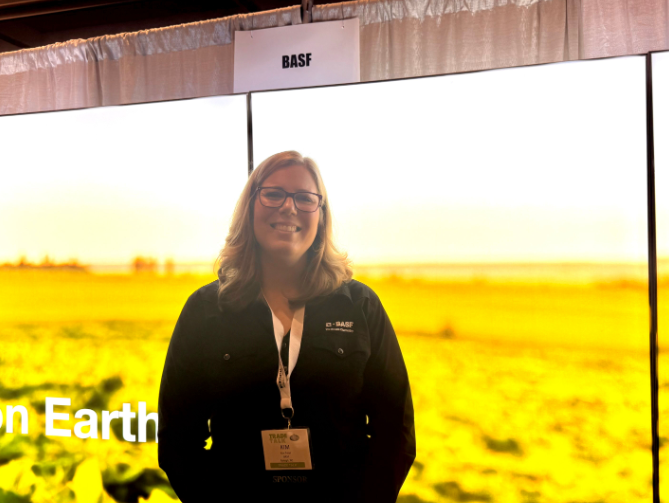
      Zybach Angus Receives Certified Angus Beef Progressive Partner Award

      At Zybach Angus, no ounce of cattle care is up for question. Their motivation for this level of dedication to their Angus cattle is simply love.  

      "It's not always an easy lifestyle, but it's one of the best there is because I love being with the cattle and working, and just the rural atmosphere," says Steve's wife and top hand, Joy. "There's just nothing like it."

      An equal driving force is the fulfilment of moving ahead and lifting others along the way.
      "There's always room for improvement," Steve says. "And there's always room to help people."  

      That dedication to wider progress earned recognition as the 2025 Certified Angus Beef (CAB) Progressive Partner.
      Caption: Steve and Joy Zybach, owners and operators of Zybach Angus.
      A Shared Passion
      Zybach Angus is exclusively run by power couple Steve and Joy. The two complement each other's work. Joy takes feeding, daily rounds and administrative duties—practically a jack of all trades.  

      "I don't really doctor calves," she says, knowing when to call reinforcements. "If something needs to be doctored, that's where Steve comes in."

      The resident cow man makes all the mating decisions and uses the Zoetis HD50K test to support his selections with genomically-enhanced EPDs. The science only confirms much of what he already knows by instinct. He can pick out his favorites in a sea of black hides.

      "He's been around cows all of his life," Joy says. "His parents tell stories of them having to go out and find him, and Steve would be in the corral with the cows."  

      The operation conducts one female sale and two bull sales annually, together with a few local ranchers. But the preparation is continuous.

      "Every day is sale day," Steve says. "They've got to look the part so if some guy calls tomorrow, our cows are good enough and nice enough looking, we can sell them."
      Caption: "When I die, I want to come back as one of your cows," murmurs a friend to Steve Zybach. Full to the brim from an alfalfa ration every day, bountiful fields of lovegrass stretched out across the Texas Panhandle—and owners who leave no ounce of cattle care up for question.
      Creating Opportunity
      Not only does Steve have a knack for cattle, but for helping others, too. When he saw an opportunity to serve the Texas Angus Association (TAA), he jumped in to play a role in moving the needle forward.  

      "The first year I was on [the board], I didn't say much," he recalls. "After that, I decided, if you're going to be on this board, you better make a difference."  

      So he dove in headfirst, identifying the need for more ways to make commercial cattlemen money. And he acted on it, implementing feeder calf sales in conjunction with special sales at various auction barns across the state.

      "It's just another way to expand the avenues of the commercial guy to make more money," Steve says, though the effects are felt at both ends of the market. "It's also for the breeders to be able to merchandise their bulls and help their customers come back and return the favor."  

      The TAA encourages use of AngusLinkSM paired with other value-added programs to garner more profit. And so far, TAA Angus feeder calf sales beat all other sale opportunities.  

      "I'll be the first one to say, 'I don't think we can beat this price in Oklahoma or Dalhart or wherever—' and so far, I haven't had to eat those words!"  

      Steve's efforts aren't about building a name for himself, but building something others can count on, especially those often overlooked.

      All are welcome, he says, but the focus is on those with smaller herds because "they're kind of the ones that get a little more neglected." These sales allow those who can't support their own production sale to market their Angus genetics for a premium.  

      "It's just to help people," Steve says. "The market's crazy right now, but when that market drops—and it always does—we will have our operations in place and those guys will hopefully come to us and let us help them."

      Radale Tiner, Texas regional manager for the American Angus Association, highlights the excitement Steve helped drum up in the state.

      "He's sparked momentum that's gotten commercial cattlemen genuinely excited about participating and marketing high-quality Angus genetics," Tiner says. "The seedstock business works best when the commercial guy sees value in the bulls they're buying, and Steve's helped bring that full circle."
      Caption: Steve Zybach has a heart for helping, which inspired him to start a value-added Angus feeder calf sales for Texas cattlemen.
      Progress With a Purpose
      The Zybachs progression is fueled by a fear of complacency.

      "If you don't continue to push the envelope, you do get a little stale," Steve says. "We want to keep enthusiasm for Angus cattle going forward."

      That's what keeps Steve and Joy striving for more.

      "I help everyone if I can," he says. And with that top of mind, the cattle business will keep progressing a little more every day.

      Find the original story published in the October 2025 Angus Journal.

      American Angus Association® fiscal year results show continued strength in beef industry

      The American Angus Association® concluded a successful fiscal year in which registrations totaled more than 300,000 for the 11th consecutive year and were up nearly 2.4% from the year prior. Regular and junior memberships totaled 21,467. Leading seedstock sales during a record year in the cattle markets, registered Angus bulls and females both garnered high-dollar prices.

      Bulls averaged $8,395 and females bested that number by $41 – an increase of $1,200 and nearly $1,600 respectively compared to the year prior. Demand not only supported the sale of cattle at a higher dollar but also an increase in the number of head sold during the same period. These market trends were the focus of several sessions held at the 2025 Angus Convention, October 31 – November 2, in Kansas City.

      "We are fortunate to not only enjoy this historic market, but do it as a leader in the industry. That is not something we take lightly," said Mark McCully, chief executive officer of the Association, while addressing the membership at the convention. "We have a responsibility to continue to improve the Angus breed by supporting our producers."

      McCully said the Association remains focused on supporting the continued success of the Angus breed through programs, tools and resources that help producers meet their individual operation's goals. During the fiscal year, the Association added and made improvements to its toolkit for members.

      As a result of years of data collection and research, the Association released three new expected progeny differences (EPDs) in 2025: Functional Longevity (FL), Teat Size (Teat) and Udder Suspension (UDDR). Alongside the release, Angus Genetics Inc. (AGI®) updated the Maternal Weaned Calf Value ($M) and Combined Value ($C) dollar value indexes ($Values) to account for the three new maternal EPDs. At the close of the 2025 fiscal year, there were more than 433,000 combined scores for teat size and udder suspension and 8.9 million records collected from 2.1 million females behind FL.

      To better communicate the value of registered Angus genetics and allow for a direct comparison to sires' $Values, AGI® added $Values to their genetic testing product for commercial females, GeneMax® Advantage™. The update creates a common language, so both buyer and seller can make direct comparisons and more easily evaluate a given bull's genetic potential to meet the goals of a commercial herd.

      These tools are possible thanks to decades of data collections efforts by Association members, who have built the largest single beef breed database. In an ongoing effort to maintain the database and best characterize the current Angus population through data collection, Angus Herd Improvements Records (AHIR®) launched a new program to recognize members committed to that effort. During its inaugural year, 129 herds earned Data Driven Herd recognition. AHIR also saw a 16% increase in enrollment in Inventory Reporting.

      The close of fiscal year also marked one year of a partnership between AngusLink SM, National Beef Packing Co., LLC (NBP) and U.S. Premium Beef, LLC (USPB). In a first-of-its-kind program, producers selling to USPB earned premiums based on the genetic merit of their cattle, as measured by the AngusLink Genetic Merit Scorecard SM. Looking at data from August 2024 through mid-February 2025, over 44% of cattle that have qualified for the program have graded Prime; compared to industry average of 11% Prime. Qualifying cattle have averaged more than $200 per head premium over selling in the cash market.

      The partnership's success has been a testament to the AngusLinkSM value-added program. Since 2019, premiums paid out total $94.5 million. Over the last year, more than 287,000 cattle have been enrolled in AngusLink, resulting in producers earning an average premium of $20.92 per hundredweight. Nearly 19,000 registered Angus bulls were represented in fiscal year 2025 enrollments.

      Driving a growing demand for Angus genetics, Certified Angus Beef sold 1.235 billion pounds of branded beef with 17,000 licensed partners worldwide, the 10th consecutive year above 1 billion pounds. Engaging producers across the industry, Certified Angus Beef concluded the second year of its Raised with RespectTM campaign having facilitated the Beef Quality Assurance certification of more than 1,600 ranchers.

      Serving the advertising and communications needs of members, Angus MediaSM created more than 19,000 custom sale book pages. In the past year, the Angus Journal® printed 948 news articles, and the Angus Beef Bulletin® provided commercial readers with 239 industry news articles. Downloads for the publications' podcasts neared 140,000.

      The Angus Foundation continues to expand its reach and support of youth, education and research; awarding $395,500 through scholarships. Members supporting the mission donated more than $660,000 in unrestricted funds and $5,517,260 in additional donations and grants.

      The Fund the Future campaign, which contributes to the unrestricted Angus Fund, was supported by 18 donors and raised more than $81,000 through the sale of donated lots.

      To view the 2025 Association's Annual Report and financial report, visit https://bit.ly/AAA_AnnualReport25.

      Daily Email for November 3, 2025


      Oklahoma's Latest Farm

      and Ranch News

      Monday, November 3, 2025


      Howdy Neighbors!

      USDA Secretary Rollins to Meet Mexican President Monday to Talk Screwworms and Feeder Cattle 

      At the 2025 National FFA Convention, U.S. Secretary of Agriculture Brooke Rollins addressed the Thursday afternoon General Session of the 98th FFA Convention and met with reporters, including senior farm and ranch broadcaster Ron Hays, to discuss several key cattle industry issues, including feeder cattle imports from Mexico and the President's remarks about beef prices. Rollins emphasized that while she values the partnership with Mexico, "our number one biggest priority is to protect the herd that we have in America, which is already at a 75-year low." She said about 250,000 head of cattle are waiting to move across the border but stressed that the U.S. is "not there yet" in ensuring the new world screwworm threat is fully under control.


      Rollins shared that she has been encouraged by "an unprecedented partnership" with Mexican Agriculture Secretary Julio Berdegué and plans to meet with Mexico's President, Claudia Sheinbaum on Monday morning, to further address the issue. She assured reporters that the U.S. government "couldn't take it more seriously" and that every decision is being made with the goal of protecting American cattle producers. Despite the pressure from both sides of the border, she noted that as tough as it is," most U.S. cattlemen have been supportive of the cautious approach.


      The Secretary also addressed recent discussions about Argentinian beef imports and the President's comments on lowering beef prices — remarks that caused frustration among many U.S. cattle producers. Rollins explained that "what the President was talking about was nothing much different from what we have done for a really long time," adding that imports from Argentina would not increase overall beef supply but would "just mix and match" existing levels of lean beef needed for blending.

      Trey Myers Elected National FFA President- and Ryder Klaassen is Star Farmer of America

      The 98th Convention and Expo of the FFA in Indianapolis is in the record books- and it was a great even for Oklahoma FFA members- we will be spending the next couple of days recapping some of the success stories from Indy- starting today with a look at two high achieving Oklahoma members and two championship chapters.


      Trey Myers of the Perkins- Tryon FFA chapter in central Oklahoma heard his name called Saturday afternoon on the floor of Lucas Oil Stadium to serve for the coming twelve months as the President of the million member FFA. Myers is the tenth National President of the FFA that hails from Oklahoma in the almost 100 years of the National organization- the most recent one before Myers being Riley Pagett of Woodward in 2010-11. Myers now steps into the role of representing nearly one million American youth members, a transition he describes as humbling and intensely focused on the organization's foundational value of service.


      For the tenth time in the history of the FFA and the Future Farmers of America- an Oklahoma member has claimed the title of American Star Farmer- the oldest and original Star award. Ryder Klaassen of Hydro-Eakly heard his name called on stage in Lucas Oil Stadium Friday night as he was named the Star Farmer of America for 2025. Klaassen's SAE includes producing wheat, black-eyed peas, mungbeans, cotton, corn, and a beef cattle operation consisting of cow/calf, stocker, and show cattle programs. He farms 420 rented acres in a wheat-summer crop rotation, strategically choosing legumes like black-eyed peas and mungbeans to improve soil health, shorten the growing season, and provide winter pasture for his cattle.

      OSU collaborates with national group to increase fiber in wheat

      Protein, carbohydrates and fat are fundamental nutrients for the human body, and fiber is the most important carbohydrate in the human diet.  Fiber skips the lengthy digestion process and goes straight to the colon – it helps manage blood sugar and sustain a healthy gut – but only 5% of Americans get the recommended 25 grams of fiber per day, with the average person consuming only about 16 grams per day.


      The Oklahoma State University Wheat Improvement Team is working to do something about that. Thirty percent of the fiber Americans consume comes from wheat. "There's a lot of room for improvement in our dietary habits, but I think we can also do some things in science to make that a more realistic goal," said Brett Carver, OSU wheat genetics chair. "Like everyone else, I love doughnuts, but there are times I wish a doughnut had a little more fiber in it. We are trying to do something about that."


      The Wheat Improvement Team is not working alone. In addition to their independent efforts, they are also working with a variety of plant breeders and geneticists from across the nation through the Coalition for Grain Fiber.

      The Oklahoma Cattlemen's Association is the trusted voice of the Oklahoma Cattle Industry. With headquarters in Oklahoma City, the OCA has a regular presence at the State Capitol to protect and defend the interests of cattlemen and cattlewomen.


      Their Vision Statement explains the highest priority of the organization- "Leadership that serves, strengthens and advocates for the Oklahoma cattle industry."


      To learn more about the OCA and how you can be a part of this forward-looking group of cattle producers, click here for their website. For more information- call 405-235-4391.

      Midwest Farm Shows is proud to produce the two best Farm Shows in the State of Oklahoma annually- the Tulsa Farm Show each December and the Oklahoma City Farm Show each April.


      The Tulsa Farm Show is Oklahoma's premier agricultural and ranching event- and returns to the SageNet Center (Expo Square) December 11,12 & 13, 2025. 


      Now is the ideal time to contact the Midwest Farm Show Office at 507-437-7969 and book space at the 2025 Tulsa Farm Show.  To learn more about the Tulsa Farm Show, click here. 


      U.S. Meat Exports See Positive Signs in Asia Following New Trade Discussions

      Recent trade progress announced by President Donald Trump during a swing through Asia is creating optimism for U.S. beef and pork exports, according to Dan Halstrom, president and CEO of the U.S. Meat Export Federation (USMEF).

      While details are still being finalized, Halstrom highlighted positive signs in several key markets.


      In Malaysia, where the U.S. has historically faced significant non-tariff trade barriers, progress is being made. "We're excited to see some of those barriers eliminated," Halstrom said. He noted that while U.S. pork has made strides, "the larger potentials for US beef." For other markets in the region, tariffs remain the primary hurdle. In Vietnam, Halstrom stated that "relief on tariffs is going to be mandatory so we can compete on a level playing field." He called the talks a hopeful "first step" and noted that Thailand is in a similar situation with "prohibitively high tariff rates."


      Even smaller markets like Cambodia, seen as a potential beef opportunity, are showing promise. "The commitment there for duty free access is also encouraging," Halstrom noted. He emphasized that these Southeast Asian markets, while small individually, add up. "Won't be a big market, but honestly, in that whole Southeast Asia region, you add all these markets together, it is significant."

      Smithfield Foods Donates $150,000 to Food Banks in 22 States to Fight Hunger

      Smithfield Foods donated $150,000 to 30 food banks in its 22-state operational footprint to support neighbors in local communities experiencing food insecurity, including the Regional Food Bank of Oklahoma.


      "Smithfield believes in the power of community and the importance of supporting hunger relief," said Jim Monroe, vice president of corporate affairs for Smithfield Foods. "This donation helps provide critical support to our neighbors facing hunger and reflects our continuing commitment to doing good in the places we call home."


      Smithfield's hunger relief program, Helping Hungry Homes®, has provided hundreds of millions of servings of protein in all 50 U.S. states since 2008. Smithfield donated more than 25 million servings of protein, valued at nearly $28 million, to food banks, disaster relief efforts and community outreach programs across the U.S. in 2024. 

      Ranking Member Angie Craig Statement on Courts Ordering the Trump Administration to Use SNAP Contingency Fund

      House Agriculture Committee Ranking Member Angie Craig (MN-02) released the below statement following the rulings of Judge Indira Talwani of the District of Massachusetts and Judge John McConnell of the District of Rhode Island regarding the Trump administration's decision to illegally withhold food assistance funding from needy families in November.


      "As we've said from the start, the Trump administration was acting illegally. They have congressionally appropriated dollars to issue SNAP benefits in November and made the cruel decision to let Americans go hungry instead. It should not take a court order for a president to care for his people. I hope this acts as a wakeup call to Republicans who continue to enable and appease this lawless administration at the expense of the people they serve."

      Tariffs to Hike 2026 Farm Chemical Costs: Which Inputs Face the Stiffest Price Increases?

      American farmers are preparing to face higher input costs in 2026, primarily driven by the impact of recent and anticipated tariffs on international trade. According to John Appel, Vice President of Category Management for the Farmers Business Network (FBN), the effects will not be uniform, with some critical agricultural products facing significantly steeper price hikes than others.


      While general input costs are expected to rise, the increase is highly specific to the sourcing and trade status of the active ingredients. Appel points out that the impact is not "one size fits all" across crop protection products. Maximum Tariff Exposure Several widely used products will be subject to the maximum amount of tariffs, with no current exemptions: S-Metolachlor, Clethodim, Dicamba.


      Layered Duties on 2,4-D The herbicide 2,4-D faces a particularly complex and severe cost increase. Its price is impacted by multiple layers of trade duties: Significant Tariffs: General tariffs imposed on products from major source countries like China and India. Anti-dumping and Countervailing Duties: Additional duties resulting from a Corteva lawsuit filed last year. This layering of duties has already caused the cost of 2,4-D to significantly increase throughout 2025, a trend expected to carry into 2026 planning.

      Two Oklahoma Chapters Rise to the Top in Indy- Ft Gibson and Stillwater

      Several dozen Oklahoma FFA Chapters competed and were honored this past week at the National FFA Convention- but two landed at the top in their respective categories- the Ft Gibson FFA fielded the Livestock Judging team that represented Oklahoma while Stillwater FFA qualified to compete in one of the three Premiere Chapter competitions- the one called Strengthening Agriculture. Both came home National Champions!


      The National Championship in Livestock Evaluation is returning once again to Oklahoma as the Livestock Judging team representing the state from the Ft. Gibson FFA Chapter is the first place team in the 2025 National Contest at the 98th National FFA Convention. The Ft. Gibson team included Avery White, Kennedy Lockhart, Gracie Gist and Raygan Greathouse. Greathouse is the National Individual Champion while Kennedy Lockhart was the seventh high individual. The Advisor at Ft. Gibson is Lane Howe.


      Stillwater FFA was named the 2025 Premier Chapter: Strengthening Agriculture during the sixth general session of the 98th National FFA Convention & Expo this year in Indianapolis. The Chapter created an activity that included comedy as well as serious safety lessons with the chapter's "Don't Be a Griswold: Safety Skits." The activity's purpose was to encourage members to make safe decisions with winter-related agriculture activities. The activity took place through safety skits conducted by members to educate their peers about electrical, livestock, temperature, water, and other winter hazards, and concluded with a safety pledge.

      Checking the Markets...

      Cash cattle trade in the southern plains ended up down this past week- according to the Texas Cattle Feeders- both steers and heifers were $2.50 lower in light trade at $235.50.


      Choice Boxed Beef closed mixed on Friday, with the Choice cutout at $378.13, down $0.14 from Thursday but up $2.37 from last Friday. Select slipped $0.87 to $358.65, widening the spread to $19.48.


      OKC West is our Market Links Sponsor- they sell cattle three days a week- Cows on Mondays, Stockers on Tuesday and Feeders on Wednesday- Call 405-262-8800 to learn more.


      Click here for our Markets Page on OklahomaFarmReport.Com- there you will find many of the reports we have linked on the right hand column found on the previous format of our email.

      Our daily email is free because of our Sponsors!

      OKAgCredit248x160.png
      AMFeeds.png
      TulsaFarmShowSquareGraphic240.jpg
      okfb.png
      GreatPlainsLogoFeb2025Update240.jpg
      Oklahoma-Wheat-Commission_Logo_Vertical_Full-Color_Gray240b-e1736195614699.jpg
      OklaBeefCouncil.png
      NAT_Logo_BlackRed160.png
      KIS-Logo240b.png
      oca.png
      Facebook

      © 2025 Oklahoma Farm Report - All rights reserved


      Contract Grazing: A Flexible Option for Row Crop Producers

      Row crop producers across the country are feeling the financial squeeze. High input costs and low commodity prices are tightening profit margins, and the outlook for 2026 offers little relief. With limited optimism for lower costs or stronger commodity prices, many row crop farmers are exploring new income streams to keep their operations profitable. One option gaining traction is contract grazing—custom growing cattle for someone else.

      This arrangement allows farmers with available land and suitable forage to generate income without the expense of owning cattle. It's a practical way to put available acreage to work, diversify income, and reduce risk in uncertain times.

      Evaluating Resources

      Before entering a contract grazing arrangement, it's essential to evaluate your available resources. Key considerations include:

      • Fencing – Assess the condition of existing fences, estimate the cost of repairs or new construction.
      • Cattle-handling facilities – Adequate corrals, chutes, and working areas are necessary for safe and efficient receiving and shipping of cattle on your property.
      • Feed and water systems – Ensure water quality and quantity meet livestock needs throughout the grazing season.
      • Accessibility – Many stocker operations move truckload lots of cattle (typically 50,000 pounds), so all-weather access roads are important.

      This list isn't exhaustive but highlights key infrastructure requirements that can determine the feasibility of a grazing enterprise.

      Integrating Grazing with Crop Land

      For row crop producers, contract grazing can complement existing cropping systems rather than replace them. Fields used for row crops can often support grazing through cover crops, winter annual forages, or dedicated hay and grazing acres. Common options include small grains such as wheat, oats, or rye, as well as annual forages like ryegrass or haygrazer. These forages can fit naturally between summer cash crops, making use of otherwise idle land during the off-season.

      Integrating livestock grazing into crop rotations offers several potential benefits, including improved soil health, enhanced nutrient cycling, and reduced weed and residue management costs. Grazing cover crops can also help capture and recycle nutrients while adding an additional income stream through a grazing contract.

      However, shifting to a mixed crop-livestock system requires careful planning. Farmers must consider planting and termination dates, soil compaction risks, and the potential impact on subsequent crops. When managed properly, the combination of row crops and grazing livestock can strengthen overall system resilience and profitability.

      Experience and Cattle Management

      Experience with cattle is another critical factor. Owners are unlikely to place animals with someone lacking livestock management experience. It's essential to understand the type of cattle involved (e.g., stockers, heifers, cows, or cow-calf pairs) and how to manage each group effectively.

      The source and history of the cattle also matter. Animals from multiple origins may pose higher management challenges or disease risks, requiring more experience and attention to detail. If contract grazing becomes a long-term enterprise, building trust and credibility within the local cattle community is vital for success.

      Forage, Feed, and Water Management

      Grazing is typically the most cost-effective feeding strategy, but weather and seasonal changes can reduce forage availability. Successful contract growers plan ahead by maintaining supplemental feed supplies or developing alternative forage options.

      Water management is equally important. Cattle spend more time grazing near water, so the placement of water sources directly influences pasture use. Strategically positioned water sources encourage more uniform grazing, support pasture health, and improve overall livestock performance.

      Well-maintained infrastructure—including fences, water systems, and forage stands—not only keeps cattle secure but also enhances the efficiency and profitability of the operation.

      The Importance of a Written Contract

      A clear, written contract protects both the grower and the cattle owner, helping to ensure that expectations are understood from the start. Key elements to include are:

      1. Parties involved – Names and contact details of both the grower and owner.
      2. Property description – Location, acreage, and pasture details.
      3. Contract duration – Start and end dates, or total grazing period.
      4. Animal details – Type, number, and starting weights of cattle.
      5. Responsibilities – Who provides veterinary care, feed, insurance, and transportation.
      6. Death losses – Agreement on how death losses are handled.
      7. Payment terms – Fee structure and schedule (daily rate, per-pound-of-gain, or revenue share).
      8. Termination clause – Conditions under which the agreement can end.

      Determining Payment and Cost Responsibilities

      Payment structures vary depending on the type of cattle and management objectives. A daily rate is often used for breeding stock, while per-pound-of-gain agreements fit well for stocker cattle. Some operations also use a revenue-sharing model, dividing sale proceeds at the end of the grazing period.

      Before agreeing on rates, both parties should have a clear understanding of their financial boundaries. Growers must calculate total costs—which include feed, labor, maintenance, and management—then add a fair return on investment. Cattle owners should estimate the expected value of gain to determine what they can afford to pay.

      In addition to the key elements above, details are critical. Contracts should clearly define:

      • Feed responsibilities – Who provides supplemental feed during droughts or shortages.
      • Stocking rates – Number or weight of cattle per acre, with flexibility for weather-related events.
      • Shared costs – How expenses like mineral supplements, fly control, and veterinary treatments will be handled.

      A Flexible Tool for Changing Times

      Contract grazing won't solve every financial challenge, but it can be a smart, flexible strategy for producers looking to adapt. It spreads production risk, reduces capital requirements, and makes productive use of existing land and infrastructure.

      In today's uncertain agricultural economy, creativity and collaboration matter more than ever. For some operations, contract grazing may provide the bridge between tight margins and long-term financial resilience.


      Adapted from "Contract Growing Cattle Considerations," University of Tennessee Extension Publication W1337. Available at https://utbeef.tennessee.edu/wp-content/uploads/sites/127/2025/10/W1337.pdf.


      Runge, Max. "Contract Grazing: A Flexible Option for Row Crop Producers." Southern Ag Today 5(45.1). November 3, 2025. Permalink

      Cows with Vet

      Battling BRD: Why Year-Round Vaccination is Crucial for Calf Health and Future Profit

      Bovine Respiratory Disease (BRD) remains a relentless and costly challenge for cattle producers across the country, showing no signs of letting up regardless of the season. According to Dr. Curt Vlietstra, a professional services veterinarian with Boehringer Ingelheim, a strategic approach to vaccination is paramount not just for immediate calf health, but for the animal's long-term performance and the producer's bottom line.


      The Costly Impact of BRD on Future Performance

      BRD, often referred to as a compounding disease, does not just result in sickness; it can severely impact a heifer's entire productive life. Dr. Vlietstra highlights the grim statistics and long-term consequences:

      "BRD accounts for almost 25% of pre-weaned heifer deaths... and more than half of weaned heifer deaths," Dr. Vlietstra notes. "It's a compounding disease that never really seems to run out of opportunities to take money from producers."

      The disease's long-term damage extends far beyond mortality:

      • Delayed Calving: "Studies have shown that heifers challenged with respiratory disease within the first three months of life are more likely to calve at least three months later than those that didn't."
      • Reduced Milk Production: "Research has also shown that heifers challenged with respiratory disease early in life are likely to produce less milk in their first lactation, and that may even carry on into later lactations."

      This is why a robust vaccination program is essential to "set calves up to better battle any future respiratory challenges," Vlietstra emphasizes.


      Three Key Questions for Your Veterinarian

      Selecting the appropriate respiratory vaccine requires careful consultation with a veterinarian. Dr. Vlietstra points producers toward three essential components to discuss when designing a program:

      1. Route of Administration: Producers must decide between injectable vaccines and intranasal vaccines as the primary methods for respiratory protection.
      2. Vaccine Type: Producers should ask, "Should I be using a modified live or are there some instances where maybe a killed vaccine would be better?"
      3. Adjuvant Type: This often-overlooked factor is "equally as important." Producers should question: "What type of adjuvant? Does it even have an adjuvant? And what role does that adjuvant play in building long, lasting immunity?"

      For very young calves, Dr. Vlietstra stresses the importance of prioritizing a vaccine that can effectively stimulate an immune response even in the presence of maternal antibodies passed through high-quality colostrum.


      Maximizing Vaccine Effectiveness

      A strong vaccine alone is not enough; the scheduling and management around it are critical. Dr. Vlietstra advises producers to actively work with their veterinarians to fine-tune their schedule and address environmental factors.

      Good questions to ask your veterinarian include:

      • Timing vs. Maternal Antibodies: When is the right time to vaccinate so that maternal antibody doesn't block the response? It's crucial to remember that the decline of maternal antibodies "is different for every bug... and there's variation from calf to calf."
      • Stress Management: How do stressors like weaning, transportation, weather events, and seasonality affect vaccine performance? Do you need to adjust your vaccine schedule around these events?
      • Local Threats: Which diseases pose the greatest threat to your herd in your specific area, and are there effective vaccines against those particular threats?

      Ultimately, Vlietstra concludes, "It's a lot easier and more economical to prevent disease, and it is to treat." By the time a calf is visibly sick, the disease is already well into its course and "some damage is done."

      Rounding out a complete BRD prevention protocol involves not only a strong vaccine program but also creating a clean, comfortable environment with plenty of clean air, fresh water, quality nutrition, and strong biosecurity.

      (For more information on calf health protocols, producers can visit cattlefirst.com.)

      Cow Calf Corner Dr. Derrell Peel: What's Next for Cattle and Beef Markets?

      Dr. Derrell Peel, Oklahoma State University Extension Livestock Marketing Specialist, offers his economic analysis of the beef cattle industry as part of the weekly series known as the "Cow Calf Corner," published electronically by Dr. Peel, Mark Johnson, and Paul Beck.

      Cattle futures and cash markets were pummeled by a barrage of politics the past two weeks.  Negative market reactions piled up under a slew of political statements and proposals along with rumors about additional political actions that left market traders and producers running for the sidelines.  Feeder cattle dropped $200-$300/head in value last week in Oklahoma auctions.  

      It's important to remember that cattle market fundamentals have not changed...it's the same supply and demand conditions that existed three weeks ago.  

      Political talk has included more beef imports from Argentina...largely irrelevant as an import source and with no expected impacts on U.S. beef prices as well as a possible reduction in Brazil tariffs...which could impact processing beef supplies slightly.  Lack of data due to the government shutdown makes it hard to say how much the August tariffs on Brazil decreased beef imports and therefore how much removing/reducing them might increase beef imports.  In any event it would be a return to market conditions that existed through July, including record high lean trimmings prices.  Beef imports from Argentina and Brazil will have no impact on steak prices in the U.S.

      USDA has offered a wide range of proposals to "Fortify the American Beef Industry", which included a laundry list of things including regulatory changes, access to federal grazing lands, and packing infrastructure.  None of these will change the supply and demand conditions of cattle and beef production – or beef prices – in the short run nor change the multi-year timeline for the industry to rebuild.  Will the Mexican border reopen for cattle imports...who knows? Even if it does, it will not change feeder cattle supplies much for several months.

      Also, there is the rumor of a thaw in the trade war with China.  It's not clear if this would include reopening the Chinese market to U.S. beef, which has been devastated recently. Record high cattle and beef prices have largely masked the negative impacts of the loss of beef export markets to China.  The latest available trade data for July showed that China accounted for 1.2 percent of beef exports compared to one year ago when beef exports to China represented 15.3 percent of monthly exports.  If beef exports to China resume it will add additional support to U.S. cattle and beef prices.

      What else...I'm probably forgetting something...

      All the political talk could ultimately have either positive or negative impacts on cattle and beef markets; it's impossible to say what the net effect might be.  The impacts will be marginal and do not change the underlying market fundamentals.  With less agitation, cattle markets will bounce back quickly, and markets will guide production decisions. The trajectory and price expectations for the next two - four years have not changed.

      What is clear is that uncertainty and volatility from political comments and rhetoric have a very real negative impact on producers and consumers.  The federal government's demonstrated willingness to meddle in cattle and beef markets and interfere with markets doing what they do so well likely means that the industry will continue to deal with debilitating uncertainty and volatility.  The most likely outcome is that it will keep cattle producers and lenders cautious and further delay the lengthy process of herd rebuilding, which already looks to extend nearly to the end of the decade.

      Good Dogma receives a $5,000 Oklahoma City Community Foundation Grant to Support a Spay & Neuter Assistance Program

      The Oklahoma City Community Foundation is pleased to announce it has awarded Good Dogma a $5,000 grant, renewable over three years, to support its spay and neuter assistance program.

      Good Dogma is the first organization to receive this kind of grant from OCCF's newly established Animal Welfare Community Grant Program, which promotes animal welfare in Central Oklahoma by increasing access to affordable spay and neuter services. Early grants will focus on increasing access to affordable spay and neuter services. As more contributions are received, OCCF will expand funding.

      Good Dogma works to save the lives of dogs and cats by reducing pet overpopulation in Midwest City, Okla., and surrounding communities. This promotes responsible pet ownership and supports healthy pet communities.

      "At the Oklahoma City Community Foundation, we know pets bring comfort and connection that improve the lives of individuals and families," said Trisha Finnegan, president and CEO of the Oklahoma City Community Foundation. "By supporting care for local pets, we are helping families and enhancing animal welfare."

      The Animal Welfare Community Grant Program is beginning with a limited pool of funding, but OCCF believes it is important to start making an impact right away. As support from donors and the community grows, the fund will expand to provide even greater support for animal welfare.

      This grant program grew from the Best Friends of Pets endowment fund at OCCF, established by Kim and Bill Schlittler. Best Friends of Pets dissolved in 2024, but through this initiative, funding will continue to impact the lives of pets and pet owners.

      "Pets are an important part of many Oklahoma families," said Kim and Bill Schlittler. "We are excited that Good Dogma is the first grant recipient, so that more families can receive services for the pets they love, and we all work together to address pet overpopulation in our community."

      The Animal Welfare Community Grant Program is beginning with a limited pool of funding, but OCCF believes it is important to start making an impact right away. As support from donors and the community grows, the grant program will expand to provide even greater support for animal welfare.

      Contributing to OCCF's Animal Welfare Community Grant Program helps provide critical support to local nonprofits that care for animals, promote responsible pet ownership, and protect the well-being of pets in our community. If you'd like to learn more, contact the Oklahoma City Community Foundation at occf.org/giving/community.

      About the Oklahoma City Community Foundation

      Founded in 1969, the Oklahoma City Community Foundation is a 501 (c)(3) public charity that works with individuals, families, and organizations to benefit our community now and in the future. Together, we strive to make the greatest impact in our community. To join us or learn more about our work to maximize charitable funds, visit occf.org.
      About Good Dogma

      Good Dogma aims to reduce the overpopulation of pets in Midwest City and surrounding communities by encouraging responsible pet ownership. For more information, visit Gooddogma.org.

      Time to Vote for NCBA National Anthem Contest Winner

      Voting is now open to select the winner of the 13th annual National Anthem Contest, sponsored by Norbrook®. Four finalists have been selected, and the National Cattlemen's Beef Association (NCBA) is inviting the public to vote through Nov. 15. 

      The winner will perform the "Star-Spangled Banner" at the Opening General Session of CattleCon 2026 in Nashville, Tennessee, Feb. 3-5, and will receive round trip airfare, a hotel room for three nights, complimentary convention registration, plus a pair of boots, jeans and a shirt from Roper or Stetson.

      Introducing the four finalists:
      Elle Glaser of Tangent, Oregon, is a fourth-generation farmer who grew up showing cattle. Elle and her two sisters established Triple G Cattle Company where they strive to improve the quality and genetics of their breeding females to produce competitive show cattle and exceptional locker beef. 
      Gracyn Stevens of Kirklin, Indiana, appreciates the lessons she has learned while showing cattle in 4-H. The cattle industry has taught her that success is not about the banners, but the effort and passion put into each project. 
      Zoey Symons of Lake Charles, Louisiana, attends McNeese State University and aspires to one day own a farm-to-table restaurant. Zoey's family started a cattle farm in 2020, and she looks forward to deepening her connection to the beef industry and other sectors of the agriculture industry in the future.
      Kendall Whatley of Stephenville, Texas, earned a bachelor's degree from Abraham Baldwin Agricultural College in Tifton, Georgia, and a master's from the University of Georgia with research focused on beef cattle nutrition and forages. She worked in genomic testing, animal health and handling equipment sales, and advanced reproductive technologies before becoming an agronomist in the carbon credit space.
      Videos of the finalists are available for viewing and voting at https://convention.ncba.org/apply/national-anthem-contest/national-anthem-contest-vote-now. The public can vote once per day per person through Nov. 15, and the winner will be announced by Nov. 21.

      To see the winner sing in person, register for CattleCon 2026 by visiting convention.ncba.org. 

      Beef Board Chair Ryan Moorhouse on Tight Budgets, Big Returns, and Global Beef Demand

      In today's beef buzz, senior farm and ranch broadcaster Ron Hays spoke with Ryan Moorhouse, chairman of the Cattlemen's Beef Promotion Board, who discussed the rollout of the new Beef Checkoff budget that began in October. Moorhouse and the other members of the CBB volunteer their time and are cattle producers that represent all segments of the cattle business- from cow-calf to stocker to feeder. He said many of the core efforts continue to be funded, explaining, "You see a lot of the same things — the foundational things like research and, of course, Beef It's What's For Dinner promotions — and then we've got some new things."
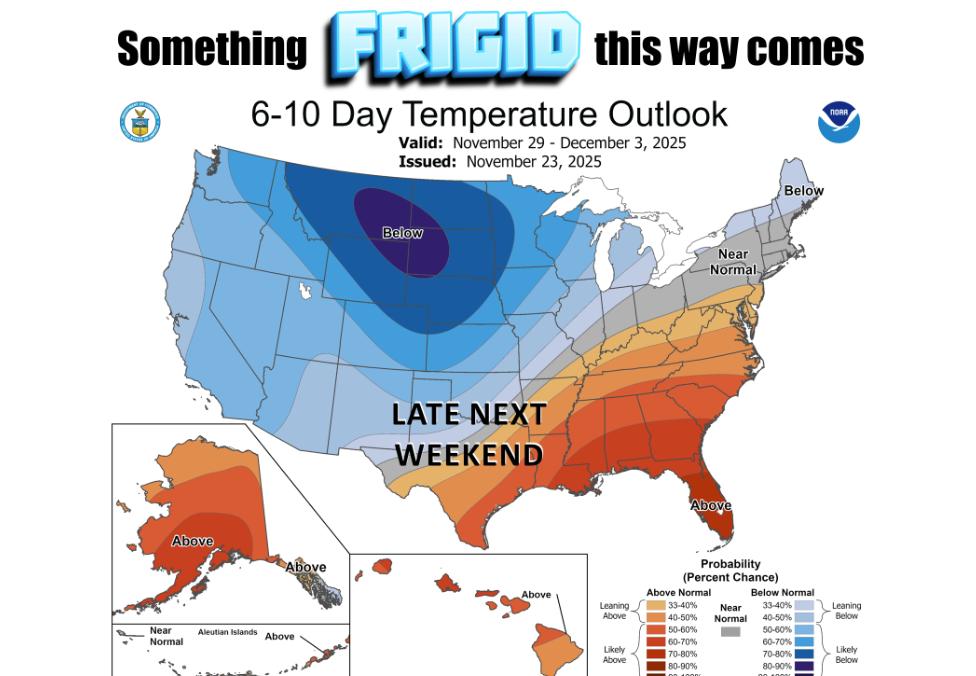
      One of those new efforts is the "Meat Demand Monitor" project, which Moorhouse noted had been renewed for another three years. He emphasized that even with "dollars tough right now," the board is "able to spread them out and do a lot of good with the checkoff dollars."

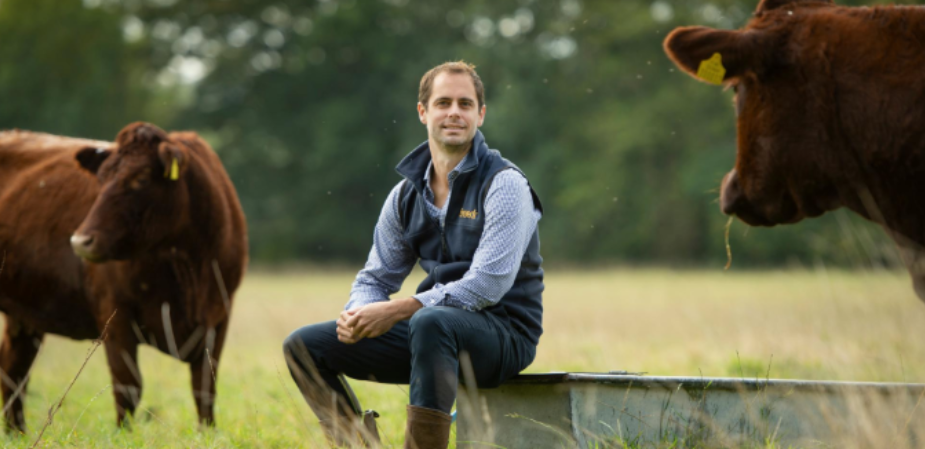
      Despite optimism about ongoing projects, Moorhouse was realistic about the financial outlook facing the industry. He acknowledged that budgets remain tight and will likely stay that way for the foreseeable future. When asked about rebuilding the national cattle herd, he explained, "I get asked the question a lot, when are we going to get this herd expanded and get more cows? And I don't have the answer. I wish I did, but it's going to be a while, I think — a couple years if we get started right now before we really see anything."

      International markets remain a major focus for the Beef Board. Moorhouse said, "That deal's tricky... and it seems like it has been with China over the years." While praising reliable partners like Japan and Korea, he explained that the Chinese market "was great for beef demand, but right now we're kind of in limbo." He also highlighted the value of the U.S. Meat Export Federation, saying, "If you've ever been on a trip or even just gone to one of their meetings and see the great work they do... the return is easy to see, and it's easy to measure."

      Moorhouse defended the transparency and producer-led nature of Beef Board decision-making amid outside criticism. "You hear that a lot," he said, referring to claims that USDA or NCBA make the decisions. "The best way we try to handle it is just be very transparent about what we do. I encourage people, if they don't understand it or if they want to get involved, come see what we do." He added that once producers witness the process firsthand, "it changes their minds for the most part."

      Reflecting on the value of the Beef Checkoff, Moorhouse cited the strong return on investment, saying, "The last one was actually a hair over $13... that's great news. It means what we're doing is making a difference and really pushing beef demand." Personally, he said the experience has been deeply meaningful: "The people I've met and got to know... I'd have never got that opportunity without doing this stuff." Still, he acknowledged the sacrifices involved — time away from family and the pressures of the feedlot business. "It's stressful," he said, "but it's been very rewarding."

      The Beef Buzz is a regular feature heard on radio stations around the region on the Radio Oklahoma Ag Network and is a regular audio feature found on this website as well. Click on the LISTEN BAR for today's show and check out our archives for older Beef Buzz shows covering the gamut of the beef cattle industry today.

      October's Warmth Gives Way to Fall Chill, But Dry Conditions Persist for Many


      No rain november

      Oklahoma experienced a month of sharp contrasts in October, with early summer-like heat giving way to the season's first freezes. However, significant rainfall was confined to the northeast, leaving much of the state with dry conditions that are expected to continue into November.

      Quiet Forecast Ahead

      The near-term forecast shows little to no significant rainfall expected over the next seven days, and no major winter cold outbreaks are on the immediate horizon.

      A Look Back at October

      Temperature: The first three weeks of October were dominated by warmth, with highs frequently reaching the 80s and 90s. The pattern shifted in the month's final 10 days, bringing more seasonal highs in the 50s, 60s, and 70s.

      • The season's first freeze occurred on October 19 in the Panhandle, followed by a more widespread freeze in the month's final four days.
      • Overall, it was the 8th-warmest October on record (since 1895), with a statewide average temperature of 66.2°F, which is 4.9°F above normal.
      • The month's high was 95°F (recorded at Goodwell and Grandfield), and the low was 24°F (at Boise City and Beaver).

      Precipitation: Rainfall in October was starkly divided.

      • The northeastern third of the state received widespread totals of 4 to 8 inches, representing a surplus of 2 to 4 inches for the area.
      • Conversely, the southwestern third of the state saw deficits of 2 to 4 inches.
      • The highest total was 7.93 inches at Stigler, while the lowest was 0.32 inches at Altus.
      • Statewide, the average precipitation was 2.63 inches, which is 0.73 inches below normal.

      Drought Conditions: The rainfall pattern directly impacted drought. Statewide drought coverage improved from 29% in mid-October down to 19% by the month's end. However, this relief was mostly in the northeast. In areas that missed the rain, reports indicated severely stressed winter wheat, dry farm ponds, and persistent wildfire concerns.

      November Outlook

      Looking ahead, the Climate Prediction Center's (CPC) outlook for November indicates increased odds of above-normal temperatures and below-normal precipitation across the entire state.

      The CPC also notes that drought development is "likely" across much of the southern half of Oklahoma by the end of November.

      To read more from Gary McManus on his mesonet ticker, click here:

      Invasive Woody Species Removal Cost Share Program

      The Land Management Division of the Oklahoma Conservation Commission is excited to offer a cost-share program for woody invasive species removal practices. Landowners with Eastern Red Cedar, Saltcedar, or Mesquite on their land are encouraged to apply. Applicants can receive up to $50,000 per land owner each Fiscal Year. A new application will not be accepted until the current contract is completed.

      Land parcels currently under contract through another cost-share program for brush management will not be eligible for payment under this program. There is no minimum acreage or grazing requirements.

      OCC is excited to announce a cost-share program for the removal of invasive woody species.

      The program is only available in select counties, and applications will be ranked.

      If you're losing the battle against:

      • Eastern Red Cedar
      • Saltcedar
      • And/or Mesquite

      You might qualify for cost-share for implementing qualified practices in accordance with an approved conservation plan! Apply and Learn More

      Applications can be submitted through the landowner's local conservation district or to andrea.moseley@conservation.ok.gov. The following is a list of eligible districts.

      Beaver County CD • Bryan County CD • Checotah CD • Cimarron County CD • Greer County CD • Haskell County CD • Johnston County CD • Kiowa County CD • Logan County CD • Lincoln County CD • McIntosh County CD • Murray County CD • North Fork of Red River CD • Pawnee County CD • Payne County CD • Pittsburg County CD • Texas County CD • Washita County CD

      Oklahoma Forestry Services header

      OFS Fire Situation Report

      Statewide Discussion: No critical fire weather or significant fire potential is anticipated throughout the week. Recent
      rainfall provided wetting rainfall over most of Oklahoma serving to improve composite fuel moisture and spur limited
      green-up in some areas where cool-season species are prevalent. Although dry weather in the last five to nine days plus
      some pockets where recent freezing temperatures have occurred

      highlight the transition toward seasonal dormancy, increasing ratio of
      available fuels and potential for more frequent wildfire occurrence. The
      Oklahoma Drought Monitor holds 56% of the state at Abnormally Dry
      conditions with areas of Moderate to Severe Drought remaining in parts of
      central and southern Oklahoma. Improvement was noted in some of the
      areas where soaking rainfall was received (graphic right)The week ahead
      holds above normal temperature and dry conditions in place prompting
      the expectation for gradually increasing wildfire occurrence although
      initial attack efforts are expected to remain successful with limited large
      fire potential (>300 acres) and very-low significant fire probabilities.
      Today: Temperature will range from the 60°s in the Panhandle to around 80° in southwest Oklahoma under mostly-clear
      skies. Relative humidity values will generally remain above 30% holding fine-dead fuel moisture at 6% or higher for most
      of the state noting that southwest Oklahoma where warmer temperatures and relative humidity values +/-25% will offer
      1Hr. fuel moisture at 5%. Windspeeds 4-12 mph will limit fire spread potential to <90 ft/min offering very good initial attack
      opportunity. Timber fuels remain dominantly shaded and sheltered with average rates of spread15-25 ft/min.
      Tuesday: Temperature remains above-normal with upper-70°s and low-80°s under mostly-clear skies. Afternoon relative
      humidity values will tap 25% in southwest Oklahoma while most of the state holds higher than 30% limiting fine-dead fuel
      moisture to 5-7% over most of the state. Afternoon observations nearer to 15% are expected in the western Panhandle
      increasing receptiveness of fuels where dormancy is prevalent. Winds will be stronger as a southerly flow develops with
      12-18 mph gusting to 30 mph will support more rapid fire spread potential. Range and grass-dominant areas will exhibit
      head fire rates of spread 70-140 ft/min and flame lengths +/-10 ft. Initial attack, while challenging, is expected to remain
      largely successful noting that a large fire occurring cannot be ruled out.
      Near-Term Outlook: Warm/dry conditions hold in place for the remainder of the work week with Tuesday presenting the
      highest fire danger of the week. Thursday is forecasted to be the warmest day of the week and breezy conditions in the
      afternoon will again increase fire danger to some extent. There is some potential for a pattern shift late week/weekend
      offering cooler temperatures although dry conditions are likely to persist.
      County Burn Bans: Click HERE for current burn ban information.

      nppc-banner_2109091.jpg

      Applications Open for the Inaugural USPCE Swine Legacy Scholarship

      The National Pork Industry Foundation (NPIF), a nonprofit organization dedicated to advancing research and education in the pork industry, is proud to announce the establishment of the U.S. Pork Center of Excellence (USPCE) Swine Legacy Scholarship.

      For 20 years, the USPCE served as a vital public-private partnership that united academic expertise, valuable resources, and industry collaboration to strengthen the U.S. pork sector. Earlier this year, the USPCE Board of Directors made the strategic decision to sunset the organization—an act underscoring their commitment to ensuring resources continue to be used effectively to support the industry's future.

      Through a competitive proposal process, a committee of individuals connected to the pork industry and land grant universities selected NPIF to receive USPCE's remaining financial assets. In honor of the organization's remarkable legacy, NPIF has created the USPCE Swine Legacy Scholarship, ensuring USPCE's impact will continue to shape future generations of pork industry leaders.

      This endowed scholarship program will award three $5,000 scholarships annually, two to undergraduate students and one to a graduate or professional track student. Scholarship consideration will be given to individuals pursuing studies in research, education, veterinary science, or related fields that support the swine industry. The first scholarships will be awarded in 2026, and the program is expected to continue for the next 40 years.

      "We are honored that the U.S. Pork Center of Excellence entrusted NPIF with continuing its mission," said Barb Determan, president of the National Pork Industry Foundation. "Through this scholarship, we can carry forward that legacy by supporting students who will shape the future of pork production with the same dedication USPCE brought to the industry."

      The application period for the 2026 USPCE Swine Legacy Scholarship opens Monday, November 3 and closes Monday, December 1. Applications will be accepted from third- or fourth-year undergraduate students and from current or accepted graduate or veterinary science students who are U.S. citizens pursuing careers in the pork industry.

      The USPCE Swine Legacy Scholarship complements the Foundation's broader efforts, including the Neil Dierks Scholarship and the Lois Britt Memorial Pork Industry Scholarship, to invest in education and empower the next generation of leaders.

      For full eligibility requirements and to apply, visit the 2026 USPCE Swine Legacy Scholarship page. For questions, please contact Lucy Russell, NPPC Director of Producer Engagement, at 515-864-7983 or russelll@nppc.org.

      To learn more about the USPCE Swine Legacy Scholarship or to make a contribution to the NPIF, please visit the NPIF webpage.

      New Leadership elected to the American Angus Association® Board of Directors

      The American Angus Association® 142nd Annual Convention of Delegates gathered November 2 in Kansas City, Missouri. Five members were re-elected to a second term on the board of directors. They are Rob Adams, Union Springs, Alabama; Art Butler, Bliss, Idaho; Alan Mead, Barnett, Missouri; Henry Smith, Russell Springs, Kentucky; and Roger Wann, Poteau, Oklahoma. The delegation also elected new officers; Jim Brinkley, Milan, Missouri, president and chairman of the board and Darrell Stevenson, White Sulphur Springs, Montana, vice president and vice chairman of the board. Smitty Lamb, Tifton, Georgia will serve as the treasurer for the fiscal year 2026.

      "It's encouraging to me that we have new people coming into the breed; that is something we learned in our recent member survey," said Jim Brinkley, president and chairman of the American Angus Association® Board of Directors. "Membership has requests, and we want to make sure we are aligned with what they need, the tools they need, and the tools their commercial customers need.

      Directors can serve up to two, three-year terms on the board and, if elected, they serve an
      additional one-year term in office as president/chairman and/or vice president/vice chairman.

      More about the elected directors:

      Robert "Rob" Adams, Alabama

      Adams has been a lifelong resident of Union Springs, Ala., where his grandfather established their current farm in 1936 and bought the first Angus cattle in 1939. He only lived off the farm while attending Auburn University earning his bachelor's degree in animal and dairy science.  
      Adams has been involved in the day-to-day operations since purchasing his first cow at 8. The farm has transitioned over his lifetime from a diverse cattle and row-crop farm to registered Angus cattle and timber.  

      After college, Adams returned to the farm, but due to the difficulties of the agricultural economy in the late '70s-'80s, there wasn't room for two families on the farm at that time. Still living on the farm and working there every day, he entered the world of finance, working as a financial advisor for the last 37 years.

      Adams is married to his wife of 31 years, Connie, and they have four children.


      Art Butler, Idaho

      Butler is the third generation to raise registered Angus cattle at Spring Cove Ranch in Bliss, Idaho. Spring Cove Ranch was settled in 1912 by his grandfather A.H. Butler, who chose to make his desert homestead around a natural spring in northwestern Gooding County, purchasing their first Angus cattle in 1919.

      Attending the University of Idaho, Butler earned a degree in animal science in 1978, was a member of the Farmhouse Fraternity, Block & Bridle Club and was on the Livestock Meat Animal Evaluation Team. He participated in livestock 4-H as a member and later as a leader for more than 20 years and was inducted into the Idaho 4-H Hall of Fame in 2011. He served on the Gooding County 4-H & FFA Market Animal Sale Committee and was beef superintendent at the county fair for more than a decade.

      After college graduation in 1978, Art returned to Spring Cove Ranch to continue the family tradition of raising Angus cows and kids. He and his wife, Stacy; son, Josh; and daughter, Sarah, manage the 350-head cow herd.


      Alan Mead, Missouri

      Mead is a third-generation Angus breeder from Barnett, Mo., working for his grandfather and parents on their family farms until leaving to attend college. After completing his undergraduate degree, medical school and his residency, Mead returned to the area in 1994 as a board-certified anesthesiologist practitioner, servicing his local community while harboring a new vision for Mead Farms.  

      Beginning with approximately 20 cows, Mead persevered to reach his production goal to be a performance-oriented herd focusing on the needs of commercial cattlemen. Since that time, Mead Farms has been one of the leading Pathfinder® herds both in Missouri and nationally. Under Mead's leadership, the farm has grown to more than 7,000 acres and close to 1,500 registered Angus cows in addition to Charolais, Hereford and Red Angus cattle.

      Mead has two daughters who are actively working as the fourth generation of Mead Farms.  
      Mead currently serves on the 2024-2025 Finance & Planning and Communications & PR committees and the Angus Foundation Board for the American Angus Association. Mead previously served as chairman, Angus Foundation Board.


      Henry Bryan Smith, Kentucky

      Smith is a fourth-generation Angus breeder who grew up on a diversified family farming operation in south-central Kentucky. The farming operation consisted of a registered Angus herd, burley tobacco, corn, soybeans, wheat for feed and cash market. The Smith family settled and began farming in the Fonthill community in 1810. Smith's great-grandfather and his sons began the registered Angus seedstock operation in 1940, and it continues today with Smith raising the fifth generation invested in the Angus industry.

      Growing up, Smith was active in 4-H, FFA, the Kentucky Junior Angus Association (KJAA) and the NJAA exhibiting Angus cattle. He graduated from Russell County High School and furthered his education in agriculture and animal science at Western Kentucky University. He purchased his own farmland at the age of 18 and began growing his own Angus herd. For 33 years, he has successfully operated Smithland Angus Farm with his late father, Charles "Bud" Smith.

      Smith married his wife, Melissa, in 1997. They have two children, Bryanna, 20, and Blane, 17.


      Roger Wann, Oklahoma

      Wann is a native of Poteau, Okla., and was raised on a multigenerational family commercial cow-calf ranch. The early breed makeup of the family ranch did not include Angus. After the purchase of a dozen commercial Angus cows from a family relative and the addition of an Angus bull from Belle Point Ranch in Lavaca, Ark., the benefits of Angus genetics became clear, and a direction was set.  

      While a student at Oklahoma State University (OSU), Wann was an employee at Oklahoma Beef Inc. (OBI), a multibreed central test facility. Later, he was a student worker at the OSU Purebred Beef Center. The value of the Angus cow herd at OSU was the last step in a learning curve that would lead him and his family into the Angus seedstock business. After completing a bachelor's degree in animal science at OSU, Wann earned a master's in physiology of reproduction from Texas A&M (TAMU).

      To learn more about the American Angus Association Board of Directors visit www.angus.org/about/board-of-directors. To learn more about the voting process visit https://www.angus.org/convention/association-business.

      USMEF Statement on Progress in Trade Negotiations with China

      USMEF

      The White House provided more details this weekend on the measures agreed to in last week's meeting between President Trump and Chinese President Xi Jinping, including progress on agricultural trade barriers imposed by China and suspension of port service fees that raise costs for U.S. exporters.

      U.S. Meat Export Federation (USMEF) President and CEO Dan Halstrom issued the following statement:

      USMEF is encouraged by the progress being made in trade negotiations with China, and we appreciate the Trump administration's emphasis on restoring market access for U.S. agricultural exports. If China follows through on its commitment to suspend all retaliatory tariffs announced since March 4, and to suspend or remove all retaliatory non-tariff countermeasures taken since that date, this puts U.S. pork in a much more competitive position in the Chinese market. If the removal of non-tariff barriers means that China will promptly renew the U.S. beef plant and cold storage registrations it has allowed to expire over the past nine months, this will restore access to a critical beef export market. China's recent delisting of some U.S. beef plants for technical violations is also a retaliatory measure that must be addressed. We are anxious to see further details on these issues.

      USMEF also appreciates the one-year pause in port service fees and China's countermeasures imposed on U.S. vessels. While USMEF is supportive of the Trump administration's efforts to revitalize America's maritime industry, we encourage an approach that stimulates investment and avoids increasing costs for U.S. exporters and cargo owners.

      Corn Growers Call on EPA to Reallocate Ethanol Waivers for Small Refineries

      The National Corn Growers Association (NCGA) today called on the Environmental Protection Agency (EPA) to reallocate 100% of its waivers for small refineries through a supplemental rule-making process.  

      "A strong, transparent, and balanced RFS remains a cornerstone of America's agricultural and energy success," said NCGA CEO Neil Caskey.  
       
      The statement was included in stakeholder comments submitted to EPA at the agency's request.  
       
      Under the Renewable Fuel standard, enacted in 2005, EPA sets the renewable volume obligations each year, specifying the amount of renewable fuel that refiners and importers of petroleum products must blend into the nation's fuel supply. 

      EPA has the authority to issue Small Refinery Exemptions to refiners that can demonstrate "disproportionate economic harm" from compliance.  


      NCGA has long argued that a dependable Renewable Fuel Standard is critical to unlocking America's domestic energy potential, promoting ethanol growth and driving corn demand. The group has also discouraged the overuse of exemptions.  

      Image

      Growth Energy: EPA Must Reallocate 100% of SREs

       In comments submitted today, Growth Energy, the nation's largest biofuel trade association, called on the U.S. Environmental Protection Agency (EPA) to finalize its proposal to reallocate 100% of biofuel gallons lost due to small refinery exemptions (SREs) granted under the Renewable Fuel Standard (RFS). 

      Growth Energy's comments encouraged EPA to finalize the supplemental proposal it released in September. This would ensure that the agency accounts for every lost biofuel gallon exempted by EPA's August 2025 decision to grant several SREs for the 2023-2025 Renewable Volume Obligation (RVO) compliance years. The comments also highlight the legal obligation EPA has to fully reallocate these gallons and the negative impacts to the industry and the rural economy if EPA decides to not reallocate, or to reallocate only a portion of the exempted volumes.  

      "Reallocating every exempted gallon is not just the right thing to do, or the smartest thing to do for the market — it's also what the law clearly requires," said Growth Energy CEO Emily Skor. "EPA and this Administration made a promise to rural America to get the RFS back on track — reallocating any less than 100% of all the 2023-2025 SREs EPA has granted would break that promise, and farmers and rural communities would suffer because of it. We urge EPA to commit to full reallocation, and we look forward to continuing our work with the agency to increase American energy dominance through the increased use of homegrown biofuels." 

      Read Growth Energy's full comment here. 

      Background 

      Under the RFS, EPA sets the number of gallons of renewable fuels (such as biofuels) that must be blended into the nation's total fuel supply each year. Those obligations apply to fuel producers (petroleum refiners) and importers. The law also allows EPA to grant SREs in rare circumstances when a refiner demonstrates "disproportionate economic hardship" in its efforts to comply with the RFS. 

      On August 22, 2025, the EPA released its decision on 175 pending SRE petitions, covering compliance years 2016-2024. In all, EPA approved a total of 140 petitions: 63 full exemptions and 77 partial (50%) exemptions. 

      EPA also announced that it would release a supplemental proposal to its proposed Set 2 RVO to reallocate exempt SRE gallons from 2023-2025 compliance years to the 2026 and 2027 compliance years covered by Set 2. Under this approach, refiners will be required to make up for lost gallons from those years, ensuring that SREs don't compromise renewable fuel demand. 

      EPA released the supplemental proposal on SRE reallocation on September 16, 2025. It indicated that the agency is considering accounting for "volumes representing complete (100 percent) reallocation and 50 percent reallocation for SREs granted in full or in part for 2023 and 2024, as well as those projected to be granted for 2025, as part of the ongoing RFS rulemaking." In its comments, Growth Energy called on the agency to reallocate 100 percent of lost gallons, thus protecting the rural economy from unwarranted demand destruction. 

      Brian Arnall speaking

      OSU's Brian Arnall Says Drone Technology Slowly Taking Root in Oklahoma Agriculture

      Drones are quickly becoming valuable tools for specific tasks on the farm. Farm Director KC Sheperd spoke with Oklahoma State University soil scientist Dr. Brian Arnall, who shared his perspective on how drone technology has evolved in agriculture. He explained that "mapping drones... is really where the drone technology first started jumping in, probably about six or seven years ago," replacing older methods like satellite and aerial photography. Arnall noted his own path into the field, saying, "I became a drone expert before I even touched a drone," highlighting how early interest in remote sensing shaped his work. Despite the initial buzz, he admitted, "the progression has been really slow," because while drones collect impressive amounts of data, "we're still challenged in making really usable information from that data at a scalable level."

      Discussing pasture mapping, Arnall said most producers aren't yet fully using it, but the concept holds promise. "Could we use it for pasture mapping in that can we look at a pasture with a drone image and say, okay, we have this much Bermuda grass, and maybe this much weedy?" he asked. The goal, he explained, is to "get a better stock of what we have out there and maybe use it for guiding stocking rates or burning or herbicides." This kind of detailed imagery could allow for more targeted management of forage and weeds, improving both efficiency and productivity on rangeland.

      However, Arnall pointed out that scalability and processing remain major limitations. "There's always been a little bit of a lag in upload," he said, describing the complex software and time involved in making sense of drone data. He compared it to interpreting soil samples, noting, "I can give 20 people a drone map, and they're going to give me 20 recommendations." Battery life and acreage coverage also limit how much ground can be mapped in a day—"maybe 100 acres on a battery" for a smaller drone, or "six or seven quarters a day maximum" for a fixed-wing model. Because of that, "if I need to cover a lot of acres, then I go back to looking at maybe satellite imagery or aerial imagery."

      When asked who drone technology suits best right now, Arnall said agronomists and co-ops are leading adopters. "On the mapping side, it's agronomists," he explained, adding that costs have come down. "Ten years ago... my really good mapping drone was over $10,000, and now you can get a DJI Mavic mapping drone for a couple thousand." Co-ops, he noted, are also "using a mapping drone to help assist its spray drone," showing how drones are becoming more integrated across agricultural operations. Larger ranchers are also finding value in "spray drones to help spot spray or manage some acreage that they just can't get equipment to."

      While cost remains a hurdle, Arnall emphasized that drones are becoming relatively affordable compared to traditional equipment. "If I want to go buy a new red or green sprayer, it's going to cost me upwards of half a million dollars," he said. "But I can get a spray drone and drone trailer and everything for 40 or 50,000." The challenge now, he added, is that technology "is advancing so quickly" that older models become outdated fast. "The tech that was released two, two and a half years ago is now obsolete," but newer versions "haul more and spray more acres."

      Looking ahead, Arnall said the next step is combining mapping and spraying technologies. "We're using [spray drones] for flat applications I see the next potential combining the mapping aspects of drone technology," he said. By first mapping a field for invasive plants like "Greenbrier or persimmon or thistle" and then "using the spray drone to spot spray after that," producers could achieve far greater precision. Ultimately, he concluded, the future of precision agriculture lies in integration: "Getting broad-scale application is more about combining technologies to do a better job, not only in the one area that one was designed for, but across the larger scale and larger platform."

      Pizza challenge

      2026 Oklahoma Ag in the Classroom Pizza Challenge!

      Who doesn't love pizza? It's one of Oklahoma's favorite foods — and it showcases so many of our state's amazing agricultural products! From the wheat in the crust to the cheese, meat, and veggies on top, every slice tells an Oklahoma agriculture story.

      The AITC Pizza Challenge gives students the chance to:

      Create their own pizza recipe

      Identify their target audience

      Design marketing materials

      Learn about Oklahoma's agricultural industry

      This fun, cross-curricular project reinforces skills in math, science, and ELA — all while helping students explore careers in our food system!

      Who Can Participate:

      Pre-K through 12th grade students

      Individual, group, or classroom projects

      Public, private, and homeschool groups welcome!

      Entries will be judged on:

      Use of Oklahoma agricultural products

      Inventiveness, authenticity, and accuracy of recipes

      Creativity and effectiveness of marketing materials

      Spelling, grammar, and completeness in both recipe and marketing materials

      *Divisions

      Primary (Pre-K–2)

      Intermediate (3–5)

      Middle School (6–8)

      High School (9–12)

      *Awards

      1st Place – $300

      2nd Place – $150

      3rd Place – $75

      Contest Timeline:

      Submissions due: December 31, 2025

      Winners announced by January 31, 2026

      Registration is required in each grade division.

      Don't miss this exciting opportunity to connect agriculture and education — one slice at a time!

      Submit Entry!!

      Tyson Boxed Beef

      Choice Boxed Beef Ends October off 14 Cents at $378.13

      Boxed beef closed mixed on Friday, with the Choice cutout at $378.13, down $0.14 from Thursday but up $2.37 from last Friday. Select slipped $0.87 to $358.65, widening the spread to $19.48.

      Primal values were mostly steady to mixed compared to Thursday—ribs eased slightly to $633.42, chuck fell to $309.03, and loin dipped to $482.87. Gains were seen in round at $324.30, brisket at $314.14, and plate at $242.18, while flank edged slightly lower to $197.01. Total loads were 115.

      Trey Myers- Newly elected President of the National FFA

      Oklahoma's Trey Myers Elected President of National FFA for 2025-26

      Trey Myers, Newly Elected President of the National FFA

      Trey Myers of the Perkins- Tryon FFA chapter in central Oklahoma heard his name called Saturday afternoon on the floor of Lucas Oil Stadium to serve for the coming twelve months as the President of the FFA. Myers is the ninth National President of the FFA that hails from Oklahoma in the almost 100 years of the National organization- the most recent one before Myers being Riley Pagett of Woodward in 2010-11.

      Myers now steps into the role of representing nearly one million American youth members, a transition he describes as humbling and intensely focused on the organization's foundational value of service.

      Shortly after Myers was elected by the delegates at the 98th Convention of the National FFA, Oklahoma Farm Report's Ron Hays talked with him about his selection and what lies ahead for the Oklahoma State University student, who will now take a one year pause in his education to travel over 100,000 miles to be one of the six national officers of the organization known for it's Blue and Gold corduroy jacket.

      He tells Hays "Trying to get my heart rate back down is the number one goal at the moment, trying to take everything in," Myers stated, emphasizing that his initial focus was not on the title, but on the support system that helped him reach the national stage. "The coolest thing was, and it's still on my mind, is looking out and seeing my family, seeing the people behind the scenes that made it all possible."

      He underscored that the success of the FFA—an organization dedicated to developing future agricultural professionals and leaders—rests on the willingness of its members and advisors to prioritize others. "That's the beauty of our organization is there's incredible people willing to put other people's needs above their own."

      The Focus Shift: Service Over Ambition

      Myers described the national officer selection process as a lengthy and demanding "emotional roller coaster." He acknowledged grappling with self-doubt during the seven-round evaluation process, questioning his qualifications.

      A pivotal moment occurred during a facilitation round centered on conflict and communication, where an interaction with a participating FFA member provided critical clarity.

      "Over the course of the last two months, there was a lot of self-reflection of who is Trey, why is Trey running for national office," he explained. "When our focus turns inwards, oftentimes our life can become pretty challenging. But when our focus is on other people, then life becomes pretty easy, in my opinion."

      National FFA Officers for 2025-26
      Gaveling the 98th Convention of the FFA to a close- the 2025-26 National Officers

      This realization allowed him to approach the final announcement with equanimity. He noted that even while waiting for his name to be called, he was primarily focused on the excitement of his newly elected teammates, T. Wayne Williams and Jael Cruikshank.

      "It was just looking up there and seeing them up there on that stage. It just kind of helped me clear my mind of whatever name gets called. I'm just so happy for the people on that stage," he said, adding humbly, "I'm fortunate enough to have my name called."

      The other officers of the organization that make up the team that Myers will lead include:
      Lilly Nyland of Michigan, national secretary. She is a former member of the Careerline Tech Center FFA Chapter.
      Joey Nowotny of Delaware, eastern region vice president. He is a former member of the Laurel FFA Chapter.
      Jael Cruikshank of Oregon, western region vice president. She is a former member of the Bend FFA Chapter.
      T. Wayne Williams of Tennessee, southern region vice president. He is a former member of the Woodbury FFA Chapter.
      Claire Woeppel of Nebraska, central region vice president. She is a former member of the Chambers FFA Chapter.

      Carrying the Message of Why FFA Matters

      Myers and the officer team will interact with business and industry leaders, thousands of FFA members and teachers, corporate partners, government and education officials, state FFA leaders, the general public, and more. The team will lead personal growth and leadership training conferences for FFA members nationwide and help establish policies to guide the future of FFA and the next generation of leaders.

      Myers emphasized that his core message regarding the value proposition of the FFA will be consistent: leadership defined by humility and service. "The value, in my opinion, is how do we position ourselves to put the lives and the needs of other people above our own? How do we humble ourselves and place the needs of other people above our own?"

      For the business community and political sphere, Myers aims to highlight that the FFA is not merely an extracurricular activity but a critical pipeline for ethical, service-minded professionals.

      "We're rooted in service, and that's what I want to get across this year as a national officer," he concluded.

      Looking ahead to the next 12 months, Myers said the most exciting aspect is the opportunity for connection. "Goodness, just the people. The reason I love this organization and the reason I'm here today is because the people in our jacket are incredibly special. I'm really, really excited and looking forward to just having those thousands and thousands of meaningful interactions with people all across the country, being able to believe in what we all believe in, which is the power of the blue jacket."

      A few days before the national convention, Hays had a longer conversation with Trey Myers in Stillwater- click on the link below to hear that visit that preceded the selection process in Indianapolis:

      Ron Hays talks with National Officer Candidate Trey Myers

      Your coverage of the 2025 98th National FFA Convention is sponsored by Hilliary Communications, who deliver the latest cutting-edge communications services supporting tens of thousands of customers across 22 counties throughout Oklahoma, Texas, and Iowa. The company offers internet, voice, and HilliaryTV. Hilliary Communications continuously researches the marketplace for innovations and strives to improve underserved areas, offering services that exceed customer expectations. Click here to learn more about Hilliary Communications.

      Ryder Klaassen of Hydro-Eakly FFA- Your 2025 American Star Farmer!

      Ryder Klaassen Named Star Farmer of America

      For the tenth time in the history of the FFA and the Future Farmers of America- an Oklahoma member has claimed the title of American Star Farmer- the oldest and original Star award. Ryder Klaassen of Hydro-Eakly heard his name called on stage in Lucas Oil Stadium Friday night as he was named the Star Farmer of America for 2025.

      Klaassen's SAE includes producing wheat, black-eyed peas, mungbeans, cotton, corn, and a beef cattle operation consisting of cow/calf, stocker, and show cattle programs. He farms 420 rented acres in a wheat-summer crop rotation, strategically choosing legumes like black-eyed peas and mungbeans to improve soil health, shorten the growing season, and provide winter pasture for his cattle. Klaassen has transitioned from relying on his parents' advice to independently managing all production, marketing, and financial decisions, including securing specialty crop contracts with companies like Del Monte and international buyers. 

      Senior Farm and Ranch Broadcaster Ron Hays talked with Ryder in Indianapolis ahead of the Friday night Stars Presentation- listen to their conversation by clicking on the link below:

      Ron Hays talks with Ryder Klaassen of Hydro Eakly about his Star Farmer Candidacy

      When discussing his specialty crops, Ryder explained how the operation evolved and the partnerships that make it possible. "With the mung beans, I have a broker, Tyrone Wilson with JLee Corporation in Hennessey that does all my financing work for me," he said. He also shared that his black-eyed peas go to "Ricky Jett there in Binger, Oklahoma, with Jet Co. Industry." He credited his crop consultant, "Howard Bartel... he's the one that gives me recommendations of what crops I should grow every single year, but I still make the final call every single time."

      Ryder emphasized the challenges of marketing and managing specialty crops. "That's the main challenge," he admitted, "trying to find who can buy this crop for us." He also explained the production difficulties of mung beans: "Weed management is very, very difficult with this crop, once we sow it, we're not supposed to spray any herbicide or pesticide on it." Despite those obstacles, the 75-day crop allows him to implement "a three-crop rotation with my cattle, mung beans, and wheat."

      On the cattle side, Ryder manages 17 spring-calving cows and uses wheat pasture when conditions allow. He explained, "In the past, I've always taken them out to wheat pasture and then go buy some of my father's or my grandparents' calves." However, he noted that recent drought conditions in Oklahoma have limited that practice, saying, "I haven't had the opportunity to do that just because Oklahoma has seen a significant drought issue over the past two or three years."

      Ryder's FFA journey has shaped both his leadership and career goals. "Back when I was in high school with the Hydro-Eakly FFA Chapter, I was involved in a lot of things... livestock judging, trap shooting, showing, public speaking," he shared. Now a student at Oklahoma State University, Ryder is majoring in agricultural business with a minor in animal science and a concentration in farm and ranch management. His long-term goal is to "move back home and continue on the farming operation... and try to become a commodity stock broker to help agriculturists within the industry." As he concluded, "I want to continue staying in this industry. It's been very helpful for me."

      Your coverage of the 2025 98th National FFA Convention is sponsored by Hilliary Communications, who deliver the latest cutting-edge communications services supporting tens of thousands of customers across 22 counties throughout Oklahoma, Texas, and Iowa. The company offers internet, voice, and HilliaryTV. Hilliary Communications continuously researches the marketplace for innovations and strives to improve underserved areas, offering services that exceed customer expectations. Click here to learn more about Hilliary Communications.

      Stillwater FFA Named Premiere Chapter at 2025 National FFA Convention

      Stillwater FFA Wins Premiere Chapter- Strengthening Agriculture Title

      Stillwater FFA Wins Premiere Chapter: Strengthening Agriculture

      Stillwater FFA was named the 2025 Premier Chapter: Strengthening Agriculture during the sixth general session of the 98th National FFA Convention & Expo this year in Indianapolis.

      Stillwater FFA of Oklahoma created an activity that included comedy as well as serious safety lessons with the chapter's "Don't Be a Griswold: Safety Skits." The activity's purpose was to encourage members to make safe decisions with winter-related agriculture activities. The activity took place through safety skits conducted by members to educate their peers about electrical, livestock, temperature, water, and other winter hazards, and concluded with a safety pledge.

      The National Chapter Award program recognizes outstanding FFA chapters that actively implement the organization's mission and strategies. These chapters improve operations using the National Quality FFA Chapter Standards and a Program of Activities that emphasizes growing leaders, building communities, and strengthening agriculture. Chapters are rewarded for providing educational experiences for the entire membership.

      National FFA recognizes the top chapters with innovative activities in three divisions: growing leaders, building communities and strengthening agriculture. Chapters that receive three-star ratings during judging are eligible to compete for the premier chapter awards. Ten FFA chapters competed for the honor. 

      Stillwater FFA members Ainslie McEndoo and Tassi Jo Fadely practicing their presentation ahead of the National Convention

      The Chapter offered this salute to the efforts by chapter members leading to this national recognition: Of the 9,407 FFA Chapters in the United States, only one chapter earns this prestigius award and we are the 2025 National Winner! This marks the second time our program has ever won a Premier Chapter Award. Credit for this award goes to so many Stillwater FFA members who have worked on this activity. We want to recognize Ainslie McEndoo and Tassi Jo Fadely for their countless hours of hard work in practicing and competing as the chapter representatives in this award area. Their strong presentation and interview helped to bring the award home to Stillwater. In addition, we want to thank Eliana Timmons for leading the activity that led to this Premier Chapter Award.

      Your coverage of the 2025 98th National FFA Convention is sponsored by Hilliary Communications, who deliver the latest cutting-edge communications services supporting tens of thousands of customers across 22 counties throughout Oklahoma, Texas, and Iowa. The company offers internet, voice, and HilliaryTV. Hilliary Communications continuously researches the marketplace for innovations and strives to improve underserved areas, offering services that exceed customer expectations. Click here to learn more about Hilliary Communications.

      Ft Gibson FFA Chapter Livestock Judging Team 2025 National Champs

      Ft Gibson FFA's Livestock Judging Team Brings Home National Championship to Oklahoma

      The National Championship in Livestock Evaluation is returning once again to Oklahoma as the Livestock Judging team representing the state from the Ft. Gibson FFA Chapter is the first place team in the 2025 National Contest at the 98th National FFA Convention.

      Oklahoma is one of the leading states in America when it comes to this contest, one of the oldest of the career development contests- Ft. Gibson winning the National Title makes it the 21st team from the state that has won since FFA has hosted the competition. Ft. Gibson was the best in the US this week- beating teams from 44 other states. The Top five teams this year came from Oklahoma, Texas, Iowa, Nebraska and Illinois.

      The Ft. Gibson team included Avery White, Kennedy Lockhart, Gracie Gist and Raygan Greathouse. Greathouse is the National Individual Champion while Kennedy Lockhart was the seventh high individual. The Advisor at Ft. Gibson is Lane Howe.

      Helping Ft. Gibson win the title was their ability to defend their picks- they were the top team in Reasons, second in Swine and third in Beef and Sheep.

      Your coverage of the 2025 98th National FFA Convention is sponsored by Hilliary Communications, who deliver the latest cutting-edge communications services supporting tens of thousands of customers across 22 counties throughout Oklahoma, Texas, and Iowa. The company offers internet, voice, and HilliaryTV. Hilliary Communications continuously researches the marketplace for innovations and strives to improve underserved areas, offering services that exceed customer expectations. Click here to learn more about Hilliary Communications.


      Ron salutes our daily email sponsors!

      Upcoming Events

      November

      S M T W T F S
      1 2 3 4 5 6 7
      8 9 10 11 12 13 14
      15 16 17 18 19 20 21
      22 23 24 25 26 27 28
      29 30          

      Visitor Polls

      Do you like the new website?
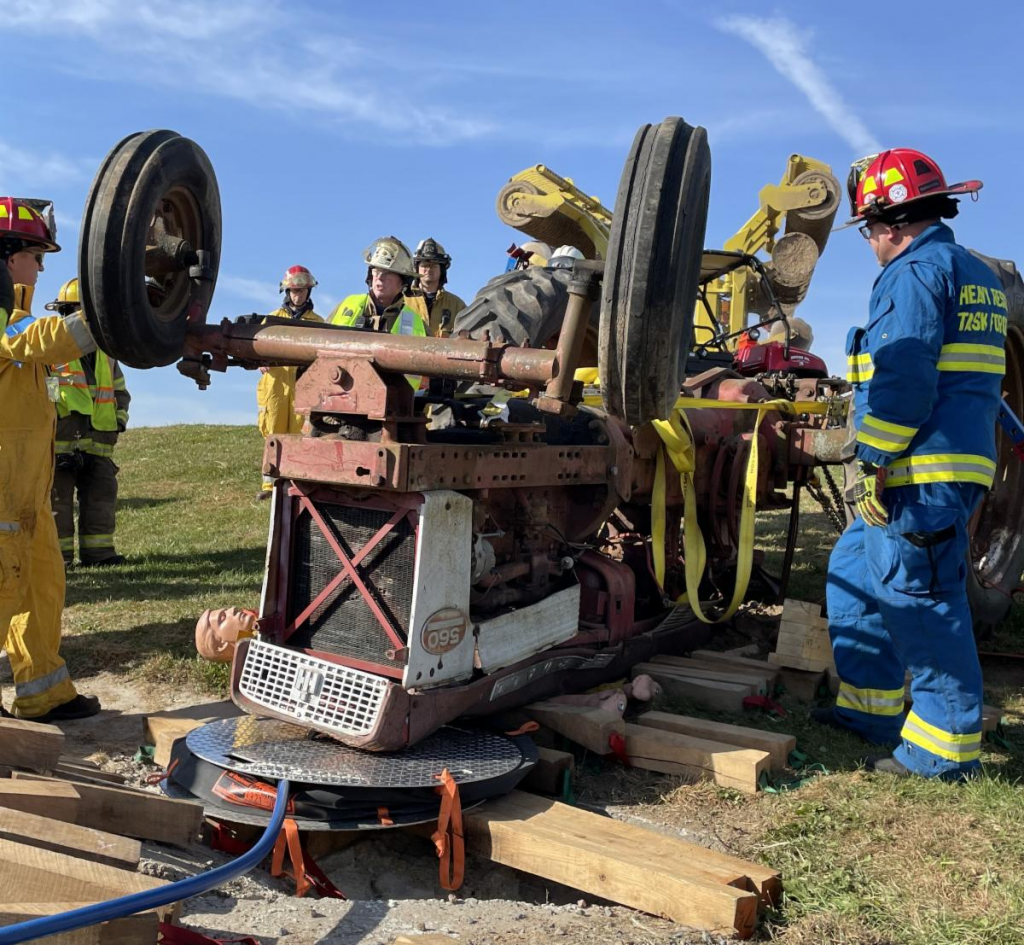
      Add a Comment
      (Fields are Optional)

      Your email address is never published.