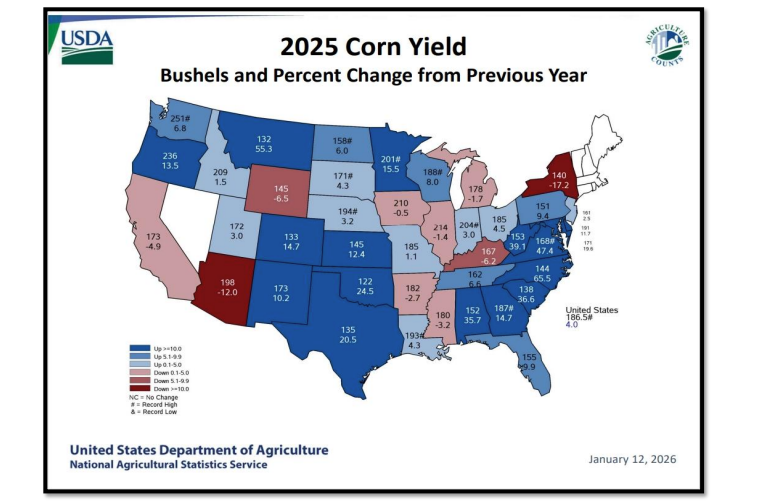
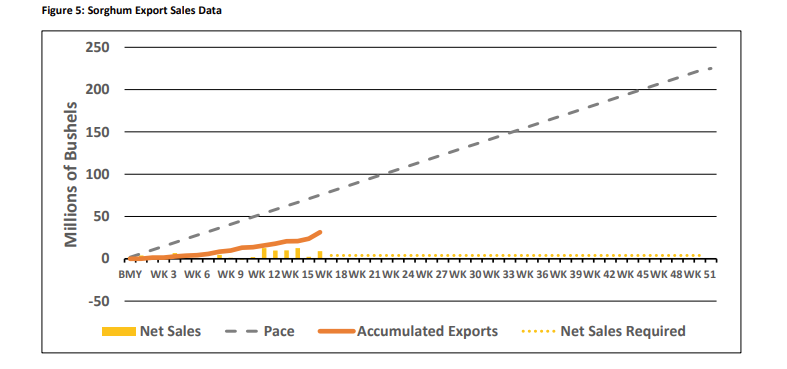
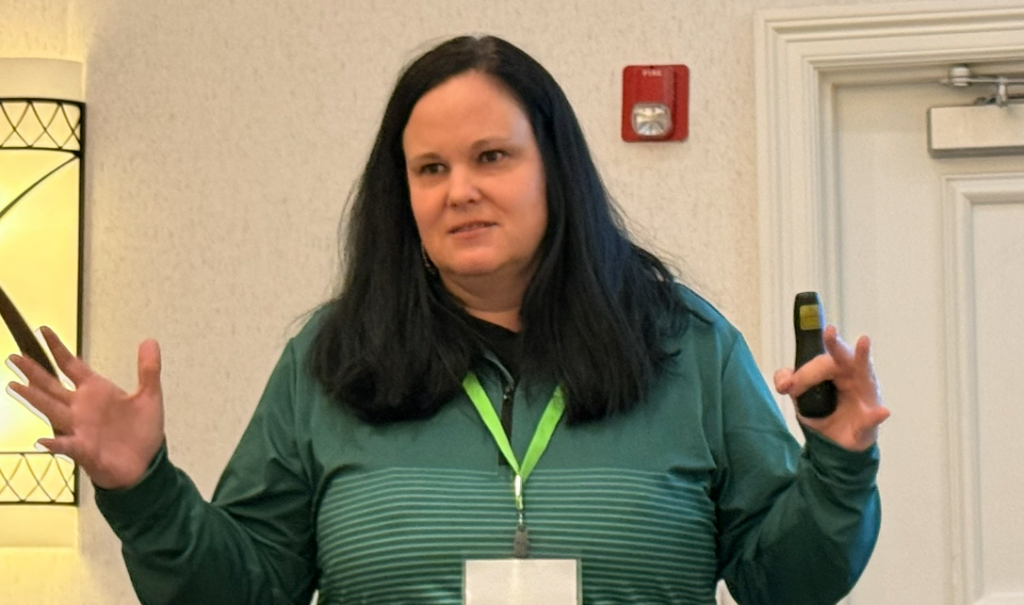
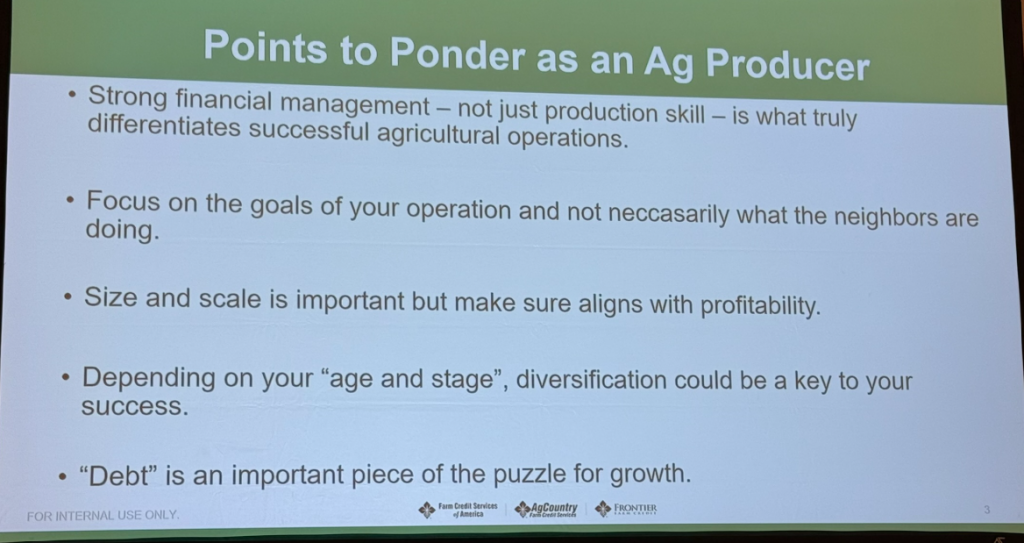
Ag News Archives for 2026-01

Beef Cows

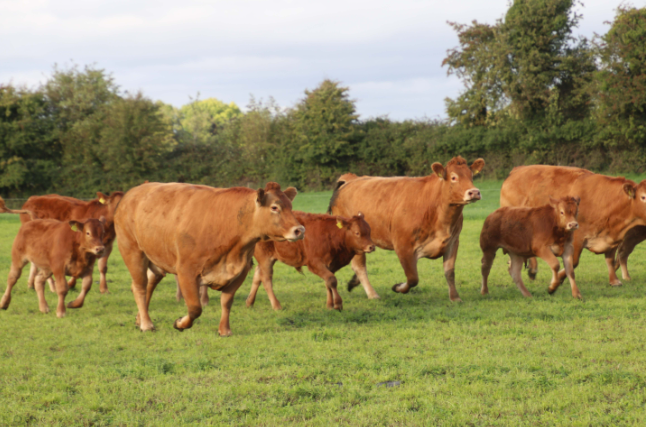
Dr. Derrell Peel: 2026 Cattle Inventory Report Offers No Major Changes in the Beef Story

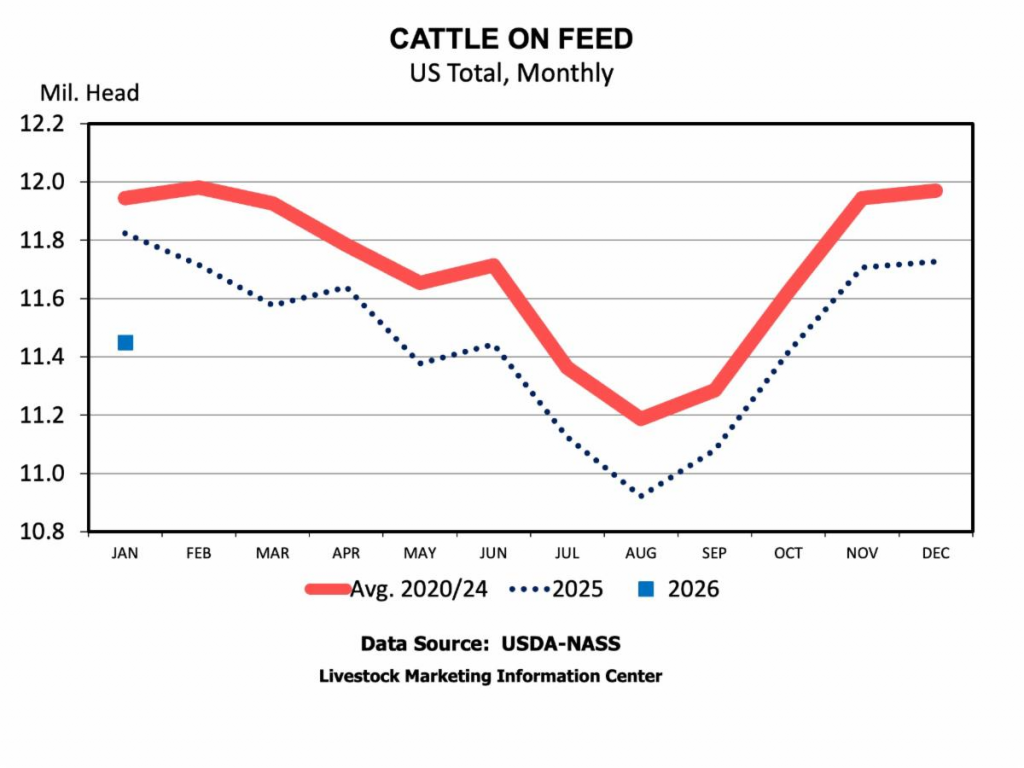
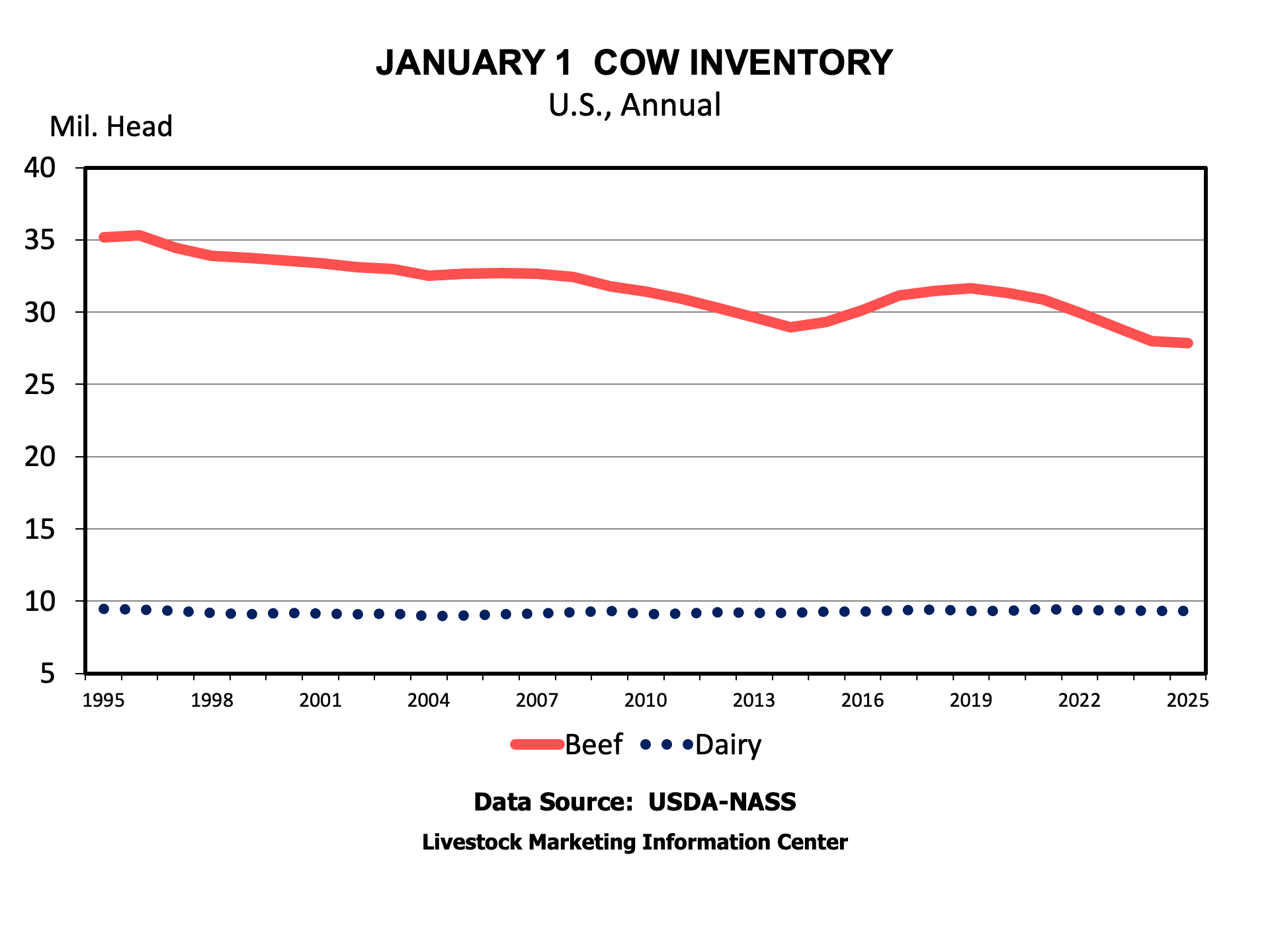
The USDA Cattle Inventory report released on Friday, January 30, 2026, revealed that the total U.S. herd remains historically tight, with a total of 86.2 million head of cattle and calves. This is a slight decrease from the 86.5 million head reported on January 1, 2025. 

Extension Livestock Market Economist Dr. Derrell Peel sees no major surprises from the report released on Friday. He tells Oklahoma Farm Report's Ron Hays "But the overview is generally pretty close to what I expected. I mean, we were not looking for a big change one way or the other. If you had to summarize it, I guess you could say that we actually continued to get a little bit smaller in 2025. The beef cow herd came in a little bit smaller than the year ago for January 1 of 2026. And that was a little bit of a surprise to me. I thought it might be more closer to unchanged or even up slightly. But again, I'm not too surprised at what we've got here. And the all cattle inventory is down slightly as well. So, you know, taken together, we're generally still trying to find a bottom in this thing."

More on Beef Cow Numbers

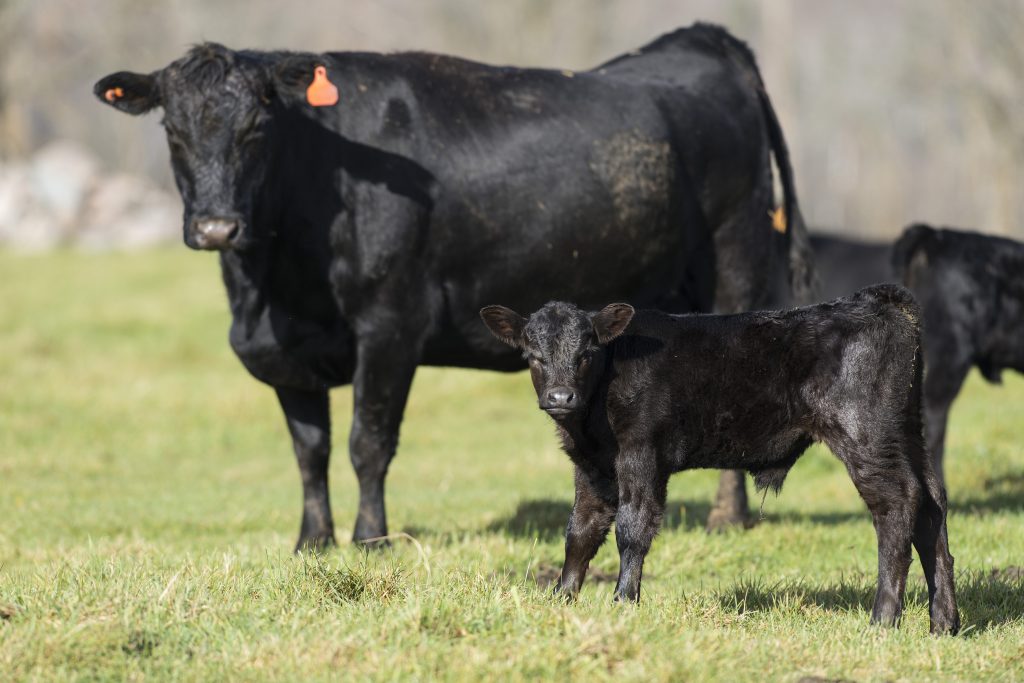
One of the most important numbers that beef cattle producers watch from year to year is the Beef Cow Herd numbers. The total US Beef Cow herd dropped by 185,000 head from January 2025 to January 2026- down one percent to 27.607 million head. In the southern plains, Oklahoma saw a slight bump up on beef cow numbers- up 17,000 from a year ago- virtually flat at 1.966 million head. Oklahoma remains the second largest beef cow state in the US. Texas, number one easily, dropped one percent in beef cow numbers to 4.045 million head- off 30,000 beef cows from one year ago. Missouri, struggling with drought, dropped 60,000 beef cows in this report- remaining the third largest beef cow state at 1.806 million head.

Beef Heifer Replacement Numbers Slightly Higher

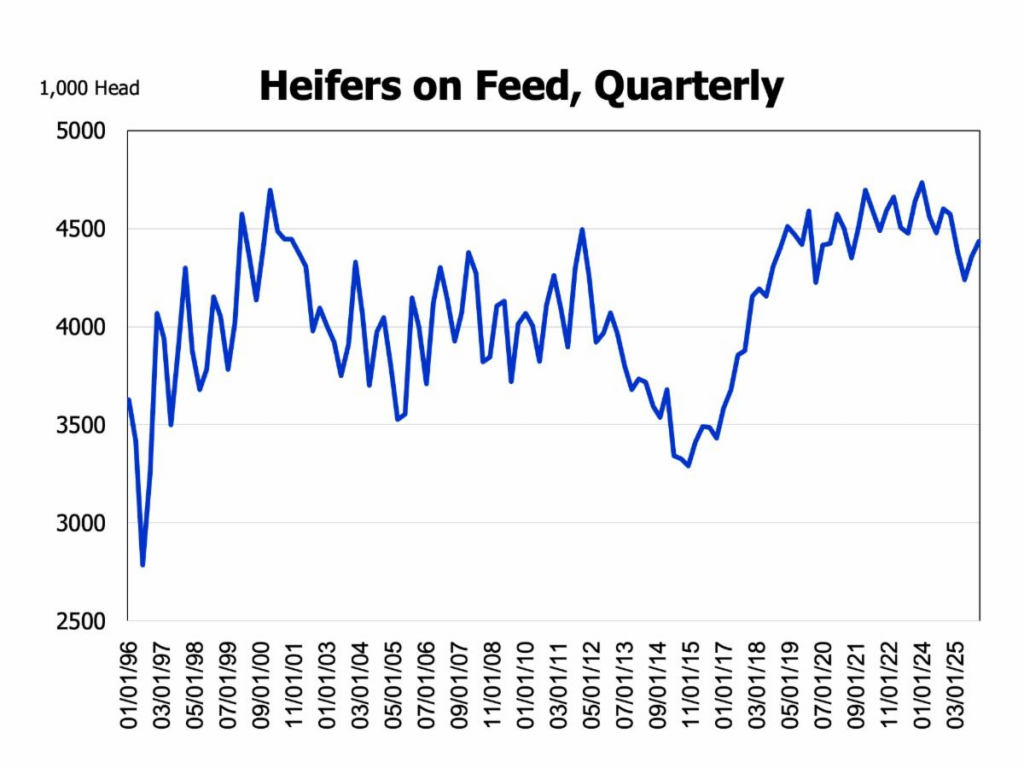
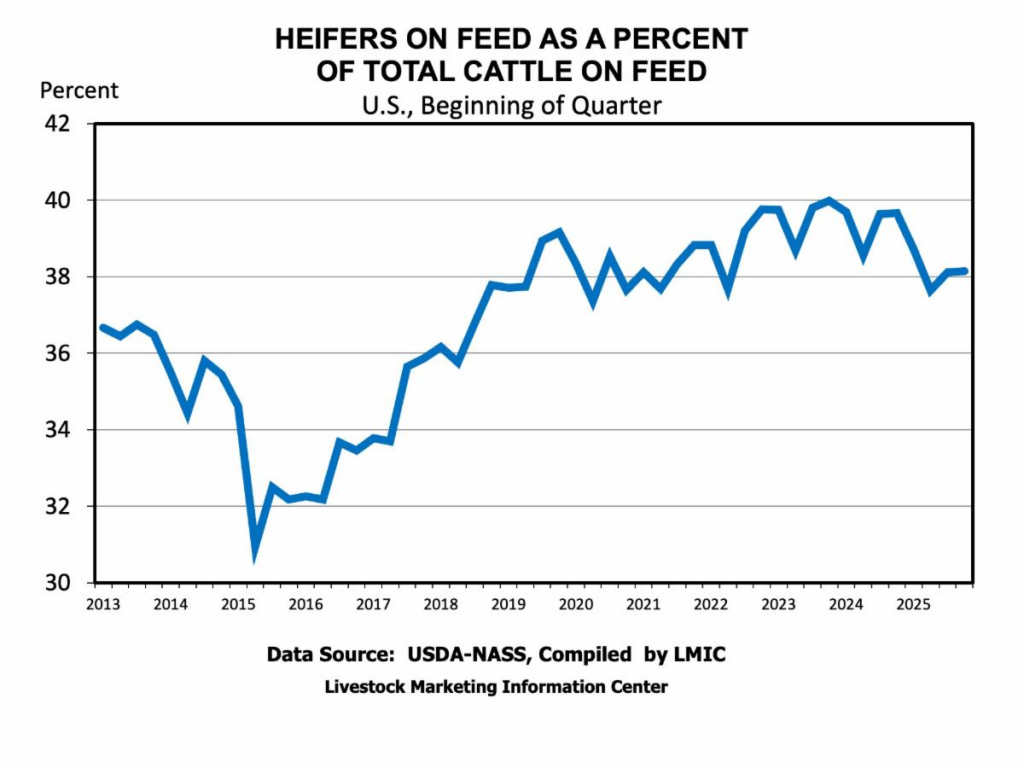
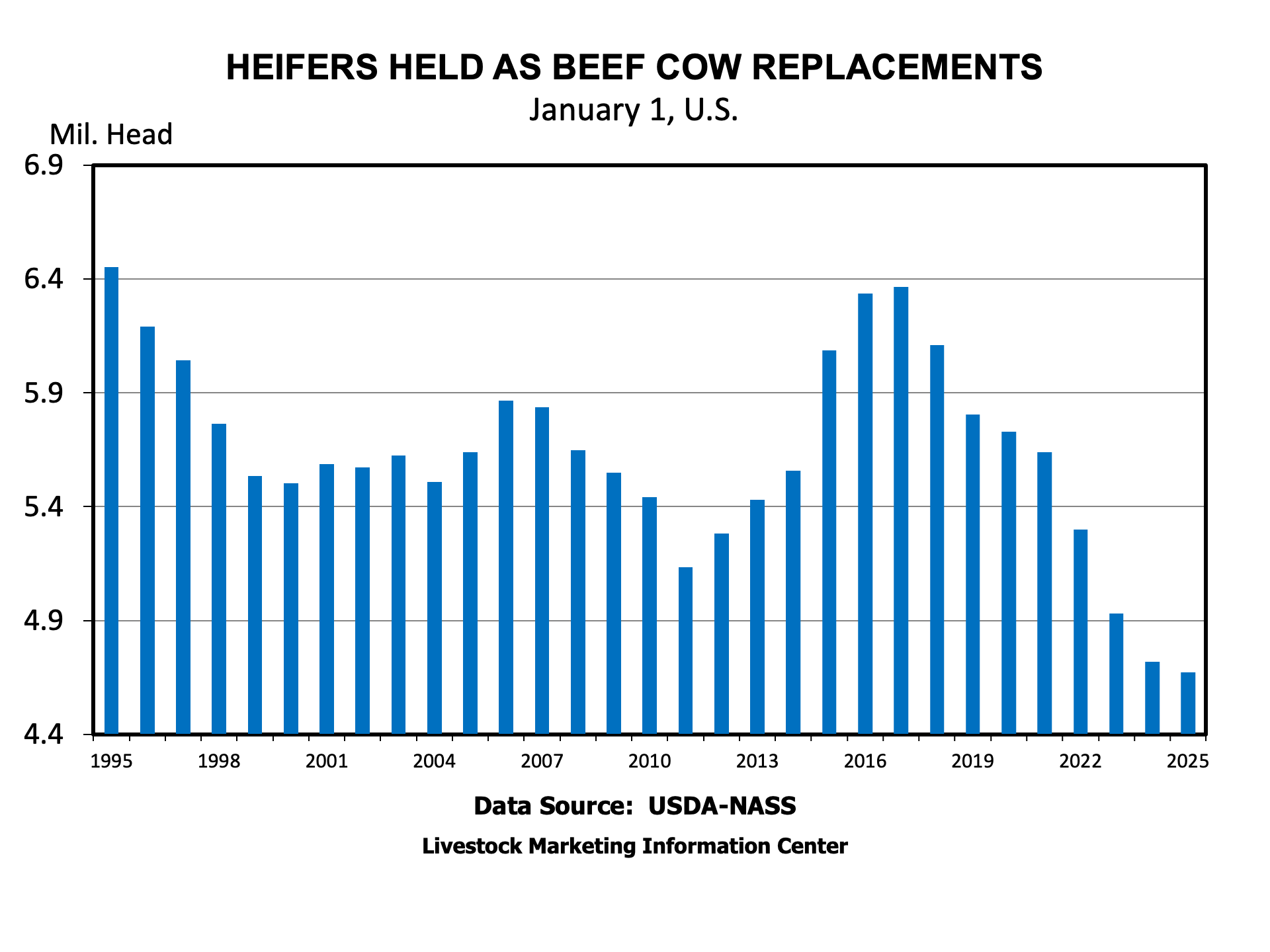
A number that offers some optimism for the growth of the herd going forward is the beef heifer replacement number- nationally up one percent from a year ago to 4.71 million head. Both Texas and Oklahoma had bigger replacement numbers than a year ago- Texas up 50,000 to 650,000 beef heifers being held for replacement and Oklahoma up 5,000 head to 345,000 head in the January 2026 report. Peel says "And you know, that's not uncommon. If you go back even a decade to the last time we went through something like this. You know, Oklahoma turned the corner faster than the rest of the country in terms of starting that herd rebuilding process. So, you know, that's, that's probably not a surprise in some sense. Again, it's pretty minimal at this point, but it is a positive sign as you look ahead to maybe where we go from here."

Peel believes that the report tells us confirms that we will not have a rapid herd rebuild like we had a decade ago. He says "this has been a remarkably slow process. What this really does is just continue to extend the timeline on this process of trying to find a bottom and then start some herd rebuilding. Again, there's some positive signs in here, but the fact of the matter is that we continued to get smaller last year by a little bit. So we really haven't set that in motion to a very big extent yet. And we continue this story that this is a historically slow herd or cattle cycle from that standpoint.

The Story Remains the Same- Tight Cattle Supplies, Strong Cattle Prices and No Relief for Beef Prices

"You know, we're still officially trying to find a bottom. We're probably stabilizing here, but it's a very slow process and we're not going to rebuild very fast based on what we see here. And we're stabilizing at a relatively small number. And that means what? Cattle prices remain strong and beef prices back to consumers. No relief in sight. Yeah, that's exactly what it means. You know, we're going to continue to see cattle prices supported with small numbers. Again, we haven't, you know, this, this in replacement heifers is not enough to really put together much of a herd rebuild or really any at all."

And Dr. Peel sums up this 2026 Inventory report with this- "I don't see any major change in the story. I don't think we have to change our expectations going forward. Again, we just kind of advanced the markers here one more set. to carry on this story. So I don't see anything major in this report based on what I've had time to look at at this point."

The Beef Buzz is a regular feature heard on radio stations around the region on the Radio Oklahoma Ag Network and is a regular audio feature found on this website as well. Click on the LISTEN BAR for today's show and check out our archives for older Beef Buzz shows covering the gamut of the beef cattle industry today.

Key Inventory Findings (as of Jan 1, 2026)

  • All Cattle and Calves: 86.2 million head, down slightly from 86.5 million in 2025.
  • Beef Cows: 27.6 million head, a 1% decrease from the previous year.
  • Milk Cows: 9.57 million head, a 2% increase compared to 2025.
  • Replacement Heifers:
    • Beef replacement heifers totaled 4.71 million head, up 1% from a year ago.
    • Milk replacement heifers totaled 3.90 million head, down slightly.
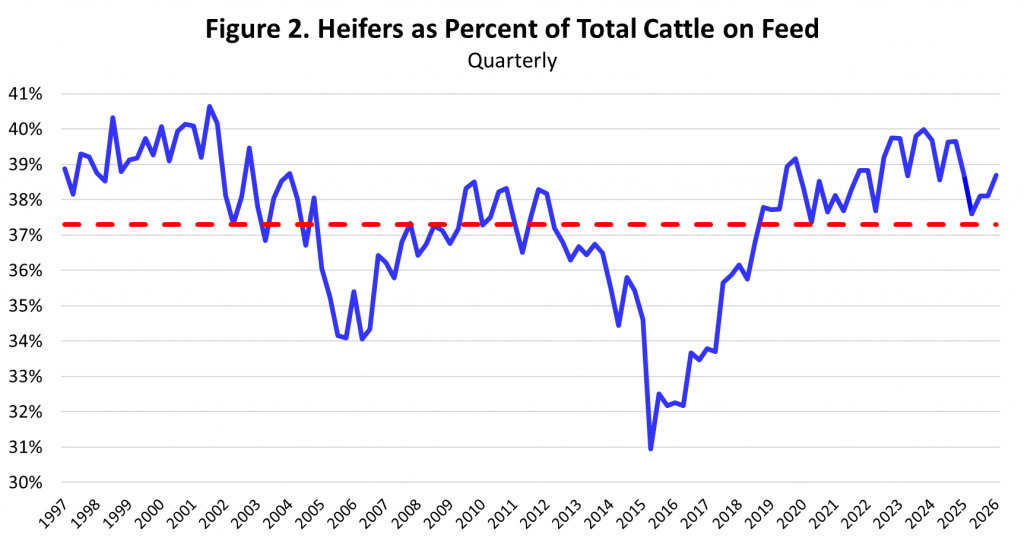
  • Steers (500+ lbs): 15.6 million head, down 1% from January 2025

Boxed Beef National

Choice Boxed Beef Down $2.10 to $365.56 to End January

Boxed beef prices moved lower again on Friday, marking declines in four of the last five trading days. Choice boxed beef closed at $365.56/cwt, down $2.10 on the day and $3.36 lower than last Friday's close. Select rose slightly to $361.94, up $1.22, narrowing the Choice-Select spread to $3.62. A total of 95 loads were reported.  

Among the primals, ribs edged down to $483.57 (−$1.42), while chucks declined to $342.93 (−$3.15). Rounds eased to $324.14 (−$2.15), and loins dipped to $460.41 (−$1.04). Briskets slipped to $308.54, plates dropped to $247.82, and flanks firmed slightly at $171.99.

Image

Broad Coalition of Farm and Fuel Leaders Rally Behind Immediate E15 Fix

A broad coalition of trade groups representing ethanol producers, petroleum refiners, farmers, and retailers sent a letter to the co-chairs of the new E15 Rural Domestic Energy Council calling for swift action to deliver lower prices for consumers and a stable, efficient fuels marketplace. The letter outlines recommendations for consensus legislation to permit year-round, nationwide sales of E15 and improve long-term policy certainty across the transportation fuel sector. 

"[T]he time window for arriving at a recommended legislative solution is short, with the council expected to submit legislative solutions to the full House by February 15th, only 16 days from today. We applaud this expedited time frame as fuel producers and retailers are making decisions now about product offerings over the next year, farmers are making planting decisions, and a legislative fix is needed as soon as possible to provide fuel producers and retailers with a predictable policy framework as we approach the summer driving season," the organizations wrote.

To "achieve a solution in short order," the groups urged lawmakers to build upon H.R. 1346, the Nationwide Consumer and Fuel Retailer Choice Act, that was amended and offered for consideration by Representative Adrian Smith (R-Neb.) last week before the Rules Committee. These include fixing outdated regulations on summer sales of E15 and limiting the marketplace distortions caused by Small Refiner Exemptions (SRE) under the Renewable Fuel Standard (RFS).

"H.R. 1346 has broad support from the overwhelming majority of biofuels, agriculture, fuel retail, and oil refining interests, and is the most comprehensive pathway to a legislative solution," the organizations wrote.

Signatories on the letter included the Agriculture Retailers Association, American Farm Bureau Federation, American Petroleum Institute, Corn Refiners Association, Growth Energy, National Association of Convenience Stores, National Association of State Departments of Agriculture, NATSO, National Corn Growers Association, National Sorghum Producers, Renewable Fuels Association, and SIGMA. Full text of the letter can be found at GrowthEnergy.org.

U.S. Grains & BioProducts Council Reacts To Reciprocal Trade Agreement with Guatemala

Today, United States Trade Representative Jamieson Greer and Guatemala's Minister of Economy Adriana Gabriela Garcia signed an agreement on reciprocal trade that increases U.S. market competitiveness and includes significant wins for the U.S. ethanol industry.

The agreement eliminates non-tariff trade barriers, such as restrictions on discriminatory sanitary and phytosanitary measures, and commits Guatemala to an E10 ethanol blend mandate for on-road vehicles with the intent to purchase at least 50 million gallons of U.S. ethanol annually. 

Guatemala is an established market for U.S. feed grains, and this agreement further strengthens the bilateral agricultural relationship between the two countries.

In response, Mark Wilson, U.S. Grains & BioProducts Council Chairman said:

"The U.S. Grains & BioProducts Council is delighted to see this win for U.S. ethanol producers and the entire U.S. agricultural industry, clearing the path for greater market access and generating instant demand for biofuels that will benefit both U.S. exporters and domestic producers, as well as Guatemalan consumers. Additionally, the biotechnology chapter in this agreement is significant as it mandates science- and risk-based regulations are the standard, while also protecting the grain trade from duplicative regulations and non-tariff barriers."

"The Council applauds the work The Trump Administration and Trade Representative Greer continue to do in connecting our ethanol producers to customers around the world."

November Pork and Beef Exports Below Year-Ago Levels

Exports of U.S. pork remained relatively strong in November but were below the large total reported in November 2024, according to data released by USDA and compiled by the U.S. Meat Export Federation (USMEF). Beef exports were significantly lower year-over-year, due in large part to the ongoing lockout by China. Lamb exports were a bright spot, posting the largest volume since July and highest value since May.

Pork exports to Mexico on record pace; already annual record for Central America

Exports of U.S. pork totaled 254,085 metric tons (mt) in November, down 7% from a year ago but the third largest of 2025. Exports were valued at $720.8 million, down 8% year-over-year but also the third highest of 2025. November exports increased year-over-year to Mexico, South Korea and the Dominican Republic and were record-large to Guatemala, but these results were offset by lower shipments to China, Japan, Canada and Colombia.

For January through November, pork exports totaled 2.68 million mt, down 3% from the record pace of 2024, while value also fell 3% to $7.65 billion. With most of this decline being due to lower variety meat shipments to China, where U.S. pork faces retaliatory duties, January-November exports of pork muscle cuts were just 1% below 2024's record pace in both volume (2.19 million mt) and value ($6.57 billion).

"The pork export numbers continue to be impressive, with broad-based growth mostly offsetting the obstacles in China," said Dan Halstrom, USMEF president and CEO. "It was especially gratifying to see per-head export value topping $70 in November, which is excellent news for U.S. producers and for the entire pork supply chain."

While down slightly from a year ago, November pork export value per head slaughtered was outstanding at $70.26. The January-November average was $65.54, down less than 1% from the record pace of 2024.

November beef exports lower to most major markets

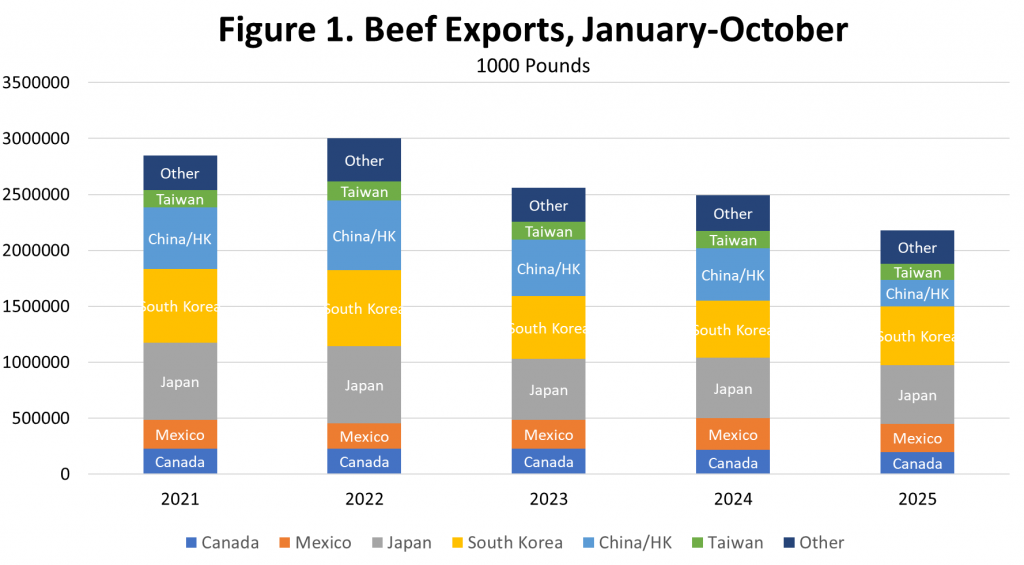
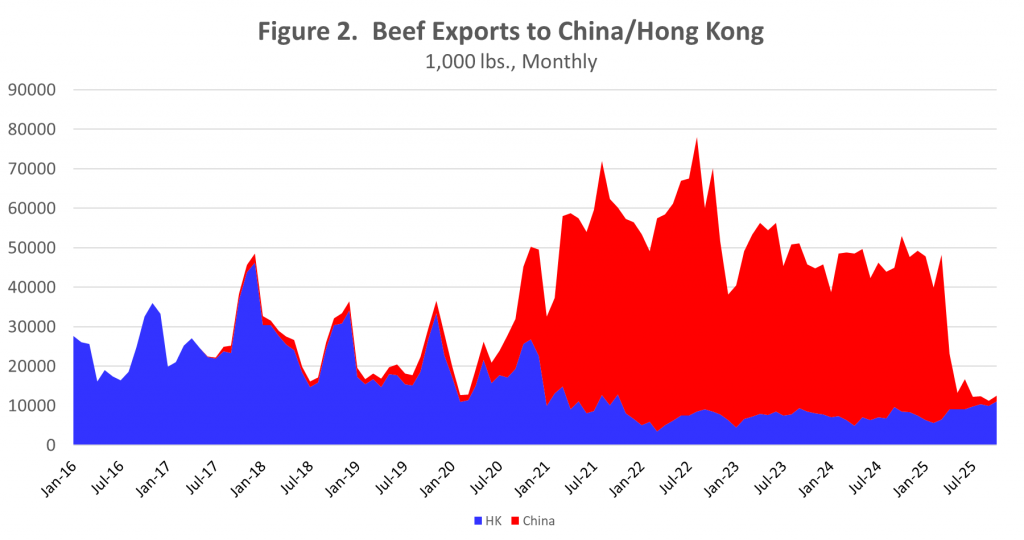
Following an encouraging rebound the previous month, November beef exports took a step back, falling 19% from a year ago to 88,139 mt. Export value was down 16% to $736.7 million. The decline was driven primarily by China, where exports remain minimal due to China's failure to renew registrations for U.S. beef plants and other market-closing factors, but beef exports also trended lower year-over-year to Korea, Mexico, Canada and Taiwan. November exports increased year-over-year to Indonesia, Chile, the United Arab Emirates, Singapore and Colombia, and were fairly steady to Japan.

For January through November, beef exports totaled 1.04 million mt, down 12% from the same period in 2024. Export value was $8.52 billion, down 11%. But when excluding China from these results, exports were down 3% year-over-year in volume and were just 1% lower in value.

"With each day U.S. beef is locked out of the world's largest import market, our industry misses out on millions of dollars and our competitors reap the benefits," Halstrom said. "It's also frustrating that this impasse overshadows the fact that global demand for U.S. beef remains resilient, even in the face of tight supplies."

Robust month for U.S. lamb exports

November exports of U.S. lamb muscle cuts totaled 237 mt, up 87% from a year ago and the largest since July. Export value increased 65% to $1.45 million, the highest since May. Growth was driven by Mexico, the Netherlands Antilles and the Bahamas, as well as larger shipments to Central America and Japan.

For January through November, lamb muscle cut exports increased 44% year-over-year to 2,577 mt, while value climbed 31% to $14.1 million. With December results still to be added, exports have already posted the largest annual volume since 2014 and the highest value since 2017.

A detailed summary of the January-November export results for U.S. pork, beef and lamb, including market-specific highlights, is available from the USMEF website.

For questions, please email Joe Schuele or call 303-547-0030.

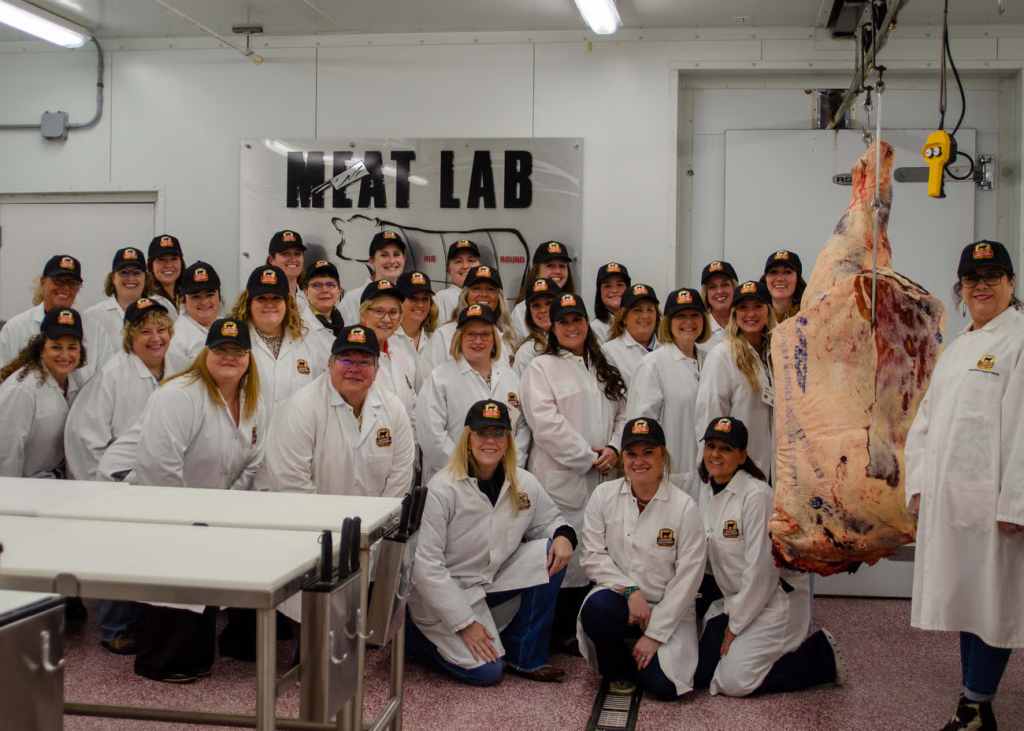
Applications open for 2026 Angus Women Connected

The American Angus Auxiliary invites women to apply for the 2026 Angus Women Connected Conference happening April 8-10, in Excelsior Springs, Missouri, at the Elms Hotel and Spa. The event is designed to Engage, Empower and Educate women from diverse backgrounds that share the common bond of Angus cattle. The Auxiliary will select 20 women to take part in the bi-annual event.

During the last conference in 2024, Bree Hawkins-Theis was just beginning her journey in The Business Breed. "After the conference I realized I had not only connected with an amazing group of women who welcomed me without question, but that I also understood more about Certified Angus Beef, the brand and the breed as a whole."

Women considering apply for the 2026 event can read more about Hawkins-Theis' and her classmates experience in this Angus Journal article.

The conference registration, lodging and meals are provided at no cost, thanks to the generous support of the Angus Foundation. Participants are responsible for the cost of travel to and from Missouri. However, group ground transportation from the Kansas City International Airport (MCI) will be arranged.

Applicants must be at least 21 years of age. The deadline to apply is Feb. 16, and accepted applicants will be notified no later than March 1. The online application is available at: Women Connected Application

Tentative Schedule of Events

   Wednesday | April 8

·       3 p.m. – 5 p.m. Arrival

           *Group transportation provided from MCI to the hotel.

·       6:30 p.m. Opening Reception, Keynote Speaker & Dinner


   Thursday | April 9

·       8 a.m. – 3:30 p.m. Speakers & Workshops

·       3:30 p.m. – 5 p.m. Networking & Free Time

·       5:30 p.m. Offsite Dinner & Activity


   Friday | April 10

·       8 a.m. Depart for St. Joseph, Missouri

·       9:15 a.m. Arrive at American Angus Association Headquarters

·       9:30 a.m. – 11:45 a.m. Association Tour, Education and Presentations by Staff

·       12 p.m. Lunch & Event Wrap Up

           *Attendees are free to depart following lunch. Transpiration will be provided from St.                     Joseph to MCI.

Texas Prepares for New World Screwworm

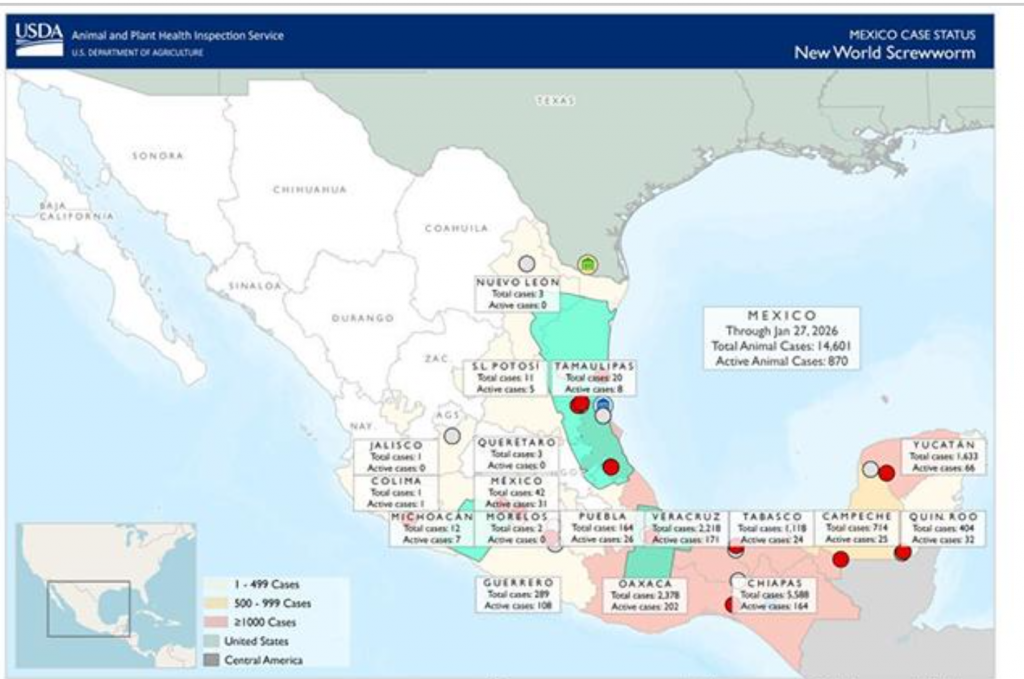
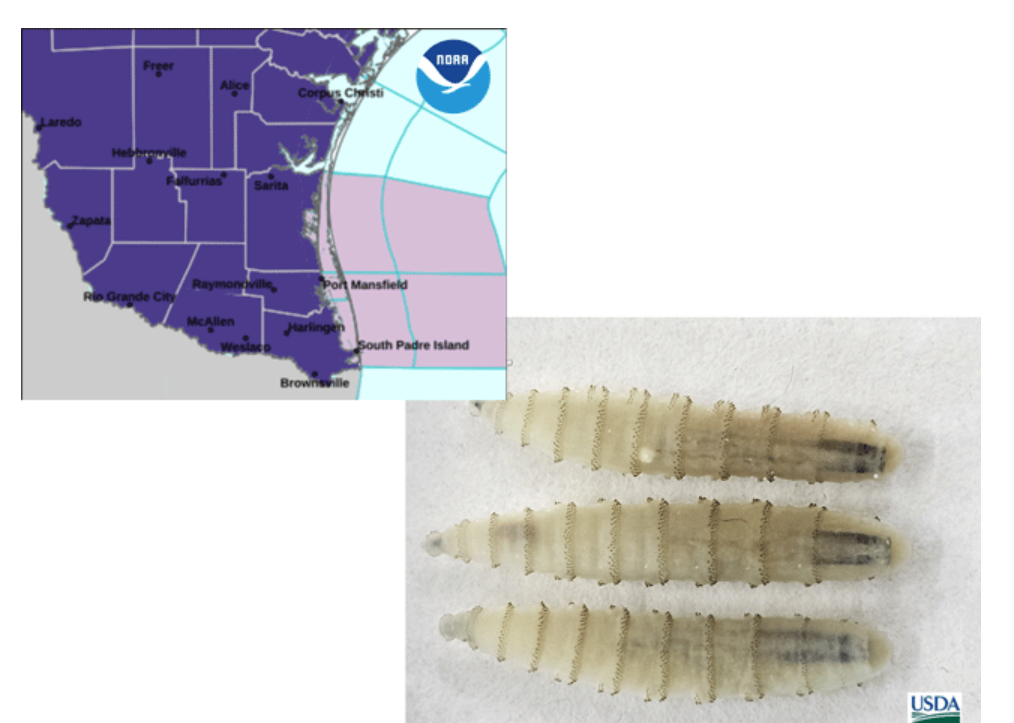
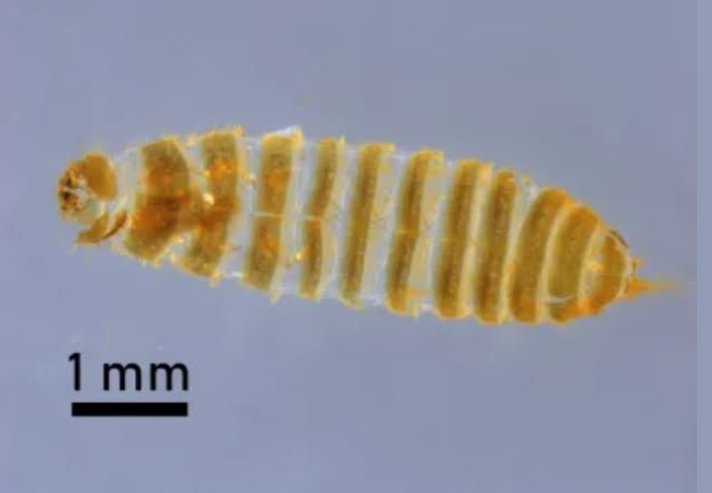
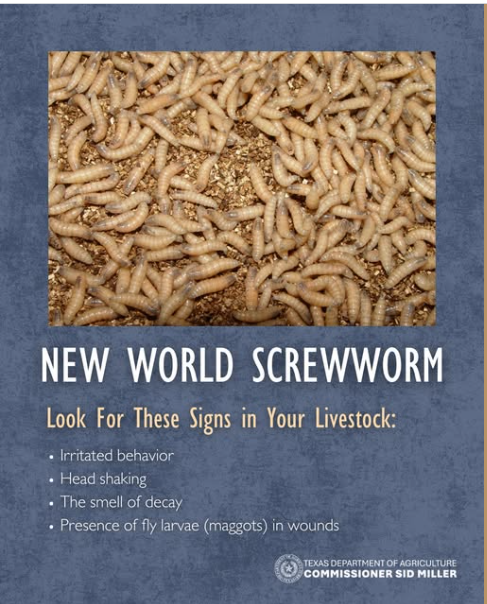
Texas Prepares for New World Screwworm: Chris Clayton of DTN writes: Texas Gov. Greg Abbott on Thursday issued a statewide disaster declaration to better equip the Texas New World screwworm (NWS) Response Team to prevent the potential spread of the screwworm fly into Texas and to protect livestock and wildlife.

"Although the New World screwworm fly is not yet present in Texas or the U.S., its northward spread from Mexico toward the U.S. southern border poses a serious threat to Texas' livestock industry and wildlife," Abbott said in a news release.

"State law authorizes me to act to prevent a threat of infestation that could cause severe damage to Texas property, and I will not wait for such harm to reach our livestock and wildlife. With this statewide disaster declaration, the Texas NWS Response Team can fully utilize all state government prevention and response resources to prevent the re-emergence of this destructive parasite. Texas is prepared to fully eradicate this pest if need be."

Pic Courtesy of Farmers FB page

The proclamation comes after USDA announced the $100 million New World Screwworm Grand Challenge to help combat and prevent the pest from spreading farther north from Mexico. USDA's Animal and Plant Health Inspection Service (APHIS) will make up to $100 million available through the Grand Challenge to support innovative projects that enhance sterile NWS fly production, strengthen preparedness and response strategies, and safeguard U.S. agriculture, animal health, and trade.

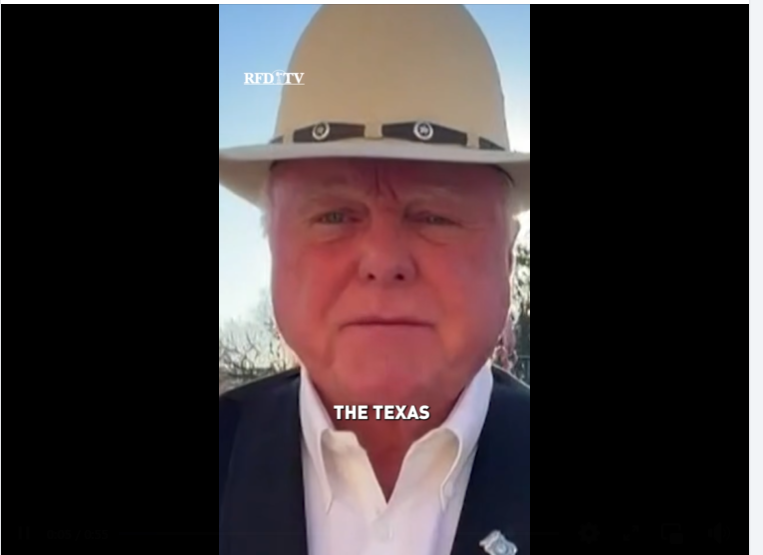
Texas Agriculture Commissioner Sid Miller said, "I'm glad to see the urgency from the governor's office matching the seriousness of this threat. The governor's disaster declaration gives his task force greater authority, resources, and speed needed to confront the growing threat posed by the New World screwworm."

"This is a serious risk to our livestock industry and one that the Texas Department of Agriculture has been preparing for through our own heightened surveillance, coordination, and response planning," Miller said.

Miller issued his statement as Abbott endorsed an opponent in a race for re-election. Both are Republicans.

"The New World screwworm is inching closer to Texas each and every day, and we must be proactive in responding to this threat," Miller said. "This fight requires every available resource to be thrown at it without delay, and TDA will continue to work alongside our state and federal partners to protect our livestock, pets, wildlife, and Texas communities."

According to USDA, Mexico has 870 active cases involving animals as of Jan. 20, 2026, including eight active cases in the Mexican state of Tamaulipas, which borders Texas. The Centers for Disease Control and Prevention also reports Mexico has 24 people hospitalized after being infected by NWS larvae.

Texas & Southwestern Cattle Raisers Association President Carl Ray Polk Jr. said his group "applauds Gov. Abbott and his team as they ensure Texas is prepared to respond to a potential incursion of New World screwworm."

"Today's announcement positions our state to respond appropriately, allowing the Texas Animal Health Commission and Texas Parks and Wildlife Department to utilize all available state government resources necessary to combat the pest," Polk said.

"Gov. Abbott understands the importance of protecting the U.S. beef supply and it's clear he is committed to pushing New World screwworm back to the Darien Gap, a milestone Texas & Southwestern Cattle Raisers Association continues to prioritize. We are thankful for his leadership and for standing with Texas livestock producers and landowners."

DTN Ag Policy Editor Chris Clayton contributed to this report.

NFU Celebrates Congressional Resolution Recognizing International Year of the Woman Farmer

National Farmers Union (NFU) celebrates the passage of the [insert bill name], sponsored by Sens. Deb Fischer (R-NE) and Amy Klobuchar (D-MN) and Reps. Ashley Hinson (R-IA) and Chellie Pingree (D-ME). The resolution recognizes the vital role women play in agriculture, their contributions to rural economies, and the importance of encouraging more women and girls to innovate and lead in agriculture.

"In the United States and across the world, women farmers play vital roles in agriculture that are often overlooked," said Ohio Farmers Union President Bryn Bird. "Globally, women make up 41% of the agrifood workforce through all parts of the food chain and production lines and are often the head of their households at the same time. By celebrating IYWF 2026, we are taking steps towards a greater level of collective recognition for these unsung heroes that keep us all fed and clothed."

"NFU is proud to celebrate the International Year of the Woman Farmer alongside many of our agricultural colleagues. Today's resolution reaffirms one of NFU's core values of gender equity and highlights the need for women to have equal access to land, capital, and resources," said NFU President Rob Larew. "NFU is grateful to Sens. Fischer and Klobuchar and Reps. Hinson and Pingree for sponsoring this resolution so that women farmers are able to get the recognition they deserve."

The United Nations (UN) declared 2026 as the International Year of the Woman Farmers (IYWF 2026) and designated the Food and Agriculture Organization of the United Nations (FAO) to lead the global campaign aimed at recognizing the efforts of women in agrifood systems across the world.

Visit our landing page with more information about how NFU is supporting IYWF 2026.

Read the joint press release from Fischer, Klobuchar, Hinson, and Pingree here.

El Salvador and Guatemala Agreements Strengthen Protections for U.S. Dairy Exports

 The National Milk Producers Federation, U.S. Dairy Export Council and Consortium for Common Food Names welcomed the United States' signing of reciprocal trade agreements with El Salvador and Guatemala this week, underscoring the importance of reinforcing long-standing market access gains for U.S. dairy exporters and preventing the emergence of new trade barriers.

As outlined in the agreements, El Salvador and Guatemala have both committed to address and prevent barriers to U.S. agricultural products, including dairy. These obligations include recognition of U.S. regulatory oversight and acceptance of currently agreed certificates issued by U.S. regulatory authorities, a prohibition on introducing a facility registration requirement for U.S. dairy products, and streamlining of product registration requirements, which are critical elements for ensuring predictable and fair market access for all U.S. dairy exports.

The two countries have also committed to ensuring that market access for U.S. agricultural exporters will not be restricted due to the use of certain cheese and meat terms. These include 38 widely used dairy terms such as parmesan, gruyere, feta, and asiago, as well as 10 meat terms. This commitment provides important certainty for common name producers and exporters.

"Securing durable market access and setting clear expectations with trading partners is essential for U.S. agriculture," said Krysta Harden, president and CEO of USDEC. "This agreement builds on the success of CAFTA-DR and we thank the administration for fighting for the right of U.S. dairy exporters to compete fairly in the Salvadoran and Guatemalan market."

U.S. dairy exports already benefit from duty-free treatment in El Salvador and Guatemala as a result of the Central America–Dominican Republic Free Trade Agreement (CAFTA-DR). Tariffs on U.S. dairy products phased out entirely this past year, following direct advocacy from USDEC and NMPF over a decade ago to secure full market access under the agreement.

"For dairy farmers, these agreements help to keep doors open to U.S. products," said Gregg Doud, president and CEO of NMPF. "By protecting hard-won access and preventing new barriers from taking hold, the agreements support demand for U.S. milk and dairy products and strengthen the economic outlook for farm families across the country."

"As European authorities increasingly seek to confiscate common food names across Latin America, the agreements unequivocally protect 38 common cheese names and 10 generic meat terms and send a clear signal by preserving our producers' right to label their products with terms that have been used for generations in El Salvador and Guatemala," said Jaime Castaneda, executive director of CCFN.

NMPF, USDEC and CCFN will continue working closely with USTR and U.S. government partners to monitor implementation of the agreement and to ensure that El Salvador and Guatemala fully meet their commitments to maintaining open and predictable access for U.S. dairy products and common name foods and beverages.

USDA Encourages Ag Producers, Residents to Prepare for Weekend Bomb Cyclone Winter Storm

The U.S. Department of Agriculture is encouraging farmers, ranchers, families, and small businesses across the Southeast, southern Virginia, and potentially parts of the mid‑Atlantic and New England to prepare for a rapidly intensifying winter storm expected to develop into a bomb cyclone this weekend. USDA staff in regional, state, and county offices are ready to assist communities before, during, and after the storm.

USDA's Disaster Resource Center and Disaster Assistance Discovery Tool offer easy access to information on programs that support recovery from natural disasters. USDA also encourages residents and producers to contact their local USDA Service Center to determine which programs may meet their needs.

Food safety guidance:

Strong winds and heavy snow may lead to scattered power outages. USDA recommends the following steps to keep food safe:

  • A refrigerator will keep food below 40°F for up to 4 hours during an outage. A full freezer stays cold about 48 hours (24 hours if half full). Keep doors closed as much as possible.
  • Do not place perishable food out in the snow. Outside temperatures can vary and food can be exposed to unsanitary conditions and animals.
  • Freeze containers of water ahead of the storm or make ice in containers left outside to freeze; place them around food to help maintain cold temperatures.
  • Freeze refrigerated items you may not need immediately—such as leftovers, milk, and fresh meat or poultry—to extend their safe storage time.
  • Consider purchasing 50 pounds of dry or block ice if a long outage is expected; this can keep an 18-cubic-foot freezer cold for two days.
  • Group foods together in the freezer to help them stay cold longer.
  • Keep several days' worth of ready-to-eat foods that do not require cooking or cooling.


For food safety questions, call the Meat and Poultry Hotline at 1-888-674-6854 (Monday–Friday, 10 a.m.–6 p.m. ET), or email MPHotline@usda.gov. Meat and poultry businesses may contact the FSIS Small Plant Help Desk online 24/7, call 1-877-FSIS-HELP (1-877-374-7435) or email InfoSource@usda.gov.

Protecting pets and livestock:

USDA's Animal and Plant Health Inspection Service (APHIS) urges everyone in the potential path of the storm to prepare now:

  • Ensure animals have shelter, dry bedding, and access to unfrozen water.
  • If moving livestock across state lines, contact the receiving state's State Veterinarian's Office. APHIS Veterinary Services state offices can also assist.
  • Follow instructions from emergency officials, especially in areas expecting blizzard conditions or coastal flooding.


Risk management and disaster assistance for agricultural operations:

USDA offers several programs to help producers recover from winter storm impacts.

Producers with Federal Crop Insurance or Noninsured Crop Disaster Assistance Program (NAP) coverage should report losses to their crop insurance agent or local Farm Service Agency (FSA) office within 72 hours of discovering damage and follow up in writing within 15 days.

Other key programs from USDA include:


USDA's Natural Resources Conservation Service (NRCS) also provides financial and technical assistance through the Environmental Quality Incentives Program and can support local governments through the Emergency Watershed Protection Program, which may be especially helpful in areas expecting coastal flooding or erosion.

FSA also offers financial support to farmers and ranchers impacted by natural disasters, including:

  • Direct and guaranteed farm loans, including operating and emergency farm loans, to producers unable to secure commercial financing.
  • Low interest emergency loans for producers in designated disaster areas to help recover from production and physical losses.
  • Loan servicing options for borrowers unable to make scheduled payments due to circumstances beyond their control.


Loans help producers replace property, livestock, equipment, feed and seed, cover living expenses, refinance farm-related debts and more.

Producers can also use tools on farmers.gov, including the Disaster Assistance Discovery Tool and Disaster Assistance-at-a-Glance fact sheet, to identify applicable recovery programs. For crop insurance claims, contact your insurance agent. For FSA or NRCS programs, reach out to your local USDA Service Center.

USDA's Food and Nutrition Service is also ready to work with the Federal Emergency Management Agency, and is standing by for requests for emergency nutrition assistance from states and local authorities.

Angus Genetics Looks Ahead to the Next Phase of Genomic Progress

In today's Beef Buzz, senior farm and ranch broadcaster Ron Hays continues his conversation with Kelli Retallick Riley, president of Angus Genetics, about how genomics and emerging measurements could shape the future of beef production. Riley reflects on ongoing industry discussions around modernizing the USDA grading system and how red meat yield may eventually be better measured and incorporated into genetic decision-making.

Riley says efforts to better understand and measure red meat yield are still in the early stages, but they represent an important opportunity for the beef industry. "The industry is really trying to come together," she says, noting that multiple breeds are working collaboratively to address the challenge. From the Angus perspective, the focus is on identifying practical, measurable traits. "What measurements can we capture on the live animal that then can be applied downstream?" Riley asks, explaining that improving live-animal data collection would allow seedstock producers—who "control the genetic nucleus"—to drive meaningful genetic improvement throughout the supply chain.

Riley is confident Angus cattle will remain competitive as new yield measurements emerge. "Angus has always been a quality driver, right? And we've always been there. We're going to continue to be there, because we know that's what the consumer wants," she says. Riley adds that Angus producers tend to view change as opportunity: "If we can provide them the information, they'll make the necessary adjustments... to make it more sustainable or more profitable throughout the entire chain."

Producer priorities remain centered on maternal efficiency and cattle health, according to Riley. "It's fertility, it's how that cow gets bred back, what's her breed-back rate," she says. In the feedlot sector, she notes growing concern around bovine congestive heart failure. "We're just trying to figure out, is there an underlying genetic propensity, and if there is, can we build a tool to help people find some answers," Riley explains, emphasizing Angus Genetics' commitment to reducing risk and losses in feedyards.

Riley also highlights the growing role of AngusLink and its genetic merit scorecard. "We predict out a feedlot score, a grid score and a beef score, and it really helps people just differentiate the value," she says. With packers like National Beef now paying premiums for cattle with scorecards, Riley notes, "It's no longer just a seedstock tool or a commercial cow-calf tool, but really, how do we leverage it throughout the whole supply chain?"

The Beef Buzz is a regular feature heard on radio stations around the region on the Radio Oklahoma Ag Network and is a regular audio feature found on this website as well. Click on the LISTEN BAR for today's show and check out our archives for older Beef Buzz shows covering the gamut of the beef cattle industry today.

What are your Perceptions of Wetlands? Seeking Participants

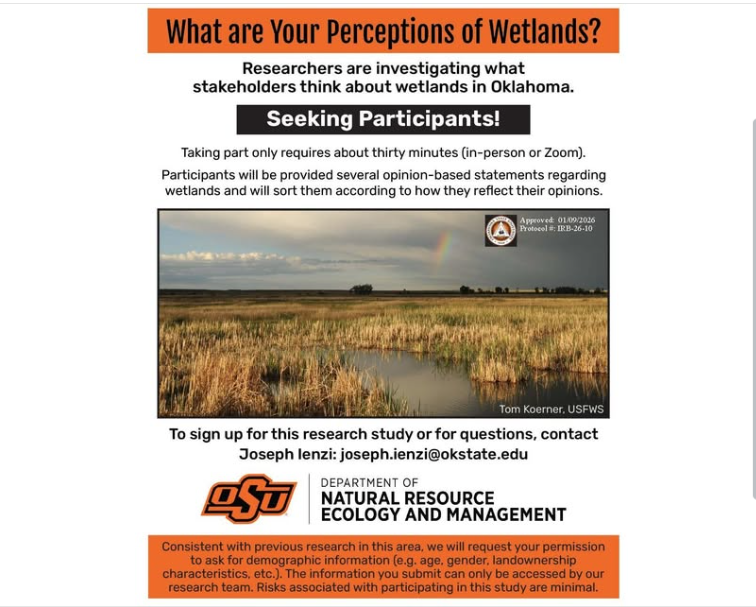
What are Your Perceptions of Wetlands?

Researchers are investigating what stakeholders think about wetlands in Oklahoma.

Seeking Participants!

Taking part only requires about thirty minutes (in-person or Zoom).

Participants will be provided several opinion-based statements regarding wetlands and will sort them according to how they reflect their opinions.

To sign up for this research study or for questions, contact Joseph Ienzi: joseph.ienzi@okstate.edu

Consistent with previous research in this area, we will request your permission to ask for demographic information (e.g. age, gender, landownership characteristics, etc.). The information you submit can only be accessed by our research team. Risks associated with participating in this study are minimal.

Landscape Spotlight: Comanche Pool Grazing Lands In Kansas And Oklahoma

A Very Cool, Very Special Place

The Comanche Pool Grazing Lands
A vast swath of intact prairie known as the Comanche Pool grazing lands stretches along the border of Kansas and Oklahoma. These rolling, undeveloped grasslands cover 7 million contiguous acres and span 15 counties.

Today, the ranchers who raise cattle in the Comanche Pool area comprise the largest grazing coalition in the southern Great Plains. The cattle that roam these prairies provide beef for America, and the region's livestock production and outdoor recreation amenities are important economic drivers for both Kansas and Oklahoma.

Join the Comanche Pool Prairie Resources Foundation and other partners for the 2026 Southern Plains Grasslands Summit.
"The Comanche Pool is a very cool, very special place," says Tanner Swank, Great Plains Grasslands Biome Manager for Working Lands for Wildlife and Pheasants Forever. "The geography is both ecologically and economically significant to the region."

These mixed-grass and sand-sage prairies are also home to one of the last strongholds of lesser prairie-chickens and the region's bobwhite quail, along with a multitude of other grassland birds and prairie critters.

But the people, livestock, and wildlife that depend on the Comanche Pool prairies are facing a growing threat: encroaching woody species that are gobbling up productive grasslands.

Watch the whole feature below:

Rangelands At Risk From Encroaching Trees

The green glacier of brush and eastern redcedar trees moving westward across the Great Plains is the biggest threat to the Comanche Pool grazing lands," says Kay Decker, coordinator of the Comanche Pool Prairie Resource Foundation. Founded by ranchers in 1999, it educates people about rangeland management practices that regenerate the region's natural resources and promote rural economies. It also provides conservation funding support and scholarships to students and producers.

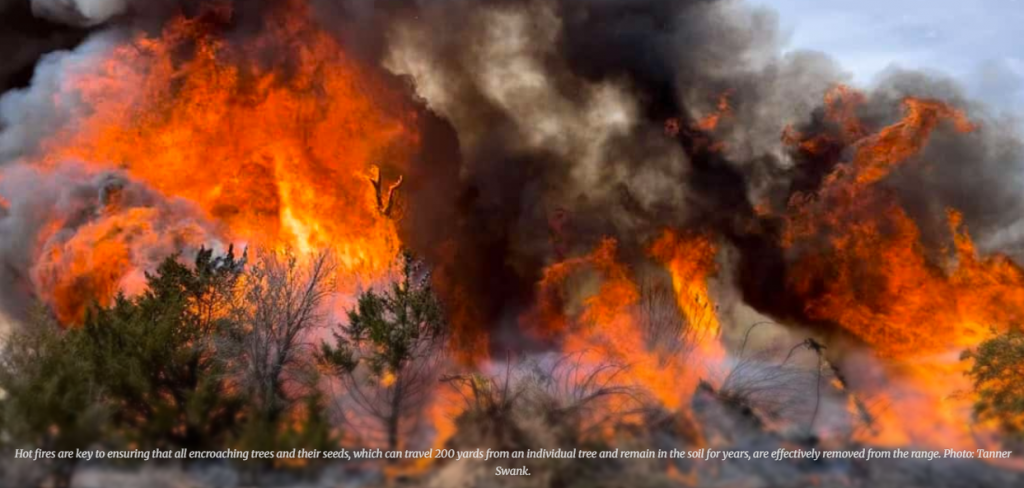
In America's Great Plains, woody plants have proliferated in the absence of regular fire. As trees and woody shrubs like eastern redcedar take over grasslands, they reduce the amount of water and forage available for both livestock and wildlife.

Encroaching trees also fuel more catastrophic wildfires.

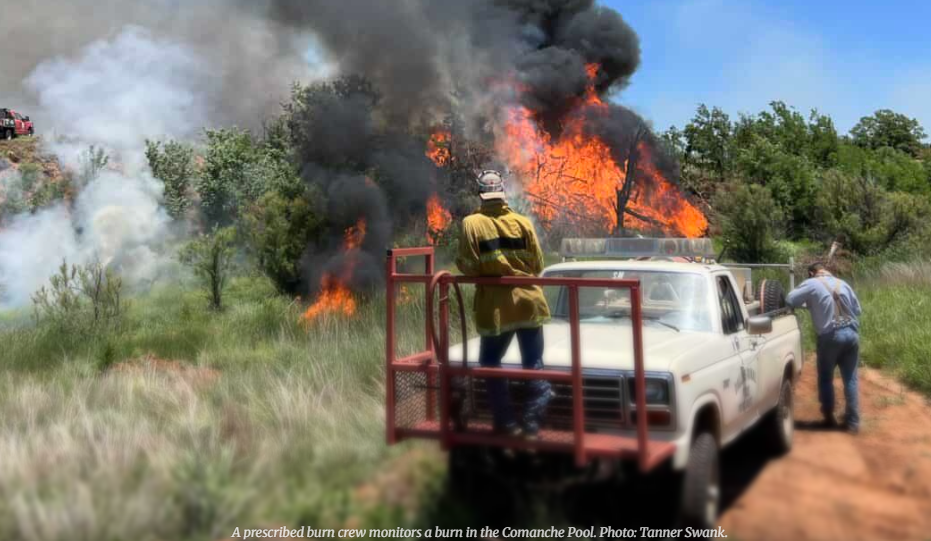
"We had a large wildfire season in 2025, and it raised awareness across the state about the need to manage woody species," Decker says. "Prescribed fire is the best and most economical tool for containing this threat."

In places where landowners were using prescribed fire—planned burns to reduce excessive vegetation and kill woody species—the impacts from the wildfires were minimal. But in places with no prescribed burning, communities suffered.

"We lost over 400 homes in Oklahoma over the course of two days last March," Decker says. "We had 70 to 80 mile-per-hour winds, and when a mature cedar catches on fire, those embers can travel three football fields."

Previous to these catastrophic wildfires, the Oklahoma Legislature had allocated $4 million to the Oklahoma Conservation Commission to mitigate the spread of eastern redcedar in the North Canadian River watershed. The allocation helped fund a technician program in conservation districts located within the watershed with the goal of reducing cedar proliferation in the rural-urban interface to protect homes, businesses, and agricultural lands. This program has benefited several counties within the watershed.

Pooling Resources To Keep Grasslands Productive 

Swank started working in the Comanche Pool area in 2018, on the heels of multiple devastating wildfires. He's seen a drastic increase in the use of prescribed fire as a tool to manage rangelands—and to stop wildfires from getting out of control.

"It's never a case of 'if' a wildfire comes, it's always 'when'. We still have them every spring in the southern Great Plains," Swank says. "But with prescribed fire, we can control when and how land burns—and keep it on our terms."

Swank assists with coordinating prescribed burns on private land by bringing together resources from landowners, conservation partners, and government agencies.

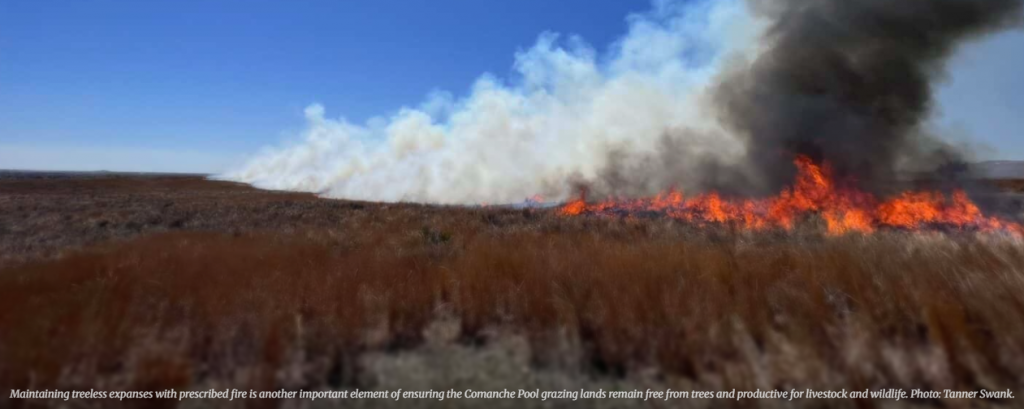
The best way to do that? Fight fire with fire, he says. Annual prescribed burns that mimic historic fire cycles can help reduce the amount of woody species proliferation and fine fuels on the ground. That way, wildfires cannot rage out of control.

The Working Lands for Wildlife partnership is one of these, Swank says. "Many of these proactive burns happen with support from Farm Bill conservation programs."

With coordination from Working Lands for Wildlife, the NRCS helps landowners by providing both financial and technical support on how to burn safely. Since ranchers in the remote Comanche Pool area are often far from firefighting departments, they have formed burn associations and manage their own firefighting setups.

As for timing, the landowners burn their ranches in the early spring to promote grass growth for livestock. This timing also helps with wildfire mitigation planning.

Prescribed fires create burned "anchor points" that firefighters can use to stop wildfires from spreading, Swank explains. Plus, regular prescribed burns prevent saplings from taking hold and maturing, keeping the Great Plains grasslands open and nutritious for cattle and wildlife.

"It's refreshing and motivating to see the mindset shift to 'oh, we have to keep these trees from coming back,'" Swank says.

Comanche Pool Is A Model For Great Plains Landowners

The Comanche Pool Prairie Resource Foundation recently released a video about their grasslands. The video delves into the history of the region, including how it got its name: from the historic Comanche Pool Cattle Syndicate. The syndicate ran livestock in the late 1800s across Kansas and Oklahoma, from the Salt Fork of the Arkansas River and the Medicine River in the north all the way to the Cimarron and North Canadian rivers in the south.

This video also explains the main objectives of the landowners and partners working to conserve the Comanche Pool prairies today: improving soil health and habitat for wildlife and pollinators, improving water resources, and mitigating woody encroachment.

"People here now understand that encroaching redcedar trees are not only a wildfire risk; they are also a threat to soil health, water quality and quantity, and forage production. It turns out that when producers remove woody species like eastern redcedar, you get the other three—more water, better soil, and improved habitat for wildlife and pollinators," notes Decker.

Another piece of the foundation's outreach in 2026 is helping to host the first Southern Plains Grasslands Summit in Alva, Oklahoma from May 27-29. The summit will highlight the successful collaborative conservation modeled by partners in the Comanche Pool area.

Additionally, the Comanche Pool will be holding Producer Education workshops known as "Coffee Shop Talks" in the early part of 2026 throughout its service area of northwest Oklahoma and southern Kansas.

The foundation also advises other landowners and conservation groups in the southern Great Plains about how to form and manage local burn associations. "We need more prescribed fire planners and knowledgeable experts located across this region," Decker says.

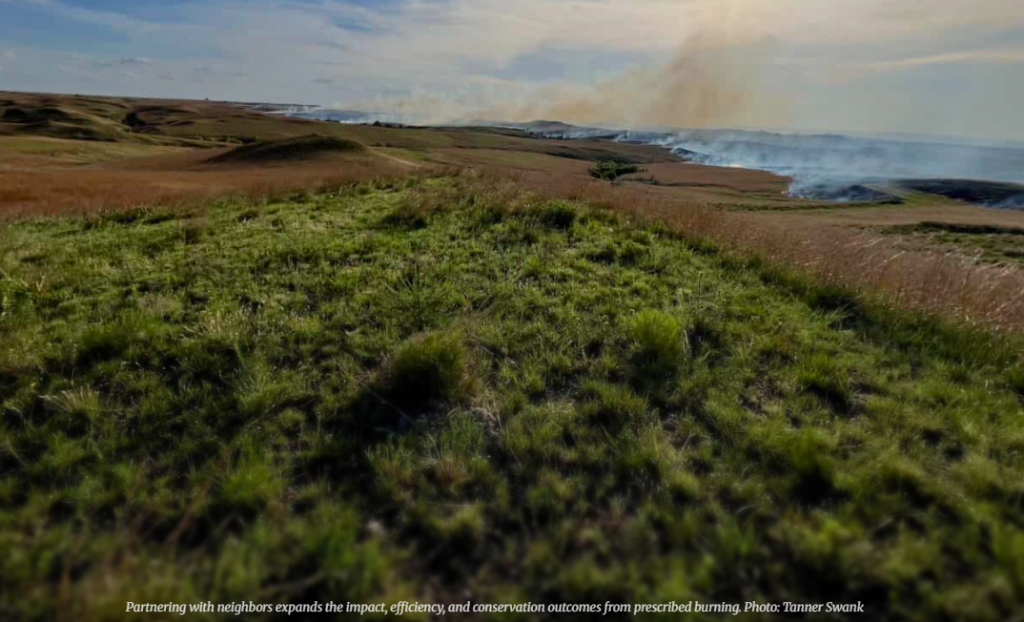
Swank says that the successful conservation initiatives that are conserving the Comanche Pool prairies are due in large part to like-minded partners. "I'm proud of the progress and scale at which the region's residents have been able to accomplish these projects. Neighbors are working together on large-scale, proactive prescribed burns and doing everything they can to maintain their large grassland cores, ensure the landscape remains as functioning, working lands, and push back against woody threats."

Oklahoma Senate Pro Tem Lonnie Paxton Prioritizes Education and Ag Issues in New Legislative Session

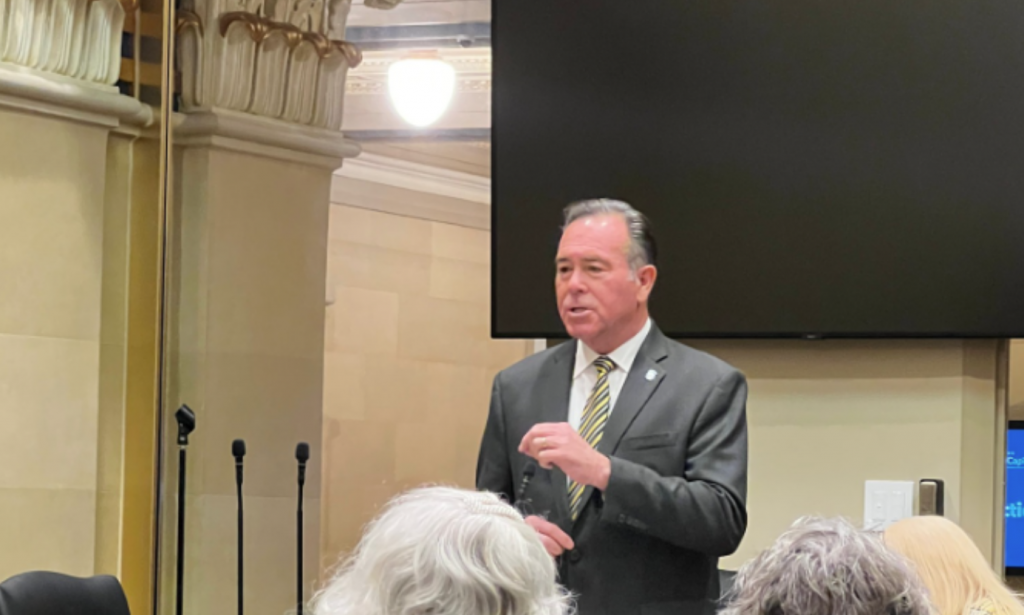
Oklahoma Senate Pro Tem Lonnie Paxton Prioritizes Education and Ag Issues in New Legislative Session: As the new legislative session kicks off in Oklahoma, Senate Pro Tem Lonnie Paxton is setting his sights on critical issues affecting both the state's future and its agricultural backbone. In a recent conversation with Farm Director KC Sheperd, Paxton outlined his priorities, ranging from improving education outcomes to addressing the concerns of the state's farmers and ranchers.

Top of mind for Paxton is Oklahoma's standing in education. "It's like every other leader in the state and most people in the state, we want to see that we can do things to make sure our education outcome, especially for our third-grade reading proficiency, vastly improves," Paxton stated. He emphasized a collective desire to move away from the "bottom of the list" and take concrete steps toward improvement.

A key area of concern for the Pro Tem is the amount of time students spend in the classroom versus remote learning. Referencing recent weather-related school closures, Paxton expressed skepticism about the efficacy of virtual days. "My big push has been against the virtual or remote learning days. I just don't think anything really happens as far as educating our kids," he said. Highlighting the disparity in instructional time, he noted, "The US average is 180 [days]. The world average is over 200... It's like three full weeks a year that they're not getting to be in front of a teacher."

Paxton, a rancher himself, also addressed the pressing concerns of the agricultural community, particularly regarding property taxes and ad valorem. He acknowledged the anxieties surrounding rising costs and hinted at legislative relief. "I think you're going to see some things like maybe some reductions in how fast property can be revaluated," he explained, suggesting a move to slow down valuation increases.

However, he warned of potential pitfalls in other proposed measures, specifically a state question that would remove property taxes from homesteaded homes. "That could be detrimental towards the ag community," Paxton cautioned. "Farmers and businesses and oil and gas and renters are going to pick up the tab for every homeowner's property taxes."

Balancing the needs of rural producers with the funding requirements of rural schools remains a complex challenge. Paxton pointed to "responsible legislation" as the path forward, aiming to mitigate sharp tax hikes driven by factors such as federal lawsuits against school districts. He cited the situation in Ninnekah, where property owners faced a tax increase of over 70%, as a prime example of the issues the legislature hopes to address.

Despite the heavy legislative agenda, Paxton remains grounded in his agricultural roots. Reflecting on the recent cold snap and the grueling work of caring for livestock in freezing temperatures, he offered a message of solidarity to his fellow producers: "I feel their pain... I wouldn't have any other lifestyle. I love what I do, but I will tell you when you're out busting ice at sunup, it is you sometimes question what got me in this position."

Grain Marketing Resolutions to Make It Through 'Weird' Years

Andrew Mages said half of his job as a commodities broker with Progressive Ag is being a psychiatrist, helping farmers navigate the emotions of grain marketing and the fear of missing out.

"Farmers actually have very good instincts," he said. "Sometimes, they just need an extra push."

As far as grain marketing goes, 2025 was a weird year. Corn and soybean prices hit their highs in February, bucking seasonal trends for late-spring or early-summer rallies, leaving many farmers with more unpriced grain than they'd like as they headed into a new calendar year.

Compounding the problem is that post-COVID price spikes rewarded laissez-faire marketers, while farmers have struggled to return to a disciplined grain sales strategy as the market shifted.

"Those tops last for seconds, but the bottoms last for years," said Mages, who also runs the family farm in Minnesota.

As we turned the calendar to a new year and tallied the bushels in inventory, it's a great time to reevaluate your grain marketing strategy.

HAVE A PLAN

"There's no one-size-fits-all marketing plan," said AgMarket.Net CFO Tyler Schau, who taught grain marketing for 12 years.

The first step is to determine your price and time action points based on your operation's cost of production and cash-flow needs. Then, you need to have an idea of what tools -- cash contracts, futures or options -- you'll use to secure your price.

"You can make a marketing plan really complicated, or you can keep it pretty simple," Schau explained.

STICK TO IT

Sticking to the plan is the hard part. By the time a price target rolls around, market sentiment has usually changed, and farmers wonder if they set their sights too low. "Second-guessing is where farmers struggle the most," he said.

The first sale is always the toughest, because most farmers are hoping for something better, Mages said. "Take a small win on your first sale, and it'll make your marketing plan a lot easier for the rest of the year," he suggested. "You want to hit a lot of singles and doubles when you're marketing."

ASK FOR HELP

Both Mages and Schau agreed that having a trusted adviser can be a very helpful resource to guide you in both sticking to your plan and adapting it as the market changes.

"Everybody's got an agronomist," Mages said. "So, why don't most farmers do that with a marketing plan? Farmers love growing a crop, but they hate marketing. So, get some help."

DON'T FEAR FUTURES AND OPTIONS

Schau and Mages said they're valuable tools in an oversupplied grain market like this one. Even if you need to sell physical grain below your target price to meet your cash-flow needs, re-owning those bushels through futures or options can create an opportunity to improve that price in the future.

Mages said farmers may have been burned by margin calls or options expiring worthless in the past, but these tools give them more control than marketing alternatives from their local elevator, such as free delayed-price contracts. Those allow farmers to deliver the bushels but set the price at some point in the future.

"When you have a futures and options account, it opens up a lot more strategies to help you remove risk," Schau said.

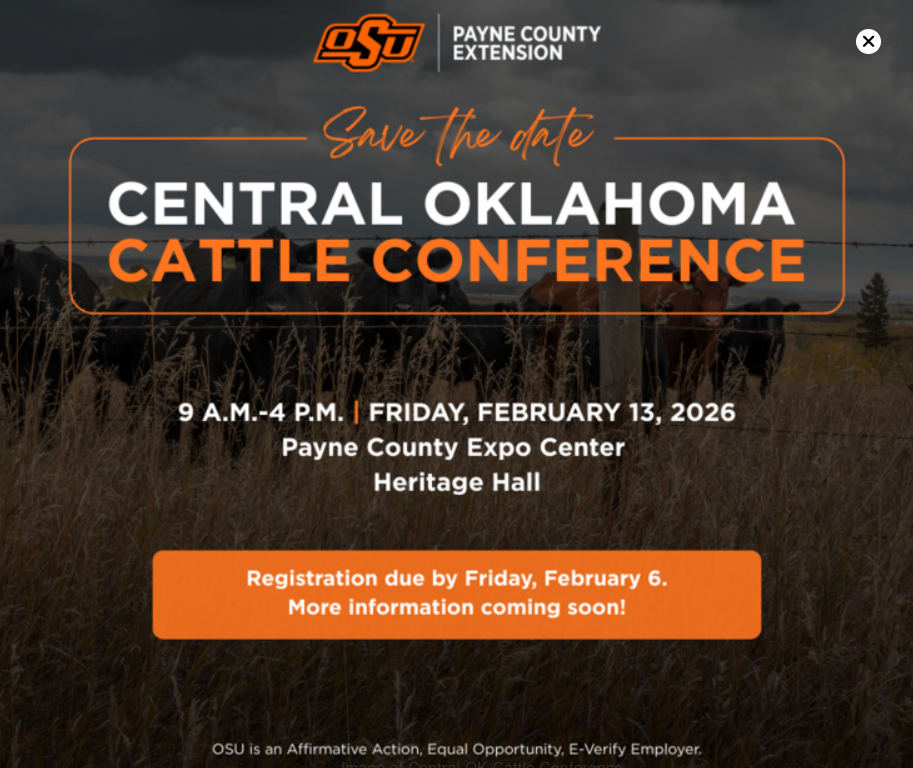
Central Oklahoma Cattle Conference Set for February 13 in Stillwater

As cattle producers prepare for another year of possible market volatility and management challenges, Jennifer Patterson, OSU Extension agricultural educator in Payne County, says the upcoming Central Oklahoma Cattle Conference is designed to deliver timely information and practical takeaways. Speaking with Associate Farm Reporter Carli Davenport, Patterson explained that the annual regional event brings together cattle producers and industry professionals from across Oklahoma and neighboring states. "Our target audience is our cattle producers, but we invite anybody who's interested or invested in the cattle industry to come," Patterson said.

Patterson says the conference offers a full schedule from start to finish, beginning with registration at 8 a.m. and continuing through the afternoon. "It's a day-long event...with a great lineup of guest speakers with timely topics that are pertinent to our cattle producers, a lot of different vendors and a great meal," she said, adding that the event is also "a great networking opportunity for everybody."

Patterson outlined a strong lineup of speakers addressing some of the most pressing topics facing cattle producers today. The conference will begin with OSU Extension Marketing Specialist Dr. Derrell Peel, who will provide a 2026 market outlook following a year of historically strong cattle prices. Forage and fertility management will be tackled in an interactive session led by Dr. Brian Arnall, OSU precision nutrient management state specialist, alongside Brian Pugh, OSU forage state specialist, as they address challenges tied to recent environmental extremes. Heather Buckmaster, executive director of the Oklahoma Beef Council, will discuss how the beef checkoff supports promotion, research, and education efforts that benefit producers. Kansas State University's Dr. Megan Rolf will cover cattle genetics, emphasizing why bull selection is especially critical as producers rebuild herds amid historically tight beef inventories. Rounding out the day, OSU beef cattle state specialist and veterinarian Dr. Rosslyn Biggs will provide an update on biosecurity, highlighting disease concerns in surrounding regions and steps producers can take to protect herd health.

Patterson emphasized that the trade show is another key part of the conference, with strong vendor participation this year. "We have over 20 vendors coming—local businesses, banks, feed and chemical reps, different farmers and ranchers," she said. She added that groups like the Payne County Cattle Producers and the Oklahoma CattleWomen's Association will also be represented, along with giveaways and door prizes. "This is a great opportunity for people to mingle and network and see what resources are available to them."

The Central Oklahoma Cattle Conference will be held February 13 at the Payne County Expo Center in Stillwater. Patterson encourages early registration, noting, "We are asking that you register by February 6." The ticket cost per person is $25. Producers can register by calling the Payne County OSU Extension center at (405) 747-8320 or by emailing Patterson directly at jennifer.k.patterson@okstate.edu

TSCRA applauds Governor Abbott's disaster declaration for potential NWS threat

Texas & Southwestern Cattle Raisers Association President Carl Ray Polk Jr. released the following statement after Governor Greg Abbott issued a statewide disaster declaration for the potential New World screwworm threat:

"Texas & Southwestern Cattle Raisers Association applauds Gov. Abbott and his team as they ensure Texas is prepared to respond to a potential incursion of New World screwworm. Today's announcement positions our state to respond appropriately, allowing the Texas Animal Health Commission and Texas Parks and Wildlife Department to utilize all available state government resources necessary to combat the pest.  Gov. Abbott understands the importance of protecting the U.S. beef supply and it's clear he is committed to pushing New World screwworm back to the Darién Gap, a milestone Texas & Southwestern Cattle Raisers Association continues to prioritize. We are thankful for his leadership and for standing with Texas livestock producers and landowners."

Oklahoma educators can now apply to receive accurate agriculture books by June 10 through OKFB's Bushels for Books program

Oklahoma educators can now apply for a chance to receive a package of accurate agriculture books through Oklahoma Farm Bureau's Bushels for Books program.

The program is a collaborative effort between the OKFB Women's Leadership Committee and the OKFB Foundation for Agriculture with the goal of placing books in Oklahoma classrooms and schools to help tell the true story of farming, ranching and food.

Pre-K to eighth-grade teachers can apply now through June 10, 2026 for a chance to receive books that target their class' grade level and subject, and school librarians can apply for books that span multiple grade levels.

 All books are grade-level appropriate and will be chosen from the American Farm Bureau Foundation for Agriculture's agriculture book database.

Completed Bushels for Books applications must be submitted by Wednesday, June 10, 2026 using the online application below.

For more information, contact OKFB Women's Leadership Committee and Membership Engagement Coordinator Megan Knight at (405) 523-2300.

2026 Bushels for Books Application CLICK HERE

Council Responds to Agreement with El Salvador

According to a press release issued by the Office of the U.S. Trade Representative (USTR), the United States has signed another agreement on reciprocal trade, this one with El Salvador.

USTR Jamieson Greer and El Salvador's Minister of Economy Maria Luisa Hayem signed the agreement that, according to a USTR fact sheet, commits El Salvador to addressing and preventing barriers to U.S. agricultural products in its market, including fumigation requirements, facility registration, product registration and acceptance of currently agreed certificates issued by U.S. regulatory authorities. 

In response, Ryan LeGrand, U.S. Grains & BioProducts Council president & CEO, said:

"The U.S. Grains & BioProducts Council is pleased to see the first agreement on reciprocal trade in the Western Hemisphere. U.S. corn and distiller's dried grains with solubles exports to El Salvador are up 124 and 98 percent, respectively, in the first quarter of the 2025/2026 marketing year, and with the agreement signed today, we hope we will continue to see a rise in trade for those products and others the Council represents."

"Our thanks to Trade Representative Greer, the USTR and the Administration for continuing to make trade easier for the U.S. in El Salvador and around the world."

Image

CoBank data reveals farmers were aggressive sellers of soybeans in fall 2025

U.S. farmers were aggressive sellers of soybeans last fall as prices climbed after trade relations eased between the U.S. and China. With higher prices and a swifter pace of sales, commercial ownership of soybeans rose sharply while use of delayed pricing programs and basis contracts fell. Meanwhile, corn and wheat markets saw the opposite trend amid depressed prices. Farmers increased their use of DP programs and basis contracts for corn and wheat, leaving pricing open in hopes of future market recoveries.

According to a new report from CoBank's Knowledge Exchange, off-farm grain storage hit record levels last fall with farmers shifting more soybeans and wheat to commercial storage to free up on-farm space for the record corn harvest. The report draws on CoBank's proprietary data set, which includes grain companies from around the U.S. that provide monthly borrowing base position reports. The surveys do not include farmers' marketing positions for commodities stored on farm.

"CoBank's data reveals that farmers have been patient sellers of corn and wheat," said Tanner Ehmke, lead grains and oilseeds economist with CoBank. "Any material increase in corn and wheat prices will likely be met with heavier selling pressure compared to soybeans, which already experienced a higher level of farmer selling last fall. The increase in on-farm storage for corn implies there is more corn in the countryside also waiting to be priced, which will pressure both flat price and basis."

Grain company ownership of soybeans in commercial storage jumped to 73.6% as of Nov. 30, up from 66.3% the year prior as farmers sold soybeans at a faster pace. The share of soybean bushels in commercial storage that were enrolled in DP programs and basis contracts also fell last fall as farmers priced soybeans during the market rally following the partial trade truce between the U.S. and China.

Under a DP program, the farmer transfers title to the elevator with the option for the farmer to set futures and basis later while paying the elevator a monthly service fee. In a basis contract, the farmer locks in local basis when the contract is signed but leaves the futures price open to be set later.

"Participation in DP and basis contracts in soybeans also fell as a result of farmers' concerns about market uncertainty ahead of the trade truce on Oct. 30," said Ehmke. "Elevators also limited DP programs due to the risk of owning unpriced bushels in a carry market."

Grain company ownership of corn in commercial storage fell to 73% as of Nov. 30, down from 77% the previous year. Company ownership of wheat in storage fell to 72%, down from 75% last year. The use of DP and basis contracts increased for both corn and wheat as farmers left prices open in hopes of future recoveries in price.

"Lack of farmer selling of corn and wheat has supported cash basis in some regions, but the increase in the amount of bushels waiting to be priced implies greater selling pressure lies ahead for corn and wheat," said Ehmke.

Total U.S. corn stocks on Dec. 1 reached a record high at 13.3 billion bushels, up 10% year-over-year, according to USDA. The share of corn stored off-farm fell to 34.5%, down from 37% the year prior. Off-farm corn stocks were tallied at 4.58 million bushels, a 3.9% increase year-over-year and the highest level in seven years while on-farm storage increased 13.5% to reach 8.699 billion bushels.

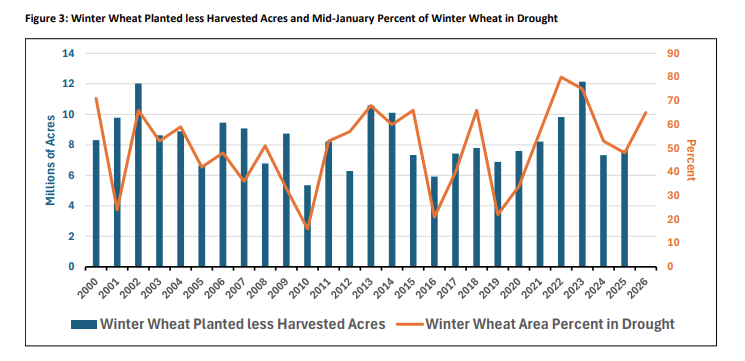
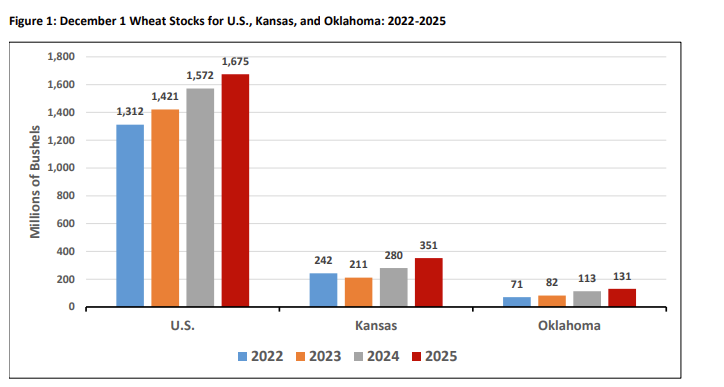
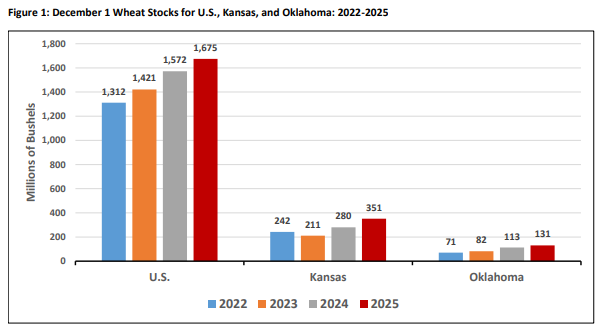
U.S. wheat stocks on Dec. 1 were tallied at 1.675 billion bushels, up 6.5% year-over-year and the highest in six years. Off-farm storage accounted for 73.4% of the crop, rising from 70.3% last year and the highest level in four years. U.S. soybean stocks rose to 3.29 billion bushels, up 6.1% year-over-year to reach the highest level in seven years with off-farm stocks tallied at 1.71 billion bushels, an increase of 9.9% over last year.

Read the report, CoBank Data Reveals Farmers Were Aggressive Sellers of Soybeans in Fall 2025.

About CoBank

CoBank is a cooperative bank serving vital industries across rural America. The bank provides loans, leases, export financing and other financial services to agribusinesses and rural power, water and communications providers in all 50 states. The bank also provides wholesale loans and other financial services to affiliated Farm Credit associations serving more than 79,000 farmers, ranchers and other rural borrowers in 23 states around the country. CoBank is a member of the Farm Credit System, a nationwide network of banks and retail lending associations chartered to support the borrowing needs of U.S. agriculture, rural infrastructure and rural communities. Headquartered outside Denver, Colorado, CoBank serves customers from regional banking centers across the U.S. and also maintains an international representative office in Singapore.

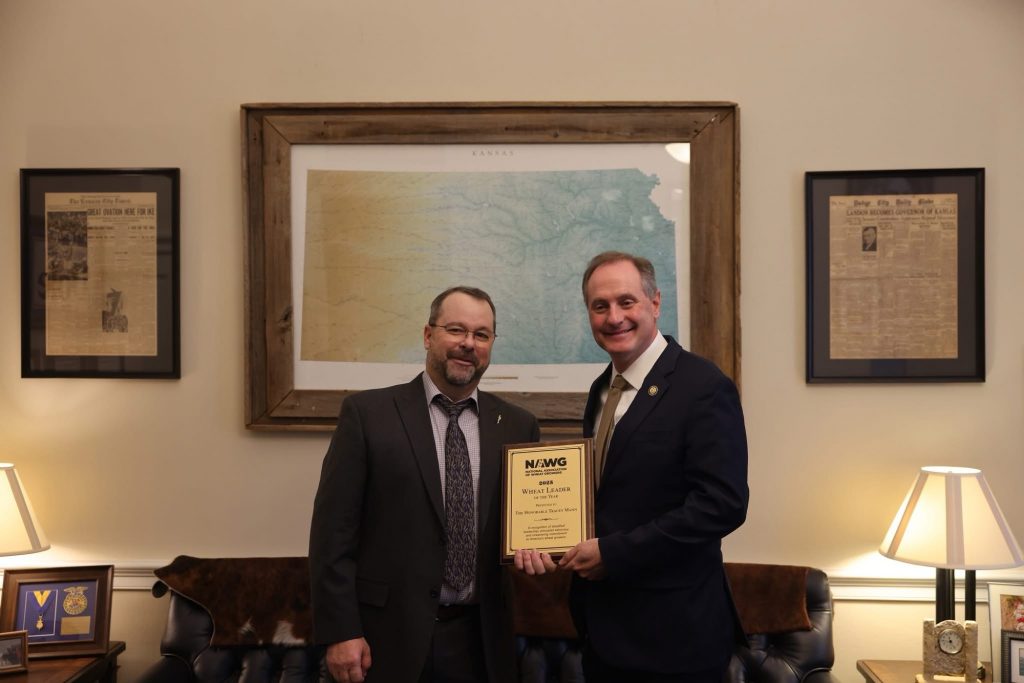
NAWG Elects New Officers with Jamie Kress as President

Today, the National Association of Wheat Growers (NAWG) elected Jamie Kress as President during their 2026 Annual Conference in Washington, DC. Jamie and her husband Cory own and operate an 8,500-acre dryland farm in the Rockland Valley of eastern Idaho. Their farm is comprised primarily of winter and spring wheat, along with a variety of rotational crops including: canola, safflower, mustard, dry peas, and chickpeas. Kress most recently served as president of the Idaho Grain Producers Association—the first woman to hold that role—and has held multiple leadership positions within NAWG, including service on the Board of Directors, the Budget Committee, and as chair of the Domestic & Trade Policy Committee.

"It is an honor to serve as president of NAWG at such a pivotal time for agriculture. I am inspired by the resilience and innovation of wheat growers across the country, and I am committed to leading with collaboration and purpose. Together, we will elevate our voice in Washington, advance policies that empower producers, and secure a strong, sustainable future for nation's farmers and rural communities," said NAWG President Jamie Kress.

NAWG's Board of Directors elected its new board of officers, with Nathan Keane of Montana elected as Vice President, Chris Tanner of Kansas as Treasurer, and Auston Andersen of Colorado as the new Secretary. Pat Clements of Kentucky will transition into the Past President position. Tim Turek of Kansas was also elected to the NAWG budget committee.

"Jamie Kress is a forward-thinking leader with a deep understanding of both the challenges and opportunities facing wheat growers today. Her vision, integrity, and talent for bringing people together will set NAWG up for long-term success and a bigger impact. Looking ahead, we're confident that Jamie's leadership will help the association grow stronger, more united, and a more influential voice for wheat growers across the country," said NAWG's Sam Kieffer.

All NAWG officers will start their terms on February 27, following the conclusion of the 2026 Commodity Classic in San Antonio, TX.

OSU campus workshops help home food producers navigate Oklahoma's Homemade Food Freedom Act

The Robert M. Kerr Food and Agricultural Products Center located on the Oklahoma State University campus, is offering a series of workshops this spring to support home-based and small-scale food producers, entrepreneurs and industry professionals across Oklahoma. 

Among this quarter's offerings is the Homemade Food Freedom Act Workshop, which addresses one of the most common questions FAPC receives from new and aspiring food entrepreneurs – how to legally produce and sell certain food products from home under Oklahoma law. The workshop provides an overview of allowable foods, labeling requirements and common compliance considerations for producers at the early stages of business development. 

"Many people are interested in selling homemade food products but are unsure what the law allows or how to take the first steps," said Erin Johnson, senior business and marketing specialist and manager of client services at FAPC. "This workshop helps clarify the requirements while also connecting producers to additional resources available as their businesses grow." 

The Homemade Food Freedom Act Workshop will be offered Feb. 25 at the FAPC in Stillwater, with an additional session March 25 at Northeast Tech's Workforce Training Hub in Pryor. A third session is scheduled for May 14 in Stillwater. The workshop is $35 and preregistration is required. 

In addition to the Homemade Food Freedom Act workshop, FAPC will offer other educational programs during the first quarter that address broader food business and industry needs. These include:

  • The Basic Training entrepreneurial workshop, Feb. 19, which introduces participants to food business fundamentals.
  • The 2026 Research Symposium, March 24, which will showcase research and innovation impacting Oklahoma's food and agricultural sectors.

Additional information on Oklahoma's Homemade Food Freedom Act and related food business topics is available through FAPC's educational resources, including its Food Files podcast. 

Through research, education and technical assistance, FAPC supports food and agricultural businesses across the state and contributes to Oklahoma State University's land-grant mission of serving Oklahoma communities and industries. 

To learn more about FAPC workshops, services and resources, visit food.okstate.edu. 

Chairmen Thompson, Hill Applaud Advancement of CLARITY Act

Today, House Committee on Agriculture Chairman Glenn "GT" Thompson (PA-15) and House Committee on Financial Services Chairman French Hill (AR-02) issued the following statements after the Senate Committee on Agriculture, Nutrition, and Forestry advanced the CLARITY Act, a digital asset market structure bill:

Chairman Thompson said, "I want to congratulate Chairman Boozman and the entire Senate Agriculture Committee on their work to advance market structure legislation today. I am encouraged by the committee's markup of the CLARITY Act today—Chairman Hill and I know exactly how difficult it is to get to this point. This is a key milestone in the Senate's work on the bipartisan CLARITY Act, but there is still more work to be done to get a bill to President Trump's desk. After members of the Senate Banking Committee advance their legislation in the coming weeks, the House and Senate must work together to meld each of these packages into a final agreement that will unlock American innovation and development in the digital asset ecosystem."

Chairman Hill said, "Last July, the House overwhelmingly passed the bipartisan CLARITY Act. Since then, Senate Agriculture Committee Chairman John Boozman, Senate Banking Committee Chairman Tim Scott, and other key Senate partners have continued to advance Congress' critical work on market structure. Today, the Senate Agriculture Committee took an important step in pushing forward the President's digital asset agenda, and I look forward to continuing to work with my Senate colleagues to ensure key pillars of CLARITY are addressed so we can deliver a bipartisan, bicameral product to President Trump's desk."

Missouri Corn Growers Share Priorities, Recognize Partners

Corn farmers, industry representatives, and guests from across the state gathered in Jefferson City, Mo., yesterday for the Missouri Corn Growers Association (MCGA) annual meeting and legislative day. 

The morning kicked off at the Capitol Plaza Hotel with MCGA's annual meeting, where Gov. Mike Kehoe provided the keynote address. Members also reviewed financials, heard from industry leaders, and received economic insights from Ben Brown, a senior research associate with the Food and Agricultural Policy Research Institute (FAPRI). Recognizing the current challenges facing the industry, Brown highlighted projections for the next year, corn market fundamentals, the importance of flexibility, and potential areas for market growth.

Members also elected four board members: Ryan Meyerkorth of Rock Port in District 1 representing northwest Missouri; Marc Kaiser to represent northcentral Missouri growers in District 2; Brian Lehman of Versailles to represent District 5 in central Missouri; and Patrick Seyer of Sikeston to represent District 7 in the southeast region.

Following the annual meeting and luncheon, growers visited the State Capitol to discuss the importance of Missouri's corn and ethanol industries with legislators and their economic impact on the state.

"Opening the door to conversations now makes a big difference when issues impacting agriculture cross elected officials' desks in the future," notes MCGA President Brian Lehman. "The farmer-voice matters and MCGA stands ready to amplify that voice in Jefferson City and D.C. Working together, we can make a difference for Missouri agriculture."

Members also took the opportunity to honor industry supporters for their contributions to the state's corn and ethanol industries. Award recipients included:

Friend of Corn Growers Award

State Rep. Cameron Bunting Parker

State Sen. Jamie Burger

Outstanding Partner Award

Brian West, West Energy and Environmental Associates

President's Award

Brent Hoerr, Palmyra

Honorary Lifetime Award

Matt Lambert, Laclede

Years of Service

Matt Lambert

The Missouri Corn Growers Association is a membership organization of farmers dedicated to growing and defending the corn industry. MCGA works in the best interest of farmers on key agricultural issues and fights for pro-agriculture, pro-corn legislation.

To learn more about Missouri Corn, or become a member, visit www.mocorn.org or call (800) 827-4181.

Agricultural Communicators Network announces 2026 scholarship opportunities

Undergraduate college students pursuing agricultural communications careers should apply now for up to $3,000 in scholarships from the Agricultural Communicators Network.

Three scholarships will be awarded in 2026 to members of Agricultural Communicators of Tomorrow (ACT) who have demonstrated commitment to their education and career goals.

Three finalists will be selected to participate in an in-person interview for the top scholarship: The Dr. James Evans Scholarship, which is offered in the amount of $3,000. Two runner-ups will receive the Past Presidents' Scholarship of $2,000. The Dr. James Evans Scholarship is made possible through an endowment from ACN member Lyle Orwig, and the Past President's scholarships are made possible through a grant from the ACN Professional Improvement Foundation.

The interview will take place during the Agricultural Media Summit, the largest annual conference of agricultural communicators in the U.S. The three finalists will each receive travel stipends of up to $1,000 to attend the Summit, which provides opportunities for networking and professional development through workshops and speakers. This year's Summit will be held July 19-21 in St. Louis, Missouri.

Applicants must be current members of ACT and enrolled as undergraduate students at a university or college during the time of their application. Students who previously received the Past Presidents' Scholarship may apply again for the chance to earn the Dr. James Evans Scholarship. Previous Dr. James Evans Scholarship winners may not apply again.

Recipients will be selected based on the following:

  • Ag communications internships and career-related experiences (25%)
  • Writing skills, demonstrated through a sample (25%)
  • Leadership activities (15%)
  • Academic achievements (13%)
  • Reference recommendation (12%)
  • General passion/fit for ag communications (5%)
  • General neatness and completion of application (5%)

The 2026 ACN Scholarship Application Form and 2026 ACN Scholarship Reference Form are available online at www.agcommnetwork.com/scholarships.

Students who do not have active ACT chapters at their colleges or universities may join the National ACT at any time by emailing their interest to nact.treasurer@gmail.com and nact.president@gmail.com and paying the $25 membership dues.

Applications are due on or before Wednesday, April 15.

Those with questions may contact Courtney Girgis, cllgirgis@gmail.com, or Chelsea Dinterman, chelsea.dinterman@agriculture.com, ACN Future Ag Communicators Committee chairs.

MORE ABOUT:

ACN/ACT Scholarship
Established by Agricultural Communicators of Tomorrow (ACT) in 1993 and adopted by the Ag Communicators Network in 2004, ACN scholarships are awarded to outstanding members of ACT for their achievements in leadership, career-related experiences, academics and service.

Dr. James Evans Scholarship
The top ACN/ACT scholarship given each year is the Dr. James Evans Scholarship. Dr. Evans has had a tremendous impact on the establishment and growth of agricultural communications programs and serves as a mentor for hundreds of former and present students. Anyone who meets and visits with Jim comes away with renewed enthusiasm for agricultural communications and a great appreciation for everything he has done for the profession. The recipient is recognized for "excellence in academics and leadership, and for exemplifying the dedication and commitment of the outstanding individual for whom this award is named."

Ag Communicators Network
The Ag Communicators Network is the premier professional organization for communicators across the spectrum of agricultural media–from editors, writers and photojournalists to designers and public relations professionals. Learn more at www.agcommnetwork.com.

Agricultural Communicators of Tomorrow
Our vision is to be the leading collegiate organization in developing and strengthening agricultural communications students through professional growth opportunities and educational programs. We aim to inspire a future where innovative storytelling and strategic communications drive the growth and sustainability of the agricultural industry. The Agricultural Communicators of Tomorrow (ACT) empowers collegiate students to excel in agricultural communications by providing professional development, hands-on experience, and networking opportunities. We connect academia, industry, and the public to prepare the next class of agricultural communicators. Learn more at www.nactnow.org.

The Hess Address: OSU President Unveils $2B "Code Calls" Campaign & Ag Research Priorities

"The Hess Address" is a new quarterly feature on the Radio Oklahoma Ag Network designed to keep producers directly connected to Oklahoma State University leadership. In this series, Farm Director KC Sheperd sits down with OSU President Dr. Jim Hess to go beyond the headlines and discuss the real-world impact of higher education on rural Oklahoma. In this episode, President Hess opens up about the challenges of managing a snow-covered campus, unveils the ambitious "Code Calls" fundraising campaign, and explains why upgrading OSU's agronomy research facilities is a critical legislative priority for the state's wheat growers.

President Hess outlined a bold vision for the university's future, highlighting critical legislative priorities, a major new fundraising campaign, and the evolving role of technology in agriculture.

Amid lighthearted banter about the recent snowstorm that dumped nearly 42 miles of sidewalk-clearing work on OSU's landscape crews, Dr. Hess quickly pivoted to the university's serious ambitions. Reflecting on his return to Stillwater last February, he emphasized his primary goal: restoring the College of Agriculture to its "premier status."

Legislative Priorities and Agricultural Research

A centerpiece of this effort is a significant investment in infrastructure. Dr. Hess highlighted securing $250 million—eventually growing to $329 million—to rebuild the animal teaching hospital. He stressed the vital link between veterinary medicine and the agricultural economy, particularly given the shortage of rural veterinarians.

"That connection between veterinary medicine and our agricultural economy is absolutely critical," Hess stated. "I really wanted to make that our first legislative priority. We got that done."

Looking ahead to the upcoming legislative session, Dr. Hess identified the university's agronomy research program as the next top priority. He underscored the urgency of upgrading aging facilities, noting that 70% of Oklahoma's wheat production—and 13% globally—uses OSU wheat varieties.

"It's time for our agronomy program to receive the attention that it deserves," Hess said. "When you don't have a controlled environment to be able to work on wheat genetics, you're subject to the whims of the weather and temperature variations, and you can lose a decade's worth of research on a season that we're experiencing in the last few days."

He specifically praised Dr. Brett Carver, OSU's renowned wheat expert, calling him a "national treasure" who deserves the best facilities to continue his vital work. "It is absolutely critical for our wheat-producing economy in this state," Hess added.

The "Code Calls" Campaign

To support these ambitions and ensure accessibility for rural students, Dr. Hess detailed the university's comprehensive fundraising campaign, "The Code Calls." The campaign aims to raise $2 billion, with half of that amount—$1 billion—dedicated solely to scholarships.

"For a student who wants to live and work and produce in a rural area, that scholarship can make the difference between whether they can actually come or not," Hess explained.

The initiative goes beyond financial aid. Dr. Hess outlined a holistic support system for incoming students, including:

  • Academic Advisors: Providing educational guidance.
  • Career Coaches: Helping develop professional and life skills long before senior year.
  • Alumni Mentors: Connecting students with one of the 265,000 active OSU alumni for a four-year mentorship.

"We want to recruit folks from rural Oklahoma, provide them the highest quality education at the best possible price, and then prepare them to go back and produce and be productive agricultural economic participants in rural Oklahoma," Hess said.

Embracing Technology while Honoring Tradition

Addressing the future of agriculture, Dr. Hess discussed the role of Artificial Intelligence (AI). While acknowledging some resistance to new technologies, he framed AI not as a replacement for tradition, but as a "knowledge industry" tool that can enhance production and soil protection.

"We want to use artificial intelligence... in a way that is helpful and stays within the values boundaries and within our code," Hess affirmed.

Supporting Extension

Dr. Hess also reaffirmed his commitment to OSU Extension, describing it as the "front door to the university" for many Oklahomans. He acknowledged the challenge of funding the network across 77 counties and expressed a desire to improve compensation for Extension agents, whom he described as "24/7, 365 employees."

"It's really important that we do everything we can to keep them compensated at a level where they can continue to provide the services that are vital to our rural areas," he said.

Get Involved

For those looking to support OSU's mission, Dr. Hess encouraged people to connect with the OSU Foundation or the Alumni Association. Whether through donations to specific interests such as the Beef Center of Excellence or through volunteering time as a student mentor, he emphasized that all contributions are valuable.

"Money is sure important... But time is also a treasure," Hess concluded. "If they would love to be a mentor for a student... we can make that happen for them.

A Weaker Dollar Can be Good News for U.S. Crop Exports

A substantial share of U.S. agricultural production is sold overseas (Figure 1). Exchange rates, therefore, play a central role in export competitiveness and, indirectly, in domestic price prospects. For crops with heavy export exposure, the value of the dollar is not just a macroeconomic headline; it is part of the demand curve faced by Southern producers.

The economic intuition is straightforward. Most globally traded agricultural commodities are priced in U.S. dollars. When the dollar strengthens, foreign buyers must use more local currency to purchase the same dollar-priced commodity, which tends to soften demand at the margin and place downward pressure on prices. When the dollar weakens, U.S. supplies become cheaper in foreign-currency terms, export bids often improve, and U.S. crops become easier to place in global markets. This helps explain why the dollar and broad commodity prices frequently move in opposite directions, even though exchange-rate effects can be offset by other market forces.

In 2025, the exchange rate environment became more supportive of U.S. agriculture. After rising 7.1 percent in 2024, the nominal broad dollar index declined 7.2 percent over 2025 (Figure 2). Over the same period, major U.S. agricultural customers experienced notable currency appreciation against the dollar: the euro strengthened 12.6 percent, and the Mexican peso appreciated 12.7 percent (Figure 3). These movements improved foreign purchasing power for U.S. shipments and helped support U.S. crop exports. At the same time, Brazil's real appreciated by roughly 11 percent, which can tighten Brazilian exporters' local-currency margins and reduce their ability to price aggressively, all else equal.

Empirical research supports this channel. Shane et al. (2008) find that a 1 percent decline in the trade-weighted dollar is associated with roughly a 0.5 percent increase in the value of U.S. agricultural exports. Exchange rates, however, rarely operate in isolation. Weather outcomes, yields, freight costs, geopolitics, and policy shocks can dominate price formation in the short run (an important lesson from the post-2022 period).

For Southern producers, the dollar's decline in 2025 is a constructive signal for export-oriented crops because it supports international competitiveness without requiring lower farm-gate prices. The main limitation is timing: exchange-rate effects pass through bids, basis, and contracting practices unevenly, so benefits can vary across regions and marketing windows. Even so, the directional effect is favorable. 

If global conditions remain orderly and U.S. interest rates drift lower, the dollar may stay softer and continue to support the export channel; renewed risk aversion, however, could reverse this trend and reintroduce headwinds. For export-dependent Southern crops, monitoring exchange-rate conditions alongside basis and contract timing remains an essential part of marketing discipline.

Figure 1 – Exports account for a large share of output in several U.S. crops

Note: Export share is calculated as exports divided by total production. Estimates correspond to USDA 2025/26 marketing-year projections released in January 2025.
Source: U.S. Department of Agriculture, World Agricultural Supply and Demand Estimates (WASDE), January 2025

Figure 2 – The U.S. dollar declined in 2025

Note: Nominal Broad U.S. Dollar Index, Index 2025-01-02=100, Daily, Not Seasonally Adjusted. A decline indicates a broad-based depreciation of the U.S. dollar against major trading partners.
Source: Federal Reserve Bank of St. Louis (FRED): DTWEXBGS

Figure 3 – U.S. dollar weakened against key agricultural trading partners in 2025

Note: Percent change over 2025 (end-to-end). Exchange rates are expressed as local currency per U.S. dollar (Negative values indicate a weaker U.S. dollar).
Source: Federal Reserve Bank of St. Louis (FRED): DEXBZUS, DEXCHUS, DEXMXUS, DEXCAUS, DEXJPUS, DEXUSEU. For the Euro, we convert FRED's DEXUSEU (USD per EUR) to EUR per USD as 1/DEXUSEU

References

Federal Reserve Bank of St. Louis. (2026). Federal Reserve Economic Data. FRED. https://fred.stlouisfed.org/. Accessed January 23, 2026

Shane, M., Roe, T. L., & Somwaru, A. (2008). Exchange rates, foreign income, and U.S. agricultural exports. Agricultural and Resource Economics Review, 37(2). https://ageconsearch.umn.edu/record/45666/files/shane%20-%20current.pdf

U.S. Department of Agriculture, Office of the Chief Economist. (2025, January). World Agricultural Supply and Demand Estimates (WASDE). https://www.usda.gov/oce/commodity/wasde. Accessed January 23, 2026.


Article courtesy of Southern Ag Today: Clemets Daglia Calil, Yuri. "A Weaker Dollar Can be Good News for U.S. Crop Exports." Southern Ag Today 6(5.4). January 29, 2026. Permalink

Workshop series for veterans highlights agritourism

Military veterans interested in agriculture are invited to attend a series of on-farm and virtual workshops focusing on farm stays and outdoor experiences. This course is free for active military service members and military veterans.

Hosted by the Center for Rural Affairs, the 11-session series, "Serving the Land: A Veteran's Guide to Farm Stays and Outdoor Experiences," starts in March and runs through August 2026. The workshops will rotate between online classroom sessions and on-farm sessions with an online option.

"During our classroom sessions, participants will learn directly from farmers and agritourism leaders about the business of hosting guests on working farms," said Kirstin Bailey, senior project manager with the Center. "They will also receive practical tools, examples, and worksheets to help prepare them for launching or expanding guest-based agritourism enterprises." 

Participants will also visit and tour Nebraska operations.

"Experiencing operations within the state gives veterans and service members the chance to see firsthand how producers design guest activities, manage visitor flow, and build safe and welcoming spaces for recreation," Bailey said.

Registration is required by March 16. To register, visit cfra.org/AgVets2026.

Participant stipends are available to cover approved expenses such as travel, meals, and child care. Individuals are welcome to attend with family members. For on-farm events, physical accommodations may be made upon request.

For more information, contact Bailey at 402.367.8989 or kirstinb@cfra.org.

Angus Genomics Drive Accuracy, Profitability for Commercial Producers

In today's beef buzz, senior farm and ranch broadcaster Ron Hays speaks with Kelli Retallick Riley, president of Angus Genetics, about how genomics continue to reshape the Angus breed and deliver value from seedstock producers all the way to commercial cattlemen. Visiting with Riley at the recent Cattlemen's Congress, the conversation focused on research progress, data-driven decision making, and new tools aimed at improving profitability and functionality in cow-calf operations.

Riley pointed to record-setting engagement with genomic testing as a major milestone for the American Angus Association. She noted that while registrations again topped 300,000 head, the bigger story was that "75% of them had a genomic profile done on them." According to Riley, that level of participation is strengthening the breed database by verifying parentage and improving pedigree accuracy. "We're making our pedigrees better, and in return, adding information to our EPDs, which really allows commercial cattlemen to select their herd sire, which is going to be their largest genetic investment," she explained.

She added that despite all the genomic advances, cattle producers remain deeply focused on basic functionality, especially in the cow herd. "The fundamentals have to be right. The feet and legs have to be right. They've got to be able to travel. We've got to have these cattle that are built right and are functional," Riley said, emphasizing the importance of productive, long-lasting mama cows in today's production systems.

Riley highlighted strong growth in the GeneMax Advantage program as a key bridge between seedstock and commercial operations. "We're so excited about what we've seen with GeneMax over the past year," she said, noting the addition of new traits like teat size, udder suspension, and functional longevity. Those updates allow commercial producers to access the same dollar value indexes used in bull selection. "Those dollar values are called that for a reason, because they're profit indexes," Riley said, helping producers align genetics with their specific breeding and marketing goals.

The American Angus Association had to deal with some unhappy members  after its foundation accepted a $4.85 million grant from the Bezos Earth Fund and Global Methane Hub for a five-year study on cattle methane emissions and efficiency. Riley told Hays that the research being funded by that grant into grazing efficiency and methane-related traits, including a global collaboration to collect new phenotypic data, is in its early stages. "This is new territory for us," she said, explaining that the goal is to better understand why some cows consistently breed back early, maintain condition, and wean heavier calves. By combining data from multiple countries, Riley said the effort could provide "one more piece to this big whole systems approach," delivering insights that benefit Angus producers in the U.S. and around the world.

The Beef Buzz is a regular feature heard on radio stations around the region on the Radio Oklahoma Ag Network and is a regular audio feature found on this website as well. Click on the LISTEN BAR for today's show and check out our archives for older Beef Buzz shows covering the gamut of the beef cattle industry today.

Senator Lankford Addresses Government Shutdown Threats, New Ag Tax Relief, and Stalled Farm Bill

Senator Lankford Addresses Government Shutdown Threats, New Ag Tax Relief, and Stalled Farm Bill: In a recent interview with Farm Director KC Sheperd, Oklahoma Senator James Lankford provided a critical update from the nation's capital, addressing a looming government shutdown, heated debates over border security, and vital economic news for Oklahoma's agricultural producers.

Border Security and Shutdown Threats

The conversation began with the intense atmosphere currently gripping Washington. Senator Lankford described the situation as "nuts," referencing a heated debate over Homeland Security funding that has escalated following a tragic shooting in Minnesota.

While six appropriation bills had previously been agreed upon by both parties, Lankford noted that House Democrats are now pushing to shut down the government in protest. The central point of contention involves funding for the Department of Homeland Security (DHS), including ICE, the Secret Service, and FEMA.

Lankford highlighted a specific demand from Democrats regarding the anonymity of federal agents. He explained that protesters have been photographing agents, posting their home addresses online (doxing), and intimidating their families. "Democrats are saying... they don't want ICE agents or Border Patrol agents to wear a mask at all in any of their arrests," Lankford said. He strongly opposed this, arguing that agents must be allowed to protect their identities from "mob protesters" who threaten their families at their private residences.

Immigration and Public Safety

Lankford also expressed frustration over sanctuary city policies, specifically in places like Minneapolis. He questioned why individuals who have illegally crossed the border and possess criminal records—including history of rape or murder—are being protected rather than deported.

"I don't understand how we got to this point that you could hate President Trump so much I would even protect a criminal alien to be able to leave them in our community just to be able to spite him," Lankford stated.

Tax Relief for Farmers and Ranchers

Shifting to economic news, Senator Lankford touted the benefits of the "Working Families Tax Cut Act," which was passed last July. He outlined several key provisions that directly benefit the agricultural community and working families:

  • No Tax on Tips or Overtime: Significant relief for service workers and hourly employees.
  • Social Security: No tax on Social Security benefits for working seniors.
  • Death Tax Reform: A permanent change to the estate tax, ensuring farms and ranches can be passed down to the next generation without being sold off to pay the government.
  • Full Expensing: Farmers can now write off 100% of the cost of new equipment (such as tractors or trucks) in the year of purchase, rather than depreciating it over several years.

The Farm Bill and Trade Challenges

Regarding the long-awaited Farm Bill, Lankford admitted the legislation is not yet ready. While House and Senate Agriculture Committee leaders are working toward a bipartisan agreement, Lankford estimates the bill may not be finalized until "the end of this fall".

He identified input costs and trade policy as the two biggest hurdles currently facing producers. Lankford criticized the previous administration for failing to negotiate new trade deals for four years, leaving farmers reliant on unstable partners like China. He emphasized the work of U.S. Trade Representative Jameson Greer, who is actively seeking to open new markets—such as Australia for American beef—to provide more stability for U.S. growers.

A Message of Faith and Resilience

Senator Lankford concluded the interview with a personal word of spiritual encouragement for Oklahomans feeling the weight of current events. Lankford reminded listeners that "God is still God," regardless of the political chaos.

"I read through this morning even Psalm 28 that says God's voice is over the flood," Lankford shared. "The description of that being it looks like chaos below, but God's voice is bigger than the flood itself."

He urged Oklahomans to remember that the nation has weathered difficult storms before and that resilience is part of the American character.

"We are Americans. That's what we do. We do the hard things, and we do them well," Lankford said. "We get through it, we prosper, we pass this on to the next generation."

You can watch the full YouTube interview below:

oklahoma drought map

Drought Holds Firm as Winter Weather Sweeps the Southern Plains In This Weeks Drought Monitor

To view the latest Oklahoma drought map, CLICK HERE.

Drought remains firmly in place across much of Oklahoma as February begins, with more than 70 percent of the state still experiencing moderate to extreme drought and pockets of extreme drought expanding in the southwest. While exceptional drought is not currently present, conditions have changed little in recent weeks. Meanwhile, a major winter storm has pushed snow, sleet, and ice deep into the Southern Plains and the South, delivering significant totals but leaving much of that moisture locked up in frozen form. How quickly that precipitation melts will determine whether it offers real relief or only temporary disruption.

According to the latest Oklahoma Drought Monitor report, exceptional drought remains at 0 percent, unchanged from the start of the calendar year.

Moderate drought to extreme drought conditions in the current period indicate that 71.69% of the state is affected by drought. Compared with last week's 71.66%, drought conditions have remained relatively the same this week.

Extreme Drought has also grown this week, now covering 8.03% of the state in southwestern Oklahoma, affecting mainly Pottawatomie, Seminole, McClain, Garvin, Stephens, Kiowa, Washita, and parts of surrounding counties.

According to the 6-to-10-day precipitation outlook map, northern Oklahoma is expecting near normal conditions through February 7th, while southern Oklahoma is leaning above a 33-40% chance of rain through that same date.

Most precipitation across the contiguous United States fell in association with a large, impactful storm system that affected a broad area from the southernmost Rockies and the southern Plains eastward across a large part of the Mississippi and Ohio Valleys, the Southeast, and the Eastern Seaboard. Winter storm warnings at one point covered about one million square miles. Heavy to excessive amounts of snow, sleet, and freezing rain were widespread throughout the region. Numerous locations across Pennsylvania, New York, and New England recorded 1 to 2 feet of snow or snow and sleet. Elsewhere, totals reached as high as 17 inches in Ohio and West Virginia; 15 inches in Oklahoma, Missouri, Illinois, and Indiana; and 1 foot in Arkansas, Kentucky, Maryland, and Delaware. Intense sleet fell farther south, overlapping the southern sections of the heavy snow area. Sleet totals topped out near 7 inches in Arkansas, Louisiana, and North Carolina; near or slightly over 6 inches fell on scattered sites across Oklahoma, Texas, Louisiana, Mississippi, Tennessee, and Maryland; and localized amounts reached 4 inches in Texas, South Carolina, North Carolina, West Virginia, and Virginia. Freezing rain fell in abundance across portions of the South, and in some areas that experienced a changeover from sleet. States with at least one site reporting 1 inch thick ice accumulation included Oklahoma, Louisiana, Mississippi, Alabama, and South Carolina while peak amounts of 0.7 to 0.8 inch were reported in Texas, Kentucky, Tennessee, Georgia, Virginia, and West Virginia. Widespread power outages and tree damage was reported in many locations that received heavy freezing rain. Liquid-equivalent precipitation totals associated with this system exceeded an inch in parts of the southernmost Rockies, in a band from eastern Texas and western Arkansas eastward through Alabama, most of Tennessee and Kentucky, the central and northern Virginias, Maryland, Delaware, New Jersey, and in scattered locations across adjacent areas, including the Northeast. Scattered areas across the southern tier of the Lower-48 recorded over 3 inches of precipitation, including central Texas, southern Louisiana and adjacent Texas, and a fairly solid band from northeastern Texas through northern Louisiana, northern Mississippi, and northwestern Alabama. Up to 10 inches fell on one patch in southwestern Louisiana, and localized amounts exceeded 4 inches in northern Mississippi and a few other scattered areas.

In the Southern Plains:  One to several inches of precipitation was widespread across most of Tennessee, Mississippi, Louisiana, central and southern Arkansas, the eastern Texas. Improvements were introduced in a number of areas, generally the areas that received the most precipitation, where much of the precipitation fell in liquid form, or where drought was already waning. To wit, some relatively broad improvements were introduced in Tennessee and to a lesser extent Mississippi. Farther west, where subnormal precipitation dates back at least several months, improvements were more targeted to the areas receiving the heaviest precipitation, especially from central Louisiana northward where precipitation remained unmelted. Despite the precipitation accompanying the massive winter storm, Many areas in a band from northern Arkansas to the Louisiana Gulf Coast recorded 8 to 10 inches less than normal precipitation over the past 90 days, with a few spots in northeastern Arkansas and east-central Louisiana recording deficits approaching 12 inches during this period. Farther west, moderate to heavy precipitation was fairly widespread in eastern Texas, with lesser amounts toward the central part of the state. Southeastern Oklahoma reported amounts similar to eastern Texas (1.5 to locally 3.0 inches), but most areas farther northwest recorded less than an inch. With much of the precipitation remaining locked up in frozen form, only a few surgical improvements were introduced in the areas with the most extreme totals in eastern Texas. A few inches of liquid-equivalent precipitation also fell farther southwest over south-central Texas. Temperatures were above freezing there at the end of the period, and the environment was beginning to respond to the moisture infusion, so somewhat more aggressive improvements were introduced there.

In the High Plains: Most of the High Plains Region was dry last week, with a amounts of a few tenths to approaching one inch fell on much of central and eastern Kansas and on scattered higher elevations in Colorado and Wyoming. Otherwise, little or nothing fell. The Region – outside the higher elevations – is climatologically cold and dry, so precipitation deficits increase very slowly, and demand is lower this time of year. Dryness and drought was essentially unchanged in most of the High Plains Region, with some scattered deterioration introduced in parts of western Colorado (to D1 or D2). Drought intensification was also introduced around the Black Hills and adjacent western South Dakota (to D0 or D1), where snowpack is deficient and slowly declining.

In the West: The southern fringe of the West Region was impacted by the western edge of the winter storm, resulting in over 1.5 inches of precipitation across a few patches from southeastern Arizona across southern New Mexico. Amounts exceeded 3 inches in parts of south-central New Mexico north of the Texas Big Bend. The precipitation fell mostly in liquid form in southeastern Arizona, and was sufficient to bring improvements into that area. Farther east, although amounts were a little heavier, the precipitation was primarily in frozen form, and remained unmelted. Therefore, only a few targeted improvements were introduced in a few small areas reporting the highest precipitation amounts (over 3 inches). Elsewhere, most of the Region received no measurable precipitation, with just a few tenths falling on some of the higher elevations of the Rockies. Still, there was no tangible deterioration across the Region during the dry week, in part because it followed a few weeks of relatively abundant precipitation. As a result, the Drought Monitor depiction was unchanged outside parts of the southern fringes of Arizona and New Mexico.

To view the 6-10 Day Precipitation Outlook Map, click here.

To view the 6-10 Day Temperature Outlook Map, click here.

To view the Monthly Drought Outlook Map, click here.

NAWG Awards Congressman Tracey Mann with the 2025 Wheat Leader of the Year Award

 The National Association of Wheat Growers (NAWG) awarded U.S. Representative Tracey Mann (KS-01) with its 2025 Wheat Leader of the Year Award for championing the effort to get the Food for Peace program transferred to USDA control.

"Congressman Tracey Mann has been a tireless advocate for wheat growers and rural communities, and his leadership on transferring the Food for Peace program to USDA is a major victory for American farmers. This move reinforces the program's long-term stability, secures vital market opportunities for American-grown crops, and safeguards life-saving in-kind food aid for the world's most vulnerable populations. For many years, Congressman Mann has consistently championed wheat growers' priorities in Congress, and NAWG is proud to recognize his commitment with the 2025 Wheat Leader of the Year Award," said NAWG President Pat Clements.

"Kansas and American farmers grow some of the highest quality wheat in the world while strengthening our nation's food supply and independence," said Rep. Mann. "These men and women power our local economies and answer the noble call to feed a hungry world. I am appreciative of the National Association of Wheat Growers' continued advocacy on behalf of Kansas wheat farmers and am honored to be recognized as the Wheat Leader of the Year. Thank you for all you do for American agriculture."

The Wheat Leader of the Year Award is given annually by NAWG to one Member of Congress based on their demonstrated commitment to the well-being and goals of the wheat industry. It is the wheat industry's highest legislative award.

NAWG also presented four other Members of Congress with its Wheat Advocate Award for their support for the wheat industry that goes above and beyond.

NAWG congratulates and thanks our award recipients for supporting wheat growers across the United States.

Oklahoma Grazing School Coming up May 11-12th-Registration Open

The Oklahoma Grazing School is co-designed with input from university researchers, Extension specialists, NRCS and local conservation district personnel, and experienced ranchers. This two-day workshop will provide hands-on, research-based training on sustainable and profitable grazing practices.

Key topics include:

▪️Grazing basics and grazer's math

▪️Grazing system design (rotational-management intensive grazing)

▪️Forage selection, establishment and pasture renovation

▪️Soil health and fertility

▪️Electric fencing and water delivery systems for managed grazing systems

▪️Forage quantity estimates and carrying capacity determination

▪️Matching livestock with forage resources

▪️Economics of grazing systems

Registration 🔗:

https://secure.touchnet.com/C20271.../web/store_cat.jsp...

Location:

OSU Wes Watkins Agricultural Research and Extension Center

10777 State Highway 3

Lane, OK 74555

For more information contact:

Michael Trammell, Extension Specialist for Area Agronomy

michael.trammell@okstate.edu

580-332-7011

Season Demand Shifts Carcass Values

Starting with the Martin Luther King holiday, the federally inspected cattle harvest suffered a big setback last week, with the total reflecting a 10,000-head deficit compared to the Tuesday-Thursday totals. The winter storm in the South is noted as a slaughter-reduction impact on Friday, but the head count was just a few thousand short of recent Friday production totals, reflecting 35-hour week schedules.

Tyson's published intention to close the Lexington, Neb., plant and remove one shift from the Amarillo, Texas, plant by January 20 caused another shift in the supply chain.

In fed cattle prices: Last week's values were slightly stronger, with the top end of reported prices in the $236/cwt. range. . The February Live Cattle contract was valued at $235/cwt. early this week and consequently provides no directional guidance beyond current spot market news.

Create emails quickly with structures

Compared to analyst expectations, last Friday's Cattle on Feed Report held no surprises, as the January 1 head count was 3.2% below a year ago. The ninth consecutive month of year-on-year declines in placements saw December placements 5.4% smaller than in December 2024. The larger December marketing number, 1.8% higher than a year ago, reflects an additional marketing day in the month but a net daily marketing volume smaller than a year ago.

Carcass cutout values have primarily increased in January, although last week's average CAB cutout value is shown as a few dollars cheaper as the quality spreads narrowed. It should be noted that Urner Barry's $9.78/cwt. Choice/Select spread is double that of USDA's reported value for the week. This is due to nuances in how the two entities capture and have the data weighted in the weekly information.

Seasonal Demand Shifts Carcass Values
As we wrap up January it's apparent that the month's carcass cutout values have held up quite well in relation to December values. Through last week, the CAB cutout price was just $3/cwt. cheaper than a month ago, by less than 1%. Evaluating the steer and heifer harvest totals shows much smaller weekly totals in January than in early December, creating a significant supply difference relative to demand.

We often discuss January as the lowest beef demand month of the year, while February likely vies for the second lowest, with the exception of a Valentine's Day uptick. Also, we see a shift in consumer preference away from holiday middle meat roasts toward end cuts for "comfort food" meals.

Price adjustments across a variety of beef cuts are quite dramatic from the fourth quarter into the first quarter of the year. For instance, the wholesale price of the CAB lip-on ribeye roll has been 20% cheaper in the first quarter than it has been in the fourth quarter for the past five years. The January ribeye roll price downshift has been substantial with a 25% decline from the December average. This action has placed ribeye values slightly lower than in the previous three Januarys. The seasonal downturn for tenderloins is similarly sharp, with an 18% price decline from December to January.

So far, the characteristic January increase in demand for end cuts has occurred with all of the round primals either maintaining an elevated price or undergoing sharp increases. Roasting cuts from the chuck have also posted big increases, aligning with the expected January trend.

These shifts in demand affect price spreads based on carcass quality, as the cuts that command the highest per-pound premiums lose some seasonal demand through the first quarter. As cattlemen observe the current market there are questions about the decline in the Choice-Select spread and further premiums for CAB and Prime cutout values. Some have suggested that demand for premium Choice (CAB) and Prime carcasses is possibly waning. However, it's perfectly natural this time of year as the total rib primal price drops from 170% of the cutout price to 125% and the loin drops from 132% to 126%. Meanwhile, the chuck has increased from 82% to 92% of the cutout price and the round elevated from 79% to 84% of the cutout in the December to January price changes.

Looking ahead to March, carcass quality grades should build toward the annual high percentages for the share of CAB and Prime carcasses. Potential to test or break recent records for high-quality grades is possible late in the first quarter. However, a very limited fed cattle harvest is at the top of the "issues" list during this period, so the likelihood of an overabundance of quality carcasses may very well be countered by small head counts. It promises to be an interesting season for premium beef supply.

State Treasurer Todd Russ Says Oklahoma Economy Starts 2026 on Strong Footing

State Treasurer Todd Russ says Oklahoma is entering the new year on solid economic footing, as he visited with Farm Director KC Sheperd at the 2026 Legislative Kickoff about recent trends and what lies ahead. Russ noted that despite higher interest rates over the past few years, Oklahoma's economy has continued to show resilience. "If you look back the last two or three years, when the Feds raised the rates, it kind of was to slow everything down, and Oklahoma just slogged right through," Russ said, adding that recent economic reports have been encouraging. "The reports for December have beat all the previous numbers," he said.

Russ also highlighted the importance of major agricultural and livestock events across the state, including Cattlemen's Congress and the upcoming Oklahoma Youth Expo. While those events have a particularly strong impact on Oklahoma City, Russ said their benefits extend statewide. "It's absolutely fantastic," he said. "It's a financial positive, it's an image positive. The impact is really fantastic, and it just fits really well with Oklahoma."

As the legislative session approaches, Russ told KC Sheperd that his office is not pushing for major changes, instead focusing on monitoring the state's financial health. "The Treasurer tries to kind of keep an eye on the numbers and keep my head down," Russ said. He noted there may be requests to "clean up language on a few things," but emphasized that upcoming certifications from the Board of Equalization will help set the stage for the session.

Looking ahead, Russ expressed confidence in the state's financial position, pointing to substantial reserves. "If you add them all together, we still got close to $4 billion in reserves," he said. Overall, Russ said he remains optimistic. "I'm very, very cautiously optimistic, but I'm pretty excited about seeing what 2026 looks like."

Wheat Prices Rally as Dollar Dips; Todd Hubbs Weighs in on Crop Outlook and Policy Rumors

A mid-week rally in the wheat markets and speculation surrounding global crop conditions took center stage in a recent conversation between Farm Director KC Sheperd and Oklahoma State University Marketing Analyst Dr. Todd Hubbs. With the hard red winter wheat market seeing a notable boost, Hubbs offered insights into the driving forces behind the price movement and what producers should watch for in the coming weeks.

Wheat Rally and Weather Speculation On Wednesday morning, the hard red winter wheat market saw a rally exceeding 12 cents, a movement Hubbs attributed largely to macroeconomic comments from the White House.

"President Trump talking down the dollar has really helped us out here today," Hubbs explained, noting that prices were nearing the top of recent trading ranges. He advised producers to remain vigilant. "I think people should keep their heads on a swivel. We get some more push on this, might want to think about it."

While recent jumps in price have been partly fueled by speculation over "winter kill" and weather conditions, Hubbs remained cautious about the actual damage to the crop. He noted that while the market often attempts to "kill this crop and the one in Russia" this time of year, reports of confirmed damage in the Northern Hemisphere remain scarce.

"If people want to speculate and run up the price for us, I'm more than happy to take it," Hubbs said. He suggested that if prices break through resistance levels—such as the $5.75 mark on the July contract—producers might consider it a selling opportunity. "If these kind of prices are somewhere you're profitable, you might want to think about selling old crop or new crop."

Export Rebound and Basis Levels Following two weeks of negative net sales, U.S. wheat exports saw a recovery with over 8 million bushels in net sales last week. Hubbs noted that low prices have attracted "bargain shoppers" across wheat, corn, and soybeans, providing a floor of support for U.S. prices. However, he warned that massive 2025 crops in both the Northern and Southern Hemispheres mean competition remains fierce.

Regarding local markets, Hubbs observed that while the wheat basis remains relatively flat in Oklahoma, there has been positive movement for Milo (grain sorghum).

"One of the lesser talked about stories is that deal we got in November on beans when China started buying, they also started buying Milo," Hubbs said, pointing to improved basis levels as a result.

Soybean Complex and Biofuel Rumors Turning to soybeans, Hubbs highlighted a "really good crush program" but pointed out a critical anomaly: the oil extraction rate has been unusually low, likely a feature of last year's crop. This lower oil yield, combined with potential policy shifts, could influence future prices.

"The only really major uncertainty out there is the biofuel policy," Hubbs stated, citing rumors of an early March release. "If that thing's really supportive... we can get a real good push in this market."

However, the looming South American harvest presents a challenge. With Brazil expecting a "massive crop," Hubbs indicated that China's purchasing attention is naturally shifting southward. "We're at that point in the year where they're turning that way," he confirmed, suggesting the window for significant U.S. export sales is narrowing.

Corn Usage and Supplies Despite a massive supply of 18.5 billion bushels, Hubbs reported that corn usage remains strong. Ethanol production is "grinding really good," and exports are currently on target to meet USDA forecasts.

Hubbs concluded the update with a look ahead to his travels to Western Oklahoma for Extension agent training, along with some lighthearted banter about the wintry forecast. A former resident of the Minnesota-Wisconsin border, Hubbs joked about his wish for heavy machinery to handle the snow.

"I want a skid steer just to do my driveway, but my wife won't let me have one," he laughed.

Whitacre's rural development work earns him Land-Grant Award for Excellence

Brian Whitacre's work on broadband policy spans nearly two decades. 

That work was recognized last month when Whitacre, an Oklahoma State University Extension specialist for rural economic development and professor in the OSU Department of Agricultural Economics, received the Land-Grant Award for Excellence at the OSU Awards Convocation ceremony. The award was presented in recognition of his commitment to OSU's land-grant mission through his research, teaching and Extension efforts. 

Whitacre's career has been centered on access to broadband internet, with his research focused on the benefits rural residents gain from a good internet connection and how assistance can be provided to them. 

"I try to listen to people, gather some data and evaluate what the data says," Whitacre said. "I love that part of my job. I don't go in thinking I know what the answer is; a lot of Extension is listening to people."

Multiple programs have been born from his work, most notably the Rural Library Hotspot Lending Program. This initiative centers around OSU Extension partnering with rural libraries each year, providing the libraries with small internet hotspot devices that connect to cellular data. 

The hotspot device can connect 5-10 devices in someone's home, and the library loans it out to residents for 1-2 weeks at a time. The program, sponsored by AARP, has seen massive success across the state and has even been adopted in South Dakota and Tennessee.  

"We hear great stories about people staying connected with family and friends," Whitacre said. "Some use it to get online education or help their kids with schoolwork. Some of them even start small businesses."

To date, the program has partnered with 35 rural libraries. OSU Extension covers all expenses in the first year and assists in implementing the program, helping to troubleshoot any issues that arise. After a year, the library can decide whether to adopt the program. So far, more than 90% of the programs are still operating in the state. 

A newer program Whitacre is helping implement is the Library Telehealth Booth Program. This program, which began in 2024, helps rural libraries install telehealth booths, providing confidential access to medical professionals via broadband. 

"A lot of my research and Extension programming is geared toward what it means for people to get a good connection and how we can help people get that connection," Whitacre said. "What are the economic and social outcomes?"

Outside of teaching two courses at OSU, Whitacre regularly works with graduate and undergraduate students on his research and Extension projects. Recently, he assisted an undergraduate student in holding interviews with dispensary owners and healthcare professionals to gauge community views on the medical marijuana industry. His graduate students on the project are examining the industry's impact on housing prices, identifying areas where sales are growing, and investigating what drives community perceptions.

The project focuses on perceived versus measured impacts of the medical marijuana industry, and also how it connects with rural health and economic development. 

Whitacre's Extension, research and teaching are highly interconnected. He regularly discusses broadband, medical marijuana, and rural health in his Rural Economic Development course each year and uses the class to actively recruit students who want to make an impact on rural Oklahoma. 

"It's very rewarding for me, because I see a lot of my younger self in many of my students," Whitacre said. "I see people who are eager to go out and make an impact in the world and want to gain and apply new skills, and I try to help them as much as I can."

OSU Extension uses research-based information to help all Oklahomans solve local issues and concerns, promote leadership and manage resources wisely throughout the state's 77 counties. Most information is available at little to no cost.

Oklahoman Craig Sand Named 2026 Angus Herdsman of the Year

Taking a moment of quiet, with the buzz of the Herdsman's Social still in the background, Craig Sand stood in the halls of the barns at Cattlemen's Congress on Jan. 9, 2026, in Oklahoma City, Okla. Engraved in silver, he read the words on his new buckle: 2026 Angus Herdsman of the Year.

"I appreciate everybody that voted for me," Sand said. "I've worked a lot of years at this, so it means a lot to me and my family."

The award itself recognizes an Angus enthusiast who has dedicated themselves to the management, strategic choices and advancement of their cow herd.

Those are philosophies Sand has held true to for the entirety of his career in the cattle industry, nearly three decades. In 1998, he entered the cattle business and grew a career built on hands-on experience and strong relationships in the years since.

Today, Sand works at Circle M Farms — Oklahoma, where he oversees the show and sale cattle operations. He joined their team in May 2024, after being approached about the position by Chan Phillips, a man Sand calls a mentor.

Sand looks to Angus breeders as drivers in the purebred and commercial business. He said American Angus Association® members provide the genetics that can help propel the entire cattle industry forward.

"The Angus breed is so important for the beef industry, not only for purebred breeders but for all cattle breeders using Angus genetics to crossbreed and make cattle better," he added.

And while the animals themselves hold a lot of power in his mind, Sand knows it's the people of The Business Breed that make the Association so strong. It's a truth he's been proud to share with both his sons, though his eldest, Colton, now understands it on a deeper level.

"My son took on a full-time position working underneath me," Sand said, noting that the transition has only further emphasized the importance of the Angus family in his mind.

While Sand himself has put in hours of hard work in the barn, he knows it's been a dedication his entire family has taken on, too.

"I'd like to give a special thank you to my wife, Jessica; my son, Colton, for helping all this year, to make this a success; my youngest son, Coy, for being a support," he said.

But his list to receive a 'thank you' extends beyond the family tree. Sand points out Craig McCallum, his employer, and Phillips as two individuals who've helped him reach this point and achieve a true highlight of his career.

Looking at that buckle again, Sand just has to smile and soak in the moment.

"It just means a lot for me, knowing that my peers voted on me to win this year," he said simply.

The 2026 Herdsman of the Year nominees were slated by a committee of previous award winners, based on their devotion and skills spent improving a specific herd and the Angus breed.

This year's nominees were Michael Jones, Express Ranches; Cole Kaufman, Oakley Farms; and Brad Paetzel, Hortsman Cattle Company.

Peers select the Herdsman of the Year award winner through voting, hosted by the Association.
To be eligible to vote, exhibitors must have entered at least one of the following shows in 2025: Cattlemen's Congress, National Western Stock Show, Western National Angus Futurity, Atlantic National, American Royal or North American International Livestock Exposition.

To learn more about Sand or the other three 2026 Angus Herdsman of the Year candidates, visit https://www.angus.org/angus-media/angus-journal/2025/12/2026-angus-herdsman-of-the-year-candidates-announced.

AFIA Announces 2026 Friend of Pet Food Award Winner

The American Feed Industry Association (AFIA) is pleased to recognize Jerry May, vice president of government and trade affairs at Freshpet, with the 2026 Friend of Pet Food Award. A leader in pet food nutrition, innovation and regulatory affairs, May received the award today during the AFIA Pet Food Conference, held in conjunction with the International Production and Processing Expo.

"Jerry's influence on the pet food industry is both profound and enduring," said AFIA's President and CEO Constance Cullman. "For more than three decades, he has helped shape science-based regulations, advance innovations that improve pet health and mentor countless professionals who now lead our industry. His commitment to collaboration, sound science and animal wellbeing exemplifies the spirit of this award."

May has spent more than 35 years shaping the global pet food industry through leadership roles with multinational companies focused on nutrition, research and development and regulatory affairs. Throughout his career, May has been instrumental in gaining approval for science-based health claims and defending innovations supporting skin and coat health, mobility, cognitive development and healthy aging of millions of dogs and cats.

In recent years, May's regulatory leadership expanded into the growing "fresh" pet food segment, where he helped overcome domestic and international regulatory and export barriers. He also collaborated with industry partners, trade associations and government agencies to strengthen global regulatory alignment and expand U.S. pet food exports.

In addition to his professional achievements, May is widely respected as an industry mentor. Over three decades, he has recruited, guided and developed many of today's pet food leaders, including vice presidents, global segment leads and brand managers, leaving a lasting impact on the industry's future.

"I'm honored to be recognized by the AFIA with the Friend of Pet Food Award," said May. "From advancing science-based nutrition to helping open regulatory pathways for innovation, this industry continues to evolve in exciting ways. I'm proud to have played a role alongside so many talented leaders who care deeply about pets and their health."

Launched in 2019, the AFIA Friend of Pet Food Award recognizes individuals who have made significant contributions to advancing the pet food industry. To date, 10 individuals have earned this award. Learn more about the award on AFIA's website.

Editorial Note: To obtain a high-resolution image to use for editorial purposes, contact Marisa Halbstein, AFIA's marketing and program development specialist.

Influence Livestock Ministries Aims to Reach Youth in the Show Ring and Beyond

In today's Beef Buzz, senior farm and ranch broadcaster Ron Hays speaks with Beth Pembrook of Pembrook Cattle Company of Fairview, Oklahoma about a new faith-based effort aimed at making a positive impact within the livestock show industry. While many producers focus on raising quality cattle and livestock, Pembrook says her family felt called to also invest in the spiritual well-being of young people involved in the show scene through a newly launched effort called Influence Livestock Ministries.

Pembrook explains the ministry grew out of a simple beginning. "It started with a men's Bible study that my husband would have been involved in," she said, noting that what began with about 15 men meeting weekly has expanded to include around 100 people across multiple studies. She added that the wives later formed their own Bible study, and the growth reinforced the need for something more structured and far-reaching.

Following the passing of her husband, Travis, last summer, Pembrook says the vision became even clearer. "The last few days there, he told us, 'We have a project to get started,'" she shared. Pembrook said the overwhelming support from people across the country has been both humbling and affirming, calling the ministry "a mission that we needed to do as a family."

The goal of Influence Livestock Ministries, according to Pembrook, is to reach kids of all ages with small, localized Bible studies. "We're trying to get a Bible study for kids of all ages scattered across the country," she said, adding that the long-term vision is to have leaders helping "lead those young kids to Christ." The livestock show circuit provides a natural opportunity to connect, given the extended time families spend together at major events.

Pembrook says the ministry is intentionally centered on the livestock industry and welcomes all species. "When we come to these shows, we're here for 10 or 12 days at a time," she explained. "We feel like we can do it like a church service." She added that interest is already growing across cattle, goat, and other show families, calling it "a great way to keep our kids focused on what's truly important." Influence Livestock Ministries launched at Cattlemen's Congress, continued at the National Western Stock Show, and plans to be present at the Oklahoma Youth Expo this spring.

The Beef Buzz is a regular feature heard on radio stations around the region on the Radio Oklahoma Ag Network and is a regular audio feature found on this website as well. Click on the LISTEN BAR for today's show and check out our archives for older Beef Buzz shows covering the gamut of the beef cattle industry today.

Keep Food Safety in Play this Super Bowl

Super Bowl parties often feature takeout, delivery and foods that are served over several hours. To help prevent foodborne illness, the U.S. Department of Agriculture's (USDA) Food Safety and Inspection Service (FSIS) is reminding fans to keep food safety in play on game day.

"When food is served throughout the Super Bowl, it can be easy to lose track of how long it's been sitting out," said USDA Under Secretary for Food Safety Dr. Mindy Brashears. "As Americans gather to enjoy the game, keeping food hot or cold and serving it promptly helps protect family, friends, and guests from foodborne illness."

Many Super Bowl favorites including pizza, chicken wings, hamburger sliders, and chili should not be left out at room temperature for more than two hours, what USDA calls the Danger Zone (temperatures between 40 and 140 degrees F). If perishable food is left out without hot or cold sources for too long, bacteria will multiply to unsafe levels that can cause foodborne illness.

FSIS encourages hosts to follow these food safety tips:

#1 Handle Takeout and Delivery Safely

  • Transport takeout in insulated bags if travel time exceeds one hour.
  • Serve food promptly or divide into smaller portions and refrigerate until ready to reheat and serve.
  • Keep food hot at 140 degrees F or above using a preheated oven, warming tray, chafing dish or slow cooker.
  • Reheat food containing meat or poultry to an internal temperature of 165 degrees F as measured by a food thermometer.
  • If reheating in the microwave, spread food evenly, stir thoroughly, and check for cold spots to ensure a safe internal temperature is reached throughout.
  • Reheat liquid foods like soups and sauces to a boil.


#2 Keep Food out of the Danger Zone

  • Serve food in smaller batches. Bring out one round of food during the first half of the game and another during the second to ensure your food doesn't stay out for more than two hours.
  • Discard perishable foods left out for longer than two hours. To prevent food waste and enjoy leftovers after the game, refrigerate or freeze perishable items within two hours.
  • If food will be out for more than two hours:
    • Keep cold foods at a temperature of 40 degrees F or below by nestling in ice.
    • Keep hot foods at a temperature of 140 degrees F or above by placing food in a preheated oven, warming trays, chafing dishes or slow cookers.


#3 Use a Food Thermometer

Ensure your food reaches a safe minimum internal temperature when cooking at home:

  • Meat (whole beef, pork and lamb) 145 degrees F with a 3-minute rest
  • Ground meats 160 degrees F
  • Poultry (ground and whole) 165 degrees F
  • Eggs 160 degrees F
  • Fish and shellfish 145 degrees F
  • Leftovers and casseroles 165 degrees F


If serving chicken wings, use a food thermometer on several wings to gauge the doneness of the entire batch. If one is under 165 degrees F, continue cooking all wings until they reach the safe internal temperature.

#4 Follow the Four Steps to Food Safety

  • Clean: Wash hands for 20 seconds before and after handling your takeout or delivered food, as well as any raw meat or poultry you prepare at home. Clean hands, surfaces and utensils with soap and water before and after meal prep. Sanitize any surfaces that may have come in contact with food using a commercial or homemade solution (1 tablespoon of unscented, liquid chlorine bleach per gallon of drinking water).
  • Separate: Use separate cutting boards, plates and utensils to avoid cross-contamination between your takeout or delivery foods and any raw meat or poultry you are preparing at home.
  • Cook: Confirm foods are cooked or reheated to a safe internal temperature by using a food thermometer.
  • Chill: Chill foods promptly if not consuming immediately after cooking.


For food safety questions, contact the USDA Meat and Poultry Hotline at 1-888-MPHotline (1-888-674-6854) or email MPHotline@usda.gov from 10 a.m. to 6 p.m. Eastern Time, Monday through Friday.

Cow Calf Corner Dr. Rosslyn Biggs:Calving Management to Reduce Disease Risk

Calf scours remains one of the most common health challenges facing cow-calf producers and is rarely caused by a single factor. Instead, diarrhea results from the interaction between disease-causing organisms, the calf, and its environment. One management approach designed to address environmental exposure during calving is the Sandhills calving system. This system focuses on maintaining clean calving conditions throughout the entire calving season.

Early in the calving season, cows typically calve on clean ground with no older calves present. As calving progresses, disease risk increases as pathogens accumulate and younger calves are exposed to older calves shedding infectious organisms. The Sandhills system works to recreate early-season conditions week after week. All pregnant cows begin the season in one pasture. After one to two weeks, cows that have not yet calved are moved to a clean pasture, while cow-calf pairs remain behind. This process is repeated throughout the calving season.

By separating calves by age, younger calves have limited contact with older calves that may be shedding pathogens. This disrupts the cycle of exposure and reduces the buildup of disease-causing organisms in the calving area. Producers who adopt this system often report fewer cases of calf scours, reduced treatment rates, and improved calf survival. These benefits can also translate into lower labor demands and decreased treatment costs.

Additional advantages include improved observation and recordkeeping. Smaller groups of cow-calf pairs allow producers to monitor health more closely, identify problems earlier, and provide targeted care when needed. The system can also support broader biosecurity efforts, including isolation of sick calves and maintaining cleaner calving areas.

Implementing the Sandhills calving system does require advance planning. Pasture availability, water access, shelter, forage use, and weather conditions must be considered. Timing and good stockmanship are especially important when moving pregnant cows. While not a replacement for sound nutrition, vaccination, or overall herd health programs, this system is a valuable management tool. For producers facing recurring calf scours or seeking to improve calving-season efficiency, the Sandhills calving system is worth consideration as a proactive investment in calf health and herd productivity.

U.S. Secretary of Agriculture Brooke L. Rollins Statement on President Donald J. Trump's Support for the Nationwide Year-Round Sale of E-15

U.S. Secretary of Agriculture Brooke L. Rollins issued the following statement applauding President Donald J. Trump's support for the nationwide year-round sale of E-15:

"Yet again President Trump is honoring his commitment to America's farmers and energy producers today in Iowa by announcing his support for the nationwide year-round sale of E-15. As Congress continues to work through the details, the President has been clear - get a bill that allows nationwide E-15 to his desk, and he will sign it to unleash American homegrown row crops for biofuel use like never before. America's national security depends on our energy security, and biofuels are a crucial asset that brings more jobs and helps farmers in rural America. This action will allow up to 2 billion more bushels of corn to be consumed domestically.

There is no greater advocate for our nation's corn and soybean growers than President Trump. We are seeing increased biofuel demand both at home and abroad like never before. American corn and soybean growers fuel America and the world, and we will continue to ensure they are able to do that, but at an even faster rate under the Trump Administration. American ethanol exports are up 11% in the last year alone and this is a major opportunity as other countries expand their energy demand for biofuels. The President has negotiated historic, unprecedented trade deals and framework agreements that expanded ethanol access with new purchase agreements including in the UK, Japan, Malaysia, and Cambodia.

The Trump Administration has proven it is the most pro-biofuels administration in our nation's history, sending a clear market signal there is a growing need for American grown commodities for fuel use. With support for nationwide year-round E-15, the highest Renewable Volume Obligation (RVO) proposal in our nation's history, and extending the 45Z biofuel tax credit through 2029 in the One Big Beautiful Bill, the Trump Administration is unleashing new domestic and international markers for our farmers and ranchers like never before. We are just getting started."

Boxed Beef National

Choice Boxed Beef Drops 79 Cents to $368.11 on Tuesday

Boxed beef values were lower on Tuesday compared to Monday. The Choice cutout declined $0.79 to $368.11, while Select fell $1.93 to $365.19, narrowing the Choice/Select spread to $2.92 on 102 loads, compared with a $1.78 spread on 97 loads Monday.

On the primal side, ribs eased to $490.32 from $490.71, chucks declined to $346.01 from $351.03, and rounds were steady at $326.59 versus $326.65. Loins increased to $462.16 from $457.13, while briskets slipped to $306.60 from $309.25. Plates softened to $249.37 from $251.14, and flank steaks declined to $169.99 from $171.58.

Critical Land Access Data Still Unavailable as TOTAL Survey Publication Remains Delayed

 The National Young Farmers Coalition (Young Farmers) expresses deep concern over the continued delay of the 2024 Tenure, Ownership, and Transition of Agricultural Land (TOTAL) Survey, originally scheduled for release on October 31, 2025. The survey aimed to provide important insight into the trends and patterns in ownership of agricultural land across the United States.  

Due to the 43 day government shutdown, USDA halted key operations, including the publication of this long-awaited dataset. USDA has not announced a new release date, leaving farmers, researchers, and policymakers without the most comprehensive information available on farmland ownership, tenure, transfer patterns, and barriers for new and beginning farmers.

"Without the TOTAL Survey, we're flying blind on one of the most urgent issues in agriculture—land access," said Vanessa Garcia Polanco, Government Relations Director with the National Young Farmers Coalition. "This delay prevents policymakers, advocates, and farmers from understanding the scale of farmland loss, speculation, and consolidation, and from acting to keep farmers on the land."

Young Farmers had planned to hold a congressional briefing upon the Survey's release to discuss how the data should inform proactive federal policy on land access, foreign land ownership, and farmland preservation. The delay stalls progress on policies that would protect farmland, support equitable transitions, and keep the next generation of farmers on the land.

Young Farmers calls on the Administration to release this critical information. Restoring access to critical data is essential for shaping farm policy that meets this moment—helping farmers weather economic instability, counter land speculation, and secure their future on the land.

NFU Urges USDA to Restore Prevent Plant Buy-Up Coverage

National Farmers Union (NFU) submitted comments today to the U.S. Department of Agriculture (USDA) to restore crop insurance buy-up coverage for acres prevented from being planted, warning that recent changes weaken a critical risk management tool for farmers facing mounting economic pressure.

"Family farmers and ranchers are facing some of the most challenging economic conditions in decades. The decision to eliminate the option to purchase additional coverage for prevented planting only deepens that strain," said NFU President Rob Larew. "When high input costs, volatile markets, and extreme weather converge, farmers need every risk management tool available to protect their operations. We strongly urge USDA to restore prevented planting buy-up coverage so farmers can continue to manage risk and remain economically viable."

When weather conditions prevent timely planting, buy-up coverage provides critical protection for producers of covered commodities in all 50 states, helping them manage financial losses and maintain stability through increasingly unpredictable growing seasons. USDA released the proposed change in December as part of a much larger set of crop insurance updates.

Read the full comments here.

Winter Storm May Help Control New World Screwworm

Winter Storm May Help Control New World Screwworm: In a DTN Article written by Bryce Anderson he states: Across the central and eastern United States, the 2026 mid-January winter storm has brought delays, damage and danger. The storm brought record-breaking cold, blizzard-strength winds, freezing rain and snow to many states east of the Rocky Mountains. Problems related to human safety and livestock health threats resulting from this Arctic cold outbreak have been well-covered. (See "Cattle Producers Battle Winter Weather," )

But there is one potential benefit from the extensive cold wave. That possible benefit is the impact that the cold might have on the New World screwworm population in northern Mexico, and the capability of this parasite to encroach northward on the U.S.-Mexico border later this year. That's because the low temperatures during the Jan. 23-26 weekend -- the coldest in Texas in five years -- did not stop at the Rio Grande. They also spread southward into the state of Tamaulipas in northeastern Mexico. The cold, in turn, may have caused some stress to the New World screwworm flies and larvae that were reported in Tamaulipas state back in early January.

A look at weather conditions for Reynosa, Mexico -- a large city in Tamaulipas state -- shows some frigid values for that part of North America. The early week forecast for Reynosa calls for overnight low temperatures of around 30 degrees Fahrenheit with possible new record cold for this point in January. This cold outbreak is coming at a favorable time when it comes to looking at the prospect for the New World screwworm to propagate and move farther north toward the U.S. border.

The cold air in northern Mexico does pose a threat to New World screwworm larvae. The 30-degree Fahrenheit temperature category in northern Mexico may not kill the parasite, but its population growth cycle is definitely delayed. Research published in 2013 by the World Organization for Animal Health finds that "In this pupal stage, NWS cannot survive in soil temperatures below 46 degrees F." Any slowdown in the screwworm's propagation means a later date for the NWS to make its way into the U.S.

Looking further ahead, how quickly the temperature pattern switches from this strong cold wave to more normal or even above-normal values will be well-worth monitoring. The New World screwworm is most active when temperatures are between 77 and 86 degrees Fahrenheit. A quick change from this January chill to those more sub-tropical conditions could give a quick charge to the NWS reproductive cycle and make any midwinter delay just a minor slowdown.

Cattle Marketing Services, Inc. provides insight into the Beef x Dairy cattle market

Almost everyone in the cattle business knows these two things: (1) the feeder cattle market has demonstrated tremendous strength in reaching and sustaining record price levels during the past year, and (2) beef x dairy feeder cattle have become an important source of inventory for feedyard operators, regardless of geography.

Cattle Marketing Services, Inc. (CMS Auction), based in Amarillo, Texas, has been a leading marketer of feeder cattle since 2001 and beef x dairy cattle since 2006. "We got started marketing native beef cattle and Holstein feeders in the early 2000s," said Delbert Hollis, CMS President. "Then as beef x dairy cattle numbers increased, we got involved in selling those cattle too. Over the past 8-10 years, beef x dairy numbers have exploded. Today, they are important to our customers and to our business as well."

CMS recently analyzed its 2025 sale results on beef x dairy feeder cattle sold via their internet-based auction platform. The analysis provided interesting insight into many of the key drivers influencing this market. "We wanted to better understand the factors affecting beef x dairy feeder prices, so we can advise our clients on how to create cattle buyers really want," Hollis said. "Our clientele is always looking for ways to improve the cattle they are offering for sale."

The analysis included detailed lot-by-lot information on 469 groups of beef x dairy feeders, representing 94,932 head. Average weight was 526 pounds (range 300 to 850 pounds). Two-thirds of the cattle sold were steers. Seventy-three percent were out of Holstein dams, with the remaining 27% from Jersey and Hojo-bred females.

Highlights:

-From January 2025 to January 2026, the beef x dairy calf market increased by $176 per cwt., which equates to $1,056 per head on a 600-pound feeder steer or heifer.

-The price slide for added weight was the largest in cattle industry history. Average sale price decreased $60 for each additional 100 pounds of animal weight. This market feature is the

product of record-high prices and must be carefully considered as animals are being grown prior to selling.

-Beef x dairy calves out of Holstein dams averaged $26.83/cwt. higher than those from non-Holstein dairy females. Even on lighter animals, such as those weighing 400 pounds, this "dam" difference often amounts to more than $100 per head.

-Angus-sired calves sold $15.07/cwt. higher than those by other commonly used beef breeds, irrespective of the dairy breed of dam.

-Sale group size proved to be only a minor factor affecting the final price received. An added 100 head increased average sale price by only $3/cwt. Most groups sold as single load lots, and this did not significantly reduce their appeal to buyers.

-Non-hormone-treated cattle (NHTC) premiums fluctuated throughout the year but averaged $8.76/cwt. for 2025 overall.

-Top Dollar Angus sire-verified cattle traded at a $20.26/cwt. market premium, which indicates buyers are searching for and rewarding superior genetics in the beef x dairy sector.

-Marketing volumes varied throughout the year. The first quarter accounted for 24% of the 12-month supply of beef x dairy cattle sold. The second and third quarters brought the largest portions (30% and 28%, respectively), while the fourth quarter was smallest at 18%.

-The average 500-lb. beef x dairy steer sold for $425/cwt. through CMS in 2025. A U.S. average native steer of the same weight brought $420/cwt. This similarity in pricing speaks volumes about how buyers have accepted beef x dairy cross feeder calves. They are truly a mainstream source of cattle for many buyers and feeders.

"The analysis was helpful and provides a unique perspective on dairy crossbreds," Hollis remarked. "We know buyers want detailed information on every group of cattle they bid on. Thus, we make every effort to provide complete descriptions on every lot. Sellers are understanding this more all the time. Promoting the attributes of their cattle, be it genetics or otherwise, really matters. Let's face it, this business is difficult. Capital requirements are higher than ever and margins are narrow a majority of the time. Knowing as much as possible about the feeder cattle they purchase is critical to buyers and it also helps seller get paid for what they produce."

For more information on Cattle Marketing Services, Inc., visit their website at: Home | Cattle Marketing Services, Inc. | CMS Livestock Auction | 6900 I-40 W STE 135, Amarillo, TX

The First Step Toward Better Grazing: Understanding Rest

Laura Nelson, Noble Research Institute-

Most of us can feel the difference between rest and true recovery.

We sit down at the end of a long day, scroll on the phone for 20 minutes and stand back up feeling as worn out as when we sat.

Or, we can rest in a way that actually rejuvenates our bodies and spirits — a quiet cup of coffee, a good conversation, a reflective walk through our livestock, a small power nap.  Same amount of time. Very different result.

Hugh Aljoe, director of ranches, outreach and partnerships at Noble Research Institute, says this experience translates to our land, too.

"Rest is just the time period that a pasture doesn't have livestock in it," Aljoe says. "It's the absence of grazing. Recovery only occurs when the forages and plants are actively growing."

We can look at our grazing plan and say we gave a pasture plenty of "rest" on paper — and still not see recovery. True recovery is a restoration of plant health and vigor.

Read Your Leaves To Time Re-grazing

One of the best ways to observe recovery is to watch individual plant performance.

"We have a habit of looking out across the pasture and saying there's a lot of grass or there's not enough grass," Aljoe says. "But what we need to do is look down and look closely at what the grass species we want to manage for are actually doing."

He suggests starting by identifying a few key indicator plants of ecosystem health — likely the native grasses that will provide essential nutrition for livestock and soil cover — and get a good picture of what "ideal" looks like for that plant at different stages of growth.

Pay close attention to the leaves, Aljoe says.

In general, broader, wider, more robust and abundant leaf structure signals healthy photosynthetic opportunity. As leaves mature, the tips — the oldest part of the plant — will begin to brown and senesce. This is the signal that plants have fully recovered and are ready to be grazed again.

"If we top them off at that stage during good growing conditions, grazing just the top 20%-30% (less than 50%) of the leaf structure, we're leaving the plant at full operation for recovery," Aljoe says. "There remains enough leaf material to keep the entire root system functioning. When we remove more than half the leaf area, the roots stop growing and slows recovery."

The Noble team aims to think and plan at least 30 days ahead in terms of growth and recovery during the growing season. When the dormant season approaches, we begin plans to manage our grazing so that the grass will last 30 days into spring.

"We can't graze everything off completely. We've got to leave enough residual matter to protect the crown of the plant through the dormant season," Aljoe says. "That's what gets them started the next growing season, and it's what protects the land."

If pastures didn't make a full recovery before frost, give them time to finish the process before a spring graze.

Why Overgrazing Happens, Even With Plenty Of Acres

Overgrazing occurs on a plant-by-plant basis when an animal takes a second bite before the plant has fully recovered. This is a function of time, rather than space or intensity.

Still, getting an accurate read on your stocking rate and carrying capacity offers the surest bet to aid in proper recovery. The challenge is these numbers are constantly changing.

"We all want to stock for the average year, but the average year never happens," Aljoe says.

That's where a "rest rotation" grazing system without adjusting stocking rates with rainfall patterns often falls short, and adaptive management  where stocking rate is actively adjusted with carrying capacity has an advantage. If rainfall — and therefore, carrying capacity — falls short, but the stocking rate isn't adjusted to meet that flux, it's unlikely to allow plants to achieve a reasonable recovery.

"For every year that you're overstocked, you can expect to need two years of understocking or abundant rainfall to rebound," Aljoe says.

Even in an ideal year, overgrazing occurs due to distribution issues — livestock allowed to loiter in high-use areas and re-graze the grasses or forbs they like best.

This is where the number of paddocks or pastures you have available comes into play. Most think of this as their grazing plan, but the true aim of increasing the number of pastures is about a recovery plan. 

Calculating True Recovery Into Every Acre

Consider the simple math in this sliding scale: One pasture with 365 days of livestock access has zero chances of any rest or recovery. Split that pasture in half, and you can automatically grant each pasture 182 or 183 days of rest. Break that same amount of land into 32 paddocks, and each one gets 354 potential days of rest, which means you're now able to grant rest during the growing season and allow for active recovery.

He's seen the power of true recovery at work. On Coffey Ranch when Noble first took possession, Noble implemented rangeland restoration through adaptive, multi-paddock grazing. Over the course of ten years, the ranch transitioned from eight pastures to 42, allowing true recovery throughout the growing season and adjusting stocking rate with carrying capacity. Along the way, he witnessed a 350% increase in animal unit days (animal unit day is 26 pounds of dry matter) through increased forage capacity.

"Recovery accelerates everything," Aljoe says.

Just like people need more from downtime than a mindless scroll, land becomes more resilient when rest is more than the absence of livestock. Real recovery makes room for growth, and it's a quietly powerful process. "When we do the right things right — stocking within carry capacity, allowing full recovery when possible, maintaining residual — we're well on our way," he says.

Rabobank's Owen Wagner: How Ultra-Fast Fashion and Synthetics Are Displacing U.S. Cotton Demand

Ultra-Fast Fashion and Synthetics Are Displacing U.S. Cotton Demand Creating New Hurdles: A global shift in consumer habits is creating significant headwinds for the U.S. cotton industry. Owen Wagner, Vice President of Grains and Oilseeds Analysis for Rabobank, recently conducted research in Germany regarding the "fast fashion" trend and its displacement of cotton demand on a global scale.

According to Wagner, the retail landscape has evolved rapidly, moving from traditional fast fashion to a new era of "ultra-fast fashion."

"Fast fashion is the concept of companies rolling out numerous deliveries and lines to their stores and staying on top of trends," Wagner explained. "But in order to navigate these new trends, what we've seen is these fast fashion—and now ultra-fast fashion—companies like Shein and Temu... switching away from natural fabrics more toward synthetics."

Wagner noted that these direct-to-consumer mail-order giants, largely based out of China, have driven a massive shift in fiber consumption. Consumers may wear an item only a few times before disposing of it, fueling a cycle that favors cheaper synthetic materials over higher-quality cotton.

This indifference toward U.S. cotton in the textile manufacturing sector is compounding competitive pressures. Wagner pointed to the growth of Brazil's domestic cotton market, noting that between the rise of synthetics and alternative suppliers, the environment for U.S. cotton has become increasingly difficult.

"This sort of indifference toward U.S. cotton in the face of either cotton from elsewhere—namely Brazil—or synthetics, really made for a competitive environment for U.S. cotton," Wagner said.

Market Distortions and Aid Payments

Beyond the textile market, Rabobank is also closely monitoring the economic impact of direct assistance payments to farmers. While intended to support producers, Wagner warned that these payments can sometimes have unintended, market-distorting consequences.

"Direct payments can be market distorting, and with those distortions come unanticipated, undesirable consequences," Wagner said.

He highlighted two specific risks associated with relying heavily on ad-hoc assistance:

  1. Delayed Supply Response: Farmers may not receive clear market signals to adjust production, leading to inefficiencies.
  2. Inflated Costs: Assistance can keep land prices and cash rents "stubbornly high," making it difficult for producers to manage their bottom line in a tight economy.

BASF introduces new Stoneville cotton seed varieties for the 2026 season

BASF is further expanding its industry-leading seed portfolio with the addition of three new Stoneville® cotton varieties for the 2026 growing season.

All new varieties for 2026 include Axant® Flex technology, cotton's first and only quad-stacked herbicide trait*, and three-gene insect control with the TwinLink® Plus trait.

"Our new Stoneville varieties are designed to give cotton growers doing the biggest job on Earth the confidence they need to tackle the toughest challenges in their fields," said Bryan Perry, Head of U.S. Seeds and Traits for BASF Agricultural Solutions. "A successful season starts with the right seed, and with Stoneville and FiberMax cotton, we're helping farmers lay the groundwork for strong yields and premium fiber quality."

The high-performing new varieties include:

·       ST 4130AXTP: An early-maturing variety with excellent early-season vigor and large seed size. This variety is a good fit on both productive and challengeing soil types and has great fiber quality for the Eastern Cotton Belt. It also features root-knot and reniform nematode tolerance.

·       ST 4650AXTP: An early-to-mid maturing variety with high-yield potential and great early-season vigor for the Eastern Cotton Belt. This variety is broadly adapted for both productive and challenging soil types and features root-knot nematode tolerance and bacterial leaf blight resistance.

·       ST 5260AXTP: A mid-maturity variety with consistent performance in the Mid-South with easy-to-manage plant height and a complete trait package for protection against root-knot and reniform nematodes, as well as bacterial leaf blight resistance.

For more information on seed varieties, visit Stoneville.com or FiberMax.com.

For more information on performance trial data, visit https://yields.basf.us/cotton.html.

*Currently, Alite® ISO and Engenia® Herbicides are anticipated to receive registrations for use on cotton containing the Axant® Flex technology for use during the 2026 season, but due to unforeseen delays outside of BASF's control, the timing of such registrations is uncertain. As of the date of this publication, Alite ISO and Engenia Herbicides are not registered for use on cotton containing the Axant® Flex technology and are not available for sale. BASF is working to obtain these registrations for use in 2026 but cannot guarantee that registrations will occur in time for application. This information is provided for educational purposes only and is not intended to promote the sale of these products. Any sale of these products after registration is obtained shall be based solely on the EPA approved product label, and any claims regarding product safety and efficacy shall be addressed solely by the label. BASF does not guarantee the results of this cottonseed, and grower is solely responsible for farming management and agronomic practices and decisions, including, without limitation, selecting seed best suitable for the intended growth and use under grower's local conditions.

*Additional state restrictions may apply. Crops not containing a gene expressing an HPPD protein will not be tolerant of Alite ISO herbicide.

Always read and follow label directions. Axant is a trademark and FiberMax, Stoneville and TwinLink are registered trademarks of BASF. © 2026 BASF Agricultural Solutions US LLC. All Rights Reserved. 

About BASF's Agricultural Solutions division

Everything we do, we do for the love of farming. Farming is fundamental to provide enough healthy and affordable food for a rapidly growing population, while reducing environmental impacts. That's why we are working with partners and experts to integrate sustainability criteria into all business decisions. With €919 million in 2024, we invest in a strong R&D pipeline, combining innovative thinking with practical action in the field. Our solutions are purpose-designed for different crop systems. Connecting seeds and traits, crop protection products, digital tools and sustainability approaches, to help deliver the best possible outcomes for farmers, growers and our other stakeholders along the value chain. With teams in the lab, field, office and in production, we do everything in our power to build a sustainable future for agriculture. In 2024, our division generated sales of €9.8 billion. For more information, please visit www.agriculture.basf.com or our social media channels.

About BASF

BASF Corporation, headquartered in Florham Park, New Jersey, is the North American affiliate of BASF SE, Ludwigshafen, Germany. BASF has approximately 16,000 employees in North America and had sales of $19.7 billion in 2024. For more information about BASF's North American operations, visit www.basf.com/us.

At BASF, we create chemistry for a sustainable future. Our ambition: We want to be the preferred chemical company to enable our customers' green transformation. We combine economic success with environmental protection and social responsibility. Around 112,000 employees in the BASF Group contribute to the success of our customers in nearly all sectors and almost every country in the world. Our portfolio comprises, as core businesses, the segments Chemicals, Materials, Industrial Solutions, and Nutrition & Care; our standalone businesses are bundled in the segments Surface Technologies and Agricultural Solutions. BASF generated sales of €65.3 billion in 2024. BASF shares are traded on the stock exchange in Frankfurt (BAS) and as American Depositary Receipts (BASFY) in the United States. Further information at www.basf.com.

Dr. Derrell Peel Previews This Friday's Cattle Inventory Report

In today's Beef Buzz, senior farm and ranch broadcaster Ron Hays speaks with OSU livestock market economist Dr. Derrell Peel about what to expect from the upcoming Cattle Inventory Report and what it may signal for the cattle cycle moving forward.

Peel says his expectation is that the industry may finally be reaching the bottom of the herd liquidation phase. "My expectation is that we will probably see a very fractional increase in the beef cow herd coming into 2026," he explained, adding that would make 2025 "the official cyclical low." He noted that reduced cow culling last year helped stabilize numbers, saying, "We sort of stopped the liquidation, if you will," but emphasized that stabilization does not yet mean expansion.

Despite the possibility of a slight uptick, Peel cautioned that growth prospects remain limited due to a lack of replacement heifers. "We don't have enough replacement heifers to grow in 2026," he said, noting that even if the report shows a small increase in beef replacement heifers, "I don't think it'll be the kind of thing that indicates any significant or really aggressive pace of rebuilding." As a result, Peel said growth could also be constrained well into 2027.

Peel added that feeder cattle supplies are expected to continue tightening, driven by both a smaller 2025 calf crop and fewer Mexican cattle entering the U.S. market. "Part of that is a reflection of a smaller calf crop in 2025," he said, "but also the fact that we didn't get those Mexican cattle in in 2025 that would still be there... showing up in this report."

Dr. Peel's expectations line up with general pre-report guesses- Industry estimates for the beef cow inventory suggest the herd will remain near 28 million head. Some analysts project a slight increase of roughly 150,000 to 200,000 head (a fractional year-over-year rise), signaling that 2025 may have been the cyclical low. For Heifer retention, other analysts are watching for signs of herd rebuilding, but recent data from the January 23 "Cattle on Feed" report showed heifers still making up 38.7% of cattle on feed—a high level that suggests producers are not yet aggressively holding back females for breeding. The total herd is expected to remain historically tight, likely mirroring the July 2025 mid-year report which showed the lowest levels since the early 1950s (approx. 94.2 million head). 

Turning to beef-on-dairy and dairy numbers, Peel said those cattle continue to play a role but are unlikely to dramatically shift overall supplies. "Feedlots like feeding those cattle," he noted, but added that the industry may be nearing its limit. "We have probably about maxed out the number of beef-on-dairy calves that that industry can produce." At the same time, Peel pointed out that dairy cow inventory is currently strong, saying it is "about 200,000 head bigger than it's been" and near the highest level seen in the past 15 to 20 years. With the inventory report and additional trade data arriving soon, Peel said the industry should gain "a little clearer picture of where we are going forward in 2026."

The Beef Buzz is a regular feature heard on radio stations around the region on the Radio Oklahoma Ag Network and is a regular audio feature found on this website as well. Click on the LISTEN BAR for today's show and check out our archives for older Beef Buzz shows covering the gamut of the beef cattle industry today.

USDA Forest Service issues revised oil and gas leasing rule

The U.S. Department of Agriculture's Forest Service finalized revisions to its regulation governing federal oil and gas resources on National Forest System lands. The revision modernizes and streamlines the process for managing energy development across millions of acres.

U.S. Secretary of Agriculture Brooke L. Rollins and Interior Secretary Doug Burgum announced the updated rule today, emphasizing the Trump Administration's joint commitment to eliminating outdated and burdensome processes and advancing President Donald J. Trump's Executive Orders on Declaring a National Energy Emergency and Unleashing American Energy.

"President Trump has made it clear that unleashing American energy requires a government that works at the speed of the American people, not one slowed by bureaucratic red tape," said Secretary Brooke Rollins. "This rule gives energy producers the certainty they need to expand supply to make energy more affordable, create jobs, and ensure America remains the dominant force in global energy markets - all while safeguarding forests and communities. Energy security is national security. These revisions create clarity and alignment across federal agencies, allowing our teams to move swiftly on leasing and permitting so American families and businesses can rely on affordable, dependable energy, while continuing to be good stewards of our public lands."

"We are replacing the Biden administration's bureaucratic delays with American innovation and efficiency," said Secretary Doug Burgum. "These new rules provide the certainty needed to boost production, slash energy costs, and guarantee our global leadership. By streamlining permitting and cutting bureaucracy, we are lowering costs for families, creating jobs, and securing our nation all while protecting our public lands."

The final rule (36 CFR 228 Subpart E), now published in the Federal Register, updates and simplifies federal oil and gas leasing procedures, allowing the Forest Service and Bureau of Land Management (BLM) to seamlessly coordinate when issuing permits. By establishing a single, clearly defined leasing decision point and reducing duplicative analysis, the rule improves response times to industry requests, helps reduce longstanding backlogs, accelerates lease issuance, and supports the timely processing of applications for permits to drill.

Under federal law, the Forest Service manages the surface estate of National Forest System lands, while the BLM manages the subsurface mineral estate. The two agencies work together to develop permitting conditions under their respective authorities.

Currently, 5,154 federal oil and gas leases cover approximately 3.8 million acres (about 2%) of National Forest System lands. Of these, roughly 2,850 leases spanning 1.8 million acres across 39 national forests and grasslands contain producing federal oil or gas wells.

Finding the right fit for profitability in northwest Texas

Dally Ag, LLC is helping crop producers battle the tough conditions of northwest Texas with innovative products from Meristem Crop Performance®.

"More growers are realizing some changes are needed to boost crop performance and there are new products to help, but they don't necessarily know what products they need or exactly how they can fit in with their operation," said Anthony Booth, owner of Dally Ag based in Idalou, Texas, just northeast of Lubbock. "That is where they can come to us to find the solutions they need."

For Booth, products from Meristem offer the right fit for forward-thinking crop producers in the area. Booth has seen success with Meristem's Revline® Hopper Throttle™ advanced planter box combining seed fluency, micronutrients, and live biology and the Harvestshield™ Complete first-pass foliar application.

"We have a lot of grower need for Meristem products such as the Hopper Throttle products and the foliar options that are increasingly prominent in in our area," Booth said. "Generations of growers have been applying nutrients that are tied up in the soil and not readily available to the plants. We're seeing the ability to unlock some of these nutrients with the planter box treatments and then we can come in with some of the foliar-applied products from Meristem and really see results. They also have a great price point compared with anything else that the growers in our area have been trying."

Booth looks at soil tests, sap tests and, of course, yield results to monitor the performance of the products he recommends.

"The sap samples we got back after using Hopper Throttle treatments on soybeans were off the charts. The nutrient levels in the plants were night and day difference between treated and non-treated," Booth said. "We had a grower who did a test plot with Harvestshield Complete on wheatlage. He compared it to the foliar product he'd already been using right next to it. When his chopper was in the previous foliar treatment he'd been using, he was running at about 86%

capacity. When he hit the Harvestshield plot, his chopper instantly went to 100% capacity, to the point where the driver shut off the machine and asked the grower about what the difference was at that spot in the field. That is why we work with Meristem products. They have proven themselves. I don't hang my hat on anything that's not proven. I know I can look that grower in the eye and tell him this Meristem product will work."

Performance must pay, and Meristem products continue to be up to the task.

"From the very beginning Meristem has been built to help farmers take cost out of their production," said Mitch Eviston, Meristem founder and CEO. "It is great to see how our dealer partners like Anthony are helping growers in the southern U.S. manage the different climates, soil types and growing conditions to unlock nutrients, boost yields, and ultimately improve the profitability for their operations by producing more bushels for less."

About Meristem Crop Performance

Meristem® Crop Performance, Inc. helps farmers produce more bushels for less cost per bushel. Meristem is the global leader in delivering live, in-field biologicals through the patented Bio-Capsule™ technology platform. Meristem significantly reduces waste and increases productivity in crop input systems through accelerated access to innovation, improved supply chain efficiency, and advanced concentrates. Learn more at www.meristemag.com.

Applications for 2026 YF&R Collegiate Scholarship now available

Applications are now available for the Oklahoma Farm Bureau Young Farmers & Ranchers Collegiate Scholarship.

The Collegiate Scholarship is a $1,000 scholarship awarded to an Oklahoma Collegiate Farm Bureau member.

Applications must be postmarked by March 15, 2026 Requirements for the 2026 YF&R Collegiate Scholarship can be found below. Applications can be found online at okfarmbureau.org/applications.

For questions or more information, contact Burton Harmon, senior director of YF&R, at (405) 523-2300.

Requirements:

  • Must be enrolled full time in an agriculture program at an accredited Oklahoma college or university with a Collegiate Farm Bureau chapter
  • Must be a Farm Bureau member. Membership must remain in good standing for the duration of the scholarship
  • Collegiate Farm Bureau members from out-of-state can apply with a valid Farm Bureau membership
  • Children of paid employees of Oklahoma Farm Bureau and Affiliated Companies are not eligible

Apply here:

Cow Calf Corner Dana Zook: Water Needs during Cold Weather

During winter, much of the conversation around cow management focuses on helping cattle maintain body condition through cold temperatures. Supplementation and feeding strategies are always top of mind, but one often overlooked component of winter management is water. How much water do cows really need during cold weather?

As temperatures decrease, cows' energy requirements increase. This added energy is typically supplied through dry feeds such as hay, byproduct cubes, or commodity blends. Adequate water intake is essential for cows to properly digest these feeds. When water is limited, feed intake often declines, making it difficult for cows to maintain body weight and condition.

Stage of production also plays a significant role in determining water needs. As production demands increase, so does water intake. Lactating cows, for example, require more water than pregnant, non-lactating cows. Water intake data collected by Oklahoma State University and other research institutions provide baseline estimates across production stages. These guidelines are useful for producers hauling water or planning new water infrastructure.

So, how much water do cows need in cold weather? OSU factsheet AFS-3299, Estimating Water Requirements for Mature Beef Cows, reports that 1,300-pound cows experiencing 40°F temperatures typically require 9 to 15 gallons of water per day. The lower end of this range applies to open or pregnant, dry cows, while the higher end reflects the needs of lactating cows.

Additional research is currently underway by Dr. Dave Lalman and his research team to further refine these estimates. In a recent study, five-year-old cows averaging 1,363 pounds with calves at side have consumed an average of 15 gallons per day since mid-November. This total includes calf consumption; however, it is reasonable to assume calves account for 1 to 2 gallons daily.

This highlights the importance of ensuring calves have access to water. Tanks should be filled high enough for smaller animals to reach the water, and natural water sources should be kept open so calves can safely drink.

Water is often considered a "hot weather" concern, but its importance should not be overlooked during winter. Dehydration adds stress during cold conditions. Ensuring cows have adequate access to water is a simple yet critical step in helping them manage winter stress and maintain body condition.

Paul Beck, OSU Extension livestock specialist, shares advice on managing cattle during extreme cold weather on SunUpTV from Feb 22, 2021 at https://www.youtube.com/watch?v=NQaRL7wtuhs

Aaron Kelly on New Leaf Symbiotics' Season-Long Crop Protection

Aaron Kelly, Chief Commercial Officer of New Leaf Symbiotics, introduced the company to intern Karleigh Erramouspe by highlighting their specialization in a specific type of bacteria called PPFMs. "They're all pink. That's why you see all of the pink branding around us," he explained. He emphasized that these bacteria provide season-long protection for plants, colonizing them at planting and continuing to protect them throughout the season. Kelly positioned New Leaf as a company focused on delivering consistent biological solutions to growers.

When asked about converting skeptical users into loyal customers, Kelly acknowledged the challenges in the biologicals industry: "There are definitely growers that have not had the best experiences, and so a lot of times we've got to communicate and talk them through that process." He underscored that New Leaf differentiates itself as a "science driven and data backed organization," with over a decade of field trials supporting the efficacy of their products. He mentioned that they can provide "four or five years of greater than 10 acre yield data" to growers considering their solutions.

Kelly discussed New Leaf's commercialization strategy, stressing the importance of providing consistent bio protection against both fungal and insect pressures. He highlighted that their products, including the bioinsecticide TS-201 and biofungicide TS-601, "are providing the season-long protection," even when diseases appear months after planting. By using induced systemic resistance, these products prime plants' immune systems, helping them better defend against pests and diseases and supporting integrated pest management practices.

Looking toward the future, Kelly shared excitement about expanding product applications. He noted that TS-201, originally launched for corn rootworm, is now being evaluated for other pests like stink bugs in soybeans. He also discussed the upcoming launch of the biofungicide TS-601 and ongoing trials to validate its effectiveness. Kelly encouraged growers to explore the company's online resources, mentioning their field trial videos and interviews: "We did this pink performance tour this year, so that everybody could start to see a firsthand experience of what we're seeing in the field this year."

Any Herd Expansion from Heifers?

David Anderson writes in Southern ag today- USDA's Cattle on Feed Report, released on Friday, January 23rd, contained the estimated number of heifers on feed. The breakout of steers and heifers on feed is released quarterly. Many have been looking closely at this statistic for evidence of a significant herd expansion starting.

Heifers on feed totaled 4.435 million head, down 140,000 head, or 3.1 percent, from last January 1. The number of steers on feed also declined by 3.2 percent. Heifers represented 38.73 percent of the total cattle on feed, hardly different from last year's 38.70 percent. It was the fewest January 1 heifers on feed since 2019. Arizona, Colorado, Oklahoma, and Texas had fewer heifers on feed, with Colorado having the largest decline of 85,000 head, followed by Texas, down 55,000 head. The decline in the heifers on feed in those states is interesting in that those states would have been most impacted by the border closure with Mexico. Other states either reported no change or, in the case of Nebraska, 10,000 more heifers on feed.

Spayed heifers imported from Mexico contribute to the total number of heifers on feed. The January Cattle on Feed report is the first full month of comparison to a year ago, with no cattle imports in December 2025 and 2024. Approximately 145,000 fewer spayed heifers were imported from Mexico in the months leading up to January 1, 2026, compared to January 1, 2025. So, the decline in heifers on feed could largely reflect fewer imports rather than a significant decline in domestic heifer feeders being placed.

While the decline in heifers on feed suggests some heifers held for herd rebuilding, the reduction in supplies from Mexico and heifers as a percent of all cattle on feed indicates little herd rebuilding from additional domestic heifer retention, yet. It is likely that the inventory report released on the 30th should indicate more heifers held for beef cow replacement.

The rest of the cattle on feed largely lined up with expectations. Marketings were up about 2 percent, with one more slaughter day during December, daily average marketings were below a year ago. Placements were 5.4 percent below a year ago. The total number of cattle on feed was down 3.2 percent a year ago. Supplies should continue to tighten this year and into next year, as well.

Link to article

One Day, One Stop Shop for Elevating Livestock Management Skills

There's still time to register for the all-day Stockmanship & Stewardship event taking place in State College, Pennsylvania, on March 28. Take the opportunity to learn practical cattle handling techniques in a hands-on setting with experts Dr. Ron Gill and Curt Pate.

Highlights of the event include:

  • Sessions on calving, euthanasia and facility design.
  • A chance to earn your BQA certification.
  • A carcass fabrication demonstration by Certified Angus Beef.
  • And a Raised with Respect Dinner sponsored by Sysco & Certified Angus Beef, you won't want to miss out!

Registration is open at stockmanshipandstewardship.org. To secure a room in the hotel block reserved for this event, please book by Feb. 9.

register now

Boxed Beef National

Choice Boxed Beef Drops Two Cents to $368.90 on Monday

Boxed beef prices were mixed on Monday, marking the first down day since January 9th. The Choice cutout slipped $0.02 to $368.90/cwt, while the Select cutout rose $4.73 to $367.12/cwt, narrowing the spread to $1.78. Load count totaled 97.

On the primals, rib fell $1.55 to $490.71, chuck dropped $1.65 to $351.03, and loin declined $1.66 to $457.13. Round increased $1.61 to $326.65, brisket eased $1.13 lower to $309.25, plate firmed $0.53 to $251.14, and flank added $0.36 to $171.58.

U.S. Beef Attracts Interest from Across Globe at Gulfood Show in Dubai

The U.S. Meat Export Federation is using the global stage at Gulfood in Dubai this week to spotlight U.S. beef, pork and lamb, reinforcing the Middle East's importance as a key growth market. USMEF President and CEO Dan Halstrom says the UAE remains the region's largest export value market for U.S. beef and is once again front and center after full market access was restored in 2025 following earlier challenges tied to halal certification procedures.

Halstrom notes that exports to the UAE were effectively shut down for several months beginning in late 2024, but a temporary resolution after Gulfood last year led to a finalized agreement by August, fully reopening the market. With access restored, this year's show provides a critical opportunity to meet directly with buyers, rebuild momentum, and expand business. He also credited USDA's Foreign Agricultural Service for playing an integral role in helping regain market access and reconnect with buyers.

Beyond the Middle East, Halstrom emphasized Gulfood's value as a truly global event that aligns with USMEF's strategy to diversify international demand for U.S. red meat. Buyers from across Africa—including Morocco, West Africa, Central Africa, and South Africa—are well represented, alongside growing participation from Southeast Asia and North Asia. Increasing attendance from Japanese, Korean, and Chinese buyers underscores Gulfood's role as a global hub for advancing U.S. meat exports worldwide.

Angus Foundation highlights successes in January

From the first days of January, the Angus Foundation hit the ground running, energized by the support of donors and bidders at Cattlemen's Congress in Oklahoma City and the National Western Stock Show in Denver.  With these contributions driving education, youth and research forward, the year ahead is poised to deliver lasting impact. The enthusiasm and contributions in support of the Foundation's mission, helped raised over $200,000 through "Join us in January" events like the Angus Foundation Heifer Package, Herdsman Social Auction and Fund the Future lots.
"These events help us encourage success for our Angus membership through leadership and educational development, advancement of the breed's genetics and development of our next generation," said Jaclyn Boester, Angus Foundation, executive director.  "It is astonishing to have the unwavering support of our donors and supporters to keep advancing our Foundation's mission."The Foundation was also fortunate enough to have Fund the Future lots offered in the Bases Loaded and Denim and Diamonds sales hosted in conjunction with Cattlemen's Congress and the Foundation Angus Female Sale at National Western Stock Show, to raise money for the Angus Fund, which provides unrestricted funding for Angus education, youth and research. The Angus Fund supports various initiatives, including educational programs like the Beef Leaders Institute, leadership conferences and cutting-edge research aimed at enhancing the breed's future. To learn more about the Angus Foundation, visit www.angus.org/foundation.More about the donated lots:Bases Loaded Sale at Cattlemen's Congress | Jan. 6Lot: Heifer Pregnancy
Sire: AAA TRUE BLOOD 3553
Dam: G3 BLACKBIRD 3051Donated by AAA Farms, Lavina, TNPurchased by Edisto Pines Farm of Leesville, SC. for $10,000, with all funds supporting the Fund the Future CampaignDenim and Diamonds at Cattlemen's Congress | Jan. 7
Lot: Heifer Pick
Sire: EXAR Tomahawk 2836B
Dam: PAF RITA 5091Donated by Pfeiffer Angus Farm of Mulhall, OKPurchased by Heritage Farm of Shelbyville, KY, for $23,000, with all funds supporting the Fund the Future CampaignNational Angus Bull Sale at Cattlemen's Congress | Jan. 9Lot: Donation Heifer PackageDonated Heifer: WILKS Rita 4728, Registration No. AAA +*21207190Sire: FF Rito Ambitious
Dam: Lylester Rita 786Donated by Wilks Ranch, Eastland, TexasPurchased by: Express Angus Ranches of Yukon, OK; Nowatzke Cattle/Maple Lane of Michigan City, IN; and Pollard Farms, LLC of Waukomis, OK for $150,000.The heifer package also includes an Advanced Reproductive Technology Package from Trans Ova Genetics; trucking to the buyer donated by Cliff R. Lathrop Livestock Transportation Inc.; and 30 days of mortality insurance donated by Jeanne Conover, Livestock Insurance Agent with Conover Auction Service.To learn more about the 2026 Angus Foundation Heifer Package, visit: bit.ly/FoundationHeiferPackageHerdsman Social | Jan. 9The Angus Foundation also auctioned items to support their mission during the annual Herdsman Social at Cattlemen's Congress on Jan. 9. The event welcomed the Angus family for an evening of fellowship and featured refreshments, door prizes and the announcement of Craig Sand of Circle M Farms as 2026 Angus Herdsman of the Year.For the auction, past National Junior Angus Board Foundation Director Josh Jasper served as the auctioneer, and items sold included: a West Riley Children's Rocker, a Concerned Mothers print by Brian Asher, and a custom Angus-branded cowhide from Terra Leather. A 2026 Kentucky Derby Trip package was also up for grabs.A complete list of auction items sold at the Herdsman Social, along with their donors and buyers, follows:Auction Items:Kentucky Derby TripDonated by: Angus FoundationPurchased by: Turner Meadow Ranch of Wills Point, TX, and Pollard Farms, LLC of Waukomis, OK"Concerned Mothers" Framed Print by Brian AsherDonated by: Angus FoundationPurchased by: Hickory House Restaurant LLC of Pulaski, TN3D Angus Butterfly Die Cut Wall DecorationDonated by: Schroeder Angus of Clarence, IAPurchased by: Deer Valley Farm of Fayetteville, TNWest Riley Children's RockerDonated by: Angus FoundationPurchased by: Circle M Farms LLC of Rockwall, TXBranded Angus Yeti CoolerDonated by: Angus FoundationPurchased by: John Dickinson of Wilder, IDAngus Themed Bar PackageDonated by: Angus FoundationPurchased by: Heritage Farm of Shelbyville, KYAngus Media Marketing PackageDonated by: Angus MediaPurchased by: Brumfield Angus Farms of Sawyer, MIAngus At Home Certified Angus Beef Dinner PackageDonated by: Angus FoundationPurchased by: Circle M Farms LLC of Rockwall, TXParty Hosting Package with Wine and BourbonDonated by: Angus FoundationPurchased by: Chuck and Ruth Grove or Forest, VACustom Metal BenchDonated by: Angus FoundationPurchased by: Nowatzke Cattle of Michigan City, INCustom Metal SignDonated by: Angus FoundationPurchased by: Brumfield Angus Farms of Sawyer, MIAngus Hide ImprintDonated by: Angus FoundationPurchased by: R&L Angus of Westmoreland, KSDoor Prize Items:1 Box of Custom Gloves with Farm LogoDonated by: PlainJan'sWon by: Chuck and Ruth Grove of Forest, VACertified Angus Beef Toy Barn SetDonated by: Angus FoundationWon by: Gordon Stuckey of Kingman, KSCertified Angus Beef Grilling SetDonated by: Angus FoundationWon by: Tim Clark of Gretna, VAAngus Brand Swag PackageDonated by: Angus FoundationWon by: AnonymousFoundation Angus Female Sale at the National Western | Jan. 16The following week, the Angus family headed west to Denver for the National Western Stock Show. The Foundation Angus Sale featured a special Fund the Future lot through the sale of Sadler Rito Lady 5004. She is a maternal sister to Hoffman Thedford.Donated by Sadler Ranches of Perkins, OK, Sadler Rito Lady 5004, purchased by Spruce Mountain Ranch of Larkspur, CO; Ingram Angus of Pulaski, TN; and Stellpflug Cattle Company of Guernsey, WY for $40,000.This is the inaugural female to sell in support the newly established scholarship honoring Dr. Barry Pollard, past president and chairman of the board.Lot: Fund the Future Donation HeiferDonated Heifer: Sadler Rito Lady 5004Sire: Spring Cove Grant 200KDam: HA RITO Lady 3839Donated by Sadler Ranches, Perkins, OKPurchased by Spruce Mountain Ranch of Larkspur, CO; Ingram Angus of Pulaski, TN; and Stellpflug Cattle Company of Guernsey, WY, for $40,000.  National Western Angus Social | Jan. 16
Following the Foundation Angus Sale attendees gathered for the first annual National Western Angus Social located in the Coleen and Fred Orr Western Lounge in the Legacy Center. The event celebrated Angus breeders and the history of the west, also with a select raffle of unique  offerings.A complete list of raffle items won at the National Western Angus Social, along with their donors and buyers, follows:Auction Items:
Certified Angus Beef
 Home Knife Set and DrinkwareDonated by: Angus FoundationWon by: Casey Jentz of Saint Joseph, MOAngus Brand Swag PackageDonated by: Angus FoundationWon by: Ryan Cotton of Ponce Inlet, FLHoly Cow Couture Buckaroo Copp BagDonated by: Holy Cow Couture of Lincoln, CAWon by: Jason Hamann of Gladbrook, IAAbout the Angus Foundation Established as a 501(c)(3) organization in 1980, the Angus Foundation remains focused on its mission to support Angus education, youth, and research. The organization has distributed more than $5.3 million in youth scholarships since 1998 and has also invested more than $1.5 million in beef cattle research in the past decade. For more information, contact the Angus Foundation at 816-383-5100. 

OCA Opens Applications for New Ranch Teams for the 42nd Annual OCA Ranch Rodeo

The Oklahoma Cattlemen's Association (OCA) has

announced the application process is open for new ranch teams to apply for the 42nd Annual

OCA Ranch Rodeo from August 14 to 15 at the Lazy E Arena in Guthrie, Okla. The OCA

Ranch Rodeo consists of 12 ranch teams of 'real ranch' cowboys that compete in five different

events; mirroring many of the activities of daily ranch life.

The competition is fierce, but the cowboys do not take home much more than bumps and

bragging rights. They participate with one goal: to support the Children's Health Foundation

(CHF). The event has affectionately been called 'Cowboys Helping Kids' because of our long-

standing relationship with the Children's Health Foundation.

Interested ranches can find the application on the OCA website at

https://www.okcattlemen.org/events-programs/ranch-rodeo.

The OCA is the trusted voice of the Oklahoma Cattle Industry and works to protect and empower

Oklahoma cattlemen today, to serve tomorrow. OCA is the only voice that speaks solely for the

cattlemen of Oklahoma and represents beef producers in all 77 counties across the state. The

OCA officers, board of directors and membership encourages you to join us in our advocacy

efforts to ensure less government intervention, lower taxes and a better bottom line. For more

information about OCA membership, the theft reward program or activities call 405-235-4391 or

visit www.okcattlemen.org.

Clean Fuels Urges President Trump to Quickly Finalize RFS, 45Z Rules

 Today, Clean Fuels Alliance America sent a letter to President Donald Trump highlighting the biodiesel, renewable diesel and SAF industry's contribution to U.S. energy security and rural prosperity, as the President embarks on visits across the country to highlight economic conditions. The letter emphasizes that the industry's continued growth is at risk as farmers and fuel producers await regulatory rules – specifically, the Renewable Fuel Standards for 2026 and 2027 and rules for the Section 45Z Clean Fuel Production Credit – that were due under the prior administration.

"As you visit Iowa this week and other American cities in the coming weeks, Clean Fuels and its members would like to draw your attention to the potential of America's biodiesel, renewable diesel, and SAF industry," Clean Fuels writes. "Our industry has made substantial investments to meet America's demand for energy security and rural economic prosperity."

"Our progress is threatened by delays in policy decisions that should have been made by the preceding administration. We anticipate that you will quickly finalize these policies and secure your promise as the most pro-biofuel president in history," the letter continues.

A copy of the letter is available at cleanfuels.org.

Last week, the administration completed interagency review of proposed rules for the 45Z Clean Fuel Production Credit – the final step before public release and a comment period.

Kurt Kovarik, Clean Fuels' VP of Federal Affairs, added, "The biodiesel, renewable diesel, and SAF industry has proven its ability to meet America's demand for secure, affordable transportation fuels and to generate jobs and rural economy prosperity. We are hopeful that the administration is close to finalizing long-overdue regulatory rules. The delays and market uncertainty have taken a toll on our industry, undercutting fuel production and the value added to agriculture. As President Trump embarks on his economic tour, we invite him to visit biodiesel and renewable diesel producers to witness first-hand how policy decisiveness supports our resurgence."

Navigating USDA Disaster Assistance: A Guide for Producers impacted by Winter Storm Fern

Pic courtesy of Katrina Imhoff

A Guide for Producers Impacted by Winter Storm Fern: Agricultural producers facing the aftermath of natural disasters have access to a suite of recovery programs through the U.S. Department of Agriculture's Farm Service Agency (FSA). FSA Administrator Bill Beam has outlined several key initiatives designed to help farmers, ranchers, and forest landowners rehabilitate their operations and recover financial losses.

Below is a breakdown of the primary assistance programs available for disaster recovery.

1. Livestock and Feed Losses (ELAP)

The Emergency Assistance for Livestock, Honey Bees, and Farm-raised Fish Program (ELAP) is designed to aid producers facing losses due to eligible adverse weather or other loss conditions.

  • Coverage: This program covers specific losses that are not covered by other disaster programs, including compensation for feed and grazing losses.

2. Forest Restoration (EFRP)

For landowners with private forest land, the Emergency Forest Restoration Program (EFRP) provides essential funding to address damage caused by natural disasters.

  • Purpose: The program focuses on restoring privately owned forests that have been damaged by natural disasters, helping owners return their land to a healthy state.

3. Orchards and Nurseries (TAP)

The Tree Assistance Program (TAP) offers targeted support for growers of trees, bushes, and vines.

  • Who it serves: Qualifying orchardists and nursery tree growers.
  • Assistance provided: TAP provides financial cost-sharing assistance to help producers replant or, where applicable, rehabilitate eligible trees, bushes, and vines damaged by natural disaster.

4. Farmland Rehabilitation (ECP)

Farmers and ranchers needing to repair damaged agricultural land can utilize the Emergency Conservation Program (ECP).

  • Support: This program provides both emergency funding and technical assistance.
  • Goal: The funds are used to help rehabilitate farmland that has been damaged by natural disasters, ensuring it can be returned to productive use.

5. Non-Insured Crop Losses (NAP)

The Non-insured Crop Disaster Assistance Program (NAP) acts as a safety net for producers of crops that are not covered by traditional crop insurance.

  • Coverage: NAP provides financial assistance to protect against disasters that result in lower yields, crop losses, or prevented crop planting.
  • Critical Requirement: Administrator Beam emphasizes that to be eligible for this assistance, producers must have obtained their NAP coverage for the year in which the loss occurs.

1. Contact Your Local USDA Service Center

The most direct way to get answers regarding these programs is to contact your local FSA County Office.

  • Locate your office: You can find the nearest USDA Service Center using the locator tool at farmers.gov/service-center-locator or offices.sc.egov.usda.gov.
  • Make an appointment: It is often recommended to call ahead and schedule an appointment to ensure staff are available to review your specific situation.

2. Visit Online Resources

You can access fact sheets, program details, and decision tools online:

  • Farmers.gov: The "Protection and Recovery" section covers disaster assistance.
  • FSA.USDA.gov: The official Farm Service Agency website lists specific eligibility requirements for programs like ELAP, TAP, and NAP.

3. Prepare for Your Visit

When you contact the office, be prepared to discuss:

  • Dates of loss: When the disaster occurred.
  • Type of loss: Whether it involves grazing, trees, crops, or physical land damage.
  • Existing coverage: For the Non-Insured Crop Disaster Assistance Program (NAP), the provided text notes that you must have obtained coverage for the year in which the loss occurs to be eligible.

Three indicted on livestock theft charges following TSCRA-led investigation

Texas & Southwestern Cattle Raisers Association Special Rangers led an investigation that resulted in felony indictments against Jessie Coleman of Lovelady, Andrea Houston of Houston and Cole Hoot Jr. of Dodge for theft of livestock valued at less than $150,000.

On April 12, 2025, Special Ranger Darrel Bobbitt received a report of missing cattle from a property located south of Crockett in Houston County. The following day, Bobbitt received information indicating the cattle may not have been estray, but instead stolen, prompting a formal investigation.

Through the investigation, three possible suspects were identified. Bobbitt later obtained a confession from one of the suspects, which led to the location and recovery of all stolen cattle.

The case was submitted to the Houston County District Attorney's Office and presented to a grand jury. After reviewing the evidence, the grand jury returned a true bill of indictment against Coleman, Houston and Hoot on charges of theft of livestock valued at less than $150,000.

All three individuals surrendered to law enforcement, were booked into jail and have since been released on bond while awaiting trial.

Special Ranger Bobbitt was assisted by Special Ranger Chace Fryar of Huntsville and the Houston County Sheriff's Office.

Texas & Southwestern Cattle Raisers Association Special Rangers thank the Houston County Sheriff's Office and the Houston County District Attorney's Office for their assistance throughout the investigation.

Cow Calf Corner Dr. Derrell Peel: Arctic Blast and Cattle on Feed

Much of cattle country is in the midst of a severe winter event including extremely cold temperatures and, in some regions, heavy snow and/or ice.  These conditions create numerous management challenges for cattle producers and will impact cattle markets in the coming weeks and perhaps months. 

Prolonged sub-freezing temperatures require much additional effort by cattle producers to ensure water availability (chopping ice) and provide additional feed required to maintain cattle.  For cow-calf operations in calving season the challenges are greater.  Newborn calves are especially vulnerable to cold weather until they get dried off and successfully nurse.  It takes additional effort to save calves and avoid frozen ears, tails and feet.  Calf losses may impact cattle supplies in the coming months.  The cold temperatures will reduce feedlot cattle performance, adding additional days to finish cattle and reducing carcass weights and beef production in the coming weeks. 

The January Cattle on Feed report showed an on-feed total of 11.45 million head to start the year, down 3.2 percent year over year and the fourteenth consecutive month of declining feedlot inventories.  Average feedlot inventories for the past year (twelve-month moving average) are now at the lowest level since September 2018 and are down 3.8 percent from the cyclical peak in September 2022.

December feedlot placements were down 5.4 percent from one year ago and were the ninth consecutive month of lower placements.  Total placements for the last six months account for 92 percent of the current feedlot inventory and were down 8.2 percent year over year.  Figure 1 shows the sharp decrease in average feedlot placements and marketings.

Feedlot marketings in December were higher than last year, up 1.8 percent year over year.  Slightly higher December marketings follows an 11.9 percent drop in November marketings and was the first increase in monthly marketings in eight months.  Total marketings the past six months were down 6.9 percent year over year.

The January Cattle on Feed report also included the quarterly inventory of steers and heifers in feedlots.  Heifers as a percentage of feedlot inventories increased to 38.7 percent, the highest level in the last year.  Figure 2 shows that heifers continue to make up an above average share of total cattle on feed and suggest limited heifer retention thus far.  USDA will release the Cattle report on January 30 and provide data on cattle inventories, including the inventory of replacement heifers.   

Derrell Peel, Livestock Marketing Specialist, breaks down the latest cattle market trends, what's driving the rebound, and what producers should watch for in the coming weeks on SunUpTV from January 17, 2026. https://www.youtube.com/watch?v=JXfGRTOjlRI

OSU's Dr. Hagerman Details Major Farm Bill Changes for 2026: New Base Acres, Higher Price Supports, and Livestock Relief

OSU's Dr. Hagerman Details Major Farm Bill Changes for 2026: New Base Acres, Higher Price Supports, and Livestock Relief. As agricultural producers across the United States brace for a shifting economic landscape, significant changes are coming to federal farm programs that could reshape the bottom line for Oklahoma farmers and ranchers.

In a recent interview with Farm Director KC Sheperd, Oklahoma State University Specialist Dr. Amy Hagerman broke down the complexities of the upcoming "One Big Beautiful Bill"—the legislative package bridging the gap to the next Farm Bill. From a historic opportunity to add crop base acres to vital updates for livestock disaster assistance, the changes offer a mix of immediate relief and long-term structural shifts.

A "One-Time" Opportunity for 30 Million Acres

According to Hagerman, one of the most significant aspects of the new legislation is a rare chance for producers to update their operational base.

"This is a one-time opportunity across the entire nation to add 30 million acres of new base," Hagerman said. She clarified that this update does not involve reassigning or removing old base acres, but rather adding acreage where production has historically exceeded the base on file.

For Oklahoma, this is particularly relevant for the cotton industry. "This is an opportunity to bring that unassigned base back into crop base that can be used for programs," she added, referencing the "unassigned" acres left over from the 2018 generic base redistribution.

Higher Reference Prices to Combat Lower Markets

With commodity markets softening, the bill's adjustment of reference prices for the Price Loss Coverage (PLC) program comes at a critical time. Hagerman highlighted wheat as a prime example, noting the reference price jump from $5.50 to $6.35 per bushel.

"It's likely that not only are we going to trigger a PLC payment in the current market environment, but that it will be larger than it would have been under the previous bill," Hagerman explained. "When we reflect on our costs of production... that's a really powerful change for producers in terms of the safety net."

She advised producers who may have favored the Agriculture Risk Coverage (ARC) program in recent years to take a fresh look at PLC, as it lacks the revenue guarantee limits that constrain ARC payments.

New Logic for Livestock Disaster Programs

The legislation also addresses long-standing grievances regarding the Livestock Indemnity Program (LIP), specifically regarding pregnant livestock killed in disasters like lightning strikes or floods.

Previously, producers were compensated only for the cow, ignoring the value of the unborn calf. "Now a producer... can get the value of the cow plus 85% of the value of a calf reflecting the fact that she's heavy-bred," Hagerman noted. Given that Oklahoma disasters often strike during calving season, this change better reflects the true economic loss for ranchers.

Additionally, adjustments to the Livestock Forage Program regarding D2 drought status are expected to shorten the timeline required for eligibility and improve potential payments.

Bridge Assistance and Estate Planning

Hagerman touched on the Farmer Bridge Assistance (FBA) program, which offers a one-time payment with a $155,000 limit per person or entity. Unlike previous disaster aid, FBA does not require the purchase of future crop insurance, though it is limited to planted acres—excluding "prevented plant" land.

Looking toward the future, the bill provides substantial benefits for farm succession. With estate tax exemptions rising significantly—up to roughly $30 million for married couples—Hagerman observed that "very few of our farms will be subject to those estate taxes under these new rules."

Furthermore, the bill changes payment limits for legal entities like LLCs. In the future, payment limits will be applied to individual members of an LLC rather than the entity as a whole, allowing producers to combine liability protection with federal program benefits more effectively.

The Takeaway: Lean on Your "Trust Network"

With the volume of changes and new programs emerging rapidly, Hagerman urged producers not to navigate the bureaucracy alone.

"Form that trust network that you have," she advised, suggesting regular contact with crop insurance agents, lenders, attorneys, and the Farm Service Agency (FSA). "Really develop your trust network and lean heavily into your trust network."

Soybean Growers Statement on the Establishment of the E15 Rural Domestic Energy Council

Today, the American Soybean Association released a statement warning of threats to the integrity of longstanding U.S. biofuel policies following the House of Representatives' establishment of the E15 Rural Domestic Energy Council. The Council was developed to identify solutions to policy disputes preventing the passage of the Nationwide Consumer and Fuel Retailer Choice Act of 2025, legislation to provide for the sale of year-round E15 fuel blends. However, the establishment resolution directs the Council to review a broad range of policies, including critical biofuel programs that support domestic markets for U.S. soybeans.

"The American Soybean Association appreciates the continued work of the House of Representatives to champion domestic biofuel production, but the broad latitude provided to the E15 Rural Domestic Energy Council creates new threats to programs U.S. soybean farmers rely on to advance the production of soy-based fuels," said ASA President and Ohio farmer Scott Metzger. "ASA supports the sale of year-round E15 but is concerned about the Council's review of longstanding bipartisan policies that promote the production and consumption of biodiesel, renewable diesel, and other biofuels derived from soybeans. Congress and members of the Council must guard against all efforts that seek to weaken the Renewable Fuel Standard and other policies U.S. soybean farmers rely on for domestic market demand. The open-ended directives of this Council create a dangerous precedent that threatens the foundation of the U.S. biofuel industry. The Council should not open 25 years of RFS program success during only a few weeks of review."

ASA has applauded the Trump Administration for the strong 2026-2027 Renewable Volume Obligations draft rule and Congress for making positive changes to the 45Z Clean Fuel Production Credit, which will support domestic agricultural feedstocks. Strong domestic biofuel markets will reduce reliance on China, where U.S. soybean exports are down 50% this year, and insulate soybean farmers from additional economic damage. Instead of studying biofuel policies with longstanding proven success, Congress should be working with the administration to ensure the swift finalization of 45Z tax guidance, robust RVOs, and finalizing EPA's proposed rule to give preference to domestic feedstocks and fuels. The work of the E15 Rural Domestic Energy Council cannot distract from getting these policies across the finish line.

Administrator Zeldin Gets EPA Back on Track to Eliminate Animal Testing After Biden Admin Halted Phase Out

On January 22, 2026, U.S. Environmental Protection Agency (EPA) Administrator Lee Zeldin announced that the agency is getting back on track to end mammalian animal testing and reviving the ambitious goal, first set during the Trump Administration, to eliminate the practice by 2035. The Biden Administration canceled the agency's animal testing phase-out deadlines, slowing innovation on next-generation testing alternatives that spare animals and strengthen science. Now, EPA is charging ahead, prioritizing the development and rollout of high-quality methods that replace testing on vertebrate mammals such as rabbits, mice, rats, and dogs, advancing EPA's Make America Healthy Again agenda and the gold standard of scientific excellence.

Here's the latest:

EPA Administrator Lee Zeldin on X: "I just signed and announced the Trump EPA's decision to END animal testing on mammals by 2035. This historic goal was originally set during President Trump's first term but then got ditched almost instantly after he first left office. We are now BACK ON TRACK and already reducing animal testing across the agency, getting the agency's animals adopted, validating new non-animal methods, and recommitting to the 2035 deadline."

EPA HQ on X: "Today, Administrator Zeldin announced the agency is reaffirming President Trump's commitment to reduce mammalian animal testing and eliminate the practice by 2035, in accordance with the law. The Biden administration halted progress on these efforts by canceling phase-out compliance deadlines. The Trump EPA has been working to Make America Healthy Again by developing alternative New Approach Methods to ensure we are following our statutory obligations and conducting rigorous research using gold standard science."

Former EPA Administrator Andrew Wheeler on X: "Honored to join Administrator Zeldin and my friends at White Coat Waste as Admin Zeldin reaffirmed the ban on animal testing at EPA. It is the correct and moral course of action."

EPA Deputy Administrator David Fotouhi on X: "While the Biden EPA impeded the phaseout of testing on mammals by 2035— a date set by the Trump EPA in 2019— Administrator Zeldin is recommitting EPA's efforts to this historic goal. Today's announcement demonstrates the Trump EPA's dedication to following the law and using gold standard science, including New Approach Methods, to protect human health and the environment while working to eliminate the use of mammals in testing."

White Coat Waste on X: "White Coat Waste just joined Trump's EPA to announce they are reinstating their historic plan to end all dog, rabbit, and mammal experiments by 2035. We're proud to have been instrumental in delivering this victory for taxpayers and innocent animals alongside EPA Administrator Lee Zeldin today."

Humane World Action Fund on X: "Today, EPA recommitted to end testing on mammals by 2035. This move has the potential to replace tests on tens of thousands of animals with non-animal methods that are better for both humans and animals."

PETA on X: "Today, the EPA announced its recommitment to eliminating animal tests by 2035, following years of collaboration between the EPA and PETA scientists This commitment to increase reliance on non-animal testing will enable more relevant and reliable approaches to better protect humans, wildlife, and our environment."

Physicians Committee for Responsible Medicine on X: "The EPA just committed to fully replacing animal testing. This is a huge win for science, safety, and animals!"

In the news:

Washington Times: EPA to end mammal testing by 2035, reviving Trump-era goal 

". . . [EPA] has made some big strides toward that goal over the past year, including an adoption program that provides humane retirements for some animals at the EPA's lab in Research Triangle Park, North Carolina."

Breitbart: Trump EPA Commits to Ending Testing on Mammals, Reversing Biden Admin Decision 

"The Trump administration's Environmental Protection Agency has committed to ending testing on mammals within the decade after the Biden administration canceled the phase-out deadlines."

Daily Caller: Trump EPA Rolls Back Barbaric Practice Once Beloved By Fauci And Co. 

'". . . We will continue to aggressively pursue opportunities to reduce animal testing as quickly as possible," said Zeldin... "This 2035 date is viewed as more than just a goal. It is a deadline that absolutely can and must be met.'"

WJLA TV 7: Historic move by EPA to end animal testing by 2035 

". . . Oliver, one of more than 4,000 beagles rescued from a Virginia research center in 2022, is a rock star inside the halls of the EPA. Super cute, and he represents huge efforts by White Coat Waste Project, PETA, and the Humane World for Animals to reduce and eventually end animal testing."

New York Times: E.P.A. Promises a Ban on Animal Testing by 2035 

". . . [T]he agency used for the first time last year 'high quality alternative scientific methods' to conduct cancer evaluations for dibutyl phthalate and di (2-ethylhexyl) phthalate, chemicals found in paints, adhesives, and cosmetics. Doing so spared an estimated 1,600 mice and rats from undergoing lab experiments."

E&E News: EPA revives goal to end animal testing by 2035 

". . . The commitment, made by the first Trump administration, was ditched by the Biden administration in favor of more flexibility and no firm deadline." 

Tampa Free Press: Rats, Rabbits, and Reform: EPA Revives 2035 Deadline to End Animal Testing

". . . Zeldin framed the announcement as a necessary course correction, criticizing the previous administration for stalling progress on alternative research methods. The renewed initiative ties into the broader 'Make America Healthy Again' agenda, signaling a shift away from reliance on vertebrate experiments involving dogs, rabbits, and mice."

Cattle on Feed Numbers Confirm Shrinking Feedlot Inventories With Dr. Peel

In today's Beef Buzz, senior farm and ranch broadcaster Ron Hays speaks with Oklahoma State University livestock market economist Dr. Derrell Peel about the latest USDA January Cattle on Feed report and what the numbers are signaling for the cattle industry. Peel says the report largely matched expectations, noting that January 1 cattle on feed came in at 96.8% of last year, with December placements at 94.6% and marketings at 101.8% year over year.

Peel emphasized that the report was not a surprise to the market. "I don't think you can consider this to be a surprise at all for, you know, in any respect," he said, adding that while placements were on the higher end of estimates, many analysts anticipated numbers of this size. Overall, the data aligned closely with pre-report guesses from industry experts.

One of the most notable takeaways, according to Peel, is the continued decline in feedlot inventories. "This makes the 14th consecutive month of year-over-year decreases in that cattle on feed inventory," he explained. Peel noted that the drawdown is accelerating, as lower numbers are stacking on top of already reduced inventories from prior years, reflecting increasingly tight feeder cattle supplies.

When it comes to marketings and heifer data, Peel urged caution in reading too much into month-to-month changes. He said the slightly higher marketing number was "just a monthly kind of variation" and not a long-term trend. Looking at heifers, Peel pointed out that while heifers on feed were down numerically, their share of total cattle on feed actually increased slightly to about 38.7%, remaining above the long-term average. "We just have not seen that number fall," he said, suggesting limited signs of herd rebuilding so far.

Peel concluded that the report reinforces what has been developing for some time across the industry. "We're sort of reaching the end of the ability" for feedlots to maintain inventories despite fewer feeder cattle, he said. With feeder supplies "really tight out in the country," Peel expects feedlot inventories to decline more rapidly in the coming months as the impact of tighter supplies becomes increasingly evident.

The Beef Buzz is a regular feature heard on radio stations around the region on the Radio Oklahoma Ag Network and is a regular audio feature found on this website as well. Click on the LISTEN BAR for today's show and check out our archives for older Beef Buzz shows covering the gamut of the beef cattle industry today.

Significant Winter Storm Brings Record Cold and Widespread Snow to Oklahoma

Significant Winter Storm Brings Record Cold and Widespread Snow to Oklahoma: State Climatologist Gary McManus has reported that a major winter storm system moved through Oklahoma over the weekend, blanketing nearly the entire state in 4 to 12 inches of snow and ice. The system brought both significant precipitation and historic low temperatures.

Record-Breaking Temperatures The storm was accompanied by extreme cold, aided by the widespread snowpack. On the morning of January 26, Kenton, Oklahoma, recorded a low of -12°F. This reading set a new state record for the lowest temperature ever recorded on this date, surpassing the previous record of -8°F set in El Reno (and Fort Reno) in 1902 and Meeker in 1894.

Forecasts suggest that January 26 may also break records for the "lowest maximum temperature," indicating that daytime highs will struggle to rise significantly.

Snow and Ice Accumulation While the system did not break most total "snowstorm" records, it was consistent enough to shatter daily snowfall records over three consecutive days.

Significant ice accumulation was also noted, with Poteau recording 5 inches of sleet, creating difficult conditions for removal and travel.

Forecast and Outlook: Recovery from the deep freeze will be slow. Temperatures are expected to remain below freezing for the majority of the state until Tuesday or Wednesday, delaying any significant melting.

Looking ahead, the respite may be brief. Another Arctic front is forecast to arrive next weekend, bringing a return to winter conditions.

To Read more from State Climatologist Gary McManus on his mesonet ticker, click here:

AMCOT Commends Bipartisan Support for the Buying American Cotton Act

AMCOT strongly commends the bipartisan, coast-to-coast congressional support for the Buying American Cotton Act (BACA). The legislation, first introduced in the U.S. Senate as S.1919 in May 2025 by Senator Cindy Hyde-Smith (R-MS) and yesterday introduced as H.R. 7230 in the U.S. House of Representatives by Congressman Greg Murphy (R-NC) alongside Congresswoman Terri Sewell (D-AL), would create clear, tax-driven incentives that encourage lasting structural changes in how the U.S. textile and apparel supply chain sources raw fiber. The new measures favor U.S.-grown
cotton and reinforce a critical domestic industry through improved demand consistency for U.S. raw cotton and U.S. cotton value-added product built off the strength of robust American retail.


"We commend the Senate and House sponsors and co-sponsors for their leadership in advancing this critical legislation. BACA would help reorient the massive U.S. textile and apparel supply chains back toward U.S. raw cotton and U.S. manufactured cotton product," said Meredith Allen, Chairman of Amcot.


"Its timing is especially critical for farm and textile communities that continue to lose market share to foreign-produced fibers".


U.S. House of Representatives original co-sponsors are Alma Adams (D-NC), Rick Allen (R-GA), Sanford Bishop (D-GA), Shontel Brown (D-OH), Salud Carbajal (D-CA), Mike Carey (R-OH), Jim Costa (D-CA), Rick Crawford (R-AR), Don Davis (D-NC), Adriano Espaillat (D-NY), Shomari Figures (D-AL), Vicente Gonzalez (D-TX), Adam Gray (D-CA), Ronny Jackson (R-TX). David Kustoff (R-TN), Tracey Mann (R-KS), Barry Moore (R-AL), August Pfluger (R-TX), David Rouzer (R-NC), Austin Scott (R-GA), David Scott (D-GA), Terri Sewell (D-AL), and G.T. Thompson (R-PA). Current co-sponsors in
the U.S. Senate are Katie Britt (R-AL), Roger Marshall (R-KS), John Boozman (R-AR), Roger Wicker (R-MS), Ted Budd (R-NC), Tommy Tuberville (R-AL), John Cornyn (R-TX), Thomas Tillis (R-NC), Marsha Blackburn (R-TN), Tom Cotton (R-AR), and Jon Ossoff (D-GA).


AMCOT will continue to engage with members of Congress and the Administration to build momentum behind the Buying American Cotton Act and advance industry policies that strengthen domestic agriculture, manufacturing, and U.S. supply chain resilience

Their Case Against MCOOL

Just over a decade ago, beef sold in United States grocery stores was labeled with its country of origin. The requirement at the time was that beef be labeled as to where the animal was born, raised and slaughtered. So beef from an animal born in Mexico and raised and slaughtered in the United States was labeled "Born in Mexico, Raised and Slaughtered in the U.S." Beef exclusively produced in the U.S. was labeled, "Born, Raised, and Slaughtered in the U.S." And imported beef was labeled with the country of origin listed on the box or package when it was inspected by U.S. Customs and Border Protection before entering the U.S. market. That means all the beef in a box from Brazil was required to be labeled "Product of Brazil." And, importantly, the law required that the foreign label be retained through retail sale, meaning all the way to the consumer.

This law was in effect from May 2013 until it was repealed by Congress at the end of 2015. While mandatory country-of-origin labeling (MCOOL) was in place, consumers had complete and accurate information regarding the origins of all the beef they purchased at their grocery store for their families.

Soon after the MCOOL law for beef went into effect, the same groups that oppose MCOOL today filed a lawsuit against the MCOOL law. These groups included the National Cattlemen's Beef Association, both the Mexican and Canadian cattle organizations, and four trade groups representing beef packers.

In their lawsuit, the beef packers and their allies brought forth their strongest arguments against MCOOL. Those arguments include:

1. The market for livestock and meat in the United States, Canada and Mexico is highly integrated, and U.S. packing plants are dependent on live cattle imports from Canada and Mexico, particularly plants close to the Canadian and Mexican borders.

2. Meat from livestock imported from Canada and Mexico is interchangeable with meat from domestic animals.

3. And perhaps their most famous argument: They said "beef is beef, whether the cattle were born in Montana, Manitoba or Mazatlán."

4. All meat sold in the U.S., whether imported or domestic, is subject to health and safety requirements overseen by USDA's Food Safety and Inspection Service.

5. It is too costly to differentiate beef based on its origin.

Now, the cost argument can be readily dismissed on the grounds that MCOOL has been in effect for fish, fruits and vegetables, certain nuts, lamb and chicken since the mid-2000s without complaints of burdensome costs from either producers or consumers. We had previously estimated the cost of MCOOL for beef to be minuscule - just pennies per pound. 

The other arguments can be boiled down into two categories:

1. MCOOL disrupts the status quo: They argue that the U.S. beef supply chain has become dependent on imports, and they want to keep it that way.

2. MCOOL is unnecessary: They argue there is no difference between beef produced exclusively in the United States versus beef produced under the production regimes of foreign countries.

Now, disrupting the status quo is exactly what is needed to reverse the decades-long contraction of the U.S. cattle industry. For decades the U.S. ignored the alarming reductions in the number of cattle producers and cattle, resulting in today's striking imbalance between supply and demand and our growing dependency on imports. We need to rebuild our domestic cattle industry so America can become self-reliant in beef production – something we cannot do if we maintain the status quo and continue growing our dependency on imports, which have continually displaced growth opportunities for American cattle producers.

Also, and contrary to MCOOL opponents, we believe beef produced from U.S. cattle is distinguished as the safest and most wholesome beef in the world. How and where an animal is raised makes a huge difference in the quality of its meat. For example, heath care experts have been raising alarms about antimicrobial resistance, a problem that can arise from the indiscriminate use of antibiotics in livestock.

The use of antibiotics in cattle is limited in the U.S., as domestic cattle producers must obtain a veterinary prescription to use or feed antibiotics to livestock. This is a domestic production standard imposed exclusively on U.S. producers by the U.S. government. It is not a standard imposed on imported cattle or beef. So this is just one example demonstrating that the U.S. claim of producing the best beef in the world under the very best of conditions is true.

Isn't it time that consumers be allowed to choose the best beef in the world produced under the best of conditions? We believe it is, and that's why we continue urging Congress to reinstate mandatory country-of-origin labeling for beef.

Dozens of FFA Members Travel Abroad to Explore Spanish Agriculture Practices

Over 70 FFA student members serving as state officers in their respective states started the new year by exploring the history, culture and agricultural practices of Spain through National FFA's International Leadership Seminar for State Officers (ILSSO).

ILSSO is an annual program designed to develop awareness of global agriculture and enhance cultural competency of student members. The traveling state officers help lead more than 1 million members in 9,235 local FFA chapters in all 50 states, Puerto Rico and the U.S. Virgin Islands.

"During the trip, students had the opportunity to both demonstrate their knowledge and learn about diverse agriculture practices across the globe," said Joe Martin, program specialist, advocacy, literacy and ag based experiences at the National FFA Organization. "These experiences overseas help state officers share the unique agriculture practices of Spain with the members of their home state associations."

While the students had the opportunity to tour and experience the sights of various cities, they spent most of their time focused on agriculture practices in Spain. Participating members visited a cork factory outside of Barcelona, red fruit farm and Iberian ham producer near Sevilla, a citrus and cereal cooperative close to Cordoba, the white windmills in Consuegra and the John Deere Innovation Center in Madrid, among other exciting agriculture-focused activities. You can view pictures from their travels here. 

The State FFA Officers who participated include:

Alaska

Emily Faulkner

Alabama

Rachel Lee

Jessa Usery

Delaware

Kayla Parks

Florida

Trenton Felton

Isabelle Jenkins

Ryleigh Locke

Reagan Rowe

Iowa

Lindsay Beyer

Jagger Ferrie

Nora Pickhinke

Cooper VanderHeiden

Idaho

Gabriel Kitamura

Alison Misenheimer

Elizabeth Mueller

Matthew Waite

Kansas

Bricen Benyshek

Maggie Chandler

Dustin Denton

Lillian Hulse

Allyson Rietcheck

Marisa Wasinger

Kentucky

Matthew Estes

Maryland

Sam Moreland

Hailey Pleasants

Mississippi

Graycn Foster

Byron Lopez

Ella Mills

Montana

Autumn Benson

Morgan Bisel

Jordan Leach

Weston Sondeno

Cole Waldusky

North Carolina

Lauryn Honeycutt

Nebraska

Leah Christen

New Jersey

Peter DelCollo

New Mexico

Ronald Garay

Jayda Goodson

Ohio

Paris Anderson

Malainy Boes

Audrey Boeshart

Abigail Garland

Henry Hoisington

Taylor Johnson

Austin Manning

Oregon

Lydia Cruikshank

Olivia Sturm

Alexander Wise

Rhode Island

Bryan Jones

South Carolina

Brooklyn Hill

Tennessee

Weston Brown

Lucy Jackson

Kadence Lipford

Sarah Marshall

Abigail Warbington

Abigail Whicker

Texas

Maddison Diezi

Riley Farris

Brady Hudler

Stephen Smith

Virginia

Franco Abud

Emma Alexander

Kylie Bailey

Georgia Grady

Frank Kent

Danike Landreth

Allexis Phillips

Washington

Kaylyn Bozeman

Aubrey Gardiner

Claire Sheehan

Gustaf Suksdorf

Wisconsin

Tyson Gehrke

West Virginia

Miyah Swiger

Wyoming

Hayden Hubbard

ILSSO is supported by FFA corporate donor John Deere.

The National FFA Organization is a school-based national youth leadership development organization of more than 1,042,245 student members as part of 9,407 local FFA chapters in all 50 states, Puerto Rico and the U.S. Virgin Islands.

EPA news release banner

What They are Saying: Leaders Across American Applauding EPA's Action to Eliminate Animal Testing by 2035

Yesterday, U.S. Environmental Protection Administration (EPA) Administrator Lee Zeldin announced that the agency is renewing its commitment to reducing mammalian animal testing, with the ambitious goal of eliminating the practice by 2035, a target first established during the first Trump Administration. After the Biden Administration canceled the agency's animal testing phase-out deadlines, EPA is now moving forward with developing alternatives that will spare animals from experimentation while advancing scientific progress. EPA will prioritize the development and implementation of high-quality alternatives to reduce testing on vertebrate mammals, like rabbits, mice, rats, and dogs, while maintaining regulatory compliance and rigorous gold standard science in support of EPA's Make America Healthy Again agenda.Here's what people are saying:EPA Administrator Lee Zeldin: "I'm absolutely committed to making sure EPA gets back on track with the historic goal set out during President Trump's first term in office. Unlike the previous administration, the Trump EPA will not delay scientific progress on developing alternatives to animal testing. We will pursue this goal while adhering to the law and the highest quality scientific standards."EPA Deputy Administrator David Fotouhi on X: "While the Biden EPA impeded the phaseout of testing on mammals by 2035— a date set by the Trump EPA in 2019— Administrator Zeldin is recommitting EPA's efforts to this historic goal. Today's announcement demonstrates the Trump EPA's dedication to following the law and using gold standard science, including New Approach Methods, to protect human health and the environment while working to eliminate the use of mammals in testing."Former EPA Administrator Andrew Wheeler on X: "Thank you Administrator Zeldin for standing up for animals. Honored to join Administrator Zeldin and my friends at White Coat Waste as Administrator Zeldin reaffirmed the ban on animal testing at EPA. It is the correct and moral course of action."Senator Joni Ernst (R-IA): "It's about time we cur-tail-ed the wasteful spending on silly science projects using animals that have no value for taxpayers. I've worked to cut off the Pentagon funding this research in the NDAA. Now, thanks to the paw-some leadership of Administrator Zeldin, folks can rest easy knowing their hard-earned tax dollars are protected throughout the Trump administration."Senator John Kennedy (R-LA): "On a bad day in Washington, I like animals more than people. I believe the way we treat God's creatures says a lot about the character of our nation. I'm grateful for Administrator Zeldin's leadership at the EPA to show greater compassion for our animal friends and reduce unnecessary animal testing."Senator Eric Schmitt (R-MO): "What the Biden administration did to animals during their experiments was cruel, inhumane, and wholly unnecessary, and the Biden EPA's decision to cancel animal testing phase-out deadlines was shameful. I applaud Administrator Zeldin's decision to recommit the EPA to the ambitious goal to develop alternative research methods that would end animal experimentation completely by 2035."Congressional Animal Protection Caucus Co-Chair Vern Buchanan (R-FL-16): "As Co-Chair of the Congressional Animal Protection Caucus, I've worked for years to eliminate inhumane animal testing and advance modern, humane alternatives that strengthen science and protect animals from needless suffering. I applaud President Donald Trump and Administrator Lee Zeldin for getting the Environmental Protection Agency back on track and taking meaningful steps to eliminate mammalian animal testing. It's a commonsense step that protects animals and moves science in the right direction."Congressional Animal Protection Caucus Co-Chair Nicole Malliotakis (R-NY-11): "I thank Environmental Protection Agency Administrator Lee Zeldin for taking this important step to get America back on track to reduce—and ultimately end—all animal testing at the EPA. It was unfortunate that the Biden Administration canceled the agency's phase-out causing a terrible setback, but today's announcement is welcome news for the well-being of animals. I look forward to the day when these innocent animals no longer have to endure cruel, costly and unnecessary treatment in this country."American Chemistry Council: "The American Chemistry Council (ACC) commends EPA's commitment to phase out animal testing and ongoing efforts to advance modern, science-based approaches for chemical safety assessment. . . As EPA moves forward, ACC remains committed to working with the Agency and the broader scientific community to expand the use of credible NAMs that enhance chemical safety evaluations while reducing reliance on animal testing."Human World Action Fund President Sara Amundson: "EPA is back on track to end animal testing. Transforming a system based on outdated methods takes time, persistence  and collaboration. The road to this moment hasn't been easy but we look forward to working with the EPA and other agencies to chart a new course, one that marries scientific advances with our conviction that no animal should suffer unnecessarily when better options are available."Institute for In Vitro Sciences Vice President and COO Hans Raabe: "For nearly 30 years, the Institute for In Vitro Sciences has worked to demonstrate that non-animal methods are scientifically robust and often more predictive of human health than traditional animal tests. We applaud the EPA's commitment to expanding the use of New Approach Methodologies to protect human and environmental health. We look forward to helping to facilitate this transition by supporting agency and industry scientists to ensure the rapid adoption of reliable, human-relevant methods."People for Ethical Treatment of Animals (PETA) on X: "Today, the EPA announced its recommitment to eliminating animal tests by 2035, following years of collaboration between the EPA and PETA scientists. This commitment to increase reliance on non-animal testing will enable more relevant and reliable approaches to better protect humans, wildlife, and our environment."PETA Managing Director of Regulatory Toxicology Dr. Amy Clippinger: "The EPA is a leader in advancing reliable and human‑relevant non‑animal testing, an urgent priority given the tens of thousands of animals used each year in toxicity tests for the agency. Today's commitment builds on that leadership and reflects scientific advances showing that modern non‑animal methods are as predictive, or more predictive, of human health outcomes than decades‑old animal tests. PETA scientists are proud to have contributed to this progress through collaborative research and training initiatives, and we look forward to continuing our work with the agency to accelerate the adoption of the best available science to protect people, animals, and the environment."PETA Science Consortium on X: "The EPA has recommitted to ending its reliance on toxicity tests on animals. This is the latest step in the agency's long-standing commitment to advancing reliable and relevant non-animal testing approaches."Physicians Committee Acting Director of Research Policy Janine McCarthy: "Replacing animal tests with innovative, reliable, and more relevant methods and strategies has been a long time coming, reflecting growing scientific evidence that nonanimal methods help better predict human health outcomes. The EPA has been a leader in the development and implementation of nonanimal approaches, and today's announcement reflects the EPA's strong commitment to accelerating this work. The Physicians Committee has worked with the EPA to advance nonanimal testing through scientific partnerships and training, and we are proud to see this progress. This decision will accelerate the use of the best available science, protect people and the environment, and save animal lives."National Institute of Health (NIH) Deputy Director for Program Coordination, Planning, and Strategic Initiatives Nicole Kleinstreuer: "I am enthusiastic about EPA's renewed commitment to advancing high-quality NAMs and reducing reliance on animal testing. NIH strongly supports this vision and looks forward to partnering closely with EPA, both directly and through ICCVAM, to accelerate the development, validation, and regulatory acceptance of scientifically robust alternatives. This collaboration is essential to ensuring that regulatory decisions continue to be grounded in gold-standard science while reflecting the significant advances in human-relevant methods."White Coat Waste Project Senior Vice President Justin Goodman: "Reinstating the Trump EPA's animal testing phase-out deadline and lab animal retirement plan has been a top White Coat Waste priority since Day 1 of the new administration."White Coat Waste Project on X: "White Coar Waste just joined Trump's EPA to announce they are reinstating their historic plan to end all dog, rabbit, and mammal experiments by 2035. We're proud to have been instrumental in delivering this victory for taxpayers and innocent animals alongside EPA Administrator Lee Zeldin today."Ann Coulter on X: "Fauci funded the torture and killing of beagles. Trump's EPA head Lee Zeldin just reinstated a phaseout of animal testing begun in the first Trump admin, but killed by Biden."Lauren Lee on X: "The EPA Just Committed to ENDING All Animal Testing!! Trump originally instituted the phase-out in 2019, but Biden had it canceled. Now, Administrator Zeldin says "we are back on track and already reducing animal testing across the agency, getting the agency's animals adopted, and validating new non-animal methods." Tireless activism from White Coat Waste— the same group that exposed the Fauci beagle experiments — made reinstating the ban a priority. Pups like Oliver will now have a second chance at life."Laura Loomer on X: "Yesterday, at EPA Headquarters, EPA Administrator Lee Zeldin announced the EPA is getting back on track to phase out animal testing on dogs and other mammals, and recommit to the goal of eliminating it altogether by 2035. . . Lee Zeldin has been a leader on animal welfare for many years. As a Congressman, he received an award from White Coat Waste in 2018 for helping them end dog testing at the Department of Veterans Affairs. Now, thanks to President Trump and Lee Zeldin, the EPA is restoring the commonsense and compassionate plan to eliminate cruel, outdated and expensive taxpayer funded animal tests. Thank you President Trump and Administrator Zeldin! And congratulations to White Coat Waste on this huge victory!" 

OKFB to host annual leadership conference Feb. 17 in OKC

Oklahoma Farm Bureau members will gather to hear updates from state legislative leaders, policymakers and agricultural thought leaders Tuesday, Feb. 17, at the organization's annual state Leadership Conference in Oklahoma City.

The one-day event will be held at the Sheraton Oklahoma City Downtown Hotel beginning at 9 a.m., and will conclude with a legislative reception that starts at 5 p.m.

The event will provide Farm Bureau members the opportunity to learn about bills and policies being considered in the 2026 Oklahoma legislative session, hear updates on the Trump administration's Make America Healthy Again initiative and the Growing a Healthier America effort being promoted by American Farm Bureau, and receive briefings on agricultural issues facing Oklahoma.

OKFB members can register for the event online using the web form below.

Attendees may request hotel rooms for the preceding evening of Monday, Feb. 16 and the night of Feb. 17. The deadline to request a hotel room is Jan. 26. The hotel room rate is $149 per night, and the parking cost is $10 per day for self-parking and $36 a day for valet parking.

OKFB members are also invited to attend the organization's Ag Defense Fundraiser held the evening of Monday, Feb. 16, featuring Gov. Kevin Stitt. The limited-seating fundraiser will be held at Innovation Hall in Oklahoma City, and tickets are available $100 per person or $750 for a table of eight. OKFB members can register for the fundraiser event using the same registration form below.

Register here:

Legislation to Delist the Mexican Wolf Advances, Offering Long-Overdue Relief to Cattle Producers

Yesterday, the House Natural Resources Committee advanced the Enhancing Safety for Animals Act of 2025 (H.R. 4255) with bipartisan support. The bill would remove federal ESA protections for the Mexican wolf, restoring commonsense wildlife management authority and providing much-needed relief to cattle producers and rural communities across the Southwest.

The National Cattlemen's Beef Association (NCBA) and Public Lands Council (PLC) strongly support H.R. 4255, which would reduce regulatory barriers that have prevented effective management to safeguard livestock and rural communities from this abundant apex predator.

"For decades, cattle producers have borne the cost of federal policies that prioritize paperwork over practical wildlife management. The Mexican wolf population has grown well beyond recovery goals, yet producers are left without the tools needed to protect their livestock, their families and their livelihoods," said Oregon rancher and NCBA Policy Division Chair Skye Krebs. "This isn't just a producer issue—it's a rural community issue. When predators cannot be responsibly managed, it puts people at risk and undermines the stewardship efforts of those who live and work on the land every day. Delisting the Mexican wolf would allow wildlife professionals to use proven, science-based management tools to reduce conflict and restore balance."

Because of its ESA status, Mexican wolf management remains heavily restricted, even in areas where wolf populations have expanded significantly. Producers face ongoing livestock depredation, disrupted grazing operations, and delayed or denied responses to problem animals—often with little to no compensation for losses.

"Whether it is Mexican wolves, grey wolves or grizzly bears, ranchers across the West face daily challenges with recovered species protected by the Endangered Species Act. This bill is a step toward alleviating the challenges southwestern producers face and would recognize the realities on the ground," said Colorado rancher and PLC President Tim Canterbury. "This legislation is grounded in established science and restores commonsense in the listing determination. The Mexican wolf has recovered, now is the time for Congress to finish the job and pass this legislation."

NCBA and PLC commend the House Natural Resources Committee for advancing this legislation and thank Rep. Paul Gosar for introducing a bill that recognizes conservation success while standing up for the men and women who help feed Americans.

EPA Region 6 Encourages Caution and Safety During Winter Storm

U.S. Environmental Protection Agency (EPA) Region 6 is working with state and local officials to closely monitor the major winter storm expected to impact several states within the Region.

For the most up to date weather information, please monitor local news or visit weather.gov. According to the National Weather Service, a cold front is expected to bring severe cold temperatures to several states through the early part of next week. The winter storm is expected to contain the possibility of freezing rain, sleet, and snow that could create hazardous travel conditions into the weekend and cause impacts to local infrastructure and communities. EPA encourages the public to be aware of potential indoor air dangers during power outages. Generators should always be run outside to avoid exposure to carbon monoxide. Please visit EPA's website for more information on indoor air quality safety during emergencies.

Connect with the Environmental Protection Agency Region 6 on Facebook, X, Instagram, or visit our homepage.

OAG Seal

Attorney General's Office to monitor natural gas supply, marketing activity amid extreme cold

As dangerously cold winter weather moves into Oklahoma, Attorney General Gentner Drummond announced today that his office will closely monitor natural gas supply and marketing activity to help ensure consumers are protected from potential price manipulation or unfair practices.

Drummond said his office is committed to safeguarding ratepayers and preventing a repeat of the market abuses that contributed to soaring energy costs during the 2021 Winter Storm Uri.

"It is critical that Oklahomans are not exploited, especially during extreme weather events," Drummond said. "While energy markets can experience volatility during periods of severe cold, those conditions do not excuse predatory behavior or violations of contractual obligations. Ratepayers deserve fair and transparent costs that reflect legitimate market conditions."

The Attorney General is asking public utilities to promptly notify his office if natural gas marketers fail to meet their contractual supply obligations or engage in any suspicious or potentially unlawful conduct.

Drummond continues to pursue litigation and investigative efforts related to excessive natural gas pricing during the 2021 Winter Storm Uri. He emphasized that his office remains vigilant and prepared to take appropriate action should similar conduct arise during the current winter weather event

New Study Warns of Deep Losses Without New Corn Demand

Without immediate passage of nationwide, year-round E15 and access to ultra-low carbon ethanol markets, such as sustainable aviation fuel and marine fuel, Iowa's corn and ethanol industry will continue its downward decline, according to a new study released by Iowa Corn and the Iowa Renewable Fuels Association. 

Iowa's corn farmers continue to lead the nation in corn production, and Iowa has long held the title of the most profitable place in the world to produce ethanol. With Iowa grown corn yields continuing to rise at a rate 15% faster than average corn yields across the U.S., it is imperative to Iowa's agricultural economy that new markets are accessible for Iowa's corn farmers. 

The study's release comes at a time when farmers are faced with a 2 billion bushel plus carryout and rising input costs for farm operations such as fertilizer, seed, machinery, etc. The study shows that corn prices are estimated at $1.52 per bushel by 2050; without access to expanded and new markets, many farmers may be forced to downsize or close their doors all together.  

"Iowa corn farmers are struggling. Many of us don't know what the future holds without access to new markets," said Iowa Corn Growers Association President Mark Mueller, who farms in Waverly, Iowa. "The Corn Impact study is eye opening and provides solutions. Passage of year-round E15 will allow us to shrink the demand gap until we are able to access ultra-low carbon markets, but it isn't enough to sustain long-term growth. Expanding into ultra-low carbon ethanol markets is essential for long-term viability but requires immediate state policy support to succeed." 

To ensure long-term profitability, we must deploy the technology to unlock the potential of ultra-low carbon ethanol—specifically through carbon capture and sequestration (CCS) pipelines. This infrastructure is the 'missing link' that allows us to capture emissions at the source, drastically lowering the carbon intensity of our fuel and providing the verifiable data required to participate in high-value global markets. Four of the top five export markets for U.S. ethanol—the EU, the UK, Canada, and Colombia— already have low-carbon fuel policies to help them meet their decarbonization goals.  

Without the immediate adoption of nationwide E15 to stabilize domestic demand, and the critical infrastructure of a CCS pipeline to unlock global low-carbon markets, Iowa's economic engine will stall. When our farms struggle, our energy independence weakens, fuel prices rise for every family, and we hand the lead in the global green energy race to our competitors. We have the resources, technology and soil to power the world with ethanol. To let this opportunity slip away is a risk our Iowa cannot afford.  

"Without new corn demand, Iowa could be faced with a 1980s farm crisis," said Mueller.  

It's time to authorize nationwide E15 and secure Iowa's position as the global leader in corn and ethanol production. 

NCBA Accepting Applications for Summer 2026 Internships

 The National Cattlemen's Beef Association (NCBA) has opened applications for summer 2026 semester internships in the association's Colorado headquarters and Washington, D.C. office. Internships are available for public policy and meetings and events.
 
"Since 1898, NCBA has been the trusted leader and definitive voice of the U.S. cattle and beef industry," said NCBA President-Elect and Virginia cattleman Gene Copenhaver. "NCBA interns directly support the critical work of this association and make sure that our farming and ranching legacy continues in the future. I strongly encourage you to apply and start your career with NCBA."  
 
Public Policy Internship (Washington, D.C.):
NCBA, in conjunction with the Public Lands Council, has an opportunity for students interested in government and public policy to serve as public policy interns. This internship supports NCBA's Government Affairs team and will allow students to learn more about lobbying, government relations, and advocacy on behalf of the cattle and sheep industries. This internship is full-time and based in NCBA's Center for Public Policy in Washington, D.C.
 
Meetings and Events Internship (Centennial, CO):
NCBA is hiring for a meetings and events intern to support the operations of large and small events, including NCBA's 2026 Summer Business Meeting. Interns will learn how to manage large scale conventions and tradeshows, in addition to the logistics behind smaller meetings and conferences. This internship is full-time and based in NCBA's headquarters in Centennial, CO.
 
All internships run from May to August 2026 and are paid positions. For more information and to apply, please visit ncba.org and click on the careers tab.

Preparing now saves time and reduces stress when filing taxes

With tax season just around the corner, organizing W-2s, mortgage interest statements, dependent care forms, and other essential documents now can help reduce stress, avoid delays, and ensure taxpayers receive the refunds to which they are entitled.

Regardless of whether the forms are digital or paper, it is vital to organize them into one folder, said Mengya Wang,Oklahoma State University Extension personal finance specialist.

"Tax season can be stressful, but being organized is the best way to make sure you don't overlook important documents and to get your paperwork filed on time," Wang said. "Taxpayers will feel more prepared and be less likely to get scammed."

While gathering tax documents, review the Internal Revenue Service website for additional details on tax forms, taxable income, charitable donations, address changes, individual tax identification numbers and more. Additionally, update life changes, such as marriage, divorce, a new baby or buying/selling a home.

Tax season is also a good time to review household income and withholdings. Wang said people receiving large refunds are withholding more funds than necessary.

"Many people could benefit from adjusting withholdings, so they take home more money each paycheck," she said. "If you owe taxes, adjust your withholdings to have more taken out each month or make estimated quarterly tax payments."

Taxpayers who owe taxes but don't have the resources to pay them in full when filing have some options to resolve the tax bill. They may pay part of the balance and set up a payment plan, or they may see if they qualify for an offer in compromise. If a taxpayer can't pay any of the amount when filing, ask to delay collection. More information is available in the Get Help with Tax Debt section of the IRS website.

Taxpayers who are due a refund should have it electronically deposited into their bank account. The IRS encourages people to use direct deposit because it's safer and faster. Be sure to include the correct account and routing numbers on tax documents.

Be wary of scammers during tax season. Taxpayers who receive phone calls, emails, text messages and other communications indicating taxes are due or that legal immigrants will be deported if taxes aren't paid immediately are being scammed. The IRS will never call or email requesting immediate payment in the form of gift cards or Bitcoin.

For those who will receive a refund, plan now how the money will be used.

"Don't think of a refund as a bonus. Instead, add to your emergency fund, reduce high-interest debt or add it to an education fund for your children," Wang said. "It's financially wise to use these funds as a way to help build your assets."

Many taxpayers qualify for free filing options through the IRS Free File program or volunteer programs such as the Volunteer Income Tax Assistance program. Some OSU Extension county offices are partnering with the United Way of North Central Oklahoma to bring the VITA program to several locations around Oklahoma. The VITA program assists qualified taxpayers with free tax preparation. The volunteers are certified by the Internal Revenue Service. Check with the nearest county OSU Extension office to see if the program is available.

"Tax season can be stressful. Getting organized early can help alleviate some stress and help ensure taxpayers get back everything they're entitled to receive," Wang said.

OSU Extension uses research-based information to help all Oklahomans solve local issues and concerns, promote leadership and manage resources wisely throughout the state's 77 counties. Most information is available at little to no cost.

Cattle Ranchers Applaud Committee Vote Advancing Mexican Wolf Delisting Bill

R-CALF USA applauded the House Committee on Natural Resources yesterday for voting to advance H.R. 4255, the Enhancing Safety for Animals Act, out of Committee.

If passed, the bill, led by Rep. Paul Gosar, R-Ariz., would remove the Mexican wolf from the lists of threatened and endangered species under the Endangered Species Act.

"We applaud Congressman Gosar's efforts in leading this legislation to protect the livelihoods of American ranching families," said R-CALF USA Property Rights Chair Shad Sullivan. "Delisting the Mexican wolf is long overdue. Wildlife management policy must shift to include boots-on-the-ground livestock producers, local communities and an emphasis on private property rights, with less overreach from government agencies and nongovernmental organizations."

In late 2025, the U.S. House of Representatives passed a similar bill addressing the gray wolf, H.R. 845.

According to R-CALF USA, these actions reflect a broader and long-overdue reassessment of state and federal wolf policies, as livestock producers across the country continue to bear the financial and operational burden of depredation. That reassessment is reflected in recent state actions, including a decision by Colorado Parks and Wildlife to pause additional gray wolf releases this season. R-CALF USA emphasized that the pause does not resolve the ongoing challenges producers and communities continue to face.

H.R. 4255 moves to consideration on the House floor, while H.R. 845 awaits consideration in the U.S. Senate.

Grand Champion Mkt Goat Denver 2026

A Pair of Oklahoma Youth Cash in Big At National Western Premium Sale in Denver

The spotlight shone bright on Oklahoma livestock exhibitors at the 2026 National Western Stock Show in Denver, where the state's junior agriculturalists once again proved they are among the elite in the nation. A pair of Oklahoma youth made the top end of the Premium sale of market animals in Denver in their brand new auction facility as Sayde Allen of Canute and Hadlie Bell of Bristow had three of the top eight animals sold Friday night.

Bristow FFA's Hadlie Bell had the second best Steer in the Denver show- and her Reserve Grand Champion steer, a 1,429-pound entry named "Mile High," sold for $125,000 during the auction held on January 23, 2026.

Reserve Grand Steer Denver 2026
Hadlie Bell of Bristow FFA

It was a historic week for Sayde Allen of Canute FFA as the string of animals that she hauled to Denver yielded two of the four Grand Champions in the Market Animal Show- the Grand Champion Market Lamb and the Grand Champion Market Goat. Her payday on Friday Night at the Premium sale started with a $55,000 bid on her Grand Champion Lamb. The final of the Grands that were brought into the sale was Allen's Grand Champion Goat- he brought $40,000.

Grand champion Market lamb Jr Division- Sayde Allen, Canute, Oklahoma

Grand Champion Market Lamb Denver 2026

There were several other high placing Oklahoma Youth in the Junior Breeding Show as well:

JPV Miss Spicy 561N ET exhibited by Rholton and Rhiata Bouziden, Waynoka, Okla., was the Grand Champion Hereford polled female.

Grand Champion Junior Maine Anjou Heifer- Kelton Arthur of Stillwater, Ok


Grand Champion Shorthorn Plus female open- Jace Parker Ardmore, Oklahoma

Grand Champion South Devon Poundmaker Female Open- Carlee McCracken, Alva, Oklahoma

Grand Champion Percentage Female American Aberdeen Jr. Division- Jaylee Blackburn, Marlow, Oklahoma

Grand champion PB/Percentage female American Aberdeen open- Connor Somers, Lindsay, Oklahoma

In the collegiate contests, the Oklahoma State University Meat Judging Team Won as the Champion Team The Reserve Champion JUCO Livestock Judging Team was the Redlands Community College team out of El Reno, Oklahoma.

OSU Livestock Judging Team at NWSS

Congratulations to all the winners!

Honoring a Legend: Bob Foote Inducted into the Cattle Feeders Hall of Fame

 Honoring a Legend: Bob Foote Inducted into the Cattle Feeders Hall of Fame 🐂

With Great Pride and Gratitude – Congratulations, Bob Foote!

We are honored to share that Bob Foote has been named one of the 2026 inductees into the Cattle Feeders Hall of Fame!

Bob was more than just a remarkable cattleman—he was a guiding light to many in the cattle industry and a steady source of inspiration for those of us at National Beef Wire. This recognition reflects his lifelong dedication to the cattle business, his pioneering spirit, and the deep-rooted values that continue to shape Foote Cattle Company today.

From his early days with Gail in 1975 to founding Foote Cattle Company in 1985, Bob built a legacy not only in cattle feeding, but in leadership, faith, and family. He approached business with courage, humility, and unwavering integrity—qualities that earned him respect in sale barns, feedyards, and boardrooms alike. He lived by his own standard, driven by a God-given passion for the cattle trade and a motto that still echoes through our industry: "GET IT!"

Bob will be formally inducted during the 17th Annual Cattle Feeders Hall of Fame Banquet this coming February in Nashville, TN. While we wish he were here to witness this honor himself, we take comfort knowing his legacy lives on through Gail, his sons Scott, Brad, and Greg, and the entire Foote Cattle team.

Article courtesy of that National Beef Wire Facebook Page: Bio Source: https://cattlefeeders.org/bios/bob-foote/#2026

USDA Encourages Ag Producers, Residents to Prepare for Winter Storm Fern

The U.S. Department of Agriculture is encouraging farmers, ranchers, families, and small businesses in the path of Winter Storm Fern to prepare for severe winter weather and be aware of available USDA assistance. USDA staff in regional, state, and county offices are ready to help communities respond and recover.

USDA's Disaster Resource Center and Disaster Assistance Discovery Tool offer easy access to information on programs that support recovery from natural disasters. USDA also encourages residents and producers to contact their local USDA Service Center to determine which programs may meet their needs.

Food safety guidance:

Winter storms often cause power outages that can compromise stored food. USDA recommends the following steps to keep food safe:

  • A refrigerator will keep food below 40°F for up to 4 hours during an outage. A full freezer stays cold about 48 hours (24 hours if half full). Keep doors closed as much as possible.
  • Do not place perishable food out in the snow. Outside temperatures can vary and food can be exposed to unsanitary conditions and animals.
  • Freeze containers of water ahead of the storm or make ice in containers left outside to freeze; place them around food to help maintain cold temperatures.
  • Freeze refrigerated items you may not need immediately—such as leftovers, milk, and fresh meat or poultry—to extend their safe storage time.
  • Consider purchasing 50 pounds of dry or block ice if a long outage is expected; this can keep an 18-cubic-foot freezer cold for two days.
  • Group foods together in the freezer to help them stay cold longer.
  • Keep several days' worth of ready-to-eat foods that do not require cooking or cooling.


For food safety questions, call the Meat and Poultry Hotline at 1-888-674-6854 (Monday–Friday, 10 a.m.–6 p.m. ET), or email MPHotline@usda.gov. Meat and poultry businesses may contact the FSIS Small Plant Help Desk online 24/7, call 1-877-FSIS-HELP (1-877-374-7435) or email InfoSource@usda.gov.

Protecting pets and livestock:

USDA's Animal and Plant Health Inspection Service (APHIS) urges everyone in the potential path of Winter Storm Fern to prepare now:

  • Ensure animals have shelter, dry bedding, and access to unfrozen water.
  • If moving livestock across state lines, contact the receiving state's State Veterinarian's Office. APHIS Veterinary Services state offices can also assist.
  • Follow instructions from emergency officials.


Risk management and disaster assistance for agricultural operations:

USDA offers several programs to help producers recover from winter storm impacts.

Producers with Federal Crop Insurance or Noninsured Crop Disaster Assistance Program (NAP) coverage should report losses to their crop insurance agent or local Farm Service Agency (FSA) office within 72 hours of discovering damage and follow up in writing within 15 days.

Other key programs from USDA include:


USDA's Natural Resources Conservation Service (NRCS) also provides financial and technical assistance through the Environmental Quality Incentives Program and can support local governments through the Emergency Watershed Protection Program.

FSA also offers financial support to farmers and ranchers impacted by natural disasters, including:

  • Direct and guaranteed farm loans, including operating and emergency farm loans, to producers unable to secure commercial financing.
  • Low interest emergency loans for producers in designated disaster areas to help recover from production and physical losses.
  • Loan servicing options for borrowers unable to make scheduled payments due to circumstances beyond their control.


Loans help producers replace property, livestock, equipment, feed and seed, cover living expenses, refinance farm-related debts and more.

Producers can also use tools on farmers.gov, including the Disaster Assistance Discovery Tool and Disaster Assistance-at-a-Glance fact sheet, to identify applicable recovery programs. For crop insurance claims, contact your insurance agent. For FSA or NRCS programs, reach out to your local USDA Service Center. USDA's Food and Nutrition Service is also ready to work with the Federal Emergency Management Agency, and is standing by for requests for emergency nutrition assistance from states and local authorities.

OK Nationals Stockyards and OKC West Closed due to Winter Storm

The cattle trucks will be parked, and the sale rings will be silent next week as Oklahoma's two largest livestock markets have made the call to cancel operations in the face of a historic winter storm.

With forecasts calling for potential record-breaking snowfall and life-threatening wind chills, both the Oklahoma National Stockyards in Oklahoma City and OKC West in El Reno have confirmed they will not hold sales for the week of January 26.

The decision comes as local meteorologists warn of a "Storm of the Century"- type event that could dump up to 2 feet of snow in some areas, making travel across the state virtually impossible for cattle haulers and producers alike.

"It's just not worth the risk," is the sentiment echoing across the industry today. With road conditions expected to deteriorate rapidly on Friday night and remain treacherous through Monday, the safety of the producers, the haulers, and the livestock has taken priority over the weekly market run.

What You Need to Know:

  • Oklahoma National Stockyards: No sale Monday, Jan 26.
  • OKC West (El Reno): No sale next week.
  • Other Markets: Producers should assume most local sale barns will follow suit. Always call ahead before hooking up the trailer.

Market activity is expected to resume the following week, weather permitting, as the state digs out from the deep freeze.

❄️🚨 Sale Cancellation Notice 🚨❄️

Due to the forecasted winter weather storm and out of an abundance of caution for the safety of our customers and employees, the sale for Monday & Tuesday, January 26th–27th are canceled.

OKC West in El-Reno also put out this statement;

‼️Due to the threat of inclement weather, we will have NO SALES NEXT WEEK 1/26 - 1/28. ‼️

We are sorry for this inconvenience, but feel it is best for all employees and livestock involved. Please stay safe and warm!

Stockmans livestock trucks

Oklahoma Cattle Markets Steady Amidst Approaching Blizzard; Producers Favor Young Cows Over Heifers

Despite a blizzard forecast threatening to disrupt logistics across the region, the cattle markets in Oklahoma remain resilient. In a recent conversation at Stockman's Livestock Auction in Apache, Bob Rodenberger reported that, while the approaching weather is causing anxiety, the trade itself has not faltered.

"According to David Payne, I'm in a blizzard, but I'm not feeling it yet," Rodenberger joked, noting that while the storm might "wreak havoc on the markets" later, the current trade remains solid.

Steady Markets Amidst Uncertainty

Reflecting on the past week, Rodenberger described the market as "steady," noting that they haven't seen any drastic swings. While there was a hint of softness in some grazing cattle on Monday, the demand for quality strings remains high.

"We had like 1,800 [head], but we had like 800 cattle in the big, big bunches," Rodenberger said regarding Thursday's trade. "That market was not any softer on the big strings of calves and yearlings that come through there."

Weather Disrupts Logistics, Not Demand

The primary concern moving into next week is logistics rather than a drop in cattle value. With severe wind chills and snow predicted, moving cattle becomes a safety and animal welfare issue. Rodenberger confirmed that Oklahoma City's market will be closed Monday and Tuesday to protect both livestock and personnel.

"The weather is going to just create havoc amongst our minds, not necessarily amongst the markets yet," Rodenberger observed. He explained that feed yards in Kansas are halting receipts to avoid stressing cattle in "blizzard conditions."

Producers Buying Cows Instead of Retaining Heifers

A significant trend emerged during the recent Jack Sherry dispersal sale. Rather than retaining heifers—a slow process for rebuilding herds—established producers with cash equity are stepping in to buy young, proven cows.

"We had a lot of people that run cows... instead of buying heifers... they stepped in and bought these younger cows to build their herd," Rodenberger explained. He noted that these buyers are typically using their own capital rather than financing, avoiding the risk of high-interest loans on high-value animals. "They were just increasing their herd size based off of cash equity and not having to go out and borrow money on a $5,000 cow."

Strong Prices at Dispersal

The demand for quality breeding stock was evident, with the sale described as "standing room only." Rodenberger highlighted that three main buyers purchased nearly 80% of the offering, with cattle heading to Lubbock, Kingfisher, and Caddo County.

Prices for the replacement females were robust:

  • 3-Year-Old Cows: $5,100 – $5,500
  • 4-to-5-Year-Old Cows: $4,500 – $5,000
  • First-Calf Heifers: $4,000 – $4,200
  • 7-to-9-Year-Old Cows: $3,500 – $3,800

One buyer from Lubbock, a cotton and peanut farmer looking to utilize his irrigation and dry lands, made a significant impact by purchasing the majority of the young stock. "If he bought the first five, he took all in that draft all day," Rodenberger said.

Looking Ahead

While early-week sales in Oklahoma City remain closed, Rodenberger expects Stockman's Livestock Auction in Apache to open by Thursday, weather permitting. He anticipates the market will remain largely unchanged once commerce resumes, though the "fat cattle market" will continue to set the tone.

"Fat cattle market is going to dictate us right now," Rodenberger concluded. "There's going to be a slump in here, but... none of us are going to be open to sell cattle the first part of the week."

Cow Calf Corner Paul Beck: Extra Supplement for Beef Cows during Cold Weather

Cold weather increases the nutrient requirements of beef cows, particularly energy. A common question during winter storms is: How much extra supplement is needed to get cows through these weather events?

Let's consider a 1,200-lb pregnant beef cow in the third trimester consuming prairie grass hay that is 90% dry matter (DM), 7% crude protein (CP), and 56% total digestible nutrients (TDN). Under normal conditions, this cow requires approximately 1.85 lb of CP and 12.5 lb of TDN (DM basis) per day. She would be expected to consume about 24 lb of hay daily (1.8% of body weight on a DM basis).

In normal weather, feeding 24 lb of this hay plus 2 lb of a 20% protein range cube will meet the cow's CP and TDN requirements. However, as temperatures drop below the cow's lower critical temperature (LCT), energy requirements increase by approximately 1% for every degree below the LCT.

For a cow in good body condition (BCS 5) with a thick winter hair coat, the LCT is about 32°F. When temperatures fall to 20°F, her energy requirement increases by about 12%, raising her TDN requirement from 12.5 to roughly 14.0 lb per day. As additional supplement is fed, hay intake typically declines. To meet this energy shortfall, she would require approximately 3 additional pounds of range cubes per day, for a total of about 5 lb of cubes daily.

The situation becomes more critical for a thin cow (BCS 4) with a thin hair coat. These cows already need to gain body condition to improve the likelihood of rebreeding, so they may already be receiving around 4 lb of cubes per day. Their LCT is closer to 40°F. When temperatures drop to 20°F, energy requirements increase by about 20%, raising TDN needs from approximately 13.3 to 16.0 lb per day. This results in an energy deficiency of about 2.7 lb of TDN per day. To offset this deficit and prevent further body condition loss, approximately 7 additional pounds of cubes would be required, for a total of about 11 lb of supplement per day. Feeding this level of supplement is both expensive and difficult to manage.

Some of this energy deficiency can be offset by providing higher-quality hay during winter storms. However, these examples clearly illustrate the importance of maintaining cows in good body condition before severe winter weather occurs.

Producers are encouraged to contact their local Cooperative Extension office for assistance in developing a winter feeding program tailored to their cow herd.

Paul Beck discussed management of cattle in cold weather on SunUpTV from February 6, 2021 https://video.okstate.edu/media/Cattle%20%26%20Cold%20Weather%20(2_6_21)/1_vca5rntt and February 20, 2021 https://video.okstate.edu/media/Cattle+%26+Extreme+Cold+%2802+20+21%29/1_83wk2akr .

Potential: Arctic Blast Brings Extreme Cold and Possible 2-Foot Snow Totals

🥶 The Wait is Over: Arctic Blast and Major Snowfall Arrive

Arctic Blast Brings Extreme Cold and Possible 2-Foot Snow Totals: The anticipation has ended, and as State Climatologist Gary McManus puts it, "It's all over but the screams of agony now."

A powerful arctic air mass is currently blasting southward, colliding with a major storm system that has moved inland from Southern California. This combination has set the stage for what is being described as a potential "Storm of the Century" type event.

❄️ Snowfall Potential: Up to 2 Feet?

Residents should brace for a significant impact. A Winter Storm Warning covers the majority of the area. While snowfall estimates vary, McManus warns of a "sneaky suspicion" that isolated areas could see accumulations nearing the 2-foot mark.

"I have this sneaky suspicion somebody's gonna get close to 2 feet of snow, and we all know what that looks like!"

⚠️ The Real Danger: Extreme Cold

While the snow will be the visual headline of this storm, the temperature poses the most immediate threat to life and safety. An Extreme Cold Warning is in effect alongside the winter storm warning.

McManus urges residents not to underestimate the temperature drop: "One more caution...it's not the snow that'll get ya, it's the cold. Don't mess around with it this weekend."

🍞 Time to Hunker Down

By now, preparations should be complete. In true local fashion, McManus advises that your "Braum's bread and milk" should already be in the pantry, alongside your Cherry Pop-Tarts. (He also jokingly advises skipping the Taco Bell unless you are well-stocked on toilet paper).

The time for travel and preparation has passed. The official advice is to "hunker, or whatever version of hunker it is you do," and stay off the roads to let the system pass.

📡 Stay Informed

Conditions will deteriorate rapidly. Residents are urged to rely on trusted media sources and local National Weather Service (NWS) offices to stay abreast of the changing conditions.

Summary of Warnings:

  • Winter Storm Warning: In effect for most of the area.
  • Extreme Cold Warning: In effect; limit outdoor exposure.
  • Status: "Storm of the Century" potential; time to shelter in place.

📉 Local Storm Timeline: The "Weekend Wallop"

The system is currently ejecting from the Southwest. Based on the "Southern Cali" position mentioned in the update, here is how the timing breaks down for the local area:

🗺️ Visualizing the Impact

📝 Key Forecast Notes

  • Friday Night: The transition from "cold" to "storm" happens. If you are not home by sunset, you are risking getting stuck.
  • Saturday: This is the window where the "2 feet" potential mentioned by McManus comes into play. The combination of heavy snow and wind will create drifts significantly deeper than the actual snowfall.
  • Sunday: Do not be fooled if the sun comes out. This is when the Extreme Cold Warning becomes the primary threat. Frostbite times will be in minutes, not hours.

To read more from Gary McManus on his Mesonet ticker, click here:

Colin Woodall: Beef Prices Reflect Quality as Consumers Choose Beef in Open Market

In today's Beef Buzz, senior farm and ranch broadcaster Ron Hays features comments with Colin Woodall, Chief Executive Officer of the National Cattlemen's Beef Association, who was in Oklahoma City delivering a federal update during the Oklahoma Cattlemen's Association Winter Policy Conference. Woodall discussed a wide range of issues with Farm Director KC Sheperd, including beef prices, animal health preparedness, regulatory relief, and the political landscape heading into the midterm elections.

After the infamous social media comments by President Trump last October, Woodall explained that a meeting after the cattle markets had crashed with President Trump and other cattle industry leaders provided an opportunity to clarify how beef markets function. "It was a great opportunity to make sure he understands how beef prices work, how the cattle markets work," Woodall said, emphasizing that today's higher prices reflect long-overdue returns for producers. He added, "We as beef producers feel that we're finally getting paid for the quality of the product that we're producing."

According to Woodall, consumer choice is a key reason beef continues to perform well in the marketplace. "They don't have to buy beef, but they want to buy beef," Woodall adds. They want to buy beef because of the taste, because of the flavor, because of the consistency, and because they know that they are getting a high-quality product." He contrasted beef with other commodities, explaining, "When you need an egg, you have to have an egg," but beef purchases are driven by preference, reinforcing that current prices reflect "a true open market dynamic."

Animal health was also part of the discussion, particularly preparations for the possible return of New World screwworm. Woodall said the industry is ready, even while acknowledging the challenge ahead. "We are prepared," he stated, crediting USDA, state animal health officials, and industry partners. While he cautioned that the pest would be disruptive, Woodall was confident, saying, "We will eradicate New World screwworm again once it comes back into the United States—we have the tools to do that."

Woodall also praised recent regulatory shifts at EPA, saying Administrator Lee Zeldin has been "a great partner" for agriculture by addressing diesel emissions rules and providing a workable Waters of the United States definition. Looking ahead to the midterm elections, Woodall said control of Congress will play a major role in advancing the President's agenda, noting that in today's political climate, "all it takes is one two-second sound bite to either make a campaign or break a campaign."

The Beef Buzz is a regular feature heard on radio stations around the region on the Radio Oklahoma Ag Network and is a regular audio feature found on this website as well. Click on the LISTEN BAR for today's show and check out our archives for older Beef Buzz shows covering the gamut of the beef cattle industry today.

Klobuchar, Boozman, Hoeven Lead Letter Calling on USDA to Restore Additional Crop Insurance for Prevented Planting Acres

U.S. Senate Committee on Agriculture, Nutrition and Forestry Ranking Member Amy Klobuchar (D-MN) and Chairman John Boozman (R-AR), along with senior committee member John Hoeven (R-ND), led a bipartisan group of 19 Senators in urging Secretary of Agriculture Brooke Rollins to reinstate additional crop insurance coverage for acres prevented from being planted.

"Eliminating the option for producers to purchase additional buy-up coverage for prevented planting is troubling, especially at a time when our farmers need access to all risk management tools available to them," the senators wrote.

When weather conditions prevent timely planting, buy-up coverage provides critical protection for producers in all 50 states. USDA's decision to end prevented-planting buy-up coverage has raised concerns among growers nationwide.

In addition to Klobuchar, Boozman and Hoeven, the letter was signed by Majority Leader John Thune (R-SD) and Senators Tina Smith (D-MN), Michael Bennet (D-CO), Mitch McConnell (R-KY), Peter Welch (D-VT), Joni Ernst (R-IA), Adam Schiff (D-CA), Cindy Hyde-Smith (R-MS), Elissa Slotkin (D-MI), Roger Marshall, M.D. (R-KS), Tommy Tuberville (R-AL), Jim Justice (R-WV), Charles Grassley (R-IA), Deb Fischer (R-NE), Jerry Moran (R-KS), and Mike Rounds (R-SD). 

Read the full letter below and at this link:

Dear Secretary Rollins:

Thank you for your recent work to expand access and reduce burdens within crop insurance, including many provisions in the recently published rule by the Federal Crop Insurance Corporation on November 28, 2025, titled "Expanding Access to Risk Protection (EARP)." However, Section VI has caused great concern amongst our growers. Eliminating the option for producers to purchase additional buy-up coverage for prevented planting is troubling, especially at a time when our farmers need access to all risk management tools available to them.

While Congress has provided ad hoc disaster assistance for producers who experienced prevented planting losses in the past, this type of assistance is never guaranteed nor able to be relied upon, which is why Congress made it clear that "[b]eginning with the 1995 crop year, the Corporation shall offer to producers additional prevented planting coverage..." 7 U.S.C. §1508(h)(6).  According to the United States Department of Agriculture's (USDA) data, removal of this critical tool impacts over 67 million acres across all 50 states and all covered commodities in 2025 alone.

As we work closely with USDA to get producers through this challenging time, we respectfully ask that USDA reverse this decision and allow producers access to the additional prevented plant coverage for 2027 and beyond to help provide a layer of certainty when disasters beyond their control render them unable to plant a crop.

Update Your Beneficiaries!

There are a number of considerations for farmers and ranchers when it comes to estate planning. Things like determining the fair market value of their estate for tax purposes, or deciding the best way to organize their operation to ensure success for the next generation, or selecting the right person to serve as their medical power of attorney all come to mind. One issue that is easy to overlook, however, is the importance of keeping beneficiary designations up to date.

There are certain assets that pass by contract outside the will, which are known as "non-probate assets." Common examples of these types of assets include life insurance policies, Transfer on Death bank accounts, and retirement accounts with a designated beneficiary. For these assets, it is the beneficiary designation that will govern distribution at the person's death, regardless of what a will or other estate planning tool might say.

An example of how failure to keep beneficiaries up to date was illustrated well in a 2016 case from the Dallas Court of Appeals in Texas.[1] There, Mr. Switzer passed away in 2014 with a will leaving everything to his wife, Patricia. Prior to his marriage to Patricia, he was hired at the United States Postal Service, and a benefit of that employment was a life insurance policy. He, being unmarried at the time, named his co-worker and then-girlfriend, Kay, as his beneficiary. When Patricia contacted the life insurance company following his death, she learned that Mr. Switzer never made any updates to his beneficiary designations. Despite his being married to Patricia and his will leaving everything to her as his wife, the life insurance was a non-probate asset and would only be paid to the designated beneficiary, the ex-girlfriend, Kay.

It is easy to sign up for benefits or designate beneficiaries when a job is started early in one's career, and then simply never look back to determine if those beneficiaries are up to date. For many people, a substantial portion of their estate value is governed not by a will, but by these beneficiary designations. Take the time today to do an audit of your own beneficiary designations to ensure they are current and reflect your wishes.

This Week On Sunup: Record Corn Production and Global Competition Weigh on Grain Prices

USDA's latest crop reports delivered a bearish tone for grain markets, according to OSU Extension crop marketing specialist Dr. Todd Hubbs. He said the biggest surprise was corn, noting a "record corn production number... over a 17 billion bushel corn crop," alongside slightly higher soybean yields and expanding global supplies. Hubbs added that wheat production is also growing internationally, creating "large supplies in the globe, low prices for the most part."

On the global stage, Hubbs said wheat competition is intensifying as major exporters increase production. "Australia had a huge crop. Argentina looks like they're putting on a record crop for them," he said, while Russia's wheat crop was also revised higher. Although the U.S. crop was not a record, Hubbs noted the country is still "carrying a lot of wheat around," making export competition tougher later in the marketing year. For corn, he emphasized strong demand, saying, "We're moving it, we're sending it out in exports... we've got really strong demand at these lower prices," but questioned whether USDA demand projections can be met.

Soybeans are facing similar pressure, driven largely by South America. Hubbs said Brazil is poised for "the largest [soybean crop] they've ever had," adding that favorable weather could push production even higher. He noted that despite La Niña concerns earlier in the season, "most of the South American bean crops are looking pretty good," contributing to "a lot of supply in the world, a lot of competition."

Markets reacted swiftly after the reports, with Hubbs saying corn prices "fell like 25 cents over the next two sessions," while wheat and soybeans fared slightly better. He was surprised by Oklahoma's winter wheat acreage, which came in up 16 percent, cautioning producers not to rely on potential acreage losses. "Planted acres aren't harvested acres," Hubbs said, adding that weather, global trade, and policy uncertainty remain key factors to watch as the marketing year unfolds.

This Week on SUNUP:

  • Paul Beck, OSU Extension beef cattle breeding specialist, says with drought expanding, grass tetany could be an issue for cattle producers this winter and early spring.
  • In the Mesonet Weather Report, state climatologist Gary McManus discusses the upcoming winter storm and the projected precipitation that it is expected to bring.
  • In Market Monitor, Todd Hubbs, OSU Extension grain marketing specialist, analyzes the USDA's recent crop reports and explains why the corn price dipped.
  • Finally, Dave Lalman, OSU Extension beef cattle specialist, has tips on how to know exactly what to supplement when it comes to mineral feeders.

Navigating Low Grain Prices: Insights from OSU Crop Marketing Specialist Todd Hubbs

In a recent conversation with Farm Director KC Sheperd, Oklahoma State University Crop Marketing Specialist Dr. Todd Hubbs offered a candid look at the current state of grain markets. With substantial corn supplies and uncertainty in wheat conditions, Hubbs advised producers on navigating a "range-bound" market environment where prices are hovering near lows.

Corn: A "Ton of Corn" and Usage Debates
The discussion opened with the USDA's recent World Agricultural Supply and Demand Estimates (WASDE) reports, specifically regarding corn usage estimates, which appear to be statistical outliers compared to the massive supply.

Hubbs noted that while corn demand remains strong—particularly in exports and ethanol production—the USDA's forecast for "feed and residual" usage is suspiciously high. "Their forecast this year is sort of an outlier given... the change in supply versus the change in feed and residual usage," Hubbs explained. He cautioned that if this usage doesn't materialize, future reports in March and June could bring "serious volatility."

Despite the massive supply—over 18.5 billion bushels—Hubbs does not foresee a significant price decline from current levels. "I think we're sort of bouncing along the bottom... and I think it's probably going to stay a bit range-bound in those areas," he said.

For producers still holding unpriced corn in bins, Hubbs warned that holding out is a gamble. Relying on potential crop deterioration in South America or a reduction in U.S. planting acreage carries risks. "You have to understand there's some real bearish stuff maybe hanging out there and you're relying on a weather problem somewhere in all probability," Hubbs stated.

Wheat: Drought, Winterkill, and Price Ceilings
Turning to wheat, Hubbs addressed the ongoing drought in the Southern Plains. While emergence issues are evident, he noted that dry winter conditions do not always correlate with poor yields at harvest. "That's more of an April, May rains kind of thing," he clarified.

However, the prospect of "winterkill" remains a wildcard that could spark a price rally. Hubbs pointed out that cold snaps are affecting not just the U.S., but also major competitors like Russia and Kazakhstan. "If we start getting reports out that winterkill may be a real possibility... you might see a rally start to kick in there," he said.

Regarding prices, Hubbs reiterated his view that $5.75 is a likely ceiling for the July harvest wheat contract, barring a "black swan" event. While geopolitical instability in the Black Sea or the Middle East could disrupt markets, current conditions leave wheat prices stuck in a trading range.

Marketing Advice: "Keep Your Head on a Swivel"
Hubbs acknowledged the difficulty of advising sales in a low market but emphasized the importance of seizing rally opportunities.

For Wheat: Look for "weather premiums" to enter the market. If prices rally near the upper end of the range, producers should consider pricing.

For Corn: While corn is weighed down by supply, a rally in soybeans or clarity on biofuels policy could help lift corn prices. "It's dire. I don't like... telling people this depressing news about prices, but we're just sort of stuck in these low price ranges," Hubbs concluded. His final advice to producers was to stay vigilant: "Keeping your head on a swivel and thinking about pricing and pulling the trigger on pricing if you can get to some price targets you like".

Cattle Group Praises EPA Oversight in Washington Ranch Dispute

R-CALF USA applauded the U.S. Environmental Protection Agency for raising concerns about Washington state agencies targeting cattle producers. In a letter to the Washington Department of Ecology and the Department of Natural Resources, EPA Regional Administrator Emma Pokon warned state officials that enforcement actions against cattle farmers must remain within appropriate jurisdictional bounds.

In the letter, the EPA acknowledged that stock-watering ponds are important and necessary to support livestock operations and cautioned that state actions appear to be impeding producers' ability to earn a livelihood and contribute to the nation's food supply.

The warning follows aggressive enforcement actions taken against the King Ranch in Washington state over the maintenance of long-established stock-watering ponds. In late 2025, the U.S. Department of Agriculture intervened when Agriculture Secretary Brooke Rollins raised concerns about regulatory overreach and threatened to withhold federal funding. R-CALF USA has said the case reflects a broader pattern of regulatory abuse aimed at driving family ranches out of business.

"EPA's warning reinforces the need for accountability when states administer federally overseen programs and sends a clear message that state agencies cannot stretch environmental authority beyond its limits to target private property and ranching families," said R-CALF USA Property Rights Chair Shad Sullivan. "We must bring an end to regulatory lawfare that threatens private property rights, food security and the survival of independent producers."

nppc-banner_2109091.jpg

Leading the Herd: Introducing the Pork Leadership Institute Class of 2026

The National Pork Producers Council (NPPC) and the National Pork Board (NPB) are proud to announce the Class of 2026 for the Pork Leadership Institute (PLI), a premier program designed to equip pork producers with the knowledge, skills, and confidence to lead the industry forward. This year, 19 exceptional individuals from across the country have been selected to join the program, representing a diverse group of leaders ready to drive innovation, advocacy, and progress within the pork sector.

The Class of 2026 includes:
Iowa - Ryan Bartachek
Iowa - Macie Reeb
Idaho - Rick Roper
Illinois - Emmalee Haege
Illinois - Tyler Main
Indiana - Ethan Baldwin
Minnesota - Matt Boerboom
Missouri - Morgan Weinrich
Mississippi - Donny Ray
North Carolina - Jennifer Hasty
North Carolina - Yolanda Castelo
Nebraska - Austin Zimmerman
Ohio - Kevin Stuckey
Ohio - Stacey Voight
Oklahoma - Suzanne Genova
Pennsylvania - Kolton Reasy
South Dakota - Tanya Torguson
Tennessee - Katie Sherman
Texas - Clay Eastwood
"As we welcome the Class of 2026, it's exciting to see these producers stepping up to lead for their farms, their communities, and the industry," said Bryan Humphreys, NPPC CEO. "The Pork Leadership Institute gives them the tools and know-how to tackle the challenges that really matter-from policy and trade to sharing the story of pork production with neighbors and lawmakers. These graduates are already in the trenches, and this program helps them roll up their sleeves even further to speak up for producers, strengthen their operations, and keep the industry resilient for years to come."

The yearlong PLI program is a comprehensive leadership development initiative featuring five intensive sessions covering critical industry knowledge and advocacy skills. Participants gain insight into federal legislative and regulatory processes, the importance of international trade, and the workings of national and state pork organizations. In addition, hands-on media and communications training equips graduates to be confident and effective voices for the industry.

The Pork Leadership Institute is a collaborative effort between NPPC and NPB to cultivate leaders who will champion the industry and advocate for its continued success. Learn more about the program and its impact at Pork Leadership Institute.

Corn Growers Outraged Over Lack Of Leadership On E15

The Missouri Corn Growers Association (MCGA) joins other corn organizations and biofuel groups in expressing frustration with today's decision by leadership in the U.S. House of Representatives to advance a funding bill that omits language allowing year-round, nationwide access to E15 fuel. The following statement is from MCGA President Brian Lehman, a corn grower from Versailles, Mo. "Missouri corn growers are outraged by Congress's decision to punt year-round E15 once again and instead create a so-called task force. After more than a decade of delays, negotiations, and good-faith work by farmers, fuel retailers, ethanol producers, and even the oil industry, Congress knows exactly what needs to be done. We already have a bill. We already have an agreement. At a time when farmers are producing record crops and facing real economic pressure, this move is offensive. "This decision sends a clear and troubling message. Congressional leadership is choosing to side with a handful of large refineries instead of hardworking American farmers and consumers. Year-round E15 is a simple, commonsense fix to lower fuel costs, strengthen domestic energy security, support rural jobs, and put more American-grown corn to work. "The battle isn't over. We'll continue working to break through the blend wall to give drivers greater access to a cleaner, more affordable, domestically produced energy source. We are grateful to the members of Congress who fought with us, especially Congressman Mark Alford, and to every grower who spoke up on this issue. MCGA and partners will continue to push for action in building demand for an American-grown, American-made energy option."
Header-Hybrid

USDA Launches New Online Portal for Reporting Foreign-Owned Agricultural Land Transactions

 The U.S. Department of Agriculture (USDA) is launching a new online portal to streamline reporting of transactions involving U.S. agricultural land by foreign persons, which can include businesses and governments, under the Agricultural Foreign Investment Disclosure Act of 1978 (AFIDA). The new online portal is part of a broader effort to strengthen enforcement and protect American farmland as USDA continues its implementation of the National Farm Security Action Plan (PDF, 1.2 MB).

"President Trump is putting America First, and this includes increasing transparency and scrutiny of one of our most valuable national assets, American farmland. We are working to improve reporting of foreign owned land in the United States. This move to streamline the reporting portal will increase compliance and assist our efforts to effectively enforce accurate reporting of interests held by foreign adversaries in U.S. farmland," said Secretary Brooke Rollins. "The online portal will allow us to obtain verifiable information about foreign interests in American agricultural land and protect the security of our farmers."

The new online portal is available at afida.landmark.usda.gov. Users can access the portal with Login.gov, a sign in service that provides secure online access to participate in certain government programs and reporting requirements.

The new digital portal will gather the same information found on the current form FSA-153 and those subject to filing may still file using the current FSA-153 hard copy form if desired. However, filers should not duplicate filings by using both submission options.

About the National Farm Security Action Plan

One of the key tenets of USDA's National Farm Security Action Plan (PDF, 1.2 MB) is strengthening processes around disclosure of foreign persons who have an interest in U.S. farmland. This historic plan, announced in July 2025, calls for aggressive implementation of reforms to the AFIDA process including improved verification and monitoring of collected AFIDA data. In addition to the new portal, USDA published an Advanced Notice of Proposed Rulemaking for AFIDA in December 2025.

About AFIDA

The new portal is part of USDA's efforts to streamline its process for electronic submission and retention of AFIDA disclosures, as initially required by the Consolidated Appropriations Act, 2023. Today USDA also shared its annual AFIDA report for 2024 with Congress, which is available online. The report lists foreign holdings of U.S. agricultural land as 46 million acres, as of December 31, 2024 and includes a section on land held and acquired by China, Russia, Iran, and North Korea in recent years.

AFIDA became law in 1978, and its regulations were created to establish a nationwide system for the collection of information pertaining to foreign ownership of U.S. agricultural land. The regulations require foreign investors who acquire, transfer or hold an interest in U.S. agricultural land to report such holdings and transactions to the Secretary of Agriculture.

The data obtained from AFIDA disclosures are used in the preparation of an annual report to Congress, which is published online.

The AFIDA regulations define the term "foreign person" and specifies the information that must be included in the report. AFIDA focuses on foreign persons who hold direct or indirect interest in the agricultural land, provided those foreign persons with an indirect interest have "significant interest or substantial control" in the direct interest holder.

Image

Congress' "Rural Energy Council" is a Disgrace

Growth Energy, the nation's largest biofuel trade association, issued the following statement after it was announced that a legislative fix for year-round E15 was dropped from the January government funding bill, and that Congress will instead form a "rural energy council" to formulate another compromise bill with petroleum interests, and with expectations for a vote in February.

"Congress picked foreign refiners over American farmers and drivers today. What a travesty," said Growth Energy CEO Emily Skor. "E15 delivers cost savings for consumers and generates long-term demand for American agriculture. These have been the facts during the twelve-year-long debate over the simple act of allowing consumers the choice to buy a better value fuel year-round. Failure to act will now lead to farmers missing out on a critical market during the worst farm crisis in 40 years. Consumers will also miss out on access to more affordable fuel choices. Instead of supporting farmers and affordability, Congress appears to have prioritized the demands of a few well-capitalized foreign refiners that plead poverty with lawmakers while boasting financial success with investors. 

"This council must deliver a solution for year-round E15. It's imperative that leaders in Congress focus their energies on getting this over the finish line in an expedited timeline.   

"We especially want to thank our congressional champions who have fought to make this issue a top priority for Congress. While the creation of a council to work on E15 legislation falls short of the immediate action we need, Growth Energy intends to fully participate in this process and ensure our champions in Congress have the support they need to deliver a victory for rural America.

"If lawmakers want to show they can still deliver practical solutions—solutions that lower costs, strengthen domestic energy production, and meet Americans where they are—passing year-round E15 is the place to start." 

Cow Calf Corner Mark Johnson: Hypothermia in Calves

Hypothermia (lower than normal body temperature), is one of the major causes of death in newborn calves.  With a significant winter storm on the way to Oklahoma this article addresses how to identify, prevent and manage cold stress in baby calves. Moderate environmental temperatures aren't typically a problem for calves produced by cows with adequate milk/colostrum supply that are in good condition (Body Condition score of 5.5 – 6). Calves from cows that have had good nutrition during the last trimester of pregnancy have a layer of brown fat that serves as a rapidly mobilized energy reserve to make them vigorous at birth and quick to get up and nurse. On the other hand, calves from thin cows may not have the energy needed and are more susceptible to hypothermia. Wet and cold weather (below 50 degrees F) accompanied by wind will take a toll on calves especially if the calving process takes longer than normal. Dystocia (calving difficulty), increases the amount of time a calf will take to stand and nurse, which increases the potential of hypothermia. Calves maintain body temperature by converting food into body heat. Calves need to stand and nurse an adequate amount of colostrum as soon as possible after birth. If there is any question as to whether a calf has ingested an adequate amount, use a tube feeder or bottle to administer warm, high fat (up to 10%) colostrum. A practical rule-of-thumb is to feed 5% to 6% of the calf's body weight within the first four hours and repeat the feeding when the calf is about 12 hours old. For an 80-pound calf, this will equate to about 2 quarts of colostrum per feeding. Calves that nurse or are given colostrum within the first two to four hours after birth fare much better throughout their entire lives.

There are several ways to assist a hypothermic calf, the first step is knowing when to help. Normal rectal temperature of a newborn calf is 101.5 – 102.5 degrees F. A thermometer will help to know if a calf is at risk. If the temperature drops below 101 degrees F, help may be needed. Place a finger in the mouth to check for a suckling reflex. The mouth of a healthy calf will be warm and moist and the calf will attempt to chew or suck your finger. Lack of a suckling reflex is a definite sign that you are dealing with a cold stressed calf that needs assistance. When calves are cold, the body responds in two ways: shivering and diverting blood flow to their inner core. Shivering is an involuntary reflex that increases heat produced by the muscle, but it requires energy. Excessive shivering, erratic behavior, confusion and clumsy movement are all signs of hypothermia. Mild hypothermia is a calf temperature below 100 degrees F. Severe hypothermia, when internal organs start to cool is below 94 degrees F.

When rewarming a calf is necessary, there are two routes: internal and external. Administering colostrum should be the first step to warm the calf internally. Warm (100 – 102 degrees F), high quality colostrum is vital as it provides fat and energy that will be burned for internal heat. In some cases, administering colostrum or milk replacer may need to be repeated. Externally, the following steps should be followed to treat and prevent hypothermia in at risk calves.  

  1. Dry calves immediately, remove all wetness with towels or a blow dryer.
  2. Warm externally, use heat lamps, the floor board of your farm truck, a "hot box," or a warm water bath (around 100°F, gradually increasing). Remove heat source when calf's temperature is up to 99 degrees F and monitor to ensure they are able to maintain their temperature.
  3. Get calves off the cold ground, place calves on pallets or blankets to prevent heat loss.
  4. Get calves to a warm, dry, sheltered area like a barn, garage or shop. 

References:

https://beef.unl.edu/beefwatch/2023/managing-hypothermia-newborn-calves.

The Importance of Colostrum. Cow-Calf Corner Newsletter. January 9, 2023. https://extension.okstate.edu/programs/beef-extension/cow-calf-corner-the-newsletter-archives/2023/january-9-2023.html

Mark Johnson, OSU Extension beef cattle breeding specialist, discusses the importance of colostrum during the first 12 hours after a calf is born on SunUp TV from January 16, 2023. https://www.youtube.com/watch?v=red5DqoD8hA&list=PLglOSpV-Tcac6-pVMv0BEAk78_7tJCuap&index=149

Food Safety in the Dark: USDA Experts Share Essential Rules for Power Outages

As bitter cold weather sweeps across the nation, and with Oklahoma expecting its first big winter storm, food safety often takes a backseat to staying warm. However, USDA experts warn that losing electricity can quickly turn a refrigerator from a preservation tool into a safety hazard.

In a recent conversation, Rod Bain of the USDA and Meredith Carothers of the Food Safety and Inspection Service discussed the critical "rules of thumb" every household should know when the lights go out.

The 40-Degree "Danger Zone"

The cornerstone of food safety is temperature control. According to Carothers, the magic number is 40 degrees Fahrenheit.

"Food needs to be below 40 degrees Fahrenheit in the refrigerator to be considered safe," Carothers explains. "So once that temperature starts creeping above 40 degrees Fahrenheit, you've reached the danger zone and it's going to only have a certain amount of time before it's unsafe."

The Refrigerator Clock: You Have 4 Hours

When power is lost, a refrigerator essentially becomes a giant insulated cooler. However, it cannot hold its temperature indefinitely. Carothers advises that a refrigerator with no power will keep a safe temperature for about four hours, provided the door remains closed.

As the four-hour deadline approaches, households should make a critical decision.

  • Action Plan: If you have access to a cooler and ice, transfer food before the four-hour mark to keep it safe until power returns.
  • The Deadline: If a cooler isn't available, after four hours, specific perishable foods must be discarded.

What to Keep and What to Toss

Not all food reacts to warming temperatures in the same way. Carothers outlines specific categories of food that are vulnerable to bacteria growth and must be thrown away after four hours without power:

  • Meat & Poultry: Raw meats and poultry are high-risk.
  • Leftovers: Any cooked leftovers.
  • Dairy: Milk, soft cheeses, and eggs.
  • Produce: Cut fruits and vegetables, and cooked vegetables.

Conversely, some items have more resilience. Whole fruits (uncut), hard cheeses, and certain condiments (like jelly, mustard, and ketchup) can generally be kept safely for longer periods.

The Freezer Advantage

Freezers offer significantly more protection than refrigerators due to the thermal mass of the frozen food itself.

"A refrigerator that has no power is going to keep a safe temperature for about 4 hours," notes Bain.

In contrast, a freezer can hold safe temperatures for:

  • 48 Hours: If the freezer is full.
  • 24 Hours: If the freezer is half-full.

The logic is simple: the more frozen food you have, the more "cold source" exists inside the appliance to maintain the temperature.

The "Nature's Refrigerator" Myth

Facing freezing outdoor temperatures, many people attempt to salvage their food by storing it outside in the snow or on a porch. The USDA strongly discourages this.

Carothers warns that outdoor conditions are unpredictable. "The sun can come out and warm things up even if the air is cold," leading to temperature fluctuations that encourage bacterial growth. Furthermore, storing food outside exposes it to contamination from animals and bacteria.

Summary of Safety Times

ApplianceConditionSafe Time Estimate
RefrigeratorDoor Closed~ 4 Hours
FreezerHalf-Full~ 24 Hours
FreezerFull~ 48 Hours

It Takes a Village: How OBBBA and Trump's New FBA Program Fill the Farm Bill Gap

In an article by Joe Outlaw and Bart L. Fischer they write: We have all heard the old proverb "it takes a village to raise a child."  Indeed, an entire community is needed to interact with and guide a young person to grow into a well- rounded adult.  If the last 2 years are any proof, the same could be said about farm policy. Against the backdrop of exploding input costs and falling prices, the various components of the Federal government ultimately came together to begin addressing the bleak economic outlook. For example:

  • While Congress was unable to get a farm bill done in 2024, they ultimately provided $30.78 billion in assistance for both economic and natural disaster losses from the 2023 and 2024 crop years.  Within 90 days of passage, the newly minted Secretary of Agriculture, Brook Rollins, had implemented the Emergency Commodity Assistance Program (ECAP) and quickly followed with the initial round of the Supplemental Disaster Relief Program (SDRP).
  • As 2025 unfolded, when it became apparent that a bipartisan farm bill was unlikely, the Chairmen of the House and Senate Agricultural Committees along with the leadership in each chamber and the administration worked to include more than $60 billion in enhancements to the farm safety net in the One Big Beautiful Bill Act (OBBBA). OBBBA was passed through the reconciliation process and was signed into law on July 4th of last year, with the enhanced provisions taking affect for the 2025 crop which was already well underway. While the marketing year average prices that determine the amount of assistance are still being determined, it is safe to say that all of the efforts that were put into getting the enhanced safety net provisions in the OBBBA will be felt and greatly appreciated by producers when payments are distributed after October 1st for those crops that trigger assistance. And, at the moment, it looks like virtually all crops will trigger.  
  • As we approached the end of 2025 with economic and trade-related losses still outstripping the assistance that will eventually arrive under the OBBBA, the Trump Administration stepped in and announced the creation of the Farmer Bridge Assistance (FBA) program that will inject an additional $12 billion of operating capital on farms by the end of February. 
  • The agricultural leaders in the U.S. Congress are considering taking this even further, with some reports suggesting yet another $15 billion in assistance could go out the door to address other 2025 crop year losses, including those of special crop and sugar producers that were not included in FBA and have yet to be addressed by USDA.

Getting the regulations completed for all of these program changes—and for the new programs—takes the effort of everyone from the Farm Service Agency (FSA) and Risk Management Agency (RMA) at USDA to the Office of Management and Budget (OMB) in the White House to the congressional agricultural committee staff, just to name a few. Despite all of the disfunction and infighting in Washington, "the village" has still managed to come together to make positive changes to address the bleak outlook facing U.S. farmers.


Outlaw, Joe, and Bart L. Fischer. "It Takes a Village." Southern Ag Today 6(4.4). January 22, 2026. Permalink

Winter Storm Warning: Complex System Brings Snow, Ice, and Dangerous Cold to the State

Winter Storm Warning: Complex System Brings Snow, Ice, and Dangerous Cold to the State: A potent winter storm is set to impact the state beginning Friday morning, bringing a complex mix of snow, sleet, freezing rain, and dangerously low wind chills.

State Climatologist Gary McManus issued an update highlighting the volatility of the incoming system, specifically noting a "troubling intrusion of warm air" in the mid-levels of the atmosphere. This "warm nose" of air threatens to melt falling snow before it reaches the ground, potentially transitioning what could be heavy snowfall into a mix of sleet and freezing rain.

"How thick will that warm nose of air be, and how far north will it push?" McManus wrote. "That'll make all the difference in whether you get 8 inches of snow, for example, or 3 inches of snow and a whole lot of sleet. Or freezing rain."

Timing and Alerts A Winter Storm Warning has been issued for most of the state, effective from 6:00 a.m. Friday through noon Sunday.

While surface temperatures are expected to be "really cold" heading into the weekend, the forecast remains fluid regarding precipitation types. McManus cautioned that the storm is still developing and is liable to change as it crosses the Rockies.

"The acute answers to those questions just aren't available yet," McManus stated regarding specific ice totals and travel viability. "So you gotta be weather aware over the next 72 hours. You should have all your preparations for an impactful winter storm completed by tonight."

Extreme Cold and Travel Hazards Beyond the precipitation, the storm brings a threat of life-threatening cold. An Extreme Cold Watch is in effect from Friday through Monday morning, with wind chills expected to drop as low as -20°F.

McManus warned that travel could be perilous, noting that "if the snow and ice... park [you] in the ditch and you have to get out, then the frigid air will get ya."

Residents should not expect a quick thaw. The fresh snow pack is expected to increase surface reflectivity (albedo), reflecting sunlight and keeping temperatures low even after the storm passes. "There won't be a lot of thawing going on, at least until the sun comes out," McManus noted. "These types of winter storms help create their own environment for days after it's over."

A Silver Lining Despite the disruption, the system promises significant precipitation for the drought-weary region. Forecasts indicate the best liquid-equivalent moisture totals for the state since November.

Residents are urged to stay tuned to local media and National Weather Service outlets, as the forecast "can and probably will change" over the next 24 hours.

The Cattle Comfort Index is getting close to the Cold Danger category. This is for Friday but Saturday and Sunday will be worse. Extra appreciation for those livestock industry workers about to battle these conditions

To read more from State Climatologist Gary McManus on his mesonet ticker, click here:

Oklahoma Winter Storm Warning: Essential Safety Tips for Home and Travel

Pic Courtesy of David Payne Facebook Page/News 9

As a potent winter storm takes aim at the state, bringing with it a volatile mix of heavy snow, significant icing, and dangerous wind chills, the time for preparation is now. State Climatologist Gary McManus has warned that this system's 'troubling' potential for freezing rain could impact power grids and travel for days, noting that the acute details of the storm are changing by the hour. To ensure you are ready for whatever this forecast delivers, we have compiled a comprehensive safety checklist covering everything from protecting your pipes and livestock to safely riding out potential power outages

BEFORE THE STORM (24–48 HOURS AHEAD)

  • Charge all phones, power banks, tablets, and rechargeable lanterns.
  • Fill vehicle gas tanks in case stations lose power.
  • Get cash in small bills in case card systems go down.
  • Pick up prescriptions and essential medications early.
  • Download movies, books, and maps for offline use.
  • Identify one warm room in the house to "camp out" if power fails.
  • Locate water shut-off valve and breaker box now, not later.
  • Set fridge and freezer to colder settings to hold temperature longer.

WATER AND PIPE PROTECTION

  • Drip faucets on exterior walls when temps drop below freezing.
  • Open cabinet doors under sinks to allow warm air circulation.
  • Disconnect garden hoses from outdoor spigots.
  • Cover outdoor faucets with insulated caps or towels.
  • Know how to shut off water quickly if a pipe bursts.
  • Fill jugs, buckets, or bathtub with water for flushing and washing.

FOOD AND KITCHEN PREP

  • Keep 3–5 days of no-cook food: peanut butter, tuna, bread, crackers, canned meat, fruit cups.
  • Have manual can opener available.
  • Buy shelf-stable milk or powdered milk if needed.
  • Freeze a few water bottles to act as freezer "ice packs."
  • Keep a cooler ready to move fridge food outside if power is out and temps are below freezing.
  • Avoid stocking large amounts of perishables right before the storm.

HEAT AND HOME SAFETY

  • Gather extra blankets, sleeping bags, and warm layers.
  • If using a fireplace, confirm chimney is clear and have dry wood.
  • Never run generators or grills inside garages or homes.
  • Test smoke and carbon-monoxide detectors.
  • Have at least one flashlight per person plus spare batteries.
  • Use battery lanterns instead of candles when possible.

VEHICLE AND TRAVEL

  • Plan to avoid driving once freezing rain begins.
  • Bridges, overpasses, and shaded roads freeze first.
  • Keep in the car: blanket, water, snacks, phone charger, gloves.
  • Replace old wiper blades and top off washer fluid.
  • Park away from large tree limbs when possible.
  • Assume flights and travel may be disrupted for days.

POWER OUTAGE PLAN

  • Unplug sensitive electronics to avoid surge damage.
  • Keep one battery radio or weather app for updates.
  • Use surge protectors for TVs and computers.
  • Know where warming centers may be in your parish.
  • Have extension cords ready if using a generator outside.
  • Keep refrigerator closed to preserve cold air.

PETS AND LIVESTOCK

  • Bring pets indoors with extra food and water.
  • Provide outdoor animals with unfrozen water sources.
  • Add straw or blankets to outdoor shelters.
  • Keep leashes and carriers accessible in case of evacuation.

MEDICAL AND SPECIAL NEEDS

  • Keep a written list of medications and dosages.
  • Store a small first-aid kit with thermometer and basic meds.
  • Have backup batteries for medical devices.
  • Identify a place with power you could relocate to if needed.

PROPERTY PROTECTION

  • Move vehicles away from trees or power lines.
  • Secure outdoor furniture and lightweight items.
  • Avoid trimming trees during the storm—do it beforehand.
  • Photograph property for insurance before conditions worsen.

DURING THE STORM

  • Do not drive unless absolutely necessary.
  • Assume downed lines are live and dangerous.
  • Use only safe indoor heating methods.
  • Check on neighbors, especially elderly, by phone if possible.
  • Report outages to utility companies rather than 911 unless it's an emergency.

AFTER THE STORM

  • Walk carefully—ice may refreeze overnight.
  • Check pipes for leaks as temperatures rise.
  • Throw out refrigerated food if above 40°F for more than 4 hours.
  • Avoid DIY electrical repairs around downed lines.
  • Be patient—restoring power after ice can take several days.

KEY REALITY FOR SOUTHERN ICE EVENTS

  • A quarter inch of ice can bring scattered outages.
  • Half an inch can cripple travel and power for days.
  • Ice is more dangerous than snow for the Deep South.

Conditions are expected to deteriorate rapidly once the frozen precipitation begins, so please prioritize safety and avoid unnecessary travel. We will continue to monitor this system closely as it moves across the plains, so keep it tuned to the Radio Oklahoma Ag Network for the latest updates on timing and impact. Stay warm, check on your neighbors and livestock, and remain weather aware until the storm passes

Soybean Farmers Highlight Need for Additional Farm Support

 Today, the American Soybean Association highlighted the continued need for additional farm support. While ASA appreciates the administration partially addressing high production costs through the U.S. Department of Agriculture's Farmer Bridge Assistance (FBA), it only offered a fraction of relief for the impact of market losses on harvested acres of U.S. soybeans in 2025.

"Soybean farmers are facing dire economic conditions as we enter the 2026 planting season, and we urge Congress to address economic losses not covered by FBA while we wait for key biofuel policy action by the administration," said ASA President Scott Metzger. "We are grateful for the support of Congress and the administration in providing economic assistance this past year, but export market losses continue to push soybean farmers to the brink. Strong renewable volume obligations and final biofuel tax guidance will support future domestic market demand for soy-based biodiesel and renewable diesel, but in the interim, additional farm support will help bridge the gap for our significant uncovered losses from the 2025 crop."

According to recent ASA calculations, U.S. soybean farmers are still facing 64% in uncovered losses for the 2025 crop, as the FBA program did not address market losses. As ASA waits for final tax guidance on the 45Z Clean Fuel Production Credit, robust 2026-2027 Renewable Volume Obligations, and finalization of a rule from the administration to support domestic feedstocks for biofuels to support market demand, soy growers are pressing for an additional support package to stave off a significant economic crisis.

ASA looks forward to working with Congress and the administration to ensure soybean farmers remain solvent as they enter the 2026 growing season.

Secretary Kennedy Launches 'Take Back Your Health' Tour in Pennsylvania, Rallying at Capitol and Meeting With Family Farmers

U.S. Department of Health and Human Services (HHS) Secretary Robert F. Kennedy, Jr. kicked off the nationwide "Take Back Your Health" Tour in Pennsylvania today, leading two events focused on the new Dietary Guidelines for Americans and the Trump administration's efforts to Make America Healthy Again.

At the State Capitol in Harrisburg, Secretary Kennedy joined more than a dozen Pennsylvania legislators to highlight the Trump administration's first-year public health accomplishments of the President's second term, including unveiling a new food pyramid, cutting waste, fraud, and abuse in Medicaid, and securing Most Favored Nation agreements that lower prescription drug costs for Americans.

"Under President Trump's leadership, we are driving a generational shift in American health care," Secretary Kennedy said. "Earlier this month, Secretary Brooke Rollins and I delivered the most significant reset of federal nutrition policy in decades with the new Dietary Guidelines for Americans. I thank Representative David Rowe and his colleagues in the Pennsylvania State Legislature for advancing public health."

Legislators featured at the event included State Representatives David H. Rowe (R-85), Senator Judy Ward (R-30), Senator Kristin Phillips-Hill (R-28), Senator Michelle Brooks (R-50), Representative Robert Leadbeter (R-109), Representative Natalie Mihalek (R-40), Representative Jesse Topper (R-78), and Representative Jake Banta (R-4).

"We're grateful to Secretary Kennedy for choosing Pennsylvania, an agricultural powerhouse, to kick off the Eat Real Food Tour," Representative Rowe said. "I've seen firsthand how eating real food can reverse disease and restore health, and I'm proud that Pennsylvania is leading bipartisan efforts to make healthier choices more accessible and health care more affordable for every family in our Commonwealth."

Secretary Kennedy traveled from Harrisburg to Manheim in Lancaster County, Pennsylvania, where third-generation owner Ron Kreider welcomed him to Kreider Farms for a tour of the dairy's "Moo-ternity Barn" and Rotary Parlor milking facility. The visit concluded with a roundtable discussion with local farmers and a conversation with elderly residents about the needs of Pennsylvania's rural communities.

"Thank you, Secretary Kennedy, for your leadership, your faith, and your courage to literally turn the food pyramid upside-down using real science," Kreider Farms proprietor Ron Kreider said. "We are a real family farm producing real food, and we are excited to do our part to improve nutrition across America."

"I thank Ron Kreider for opening his family farm, and I thank the farmers and local residents who shared the realities of rural life," Secretary Kennedy said. "HHS is implementing President Trump's $50 billion Rural Health Transformation Fund — the largest federal investment in rural health in American history. Rural communities form the backbone of this country, and under President Trump and my watch, Washington will no longer ignore them." 

U.S. Farmland Values Enter New Phase Shaped by Localized Market Signals

The U.S. agricultural land market is shifting after years of steady growth. Although land values are still high historically, current signs indicate a more complex situation driven by local and regional factors rather than nationwide trends.

"After years of steady growth, we're seeing the farmland market stabilize," said Colton Lacina, senior vice president of real estate operations at Farmers National Company. "This isn't a sign of collapse but a recalibration that reflects current commodity prices, input costs and regional production conditions.'

Farmland demand now varies widely by location. Areas with high crop yields, diversified farms, and dependable groundwater continue to attract buyers and maintain steady values. Regions facing commodity price pressure, lower yields, or limited alternative income sources are seeing lower demand.

"Farmland values are increasingly determined locally, sometimes down to the township," Lacina said. "Buyers are carefully assessing soil quality, the percentage of tillable acres, water access, and how a parcel fits into their current operations. Those details matter more than ever."

Despite mixed signals, market conditions remain favorable for many sellers. Farmland remains a resilient, long-term asset, and well-priced properties are attracting strong interest.

"This is still a workable window for sellers," Lacina noted. "The key is understanding current local demand and choosing the right approach to bring land to market. Sellers who partner with experienced local land professionals often see better results because they're aligned with how buyers think today."

The makeup of buyers remains steady, but their strategies are changing. Active farmers remain the largest group of buyers, yet many are more cautious, weighing profitability concerns against long-term ownership goals. They focus on high-quality land within their established areas.

Investor interest from both local and institutional buyers remains steady. Many view the moderation in land values as an opportunity to enter the market at more disciplined prices.

"Investor buyers are focused on fundamentals," Lacina said. "They're targeting land with strong lease potential and reliable income that can support long-term returns."

Farmers National Company anticipates stable U.S. farmland values overall, with ongoing divergence driven by local conditions. Opportunities may emerge in regions with weaker demand, and sellers' success will depend on accurate market insights and timing.

"The farmland market isn't weakening; it's becoming more selective," Lacina added. "Whether buying or selling, the advantage will go to those who understand their local market and work with professionals who live and breathe those nuances daily."

Farm Forward Conference Set for March 5th in Fairview

Would you like to improve soil health and run a more profitable cow herd? Farm Forward: Enhancing Your Range and Herd brings ranchers and land managers together on March 5 in Fairview, Oklahoma for a full day of practical, profit-focused education.

Producers will hear from nationally recognized cattleman, Kit Pharo, with Pharo Cattle Company, and other industry leaders on low-input ranching practices, soil health, and management strategies designed to build resilient rangeland and profitable herds. The conference also includes a presentation on virtual fencing and an afternoon, hands-on field experience.

Breakfast, lunch, and transportation to the field site are provided.

For more information and to register by February 19th, visit:
farmforwardok.com

Oklahoma Cattlemen Tackle Taxes, Leases, and Labels at Winter Policy Meeting

Oklahoma Cattlemen Tackle Taxes, Leases, and Labels at Winter Policy Meeting: Ad valorem taxes, school land leases, and federal labeling mandates topped the agenda at the Oklahoma Cattlemen's Association (OCA) Winter Policy Meeting, setting the stage for a busy legislative session for the state's beef producers.

OCA Executive Vice President Michael Kelsey joined Farm Director Casey Sheperd to recap the event, highlighting the organization's strong opposition to State Question 843 and the continued rejection of mandatory Country of Origin Labeling (COOL).

The Battle Over Property Taxes

The most pressing issue for the OCA this session involves potential changes to property taxes. Kelsey expressed deep concern regarding State Question 843, a proposal that would eliminate property taxes on residential homes. While the idea might sound appealing to homeowners, Kelsey warns of the unintended consequences for agriculture.

"Really disappointed in how this state question is being sold and marketed," Kelsey told Sheperd. "It is only residential houses. We actually took a position that we're in direct opposition to this because it will heavily shift the Ad Valorem, the property tax burden, onto land—agriculture land, commercial land, renters, industrial, stuff like that."

Kelsey also noted that shifting toward a consumption tax to replace lost ad valorem revenue could disproportionately hurt rural communities.

"In rural Oklahoma, we've eliminated the grocery tax, and now the grocery store... is not collecting as much sales," Kelsey explained. "We just don't have a lot of buying opportunities. Rural Oklahoma is going to be really at a detriment on that."

OCA's Michael Kelsey

School Land Leases: One Use Only

Another heated topic was the management of leases through the Commissioners of the Land Office (CLO). A proposal to split leases into separate agricultural and recreational (hunting) contracts was "soundly rejected" by the membership.

While some producers were interested in avoiding bidding wars with hunters, the majority cited logistical nightmares regarding liability and access.

"Who has access? What kind of access does that look like? What about the liability?" Kelsey asked, recounting the members' concerns. "Our membership pretty soundly said, 'No, let's have one use only.' Now that means we're going to bid against the hunters, but I think at the end of the day, that's probably right now the soundest policy for us."

Mandatory Labeling Rejected Again

For the sixth consecutive year, the topic of Country of Origin Labeling (COOL) was brought to the floor, and once again, the membership voted against a mandatory government program. The vote was approximately 59 to 3 in opposition.

"The main push is that, you know, our members say, 'Look, we're very proud of our beef... but if you put a mandatory rule in there... it really removes my ability to market,'" Kelsey said. "It's just more about the government being involved, and that is a dangerous thing. We don't want it."

Cowboys at the Capital

Looking ahead to the spring legislative session, the OCA is launching a new initiative called "Cowboys at the Capital." Modeled after a successful program in Missouri, the OCA will invite members from specific districts to the state capitol on designated weeks to meet with leadership.

"We want boots and hats at the capital," Kelsey said. "With these discussions over Ad Valorem and so forth, our elected officials need to hear us and they need to see us."

A Positive Outlook for Beef

Despite the policy challenges, Kelsey ended on a high note, referencing new dietary guidelines that double the recommended portion size for beef.

"It positions beef back in the center of the plate," Kelsey said. "This is a great place to be."

CAB's John Stika: Why Consumer Expectations Are Driving Beef Quality and Prime Demand

In today's Beef Buzz, senior farm and ranch broadcaster Ron Hays speaks with John Stika, president of the Certified Angus Beef (CAB) brand, about how consumer expectations are shaping the future of beef quality and demand. Stika says understanding the consumer mindset is critical, starting with brand recognition. "The logo, and the way it resonates with consumers, is something that we know is a big part of that affinity with the brand," he explains, noting that consumer research shows 85% of shoppers have seen the CAB logo and associate it strongly with quality.

Stika emphasizes that while the logo gets consumers to notice the product, repeat purchases depend entirely on performance. "Ultimately, what gets them to pick it up a second time isn't the logo, it's the quality of the product, and did it perform as they expected a premium product should," he says. With beef prices where they are today, Stika adds that the industry cannot afford to disappoint consumers, stressing the importance of the price–value relationship and consistent eating satisfaction.

That demand for eating quality, according to Stika, is also fueling increased interest in Prime beef. "There's more demand for quality out there than ever," he says, adding that consumers have learned Prime delivers a superior experience. He ties that trend back to the origins of Certified Angus Beef, which began in 1978 out of concern that poor eating experiences were hurting beef demand. "The industry was focused solely on pounds of red meat sold... and it really wasn't focused on quality," Stika explains.

Looking ahead, Stika believes Certified Angus Beef Prime will be a major growth driver, especially during a time of tight cattle supplies. "We actually believe that Certified Angus Beef Prime is going to be the growth vehicle for us during this period of tighter cattle numbers," he says. Strong marbling genetics have pushed Prime grading levels higher than ever, and Stika notes rising demand from both domestic and international customers to feature CAB Prime in meat cases and on menus.

Stika credits Angus breeders for making that progress possible and says the momentum is already there. "The genetics... are phenomenal in terms of how they have the ability to move the industry forward from a marbling and carcass quality standpoint," he says, while still maintaining maternal strength and performance. Stika concludes confidently, "I think the Angus train is on the right track."

The Beef Buzz is a regular feature heard on radio stations around the region on the Radio Oklahoma Ag Network and is a regular audio feature found on this website as well. Click on the LISTEN BAR for today's show and check out our archives for older Beef Buzz shows covering the gamut of the beef cattle industry today.

Dry Pattern Lingers Across Oklahoma as Winter Weather Threat Looms

To view the latest Oklahoma drought map, CLICK HERE.

Oklahoma remains locked in a stubborn dry pattern, with drought continuing to shape conditions across much of the state as January winds down. Adding another layer of uncertainty, a potential snowstorm or ice event that could impact Oklahoma this weekend—though only time will tell how that forecast ultimately plays out.

According to the latest Oklahoma Drought Monitor report, exceptional drought remains at 0 percent, unchanged from the start of the calendar year.

Moderate drought to extreme drought conditions in the current period indicate that 71.66% of the state is affected by drought. Compared with last week's  71.31%, drought conditions have slightly grown the past week.

Extreme Drought has also grown this week, now covering 8.03% of the state in south, southwestern, and southeastern Oklahoma, affecting mainly Pottawatomie, Seminole, McClain, Garvin, Stephens, Kiowa, Washita, McCurtain, Choctaw, and parts of surrounding counties.

According to the 6-to-10-day precipitation outlook map, all of Oklahoma is leaning below a 44-50% chance of precipitation through January 31.

The Lower 48 States finally settled into a more tranquil weather pattern, as a ridge of high pressure settled across the West and a deep trough developed over the East. With many parts of the western U.S. reporting below-average snowpack for this time of year, the pattern change led to increasing concerns regarding Western water supply for next summer and beyond, despite robust precipitation in many areas during the first half of the winter wet season. Still, hydrologic signals were mixed, with California's 154 primary intrastate reservoirs containing 25.9 million acre-feet of water (123% of the historic average) as 2026 began. Meanwhile, storage in the sprawling, multi-state Colorado River Basin stood at just under 17.3 million acre-feet (53% of average), reflecting long-term issues in part related to chronically elevated temperatures and a multi-decadal Southwestern drought. Farther east, the Plains served as the transition zone between mild, dry weather in the West and increasingly cold conditions in the East. The Plains' experienced dry weather, aside from wind-driven snow showers on the northern Plains, as well as an occasionally elevated wildfire threat. Elsewhere, areas from the Mississippi Valley eastward noted cold weather, accompanied by occasional rain and snow showers. Some of the heaviest snow fell the Great Lakes States, especially in squall-prone locations. Snow also fell along and near the Atlantic Seaboard, mainly on January 17-18. As colder air became more entrenched in the Midwest and East, drought changes that had been occurring quickly in recent weeks, either due to flash drought or active winter storms, became more muted, with drought effectively "frozen in place" by chilly, mostly dry conditions. During the second half of the drought-monitoring period, sub-0°F temperatures were commonly observed across the upper Midwest and neighboring regions.

In the Southern Plains: Worsening drought was a common theme, especially from eastern Texas into Arkansas. A small area of exceptional drought (D4) was introduced in northern Arkansas, amid a punishing period of drought that has left pastures in extremely poor condition and has left many individuals with limited surface water supplies from ponds and streams. Several weeks ago, in early January, the U.S. Department of Agriculture categorized Arkansas' topsoil moisture as 46% very short to short—and mostly dry weather has prevailed since that report was compiled. From northern Arkansas, a continuous area of severe to extreme drought (D2 to D3) extended southwestward into northeastern Texas. Patchy D2 stretched into neighboring states, including Louisiana, Mississippi, and Tennessee. Much of southern Texas, as well as southern, central, and eastern Oklahoma is experiencing moderate to extreme drought (D1 to D3).

In the High Plains: Patchy expansion of dryness and drought was noted, mainly across Nebraska, Wyoming, and southern South Dakota. Due to periods of warm, windy weather, Nebraska reported that statewide topsoil moisture was rated 68% very short to short in early January, according to the U.S. Department of Agriculture. Similarly, Wyoming's topsoil moisture was rated 55% very short to short.

In the West:  Over the last couple of weeks, an uncomfortable silence has settled across the West. With snowpack already below average in many Western watersheds due to this winter's preponderance of "warm" storm systems, the mid-point of the region's snow-accumulation season has arrived with snow-water equivalencies falling farther behind normal each day. Among Western basins, only those located in the northern Rockies and neighboring areas are reporting widespread near-normal snowpack. By January 20, snow-water equivalencies were broadly less than 50% of average in Oregon (and portions of adjacent states) and the Southwest. Although many areas of the West are reporting above-average season-to-date precipitation, the anomalous winter warmth and corresponding lack of snow could have serious future implications for wildfire activity and summer water supplies. For now, however, more than half of the 11-state Western region—including all of California—is free of drought.

To view the 6-10 Day Precipitation Outlook Map, click here.

To view the 6-10 Day Temperature Outlook Map, click here.

To view the Monthly Drought Outlook Map, click here.

Oklahoma Cattlemens Association Rescinds Endorsement For Drummond Following Policy Meeting

As the Oklahoma Cattlemen's Association wrapped up a policy meeting focused on endorsements and regulatory concerns, Executive Vice President Michael Kelsey spoke with Farm Director KC Sheperd about the discussions and decisions driven by member input. Kelsey emphasized that the meeting centered on listening to members, particularly around the association's endorsement of Attorney General Gentner Drummond for governor and concerns tied to the ongoing poultry lawsuit. "We're a membership-based organization, and we told our members, we want to hear from you," Kelsey said, adding that every attendee was given the opportunity to speak.

Kelsey noted that OCA leadership intentionally structured the meeting to allow open discussion within the framework of the organization's bylaws. He said patience and participation were evident throughout the day. "Everybody was very patient. Everybody had an opportunity to speak, and that's what's most important," he told Sheperd. Kelsey added that several members personally thanked him afterward, telling him it was "an excellent meeting" and that they appreciated being part of the process.

AG Drummond at OCA Policy Meeting

A key focus of the discussion involved hearing multiple perspectives on the poultry lawsuit before reaffirming or reconsidering the endorsement decision. Kelsey pointed out that Attorney General Drummond addressed members in the morning, followed later by former Poultry Federation executive Marvin Childers. "We wanted to try it. We wanted to hear both sides, if you will," Kelsey said, explaining that the goal was to weigh how the lawsuit could impact cattle producers now and in the future.

Marvin Childers at OCA Policy meeting

According to Kelsey, the most significant pushback from members stemmed from uncertainty surrounding the ruling and settlement, particularly the authority of a special master and how regulations could vary depending on operation type or integrator. "There were so many unknowns," Kelsey said, noting cattle producers' strong concerns about private property rights and regulatory inconsistency. "Cattlemen hate that. We want a consistent policy that we can understand and move forward in a fashionable manner."

Ultimately, Kelsey said member concerns led the Oklahoma Cattlemen's Association to rescind its endorsement of Attorney General Gentner Drummond for governor, citing uncertainty surrounding the poultry lawsuit and its potential long-term implications for cattle producers. He added that the group also adopted a new policy ending candidate endorsements going forward, while continuing to support pro-beef candidates through its political action committee. Kelsey said he does not anticipate significant blowback from the decision, noting that Attorney General Drummond acknowledged ahead of time that "it's going to sting" if the association does rescind endorsement. and added that the association ultimately felt the policy shift gave it more flexibility to represent cattle producers going forward.


Oklahoma Cattlemen's Association published a press release in regards to this decision that reads as follows: The Oklahoma Cattlemen's Association (OCA) today announced that it has formally rescinded and voided its January 2025 political endorsement of Attorney General Gentner Drummond for Governor of the State of Oklahoma.

OCA is a membership-driven organization committed to representing the collective will and best interests of Oklahoma cattle producers. OCA has significant concerns regarding subsequent actions taken by the Office of the Attorney General, including watershed-based regulatory and litigation strategies that directly impact cattle operations across Oklahoma. The Association believes these actions are contrary to the economic interests, operational viability, and private property rights of Oklahoma's beef producers.

In accordance with action taken by its governing body, OCA will withdraw all public references to the January 2025 endorsement from its official communications and has notified Attorney General Drummond that the endorsement has been rescinded. The association also adopted internal policy that will guide the organization with future political engagements. The new policy states that OCA shall not officially endorse any candidates for any political position or office on the local, state, or national levels.

"The Oklahoma Cattlemen's Association exists to advocate for cattle producers and rural landowners across our state," said Michael Kelsey, Executive Vice President of OCA. "Our policy positions and political engagement must reflect the priorities and direction of our membership. This action reinforces that commitment."

OCA will continue to engage constructively with elected officials and candidates at all levels of government while advocating for science-based policy, regulatory certainty, and the protection of private property rights critical to Oklahoma agriculture. For more information about OCA policy positions and advocacy efforts, visit www.okcattlemen.org.

IBP Boxed Beef

Choice Boxed Beef Up for Eighth Consecutive Day- Up $1.35 to $366.11

Boxed beef prices extended their winning streak to eight consecutive sessions on Wednesday, January 21, 2026, with Choice up $1.35/cwt to $366.11 and Select up $2.61/cwt to $362.45. Over the eight-session run, the Choice cutout has climbed a total of $10.48/cwt. The Choice/Select spread narrowed to $3.66 with 138 loads reported.  

Compared to Tuesday, primal values were mostly higher. The rib rose to $486.43 (+$1.61), chuck increased to $346.88 (+$0.99), and round advanced to $323.64 (+$2.09). Loin moved up to $455.83 (+$2.29), while brisket edged up to $312.12 (+$0.29). In contrast, plate declined to $247.81 (–$1.16), and flank softened slightly to $170.99 (–$0.31).

Top-Quality Winners Announced in 2025 National Wheat Yield Contest

The National Wheat Foundation today announced the twelve winners of Top-Quality Awards in the 2025 National Wheat Yield Contest. The 28 National Yield Winners all sent in ten pounds of wheat which was analyzed for grain, milling, flour and end-use qualities. A panel of thirteen experts went over the results and determined which of the wheats earned the coveted, "top-quality" designation. Each Top-Quality Award recipient will receive a $250 cash prize at the Winners' Reception on February 24, 2026, in San Antonio, held in conjunction with Commodity Classic.

The National Wheat Yield Contest is celebrating ten years, while the Top-Quality Award component marks its fourth year as part of the competition. Adding the quality component to the contest was done in response to many of our partners from wheat breeders, wheat commissions, millers, bakers and U.S. Wheat Associates who wanted to make sure the contest does not just reward high yield with no attention to the quality of the wheat being grown. "One of our priorities at the National Wheat Foundation is to demonstrate that high-yielding wheat can also be high-quality wheat," said Brian Walker, Director of the National Wheat Foundation and a retired flour milling quality executive and consultant. "By evaluating and rewarding both yield and quality, the contest helps educate every segment of the wheat sector on why both are critical to long-term success."

Wheat is the largest food crop in the United States and about half of the wheat we raise is exported. Our customers, both export and domestic expect US Wheat to be consistent and high quality. The contest gathers data to help better understand the three things that contribute to a wheat's quality: genetics, environment and management. Feedback is provided to the winning contestants on the quality of their wheat. Each of the national winner's quality analysis will be recorded into the contest database on their entry so the contestants and their trusted advisors can see exactly how their wheat performed.

"One of the very interesting things we are seeing with this quality testing is that high quality wheat varieties are demonstrating this high quality even at yield levels 2x, 3x and even 4x average yields," Walker added. "This is a good sign that a good variety, with proper management and good environmental conditions can maintain its high quality even at very high yield levels. It is important to emphasize that good varieties matter as we have sometimes seen less desirable quality results too."

All wheat growers are encouraged to enter the contest in 2026; the website is available now for people to create an account. Contestants will be able to start putting in 2026 entries starting in March. The National Wheat Foundation thanks US Wheat Associates for their help with the quality component and all our great partners who help make the contest possible:

John Deere, WestBred, BASF, Dyna-Gro, AgXplore, Croplan, Limagrain, U.S. Wheat Associates, The McGregor Companies, AgriMaxx, Anheuser-Busch, Ardent Mills, BNSF, Corteva, Eastman, Mennel Milling, Siemer Milling, UPL, Bushel, Climate FieldView, Grain Craft, Miller Milling, Nachurs, PlainsGold, Idaho Wheat, Kansas Wheat, Kansas Wheat Alliance, Kentucky Small Grain Growers, Michigan Wheat, Montana Grain Growers, North Carolina Small Grain Growers, Ohio Corn & Wheat, and Texas Wheat.

Progressive Farmer serves as the official publication of the National Wheat Yield Contest. The full list winners can be found Here. For more details on the National Wheat Yield Contest, visit National Wheat Yield Contest – National Wheat Foundation. For questions on partnership in the 2026 contest, contact Anne Osborne aosborne@wheatworld.org.

United Sorghum Checkoff Program Opens Applications for Leadership Sorghum Class VIII

The United Sorghum Checkoff Program is now accepting applications for Leadership Sorghum Class VIII, a premier leadership development program designed to cultivate the next generation of sorghum leaders.

Leadership Sorghum is an immersive 14-month program that provides participants with an in-depth exposure to various aspects of the sorghum industry, from basic and applied research to international marketing. Through both hands-on and classroom-style education, participants gain an understanding of how sorghum moves through the value chain, how checkoffs and interest organizations interact on behalf of the industry and what the future holds for the crop. The program also provides professional development training and networking opportunities.

"Leadership Sorghum continues to play a vital role in strengthening the future of our industry by investing in people," said Norma Ritz Johnson, executive director of the Sorghum Checkoff. "Class VIII participants will gain a deeper understanding of the challenges and opportunities facing sorghum today while building lasting relationships across the industry."

USDA-approved criteria state that eligible applicants must be farmers or industry professionals actively engaged in sorghum production within the U.S. and U.S. citizens. Fifteen individuals will be accepted into the program's eighth class. More information on the class schedule and program criteria can be found at sorghumcheckoff.com/leadership.

"Leadership Sorghum is designed to develop confident, informed leaders who are prepared to represent the sorghum industry at every level," said Shelee Pagett, Sorghum Checkoff director of emerging markets and grower leader development. "By working closely with each class throughout the program, we're able to tailor the experience, build strong relationships and help participants see how their voices and perspectives can shape the future of sorghum."

Full consideration will be given to all applicants regardless of age, gender, race or occupation. Every effort will be made to select a class, based on the applicant pool, which is representative of the entire sorghum industry, its diversity and rural community interests.

Applications and additional supporting forms for Leadership Sorghum Class VIII must be received by 5 p.m. CST on Thursday, April 30, 2026. Additional details, eligibility requirements and application materials are available at sorghumcheckoff.com/leadership.

Following the Leadership Sorghum application deadline, all complete applications and references will be reviewed by a selection committee. Finalists may be contacted via telephone to arrange an interview. Class members and alternates will be notified of acceptance.

FAPC announces major modernization to support Oklahoma's growing food industry

The Robert M. Kerr Food and Agricultural Products Center at Oklahoma State University is launching a major modernization effort following a $6 million investment from the Oklahoma Legislature aimed at expanding support for Oklahoma's growing food and agricultural processing sector.

"This funding arrived at exactly the right time," said Rodney Holcomb, assistant director of FAPC. "Oklahoma's food processors are innovating rapidly, and FAPC needed the technology and space to match that momentum. These upgrades ensure we are built for what's next."

Secured in 2025 with support from leadership of the FAPC Industry Advisory Committee and statewide partners, the investment modernizes equipment, product innovation spaces and production areas across the facility. The upgrades respond to rising demand for technical assistance, food safety support, small-scale production and product development as older tools have reached the end of their service life.

One of the most significant additions is a high-pressure processing unit, which brings hyperbaric cold pasteurization to Oklahoma for the first time.

"This technology changes what's possible for food businesses in our state," Holcomb said. "Producers can improve food safety and extend shelf life without adding preservatives — something that previously required leaving Oklahoma."

Common high-pressure pasteurization applications include deli meats, cold-pressed juices, guacamole, hummus, salsa, sauces, and prepared entrées, providing Oklahoma businesses with access to higher-value markets and expanded distribution opportunities.

"These improvements strengthen Oklahoma's entire food system," said Roy Escoubas, FAPC director. "A business can develop products, test them, produce them under inspection and enter the marketplace all in one facility. No other resource in the state offers this level of technical and regulatory support, and very few across the country can."

Additional upgrades include new refrigeration and thermal processing systems, dairy and beverage equipment, expanded meat processing tools, updated bakery and grain quality instruments, and advanced packaging and product development technologies.

An innovation kitchen, scheduled to open to clients in July, will support entrepreneurs and both small- and large-batch producers as they develop products before scaling to commercial manufacturing.

"FAPC was created to drive economic development for Oklahoma," Holcomb said. "This investment ensures we can continue doing that, and this investment allows us to do it at a whole new level."

All equipment installations are expected to be completed by June 2026, in conjunction with the next Industry Advisory Committee meeting, when tours and demonstrations will highlight the modernization effort.

FAPC's modernization effort is one of three initiatives identified in OSU Agriculture's strategic plan to serve Oklahoma and make a global impact. In addition to advancing value-added agriculture, OSU Agriculture is creating an Agronomy Discovery Center and launching a Beef Center of Excellence.

To learn more about FAPC workshops, services and resources, visit food.okstate.edu.

The Robert M. Kerr Food and Agricultural Products Center, a part of OSU's Division of Agricultural Sciences and Natural Resources, helps to discover, develop and deliver technical and business information that will stimulate and support the growth of value-added food and agricultural products and processing in Oklahoma.

USDA Announces New World Screwworm Grand Challenge

Today, U.S. Secretary of Agriculture Brooke L. Rollins announced the launch of the New World Screwworm (NWS) Grand Challenge. This funding opportunity marks a pivotal step in USDA's comprehensive strategy to combat NWS and prevent its northward spread.

"This is a strategic investment in America's farmers and ranchers and is an important action to ensure the safety and future success of our food supply, which is essential to our national security," said Secretary Brooke Rollins. "These are the kinds of innovations that will help us stay ahead of this pest and protect our food supply and our economy, protecting the way of life of our ranchers and go towards rebuilding our cattle herd to lower consumer prices on grocery store shelves. We know we have tried-and-true tools and methods to defeat this pest, but we must constantly look for new and better methods and innovate our way to success. Together, through science, innovation, and collaboration, we can ensure we're utilizing the latest tools and technology to combat NWS in Mexico and Central America and keep it out of the United States."

As part of the Grand Challenge, USDA's Animal and Plant Health Inspection Service (APHIS) will make up to $100 million available to support innovative projects that enhance sterile NWS fly production, strengthen preparedness and response strategies, and safeguard U.S. agriculture, animal health, and trade.

Priority Areas for Funding

APHIS invites proposals that support one or more of the following objectives:

  • Enhance sterile NWS fly production
  • Develop novel NWS traps and lures
  • Develop and increase understanding of NWS therapeutics/treatments (i.e. products that could treat, prevent, or control NWS) for animals
  • Develop other tools to bolster preparedness or response to NWS


The notice of funding opportunity, including application instructions, eligibility, and program requirements, is available on the NWS Grand Challenge webpage. Applicants can also find information on the ezFedGrants website or Grants.gov by searching USDA-APHIS-10025-OA000000-26-0001.

Eligible applicants are invited to submit proposals that align with and support these priorities by the deadline on February 23, 2026 at 11:59 PM ET.

Entities interested in submitting a proposal should ensure they are registered with the U.S. Government System for Award Management (SAM). Learn more about the basics of the funding process and how to get ready to apply.

For more information about NWS, visit screwworm.gov. Sign up here to have the latest NWS updates delivered to your inbox.

Mullin Calls on U.S. Senate to Pass the SAVE Act to Strengthen Federal Election Integrity

Today,U.S. Senator Markwayne Mullin (R-OK) called on the U.S. Senate to pass the Safeguard American Voter Eligibility (SAVE) Act—a commonsense bill which requires individuals registering to vote in federal elections to provide proof of U.S. citizenship.

"We're still living with the consequences of Joe Biden allowing over 10 million illegal aliens to flood into our country," said Senator Mullin. "Under current law, individuals are only required to attest to their citizenship to register to vote in federal elections. Given the heavy influx of illegal aliens who are now living in the United States, the SAVE Act is a necessary precaution to prevent ineligible voters from participating in our federal elections. I urge my colleagues to pass the SAVE Act and support stricter identification requirements for election security."

Note: While federal law states that only U.S. citizens can vote in federal elections, under current law, documentary proof of citizenship is NOT required to register to vote in federal elections. Currently, all 50 states only require voters to attest to their citizenship. The U.S. House of Representatives passed the SAVE Act in April 2025 with bipartisan support.

THE SAVE ACT:

  • Amends the National Voter Registration Act (NVRA) to require states to obtain documentary proof of U.S. citizenship when registering an individual to vote in a federal election.
  • Sets forth a universe of acceptable means for demonstrating citizenship and directs states to establish an alternative process for those who lack documentary proof of citizenship, but who are, in fact, citizens.
  • Requires states to establish a process for removing non-citizens from existing voter rolls.
  • Adds federal penalties for knowingly registering a non-citizen to vote in a federal election.
Cattle in snow conditions

Thursday is the Day to Get Ready for Incoming Winter Storm

Ranchers Caring for livestock and cattle during winter storms.

State Veterinarian Dr. Rod Hall is offering several resources for livestock producers and pet owners to help them fully prepare for the coldest weather Oklahoma will have experienced since 2024- which will be coupled with snow, sleet and ice this weekend. Dr. Hall says that Thursday offers a full day to get your preparations all in place for falling temps and snow that is predicted to happen. Forecasters are saying the storm will begin to arrive as early as Friday morning and continue into Sunday.

Below is a graphic(in PDF) that Dr. Hall has shared with us that comes from the Center for Food Security at Iowa State University that offers excellent advice in how to get ready and ride through the cold conditions.

"Show Me the Offer": Former Poultry Federation President Challenges AG on Lawsuit Settlement

Former Poultry Federation President Challenges AG on Lawsuit Settlement: Tensions ran high at the Oklahoma Cattlemen's Association meeting this week following comments from the Attorney General regarding the ongoing poultry litigation in the Illinois River Watershed. Marvin Childers, former President of The Poultry Federation, pushed back against the Attorney General's claims of a path forward, suggesting the state's motivation is financial rather than environmental.

Earlier in the morning, the Attorney General addressed the crowd, stating he would extend the same settlement offer to other poultry companies that was recently accepted by George's Inc.. Childers, however, remained skeptical of the proposal.

"He said... that he would make the same offer to every other poultry company. I mean, I'm calling him out. Let's see the offer," Childers said in an interview following the speech. "If that's the offer, then I think you will see responses from the poultry companies."

"It's All About the Money"

Childers expressed a deep cynicism regarding the state's pursuit of the lawsuit, which has spanned two decades. When asked if a settlement is what he ultimately wants to see, he pivoted back to the underlying incentives.

"Truthfully, I still think it's all about the money," Childers said. He criticized the negotiation process for excluding the actual farmers who will be most affected by the rulings. "We don't even have the growers at the table. It's the most ridiculous thing I've ever heard of.".

Beyond the debate over specific settlement terms, Childers agreed with audience comments suggesting that Drummond has the authority to end the litigation without further demands. When asked about the Attorney General's capacity to halt the lawsuit immediately, Childers emphasized that this option has always been on the table. "It's been our position he could have ended it the first day he took office," Childers stated. His comments imply that the continued pursuit of the case is a discretionary decision by the Attorney General, rather than a legal necessity, fueling his belief that the state's persistence is driven by factors other than environmental compliance.

The Special Master: "Judicial Immunity" or Trespassing?

A major point of contention involves the court's December 19, 2025, order appointing a "Special Master" to oversee cleanup efforts. Childers voiced alarm over the broad powers granted to this court-appointed official, which he believes trample on private property rights.

"Pages 12 through about 16 set out the duties of the special master... I don't know how you square that with it not being trespassing," Childers argued.

He highlighted that the Special Master is granted judicial immunity to enter land application sites, a provision Childers finds terrifying. He noted that the order's language regarding the Special Master's jurisdiction—specifically, whether land is "within or outside" the watershed—is vague and dangerous for producers using poultry litter as fertilizer.

Growers Left Vulnerable

Perhaps the most severe consequence detailed by Childers is the potential for growers to be immediately terminated without traditional due process. Under the new order, if a grower is found in violation by the Special Master, the poultry company (integrator) could be forced to stop supplying them with birds.

"If that master deems that I'm in violation, the special master would notify [the company] and [the company] would be prohibited from delivering new birds to my farm," Childers explained. "No hearing, no due process. I'm just out of business."

A Warning to All Agriculture

Childers warned the cattlemen in attendance that this ruling sets a precedent that could eventually target other sectors of agriculture, including cattle ranching and row crop farming.

"You've got additional potential defendants in this lawsuit... nurseries, golf courses, municipalities," Childers noted. He suggested that the litigation opens the door for scrutiny of commercial fertilizer use by row crop farmers and others, creating a "crosshairs" environment for the entire industry.

While the order sets a minimum term of 30 years for the Special Master, Childers fears it could last much longer if the court deems it necessary.

"This could be just the beginning," Childers concluded. "When it's not about the money, it's all about the money.".

Attorney General Gentner Drummond

Oklahoma AG Gentner Drummond Seeks 'Finality' in Poultry Lawsuit, Reassures Cattle Producers of Industry Stability

Oklahoma AG Gentner Drummond Seeks 'Finality' in Poultry Lawsuit, Reassures Cattle Producers of Industry Stability: In a direct address to the Oklahoma Cattlemen's Association (OCA) on Wednesday, Attorney General Gentner Drummond sought to quell fears regarding the ongoing poultry litter litigation in Eastern Oklahoma, outlining a path toward settlement that he says will protect both the environment and the agricultural economy.

The meeting, held amidst what Drummond acknowledged was high anxiety among producers, focused on the state's lawsuit against major poultry "integrators" accused of polluting the Illinois River watershed. While the litigation targets the poultry industry, cattle producers have expressed concern that they could be next in line for strict environmental regulations. Farm Director, KC Sheperd caught up with Drummond after his visit with the Cattlemen and women to talk about what he see's as a path forward.

A Path to Settlement

Drummond, a rancher himself, described the current legal landscape as precarious, noting that the federal judge overseeing the case is "angry at the integrators" and views them as "callous polluters." However, the Attorney General emphasized that his goal is not endless court battles but a structured resolution.

"There's a path, and the path forward is through resolution and settlement between the integrators, the poultry producers, and the State of Oklahoma," Drummond told Sheperd.

He revealed significant progress in these negotiations, confirming that one of the six major companies involved has already signed a settlement agreement.

"One of the six is already signed, and three, as of yesterday, are very, very close to terms of a reasonable and fair and equitable settlement," Drummond said. "I hope to land those in the next couple of weeks."

"Tip of the Iceberg" Fears

A primary concern among cattlemen is that the crackdown on chicken litter is merely the "tip of the iceberg," setting a precedent that could eventually target cattle manure and ranching operations. Drummond moved to dismiss this "slippery slope" narrative by distinguishing the regulatory frameworks.

"We know that cattle manure in a concentrated animal feeding operation is already regulated by the federal government, and that's maintained," Drummond explained. "If we play by those rules, we're fine."

He argued that the poultry producers in Eastern Oklahoma who follow their nutrient plans are similarly protected. "They're in compliance with the law. They have nothing, no fear of subsequent lawsuits," he added.

Preserving the Industry

Beyond regulation, producers are worried about the economic fallout—specifically the threat of major integrators like Tyson or Simmons leaving the state or facing bankruptcy due to legal penalties. Drummond was firm in his commitment to keeping these companies in Oklahoma.

"I need to give Tyson's and Simmons every reason to stay... buying poultry, buying broilers, buying eggs in Eastern Oklahoma," Drummond said. "It's an important industry for our state, and I'm going to do everything I can to preserve it."

He stressed that the ultimate goal of the settlements is "finality"—locking in terms that are acceptable to the state and the companies so that business can continue without the looming threat of shifting legal standards.

A Rancher in the AG's Office

The appearance at the OCA meeting also highlighted Drummond's political future. He referenced his background as the first rancher elected Attorney General and confirmed his candidacy for Governor in the upcoming election.

"On June 16, 2026, voters in the Republican Party have an opportunity to vote for a rancher to be governor," Drummond noted. "I'm hopeful that they do that because that'll be the first time for the state as well."

AFBF President Zippy Duvall at 2026 Convention

American Farm Bureau Telling Congress and Administration- More Money and E15 Needed Now

American Farm Bureau President Zippy Duvall highlights the urgent need for legislation expanding the bridge support program for farmers, reinforced by new analysis indicating the economic crisis in farm country is likely to continue this year.

"We are grateful for the aid Congress has delivered to farmers this year and do not take that for granted. But we are in an economic crisis, the likes of which we haven't seen in decades. New Farm Bureau analysis reveals farmers are likely to face another very difficult year if markets do not improve. The sad reality is the climbing rate of farm bankruptcies and further consolidation of farms is only going to accelerate if Congress fails to act.

"Members of Congress on both sides of the aisle have assured us in recent weeks that they recognize more aid is needed to keep our food supply strong, which requires a strong agricultural sector. Many have also voiced strong support for approving year-round E15 fuel, which would be a win-win for consumers and farmers by reducing the price of fuel at the pump while increasing demand for both corn and sorghum.

"The target for months has been to include both priorities in the government funding package. So, it was a shock to see bill text proposed by the House that includes neither. There is still time. Congress must act. Failing to do so would not only fail farmers, who don't control the prices they're paid or the skyrocketing cost of supplies, it would fail every family in America who relies on farmers to provide safe and healthy food to stock their pantries.

"We know much work is yet to be done for a legislative package to reach the finish line. The importance of including a lifeline for farmers, which translates to food security for families across America, cannot be overstated." 

FDA Takes Steps to Improve Gluten Ingredient Disclosure in Foods

Today, the U.S. Food and Drug Administration issued a Request for Information (RFI) regarding labeling and preventing cross-contact of gluten in packaged food. The FDA is taking this action as a first step to improve transparency in disclosures of ingredients that impact certain health conditions, such as gluten for those with celiac disease, and other established food allergens.

"Today, we advance the MAHA Strategy's directive by demanding radical transparency in packaged food ingredients that affect health conditions and diet-related allergies," Health and Human Services Secretary Robert Kennedy Jr. said. "Americans deserve clear, reliable information about what's in their food and how it's made. Public input calling for honest labeling will protect consumers, prevent harm, and Make America Healthy Again."

The agency is seeking information on adverse reactions due to "ingredients of interest" (i.e., non-wheat gluten containing grains (GCGs) which are rye and barley, and oats due to cross-contact with GCGs) and on labeling issues or concerns with identifying these "ingredients of interest" on packaged food products in the U.S.

"People with celiac disease or gluten sensitives have had to tiptoe around food, and are often forced to guess about their food options," said FDA Commissioner Marty Makary, M.D., M.P.H. "We encourage all stakeholders to share their experiences and data to help us develop policies that will better protect Americans and support healthy food choices."

The agency has received a citizen petition on this matter and has reviewed available data and reports including the most recent reports by the Food and Agriculture Organization of the United Nations expert consultation. The FDA's review of this information indicates that there are several serious data gaps limiting our ability to fully evaluate the public health importance of these ingredients which includes limited U.S. data on adverse reactions to the "ingredients of interest."  

The FDA seeks detailed information such as the prevalence of products where rye or barley are not currently disclosed; information on the severity of and potency of immunoglobulin E-mediated food allergy to rye and barley; concerns around the gluten content of oats due to cross-contact and other questions related to these issues.  

The FDA is taking this action to help enhance transparency for consumers and inform the agency's gluten-related labeling priorities and next steps. The FDA intends to use the information to support a determination on what type(s) of future regulatory actions we should take to better protect consumers with celiac disease.

How to Submit Comments

Electronic Submissions

Comments can be submitted via the Federal eRulemaking Portal to Docket No FDA-2023-P-3942 (open for 60 days).

Follow the instructions for submitting comments.  

Written Submissions

Written comments may be mailed to:
Dockets Management Staff (HFA-305)
Food and Drug Administration
5630 Fishers Lane, Rm. 1061
Rockville, MD 20852

Please ensure that all comments include Docket No. FDA-2023-P-3942. Confidential submissions should be appropriately marked.

Dietary Guidelines for Americans 2025-2030

New Dietary Guidelines Put Protein Front and Center, Highlight Beef's Role

Dietary Guidelines for Americans

In today's Beef Buzz, senior farm and ranch broadcaster Ron Hays continues his conversation with Dr. Shalene McNeill about the newly released 2025–2030 Dietary Guidelines for Americans and their strong emphasis on protein at every meal. You can listen to part one from yesterday by clicking here. McNeill says the new guidelines reflect a noticeable shift in how protein is being discussed, noting, "Protein is a very hot topic, and I think we're beginning to see a new dimension of that protein trend taking on." She adds that protein messaging is now everywhere, from grocery shelves to national advertising, creating new opportunities for beef producers.

McNeill explains that one of the most important changes in the new guidelines is a clearer focus on food quality and limiting highly processed foods. "One of the concerns we've seen with past dietary guidelines is that they haven't focused enough on highly processed foods," she said. With protein front and center, McNeill encourages consumers to look toward whole-food sources, emphasizing, "Turning to those real whole food proteins, like meats, is where you want to be." She cautions that many processed protein products can come with added calories, reinforcing beef's role as a naturally nutrient-dense option.

All protein is not created equal

Throughout the discussion, McNeill stresses the importance of balanced messaging rooted in sound science. "The reality is that beef is a fantastic food... but we need to eat beef in moderation as part of a balanced diet," she said. McNeill adds that a healthy diet includes both animal and plant foods, noting, "We do need a mix of animal and plant foods. We do need to include vegetables, and that would benefit the diet in many ways." She says the beef industry's commitment to credible research and working with registered dietitians remains essential.

The conversation also highlights beef's role across key life stages, which McNeill says is clearly recognized in the new guidelines. "There's no better iron-rich, natural, real food source than beef," she said when discussing infant nutrition beginning around six months of age. McNeill also points to increased nutrient needs during childhood growth, pregnancy, and aging, explaining that beef provides critical nutrients when calorie needs decrease but nutrient demands remain high later in life.

When asked whether she expected the final guidelines to be this favorable for the beef industry, McNeill says the outcome was never guaranteed. "You never really know how it's going to shake out once the scientists make their recommendations," she explained. However, she believes a greater emphasis on higher-quality science made a difference this time. "When you ask different questions and you use a higher quality body of science, you get different answers," McNeill said, adding that the inclusion of randomized controlled trials helped present a clearer picture of beef's role in a healthy diet.

You can listen to our complete interview with Shalene McNeill by clicking here.

The Beef Buzz is a regular feature heard on radio stations around the region on the Radio Oklahoma Ag Network and is a regular audio feature found on this website as well. Click on the LISTEN BAR for today's show and check out our archives for older Beef Buzz shows covering the gamut of the beef cattle industry today.

Tim Laatsh at NAFB

Agronomic Priorities for 2026 Crop Planning

Growers heading into the 2026 crop year are facing a familiar but intensifying challenge: tight margins and the need to squeeze more value out of every input. Tim Laatsch, director of agronomy for Koch Agronomic Services, spoke with Maci Carter and said those economic realities are shaping nearly every agronomic decision. "We are seeing continued projections for tight profit margins in 2026," Laatsch explained, adding that "nutrient use efficiency has to be absolutely top of mind for growers this coming season."

One area Laatsch believes deserves extra attention is phosphorus management, especially as growers reassess fertilizer budgets. He noted that some producers with adequate soil test phosphorus are being encouraged to cut rates, but new tools may allow them to do more with what's already in the field. "What tools can they use to unlock the P that's already in their soil?" he asked, pointing to a novel enzyme technology designed to tap into previously unmanaged organic phosphorus. "This enzyme actually unlocks organic P and helps make it available to the plant," Laatsch said.

Seed investment is another major focus as farmers plan for 2026, both because of its cost and its influence on yield potential. Laatsch emphasized that seed enhancement products are evolving beyond simple protection. "Seed continues to be one of the most important decisions in the cropping system and one of the most expensive investments as well," he said. He highlighted a planter box treatment that combines good singulation with early-season nutrition, noting that it can help overcome cool, wet soil conditions. "The outcome of that is that we see a 6% increase in saturated cold germination," Laatsch said, which "translates to 2,100 more plants emerged" and a higher yield ceiling from the start.

Protecting nutrient investments, especially nitrogen, is also critical under current farm-gate conditions. Laatsch stressed that nitrogen losses can quickly erode profitability if they aren't managed properly. "Nutrients are a large expense in the cropping system and in the budget," he said, adding that growers need to ensure "we're protecting every pound of nutrient that we put out there." He pointed to nitrogen's vulnerability in the soil and encouraged the use of stabilizers and inhibitors to reduce loss and improve efficiency.

Looking ahead, Laatsch said weather volatility only raises the stakes for careful planning and risk management. "With Mother Nature, uncertainty is the name of the game," he said, noting that many agronomic tools are designed to help buffer against unfavorable conditions. When asked what separates top-performing operations, Laatsch pointed to one practice above the rest: "Nitrogen stabilization... is probably the single biggest differentiator that I'm seeing," especially when combined with split applications that avoid putting "all of their risk in one basket."

Cow Calf Corner Paul Beck: Winter is Finally Coming

We have had a great winter so far, with dry but warm weather making it easy for our cows out in the elements, but a winter storm is predicted in Oklahoma later this week. Cows need to get adjusted to cold temperatures over time and grow a thick winter haircoat to be acclimated before winter storms arrive, or they will suffer from cold stress and require extra care. Body condition of cows and their hair coat can play a large part in their tolerance to colder conditions. What do we need to do to get through this week's arctic blast?

Consider the Cow.

Cows in good body condition, those with body condition scores of 5 to 6, with good thick winter hair coats have a lower critical temperature around 32° Fahrenheit. Thin cows with thin hair coat are at more risk to cold stress with lower critical temperatures of around 40° F, while cows with wet haircoat have lower critical temperature of 59° F. For each degree below the lower critical temperature energy requirements increase by 1%. With wind chills down to expected to get below 0° F, maintenance energy requirements will increase by up to 30 to 40%.

How much more feed?

Let's use a 1,200-pound cow in good body condition that needs 2 pounds of supplemental 20% range cubes to meet her requirements in normal conditions as an example. When temperatures get down to 20°F her requirements increase by 12%, to meet the shortfall in energy she will require 3 pounds of additional cubes per day for a total of 5 pounds of cubes per day.

If we consider a thin cow with a thin hair coat, it gets to be more critical. She is already needing to gain body condition to increase her chances of rebreeding for the next calf crop so we should already be feeding around 4 pounds of cubes a day. Her lower critical temperature is 40° F so, when temperatures fall to 20°F her requirements increase by 20%. We will need to provide 7 additional pounds of supplement for a total of 11 pounds of supplemental feed daily. Feeding this much supplement is expensive and hard to manage.

Water is Still Important.

Northwest Area Livestock Specialist Dana Zook summarized the water needs for cows during cold weather in a previous article (https://extension.okstate.edu/programs/beef-extension/cow-calf-corner-the-newsletter-archives/2024/february-12-2024.html). Feed intake is tied to water consumption. Access to clean fresh water is always essential. Water is essential to feed digestion.  Limiting water decreases passage rate of feeds which will in turn compromise feed intake, making it very hard for cows to maintain weight.  Another factor that affects water needs is the stage of production.  The need for water increases with the demands of production.  For example, lactating cows require more water than dry pregnant cows. Dehydration is an added stress and cows deal with winter stress better when we ensure they have adequate water. 

Other Considerations.

This week's arctic blast can create significant dangers for animal health and production. OSU Extension cold-weather recommendations include:

  • Make sure cattle have access to as much hay as they want to eat. Ruminal fermentation helps keep the animals warm.
  • If increasing concentrate supplementation rates to help offset energy deficiencies it is best to provide feed concentrate supplements every day.
  • Provide a windbreak to lower the animal's cold stress.
  • Unrolling low-quality hay as bedding will provide some relief from the extreme temperatures.

Paul Beck discusses management of cattle in cold weather on SunUpTV from February 6, 2021 https://video.okstate.edu/media/Cattle%20%26%20Cold%20Weather%20(2_6_21)/1_vca5rntt and February 20, 2021 https://video.okstate.edu/media/Cattle+%26+Extreme+Cold+%2802+20+21%29/1_83wk2akr .

Brazilian Crop Progress: What U.S. Producers Should Watch

William E. Maples southern Ag Today- With the continued growth of agricultural production in Brazil, it is increasingly important for U.S. row crop producers to monitor crop conditions there, as the two countries compete directly in global markets. With Brazil located in the Southern Hemisphere, its growing season runs opposite that of the United States, so soybean harvest in Brazil is just beginning, with corn, cotton, and other crops to follow later in the U.S. winter and spring. This article provides an update on current estimates and crop progress for the Brazilian production season based on the January WASDE report from USDA and other sources.

In Brazil, soybean planting typically runs from September through December, with harvest of early-planted soybeans beginning in January. While some regions experienced early-season planting delays in 2025 due to irregular rainfall, planting progressed strongly later in the season and was largely completed on schedule. As of January 10, soybean harvest has begun in select areas, though progress remains below 1% nationally.

The USDA is currently projecting Brazilian soybean production at 178 million metric tons, up from 171.5 million metric tons last year. If realized, this would represent another record level of production. Continued expansion of Brazil's soybean sector is being driven by several factors, including the implementation of a new B15 biodiesel mandate and strong demand from China. Brazil is also expected to remain the world's leading soybean exporter, with projected exports of 114 million metric tons, compared to 42.86 million metric tons for the United States. Brazil's growing share of the Chinese import market will continue to pose a competitive challenge for U.S. soybean producers.

Brazil, unlike the United States, can produce two corn crops per year. The first corn crop is planted from October through December, with harvest beginning in February, and it has historically accounted for the majority of Brazilian corn production. Over the past 15 years, however, growth in Brazil's corn output has been driven primarily by expansion of the second corn crop (safrinha) (Figure 1). This second crop is planted following the harvest of early-season soybeans in January and February and is harvested from June through September.

The 2024/25 crop year was a strong production year for Brazilian corn. However, the USDA currently projects 2025 corn production at 131 million metric tons, approximately 2 percent lower than last year. This outlook is driven primarily by expectations of lower yields associated with La Niña conditions. It is important to note that the second corn crop, which in recent years has accounted for approximately 79 percent of total Brazilian corn production, has not yet been planted this year, meaning production estimates could change significantly as the season progresses. In addition, early-season delays in soybean planting could delay harvest, which in turn may reduce the ability to plant the second-crop corn within the optimal planting window, increasing downside production risk.

Finally, the Brazilian cotton crop is planted from December through February and harvested from May through September. The USDA projects Brazilian cotton production to increase to 18.75 million bales, up 10 percent from last year and 28 percent from 2023. For the first time in 2024, Brazil surpassed the United States as the world's leading cotton exporter and is projected to maintain that position during the current crop year. Improvements in cotton quality have been a key driver of growing global demand for Brazilian cotton. In addition, ongoing uncertainty in global trade has further supported demand, as importing countries seek to diversify their supplier base. For U.S. cotton producers, Brazil will remain a major competitor, with higher production levels contributing to increased global cotton stocks.

With Brazil remaining a major competitor to U.S. agricultural exports, it is important for producers to know where to find reliable information on Brazilian production. The USDA World Agricultural Supply and Demand Estimates (WASDE) report remains the primary source of supply and demand data for major commodities in the United States and globally. Brazil's National Supply Company (CONAB) also publishes production estimates through its Agricultural Information Portal, which contains a wide range of useful data. Although the website is in Portuguese, most internet browsers offer built-in translation tools that allow producers to navigate the information easily. As always, your state Extension crop marketing specialist is an excellent source of timely analysis and interpretation of these data.

Smithfield Foods to Acquire Iconic Hot Dog Brand Nathan's Famous

Smithfield Foods, Inc. (Nasdaq: SFD) ("Smithfield Foods" or "Smithfield"), an American food company and an industry leader in value-added packaged meats and fresh pork, and Nathan's Famous, Inc. (Nasdaq: NATH) ("Nathan's Famous"), today announced that they have entered into a definitive merger agreement for Smithfield Foods to acquire all of Nathan's Famous' issued and outstanding shares for $102.00 per share in cash, which represents an enterprise value of approximately $450 million [1].

Since March 2014, Smithfield Foods has held an exclusive license from Nathan's Famous within the United States, Canada and Sam's Clubs in Mexico for Smithfield to manufacture, distribute, market and sell "Nathan's Famous" branded hot dogs, sausages, corned beef and certain other ancillary products through the retail channel, and to manufacture and distribute "Nathan's Famous" branded hot dog and sausage products for the foodservice channel. The license is scheduled to expire in March 2032.

Successfully closing the acquisition will secure Smithfield's rights to this iconic brand into perpetuity and enable it to maximize the Nathan's Famous brand growth across the retail and foodservice channels.

"The Nathan's Famous acquisition is a meaningful step in the progression of Smithfield Foods allowing us to own all of the top brands in our Packaged Meats portfolio and unlock new growth opportunities for our largest segment," said Smithfield President and CEO Shane Smith. "Since entering into our licensing agreement in 2014, we have made significant investments to build and grow the Nathan's Famous brand. With our manufacturing scale, marketing strength, product innovation capabilities, and retail and foodservice channel expertise, acquiring Nathan's Famous will allow us to take the brand to new heights."

The transaction represents a valuation of approximately 12.4x Nathan's Famous's LTM adjusted EBITDA [2] and a multiple of approximately 10.0x post-synergies. Smithfield Foods expects to achieve annual cost synergies of approximately $9 million by the second anniversary of the deal closing.

Eric Gatoff, CEO of Nathan's Famous said, "This combination is a natural fit and provides a compelling valuation for Nathan's Famous stockholders. As a long-time partner, Smithfield has demonstrated an outstanding commitment to investing in and growing our brand while maintaining the utmost quality and customer service standards."

The acquisition of Nathan's Famous will be immediately accretive to Smithfield's adjusted diluted earnings per share from continuing operations attributable to Smithfield and is expected to bolster its growth strategy by:

securing long-term sales and cash flows from the iconic Nathan's Famous brand into perpetuity;
driving growth of the high margin Packaged Meats segment by harnessing the powerful Nathan's Famous brand and fueling it with an expanded portfolio of innovative products that build customer awareness across Smithfield's well-established retail and foodservice sales channels;
increasing foodservice sales volume by placing this channel under the direct management of Smithfield's expert team and leveraging Smithfield's established, scaled infrastructure; and
improving operating efficiencies by generating anticipated annual run-rate cost synergies of approximately $9 million by the second anniversary of the transaction closing.
Transaction Timing and Details

Under the terms of the definitive merger agreement, Smithfield Foods will acquire all of Nathan's Famous' issued and outstanding shares of its common stock for $102.00 per share in an all cash transaction.

The Board of Directors of Nathan's Famous approved the merger agreement with Smithfield Foods and agreed to recommend that the Nathan's Famous stockholders vote to adopt the merger agreement.

The transaction is not subject to a financing contingency and will be funded by cash on hand. The closing of the transaction is expected to occur in the first half of 2026, subject to satisfaction of certain conditions set forth in the merger agreement, including obtaining approval by the holders of a majority of the outstanding Nathan's Famous common stock, expiration or termination of the applicable waiting period under the Hart-Scott Rodino Antitrust Improvements Act of 1976, as amended, approval from the Committee on Foreign Investment in the United States (CFIUS), and other customary closing conditions. The definitive merger agreement permits the Nathan's Famous' Board of Directors to declare and pay two regular quarterly cash dividends during the period pending closing.

Members of the Nathan's Famous Board of Directors who in the aggregate own or control approximately 29.9% of the outstanding shares of Nathan's Famous common stock have entered into a voting agreement pursuant to which they have agreed, among other things, to vote their shares of common stock of Nathan's Famous in favor of the transaction.

Advisors
Goldman Sachs acted as financial advisor to Smithfield Foods and Hunton Andrews Kurth LLP acted as legal counsel. Jefferies acted as financial advisor and Akerman LLP acted as legal counsel for Nathan's Famous.

About Smithfield Foods
Smithfield Foods, Inc. (Nasdaq: SFD) is an American food company with a leading position in packaged meats and fresh pork products. With a diverse brand portfolio and strong relationships with U.S. farmers and customers, we responsibly meet demand for quality protein around the world. For more information about Smithfield please visit www.smithfieldfoods.com.

About Nathan's Famous
Nathan's Famous, Inc. (Nasdaq: NATH) is a Russell 2000 company that currently distributes its products in 50 states, the District of Columbia, Puerto Rico, the U.S. Virgin Islands, Guam, and 21 foreign countries through its restaurant system, foodservice sales programs and product licensing activities. For additional information about Nathan's Famous please visit its website at www.nathansfamous.com.

Forward-Looking Statements

This press release contains forward-looking statements within the meaning of the Private Securities Litigation Reform Act of 1995. All statements other than statements of historical facts contained in this press release, including statements regarding Smithfield Foods' pending acquisition of Nathan's Famous, the business and operating results of Smithfield Foods and Nathan's Famous, Smithfield Foods' and Nathan's Famous' strategy, future financial condition, future operations, projected costs, prospects, plans, objectives of management, and expected market growth, are forward-looking statements. In some cases, you can identify forward-looking statements because they contain words such as "will," "expects," "expected," "anticipated," or "estimates" or other similar terms or expressions that concern Smithfield Foods' and Nathan's Famous' expectations, strategy, plans, or intentions. Such forward-looking statements include those relating to the ability to complete, and the timing of completion of, the transactions contemplated by the merger agreement, including the parties' ability to satisfy the conditions set forth in the merger agreement.

Smithfield Foods and Nathan's Famous have based the forward-looking statements contained in this press release primarily on Smithfield Foods' and Nathan's Famous' current expectations, estimates, forecasts and projections about future events and trends that Smithfield Foods and Nathan's Famous believe may affect Smithfield Foods' and Nathan's Famous' business, results of operations, financial condition and prospects. Although Smithfield Foods and Nathan's Famous believe that they respectively have a reasonable basis for each forward-looking statement contained in this press release, the results, events and circumstances reflected in the forward-looking statements may not be achieved or occur, and actual results, events or circumstances could differ materially from those described in the forward-looking statements. Among the factors that may cause actual results, events and circumstances to differ from anticipated results, events and circumstances in forward-looking statements are the following: the risk that the acquisition of Nathan's Famous by Smithfield Foods may not be consummated in a timely manner or at all; the possibility that any or all of the various conditions to the consummation of the merger may not be satisfied or waived, including that a governmental entity (including, without limitation, the Committee on Foreign Investment in the United States (CFIUS)) may prohibit, delay or refuse to grant approval for the consummation of the merger; the risk that such regulatory approvals could only be obtained subject to conditions that are not anticipated; the risk of legal proceedings that may be commenced related to the merger agreement, which may result in significant costs of defense, indemnification and liability; the possibility that competing offers or acquisition proposals for Nathan's Famous will be made; the occurrence of any event, change or other circumstance that could give rise to the termination of the merger agreement; the risk that Nathan's Famous will not be integrated successfully into Smithfield Foods following the consummation of the acquisition; and the risk that revenue opportunities, cost savings, synergies and other anticipated benefits from the acquisition may not be fully realized or may take longer to realize than expected. The forward-looking statements speak only as of the date hereof and, other than as required by applicable law, Smithfield Foods and Nathan's Famous undertake no duty to, and expressly disclaim any intent or obligation to, update or revise any statement made in this press release.

There can be no assurance that the proposed transaction or any other transaction described above will in fact be consummated in the manner described or at all. Stockholders, potential investors and other readers are urged to consider these risks and uncertainties in evaluating forward-looking statements and are cautioned not to place undue reliance on the forward-looking statements. It is not possible to anticipate or foresee all risks and uncertainties, and investors should not consider any list of risks and uncertainties to be exhaustive or complete. The foregoing factors should be read in conjunction with the risks that affect the business of Smithfield Foods and Nathan's Famous and cautionary statements contained in their respective SEC filings, including reports on Form 10-K, Form 10-Q and Form 8-K, particularly under the heading "Risk Factors." Copies of Smithfield Foods' filings are available online from the SEC or by contacting Smithfield's Investor Relations Department at ir@smithfield.com or by clicking on SEC Filings on the Smithfield Investor Relations website at investors.smithfieldfoods.com. Copies of Nathan's Famous' filings are available online from the SEC or by visiting Nathan's Famous website at www.nathansfamous.com.

Additional Information and Where to Find It

Nathan's Famous intends to file with the Securities and Exchange Commission (the "SEC") a preliminary proxy statement and furnish or file other materials with the SEC in connection with the proposed transaction. Once the SEC completes its review of the preliminary proxy statement, a definitive proxy statement will be filed with the SEC and mailed to the stockholders of Nathan's Famous. This communication is not intended to be, and is not, a substitute for the proxy statement or any other document that Nathan's Famous may file with the SEC in connection with the proposed transaction. BEFORE MAKING ANY VOTING DECISION, NATHAN'S FAMOUS' STOCKHOLDERS ARE URGED TO READ THE PROXY STATEMENT AND THOSE OTHER MATERIALS CAREFULLY AND IN THEIR ENTIRETY BECAUSE THEY WILL CONTAIN IMPORTANT INFORMATION ABOUT THE PROPOSED TRANSACTION AND THE PARTIES TO THE PROPOSED TRANSACTION.

The proxy statement and other relevant materials (when they become available), and any other documents filed by Nathan's Famous with the SEC, may be obtained free of charge at the SEC's website at www.sec.gov. In addition, security holders will be able to obtain free copies of the proxy statement from Nathan's Famous by visiting its website at www.nathansfamous.com.

Participants in the Solicitation

This communication does not constitute a solicitation of proxy, an offer to purchase or a solicitation of an offer to sell any securities. Nathan's Famous and its directors and executive officers may be deemed to be participants in the solicitation of proxies from the stockholders of Nathan's Famous in connection with the proposed transaction. Information regarding the interests of these directors and executive officers in the transaction will be included in the proxy statement described above. Additional information regarding the directors and executive officers of Nathan's Famous is included in Nathan's Famous' proxy statement for its 2025 Annual Meeting, which was filed with the SEC on July 25, 2025, and is supplemented by other public filings made, and to be made, with the SEC by Nathan's Famous. To the extent the holdings of Nathan's Famous' securities by Nathan's Famous' directors and executive officers have changed since the amounts set forth in the proxy statement for its 2025 Annual Meeting, such changes have been or will be reflected on Statements of Change in Ownership on Form 4 filed with the SEC. These documents are available free of charge at the SEC's website at www.sec.gov and on Nathan's Famous' website at www.nathansfamous.com.

No Offer or Solicitation

This communication shall not constitute an offer to sell or the solicitation of an offer to sell or the solicitation of an offer to buy any securities, nor shall there be any sale of securities in any jurisdiction in which such offer, solicitation, or sale would be unlawful prior to registration or qualification under the securities laws of any such jurisdiction. No offer of securities shall be made except by means of a prospectus meeting the requirements of Section 10 of the Securities Act of 1933, as amended.

Non-GAAP Financial Measures

This press release contains adjusted EBITDA, which is a "non-GAAP" financial measure determined by methods other than in accordance with U.S. generally accepted accounting principles ("GAAP").

Although this non-GAAP measure is frequently used by investors and securities analysts in their evaluations of companies in industries similar to Smithfield Foods and Nathan's Famous, this non-GAAP measure has limitations as an analytical tool, is not a measurement of Smithfield Foods or Nathan's Famous' performance under GAAP and should not be considered as an alternative to operating profit, net income or any other performance measures derived in accordance with GAAP and should not be used by investors or other users of Smithfield Foods' and Nathan's Famous' financial statements in isolation for formulating decisions, as such non-GAAP measure excludes a number of important cash and non-cash charges.

You should be aware that the presentation of this non-GAAP financial measure in this press release may not be comparable to similarly titled measures used by other companies. A reconciliation of this non-GAAP measure to net income calculated in accordance with GAAP is provided in this release.

Nathan's Famous Adjusted EBITDA

Nathan's Famous adjusted EBITDA is defined as earnings before interest, taxes, depreciation and amortization further adjusted for (i) the loss on debt extinguishment and (ii) share-based compensation.

The financial results for Nathan's Famous in this press release have been derived from unaudited financial statements prepared by Nathan's Famous, without adjustment to conform to the accounting principles and methodologies used by Smithfield Foods. The accounting policies and methodologies used by Nathan's Famous differ in certain respects from those by Smithfield Foods, but Smithfield Foods does not believe these differences are material.

Smithfield Foods and Nathan's Famous believe that adjusted EBITDA is a useful measure because it excludes the effects of financing and investing activities by eliminating interest and depreciation costs to provide a comparable year-over-year analysis, and further excludes the effects of discontinued operations, non-operating gains and losses and other items that are unusual in nature, and infrequent in occurrence.

House header 2025

Hardin Comments on Denied Stay in Illinois River Watershed Lawsuit

Rep. David Hardin, R-Stilwell, issued a statement following the court's decision denying a stay in the Illinois River Watershed lawsuit. The ruling affects poultry farmers across eastern Oklahoma, many of whom rely on poultry production as their primary livelihood.

"I share in the disappointment of Oklahoma poultry farmers and The Poultry Federation following the court's decision to deny a full stay in the Illinois River Watershed case. Last week, Attorney General Gentner Drummond told poultry farmers in Adair County that he was not opposed to a stay, though he ultimately opposed it in court.

During that meeting, I asked the Attorney General whether the same settlement agreement reached with George's would be offered to the other poultry producers. He indicated that it would, which I hope signals a path toward resolving this lawsuit and providing some relief for the hundreds of farm families caught in the middle.

I appreciate the Attorney General's willingness to meet with our community, hear concerns firsthand and visit a poultry operation to better understand today's farming practices.

The uncertainty surrounding this lawsuit continues to weigh heavily on farm families who depend on poultry production for their livelihoods. If integrators are forced to pull out of Oklahoma, the economic consequences would extend well beyond individual farms, impacting local jobs, county governments and school districts.

My hope remains that state leaders and all parties involved can work toward a reasonable path forward that protects our natural resources while also preserving the family farms that are crucial to eastern Oklahoma."

USDA Designates Four Oklahoma Counties as Natural Disaster Areas

his Secretarial natural disaster designation allows the United States Department of Agriculture (USDA) Farm Service Agency (FSA) to extend much-needed emergency credit to producers recovering from natural disasters through emergency loans. Emergency loans can be used to meet various recovery needs including the replacement of essential items such as equipment or livestock, reorganization of a farming operation, or to refinance certain debts. FSA will review the loans based on the extent of losses, security available, and repayment ability.

According to the U.S. Drought Monitor, these counties suffered from a drought intensity value during the growing season of 1) D2 Drought-Severe for 8 or more consecutive weeks or 2) D3 Drought-Extreme or D4 Drought-Exceptional.

Impacted Area: Oklahoma

Triggering Disaster: Drought (Fast-Track)

Application Deadline: 08/31/2026

Primary Counties Eligible: Greer, Jackson, Kiowa, Tillman

Contiguous Counties Also Eligible:

Oklahoma: Beckham, Caddo, Comanche, Cotton, Harmon, and Washita
Texas: Hardeman, Wichita, and Wilbarger
More Resources

On farmers.gov, the Disaster Assistance Discovery Tool, Disaster Assistance-at-a-Glance fact sheet, and Loan Assistance Tool can help you determine program or loan options. To file a Notice of Loss or to ask questions about available programs, contact your local  USDA Service Center.
National Boxed Beef

Choice Boxed Beef Up 43 Cents to $364.76 on Tuesday

Boxed beef continued its upward trajectory on Tuesday, marking its seventh consecutive day of gains and adding a total of $9.13 over that period. The Choice cutout rose $0.43 to $364.76, while Select slipped $0.49 to $359.84, widening the spread to $4.92. Movement was moderate, with 118 loads reported.

Compared to Monday, primal values were mixed: ribs increased to $484.82 (+$4.57), chucks edged up to $345.89 (+$1.16), while rounds declined to $321.55 (–$1.32). Loins were nearly steady at $453.54 (–$0.36), briskets held at $311.83 (+$0.01), plates ticked up slightly to $248.97 (+$0.74), and flanks fell to $171.30 (–$3.25).

EPA news release banner

EPA Delivers 500 Environmental Wins During President Trump's First Year Back in the White House

Today, marking exactly one year since President Donald Trump was sworn in as the 47th President, U.S. Environmental Protection Agency (EPA) Administrator Lee Zeldin shared 500 top environmental accomplishments EPA has achieved to fulfill the agency's statutory obligations and core mission under President Trump's leadership.

On President Trump's 100th day in office, Administrator Zeldin released a  list of 100 pro-environmental actions taken by the agency during those first 100 days, and he has delivered a list for every 100 days to follow. Now, EPA is proud to celebrate one full year of President Trump's leadership with an additional 200 newly announced accomplishments for 500 total top environmental wins since January 20, 2025.

This progress includes the signing of a historic new agreement between the United States and Mexico to mark additional significant  advancement to permanently and urgently end the decades-long Tijuana River sewage crisis, a proposed rule returning Clean Water Act (CWA) Section 401 to its proper statutory purpose to protect water quality and eliminate regulatory overreach, the decision to regulate dozens of applications of five widely used phthalate chemicals to Make America Healthy Again and address environmental and workplace risks, accelerated enforcement efforts to stop foreigners from profiting off sending poisons and pollution to the United States, billions of dollars in funding to reduce lead in drinking water, and so much more.

"President Trump promised a government that actually works for the people, and we've followed through on that promise. In just one year, the EPA has racked up 500 major environmental wins," said EPA Administrator Lee Zeldin. "We've tackled the decades-long Tijuana River sewage crisis that's affected San Diego communities, we're getting lead out of drinking water across the country, and we're proving you don't have to pick between a strong economy and a clean environment. Thanks to President Trump's leadership, we're cutting red tape, spurring American innovation, and making sure future generations inherit cleaner air, cleaner water, and a brighter future. We are Powering the Great American Comeback with these 500 top wins for the environment." 

This great work is just a fraction of what EPA accomplishes on a daily basis as we continue to fulfill the agency's core mission of protecting human health and the environment. President Trump's mandate has ensured EPA can both protect the environment and grow the economy, committing to commonsense policies that make life more affordable, unleash American energy, advance permitting reform and cooperative federalism, make America the AI capital of the world, and revitalize the U.S. auto industry.

1. Issued final National Pollutant Discharge Elimination System (NPDES) wastewater permits for Charles River Pollution Control District and South Essex Sewer District in Massachusetts.

2. Finalized $226,000 settlement with Inland Fuel Terminals for Clean Air Act violations at 2 Connecticut propane facilities.  

3. Effected $1.1 million settlement with Home Market Foods after fatal anhydrous ammonia release at Massachusetts facility.  

4. Issued 3 Toxic Substances Control Act Polychlorinated Biphenyls (TSCA PCB) cleanup approvals for sites in Vermont, Connecticut, and Massachusetts.  

5. Reached $104,221 settlement with Guida-Seibert Dairy Co. for Clean Air Act chemical accident prevention violations.  

6. Announced Futures Fund grants for Long Island Sound environmental protection with Connecticut and New York partners.  

7. Issued action memorandum for removal effort at Southcoast Plating Site in New Bedford, Massachusetts.  

8. Removed over 3,000 tons of PCB-contaminated soil from Riverside Square site along Neponset River in Boston.  

9. Reached $170,000 settlement with 4 companies for Clean Water Act stormwater violations at seven Massachusetts facilities.  

10. Completed five-year reviews for 26 Superfund sites across New England during fiscal year 2025.  

11. Began construction on December 10, 2025, at Mohawk Tannery Site in Nashua, New Hampshire, for cleanup and future 546-unit residential development.

12. Held asbestos safety training in Boston for Superfund sampling activities.

13. Completed dredging of 5,000 cubic yards of contaminated sediment at Callahan Mine Superfund Site in Brooksville, Maine.

14. Identified redevelopment solutions for Keefe Environmental Services Superfund Site in New Hampshire alongside developer.

15. Worked with U.S. Army Corps of Engineers to issue Clean Water Act wetland permit clearing construction for Micron's Clay, New York semiconductor facility starting January 16, 2026, creating 9,000 direct and 40,000+ community jobs.  

16. Finalized consent decree requiring cleanup at CPS/Madison Industries Superfund site in Old Bridge, New Jersey.

17. Finalized consent decree with Municipality of Ponce, Puerto Rico, requiring storm sewer system compliance and prevention of unpermitted discharges.  

18. Finalized a consent decree with Lilmor Management LLC and Morris Lieberman to resolve lead-based paint safety violations in approximately 2,700 apartments in New York City.

19. Began addressing groundwater contamination at Tutu Wellfield Superfund site in St. Thomas, USVI.

20. Oversaw the City of New York's work to complete, 1 month ahead of schedule, 1 of 2 combined sewer overflow retention basins at the Gowanus Canal Superfund site.

21. Led coordinated response with Coast Guard and state/local agencies to 20,000-gallon cooking oil spill after North Arlington, New Jersey.  

22. Gained full accreditation for EPA's Edison, New Jersey, laboratory to perform trace-level PFAS analysis in groundwater, surface water, and wastewater.  

23. Issued order to cease crimson-colored discharge from Monroeville, New Jersey slaughterhouse into tributary following citizen complaint.

24. Settled with Rose Demolition & Carting for Lead Renovation, Repair, and Painting Rule violations at hundreds of NYC properties.  

25. Secured agreement requiring Albany, New York, to replace lead service lines serving approximately 98,000 people.  

26. Settled with Olein Recovery Corporation in Yabucoa, Puerto Rico, for pesticide law violations.  

27. Organized 2 disaster debris management workshops training 100+ emergency personnel from 30+ Puerto Rico municipalities.

28. Issued Clean Air Act operating permit renewal for Turning Stone in Oneida Indian Nation, New York. 

29. Provided air monitoring for New Jersey Department of Environmental Protection (DEP) during emergency response to Camden Eastern Metals Recycling fire.  

30. Secured agreement with Honeywell for cleanup preparation at Quanta Resources Superfund site in Edgewater, New Jersey.  

31. Issued compliance order requiring Atlantic City Municipal Utilities Authority to fix inadequate lead tap water sampling practices.  

32. Supported Puerto Rico's energy crisis strategies through technical assistance and air permitting review for energy projects.  

33. Issued administrative order to Virgin Islands Water and Power Authority addressing water supply deficiencies on St. Croix.  

34. Proposed separating Cecil County, Maryland, and New Castle County, Delaware, ozone oversight with Clean Data Determination for both.

35. EPA and DuPont signed consent order for cleanup study at Richmond, Virginia, Dupont Spruance Site using Superfund Alternative approach.

36. Chesapeake Executive Council approved first Watershed Agreement revisions since 2014.

37. EPA awarded nearly $43.7 million in West Virginia Drinking Water State Revolving Fund grants.

38. EPA proposed Allegheny County, Pennsylvania, redesignation to PM2.5 attainment and delegated sewage sludge incinerator oversight to county.

39. EPA proposed 2 Clean Air Act approvals for DC affirming no major sources and enabling synthetic minor permits.  

40. EPA proposed approval of Delaware's limited maintenance plan for Philadelphia area 2006 PM2.5 standard.  

41. EPA completed stream sampling at Pennsylvania farm supporting NPDES compliance assessment for animal feeding operations.  

42. Hanover Foods agreed to $1.15 million penalty and corrective actions for Clean Water Act violations at Pennsylvania wastewater facility.  

43. EPA awarded 6 congressionally directed water infrastructure grants totaling $3.7 million across Pennsylvania, Virginia, and Maryland.  

44. Remediation began removing volatile organic compounds at Baghurst Drive Superfund Site in Pennsylvania.

45. Construction began on Broad Run Farms waterline extension bringing clean drinking water to 115+ Virginia homes.

46. Chesapeake Bay Program approved inclusion of Pennsylvania's largest Concentrated Animal Feeding Operation (CAFO) in Phase 7 model for nutrient pollution estimates.  The decision caps several years of collaborative work among EPA Chesapeake Bay Program Office staff, the Commonwealth of Pennsylvania, and other Chesapeake Bay Program partners.

47. Collaborated with Mississippi to issue comprehensive nutrient management NPDES permit for Meridian Publicly Owned Treatment Works that comprehensively addresses this impaired watershed for the first time in over a decade.

48. Announced approval of Tennessee and South Carolina Regional Haze Plans improving visibility in Appalachian protected areas.

49. Signed final report confirming successful cleanup completion at Diamond Shamrock Corp. Landfill Site in Cedartown, Georgia.

50. Removed 1,815 pounds of contamination at Southern Solvents Superfund Site in Tampa, Florida, enabling economic development.  

51. Remediated 161 properties and disposed of 30,000+ tons of material at Southside Chattanooga Lead Superfund Site in Tennessee.  

52. Enhanced EPA's partnership with Citrus County, Florida, advancing $1.2 million Septic-to-Sewer program protecting drinking water aquifers.  

53. Marked Hurricane Helene first anniversary with $685+ million distributed for 122 pre-application projects in 59 North Carolina communities.  

54. Responded to UPS Flight 2976 crash in Louisville, Kentucky, by collecting 880,000 gallons oil-water mix to protect waterways.  

55. Partnered with Army Corps on pilot streamlined acquisition, reducing Design and Engineering procurement times by 50% at ABC Cleaners Superfund Site in Jacksonville, North Carolina.  

56. Entered consent decree requiring $50+ million cleanup at Petroleum Products Corporation Site in Florida.  

57. Entered consent decree with Diesel Performance Parts, Inc. in Tennessee for Clean Air Act violations preventing 2.2+ million pounds/year emissions.  

58. Deployed mobile drinking water lab to Eastern Kentucky that processed 45+ samples after devastating flooding.  

59. Reached a major milestone with Partial Deletion of NASA Marshall Space Flight Center in Alabama from Superfund National Priorities List.  

60. Collaborated with city and state replacing lead-contaminated soil at Atlanta's Lindsay Street Park within Westside Superfund site.  

61. Approved completion of pre-demolition removal action at Department of Energy's Oak Ridge Y-12's Alpha 2 Tennessee complex removing 3,400 cubic yards.  

62. Completed contaminated soil removal from 84 residential yards near former Exide Battery Facility in Logansport, Indiana.

63. Completed Muncie Buried Drums Site field work removing 39 drums and 180 tons of contaminated soil in Indiana.

64. Approved delegation of Clean Air Act federal plan authority to Ohio EPA through Memorandum of Agreement for municipal solid waste landfills.

65. Approved Indiana's regional haze state implementation plan reducing visibility impairment at parks and wilderness areas.  

66. Redesignated Huntington, Indiana, to attainment of 2010 SO2 National Ambient Air Quality Standard.  

67. Published final Clean Air Act federal implementation plan establishing air-quality limits at 5 taconite facilities in Michigan and Minnesota.  

68. Approved PCB cleanup work plan for Detroit, Michigan, property near Gordie Howe International Bridge for green space development.  

69. Approved Michigan's regional haze state implementation plan revisions.  

70. Completed sediment removal of 45,223 cubic yards from Little Scioto River Superfund Site near Marion, Ohio.  

71. Approved final hazardous waste disposal land ban exemption for Republic Industrial in Wayne County, Michigan.  

72. Launched lead-contaminated soil cleanup in Chicago's Pilsen neighborhood enabling mixed-use development and greenspace.  

73. Completed soil cleanup at 290 residential properties within Jacobsville Neighborhood Superfund site in Evansville, Indiana.  

74. Responded to Milwaukee, Wisconsin, public schools lead crisis providing on-ground support to Wisconsin and Milwaukee health departments.  

75. Approved $87 million WIFIA loan helping Joliet, Illinois, transition drinking water supply from aquifer to Lake Michigan.  

76. Updated the Wasted Food Scale to include reference to rendering. Since many rendering facilities produce animal feed ingredients, rendering has been included in the animal feed pathway. The Scale encourages the use of food waste to feed animals over other forms of recycling such as composting and anaerobic digestion.   

77. Approved Michigan and Minnesota SIP revisions exempting certain processes from preconstruction permit requirements. 

78. Finalized asbestos cleanup plan for Johns-Manville Superfund site portion within Illinois Beach Nature Preserve.  

79. Oversaw cleanup after train derailment spilled molten sulfur and denatured alcohol near Browns, Illinois.  

80. Finalized $200 million project agreement remediating contaminated sediments in Grand Calumet River Area of Concern in Indiana.  

81. Issued Stop Sale, Use, or Removal Order to AK Wholesale LLC in Conroe, Texas, for unregistered pesticide violations.  

82. Performed air monitoring and pH screening in Weatherford, Oklahoma, following anhydrous ammonia release from tanker truck.  

83. Published final rule approving Texas' request to administer Class VI underground injection well permitting.  

84. Issued Stop Sale Orders to 4 San Antonio and Houston, Texas, area companies for unregistered pesticides.  

85. Signed final approval of 2021 Texas Regional Haze plan.

86. Finalized No Migration Variances under Resource Conservation and Recovery Act (RCRA) Land Disposal Restrictions supporting Oklahoma permitting reform.

87. Tribal Program awarded $135,000 General Assistance Program funding to Pueblo of Taos in New Mexico for air quality initiatives.  

88. Tribal Program awarded $153,000 General Assistance Program funding to New Mexico's Pueblo of Tesuque for underground storage tank (UST) compliance and outreach.

89. Completed Oklahoma Department of Environmental Quality (DEQ) delegated authority updates for New Source Performance Review and hazardous air pollutants.  

90. Completed Louisiana DEQ delegated authority updates for New Source Performance Review and hazardous air pollutants.  

91. Issued Stop Sale Order to Sprouts Farmers Market in Texas under federal pesticide law.  

92. Issued administrative compliance order on consent with Smitty's Supply, Inc. for RCRA violations at Roseland, Louisiana, facility to assume responsibility for the cleanup of the facility damaged by a fire on August 22 and to pay certain response costs incurred by the United States.  

93. Conducted 4 Fungicide, Insecticide, and Rodenticide Act (FIFRA) inspections at warehouse distribution centers for imported pesticides in Region 6 in November.    

94. Responded to spent sulfuric acid release from BWC Terminals in Houston, Texas.

95. Began time critical removal installing Vapor Intrusion Mitigation Systems at Carlisle Village Superfund Site commercial properties in New Mexico.  

96. Conducted 12 pesticide inspections at warehouse distribution centers for imported pesticides in Region 6 thus far in 2026.  

97. Issued RCRA administrative order on consent to Galaxy Chemicals for hazardous waste management violations in Oklahoma.  

98. Collected fish tissue samples for mercury analysis on Big Soldier Creek near Mayetta, Kansas, for Prairie Band Potawatomi Nation.  

99. Redesignations of Muscatine, Iowa, SO2 and Salina, Kansas, Lead nonattainment areas.

100. Conducted audit of St. Louis, Missouri, County Health Laboratory for Safe Drinking Water Act (SDWA) compliance in radiochemical drinking water analysis.

101. Signed Nebraska, Kansas, and Iowa Lead and Copper Rule Revision primacy extension agreement renewals.

102. Conducted 3 high priority PCB compliance inspections at Omaha Public Power District of Omaha, Nebraska, Sunbelt Soloman of Soloman, Kansas, and Substation K of Kansas City, Missouri, finding corrective action may be required at all facilities.

103. Certified 17 Level II ozone photometers for state, local, Tribal, and industrial monitoring programs across Region 7 in preparation for the 2026 season, including Kansas, Missouri, Douglas County, Nebraska, Lancaster County, Nebraska, Linn County, Iowa, the University of Iowa State Hygienic Laboratory, and the Quapaw Tribe of Oklahoma.

104. Issued 47 Unilateral Administrative Orders addressing noncompliance with lead service line inventory requirements in Region 7.

105. Trained approximately 100 Iowa Department of Natural Resources (DNR) coordinators on lithium-ion battery and reactive chemical response.

106. Collected water quality samples supporting Missouri study by Upper Mississippi River Basin Association.

107. Signed proposed Federal Register action approving Missouri SIP construction permit requirement revisions.

108. Issued permit for West Des Moines, Iowa, Water Works Aquifer Storage and Recovery injection well addressing regional water demands.

109. Completed 67 on-site environmental compliance inspections from end of Democrat shutdown through calendar year end in Region 7.

110. Assessed 40 brownfields properties and made 16 sites ready for anticipated use from the end of the shutdown through year end in Region 7.

111. Provided logistical and analytical support for FEMA Mission Assignment for Eaton and Palisades Wildfires including lead testing.

112. Conducted regulatory oversight of PFAS groundwater sampling at Ellsworth Air Force Base Superfund Site in South Dakota.

113. Signed final rule approving Montana's 2015 Ozone National Ambient Air Quality Standards (NAAQS) Infrastructure SIP.

114. Issued final rule approving Utah's Serious PM2.5 SIP and redesignating Salt Lake City and Provo to attainment.

115. Hosted Safe Drinking Water Act training for 150 Water and Wastewater Utility Operators at Wyoming DEQ conference.

116. Responded to mercury spill in Libby, Montana, conducting screening and hosting public meeting to share details about the response and how to properly dispose of mercury.

117. Ute Mountain Ute Tribe used EPA Brownfields funds completing cleanup of 6 abandoned home sites in Towaoc, Colorado.

118. Asbestos cleanup completed at Historic Fox Theatre in Trinidad, Colorado, using $500,000 EPA Brownfields and $109,000 state grants.

119. Responded to train derailment and fuel oil spill in Gunnison River, Colorado.

120. Approved changes to Wyoming Water Quality Standards improving functionality and protecting water quality.

121. Region 8 selected Wastach Integrated Waste Management District in Utah to receive over $3.4 million and Rapid City in South Dakota to receive over $4.9 million in Solid Waste Infrastructure for Recycling (SWIFR) recycling grants, totaling over $8.3 million.

122. Responded to Highway 139 oil spill in Colorado.

123. Conducted Air Quality Flag Program outreach to Tribal schools for 300+ students in Region 8.

124. Began implementing the 2025 Lead Directive to speed cleanup of lead contaminated residential soil by streamlining response decisions in Region 8.

125. Settled Clean Air Act violations at Kiefer Landfill with Sacramento County in California preventing 25,000 pounds hazardous air pollutants (HAP) and 140,000 pounds volatile organic compounds (VOC) emissions.

126. Began cleanup of 13,000 cubic yards of uranium mine waste at Mesa V complex on Navajo Nation in Arizona.

127. Worked with Fort Mojave Tribal Utilities Authority addressing manganese levels exceeding EPA health advisory in Arizona Village.

128. Provided emergency technical assistance to Maui County and Hawaii Department of Health (DOH) safely processing 13 tons of abandoned electric vehicle batteries.

129. Completed battery removal action on Tern Island within Papahānaumokuākea Marine National Monument in Hawaii.

130. Terminated Clean Air Act Sanction Clocks for Piti-Cabras area of Guam for sulfur dioxide standards, confirming the region's air quality now meets federal safety standards for sulfur dioxide (SO₂).

131. Concluded settlement with Apple Inc. for hazardous waste law violations at Santa Clara, California, facility with $261,283 penalty.

132. Mobilized to crude oil release site near Santa Paula, California, and oversaw responsible party cleanup to completion.

133. Deployed to Port of Los Angeles and Long Beach, California, following container ship explosion providing air monitoring support.

134. Certified Yuma, Arizona, region met 2015 ozone air quality standard delivering cleaner air for 85,000+ residents.

135. Completed Dunsmuir removal action removing 75,000 gallons of oil and 100,000 tons of contaminated soil restoring 1,400 feet Sacramento River shoreline.

136. Signed Federal Register notice finalizing West Pinal, Arizona, nonattainment NSR permitting program approval for 1987 PM10 standards.

137. Finalized order requiring Los Angeles Department of Water and Power to inspect 100 reservoirs/tanks and clean 50+ safeguarding 3.8 million residents.

138. As a part of the 100% solution to the San Diego-Tijuana border sewage crisis, the United States and Mexico signed a new agreement ("minute 333"); the details of which were outlined in the historic MOU signed by Mexico and the United States in July 2025.

139. Completed an assessment of the Peridot Heights community water system in Arizona, following E. coli contamination, directing the San Carlos Apache Tribe to issue a boil water advisory for the system serving 1,750 people. Identified several defects and corrective actions needed.

140. Proposed a plan to clean up contaminated sediment, soil and industrial waste in Pierson's Creek in Newark, New Jersey, as the first major phase of cleanup for the superfund site addressing high levels of mercury, PBBs, lead and other hazardous substances.

141. Inspectors conducted 446 inspections and 581 offsite compliance monitoring activities in Region 10.

142. Issued 41 administrative orders to Washington drinking water systems requiring Lead Service Line Inventory implementation under SDWA.

143. Worked with Customs and Border Patrol to issue 20 notices refusing entry for illegal pesticides in Region 10.

144. Modified consent decrees securing commitments increasing Puget Sound, Washington, SO storage and treatment by 96 million gallons annually.

145. Prevented chemical releases through compliance monitoring of 107 facilities and conclusion of 8 Chemical Accident Risk Reduction cases across region 10.

146. Signed Administrative Orders on Consent with Confederated Tribes of Colville Reservation in Washington ensuring SDWA compliance at 8 systems.

147. Responded to an oil spill of approximately 220 barrels (roughly 9,250 gallons) of crude oil into West Douglas Creek in Colorado, successfully containing it to minimize impact to local ecosystem.

148. Issued 2 Cooperative Agreements for Alaska Native Corporation lands cleanup at Galena BIA school and Dutch Harbor.

149. Remobilized to Cosmo Specialty Fibers site in Washington for expanded removal evaluation of chemical storage tanks to more accurately assess the risks, especially to nearby fish-bearing waters, posed by several hundred thousand gallons of chemicals left in at least 47 above-ground storage tanks when the pulp mill ceased operations.

150. Made satisfactory progress determination on Alaska's 319 Annual Report initiating 13 projects in 11 communities.

151. Awarded City of Washougal, Washington, $959,752 for Wastewater Treatment Plant Anoxic Selector Project.

152. Awarded City of Redmond, Washington, $959,752 for water system improvement project enhancing drinking water reliability and infrastructure resilience.

153. Awarded Port of Coupeville, Washington, $170,000 for infrastructure improvement project funding sewer repairs and pump-out replacement.

154. Provided Discovery Clean Water Alliance $3 million to partner with Clark Regional Wastewater to upgrade Washington's Salmon Creek WWTP UV system. 

155. Awarded Willamette Water Supply System Commission in Oregon $4 million to purchase pipe and materials for WIFIA-funded water supply project.

156. Awarded Oregon final $30,000 of $1.7 million FY25 319 grants and Idaho $2 million supporting nonpoint source programs.

157. Signed interim final action revising transition date for dispersant use requirements in oil discharge response.

158. Approved proposed plan for large groundwater plume at Orange County North Basin Superfund site in California.

159. Selected Maui County to receive a $3,607,065 SWIFR Grant to establish the first-ever waste collection centers on the west side of the island that will divert at least 1,794 tons of material from landfills and dump sites annually.

160. Informed 17 local governments of selection for $58 million in Solid Waste Infrastructure for Recycling grants.

161. Created the Superfund Counts Per Minute (CPM) Electronic Calculator to help people like risk assessors, project managers, and cleanup coordinators make decisions at sites contaminated with radioactive materials.

162. ERT-CBRN Division Dive Unit carried out a mission in the Lower Neponset River in Region 1 to find out what was causing unusual magnetic readings underwater that later informed cleanup of PCB-contaminated sediment.

163. Conducted air monitoring to aid in response at Niagara Falls Highland Avenue Site in New York during removal of 97,000+ gallons hand sanitizer.

164. Launched National Center of Excellence for CERCLA Residential Lead Cleanups centralizing expertise and establishing best practices.

165. Announced $6.5 billion WIFIA funding available for water systems with additional $550 million for states.

166. Approved $347 million WIFIA loan to Fort Worth, Texas, for wastewater upgrade and beneficial water reuse.

167. Approved $176 million WIFIA loan to Pflugerville, Texas, for drinking water and wastewater infrastructure modernization.

168. Approved $73 million WIFIA loan to Ashland, Oregon, for new drinking water treatment plant construction.

169. Approved $28 million WIFIA loan to Wilton Manors, Florida, for water main replacement and wastewater system improvements.

170. Approved $147 million WIFIA loan to Medford, Oregon, improving infrastructure and protecting Rogue River water quality.

171. Approved $28 million WIFIA loan to Rockwood Water People's Utility District improving drinking water reliability for 66,000 Oregonians. 

172. Announced $3 billion in new SRF funding for states to reduce lead exposure in drinking water.

173. Released new, more accurate information indicating 4 million lead service lines nationwide, down from 9 million previously estimated.

174. Approved $65 million WIFIA loan to King County, Washington, for wastewater infrastructure system modernization.

175. Hosted WOTUS public listening sessions in Bismarck, North Dakota, and Pittsburgh, Pennsylvania.

176. Proposed national primary drinking water regulation for perchlorate recognizing health concerns for vulnerable subpopulations.

177. Proposed rule returning Clean Water Act Section 401 to statutory purpose eliminating regulatory overreach on infrastructure projects.

178. Partnered with 277 water/wastewater systems managing internet-facing cybersecurity vulnerabilities confirming 350+ solutions throughout 2025.

179. Launched Strengthening Water Infrastructure for Tomorrow initiative providing one-on-one utility assistance for natural-hazard resilience.

180. Certified Risk and Resilience Assessments and Emergency Response Plans for over 90% of medium-sized water systems by December 31, 2025, deadline.

181. Awarded 41 water infrastructure projects totaling approximately $63.4 million.

182. Released $35+ million in grant funding helping municipal water systems and schools address lead in drinking water.

183. Provided technical assistance to Warren, Ohio, supporting lead service line removal including GIS training and funding exploration.

184. Began helping 5 drinking water systems in Colorado, New York, and New Jersey address PFAS concerns.

185. Developed web tool helping states apply for Underground Injection Control program primacy under the Safe Drinking Water Act and hosted comprehensive training webinar.

1867. Released tenth set of nationwide drinking water test results for lithium and 29 types of PFAS chemicals pursuant to the Unregulated Contaminant Monitoring Rule 5. These results now cover about 89% of all expected data, with information from 10,275 public water systems.

188. Completed comprehensive 1,3-butadiene review using 20,000 studies concluding unreasonable risk to workers and announcing plans to regulate.

189. Completed comprehensive review of 5 phthalate chemicals using 16,000+ studies concluding unreasonable risk to workers and the environment and announcing plans to regulate.

190. Released updated paraquat volatilization review and issued data call-in notice requesting additional manufacturer data.

191. Civil enforcement program concluded 2,176 cases, reducing, treating, or eliminating nearly 97.5 million pounds of pollution.

192. Superfund enforcement concluded 44 cases totaling $716.1+ million addressing 58.9+ million cubic yards contaminated soil/water.

193. Criminal enforcement actions resulted in 78 convicted defendants.

194. Inspectors conducted 7,201 inspections and 4,264 offsite compliance monitoring activities.

195. Extradited and criminally charged Ukrainian national for cyber-attacks on U.S. critical water treatment infrastructure.

196. Worked with Department of Justice to indict former skilled nursing facility administrator, contractor, and owner for illegal asbestos removal exposing 150+ residents/staff.

197. Announced proposed $12.5 million settlement with Lowe's for Lead Renovation, Repair and Painting rule violations.

198. Set up a co-location study with New York State Department of Environmental Conservation to test samples bias in PM2.5 Monitors and conducted a technical systems audit and evaluated the state's PM program.

199. R9 entered into an administrative order on consent with the Los Angeles Department of Water and Power for failing to comply with the Safe Drinking Water Act's applicable requirements by not complying with the state's permit.

200. Approved the Remedial Design Package for the Phase 1 Engineered Cover System at the Ballard Mine Superfund site in Caribou County, Idaho.

Coordinating with DEQ to support cleanup of asbestos-contaminated debris from the Dec. 17, 2025, windstorm at Park City School in Park City, Montana.
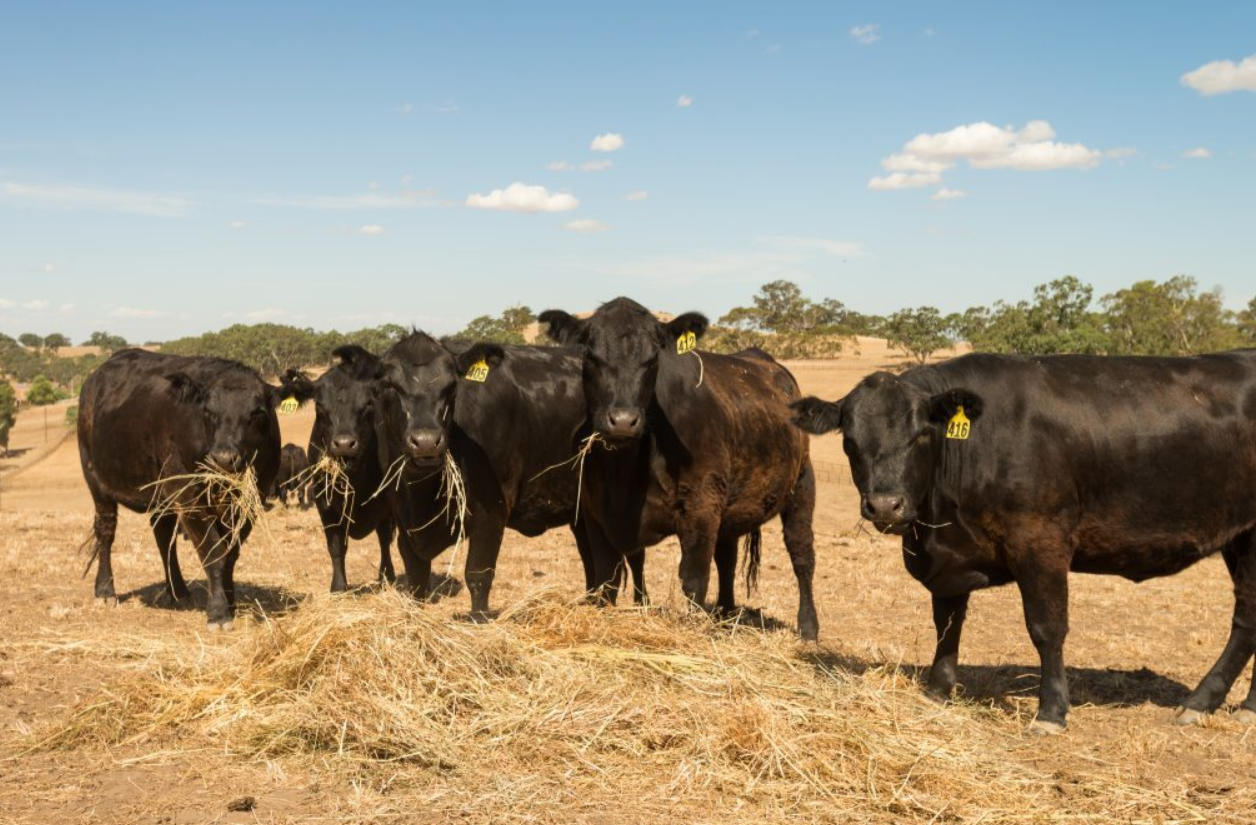
On One-Year Anniversary of President Trump's Second Term, Secretary Rollins Signs Commissions for Senate-Confirmed USDA Leadership

U.S. Secretary of Agriculture Brooke L. Rollins today signed the official commissions of all Senate-confirmed officials serving at the U.S. Department of Agriculture (USDA), marking one year since the start of President Trump's historic second term in office.

"One year into President Trump's second term, we have assembled a results-driven team that is fully committed to putting farmers and ranchers first, strengthening our national security through agriculture, restoring common sense to government, and protecting America's food supply," said Secretary Brooke Rollins. This commission signing represents more than a milestone; it reflects our shared mission to fight for the American people, defend rural communities, and deliver on the promises President Trump made to the country."

The commission signing took place in the Secretary's office and brought together USDA's full slate of Senate-confirmed leaders, along with their families, for a single, historic moment underscoring the Administration's commitment to service, accountability, and results. Secretary Rollins signed each commission individually and commemorated the occasion with photographs alongside each official and their loved ones.

The following Senate-confirmed USDA officials received their commissions:

  • Devon Westhill, Assistant Secretary for Civil Rights
  • Dudley Hoskins, Under Secretary for Marketing and Regulatory Programs
  • John Walk, Inspector General
  • Luke Lindberg, Under Secretary for Trade and Foreign Agricultural Affairs
  • Michael Boren, Under Secretary for Natural Resources and Environment
  • Dr. Mindy Brashears, Under Secretary for Food Safety
  • Richard Fordyce, Under Secretary for Farm Production and Conservation
  • Scott Hutchins, Ph.D., Under Secretary for Research, Education, and Economics and USDA Chief Scientist
  • Tyler Clarkson, General Counsel, U.S. Department of Agriculture
  • Yvette Herrell, Assistant Secretary for the Office of Congressional Relations

Alltech 2025 Global Harvest Broadcast is now available on demand

Alltech, a global leader in in the agriculture industry, hosted a live broadcast, "From Field to Feed: 2025 Crop and Mycotoxin Analysis", streamed live from Alltech's headquarters in Lexington, Kentucky, U.S. on Jan. 15, 2026, and is now available to watch on demand alltech.com/harvest-analysis-resources. During the broadcast, the panel of experts shared timely insights into this year's harvest conditions and emerging mycotoxin risks, including these highlights:

·       Changing climate trends are no longer anecdotal — weather data clearly shows their direct impact on crop production. As noted by panelist Dr. Jan Dutton, meteorologist and CEO of CropProphet, warming temperatures have extended growing seasons across much of the U.S. Midwest by as much as two weeks over the past 40 years, while precipitation patterns are shifting toward fewer but more intense rainfall events. Together, these changes are increasing the frequency of excess moisture events, making what were once considered "rare" occurrences far more common, and something producers must now plan for and expect.

·       Elevated mycotoxin findings in key regions, including significantly higher levels of deoxynivalenol (DON) and T-2/HT-2 toxins in feed across all species, with an increased frequency of DON being detected across the U.S. and in over 40% of samples in Canadian grain.

·       Accelerated progress has been made in mycotoxin predictive models, and as we continue to utilize growing data sets and more advanced AI tools, we can expect to see expedited results in the coming years.

"What we're seeing is a convergence of factors — changing weather patterns, increased variability in crop quality and the presence of both known and emerging mycotoxins — that is making risk more complex and more frequent," said Dr. Alexandros Yiannikouris, research group director at Alltech. "This reinforces the importance of using data, advanced analytics, and predictive tools to better anticipate challenges and support informed decision-making across the feed supply chain."

The complete Alltech 2025 Harvest Analysis regional reports, which offer in-depth analyses of harvest conditions and mycotoxin trends to support informed decision-making, will be released in the coming weeks.

For more information about the Alltech Harvest Analysis and mycotoxin management solutions, visit alltech.com/harvest-analysis-resources and knowmycotoxins.com.

Map of Oklahoma coldfront

State Climatologist Warns of "Bigtime Arctic Snap": Coldest Air Since 2024 Headed for Oklahoma

State Climatologist Warns of "Bigtime Arctic Snap": Coldest Air Since 2024 Headed for Oklahoma: If you have been enjoying the unseasonably warm weather of December and early January, State Climatologist Gary McManus has some bad news: the vacation is ending. A major arctic system is currently barreling toward the Southern Plains, threatening to bring the coldest air the region has seen since early last year.

While the "Bigtime Arctic Snap" (which McManus jokingly notes was also his 9th-grade band name) might sound entertaining, the reality is likely to be anything but. After weeks of mild temperatures, Oklahomans are facing a harsh return to reality this coming weekend.

"Baby-Winter" vs. The Real Deal

Current conditions might feel chilly to some, but McManus warns that what we are experiencing right now is merely "baby-winter." The system arriving this weekend is expected to deliver a punishing blow, potentially rivaling the deep freezes of recent history.

To put the incoming cold into perspective, McManus points to historical data:

  • February 19 Record: The statewide average temperature on this date in the past has dropped as low as 9.6°F (the 33rd coldest day on record since 1920).
  • The 2021 Freeze: That pales in comparison to the historic cold of February 15–16, 2021, which saw statewide averages of -0.2°F and -0.6°F.
  • Recent Benchmarks: More recently, January 14–15, 2024, saw averages of 7.4°F and 8.8°F.

The upcoming system has the potential to drag temperatures down to levels not seen since last January, or perhaps even February 20th of last year.

The "Chaos" of Forecasting

While confidence is high that it will get cold, the specifics of how cold and how much snow will fall remain uncertain. McManus highlights a critical issue with current forecast models: the storm system is currently over the Pacific Ocean.

"It is not well-sampled by instruments," McManus explains. "That data is getting fed into computer forecast models and projected forward."

Because the initial data is sparse, any small errors or "uncertainty" in the current picture get magnified as the models project into the future. This creates a "chaos" scenario where forecast details can shift rapidly as the system moves over land and better data becomes available.

The Snow & Ice Factor

Forecasting frozen precipitation adds another layer of complexity. It isn't just about surface temperatures; the models must accurately predict temperatures through the entire depth of the atmosphere. A warm layer of air thousands of feet up can turn potential snow into sleet or freezing rain, significantly altering the impact on the ground.

Critical Caveats and Timeline

As of Tuesday morning, McManus offers two major caveats that residents need to keep in mind:

  • The Snow is Iffy: The exact track, amounts, and impacts of potential snowfall are still fluctuating in the models.
  • The Cold is Real: There is far less uncertainty regarding temperatures. Bitter, potentially life-threatening arctic air is highly likely.

What You Should Do Now

Oklahomans have roughly 72 hours (from Tuesday morning) before the main impacts arrive. This window is critical for preparation.

  • Winterize your home: Check pipe insulation and draft protection.
  • Stock up: Ensure you have enough food, water, and medication to last through a period of hazardous travel.
  • Protect vulnerable populations: Check on elderly neighbors and ensure pets have warm shelter.

For those living near the Red River or planning travel to Dallas, the outlook is particularly grim. As McManus puts it, "I'll take the snow"—implying that the alternative (ice or just bitter, dry cold) is far less welcome.


Stay tuned to your local National Weather Service office for the most up-to-date graphics and warnings as the weekend approaches.

To read more from Gary McManus on his mesonet ticker, click here:

Dairy Defined Podcast: Dairy Does Well in Dietary Guidelines

New Dietary Guidelines for Americans are encouraging to dairy in ways that are consistent with the latest science and consumer needs for high-quality, affordable nutrition, NMPF Director of Regulatory Affairs Miquela Hanselman said in a Dairy Defined Podcast.

"We turned out pretty well in the guidelines," Hanselman said in the podcast released today. "We hit the three servings. Dairy is a distinct group. Full-fat dairy is recommended repeatedly throughout the guidelines, which everyone was very excited to see."

Hanselman also outlines how these guidelines came to be, and what work remains to be done in the next edition of the twice-a-decade guidelines. 

You can find and subscribe to the Dairy Defined podcast on Apple Podcasts and Spotify under the podcast name "Dairy Defined."

Media outlets may use clips from the podcast on the condition of attribution to the National Milk Producers Federation.

listen here

The National Wheat Foundation and BASF Award $5000 in Scholarships to College Students

The National Wheat Foundation (NWF) is pleased to announce the recipients of the BASF Wheat scholarships for 2026. Two exceptional college students pursuing careers in agriculture will be awarded $2500 this semester thanks to our partner, BASF.

NWF selected Jacob Bingaman, who is attending Oregon State University and pursuing a degree in Ag and Food Business Management. Jake stood out to the committee for his academic achievements, extracurricular activities, essay on the importance of wheat, and his recommendation letter. Jake was given high praise in his recommendation letter written by his FFA advisor, Jim Cant, who said of Jake: "He is detailed, strives for excellence, and cares deeply about his work, the people around him, and the outcomes of every task he undertakes." The National Wheat Foundation congratulates Jake Bingaman as one of the scholarship recipients this year.

Paul McCalister from Abernathy, Texas was also selected to receive a scholarship. Paul is attending West Texas A&M University and studying Ag Business. Paul has career goals to work in agricultural policy and to play a role in improving food security, rural economies, and global markets for wheat. Paul has demonstrated his love for agriculture through many activities and academic and personal pursuits. The selection committee was impressed with Paul's determination, persistence and desire to contribute to his community and beyond. Congratulations to Paul McCalister on being selected to receive a $2500 scholarship.

"Selecting the scholarship recipients each year is one of our favorite things to do," said Ben Scholz, Texas farmer and Chair of NWF Scholarship Committee. "It brings us joy to recognize so much potential in these young applicants and we are so happy to see young people wanting to get involved in agriculture."

The selection committee commends everyone who applied and encourages those not selected to submit again next year.

The program would not be possible without the support of our partner, BASF. The National Wheat Foundation would like to express our gratitude to BASF and all those who applied for the scholarship.

For more information about the scholarship program contact Anne Osborne, Executive Director, National Wheat Foundation (aosborne@wheatworld.org).

New Dietary Guidelines Prioritize Protein, Highlight Beef's Role in Healthy Diets

In today's beef buzz, senior farm and ranch broadcaster Ron Hays speaks with Dr. Shalene McNeill, Executive Director, Nutrition Science, Health & Wellness with NCBA, about the newly released Dietary Guidelines and what they mean for beef producers and consumers. McNeill, who works on behalf of the Beef Checkoff in nutrition, says she was encouraged by what she saw when the guidelines were released, noting that they align closely with decades of scientific research on beef and human health.

"I was actually excited to see them," McNeill said. "I think they reaffirmed the science on beef that not only the Beef Checkoff has invested in, but that other scientists have conducted over the past several decades, that really shows that beef can be included in a healthy dietary pattern." She added that the new guidelines clearly reflect that body of research and represent a positive step forward for the industry.

While many aspects of the Dietary Guidelines remain familiar, McNeill says one major change stands out from a beef perspective. "What's really different... is that we've never seen dietary guidelines that have placed such importance on high quality proteins, like beef," she explained. According to McNeill, protein is now clearly prioritized, with higher recommended intake levels and more positive language around whole foods, including animal-based foods like beef and recognition of beef's healthy fats.

McNeill said the emphasis on prioritizing protein at every meal reflects years of evolving research tied to public health challenges. "As we have been faced with our obesity crisis, our rising rates of diabetes and prediabetes, we're closely examining what's going on with our diets," she said. Research has shown that increasing protein and replacing refined carbohydrates can help with weight management, blood sugar control, and cholesterol, developments she says have been building "over the last couple of decades."

She also credited the Beef Checkoff for playing a leading role in advancing protein research. "The Beef Checkoff has been instrumental in reinvigorating the research on dietary protein," McNeill said, pointing to a protein summit nearly 20 years ago that brought together leading scientists across animal and plant agriculture. Emphasizing the importance of nutrient density, she concluded, "One thing that you just cannot take away from meat is the fact of how nutrient dense it is... If you want to find the most protein-dense foods to eat, you're going to be recommending meat."

You can listen to our complete interview with Shalene McNeill by clicking here.

The Beef Buzz is a regular feature heard on radio stations around the region on the Radio Oklahoma Ag Network and is a regular audio feature found on this website as well. Click on the LISTEN BAR for today's show and check out our archives for older Beef Buzz shows covering the gamut of the beef cattle industry today.

Two Big Cattle Reports This Month

USDA is set to release the January Cattle on Feed and the much-anticipated Cattle inventory report later this month.  This SAT takes a brief look at expectations for each report, key points to look for when they are released, and some market implications of each.

Cattle on Feed

The Cattle on Feed report is set to be released on Friday, January 23rd.  There was one more slaughter day during the month of December, based on when the weekends and holidays fell.  That extra day shows up in pre-report estimates of increased marketings for the month.  December marketings are expected to be about 2 percent higher than December 2024.  Daily average marketings should have lagged behind last year, which is to be expected with fewer cattle on feed. 

Placements of feeders into feedlots are expected to be below a year ago, with pre-report estimates down around 5 percent.  December placements versus a year ago reflect the border closure to cattle imports from Mexico, with no cattle imported in December 2024 and 2025.  This is the first full month of comparison with no imports for a month in either year.  Large declines in placements during 2025 included the impact of no Mexican feeder cattle so in coming months year-over-year placements will indicate changes in domestic feeder cattle placements.  

The combination of larger marketings and smaller placements results in the total number of cattle on feed expected to be down more than 2 percent on January 1, compared to January 1, 2025.  This report will include an estimate of the number of heifers on feed.  This may be the most anticipated number in the report as evidence of any heifer retention for herd growth.  

Cattle

The annual Cattle inventory report will be released on Friday, January 30th.  This report will provide evidence of herd rebuilding and whether this cattle cycle has bottomed out with growth beginning.  I tend to focus on the beef cow herd and heifers held for beef cow replacement more than other data points in the report.  Cow herd: Pre-report estimates indicate close to the same number of cows as a year ago.  Beef cow slaughter during 2025 was down almost 20 percent compared to the year before, and that is low enough for a slight increase in cow numbers.  High calf prices certainly provided an incentive to try to get one more calf out of older cows before culling them.  

There has been little hard evidence of heifer retention providing cow herd growth.  Continued high heifer slaughter, a large number of heifers on feed as a percent of all cattle on feed, very low numbers of heifers held last year to enter the herd, and a historically small calf crop all contribute to expectations of little herd growth from the heifer side.  

Beyond the cow herd, the dairy herd should show the largest number of cows since the early 1990s.  The number of stockers on small grain pastures will be interesting for potential placements in the next couple of months.  The number of all cattle will be interesting as a historical number for the cattle cycle. 


Article courtesy of Southern ag today: Anderson, David. "Two Big Cattle Reports This Month." Southern Ag Today 6(4.2). January 20, 2026. Permalink

Ben Hale: Moisture and Weather Top Concerns as Cattle Markets Hold Steady

On Tuesdays, Senior Farm and Ranch Broadcaster Ron Hays visits with Ben Hale of Western Livestock Auctions as he talks about the latest in the markets and more. Established in 1995, Western has grown into a multi-generational family-owned and operated business and stands as a symbol of tradition, excellence, and a deep-rooted passion for the cattle industry. Western Livestock Auctions operates the Western Livestock Commission Firm, which sells cattle on Mondays and Tuesdays. They also operate the livestock auction markets in Woodward, Comanche, Waurika, and Knoxville, Iowa.

Cattle markets at the Oklahoma National Stockyards saw strong volume and generally steady demand this week, according to Hale. He said nearly 9,800 head moved through the sale, well above year-ago levels, and while some labeled the market as softer, he viewed prices as mostly steady. Flashier feeder cattle drew strong bids, and grazing cattle with good green fronts sold as well as, or better than, recent weeks, especially considering the market pressure following last Friday's negative screwworm news.

Hale noted that buyer demand remains especially strong for cattle that are properly preconditioned, vaccinated, and not overly fleshy. While some cattle carrying extra wheat or feedyard flesh saw a bit of price pressure, the overall tone of the sale improved throughout the day. Aside from a few lighter-weight cattle trading slightly lower, Hale said most classes from 400 pounds on up held their ground through the end of the sale.

Much of the current conversation among both buyers and sellers centers on weather, particularly the need for widespread moisture. Hale said producers across Oklahoma, Texas, and surrounding regions are all hoping for rain to help green up wheat and pastures. Adequate moisture would allow cattle to stay out in the country longer, easing pressure on town markets and supporting better price structure through the rest of the year.

Looking ahead, Hale said upcoming runs could be lighter as colder weather approaches. He expects moderate numbers at markets early in the week, followed by a larger run at Woodward later in the week as producers try to move cattle ahead of winter weather. Some Texas markets have already canceled sales for next week, and Hale said if conditions worsen, volume could be light across the region. Despite ongoing cost concerns, he emphasized that producers remain engaged and active in the market.

Hale can be contacted at 940-631-2333. Check out more about the marketing options that Western offers by clicking here.

Cameron Lux Discusses LRP Strategies, PRF Insurance, and Risk Management Tools for 2026

Cameron Lux Discusses LRP Strategies, PRF Insurance, and Risk Management Tools for 2026: Following a volatile 2025 in the agricultural markets, producers are looking for stability heading into the new year. In a recent interview, Farm Director KC Sheperd spoke with Cameron Lux about critical risk management tools for cattle and grain producers, including Livestock Risk Protection (LRP) and changes to crop insurance subsidies.

The "Heyday" of LRP Lux noted that while multi-peril crop insurance has long protected grain farmers, cattle producers have often felt "left high and dry." That is changing with the rising popularity of Livestock Risk Protection (LRP), a tool designed to set a price floor for cattle operations.

"If there's a state that's got cattle in it, there's LRP for it," Lux said. "It's kind of in the heydays of LRP right now."

Lux explained that while the cattle market has seen a consistent climb recently, LRP remains vital for protecting against unpredictable dips. He recalled that a few years ago, policies triggered frequently due to market drops, proving the value of locking in coverage. Now, with better subsidies, he argues it is a necessary tool to stay competitive.

"If they're not [using it], all their neighbors are and they need to take their little piece of the pie too," Lux added.

Getting Started is Simple For producers intimidated by the process, Lux emphasized that the barrier to entry is low. The first step is simply filling out an application, which costs nothing and ties no premium to the producer until they choose to lock in a specific coverage endorsement (SCE).

"Just because you have the application filled out doesn't mean you have any coverage... All it is saying is that, 'Hey, I am interested in LRP,'" Lux explained. However, he warned that once a producer is ready to buy, the process is time-sensitive and typically requires decisions made between market close and the following morning.

Updates to Multi-Peril and PRF On the grain side, Lux highlighted significant changes to multi-peril crop insurance, specifically regarding Enhanced Coverage Option (ECO) and Supplemental Coverage Option (SCO). These options have been "re-subsidized" up to roughly 80%, making them a more attractive way to cover risk from the top down.

Lux also touched on Pasture, Rangeland, and Forage (PRF) insurance, describing it as a "set it and forget it" policy that triggers based on a lack of rainfall. However, he cautioned that producers must trust the historical data before signing up.

"I've had to turn people away where I just said... 'It might not pan out the way you think it's going to,'" Lux admitted. "I choose to, I guess, trust the data."

Advice for 2026: Know Your Options Lux's biggest advice for producers in 2026 is to educate themselves on the private products and policy options available—and to ensure they have an agent willing to put in the work.

"Find an agent you trust in your area that is willing to come out, sit down at the kitchen table with you, treat you like a human, and write the coverage that you need for your operation," Lux concluded.

Higher Supplies Cap Grain Rallies as Corn Bears the Brunt of USDA Reports

Todd Hubbs- After the initial shock of the data USDA released last Monday, futures markets recovered a bit to end the week. While the wheat market dealt with bearish data, the corn market truly took the brunt of punishment dished out by USDA's
statistical branch. The main takeaway from the NASS reports and WASDE forecasts is higher supply both domestically and globally for grain and oilseed crops. Demand remains robust at these lower prices.


Wheat Market Outlook:
KC hard red winter wheat futures prices clawed all the way back at the end to the week near prices seen on Monday before the reports. The March contract closed at $5.27 on Friday. The recovery put March futures back near the middle of the $5.00 - $5.55 range that they have been in since late October. July harvest contract prices closed at $5.51. The prospect of reaching the lofty heights of $5.75 seen in early November seems difficult under present market conditions.
Rallies that reach those heights merits consideration of sales if possible. Cash prices in Oklahoma, presented in Table 1, continue to move with futures prices with tightening in harvest basis over the last few weeks.

The USDA reports set the tone for limited upside of price rallies. On the wheat domestic balance sheet, feed and residual usage dropped 20 million bushels to 100 million. Ending stocks increased to 926 million bushels on that change and a
slight adjustment to seed usage. The December 1 stocks report triggered the move on feed and residual usage as it came in higher than expected. Figure 1 shows December 1 wheat stocks for the U.S., Kansas, and Oklahoma. Stocks of
1.675 billion bushels in the U.S. were up over 100 million from last year. Oklahoma stocks increased year over year by 18 million bushels to 131.

Elsewhere on the balance sheet, exports remain unchanged. There is a slight concern on the export front as net sales for the last two weeks were negative for hard red winter wheat. Total wheat and HRW exports are slowing under fierce international competition.

Once again, USDA raised global production. Increases for Argentina and Russia pushed production for
the crop year in major foreign exporters to over 13.5 billion bushels, an increase of 1.65 billion bushels
over last year. Small increases to global feed, imports and exports could not offset the production
jump and world ending stocks moved approximated 125 million bushels higher to 10.1 billion bushels.
This part of the report was only slightly bearish since market observers had penciled in higher world
production as reports from around the world keep finding more bushels of wheat. It does set up a
competitive export market over the next year.


Figure 2 shows recent global port prices for wheat. While the wheat prices shown reflect a variety of
classes and quality specifications, the prices reflect the continuing growth in crop production totals
and the competitive nature of the wheat market at present. Argentina's massive crop along with
Australia's excellent production totals this year keep prices competitive in the southern hemisphere.
Despite continued conflict in the Black Sea region, prices remain competitive. The drop in production
totals in Mideast countries in the WASDE was the major downward adjustment (mainly Turkey) along
with a slightly smaller crop in Japan for major importers. The potential for supplies to make up for
these issues is abundant and diverse.

The other major report with market implications for wheat released by NASS was the winter wheat
seedings report. Winter wheat acreage planted barely dropped from 2025 as discussed in last week's
newsletter. Given recent weather in the southern plains, production issues will be in the news for the
next few months. Figure 3 shows the difference between planted and harvest acres along with winter
wheat drought conditions. The correlation is tenuous at best when looked at in mid-January. Rallies
due to speculation on a decrease in harvested winter wheat acreage may be good pricing
opportunities.

Corn Market Outlook:
Corn markets nosedived after the reports came out on Monday and spent the rest of the week trying to
recover. March corn futures fell 25 cents on Monday and Tuesday of last week to close at $4.20. By the
end of the trading day on Friday, March contracts closed at $4.25. Cash prices over numerous
locations in Oklahoma came in at $3.75 – $3.80. The December contract closed at $4.50 with basis
reports near 40 under. An over 17-billion-bushel crop with supplies topping 18.5 billion bushels is hard
to recover from and puts an emphasis on whether the USDA's usage forecast of 16.37 billion bushels
is attainable.


Corn ending stocks for the 2025-26 marketing year increased to 2.2 billion bushels, up approximately
200 million bushels from the previous forecast. Usage changes for corn consisted of a higher feed and
residual forecast along with a slight reduction of 10 million bushels for slower high fructose corn syrup
and glucose/dextrose usage. The export and corn use for ethanol forecasts remain unchanged.
Corn exports remain on pace as shown in Figure 4. Total commitments (exported corn and outstanding
sales) total 2.049 billion bushels through January 8, 64 percent of the forecast total. Commitments sit
slightly above the average pace of 62 percent through this point in the marketing year. The potential for
USDA's corn export forecast to materialize depends on crop developments in Brazil's second corn
crop and the 2026 corn crop potential in the U.S. At present, exports are on pace.

Ethanol demand remains strong with a record weekly production total reported last week. Corn usage
for ethanol production through the first quarter of the marketing year came in almost identical to the first quarter of the 2024-25 marketing year at 1.382 billion bushels. USDA's expectation of stronger
ethanol usage for the remainder of the marketing year is highly dependent on ethanol exports and
reduced usage of other feedstocks (like sorghum) for ethanol production. Thus far, the pace is not exactly
at a level that shows an over 150 million bushels increase for the marketing year.


The forecast for feed and residual increase of 100 million bushels, to 6.2 billion, is the data point on usage
most in question by market observers. Given the size of the livestock herd and last year's 5.45-billion-bushel total, an expectation of a lower forecast is in place. First quarter corn disappearance for feed and
residual came in at 2.74 billion which is up 388 million bushels over the first quarter of last marketing
year. Usage at that level does provide slight support for the forecast increase. In forecasting feed and
residual usage, both components come into play. Given the massive supply on hand from the 2025 corn
crop, one should expect a larger residual component. To show the relationship, Figure 5 presents a
scatterplot during the Renewable Fuels Standard era for marketing year percent changes of corn supply
compared to changes in feed and residual totals. One thing stands out in the upper left quadrant of the
graph: the 2025-26 marketing year is an outlier for this relationship. The percent change increase in feed
and residual is greater than the change in supply. Given this relationship, future grain stocks reports could
create large volatility swings in corn prices if usage does not materialize and the relationship reverts to
historical norms.

Cow Calf Corner Mark Johnson: Robust Beef Cattle Commerce

The sale and price of beef cattle (both purebred seedstock and commercial), of all classes and  age has been healthy, resilient and vigorous to kick of the new year. Consider the following:

  • The National Angus Bull sale held during the Cattlemen's Congress in Oklahoma City included 28 registered Angus bulls that sold at an average value of $22,276.  Furthermore, EACH sale held during the Congress saw increased sale averages and/or total gross. Sales held during the Cattlemen's Congress generated over $14 million in revenue.
  • Included in that Congress total is the commercial female sale which included two year old pairs selling at an average of $5,350. Three year old cows, due to calve this spring averaging $4,500 and spring calving bred heifers averaging $4,261 per head. Seventy two head of open replacement heifers averaged $3,241/head.
  • Last week, Northern Video livestock Auction included a group of 200 head of commercial Angus replacement heifers, weighing 810 pounds, with genetic merit scorecard information which sold for $411/cwt for an average of $3,329 per head.
  • The Oklahoma weekly market reports for the first two weeks of 2026 indicates steady to increasing prices of calves and feeder cattle.
  • Prices of Boxed Beef and Fed Cattle are firm as supplies remain tight even relative to the reduction in packing plant capacity.

Consumer demand for beef remains strong and beef carcass quality remains at an all-time high with beef consistently delivering a satisfying eating experience to consumers. In regard to the price of retail beef, (specifically, if there is a price point at which we meet consumer resistance), consider the following:

  • Since 1980, the price of beef has increased 355%
  • In comparison, during that same time, the price of Diesel fuel has increased 391%. Coca-Cola has increased 536%, Doritos 500% and the price coffee has increased 775%. The price of a John Deere tractor has increased almost 1,200% since 1980.

Cow Calf Corner Dr. Derrell Peel: Beef Exports Update

Beef exports were down 12.6 percent year over year through the first ten months of 2025 (Figure 1).   This follows decreases in 2023 and 2024 from record beef exports in 2022.  Decreased beef exports were anticipated in the current environment of decreased beef production and record high beef prices in the U.S.  Beef exports were additionally impacted negatively in 2025 by tariffs and trade wars. 

South Korea and Japan were the two largest beef export markets through October. South Korea was up 3.0 percent year over year while Japan was down 3.3 percent compared to the same period in 2024.  South Korea gained market share to exceed Japan fractionally by October. Both markets had a market share of 24.1 percent for the year to date.  Beef exports to Mexico were down 11.8 percent year over year through October.  Mexico is the number three market in 2025, with an 11.5 percent share of beef exports, up from fourth place a year earlier.  For the January-October period, beef exports to number five Canada were down 7.4 percent, with Canada having a 9.1 percent share of total beef exports.  Taiwan was the number six market with a ten-month export total down 10.6 percent year over year and a 6.5 percent share of beef exports.  

The combined export market of China/Hong Kong was the most impacted in 2025, dropping from third to fourth place with total exports through October down 48.9 percent year over year (Figure 1).  For the year to date, China/Hong Kong had a 10.9 percent share of total exports, down from 18.7 percent share in 2024. 

China and Hong Kong are, in many ways, a single market, which is why beef export data for China and Hong Kong are frequently combined.  However, there are some important differences that impacted beef exports in 2025.  Figure 2 shows the history of beef exports to China and Hong Kong in recent years.  Prior to official U.S. access to China in 2017, Hong Kong was a major beef export market. In 2016, Hong Kong was the number four export market with an 11.5 percent share of total beef exports. It was widely recognized that a significant portion of beef exports to Hong Kong were transshipped into China.  Starting in 2020, as beef exports to China were officially possible and recognized, beef exports to Hong Kong decreased as expected.  Hong Kong's share of total exports to China/Hong Kong decreased from 100 percent in 2016 to 14 percent in the 2022-2024 period.   

The distinction between the two markets became important again in 2025.  In response to U.S. tariffs, retaliatory tariffs imposed by China essentially closed China as an export destination starting in April.  In October, China represented 0.7 percent of beef exports and year to date exports to China alone were down 96.8 percent year over year.  However, Hong Kong did not impose the same retaliatory tariffs as China so beef exports to Hong Kong have increased year over year, and Hong Kong once again represents more than 88 percent of total beef exports to China/Hong Kong (Figure 2). 

Beef exports are expected to decline further in 2026 as the impacts of declining U.S. beef production, high beef prices and continued political wrangling are felt. The impact of declining beef exports has been largely masked relative to record domestic cattle and beef prices and has not received a great deal of attention in the industry.  However, decreased beef exports and lost international market share may impact cattle and beef markets for many years going forward.  

Mark Anderson: Limousin Breed Seeing Strong Growth in 2026

In today's Beef Buzz, senior farm and ranch broadcaster Ron Hays speaks with Mark Anderson, executive director of the North American Limousin Foundation, during the 2026 Cattlemen's Congress about the current state of the Limousin breed. Anderson says the past year has been a strong one across the board, noting success on both the show side and the commercial side of the business. "We've had a really good year," Anderson said, pointing to strong demand for show heifers and rising commercial bull sale averages.

Anderson explained that while Limousin breeders may not market as many show cattle as some larger breeds, quality has driven value. "We may not make as many as some of the other bigger breeds, but we're selling higher probably as anybody on the good individuals that are very competitive around the country," he said. He added that juniors and exhibitors have seen strong results, while commercial producers have benefited from higher cattle prices and improved bull demand.

Much of that commercial success, Anderson said, comes from Limousin's hybrid strength, particularly through programs like Lim-Flex. "It's amazing how much just a half-blood bull will do," he said, explaining that producers can add ribeye and muscling while still maintaining marbling and feedyard performance. Anderson emphasized that Limousin cattle "perform exceptionally in the feed yard, in the packing house, and feed conversion-wise," making them attractive in grid-based marketing systems.

Genomics and EPD advancements have also played a major role in recent progress. Anderson said genomic tools have helped accelerate improvement, especially in carcass traits. "We've been able to make tremendous genetic progress the last five years," he said. While Limousin doesn't aim to match Angus marbling, Anderson noted that crossbreeding has made meaningful gains, adding that these cattle now excel "in today's market, where it does matter, with the upper two-thirds of Choice and Prime."

Looking ahead, Anderson is excited about potential modernization of the beef yield grade system and what that could mean for Limousin cattle. When asked by Hays if he thought new updated yield grading would benefit Limousins, Anderson said "I do" adding "as red meat yield takes over and we are able to accurately identified at the packing house level then the premiums will start to improve for higher yielding cattle that have more product in them."   Anderson adds "the yield grade system's been good, but it's old — it's from the '60s — and it's probably time for an upgrade," Anderson said. With continued progress through genomics, crossbreeding, and multi-breed evaluations like IGS, he added, "It's just going to get better."

The Beef Buzz is a regular feature heard on radio stations around the region on the Radio Oklahoma Ag Network and is a regular audio feature found on this website as well. Click on the LISTEN BAR for today's show and check out our archives for older Beef Buzz shows covering the gamut of the beef cattle industry today.

Oklahoma State Rep. John Pfeiffer

Oklahoma State Rep. John Pfeiffer Focuses on Taxes, Agriculture, and Education in Final Session

As Oklahoma lawmakers prepare for the 2026 legislative session, agricultural groups are once again zeroing in on tax policy, private property rights, and regulatory issues that directly affect rural communities. State Representative John Pfeiffer, who is in his final year in the House due to term limits, says those concerns will be front and center when lawmakers convene in early February.

Pfeiffer says Oklahoma's tax structure needs a more comprehensive review rather than continued incremental changes. "What's scary to me, we keep piecemealing this tax code," Pfeiffer said. "Every other state in the country has sat down and completely revamped their tax code from top to bottom. We haven't done that." He added that lawmakers need "a holistic picture of where we want Oklahoma to go and what our tax policy needs to be, instead of just continuing to bite around the edges."

Ad valorem taxes remain a major focus for farmers and ranchers, and Pfeiffer cautioned against unintended consequences. "There's probably going to be an initiative petition on it," he said, noting proposals ranging from eliminating ad valorem taxes to capping them on primary residences. "What we have to be careful of, especially in agriculture, is making sure that we don't just shift the burden completely to agriculture and commercial businesses."

Beyond taxes, Pfeiffer says education and government efficiency will also dominate the session. "Education is going to continue to be a hot topic," he said, pointing to discussions on adding school days, third-grade reading coaches, and improving outcomes overall. He also emphasized efforts to reduce bureaucracy, saying lawmakers will continue "to decrease regulation... cut down on bureaucracy, speed things up, and then taxes, as always."

Looking ahead, Pfeiffer said he feels optimistic about Oklahoma's direction as he prepares to leave the House and run for Labor Commissioner. "The state's heading in the right direction," he said. Calling the Labor Department a "really unique agency," Pfeiffer added, "It covers a lot of ground, but it can do a lot of good." He said traveling the state during the campaign has reinforced his optimism, noting Oklahoma has reached a "turning point" and that "it's going to be exciting to see where we go in the next 5, 10, 25 years."

Mark Watne Reflects on 'Founding Farmers' Success, Policy Battles, and the Future of Agriculture

Mark Watne Reflects on 'Founding Farmers' Success, Policy Battles, and the Future of Agriculture: As Mark Watne prepares to step down from his leadership role at the North Dakota Farmers Union (NDFU), he sat down to reflect on a career defined by value-added innovation, fierce policy battles, and a deep commitment to the next generation of agricultural leaders.

In a recent conversation, Watne discussed the origins of the farmer-owned restaurant phenomenon, the 2025 policy landscape, and his plans for retirement.

From Commodity to Culinary Success

One of the crowning achievements of Watne's tenure is the massive success of the Founding Farmers restaurant group. However, Watne revealed that the road to a $20 million-a-year restaurant wasn't a straight line. It began with a realization that traditional value-added projects weren't enough.

"We were finding that we were taking a commodity and still ending up with another commodity," Watne said. "You're back to a narrow margin business. And we said, 'Well, that's not really solving our issue for us.'"

The NDFU formed the "Ultimate Cooperative," aiming to own the supply chain from the farm gate to the consumer. After 18 months of planning, they launched their first restaurant, Agraria, which initially struggled. It wasn't until they partnered with the Vucurevich Simons Advisory Group and returned to their original business plan that the concept took off.

"We built the second restaurant using our original business plan, which became Founding Farmers... and within four months we were cash flowing," Watne explained. "That restaurant today is 20-plus million in sales, serves about 1,400 people every day... we turn it seven times a day."

The goal remains simple: getting money back into producers' hands. "That's why you see, you know, the meals are not... they're kind of similar to what you might make at home. But a lot better in most cases."

The Oklahoma Connection and Direct Shipping

Watne sees potential for other states, particularly Oklahoma, to fit into this high-quality, farm-to-table profile. He highlighted the "Certified Oklahoma Beef" program as a prime example of what consumers are looking for.

"The perfect world for us would be... if we can start doing direct home shipping," Watne said. He envisions a future where high-quality beef from North Dakota, Oklahoma, Montana, and South Dakota can be marketed directly to consumers under a trusted brand.

"They love the stuff that they know where it comes from, has some type of a reasonable price to it, and it's high quality. That sells."

The 2025 Policy Landscape: Fighting Monopolies

Turning to policy, Watne didn't mince words about what is missing from the current agricultural conversation: a serious crackdown on corporate concentration.

"We've got to get our politicians to understand that if you want to live in a capitalistic economy, there does have to be a certain level of rules when it comes to monopolistic practices," Watne stated.

He cited sky-high transportation and input costs as evidence of a broken market. "We're being beaten out because our input costs are through the roof because we have too few producers of seed, fertilizer, chemicals."

His solution isn't necessarily new laws, but the enforcement of existing ones. "We've got to have our politicians enact the antitrust laws... and actually enforce the rules. And it doesn't really even take changes to the law."

A Legacy of Mentorship

Watne is "passing the torch" to one of the youngest presidents in the organization's history, a move he views as a major success. He emphasized that mentorship is a long game, comparing it to raising children.

"You've got to be sensitive that you're not going to get somebody with one invite to all of a sudden be terribly active," Watne noted. "It takes multiple, and it takes a few years before they find their home with you."

Looking back, Watne is proudest of two things: a hard-fought victory preserving North Dakota's Corporate Farming Law—where they won a public vote with nearly 70% support—and the construction of a state-of-the-art camp that now hosts 1,200 kids.

What's Next?

Retirement for Watne won't mean slowing down entirely. He plans to spend time with his grandchildren, travel for fun rather than work, and get his hands dirty in his shop near Fargo.

"I missed my farm shop," Watne admitted. "I've got an old pickup truck I'm working on. I got one of my old service trucks that my son wants to fix up."

He also plans to continue his service to the community as an honorary chair for a new food bank facility in Fargo.

"I really believe that it's a shame we are the richest country in the world and we have hungry people," Watne said.

Header-Hybrid

USDA Launches Lender Lens Dashboard to Promote Data Transparency

U.S. Department of Agriculture (USDA) Deputy Secretary Stephen Vaden today unveiled the Lender Lens on the Rural Data Gateway. This dashboard will make Rural Development's entire commercial guaranteed loan portfolio available to the public, guaranteed borrowers and commercial lending stakeholders.

Lender Lens will give communities a clear view into where federal investments are being made by introducing a series of intuitive data visualizations that allow users to monitor performance, spot trends and proactively manage their Rural Development loan guarantee portfolio. The dashboard showcases key metrics, including total loan volume, average loan size, loan distribution by sector, geographic spread, and delinquency rates, allowing an at-a-glance look at activity nationwide. Data is refreshed monthly and can easily be downloaded down to the individual loan, giving users timely, flexible access to the information they need.

"The Trump Administration knows that the American public values the importance of government data transparency," said Vaden. "The Lender Lens will highlight where USDA has expanded access to capital for businesses and rural communities who need it most and demonstrate how Rural Development funds are being used across rural America. It will help rural stakeholders see where investments are being made to expand or improve access to health care, save and create jobs and provide safe drinking water in their communities."

The Rural Data Gateway was developed in 2023 to help USDA better target resources for the people who need them most in rural America. It has enabled USDA to be a stronger partner to rural residents, entrepreneurs, government officials and other stakeholders. The Rural Data Gateway showcases Rural Development's investments that have helped rural Americans increase access to capital for their business, rehabilitate water and wastewater infrastructure and construct essential public services.

The Rural Data Gateway includes investment dashboards that show how Rural Development has supported local and regional economies over the last decade through 80 different programs. The dashboards are easy-to-use tools that highlight critical Rural Development investments for people in rural America and help them access the resources they need. The data will help users analyze trends across different states, counties and congressional districts.

Rural Data Gateway supports USDA's mission to expand public access to federal government data as required by the Open, Public, Electronic, and Necessary Government Data Act of 2018.

About USDA Rural Development:

USDA Rural Development invests in rural America with loans, grants, and loan guarantee programs to promote rural prosperity. The commitment and resources we bring to rural communities help drive economic security and prosperity. Our programs expand access to high-speed internet, electric, and transportation infrastructure, and support business growth, healthcare, education, housing, and other community essentials. Learn more online at www.rd.usda.gov.

Fire Danger Relaxes Across Oklahoma as Temperatures Drop

After weeks of heightened concern, fire danger across Oklahoma is relaxing today. A shift in weather patterns—bringing cooler temperatures, calmer winds, and improved humidity—is helping to temper the risk of significant wildfires statewide. While the underlying conditions remain dry, forestry officials anticipate a much-needed break in fire activity throughout the week.

The Current Situation

The immediate threat of large, uncontrollable wildfires has decreased significantly. Although dry conditions persist across most of the state, the specific weather ingredients required for rapid fire growth are absent today.

  • Cooler Temperatures & Clouds: Highs in the 30s and 40s, combined with mostly cloudy skies, are shading vegetation ("fuels") and reducing their ability to catch fire easily.
  • Calmer Winds: Unlike the gusty conditions seen late last week, winds are lighter today, generally sustained around 7 to 13 mph from the northeast.
  • Precipitation Potential: There are chances for snow flurries along and north of I-40. While this may not significantly improve deep soil moisture immediately, it helps dampen fine surface fuels like dry grass.

Officials note that while new fires may still start, they are expected to be captured quickly during the "initial attack" phase, meaning firefighters should have high success rates in suppressing them before they grow large.


Regional Breakdown

Weather conditions vary slightly across the state, but the trend of lowered risk is consistent.

  • Western & Southwestern Oklahoma: Temperatures are hovering in the 30s to around 40°F. With relative humidity above 30% and winds around 11 mph, any new fires in rangeland areas will likely spread slowly (max rates around 75 ft/min), making them manageable for fire crews.
  • The Panhandle & Northwest: Residents may see morning snow flurries with some low-end accumulation possible in northwestern counties. The cold air and higher humidity are keeping the "ignition component" low, meaning it is difficult for new fires to start.
  • North-Central & Northeast: Conditions here mirror the northwest, offering little cause for concern today. Fire spread rates are predicted to remain low (generally less than 75 ft/min), offering excellent opportunities for suppression.
  • South-Central & Southeast: This region remains the driest, with relative humidity dipping between 23% and 33%. However, the cloud cover and cool temperatures (36°-48°F) are preventing the dry vegetation from becoming critically receptive to fire. Fire spread rates in grassy areas are expected to stay under 85 ft/min.

Weekly Outlook: A Speed Bump in Fire Season

Looking ahead, the forecast suggests a temporary "speed bump" in the fire danger that has dominated January so far. The 7-Day forecast indicates potential for rain and wintry weather later this week.

  • Midweek: The best opportunity for "wetting rainfall" (rain significant enough to improve fuel moisture) is expected in Southeastern Oklahoma.
  • Late Week: More widespread wintry weather is possible, which would further suppress fire danger.

The Long Term View: While this week offers relief, the Oklahoma Forestry Services (OFS) will continue monitoring composite fuel moisture. The expectation is that dry conditions may return leading into February, so residents should remain vigilant even as the immediate danger subsides.

To see Burn bans, click here:

US Customs and Border Protection Interceps Khapra Beetle

A traveler returning from Lebanon on April 18 was referred to secondary inspection for an agricultural examination, and a small bag of undeclared seeds for growing purposes was discovered in the passenger's luggage. The traveler received a warning to declare all agricultural goods and was released; CBP seized the seeds.

Upon closer inspection, agriculture specialists discovered a single cast skin in the bag of seeds. Local CBP and USDA officials identified the specimen as potentially being a khapra beetle. Differentiating the khapra beetle from closely related species is difficult and entails microdissection, and the USDA was able to officially identify the specimen as a khapra beetle.

"Khapra beetle is one of the many significant threats we face at our borders," said Area Port Director Fadia Pastilong. "This particularly destructive insect is known to be extremely difficult to detect, which is why even intercepting a cast skin is a big deal."

Due to its invasive nature, khapra beetle is one of several insects USDA considers quarantine significant—dead or alive. Infestations of this beetle–when it enters warehouses or granaries–cause stored products to be inedible. This can rapidly devastate our nation's agricultural economy. This, coupled with its ability to go dormant and its resistance to pesticides, has led to long-term, costly control efforts.

"We understand there may not be an explicit intent to bring a destructive pest into the U.S., but that is why it is absolutely essential for travelers to make an honest declaration of what they are bringing in," said CBP Director of Field Operations Marty C. Raybon. "This allows CBP personnel to examine items, if necessary, to determine if they are permissible and free of any potential threats."

Travelers can help prevent the introduction of exotic pests and diseases by declaring all food and plant items upon arrival to the U.S.

This success wouldn't be possible without our Agricultural Quarantine Inspection (AQI) program, which safeguards U.S. agriculture by working together with CBP at ports. Vigilant inspections and pest-identification efforts help stop these invasive threats before they can take hold. Next time you travel, remember - always declare any food, plants, or seeds. It makes all the difference!

🔍 Learn more: https://www.cbp.gov/.../remains-world-s-most-destructive...

"It's Coming": Commissioner Sid Miller Issues Urgent Screwworm Warning as Outbreak Nears Texas Border

Video Courtesy of RFD TV

Commissioner Sid Miller Issues Urgent Screwworm Warning as Outbreak Nears Texas Border: Texas Agriculture Commissioner Sid Miller has issued a stark and urgent warning to farmers, ranchers, and pet owners regarding a rapidly approaching threat to the state's biosecurity: the New World screwworm. In a recent statement, Miller confirmed that the flesh-eating pest has been detected in dangerously close proximity to the United States border.

The Situation: "It's Inevitable"

According to Commissioner Miller, there are currently 14 active cases of screwworm confirmed in the Mexican state of Tamaulipas, located roughly 200 miles from the Texas border. This proximity has raised alarm bells among state officials who fear the pest's re-entry into the United States is no longer a possibility, but a certainty.

"It could... it's going to be across the border. I hate to say that, but it's inevitable. When it's this close and we couldn't get it checked in Southern Mexico, we got a problem. It's here." — Sid Miller

Why This Outbreak is Different

Miller highlighted two specific factors that make this particular cluster of cases deeply concerning compared to previous isolated incidents:

  • Indigenous Spread: Unlike previous scares which were often linked to livestock transported from further south, Miller noted that these cases are "caused by indigenous screwworm flies," suggesting the pest has established a local population in Northern Mexico rather than just hitching a ride.
  • Winter Activity: Screwworm flies are typically less active during colder months. However, Miller expressed frustration that the outbreak is surging right now. "It's upsetting that this is happening in the winter months when fly activity is supposed to be less active," he stated.

The Threat to Livestock and Wildlife

The New World screwworm (Cochliomyia hominivorax) is a parasitic fly whose larvae feed on the living flesh of warm-blooded animals. An infestation can be fatal if not treated immediately. While often associated with cattle, Miller made it clear that the threat extends far beyond the ranch.

He explicitly warned:

  • Farmers and Ranchers
  • Pet Owners
  • The Wildlife Business

"You better get ready, because it's coming," Miller warned. "Start checking your livestock, checking your pets."

Call to Action

The Commissioner's message serves as a "red alert" for anyone in the region with animals. The primary defense is vigilance. Early detection of the larvae in open wounds is critical to stopping the spread before it becomes an epidemic.

Key Advice from the Commissioner:

  • Check Daily: Inspect all livestock and pets regularly.
  • Look for Wounds: The flies lay eggs in open wounds; even small cuts can become infestation sites.
  • Report Suspicious Activity: Immediate reporting is essential to containment.

As Miller concluded in his assessment of the 200-mile gap between the outbreak and Texas: "We have now 14 active cases... We got a problem."

National Boxed Beef

Choice Boxed Beef Ended Week up $1.61 at $362.38 on Friday

On Friday, January 16, 2026, the Choice boxed beef cutout was reported at $362.38/cwt, up $1.61 from Thursday and $6.75 higher than the previous Friday. Choice has now posted gains for five consecutive days and has increased in seven of the last eight sessions, bringing its January advance to $14.93. The Select cutout rose to $360.19, up $0.48 on the day, with the Choice/Select spread widening to $2.19.

Among primal cuts, the Rib moved from $475.23 to $475.90, Chuck increased from $347.74 to $348.23, and the Round rose from $319.17 to $321.32. The Loin advanced to $444.47 from $441.51, Brisket ticked up from $308.18 to $308.84, Plate improved from $245.81 to $247.84, and Flank strengthened from $172.58 to $175.63.

The Poultry Federation Issues Statement In Response to Denial of Motion for Stay in Illinois River Watershed Case

The Poultry Federation released the following statement by its President, Blake Rollins, regarding the court's denial of the poultry industry's motion for stay in the Illinois River Watershed case:

"We are deeply disappointed in the court's decision. This multi-decade legal effort continues to threaten the livelihoods of family farmers who have fully complied with state law.

The Poultry Federation appreciates the Oklahoma Farm Bureau, the Arkansas Farm Bureau, the Oklahoma Cattlemen's Association, and the many elected officials who supported a stay in this case.

It is disappointing that Attorney General Drummond opposed a stay that would have provided farmers with stability while the legal process continues. Instead, this ruling creates avoidable economic harm and uncertainty for farm families."

Calving Management to Reduce Disease Risk

Rosslyn Biggs, DVM- Calf scours remains one of the most common health challenges facing cow-calf producers and is rarely caused by a single factor. Instead, diarrhea results from the interaction between disease-causing organisms, the calf, and its environment. One management approach designed to address environmental exposure during calving is the Sandhills calving system. This system focuses on maintaining clean calving conditions throughout the entire calving season.

Early in the calving season, cows typically calve on clean ground with no older calves present. As calving progresses, disease risk increases as pathogens accumulate and younger calves are exposed to older calves shedding infectious organisms. The Sandhills system works to recreate early-season conditions week after week. All pregnant cows begin the season in one pasture. After one to two weeks, cows that have not yet calved are moved to a clean pasture, while cow-calf pairs remain behind. This process is repeated throughout the calving season.

By separating calves by age, younger calves have limited contact with older calves that may be shedding pathogens. This disrupts the cycle of exposure and reduces the buildup of disease-causing organisms in the calving area. Producers who adopt this system often report fewer cases of calf scours, reduced treatment rates, and improved calf survival. These benefits can also translate into lower labor demands and decreased treatment costs.

Additional advantages include improved observation and recordkeeping. Smaller groups of cow-calf pairs allow producers to monitor health more closely, identify problems earlier, and provide targeted care when needed. The system can also support broader biosecurity efforts, including isolation of sick calves and maintaining cleaner calving areas.

Implementing the Sandhills calving system does require advance planning. Pasture availability, water access, shelter, forage use, and weather conditions must be considered. Timing and good stockmanship are especially important when moving pregnant cows. While not a replacement for sound nutrition, vaccination, or overall herd health programs, this system is a valuable management tool. For producers facing recurring calf scours or seeking to improve calving-season efficiency, the Sandhills calving system is worth consideration as a proactive investment in calf health and herd productivity.

Senator Mullin Appointed to the U.S. Air Force Academy Board of Visitors

 U.S. Senator Markwayne Mullin (R-OK), a member of the Senate Armed Services Committee, has been appointed to the U.S. Air Force Academy Board of Visitors, along with Senators Kevin Cramer (R-ND) and Ted Budd (R-NC).

Senator Mullin joins the Board at a critical time as it prepares to deliver its comprehensive report to the Secretary of War in the coming weeks.

"It is both an honor and a privilege to join the U.S. Air Force Academy Board of Visitors. As our nation faces unprecedented challenges from our adversaries, it is critically important that our Airmen have the utmost elite training and tools needed to meet those threats head-on," said Senator Mullin. "I am looking forward to working with the board to ensure our Air Force Academy Cadets are prepared to enter the most lethal and #1 fighting force in the world."

Chairman of the U.S. Air Force Academy Board of Visitors, Congressman August Pfluger (TX-11), applauded the additions in the statement below:

"As the Board prepares to deliver one of its most consequential reports, adding three proven leaders strengthens our ability to produce a foundational product that will serve both the Academy and, more importantly, our cadets. My mission as Chairman of the U.S. Air Force Academy Board of Visitors is to restore America's Fighting Force and ensure the Air Force Academy is preparing cadets to become the next generation of warfighting leaders our nation needs," said Chairman Pfluger. "While we will never be able to know when or where the next conflict will occur, we do get to decide how prepared our fighting force will be. Senators Mullin, Cramer, and Budd bring the grit and leadership needed to help us meet and exceed that mission. I am proud to welcome them aboard."

"It's an honor to be appointed as a member of the U.S. Air Force Academy's Board of Visitors. Our nation's service academies train future officers to operate in any environment, and their commitment to excellence is what ensures the U.S. Air Force remains the greatest fighting force in the world. I look forward to working with fellow Board members to train and educate leaders who are prepared to meet today's threats and excited to tackle tomorrow's challenges," said Senator Cramer.

"I am honored to join the U.S. Air Force Academy Board of Visitors to help ensure our cadets receive a world-class education and rigorous leadership development as they prepare to serve as officers in the U.S. Air Force and Space Force. As recent operations have proven, maintaining American air superiority is critical to the success of our modern military operations, and it is our responsibility to ensure the next generation of warfighters are prepared to operate and lead under the most demanding conditions. I look forward to working with my colleagues on this board to uphold the highest standards of education and training to ensure the continued strength, readiness, and lethality of the Air Force and Space Force," said Senator Budd.

Background:

  • Established by law in 1956, the U.S. Air Force Academy Board provides independent advice and recommendations on matters relating to the Academy, including morale, discipline, social climate, curriculum, instruction, physical equipment, fiscal affairs, academic methods, and any other matters relating to the Academy that the Board decides to consider.
  • Under Chairman Pfluger's leadership, the Board has taken a clear-eyed, mission-focused approach to carrying out its oversight role. The members have worked diligently to ensure the Academy remains a merit-based institution that continues to develop the world's finest officers who are prepared to lead and defend our nation in both the Air Force and Space Force.
  • As part of the President's directive to restore America's Fighting Force, the Board has continued its comprehensive review of the U.S. Air Force Academy's academic curriculum, military training philosophy, and athletic programs.

Additional information on the U.S. Air Force Academy Board of Visitors can be found here.

Chris Aarhus on Co-op History, Challenges, and the Shift from Landlines to Broadband

Chris Aarhus on Co-op History, Challenges, and the Shift from Landlines to Broadband: In a recent interview, Farm Director KC Sheperd sat down with Chris Aarhus to discuss the rich history of cooperatives in the United States and the critical role they continue to play in rural communities. From their tumultuous beginnings in the 19th century to their modern adaptation into broadband and finance, Aarhus highlighted how the "co-op mindset" remains essential for farmer control and community survival.

Born Out of Necessity According to Aarhus, the cooperative movement in the Midwest and Plains states was born from frustration. In the 1800s, farmers often felt exploited by large private businesses and sought a way to level the playing field.

"Farmers are looking for a way to stop these bad business practices and how can they take control for themselves," Aarhus explained.

He noted that early attempts were difficult, with many struggles occurring until around 1890. The turning point came when farmers adopted a specific business philosophy: the cooperative had to be community-minded and focused on business profitability first to ensure longevity.

"Farmers adapt those practices and cooperatives really flourish," Aarhus said. "And today we see them everywhere from elevators to grocery stores, credit unions, mutual insurance companies."

The Oklahoma Connection Aarhus pointed out that the history of co-ops in Oklahoma is unique, deeply influenced by the movement's rise out of Texas. Early Oklahoma co-ops often centered around cotton gins, but they faced challenges with business structures that allowed private investors to push farmers out. This led to the adoption of the "one person, one vote" principle in early Oklahoma law to protect member control.

"It was just a fascinating story there with farmers trying to figure out what is the perfect business model for Oklahoma farmers to be able to really take control," Aarhus noted.

Adapting to Modern Needs Cooperatives have survived for over a century by evolving. Aarhus cited telephone cooperatives as a prime example of this adaptability. As landlines became less relevant, these organizations pivoted to become essential providers of high-speed internet in rural areas.

"Today we see telephone co-ops exist largely as broadband providers," Aarhus said. "That's a great example of how co-ops are able to change their business model to serve their members and their members' needs."

He also highlighted the expansion of agricultural co-ops into agronomy—selling seed and chemicals—to stay competitive and keep business local.

The Challenge of Governance Despite their success, modern cooperatives face a significant hurdle: board engagement. Aarhus emphasized that for a co-op to survive, it needs active, educated board members who perform their due diligence. He warned that complacency can be fatal for these organizations.

"If a co-op board doesn't survive and something happens to the co-op and it's gone, it's not coming back. And then that philosophy is gone from that community," Aarhus warned.

The Future of Cooperatives Looking ahead, Aarhus sees the cooperative model expanding into new sectors where consumers feel underserved, such as consumer finance. He believes the core driver of cooperatives remains the same today as it was in the 1890s: filling a void where people are not being treated fairly.

"Where is the next place that people are going to feel like they're not being treated properly?" Aarhus asked. "That is always a great place for the co-op model."

Image

Demand for chicken keeps climbing. Can broiler production keep pace?

The U.S. chicken industry is on a decades-long winning streak. Steady growth in consumer demand coupled with efficiency gains in broiler production have powered the sector's remarkable growth over the last 30 years. However, an emerging set of challenges could put that track record of consistently reliable growth in jeopardy. A slowdown in new processing plant construction —  combined with the inherent limitations of existing production systems and an undersupply of chicks — could ultimately hinder processors' ability to maintain recent growth trends.

According to a new report from CoBank's Knowledge Exchange, the near-term outlook for broiler production remains exceptionally strong. But the opportunities for increasing output are becoming more limited. Higher capital costs, tight labor availability and increased local regulation have stalled greenfield site expansion. Chick availability has trended downward as genetic priorities have shifted from hatchability to meat yield, and adding more pounds per bird has its limits.

"The potential long-term challenge becomes how big is too big for birds on the processing line, and what will drive consumer preferences for chicken products into 2030 and beyond," said Brian Earnest, lead animal protein economist with CoBank. "In the short-term, there has been a growing interest in secondary processing or the value-add segment. That's helping chicken producers meet increased consumer demand for further processed and flavor-enhanced items like tenders, nuggets and sandwiches. But it's not necessarily a sustainable or long-term approach to consistently increase overall production volume."

Annual per capita chicken consumption in the U.S. has increased 30 pounds since 1995 and currently stands at 103 pounds, according to USDA data. That number is projected to rise to 107 pounds by 2030, which far exceeds U.S. per-capita consumption of beef and pork. The steady increase in demand led chicken processors to focus on increasing meat yield and efficiency. Broiler genetics companies responded by shifting away from an emphasis on hatchability, or how many chicks a hen could produce, to feed conversion efficiency which promotes larger birds and higher meat yields.

With the change in genetics, producers are now able to achieve more than 1,000 pounds of chicken from a single egg-laying hen. That's a 17% increase since 2005. While the shift in genetics enabled processors to increase broiler meat yields, those gains have come at a cost. Fewer chicks are available to raise for broiler production. That limits the opportunity to increase production by adding birds into the system. The trend of lower hatchability could be reversed, but it would take several years before genetic changes improve chick availability.

Jumbo birds, value-added products driving current growth and investment

The overall chicken product mix available to consumers today barely resembles what it did 30 years ago. Back then, whole birds and other raw pieces comprised the bulk of consumer purchases. Today, the further processed segment makes up nearly half of all chicken marketed in the U.S. The jumbo bird format works well with chicken marketing plans that include new product innovations focused on portion-sized convenience and more exciting flavor options in products like strips, nuggets and tenders.

Earnest said the elevated costs associated with new greenfield expansion will limit the addition of meaningful head count in the near future, and short term growth will be facilitated by larger birds and continued investments further processed capabilities. "Relying on efficiencies in per-bird production will require flexibility and technology. For processors, that means line speed efficiency will be paramount to grow production until such time more birds can be added to meet steady growth in demand."

Watch a video synopsis and read the report, U.S. Chicken Doubles Down on Value-Add to Meet Demand.

USA Pulses Applauds Expanded Milk Options in Schools with Whole Milk for Healthy Kids Act

 January 16, 2026 – USA Pulses, the leading voice for farmers and processors of American-grown pulses – the dry, edible seeds of legumes commonly known as dried peas, lentils, chickpeas, and dry beans – applauds the newly signed Whole Milk for Healthy Kids Act of 2025. The law, which expands the fluid milk options available in the National School Lunch Program (NSLP), marks a significant step forward in ensuring that children have access to a variety of healthy milk choices.

The expanded milk options now available to schools under the Act include non-dairy beverages that are nutritionally equivalent to milk, such as plant-based milks made from pulses (like pea and chickpea milks). These changes offer students greater flexibility to choose beverages that best align with their dietary needs and preferences.

"The Whole Milk for Healthy Kids Act is a win for children's health and a significant step for improving nutrition in schools. By expanding flexibility to include more milk options in cafeterias, the law creates new opportunities for nutrient-dense pulses to play a larger role in school meals and support healthy eating habits early in life," said Tim McGreevy, CEO of USA Pulses.

"This legislation supports rural America while expanding access to nutritious, affordable foods. We look forward to continued progress that brings more American-grown foods into school meal programs and promotes a healthier future for the next generation," added Paul Kanning, Chairman of USA Pulses and pulse farmer in Montana.

Under the Act, schools must offer at least two milk options daily and now have greater flexibility to offer non-dairy alternatives to all students. This expanded flexibility opens the door for more whole, nutrient-dense foods like pulses to reach students earlier. That early exposure supports long-term health, fights chronic disease, and aligns with efforts to increase pulse consumption and production by 2030, benefiting both kids and American farmers.

House header 2025

House Completes Bill Filing for 2026 Session

The Oklahoma House of Representatives completed bill filing Thursday, Jan. 15, for the Second Regular Session of the 60th Legislature. A total of 1,578 House Bills and 50 House Joint Resolutions were filed before the deadline.

The full text of the bills, along with additional information including authors and co-authors, may be found online at okhouse.gov.

Last year, the Clerk of the House reported 1,928 House Bills, 29 House Joint Resolutions, three House Resolutions, and two House Concurrent Resolutions were filed before the 2025 deadline. Of those, over 1,600 House measures remain eligible for consideration in the 2026 legislative session. Joint resolutions may be filed at any point during the session.

The House is currently comprised of 80 Republicans and 19 Democrats with two vacancies. The Second Regular Session of the 60th Legislature will begin Monday, Feb. 2, at noon with the State of the State address from Gov. Kevin Stitt in the House Chamber. 

Top Ten Agricultural Law Stories of 2025

By: National Agricultural Law Center Attorney Staff in Southern Ag Today

Agricultural law in 2025 was marked by developments with lasting implications for producers, agribusinesses, and rural communities. Attorneys at the National Agricultural Law Center have identified the following major trends that shaped the year.

  • State restrictions on foreign ownership of farmland continued to expand. Six states amended existing laws and four enacted new restrictions, at the same time courts considered constitutional challenges. Recent cases involving Florida and Texas laws were dismissed on standing grounds, leaving the broader legal questions unresolved.
  • Federal agencies proposed sweeping changes to environmental law. In November, EPA and the U.S. Army Corps of Engineers released a proposed revision to the definition of "waters of the United States" under the Clean Water Act, aligning it with the Supreme Court's 2023 decision limiting jurisdiction to "relatively permanent" waters with a continuous surface connection. Meanwhile, the Fish and Wildlife Service and National Marine Fisheries Service issued four proposed rules revising Endangered Species Act implementation, including species listing, critical habitat designation, interagency consultation, and elimination of FWS's blanket 4(d) rule for threatened species.
  • Congress also reshaped hemp regulation through appropriations legislation that closed the "hemp loophole" created by the 2018 Farm Bill. The law redefined hemp based on total THC content and excluded synthesized cannabinoids such as delta-8 and delta-10, significantly affecting an industry largely focused on cannabinoid production when the changes take effect in November 2026.
  • Food policy gained attention through the Make America Healthy Again (MAHA) movement, led federally by HHS and echoed by states. Legislative efforts included new food labeling requirements, restrictions on ingredients in school meals, bans on synthetic food dyes, and proposals to limit SNAP-eligible foods through USDA waivers.
  • Pesticide litigation remained a major issue, particularly whether the Federal Insecticide, Fungicide, and Rodenticide Act (FIFRA) preempts state "failure to warn" tort claims. While manufacturers argue federal label approval preempts liability, plaintiffs contend FIFRA requires adequate health warnings. The Supreme Court may resolve the issue in Monsanto Co. v. Durnell, with the Solicitor General urging review and preemption.
  • Trade policy also shifted as the Trump Administration increased tariffs using the International Emergency Economic Powers Act (IEEPA). This unprecedented use of IEEPA authority was challenged in V.O.S. Selections, Inc. v. Trump, argued before the Supreme Court in November, while potential trade agreements remain preliminary.
  • Labor issues intensified with changes to the H-2A foreign agricultural worker program. A court vacated the 2023 Adverse Effect Wage Rate rule, prompting reversion to an older formula and subsequent issuance of a new interim final rule, now subject to legal challenge.
  • EPA actions on pesticide registration and labeling continued, including issuance of its Insecticide Strategy, proposed dicamba label revisions, and litigation over herbicides and neonicotinoids that could affect future availability.
  • Competition concerns spanned the agricultural supply chain. DOJ and USDA investigated meatpacker conduct, while scrutiny expanded to seed, chemical, and fertilizer markets. In December, President Trump ordered agencies to investigate anticompetitive behavior across food industries.
  • H.R.1—the One Big Beautiful Bill Act—reauthorized key farm bill programs, increased reference prices and payment limits, strengthened crop insurance, and made major tax provisions permanent, including an inflation-indexed increase to the estate tax exemption.

Looking ahead to 2026, many of the top issues from this past year will continue to develop. Additional areas to watch are challenges to Prop 12 and related statutes on issues of preemption, interest in state legislatures around the labeling and sale of cell-cultured proteins, and updates to the Colorado River operating plan.  We also expect to see issues related to financial distress in the farm economy and state level responses, such as amending or creating grain indemnity laws and financial assistance programs.  A link with more information about each of these stories is available at https://bit.ly/48SRX0p. 

Senator Mullin Votes YES on Critical Appropriations Bills, Secures $45,506,000 for Oklahoma

 On Thursday, U.S. Senator Markwayne Mullin (R-OK), member of the Senate Appropriations Committee, voted yes on H.R.6938, Appropriations Minibus: Commerce, Justice, & Science, Energy & Water Development, and Interior & Environment.

Remember, the Democrat controlled Senate in 2024 did not pass a single appropriations bill. The Republican Senate, however, is working at record pace and has now passed of 6 of the 12 FY 2026 appropriations bills.

"It's a true honor to sit on the Senate Appropriations Committee and fight for Oklahoma every day. Our committee worked tirelessly to ensure regular order was restored to the appropriations process," said Senator Mullin. "Under the leadership of Senate Majority Leader John Thune, Republicans are working for the American people again. Six down, six more to go. Let's get them done."

Oklahoma Wins Secured by Senator Mullin:­­

Commerce, Justice, & Science

  • $1.3 million – Mid-America Christian University for an Engineering & AI Technology Project
  • $3 million – University of Tulsa for Cooperative and Secure Physical AI Systems
  • $531,000 – Major County Sheriff's Office for Regional Emergency Communications Tower Equipment Replacement
  • $575,000 – Oklahoma State Bureau of Investigation for Internet Crimes Against Children Technology Support
  • $500,000 – Pittsburg County Sheriff's Office for Rapid DNA Programs for Investigations

Energy & Water Development

  • $10 million – Army Corps of Engineers for Water Infrastructure Improvements in Midwest City
  • $3.2 million – University of Tulsa for Advanced Grid Scale Energy Storage
  • $3.2 million University of Tulsa Extreme Material Advancements
  • $3.2 million – University of Tulsa for Pipeline Systems Durability and Safety for Energy Transportation

Interior & Environment

  • $15 million – City of Durant for 24-Inch Water Distribution Line Construction
  • $5 million – City of Edmond for Water Treatment Plan Facility Construction
Header-Hybrid

USDA Accepting Applications for the 1890 National Scholars Program

The U.S. Department of Agriculture (USDA) is now accepting applications for the USDA 1890 National Scholars Program, which aims to encourage students at the Congressionally created 1890 land-grant universities to pursue careers in food, agriculture, and natural resource sciences. The application deadline is March 8, 2026.

Students around the country are invited to complete and submit their applications online through an online application. The USDA 1890 National Scholars Program is available to eligible high school seniors entering their freshman year of college that will attend one of the 1890 land-grant universities and pursue degrees in agriculture, food, natural resource sciences, or related academic disciplines. The program is also open to rising college sophomores and juniors that meet the same criteria.

"Our land-grant universities, especially our 1890 land-grants, are critical in educating the next generation of agriculturists, and the USDA 1890 National Scholars Program supports this effort by providing students with real-world work experience and support for their education. Now more than ever we need to encourage our young people to join the noble and fulfilling profession of farming and feeding our fellow citizens," said U.S. Secretary of Agriculture Brooke L. Rollins. "President Trump has made it a priority to promote excellence at Historically Black Colleges and Universities, and USDA is proud to further these efforts through this important program."

This program is a partnership between USDA and the 19 land-grant universities that were established under the Morrill Land Grand Act of 1890. Scholars accepted into the program will get work experience at USDA through summer internships and will also receive financial support from USDA for their education.

The USDA 1890 National Scholars Program supports Executive Order 14283, White House Initiative to Promote Excellence and Innovation at Historically Black Colleges and Universities, and continues USDA's long history of developing leaders and providing support to public land-grant universities to build the next generation of the agricultural workforce.

The 19 members of the 1890 universities system are: Alabama A&M, Alcorn State University, Central State University, Delaware State University, Florida A&M University, Fort Valley State University, Kentucky State University, Langston University, Lincoln University, North Carolina A&T State University, Prairie View A&M University, South Carolina State University, Southern University and A&M College, Tennessee State University, Tuskegee University, University of Arkansas Pine Bluff, University of Maryland Eastern Shore, Virginia State University and West Virginia State University.

OCA Winter Policy meeting to Tackle Taxes, Water, and Poultry Lawsuit Concerns

In today's Beef Buzz, senior farm and ranch broadcaster Ron Hays speaks with Michael Kelsey, executive vice president of the Oklahoma Cattlemen's Association, about OCA's upcoming Winter Policy meeting set for January 21 and the wide range of policy issues facing cattle producers in the year ahead. Kelsey says the meeting will focus on legislative priorities, natural resource concerns, and legal questions that could have long-term implications for Oklahoma agriculture.

From a policy standpoint, Kelsey says ad valorem taxes are expected to be one of the biggest topics of discussion. "Ad valorem is going to be one of the key issues that we're going to see in this legislative session," he said, adding concerns about a proposed constitutional amendment aimed at eliminating property taxes on residential homes. Kelsey warned that the proposal is "very dangerous," noting that "there's a lot of ramifications for that," particularly for agriculture and rural landowners.

Another major focus of the meeting will be water, property rights, and the ongoing poultry lawsuit involving phosphorus runoff in the Illinois River watershed. Kelsey said many members have questions about how far the lawsuit could extend. "Can it go beyond the Illinois River shed?" he asked, explaining that OCA has asked NCBA to review the case to determine whether there could be broader federal implications. While OCA is not a party to the lawsuit, Kelsey emphasized, "We are certainly part of the discussion of the lawsuit, and we want to make sure that we're doing that in a very educated fashion."

Kelsey said the role of a court-appointed special master is particularly troubling to cattle producers. "What's their role here? How do they play into this?" he asked, adding concerns about regulatory authority and access to private property. "If they have unfettered access to property, we've got a problem with that." Kelsey also pointed out the importance of poultry litter as a natural fertilizer for pastures, saying, "Those pastures would not be nearly as good without that litter," and warning that the case could eventually impact manure use beyond the watershed.

Finally, Kelsey acknowledged that Attorney General Gentner Drummond's involvement in the lawsuit — and his previous endorsement by OCA — will be part of the conversation. "Rather than try to work off the news... come tell us what you're doing," Kelsey said, stressing the importance of hearing directly from all sides. He urged members statewide to attend, saying, "It's tempting... to go, 'that's a chicken issue.' It's not. It is an agriculture issue." Kelsey concluded by encouraging producers across Oklahoma to engage, learn, and help shape policy decisions that could affect the future of the cattle industry.

The Beef Buzz is a regular feature heard on radio stations around the region on the Radio Oklahoma Ag Network and is a regular audio feature found on this website as well. Click on the LISTEN BAR for today's show and check out our archives for older Beef Buzz shows covering the gamut of the beef cattle industry today.

Bob Rodenberger: Grazing Market "Unreal" Amid Record High Cattle Market

Bob Rodenberger: Grazing Market "Unreal" Amid Record High Cattle Market: In a recent conversation with Farm Director KC Sheperd, Bob Rodenberger of Stockman's Livestock Auction in Apache, Oklahoma, shared an optimistic update on the current cattle market and details regarding a significant upcoming dispersal sale.

Grazing Demand Drives Record Prices: Rodenberger described the current demand for grazing cattle as unprecedented. "I've seen as good a grazing market as I've ever seen since I've been in the business," Rodenberger noted. He attributed the larger runs of cattle to two main factors:

Historic valuations: Producers are selling because cattle are worth "so much".

Environmental conditions: A lack of rain has resulted in short wheat pasture, forcing some producers to lighten their loads earlier than usual.

The "grazing calves" weighing between 500 and 600 pounds are currently seeing the highest demand, provided they are in grazing condition and not overly fat.

Strategic Advice for Producers When asked for advice, Rodenberger emphasized the importance of calculating costs versus potential gains ("putting a pencil to it"). He noted that for producers with Livestock Risk Protection (LRP) in place, feeding cattle to heavier weights can still be highly profitable.

"When have we ever got $300 to $350 for every hundred pounds we put on? I mean, we haven't... buying feed still pays when you're getting $3 a pound or $3.50 a pound for your gain."

Looking Ahead: The "Black Swans" of 2026 Looking toward 2026, Rodenberger identified government intervention as the primary "black swan" risk to the market. He specifically mentioned the potential political maneuvers surrounding Mexican cattle imports and sterile fly issues as factors to watch. Despite these risks, he believes the current market offers a prime opportunity for herd management, specifically swapping old cows for young stock.

"We've got the best time to salvage your old cows and buy back young cows... if you take an old pair that'll dollar out $3,000 to $3,200... and you can go back out and put $500 to $1,000 with it... you can still swap out and keep your herd young."

Jack Sherry Dispersal Sale Rodenberger also highlighted the Jack Sherry Dispersal Sale scheduled for Saturday at 1:00 PM at the Apache auction house. The sale will feature approximately 600 spring-calving cows, ranging from heifers to mature cows, all sold by age and pregnancy status.

Closed Herd: Rodenberger noted that nearly every cow was raised on the ranch, making it a "pretty much a closed herd".

Sale Format: To reduce stress on the livestock, the cattle will be sold via video in the ring while remaining in their pens.

Buying Options: The auction is structured to accommodate all buyers, allowing purchases of as few as five head at a time.

The sale is a result of the owner deciding to let his range recover from long-term grazing impacts dating back to the 2012 drought. Rodenberger invites everyone to attend, view the cattle Saturday morning, and enjoy a complimentary hamburger lunch before the sale begins. To see pics of cattle and find out more information about the sale visit the Stockmans Facebook page.

  • Highway 19 West, Apache, OK, United States, Oklahoma
  • (888) 926-9696
  • solm@apacheauction.com

Cattle Group Urges SBA Action on Regulations Harming Independent Cattle Producers

This week, R-CALF USA submitted formal recommendations to the U.S. Small Business Administration's Office of Advocacy urging repeal of federal regulations and policies adversely affecting American food safety, livestock, independent cattle producers, consumers, and national security.

In a letter to SBA Assistant Chief Counsel Shanerika M. Flemings, R-CALF USA identified nine U.S. Department of Agriculture and Food and Drug Administration rules and guidance documents that impose significant costs on family ranches while allowing imported beef and livestock to operate under weaker standards.

Among the recommendations, R-CALF USA called for repeal of USDA's electronic identification eartag mandate, import rules allowing fresh beef from countries not free of foot-and-mouth disease, and confidentiality guidelines that undermine price transparency in highly concentrated cattle markets. The organization also urged reforms to the beef checkoff order, veterinary drug directives and import policies that benefit foreign competitors.

R-CALF USA urged the SBA to elevate these concerns as part of its mission to protect small businesses from unnecessary regulatory harm.

Limousin Cattle Impress at the 2026 Cattlemen's Congress in Oklahoma City

Limousin and Lim-Flex breeders were under the bright lights at the Cattlemen's Congress to showcase their genetics. The Level 1 Medal of Excellence Limousin Show was held on Wednesday, January 7, 2026, in Oklahoma City. Tyler Cates and Associate Judge Kyle Shoufler, IN. evaluated the 101 females and 24 bulls.

The Grand Champion Limousin Female TSSL NFX Beyonce 4601M ET, exhibited by Baylee Smith, Checotah, Okla. She is a February 22, 2024, 25% Lim-Flex female sired by SCC SCH 24 Karat 838, out of JSZC TSSC Larissa 49G ET. TSSL NFX Beyonce 4601M ET was also named the Supreme Limousin female. 

Jacee Parrish, Liberty, Texas, exhibited the Reserve Champion Limousin Female. HANE TSSL Dirty Dancing 5118 is a February 13, 2025, 25% Lim-Flex female sired by SCC SCH 24 Karat 838, out of JSZC TSSC Larissa 33H ET.

The Grand Champion Cow/Calf pair was exhibited by Skyelann White, Larue, Texas. DLCN LEAH 222L ET. She is a February 22, 2023, 43% Lim-Flex, out of Colburn Primo 5153. 

In the bull show, Ratliff No Mercy 406N ET was named Grand Champion Limousin Bull. He is a January 21, 2025, 50% Lim-Flex Bull sired by LLW Cardinal Crossover 236J, out of Riverstone Charmed. This bull was exhibited by Ratliff Cattle, Westphalia, Kan.

The Reserve Champion Limousin Bull was Old 24 Manhattan, exhibited by Cogan Schilling, Goodland, Kan. He is a 54% Lim-Flex bull born on April 3, 2024, and sired by MAYC Gold Buckle 624G.

At the conclusion of the show, the premier breeder award went to Ratliff Cattle, Westphalia, Kan. The Premier Exhibitor Award was presented to Carter Kornegay of Tulsa, OK.

During the week of Cattlemen's Congress, exhibitors nominate candidates and vote for the Herdsman of the Year Award. The 2026 Limousin herdsman winner was Jason Gaston, Eastland, Texas.

A complete list of winners follows.

2026 Cattlemen's Congress Limousin Level I MOE Show
January 7, 2026
Oklahoma City, Okla.
Judge: Tyler Cates and Kyle Shoufler
Entries: 125 head

Grand Champion Limousin Female: TSSL NFX Beyonce 4601M ET, 02/22/2024, 25% Lim-Flex, sired by SCC SCH 24 Karat 838, out of JSZC TSSC Larissa 49G ET, exhibited by Baylee Smith, Checotah, Okla.
 
Reserve Champion Limousin Female: [http://about:blank]HANE TSSL Dirty Dancing 5118, 02/13/2025, 25% Lim-Flex, sired by SCC SCH 24 Karat 838, out of JSZC TSSC Larissa 33H ET, exhibited by Jacee Parrish, Liberty, Texas.
 
Grand Champion Limousin Cow/Calf Pair: DLCN LEAH 222L ET, 02/22/2023, 43% Lim-Flex, sired by Colburn Primo 5153, out of JBFI Estee 273G ET, exhibited by Skyelann White, Larue, Texas.
 
Supreme Champion Limousin Female: TSSL NFX Beyonce 4601M ET, 02/22/2024, 25% Lim-Flex, sired by SCC SCH 24 Karat 838, out of JSZC TSSC Larissa 49G ET, exhibited by Baylee Smith, Checotah, Okla.
 
Grand Champion Limousin Bull: Ratliff No Mercy 406N ET, 01/21/2025, 50% Lim-Flex, sired by LLW Cardinal Crossover 236J, out of Riverstone Charmed, exhibited by Ratliff Cattle, Westphalia, Kan.

Reserve Champion Limousin Bull: OLD 24 Manhattan, 04/03/2024, 54% Lim-Flex, sired by MAYC Gold Buckle 624G, out of Schilling Garnishment exhibited by Cogan Schilling, Goodland, Kan.
 
Female Show Division Winners:

Division I champion: Ratliff Next Level 553N ET, 04/27/2025, 50% Lim-Flex, sired by ROSE MC Encore  0463, out of Riverstone Charmed, exhibited by Carter Kornegay, Tulsa, Okla.
Division I reserve: Ratliff Now's My Turn 540N ET, 05/02/2025, 50% Lim-Flex, sired by ROSE MC Encore 0463, out of Riverstone Charmed, exhibited by Carlee Clark, Muldrow, Okla.
 
Division II champion: [http://about:blank]HANE TSSL Dirty Dancing 5118, 02/13/2025, 25% Lim-Flex, sired by SCC SCH 24 Karat 838, out of JSZC TSSC Larissa 33H ET, exhibited by Jacee Parrish, Liberty, Texas.
Division II reserve: KAKG Never The Same 501N ET, 01/05/2025, 90% Limousin, sired by ELCX Kings Landing 599 D ET, out of DL Hosanna 526H ET, exhibited by Kylee Gaston, Eastland, Texas. 
 
Division III champion: Conley KMCC Jade 423M, 11/15/2024, 31% Lim-Flex, sired by Conley A 1 out of CELL 1157J ET, exhibited by Brynlee Payne, Tishomingo, Okla.
Division III reserve: TASF CKES My Girl 923M, 10/10/2024, 82% Limousin, sired by Ratliff Killin Time ET, out of TASF Just As Classy 541J ET, exhibited by Claire Kessler, Crawfordsville, Ind.
 
Division IV champion: BRDG Google 32M ET, 05/10/2024, 75% Limousin, sired by Schilling Halas ET, out of Ratliff Google 911G ET, exhibited by Zachary Buchanan, Waxahachie, Texas.
Division IV reserve: HB Whiskey 470M, 08/03/2024, 81% Limousin, sired by Ratliff Jump Start 340J ET, out of TASF Whiskey 222F ET, exhibited by Laura Landers Franklin, Blountsville, Ala. 
 
Division V champion: TSSL NFX Beyonce 4601M ET, 02/22/2024, 25% Lim-Flex, sired by SCC SCH 24 Karat 838, out of JSZC TSSC Larissa 49G ET, exhibited by Baylee Smith, Checotah, Okla.
Division V reserve: SSUL Charmer4605M ET, 04/16/2024, 42% Lim-Flex, sired by Silveiras Forbes 8088, out of Ratliff Howboutit008H ET, exhibited by Carter Kornegay, Tulsa, Okla.

Division VI champion: L7 Lady Luck 399L ET, 12/24/2023, 50% Lim-Flex, sired by PVF Blacklist 7077, out of L7 Yuma 122Y, exhibited by Memphis Peterson, Pukwana, S.D.
Division VI reserve: ENTJ Lorelei ET, 12/01/2023, 25% Lim-Flex, sired by SCC SCH 24 Karat 838, out of JSZC TSSC Larissa 49G ET, exhibited by Eliza Truel, Skiatook, Okla. 
 
Bull Show Division Winners:
 
Division I champion: DLTM Nickelback 532N ET, 03/01/2025, 59% Lim-Flex, sired by CYWD Jack Frost 38J, out of DEBV Jennifer Aniston 145J ET, exhibited by Dalton Miller, Treynor, Iowa.
Division I reserve: TASF Night Agent 030N, 05/06/2025, 86% Limousin, sired by Ratliff Killin Time ET, out of TASF Geneva 336G, exhibited by Thomas & Son Farms, Boonsboro, Md.
 
Division II champion: Ratliff No Mercy 406N ET, 01/21/2025, 50% Lim-Flex, sired by LLW Cardinal Crossover 236J, out of Riverstone Charmed, exhibited by Ratliff Cattle, Westphalia, Kan.
Division II reserve: KAKG Next Edition 502N ET, 01/20/2025, 82% Limousin, sired by LFL Deluxe Edition 6029D ET, out of DL Hosanna 526H ET, exhibited by Kylee Gaston, Eastland, Texas.
 

Division III Champion: SCHRAG The Main Man 195M ET, 11/10/2024, 73% Limousin, sired by MAYC Gold Buckle 624G, out of RATLIFF Just Dandy 195J ET, exhibited by Ashley Schrag, Moundridge, Kan.
Division III reserve: HAZH Dorado 24M, 10/20/2024, 28% Lim-Flex, sired by SCC SCH 24 Karat 838, out of PBRS Coco 135J, exhibited by Haze Hagedon, Granby, Mo.
 
Division IV champion: LFL MAGIC MAN 4130 M, 07/31/2024, 73% Limousin, sired by LFL KINGSBURY 2074 K, out of LFL FIESTA 8126 F, exhibited by Colt Parkinson, Levelland, Texas.

 
Division V champion: OLD 24 Manhattan, 04/03/2024, 54% Lim-Flex, sired by MAYC Gold Buckle 624G, out of SCHILLING Garnishment exhibited by Cogan Schilling, Goodland, Kan.
Division V reserve: OLIM Maverick 417M, 03/04/2024, 67% Lim-Flex, sired by MAGS Kooper Rush 2622K ET, out of OLIM Gwyndolen 987G, exhibited by NC Cattle Co, Cassville, Mo.

Division VI champion: LFL Lover Boy 3151L ET, 10/05/2023, 83% Limousin, sired by Ratliff Jump Start 340J ET, out of  LFL Fiesta 8126 F, exhibited by Colt Parkinson, Levelland, Texas.

Division VII champion: WLR Blackwater 822L ET, 05/28/2023, 65% Lim-Flex, sired by ELCX Kings Landing 599 D ET, out of WLR Envious ET, exhibited by Wies Limousin, Wellsville, Mo. 

Red Flag Warning Issued for Western Oklahoma & Panhandle; Statewide Fire Danger Escalates

A Red Flag Warning is currently in effect for Western Oklahoma and the Oklahoma Panhandle as a cold front moves across the state. The combination of strong northerly winds, very dry air, and dormant vegetation has created a highly volatile environment for wildfires.

State officials warn that any established wildfire today will have the potential for rapid spread, particularly in areas dominated by tall grass and range fuels. Fire danger is expected to remain high through the weekend.

Critical Conditions: What is Driving the Threat?

The primary drivers for today's elevated fire danger are post-frontal conditions:

  • Strong Winds: Northerly winds are expected to gust between 25–40+ mph, depending on the region.
  • Very Dry Air: Relative humidity values will drop significantly (11–20%), drying out vegetation rapidly.
  • Receptive Fuels: Grass and timber remain dormant and dry. Even in areas with overnight moisture recovery, the dry air will quickly make fuels susceptible to burning by midday.

Regional Fire Weather Breakdown

1. Western & Southwestern Oklahoma (Highest Threat)

This region faces the most critical conditions.

  • Wind: Northwest winds sustained at 19–28 mph with gusts exceeding 40 mph.
  • Humidity: Extremely low (11–18%).
  • Fire Behavior: Fires in rangeland fuels could spread at rates of 200–280 feet per minute (approx. 2.7–3.4 mph) with flame lengths up to 20 feet.
  • Timing: Peak danger occurs midday through the evening. Winds may relax slightly after sunset, but breezy conditions will keep fire danger active into the night.

2. Oklahoma Panhandle & Northwestern Oklahoma

  • Wind: Moderate northwest winds increasing to 25 mph (gusts up to 35 mph).
  • Humidity: 16–21%.
  • Fire Behavior: Spread rates estimated at 185–270 feet per minute (2.5 mph).
  • Note: Despite temperatures starting near freezing, the dry air will support an extended burning period well past sunset.

3. North-Central & Northeastern Oklahoma

  • Wind: Northwest winds sustained at 15–24 mph (gusts topping 30 mph).
  • Fire Behavior: While overnight moisture was better here, fuels will become receptive by midday. Grass fires may spread at 135–190 feet per minute. Timber fires will be slower but still resistant to control.

4. South-Central & Southeastern Oklahoma

  • Wind: Northwest winds 10–19 mph (gusts 20–25 mph).
  • Fire Behavior: Moderate to rapid rates of spread are expected. Grass fires may reach speeds of 120–170 feet per minute.

Weekend & Long-Term Outlook

Saturday Forecast: The threat does not end tonight. Despite cooler temperatures and potential flurries in western parts of the state tomorrow morning, very dry air will blanket the entire state. Relative humidity will hover around 20% statewide. While winds may be slightly less intense (11–19 mph), the fire danger remains elevated.

Looking Ahead: High fire danger indices are expected to persist into next week. While there are low chances of rain later in the week, current forecasts suggest amounts will be minimal and unlikely to provide significant relief.

Resources & Safety

Resource Requests:

  • Resource Hotline: (800) 800-2481
  • OFS Suppression Groups are positioned in Weatherford and Guthrie.

Action Required: Residents should exercise extreme caution. Avoid any outdoor activities that could generate sparks or open flames. Check local listings for active County Burn Bans before considering any burning.

Drummond meets with poultry producers to discuss path forward

Amid a recent federal ruling on Oklahoma's 20-plus-year lawsuit over poultry litter pollution of the Illinois River Watershed, Attorney General Gentner Drummond met today with a large group of poultry producers for a candid conversation about the case.

The gathering coordinated by state Rep. David Hardin was held in Westville's Baron Community Center.

"I very much appreciate the opportunity to have visited with Eastern Oklahoma's hardworking poultry growers, so many of whom are understandably concerned with so much misinformation being leveled by out-of-state Big Poultry," Drummond said.

"These big poultry companies—not individual growers—designed, controlled and profited from a system that overapplied waste for decades. Excess nutrients remain in the water that must be cleaned up for the health and future of all Oklahomans."

Last month's ruling by U.S. District Judge Gregory Frizzell compels poultry companies involved in the lawsuit to fund $10 million for initial cleanup efforts and continue funding that work for at least 30 years.

Over the past several months, out-of-state Big Poultry has intensified its campaign claiming that protecting the Illinois River Watershed from excessive litter pollution would be too costly. Drummond flatly rejects the suggestion that Oklahomans must choose between a robust chicken industry and clean water. Moreover, he has noted that one company alone reported $474 million in profits last year.

"These companies can afford to do the right thing," Drummond said.

Only yesterday, in fact, the Attorney General announced that the State of Oklahoma had reached a settlement agreement with one of the poultry companies, George's Inc.

"The federal judge's ruling does not have to be the final word. I am committed to finding a solution that provides certainty, flexibility and environmental progress, just as we did with George's. The big poultry companies know I have long sought meaningful negotiations with them that would ensure clean water in Oklahoma as well as the continued success and sustainability of the industry. Both can and must coexist, and I am committed to a resolution that will be fair and fruitful for all parties."

Rep. Hardin said the meeting with poultry producers was a positive step forward.

"I appreciate the Attorney General meeting today with farm families and officials from my district and other counties in Eastern Oklahoma," he said. "This has been a difficult and complicated issue with huge economic implications—farm families and officials wanted the opportunity to discuss their concerns with General Drummond. I am thankful AG Drummond made the time and effort to listen today."

Drummond also sent out a message on his facebook page. You can watch that here:

IBP- Tyson Boxed Beef

Choice Boxed Beef Prices Continue Move Higher- Up $2.24 to $360.77

Boxed beef cutout values continued their upward trend on Thursday, marking the fourth consecutive daily gain. The Choice cutout rose $2.24 to $360.77/cwt, while Select increased $2.06 to $359.71/cwt, widening the spread to $1.06. So far in 2026, the Choice cutout has climbed $13.32.  

Compared to Wednesday, primal values showed mixed movement. The rib increased from $466.96 to $475.23, and chuck rose from $345.18 to $347.74. The round edged up from $318.88 to $319.17, and loin moved higher from $438.90 to $441.51. Meanwhile, brisket declined from $315.61 to $308.18, while plate rose to $245.81 from $243.03, and flank increased to $172.58 from $169.74. Total loads were reported at 150, up from 129 the previous day.

Senator Mullin Welcomes Oklahoma National Guard for Dinner and Capitol Tour in Washington, D.C

Last night, U.S. Senator Markwayne Mullin (R-OK), a member of the Senate Armed Services Committee, U.S. Senator James Lankford (R-OK), and U.S. Representative Stephanie Bice (OK-05) welcomed members of the Oklahoma National Guard for dinner and a night tour of the U.S. Capitol Building.

Senator Mullin released a VIDEO of the tour HERE—which is available for broadcast use.

"About 160 members of the Oklahoma National Guard volunteered to join President Trump's 'D.C. Safe and Beautiful' mission—and we could not be prouder of their service," said Senator Mullin. "Feeding these men and women and taking them on a tour of their U.S. Capitol Building is the least we can do to thank them for their unwavering commitment to keeping our communities safe. We deeply appreciate the men and women who continue to answer the call to serve. As I told the Guardsmen last night, I can't think of a better example of the Oklahoma Standard. I'm very glad we got to do this as a delegation."

Ranchers Support New Dietary Guidelines Prioritizing Real Food and Beef

 Last week, a new federal nutrition plan was released emphasizing real, nutrient-dense foods and a move away from highly processed products.

In a joint op-ed published by Fox News, Agriculture Secretary Brooke Rollins and Health and Human Services Secretary Robert F. Kennedy Jr. outlined a dietary approach encouraging Americans to prioritize whole foods, including increased consumption of protein, dairy and vegetables. The secretaries wrote that, in addition to the health focus, the plan is intended to realign the food system to support American farmers, ranchers and companies that produce real food.

As part of the rollout, HHS also unveiled an updated food pyramid that places beef at the top.

"R-CALF USA welcomes the shift toward putting real food back at the center of America's nutrition policy," said R-CALF USA President Dave Hyde. "Beef is America's No. 1 protein source. Nutrient-dense, whole foods like American-raised beef provide high-quality protein and essential nutrients that support strong families, healthier communities, and a resilient food system.

"While this plan supports better health outcomes, it also strengthens the value of real food and domestic food production, reinforcing the role and importance of American cattle producers in the nation's food security."

Uncertainty is the Name of the Game for U.S. Agricultural Trade in 2026

Authors: [1]Luis Ribera, Texas A&M AgriLife Extension Service

Aleks Schaefer, Oklahoma State University

To say that it has been a very busy year for U.S. agricultural trade is an understatement. Since "Liberation Day" back on April 1, 2025, and even before that, trade has been a major news topic.  The current administration's strategy of leveraging tariffs (combined with the sheer size of the U.S. market) to change trade relationships with the rest of the world has generated much uncertainty in nearly all markets.  Both agricultural and non-agricultural industries have reacted to the almost daily trade talk news.

U.S. agricultural exports wrapped up 2024 at $174.1 billion.  USDA Outlook for U.S. Agricultural Trade December 2025 report forecast that exports will close 2025 slightly higher than the previous year at $175.6 billion.  However, the forecast for 2026 exports is $173 billion, the lowest since 2021.  The reason for this slight decrease is both volume and value, as they are expected to decrease by 1.1% and 1.5%, respectively. A continuous decrease in soybean and sorghum exports to China are the main driver of the decrease in value of U.S. ag exports in 2025, as well as expectations for 2026.  China increased their imports of these two products from Brazil and Argentina due to the increased of U.S. tariffs on their exports.  There has been an increase in exports to other countries such as the EU, Mexico, Indonesia, and Vietnam, but not enough to offset the decrease in exports to China.

On the other hand, U.S. agricultural imports are expected to reach an all-time high in 2025 at $219.4 billion and are expected to decrease in 2026 to $210 billion.  The main reasons for this expected decrease are lower imports of horticultural products and vegetable oils.  Cocoa and products, as well as coffee and products, have increased the value of imports but reduced the volume, showing that prices of those products are expected to go up.  Hopefully, the recent announcement of tariff exceptions on some agricultural products, including beef, tea and coffee, fruit juice, cocoa, spices, bananas, oranges, tomatoes, and certain fertilizers, will help reduce their prices paid by U.S. consumers.


[1] Ribera is Professor, Department of Agricultural Economics, Texas A&M AgriLife Extension. Schaefer is Associate Professor, Department of Agricultural Economics, Oklahoma State University. Article Courtesy of Southern Ag Today

Grow Local Support Fund Accepting Applications

🌱The Grow Local Support Fund has recently launched with a goal of supporting urban and small-scale producers in strengthening local food systems within the Chickasaw Nation Treaty Territory!

This project is supported by the Southern Oklahoma Urban & Small Farm Hub team, which invites proposals for projects that will increase producer capacity to grow food, expand access to fresh, healthy food, improve knowledge, and more.

The Oklahoma Conservation Commission, Murray State College, Chickasaw Nation, the Oklahoma Association of Conservation Districts, and the Arbuckle Conservation District are proud to announce the Southern Oklahoma Urban and Small Farm Hub in Ardmore, Oklahoma. Located at Murray State College's Ardmore campus, the hub will serve as a critical resource site, offering technical assistance, individualized farm planning, educational training, grants, cost-share programs, and retail opportunities.

Our mission is to assist farmers and community members by serving as a resource site and a centralized place to receive support and education. Some of our initiatives include:

  • Increasing producer capacity to grow food, expand operations, implement regenerative practices, and improve long-term sustainability
  • Expand access to fresh, healthy food within local communities
  • Improve knowledge of benefits of local food production and nutrient-dense foods
  • Advance current local food production efforts within the Chickasaw Nation treaty territory

All farmers who are recognized by USDA standards as Small and Urban (farms with gross income less than $350,000) and community members within the Chickasaw Treaty Territory (see map below) are invited to participate in the hub's services and offerings.

Learn more and apply here: https://conservation.ok.gov/urban-small-farm-hub/

OSU's Dr. Todd Hubbs Breaks Down 'Brutal' USDA Report: Corn Glut and Surprise Wheat Acres in Oklahoma

Todd Hubbs Breaks Down 'Brutal' USDA Report: Corn Glut and Surprise Wheat Acres in Oklahoma: Oklahoma State University Extension Crop Marketing Specialist Dr. Todd Hubbs did not mince words when reviewing the latest USDA World Agricultural Supply and Demand Estimates (WASDE) released this week, describing them as a "brutal set of reports" for the agricultural sector.

In a recent conversation with Farm Director KC Sheperd, Hubbs noted that surging supplies are creating bearish headwinds for producers despite strong demand.

USDA NASS Oklahoma

Corn Supply Weighs Heavily on Markets. The most significant pressure is coming from the corn market. Hubbs noted that the reported corn yield of 186.5 bushels per acre was much higher than anticipated, and the USDA also identified more harvested acres than previously expected.

"We've just got an unbelievably large supply of corn this year... well over 18 billion bushels," Hubbs said. While he acknowledged that export demand remains strong due to low prices, the sheer volume of supply is overwhelming the market. "Those corn numbers are going to hang over all the markets for the foreseeable future," he added.

Oklahoma's Wheat Acreage Surprise: While national winter wheat acreage remained relatively flat, Oklahoma provided a distinct outlier in the data. Hubbs reported that Oklahoma producers planted 4.8 million acres of winter wheat—a 16% increase over last year.

"I think [that] may be a surprise to those of us in the state," Hubbs said, noting that while he had heard mixed reports, the data confirms a significant jump in local planting despite dry conditions.

However, the global wheat landscape remains fiercely competitive. Hubbs cited higher crop estimates from Russia and Argentina as factors slowing U.S. export sales. "The competition is fierce out of the Black Sea, out of the EU, and out of Australia," Hubbs explained.

Weather and Marketing Strategy Despite the dry conditions currently plaguing the Southern Plains, Hubbs warned producers not to bank solely on a weather-driven price rally. Even if U.S. production drops due to drought, global stocks are high enough to dampen potential price spikes.

"It's very hard to get a rally... because of the acreage trade-off that goes on," Hubbs said.

His advice for producers entering the 2026 crop year is grounded in financial discipline. He urged farmers to know their break-even points, utilize government safety nets, and be ready to sell if weather scares provide temporary price bumps.

"If we do see some rallies on the weather... you might think about pricing some," Hubbs advised. "It at times takes a long time to get back to where you were when you saw a big rally".

South American Soybean Behemoth The outlook for soybeans offered little relief, with Hubbs pointing to a massive crop emerging from South America. With favorable production in Brazil, Paraguay, Uruguay, and Argentina, U.S. exports are facing stiff competition. Additionally, uncertainty surrounding biofuel policies and trade is clouding the demand picture for soy oil.

"In general, [it was a] pretty bearish report," Hubbs concluded, "mostly for corn, but that spills over".

New Dietary Guidelines Reinforce Soy's Role in Healthy Diets

United Soybean Board (USB), representing nearly half-million U.S. soybean farmers, welcomes the newly released 2025-2030 Dietary Guidelines for Americans, which reinforce the value of soy foods as part of a healthy, balanced diet.

"The Dietary Guidelines affirm what soybean farmers have long delivered – a safe, sustainable and nutrient-rich food that helps nourish American families," said Brent Gatton, United Soybean Board Chair and Kentucky soybean farmer. "We appreciate the emphasis on farmers and ranchers as part of the solution in building a healthier nation, because real food starts on the farm. Providing high-quality nutrition to consumers has always been our top priority."

Soy foods align closely with the Dietary Guidelines' emphasis on nutrient-dense, plant-based protein sources. They recognize foods such as tofu and tempeh for their protein content, as well as fermented soy foods like miso, which are valuable for gut health. As a complete plant protein, soy provides all nine essential amino acids, supporting protein needs across a variety of eating patterns. Beyond protein, decades of scientific evidence show that soybean oil is mostly comprised of a beneficial, unsaturated fatty acid which has been shown to reduce bad cholesterol and may lower the risk for heart disease and stroke.

The guidelines also recognize the important role of animal proteins, including eggs, poultry, seafood, red meat and dairy, as part of healthy eating patterns alongside plant-based options like soy. The priority is all proteins working collaboratively as part of a balanced diet to nourish Americans and the global population.

While limiting processed foods is included in the guidelines, it's important to keep in mind that a food's healthfulness is best measured by its nutrient content and how it affects health—not merely its processing level. In the case of soy foods, methods such as fermentation and fortification support nutrition, food safety and accessibility, helping make nutrient-dense options more widely available to consumers.

Research suggests that consuming soy may have a positive impact on your health in many ways. Soy foods may lower blood pressure, alleviate inflammation, improve cognitive function, and potentially reduce the risk of breast and prostate cancer.

"Soy has been consumed for centuries, and there's overwhelming consensus that soy foods can help Americans meet their dietary needs, while also enjoying delicious options like edamame, tofu, soymilk, soy nuts and soy-protein smoothies," said Julie Ohmen, CEO of the Soy Nutrition Institute Global. "Concentrated sources of soy protein lower blood cholesterol levels, which is why the U.S. Food and Drug Administration's health claim is used for foods containing sufficient amounts of soy protein per serving. When it comes to dietary fat, the American Heart Association recommends prioritizing sources of polyunsaturated fat including omega-6 fatty acids – which soybean oil contains – as part of a healthy diet."

The Dietary Guidelines for Americans, released jointly by the U.S. Department of Agriculture and the U.S. Department of Health and Human Services, are released every five years and provide science-based recommendations that serve as the foundation for federal nutrition programs, including school meals, the Special Supplemental Nutrition Program for Women, Infants, and Children (WIC), and the Supplemental Nutrition Assistance Program (SNAP).

Alignment between the Dietary Guidelines and soy's nutritional profile reflects decades of farmer-funded investment in research and innovation through the Soy Checkoff – a program funded by U.S. soybean farmers to support research, education and promotion of U.S. soy.  Farmers have long invested in science-backed research to understand soy's role in human health, food accessibility and sustainable diets, helping ensure soy foods continue to meet the evolving needs of consumers.

About U.S. Soy / United Soybean Board
Representing the positive global impact of soy grown in the United States, the U.S. Soy brand exists to advance soy's full potential as a solution for a better world — from supporting sustainable agriculture to enabling innovation across diverse industries. U.S. Soy is powered by the ingenuity of the industry; the unsurpassed quality, reliability, and sustainability of the soybeans grown by our farming families; and the commitment of organizations, like Soy Nutrition Institute Global, that raise awareness, build demand, develop new markets, and discover new uses for soy and soy products. U.S. Soy, supported by the Soy Checkoff, envisions a world where soy is a fundamental ingredient in solving the broad challenges of humanity.

The United Soybean Board (USB) is a farmer-led organization that directs Soy Checkoff investments creating value for U.S. soybean farmers through education, promotion and research. Through strategic research and partnerships, USB helps farmers adapt to global change, enhances on-farm resiliency and champions U.S. Soy in the food, feed, fuel, industrial and export markets. To learn more about U.S. Soy, visit USSOY.org.

Press Release

Ranking Member Angie Craig Unveils Farm and Family Relief Act Framework

Today,House Agriculture Committee Ranking Member Angie Craig (MN-02) unveiled the framework of the Farm and Family Relief Act with Democratic members of the House Agriculture Committee at a press conference on Capitol Hill. Watch the press conference here.

The Farm and Family Relief Act is a response to President Trump's crushing tariffs and massive unfunded mandate to the states through a cost-shift in the Supplemental Nutrition Assistance Program (SNAP) – which have endangered the financial wellbeing of farmers, increased the cost of groceries and threatened food access for millions of American children, seniors and veterans.

"Americans know that life is simply more expensive today than when President Trump took office last year. Family farmers have been bankrupted by Trump's ill-conceived trade wars and state governments are facing the terrifying reality that they may need to let millions of residents go hungry because of his heartless cuts to food assistance. The Farm and Family Relief Act doesn't pick winners and losers. It helps all Americans by reigning in the tariffs that have increased our cost of living, giving states breathing room to adapt to shifting SNAP rules and providing an economic lifeline to farmers so they can continue to feed our nation and the world. Unlike the Trump administration, which loves to pick winners and losers, the Farm and Family Relief Act has provisions that help all Americans – and only as a package can we deliver true relief to the American people," said Ranking Member Craig.

Ranking Member Craig was joined at the press conference by stalwarts of family farmers and anti-hunger champions who serve on the Agriculture Committee, U.S. Representatives Shontel Brown (OH-11), Jim Costa (CA-21), Jahana Hayes (CT-05), Andrea Salinas (OR-06), Gabe Vasquez (MN-02) and Kristen McDonald Rivet (MI-08).

View the Farm and Family Relief Act one-pager here.

The American Farm Bureau Federation estimated in November that U.S. farmers have accumulated over $50 billion in losses across the last three crop years. The 2025/26 crop year shows the steepest loss at $28 billion, influenced by Trump's tariffs. Farm leaders have described the president's $12 billion Farmer Bridge Assistance (FBA) program as "not enough." Fruits and vegetable prices are up an average of 5.3 percent, while food eaten away from home has increased 4.1 percent.

Vince Gill Headlines Cowboy's Night at the Opry During CattleCon 2026

CattleCon is the cattle industry's largest event of the year, and the 2026 event in Nashville, Tennessee, Feb. 3-5, combines business, education and entertainment for thousands of attendees. A highlight of CattleCon 2026 is Cowboy's Night at the Opry on Thursday, Feb. 5, and features country music favorite Vince Gill. Other performers include The SteelDrivers, The Castellows and Don Schlitz. 

Vince Gill combines unequaled musicianship and creativity with a strong sense of tradition, along with a personality that has won him a reputation as one of the nicest people in country music. A member of the Country Music Hall of Fame, Gill has sold more than 22 million albums while being hailed as a soulful singer, innovative instrumentalist, and creative force who nevertheless shows a strong grasp of country traditions from bluegrass to honky tonk.

The SteelDrivers braid their bluegrass roots with new threads of their own design, bringing together country, soul and other contemporary influences to create new music with an old feeling. Hailing from a cattle farm in Georgia, the sisters who make up The Castellows bring their masterful three-part harmonies for a sound that is traditional, yet modern. Don Schlitz is a member of the Country Music Hall of Fame and is among the most influential and beloved songwriters in the history of country music, writing chart-topping songs such as "The Gambler."

In addition to attending the exclusive concert and participating in meetings and educational activities, attendees can visit the NCBA Trade Show and enjoy more than 7 acres of innovation and opportunity, where the latest in equipment, technology, pharmaceuticals and feed supplements can be found under one roof. The new Marquee Stage is the centerpiece of the trade show floor, hosting dynamic education sessions and industry conversations. Attendees can engage with top programming including Cattlemen's College, NCBA's State of the Industry Town Hall, and inspiring panels. Designed to spotlight innovation, leadership and community, the Marquee Stage offers a front-row seat to the voices shaping the future of cattle production.

It's not too late to register. Registration is available online at convention.ncba.org or on site in February. CattleCon 2026 registration includes all general sessions, Cattlemen's College sessions and demonstrations, business/committee meetings, Wednesday and Thursday night events, and entry to the NCBA Trade Show, trade show lunches and receptions. One-Day Registration includes all activities for the day selected.

Mark McCully: AngusLink Adds Confidence and Value for Today's Cattle Buyers

In today's Beef Buzz, senior farm and ranch broadcaster Ron Hays continues his conversation with Mark McCully, chief executive officer of the American Angus Association, about AngusLink and how data-driven tools are helping add value for commercial cattle producers. McCulley says the AngusLink program continues to gain traction across the industry as buyers look for ways to manage risk in an increasingly high-priced feeder cattle market.

McCully notes that even with historically strong feeder calf prices, AngusLink-qualified cattle are still commanding premiums. "We've seen, continue to see growth in that program," he said, adding that the AngusLink genetic merit score and Angus Verified claim give feeders more confidence when bidding. "They're putting a lot of money in these cattle, so the more they can know about them, the more confident they can bid."

He explains that visual indicators alone no longer tell the full story when it comes to carcass performance. "With 75% of the calves being black-hided today, that's not as good of an indicator just today of how those cattle may or may not grade," McCully said. He emphasized that AngusLink provides buyers added assurance, noting it gives "some peace of mind to a buyer that that animal may end up qualifying for CAB."

McCully also highlighted continued innovation through Angus Genetics Inc., particularly in genomic tools for commercial producers. One key area of growth has been GeneMax, a genomic test for commercial Angus-influenced heifers. "They can take a DNA sample on those commercial heifers... and now today, the results include the dollar value indexes that we put on the registered seedstock," he said, calling it a way to better align replacement heifer selection with bull selection.

Looking ahead, McCully says modernization of carcass evaluation systems and emerging technologies will shape the future of the breed. He believes the current USDA yield grade system is outdated, noting it "doesn't explain as much of the differences in red meat yield as we'd sure like it to." Beyond that, he's watching rapid advancements in data and technology. "The advancement of the Angus breed for decades has been driven off data," McCully said, adding that while traditional traits still matter, "there's a lot more coming down the pike, and we want to keep our eyes open for that."

The Beef Buzz is a regular feature heard on radio stations around the region on the Radio Oklahoma Ag Network and is a regular audio feature found on this website as well. Click on the LISTEN BAR for today's show and check out our archives for older Beef Buzz shows covering the gamut of the beef cattle industry today.

a black and white photo of horses in a field

OKFB encouraged by state of Oklahoma settlement with George's, Inc.

Oklahoma Farm Bureau President Stacy Simunek released the following statement after Oklahoma Attorney General Gentner Drummond announced a settlement had been reached with Arkansas-based poultry company George's, Inc., in the State of Oklahoma v. Tyson Foods, Inc., et al., lawsuit regarding the application of chicken litter in the Illinois River Watershed.

"Oklahoma Farm Bureau members appreciate the negotiated settlement struck between the state of Oklahoma and George's, Inc., in the state's decades-long lawsuit against Arkansas-based poultry companies.

"Farm Bureau members have believed all along that there is a place for reasonable

negotiations that will protect family farmers' abilities to produce poultry and judiciously apply poultry litter according to their state-approved nutrient management plans while ensuring our shared natural resources are protected.

"We encourage the state to continue its good-faith efforts to negotiate with the remaining poultry companies named in the lawsuit to find common-sense, reasonable solutions that benefit all Oklahomans and residents of the watershed instead of an overreaching settlement that does not take into account the focused conservation efforts family poultry producers have undertaken in the 20 years since the lawsuit was originally filed.

"We will continue to stay engaged with family poultry producers until this issue is legally resolved to help ensure future generations of Oklahoma farmers and ranchers can continue to produce the affordable food that we all rely upon."

Adam Pugh Email

Senate Education Leaders Announce 2026 Policy Agenda

Leaders of the Oklahoma Senate Education Committee today unveiled a comprehensive package of education initiatives introduced for the upcoming legislative session aimed at strengthening schools, supporting teachers and staff, equipping students for success and empowering parents.  Oklahoma Senate Education Committee Chairman Senator Adam Pugh and Education Committee Vice Chair Senator Ally Seifried outlined their priorities for enhancing K-12 education during a press conference held at the state Capitol Thursday.Pugh's priorities for the upcoming session include enhanced literacy initiatives and reading intervention, teacher recruitment and retention, extension of school security funds, expanded opportunities for fitness, play and recess, as well as initiatives to offer additional benefits and professional development opportunities for teachers."The policy priorities announced today are the culmination of hundreds of hours of work and meeting with teachers, schools and parents," Pugh, R-Edmond, said. "We have laid out a comprehensive roadmap for success that focuses on strengthening education at every level. We want to ensure students gain the skills, knowledge and foundation they need to succeed in the classroom and beyond. We also have to focus on recruiting and retaining the best and brightest, while incentivizing them to stay teaching in the classroom. These measures will achieve these goals and more."2026 marks the fourth year Chairman Pugh has collaborated with members of the Senate Education Committee and Oklahoma educators to craft a robust education plan that addresses the needs of school districts across the state.Vice Chair Seifried has been a key contributor to the annual education package, championing policies that prioritize students and educators. Her policy agenda for the 2026 session outlines proposals to implement permanent cell phone restrictions in schools, prioritize recess for young students and enhance math education."This slate of legislation puts students first," Seifried, R-Claremore, said. "Getting cellphones out of our schools has been an overwhelming success. We're making this policy permanent at the request of parents, teachers and education groups across the state who already see the benefits in every school. These bills also create a support system to help kids struggling in math and prioritize the healthy development of young students by ensuring they have dedicated time to run and play during the school day."The measures introduced by Senators Pugh and Seifried will be eligible for consideration during the 2026 legislative session, which begins Feb. 2. To learn more about the senators' education bills, click here.

New Dietary Guidelines Reinforce Soy's Role in Healthy Diets

United Soybean Board (USB), representing nearly half-million U.S. soybean farmers, welcomes the newly released 2025-2030 Dietary Guidelines for Americans, which reinforce the value of soy foods as part of a healthy, balanced diet.  "The Dietary Guidelines affirm what soybean farmers have long delivered – a safe, sustainable and nutrient-rich food that helps nourish American families," said Brent Gatton, United Soybean Board Chair and Kentucky soybean farmer. "We appreciate the emphasis on farmers and ranchers as part of the solution in building a healthier nation, because real food starts on the farm. Providing high-quality nutrition to consumers has always been our top priority."  Soy foods align closely with the Dietary Guidelines' emphasis on nutrient-dense, plant-based protein sources. They recognize foods such as tofu and tempeh for their protein content, as well as fermented soy foods like miso, which are valuable for gut health. As a complete plant protein, soy provides all nine essential amino acids, supporting protein needs across a variety of eating patterns. Beyond protein, decades of scientific evidence show that soybean oil is mostly comprised of a beneficial, unsaturated fatty acid which has been shown to reduce bad cholesterol and may lower the risk for heart disease and stroke. The guidelines also recognize the important role of animal proteins, including eggs, poultry, seafood, red meat and dairy, as part of healthy eating patterns alongside plant-based options like soy. The priority is all proteins working collaboratively as part of a balanced diet to nourish Americans and the global population. While limiting processed foods is included in the guidelines, it's important to keep in mind that a food's healthfulness is best measured by its nutrient content and how it affects health—not merely its processing level. In the case of soy foods, methods such as fermentation and fortification support nutrition, food safety and accessibility, helping make nutrient-dense options more widely available to consumers. 
 
Research suggests that consuming soy may have a positive impact on your health in many ways. Soy foods may lower blood pressure, alleviate inflammation, improve cognitive function, and potentially reduce the risk of breast and prostate cancer. 
"Soy has been consumed for centuries, and there's overwhelming consensus that soy foods can help Americans meet their dietary needs, while also enjoying delicious options like edamame, tofu, soymilk, soy nuts and soy-protein smoothies," said Julie Ohmen, CEO of the Soy Nutrition Institute Global. "Concentrated sources of soy protein lower blood cholesterol levels, which is why the U.S. Food and Drug Administration's health claim is used for foods containing sufficient amounts of soy protein per serving. When it comes to dietary fat, the American Heart Association recommends prioritizing sources of polyunsaturated fat including omega-6 fatty acids – which soybean oil contains – as part of a healthy diet."
The Dietary Guidelines for Americans, released jointly by the U.S. Department of Agriculture and the U.S. Department of Health and Human Services, are released every five years and provide science-based recommendations that serve as the foundation for federal nutrition programs, including school meals, the Special Supplemental Nutrition Program for Women, Infants, and Children (WIC), and the Supplemental Nutrition Assistance Program (SNAP). Alignment between the Dietary Guidelines and soy's nutritional profile reflects decades of farmer-funded investment in research and innovation through the Soy Checkoff – a program funded by U.S. soybean farmers to support research, education and promotion of U.S. soy. Farmers have long invested in science-backed research to understand soy's role in human health, food accessibility and sustainable diets, helping ensure soy foods continue to meet the evolving needs of consumers.
oklahoma drought map

Oklahoma Drought Coverage Jumps Above 70%

To view the latest Oklahoma drought map, CLICK HERE.

The latest Oklahoma Drought Monitor shows drought conditions continuing to spread across the state, even as exceptional drought remains absent. More than 70 percent of Oklahoma is now experiencing moderate to extreme drought, a slight decrease from last week, but extreme drought is expanding in parts of southern, southwestern, and southeastern Oklahoma. Forecasters are watching upcoming precipitation chances closely as warmer-than-normal conditions and limited recent rainfall continue to shape the drought picture.

According to the latest Oklahoma Drought Monitor report, exceptional drought remains at 0 percent, unchanged from the start of the calendar year.

Moderate drought to extreme drought conditions in the current period indicate that 71.31% of the state is affected by drought. Compared with last week's  72.77%, drought conditions have slightly lifted in the past week.

Extreme Drought has also grown this week, now covering 7.44% of the state in south and southwestern Oklahoma, affecting mainly Pottawatomie, Seminole, McClain, Garvin, Stephens, Kiowa, Washita, and parts of surrounding counties. New extreme drought has emerged this week in McCurtain County and Choctaw County

According to the 6-to-10-day precipitation outlook map, western Oklahoma and the panhandle are expecting near normal conditions, central Oklahoma is leaning above 33-40% chance of precipitation, and eastern Oklahoma is leaning above 40-50% chance of precipitation through January 24th.

It was a more active week nationwide, with significant precipitation across the central Plains, Midwest, and Southeast. Parts of Mississippi and Alabama received more than 5 inches of rain. In the Plains and Midwest, much of the precipitation fell as rain rather than snow due to unseasonably warm temperatures. Portions of the Southwest and central Rocky Mountains also received beneficial rain and snow, slowing drought intensification and leading to localized improvements. Temperatures were warmer than normal across most of the country, with near- to slightly below-normal temperatures limited to the West and Southwest. The largest departures occurred in the upper Midwest and northern Plains, where temperatures were 15–20°F above normal.

In the Southern Plains: Temperatures were above normal across nearly the entire region, with departures of 9–12°F above normal in the east and 6–9°F above normal across Texas and Oklahoma. Northern Louisiana, Mississippi, central and eastern Tennessee, and southeast Arkansas received well above-normal precipitation, with southern Mississippi recording 200–400% of normal. Central and southern Texas, eastern Oklahoma, and Arkansas remained largely dry. Drought improvements occurred across Mississippi, southern Louisiana, and eastern Tennessee, including improvements to severe drought in northwest Mississippi and northern Louisiana. In contrast, drought expanded across much of Arkansas and eastern and southern Texas. Extreme drought expanded across south Texas, with a new area in northeast Texas. Moderate and severe drought also expanded across east Texas into Arkansas, while abnormally dry conditions increased in central Texas and western Oklahoma. Severe drought expanded from eastern Arkansas into western Tennessee.

In the High Plains: Above-normal precipitation occurred across eastern Colorado, Kansas, and southeast Nebraska, falling primarily as rain and infiltrating soils due to warm temperatures. Much of the rest of the region remained dry. Temperatures were 10–15°F above normal across most areas, with parts of the Dakotas and eastern Montana 15–20°F above normal. Southeast Colorado was the only area near to below normal. Abnormally dry and moderate drought conditions improved in southeast Nebraska, eastern Kansas, and parts of south-central Colorado. Drought expanded across eastern Wyoming, west-central South Dakota, and northeast Colorado.

In the West: Above-normal precipitation occurred across southeast Arizona, western and central New Mexico, parts of Colorado, and western Washington. Temperatures were mixed, with California, Nevada, Utah, Arizona, and New Mexico up to 5°F below normal, while northern areas were 5–10°F above normal and parts of central Montana 15–20°F above normal. Most drought changes reflected improvement, including moderate drought and abnormally dry conditions in western Montana and central Idaho, severe drought in western Colorado, and severe to extreme drought in eastern Arizona, western New Mexico, eastern Nevada, and western Utah. However, drought expanded in southwest Idaho and northern Nevada, extreme and exceptional drought expanded in central Colorado, and abnormally dry and moderate drought conditions expanded across much of eastern Wyoming.

To view the 6-10 Day Precipitation Outlook Map, click here.

To view the 6-10 Day Temperature Outlook Map, click here.

To view the Monthly Drought Outlook Map, click here.

Farm Bill 2.0 & Disaster Aid: Mike Stranz Outlines What Farmers Can Expect This Year

Farm Bill 2.0 & Disaster Aid: Mike Stranz Outlines What Farmers Can Expect This Year: As the agricultural community steps into 2026, many of the challenges from the previous year remain at the forefront. In a recent interview, Mike Stranz of the National Farmers Union (NFU) joined Farm Director KC Sheperd to discuss the pressing issues facing producers, from the lingering Farm Bill negotiations to renewed calls for Country of Origin Labeling (COOL).

Farm Bill 2.0 and Emergency Assistance Despite the turn of the calendar, the "Farm Bill 2.0" remains a primary focus. Stranz noted rumors that House Ag Committee Chairman Glenn "GT" Thompson may introduce new language this January to address unresolved issues in the agricultural economy.

Beyond the Farm Bill, immediate financial relief is a hot topic. While the $12 billion Farmer Bridge assistance program was recently rolled out, discussions are already underway for an additional round of funding.

"There's already talk about getting some appropriations together to put out another $10 billion or so to provide some assistance to either farmers who weren't already helped by the FBA or some other structures," Stranz said.

However, Stranz emphasized that constant ad hoc disaster payments come at a cost—both financial and political. The NFU is advocating for a return to permanent disaster legislation within farm policy.

"We want to push forward on farm policy that helps us all," Stranz stated, adding that policies should anticipate low prices and high input costs well in advance rather than relying on emergency scrambles.

Country of Origin Labeling (COOL) Returns to the Table With the potential for increased beef imports, the debate over mandatory Country of Origin Labeling (COOL) has reignited. Stranz confirmed that COOL is "back on the table," with support building in both the House and Senate. He specifically highlighted the efforts of Congresswoman Harriet Hageman (R-WY) as a champion for the cause.

"If there's going to be talk about further increasing beef imports, we need to have Country of Origin Labeling, and I think that's clear to many members of Congress," Stranz told Sheperd.

Competition and Fairness for Farmers Looking ahead to the rest of 2026, Stranz identified market competition as a critical item on the NFU's wish list. He pointed to promising signs from the Department of Justice regarding investigations into market manipulation in the beef sector, as well as the Federal Trade Commission's involvement in "Right to Repair" issues.

Stranz expressed hope that these initiatives would remain a priority for both the Trump administration and Congress. "We can't just rely on the executive branch or on the legislative branch to do this. We need everybody working on it together," he said.

Upcoming Events The NFU is gearing up for a busy spring, with their national convention set for early March in New Orleans. Stranz also hinted at a potential "fly-in" or week of action later in the spring to rally support for improved farm policies, similar to their efforts last year.

"Farmers Union were about bringing farmers together from all kinds of production shapes and sizes," Stranz concluded.

NMPF Statement of Signing of Whole Milk for Healthy Kids Act

From NMPF President & CEO Gregg Doud:

"Dairy farmers and their cooperatives couldn't be more thrilled that whole and 2% milk is returning to school meals. Dairy is a nutrition powerhouse that should be used to its fullest potential — and that means making it available in the same varieties families consume at home. We are ready to help schools and USDA in any way we can as this important legislation is implemented, and we thank the Trump administration, our advocates on Capitol Hill, and everyone who has worked to make school meals better through increased access to dairy."

Whole Milk is Back: President Trump Signs Whole Milk for Healthy Kids Act

President Donald J. Trump signed the Whole Milk for Healthy Kids Act in the Oval Office alongside U.S. Secretary of Agriculture Brooke L. Rollins, U.S. Health and Human Services Secretary Robert F. Kennedy Jr., USDA National Nutrition Advisor Dr. Ben Carson, dairy farmers, moms, and bipartisan members of Congress to restore access to whole milk in schools and strengthen support for American dairy producers.

This legislation advances the Trump Administration's agenda and aligns with the Dietary Guidelines for Americans, 2025–2030, released last week, which reintroduced full-fat dairy as part of a healthy dietary pattern.

"Thanks to President Trump's leadership, whole milk is back – and it's the right move for kids, for parents, and for America's dairy farmers," said Secretary Brooke Rollins. "This bipartisan solution to school meals alongside the newly released Dietary Guidelines for Americans reinforces what families already know: nutrient dense foods like whole milk are an important part of a healthy diet."

Secretary Rollins was joined by dairy farmers Thomas French, Kevin Satterwhite, Jamie Pagel, William Thiele, and Tara Vander Dussen, and emphasized that restoring whole milk in schools supports both children's nutrition and the producers who sustain rural jobs and communities. She also highlighted the Trump Administration's broader work to rebuild the farm economy through fair trade, lower costs, reliable financing, and strong markets, all while working to make groceries more affordable for families. As a result, between January and December of last year, dairy products became more affordable, including butter (down 3.4%) and cheese (down about 2%).

The law reflects strong bipartisan leadership, including sponsors Senator Roger Marshall (R-KS), Senator Peter Welch (D-VE), Chairman of the U.S House Agriculture Committee Representative Glenn Thompson (R-PA-15) and Representative Kim Schrier (D-WA), with support from Chairman of the U.S Senate Agriculture Committee Senator John Boozman (R-AR).

USDA implementation begins immediately. Following the announcement USDA issued program implementation guidance to school nutrition officials to implement the bill, and a proposed rulemaking will soon commence to ensure schools and nutrition programs can begin offering whole milk as quickly as possible.

USDA will now undergo a rewrite of Child Nutrition Programs to ensure school meals are aligned with the Dietary Guidelines for Americans 2025-2030.

To mark today's signing, USDA released the following video encouraging Americans to Drink Whole Milk to kick off that the milk mustache is officially back.

watch the "whole" video here

2026 land values report from Farmers National Company

The U.S. agricultural land market is shifting after years of steady growth. Although land values are still high historically, current signs indicate a more complex situation driven by local and regional factors rather than nationwide trends.

"After years of steady growth, we're seeing the farmland market stabilize," said Colton Lacina, senior vice president of real estate operations at Farmers National Company. "This isn't a sign of collapse but a recalibration that reflects current commodity prices, input costs and regional production conditions.'

Farmland demand now varies widely by location. Areas with high crop yields, diversified farms, and dependable groundwater continue to attract buyers and maintain steady values. Regions facing commodity price pressure, lower yields, or limited alternative income sources are seeing lower demand.

"Farmland values are increasingly determined locally, sometimes down to the township," Lacina said. "Buyers are carefully assessing soil quality, the percentage of tillable acres, water access, and how a parcel fits into their current operations. Those details matter more than ever."

Despite mixed signals, market conditions remain favorable for many sellers. Farmland remains a resilient, long-term asset, and well-priced properties are attracting strong interest.

"This is still a workable window for sellers," Lacina noted. "The key is understanding current local demand and choosing the right approach to bring land to market. Sellers who partner with experienced local land professionals often see better results because they're aligned with how buyers think today."

The makeup of buyers remains steady, but their strategies are changing. Active farmers remain the largest group of buyers, yet many are more cautious, weighing profitability concerns against long-term ownership goals. They focus on high-quality land within their established areas.

Investor interest from both local and institutional buyers remains steady. Many view the moderation in land values as an opportunity to enter the market at more disciplined prices.

"Investor buyers are focused on fundamentals," Lacina said. "They're targeting land with strong lease potential and reliable income that can support long-term returns."

Farmers National Company anticipates stable U.S. farmland values overall, with ongoing divergence driven by local conditions. Opportunities may emerge in regions with weaker demand, and sellers' success will depend on accurate market insights and timing.

"The farmland market isn't weakening; it's becoming more selective," Lacina added. "Whether buying or selling, the advantage will go to those who understand their local market and work with professionals who live and breathe those nuances daily."

National Sorghum Producers Applauds Moving Food for Peace to USDA

 National Sorghum Producers (NSP) today welcomed an interagency agreement allowing the U.S. Department of Agriculture (USDA) to operate the Food for Peace program and urged Congress to make the change permanent.

"For 70 years, U.S. farmers have been global leaders in addressing hunger by producing safe, reliable food that feeds millions around the world," said NSP Chair Amy France, a farmer from Scott City, Kan. "Placing Food for Peace under USDA strengthens that mission, supports American-grown crops like sorghum, and improves transparency and efficiency. NSP urges Congress to advance legislation led by Sen. Jerry Moran, R-Kan., and Rep. Tracey Mann, R-Kan., to permanently transfer Food for Peace to USDA."

NSP said the agreement provides important near-term certainty for producers and food aid partners while reinforcing the role of American agricultural leadership in humanitarian assistance and global food security.

American Royalty: Final Champions Crowned Under the Lights at the 2026 Cattlemen's Congress

American Royalty: Final Champions Crowned Under the Lights at the 2026 Cattlemen's Congress: After weeks of elite competition, the 2026 Cattlemen's Congress came to a triumphant close under the bright lights of the OG+E Coliseum. The final event of the schedule, the American Supreme Drive, brought the heat-tolerant breeds center stage, crowning the final royalty of the show season.

From a dominant showing by Brangus genetics in the Open show to a standout performance by a Percentage Simbrah in the Junior ring, the "American Supremes" provided a fitting finale to the biggest event in the business.

Junior American Supreme: The Future is Bright

In the Junior division, the spotlight belonged to Zachary Buchanan of Waxahachie, Texas. Buchanan guided his Percentage Simbrah female to the ultimate honor, claiming the title of Supreme Champion Junior American Female.

The depth of quality in the Junior drive was evident in the top five selections:

  • Reserve Supreme: Quinn Padgett of Grand Chenier, Louisiana.
  • 3rd Overall: Olivia King of Bryan, Texas, with her Beefmaster.
  • 4th Overall: Kayl Tassin of Sandy Hook, Mississippi, exhibiting a Simbrah.
  • 5th Overall: Cleavie Allen, exhibiting a Black Brangus.

Open American Show: A Brangus Sweep

The Open show proved to be a banner night for the Brangus breed, which captured the Supreme title in both the female and bull divisions.

The Females In the female ring, the powerhouse program GKB Cattle of Desdemona, Texas, rose to the top, taking home Supreme Champion Open American Female honors with their Brangus female. It was a massive night for Zachary Buchanan, who returned to the ring after his Junior win to claim Reserve Supreme Open American Female with his Percentage Simbrah, proving his heifer can compete at the highest level in both rings. Third Overall honors went to Traci Middleton of Puryear, Tennessee, with her Ultra Brangus female.

Wrapping up With the Bulls:

On the bull side, the emphasis was on power and mass. MP Brangus of Waco, Texas, walked away with the title of Supreme Champion Open American Bull, securing the sweep for the Brangus breed.

The competition remained fierce at the top, with Pitchford Cattle Company taking Reserve Supreme American Bull with their Santa Gertrudis. Rounding out the top three was Kalli Ellis of La Ward, Texas, exhibiting the Beefmaster bull.

A Grand Finale

These wins mark the culmination of tireless effort, fitting, and presentation. As the final banners are hung and trailers are loaded for the trip home, the industry looks back on another successful year at the Cattlemen's Congress.

Congratulations to all the exhibitors who reigned supreme!

outreach header image

U.S. Sales of Agricultural Tractors & Combines Decline in Close Out of 2025

According to recent data from the Association of Equipment Manufacturers (AEM), U.S. total sales of agricultural tractors declined 19.6% while combine sales decrease 35.2% compared to November 2024.  
Canadian sales of combines increased 25.6% in November 2025 compared to the year before, while sales of agricultural tractors dropped 6.9% in the same time frame.  

Curt Blades"This month's numbers reflect the continued economic pressures farmers have been navigating for the past several months." said Association of Equipment Manufacturers Senior Vice President Curt Blades. "While we're seeing a short-term slowdown in sales, equipment manufacturers remain focused on supporting farmers with the tools and technologies that deliver efficiency and long-term value. As we move into 2026, we're watching market conditions closely and remain confident in the industry's underlying strength." 

The Ag Tractor and Combine reports can be found on the AEM Market Share Statistics page. The U.S. report can be downloaded from this page, while the Canadian report is available for download here.  

ABOUT AEM 
The Association of Equipment Manufacturers (AEM) is North America's premier trade organization representing off-road equipment manufacturers and their value chain partners. With a rich history spanning over 125+ years, AEM serves more than 1,100 members companies across 200+ product lines in multiple sectors including construction, agriculture, mining, utility, and forestry. AEM supports an industry that contributes approximately $316 billion annually to the U.S. economy while sustaining 2.3 million jobs. Through advocacy, market intelligence, and industry collaboration, AEM works to advance the interests of equipment manufacturers and their partners in the global marketplace.  

Farmers Applaud Return of Whole Milk to Schools

American Farm Bureau Federation President Zippy Duvall commented on President Trump signing the Whole Milk for Healthy Kids Act into law.

"Farmers applaud Rep. GT Thompson and Senator Roger Marshall for working to return whole milk to America's schools, and to the president for signing the legislation today. The commonsense, bipartisan bill ensures children will have access to important vitamins, protein and other nutritients while supporting dairy farmers who need access to expanded markets for their product.

"America's farmers as a whole are struggling with high expenses that outpace income. Finding a solution that benefits everyone without creating extra costs for taxpayers is innovative and a sign of good government. Farm Bureau is committed to working with the administration to find more solutions to keep farmers in business and increase affordability for America's families."

CAB Insider: Wrapping 2025 and looking to 2026

As we wrapped up 2025 and the calendar turned to 2026, two holiday-shortened weeks of federally inspected cattle harvest pulled head counts down to 425,000 head and 474,000 head. Last week's 553,000 head was not a decisive return to pre-holiday volume as the week's total was the second smallest since mid-October. Fed steer and heifer volume was 445,000 head, compared to 4th quarter non-holiday weekly averages of 464,000 head and all 4th quarter weeks at 436,000 head. Looking to the first quarter,  feedlot turnover rates should continue on a slow pace with added days on feed remaining a theme, and the expectation is for smaller weekly totals. Assuming the U.S. border reopens, CattleFax is projecting a 600,000 head decline in fed cattle harvest for the year. That eventuality is not a given, while a change to the current policy would not increase fed cattle supply until the second half of the year. 

Adding disincentive to increase production volume, packer margins are estimated to be at more than $200 per head in the red, according to latest reports. 

The comprehensive carcass cutout value began the year with the first week's average at $353/cwt., 8% higher than the January 2025 average. The first three full weeks of 2025 featured fed cattle harvest volume of 485,000 head. Continuation of smaller weekly head counts is likely to hold wholesale boxed beef prices on a higher plane.

Mid-way into January, seasonal focus has shifted from middle meats toward the more favored winter end-meat roasting cuts. Wholesale cut prices are reflecting major downward corrections with ribeyes and tenderloins dipping below spot prices of the last two years. It's yet to be seen if retailers will take advantage of the opportunty to buy a volume in the spot market to entice consumers to the meat case.

Price Speaks Volumes
Whether it's calves, fed cattle or boxed beef, staying current with relevant price information has been an everyday task in the beef sector. Volatility is a tired term in the modern era, even with the exclusion of major industry news.

Running headlong into 2026, the cattle market is ablaze with feeder cattle generating a highlight reel of prices in the first two weeks of January. It's as if the industry awoke on January 1 to realize that projected declines in feeder calf supplies were suddenly truthful.

On the the end-product side of the equation, there have been recent seasonal undulations as new record carcass weights were charted—accompanied by a record share of 87% Choice and Prime carcasses for the past four weeks. Certified Angus Beef® brand certification has been steady for the period, near 37% of Angus-type carcasses qualifying. As carcass weights touched new records in the fourth quarter, a disproportional number of those were excluded from the brand as they exceeded 1,100 lb. weight limit specification.

With USDA Prime carcass tonnage (including CAB® Prime) record-large again in 2025 we revisit price spreads up and down the quality grade and branded product offering. Even as Prime carcass supply increased 11% on the year, the annual average Prime premium increased to $39.04/cwt.above commodity Choice, up $4.72/cwt. for the year. The record $56.21/cwt. annual Prime premium, set in 2022, is unlikely to be tested again anytime soon.

CAB carcass counts were the fifth largest in brand history for the fiscal 2025 and just 3% fewer than a year ago on the calendar year. Yet the year's advance of $5.59/cwt. in the cutout premium for traditional CAB carcasses was up 36% over 2024 to average $20.73/cwt. according to Urner Barry. 

Calculated Select carcass tonnage slipped 9% on the year while the discount deepened from $17.04/cwt. to average $21.33/cwt. Recent seasonality has brought focus to the Choice/Select spread dipping briefly below $1/cwt. in early January. However, the year-long trend brings to light the big picture of further demand destruction for Select carcasses even as they are less prevalent in the supply chain. 

The strong price spread trend is a clear indicator for the industry in 2026. While the tightest fed cattle supplies in the cycle are projected this year, consumer demand has issued directional support that tight supplies do not necessitate narrowing of price differentiation for quality. Importantly, more and more retail and foodservice firms are grasping that a satisfied beef customer is a loyal customer. That starts with a marbling-rich carcass meeting specifications. 

Farmers Business Network Announces Return of Farmer2Farmer Event

Farmers Business Network® (FBN), the leading agriculture marketplace and farmer-to-farmer network, today announced the return of its immensely popular farmer event, Farmer2Farmer, scheduled for February 24-26, 2026. 

This year's conference, Farmer2Farmer VII: Farm for Your Life, is the seventh edition of the event, and will welcome over 1,000 farmers from across the U.S. and Canada for several days of programming at the CHI Health Center, in Omaha, Nebraska.  

Farmer2Farmer (F2F) VII includes a range of expert presentations, keynote speakers, producer trainings, and educational sessions featuring leaders from across agriculture, including:

  • Keynote Speaker Chris Voss - legendary FBI hostage negotiator and author of Never Split the Difference: Negotiating As If Your Life Depended on It, which has sold over 5 million copies worldwide, and Empathy and Understanding in Business. 
  • Grain Marketing & Basis Boot Camp with Agris Academy & FBN Crop Marketing - FBN Crop Marketing and Agris Academy will host a half-day grain marketing boot camp on marketing strategies & tools, programs, and mastering basis strategies.  
  • Livestock Training Boot Camp - FBN Livestock will host a half-day animal health and nutrition boot camp for cattle producers.
  • AI on the Farm Training - The FBN Data Science team will host two dedicated Artificial Intelligence training sessions, educating producers on practical applications of AI on the farm, popular AI systems, and hands-on "how-to" training. 
  • Crop Circles Farmer Networking Sessions - leading farmers from across North America will convene for peer networking and strategy discussions daily at F2F.
  • Farmer Panels and Expert Talks - F2F VII will host over 30 panels and expert sessions on AI, livestock, input market outlook, farm economy outlook, grain marketing, sustainability, farm finance strategies, social media, and more.
  • Trade Show and Exhibitor Education sessions - F2F VII will feature over two dozen exhibitors and FBN partners, including Meristem Technologies®, Huma®, Elanco® Animal Health, Ridley Feed Ingredients®, Pinion®, Agris Academy, Direct Enterprises®, Greeneye Technologies®, Seitec Genetics®, Farmer Mac®, Cattler®, and many more.
  • "Shark Tank for Farmers" - FBN's Pitch to Field Startup Pitch Competition - F2F's live startup pitch session featuring groundbreaking companies returns to the main stage – farmers will select winners live at F2F.
  • Commercial Opportunities, Deals & Discounts - attendees will be eligible for a range of pre-season deals from FBN & FBN Marketplace partners.

"We're thrilled to bring FBN members together again for Farmer2Farmer," said Charles Baron, Co-Founder of FBN. "F2F has become a tradition, and F2F VII will empower farmers with the latest insights on fast-evolving economic, technological, and business conditions on the farm. F2F and the FBN Marketplace & Platform empower growers to connect, take more control, and set up for a successful 2026."

For more information and to sign up to attend Farmer2Farmer, please visit www.farmer2farmer.ag

Governor Stitt & OKFB Response to Poultry Settlement Agreement with George's Inc

Kevin Stitt-

"I am glad to see Attorney General Drummond's first settlement reflects the guardrails I put in my letter to him on November 25. This type of discussion should have happened three years ago when he came into office, not after his Grand Marshall Czar is formalized by the court to regulate growers without any say from elected officials or the Oklahoma Department of Agriculture, Food and Forestry.

This new settlement only helps one grower in Oklahoma, and my concern is for all Oklahoma growers. Today I renew my call for Drummond to request a stay from Judge Frizzell to protect all growers and continue settlement discussions, bringing my Secretary of Agriculture and Secretary of Environment to the table so that the state can be fully represented in protecting both domestic poultry supply and our natural resources."

OKFB statement regarding George's settlement-

Oklahoma Farm Bureau President Stacy Simunek released the following statement after Oklahoma Attorney General Gentner Drummond announced a settlement had been reached with Arkansas-based poultry company George's, Inc., in the State of Oklahoma v. Tyson Foods, Inc., et al., lawsuit regarding the application of chicken litter in the Illinois River Watershed.


"Oklahoma Farm Bureau members appreciate the negotiated settlement struck between the state of Oklahoma and George's, Inc., in the state's decades-long lawsuit against Arkansas-based poultry companies.


"Farm Bureau members have believed all along that there is a place for reasonable negotiations that will protect family farmers' abilities to produce poultry and judiciously apply poultry litter according to their state-approved nutrient management plans while ensuring our shared natural resources are protected.


"We encourage the state to continue its good-faith eGorts to negotiate with the remaining poultry companies named in the lawsuit to find common-sense, reasonable solutions that benefit all Oklahomans and residents of the watershed instead of an overreaching settlement that does not take into account the focused conservation eGorts family poultry producers have undertaken in the 20 years since the lawsuit was originally filed.


"We will continue to stay engaged with family poultry producers until this issue is legally resolved to help ensure future generations of Oklahoma farmers and ranchers can continue to produce the aGordable food that we all rely upon.

SCI Joins Whole Foods Market's Roster of Trusted Product Certifications

Whole Foods Market has approved the Soil & Climate Initiative (SCI) as a regenerative agriculture certification program, expanding market opportunities for farmers and suppliers committed to soil health and climate resilience. The leading natural and organic foods retailer is adding SCI, a leading nonprofit regenerative agriculture program, to its roster of approved certifications, welcoming more growers and brands into the regenerative marketplace while strengthening accountability and transparency.

SCI joins Regenerative Organic Certified, Regenified, Ecological Outcome Verification, and Certified Regenerative by AGW in Whole Foods Market's roster of trusted certifications. Under Whole Foods Market's Regenerative Agriculture Claims Policy, SCI-verified products may make regenerative product claims and display the distinctive Soil & Climate Health Initiative Verified™ label, helping shoppers easily identify products sourced from regeneratively grown ingredients.

What sets SCI apart is how it combines deep farmer relationships with innovative technology to deliver lasting outcomes and powerful data for brands and retailers investing in regenerative supply chains. SCI works side-by-side with growers, providing hands-on agronomic support while streamlining administrative complexity through leading program equivalencies and real-time data tools. And because all products undergo third-party certification from SCS Global Services, supply chain partners and CPGs can invest with confidence, knowing the claims they're backing are credible.

Launched in 2019 through collaboration among 150+ farmers, soil scientists, food companies, and NGOs, SCI has refined its approach across over 165 farms managing 350,000+ acres in 27 states. The program's Soil & Climate Health Commitment & Verification Standard translates on-the-ground regenerative practices into measurable, credible outcomes. Through comprehensive soil health testing, independent third-party audits, and rigorous verification, SCI ensures the integrity of the process, so consumers can trust that "regenerative" delivers real results on the land and in the products they purchase.

Adam Kotin, SCI's Managing Director, said the Whole Foods approval validates the program's approach. "We've designed a transition program that meets farmers where they are while providing clear and rigorous implementation of milestones and audits that meet the true third-party certification standards that retailers and consumers expect," he explained. "Our commitment to program equivalency and use of technology streamlines the processes for farmers and supply chains, making it more cost effective and efficient for program participants. That flexibility is absolutely critical for farmer adoption, and farmer adoption is how we create real impact and scalability across the supply chain."

John Strohfus, Founder & CEO of Field Theory Foods and an SCI-verified farmer managing 1,000 acres in Minnesota, has helped build regenerative supply chains for brands such as PACHA, Seven Sundays, and Simple Mills. He describes SCI as "the most approachable regenerative certification available today." Having worked with multiple programs, Strohfus noted that SCI "meets you where you are, measuring on-farm progress rather than imposing prescriptive requirements with steep initial barriers to entry. The Whole Foods Market approval opens premium market access for our farm, as well as the growers and brand customers Field Theory works with. It's uplifting that they recognize the work SCI does every day, working in partnership with farmers doing real work to improve soil health and create these regenerative supply chains."

Ann Marie Hourigan, Quality Standards Principal Advisor for Agricultural Programs at Whole Foods Market, welcomed the addition, "We are delighted to recognize the Soil & Climate Initiative as a rigorous third-party verification that supports Whole Foods Market's commitment to regenerative agriculture. SCI's holistic program provides consumers with the confidence that regenerative claims are backed by tangible improvements on the land."

Products using SCI-verified ingredients can carry the Soil & Climate Health Initiative Verified™ label on packaging at Whole Foods Market stores, joining brands like PACHA and Root Chips already on shelves.

Brands, suppliers, and farmers interested in enrollment can contact SCI here: www.soilclimateinitiative.org/about

ABOUT SOIL & CLIMATE INITIATIVE

Soil & Climate Initiative (SCI) is a nonprofit originally launched in 2018 (formerly the Soil Carbon Initiative) in collaboration with farms, companies, NGOs, and soil scientists. Its mission is to accelerate the transition of agricultural acres under regenerative management by supporting and engaging every link in the supply chain. SCI offers a holistic suite of regenerative transition services, such as farm planning and agronomic support, soil testing, supply chain engagement, reporting, and third-party verification. These efforts help drive measurable improvements in soil health outcomes, carbon sequestration, biodiversity, water quality, climate resilience, food security, farm profitability, and the overall well-being of rural communities. Alongside its sister programs—the Soil & Climate Alliance and the Nutrient Density Initiative—SCI is helping build an ecosystem that scales soil health, climate resilience, and nutrition from the ground up. www.soilclimateinitiative.org

ABOUT SCS GLOBAL SERVICES

SCS Global Services is an international leader in third-party environmental and sustainability verification, certification, auditing, and standards development. Its programs span a cross-section of industries, recognizing achievements in climate mitigation, green building, product manufacturing, food and agriculture, forestry, consumer products, and more. Headquartered in Emeryville, California, SCS has representatives and affiliate offices throughout the Americas, Asia/Pacific, Europe, and Africa. Its broad network of auditors are experts in their fields, and the company is a trusted partner to companies, agencies, and advocacy organizations due to its dedication to quality and professionalism. SCS is a California-chartered Benefit Corporation, reflecting its commitment to socially and environmentally responsible business practices. SCS is also a Participant of the United Nations Global Compact and adheres to its principles-based approach to responsible business.  www.scsglobalservices.com

ABOUT FIELD THEORY

Field Theory is helping redefine how brands and consumers think about ingredients—and the food system as a whole. They specialize in connecting brands with supply chain transparency and are charting a new path forward within food and agriculture. Starting with soil health, crop diversity, and regenerative growing practices, they are pioneering both bulk ingredients and consumer packaged goods. Field Theory has built a trusted network of regenerative agriculture–focused growers for many crops, including sunflowers, buckwheat, oats, Kernza®, and more. As an industry leader in regenerative farming, Field Theory is proud to bring some of the first-ever verified regenerative products to market through the Soil & Climate Initiative program. www.fieldtheoryfoods.com

ABOUT WHOLE FOODS MARKET

Founded in 1980, Austin-based Whole Foods Market is the world's leading natural and organic foods retailer and the first certified organic national grocer in the United States. Part of Amazon's Worldwide Grocery Stores, Whole Foods Market serves customers in more than 545 stores across the U.S., Canada, and the U.K. www.wholefoodsmarket.com
---

Header-Hybrid

Registration is Now Open for USDA's 102nd Agricultural Outlook Forum

The United States Department of Agriculture (USDA) announced today that registration is now open for the 102nd Agricultural Outlook Forum. The event will be held at the Crystal City Gateway Marriott on Feb. 19-20, 2026, and all Forum sessions will be livestreamed on a virtual platform.

The Forum program will feature a presentation on the 2026 outlook for the U.S. agricultural economy and trade by USDA Chief Economist Justin Benavidez, a keynote address by Secretary of Agriculture Brooke Rollins, and a plenary panel of distinguished speakers who will discuss Agricultural Trade Under Trump's Trade Agenda. The program also includes 22 breakout sessions organized by USDA agencies that will explore a wide range of current issues. More than 80 experts from government, industry, and academia will provide insights on key topics such as commodity and food price forecasts, farm income, U.S. and global agricultural trade, the future of biofuels, and AI applications in agriculture. The in-person event will feature exhibit booths hosted by USDA agencies highlighting their missions, recent USDA-funded innovations, and other key programs and activities.

About USDA's Outlook Forum

The Agricultural Outlook Forum (AOF) is USDA's oldest and largest annual event. It began in 1923 as a way to disseminate USDA data and analyses to farmers, so they had the tools to understand markets and make informed production decisions. Over time, the event has evolved into a unique platform where key stakeholders from the agricultural sector in the United States and around the world come together every year to discuss current and emerging topics and trends in the sector.

The Agricultural Outlook Forum, organized by USDA's Office of the Chief Economist together with other USDA agencies, is independent of commercial interests, and aims to facilitate information sharing among stakeholders to enhance transparency and support markets and producers.

For more information, visit the Agricultural Outlook Forum website.

NAWG Promotes Anthony Peña to Vice President of Policy and Communications

This week the National Association of Wheat Growers (NAWG) is pleased to announce that Anthony Peña has been promoted to Vice President of Policy and Communications. Anthony joined the NAWG team in March 2025 as Policy Manager, where he has played a key role in advancing the association's policy priorities and strengthening engagement on behalf of U.S. wheat farmers. In his new role, Anthony will lead NAWG's policy and communications strategy as the organization continues to advocate for a brighter future for wheat farmers and rural America.

Prior to joining NAWG, Anthony served as Government Relations Manager at the Pacific Northwest Waterways Association (PNWA). He also previously worked for U.S. Senator Patty Murray, serving as a Regional District Director and Representative. A native of Vancouver, Washington, Anthony earned his Bachelor of Arts degree from Eastern Washington University.

"I'm honored to step into this new role and continue serving our nation's wheat farmers," said NAWG Vice President of Policy and Communications Anthony Peña. "Working alongside NAWG members and staff over the past year has been deeply rewarding, and I'm excited to build on that work to ensure wheat farmers' voices are heard and their priorities are advanced in Washington and beyond."

"We are thrilled to have Anthony step into this leadership role," said NAWG CEO Sam Kieffer. "He has done an excellent job as our Policy Manager, and we look forward to continuing to work with him as we advance NAWG's mission of building a better future for wheat growers and rural America."

Zoetis Opens 2026 Caregiver Award Nominations

Zoetis Opens Nominations for 2026 Champions of Care Caregiver Awards 

Honoring those who make swine care their calling 

PARSIPPANY, New Jersey – January 14, 2026 – Those in the pork industry recognize animal care is central to everything, and it's the people who make the difference. This year, Zoetis is recognizing individuals who exemplify everything that is good about the pork industry through their passion and dedication. 

Nominations for the 2026 Caregiver Awards are now open and close March 14, 2026. To nominate a caregiver, visit Nominate a Champion. 

"In an industry that balances animal well-being, people and production every day, there are countless champions quietly showing up to do what's right," said Wes Lack, national sales director, Zoetis US Pork. "Through the Caregiver Awards, we're proud to celebrate the individuals who make the industry better one animal at a time." 

Recognizing Those Who Care Most 

The Caregiver Awards will honor exceptional caregivers across three categories: 

·       Caring Is Job One — These caregivers provide exceptional care to pigs at the slat-level and through all stages of development, leading to a quality food product. 

·       The Power of Teamwork — This category honors caregivers who inspire strong, well-trained teams to care for pigs and each other.  

·       Inspiring the Future — This group of caregivers leaves the ladder down for the next leader or next generation, helping to ensure the industry continues to thrive. 

These awards are designed to spotlight caregivers who provide hands-on care every day; veterinarians are not eligible. An honoree from each category will be selected to attend a special Champions of Care Caregiver Awards ceremony at the 2026 World Pork Expo, Des Moines, Iowa, on June 3 and 4. 

To submit a nomination, visit Nominate a Champion by March 14, 2026. 

Drummond reaches settlement with George's, Inc. in chicken litter pollution case

Attorney General Gentner Drummond today announced the State of Oklahoma has reached a settlement agreement with George's, Inc., resolving claims related to poultry litter pollution in the Illinois River Watershed. 

"This settlement demonstrates that fair, good-faith negotiations can produce outcomes that serve everyone's interests—protecting Oklahoma's water resources while respecting the economic realities facing our agricultural partners," Drummond said. "George's willingness to come to the table and work toward meaningful remediation, rather than prolonged litigation, reflects the kind of responsible corporate citizenship I hope to see from all parties in this case. I remain committed to working with all parties to achieve comprehensive solutions for the Illinois River Watershed while preserving the economic vitality of Oklahoma's poultry producers." 

The settlement reflects a balanced approach that holds George's accountable while providing a reasonable path toward compliance. Details of the settlement are: 

  • George's agrees to pay $5 million to the State for remediation and conservation projects and attorney fees;
  • George's commits to removing poultry litter from the Illinois River Watershed over seven years, progressively reducing the amount remaining from no more than 40% to no more than 20%;
  • George's pays $250,000 for a Special Master to monitor compliance;
  • George's agrees that litter removed from the Illinois River Watershed will not be applied to land in any other nutrient-sensitive watersheds in Oklahoma; and 

In exchange, the State releases all claims against George's. 

Last month, a federal court issued a judgment holding the poultry corporations jointly responsible and requiring Tyson, Cobb Vantress, Cargill, George's, Simmons, Peterson Farms and Cal-Maine to fund decades of cleanup and imposing strict restrictions on waste application practices. 

The settlement with George's does not affect ongoing proceedings involving the other defendants: Tyson, Cobb Vantress, Cargill, Simmons, Peterson Farms and Cal-Maine. 

Read the settlement.

2025 W.D. Farr Scholarship Recipients Announced

Shelley Curry of Kennard, Texas, and Sydney Bowman-Schnug of Fort Lupton, Colorado, have each been awarded a $15,000 W.D. Farr Scholarship by the National Cattlemen's Foundation (NCF). The annual W.D. Farr Scholarship program recognizes outstanding graduate students for their academic achievements, leadership and commitment to the advancement of the beef industry. The scholarship recipients will be recognized during CattleCon 2026, Feb. 3-5, in Nashville, Tennessee.

Shelley Curry is a fourth-generation rancher and PhD candidate at the University of Nebraska – Lincoln, studying how heat stress affects livestock performance, welfare and product quality. She earned bachelor's and master's degrees in animal science from Texas A&M University. Her commitment to the beef industry is rooted in a lifetime of experience, academic training and professional development. Curry's professional goal is to become an independent researcher and educator dedicated to advancing the beef industry through innovative, science-based solutions.

"This scholarship will provide critical support to further my education and research and will allow me to share my findings at national scientific conferences, producer meetings and industry workshops.," Curry said. "Disseminating research in these forums not only advances scientific knowledge but also ensures that producers, students and consumers benefit from timely, research-based information." 

Sydney Bowman-Schnug is a PhD candidate at Colorado State University, studying ruminant nutrition and effective management strategies to maximize performance while maintaining animal health. She completed her master's program at Texas Tech University and is a third-generation Colorado cattle producer. Bowman-Schnug plans to pursue a career as a consulting feedlot nutritionist with a goal to incorporate classic feeding strategies with cutting-edge additive technologies in a way that complements cattle type.

"This scholarship is a blessing and will help me encourage the next generation of agricultural leaders in both youth and undergraduate teaching programs," said Bowman-Schnug. "It will make a monumental difference in my pursuit to further the future of the cattle industry."

The scholarship, established by NCF in 2007, honors the successful career of the late W.D. Farr. Farr, a third-generation Coloradan, pioneer rancher, statesman and banker was known for his extraordinary vision. His dedication to improving agriculture, livestock and water development resulted in significant changes in farming methods that have influenced the practices of ranchers and farmers throughout the nation. Farr was the first president of the NCF and served as president of the American National Cattlemen's Association, which later became the National Cattlemen's Beef Association (NCBA). Farr died at age 97 in August 2007.

The NCF advances the future of the beef industry by assisting in the education of the next generation of beef industry professionals. For more information about NCF and the W.D. Farr Scholarship, visit www.nationalcattlemensfoundation.org.

Lucas Highlights Need to Add Ag Secretary to CFIUS

Today, the House Financial Services Committee held a hearing entitled, "Evaluating the Operations of the Committee on Foreign Investment in the United States (CFIUS)". Chris Pilkerton, the recently sworn in Assistant Secretary for Investment Security at the Department of Treasury, was the invited witness.

Congressman Frank D. Lucas spoke in support of his bill to add the Secretary of Agriculture as a permanent member to CFIUS in order to better protect America's agricultural security.

SELECTED REMARKS:

Lucas: "The issue of ownership of key agriculture equities like land and infrastructure by foreign adversaries has continued to raise alarm bells across the country.

That's why I introduced the bipartisan Agricultural Risk Review Act – to add the Secretary of Agriculture as a permanent member to CFIUS for any transaction relating to the Ag industry and to require CFIUS to initiate reviews of threats notified by USDA.

Mr. Pilkerton – can you provide Treasury's perspective? How does CFIUS benefit from the Secretary of Agriculture's input? Would it be helpful for the Secretary [of Agriculture] to be a permanent member for transactions related to Ag?"

Mr. Pilkerton: "Secretary Rollins often says food security is national security, and I certainly agree with that."

-Chris Pilkerton, Assistant Secretary for Investment Security, U.S. Department of the Treasury

Agency logo2

Grow Local Support Fund Launched for Urban & Small-Scale Producers

The Grow Local Support Fund launched on Monday, January 5, 2026, with a goal of supporting urban and small-scale producers in strengthening local food systems within the Chickasaw Nation Treaty Territory. This project is supported by the Southern Oklahoma Urban & Small Farm Hub team, which invites proposals for projects that will increase producer capacity to grow food, expand access to fresh, healthy food, improve knowledge, and more.

Awards will range from $500 to $8,000, with a project period of no more than 12 months from date of approval to complete activities. The goal of the Grow Local Support Fund is to increase the production and availability of fresh, locally grown produce while expanding community knowledge of its benefits.

The Southern Oklahoma Urban and Small Farm Hub emerged from a national call from the USDA to understand, invest in, and support the needs of urban agricultural producers and helping urban producers access USDA programs and resources. Funding for this initiative is provided through the USDA FSA Urban and Innovative Agriculture Community-Based Organization Fund and a Cooperative Agreement between the Chickasaw Nation, the Oklahoma Conservation Commission, Murray State College, and the Oklahoma Association of Conservation Districts.

"We are very excited to launch this fund to support local growers and urban agriculture. We believe this initiative will help strengthen connections, increase access to nutritious food, and foster a more vibrant and resilient future for everyone involved," said Trey Lam, Executive Director, Oklahoma Conservation Commission.

Applicants are encouraged to read the program's full Request for Proposals (RFP) before applying. Applications are due by February 13, 2026, and can be submitted to sofarmhub@mscok.edu or through your local conservation district. Projects must take place within the Chickasaw Nation Treaty Territory to be eligible for funding.

To learn more and apply, please visit: Urban & Small Farm Hub - Oklahoma Conservation Commission

For questions, please contact: sofarmhub@mscok.edu

For media inquiries, please contact: justine.anderson@conservation.ok.gov

USDA Names Trump Administration Appointees to the Oklahoma Farm Service Agency State Committee

The USDA Farm Service Agency (FSA) announced the appointment of five leaders in agriculture to serve on the Oklahoma USDA Farm Service Agency (FSA) state committee.   

Members of the FSA state committee are appointed by Secretary of Agriculture Brooke L. Rollins and, in support of the Trump Administration's Farmers First commitment, members of the FSA state committee are responsible for the oversight of farm programs and county committee operations, resolving program delivery appeals from the agriculture community, maintaining cooperative relations with industry stakeholders and keeping producers informed about current FSA programs.   

Each FSA state committee is comprised of three to five members including a designated chairperson. The individuals appointed to serve on this committee for Oklahoma are:  

  • Gaye Pfeiffer, Chair (Mulhall) - Pfeiffer is co‑owner and operator of a registered Angus seedstock and farming operation in Logan County, Oklahoma. She previously served in a leadership role at the Oklahoma Angus Association where she facilitated feeder calf sales and producer connections.
  • Ian Chapman, Member (Ardmore) – Chapman is managing partner of a cattle and sheep ranching operation in Texas and Oklahoma. He is also the founder and owner of a cattle operation where he is responsible for all facets of production including grazing rotations and equipment management.
  • Terry Jurgensmeyer, Member (Miami) – Jurgensmeyer operates a large, diversified livestock and poultry enterprise, including a 600‑head commercial cow‑calf herd and long‑running broiler operation. Jurgensmeyer is president and board director of a large mushroom operation, annually producing 25 million pounds of mushrooms. He joined the operation in 1979 as a plant engineer and held numerous positions before becoming president.
  • Ronald Justice, Member (Chickasha) – Justice is a lifelong Oklahoma leader in agriculture. He was raised on a diversified family farm in Blaine County growing wheat and cotton and included a cow/calf and swine operation. He earned his Master of Science and Bachelor of Science degrees in Agricultural Education from Oklahoma State University.
  • Matt Mueller, Member (Altus) – Mueller is a full‑time farmer on a diversified row crop operation producing cotton, winter wheat, grain sorghum, mung beans, oats, and rye. He implements no‑till farming, cover crops, crop diversification, and prescription‑based fertility applications to promote sustainability and resource conservation.  

"These individuals, selected by Secretary Rollins in partnership with key stakeholders in each state, are held in high regard in the agriculture industry and are entrusted to ensure FSA programs are delivered in a manner consistent with federal farm policy and in the best interest of all agricultural producers in their state," said FSA Administrator Bill Beam. "Their appointment to the FSA state committee is a testament to their standing in the industry and their dedication to the agriculture industry, rural America and President Trump's America First, Farmers First policies."   FSA helps America's farmers, ranchers and forest landowners invest in, improve, protect and expand their agricultural operations through the delivery of agricultural programs for all Americans. FSA implements agricultural policy, administers credit and loan programs, and manages conservation, commodity, disaster recovery and marketing programs through a national network of state and county offices and locally elected county committees. For more information, visit fsa.usda.gov.      

Strong Registration Growth Signals Continued Momentum for Angus Breed

In today's Beef Buzz, senior farm and ranch broadcaster Ron Hays speaks with Mark McCulley, Chief Executive Officer of the American Angus Association, about strong momentum for the Angus breed as the association rolls into a new fiscal year with solid growth. McCulley says registration numbers continue to be a key indicator of breed health, especially at a time when overall U.S. cow numbers remain tight.

McCulley notes the American Angus Association is seeing impressive gains despite industry headwinds. "This quarter, October, November, December... we're actually up 10% in registrations," he said, adding that growth is coming from both bull and female registrations. According to McCulley, that trend signals confidence from breeders nationwide. "We're seeing breeders from across the country grow their herds... and we're pretty excited about those numbers and what it tells us about the popularity and success of the breed."

Diversity within the Angus breed continues to drive that demand. McCulley explains that Angus cattle are fitting a wide range of environments and management goals. "We see cattle that fit in a lot of different environments... obviously calving ease and good maternal traits have always been a trademark, but also the growth characteristics and carcass merit," he said. With calf values high, McCulley adds that producers clearly understand the payoff of investing in genetics. "Guys understand the value of another few pounds, a few more live calves... it's a good time to be able to do that."

That balance of maternal strength and end-product value is also why Angus genetics are widely used in crossbreeding programs. McCulley says other breeds often incorporate Angus to capture consistency and quality. "Angus breeders for years have really focused on continuing to bend that curve... easy-calving calves that grow fast," he said, noting that carcass premiums tied to Certified Angus Beef and grid marketing continue to reward quality-focused cattle. "The premiums associated with high-grading cattle... just continue to grow."

Consumer demand remains a major driver behind today's strong cattle prices, and McCulley says quality has been central to that story. "That demand is not accidental," he emphasized. "Cattlemen have focused on improving the quality... now we've got more cattle grading Prime than Select." He says programs like AngusLink are helping connect cow-calf producers to carcass value, even at weaning. "The quality of our product has driven demand," McCulley said, crediting Angus breeders and commercial producers alike for delivering the eating experience consumers are willing to pay for.

The Beef Buzz is a regular feature heard on radio stations around the region on the Radio Oklahoma Ag Network and is a regular audio feature found on this website as well. Click on the LISTEN BAR for today's show and check out our archives for older Beef Buzz shows covering the gamut of the beef cattle industry today.

FSA's Dan Hunter Discusses 2025 Challenges, New Ag Programs, and Opportunities for Beginning Farmers

FSA's Dan Hunter Discusses 2025 Challenges, New Ag Programs, and Opportunities for Beginning Farmers: After a tumultuous year marked by natural disasters and government hurdles, the Farm Service Agency (FSA) is heading into 2026 with a renewed focus on staffing, producer support, and new programming. In a recent interview, Farm Director KC Sheperd spoke with the Texas Executive FSA director, Dan Hunter about the agency's resilience and its goals for the future.

Overcoming the Challenges of 2025, Hunter acknowledged that 2025 was a difficult year for American agriculture, citing a barrage of natural disasters, including wildfires and floods. Complicating matters further was a government shutdown that hit right during the critical harvest season.

"There's no doubt that we didn't have a lack of challenges this year," Hunter said. However, he noted a bright spot amidst the uncertainty: unlike many other agencies, the FSA emerged from the shutdown fully funded for the remainder of the fiscal year.

New Programs and a "Farmers First" Approach Looking ahead, Hunter highlighted the rollout of several new initiatives designed to support producers, specifically mentioning the "SDRP 2" and "Farmer Bridge" programs. He emphasized that the administration is prioritizing a "farmers first" mentality, aiming to simplify application processes that can often be burdensome.

"President and Secretary Rollins has made that a priority of making sure that we are paying attention to those who provide our food and fiber here in the United States," Hunter stated.

Recruiting the Next Generation of Public Servants A major focus for the FSA moving forward is staffing. Hunter and Sheperd discussed the critical need to bring young talent into the agency as the current workforce ages. Hunter described working for the FSA as a unique form of public service.

"I don't think there's a greater calling than to... feed the world," Hunter said, encouraging students to broaden their perspective on government jobs. "Whether it's a government job, whether it's working for the FSA... find a way to give back to those that you live with."

Advocacy and Local Support Hunter also urged farmers and ranchers to be active advocates for their industry by engaging directly with policymakers at both the state and federal levels. "I promise you the person who's the... boots on the ground, they'll listen to them," he advised.

For those looking to enter the industry, Hunter stressed that local FSA offices are the best starting point. With the high cost of land and equipment making barriers to entry steep, he pointed to specific resources like microloans and guaranteed loans designed for beginning producers.

"No two operations are exactly the same," Hunter said. "Encourage you to go in and sit down and visit with your county office staff... and let them kind of guide you onto what's going to be your best avenue."

Bice Champions Over $200M in Rural Health and Safety Investments for Oklahoma

Oklahoma has seen several major wins in recent weeks, a number of which will directly benefit Oklahoma's Fifth District. From historic investments in rural health care to targeted funding for clean water, public safety, and infrastructure, these efforts reflect a strong commitment to improving quality of life across our communities. Together, these wins show real progress for families, and rural communities across the state.


In December, the Centers for Medicare & Medicaid Services announced historic funding from the Trump Administration aimed at strengthening rural health care nationwide. While all 50 states received funding, Oklahoma is among the top five states receiving the largest allocations. In total the state has been awarded $223,476,949 to support rural health care improvements, and this is entirely due to the Working Families Tax Cut Act, landmark legislation I supported that passed last year.


For Oklahoma, this funding represents a major step toward building a future where every community has access to high quality, locally grounded health care. A key provision under this effort is the "Moving Upstream" approach, which focuses on preventing chronic disease before it leads to costly hospitalizations or emergency care. In addition, the plan emphasizes proactive, community-based prevention supported by modern tools like remote monitoring and data driven care.


Another cornerstone of this effort is the creation of Community Led Wellness Hubs, which will provide competitive microgrants of up to $50,000 to local health departments in rural counties to address unmet wellness needs and expand access to preventive services.


Together, these initiatives are designed to address key barriers to access, quality, and sustainability in rural health care. They will help reduce preventable hospitalizations and emergency department visits. These efforts will also improve outcomes for chronic disease and maternal health and strengthen the long-term stability of health care systems across Oklahoma.


In addition to these historic health care investments, last week's appropriations package delivered additional wins for Oklahoma's Fifth District. Within the Interior, Environment, and related Agencies portion of the package, several clean water and wastewater projects across the district are receiving critical funding. These investments will help modernize infrastructure, improve water quality, and support growing communities. Funding to update wastewater infrastructure in Wewoka, Yukon, Bethany, and Seminole was included in the final bill. 

The package also includes investments in water distribution infrastructure which includes the communities of Konawa, Piedmont and Spencer. 

Another portion of the appropriations package, Commerce, Justice, Science, and Related Agencies, delivered investments focused on public safety and emergency response. This includes security modernization funding for Oklahoma Children's Hospital and the 911 Center in Logan County, as well as funding for the University of Central Oklahoma Forensic Science Institute. 

Beyond these district-specific investments, this appropriations package provides important wins for the nation as a whole. It strengthens our nuclear defense systems, reinforces critical infrastructure, and supports American energy dominance. It also backs law enforcement, defends Second Amendment rights, funds emergency weather services, and strengthens efforts to combat the scourge of fentanyl. Together, these investments reflect a commitment to public safety, economic growth, and strong communities across Oklahoma and the nation. I was proud to champion these initiatives and look forward to future investment in Oklahoma's Fifth District. 

American Farm Bureau Establishes 2026 Policies

 Farmer and rancher delegates to the American Farm Bureau Federation's 107th Convention today adopted policies to guide the organization's work in 2026. Key topics ranged from labor to animal health to risk management.

For the fourth year, delegates were polled during the voting session regarding their farms. The results show almost 99% of those who cast votes operate family farms and more than two-thirds represent small- to mid-size farms as defined by USDA. Today's discussion highlighted the fact that farmers across the spectrum and across the country are struggling.

"America's farmers and ranchers are facing unprecedented challenges in agriculture, including high supply costs, trade imbalances, and low commodity prices. Today, our members gave us clear guidance on how we should address those challenges in the coming year," said AFBF President Zippy Duvall. "Farm Bureau's strength was on display today, as our grassroots set the policy for this organization. We look forward to taking their stories to leaders in Washington, as we work to ensure farmers and ranchers can continue to fill pantries for families across the country."

Delegates adopted policy to improve labor programs to meet the needs of America's farmers and ranchers, including formalizing support for the new Adverse Effect Wage Rate methodology, and further revisions to avoid unpredictable rate swings in the future.

They voted to support federal funding for research and biosecurity facilities to better identify and combat illnesses and pests that threaten the health of crops and animals. New policy also includes committing more resources specifically to eradicate the New World screwworm, and keeping the U.S.-Mexico border closed to cattle trade until the screwworm is controlled.

Delegates revised national farm policy to provide more protection for dairy farmers who may suffer losses due to market challenges.

Delegates also formalized support for prioritizing locally grown fruits, vegetables, bread, and proteins in institutional purchases such as schools and government facilities.

Voting members also requested that the board of directors analyze several agricultural issues, including the impact of tariffs and the lack of affordable insurance options for poultry farmers.

Farm Bureau Leadership Elections

Beyond policy changes, AFBF President Zippy Duvall and Vice President Scott VanderWal were unanimously re-elected for another two-year term.

Delegates also elected members to serve on the AFBF board of directors and national program committees. Stacy Simunek, Oklahoma (Southern Region), was elected to fill a one-year term on the AFBF board of directors. Joyce Brady, New Hampshire (Northeast Region), and ValJay Rigby, Utah (Western Region), were elected to two-year terms.

Eleven other state Farm Bureau presidents were re-elected to two-year terms to represent their regions on the board. From the Midwest Region—Garrett Hawkins, Missouri; and Mark McHargue, Nebraska. From the Northeast Region—Chris Hoffman, Pennsylvania. From the Western Region—Carlyle Currier, Colorado; and Rosella Mosby, Washington. From the Southern Region—Eddie Melton, Kentucky; Harry Ott, South Carolina; Jimmy Parnell, Alabama; Scott Sink, Virginia; Jeb Smith, Florida; and Dan Wright, Arkansas.

National Program Committees

Julie Hardy of Georgia (Southern Region) was elected to a two-year term on the Women's Leadership Committee. Mindy Orschell of Indiana (Midwest Region), Dot Jensen of Utah (Western Region) and Jennifer Cross of Maryland (Northeast Region) were re-elected to two-year terms.

Heidi Cooper of Massachusetts was elected chair, Steve Breeding of Delaware was elected vice chair and Lynn Leahy of Wisconsin was elected secretary of thePromotion & Engagement Committee. They will each serve one-year terms.

Tommy Salisbury of Oklahoma was elected chair, Cleve Jackson of Georgia was elected vice chair and Katie Wiese of Minnesota was elected secretary of the Young Farmers & Ranchers Committee. They will each serve one-year terms beginning in March at the end of the YF&R Conference.

AFBF appreciates the 110 speakers and 4,500 registered attendees who helped make the 2026 Convention such a success.

Planning for the American Farm Bureau's 2027 Convention has already begun. Mark your calendar to join us Jan. 8-13, 2027, in Charlotte, North Carolina.

Cow Calf Corner Paul Beck: Maintaining Calf Productivity When Wheat Pasture is Short

Prospects for wheat pasture started off in good shape this fall with many areas getting rain through the summer leading up to planting. Most of the wheat grazing areas did not get adequate rains to push the emergence and growth of wheat pasture for most of the month of September and October, so if pastures were not planted into the moisture in September emergence were severely delayed. Most of the region got nice rains that will likely drive enough forage production on early planted wheat for grazing in November but veery little more until last week. Later planted wheat or wheat that had not emerged from earlier plantings will probably be severely delayed even with the latest round of precipitation in October.

What can we do to sustain stocking rates that will support at least approaching our normal levels of production?

Research from the OSU Wheat Pasture Research Unit at Marshall showed that providing a concentrate supplement (based on either corn or a soyhull/wheat middling blend) containing monensin at 0.65 to 0.75% of body weight (for example, 4 pounds per day for a 533-pound steer) increased potential stocking rate by 33% and weight gains by 0.3 pounds per day. This supplementation program can also be used to "stretch" wheat forage when pastures were 60 to 80% of normal, allowing for "normal" stocking rates.

Although intake of low quality roughages is not high enough to offset wheat forage intake and can reduce performance of growing calves. Research has shown that offering moderate or high quality roughages such as corn silage or sorghum silage or high quality round bale silages can be used to replace short wheat pasture or double stocking rates on wheat pastures. In the 1980's research showed that feeding silage daily to calves on wheat pasture allowed stocking rates to be increased by up to 2X without reducing steer performance. When faced with short wheat pastures on some research fields a few years ago, we used this research to keep calves on short wheat pastures using round bale bermudagrass silage. Several of our fields had normal forage yields of 2500 pounds of forage per acre, where we grazed during the fall and winter with 1 calf per acre with forage allowance of 4 pounds of wheat per pound of steer and had gains of 3.3 lbs/day. Other fields were planted later and only had 70% of normal (1800 pounds of forage per acre) that we stocked at 1.5 steers per acre (forage allowance of 2.1 pounds of forage per pound of steer) and fed free-choice round bale bermudagrass silage (14% CP and 56% TDN) weekly. Even with higher stocking rates and less forage per acre these steers gained 2.6 pounds per day and total gain per acre increased from 250 for our 'normal' production to 300 pounds per acre. This only took about 4.5 pounds of silage dry matter per pound of added gain per acre.

Using high quality, palatable hays or silages can be used to stretch wheat pastures when concentrate feeds are expensive. So, with the large amount of hay produced last summer, this can be an economical way to maintain production of calves when wheat pasture is limited.

Brian Pugh, OSU Extension Pastures and Forages Specialist, and Paul Beck, OSU Extension Beef Cattle Nutrition Specialist, discussed proven strategies for wheat pasture management on Rancher's Thursday Webinar Series from November 6, 2025 at https://www.youtube.com/watch?v=siy6-a9I4V8.

Supreme Open Bull shown by Jirl Buck of Madill, Oklahoma at 2026 Cattlemen's Congress in OKC

Oklahoma's Buck Ranch of Madill Shows Supreme Champion Bull at 2026 Cattlemen's Congress

After ten days of showing some of the finest cattle with the very best genetics to be found in the US Beef Cattle Herd- the 2026 set of Supreme Champions were selected on Tuesday evening at the Sixth Cattlemen's Congress. That included the Supreme Junior Female, Supreme Open Female and Supreme Open Bull as the best of more than twenty breed champions in each category was selected by a pair of judges in each drive. The champions in both female Supreme drives came from ten states while the Bull Supreme Drive featured Champion Bulls from nine different states.

Opening up the evening in the brand new OG&E Coliseum at the OKC Fairgrounds, twenty five Junior Female Champions were led into the arena- a top five was named by the judges- with the Supreme Junior Female- 44597535- was the Horned Hereford Champion owned and shown by Ty Pezanoski of Peru, Illinois. Reserve Supreme Heifer was the Champion Maintainer- BBR Majestic 655M ET- owned and shown by Hadley Dunklau of Wayne, Nebraska. The Third place Junior Heifer in the Supreme drive was the Angus Junior Champion Heifer shown by Tucker Bayer of Ringle, Nebraska; the Fourth Place Junior was the Maine ANgus shown by Tripp Yocham of Sapulpa, Oklahoma and the Fifth position was the Red Angus Junior Heifer Champion shown by Shaylee Hartman of Tecumseh, Oklahoma.

Next were the top breed champions in the Open Female (Heifer) division. The judges chose a top three in the open Supreme drive- picking the SImmental Open Heifer Champion as the Supreme Open Female for the 2026 Cattlemen's Congress. JSUL Rosie 4288M was shown and owned by Chloe Clark of Muldrow, Oklahoma. The Reserve Supreme Open Heifers was the Angus Heifer Champion-- CM WB Princess 419- was shown by Joe Horstman of West Lafayette, Indiana and the third in the Open Female Supreme drive was the Chianina Champion- shown by Bret Pembrook with Pembrook Cattle Company of Fairview, Oklahoma.

Finally, the Supreme Open Bull lineup had seventeen Breed Champions that were brought into the OG&E Coliseum- and an Oklahoma breeder came away with the honor of Supreme Open Bull Champion for 2026- Buck Cattle Company of Madill, Oklahoma along with Hoffman Ranch of Thedford, Nebraska. The champion Hereford- STELLPFLUG ALL THAT ET- was the Horned Hereford Champion earlier in the show.

The Reserve Supreme Bull was the Shorthorn Champion- and was exhibited by Gypsy Creek Ranch and Cates Farm of Modoc, Indiana. Third Bull in the Supreme Drive was the Percentage SImmental Champion shown by Kylie Callis of Minco, Oklahoma.

The American Supreme drive in the same three categories will be held Wednesday afternoon at 5 PM- check out the Cattlemen's Congress website by clicking here.

Oklahoma Farm Bureau President Stacy Simunek in Anaheim at 2026 AFBF Convention

American Farm Bureau Concludes 2026 Convention- OkFB's Stacy Simunek Elected to AFBF Board

Oklahoma Farm Bureau President Stacy Simunek in Anaheim at 2026 AFBF Convention

Farmer and rancher delegates to the American Farm Bureau Federation's 107th Convention today adopted policies to guide the organization's work in 2026. Key topics ranged from labor to animal health to risk management. Oklahoma Farm Bureau's delegation was led for the first time by new state President Stacy Simunek of Kay County- Oklahoma Farm Report's Ron Hays talked with him after the delegate session was done- you can listen to their conversation by clicking on the audio link below:

Ron Hays talks AFBF Convention with Stacy Simunek of OkFB

For the fourth year, delegates were polled during the voting session regarding their farms. The results show almost 99% of those who cast votes operate family farms and more than two-thirds represent small- to mid-size farms as defined by USDA. Today's discussion highlighted the fact that farmers across the spectrum and across the country are struggling.

"America's farmers and ranchers are facing unprecedented challenges in agriculture, including high supply costs, trade imbalances, and low commodity prices. Today, our members gave us clear guidance on how we should address those challenges in the coming year," said AFBF President Zippy Duvall. "Farm Bureau's strength was on display today, as our grassroots set the policy for this organization. We look forward to taking their stories to leaders in Washington, as we work to ensure farmers and ranchers can continue to fill pantries for families across the country."

Delegates adopted policy to improve labor programs to meet the needs of America's farmers and ranchers, including formalizing support for the new Adverse Effect Wage Rate methodology, and further revisions to avoid unpredictable rate swings in the future.

They voted to support federal funding for research and biosecurity facilities to better identify and combat illnesses and pests that threaten the health of crops and animals. New policy also includes committing more resources specifically to eradicate the New World screwworm, and keeping the U.S.-Mexico border closed to cattle trade until the screwworm is controlled.

Delegates revised national farm policy to provide more protection for dairy farmers who may suffer losses due to market challenges.

Delegates also formalized support for prioritizing locally grown fruits, vegetables, bread, and proteins in institutional purchases such as schools and government facilities.

Voting members also requested that the board of directors analyze several agricultural issues, including the impact of tariffs and the lack of affordable insurance options for poultry farmers.

Farm Bureau Leadership Elections

Beyond policy changes, AFBF President Zippy Duvall and Vice President Scott VanderWal were unanimously re-elected for another two-year term.

Delegates also elected members to serve on the AFBF board of directors and national program committees. Stacy Simunek, Oklahoma (Southern Region), was elected to fill a one-year term on the AFBF board of directors. Joyce Brady, New Hampshire (Northeast Region), and ValJay Rigby, Utah (Western Region), were elected to two-year terms.

Eleven other state Farm Bureau presidents were re-elected to two-year terms to represent their regions on the board. From the Midwest Region—Garrett Hawkins, Missouri; and Mark McHargue, Nebraska. From the Northeast Region—Chris Hoffman, Pennsylvania. From the Western Region—Carlyle Currier, Colorado; and Rosella Mosby, Washington. From the Southern Region—Eddie Melton, Kentucky; Harry Ott, South Carolina; Jimmy Parnell, Alabama; Scott Sink, Virginia; Jeb Smith, Florida; and Dan Wright, Arkansas.

National Program Committees

Julie Hardy of Georgia (Southern Region) was elected to a two-year term on the Women's Leadership Committee. Mindy Orschell of Indiana (Midwest Region), Dot Jensen of Utah (Western Region) and Jennifer Cross of Maryland (Northeast Region) were re-elected to two-year terms.

Heidi Cooper of Massachusetts was elected chair, Steve Breeding of Delaware was elected vice chair and Lynn Leahy of Wisconsin was elected secretary of thePromotion & Engagement Committee. They will each serve one-year terms.

Tommy Salisbury of Oklahoma was elected chair, Cleve Jackson of Georgia was elected vice chair and Katie Wiese of Minnesota was elected secretary of the Young Farmers & Ranchers Committee. They will each serve one-year terms beginning in March at the end of the YF&R Conference.

Signup Underway for Improved DMC to Assist Dairy Farmers Facing Low Prices

The National Milk Producers Federation is pleased that Dairy Margin Coverage Program signup is under way, with key improvements aiding farmers as prices have fallen and DMC assistance becomes essential for some farms in 2026.

"An improved DMC Program couldn't come a moment too soon," Gregg Doud, President & CEO of NMPF, said. "We appreciate USDA's efforts to quickly update the DMC program, and we urge dairy farmers who will benefit from the program to sign up as part of their risk-management plans."

The DMC changes were part of the One Big Beautiful Bill Act, passed last year, which included multiple benefits for dairy, including expanding the Section 199A tax deduction and increasing funds available for dairy farmers and their cooperatives to use for conservation programs.

DMC revisions published in the Federal Register include:

An opportunity to establish new production history based on the highest annual milk production level from any one of the 2021, 2022, or 2023 calendar years. Production history established between 2014-2025 will no longer be applicable for coverage.


USDA clarification on how new operations (i.e., those that began marketing milk after Jan. 1, 2023) will be able to establish production history.


Eligibility for operations to enroll their first 6 million pounds of production at the Tier 1 level, up from 5 million pounds, with all additional production covered under Tier 2. Premium rate fees under Tiers 1 and 2 are unchanged.


An opportunity for operations to make a one-time election of coverage level and coverage percentage, "locking in" those elections for a six-year period from January 2026-December 2031. Those who elect this option must participate in DMC at the same coverage levels for the six-year period and will receive a 25% premium discount for doing so.


Signup for the revised DMC runs now through Feb. 26. NMPF will keep its members apprised of key developments, with staff available to answer questions as necessary.

OMES logo

December GRF collections 21% above monthly estimate

General Revenue Fund (GRF) collections in December 2025 totaled $861.2 million, which is $149.7 million, or 21%, above the monthly estimate. This total is also $122.5 million, or 16.6%, above collections from December 2024.

GRF collections for the first six months of fiscal year 2026 stand at $4.1 billion. This is $235.1 million, or 6.1%, above the year-to-date estimate and $86 million, or 2.1%, above collections from the same period in FY 2025.

"We've had a strong first half of the fiscal year, with December collections coming in well above both the monthly estimate and last year's levels," said OMES Director Mark Wood. "These collections generally align with the State Board of Equalization's recent projections, and we'll re-examine estimates during the board's February meeting. At the six-month mark, Oklahoma's solid financial performance puts us in a good position as we head into the second half of the year."

December 2025 revenue tables are available on the OMES website.

FY 2026 certified revenue projections and comparisons can be found in Appendix 2, Page 7 of the Dec. 19 BOE packet.

As state government's main operating fund, the GRF is the key indicator of state government's fiscal status and the predominant funding source for the annual appropriated state budget. GRF collections are revenues that remain for the appropriated state budget after rebates, refunds and other mandatory apportionments, and after sales and use taxes are remitted back to municipalities. In contrast, gross collections, reported by the state treasurer, are all revenues remitted to the Oklahoma Tax Commission.

Secretary Rollins and former CA Ag Secretary A.G. Kawamura at his Strawberry Farm

At Farm Bureau Convention, Secretary Rollins Announces Dairy Margin Coverage Expansion and Section 32 Purchases of U.S. Commodities

Yesterday at the 107th American Farm Bureau Federation Convention, U.S. Secretary of Agriculture Brooke L. Rollins announced expanded enrollment for 2026 Dairy Margin Coverage (DMC) program and new Section 32 commodity purchases that will result in more healthy, U.S. grown food in the hands of Americans. Following the convention, Secretary Rollins also met with specialty crop producers at a local strawberry farm to discuss workforce needs and the Trump Administration's recent wins related to significantly cutting the cost of H-2A labor for California farmers.

"President Trump is making historic investments in the farm safety net and today's announcement is one more action that supports our dairy producers by managing risk and strengthening markets so they can continue to provide wholesome nutrition for Americans," said Secretary Brooke Rollins. "The Trump Administration will continue to stand with America's farmers as the farm economy recovers from years of neglect under the last administration. Our mission to Make America Healthy Again continues after the recent release of the Dietary Guidelines for Americans 2025-2030 announcement, with the upcoming purchase of U.S. grown food that will reach those in need, all while benefitting American farmers facing unfair actions from foreign competitors."

OBBBA Improves DMC Coverage and Premium Fees

Secretary Rollins announced the enrollment period for the Dairy Margin Coverage (DMC) program for the 2026 coverage year, an important safety net program that provides producers with price support to help offset milk and feed price differences. Starting January 12, 2026, dairy producers can enroll in DMC. The enrollment period ends February 26, 2026. The One Big Beautiful Bill Act (OBBBA), signed by President Donald J. Trump on July 4, 2025, reauthorized DMC for calendar years 2026 through 2031 and provided substantial program improvements, including establishing new production history and increasing Tier 1 coverage.

The OBBBA increased DMC's Tier 1 coverage level increased from five million pounds to six million pounds. All dairy operations that elect to enroll in DMC for 2026 will establish a new production history. Existing dairy operations that started marketing milk on or before January 1, 2023, will use the higher of milk marketings for the years of 2021, 2022, or 2023. New dairy operations starting after January 1, 2023, will use their first year of monthly milk marketings, even for a partial year. Milk marketing statements or production evidence are required to establish a production history. 

Dairy operations also have the option to lock-in coverage levels for six years (2026-2031) with premium fees discounted by 25%. 

DMC offers different levels of coverage, including an option that is free to producers, minus a $100 administrative fee. To determine the appropriate level of DMC coverage for a specific dairy operation, producers can use the online dairy decision tool.  

For more information visit the DMC webpage or contact your local USDA Service Center.

Agricultural Marketing Service Section 32 Purchases

Secretary Rollins also announced USDA's intent to purchase up to $80 million in specialty crops from American farmers and producers to distribute to food banks and nutrition assistance programs across the country. These purchases are being made through USDA's authority under Section 32 of the Agriculture Act of 1935 and will assist producers and communities in need. With this action, the Trump Administration is bolstering American prosperity by supporting American agriculture, rural communities, and those in need of nutrition assistance.

The Agricultural Marketing Service (AMS) continuously purchases a variety of domestically produced and processed agricultural products. These "USDA Foods" are provided to USDA's Food and Nutrition Service (FNS) nutrition assistance programs, including food banks that operate The Emergency Food Assistance Program (TEFAP), and are a vital component of the nation's food safety net.

USDA AMS will purchase up to $80 million of the following commodities:

  • Almonds: $20M
  • Grape juice: $20M
  • Pistachios: $20M
  • Raisins: $20M

Champions Selected at the 2026 Cattlemen's Congress Junior Lim-Flex & Limousin Show

Members of the North American Limousin Junior Association flaunted their Limousin and Lim-Flex entries in the 2026 Cattlemen's Congress junior show. The show was held Tuesday, January 6 in Oklahoma City, Okla. Judge Mat Lewis, Iliff, Colo., evaluated the junior Lim-Flex and Limousin heifers.

In the Junior Lim-Flex show, Grand Champion Lim-Flex Female was TASF Miss Elsa 885M ET, exhibited by Corbin Robbins, Chattanooga, Okla. She is a 50 percent Lim-Flex female born 04/07/2024 and sired by TASF Grey Goose 333G ET, out of Pleasant Valley Elsa 1439.

The Reserve Champion Lim-Flex Female was exhibited by Rory Peterson, Pukwana, S.D. L7 Milky Way 402M ET is a 42 percent Lim-Flex heifer born 04/20/2024 and sired by Ratliff Jump Start 340J ET, out of PF Forever Princess 9055. 

In the Junior Limousin show, Grand Champion Limousin Female was TASF CKES My Girl 923M exhibited by Claire Kessler, Crawfordsville, Ind. She is an 82 percent Limousin female born 10/10/2024 and sired by Ratliff Killin Time ET, out of TASF Just As Classy 541J ET. 

The Reserve Champion Limousin Female was exhibited by Lilyanna Portwood, Versailles, Ky. TASF Midnight Angel 909M ET is an 89 percent Limousin female born on 04/30/2024 and sired by AUTO Lucky Guy 140D ET, out of TASF Guardian Angel 300G.

A complete list of winners follows:

2026 Cattlemen's Congress Junior Lim-Flex & Limousin Shows
January 6, 2026
Oklahoma City, Okla.
Judge: Mat Lewis, Iliff, Colo.
Entries: 100 head

Grand Champion Lim-Flex Female: TASF Miss Elsa 885M ET, 04/07/2024, 50% Lim-Flex, sired by TASF Grey Goose 333G ET, out of Pleasant Valley Elsa 1439, exhibited by Corbin Robbins, Chattanooga, Okla.

Reserve Champion Lim-Flex Female: L7 Milky Way 402M ET, 04/20/2024, 42% Lim-Flex, sired by Ratliff Jump Start 340J ET, out of PF Forever Princess 9055, exhibited by Rory Peterson, Pukwana, S.D.

Grand Champion Limousin Female: TASF CKES My Girl 923M, 10/10/2024, 82% Limousin, sired by Ratliff Killin Time ET, out of TASF Just As Classy 541J ET, exhibited by Claire Kessler, Crawfordsville, Ind.

Reserve Champion Limousin Female: TASF Midnight Angel 909M ET, 04/30/2024, 82% Limousin, sired by AUTO Lucky Guy 140D ET, out of TASF Guardian Angel 300G, exhibited by Lilyanna Portwood, Versailles, Ky.

Lim-Flex Junior Show Division Winners:

Division I champion:Ratliff Next Level 553N ET, 04/27/2025, 50% Lim-Flex, sired by ROSE MC Encore  0463, out of Riverstone Charmed, exhibited by Carter Kornegay, Tulsa, Okla.
Division I reserve: SSUL How Bout It 5286N ET, 04/04/2025, 42% Lim-Flex, sired by Conley Bristow 2317, out of Ratliff Howboutit 008H ET, exhibited by Beckett DeBerry, Olton, Texas.

Division II champion: HANE TSSL Dirty Dancing 5118, 02/13/2025, 25% Lim-Flex, sired by SCC SCH 24 Karat 838, out of JSZC TSSC Larissa 33H ET, exhibited by Jacee Parrish, Liberty, Texas.
Division II reserve:TSSL Main Natasha 348N ET, 02/20/2025, 25% Lim-Flex, sired by ROSE MC Encore 0463, out of JSZC TSSC Larissa 49G ET, exhibited by Carter Kornegay, Tulsa, Okla.

Division III champion:MINO Masquerade 208M ET, 09/25/2024, 39% Lim-Flex, sired by STAG Good Times 201 ET, out of AUTO Genevieve 284G ET, exhibited by Gabriel Minor, Stafford, Mo.
Division III reserve:ELCX Miranda 461M ET, 54% Lim-Flex,11/02/2024, sired by Ratliff Jump Start 340J ET, out of ELCX Extra Special 701E ET, exhibited by D'Lelah Laber, Hillsboro, Ohio.

Division IV champion:Ratliff Mayflower 451M ET, 05/18/2024, 57% Lim-Flex, sired by MAYC Gold Buckle 624G, out of Ratliff Google 911G ET, exhibited by Raylon Ratcliff, Olpe, Kan. 
Division IV reserve:2T Mi Mi,  05/11/2024, 46% Lim-Flex, sired by FWLY Can Do, out of 2T Gods Plan, exhibited by Kambrie Murray, Lebanon, Ore.

Division V champion:TASF Miss Elsa 885M ET, 04/07/2024, 50% Lim-Flex, sired by TASF Grey Goose 333G ET, out of Pleasant Valley Elsa 1439, exhibited by Corbin Robbins, Chattanooga, Okla.
Division V reserve:L7 Milky Way 402M ET, 04/20/2024, 42% Lim-Flex, sired by Ratliff Jump Start 340J ET, out of PF Forever Princess 9055, exhibited by Rory Peterson, Pukwana, S.D.

Division VI champion: L7 Lady Luck 399L ET, 12/24/2023, 50% Lim-Flex, sired by PVF Blacklist 7077, out of L7 Yuma 122Y, exhibited by Memphis Peterson, Pukwana, S.D.
Division VI reserve: ENTJ Lorelei ET, 12/01/2023, 25% Lim-Flex, sired by SCC SCH 24 Karat 838, out of JSZC TSSC Larissa 49G ET, exhibited by Eliza Truel, Skiatook, Okla. 

Limousin Junior Show Division Winners:

Division I champion:TASF J6 Nirvana 026N,  05/05/2025, 86% Limousin, sired by Ratliff Killin Time ET, out of TASF CLAC Karma 639K ET, exhibited by Ben Spencer, Gibbon, Neb.
Division I reserve:Boss Lake Ms Molly 516N ET, 04/10/2025, 92% Limousin, sired by Ratliff Jump Start 340J ET, out of Boss Lake Ms Molly 814F ET, exhibited by Kynlee Keeney, Rocky Ridge, Md.

Division II champion: KAKG Never The Same 501N ET, 01/05/2025, 90% Limousin, sired by ELCX Kings Landing 599 D ET, out of DL Hosanna 526H ET, exhibited by Kylee Gaston, Eastland, Texas. 
Division II reserve:Ratliff Nation 502N ET, 02/24/2025, 81% Limousin, sired by CWCL Ludens First Dakota 018F, out of PEHL Ginger 339G, exhibited by Ashley Schrag, Moundridge, Kan.

Division III champion: TASF CKES My Girl 923M, 10/10/2024, 82% Limousin, sired by Ratliff Killin Time ET, out of TASF Just As Classy 541J ET, exhibited by Claire Kessler, Crawfordsville, Ind.
Division III reserve:LMF Miss Maserati 123M, 11/03/2024, 84% Limousin, sired by KLS SULL Charmer ET, out of RCC Kendra 225K, exhibited by Jasper Tomlin, Amherst, Va.

Division IV champion:CampbellCo Purple Haze 2470M, 05/16/2024, 78% Limousin, sired by J6 We The People 411J ET, out of FWLY Purple Haze 9920 ET, exhibited by Molly McCurry, Hutchinson, Kan. 
Division IV reserve:HB Whiskey 470M, 08/03/2024, 81% Limousin, sired by Ratliff Jump Start 340J ET, out of TASF Whiskey 222F ET, exhibited by Laura Landers Franklin, Blountsville, Ala. 

Division V champion:TASF Midnight Angel 909M ET, 04/30/2024, 89% Limousin, sired by AUTO Lucky Guy 140D ET, out of TASF Guardian Angel 300G, exhibited by Lilyanna Portwood, Versailles, Ky.
Division V reserve:SSUL Forever Charmed 4295M ET, 2/4/2024, 82% Limousin, sired by ELCX Kings Landing 599 D ET, out of Ratliff Howboutit 008H ET, exhibited by Reid Utterback, Elwood, Ind.

NFIB SURVEY: Small Business Optimism Continues to Rise

The NFIB Small Business Optimism Index rose 0.5 points in December to 99.5 and remained above its 52-year average of 98. Of the 10 Optimism Index components, two increased, three decreased, and five were unchanged. An increase in those expecting better business conditions primarily drove the rise in the Optimism Index. The Uncertainty Index fell 7 points from November to 84, the lowest reading since June 2024.

"2025 ended with a further increase in small business optimism," said NFIB Chief Economist Bill Dunkelberg. "While Main Street business owners remain concerned about taxes, they anticipate favorable economic conditions in 2026 due to waning cost pressures, easing labor challenges, and an increase in capital investments."

"While Oklahoma's small business owners are feeling optimistic, the looming state ballot initiative to raise the minimum wage remains a real cause for concern," NFIB State Director Jerrod Shouse said. "Raising the minimum wage will result in price hikes for consumers and fewer jobs for vulnerable workers. It's incumbent on Oklahoma voters to reject SQ 832. NFIB will continue working with lawmakers to ensure Oklahoma's family-owned businesses can create good-paying jobs, meet their customers' needs, and contribute to their communities."

In conjunction with the December report, NFIB also released a new episode of the "Small Business by the Numbers" podcast. This is the NFIB Research Center's new podcast where co-hosts Holly Wade, the Executive Director of the NFIB Research Center, and Peter Hansen, Director of Research and Policy Analysis, discuss the data, stories, and economic conditions affecting small businesses nationwide. Listen to the latest episode here.

Key findings include:

  • Twenty percent of small business owners reported taxes as their single most important problem, up 6 points from November and ranking as the top problem. This is the highest reading since May 2021.
  • In December, both actual and planned prices fell from the previous month. The net percent of owners raising average selling prices fell 4 points from November to a net 30% (seasonally adjusted). A net 28% (seasonally adjusted) plan to increase prices in the next three months (down 2 points).
  • A net negative 3% of owners reported paying a higher interest rate on their most recent loan, down 5 points from November and the lowest reading since January 2021.
  • The net percent of owners expecting better business conditions rose 9 points from November to a net 24% (seasonally adjusted), contributing the most to the rise in the Optimism Index. This was the first increase since July.
  • When asked to evaluate the overall health of their business, 9% rated it excellent (down 2 points), 54% rated it good (up 1 point), 34% rated it fair (up 4 points), and 3% rated it poor (down 2 points).
  • The net percent of owners reporting inventory gains rose 6 points to a net negative 1% (seasonally adjusted), the highest reading of the year.
  • In December, 64% of small business owners reported that supply chain disruptions were affecting their business to some degree, unchanged from November. Beneath simple yes/no impact binary, there was a positive shift from those reporting a significant impact to those reporting a moderate or mild impact.

As reported in NFIB's monthly jobs report, a seasonally adjusted 33% of all small business owners reported job openings they could not fill in December, unchanged from November. Unfilled job openings remain above the historical average of 24%. Of the 53% of owners hiring or trying to hire in December, 91% reported few or no qualified applicants for the positions they were trying to fill. A seasonally adjusted net 17% of owners plan to create new jobs in the next three months, down 2 points from November.

Fifty-six percent of small business owners reported capital outlays in the last six months, up 4 points from November. Of those making expenditures, 37% reported spending on new equipment (unchanged), 27% acquired vehicles (up 8 points), and 19% improved or expanded facilities (up 5 points). Thirteen percent spent money on new fixtures and furniture (up 3 points), and 7% acquired new buildings or land for expansion (up 2 points). Nineteen percent (seasonally adjusted) plan capital outlays in the next six months, down 1 point from November. Historically, this is a weak reading.

A net negative 8% of all owners (seasonally adjusted) reported higher nominal sales in the past three months, up 1 point from November. Actual sales remain below the historical average of a net 0%. The net percent of owners expecting higher real sales volumes over the next quarter fell 5 points from November to a net 10% (seasonally adjusted).

The net percent of owners reporting inventory gains rose 6 points to a net negative 1% (seasonally adjusted), the highest reading of the year. Not seasonally adjusted, 13% reported increases in stocks (up 1 point), and 15% reported reductions (down 3 points). A net negative 1% (seasonally adjusted) of owners viewed current inventory stocks as "too low" in December, unchanged from November. A net negative 1% (seasonally adjusted) of owners plan inventory investment in the coming months, unchanged from November.

In December, 64% of small business owners reported that supply chain disruptions were affecting their business to some degree, unchanged from November. Three percent reported a significant impact (down 4 points), 21% reported a moderate impact (up 2 points), 40% reported a mild impact (up 2 points), and 35% reported no impact (unchanged).

In December, both actual and planned prices fell from the previous month. The net percent of owners raising average selling prices fell 4 points from November to a net 30% (seasonally adjusted). Price increases remain well above the historical average of a net 13%, suggesting continued inflationary pressure. In addition, November recorded a substantial increase in this net percent, so despite the December decline, the level is well above the typical level for the last two years. Unadjusted, 34% reported higher average prices (down 5 points), and 8% reported lower average selling prices (unchanged).

Looking forward to the next three months, a net 28% (seasonally adjusted) plan to increase prices, down 2 points from November. Twelve percent of owners reported that inflation was their single most important problem in operating their business (higher input costs), down 3 points from November.

Seasonally adjusted, a net 31% reported raising compensation, up 5 points from November. A seasonally adjusted net 24% plan to raise compensation in the next three months, unchanged from November. The frequency of reports of positive profit trends rose 3 points from November to a net negative 20% (seasonally adjusted).  

Among owners reporting lower profits, 41% blamed weaker sales, 13% cited the rise in the cost of materials, and 12% cited usual seasonal change. Nine percent reported price change for their product(s) or service(s), and 7% cited labor costs. Among owners reporting higher profits, 64% cited sales volume, 14% cited usual seasonal change, and 3% cited higher selling prices.  

A net 5% reported their last loan was harder to get than in previous attempts, down 1 point from November. In December, a net negative 3% of owners reported paying a higher interest rate on their most recent loan, down 5 points from November and the lowest reading since January 2021. The average rate paid on short maturity loans was 8.4% in December, up 0.5 points from November's lowest level since May 2023. Twenty-five percent of all owners reported borrowing regularly, up 2 points from November but still at a historically low level.

When asked to evaluate the overall health of their business, 9% rated it as excellent (down 2 points), 54% rated it as good (up 1 point), 34% rated it fair (up 4 points), and 3% rated it poor (down 2 points). The net percent of owners expecting better business conditions rose 9 points from November to a net 24% (seasonally adjusted), contributing the most to the rise in the Optimism Index. This was the first increase since July.

In December, 13% (seasonally adjusted) reported that it is a good time to expand their business, unchanged for the second consecutive month. Compared to readings during economic expansions, this is not a strong reading.

In December, 20% of small business owners reported taxes as their single most important problem, up 6 points from November and ranking as the top problem. This is the highest reading since May 2021. The percent of small business owners reporting labor quality as the single most important problem for their business fell 2 points from November to 19%. Labor costs reported as the single most important problem for business rose 1 point to 9%.

Twelve percent of owners reported that inflation was their single most important problem in operating their business, down 3 points from November. The percent of small business owners reporting government regulations and red tape as their single most important problem fell 3 points to 7%. The percent of small business owners reporting poor sales as their top business problem rose 1 point to 10%.

In December, 9% reported the cost or availability of insurance as their single most important problem, down 1 point from November. Three percent reported that financing and interest rates were their top business problem in December, unchanged from November.  Six percent reported competition from large businesses as their single most important problem, up 3 points from November.

The NFIB Research Center has collected Small Business Economic Trends data with quarterly surveys since the fourth quarter of 1973 and monthly surveys since 1986. Survey respondents are randomly drawn from NFIB's membership. The report is released on the second Tuesday of each month. This survey was conducted in December 2025.

January WASDE Review: Todd Hubbs Breaks Down Bearish Surprises for Corn & Soybean Markets


Overview: Bearish Data Dominates January Reports

On Monday, January 12, USDA released a group of the most impactful reports for agricultural markets produced all year. These reports capped a week in which the futures markets rallied early in the week and then paused as participants positioned themselves for the USDA data.

The reports left a bit to be desired from a producer perspective. Large stocks and bigger supplies both domestically and internationally created a bearish scenario across agricultural commodity markets. This newsletter reviews the major takeaways and implications from those reports.

Wheat Market Outlook

The USDA reports had a slightly bearish tinge to them in the wheat markets. Prices moved lower across all major wheat futures contracts after the release of the data. While the reports were negative, wheat prices should be able to work through the information contained in the reports without a major selloff given current weather conditions in U.S. hard red winter wheat areas and in other parts of the northern hemisphere. The extremely bearish nature of the corn markets makes any extended rally in agricultural markets unlikely over the near term.

Domestic Balance Sheet On the domestic balance sheet, the WASDE report lowered domestic use of wheat on lower feed and residual totals through the second quarter of the marketing year. December 1 ending stocks came in at 1.68 billion bushels, above market expectations of 1.64 billion. These larger stocks weakened feed and residual usage by twenty million bushels to one hundred million bushels.

Back revisions of grains stock reports raised beginning stocks slightly for the 2025-26 marketing year and increased supply by four million bushels. Exports remained at nine hundred million bushels and export data confirms the export forecast remains on pace. Ending stocks increased twenty-five million bushels to 926 million bushels in contrast to market expectations. The overall impact from the balance sheet changes is the potential for continued price weakness as information on the 2026 crop materializes. The initial data offering from the USDA on the new crop is not helping prices.

Seedings Report USDA released the winter wheat seedings report on Monday. Analysts expected winter wheat acreage at 32.4 million acres with hard red winter wheat predicted at twenty-three million acres. Acreage for the 2026 crop sits at thirty-three million acres, down 153 thousand acres from 2025. Hard red winter wheat acreage barely moved at 23.5 million acres.

Oklahoma acreage increased sixteen percent over last year to 4.8 million acres. In fact, Oklahoma is credited with the largest acreage increase for the 2026 hard red winter wheat crop. Soft red winter wheat acreage increased slightly to 6.14 million acres. White wheat acreage dropped to 3.36 million acres.

Global Production The WASDE report 2025/26 world wheat production came in at 30.94 billion bushels. Larger projected crops in Argentina and Russia led to the production increase of 160 million bushels from the December forecast. As expected, Argentinian wheat production came in at 1.01 billion bushels. The Russia crop totaled 3.3 billion bushels, up an additional seventy-three million bushels, as the crop continues to get larger. Turkey production was lowered thirty-six million bushels along with minor adjustments across small importers.

Wheat production is up 1.5 billion bushels over the 2024-25 marketing year. Production in major importers is down 168 million bushels year over year, and demand is strong given lower prices globally. Ending stocks outside of China are forecast at 5.64 billion bushels, an increase of 125 million bushels from the last report. The world stocks to use ratio excluding China for 2025/26 is forecast at 22.8 percent, up 1.5 percent from the 2024/25 marketing year estimate.

Price Action KC hard red winter wheat prices fell yesterday to close at $5.26 in the March futures contract with basis in most areas of Oklahoma remaining stable. July futures prices closed at $5.51, down five cents. KC hard red winter wheat futures, despite the bearish information, did not fall below the recent range the prices have been moving within.

Soybean Market Outlook

Soybean futures prices dropped across the forward curve yesterday on the USDA data release. The March soybean contract fell thirteen cents but closed and the November contract closed at $10.67, down five cents. Larger domestic and global ending stocks place added emphasis on domestic demand for soybeans over the next year. Soybean prices will continue to face difficulties rallying until there is more certainty on biofuels and trade policy that affirm a more bullish scenario for demand.

Supply and Demand USDA kept soybean yield at 53 bushels per acre for the 2025 crop. Supply increased on slightly higher harvested acreage of 80.4 million and a minor increase of beginning stocks. Supply of 4.607 billion bushels was a 17-million-bushel increase. USDA finally lowered soybean exports by sixty million bushels and raised crush by fifteen million. Exports being lowered to 1.575 billion bushels reflected the weaker pace despite recent Chinese purchases and the expectation of intense competition out of South America.

The larger crush forecast reflects the strong start to the marketing year for soybean processing. During the first quarter of the marketing year, soybean crushing came in at 662 million bushels, up approximately forty million bushels from last marketing year. Ending stocks were up 60 to 350 million bushels.

Despite raising soybean crush, USDA lowered soybean oil production on a lower extraction rate in processing. Soybean oil use for biofuels is forecast to fall seven hundred million pounds to 14.8 billion pounds. Increased exports and food usage offset the drop in biofuels usage. Soybean meal production is up with a projected increase in exports and domestic usage. Lower prices for meal are expected to drive a strong demand in 2026.

Yields and Global Outlook USDA's soybean yield came slightly above industry expectations for the January report. NASS reported record yields for the upper Midwest, Kansas, Nebraska, and parts of the Mid-South. Oklahoma's 33 bushels per acre predicted in November ended up being twenty-nine bushels per acre.

Global soybean production for 2025/26 was forecast 115 million bushels higher at 15.6 billion bushels. Despite minor adjustments lower to soybean crops in major importers, the forecast of an even larger Brazilian crop at 6.54 billion bushels pushed ending stocks up to 4.57 billion bushels. Expectations of large crops in South America are solidifying and making competition fierce in the export market.

Corn and Sorghum Outlook

Corn markets absorbed the most bearish portion of the data dump on Monday. March corn futures fell twenty-four cents after the report to $4.21 per bushel. December corn futures fell to $4.51 on Monday. Corn in Oklahoma was priced on average around $3.93 per bushel. It appears likely that corn markets hold a bearish tone for the near future and hang over other crop markets.

Corn Balance Sheet The corn balance sheet saw a variety of changes. USDA's corn yield forecast of 186.5 million bushels easily leads the pack as the most shocking. Most analysts were expecting a yield closer to 184 and the 0.5 bushel per acre yield increase was extremely bearish. Record corn yields reported through the western Corn Belt and upper Midwest along with strong yields throughout the country generated this record national yield. The record yield combined with an increase of harvested acres to 91.3 to push production above seventeen billion bushels. Total supply came in at 18.6 billion bushels due to slightly higher beginning stocks associated with ending stocks revisions in previous quarters.

Corn stocks totaled 13.3 billion bushels on December 1 which placed disappearance at a whopping 5.29 billion bushels through the first quarter of the marketing year. As such, USDA raised feed and residual by one hundred million bushels to 6.2 billion bushels. Whether this demand materializes for feed and residual is very much in question. 2025/26 demand went up by ninety million bushels to 16.37 billion bushels. No changes were made to ethanol or export usage. Corn exports remain on pace and the development of the second corn crop in Brazil looks to be quite important at the end of the marketing year. Corn usage for ethanol needs to tick up a bit to hit the current forecast. A ten million bushel drop in food, seed, and industrial offset the move in feed and residual.

Corn global ending stocks increased to 11.45 billion bushels. While up over last month, ending stocks are forecast lower from 2024-25 levels. The increase is due to U.S. and China corn production increasing by 268 and 245 million bushels, respectively. The production increases moved into ending stocks.

Sorghum Outlook Sorghum production was forecast at 437 million bushels, up nine million from December. Harvested acreage at six million acres, up 300,000, was offset by a 2.4 bushel drop in yield to 72.6 bushel per acre. Oklahoma's yield is estimated at 58 bushels per acre, down two bushels from the previous forecast. The production was not that bearish given the recent demand potential.

USDA forecast ending stocks at forty-two million bushels, down one million from last month. Food, seed, and industrial use was upped five million bushels to 105 million on ethanol grind. Feed and residual were raised a similar amount to 105 million bushels on first quarter disappearance. Exports are still being forecast at 225 million bushels. China began to buy sorghum and total commitments through January 1 sat at ninety million bushels. The arrival of China saw commitments increase by approximately forty-five million bushels in December and offer the potential to hit USDA's forecast. Net sales of approximately four million bushels a week are necessary to reach 225 million bushels. Weakness in corn prices continues to impact Oklahoma sorghum prices as basis remains weak.

How to Make Farm Debt Work for You: Financial Strategies for Producers

How to Make Farm Debt Work for You: Financial Strategies for Producers: In the volatile world of agriculture, managing finances is just as critical as managing crops or livestock. Farm Director KC Sheperd recently sat down with Erin Yost—an agricultural lender and producer herself—to discuss how farmers and ranchers can make their debt work for them rather than against them.

Rule #1: You Can't Manage What You Don't Measure

The foundation of financial success is having a clear grasp of your own numbers. As Yost explains, "How do you know where you're going if you don't know where you've been?".

While it is tempting to look over the fence and wonder how a neighbor is affording new equipment, Yost advises producers to turn their focus inward. By identifying specific family and operation goals, producers can find success based on their own reality rather than an outsider's incomplete view of a neighbor's situation.

The Three "Buckets" of Debt

Not all debt is created equal. Yost recommends categorizing debt into three distinct "buckets" to better understand how it impacts the operation:

  • Productive Debt (Wealth Building): This includes investments that improve income, profitability, or asset growth, such as buying land to build long-term equity.
  • Necessity Debt: This covers essential operating loans or replacements for critical assets, such as hay equipment or machinery needed to keep the farm running.
  • Drag Debt: Often described as consumer or high-interest debt (like vehicle loans), this category can weigh down an operation. Yost notes that while this debt isn't strictly forbidden, it requires a strict management plan to ensure it doesn't hamper cash flow.

Diversification and Off-Farm Income

Diversification is a key tool for weathering market storms. Yost highlights that off-farm income is a valid and often necessary form of diversification. Citing her own experience, she noted that while her passion is full-time ranching, she and her husband utilize off-farm income to diversify and support their family ranch. She encourages producers to assess their unique skill sets to find revenue streams that reduce reliance on fluctuating cattle or crop markets.

Strengthening the Banker-Producer Relationship

A strong relationship with a loan officer is vital, especially when seeking capital for expansion. Yost, who sits on the other side of the desk as a lender, emphasizes that producers need to come prepared.

  • Bring a Plan: Don't just ask for money; present a plan that details income, expenses, and projections.
  • Build Buy-In: Lenders are more likely to "buy in" to a request when the producer demonstrates a deep understanding of their own financial standing and risk management strategies.

Advice for New Producers

For those just starting out or taking over a family operation, Yost's advice is simple: Surround yourself with good people.

Whether it is leveraging mentorships, utilizing Farm Service Agency (FSA) programs for joint financing, or consulting with experts, no producer should operate in a silo. "It might not happen how you want it to happen," Yost says, "but make sure that you start somewhere.".

Conclusion

Financial health in agriculture requires education and involvement. Yost encourages producers to engage with organizations like Farmers Union or other industry groups to discover resources they might not know exist. By focusing on cash flow, understanding debt structures, and building a professional network, producers can strengthen their balance sheets and keep their operations viable for the long term.

EPA news release banner

EPA Proposes CWA Section 401 Rule to Streamline Permitting, Unleash Economic Growth, and Protect America's Waterways

Today, U.S. Environmental Protection Agency (EPA) announced a proposed rule that would return Clean Water Act (CWA) Section 401 to its proper statutory purpose, protecting water quality while eliminating regulatory overreach that has imposed unnecessary burden on critical infrastructure projects. This proposed rule would fulfill EPA's statutory role to ensure the water quality certification process operates within the clear boundaries established by Congress, maximizing permitting efficiency and eliminating unwarranted delays that have stifled economic growth. The changes directly support the essential role that state co-regulators and authorized tribes play in protecting water resources while advancing the Trump Administration's commitment to cooperative federalism.

This action would correct a fundamentally flawed 2023 Biden EPA rule that allowed delay tactics and protracted certification timelines inconsistent with the Clean Water Act. The 2023 rule's expansion of Section 401's scope enabled certain states to abuse this provision, creating substantial regulatory burdens that unnecessarily delayed or blocked vital energy, infrastructure, and development projects critical to America's economic and national security. The Trump EPA's proposal would eliminate these regulatory hurdles, restoring the law to its intended function while removing impediments to responsible development.

"Today's proposal restores the Clean Water Act to its intended purpose, protecting America's water quality and ending the weaponization of the law that has been obstructing infrastructure and energy projects vital to our nation's economy," said Administrator Lee Zeldin. "By returning Section 401 to its clear statutory boundaries, we're strengthening the role of state and tribal partners while ensuring environmental protections are implemented lawfully, efficiently, and consistent with congressional intent."

"The EPA's new rule aligns with my longstanding legislative efforts to update the Section 401 certification process to streamline infrastructure development. The EPA's update reverses costly Biden-era policies that allowed states to weaponize Section 401 to block infrastructure projects for reasons unrelated to water quality. I commend Administrator Zeldin's work to expedite critical infrastructure development and help America build faster," said Senate Environment and Public Works Committee Chair Shelley Moore Capito (R-WV).

"I commend Administrator Zeldin for bringing common sense back to the Clean Water Act section 401 process and ensuring the Act's focus is on clean water – not on weaponizing it to block infrastructure projects for reasons that have nothing to do with clean water. The Transportation and Infrastructure Committee is pursuing this same goal through the PERMIT Act, which we passed out of the House in December, and I look forward to both the rule and the PERMIT Act moving forward," said House Transportation and Infrastructure Committee Chairman Sam Graves (R-MO-06).

In response to implementation challenges with the flawed 2023 Clean Water Act Section 401 Certification rule, the Trump EPA took swift action in the spring of 2025, issuing a memo that clarified the specific roles of states and authorized tribes under Clean Water Act Section 401. The agency also sought public input this summer to inform the updates being proposed in this action.

The proposed rulemaking would ensure predictability in Clean Water Act Section 401 implementation by standardizing approaches for certification requests and decisions, eliminating back-and-forth delay tactics on certification submissions, adhering to statutory timelines for certification decisions, and defining a clear process for both applicants and certifying authorities.

Additionally, the proposed rule would ensure that states and tribes are no longer able to use Section 401 to shut down projects for reasons that fall outside of the Clean Water Act's statutory requirements and appropriate and applicable water quality-related regulations.

Following the proposed rule's publication in the Federal Register, EPA will open a 30-day public comment period. The agency will quickly review comments received as it works to develop a final rule in the spring of 2026.

For more on the proposal, click here.

Missouri Corn Joins Radicle Growth Challenge To Drive New Demand

The Missouri Corn Merchandising Council (MCMC) is joining Radicle Growth and state corn organizations from across the country to launch the Radicle Corn Challenge, a global competition designed to accelerate new uses for corn and grow long-term demand. The challenge will invest $1.75 million in selected innovative startups and emerging companies developing technologies to expand how corn is used across materials, chemicals, fuels, and other value chains.

Missouri Corn's participation reflects a continued commitment by growers to invest in forward-looking opportunities to strengthen markets and add value to the nation's top crop. Areas of interest include bioplastics and advanced materials, corn- and ethanol-derived products, improved utilization of corn coproducts, and emerging fuel pathways, including marine and sustainable aviation fuels.

"Missouri corn farmers understand long-term profitability depends on expanding demand beyond traditional uses," said MCMC Chairman Patrick Seyer, a corn grower from Oran, Mo. "By supporting the Radicle Corn Challenge, we're investing in new technologies and new ideas to unlock future markets for corn, strengthen rural economies, and ensure corn remains a versatile, in-demand crop for generations to come."

The Radicle Corn Challenge is supported by 12 state corn organizations, including Missouri Corn, and builds on a strong history of farmer-led market development. The Challenge seeks solutions that convert corn and corn-derived streams, such as glucose, ethanol, and other coproducts, into higher-value products.

"Corn has long been a foundational feedstock for food, feed, and fuel," said Kirk Haney, managing partner at Radicle Growth. "The next opportunity is expanding how corn is used across new products and markets. The Radicle Corn Challenge is designed to help innovators translate promising technologies into real-world demand."

In addition to capital investment, selected companies will benefit from Radicle Growth's commercialization expertise and connections across the corn and broader bioeconomy ecosystem. Winning companies will be selected following a comprehensive due diligence process and announced at the Bio Innovations North America Conference Sept. 9, 2026, in Omaha, Neb.

For more information about the Radicle Corn Challenge, sponsored by U.S. corn farmers, or to apply, visit radicle.vc/radicle-corn-challenge.

Smithfield Foods Launches Impact Grant Program

Applications are now open for Smithfield Foods' 2026 Impact Grant Program to support nonprofit organizations driving meaningful and measurable change in local communities that Smithfield employees call home.

"We're proud to support organizations that reflect our values to help build stronger, more resilient and vibrant communities," said Jim Monroe, vice president of corporate affairs for Smithfield Foods. "The Impact Grant Program is one of many ways we empower community partners to deliver high-impact change where it's needed most."

Grants of $10,000 or more will be awarded through a competitive application process, with proposals evaluated based on demonstrated need, potential impact and alignment with Smithfield's four focus areas of hunger relief, education, hometown heroes and community vitality.

Eligible nonprofit organizations are encouraged to apply here by Feb. 6, 2026, at 11:59 p.m. EST.

In 2024, Smithfield invested more than $32 million to support local communities, including more than 25 million servings of protein donated to neighbors experiencing food insecurity.

To learn more about Smithfield's initiatives to strengthen local communities, visit smithfieldfoods.com/good-is-what-we-do. 

R-CALF USA's Bill Bullard Makes the Case for Bringing Back MCOOL

In today's Beef Buzz, senior farm and ranch broadcaster Ron Hays speaks with Bill Bullard, CEO of R-CALF USA, following his remarks to the Oklahoma Independent Stock Growers Association in Oklahoma City. Their conversation focused heavily on the renewed push for mandatory Country of Origin Labeling (COOL) for beef and how the landscape has changed since Congress repealed the policy a decade ago.

Bullard explained that the original repeal of mandatory COOL was driven by a World Trade Organization ruling that allowed Canada and Mexico to threaten roughly $1 billion in retaliatory tariffs against the U.S. if labeling requirements were not removed. However, he argued that the WTO no longer holds the same authority it once did, noting growing U.S. skepticism of the organization and pointing out that key appellate positions have gone unfilled, weakening its enforcement power.

With USDA set to roll out a stronger voluntary "Product of USA" labeling rule in 2026, Bullard said that effort corrects past deception but does not replace mandatory COOL. He emphasized that voluntary labeling does not require participation, nor does it identify foreign beef, leaving consumers without clear information about where cattle were born, raised, and slaughtered. In his view, mandatory labeling remains essential for transparency.

Bullard also stressed that full country-specific labeling would allow consumers to make informed choices based on their confidence in different countries' food safety systems. He argued that labeling beef as coming from Brazil, Australia, Uruguay, or the United States simply provides valuable product information and empowers consumer choice rather than restricting trade.

Finally, Bullard said mandatory COOL previously worked well, including for ground beef, during its 2013–2015 implementation.   Bullard told producers at the OISA meeting that beef labeled in the 2013-2015 period under MCOOL commanded a premium but failed to mention that prices were already strong because of tight supplies from drought conditions that caused herd liquidation. R-CALF USA continues to back the American Beef Labeling Act, now introduced in both the House and Senate, despite ongoing warnings of potential retaliation from Canada and Mexico.

The Beef Buzz is a regular feature heard on radio stations around the region on the Radio Oklahoma Ag Network and is a regular audio feature found on this website as well. Click on the LISTEN BAR for today's show and check out our archives for older Beef Buzz shows covering the gamut of the beef cattle industry today.

American Farm Bureau Convention Monday Recap: Innovation Challenge, YF&R Awards, Secretary Rollins Remarks, Tim Tebow and More

The American Farm Bureau Convention continued today with several awards presentations, an engaging slate of workshops and an inspiring keynote address.

Programming began with the Final Four round of the Young Farmers & Ranchers Discussion Meet, as well as workshops covering the outlook for the ag economy, mental health, farm labor and more.

During the closing general session, Agriculture Secretary Brooke Rollins shared remarks, which can be viewed here, and attendees were inspired by a keynote address from Heisman Trophy winner, former NFL player and five-time New York Times best-selling author Tim Tebow.

FarmMind, a Louisiana startup that brings agricultural workflows together in one place, was named the 2026 Ag Innovation Challenge winner, while KiposTech from Pennsylvania was named runner-up.

FarmMind will receive a total of $100,000 in prize money sponsored in part by Farm Credit, Bayer Crop Science, John Deere, Farm Bureau Bank, Farm Bureau Financial Services and T-Mobile.

Winners of the Young Farmers & Ranchers Achievement Award, Discussion Meet and Excellence in Agriculture competitions were announced. Drew and Lauren Wendland of Alabama won the Achievement Award, Lindy McMillen of Kansas won the Discussion Meet and Tera Baker of Michigan won the Excellence in Agriculture Award.

Also during the convention, members of the AFBF YF&R Committee elected a new executive team. Tommy Salisbury from Oklahoma will be the committee's chair for 2026, taking over the position in March at the end of the YF&R Conference, and will serve for one year. He will also serve a one-year term on the AFBF board of directors.

Daniel Jones of California was elected vice chair and Allison Whiten of South Carolina was elected secretary. They will each serve one-year terms.

Will Cull Cow Prices Increase This Year?

Cull cow prices normally decline in the Fall as supplies rise and the weather turns past grilling season. This past Fall, even though total cow slaughter increased from summertime lows, cow prices showed little seasonal decline. The market is starting 2026 much like it finished 2025, with high prices, but will prices be able to increase into mid-year like usual?

Southern Plains auction prices for 85-90 percent lean cows finished the year at $163 per cwt, about where they had been since June. Nationally, cutter quality cows did experience a little seasonal decline, dropping as low as $124 after peaking over $135, but much of that decline was regained during December. Live cow prices bucked the meat market trend, however. The cow beef cutout and 90 percent lean beef both declined a little over 9 percent from September through the end of the year.

Both beef cow and dairy cow slaughter increased from summer lows; the most dramatic increase came from the dairy side. The number of dairy cows in the U.S. increased to more than 9.5 million head, the most since the early 1990s, leading to slightly increased dairy cow culling in the second half of 2025. In the first half of the year, dairy cow culling was down 7.3 percent from the same period in 2024; it was 1.2 percent higher during the second half of the year compared to the previous year. That small increase is reflective of a growing herd with more animals available to be culled. Herd growth has been fueled by earlier profitable milk prices and by the high price of calves, especially those beef and dairy crossbred calves.

Beef cow culling remained very low, down over 17 percent for the year, even though it increased seasonally late in 2025. Beef cow slaughter is likely to remain low in the coming months because of the overall smaller herd and efforts to increase cow numbers.

How much of a seasonal rally from January into June might we expect this year? It's likely that we'll have a seasonal rally because beef demand remains good and supplies of lean beef for grinding remain tight. Any significant increase in cow culling will come from the dairy side as very low milk prices hit bottom lines. Beef imports, the majority of which are lean beef trimmings, should remain historically large this year. Although it's worth noting that imports were slightly lower than the previous year during the August-October period. On balance, cull cow prices should remain in record high territory.

Header-Hybrid

USDA Names New Leadership of the Animal and Plant Health Inspection Service

The U.S. Department of Agriculture (USDA) today announced important leadership changes within the Animal and Plant Health Inspection Service (APHIS). Dr. Michael Watson, APHIS Administrator, will retire at the end of January after decades of distinguished service, and Dr. Rosemary Sifford, Deputy Administrator for Veterinary Services and U.S. Chief Veterinary Officer, has recently retired from federal service after a similarly notable career. Beginning on February 1, 2026, Ms. Kelly Moore will serve as Acting Administrator and effective immediately, Dr. Alan Huddleston will serve as the Acting U.S. Chief Veterinary Officer. Additionally, to ensure continuity during this transition, APHIS Veterinary Services Associate Deputy Administrator Dr. Adis Dijab will continue to provide operational oversight of Veterinary Services. APHIS operations continue uninterrupted, guided by science-based policies, strong stakeholder engagement, and experienced acting leaders to ensure program continuity. APHIS remains steadfast in its mission to protect the health, welfare, and value of our Nation's plants, animals, and natural resources—continuing to deliver solutions and essential services that safeguard U.S. agriculture and support stakeholders nationwide.

"Dr. Watson and Dr. Sifford are dedicated public servants and we greatly appreciate their time at USDA, serving American farmers and ranchers, and protecting the national security of the United States. I am so grateful for their extended service to support the Trump Administration during such a critical time for American agriculture," said U.S. Secretary of Agriculture Brooke L. Rollins. "The team at APHIS plays a critical role in protecting our food supply from foreign pests like the New World Screwworm, as well as fighting diseases like bird flu. I have the utmost confidence in Ms. Moore, Dr. Huddleston, and Dr. Dijab in continuing this critical mission and defending American agriculture."

"Dr. Watson and Dr. Sifford exemplify the best of public service. Their leadership and commitment to collaboration strengthened APHIS and the nation's animal and plant health systems," said Dudley Hoskins, Under Secretary for Marketing and Regulatory Programs. "These are consequential changes at a pivotal moment for the agency, and I am confident that Ms. Moore, Dr. Huddleston, and Dr. Dijab will not only serve as steady hands for program continuity but will lead APHIS into a new era."

Dr. Watson's notable career reflects his unwavering commitment to safeguarding U.S. agriculture, building strong partnerships with States and stakeholders, and mentoring future leaders. Beginning his USDA career in 1994 as a plant pathologist with the Agricultural Research Service, he later held key leadership roles across multiple APHIS programs. Dr. Watson consistently championed science-based policy, ensuring APHIS decisions were grounded in rigorous data and research to protect U.S. agriculture and maintain public trust. His legacy is one of collaboration, integrity, and dedication to public service. Dr. Watson will remain with APHIS until January 31 to facilitate a seamless handoff to the incoming Acting Administrator, ensuring continuity and stability during this leadership transition.

Ms. Moore is currently Acting Chief Operating Officer for USDA's Marketing and Regulatory Programs mission area and Acting Deputy Administrator of Marketing and Regulatory Programs Business Services. She brings extensive operational leadership experience and results-driven management, including a strong foundation of discipline from her prior service in the U.S. Marine Corps. Ms. Moore is highly adept at guiding organizations through periods of change and transition and driving efficiency, compliance, and innovation at scale—critical to APHIS's mission during this pivotal time.

Dr. Sifford began her USDA career in 1997 as a Saul T. Wilson Scholar and held numerous roles across APHIS. Under her leadership and guidance, APHIS advanced major animal health efforts, including combatting highly pathogenic avian influenza—with unprecedented detections in dairy cattle—and strengthening preparedness and response for New World Screwworm. Her direction ensured these efforts were grounded in science-based policy, supported by field-ready guidance, and delivered with transparent stakeholder engagement. A steadfast champion of practical, proven biosecurity, Dr. Sifford worked closely with States and industry to protect animal health nationwide.

Dr. Alan Huddleston will serve as Acting U.S. Chief Veterinary Officer. With deep expertise in epidemiology and program development, Dr. Huddleston will represent U.S. animal health priorities internationally and maintain strong engagement with States and industry.

Ben Hale: Cattle Markets Open 2026 with Solid Demand and Strong Prices

On Tuesdays, Senior Farm and Ranch Broadcaster Ron Hays visits with Ben Hale of Western Livestock Auctions as he talks about the latest in the markets and more. Established in 1995, Western has grown into a multi-generational family-owned and operated business and stands as a symbol of tradition, excellence, and a deep-rooted passion for the cattle industry. Western Livestock Auctions operates the Western Livestock Commission Firm, which sells cattle on Mondays and Tuesdays. They also operate the livestock auction markets in Woodward, Comanche, Waurika, and Knoxville, Iowa.

Cattle markets across Oklahoma are getting 2026 off to a strong and active start, with early-year demand giving producers and buyers plenty to watch. At the Oklahoma National Stockyards, Ben Hale of Western Livestock says receipts and market tone reflect renewed participation following the holidays, calling it "a very good Monday" as volume and buyer interest both showed improvement.

Hale notes that total receipts reached "11,500 compared to 7,900 a year ago," with feeder steers trading "steady to maybe a pinch lower," while feeder heifers moved higher. Grazing cattle were particularly strong, as Hale pointed out that "the very front end of them was a lot higher." Despite some recent rainfall, he says demand remains firm because buyers understand the tight supply situation and remain optimistic.

When it comes to value-added practices like weaning, Hale says quality is noticeable but not always decisive in today's market. He referenced recent sales involving cattle that were "unweaned and bulls," adding that prices were still strong. Hale explained that for producers who don't background cattle, "they're getting paid pretty good whether they wean them or don't wean them," especially given the high overall market levels.

Looking across regional markets, Hale expects steady to strong runs in the weeks ahead, with multiple sales already lining up. He says the overall mood is balanced between hoping for more moisture and appreciating strong prices, noting producers are "extremely thankful for what these cattle are bringing." As the year begins, Hale says the incentive to stay engaged is clear, summing it up by saying cattle are "dollaring out good and getting along good."

Hale can be contacted at 940-631-2333. Check out more about the marketing options that Western offers by clicking here.

ARS: Targeted Antibiotic Use Saves Beef Producers Millions and Reduces Resistance

ARS researchers identified methods to reduce antibiotic use in livestock, potentially saving the U.S. beef industry between $50M and $100M per year and reducing the risk of antimicrobial resistance in cattle production settings. Metaphylaxis is the process of treating a group of animals with an antibiotic that shows no signs of disease but have been exposed to an infectious disease.

This intervention is often used under veterinary directions to protect cattle with a higher risk of disease due to exposure to illness. Metaphylaxis is used in cattle at entry to the feedlot and can help prevent widespread disease outbreaks.

ARS scientists in Lubbock, TX, worked with university partners to evaluate the effects of administering a metaphylaxis dose randomly to either 100%, 66%, 33%, or 0% of high-risk beef cattle groups as they entered the feedlot.

The results showed that treating the entire group or only two thirds of the cattle in a group at entry reduced illnesses by 61% in the first 35 days. This study shows the effectiveness of metaphylactic antibiotic intervention on as few as two-thirds of a group, thereby reducing antibiotic use by one-third which saves money, decreases risk of antimicrobial resistance, and maintains cattle health. 

Article courtesy of USDA Ag Research Service

Cow Calf Corner Dr. Mark Johnson: Leasing Bulls

As follow up to "What's a Good Bull Worth in 2026?" from last week, I address a recent question from a producer regarding the cost of leasing bulls. One potential way for a commercial cow-calf operation to reduce expenses is to lease, rather than own, a bull. Producers should compare the costs and benefits of leasing versus owning. Leasing eliminates the capital expenditure of purchasing a bull. The cost of purchasing a bull (or bulls) was addressed last week. Whether leasing or purchasing bulls, the expense will be highly dependent on the cattle market and quality of the bull. A leased bull is usually kept only during the breeding season so maintenance costs associated with bull ownership are reduced. For example, the cost of feeding a bull is realistically at least $1 per day. In addition, veterinary and medicine, labor, potential death loss, the facilities needed to keep bulls safe and secure during the off-season as well as depreciation and interest. All these things considered, bull ownership has a price tag of several hundred dollars annually when bulls aren't breeding cows.

On the other hand, leasing bulls may not be an option. Commercial cow-calf operations need to plan in advance of breeding season checking with seedstock vendors to make sure they are in the bull leasing business and will have bulls available for lease when needed. If seedstock producers are receptive to bull leasing, both the lessor and lessee need to consider how leasing a bull could affect the health of the herd. Leasing virgin bulls is ideal to ensure that a venereal disease such as vibriosis or trichomoniasis is not introduced into the lessee's herd. A negative test for trichomoniasis (at very least) is a standard part of the lease agreement before the leased bull can be returned to the lessor's herd. In addition, leasing bulls does not come with the benefit of the salvage value when older bulls are sold. Other considerations of a typical bull lease agreement for the benefit of both parties should include:

1 – A daily, monthly or breeding season fee. These fees typically start at $25/day depending on the quality and genetic value of the bull(s). Lessor would guarantee a bull has passed a breeding soundness exam.

2 – A value per pound of bull weight loss during the lease. This typically is based on the cost of regaining the weight after bull is returned. In the current market, $1/pound is reasonable. Both parties should agree on a reasonable weight loss and cost of regaining the weight and include this in the lease agreement.

3 – Cattle mortality insurance to protect the lessor (bull owner) from death loss. Both parties should agree on the value of the bull. Typically the lessee would purchase a policy covering the value of the bull, pay the premium and the policy would be paid to the lessor in the event of the bull's death. Currently, a 60-day policy could be purchased for 3.5%, a 90-day policy could be purchased for 4% of the established value of the bull.    

4 – Health. Typically, a negative test for trichomoniasis at completion of the lease and prior to the bull's return, is a standard part of the lease agreement. This cost (usually $50 - $100), is covered by the lessor.

Given the current circumstances, what is the realistic cost of leasing a 15 month old bull, valued at $10,000, assumed to lose 100 pounds during the lease, at $25/day for a 60 day breeding season?

Breeding Fee: $25 x 60 days = $1,500

Weight Loss: 100 pounds x $1 per pound cost of gain = $100

Insurance: $10,000 x 3.5% = $350

Trichomoniasis Test = $75

Total = $2,025*

*In the current market, based on the quality and genetic value of the bull, prices will vary.

So assuming the 15 month old bull will cover 15 cows/heifers during the breeding season, the cost per female bred is $135. How does this compare to owning bulls? The following chart assumes a bull provides service until the age of 6. It serves as another way to evaluate the cost per female bred, based on various purchase prices of ownership.

Dr. Mark Johnson, OSU Extension beef cattle breeding specialist, revisits the annual topic — What is a good bull worth in 2026? on SunUpTV from January 9, 2026 at https://www.youtube.com/watch?v=OjvtXI0KLmM.

Fire Weather Update: Dry Conditions Persist; Stronger Winds and Cold Front Arriving Wednesday

After a Monday that proved breezier and drier than anticipated, Oklahoma faces another day of elevated fire danger. While wind speeds are expected to decrease today, extremely low humidity levels will keep the fire spread potential in the "moderate" range across much of the state.

Forecasters note that fire weather conditions yesterday were stronger than predicted, drying out vegetation faster than expected. That drying trend continues today, particularly west and south of Interstate 40, where relative humidity values are expected to drop below 25%.

Today's Outlook: Low Humidity, Lighter Winds

The primary concern for Tuesday is the dry air. While wind speeds are expected to hover around a manageable 10 mph, the dry atmosphere means that grass and timber fuels are highly receptive to fire.

  • Western & Southwestern Oklahoma: This region faces the highest risk today. With temperatures reaching the low 70s and humidity dropping as low as 13%, rangeland fires could spread at rates of 75–105 feet per minute with flame lengths potentially reaching 14 feet.
  • Panhandle & Northwest: Any benefit from recent snowmelt in the Panhandle is rapidly evaporating. As a cold front approaches this afternoon, winds may shift, but fire spread potential remains moderate.
  • Northeast & Southeast: These areas will see similar moderate conditions. In the South-Central region, dormant grass fires could still move quickly (up to 125 ft/min), and there is a potential for "torching" in mixed fuel areas.

Officials warn that while the probability of successfully containing fires remains high today, there is a conditional risk for large fires if they become established in areas with heavy fuel loading.

Wednesday: Winds Ramp Up

A dry cold front is set to pass through the state overnight, changing the dynamic for Wednesday.

While temperatures will cool down into the 50s and humidity levels will recover slightly (above 35%), the winds will increase significantly. Forecasters expect sustained north winds with gusts topping 30 mph. Although the weather conditions won't perfectly align to hit "critical" thresholds, the high winds mean that any wildfire that does get established could be difficult to control and has the potential to become a large fire.

Weekend Outlook

Dry conditions are expected to hold firm through the upcoming weekend. Another frontal boundary is forecast to arrive early Friday, which will likely increase wind speeds again. By the weekend, Western Oklahoma could see "near-critical" fire weather as the persistent dryness combines with the wind, likely prompting an uptick in initial attack activity for firefighters.

Residents are strongly urged to check for County Burn Bans and exercise extreme caution with any outdoor activities that could spark a flame.

For Burn bans, click here:

Brights Lights Maine Anjou Sale on Saturday, January 10, 2026 at Cattlemen's Congress

Gross Sales at Cattlemen's Congress Purebred Beef Cattle Auctions Jump 14% Over Year Ago

Brights Lights Maine Anjou Sale on Saturday, January 10, 2026 at Cattlemen's Congress

The live animal and genetics sales connected to Cattlemen's Congress jumped over a million dollars in total for 2026 versus 2025. For the sales that were held on site - 7.59 million dollars were generated in 2025 with $9.29 million dollars brought in for 2026 in primarily the Barn Three Sales Arena. When you add the sales directly linked to Congress but held away from State Fair Park- the 2025 tally was $12.4 million while 2026 saw the final number at $14.1 million, an increase of $1.7 million. That total does not reflect the millions of dollars of private treaty sales that likely occurred in the barns and at Cattlemen's Bar over the complete run of the sixth annual Cattlemen's Congress.

On Monday, the second of two days of speech competition was held- coordinated and hosted by the Oklahoma Department of Agriculture. About 90 students competed in three age categories from multiple states- First place winners were named in the five categories- click here to see who the winners were in the second half of this national contest.

Speech Winners at Cattlemen's Congress on January 12, 2026

One feature that we wanted to point you to from our Oklahoma Farm Report website is the conversation that Farm and Ranch Director KC Sheperd has with Brahman breeder Catherine Neumayr of the V8 Ranch in Wharton County Texas. Click here to read about the V8 Ranch and listen to KC talk with Catherine about their legacy with Brahman cattle.

Brahman Bull Supreme Champ at 2023 Cattlemen's Congress

We have just two more days of Cattlemen's Congress to enjoy- here's the Tuesday and Wednesday schedule:

TUESDAY, JANUARY 13
8:00 am Collegiate Livestock Judging Contest Awards Banquet - Champion Convention Center
8:00 am Percentage Open Simmental Females & Bulls followed by Open Purebred Bulls & Female Shows

OGEC Ring 1
8:00 am Brahman Junior Show - OGEC Ring 2
9:00 am Beefmaster Junior Show – PER Arena
11:00 am Brangus Junior Breeding Heifer Show - OGEC Ring 1
12:00 pm Santa Gertrudis Junior Show - Per Arena
5:00 pm Supreme Drive: Jr. Female, Open Female, Open Bull - OGEC

WEDNESDAY, JANUARY 14
8:00 am Santa Gertrudis Open Show – OGEC Ring 1
8:00 am Beefmaster Open Females, Bull Show followed by the Open Advancer/E6 Show, – OGEC Ring 2
11:00 am IBBA Western National Brangus Open Show - OGEC Ring 1
11:00 am Brahman Open Show OGEC Ring 2
5:00 pm American Supreme Drive- Jr. Female, Open Female and Open Bull- OGEC

Our Senior Farm and Ranch Hall of Fame Broadcaster Ron Hays has been producing Podcasts for Congress for the past four years- there are six episodes of Cattlemen's Congress Conversations for the 2026 Congress now up on Soundcloud- click here to see the full list and listen to them- or look for them wherever you get your podcasts.
For more information on Cattlemen's Congress, click here.

First Place Winners for January 12 at Junior Speech Contest at Cattlemen's Congress

More Students Compete and Win in Junior Speech Contest Day Two at Cattlemen's Congress

First Place Winners from Monday January 12th Edition of Junior Speech Contest at Cattlemen's Congress

It was day two on Monday for the inaugural Cattlemen's Congress Junior Speech contest. Over the two sessions held on Wednesday January 7th and Monday January 12th- entries from 13 states and the youth competed in five categories in three age divisions. Close to 90 students competed on day two- and the winners listed below for day two include students from four states. The categories included Salesmanship, General Ag, Ag Policy, Animal Science and an Extemporaneous category just for the senior division. The top winners took home plaques shaped like steers and a gift card for the Cattlemen's Congress merchandise.

Top Winners included:

Salesmanship

Junior
Nolan Stevenson- Oskaloosa, IA

Intermediate
Bryn Vernon- Sulphur Bluff, TX

Senior
Baxter Whitworth- Henderson, TX

Animal Science

Intermediate
Kreed Campbell-Jet, OK

Senior
Addison Dick- Nowata, OK


General Agriculture

Junior
Emma Chamberlain- Cole Camp, MO

Intermediate
Allie Enlow- Sapulpa, OK

Senior- Room 1
Kord Campbell- Jet, OK

Senior- Room 2
Kortney Campbell- Jet, OK

Ag Policy

Intermediate
Claira Stafford- Elmer, OK

Senior
Ava White- Chandler, OK

Extemporaneous

Senior
Hailey Helmke- Ratliff City, OK

Complete placings of the Monday, January 12th contest can be seen in the link below:

National Boxed Beef

Choice Boxed Beef Up $1.48 on Monday to $357.11

Boxed beef values moved higher on Monday. Choice increased by $1.48 to $357.11, while Select jumped $5.88 to $358.05, inverting the Choice/Select spread to -0.94 from Friday's +3.46. Total loads were 103, down from 118 on Friday.

In the primals, rib fell to $469.05 (–2.17), chuck rose to $339.28 (+1.08), and round eased to $318.53 (–0.84). Loin climbed to $438.89 (+5.59), brisket ticked up to $319.16 (+0.69), plate rose to $244.35 (+5.55), and flank dipped to $166.78 (–0.70).

Oklahoma Cattlemen's Association Supports Stay in Oklahoma v. Poultry Integrators Case

The Oklahoma Cattlemen's Association (OCA) supports a stay of enforcement in the Oklahoma v. Poultry Integrators ruling while the case proceeds through the federal appeals process.


"This lawsuit, which has been litigated for more than 20 years, involves complex legal and scientific questions with broad implications for Oklahoma and perhaps national livestock production," said Michael Kelsey, OCA Executive Vice President. "OCA believes a stay is appropriate to ensure that far-reaching decisions affecting livestock producers, landowners, supply chains and rural communities are not implemented before appellate review is complete."


OCA's support for a stay is consistent with existing membership-created policy on phosphorus management that recognizes phosphorus from any source, when properly managed, does not negatively impact surface water quality. As well, nutrient management decisions should be based on current research, sound science, and site-specific conditions, rather than arbitrary limits that fail to account for Oklahoma's diverse soils, topography, and climatic conditions. Pre-defined phosphorus caps that do not reflect regional differences or field-level conditions undermine effective nutrient stewardship and place unnecessary burdens on agricultural producers who
already operate under comprehensive nutrient management plans.


"Granting a stay during the appeals process maintains stability and fairness while ensuring that the legal process is allowed to fully consider the scientific and regulatory issues involved. OCA urges the court to grant a stay," said Kelsey.


The OCA is the trusted voice of the Oklahoma Cattle Industry and works to protect and empower Oklahoma cattlemen today, to serve tomorrow. OCA is the only voice that speaks solely for the cattlemen of Oklahoma and represents beef producers in all 77 counties across the state. The OCA officers, board of directors and membership encourages you to join us in our advocacy efforts to ensure less government intervention, lower taxes and a better bottom line. For more
information about OCA membership, theft reward program or activities, call 405-235-4391 or visit www.okcattlemen.org.

USDA Crop Production Data Shows Strong Gains for Oklahoma Crops in 2025

The latest round of USDA data offered a comprehensive snapshot of crop production numbers for 2025, Associate Farm reporter Carli Davenport spoke with Troy Marshall, USDA State Statistician, who outlined what he called "a big day for releasing data towards agriculture information." The reports finalize most 2025 crop production numbers while also providing early insight into wheat seedings for 2026 and updated hay stocks, giving producers a clearer picture of how the year wrapped up and what lies ahead.

For corn, Marshall said Oklahoma saw a notable rebound compared to 2024. "Production comes in roughly around 60, just over 60 million bushels this year, which is about a 50% increase over last year," he explained. That jump was driven by both a 20% increase in harvested acres and a strong yield improvement, as corn yields rose "from 98 bushels per acre last year ... to 122 bushels per acre this year."

Sorghum followed a similar trend, with Marshall pointing to significant gains across the board. Oklahoma produced "almost 23 and a half million bushels of sorghum," an increase of more than 82% from 2024. He noted that harvested acres climbed to about 405,000, while yields surged to "58 bushels per acre," up sharply from 39 bushels per acre the year before.

Soybeans also posted gains despite fewer acres. Marshall said production still reached "just over a 10 billion bushel production for soybeans, which is a 25%... increase from last year." He attributed that to much stronger yields, noting a "nine bushel increase, 29 bushels per acre for soybeans in 2025 compared to the 20 bushel per acre" seen previously in Oklahoma.

Cotton emerged as another major storyline, especially in harvested acreage. While planted acres were down roughly 10%, Marshall said harvested acres jumped dramatically to "330,000 acres harvested this year, compared to 185,000 acres last year." Current projections show production at about 560,000 bales, which he said is "about a 107% increase over last year," with yields climbing to an estimated 815 pounds per acre, though final cotton numbers will be confirmed later this spring.

Beyond row crops, Marshall highlighted encouraging signs in wheat seedings and hay supplies. Oklahoma wheat acres are expected to total "4.8 million acres planted... which is about almost 16% increase over last year." Hay stocks also improved, with "5.6 million tons stored," nearly a 17% increase from a year ago. Summing up the broader picture, Marshall said, "It seems like a pretty big increase on all those row crops... and again, I think the large part of that, we got some rain this year."

Oklahoma

Corn

· Planted: 540,000 acres (+20.0% from 450,000 in 2024)

· Harvested: 495,000 acres (+20.7% from 410,000)

· Yield: 122 bu/ac (+24.5% from 98 bu/ac)

· Production: 60,390,000 bu (+50.4% from 40,180,000)

Sorghum

· Planted: 440,000 acres (+18.9% from 370,000)

· Harvested: 405,000 acres (+22.7% from 330,000)

· Yield: 58 bu/ac (+48.7% from 39 bu/ac)

· Production: 23,490,000 bu (+82.5% from 12,870,000)

All Hay

· Harvested: 3,100,000 acres (Unchanged from 2024)

· Yield: 1.95 tons/ac (+18.1% from 1.65)

· Production: 6,045,000 tons (+18.1% from 5,115,000 tons)

Hay Stocks

· 5,600,000 tons in Dec 25 (+16.7% from 4,800,000 tons in Dec 24)

Winter Wheat

· Planted : 4,800,000 acres (+15.7% from 4,150,000)

Soybeans

· Planted: 365,000 acres (-28.4% from 510,000)

· Harvested: 350,000 acres (-13.6% from 405,000)

· Yield: 29 bu/ac (+45.0% from 20 bu/ac)

· Production: 10,150,000 bu (+25.3% from 8,100,000)

Cotton

· Planted: 390,000 acres (-10.4% from 435,000)

· Harvested: 330,000 acres (+78.4% from 185,000)

· Yield: 815 lb/ac (16.3% from 701 lb/ac)

· Production: 560,000 bales (+107.4% from 270,000)

(data summary by Troy Marshall)

TSCRA accepting applications for new Collegiate Ambassador Program

Texas & Southwestern Cattle Raisers Association (TSCRA) announced the launch of its Collegiate Ambassador Program through the TSCRA Leadership Development Foundation, a year-long leadership and professional development opportunity for college-aged TSCRA members.

The program engages students in advocacy, outreach and leadership to advance TSCRA's mission to advance and protect the stewards of land and livestock in the Southwest. Ambassadors will work with TSCRA leadership, engage their campus communities and serve as representatives of the association.

The one-year term will begin at the 2026 Cattle Raisers Convention & Expo, March 27–29.

Selected students will attend TSCRA events, participate in professional development opportunities, travel to represent the association and host on-campus outreach events.

Applications for the TSCRA Collegiate Ambassador Program are due Feb. 9 and are available online at tscra.org/leadership-development-foundation.

FarmMind Wins $100K in Ag Innovation Challenge

The Farm Bureau Ag Innovation Challenge, now in its 12th year, provides opportunities for Farm Bureau members to showcase business innovations being developed for agriculture. Louisiana-based FarmMind is the winner of this year's competition. The American Farm Bureau Federation, in partnership with Farm Credit, announced the winner from among four finalists at the 2026 American Farm Bureau Convention.

FarmMind received a total of $100,000 to grow the business. Colin Raby, a Louisiana Farm Bureau member, is team lead for the company, which brings agricultural workflows together in one place, including field notes, GIS management, regulatory compliance, financial tracking and real-time agronomic insights.

KiposTech was named runner-up in the contest and received a total of $25,000. Hema Ravindran, a Pennsylvania Farm Bureau member, is team lead for the company, which is revolutionizing poultry farming with plasma-based air disinfection and AI-powered monitoring solutions that protect birds from airborne diseases, dust and ammonia.

"Innovation isn't just an option, it's the path forward for agriculture in today's fast-changing world," said AFBF President Zippy Duvall. "The entrepreneurs we're celebrating today are driving the future of agriculture by creating innovative solutions to the challenges farmers and ranchers face."

The final four teams that competed in Anaheim were selected from a field of 10 semi-finalist teams that participated in a virtual pitch round in September with three judges representing various sectors of the agricultural supply chain.

CryoBio from New York and Vivid Machines from Washington also reached the final four round of the competition and received $10,000 each.

The Ag Innovation Challenge winner and runner-up were selected by a three-person judging panel: Mark McHargue, president, Nebraska Farm Bureau; Joe Waddell, director of market innovation, Horizon Farm Credit; and Frank Wong, director of stakeholder relations, Bayer.

Farm Bureau is proud to recognize these innovative businesses, in partnership with sponsors Farm Credit, Bayer, John Deere, Farm Bureau Bank, Farm Bureau Financial Services and T-Mobile. Learn more about the competition at fb.org/challenge.

Corn Growers Alarmed by New Supply Projections

The U.S. Department of Agriculture today released its World Agriculture Supply and Demand Estimate projecting a 17-billion-bushel corn supply in 2025-2026, raising alarms among the nation's corn growers and triggering an immediate market reaction.  
 

If the projections prove accurate, this year's crop will be the largest on record by far.  
 

The surplus supply promises to keep corn prices low as farmers struggle to pay high input costs.
 
"We need long-term market solutions, and we need them quickly, or this is going to deepen the economic crisis in the countryside," said Ohio farmer and NCGA President Jed Bower. "The urgency for Congress and the president to open new markets abroad and expand consumer access to ethanol just increased exponentially."
 
Bower noted that an immediate boost to demand would be the passage of legislation authorizing year-round consumer access to fuels with 15% ethanol blends. He says this solution comes at no cost to consumers, requires no additional infrastructure developments and could use 2.4 billion additional bushels of corn annually at full implementation, according to NCGA estimates.    

NCGA continues to push the administration to quickly broker additional high-volume deals with other countries and finalize details on deals already announced, Bower said.  
 
Corn growers have noted that India, Vietnam and Kenya are all strategically important markets to them.
 
As he took in the news, Bower said that this is only the latest in a series of problems for growers.  
 
"We expect the economic and financial challenges growers are already facing will only worsen with excess supply."

NAWG Applauds Moving Food for Peace to USDA

 The National Association of Wheat Growers CEO Sam Kieffer issued the following statement in response to news of the U.S. Department of State and the U.S. Department of Agriculture (USDA) reaching an interagency agreement allowing USDA to operate the Food for Peace program.

"For decades, the Food for Peace program has embodied the best of American leadership—delivering life-sustaining food around the world while supporting U.S. farmers at home. NAWG is thrilled to see this agreement between USDA and the State Department and thanks the Trump Administration for initiating this common-sense move. Having USDA manage Food for Peace strengthens the program's stability, ensures continued market opportunities for American grown crops, and safeguards in-kind food aid for the people around the world who need it most. While this agreement provides near-term certainty, we call on Congress to pass H.R. 1207 and S. 525 to permanently transfer Food for Peace to USDA."

2026 Angus Foundation Heifer Package Sells for $150,000

With the final bid cast and the last gavel dropped Express Angus Ranches, Nowatzke Cattle/Maple Lane Farm and Pollard Farms was announced as the winning bidder for WILKS Rita 4728, the centerpiece of the Angus Foundation Heifer Package and a symbol of commitment to the Foundations pillars.

Express Angus Ranches, Nowatzke Cattle/Maple Lane Farm and Pollard Farms purchased the 2026 Angus Foundation Heifer Package on Jan. 9 for $150,000 to continue the legacy of the Angus breed. The package, donated by Wilks Ranch of Eastland, Texas, led off the National Angus Bull Sale during Cattlemen's Congress in Oklahoma City.  

"We are very grateful for our generous donors that continue to give unwavering support towards the foundation's mission," said Jaclyn Boester, Angus Foundation executive director. "They want the very best for the Angus breed and its legacy. We cannot thank Wilks and the buyers  enough for their continued support and dedication towards this mission."

The leading lady in 2026's sale, WILKS Rita 4728 (AAA +*21207190), is standout female from a maternal line that has proven themselves. Her maternal sister, WILKS Rita 4067, commanded $100,000 as Lot 6 in the 2024 Wilks Ranch Sale. The consistency of this cow family is a testament to the quality of female Wilks Ranch offered up as this year's Foundation female.

Rita 4728 ranks in the top 1% for both $Beef and $Combined indexes, offering a powerful growth spread, elite structural correctness and eye-catching phenotype. She's the kind of female that blends performance with presence; built and bred right and backed by a story of success.  

"She's cowy. That's what her mom is – she's just a good female," said Aaron Kaiser, seedstock manager at Wilks Ranch. "I think this female's going to be the same way but does it in a really neat number package and a neat pedigree."

The heifer package also includes an Advanced Reproductive Technology Package from Trans Ova Genetics; trucking to the buyer donated by Lathrop Livestock Transportation; and 30 days of mortality insurance donated by Jeanne Conover, Livestock Insurance Agent with Conover Auction Service.

As a long-time supporter of the Angus Foundation, Wilks Ranch recognizes the value of contributing to initiatives that promote education, youth and research within the breed. Their donation of the 2026 Foundation Heifer highlights a continued commitment to supporting programs that strengthen the Foundation's mission.

"It's quite an honor," said Kevin Reed, asset manager for Wilks Ranches. "What [the Angus Foundation] does for the youth to give them opportunities, tools and the finances to grow, to do what they love and build a foundation for their future. We're proud to contribute."

Since 1980, the heifer package has been sold to generate unrestricted funds to further the foundation's mission of supporting education, youth and research, and this tradition continues in 2026. Academic scholarships, leadership conferences and cutting-edge research are among the many programs sustained by the Angus Fund.

The Angus Foundation Heifer Package has raised more than $3 million since the inception of the program. For more information about the Angus Foundation or the annual Angus Foundation Heifer Package Sale, visit AngusFoundation.org.

About the Angus Foundation

Established as a 501(c)(3) organization in 1980, the Angus Foundation remains focused on its mission to support Angus education, youth, and research. The organization has distributed more than $5.3 million in youth scholarships since 1998 and has also invested more than $1.5 million in beef cattle research in the past decade.  


For more information, contact the Angus Foundation at 816-383-5100.

American Farm Bureau Foundation for Agriculture Announces 19th Book of the Year

The American Farm Bureau Foundation for Agriculture presented its 19th Book of the Year award to author Shannon Anderson for "I LOVE Blueberries." The award was presented at the American Farm Bureau Federation's 107th Convention.

Told through Jolie's comical scrapbook-style journal entries and Margot's creative sketchbook, "I LOVE Blueberries" teaches young readers how they can create a plan and work together to not only grow blueberries but also develop a new friendship.

Anderson is a TEDx speaker, certified brain coach and award-winning children's book author who has spent over 26 years inspiring young minds as an elementary school teacher and professor. She wrote this year's Book of the Year, "I LOVE Blueberries," and its predecessor, "I LOVE Strawberries."

"It is a huge honor for 'I LOVE Blueberries!' to be recognized by the Foundation. I am grateful for the support of the agricultural community and am proud to write stories that teach kids where their food comes from. This book was a team effort, and I share this award with Jaclyn Sinquett for her amazing illustrations, and with the wonderful team at Feeding Minds Press, who helped this book grow. Thank you so much!" Anderson said.

The Book of the Year award springs from the Foundation's effort to identify "Accurate Ag Books," a collection of nearly 500 books for children, teenagers and adults that accurately cover agricultural topics. Book of the Year selections are educational, help to create positive public perceptions about agriculture, inspire readers to learn more and touch their readers' lives as well as tell the farmer's story. The Accurate Ag Books database is available at http://www.agfoundation.org/recommended-pubs.

To accompany "I LOVE Blueberries," the Foundation has created an educator's guide and an Ag Mag Mini on blueberries. They are available here.

Bearish Surprises in January WASDE Report: USDA Increases Corn Acres, Stocks While Trade Eyes Future Demand

Bearish Surprises in January WASDE Report: USDA Increases Corn Acres, Stocks While Trade Eyes Future Demand: The USDA's January World Agricultural Supply and Demand Estimates (WASDE) report delivered several bearish surprises to the grain markets, finalizing a supply-heavy picture for the 2025 marketing year. In a discussion with Farm Director KC Sheperd, Rich Nelson of Allendale Inc. broke down the numbers, highlighting unexpected increases in corn production and lingering concerns over export demand.

Corn and Soybeans See Supply Boosts The most significant shifts occurred in corn, where the USDA raised harvested acres by 1.2 million acres. This adjustment pushes harvested acres for 2025 to 8 million above 2024 levels, significantly expanding the acreage baseline.

"Yields were raised on this report for corn by a half bushel. The trade expected a two-bushel decline," Nelson said. "So higher production helped ending stocks go from 2.0 to 2.2 billion bushels. So a little bearish on the corn side."

Soybean data also defied trade expectations. While the market anticipated a decline in yields, the USDA kept them unchanged at 53 bushels per acre. Consequently, ending stocks were raised from 290 million to 350 million bushels—higher than analysts predicted. Nelson noted that the USDA also revised Brazil's production upward by 3 million tons, adding to the global supply pressure.

Rich Nelson

Wheat and Cotton Markets The wheat balance sheet remained relatively quiet, with ending stocks raised slightly to 926 million bushels. However, Nelson pointed to winter wheat plantings as a key metric. Despite expectations of a 700,000-acre decline due to financial conditions, the USDA only reported a drop of 200,000 acres, suggesting that available acreage for the upcoming season remains largely unchanged.

For cotton producers, the news was mixed but generally stable. The USDA lowered its production estimate from 14.3 million to 13.9 million bales and tightened stocks slightly to 4.2 million bales. "USDA made no change for the export story for cotton on this report," Nelson observed, indicating that current export views are likely set for the coming months.

Livestock Outlook On the livestock front, beef production is set for a light decline in 2026, though increased import views (up 75 million pounds) leaned slightly bearish. Pork production, reflecting data from December's Hogs and Pigs report, is projected to increase by 2% in 2026 as producers expect to bring more hogs to market.

Looking Ahead With the "old crop" supply story now effectively set in stone, market attention will turn to demand and the upcoming 2026-2027 crop year. Nelson advised producers to watch for the USDA's annual outlook conference in February and the prospective plantings survey in March for the next major market movers.

"We have larger supply than expected, and we're likely stuck with these supply numbers here now set in stone for this current marketing year," Nelson concluded.

You can also view the full reports here:

-- Crop Production Annual, Grain Stocks and Winter Wheat and Canola Seedings: 

-- World Agricultural Supply and Demand Estimates (WASDE):

Senator Mullin Celebrates Announcement of Choctaw Nation as New UAS Test Site

 Last week, Transportation Secretary Sean Duffy, announced the selection of The Choctaw Nation of Oklahoma as one of two new test sites for Unmanned Aircraft Systems (UAS). Choctaw Nation is one of the first new UAS testing grounds in nearly a decade. 

In 2024, Senator Mullin's amendment, #1944, to the Federal Aviation Administration (FAA) Reauthorization Act directed the FAA to allow non-legacy Unmanned Aircraft System (UAS) sites, like the Choctaw Nation of Oklahoma, 44803c waiver eligibility among other provisions for the state. This amendment allowed Choctaw Nation to become eligible to apply and ultimately be selected.

"Choctaw Nation is an excellent addition to the FAA's Unmanned Aircraft Systems (UAS) test sites that support the FAA in integrating UAS into the national airspace system (NAS)," said Senator Mullin. "I'm glad my amendment in the 2024 FAA Reauthorization to allow non-legacy UAS testing sites such as the Choctaw Nation the ability to apply for a Charlie waiver to permit commercial drone airspace testing authority has come full circle to this moment. Oklahoma and Indian country continue to be the premiere location for innovative and modern technologies that fully support our mission of bringing America into the Golden Age of Transportation."

"From delivering lifesaving medicine to surveying pipelines, drones are already reshaping industries and changing how people and products interact. It's our job to make sure the United States safely leads the way with this exciting technology – not China," said U.S. Transportation Secretary Sean Duffy. "We've added these new test sites to help us gather critical data and test new systems so we can safely unleash innovation in our skies." 

"These test sites help the U.S. assess emerging technologies to modernize methods for cargo delivery, Beyond Visual Line of Sight Operations and multiple drone operations while informing safety and security," said FAA Administrator Bryan Bedford. "Together, we will usher in the safe commercialization of drone technologies and fully integrate UAS into our NAS." 

"The Trump Administration is ensuring Indian country doesn't get left behind in its efforts to bring in the Golden Age of Transportation. These new technologies can save lives on reservations with useful practices including the transportation of medical supplies to far reaching corners of these tribal lands. Under President Trump and Secretary Duffy, USDOT is redefining how transportation shapes the daily lives of Americans," said Assistant Secretary of Tribal Government Affairs James A. Crawford. 

Background:

  • The FAA Reauthorization of 2012 was the first time the FAA was directed to integrate UAS into the National Airspace System (NAS) by creating a 5-year program that established six UAS testing sites, which became operational in 2014.
  • The FAA Extension, Safety and Security Act of 2016 (FESSA 2016) added a seventh legacy test site with final locations in NY, NM, ND, NV, TX, AK, and VA.
  • In 2017, the FAA established the UAS Integration Pilot Program (IPP) that provided the opportunity for additional state, local, and tribal governments to collaborate with companies and the FAA to facilitate complex drone operations and move UAS policy forward.
  • The FAA Reauthorization of 2018 built on the IPP by establishing the 44803(c) waiver (also known as the Charlie Waiver) application process that provided eligible UAS test sites the opportunity to apply for civil (private and commercial) drone airspace testing authority.
  • This waiver allows testing sites the ability to assess the safety and airworthiness of a customer's aircraft operations for unmanned aircrafts weighing under 300 lbs.
  • Prior to Senator Mullin's amendment, only legacy sites could apply for the waiver.

For additional information on the UAS Test Site Program, click here. 

Cow Calf Corner Dr Derrell Peel: Beef Imports Update

The latest release of shutdown-delayed trade data provides information on beef and cattle imports and exports through October 2025.  Beef imports have been a particular focus in industry and politically for several months.

For the first ten months of 2025, beef imports were up 20.0 percent year over year (Figure 1).  This follows a 24.4 percent year over year increase in 2024.  Increased beef imports are the expected market response to declining beef production in the U.S., especially decreased production of nonfed processing beef.  Through 2025, U.S. cow slaughter is projected to be down a total of 29.2 percent from the recent peak in 2022.  Beef imports have increased to partially mitigate the resulting decreases in lean processing. 

Through October, Australia was the largest source of U.S. beef imports with a 23.6 percent share of total imports.  Number two Brazil accounted for 19.5 percent of beef imports, followed by Canada (18.2 percent share), Mexico (12.3 percent share), New Zealand (10.8 percent share), and Uruguay (6.8 percent share). Despite much political focus on Argentina in the fourth quarter of 2025, Argentina only represents about 25 percent of the "Other" category in Figure 1, representing 2.2 percent of total beef imports. 

Figures 1 and 2 shows the dramatic increase in beef imports from both Australia and Brazil since 2022. Figure 2 also illustrates the dramatic difference in the seasonal pattern of beef imports from the two countries.  Beef imports from Brazil are included in the "Other Country" quota.  Since 2022, Brazil has moved quickly in January of each year to fill the "Other Country" quota before being subject to over-quota tariffs.  The January spikes in imports of Brazilian beef are obvious in Figure 2.  In 2025, a second peak in beef imports from Brazil occurred in May as market values stimulated additional imports despite the over-quota tariffs and additional 10 percent tariffs imposed in April.  However, an additional 40 percent tariff imposed on Brazil in August did result in sharply lower imports from Brazil in September and October. By the end of November, all the of the additional tariffs have been removed leaving Brazil with only the over-quota tariff (26.5 percent) for the remainder of the year. 

So far in January 2026, Brazil is moving quickly to fill the "Other Country" quota in the first two weeks of the year with zero tariff.  Subsequent imports from Brazil going forward will be subject to the over-quota tariff.  Once again, data will eventually confirm a spike in total beef imports in January as a result.  Despite this, the domestic price of 90 percent lean trimmings in the first full week of January was $401.71/cwt., up 19.8 percent from the same period one year ago.

Derrell Peel breaks down the major drivers behind this year's market volatility — and shares what producers can expect heading into 2026 on SunUpTV from January 5, 2026 at https://www.youtube.com/watch?v=b5JvaSoNZek&list=PLglOSpV-TcadvUT94k2ZDaOvQF9BRvTGs.

Drivers of Change in Rural Land Values: The Case of Texas

Authors: Jose Andres Solis and Chrystol Thomas

Rural land values in the U.S. sit at the intersection of agriculture, housing, energy, and long-term investment. Land values influence producers' borrowing capacity and decision making while they influence households' wealth and tax burdens, affecting the prosperity of rural communities. There was an increase in rural land and property values in the wake of the pandemic, due in part to high buyer demand. Remote workers were able to relocate from cities to rural areas as broadband access (high-speed internet) expanded and rural infrastructure improved in more remote regions (Smith, 2023), resulting in an emerging trend across the U.S. that further increased demand for rural land. Understanding the factors affecting rural land values help determine the resilience of farm operations and the affordability of rural living, both of which are important to the development of rural communities. This becomes even more pertinent given the recent shift in interest rates, along with the volatile nature of commodity prices, and growing competition for land from investors for various purposes such as renewable energy projects. 

Texas is known for its rural character, having the most farmland in the country and by far the largest amount in the southern region (U.S Census, 2022, see Figure 1). Despite the state having one of the lowest land values in the region, second only to Oklahoma (Figure 2), its land value increased by about 55% over the past 10 years (Smith et al., 2025). Average per-acre land prices increased from $1,951 in 2017 to $3,021 in 2022, mostly driven by an increased recreational use potential (Smith et al., 2025). The 2024 Texas Land Trends report found that rural land values were highly influenced by demand for lifestyle-oriented buyers and investors rather than traditional farm income from production (ASFMRA-TX, 2024). Rural land in Texas was valued at nearly $300 billion in 2021, representing about 10% of the total rural real estate value in the U.S. (Su et al., 2024). Although farm income and commodity prices have shown peaks during the past decade, they have since returned to more stable levels, placing a significant financial burden on both new buyers trying to enter the market and long-time landowners struggling to hold on to their property. According to the ASFMRA- TX (2024), the strongest increases in land value in rural Texas were observed in Central Texas (48%) and the Upper Gulf Coast Region (12%) given their proximity to intense growing urban centers like Austin and Houston, respectively. In contrast, Far West Texas showed the slowest growth in value. Gilliland et al. (2020 & 2010) alluded to the sparse population, lack of urban development, and limited agricultural infrastructure as factors influencing the low land values in this region. 

To examine the factors that influence land values, this article uses Washington County in Texas as an example. The county is in the Blackland Prairies region of southeast central Texas, an area influenced by its proximity to urban centers and its availability to those markets. Specifically, a 250-acre case study property was examined. The site features hilly topography, a mix of wooded and open areas, recreational infrastructure, and five building improvements, including a main house overlooking a small lake. To analyze the property's market value and the factors influencing it, data from 136 comparable property sales in the county were used. A simple regression analysis was performed to identify significant factors that influenced land prices. The variables used in the analysis to determine the factors that influence property values in Washington County were minutes to Brenham (urban center), percentage of surface water, percentage of floodplain, percentage of wooded area, plot size, and market conditions.

The variables found to have a statistically significant impact were reduced drive time to Brenham (urban center), percentage of surface water, percentage of floodplain, and market conditions. The regression analysis showed that for every 5-minute increase in drive time to Brenham, land value decreased by 12%, while each 0.5% increase in surface water coverage added 5% to property value. Similarly, properties with more floodplain coverage saw a reduction in value by 4% for every 5% increase in floodplain, reflecting the risk for recreational buyers. Market conditions showed that land values are rising at about 1% per month, highlighting the constant rising demand. A characteristic that is important to note is that land size was deemed statistically insignificant, reinforcing the idea that amenities and accessibility influence more than acreage in recreational markets.

Washington County serves as an example of how non-agricultural factors are driving rural land valuation in Texas. Multiple factors influence land values in Texas that extend from traditional farm income and production capabilities. The statistical analysis done highlights that the tract location and accessibility are the factors that influence land value the most. As land near major cities often has a market rate significantly higher than those in remote areas. In Washington County, for example, public road frontage was found to be the most significant quality for impact on land prices, reflecting the importance of development potential and easy access. Soil quality and water availability also play major roles as fertile land and reliable water sources reduce production costs and enhance productivity (ASFMRA-TX, 2024). Other than traditional agricultural uses, recreational demand has become a powerful driver of land value, especially during the pandemic in 2020, when individuals sought for a rural homesites as comfortable retreats, prioritizing lifestyle and recreation over traditional farm income (Smith, 2023). Additionally, infrastructure and government incentives shape land value by determining how a tract of land can be used and improved. Research show that non-farm factors now play a crucial role as commodity prices or farm returns, highlighting the complex nature of Texas rural land valuation (Su et al., 2025). 

Understanding the key drivers of rural land value, especially in counties like Washington, has various implications for a wide range of buyers. Landowners and investors can use this information to make more informed decisions about when and where to buy, sell, or how to develop rural properties, especially as recreational demand continues to rise. Local governments and planners benefit by recognizing how access to land, water features, and proximity to urban areas influence land use trends and can proactively manage growth through development and zoning decisions. Moreover, developers can use these findings to balance the competing interests of development and land preservation, especially in high demand areas. The growing trend of recreational land and displacement from agricultural income also raises concerns for new farmers and policy makers.

Figure 1. Farm & Land: Operations & Acres by State, 2024

Source: USDA-NASS (2025)

Figure 2. Cropland, Pastureland, and Farmland (including buildings) Values per Acre by State, 2024

Source: USDA-NASS (2025)

Article courtesy of Southern Ag Today:

Education, Camaraderie, and 2026 Economic Outlook Highlight Tri-State Producers Conference

Education, Camaraderie, and 2026 Economic Outlook Highlight Tri-State Producers Conference: Young farmers and ranchers from across the Great Plains gathered recently for the fourth annual Tri-State Producers Conference, an event designed to equip the next generation of agriculturalists with the tools they need to survive and thrive.

In an interview with Farm Director KC Sheperd, American Farmers and Ranchers (AFR) President Scott Blubaugh discussed the critical role the conference plays in fostering leadership and addressed the stark economic realities Oklahoma producers are facing as they head into 2026.

North Dakota Farmers Union

Bridging the Gap Between North and South

Established four years ago as a collaboration between agricultural organizations in Oklahoma, North Dakota, and South Dakota, the conference targets young and beginning producers. According to Blubaugh, geography does little to change the fundamental hurdles young farmers face.

"Whether you live in Oklahoma or the Dakotas, the challenges for young and beginning farmers and ranchers are very similar," Blubaugh said. "They are trying to make a living out there on the land."

The event focuses on two distinct pillars: education and socialization. Attendees participate in sessions covering practical "take-home" knowledge, such as loan structuring, business planning, and navigating Farm Service Agency (FSA) programs. Blubaugh noted that hearing directly from farm credit loan officers helps producers understand "what they do behind the scenes" and what lenders look for, a vital skill for securing operating capital.

AFR President Scott Blubaugh

The Power of Networking

While education is a priority, Blubaugh emphasized that the conference's "secret sauce" is its camaraderie. He estimated that the event's value is split 50/50 between the educational material and the social networking.

"The young people that come here, they really bond together," Blubaugh told Sheperd. "It's amazing how they do network after they come together and help each other on their farms, even though they may be several states away."

This network provides young producers with a roster of trusted peers and mentors they can call upon when facing specific issues in their own operations. The program is already bearing fruit in leadership: Blubaugh highlighted Dillon Travis, an inaugural member of the program four years ago, who is now running for the Oklahoma House of Representatives.

Oklahoma AFR Members

A Tale of Two Economies: The 2026 Outlook

Turning to the current state of Oklahoma agriculture, Blubaugh painted a picture of a divided economy.

On one side, cow-calf operators are enjoying a historic high. "Probably the most profitable that we've been in in a generation," Blubaugh noted, adding that high prices are allowing cattle producers to pay down old debts and financially "heal up."

However, the situation for crop producers is starkly different. Despite strong yields in cotton and wheat this year, prices remain below sustainable levels due to ongoing disruptions in international trade.

"The grain farmers, cotton farmers are just in the mode to survive," Blubaugh warned. "Even though we're having some decent crops... they're still losing a tremendous amount of money because of the price of all these commodities."

South Dakota Farmers Union

Preparing for a Challenging Year

Blubaugh expressed concern for the immediate future, predicting that 2026 will be a "very difficult year" for many, particularly young producers who lack the equity built up over decades of operation. He noted that stress is already evident in difficulties with loan renewals.

His message to those struggling was one of resilience and community support.

"My advice is just to hang on... " If you need some resources, let us know," Blubaugh urged. "I don't want anybody to give up and throw in the towel. But it is going to be a very challenging year unless you have a cattle operation to help support that."

P&K: Make Every Pound Count

Farmers are scrutinizing every input carefully as they strive for profitability in 2026. That includes striking the balance between supplying crops with the phosphorus (P), potassium (K), and other nutrients they need to perform and keeping production costs in check.  

Start with soil test and yield maps

Step 1 is gathering soil test results and yield maps. These provide farmers with the data they need to determine how to be as efficient and strategic as possible with their fertility applications. "A good soil test shows a farmer how and where to spend those fertility dollars most wisely," says AgriGold Agronomist Jeff Morey.

Yield maps can help farmers accurately account for nutrient removal rates, Morey says, noting it's important that fertility plans account for today's higher yields. He encourages farmers to turn to their respective extension offices or work with their trusted advisors to better understand critical levels of P and K.

Using "banked" P&K

"Think about your soil as a bank," Morey advises. "If you've been banking nutrients for years and P and K levels are high or very high, you can pull back on application rates."

In today's budget environment, some farmers may opt to apply a maintenance or removal-only rate, while others may switch to a banded application with reduced rates within that band, Morey says. Pulling back for a year or two likely won't exhaust reserves of P and K. "Yes, you'll draw them down, but it's not a quick depletion," he says.

In fact, he points to research from the University of Minnesota indicating many farmers put on enough P for two crops. "Most farmers will typically apply enough fertilizer, particularly P and K, in the fall to provide enough fertility to grow the next two years of crops, typically corn and soybeans in my Iowa territory," Morey elaborates. Of course, there are always exceptions to that rule and when margins tighten, some farmers may only apply enough fertilizer for a single crop.

Nutrient balance matters, too

It's important to maintain adequate levels of both phosphorus, which supports emergence and early plant growth, and potassium, which affects standability. But the balance between them matters just as much. "If phosphorus is high and potassium is low, the crop can't use either nutrient efficiently so yields can suffer," Morey explains.

Generally, balance isn't an issue with commercial fertilizer applications, Morey says. "But it is a common issue for those using phosphorus-rich manure."

Farmers with excess phosphorus in the soil should focus on raising their potassium level, recognizing that it can take several years to rectify imbalances.

Soil pH impacts nutrient availability

Soil pH also plays a role in how well corn can take up essential plant nutrients. "Ideally, I like to see soil pH between 6.5 and 7.0," Morey says. "Correcting soil pH is one of the most cost-effective ways to improve nutrient availability in crop production."

"If soil pH is low, applying lime can help — especially when soil tests show high nutrient levels," according to Morey. If soil pH is high, options include improving drainage or applying sulfur, Morey says, noting some farmers have increased yields with sulfur applications.

Leverage VRT to optimize nutrient application

Variable rate technology (VRT) can help farmers optimize nutrient placement. With grid soil samples, they can build an application prescription that delivers the right amount of nutrient in the right place.

A farmer might have areas of a field producing big yields thanks to fertile soil, ideal pH and effective drainage. Knowing that, the grower can monitor soil test levels closely, recognizing that big yields may have drawn P and K down to levels necessitating some extra nutrients to return to optimal levels.

On the other hand, there may be areas of a field that yielded well, but soil tests still show high levels of P and K. In that scenario, the farmer may be able to pull back on application rates using VRT for those acres.

All that to say, taking a blanket approach to fertility or soil sampling can limit productivity in some areas while wasting inputs in others. Knowing what nutrients are present and available across a corn field can help farmers be efficient and strategic with their fertility for growing seasons to come, a key component to overall profitability.

For support making the most of every acre — whether that's choosing seed or interpreting soil test results — reach out to your local AgriGold agronomist.

Montie Soules Talks Shorthorn Growth and Innovation at Cattlemen's Congress

In today's Beef Buzz, senior farm and ranch broadcaster Ron Hays speaks with Montie Soules of the American Shorthorn Association, as the Shorthorn breed once again takes center stage at Cattlemen's Congress. Soules says the event has become a major destination for Shorthorn breeders, noting that participation continues to grow. "Our breeders gravitate here, and like this year, I'm told this is the largest breed show here," he said, adding, "the Shorthorn is the largest breed show."

Looking at the overall health of the breed, Soules describes steady progress and meaningful growth. From a registration standpoint, he says numbers are up a few hundred head, but the bigger story is the long-term trend. "We've registered over 15,000 head over the last five years, which is the first time in probably 20–25 years that that's happened," Soules explained. He also points to increased bull sales and transfers as a sign that Shorthorns are gaining traction beyond the show ring. "We've seen an increase in the acceptance of Shorthorn cattle in the commercial cattle segment, which is equally as important as this end of the business," he said.

Soules also highlighted the Shorthorn EDGE Show, which blends genomics and phenotype in a unique way. "Those cattle have to be genomically EPD," he said, explaining that the judge receives performance data in advance and visual appraisal happens separately. The final placing is split evenly. "It's a 50/50 deal. It's all weighted 50/50," Soules said, calling it a practical way to marry science and appearance. He added, "If you'll just let the science take care of it for you, truly, you marry the phenotype and the data."

When asked about possible changes to red meat yield grading, Soules acknowledged the complexity of the issue but sees opportunity for Shorthorns. "The system probably needs upgraded, just like everything else," he said. He believes genetic progress has already reshaped carcass performance, noting, "We can actually get yield grade ones and twos that will grade prime." According to Soules, the industry may not fully appreciate how far beef producers have come. "We have improved our product so much for the consumer that I don't think the industry really grasps what we've done," he said.

Looking ahead, Soules says the future of the beef industry will be shaped by economics, genetics, and mindset. High cattle prices reflect tight supplies, and he doesn't expect herd numbers to rebound quickly. Long term, he believes hybrid vigor and performance data will play a bigger role. "Our purebred beef producers are going to have to give up a little bit of that religious loyalty to their breed and start taking more interest in the performance data," Soules said. For that commercial cattle man, "Hybrid vigor for our commercial commercial customer is free- they need to take advantage of it." He summed up the Shorthorn Association's direction plainly: "A breed without commercial acceptance doesn't have an existence."

The Beef Buzz is a regular feature heard on radio stations around the region on the Radio Oklahoma Ag Network and is a regular audio feature found on this website as well. Click on the LISTEN BAR for today's show and check out our archives for older Beef Buzz shows covering the gamut of the beef cattle industry today.

Linn Post & Pipe Introduces the New Wrangler Pro Series

– Linn Post & Pipe, a trusted name in livestock equipment, is proud to announce the launch of its newest innovation, the Wrangler Pro Series, a next-generation portable corral system designed with direct input from ranchers across the country. Available in three sizes (Standard, Large, and Super Large), the Wrangler Pro Series offers a durable, flexible, and efficient solution for managing livestock in the pasture. With prices starting at $40,400, this new line combines Linn Post & Pipe's legendary craftsmanship with fresh design improvements based on real-world ranching challenges.


"Ranchers told us what works, and what doesn't, when it comes to portable corrals," said Kyle Peters, Linn Post & Pipe's General Manager & Company President. "We listened closely and built the Wrangler Pro Series to make setup, handling, and transport easier and more reliable than ever. Every feature was created to meet the needs of those who use it day in and day out."


The Wrangler Pro Series continues Linn Post & Pipe's commitment to quality, innovation, and performance. From heavy-duty construction to user-friendly operation, it reflects the company's dedication to helping ranchers work smarter and more efficiently.


Interested buyers can call Linn Post & Pipe directly at 800-526-0993 or visit the Wrangler Pro Series page
on the website for more information, specs, and availability.

Dairy Defined: Why Dairy's Moment Matters

Dairy's moment is extending into 2026. In many ways, it's strengthening.

Whole milk is coming back into schools — after being explicitly kept out of recent editions of the Dietary Guidelines for Americans, there it is, specifically included in the new inverted Food Pyramid. 

Cheese, butter and yogurt are on the icon too, part of a federal emphasis on whole foods as dairy not only matches the moment, it matches the science, too. 

Dairy farmers and their cooperatives are no doubt delighted. With apologies to the Wisconsin state license plate, which calls that state "America's Dairyland," perhaps we should say that everywhere, America is Dairyland. But victory dances aside, it's important to remember why all this matters. For a refresher: 

  • Dairy is a critical, affordable source of high-quality nutrition
    • Protein: It provides all essential amino acids, which are vital for muscle repair and growth.
    • Bone Health: It's an excellent source of calcium, phosphorus, and vitamin D, which builds strong bones and prevents osteoporosis.
    • Immune Support: It's a major source of vitamin D, zinc, and vitamin A, bolstering immune function.
    • Micronutrient Powerhouse: It includes potassium (for blood pressure), B vitamins (energy), magnesium (nerve function), and iodine (brain development), nutrients under-consumed by much of the U.S. population. 
    • Cost-Effective: Dairy provides significant nutrients for a low cost per serving, making it a budget-friendly way to get essential vitamins and minerals.
    • Reduced Chronic Disease Risk: Dairy-rich diets are linked to lower risks of type 2 diabetes, heart disease, and hypertension. 
  • Because accepting dairy at all fat levels and acknowledging its diversity encourages greater access to and consumption of that nutrition
    • Full-Fat Dairy Tastes Good: The richer and creamier taste of fuller-fat dairy appeals to more people, encouraging greater intake.
    • Nutritional Powerhouse: School programs can leverage dairy's 13 essential nutrients to meet children's needs.
    • The "Food Matrix" Advantage: The natural combination of fat, protein, and other components (the "food matrix") in whole dairy might offer benefits beyond isolated nutrients, including better weight management and lowered diabetes risk.
    • Satiety & Weight: Full-fat dairy's fat and protein content can increase fullness, potentially leading to fewer total calories consumed.
    • Product Diversity and Versatility: Dairy's wide range of products, including milk, yogurt, cheese, cottage cheese, and lactose-free or low-lactose options, fits diverse dietary needs; offering it at all fat levels ensures more people consume dairy.
  • Because dairy supports rural communities and families nationwide
    • Jobs: The dairy industry supports millions of jobs, from farm labor and processing to transportation, boosting rural economies.
    • Sustaining Family Farms: 95% of U.S. dairy farms are family-owned, keeping wealth and decision-making within a community. 
    • Fighting Food Insecurity: Dairy farmers and organizations partner with food banks to provide essential nutrients to vulnerable populations.
    • Local Engagement: Dairy farms and co-ops sponsor local events, support school programs, and contribute to local infrastructure, building strong community ties. 


And all these benefits are only scratching the surface. U.S. dairy also feeds the world; U.S. dairy farmers are sustainability leaders; and (speaking of moments) birthday parties just go better with ice cream. The endorsements dairy has received at the highest levels of government in recent weeks strengthens all of this. And its recognition that's come after years of leadership and effort throughout the dairy industry. 

Moments are important. They don't last forever: Rules will be written, and critics will find new lines of attack. All isn't rosy in the world of dairy, where lower prices are making times challenging for farmers even as demand reaches new heights. But dairy is succeeding in many ways. It's something to raise a glass to — we'll leave it to you to guess what that glass should appropriately contain. 

V8 Ranch Returns to Cattlemen's Congress: Showcasing the Legacy of Brahman Cattle

Pics Courtesy of the V8 Ranch Facebook page

V8 Ranch Returns to Cattlemen's Congress: Showcasing the Legacy of Brahman Cattle: For the sixth consecutive year, Catherine Neumayr and the V8 Ranch team have made the trek from the Texas Gulf Coast to Oklahoma City, showcasing their elite Brahman cattle at the Cattlemen's Congress. As a seventh-generation rancher, Neumayr carries a legacy that dates back to 1944, representing one of the most storied operations in the American Brahman Breeders Association.

Catherine Neumayr and family

In a recent interview with Farm Director KC Sheperd, Neumayr shared the unique history of her family's operation, the distinct advantages of the Brahman breed, and why Cattlemen's Congress has become a "non-negotiable" event on their calendar.

A Name Fueled by Horsepower While the name "V8 Ranch" might conjure images of vegetable juice for some, its origins are firmly rooted in the automotive industry. Neumayr explained that the ranch's founder was an automobile dealer in the 1940s before entering the cattle business.

"It was actually named V8 after the Ford engine," Neumayr said. "Our founder... originally sold V8 Ford engines. He was an automobile dealer. And when he decided to get into the cattle business, he named his cattle ranch and branded his cattle with the V8 after the Ford engine."

The "Alien" of the Pasture Brahman cattle are instantly recognizable by their large hump, droopy ears, and excess skin—features that distinguish them from British and European breeds. Neumayr humorously noted that these traits can be shocking to the uninitiated, including her own husband.

"My husband was from Indiana... and when he first came to our ranch to visit, he said that the pasture, to him, looked like a pasture of aliens," Neumayr joked.

However, those distinct features serve a vital purpose. The excess skin helps disperse body heat, making Brahmans "unmatched" in heat tolerance and insect resistance. While they thrive in the tropical climate of the Texas Gulf Coast, Neumayr emphasized their adaptability, noting that with proper care—like heated barns—they can thrive as far north as Michigan and Pennsylvania.

Docility is "Non-Negotiable." Neumayr is passionate about dispelling the myth that Brahman cattle are wild or aggressive—a stereotype often perpetuated by rodeo imagery. At V8 Ranch, temperament is a top priority.

"They are very smart, intelligent animals," she said. "Docility is a non-negotiable for us. We select heavily for it."

She explained that their cattle are handled with respect from birth, avoiding loud noises like whips or horns to ensure they remain calm and people-oriented. "We handle them with respect and care... and they're different cattle, different personalities... but they are very smart."

A Show "By Cattle People, For Cattle People" Since its inception during the pandemic in 2021, Cattlemen's Congress has become a cornerstone event for V8 Ranch. Neumayr praised the show's organizers for creating an environment that prioritizes the needs of producers.

"It's a rancher and cattleman-friendly show," Neumayr told Sheperd. "It's ran by people who understand our industry... It is a non-negotiable, can't-miss event."

For V8 Ranch, the event offers a premier platform to showcase their "Brahman and Brahman-influenced American breeds" alongside the best livestock in the nation. Neumayr noted that the show's consistent quality and the opportunity to reconnect with friends and customers make it a highlight of their year.

"It's just a show by cattle people, for cattle people," she concluded. "Everything is first class. Everything is well done."

Farm Bureau Names 2026 Farm Dog of the Year

Recognizing the vital role that four-legged friends often play on family farms and ranches, Farm Bureau launched the Farm Dog of the Year contest several years ago – now a popular feature of the American Farm Bureau Convention.

The winner of the 2026 Farm Bureau Farm Dog of the Year award is Max, a 4-year-old Border Collie owned by Oklahoma Farm Bureau members John, Charla and Brynley Enns. AFBF, with support from Nestlé Purina PetCare, recognized Max as the winner, from among nearly 100 contenders. Max was selected by a team of judges.

Members of the public voted online to select the People's Choice Pup. Goose, owned by Kentucky Farm Bureau member Lindie Huffman, was named People's Choice Pup. Two other dogs were finalists for People's Choice Pup: Ruby Hope, owned by Indiana member Travis Burkhart; and Bubbles, owned by Montana member Elena Hovland-Stuker.

"Farm dogs are more than workers, they're family," said AFBF President Zippy Duvall. "While they assist with chores, they also offer the companionship that makes tough days a little easier.

It has been a pleasure to partner with Purina for the eighth annual Farm Dog of the Year contest, showcasing the important role dogs play in everyday farm life."

Rounding up livestock, chasing off predators, opening gates, fetching or carrying tools/buckets and greeting visitors are among the many tasks performed by farm dogs. The contest celebrates the diverse ways farm dogs support farmers and ranchers.

Farm Dog of the Year Max's primary role is to herd beef cattle on the Enns' farm. His assistance is invaluable for John, who is disabled and uses a mobility scooter. Moving "momma cows" and their growing calves from pasture to pasture so they have access to nutritious, fresh grass is a recurring chore for John and Max.

"I can't image doing this without Max," John said. "Max is not only a working dog, he's great with the family." After a long day of herding boisterous cattle on mostly hilly terrain, Max often accompanies John and Charla to pick daughter Brynley up from school. Balancing farming with a disability and family life while navigating today's challenging farm economy would test anyone. But John remains undeterred. "Together, we make things work," he said.

Purina, one of the nation's leading pet care companies, donated prizes for the contest again this year, which included $5,000 in prize money, a trophy plate, a year's supply of Pro-Plan dog food and other Purina products for Max. The People's Choice Pup, Goose, receives a trophy plate, Purina products and a $2,500 cash prize. Nestle has been helping dogs and cats live longer, healthier lives through scientifically based nutritional innovations for 130 years.

"Purina is proud to continue partnering with the American Farm Bureau to celebrate the essential role of farm dogs like Max," said Jack Scott, vice president of sustainable sourcing at Nestlé Purina PetCare. "These remarkable dogs are invaluable partners in agriculture, and through the Farm Dog of the Year award, we're honored to recognize their contributions and the bond that makes pets and people better together."

To view a video about Max, click here.

Zippy Duvall Highlights Farm Bill, Labor, and Trade at AFBF Annual Convention

American Farm Bureau Federation president Zippy Duvall opened his traditional news conference on Sunday afternoon by welcoming attendees to California and thanking them for attending the event. He emphasized the significance of gathering in a state with diverse agricultural production and expressed enthusiasm for the year ahead. "We look forward to advocating for American farmers again in 2026 and build off of the successes of 2025," Duvall said, setting an optimistic tone for the convention.

He noted that the coming year holds historic importance as the nation marks its 250th anniversary, tying agriculture directly to America's founding and future. Duvall reminded attendees that "when the United States was formed, nine out of 10 people were involved in agriculture," compared to just 1% today. That shift, he said, highlights how essential farmers remain, because "every farmer is more important today than ever before to the food stability and the future success of our country."

Duvall outlined the Farm Bureau's theme, "Farm 250," built around four pillars: "feeding families, achieving innovation, rural resilience, mindful stewardship." He said these pillars represent not only the foundation of agriculture but also the strength of the nation itself. "These four pillars are the key of the success of agriculture, and ultimately, the success of the United States," he said.

Innovation and policy took center stage as Duvall stressed the urgent need for a modernized Farm Bill. While he acknowledged Congress's temporary extension, he made clear that more is required. "Only a full modernized farm bill can bring the stability and certainty that farmers need for rural development across our country," he said, pointing to research, technical support, and long-term planning as critical components.

On resilience, Duvall addressed financial pressures facing farmers, including taxes and ad hoc assistance. He expressed appreciation for permanent tax provisions and the $12 billion bridge payment authorized in December, but cautioned that "it does not go anywhere near fulfilling the needs that our farmers have." He also said funding set aside for fruits and vegetables "comes so short of even attempting to fill the needs in that area."

Labor challenges were described as agriculture's most pressing crisis. Duvall reiterated a message he has delivered repeatedly, saying, "the most urgent crisis facing American agriculture today is a lack of labor." He urged Congress to overhaul the guest worker program in a way that works for both employees and farm operations, ensuring farms can "keep people working and keep producing for our country."

Trade and market development were also highlighted as priorities. Duvall said opening new markets and resolving disputes can "unlock and expand market opportunities for farmers." He praised progress on domestic demand, including passage of the Whole Milk in Schools Act, noting, "we've been pushing for that for many years," and said American children deserve access to nutritious options.

Energy policy and conservation were key themes as well. Duvall said year-round E15 ethanol is "so close, we can almost taste it," calling it a win for consumers and farmers alike. He also stressed the importance of mindful stewardship, saying farmers must have access to affordable inputs and science-based regulations. He welcomed progress on WOTUS, saying the new rule is "durable" and "defensible" and better reflects Supreme Court guidance.

Looking ahead, Duvall emphasized the importance of telling agriculture's story and investing in the next generation. He said interest in food production is growing and that farmers welcome those conversations. He also highlighted efforts to engage young and beginning farmers, saying, "we have to take care of the future by bringing them in." Closing the speech, Duvall thanked attendees and said he looks forward to "celebrating agriculture for the first 250 years and building our future with these young people."

Media at the convention had the opportunity to ask questions to Zippy Duvall, some of the questions included:

What has President Trump's response been to conversations related to tariffs and trade?

What did you think of the new dietary guidelines that were released?

What are some of the steps farmers can take to get year-round E-15?

What can you tell us about the labor shortage in agriculture?

Champion Angus Carlot- shown by Express Ranches of Yukon, Oklahoma

Cattlemen's Congress Moves Into the Home Stretch

Champion Angus Carlot- shown by Express Ranches of Yukon, Oklahoma

The weekend was busy and filled with shows and sales at the 6th Cattlemen's Congress. Among the results- Express Ranches took Champion honors at the Super ROV Angus Heifer & Bull Pen & Carload Show. You can view all the results from the 2026 show by clicking here. On Sunday afternoon, the newest breed to be shown at Cattlemen's Congress, Wagyu, held their inaugural show with exhibitors from three states showing their animals.

Seven sales were held Friday through Sunday evening- representing the Angus, Hereford, Shorthorn, Chianina, Maine-Anjou, Simmental and Saler breeds. The National Angus Bull Sale was strong, with 28 lots selling for an average of $22,651 per bull for a total of $634,250 on Friday. On Saturday, the C the Difference Chianina Sale offered 20 lots and totalled $161,000. Earlier in the week, the Denim and Diamonds Angus sale grossed $1,558,850. Other sale totals that we have dug up from the week include the Congressional Gelbvieh and Balancer Sale that totalled $343,600 gross- up 175% from the last time the sale was in OKC in 2024, Angus at the Congress grossed $489,000, Reds Stockyard City Sale featured just 7 live lots and 32 Frozen Embryo Lots and brought in $261,000 and finally- The Essential Genetics Sale by Premium Beef Genetics more than DOUBLED last year's gross as it brought in $555,350.

The final days of Congress include the Collegiate Livestock Judging Contest on Monday morning, a second Junior Speech Contest on Monday and Simmental, Chianina, Salers and Braford cattle shows in the OG&E Coliseum. Looking ahead- the awards breakfast for the Collegiate Livestock Judging contest is Tuesday, as is the Supreme Drive for the 2026 Congress at 5 PM. Wednesday- the American Supreme Drive will happen- also at 5 PM.

The full schedule for Monday is below:

MONDAY, JANUARY 12
8:00 am Gates Open for Breeding Cattle Arrival
8:00 am Collegiate Livestock Judging Contest - PER Arena
8:00 am Fullblood Simmental Junior Show followed by the Open Show followed by the Simbrah
Open Show followed by the Simbrah Junior Show and Junior Percentage Simmental, Junior
Simmental Breeding Heifer Show - OGEC Ring 1
8:00 am All-American Point Junior Chianina Heifers, Open Chianina Heifers - OGEC Ring 2
11:00 am 51st National Salers Junior and Open Show - OGEC Ring 2
2:00 pm Braford Junior and F1 Show followed by the Open Show - OGEC Ring 1

Cattlemen's Congress continues through January 14th- the complete schedule can be seen here– and you can click here for their website for lots of details about the 2026 show. 

WOTUS- Farmland

Cattle Groups Want Clarity in Final WOTUS Definition

This past week, NCBA and state cattle groups from across the US- including the Oklahoma Cattlemen's Association, the Texas Cattle Feeders and TSCRA- filed comments generally supportive of efforts made by the Environmental Protection Agency and the Army Corps of Engineers to propose a Waters of the United States (WOTUS) definition that contemplates Congressional intent, Supreme Court precedent and scientific data.

    "America's cattlemen need an easy-to-understand WOTUS definition that allows for straightforward implementation, and the Agencies have taken significant strides toward achieving this goal," the comments stated.

    However, the groups also recommended changes that would improve the definition and provide additional clarity for landowners and regulators.

    "After over 50 years of jurisdictional tug-of-war between the Supreme Court and the Agencies, regulated stakeholders want nothing more than consistency in the [Clean Water] Act's application. In the final rule, cattle producers need a practical and interpretable WOTUS definition," the comments stated.

 The cattle groups, on numerous occasions, have submitted comments, engaged in stakeholder meetings and led legislative efforts to protect private property rights and ensure that the WOTUS definition was not illegally expanded and weaponized against cattle producers.

Read the full letter below:

National Boxed Beef

Choice Boxed Beef Down on Friday But Higher for the Week

Boxed beef prices declined on Friday, January 9, 2026, with the Choice cutout down $1.16 to $355.63 and Select up $0.11 to $352.17. The spread narrowed to $3.46, with 118 loads reported. Despite the Friday decline, Choice boxed beef ended the week $5.66 higher than the previous Friday.  

Compared to Thursday, rib values eased $1.16 to $471.22, chuck dropped $4.29 to $338.20, and loin edged up $0.69 to $433.30. The round increased slightly by $0.41 to $319.37, while brisket rose $0.82 to $318.47. Plate values firmed by $0.23 to $238.80, and flank prices declined $1.69 to $167.48.

pork council grant

Take advantage of this wonderful opportunity the Oklahoma Pork Council provides for Oklahoma Teachers

Six Grants will be awarded in the amount of $500 each, and will be awarded in both the fall and the spring. Proposals are funded based upon project merit and the availability of funds. The application deadlines are September 15 and February 15.

NEW: Proposals with a focus on pigs or pork will receive 5 bonus points.

Project objectives must promote students' understanding of the food and fiber system and support the use of the Oklahoma Ag in the Classroom program in the overall classroom curriculum. Because the primary purpose for this grant is to encourage use of the Oklahoma Ag in the Classroom program, project proposals must be directly related to Oklahoma Ag in the Classroom lessons and activities. A list of Ag in the Classroom lessons, and the activities to go with the lessons, are required. Proposals with a focus on pigs or pork will receive 5 bonus points.

Submit a proposal

Dr. Ben Carson and Dr. Oz Pen Joint Op-Ed in Newsweek "The Trump Administration Is Making America Healthy Again"

Dr. Ben Carson, USDA National Advisor for Nutrition, Health, and Housing, and Dr. Mehmet Oz, Administrator for the Centers for Medicare and Medicaid Services (CMS), published an opinion piece in Newsweek outlining the actions the Trump Administration is taking to Make America Healthy Again through updating the Dietary Guidelines for Americans 2025-2030.

"Under President Trump's leadership, we are restoring common sense, scientific integrity, and accountability to federal food and health policy. America is in the middle of the worst chronic health crisis in our nation's history, but the Trump administration is laying the groundwork for revitalization—which is rooted in the real, nutritious food grown by our farmers and ranchers," said Dr. Ben Carson and Dr. Oz. "By amending the Dietary Guidelines for Americans, 2025–2030, President Trump is putting the well-being of Americans first—where it should have been all along. We are reclaiming the food pyramid and returning it to its true purpose: educating and nourishing the American people.

Read the full piece below.

America is in the middle of the worst chronic health crisis in our nation's history, but the Trump administration is laying the groundwork for revitalization—which is rooted in the real, nutritious food grown by our farmers and ranchers.

Every five years, the U.S. Departments of Agriculture (USDA) and Health and Human Services (HHS) are required by law to jointly publish a report containing nutritional and dietary information and guidelines for the general public. This report, known as the Dietary Guidelines for Americans, is meant to provide science-based advice on what to eat and drink to promote health, reduce risk of chronic disease, and meet nutrient needs.

However, since the very first report was published in 1980, our nation's diet-related chronic disease rates have risen to pervasive levels.

The CDC reports that over 40 percent of the roughly 73 million children (birth–17) in the United States have at least one chronic health condition, and three-quarters are not eligible for military service due to their health.

These numbers are unacceptable. Poor health inhibits the ability of our citizens to live healthy and happy lives, especially when harmful habits are ingrained from childhood.

By amending the Dietary Guidelines for Americans, 2025–2030, President Donald J. Trump is putting the well-being of Americans first—where it should have been all along. After decades of misguided nutritional advice, he is also delivering on his promise to reorient government based on common sense, science-backed policy.

To Make America Healthy Again, we must return to the basics of nutrition.

What we put into our bodies impacts what we can get out of them! What we eat impacts how we grow, function, and flourish. However, the American diet has shifted dramatically toward highly processed foods with artificial additives, which have displaced nutrient-dense whole foods grown by America's farmers and ranchers. As a result, Americans are consuming fewer essential vitamins, minerals, fiber, and phytonutrients needed for optimal biological functioning.

The Trump administration is acutely aware of this danger, and we are doing something about it. At this decisive moment in our national history, the new Dietary Guidelines encourage American households to prioritize diets built on whole, nutrient-dense foods. The healthiest foods look the same coming out of the ground as they do on your plate, and we are blessed to live in a country with bountiful farmland where this should be achievable for all Americans, including our most vulnerable.

Research consistently shows that key micronutrients such as calcium, iron, potassium, and vitamin D—which are found in fruits and vegetables—are essential for children's physiological well-being. Evidence also consistently links diets centered on wholesome foods to lower rates of chronic diseases.

That's why we are finally putting real food back at the center of the American diet. Real food that nourishes the body, restores health, fuels energy, and builds strength. This pivot also supports the abundant healthy food being supplied by America's incredible farmers and ranchers.

By making milk, raising cattle, and growing wholesome fruits, vegetables, and grains, they hold the key to solving our national health crisis.

Over the past year, the Trump administration has been actively working alongside rural America to restore small, local, and regional operations and strengthen agriculture across the country. The USDA Plan for American Ranchers and Consumers aims to strengthen U.S. cattle production by lowering the long-term costs ranchers face, and the new Regenerative Agriculture Pilot Program will invest $700 million to support stable soil composition and water retention. With the release of the revised Dietary Guidelines, we can build on efforts to connect farmers to lunchrooms by updating regulations governing school meals and child nutrition programs. These investments will pay large dividends by reducing our health care expenses while increasing our nation's productivity, benefits that could create trillions of dollars in value annually.

Under President Trump's leadership, we are restoring common sense, scientific integrity, and accountability to federal food and health policy. We are reclaiming the food pyramid and returning it to its true purpose: educating and nourishing the American people.

America's future depends on what we grow, what we serve, and what we choose to eat. This is the foundation that will Make America Healthy Again.

Dr. Ben Carson is the USDA National Adviser for Nutrition, Health, and Housing and Dr. Mehmet Oz is the Administrator for the Centers for Medicare and Medicaid Services.

October Pork Exports Largest Since March; Encouraging Rebound for Beef

U.S. pork exports continued to build momentum in October, led by a record performance in leading market Mexico, according to data released by USDA and compiled by the U.S. Meat Export Federation (USMEF). While beef exports remained lower year-over-year, shipments rebounded to some degree in October, posting the largest totals since June.

Record-large shipments to Mexico fuel strong October pork exports

Pork exports totaled 264,657 metric tons (mt) in October, up 5% from a year ago, valued at $762.1 million (up 7%). Both volume and value were the largest since March, led by substantial growth in Mexico and year-over-year increases to Central America, Canada, Japan, South Korea and the Philippines. In addition to Mexico, October shipments were also record-large to Honduras and Guatemala.

January-October pork exports reached 2.43 million mt, just 2% below the record pace of 2024. Export value was also down 2% to $6.93 billion. The year-over-year difference is mostly due to a 20% decline in exports to China (which are mainly variety meats), where U.S. pork is subject to burdensome retaliatory duties.

Bright spots for October beef exports include Japan, Taiwan, Caribbean, Colombia

Beef exports totaled 93,448 mt in October, down 11% year-over-year but the largest since June and 16% above the low volume posted in September. Export value was also the highest since June at $759.5 million, down 12% from a year ago but 15% above September. October beef exports increased year-over-year to Japan, Taiwan, Canada, the ASEAN region and the Dominican Republic, while also jumping sharply to Colombia. But these gains were more than offset by lack of access to China, which has reduced exports to minimal volumes for the past several months. For markets other than China, October beef exports were up 5% year-over-year in volume and up 7% in value.

January-October beef exports totaled 949,471 mt, down 11% from the 2024 pace, while value was down 10% to $7.79 billion. When excluding China from these results, exports were down 3% in volume and just 1% in value compared to the first 10 months of 2024.

"The latest export data confirm what I consistently hear from customers across the world and from our international staff – that global demand for U.S. red meat remains robust, despite tight supplies and formidable market access barriers," said USMEF President and CEO Dan Halstrom. "Obviously, regaining access for U.S. beef in China is our most urgent priority, as industry losses from this lockout are enormous. But we are also hopeful that ongoing trade negotiations will remove barriers in other destinations where consumers have a growing appetite for high-quality red meat."

October lamb exports trend lower

Exports of U.S. lamb muscle cuts totaled 161 mt in October, down 12% year-over-year, while value fell 6% to $971,000. October shipments declined to the Caribbean but increased to Mexico and Central America. January-October exports were still up 40% year-over-year in volume (2,340 mt) and 27% higher in value ($12.65 million), led by growth in Mexico, Canada, the Bahamas, Trinidad and Tobago, Costa Rica and Panama.

A detailed summary of the January-October export results for U.S. pork, beef and lamb, including market-specific highlights, is available from the USMEF website.

For questions, please email Joe Schuele or call 303-547-0030.

SimGenetics at Cattlemen's Congress: Mia Bayer Discusses Annual Meeting, Sales, and 2026 Show Schedule

Photos courtesy of American Simmental Association's FB Page

SimGenetics at Cattlemen's Congress: Mia Bayer Discusses Annual Meeting, Sales, and 2026 Show Schedule: As Cattlemen's Congress kicks into high gear, the American Simmental Association (ASA) and SimGenetics have arrived in Oklahoma City for a packed week of business, shows, and sales. Farm Director KC Sheperd recently caught up with Mia Bayer of SimGenetics to discuss the breed's continued growth and their jam-packed schedule for the coming weeks.

Annual Meeting and Policy Discussions. Before the cattle hit the show ring, the association is handling significant business at the Skirvin Hilton. Bayer explained that the event spans three days and includes committee meetings on breed improvement, growth and development, and policies and procedures.

"That's where new policies come into place, new rules come into place, discussing current research projects, all of that kind of thing gets discussed these next couple of days," Bayer said. "The Board is there for the membership... so that we can make the membership and make the Simmental breed the best we can."

The business portion of the trip concludes Saturday with the Annual Meeting and a Chairman's Reception.

Why Oklahoma City? Since the inception of Cattlemen's Congress six years ago, the Simmental breed has been a staple of the event. According to Bayer, the decision to keep returning is simple: it puts them right in front of their target demographic.

"We try to be the commercial man's breed, and I mean, there's nowhere better to come than to come here to the state of Oklahoma and be a part of the Cattlemen's Congress," Bayer told Sheperd.

She noted that the event is one of their two largest shows of the year and has been a site of major success for the breed, including a previous Supreme Champion win. "We are never disappointed. We come back every year, get to see a lot of members... SimGenetics has really been successful on many levels."

Sara Sullivan Grand Champion Simmental Female 2024

Upcoming Events and The "Ring of Champions". The schedule doesn't slow down after Oklahoma City. Bayer outlined a busy itinerary that takes the breed across the country. Following the shows in OKC, the team heads to Denver for pen shows in the new complex, then to Fort Worth, before wrapping up in mid-February.

"We wrap up what we like to call our 'Ring of Champions' of the year," Bayer said. "We will end that up in Dixie in Jackson, Mississippi."

Sunday Sale and Scholarship Fundraiser A highlight of the week in OKC is the Sunday sale, which features live lots, bulls, females, and genetic packages. It also serves as a critical fundraiser for the American Simmental Association's merit scholarships, which award over $55,000 annually to youth.

The centerpiece of this fundraiser is the "Foundation Female," a heifer donated by a breeder.

"Our hope is to get donations of a thousand dollars from different breeders," Bayer explained. "Everyone who donates a thousand dollars, we kind of put that name in a hat and pull it out, and they are the winner of the heifer."

How to Follow Along For those who cannot attend in person, Bayer encourages producers and enthusiasts to visit the American Simmental Association website or the American Junior Simmental Facebook page for schedules, live feeds, and remote meeting links.

Beth Pembrook A Part of Cattlemen's Congress Since Day One

In today's Beef Buzz, senior farm and ranch broadcaster Ron Hays visits with Beth Pembrook of Pembrook Cattle Company, a Fairview, Oklahoma operation that has become known for its uncommon diversity in cattle breeds and deep family involvement. Pembrook Cattle Company is truly a family effort, with Beth working alongside her two sons, Brett and Bryson, continuing a legacy that blends tradition with adaptability in today's cattle industry.

Pembrook Cattle Company stands out for running multiple breeds under one operation, including Angus, Red Angus, Simmental, Chi-influenced cattle, and Maine-influenced cattle. Beth explained that diversity has become a defining strength of their program. "Our operation consists of multiple breeds... so we're a little bit diverse in our operation," she said, noting that while many producers focus on one or two breeds, her family enjoys being active across several breed organizations.

That diversity has roots in both heritage and intentional expansion. Beth shared that her late husband Travis came from a long line of Angus breeders. "It goes back five generations on the Angus side of it," she said. When their oldest son became involved, the family encouraged him to branch out. "We told him he needed to pick a different breed, and he went with Red Angus... and we just kind of incorporated the Simmentals and the other breeds as well."

The Pembrooks focus heavily on serving commercial cattlemen, primarily marketing bulls through private treaty sales. "We sell mainly Angus bulls and Simmental bulls and a few Red Angus as well," Beth explained. In addition to bull sales, the family hosts two major Maine production sales each year and conducts online sales. Youth development is also a priority, with summer cattle camps for kids—an effort Beth says is "a lot of fun for us as well."

Beth and her family have been part of Cattlemen's Congress since day one, and she described the event as unmatched in the cattle industry. "The Cattlemen's Congress is the most elite cattle show in the country... it's almost like a Super Bowl for the industry," she said. With cattle entered across nearly every major breed shown at the event, Pembrook Cattle Company may be among the most diverse exhibitors in the barns. As Beth summed it up, "It's a great industry to be in and to raise your kids as well."

The Beef Buzz is a regular feature heard on radio stations around the region on the Radio Oklahoma Ag Network and is a regular audio feature found on this website as well. Click on the LISTEN BAR for today's show and check out our archives for older Beef Buzz shows covering the gamut of the beef cattle industry today.

Weekly Address: Revisiting the Beef Checkoff

2026 will mark the 10-year anniversary of our successful legal effort to reform, albeit partially, the government-mandated beef checkoff program.

Let's revisit this partial reform and then decide what should be done in 2026 to achieve universal reforms to ensure that mandatory checkoff dollars are not used to promote the interests of global beef packers and retailers over the interests of independent cattle producers.

The beef checkoff program is a mandatory tax on cattle producers. This mandatory tax of $1 per head is collected by state beef councils in the state where the cattle were sold. The state beef council is allowed to keep half of all taxes collected to perform its own beef research and promotion. The other half of the tax is remitted to the national Cattlemen's Beef Board (CBB) to be used to fund national research and promotion for beef.

Cattlemen's Beef Board members are appointed by the secretary of agriculture to manage and oversee the entire beef checkoff program. The entity that decides how and where to spend the tax revenue remitted to the Cattlemen's Beef Board is the 20-member Beef Promotion and Operating Committee. Ten of those 20 members are elected by the Cattlemen's Beef Board and the other 10 are elected by what is called the Federation of State Beef Councils, which is a division of the lobbying group the National Cattlemen's Beef Association (NCBA). 

Every year, the overwhelming majority of the collected tax revenue goes to one organization – the NCBA. In 2023, for example, the NCBA received $26 million, more than half the amount the operating committee was authorized to spend.

Back in 2010, an independent auditor revealed that the NCBA had misappropriated hundreds of thousands of beef checkoff dollars. And in 2014, a report by the Office of the USDA Inspector General found that more than 82% of the NCBA's total budget came from the beef checkoff program.

This was the backdrop of our successful reform effort. Our members, and many other independent cattle producers, were concerned that their mandatory checkoff dollars were being used to support the policy goals and interests of global packers and retailers at their expense.

It was early in 2016 when we learned that at least one of the checkoff program's state beef councils – the Montana Beef Council – was using checkoff taxes to help pay for commercials for Wendy's, a well-known fast-food restaurant. If Wendy's had been sourcing its beef exclusively from Montana cattle producers, or even from U.S. cattle producers, then at least some might think that subsidizing a global restaurant chain might be beneficial. But Wendy's made no such commitment to source its beef exclusively from Montana or elsewhere in the United States.

So in May of 2016, we filed a lawsuit against the USDA, and we used the beef checkoff-subsidized Wendy's commercial as an example of how the USDA was not properly monitoring beef checkoff expenditures and how the beef checkoff program was violating the constitutional rights of independent cattle producers by forcing them to subsidize private speech. 

A federal judge ruled that this advertisement subsidy was likely unconstitutional and that the USDA had failed to control the state beef council's use of checkoff funds.

After losing in court, the USDA quickly took steps to assume more direct oversight of beef checkoff expenditures. It entered into contracts with each state beef council and required them to obtain USDA approval for all their checkoff expenditures.

That was our partial reform. Our case successfully imparted accountability regarding how the state beef councils spend millions of cattle producers' hard-earned money each year.

But there's much more to do on the national level. It's clear the beef checkoff's subsidization of lobbying organizations – which allows them to cover overhead expenses and market rates for staff time using checkoff dollars – guarantees income for those subsidized lobbying groups, enabling them to free up resources with which to influence national policy.

As a result, any lobbying group subsidized by the beef checkoff tax will have an outsized influence on policy development in Washington, D.C. 

This helps explain why Congress has not already passed mandatory country-of-origin labeling for beef and why the USDA has not already promulgated the rules necessary to properly administer and enforce the Packers and Stockyards Act.

There is a bill in Congress called the Opportunities for Fairness in Farming Act, or OFF Act. It is Senate Bill 1848 and House Bill 3516, and it would prohibit the beef checkoff's subsidization of lobbying organizations and impart much-needed transparency and accountability to the beef checkoff program. Our goal is to include the OFF Act in the upcoming Farm Bill. We hope you'll weigh in with your state's congressional delegation.

Thompson, Pfluger, Van Duyne: RSC Budget Supports American Ag

 The newly released budget from the Republican Study Committee (RSC) shows a realignment toward supporting American agriculture while promoting fiscal responsibility.

"I applaud Chairman Pfluger and Rep. Beth Van Duyne for their work in aligning the Republican Study Committee budget with the priorities of the broader GOP conference regarding agriculture, our nation's most important industry," said House Committee on Agriculture Chairman Glenn "GT" Thompson (PA-15). "With over 90% of planted acres located in Republican districts, supporting American agriculture must remain a key goal of our party. This budget is proof that a fiscally responsible path to prosperity doesn't have to come at the expense of our hard-working farmers and ranchers. Thank you to RSC for reflecting the needs of this key constituency in their new budget. I look forward to working with them to advance many of these policy goals in Farm Bill 2.0."

"Our farmers and ranchers understand what Washington refuses to accept: you can't spend money you don't have," said RSC Chairman August Pfluger (TX-11). "These are the people who feed America while managing their own bottom lines and making hard choices every single day. The RSC Budget shows we can get our fiscal house in order and support the agricultural communities that are the backbone of this country. It's common sense, and it's long overdue. We look forward to continuing the work for hardworking Americans alongside Chairman Thompson and the Agriculture Committee."

"The RSC Budget reins in Washington's out-of-control spending and eliminates waste, fraud, and abuse across all levels of the federal government," said RSC Budget and Spending Task Force Chair Beth Van Duyne (TX-24). "We are returning to pre-pandemic levels of spending, advancing pro-growth tax policies, slashing regulatory burdens, and unleashing American energy. It is our fiscal responsibility to not only deliver a balanced budget, but get the federal government out of the way to strengthen the economy so families, small businesses, seniors, and farmers can thrive."

Background: 
The RSC "Budget to Restore America's Golden Age" supports American agriculture through:

  • Providing tax relief and certainty for family farmers and small businesses.
  • Expanding market access for U.S. agriculture.
  • Reducing burdensome regulations and restoring farmers' ability to adapt to changing conditions and market demands.
  • Maintaining a reliable farm safety net that doesn't distort markets, which will prevent the need for costly and inefficient ad hoc bailouts.

Soil Testing Data Highlights Key Nutrient Deficiencies

Growers are heading into another season of tight margins with fertilizer prices still elevated, making data-driven fertility decisions more important than ever. In a conversation between Oklahoma Farm Reports, Maci Carter, and Derek Emerine of Helena, Emerine shared insights from one of the largest soil and tissue data sets the company has ever analyzed, offering a snapshot of how nutrient efficiency and deficiencies are shifting across U.S. cropland.

Emerine said Helena analyzed more than 600,000 soil samples nationwide in 2024, revealing a notable rise in micronutrient concerns. "Our top four most inefficient nutrients were sulfur, zinc, boron, manganese, followed by potassium and phosphorus," he explained. Compared to five to seven years ago, Emerine noted potassium has become less limiting due to increased management focus, while micronutrients are emerging as bigger yield influencers. "When you think about the high yields nationally that we've had the last couple years, I think we're just starting to see these micronutrients playing a bigger role," he said.

While national trends provide a useful benchmark, Emerine stressed that regional differences still matter. In Oklahoma and surrounding areas, potassium, sulfur, zinc, and boron remain consistent concerns, but higher-pH regions can see other issues surface. "If you go into western Oklahoma, where there's higher pH, parts of Texas, phosphorus is a little bit more predominant there," he said, adding that soil chemistry often ties nutrients up. "That's why we think it's so important... you need to look at the data on your farm, if possible."

With fertilizer costs high and commodity prices under pressure, Emerine urged growers not to make blanket cuts without guidance from testing data. "You might have room to cut one of your nutrients, maybe 30, 40, 50% if you've been taking care of it," he said, "but maybe another nutrient, you don't need to cut it all, because it's really going to impact yield." He also cautioned against treating micronutrients like macronutrients, noting, "We're not typically trying to build soil test micronutrient levels, you need to shift your mindset, to think about when are these nutrients needed in the season."

Looking ahead to 2026, Emerine believes sulfur and micronutrients will increasingly influence buying and management decisions. "I think sulfur is going to be a big player," he said, adding that micronutrients "are going to start to rear their head a little more." His advice to growers is straightforward: "If you haven't pulled a soil sample in a while, get an updated soil sample," and then use both soil and in-season tissue testing to guide decisions. "Soil tells you part of the story, but what that plant is actually taking up and utilizing tells the rest of the story," Emerine said.

Michael Kelsey at Cattlemens Congress in OKC- January 2026

Our Latest Ag Perspectives Podcast- Ron Hays Previews OCA Winter Policy Meeting with Michael Kelsey

Ron Hays talks with Michael Kelsey of OCA about Cattlemens Congress and OCA's Upcoming Winter Policy Meeting

Oklahoma Farm Report's Ron Hays caught up with Michael Kelsey, Executive Vice President of the Oklahoma Cattlemen's Association at the 2026 Cattlemen's Congress and talked about the value of Congress to the Oklahoma cattle industry- and then moved on to spend most of their time previewing the 2026 OCA Winter Policy Meeting, set for January 21st at the Embassy Suites Northwest Oklahoma City from 9 AM to 4:30 PM.

Kelsey tells Hays that they have invited Oklahoma Attorney General Gentner Drummond to come and explain his position as he represents the State of Oklahoma in the poultry lawsuit that has been revived after laying dormant for over twenty years. OCA is also inviting the Poultry Federation to send a representative to offer their position in this battle that finds poultry contract growers in the middle and threatens their way of life. This issue also raises real questions about the court being able to dictate environmental policy and overrule established science based regulations at the state and federal levels. Kelsey says his members will consider if they need to update their policies as a result of the developments in this case.

OCA will also welcome Colin Woodall of the National Cattlemen's Beef Association to the meeting, as Woodall will offer an overview of the federal issues impacting the cattle industry just ahead of CattleCon 2026 which will be happening in early February in Nashville, Tennessee. OCA will review their federal policies ahead of the Nashville meeting when several members will be weighing in during Committee meetings there.

Lots of other issues will be considered- including state tax policy and possible changes in property taxes that will be considered by the State Legislature starting in February. Kelsey also expects a conversation about the efforts to keep New World Screwworms out of the US and Oklahoma.

Ron and Michael have a wide ranging conversation previewing the meeting- click on the audio button above to listen.

Share your thoughts, exercise your membership voting power and help chart the course for a successful Oklahoma beef industry! Member Engagement is Vital to the Success of Policy Development! Be sure to attend the 2026 Annual Winter Policy Meeting. 


  • Extended discounted registration available online until January 19.  
  • Onsite registration is $65/person.   
  • OCA Membership is Required to Attend.   
  • Dues May be Paid at the Door. 

$50 Early Registration Fee, Lunch Included.

Hereford Pen of 5 Bulls- 2026 Cattlemen's Congress

Hereford and Angus- Black and Red- in the Spotlight at Cattlemen's Congress

Champion Pen of Five- Hereford Pen Show at 2026 Cattlemen's Congress

It was a busy Thursday at Cattlemen's Congress with American Hereford Association hosting their National Hereford Pen Show- the Champion Pen of Five is seen above- shown by Sidwell Herefords of Carr, Colorado. The Champion Pen of three bulls was shown by GKB Cattle of Desdemona, Texas. Eight Year Old Mila Perez of Canyon, Texas exhibited the Champion Pen of Three Females.

Over in the OG&E Coliseum, the Super ROV Bull Show for the American Angus Association was held- the Grand Champion Bull was CMFM Solid Gold MO66 exhibited by Cross Creek Farms of Brimfield, Illinois and Circle M Farms of Rockwall, Texas. The bull was bred by Circle M Farms.

Over in the Red Angus ring- the Grand Champion Open Heifer was exhibited by Shaylee Hartman of Nebraska.

After lunch, the second Commercial Heifer Sale was held, with just over 800 females selling for a total of $3,384,250. The offering included pairs, bred and open heifers.

Looking ahead to Friday- the Herefords will hold their National Bull Show at 8 AM and follow up with their National Hereford Sale at 6 PM. The American Angus Breed will hold their Super ROV Angus Heifer and Bull Pen Show in the Performance Arena at 8:30 AM and follow that with their National Angus Bull Sale at 2 PM. Other breeds showing on Friday include Shorthorns, Maine-Anjou and British White.

We have the rest of the schedule for Friday, Saturday and Sunday below:

FRIDAY JANUARY 9th

8:00 am National Hereford Bull Show - OGEC Ring 1
8:00 am Shorthorn & ShorthornPlus Junior Breeding Heifer Show - OGEC Ring 2
8:30 am Super ROV Angus Heifer & Bull Pen & Carload Show - PER Arena
9:00 am Herd Sire Display Opens
11:00 am Chianina Cattle & Cocktails Sale Preview - Cattlemen's Bar
12:00 pm Maine-Angus Junior & Open Female Show followed by
MaineTainer Junior & Open Female Show- OGEC
12:30 pm National Angus Bull Sale Preview - B3SA
1:00 pm Common Ground Coalition Social - Cattlemen's Bar
2:00 pm British White Junior Show followed by Open Show - OGEC
2:00 pm National Angus Bull Sale - B3SA
2:00 pm Shorthorn E.D.G.E Show - PER Arena
3:45 pm Angus Foundation Event (Doors Open) - Cattlemen's Bar
4:00 pm National Hereford Sale Cattle Display - B3SA
5:00 pm Angus Foundation Event - Cattlemen's Bar
6:00 pm National Hereford Sale - B3SA
6:30 pm 20th Annual Embryos on Snow- Expo Hall
7:00 pm Gates Close for Breeding Cattle Arrival

SATURDAY, JANUARY 10
8:00 am Gates Open for Breeding Cattle Arrival
9:00 am Super ROV Angus Cow/Calf Pair Show followed by the Open Female Show - OGEC Ring 1
8:00 am National Hereford Open Female Show - OGEC Ring 2
9:00 am Herd Sire Display Opens
10:00 am National Maine-Anjou/Mainetainer Pen Show - PER Arena
Maine-Anjou Females, MaineTainer Bulls, Maine-Anjou Bulls
11:00 am Shorthorn Pen Show - PER Arena
12:00 pm -C- The Difference National Chianina Sale - Cattlemen's Bar
2:00 pm Shorthorn Pen Show Happy Hour - Shorthorn Day Pens SCA
2:00 pm "Bright Lights" Maine-Anjou Bull/Female Sale - B3SA
3:00 pm Salers & Simmental Pen Show Happy Hour - Pen Barns 7 & 8
5:30 pm The Maine Exchange (following the Maine-Anjou Bull Sale) - Cattlemen's Bar
5:30 pm "The Summit" National Shorthorn Sale - B3SA
7:00 pm Gates Close for Breeding Cattle Arrival

SUNDAY, JANUARY 11
8:00 am Gates Open for Breeding Cattle Arrival
8:00 am Fullblood Females, Maine-Anjou Bulls, Maine Angus Bulls, MaineTainer Bulls, Fullblood Bulls,
Junior Maine-Anjou Females, Open Maine-Anjou Females.- OGEC Ring 1
8:00 am Super National ShorthornPlus Bulls & Females followed by Shorthorn Purebred Bulls &
Female Show - OGEC Ring 2
9:00 am National Salers Pen Show - PER Arena
9:00 am Herd Sire Display Opens
11:00 am Simmental Pen Show - PER Arena
1:00 pm National Salers Sale - B3SA
2:00 pm Junior Chiangus Females, All-American Point Open Chiangus Females, Chiangus & Chianina
Bulls, and Junior Chi-Composite Females, Open Chi-Composit Females - OGEC
2:00 pm Wagyu Open Show followed by Junior Showmanship - OGEC
3:30 pm Salers Social in Cattlemen's Bar
4:00 pm Bricktown National Simmental Sale - B3SA
7:00 pm Gates Close for Breeding Cattle Arrival

Cattlemen's Congress continues through January 14th- the complete schedule can be seen here– and you can click here for their website for lots of details about the 2026 show. 

Senator Mullin Applauds Historic Investment in Rural Health Care, Highlights $223 Million for Oklahoma

In December, the Centers for Medicare & Medicaid Services (CMS) announced the amounts awarded to states through their historic $50 billion investment in rural health care. Included in the transformational Working Families Tax Cut Act passed by Senate Republicans andsigned into law last year, the Rural Health Transformation Program will allow communities across country to improve health care outcomes by modernizing care delivery and expanding access to rural health care services.

Oklahoma has been awarded a massive $223,476,949 for 2026– the first award for the state in the 5-year program.

U.S. Senator Markwayne Mullin (R-OK), a member of the Senate Health, Education, Labor, and Pensions Committee, applauded the initiative and monumental win for Oklahoma:

"I grew up in rural Oklahoma and the rural health care system. Rural hospitals and health care providers are the backbone of this nation, and we must continue to support these entities to ensure that patients have access to high quality health care services," said Senator Mullin. "Through the Working Families Tax Cut Act, Senate Republicans secured the largest federal investment in rural health care in American HISTORY. This initiative will significantly strengthen our system and boost rural clinics and hospitals across the state."

Background:

The Oklahoma State Department of Health's plan to build a lasting health ecosystem across Rural Oklahoma (as seen here on pg. 57):

  • Innovating the care model: This initiative seeks to improve healthcare access and outcomes through modernized care delivery (Make Rural America Healthy Again, Technology Innovation).
  • Moving upstream: This initiative seeks to promote preventive healthcare and address root causes of disease through innovative care delivery and technology (Make Rural America Healthy Again, Innovative Care, Technology Innovation).
  • Facilitating regional collaboration: This initiative seeks to strengthen provider infrastructure and enhance local and regional partnerships (Sustainable Access, Innovative Care).
  • Shifting to value: This initiative seeks to improve outcomes and financial sustainability through value-based care models (Sustainable Access, Innovative Care).
  • Growing the next generation of rural talent: This initiative seeks to improve the pool of rural talent and subsequent healthcare access (Workforce Development).
  • Building health data utility: This initiative seeks to improve efficient, data-driven care delivery (Technology Innovation). OSDH attests to proposing at least 3 approved uses of funds, as stipulated by the Notice of Funding Opportunity (NOFO), across the initiatives above.

For additional information from Governor Stitt's Office, click here. 

House header 2025

Roe Comments on Purcell Tornado

 Rep. Cynthia Roe, R-Lindsay, released the following statement regarding a tornado that struck Purcell early this morning.

"Right now, it is all hands on deck as our community responds to the tornado that struck our district. You never expect to be facing this kind of destruction in January, but that is the reality before us today. I have personally been in contact with the McClain County Emergency Management, and I am currently out in the area reaching out to constituents to see what help is needed. While we are still assessing the damage, what stands out most is the strength of our people. Time and again, Oklahomans come together to help their neighbors in moments of crisis, and I have no doubt we will do so again now. Together, we can lean on one another and come through this stronger. I am praying for every family affected by this storm and for the first responders and crews working on the ground."

Roe encourages anyone who is able to assist with cleanup and recovery efforts to do so.

OSU's Dr. Todd Hubbs Previews Upcoming WASDE Report and 2026 Crop Market Outlook

OSU's Dr. Todd Hubbs Previews Upcoming WASDE Report and 2026 Crop Market Outlook: As the agricultural community wraps up 2025 and heads into the new production year, all eyes are fixed on Monday's upcoming World Agricultural Supply and Demand Estimates (WASDE) report. Farm Director KC Sheperd recently spoke with Oklahoma State University Crop Marketing Specialist Dr. Todd Hubbs to discuss what producers should expect from this pivotal report and how to navigate the current market landscape.

Anticipating the WASDE Report, Monday's report is expected to be a significant market mover. Dr. Hubbs noted that while general consensus leans toward lower yields for corn and soybeans, the reality may differ.

"I'm expecting lower yields in corn and soybeans," Hubbs said. "I'm probably going to be disappointed, but I think a lot of us are expecting those production numbers to come down on last year's crop."

In addition to yield adjustments, the report will provide key data on winter wheat seedings—expected to be slightly lower for 2026—and grain stocks. Hubbs emphasized the importance of the stocks report in determining corn demand, particularly regarding feed and residual numbers, which many analysts believe the USDA currently estimates too high.

Market Strategy: Capitalizing on Winter Rallies With many producers facing tight margins, Hubbs advised that any rally resulting from a positive report should be viewed as a selling opportunity. He noted that some of the best market rallies in recent years have occurred during the winter months.

"If you're sitting on old crop... or you're looking to market some new crop... and we get a rally out of these reports, you might want to think about pulling the trigger on some of those," Hubbs advised, suggesting producers consider pricing 5% to 10% of their crop if prices jump.

However, realistic expectations are necessary. Hubbs cautioned that seeing corn hit $5 or soybeans hit $11 would require "something really dramatic." If the report comes back negative, he suggests producers wait it out through the winter rather than panic-sell, provided cash flow allows.

Assistance Programs and Geopolitical Factors The conversation also touched on recent USDA announcements, including the Farmer Bridge Assistance Program. While acknowledging the support, Hubbs was candid about its limitations.

"That's a bridge, but it isn't like a bridge on an interstate. It's a rickety old bridge on a back country road," Hubbs remarked regarding the $155,000 cap. "It'll help a little bit, but I don't think it's going to save people's bacon."

Finally, addressing the uncertainty surrounding Venezuelan oil and its potential impact on agriculture, Hubbs downplayed the direct effect on ag commodities. While lower oil prices could marginally help ethanol or biofuel demand, he views the situation primarily as a contributor to general geopolitical uncertainty, which adds volatility to the broader markets.

Monday's WASDE report will set the tone for the 2026 marketing year, and producers are encouraged to stay vigilant as the numbers are released.

Key Corn Farming Takeaways From 2025

Every growing season is unique, but 2025 had its share of surprises, says LG Seeds Agronomist Steve Crafton. While the challenges of 2025 may not carry into the 2026 season, there are some tried and true lessons to implement.

He highlights what made 2025 unique, and how corn farmers can plan for success in 2026.  

Southern rust hit the Corn Belt

"Southern rust is not a new phenomenon, requiring consistent management in the Southern states," Crafton says. However, weather in 2025 supported a widespread outbreak of the fungus in the Midwest.

"This was an amount of Southern rust that I had not experienced in my career," Crafton comments, noting it contributed to significant yield loss in some areas. Thankfully, this fungus does not overwinter in northern Illinois. Crafton says this helps reduce the likelihood of a repeat in 2026 for his geography.

High temperatures took a toll on plant resilience

Another notable occurrence in 2025 was the prevalence of high temperatures from May through September. "In Peoria, Illinois, there were 25 days between July 1 and Aug. 15 where nighttime temperatures remained above 69 degrees," notes Crafton, explaining that corn plants struggle to rest at those higher temperatures. "The corn plant needs lower temperatures at night to rest and respire — that can tamper with grain fill."

Corn rootworm still an issue

Corn rootworm is a consistent challenge, and while 2025 did not feature any major differences, corn growers need to remain vigilant against this pest. "I completed some root digs and did see worms feeding," says Crafton, explaining that products with three traits to combat the pest have been shown to hold up well against corn rootworm pressure.

Product selection needs to remain a top priority

Even though some challenges are beyond growers' control, there are some traits and management tips they can focus on heading into the new year. "Challenges come in waves. You never know what nature will throw at you," Crafton says.

When we face a novel challenge, it can be tempting to overcorrect and prioritize products that solve for that one issue. "We're not going to see the same challenges every year — that's why choosing products that have shown strong yield performance year after year and aligning them to your soils and management practices should be a priority," states Crafton.

His advice is to spread maturity, diversify seed and prioritize harvest. "There will be some fields as you scout that you know will need to be harvested first and others that will stand strong well into harvest," Crafton says.

Growers need a mix of corn seed products to keep maturity spread and preserve plant yield potential.

In-season management key to higher yields

What is the key to achieving those high yields? According to Crafton, in-season management is critical. In 2025, you couldn't discount a good fungicide program. Ways to save are always top of mind, and forgoing fungicide may have looked to be an appealing avenue. However, Crafton warns against this.

Fungicide may help reduce the expansion of disease in the upper canopy, which is critical for setting the plant up for later success. "Even one pass can make a difference," Crafton notes. "A healthier plant is better able to fill kernels and stand strong until harvest."

Consult a trusted team for 2026 planning

Now is the time to evaluate and plan. Prioritizing high yields and maintaining a strong fungicide program will remain essential for the success of your farm.

For assistance with planning your 2026 corn crop and any crop management concerns, reach out to your local LG Seeds agronomist.

Spencer Kern

Senator Spencer Kern Elected to National Leadership Role Representing State Agricultural and Rural Policy Leaders

Senator Spencer Kern, R-Duncan, was elected to serve as Secretary of the State Ag and Rural Leaders (SARL) Board during the organization's annual Legislative Agriculture Chairs Summit, held January 3-5 in Louisiana.

"I am honored to have been elected by fellow state lawmakers from across the country to serve as the Secretary of SARL," Kern said. "In this role, I look forward to collaborating with fellow agriculture leaders to ensure that farmers and ranchers' voices are heard, their challenges are addressed, and polices are advanced to support rural communities and strengthen the agriculture industry."

As secretary, Sen. Kern will help support the board in strengthening cooperation, leadership, and policy development among North American agriculture leaders.

"As a rancher, I know the challenges and rewards that come with rural life, and I know firsthand why supporting farmers and ranchers is one of the most important responsibilities we have. I look forward to working with my peers and learning from one another through our shared industry experiences," Kern added.

Kern will serve on the board alongside Senate Agriculture and Wildlife Committee Chair Senator Casey Murdock.

"Senator Kern brings a wealth of experience in agriculture and rural affairs to this role," said Sen. Casey Murdock, a member of SARL's legislative board. "He has been a strong advocate for Oklahoma's farmers and ranchers, and his leadership will ensure our state has a strong voice as SARL works to support and grow our nation's agriculture industry."

SARL is a 501(c)(3) nonprofit comprised of state legislative agriculture chairs and lawmakers from across the United States, as well as elected officials from Canada and Puerto Rico.

OCA Opens Applications for New Ranch Teams for 42nd Annual Ranch Rodeo

The Oklahoma Cattlemen's Association (OCA) has announced the application process is open for new ranch teams to apply for the 42nd Annual OCA Ranch Rodeo from August 14 to 15 at the Lazy E Arena in Guthrie, Okla. The OCA Ranch Rodeo consists of 12 ranch teams of 'real ranch' cowboys that compete in five different events; mirroring many of the activities of daily ranch life.


The competition is fierce, but the cowboys do not take home much more than bumps and bragging rights. They participate with one goal: to support the Children's Health Foundation (CHF). The event has affectionately been called 'Cowboys Helping Kids' because of our long-standing relationship with the Children's Health Foundation.


Interested ranches can find the application on the OCA website at https://www.okcattlemen.org/events-programs/ranch-rodeo.


The OCA is the trusted voice of the Oklahoma Cattle Industry and works to protect and empower Oklahoma cattlemen today, to serve tomorrow. OCA is the only voice that speaks solely for the cattlemen of Oklahoma and represents beef producers in all 77 counties across the state. The OCA officers, board of directors and membership encourages you to join us in our advocacy efforts to ensure less government intervention, lower taxes and a better bottom line. For more
information about OCA membership, the theft reward program or activities call 405-235-4391 or visit www.okcattlemen.org

Clean Fuels Asks EPA to Maintain RFS Compliance Deadline

Today, Clean Fuels Alliance America sent a letter to EPA Administrator Lee Zeldin, asking the agency to maintain the 2025 Renewable Fuel Standard compliance deadline on March 31, 2026, to mitigate the impacts of rulemaking delays. Under existing EPA rules, the compliance deadline will automatically shift to June 1 if the agency fails to finalize the 2026 Renewable Volume Obligations by the end of January. The shift will compound the negative economic effects that biomass-based diesel producers and farmers are already experiencing from the rulemaking delay.

"Ongoing delays in the rulemaking are creating intolerable uncertainty for biomass-based diesel producers and for farmers," Clean Fuels writes in the letter. "Biomass-based diesel producers and soybean processors are currently negotiating feedstock contracts, fuel production and offtake agreements, and investment decisions for 2026. The lack of certainty in the RFS program is even now impacting those market decisions."

Biomass-based diesel production is idling at the start of this year, because the annual volumes are not in place, the letter points out. The slowdown in production will impact the crop prices soybean farmers receive and undermine significant U.S. investments in oilseed processing and fuel production capacity.

A copy of the letter is available on cleanfuels.org.

Kurt Kovarik, Clean Fuels' Vice President of Federal Affairs, added, "EPA has proposed the most robust volumes in the history of the RFS program. EPA, USDA and other administration leaders know that the RFS is driving investment in American energy production, creating jobs in rural communities, and building desperately needed new markets for American farmers. Finalizing the 2026 rules in a timely manner is crucial to ensuring those economic and energy security benefits are delivered."

"Automatic RFS compliance delays were put in place by prior administrations to mitigate the harm to refiners from continual rulemaking delays," Kovarik continued. "As EPA now works to get the RFS program back on track, it should mitigate the harm to biomass-based diesel producers and farmers by maintaining timely compliance deadlines."

OKFB Young Farmers and Ranchers to host "Fill the Sack" food drive

The Oklahoma Farm Bureau Young Farmers and Ranchers Committee is kicking off the new year by hosting their second-annual "Fill the Sack" food drive, a community initiative designed to fight hunger in Oklahoma running from Jan. 1 through Feb. 17.

The YF&R committee, alongside local county Farm Bureau members, is committed to making a difference in the lives of Oklahomans. This year, they strive to collect donations to help stock local food banks with the hope of ensuring that every family in need has access to nutritious meals during these challenging times.

Each county Farm Bureau has been mailed two blue OKFB YF&R grocery bags. The committee encourages county board members, county YF&R members and county Women's Leadership Committee members to fill the blue Farm Bureau bags with non-perishable food items to donate to Oklahomans in need.

How You Can Help:

  1. Food Donations – Fill your blue bags with non-perishable food items such as canned goods, pasta, rice and cereal.
  2. Monetary Contributions – Cash donations will allow the YF&R committee to purchase essential items for distribution.

All food items and monetary gifts will be collected at the annual OKFB Leadership Conference. If you do not have anyone available to take the food to the conference, someone from the YF&R committee will gladly pick up the food from your county office. Please contact Director of YF&R Burton Harmon at (405) 523-2300 with questions on how to contribute, to get extra bags or to pick up full bags.

All donations will be given to the Regional Food Bank of Oklahoma after Leadership Conference. If your county has a local food pantry that you would prefer your donation be given to, please weigh your items, take a photo of your county donating the items and send both to Burton Harmon.

Together, we can make a powerful impact in the fight against hunger in our communities. We would be deeply grateful for your support in this effort. Thank you in advance for your generosity and for helping us make a positive difference in the lives of many Oklahomans.

Early Tornadoes and Flooding Strike as Drought Conditions Worsen

The above graph is clickable to see the rain in your area

State Climatologist Gary McManus reported a turbulent start to the weather year on Thursday, as severe storms bringing tornadoes, rain, and flooding swept across the state on January 8.

Early Severe Weather McManus confirmed the presence of tornadoes and severe weather hazards early in the month, noting that tornado sirens were active in parts of the state as early as January 8. As the system progressed, the threat of severe weather continued to shift eastward with fast-moving storms posing risks of flooding and additional hazardous conditions.

Drought Conditions Worsen Despite the rainfall accompanying these storms, the state has seen a significant expansion in drought conditions over the past week. According to the latest U.S. Drought Monitor report highlighted by McManus, drought coverage across Oklahoma has surged from 54% to 73%. The precipitation from this system is a welcome development, though it comes amidst this sharp increase in dryness.

Wintry Potential Looking beyond the immediate severe weather and flooding threats, McManus indicated a potential shift in precipitation types, suggesting that snow could be on the horizon as the weather patterns continue to evolve in January.

December 2025 Analysis: Historic Dryness and Heat The current conditions follow a historic December. McManus confirmed that December 2025 was the second-driest and fifth-warmest December on record for Oklahoma, dating back to 1895.

  • Precipitation: The statewide average rainfall was just 0.11 inches, which is 2 inches below normal.
  • Temperature: The month ended with a statewide average of 45 degrees, 4.9 degrees above normal.

The month included the warmest Christmas Day in Oklahoma history, with Mangum recording 89 degrees. This persistent lack of moisture allowed drought to expand significantly.

"Drought expanded across Oklahoma for the third consecutive month, jumping from 33% of the state at the end of November to 54% by the end of December," McManus stated.

January Outlook Looking ahead, the Climate Prediction Center's January outlook offers equal chances for above, below, or near-normal precipitation, but odds favor above-normal temperatures for most of the state. McManus notes that the drought outlook calls for these dry conditions to persist in areas where they currently exist.

Rainfall Brings Relief to Wheat Pastures as Cattle Numbers Surge at Stockman's Livestock Auction

Rainfall Brings Relief to Wheat Pastures as Cattle Numbers Surge at Stockman's Livestock Auction: Beneficial rains and strong cattle numbers are driving optimism in the Oklahoma cattle market this week. In a recent interview with Farm Director KC Sheperd, Bob Rodenberger of Stockman's Livestock Auction in Apache reported that the area received over an inch of rain Thursday morning, providing critical moisture for producers.

Timely Moisture for Wheat Grazing The rainfall comes at a crucial moment for wheat pasture conditions. Rodenberger noted that water is standing in the terraces at the sale barn, a welcome sight for those managing winter grazing.

"It looks great here," Rodenberger said. "It's going to help this wheat a lot. If we didn't get this rain, producers were going to have to start pulling cattle early again."

Cattle Runs Above Year-Ago Levels Cattle volume has been heavy across the region to start the new year. Rodenberger reported that Stockman's in Apache had already taken in 3,000 head by Thursday morning and expected to reach 3,500 for the week.

This surge in numbers is mirrored elsewhere, with El Reno reporting over 10,000 head compared to 6,000 at this time last year. Rodenberger attributes the increased runs to two main factors: producers holding cattle until after the first of the year for tax purposes, and the dry conditions prior to Thursday's rain that forced some to market early.

Despite the high volume, demand remains robust. "The market was extremely good," Rodenberger said. "We sold a little over 1,300 on our video for cattle to deliver in the next 15 days, and the market was excellent on those cattle."

Market Outlook and Industry Balance Looking ahead, Rodenberger sees no immediate reason for the market to change over the next couple of weeks, barring an unforeseen "Black Swan" event. However, he emphasized the need for balance within the industry to ensure long-term stability.

"The people buying these cattle to go to the feed yards have a considerable loss built into them at what they're giving," Rodenberger explained. He noted that while producers are seeing strong returns, packers are currently operating in the negative. "We've got to get him [the packer] back in the black to maintain this kind of market. We can't strangle one part of the industry just to benefit all the rest of us."

The upcoming Jack Sherry Dispersal Stockman's Livestock Auction is also preparing for a significant event next week. The Jack Sherry Dispersal sale is scheduled for Friday, January 17th, at 1:00 p.m.

Rodenberger stated that roughly seven loads—about 300 cows—are already on-site for potential buyers to view. "They are mouthing and pregging about what we thought," he said. "It is an exceptional set of cows we're going to have to offer."

Lunch will be served at 11:30 a.m. prior to the sale. Producers with questions about the upcoming dispersal or current market conditions can contact Stockman's Livestock Auction at 1-800-926-9696.

Zoetis Surpasses $2 Million in Donations to Folds of Honor With Patriots' Pledge Program

Through its Patriots' Pledge program, Zoetis has contributed over $2 million to Folds of Honor in a four-year span, advancing the organization's mission to provide academic scholarships for the families of fallen or disabled members of the U.S. Armed Forces and First Responders.

Since 2022, Zoetis has supported Folds of Honor by donating a portion of select cattle product sales, and in early 2025, expanded the program to include select pork and poultry products as well.  

"Many of our customers have ties to a military service member or a first responder, or they know someone who does," says Kristin Kasselman, Senior Vice President of the U.S. Livestock Business for Zoetis. "The animal agriculture industry takes pride in our country. Our customers also share a foundation of hard work, resilience and commitment to community, making this collaboration with Folds of Honor a natural fit for Zoetis."

Lt. Col. Dan Rooney, Folds of Honor founder and CEO, couldn't agree more.

"Our collaboration and partnership with Zoetis is so powerful because of our common ground rooted in shared values," Rooney says. "That's the flawlessly authentic point of connection between Zoetis and Folds of Honor. I can't think of a better way to say, 'thank you' to our military and first responder families, or a better way to invest in America and its future."

To date, Zoetis has helped support 361 scholarships. Providing scholarships for students who are pursuing agricultural and animal production studies is important to Zoetis and reiterates its commitment to supporting the future of agriculture and industry leaders.

For Oklahoma State University animal science student Erica Wells-Kleman, support from Patriots' Pledge will allow her to graduate debt-free. She appreciates the commitment from Zoetis to support dedicated service members through select product sales and was eager to meet Lt. Col. Dan Rooney at a recent National Cattlemen's Beef Association convention.

"I grew up using Zoetis products on our cattle at home, and I've been using them in my animal science classes as well," says Wells-Kleman, who comes from an eighth-generation cow-calf ranch near Glencoe, Oklahoma. "It's great to see that connection between Zoetis and the Folds of Honor scholarship program."  

Throughout 2026, Zoetis will continue to donate a portion of sales of select cattle, poultry and pork products to Folds of Honor. The Patriots' Pledge program continues to expand, with Synovex implants recently being added to the eligible product lineup. Visit ZoetisUS.com/PatriotsPledge to learn more about the program and read Folds of Honor scholarship recipient stories.

Refer to individual (Synovex) labels for complete directions for use, precautions, and warnings. Reimplant only if and as directed in labeling.

Shane Bedwell on Modern Herefords, Genomics, and the Future of the Breed

In today's Beef Buzz, senior farm and ranch broadcaster Ron Hays speaks with Shane Bedwell, chief operating officer of the American Hereford Association, about the continued growth of Cattlemen's Congress, the momentum within the Hereford breed, and the next generation shaping its future.

Bedwell, who has served on show's Board of Directors since it's inception, reflected on the early days of Cattlemen's Congress, noting that its long-term success was far from guaranteed. "It was just mainly a fallback plan, you know, for the circumstances at the time," he said. What began as a contingency has evolved into a must-attend event, embraced by cattlemen across breeds. According to Bedwell, "It's really grew into a show that folks want to be at... cattlemen of all breeds come here and have a lot of commerce."

Turning to the Hereford breed, Bedwell described 2025 as an exceptional year, highlighted by hosting the World Hereford Conference in Kansas City. "It's only been in the U.S. three different times since the existence, going back to the '50s," he said. The feedback from international guests was especially encouraging, with many remarking on the breed's progress. "They couldn't believe how much the cattle had changed... it was just a shot in the arm for all those breeders," Bedwell added as breeders look ahead to the next bull sale season.

Bedwell also outlined how today's Herefords differ significantly from those of a decade or two ago. He credited disciplined breeding decisions for major improvements in functionality and performance. "We've made so many big strides on udders and teat quality," he said, adding that modern Herefords now combine "performance, growth, and the carcass merit to go along with them." He emphasized that efficiency, soundness, and strong feet and legs remain hallmark traits that help the breed "check a lot of boxes" for commercial cattlemen.

Finally, Bedwell highlighted the association's commitment to youth and junior programs, calling them a cornerstone of the Hereford organization. "We give away between $280,000 and $300,000 every year in scholarships," he noted, stressing the importance of investing in young people. He said it's especially rewarding to see the long-term impact, with families returning to the breed across generations. "Now you're seeing three-, four-generation young people that have been through the show ring... it's really neat. It's a big part of our association."

The Beef Buzz is a regular feature heard on radio stations around the region on the Radio Oklahoma Ag Network and is a regular audio feature found on this website as well. Click on the LISTEN BAR for today's show and check out our archives for older Beef Buzz shows covering the gamut of the beef cattle industry today.

Dryness Continues to Expand Across Oklahoma In This Drought Monitor

To view the latest Oklahoma drought map, CLICK HERE.

The latest Oklahoma Drought Monitor shows dry conditions continuing to tighten their grip across the state, even as exceptional drought remains at zero percent. Drought coverage has expanded notably in recent weeks, driven by persistent warmth and limited precipitation across much of Oklahoma, though central Oklahoma did catch some rain this morning. With longer-range outlooks offering little immediate relief, attention remains focused on how conditions may evolve in the days ahead.

According to the latest Oklahoma Drought Monitor report, exceptional drought remains at 0 percent, unchanged from the start of the calendar year.

Moderate drought to extreme drought conditions in the current period indicate that 72.77% of the state is affected by drought. Compared with last week's 53.74%, drought conditions have spread in the state this week.

Extreme Drought has also grown this week, now covering 6.92% of the state in southwestern Oklahoma, affecting mainly Pottawatomie, Seminole, McClain, Garvin, Stephens, Kiowa, Washita, and in parts of surrounding counties.

According to the 6-to-10-day precipitation outlook map, all of Oklahoma is expected to be below 33-40% chance of rain through January 17th.

The past week featured above-normal temperatures across much of the western half of the U.S. Areas west of the Mississippi River generally experienced near- to above-normal temperatures, with portions of the northern Rocky Mountains running 15–20°F above normal for the week. These warm conditions favored rain over snow, which is critical for winter water supply in the West, and many locations continue to experience a slow start to the snow season. In contrast, cooler-than-normal temperatures dominated the Florida Peninsula, with departures of 5–10°F below normal across southern Florida. Below-normal temperatures were also widespread from the Upper Midwest into the Northeast and Mid-Atlantic, where departures of 5°F or more below normal were common. Parts of New England were particularly cold, with temperatures 10–15°F below normal. Outside of the West, above-normal precipitation was limited to pockets of the Southeast, Florida, and the Upper Midwest. Much of the West recorded more than 100% of normal precipitation for the week, with large portions of California receiving over 200% of normal.

In the Southern Plains:  Nearly the entire region was dry, with only isolated precipitation observed in Mississippi and southwest Tennessee. Temperatures were above normal across most areas, with portions of the Texas and Oklahoma panhandles running more than 12°F above normal. Drought conditions deteriorated across every state in the region. Moderate drought expanded across northern and southern Mississippi. Central and eastern Tennessee saw expansion of moderate and severe drought, while moderate drought increased in western Tennessee. Moderate and severe drought expanded across much of Louisiana and southern and western Arkansas. Severe drought expanded in northeast and northwest Arkansas and into northeast Oklahoma. Severe and extreme drought spread from southwest into central Oklahoma, while moderate drought continued to fill in across eastern Oklahoma. Across Texas, moderate drought and abnormally dry conditions expanded over much of the Panhandle, while moderate and severe drought grew across east Texas and coastal southeast Texas. Drought conditions continued to intensify in far south Texas.

In the High Plains: Warmer-than-normal temperatures dominated the region, with departures exceeding 15°F above normal across parts of western Nebraska, western Kansas, northeast Colorado, Wyoming, and southeast Montana. Precipitation was minimal, with the greatest totals confined to northeastern North Dakota. The continued warm and dry winter has resulted in some areas experiencing their driest start to winter on record. Abnormally dry conditions expanded across southern Nebraska and northeast Kansas, as well as southeast Kansas, where moderate drought also increased. Moderate and severe drought expanded across southeast Wyoming, western Nebraska, northeast Colorado, and southeast Colorado.

In the West:The largest positive temperature departures occurred in the West, with areas from central Montana into western Wyoming and northwest Colorado experiencing temperatures more than 15°F above normal. These warm conditions pushed snow to higher elevations and increased rainfall at lower elevations. While many areas received above-normal precipitation, snowpack remains critically low, and significant snow drought persists across numerous mountain ranges, including the Cascades, Oregon's Blue Mountains, Idaho's Bitterroot Range, and the central Rocky Mountains of Colorado. It was a wet week for much of the region, with nearly all of California recording above-normal precipitation, along with much of Nevada and western Arizona. Above-normal precipitation also occurred across eastern Washington and Oregon, Idaho, western Utah, and Montana. Severe and extreme drought improved across northern Montana, with additional improvement to moderate drought in the southwest part of the state. Continued wet conditions led to improvements in moderate and severe drought across Nevada, Arizona, eastern Oregon and Washington, and the Idaho Panhandle. Abnormally dry conditions expanded across northeast New Mexico, while extreme and exceptional drought expanded across central Colorado. Extreme drought was removed from southwest Wyoming, and moderate drought improved across western Wyoming. In Washington, abnormally dry conditions were adjusted to reflect recent precipitation while also accounting for persistent snow drought in the Cascades.

To view the 6-10 Day Precipitation Outlook Map, click here.

To view the 6-10 Day Temperature Outlook Map, click here.

To view the Monthly Drought Outlook Map, click here.

Sorghum Seminar Scheduled for Friday at Enid Farm Show

Sorghum growers, farmers interested in planting sorghum, and any other area agriculturists can attend an informational session at 10 a.m. Friday at AgriFest at the Chisholm Trail Expo Center in Enid as part of the Oklahoma Sorghum Producers annual meeting. The meeting will take place in the seminar room in the northeast corner of the Expo Center.

Dr. Josh Lofton, Assistant Professor and Cropping Systems Specialist at Oklahoma State University, and Dr. Brian Arnall, OSU Precision Nutrient Management Specialist with Oklahoma State University will share their latest findings on variety trial performances, fertilizer applications and answer questions about growing sorghum, also known as milo, in the region.

The program will also feature Mason Mungle, board president of the Royalty Owners Coalition of Oklahoma (ROCO), who will share information relevant to mineral and surface owners. Founded in 2021, ROCO is a non-profit corporation working to create a structured, consistent and strong voice for the interests of Oklahoma mineral owners. The founding organizations of ROCO are the National Association of Royalty Owners of Oklahoma (OK-NARO), Oklahoma Farm Bureau, American Farmers and Ranchers (AFR), Farmers Royalty Company, and the Oklahoma Cattlemen's Association.

With a background in dairy and cow/calf operations in southeast Oklahoma, Mungle recently retired from the AFR board of directors. He was a member of the first class of the Oklahoma Agricultural Leadership Program and holds a bachelor's degree and master's degree in animal science from Oklahoma State University. In the past, Mungle has served rural Oklahoma as director of the Oklahoma Conservation Commission, as the legislative liaison for AFR Cooperative, as president of Farmers Royalty Company, and as president of OK-NARO. He is currently chairman of the board of Farmers Royalty Company and has also served on the board of the Oklahoma Agriculture Mediation Program

Oklahoma's new Farm Service Agency state director, the Honorable Eddie Fields, is also expected to be on hand at the seminar. Fields served in the Oklahoma Senate and the Oklahoma House of Representatives before being appointed as Oklahoma FSA Director. He is a cattleman and hay producer from Wynona in northeast Oklahoma.

Sorghum is an ancient, nutrient-rich grain which can be grown as a grain, forage or sweet crop. It is one of the top five cereal crops in the world. The United States is the world's largest producer of grain sorghum, having produced 373 million bushels in 2020, with more than 300,000 acres planted in Oklahoma. For more information, visit the Oklahoma Sorghum Producers association page at www.oklahomaag.com. The Enid Agrifest farm show is free and runs from 9 a.m. to 6 p.m. Friday and from 9 a.m. to 5 p.m. on Saturday at the Expo Center on the Garfield County Fairgrounds.

Producer Decisions for 2026 – STAX or SCO in light of OBBBA Changes

Authors Natalie Graff and Henry Nelson

Program decisions for the 2026 crop year are fast approaching. This article considers the risk management options for cotton producers in light of current price projections and relevant changes in the One Big Beautiful Bill Act (OBBBA) signed into law on July 4, 2025.  Given the commodity program and crop insurance changes in OBBBA, producers likely will want to re-evaluate their Title I program and crop insurance decisions for 2026 and beyond. 

OBBBA strengthened the Title I programs Price Loss Coverage (PLC) and Agriculture Risk Coverage (ARC) by raising reference prices and increasing the coverage ARC provides, along with other changes. The Stacked Income Protection Plan (STAX) is an area-wide crop insurance policy exclusively for upland cotton producers, and cotton acres with a STAX policy are not eligible to sign up for ARC or PLC on the upland cotton base acres. In light of the recent improvements to ARC and PLC (and the prohibition on combining coverage with STAX), cotton producers should evaluate potential ARC/PLC payments before making their decision about STAX.

The Supplemental Coverage Option (SCO) is another area-wide supplemental crop insurance policy available for cotton and other major commodities.  OBBBA improved SCO in two significant ways.

1) The premium subsidy increased from 65% to 80%, now equal to the STAX premium subsidy. 

2) The restriction on ARC and SCO was removed. Prior to OBBBA, producers could combine SCO and PLC, but not SCO and ARC.  

Cotton producers, especially those that utilized STAX in the past, may wish to consider SCO for 2026 instead (note that producers cannot have both STAX and SCO for the same crop on the same acres).  SCO provides supplemental area-wide coverage – operating similarly to STAX – without causing producers to forgo potential ARC or PLC payments. 

As a result, one strategy to consider involves (1) enrolling cotton base in ARC or PLC, (2) purchasing an individual crop insurance policy like Revenue Protection (RP) on your cotton acres, and (3) supplementing the RP policy with an area-wide endorsement like SCO. Producers may also wish to add a supplemental Enhanced Coverage Option (ECO) endorsement as well. 


Graff, Natalie, and Henry Nelson. "Producer Decisions for 2026 – STAX or SCO in light of OBBBA Changes." Southern Ag Today 6(2.4). January 8, 2026. Permalink

Rural Cooperative Development Grants

The purpose of the RCDG program is to enable nonprofit institutions to establish and operate centers for rural cooperative development (Center). The primary objective of the program is to improve the economic condition of rural areas by helping nonprofit organizations that, in turn, provide technical assistance to start, expand, or improve cooperatives and mutually owned businesses in rural areas.

The goals of a Center funded under this subsection shall be to facilitate the creation of jobs in rural areas through the development of new rural cooperatives, value-added processing, and rural businesses.

Apply For GrantDownload NOFO

Dates may vary. Please see NOFO for exact details.

Reasonable Accommodation

If you need a reasonable accommodation to access information related to this grant opportunity, please contact the Information Contact listed on this page no later than ten (10) days before the closing date.  If you need a reasonable accommodation for the webinar or event related to this grant opportunity, please contact the event host.

Language Access Services

NIFA offers language access services, such as interpretation and translation of vital information, free of charge. If you need interpretation or translation services, please visit NIFA Language Access Services and request service no later than ten (10) days before the closing date.

More Information on Eligibility

Applicants for the RCDG program must meet all the requirements discussed in this NOFO. Failure to meet the eligibility criteria by the application deadline may result in exclusion from consideration or preclude NIFA from making an award. For those new to Federal financial assistance, NIFA's About Grants provides highly recommended information about grants and other resources to help understand the Federal awards process.


Applications will only be accepted from nonprofit institutions. A "nonprofit institution" is defined as any organization or institution, including an accredited institution of higher education, no part of the net earnings of which inures, or may lawfully inure, to the benefit of any private shareholder or individual. Applicants must meet the eligibility requirements in 7 CFR 4284.520(a). Applicants are ineligible for assistance through this program if one or more of the items defined in 7 CFR 4284.520(b) occurs.

Posted Date

Thursday, September 4, 2025

For more Information Contact

Edwin Lewis

Closing Date

Monday, September 15, 2025

Contact for Electronic Access Problems

grantapplicationquestions@usda.gov

Funding Opportunity Number

USDA-NIFA-OP-011616

Assistance Listing Number

10.771

Estimated Total Program Funding

$5,800,000

Cost Sharing or Matching Requirement

Matching Requirement (See NOFO for Details)

Range of Awards

$0 - $1,000,000

Join us for National 4-H Conference!

The 2026 National 4-H Conference will take place April 10-15 at the Hyatt Regency Crystal City Hotel in Arlington, Virginia.

Bringing hundreds of 4-H'ers to the nation's capital each spring, the National 4-H Conference is the flagship youth development opportunity of USDA, hosted by the National Institute of Food and Agriculture (NIFA). By providing opportunities for young people between the ages of 15 and 19 to share their voices with the federal government, this nationally recognized event is developing the next generation of leaders. 

Experience unparalleled discovery, learning, professional development, and networking with 4-H'ers from around the world. During the Conference, delegates will become familiar with the government and share their voice with federal agencies and congressional committees with the goal of impacting change in America. 


How it Works

There are many ways young people, as well as federal partners and Land-grant Universities, can benefit from participating in National 4-H Conference. 

  • Federal Partners play a key role by presenting an issue of importance on which they would like to receive youth perspective. Federal partners provide young people an opportunity to see firsthand how they can influence government decision making.
  • Land-grant Colleges and Universities are invited to select and send high school-aged 4-H participants, along with chaperones, to National 4-H Conference. Each is encouraged to partner within their state to select a delegation based on age, background, geographic distribution and/or experience with 4-H.
  • Youth Participants choose the topic, research the issue, work with their peers to develop a 45-minute briefing and formally present their recommendations to the federal partner. They can also apply to serve in various leadership roles at National 4-H Conference.
  • Exploration and Discovery: Youth participants gain valuable skills and knowledge about citizenship, leadership, and agricultural prosperity by participating in novel learning activities.

National 4-H Conference Collegiate Facilitator

Impact

In preparation for, during and after National 4-H Conference, youth participants learn, practice, and apply new skills and use their voices, talent and ideas to make a difference. They are empowered to generalize what is learned to affect change in their own community. Those who participate in National 4-H Conference report increased leadership, civic engagement, agency, and social and cultural competence.

OG&E Coliseum- Welcome to Cattle Coun try

Biggest Day Yet Coming Thursday at Cattlemen's Congress

Thursday is set to be the busiest day yet at the 2026 Cattlemen's Congress- as several of the major breeds will be grabbing the spotlight in both the OG&E Coliseum as well as the Performance Arena. Angus, Red Angus, Hereford and Maine Anjou will be competing at this national level. In addition, there will be three sales at the Fairgrounds- the much anticipated Cattlemen's Congress Commercial Heifer Sale, the Angus at the Congress Sale and the Smart Auction at the Congress. (Look further down for the day's complete schedule.)

In the case of the second annual Cattlemen's Congress Commercial Heifer Sale- there will be over 800 females being offered- click here for the videos of the ladies that will be auctioned and click here for the catalog of the complete offering.

Mila Perez and Mom Lauren of Canyon, Texas
Mila and her Mom Lauren Perez of Canyon, Texas

Looking back to Wednesday- the Cattlemen's Congress had their very first Junior Speech Contest- and Oklahoma Farm Report's Ron Hays had the chance to interview one of the youngest contestants- and one of the seniors competing on Wednesday as well- eight year old Mila Perez of Canyon, Texas and High School Senior Annie Schneider of the Seiling FFA. Click on the audio link below to listen to our conversation with them both:

Ron Hays talks with Mila Perez and Annie Schneider at the Cattlemen's Congress Speech Contest

Schneider won the Extemporaneous Contest and Perez placed third in the Junior General Ag division. Click here for more on the Cattlemen's Congress Speech contest held on January 7th.

Annie Schneider of Seiling FFA
Annie Schneider of Seiling FFA- Extemp Champion at Cattlemen's Congress

Here's the full schedule for Thursday, January 8th:

9:00 am Junior Angus Breeding Heifer Show - OGEC Ring 1
9:00 am National Red Angus Open Bull Show followed by Open Female Show - OGEC Ring 2
9:00 am Herd Sire Display Opens
11:00 am National Hereford Heifer & Bull Pen Show - PER Arena
11:00 am Certified Hereford Beef® Cattlemen Luncheon - PER Arena
1:00 pm Cattlemen's Congress Commercial Female Sale - B3SA
2:00 pm Maine Anjou Sale Cattle Evaluation - PER Arena
2:00 pm Maine-Anjou Pen Show Happy Hour - PER Arena
3:00 pm Angus Pen Show Happy Hour - Barn 7
3:30 pm Cattlemen's Congress Female Sale Awards & Social - Cattlemen's Bar
4:00 pm Angus at the Congress Sale - B3SA
6:00 pm The Smart Auction at the Congress - Cattlemen's Bar

Cattlemen's Congress continues through January 14th- the complete schedule can be seen here– and you can click here for their website for lots of details about the 2026 show. 

Choice Boxed Beef Up $3.03 to $354.28 on Wednesday

Boxed beef prices were mixed on Wednesday. The Choice cutout rose $3.03 to $354.28, while Select declined $1.80 to $349.28, widening the Choice–Select spread to $5.00. Load count totaled 139, down from 166 on Tuesday.

Compared to Tuesday, rib values were steady at $469.15, chuck values increased to $339.50, and rounds edged higher to $316.26. Loins strengthened to $429.81, while briskets firmed slightly to $317.83. Plates declined to $238.50, and flanks slipped marginally to $167.43.

Cattlemens Congress Speech Winners- January 7, 2026

Inaugural Cattlemen's Speech Contest Crowns Winners

The first Cattlemen's Congress Junior Speech contest attracted entries from 13 states and the youth competed in five categories in three age divisions. The categories included Salesmanship, General Ag, Ag Policy, Animal Science and an Extemporaneous category just for the senior division. The top winners took home plagues shaped like steers and a gift card for the Cattlemen's Congress merchandise.

Top Winners included:

Salesmanship

Junior
Raegan Long, Vinita, Ok

Intermediate
Bridger Ethridge, Nacogdoches, Tx

Senior
Kinley Jo Tolle, Goodwell, Ok

Animal Science

Junior
Reed Howell, Newcastle, Ok

Intermediate
Grace Myers, Omega, Ok

Senior
Kaleigh Davis, Spiro, Ok

General Agriculture

Junior
Layton Strate, Fairmont, Ok

Intermediate
Bridger Ethridge, Nacogdoches, Tx

Senior
Hadley Ott, Lomega, Ok

Ag Policy

Junior
Brystol Humpert, Windhorst, Tx

Senior
Jordan Slocum, Catoosa, Ok

Extemporaneous

Senior
Annie Schneider, Seiling, Ok
Reserve- Kaisyn Coats, Hinton, Ok

There will be a second day of for the Cattlemen's Speech Contest here in 2026- on Monday, January 12th- again at the OG&E Coliseum at 10:00 AM.

Ag Groups React to New Dietary Guidelines

 National Cattlemens Beef Association- New Dietary Guidelines Emphasize Beef's Place in a Healthy Diet: Today, the National Cattlemen's Beef Association (NCBA) welcomed the release of the 2025-2030 Dietary Guidelines for Americans (DGAs). The updated DGAs nearly double the recommended daily amount for protein intake, increasing it to 1.2-1.6 grams per kilogram body weight, depending on your age group and individual caloric needs. The document focuses on building a healthy diet around whole foods, limiting highly processed foods and added sugars, and prioritizing protein at every meal like nutrient-dense beef. Red meat is specifically mentioned as a healthy source of protein in a varied, balanced diet. "As a mom, I understand the importance of eating nutritious wholesome protein and as a rancher, I see the hard work that goes into providing the best possible food for our communities. The updated and simplified Dietary Guidelines will help more families like mine learn the facts about beef's nutritional value and make the best decisions when they're shopping for a nutrient-rich, whole, and delicious protein," said Kim Brackett, an Idaho rancher and NCBA vice president. "Beef provides high amounts of protein plus nine other essential nutrients like iron and B vitamins, and gold-standard clinical studies have consistently shown that it is easy to incorporate beef into a balanced, heart-healthy diet. We appreciate Secretary Rollins and Secretary Kennedy underlining the role of beef as an important part of a healthy diet." The Dietary Guidelines released today are simplified and more consumer-friendly than previous cycles. The streamlined approach taken by Secretary of Agriculture Brooke Rollins and Secretary of Health and Human Services Robert F. Kennedy, Jr. keeps science-backed recommendations at the heart of the DGAs, but makes them far more practical for the families, caregivers, school administrators, and medical professionals who are making decisions every day about what to feed our children, seniors and Americans of all ages. Other recommendations in the DGAs include:

  • Incorporate beef tallow and other healthy fats into the cooking process.
  • Use healthier cooking methods like baking, broiling, roasting, stir-frying, or grilling, all of which can be used with the wide variety of retail beef cuts available to American families.
  • Introducing nutrient-dense foods like meat during infancy and early childhood to support growing children.

Although much discussed in recent months, the DGAs do not make any changes to the existing recommendation that saturated fats should not make up more than 10 percent of daily calories. The guidelines do note that healthy fats are a natural part of real foods like meat, and these fats support many important functions in the body like nutrient absorption. "As Americans face the double burden of being overfed and undernourished, they are searching for reliable, affordable solutions to meet their nutritional needs and personal preferences. Thankfully, there are a wide range of beef options in the marketplace," said Registered Dietitian and nutrition scientist Dr. Shalene McNeill, executive director of nutrition science for NCBA. "On a per-gram basis, beef offers more nutrient value that many other animal and plant options. Incorporating beef in the diet can help support the overall health and well-being for all Americans."

Oklahoma Cattlemens Association Statement on Release of new Dietary Guidelines: OCA greatly appreciates the return to a focus on whole foods and a science approach to the Dietary Guidelines.  The Guidelines emphasize a wholesome balanced diet, incorporating nutrient dense beef which provides protein, healthy fats and essential vitamins and minerals like iron, zinc and B vitamins. The Guidelines also emphasize cooking methods such as grilling, roasting and broiling all of which various cuts of beef can excel.  While beef producers welcome these recommendations, consumers are the real winners when they include nutrient dense, healthy and wholesome beef in their balanced diets.

National Chicken Council: The 2025-2030 Dietary Guidelines for Americans, released today, put a key emphasis on prioritizing high-quality, nutrient-dense protein foods, like chicken, as part of a healthy dietary pattern across all stages of life. The Guidelines also specifically recommend consuming a variety of protein foods from animal sources, including poultry. "It's abundantly clear that chicken is a lean and affordable protein that can help all Americans across all stages of life meet the new dietary guidelines," said Ashley Peterson, Ph.D., National Chicken Council senior vice president of scientific and regulatory affairs. "I want to thank President Trump, and Secretaries Rollins and Kennedy for their leadership in the formulation of the new guidelines. We're pleased the administration took a science-based and common-sense approach to healthy eating and rejected recommendations put forth by the previous Dietary Guidelines Advisory Committee (DGAC) that emphasized plant-based proteins over lean meats like chicken, as evidenced in the new Food Pyramid." Jointly published by the U.S. Departments of Agriculture (USDA) and Health and Human Services (HHS) every five years, the guidelines are considered a cornerstone of federal nutrition policy and provide recommendations designed to foster healthy dietary patterns for Americans of all ages – from birth through older adults. For the first time, the Guidelines recommend the consumption of healthy fats that are found in many whole foods, such as meat, poultry, eggs, omega 3–rich seafood, nuts, seeds, full-fat dairy, olives, and avocados. "Combined with its nutritional value, positive health benefits, popularity, versatility, affordability, and environmental sustainability, chicken is a pillar of the protein subgroup, and we're pleased that is reflected in the new Dietary Guidelines for Americans," Peterson concluded. "Chicken is back at the top of the new Food Pyramid – where it belongs." NCC's comments submitted to USDA and HHS in response to the DGAC report can be read by clicking here.

National Milk Producers Federation: From NMPF President & CEO Gregg Doud: "NMPF thanks HHS and USDA for recognizing dairy's critical role in a healthy diet in the new Dietary Guidelines for Americans, as shown by its continued recommendation of three servings of dairy for Americans, its recognition of dairy's benefits at all fat levels, and dairy's prominence in diverse diets. We are proud to benefit American health in fundamental ways, and we welcome the potential these guidelines hold for expanding upon dairy's critical role in the diet.  "As also shown in the scientific report that preceded today's guidelines, reducing or eliminating dairy from the diet leads to undernourishment in key nutrients for millions of Americans. These guidelines encourage consumption of dairy nutrients critical to human health. Meanwhile, not all fats are created equal, and because the guidelines acknowledge this, dairy's benefits are better reflected in this iteration of the guidelines. "Now that the guidelines are out, the federal government will begin applying them across federal programs. We look forward to working with the entire nutrition community to ensure that dairy is best used to generate positive health outcomes for families across America."

Texas Cattle Raisers applaud new dietary guidelines for Americans:  Texas & Southwestern Cattle Raisers Association President Carl Ray Polk Jr. released the following statement after the announcement of the 2025-2030 Dietary Guidelines for Americans (DGAs) from U.S. Department of Health and Human Services Secretary Robert F. Kennedy, Jr. and U.S. Secretary Department of Agriculture Brooke Rollins: "Texas & Southwestern Cattle Raisers Association applauds the Trump Administration for encouraging Americans to prioritize protein with every meal. Cattle Raisers will continue to produce a highly nutritious protein, ensuring consumers have access to safe, affordable and wholesome beef. Beef provides essential nutrients that support healthy growth and development, and we appreciate dietary guidelines that are grounded in sound science, recognizing the important role animal agriculture plays in nourishing families across our nation."

Statement from the U.S. Cattlemen's Association on Federal Nutrition Guidance Emphasizing Protein:  The U.S. Cattlemen's Association welcomes U.S. Department of Agriculture and U.S. Department of Health and Human Services' work on updating the Dietary Guidelines for Nutrition guidance for 2025-2030, emphasizing the importance of protein at every meal as a cornerstone of a healthy, balanced diet.  This recognition reinforces decades of science and real-world experience showing that high-quality protein plays a vital role in supporting muscle health, growth, and overall nutritional well-being. For American families, clear guidance that values nutrient-dense foods helps support informed choices. For producers, it acknowledges the essential role cattlemen and women play in feeding the nation.  "Protein is not optional—it's foundational," said Justin Tupper, President of the U.S. Cattlemen's Association. "This guidance affirms what producers and nutrition experts alike have long understood: high-quality protein, especially beef, is critical to human health. America's cattle producers are proud to provide a safe, and reliable protein source, and the most nutrient-dense product in the meat case for families across the country."  USCA supports nutrition policies grounded in sound science and transparency and will continue advocating for federal guidance that reflects the value of nutrient-dense foods and the producers who responsibly raise them. 

Chairman Thompson Applauds New Dietary Guidelines for Americans: "The new Dietary Guidelines for Americans are a step in the right direction, and I applaud Secretary Rollins and Secretary Kennedy for their refocus on real, whole, nutrient-dense foods that fuel our families. I am particularly encouraged to see whole milk and other full-fat dairy products brought back into the recommended diets of Americans, as these wholesome foods play an important role in Making America Healthy Again and have been pushed to the side of nutrition guidelines for too long. "These new guidelines will empower Americans to choose the healthy foods that work best for them, whether fresh, frozen, dried, or canned. When our Dietary Guidelines emphasize putting wholesome, healthy foods on dinner tables, we all win—producers and consumers alike."

American Soybean Association: Today, the American Soybean Association responded to the release of the Dietary Guidelines for Americans for 2025-2030. The new Guidelines highlight the importance of increased protein consumption, including plant-based proteins such as soy-based foods. They also emphasize prioritizing healthy fats, including oils rich in essential fatty acids like soybean oil. However, the report's addenda continue to call into question the process of soybean oil extraction, which is scientifically proven to be safe for human health. "Soybean oil and soy protein play a critical role in the health and nutrition of Americans. U.S. soybean farmers are proud to grow a heart-healthy and high-protein crop that can feed the country and the world," said ASA President and Ohio farmer Scott Metzger. "ASA appreciates that the 2025-2030 Dietary Guidelines for Americans acknowledge the importance of soy as part of a well-balanced diet, but we remain deeply concerned by the rhetoric and selectively cited studies regarding the health and safety of soybean oil in DGA supporting material. We look forward to continuing our work with the administration as we educate MAHA Commission leadership on the health benefits of soy-based foods and soybean oil." ASA will continue to address claims that disparage the use of soybean oil and promote solutions that are healthy and safe for consumers.

U.S. Pork Producers Pleased New Dietary Guidelines Put Pork Front and Center on Plate: The National Pork Producers Council applauds the U.S. Department of Health and Human Services and the U.S. Department of Agriculture's release of the 2025-2030 Dietary Guidelines for Americans, which encourage Americans to "consumer a variety of protein foods from animal sources, including eggs, poultry, seafood, and red meat." "America's pork producers appreciate the 2025 Dietary Guidelines putting pork front and center on the plate. They took note of producer concerns and rightly gave pork and other high-protein, nutrient-dense, and delicious meats their due when it comes to Americans' health and dietary habits," said Rob Brenneman, NPPC president-elect and pork producer from Washington, Iowa. Quintessentially American foods like pork chops and Easter hams can remain a staple of American households, and the guidelines go so far as to recommend parents introduce nutrient-dense foods including meat early and continue focusing on "nutrient-dense foods such as protein foods" throughout childhood. NPPC has long advocated for sound science, including how the Dietary Guidelines are developed. The "upside down" pyramid released by the administration encourages consumers to feel good about eating and enjoying their protein as part of a healthy, balanced diet, and America's pork producers are proud to play a part in their wellbeing by providing readily available, affordable, enjoyable pork products. NPPC will continue to review the new guidelines and work with the Trump administration to ensure future food policy decisions serve the health and nutrition interests of the American public and that pork continues to play a vital part.

Statement from USA Pulses in support of the 2025-2030 Dietary Guidelines for Americans: Today, USA Pulses, the leading voice for farmers and processors of American-grown beans, peas, lentils, and chickpeas, welcomed the release of the 2025–2030 Dietary Guidelines for Americans, which continue to recognize the vital role of pulses in a healthy diet.   Pulses, the nutritious dry seeds of legumes commonly known as beans, peas, lentils, and chickpeas, retain their place as a key source of protein, fiber, and essential nutrients in the new guidelines released by the U.S. Department of Agriculture (USDA) and the U.S. Department of Health and Human Services (HHS).   "The new dietary guidelines clearly affirm the essential role of beans, peas, lentils, and chickpeas in improving the diets of American families," said Tim McGreevy, CEO of USA Pulses. "Pulses are nutritional powerhouses that serve double duty as both a protein and vegetable source. The new guidelines' emphasis on increasing protein and nutrients like fiber makes beans, peas, lentils, and chickpeas the perfect choice for families looking to improve their health."  Fewer than 10 percent of Americans consume adequate dietary fiber, which is critical for maintaining a healthy gut microbiome. A growing body of evidence links pulse consumption to reduced risk of heart disease, diabetes, obesity, and certain cancers. Pulses naturally trigger GLP-1 hormone production that improves satiety and leads to weight loss. "We commend USDA and HHS for recognizing the nutritional strengths of pulses and we look forward to working with them to ensure these American-grown foods make it onto more plates," McGreevy added. "Increasing consumption of pulse crops will help American farmers and processors across the U.S. at a time when they need strong markets," said Paul Kanning, board chair of USA Pulses and a pulse farmer in Montana. "By growing and eating more American-grown beans, peas, lentils, and chickpeas, the U.S. can transform public health, boost rural economies, and secure a more resilient future with affordable, wholesome foods that have nourished generations."

Meat Institute: Dietary Guidelines Recommend Prioritizing Protein from Nutrient Dense Meat & Poultry: The Meat Institute today said the 2025-2030 Dietary Guidelines for Americans' core recommendations prioritize consumption of more protein which can be sourced from meat and poultry. "We are pleased the Dietary Guidelines recommend Americans prioritize protein and that families can get that protein from nutrient dense meat and poultry. Secretary Rollins and Secretary Kennedy's leadership have simplified the Dietary Guidelines making it clear that meat is a protein powerhouse which plays a vital role in healthy diets," said Meat Institute President and CEO, Julie Anna Potts. "Robust scientific evidence demonstrates that meat is a rich source of high-quality protein, essential vitamins, and highly bioavailable minerals that support human health throughout the lifespan." The new Guidelines recommend protein serving goals of 1.2–1.6 grams of protein per kilogram of body weight per day, adjusting as needed based on individual caloric requirements. "The Meat Institute and its members will work with policymakers and the Administration to ensure consumers understand that both minimally processed and further processed meat and poultry products are an affordable, accessible, direct, and balanced dietary source of protein, essential amino acids and more." For more information on nutrition, processing definitions, labeling practices, and ingredient functions of processed meats, see the Meat Institute and Meat Foundation's "Guide to Meat Processing".

NCFC Statement on Dietary Guidelines for Americans: "The National Council of Farmer Cooperatives supports the Dietary Guidelines for Americans' continued emphasis on increased consumption of fruits and vegetables in all forms, dairy, and protein. We applaud the recognition of the value of healthy fats as part of a well-balanced diet. These recommendations are grounded in decades of science and reflect the essential role that America's farmers and cooperatives play in providing nutritious, safe, and affordable food to American families. "As policy makers work to implement the new guidelines, we urge them to ensure that nutrition policy remains firmly rooted in sound science and comprehensive risk-benefit analysis. To that end, we encourage them to further evaluate the science of fortified foods, healthy oils and juices made from fruits and vegetables. America's farmers and cooperatives stand ready to support dietary guidance that is practical, accessible, and science-driven—and that recognizes the full spectrum of foods that contribute to healthy, balanced diets and a resilient rural economy."

brooke rollins

Kennedy, Rollins Unveil Historic Reset of U.S. Nutrition Policy, Put Real Food Back at Center of Health

 U.S. Department of Health and Human Services Secretary Robert F. Kennedy, Jr. and U.S. Department of Agriculture Secretary Brooke Rollins today released the Dietary Guidelines for Americans, 2025–2030, marking the most significant reset of federal nutrition policy in decades. The new Guidelines deliver a clear, common-sense message to the American people: eat real food.

The U.S. faces a national health emergency. Nearly 90% of health care spending goes toward treating chronic disease, much of it linked to diet and lifestyle. More than 70% of American adults are overweight or obese, and nearly 1 in 3 adolescents has prediabetes. Diet-driven chronic disease now disqualifies many young Americans from military service, threatening national readiness and limiting opportunity.

"These Guidelines return us to the basics," Secretary Kennedy said. "American households must prioritize whole, nutrient-dense foods—protein, dairy, vegetables, fruits, healthy fats, and whole grains—and dramatically reduce highly processed foods. This is how we Make America Healthy Again."

"Thanks to the bold leadership of President Trump, this edition of the Dietary Guidelines for Americans will reset federal nutrition policy, putting our families and children first as we move towards a healthier nation," Secretary Rollins said. "At long last, we are realigning our food system to support American farmers, ranchers, and companies that grow and produce real food. Farmers and ranchers are at the forefront of the solution, and that means more protein, dairy, vegetables, fruits, healthy fats, and whole grains on American dinner tables."

Under President Trump's leadership, the Administration is restoring scientific integrity, accountability, and common sense to federal health guidance. The 2025–2030 Guidelines reestablish food—not pharmaceuticals—as the foundation of health and reclaim the food pyramid as a tool for nourishment and education.

The Guidelines emphasize simple, flexible guidance rooted in modern nutrition science:

  • Prioritize protein at every meal
  • Consume full-fat dairy with no added sugars
  • Eat vegetables and fruits throughout the day, focusing on whole forms
  • Incorporate healthy fats from whole foods such as meats, seafood, eggs, nuts, seeds, olives, and avocados
  • Focus on whole grains, while sharply reducing refined carbohydrates
  • Limit highly processed foods, added sugars, and artificial additives
  • Eat the right amount for you, based on age, sex, size, and activity level
  • Choose water and unsweetened beverages to support hydration
  • Limit alcohol consumption for better overall health


The Guidelines also provide tailored recommendations for infants and children, adolescents, pregnant and lactating women, older adults, individuals with chronic disease, and vegetarians and vegans, ensuring nutritional adequacy across every stage of life.

Read the Fact Sheet: Trump Administration Resets U.S. Nutrition Policy, Puts Real Food Back at the Center of Health (PDF, 134 KB).

Superior's Bell Ringer Sale Kicks Off 2026 With Strong Cattle Prices

In today's Beef Buzz, senior farm and ranch broadcaster Ron Hays speaks with Danny Jones, president of Superior Livestock, during the Bell Ringer Sale in Oklahoma City, where more than 82,000 head are on offer to kick off 2026 and set the tone for the year ahead.

Jones reflected on the extraordinary cattle markets experienced in 2025, calling it "a year that we went up all the way through August, from January through August." He noted that despite a fall dip, the market has rebounded quickly, explaining that feeders are now "about $70 a hundred higher than a year ago," putting prices "already back to where we were kind of mid-summer last year."

While head counts are slightly lower than past kickoff sales, Jones said tighter numbers haven't dampened optimism. "The numbers are tighter, and it's off a little bit from last year," he said, adding that "the total price is going to be above last year by a significant amount." That strength, he believes, could encourage some producers to market cattle earlier to capitalize on current values.

The mood among buyers and sellers attending the Bell Ringer has been upbeat, according to Jones. "Everyone is coming off of some really nice profits on the cattle they bought last year," he said. Even with higher prices, Jones emphasized that margins have held together, noting that "fat prices are back up again" and the industry is entering 2026 with solid momentum.

Looking ahead, Jones expects continued strength driven by limited supplies and manageable costs. "We see again, continued strong prices," he said, explaining that lower costs of gain have helped maintain beef production despite fewer cattle. Jones also reaffirmed Superior's long-standing commitment to price discovery, saying, "We totally believe in price discovery and bringing cattle before the buyers in the numbers and the quality that they want," a philosophy he believes will keep Superior at the center of the market in the year ahead.

The Beef Buzz is a regular feature heard on radio stations around the region on the Radio Oklahoma Ag Network and is a regular audio feature found on this website as well. Click on the LISTEN BAR for today's show and check out our archives for older Beef Buzz shows covering the gamut of the beef cattle industry today.

NWTF Oklahoma, Partners Set to Spend More Than $1 Million on Conservation in 2026

The Oklahoma State Chapter of the National Wild Turkey Federation recently met in Oklahoma City to review Hunting Heritage Super Fund project proposals for 2026 funding awards. Following the ranking process, the NWTF Oklahoma Board of Directors approved a slate of conservation, research and outreach projects totaling more than $1 million in combined funding and partner support across the state.

 The board budgeted $37,725 for conservation projects, $12,500 for research, $5,000 toward the NWTF's Waterways for Wildlife Initiative, $2,500 toward the NWTF's Habitat for the Hatch Initiative, and $34,209 for hunting heritage projects, including education and outreach events, chapter scholarships and more. NWTF conservation project awards will be matched by $933,202 in partner or grant funds for the approved projects. 

"I want to sincerely thank our dedicated volunteers across Oklahoma who work tirelessly to raise these critical funds," said Annie Farrell, NWTF district biologist. "Their commitment allows us to invest directly in the state's top conservation priorities: improving habitat, supporting wild turkey research and expanding our hunting heritage programs. Because of their efforts, 2026 will be another strong year for wild turkeys in Oklahoma." The NWTF's Super Fund is a funding model through which NWTF volunteers raise money at banquets and other fundraisers, allocating a significant portion of those funds back into meaningful conservation and outreach projects in their respective states and beyond. Across Oklahoma, the approved projects will focus on improving priority habitats, advancing prescribed fire, removing invasive species and strengthening long-term research efforts to benefit wild turkeys and a wide range of wildlife species.

 View projects.  About the National Wild Turkey FederationSince 1973, the National Wild Turkey Federation has invested over half a billion dollars into wildlife conservation and has positively impacted over 25 million acres of critical wildlife habitat. The NWTF has also invested over $10 million into wild turkey research to guide the management of the wild turkey population and to ensure sustainable populations into perpetuity. The organization continues to deliver its mission by working across boundaries on a landscape scale through its Four Shared Values: clean and abundant water, healthy forests and wildlife habitat, resilient communities, and robust recreational opportunities. With the help of its dedicated members, partners and staff, the NWTF continues its work to provide Healthy Habitats. and Healthy Harvests. for future generations.

Image

Ag, Biofuel Groups Continue Call for Year-Round Sales of Lower-Cost E15

In a letter sent today to congressional leadership, a coalition of more than 70 biofuel and agricultural organizations called for the immediate passage of legislation to allow year-round nationwide sales of the American-made E15 fuel blend, containing 15 percent ethanol. Year-round E15 would benefit drivers with savings of 10 to 30 cents per gallon and improve markets for America's farmers.

"The U.S. Department of Agriculture projects a record 16.8-billion-bushel corn harvest in 2025—up roughly 13 percent from 2024," the groups wrote. "While this demonstrates the strength and productivity of America's farmers, it also intensifies pressure on corn prices and farm incomes. Expanding E15 access is one of the most immediate and practical ways to address this imbalance. When fully scaled, year-round, nationwide E15 is poised to create new domestic demand for billions of bushels of corn and sorghum, help stabilize markets, support farmers, and deliver consumer savings at the pump."

The letter was led by Growth Energy, the American Farm Bureau Federation, the National Corn Growers Association, and the Renewable Fuels Association.

In recent years, the organizations noted, E15 availability during the summer driving season has depended on temporary emergency waivers. While these annual actions provide short-term relief, they are not a sustainable or reliable solution. Year-to-year uncertainty discourages investment in fuel infrastructure, confuses consumers, and undermines confidence among retailers and refiners.

"With a record corn crop filling bins across America, farmers cannot afford another season of uncertainty and negative margins. Markets need consistency and predictability, which requires permanent legislative action by Congress. We respectfully urge you to act this year to pass year-round E15 legislation," the groups wrote.

Read the full letter here.

A New Year, A Better Marketing Plan for the Farm

Every January, there is talk of New Year's resolutions—a time to commit to improvements and set new goals. While health and personal finance often top the list of resolutions, there is no reason not to think about the farm business and marketing commitments in the same way. Farm profitability depends on effective management across many areas. Producers devote significant time and effort to decisions that affect crop production, but just as important is having a marketing plan for how the crop will be sold. Marketing is a continuous process that can span multiple production years, but it should be revisited for possible updating. With a solid marketing plan, producers can approach selling their crop as a year-round process rather than a single decision at one point in the year. This article highlights key considerations for developing a successful marketing strategy.

First, it is important to understand what a marketing plan is not. It is not a one-time silver bullet that guarantees sales at the highest price. While some producers may 'beat' the market in certain years, few can do so consistently. Commodity prices reflect supply and demand fundamentals, but in the short run, they are influenced by unpredictable events and new information. Even long-term outlooks are subject to shocks such as trade wars or other geopolitical developments. Expecting a marketing plan to always capture the top of the market sets up unrealistic goals. Instead, the value of a marketing plan lies in its ability to manage risk through consistent, disciplined decisions.

Every marketing plan should be anchored in the farm's business goals. Those goals set the operation's risk tolerance, cash-flow needs, and planning horizon. A producer nearing retirement may prioritize capital preservation, while a younger producer focused on growth may accept more price variability to preserve upside and liquidity. The plan should explicitly tie tactics to goals and assess which risks (price, basis, yield, liquidity, etc.) would most threaten those goals. In short, the marketing plan should serve the business plan, not the other way around.

Cost of production is the foundation of any marketing plan. Without a current, credible breakeven, you can't judge whether a sale protects margin. Prices are volatile and mostly outside the producer's control, so the most reliable gains come from managing inputs and operating efficiently. A sound approach is to build price objectives directly from breakeven, setting a minimum price that locks in a base margin. Additional targets can then be layered at predefined margin levels (for example, breakeven + $0.20 and + $0.40) based on the farm's goals and cash-flow needs.

Marketing plans are most effective when they encourage proactive, rather than reactive, sales. Often, the worst sale is a forced sale, such as selling grain at harvest due to limited storage or pulling grain from the bin to meet a loan payment. Coordinating decision dates with price targets allows sales to be spread throughout the year. Crop markets frequently show seasonal strength in spring and early summer, making that window a natural fit for higher targets. Extending the marketing window, considering preharvest sales within the operation's risk tolerance, and using crop insurance to backstop commitments can all help create more opportunities to lock in margin. Maintaining strong relationships with local buyers can also expand contract options and delivery flexibility.

Finally, it is essential to document the reasoning behind every marketing decision. A simple decision log noting the trigger, target price, quantity, tool, and rationale can reinforce discipline when action is required. The biggest threats to good marketing decisions are emotion, fear of making a mistake, and the temptation to hold out for just a little more. If a sale aligns with business goals and protects margin above breakeven, it is a sound decision, even if prices later move higher. Long-term success comes from steady, margin-protecting progress, not perfection on every sale. Now is an excellent time to make a New Year's resolution for the farm by committing to a clear, disciplined marketing strategy for 2026 and beyond.

Press Release

Ranking Member Angie Craig, Vice Ranking Member Brown Urge Robust Examination and Oversight in Letter to Chairman Thompson

House Agriculture Committee Ranking Member Angie Craig (MN-02) and Vice Ranking Member Shontel Brown (OH-11) sent a letter urging House Agriculture Committee Chairman Glenn "GT" Thompson to conduct rigorous examination of the most pressing issues facing farm country and hardworking Americans and calling for oversight of Trump administration actions affecting American agriculture as the 119th Congress begins its second session.

Administration actions and Republican legislative priorities have had broad, negative impacts on issues ranging from the farm economy to rural health care access. Yet, the Republican majority has avoided asking tough questions and holding the Trump administration accountable.

 "[t]he legislative actions and inactions of the Republican majority in Congress have led to real world consequences for rural America that the majority appear unwilling to examine. Whether it's cutting food assistance to hungry children, seniors and veterans, making health care either inaccessible or unaffordable or cutting off new markets for farmers by imposing hemp restrictions, the majority has turned a blind eye to the challenges facing rural Americans resulting from Republican legislative priorities," wrote the lawmakers. 

In the letter, Ranking Member Craig and Vice Ranking Member Brown lay out a series of hearing topics relating to important issues for the American people and our nation's farmers, including an evaluation of the impact of tariffs on American agriculture, the affordability crisis in America's food system and the threat of PFAS "forever chemicals" to food safety. "We believe these topics are of great interest to the American agricultural community, which would welcome the Committee exercising its oversight responsibilities in these areas. We appreciate your consideration of this request and look forward to working with you and your staff on bringing these hearings to fruition," Agriculture Democrats concluded.
Read the full letter.

A Defining Year for Independent Producers

As 2026 begins, it's worth looking back on one of the most consequential years in the modern American cattle industry. It was a year defined by historically high cattle prices paired with sharp market volatility, alongside major developments in R-CALF USA's antitrust and electronic ID eartag cases, the dismissal of criminal charges against the Maudes, New World screwworm, and the cattle industry in headline news.

From working across all three branches of government in Washington, D.C., to outlying courtrooms, livestock markets and local meetings across rural communities, the past year reinforced that strong prices alone don't fix a broken system.

In 2025, what independent producers have lived through and warned about for years moved into the national spotlight, as the decades-long contraction of the U.S. cattle industry drew attention from policymakers and consumers alike. Coverage and interviews related to R-CALF USA's work and priorities appeared across a range of national and agricultural outlets, including Fox News, One America News, CNN, BBC, Newsweek, Reuters, Politico, Bloomberg, AP News, the New York Times, the Washington Times, the Wall Street Journal, RFD-TV, More Perfect Union and NPR, among others.

In November, President Trump announced he had asked the Department of Justice to immediately investigate major meatpacking companies. A month later, he expanded the scope by directing the DOJ and the Federal Trade Commission to investigate anticompetitive conduct across the food supply chain. The call for investigations followed extreme market volatility tied to announcements of increased beef imports and the closure of a large packing plant that resulted in significant losses for cattle producers. Around the same time, USDA released its plan to rebuild the U.S. cattle industry, the first comprehensive government plan in decades aimed at revitalizing the domestic cattle industry.

Throughout the year, New World screwworm remained one of the most immediate threats facing the cattle industry, and R-CALF USA stayed in frequent communication with the U.S. Department of Agriculture and White House officials as the situation evolved. Through it all, our position remained firm: the southern border must stay closed to livestock trade until Mexico can demonstrate it has eradicated the pest within its borders.

South Dakota ranchers Charles and Heather Maude were indicted in 2024 over a disputed 25-acre grazing allotment. Each faced up to 10 years in prison and $250,000 in fines. R-CALF USA, along with other industry groups, worked with the couple and the administration seeking to dismiss the charges. In April 2025, all criminal charges against the couple were dropped. In Washington state, the King Ranch was fined after the state claimed the family had illegally excavated wetlands, and later canceled the ranch's grazing leases, shutting down operations across more than 21,000 acres. R-CALF USA joined other producer groups in calling for federal oversight, and USDA has since intervened.

Lawsuits

R-CALF USA's historic class-action antitrust lawsuit against the Big Four beef packers, filed in April 2019, alleges the nation's four largest beef packers unlawfully depressed U.S. fed cattle prices beginning in 2015. In January 2025, R-CALF USA and fellow plaintiffs filed a motion for preliminary approval of a class-action settlement with JBS. The proposed settlement included $83.5 million and nonmonetary cooperation. In August 2025, the court approved the settlement, and the case is proceeding with the remaining defendants. A class certification hearing was held in November 2025, and the case awaits the court's decision following that hearing.

In April 2025, R-CALF USA joined a motion to intervene in a case to defend new protections under the Packers and Stockyards Act, as other industry groups seek to overturn those protections. The court granted DOJ's request to pause the case while the Trump administration determines whether to defend the rule.

In our beef checkoff case, R-CALF USA alleged that USDA and state beef councils unlawfully entered agreements without seeking public comment. USDA challenged R-CALF USA's right to bring the issue before the court, and a hearing was held in 2024. In March 2025, the court granted USDA's motion for summary judgment on standing, bringing the case to a close.

R-CALF USA and the South Dakota Stockgrowers Association, along with several ranchers, filed a lawsuit in 2024 challenging USDA's EID eartag mandate. In October 2025, the court rejected USDA's attempt to dismiss the case and refused to strike key arguments, ruling that ranchers have standing and the lawsuit may proceed. The case is awaiting the government's response.

In 2024, R-CALF USA joined a lawsuit challenging the constitutionality of the Corporate Transparency Act. In March 2025, the Treasury Department announced it would suspend the beneficial owner reporting deadline and limit the rule to foreign reporting companies. The case's next hearing was canceled following the announcement.

Legislation

R-CALF USA worked with members of Congress and their staff to advocate for, draft, and endorse legislation consistent with member-voted policy.

Both the American Beef Labeling Act (S. 421) and the Country of Origin Labeling Enforcement Act (H.R. 5818) were reintroduced to restore mandatory country-of-origin labeling requirements on beef. The Opportunities for Fairness in Farming Act (S. 1848, H.R. 3516) was also reintroduced to reform the beef checkoff program.

On predator policy, the U.S. House of Representatives passed the Pet and Livestock Protection Act (H.R. 845) on Dec. 18, 2025, returning gray wolf population management authority to individual states. The bill now moves to the Senate.

Additional legislation supported by R-CALF USA included the Processing Revival and Intrastate Meat Exemption (PRIME) Act (S. 2409, H.R. 4700), the New Markets for State-Inspected Meat and Poultry Act (S. 1496), the Protect America's Lands Act (H.R. 1309), the Ranching Without Red Tape Act (H.R. 2238), the PASTURES Act (H.R. 774), the Fence Line Fairness Act (S. 1636), legislation to require the U.S. Fish and Wildlife Service to reissue a final gray wolf delisting rule (S. 1306), and the Pacific Northwest Gray Wolves Relief Act (H.R. 5171).

Congress has extended the deadline to pass a new farm bill to Sept. 30, 2026.

Meetings and Events

In 2025, R-CALF USA made stops in 12 states for events that included fundraisers, producer meetings, trade shows, college lectures, and conferences. A highlight was R-CALF USA's 26th annual national convention and trade show, "All In," held June 17–19 in Deadwood, South Dakota.

R-CALF USA leaders brought American ranchers' voices to Washington numerous times and participated in dozens of meetings with policymakers, including with White House officials; U.S. senators and representatives and their staff; and officials at USDA, DOJ, the Department of the Interior and the Office of the U.S. Trade Representative.

In June, R-CALF USA CEO Bill Bullard testified before the Senate Judiciary Subcommittee on Antitrust, Competition Policy and Consumer Rights, and in late September, Property Rights Chair Shad Sullivan participated in the U.S.-Mexico Policy Summit in Washington. Then in November, R-CALF USA traveled to Minneapolis for the class certification hearing in the antitrust case.

Public Comments, Letters and Statements

Throughout 2025, R-CALF USA actively engaged with the Trump administration and federal agencies as policies and regulations evolved, often responding through formal comments, letters and public statements.

On trade and food security, R-CALF USA pressed for reforms to the United States-Mexico-Canada Agreement to restore fair competition, rebuild the U.S. cattle herd and strengthen national food security. We called for Section 232 investigations into the national security risks posed by cattle and beef imports, as well as the impact of lamb and mutton imports. We also submitted comments calling for the suspension of Brazilian beef imports amid a Section 301 investigation. R-CALF USA supported President Trump's imposition of reciprocal 10% tariffs in April and the additional 40% tariff later imposed on Brazil, while opposing the administration's decision to later remove both tariffs and its efforts to lower beef prices through increased imports.

On competition, R-CALF USA supported USDA's advance notice of proposed rulemaking, "Price Discovery and Competition in Markets for Fed Cattle," and formally requested that the Commodity Futures Trading Commission investigate a suspected false New World screwworm report that caused a cattle futures selloff on May 27. We also signed onto a Main Street Competition Coalition letter to President Trump calling for strong antitrust enforcement. R-CALF USA welcomed the administration's investigations into anticompetitive conduct in the meatpacking industry and across the broader food supply chain, as well as USDA's plan to rebuild the U.S. cattle industry.

On property rights, R-CALF USA urged the Environmental Protection Agency and the Army Corps of Engineers to adopt a more limited definition of waters of the United States under the Clean Water Act, consistent with the Supreme Court's Sackett v. EPA ruling. We also opposed key portions of the U.S. Forest Service's proposed Cimarron and Comanche National Grasslands land management plan revision.

On animal health, R-CALF USA coordinated with national, state and county cattle associations to urge Agriculture Secretary Brooke Rollins to delay resuming live cattle imports from Mexico. We called for a federal investigation into reports of cattle being smuggled into Mexico from Central American countries and issued ongoing public statements as screwworm developments emerged. In addition, R-CALF USA sought approvals for ivermectin as an oral feed-through for livestock and wildlife and for buparvaquone to treat cattle infected with theileriosis.

Coalition and Local Involvement

R-CALF USA worked with more than 20 state and local affiliated organizations and with national coalitions that reflect farm, ranch, consumer, manufacturing and trade interests. Coalitions included Protect American Lamb, the Coalition for a Prosperous America, the National MCOOL Coalition, the Livestock Competition Coalition and the Main Street Coalition, which is focused on antitrust concerns in the grocery industry.

Looking Ahead

As 2026 begins, new challenges and familiar battles lie ahead, but R-CALF USA's commitment remains unchanged. We will continue working closely with Congress and the Trump administration to ensure American ranching families have an influential voice in determining the future direction of their industry. R-CALF USA will keep showing up, keep doing the work and keep pushing for MCOOL, fair trade, real antitrust enforcement and a competitive cattle market. On behalf of the R-CALF USA Board of Directors and staff, we wish you a Happy New Year and look forward to the year ahead.

OSU's Jenny Dudak Talks Beltwide, Record Yields, and Upcoming Red River Crops Conference

OSU's Jenny Dudak Talks Beltwide, Record Yields, and Upcoming Red River Crops Conference: As the cotton industry gears up for a new year, Oklahoma State University Cotton Extension Specialist Jenny Dudak is already hitting the road. In a recent conversation with Farm Director KC Sheperd, Dudak shared updates on her travels to the Beltwide Cotton Conference, a recap of Oklahoma's exceptional 2025 harvest, and details on the upcoming Red River Crops Conference in Altus.

Headed to San Antonio for Beltwide Dudak is currently traveling to San Antonio, Texas, for the annual Beltwide Cotton Conference, one of the premier events for the industry. She noted that the conference is a hub for the latest agricultural research.

"I'm actually looking forward to hearing all the research that's been going on across the Cotton Belt," Dudak said. The event features student presentations, updates from university professors, and opportunities to network with industry representatives to plan for the 2026 growing season.

A Look Back at the 2025 Crop Reflecting on the recently concluded harvest, Dudak reported positive news from producers across Oklahoma. despite some concerns over pricing, the yields told a successful story.

"Yields were very exceptional this year across the state," Dudak said.

She attributed the success to timely moisture. Although the season started wet, that deep soil moisture proved critical when the rain shut off later in the year, helping the crop "limp through" the dry spells. She also highlighted the importance of irrigation in Southwest Oklahoma, which played a major role in stabilizing production.

Variety Trials and Research Dudak is currently finalizing results from this year's variety trials, with an extension publication expected to be released later this month. While full details are forthcoming, she hinted that Deltapine varieties were among the top performers at several locations.

Red River Crops Conference Set for Jan. 20-21 Looking ahead, producers have a major educational opportunity on the calendar. The Red River Crops Conference is scheduled for January 20-21 at a new location: the Altus Community Center.

Dudak described the event as "jam-packed full of information" for producers in the Red River region.

  • Day 1 (Cotton Day): Focuses on insect management, variety trial results, and cotton-specific updates.
  • Day 2 (Summer Crops): Covers other crops and broader farm management topics.

The conference will feature a "star-studded" lineup of speakers, including Dr. Amy Hagerman discussing estate planning and the farm bill, and Dr. Derrell Peel providing updates on cattle and wheat markets.

Registration and CEUs The event is open to all producers, and attendees can register at the door. Continuing Education Units (CEUs) will be available through both the Texas Department of Agriculture and the Oklahoma Department of Agriculture, Food, and Forestry (ODAFF).

"It does seem like a lot of information has come out... kind of all at once," Dudak acknowledged regarding recent USDA updates and program changes. "The conference helps digest all of that."

For more information on the Red River Crops Conference or to see upcoming variety trial results, producers are encouraged to contact their local extension office.

Cow Calf Corner Paul Beck: Using Ionophores to Increase Efficiency of Heifer Development

Ionophores are feed additives that improve ruminal efficiency by shifting fermentation toward greater propionate production and reducing energy lost as methane in the rumen. The ionophores monensin (marketed as Rumensin® by Elanco Animal Health and as the FDA-approved generic Monovet® by Huvepharma) and lasalocid (marketed as Bovatec® by Zoetis) are approved for growing cattle on pasture or in confinement and are commonly used in heifer development programs.

Multiple studies show that both monensin and lasalocid increase weight gain of growing heifers; however, lasalocid has not been widely studied for reproductive performance. In contrast, there is a large body of research evaluating the pioneer monensin product, Rumensin®, on heifer efficiency and reproductive development. A recent analysis (Gadberry and others, 2022) pooled these studies to quantify growth and reproductive responses of beef replacement heifers fed monensin during development.

Feeding monensin to developing heifers increased average daily gain by 5% and reduced feed intake by 4.3%, resulting in a 14% improvement in feed efficiency. Beyond growth and efficiency, monensin reduced age at puberty by approximately 9 days and increased the proportion of heifers cycling prior to breeding by 16%. Earlier puberty and increased cycling activity before the breeding season improve the likelihood of early conception. Cows that calve early in the calving season tend to have higher reproductive rates and greater longevity in the herd, making these responses highly valuable for improving lifetime productivity of replacement heifers.

A study from the early 1980s by Corah and Riley reported that lasalocid increased gain of replacement heifers by 0.2 lb/day and reduced age at puberty; however, additional research evaluating reproductive responses to lasalocid is limited.

Importantly, feeding monensin did not increase mature size or weight at puberty and did not negatively affect pregnancy rate. Improvements in feed efficiency, earlier puberty, and enhanced cyclicity make monensin a valuable tool for heifer development.

As the U.S. beef herd moves into expansion, the role of ionophores in improving efficiency, lowering development costs, and strengthening reproductive performance of developing heifers is increasingly important.

References:

Larry Corah and Jack Riley, Effect of lasalocid on the sexual development of beef heifers. Cattleman's Day Report, 1984. https://krex.k-state.edu/server/api/core/bitstreams/958bd38c-77d8-4b1a-8b4d-c8f19783426e/content

Shane Gadberry, Paul Beck, Mikayla Moore, Frank White, Sara Linneen, David Lalman, Meta-analysis of the effects of monensin on performance of beef replacement heifers and beef cows, Translational Animal Science, Volume 6, Issue 3, July 2022, txac086, https://doi.org/10.1093/tas/txac086

OG&E Show Ring January 6, 2026

Cattlemen's Congress Unveils Inaugural Junior Speech Contest

The breed association shows continued on Tuesday with our picture above showing the Red Angus Junior Show in the far ring and the Open Black Hereford show in the near ring. Other breeds that were in the show spotlight on Tuesday included Limousin, Gelvbieh and Highland breeds.

Tuesday was also a day of preparation for the first ever Junior Speech Contest planned by Congress and the Oklahoma Department of Agriculture. Oklahoma Farm Report talked with Cattlemen's Congress Vice President of Operations Kass Newell about the effort to offer young people from across Oklahoma and across the rest of the country to have an opportunity to compete at Congress. Listen to Ron and Kass by clicking on the audio link below:

ODAFF is handling coordination of the contest- and tells us that 252 students have entered for either Wednesday January 7th or Monday January 12th. Students will be coming from 13 states for the first year of the contests with the majority coming from Oklahoma and Texas. The contest is set to begin Wednesday morning at 10 AM.

Besides the Junior Speech Contest- Wednesday, January 7th will be busy- here's the schedule:

8:00 am Junior Hereford Breeding Heifer Show - OGEC Ring 1
8:00 am National Limousin Open Show - OGEC Ring 2
9:00 am National Red Angus Heifer & Bull Pen Show - PER Arena
1:00 pm Stockyards City Reds Sale - B3SA
1:00 pm Super ROV Angus Bull Show followed by the PGS Female & Bull Show - OGEC
3:00 pm Speckle Park Junior Show followed by the Open Show - OGEC
3:30 pm The Essentials Genetics Sale by Premium Beef Genetics - Cattlemen's Bar
3:00 pm "Denim & Diamonds" Sale Cattle Display - B3SA
5:00 pm "Denim & Diamonds" Sale - B3SA

Besides the three purebred sales listed, Superior Livestock will be holding day two of their annual Bellringer Sale at the Embassy Suites Downtown (Just south of the State Capitol) starting at 8 AM on Wednesday.

Cattlemen's Congress continues through January 14th- the complete schedule can be seen here– and you can click here for their website for lots of details about the 2026 show. 

Cattle Raisers congratulate Justin Benavidez on USDA appointment

Texas & Southwestern Cattle Raisers Association President Carl Ray Polk Jr. today released the following statement on the appointment of Dr. Justin Benavidez to Chief Economist at the U.S. Department of Agriculture (USDA):

"Dr. Justin Benavidez is a long-time friend of Texas & Southwestern Cattle Raisers Association, and we are confident as USDA Chief Economist he will continue to ensure high-quality, useful data is delivered to cattle raisers. Our business decisions and livelihoods rely on accurate economic analysis, and we look forward to continue working with him in his new role."

FSA masthead

Farm Service Agency Announces Updated Schedule for County Committee Elections

The U.S. Department of Agriculture (USDA) has revised the Farm Service Agency (FSA) county committee voting period, and eligible agricultural producers and private landowners across the country should receive ballots this week.  

Elections are occurring in certain Local Administrative Areas (LAA) for these committee members who make important decisions about how federal farm programs are administered locally. Producers and landowners must return ballots to their local FSA county office or have their ballots postmarked by Feb. 2, 2026, for those ballots to be counted. Newly elected members will take office on March 2, 2026. 

"Voting in your local county committee election isn't just a ballot – it's your voice shaping how federal programs impact your livelihood," said FSA Administrator Bill Beam. "County committees guide decisions on disaster assistance, conservation and farm program delivery at the local level, and every producer who serves on an FSA county committee helps ensure the decisions the committee makes reflect the needs of their neighbors and their community."   

To be eligible to vote in the county committee elections, producers must participate or cooperate in a USDA program and be assigned to the LAA that is up for election. Each year, at least one LAA in each COC jurisdiction is up for election on a three-year rotation, and each producer is assigned to vote in a single LAA. A cooperating producer is someone who has provided information about their farming or ranching operation to FSA, even if they have not applied or received program benefits.   

For purposes of FSA county committee elections, every member of an American Indian tribe is considered an agricultural landowner if the land on which the tribal member's voting eligibility is based is tribally owned or held in trust by the U.S. for the tribe, even if the individual does not personally produce a commodity on that land. Tribal agricultural landowners 18 years and older can contact their local FSA county office to register to vote.    

Nationwide, more than 7,700 dedicated members of the agriculture community serve on FSA county committees. The committees are comprised of three to 11 members who serve three-year terms. Committee members play a key role in how FSA delivers disaster recovery, safety-net, conservation, commodity and price support programs, as well as making decisions on county office employment and other agricultural issues.    

Ballots must be postmarked or delivered in person to the local FSA office by close of business Feb. 2, 2026, to be counted. Newly elected committee members will take office March 2, 2026. Producers can identify LAAs up for election through a geographic information system locator tool available at fsa.usda.gov/elections and may confirm their LAA by contacting their local FSA office. Eligible voters who do not receive a ballot in the mail can request one from their local FSA county office.   

More Information

Visit fsa.usda.gov/elections for more information on county committee elections. To learn more about FSA programs, producers can contact their local USDA Service Center.   

FSA helps America's farmers, ranchers and forest landowners invest in, improve, protect and expand their agricultural operations through the delivery of agricultural programs for all Americans. FSA implements agricultural policy, administers credit and loan programs, and manages conservation, commodity, disaster recovery and marketing programs through a national network of state and county offices and locally elected county committees. For more information, visit fsa.usda.gov.

Secretary Rollins Announces New Slate of Political Appointments to USDA

U.S. Secretary of Agriculture Brooke L. Rollins announced a new slate of presidential appointments to key positions at the U.S. Department of Agriculture (USDA).

"Under President Trump's leadership, USDA is building a powerhouse team of Presidential Appointees deeply committed to uplifting rural America and putting Farmers First. With strong experience in agriculture, public service, and national security, this team will protect family farms, expand opportunities, and proudly implement America First policies," said Secretary Brooke Rollins. "I look forward to working together to deliver real results for the American people, particularly the farmers, ranchers, and producers who feed and fuel our nation."

The Honorable Doug Hoelscher Appointed as Minister-Counselor at the International Food and Agriculture Organizations in Rome, Italy

Doug Hoelscher serves as Minister-Counselor to the US Mission to the United Nations Food and Agriculture Organizations in Rome, Italy. Doug previously held roles as Chief Operating Officer and Chair of the America First Transition Project at the America First Policy Institute (AFPI). During President Trump's first term, he served as Director of the White House Office of Intergovernmental Affairs. Earlier in his career, Doug was Director of the Iowa Office of State-Federal Relations and held positions in the Bush Administration at both the White House and the Department of Homeland Security. Raised on a corn, soybean, and pig farm near Williams, Iowa, he was active in 4-H and FFA and worked summers in a family agribusiness. He holds a BA from the University of Iowa and began his public policy career in the office of Senator Charles Grassley.

Tate Bennett Appointed as Principal Deputy Chief of Staff

Tate Bennett serves as Principal Deputy Chief of Staff. During President Trump's first term, Tate held various policy and engagement roles where she worked tirelessly to advance the President's agenda. Specifically, Tate served as Special Assistant to the President for Agriculture, Trade, and Food Assistance at the White House National Economic Council, as well as both the Agriculture Advisor to the Administrator and the Associate Administrator for the Office of Public Engagement and Environmental Education at the U.S. Environmental Protection Agency. Most recently, Tate served as the Director of Rural Policy at the America First Policy Institute (AFPI). She has earlier private sector and federal experience, including having worked in both the U.S. Senate and House of Representatives. Tate grew up on her parents' horse farm in Shelbyville, Kentucky, an upbringing that has heavily shaped her commitment to rural America.

Hailey Ghee Appointed as Deputy Chief of Staff for Operations

Hailey Ghee serves as Deputy Chief of Staff for Operations. Hailey previously served at USDA during President Trump's first term, where she played a key role in advancing agency operations and administration priorities. Her federal experience also includes serving at the Small Business Administration (SBA), supporting programs essential to local economies, as well as several years working in the U.S. House of Representatives. A native of North Carolina's Outer Banks, Hailey brings deep operational expertise and a strong commitment to USDA's mission.

Mireya Brogan Appointed as Chief of Staff for Risk Management Agency

Reya Brogan serves as Chief of Staff for Risk Management Agency (RMA). Raised in Texas, Reya spent the past seven years managing research and development supply chain risk at a federally funded research and development center supporting the U.S. Department of Defense (DOD). Earlier in her career, she worked to expand agricultural markets in South Asia and West Africa. She holds a bachelor's degree from the University of Texas at Austin and a master's degree in public policy from Duke University.

Troy Romero Appointed as State Director for Rural Development in Louisiana

Troy Romero serves as State Director for Rural Development (RD) in Louisiana. Troy is a fifth-generation farmer and rancher with extensive agricultural and rural development knowledge. He served six years in the Louisiana Legislature and was Chairman of the House Agriculture, Forestry, Aquaculture and Rural Development committee. Troy's experience will be instrumental in helping Louisiana utilize the many programs offered by USDA. He looks forward to working with the team at USDA to bring about positive economic development to the entire state.

Chris Lyons Appointed as State Director for Rural Development in Massachusetts, Connecticut, and Rhode Island

Chris Lyons serves as State Director for Rural Development (RD) in Massachusetts, Connecticut, and Rhode Island. Born in Boston and raised in Plymouth County, Chris grew up among the region's cranberry bogs. He has extensive experience in politics and public policy across federal, state, and local levels. He previously served as Chief of Staff for the U.S. Environmental Protection Agency's (EPA) Region 2 during President Trump's first term.

Dominic Restuccia Appointed as State Director for Rural Development in Michigan

Dom Restuccia serves as State Director for Rural Development (RD) in Michigan. A lifelong Michigander and graduate of Hillsdale College, Dom and his wife, Emma, raise their three children in their hometown in Livingston County. Prior to this appointment, Dom was the White House Liaison at USDA. He also previously worked on federal and state public policy for Congressman Mike Bishop of Michigan, Senator Mike Lee of Utah, and State Senator Lana Theis, and was Senior Advisor for Election Integrity in Michigan for the Trump-Vance campaign.

Travis Day Appointed as State Director for Rural Development in New Mexico

Travis Day serves as State Director for Rural Development (RD) in New Mexico. A native of New Mexico, Travis brings experience from the private, nonprofit, and government sectors, with a focus on creating opportunities for businesses and local governments. His leadership is grounded in a deep understanding of the unique challenges and strengths of rural New Mexico. He previously served as chairman of the Sierra County Commission, where he championed community-driven growth initiatives.

Robert Sullivan Appointed as State Executive Director for Farm Service Agency in Connecticut

Rob Sullivan serves as State Executive Director for Farm Service Agency (FSA) in Connecticut and Rhode Island. A dedicated public servant with a passion for floriculture, Rob's career as a landscape contractor fostered his love for nature. He recently served on the Board of Directors for the Southern Rhode Island Chamber of Commerce and founded the Southern Rhode Island Young Professionals.

Cory Atkins Appointed as State Executive Director for Farm Service Agency in Delaware

Cory Atkins serves as State Executive Director for Farm Service Agency (FSA) in Delaware. Cory is a first-generation farmer from Delaware, specifically Sussex County. He has experience leading both wholesale and retail operations. Cory brings over ten years of state and national advocacy to the table, on behalf of Delaware's farming community.

Starlyn Perdue Appointed as State Executive Director for Farm Service Agency in Iowa

Starlyn Perdue serves as State Executive Director for Farm Service Agency (FSA) in Iowa. A lifelong resident of southwest Iowa, Starlyn and her husband raise their sons on their family's Century Farm. With a background in economic development, agricultural advocacy, and program administration, Starlyn is committed to strengthening Iowa's rural economy through workforce training and business development. She remains deeply rooted in Iowa's agricultural community and is a strong advocate for policies that support farmers and strengthen America's rural economy.

Philip Cowee Appointed as State Executive Director for Farm Service Agency in Nevada

Philip Cowee serves as State Executive Director for Farm Service Agency (FSA) in Nevada. Philip is a sixth-generation Nevadan and businessman with over 25 years of experience developing properties and operating businesses in Lyon County. He previously served as Nevada State Director for Rural Development (RD) during President Trump's first term, where he championed rural communities and economic growth. Along with his wife, Casandra, Philip comes from a long line of ranching and farming families. He is passionate about preserving Nevada's agricultural heritage and advocating for the farmers, ranchers, and rural families who make the Silver State strong.

Wilmer Stoneman III Appointed as State Executive Director for Farm Service Agency in Virginia

Wilmer Stoneman serves as State Executive Director for the Farm Service Agency (FSA) in Virginia. With over 30 years of experience in rural business development and agricultural policy, Wilmer previously served as Vice President of Agriculture, Development and Innovation, and Executive Director of the Virginia Foundation for Agriculture, Innovation and Rural Sustainability. He also held key roles at the Virginia Farm Bureau Federation as Associate Director of Governmental Relations.

Patrick Bell Appointed as State Executive Director for Farm Service Agency in Washington

Patrick Bell serves as State Executive Director Farm Service Agency (FSA) in Washington. Raised in a multi-generation farming and ranching family, Patrick brings deep agricultural roots and a lifelong connection to rural communities. He has served in public service in Washington, D.C., and Eastern Washington, helping shape and implement policy affecting agriculture, natural resources, and rural economies statewide.

Kennon White Appointed to Assistant Chief South Region for Natural Resources Conservation Service

Ken White serves as Assistant Chief South Region for Natural Resources Conservation Service (NRCS). Ken joins NRCS with an outstanding record of conservation and stewardship. For many years he has led Resource Institute, one of the largest environmental management organizations in the country. During his tenure, hundreds of miles of streams have been restored to benefit American farmers and producers and improve water quality in the south. His family remains in cow-calf operations. Ken has a bachelor's degree in business, a master's in higher education, and an MBA from Appalachian State University where he taught leadership and ethics after retirement from the private sector.

NCBA Congratulates Justin Benavidez on USDA Chief Economist Appointment

Today, National Cattlemen's Beef Association (NCBA) Senior Vice President of Government Affairs Ethan Lane issued a statement on the appointment of Dr. Justin Benavidez to serve as Chief Economist at the U.S. Department of Agriculture (USDA):
 
"U.S. cattle producers depend on economic analysis from USDA to make business decisions every day on their operations. The USDA Chief Economist is crucial to ensuring that quality data reaches farmers and ranchers around the country. Dr. Benavidez has spent his career analyzing the U.S. agricultural economy from his time at Texas A&M University to being the Chief Economist for the House Agriculture Committee. He is highly qualified for this new role and NCBA is excited to continue working with him to the benefit of America's cattle producers."

Back to School: A time to apply for Spring Grants from the Arts Council

With students heading back to school soon for the spring semester, January is the ideal time for educators to consider applying for fiscal year 2026 Oklahoma Arts Council grant funding. The agency offers funding in several categories to meet needs for in-school and after-school programs. Our grant category for alternative education sites is designed to invest additional resources for their needs. Learn more below.

Essential Arts Education Grants for Schools – provides up to $5,000 twice per school year for eligible programs taking place during the school day (10% match required)

Expanded Arts Education Grants for Schools – provides up to $2,500 once per school year for eligible programs taking place outside the school day (10% match required)

Arts in Alternative Education Grants – available to alternative education sites recognized by the Oklahoma State Department of Education, this category provides up to $5,000 twice per school year for eligible programs (5% match required)

OISA to Host "Cattlemen's Compass" in OKC: Uniting Independent Beef Producers

OISA to Host "Cattlemen's Compass" in OKC: The Oklahoma Independent Stockgrowers Association (OISA) is kicking off 2026 with a major educational event to unify independent cattle producers and inform consumers about the state of the beef industry. The event, titled "Cattlemen's Compass," is set for Saturday, January 10, from 9:00 a.m. to 4:00 p.m. at the StanTech Building (formerly the Democratic Headquarters) in Oklahoma City.

A Voice for the Independent Producer OISA President Andrea Hutchison joined Farm Director KC Sheperd to discuss the driving force behind the gathering. Founded in 2017, the OISA was created to provide a dedicated voice for independent cattle producers whose interests were being overshadowed by industry consolidation and unfavorable policies.

"We were losing our voice," Hutchison explained. "A lot of the policy that was being put into place didn't favor our industry, it didn't favor the grassroots cattle producer... less than 2% of us raise food... it's become apparent that we can't be quiet."

"Food Security is National Security." A central theme of the event will be the critical link between domestic food production and national security—a lesson Hutchison says was starkly highlighted by empty grocery shelves during the COVID-19 pandemic. The OISA aims to bridge the gap between producers, consumers, and legislators to ensure policies support a robust U.S. food supply.

"We want them to understand what policies benefit us and what ones do not... because when a country can't produce its own food... we're in a bad position," Hutchison said.

Big Speaker Lineup The "Cattlemen's Compass" will feature a lineup of prominent advocates and industry experts known for tackling controversial topics, from the "methane lie" to checkoff dollar usage.

  • Bill Bullard, CEO of R-CALF USA, will serve as the keynote speaker.
  • Shad Sullivan and Jim Mundorf of Lonesome Lands will bring their popular podcast insights to the stage.
  • Mindy Patterson of The Cavalry Group will address property rights and industry defense.
  • Senator Casey Murdock
  • Legal experts and attorneys working with the America First Policy Institute will also be present (some via Zoom).

Hutchison noted that many of these speakers have been working directly with the incoming Trump administration and agricultural officials, signaling a shift toward more aggressive advocacy for independent ranchers.

Event Details The event is described as "educational only" and "fast and furious," designed to arm attendees with facts and legal insights rather than just social networking.

  • When: Saturday, January 10, 2026
  • Time: 9:00 AM – 4:00 PM
  • Where: StanTech Building, Oklahoma City
  • Admission: Open to the public (producers and consumers welcome). Attendees can register at the door.
  • More Info: Speaker lineups and updates are available at www.oisa.us. and on their facebook page

"Bring a pencil and paper," Hutchison advised. "It's just a lot of great information... and it's the facts."

Second Annual Commercial Heifer Sale Expands at Cattlemen's Congress

In today's Beef Buzz, senior farm and ranch broadcaster Ron Hays speaks with Matt Sims of MCS Auction about the second annual Commercial Heifer Sale held during Cattlemen's Congress at the OKC State Fair Park. Sims says the sale is building on a very successful inaugural year, noting that the first event featured just over 600 head and topped $2 million in gross receipts. For year two, the offering has expanded to more than 800 head, with the sale set for Thursday at 1 p.m. in the Barn 3 sale arena.

Sims explains that while the cattle will not be physically present due to the large headcount, all consignments have been professionally videoed on-site. Buyers can participate in person while watching the videos on large screens, or bid remotely through LiveAg and LiveAuctions.tv. He emphasizes that the format allows broad participation while maintaining a live auction atmosphere, making the sale accessible to buyers from across the country.

The 2026 offering includes a wide range of high-quality commercial females, from first-calf heifer pairs to bred and open heifers. Sims details consignments such as 30 pairs with December calves from southwest Oklahoma, nearly 600 bred heifers from multiple Oklahoma ranches, AI-bred heifers from operations with cattle located in Nebraska, and additional consignments from Mississippi and across Oklahoma. In total, the sale features 30 pairs, 598 bred heifers, and 72 open heifers, along with a set of three-year-old second calvers.

According to Sims, reputation and quality are central to the sale. He notes that vaccination protocols and management details are fully documented in the catalog, and many of the cattle come from long-standing ranch relationships where replacements are carefully selected, developed, and bred. With the cattle market remaining historically strong, Sims says demand for high-quality females continues to be robust, especially those bred to proven sires. He adds that the strength of the female market has slowed rapid herd expansion, keeping demand elevated.

Beyond the sale itself, Sims reflects on the continued growth and success of Cattlemen's Congress, crediting its cattlemen-focused design, strong leadership, and user-friendly environment. He also says the auction business as a whole is stronger than he has ever seen it, with quality genetics commanding premium prices across the industry. Sims encourages interested buyers to visit MCSAuction.com or contact him directly for more information and reminds listeners of additional sales taking place during Congress week.

The Beef Buzz is a regular feature heard on radio stations around the region on the Radio Oklahoma Ag Network and is a regular audio feature found on this website as well. Click on the LISTEN BAR for today's show and check out our archives for older Beef Buzz shows covering the gamut of the beef cattle industry today.

Chairman Thompson Statement on the Passing of Rep. Doug LaMalfa

House Agriculture Committee Chairman Glenn "GT" Thompson (PA-15) issued the following statement today on the passing of House Agriculture Subcommittee on Forestry and Horticulture Chairman Doug LaMalfa (CA-01):

"Penny and I are devastated by the news of the passing of Rep. Doug LaMalfa, a champion of rural America and a true friend. We were looking forward to hosting Doug at the Pennsylvania Farm Show this upcoming weekend. I have fond memories of spending time with Doug, traveling and engaging with the men and women who feed this great country. My thoughts and prayers go out to his family during this trying time. Be with the Lord, my brother."

USDA Announces Dr. Justin Benavidez as Chief Economist

U.S. Secretary of Agriculture Brooke L. Rollins today congratulated Dr. Seth Meyer for his years of service to our country and announced Dr. Justin Benavidez as the U.S. Department of Agriculture's (USDA) Chief Economist.

"Seth Meyer has been a trusted and steady leader at USDA, providing rigorous, objective economic analysis that has helped guide USDA and America's farmers and ranchers' insights into complex commodity markets. I am grateful for his years of service and the lasting contributions he has made to American agriculture," said Secretary Brooke Rollins. "As we thank Seth for his leadership, I am pleased to welcome Justin Benavidez to USDA as our new Chief Economist. Justin brings strong policy experience, deep roots in production agriculture, and a clear understanding of the economic realities facing farmers and ranchers. I look forward to working with him as we continue to put Farmers First and ensure USDA's work is guided by sound, data-driven analysis."

Retirement of Seth Meyer from USDA

Seth Meyer has served as USDA Chief Economist since 2021, providing rigorous economic analysis and objective market insight to support USDA leadership, policymakers, producers, and stakeholders across the agricultural economy. During his tenure, Dr. Meyer oversaw USDA's economic forecasting and analysis, including leadership of the World Agricultural Outlook Board and the widely followed World Agricultural Supply and Demand Estimates (WASDE) report.

Prior to and during his time at USDA, Dr. Meyer brought decades of experience in agricultural economics, global trade analysis, and policy evaluation. His leadership helped guide USDA through periods of market volatility, global supply chain disruption, and evolving policy priorities.

Appointment of Justin Benavidez to USDA

Justin Benavidez has been appointed to serve as USDA Chief Economist. Dr. Benavidez previously served as Chief Economist for the Majority Staff of the U.S. House Committee on Agriculture, where he provided economic analysis on farm bill policy, commodity markets, and agricultural legislation. Before his service on Capitol Hill, Dr. Benavidez worked as an agricultural economist with Texas A&M AgriLife Extension, focusing on farm and ranch management, production economics, and policy analysis. He holds bachelor's, master's, and doctoral degrees in agricultural economics from Texas A&M University.

As USDA Chief Economist, Dr. Benavidez will lead the Department's economic analysis and forecasting efforts, ensuring USDA's policies and programs continue to be informed by sound, data-driven economic research that supports America's farmers, ranchers, and rural communities.

About the Office of the Chief Economist

The Office of the Chief Economist provides independent economic analysis to inform USDA decision-making, including market outlooks, policy evaluation, and global agricultural assessments that support U.S. agriculture and food systems.

AFIA Releases 2026 Events and Education Programs Schedule

The American Feed Industry Association (AFIA) has released its 2026 schedule of conferences, professional development opportunities and online education courses. Registration is already open for several of these events, such as the International Feed Expo, Pet Food Conference and Purchasing and Ingredient Suppliers Conference, at afia.org/events.

"The AFIA is excited to begin 2026 with a strong slate of industry-leading events designed to deliver high-value education, meaningful networking and impactful professional development for animal food industry professionals," said Victoria Broehm, AFIA's vice president of member experience. "These events reflect AFIA's continued commitment to providing engagement and educational opportunities that support and advance the animal food industry."

The event schedule is as follows:

Jan. 27-29: International Feed Expo at the International Production & Processing Expo (IPPE) - Atlanta, Ga.
Jan. 27: Pet Food Conference at IPPE - Atlanta, Ga.
Jan. 28: AFIA Feed Education Program at IPPE - Atlanta, Ga.
Jan. 28: U.S. Government Agencies & APHIS Export Health Certificate Training at IPPE - Atlanta, Ga.
Jan. 28: New Understanding About "Old" Ingredients at IPPE - Atlanta, Ga.
March 9-11: Purchasing and Ingredient Suppliers Conference – Fort Worth, Texas
June 15-18: Feed Industry Institute - Minneapolis, Minn.
July: Food Safety Modernization Act Preventive Controls Qualified Individual (PCQI) Training - Nashville, Tenn. (dates to be announced soon)
Sept. 9-11: Liquid Feed Symposium - Kansas City, Mo.
Nov. 4-6: Equipment Manufacturers Conference - Rio Grande, Puerto Rico

Early-bird registration rates for IPPE and the associated IPPE education programs end this Friday, Jan. 9.

The AFIA will continue its partnership with Kansas State University to offer a five-week, online course, "AFIA-KSU 500: Fundamentals of Feed Manufacturing." The course will be offered quarterly:

Feb. 3-March 10
April 7-May 12
Aug. 4-Sept. 8
Oct. 13-Nov. 17

The AFIA will also continue to offer the online course, "AFIA 600: Designing, Implementing and Documenting an Animal Food Safety Plan." This program is a self-guided, online professional development course tailored for industry professionals seeking to deepen their understanding of animal food safety standards, regulations and the Safe Feed/Safe Food (SF/SF) certification program. The course will be offered in spring and fall 2026, with dates to be announced soon.

For more information, to register or to sign up for email updates on AFIA's events, education and professional development opportunities, visit afia.org/events. For questions or assistance registering for AFIA events, contact register@afia.org. Many sponsorship opportunities are also available at afia.org/sponsor.

Strong Demand Ignites First Cattle Sale of the Year at OKC

On Tuesdays, Senior Farm and Ranch Broadcaster Ron Hays visits with Ben Hale of Western Livestock Auctions as he talks about the latest in the markets and more. Established in 1995, Western has grown into a multi-generational family-owned and operated business and stands as a symbol of tradition, excellence, and a deep-rooted passion for the cattle industry. Western Livestock Auctions operates the Western Livestock Commission Firm, which sells cattle on Mondays and Tuesdays. They also operate the livestock auction markets in Woodward, Comanche, Waurika, and Knoxville, Iowa.

The first cattle sale of the new year at the Oklahoma National Stockyards kicked off with exceptional strength, according to Ben Hale of Western Livestock. Hale said the strong market made for a welcome return after the holidays, calling it "a great market and a fun way to come back when in such a strong market, great weather." He added that the only missing ingredient was moisture, noting, "The only thing we need is a little rain."

Hale reported a significantly larger run compared to last year, with nearly 9,600 head sold versus 7,600 a year ago. USDA reported steer calves trading sharply higher, and Hale said demand for lighter cattle was especially aggressive. "Some of that calf deal could have been higher than what it was quoted," he explained, pointing out that six-weight cattle suitable for grazing "got way up in them, $4.04 to $4.50 on some of them."

The high prices have caught the attention of producers, particularly when looking at the dollars per head. Hale said, "You figure what an eight or nine weight brings today versus what you're given for a five and six weight today... there's not much spread at all, dollars per head." He added that despite futures lagging behind earlier highs, demand continues to push the cash market higher.

As the new year begins, Hale said buyer attitudes remain optimistic, even with dry conditions across much of the region. "Everybody's just kind of shocked at the way this thing's taken off," he said. While lack of moisture has created challenges, Hale noted buyers are still stepping in, believing lighter cattle will remain in demand. "If and when it does rain these light cattle, I think, will run again just because of the sheer demand and not much inventory out there."

Beyond Oklahoma City, Hale outlined a busy week across Western Livestock markets, including  Waurika, Comanche, and Woodward. He said several cow dispersals and strong runs of calves and yearlings are already lined up. "It's going to be a busy week,"

Hale can be contacted at 940-631-2333. Check out more about the marketing options that Western offers by clicking here.

Farmer Sentiment Drifts Lower As Trade Uncertainty Hangs Over Agriculture

Farmer Sentiment Drifts Lower As Trade Uncertainty Hangs Over Agriculture: Farmer sentiment weakened slightly in December as the Purdue University-CME Group Ag Economy Barometer Index dropped just 3 points to a reading of 136. Weakness in the barometer was attributable to a modest decline in producers' long-term outlook, as the Future Expectations Index fell to 140, 4 points below a month earlier. Meanwhile, the Current Conditions Index, at 128, was unchanged from November's reading. Angst about prospects for U.S. soybean exports amid increasing competition from Brazil contributed to a slightly weaker outlook for the future among crop producers. The December barometer survey took place from December 1-5, 2025.

Figure 1. Purdue/CME Group Ag Economy Barometer, October 2015-December 2025.
Figure 1. Purdue/CME Group Ag Economy Barometer, October 2015-December 2025.
Figure 2. Indices of Current Conditions and Future Expectations, October 2015- December 2025.
Figure 2. Indices of Current Conditions and Future Expectations, October 2015-December 2025.

Producers' expectations for their farms' financial performance changed little compared to November, as the financial performance index rose just 2 points to 94. Underlying the index's small improvement was a shift toward more producers saying they expect this year's farm financial performance to be about the same as last year's. At a reading of 58, the Farm Capital Investment Index also increased 2 points compared to a month earlier. Although the investment index rose slightly in December, 60% of producers still said it was a bad time to make a large investment in their farms.

Figure 3. Farm Financial Performance Index, January 2021- December 2025.
Figure 3. Farm Financial Performance Index, January 2021-December 2025.
Figure 4. Farm Capital Investment Index, October 2015- December 2025.
Figure 4. Farm Capital Investment Index, October 2015-December 2025.

Farmers' perspectives on U.S. agricultural exports were mixed in December. Responding to a generic question about the future of agricultural exports, producers provided one of their most optimistic outlooks of the year, with just 5% of producers looking for exports to decline over the next five years. However, when asked to focus more specifically on soybeans, a key agricultural export, their outlook was notably less sanguine. In December, 13% of corn and soybean growers said they expect soybean exports to decline over the upcoming five years, up from 8% of growers who felt that way in November. Similarly, the percentage of growers who expect soybean exports to increase in the next five years fell from 47% in November to 39% in December. Increasing competition from Brazil is weighing on producers' minds. Eighty-four percent of corn and soybean producers said they were concerned or very concerned about the competitiveness of U.S. soybean exports versus Brazil's, with 45% indicating they were very concerned.

Figure 5. Expectations for U.S. Soybean Exports Over The Next Five Years, December 2025.
Figure 5. Expectations for U.S. Soybean Exports Over The Next Five Years, December 2025.
Figure 6. Concern About Competitiveness of U.S. Soybean Exports With Brazil's Soybean Exports 2025, December 2025.
Figure 6. Concern About Competitiveness of U.S. Soybean Exports With Brazil's Soybean Exports 2025, December 2025.

Farmers remained optimistic about farmland values in December. The Short-Term Farmland Value Expectations Index and the long-term index were virtually unchanged, as both indices rose just one point compared to November. The small increase left the short-term index at 117, which was 11 points above its most recent low in September and 7 points higher than a year earlier. The long-term index reading of 166, a new record high, was 20 points above its most recent low in September and 11 points higher than a year ago.

Figure 7. Short-Term Farmland Value Expectations Index, January 2019 - December 2025.
Figure 7. Short-Term Farmland Value Expectations Index, January 2019-December 2025.

Confidence in the use of tariffs to strengthen the U.S. agricultural economy is showing signs of waning. In December, 54% of respondents said they expect the use of tariffs to strengthen the agricultural economy, down from 58% and 59% in October and November, respectively. Farmers who are uncertain about tariffs' long-run impact rose to 19% of respondents in December, up from 17% a month earlier. The percentage of producers who say they are uncertain about how tariff policy will affect the agricultural economy in the long run has more than doubled since this question was first posed in the spring. However, when asked if the U.S. is headed in the "right direction" or on the "wrong track," three-fourths (75%) of respondents chose "right direction" in December, which was the highest percentage recorded since this question was first included in barometer surveys starting in July.

Figure 8. Will U.S. Tariff Policy Strengthen or Weaken the U.S. Agricultural Economy in the Long-Run?, April - December, 2025.
Figure 8. Will U.S. Tariff Policy Strengthen or Weaken the U.S. Agricultural Economy in the Long-Run?, April-December, 2025.
Figure 9. Are Things in the U.S. Today Headed in the Right Direction or on the Wrong Track?, July - December 2025.
Figure 9. Are Things in the U.S. Today Headed in the Right Direction or on the Wrong Track?, July-December 2025.

Wrapping Up

Farmer sentiment drifted lower in December as producers became slightly less optimistic about the future than in November. The small decline in overall farmer sentiment occurred despite the fact that producers held a more optimistic view of their farms' financial performance and were slightly more optimistic about farmland values than a month earlier. Uncertainty about the future of agricultural trade continues to influence farmer sentiment. Nearly one in five (19%) respondents said they are uncertain about how U.S. tariff policy will affect the agricultural economy in the long run. In addition to rising concerns about tariff policy impacts on agriculture, almost 9 out of 10 (86%) corn and soybean growers said they were concerned about increasing competition from Brazil affecting U.S. soybean exports, which might also underlie weakness in expectations for the future.

Watch the full Video below:

Michael Langemeier and James Mintert, Purdue Center for Commercial Agriculture

A breakdown on the Purdue/CME Group Ag Economy Barometer December results can be viewed at https://purdue.ag/barometervideo. Find the audio podcast discussion for insight on this month's sentiment at https://purdue.ag/agcast.

Todd Hubbs: Crop Newsletter

Wheat Market Outlook:
Wheat prices remain dependent on trade prospects under a heavy global supply situation, geopolitical developments, and weather impacting the Northern Hemisphere winter wheat crops. Trade continues to be healthy with a slight slow down recently in sales domestically. Geopolitical developments remain hard to predict. The Black Sea region continues with the conflict unabated despite negotiations and talks. Dryness remains in place for a large amount of U.S. winter wheat area. Prices over the last few weeks fell back to levels seen prior to the November rally on trade deal optimism. The government report release on January 12 will set the tone over the near term and should be monitored. In particular, the winter wheat seeding report begins the data stream related to new crop supply.


KC hard red winter wheat prices moved higher on Monday. The March contract closed at $5.21. March HRW futures prices are moving in a range between $5.05 - $5.35 over the last three weeks. July harvest contract prices closed at $5.46 and have been oscillating between $5.30 - $5.60 over the same three-week period as shown in Figure 1. Breaking out of these ranges seems difficult without strong deterioration in the winter wheat crops or a major geopolitical shock.

Cash prices in Oklahoma, presented in Table 1, continue to move with futures prices with little movement in basis. The National Agricultural Statistical Service NASS) reported the price received for winter wheat in Oklahoma at $4.56 per bushel, up from $4.39 in October. On the policy front, USDA announced the payment rates under the Farmer Bridge Assistance Program at $39.95 per acre for wheat

The Foreign Agricultural Service (FAS) moves ever closer to catching up on the export sales report. On Monday, data for the week ending December 25 came out in the final catch up report. Hard red wheat shows accumulated exports at 213 million bushels with outstanding sales at fifty-six million bushels. A total commitment level of 269 million bushels places HRW ahead of the pace set by the USDA forecast of 325 million bushels as shown in Figure 2. Sales need to average around 2.5 million bushels per week to hit the current forecast. While this appears promising for hard red wheat, total wheat sales slowed a bit recently with soft red winter coming in weaker. Export inspections of wheat for the week ending January 1 are at 561 million bushels, above the 469 million bushels last year at this time. Global supply continues to grow as reports out of Argentina place the crop near a billion bushels, up over one hundred million from the current USDA forecast. Additionally, market analysts continue to adjust the Russia wheat crop higher and December exports out of Russia are robust. U.S. wheat exports face intense competition over the near term. Marketing should look for rallies on
weather and take advantage on particularly strong price movements that move through the upper end
of recent ranges

Soybean Market Outlook:
Soybean futures prices moved sharply lower over the last month. The uncertainty surrounding trade policy, biofuels policy, and South American weather prospects remain in place. January soybean future prices entered December at $11.25 and closed the month at $10.30 as shown in Figure 3. Monday saw January soybean futures price run higher to close at $10.47. The November contract closed at $10.75. Updated crush data and supportive export numbers fed into this rally. The technical portion of the rally should not be underestimated as traders returned from a long holiday break. When considering the three key points posited to be driving soybean prices, none of them are particularly supportive at present. Cash prices in Oklahoma are around $9.57 with -105 basis at Newkirk. Harvest prices came in near $9.80 with basis at 95 under the November contract

On January 2, NASS updated soybean crush data for November and showed 220.48 million bushels of soybeans processed during the month. While November crush came in approximately five percent higher than last November, the crush total was down 6.7 percent from October. Soybean crush in the first quarter of 2025/26 was 661.8 million bushels, up 49.5 million bushels over last year as shown in Figure 4. USDA projects a 110 million bushel increase for the marketing year. This seems promising when combined with soybean meal export sales data showing total commitments up seven percent and on pace for meeting USDA's forecast. A note of caution involves soybean oil. November stocks of soybean oil totaled 2.16 billion pounds that came in well above expectations and almost 34 percent higher than last year. The growth in stocks materialized despite an extremely low extraction rate for oil in the crush data. The lower extraction rate bears monitoring because less oil per bushel changes the potential for crush margins. Since the crush expansion hinged on growth in biofuel usage of soybean oil, the slow start for biofuels leaves a mixed view of crush related data early in the marketing year.

Soybean oil usage for biofuels during the 2025/26 marketing year (October – September) only has two
months of official Energy Information Agency (EIA) but analysis on all available data through the first
quarter of the soybean oil marketing year points towards usage coming in well below the pace
necessary to hit the USDA forecast of 15.5 billion pounds. The EIA October feedstock usage for
biomass-based fuel showed soybean oil use at 1.006 billion pounds, down significantly from the
previous October. For the first quarter of the marketing year, my calculation is approximately 3.025
billion pounds. FAME biodiesel production remains weak and is impacting feedstock uptake.
The coming year should see an increase in soybean oil usage and biodiesel production given the major
changes in biofuel policy that incentivizes domestic feedstock and biodiesel production that are
waiting to be implemented. However, finalization of the policies is yet to occur. It may not happen until
extremely late in the first quarter and the uncertainty could impact soybean oil usage and crush
volumes.


Soybean exports and the disappointment around them is the main culprit in the recent price rundown.
China, thus far, bought over eight million metric tons of the twelve million stated in the agreement if
speculation on unknown sales is indeed Chinese buying. If the deadline was the end of February, they
are on pace to meet the agreement. Export sales data through December 25 show accumulated
exports at 560 million bushels, down from 1,040 million bushels at the same point last year.
Outstanding sales sit at 458 million bushels, up approximately twenty-eight million from last year.

Export inspection data released through January 1 had exports at 603 million bushels, down from 1,101
million last year. Despite Chinese buying, exports are lagging and the Brazilian crop looks likely to come in
at record levels.


Brazilian crop prospects get better with every passing week as rain moved into the drier regions of the
country over the last month. January and February weather is key to finishing the soybean crop, but
forecasts continue to show rain in the southern areas expected to be drier due to La Nina conditions
being present. In fact, Rio Grande de Sol had flooding in northern parts of the state due to heavy rains in
late December as shown in Figure 5. USDA's 175 million metric ton forecast may not be moved in January,
but analysts are predicting a crop 3 - 5 million tons higher. Key growing regions of Argentina also received
rain and planting is well underway. South America is primed for a massive crop if the weather holds.

Cow Calf Corner Mark Johnson: What is a Good Bull Worth in 2026?

With the onset of The Cattlemen's Congress currently taking place in Oklahoma City, the spring 2026 bull buying season has officially started. The full schedule of sales during the Cattlemen's Congress can be found at https://cattlemenscongress.com/sales/. Bull buying season will continue into the spring months, in Oklahoma and across the nation with progressive seedstock operations offering yearling bulls. Accordingly, it's time to revisit the age old question. What is a Good Bull Worth in 2026?

The Answer

As a student at Oklahoma State University in the mid-1980s, I was taught "A good bull is worth the value of five calves he sires." It is a good answer and a good rule of thumb to follow, the problem is it doesn't exactly narrow down the range. As always, we need define "a good bull," check current market reports, answer some questions about how we intend to market future calf crops, and do some "cowboy math" to arrive at a more precise answer.

What is considered a "Good Bull"?

For this discussion, qualifications to meet "Good Bull" status are:

  • A bull that sells with a registration paper which includes pedigree information and a complete set of genetic values (including EPDs and Bio-economic indices) to be considered in the selection process.
  • A bull that has passed a Breeding Soundness Exam (BSE) and sells with a breeding soundness warranty (terms will vary).
  • A bull that will add value to calves sired because he fits your breeding objectives, production system and marketing plans.

When are we marketing our Calves?  What is their Value?

Using the end of year market prices for 2025 from Dr. Derrell Peel's article in the December 29th, 2025 issue of the Cow-Calf Corner newsletter:

500 lb. weaned steer calves were worth about $4.80/lb. for a value of approximately $2,400 per head. Therefore, if my future marketing plan is to sell weaned steers, $2,400 x 5 = $12,000 is the answer.

800 lb. yearling steers were worth about $3.50/lb. for a value of $2,800 per head. Therefore, if my future marketing plan is to sell yearling steers, $2,800 x 5 = $14,000 is the answer.

1,500 lb. finished beef steers were worth $2.29/lb. live for a value of $3,435 each. Therefore, if my future marketing plan is to retain ownership through finishing and sell fed cattle on a live weight basis, $3,435 x 5 = $17,175 is the answer.

So, in the current market, a good bull is worth somewhere between $12,000 - $17,175 to a commercial cow-calf operation. Where exactly in that range depends on your marketing plan and the market conditions at that time. Not an exact number because there are many variables in play. One key point illustrated here is that the longer you own the offspring before marketing, the greater the value of the bull to your operation. Retained ownership gives you more time and opportunity to capture the value of your investment in genetics. It is noteworthy that we haven't considered the value added to replacement females a bull will sire. Bulls used to sire the next generation of cows have an even greater long-term economic impact on the profit potential of your operation and should be valued accordingly.

I encourage cow-calf operations to consider their breeding goals, production system and marketing plan. Doing so should dictate where to apply selection pressure. Genetic values pay when you purchase bulls capable of improving genetic potential for the specific traits that will translate to added value at your intended marketing endpoint.

Bushel Plus Launches X9 Split Frame MAD Concaves™ for John Deere X9 Series Combines

Bushel Plus Ltd., the global leader in harvest optimization technology, today announced the launch of its new X9 Split Frame MAD Concaves™, purpose-built for John Deere X9 Series Combines. Designed to maximize throughput, reduce dockage, and simplify crop transitions, this modular concave system sets a new standard for combine performance and operator safety.

Faster Crop Changeovers

The Bushel Plus X9 Split Frame MAD Concaves feature a modular design that replaces traditional concaves that require full removal during crop changes. The system utilizes a structural split framework that remains securely installed in the combine, with lightweight interchangeable inserts that slide in and lock into place.

"Think of it as a base frame that stays in the machine, while smaller concave inserts tailored for wheat, barley, corn, or soybeans can be swapped quickly and easily," says Marcel Kringe, Founder and CEO of Bushel Plus. "Each insert fits precisely into the fixed split frame, maintaining correct spacing and alignment for optimal threshing and separation."

For farmers who switch concaves between crops - such as small grains and corn - the system reduces changeover time from hours to approximately 15 minutes, eliminating the need to re-level concaves. This saves time, reduces operator fatigue, and minimizes the risk of injury in the field and workshop.

Optimized Threshing for Cleaner Grain

Engineered for precision threshing, the X9 Split Frame MAD Concaves deliver cleaner samples and stronger returns by minimizing cracked kernels and reducing foreign material. Gentle yet aggressive separation preserves kernel integrity, improving storage quality and market value - while enhancing combine performance at higher harvesting speeds.

"Field testing across North America shows the X9 Split Frame MAD Concaves consistently deliver lower losses and cleaner samples, no matter the crop or conditions," says Kringe. "Farmers can harvest faster, maintain grain quality, and reduce fuel costs - improving both efficiency and profitability."

Constructed from AR-200 abrasion-resistant steel, these concaves provide long-lasting durability and consistent performance across a wide range of crops and harvest conditions.

Works with Classic MAD Concave Models

While the X9 Split Frame MAD Concaves offer enhanced modularity and ease of use, they are specifically engineered to complement the Classic X9 MAD Concave models.

For best results, Bushel Plus recommends transitioning to the split frame designs in the positions most frequently adjusted for specific crop types. This ensures consistent threshing quality while allowing farmers to take full advantage of the modular system's flexibility. It also protects previous investments.

Farmers can mix and match the original MAD design with the new split frame models, placing the modular concaves where quick changes are most beneficial. This flexible approach supports a smooth transition while maintaining proven performance.

According to Kringe, the X9 Split Frame MAD Concaves are especially valuable for farmers who prioritize top-tier grain quality – such as seed producers - where consistent threshing and minimal grain damage are critical. The modular design enables precise configuration and rapid adjustments to maintain crop integrity across changing harvest conditions.

The X9 Split Frame MAD Concaves are now available through Bushel Plus's global dealer network. For dealer locations and additional product information, visit bushelplus.com or call 1-833-376-7726 to speak with a Bushel Plus product specialist.

#

About Bushel Plus

Bushel Plus Ltd. is a global leader in harvest optimization technology, dedicated to helping farmers reduce grain loss and maximize yield potential. Trusted in more than 35 countries, Bushel Plus collaborates with dealers, agronomists, and equipment manufacturers to deliver innovative solutions that improve on-farm harvest efficiency and profitability. Guided by the principle that "you can only harvest once," the company provides field-proven tools that convert hidden losses into measurable gains across a wide range of crops and combine platforms.

Proposed WOTUS Rule Brings Certainty to Farmers

Farmers need rules that clearly define federal jurisdiction of Waters of the United States (WOTUS). The American Farm Bureau Federation today submitted comments to the Environmental Protection Agency (EPA) and the Army Corps of Engineers, detailing the impact WOTUS has on farmers and elements that must be included in the new proposed rule to ensure it can withstand future legal challenges.

"Farmers and ranchers support the creation of a legally durable rule that injects clarity into the regulatory process and does not leave landowners guessing what parts of their property are subject to regulation," wrote John Newton, vice president of public policy and economic analysis.

The proposed rule implements Supreme Court rulings that narrowed the scope of federal Clean Water Act jurisdiction by creating definitions for important terms such as "relatively permanent" and "continuous surface connection," which determine what should be considered a WOTUS.

Among Farm Bureau's recommendations are:

Further defining "relatively permanent" to narrow the regulatory scope;
Clarifying when wetlands should fall under WOTUS;
Continued exclusion of prior converted cropland; and
Exclusion of ditches from WOTUS jurisdiction.

"Ever-changing rulemakings that redefine the scope of the CWA have created decades of regulatory uncertainty. We have seen WOTUS definitions change with each administration, guidance documents offered and then rescinded, and confusing litigation that have provided more questions than answers. Landowners, small businesses and American families are the ones who suffer the most. This administration has an opportunity to produce a durable rule that injects clarity and certainty into the definition of WOTUS."

To read AFBF's comments, click here.

Protecting Your Harvest: The Importance of Post-Harvest Grain Protection

Protecting Your Harvest: The Importance of Post-Harvest Grain Protection: In a conversation with Farm Director KC Sheperd, Miya Butler, Regional Sales Manager at Central Life Sciences, emphasized the critical need for protecting stored grain to maintain profitability, especially during years of high yields.


The Role of Grain Protectants

Central Life Sciences provides grain protectants for stored grains, serving commercial grain elevators and farmers who store grain on their farm or in ground piles.

The main objective of using protectants is to control the "monstrous issue" of pests that can infest stored grain, which ultimately affects the profitability of the harvest.


Best Practices for Post-Harvest Protection

To effectively protect grain after harvest, Butler recommends a two-step process:

  1. Preparation: Before the grain goes into the storage bin, ensure the bins and equipment are clean.
  2. Application: Apply the product to the grain as it is going into the storage bin. This allows the grain to be protected while it sits in storage.

Once the product is applied, producers can "set it and not have to worry about it," effectively keeping pests like weevils out.


The Downside of Skipping Protection

Not protecting stored grain can lead to significant issues that reduce the value of the harvest:

  • Shrinkage: Lack of protection leads to shrink, which negatively impacts the amount of grain a producer can sell and provide.
  • Pest Damage: Weevils are a particularly problematic pest. They burrow into the kernels of wheat or corn. Once inside, they are protected from the treatment, making it difficult to kill them.
  • Contamination: Pests damage the kernel, and their presence can lead to dockage or rejection when the grain is sold. It's important to test the grain to ensure that any potentially compromised kernels are identified.

By protecting the grain, producers can minimize shrinkage and maximize the bushels they can sell.


Where to Find More Information

Producers looking to learn more about grain protectants can find information about products, specific pests, and regional sales managers on the Central Life Sciences website.

Top Selling Gelbvieh Bull at 2026 Cattlemen's Congress in OKC

Shows and Sales Roll as Cattlemen's Congress Ends Second Full Day of Action

Lily Judd of Kansas with her Top Selling Gelbvieh Bull at Cattlemen's Congress

Day two of Cattlemen's Congress saw seven Beef Breeds competing and one National Sale held to help end the day's activities. Breeds showing included Belted Galloway, Braunbvieh, Charolais, Aberdeen, Gelhvieh, Miniature Hereford and Black Hereford. The lone sale on Tuesday was the Congressional National Gelbvieh and Balancer sale- offering a total of 71 lots that sold for a total of $341,600. That included the bull pictured above- JRI Picasso 250N45ET. This bull was offered by Judd Ranch of Pomona, Kansas and was sold with full possession and 50% of semen to be produced for $31,000. He's one week shy of celebrating his first birthday.

Looking ahead- Here's the Tuesday January 6th Schedule for Cattlemen's Congress:
8:00 am Limousin/Lim-Flex Junior Heifer Show - OGEC Ring 1
8:00 am National Gelbvieh & Balancer Bull Show followed by Open Gelbvieh Female Show - OGEC Ring 2
1:00 pm Regional Red Angus Junior Show - OGEC
12:00 pm Limousin Pen Show Happy Hour - Limousin Stalls Barn 8
2:00 pm National Limousin/Lim-Flex Bull Pen Show - PER Arena
2:00 pm National Black Hereford Open Show - OGEC
3:00 pm Hereford Pen Show Happy Hour - Hereford Pens Barn 8
3:30 pm Highland Jr. Show followed by the Open Show - OGEC
4:00 pm Bases Loaded Sale - Heritage Place
5:30 pm American Speckle Park Association Sale - B3SA

Besides the two purebred sales listed(one at the Fairgrounds and one at Heritage Place), Superior Livestock will be holding day one of their annual Bellringer Sale at the Embassy Suites Downtown (Just south of the State Capitol) starting at 8 AM on Tuesday.

Cattlemen's Congress continues through January 14th- the complete schedule can be seen here- and you can click here for their website for lots of details about the 2026 show. The latest Cattlemen's Congress Conversation hosted by Ron Hays is now online- featuring conversations with Matt Sims, Blayne Arthur and Braubvieh President Colby King along with Kansas Braunbvieh breeder Marilyn Brink.

Red River Crops Conference: January

Plan for success at the 2026 Red River Crops Conference with crop production information designed for the Southwest
Oklahoma and the Texas Rolling Plains.

The  Red River Crops Conference for 2026 is scheduled for January 20-21, 2026, in Altus, Oklahoma, at the Altus Community Center (or Southwest Technology Center), offering two days of crop and livestock production info, market updates, and CEUs for producers in Southwest Oklahoma and the Texas Rolling Plains, with registration details via local county extension offices. 

Key Details:

  • Dates: January 20-21, 2026.
  • Location: Altus Community Center / Southwest Technology Center, Altus, OK.
  • Focus: Timely, region-specific information on grains, cotton, livestock, forages, and new technology, co-sponsored by OSU Extension and Texas A&M AgriLife Extension.
  • Benefits: Valuable Continuing Education Units (CEUs) and practical management strategies.
  • How to Get Info: Contact your local county extension office for registration and detailed schedules. 

What to Expect:
This conference brings together experts from both Oklahoma and Texas to provide tailored advice for the unique agricultural challenges and opportunities of the Red River region, covering everything from crop rotations and pest control to market economics and risk management

click here to get Registered:

OCA Policy Meeting coming up January 21st in OKC

Share your thoughts, exercise your membership voting power and help chart the course for a successful Oklahoma beef industry! Member Engagement is Vital to the Success of Policy Development! Be sure to attend the 2026 Annual Winter Policy Meeting. 

  • Early registrations must be postmarked by January 9.  
  • Extended discounted registration available online until January 19.  
  • Onsite registration is $65/person.   
  • OCA Membership is Required to Attend.   
  • Dues May be Paid at the Door. 

$50 Early Registration Fee, Lunch Included.

Get signed up here:

Japanese Delegation Meets with U.S. Farmers to Discuss Soybean Admixture in Wheat

Wheat farmers in the United States and consumers in Japan share a special relationship built on trust and mutual respect cultivated over the past 70 years. As a result, Japan is one of the largest and loyal markets for U.S. wheat, importing roughly half of its wheat needs from the United States. Maintaining this market means keeping Japanese government officials and millers informed about wheat availability and quality, and having ongoing, curious conversations about concerns, including the unintended presence of soybeans in wheat shipments to Japan.

In mid-December, a high-level Japanese delegation from the Ministry of Agriculture, Forestry, and Fisheries (MAFF), along with representatives from the Japanese Flour Millers Association (JFMA), traveled to the West Coast to discuss strengthening the supply chain and continuing to deliver stable, high-quality wheat shipments.

Japanese government officials have expressed concerns about soybean admixture in wheat shipments, referring to the unintentional presence of small amounts of soybeans or soybean pieces in bulk shipments of wheat. This foreign material (FM) is monitored according to strict quality control standards, as regulated by USDA's Federal Grain Inspection Service (FGIS), and is an inadvertent result of farm equipment, storage facilities or transportation units (such as trucks, railcars or shipping holds) handling both bulk commodities.

Maintaining High Quality in Wheat Shipments

It is important to note that all U.S. wheat shipments to Japan meet strict contract specifications, including testing by both FGIS and OMIC, a Portland-based Japanese independent lab and grain inspection service. While admixture can lower milling efficiency, soybean admixture is of particular concern to the Japanese market, as soybeans are among the top potential allergens that can cause severe reactions in Japanese consumers, similar to peanut reactions.

"U.S. exporters and producers have long implemented initiatives to reduce foreign grain admixture, and the overall admixture rate has declined as a result," said Steve Wirsching, vice president and director of the USW West Coast Office in Portland, Oregon. "However, sporadic admixture, particularly with soybeans, still occurs, and Japanese milling companies continue to request improvements to minimize and prevent admixtures as much as possible."

The delegation met with staff from the wheat commission and producers from Washington, Oregon, Idaho, Montana and North Dakota as well as representatives from grain merchandising companies. Together, the group explored strategies to reduce the presence of soybeans in wheat shipments, including providing information to producers and country elevators that handle both commodities.

"The longstanding relationship between the United States and Japan depends on smooth wheat trade, cooperation, transparency and trust," said Brittany Hurst Marchant, executive director of the Idaho Wheat Commission. "The Japanese delegation came prepared with charts and graphs that provide a visual representation of soybean admixture in U.S. wheat classes. The good faith the members of the delegation showed by coming to us directly to find a solution, rather than shifting purchases to competitor origins, demonstrated respect, loyalty, trust and a genuine desire to keep trade and relationships strong between MAFF, JFMA and U.S. wheat producers."

Following the meeting, the delegation toured an export elevator loading a combination cargo of wheat and corn bound for Japan, gaining firsthand insight into how grain is handled and loaded to meet contract specifications. The conversations will continue now that the team has returned home, with both sides benefiting from in-person discussions and firsthand site visits to grain-handling facilities.

"The Japanese delegation saw firsthand the resilience of the U.S. grain supply chain and commitment to Japan's high standards," Wirsching said. "In turn, our wheat producers were reminded of the importance of engaging with customers to address concerns and their value in consistently delivering high-quality wheat."

(article courtesy of US Wheat Associates)

Local Farm Bureau Programs Earn National Spotlight

The American Farm Bureau Federation will honor 24 counties at its 107th Convention in Anaheim, California, Jan. 9-14. The selected winners participated in the County Activities of Excellence program and demonstrated a commitment to offering quality programming to their counties. Convention attendees are encouraged to learn more about these winning programs by visiting their booths on the trade show floor.

"It's a joy to celebrate these innovative, volunteer-driven efforts," said AFBF President Zippy Duvall. "These county leaders are dedicated to building connections that support rural communities and help bridge the gap between agriculture and urban life."

The winners (listed by state and county Farm Bureau) are:

Alabama

Farm-City Youth Council, Geneva. Establish a council to create a pipeline to increase young members' involvement in agriculture as they grow older.

Illinois

Grow Your Own Food: A Container to Table Activity, DuPage. Encourage young students to learn about plant life and inspire them to start their own food production at home.

Kansas

Local & Fresh For All, Atchison. Engage youth by opening a farmers market with an option to make purchases from a printed booklet.
Ag Education Summer Series, Franklin. Interact with youth aged 5-11 by taking them on farm tours, field trips and interactive demos over a 10-week span.
Livestock Summit, Jackson. Offer local 4-H members a hands-on learning experience to develop skills in animal selection, nutrition, showmanship and overall livestock knowledge.
Silver Plate Project, Meade. Reduce food insecurity among seniors by providing educational materials and increasing access to nutritious meals.

Kentucky

County Wide Ag and Forestry Field Week, Harlan. Promote ag and forestry careers by hosting a field day showcasing educational opportunities in these fields.

Michigan

Growing Seeds and Minds, Livingston. Create an avenue for Farm Bureau to assist local educators in completing their required state continuing education credits.

Ohio

Feed a Farmer: Harvest of Hope, Ashtabula. Supply farmers with bags filled with snacks, water and stress-relief items and encourage conversations around mental health during harvest.
Mission: Discovery, Auglaize. Engage with school districts across the county to provide a day focused on seven different ag-related career paths.
Show and Tell at the Fair, Columbiana. Involve educators who may not be familiar with agricultural projects and encourage interaction with students.
Meals for Mom: A Mother's Day Field Treat, Hancock. Honor Farm Bureau families during Mother's Day weekend by providing ready-to-go meals in bags that also included Farm Bureau information.
Ag Tire Recycling Day, Marion and Morrow. Host an event for farmers to safely dispose of tires nearby.
Ag in the Classroom Conference, Mercer. Host a conference for teachers on the growing need for agriculture education and food-origin knowledge.
Cultivating Minds Project, Richland. Create fun and engaging kits to improve students' knowledge about agriculture and the environment.
Reindeer Farm Christmas Experience, Seneca. Create a pre-Christmas event that engages families around the county and gets them involved with interactive agriculture demonstrations.

Oklahoma

Hay Wrap, Cherokee. Provide an opportunity for students to dispose of hay net wrap and twine safely in exchange for a chance at a cash prize.
Block Party, Payne. Host an annual block party to engage families in the community with Farm Bureau in a casual, interactive way.

Oregon

Annual Pancake Supper, Klamath-Lake. Host an annual pancake supper to show support and gratitude for members and to offer support for the year ahead.

Texas

Sowing Leadership: A YF&R Engagement Initiative, Hale. Increase participation in YF&R and other activities for young individuals by creating a network of opportunities across counties.
The Legal Fence Line: Livestock Laws and Landowner Rights, Houston. Host a legal seminar to update members on current agricultural issues.
Agricultural Agent Retreat, Madison. Increase the visibility of Farm Bureau by hosting a retreat for agricultural agents focused on enhancing livestock projects.

Virginia

Backpack Harvest, Franklin. A year-round garden to engage students and teachers with Ag in the Classroom projects and increase understanding of local agriculture.
Sowing the Future: Agriculture Then, Now, and Next, Loudon. A program to recognize the importance of farmland preservation in one of the fastest-growing counties in the U.S.

Cow Calf Corner Dr. Derrell Peel: What's Your Plan for 2026?

Cattle and beef markets are poised to continue the path of the past few years in 2026.  Despite turbulence in the fourth quarter of 2025, cattle markets ended the year strong.   Tight cattle supplies, decreased beef production, and strong demand continue to support and elevate cattle and beef prices.  Multi-decade lows in cattle inventories are the driving supply force that underpins cattle markets and the market is focused on the cow-calf sector, which holds the key to cattle supplies going forward.  The rest of the cattle industry above the cow-calf sector will take their cues from cow-calf producers regarding cattle supplies in 2026 and beyond.  Cow-calf producers have a number of factors to consider in the coming year.

Listen to the Market – The job of markets is to provide price signals to help producers allocate and use resources to produce products to meet market demands.  In the case of cattle markets, price signals indicate what to produce, how much to produce and how resources should be used for that production.  Record high calf prices and cow-calf returns is the market's way of strongly encouraging increased calf production.  Moreover, production resources, especially forage resources, should focus on calf production over alternatives such as backgrounding/stocker production.  Cheap corn further emphasizes this, encouraging calf production in the country with feedlot placement at relatively lighter weights and finishing as quickly as possible.  

Maintain Herd Productivity – A top priority for cow-calf producers is to maintain the productivity of the beef cow herd.  Three years of declining beef cow slaughter has pulled the beef herd culling rate down to the lowest level in a decade.  The net culling rate for the beef cow herd in 2025 is project to be less than 8.4 percent.  The average net culling rate for the last 30 years is 10 percent.  Low culling rates have allowed producers to sell more heifers in the last three years, but additional heifer retention is needed going forward just to maintain the productivity of the current low cow inventory

Herd Growth? – Beyond keeping enough heifers to maintain the herd, some producers have further considerations about additional heifer retention to increase herd inventories.  Conditions vary widely regarding pasture recovery from previous drought, current status of pastures, expectations/concerns about future forage conditions.  Nevertheless, strong calf prices and the slow pace of market response thus far to high prices likely means that more producers are considering some level of restocking and herd growth.

Manage Costs – Profit maximization means managing costs as well as increasing revenue.  While current calf prices are generating record high per head revenues, complacency about cost management means that producers are not taking full advantage of the current opportunity to maximize profits and build equity.  Harvested and purchased feeds are the largest part of annual cow cost of production.  Now is a good time to develop grazing plans for forage use and minimizing harvested and purchased feed needs in the coming year. 

Manage Risk – Despite a general bullish market environment, cattle markets will continue to be subject to considerable uncertainty and market volatility.  Most of the market shocks that occur are likely to be short-lived.  Having the flexibility to adjust marketing plans by a few days or a few weeks can help to avoid brief market dips. Additionally, producers can consider risk management tools to provide downside risk protection for planned marketing windows. These include LRP insurance or futures options.  Higher average prices are expected so leaving the upside open is important.

Dr. Derrell Peel, Oklahoma State University Extension Livestock Marketing Specialist, breaks down the major drivers behind this year's market volatility — and shares what producers can expect heading into 2026 on SunUpTV from January 3, 2026. https://www.youtube.com/watch?v=b5JvaSoNZek

NPPC Welcomes Back O'Connor as Director of Federal Affairs

Molly O'Connor rejoins the National Pork Producers Council as director of federal affairs in the Washington, D.C., public policy office.


"NPPC is pleased to have Molly O'Connor join the government affairs team. Molly brings a strong record of legislative advocacy, staff leadership, and coalition management across Capitol Hill and multiple administrations," said NPPC Vice President of Government Affairs Maria C. Zieba. "I am confident Molly will hit the ground running and be a strong advocate and asset for America's pork producers."


O'Connor began her career with NPPC as an international trade intern in 2011 and now returns to the organization, bringing more than a decade of experience in federal government relations and food and agriculture policy. 


Most recently, O'Connor served as director of federal government relations at CropLife America, where she led federal advocacy strategy and represented the U.S. pesticide industry. Her policy portfolio included the farm bill, regulatory reform, supply chains, and international trade. 


O'Connor also served as senior policy advisor at OFW Law, directing federal lobbying efforts for commodity and food clients on issues relevant to NPPC.

Oklahoma Sorghum Growers meeting Coming Up Janauary 9, 10am.

Mark your calendars for the Oklahoma Sorghum Growers Annual Meeting on Friday, January 9, 2026, from 10:00 AM to 12:00 PM at the Chisholm Trail Expo Center in Enid.

Whether you currently plant sorghum or are considering it, we would love to have you join us.

Refreshments will be provided. We look forward to seeing you there.

Oklahoma Drought Update: Gary McManus Warns of "Flash Drought" Amidst January Warmth

Oklahoma Drought Update: Gary McManus Warns of "Flash Drought" Amidst January Warmth. According to State Climatologist Gary McManus, December 2025 will go down in the record books as a month of stark extremes, characterized by historic heat and a near-total absence of rainfall. Data from the Oklahoma Mesonet indicates the month ranked as the second-driest and fifth-warmest December since records began in 1895.

Record-Breaking Holiday Heat The month was punctuated by an unprecedented heat wave during the holiday season. Oklahoma experienced its warmest Christmas Day in history, with the Mangum Mesonet site recording a high of 89 degrees. The unseasonable warmth persisted through the end of the year, with the statewide average temperature finishing at 45 degrees—nearly 5 degrees above normal.

During the final two weeks of the month, temperatures surged 20 to 30 degrees above average. On December 27, cities including Norman, Tulsa, and Stillwater set new monthly high-temperature records, reaching the mid-80s.

Drought Intensifies This extreme heat, combined with a lack of precipitation, has accelerated drought conditions across the state. The statewide average rainfall was a meager 0.11 inches, a full two inches below normal. This narrowly missed the record for the driest December ever, set in 1950.

Northeastern and east-central Oklahoma did set new records for their driest December ever. Consequently, drought coverage has surged, expanding from 33% of the state at the end of November to 54% by the end of December.

2025 Year in Review Despite the dry finish, 2025 as a whole was statistically wet and warm. The year ranked as the 17th-warmest and 21st-wettest on record. It was also a volatile year for severe weather, with a preliminary total of 105 tornadoes reported statewide.

Outlook Looking ahead, McManus notes that while some rain is in the forecast for later this week, it will likely benefit only the eastern half of the state, leaving the west dry. A cooling trend is expected heading into the weekend. However, the Climate Prediction Center's outlook for January suggests that above-normal temperatures are likely to continue, and drought conditions are expected to persist in the areas currently affected.

To read more from Gary McManus on his mesonet ticker, click here:

Registration Open for 2026 Cattle Raisers Convention & Expo

Fort Worth will host over 4,000 Texas & Southwestern Cattle Raisers Association members and guests March 27-29 as the Cattle Raisers Convention & Expo commences downtown. The event is open to all and offers can't-miss opportunities for landowners, ranchers, farmers and wildlife managers from across the country. 

The convention kicks off with the popular School for Successful Ranching, a unique program offering 30 hours of interactive educational sessions.  

Later that morning, the two-day expo opens, featuring one of the cattle industry's largest trade shows. In over 180,000 feet of expo space, attendees experience shopping, entertainment, live cattle demonstrations and more.  

Headlining the convention will be ESPN reporter Marty Smith. Raised working cattle and crops on his family's farm in rural Virginia, Smith brings an authentic connection to the agricultural community that shaped him long before he became one of ESPN's most recognizable voices. Smith will be joined throughout the weekend by a full slate of expert speakers covering topics from market outlooks to new industry innovations.  

Visit cattleraisersconvention.com to register and take advantage of early-bird pricing.  

Braunvieh Breed Showcases Growth and New Hybrid at Cattlemen's Congress

In today's Beef Buzz, senior farm and ranch broadcaster Ron Hays speaks with Colby King, president of the Braunvieh Association of America, during Cattlemen's Congress 2026 in Oklahoma City.  The Braunviehs were among the first breeds to arrive at OKC State Fair Park for the show that runs thru January 24th. 

King described his eastern Oklahoma operation near Webbers Falls, explaining that his family ranch focuses on selling bulls, replacement heifers, and direct-to-consumer beef. "Probably in the past six or seven years, we sell beef to restaurants, daycares—actually, a lot of daycares," King said, noting that all steers are fed out on the ranch. He added that pandemic-era supply disruptions helped expand their customer base, and today, "they can get pretty high-end ranch-raised beef for the same price or cheaper than the grocery stores."

Discussing his path into the Braunvieh breed, King said his interest grew after returning to eastern Oklahoma and researching registered cattle. "I started doing a lot of research and I happened upon an American Rancher with Braunvieh cattle in it," he explained. What stood out, King said, were the breed's dual-purpose strengths, including strong maternal traits and carcass quality. "They can really milk, high butterfat and on top of being good maternal cows, their carcass quality was good too," he added, emphasizing the importance of sound feet and structure in eastern Oklahoma's wet conditions.

A major focus of the association's national meeting was the rollout of a new specified hybrid, designed to bring consistency to commercial markets. "In the commercial world, these guys that are wanting to sell pot loads of cattle, they need like-type," King said. The new hybrid will target roughly 60 percent Braunvieh, be homozygous black and polled, and DNA verified. "We wanted to give some guardrails and something for people to aim at," he explained, calling the Braunvieh–Angus cross a natural fit given the breed's maternal base and structure.

King said the future looks bright for the breed, both in the show ring and commercially, as interest continues to grow. With more than 120 head exhibited, Braunvieh had a strong presence at Cattlemen's Congress, a venue King believes makes sense long term. "Geographically, we're right smack in the middle of everything," he said, adding that Oklahoma City's investment and accessibility were key reasons the association moved its national event from Fort Worth. "It seemed like the logical thing to do."

The Beef Buzz is a regular feature heard on radio stations around the region on the Radio Oklahoma Ag Network and is a regular audio feature found on this website as well. Click on the LISTEN BAR for today's show and check out our archives for older Beef Buzz shows covering the gamut of the beef cattle industry today.

2025 Lallemand Animal Nutrition Scholarship Recipients Announced

– January 5, 2026 – Lallemand Animal Nutrition (LAN) has awarded $14,000 in scholarships to five undergraduate and graduate students pursuing careers in animal science, nutrition, and veterinary medicine. Now in its 11th year, the Lallemand Animal Nutrition Scholarship Program supports students whose academic achievement and
leadership signal future impact across animal agriculture. Since the program's launch, Lallemand Animal Nutrition has awarded more than $140,000 to students across the United States and Canada, investing in the next generation of scientific and industry leaders. "Each of these students represents the talent and commitment needed to move animal
agriculture forward," said Jeff Ast, commercial director for North and South America at Lallemand Animal Nutrition. "Supporting students at every stage of their education helps strengthen the future workforce and accelerate innovation across the industry. The future is in good hands."


2025 Lallemand Scholarship Recipients

Undergraduate recipient: Wyatt Dooley

Originally from Yellowstone National Park, Wyoming, Wyatt Dooley is pursuing a bachelor's degree in animal science and industry at Kansas State University, focusing on swine nutrition and applied research. While at college, he has served as president of the Block & Bridle club, served as a peer mentor for his major, and competed on the horse judging team. "The
smallest organisms on earth often hold the biggest potential for change," Dooley said, reflecting on how microbial solutions can drive innovation and sustainability in livestock production.


Undergraduate recipient: Brianna Meyer


Brianna Meyer of Chilton, Wisconsin, is a junior studying dairy science at the University of Wisconsin–Madison and preparing for a career in large-animal veterinary medicine. She has earned leadership honors in Holstein and Brown Swiss youth organization programs and assists with serotonin and lactation research with Dr. Laura Hernandez. "Partnering in microbial solutions is about collaborating and embracing innovation," Meyer said, reflecting on how growing up on her family dairy shaped her approach to science and guiding her philosophy as an aspiring veterinarian.

Graduate recipient: Kylie Konyn
Kylie Konyn, a third-generation dairy farmer from San Diego, California, is pursuing a master's degree in animal science at Cornell University, focusing on transition dairy cow health and nutrition. She combines farm experience with advanced research to develop solutions that improve herd health and farm profitability. "I don't just see science; I see a vision of progress, responsibility and hope," Konyn said, describing how microbial solutions turn research into practical strategies for producers.


Graduate recipient: Saroj Khatiwada

Saroj Khatiwada, originally from Hetaunda, Nepal, is an animal science doctoral candidate at The Ohio State University, specializing in probiotic-based interventions for viral infections in turkeys. He is a founder of the American Association of Avian Pathologists student chapter and serves as a peer reviewer for Poultry Science. "Large changes in sustainable agricultural solutions need a partnered approach to be effective worldwide," Khatiwada said, highlighting the global importance of his research.

Doctor of Veterinary Medicine recipient: Noah Larson


Noah Larson, from Louisburg, Kansas, is a third-year veterinary medicine student at Kansas State University and a commissioned U.S. Army officer through the Health Professions Scholarship Program. He focuses his studies on food-animal medicine and aims to provide veterinary services globally to improve animal care and public health. "Partnering in microbial solutions for a changing world means using science and collaboration to address challenges
in animal health, food safety and sustainability," Larson said. The Lallemand Animal Nutrition Scholarship Program recognizes students whose work reflects strong academic performance, leadership, and commitment to the agricultural industry.

Oklahoma voters: iVoterGuide provides in-depth coverage of January 13 special primary election candidates

Special elections hold greater significance due to typically lower voter turnout, meaning each vote carries more weight in shaping the outcome. In order to equip voters with the most up-to-date information, iVoterGuide (iVoterGuide.com),the nation's premier Christian voting guide, is providing accurate, meticulously researched data on impending special primary election candidates.

"The chance to elect people who will stand up for our Judeo-Christian values continues throughout 2026," said iVoterGuide President Debbie Wuthnow. "iVoterGuide is covering special elections across the nation, and those provide a special opportunity to make a difference . . . as they are usually decided by fewer than 10% of voters! Every vote truly makes a difference in each of these elections."

WHO: iVoterGuide.com

WHAT:    Helpful voter guide to equip Oklahoma voters to make informed voting decisions in the upcoming Oklahoma special primary runoff election for State House, District 35.

WHERE:  View iVoterGuide's Oklahoma special primary election guide here.

WHEN:  Tuesday, January 13, 2026

WHY: iVoterGuide.com offers election dates, links to voter registration sites, polling locations and other information needed to help Americans vote wisely and identify candidates on the ballot who share their values. Related tools are also available to help family, neighbors and business associates vote wisely. iVoterGuide.com is helping to restore the principles of limited government, free enterprise, and traditional American values.

HOW: Providing the most comprehensive, educational information on races across the country, iVoterGuide.com has researched thousands of candidates and educated millions of voters through personalized voting information and candidate evaluations. In 2024, iVoterGuide's expert researchers gave an in-depth analysis — and overall rating — for 12,000+ candidates in 5,290 races nationwide. Learn more at iVoterGuide.com.

For those unsure of which candidates have earned their vote, iVoterGuide.com, a division of AFA Action, provides accurate, up-to-date information on thousands of candidates. iVoterGuide.com's research and ratings can be extremely valuable in helping voters determine the distinctions between candidates.

iVoterGuide.com is dedicated to equipping Americans to be informed, educated voters and is a one-stop resource for candidate ratings and election information. iVoterGuide.com is known for its accuracy and integrity in researching and evaluating candidates and equipping Christians to vote wisely and be good stewards of their citizenship.

For more information on iVoterGuide.com, visit iVoterGuide.com or follow iVoterGuide.com on Facebook, X or Instagram.

Choice Boxed Beef Kicks Off New Year $2.52 Higher at $349.97

Boxed beef prices moved higher on Friday, January 2, following the New Year's Day holiday, with both Choice and Select cutouts posting gains after six consecutive down days. Choice increased $2.52 to $349.97, and Select rose $4.54 to $346.92, narrowing the spread to $3.05, down from $5.07 on Wednesday, December 31. Load volume totaled 85, significantly lower than Wednesday's 211 loads, likely due to the holiday schedule.

Compared to Wednesday, primal values were mixed. The rib moved lower to $483.45 (from $486.54), while chucks rose to $323.97 (from $319.85). Rounds increased to $309.42 (from $306.82), and loins edged up to $433.51 (from $429.01). Briskets were nearly steady at $309.99 (vs. $310.47), plates rose slightly to $236.79 (from $234.97), and flanks were nearly unchanged at $164.72 (vs. $164.16).

Cattlemen's Congress at OG&E Coliseum in Oklahoma City- January 2026

Cattlemen's Congress Kicks Off 2026 Show in OG&E Coliseum

Opening Show Day at Cattlemen's Congress- Charolais Breed One of Four Breeds Showing First Day

The Nation's largest Beef Cattle Show has begun it's eleven day run at OKC's State Fair Park- and cattle producers from multiple states are enjoying the new home for the show- OG&E Coliseum. The Coliseum has replaced the Jim Norick Arena that hosted the first five Cattlemen Congress events.

Oklahoma Farm Report's Ron Hays was on the scene for the opening day- and ran into one of the show's biggest fans, Oklahoma State Secretary of Ag Blayne Arthur. Secretary Arthur was watching the first shows of the 2026 Cattlemen's Congress- and told Hays "I've heard wonderful comments from everybody" as she has talked to cattle producers that have arrived from across the US on the opening weekend. (Listen to Ron and Blayne in the audio link above) It's expected that over 8,000 head of cattle shown by producers from over 40 states will be shown at Congress by the end of the 2026 show.

Arthur says the Congress allows Oklahoma to host the very best genetics that can be found in over two dozen beef breeds- "we're number two in beef cattle production in the United States- and it's a chance for all these beef producers to highlight their genetics- we have cattlemen coming in from all over the United States but we also host a lot of international visitors so that chance to showcase those genetics globally."

The opening day of the show in both the OG&E Coliseum as well as the Performance Arena saw the best of the Charolais, Texas Longhorns, Miniature Herefords, Braunvieh and Gelbvieh breeds compete at the Congress.

Day two on Monday, January 5th will include:
8:00 am Belted Galloway Show - OGEC Ring 1
8:00 am ROE Class A Open Charolais Heifer & Bull Show - OGEC Ring 2
9:30 am Braunvieh Open Show - OGEC
10:00 am North American Limousin Annual Business & Membership Meeting - Cattlemen's Bar
12:00 pm National Gelbvieh Pen Show - PER Arena
1:00 pm Aberdeen Junior and Open Show - OGEC
1:00 pm Miniature Hereford Open Show - OGEC
3:00 pm Red Angus Pen Show Happy Hour - Barn 4 Stalls
3:00 pm National Black Hereford Junior Show - OGEC
5:00 pm Congressional National Gelbvieh & Balancer Sale - B3SA

Not on the fairgrounds- but happening this week will be the  Bases Loaded Elite Angus Sale.  It isone of the premier genetic events held annually during the Cattlemen's Congress in Oklahoma City. The sale is set for Tuesday afternoon at 4 PM at Heritage Place. It is a high-profile auction featuring elite Angus genetics, including registered bulls and females from top-tier programs across the country. The sale grossed over $1.7 million dollars last year.

Also happening on Tuesday and Wednesday in Oklahoma City during Cattlemen's Congress is the annual Bellringer Sale of Superior Livestock- the Bellringer will feature over 80,000 head to be sold on video platform and is happening live a the Embassy Suites Downtown OKC just south of the Oklahoma State Capitol.

Cattlemen's Congress Executive Vice President Bray Haven Bray reflected on the event's journey since 2021 recently as it heads into its sixth year. "It is pretty remarkable to think about being the sixth show we wondered whether we were going to continue to have a show even after the first one was complete," he said. Haven credited the success to strong leadership and visionaries who launched the first event in 2021 during COVID-19. "The market kind of spoke, the exhibitors spoke and decided to come back for year two, and we've continued to grow ever since."

Haven emphasized Oklahoma City's strategic location in "the heart of cattle country" and its accessibility for producers nationwide. He explained that the city's central location makes Cattlemen's Congress attractive to a wide range of participants. "Whether you want to call us the south or Midwest it's easy for anybody from any of the popular places to get to Oklahoma City," he said, noting that this regional advantage continues to fuel the event's growth.

You can learn more about Cattlemen's Congress by clicking here.

Farm and Ranch News for January 5, 2025

Listen as KC visits with Bob Rodenberger about the 2025 Cattle Markets, and what's ahead, and KC takes a look at the drought monitor.

House header 2025

Dempsey Announces He Will Not Seek Reelection

 Rep. Eddy Dempsey, R-Valliant, announced today that he will not seek reelection in the upcoming election for House District 1.

Dempsey issued the following statement:

"Today I'm announcing that I will not seek reelection. I want to thank all my friends and supporters for electing me. Let me say that serving these past five years has been very rewarding, but it's time for me to come home.

"I know people will ask me what comes next. I am returning to work for the same person I served before joining Senator Mullin: my wife. I look forward to continuing the work for this upcoming legislative session, but I do not know where the Lord will lead me after that. I never imagined I would serve as a state representative, but I am grateful to everyone who placed their trust in me. It has been one of the most humbling and rewarding jobs I have ever had. God Bless."

Dempsey was first elected in 2020 to represent House District 1 in the Oklahoma House of Representatives.

Born in Idabel, Dempsey is a graduate of Valliant High School and Southeastern Oklahoma State University. Prior to his election to the Legislature, he worked as a field representative for U.S. Sen. Markwayne Mullin and previously served five years on the Valliant School Board.

Dempsey and his wife have been married for more than 25 years and have two sons. His family owns and operates a small farm in Valliant.

To date in the Oklahoma House, Dempsey has been the principal or author of 61 House and Senate bills, with 11 signed into law.

Much of his legislative work has focused on wildlife, hunting and gaming issues, reflecting the importance of outdoor recreation and tourism to House District 1, which includes Broken Bow, Eagletown, Fanshawe, Garvin, Golden, Haworth, Hochatown, Idabel, Le Flore, Talihina, Valliant, Whitesboro, Wister and Wright City.

Dempsey currently serves as chair of the County and Municipal Government Committee and is a member of the Government Oversight Committee, Transportation Committee, and the Appropriations and Budget Transportation Subcommittee.

This year, Dempsey was named Legislator of the Year by the Oklahoma Rifle Association in recognition of his strong support for Second Amendment rights and his advocacy for Oklahoma gun owners and firearms enthusiasts. In 2024, he was also recognized by the Oklahoma Small Business Development Center as a Legislative Advocate, and in 2022, he was named Legislator of the Year by the Oklahoma Wildlife Management Association.

Dempsey will complete his current term during the Second Regular Session of the 60th Legislature, which convenes Feb. 2.

House header 2025

Election Calendar Modernization Law to Take Effect

 A new law modernizing Oklahoma's election calendar will affect elections beginning Jan. 1, 2026, bringing greater clarity, consistency and efficiency to when elections are held across the state.

Senate Bill 652 consolidates Oklahoma's election dates into five standard election days each year, held in February, April, June, August and November. Previously, Oklahoma law allowed for up to 12 possible election dates in odd-numbered years and up to seven in even-numbered years. Frequent, low-profile elections often draw a small fraction of registered voters while requiring significant time and resources from county election boards and poll workers.

The legislation was authored by Senate President Pro Tempore Lonnie Paxton, R-Tuttle, and was carried in the House by Rep. Mike Osburn, R-Edmond.

"Senate Bill 652 brings much needed clarity and consistency to Oklahoma's election calendar," Paxton said. "By streamlining our elections to five set dates each year, we create a more predictable system for voters, election officials and local governments. Fewer, clearly defined election days will reduce confusion, improve administration and help boost voter turnout by making it easier for Oklahomans to know when elections are happening and plan to participate."

Osburn said these updates will reduce the number of obscure election days, helping voters more easily keep track of elections and making elections easier to staff.

"The existing patchwork system of election dates has often created confusion for voters, which contributes to low voter turnout," Osburn said. "This reform provides relief by creating a predictable schedule that saves time, reduces administrative strain and help counties better steward taxpayer dollars. By modernizing our election calendar to be clear and consistent, Oklahomans can more easily participate in elections and make their voices heard."

While SB652 reorganizes the timing of certain special elections, propositions and candidate races, it leaves all existing voting processes intact. Absentee voting, early voting and voter access options remain unchanged. The bill also preserves key exceptions, including the governor's authority to call special elections outside the standard calendar when necessary.

The bill took effect on Nov. 1, 2025, but only affects elections occurring after Jan. 1, 2026. Election information for currently scheduled special elections remain unchanged.

Service Oklahoma

Safer Roads and REAL ID Milestones: Service Oklahoma Drives into a New Year

 In just a few short years, Service Oklahoma has made significant progress toward the mission it was created to deliver. In 2025, that work translated into faster service, improved access, modernized systems and a stronger focus on the customer experience across driver license and motor vehicle services statewide.

By expanding options, reducing friction and meeting customers where they are, the agency delivered measurable improvements in performance and service consistency across all 77 counties, strengthening public confidence in essential government services.

One of the most visible milestones in 2025 was Oklahoma's progress toward the federal REAL ID deadline in May. While many states experienced long lines, appointment backlogs and widespread customer frustration as demand surged nationwide, Service Oklahoma expanded access and capacity to meet Oklahomans where they were. As a result, the state moved from roughly 40 percent REAL ID compliance at the start of the year to more than 51 percent by year's end, all while maintaining consistent wait times and strong customer satisfaction for every Oklahoman who chose to obtain a REAL ID.

"At its core, this year was about listening to Oklahomans and designing services around their needs," said Diedra O'Neil, Chief Executive of Strategy and Operations. "Our team has shown that government services can be efficient, accessible and customer-focused. I'm incredibly proud of the work happening every day across the state, and we're just getting started."

2025 by the Numbers

  • 1.2 million customers served online or at Service Oklahoma's 31 state run offices
  • 4.5 percent increase in in-person traffic, while reducing average wait times by nearly 10%
  • 4.8-star average Google rating, with more than 3,500 reviews
  • Launched a post-visit Customer Satisfaction Survey in September, achieving an average score of 4.7 out of 5 from nearly 4,000 respondents
  • Answered almost 400,000 customer calls with call wait times around two minutes
  • 88% reduction in paper tags on Oklahoma roads because of the new vehicle pre-registration process

Meeting Demand for the Services Oklahomans Use Most

In 2025, Service Oklahoma continued to see strong demand for its core services, reflecting both everyday needs and the agency's focus on accessibility. The five most frequently requested services at our offices statewide were:

  • Driver License Renewal or Replacement – more than 81,000 transactions
  • Standard Class D Drive Tests – more than 80,000 tests administered
  • Driver License Written Tests – nearly 76,000 tests completed
  • REAL ID Driver License (New or Out-of-State Transfers) – more than 73,000 transactions
  • License Suspensions and Reinstatements – nearly 38,000 transactions

To better support customers accessing these high-volume services, Service Oklahoma continued expanding digital options that reduce the need for in-person visits. Online written tests, launched earlier this year, have already been completed by nearly 32,000 Oklahomans, allowing customers to take required exams from home while preserving in-office capacity for other services.

The agency also launched virtual reinstatement visits, enabling eligible customers to complete reinstatement requirements remotely rather than traveling to a physical location. Together, these tools expanded access for rural residents, working families and those facing transportation barriers, while improving overall service efficiency statewide.

That focus on modernization and efficiency earned national recognition. In 2025, the American Association of Motor Vehicle Administrators (AAMVA) honored Service Oklahoma with four regional awards, including the Improvement Through Efficiencies Award, recognizing efforts to streamline operations, reduce on-site time and improve service delivery. Additional awards highlighted the agency's work in persuasive writing, social media and public awareness.

Service Oklahoma was also recognized by the Center for Digital Government with a Government Experience Project Award for launching its virtual assistant, Miles. Available across Service Oklahoma's website, Miles provides fast, reliable answers around the clock, helping both customers and staff navigate common questions more efficiently.

Service Oklahoma: Oklahomans Helping Oklahomans 
Service Oklahoma's mission is to ease the stress of navigating government services while providing a best-in-class customer experience. Service Oklahoma provides driver license and motor vehicle services on behalf of the state both online and in-person. Service Oklahoma's partnership with licensed operators (formerly tag agents) provides essential services in all 77 counties at 270+ locations across the state. 

Nutritional Considerations For Broodmares

The success of any breeding program depends partially on correct nutritional management of broodmares. Past history reveals the common use of many management practices for broodmares that contributed to increased cycles per conception, low foaling rates and below average foal growth. Studies provide information, which enable nutritionists to refine recommendations of nutrient requirements for maximum broodmare performance. The broodmare owner should supply the amount and balance of nutrients that will aid in maximum conception rates and best meet the needs during gestation and lactation. Nutrients of concern include energy, protein, minerals and vitamins.

The Open Mare

The mare owner's objective for open mares is high conception rates early in the breeding season with a low ratio of cycles bred per conception. The sooner a mare has conceived, the quicker she can be removed from active monitoring and breeding cycle management, and the more economical it is to the mare owner. This is especially true when mares are taken to a breeding farm. Mares that are settled on the first cycle will cost the owner less in mare care, and better enable the stallion manager to make efficient use of labor and available stallion semen.

Body Condition and Energy Needs

A major problem with open mares is that many enter into the breeding season in poor body condition. Body condition is visually identified by observing fat cover along the neck, withers, back, shoulder, ribs and tailhead (See AFS-3920 Body Condition of Horses). Mares in a low body condition have little to no fat cover along the sides of the neck or withers, behind the shoulder or around the tailhead. Also, the backbone and a faint outline of the ribs can be seen. Mares entering into the breeding season in low condition require more cycles per conception, have lower conception rates, and are later in their transition into the ovulatory season as compared with open mares in a fleshy condition. Mares in fleshy condition will have a slight crease down the back and will have fat covering the outline of the ribs. Noticeable amounts of fat can also be seen along the sides of the neck and withers, and the fat deposited around the tailhead feels soft.

Energy content of the ration is of major concern because of the influence of body condition on reproductive performance. The amount of energy needed per day will depend largely on how much the mare weighs, and whether she needs to gain weight before the breeding season. A 1,200 pound mare maintained in fleshy body condition may meet her energy needs on an all forage diet. If access to pasture is unavailable and/or hay is limited, needs could require a high quality grass hay at 1% of her body weight in combination with as much as 6 to 7 pounds of a typically formulated grain mix daily.

Grain needs for mares on pasture will vary widely due to quality and quantity of available forage. It is important to observe grouped mares individually as those in low body condition may need to be removed from the herd and fed supplemental grain. It is important to remember that mares in a marginal or thin condition can quickly lose condition when moved to the new surroundings and activities of a breeding farm. Increasing body condition on these mares prior to moving to the breeding farm will help avoid delays in the onset of estrous and conception.

Protein Needs

The open mare's protein requirements are no different than for other mature horses at similar weights. A 1,200 pound mare will need about 1.5 pounds of crude protein per day. This relates to feeding 15 pounds of a 10% crude protein ration. Consider both hay and grain sources of protein when determining protein consumption. It is good practice to have the hay source analyzed for protein. For example, 11 pounds of 10% crude protein bermudagrass hay fed with 6 pounds of a 12% crude protein grain mix would equal 1.8 pounds of crude protein. Usually, protein requirements are met when feeding adequate grain to maintain energy levels for a fleshy condition in mature, open mares.

Calcium and Phosphorus Needs

Calcium and phosphorus are the major minerals of concern. Calcium and phosphorus requirements of open mares are dependent on the body weight and digestibility of minerals in the feed. A 1,200 pound mare will need about 22 grams of calcium and 15 grams of phosphorus per day. This level relates to feeding a grain-hay ration with 0.3% to 0.4% calcium and 0.15% to 0.2% phosphorus. Calcium levels should be 1 1/2 to 2 times greater than phosphorus levels in the total ration. Hays are usually higher in calcium than phosphorus, but levels of available minerals will vary greatly from different hay crops. Most commercial grain mixes contain equal amounts or slightly more of calcium and phosphorus to ensure a proper ratio. Grain mixes should contain a minimum of 0.5% calcium and 0.4% phosphorus when combined with grass hays to ensure adequate amounts of these minerals.

Vitamin Needs

Vitamin requirements are generally met in open mares when feeding high quality grain and hay or grazing pasture. Most commercially available grain mixes have added vitamin sources to ensure adequate vitamin levels. Vitamin premixes can be fed to supplement questionable feed sources but should be fed only at recommended Ievels.

Mares in Last 90 Days of Gestation

The mare in late gestation differs nutritionally from the open mare. Her nutrient requirements are slightly higher because she is maintaining her body and supplying nutrients to a rapidly growing fetus.

Body Condition and Energy Needs

The mare requires an additional 3 to 4 megacalories of digestible energy above maintenance requirements. This increased energy need can be met by feeding more of the same grain mix she was consuming when open and during early gestation. A 1,200 pound mare will need about 2 to 3 pounds of additional grain mix per day when she enters late gestation to meet her increased energy requirement. Of course, this is dependent on the energy density of the concentrate being fed. It is important that she remain in fleshy condition if she is to be rebred following foaling. The added nutritional stress brought on by early lactation can cause mares in a marginal condition to drop in condition to the point of affecting rebreeding efficiency. Also, many pastures are in their lowest nutritive value during the beginning of breeding season or at the end of gestation if bred for early foals, so close inspection of mare condition can determine if additional supplementation is necessary.

Protein Needs

The gestating mare has a slightly increased need for protein above her requirement in the open state. Crude protein requirements will increase about 1/2 of a pound when mares are in late gestation. This increased need above maintenance is usually met when feeding more grain mix to supply adequate energy, so a higher percent protein grain mix is usually not necessary.

Calcium and Phosphorus Needs

As with other nutrients, the amount of calcium and phosphorus required during late gestation is increased above the amounts needed in the open state. These mares require approximately 20 more grams of calcium and phosphorus than when in an open state. As with protein, these amounts are usually more than adequately met when increasing the amount of grain mix for energy purposes.

Vitamin Needs

The major vitamin of concern during late gestation is vitamin A. Vitamin A requirements are doubled when mares are in late gestation and lactation. Most commercially prepared grain mixes have sufficient levels of added vitamin A to adequately meet requirements; however, many producers routinely feed a commercial feed formulated for broodmares, or a vitamin premix if consuming feeds of questionable vitamin levels. It is important that the premix contain about a 9-to-1 ratio of Vitamin A to Vitamin D, a 6-to-1 ratio of Vitamin D to Vitamin E, and be fed at levels recommended on the label. Overfeeding of several of the vitamins can cause irreversible damage to the mare and fetus.

The Lactating Mare

The lactating mare's nutrient requirements are greatly influenced by the amount of milk produced to supply the nutrient needs of the foal. Milk yields range from 2% to 3% of the mare's body weight per day, so it can be easily seen that nutrient needs are greatly increased.

Body Condition and Energy Needs

Energy requirements will nearly double following foaling. It is usual for a 1,200 pound mare to need 12 to 15 pounds of an average energy density grain mix in addition to 10 to 12 pounds of a good quality hay to meet her energy needs. Mares will also typically increase their voluntary intake during lactation and also meet a great percentage of their energy intake with high quality forage if allowed, thus reducing the total amount of concentrate needed. Careful management is necessary in this class of mares because individual requirements will vary greatly. A foal can quickly lower condition in the mare, and wet mares in a thin body condition may take longer to rebreed and have lower pregnancy rates than mares in a  moderate to fleshy condition. Also, the mare may be moved to a new location for breeding soon after foaling, which can create a loss in condition due to stress. It is extremely difficult to increase condition in lactating mares because the amount of feed that would be necessary can lead to higher incidence of founder and colic. As such, it is important that the mare is adequately conditioned before foaling.

Protein Needs

Protein requirements are also of importance during lactation because of the large amounts of protein leaving the mare in the milk. Mares not receiving adequate protein have decreased milk production resulting in lowered foal growth. Requirements double in heavily lactating mares and an increased percent protein ration is usually necessary. Most hay-grain combinations dictate that the grain mix be at least 14% crude protein. Grain mixes with 10% to 12% crude protein should be fed with a hay high in crude protein, so many producers feed a high quality alfalfa with this type of grain mix.

Calcium and Phosphorus Needs

Calcium and phosphorus needs will also double in the lactating mare as compared with her requirements for maintenance. The calcium and phosphorus density of the grain ration will depend on the amount of grain and hay that is fed. The mineral density of most rations should be increased to levels of 0.6% calcium and 0.4% phosphorus to meet the added requirement. Mineral needs can be met when increasing the amount of grain mix fed for energy needs. If grain and hay sources are marginal in their mineral densities, it is advisable to add a mineral premix to rations for this class of mares. Mineral premixes, like vitamin premixes, should be added only at recommended levels.

Vitamin Needs

Most classes of horses will meet their vitamin needs by feeding high quality grains and hays. Vitamin requirements increase in lactation to the point that it is a good practice to add a vitamin source to grain mixes if feeding a non-commercial feed. Feed suppliers and feed tags should provide information on whether grain mixes have been fortified with vitamins during the feed manufacturing process. If not, it is recommended to add a vitamin supplement on site to the grain mixes for lactating mares. Vitamin premixes should contain about a 9-to-1 ratio of Vitamin A to Vitamin D and about a 3-to-1 ratio of Vitamin D to Vitamin E, and be fed at levels recommended from label directions to ensure proper levels of these vitamins. Regardless, it is always important to fully consider the composition of the diet before adding additional supplements, and consultation with someone educated in equine nutrition is always justified.

By Kris Hiney

Don Close: Strong Demand and Tight Supplies Set Stage for 2026 Cattle Markets

In today's Beef Buzz, senior farm and ranch broadcaster Ron Hays continues his conversation with Don Close about the outlook for cattle markets as the industry heads into 2026. Close says momentum from 2025 is carrying forward, supported by strong demand signals and tighter supplies. "We see the market continuing to perform and excel, and maybe more so than a lot of the other analysts I've seen estimates from," Close explained, pointing to recent confirmation that consumers have not backed away from beef.

Close said retail prices in the fall of 2025 helped validate that demand remains intact. "When we were finally able to catch up on the retail prices September, October and November, that gave the confirmation that retail demand has not weakened at all," he said. Combined with known placement data from midsummer onward, Close believes the supply picture sets up "the potential for an incredibly strong market" through late first quarter and into the second quarter of 2026.

One major factor shaping supplies is carcass weight. Close noted that weights have already increased significantly, but veterinarians believe cattle still have room to grow. "They expect to see it slow from current levels, but...they think they can still make them bigger," he said, adding that cattle "have not peaked out of what its weight capacity is." He views heavier weights as one way the industry has offset fewer cattle while trying to meet beef demand.

On the topic of Mexican cattle imports, Close said limited border reopening efforts could come sooner rather than later. "I wouldn't in any way be surprised to see some kind of limited opening to the border early in the first quarter," he said, likely on a trial basis. However, he cautioned producers not to expect immediate relief, noting that "it's going to be sometime in early '27 before any of those imported cattle are ready to harvest." He also expects any cattle coming north to be lighter weight, adding, "I simply don't believe we have the backlog of cattle in Mexico that many people are trying to claim."

Close offered a word of caution despite his optimistic price outlook. "While we're still very optimistic on price," he said, producers should prepare for unprecedented volatility tied to efforts to reduce food costs. "The risk of volatility is going to be unlike anything we've seen... extremely close management and risk management is going to be more pertinent than ever."

The Beef Buzz is a regular feature heard on radio stations around the region on the Radio Oklahoma Ag Network and is a regular audio feature found on this website as well. Click on the LISTEN BAR for today's show and check out our archives for older Beef Buzz shows covering the gamut of the beef cattle industry today.

Rodenberger Reviews Historic 2025 Cattle Market, Offers 2026 Outlook

Rodenberger Reviews Historic 2025 Cattle Market, Offers 2026 Outlook and Major Herd Dispersal Details

As 2025 wraps up and the cattle industry moves into 2026, Farm Director KC Sheperd caught up with Bob Rodenberger of Stockman's Livestock Auction in Apache to review a year of historical highs and discuss what producers can expect in the coming months.

A Historic Year for Cattle Prices Reflecting on the past year, Rodenberger described the 2025 market as reaching "historical highs," noting that the industry saw unprecedented gains.

"We went from a year ago today trading feeder cattle at $2.60 to $2.70, and by June, we were trading them at $3.80," Rodenberger said. Even with a September market correction that shaved off some value, the market has rebounded significantly. "We've already got half of that back, and we are still $30 a hundred above where we ended 2025."

Rodenberger emphasized that while the cow-calf operator remains in the driver's seat, stocker operators have seen tighter margins due to higher calf costs. However, looking at the big picture, he noted that limited cattle supplies continue to support a strong market.

Genetics and Production Efficiency One of the most significant shifts Rodenberger has observed is the rapid advancement in genetics and beef production efficiency.

"In the last five years, I've seen genetics change more than in the 42 years I've been in this business," Rodenberger said. He pointed out that modern production practices have pushed steer weights well beyond traditional expectations. "We've taken a fat steer from making him weigh 13 to 14 hundred, and these weigh 16 to 16-and-a-half now."

2026 Outlook: Risk Management is Key. Looking ahead to 2026, Rodenberger remains optimistic but vigilant. He cited the potential opening of the Mexican border as a primary concern to watch, though he noted any impact on products hitting supermarkets would likely be a year away.

He also stressed the importance of risk management in today's volatile environment, urging producers to use tools such as LRP (Livestock Risk Protection), puts, or hedging.

"If you're not a gambler—and I know nobody likes that word—but basically a gambler and an eternal optimist... you ain't in our business," Rodenberger joked, adding that modern risk protection is essential for staying viable.

Upcoming Jack Sherry Dispersal Sale Rodenberger also highlighted a major opportunity for producers looking to expand or upgrade their herds: the Jack Sherry Dispersal Sale.

  • Date: January 17th
  • Time: 1:00 PM (Arrive early for a hamburger feed and to view cattle)
  • Location: Stockman's Livestock Auction, Apache, OK
  • The Offering: Approximately 900 head of Angus-based Oklahoma ranch cows. The offering includes roughly 250 first-calf heifers, as well as cows ranging from second-calvers to eight and nine-year-olds. About 95% of the offering will be bred cows, with some pairs available.

"This will be as good a set of Angus-based Oklahoma ranch cows available," Rodenberger said. "It is going to be a good deal for us and for anybody in the industry looking for replacement cows."

For more information on the sale or to discuss marketing options, producers can contact Stockman's Livestock Auction at 1-800-926-9696. You can also check out their facebook page to see videos of the upcoming sale.

A Year of Extremes: Seth Meyer Reviews the Complexities of 2025 Agriculture

Seth Meyer Reviews the Complexities of 2025 Agriculture:

As Seth Meyer concludes his five-year tenure as the USDA Chief Economist to take the helm at the University of Missouri's Food and Agricultural Policy Research Institute, he leaves behind a year defined by intense volatility. In a recent discussion with Rod Bain on Agriculture USA, Meyer admitted that 2025 was so eventful—ranging from animal disease outbreaks to surprising acreage shifts—that summarizing it sequentially poses a challenge.

Livestock: Disease Pressures and Economic Resilience The livestock sector faced significant biological threats in 2025. Meyer noted the continued impact of Highly Pathogenic Avian Influenza, which affected poultry supplies and egg prices earlier in the year. Additionally, the industry monitored the northward movement of the New World Screwworm through Mexico, posing a threat to U.S. cattle.

Despite these challenges and tighter supplies, the economic picture for livestock producers remained robust. Meyer reported record-high prices for both feeder and fed cattle. He attributed this success to resilient consumer demand for beef, which spilled over to support overall protein demand.

The Crop Economy: High Yields and Squeezed Margins For row crop growers, 2025 presented a more difficult financial landscape. While commodity prices fell from the highs seen in 2022 and 2023, input costs did not moderate at the same rate. Meyer emphasized that this disparity significantly squeezed producer margins throughout the year.

Trade disruptions and market conditions further complicated the picture, leading the USDA to introduce ad hoc assistance programs. Meyer highlighted upcoming "bridge payments" intended to support producers until safety net programs associated with the "One Big Beautiful Bill Act" and ARC/PLC payments become available.

Market Surprises in Corn, Soy, and Wheat The 2025 growing season was also marked by unexpected shifts in production data:

  • Corn: The industry was surprised in August when FSA-based data revealed a large increase in corn acreage compared to the June report, largely at the expense of soybean acres. Despite record supplies and strong year-over-year yield increases, the U.S. maintained a strong corn export program.
  • Soybeans: While yields remained around the trend line, the overall crop size was smaller due to the reduced acreage. Meyer noted that soybean prices saw significant activity driven primarily by trade dynamics.
  • Wheat: The U.S. experienced a successful export program for wheat, but Meyer clarified that this was driven by pricing necessity. With another record forecast for global wheat production, U.S. prices had to drop to remain competitive in the world market.

As the agricultural sector enters 2026, it carries with it the legacy of a year defined by high production, resilient demand, and the complex dynamics of a global trade environment.

Agricultural Cooperatives in the United States: How Does the South Stack Up?

Good Reasons to Cooperate

Southern Ag Today has recently published several articles on why producers should consider joining, starting, or becoming more involved with a cooperative in their state. An annual publication from the US Department of Agriculture's Rural Development[i] (USDA RD) offers solid financial reasons to do the same.  How does a return on investment (allocated equity in the case of a cooperative) of 11.3% to 45.2% sound? It appears that cooperatives offer a distinct advantage to farmers in their state.  

How Does the South Stack Up?

The readership might be interested in a little competition (or some light post-holiday reading) – how does the US Southern Region[ii] stack up with the rest of the US?  Table 12 in the report cited above provides information on cooperatives represented in each state, which are illustrated with the heat map graphics below and ranked[iii].

Cooperatives Doing Business in Each State

Texas (#2) pulls its weight, ranking behind Minnesota in the number of cooperatives doing business in the state.  Oklahoma (#11), Tennessee (12th), Mississippi (16th), and Alabama (17Th) also make the top 20.  

Number of Cooperative Members in Each State

Kentucky comes in first place!  Virginia (#8), Texas (#9), Tennessee (#11), Arkansas (#18), Mississippi (#19), and Oklahoma (#20) combine forces to propel the Southern US into just over one-third of the top 20 placements. 

Marketing Cooperatives Headquartered in Each State

Marketing cooperatives generate their revenue from the sale of members' products. Texas again takes the #1 spot, but only Virginia in the Southern Region makes the top 20 at #19. These results, however, may not reflect next-generation cooperatives and cooperatives organized as LLCs (i.e., peanut cooperatives in Georgia)[iv].

Supply and Service Cooperatives Headquartered in Each State

Supply and service cooperatives provide farmer members with what their name suggests. Southern states claim nine of the top 20 spots, with Tennessee (#4), Alabama (#6), Mississippi (#9), Texas (tied for #9), Oklahoma (#12), Arkansas (#16), Kentucky (tied for #16), Virginia (tied for #16), and Louisiana (#20). 

And the Winner Is....

Honestly, anyone who is a member of a well-functioning cooperative! In terms of sheer numbers, the North Central Region is first, followed by the Southern Region in second.  However, the presence of more cooperatives, their members, and specific types of cooperatives in various regions of the US is largely influenced by the types of commodities grown and the number of different commodities that can be cultivated in each region.  Farm size and the density of farming operations in each location also play a role.  Finally, farmers' willingness to collaborate with other farmers seems basic, but refers to the willingness of farmers from two or three generations in the past.  Many cooperatives have been around for a long time, with 78% of all cooperatives operating for more than 50 years[1].

The "well-functioning" part of a cooperative is largely due to the engagement of its members. If your farm is part of a cooperative, strive to be engaged with it by attending meetings, voting in elections, serving as a board member, and encouraging the next generation to do the same.

If you are looking to start a cooperative or improve a cooperative's performance, many land-grant universities have specialists who help cooperatives succeed by training and developing cooperative board members and staff. 


[i] Service Report 87.  USDA Rural Development Rural-Business Cooperative Service.  November 2024 [Unpublished Report]. https://www.rd.usda.gov/publication-cooperatives/sr-87-agricultural-cooperative-statistics-2023

[ii] The US Southern Region, as defined by the Southern Risk Management Education Center, comprises 13 states, which account for approximately 26% of the US states (and a larger proportion of the land mass). The other regions are also defined, based on the types of crops grown in each region. 

[iii]  To keep things simple, this article just compares the number of states each region has in the Top 20, as the acres of farmland, number of farmers, and the volume of business through each cooperative in each region may vary significantly.  

[iv] The report excludes cooperatives that deviate from the one-member, one-vote model, as well as those that handle more than 50% of their volume from non-members.  


Richards, Steve. "Agricultural Cooperatives in the United States: How Does the South Stack Up?" Southern Ag Today 6(1.5). January 2, 2026. Permalink

State Fair Park of OKC- Signage About 2026 Cattlemen's Congress

2026 Cattlemen's Congress Continues to Grow, Attracting Global Interest and Record Participation

Erin Dorsey, who has been involved with Cattlemen's Congress since its very beginning in 2020, talked with Senior Farm and Ranch Broadcaster Ron Hays on New Year's Eve as she worked on stalling assignments and other last minute preparation for the largest Beef Cattle Show in the country. She reflected on how far the show has come in just six years, telling Hays that she was hired in the early days to help launch the event, noting, "I have been here since the beginning, Jarold Callahan hired me for that first show... helped get everything put together that first year." Here in 2026, she serves as the Director of Operations and Director for International Outreach. Looking back, Dorsey emphasized the steady growth and momentum of the show, adding that "here we are, six years later, going stronger than ever."

A major source of excitement this year is the opening of the new O,G& E Coliseum, which Dorsey said has transformed the layout and flow of the event. She highlighted the functionality of the new facilities, explaining that the arena is "set up wonderfully" and includes a "super nice makeup ring area" along with expanded space that connects to the covered barns. According to Dorsey, these improvements are designed to make the exhibitor experience smoother and more efficient.

Dorsey also plays a key role in working with international guests, a group that continues to grow each year. She shared that visitors are coming from Mexico, Argentina, Scotland, and Ireland, and that her role extends well beyond the showgrounds. "What I do with that then is I also set up tours for them to go through and look at different cattle across the state of Oklahoma," she said, adding that he helps with translation, logistics, and even the export of embryos, semen, or live cattle to other countries.

The international interest has translated into real business for Oklahoma and U.S. cattle producers. Dorsey explained that some buyers purchase large volumes of genetics, noting, "we got one guy that bought, you know, four or 500 straws of semen from one place last year." Others are flushing donor cows in the U.S. and either exporting the offspring later or showing them at Cattlemen's Congress. Her goal, she said, is "to bring more business to the state of Oklahoma and bring some of those buyers into the state."

When asked why Cattlemen's Congress has been so successful, Dorsey pointed to its exhibitor-focused approach and strong partnerships with breed associations. "This show works because we are a livestock show for exhibitors," he said, emphasizing the importance of creating a positive experience for everyone from first-time youth exhibitors to seasoned breeders. With thousands of head on the grounds and cattle coming from coast to coast, Dorsey confidently stated, "People can say what they want, but Cattlemen's Congress is here to stay."

The 2026 Cattlemen's Congress has opened the gates at OKC Fair Park and are accepting cattle Thursday and Friday. The first events of the Congress happen Saturday January third with Charolais and Braunvieh cattle being offered. The Braunvieh breed will also hold their annual national meeting that afternoon. The first shows in the OG&E Coliseum will be happening on Sunday, January 4th- Gelbvieh, Charolais, Texas Longhorns and Braunvieh will be the first breeds to show in the new Coliseum at Cattlemen's Congress. The complete schedule of the 2026 show is available here.

Oklahoma Drought Coverage Increases In This Weeks Drought Monitor

To view the latest Oklahoma drought map, CLICK HERE.

The latest Oklahoma Drought Monitor shows drought conditions worsening across the state, with moderate to extreme drought now covering nearly 54% of Oklahoma—up sharply from about 45% last week—while exceptional drought remains at zero percent. Extreme drought continues to hold steady in southern Oklahoma at 4.8%, even as recent heat and dryness have intensified impacts. Looking ahead, short-term outlooks offer some optimism, with central and eastern Oklahoma leaning toward a 50–60% chance of precipitation through January 10.

According to the latest Oklahoma Drought Monitor report, exceptional drought remains at 0 percent, unchanged from the start of the calendar year.

Moderate drought to extreme drought conditions in the current period indicate that 53.74 % of the state is affected by drought. Compared with last week's 44.79%, drought conditions have worsened in the state this week.

Extreme Drought has remained unchanged this week. No new extreme drought has emerged, but the conditions still remain in southern Oklahoma, covering 4.80% of the state, the same as the previous week.

According to the 6-to-10-day precipitation outlook map, central and eastern Oklahoma are leaning above 50-60% chance of rain while western Oklahoma is leaning above 40-50% chance of rain through January 10th.

This week, a massive heat dome settled over the central and southern United States, creating unprecedented warmth for the holiday week. This high-pressure system shattered daily high-temperature records, with readings soaring 15 to 35 degrees above average across the region. Numerous daily records were broken between December 24 and December 27, contributing to what was forecast to be the warmest Christmas Day on record for the contiguous U.S. The weather pattern snapped violently late in the weekend as a powerful winter cyclone swept eastward from the Plains between December 27 and 29. This system drove a sharp cold front through the South, causing temperatures to plummet from record highs to near freezing overnight. Simultaneously, the storm unleashed severe winter conditions across the Upper Midwest and Great Lakes, delivering blizzard conditions and up to two feet of snow near Lake Superior, alongside significant ice accumulations that snarled travel in parts of the Northeast. Precipitation was near- to below-normal for much of the country, while much of the West, and parts of the Midwest and Northeast observed above-normal precipitation during this week. The West Coast was a notable exception where a strong atmospheric river brought heavy precipitation to most of California, dumping over 10 inches of rain in some areas and several feet of new snow in the mountains.

In the Southern Plains:  Below-normal precipitation and above-normal temperatures dominated the South this week, resulting in widespread drought degradation across the region. Temperatures were above normal for the entire region, with departures ranging from +5 degrees F to +25 degrees F. Dry conditions also persisted, with monthly rainfall totals ranging from 1 to 5 inches below normal (5% to 25% of normal) for December. Extreme drought (D3) expanded in central Texas, while severe drought (D2) was introduced or expanded in southeast Oklahoma, southeast Texas, west-central Louisiana, eastern Tennessee, parts of central Texas, and northeast Arkansas. Moderate drought (D1) and abnormal dryness (D0) expanded across much of the region.

In the High Plains: Warmer-than-average temperatures dominated the High Plains this week, with departures ranging up to +25 degrees F above normal, while near- to below-normal temperatures were observed along northern portions of the region. Precipitation varied across the region, with most areas reporting near- to below-normal totals. Western Wyoming was the exception, where weekly precipitation totals were 200% to 600% of normal. Consequently, severe drought (D2) was removed from western Wyoming, while moderate drought (D1) and abnormal dryness (D0) improved. Conditions were drier on the east side of the state, justifying the expansion of abnormal dryness in those areas. The majority of the southern half of the High Plains observed temperatures 10 to 20 degrees above normal for the week, while precipitation totals were reported to be 25% or less of normal. Extreme drought (D3) expanded in central Colorado, while moderate drought (D1) expanded in southern Colorado, across northern portions of Nebraska, and in southeast Kansas. Abnormal dryness (D0) expanded across northeast Colorado, southern and northern portions of Nebraska, and in southeast Kansas.

In the West:  Temperatures were above normal across much of the West this week, while below-normal temperatures were observed along parts of the West Coast and in northern Montana. For the week, temperature departures ranged from -10 degrees F below normal in northern Montana to +25 degrees F above normal in parts of Nevada and Utah. Precipitation varied across the region, with beneficial amounts falling across much of the southwest and parts of the north. Over the past 14 days, much of the West has received 2 to 20+ inches of precipitation, with departures ranging from +1 to +8 inches above normal (150% to 800% of normal). This above-normal precipitation justified the removal of extreme drought (D3) from the Washington-Idaho-Oregon border and reduced severe drought (D2) coverage in northern Montana. Moderate to severe drought (D1-D2) conditions improved in portions of Washington, Idaho, Montana, Nevada, and southern Arizona, while moderate drought (D1) was removed in western Washington and improved in north-central Oregon and central Arizona. Abnormal dryness (D0) was removed from southern California and improved across northern portions of the region. Conversely, conditions were drier than normal across interior and eastern portions of the region. Lack of precipitation and growing deficits resulted in the expansion of severe drought (D2) in western Utah, while moderate drought (D1) and abnormal dryness (D0) expanded in central Nevada this week.
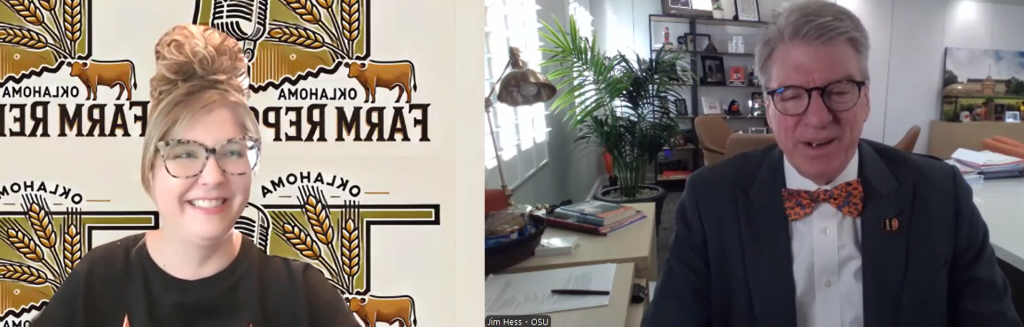

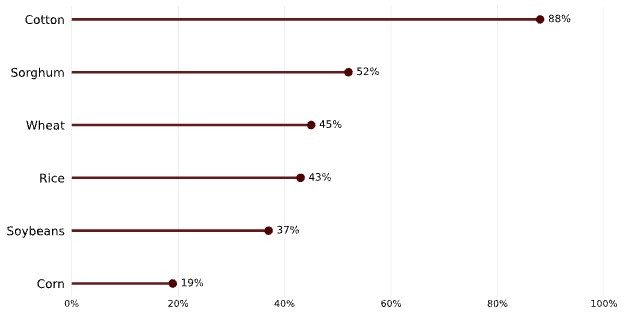
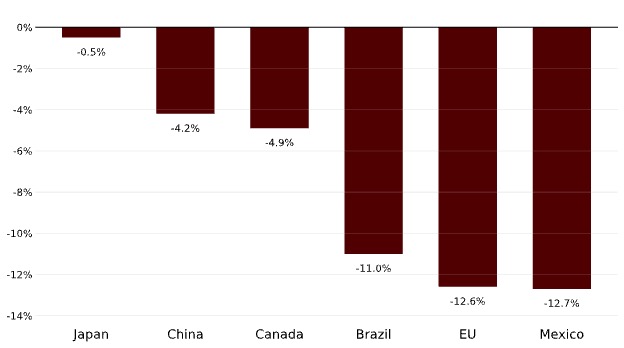
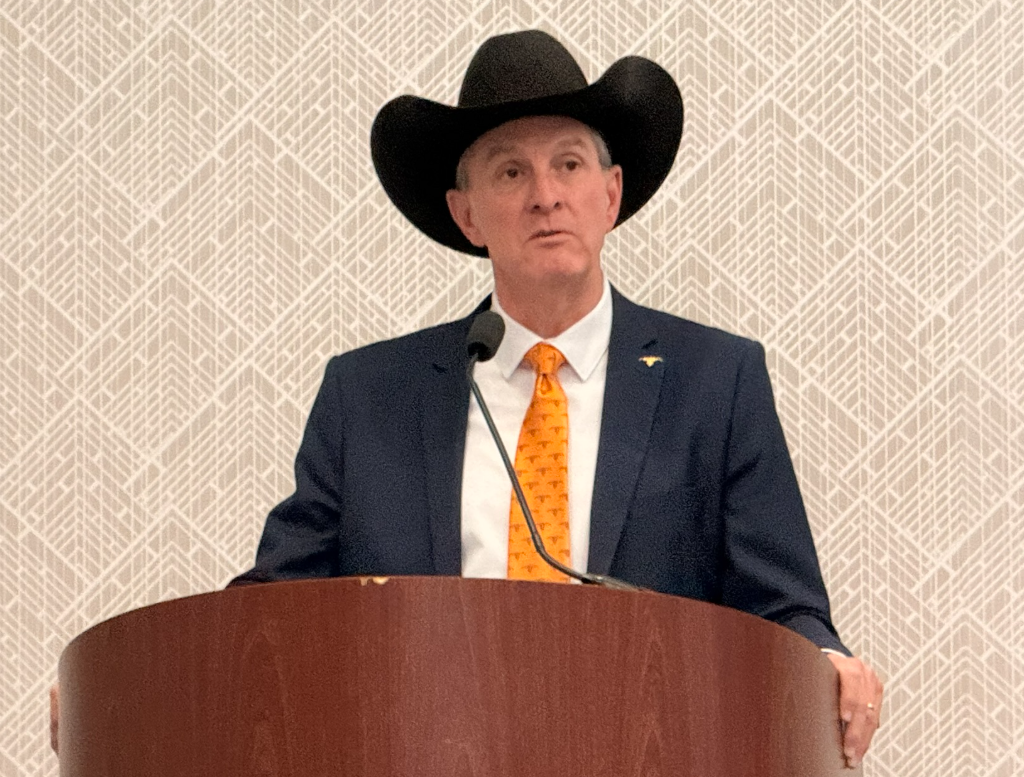
To view the 6-10 Day Precipitation Outlook Map, click here.

To view the 6-10 Day Temperature Outlook Map, click here.

To view the Monthly Drought Outlook Map, click here.

USDA Strengthens National Security and Protects Taxpayers by Standardizing Grant and Cooperative Agreement Requirements

 U.S. Secretary of Agriculture Brooke L. Rollins signed a Secretary's Memorandum directing all USDA agencies and staff offices to immediately adopt and implement the first-ever set of USDA General Terms and Conditions for all future awards. 

"Since Day One, the Trump Administration has been working to promote government efficiency, streamline unnecessary regulations, and eliminate waste, fraud, and abuse in all USDA programs. As we took action to eliminate radical left ideology and foreign adversaries within these programs, we quickly realized the herculean task of updating over 100 sets of terms and conditions, some of which didn't even have termination clauses, each time a new policy or priority was announced," said Secretary Brooke Rollins. "Today's action not only reduces government bureaucracy and makes it easier for USDA customers to access our programs, but it also strengthens our ability to take swift action when recipients and cooperators—and even recipients of subawards and subcontracts—are not compliant with Federal law and applicable Executive Orders."
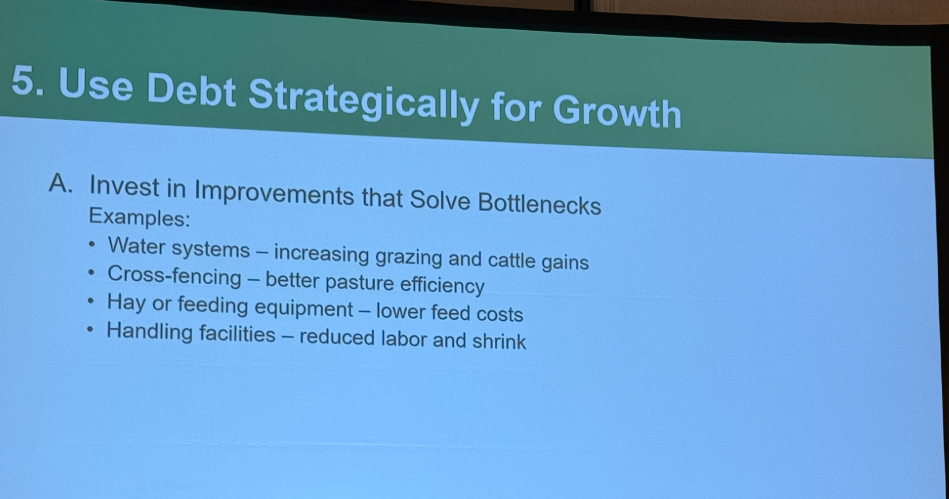
USDA administers an expansive grant and cooperative agreement portfolio, spanning 21 agencies and staff offices. In FY2025 alone, the Department distributed over $145 billion through 287 programs, resulting in nearly 38,000 new awards to farmers, ranchers, foresters, families, rural communities, small businesses, universities, and various other entities. Currently, there are 50,979 active awards across the entire USDA enterprise, underscoring the critical need for consistent oversight and accountability. 

Until now, every agency and staff office implementing these programs utilized a different version of terms and conditions when entering into arrangements with recipients and cooperators, resulting in over 2,200 pages of terms and conditions across over 100 different documents. This patchwork approach to award management at USDA has created unchecked paperwork burdens and barriers for producers and small businesses seeking financial assistance from USDA and also made it difficult to swiftly implement new policies and priorities across all programs. 

Under this new directive, all USDA grant, cooperative agreement, and mutual interest agreement programs will utilize the same terms and conditions, and award recipients and cooperators will only need to navigate 50 or less pages of requirements.

This action is an important step in the implementation of USDA's National Farm Security Action Plan and Executive Order 14332, Improving Oversight of Federal Grantmaking, as well as various other Executive Orders and Secretary's Memorandums that have been signed this year to establish a return to American principles and align the Department's focus towards its original objectives.


Ron salutes our daily email sponsors!

Upcoming Events

November

S M T W T F S
1 2 3 4 5 6 7
8 9 10 11 12 13 14
15 16 17 18 19 20 21
22 23 24 25 26 27 28
29 30          

Visitor Polls

Do you like the new website?
Add a Comment
(Fields are Optional)

Your email address is never published.