Ag News Archives for 2023-02

Another Record for OYE Entries as 2023 Show Opens Its Doors Next Week

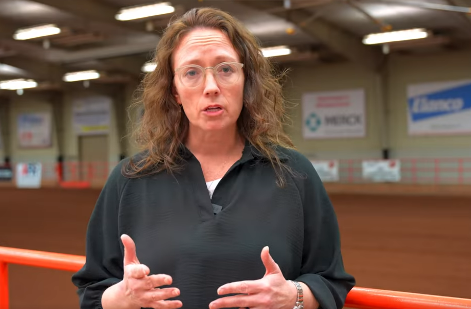
Ron Hays talks with Exec VP of OYE, Kass Newell

The stage is set for the 2023 Oklahoma Youth Expo coming up March 6th through the 17th at the Oklahoma City Fairgrounds. Kass Newell, Executive Vice President of the Oklahoma Youth Expo says "the entries are up again at the OYE by around 4,000 entries when you total everything together, which is incredible." She adds "it's the biggest jump that I have ever seen for OYE."

She adds "to no surprise, the hogs are up the most of anything again this year for both gilts and barrows." Over eighteen thousand gilts and barrows have been entered for the 2023 event.

Kass says she is especially excited about the big jump in entries for the Ag Mechanics contest- up 117 entries from 2022 to 269 for this year- and they have rented extra space to accommodate the much larger contest. This is the fourth year for the Ag Mechanics contest at OYE- Superintendent Jerry Renshaw has expected continued growth- and that is the case in a big way this year.

Oklahoma Farm Report Senior Farm and Ranch Broadcaster Ron Hays talked with Kass Newell about the record breaking numbers, the expansion of the Ag Mechanics Show and the Construction that has now begun on the new coliseum on the grounds- click on the Listen Bar to hear their conversation.

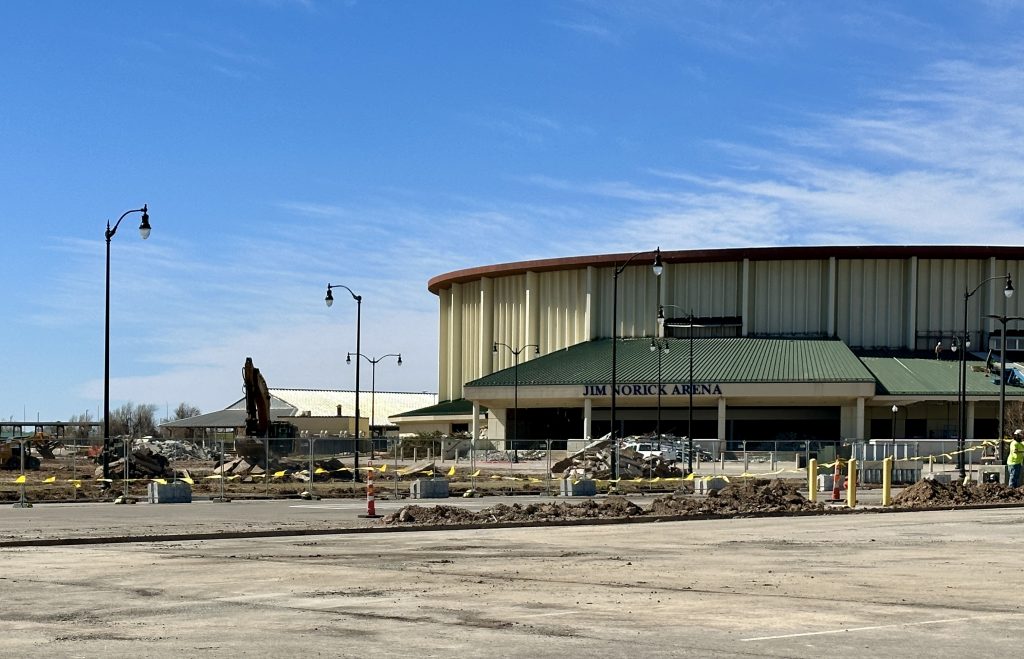
One of the biggest challenges for 2023 is the physical status of the Fairgrounds. They have begun the dirt work and digging up concrete where the new Arena will be located just east of the Jim Norrick Arena- and that will impact the traffic flow and reduce close parking this month. That will especially be the case the first weekend when both OYE and the state Basketball Tournament will be happening. OYE will be unveiling a video for exhibitors to study to help them navigate the traffic flow.

Concrete removal and early dirt work underway for new Arena at OKC Fairgrounds

With the entry deadline now passed- the numbers of animals that are eligible to come to OYE by being entered have jumped by almost 4,000 from 2022 and right at 6,000 compared to 2021. 28,836 entries were received into the OYE office- and based on percentages entered versus those who have arrived at the Fairgrounds over the last couple of years- record large shows in all the barns will likely happen here in 2023. 8,068 exhibitors have submitted these entries, representing all 77 Oklahoma Counties. That's an increase of 569 exhibitors over those submitting entries last year.

Breaking down the entries by species and division and the increase over 2022:

Market Steers 956 +66

Breeding Heifers 2175 +220

Breeding Gilts 8961 +1223

Market Barrows 9279 +1651

Breeding Ewes 1459 +196

Market lamb 2501 +228

Market Goats 1605 +251

Does 1631 -15

Ag Mechanics 269 +117

The first show is the Ag Mechanics contest on Wednesday morning, March 8th at 8:00 AM. The first of the livestock shows is Thursday morning when the MoorMan's ShowTec Commercial Breeding Gilt Show in Barn 6 in the Performance Arena- the first gilts to show will be the Dark Cross.

Click here for the complete schedule.

Our coverage of the 2023 Oklahoma Youth Expo is sponsored by Hilliary Communications- who deliver the latest cutting-edge communications services supporting tens of thousands of customers across 22 counties throughout Oklahoma, Texas and Iowa. The company offers internet, voice and HilliaryTV. Hilliary Communications continuously researches the marketplace for innovations and strives to improve underserved areas, offering services that exceed customer expectations. Click here to learn more about Hilliary Communications.

NCBA Calls Again for Immediate Halt to Brazilian Beef Imports

Last week, Brazil reported another atypical case of bovine spongiform encephalopathy (BSE) to the World Animal Organization for Animal Health (WOAH). That report indicated 35 days elapsed between when the case was first identified on January 18, 2023, and the date it was confirmed on February 22, 2023. This represents an unacceptable delay that is in clear violation of WOAH reporting requirements. It is clear that Brazil is incapable of prompt testing and the reporting requirements that all nations must follow when engaging in international beef trade. Because of a repeated pattern of delayed reporting, the National Cattlemen's Beef Association (NCBA) is calling on Secretary of Agriculture Tom Vilsack to take immediate action to indefinitely suspend beef imports from Brazil until it has made systemic reforms and takes necessary steps to restore confidence in the nation's ability to participate in the global beef supply.

"We have seen Brazil repeatedly fail to meet the 24 hour requirement for reporting of animal diseases listed by WOAH. In order to protect the safety and security of the U.S. herd, and American cattle producers, we demand USDA take immediate steps to block further beef imports from Brazil," said NCBA president and South Dakota cattleman Todd Wilkinson. "Furthermore, we expect USDA to keep the border closed to Brazil until they can demonstrate that they are willing and able to play by the trade rules that govern all other nations. If they can't play by the rules, they don't deserve access. Secretary Vilsack needs to act now, rather than kicking the can down the road."

Yesterday, NCBA sent a letter to USDA, demanding immediate action on this issue. NCBA is also supportive of bipartisan Senate legislation to suspend Brazilian beef imports pending a review of Brazil's standards.

"For too long, American cattlemen and women have honored the laws governing international trade, promoting fair and equitable standards, only to have nations like Brazil ignore those same standards.  Brazil cannot be allowed to benefit from the investments we have made to build a massive demand for beef around the globe," said Wilkinson. "If trade partners like Brazil fail to follow the rules, there must be consequences, they must be painful and immediate."

NMPF Praises Re-Introduction of DAIRY PRIDE Act, Calls on Congress to Finish FDA's Job

NMPF commended a bipartisan group of senators, led by Sens. Tammy Baldwin, D-WI; Jim Risch, R-ID; Peter Welch, D-VT, and Susan Collins, R-ME, for re-introducing the DAIRY PRIDE Act, which would end the problem of consumer confusion of the nutritional content of plant-based beverages the Food and Drug Administration took inadequate steps to remedy last week. 

"DAIRY PRIDE is needed more than ever, now that FDA has offered guidance on the labeling of plant-based beverages that, while taking steps in the right direction, ultimately doesn't remedy the problem it seeks to solve, which is the proven confusion among consumers created when plant-based beverages steal dairy terms to make their products appear healthier than they really are," said Jim Mulhern, president and CEO of the National Milk Producers Federation. 

"FDA has acknowledged the problem of nutritional confusion without providing a complete solution," Mulhern said. "DAIRY PRIDE solves the problem by requiring FDA to enforce what its own standards of identity state: that 'milk' is a term reserved for animal products and that plant-based drinks or beverages shouldn't be allowed to use dairy terms in their labeling."

The Defending Against Imitations and Replacements of Yogurt, Milk, and Cheese To Promote Regular Intake of Dairy Everyday Act" aka DAIRY PRIDE, requires FDA to enforce its standards of identity and would supersede the inadequate solution it offered last week, in which plant-based beverages could call themselves "milk" as long as they clearly state their nutritional differences with real dairy. While the long-awaited guidance acknowledges the need to address consumer confusion, it does not resolve the cause of the problem, which is imitators using dairy terms. The logical solution is to limit dairy terms to dairy products, which DAIRY PRIDE would achieve. 

FDA is accepting comments on its draft guidance until April 24. Meanwhile, DAIRY PRIDE introduction in the House of Representatives is expected within weeks.  "Consumers and dairy producers, along with their allies in the nutrition and health communities, thank Sens. Baldwin, Risch, Welch and Collins for their leadership in this important public-health issue," Mulhern said. "We look forward to working with our Senate and House champions to enact the DAIRY PRIDE Act during the 118th Congress."

Producers Urged to Complete the Census of Agriculture to Help Influence Ag for Years to Come

Click here to listen to KC Sheperd talk with Troy Marshall about the Ag Census

KC Sheperd, Farm Director, is visiting with Troy Marshall with USDA's National Agricultural Statistics Service, talking about the Census of Agriculture.

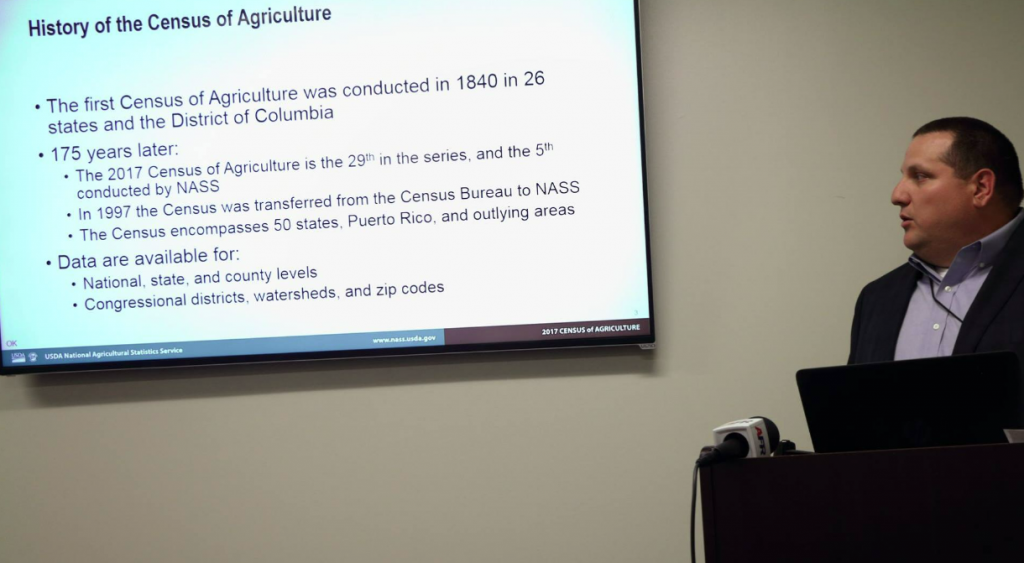
The Census of Agriculture, taken only once every five years, looks at land use and ownership, operator characteristics, production practices, income, and expenditures. For America's farmers and ranchers, the Census of Agriculture is their voice, their future, and their opportunity.

The census has been sent out, Marshall said, and the first due date was on February 6. Reminders are being sent out through the mail now, he added, for those individuals who have not responded to the questionnaire.

This year, Marshall said many individuals have been completing the survey online instead of sending it back in the mail. Marshall said he has received feedback that the questionnaire is easier online because you can select the information that applies to you and skip the rest.

The online version also sums up all of the totals and helps with completion, Marshall said, by pointing out something that may be off.

For those who have questions about the questionnaire, Marshall said there is a number provided on the census for customer service.

"We have people that are on the other end of the line that can help them go through that," Marshall said.

While the questionnaire may look daunting, Marshall said very few people actually need to fill out every section.

"We are collecting this across the whole country, so we have to build a questionnaire that fits everybody, and in Oklahoma, most of the time you are not going to fit into every one of those categories," Marshall said.

Information collected in the census, Marshall said, can be used to benefit producers through many avenues, such as future farm bills. This information, he added, is used to make decisions in individual counties all the way up to Washington, D.C.

"This is their voice," Marshall said. "This is producer's voices for their opportunity to say what is going on in agriculture, but it is also their opportunity for their future too. Not just the future of these producers, but the next generation to come. This really gives data to influence ag for years to come."

This data has been collected all the way back to 1860, Marshall said, so each year matters.

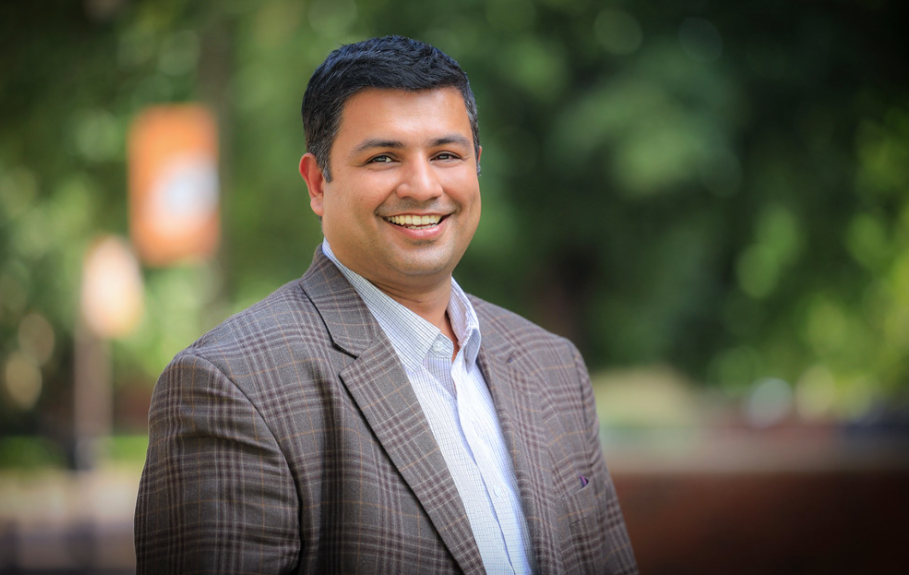
Ravi Jadeja recognized with Distinguished Early Career Faculty Award

By Kirsten Hollansworth

Ravi Jadeja, food safety specialist with the Robert M. Kerr Food and Agricultural Products Center at Oklahoma State University, recently was recognized for his efforts both in and out of the classroom.

During the OSU Awards Convocation, Jadeja recently received the Distinguished Early Career Faculty Award, which symbolizes his dedication to supporting the food and agricultural business sectors of Oklahoma by increasing food safety for consumers and assisting in the development of students for food industry careers.

He is a professor who enjoys sharing his expertise in the food industry with a sense of humor. He serves students and food industry clients in a variety of ways with classroom instruction, extensive research, and professional workshops at FAPC. 

"I am very grateful to Oklahoma State University for the award and opportunity to fulfill my lifelong passion for preparing the next generation of food industry leaders and assisting the industry through research and extension," Jadeja said.

Since 2015, Jadeja has worked in food safety for instruction to undergraduate and graduate students on campus. As an associate professor, he was awarded the Virgil & Marge Jurgensmeyer Endowed Professorship in 2021.

Roy Escoubas, FAPC director, said Jadja works daily to teach and train students about food safety and prepares them for successful careers in the food industry. He trains and teaches Oklahoma food industry personnel in food safety and how to consistently manufacture safe, wholesome and high-quality food.

"Ravi has a passion for assisting businesses and helping citizens to learn and grow," Escoubas said. "He is an asset to the Oklahoma food safety and compliance agencies as a partner to educate food inspectors and other representatives of the agencies to understand the science and technology behind the regulations and policies."

Jadeja has been appointed by the commissioner of the Oklahoma Department of Health to serve on the Food Service Advisory Council and offer recommendations to the Department of Health for food safety and food safety practices for the food service and restaurant industry in Oklahoma. He has created and developed eight new courses in OSU's Department of Animal and Food Science, all of which relate to food safety. 

"Ravi has taught 10 different courses all relating to food safety or quality management in the food industry and he excels in his academic appointment," Escoubas said. "He enjoys teaching and his enthusiasm and capabilities are easily observed by his students."

While at FAPC, Jadja has participated in more than 190 industry workshops, and served as the lead instructor in 110 of the workshops. He created 15 new workshops related to food safety and currently serves as the USDA State of Oklahoma HACCP coordinator.

"Ravi excels in support of the food industry in Oklahoma," Escoubas said. "He has engaged with food industry businesses to train or assist in hundreds of working food safety sessions and assisted 45 Oklahoma businesses to become food safety certified in third-party audit programs, allowing them to engage in the national and international commercial food trade."

During these last eight years, Jadeja has published three Patent Disclosures, one book chapter, 35 peer-reviewed journal articles, made 32 invited technical presentations at national and international meetings and conferences and authored 43 food safety articles in the national popular or trade press. He holds 15 national and international certifications in food safety. He also received over $10.6 million in grant funding from federal, state and private industries to support his teaching, Extension, and research programs. 

"As a highly motivated educator and scientist, Ravi has a passion for science and discovery," Escoubas said. "He seems to be at his best when working with food industry personnel and can easily align with employees who work in the plants, or with leaders who own and operate the businesses. He is an asset to FAPC and a great ambassador for the university."

Jadeja is active in the advising of undergraduate students, including 12 undergraduate research scholars, five high school research scholars, and served as the chair for two doctoral and 14 Master of Science graduate student committees.

"His undergraduate and graduate students quickly find employment because of his excellent mentoring," Escoubas said. "He mentored 15 visiting scientists and scholars from Japan, Central America, Europe, and India."

Cristina Popovici, Fulbright Research Scholar, earned her doctorate in food science from Technical University of Moldova and currently is a visiting scientist at FAPC.

"It is difficult to describe in words Ravi's support and help in the period of my transition as a visiting scientist," Popovici said. "From the very beginning of my arrival in the United States, he made me feel so welcome from the moment he picked me up from the airport and helped me with accommodations."

Popovici and Ravi currently are working on a research project to develop a new product for people with Type 2 diabetes. Together, they researched the development of novel pecan milk ice cream for people with Type 2 Diabetes.

"I had the opportunity to visit several food industry companies he is working with and to attend his high-level workshops focused on food safety issues," Popovici said. "It is important to have the opportunity to work with highly motivated, intelligent and hardworking people like Ravi, for which I am sincerely thankful."

FAPC, a part of OSU's Division of Agricultural Sciences and Natural Resources, helps to discover, develop and deliver technical and business information that will stimulate and support the growth of value-added food and agricultural products and processing in Oklahoma.

USDA Receives Equity Commission Interim Recommendations

Initial report from the USDA Equity Commission's Agriculture Subcommittee provides 32 recommendations to remove barriers to inclusion and access at USDAUSDA also provides update to the Commission and to the public on its progress in addressing these challenges, which the Commission's work will help to further inform.

The U.S. Department of Agriculture (USDA) Equity Commission presented its 2023 Interim Report to Agriculture Secretary Tom Vilsack today. Since its launch in February 2022, the USDA Equity Commission, which is comprised of independent members from diverse backgrounds who have a personal or professional interest in USDA's mission and services, has been working to identify how changes to USDA programs, policies, systems and practices can help lift barriers to inclusion or access and address systemic discrimination or racial, economic, health and social disparities.

Today's report is informed by the work of the Commission and its Subcommittee on Agriculture. It identifies a wide-ranging set of recommendations for ways USDA's headquarters operations, field offices across the country, and its various program areas can make changes to better serve the unique needs of the Department's many and diverse stakeholders. The Equity Commission will publish a Final Report, which will also include recommendations from its Rural Community Economic Development Subcommittee, by the end of 2023.

"This important and insightful report from the Equity Commission will be invaluable to me and USDA staff as we continue to make the People's Department one that lifts up everyone we serve, not just a few," said Agriculture Secretary Tom Vilsack. "USDA is committed to turning the tide and ensuring those who seek access to land, capital, markets, nutrition assistance and agriculture education and experience can do so, regardless of their background. We're confident the work of the Equity Commission will bolster our efforts to realize lasting change at USDA and are grateful to the members for taking on this work."

Authorized and funded by the American Rescue Plan Act, the Equity Commission is an important component of the Department's and President Biden's vision to Advance Racial Equity and Support for Underserved Communities Through the Federal Government.

In addition to publicizing today's report, USDA shared with the Commission and with the public an update on steps it has taken under Secretary Vilsack's direction to improve equity and access and eliminate barriers to its programs for underserved individuals and communities. The report will inform USDA's and the Equity Commission's ongoing dialogue as the full 2023 report is finalized. Both documents can be accessed at usda.gov/equity, where USDA will continue to share updates on its progress.

"The Equity Commission's recommendations address issues that are not new to USDA, but they do require a renewed commitment to improve access to programs and services for all stakeholders and communities, inclusive of people of color, farm workers, women, Tribal and Indigenous communities, individuals with disabilities, individuals with limited English proficiency, rural communities, and LGBTQI+ communities," said Arturo S. Rodriguez, co-chair of the Equity Commission and United Farm Workers President Emeritus. "USDA has committed to reviewing the recommendations and identifying requirements for implementation, and we look forward to seeing continued progress and lasting change that will benefit all its customers."

The Commission's 37-page report and its findings are based on the personal experiences and expertise of its members, their collaborative and in-depth review of USDA's programs and practices, and stakeholder input solicited through a series of four public meetings. Examples of the recommendations include, but are not limited to, offering new sources of capital to owners of heirs' property and fractionated land, as well as steps to prevent the creation of these types of property to reduce barriers to USDA programs in the future; making USDA's County Committees, which are an important mechanism for connecting USDA's programs with farm communities, more equitable, representative, accountable and transparent; and improving language access for linguistically and culturally diverse communities trying to access USDA programs and services.

These recommendations were introduced by the Equity Commission and its Agriculture Subcommittee and voted on at the Commission's most recent public meeting in early February.

The Equity Commission has been co-chaired by Deputy Secretary of Agriculture Jewel Bronaugh and United Farm Workers President Emeritus Arturo S. Rodriguez. It is comprised of 14 additional members, appointed by the Secretary of Agriculture, who are not USDA employees but who have a shared commitment to ensure USDA is a diverse, equitable, inclusive and accessible organization that upholds its commitment to civil rights and effectively advances racial justice and equity. The Equity Commission works in partnership with two subcommittees, one focused on agriculture that is comprised of 13 members, and a second focused on rural community and economic development comprised of 12 members. The subject matter experts on the subcommittees have been instrumental in developing recommendations on how to optimize USDA programs for the Equity Commission—the formal and official voting body—to consider, refine, adopt and include in this report. Equity Commission member Ambassador Ertharin Cousin will assume the role of co-chair with Mr. Rodriguez upon Deputy Bronaugh' s departure from USDA. Dr. Dewayne Goldmon, Senior Advisor for Racial Justice and Equity at USDA will join the Commission as an ex-officio member to ensure the Commission maintains ample visibility into efforts underway at USDA.

USDA touches the lives of all Americans each day in so many positive ways. Under the Biden-Harris Administration, USDA is transforming America's food system with a greater focus on more resilient local and regional food production, promoting competition and fairer markets for all producers, ensuring access to safe, healthy and nutritious food in all communities, building new markets and streams of income for farmers and producers using climate-smart food and forestry practices, making historic investments in infrastructure and clean energy capabilities in rural America, and committing to equity across the Department by removing systemic barriers and building a workforce more representative of America. To learn more, visit www.usda.gov.

NACD Solicits Applications for its Historically Underserved Farmer-to-Farmer Outreach Grant Program

Today, the National Association of Conservation Districts (NACD) issued a Request for Applications (RFA) to solicit proposals for historically underserved farmer-to-farmer outreach and on-the-ground projects that mitigate hypoxic conditions in the Gulf of Mexico. Projects are expected to include water quality, habitat restoration, and sustainable forest management initiatives.

The objectives of this grant program are to:

  • Work directly with Native American and/or historically underserved producers on novel or innovative techniques, methods, or approaches that reduce non-point source pollution and increase the sustainability and resiliency of their operations;
  • Leverage community-based partnerships to increase knowledge sharing and collaboration;
  • Collect and analyze data to demonstrate the results of funded projects; and
  • Disseminate results to the community to inform future conservation practices and expand adoption of the most cost-effective and sustainable approaches.

NACD expects to award up to $2.7 million in grants that range from $75,000 to $250,000. Projects must be located in TX, MS, AL, and portions of FL, GA, NM, and CO that are in the Gulf of Mexico watershed.

Applications must be submitted by an eligible entity. This includes conservation districts, their respective state associations or state agencies, Resource Conservation & Development Councils, Indian Tribal Governments, and intertribal consortia.

The strength and diversity of local partnerships and collaborations will be evaluated. Interested parties are encouraged to develop projects with their local conservation district or another eligible entity.

Applicant Resources:

The RFA, frequently asked questions, and other information can be found on NACD's webpage.

NACD will host an informational webinar on March 7, from 2 to 3:30 PM ET.  Registration is required. 

Pre-applications will be accepted through April 21, 2023, 11:59 PM ET. It is anticipated that final applications will be due on June 9, 2023 with selections late summer 2023.

Agriculture Workforce Coalition Statement on Adverse Effect Wage Rate (AEWR) Methodology

"The Agriculture Workforce Coalition (AWC) is deeply concerned about the Department of Labor's publication of the new methodology to calculate the Adverse Effect Wage Rate (AEWR) for the H-2A program. The new calculation dramatically increases costs for producers utilizing the program and will place an undue burden on family farms which are already facing a multitude of challenges, including the impact of high input costs, foreign competition, market volatility, and adverse weather. It will make it difficult for farmers to remain competitive and will serve only to further increase costs for domestically produced agricultural products.

"The AWC urges Congress to act without delay on ag workforce reform legislation. Farmers are committed to paying their employees a fair wage. The way the wage has and continues to be set is flawed and needs to be revised through provisions to reform the H-2A guest worker program, including the wage calculation."

About the Agriculture Workforce Coalition
The Agriculture Workforce Coalition (AWC) unites over 70 organizations representing the diverse needs of agricultural employers across the country. AWC serves as the unified voice of agriculture in the effort to ensure that America's farmers, ranchers and growers have access to a stable and secure workforce.

The steering committee of the AWC consists of: American Farm Bureau Federation, AmericanHort, Florida Fruit & Vegetable Association, National Council of Agricultural Employers, National Council of Farmer Cooperatives, National Farmers Union, National Milk Producers Federation, USA Farmers, U.S. Apple Association, United Fresh Produce Association, Western Growers Association, and Western United Dairymen.

To learn more about AWC, visit our website at www.agworkforcecoalition.org.

Bullard bill to help state better monitor medical marijuana industry's water usage

The Senate Finance Committee approved legislation Monday clarifying that medical marijuana is not an "agricultural product" and therefore does not qualify for the state's agricultural sales tax exemption. Sen. David Bullard, R-Durant, said Senate Bill 133 is needed to clarify marijuana's status and to help the state be able to better track the industry's water usage.     

"In 2018, Oklahoma voters approved State Question 788, but they did not vote to allow medical marijuana to be exempt from the agriculture sales tax. While growers are not using the tax exemption, the law still needs to be clarified because the water usage of industries that do get the exemption can't be monitored by the state," Bullard said. "Marijuana grows use a lot of water and are causing problems for smaller, rural communities, so it's imperative that the state, our municipalities, and counties know exactly how much is being pulled for future planning and to protect local water sources."

Currently, agriculture products produced in Oklahoma and sold from or at a farm, orchard, or garden directly to consumers are provided a sales tax exemption. SB 133 would clarify that growing, processing, and harvesting medical marijuana would not qualify as an "agricultural product" as is defined for the agricultural sales tax exemption.

SB 133 now moves to the Senate floor for further debate.

Calling all Ag Entrepreneurs: Apply for Farm Bureau Ag Innovation Challenge

$165K in Startup Funds Available

The American Farm Bureau Federation, in partnership with Farm Credit, is seeking entrepreneurs to apply online for the 2024 Farm Bureau Ag Innovation Challenge. Now in its 10th year, this national business competition showcases U.S. startup companies developing innovative solutions to challenges faced by America's farmers, ranchers and rural communities.

Farm Bureau is offering $165,000 in startup funds throughout the course of the competition, which will culminate in the top 10 semi-finalists competing in a live pitch competition in front of Farm Bureau members, investors and industry representatives at the AFBF Convention in January 2024 in Salt Lake City, Utah.

"The future of agriculture and rural communities depends on successful innovation," said AFBF President Zippy Duvall. "Through the Ag Innovation Challenge, we're pleased to recognize start-up companies that provide solutions to problems facing rural America and support farmers in their mission to provide the food, fuel and fiber we all rely on."

Applications remain open through May 12, and the 10 semi-finalist teams will be announced Sept. 12. Each of the semi-finalist teams will be awarded $10,000 and a chance to compete to advance to the final round where four teams will receive an additional $5,000 each. The final four teams will compete to win:

  • Farm Bureau Ag Innovation Challenge Winner, for a total of $50,000
  • Farm Bureau Ag Innovation Challenge Runner-up, for a total of $20,000
  • People's Choice Team selected by public vote, for an additional $5,000 (all 10 semi-finalist teams compete for this honor)

Prior to the live pitch competition, the top 10 semi-finalist teams will participate in pitch training and mentorship from Cornell University's SC Johnson College of Business faculty, and network with representatives from the Agriculture Department's Rural Business Investment Companies.

Recent winners of the Ag Innovation Challenge include NORDEF, a company that developed technology to produce diesel exhaust fluid at the point of use (2023 Ag Innovation Challenge Winner) and Grain Weevil Corporation, a grain bin safety and management robot that improves farmer well-being by controlling risks and costs (2022 Ag Innovation Challenge Winner). Other examples of successful Ag Innovation Challenge participants, as well as detailed eligibility guidelines and the competition timeline, can be found at fb.org/challenge.

Entrepreneurs must be members of a county or parish Farm Bureau within their state of residence to qualify as top 10 semi-finalists. Applicants who are not Farm Bureau members can visit https://www.fb.org/about/get-involved#join to learn about becoming a member.

Applications must be received by 11:59 p.m. Eastern Daylight Time on May 12.

Ranking Member David Scott Opening Statement at Hearing "Uncertainty, Inflation, Regulations: Challenges for American Agriculture"

House Agriculture Committee Ranking Member David Scott delivered the following statement at today's hearing "Uncertainty, Inflation, Regulations: Challenges for American Agriculture."

[As prepared for delivery]
I would like to begin my comments by Congratulating Chairman Thompson as we start the 118th Congress and by stating how proud I am of the bipartisan work this Committee did last Congress to lay the groundwork for the 2023 Farm Bill.

We brought in Agriculture Secretary Vilsack to discuss the state of the farm economy in January of 2022 and followed that with 19 farm bill review hearings with stakeholders and other Administration officials.

We also held 5 listening sessions across the country where we got input from farmers and consumers about how farm bill programs were working for them.

In addition, we have an online feedback form which is still open and can be accessed on the House Agriculture Committee's website, both Democratic and Republican.

Through those hearings, we have been able to get constant and regular updates on what's happening on the ground and the needs of our farmers, ranchers and foresters.

And, what we must do to make sure we get the farm bill right for all producers across the country and to ensure we are tending to our oversight responsibilities.

This hearing today broadly refers to uncertainty, inflation, and regulations as the challenges producers are experiencing. And, as we discuss these important issues and get input from the witnesses today, I encourage my fellow Committee Members to place these problems in their proper context. We are still feeling the impacts of the pandemic on our supply chains. The COVID-19 pandemic disrupted manufacturing across the globe, and exacerbated labor shortages.

The Biden Administration has taken important actions to address these issues. President Biden signed the Ocean Shipping Reform Act last year and helped avert a rail crisis. And the President worked with Congress to pass two historic pieces of legislation: the bipartisan Infrastructure, Investment, and Jobs Act which included more than 2.9 billion dollars for USDA's rural broadband programs, water storage, and a new Bioproduct Pilot Program – the largest infrastructure investment ever.

That was followed by passage of the Inflation Reduction Act, which made historic investments in rural America to help our farmers and rural communities mitigate climate change and continue to lead the way on renewable energy. These investments in infrastructure and our farm bill and forestry programs will pay dividends for farmers well into the future.

We have also seen how international conflicts continue to reverberate throughout our economy. Former President Trump's trade war with China was devastating to many American producers and domestic manufacturers, and more recently the Russian invasion of Ukraine has had significant impacts on fertilizer, grain, and fuel costs. The cause of inflation isn't singular in nature; it is the result of a variety of factors.

And with that in mind, we should also strive to focus on the issues that are within the House Agriculture Committee's jurisdiction so that we can be the most impactful in our work ahead.

And, thank you to all of our witnesses for being here, I look forward to your testimony.

Taking a Look at Results from Pre-Plant Nitrogen Versus In-Season on Wheat Crops

Click here to listen to KC Sheperd talk with Brian Arnall about his wheat research

At the OGI Wheat Meeting, Farm Director, KC Sheperd had the opportunity to visit with Oklahoma State University Extension Specialist for Precision Nutrient Management, Brian Arnall. Sheperd and Arnall talk about researching the impact of nitrogen application on pre-planting.

"That data is over the last seven to ten years, and we are combining all my research to look at the value of pre-plant nitrogen versus everything in season," Arnall said. "That means everything in February, March or April applied nitrogen-wise."

In the study, which consisted of over 100 trials, Arnall said it was discovered that pre-planting nitrogen was better yielding than planting in season only a handful of times.

"The all-in season was better about 30 percent of the time, meaning that by waiting until February, March or April to apply the nitrogen, I was increasing yield 33 percent of the time over the pre-plant," Arnall said.

Another big win, Arnall said is that 60 to 70 percent of the time, the in-season was better protein-wise, with increases of over ten percent.

"Never once did pre-plant nitrogen have better protein," Arnall said. "It is just because we are running out of nitrogen when we plant that early."

Arnall also talked about what he learned in his research regarding applying nitrogen during drought.

"What I saw on farm and field is that the pre-plant during that drought typically died faster than the other fields died," Arnall said.

By delaying nitrogen and keeping those plants smaller, Arnall said crops tend to do better in drought conditions.

"You don't want big wheat going into a drought," Arnall said. "We run too much moisture out, it is too much stress. So, this nitrogen management, by delaying nitrogen, is keeping the plant smaller, managing our tillers properly, and more than likely, we think it is going to send out a better root, too, because it is trying to scavenge more water and nitrogen and it tends to be better in these drought conditions."

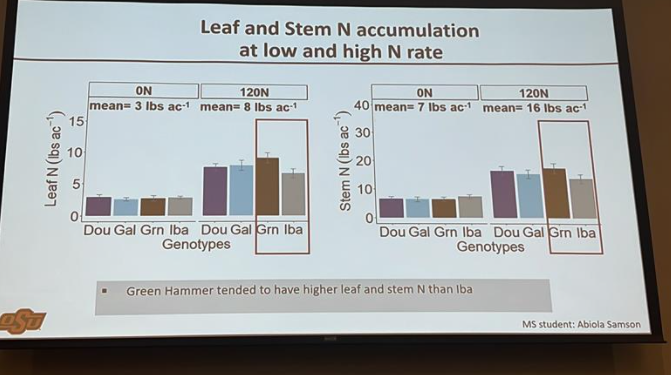
Another topic of interest, Arnall said, is understanding if different varieties of wheat perform better with different application rates of nitrogen.

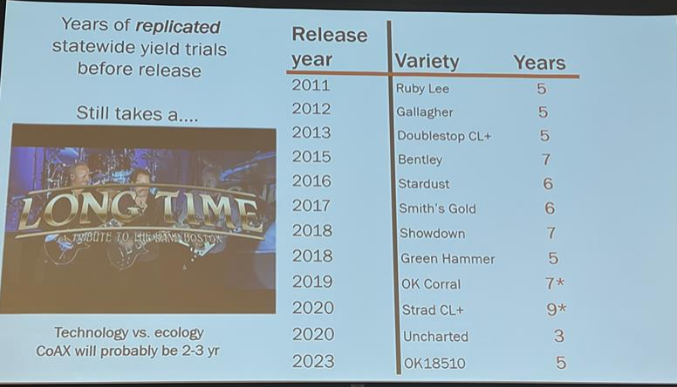
"This last year we saw that there were some that managed better without nitrogen," Arnall said. "They still lost yield, right, but it is the difference between low and high that was impressive, that they just held on better. Green Hammer came out of a low nitrogen trial in Tipton, and one of the first things about Green Hammer besides it's resistance that Brett (Carver) liked was that under almost no nitrogen it was outyielding everything else."

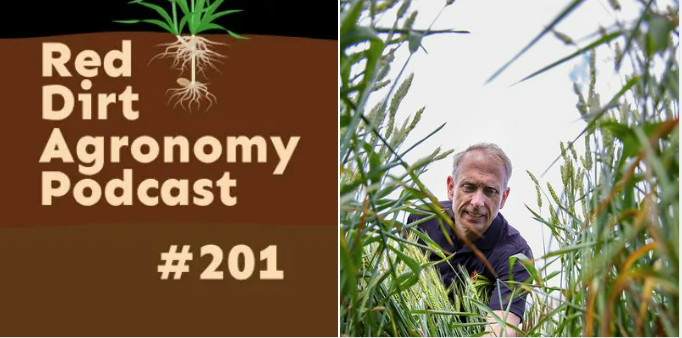
Arnall also talked about the Red Dirt Agronomy Podcast, which features Arnall, Josh Lofton, Jason Warren and Dave Deken talking about crop research and ideas that may help ag producers get the most out of their land, and what it is like to live in rural America.

"We try to bring in guests and we ask them the things we want to know as scientists and agronomists and researchers," Arnall said.

To visit the Red Dirt Agronomy Podcast website, click here.

Dairy Promotion Directors Elect Board Officers

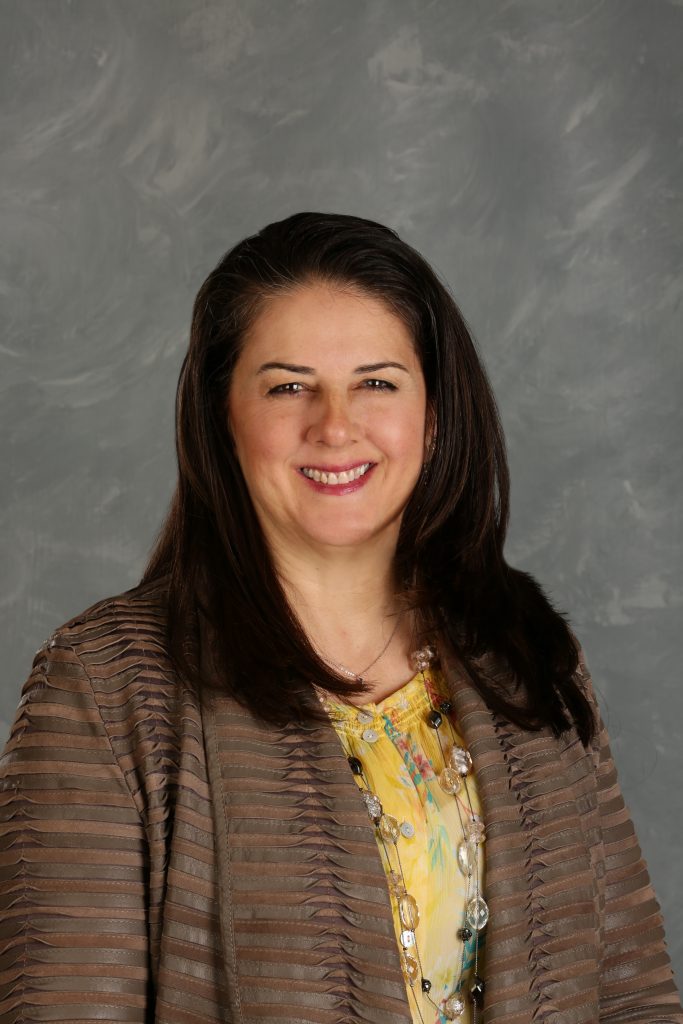
Marilyn Hershey

Leaders of Dairy Management Inc. (DMI), the National Dairy Promotion and Research Board (NDB) and the United Dairy Industry Association recently announced election results to lead national dairy checkoff strategies and programs to protect and grow dairy sales and trust.

"I'm honored to join my fellow farmers and importers across the country as we work together to advance a successful future for dairy farmers and the dairy community," said Marilyn Hershey, a farmer from Cochranville, Pa., who was re-elected chair of DMI. "The boards and elected officers represent our partnership as we unite to fund, govern and lead the national dairy checkoff program."

DMI, which manages the national dairy checkoff, is co-funded by NDB and UDIA. In addition to Hershey, other DMI officers elected are:

  • Vice Chair – Becky Levzow, Rio, Wisc.
  • Secretary – Skip Hardie, Groton, N.Y.
  • Treasurer – Orville Miller, Hutchinson, Kan. 

The NDB also elected the following officers:

  • Chair – Joanna Shipp, Boones Mill, Va.
  • Vice Chair – Doug Carroll, Ryan, Iowa
  • Secretary – Jim Reid, Grant Township, Mich.
  • Treasurer – Suzanne Vold, Glenwood, Minn.

The 37-member NDB, formed in May 1984 under the authority of the Dairy Product Stabilization Act of 1983, carries out coordinated promotion and research programs to help build demand and expand domestic and international markets for dairy products.

UDIA officers elected are:

  • Chair – Neil Hoff, Windthorst, Texas
  • 1st Vice Chair – Alex Peterson, Trenton, Mo.
  • 2nd Vice Chair, American Dairy Association – Tom Woods, Gage, Okla. (retired)
  • 2nd Vice Chair, National Dairy Council – Audrey Donahoe, Clayville, N.Y.
  • Secretary – Charles Krause, Buffalo, Minn.
  • Treasurer – John Brubaker, Buhl, Idaho

The UDIA is a federation of state and regional dairy farmer-funded promotion organizations that provide marketing programs developed and implemented in coordination with its members. The UDIA is overseen by a board comprised of dairy farmers elected by their respective state and regional boards of UDIA member organizations.

American Dairy Association officers elected are:

  • Chair – Tom Woods (retired)
  • Vice Chair – Glen Easter, Laurens, S.C.
  • Secretary – Jenni Tilton-Flood, Clinton, Maine
  • Treasurer – Corby Werth, Alpena, Mich.

Farmers and co-ops founded the American Dairy Association to promote U.S. dairy to consumers through advertising and retail promotions. ADA also fosters coordination of local promotion organizations.

National Dairy Council officers elected are:

  • Chair – Audrey Donahoe
  • Vice Chair – Jeff Hardy, Brigham City, Utah
  • Secretary – Harold Howrigan, Sheldon, Vt.
  • Treasurer – Michael Ferguson, Senatobia, Miss.

Since 1915, National Dairy Council has been a non-profit organization founded by dairy farmers and funded through the national dairy checkoff program. NDC has been, and will continue to be, committed to providing science-based education about the nutrition and health benefits that dairy foods provide.

Inside Look at Farm-to-Consumer Beef Production in Israel

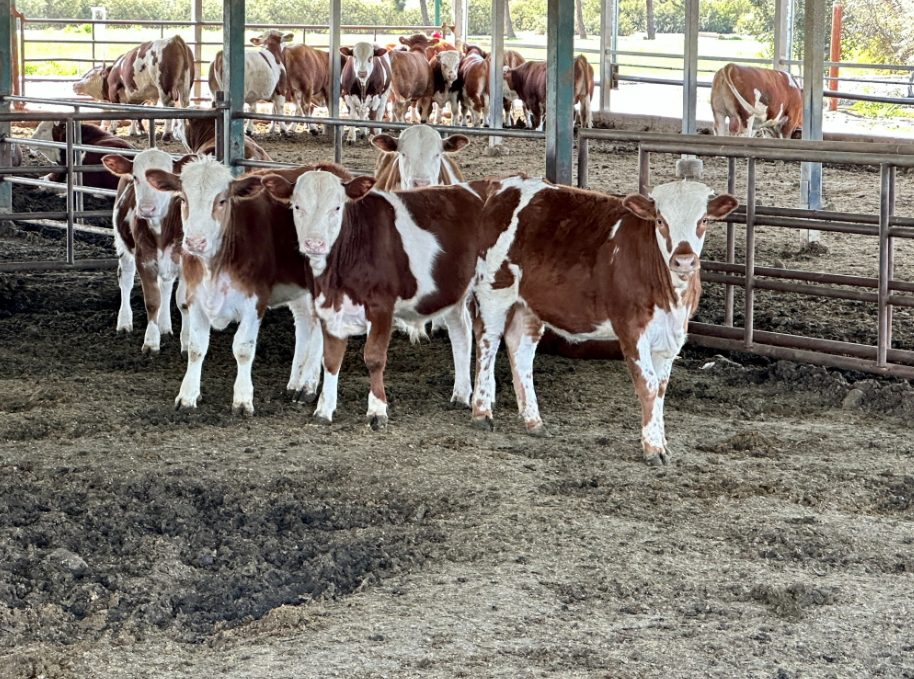
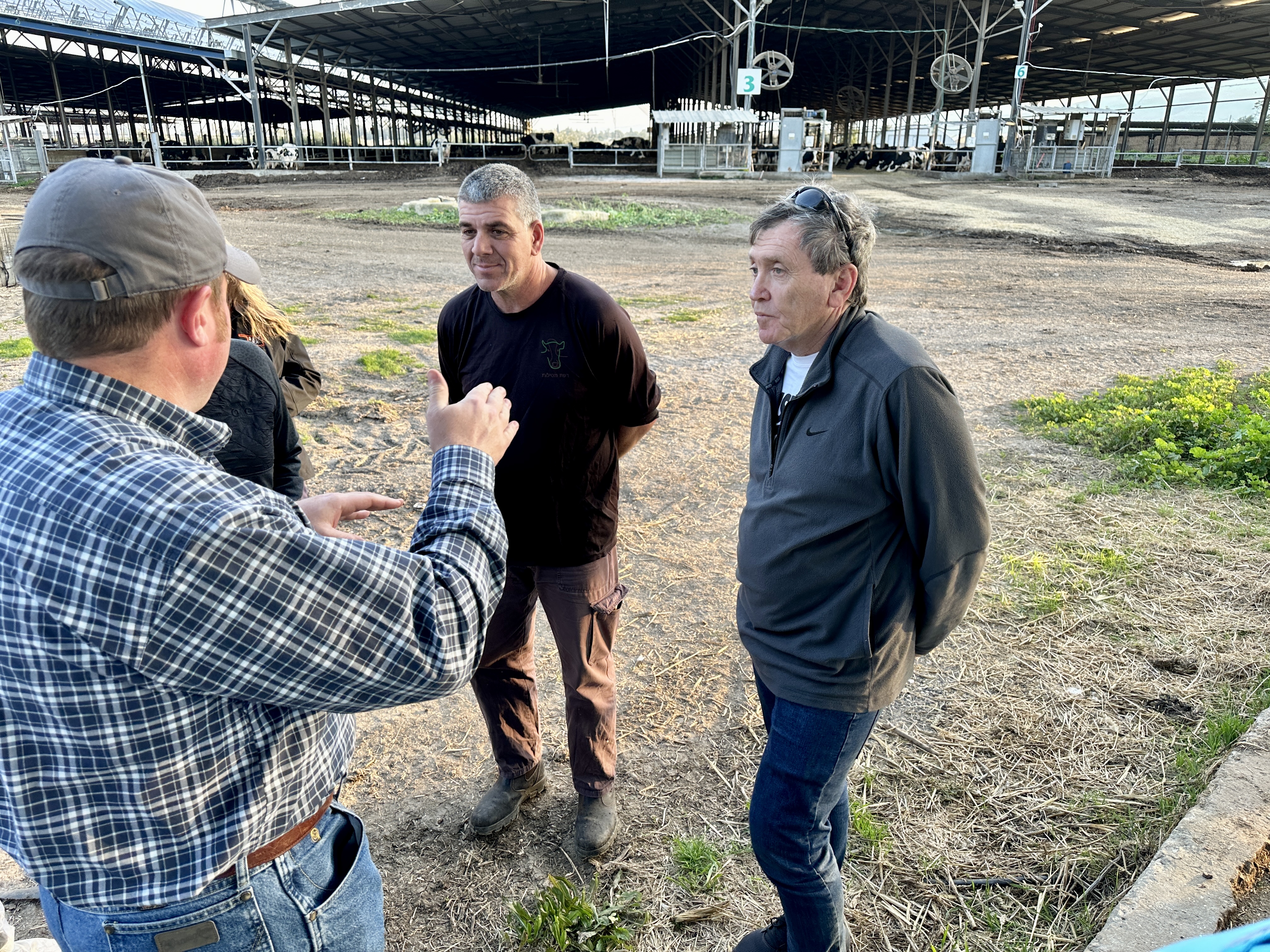
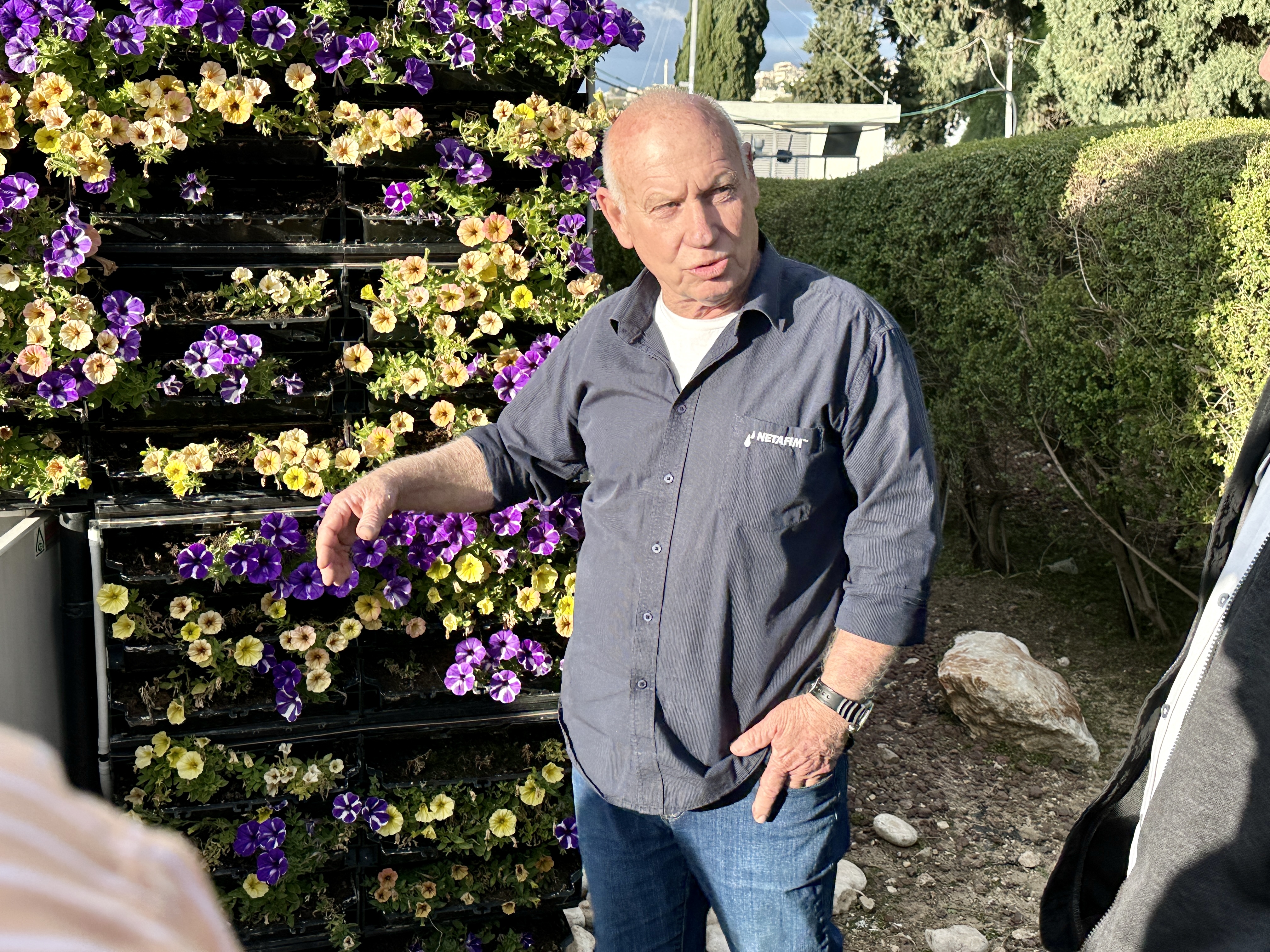
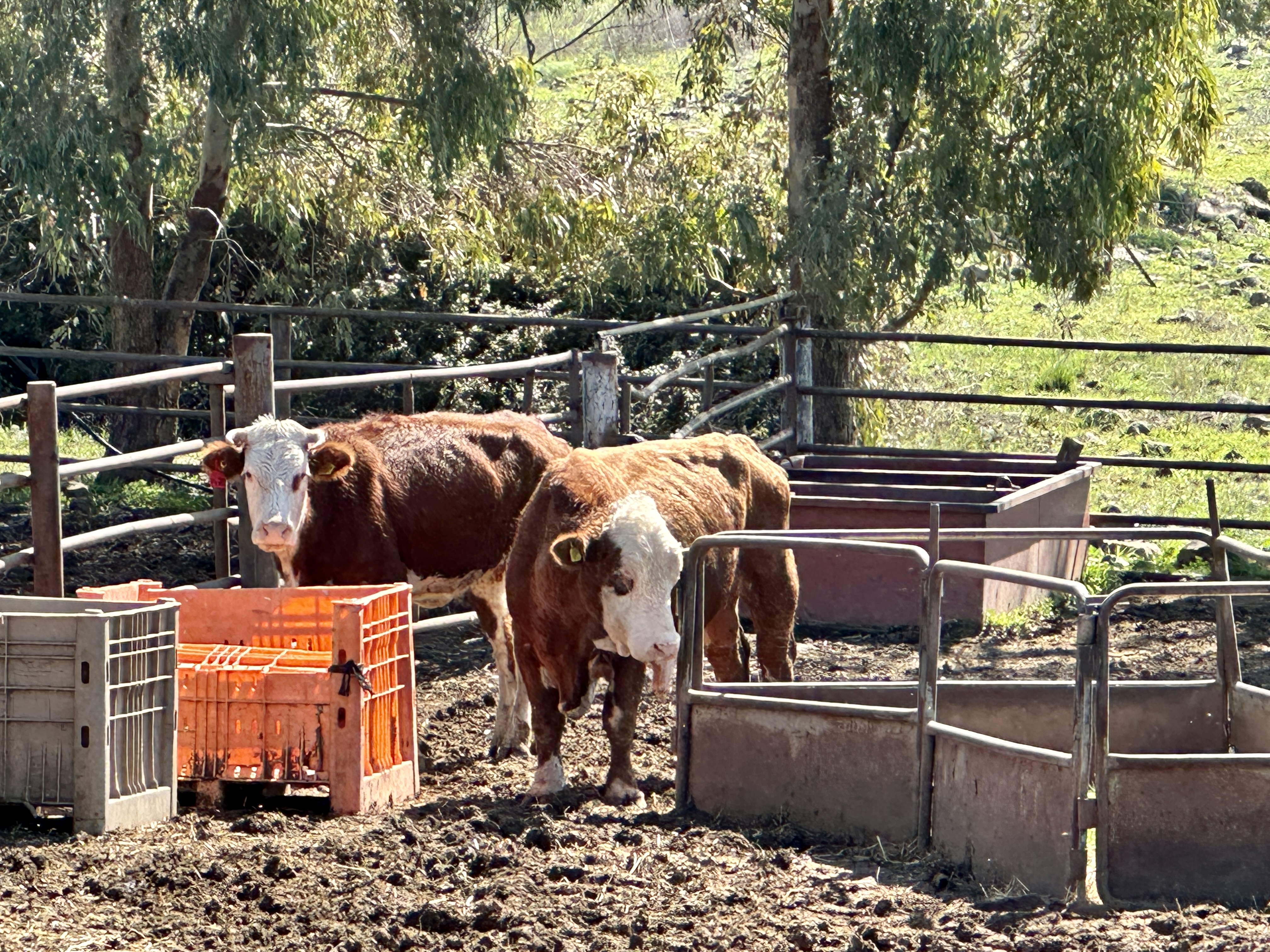
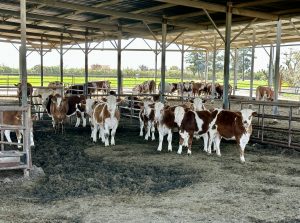
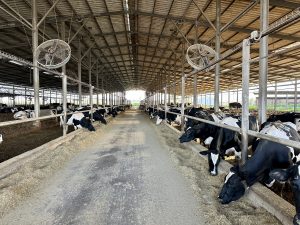
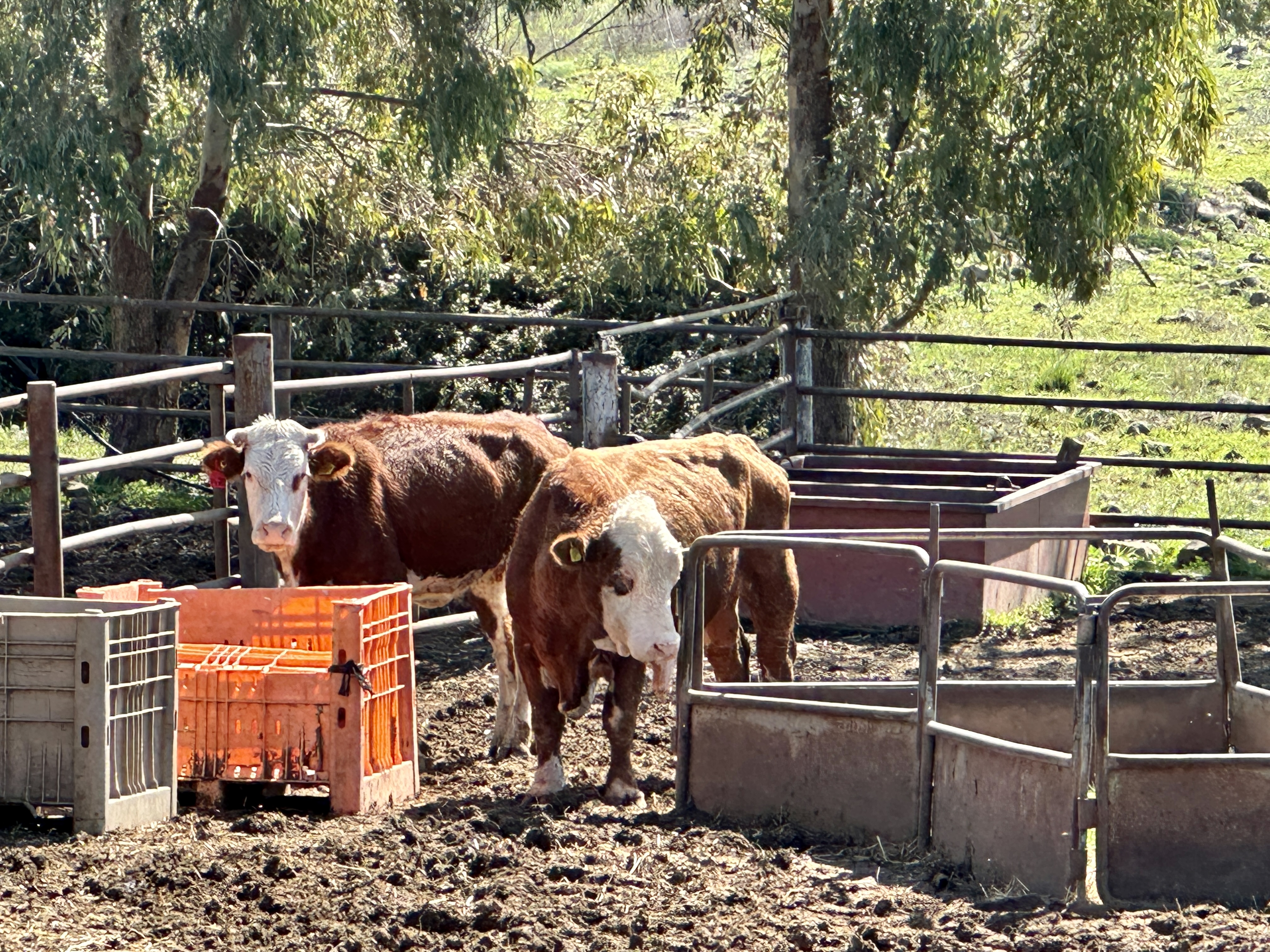
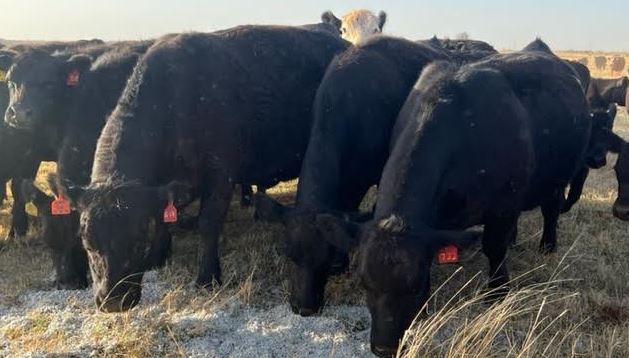
Beef cattle on the Moshav Eliyad in Israel

Listen to Ron Hays Beef Buzz with David Ankowe and Yair Ben Perez about beef cattle operations at the Moshav Eliyad

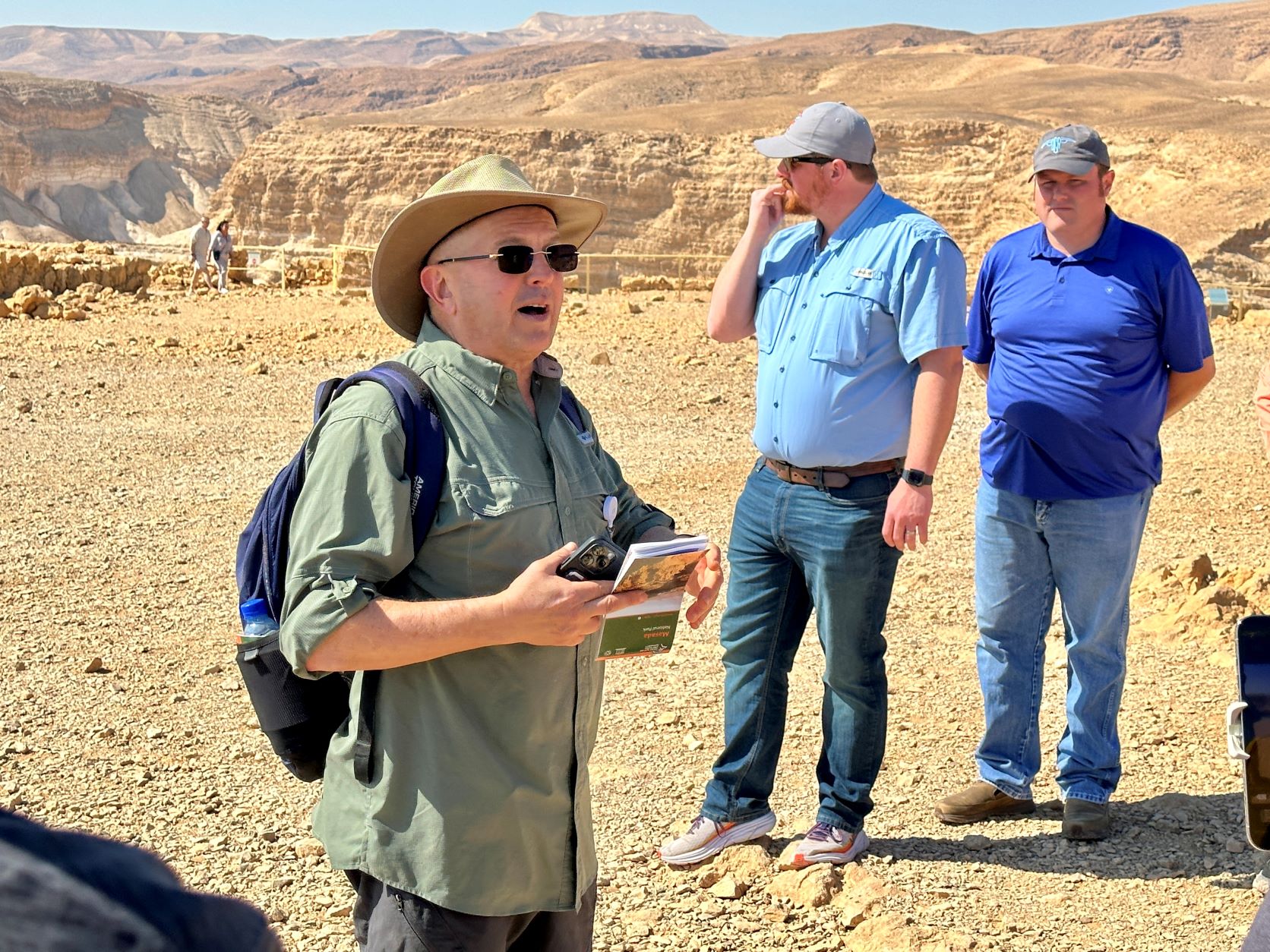
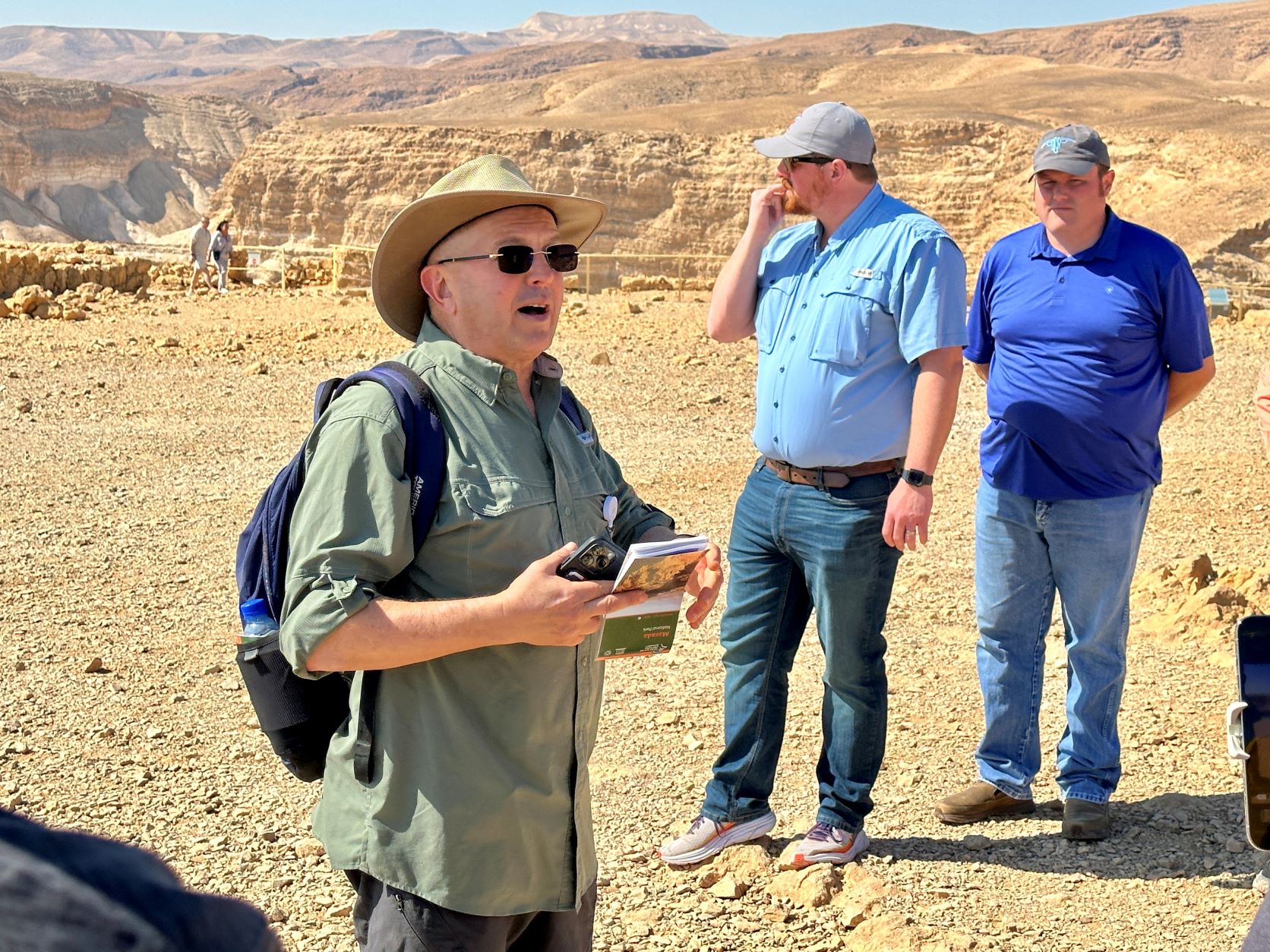
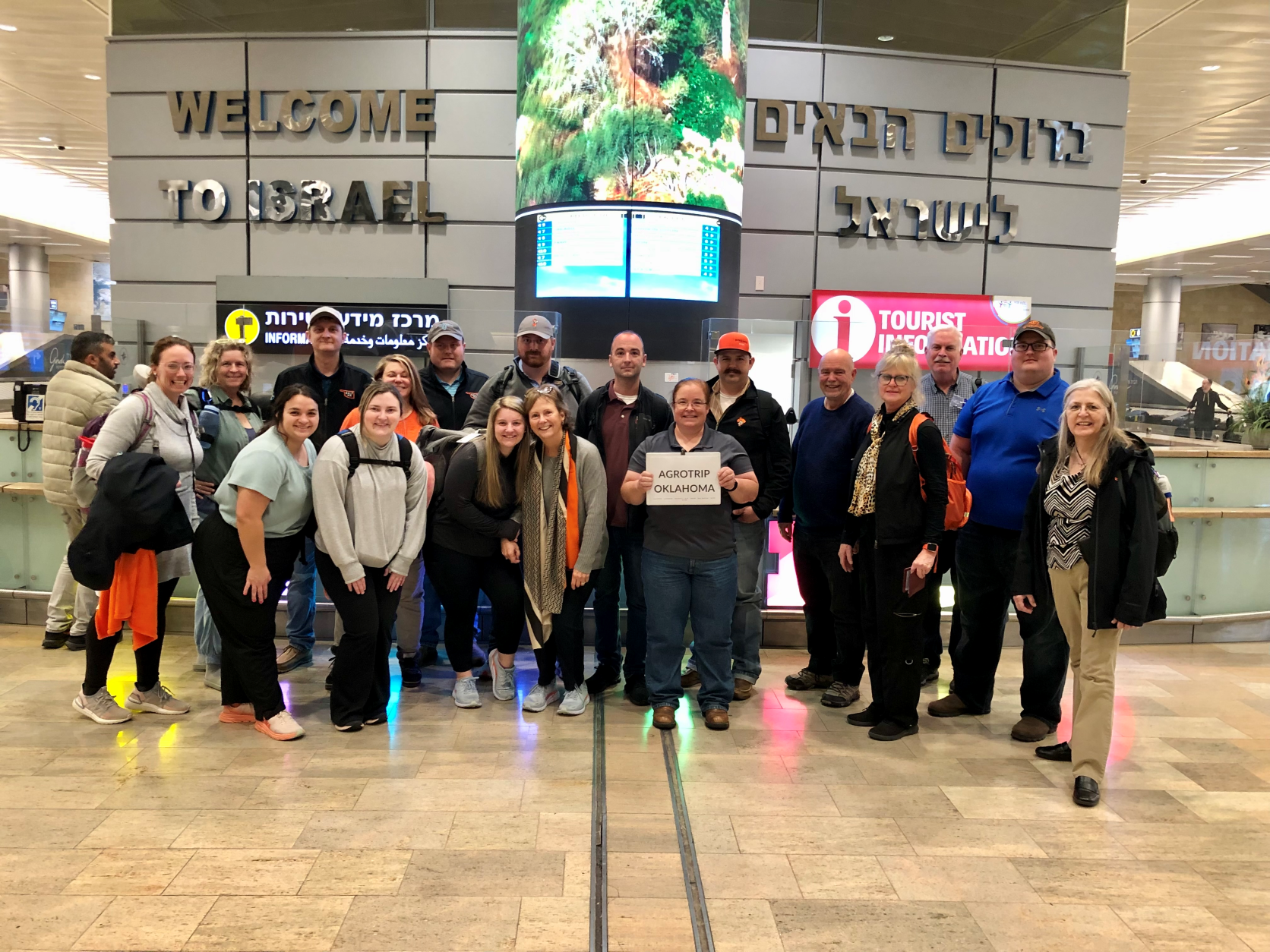
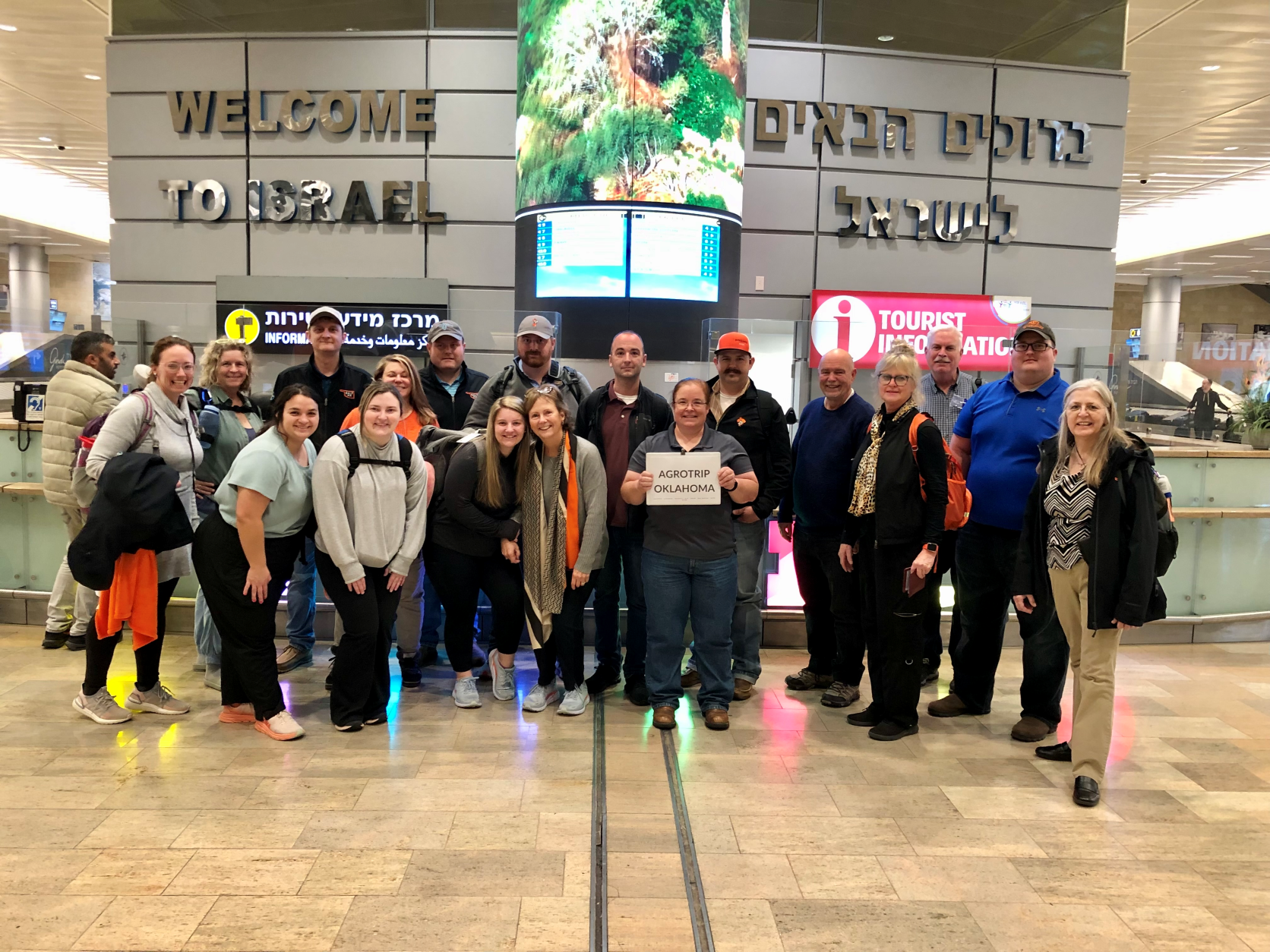
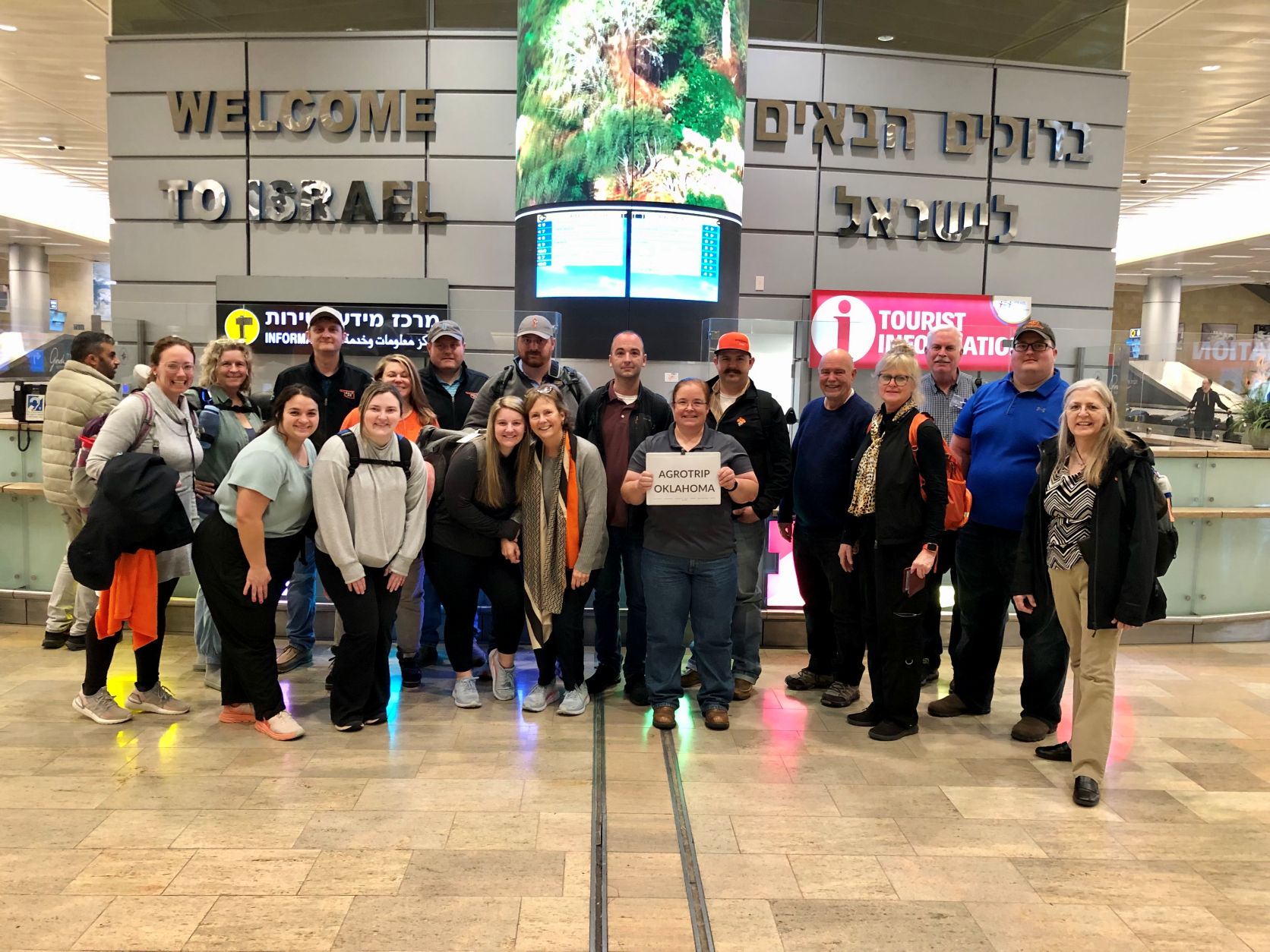
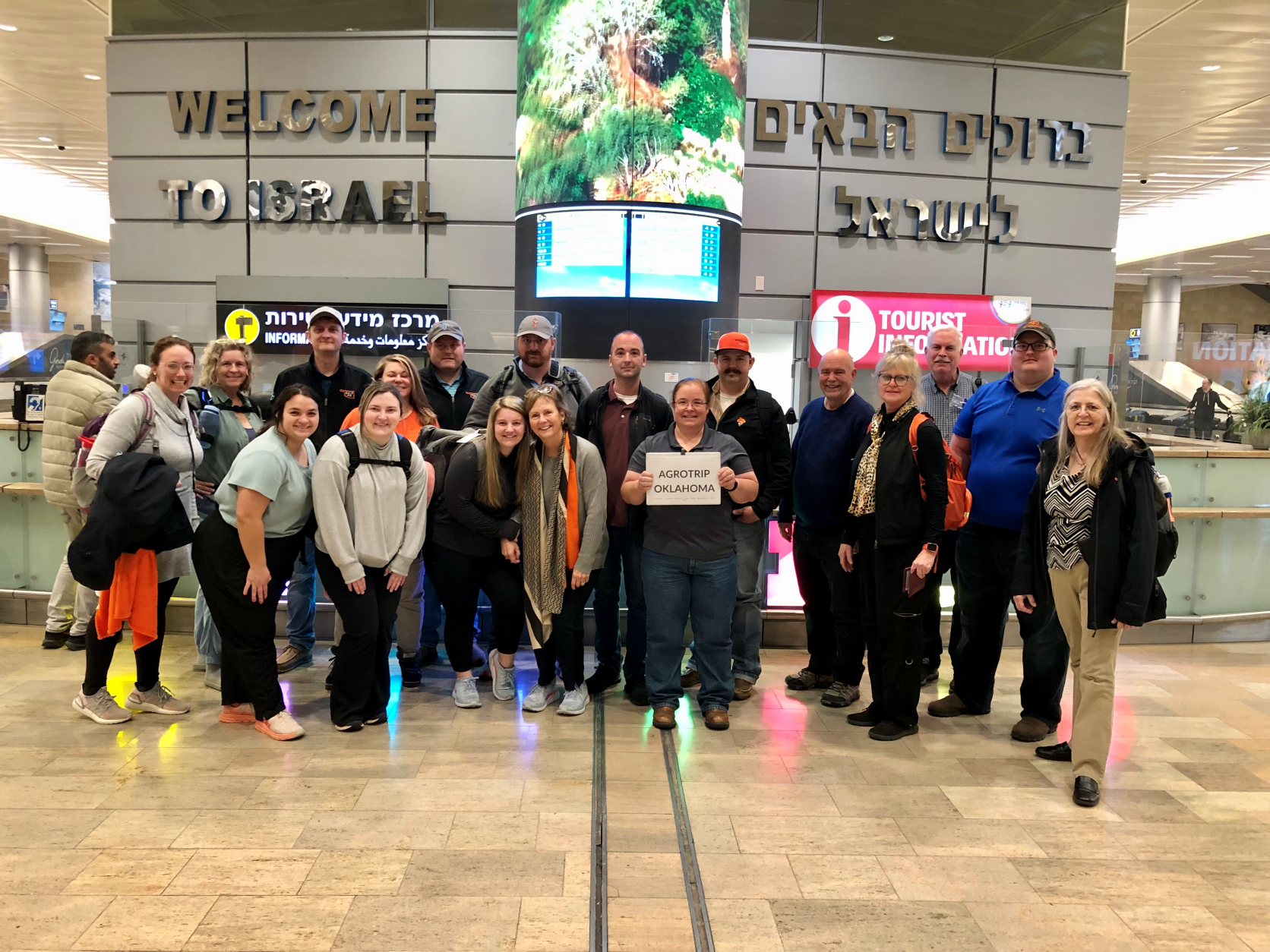
During the OALP Class XX trip to Israel, Senior Farm and Ranch Broadcaster, Ron Hays, got the chance to visit with David Ankowe and Yair Ben Perez of the Moshav Eliyad about beef cattle operations in Israel.

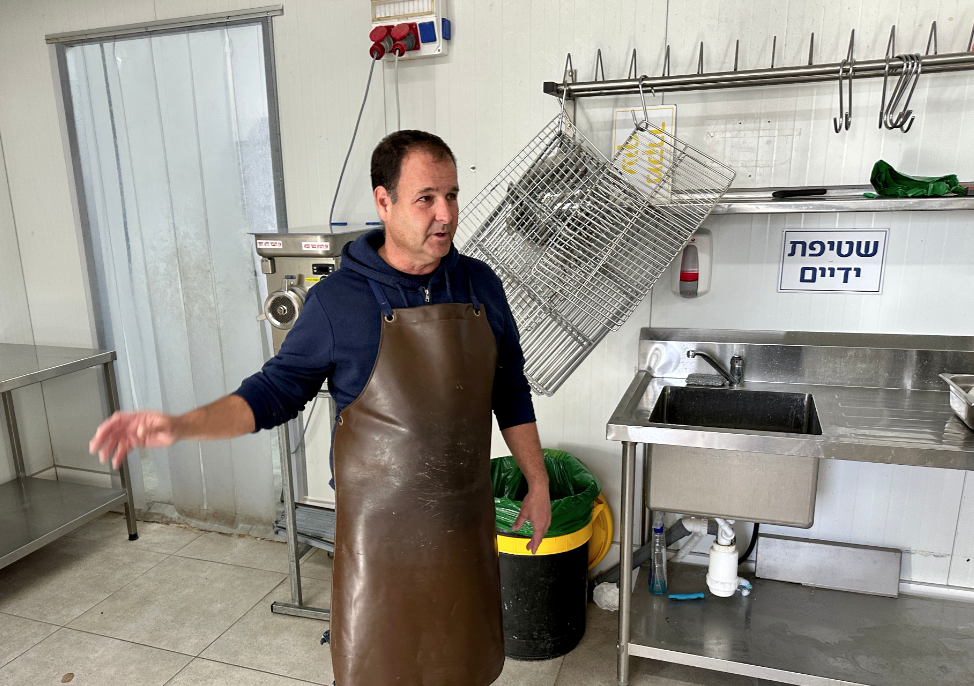
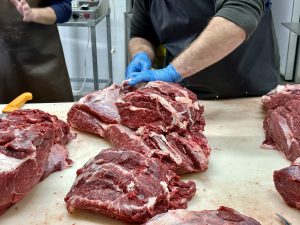
The Moshav Eliyad sells beef from the farm and straight to the consumer in-store and online. They have their own butcher shop and restaurant in the Moshav Cooperative.

The Moshav Eliyad is a cooperative farmers' village invented in Israel in the early part of the 20th century. As opposed to the more communal kibbutz, the members of the moshav preserve a relatively large degree of economic autonomy, but they do share various elements of mutual assistance.

David Ankowe, the Beef Grower Manager of the Moshav Eliyad, said the Moshav Eliyad cattle herd is built primarily around the British and Continental breeds.

They send their cattle to a slaughterhouse in Haifa, once per week, that follows Kosher laws, performs inspections, and has a veterinarian. Kosher laws only allow Jews to eat the front half of the cow, from the 13th thoracic vertebra forward, because the back half has large veins. The secular community will eat the back half. If they try to remove all the large veins, they lose 60% of the meat, but we were told that they will cut away certain tendons, which the Rabbi will certify the remainder as kosher.

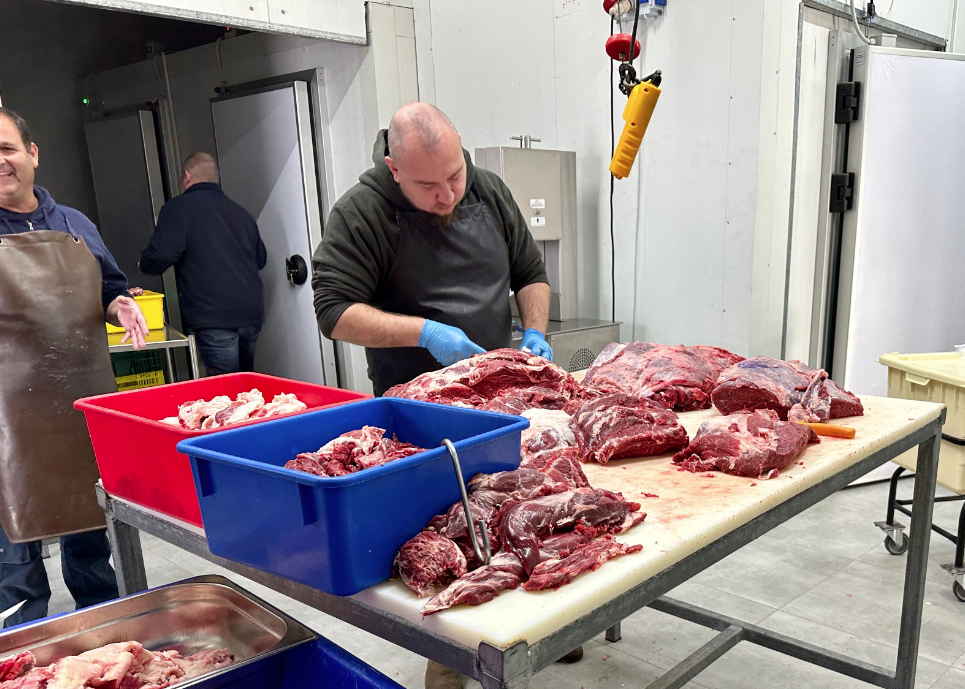
Butcher shop at the Moshav Eliyad

"The way we do the kosher slaughter, is basically, you have to turn the cow upside down, slice the main artery with one swift clean cut- you are not allowed to repeat the cut, otherwise, it won't be considered kosher- and then it will hang upside down to drain out all the blood and from there it will go further down the line to be dismantled," said Yair Ben Perez, butcher and chef at Moshav Eliyad "Over there they will check the inside parts of the beef to make sure the animal was healthy when it was slaughtered. Otherwise, again, it won't be kosher."

Perez said at the Moshav Eliyad, they have the opportunity to age the product to create high-quality cuts for the consumer to be sold in their butcher shop, restaurant, and online.

Ankowe told the Class that they can sell the significant trim demanded by Kosher standards to a non Jewish customer- but usually for a small price- making the Kosher process necessary but very costly to their bottom line. He acknowledged that being able to butcher their own beef and market it direct to consumers has saved their beef operation.

Yair Ben Perez

The Beef Buzz is a regular feature heard on radio stations around the region on the Radio Oklahoma Ag Network and is a regular audio feature found on this website as well. Click on the LISTEN BAR for today's show and check out our archives for older Beef Buzz shows covering the gamut of the beef cattle industry today.

March 31 Deadline Approaching for U.S. Cotton Growers to Enroll 2022 Crop in U.S. Cotton Trust Protocol

The U.S. Cotton Trust Protocol reminds growers to enroll and complete data entry for their 2022 crop as the March 31, 2023, deadline quickly approaches. 

Launched in 2020, the Trust Protocol was designed to set a new standard in more sustainably grown cotton. Producers enrolled in the Trust Protocol are eligible to participate in the Climate Smart Cotton Program, which will provide technical and financial assistance to 1,650 U.S. cotton farmers with acres available for Climate Smart practice changes. Growers also receive personalized data that can be used to help improve their sustainability efforts and yield, as well as gain closer communication with their end customer. 

"Sustainably grown cotton that is backed by verified data and measurable outcomes is highly sought after by brands and retailers," said Ted Schneider, a Trust Protocol grower from Louisiana. "While grower participation in the program has doubled since the program's pilot year, we need more cotton growers to enroll and complete their data entry before the deadline so we can meet the increased demand for sustainably grown U.S. cotton."

The Trust Protocol has welcomed more than 1,100 brand, retailer, mill and manufacturer members, including Levi Strauss & Co., Old Navy, Gap, American Eagle Outfitters, Inc., and J.Crew.   

With increased scrutiny on sustainability, the program provides access to more sustainably grown cotton for brands and retailers, and science based, data-led assurances that consumers can have confidence in — something that has been lacking in the industry to date.  

Data entered is secure and remains confidential, used only in aggregate form. Crop consultants can also be authorized to enter information on the grower's behalf. Additionally, the John Deere Operations Center can pre-populate up to 40% of the data needed to complete the Fieldprint analysis for those who utilize the platform. 

Growers should enroll and complete their data entry at TrustUSCotton.org by March 31st. Enrollment for the 2023 crop will open the second week of April. For help enrolling, contact   info@trustuscotton.org.

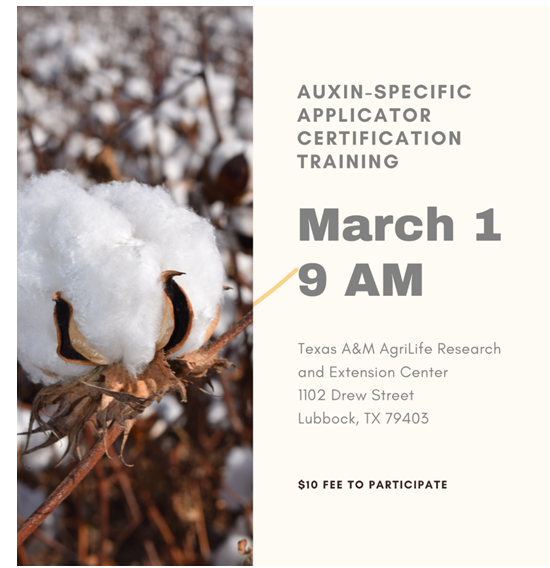
Auxin-Specific Applicator Training - March 1

An Auxin Certification Training is scheduled for tomorrow at the Texas A&M AgriLife Research and Extension Center in Lubbock to satisfy the US EPA requirement for mandatory dicamba applicator training and to satisfy the Texas Department of Agriculture requirement for auxin-specific training for approved dicamba and 2,4-D formulations. EPA recently announced additional restrictions for the use of approved dicamba formulations in genetically engineered soybean and cotton, but these changes will not impact Texas. EPA could announce additional revisions. Texas Department of Agriculture has issued a Section 24 (c) Special Local Needs (SLN) label for the use of Enlist© One herbicide in the following Texas counties: Cameron, Hidalgo, San Patricio, Nueces, and Willacy for the 2023 season.

Engenia, Tavium, and Xtendimax herbicides are Restricted Use Pesticides (RUP). Only Certified Applicators may purchase and apply these products. Enlist One and Enlist Duo are State Limited Use Pesticides. Only Certified Applicators and operators working under Certified applicators may purchase these herbicides. Applicators must receive auxin-specific applicatory training to apply all the above herbicides.

Register for the training on site tomorrow. This is a one-hour training and participants will receive 1 CEU in the Laws and Regs category. There is a $10 registration fee.

Cole, Colleagues Reintroduce Bipartisan, Bicameral Bill to Reaffirm Tribal Trust Agreements

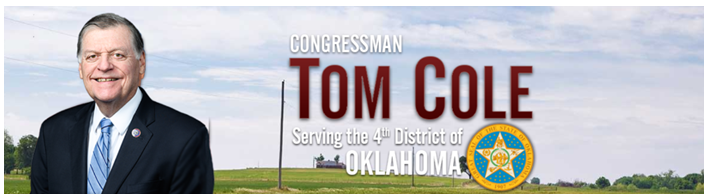
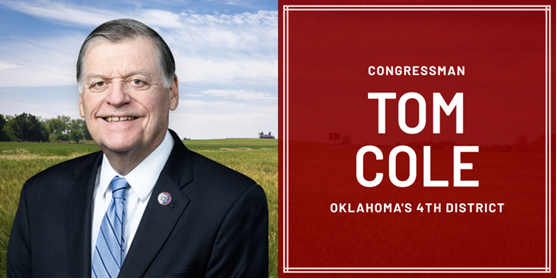
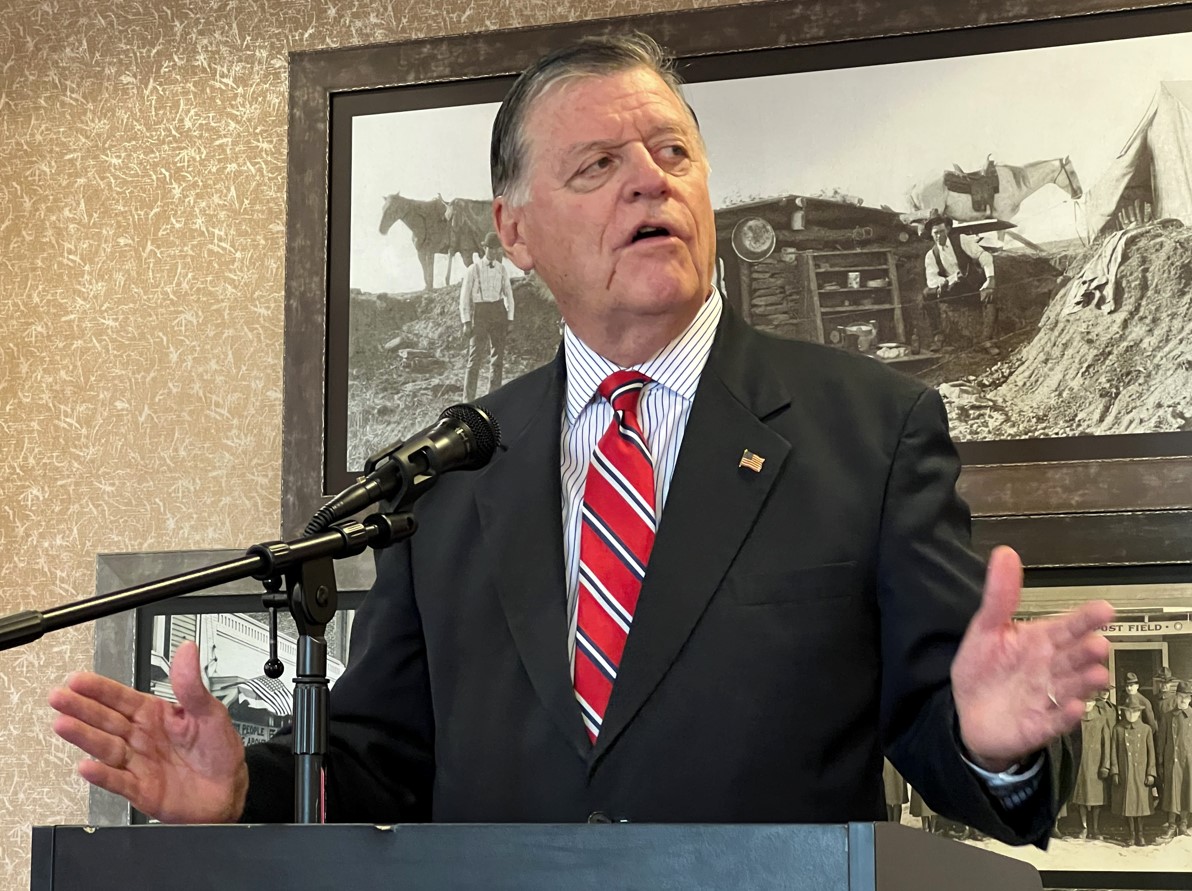
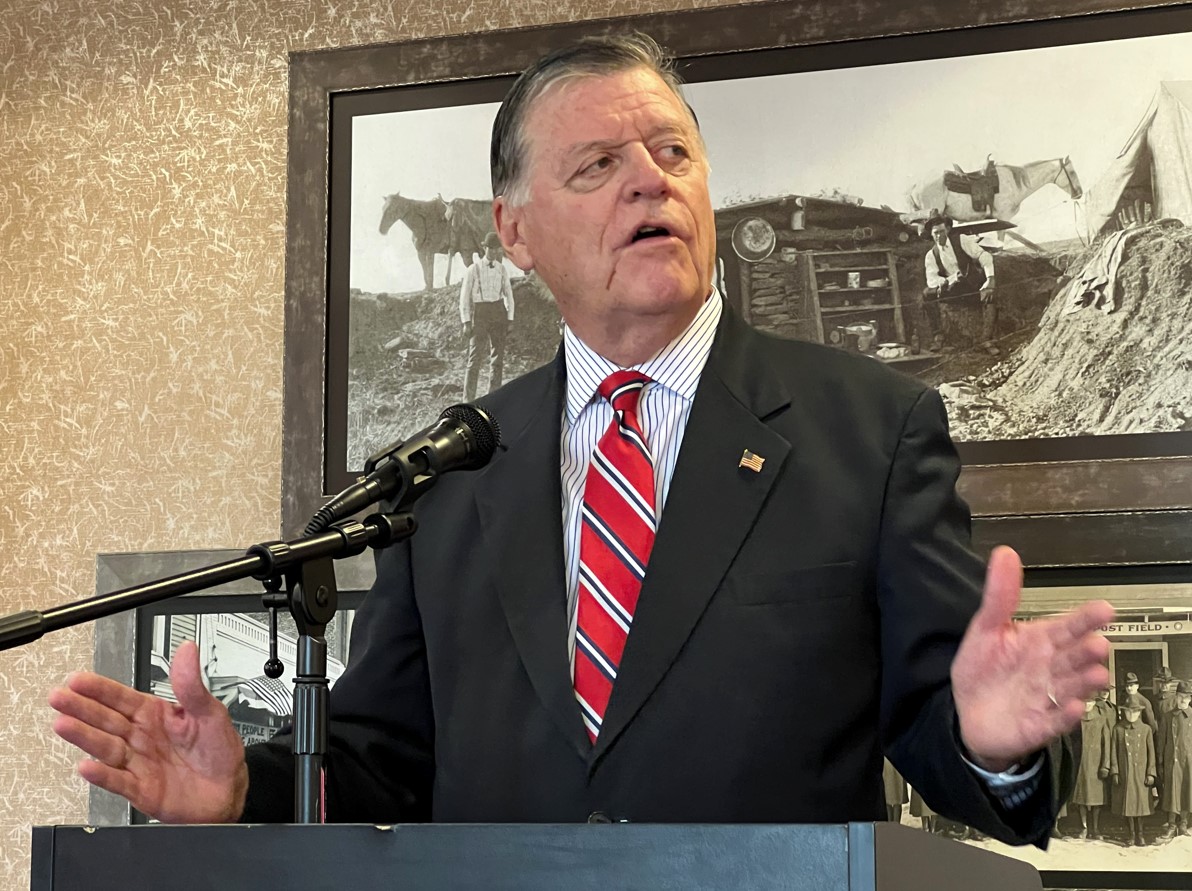
Congressman Tom Cole (OK-04) today joined Representative Betty McCollum (MN-04), Senator Jerry Moran (R-KS) and Senator Jon Tester (D-MT) to reintroduce legislation to amend the Act of June 18, 1934, to reaffirm the authority of the Secretary of the Interior to take land into trust for Indian Tribes, and for other purposes.

Introduced every Congress since 2009, the legislation ensures that existing tribal lands will continue to be held in trust by the federal government, reaffirms the authority of the Secretary of the Interior to take land into trust for Indian Tribes, and removes the uncertainty and ambiguities inherent within the Carcieri v. Salazar opinion.

"More than a decade ago, the Supreme Court issued an opinion that jeopardized ownership of tribal trust lands, questioned the authority of the Secretary of Interior and reversed 75 years of precedent," said Cole, co-chair of the Congressional Native American Caucus and member of the Chickasaw Nation of Oklahoma. "I am proud to reintroduce this important legislation to keep the promises made to tribes, respect their sovereign status and validate the status of tribal lands acquired in trust by the Secretary of Interior. I look forward to working with my colleagues to pass this bill in both chambers and get it to the president's desk."

"All federally recognized Tribal Nations must have the same right to place land into trust to support their communities and strengthen self-governance," said McCollum. "Legislation is needed to affirm congressional intent that the Indian Reorganization Act supports that right. As Members of Congress, it is our duty to honor the federal government's trust and treaty responsibilities to tribes now and for generations to come. With this bill, we will finally fix this grave injustice."

"It is unjust for there to be two classes of Indians created by the Carcieri v. Salazar decision—those tribes federally recognized in 1934 and those recognized after," said Moran. "Tribes should no longer be forced to shoulder the burden of lawsuits and uncertainty that hinder their success and affect their future. The Secretary of Interior's authority to take land into trust for all tribes is essential for their economic development and future prosperity."

"It's critically important to ensure all tribes have equal access to economic development opportunities," said Tester. "That's why my bipartisan bill would overturn the Supreme Court's disastrous Carcieri decision, which created two classes of tribes, and would allow all tribes to take land into trust moving forward. This bill is a strong step toward fulfilling the federal government's treaty and trust responsibilities, and I'll take on anyone to get it done for Indian Country."

Background:

On June 18, 1934, Congress passed the Indian Reorganization Act (IRA) to protect tribal sovereignty and to help restore lands to tribes. For 75 years, all federally recognized tribes had the right under IRA to request that land be placed into trust for their nations by the Secretary of the Interior. Accordingly, tribes have used their trust lands to build community facilities like schools, health clinics and tribal housing to serve their tribal members. This land has also been used for tribal enterprises and to promote economic development in communities that are often underserved and poverty stricken.

In 2009, however, the U.S. Supreme Court overturned that long-established precedent in Carcieri v. Salazar. In addition to generating expensive litigation for certain tribes, the Carcieri decision caused uncertainty and unequal treatment among federally recognized tribes, operating on existing tribal trust lands.

Since the 2009 opinion, members in both chambers of Congress have introduced legislation to restore the original intent of IRA. In 2019, the legislation advanced out of the U.S. House of Representatives for the first time on a bipartisan vote and did so again in 2021.

Board of Directors Selected for the Oklahoma Cattlemen's Foundation

An elite group of Oklahoma agriculturalists have been selected to represent and advise the Oklahoma Cattlemen's Foundation as the first Board of Directors and Executive Committee. The board will direct the Foundation on general policies, have the power to accept contributions for announced and specific purposes, enter into any necessary contracts or agreements on behalf of the Foundation, act as trustee for the Foundation's policies, plans and all its undertakings, and employ staff to assist in the implementation of the goals and overall success of the Foundation.

The Board of Directors consist of John Redman; Durant, Chancey Hanson; Waynoka, Sarah Armitage; Claremore, Brady Sidwell; Enid, Alex Morcom; Marlow, Mark Holder; Altus, Board Chair, Kelli Payne; Mustang, Executive Committee Members, Tyler Norvell; Tuttle, Ford Drummond; Pawhuska, OCA President Byron Yeoman; Dover, and Executive Treasurer Michael Kelsey; Tecumseh.

"I am looking forward to communicating the significance of the Foundation both as a legacy and as a resource for future generations," said Kelli Payne, Board Chairman. "The board is excited to kick off a capital campaign, provide additional scholarships for our youth, and provide more education anywhere we can."

"The Board of Directors selected are a not only an impressive and accomplished group of individuals, but they also understand the importance of the Foundation," said Mariah Reimer OCF Executive Director. "They will push the Foundation to a new level of success to be a strong long-term partner for OCA and the entire cattle industry. I am thrilled to get to work with them and make a lasting impact on the state," Reimer said.

In 2022, the Foundation gifted over $30,000 in scholarships, coordinated the first annual Oklahoma's Best Beef Competition to promote local producers from across the state, and hosted various educational opportunities for agriculturalists.

The Board will represent the Foundation at events across the state and be a resource not only for staff, but also everyone in the agriculture industry. "I support the Oklahoma Cattlemen's Foundation and its mission," Ford Drummond, Executive Committee member said. "We need to grow the foundation to support beef cattle educational programs, OSU extension research, and education scholarships for the next generation of cattle industry leaders and I believe we have the right leadership in place to accomplish these goals."

The Oklahoma Cattlemen's Foundation strives to support the Oklahoma cattle industry by preserving past traditions and educating current and future generations in coordination with OCA and OJCA. You can get involved, donate, or learn more on the website or by reaching out to the Executive Director, Mariah Reimer.

Oklahoma Wheat Crop in Slightly Better Shape Than a Year Earlier

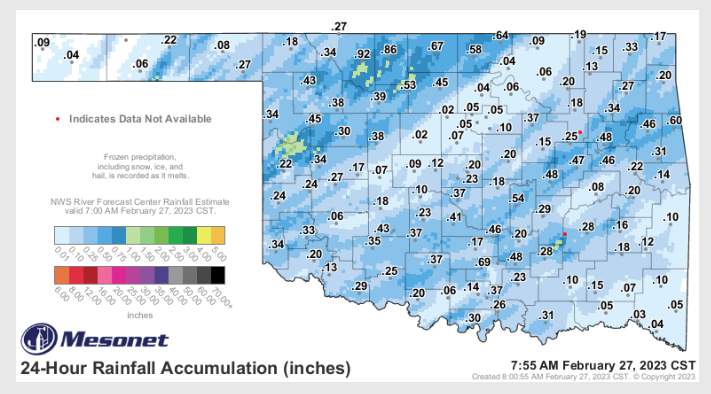
The 2023 Oklahoma winter wheat crop is ending February in better condition than the 2022 crop was facing. The USDA's Crop Condition report released on Monday afternoon for Oklahoma shows the 2023 crop in 36% good to excellent condition(only one percent rated excellent) and is called 41% in poor to very poor condition. The 2022 crop at the end of last February was rated 11% in good to excellent and 55% poor to very poor. Wheat pasture grazing stands at 63% here in 2023 versus 66% in 2022.

In contrast- the Kansas crop condition ratings show a worse crop this year versus 12 months ago. Kansas wheat is 19% good to excellent and 51% poor to very poor- the 2022 crop last winter stood at 37% good to excellent and 28% poor to very poor.

The Texas crop is ending February at 19% good to excellent and 49% poor to very poor.

While Kansas does not have a pasture/range rating this week- Oklahoma and Texas do- and Texas has just 9% of their pastures in good to excellent shape- 68% in poor to very poor condition. Oklahoma pastures are also struggling at just 7% good and 58% poor to very poor.

There are no national numbers this early in the season- those national crop condition ratings come in a few weeks- but click on the state names below for their latest reports from USDA.

Oklahoma Crop Conditions as of February 27

Kansas Crop Conditions as of February 26

Texas Crop Conditions as of February 26

Todd Lamb Discusses SQ 820 Vote on March 7 and Pressure to Save Oklahoma from Repercussions of Recreational Marijuana

Listen to Reagan Calk talk with Todd Lamb about SQ 820.

At the Oklahoma Farm Bureau Leadership Conference, Associate Farm Editor, Reagan Calk, had the chance to visit with former Lieutenant Governor of Oklahoma, Todd Lamb, about State Question 820, the Recreational Marijuana Legalization Initiative.

Oklahoma SQ 820 is on the ballot in Oklahoma as an initiated state statute on March 7, 2023. A "no" vote opposes legalizing recreational marijuana for adult use in Oklahoma.

"Four years ago, the state of Oklahoma passed a state question that allowed medicinal use of marijuana, and that is arguably out of control in a lot of areas," Lamb said. "Oklahoma is starting to get that under control now with some more regulation."

SQ 820 permits smoking marijuana around children, Lamb said, by saying that it is not child endangerment. It also prohibits considering marijuana addiction in child custody and visitation cases, Lamb added.

"It also does not establish a maximum THC level, which is problematic because that increases the addiction rate in Oklahoma," Lamb said. "You talk to a lot of healthcare professionals and mental health professionals, and they say marijuana is a gateway drug."

There is a lot of pressure for Oklahoma to "get this right," Lamb said because the nation is likely to follow in the same direction.

As former law enforcement, Lamb talked about how the legalization of the use of recreational marijuana can impact crime rates.

"I am a former special agent with the United States Secret Service, I have a lot of friends in law enforcement, not just federal agents, but county sheriffs, deputies, and local police officers, and I talk to them on a regular basis, and they talk about what they see on the street with marijuana," Lamb said. "Gang-related activity, theft, robbery, burglary, property crimes, personal crimes, because it is a gateway drug that leads to other drugs, but also people will rob and steal to get money, to get the high they want to feel better for a temporary fix. So, it is problematic on so many levels."

Lamb said SQ 820 is also an issue in regard to foreign land ownership in the state.

"When I was Lieutenant Governor, I traveled to all 77 counties every single year, and I listened to the local leaders," Lamb said. "While I still have all those relationships, I hear time again from northeast Oklahoma all the way down to Hollis, and Beaver County all the way down to McCurtain County, I hear from friends that have farms and ranches, and there is foreign ownership right next to them, and they don't know exactly who owns it. They just know there is foreign ownership because it is not local, and grow houses start to go up."

Another problem with SQ 820, Lamb said, is there is no regulation on water or electricity used for these grow houses, so it puts a lot of strain on rural Oklahoma.

"This is going to happen fast," Lamb said. "March 7 is the vote for State Question 820, and the Oklahoma Farm Bureau is taking an official position of opposition to State Question 820. So I think the men and women and individuals listening to this right now need to be engaged, talking to their family first, talking to their community, and friends, and when they go to the ballgame on Friday night, Tuesday night, church on Wednesday, talk about this. Even if who you are visiting with, you think you know where they are voting, encourage them to do the right thing on March 7."

Red Cedar Water Conservation Bill Passes Subcommittee

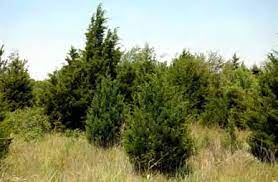
Eastern Red Cedars in Oklahoma(Courtesy of Oklahoma Conservation Comission

Rep. Mike Dobrinski, R-Okeene, today advanced a bill out of subcommittee that would establish a pilot program to address the problem of the red cedar infestation throughout the state, beginning with a concentration on the North Canadian Watershed.

House Bill 2239 passed the House Appropriations & Budget Subcommittee for Natural Resources.

"This has been a problem for a long time," Dobrinski said. "It's only been addressed minimally to this point, and now is the time to take action."

Dobrinski said it would take a large investment of time and money to deal with the problem statewide, but "Getting started in the right place and showing everyone a return on investment is very important."

Other lawmakers expressed a desire to see the program broadened to include additional parts of the state and said the solution is long overdue.

Dobrinski agreed, pointing to studies going back at least 30 years that showed what would happen if the spread of the invasive species was not curbed.

"You can drive through western and northwestern Oklahoma today and see they were correct," Dobrinski said. "Water is depleting, and there is nothing more that should get our attention than the threat on our water supply."

He said the problem is not unique to Oklahoma but getting everyone to agree on how best to address the issue has been the hurdle. That is the purpose of the pilot program.

Identifying Canton Lake as a water source for Oklahoma City will get the most attention, he said.

"The advance of this species is taking over Dewey County, for instance, at five percent per year," he said. "We just can't let this go any longer."

Dobrinski said the initial cost for the pilot program would be $600,000 of state money, but there are also many federal programs that might provide money.

Dobrinski said he's worked with others to craft the bill, including former state Sen. Don Williams and Trey Lam, executive director of the Oklahoma Conservation Commission. The bill would create the Terry Peach North Canadian Watershed Restoration Act, named after for the former Oklahoma Secretary of Agriculture Terry Peach who died last year.

HB2239 is now available to be considered by the full House A&B Committee.

OKFB, rural coalition to host "No on SQ 820" press conference Wednesday

Oklahoma Farm Bureau, the Oklahoma Cattlemen's Association and American Farmers and Ranchers are set to host a "No on SQ 820" press conference Wednesday, March 1 at Oklahoma Farm Bureau in Oklahoma City to discuss the impact of recreational marijuana on rural Oklahoma.

The event will be outdoors and is open to the public.

EVENT DETAILS

Date:           Wednesday, March 1

Time:          10 a.m.

Location:     Oklahoma Farm Bureau – Southeast Courtyard

                   2501 N. Stiles Ave.

                   Oklahoma City, OK 73105  

OSU's Kim Anderson on USDA Ag Outlook Forum and Price Expectations

The following is a write-up from OSU Extension Grain Marketing Specialist, Kim Anderson, on the USDA's 99th Annual Outlook Forum:

At the USDA 99th Annual Outlook Forum, the 2023/24 marketing year major crop supply and
demand estimates were released. Probably the most useful estimates were the average
annual prices.

The 2023/24 marketing year average prices were $8.50 for wheat, $5.60 for corn,
$12.90 for soybeans and 80 cents for cotton.

During the last 10 years, Oklahoma wheat prices have averaged six percent less than
U.S. wheat prices. This implies that Oklahoma's 2023/24 marketing year average wheat price
is projected to average about $8. Wheat may be forward contracted for 2023 harvest
delivery in Medford Oklahoma for $7.60. Southern Oklahoma's 2023 harvest forward
contract price is about 40 cents less than the Medford price.

Oklahoma average annual corn prices average four percent less than U.S. average
annual prices. This implies that 2023/24 marketing year corn prices will average about
$5.38. Corn may be forward contracted for 2023 harvest delivery in Pond Creek
Oklahoma for $5.50. The Oklahoma Panhandle harvest forward contact price is $6.30.

Oklahoma average annual soybean prices average three percent less than the U.S.
average annual prices. This implies that the 2023/24 marketing year soybean prices in Oklahoma will average $12.51. Soybeans may be forward contracted for 2023 harvest delivery in Pond Creek
Oklahoma for $12.84.

Oklahoma cotton prices tend to average about three cents less than the ICE/US cotton
futures contract price. The ICE/US Dec '23 cotton contract price is about 84 cents. This
implies a 2023 Oklahoma cotton harvest price of about 81 cents.

The USDA Crop Condition Reports indicate that Oklahoma's 2023 wheat crop
condition is below average. However, producers report that recent rains have improved
wheat crop conditions. Wheat producers are concerned about weed infestation. With potential
$8 wheat, it may be advantageous to control the weed infestation to increase yields and
reduce dockage.

2023 world wheat production is projected to be a record or near record crop. But with
relatively tight world and U.S. wheat stocks, wheat prices are expected to remain in the
$8 range.

A caveat is the Russian/Ukraine war. If by some chance a peace agreement was
negotiated, wheat price could decline to the $6 level.

During the 2020/21 wheat marketing year, COVID caused the price of wheat to increase from
about $4.50 to $8. During the end of the 2021/22 wheat marketing year, the
Russian/Ukraine war caused wheat prices to rise from $8 to $13.With COVID under control,
wheat prices have fallen into the $7.50 to $8.50 range.

Replacement Heifer Dynamics with OSU's Derrell Peel

Dr. Derrell Peel, Oklahoma State University Extension Livestock Marketing Specialist, offers his economic analysis of the beef cattle industry as part of the weekly series known as the "Cow Calf Corner" published electronically by Dr. Peel and Mark Johnson. Today, Dr. Peel talks about beef replacement heifer numbers.

Drought-accelerated herd liquidation the past two years has made the beef cow herd the smallest in 61 years.  With continuing drought conditions, it is uncertain when, but it is certain that there will strong interest in rebuilding the herd whenever conditions permit.  Leaving aside the question of more drought, what is possible in 2023 given current availability of replacement heifers?

The number of beef replacement heifers on January 1, 2023 was 5.16 million head, down 5.8 percent year over year. This follows a 5.5 percent year over year decrease in 2022.  Beef replacement heifers represented 17.9 percent of the beef cow herd on January 1, the lowest proportion of beef replacement heifers since 2012.  Beef replacement heifers average 18.4 percent of the beef cow herd, and during the last herd expansion, beef replacements reached a cyclical peak level of 21.0 percent of the beef cow herd.  The reported inventory of beef replacement heifers consists of bred heifers and heifer calves in development for breeding.

For the past 23 years, USDA-NASS has provided a total number of the beef replacement heifers that will calve in the current year.  These bred heifers typically make up about 61 percent of the total beef replacements.  The number of bred heifers on January 1, 2023 was 3.17 million head, 61.4 percent of the total beef replacement heifers.  The number of bred heifers on January 1 was down 5.1 percent year over year and was the lowest beef bred heifer total since 2011.  This follows a 4.8 percent year over decrease in bred heifers in 2021.     

Subtracting the number of beef bred heifers from the total beef replacement heifer inventory leaves the number of heifer calves in development to be bred this year.  This calculated total of replacement heifer calves for 2023 was 1.995 million head, the lowest in the data series.  This total was down 6.9 percent year over year and follows a 6.1 percent year over year decline in 2022.  These beef replacement heifer calves are assumed to have been retained from last year's calf crop and will become bred heifers next year. 

The number of beef replacement heifer calves each year is not enough to account for the total inventory of bred heifers the following year.  Over the past 20 years, the number of beef replacement heifer calves represents 63.8 percent of the bred heifers the following year.  This means that extra heifers were bred during the year that were not reported as replacement heifers on January 1.  These extra heifers are assumed to come out of the inventory of other heifers.  For example, on January 1, 2023, the inventory of bred beef heifers was 3.17 million head, made up of replacement heifer calves from last year (2.14 million head) and another 1.03 million head of extra heifers bred out of the inventory of other heifers from last year.  This calculated total 1.03 million head of extra heifers bred is the lowest total in the data back to 2001.  The calculated number of extra heifers bred decreased 12.1 percent year over year in 2021 and decreased another 1.8 percent in 2022. 

The decreased number of beef replacement heifer calves and extra beef heifers bred in 2021 and 2022 helps explain increased heifer slaughter the past two years.  Heifers diverted from breeding to feeding contributed to the 4.0 percent year over year increase in 2021 and the 4.8 percent year over year increase in 2022 in heifer slaughter.  All of which contributes to the limited number of replacement heifers available in 2023.

The numbers suggest that beef cow herd expansion is not possible in 2023.  The available number of bred heifers, combined with a decrease in beef cow slaughter in excess of 20 percent lower year over year, might make it possible to hold the beef cow herd steady this year.  A low level of additional herd liquidation is more likely.  More likely in 2023 is increased retention of heifer calves and breeding of yearling heifers that will fuel herd expansion beginning in 2024.  If that happens, both beef cow and heifer slaughter will decrease sharply in 2023.  

Below, Derrell Peel, OSU Extension livestock marketing specialist, discusses the latest numbers from the USDA cattle inventory report on SunUp TV's Livestock Marketing segment from February 18, 2023.

Dr. Amy Hagerman Shares Survey Results on What Oklahoma Producers Really Think About Climate Change

Click here to listen to KC Sheperd talk with Amy Hagerman about the climate-informed agriculture survey.

At the 85th Annual OACD State Meeting, Farm Director, KC Sheperd, sat down with Extension Specialist for Agriculture and Food Policy, Amy Hagerman. Prior to her presentation, Hagerman talks to Sheperd about a Climate Informed Agriculture Survey conducted recently, presented in partnership with OSU Extension, USDA Southern Plains Climate Hub, and USDA NRCS.

As a significant amount of funding has come down the pipeline for climate-smart agriculture, Hagerman said there has been a lot of interest in using those funds for programs regarding adaptation to climate change.

"The Southern Plains Climate Hub approached me to work together with them, with NRCS, with the districts in the state, to try to get a handle among their people- these front-line workers in conservation, of their perspectives of climate change, of adaptation programs and how we can best utilize these funds that are coming to do the most good for Oklahomans," Hagerman said.

A survey was recently implemented at each of the five area conservation district meetings, Hagerman said, and individuals at these meetings had the chance to share what they have experienced with these programs. The survey, aimed at advocating for conservation, was very specific to the individuals questioned.

Most individuals were concerned with how to best adapt and respond to environmental/climate changes seen in Oklahoma, Hagerman said, and to continue improvement into the future.

"It was very well received," Hagerman said. "Again, these are these front-line people who are conservation advocates, so they are really watching what is happening in the conservation space. What is happening to land and to weather, and how these programs have worked in the past for helping address some of these challenges, and how they can be used in the future as well."

The survey found many individuals have concerns such as increased fluctuations in climate, changes in bird species arrivals and departures, consequences to local economies, including show and dust storms, and more.

One of the best parts of the survey, Hagerman said, was hearing the success stories of how the programs have helped reduce soil erosion, increased water retention and more.

"Eventually, we are going to have some publicly facing outcomes from the survey results," Hagerman said. "They haven't all totally been cleared yet for public release, but eventually, yes, through the Oklahoma State website and then also through the Southern Plains Climate Hub, there will be information on what we found and what some of the ideas were that people put forward."

The next steps for the survey, Hagerman said, will be finishing up the report and getting the information out to the public. Conversations from Hagerman's presentation at the OACD meeting will be utilized in the report as well, she added.

"We do want this to be an ongoing conversation going forward into the future," Hagerman said. "Then, from there, maybe we reach out to some additional groups. This was a pretty targeted group of individuals that we talked to, and it is a great place to start, but maybe there are some other groups of individuals that we really want to get similar sorts of information on so we get that broader cross-section of ideas and concerns going forward."

OSU Wheat Research Aims to Provide Oklahoma Wheat Growers with Best Tools for Success

Click here to listen to KC Sheperd talk with Brett Carver about OSU wheat research and development.

At the OGI Wheat Meeting, Farm Director, KC Sheperd, caught up with OSU's Dr. Brett Carver about the latest wheat research and tools to aid wheat producers in choosing a variety that sets them up for success.

Dr. Carver leads the OSU Wheat Improvement Team and conducts the wheat breeding and genetics research program. His work in wheat variety development continues a long tradition at OSU that began in the mid-1940s by Dr. A.M. Schlehuber, and continued by Dr. E.L. Smith from 1966 to 1998.

"We are in a good position," Carver said. "I think, as far as new varieties coming out, whether it is next year or the next ten or 15 years, I think we are in a very good position."

Yield and quality-wise, Carver said he feels very confident, which has encouraged him to try new things.

Carver also talked about the Oklahoma State University wheat research team working with Oklahoma Foundation Seed on a few projects.

With plant breeding, Carver said it is important to produce a product that can be commercialized and is attractive to growers. That product, he added, must also be pure.

"Foundation Seed doesn't just increase seed, they don't just produce foundation seed," Carver said. "They produce a purer product, and that gives me confidence I can go concentrate on the genetics."

Regarding some of the experimental varieties being worked on, Carver said he is particularly excited about one they are working on that is close to being announced publicly.

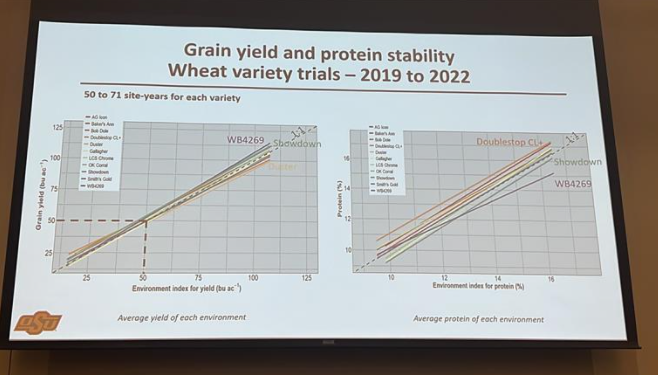
"I think this is going to be something the growers will latch on to, and not just in certain areas of our state," Carver said. "I think it can go statewide. This is something I think will give Showdown a showdown," Carver said.  

Carver also talked about how working with other universities helps to capitalize on success for all parties involved, while still producing a unique product.

"I can't have our program look like Kansas State, then we no longer have the diversity in the Great Plains," Carver said. "We want to capture that diversity, but also capture the success, because I learned this long ago in graduate school- you take the successes of a neighboring breeding program and add them to your own breeding program and now you start to accumulate successes you would not be able to accumulate otherwise."

One of the talking points Carver touched on during the wheat meeting was providing wheat producers with a variety toolkit to aid them with as much information as possible.

"This is going to be a toolkit that educates our growers so they can make very informed decisions on variety selection," Carver said. "Maybe it is not an OSU variety that fits what they need. I just want to make sure they have the tools to make that decision. In addition to educating them, I want to be able to market, you know, we want to promote. Promote in a way that is not biased and entirely truthful, but we still have to promote."

The variety toolkit will be available to producers in April, Carver said, and he is confident it will be a great resource to lead producers in the right direction of what variety best fits their operation.

Carver is hopeful for some more moisture for this year's wheat crop.

"That is our lifeline in the breeding program," Carver said. "We depend on that crop and that successful crop in our state to help fund the program, but we want that, and we certainly want our producers to be successful. That is their livelihood. It is all of our livelihoods."

Coming Up: Higher Cattle Prices, Lower Carcass Weights, and Less Beef Production

Click here to listen to Ron Hays talk with Derrell Peel about the latest Cattle on Feed Report.

Senior Farm and Ranch Broadcaster, Ron Hays, is visiting with Oklahoma State University Extension Livestock Market Economist, Derrell Peel, talking about the latest Cattle on Feed Report issued by the USDA.

This latest USDA Cattle on Feed Report showed that placements in the month of January were down four percent from last year, Peel said, and marketings in January were at 104 percent, up four percent from last year.

"That gives us an on-feed number for February first that is down four percent on a year-over-year basis," Peel said.

Although slaughter numbers are about even with a year ago, Peel said those numbers are predicted to drop.

"We are still working our way through these last supplies of cattle in the feedlot," Peel said. "In general, this cattle on feed report was pretty well anticipated. I would say if anything, the marketings number is maybe just a tick lower than some people expected. It is kind of on the lower end of the range of estimates. So, maybe you treat this report as slightly bullish, but in general, it was pretty well anticipated."

On the placement numbers, Peel talked about the trend of those numbers being below a year ago on a month-by-month basis, for the past few months.

"It started in October, we finally saw cattle on feed inventories drop below a year ago, and that will be the pattern, really, for the foreseeable future," Peel said. "For many months ahead, we know that cattle numbers are not out there. The drought changed the timing last year, so we kept cattle on feed numbers higher longer than we would have expected simply because we were being forced to move them into the feedlots, but we are through that now, so we are going to see this thing get tighter as we go forward."

Beef production was at a record level last year, Peel said, which was a short-term phenomenon.

"The reason production was at a record level in 2022 was because we were essentially eating inventory," Peel said. "We were eating animals that we simply didn't have a home for out in the country because of the drought."

Beef production in the first few weeks of 2023 is down almost four percent now, Peel said, and it is going to continue to tighten up as we go forward.

"That is going to mean that consumers will see more impacts," Peel said. "Boxed beef prices are actually on the increase now, and I think that is partly supply-driven."

Along with the substantial increase in boxed beef prices due to the decrease in production, Peel also talked about lower carcass weights.

"Carcass weights are lighter, and in fact, most of the decrease in beef production we have seen so far this year is really due to the carcass weights," Peel said. "Slaughter is running just about even with a year ago to this point and time. Now, it is going to come down as we go forward, but the carcass weights are down."

There are a couple of reasons carcass weights are down, Peel said, including high cost of gain and winter weather impacts.

"Longer term, I think producers are well aware that we are going to see continued higher cattle prices," Peel said. "We are expecting to see herd rebuilding start when we can. We don't know when that is going to happen for sure. So, they are trying to position themselves as much as possible to be ready to take advantage of that when the opportunity is there."

The Beef Buzz is a regular feature heard on radio stations around the region on the Radio Oklahoma Ag Network and is a regular audio feature found on this website as well. Click on the LISTEN BAR for today's show and check out our archives for older Beef Buzz shows covering the gamut of the beef cattle industry today.

"Onward to Orlando" for 2024 Cattle Industry Convention & NCBA Trade Show

While the largest cattle industry event in the country wrapped up only a few weeks ago, plans are already underway to get "Onward to Orlando." Mark your calendars for the 2024 Cattle Industry Convention & NCBA Trade Show, which is heading to the Orange County Convention Center in Orlando, Florida, January 31-February 2. 
 
Thousands of cattlemen and women will gather to learn, conduct business, network and have fun. In a city known for sun and family fun, entertainment will also delight kids of all ages. Cattlemen's College, which immediately precedes convention, will bring thought-provoking, stimulating sessions that provide producers with information they can put to work on their farms and ranches. 
 
The award-winning NCBA Trade Show will feature a new layout with several acres of indoor and outdoor displays as well as live cattle handling demonstrations, educational sessions and entertainment. Trade show exhibitors will offer products and services such as animal health products, equipment, irrigation technology, software, trailers and so much more. 
 
Additional information will be available soon at convention.ncba.org. 

NACD Releases 2023 Farm Bill Recommendations

Today, the National Association of Conservation Districts (NACD) released policy recommendations for the 2023 Farm Bill. Over the last year, NACD's Farm Bill Task Force has convened more than a dozen times to review USDA conservation programs and consider policies to strengthen support for voluntary, locally led conservation efforts. The recommendations were recently approved by NACD's Board by Directors at NACD's Annual Meeting in New Orleans.

NACD's most important priority is for Congress to keep conservation investments provided by the Inflation Reduction Act (IRA) in farm bill conservation programs. The 2023 Farm Bill provides Congress with an important opportunity to integrate IRA conservation funding into the conservation title to administer these investments over a longer period of time, make bipartisan decisions on the exact funding allocations within the title, and eliminate administrative and management redundancies. This request is critical to addressing the high unmet demand for NRCS conservation programs, which are currently only able to serve about one in every three eligible producers.

To support locally led conservation efforts, the recommendations also push back against one-size-fits-all policies, the addition of national carve-outs within programs, and limitations on conservation practices. NACD also calls on Congress to provide strong support for historically underserved producers, tribes, and the development of our nation's conservation workforce.

"NACD will continue to work with a wide range of stakeholders and lawmakers on both sides of the aisle to develop an inclusive farm bill that provides strong support for conservation," said NACD President Kim LaFleur. "The 2023 Farm Bill provides an exciting opportunity to strengthen federal conservation programs, bolster our local conservation delivery systems, and support our nation's producers."

"As Chair of NACD's Farm Bill Task Force, I am proud of the work we've done over the past year to review conservation programs, consider input from our members and other stakeholders, and develop policy positions that support sustainable, productive working lands'' said NACD's Immediate Past President Michael Crowder. "I look forward to advocating for an effective, locally led approach to conservation as Congress develops the 2023 Farm Bill."

Visit NACD's website to view the 2023 Farm Bill Recommendations.

Historic Tornadoes touch down in the State

What a night across the state last night as a dozen or more tornadoes touched down. State Climatologist Gary McManus says we won't know the extent of the damage until local weather folks from the NWS and SPC offices go out and investigate what was tornadic damage vs. straight-line wind damage.

Channel 9's David Payne showed the tornado's on his facebook page this morning:

According to Payne, wind gusts got up to 111 in Hobart, 86 near Ada, and even up to 65 in Chickasha. Storm damage was reported across the state, including Shawnee, where we saw Several damaged buildings. Norman also received damage with a reported EF2 Tornado with several homes impacted.

Photo Courtesy of Charles Peek - Weather Reporter/Photographer

Cheyenne in Western Oklahoma was among the hardest hit in the state, with several homes destroyed. Today schools are closed in Cheyenne. The Tornado touched down on the west side of town around the cemetery and airport area and proceeded Northeast to the Northwest corner of town and then a few miles west of Strong City. State Representative Anthony Moore, OK HD57, posted pics of damage in Cheyenne on his Facebook Page;

While February tornados are not the norm, McManus says we have seen them, "We blew away the record for tornadoes in February, the previous high which was 6 in 1975 and 2009. Now you'd be hard-pressed to find a worse single TORNADO than the one that struck Lone Grove back on Feb. 10, 2009, a killer EF4 twister that left 8 dead and 46 injured."

February has brought several severe weather events in the past including the February 1975 Tornado with 5 of 6 twisters being F2s. McManus says we also saw softball-sized hail that day with lots of damage, "If you look back at the total number of tornadoes for 1975 and 2009, they were relatively mundane, both finishing with annual totals of 34 tornadoes. But if we end up with a dozen or more twisters yesterday--and I dare say that number could go well above a dozen--combine that with the record 5 tornadoes we had last month and we're already looking at maybe 20+ for 2023 already."

McManus says if this is a preview of whats to come, we are off to a rocky start, "Winds have calmed somewhat, but we had 59 severe wind gusts (at least 58 mph) during the last 24 hours recorded by the Mesonet, the tops of which was 86 mph at Fittstown at 10:25pm."

We did see some rain from the severe weather last night, and McManus says the weather appears to look much calmer for the next week or so, with the possibility of storms in SE Oklahoma on Wednesday and Thursday.

To read more from Gary McManus on his mesonet ticker, click here:

Livestock show preparation: Biosecurity to prevent/reduce the spread of disease

Click to watch the complete Video of Dr. Rosslyn Biggs on Biosecurity. https://fb.watch/iUTy2_MDyo/

Spring livestock shows are quickly approaching with summer junior nationals and fall fairs not far behind. Biosecurity should be a priority for exhibitors and their teams before, during and after the show to maintain the health and welfare of the animals shown as well as the herd at home.

Biosecurity is the development and implementation of management procedures to reduce or prevent unwanted diseases from entering the herd or population, as well as limit or prevent the spread of disease within the operation.

"Biosecurity is important at the livestock show because we're bringing animals from multiple different operations to a single event," said Dr. Rosslyn Biggs, director of continuing education and beef cattle extension specialist. "We have the chance, although it's small if we've prepared our animals correctly, for the transmission of disease."

It is important to develop biosecurity plans that are specific to the individual operation and developed in partnership with everyone involved in the care of show animals. These written plans should be reviewed regularly and updated as needed.

Good biosecurity relies upon good animal husbandry and attention to detail. Daily assessments of all animals are necessary. An animal's attitude, behavior, feed and water intake, fecal output and overall appearance should be noted. Changes in clinical signs and treatments should be documented.

Youth exhibitors should also be taught the value of preventative measures and appropriate animal health and nutrition interventions.

"Simple things like vaccinating our animals can make a big difference at the show," Biggs said.

Veterinarians, along with agricultural education and instructors can serve as a great resource for youth exhibitors. Veterinarians can help exhibitors and their families develop specific vaccination programs, apply appropriate animal identification and respond to illness in show animals.

Consultation with a veterinarian becomes even more important when medications must be administered to observe show regulations and withdrawal times on drug labels. Additionally, most major shows require a timely certificate of veterinary inspection (CVI), commonly called a health certificate, following veterinary examination. The state of destination and show may both have specific health requirements. It's important to review the health and show requirements well in advance to allow time for any required testing.

During the show, biosecurity should remain a focus. Combined shipments of animals from different locations should be avoided. Equipment and supplies, especially water buckets and feed pans, should not be shared between groups of animals from different operations. Care should be taken in common areas such as wash racks and tie-outs.

"Exhibitors and their teams should limit their exposure as much as possible to only their animals with attention to attire and footwear," Biggs said. "If an animal becomes ill and there is the potential for infectious disease spread, show management should be alerted so the situation can be assessed and measures taken, if necessary."

The importance of biosecurity doesn't end with the show. After returning home equipment, including trailers, should be cleaned and disinfected prior to its next use. Removing organic material, such as manure, hay, and feed, must occur for disinfectants to be effective.

Any new introduction to the farm or ranch, including those returning from a show, should be isolated from the rest of the herd for 30 days. This time allows for disease monitoring and common disease incubation periods to pass.

"Biosecurity is important for every exhibitor and every show project," Biggs said. "I definitely encourage our young people, 4H and FFA members, to have a discussion with their veterinarian and work closely with their agricultural educators to come up with a plan before, during and after the show so that each can have a successful spring season."

Observing good biosecurity practices before, during and after a show preserves the commitment to animal health and welfare as show projects enter the food supply or return to the breeding herd.

Neil Caskey Names CEO of National Corn Growers Association

Neil Caskey, a long-time professional in the agricultural arena, has been tapped to lead the National Corn Growers Association as its new CEO, according to the organization's board of directors. Caskey will assume the role on Monday, February 27.

NCGA board members say they are pleased to name someone of Caskey's caliber to the top job.

"Neil's experience in agriculture is extensive, and he is well known as someone who gets the job done well," said NCGA President Tom Haag. "The board and I are certain that Neil will usher in new ideas and take the organization to new heights."
 

Caskey has served as NCGA's vice president of communications and industry relations for over four years and spent over a decade promoting agricultural issues as executive vice president at OBP Agency, a leading advertising and public relations firm. His professional background also includes work for the American Soybean Association and as a legislative aide for a U.S. member of Congress.
 

Caskey said he is looking forward to leading the organization.

"It is quite an honor to lead an organization that I care so much about," said Caskey. "We have a great team in place, and I look forward to forging full-speed ahead and pushing for wins on some of our top issues, like the Next Generation Fuels Act, fighting Mexico's ban on genetically modified corn and securing reauthorization of the farm bill. NCGA is on the move."
 

As vice president of NCGA, Caskey has been at the forefront of some of the organization's top issues. Most recently, he has played a leading role in challenging Mexico on its efforts to ban genetically modified corn. Thanks to the efforts of NCGA on that front, the Biden administration has threatened to file a dissent decree if Mexico doesn't reverse its actions.

Caskey holds a B.A. in political science from the University of Missouri-Columbia and an MBA from Webster University.

Scientists Find Gene Involved in Livestock Antimicrobial Resistance

Gene also present in pathogens that are responsible for causing bovine respiratory disease.

Researchers at the University of Saskatchewan have discovered how a previously overlooked gene is involved in antimicrobial resistance — a growing global issue that threatens the health and welfare of both humans and animals.

The gene encodes for an enzyme named EstT and is capable of "turning off" or inactivating macrolides, a class of antibiotic drugs commonly used to treat disease in cattle and other livestock. 

The researchers' findings were published online last week in Proceedings of the National Academy of Sciences.

Tylosin, tilmicosin and tildipirosin are some antibiotics classed as macrolides. Veterinarians rely on these drugs to treat illnesses in cattle such as bovine respiratory disease and liver abscesses as well as other diseases in livestock and companion animals. 

With this discovery, veterinarians will know "there's a possibility that the drug will not work because of the presence of the gene," says Poonam Dhindwal, the paper's lead author and a postdoctoral fellow at the Western College of Veterinary Medicine. 

Antibiotics are becoming less effective due to the global spread of antimicrobial resistance. Based on 2019 estimates, more than 1.2 million human deaths were caused by drug-resistant infections. Antimicrobial resistance genes (ARGs) — mobile genetic elements that can pass between microorganisms — help to accelerate resistance. 

The USask research team, led by WCVM assistant professor Tony Ruzzini and in collaboration with Murray Jelinski, made the discovery after analyzing bacteria collected from watering bowls at a western Canadian beef cattle feedlot. 

"[Our discovery] adds one more piece to the puzzle," says Jelinski, a professor of large animal clinical sciences and the Alberta Chair in Beef Cattle Health at the veterinary college.

Ruzzini says scientists have previously identified the existence of this gene that's commonly found in many animal pathogens and their microbiomes, but its purpose remained a mystery. What the USask research team discovered is that this gene can break the ring structure of the antibiotic through hydrolysis (chemical reaction caused by water). 

"If you break the ring or you open the ring with water, then you disrupt the active shape of the antibiotic. So, it no longer has a high affinity for the target," says Ruzzini.

He adds that once the gene destroys the antibiotic's structure, the drug is no longer able to work as effectively in treating an illness: "Inactivation is concerning because it reduces the effective amount of antibiotics that are being delivered during an infection."

Ruzzini says that his team found the gene in a cluster with three other ARGs — the first clue that it could be involved in antimicrobial resistance. Once the team identified the gene, team members worked to clone it and test it against a panel of many antibiotic drugs from different classes. 

"This gene, even though we found it in an environmental organism, it is also present in pathogens that are responsible for causing bovine respiratory disease (BRD)," says Ruzzini. His lab has conducted numerous studies investigating BRD, which is commonly known as shipping fever.

The Saskatchewan Health Research Fund, Saskatchewan's Agriculture Development Fund, the Beef Cattle Research Council and the Mitacs Globalink Internship program supported the research. 

Jelinski says the team's work should be of interest to all researchers in both human and animal health fields who are studying antimicrobial resistance.

"Our finding adds to the considerable database of ARGs, which can be crossmatched to a bacteria's DNA to determine if the bacterium has the potential to be resistant to a particular antimicrobial," says Jelinski. 

Ruzzini adds that his research team is continuing to learn more about how EstT works.

"As AMR surveillance systems rely more on molecular tools for detection, our knowledge of this specific gene and its integration into those systems will help to better inform antimicrobial use," says Ruzzini.

Article and picture courtesy of BEEF magazine.

Oklahoma Ag Leadership Program Concludes International Travel Experience in Israel

Class XX of the OALP in Haifa, Israel

The fourteen day international travel experience of Class XX of the Oklahoma Ag Leadership Program concluded on Friday as the Class returned to Will Rogers World Airport after 29 hours from airport to airport that started in Ben Gurion Airport in Tel-Aviv, Israel.

During the time in Israel- the Oklahoma Farm Report website and Email posted almost daily stories from Israel on the ag and cultural experiences that the Class enjoyed. Here are the stories posted by Senior Farm Broadcaster Ron Hays from Israel as he traveled with Class XX- click on the story to jump to that article.

Oklahoma Ag Leadership Program Class XX Ready to Explore Cutting Edge Ag in Israel

A Look Into Israel Flour Milling and Wheat Industry- Audio with Omer Thon

Ag Leaders with OALP Challenge Alt Meat CEO in Tuesday Meeting in TEl-Aviv- Audio with Class Member Dr. Rosslyn Biggs

Agricultural Research is Vital for Continuous Innovation in Israel's Desert Conditions- Audio with Shlomo Navarro

Israeli Tour Guide Mark Kedem Talks About The Cultural Aspects of What Class XX of OALP is Experiencing- Audio with Mark Kedem

Tour Guide Mark Kedem explaining the significance of Masada- overlooking the Dead Sea

Oklahoma Ag Leadership Program Sees Diverse Farm Operations in Jordan River Valley of Israel

OALP Learns About Biological Pest Control in Israel- Audio with Beni Gavrieli

OALP International Experience Provides Class XX the Chance to Bring Home Broader Knowledge of Agriculture- Audio with Class Member Aaron Schantz

Class Member Aaron Schantz at the Stybel Flour Mill

Ron Hays Talks to Israeli Ag Tour Guide Colin Lotzof About the Miracle of Ag in Israel- Audio with Colin Lotzof

Oklahoma Ag Leadership Program Sees Fruit, Beef and Dairy Production North of the Sea of Galilee in Israel

OALP Members Experience First Hand View of Cutting Edge Drip Irrigation Technology as Israel Travel Nears an End- Audio with Dubi Raz

OALP International Experience Leaves Members with New Outlook on Agriculture- Audio with Class member Meg Stangl

Finally- we featured the Beef Cattle Operation that the Class visited that features a farm to consumer focus- Inside Look at Farm-to-Consumer Beef Production in Israel- Audio with David Ankowe and Yair Ben Perez 

And- there are hundreds of pictures to that you can see by checking out several Facebook feeds- clicking on the following names to see their feeds and scroll back over their posts during the two weeks of the travel from February 12-24:

Ron Hays

Edmond Bonjour (Edmond is the Director of the OALP- he offers a great ongoing commentary of the what class experienced on a tour stop by stop)

Rose Bonjour

As Class XX comes to the end of their journey with OALP- OSU and the OALP Advisory Council are starting the search for Class XXI- Click here if you are interested in applying or share the link with someone you think needs to be a part of this experience.

Learn more about the OALP by clicking here.

NFU's Dave Velde Talks about Opportunities to Put Money Back into Farmer's Pockets

Listen to KC Sheperd talk with Dave Velde about Farmers Union Enterprises.

At the 118th American Farmers and Ranchers state convention in Norman, Oklahoma, Farm Director, KC Sheperd had the chance to visit with the General Council for the National Farmers Union, Dave Velde. Sheperd and Velde talk about Farmers Union Enterprises opening doors for farmers.

Velde said his role with NFU involves the business affairs of the organization, but also provides guidance on governance matters.

New projects created to put more money into the pockets of farmers is one of Velde's main focuses. He talked about their work in the upper-Midwest, as it would also be a good fit for Oklahoma.

"In the upper-Midwest, we have an entity known as Farmers Union Enterprises, which is a for-profit corporation that I am CEO of," Velde said. "We look for opportunities to earn money in a way that can enhance the income of farmers in our region. That money that we make from a successful business operation is piled back into the farm organization."

As this is something that would be welcomed in Oklahoma, Velde talked about taking action to help make that happen. While "going green" is a popular movement, Velde said it is a great opportunity for farmers to be paid for being stewards of the land and taking care of the environment.

"We are looking at things such as carbon sequestration and other cultural practices on the farm, and are very excited about those possibilities," Velde said.

Velde said he is amazed by the frequency by which Farmers Union Enterprises has been presented with interest from people who have started a business project and need help planning and funding it. Farmers Union Enterprises has had the chance to take part in different business projects to help farmers create more income while practicing environmentally safe practices.

Coalition Releases Farm Bill Policy Recommendations to Help Create Economic Opportunities and Address Climate Change

The Food and Agriculture Climate Alliance today released policy recommendations for the 2023 farm bill. The National Corn Growers Association serves on the alliance's steering committee and was active in the development of the recommendations.

NCGA said that the report couldn't have come at a better time.

"Corn growers are committed to helping advance a farm bill this year," said NCGA President Tom Haag. "These recommendations will help members of Congress working on the farm bill understand the types of voluntary conservation and climate policies that can support growers and help us maximize our stewardship efforts."

FACA's recommendations, developed by the 23-member Steering Committee, are divided into six categories:
 

  • Conservation, risk management and credit
  • Energy
  • Food waste
  • Forestry
  • Livestock and dairy
  • Research, extension and innovation


The farm bill is essential legislation that impacts not only farmers but every family in America and has enormous potential to help the food, agriculture and forestry sectors achieve climate mitigation and sustainability goals while also preserving and creating new economic opportunities. Congress typically works on a new farm bill every five years.

FACA's past recommendations have provided guidance to Members of Congress and administration officials and have been credited with shaping federal laws and programs.

Equipment Manufacturers Call for Precision Agriculture Incentives in 2023 Farm Bill

The Association of Equipment Manufacturers (AEM) joined the two-dozen commodity and agriculture groups that make up the Food and Agriculture Climate Alliance (FACA) to release the group's 2023 farm bill priorities today.

"The 2023 farm bill should advance bipartisan policies that invest in rural communities and strengthen our national food supply chain. The equipment manufacturing industry wants to see robust incentives for the adoption of precision agriculture technology, as well as vital safety net programs to support America's farmers and ranchers, included in the bill. As the legislative package takes shape, we look forward to working with Congress, our member companies, and industry partners, to deliver a bipartisan farm bill this year," said Kip Eideberg, AEM Senior Vice President of Government and Industry Relations.

FACA will focus on the following issue area priorities for the 2023 Farm Bill:

  • Conservation, Risk Management, and Credit
  • Energy
  • Food Waste
  • Forestry
  • Livestock and Dairy
  • Research Extension, and Innovation

For more details and access to the full FACA report, please click the link here.

About AEM  

AEM is the North American-based international trade group representing off-road equipment manufacturers and suppliers, with more than 1,000 companies and more than 200 product lines in the agriculture and construction-related industry sectors worldwide. The equipment manufacturing industry supports 2.8 million jobs in the U.S. Equipment manufacturers also contribute $288 billion a year to the U.S. economy.

Visit aem.org/advocacy for more information. 

Indigo Ag's Second Crop of Soil Carbon Credits Grows 5X, Proving Carbon a Reliable Income Source for Farmers

Strong corporate demand for high-quality, verified, registry-issued credits continues to drive voluntary market growth

Indigo Ag today announced the completion of its second carbon crop, consisting of more than 110,000 agricultural carbon credits[1]. Issued by one of the world's most trusted carbon registries, the Climate Action Reserve, Indigo's second crop of credits was produced by U.S. farmers enrolled in its industry-leading carbon farming program, Carbon by Indigo.

"Our second crop of soil-based carbon credits signifies the enormous growth and potential for farmers to sequester more carbon in the soil while increasing their own profitability, with 75% of the credit revenue going directly back to farmers," said Ron Hovsepian, president and CEO of Indigo Ag. "The verified credits produced by the Carbon by Indigo program represent significant and immediate environmental benefits. We are incredibly excited about the strong demand we are seeing from companies looking to high-quality offsets as part of their climate roadmaps." 

Indigo's first carbon crop - issued in June of 2022 and consisting of more than 20,000 credits - established the company as the first to ever generate verified, registry-issued agricultural carbon credits at market scale. This second carbon crop further demonstrates the repeatability of this process, the potential for exponential growth, and the appeal to both farmers and buyers.

The program's economic and agronomic incentives for farmers establish long term viability for the program. In fact, for the first and second carbon crops, Carbon by Indigo farmers were paid $30/credit, a 200% increase over the original guaranteed payment rate. 

"The economic and agronomic benefits made joining the Carbon by Indigo program an easy decision for us," said Kenton Carley, who grows corn and soybeans in Illinois. "Carbon by Indigo has allowed us to earn an additional revenue stream from our operation, while also improving soil health for future generations. We're incredibly pleased to see the growth in this program."

The second crop of credits represents more than 110,000 metric tons of carbon dioxide and other greenhouse gas emissions sequestered or abated by farmers. The credits were produced by nearly 430 farmers across 22 U.S. states, including existing and new farmers and new fields in their operations. The second carbon crop demonstrated the program's growth and durability, as Indigo's carbon program realized a roughly 5x credit growth from its inaugural crop.

Indigo's growing network of global partner brands, including Blue Bottle Coffee, Shopify, Ralph Lauren and JPMorgan Chase, has committed to purchasing Indigo's verified agricultural carbon credits in advance of  this new carbon crop.

"One of the reasons we work with Indigo Ag is that their monitoring and verification protocol is of high quality in the soil carbon credit space," said Stacy Kauk, head of sustainability at Shopify. "This gives us the reassurance we need to be a part of a soil carbon project."

Indigo Ag is the only company producing verified, registry-issued soil carbon credits at scale, rewarding farmers for adopting sustainable farming practices that benefit the environment and their operations. The Carbon by Indigo program includes removals and abatement of carbon dioxide and other greenhouse gasses. The credits are measured, verified and issued under the most rigorous scientific standards, making them the highest quality agricultural carbon credits available on the voluntary market.

OSU's Amanda Silva on Wheat Variety Research and Wheat Crop Update

Click here to listen to KC Sheperd talk with Amanda SIlva about OSU wheat research and Oklahoma's wheat crop.

At the OGI Wheat Meeting, Farm Director, KC Sheperd, caught up with small grains extension specialist at Oklahoma State University, Dr. Amanda Silva, talking about wheat research at the university and Oklahoma's wheat crop.

"The situation is a little bit rough in some areas of the state," Silva said. "We are still under drought, especially western area- panhandle hasn't really seen the rain that we have in other parts of the state, so wheat is small."

A lot of wheat went in very late in the panhandle, Silva said, and the cold front that came in January and February has not been great for the crop.

"We are also seeing some moisture, so that makes me hopeful," Silva said. "We need to see what this weather does, and are hoping this rain that we received in some parts of the state is going to help our crop."

Genetic diversity has been a big part of OSU's research in 2022, Silva said, as much was learned from the different varieties with the drought impacts at play. In a study being compiled by one of Silva's master's degree students, Silva said, they are researching how higher protein accumulates more nitrogen in the stem, causing the plant to leaf later in the season.

"In this study, we are comparing the Double Stop, Green Hammer, Gallagher and Iba, and the most visible difference that we found was with Green Hammer and Iba," Silva said.

Green Hammer that has a larger protein and yield than Iba, showed that it has a higher accumulation of nitrogen in the stem and leaf, especially later in the growing season.

"That is very likely due to it's ability to stay photosynthetically active later in the growing season, which it also shows by its greater accumulation of nitrogen after flowering," Silva said.

Lower protein of Iba also reflects its greater nitrogen utilization efficiency, Silva said, so it has the ability to produce a greater yield with less nitrogen.

"That high nitrogen utilization efficiency causes protein dilution in the grain, resulting in that lower protein," Silva said. "Those are the preliminary results we have so far, but we are going to continue developing that study and continue working on that."

Silva also talked about last year's variety trials. The information researched, Silva said, will be available to producers soon.

"Some of the information that we gathered last year is already posted on our website," Silva said.

Bob Rodenberger Says Markets are Based On Demand for Beef

Click here to listen to KC Sheperd's full conversation with Bob Rodenberger about the cattle markets this week.

KC Sheperd, Farm Director, is back talking with Bob Rodenberger, a partner with Stockman Oklahoma Livestock Marketing, as he gives the latest on the cattle markets. 

"Started out the first of the week just kind of a lackluster market," Rodenberger said. "I wouldn't call it any cheaper, and a lot of it was quality driven. Not as many front-end cattle. A lot of cattle with a little bit of crossbred in them, but still a good market."

Premium cattle still had the premium built in them, Rodenberger said, and the market for cattle being bought for grass is doing extremely well.

"Good demand for everything we have seen so far," Rodenberger said.

Looking at numbers from a year ago, Rodenberger said the sale numbers are up. For those who are wanting to cull cows, Rodenberger said now is the time.

"Feeder market was fully steady, and good demand Thursday on feeder cattle," Rodenberger said. "I noticed El Reno's market was extremely well and what little I watched of it had some extremely high-quality cattle going through there and there was a tremendous demand for those cattle."

Rodenberger said he sees the markets setting up to stay positive for the next 24 to 36 months.

"Our market is based off now of demand for beef," Rodenberger said. "If the government doesn't implement something that slows down the demand or gets crossways with the country that imports a lot of our beef, I see nothing to slow it right now."

Dicey Weather Headed for the State this Weekend

Severe Weather is forecasted for the state on Sunday. Still, State Climatologist Gary McManus says today's weather may also present some problems: "Everybody is staring at Sunday when today might hold some unpleasant impacts as well. There is a chance for freezing mist/drizzle/rain throughout the day where the temperatures remain below freezing. It has been cold enough lately to allow some accumulation on at least bridges and overpasses."

McManus says while we aren't sure what this weather will bring, but one thing for sure is that it will continue to stay cold this weekend.

As Sunday rolls in we will see a potential for Severe Weather, "The potential for severe weather is still there, and the Storm Prediction Center across the hall from me has issued an "Enhanced" risk for that day, surrounded by "Slight" and "Marginal" risks."

McManus says there is still uncertainty three days out but says the current SPC,

"NAM forecast soundings at 03Z on Monday have weak instability in place across the moist sector with peak SBCAPE near 500 J/kg. In addition, wind speeds increase from near 15 knots at the surface to about 70 knots at 850 mb. This strong speed shear should be favorable for supercell development. Although mid-level lapse rates will be steep enough for isolated large hail, the threat will likely remain somewhat isolated, due to a late afternoon and early evening
capping inversion. The cap is expected to weaken by mid evening. This, combined with a strengthening low-level jet, should allow for robust convective development. The most favorable area for organized severe storms will be from northwest Texas, extending northeastward into north-central Oklahoma. In addition to a threat for large hail,
wind damage will also be possible. The wind-damage threat should be maximized with the strongest of storms during the evening. The threat could linger into the overnight if a severe convective cluster can remain organized."

With this storm system, the possible primary threats will be large hail and damaging winds, so be weather aware!

To read more from Gary McManus on his mesonet ticker, click here:

Farm Bill Should Prioritize Agricultural Research, New Policy Report Says

The U.S. should increase support for agricultural research and development (R&D) in the next Farm Bill to ensure that farmers can keep feeding the world in spite of challenges from climate change and other shocks, according to a report produced jointly by Farm Journal Foundation and the Chicago Council on Global Affairs.

Hotter temperatures, droughts, floods, spreading pests and disease, and other natural disasters have reduced global agriculture productivity gains in recent years, according to the new policy report. Consumers are paying higher prices for food, while farm livelihoods are under pressure from rising costs of fuel, fertilizer, and other inputs. In addition, increasing hunger in low- to middle-income countries can potentially lead to more migration and conflict, creating risks for U.S. national security.

New innovations generated from agricultural research at land-grant universities and other public sector institutions can help increase farm productivity and economic growth. In spite of this, U.S. public investment in agricultural R&D has declined in recent years in inflation-adjusted terms. The 2023 Farm Bill offers a once-every-five-year opportunity to increase funding to public agricultural R&D and ensure that the U.S. is prepared for the challenges ahead, according to the report, which makes a series of recommendations for how the Farm Bill can prioritize agricultural innovation.

"Climate change, conflict, and COVID-19 have created huge challenges for global food and nutrition security, and both farmers and consumers are facing higher costs," said Katie Lee, Vice President of Government Affairs at Farm Journal Foundation. "Agricultural innovation is absolutely critical to ensure safe, abundant, and affordable food supplies, and the Farm Bill provides an important opportunity to increase public support."

Agricultural research provides one of the highest returns of any public research investment, generating $20 on average for every $1 spent, according to a study by the U.S. Department of Agriculture's Economic Research Service (ERS). Since 1995, agricultural research funding from within federal and state governments has declined in real terms, from about $6.5 billion down to $5.2 billion as of 2019. During the same period, inflation-adjusted public sector spending in all research areas in the U.S. increased by nearly 150 percent.

Public research investment is needed to complement private sector spending. The private sector invests deeply in a limited set of areas where it can profit in the short-term, such as crops including corn and soybeans. However other important commodities, including wheat, rice, and specialty crops, have seen significantly less private sector investment, as have research subjects like environmental, animal health, nutrition, and food safety research. These areas, which help society broadly, can benefit from increased public-sector research support. 

"Public investment in agricultural R&D is critical to ensuring the U.S. remains resilient to current and future challenges. The 2023 Farm Bill offers an important opportunity to set the stage for the next five years of agricultural policy, and has an extremely strong return on investment that promises widespread benefits for all facets of society," said Peggy Yih, Managing Director of the Center on Global Food and Agriculture at the Chicago Council on Global Affairs.

To read the full report, including policy recommendations put forward by Farm Journal Foundation and the Chicago Council on Global Affairs, please click here.

Zoetis Industry Support Program Provides Opportunities for FFA Students

It's estimated over 36,000 students benefited from the 2022 program results

Just in time for National FFA Week, Zoetis is excited to formally announce the 2022 results of the Zoetis Industry Support Program. More than $371,930 was donated to FFA chapters nationwide with about 36,500 students benefiting from the contributions. Veterinarians and animal health dealers and distributors make the Industry Support Program possible each year by designating a portion of sales from eligible Zoetis Cattle and Equine products to their local FFA chapters.

"We're proud to support the National FFA Foundation and its impactful mission through sponsorship of Career Development Events and Supervised Agriculture Experiences and this program each year," said Jared Shriver, senior vice president of U.S. Cattle and Pork, Zoetis. "The Industry Support Program allows us to reach FFA chapters at a local level and helps ensure that all students can benefit from the leadership and learning opportunities that come with the FFA experience. We've partnered with local veterinarians to give back to students for over 15 years now and are excited to continue to do so."

A survey conducted by the National FFA Foundation revealed how the program funds were used. Whether it be scholarship funding or travel expenses, FFA chapters have used these contributions to further advance opportunities for their students. "We used Zoetis funds to allow all students to participate in FFA activities, regardless of their background or ability to pay their share," said one surveyed FFA chapter advisor.

  • Travel and Events: For many FFA chapters, these funds have been used to help students cover costs to attend the National FFA convention, competitions, or other conferences. One FFA chapter used its funds to help their state champion veterinary science CDE team attend a workshop through Texas A&M University.
  • Classroom Programs: Funds have also been used to purchase resources that enhance students' agricultural education in the classroom. An FFA chapter utilized the funds to help maintain and implement new practices in raising livestock on their school farm.
  • Scholarship Funding: Funding has allowed chapters to support students' career paths in agriculture. Several FFA chapters have awarded scholarships and resources for Supervised Agriculture Experiences for those interested in working with animals.

"The support and partnership of Zoetis have been instrumental in helping FFA build the next generation of leaders while building the agriculture talent pipeline, shared Lori Randle, senior regional director, National FFA Foundation. "Their contributions make it possible for FFA to provide resources to our teachers that they may use to have a lasting impact on more than 850,000 FFA members."

The 2023 Zoetis Industry Support Program started February 1, 2023 and will conclude  April 30. Zoetis customers have until May 5, 2023, to enroll and designate their preferred FFA chapters. To learn more about the program and how to contribute, please contact your local Zoetis representative or visit ZoetisUS.com/IndustrySupport.

About Zoetis
As the world's leading animal health company, Zoetis is driven by a singular purpose: to nurture our world and humankind by advancing care for animals. After innovating ways to predict, prevent, detect, and treat animal illness for more than 70 years, Zoetis continues to stand by those raising and caring for animals worldwide - from veterinarians and pet owners to livestock farmers and ranchers. The company's leading portfolio and pipeline of medicines, vaccines, diagnostics, and technologies make a difference in over 100 countries. A Fortune 500 company, Zoetis generated revenue of $8.1 billion in 2022 with approximately 13,800 employees. For more, visit www.zoetis.com.

CAB's John Stika: Strengthening Consumer Trust Increases Beef Demand

Click here to listen to Ron Hays talk with John Stika about Certified Angus Beef.

Senior Farm and Ranch Broadcaster, Ron Hays, is visiting with the President of Certified Angus Beef, John Stika, about CAB continuing to build trust with beef consumers and build on their brand.

"It (2022) was the second-best year we ever had in our history, and so we feel really fortunate," Stika said. "The cattle industry is going through a lot of dynamics in the market, weather related, you know we were seeing cow numbers decline because of drought."

Amid concerns, Stika said demand for beef is as solid as it has ever been.

"It is an industry now that is as aligned with consumer demand from a quality standpoint as it has ever been, as well," Stika said. "I think the year we had in '22 is a reflection of that, so demand doesn't solve every problem we have, but it sure solves a lot of them."

Stika said Certified Angus Beef remains extremely optimistic about what 2023 holds.

"Consumer demand continues to evolve all the time, but I think this is good news for cattlemen, because I know they hear a lot about sustainability, they hear a lot about the need for validation for what they do on the ranch, and I'll talk a little bit about that, but first and foremost I think as a cattlemen, we all need to feel really good that consumers love the taste of our product," Stika said. "At the end of the day, the thing they value most is that satisfaction when they spend their hard-earned dollars on a great piece of beef and it's going to perform as they expect."

The trend of consumers wanting a great tasting beef, Stika said has been extremely constant for the past 40 years.

"Where we are beginning to see an evolution in consumer demand is in that area of understanding," Stika said. "They have more interest in our industry than they ever have, but they don't necessarily have more understanding than what they have had over the last several decades."

Providing consumers with more insight on how the cattle are raised, handled and managed, Stika said, as well as how well the land is taken care of, will only increase that consumer trust towards cattlemen as well as strengthening the demand.

"They are interested in what we do, and they want to understand more about how we do it so they can continue to buy our products and Certified Angus Beef with trust, and know that we are asking them to pay more money for something they should value even more than they do today," Stika said.

Stika also talked about encouraging individuals whose cattle are qualifying as Certified Angus Beef to also receive their Beef Quality Assurance training.

"Beef Quality Assurance training is something that is readily available to everyone in the industry," Stika said. "We have all helped fund that through the Beef Checkoff over all these years, and it seems, I think, to many cattlemen, rather elementary that these are things that we already do, but it is interesting- consumers look at Beef Quality Assurance training and cattlemen's effort to become certified as validation that we are in fact treating the cattle the way we say we treat them and the way we want to treat them to maximize the animal's welfare, but also maximize the value and return to the operation."

Certified Angus Beef has a meat science lab and culinary facility at their headquarters in Wooster, Ohio that allows the industry to provide consumers with a cutting-edge beef product.

"We have a 7,000 square foot culinary center there in Wooster, Ohio and would love to have people stop by if they are ever in our neck of the woods there in the northeast part of the state," Stika said. "It is a great opportunity for us to walk everyone who is selling Certified Angus Beef at food service or even at retail through the things that make the brand unique."

The Beef Buzz is a regular feature heard on radio stations around the region on the Radio Oklahoma Ag Network and is a regular audio feature found on this website as well. Click on the LISTEN BAR for today's show and check out our archives for older Beef Buzz shows covering the gamut of the beef cattle industry today.

Tips and tricks for beginning gardeners

Beginner gardeners are encouraged to start small in their first year with a couple of vegetables or herbs. (Photo by Shutterstock)

By Trisha Gedon

Growing vegetables sounds like fun, and who doesn't like pretty flowers in the landscape – but where does a beginning gardener start to cultivate a green thumb?

David Hillock, Oklahoma State University Extension consumer horticulturist, said there are things novice gardeners need to keep in mind before turning over the first shovelful of soil or filling the first pot.

"Location is a key part of successful gardening. Most plants need at least six hours of continuous sunlight to perform at their best," Hillock said. "Good soil is also a must. Have a soil test done to see what nutrients may need to be added to the soil."

Natural light isn't the only thing to consider when picking a location. Make sure the garden spot is close to an irrigation source because dragging a hose all over the yard quickly becomes tiresome. Also, keep the garden location close to the house.

"The easier the access, the more likely you'll be to take care of gardening chores, such as watering and pulling weeds," he said.

Hillock cautions new gardeners to take a reasonable approach.

"It's a good idea to start small in the beginning," he said. "It's perfectly fine to start with just a container or two of herbs or a small bed with a zucchini mound and a tomato plant. It can be easy to get overwhelmed with too big of a space in the beginning. Only grow things your family will eat."

Casey Hentges, host of OSU Agriculture's "Oklahoma Gardening" television show, offers tips on five easy vegetables for beginning gardeners to grow or the top five herbs.

Laura Payne, OSU Extension horticulture specialist in Payne County, cautions new gardeners about spending a lot of money on tools and other supplies in their inaugural year of gardening.

"Anytime I start something new, I always feel like I need to have all the tools now," Payne said. "Don't invest a lot of money on pots, tools and gadgets right away. Start with just a few basic tools and go from there. Consider starting with a trowel, a small pair of loppers or shears and a pair of gardening gloves. Gardeners may even be able to upcycle some things from around the house. Spend some time and determine if gardening is a hobby you're going to enjoy. If so, then invest in more equipment."

It's important for gardeners to know what USDA Plant Hardiness Zone they live in. Growing zones/planting zones help gardeners determine what flowers, plants or vegetables grow in a specific region. Oklahoma growing zones range from 6a in the northwest part of the state to 8a in the southeast corner.

"When going to the local nursery or garden store, check the plant tags to ensure your choices are designed to grow well in your area," Hillock said. "The tags also provide vital information on proper planting techniques, along with light and irrigation requirements."

Gardening is one of the most popular leisure activities, and following these tips will help beginning gardeners get started without being overwhelmed.

OSU Extension recently developed a comprehensive Plant ID website to help both new and seasoned gardeners identify and learn more about hundreds of plants. Plants are listed by their common names in an A-Z format. OSU Extension offers additional gardening information.

OSU Extension uses research-based information to help all Oklahomans solve local issues and concerns, promote leadership and manage resources wisely throughout the state's 77 counties. Most information is available at little to no cost.

Lankford, Colleagues Stand Up Against Medicare's Planned Reimbursement Cuts for Rural Hospitals

– Senators James Lankford (R-OK), Mark R. Warner (D-VA), and Marsha Blackburn (R-TN) led more than a dozen Senators to push for an extension of a policy that allows rural hospitals to continue delivering quality care to their communities. In a letter to Centers for Medicare & Medicaid Services (CMS) Administrator Chiquita Brooks-LaSure, the Senators formally requested a four-year extension of the Low Wage Index Hospital Policy, which allows hospitals in rural areas to compete for and retain high-quality staff by increasing reimbursements to hospitals in rural areas with lower overall wages. Without action, Medicare payments to these hospitals will reduce after September 30, 2023.

In their letter, the Senators pointed out that extenuating circumstances, including the COVID-19 pandemic, have not allowed for adequate evaluation of the Low Wage Index Hospital Policy. They argue that extending the policy will allow CMS to better assess its impact on the benefiting hospitals ability to recruit and retain health care staff.

"Unfortunately, due to disruptions in the marketplace caused by the COVID-19 pandemic, we have not had the opportunity to see the true impact of the Low Wage Index Hospital Policy envisioned by CMS," the Senators wrote. "Extending the Low Wage Index Hospital Policy for four additional years will allow hospitals and the agency to better understand the policy's true impact in a more normal environment."

Lankford and his colleagues are joined in sending their letter by Senators Tim Kaine (D-VA), Tommy Tuberville (R-AL), Joe Manchin (D-WV), John Boozman (R-AR), Shelley Moore Capito (R-WV), Roger Wicker (R-MS), Cindy Hyde-Smith (R-MS), Bill Hagerty (R-TN), Tim Scott (R-SC), Tom Cotton (R-AR), and Katie Boyd Britt (R-AL).

Lankford continues to lead the charge on standing up for rural hospital access in Oklahoma and around the nation. This week, Lankford announced the reintroduction of the Patient Access to Higher Quality Health Care Act, which removes the Affordable Care Act's (ACA) ban on the creation and expansion of new physician-owned hospitals (POHs) and allows POHs to participate in Medicare and Medicaid. Lankford and Dr. Brian J. Miller published an opinion piece in the Wall Street Journal about the importance of including physician-owned hospitals in the litany of quality nonprofit and community-based health care options available to Oklahomans and people around the nation.

Lankford recently announced a huge win for rural hospital access when CMS announced its Rural Emergency Hospital (REH) rule, which among other things redefined a "primary" road for purposes of establishing the distance a hospital must be from another hospital to receive CMS' Critical Access Hospital (CAH)—or now a Rural Emergency Hospital (REH) status.

Lankford previously introduced the Rural Hospital Closure Relief Act, which supports financially vulnerable rural hospitals facing risk of closure. Lankford penned an op-ed in The Hill in 2020 to discuss the big need for access to hospitals in rural parts of our nation and the critical need our CAHs serve.

A copy of the letter can be found HERE and below.

Dear Administrator Brooks-LaSure:

Thank you for your continued commitment to ensuring all health care providers have the resources they critically need to provide quality health care to Medicare beneficiaries. We write to you regarding the Medicare hospital area wage index (AWI) in the Inpatient Prospective Payment System (IPPS). Specifically, we urge you to include a four-year extension of the Low Wage Index Hospital Policy, also known as the Lowest Quartile Adjustment (LQA) policy, in the upcoming Fiscal Year (FY) 2024 IPPS rule.

In August 2019, the Centers for Medicare and Medicaid Services (CMS) first included a four-year AWI adjustment to bottom quartile hospitals as part of the FY2020 IPPS (CMS-1716-F). At the time, CMS stated that the policy "reflected a common concern that the current wage index system perpetuates and exacerbates the disparities between high and low wage index hospitals."[1] To address this concern, CMS increased the wage index for hospitals with a wage index value below the 25th percentile. The additional assistance has been a valuable lifeline for more than 800 hospitals in 23 states throughout FY2020, FY2021, FY2022, and now FY2023.

Unfortunately, due to disruptions in the marketplace caused by the COVID-19 pandemic, we have not had the opportunity to see the true impact of the Low Wage Index Hospital Policy envisioned by CMS. Extending the Low Wage Index Hospital Policy for four additional years will allow hospitals and the agency to better understand the policy's true impact in a more normal environment. In its original August 2019 rule, CMS appeared to acknowledge that more time may be needed to implement the policy when it stated, "this policy will be effective for at least 4 years." We applaud CMS for that foresight and encourage it to extend the policy for four additional years.

The continuation of this critical policy will allow hospitals to recruit and retain health care staff and protect access to care for millions of Americans.

Sincerely,

Kim Anderson Talks Estimates of More Planted Wheat, Corn, Soybeans, and Less Cotton

Click here to listen to OSU's Kim Anderson talk about the grain markets

This Week on SUNUP is Oklahoma State University Extension grain market economist Kim Anderson. During this week's edition, Anderson talks about planted acreage estimates and the grain markets.

The big talk in the markets this week, Anderson said, is the war in Russia and Ukraine.

There are export agreements coming up in March, Anderson said, and Ukraine is asking for a one-year extension.

"There has been quite a bit in the market about China assisting Russia in the war," Anderson said. "It is unknown what they are going to do and the talk is they are toying with giving Russia additional support for the war."

Regarding the pre-release numbers for the USDA Agricultural Outlook Forum from market analysts, Anderson said the analysts estimated the total wheat planted acreage at 48.5 million acres, which is up 2.8 million acres from last year.

Corn and soybean acreage is also estimated to be up from last year, Anderson said, and cotton acreage is lower.

"Wheat ending stocks is expected to increase at 650 million bushels compared to 568 this year, up 82 million," Anderson said.

This week on SUNUP:

  • John Weir, OSU Extension fire ecologist, says wildfire potential is still very much present as spring approaches.
  • Wes Lee, OSU Extension Mesonet agricultural coordinator, gives a look at the percent plant available water maps. State climatologist Gary McManus predicts warmer weather for the spring.
  • We take a look back at a SUNUP favorite where military members attended an OSU Extension training session on how to handle livestock in disaster situations.
  • Mark Johnson, OSU Extension beef cattle breeding specialist, talks with Grant Hubbard, OSU Purebred Beef Cattle Center herd manager, about freeze branding.
  • Kim Anderson, OSU Extension grain marketing specialist, discusses the USDA's latest crop report numbers.
  • Finally, SUNUP learns what makes Karen Eifert Jones a 2022 OSU Distinguished Alumna.

Join us for SUNUP:
Saturday at 7:30 a.m. & Sunday at 6 a.m. on OETA (PBS)
YouTube.com/SUNUPtv

Cole, Meeks, Bera Introduce the Countering Economic Coercion Act of 2023

Representatives Tom Cole, Chairman of the House Rules Committee (R-OK), Gregory W. Meeks (D-NY), Ranking Member of the House Foreign Affairs Committee and Ami Bera (D-CA), Ranking Member of the House Foreign Affairs Subcommittee on the Indo-Pacific, released the following statement announcing their introduction of H.R. 1135, the Countering Economic Coercion Act of 2023, which would provide the president new tools to provide rapid economic support to partners and allies facing economic coercion from the People's Republic of China and hold the PRC accountable for its actions.

"The People's Republic of China has repeatedly used economic coercion against United States allies and partners to shape their policies or exact retribution in response to sovereign decisions Beijing does not like. Such practice has not only undermined the sovereignty and damaged the economies of our allies and friends, but also directly harmed U.S. interests around the world. Beijing's behavior runs counter to the rules-based system that has been the cornerstone of economic prosperity since the last world war and must be addressed. The Countering Economic Coercion Act of 2023 will provide the president new authorities to respond quickly to these malicious activities, providing tools to both support our allies and partners targeted by economic coercion and to inflict consequences on those employing these tactics. We thank Senators Coons and Young for their leadership in introducing this legislation in the Senate and look forward to working in bipartisan fashion to pass it through both chambers of Congress."

The legislation would create the following presidential authorities:

1. Seek congressional appropriations to support foreign aid, export financing and sovereign loan guarantees to foreign partners that are subject to economic coercion;

2. Expedite export licensing decisions and regulatory processes to facilitate trade with affected foreign partners;

3. Decrease duties on non-import-sensitive goods imported by the U.S. from foreign partners that are subject to coercion to make up for lost exports;

4. Increase duties on imports from foreign adversaries committing economic coercion against United States partners and allies; and

5. Waive certain policy requirements to facilitate export financing, allowing the U.S. private sector to meet opportunities in foreign economies suffering from coercion.

The full text of the bill can be found here.

Megan Williams with Kansas City Fed Explains Why Higher Interest Rates Should Eventually Boost Economy

Listen to KC Sheperd talk with Megan Williams about higher interest rates and Oklahoma's economy.

At the 118th American Farmers and Ranchers state convention in Norman, Oklahoma, Farm Director, KC Sheperd had the chance to visit with Megan Williams, Associate Economist and Manager in the Regional Affairs department at the Kansas City Fed's Oklahoma City Branch office. Sheperd and Williams talk about higher interest rates and Oklahoma's economy.

The economy is continuing to grow at a good rate, Williams said, but unfortunately, inflation still remains too high. The labor force participation rate is lower than it was before the pandemic, Williams said, so communities are still having trouble gaining back individuals who left the workforce during the pandemic.

"When businesses have trouble attracting workers, they will have to start to increase wages to try to attract those workers," Williams said. "Once that happens, businesses are paying more for workers, then they will have to look at their own balance sheets and increase their prices to the consumers."

Wage inflation growth is an issue, Williams said, because once those wages go up, it is difficult to bring them back down. Some businesses have turned to automation in the place of workers for jobs, she added.

"Everything has pretty much gone up, and definitely impacts the average consumer," Williams said.

Williams also talked about the increase in interest rates. Increasing the interest rates, Williams said, will turn people away from borrowing and spending for those longer-term purchases, in particular, slowing down the economy.

"Hopefully just slow enough where we can see that inflation come down without having too many detrimental impacts," Williams said.

During her presentation at the convention, Williams shared Oklahoma's success story regarding the state's population.

"The pandemic has kind of changed migration trends to the point where Oklahoma has been a major beneficiary of that," Williams said. "People can live anywhere and work for a company that is maybe not located in the town that they live in, and that has really attracted some people to Oklahoma, given our high quality of living, low cost of living, and in general a great place to be."

One of the reasons people were attracted to Oklahoma initially, Williams said, was because the state stayed open and running while others were shut down.

"It is not everyone's favorite thing to do to pay higher interest rates and see interest rates rise, but it is also important to protect the value of assets that people have, and also protect the pricing power that they have," Williams said.

OALP International Experience Leaves Members with New Outlook on Agriculture and Different Ways of Life

Click here to listen to Megan Stangl talk about the OALP Class XX Israel trip.

As Class XX of the Oklahoma Ag Leadership Program finishes up their international travels in Israel, Senior Farm and Ranch Broadcaster, Ron Hays, is visiting with OALP member, Meg Stangl of Okarche, Oklahoma, about the experience.

"The thing that stuck out in my mind more than anything probably is the community sense in the Kibbutz- the farming communities that we have been able to visit," Stangl said. "All the different enterprises that they have found that succeed for their Kibbutz, and then the technology they have in all of those communities have just blown me away."

The group has visited several Kibbutz, where members of those communities are working together for the benefit of everyone in the Kibbutz as a whole. Each Kibbutz is different, Stangl added, with a different niche and way to thrive- many of those using innovative technologies.

"Some of them did start before Israel was actually a country in '48, but some of them, I just am amazed of what they have accomplished in that short time," Stangl said.

Stangl said it was interesting seeing farming on smaller acreages.

"It is a very small country, so they don't have very much, but they can do so much with the little amount they are given and the variety of the vegetables, the fruits, and the crops to grow for their animals," Stangl said.

Aside from the agricultural education offered throughout the trip, Stangl said the trip also allowed growth spiritually as the country is rich in religious history.

"We have grown as a group, spiritually," Stangl said. "I have seen that, and it is just sort of awesome to witness that."

Dairy MAX: Preparing for the Unpredictable

Dairy MAX's Issues and Crisis Team expanded to meet challenges head-on.

Issues and crises are unfortunate realities not localized to agriculture, a specific region, or even a country. The threat to dairy farming and the reputation of dairy is an ever-changing landscape; with this in mind, Dairy MAX recently expanded the Issues and Crisis Team to meet challenges head-on in the dairy sector. With combined experiences of 50+ years working in issues and crisis, the team works on enhancing, preparing, and strengthening its relationships with dairy farmers and professionals across the industry to protect dairy's image.

"Dairy MAX is recognized as a leader in training and preparing farmers for potential crises; our expanded team will elevate this work in many different ways," says Kay Johnson Smith, chief operating officer at Dairy MAX.

Dairy MAX will continue to prioritize crisis readiness and work together across the industry to ensure preparedness. Telling Your Story is the flagship communications training for dairy farmers and industry professionals in the Dairy MAX region. Participants work in small groups to enhance their communication skills and dive deeper into how communication in a crisis is different yet critical. Trainings are held several times a year for various groups offering storytelling techniques, suggestions for handling difficult questions, and tips for managing an on-camera interview.

More than 200 farmers and stakeholders have been trained through Telling Your Story. Upon completion, participants can confidently deliver messages about modern dairy practices and share dairy's story in today's changing media landscape.

The coordination and monitoring of issues extend well past the activism world. "I know people tend to think of activists when it comes to crises, but it goes far beyond that," says Johnson Smith. "It could be anything from natural disasters to food safety issues or trends across other animal agriculture sectors."

Understanding that there isn't a single 'biggest threat,' the Issues and Crisis Team will collaborate across all Dairy MAX program areas to identify threats and employ best practices. These discussions will include various situations affecting influencers, healthcare professionals, processors, and more. "We will focus not just on the farm side, but what could be hot-button issues for school marketing, health and wellness, and business development," says Johnson Smith. "Regular meetings with the team will ensure that each area is aligned on the protocols and are aware of the resources and help available to them and their stakeholders through the Issues and Crisis Team."

A cornerstone of issues and crisis preparedness is strong relationships. "Having these relationships already established is invaluable because when an issue or crisis hits, we can connect quickly with the right people," says Jayce Winters, director of issues and crisis at Dairy MAX. "When we work with other partners to share resources, knowledge, and experience, we are stronger together, which benefits all involved." Dairy MAX works alongside the national dairy checkoff, industry groups, co-ops, and brands to ensure the industry speaks with one voice in a crisis. Since 2001 an industry-wide risk management plan has been in place to protect the reputation of U.S. dairy at home and abroad through strategic communication, cross-organizational engagement, and coordinated action.

Organizations that prepare for a crisis recover two to three times faster than those without a crisis plan. Through extensive industry research, educational training resources, strong industry partnerships, and years of experience, the Dairy MAX team works hard to prepare for the unpredictable, so Dairy MAX farmers and stakeholders have the tools they need if a crisis occurs.

With the reputation of dairy products and the livelihood of dairy farmers at stake during a crisis, Dairy MAX is prepared with a trained team, powerful partners, and tested messages in place. To learn more, contact Jayce Winters.

Exceptional and Extreme Drought Categories Decline This Week, While Remaining Categories Improve

After drought conditions showed improvement in each category last week, this week's Oklahoma drought monitor shows slight increases in the exceptional drought and extreme drought categories. As for the other three categories of drought, those continue to show improvement.

To view the Oklahoma Drought Map, click here.

Exceptional drought increased slightly from last week's 8.07 percent to 8.86 percent this week.

Extreme drought or worse has also increased just slightly from last week's 36.58 percent to this week's 36.64 percent.

Severe drought or worse is now at 56.47, down over 10 percentage points from last week's percentage of 66.94.

Moderate drought or worse is now at 74.65 percent, down from last week's 80.07 percent.

Abnormally dry or worse conditions are now at 80.78 percent, down from last week's 85.03 percent.

According to the 6-to-10-day precipitation outlook map, the majority of the state with the exception of the southern border is leaning above a 33 to 40 percent chance of precipitation through March 4. As for that southern border, that part of the state is standing at a near-normal percent chance of precipitation through March 4.

To view the United States Drought Monitor Report, click here.

According to the latest U.S. drought monitor report, an upper-level ridge over the northeastern North Pacific Ocean deflected Pacific storm systems away from the West Coast of the contiguous U.S. (CONUS) during this U.S. Drought Monitor (USDM) week (February 15-21). This resulted in a generally drier-than-normal week over much of the West. An upper-level trough developed over the western CONUS downstream from the ridge, and the trough was responsible for a cooler-than-normal week over the West. Strong high pressure over the Gulf of Mexico extended into a ridge across the East Coast. A southerly flow between the trough and eastern ridge spread warm, moist air from the Gulf of Mexico across the eastern CONUS and directed weather systems northeastward from the southern Plains to Great Lakes. Two weather systems early in the week generated above-normal precipitation across parts of the central to eastern CONUS. As the week ended, weather systems moved across the northern tier states, bringing areas of snow. The week was wetter than normal across parts of the northern Rockies, from the Four Corners states to western Great Lakes, and from the central Gulf Coast states to Ohio Valley and Mid-Atlantic states. It was a drier-than-normal week across much of the West, southern Plains, coastal Southeast, and southern Great Lakes to New England, and parts of the northern to central Plains. Drought or abnormal dryness expanded where it continued dry in parts of the Pacific Northwest, southern Plains, and Florida. Drought or abnormal dryness contracted or reduced in intensity where it was wet over parts of the Four Corners area, southern and central Plains to Upper Mississippi Valley, and the Big Island in Hawaii.

In the Southern Plains, two inches or more of precipitation fell across eastern portions of the South region, specifically parts of Mississippi and much of Tennessee. Half an inch or more occurred from there to eastern Oklahoma and northeast Texas. For the rest of Oklahoma and Texas, the week continued a dry pattern. Abnormal dryness and moderate to extreme drought contracted in eastern Oklahoma, due to wet conditions this week and previous weeks and improved soil moisture and streamflow conditions, and abnormal dryness contracted in northeast Texas. But extreme to exceptional drought expanded in western Oklahoma and the Texas panhandle, while abnormal dryness and moderate to severe drought expanded in parts of southern Texas along the coast and along the Rio Grande River where streamflow and soil moisture conditions deteriorated and precipitation deficits continued to grow. According to media reports, 80-mph winds created a dust storm in the Oklahoma panhandle that caused a multiple car pileup, killing a driver.

In the High Plains, a storm system tracked across southern parts of the High Plains region early in the week, with another late in the week tracking across northern Wyoming. Weekly precipitation totals were half an inch to over an inch in parts of Wyoming, Colorado, northern and eastern Kansas, southern and eastern Nebraska, and southeast South Dakota. The rest of the region received little to no precipitation. Moderate to exceptional drought was trimmed in a few areas of northwestern and eastern Kansas, and adjacent parts of Nebraska, while abnormal dryness and severe drought were trimmed in southern Colorado. No change was made to the drought areas in the rest of the region.

In the West, half an inch of precipitation fell over a few areas in the Four Corners states and in western Oregon, while 2 inches or more of precipitation occurred over parts of the Washington Cascades and northern Rockies. But for the most part, little to no precipitation fell across large parts of the West region. Abnormal dryness and moderate to severe drought were trimmed in northwest New Mexico where this week was wet and moist conditions were evident in soil moisture, snowpack, and Standardized Precipitation Index (SPI) indicators. But low streamflow, snowpack, soil moisture, and SPI values prompted expansion of abnormal dryness and moderate drought along coastal Oregon and southwest Washington, as well as in the Idaho panhandle. While many reservoirs in California have recovered from the recent atmospheric river events that have struck that state, reservoirs in Oregon continue at drastically low levels and some reservoirs in Utah remain at low levels. As of February 21, 2023, the water level in Lake Powell was 3521.53 feet above sea level, which is the lowest level recorded since the lake was filled in the 1960s. As noted by the media, Lake Powell is a man-made reservoir that sits along the Colorado River on the Arizona-Utah border. It generates electricity for about 4.5 million people and is a key part of the Colorado River Basin system, which supplies water to more than 40 million people. Further north, an extension agent in Blaine County, Montana, reported the drought is causing reduced water for irrigation, later emergence of spring grasses, and grazing must be supplemented and water hauled for livestock.

Looking ahead, a strong Pacific weather system moved across the West on February 22, with a low pressure and frontal system spreading rain and snow from the Plains to Mississippi Valley and across northern states. A series of weather systems will follow during February 23-28, spreading an inch or more of precipitation from Oklahoma to the Great Lakes, from the Tennessee to Ohio Valleys, and across much of the Northeast, as well as along the West Coast and into the interior West. Some precipitation totals will exceed 2 inches in the Upper Mississippi Valley and western Great Lakes, and exceed 4 inches along coastal Washington and California and into the Sierra Nevada range. The Gulf of Mexico Coast, western parts of the Great Plains, and parts of the Mid-Atlantic Coast will see little to no precipitation. High pressure over the Gulf of Mexico will keep temperatures warmer than normal from the southern Plains to Ohio Valley and Gulf Coast to Mid-Atlantic Coast, while temperatures will be cooler than normal across the Far West to northern Plains. For February 28-March 8, the outlook favors colder-than-normal weather across the West and Alaska, with warmer-than-normal weather from the southern Plains to Atlantic Coast and Great Lakes. Above-normal precipitation is likely across Alaska, the western CONUS, and much of the CONUS east of the Rockies except along the Gulf Coast where below-normal precipitation is favored.

To view the 6-10 Day Precipitation Outlook Map, click here.

To view the 6-10 Day Temperature Outlook Map, click here.

To view the Monthly Drought Outlook Map, click here.

NCBA's Kent Bacus Says it is time for U.S. Beef Trade to Get Back in the Game

Click here to listen to Ron Hays talk to Kent Bacus about the U.S. beef trade.

At the 2023 Cattle Industry Convention, Senior Farm and Ranch Broadcaster, Ron Hays, had the chance to visit with the Executive Director of Government Affairs at National Cattlemen's Beef Association, Kent Bacus, about the state of U.S. beef trade deals.

The 2023 Cattle Industry Convention coverage is being powered by Performance Ranch, a part of Zoetis, and by Farm Data Services located in Stillwater, Oklahoma.

Regarding any updates in trade deals, Bacus said the biggest issue recently has been resolving the Japan beef quota issue.

"That was truly something that we were thankful for the Biden administration engaging on in securing that," Bacus said. "Other than that, there hasn't been a lot of progress on a lot of other issues."

With some good players such as Alexis Taylor, who was confirmed to serve Under Secretary of Agriculture for Trade and Foreign Agricultural Affairs and Chief Agricultural Negotiator Doug McKalip, Bacus said he is expecting great things to come.

"It is good to have people at the table, but we have got to get in the game," Bacus said.

Getting back into robust comprehensive trade, Bacus said, will be a challenge with some new members of congress who have campaigned on anti-trade agendas.

"You have got to find a balance there," Bacus said. "You have got to find the people who understand and have experienced the real benefits of trade. For us in the industry, exports account for about 450 bucks per head, so there is no denying that we have been a significant beneficiary of aggressive trade policies over the last few years. We have to reengage. We have to open new markets; we have to secure new markets."

Trading with allies of the United States, Bacus said, is going to be critical.

"There is absolutely no reason why we shouldn't be moving forward with an agreement with the United Kingdom," Bacus said. "That is a very important economy that has left the European Union. They are looking to adopt more science-based policies, and this is an opportunity to we are just kind of letting die on the vine right now if we don't act on it."

If America wants to tackle inflation, and strong steady growth that brings more jobs to rural America, Bacus said trade must be part of that conversation.

"It is obvious with the United States stepping back from these negotiations with the United Kingdom, Australia and New Zealand have already stepped up," Bacus said. "India is moving in as well. There is no reason why these countries should be ahead of us in line. We are the biggest economy."

The United States is one of the strongest allies of the United Kingdom, Bacus said, yet with us stepping back, that has created a void.

"When you look at some of the other countries where we don't have much alignment at all as far as foreign policy is concerned, China is out there grabbing up every market that they can, and that is all about securing supply chains and securing their influence all across Africa, South American and all other parts of Asia," Bacus said.

The Beef Buzz is a regular feature heard on radio stations around the region on the Radio Oklahoma Ag Network and is a regular audio feature found on this website as well. Click on the LISTEN BAR for today's show and check out our archives for older Beef Buzz shows covering the gamut of the beef cattle industry today.

Farm Journal Names Jimmy Emmons Senior Vice President of Climate-Smart Programs

Nationally recognized no-till farmer, regenerative rancher and soil-health expert leads Trust In Food's national programs to accelerate the adoption of conservation agriculture.

Farm Journal's Trust In Food™ is proud to welcome Jimmy Emmons as senior vice president of climate-smart programs. Emmons will lead Trust In Food's Partnerships for Climate-Smart Commodities Connected Ag Project, America's Conservation Ag Movement and Trust In Beef, coalition-driven conservation programs developed to accelerate the adoption of conservation agriculture at scale.

Jimmy and his wife, Ginger, own and operate Emmons Farm in Leedey, Okla., where they manage 2,000 acres and 300 head of cattle in an integrated row-crop and livestock operation that optimizes water resources, reduces erosion and improves organic material in the soils. He is a public speaker, educator, mentor and advocate for conservation management practices to improve producers' resiliency to weather, operational efficiency and profitability.

"Climate-smart agriculture puts producers at the center of decision-making because each management practice addresses specific goals for each unique operation," Emmons says. "Farm Journal has a nearly 150-year history of serving farmers, and they bring a farmer-first perspective necessary to usher in the next wave of adoption that will make American farmers and ranchers more productive and profitable."

Emmons most recently served as coordinator for mentoring for the Oklahoma Conservation Commission. Prior to that, he was regional coordinator for USDA's Farm Production and Conservation, where he supported operational and business functions across the Farm Service Agency (FSA), Natural Resources Conservation Service (NRCS) and Risk Management Agency (RMA). He has also served as president of the Oklahoma Association of Conservation Districts and led fundraising for the National Young Farmers Education Association.

"We're excited to have Jimmy's recognized leadership and soil-health expertise powering Trust In Food's national conservation programs," says Amy Skoczlas Cole, president of Trust In Food. "As both an innovative producer and seasoned administrator, he provides a unique understanding of how to get conservation on the ground to build stronger and more resilient production systems on every acre to benefit farmers, ranchers and their communities."

Emmons can be reached at jemmons@farmjournal.com. Learn more about Trust In Food's national conservation programs and coalitions at TrustInFood.com.

Freeze Branding at The OSU Purebred Beef Center

Mark Johnson, Oklahoma State University Extension Beef Cattle Breeding Specialist, offers herd health advice as part of the weekly series known as the "Cow Calf Corner" published electronically by Dr. Peel, Mark Johnson, and Paul Beck. Today, Johnson is talking about tools and procedure for freeze-branding cattle.

To improve efficiency of cow-calf operations, it is imperative to identify individual cattle and maintain accurate production records. One type of permanent identification is branding.  A fire brand can be used but many producers prefer freeze branding. Freeze branding is performed using a coolant and copper or copper-alloy branding irons. Two common freeze branding methods include using either liquid nitrogen or a combination of dry ice and alcohol as a coolant. Most producers get better results with dry ice and alcohol, but locating dry ice can be a challenge.  Liquid nitrogen can be purchased from welding supply stores and artificial insemination companies.

Freeze branding is relatively stress-free for the animal and causes little or no damage to the hide. Unlike fire brands, freeze brands result in reduced incidences of blotching. On the down-side, freeze branding takes more time, can be more costly and over time brands may fade. Until you are satisfied your procedure is working, ear tags and tattoos are recommended as additional forms of identification.

It is best to freeze brand during the spring or fall months while the hair is growing. As the brand is applied, melanocytes (pigment-producing cells in the skin) are destroyed, and subsequent hair growth is white. The effectiveness of freeze branding is usually better for black and red cattle than for white cattle.  Do not freeze brand when it is rainy, windy or humid.  In these bad weather conditions the irons change temperature rapidly, hindering the branding effects.

At OSU, the Purebred Beef Cattle Center Uses the Following Tools and Procedure to Freeze Brand:

Materials Needed:

- Methanol (found at any Oil Supply Company).  At least 15 gallons for a full day.

- Dry ice (typically found at Homeland grocery stores).  At least 50 pounds for a full day.

- Plastic or Styrofoam cooler (large enough for coolant mix and all irons)

- Pair of clippers with fine blade or 22 comb premiers (and source of electricity for clippers)

- Spray bottle or empty dish wash bottle

- Rice root brush

- For best results 3-3 ½ inch brands, others are too small or get too large as cattle mature.

- Squeeze chute to properly contain the animal for safety.

- Stop watch (or some means of timing)

Procedure:

  1. First, break the dry ice into smaller cubes, then with the dry ice in a plastic or Styrofoam cooler dump the methanol onto the dry ice covering the numbers or letters on the brand and ice.  For the best results let the irons activate for 1.5 to 2 hours.
  2. Put the animal in a tightly confined squeeze chute for everyone's safety.
  3. Shave a patch where you intend to brand the animal. Typically, brands are on the shoulder, mid-rib, or hip area. At OSU we utilize the shoulder and hip. The area shaved is usually 12 inches long and 4 inches tall for a 4 number Identification.
  4. Spray the shaved area with methanol and wipe off excess with a rice root brush. 
  5. Place the brands on the skin for 1 minute. It is vital to keep the irons pressed evenly against the skin for the best results.
  6. Brands will need to spend at least 1 – 2 minutes in the coolant between each use.
  7. Dependent on labor available to assist, you can typically do 2 numbers at a time. More than that can become cumbersome to keep even or level.
  8. Once finished, you will notice the skin will start to peel off withing 3-4 weeks and white hair will grow back 6-8 weeks after branding.

Benefits Observed: Primarily permanent identification means we don't need to worry about lost ear tags.  Hip brands used are easier to read and identify in larger pastures or during heat detection.  If desired, brands can replace tattoos as permanent identification.

Reference: Oklahoma State University Extension Fact Sheet AFS-3250 

ARA Endorses FACA Farm Bill Policies

The Agricultural Retailers Association (ARA) is proud to endorse the 2023 farm bill policy priorities announced today by the Food and Agricultural Climate Alliance (FACA).

"Ag retailers and distributors are vital to the nation's food security success because they supply essential products and services to farmers," said ARA President & CEO Daren Coppock.

"With the farm bill up for reauthorization this year, ARA is advocating for several measures to be included to benefit America's agricultural production system. FACA and its members, including ARA, have done a terrific job of communicating priorities across a broad set of industry interests and compiling a document we can all get behind.

"We are happy to lend our support to get a farm bill done in 2023 and look forward to working with Congress toward an effective and bipartisan bill."

ARA endorses this document because many of the FACA priorities align with the priorities ratified by the ARA board of directors on Feb. 8. ARA's priorities for farm bill reauthorization include:

  • Preserve the crop insurance program and similar important safety nets;
  • Work with the U.S. Department of Agriculture (USDA) Risk Management Agency (RMA) to modify prevented planting dates to lessen potential impacts on the ag retail sector;
  • Support codifying oversight of pesticide registrations and regulations at the U.S. Environmental Protection Agency (EPA) and state agencies;
  • Maintain current acreage dedicated to Conservation Programs (CRP/CSP) and the protection of working lands; and
  • Support the statistical survey work carried out by the National Agricultural Statistical Service in support of the Conservation Effects Assessment Project administered by the USDA-Natural Resources Conservation Service (NRCS).

To learn more about ARA and its policy priorities, visit www.aradc.org/advocacy

House Education Plan Moves to Senate

The Oklahoma House of Representatives has approved a two-part plan by Speaker Charles McCall, R-Atoka, to provide a $500 million investment to public education and create the Oklahoma Parental Choice Tax Credit Act.

House Bill 2775 includes a $500 million increase in funding for public schools throughout the state that will fund $2,500 minimum pay raises for every teacher not designated as an administrator; $50 million to be distributed to schools receiving below-average funding from annual local tax revenue; and $300 million to be distributed to public school districts on a per-pupil basis.

HB2775 outlines how the appropriated monies can be spent, including on teacher and support staff raises, STEM programs, instructional materials, fees for nationally standardized assessments, summer education programs, after-school programs, student support services, or tuition and fees for concurrent enrollment. It passed 78-20.

House Bill 1935 creates the Oklahoma Parental Choice Tax Credit Act, which would allow a $5,000 annual tax credit for parents of eligible students that attend private schools and a $2,500 credit for students educated by other means. The bill includes a provision allowing parents to request an advance on the tax credit to help pay for the upcoming semester. HB1935 passed 75-25.

"Delivering the best education possible to our children is one of the most important services we can provide as a state," McCall said. "Investing in our kids is investing in the future. This plan works for every student, every parent and every teacher in every school."

Both bills were presented on the floor by House Education Committee Chair Rep. Rhonda Baker, R-Yukon.

"We Can Do Better," House Democrats Vote No on HB 2775

House Democrats voted no on HB 2775, a bill that would fund rural and urban schools inequitably.

HB 2775 would allocate $300 million dollars to public schools, but large urban schools like Oklahoma City and Tulsa Public Schools would receive much less funding per student than rural schools.

"All schools, regardless of zip code, should be funded equitably. Large urban schools like Oklahoma City and Tulsa would receive around $60 per student while small, rural districts would receive a $400 dollar increase per student," Rep. Fugate, D-Del City said.

Rep. Fugate said with recent economic growth and a $4 billion budget surplus, there is no reason to create funding gaps between rural, urban and suburban schools.

HB 2775 would also fund a $2500 pay increase for teachers only.

Rep. Trish Ranson, D-Stillwater said that while she agrees with the teacher pay raises, $2500 is simply not enough.

"We have the funds to raise our teacher pay to the regional average and really keep our teachers here in the state. We have the funds to pay support professionals and bus drivers. We have the funds to deliver core services directly into the classroom to support students. This bill is not equitable or fair and does not do enough," Rep. Ranson said.

House Democratic Caucus Leader Cyndi Munson, D-Oklahoma City said the caucus looks forward to bi-partisan common sense solutions to increase education funding and raise pay for teachers, bus drivers and support professionals.

"We can do better. We will do better," Rep. Munson said.

Ron Hays Talks to Israeli Ag Tour Guide Colin Lotzof About the Miracle of Ag in Israel

Wed, 22 Feb 2023 22:11:08 CST Ron Hays Talks to Israeli Ag Tour Guide Colin Lotzof About the Miraclel of Ag in Israel

Ron Hays talks Ag in Israel with Colin Lotzof

Click here to listen to audio On the last full day in Israel- Oklahoma Farm Report's Ron Hays talks with Colin Lotzof, who served as one of two in country guides for Class XX of the Oklahoma Ag Leadership Program. Colin was the agricultural guide- who, as a third generation farmer, really understands the structure of Israeli agriculture unlike few others in the country. His training is in dairy science and he immigrated to Israel forty years ago from South Africa. He began showing off his dairy operation to visitors in 2000- and that led to people asking him to travel with their group and share his knowledge of ag with them. Along the way- he has established an ag management consulting business as well. Ron and Colin discussed the wide variety of production seen in Israel- and the unique communal structure called the Kibbutz which has been a major tool in bringing success to the country in ag production. Israel is known for it's innovations in agriculture- and Colin explains how that has helped a land that has so few water resources stretch what they have to produce enough food to feed themselves- and in many commodities- allowed producers to export product as well. They talk water, ag innovations and the future of farming in this small country on the Mediterranean Sea. Listen to Ron and Colin talk about Israeli agriculture by clicking on the Listen Bar. Learn more about Oklahoma Ag Leadership Program by clicking here. Ron Hays talks Ag in Israel with Colin Lotzof click to play audio or right-click to download

Ron Hays Talks to Israeli Ag Tour Guide Colin Lotzof About the Miraclel of Ag in Israel

Wed, 22 Feb 2023 22:11:08 CST


Ron Hays Talks to Israeli Ag Tour Guide Colin Lotzof About the Miraclel of Ag in Israel

Click here to listen to audio


On the last full day in Israel- Oklahoma Farm Report's Ron Hays talks with Colin Lotzof, who served as one of two in country guides for Class XX of the Oklahoma Ag Leadership Program. Colin was the agriclutural guide- who, as a third generation farmer, really understands the structure of Israeli agriculture unlike few others in the country.

His training is in dairy science and he imigrated to Israel forty years ago from South Africa. He began showing off his dairy operation to visitors in 2000- and that led to people asking him to travel with their group and share his knowledge of ag with them. Along the way- he has established an ag management consultanting business as well.

We discussed the wide variety of production seen in Israel- and the unique communal structure called the Kibbutz which has been a major tool in bringing success to the country in ag production.

Israel is known for it's innovations in agriculture- and Colin explains how that has helped a land that has so few water resources stretch what they have to produce enough food to feed themselves- and in many commodities- allowed producers to export product as well.

They talk water, ag innovations and the future of farming in this small country on the Mediterrean Sea.

Listen to Ron and Colin talk about Israeli agriculture by clicking on the Listen Bar.

Learn more about Oklahoma Ag Leadership Program by clicking here.


Ron Hays talks Ag in Israel with Colin Lotzof

click to play audio or right-click to download

State departments of agriculture commend Food and Agriculture Climate Alliance farm bill recommendations

National Association of State Departments of Agriculture CEO Ted McKinney joined fellow Food and Agriculture Climate Alliance members in highlighting FACA's 2023 Farm Bill Policy Recommendations, and released the following statement:
 
"The 2023 Farm Bill is agriculture's opportunity to address one of the biggest challenges of our time - producing enough nutritious food to meet the demands of our growing global population while increasing natural resource conservation and climate mitigation efforts.
 
NASDA is proud to have participated in the development of the FACA farm bill recommendations, and we look forward to working with members of Congress and discussing how FACA's farm bill recommendations impact the farmers, ranchers, state departments of agriculture and local communities across the nation that NASDA members serve.
 
Bringing together the viewpoints of agriculturalists, environmentalists, forest owners and government, the FACA farm bill recommendations chart a clear pathway to support U.S. farmers and ranchers in our shared mission to produce food, fuel and fiber for everyone."
 
Background:
 
NASDA is a nonpartisan, nonprofit association which represents the elected and appointed commissioners, secretaries and directors of the departments of agriculture in all 50 states and four U.S. territories. NASDA members are the lead regulatory authority on agriculture and environment in their states, making NASDA members astute voices on policies that work well on the ground. NASDA enhances American food and agricultural communities through policy, partnerships and public engagement. NASDA is a founding member of the Food and Agriculture Climate Alliance.

Dr. Thomas Coon Excited About New Technologies and Structures for OSU's Agricultural Education and Research

Click here to read more and listen to KC Sheperd talk with Dr. Coon about exciting things ahead for OSU ag.

At the OGI Wheat Meeting, Farm Director, KC Sheperd, caught up with the Vice President, Dean and Director for the Division of Agricultural Sciences and Natural Resources at Oklahoma State University, Dr. Thomas Coon. Sheperd and Coon talked about new things to come for OSU agriculture.

Regarding his retirement soon, Coon talked about the impact OSU has made on his life.

"It has been a fun experience for me, mostly because of the people," Coon said.

Since Coon first came to OSU, he said he and his wife instantly felt welcomed by the people.

"I enjoy getting out to so many events where I interact with people, and you know, to see how much they appreciate what OSU does, what OSU represents, and to get to be a part of that family. It really has been an honor and something I will cherish for the rest of my life," Coon said.

"This has been a great place for me," Coon said. "I have really enjoyed it and it has been an honor to be part of this."

Coon also gave an update on OSU's New Frontiers Agricultural Hall.

"We have poured a lot of concrete," Coon said. "I don't know the exact amount, but we are pretty well done with concrete. Maybe a couple more spots for it to go, but the structure is there."

The building will be three stories, Coon said, and it is still on schedule to be completed in July of 2024. Many other structures for the ag college have been given the funds to improve, Coon added, including the equine and dairy centers and more.

"We are really fortunate to have so many people come forward and help us with financing for these projects, and our two state agencies have invested in these as well, so I really appreciate that," Coon said.

A new and improved Agronomy Research Station for OSU is the next big project planned, Coon said, which will include new greenhouses, classroom laboratory building, wheat quality lab, and more.

Oklahoma State houses a world-class wheat research team, Coon said, and some of the facilities they use were built before the second world war. While those facilities are well built and still standing, Coon said the technology within them is out of date.

"I think it positions not just our wheat program, but our agronomy program- our soils program- for the next 50 years," Coon said. "This is giving them the platform that they need to really continue to be the innovators that they have been and really help to advance Oklahoma agriculture to where we need it to be in 2050."

Coon commended OSU's unique relationship with alumni, donors, and the agriculture industry.

"That has really enabled us to get a lot done at a time when our funding actually was going down," Coon said. "Our state funding has been cut 30 percent since I got here."

The tremendous goodwill and support of friends of the university, Coon said, allow for the school to continuously improve even through circumstances such as state funding cuts.

Congressman Tom Cole Speaks on the Nation's Rising National Debt and Inflation

Click here to listen to Reagan Calk talk with Congressman Tom Cole about Oklahoman's concerns during this time.

At the Oklahoma Farm Bureau Leadership Conference, Associate Farm Editor, Reagan Calk, had the chance to talk with Congressman Tom Cole about the way the current administration is tackling the rising national debt and inflation, and what he would like to see for the oil and gas industry.

Oklahomans have many concerns, Cole said, but their biggest concerns are inflation, security at the southern border, scrutiny of oil and gas industry, and the war in Russia and Ukraine.

"Why in the world are we the bad guys when we are giving the country energy security and providing reasonably priced fuel, and even though it is higher than it was, the reality is, it is cheaper than any place else in the world," Cole said.

As Americans are being faced with inflation, Cole talked about his concerns with the way this administration is handling the issue.

"I think they started a fire," Cole said. "When this administration came to office, inflation was running at 1.4 percent. It peaked at 9.1 and it is still running between six and seven percent and doesn't look like it is coming down fast anytime soon."

The problem with the rising inflation, Cole said has been overspending.

"They were warned when they passed the American Rescue Plan- 1.9 trillion dollars in February of '21," Cole said. "The  next year followed up with 750 billion dollars in the Inflation Reduction Act."

In between the American Rescue Plan and the Inflation Reduction Act, Cole said the administration overspent in many additional areas.

"This was going to spark inflation," Cole said. "It wasn't just Republicans that said that. Economists, like Larry Summers, former Secretary of the Treasury for Bill Clinton and Jason Furman, the former Chairman of the National Economic Advisors to President Obama- those people both said, 'Hey this is a mistake. We are spending so much, and that is going to be a tax on every family because when prices go up, wages may not keep up with them.'"

While it is good that the unemployment is low, Cole said the average American has fallen behind economically over the last two years as wages have not gone up as fast as inflation.

"Every farmer I know can tell you how much fertilizer has gone up, how much fuel has gone up to operators' equipment, how much land value has gone up, which is a very mixed bag when you pay property taxes if you are not selling," Cole said. "If you want to buy and expand, it makes it that much more difficult."

While Cole believes this Congress will be able to gain control of things again, the Senate and President are Democratic and their tendency is to overspend.

Cole also talked about achieving reform with the national debt higher than it has ever been.

"We are going to have to do what neither party wants to do and start talking about social security Medicare and Medicaid," Cole said. "That is not necessarily in terms of cutting benefits. Certainly not for people that are on, but you can reform the process and you may need to increase the revenues, but you have got to do something because those are the real drivers of the debt."

Cole is a well-known advocate for the oil and gas industry in Oklahoma and said he would like to see an administration that is a friend to that industry and one that will approve their infrastructure needs as there are many pipelines that need to be built in the United States.

"It is an overly regulated business in my viewpoint, and this administration is pretty hostile to carbon-based energy," Cole said. "We need reasonable regulation numbers."

Lasty, Cole said the Federal Government controls a large portion of the surface of the United States, making it more difficult for companies to explore and produce in those areas.

"That needs to stop," Cole said. "We need to be energy independent, and we need to do business with people like Canada on something like the Keystone Pipeline. They are our friends. They would never hold us up, they would never shut off supply. Why in the world would we want to talk to the Iranians and the Venezuelans who will do both of those things to us as opposed to work with our friends that have the resource, and frankly refine their product in the United States?"

OALP Members Experience First Hand View of Cutting Edge Drip Irrigation Technology as Israel Travel Ends

Wed, 22 Feb 2023 10:51:52 CST OALP Members Experience First Hand View of Cutting Edge Drip Irrigation Technology as Israel Travel Ends

Ron Hays talks with Dubi Raz of Netafim about Drop Irrigation Innovations

Click here to listen to audio On Tuesday afternoon, Class XX of the Oklahoma Ag Leadership Program continued their international experience in Israel and visited Netafim. Netafim is the global leader in smart irrigation solutions for a sustainable future. They pioneered the drip irrigation revolution, creating low-flow agricultural irrigation. Drip irrigation is twice as efficient as flood irrigation. They have 1,000 employees in Israel and 4,000 in 18 locations across the world. They utilize state-of-the-art drippers to advanced automated systems for agriculture, greenhouses, and landscaping. You cannot buy their systems - you pay for their service. They provide recommendations for 90 crops and the thicker dripper systems can last 20 years - spacing of drippers is between 4-39 inches. The spacing is determined by the soil type, crop, and specific amount of water needed for that crop. They have surface and sub-surface installations. A Smartphone app can monitor for leaks through flow and moisture meters, and send an alert. During the visit, Oklahoma Farm Report's Ron Hays had the opportunity to talk to Dubi Raz, Vice President for Agronomy for Netafim. They discussed the importance of drip irrigation technology and how that has changed the game in countries like Israel. They also talked about how Israel has been able to stretch their water supplies to support huge ag production by being the number one waterwater recyling country in the world. Listen to Ron and Dubi Raz by clicking on the Listen Bar above. To learn more about the Oklahoma Ag Leadership Program- click here to jump to their website. Ron Hays talks with Dubi Raz of Netafim about Drop Irrigation Innovations click to play audio or right-click to download

OALP Members Experience First Hand View of Cutting Edge Drip Irrigation Technology as Israel Travel Ends

Wed, 22 Feb 2023 10:51:52 CST


OALP Members Experience First Hand View of Cutting Edge Drip Irrigation Technology as Israel Travel Ends

Click here to listen to audio


On Tuesday afternoon, Class XX of the Oklahoma Ag Leadership Program continued their international experience in Israel and visited Netafim. Netafim is the global leader in smart irrigation solutions for a sustainable future. They pioneered the drip irrigation revolution, creating low-flow agricultural irrigation. Drip irrigation is twice as efficient as flood irrigation. They have 1,000 employees in Israel and 4,000 in 18 locations across the world. They utilize state-of-the-art drippers to advanced automated systems for agriculture, greenhouses, and landscaping. You cannot buy their systems - you pay for their service. They provide recommendations for 90 crops and the thicker dripper systems can last 20 years - spacing of drippers is between 4-39 inches. The spacing is determined by the soil type, crop, and specific amount of water needed for that crop. They have surface and sub-surface installations. A Smartphone app can monitor for leaks through flow and moisture meters, and send an alert.

During the visit, Oklahoma Farm Report's Ron Hays had the opportunity to talk to Dubi Raz, Vice President for Agronomy for Netafim. They discussed the importance of drip irrigation technology and how that has changed the game in countries like Israel. They also talked about how Israel has been able to stretch their water supplies to support huge ag production by being the number one waterwater recyling country in the world.

Listen to Ron and Dubi Raz by clicking on the Listen Bar above.

To learn more about the Oklahoma Ag Leadership Program- click here to jump to their website.


Ron Hays alks with Dubi Raz of Netafim about Drop Irrigation Innovations

click to play audio or right-click to download

OALP Members Get First Hand View of Cutting Edge Drip Irrigation Technology as Israel Travel Ends

Wed, 22 Feb 2023 10:50:13 CST

Ron Hays talks with Dubi Raz of Netafim about Drop Irrigation Innovations

Click here to listen to audio On Tuesday afternoon, Class XX of the Oklahoma Ag Leadership Program continued their international experience in Israel and visited Netafim. Netafim is the global leader in smart irrigation solutions for a sustainable future. They pioneered the drip irrigation revolution, creating low-flow agricultural irrigation. Drip irrigation is twice as efficient as flood irrigation. They have 1,000 employees in Israel and 4,000 in 18 locations across the world. They utilize state-of-the-art drippers to advanced automated systems for agriculture, greenhouses, and landscaping. You cannot buy their systems - you pay for their service. They provide recommendations for 90 crops and the thicker dripper systems can last 20 years - spacing of drippers is between 4-39 inches. The spacing is determined by the soil type, crop, and specific amount of water needed for that crop. They have surface and sub-surface installations. A Smartphone app can monitor for leaks through flow and moisture meters, and send an alert. During the visit, Oklahoma Farm Report's Ron Hays had the opportunity to talk to Dubi Raz, Vice President for Agronomy for Netafim. They discussed the importance of drip irrigation technology and how that has changed the game in countries like Israel. They also talked about how Israel has been able to stretch their water supplies to support huge ag production by being the number one waterwater recyling country in the world. Listen to Ron and Dubi Raz by clicking on the Listen Bar above. To learn more about the Oklahoma Ag Leadership Program- click here to jump to their website. Ron Hays talks with Dubi Raz of Netafim about Drop Irrigation Innovations click to play audio or right-click to download

OALP Members Get First Hand View of Cutting Edge Drip Irrigation Technology as Israel Travel Ends

Wed, 22 Feb 2023 10:50:13 CST


OALP Members Get First Hand View of Cutting Edge Drip Irrigation Technology as Israel Travel Ends

Click here to listen to audio


On Tuesday afternoon, Class XX of the Oklahoma Ag Leadership Program continued their international experience in Israel and visited Netafim. Netafim is the global leader in smart irrigation solutions for a sustainable future. They pioneered the drip irrigation revolution, creating low-flow agricultural irrigation. Drip irrigation is twice as efficient as flood irrigation. They have 1,000 employees in Israel and 4,000 in 18 locations across the world. They utilize state-of-the-art drippers to advanced automated systems for agriculture, greenhouses, and landscaping. You cannot buy their systems - you pay for their service. They provide recommendations for 90 crops and the thicker dripper systems can last 20 years - spacing of drippers is between 4-39 inches. The spacing is determined by the soil type, crop, and specific amount of water needed for that crop. They have surface and sub-surface installations. A Smartphone app can monitor for leaks through flow and moisture meters, and send an alert.

During the visit, Oklahoma Farm Report's Ron Hays had the opportunity to talk to Dubi Raz, Vice President for Agronomy for Netafim. They discussed the importance of drip irrigation technology and how that has changed the game in countries like Israel. They also talked about how Israel has been able to stretch their water supplies to support huge ag production by being the number one waterwater recyling country in the world.

Listen to Ron and Dubi Raz by clicking on the Listen Bar above.

To learn more about the Oklahoma Ag Leadership Program- click here to jump to their website.


Ron Hays alks with Dubi Raz of Netafim about Drop Irrigation Innovations

click to play audio or right-click to download

Newton Passes Farm Freedom Bills in Committee

Rep. Carl Newton advanced two pieces of legislation out of House Committees on Tuesday that would expand freedoms and protections for state farmers and ranchers.

House Bill 1962 would allow any person age 14 to 16 who lives or is employed on a farm to apply for a farm permit authorizing them to operate any Class D motor vehicle while going directly to or from work or school. The only passengers allowed in the vehicle would be licensed drivers or siblings. The bill passed the House Public Safety Committee unanimously.

House Bill 1966 would allow a person that already has a commercial license to apply pesticides to do so to their own property without having to reapply for a private license, while other uses would still require licensing, examination and other fees to be paid to the State Board of Agriculture. Further, the measure also reorganizes areas of existing law. The bill passed in the House Agriculture Committee.

"Our farming communities are really hurting, and they need these expanded freedoms to be able to provide the food and other crops that we count so necessary to daily life," Newton said.

Regarding the farm permit, he said this is a practice that has been in place for 60 years and has worked well in a neighboring state.

Newton said the issue of pesticide drift needed clarification after the proliferation of marijuana growing operations in the state. This legislation specifies who is licensed to apply commercial pesticides and what damages may be assessed for harm to others' crops, but it also preserves personal liberty for our farmers. Both bills now  are eligible to be considered by the full House.

CAB Insider: Cattle Contract Library Pilot Kicks Off

The past three weeks have brought about significantly smaller slaughter head counts with head counts on Saturday the primary source of change. In the past three weeks, we've seen two Saturdays with fed cattle head counts of 12,000 head each with last Saturday's total just 7,000 head. These compare to the corresponding Saturdays a year ago that averaged 36,000 head each.

Carcass weights have become a more important factor in total beef tonnage lately. As seen in the table, steer weights are now 22 lb. lighter than a year ago. It's redundant to continue to focus on winter weather impacts but this factor is key to the drop in weights. At the end of January, many cattle feeders in northern climates had shared that cattle had gained very little in the past 30 days.
The combination of smaller slaughter totals and lighter carcass weights across all cattle classes have pushed boxed beef values sharply higher. The quality spreads widened last week as the CAB cutout value increased more readily than Choice, with Select increasing at a smaller margin yet.

As we discussed in the previous Insider, the effect of smaller supplies in both cattle and boxed beef markets has a tendency to generate sharply higher spot market values. Realizing that the spot market trade volume is quite small during these periods, the net result is still strong in affecting the market direction.

Given the magnitude of last week's advance in boxed beef values, it's unsurprising that most cuts from the CAB carcass report moved higher. Notably, in the middle meats ribeyes made an abrupt turnaround to the upside after correcting 16% lower since the first of the year. Buyers looking for bargains on strip loins missed their chance back in December, as 0x1 strips have advanced from $7.80/lb. to $9.10/lb. wholesale since January 1. Tenderloins have priced sideways for three weeks but at $14.95/lb. wholesale they are record-high for this time. The current price of $14.95/lb. is $2.90/lb. higher than a year ago.

Chuck rolls and inside rounds made notable upward price moves last week and it's projected that this will be the general direction into the spring. Ground beef prices have been a bit softer to steady with a similar upward price pattern in the near future weeks.
CATTLE CONTRACT LIBRARY PILOT KICKS OFF
The USDA Cattle Contracts Library pilot program kicked off with the first report on January 7. The program's intent is to enhance price transparency in the fed cattle trade as a provision of the Consolidated Appropriations Act, 2022. Individual packing plant locations harvesting no less than 5% of the total U.S.-fed cattle supply annually are required by law to submit contract information. According to the USDA, the provision encompasses 18 packing plant locations operated by four packing firms that represent a total of approximately 85% of the total fed cattle packing volume.

In 2022 about 70% of fed cattle sales were reported as either formula or forward contract.

A look at the weekly reports on record thus far reveals few surprises. Last week's data shows that 75% of these contracts establish the base price through USDA reports, primarily the Nebraska, Kansas and Texas/Oklahoma regional reports. Another 10% use CME contracts to establish the base price, with 9% negotiating the base and the final 4% using the top of the market as the base. Confidentiality requirements result in the sum of these percentages falling short of 100%.

Of further interest, adjustments to the base price were applied to 70% of the contracts reported with the adjustment averaging $1.23/cwt. Base price adjustments of this type are a well-known feature of the market. The bottom quartile value of these adjustments was just $0.50/cwt. and the top quartile average was $2.00/cwt. applied to the base.

Contract specifications may be the topic in the library previously least understood by the greater cattle-producing industry. The specification list is too lengthy to detail here but the majority of the specs are relative to carcass grading and other carcass traits. The table displays the top 12 specifications ranked in order of prevalence.
Leading off the list, unsurprisingly, was the "Quality" spec with 88.76% of contracts featuring that component. With no further detail included, we'll assume "Quality Grade" is the measure this refers to. Further down the list ranked sixth for prevalence is "Branded" (for which we'd assume "branded beef program") with 49.44% of contracts including this spec. The Certified Angus Beef ® brand is the only brand listed in the detailed premiums and discounts pricing information.

While there are several styles of contracts represented in the library perhaps the take-home message is that there are fewer mysteries within the library than one may have thought. Carcass outcomes are widely emphasized in the contract mix and quality is the largest driver of premiums and discounts. This is very similar to what we see in the grid marketing arrangements offered more openly to feedyards.

There are many specification traits of importance, and it would be advantageous for cattlemen to take a closer look at the additional information. To access, go to https://mymarketnews.ams.usda.gov/filerepo/reports and type in the "Slug ID" number "3663."

Farmers and Ranchers Stand Together in Tough Economic and Environmental Times

Click here to read more and listen to Jeff Kippley talk about the recent NFU meeting and challenges for ranchers.

At the 118th American Farmers and Ranchers state convention in Norman, Oklahoma, Farm Director, KC Sheperd had the chance to visit with the National Farmers Union Vice President, Jeff Kippley about the recent Young Producers Development meeting and challenges faced by cattle producers.

Kippley first talked about the Young Producers Development meeting that took place recently which consisted of producers from North Dakota, South Dakota and Oklahoma. The meeting focused on education, Kippley said, and networking with farmers from different states.

"We wanted to give the producers something they could take back to their farms and operations and grow themselves," Kippley said.

South Dakota, North Dakota and Oklahoma are similar, Kippley said, as all three states have large cattle numbers.

"What we are fighting with the packers is real and it is through all three states," Kippley said. "So, it was really good just to kind of converse and talk about those type of things."

The meeting also covered discussion of different opportunities such as how to forward contract cattle.

"I think everybody wants to see something out with these big packers, but then also this program will continue just because it was such a great learning experience for all three states," Kippley said. "I think next year Oklahoma will actually host it, so North Dakota and South Dakota will come down here and get together and kind of learn from Oklahoma."

Regarding inflation and low cattle numbers, Kippley said, these are hard times for producers because of losses, not to mention the drought.

"When you hit that drought situation, you have got to go buy expensive hay," Kippley said. "Your feed cost goes up extremely fast."

Interest going up because of inflation, Kippley said, has been another burden on the nation's producers.

"What I am seeing in my neck of the woods is we have got a lot of guys getting out of cattle," Kippley said. "Not necessarily by choice, but the dollars and cents just weren't there, especially during the drought time, and I don't know they are going to get back in."

From Congress to Courtrooms NCBA is Defending You

By Todd Wilkinson, NCBA President

Today, cattlemen and women across the United States face turbulent times. The return of long standing issues like "Waters of the United States," and new Endangered Species Act (ESA) listings are just two examples of misguided, ineffective, and poorly implemented policies coming from federal regulators in Washington.
 
The National Cattlemen's Beef Association (NCBA) is leading the fight against these harmful regulations, not only in the halls of Congress and federal agencies, but in the courtroom as well. Currently, NCBA is engaged in two lawsuits against federal authorities: the Environmental Protection Agency's (EPA) recently announced Waters of the U.S. (WOTUS) final rule and the U.S. Fish and Wildlife Service's (FWS) listing of the lesser prairie chicken under the Endangered Species Act (ESA).
 
On December 30, 2022, the EPA and Army Corps of Engineers announced the final "Revised Definition of 'Waters of the United States'" rule. Scheduled to take effect in March 2023, this rule will create new uncertainty for farmers, ranchers, and landowners across the country. Immediately after the final rule was released, NCBA and a coalition of national associations filed a lawsuit to stop the rule from taking effect. Rather than clarifying the WOTUS definition, this new rule allows EPA inspectors and the Army Corps of Engineers to exert federal authority over small creeks or ponds that might only hold water right after a rainstorm—a far cry from the oceans, large lakes, and rivers that traditionally fall under the EPA's purview. Worst of all, the rule would impact our ability to effectively manage water features on our property, including ditches and isolated ponds. Imagine having to get a federal permit before building a new stock pond or road across your pasture. This is unacceptable, which is why we are in federal court to make sure this rule is dead in the water.
 
While we continue our years-long fight against WOTUS, NCBA is also engaged in litigation on ESA listings. In January 2023, NCBA sent a Notice of Intent to sue the Department of the Interior and the FWS over the listing of the lesser prairie chicken.
 
Cattle producers' conservation efforts are the only reason the lesser prairie chicken survives today. The bird favors a habitat with a variety of plants, which is best achieved through cattle grazing. Despite our good work, the FWS has further penalized cattle producers and created a system ripe for abuse. For cattle producers in Colorado, Kansas, Oklahoma, New Mexico, and Texas, the FWS has opened the door to activist groups having an outsized say over livestock grazing practices. The FWS arbitrarily divided the population into two Distinct Population Segments (DPS); in the Southern DPS when the lesser prairie chicken is considered "endangered," any take of the bird could mean legal liability for landowners. In the Northern DPS, the FWS created a 4(d) rule which offers a way for producers to limit their liability in case of incidental take (the accidental killing of a lesser prairie chicken) by having a grazing management plan on file. Unfortunately, the FWS will rely on third parties to review those grazing plans, putting special interest groups over producers who know the land best.  
 
Beyond our formal litigation efforts, NCBA worked with our allies in Congress to delay the effective date of the lesser prairie chicken designation. While this is only a temporary solution, NCBA is working hard to protect cattle producers from the harmful effects of this listing.
 
As a cattle producer myself, I am extremely proud of NCBA's work defending our policy priorities in court. I certainly couldn't fight FWS in court myself or read each new bill introduced in Congress, but NCBA fights on our behalf—on Capitol Hill, through agency rulemakings, and in courts across the country. I want to make sure that generations 100 years from now can still enjoy our farming and ranching way of life. That is only possible if NCBA has the strength to keep fighting for us. If you have already joined NCBA, thank you for your membership, but we need your friends and neighbors to join us too. Take a moment to talk to those around you and explain the importance of joining NCBA. NCBA is our voice from Congress to the courtroom and these fights are too important to sit out.
 
Todd Wilkinson is a South Dakota cattle producer and president of NCBA. NCBA's policy work is only possible because of our members. To join NCBA, please visit ncba.org/join or call 1-866-BEEF-USA.

FDA Guidance On Plant-Based Beverages' Use of Dairy Terms is a First Step, NMPF Says While Calling for Complete Transparency in Labeling

In response to today's FDA guidance on plant-based beverages, which guides manufacturers of plant-based beverages to disclose their nutrient inferiority and acknowledges the public health concern of nutritional confusion over such beverages, the National Milk Producers Federation, which has led the fight for labeling transparency, released the following statement:

From Jim Mulhern, President and CEO of the National Milk Producers Federation:

"Today's FDA announcement is a step toward labeling integrity for consumers of dairy products, even as it falls short of ending the decades-old problem of misleading plant-based labeling using dairy terminology. By acknowledging both the utter lack of nutritional standards prevalent in plant-based beverages and the confusion over nutritional value that's prevailed in the marketplace because of the unlawful use of dairy terms, FDA's proposed guidance today will provide greater transparency that's sorely needed for consumers to make informed choices. 

"Still, the decision to permit such beverages to continue inappropriately using dairy terminology violates FDA's own standards of identity, which clearly define dairy terms as animal-based products. We reject the agency's circular logic that FDA's past labeling enforcement inaction now justifies labeling such beverages as "milk" by designating a common and usual name. Past inaction is poor precedent to justify present and future inaction. 

"Because FDA's proposed guidance is meaningless without action, enforcement will be necessary to ensure that this limited progress is reflected on grocery shelves. For these reasons, we will continue our work in Congress to pass the DAIRY PRIDE Act, which would direct FDA to enforce its own rules and clarify that dairy terms are for true dairy products, not plant-based imposters. 

"FDA's last three Senate-confirmed commissioners — from both parties — have each acknowledged the problem of consumer confusion over nutritional content created by beverage labels that use dairy terms to imply qualities they simply don't have. Medical groups, including the American Academy of Pediatrics, concur with this concern. Today's proposed guidance at least recognizes this reality: That nutritionally inconsistent concoctions of water, factory-processed powders and other additives simply don't contain the same nutrition that milk provides. 

"As the agency entrusted with protecting consumers from mislabeled products, FDA's action here takes a step in that direction. And after more than four decades of efforts that have often fallen on deaf ears, we appreciate that today's agency leadership is beginning to treat plant-based beverage labeling more like the critical issue of nutrition and agency integrity that it is.  "We also would like to thank consumers, who sales data show drank fewer fake dairy beverages in 2022 than in 2021, part of a broader awakening to the bogus marketing of fake milk manufacturers that have been accepted uncritically for far too long. Despite the misinformation spun in advertisements and media, consumers are seeing through the marketing and recognizing these beverages for the fakes that they are. But consumers shouldn't have to make choices in a marketplace that's less than fully transparent, and until the federal government fully lives up to its mission, NMPF will continue to lead the battle for labeling transparency." 

Dr Sara Place Believes Cattle Feeders Can Be an Integral Part in Climate Solution

Click here to listen to Ron Hays talk with Dr. Sara Place about how cattle feeders can mitigate methane emissions.

Senior Farm and Ranch Broadcaster, Ron Hays, is visiting with Colorado State University Feedlot Systems Specialist, Dr. Sara Place, about how cattle feeders can be part of the climate solution.

Most recently, Sara has been the Chief Sustainability Officer at Elanco Animal Health, and prior to Elanco, she was the senior director for sustainable beef production research at the National Cattlemen's Beef Association and an assistant professor in sustainable beef cattle systems at Oklahoma State University.

"I am at Colorado State University, part of a group called AgNext, and we are 100 percent focused on sustainable solutions in animal ag and solutions that are scalable, practical and keep in mind the producer economics first and foremost," Place said.

In order to achieve climate neutrality, like many ag groups are aiming to within the next few decades, Place said many things have to line up.

"One, you have got to make sure you have a good baseline and you know where you are at," Place said. "So, that is some of the work we do is make sure we refine models or ways we predict emissions to make sure they are accurately reflecting what is happening on the ground in the cow industry, that we capture the efficiency gains that have happened over time."

The second most important part of achieving climate neutrality is interventions, or things that could be changed.

"The big thing there for the cattle industry is the single biggest source of emissions if we are going to hit this climate neutrality goal is the methane that cattle naturally produce- what they burp up," Place said. "That is a big part of the research we do at AgNext is thinking about how do we measure those methane emissions and what are the things we can practically do and are scalable to influence and potentially mitigate those methane emissions."

There are opportunities to reduce methane, Place said, because it has a short life cycle.

"Basically, our climate bang-for-buck is higher for methane because of that short life-cycle," Place said. "It responds more to what we do. So that is part of that opportunity on the cattle side of things is we know we manage these landscapes, these grazing lands, an incredible wildlife habitat that stores carbon, and the other opportunity is if we can cut methane emissions."

Place talked about how cattle can be fed and finished out on a grain-based diet to cut methane emissions significantly. While methane emissions from cattle are natural, Place added, those emissions are also a loss of feed calories.

"As we feed higher grain diets, more energy-dense diets, we lower methane emissions and we actually increase the efficiency of feed conversion," Place said.

Part of the reason the U.S. cattle industry is so efficient, Place said is because America produces more food with fewer animals, and we have the ability to have those animals finish faster.

"That grain finished part of our industry is a big reason why we are able to do that, among other things," Place said.

Within ten years, Place said she believes the United States will see products on the market labeled exclusively for or include "methane reduction" as part of their claims, and producers could see incentives to produce cattle with reduced methane production.

To learn more about AgNext and how cattle feeders can take part in the climate solution in ways such as mitigating emissions, click here.

The Beef Buzz is a regular feature heard on radio stations around the region on the Radio Oklahoma Ag Network and is a regular audio feature found on this website as well. Click on the LISTEN BAR for today's show and check out our archives for older Beef Buzz shows covering the gamut of the beef cattle industry today.

AFR Elects Leadership, Celebrates a Great Year

American Farmers & Ranchers/Oklahoma Farmers Union (AFR/OFU) hosted the organization's 118th annual state convention at the Embassy Suites & Conference Center – Norman Feb. 17-19. The event features educational speakers and entertainment, the annual business meeting of Oklahoma Farmers Union and American Farmers & Ranchers Mutual Insurance Company, discussion and adoption of AFR legislative policy and officer elections. This year's convention theme was "Honor Tradition, Embrace Change."

This year, three seats on the AFR Board of Directors—District 1 Northwest Independent Director, District 3 Northeast Agent Director and District 4 Southeast Independent Director—were up for re-election.

Roger Edenborough, Goodwell, was elected AFR District 1 Northwest Independent Director and will serve a three-year term. Edenborough graduated from Goodwell High School. He attended Oklahoma Panhandle State University and was named a partner in Edenborough and Edenborough, CPAs, in 1992. He served 19 years on the Goodwell Public Schools Board of Directors and 11 years on the Oklahoma State School Board Association, serving as OSSBA President in 2016-2017. Edenborough has served on the board of trustees for Panhandle Telephone Cooperative for 27 years and currently serves on the Goodwell Town Council. He and his wife, Shelley, have three daughters.

William Lane, Grove, was elected AFR District 3 Northeast Agent Director and will serve a three-year term. He graduated from Jay High School and attended NEO and Oklahoma State University on as part of collegiate livestock judging teams. He graduated from OSU in 1996. He was also a member of Class 10 of the Oklahoma Ag Leadership Program. Lane is a third-generation AFR Insurance agent. He began his insurance career in 1998 and currently owns an agency in Gentry, Ark. He also helps his family with their AFR Insurance agency in Langley, Okla. Lane owns a small purebred Shorthorn cattle operation, which produces nationally-successful show genetics. Lane and his wife, Jennifer, live in Grove. Together, they have five children.

Loyd Steward, Bethel Acres, was elected District 4 Southeast Independent Director and will serve a three-year term. Steward graduated from Oklahoma State University. For the past 30 years, he has owned and operated RS Lawn Services. Steward served on the Bethel School Board for 11 years. He voluntarily improves the turf on the local school's sports complexes and also maintains a community cemetery. He's been a longtime AFR member and has served as county president for more than 20 years. He has served on the AFR Policy Committee and attended the National Farmers Union Legislative Fly-In. Steward owns a cow/calf operation. He and his wife, Becky, have two children and five grandchildren.

In addition, AFR Cooperative Secretary Paul Jackson, Courtney, ran unopposed and will retain his current position for a three-year term.

In addition to elections, 2023 AFR State Convention attendees learned about rural economic issues, connected with the next generation of AFR members during the youth program, learned about new opportunities available through the Oklahoma Certified Beef Association and much more.

The three-day event featured presenters such as National Farmers Union (NFU) President Rob Larew, Oklahoma Speaker of the House Rep. Charles McCall, North Dakota Farmers Union President Mark Watne, Associate Economist and Regional Affairs Manager of the Federal Reserve – Oklahoma City Branch Megan Williams, Oklahoma State Statistician Troy Marshall, and Oklahoma AgCredit Chief Executive Officer Patrick Zeka.

This year's convention banquet was one to be remembered. In addition to a lively auction to benefit the AFR Political Action Committee, the organization also honored the late Mona Lee Brock, who was instrumental in the farmer suicide hotline developed during the 1980s Farm Crisis. AFR Cooperative is a membership services organization established in 1905 as Oklahoma Farmers Union. AFR provides educational, legislative and cooperative programs across the state and serves as a watchdog for Oklahoma's family farmers and ranchers and rural communities. The organization is actively supportive of the state's agricultural industry and rural population with membership consisting of farmers actively involved in production agriculture and non-farmers adding their voice in support of AFR principles

Twelve legislators honored at OKFB leadership conference

Twelve state legislators were recently honored at Oklahoma Farm Bureau's annual leadership conference Feb. 21 in Oklahoma City.

OKFB presented 10 legislators with the 2022 OKFB Champion award – an honor given to state lawmakers who serve as exemplary advocates for Oklahoma agriculture, going above and beyond for the state's farmers and ranchers during the 2022 legislative session.

Champion award recipients were Sen. Lonnie Paxton, Tuttle; Sen. Darcy Jech, Kingfisher; Sen. Chuck Hall, Perry; Sen. Brent Howard, Altus; Sen. Chris Kidd, Waurika; Rep. John Pfeiffer, Orlando; Rep. Jon Echols, Oklahoma City; Rep. Kyle Hilbert, Bristow; Rep. Dell Kerbs, Shawnee; and Rep. Anthony Moore, Clinton.

"We are fortunate to have an outstanding group of lawmakers advocating for farmers, ranchers and rural Oklahoma at the state Capitol," said Rodd Moesel, OKFB president. "Farm Bureau members appreciate these 12 individuals and their understanding of the importance of agriculture in our state, and we are honored to recognize them for their hard work."

In addition to the OKFB Champion award, OKFB presented Senate Pro Tempore Greg Treat and House Speaker Charles McCall with a special service award for their role in OKFB's first ever Youth Legislative Experience in July 2022. Award winners were nominated by county Farm Bureau members and the OKFB board of directors. Recipients received a plaque in recognition of their service to agriculture and rural Oklahoma

Feeding Monensin to Developing Heifers with OSU's Paul Beck

Weekly, Oklahoma State University Extension Beef Cattle Nutrition Specialist Paul Beck offers his expertise on the beef cattle industry. This is a part of the weekly series known as the "Cow-Calf Corner." Today, he talks about using Monesin for replacement heifers.

In an earlier article we looked at the benefits of feeding monensin to beef cows. In this article we will dive into the use of monensin for developing replacement heifers.

Replacement heifer development is an expensive endeavor with lifelong implications on productivity of the cowherd.  In order to optimize production and lifetime profitability, heifers should be bred at 15 months of age in order to calve as a 2-year-old. Furthermore, heifers that calve early in the calving season tend to calve early in subsequent calving seasons throughout their productive life.

Ionophores have been used for years to effectively increase BW gain of growing cattle on pasture or fed hay. The use of monensin has been studied extensively in feedlot finishing and dairy systems. There is an overall improvement in feed efficiency in growing and finishing cattle of 6.4% and a 2.5% increase in average daily gain. In dairy systems there is a 2.5% increase in feed efficiency for milk production. In stocker production systems there is a 10% increase in weight gains.

There are data available that indicate that supplying monensin to developing replacement heifers improves fertility and decreases age at puberty. To determine the benefits of feeding monensin to developing replacement heifers, a team of researchers led by Dr. David Lalman from Oklahoma State University compiled the results of 26 experiments from 18 publications evaluating the effects of monensin supplementation on performance and reproduction of replacement heifers. This was published in the journal Translational Animal Science last summer and is freely available at https://doi.org/10.1093/tas/txac086.

Key findings for replacement heifer were:

  • Average daily gains were increased by 5% when feeding monensin to developing heifers with no effect on body condition.
  • Similar to the analysis for mature beef cows, feed intake was decreased by 4.3%.
  • Feed efficiency was improved by 14%.
  • The age at puberty was 8.9 days less and the number of heifers cycling before the breeding season was increased by 16% with no effect on overall pregnancy rates.

Increases in gains and feed efficiency are powerful economic drivers in heifer development enterprises. Furthermore, there are potential long-term implications of feeding ionophores to developing replacement heifers, if earlier cycling activity can lead to earlier calving dates, which impacts the ability of getting a first calf cow to rebreed with their second calf within a short subsequent breeding season.

Oklahoma Cattlemen Endorse Speaker's Education Plan

The Oklahoma Cattlemen's Association (OCA) announced today support for the House Education Plan offered by Speaker Charles McCall last week. "After reviewing the plan and an opportunity to talk with Speaker McCall, OCA is pleased to announce our support for the House Education plan found in HB's 1935 and 2775. OCA member policy strongly supports funding for education alternative to ad valorem taxes which is primary in this package," stated OCA President Byron Yeoman.

Both bills passed the House Appropriations and Budget Committee last week and are anticipated for the full House floor agenda soon.

"Speaker McCall clearly outlined a very good plan that recognizes funding priorities for schools both specifically, such as the $2,500 across the board teacher salary increase, as well as generally allowing schools to determine their most important needs for the funding," added Yeoman, "This is a good plan, and OCA is pleased to support it."

The OCA is the trusted voice of the Oklahoma Cattle Industry. OCA is the only voice that speaks solely for the cattlemen of Oklahoma and represents beef producers in all 77 counties across the state. The OCA officers, board of directors and membership encourages you to join us in our advocacy efforts to ensure less government intervention, lower taxes and a better bottom line. For more information about OCA membership, the theft reward program or activities call 405-235-4391 or visit www.okcattlemen.org.

Ag Secretary Blayne Arthur Speaks on Serving Oklahoma Ag Industry at OKFB Leadership Conference

Listen to Secretary Blayne Arthur talk about all things Oklahoma Agriculture following her visit with OKFB members.

At the Oklahoma Farm Bureau Leadership Conference, Associate Farm Editor, Reagan Calk, had the chance to visit with Oklahoma Secretary of Agriculture, Blayne Arthur about serving producers in the state, her new appointment with NASDA, Oklahoma Youth Expo and more.

As Arthur has attended several meetings across the state, she described the overall outlook from producers she has talked with to be hopefully optimistic.

"A little bit of a tone of optimism as some places have gotten moisture, but certainly a lot of places are looking for more moisture and kind of deciding what their planting decisions and management decisions are going to be for this year, so we are hopeful that we get some good rain and kind of go into a good spring and summertime," Arthur said.

With the legislative session rolling out, Arthur also talked about some of those big-ticket items she has been tackling.

"There are certainly lots of bills that kicked around at the legislature," Arthur said. "I think this year there are over 3,000 bills filed. Thankfully, not all of those have anything to do with agriculture. We are really focused on certainly anything that is specific to the agency, to the Department of Ag, Food and Forestry."

The Department of Agriculture as an agency, Arthur said, is requesting opportunities to adjust salaries as they work to strategically recruit and retain talent through the agency.

"(We are) Also watching all kinds of bills that have anything to do from food safety issues to how pesticides are utilized, and then certainly a bill specific to the Emergency Drought Commission, which we spent a lot of time on last year, kind of adjusting what that member board looks like, and potentially, hopefully, directing some funds there," Arthur said.

Recently appointed into the role of Vice President with the National Association of State Departments of Agriculture (NASDA), Arthur talked about her duties within the organization.

"NASDA is our national group for all of our ag commissioners, secretaries and directors from across the United States, so I currently serve as Vice President and then will be serving as President in September," Arthur said. "So that really gives us an opportunity to showcase Oklahoma and ag producers and ultimately really kind of elevate and multiply our voice as an ag producing state at the national level and even have some international opportunities there as well."

Regarding the Oklahoma Youth Expo coming up, Arthur said the event is special to her. FFA and 4-H students from all 77 counties in Oklahoma, Arthur said, have been working hard on their projects ranging from the livestock show side to the ag mechanics show.

"Students have a variety of ways to participate, and really my favorite part about that event is there are so manty scholarship opportunities for those students," Arthur said. "There is a premium sale and students are able to make that, but so many scholarship opportunities and I feel like we are really growing that next generation of leaders. Those are kids that are working hard, they are learning how to be responsible, they are learning how to win, but they are also learning how to lose. I think it is one of the very best things we do here in Oklahoma."

As Ag Day at the Capitol is coming up on April 11, Arthur talked about the details of this event.

"We always look forward to Ag Day," Arthur said. "We think it is the best day at the Capitol. We will have, on the second floor of the rotunda, we will have a lot of our commodity booths and Made in Oklahoma companies who are set up."

This year, Arthur said, the forestry division of the Department of Agriculture will be highlighted, and the wild land fire response that division provides across the state of Oklahoma will be talked about.

"Our Ag in the Classroom staff will be putting together their awards ceremony for all of the Ag in the Classroom winners," Arthur said. "We will also recognize our Ag Hall of Fame winner. It is a very busy day with some great activities and ultimately our goal is to create awareness of the ag industry and why it is so important here in the state."

Lucas Named to House Ag Commodity Markets, Digital Assets & Conservation Subcommittees

 Congressman Frank Lucas (OK-03) released the following statement today after he was appointed to the House Committee on Agriculture Commodity Markets, Digital Assets, and Rural Development and Conservation, Research, and Biotechnology Subcommittees: 

"I'm excited in the 118th Congress I'll be serving on the House Agriculture Committee's Commodity Markets, Digital Assets and Conservation Subcommittees. For as long as I've been in Congress, I've long been a champion of Oklahoma's agriculture industry. Agriculture is vital to Oklahomans' livelihood and the state's economy, and I'm proud to once again give Oklahoma a voice on the Ag Committee," said Congressman Frank Lucas (OK-03). "As the Committee works to deliver a bipartisan, comprehensive Farm Bill under the leadership of Chairman Thompson, I look forward to working with my colleagues, providing certainty to America's farmers, producers, and families. From our continued support for conservation and research programs to playing a role in the shaping of a digital asset framework through the oversight of the CFTC, the House Ag Committee is geared for a productive 118th Congress."

From 2011 to 2015, Lucas served as the Chairman of the House Committee on Agriculture, where he led the passage of the 2014 Farm Bill.

Earlier this Congress, Lucas was named to the House Financial Services Digital Assets, Financial Technology, and Inclusion Subcommittee, as well as the Subcommittee on Capital Markets. 

Lucas was elected by the House Republican Conference to Chair the House Committee on Science, Space, and Technology in the 118th Congress. Since his election in 1994, Lucas has been a Member of the House Committee on Financial Services, serving as the longest-serving Republican on the Committee.

AFBF Fellowships Bring MANRRS Student Members to Leadership Conference

Fourteen student members of Minorities in Agriculture, Natural Resources and Related Sciences have been selected to attend the Farm Bureau FUSION Conference in March as part of a new American Farm Bureau Federation fellowship program.

The conference provides learning opportunities for attendees to increase their knowledge and skills in the areas of leadership development, agriculture issues, professional and personal growth and building a network. It will bring together more than 900 agricultural leaders who are active in three main Farm Bureau program areas – Young Farmers & Ranchers, Women's Leadership and Promotion & Education.

The MANRRS students listed below will attend the conference as Farm Bureau Fellows, with sponsorship support from CoBank.

Alabama – Emon Fowler, Faraluz Ortega and Joshua White; Tuskegee University
Georgia – Christian Miller; Fort Valley State University

Indiana – O. Benjamin Fakunle, Favour Ojike and Hariharan Thirumalai; Purdue University

Mississippi – Mya Dixon; Mississippi State University

North Carolina – Miles Lee, Grace Palmer and Janae Washington; North Carolina A&T University         

New York – Mary Vandenbosch; Houghton University

Wisconsin – Maxwell Chibuogwu and Confidence John; University of Wisconsin-Madison

"We look forward to welcoming MANRRS students to the FUSION Conference and hope it's a great growth opportunity for them," said AFBF President Zippy Duvall. "I'm very pleased that we're able to support MANRRS students through this fellowship program and welcome them to our Farm Bureau family."

The 2023 Farm Bureau FUSION Conference, with the theme "Agriculture: Cultivating a New Era," takes place March 3-6 in Jacksonville, Florida.

"CoBank is delighted to partner with AFBF to bring the FUSION experience to the MANRRS fellows," said Brenda Frank, executive vice president, Farm Credit Banking. "Networking and learning from others is vital to the success of new farmers and ranchers and both CoBank and our Farm Credit partners are committed to supporting the next generation of leadership in agriculture."

Zoetis Supports More Than 140 Scholarships through Folds of Honor

Contribution supports education for spouses and children of first responders and military

During its annual National Sales Meeting, Zoetis and Folds of Honor celebrated a successful first year with a $218,000 donation from Zoetis based upon fourth quarter 2022 sales of select Zoetis products. This brings the total donation from Zoetis to $705,000 for Folds of Honor based on sales of select Zoetis products in 2022.

Based in Owasso, Oklahoma, Folds of Honor provides academic scholarships to the spouses and children of men and women who have fallen or been disabled while serving in the U.S. armed forces or as first responders. Jared Shriver, senior vice president of U.S. Cattle and Pork at Zoetis, presented a check to Folds of Honor at the 2023 Zoetis National Cattle Sales Meeting.

"With our 2022 contribution, Zoetis helped support 141 scholarships for the spouses and children of the heroes that protect our communities and our freedoms," said Jared Shriver, senior vice president of U.S. Cattle and Pork at Zoetis. "We are grateful for our beef and dairy customers who inspire us to help support the educational pursuits of these military and first responder family members."

Shriver said that supporting scholarships for students that are pursuing agricultural and animal production studies, like Kaycee Moyer at Oklahoma State University and Yzabella Ahart at Texas Tech University, is important to the company. "These young women's parents served their country with integrity and dedication," said Shriver. "Supporting an organization that helps students like Kaycee and Yzabella accomplish their educational goals is a privilege."   

"We are grateful to Zoetis for an impactful first year that has truly made a difference in the lives of so many military and first responder families," said Ben Leslie, Chief Impact Officer for Folds of Honor. "Zoetis understands the importance of an education and did something about it. We're excited to begin our second year together."

Zoetis is committed to supporting the legacy of leaders in agriculture and communities across the United States. Because of this, Zoetis will continue its Folds of Honor collaboration for a second year. Throughout 2023, Zoetis will donate a portion of sales of select cattle products to Folds of Honor. Qualifying products are Draxxin® (tulathromycin injection) Injectable Solution, Draxxin® KP (tulathromycin and ketoprofen injection) Injectable Solution, Excede® (ceftiofur crystalline free acid) Sterile Suspension and Excenel® RTU EZ (ceftiofur hydrochloride) Sterile Suspension.

For more information about Folds of Honor, visit www.foldsofhonor.org. If you would like to learn more about how Zoetis works with Folds of Honor, contact your local Zoetis representative or visit www.zoetisus.com/misc/folds-of-honor-faq.aspx.

OALP International Experience Provides Class XX the Chance to Bring Home Broader Knowledge of Agriculture

Click here to listen to Ron Hays talk with Aaron Schantz about the Oklahoma Ag Leadership Program

Senior Farm and Ranch Broadcaster, Ron Hays, is visiting with Oklahoma Ag Leadership Program Class XX member, Aaron Schantz, about what he has learned traveling Israel thus far in terms of agriculture.

Aaron Schantz at one of the visits in the Dead Sea region of Israel

Aaron Schantz is from the Hydro Oklahoma area where he farms with his father, Merlin Schantz and his brother, Benjamin Schantz. The family primarily grows cotton, Schantz said, but also peanuts and soybeans. The Schantz family has also introduced cattle to their operation in the past few years, he added.

"I really think there is good opportunities in the cattle market for young producers like myself in the future decades to come," Schantz said.

With the drought taking a toll on many crops this year, Schantz said he has remained optimistic and he believes next year will be a better year.

"If you are a religious person, you draw to your faith to get through the bad times, and whenever you have those good years, you hold onto that memory," Schantz said. "I think there is good opportunities for agriculture coming forward."

One lesson seen clearly in Israel, Schantz said is that every drop of water is precious.

"We have seen areas that have one inch per year average rainfall, and some that have up to 18," Schantz said. "In Oklahoma, we are about at 32, is kind of our average, so we have almost twice the amount of water that they do, and yet they are growing some of these amazing crops."

Two thirds of the way finished with the trip, Schantz said he is most impressed with how much he has found in common with Israel agriculture, while still being very different.

"The way they farm, they way they see agriculture is different in practice, but the way we view things is the same," Schantz said. "The struggles are the same."

Because of the climate and temperature, Schantz said grain production in Israel is limited. The country produces a wide variety of products, Schantz said, including a lot of fruits and vegetables, which is a big difference from what is grown in Oklahoma.

With the OALP Class XX graduation in the horizon, Schantz talked about why he was drawn to the program.

"My dad went through the program back in the 90s, so I had seen how it allowed his career to develop and the connections that he had," Schantz said. "We have had OALP out to our farm numbers of times through over the years, so I grew up kind of wanting that experience for myself. I am so excited with the knowledge that I have gained, and just the outlook. I really want to take a lot of these 'off the wall ideas' and try to find ways to apply them and to take the different things that I have seen to make me a better leader for agriculture in Oklahoma."

The program, Schantz said, gives those who participate a change to develop their leadership skills and connections.

To learn more about the Oklahoma Ag Leadership Program, click here.

Zoetis Supports More Than 140 Scholarships through Folds of Honor

During its annual National Sales Meeting, Zoetis and Folds of Honor celebrated a successful first year with a $218,000 donation from Zoetis based upon fourth quarter 2022 sales of select Zoetis products. This brings the total donation from Zoetis to $705,000 for Folds of Honor based on sales of select Zoetis products in 2022.

Based in Owasso, Oklahoma, Folds of Honor provides academic scholarships to the spouses and children of men and women who have fallen or been disabled while serving in the U.S. armed forces or as first responders. Jared Shriver, senior vice president of U.S. Cattle and Pork at Zoetis, presented a check to Folds of Honor at the 2023 Zoetis National Cattle Sales Meeting.

"With our 2022 contribution, Zoetis helped support 141 scholarships for the spouses and children of the heroes that protect our communities and our freedoms," said Jared Shriver, senior vice president of U.S. Cattle and Pork at Zoetis. "We are grateful for our beef and dairy customers who inspire us to help support the educational pursuits of these military and first responder family members."

Shriver said that supporting scholarships for students that are pursuing agricultural and animal production studies, like Kaycee Moyer at Oklahoma State University and Yzabella Ahart at Texas Tech University, is important to the company. "These young women's parents served their country with integrity and dedication," said Shriver. "Supporting an organization that helps students like Kaycee and Yzabella accomplish their educational goals is a privilege."   

"We are grateful to Zoetis for an impactful first year that has truly made a difference in the lives of so many military and first responder families," said Ben Leslie, Chief Impact Officer for Folds of Honor. "Zoetis understands the importance of an education and did something about it. We're excited to begin our second year together."

Zoetis is committed to supporting the legacy of leaders in agriculture and communities across the United States. Because of this, Zoetis will continue its Folds of Honor collaboration for a second year. Throughout 2023, Zoetis will donate a portion of sales of select cattle products to Folds of Honor. Qualifying products are Draxxin® (tulathromycin injection) Injectable Solution, Draxxin® KP (tulathromycin and ketoprofen injection) Injectable Solution, Excede® (ceftiofur crystalline free acid) Sterile Suspension and Excenel® RTU EZ (ceftiofur hydrochloride) Sterile Suspension.

For more information about Folds of Honor, visit www.foldsofhonor.org. If you would like to learn more about how Zoetis works with Folds of Honor, contact your local Zoetis representative or visit www.zoetisus.com/misc/folds-of-honor-faq.aspx.

USDA Invests More than $48.6 Million to Manage Risks, Combat Climate Change

The U.S. Department of Agriculture (USDA) will invest more than $48.6 million this year through the Joint Chiefs' Landscape Restoration Partnership for projects that mitigate wildfire risk, improve water quality, restore forest ecosystems, and ultimately contribute to USDA's efforts to combat climate change. This year, the USDA Forest Service and Natural Resources Conservation Service (NRCS) will invest in projects, including 14 new projects, bringing together agricultural producers, forest landowners, and National Forest System lands to improve forest health using available Farm Bill conservation programs and other authorities.

"The need for cross-boundary wildfire risk reduction work as part of our Wildfire Crisis Strategy is more urgent than ever. These projects, and the $930 million of investments being made across 21 landscapes in highest-risk firesheds in the western U.S., speak to our commitment to improve forest health and resiliency across the nation's forests to reduce the risk of catastrophic wildfire," said Forest Service Chief Randy Moore. "We have long moved beyond wildfire seasons to fire years, with an annual average of 8 million acres burned since 2015; more than 10 million acres burned in three of those years. The Joint Chiefs' Landscape Restoration Partnership promotes cross-boundary work needed to increase the scale of our wildfire risk reduction efforts to protect people and communities, critical infrastructure, water supplies, and ecosystems from extreme wildfire."

NRCS Chief Terry Cosby added: "These Joint Chiefs' projects are excellent examples of how federal, state, and local agencies can use targeted funding to achieve results that meet producers' conservation goals, build drought resiliency, and mitigate climate change. Through collaboration and strategic investments in local communities, we continue to work with the Forest Service to respond to significant conservation needs on private and public lands."

The Joint Chiefs' Landscape Restoration Partnership enables the Forest Service and NRCS to collaborate with agricultural producers and forest landowners to invest in conservation and restoration at a large enough scale to make a difference. Working in partnership, and at this scale, helps reduce wildfire threats to communities and critical infrastructure, protect water quality and supply, and improve wildlife habitat for at-risk species.

Congress recently recognized the value of this important USDA program by memorializing it in the Bipartisan Infrastructure Law signed by President Biden on November 15, 2021. The law includes enhanced collaboration and public engagement associated with future projects. The Forest Service and NRCS look forward to supporting the now permanent Joint Chiefs' program to enhance the resilience of our forests, communities, water supplies, and working lands.

USDA is investing $17.4 million in these 14 new projects:

  • Arizona, Fort Huachuca Sentinel Landscape Phase Two
  • Arkansas and Oklahoma, Arklahoma Ozark Watershed Restoration
  • California, Forest Health and Fire Resilient Rural Communities Phase Three
  • Guam, Making Southern Guam Firewise and Wildfire Resistant
  • Idaho, South Teton Valley Hazardous Fuels Removal
  • Illinois, Cross-Boundary Upland Oak Restoration
  • Montana, Elkhorn Cooperative Management Area
  • New Jersey, New Jersey Pine Barrens Restoration
  • North Dakota, Badlands Restoration Phase Two
  • Oregon, North Wasco All Lands
  • Oregon, Southern Blues Restoration
  • Pennsylvania, Allegheny Plateau Habitat Restoration
  • South Carolina, Piedmont Watershed Restoration
  • Wisconsin, Northeast Wisconsin Forestry and Wildlife Partnership

Through the new three-year projects, landowners will work with local USDA experts and partners to apply targeted forestry management practices on their land, such as thinning, hazardous fuel treatments, fire breaks, and other systems to meet unique forestry challenges in their area.

Additionally, USDA is investing $31.2 million in 25 existing projects. For full project descriptions and information on completed projects, visit the Joints Chiefs' webpage.

More Information

USDA has invested more than $286 million in 110 projects over eight years in Joint Chiefs' Landscape Restoration Partnership projects, which focus on areas where public forests and grasslands intersect with privately-owned lands. Since 2014, these projects have delivered important forest and rangeland funding to 42 states and Puerto Rico.

Agricultural producers and forest managers interested in participating in Joint Chiefs' or other USDA conservation programs should contact their local USDA Service Center.

Learn more about the Forest Service work to confront the wildfire crisis.

2023 cattlewomen's camp registration now open

Rosslyn Biggs, OSU Extension beef cattle specialist and clinical assistant professor of clinical veterinary sciences, prepares a group of workshop participants for some hands-on training in cattle vaccinations. (Photo by Todd Johnson, OSU Agricultural Communications Services)

By Gail Ellis

The Oklahoma State University Extension Cattlewomen's Boot Camp has opened registration for its next session June 5-7 at the Creek County Fairgrounds in Kellyville.

The event launched in 2022 to offer women ranchers a fun and engaging learning experience in the production, financial management and market strategy involved in operating a beef cow/calf operation.

The three-day camp for women was designed using elements of both OSU livestock boot camps and Annie's Project, a national nonprofit that educates and empowers women in agriculture. The workshop was such a success that a waitlist was created for 2023.

Registration is $150 a person and will remain open until all 50 spots are filled.

Bootcamp partners this year include the U.S. Department of Agriculture National Institute of Food and Agriculture, Southern Extension Risk Management Education, Oklahoma Cattlewomen's Association, Oklahoma Women in Agriculture and the Oklahoma Women Veterans Program.

See a list of workshop topics that will be covered and register on the OSU Extension website.

OSU Extension uses research-based information to help all Oklahomans solve local issues and concerns, promote leadership and manage resources wisely throughout the state's 77 counties. Most information is available at little to no cost.

Climate Smart Ag cost-share dollars at NRCS are ready to move out the door

There is a new blog post out at the Southern Plains Perspective. Read below!

In case you missed it last week, U.S. Secretary of Agriculture Tom Vilsack announced that USDA is making available cost-share funds to help farmers and ranchers implement climate-smart agriculture practices in their operations through the implementation of the over $19 billion that was appropriated to the USDA Natural Resources Conservation Service (NRCS) as part of the Inflation Reduction Act.

Here is the body of the USDA press release in conjunction with the announcement:

Biden-Harris Administration Announces Availability of Inflation Reduction Act Funding for Climate-Smart Agriculture Nationwide

NEW ORLEANS, Feb. 13, 2023 – Agriculture Secretary Tom Vilsack announced the U.S. Department of Agriculture (USDA) is making funding available for agricultural producers and forest landowners nationwide to participate in voluntary conservation programs and adopt climate-smart practices. The Inflation Reduction Act (IRA) provided an additional $19.5 billion over five years for climate smart agriculture through several of the conservation programs that USDA's Natural Resources Conservation Service (NRCS) implements. NRCS is making available $850 million in fiscal year 2023 for its oversubscribed conservation programs: the Environmental Quality Incentives Program (EQIP), Conservation Stewardship Program (CSP), Agricultural Conservation Easement Program (ACEP) and Regional Conservation Partnership Program (RCPP).

"The Inflation Reduction Act provided a once-in-a-generation investment in conservation on working lands, and we want to work with agricultural and forest landowners to invest in climate-smart practices that create value and economic opportunity for producers," said Vilsack, who spoke today at the National Association of Conservation Districts annual meeting. "We know that agriculture plays a critical role in the nation's effort to address climate change, we're using this funding to bolster our existing programs, maximize climate benefits, and foster other environmental benefits across the landscape."

The IRA funding includes an additional $8.45 billion for EQIP, $4.95 billion for RCPP, $3.25 billion for CSP, and $1.4 billion for ACEP. The increased funding levels begin in fiscal year 2023 and rapidly build over four years. These additional investments are estimated to help hundreds of thousands of farmers and ranchers apply conservation to millions of acres of land. Additionally, the IRA provides $300 million to quantify carbon sequestration and greenhouse gases (GHG) through the collection and use of field-based data to assess conservation outcomes. Information gained through this effort will be used to improve practices and technical assistance to customers. Further guidance on this important work will be provided as the implementation of this portion of the IRA continues.

These funds will provide direct climate mitigation benefits and will expand access to financial and technical assistance for producers to advance conservation on their farm, ranch or forest land through practices like cover cropping, conservation tillage, wetland restoration, prescribed grazing, nutrient management, tree planting and more. To ensure we can quantify the benefits of these IRA investments, NRCS is working to support Department-wide work on Measurement, Monitoring, Reporting and Verification (MMRV). The IRA provided targeted funding to support this effort. In administering the Inflation Reduction Act climate investments, USDA will also support other environmental co-benefits, including – among other things – water conservation, wildlife habitat improvements, and reducing runoff.

How to Apply

NRCS accepts producer applications for its conservation programs year-round, but producers interested in EQIP or CSP should apply by their state's ranking dates to be considered for funding in the current cycle. Funding is provided through a competitive process and will include an opportunity to address the unmet demand from producers who have previously sought funding for climate-smart conservation activities.

For ACEP Agricultural Land Easements (ACEP-ALE) or Wetland Reserve Easements (ACEP-WRE), applications for the current IRA funding cycle must be submitted by March 17, 2023, for the first funding round. This year, NRCS will prioritize ACEP-ALE for grasslands in areas of highest risk for conversion to non-grassland uses to prevent the release of soil carbon stores. Meanwhile, NRCS will prioritize ACEP-WRE for eligible lands that contain soils high in organic carbon.

NRCS plans to roll out the next RCPP funding opportunity in early spring, which will include IRA funds from fiscal year 2023.

Other opportunities for agreements and partnerships at the state level will be announced for fiscal year 2023 in the coming months. The IRA provides funding to support those strategic partnerships with local, regional and national organizations. This will include outreach to underserved producers to ensure IRA climate funding is reaching those who have been previously unable to access conservation assistance.

Water Supply Investments

USDA also released today the Western Water and Working Lands Framework for Conservation Action that identifies 13 strategies that guide NRCS's investments for helping agricultural producers and communities respond to the significant challenges resulting from threats to the water supply in the Nation's most arid landscapes. Assistance delivered through these water-related strategies also helps build resilience to climate-change impacts such as droughts, wildfires and floods. Many of the resilience-focused activities and systems are also Climate Smart Agriculture and Forestry mitigation activities, which support carbon sequestration or greenhouse gas emissions reductions. Climate-smart mitigation activities are supported by the additional investments available from the IRA. As part of the Western Water and Working Lands Framework, USDA is also announcing and highlighting other drought focused investments, including the WaterSMART Initiative.

_____________________________________________________

You can find the Feb. 13 USDA press release, including information about the Federal Register and the comment period, here

The Bottom line is that a whole lot of resources are available through programs like EQIP, CSP, and ACEP to help you better prepare your agriculture operation to the extreme weather that climate change is exacerbating.   If you are interested in taking advantage of this historical opportunity, you should contact your local USDA Service Center to get started.

Click here to read this blog post at the Southern Plains Perspective.

Biden-Harris Administration Invests $59 Million to Strengthen Food Supply Chain and Rural Economies

U.S. Department of Agriculture (USDA) Secretary Tom Vilsack today announced the Biden-Harris Administration is investing $59 million across the country (PDF, 153 KB) to increase independent meat and poultry processing capacity, expand market opportunities for farmers and create jobs in rural areas.

The investments support the Biden-Harris Administration's Action Plan for a Fairer, More Competitive, and More Resilient Meat and Poultry Supply Chain, which dedicates resources to expand independent processing capacity. As President Biden has highlighted, creating fairer markets and more opportunities for family farmers helps bring down prices at the grocery store.

"For too long, American farmers and ranchers have been asked to produce more to meet increasing demand across the country and around the world, while they and the rural communities they come from have struggled to see their fair share of the benefits," Vilsack said. "The Biden-Harris Administration and USDA are taking action to advance a sustainable vision of agriculture that prioritizes the needs of our resilient producers and small businesses, strengthens our food supply chain and brings value back to rural people and places. Through investments like those I'm announcing today, USDA will continue to work tirelessly to give farmers and ranchers a fair chance to compete in the marketplace, which in turn helps lower food costs for the American people."

Secretary Vilsack announced the new investments while touring a processing facility in Harrisonburg that will be expanded with the funding. Vilsack and Deputy Secretary Jewel Bronaugh visited with local producers and members of the community to discuss the importance of these investments to the region's economy.

USDA is providing the $59 million in grants to five independent processors under the Meat and Poultry Processing Expansion Program (MPPEP). The funding will help build new processing plants, create hundreds of jobs, give local producers and entrepreneurs more options and business opportunities, and give consumers more options at the grocery store.

For example:

  • In Virginia, Shenandoah Valley Organic LLC is receiving a $3.6 million grant to expand its organic chicken processing facility in Harrisonburg to meet increasing demand. The grant will be used for equipment purchases, new conveyor lines, building and site modifications, and a new wastewater treatment system. The improvements will help the facility alleviate processing bottlenecks and nearly double its processing capacity to 630,000 birds per week. These investments will create 300 jobs and enable Shenandoah Valley to provide more processing options and choices for customers.
  • In Idaho, Riverbend Meats LLC is receiving a $25 million grant to help build an environmentally friendly beef processing plant in Idaho Falls. The funding also will be used for custom equipment and installation of nine miles of mainline gas pipe. The project is expected to double the plant's capacity from 300 head per day to 600, increasing the price ranchers receive for their cattle and lowering costs for consumers.
  • In South Dakota, CNF Enterprises LLC is receiving a $3.3 million grant to help build a 30,000-square-foot processing facility in New Underwood. The facility will have the capacity to process 4,000 head per year, including beef, pork, lamb and buffalo. CNF Enterprises is a new company that was formed to help meet the increasing demand for high-quality, locally sourced meat products.

Through the American Rescue Plan, the Bipartisan Infrastructure Law, and the Inflation Reduction Act, the Biden-Harris Administration has made once-in-a-generation investments in rural America. These investments have provided USDA with an unprecedented amount of resources to invest in rural communities and transform our food system.

In November, USDA awarded $75 million to 22 projects under MPPEP. In January, USDA awarded an additional $12 million to three more MPPEP projects. The program is one of many actions that USDA is taking to expand processing capacity, create more revenue streams and market opportunities for producers, and transform the nation's food system.

Additional information on all these programs is available at www.usda.gov/meat.

Under the Biden-Harris Administration, Rural Development provides loans, grants and loan guarantees to help expand economic opportunities, create jobs and improve the quality of life for millions of Americans in rural areas. This assistance supports infrastructure improvements; business development; housing; community facilities such as schools, public safety and health care; and high-speed internet access in rural, Tribal and high-poverty areas. For more information, visit www.rd.usda.gov.

High Fire Danger Today and Tomorrow, With a chance of Showers on the Way

Windy weather and warm temperatures are in store for the next couple of days as a storm system moves through the state. State Climatologist Gary McManus says, "That heat is a pretty important component of today's Red Flag Fire Warning today, and Fire Weather Watch tomorrow, and it's customary and/or common to see these types of conditions in late winter/early spring ahead of a storm system here in the Southern Plains" The low humidity, strong winds and above normal temperatures are an unpleasant trifecta that produces perfect conditions for a spark to get quickly out of control in the dead and dormant vegetation that is so plentiful this time of year."

This time of year is perfect for fires as The vegetation has had months to cure in the drier air of winter, and the weather is so warm. The Good news is McManus says we are expecting a few storm systems this week, "The first is expected to generate showers and storms late tonight into early tomorrow morning, sending convection marching across the state, possibly severe at times. A low tornado threat, but not zero. Wind and hail are the larger threats."

McManus says we will clear out and cool down before ramping back into spring mode throughout the weekend, but another chance of Severe Weather arrives on Sunday, "That day looks more like a classical Southern Plains severe
weather day, so go ahead and start your springtime severe weather preparations now, just in case."

Lots of wind and fire danger are expected the next couple of days, and we have to be aware of possible dust storms, "Storms overnight tonight into tomorrow morning. Briefly cold with some low wind chills, then back to spring mode by
the weekend. Still not seeing signs of true winter returning other than the brief visit this week. No prolonged cold weather in sight."

To read more from McManus's Mesonet Ticker, click here:

New Lark Study on ESA ImpactsContinues History of Unsupported Claims, Debunked Science

Growth Energy CEO Emily Skor issued the following statement in response to the latest article from Tyler Lark, who has a long history of neglecting the accepted science behind the climate and environmental benefits of biofuels:

"In the conclusion of Tyler Lark's most recent published offensive on the U.S. biofuels industry, he identifies 'a clear need for further evaluation and review' of the purported link he identifies between the Renewable Fuel Standard (RFS) and threats to endangered species.

"Growth Energy has recently conducted a thorough review and analysis that was submitted to EPA as part of our RFS comments. Our new report, authored by widely-recognized experts at Ramboll, adds to the wealth of public and private data demonstrating that 'the best available science' supports a determination that the RFS program either has no effect or is not likely to adversely affect any listed species or critical habitat. A second report, also commissioned by Growth Energy and authored by Environmental Health & Engineering, specifically rebukes Lark's previous work for drawing false conclusions based on information that 'does not match empirical data.'

"Lark's previous work has been debunked and dismissed by the nation's top climate scientists, including those at the U.S. Department of Agriculture, the U.S. Department of Energy, Argonne National Laboratory and University of Illinois-Chicago, among others. In this most recent publication, he again relies on flawed data to vastly overstate the impact on land use, all while overlooking biofuels' meaningful greenhouse gas reductions, their ability to protect and improve air quality in vulnerable communities, and their other environmental and economic benefits.

"It's time we put the anti-biofuels narrative to bed. American-made bioethanol can, and does, deliver major climate benefits, and there is no proven link between the RFS and significant adverse effects to listed species and critical habitat. We're proud to contribute new research to the already large body of work that demonstrates the importance of biofuels to a clean energy future, and our members will continue to deliver low-cost, low-carbon fuel options that make meaningful progress in reducing greenhouse gas emissions."

Composites Simplify Reproductive Management

Composites Simplify Reproductive Management
Composite breeds like Lim-Flex provide hybrid vigor in a straightbred system

By Burt Rutherford

What's the big deal with these composite bulls, anyway? And why should I use them in my cow herd?

Those are two very valid questions, says Dr. Bob Weaber, a geneticist and head of Kansas State University's Eastern Kansas Research and Extension Centers. For the answers, he says to look at the female side of the equation.

Why? Because that's where composite bulls help commercial cow-calf producers realize the benefits of heterosis without the headaches of a more complex crossbreeding program. "Heterosis is just the little extra boost in performance we get above the average of the straightbred parents' expected performance," he says. "It's the little icing on the cake, if you will."

That icing may be more than just a little. "We get our biggest boost in performance due to heterosis in lowly heritable traits like cow longevity and fertility," he says.  And given today's cost in developing replacement heifers, cow longevity is more important now than ever before.

Indeed, cow longevity and fertility are two of the most important economic traits in a commercial cow herd. Without question. That's because you can't sell a calf that's never born. And the longer a cow stays in the herd, the more her calves return economic value to the rancher.

Typical crossbreeding programs, however, can be complicated and difficult to implement, especially if you want to realize genetic improvement by retaining heifers. That's why Weaber thinks incorporating composite genetics like Lim-Flex into a breeding program is a good fit.  Lim-Flex composites can have 25%- 75% Limousin genetics with the remainder being Registered Angus or Registered Red Angus. 

"It's very easy to implement and they (the bulls) come with the crossbreeding system already built in," he says. "The commercial producer doesn't have to do anything extra in terms of breeding pastures or identifying replacement heifers by breed of their sire. It's as simple as straight breeding."

Composite bulls also allow cattlemen to benefit from breed complementarity when the breeds selected possess complementary traits like Limousin and Angus do. Coupled with heterosis, it adds even more to a commercial herd's economic potential. "So, producers can expect a 13 to 15 percent improvement in weaning weight per cow exposed using a Lim-Flex breeding program, for example," he says.


Total Acre Members to Reap Insights from Upcoming Meetings

The world-record-holding crop production partners at Total Acre will present the latest information on advances in farm equipment and crop production insights during two upcoming sessions designed to help farmers secure a higher return on investment for their 2023 crops.

"As farmers are gearing up their equipment, taking stock of seed and inputs and preparing their fields for the 2023 planting season, this is the time to focus on boosting the return on their investment," said David Hula, world record corn grower and Total Acre partner.

These opportunities include an info session webinar on the Total Acre program and several booth sessions and presentations at the Commodity Classic tradeshow. Both events come on the heels of the Total Acre Grower Clinic last month in Phoenix, attended by more than 700 growers and sponsors.

"Based on feedback from the event, growers appreciated the useful information from the presenters, but they also appreciated the hard questions and the challenges the presenters received as well," said Hula. "They loved the data analysis and the objective way it was presented, but the hit of the entire meeting was the grower panels – farmers learning from each other on topics from no-till farming to intercropping."

Recordings are available from all sessions at the Phoenix event, so there is still time for growers to join and catch up on Total Acre insights before the 2023 planting season begins.

"We are focusing on grower panels like never before," Hula said. "We want farmers to hear directly from our partner farmers about how they can succeed using the Total Acre approach."

Building on the momentum from the Phoenix event, Total Acre's February info session webinar and Commodity Classic events will also offer growers opportunities to hear about innovations that will help them get the most from every acre.

The info session webinar, scheduled for Feb. 23, will provide details of the program and give prospects a chance to interact with Hula. To attend the February info session webinar, farmers should join the Total Acre interest list at https://totalacre.com/interest-list.

There will be plenty of opportunities for farmer-to-farmer engagement during the 2023 Commodity Classic in Orlando. Both world record holders, Hula and Dowdy, will be on hand to visit with farmers and to hear about the specific challenges and opportunities expected for the 2023 crop. Total Acre will be located in Booth 1443.

An exclusive Total Acre event at this year's Commodity Classic is an Early Riser breakfast, 7-8 a.m., Saturday, March 11. Dowdy and Hula will attend and discuss various topics, including how to utilize on-farm trials to unlock information and improve ROI.

"In today's world of high input costs, finding out what works in your area and conditions is crucial to reducing your expenses and increasing your returns," Hula said. "Total Acre growers harvest those insights each and every year by sharing best practices and results of on-farm trials. Learning by doing and benefitting from the experiences of the broader Total Acre community paves the way to success."


2023 Cattlewomen's Camp Registration now Open

The Oklahoma State University Extension Cattlewomen's Boot Camp has opened registration for its next session June 5-7 at the Creek County Fairgrounds in Kellyville.

The event launched in 2022 to offer women ranchers a fun and engaging learning experience in the production, financial management and market strategy involved in operating a beef cow/calf operation.

The three-day camp for women was designed using elements of both OSU livestock boot camps and Annie's Project, a national nonprofit that educates and empowers women in agriculture. The workshop was such a success that a waitlist was created for 2023.

Registration is $150 a person and will remain open until all 50 spots are filled.

Bootcamp partners this year include the U.S. Department of Agriculture National Institute of Food and Agriculture, Southern Extension Risk Management Education, Oklahoma Cattlewomen's Association, Oklahoma Women in Agriculture and the Oklahoma Women Veterans Program.

See a list of workshop topics that will be covered and register on the OSU Extension website.OSU Extension uses research-based information to help all Oklahomans solve local issues and concerns, promote leadership and manage resources wisely throughout the state's 77 counties. Most information is available at little to no cost

National Farmers Union Works to Restore Competition in Ag Markets in Fairness for Farmers Campaign

Listen to KC Sheperd talk with Rob Larew about the Fairness for Farmers Campaign and the 2023 Farm Bill.

At the 118th American Farmers and Ranchers state convention in Norman, Oklahoma, Farm Director KC Sheperd sat down and talked with National Farmers Union President Rob Larew about the Fairness for Farmers campaign and the 2023 Farm Bill.

"Oklahoma is really kind of legendary in the youth programming that they have got going on here," Larew said.

Larew also talked about Oklahoma youth who were given the chance to travel to Washington, DC, to be part of the NFU Young Leaders.

"These leaders that we are getting from Oklahoma and other states are just right for doing a lot of things," Larew said. "Not even on a national scale but being able to make sure that these leaders are as impactful on the local levels that they are at the state, and hopefully national levels as well."

The NFU Legislative Fly-In that took place in Washington, DC, this September, Larew said, was a great success.

"This was a chance to get back and really stretch our legs more," Larew said. "This year was different too because we went directly to a lot of those agencies that you don't typically think about with a fly-in for farmers, and that is like the Department of Justice, the Federal Trade Commission, U.S. Trade Representatives office, all those folks. If it impacts farmers and ranchers in those rural communities, we wanted to make sure that they heard from farmers union members."

Going forward, the biggest issues the NFU will be tackling for 2023, Larew said, will be farm bill related.

"One of the big campaigns we have been doing for the last year and a half or two is 'Fairness for Farmers,' which is really about restoring competition to the ag markets out there," Larew said. "We get a lot of attention on cattle markets, but we know that is the case with equipment manufacturers, you know, the rest of livestock, and really, in the totality of the ag space, there are too few players out there, and that just drives up the cost for farmers and gives them too few options and really ties their hands in some cases."

The Fairness for Farmers Campaign has made significant headway, Larew said, on educating consumers on the fact that just because they are seeing higher prices in the grocery store does not mean it is translating to the bottom line for farmers and ranchers, and there is need for more opportunities for farmers.

"Consumers want to know more information out there," Larew said. "Farmers want to be a partner in that."

Larew is grateful to have Congressman Frank Lucas to be helping with the writing of the 2023 Farm Bill, as he is a strong advocate for agriculture.

"You can't ask for a better friend to be in the room writing a farm bill in the best interest of farmers than Congressman Lucas," Larew said.

With leaders representing rural areas few and far between, Larew said it is critical to have individuals like Congressman Lucas fighting for agriculture.

"Beyond that, part of our job as farmers and ranchers is making sure that those who aren't rural also know about why it is so important to support farmers and make sure that they can stay on the land and do what they do best," Larew said.

Dairy Defined Podcast: Dairy Brings Resilience for Ukraine Farmer

One year after Russia's invasion of Ukraine, dairy cows are critical to keeping Kees Huizenga's crop and livestock operation running as the war continues to bring hardship and suffering to the country and its agriculture.

When the war began, "I went to the people, to the old employees to talk to them and tell them not to panic and that we will all stay, and that we have to keep on running the farm and keep on feeding and milking the cows because they don't care if it's rockets or not. They have to be milked three times a day. And that's what we did. And everybody stayed," said Huizenga, who is now living in his home country of the Netherlands while managing the 2,000-cow dairy and crop farm he began more than 20 years ago near Cherkasy, Ukraine, about 120 miles southeast of its capital city of Kiev. 

"The creamery, the processing factory, they never skipped one day in picking up the milk. They never skipped a day in paying. We gave them some milk for free and they processed it for free and they gave these products to refugees and to the army. And a lot of people, a lot of farmers did similar things."

Looking at the next year, the biggest challenge for Ukrainian farmers is "the uncertainty," he said. "You never know what's going to happen tomorrow, if that rocket might hit your farm. We are still far away from the front line, but I know farmers who've been hit and who've been tortured and killed as well. So, I don't know what the biggest uncertainties are. If there will be enough fertilizer available to grow a good crop. Seeds, are they more or less available. Prices because of these export complexities."

To listen to the podcast episode, click here.

Deteriorating Water Quality Can Impact Cattle

On today's Cow-Calf Corner, David Lalman, Oklahoma State University Extension Beef Cattle Specialist and Marty New, Oklahoma State University Extension Area Livestock Specialist talk about the importance of water quality for cattle herd health.

As of late February, 2023 most of the Southern Great Plains region was considered to be in long-term moderate to exceptional drought according to the National Drought Mitigation Center. In fact, except for "normal" precipitation in June 2022, over 70% of the region has been rated in the moderate to exceptional drought categories each month since the dry period began (September 2021). While feed availability and cost remain the primary factors driving herd liquidation, water availability and water quality are of increasing concern. In general, minerals and other contaminants concentrate in both surface and ground water sources during long-term drought.

Water quality is a function of the concentration of elements or substances that may compromise livestock health and performance or result in toxicity. It is not uncommon to drill a new water well in Oklahoma only to discover "brackish" water. Brackish water generally contains high concentrations of salt, and other potentially dangerous minerals or other compounds, such as sulfur and nitrate.

Total dissolved solids concentration is a good place to begin in monitoring water quality and to consider the use of brackish water as a drinking water source for cattle. Most recommendations suggest cattle drinking water contain less than 5,000 ppm TDS. Water containing 5,000 to 7,000 ppm TDS should not be consumed by pregnant or lactating cattle and consumption of water containing greater than 7,000 ppm TDS should be avoided altogether. 

We have had several reports of water sulfur concentration increasing in Western Oklahoma ground water sources. While maximum tolerable sulfur concentration in drinking water for cattle are not well defined, the National Academy of Sciences, Medicine and Engineering (NASEM, 2016) recommends less than 500 ppm (or mg/L) for calves and less than 1,000 ppm for adult cattle. Consideration must also be given to forage and concentrate feed sulfur content in combination with water sulfur content.

The good news is that water quality is not difficult nor expensive to test. Our laboratory at OSU (Soil, Water, and Forage Analytical Laboratory) charges $15 per livestock water sample. For that, you get Na, Ca, Mg, K, Fe, Zn, electrical conductivity, pH, nitrate-nitrogen, Cl--, sulfate, total dissolved solids (TDS), and hardness.

Here is how you can obtain and ship a quality water sample to a testing laboratory:

  • Most County Extension offices can assist with this process.
  • Obtain a clean 4 oz plastic water bottle (our laboratory does not recommend glass bottles). A wide mouth bottle with a screw-on lid works well.
  • Go to the water source that you want to test.
  • Fill the water bottle halfway, shake and rinse the bottle and pour out.
  • Repeat the previous step three more times.
  • Finally fill the bottle as full as possible. Cap, leaving as little air space as possible.
  • Be sure the bottle is well labeled, and the laboratory's submission form is completed and included in the shipping container.

Just because a water quality test comes back from the laboratory as "brackish", does not mean it cannot be used for livestock. Once the chemical composition is determined, it may be possible to blend the brackish water source with a more purified source, such as rural water, to dilute the minerals down to a safe level. Be sure to consult your veterinarian and a nutrition expert to investigate and monitor water quality in concert with your supplementation program.

Study Shows the Early Planting Yield Advantage Is Real

AgriGold agronomist talks results and how to limit risk associated with early planting  

"My hybrid and variety trials have generally shown the earlier corn or soybeans are planted, the higher their yield potential," says AgriGold Agronomist Ron Roling who is based in northeast Iowa. "Early planting allows soybeans to capture more sunlight, claiming more of their yield potential. Extending the corn growing season enables plants to accumulate more growing degree units (GDUs).  

"I would encourage everybody to start planting soybeans earlier," Roling continues. A corn hybrid's response to early planting is more varied. Therefore, he says farmers who plan to plant early should choose hybrids with strong emergence scores.   

Best practices when planting soybeans early
"My No. 1 rule on early planting of soybeans is to use a seed treatment," Roling says. "In fact, I would not recommend planting soybeans early without one." 

His next caution is to make sure the ground is fit for planting. Soils shouldn't be overly saturated, soil temperatures should be trending higher, and farmers should be sure planting won't cause compaction, Roling details. 

His third piece of advice on early soybean planting is, "Don't be afraid to back down populations on high-quality soils. In my opinion, we are still too high on our normal soybean populations." Roling and other researchers have had success with lower planting populations on productive soils. Higher populations are still needed for poorer-quality soils to ensure canopy coverage and minimize weed escapes.   

Tips for early corn planting
Whereas most soybean varieties respond well to early planting, corn hybrids' responses to early planting varies. To better gauge those differences, Roling tested one of AgriGold's top-rated emergence products, one with moderate emergence characteristics and one with a slow emergence in 2022. He used flag testing to monitor emergence and followed those hybrids through the growing season.   

"Hybrids with high emergence scores performed well, but those with slower emergence sacrificed some yield with earlier planting," Roling explains. He emphasizes how important it is that farmers understand their hybrid selections and their emergence scores and how they fit with their planting intentions.  

Roling also advises farmers to make sure soil conditions are fit for planting and soil temperatures are trending warmer. "Avoid planting just before a cold rain," he adds. Failure to do so can lead to imbibitional chilling and reductions in stand establishment and seedling vigor.  

Seed treatments and a starter fertilizer are also smart additions with early planting, according to Roling, who prefers in-furrow applications of the latter.  

"I think farmers will continue to pursue early planting, especially on soybeans – for good reason," Roling says. "Don't hesitate to reach out to your local AgriGold agronomist for information about early planting and what hybrids and planting populations might best fit that mold."   

Flag testing helps AgriGold agronomists score corn hybrids for strong emergence that makes them good candidates for early planting.  
Some hybrids respond well to early planting, while others do not. AgriGold agronomists use flag testing to make those distinctions.   

Zoetis Provides Cattle Producers with Technology Aimed to Speed Up Genetic Improvement

Listen to Ron Hays talk with Kevin Milliner about how Zoetis is helping ranchers improve their beef cow herd.

At the recent 2023 Cattle Industry Convention in New Orleans, Senior Farm and Ranch Broadcaster, Ron Hays, had the chance to catch up with Kevin Milliner, Cattle Genetics Specialist at Zoetis, and talk about Zoetis efforts to aid commercial cow producers in improving their beef cow herds.

The 2023 Cattle Industry Convention coverage is being powered by Performance Ranch, a part of Zoetis, and by Farm Data Services located in Stillwater, Oklahoma.

The real challenge for the commercial producer, Milliner said, is making genetic improvement faster.

"Our extension folks have told us we need to buy the very best bull we can afford," Milliner said. "Still good wisdom, but the missing link is that female."

Having the chance to know more about their females in an operation, Milliner said, is critical in making genetic process.

"That is why we breed cattle," Milliner said. "We want the next generation to be better than the previous generation, much like we as parents want our kids to be better than we were."

The product Zoetis is offering, Milliner said, offers cow-calf producers the ability to calculate genomic EPDs for 19 traits.

"The EPD is actually calculated from the genomic information," Milliner said. "When you look at how accurate that is, it is as accurate as the old EPDs were before genomics. Certainly, something much more powerful than what we have ever had for the commercial female."

To make it easier for producers, Milliner said Zoetis also offers three indexes.

"These are bioeconomic indexes," Milliner said. "Big fancy word to say that not all traits are created equal. Those traits are weighted on those indexes to the extent that they drive profitability."

Milliner said the first trait is the cow-calf index, which looks at everything maternal.

"We have got the feeder and the carcass index that looks at everything post-weaning, so growth and carcass merit, and we combine those into a total score, if you will, called the total return," Milliner said. "So, it is an easy tool for producers to make those keep-cull decisions by using those indexes."

The tool not only gives producers the index number, but also the percentile range for those indexes and individual traits within the entire database, Milliner said, which is around 1.4 million head.

Using this information will give producers the ability to know what weaknesses they need to correct in their herd, and what to look for when buying their next bulls. 

To learn more about Zoetis efforts to help improve producers' beef cow herd, visit https://inheritprogress.com/

The Beef Buzz is a regular feature heard on radio stations around the region on the Radio Oklahoma Ag Network and is a regular audio feature found on this website as well. Click on the LISTEN BAR for today's show and check out our archives for older Beef Buzz shows covering the gamut of the beef cattle industry today.

Oklahoma Ag Leadership Program Sees Fruit, Beef and Dairy Production North of the Sea of Galilee in Israel

Mon, 20 Feb 2023 21:56:05 CST Oklahoma Ag Leadership Program Sees Fruit, Beef and Dairy Production North of the Sea of Galilee in Israel As Class XX of the Oklahoma Ag Leadership Program moves into it's second week of investigating Israeli agriculture- Monday the 20th was one of the longest days yet. Three multi hour stops had the group seeing fruit production, two beef cattle operations and a dairy. Director of the OALP- Edmond Bonjour offers details from each of the stops as the group traveled north of the Sea of Galilee: OALP began the day at a 495 acre farm growing avocado, mango, banana, and lichee. For avocado, they produce an average 9.1 tons per acre, with a range of 4.5-22.7 tons. They rely on honeybees and bumblebees for pollination. The Israeli people consume an average of 15.4 pounds of avocados per year. For mangoes, they plant 675 trees per acre and prune them to a maximum height of 13.1 feet. Flies, mosquitoes, and beetles naturally pollinate the flowers. They harvest 14 tons per acre from the end of June to end of September. When the people pick the fruit, they have to be careful because the sap will burn the skin. A good worker can pick 2,645 pounds per day. The net profit is $400 per acre and the plantation will last about 25 years. The last crop we looked at was banana, which is a grass. The bunch forms on the last leaf. The biggest bananas are on the top of the bunch and they only keep the top nine clusters. Blue bags protect the bunch from sun and wind. One bunch weighs 66-99 pounds. After harvest, they cut the main stock off and a new plant grows from a baby plant from the same roots. It takes one year to produce another bunch. The root stock lasts seven years in this plantation. There are 1,080 trees per acre. The main damage to the plantation is from wild hogs, jackals, and workers. As for the Beef Cattle visits: OALP visited with the manager of the Israeli Beef Cattle Breeder's Association. He has 280 cows on 1,500 acres. Israel imports 280,000 calves mainly from Australia and Portugal, but also other parts of Europe. Breeds include Red and Black Angus, Hereford, Simmental, and Charolais. There are 120,000 milk cows and 60,000 mama beef cows in the country- north to south, and this is limited by a quota system. These cattle do not provide enough meat for consumers, so they import 80,000 tons of frozen meat from South America. In the north where we visited- the ranch owner cannot live on the farm, but the workers can. The government brought wolves into the country in 1986 and the packs have become a predator of cattle. Jackals are also a problem, but they work alone. Ranchers kill 30-36 wolves per year to keep the population static at 100, and they are paid about $800 per carcass. Ranchers receive a $350 supplement per cow from the government. Auctions are held three times per year to sell to other breeders. To keep the Jewish land in the hands of the Jews, people are willing to pay the government $200 per year. Editor's note- on this farm- the number of rocks in the pastures was incredible- others as we traveled from bus in the area, were not as covered with rocks- but rocks were a common sight in the pasture lands north of the Sea of Galilee. That was the first of two beef cattle operations we saw- the operator of that farm wanted to take us to the Israeli- Syrian and Jordanian border- but was just a few kilometers away- so the bus took as to the fifteen foot high fence that is extremely secure. As for the second beef operation- it turned out to be a operation selling beef directly to consumers: OALP visited a butcher shop in a Kibbutz. They send their cattle to a slaughter house in Haifa, once per week, that follows Kosher laws, performs inspections, and has a veterinarian. Kosher laws only allow Jews to eat the front half of the cow, from the 13th thoracic vertebra forward, because the back half has large veins. The secular community will eat the back half. If they try to remove all the large veins, they lose 60% of the meat, but we were told that they will cut away certain tendons which the Rabbi will certify the remainder as kosher. The processed meat is then taken back to the Kibbutz and the butcher makes cuts of meat. They age their meat by dry aging or in vacuum bags. A veterinarian comes to the butcher shop every week to inspect and stamp the meat. Other information they shared was that the agricultural population is getting older, with the average age being 65-70 years. One cow requires 4-5 acres of land. They do not castrate males because of religious law and their conscience. After a quick fish lunch by the Sea of Galilee- we made the longest stop of the day- a dairy farm: A visit to a dairy at Kibbutz Mesilot, was the last stop for the OALP today. The currently are milking 320 cows and have 50 dry cows. They milk three times per day and the cows average production is 3,170 gallons per cow per year. Their quota is about 1.08 million gallons per year. They calve from September to February/March. This dairy views the individual cow as a "production unit.". This approach demands close observation of animal health and welfare. They have used the Afimilk system since 1990 which provides farmers with a full range of daily data that helps manage stock movement to monitor and even predict health problems. All dairies in the area share these data to improve milk production. Milk cows are fed a total of 50-57 pounds of feed twice per day. The hay is chopped twice during the feed-making process. Other waste byproducts used in the feed include items such as orange peels, etc., some of the 35 byproducts that exist in Israel. The milk has a butter fat content of 4.17%. They vaccinate once per year for diseases, and if a disease occurs, there is a 6.2 mile radius quarantine area. One additional note from the Dairy farm visit- it was emphasized that the summer season is a challenge for keeping milk production up- it was emphasized their main job from April through October is to "Cool the Cows."  They do that be sprinkling with water and stirring the air with massive fans. Those efforts drive up the cost of production significantly. To learn more about the Oklahoma Ag Leadership program- click here.

Oklahoma Ag Leadership Program Sees Fruit, Beef and Dairy Production North of the Sea of Galilee in Israel

Mon, 20 Feb 2023 21:56:05 CST


Oklahoma Ag Leadership Program Sees Fruit, Beef and Dairy Production North of the Sea of Galilee in Israel


As Class XX of the Oklahoma Ag Leadership Program moves into it's second week of investigating Israeli agriculture- Monday the 20th was one of the longest days yet. Three multi hour stops had the group seeing fruit production, two beef cattle operations and a dairy.

Director of the OALP- Edmond Bonjour offers detrails from each of the stops as the group traveled north of the Sea of Galilee:

OALP began the day at a 495 acre farm growing avocado, mango, banana, and lichee. For avocado, they produce an average 9.1 tons per acre, with a range of 4.5-22.7 tons. They rely on honeybees and bumblebees for pollination. The Israeli people consume an average of 15.4 pounds of avocados per year.
For mangoes, they plant 675 trees per acre and prune them to a maximum height of 13.1 feet. Flies, mosquitoes, and beetles naturally pollinate the flowers. They harvest 14 tons per acre from the end of June to end of September. When the people pick the fruit, they have to be careful because the sap will burn the skin. A good worker can pick 2,645 pounds per day. The net profit is $400 per acre and the plantation will last about 25 years.
The last crop we looked at was banana, which is a grass. The bunch forms on the last leaf. The biggest bananas are on the top of the bunch and they only keep the top nine clusters. Blue bags protect the bunch from sun and wind. One bunch weighs 66-99 pounds. After harvest, they cut the main stock off and a new plant grows from a baby plant from the same roots. It takes one year to produce another bunch. The root stock lasts seven years in this plantation. There are 1,080 trees per acre.
The main damage to the plantation is from wild hogs, jackals, and workers.

As for the Beef Catte visits:

OALP visited with the manager of the Israeli Beef Cattle Breeder's Association. He has 280 cows on 1,500 acres. Israel imports 280,000 calves mainly from Australia and Portugal, but also other parts of Europe.
Breeds include Red and Black Angus, Hereford, Simmental, and Charolais. There are 120,000 milk cows and 60,000 mama beef cows in the country- north to south, and this is limited by a quota system. These cattle do not provide enough meat for consumers, so they import 80,000 tons of frozen meat from South America. In the north where we visited- the ranch owner cannot live on the farm, but the workers can.
The government brought wolves into the country in 1986 and the packs have become a predator of cattle. Jackals are also a problem, but they work alone. Ranchers kill 30-36 wolves per year to keep the population static at 100, and they are paid about $800 per carcass. Ranchers receive a $350 supplement per cow from the government. Auctions are held three times per year to sell to other breeders. To keep the Jewish land in the hands of the Jews, people are willing to pay the government $200 per year. Editor's note- on this farm- the number of rocks in the pastures was incredible- others as we traveled from bus in the area, were not as covered with rocks- but rocks were a common sight in the pasture lands north of the Sea of Galilee.

That was the first of two beef cattle operations we saw- the operator of that farm wanted to take us to the Israeli- Syrian and Jordanian border- but was just a few kilometers away- so the bus took as to the fifteen foot high fence that is extremely secure.

As for the second beef operation- it turned out to be a operation selling beef directly to consumers:

OALP visited a butcher shop in a Kibbutz. They send their cattle to a slaughter house in Haifa, once per week, that follows Kosher laws, performs inspections, and has a veterinarian. Kosher laws only allow Jews to eat the front half of the cow, from the 13th thoracic vertebra forward, because the back half has large veins. The secular community will eat the back half. If they try to remove all the large veins, they lose 60% of the meat, so it is not feasible.
The processed meat is then taken back to the Kibbutz and the butcher makes cuts of meat. They age their meat by dry aging or in vacuum bags. A veterinarian comes to the butcher shop every week to inspect and stamp the meat. Other information they shared was that the agricultural population is getting older, with the average age being 65-70 years. One cow requires 4-5 acres of land. They do not castrate males because of religious law and their conscience.

After a quick fish lunch by the Sea of Galilee- we made the longest stop of the day- a dairy farm:

A visit to a dairy at Kibbutz Mesilot, was the last stop for the OALP today. The currently are milking 320 cows and have 50 dry cows. They milk three times per day and the cows average production is 3,170 gallons per cow per year. Their quota is about 1.08 million gallons per year.
They calve from September to February/March. This dairy views the individual cow as a "production unit.". This approach demands close observation of animal health and welfare. They have used the Afimilk system since 1990 which provides farmers with a full range of daily data that helps manage stock movement to monitor and even predict health problems.
All dairies in the area share these data to improve milk production. Milk cows are fed a total of 50-57 pounds of feed twice per day. The hay is chopped twice during the feed-making process. Other waste byproducts used in the feed include items such as orange peels, etc., some of the 35 byproducts that exist in Israel. The milk has a butter fat content of 4.17%.
They vaccinate once per year for diseases, and if a disease occurs, there is a 6.2 mile radius quarantine area.

To learn more about the Oklahoma Ag Leadership program- click here.


Legislative update: education funding, nuisance ordinances, OSU Veterinary Medicine, county zoning

The second week of the 2023 legislative session carried with it the same momentum seen in week one. Once again, state lawmakers were hard at work as they continued committee meetings and hearing bills.

Highlighting the week was an education funding package authored by House Speaker Charles McCall. House Bills 2775 and 1935 would work together to increase public school funding by $500 million and would allocate an additional $300 million in potential tax credits for children in private or home schools.

If passed, the $500 million for public schools would be broken down into three sectors. The first is a $150 million increase to the existing school funding formula to provide a $2,500 pay raise for Oklahoma teachers. The second would grant $50 million to the Redbud Fund, which assists low-income school districts around the state.

The third sector would set aside $300 million to increase each school's per-pupil funding amount, up to $2 million per school district. The $2 million cap allows a majority of the funding to go to Oklahoma's smaller, rural schools.

The additional $300 million for students in private and home schools is part of the Oklahoma Parental Choice Tax Credit Act and would potentially give families a $5,000 tax credit per student attending private school and a $2,500 credit per student participating in a homeschool program.

Oklahoma Farm Bureau strongly supports this education package as it was designed to assist rural school districts and provide a compromise in the ongoing school voucher debate. Both bills passed the Appropriations and Budget Committee and move to the House floor for consideration.

In addition to the education package, OKFB followed the progress of a number of other bills this week, including SB 689 by Sens. Jessica Garvin and Jack Stewart which would allow counties to create nuisance ordinances for odors emitted from meat processing facilities and marijuana growing operations. SB 689 was laid over in the Senate Business and Commerce Committee and was not heard this week.

The House Ag Committee heard HB 1008 by Rep. Rick West this week. The bill, known as the Right to Garden, would void local ordinances or regulations on vegetable gardens on residential properties. HB 1008 passed in committee with a vote of 11-2.

The House Ag Committee also voted unanimously to pass HB 2053 by Rep. David Hardin which would protect agriculture water users from frivolous permit protests. Both HB 1008 and HB 2053 now move to be considered by the full House.

OKFB was pleased to see legislation advance this week proposing additional funding for the Oklahoma State University Veterinary Medicine program – a top priority for OKFB in 2023. Farm Bureau members hope the additional funding for the OSU vet school will help address the current shortage of large-animal veterinarians in the state.

As with nearly every legislative session, OKFB is keeping a close eye on multiple county zoning bills and legislation proposed to increase ad valorem taxes. Notable county zoning bills are still awaiting a committee hearing, and the primary ad valorem bill was laid over this week and was not heard in the House County and Municipal Government Committee. OKFB will continue to track these measures and maintain an active role in the conversation against the legislation.

For an update on weekly happenings at the Capitol and an outlook on what is ahead, be sure to tune in to OKFB's weekly public policy update each Friday at noon.

OALP Learns About Biological Pest Control in Israel

Click here to listen to Ron Hays talk with Beni Gavrieli about biological pest control.

As Class XX of the Oklahoma Ag Leadership continues to travel Israel, Senior Farm and Ranch Broadcaster, Ron Hays, had the chance to visit with Beni Gavrieli, within the communal Kibbutz Sde Eliyahu, talking about biological control and farming in the community.

Bio Tour, located on Kibbutz Sde Eliyahu, offers a unique insight into conventional and organic farming, communal lifestyle and innovation in agriculture through biological control.

One company within the community, BioBee Biological Systems, provides a service to farmers, mainly in greenhouses, but also in open fields and orchards where they provide bumblebees they raise for pollination and natural enemies for insect pests.

While the honeybee is viewed as a popular natural pollinator, Gavrieli said the company uses bumblebees instead for pollination.  

"A honeybee, first of all, is a very aggressive animal, so to putting it in a greenhouse where people work is not conducive as far as safety for the people who work there," Gavrieli said.

If it is cold, rainy or cloudy, Gavrieli said a honeybee will not go out and pollinate because it already produces honey to eat.

"A bumblebee, on the other hand, does not produce honey, so it has to go out every day in order to collect food for the hive," Gavrieli said.

Because the bumblebee is a much less aggressive animal and can only sting a number of times, Gavrieli said if the bee becomes aggravated, it will only sting a few times at most before it goes somewhere else. A honeybee, on the other hand, Gavrieli said, stings one time and dies.

"If you are using a honeybee in a greenhouse, and you do something to aggravate some of the bees, you have lost your pollinators," Gavrieli said.

Where there once was nothing, Gavrieli said through community working together, the Kibbutz Sde Eliyahu, now holds crops, trees, buildings, date plantations, and more.

Beni Gavrieli showing the OALP group olive trees.

"The only way to do that is if everyone has a common ideology and a common goal," Gavrieli said.

Gavrieli also talked about the Barn Owl Housing Project, which offers a natural solution to rodent population control.

"The owl, for sure, is an instrument of peace, and every owl that is born in the area gets an identification bracelet," Gavrieli said. "That identification bracelet has a number on it. It is all written down, it goes into a common database."

As the owl does not understand international borders, Gavrieli talked about how the owl has been a source of communication between different countries and cultures because everyone wants a better life and safer agriculture.

"If we can learn from one another and work together, it is the way to do it," Gavrieli said.

An owl family controls all kinds of rodents in the fields efficiently, Gavrieli said, and it is cost-efficient because all they need is nesting boxes. Because owls hunt at night, Gavrieli said they also use small hawks to hunt during the day.

To learn more about the Oklahoma Ag Leadership Program, click here.

Speaker McCall Takes Action to Boost Education in Rural Oklahoma

Click here to listen to KC Sheperd talk with Speaker McCall about rural school districts, rural broadband, economic development, and more.

At the 118th American Farmers and Ranchers state convention in Norman, Oklahoma, Farm Director, KC Sheperd had the chance to visit with Speaker of the House Charles McCall, about improving education across the state and looking out for rural school districts.

House Bill 2775, authored by House Speaker Charles McCall, R-Atoka, includes a $500 million increase in funding for public schools throughout the state that will fund $2,500 pay raises for every teacher not designated as an administrator; $50 million to be distributed to schools receiving below-average funding from annual local tax revenue; and $300 million to be distributed to public school districts on a per-pupil basis.

"It is a bill that is dropping this year that really is going to provide a very high level of funding resources for all of our rural schools throughout the state of Oklahoma," McCall said. "There are over 500 school districts in the state of Oklahoma, and many of those school districts are in the smallest parts of Oklahoma in terms of population."

The bill specifically, McCall said, will invest an additional 500 million dollars into public education. Of the 500 million dollars, McCall said 300 million dollars will go into a new fund called the "Oklahoma Student Fund."

"Through that fund, that 300 million dollars, no one school district in the state of Oklahoma will be able to pull more than two million dollars out of that fund," McCall said.

What this means, McCall said, is that normally, dollars that are absorbed by larger metro schools will be capped at two million.

"That pushes more money, more dollars out, to the rural parts of the state and the smaller schools," McCall said. "That is a trade-off for a tax credit that would be authorized for private schools, which we know would be heavily utilized in the metros. That doesn't provide a lot of benefit to the rural parts of the state, so the trade-off in the bill is to give rural Oklahoma more funding dollars than they would normally get through additional public education funding."

McCall explains further and refers to the bill as a "rural multiplier" of funds for those rural schools.

"It has a tremendous upside for the rural parts of the state," McCall said. "It gives them exactly what they need in rural Oklahoma. We just need more money for these smaller schools to enhance their curriculums and provide more opportunity for the students that live there because we know public education is what educates the vast majority of our rural students."

The tax credit approach, McCall said, is different from a voucher or an ESA (education savings account).

"A voucher/ESA approach is something that I staunchly oppose and have stood against last year and will continue to stand against it going forward," McCall said. "But with a tax credit, why that is the path to pursue for private school option, for parents of the state that want to send their kids to a private school, is because, with a tax credit, you have to prove up your expenses."

To use a tax credit, McCall said individuals must prove that they have enrolled a child in a private school, or if they are homeschooling, they have to turn in their receipts for education expenses such as tutoring and curriculum.

"You have to prove you spent the money to get the credit, which keeps the waste, fraud, and abuse at bay," McCall said.

The voucher system pulls from the state's public education fund, McCall said, whereas the tax credits do not.

"Tax credits reside with the taxpayer and have nothing to do really with the state," McCall said. "So, the taxpayer is basically keeping their own money, so to speak, with the exception of those families that have no taxable income, and there is a mechanism in the bill to help a very low-income family who wants to try to maybe enroll in a private school."

With legislation in full swing, McCall also discussed some other big-ticket items regarding more education-related bills, rural broadband, healthcare, and economic development.

Bridge Loan Product Offered by FBN Finance to Aid in Closing on Land Purchases in a Small Time Window

Listen to KC Sheperd talk with TJ Wilson about FBN Finance's bridge loan product.

Farm Director, KC Sheperd, is visiting with the director of sales for the Farmers Business Network finance team, TJ Wilson, about the bridge loan product offered by FBN Finance.

"FBN Finance is a membership-based network that is free to join," Wilson said. "It is kind of a conglomerate of a bunch of farmers across the country, mainly in the United States and Canada. It is really a one-stop-shop when it comes to everything agriculture."

Recently, Wilson said FBN Finance has launched the bridge loan product, offering farmers with a powerful tool for land purchases.

"We just launched the bridge loan product here for FBN, which is a new product for us and for our customers," Wilson said. "What we really saw in the industry with this is the appraisal time frame for ag real estate loans is a lengthy process and we needed to find a way to bridge that gap and allow these customers to get their capital sooner."

Closing a traditional land loan can be a lengthy process: typically taking up to 60 to 90 days to close, often due to the time it takes to complete an appraisal. A bridge loan is an expedited land loan that allows borrowers to secure financing and close on land purchases often on a much shorter timeline than more traditional land loans. The bridge loan acts as a "pre-approval" and enables the buyer to move forward in a manner similar to a cash buyer.

Using FBN technology, Wilson said, the FBN finance team is able to potentially close on deals in as little as three weeks, which allows farmers and producers to act as cash buyers.

Any person who is needing to borrow money and needing to close out in a tight time frame, Wilson said, would be a good fit for the bridge loan product.

"We run into a lot of competitive situations where if you are aggressively buying land and you are in a very competitive situation in your market, you have got to be able to act quickly," Wilson said. "If you are in a market that requires a longer-term appraisal process, this is definitely something you want to be looking at."

For 2023, Wilson recommends that farmers watch for what interest rates are doing for the rest of the year and keep an eye on their break-evens.

"If there is a major drop in commodity prices, that will have a direct impact on what their profitability and what their break-even will look like," Wilson said. "That could greatly impact the working capital they have built up over the last two years and figuring what they are going to do for capital expenditures as well. I don't anticipate there is going to be much borrowing going on with new equipment purchases and things like that based on the polls we have run across FBN, but that could always change."

With input prices continuing to stay high, Wilson says there will be an increased need for borrowing on the short-term side.

The FBN finance team works with customers in all 50 states, Wilson said, and does most of their communication remotely. 

"FBN.com is kind of our general page where you can come in and learn anything you want to and navigate through FBN as a whole and then we have a financing page on FBN.com that you can learn about all of our product sets and see who are team is and where they are at in the country," Wilson said. "You can reach out, you can start applications and complete applications there, or just request somebody to contact you and learn about what we do."

TCFA to Continue Study of Possible Implications and Benefits of Cattle Contract Library for Cattle Feeders

Click here to read more and listen to Ron Hays talk with Ben Weinheimer about the cattle contract library program.

Senior Farm and Ranch Broadcaster, Ron Hays, is visiting with the President and CEO of the Texas Cattle Feeders Association, Ben Weinheimer, talking about the cattle contract library program, which has gone live by USDA here in the early days of 2023.

The TCFA represents feedlots in Texas, New Mexico, and Oklahoma.

The 2023 Cattle Industry Convention coverage is being powered by Performance Ranch, a part of Zoetis, and by Farm Data Services located in Stillwater, Oklahoma.

Nearly a year ago, Weinheimer said the cattle contract library pilot program started as a voluntary initiative funded by congress, and the USDA worked to implement the program on a voluntary basis. Last summer and fall, Weinheimer said they had some frustrations with the level of progress that was being made, so USDA issued a final rule in December of 2022 requiring the four major packers to submit the terms and conditions of their contracts.

"The effective date of that rule was early January, so here at the meetings this week, USDA rolled out the published version of this- their first iteration of summarizing all of these terms and conditions of these cattle contracts," Weinheimer said.

Originally, Weinheimer said it was thought that sharing the terms of those packer contracts would provide the cattle feeder with more information, but the way the USDA ultimately published their final rule by limiting it to the four major packers has raised concerns that the rule will make it easier for the packers to decipher the information to individually back out their own data and learn more about what their packer competitors are doing.

Hopefully, Weinheimer said, there are no unintended consequences of this rule. USDA has indicated that they will be updating the cattle contract library summary document each Monday afternoon.

"It will be an evolving piece of information that we will need to look closely at and provide USDA with some feedback, and really ensure that it is meeting its intent of helping the cattle feeder with market transparency and not just giving the packer additional leverage and market information," Weinheimer said.

Weinheimer said it will be critical to study the pilot program to ensure it is working to truly aid cattle feeders before any permanent legislation is passed.

Regarding the price discovery task force that was put together in Denver a few years ago, Weinheimer said much was accomplished from gathering that data.

"We learned a lot in our region, and our members really took that issue to heart," Weinheimer said. "They recognized that we needed to really evaluate where we had gotten ourselves to in terms of negotiated trade levels three years ago, now. Since that time, we have significantly increased our total negotiated trade in the TCFA region to help ensure that we have adequate price discovery. Those levels have been maintained at around the numbers that have been recommended by the university economists, so it has been a huge success in our region to give us some confidence that we are obtaining negotiated levels that are meaningful and helping to ensure that we are truly discovering the market week to week."

The Beef Buzz is a regular feature heard on radio stations around the region on the Radio Oklahoma Ag Network and is a regular audio feature found on this website as well. Click on the LISTEN BAR for today's show and check out our archives for older Beef Buzz shows covering the gamut of the beef cattle industry today.

2023 ASA SimGenetics Training for Young Leaders (STYLE) Conference Set for Oklahoma City, June 9–11

A program dedicated to developing young leaders in the ASA membership, STYLE brings together 25–45-year-olds from all over the USA. Discovery of self-leadership, a deeper understanding of the greater beef industry, learning the fundamentals and "under the hood" functions of the ASA and its governance, along with relationship-building with the cohort and others from all over America is what STYLE is all about. 

Interested in this year's program? Contact Luke Bowman, Director of SimGenetic Development today! lbowman@simmgene.com or (765) 993-6681. "The cattle industry is just as much about connections as it is the cattle. STYLE is a relaxed yet professional environment that nurtures connections that will last a lifetime. If you're serious about being in the SimGenetics business for years to come and the future of the ASA is important to you, this is a must-attend event." - Travis Wulf, Clear Springs Cattle Co

Dairy MAX Scholarship Applications Now Open

Dairy MAX will award three $2,500 academic scholarships.

Dairy MAX is committed to strengthening agriculture and sustaining a viable future for dairy farming. One way that Dairy MAX follows through with this commitment is the Dairy MAX scholarship program, which supports local dairy farm families while investing in future generations. Dairy MAX will continue that program this spring and award three $2,500 academic scholarships. Scholarship applications are now open until March 31, 2023.

"Dairy MAX's commitment to giving over $82,500 in scholarships for the last 16 years to dairy farm families sets this scholarship apart," said Todd Green, Dairy MAX's vice president of industry image and relations. This scholarship is a way to help students committed to the future of agriculture and strengthens relationships with future industry leaders."

To be eligible for the Dairy MAX scholarship, students must reside in the Dairy MAX region, be a graduating high school senior or an undergraduate student currently enrolled in college, and be a child of a dairy farmer, child of a dairy farm employee, or an FFA/4-H dairy show participant.

"The future of our industry is bright, and we are pleased to support these students with big plans for the dairy industry to ensure growth and success," said Green.

Investing in the recipients' education propels dairy to feed the world while nourishing communities. The 2023 scholarship applications are now open and will close on March 31, 2023.   For a full list of eligibility requirements and information about applying, visit DairyMAX.org/dairy/scholarships.

Oklahoma Forage and Water Supplies Limited This Winter

Dr. Derrell Peel, Oklahoma State University Extension Livestock Marketing Specialist, offers his economic analysis of the beef cattle industry as part of the weekly series known as the "Cow Calf Corner" published electronically by Dr. Peel and Mark Johnson. Today, Dr. Peel talks about drought implications in Oklahoma.

Although some recent moisture has reduced drought in Oklahoma, over 80 percent of the state remains in some stage of drought.  Drought has been removed from several counties in southeast Oklahoma.  Cattle producers face considerable challenges to maintain herds through winter.

Limited forage supplies in Oklahoma developed over the last year. May 1, 2022 hay stocks were down nearly 48 percent from the previous year.  Other hay production was down 21 percent in 2022.  Other hay averages nearly 88 percent of total hay production in Oklahoma and is the primary hay used for beef cows. Total hay production in Oklahoma was also down 21 percent year over year in 2022.  The 2022 total hay supply in Oklahoma was down just over 26 percent compared to the previous year, the lowest since 2012.

The final crop progress report for the season in late October 2022 showed 80 percent of Oklahoma pasture and ranges in poor to very condition.  This indicates that many producers did not carry much standing dry forage into the winter.  December 1 Oklahoma hay stocks were down 30 percent year over year to the lowest level since 2012.  Unusually cold weather in December no doubt took a big bite out of available hay supplies for many producers.  Some producers are scrambling for additional hay with limited success and finding it very expensive.  Other hay prices in Oklahoma were reported at $141/ton in December, up 40 percent year over year.   

Livestock water in ponds is very low in much of the state.  For many producers, water availability may be the most limiting factor for the remainder of the winter.  In most parts of the state, recent rains have not replenished pond levels at all.  Water quality is deteriorating as pond levels drop and may be a hazard to animals (see following article).

Although Oklahoma cattle inventories dropped sharply in 2022, limited forage and water supplies may mean additional liquidation this winter.  Oklahoma's total cattle inventory decreased by 11.5 percent in 2022, including a 6.6 percent decline in the beef cow herd and an 18.5 percent decrease in estimated feeder supplies in the state on January 1, 2023.  Herd liquidation appears to be continuing so far this year.  The Oklahoma auction volume of cull cows and bulls is up 46 percent year over year in the first seven weeks of the year.

Chairman Thompson, Ranking Member Scott Announce Subcommittee Rosters for 118th Congress

On Friday, February 17, House Committee on Agriculture Chairman Glenn "GT" Thompson (PA-15) and Ranking Member David Scott (GA-13) finalized subcommittee rosters for the 118th Congress.

Subcommittee on General Farm Commodities, Risk Management, and Credit

Republican Members include:

Rep. Austin Scott (GA-08), Chairman
Rep. Rick Crawford (AR-01)
Rep. Doug LaMalfa (CA-01)
Rep. David Rouzer (NC-07)
Rep. Dusty Johnson (SD-AL)
Rep. Mary Miller (IL-15)
Rep. Barry Moore (AL-02)
Rep. Brad Finstad (MN-01)
Rep. John Rose (TN-06)
Rep. Ronny Jackson (TX-13)
Rep. Monica De La Cruz (TX-15)
Rep. John Duarte (CA-13)
Rep. Zach Nunn (IA-03)
Rep. Mark Alford (MO-04)

Democratic Members include:

Rep. Shontel Brown (OH-11), Ranking Member
Rep. Sharice Davids (KS-03)
Rep. Don Davis (NC-01)
Rep. Eric Sorensen (IL-17)
Rep. Jasmine Crockett (TX-30)
Rep. Nikki Budzinski (IL-13)
Rep. Alma Adams (NC-12)
Rep. Salud Carbajal (CA-24)
Rep. Angie Craig (MN-02)

Subcommittee on Forestry

Republican Members include:

Rep. Doug LaMalfa (CA-01), Chairman
Rep. Trent Kelly (MS-01)
Rep. Barry Moore (AL-02)
Rep. Lori Chavez-DeRemer (OR-05)

Democratic Members include:

Rep. Andrea Salinas (OR-06), Ranking Member
Rep. Marie Gluesenkamp Perez (WA-03)
Rep. Gabe Vasquez (NM-02)

Subcommittee on Conservation, Research, and Biotechnology

Republican Members include:

Rep. Jim Baird (IN-04), Chairman
Rep. Frank Lucas (OK-03)
Rep. Mary Miller (IL-15)
Rep. Kat Cammack (FL-03)
Rep. Brad Finstad (MN-01)
Rep. John Duarte (CA-13)
Rep. Mark Alford (MO-04)

Democratic Members include:

Rep. Abigail Spanberger (VA-07), Ranking Member
Rep. Sharice Davids (KS-03)
Rep. Elissa Slotkin (MI-07)
Rep. Nikki Budzinski (IL-13)
Rep. Eric Sorensen (IL-17)
Rep. Jill Tokuda (HI-02)
Rep. Gabe Vasquez (NM-02)

Subcommittee on Nutrition, Foreign Agriculture, and Horticulture

Republican Members include:

Rep. Brad Finstad (MN-01), Chairman
Rep. Scott DesJarlais (TN-04)
Rep. Jim Baird (IN-04)
Rep. Tracey Mann (KS-01)
Rep. John Rose (TN-06)
Rep. Marc Molinaro (NY-19)
Rep. Monica De La Cruz (TX-15)
Rep. Nick Langworthy (NY-23)
Rep. Derrick Van Orden (WI-03)
Rep. Max Miller (OH-07)

Democratic Members include:

Rep. Jahana Hayes (CT-05), Ranking Member
Rep. Jim McGovern (MA-02)
Rep. Alma Adams (NC-12)
Rep. Jill Tokuda (HI-02)
Rep. Jasmine Crockett (TX-30)
Rep. Jonathan Jackson (IL-01)
Rep. Greg Casar (TX-35)
Rep. Shontel Brown (OH-11)
Rep. Andrea Salinas (OR-06)
Rep. Yadira Caraveo (CO-08)

Subcommittee on Livestock, Dairy, and Poultry

Republican Members include:

Rep. Tracey Mann (KS-01), Chairman
Rep. Scott DesJarlais (TN-04)
Rep. Trent Kelly (MS-01)
Rep. Don Bacon (NE-02)
Rep. Jim Baird (IN-04)
Rep. Randy Feenstra (IA-04)
Rep. Barry Moore (AL-02)
Rep. Ronny Jackson (TX-13)
Rep. Marc Molinaro (NY-19)
Rep. Mark Alford (MO-04)
Rep. Derrick Van Orden (WI-03)

Democratic Members include:

Rep. Jim Costa (CA-21), Ranking Member
Rep. Abigail Spanberger (VA-07)
Rep. Jahana Hayes (CT-05)
Rep. Yadira Caraveo (CO-08)
Rep. Jill Tokuda (HI-02)
Rep. Gabe Vasquez (NM-02)
Rep. Chellie Pingree (ME-01)
Rep. Darren Soto (FL-09)

Subcommittee on Commodity Markets, Digital Assets, and Rural Development

Republican Members include:

Rep. Dusty Johnson (SD-AL), Chairman
Rep. Frank Lucas (OK-03)
Rep. Austin Scott (GA-08)
Rep. David Rouzer (NC-07)
Rep. Don Bacon (NE-02)
Rep. Tracey Mann (KS-01)
Rep. John Rose (TN-06)
Rep. Marc Molinaro (NY-19)
Rep. Nick Langworthy (NY-23)
Rep. Zach Nunn (IA-03)
Rep. Lori Chavez-DeRemer (OR-05)
Rep. Max Miller (OH-07)

Democratic Members include:

Rep. Yadira Caraveo (CO-08), Ranking Member
Rep. Don Davis (NC-01)
Rep. Jim Costa (CA-21)
Rep. Andrea Salinas (OR-06)
Rep. Marie Gluesenkamp Perez (WA-03)
Rep. Nikki Budzinski (IL-13)
Rep. Jonathan Jackson (IL-01)
Rep. Greg Casar (TX-35)
Rep. Jasmine Crockett (TX-30)
Rep. Angie Craig (MN-02)NOTE: Chairman Thompson and Ranking Member Scott will serve as an ex officio Member of each subcommittee.

Still Time to Apply for the ASA and Valent Ag Voices of the Future Program

The American Soybean Association is accepting applications for the Valent and ASA Ag Voices of the Future program, which will be held July 10-13, 2023, in conjunction with the summer ASA Board meeting and Soy Issues Forum in Washington, D.C. The Ag Voices of the Future program is for students interested in improving their understanding of major agricultural policy issues, the importance of advocacy, and careers that can impact agricultural policy.

ASA and Valent partner with the collegiate organization Agriculture Future of America on the application process and promotion of this program. The class size is limited, and there has already been significant interest in this summer's program. While the application period opened in November, students still have until March 9, 2023, to submit their final application.

Select students from the 2023 Ag Voices of the Future program will also be awarded a scholarship to participate in the AFA Leaders Conference, Nov. 9-12, 2023, in Kansas City, Missouri. The scholarship will cover the students' registration fees and travel expenses to and from the conference.

To apply for the ASA and Valent Ag Voices of the Future program, and in turn be considered for a scholarship to the AFA Leaders Conference, students should visit the Ag Voices of the Future webpage on the ASA website, click the green "Apply Now" button, and submit their application by March 9. Students must be at least 18 years old by July 10, 2023, to participate in the program. To make sure students are considered for the Ag Voices of the Future program, they should check the box on the application form that reads, "I have an interest in agriculture policy and would like to be considered for the ASA and Valent Ag Voices of the Future Program (July 10-13, Washington, D.C.) and an AFA Leaders Conference Scholarship." If a student has already applied for the AFA Leaders Conference, they can modify their application to include checking the box for the Ag Voices of the Future program.

Beef-filled week at Daytona International Speedway culminates with Austin Hill winning the Beef. It's What's For Dinner.® 300

Beef took center stage during NASCAR's opening week as drivers raced to the checkered flag - and the beef - in Daytona.

Austin Hill joins a prestigious list as back-to-back winner of the 2023 Beef. It's What's For Dinner.® 300. The National Cattlemen's Beef Association (NCBA), a contractor to the Beef Checkoff, once again partnered with Daytona International Speedway to sponsor the 42nd annual NASCAR Xfinity Series season opening race, one day before the iconic DAYTONA 500. For the second year in a row, Austin Hill drove into victory lane where he was greeted by a buckle and the beef to close out a week that showcased all things beef and agriculture to race fans young and old.

"The race outdoes itself every year, and continues to be a huge hit among NASCAR fans," said Clark Price, Federation Division Vice Chair for NCBA, "It's an honor to be here for a third year to once again showcase the values of cattle farming and ranching that resonate with fans, and bring everyone together with beef on the grill."

The Beef. It's What's For Dinner.® 300 is part of DAYTONA Speedweeks presented by AdventHealth. Throughout the week, race fans had a chance to interact with farmers and ranchers, try their hand at roping, and of course taste some delicious beef at the Beef. It's What's For Dinner. midway tent. Additionally, campers and tailgaters who sported signs showing they were grilling beef were surprised with beef gear, from steak seasoning packets to shirts and bags.

For race fans not able to join the tailgate in person, a satellite media tour took the tailgate to them. Just two days before the race, award winning chef Ryan Clark, Tucson's Iron Chef for three consecutive years and Executive Chef for the AAA 4-Diamond and Forbes 4-Star Hotel Casino Del Sol, was live from the track for interviews with TV and radio stations across the country. Chef Clark shared two of his favorite race day recipes – a Beef, Beer & Cheese Dip and BBQ Beef Sliders – both perfect for tailgating, or homegating. 

And it wasn't just race fans getting in on the fun, the United States Air Force Thunderbirds and members of the media were all treated to delicious beef meals prepared by chefs from the Beef Loving Texans on behalf of beef farmers and ranchers everywhere. 

Finally, the Beef. It's What's For Dinner. brand was also showcased nationwide through various advertising efforts before and during the race. In addition to signage on the racetrack, funding from several State Beef Councils allowed for commercials showcasing beef to a national audience on FS1 during the race. Ads were also featured on various digital platforms and billboards could be seen in the Daytona International Airport and along the highway approaching the speedway. To learn more about the race and view all of the recipes showcased at the track, visit BeefItsWhatsForDinner.com, and follow along on Facebook, Instagram, and Twitter.

Oklahoma Ag Leadership Program Sees Diverse Farm Operations in Jordan River Valley of Israel

Sun, 19 Feb 2023 21:17:33 CST Oklahoma Ag Leadership Program Sees Diverse Farm Operations in Jordan River Valley of Israel Beni Gavrieli in front of Olive Trees that produce olives for oil Class XX of the Oklahoma Ag Leadership Program continues to travel across Israel for their capstone international experience. Over this past weekend- they concentrated on cultural/historical sites on Saturday- the Sabbath in the Jewish country. On Sunday- two ag related visits were made as they traveled north from the Dead Sea to the Sea of Galilee. Program Director Edmond Bonjour offered these notes about the visits on Sunday. OALP visited one of the largest organic farming operations in Israel that was found on Kibbutz Sde Eliyahu. On the Kibbutz, we saw an oil rig from Texas that had drilled down 3.73 miles and laterally 4.35 miles, but has not found oil, although geologically it should be there. This region of the Jordan Valley only receives 11-13 inches of rain per year, so they rely mainly on drip irrigation, but also some sprinkle irrigation. The water comes from a reservoir storing water from the desalination plant. More pressure is needed for sprinkle irrigation. ABetzalel, Beni's son and farm manager, oversees 1,000 acres of fields. He told us that wheat is planted in December and yields 56 bushels per acre. There are bird houses in the wheat field to house barn owls who control the mice population. A typical barn owl family can eat 5,000 mice per year! Corn is also grown here because the young corn is initially grown under plastic tunnels, warm weather, and good soil which holds moisture and is high in minerals. Corn silage for cattle is planted in early April and harvested in mid-July and yields 6 tons per acre. Sweet corn, planted in mid-September and harvested in mid-January, can yield up to 10 tons per acre, but he said that it is not very sweet. Clover is planted after the corn harvest, but this year the birds ate the clover seedlings and he has no insurance. Watermelon under plastic Around the asparagus field, they have an electric fence to keep out wild hogs. Watermelon seedlings are planted in mid-January and harvested in mid-May. The seedlings are covered with two layers of plastic to protect them from cold temperatures and hail. They are experimenting with double-row corn. They plant seven seeds per 3.28 feet and the double rows are about 15 inches apart with a drip irrigation every one foot. The distance between double rows is 6.3 feet. Tomatoes for Heinz are planted in double rows in mid-February and harvested in mid-June. There are 10,000 seedlings per acre that yield 48 tons per acre, using a mechanical harvester. They use a tensiometer to determine the soil moisture for tomatoes. Since the tomatoes are planted for an industry, they must be insured. NOTE- Senior Farm Broadcaster Ron Hays, traveling with Class XX, talked one of the senior leaders for the Kibbutz, Beni Gavrieli. He will be posting that interview this week from Israel. Next stop on Sunday after lunch was at a fish farm operation: Red tilapia in a pond under Hoop House The last OALP visit today was at Kibbutz Nir David Cooperative where they have 250 acres of fish ponds. This is the oldest fish farm in Israel, established in 1937, and originally grew carp in the stream. They now grow bass, sea bass, carp, grass carp, tilapia, red tilapia, mullet, and barramundi. Fingerlings are grown in ponds covered with netting to protect them from birds. They are fed extruded feed pellets containing corn, wheat, and soy bean. There are three rearing methods: intense (open ponds), semi-intense (ponds in a greenhouse), and super intense (totally enclosed), and for tilapia, the yield is 1.25, 2.5, and 5.0 pounds per cubic foot, respectively. Overall, they market 1,500 tons per year and send the live fish to the processor jointly owned by other Kibbutz at night. The growing ecosystem depends on algae and temperature. For example, tilapia want warm water at 86 degrees, and do not like the 52 degree water in winter. The super intense system, which is totally enclosed, was built in 2018 for about $8 million. It has 18 tanks and produces 150 tons of barramundi using 52.8 million gallons of water. To produce the same tonnage of fish outside in open ponds would use 264 million gallons of water. They harvest about 3 tons of barramundi each week. This facility is located in the migratory bird route from Europe to Africa, and they have problems with some birds such as pelicans. They string cables every 33 feet above the open ponds so that pelicans cannot land. Nets are also installed over the ponds, and large motorized toy boats are used to chase off the pelicans. They are experimenting with a floating solar farm on an open fish pond. One issue is bird excrement on the panels which blocks the sunlight and causes corrosion. Learn more about the OALP by clicking here.

Oklahoma Ag Leadership Program Sees Diverse Farm Operations in Jordan River Valley of Israel

Sun, 19 Feb 2023 21:17:33 CST


Oklahoma Ag Leadership Program Sees Diverse Farm Operations in Jordan River Valley of Israel


Class XX of the Oklahoma Ag Leadership Program continues to travel across Israel for their capstone international experience. Over this past weekend- they concentrated on cultural/historical sites on Saturday- the Sabbath in the Jewish country. On Sunday- two ag related visits were made as they traveled north from the Dead Sea to the Sea of Galilee.

Program Director Edmond Bonjour offered these notes about the visits on Sunday.

OALP visited one of the largest organic farming operations in Israel that was found on Kibbutz Sde Eliyahu. On the Kibbutz, we saw an oil rig from Texas that had drilled down 3.73 miles and laterally 4.35 miles, but has not found oil, although geologically it should be there. This region of the Jordan Valley only receives 11-13 inches of rain per year, so they rely mainly on drip irrigation, but also some sprinkle irrigation. The water comes from a reservoir storing water from the desalination plant. More pressure is needed for sprinkle irrigation.

ABetzalel, Beni's son and farm manager, oversees 1,000 acres of fields. He told us that wheat is planted in December and yields 56 bushels per acre. There are bird houses in the wheat field to house barn owls who control the mice population. A typical barn owl family can eat 5,000 mice per year! Corn is also grown here because the young corn is initially grown under plastic tunnels, warm weather, and good soil which holds moisture and is high in minerals. Corn silage for cattle is planted in early April and harvested in mid-July and yields 6 tons per acre. Sweet corn, planted in mid-September and harvested in mid-January, can yield up to 10 tons per acre, but he said that it is not very sweet. Clover is planted after the corn harvest, but this year the birds ate the clover seedlings and he has no insurance.

Around the asparagus field, they have an electric fence to keep out wild hogs. Watermelon seedlings are planted in mid-January and harvested in mid-May. The seedlings are covered with two layers of plastic to protect them from cold temperatures and hail. They are experimenting with double-row corn. They plant seven seeds per 3.28 feet and the double rows are about 15 inches apart with a drip irrigation every one foot. The distance between double rows is 6.3 feet.

Tomatoes for Heinz are planted in double rows in mid-February and harvested in mid-June. There are 10,000 seedlings per acre that yield 48 tons per acre, using a mechanical harvester. They use a tensiometer to determine the soil moisture for tomatoes. Since the tomatoes are planted for an industry, they must be insured.

NOTE- Senior Farm Broadcaster Ron Hays, traveling with Class XX, talked one of the senior leaders for the Kibbutz, Beni Gavrieli. He will be posting that interview this week from Israel.

Next stop on Sunday after lunch was at a fish farm operation:

The last OALP visit today was at Kibbutz Nir David Cooperative where they have 250 acres of fish ponds. This is the oldest fish farm in Israel, established in 1937, and originally grew carp in the stream.
They now grow bass, sea bass, carp, grass carp, tilapia, red tilapia, mullet, and barramundi. Fingerlings are grown in ponds covered with netting to protect them from birds. They are fed extruded feed pellets containing corn, wheat, and soy bean.
There are three rearing methods: intense (open ponds), semi-intense (ponds in a greenhouse), and super intense (totally enclosed), and for tilapia, the yield is 1.25, 2.5, and 5.0 pounds per cubic foot, respectively. Overall, they market 1,500 tons per year and send the live fish to the processor jointly owned by other Kibbutz at night. The growing ecosystem depends on algae and temperature. For example, tilapia want warm water at 86 degrees, and do not like the 52 degree water in winter.
The super intense system, which is totally enclosed, was built in 2018 for about $8 million. It has 18 tanks and produces 150 tons of barramundi using 52.8 million gallons of water. To produce the same tonnage of fish outside in open ponds would use 264 million gallons of water. They harvest about 3 tons of barramundi each week.
This facility is located in the migratory bird route from Europe to Africa, and they have problems with some birds such as pelicans. They string cables every 33 feet above the open ponds so that pelicans cannot land. Nets are also installed over the ponds, and large motorized toy boats are used to chase off the pelicans. They are experimenting with a floating solar farm on an open fish pond. One issue is bird excrement on the panels which blocks the sunlight and causes corrosion.


Israeli Tour Guide Mark Kedem Talks About The Cultural Aspects of What Class XX of OALP is Experiencing

Sat, 18 Feb 2023 22:17:27 CST  Israeli Tour Guide Mark Kedem Talks About The Cultural Aspects of What Class XX of OALP is Experiencing

Ron Hays talks with Israeli Tour Guide Mark Kedem Traveling with OALP

Click here to listen to audio Oklahoma Farm Report's Ron Hays is traveling with Class XX of the Oklahoma Ag Leadership Program in the nation of Israel. This is the capstone experience for the normally two year program that has extended into the Class's third year because of COVID, and each Class has gone to a different international location to study the Agriculture and culture of that destination. Our conversation today is with one of two tour guides working with the trip to facilitate and educate along the way. Mark Kedem is South African by birth but migrated to Israel in the early 1980s- and worked to become a certified tour guide in Israel- working with English language groups that travel here. Ron and Mark discuss the unique role in history that Israel has played on the world stage- including the intersectrion of Judaism, Christianity and Islam in the ancient city of Jerusalem. They also talk about the political realities in this country that make it, as Mark describes, a very complicated part of the world. And- they talk about the precious resource that drives a lot of what makes Isreal so unique- water. LIsten to Ron and Mark as they discuss the travels across Israel of Class XX of the Oklahoma Ag Leadership Program by clicking on the listen bar. Learn more about the program by clicking here. Ron Hays talks with Israeli Tour Guide Mark Kedem Traveling with OALP click to play audio or right-click to download

Israeli Tour Guide Mark Kedem Talks About The Cultural Aspects of What Class XX of OALP is Experiencing

Sat, 18 Feb 2023 22:17:27 CST


 Israeli Tour Guide Mark Kedem Talks About The Cultural Aspects of What Class XX of OALP is Experiencing

Click here to listen to audio


Oklahoma Farm Report's Ron Hays is traveling with Class XX of the Oklahoma Ag Leadership Program in the nation of Israel. This is the capstone experience for the normally two year program that has extended into the Class's third year because of COVID, and each Class has gone to a different international location to study the Agriculture and culture of that destination.

Our conversation today is with one of two tour guides working with the trip to facilitate and educate along the way. Mark Kedem is South African by birth but migrated to Israel in the early 1980s- and worked to become a certified tour guide in Israel- working with English language groups that travel here.

Ron and Mark discuss the unique role in history that Israel has played on the world stage- including the intersectrion of Judaism, Christianity and Islam in the ancient city of Jerusalem. They also talk about the political realities in this country that make it, as Mark describes, a very complicated part of the world.

And- they talk about the precious resource that drives a lot of what makes Isreal so unique- water.

LIsten to Ron and Mark as they discuss the travels across Israel of Class XX of the Oklahoma Ag Leadership Program by clicking on the listen bar.

Learn more about the program by clicking here.


Ron Hays talks with Isreali Tour Guide Mark Kedem Traveling with OALP

click to play audio or right-click to download

AFR Wraps up 118th Convention, President Scott Blubaugh Happy with Policy and Direction

Listen to Farm Director, KC Sheperd visit with AFR President Scott Blubaugh as they wrap up the 118th AFR Convention and Trade Show

AFR Cooperative wrapped up its 118th Convention with "Honor Tradition, Embrace Change" as the Theme. The event was held at the Embassy Suites & Conference Center. It featured several guest speakers, including National Farmers Union President Rob Larew, Speaker of the House Charles McCall, Megan Williams with the Federal Reserve bank in Kansas City, and more. AFR President Scott Blubaugh said it's been a great convention, "We've had a lot of activity, a lot of participation, and our policy committee did a great job vetting the policy."

School Vouchers have been the talk among several Ag Groups recently, and it was brought up at the AFR convention as well, "It's a complicated Issue. There are a lot of details in it. Speaker of the house, Charles McCall, will be here, and he's introduced a new bill (HB 2775), and it's passed out of committee to have some tax credits as opposed to vouchers." Blubagh says the Committee spent about three hours discussing the bill since it's very different from what Governor Stitt has proposed. "They did due diligence, asking lots of questions to the experts that we had available, and I've got my marching orders now, and I'll carry them out."

Blubaugh presented his President's report and was very excited to Partner with Brady Sidwell to offer logistics, distribution, and warehousing for beef producers, "We are so excited for Brady to partner with us. His operation is just the perfect size, and he is the right person."

Guest Speakers were also on hand from the National Farmers Union to talk about their for-profit industries located in the North, including the farmers union Enterprises, where they have developed farmer-owned restaurants and other innovative ideas. Blubaugh wants to see those types of things for Oklahoma Producers, "They were started in the 1940s, so they've had quite a built of time to build them up. Six hundred million dollars in annual sales is pretty impressive. That money then flows back to those state non-profit organizations in the farmers union system to fund all their education systems, their legislative work, more COOP development, and job development in those rural communities." Blubaugh said they now have a business structure setup to be able to do that, "Our Board has set up the Oklahoma Farmers Union Enterprises, which is a for-profit company that is solely owned by the non-profit, and all of the revenue that the for-profit company makes in the future will come back to the non-profit to do our education work, to our legislative work and further business development as well." Blubaugh says this will be helpful because there would be a diversified income stream so that you wouldn't have to rely solely on dues money or mutual insurance company money. Blubaugh knows this is a long-term project that won't happen overnight, but he feels confident it can be done and challenged AFR members to engage, "Because if you don't start now, you're never going to get caught up, so we're excited about that future."

The 118th Convention will Conclude Sunday with a Worship and Memorial Service at 9am.

Sidwell Strategies Helps Connect Consumers Across the State with Oklahoma-Grown Beef

Listen to Reagan Calk talk with Brady Sidwell about what Sidwell Strategies has to offer to producers.

At the American Farmers and Ranchers 118th State Convention in Norman, Oklahoma, Associate Farm Editor, Reagan Calk, had the chance to visit with Brady Sidwell of Sidwell Strategies and Distribution about how Sidwell Strategies can assist in marketing a producer's product.

Sidwell is the president of Sidwell Strategies, a full-service commodity brokerage firm specializing in agricultural risk management and marketing strategies. Located in Enid, Oklahoma, Sidwell Strategies works directly with producers to help them achieve success from early production to the retail stages of a commodity or meat product.

"We are here partnering with AFR on the Oklahoma Certified Beef Association, OCBA, and essentially we are able to offer logistics, distribution, and warehousing for beef producers," Sidwell said.

As cattle producers have a full plate with feeding and caring for their cattle on the production side, Sidwell said, the company Sidwell Strategies was born to fill that gap between production and getting that beef out into the market. The facility recently acquired by Sidwell Strategies in Enid, Sidwell said, will be used for the storage of a variety of products.

"We are going to make that facility for local products, specifically Oklahoma Beef, OCBA beef, but also other Made in Oklahoma products," Sidwell said. "We are hoping to be able to connect high-quality local products to consumers across the state."

Sidwell also talked about adding value to the final product on the consumer side while also increasing that value for the producer.

"After Covid, we have seen a big shift of consumers to be able to source locally, not just out of want but out of necessity," Sidwell said. "We have seen the emergence of a lot of 'farm to table' places, and consumers are more interested in where their food is coming from," Sidwell said. "The issue is getting the consumers and getting the restaurants and food service industry to be able to connect with the producers and being able to do it on a scalable level."

With many producers in Oklahoma, there are many great products being marketed individually, Sidwell said, so Sidwell Distribution is a point in the supply chain to come together and allow producers to market in an efficient way while giving customers the chance to purchase locally raised Oklahoma beef.

With lower cattle inventory numbers in 2023, Sidwell talked about the part Sidwell Strategies plays in combatting supply chain challenges.

"Beef prices are going to be high, there is going to be a lot of volatility in the supply chain, and I think we will see more grocery stores and food service industries be in situations where they just don't have consistent supply," Sidwell said.

All of these factors considered, Sidwell said he sees opportunities ahead for beef producers in the state with those tighter supplies.

"It is just important we don't price ourselves out of the market," Sidwell said.

The local supply chain working together to keep products on the shelves, Sidwell said, will be very important as cattle numbers are smaller, creating potential supply chain issues for the packers.

"We are trying to be the calling point, the one-stop-shop for local products," Sidwell said. "For restaurants or other food service locations looking for a local product in addition to beef, we are trying to be that place that has the cold storage capacity and professional supply chain management to be able to get it to them on a consistent basis year-round, where we will source as much as we need to for multiple producers to meet their needs at scale and quality."

Sidwell urges anyone interested to come to visit the facility in Enid to have a conversation about the next steps.

"We embrace differences," Sidwell said. "Producers have certain breeds they want to stick with and feeding regimes, and we want to be able to market for what those are. We don't want to have just one product- we want to have a lot of different products because individuality in a local supply chain is where the value is."

To get in contact with Brady Sidwell and his team, individuals can call 580-237-1040 or visit their website, https://www.sidwellstrategies.com/, and Facebook page.

Farm Bill Math Updated in New CBO Baseline

The Congressional Budget Office (CBO) releases projections on expected spending for farm programs for the 10-year baseline – the current budget year plus 10 years – up to three times a year. CBO's most recent Baseline for Farm Programs was released on Feb. 15. These projections identify expected outlays for farm program spending, assuming existing programs continue without changes, and indicate program spending available to Congress as crafting of the 2023 farm bill kicks into higher gear.

Farm bill math creates a few possible scenarios. Depending on negotiations between the Budget and Agriculture committees, the next farm bill could be required to be budget neutral, meaning any increase in spending in one part of the bill would require a decrease in spending elsewhere in the bill, it could be required to have an overall net reduction or a decision to increase spending. Given such budget directives, scoring (estimating the additional outlays and potential savings relative to the baseline) would be one of the most critical components of farm bill development. From now through the farm bill's passage, any change in policy will require an estimate of the budgetary impact.

Nutrition Spending Rises with Inflation

Inflation has been at the top of the hot-topics list for some time and, as expected, will play a role in government spending in the foreseeable future. In CBO's projections, the Federal Reserve's tighter monetary policy will slow economic output and increase unemployment in the short run with a long-run goal of 2% inflation from year to year. For now, however, consumers continue to face record prices for everyday expenses including food products. The government's nutritional support programs are not exempt from these higher costs. One of the largest outlays for nutrition is for the Supplemental Nutrition Assistance Program (SNAP), which provides benefits to eligible low-income individuals for the purchase of eligible food in authorized retail food stores and is reauthorized within the farm bill. CBO has increased its estimate of outlays for SNAP by $8 billion (6%) for 2023 and by $93 billion (8%) between 2023-2034.

One reason for this expected increase is additional SNAP enrollment resulting from the Federal Reserve's attempts to fight inflation. Extended periods of higher interest rates often leads to higher unemployment and more people in need of nutrition support. A second reason for these increases is the upward cost projections for the Thrifty Food Plan (TFP). The TFP is one of four food plans USDA develops to estimate the cost of a healthy diet and represents a "nutritious, practical, cost-effective diet prepared at home for a 'reference' family, which is defined in law as an adult male and female, ages 20-50, and two children, ages 6-8 and 9-11." In addition to record food prices riding the back of inflation, TFP re-evaluations, which per the 2018 Farm Bill will now occur every five years, have resulted in expectations for higher costs of a nutritious diet that would need to be funded under SNAP. This corresponds to increases in estimated program outlays.

As displayed in Figure 1, funding for SNAP has outpaced farm program spending since the early 1970s. In the most recent 2023-2033 CBO projections, SNAP is estimated to make up 82% of farm bill spending, followed in a distant second by federal crop insurance at 6.6%.

Based on the 2024-2033 10-year outlay projection, a 2023 farm bill would cost nearly $1.5 trillion, making it the most expensive on record. Figure 2 breaks down the period by major category. Crop insurance outlays, which include delivery expenses, underwriting gains and premium cost-sharing, are projected at $97.1 billion during the same timeframe. Spending on commodity support programs such as Dairy Margin Coverage (DMC), Price Loss Coverage (PLC), Agriculture Risk Coverage (ARC) and the many authorized disaster support programs are estimated to cost $61.8 billion, 4% of the total score and 1% higher than the May 2022 forecast. Conservation programs such as the Environmental Quality Incentives Program (EQIP) and the Conservation Reserve Program (CRP) are estimated at $57.5 billion, or 4%, of the total score. This 3% drop from the May 2022 score is primarily linked to a decline in expected CRP spending. The figure also includes $34.7 billion in spending that was passed in the Inflation Reduction Act for agriculture, forestry and rural development. CBO scored the IRA conservation baseline at $18.05 billion for programs traditionally authorized through the farm bill. Questions persist on how this IRA funding could impact farm bill program spending, prompting its tentative inclusion in our analysis below.

Cost of Farm Programs Higher for Some Commodities

Costs for many of the provisions of current farm programs move in the opposite direction of commodity prices. Recent periods of higher prices have resulted in lower commodity support payments. The distribution of farm program payments follows base acreage in the U.S. Corn, soybeans and wheat represent over 70% of all program payments, while rice, cotton and peanuts represent another 20%. Sorghum, upland cotton, dairy and other smaller field crops represent the remaining 10 or so percent of outlays, as shown in Figure 3. These outlays come in the form of PLC or ARC payments, and the margin protection program for dairy outlays though DMC.

The change in farm bill outlays is due to a variety of factors. First, price expectations for several covered commodities are related to supply and demand conditions. For example, consider that strong global supply uncertainty and high production costs have increased corn prices in recent years (over $6/bu) and led to lower actual ARC-CO payments. CBO's February projections are for marketing year average corn prices to remain slightly above $4 per bushel over the next decade, slightly lower than projections made in previous scores. These lower corn prices contribute to an additional $8.9 billion in ARC-CO and PLC outlays for corn over the next 10 years compared to CBO's July 2021 report.

While government costs of the corn program are expected to decrease due to weaker prices, other commodities saw their outlays increase due to higher market prices. For example, CBO raised expectations for milk margins in future years. In July 2021, CBO estimated the five-year average DMC milk margin at $8.78/cwt, and in the most recent baseline, the five-year average price was $10.70/cwt, as shown in Figure 4. In 2021 alone, DMC payments exceeded $1.1 billion. Projected higher milk margins lowered forecasted DMC payments by $4.6 billion over 10 years, compared to the 10-year July 2021 score.

Questions have been raised regarding the timing of CBO's scoring. Recent USDA forecasts for commodity prices show considerable changes that are not reflected in the CBO projections, which could overstate actual outlays for crops such as cotton.

Implications

This most recent CBO baseline on farm program outlays is an important indicator of the budget outlook going into the next farm bill debate. Underpinning these budget forecasts are important estimates of commodity supply and use. Lower than forecasted commodity prices would be expected to result in higher outlays by the next baseline estimate. Similarly, improvements in commodity prices would result in lower projected outlays for farm programs. Record nutrition spending linked to inflation and increased costs leads to questions regarding market-related adjustments within farm-related programs. Like consumers purchasing food at the grocery store, farmers and ranchers face macroeconomic pressures when they purchase inputs and services. Few pieces of legislation are more significant than the farm bill when it comes to safeguarding our domestic food supply. Ensuring that program funding is reflective of market changes is critical to maintaining the farm bill's role in national security and the health and well-being of rural communities.

House Republicans Announce Education Plan

Oklahoma House Republicans on Thursday announced an education plan designed for every student, parent and teacher in the state.

House Bill 2775, authored by House Speaker Charles McCall, R-Atoka, includes a $500 million increase in funding for public schools throughout the state that will fund $2,500 pay raises for every teacher not designated as an administrator; $50 million to be distributed to schools receiving below-average funding from annual local tax revenue; and $300 million to be distributed to public school districts on a per-pupil basis.

House Bill 1935 creates the Oklahoma Parental Choice Tax Credit Act, which would allow a $5,000 annual tax credit for parents of eligible students that attend private schools and a $2,500 credit for homeschooled students.

"This plan works for every education stakeholder in our state," McCall said. "First and most important, it works for students and supports strong parental involvement in a child's education. We know the key to future success is a great education, and House Republicans are committed to ensuring each student can attend the school that best meets their needs.

"But as I've said repeatedly over the past year, we must accomplish this goal without eroding necessary funding to our public schools and our public school teachers who are so vital to student academic excellence. This plan continues our record level of classroom funding for our public schools and raises pay for public school teachers so they have the resources needed to excel in their jobs."

McCall said House education policy provides for less government intrusion into local districts and the personal lives and finances of Oklahomans.

This education plan will set Oklahoma even with Florida and put Oklahoma just behind Texas in per pupil expenditure. Additionally, it will put the state ahead of Arkansas and Missouri, and tied with Kansas for average teacher pay.

"This is a policy and funding plan that sets every kid up for success," McCall said.

Of the additional money appropriated per pupil through the school funding formula, the money may be used only for:

  • Increasing teacher and support staff salaries;
  • Programs related to science, technology, engineering and math (STEM) coursework;
  • Textbooks, curriculum and other instructional materials, including instruments or accessories for music or art courses, and technology for classrooms;
  • Increasing classroom capacity and additional institutional space for academic instructs if a school is at full capacity;
  • Fees for nationally standardized assessments;
  • Summer and specialized after-school education programs;
  • Student support services, including health and mental health; and
  • Tuition and fees for concurrent enrollment coursework at an institution within the Oklahoma State System of Higher Education.

Parent tax credits would include:

  • Private school tuition and fee credits of $5,000 per dependent eligible student in each tax year;
  • Homeschool credits of $2,500 per dependent eligible student in each tax year for qualified expenses including tuition and fees for non-public online learning programs; tutoring services; and additional services or materials including classes, textbooks, curriculum or other instructional materials, and extracurricular activities and programs; and concurrent enrollment costs for courses at an Oklahoma higher education institution.
  • Credits would be retroactive to Jan 1, 2023, to allow individuals to claim the full credit this. year.

Beware of human foods toxic to pets

It can be hard not to share some tasty morsels of food with a pet, but many foods safe for human consumption are toxic to animals. (Photo by Shutterstock)

By Trisha Gedon

When Rover begs for a bite of food at the table, it can be hard for pet owners to resist sharing their plates. It's important to know that some of the foods perfectly safe for human consumption are deadly to animals.

"Some human favorite foods can be quite toxic for pets, so despite those loving eyes looking at you, it's best to avoid table treats," Dr. Rosslyn Biggs, Oklahoma State University Extension veterinarian and director of continuing education for the university's College of Veterinary Medicine.

What foods are toxic to pets? Here is a list of foods to avoid:

  • Avocado: Avocados contain persin and can cause vomiting or diarrhea in dogs. Persin can be found in the plant leaves, bark, skin, seed and the fruit. Those who grow avocados at home should keep dogs away from the plants.
  • Alcohol: A dog's brain and liver are affected by alcohol, just as it affects humans, but in smaller quantities. Ingesting beverages and food containing alcohol can cause vomiting, diarrhea, decreased coordination, depression of the central nervous system, tremors, abnormal blood acidity, coma and even death. Yeast dough can cause these same issues, along with causing the animal's stomach to bloat and potentially twist, which is a life-threatening emergency.
  • Chocolate, coffee and caffeine: These foods and beverages contain ingredients called methylxanthines that are found in cacao seeds, the fruit of the plant used to make coffee and in the nuts of an extract used in some sodas. If ingested, animals may experience abnormal heart rhythm, tremors, seizures, excessive thirst and urination, vomiting and even death.
  • Citrus: A great source of vitamin C for people, the stems, leaves, peels, fruit and seeds of citrus plants contain varying amounts of citric acid and essential oils that, if eaten in significant amounts, can possibly cause central nervous system depression. A small amount can cause minor upset stomach.
  • Coconut and coconut oil: The milk and flesh of fresh coconut contains oils that can cause an upset stomach but no other serious health effects. However, coconut water is high in potassium and shouldn't be given to a pet.
  • Grapes/raisins: The toxic substance in grapes and raisins is unknown but can cause kidney failure.
  • Macadamia nuts: Ingesting these nuts can cause weakness, tremors, depression, vomiting and hyperthermia in dogs. Symptoms typically appear within 12 hours of ingestion and can last up to 48 hours.
  • Milk/dairy: Milk and other dairy foods can cause diarrhea and digestive upset due to low levels of lactase, the enzyme that breaks down lactose in milk.
  • Nuts: Several varieties of nuts contain high amounts of oils and fats that can cause vomiting and diarrhea.
  • Onions/garlic/chives: These foods can cause gastrointestinal irritation and could lead to red blood cell damage and anemia. Cats are more susceptible, but dogs are at risk if large amounts are consumed.
  • Raw/undercooked meats, eggs and bones: Salmonella and E. coli can be found in raw meat and eggs and is dangerous to both humans and animals. Avidin is an enzyme found in raw eggs that decreases the absorption of biotin, which can lead to skin and coat issues. Raw bones, while it seems natural to let a dog gnaw on them, can be dangerous due to choking possibilities. Also, bones can splinter and become lodged in a dog's throat or puncture the digestive tract.
  • Salt/salty snack foods: Too much salt can produce excessive thirst and urination, and possibly sodium ion poisoning. Signs include vomiting, diarrhea, tremors, elevated body temperature, seizures and even death.
  • Sugary food/drinks: Excessive intake of sugar can cause the same problems in pets as it does in humans and can lead to diabetes. It can also cause weight gain and dental issues.
  • Xylitol: This is used as a sweetener in many products such as gum, candy, baked goods and even toothpaste. Xylitol can increase insulin levels to hypoglycemia. Along with vomiting, diarrhea, lethargy and loss of coordination, it can elevate liver enzymes and cause liver failure within a few days.

"If you suspect your pet has ingested any of these foods, contact your veterinarian immediately," Biggs said. "It's helpful to let the veterinarian know how much of a particular food has been ingested."

She also suggested talking with a veterinarian to develop a pet's healthy eating plan that provides needed nutrients for proper growth.

OSU Extension offers additional pet care information.

OSU Extension uses research-based information to help all Oklahomans solve local issues and concerns, promote leadership and manage resources wisely throughout the state's 77 counties. Most information is available at little to no cost.

Mark Nichols Talks Cotton Industry Update and Upcoming 2023 Denim Ball

Click here to listen to KC Sheperd talk with Mark Nichols about all things cotton

Farm Director, KC Sheperd, is visiting with Mark Nichols, a cotton grower from Altus, Oklahoma, about the National Cotton Council's annual meeting, Oklahoma's cotton industry, and the upcoming Denim Ball to be held this April in Oklahoma City.

Nichols was recently selected to serve as ACP (American Cotton Producers) Producer Chairman for Oklahoma.

Regarding the National Cotton Council's annual meeting, which was held earlier this month in Dallas, Nichols began by explaining that there are seven segments of the National Cotton Council, and every segment of the cotton industry is represented, from producers to ginners and more.

"Any action that moves forward within the National Cotton Council has to get buy-ins from all the different segments, so that is one of the reasons the National Cotton Council is so effected in Washington working on legislation for the industry is, there is buy-in from all the different segments, so each of the segments has meetings."

The producer segment, Nichols said, is currently working on what the cotton industry would like to see in the 2023 Farm Bill.

This year was a tough year for Kansas, Oklahoma, and Texas because of the drought, Nichols said, as those three states produce fifty percent of the cotton grown in the county.

"There was legislation passed right at the end of the year to have another disaster program, ERP is what they are calling it now, and they expect to roll that program out sometime this spring," Nichols said.

Serving on several different boards, Nichols' involvement allows him to spread the word about what Oklahoma cotton producers are battling.

"My grandfather instilled in me that as somebody who is involved in agriculture, you take from the land, and in taking from the land, you learn to give back," Nichols said.

The biggest obstacles for this year's cotton crop, Nichols said, will be moisture and rising input costs. While the prices for cotton have become higher over the years, Nichols said that has been matched by the prices of inputs and labor.  

The 2023 Denim Ball will be coming up on April 14-15 at the Skirvin Hotel in Oklahoma City.

"When we say 'Denim Ball,' it is truly denim," Nichols said. "We encourage everybody to wear denim. You don't have to dress up. Our slogan really is, 'if you wear cotton, you are invited.'"

On Friday night, Nichols said they will be having a "casino night" at the Skirvin Hotel. On Saturday night, he added, the Denim Ball will be held at the Skirvin Hotel, featuring an auction and a meal.

At the Denim Ball, Nichols said a few individuals will also be inducted into the Oklahoma Cotton Hall of Fame.

For more information about the 2023 Denim Ball, click here.

If you are interested in sponsorship opportunities at this year's Denim Ball, click here.

Bob Rodenberger of Stockmans Livestock Auction Looks for Cattle Market to stay Good for the Next 2-4 years

Listen to KC and Bob Rodenberger discuss this weeks Cattle Market

A good Market this week for Cattle as demand has been extremely good for all classes following 2 weeks of light
runs due to winter storms. Some moisture has fallen across much of the state with the bulk of it in the South and Eastern parts of the state. Bob Rodenberger at Stockman's livestock Auction says calves were higher everywhere, "This market is in good hands. The Runs were bigger everywhere compared to the week before because the weather got most of us, but there is good demand on these calves."

Rodenberger said the killing cow market is higher but they are seeing a different kind of cow, "These cows are coming in with some flesh on them so that makes them worth quite a bit more." Right now replacement cows are hard to find, "Everybody is wanting to buy cows before they get high, and from some of the prices I'm hearing, they've already got high."

Looking ahead to next week Rodenberger said he thinks we will have a pretty similar week, "I don't think we will see any huge runs in front of us. We know when we get past May we know our numbers are going to drop drastically because we've sold so many cows. We won't have that big fall calf run because we've sold a lot of those fall calves. We know there's gotta be less because we've sold so many cows that won't have a calf there. " Rodenberger said a lot of the cows that are being brought in have been open, "Way more open cows than people were expecting." He says that's due to hot weather, low nutrition, bad bulls, and a number of issues that can create that problem.

Rodenberger believes we have a good market for the next two to four years and continues to remain positive.

Growth Energy to IRS: Using the Best Science Will Maximize the Impact of IRA's SAF Tax Credits

In a comment letter submitted today to the Internal Revenue Service (IRS), Growth Energy—the nation's leading biofuels trade association—urged the agency to rely on the most accurate and up-to-date lifecycle analysis (LCA) approaches in order to make the most of the 40B and 45Z tax credits in the Inflation Reduction Act (IRA), and to help the U.S. become the global leader in the production of sustainable aviation fuel (SAF). 

Growth Energy sent the letter in response to the IRS's call for public comment on its implementation of the IRA's 40B Sustainable Aviation Fuel Tax Credit and the 45Z Clean Fuel Production Tax Credit. This is the third time Growth Energy has submitted comments to the IRS on these incentives, and the third time it has reiterated to the agency how important it is that the most thorough, accurate science be used to determine which producers are eligible for the tax credits and how much they can claim.  

"Specifically, the IRS must allow ethanol-to-jet fuel producers to use the U.S. Department of Energy's Greenhouse Gases, Regulated Emissions, and Energy Use in Technologies (GREET) model in determining the fuel's lifecycle GHG emissions," the letter said. "Further, the IRS's implementation of the 40B and 45Z tax credits must rely on accurate and complete GHG lifecycle emissions accounting to determine credit eligibility." 

Many Growth Energy member companies have already made substantial investments in SAF production, and in its letter the association noted that it views "U.S. leadership in the global SAF market to be vital to the decarbonization and future economic competitiveness of the U.S. aviation sector."  

Relying on the GREET model and the most comprehensive LCA accounting methods would "incentivize further GHG emissions reductions and further the IRA's goals," Growth Energy CEO Emily Skor wrote to Treasury in November 2022. "Any other approach, such as GHG emissions values that do not account for the array of potential GHG-reduction strategies, would fail to incentivize further reductions and accordingly frustrate the purpose of these tax credits."  Read Growth Energy's most recent letter here, and its letters from November and December of last year here and here, respectively. A study titled "GHG Analysis of Dry Mill for Corn Ethanol Production under IRA" commissioned by Growth Energy can also be found here.

USDA Announces Conservation Reserve Program Signup for 2023

Agriculture Secretary Tom Vilsack announced that agricultural producers and private landowners can begin applying for the Conservation Reserve Program (CRP) General signup starting February 27 through April 7, 2023. CRP is a cornerstone voluntary conservation program offered by the U.S. Department of Agriculture (USDA) and a key tool in the Biden-Harris administration's effort to address climate change and help agricultural communities invest in the long-term well-being of their land and natural resources. 

"The Conservation Reserve Program is one of the largest private lands conservation programs in the United States, offering a range of conservation options to farmers, ranchers and landowners," said Steve Kouplen, FSA State Executive Director in Oklahoma. "CRP has and continues to be a great fit for farmers with less productive or marginal cropland, helping them re-establish valuable land cover to help improve water quality, prevent soil erosion, and support wildlife habitat. Under this administration, we have made several updates to the program to increase producer interest and enrollment, strengthen the climate benefits of the program and help ensure underserved producers can find a pathway to entry into CRP." 

Producers and landowners enrolled more than 5 million acres into CRP through signups in 2022, building on the acceptance of more than 3.1 million acres in the largest Grassland CRP signup in history. There are currently 23 million acres enrolled in CRP, with 1.9 million set to expire this year. USDA's Farm Service Agency (FSA) is aiming to reach the 27-million-acre cap statutorily set for fiscal year 2023. 

General CRP

General CRP helps producers and landowners establish long-term, resource-conserving plant species, such as approved grasses or trees, to control soil erosion, improve water quality and enhance wildlife habitat on cropland. Additionally, General CRP includes a Climate-Smart Practice Incentive to help increase carbon sequestration and reduce greenhouse gas emissions by helping producers and landowners establish trees and permanent grasses, enhance wildlife habitat, and restore wetlands. 

Continuous CRP

Under Continuous CRP, producers and landowners can enroll in CRP throughout the year. Offers are automatically accepted provided the producer and land meet the eligibility requirements and the enrollment levels do not exceed the statutory cap. The Climate-Smart Practice Incentive is also available in the Continuous signup.  

FSA offers several additional enrollment opportunities within Continuous CRP, including the Clean Lakes Estuaries and Rivers Initiative (CLEAR30), the State Acres for Wildlife Enhancement (SAFE) Initiative, the Farmable Wetlands Program (FWP), and the Conservation Reserve Enhancement Program (CREP). The CLEAR30 Initiative, which was originally piloted in twelve states in the Great Lakes and Chesapeake Bay watershed, has been expanded nationwide, allowing producers and landowners to enroll in 30-year CRP contracts for water quality practices. Under this administration, FSA also moved SAFE practices back to the Continuous CRP signup, giving producers and landowners more opportunities to participate in the initiative. Through the FWP, producers and landowners can enroll land in CRP as part of their efforts to restore previously farmed wetlands and wetland buffers, to improve both vegetation and water flow. 

This administration has also made significant improvements to CREP, which leverages federal and non-federal funds to target specific State, regional or nationally significant conservation concerns. Specifically, USDA made significant improvements to CREP to reduce barriers and make the program more accessible to a broad range of producers and new types of partners. These updates included flexibility for partners to provide matching funds in the form of cash, in-kind contributions, or technical assistance, along with an investment in additional staff to work directly with partners. Through CREP, for the first time ever, three Tribal Nations are now partnering with USDA to help conserve, maintain, and improve grassland productivity, reduce soil erosion, and enhance wildlife habitat. 

Grassland CRP

FSA will announce the dates for Grassland CRP signup in the coming weeks. Grassland CRP is a working lands program, helping landowners and operators protect grassland, including rangeland and pastureland and certain other lands, while maintaining the areas as working grazing lands. Protecting grasslands contributes positively to the economy of many regions, provides biodiversity of plant and animal populations, and provides important carbon sequestration benefits to deliver lasting climate outcomes.  

How to Sign Up

Landowners and producers interested in CRP should contact their local USDA Service Center to learn more or to apply for the program before their deadlines. 

Producers with expiring CRP acres can use the Transition Incentives Program (TIP), which incentivizes producers who sell or enter a long-term lease with a beginning, veteran, or socially disadvantaged farmer or rancher who plans to sustainably farm or ranch the land.

More Information

Signed into law in 1985, CRP is one of the largest voluntary private-lands conservation programs in the United States. It was originally intended to primarily control soil erosion and potentially stabilize commodity prices by taking marginal lands out of production. The program has evolved over the years, providing many conservation and economic benefits.  

USDA touches the lives of all Americans each day in so many positive ways. Under the Biden-Harris administration, USDA is transforming America's food system with a greater focus on more resilient local and regional food production, fairer markets for all producers, ensuring access to safe, healthy and nutritious food in all communities, building new markets and streams of income for farmers and producers using climate smart food and forestry practices, making historic investments in infrastructure and clean energy capabilities in rural America, and committing to equity across the Department by removing systemic barriers and building a workforce more representative of America. To learn more, visit usda.gov.

USDA is an equal opportunity provider, employer and lender.

Absentee Ballot Deadline Approaching

The absentee ballot deadline for the March 7 state question election is approaching. Absentee ballot requests must be received no later than 5 p.m. Monday, February 20.

Voters can request absentee ballots using the OK Voter Portal. Applications can also be downloaded from the State Election Board website and mailed, emailed, faxed, or hand delivered to the County Election Board. Contact information for the county election boards is available on the State Election Board website. 

While every registered voter is eligible to vote on the state question, some voters may also have county questions and/or local propositions on the ballot. The election list is available on the State Election Board website. Sample ballots are available in the OK Voter Portal.

Voters with questions should contact their County Election Board or the State Election Board at info@elections.ok.gov or (405) 521-2391.

Beef Checkoff Research Finds Beef as the Number One Protein Choice of Today's Consumer

Listen to Ron Hays talk with Jennifer Nealson about the latest Beef Checkoff research.

Senior Farm and Ranch Broadcaster, Ron Hays, is back visiting with the senior vice president of global marketing and research at the National Cattlemen's Beef Association, Jennifer Nealson, about the latest Beef Checkoff research.

The 2023 Cattle Industry Convention coverage is being powered by Performance Ranch, a part of Zoetis, and by Farm Data Services located in Stillwater, Oklahoma.

One of the things Jennifer Nealson oversees for the Dollar a head Beef Checkoff efforts that are contracted by the checkoff to the NCBA are research projects.

At the recent 2023 Cattle Industry Convention in New Orleans, Nealson said the checkoff released a new piece of research all about today's consumer.

"In that report, it is about a 12-page report, that talks all about today's beef consumer," Nealson said. "In that report, there are many measures that we are winning against chicken, and I am excited to share that over the many years and all of the efforts we have been doing on the promotion side, we are starting and continuing to see that we are making very good progress."

The report, Nealson said, found that beef is the number one protein choice. Additionally, she added, people trust beef producers over chicken producers.

"Beef is great-tasting and is winning over chicken," Nealson said.

Nealson said beef is also perceived by consumers as more nutritional than chicken.

"We are very excited about that, and what that means to the producer, and we also noticed that some of the margin there is too thin to celebrate yet," Nealson said. "We need to keep going. We need to continue to invest in the promotion of beef and the value and versatility of this protein and why it truly is the number one protein in so many ways."

Through that research, Nealson said it has been learned that 81 percent of the population eats chicken at least once a week as opposed to only 69 percent that eat beef once a week.

"We really need to increase the frequency by which people are eating beef, and I think many our marketing programs are helping consumers understand and get more comfortable with the selection and the preparation, and even how to use one meal many times," Nealson said. "As we know, that versatility of beef is beyond any other protein- all the things you can do with it."

Nealson also talked about marketing beef to consumers with less beef available than a year ago due to lower beef cow numbers.

"Our checkoff budgets are going to continue to be squeezed, and we really are focusing on what are those programs that get the biggest bang for that dollar, and how do we connect with the state fifty cents of that dollar so that we can be very coordinated and efficient in the way that we work together," Nealson said. "We anticipate that this tightening of the budget will really hone our work even further and we are looking for creative ways that we can continue to get more out of the checkoff dollar."

Looking into the most important areas of marketing in the next three to five years, Nealson said one of the areas the Beef Checkoff is most excited about is "making beef cool again."

"If we can look at that younger generation and really think about what is their beef eating frequency and how do we get them to eat beef more," Nealson said.

Increasing beef eating frequency, Nealson said, means increasing the frequency of consumption of all different cuts.

"So, not just the ground beef market, but also what are those specialty cuts and use kind of more of the animal in the way that everyday people eat their beef," Nealson said.

The Beef Buzz is a regular feature heard on radio stations around the region on the Radio Oklahoma Ag Network and is a regular audio feature found on this website as well. Click on the LISTEN BAR for today's show and check out our archives for older Beef Buzz shows covering the gamut of the beef cattle industry today.

House Democrats Oppose Plan to Move $250 million in Public Funds to Private Schools

House Democratic Caucus Leader Cyndi Munson, D-Oklahoma City said house democrats will continue to vote against any plan that would redirect public funding to private schools.

"HB 1935 is a $250 million dollar proposal to fund private schools," Rep. Munson said.

HB 1935 passed the House A&B committee today.

"Oklahoma still ranks at the bottom of the region in per-pupil funding and Oklahoma teachers are some of the lowest paid teachers in the nation," Rep. Munson said.

House democrats said accountability and financial oversight have been major concerns with education funding.

Rep. Melissa Provenzano, D-Tulsa said that the bill does not provide any accountability.

"We don't want another Epic. We don't want another Class Wallet. We don't want the funds to be spent on Christmas trees and video games," she said.

Provenzano also added that the proposal will create long-term inequities.

"We are creating two systems: Public schools who take every student and private schools who take the students they choose. It is unethical and inequitable."

HB 1935 is headed for a vote on the House Floor.

OKFB supports HB 2775 and HB 1935 to increase school funding

Oklahoma Farm Bureau is proud to support HB 2775 and HB 1935 by House Speaker Charles McCall to increase funding for public schools across the state of Oklahoma.

These proposals would assist public school funding in a number of ways, including providing a teacher pay raise and increasing each school's per-pupil funding through a $500 million total funding increase. Additionally, up to $300 million would be allocated to tax credits for students attending private or home schools.

Rural Oklahoma is the lifeblood of our state, and Farm Bureau members know firsthand one of the keys to continued vibrance and prosperity in rural communities is the strength of our local school districts. We thank the legislature for creating a measure that would provide much-needed financial resources for rural schools while supporting education across the state.

While the funding plan applies to all public-school students, the checks and balances the legislation puts into place will funnel a significant portion of the funds to rural school districts.

OKFB members applaud the state legislature for their recognition of this important issue and urge a "yes" vote as HB 2775 and HB 1935 move through the legislative process.

OKFB Washington, D.C. Summit set for March 27-31

Join your fellow Oklahoma Farm Bureau members in Washington, D.C. March 27-31 for the 2023 OKFB Washington, D.C. Summit, formerly known as the OKFB Congressional Action Tour.

While in D.C., Farm Bureau members will have the opportunity to visit with elected officials and industry experts to discuss issues affecting agriculture and rural America.

Schedule Outline

Monday, March 27

  • Travel day
  • Dinner at Carmine's Italian Restaurant

Tuesday, March 28

  • Morning – industry meetings at the hotel
  • Afternoon – free time
  • Evening – Congressional reception

Wednesday, March 29

  • Briefings on Capitol Hill
  • Possible private Capitol tour

Thursday, March 30

  • Morning – free time
  • Afternoon – meetings
  • Possible private Capitol tour

Friday, March 31

  • Travel day

More details will be added to the schedule as they are confirmed.

Hotel Accommodations

Members will stay as a group at the Waldorf Astoria hotel. Estimated hotel prices are $1,800 per room for the entire stay. OKFB will book hotel reservations for all registered attendees.

Waldorf Astoria Washington, D.C.
1100 Pennsylvania Ave NW
Washington, D.C. 20004

Airfare

Members will book their own airfare for the trip. Estimated flight prices are $500 roundtrip.

Additional Expenses

Members will be responsible for local transportation and meals.

To register for the trip or receive more information, contact your field representative or Caylie Holman at caylie.holman@okfb.org.

'Snackification' Movement Growing Stronger, U.S. Wheat Could Benefit

Instead of asking "what's in store" for crackers and cookies and other wheat-based snack foods in a post-COVID world, those in the U.S. wheat industry may want to ask the same question in a slightly modified way.

What's in the store?

When COVID hit in 2020, international consumers had already been drawn to convenient foods that fit snacking lifestyles. Boxes of crackers were tucked into office drawers. Sleeves of cookies – often referred to as "biscuits" in some foreign markets – were slid into backpacks. While work routines and travel screeched to a halt, snacking habits sped forward. In fact, market research over the past year has indicated that, in many countries, on-the-go snacking is now preferred over traditional sit-down meals, especially by younger consumers.

This movement was aptly labeled "Snackification." It's changing the look of grocery and supermarket shelves around the world.

It's also creating potential opportunities for U.S. wheat.

Snack 'Em if You Got 'Em
A Euromonitor survey conducted in 2022 showed South Asia as having the most robust snacking habits. About 45% of Vietnamese consumers surveyed indicated that when shopping for food, they "look for snacks that are convenient to take and eat outside the home." Roughly 38% of consumers in the Philippines responded the same way. The survey revealed that in Latin America, Colombia had the highest number of outside-the-home snackers with 37%. Brazil was close behind at 36%.

As a comparison, and for perspective, fewer than 30% of consumers in the U.S. were focused on snacking while shopping for food.

Those who study global consumer trends expect the new generation of "snackificators" to munch its way into the future.

"Snack brands already had a large portion of the breakfast category – breakfast bars, breakfast cakes and pastries, and so on – but with consumer preferences changing during COVID, snack foods are now intentionally being positioned as meal replacements throughout the entire day," offered Carl Quash, head of Snacks and Nutrition for Euromonitor International, an independent market research firm based in London.

Quash, who oversees packaged snack research and analysis in more than 100 markets worldwide, presented a webinar titled "Snackification: The Future of Occasions" to USDA stakeholders on Jan. 30.

"Snacking is likely to increase as people become busier and more mobile, and as they feel more comfortable in traveling once pandemic fears fade for good," said Quash. "Add to that the fact many consumers are now replacing meals with snacks – they snack throughout the day instead of sitting down for a meal."

Market research has shown increased demand for snack foods, as the dining habits of global consumers continue to evolve. USW continues to work with millers and bakers around the world to help in the development of new snack food products made with U.S. wheat and the improvement of existing products.

An Opportunity Knocking?

U.S. Wheat Associates (USW) recognized the new shift, even before snackification became a buzzword. USW's offices around the world have long been involved in helping develop new snack products made with U.S. wheat, while also helping improve and promote existing products in all markets.

USW promotes the quality advantages of all six U.S. wheat classes. For snack foods, soft red winter (SRW) wheat and soft white (SW) wheat are most commonly used. But hard white (HW) wheat, hard red winter (HRW) wheat and hard red spring (HRS) wheat each are a quality ingredient – ether for snack foods and breads, or as part of flour blends to produce snack foods.

Wheat can also be used in other forms to make snack products. Flaked or puffed wheat is commonly used to manufacture breakfast cereals and cereal snack bars. Wheat bran is added to biscuits, cakes, muffins and breads to increase the dietary fiber content. Wheat germ can be added to breads, pastries and biscuits, or sprinkled onto yogurt, breakfast cereal or fruit dishes to increase the B-Vitamin, protein and fiber content.

USW also provides millers and bakers around the world technical support, including assistance in applying Solvent Retention Capacity (SRC) analysis to better predict performance characteristics of flour for cookies, crackers and cakes.

USW Bakery Consultant Roy Chung says consumers in Asia are more and more interested in "on the go" foods – crackers, cookies and even something as simple as a slice of bread with toppings.

A 'Wheat Team' Effort, Here and Abroad

"Snackification is definitely a thing in the Philippines, with bread being primarily used for snack foods," said Joe Bippert, USW Associate Regional Director in South Asia. "All across the region, there are many, many products that have fallen into the snack category, some traditional like crackers and cookies, and some new. We are working with buyers, millers and bakers to make sure U.S. wheat is part of this snackification movement. We also continue to work with our partners to develop new products with U.S. wheat."

One of those partners is the Wheat Marketing Center (WMC). Based in Portland, Oregon, the WMC regularly conducts research projects on snack food-related topics and wheat flour formulations. USW offices around the world connect snack food makers to the WMC, which works to develop new products to meet changing consumer demands for attributes such as lower sugar or salt, new flavors or even different shapes of crackers, cookies, cakes, breads and other snacks.

A Universal Phenomenon

No one seems to know who created the term "snackification," but it began appearing in trade journals and food blogs a decade ago. As it did then, today it is used to describe a trend in which consumers snack in place of meals.

A Harris Poll survey commissioned by Mondelēz International last year polled consumers in 12 countries. It found that more than 55% of consumers "nibbled frequently throughout the day" in place of three standard meals, while 71% said they snacked at least twice each day.

Mondelēz International's fourth annual "State of Snacking" report that "snacking increasingly replaces traditional meals in consumers' lives."

"Our State of Snacking report confirms that in these trying times, consumers around the world view their favorite snacks as affordable and necessary indulgences," Dirk Van de Put, Chairman and CEO of Mondelēz International, noted in the report. "Snacking continues to be a way for consumers to connect or to enjoy a moment of delight in their day, further demonstrating our belief that every snack can be enjoyed in a mindful way."

Looking back, it is clear urbanization drove snackification, Quash explained.

"Convenience and portability were key due to time pressures and a culture where people were constantly under constraints and were looking for foods to eat while on the go, foods they could eat on their way to the office or in the office while working," he said. "Although people are still spending more time at home than they did pre-pandemic, snacking has become part of the routine."

Crackers, Cookies, Biscuits . . . and Bread, Too

In some cases, foods just changed roles. One key consumer trend for U.S. wheat is the fact that breads that were once a big part of traditional sit-down meals are in some countries being used to anchor snack time.

Roy Chung, USW Bakery Consultant based in Singapore, said consumers in Asian countries are walking into retail stores looking for "simple and fast." In many cases, how the foods are packaged is the biggest factor.

"When it comes to wheat, products range from simple slices of bread made into different types of sandwiches, or just plain bread spread with margarine and topped with sugar, then packaged to eat on the move," Chung explained. "There are buns with different kinds of fillings, including steam-type buns. These are considered a snack that can fill you up without having to pause to prepare a meal. Grab it and go, as they say."

Microwave-ready cakes and muffins, prepared in a paper cup and baked at the store, are common.

"In the cracker category, there is canned tuna or salmon or sardines packaged with a stack of crackers, which are popular for people taking a day trip or a bus ride somewhere and are eaten in place of lunch or even dinner," said Chung. "All of these products are a showcase for the quality of U.S. wheat."

Consumers shopping their local food store for snacks have other demands, too.

"The snacking trend remains based on convenience, but consumers around the world have become more focused on three things: mobility, value and health," said Quash. "For the wheat industry, those are generally good things because wheat products tend to deliver on all three."

By Ralph Loos, USW Director of Communications

ASA Submits Comments on EPA's Endangered Species Act Work Plan

Nothing quite says "love is in the air" like 18 pages of discussion on reducing pesticide spray drift exposures for non-target species. That was the theme of comments ASA submitted Tuesday, Valentine's Day, to an open docket on EPA's Endangered Species Act Work Plan Update. The Work Plan Update proposes developing general ecological restrictions under the Federal Insecticide, Fungicide, and Rodenticide Act aimed at reducing surface water and spray drift risks to species that could help the agency's pesticide program become compliant with ESA.

ASA's message in the comments to the agency? We need to talk.

The Work Plan Update proposes several general FIFRA restrictions mainly in the form of on-farm conservation practices a grower may need to apply to use a pesticide moving forward to reduce risks to non-target species. While ASA praised the agency for considering how it can make its pesticide program compliant with ESA (failure to comply with ESA has led federal courts to strike down an increasing number of pesticide registrations in recent years), the comments expressed concern about how the proposal might be implemented and the enormous burden it could place on farmers.

The comments addressed three main themes: the impacts for agriculture, our food supply, and the environment; general observations about the Work Plan; and responses to specific questions on which the agency was seeking feedback. In the first section, ASA sought to share with EPA what is at stake in ESA compliance. If the agency's overly conservative approach makes compliance costly and onerous, it will greatly reduce the ability of farmers to protect their crops and undermine our ability to produce an affordable, sustainable food supply. ASA also spoke at length about conservation practices dependent on pesticide use, such as terminating cover crops and weed management in reduced tillage/no-till systems, that would be jeopardized if EPA undermines grower access to pesticides.

In the second section, ASA raises numerous general concerns with the Work Plan. For example, it is unclear how many conservation practices a grower may need to adopt to use a pesticide, and EPA is suggesting additional ESA restrictions may be needed on top of the general FIFRA restrictions being proposed. ASA provided analysis on many of the conservation practices proposed by the agency (e.g., cover crops, vegetative filter strips, contour farming, riparian buffers) and how requiring implementation over thousands of acres would cause costs to explode for most farming operations.

ASA counter-proposed that EPA should develop more realistic water concentration and spray drift models than the overly conservative models the agency currently uses, which inflate the expected impact on species. Additionally, EPA should use real-world data (e.g., existing conservation practices and pesticide usage rates) in its species effects determinations to develop a more science- and evidence-based picture of what exposures truly look like. This more realistic picture would almost certainly show non-target species are not being affected the way EPA currently expects, reducing the possibility growers would need to implement restrictions that do nothing to help most species. This would also allow the agency to focus on those species that may truly need greater protection.

Finally, in the third section, ASA responded to specific questions EPA posed on draft label language and proposed restrictions. Of note, ASA was concerned with ambiguous language preventing some pesticide applications 48 hours ahead of runoff-producing rainfall events. ASA's comments also propose additional conservation practices for the agency to consider (e.g., crop rotation, double/relay cropping, precision application equipment) that could allow a grower's operation to become compliant. EPA is expected to review comments and later this year develop a set of general restrictions the agency could begin including into pesticide registrations moving forward. ASA will be following up with the agency to advise implementation in a way that is flexible and workable for farmers.

OKFB supports HB 2775 and HB 1935 to increase School funding

Oklahoma Farm Bureau is proud to support HB 2775 and HB 1935 by House Speaker Charles McCall to increase funding for public schools across the state of Oklahoma.

These proposals would assist public school funding in a number of ways, including providing a teacher pay raise and increasing each school's per-pupil funding through a $500 million total funding increase. Additionally, up to $300 million would be allocated to tax credits for students attending private or home schools.

Rural Oklahoma is the lifeblood of our state, and Farm Bureau members know firsthand one of the keys to continued vibrance and prosperity in rural communities is the strength of our local school districts. We thank the legislature for creating a measure that would provide much-needed financial resources for rural schools while supporting education across the state.

While the funding plan applies to all public-school students, the checks and balances the legislation puts into place will funnel a significant portion of the funds to rural school districts.

OKFB members applaud the state legislature for their recognition of this important issue and urge a "yes" vote as HB 2775 and HB 1935 move through the legislative process.

As Commodity Prices Stay Level, Kim Anderson Urges Producers to Focus on Production

Kim Anderson Ag Economist and market reporter for SunUp TV

Listen to Kim Anderson talk about the grain markets on OSU's SUNUP

This Week on SUNUP is Oklahoma State University Extension grain market economist Kim Anderson. During this week's edition, Anderson talks about what is going on internationally, as there was not much movement with the crop prices this week.

"There just wasn't much in the market this week, but you look at Mexico, they talked about the genetically modified corn," Anderson said. "They could import it for livestock feed, but it cannot be imported to go into the food."

China will have an impact on diesel prices for producers, Anderson said, as half of the increase in oil exports this next year will be to China.

In Brazil, Anderson said the soybean harvest is going as expected.

"India's population is now greater than China's population, so India is now the most populated country in the world, both well over 1.4 billion people," Anderson said.

There was a small rally in wheat prices, Anderson said, as they moved up about 10 or 12 cents.

"They broke out that $8.50 range and got up to around $8.70 to $8.75," Anderson said.

Looking at the harvest prices of wheat, Anderson said they saw some increases up to $8.30.

"Backed off a little bit as we got into the end of the week, and if you go to the panhandle area, five to 10 cents more, if you go to southern Oklahoma, 40 cents less, and if you will look there is 40 cents spread between the current price and the harvest price," Anderson said.

With not much going on in the markets, Anderson sees those prices staying level and encourages producers to focus on production.

"We could get a surprise, but it could be a surprise up or a surprise down," Anderson said.

This week on SUNUP: 

  • Amanda De Oliveira Silva, OSU Extension small grains specialist, gives advice on how to scout for first hollow stem. 
  • Wes Lee, OSU Extension Mesonet agricultural coordinator, shows where in the state first hollow stem has occurred. State climatologist Gary McManus says overall drought conditions are improving. 
  • Derrell Peel, OSU Extension livestock marketing specialist, discusses latest numbers from the USDA cattle inventory report. 
  • Mark Johnson, OSU Extension beef cattle breeding specialist, says it's important for cattle producers to have a winter management checklist in place before spring arrives. 
  • Kim Anderson, OSU Extension grain marketing specialist, explains why there has not been much movement in the crop markets lately. 
  • Rodney Holcomb, OSU Extension food economics specialist, discusses the recent rise in egg prices and says those prices could be leveling off. 
  • Finally, Dana Zook, OSU Extension northwest area livestock specialist, gives some tips on how to successfully begin a backyard chicken production.

Join us for SUNUP:
Saturday at 7:30 a.m. & Sunday at 6 a.m. on OETA (PBS)
YouTube.com/SUNUPtv

Beltway Beef Podcast: Inside an EPA Farm, Ranch, and Rural Communities Committee Meeting

Each week, Beltway Beef brings you the latest policy news affecting the U.S. cattle and beef industry. Hear from subject-matter experts, producers, and industry leaders on the topics that impact the business viability of farms and ranches across the country.

On this episode, Iowa cattle producer Bill Couser joins to discuss his work on the Environmental Protection Agency's Farm, Ranch, and Rural Communities Advisory Committee. The committee was established in 2007 to provide independent policy advice, information, and recommendations to the EPA Administrator on a range of environmental issues and policies that are of importance to agriculture and rural communities. Committee members include representatives from academia, the agricultural industry, non-governmental organizations, and state, local, and tribal governments. Couser represents the cattle industry on this committee and shared some details from his meeting in Washington.

Secretary Vilsack Awards Employees for Exceptional Service Supporting, Advancing U.S. Agriculture

Agriculture Secretary Tom Vilsack today presented the U.S. Department of Agriculture's (USDA) highest honor to 39 teams of distinguished employees who made the most significant accomplishments that support USDA's mission, strategic goals, objectives and priorities. Vilsack also presented a Secretary's Act of Valor Award to a team that risked injury to themselves by attempting lifesaving actions during a disaster response.

"Hard-working and dedicated employees are at the heart of the service we aim to provide agricultural producers and all Americans," Vilsack said. "The work being honored this year includes identifying the bioenergy potential of a crop, improving the resilience of supply chains, and an act of valor attempting to rescue pilots of a helicopter downed while fighting the Moose Fire in Idaho in July 2022."

All USDA employees, employees of other Federal agencies, and organizations collaborating with USDA to accomplish the Department's mission are eligible to be nominated for a Secretary's Honor Awards, which are honorary and do not include monetary awards. Awards were given to teams whose work advanced USDA's six strategic goals.

Three teams of employees were recognized for their work in helping USDA achieve its Strategic Goal 1, which is Combating Climate Change to Support America's Working Lands, Natural Resources, and Communities:

  • 23 employees from across the Department who designed and implemented USDA's paradigm-shifting Partnerships for Climate-Smart Commodities initiative. The goal of these partnerships is to expand markets for America's climate-smart commodities, leverage the greenhouse gas benefits of climate-smart commodity production, and provide direct, meaningful benefits to production agriculture, including for small and underserved producers,
  • 44 employees who prepared USDA and its stakeholders to respond to the challenges of climate change through agency-level adaptation planning and advancing climate literacy across USDA, and
  • 17 employees who developed a 10-Year Wildfire Crisis Strategy and implemented the Bipartisan Infrastructure Law and Inflation Reduction Act for fuels management in our nation's forests.

Eight teams were honored for their efforts to help USDA achieve its Strategic Goal 2, which is Ensuring America's Agricultural System is Equitable, Resilient, and Prosperous:

  • 248 employees for their service and professionalism during the national Highly Pathogenic Avian Influenza response, protecting domestic poultry health, U.S. commerce and food safety,
  • 5 employees for advancing pennycress as a new commercial crop for the nation. Pennycress can be used as a cover crop or rotational crop and produces an abundance of seeds whose oil could be used in biodiesel production,
  • 67 employees who implemented the Emergency Relief Program and the Emergency Livestock Relief Program, creating a process to expedite payments to producers and easing burdens for producers and USDA employees,
  • 2 employees who served as part of a natural disaster response team in the New Orleans area that ensured grain producers had valuable export markets available during the harvest season,
  • 20 employees who launched the Office of Urban Agriculture and Innovative Production as a permanent resource to increase access of USDA programs by urban producers,
  • 206 employees who designed and implemented the Pandemic Assistance Program, enabling USDA to serve more producers,
  • 17 employees who expanded and streamlined double crop insurance opportunities in more than 1,500 counties, making it easier for U.S. farmers to grow food, increase food supply, and lower food costs for American families, and
  • 10 employees who increased the U.S. potato market into Mexico with an estimated export market of $250 million within the first five years.

Four teams were recognized for their work achieving Strategic Goal 3, which is Fostering an Equitable and Competitive Marketplace for All Agricultural Producers:

  • 6 employees who provided ingenuity toward critical supply chain resilience efforts in fiscal years 2021 and 2022,
  • 5 employees who exceeded all 8(a), socioeconomic, and small business goals in fiscal year 2021 by expanding outreach to small businesses, advancing the objectives outlined in Executive Order 13985,
  • 5 employees who launched international coalitions to improve the competitiveness of U.S. agriculture while increasing sustainability, and
  • 18 employees for implementing the Micro Farm Program, enabling USDA to better serve smaller producers who provide their communities with locally grown and healthy foods.

Six teams received honor awards for their work in support of Strategic Goal 4, which is Providing All Americans Safe, Nutritious Food:

  • 5 employees for their collaborative effort across government to draft nationwide policy guidance prohibiting discrimination and enhancing equal and equitable access to FNS programs,
  • 5 employees who developed an innovative waiver processing tool that expedited the approval of child nutrition waivers that became necessary due to the COVID pandemic,
  • 5 employees who refined and executed the 2019 Farm to School Census, which connects students in the National School Lunch Program with foods from local producers,
  • 5 employees who demonstrated excellence in food safety by giving the regulated industry six updated guidelines to help control foodborne pathogens,
  • 3 employees who provided legal advice and technical assistance in response to the infant formula recall, ensuring continued access to formula for participants in the Special Supplemental Nutrition Program for Women, Infants and Children, known as WIC, and
  • 5 employees who developed and implemented a $50 billion emergency food assistance program for low-income families with children during the COVID-19 pandemic.

Eleven teams were honored for their efforts to help USDA achieve its Strategic Goal 5, which is Expanding Opportunities for Economic Development and Improving the Quality of Life in Rural and Tribal Communities:

  • 5 employees who finalized the first-of-its-kind Forest Service co-stewardship agreement with five tribes of the Bears Ears Commission and the Bureau of Land Management,
  • 5 employees who established a novel demonstration project that promotes self-determination and food sovereignty in the Food Distribution Program on Indian Reservations,
  • 5 employees who implemented and expanded the multiple food system transformation programs, focusing on fairness and resilience.
  • 5 employees who finalized the Good Neighbor Authority agreement to enhance the capacity of tribal nations and advance co-stewardship within ceded territories in the Upper Lake States,
  • 5 employees who developed a plan, created new tools, and streamlined processes to successfully administer the 2021 June Area Survey at reduced costs during the COVID-19 pandemic,
  • 5 employees who helped ensure equitable and equal access to USDA procurement opportunities,
  • 58 employees who, as members of the OneUSDA Southeast Alaska Sustainability Team, implemented $25 million of investments informed by local voices, allowing a OneUSDA approach to improving economic, cultural, and conservation conditions,
  • 5 employees who established the Rural Partners Network, creating community-based solutions in rural and Tribal communities,
  • 5 employees who coordinated the ReConnect Program's historically significant investments and equitable access to rural broadband,
  • 5 employees who implemented the American Rescue Plan Act's Single Family Housing Direct home loan refinancing program, and
  • 13 employees who strengthened NRCS Watershed Program investments to make the programs accessible and equitable, which led to increased investments in underserved communities.

Seven teams were honored for achievements supporting Strategic Goal 6, which is Attracting, Inspiring, and Retaining an Engaged and Motivated Workforce that's Proud to Represent USDA:

  • Members of the Idaho City Hotshots with the Boise National Forest, the Twin Peaks Handcrew with the Utah Division of Forestry, Fire and State Lands and a USDA employee for actions following the downing of a helicopter during the response to the Moose Fire in Idaho in July 2022.
  • 15 employees who developed and implemented a $50 billion emergency food assistance program for low-income children during the COVID-19 pandemic,
  • 5 employees who developed and implemented innovative approaches to the planning and award of the Enterprise Business Services software contract enabling the continued productivity of all USDA employees,
  • 8 employees who led the FPAC Incident Management Team to create policies, procedures and data tools to provide a safer working environment for employees and customers nationwide,
  • 5 employees who demonstrated teamwork, dedication and focus to hire more than 400 people in an expedited timeframe to bring FNS staffing to levels not achieved in more than 30 years,
  • 7 employees who increased the closure rate of U.S. Government Accountability Office audits from last fiscal year thereby improving financial and operational efficiency, and
  • 5 employees who completed a project to modernize the George Washington Carver Center to replace aging systems to comply with contemporary codes and increase space utilization.

The Secretary Honor Awards were presented Thursday in USDA's headquarters in Washington, D.C.

OKFB to host second-annual 4-H and FFA legislative camp June 27-28

Oklahoma Farm Bureau is set to host Capitol Camp June 27-28 at the state Capitol in Oklahoma City.

Capitol Camp, formerly known as the Youth Legislative Experience, will bring together high school juniors and seniors from 4-H and FFA to learn about the Oklahoma legislative process and how a bill becomes a law.

"Capitol Camp is a fantastic opportunity for students to learn firsthand about the policymaking process in the same seats as our state legislators," said Rodd Moesel, OKFB president. "We hope attending this event will spark students' interest in public policy and help them understand the importance of our state's legislative process."

During the two-day experience, students will write and discuss legislation through committee work and floor sessions as part of a mock legislature in the actual legislative chambers of the Oklahoma state Capitol.

Capitol Camp attendees will also have the opportunity to meet and network with state lawmakers and other leaders throughout the event.

Interested students can apply to attend at okfb.news/CapitolCamp. Applications close April 1. For questions or more information, contact Caylie Holman at (405) 523-2300.

Zoetis Releases New Implant Applicator Exact10®

New ergonomic design gives beef producers an upper hand

Zoetis has announced a new advanced implant applicator designed specifically for user ease and precision. The Synovex® Exact10® applicator features multiple design improvements* that allow for user comfort and ease, no matter what type of cattle operation. The Exact10 is compatible with every Synovex implant cartridge and makes the implantation process efficient and productive.

"We recognized the need for an applicator that was highly efficient and comfortable for extended use," said Paul Parker, senior marketing manager, Zoetis. "Zoetis is committed to beef producers and innovation across the industry, so creating a tool that beef producers enjoy using was a top priority. The Exact10 applicator was crafted for comfort and ease of use without compromising precision."  

The Synovex Exact10 applicator is specifically designed for implantation success and user satisfaction. The highlights of this design include:

  • Ergonomic grip to give comfort and grip to all hand sizes.
  • Balanced handle placement to reduce strain while maximizing control with ease.
  • Pull-back t-handle that lets the user cock and advance without switching hands.
  • Ambidextrous design allows users to operate the applicator with their preferred dominant hand.
  • Retractable needle that reduces error and guesswork while implanting.
  • Automatic last-dose alert to let the user know when it is time to change implant cartridges.
  • Universal product usage across the entire Synovex implant portfolio.

The Exact10 complements the comprehensive line of Synovex implants offering growth enhancement options for every production phase from suckling calves to stockers to fed cattle.  

For more information on how the Exact10 applicator and Synovex implants fit your operation, consult your nutritionist and visit with your Zoetis sales representative. Find out more about Synovex implants and the Exact10 applicator at www.synovex.com.

Refer to individual labels for complete directions for use, precautions, and warnings. Reimplant only if and as directed in labeling.

*As compared to the SX10 Precision Applicator from Zoetis.

About Zoetis

As the world's leading animal health company, Zoetis is driven by a singular purpose: to nurture our world and humankind by advancing care for animals. After innovating ways to predict, prevent, detect, and treat animal illness for more than 70 years, Zoetis continues to stand by those raising and caring for animals worldwide – from veterinarians and pet owners to livestock farmers and ranchers. The company's leading portfolio and pipeline of medicines, vaccines, diagnostics and technologies make a difference in over 100 countries. A Fortune 500 company, Zoetis generated revenue of $8.1 billion in 2022 with approximately 13,800 employees. For more, visit zoetis.com.

Beef Checkoff Sees Substantial Improvements in Online Beef Purchasing from Digital Marketing Efforts

Click here to listen to Ron Hays talk with Jennifer Nealson about the Beef Checkoff's digital advertising efforts.

Senior Farm and Ranch Broadcaster, Ron Hays, is visiting with the senior vice president of global marketing and research at the National Cattlemen's Beef Association, Jennifer Nealson, about the Beef Checkoff's digital advertising efforts.

The 2023 Cattle Industry Convention coverage is being powered by Performance Ranch, a part of Zoetis, and by Farm Data Services located in Stillwater, Oklahoma.

"Things are going great in the digital market as there are so many different channels now," Nealson said.

Nealson said the checkoff has worked extensively to reach consumers on many different platforms such as their TVs, phones, desktops and tablets.

"The digital effort has really helped to very quicky expand our reach and it is incredibly successful," Nealson said.

E-commerce has expanded a great deal over the course of Covid, Nealson said, because people could not make it to the grocery store as easily.

"That market, over the last few years, has grown to be 1.1 billion (dollar market) as a grocery E-commerce market," Nealson.

Sixty-four percent of the population is buying groceries online, Nealson said, and 84 percent of the population is ordering meals online.

"The time that we have been at home through Covid has really increased the adoption of these types of platforms," Nealson said. "What we have recognized as a marketing organization is that we want to place beef front and center when people are online shopping and ordering meals. So, I am excited to announce here at the conference this year that in 2022 we have had about six programs, and in those programs have seen incredible results."

In fact, Nealson said, the checkoff's highest resulting campaign made 80 dollars in incremental beef sales to every one dollar of ad spending for that effort.

The increase in consumers buying beef online, Nealson said, is supported by tools offered by retailers online to allow the shopper to communicate directly with the store to ensure they are satisfied with their purchase.

"It really is adding up and being a meaningful return on investment of your checkoff dollars," Nealson said.

The Beef Buzz is a regular feature heard on radio stations around the region on the Radio Oklahoma Ag Network and is a regular audio feature found on this website as well. Click on the LISTEN BAR for today's show and check out our archives for older Beef Buzz shows covering the gamut of the beef cattle industry today.

Extreme Drought or Worse Improved by Nearly 20 Percent in This Week's Oklahoma Drought Monitor

After a few weeks consisting of several parts of the state receiving some decent moisture, the drought monitor this week saw some substantial improvements add up into the extreme drought or worse and severe drought or worse categories. In fact, all categories of drought saw improvements this week.

To view the Oklahoma Drought Map, click here.

Exceptional drought or worse has improved by over three percentage points from 11.27 percent down to this week's 8.07 percent.

Extreme drought or worse has jumped down to 36.58 percent from last week's 56.20 percent.

Severe drought or worse has improved from last week as it moved from 79.25 percent to this week's percentage of 66.94.

Moderate drought or worse has improved and is now at 80.07 percent, down from last week's 84.95 percent.

Extreme drought or worse improved by almost ten percent as it jumped down to 85.03 percent this week- down from last week's 94.12.

According to the 6 to 10-day precipitation outlook map, the panhandle and the northern half of the state are leaning above a 33 to 40 percent chance of precipitation through February 25. The southern half of the state is standing at a near-normal percent chance of precipitation through February 25.

To view the United States Drought Monitor Report, click here.

According to the latest U.S. drought monitor report, an active weather week over much of the South, Southeast and portions of the Midwest allowed many locations in eastern Oklahoma, northern Arkansas, central Mississippi, northern Florida, southern Georgia and into coastal areas of South Carolina to record above-normal precipitation. Dry conditions dominated the West and northern Plains. Temperatures were well above normal in the northern Plains and upper Midwest, with departures of 15-20 degrees above normal. Most areas east of the Missouri River were above normal for the week with departures of 5-15 degrees above normal common. Cooler-than-normal temperatures dominated the intermountain West and into the Four Corners region where temperatures were 5-10 degrees below normal for the week.

In the Southern Plains, precipitation was widespread throughout most of eastern Oklahoma, northern Texas, northern Arkansas and portions of southern Louisiana with most of these areas recording 150-200% of normal precipitation for the week. Temperatures were warmest in the eastern extent where Arkansas and Louisiana were 4-6 degrees above normal while most of Oklahoma and Texas were 2-4 degrees below normal. The recent wetter pattern allowed for most of eastern Oklahoma to observe a full category improvement to the drought intensities with abnormally dry conditions removed from the eastern extent and some exceptional drought improved as well. Areas of eastern Texas had improvements made to moderate drought and abnormally dry conditions but saw degradations, mainly on long-term indicators highlighting the changes over portions of the panhandle, central and south Texas.

In the High Plains, temperatures for the week were warmest over the eastern and northern extent of the region with departures 10-15 degrees above normal while the western areas were 5-10 degrees below normal in portions of Wyoming and Colorado. Most of the region was dry this week with the exception of eastern Kansas where over 200% of normal precipitation was recorded for the week. As temperatures warmed up and the benefits of the snowpack over portions of southern South Dakota and northern Nebraska started to be observed, improvements were made this week to the drought intensity levels along the South Dakota and Nebraska borders. A full category improvement was also made to conditions in eastern Kansas where more moderate drought was eliminated and improvements to severe and extreme drought were made in southeast portions of the state. Some slight degradation was introduced in Wyoming where severe drought was expanded in the east and southwest portions of the state.

In the West, cooler-than-normal temperatures dominated most of the region outside of Montana where temperatures were 15-20 degrees above normal for the week. Most of the region was dry with only portions of New Mexico, southern Colorado, southern Montana and portions of the Pacific Northwest recording above-normal precipitation. Snowpack over the region remains well above normal. With the continued wet pattern over the Southwest, portions of Arizona and New Mexico were improved this week with moderate drought and abnormally dry conditions reduced in both states. Drier conditions in Washington allowed for some expansion of abnormally dry conditions while a reassessment of the extreme drought in northwest Nevada determined that conditions had improved enough to remove all of the extreme drought in this region.

Looking ahead, over the next 5-7 days, a storm system will track out of the Four Corners region and onto the Plains, bringing with it widespread precipitation from Colorado, through the Plains and into the Midwest. Widespread precipitation is also expected throughout the South and into the Mid-Atlantic where up to 2-3 inches of rain is anticipated. Much of the southern and northern Plains as well as the West will be dry during this time. Temperatures are expected to be above normal over much of the southern Plains, Midwest and eastward with departures of 8-10 degrees above normal. Cooler-than-normal temperatures are expected over the central to northern Plains, and over the West where departures of up to 15 degrees below normal will be expected over Wyoming.

The 6–10-day outlooks show above-normal chances of below-normal temperatures over the northern Rocky Mountains, the Pacific Northwest and much of the West. The best chances of above-normal temperatures will be over the Southeast and through much of the South and Mid-Atlantic. Most of the country is showing above-normal chances of recording above-normal precipitation with the best chances over the Great Basin and in the Mid-Atlantic. South Texas and the peninsula of Florida are still showing a better likelihood of below-normal precipitation.

To view the 6-10 Day Precipitation Outlook Map, click here.

To view the 6-10 Day Temperature Outlook Map, click here.

To view the Monthly Drought Outlook Map, click here.

What To Know About Clean Label And Implications For Wheat Food Production

The concept of "clean label" products is complex but increasingly important in food production and marketing. A blog by the chief science and technology officer for the U.S.-based Institute of Food Technologists (IFT) noted that clean label is not a scientific term.

"Rather, it is a consumer term that has been broadly accepted by the food industry, consumers, academics, and even regulatory agencies," the IFT scientist wrote. "Essentially, clean label means making a product using as few ingredients as possible ... that consumers recognize and think of as wholesome—ingredients that consumers might use at home ... with easy-to-recognize ingredients and no artificial ingredients or synthetic chemicals."

Familiar Example

Clean label has become associated with consumer trust in food producers. The main challenge associated with clean label products arises in part from regulations requiring labels to use scientific names for ingredients. Food makers know their ingredients are wholesome and safe, but the label may put off consumers without a scientific background. For example, the IFT clean label blog demonstrated the potential challenge for consumers who may be reading this familiar label: "Bleached Wheat Flour, Niacin, Iron, Thiamin Mononitrate, Riboflavin, Folic Acid Enzyme," and not know that these are the scientific names for the ingredients in all-purpose flour found in homes around the world.

Expert Insight for the Baker

Food scientist Dr. Senay Simsek is well-known and respected by many of the world's U.S. wheat end-product producers, serving as a USW consultant and as past head of the Wheat Quality & Carbohydrate Research Program at North Dakota State University (NDSU). Before her 2021 appointment as professor and Head of the Food Science Department at Purdue University, Dr. Simsek gave a detailed video presentation on the issue of clean labeling in the baking industry for USW's 2020 U.S. Wheat Crop Quality program.

In that presentation, Dr. Simsek noted that the clean label concept is globally recognized. She cited a survey conducted in the Asia Pacific, Europe, Latin America, the Middle East and North America, indicating that almost half of consumers define clean label as "free from artificial ingredients."

In studies at her NDSU program, Dr. Simsek had a graduate assistant identify all ingredients that can be found in baked bread products. In addition to flour and water, her team identified 53 different ingredients "with so many names that people have difficulty understanding like distilled monoglycerides or calcium peroxide, but which all have functionality."

Dr. Simsek provided an in-depth look at many of the key ingredients and their bread baking functionality in the video. Noting the list of alternative dough strengthening ingredients, Dr. Simsek turned to the results of a study by her NDSU program comparing the performance of several alternative ingredient combinations.

The Clean Label Potential of Spring Wheat Flour

"The question was, can there an alternative to added chemical ingredients to strengthen the gluten structure in a way that is accepted by consumers and simplifies the label on white and whole wheat bread products?" she said.

The study used a commonly accepted winter wheat flour base as a control. Several formulations with spring wheat flour were added at different ratios to the base. Vital wheat gluten and different chemical dough strengtheners were also added to various formulations that were all baked and compared.

"In white bread, [crumb] firmness values were lower in the spring wheat blends compared to the control," Dr. Simsek said in the USW video presentation. "If we just look at the bread comparing with chemicals versus the spring wheat blends, spring wheat blends were more functional, and they provided a better product compared to chemicals. Overall quality in terms of spring wheat blends versus the chemical, water observation was equal or better than additives, farinograph stability was better than additives, and the loaf volumes were equal or better than additives."

Similar results were seen in whole wheat bread comparisons, Dr. Simsek said.

Noting that more investigation into the clean label potential of added strong gluten flour is needed to expand understanding, Dr. Simsek said, "the take-home message is that spring wheat could be a good option to replace oxidizing agents in bread formulations to have clean label bakery products."

Editor's Note: Important work has been done indicating that U.S. hard red spring (HRS) is a potential "clean label" ingredients for the world's commercial bakers.  To help wheat buyers understand more about this opportunity, U.S. Wheat Associates (USW) is reprinting  the following post originally published in October 2021.

Collegiate Day at the Capitol set for March 8

Collegiate Farm Bureau members are invited to attend the 2023 Oklahoma Farm Bureau Collegiate Farm Bureau Day at the Capitol March 8.

The event provides a chance for collegiate members to meet their state legislators while connecting with other students from across the state and learning more about the grassroots organization.

Students will be briefed by the OKFB public policy team at 9 a.m. at the OKFB home office before heading to the halls of the Capitol to visit with legislators at 9:30 a.m.

An evening of fun and networking will be held at Dust Bowl Lanes & Lounge March 7 at 6:30 p.m.

Students wishing to attend the two-day event must fill out the online registration form found on the OKFB website. Accommodations will be booked by the OKFB YF&R Coordinator Zac Swartz at the Holiday Inn Express Bricktown.

Register by February 17 through the online form. For more information, contact Zac Swartz at (405) 523-2300.

First Hollow Stem is the Critical Point for Removing Cattle from Dual Purpose Wheat

Weekly, Oklahoma State University Extension Beef Cattle Nutrition Specialist Paul Beck offers his expertise on the beef cattle industry. This is a part of the weekly series known as the "Cow-Calf Corner." Today, he talks about checking for first hollow stem.

Dual purpose wheat pasture for grazing and grain production is a major agriculture enterprise in Oklahoma and the Southern Great Plains. Research at OSU in the 1990's showed that the first hollow stem is the critical stage to minimize grazing damage to grain yields. Damage to grain production is dependent on many factors, but can range from 1 to 5% per day grazing past first hollow stem.

First hollow stem is affected by the genetics of the wheat variety and environmental factors. The Oklahoma Mesonet has tools available to estimate the percent of wheat crops that have reached the first hollow stem based on actual local conditions or one to two week projections and variety maturity http://mesonet.org/index.php/agriculture/category/livestock/cattle/hollow_stem_advisor. Varieties may vary by as much as 3 weeks in date of first hollow stem, so producers are encouraged to be familiar with the maturity rating of the variety they are using and when considering a dual-purpose grazing and grain production system select wheat varieties that are rated as medium, late or very late in first hollow stem date.

To check for first hollow stem:

  • Go to nongrazed area and dig up four to five plants.

-Grazing delays maturity, so finding ungrazed areas is important for accurate assessment. Ungrazed areas can be found in field corners or areas just outside of the electric fence.

  • Select the largest tiller from the plants.
  • Split the stems with a razor or box cutter starting at the base.
  • At First Hollow Stem, the hollow stem is 5/8th of an inch below the developing wheat head (the diameter of a U. S. dime).
  • Check for hollow stem below soil surface, because much of the hollow stem will be below the soil surface.

Chairman Thompson Releases Statement on Updated CBO Baseline

Following the release of the Congressional Budget Office's updated baseline projections, Glenn "GT" Thompson, Chairman of the House Committee on Agriculture, issued the following statement:

"Today's CBO baseline release underscores what I have been consistently hearing from producers across the country—in light of record high input costs and volatile markets and weather, improvements to farm policy are warranted.

"Additionally, the roughly 80 percent increase to the baseline for nutrition programs since the last Farm Bill was enacted—namely due to the Biden Administration's careless update to the Thrifty Food Plan—furthers the Committee's obligation to oversight and accountability. 

"The Committee will continue its assessment of the programs under our jurisdiction as we seek to craft a Farm Bill that meets the needs of our nation and revitalizes rural America."
 
BACKGROUND

A House Committee on Agriculture analysis of today's CBO estimates indicate that, compared to anticipated mandatory spending under the 2018 Farm Bill, commodity program support is expected to decrease by 12 percent, while spending on conservation, nutrition, and federal crop insurance are projected to increase by 19 percent, 82 percent, and 26 percent, respectively.

The Overall Budget and Economic Outlook (including the Supplemental Nutrition Assistance Program) can be found here.

The breakout of select USDA mandatory programs (including commodity policy, conservation, and crop insurance) can be found here.

Ag Groups React to Nomination of Xochitl Torres Small as Deputy Secretary of Agriculture

AFBF Welcomes Nomination of Xochitl Torres Small as Deputy Secretary of Agriculture:

American Farm Bureau Federation President Zippy Duvall commented today on President Biden's intention to nominate Xochitl Torres Small to serve as Deputy Secretary of Agriculture.

"AFBF congratulates Xochitl Torres Small on her nomination to serve as Deputy Secretary of Agriculture. Her experience with rural America and her time on the House Agriculture Committee give her important perspective to address the issues facing America's farmers and ranchers.

"We look forward to working with her to ensure USDA continues to support America's farmers and their mission to grow safe, affordable food for families across the nation."

NASDA praises President Biden's nomination of Xochitl Torres Small as Deputy Secretary of Agriculture:

Regarding the announcement of President Biden's nomination of Under Secretary Xochitl Torres Small as Deputy Secretary of Agriculture, National Association of State Departments of Agriculture CEO Ted McKinney released the following statement:
 
"Under Secretary Xochitl Torres Small is an exciting choice for the future of our food system. With her experience leading the industry as Under Secretary of Agriculture for Rural Development and her perspective on state and local issues as former U.S. representative for New Mexico's 2nd congressional district, NASDA stands ready to support Torres Small.
 
NASDA also thanks President Biden for recognizing the importance of continuity of leadership for the U.S. Department of Agriculture."

Chairwoman Stabenow Statement on the Nomination of Xochitl Torres Small to Serve as USDA Deputy Secretary:

U.S. Senator Debbie Stabenow (D-Mich.), Chairwoman of the U.S. Senate Committee on Agriculture, Nutrition, and Forestry, issued the following statement regarding the nomination of Xochitl Torres Small to serve as Deputy Secretary of the United States Department of Agriculture (USDA).

"I am very pleased that President Biden acted quickly and nominated Xochitl Torres Small for this important leadership role at USDA.  As a Congresswoman and as the granddaughter of migrant farm workers, Ms. Torres Small fought for vulnerable, rural communities, and as Undersecretary of Rural Development, she gave a voice to the 60 million people who call rural America their home.  In her time as Undersecretary, I have been impressed with Ms. Torres Small's commitment to addressing challenges in our food supply chain, fighting the climate crisis, and creating good paying jobs in rural America.  I know she will carry this experience with her as Deputy Secretary.  I look forward to working with her to pass a bipartisan Farm Bill, and I plan to move her nomination through the Committee as expeditiously as possible."

NASDA members push for intentional, inclusive policymaking over patchwork citizen suit settlements made by EPA

Today at the 2023 National Association of State Departments of Agriculture Winter Policy Conference, state agriculture officials voted to encourage the U.S. Environmental Protection Agency to consult state agriculture departments on citizen lawsuits or take actions to reduce the number of these lawsuits that often end in settlements altering public policy.
 
"State and federal policy should always be intentionally crafted, considering various perspectives and obviously addressing the needs of the environment, but also prioritizing industries and agricultural production that communities depend on," NASDA President, Director Doug Miyamoto said. "The new pattern of actions regularly taken by EPA to alter public policy in settlement agreements prioritizes individual concerns over communities' wholistic needs and subjects farmers and ranchers to ineffective, patchwork policy."
 
NASDA members support cooperative federalism and expressed that the organization "will work with EPA to adjust the 'Consent Decrees and Settlement Agreements to Resolve Environmental Claims Against the Agency,' which was signed on March 18, 2022." Members also encouraged EPA to "create a strategic plan to prevent lawsuits by performing non-discretionary duties, including responding to submitted petitions within required timeframes."
 
Preceding today's actions, NASDA members shared that state agencies are not normally aware of the citizen suits brought to EPA, and therefore, are not provided an opportunity to help solve issues impacting states' natural resources and food production industries.
 
"NASDA members work closely with local farmers, ranchers and food businesses each day while also serving as co-regulators to protect and preserve natural resources with the EPA," Miyamoto said. "With these coupled responsibilities, NASDA members would provide EPA with unique perspectives for creating proactive solutions through policy over resulting to reactionary settlements, if state agencies are provided an opportunity for involvement in the citizen suits process."

American Agri-Women Study Impacts of Predators Attacking Livestock

John Helle of Montana shares examples of predator attacks on his family's Rambouillet sheep and how they have worked to diversify their income as well as explore private market-led solutions to conservation with Hannah Downey of the Property and Environment Research Center (PERC) while AAW member Karen Yost moderates the panel.

American Agri-Women (AAW) learned firsthand about the impacts and efforts to mitigate livestock predators from a natural resources panel at their annual convention.

AAW President Heather Hampton+Knodle said, "People may have seen ranchhands on 'Yellowstone' trying to save their livestock from wolves. Apex predator attacks on cattle, sheep and other livestock aren't just made for TV, they are daily tragedies on many of our Agri-Women ranches and farms around the country."

AAW's affiliate Montana Agri-Women lined up the panel to educate members on issue of livestock lost to wolves and other predators. Panelists represented the Montana Livestock Loss Board, The Property and Environment Research Center (PERC) and Helle Rambouillet Ranch.

The Montana Livestock Loss Board was founded in 2007 to address economic losses of sheep and cattle due to wolf predation and has since grown to include losses due to grizzly bears and mountain lions. George Edwards, who manages the Livestock Loss Board, outlined how only livestock killed – not maimed or traumatized – is inspected by U.S. Fish and Wildlife representatives to document the type of predator that attacked the animals. The Board bases the monetary reparation on Montana-based market animal prices that fluctuate on an annual basis. Credit is not given to decades of genetics that create higher-value breeding stock. Edwards also spoke of different states' varied approaches to reimbursing ranchers for livestock lost to apex predators.

PERC was represented by its Policy Director, Hannah Downey. Downey described PERC as dedicated to finding free market solutions to incentivize environmental stewardship. Issues related to property rights, land use and recreational access as well as fence laws were highlighted in "PERC Reports Magazine of Free Market Environmentalism" Vol. 40, Issue 2 that featured episodes of the popular television series, Yellowstone.

John Helle represented his family's Rambouillet sheep ranch from Dillon, Montana. The family founded Duckworth Apparel Company to market their sheep's unique wool and to diversify their income. Helle has also transported his sheep to graze 'greenways' near Missoula. He shared the irony that the town passed zoning laws to prohibit ranching on its outskirts and has since seen an influx of invasive and noxious weed species that would have been otherwise controlled through grazing.

The panel was among many highlights at the AAW Convention hosted by Montana Agri-Women. The Convention offered opportunities for members to further their mission of uniting women in agriculture, educating each other, and promoting the benefits of U.S. grown food, fiber and renewable fuels.

AAW is the nation's largest coalition of women in farming, ranching and agribusiness with members in 42 states. Learn more at americanagriwomen.org.

2023 Young Cattlemen's Conference Angus representative selected

Connealy selected to represent the Angus breed at the NCBA's Young Cattlemen's Conference.

The Angus Foundation selected Gabriel Connealy of Whitman, Nebraska, to represent the Angus breed at the National Cattlemen's Beef Association's (NCBA) Young Cattlemen's Conference (YCC). Each year, the Foundation selects and sponsors an individual to attend the conference, held in June in Denver, Chicago and Washington, D.C. Originally selected in 2020, Connealy's trip was postponed several years due to the COVID-19 pandemic.


Connealy is well versed in both experience and history within the Angus breed. Growing up in Nebraska on his family's Angus seedstock operation, Connealy Angus, he developed a passion for the industry and desire to assist the family business. This led him to obtain his bachelor's degree in finance and later his master's degree, with an emphasis in animal breeding and genetics, from the University of Nebraska-Lincoln (UNL). His hunger for knowledge and dedication to the industry encourages him to consistently look for opportunities to learn. This includes listening to podcasts, which is where he heard about YCC.

"At the end of each day, I hope to understand the world better than I did when I woke up," Connealy said. "In particular, I want to understand every aspect of the beef industry more thoroughly — from night-calving to policy making in Washington, D.C."

In addition to managing the family herd of 3,000 registered Angus cows, he has been a 26-year member of NCBA, served as an Angus Convention voting delegate and played an integral role in the startup of his local Grant County Nebraska Farm Bureau chapter.

"While at UNL, he demonstrated to me that he was not only intelligent, but more importantly, that he was committed," said Matt Spangler, Ph.D., professor of animal science, UNL. "If I were to make an investment in a young person whom I thought had the potential to one day serve in key leadership roles within the beef industry, I would invest in Gabriel."

His experience is backed with an innate desire for knowledge, inspiring him to put new information to use for the betterment of the breed. Connealy has had an array of industry experiences, from interning in Argentina with an Angus breeding consultant to regularly hosting both domestic and international tour groups at his family's ranch.

"We are fortunate to have Gabriel Connealy representing Angus at the 2023 NCBA Young Cattlemen's Conference," said Jaclyn Boester, Angus Foundation executive director. "We know he will take full advantage of this opportunity to enhance his knowledge and grow as a young leader for our industry."

— Written by Peyton Schmitt, Angus Communications


Statement of NCFC President and CEO Chuck Conner on Nomination of Xochitl Torres Small to be Deputy Secretary of Agriculture

"On behalf of America's farmer co-ops, I applaud the nomination of Xochitl Torres Small to be the Deputy Secretary of Agriculture. As the under secretary for rural development since 2021, she has experience leading a section of USDA that oversees programs that impact rural America in diverse ways, from funding rural housing and community facilities such schools and hospitals to spurring the spread of broadband and improving rural infrastructure. From my time at USDA, I believe this grounding in a broad range of issues—along with her experience earlier in her career serving on the House Agriculture Committee—will prepare her well for this new position. I would like to congratulate Under Secretary Torres Small on her nomination and look forward to working with her in this new role once she is confirmed by the Senate."

About NCFC

Since 1929, NCFC has been the voice of America's farmer cooperatives. Our members are regional and national farmer cooperatives, which are in turn composed of nearly 2,000 local farmer cooperatives across the country. NCFC members also include 26 state and regional councils of cooperatives. Farmer cooperatives allow individual farmers the ability to own and lead organizations that are essential for continued competitiveness in both the domestic and international markets.

America's farmer-owned cooperatives provide a comprehensive array of services for their members. These diverse organizations handle, process and market virtually every type of agricultural commodity. They also provide farmers with access to infrastructure necessary to manufacture, distribute and sell a variety of farm inputs. Additionally, they provide credit and related financial services, including export financing.

The National Association of State Departments of Agriculture announces eight new members

Today at the National Association of State Departments of Agriculture 2023 Winter Policy Conference, NASDA CEO Ted McKinney announced the organization is welcoming eight new members since the 2022 midterm elections. Two states elected new commissioners of agriculture, and governors in six states have announced the appointment of new NASDA members.

"We are proud to create a forum through NASDA membership and our policy conference where all can come together to find the best solutions and opportunities for the agriculture and food industry. We're excited to welcome these eight new members who we know will continue to challenge NASDA to reach new heights in our pursuit to ensure agriculture leads the way toward a healthy and resilient world," McKinney said.
 
NASDA is a nonpartisan, nonprofit association which represents the elected and appointed commissioners, secretaries and directors of the departments of agriculture in all 50 states and four U.S. territories. Twelve states elect their commissioner, secretary or director of agriculture, while 42 NASDA members are appointed by their governors.  

Newly Elected
Commissioner Wilton Simpson, Florida
Commissioner Tyler Harper, Georgia

Newly Appointed
Chairperson Sharon Hurd, Hawaii
Director Chanel Tewalt, Idaho
Secretary Kevin Atticks, Maryland
Director Sherry Vinton, Nebraska
Director J.J. Goicoechea, Nevada
Director Brian Baldridge, Ohio

To learn more about the new members and all 54 commissioners, secretaries and directors of agriculture, please visit nasda.org/membership.

NASDA, the U.S. Department of Agriculture and the pork industry unite in a new partnership to protect the U.S. from African Swine Fever

At the National Association of State Departments of Agriculture Winter Policy Conference today, NASDA, the U.S. Department of Agriculture (USDA), National Pork Board (NPB) and National Pork Producers Council (NPPC) announced a new partnership to enhance coordination and preparedness to prevent and protect the United States from African Swine Fever (ASF), a deadly pig disease that could cripple the entire agricultural sector with long-lasting ramifications for the economic viability of U.S. livestock production. 
 
The enhanced partnership between these four entities will allow for the most effective harmonization of federal and state response plans to enable producers to prevent, plan and recover from African swine fever outbreaks, as well as encourage industry preparation for future outbreaks and disease response in other livestock sectors, which fosters rural food security and public confidence in the U.S. food system. The only way to stop African swine fever is through proper preparation and mitigation efforts.
 
"When you bring together state, federal and industry groups with different strengths to take on challenges, you see a united force of resilience across all fronts," NASDA CEO Ted McKinney said. "Our four organizations together will be able to coordinate strategies for animal disease preparedness and response, on not just one level but on local, state and federal levels. This type of collaboration will lead to better response to outbreaks, and, ultimately, to better animal health and welfare across the U.S. We're thrilled to be joining this effort."
 
"USDA's Animal and Plant Health Inspection Service (APHIS) reacted swiftly when ASF was detected in the Western Hemisphere in 2021 and continues to be at the forefront of safeguarding U.S. pork producers," said USDA Under Secretary for Marketing and Regulatory Programs Jenny Lester Moffitt. "Keeping ASF out of the U.S. takes attention from all of us. USDA continues to seek opportunities to expand collaboration to prevent the introduction of ASF and strengthen our domestic preparedness. We are pleased to add this new partnership to our efforts."
 
"National Pork Board is looking forward to bringing subject matter expertise to this partnership that can help support science-based decision-making. One of the industry ASF priorities is giving producers the information they need to prepare for response. We view this partnership as one way to do that, by bringing forward key information from the state departments of agriculture that producers need to know, as well as making sure state partners understand the Checkoff-funded tools and research available to help producers prepare and respond to foreign animal disease, Dr. Dusty Oedekoven, chief veterinarian, National Pork Board said."
 
"NPPC is proud to be a part of the NASDA initiative to identify additional opportunities to advance our industry's ASF preparedness," said Terry Wolters, NPPC president and owner of Stoney Creek Farms in Pipestone, Minnesota. "We all play an important role in keeping American agriculture safe, and working together enhances our ongoing efforts to prepare, prevent and mitigate potential foreign animal disease outbreaks in the United States."
 
African swine fever has not currently crossed the U.S. border but being prepared to respond and coordinate on our local, state and national prevention methods better ensures the protection of America's swine. African swine fever is not a threat to human health or food safety. NASDA looks forward to working closely with federal and state agencies, the swine industry and farmers to take the necessary actions to protect our nation's livestock.
 
NASDA and its members play a critical role in foreign animal disease prevention, mitigation and recovery. With members representing all 50 state and four territories' departments of agriculture NASDA provides a national, non-partisan forum to transparently develop accountability and resiliency for state African swine fever plans. USDA APHIS is the lead federal agency charged with protecting U.S. livestock from pests and diseases and works closely with other federal agencies, producers, industry associations, state veterinarians and state departments of agriculture to safeguard American agriculture. The National Pork Board executes programs in promotion, research and education. The National Pork Producers Council advocates for public policies, programs and trade pacts that ensure the U.S. pork industry can continue to provide consumers with the world's safest, most wholesome and nutritious pork products.

Southern Plains Perspective: The Sustainability train is still running

I recently came across a blurb that caught my eye..."A recent survey found that 79% of global consumers are changing their purchase preferences based on sustainability and 66% choose to purchase products based on environmental friendliness."

This piqued my interest, so I did a little more digging.  With a few keystrokes I found another study that said that over 70% of consumers believe sustainability is important when selecting products to buy.  Nearly half of these consumers say they buy sustainable products for their environmental impact.   

Yep—the desire for "sustainably" produced products is as strong (if not stronger) than ever.

All of this would lead one to believe in the near future, we are going to see more and more efforts by processors and retailers to brand their products as "sustainable" or "regenerative" or something.  There is no way to know for sure, but the evidence seems to point in the direction of farmers and ranchers having to at least give a little thought about how the commodities they produce would fit into this narrative.  As the old saying goes, "the customer is always right," and if these surveys are to be believed, the customers seem more and more to be interested in putting money toward products that are produced in the most environmentally friendly way possible.

This push for more environmentally sustainable food and fiber is actually one of the driving forces behind the Partnership for Climate Smart Commodities initiative that was launched in February of 2022.   With a total investment of over $3 billion from the USDA Commodity Credit Corporation this effort is designed to develop pilot projects that will help develop strategies and potential new marketing opportunities that producers can use to meet this growing demand for more sustainably produced products.

The three main goals of these projects are to:

  1. Provide technical and financial assistance to producers to implement climate-smart production practices on a voluntary basis on working lands;
  2. Pilot innovative and cost-effective methods for quantification, monitoring, reporting and verification of greenhouse gas benefits; and
  3. Develop markets and promote the resulting climate-smart commodities.

USDA anticipates that these projects will result in hundreds of expanded markets and revenue streams for farmers and ranchers and commodities across agriculture and forestry, corn to specialty crops as well as providing environmental benefits in the way of things like carbon sequestration and avoided emissions, improvements to both water quality and quantity, reduced soil erosion and improved wildlife habitats.

As of this writing, over 141 projects around the country have been approved under this initiative, including several that impact the Southern Plains.   Over the course of the year, we will try and highlight some of the efforts in our region, beginning with a conversation we had with Adam York, Director of Sustainability for the National Sorghum Producers, about the sustainable grain sorghum effort they are launching as part of this You can also read a blog we did on this issue some time back as well as listen to the interview we had with Debbie Lyons-Blythe, Chair of the U.S. Roundtable for Sustainable Beef.  You also can read a little about climate smart agriculture at what it means in another piece we wrote here.

The issue of sustainability is not going away.  It's not being driven by laws or regulations but by the marketplace.  It's important that we find options to take advantage of any new marketing opportunities that might arise while also positioning ourselves to meet any new demands that might be placed on us by the folks purchasing our commodities.  We also need to better prepare our farms and ranches for extreme weather events like droughts and floods.  If we can do all this at the same, so much the better (it's also important to remember that most of the practices that folks want producers to follow to be "sustainable" fall under the umbrella of soil health and climate smart agriculture and qualify for assistance through USDA NRCS conservation programs like the Environmental Quality Incentives Program or EQIP or the Conservation Stewardship Program or CSP.  We've written about this before.)

The sustainability train is still running.  We need to figure out how to get on board....that, or at least stay off the tracks.

To view this blog post at the Southern Plains Perspective, click here.

Trailblazers Announces New Cohort of Beef Spokespeople

The Trailblazers program, developed by the National Cattlemen's Beef Association (NCBA), a contractor to the Beef Checkoff, takes advocacy to an unprecedented level by giving participants the tools and training they need to promote beef to new audiences while addressing and correcting myths. After a competitive application process, ten Trailblazers from eight states have been selected for the program's second cohort of beef community spokespeople, including:

  • Tucker Brown, Texas
  • Colton Coffee, Montana
  • Sam Cossio, Washington
  • Allison Fender, California
  • Rocky Forseth, Montana
  • Macey Hurst, Missouri
  • Joe Lowe, Kentucky
  • Erin Perkins, New York
  • Paige Schmidt, Kansas
  • Ally Spears, Texas

"We received more than double the number of applications compared to last year from interested spokespeople in 18 states," said Chandler Mulvaney, director of grassroots advocacy and spokesperson development at NCBA. "The newly selected cohort will join efforts with previous Trailblazers, building community, providing opportunities for mentorship, and collaborating with other experienced grassroots advocates."

The new Trailblazers will receive training to become expert communicators, excel in media interviews and understand how to build confidence in beef-related practices when talking to consumers. Throughout the year, Trailblazers will receive advanced training from subject matter experts, learning how to effectively engage on various social media platforms, interact with the media, and enhance public speaking skills.

Shaye Koester of North Dakota, participant in the inaugural class of Trailblazers, said the following about her experience, "The Trailblazers program increased my confidence to share the truth about beef in my own unique way while providing the resources, experiences, and network to do so. This professional yet fun program is like no other."

Trailblazers will meet online and in person to foster constant growth and refinement of skillsets when speaking about beef. Upon joining the advanced advocacy program, Trailblazers serve as industry spokespeople and inform beef advocates at the local and state levels on advocacy, media, and spokesperson best practices. Every year, ten new Trailblazers are accepted into the program.

For more information on the Trailblazers program and other beef advocacy efforts, contact Chandler Mulvaney at cmulvaney@beef.org. 

Soy Innovation Challenge Selects Four Finalists That Increase Value for Soybean Meal

From a worldwide applicant pool, these innovative startups, inventors and disruptors will strengthen soybean meal markets and create unique revenue streams for U.S. soybean farmers. 

The sky's the limit with this year's Soy Innovation Challenge finalists. Ideas range from animal agriculture and artificial intelligence to pet foods and feed additives. The Yield Lab Institute in partnership with the United Soybean Board is proud to announce four finalists selected from nearly 80 applicants around the world to move forward to the final round.

Innovations generated from these startups, entrepreneurs and research teams aim to advance soybean meal demand, storage and transportation. The distinct nutritional and quality advantages of U.S. Soy allow for a variety of uses across animal agriculture, aquaculture, pet foods and soyfoods for human consumption. 

"We're working with the best of the best, and these finalists open the door to new markets for soybean farmers," said April Hemmes, USB Demand Action Team Chair and farmer from Iowa. "With meal representing 80% of the soybean, it's critical that we expand the use and value for our high-quality premium protein source. And it's partnerships like this with The Yield Lab Institute that create these opportunities." 

The four finalists are as follows: 

Satavie — Satavie's mission is to nourish with responsibly sourced, high-quality soy protein concentrate made with innovative technology. They believe in providing wholesome and nutritious ingredients and strive to be a trusted source of nourishment for generations.

SoyKitty — SoyKitty is an innovative pet company that creates premium companion animal products that are safer for people, pets and the planet. An eco-friendly, nontoxic cat litter made predominantly from soybean byproducts.

Ichthus Unlimited — Ichthus Unlimited aims at resolving bottleneck issues for the aquaculture industry and providing solutions for its sustainability and permanence. A key R&D focus of Ichthus is to develop soy-based animal feed binders to replace costly alternatives.

POLARISqb — POLARISqb utilizes quantum computing and artificial intelligence to revolutionize drug design. They are developing a feed additive that makes soymeal feed digestible and nutritious for livestock without relying on costly extraction methods.

"We are excited about the finalists for the Soy Innovation Challenge 2022," said Brandon Day, COO of The Yield Lab Institute. "These four finalists represent an interesting blend of pre- and post-commercial innovations and technologies. We feel they can drive new value to existing and new markets for soybean meal and its applications, and we are proud to support them along their journey."

The challenge is sponsored by USB, Amazon Web Services (AWS) and Solis Agrosciences. All finalists will now move forward, competing for:

  • $170,000 in cash prizes courtesy of USB.
  • Mentorship and entrepreneurial networking courtesy of The Yield Lab Institute's global network of ag-tech business and technical leaders.
  • $5,000 in in-kind technical services and credits per finalist, courtesy of AWS.
  • Gene-editing, transgenic plant generation/transformation and other research services courtesy of Solis Agrosciences.

About United Soybean Board: United Soybean Board's 77 volunteer farmer-directors work on behalf of all U.S. soybean farmers to achieve maximum value for their soy checkoff investments. These volunteers create value by investing in research, education and promotion with the vision to deliver sustainable soy solutions to every life, every day across the three priority areas of Infrastructure & Connectivity, Health & Nutrition, and Innovation & Technology. As stipulated in the federal Soybean Promotion, Research and Consumer Information Act, the USDA Agricultural Marketing Service has oversight responsibilities for USB and the soy checkoff. For more information on the United Soybean Board, visit unitedsoybean.org.

Agricultural Research is Vital for Continuous Innovation in Israel's Desert Conditions

Listen to Ron Hays talk with Shlomo Navarro about agricultural research in Israel.

As Class XX of the Oklahoma Ag Leadership Program continues to travel Israel, the group recently stopped at the Volcani Center for research and development for agriculture in Israel.

The center has been a major contributor to Israel's remarkable achievements in agriculture. Senior Farm and Ranch Broadcaster, Ron Hays, had the chance to visit with Professor Shlomo Navarro, the current CEO of Grain Storage LTD about the vision of Israel agriculture.

Navarro said his work consists mainly of entomology research, particularly store products. Navarro was a researcher at the Volcani Center for 42 years, before his daughter established a company based on his knowledge and new technologies.

The company developed by Navarro's daughter, he said, works with different technologies, such as cold fumigation treatment, which is useful in treated fresh products before exporting from Israel.

The cold fumigation system, Navarro said, utilizes a non-toxic gas to treat products before they are exported. This technology, Navarro said, requires many moving parts to get the finished product, including a special generator and fumigation chamber, in order to maintain the concentration for the exposure time needed, which he said is around 24 hours.

Navarro also talked about developing a non-chemical treatment to remove insects and larvae from dates before export. This treatment, he added, is based on heating the dates at a certain airflow rate.

Research is critical to grow food in Israel, Navarro said, because of the desert conditions.

"In the desert, the behavior of the people, of the farmer, is totally different than in a place where you are close to a water resource," Navarro said. "Israel, first of all, had to find ways to save the water by developing the drip irrigation system."

Although Israel is always working to improve water, Navarro said, they will continue to find more ways to better water availability and resources as years go by.

An extended amount of research regarding drought tolerance has been done at the Volcani Center since 1922, Navarro said, as Israel does not offer the conventional conditions that make it easy to grow produce.

Without research, Navarro said, Israel would not be able to grow anything.

"What we see today is a miracle," Navarro said.

The farmers in Israel must receive credit for agricultural success in the country, Navarro said, as they have been responsive to new developments to improve farming.

"Israel farmers are ready to take risks in order to try new technologies," Navarro said.

When the country was established in 1948, Navarro said there was not enough food for the population. Today, Navarro added, the country is able to produce most of its own food and imports minimal products such as grain because of the convenience.

Looking ahead, Navarro said he would like to see Israeli farmers integrating knowledge into their farming by using more technologies such as remote monitoring systems, to learn more about their crops to improve each year.

How does extended wheat stocker grazing impact economic returns?

On today's Cow-Calf Corner, Eric A. DeVuyst, Professor and Rainbolt Chair, along with Roger Sahs, Associate Extension Specialist at OSU's Department of Agricultural Economics, talks about how economic returns can be impacted by extended wheat stocker grazing.

With hay supplies extraordinarily tight in Oklahoma and winter still here, both wheat stocker producers and cow-calf producers are looking for forage sources to get by until stockers are sold or grass greens up for grazing. One temptation is to continue grazing dual-purpose wheat later than is recommended by Oklahoma Cooperative Extension Service specialists. This is a temptation to be resisted!

Past research demonstrates significant economic losses from grazing winter wheat past the physiological growth phase called first hollow stem. Depending on weather and location, first hollow stem usually appears around March 1 but in warm winters it occurs in February. Research by Fieser and others reported a 1% loss in wheat grain yield from grazing just one day past first hollow stem. Even at that seemingly harmless loss, an analysis by DeVuyst and others show net losses of about $1 per acre including both cattle gain and wheat grain loss. However, the Fieser research evaluated losses on stockpiled wheat forage, a rather uncommon management practice in Oklahoma. Alternatively, research by Redmon and others evaluated losses from more conventionally managed wheat grazing. Their results show a 5% average loss in wheat grain yield from just one day of extended grazing. In the report by DeVuyst and others that equates to over $11 per acre in lost net returns after considering the value of cattle gains and wheat grain losses.

Grazing for seven days past first hollow stem has substantially worse economic outcomes. Grain yield reductions range from 6% (Fieser et al.) to 33% (Redmon et al.). Using these estimates of grain yield loss, DeVuyst et al. report economic losses ranging from almost $4 to $75 per acre. Taylor et al. combined the two datasets and report wheat grain loss of 18% with a resulting economic loss of $35 per acre (DeVuyst et al.).

Regardless of prior management, the data clearly show that grazing past first hollow set is not economically advisable in dual purpose wheat systems. Added cattle gains do not justify lost wheat grain yield. Producers are encouraged to check wheat frequently as temperatures warm and wheat is actively growing to avoid grazing past the first hollow stem.

References

DeVuyst, E.A., R. Sahs, K.W. Taylor, F.M. Epplin, G.W. Horn, and J.T. Edwards. 2023. "The Effect of Extended Stocker Grazing on Wheat and Stocker Profits" Oklahoma State University Cooperative Extension Service. Pending.

Fieser, B.G., G.W. Horn, J.T. Edwards, and E.G. Krenzer, Jr.  "Timing of Grazing Termination in Dual-Purpose Winter Wheat Enterprises."  The Professional Animal Scientist 22(2006):210-216.

Redmon, L.A., E.G. Krenzer Jr., D.J. Bernardo, and G.W. Horn.  "Effect of Wheat Morphological Stage at Grazing Termination on Economic Return."  Agronomy Journal 88(1996):94-97.

NACD Honors National Award Winners at 77th Annual Meeting

Yesterday, the National Association of Conservation Districts (NACD) recognized winners of its national service awards at the association's 77th Annual Meeting in New Orleans, LA.

The following awards were presented to recipients during the meetings closing event:

National Conservation Planning Partnership Co-Chairs Melissa Higbee and Astor Boozer presented the Hugh Hammond Bennett Conservation Planner Award, and Hugh Hammond Bennett Conservation Producer Awards. Natural Resources Conservation Service (NRCS) Chief Terry Cosby and NACD Immediate Past President Michael Crowder presented the Olin Sims Award. NACD Immediate Past President Michael Crowder presented the Friend of Conservation Award, the Distinguished Service Award, the President's Award, and the NACD President's Appreciation of Service to Conservation Award. National Conservation District Employees Association (NCDEA) President Melissa Higbee and NCDEA Executive Director Tim Riley presented the National Conservation Districts Employee Association Awards.

The Hugh Hammond Bennett Awards for Conservation Excellence were established by the National Conservation Planning Partnership (NCPP) to honor the legacy of Hugh Hammond Bennett. This award is presented to one conservation planner and one conservation producer who demonstrate their commitment to conservation planning, pioneer new approaches to planning, and advance soil health adoption through civic engagement.

The Hugh Hammond Bennett Conservation Planner Award was presented to Pamela Pavek of Moscow, ID. As the NRCS Resource Conservationist in the Moscow Field Office, Pavek is a leader in expanding conservation adoption throughout the community. She leads trainings and provides numerous presentations, lectures, and learning opportunities for new conservationists and the public. She is also the author of numerous publications and continually goes above and beyond in her conservation planning.

The Hugh Hammond Bennett Conservation Producer Award was presented to Charles Holmes of Marion, AL. Holmes was an early adopter of soil health practices. Even as a young man, he recognized the value of healthy soil because of the examples his predecessors set on his family farm. Conservation is his personal mission, and he has worked tirelessly to improve and promote natural resources stewardship. Holmes has dedicated his life to serving the west Alabama community where he was born.

The Olin Sims Conservation Leadership Award was established in partnership between NACD and NRCS and is presented to an individual, district, or organization that has gone above and beyond to promote private lands conservation.  Sims, a rancher from McFadden, WY, was a longstanding leader in NACD who dedicated his life to volunteer service and conservation.  The award serves as a testament to the memory and legacy of Sims.

The Olin Sims Award was presented to Wade Troutman of Bridgeport, WA. Troutman is a prominent conservation leader in the state of Washington. He has served on his local conservation district board, and in various positions with the Washington Association of Conservation Districts and NACD. Troutman actively manages his farm to protect sage grouse habitat. More than 30% of the land he farms is left in its natural condition, which provides cover and food for the sage groups grouse and countless other species. He has, and continues to be, an inspiration and mentor to innumerable leaders at the local, state, and national levels.

The Friends of Conservation Award recognizes a person or group who has made an impact on conservation.

The Friends of Conservation Award was presented to Brian Ponder of Tifton, GA.  Ponder is a fourth-generation famer and co-owner of Pond-O-Gold Farms. Brian and his brother grow cotton, peanut, watermelon, and corn on 3,000 acres. Ponder truly embodies a commitment to conservation. He utilizes terraces and waterways to reduce erosion, grows cover crops on his peanut and cotton fields, and conserves water with irrigation systems. Ponder understands the need to care for the land and takes that to heart when making decisions on the farm.

The NACD Distinguished Service Award recognizes someone who has made significant contributions to the conservation of natural resources.

The Distinguished Service Award was presented to Brian Sneeringer of Gettysburg, PA. For over 30 years, Sneeringer has been a Conservation District leader in no-till and the implementation of conservation practices. His well-established reputation with the farm community allows him to have 1 on 1 discussions with local farmers, where he challenges them to think outside the box and try new and innovative techniques. He is an innovator, leader, mentor, and outstanding example of a high performing conservation professional.

The President's Award, given yearly by NACD's President to an individual or organization that has been especially dedicated to advancing conservation during the president's term, was given to Larry Davis of Washington. The NACD President's Appreciation of Service to Conservation Award was presented to Ray McCormick.

Stephen Coleman of Franklin County Soil and Water Conservation District in Kentucky and Lynn Carey of Cumberland County Soil and Water Conservation District in Tennessee were also recognized as recipients of the National Conservation Districts Employee Association Award for Outstanding Conservation District Board Member and Outstanding Conservation District Professional, respectively.

Also during the NACD Appreciation Banquet, the leaders of National Conservation Planning Partnership presented the first ever Rich Duesterhaus Lifetime Achievement Award to its namesake, Rich Duesterhaus. This award recognizes exceptional dedication and commitment to a career serving with the conservation partnership. 

On Monday, during the Leadership Luncheon, Charles Holmes of Alabama and Donald Wells of Virginia were honored by being inducted into NACD's Hall of Distinction.

During the Tuesday General Session, NRCS Chief Terry Cosby and NACD President Michael Crowder presented the Tri-Basin Natural Resources District from Holdrege, NE with the NACD + NRCS Earth Team Award.

Biden-Harris Administration Provides $262 Million to Improve Access to Jobs, Health Care and Infrastructure Across the Rural Partners Network

The funding will help people living in historically underserved communities in 9 states and Puerto Rico

U.S. Department of Agriculture (USDA) Rural Development Under Secretary Xochitl Torres Small today announced that USDA is providing $262 million to improve access to jobs, health care and infrastructure for people in historically underserved communities across the Rural Partners Network (RPN).

"The Biden-Harris Administration and USDA are committed to ensuring that people in rural areas have every opportunity to succeed – and that they can find those opportunities right at home in rural America," Under Secretary Torres Small said. "From renewable energy and new jobs to clean water and quality health care, the Rural Partners Network is connecting rural people to resources that will help them create new and lasting prosperity on their own terms."

The Biden-Harris Administration established RPN to transform the way federal agencies partner with and serve rural people and places, including Native American communities. Led by USDA with support from more than 20 federal agencies and commissions, RPN is central to President Biden's commitment to ensure all rural people can benefit from federal resources. This includes historic funding from the American Rescue Plan Act, the Bipartisan Infrastructure Law and the Inflation Reduction Act.

Torres Small announced the $262 million in funding while visiting with people and organizations in North Carolina participating in RPN. While there, she unveiled an annual report documenting RPN's accomplishments in its first year and how the network is helping to shape investment strategies for rural communities.

The funding announced today will support 68 projects in Alaska, Arizona, Georgia, Kentucky, Mississippi, New Mexico, North Carolina, West Virginia, Wisconsin and Puerto Rico.

The funding will create jobs for rural people and help them expand their businesses. It will provide affordable, well-built homes for seniors and low-income families in rural areas. It will help farmers and ranchers transition to clean energy and find new and better markets for their products. And it will give people in remote areas access to modern water and wastewater systems, and quality education and health care services.

For example:

  • In North Carolina, Carolina Poultry Power Rg2 LLC will use a $25 million Rural Energy for America Program (REAP) Renewable Energy and Energy Efficiency Loan to buy and install a facility to help convert poultry litter waste into energy. The system is estimated to produce more than 184 million kilowatt-hours per year, which is enough electricity to power more than 16,000 homes.
  • In Mississippi, the Delta Regional Authority will use a $1.4 million Delta Health Care Services Grant to provide technical assistance to improve health care access and services for people in counties that have had high poverty rates for decades.
  • In Arizona, the Local First Arizona Foundation will use a $136,610 Community Facilities Technical Assistance and Training Grant to develop strategic plans for the communities of Duncan, Springerville, Hayden, and the San Carlos Apache Indian Reservation in Bylas. The plans will focus on economic recovery from the COVID-19 pandemic, ensuring equitable access to community programming and benefits, and reducing the impacts of climate change and pollution.

Background: Rural Partners Network

Launched in April 2022 and expanded in November 2022, the Rural Partners Network is now active in 36 community networks in 10 states and Puerto Rico.

Community networks receive on-the-ground support from full-time federal staff who live and work locally. These staff members provide technical assistance based on each community's needs, helping them navigate federal programs, build relationships and prepare successful applications for funding.

RPN communities also benefit from coordination through other federal efforts such as the Interagency Working Group on Coal and Power Plant Communities and Economic Revitalization and President Biden's Justice40 Initiative. The Rural Prosperity Interagency Policy Council, co-led by the White House Domestic Policy Council and USDA, advises the RPN program and shares lessons learned through RPN for policy consideration. A team of Rural Desk Officers representing each participating federal agency or regional commission supports the RPN program and community networks.

For more information on RPN, visit Rural.gov.

USDA touches the lives of all Americans each day in so many positive ways. In the Biden-Harris Administration, USDA is transforming America's food system with a greater focus on more resilient local and regional food production, fairer markets for all producers, ensuring access to safe, healthy and nutritious food in all communities, building new markets and streams of income for farmers and producers using climate-smart food and forestry practices, making historic investments in infrastructure and clean-energy capabilities in rural America, and committing to equity across the Department by removing systemic barriers and building a workforce more representative of America. To learn more, visit www.usda.gov.

Under the Biden-Harris Administration, Rural Development provides loans and grants to help expand economic opportunities, create jobs and improve the quality of life for millions of Americans in rural areas. This assistance supports infrastructure improvements; business development; housing; community facilities such as schools, public safety and health care; and high-speed internet access in rural, tribal and high-poverty areas. For more information, visit www.rd.usda.gov.

John Deere Continues 80-year FFA Partnership with $1 Million Donation

Building on 80 years of partnership, John Deere announced a donation of $1 million to the National FFA Organization to support the growth of future leaders, feed agricuture's talent pipeline, and honor the organization's community service efforts.

John Deere is the longest-running sponsor of the National FFA Organization and continues to be a leading advocate for the FFA, its members, and advisors. For instance, by providing the National FFA Organization with the largest amount of unrestricted annual support of any corporate donor, John Deere empowers FFA with the type of financial flexibility and security essential for its long-term stability and growth.

"We are thrilled to continue our partnership with John Deere," said Molly Ball, president of the National FFA Foundation. "For more than  80 years, they've been unwavering in their support and continue to see the potential leaders in each one of our members and our advisors."

"At John Deere, we are proud to serve the FFA and, ultimately, the next generation of agriculturists upon whom we will all depend to provide the food, fiber, fuel, and other resources essential to our shared prosperity," said Aaron Wetzel, vice president of Small Ag & Turf Production Systems at John Deere. "Farmers and those who support their work are the backbone of our nation, and FFA offers impactful educational programs that foster the innovation and inclusivity needed to keep our industry strong."

In addition to supporting the organization financially, John Deere also has many employees who are former FFA members or supporters of the organization. As a result, they have one of the country's largest FFA Alumni & Supporters chapters. The chapter will be involved during FFA Week, offering members opportunities to participate in activities promoting FFA and supporting local chapters. In recognition of John Deere's longstanding support for FFA, the John Deere Foundation is awarding over $30,000 to FFA Alumni and Supporters employee members and other FFA alumni to donate on Give FFA Day.

The National FFA Organization is a school-based national youth leadership development organization of more than 850,000 student members as part of 8,995 local FFA chapters in all 50 states, Puerto Rico and the U.S. Virgin Islands.

U.S. Grains Council Launches Corn Sustainability Assurance Protocol At Annual Winter Meeting

The U.S. Grains Council (USGC) formally launched its Corn Sustainability Assurance Protocol (CSAP) and Sustainable Corn Exports (SCE) web platform at the 20th International Marketing Conference and 63rd Annual Membership Meeting in Savannah, GA today. The CSAP is a way for U.S. corn producers to provide insights into their sustainable farming practices, continuing to strengthen global sales by highlighting their alignment with increasingly climate-focused markets.

The CSAP is a farmer-led initiative to show the strong institutional sustainability foundations underpinning U.S. agriculture, as well as the traditional and innovative techniques that U.S. corn producers are adopting on a daily basis.

The Sustainable Corn Exports web platform complements the CSAP by making it operational. Through the SCE, U.S. corn buyers can issue shipment-specific "Records of Sustainability" to allow overseas corn importers to easily determine and document the compliance of U.S. corn shipments with local sustainability requirements.

"Farmers are the stewards of our land, so no one understands the need for preserving the health of our environment better than they do," said USGC President and CEO Ryan LeGrand. "The CSAP is a recognition of farmers' extraordinary socioeconomic importance, and a way to further improve the appeal of their products with end-users around the world."

Since 1980, U.S. corn yields have increased by 88 percent, according to the U.S. Department of Agriculture's Statistics Service, while also using approximately 55 percent less water and energy, according to Field to Market . The Council strives to recognize the adaptive spirit of U.S. corn farmers and the Earth-friendly growing procedures they have been using for decades through the CSAP, at no additional cost or burden to producers.

"The CSAP will establish a baseline of sustainability for U.S. corn that will continuously improve as farmers integrate new technologies and tools," said Carlos Suárez, USGC manager of sustainability, policy and innovation. "Corn farmers work with remarkable efficiency and care for the land, and the CSAP is how we can show their efforts to the rest of the world."

The use of the SCE web platform is provided at no cost to U.S. corn farmers, exporters and international importers. The goal of the Council is to facilitate the continued global trade of U.S. corn by helping international supply chain stakeholders better understand the sustainability of U.S. production practices.

You can read the CSAP in its entirety by visiting the SCE web platform site here.

Food and Wine Event Returns Featuring Missouri Farmers

This spring, food and wine lovers visiting Hermann will again have the opportunity to learn more from the farmers behind their food and wine, while visiting seven wine trail locations. Celebrating the best of what Missouri has to offer, tickets are selling fast for the fifth annual The Farmers' Table Wine Trailevent, hosted by Missouri CommonGround and the Hermann Wine Trail.

In addition to award-winning wine, The Farmers' Table Wine Trail will showcase corn, soy, pork, chicken, dairy, rice, and pecans – all foods representing the state's vibrant agricultural landscape. At each stop, attendees will have the opportunity to hear from Missouri CommonGround volunteers through short video snapshots of their farms as they taste their way through the seven delectable wine and food pairings.

"The Hermann Wine Trail is excited to host The Farmers' Table Wine Trail for the fifth year. It is a perfect addition to our popular wine and food pairing events," said Hermann Wine Trail President Patty Held. "This opportunity allows us to showcase the best of what Missouri has to offer, great food and wine in beautiful Hermann wine country."

The Farmers' Table Wine Trail runs from 10 a.m. to 5 p.m., Saturday, April 1, with tasting experiences at seven Hermann Wine Trail locations including: Curling Vine Winery, G. Husmann Wine Company, Adam Puchta Winery, Bias Winery, Hermannhof Winery, Reserve Cellars, and Röbller Vineyard. Tickets for the event are $35 and include wine and food pairings, a souvenir wine glass, and the chance to win a drawing for a Missouri gift basket and one night's stay in Hermann. A limited number of tickets are available and must be purchased online.

This event is made possible through a partnership between Missouri CommonGround, the Hermann Wine Trail, and support from the Missouri Wine & Grape Board. Missouri CommonGround is a group of volunteer farm women passionate about agriculture and sharing their experiences raising food. Learn more about today's food production and meet the farmers behind the food at www.findourcommonground.com. Missouri CommonGround is supported by Missouri farmers, through the Missouri Corn Merchandising Council and the Missouri Soybean Merchandising Council.

Lessons to be Learned from the Last Big Drought with OSU's Derrell Peel

Click here to listen to Derrell Peel talk about what can be learned from the last drought.

Around the time of the drought of 2012, the closure of a major beef processing facility in the Texas panhandle in 2013 made dramatic changes in the beef industry. Similar to the drought being faced by beef producers today, the beef herd capacity numbers were down significantly during that time and had to be rebuilt in the years following.

Farm and Ranch Broadcaster, Ron Hays, is featuring comments from Tony St. James' interview with Oklahoma State University Extension Livestock Market Economist, Derrell Peel, about what we can learn from rebuilding the beef cow herd after the last big drought.

"The packing industry in this country, most of that infrastructure that we rely on for the bulk of our slaughter was built in the 70s and 80s- early 80s," Peel said. "That was a time period when we had 20 to 25 million more head of cattle than we do today, just from the long-term adjustments in the industry."

There was chronic excess capacity in that industry, Peel said, and most producers today cannot remember a time when that wasn't the case.

"That is what made that such a change," Peel said. "We had closed a couple of plants earlier, but that last plant that closed at Plainview in 2013 really brought the total capacity down to a level where we were in a drought and we bottomed in 2014; the expansion that followed that- by 2016 to 2017, cattle numbers were back up enough where now, for the first time maybe ever, we were really bumping up against that slaughter capacity,"

Some lessons can be learned from the rebuilding in that 2014 to 2015 time period, Peel said, and the 2023 cattle numbers from USDA say that inventory is smaller than it needs to be.

"We are not sure yet whether the drought is over, so we are not sure exactly when we start this process of rebuilding, but it is going to happen if not in 2023, then after that," Peel said.

Peel said he expects to see cattle prices go much higher than anticipated and because of the general trends, those prices should be higher than they were following the last big drought.

"How much higher is a different question, but they also didn't stay up there very long," Peel said. "You know, you have to have those prices to jump-start that expansion. They didn't stay too long, and you know, when you look at the female market, cow and heifer prices went phenomenally high, we bought those cows, and then it turns out that we couldn't pay for them. The market didn't really stay long enough to pay for them."

Smaller beef numbers being produced domestically, Peel said, is going to imply rationing some beef through the domestic market through higher prices, more beef imported, and fewer exports.

"We had record level beef production in 2022, but we built that record production on the backs of liquidation," Peel said. "So, it is not a sustainable thing. So, we know that beef production is going to fall starting in 2023, probably for the next two or three years at least."

Things like cow slaughter, Peel said, which have been elevated for the past two years, are going to drop sharply with implications for the ground beef market in particular.

"We are going to see some differences in these trade flows that will help supplement the market here in one way or another," Peel said.

The Beef Buzz is a regular feature heard on radio stations around the region on the Radio Oklahoma Ag Network and is a regular audio feature found on this website as well. Click on the LISTEN BAR for today's show and check out our archives for older Beef Buzz shows covering the gamut of the beef cattle industry today.

Mark Nichols of Altus Selected to be ACP Producer Chairman for Oklahoma

Nathan Reed, a Marianna, Ark., cotton producer, was re-elected chairman of the American Cotton Producers (ACP) of the National Cotton Council (NCC) for 2023, during the NCC's recent 2023 Annual Meeting. He served in that position in 2022 after serving as an ACP vice chairman, and he has and continues to serve on multiple ACP committees. He also is a NCC director, serves on various NCC committees and task forces, and currently chairs the NCC's Farm Program & Economic Policy Committee.

Elected as ACP vice chairmen were Adam Hatley, Mesa, Ariz.; Doyle Schniers, San Angelo, Texas; and Matt Coley, Vienna, Georgia.

Re-elected as ACP producer directors were David Dunlow, Gaston, N.C., representing the Southeast; Patrick Johnson, Tunica, Miss., representing the Mid-South; and Gary Martin, Firebaugh, Calif., representing the Far West. Jon Whatley, of Odem, Texas, was elected as a director representing the Southwest. Nathan Reed will serve as the ACP's at-large director.

Serving as ACP state producer chairmen in 2023 will be Alabama – Nick McMichen, Centre; and Shep Morris, Sr., Shorter; Arizona – Jerry Rovey and K.C. Gingg, both of Buckeye; Arkansas – Matt Hyneman, Jonesboro; California – Bryan Bone, Bakersfield; Florida – Nick Marshall, Baker; Georgia – Lee Cromley, Brooklet; and Chad Mathis, Jr., Arlington; Kansas – Stuart Briggeman, Pratt; and Dan Metz, Oxford; Louisiana – Heath Herring, St. Joseph, and Jason Condrey, Lake Providence; Mississippi – Ted Kendall, IV, Bolton; Missouri/Illinois – Steve Droke, Hornersville, Mo.; New Mexico – Dean Calvani, Carlsbad; North Carolina – Brad Warren, Faison; and Kent Smith, Rocky Mount; Oklahoma – Mark Nichols, Altus; and Phil Bohl, Faxon; South Carolina – James Johnson, Mayesville; and Daniel Baxley, Dillon; Tennessee/Kentucky – Jason Luckey, Humboldt, Tenn., and Bill Walker, Somerville, Tenn.; Texas – Martin Stoerner, Lockney; Richard Gaona, Roby; and Stacy Smith, Wilson; and Virginia – J.W. Jones, Windsor.

Winter Weather Advisory for the State with Possible Snow

Thankfully the Wind has died down a bit throughout the state after seeing up to 78mph winds in the Panhandle yesterday. According to State Climatologist Gary McManus, "Today's excitement includes a massive winter storm to our NW which will clip the NW part of our state. And also some fairly significant severe weather to our SE, which will clip the SE part of our state."

McManus says we could see severe weather in several areas of the state ranging from snow to damaging winds and large hail, and a tornado or two might even be possible.

Enjoy the mild temps today because with this front, we will see much colder temperatures which will take us back to Winter in a hurry. McManus says we will see some pretty decent moisture up in the panhandle. This weekend looks good though as temperatures climb back up into the 50's and 60's.

To see More on McManus's ticker, click here:

Ag Leaders with OALP Challenge Alt Meat CEO in Tuesday Meeting in TEl-Aviv

Ron Hays and Didier Toubia

Listen to Ron Hays talk with Rosslyn Biggs about the OALP's visit with Aleph Farms

On the second day of examining agriculture found in Israel, members of Class XX of the Oklahoma Ag Leadership Program had an appointment with a 2017 startup Alt Meat Company, Aleph Farms. The company is "farming" a cultivated protein. We met with the co-founder and CEO, Didier Toubia, who is a food scientist and a self-described "serial entrepreneur." Their first cultivated meat product is a thin-cut steak, cultivated from the cells of a beef animal. They are still waiting on regulatory approval for it to be released this year. It was ready to launch at the end of 2022.

Toubia says that he believes today's population eats too much red meat, and that the work his company is doing is a positive for food security globally. His intention is not to replace all beef, but he feels that his marketing to Millennials and Gen Z will meet with success.

Toubia adds that they have removed "meat" from their website and advertised it as an alternative protein. He did not disclose any cost numbers of producing the product nor any specific prices they might charge for the product once rolled out, but the company feels that the economies of scale will drive prices down by 2028.

After the visit with Aleph Farms, Senior Farm and Ranch Broadcaster, Ron Hays, talked with Dr. Rosslyn Biggs with the Oklahoma State University College of Veterinary Medicine about what she took away from the group's interaction with Toubia and his plans to take their alt meat protein product into the marketplace.  

"I think the first thing that was really interesting to me, at least from this gentleman's perspective, is they don't view themselves as a competitor with our real beef that our farmers and ranchers right there in Oklahoma and in the region produce," Biggs said. "They see it as an alternative for a certain sector of consumers."

The group had some questions, Biggs said, regarding the ability to replace what ranchers do well from a health, affordability, and taste standpoint.

"There is a lot of things that have to come together, I think, for this particular group to outwork us in that realm," Biggs said.

Biggs also reflected on the OALP and the opportunities the program has created for the group.

"We were able, today, to have, as we have throughout the program, a very respectful discussion," Biggs said. "We recognize that we are not always going to see eye to eye on every little thing, but what we can agree on is that agriculture feeds and clothes the world, and that is where we want our focus."

The connections and friendships she has made through the program, Biggs said, are irreplaceable.

Biggs is a participant in Class XX of the Oklahoma Ag Leadership Program that is traveling to Israel to look at all forms of agriculture within the country.

Learn more about the OALP by clicking here. Hays is traveling with Class XX as the Chair of the Advisory Group to OSU for the OALP.  He represents Ag Groups and Agribusiness that make up the Advisory Board that help advise OSU in how the program can best be run.

House Recognizes National Teacher of the Year Finalist

Rebecka Peterson, a 10th -12th grade mathematics teacher at Union High School in Tulsa and a Top 5 Finalist for the 2023 National Teacher of the Year award by the Council of Chief State Schools Officers (CCSSO), was recognized in the House of Representatives on Monday.

Rep. Rhonda Bakers presented National Teacher of the Year Finalist Rebecka Peterson with a citation on the House floor Monday.

Rep. Rhonda Baker, R-Yukon, chair of the House Common Education Committee and a former teacher, presented Peterson with a citation on the House floor. Other members of the House, including those whose districts include the Union School District, gathered to congratulate her.

"It was such an honor and a privilege to be able recognize this outstanding educator and express our deep appreciation for her and the work she does on behalf of students," Baker said. "How incredible to be named among the top five educators in the entire nation. We couldn't be more proud than we are of Rebecka Peterson and the inspiration she gives to her students and to others in her profession."

Peterson teaches pre-calculus and Advanced Placement (AP) calculus and has served as a an AP reader for calculus. This is her 14th year in education and her 11th at Union High School. This is the first time in Union's history their district has had a finalist for the National Teacher of the Year. The winner will be announced in April.

After earning her Bachelor of Science in mathematics from Oklahoma Wesleyan University, Peterson earned a Masters of Arts in mathematics at the University of South Dakota.

Reps. Stan May, R-Broken Arrow, Ross Ford, R-Broken Arrow, Jeff Boatman, R-Tulsa, Rhonda Baker, R-Yukon, Dean Davis, R-Broken Arrow, Melissa Provenzano, D-Tulsa, and T.J. Marti, R-Broken Arrow stand in the House lounge with National Teacher of the Year Finalist Rebecka Peterson on Monday.

Baker's citation noted that Peterson "has earned the respect and admiration of  her family, friends, co-workers and community for her endless dedication to teaching, as well as, the care and generosity that she gives to each of her students."

Feb. 15 early registration discount deadline for Cattle Raisers Convention & Expo

Practical ranching education, policy issues, former White House Press Secretary Dana Perino, huge Expo and so much more!

Register for the 2023 Cattle Raisers Convention & Expo by Wednesday, Feb. 15, to save on registration packages, and reserve a hotel room from host hotels at a specially discounted rate.

The Cattle Raisers Convention & Expo is hosted by Texas and Southwestern Cattle Raisers Association on behalf of all ranchers and landowners in the Southwest. The 2023 convention is scheduled March 24-26 at the Fort Worth Convention Center.

Ranchers and landowners are encouraged to attend to hear featured speakers including former White House Press Secretary Dana Perino, former U.S. Congressman and CIA Operative Will Hurd, CattleFax CEO Randy Blach, and a host of other industry experts. In addition, the convention hosts TSCRA's School for Successful Ranching, educational programing featuring more than 30 hours of sessions on issues that have a direct impact on cattle raisers, landowners and consumers. Learn about federal and state legislation, direct-to-consumer beef, legal matters, carbon credits, border security and more.

Shop and learn from more than 250 exhibitors in the 180,000 square foot Expo Hall. Attendees can find booths offering a vast array of ranching supplies, services, jewelry, clothing, local food and more.

Visit www.cattleraisersconvention.com for more information and to register to attend and reserve hotel rooms.

The event is open to the news media. Please contact Jaclyn Roberts Parrish at jaclyn@tscra.org, for more information on event registration for media.

As Mexico Implements New Decree, NCGA Amplifies Call for Biden Administration to Initiate Dispute Settlement Under USMCA

Mexico officials issued a new decree on Monday calling for a ban on imports of biotech corn used for certain purposes, effective today. The decree also indicated the Mexican government would continue to allow imports of biotech corn used as animal feed while exploring substitutes.
 

NCGA expressed serious concern with the accelerated implementation timeline.

"The Biden administration has been more than patient with Mexico as U.S. officials have sought to enforce a rules-based trading system and stand up for American farmers," said National Corn Growers Association President Tom Haag. "The integrity of USMCA, signed by Mexican President Andrés Manuel López Obrador himself, is at stake. Singling out corn – our number one ag export to Mexico – and hastening an import ban on numerous food-grade uses makes USMCA a dead letter unless it's enforced."

President López Obrador initiated a decree in late 2020 that would ban imports of biotech corn effective January 31, 2024. The Biden administration and Congress have worked closely with Mexican officials over the last several months to head off the ban, which would be catastrophic for American corn growers as well as the Mexican people, who depend on corn as a major staple of their food supply.
 

Those talks culminated in a letter from a Biden administration official late last week calling for Mexico to provide further explanation and justification for the original decree. While the Mexican government had appeared to be seeking a more pragmatic position to promote food security in recent weeks, the latest decree sends a message that Mexico is doubling down on its original position.


Biotechnology has revolutionized farming, allowing farmers to grow more corn and other crops to feed more people using less land, chemicals and resources. U.S. regulators and leading science and health organizations around the world have determined and long maintained that biotech products currently on the market are safe and beneficial.

United Sorghum Checkoff Program Focuses on Heart Health this Valentine's Day by Announcing National Sponsorship of American Heart Association's Healthy for Good™ Initiative

The United Sorghum Checkoff Program (USCP) announced today its new national sponsorship of the American Heart Association's Healthy for Good™ initiative, which inspires Americans to make lasting changes in their diets and health one small step at a time.

"This is a first-of-its kind relationship for the Sorghum Checkoff and represents our strong commitment to supporting healthy solutions and nutrition education for all Americans," Sorghum Checkoff Director of Food Innovation and Institutional Markets, Lanier Dabruzzi, MS, RD, LD, said. "There is a growing body of research showing sorghum's heart health benefits and we're excited to be a national sponsor of Healthy for Good™ to help people improve their heart health through delicious, versatile and nutritious food choices, like sorghum."

"Eating fresh, nutrition-rich food benefits both your physical and mental health and is a key component of the American Heart Association's Life's Essential 8, which identifies specific health behaviors and health factors driving optimal heart and brain health," said Eduardo Sanchez, M.D., M.P.H., FAHA, the American Heart Association's chief medical officer for prevention. "Our Healthy for Good initiative helps people eat smarter by providing recipes, articles and tips to build—and maintain—good nutritional habits. We look forward to adding to our popular "eat smart" resources thanks to support from Sorghum Checkoff."

A serving of cooked whole grain sorghum is an excellent source of 12 essential nutrients, including protein, iron and zinc.1 Sorghum is a natural source of antioxidants, which may help to lower one's risk of cancer, diabetes, heart disease and some neurological diseases.2, 3, 4, 5, 6, 7 Research has illustrated sorghum's role in maintaining healthy blood pressure and cholesterol levels.8, 9

A staple in African, Asian and some Native American cuisines, sorghum is growing in popularity in American cuisine. Naturally gluten-free and non-GMO, sorghum is the perfect addition to any diet. Vegetarians, those avoiding gluten, vegans and meat eaters alike can enjoy sorghum. The nutritious, versatile ingredient has a neutral, nutty flavor that can be enjoyed boiled in soups or grain bowls, popped as a crunchy snack or baked using sorghum flour.

"Industry-changing innovations are happening for sorghum right now, for the better, and we are committed to showing how sorghum can be incorporated as part of a healthy diet," Sorghum Checkoff Executive Director, Norma Ritz Johnson, said. "Our Healthy for Good sponsorship announcement comes with perfect timing as February is recognized as the month for Americans to focus on their cardiovascular health. Sorghum can be a catalyst for change in the area of health and nutrition."

Recipes, nutrition and more information are available at SorghumCheckoff.com/consumers, and more information on American Heart Association's Healthy for Good initiative, can be found at heart.org/healthyforgood.

Oklahoma Ag Mediation Program Offers Conflict Resolution Assistance to Farmers and Ranchers Free of Charge

Listen to KC Sheperd talk with Cheyenne Sparks about the Oklahoma Ag Mediation Program.

Farm Director, KC Sheperd, is visiting with the operations and communications manager at the Oklahoma Ag Mediation Program, Cheyenne Sparks, about how OAMP can help farmers, ranchers, and federal agencies work together to reach realistic, durable solutions to the challenges they face. 

"The Oklahoma Agriculture Mediation Program is ready and willing to help all producers that have discrepancies that are conflicting and that are making it to where they cannot operate smoothly within their agricultural production," Sparks said. "We are also here to help lenders and any USDA agencies."

The OAMP is in place to help ag producers mediate any conflict at no charge.

"What we have done predominantly in the past is we have mediated USDA cases," Sparks said. "Things that have maybe to do with, maybe you have applied for a program and were denied. Maybe you have a loan with the USDA of some kind, no matter which agency within the USDA, and you defaulted on that loan, or it was accelerated. We mediate all kinds of cases like that."

With the 2023 Farm Bill, Sparks said the OAMP was able to expand its caseload, allowing the program to offer mediation for more avenues of conflict, including neighbor disputes.

"We have done contract leases," Sparks said. "Anything that has to do with agriculture in the state of Oklahoma- we will mediate it."

To attend mediation, Sparks said producers are not required to have any legal counsel, but they are welcome to bring a lawyer if they desire to do so. Mediation is completely voluntary, Sparks added.

"Our mediator is there as an unbiased party to facilitate conversations and make sure that we can uphold these relationships that you have, whether it is with your neighbor or with family, with family farm transitions, or with the USDA agencies that you have grown to depend on within your operation," Sparks said. "We are there as the unbiased party to facilitate and make sure that everybody's voices are heard. You can come to a settlement, or you don't. It is completely up to you. There are no strings attached."

Sparks said producers with questions can reach them by calling 405-521-3934 at any time or emailing mediation@ag.ok.gov

"Give us a ring, and we will be able to talk you through it and see if mediation is the right avenue for you," Sparks said.

To visit the Oklahoma Ag Mediation Program's website, click here.

Get Crops Started on the Right Foot with Seed Treatments

Protect crops against early threats and provide an early nutritional boost

Whether you're making a play for higher yields or protecting your crops against disease or pest threats, there are many reasons to use seed treatments. "Corn and soybeans have their highest yield potential when they're in the bag. Seed treatments help preserve as much of that yield as possible," says LG Seeds Agronomist Bryant Luers. "Using a seed treatment keeps threats at bay to get crops off to a strong start." 

LG Seeds Agronomist Bryant Luers says higher-end seed treatments typically provide farmers with the greatest return on their investment. 

When in doubt, opt for more protection
Luers recommends a higher-end seed treatment because they typically have more modes of action for warding off pests and disease. "In most cases, you'll get the best bang for your buck with higher-end treatments," says Luers. "The more you can do to protect that seed, the better off you'll be."  

Seed treatments can mitigate common soybean threats
Disease pressure is a major concern when it comes to soybeans. "Sudden death syndrome (SDS) and white mold are the big ones that come up in conversation," says Luers. "Seed treatments are the best way to protect against those threats." 

In Luers' territory of southeast Iowa and northeast Missouri, "SDS is a major soybean yield robber." The fungal pathogen stays in the soil for a long time, making SDS a recurring issue for farms that have had it. 

"SDS creeps into plants within the first 24 to 48 hours of planting," Luers says. "You only get one shot at preventing it with seed treatments. If you opt not to put them on, it could come back to bite you." 

Therefore, Luers recommends farmers with a history of SDS use either a Saltro® or ILeVO® seed treatment to mitigate risks. These seed treatments can also protect soybean roots from nematodes that rob yield. 

Defending against early corn threats
Nematode pressure can also be a big topic when it comes to seed treatments for corn. "If you have sandy soils and a nematode problem with your corn acres, you need to consider AgriShield® MAX or Poncho® Votivo® that includes extra nematicide protection," Luers says.  

Pythium is another early season corn threat on many farmers' minds. "Almost every farmer in this area has experienced a year where Pythium destroyed a field or affected an entire crop," says Luers.  

In response, LG Seeds has committed to putting a promising new tool in farmers' hands for treating Pythium. "Every new LG Seeds corn product is treated with Vayantis®, a new fungicide that targets Pythium, at no extra charge to the farmer," Luers says. "Having that extra protection provides peace of mind."  

Using seed treatments to boost yield
Some farmers use high-end seed treatments as a yield play. LG Seeds' in-house AgriShield® MAX seed treatment includes zinc, which helps corn plants develop a more fibrous root that boosts nutrient uptake and yield potential. Eight years of data shows this adds an average of 3.1 bushels per acre to corn yields.1  

The seed treatment advantage can be particularly "massive" with soybeans, according to Luers. He explains, "Some seed treatments have a synergistic effect where they work together with the soybean seed to help with emergence and early vigor."  

LG Seeds has multiple seed treatment options and cutting-edge products to help farmers protect yield. Reach out to your local LG Seeds agronomists for support making those decisions.  

Reference:

  1. AgReliant Genetics seed treatment trials. 2022.  

AFR Cooperative 118th Annual Convention Coming up This Weekend in Norman

American Farmers & Ranchers/Oklahoma Farmers Union (AFR/OFU) will host its 118th annual state convention at the Embassy Suites & Conference Center – Norman Feb. 17-19. This year's convention theme is "Honor Tradition, Embrace Change."

Farm director KC Sheperd had the opportunity to visit with AFR President Scott Blubaugh a few weeks ago about this year's convention. Click below to hear that audio.

This year's three-day event features speakers like National Farmers Union President Rob Larew, North Dakota Farmers Union President Mark Watne, National Farmers Union Counsel Dave Velde, Oklahoma USDA-FSA State Executive Director Steve Kouplen, and Federal Reserve Bank of Kansas City - Oklahoma City Branch Associate Economist and Manager of Regional Affairs Megan Williams. Convention attendees will learn about timely legislative issues, such as inflation in agriculture, industry economic trends and much more.

Convention attendees will also hear from state winners of the annual AFR Speech Contest and will honor those cooperative members who have passed in the last calendar year. In addition to special guests, the convention features the annual business meeting of Oklahoma Farmers Union and AFR Mutual Insurance Company, as well as discussion and adoption of AFR/OFU legislative policy.

"Our annual state convention is a great time of year," said AFR Cooperative President Scott Blubaugh. "It is a time to fellowship with other AFR members and direct the future of our organization."

Click here for more information on the Convention and to get registered

AFR Cooperative is a membership services organization established in 1905 as Oklahoma Farmers Union. AFR provides educational, legislative and cooperative programs across the state and serves as a watchdog for Oklahoma's family farmers and ranchers and rural communities. The organization is actively supportive of the state's agricultural industry and rural population with membership consisting of farmers actively involved in production agriculture and non-farmers adding their voice in support of AFR principles.

Click here to see the complete Schedule:

U.S. Cotton Industry Gathers for National Cotton Council Annual Meeting

The 66th Plains Cotton Growers Annual Meeting will be different in 2023. For more information and to register, click here.

Plains Cotton Growers (PCG) delegates spent the weekend at the National Cotton Council (NCC) annual meeting February 10-12, reviewing and approving resolutions to help guide the U.S. cotton industry in 2023.

"It's important to stay involved," said Quentin Shieldknight, producer in Hansford County. "We must fight for farmers and our industry, especially considering what the USDA is doing with Phase 2 of the Emergency Relief Program for the 2020 and 2021 crop years. Influencing policy and implementation of legislation comes from involvement in organizations like PCG and NCC."

PCG President Martin Stoerner, producer in Floyd County is excited for NCC's advocacy efforts with the 2023 Farm Bill.

"I remember Congressman GT Thompson (R-Pa.) telling us last year to be organized in our priorities, to have a plan and to come with one voice," Stoerner added. "I think we are in a good position to do that with the NCC. All working together through our national organizations to make sure our priorities are met with this year's farm legislation." In today's newsletter, we recap highlights of the annual meeting, which includes planting conditions across the state, international trade updates, NCC Early Planting Intentions Survey results and new NCC officer team.

In today's newsletter, we recap highlights of the annual meeting, which includes planting conditions across the state, international trade updates, NCC Early Planting Intentions Survey results and new NCC officer team.

To read more, click here.

USDA Secretary Vilsack Announces Funding for Voluntary Conservation Programs at NACD Annual Meeting

Today, at NACD's 77th Annual Meeting, U.S. Department of Agriculture Secretary Tom Vilsack announced the availability of Inflation Reduction Act funding to support oversubscribed voluntary conservation programs.

In Fiscal Year 2023, the Natural Resources Conservation Service (NRCS) will make $850 million available for the Environmental Quality Incentives Program (EQIP), the Conservation Stewardship Program (CSP), the Agriculture Conservation Easement Program (ACEP), and the Regional Conservation Partnership Program (RCPP).

Secretary Vilsack spoke to an audience of over 800 conservation professionals during his keynote presentation at the NACD Leadership Luncheon.

"The reality is, we can't get it done without you. There needs to be a strong partnership between USDA and conservation districts. You're the trusted source in your communities," remarked Secretary Vilsack. "Now, for the first time in a long time you're going to have significant resources to drive adoption, get producers ready to participate in climate-smart markets, and quantify and measure those outcomes. This is the moment for people to understand what you've been advocating for a long time - conservation. This is your opportunity."

NACD applauds this investment in voluntary and locally-led conservation efforts. It is critical for the conservation districts to have the tools needed to face the challenges of the future.

"Conservation districts are ready to work closely with USDA to implement these new investments in voluntary, locally led programs," said NACD President-Elect Kim LaFleur. "As local partners, districts are uniquely positioned to expand conservation opportunities for historically underserved producers. We know that strong collaboration is the key to success and look forward to continuing that work with USDA." 

OSU's Mark Johnson Presents a 2023 Winter Management Checklist

Mark Johnson, Oklahoma State University Extension Beef Cattle Breeding Specialist, offers herd health advice as part of the weekly series known as the "Cow Calf Corner" published electronically by Dr. Peel, Mark Johnson, and Paul Beck. Today, Johnson is talking about elements to consider in cattle producer's management practices in the winter.

We have been blessed in many parts of the state with recent moisture yet most of Oklahoma remains in various degrees of drought.  Fortunately, the winter has been mild to this point and as we move closer to spring, this week my article addresses a winter checklist of management practices in preparation for the future.

  1. Target weights on replacement heifers.  In a typical year with good wheat pasture, getting our replacement heifers to target weights by the beginning of spring breeding season can be effortless.  This year is an exception.  With this in mind, remember the following rule of thumb, replacement heifers should be at two-thirds of their mature weight by 14 - 15 months of age at the beginning of your intended breeding season.  Over 90% of heifers accomplishing this target weight, at this age will be sexually mature and capable of conceiving in time to calve by two years of age.  If your heifers are behind schedule, there is still time to adapt your feeding plan so that heifers reach target weight by breeding season. Determining the expected mature weight can be accomplished by weighing the four to seven year old cows that produced your replacement heifers. 
  2. Supplemental feeding, mineral and protein supplementation is likely more important than ever as we feed non-traditional hays.  Feedback from producers indicate tremendous variation in type and quality of hays fed this year.  With this in mind, mineral, energy and protein should be provided at adequate levels to have cows (and heifers) at optimum Body Condition Score (BCS) by beginning of calving season to insure timely breed back.  It is more efficient to put condition on dry cows than lactating cows.  Optimum BCS for mature cows is 5 – 5.5.  Heifers should be at 5.5 – 6 by the start of calving season.  It is well documented that reproduction will suffer if cows are too thin at calving.
  3. Preventing wheat pasture bloat.  Many producers may be turning out on wheat pasture for the first time in the near future.  Managing stocking rates as well as the use monensin and poloxalene should be considered.  Review Dr. Paul Beck's article in the 2/06/23 Cow-calf Corner Newsletter for more details.
  4. Deworming can sometimes be the least expensive feed.  If feed is scarce and cows are thin, review the last time your cowherd was dewormed.  Deworming now could lead to more efficient use of feedstuffs. 
  5. Be prepared for cold weather calving.  The mild dry winter has been optimum for calving to this point.  That being the case, we have several more weeks of potential for cold weather and winter storms.  

References:

Development of Replacement Beef Heifers. Chapter 29. OSU Beef Cattle Manual, eight edition.

Watch Out for Wheat Pasture Bloat. Dr. Paul Beck. Cow-Calf Corner Newsletter. February 6, 2023.

Congressman Lucas Announces February Town Hall Meetings in Southwest Oklahoma

Congressman Frank Lucas (OK-03) will hold town hall meetings in Harmon, Greer, Beckham, Custer, and Washita Counties on Tuesday, February 21st and Wednesday, February 22nd. Residents around the locations are invited to attend and share their thoughts on current events in Washington, DC and across Oklahoma.

Lucas will be discussing recent work in Congress, taking questions about issues important to constituents of the Third Congressional District, and seeking input on legislation currently before Congress. 

Tuesday, February 21st, 2023

Harmon County Town Hall Meeting

10:00-11:00 a.m.

Hollis Civic Center

208 W. Jones Street

Hollis, OK 73550

Greer County Town Hall Meeting

1:00-2:00 p.m. 

Mangum City Hall

201 N. Oklahoma Avenue

Mangum, OK 73554

Beckham County Town Hall Meeting

3:00-4:00 p.m. 

Elk City Town Hall

320 W. 3rd Street

Elk City, OK 73644

Wednesday, February 22nd, 2023

Custer County Town Hall Meeting

10:00-11:00 a.m.

Weatherford City Hall

522 W. Rainey Avenue

Weatherford, OK 73096

Washita County Town Hall Meeting

1:00-2:00 p.m. 

Washita Theatre

111 S. Market Street Cordell, OK 73632

NCBA Working to Ensure 2023 Farm Bill Benefits Cattle Producers

Listen to Ron Hays talk with Ethan Lane about the 2023 Farm Bill.

Senior Farm and Ranch Broadcaster, Ron Hays, is back visiting with the vice president of governmental affairs at the National Cattlemen's Beef Association, Ethan Lane, about the 2023 Farm Bill.

The 2023 Cattle Industry Convention coverage is being powered by Performance Ranch, a part of Zoetis, and by Farm Data Services located in Stillwater, Oklahoma.

One of the items that NCBA is pushing back against is a separate livestock title within the farm bill.

"If you put up a Christmas tree, your next step is to start hanging ornaments on it, right," Lane said. "No one ever hangs one ornament on the Christmas tree. Usually, you have the other problem and you run out of branches to hang the ornaments on. Congress kind of works that way too. If you build it, they will come."

Looking at a livestock title, Lane said there are not enough "must-do" things that are not taken care of in other parts of the farm bill.  

"We don't have a subsidy program to protect, right, we don't have Title I programs," Lane said. "Because of that, the need for a livestock title simply isn't there unless it is just there for people to insert and fill up with whatever ideas they happen to come up with, or think might be interesting to explore, and you never want to give the federal government that much 'blank slate' running room to just kind of come up with things to talk about."

Creating a livestock title that is not necessary, and filling it up, Lane said, is not a productive use of committee and stakeholder time.

The livestock risk protection program, Lane said, has been the dominant conversation in cattle meetings.

"Producers are finding that to be a much more attractive option than they did a few years ago," Lane said. "May of 2020, the terms of that program were changed. The subsidy level was adjusted, and it was made far more attractive to cattle producers. We have seen them respond to that and engage with that program. It is not perfect, and it is not a complete solution to the risk management gap we have on the cow-calf side. We have a lot more work to do because this is something we are committed to at NCBA, this is something we have in policy, and something we are working really hard on is building out more tools for those smaller cow-calf producers to make sure they can manage risk just like the big boys do, just like other parts of the supply chain do."

Regarding action against the big four packers, Lane said NCBA has continued to ask for updates, but the DOJ speaks through indictments.

"I remind people DOJ (United States Department of Justice) is not like other federal agencies," Lane said. "They don't speak in other press releases, they don't go to the podium and say, 'hey, here's an update on all the secret details that we found.'"

If there is a problem the cattle industry needs to be aware of, Lane said he is hopeful the DOJ will bring that issue to light.

The Beef Buzz is a regular feature heard on radio stations around the region on the Radio Oklahoma Ag Network and is a regular audio feature found on this website as well. Click on the LISTEN BAR for today's show and check out our archives for older Beef Buzz shows covering the gamut of the beef cattle industry today.

The National Wheat Foundation and BASF Announce Scholarship Winners

The future of the agriculture industry is in good hands, the Minore Scholarship Committee of the National Wheat Foundation discerned as it selected two recipients to receive a $2,500 scholarship each. Reading through the applications demonstrated to the committee that there are many exceptional young people in a variety of agriculture majors who are and will continue to make a positive impact on the wheat industry.   

The applicants demonstrate a passion for agriculture and the wheat industry by pursuing education and careers that will benefit the industry for many decades to come. The National Wheat Foundation wants to congratulate these students' resilience in continuing to pursue their educational goals throughout the Covid-19 pandemic.

Jerry Minore was a BASF Senior Market Manager and a liaison to the wheat industry.

"I remember Jerry thinking about our business differently, pushing for growth in new areas and his strong efforts to help the customer," said Mike Hofer Director, BASF U.S. Ag Solutions - West Region. "When it came time to do business, Jerry could challenge the status quo and push for growth, but mostly his laughter and warmheartedness were some of his most influential qualities. This scholarship is truly reflective of his heart for people."

Since his unexpected death in 2012, BASF has partnered with the National Wheat Foundation to fund scholarships and honor his advocacy efforts for wheat growers. The two scholarship winners are:

Christopher Barron is a Texas A&M student pursuing a Plant and Environmental Soil Science degree. Chris intends to pursue a career in plant breeding and is interested in drought-tolerant crops with improved nutrition. 

Ella Martin is a Kansas State University student pursuing a degree in Bakery Science and Management, Food Science-Industry. Ella is passionate about educating consumers about wheat and agriculture. 

Congratulations, Christopher and Ella! Thank you, BASF, for your support of wheat and education. 

NCC Survey Suggests U.S. Producers to Plant 11.4 Million Acres of Cotton in 2023

U.S. cotton producers intend to plant 11.4 million cotton acres this spring, down 17.0 percent from 2022, according to the National Cotton Council's 42nd Annual Early Season Planting Intentions Survey. (see table attached)

Upland cotton intentions are 11.2 million acres, down 17.3 percent from 2022, while extra-long staple (ELS) intentions of 184,000 acres represent a 0.5 percent increase. The detailed survey results were announced today during the 2023 National Cotton Council Annual Meeting.

  Dr. Jody Campiche, the NCC's vice president, Economics & Policy Analysis, said, "Planted acreage is just one of the factors that will determine supplies of cotton and cottonseed. Ultimately, weather and agronomic conditions are among the factors that play a significant role in determining crop size."

Using five-year average abandonment rates along with a few state-level adjustments to account for current dry conditions, Cotton Belt harvested area totals 8.8 million acres for 2023 with a U.S. abandonment rate of 22.6 percent. Using the five-year average state-level yield per harvested acre generates a cotton crop of 15.7 million bales, with 15.2 million upland bales and 466,000 ELS bales.

The NCC questionnaire, mailed in mid-December 2022 to producers across the 17-state Cotton Belt, asked producers for the number of acres devoted to cotton and other crops in 2022 and the acres planned for the coming season. Survey responses were collected through mid-January.

Campiche noted, "History has shown that U.S. farmers respond to relative prices when making planting decisions. Relative to the average futures prices during the first quarter of 2022, cotton prices are lower while the prices of most competing commodities are relatively unchanged. Price ratios of cotton to corn and soybeans are at the lowest level since planting the 2009 crop.  In addition, production costs remain elevated."

Southeast respondents indicate a 9.5 percent decline in cotton acreage to 2.4 million acres. In Alabama, the survey responses indicate a 12.9 percent decrease in cotton acreage to 379,000 acres. In Florida, respondents indicated 27.9 percent less cotton. Georgia growers expect to plant 1.1 percent less cotton, while the survey indicates a 25.0 percent decline in North Carolina's cotton area. South Carolina growers expect to plant 7.8 percent less cotton, with Virginia growers reducing cotton acreage by 14.6 percent. According to the survey responses, the expected decline in cotton acres is due to an increase in corn, soybeans, wheat, and peanuts.

Mid-South growers intend to plant 1.7 million acres, a decline of 16.2 percent from the previous year. In Arkansas, acreage is expected to decline by 17.7 percent, while Louisiana growers expect to plant 19.8 percent less cotton. In Mississippi, cotton acreage is expected to decline by 29.4 percent. Missouri growers expect to plant 0.7 percent less cotton, while Tennessee acreage is expected to decline by 7.0 percent. Survey responses suggest an increase in corn, soybeans, wheat and 'other crops'.

Growers in the Southwest intend to plant 19.6 percent less cotton. Kansas growers expect to plant 1.7 percent more cotton, while Oklahoma producers expect to reduce cotton acreage by 5.8 percent. Texas acreage is expected to decline by 21.2 percent. Southwest respondents indicated an increase in corn, sorghum and wheat for 2023. 

In the West, upland cotton acreage is expected to decline by 33.7 percent. If realized, this would be the lowest level on record for Arizona and California. Drought conditions and water availability issues continue to affect growers in the West. Upland cotton acreage is expected to decrease 10.9 percent in Arizona, 43.3 percent in California, and 61.7 percent in New Mexico. According to the survey responses, the expected decline in upland cotton acres is due to an increase in corn, ELS cotton, wheat, and 'other crops'.

ELS acreage is expected to increase by 0.5 percent in 2023. Arizona growers expect to plant 15.9 percent more ELS cotton, while California growers expect to plant 8.5 percent less ELS cotton. New Mexico ELS cotton acreage is expected to increase by 12.0 percent, while Texas growers expect to plant 18.2 percent more ELS cotton. Overall, U.S. cotton growers intend to plant 184,000 ELS acres in 2023.

NCC delegates were reminded the expectations are a snapshot of intentions based on market conditions at survey time with actual plantings influenced by changing market conditions and weather. Producers will continue to monitor changes in commodity prices and input costs before finalizing their 2023 acreage decisions. Many producers will continue to face difficult economic conditions in 2023 with lower cotton prices and high production costs.

2023 Friends of NACD District Grant Program Recipients Announced

Today,  the National Association of Conservation Districts (NACD) announced the 2023 recipients of the Friends of NACD District Grants Program during NACD's 2023 Annual Meeting in New Orleans, LA.

The Friends of NACD District Grants Program supports locally led conservation and advances climate resilience, education and youth development, and food security. Now in its fourth round of funding, the program is funded through donations individuals and organizations make to NACD. This year, eight conservation districts will receive $2,500 to implement community-based projects.

"NACD is excited to support innovative projects led by conservation districts across the country," said District Operations & Member Services Committee Chairman Franklin Williams. "This effort would not be possible without the many generous donations made to NACD. Thank you to everyone who has supported this program. We are so pleased with the caliber of these projects and are grateful for the opportunity to fund them!"

The 2023 Friends of NACD District Grants Program recipients and their conservation projects are:

Alabama – Greene County Soil & Water Conservation District

  • In connection with landowners, students, youth programs, and civic organizations, the Greene County Soil & Water Conservation District will station and maintain an active flow hive with honeybees and a pollinator garden. This provides a visual demonstration of the importance and value of pollinators and healthy ecosystems.

Maine – Oxford County Soil & Water Conservation District

  • The Oxford County Soil & Water Conservation District will work with local schools and community groups on an educational project at their Tenmile River Demonstration Forest. The project will show ways to improve forest resiliency to climate change by encouraging carbon storage in standing timber and increasing forest diversity with alternative forest products. It also shows how crop plantings can create sources of income and enhance soil health.

North Carolina – Wilkes Soil & Water Conservation District

  • The Wilkes Soil & Water Conservation District will build a Mobile Soils Classroom that provides an immersive and interactive experience of the ground beneath their feet and teach the importance of soil health for the environment and food production. The mobile classroom will be brought to schools throughout the community.

North Dakota – James River Soil Conservation District

  • To inaugurate the recently purchased natural resource and agricultural education property, the James River Soil Conservation District will create explorer packs and host youth and adult programming that revolves around pollinators, trees, native flora, water conservation, and wildlife.

Oklahoma – Oklahoma County Conservation District

  • The Oklahoma County Conservation District will promote land stewardship in urban areas by providing resources and technical support to conservation projects centered on the benefits that native plants provide to soil health, water conservation, and wildlife habitat.

Washington – Benton Conservation District

  • The Benton Conservation District will partner with the Franklin and Walla Walla Conservation Districts, leading agricultural employers, local clean energy utilities, and educational institutions to develop and implement the Energy & Agriculture STEM Academy. The project will prepare 25 high school students for local careers in conservation, sustainable agriculture, and clean energy.

West Virginia – Capitol Conservation District

  • The Capitol Conservation District will provide a state-of-the-art outdoor classroom experience encompassing major natural resource fields: aquatics, forestry, wildlife, soils, and agriculture. The experience learning about each of these fields will be enhanced through hands-on educational exploration.

Wyoming – Campbell County Conservation District

  • The Campbell County Conservation District, in partnership with federal, state, and local agencies, will promote the importance and awareness of soil health through a mobile, inclusively designed educational trailer for both youth and adult audiences throughout the community.

Global Market Outlooks, Farm Bill News On Tap At Milestone USGC Meeting

Members of the U.S. Grains Council (USGC) gathered in-person in Savannah, GA for the first day of the Council's 20th International Marketing Conference and 63rd Annual Membership Meeting, held Feb. 13-15, and began planning for the organization's market development strategies for 2023.

Council Chairman Josh Miller opened the first general session of the event and provided an overview of topics to be discussed and his theme for the year, Live the Mission. Greg Van Brunt of the Georgia Port Authority followed to welcome attendees to Savannah.

USGC Chairman Josh Miller

"The Council has always sought to build mutually beneficial relationships for domestic producers and overseas buyers alike," Miller said. "I'm proud of how Council staff has worked towards our mission of developing markets, enabling trade and improving lives."

Council President and CEO Ryan LeGrand took the stage afterwards to give his State of the Council address, updating participants on overall direction and strategy for the rest of the year.

"The Council's work is long term. Nothing happens overnight, but we're committed to having boots on the ground in emerging markets every single day," LeGrand said. "We want to tell the story of how our farmers work sustainably and show the quality and availability of U.S. agricultural products."

LeGrand then moderated a panel of Council directors from offices in Mexico; Southeast Asia and Oceania; Japan; and the Middle East, Africa and Europe who discussed the challenges and opportunities facing them in markets around the world.

The program continued with a conversation featuring former Council chairmen who have led the organization since the 1990s, where they celebrated and recalled historic moments from over the decades and how they act as a springboard for the future.

"As I look back at where the Council has been and what it's doing now, I think we've done a great job in lifting U.S. agriculture's profile and sales internationally," said Eldon Gould, USGC chairman in 1995. "It's important to remain alert to the challenges and opportunities the Council has with how quickly business can be conducted and information can be shared today."

The general session wrapped up with an overview of what to expect in the upcoming farm bill from Texas A&M Professor Dr. Joe Outlaw. He said it will require long, difficult negotiations to make any significant progress on pushing the bill through Congress and warned of the possibility that a deal will not be struck this year.

The meeting continues this afternoon and tomorrow, including more than nine hours of Council Advisory Team (A-Team) and sector meetings, topical committees comprised of Council members who help set the direction of the Council's efforts over the next year.

On Wednesday, longtime Council producer members and staff will be recognized for their years of service during the Board of Delegates meeting where A-Team leaders and sector directors will offer their recommendations and set Council priorities for the coming year. The Council will also unveil its updated strategic plan and the Corn Sustainability Assurance Protocol (CSAP) on Wednesday to further recognize and promote the green farming practices of U.S. producers.

See the full meeting agenda here, and view updates from the event using the hashtag #grains23 on social media.

NCGA to EPA: Higher Renewable Fuel Volumes Good for Economy, Energy Security and Environment

Higher renewable fuel volumes over the next three years would go a long way in improving energy security, lowering gas prices and reducing greenhouse gas emissions, according to recent comments the National Corn Growers Association submitted to the U.S. Environmental Protection Agency.


The Renewable Fuel Standard, or RFS, requires that U.S. transportation fuel contain a minimum volume of renewable fuel each year. NCGA's comments were in response to EPA's proposed volume requirements for 2023, 2024 and 2025.
 

"NCGA supports EPA's proposal of annual increases in volumes, including an implied conventional biofuel volume of 15.25 billion gallons, and recognition that ethanol plays a critical role in cutting GHG emissions and our energy security," stated NCGA President Tom Haag in the comments. "With continued pressure on energy security and costs, and the need to accelerate GHG emission reductions, however, biofuels can contribute even more. We ask EPA to continue working with us on complementary policies to advance higher ethanol blends, enabling ethanol to do more to cut emissions and costs."
 

NCGA also noted that renewable fuel adds more than 20 billion gallons to the nation's fuel supply annually, lowering consumer costs, creating rural jobs and reducing greenhouse gas emissions by more than 1 billion metric tons since the RFS was enacted.
 

As producers of the primary feedstock for low carbon ethanol, corn farmers contribute to the success of the RFS through higher corn yields and enhanced sustainability. Haag noted that by producing more corn with less land and fewer resources, famers cut the carbon intensity of ethanol while meeting food, feed, export and fuel needs.
 

NCGA also urged EPA to adopt the U.S. Department of Energy's Argonne National Lab GREET model for lifecycle GHG assessment.

"EPA acknowledges that its 2010 modeling framework is old and requires updating," said Haag. "Yet instead of adopting the federal government's most robust and updated analysis, EPA uses outdated estimates in the proposal while continuing modeling reviews."


Additionally, NCGA strongly urged EPA to separate the proposal for renewable electricity, or eRINs, from the volume proposal, allowing additional time for consideration because the proposal is inconsistent with the way the RFS functions for other renewable fuels.
 

NCGA members also weighed in directly with EPA on the proposal, with 2,164 farmers submitting individual comments. With the RFS comment period now closed, EPA faces a June deadline to issue a final volume rule.

USDA Unveils Strategic Approach and New Investments for Addressing Water Supply Challenges for Producers in the West

As part of the Biden-Harris Administration's commitment to making Western communities more resilient to the impacts of drought and climate change, the U.S. Department of Agriculture (USDA) announced new investments and strategies to help farmers and ranchers conserve water, address climate change and build drought resilience in the West, supported in part by funding from the Inflation Reduction Act (IRA).

The Western Water and Working Lands Framework for Conservation Action is a comprehensive, multi-state strategy under USDA's Natural Resources Conservation Service (NRCS) to address key water and land management challenges across 17 Western States. This is the latest NRCS-issued Framework for Conservation Action, all of which provide direction, support and coordination to address resource concerns and threats across state boundaries and leverage new scientific tools to guide strategic program implementation on the ground. The Framework includes guidelines for identifying vulnerable agricultural landscapes and 13 strategies to help NRCS state leaders, water resource managers, and producers respond to priority challenges.

Guided by this new framework, the WaterSMART Initiative will invest $25 million in three new priority areas and 37 existing priority areas, assisting communities and producers in the West.

"Climate change is taking an enormous toll on farmers and ranchers in the West. Record breaking drought and exhausted water supplies are hurting agricultural operations and entire communities," said NRCS Chief Terry Cosby. "WaterSMART investments are being directed where they can have the most impact, and the new Western Water and Working Lands Framework for Conservation Action lays the foundation for helping producers and communities address pressing climate challenges and build resiliency for the future. Complemented by investments from the Inflation Reduction Act, USDA is utilizing this framework and all available tools to deliver assistance that the severity of the water supply challenges in the West demand."

NRCS leveraged stakeholder feedback from a public listening session, input from the field and the latest scientific data to shape and inform the framework.

NRCS Western Water and Working Lands Framework for Conservation Action

Agricultural producers steward more than two thirds of the nation's land resources. Water flows through these lands into reservoirs that supply communities with water. In many areas of the dry West, producers are struggling to irrigate their crops due to inadequate precipitation. Water supply in these areas is impacted by drought, increasing demand, and climate change.

NRCS has identified six major water and working land management challenges resulting from threats to water supply in the West:

  1. Forecasting water supply.
  2. Sustaining agricultural productivity.
  3. Protecting groundwater availability.
  4. Protecting surface water availability.
  5. Managing and restoring rangelands and forestlands.
  6. Responding to disruptions from catastrophic events.

For each of these major management challenges, opportunities exist to help individuals, entities and communities better manage water and working lands, conserve natural resources and build resilience to drought and climate change. Strategies include:

  1. Improve reliability of water supply forecasts.
  2. Improve soil moisture and irrigation water management.
  3. Improve water and nutrient management in crop fields and pastures.
  4. Modernize water infrastructure.
  5. Improve community water supply by completing watershed projects.
  6. Increase reuse of wastewater for agriculture and conservation.
  7. Prolong aquifer life.
  8. Complete managed aquifer recharge projects.
  9. Reduce surface water withdrawals.
  10. Install conservation systems that protect water quality.
  11. Restore and protect streams and wetlands.
  12. Manage and restore rangelands and forestlands.
  13. Increase resilience during disaster recovery.

NRCS will use this framework to set comparable goals for effective program delivery and coordinate and track progress on helping individuals, entities and communities across the West address their management, conservation and resiliency needs.

From 2020 to 2022, more than $410 million of annual conservation assistance NRCS provided to producers helped address drought in the West. Now, with the new Western Water and Working Lands Framework for Conservation Action in place, NRCS can further leverage the tools and coordination to build upon these investments and expand support by advancing innovative targeting at the state, local and regional levels, while also utilizing additional funds from the Inflation Reduction Act that advance both climate mitigation and Western water priorities.

WaterSMART Initiative

The $25 million investment in three new priority areas and 37 existing priority areas in the West is the result of a collaboration with NRCS and the Department of Interior's (DOI) WaterSMART Initiative to help farmers and ranchers conserve water and build drought resilience in their communities. These investments complement projects led by irrigation districts, water suppliers and other organizations receiving WaterSMART program funds from the Department of Interior's Bureau of Reclamation. NRCS works with the Bureau of Reclamation to coordinate investments in the same community to accelerate water conservation and drought resilience and make a bigger impact where it is most needed.

The three new priority areas include:

  • California: Madera Irrigation District Area (Funding amount: $1.5 million)
  • Hawaii: Kohala Watershed Partnership Area (Funding amount: $345,000)
  • Washington: Quincy Columbia Basin Irrigation District West Canal Area (Funding amount: $1.8 million)

Today's WaterSMART announcements compliment ongoing efforts across the Biden-Harris Administration to increase water conservation and address the historic drought conditions in the West. This week, the Department of Interior Bureau of Reclamation also announced $728 million in new investments for water conservation measures in the West.

Inflation Reduction Act and Climate-Smart Practices

Assistance delivered through the Western Water and Working Lands Framework for Conservation Action and the WaterSMART Initiative also help build resilience to climate-change impacts such as droughts, wildfires and floods. Many of the resilience-focused activities and systems are also Climate-Smart Agriculture and Forestry mitigation activities, which support carbon sequestration or greenhouse gas emissions reductions. Climate-smart mitigation activities are supported by the additional investments available from the Inflation Reduction Act.

The Inflation Reduction Act is supporting investments in these and other mitigation activities in concert with NRCS's ongoing work to help producers and communities improve their operations and protect our natural resources in the face of global challenges. NRCS also announced today $850 million in fiscal year 2023 funding opportunities for producers in Western states and across the nation who want to participate in NRCS conservation programs and adopt climate-smart practices. This is part of a $19.5 billion investment through the Inflation Reduction Act for climate smart agriculture.

More Information

Farmers, ranchers, irrigation districts, groundwater management entities, municipalities, tribes and others across the West are working together to secure clean and available water supplies, healthy soils, resilient landscapes and thriving agricultural communities, now and in the future. NRCS is working to assist them and accelerate voluntary conservation of water and working lands resources.

Visit the NRCS website for more information on the WaterSMART Initiative and to read the Western Water and Working Lands Framework for Conservation Action.

USDA touches the lives of all Americans each day in so many positive ways. In the Biden-Harris administration, USDA is transforming America's food system with a greater focus on more resilient local and regional food production, fairer markets for all producers, ensuring access to safe, healthy and nutritious food in all communities, building new markets and streams of income for farmers and producers using climate smart food and forestry practices, making historic investments in infrastructure and clean energy capabilities in rural America, and committing to equity across the Department by removing systemic barriers and building a workforce more representative of America. To learn more, visit usda.gov.

Biden-Harris Administration Announces Availability of Inflation Reduction Act Funding for Climate-Smart Agriculture Nationwide

Agriculture Secretary Tom Vilsack announced the U.S. Department of Agriculture (USDA) is making funding available for agricultural producers and forest landowners nationwide to participate in voluntary conservation programs and adopt climate-smart practices. The Inflation Reduction Act (IRA) provided an additional $19.5 billion over five years for climate smart agriculture through several of the conservation programs that USDA's Natural Resources Conservation Service (NRCS) implements. NRCS is making available $850 million in fiscal year 2023 for its oversubscribed conservation programs: the Environmental Quality Incentives Program (EQIP), Conservation Stewardship Program (CSP), Agricultural Conservation Easement Program (ACEP) and Regional Conservation Partnership Program (RCPP).

"The Inflation Reduction Act provided a once-in-a-generation investment in conservation on working lands, and we want to work with agricultural and forest landowners to invest in climate-smart practices that create value and economic opportunity for producers," said Vilsack, who spoke today at the National Association of Conservation Districts annual meeting. "We know that agriculture plays a critical role in the nation's effort to address climate change, we're using this funding to bolster our existing programs, maximize climate benefits, and foster other environmental benefits across the landscape."

The IRA funding includes an additional $8.45 billion for EQIP, $4.95 billion for RCPP, $3.25 billion for CSP, and $1.4 billion for ACEP. The increased funding levels begin in fiscal year 2023 and rapidly build over four years. These additional investments are estimated to help hundreds of thousands of farmers and ranchers apply conservation to millions of acres of land. Additionally, the IRA provides $300 million to quantify carbon sequestration and greenhouse gases (GHG) through the collection and use of field-based data to assess conservation outcomes. Information gained through this effort will be used to improve practices and technical assistance to customers. Further guidance on this important work will be provided as the implementation of this portion of the IRA continues.

These funds will provide direct climate mitigation benefits and will expand access to financial and technical assistance for producers to advance conservation on their farm, ranch or forest land through practices like cover cropping, conservation tillage, wetland restoration, prescribed grazing, nutrient management, tree planting and more. To ensure we can quantify the benefits of these IRA investments, NRCS is working to support Department-wide work on Measurement, Monitoring, Reporting and Verification (MMRV). The IRA provided targeted funding to support this effort. In administering the Inflation Reduction Act climate investments, USDA will also support other environmental co-benefits, including – among other things – water conservation, wildlife habitat improvements, and reducing runoff.

How to Apply

NRCS accepts producer applications for its conservation programs year-round, but producers interested in EQIP or CSP should apply by their state's ranking dates to be considered for funding in the current cycle. Funding is provided through a competitive process and will include an opportunity to address the unmet demand from producers who have previously sought funding for climate-smart conservation activities.

For ACEP Agricultural Land Easements (ACEP-ALE) or Wetland Reserve Easements (ACEP-WRE), applications for the current IRA funding cycle must be submitted by March 17, 2023, for the first funding round. This year, NRCS will prioritize ACEP-ALE for grasslands in areas of highest risk for conversion to non-grassland uses to prevent the release of soil carbon stores. Meanwhile, NRCS will prioritize ACEP-WRE for eligible lands that contain soils high in organic carbon.

NRCS plans to roll out the next RCPP funding opportunity in early spring, which will include IRA funds from fiscal year 2023.

Other opportunities for agreements and partnerships at the state level will be announced for fiscal year 2023 in the coming months. The IRA provides funding to support those strategic partnerships with local, regional and national organizations. This will include outreach to underserved producers to ensure IRA climate funding is reaching those who have been previously unable to access conservation assistance.

Water Supply Investments

USDA also released today the Western Water and Working Lands Framework for Conservation Action that identifies 13 strategies that guide NRCS's investments for helping agricultural producers and communities respond to the significant challenges resulting from threats to the water supply in the Nation's most arid landscapes. Assistance delivered through these water-related strategies also helps build resilience to climate-change impacts such as droughts, wildfires and floods. Many of the resilience-focused activities and systems are also Climate Smart Agriculture and Forestry mitigation activities, which support carbon sequestration or greenhouse gas emissions reductions. Climate-smart mitigation activities are supported by the additional investments available from the IRA. As part of the Western Water and Working Lands Framework, USDA is also announcing and highlighting other drought focused investments, including the WaterSMART Initiative.

More Information

On Nov. 21, 2022, USDA published a Federal Register Notice requesting public input on implementation of the funding provided by the IRA and sought comments on program delivery and outreach, especially for underserved producers. That notice closed on Dec. 21, 2022, and NRCS received over 450 comments from the public, which the agency is using to guide actions in fiscal year 2023 and will continue to identify and adopt additional changes based on that public feedback in fiscal year 2024 and in future years.

On Aug. 16, 2022, President Biden signed the IRA into law. It is a historic, once-in-a-generation investment and opportunity for the agricultural communities that USDA serves. The IRA will help producers stay on the farm, prevent producers from becoming ineligible for future assistance and promote climate-smart agriculture by increasing access to conservation assistance.

USDA touches the lives of all Americans each day in so many positive ways. Under the Biden-Harris administration, USDA is transforming America's food system with a greater focus on more resilient local and regional food production, fairer markets for all producers, ensuring access to safe, healthy and nutritious food in all communities, building new markets and streams of income for farmers and producers using climate smart food and forestry practices, making historic investments in infrastructure and clean energy capabilities in rural America, and committing to equity across the Department by removing systemic barriers and building a workforce more representative of America. To learn more, visit usda.gov.

Lucas, Boozman & Braun Reintroduce Legislation to Exclude Agriculture from Burdensome SEC Climate Rules

Congressman Frank Lucas (OK-03), the longest-serving Republican on the House Committee and Financial Services and former Chairman of the House Committee on Agriculture, U.S. Senator John Boozman (R-AR), Ranking Member of the Senate Committee on Agriculture, Nutrition, and Forestry, and U.S. Senator Mike Braun (R-IN) reintroduced legislation to protect family farmers and ranchers from burdensome greenhouse gas (GHG) emissions reporting rules proposed by the U.S. Securities and Exchange Commission (SEC). 

The Protect Farmers from the SEC Act would exempt family farmers and ranchers from being included in the indirect GHG reporting requirements, ensuring they would not be required to track and disclose granular on-farm data regarding individual operations and day-to-day activities in order to stay compliant with the companies that purchase their products.

"America's family farmers and ranchers face many challenges in the marketplace as they work to produce more commodities while using fewer resources. The SEC's efforts to use financial regulation to implement a climate agenda would hinder the ability of American farmers and ranchers to compete in global markets and creating onerous compliance requirements for operations with few or no employees," said Congressman Frank Lucas. "Nevertheless, federal securities laws already require publicly traded companies to disclose material risks to investors, the SEC's ill-advised climate disclosure rule undermines the materiality standard for environmental policy purposes. I am proud to introduce legislation with Ranking Member Boozman and Senator Braun to ensure the SEC doesn't take action that leads to burdensome reporting requirements for family farmers and ranchers when their products become a part of a supply chain for a publicly traded company."

"All it takes is a basic understanding of how agriculture works to see how misguided this proposal is—particularly when it comes to the so-called 'value chain' rules. The SEC can claim compliance will fall to the publicly traded corporations the SEC oversees, but the reality is it will be up to America's family farmers and ranchers who will have to keep up with an unprecedented amount of unnecessary paperwork. Our farmers and ranchers are struggling with record high input costs, supply chain bottlenecks, labor shortages, drought and other natural disasters. Yet, the administration, with its never-ending focus on climate change, wants to bury them with reams of paperwork as well," Ranking Member Boozman said. 

"Since I've been in the Senate, I've been a leading voice for the climate benefit of farming, but this SEC regulation was drafted to meet out-of-touch climate metrics, not to meet reality. I've heard from countless Hoosier farmers who are worried about what this regulation means for their farms and their livelihoods. I am proud to introduce this legislation with Sen. Boozman to put a stop to the Biden administration's federal overreach on Hoosier farms and ranches," Senator Mike Braun said.

In March 2022, the SEC proposed a rule, "The Enhancement and Standardization of Climate-Related Disclosures for Investors" (climate disclosure rule), that would require publicly traded companies to disclose GHG emissions from operations a company owns or controls; from the generation of purchased electricity, steam, heat or cooling that is consumed by company operations; and, if material, indirect GHG emissions that occur in the upstream and downstream activities of a registrant's entire value chain.

The value chain reporting component of this proposal would place a reporting burden on the farmers and ranchers that provide raw products to the value-chain, and would inundate small, family-owned farms with costly compliance requirements.

The Protect Farmers from the SEC Act is backed by leading agriculture organizations including the American Farm Bureau, National Pork Producers Council, National Cotton Council, USA Rice, American Soybean Association, U.S. Cattlemen's Association, National Council of Farmer Cooperatives and the National Potato Council.

Lucas introduced the Protect Farmers from the SEC Act in the 117th Congress, alongside Ranking Member Boozman who introduced the Senate companion.

The Wall Street Journal reported strong opposition to the SEC's climate disclosure rules by the agricultural industry stating, "[b]ig agricultural groups say a proposal from the Securities and Exchange Commission requiring companies to report their carbon footprint could drive small farmers out of business."

USDA Announces Plenary Speakers for the 2023 Agricultural Outlook Forum

The U.S. Department of Agriculture (USDA) announced today the plenary speakers for the 2023 Agricultural Outlook Forum, themed "U.S. Agriculture: Seeds of Growth Through Innovation." The event will be held in person February 23-24 at the Crystal City Gateway Marriott in Arlington, Va., and all sessions will be livestreamed on a virtual platform.

At the opening plenary session, Agriculture Secretary Tom Vilsack will give remarks and moderate a panel titled "Workers and the Workforce: Essential Contributors to American Agriculture."

Speakers at the panel include:

  • Jon Esformes, CEO of Sunripe Certified Brands and chief operating officer of Pacific Tomato Growers
  • Ines Hanrahan, executive director, Washington Tree Fruit Research Commission
  • Dr. Zachariah Rutledge, assistant professor and extension economist, Michigan State University
  • Lupe Gonzalo, Coalition of Immokalee Workers

The Secretary's discussion will be followed by plenary panels on "Building a Prosperous Rural America," highlighting USDA's historic investments in rural America, including the landmark Partnerships for Climate-Smart Commodities program and American Rescue Plan investments in a more resilient food supply chain. Speakers will share how they are taking action to tackle climate change, create more and better markets for agricultural producers, increase competition, add value, and create new revenue streams for producers and their communities.

Speakers on creating value and economic opportunity through climate-smart commodities include:

  • Dr. Cristine Morgan, chief scientific officer, Soil Health Institute
  • John Piotti, president, American Farmland Trust
  • Cornelius Blanding, executive director, Federation of Southern Cooperatives
  • Tom Ryan, president at Truterra, a Land O'Lakes Company

Speakers on strategies for more and better markets include:

  • USDA Under Secretary for Marketing and Regulatory Programs Jenny Lester Moffitt (moderator)
  • Maine Department of Agriculture Commissioner Amanda Beal
  • Farmer Gale, organic producer, Deep Roots Farm
  • Paul Neubauer, president, Cottonwood Local, Montana Farmer's Union; board chair, Montana Premium Processing Cooperative

In addition to the plenary panel, Secretary Vilsack will hold a moderated discussion on Friday, February 24, with European Union Agriculture Commissioner Janusz Wojciechowski, discussing their respective visions for sustainable agriculture and how domestic policies as well as transatlantic cooperation can help address challenges facing global agriculture.

The 2023 Agricultural Outlook Forum also includes 30 track sessions with more than 90 speakers, including topics such as climate mitigation and adaptation, supply chain challenges and solutions, commodity outlooks, frontiers in agricultural production and technology and U.S. trade and global markets.

Register today at the USDA Agricultural Outlook Forum website and read the program at a glance (PDF, 262 KB). Follow the conversation at #AgOutlook on USDA's Twitter,Instagram, and Facebook.

USDA touches the lives of all Americans each day in so many positive ways. In the Biden-Harris Administration, USDA is transforming America's food system with a greater focus on more resilient local and regional food production, fairer markets for all producers, ensuring access to safe, healthy and nutritious food in all communities, building new markets and streams of income for farmers and producers using climate-smart food and forestry practices, making historic investments in infrastructure and clean energy capabilities in rural America, and committing to equity across the Department by removing systemic barriers and building a workforce more representative of America. To learn more, visit www.usda.gov.

National Ranching Heritage Center Opens 'King Ranch – Legacy in Art' Exhibit

"Kineños (La a Corrida) (Santa Gertrudis)," 2020, oil on canvas by Noe Perez. The original Kineños traveled from their northern Mexico home of Cruillas in 1854 with a promise from Captain King of a home and livelihood on the Santa Gertrudis. The King's people have served the King Ranch for seven generations. Perez saw many photos depicting this sort of mounted vaquero lineup and followed that tradition in this painting, hoping to honor the legacy of the South Texas vaquero.

The opening is set for 3:30 p.m. Feb. 24.

View the King Ranch through the brush of an artist in a stunning display of paintings opening Feb. 24 at Texas Tech University's National Ranching Heritage Center (NRHC).

An exhibit opening for "King Ranch – Legacy in Art" will take place at 3:30 p.m. Feb. 24 at the NRHC, 3121 Fourth St. The paintings are made available for the exhibit courtesy of King Ranch Inc.

"Visitors will hear stories from the artist, Noe Perez, and King Ranch Historian Bob Kinnan in this beautiful, informative account of the ranch and its artistic heritage through 20 paintings," explained Robert Tidwell, the NRHC's Interim Helen DeVitt Jones Endowed Director of Collections, Exhibits and Research.

After the program, guests will have the opportunity to stay for a meet-and-greet and book signing of "King Ranch – Legacy in Art." Books will be available for purchase at Cogdell's General Store in the NRHC.

The event is free to the public and light refreshments will be available. To reserve a seat, visit ranchingheritage.org.

Perez is a contemporary Texas painter living in Corpus Christi. He has painted his native South Texas his entire life, and his work has been on exhibition in several museums and institutes.

"Noe's landscapes are authentic and serve as a reminder of the beautifully rugged place that is King Ranch," said Jamie H. Clements Jr., a fifth-generation member of the King Ranch family. "I can think of no better artist to provide an inside view of our family home and convey in a small way why we are so proud of it and its legacy. His paintings are a motivating force for me to live up to the standards set by Captain and Mrs. King, working to preserve this glorious heritage."

Over the course of 170 years, King Ranch led some of the first cattle drives, developed the Santa Gertrudis and Santa Cruz breeds of cattle, bred the finest quarter horses, and produced champion thoroughbreds – all under its iconic Running W brand.

Today, King Ranch continues to foster a culture of uncompromising quality, stewardship, and authenticity – a true testament to Captain King's integrity and commitment to the land.

The exhibit will be open through May 24.

In addition to the exhibition, visitors can see a portion of the historic Caesar's Pens from the King Ranch. Once the largest cattle shipping enclosures in the world, they were given to the NRHC to join the railroad complex of Foy Proctor Historic Park.

About the NRHC

The NRHC is a 27-acre museum and historical park that offers educational programs and exhibits about ranching history and contemporary ranching issues. The center is open from 10 a.m. to 5 p.m. Monday through Saturday and from 1-5 p.m. Sunday. The historical park is wheelchair- and stroller-accessible. Follow Texas Tech on Twitter, Instagram, YouTube and Spotify.

A Look Into Israel Flour Milling and Wheat Industry

Listen to Ron Hays talk with Omer Thon about flour milling in Israel.

Over the next ten days, Senior Farm and Ranch Broadcaster, Ron Hays, is touring the country of Israel with Class XX of the Oklahoma Ag Leadership Program, looking at all forms of agriculture in the country. After visiting the OALP, one of the most prominent wheat flour mills in Israel, Hays had the chance to visit with Omer Thon, director of operations at the Stybel Flour Mill in Ad Halom.

Thon is a fourth-generation family member to work in his family's business, which was started in the 1930s by his great-grandfather and has been modernized over the years as it has become a major producer of dozens of types of flour.

"We are a family-owned business ever since 1935," Thon said. "We operate five milling sites and two grain storage sites. We do traditional milling of wheat flour, spelt, rye and also other grains."

Anything that can be made into flour, Thon said, can be milled at Stybel Flour Mill.

"Afterwards, we use it for bakeries," Thon said. "We send it off to bakeries, industrial users, household applications and pretty much any request on the flour market.

Thon's great-grandfather, Ze've Stybel, first came from Germany as a taxi driver, Thon said, and later on, shifted professions and became an importer of flour, then a miller. In the late 1950s and early 60s, Thon said his grandfather joined the business.

"He is actually not from the original family," Thon said. "He fell in love with the miller's daughter, like the story goes, and he was a very skillful person, he was very qualified with electricity and mechanical works, and he just fell in love not only with the miller's daughter, but with the business itself."

Omer Thon, Director of Operations at Stybel Flour Mill.

Thon said his mother and her two brothers joined the business when it was time, and now he and his sister play an important role.

"We have around ten to 15 percent on a regular year coming in from Israel-grown wheat," Thon said. "It is a very good wheat; however, it is mixed, so we don't get a constant quality, and we cannot trade directly with the growers of the wheat. There is a certain organization that collects all the wheat, blends it into certain characteristics, and then lets us use it."

The remaining wheat comes mostly from Europe, Thon said. In the past, some wheat was sourced from Ukraine and Russia, he added, but that is more challenging now because of the war.

"Also, from the U.S. and Canada, but due to prices, it is less likely nowadays to find U.S. wheat in Israel," Thon said.

For most of the production, Thon said semi-hard and hard wheat varieties are used.

"We do certain blends to get the right flour, because there is no bad flour, there is just flour that doesn't fit the cause," Thon said.

There is good competition in Israel as far as wheat milling is concerned, Thon said, and there is a lot of imported flour that comes in from Europe and cheap flour from Ukraine and Turkey, which creates challenges.

"We are always thinking about the hard red winter (wheat)," Thon said. "It is a very good milling wheat. We hope that shipping conditions and commercial conditions allow the use later on and will be very, very pleased to have some of it into our blend."

Regarding the war in Russia and Ukraine creating difficulties for sourcing wheat, Thon said problems with insurance and shipping have been the biggest concern.

"There is a factor that I, personally, feel and think that many of the companies operating out of the Black Sea origination of wheat were U.S. business somehow," Thon said. "There is less and less trade of the Black Sea, and it is harder to come by proper Black Sea wheat."

When wheat cannot come through the Black Sea, Thon said, it is sourced from other locations at a higher price which changes the nutritional value chain.

Performance Beef by Zoetis Offers Cattle Producers Simplified Management Tools

Listen to Ron Hays talk with Emma Coffman about Performance Beef by Zoetis.

At the 2023 Cattle Industry Convention, Senior Farm and Ranch Broadcaster, Ron Hays, sat down with West Texas Area Growth Manager for Performance Livestock Analytics, Emma Coffman, to talk about Performance Beef by Zoetis.

The 2023 Cattle Industry Convention coverage is being powered by Performance Ranch, a part of Zoetis, and by Farm Data Services located in Stillwater, Oklahoma.

Performance Beef is a fully automated feeding and management tracking system. The program is a cattle management software that's easy to use and allows producers to simplify feeding, performance, and health data recording.

"What is really cool about this program is, it is not only usable at the feed yard, but also if you are backgrounding cattle, if you are doing any sort of custom feeders, basically if you are feeding cattle at all, it is to really help you manage and keep up with all of your input costs, as well as timely closeouts and also tracking your animal health progressions, so that way you can make better management decisions in purchasing or keeping what you feed out down the road," Coffman said.

Performance Beef is available on an app, and it is web-based, Coffman said, to allow producers to make management decisions regardless of their location.

"You can log on at any time, and in real-time and see not only what is going on with your herd or who is feeding and by how accurate you are with that feeding regiment, but then also you can make any sort of pen switches or added medical cost even if you are nowhere near your operation," Coffman said. "That flexibility is a big takeaway of what our producers really seem to like when they get onto the program."

Currently, Coffman said the main users of Performance Beef are backgrounders and feeders, but there are also cow-calf operators and more who also utilize the program.

The program is really flexible, Coffman said, allowing producers to enter their information into the system to fit with what they aim to track.

"We are really excited for more products coming down the road such as Performance Ranch, but for the time-being, the Performance Beef- we can customize that program to usually fit most operations," Coffman said.

To learn more about the Performance Beef program, Coffman said individuals can contact her at 806-500-1162 or visit the Performance Livestock Analytics website to request a demo.

"One of us growth managers or inside sales will set up a meeting, and we will do a face-to-face or online zoom call type of meeting, and we see if the program is a good fit for you," Coffman said.

The program provides two different options, Coffman said, the first being a month-to-month payment, and the second option being a whole year upfront payment.

"If you are a custom feeder that maybe at certain times during the season you don't have cattle on feed, we offer flexible programs with that," Coffman said.

NCBA's Ethan Lane Outlines Priorities for the Wellbeing of the Nation's Cattle Producers

Listen to Ron Hays talk with Ethan Lane with NCBA about fighting for U.S. beef producers.

Senior Farm and Ranch Broadcaster, Ron Hays, is visiting with the vice president of governmental affairs at the National Cattlemen's Beef Association, Ethan Lane, talking about priorities for the NCBA in the fight for the nation's beef producers.

The 2023 Cattle Industry Convention coverage is being powered by Performance Ranch, a part of Zoetis, and by Farm Data Services located in Stillwater, Oklahoma.

"It is farm bill year, so that is definitely going to be the top-of-mind conversation, I think," Lane said. "It is going to dominate most of the conversations this year, because even if it is not a farm bill issue, in farm bill season, people tend to lump it in."

Regulatory issues have been a big topic of conversation, Lane said, a couple of those including the new WOTUS (Waters of the United States) rule and Endangered Species Act listings such as the lesser prairie chicken.

"There is a lot of work to be done," Lane said. "Packers and Stockyards Act rulemakings are still moving through the system. We are still voicing our opposition to those."

With the Republicans in control of the U.S. House of Representatives, Lane said when Capitol Hill is working properly, ideas should originate in the House.

"A lot of times we have seen that break with tradition in the past few years," Lane said. "The Senate will pick up something before the House, but historically, that is where those conversations should begin. G.T. Thompson has said he is going to take the lead on the farm bill this year and then kind of come out of the box there."

Lane said he sees a less-compromising view coming from the Republican conference in the House of Representatives.

"They are going to have to get realistic, probably, on some of those areas about what is possible with their colleagues in the Senate who don't view these issues the same way," Lane said. "Same-type margins, which mean there is deals to be had in the middle area there. But you know, given what we have seen in the first few weeks, given the freedom caucus sort of laying down that marker that they don't want to see anybody dealing across the aisle and they don't want to see any of that collaborative work product- that is going to present a very difficult choice for a lot of those members."

Lane also talked about how he is pleased to see that Congressman Frank Lucas will be working by G.T. Thompson's side on the 2023 Farm Bill.

"If I were the Chairman, and I don't ever want to put words in the Chairman's mouth, I would be awfully pleased to have a veteran of one of the tougher farm bill's in recent memory there in a position where he can assist really at the ground level with this," Lane said. "Frank Lucas knows this landscape, he is a deal maker, he is a guy that looks at these issues rationally. He is an incredible resource in Washington for all of us in the ag community. We are delighted to have him back on the ag committee. I am sure Chairman Thompson is as well."

The Beef Buzz is a regular feature heard on radio stations around the region on the Radio Oklahoma Ag Network and is a regular audio feature found on this website as well. Click on the LISTEN BAR for today's show and check out our archives for older Beef Buzz shows covering the gamut of the beef cattle industry today.

USGC Winter Meeting Sets Global Trade Strategy Over The Coming Year

Members of the U.S. Grains Council (USGC) are arriving in Savannah, GA, for the Council's 20th International Marketing Conference (IMC) and 63rd Annual Membership Meeting, held Feb. 13-15, where they will focus on challenges and opportunities around the world and hold a roundtable forum celebrating the Council's rich history. The event will also include several Advisory Team (A-Team) sessions, where experts in various agricultural commodities and markets will come together to brainstorm strategies and share experiences relevant to their industry for this year.

"It is my honor to welcome all of our attendees in Savannah to discuss the state of the agricultural industry today," said USGC Chairman Josh Miller. "We look forward to collaborating with A-Team members to help shape the Council's goals and strategies for 2023."

The first general session will begin with USGC directors in Mexico, Japan, Southeast Asia and Oceania and the Middle East, Africa and Europe will give market outlooks from their local perspectives. Next, a panel of four former Council chairmen will discuss how the Council has changed over the years and look ahead to the future of the organization. Dr. Joe Outlaw, a professor at Texas A&M University, will provide attendees with the status of this year's farm bill and then Council President and CEO Ryan LeGrand will deliver his State of the Council address to close out the day.

"The Council takes pride in offering the latest information on global grain markets to our members at this event," LeGrand said. "The conversations had here will be a benefit to attendees, staff members and the Council as a whole as we strive to maintain U.S. corn, sorghum, barley and their co-products' status as the number one option for consumers worldwide."

These presenters will set the stage for member discussions and A-Team meetings in the afternoon.

The winter meeting is an annual chance for corn, sorghum and barley farmers and members of agribusinesses, who make up the organization's membership, to meet with Council staff working on behalf of U.S. producers. The guidance and information they offer during this meeting, combined with input from A-Team members, help plan the roadmap for the Council's near-term strategy.

Tuesday's agenda is packed with A-Team and commodity sector meetings, and the event will wrap up with the Board of Delegates and Board of Directors meetings on Wednesday, where the Council will unveil its updated strategic plan. The Council's trade policy team will also formally launch the Corn Sustainability Assurance Protocol during the Board of Delegates meeting, allowing attendees to get a first look at the Council's latest effort to promote the climate-conscious efforts of U.S. farmers. See the full meeting agenda here, and view updates from the event using the hashtag #grains23 on social media.

To learn more about the event, click here.

Pattern Ag releases Predictive Ag Report for 2023 U.S. pest and pathogen risks for Midwest growers

Today, Pattern Ag released its new Predictive Ag Report, a resource corn and soybean farmers can use to make better informed decisions about managing the most economically impactful pests and pathogens, including corn rootworm (CRW) and sudden death syndrome (SDS) in their fields.

Pattern Ag operates the world's largest soil metagenomics database, with more than 200 billion DNA reads. The Predictive Ag Report is an anonymized, aggregated analysis of the Pattern Ag data. Available in print or digital form, the report predicts pest and pathogen risks 12 months in advance with more than 90% accuracy. This information can help agronomists and farmers make better informed pest management decisions when selecting seed varieties or crop protection inputs.

"The Predictive Ag Report is the next step in our ability to leverage biology to predict agronomic outcomes – an Old Farmer's Almanac for the 21st century that helps reduce cost and waste," said Rob Hranac, Pattern Ag CEO. "Our platform eliminates guesswork and helps growers protect against the highest actual risks in their field. Farmers that use our analytics service increase their profitability by surfacing field-level risks and opportunities for the 2023 growing season today."

The Predictive Ag Report also includes agronomic research information from the Pattern Ag Grower's Initiative (PAGI) about two projects conducted in 2022, including research to establish a first-ever SDS economic threshold and a deeper understanding of soil health.

Pattern Ag plans to make the Predictive Ag Report available annually to help corn and soybean farmers offset economic losses caused by yield-impacting diseases – losses Hranac said totaled 600 million bushels of corn on U.S. farms in 2021 and $173 billion in damage to crops worldwide caused by SCN.

  • Predictive Ag Report is a new resource from Pattern Ag, the leading soil metagenomics company
  • Predictive Ag Report predicts the risk of some of the world's most destructive pests 12 months in advance, with more than 90% accuracy, making it possible for farmers to reduce costs associated with pests and pathogens that include corn rootworm and soybean cyst nematodes
  • Pattern Ag operates the world's largest soil metagenomics database, leveraging data from more than 200 billion DNA reads

USCA Committee Chairman Earns Spot on National Advisory Committee for Meat and Poultry Inspection

Patrick Robinette, pictured here in the felt hat, surrounded by his family.
From left, his son, Caden; wife, Amy; and daughter, McKayla. 

The U.S. Cattlemen's Association (USCA) is pleased to announce that its Independent Processing Committee Chairman Patrick Robinette earned a spot on the U.S. Department of Agriculture's (USDA) National Advisory Committee for Meat and Poultry Inspection (NACMPI).

This committee advises the U.S. Secretary of Agriculture on matters affecting the Food Safety and Inspection Service's inspection program activities, including food safety policies that will contribute to USDA's regulatory policy development.

For over twenty years, Patrick and his wife, Amy, have built a successful meat business that feeds consumers all along the East Coast and across the U.S. The family owns and operates Micro Summit Processors, a federally-inspected processing facility in Micro, North Carolina that specializes in cattle, pigs, lambs, and goats. The Robinettes have also worked hard to grow the family's grass-based cattle operation.

At the beginning of the COVID-19 pandemic, USCA recognized the need for a task force within the organization dedicated to advancing policies that benefit the nation's independent processors. Mr. Robinette graciously volunteered to serve as the leader of that task force, which quickly evolved into a permanent policy committee. The group has met with senior leadership at USDA, submitted recommendations to federal agencies to improve their regulatory practices, and worked with Members of Congress to pass legislation like the Small Packer Overtime and Holiday Fee Relief for COVID–19 Act of 2020, which reduced inspection fees during the pandemic to help alleviate supply chin issues. 

USCA looks forward to continue its work with Chairman Robinette to elevate the voice of independent processors in Washington, D.C.

To learn more about the Advisory Committee, click here.

Chances of Rain move Throughout the State this Week

Today will be warm and Windy with chances of fire danger and gusts of 40-50-mph, but chances of rain will make their way across the state this week. According to State Climatologist Gary McManus, "We'll have a chance of rain tonight into Tuesday, maybe a few rumbles of thunder, then another chance across NW and SE OK Wednesday night into early Thursday. Now for tonight, those rumbles of thunder will be mostly tame, but on Thursday, we'll see a chance for severe weather across far SE OK."

Its possible the NW part of the state could see some snow, "All modes of severe weather appear possible. Now for NW OK, in the face of a strong arctic front that comes through with Wednesday's storm system, we might see quite a bit of blowing snow."

Even though the rain and possible snow amounts will be welcomed by all, McManus says this won't be a drought buster. But this weather, true to Oklahoma form will provide all the elements, "Rain, snow, fire, severe weather, wind, heat, bitter cold...we're gonna have 2 or 3 seasons all rolled into one in this one week."

To read more from Gary McManus on his mesonet ticker, click here:

Growth Energy Urges Robust RVOs, Shares New Environmental Research with EPA Ahead of Biofuel Decision

Two new reports further illuminate the climate and sustainability benefits of U.S. biofuels.

In formal comments submitted Friday to the Environmental Protection Agency (EPA), Growth Energy urged the agency to finalize robust renewable volume obligations (RVOs) under the Renewable Fuel Standard (RFS) for 2023-2025. Growth Energy backed its comments with two new studies reaffirming the need for EPA to accurately model bioethanol's climate benefits and reject unsupported claims that attempt to diminish bioethanol's significant environmental benefits. 

"A stronger RFS will move America closer to a net-zero future, deliver savings at the pump for working families, strengthen U.S. energy security, and drive investment in rural communities," said Growth Energy CEO Emily Skor. "We support the agency's commitment to expanding the role of biofuels, and we urge EPA to leverage this opportunity to update the science that will guide federal climate efforts moving forward. We cannot allow old, inaccurate information to hold back progress or delay important decisions on programs like the RFS." 

"The path ahead is clear, and EPA must remain firmly on track to meet its June 14 deadline for a final rule," Skor added, referencing a consent decree agreement between EPA and Growth Energy. 

The research submitted by Growth Energy included a report from Ramboll, building on previous research submitted in 2019 that debunks much of the flawed science concerning biofuels' effect on land use change and other environmental impacts, including under the Endangered Species Act (ESA). The study adds to the wealth of public and private data demonstrating that the RFS remains "unlikely to result in material land conversion" or other impacts requiring further ESA reviews. Growth Energy also submitted a report conducted by Environmental, Health and Engineering, Inc. which further highlights the important additional environmental and public health benefits of higher ethanol blends and adds to the literature knocking down flawed science on land use change. 

In addition to emphasizing the environmental case for biofuels, Growth Energy's written comments highlighted the economic and energy security benefits of a strong RFS.  

"Growth Energy agrees with EPA that raising RFS standards helps promote U.S. energy security and independence by reducing reliance on imports of petroleum," they said. "Growth Energy also applauds EPA's efforts to quantify these [economic] benefits with respect to its proposed 2023-2025 standards—which amount to a combined $653 million."  Read an executive summary of Growth Energy's comments here. A full copy of the comments can be found here.  

Cattle Markets Building Momentum with OSU's Derrell Peel

Cattle market direction is often difficult to determine in January of a new year.  Carryover cattle sales for tax purposes may mask the true underlying direction of markets.  Additionally, winter weather impacted cattle markets in late 2022 and through January 2023.  For the moment, at least, winter weather impacts are decreasing, allowing feeder and fed cattle flows to normalize somewhat.  There is, however, plenty of winter left and opportunities for more market disruptions in the coming weeks.

Oklahoma auction prices for feeder cattle jumped sharply last week despite larger auction volumes following weather-reduced volumes the previous two weeks. Fed prices appeared to pick up strength at the end of last week and boxed beef prices increased to the end of the week. Both fed cattle and boxed beef are poised to move higher as supply fundamentals tighten. Cull cow prices have advanced each week so far this year and are expected to continue very strong with decreased cow slaughter ahead.

Although feedlot inventories have declined since October, cattle slaughter remains higher year over year thus far for fed cattle and cull cows and bulls. Feedlots inventories should continue to tighten and cattle slaughter should decline in the coming weeks, although continued drought conditions may slow the rate of decrease if more animals are liquidated.  Beef production is expected to decrease year over year going forward as cattle slaughter drops. Steer and heifer carcass weights are currently below year ago levels, in part due to previous winter weather.   

Winter weather may impact cattle markets considerably in the coming weeks and drought conditions need to be monitored continuously as we move toward spring.  The general consensus of meteorologists is that La Niña conditions are likely to fade to neutral and perhaps to El Niño this year but not until the second half of the year.  The remainder of winter and spring conditions may continue to be challenging as producers grapple with limited feed supplies.  Early planning for the coming growing season can be useful to develop pasture/range and grazing management plans to be positioned to recover when conditions improve.  Too much grazing too early may be self-defeating in terms of long term resource recovery and ranch productivity.

2023 World Cotton Outlook: Consumption Rebounds but Economic Pressure Remains

National Cotton Council economists point to a few key factors that will shape the U.S. cotton industry's 2023 economic outlook.

This past year can be characterized as a year with significant uncertainty and volatility in the global economy and the world cotton market. The U.S. cotton industry continues to navigate an environment characterized by increased production costs, slumping consumer demand, and supply chain disruptions.Although modest economic growth is projected for the next two years, the projected growth represents a slowdown from the prior two years.

In her analysis of the NCC Annual Planting Intentions survey results, Dr. Jody Campiche, the NCC's vice president, Economics & Policy Analysis, said the NCC projects 2023 U.S. cotton acreage to be 11.4 million acres, 17.0 percent less than 2022. While production costs remain elevated, cotton harvest-time futures prices are currently 16.5 percent less than a year ago and the prices of most competing commodities are relatively unchanged. The current economic signals are reflected in the 2023 survey results as many growers indicated a shift away from cotton to other competing commodities.

Using five-year average abandonment rates along with a few state-level adjustments, Cotton Belt harvested area totals 8.8 million acres for 2023 with a U.S. abandonment rate of 22.6 percent. Using the five-year average state-level yield per harvested acre generates a cotton crop of 15.7 million bales, with 15.2 million upland bales and 466,000 extra-long staple (ELS) bales.

Campiche said world production is estimated to increase slightly to 115.9 million bales in 2023/24 due to an increase in harvested acreage. Overall, the outlook for world cotton demand for the 2023/24 marketing year takes on a more positive tone as compared to 2022/23 with the expectation of improving global economic conditions.For the 2023/24 marketing year, world consumption is projected to increase by 4.7 percent to 116.1 million bales. The removal of COVID-19 restrictions in China should provide a boost to cotton consumption in 2023. The International Monetary Fund has projected an increase in China's growth rate from 3.0 percent in 2022 to 5.2 percent in 2023. With expanded consumption in key importing countries, world trade is projected to increase to 44.2 million bales in 2023/24.

(more)

Regarding domestic mill cotton use, the NCC is projecting an increase in U.S. mill use to 2.3 million bales during the 2023/24 marketing year. As one of largest markets for U.S. cotton, U.S. mills continue to be critically important to the health of the cotton industry. In the face of rising textile imports from Asian suppliers, the U.S. textile industry has focused on new investment and technology adoption in order to remain competitive. Preserving important trading arrangements in the Western Hemisphere is also critical to the U.S. textile industry's health.

A projected increase in world consumption for the 2023/24 marketing year along with a larger U.S. supply results in a higher U.S. export projection as compared to 2022/23. When combined with U.S. mill use, total offtake is lower than expected supply, and ending stocks are projected to increase to 5.3 million bales. World ending stocks are projected to decline slightly in the 2023/24 marketing year to 89.9 million bales, resulting in a stocks-to-use ratio of 77.5 percent.

The current economic outlook for the U.S. and global economies should be viewed with caution as several downside risks are present. Continued impacts of tighter monetary policy, high inflation, the Russia-Ukraine war, potential for severe COVID-19 health impacts in China, geopolitical tensions, currency pressures in key importing countries, and slower economic growth could affect cotton demand in 2023 and put downward pressure on cotton prices.

Additional details of the 2023 Cotton Economic Outlook are on the NCC's website at http://www.cotton.org/econ/reports/annual-outlook.cfm.

National Dairy Board Scholarship Applications Being Accepted

Applications are being accepted for college scholarships that are awarded by America's dairy farmers and importers through the National Dairy Promotion and Research Board (NDB).

Eleven scholarships worth $2,500 each will be awarded, in addition to a $3,500 James H. Loper Jr. Memorial Scholarship to one outstanding recipient. NDB funds, in part, Dairy Management Inc. (DMI), which manages the national dairy checkoff program.

Undergraduate students in their sophomore through senior year for the 2023-24 academic school year and majoring in one of the following fields are eligible: communications/public relations, journalism, marketing, business, economics, nutrition, food science and agriculture education.

Scholarships are awarded based on academic achievement, an interest in a career in a dairy-related discipline, and demonstrated leadership, initiative and integrity. Candidates must complete an application form, submit an official transcript of all college courses, and write a short statement describing their career aspirations, dairy-related activities and work experiences.

Applications can be found at www.usdairy.com/about-us/dmi/scholarship

Completed applications must be received no later than May 12,2023, at 11:59 p.m. CST. Questions about the program can be submitted to ndbscholarships@dairy.org

Oklahoma Ag Leadership Program Class XX Ready to Explore Cutting Edge Agriculture in Israel

Sun, 12 Feb 2023 15:11:52 CST Oklahoma Ag Leadership Progrsm Class XX Ready to Explore Cutting Edge Agriculture in Israel Over the next two weeks- Oklahoma Farm Report's Ron Hays will be traveling with Class XX of the Oklahoma Ag Leadership Program and will be reporting daily via our Daily Email and here on our website. Here's his first report as the Class finished 24 hours of travel from Oklahoma City's Will Rogers Airport to the Ben Gurion Airport in Tel Aviv, Israel: "Class XX of the Oklahoma Ag Leadership Program is winding down their extended time as the current class of the program here in February- with their capstone International Travel Experience to middle east- The pic above shows the group still smiling after 24 hours of travel to arrive in Tel Aviv Sunday. "As the Chairman of the OALP Advisory Council- I am traveling with the group to both represent the Ag Groups and Companies that support OALP- but also to report on what the Class is seeing and doing- here in our email- our website- via social media and on our statewide radio network. This will be one of my final official duties as Chair- as I will step aside in late March after serving as the Advisory Board Chair for 27 years. "Class XX will forever be remembered as our COVID class- as they were organized even as we dealing with the pandemic. After a few classes in the fall of 2020- in person learning was suspended. Zoom learning took its place for a season and eventually we were able to resume- cautiously- our in person seminars. "It did mean that the practice of ending a class in an even year- as well as starting the next one- has changed and has made this final experience for Class XX happening in an odd year. "Edmond Bonjour and our tour professionals that work with many of the Leadership Programs in the US have assembled an incredible program that will allow the group to interact with farmers and agribusiness that are cutting edge at what they do- Israel has learned how to produce their food in a country that is a desert- at least a good bit of it is. "Even as Class XX wraps up- they will officially graduate at the end of March- we are starting the search for Class XXI- Click here if you are interested in applying or share the link with someone you think needs to be a part of this experience. "As an alum- I can assure you- this program is worth every moment that you invest into it- and it will change how you see agriculture- and the world. Many of our top Ag Leaders in our state are alums- you can make a difference by being a part of this program. Read our reports in the daily email and via Facebook- You can also read Edmond's informative updates on his Facebook page as we travel throughout Israel." And Click Here to learn more about the OALP program.

Oklahoma Ag Leadership Progrsm Class XX Ready to Explore Cutting Edge Agriculture in Israel

Sun, 12 Feb 2023 15:11:52 CST


Oklahoma Ag Leadership Progrsm Class XX Ready to Explore Cutting Edge Agriculture in Israel


Over the next two weeks- Oklahoma Farm Report's Ron Hays will be traveling with Class XX of the Oklahoma Ag Leadership Program and will be reporting daily via our Daily Email and here on our website. Here's his first report as the Class finished 24 hours of travel from Oklahoma City's Will Rogers Airport to the Ben Gurion Airport in Tel Aviv, Israel:


"Class XX of the Oklahoma Ag Leadership Program is winding down their extended time as the current class of the program here in February- with their capstone International Travel Experience to middle east- The pic above shows the group still smiling after 24 hours of travel to arrive in Tel Aviv Sunday.

"As the Chairman of the OALP Advisory Council- I am traveling with the group to both represent the Ag Groups and Companies that support OALP- but also to report on what the Class is seeing and doing- here in our email- our website- via social media and on our statewide radio network. This will be one of my final official duties as Chair- as I will step aside in late March after serving as the Advisory Board Chair for 27 years.

"Class XX will forever be remembered as our COVID class- as they were organized even as we dealing with the pandemic. After a few classes in the fall of 2020- in person learning was suspended. Zoom learning took its place for a season and eventually we were able to resume- cautiously- our in person seminars.

"It did mean that the practice of ending a class in an even year- as well as starting the next one- has changed and has made this final experience for Class XX happening in an odd year.

"Edmond Bonjour and our tour professionals that work with many of the Leadership Programs in the US have assembled an incredible program that will allow the group to interact with farmers and agribusiness that are cutting edge at what they do- Israel has learned how to produce their food in a country that is a desert- at least a good bit of it is.

"Even as Class XX wraps up- they will officially graduate at the end of March- we are starting the search for Class XXI- Click here if you are interested in applying or share the link with someone you think needs to be a part of this experience.

"As an alum- I can assure you- this program is worth every moment that you invest into it- and it will change how you see agriculture- and the world. Many of our top Ag Leaders in our state are alums- you can make a difference by being a part of this program.

Read out reports in the daily email and via Facebook- You can also read Edmond's informative updates on his Facebook page as we travel throughout Israel."


Oklahoma Ag Leadership Program Class XX Ready to Explore Cutting Edge Ag in Israel

Sun, 12 Feb 2023 15:10:40 CST Oklahoma Ag Leadership Progrsm Class XX Ready to Explore Cutting Edge Ag in Israel Over the next two weeks- Oklahoma Farm Report's Ron Hays will be traveling with Class XX of the Oklahoma Ag Leadership Program and will be reporting daily via our Daily Email and here on our website. Here's his report as the Class finished 24 hours of travel from Oklahoma City's Will Rogers Airport to the Ben Gurion Airport in Tel Aviv, Israel: "Class XX of the Oklahoma Ag Leadership Program is winding down their extended time as the current class of the program here in February- with their capstone International Travel Experience to middle east- The pic above shows the group still smiling after 24 hours of travel to arrive in Tel Aviv Sunday. "As the Chairman of the OALP Advisory Council- I am traveling with the group to both represent the Ag Groups and Companies that support OALP- but also to report on what the Class is seeing and doing- here in our email- our website- via social media and on our statewide radio network. This will be one of my final official duties as Chair- as I will step aside in late March after serving as the Advisory Board Chair for 27 years. "Class XX will forever be remembered as our COVID class- as they were organized even as we dealing with the pandemic. After a few classes in the fall of 2020- in person learning was suspended. Zoom learning took its place for a season and eventually we were able to resume- cautiously- our in person seminars. "It did mean that the practice of ending a class in an even year- as well as starting the next one- has changed and has made this final experience for Class XX happening in an odd year. "Edmond Bonjour and our tour professionals that work with many of the Leadership Programs in the US have assembled an incredible program that will allow the group to interact with farmers and agribusiness that are cutting edge at what they do- Israel has learned how to produce their food in a country that is a desert- at least a good bit of it is. "Even as Class XX wraps up- they will officially graduate at the end of March- we are starting the search for Class XXI- Click here if you are interested in applying or share the link with someone you think needs to be a part of this experience. "As an alum- I can assure you- this program is worth every moment that you invest into it- and it will change how you see agriculture- and the world. Many of our top Ag Leaders in our state are alums- you can make a difference by being a part of this program. Read our reports in the daily email and via Facebook- You can also read Edmond's informative updates on his Facebook page as we travel throughout Israel. Click here to learn more about the OALP program.

Oklahoma Ag Leadership Progrsm Class XX Ready to Explore Cutting Edge Ag in Israel

Sun, 12 Feb 2023 15:10:40 CST


Oklahoma Ag Leadership Progrsm Class XX Ready to Explore Cutting Edge Ag in Israel


Over the next two weeks- Oklahoma Farm Report's Ron Hays will be traveling with Class XX of the Oklahoma Ag Leadership Program and will be reporting daily via our Daily Email and here on our website. Here's his report as the CLass finished 24 hours of travel from Oklahoma City's Will Rogers Airport to the Ben Gurion Airport in Tel Aviv, Israel:


"Class XX of the Oklahoma Ag Leadership Program is winding down their extended time as the current class of the program here in February- with their capstone International Travel Experience to middle east- The pic above shows the group still smiling after 24 hours of travel to arrive in Tel Aviv Sunday.

"As the Chairman of the OALP Advisory Council- I am traveling with the group to both represent the Ag Groups and Companies that support OALP- but also to report on what the Class is seeing and doing- here in our email- our website- via social media and on our statewide radio network. This will be one of my final official duties as Chair- as I will step aside in late March after serving as the Advisory Board Chair for 27 years.

"Class XX will forever be remembered as our COVID class- as they were organized even as we dealing with the pandemic. After a few classes in the fall of 2020- in person learning was suspended. Zoom learning took its place for a season and eventually we were able to resume- cautiously- our in person seminars.

"It did mean that the practice of ending a class in an even year- as well as starting the next one- has changed and has made this final experience for Class XX happening in an odd year.

"Edmond Bonjour and our tour professionals that work with many of the Leadership Programs in the US have assembled an incredible program that will allow the group to interact with farmers and agribusiness that are cutting edge at what they do- Israel has learned how to produce their food in a country that is a desert- at least a good bit of it is.

"Even as Class XX wraps up- they will officially graduate at the end of March- we are starting the search for Class XXI- Click here if you are interested in applying or share the link with someone you think needs to be a part of this experience.

"As an alum- I can assure you- this program is worth every moment that you invest into it- and it will change how you see agriculture- and the world. Many of our top Ag Leaders in our state are alums- you can make a difference by being a part of this program.

Read out reports in the daily email and via Facebook- You can also read Edmond's informative updates on his Facebook page as we travel throughout Israel."


Register now for the 2023 Grape Management Course

The goal of this course is to familiarize present and potential Oklahoma grape growers with grape management requirements throughout the growing season.

Course is limited to first 50 registrants. Registrations will be processed on a first-come, first-serve basis.

Registration deadline is February 17, 2023. Course will be held over several sessions from March - September 2023 at Cimarron Valley Research Station, Perkins, OK (1/2 mile north of Hwy 33 and 177 intersection).

To register, click here.

Cattlewomen's camp, 4-H food and livestock training programs win annual Extension awards

Bart Lemons, agriculture educator for OSU Extension in Tulsa County, demonstrates how to halter a horse to an Oklahoma Army Reserve soldier during a Disaster and Response Team training session in February 2022. (Photo by Todd Johnson, OSU Agricultural Communications Services)

By Alisa Boswell-Gore

Oklahoma State University Extension presented a group of annual honors during an awards luncheon Jan. 25 on the OSU campus.

"Our Extension awards program gives us an opportunity to celebrate the great work of our employees in bringing impactful programs to local communities throughout the state," said Damona Doye, vice president of OSU Extension. "Their hearts and minds are focused on serving people, and they do that in many interesting and important ways."

Heather Winn, family and consumer sciences educator in Cherokee County, was named the 2023 OSU Extension Distinguished Educator. The following OSU Extension educators and specialists from across the state were also recognized for their hard work and innovation in developing new educational programs for children, youth and industry professionals.

Outstanding Team Award — Food, Fun and 4-H

Coordinators with Oklahoma 4-H Youth Development didn't let the COVID-19 pandemic stop them from educating young minds.

With a program called Food, Fun, 4-H, Oklahoma kids gained valuable skills in the kitchen, preparing homecooked meals and trying new foods. The project also encouraged family time and fun while learning communication skills.

Participants received monthly themed packets via email that contained recipes for a complete meal, featuring colorful photos with step-by-step directions. Participants also received nutritional facts, educational information, conversation starter topics for when the family is around the table and a family physical activity challenge.

Food, Fun, 4-H was coordinated by Cathy Allen, senior Extension specialist for Oklahoma 4-H, and Jessica Nickels, Garfield County 4-H educator.

Excellence in Diversity Award – Cattlewomen's Bootcamp

This hands-on learning opportunity for women in agriculture took place in June 2022 at the Grady County Fairgrounds in Chickasha. The three-day workshop combined traditional educational programming with hands-on demonstrations, activities and classroom exercises. 

Participants learned about cattle evaluation, calf management, herd nutrition, hay evaluation, forage production, marketing, production and financial records, farm transitions, management practices, farm business planning, herd health and vaccinations, facility management and selection, reproduction management and calving management.

The following Extension professionals were involved in the project:

  • Olivia Toothman, Creek County 4-H educator
  • Donna Patterson, Rogers County 4-H educator and county Extension director
  • Dana Bay, Ellis County 4-H educator
  • Dana Zook, West District area livestock specialist
  • Tayler Denman, Carter County 4-H educator and multi-county specialist
  • Rosslyn Biggs, DVM, beef cattle specialist and clinical assistant professor of veterinary clinical sciences

Outstanding Group - DART Army Reserve Training

In February 2022,OSU Extension hosted a special large animal training session in Rogers County for Oklahoma Army Reserve soldiers. OSU Extension livestock specialists supported Disaster Resistance Response Team officials with hands-on demonstrations to prepare soldiers for situations they could encounter locally or in a foreign country.

From a cattle truck rollover on one of Oklahoma's busy interstates to a fast-moving wildfire or a widespread emergency in a remote village overseas, working with nervous, scared or injured livestock is a complicated task that requires patience and a steady hand. This program taught Army reservists from the 486th Civil Affairs Battalion how to identify brands, colors and sex characteristics of horses and cattle. The interactive training included guidance on how to safely move a group of animals and halter a horse in disaster situations.

The following Extension professionals were involved in the project:

  • Donna Patterson, Rogers County 4-H educator and county Extension director
  • Amy Hagerman, assistant professor of ag and food policy
  • Marty Montague, Choctaw and Pushmataha 4-H educator and county Extension director
  • Barry Whitworth, DVM, senior Extension specialist for animal and food sciences
  • Earl Ward, northeast area livestock specialist
  • Gus Holland, Tulsa County 4-H educator

Outstanding Field Staff – Orange Power Produce Project

This project hosted mobile farmers markets at elementary schools and provided students with fresh produce in Adair County. At the project's fifth and final farmer's market at Westville School in October, the project provided over 636 pounds of produce to third- and fourth-grade students.

The Orange Power Produce Project was coordinated by Shanda Stephens, high obesity program educator for Adair County.

Other Extension awards distributed at the event include:

  • OSU Extension Outstanding Intern – Holly Detrick, Wichita State University
  • Merl Miller 4-H Staff Executive Training Scholarship – Leslie Lewis, northeast district program specialist for Oklahoma 4-H
  • Melvin & Virginia Semrad Educator Scholarship
    • Megan Monteith, family and consumer sciences area specialist for health disparities
    • Kelsey Ratcliff, family and consumer sciences area specialist for health disparities
    • Mindy McNeil, Oklahoma County 4-H educator

OSU Extension uses research-based information to help all Oklahomans solve local issues and concerns, promote leadership and manage resources wisely throughout the state's 77 counties. Most information is available at little to no cost.

Record Numbers not the Only Striking Thing About 2022 U.S. Ag Trade

2022 was another record year for U.S. agricultural trade, with both export and import values reaching new peaks. Export value topped $196 billion, which, relative to 2021, was an increase of $19.5 billion or 11%. The 2022 increase comes after a nearly 18% – or $26.8 billion – jump from 2020 to 2021. For context, the average year-over-year increase in ag export value over the last decade has been 3.3%. On the other side of the ledger, ag imports by value also increased significantly over 2021, up 16% or nearly $28 billion. Again, strong 2022 imports followed a strong increase in 2021 as well. The 2022 increase comes after a nearly 17% – or $24.3 billion – rise from 2020 to 2021. The average year-over-year increase in ag import value over the last decade has been 6.7%. The U.S. ended 2022 with an agricultural trade deficit of $3 billion. This is the second time it has done so in the last 10 years, during which the 10-year average has been a trade surplus of $12.5 billion.

Exports by Product

Despite these rosy high-level numbers, 2022 trade data deserves deeper digging to uncover the interesting story lines sitting below the glossy surface. The first significant narrative is the sharp contrast between changes in export value versus changes in export volume. As noted above, export value across all products increased by 11% year-over-year, but export volume actually declined by 6%. Despite substantial increases in value across almost all categories, many categories of agricultural exports declined in volume in 2022. In Figure 2, we see that of the 14 included product categories, eight declined in export volume, while six increased. Starting on the positive side, cotton had the largest increase in volume – a whopping 16% - led by a 68% increase to China, U.S. cotton's largest market in 2022. Soybeans also experienced an 8% increase in export volume, though the increase was attributable to a larger group of trading partners. U.S. soybean sales by volume were up by 11% to China, 21% to Mexico, 12% to Egypt, 17% to Japan, 37% to Germany and 30% to Taiwan – and those are just the 1-million-metric-tons-or-higher markets. Several livestock and livestock-related exports increased by volume. Poultry meat and products (excluding eggs) increased by 2.5%, beef and beef products increased by 2.8% and dairy products increased by 5.6%. Rounding out the six products with increased export volume, tree nuts increased 2.8%.

The next category is exports that increased by value while volume declined. Hay, coarse grains (sorghum, barley, oats and rye), fresh vegetables and wheat all belong in this category. For all four products, the spread between the decline in exports by volume and the increase in exports by value is significant. Hay exports by volume declined by 5%, while exports by value increased by 10%. This was a result of U.S. drought conditions limiting production and pushing up prices. Coarse grains decreased in volume by 7%, while exports by value increased by 8%. Again, drought conditions that limited production for many coarse grains in the 2022/23 marketing year were the likely culprit. (For example sorghum production was down 50% relative to the five-year average.) Fresh vegetables declined in volume by 10%, while export value was up 3%. Fresh vegetables encompass a large number of crops, which makes it harder to summarize the root causes, but there were large declines in export volume for both potatoes and sweet potatoes, while export value was up significantly for lettuce. The largest spread for the category is wheat, for which export volume declined by 13% and export value increased by 17%. This 30 percentage point spread was brought to you by the tight and volatile global market for wheat brought on by the uncertainty in Baltic Sea exports.

Finally, four of the included product categories declined in both export volume and export value. Those included pork and pork products, fresh fruit, corn and rice. Pork trade was particularly challenged by declining exports to China and Japan, its second- and third-largest markets by volume, respectively. Export volume to China was down 26%, while value was down 20%. Export volume to Japan was down 10%, while value was down 13%. Similar to the fresh vegetable category, the fresh fruit category encompasses a large number of crops, making summarization of the primary culprit for decline more difficult, though exports by both value and volume were down to the top five markets. Corn exports by volume were down 16%, while exports by value were only down 0.11%. Low Mississippi River levels during peak export season were a significant constraint for corn in 2022. Finally, rice exports by both value and volume had a terrible year in 2022. Export volume was down 27%, while export value was down 12%. Globally, rice prices did not experience the same increase in price as most commodities in 2022. On top of that, rice producers in the U.S. were subject to high input costs, making them a higher-cost producer relative to other global sources.

Export Markets

In 2022, U.S. exports remained concentrated in the top six markets. Sixty-seven percent of U.S. ag exports were to China ($38.2 billion), Mexico ($28.5 billion), Canada ($28.3 billion), Japan ($14.6 billion), EU-27 ($12.3 billion) and South Korea ($9.5 billion). As shown in Figure 3, exports by value to all six of these markets increased in 2022 relative to 2021, though a very strong dollar and elevated ocean freight rates took a toll, particularly, in Japan and South Korea, where exports by value only increased by 3% and 2%, respectively. It is worth noting the long trend of growth in U.S. agricultural exports to developing countries (12%), which outpaced export growth to developed countries (9%).

In 2022, China topped the list as the major market with the largest year-over-year increase in U.S. ag exports by value at 16%. Last year U.S. agricultural exports to China were nearly $10 billion higher than the next largest market, Mexico. Despite this significant growth, U.S. market share in the Chinese market remained relatively stagnant in 2022 at 18.8%. It was 18.5% in 2022. Meanwhile China's ag exports from all destinations topped $216.9 billion in 2022, an increase of 5.5%, or $11.4 billion, from 2021. It is worth pointing out that Brazil's market share increased to 24.2% in 2022, up from 22.1% in 2021.

A deeper dive into the top four U.S. product exports to China (soybeans, corn, cotton and beef and beef products) reveals U.S. market share for each product remained largely constant in 2022 relative to 2021, with the exception of cotton. In 2022, the U.S. had 32% of China's $61.2 billion soybean market compared to 33% of its $53.6 billion 2021 market. In 2022, the U.S. had 72% of China's $7.1 billion corn market, compared to 70% of its $8.0 billion 2021 market. The U.S. captured a significantly larger share of China's larger 2022 cotton market. In 2022, the U.S. had 59% of the $5.2 billion market, compared to 39% of its $4.1 billion 2021 market. Finally, rounding out the top four: in 2022, the U.S. had 7% of China's $18 billion market for beef and beef products, compared to 6% of its $12.6 billion market. Overall, with some notable exceptions, U.S. improvements to market share in the Chinese market remained relatively flat, despite an overall growing market.

Conclusion

Despite big numbers, 2022 was a mixed bag for U.S. agricultural exports. Exports by value surged, but so did imports. A strong dollar hurt export volumes and supported those elevated import numbers. U.S. exports remain concentrated in a handful of markets and with a trade agenda that doesn't include improved market access that's unlikely to change. Though U.S. market share was only explored in China, the results were uninspiring as the large U.S. market share remained relatively stagnant in 2022, despite growing markets.

Reduced Ethanol Demand Drives Corn Ending Stocks Lower

The following is a brief analysis by Krista Swanson, the lead economist for the National Corn Growers Association.
 

Projected corn ethanol use for the 2022/23 marketing year declined by 25 million bushels from last month, according to this week's UDSA World Agriculture Supply & Demand Estimates report. As the only change on the supply or demand side of the corn balance sheet, it resulted in a corresponding increase of 25 million bushels in projected corn ending stocks for the current marketing year.
 

Despite a return to the post-COVID normal in 2022, fuel ethanol produced using corn trailed the years leading up to the 2020 COVID disruptions. From 2017 to 2019, the average annual fuel ethanol production was 15.9 billion gallons, calculated using data from the U.S Energy Information Administration (EIA). After dropping to 13.9 billion gallons in 2020 and recovering to 15.0 billion gallons in 2021, production in 2022 was 15.4 billion gallons. This is 88% of the 17.4 billion gallon per year total of U.S. ethanol production capacity.
 

The EIA Short-Term Energy Outlook, released earlier this week, projects a 2023 fuel ethanol production of 15.2 billion gallons, a 1% decline from 2022. Though not a significant reduction from 2022, the sector is falling about 5% short of the pre-COVID production levels.
 

Among the factors that impact ethanol production are motor gas consumption and ethanol blend rate.

Motor Gas Consumption – Motor gas consumption fell to 123.4 billion gallons in 2020, a 13.7% decline from the 2017 to 2019 annual average of 142.9 billion gallons. Consumption improved to 135.1 billion gallons in 2021 before falling to 134.6 billion gallons in 2022. The EIA outlook projects further decline in motor gasoline consumption in 2023 and again in 2024, dropping to 133.8 billion gallons. Statistics from the U.S. Department of Transportation shows that vehicle traffic volume for 2022 was back to pre-COVID levels, indicating that miles driven is not a factor in lower ethanol use. An increase in vehicle fuel efficiency or increasing adoption of hybrid or electric vehicles may be contributing factors now and into future years. Given ethanol is an input in motor gasoline, the decline in motor gas consumption is another factor in declining ethanol use.
 

Ethanol Blend Rate – The ethanol blend rate, the amount of ethanol blended relative to the amount of motor gasoline consumed, has moved incrementally higher annually but still would round to 10% for the past decade. This is not surprising given nearly all gas sold in the U.S. contains 10% ethanol. Higher blends such as E15, marketed as UNL88 and E85, are available in various markets across the U.S. Expansion of and availability of higher ethanol blends is needed to break through this 10% blend wall.  

The capacity for greater corn ethanol production is already available, and the U.S. could be using more of it. Corn ethanol is an immediate climate change solution as a low-carbon, clean energy source and an affordable, homegrown fuel. Corn ethanol is uniquely positioned to play a larger role in the future of transportation fuels. Last year, the Next Generation Fuels Act was introduced in the House and Senate, which would remove barriers to blends of ethanol up to 30%.

No-Till Farming from the Perspective of an International Farmer

Listen to Patience Koku talk about farming from her international perspective.

The National Association of Farm Broadcasters got the chance to visit with a panel of international farmers to talk about their experiences, challenges, and daily lives farming internationally. The panel was moderated by NAFB West Region Vice President, Delaney Howell, who is traveling with the group.  One of the farmers featured was Patience Koku of Nigeria.

Patience's farm is located on the Jere Azara irrigation scheme, Kagarko Local government, in Kaduna State Nigeria. The farm is 500 hectares of leased land and produces two crops annually under center pivot irrigation. They grow mostly seed corn for Monsanto and corn grain for major food processing companies in Nigeria, like Flour Mills of Nigeria. She is the recipient of the 2019 Kleckner Award from the Global Farmer Network and 2018 Cornell Alliance For Science Farmer of the year. She also serves on the Cornell Alliance for Science advisory board. In her short time as a member of the GFN, she has already advocated on major stages, including at the 2019 GES summit, a side event of the Food and Agriculture Organization of the United Nations Committee of World Food Security in Rome, Italy, and at the Future of Farming Dialogue in Monheim, Germany.

During the visit, Patience had the chance to talk about what she has learned about no-till farming practices in her recent travels with the Global Farmer Network and how no-till is an asset at her own farm.

"Argentina is a county that has done no-till for forty years and in the middle of a drought," Patience said. "We can see that the crop is still resilient, and they will still have a harvest in spite of the climatic conditions."

Using no-till is a valuable practice in Africa, Patience said, because it is difficult to purchase equipment.

"On my farm, last year, we were practically caught off guard by when the rains came and when the rains go," Patience said.

Patience said it is important to utilize any practice that can improve our soil health in a way that helps to retain more water to be more efficient, while also helping the environment.

Oklahoma CattleWomen Sweep 2023 ANCW Awards

From left to right: Ddee Haynes, Desta Crawford and Cheyenne Sparks

Listen to KC Sheperd talk with Cheyenne Sparks about the 2023 ANCW Awards

KC Sheperd, Farm Director, is visiting with the president of the Oklahoma CattleWomen, Cheyenne Sparks about being awarded the American National CattleWomen Beef Promotor of the year at the 2023 Cattle Industry Convention in New Orleans.

"I was completely surprised," Sparks said. "I did not see it coming whatsoever."

ANCW has three awards they give out annually including the Beef Promotor of the Year Award, the Educator of the Year Award, and the Outstanding Cattlewoman of the Year Award, all of which were awarded to members of the Oklahoma CattleWomen this year.

Ddee Haynes was awarded Educator of the Year, Desta Crawford was awarded Outstanding Cattlewoman of the Year and Sparks received the Beef Promotor of the Year award.

Sparks is the public relations chairman for the ANCW and has been involved in CattleWomen organizations for many years, she said, as she grew up in the organization. Starting with the collegiate CattleWoman organization at Oklahoma State University, Sparks then got involved with the Oklahoma CattleWoman where she now serves as the president.

"Accumulation of all of that kind of led up to this award, and I can't even express how exciting it was to, yes, have that recognition, but more so, that there were women in that room that I look up to that put my name on that list," Sparks said.

Sparks also talked about the Educator of the Year recipient, Ddee Haynes.

"Education is one of the three main pillars of the American National CattleWomen," Sparks said. "It is clear that ANCW upholds the belief that our children are absolutely vital to our future. So, throughout all of her years of involvement, Ddee has been an exemplary ideal of this. She has assisted in the creation of hundreds of beef producers and advocated from elementary children to collegiates through the Oklahoma Beef Advocate Program. I have been able to watch her through all of this and learn from her, so (it is) well deserved."

Sparks said the Outstanding CattleWoman of the Year recipient, Desta Crawford, has been a valued mentor of hers over the years.

"Joining as a young student, myself, I had the honor of learning from them both," Sparks said. "With Desta, I have been mentored by her and all of these other women from across the country, but with her, I am proud to share that she was on that list."

To be a recipient of the ANCW awards, Sparks said, takes time and effort to put your best foot forward for ANCW.

Cheyenne Sparks and her husband, Landon.

"We do this because we love it, and we do this because it is something that we truly believe in and it is just a lot of time and a lot of effort and a lot of really getting to be and do what we love doing, and that is promoting and supporting the beef industry," Sparks said.

Regarding the 2023 Cattle Industry Convention, Sparks said, being able to fellowship with Cattlewomen from across the country was one of the highlights from the trip, along with the ANCW meetings that took place at the beginning of the week, and the NCBA meetings later on in the week.

This spring, the Oklahoma CattleWomen have many events coming up, which can be found on the website under events.

"We have got our big Region IV and WIRED event happening in early May on May fifth and sixth and we are really excited about that," Sparks said.

Voter Registration Deadline is TODAY

Today is the last day to register to vote or update your voter registration for the March 7 election. Applications must be received or postmarked no later than February 10.

Applications are available at your County Election Board, most tag agencies, libraries and post offices. You can also fill out an application using the OK Voter Portal "wizard." Applications filled out using the "wizard" must be printed, signed, and mailed or hand-delivered to your County Election Board or the State Election Board. Mailed applications must be postmarked no later than February 10 to meet the deadline.

Voters who need to update their registration address or party affiliation can make changes online using the OK Voter Portal, provided they have not moved to a new county.

Questions? Please contact your County Election Board or the State Election Board at info@elections.ok.gov or (405) 521-2391 for more information.

Free environmental law enforcement training available March 9 in OKC

Oklahoma State University Extension is partnering with the Oklahoma Department of Environmental Quality and the U.S. Department of Agriculture-Rural Development to host a free Oklahoma Environmental Law Enforcement Training Seminar on March 9 in Oklahoma City. (Photo by Shutterstock)

By Trisha Gedon

Illegal roadside dumps continue to plague Oklahoma. To help combat this issue, Oklahoma State University Extension is partnering with the Oklahoma Department of Environmental Quality and the U.S. Department of Agriculture-Rural Development to host the Oklahoma Environmental Law Enforcement Training Seminar in Oklahoma City.

The training will take place from 8:30 a.m. to 4 p.m. on March 9 at the Oklahoma County OSU Extension office, 2500 NE 63rd St., Oklahoma City. The event is geared toward law enforcement officers, tribal environmental representatives, county commissioners, city officials and local citizens. Testing and certification will take place from 4 to 5 p.m. Eight hours of law enforcement credit is provided. The free seminar is limited to 50 participants, and pre-registration is required. Participants will have lunch on their own.

"Illegal roadside dumps are not only unsightly, but they're also dangerous," said Keima Borsuah, OSU Extension assistant state specialist with the Solid Waste Management Program at OSU. "They have a negative impact on the environment by contaminating the soil, ground water, drinking water, wells and streams. Unfortunately, they continue to be a problem, especially along Oklahoma's backroads."

Borsuah also pointed out these illegal dumpsites can decrease the quality of life in nearby communities and have a negative effect on property values.

Participants will receive the following:

  • Expertise in environmental crimes investigations involving solid and hazardous waste, air and water pollution, open burning and agency jurisdiction issues.
  • Knowledge in identifying resources for improving local law enforcement programs.
  • Networking opportunities with others involved in environmental law enforcement.

Dennis Williams, chief of the Criminal Investigations Unit with ODEQ, will instruct the class. He is a CLEET-certified peace officer and is cross-commissioned with the Cherokee Nation Marshal Service.

For additional information or to register for the class, contact Borsuah at 405-744-9827.

OSU Extension uses research-based information to help all Oklahomans solve local issues and concerns, promote leadership and manage resources wisely throughout the state's 77 counties. Most information is available at little to no cost.

Bob Rodenberger Stays Optimistic about the Cattle Business After Recent Moisture and Higher Prices

Listen to KC Sheperd talk with Bob Rodenberger about the cattle markets this week.

KC Sheperd, Farm Director, is back talking with Bob Rodenberger, a partner with Stockman Oklahoma Livestock Marketing, as he gives the latest on the cattle markets. 

Runs were lighter at the beginning of the week and into the middle of the week, Rodenberger said, due to the moisture received by many. Overall, Rodenberger added, the market has been excellent.

Many individuals have been able to take advantage of some wheat pasture, Rodenberger said, which has allowed cattle producers to hold onto those cattle longer and increase their gain.

"Feeder market would have been higher- steady to higher," Rodenberger said.

There is demand for the cattle coming through, Rodenberger said, and there is an exceptional market for the front-end cattle.

"The market is good," Rodenberger said. "I think the fat market is kind of in limbo."

It is a typical "showdown" in the feed yards, Rodenberger said, but in general, the market is in a good, stable condition.

"We know we are going to see less cattle every day here forward," Rodenberger said.   

Offset fire environment conditions have resulted in below-normal activity across Oklahoma

Statewide Discussion: Offset fire environment conditions have resulted in below normal activity across Oklahoma. Recent wet weather has dampened activity across much of the state although the Panhandle and northwestern counties have not faired so well with persistently dry conditions where extreme and exceptional drought indices remain firmly entrenched. Although not fully aligned, elevated fire weather over fuels predominantly separated for rainfall will lead to increasing fire danger through the weekend. An early week opportunity for rainfall across Oklahoma will be welcomed should it deliver as potential for an enhanced fire-effective weather system arrives Wednesday placing emphasis on far western Oklahoma.

Today: Fire weather is poorly aligned overall. The highest fire danger indices will develop during a brief period this afternoon in far western Oklahoma (Ellis, Roger Mills and Beckham Counties) where temperatures will warm into the mid-40°'s with relative humidity values around 25% under clearing skies. North winds sustained around 15 mph gusting to 25 mph will support moderate rates of spread, maintaining good initial attack opportunities. Further north and west into the Panhandle wind speeds remain well below critical threshold, limiting fire spread potential. Elsewhere in Oklahoma recent rainfall, slowly clearing skies and elevated relative humidity values will limit fuel receptiveness.

Saturday: Fire danger indices increase across the Oklahoma Panhandle into northwestern Oklahoma where new fire occurrence may exhibit a bit more aggressive fire behavior although probability of initial attack success remains high given the relatively short burning period. In this area, a cold start will give way to temperatures warming into the 53°-60° range under mostly-clear skieswith relative humidity values dipping into 14-24% range driving fine-dead fuel moisture values briefly to 4%. South-southwest winds sustained 14-23 mph with higher gusts will support head fire rates of spread 142-213 ft/min with flame lengths 12-14 ft. where grazing/haying has not occurred. Otherwise, ROS around 100 ft/min and FL +/- 7 ft. should be expected. Conditions will quickly moderate following sunset.

Sunday: Drier air will overspread Oklahoma supporting increased, broader scale fire danger although the highest fire danger indices will remain in northwestern Oklahoma and areas of far western Oklahoma. In NW/far western Oklahoma, where there is 50+ days separation from wetting moisture, temperature will warm to around 60° with afternoon relative humidity values in the 20%'s. Increasing sky cover will serve to hold fine-dead fuel moisture values outside of the critical threshold with observations generally 7%. South-southwest winds 15-20 with some gusts above 25 will drive moderate rates of spread in rangeland fuels 120- 160 ft/min with flame lengths 7-11 ft

NOTE: Fuels will become more receptive in areas along and east of I-35 with limited initial attack activity expected. Given recent rainfall, firefighters are encouraged to scout potential control lines on foot prior to committing engines and equipment to avoid becoming stuck in soft ground.


Near-Term: Rainfall and mixed precipitation potential returns early next week with current forecast data supporting nearly statewide potential noting that wetting amounts currently predicted to favor central and eastern Oklahoma. Location, amount and duration of precipitation potential will be important as potential for a fire-effective
weather system approaches far western Oklahoma mid-week.

USDA Develops Simplified Direct Loan Application to Improve Customer Service

The U.S. Department of Agriculture (USDA) has developed a simplified direct loan application to provide improved customer experience for producers applying for loans from the Farm Service Agency (FSA). The simplified direct loan application enables producers to complete a more streamlined application, reduced from 29 to 13 pages. Producers will also have the option to complete an electronic fillable form or prepare a traditional, paper application for submission to their local FSA farm loan office. The paper and electronic versions of the form will be available starting March 1, 2023.  

"USDA is committed to improving our farm loan processes to better serve all of our borrowers," said FSA Administrator Zach Ducheneaux. "We're consistently looking for ways to make the application process easier to navigate, so more producers are able to complete it. Our new direct loan application is a critical step forward in our efforts to improve customer service and build equity into not just our programs but also our services." 

Approximately 26,000 producers submit a direct loan application to the FSA annually, but there is a high rate of incomplete or withdrawn applications, due in part to a challenging and lengthy paper-based application process. Coupled with the Loan Assistance Tool released in October 2022, the simplified application will provide all loan applicants access to information regarding the application process and assist them with gathering the correct documents before they begin the process. This new application will help farmers and ranchers submit complete loan applications and reduce the number of incomplete, rejected, or withdrawn applications.   

In October 2022, USDA launched the Loan Assistance Tool, an online step-by-step guide that provides materials to help an applicant prepare their farm loan application in one tool. Farmers can access the Loan Assistance Tool by visiting farmers.gov/farm-loan-assistance-tool and clicking the 'Get Started' button. The tool is built to run on any modern browser like Chrome, Edge, Firefox, or the Safari browser. A version compatible with mobile devices is expected to be available by the summer. It does not work in Internet Explorer.    

The simplified direct loan application and Loan Assistance Tool are the first of multiple farm loan process improvements that will be available to USDA customers on farmers.gov in the future. Other improvements that are anticipated to launch in 2023 include:   

  • An interactive online direct loan application that gives customers a paperless and electronic signature option, along with the ability to attach supporting documents such as tax returns.    
  • An online direct loan repayment feature that relieves borrowers from the necessity of calling, mailing, or visiting a local Service Center to pay a loan installment.   

USDA provides access to credit to approximately 115,000 producers who cannot obtain sufficient commercial credit through direct and guaranteed farm loans. With the funds and direction Congress provided in Section 22006 of the Inflation Reduction Act, USDA took action in October 2022 to provide relief to qualifying distressed borrowers while working on making transformational changes to loan servicing so that borrowers are provided the flexibility and opportunities needed to address the inherent risks and unpredictability associated with agricultural operations.   

Soon, all direct loan borrowers will receive a letter from USDA describing the circumstances under which additional payments will be made to distressed borrowers and how they can work with their FSA local office to discuss these options. Producers can explore all available options on all FSA loan options at fsa.usda.gov or by contacting their local USDA Service Center.  

USDA touches the lives of all Americans each day in so many positive ways. In the Biden-Harris administration, USDA is transforming America's food system with a greater focus on more resilient local and regional food production, fairer markets for all producers, ensuring access to safe, healthy and nutritious food in all communities, building new markets and streams of income for farmers and producers using climate smart food and forestry practices, making historic investments in infrastructure and clean energy capabilities in rural America, and committing to equity across the Department by removing systemic barriers and building a workforce more representative of America. To learn more, visit usda.gov.  

USDA is an equal opportunity provider, employer and lender.

Growth Energy Cheers Bipartisan Call for EPA Action on Midwest E15

Growth Energy praised a letter from 31 House and Senate lawmakers to the Environmental Protection Agency (EPA) calling for long-overdue action on a petition from Midwest governors that would preserve access to lower-cost E15 prior to the start of the summer driving season. 


"Our governors, our attorneys general, and our leaders in Washington have all made it clear to EPA that failure is not an option," said Emily Skor, Growth Energy CEO. "We're grateful to our bipartisan champions in Congress for calling upon EPA to act swiftly to protect cleaner, more affordable fuel options at the pump for working families. American drivers saved an average of 16 cents per gallon this past summer thanks to E15, and no one wants to see those options vanish from the marketplace on June 1."

Senate Champions for Competition reintroduce the Meat Packing Special Investigator Act

On Wednesday, Senators Jon Tester (D-MT), Chuck Grassley (R-IA), and Mike Rounds (R-SD) reintroduced the Meat Packing Special Investigator Act. 


The bill would create the "Office of the Special Investigator for Competition Matters" within the U.S. Department of Agriculture (USDA), which would be comprised of a team of investigators, with subpoena power, responsible for targeting and preventing anti-competitive practices amongst large players in the meat and poultry industries. 

The last time it was introduced, the bill passed the full House of Representatives and the Senate Agriculture Committee.

U.S. Cattlemen's Association (USCA) President Justin Tupper issued the following statement:

"If the bad actors in the marketplace have nothing to hide, then they should have no problem with reinforcing USDA's oversight authority through the measures provided in this bill. It's not enough that producers stand on a level playing field in the marketplace - there also needs to be a referee, with a whistle, there to throw a flag when there's a penalty.

"USCA fully supports the Meat Packing Special Investigator Act and would like to applaud our Champions for 'Competition' in the Senate who never waiver on supporting producers not just in Montana, South Dakota, and Iowa - but across the countryside." 

2022 Was Another Record Year for U.S. Farm Exports

The American agricultural sector posted its best export year ever in 2022 with international sales of U.S. farm and food products reaching $196 billion, Agriculture Secretary Tom Vilsack announced today. Final 2022 trade data released earlier this week by the Commerce Department shows that U.S. agricultural exports increased 11 percent, or $19.5 billion, from the previous record set in 2021.

"This second consecutive year of record-setting agricultural exports, coupled with a record $160.5 billion in net farm income in 2022, demonstrates the success of the Biden-Harris Administration's efforts to create new and better markets for America's agricultural producers and businesses," Vilsack said. "We're strengthening relationships with our trading partners and holding those partners accountable for their commitments. We're making historic investments in infrastructure to strengthen supply chains and prevent market disruptions. We're knocking down trade barriers that hamper U.S. producers' access to key markets. And we're continuing to invest in export market development programs, partnering with industry to bring high-quality, cost-competitive U.S. products to consumers around the world."

The value of sales increased in all of the United States' top 10 agricultural export markets – China, Mexico, Canada, Japan, the European Union, South Korea, Taiwan, the Philippines, Colombia and Vietnam, with sales in seven of the 10 markets (China, Mexico, Canada, South Korea, Taiwan, the Philippines and Colombia) setting new records.

"While we remain committed to our established customer base around the world, we are also setting our sights on new growth opportunities in places like Africa, Latin America, the Middle East and Southeast Asia. Overall, there were 30 markets where U.S. exports exceeded $1 billion in 2022 – an increase from 27 markets in 2021 – demonstrating the broad global appeal of American-grown products," Vilsack noted.

The top commodities exported by the United States in 2022 were soybeans, corn, beef, dairy, cotton and tree nuts, which together comprised more than half of U.S. agricultural export value. International sales of many U.S. products – including soybeans, cotton, dairy, beef, ethanol, poultry, soybean meal, distilled spirits and distillers' grains – reached record values.

"At the end of the day, agricultural trade is all about opportunities – for America's farmers and ranchers, for our rural communities, for the U.S. economy and for our global customers. We extend our gratitude to the Americans across the agricultural industry who create and support those opportunities by growing, processing, selling and shipping our farm and food products to the world," Vilsack said.

Developing a Preventive Cattle Health Program with Boehringer Ingelheim's Dr. DL Step

Listen to Ron Hays talk with Dr. DL Step about developing a preventive health program.

At the 2023 Cattle Industry Convention, Senior Farm and Ranch Broadcaster, Ron Hays, visited with Dr. DL Step, DVM for Boehringer Ingelheim, about what ranchers should consider when developing a preventive health program for their cattle.

The 2023 Cattle Industry Convention coverage is being powered by Performance Ranch, a part of Zoetis, and by Farm Data Services located in Stillwater, Oklahoma.

"People need to start thinking about preventive health programs for the springtime for their herds and their operations," Step said. "One of the best things I can recommend is to work with your veterinarian so that they can customize a preventive program for your individual operation."

A preventive health program, Step said, will first include vaccines to increase the level of immunity within the herd. It is critical to read the labels on those vaccines, he added, to make sure they are being stored properly.

When working cattle, Step said cattle producers must remember to keep those vaccines cold, especially when using a modified-live vaccine, which will only be active for a short period of time after being mixed.

"Do not mix up more than you are going to be able to process within that roughly one-hour period of time," Step said. "Also, on the label, we will talk a little about administration and routes, so to try to make sure you are giving the products properly to get the benefit from the technology."

When vaccinating cattle, Step said is also important to remember to clean syringes properly, and keep them that way.

"Don't use disinfectants or soaps within the mechanics inside the barrel of the syringe," Step said. "Generally, distilled water or sterile water needs to be used to clean those particular instruments."

Deworming should be part of that preventative health program checklist, Step said, especially in the springtime. Administration method and dose will differ depending on the deworming product, Step added.

"When the animals are processed, make sure you try to minimize any stress on those," Step said. "Of course, it is going to be a little stressful to those animals, but you can minimize that. Make sure your facilities are in good working order, and everything so low-stress handling is very important. Again, calmer animals generally have a better opportunity to respond to the technology of the products you are administering."

Records are also going to be very important, Step said, along with biosecurity.

The Beef Buzz is a regular feature heard on radio stations around the region on the Radio Oklahoma Ag Network and is a regular audio feature found on this website as well. Click on the LISTEN BAR for today's show and check out our archives for older Beef Buzz shows covering the gamut of the beef cattle industry today.

OSU's Kim Anderson sees Higher Wheat Prices Due to Russian Ukraine War to Continue

Listen to Kim Anderson talk about the commodity markets on OSU's SUNUP.

This Week on SUNUP is Oklahoma State University Extension grain market economist Kim Anderson. During this week's edition, Anderson talks about the latest in the commodity markets.

Regarding the February WASDE report, Anderson said there were not any big surprises in the supply and demand numbers.

"Minor changes on corn, wheat, beans and cotton," Anderson said. "All the reports were just almost exactly what we had in the January report."

The wheat price outlook, Anderson said is around what would be expected over the last couple of months. Anderson said in northern Oklahoma, forward contract prices for harvest are around $8.15. In the panhandle, he added, forward contract prices are around $8.20.

The Covid pandemic and the war in Russia and Ukraine have increased wheat forward contracting prices for wheat, Anderson said, although the impacts from Covid in the market have started to wear off.

"I think the Russian and Ukraine war, with the amount of wheat and the little bit of corn coming out of there, they are definitely going to have an impact on prices," Anderson said.

Anderson said the war is not expected to end anytime soon, so he recommends producers continue to put their best foot forward, focus on yield, and the price will take care of itself.

This week on SUNUP:

  • Alex Rocateli, OSU Extension forage systems specialist, discusses planting spring oats as a forage option. 
  • Wes Lee, OSU Extension Mesonet agricultural coordinator, shows the rainfall accumulation and fractional water index maps. Then, Gary McManus, state climatologist, has the new drought monitor.
  • Eric DeVuyst, OSU Extension Farm & Ranch Management Specialist, has guidance on the financial consequences of grazing wheat past first-hollow stem.
  • Kim Anderson, OSU Extension grain marketing specialist,analyzes the latest WASDE report, as well as current and forward contract wheat prices.
  • Mark Johnson, OSU Extension beef cattle breeding specialist, asks producers whether it's time to reprogram herds after years of challenges.
  • A reminder about the national 988 Suicide and Crisis Lifelineand OSU Extension's farm stress resources.
  • In Vet Scripts, Barry Whitworth DVM, OSU Extension Food & Animal Quality Health Specialist, offers advice on purchasing chicks and using biosecurity measures for backyard chicken flocks.
  • Finally, OSU turfgrass variety Tahoma 31 is installed for the Super Bowl game at State Farm Stadium in Glendale, Arizona. 

Join us for SUNUP:
Saturday at 7:30 a.m. & Sunday at 6 a.m. on OETA (PBS)
YouTube.com/SUNUPtv

OKFB's Steve Thompson Talks Highlights from Week One of 2023 Oklahoma Legislative Session

Listen to Ron Hays talk with Steve Thompson about week one of the 2023 Oklahoma Legislative Session.

Senior Farm and Ranch Broadcaster, Ron Hays, is visiting with the Vice President of Public Policy at the Oklahoma Farm Bureau, Steve Thompson, as he talks about the highlights from week one of the 2023 Oklahoma Legislative Session.

"The one that is really at the top of our list of concerns right now has to do with giving authority to county commissioners to be able to add additional zoning regulations in rural Oklahoma," Thompson said. "Tulsa County has made the proposal a number of times in the past, and we have always been able to defeat that with the ag groups and some of the other industries, oil and gas, particularly, that operates in a lot of rural areas."

Effort to tax rural areas, Thompson said, seems to come up each year, and individuals are seeking to exempt property in town from property tax increases. That issue has been fought off successfully each time it has presented itself, Thompson said, and it will be fought once again this year.

"It is very frustrating because I think there are some misconceptions from our urban cousins in regards to the amount of land someone might own, and frequently, even though we have large acreages, that doesn't necessarily mean that our profits are any larger than someone who has one acre inside town," Thompson said.

Thompson said the good news is, ag groups and friends of rural Oklahoma have been able to accomplish keeping that agenda out of the legislature.

"It is frustrating because as you are constantly having to play defense on these issues, it feels like we don't have the time we would like to make improvements in other areas of the law and other areas of state policy that we would like to try to do something good," Thompson said.

When it comes to state revenue, Thompson said the state is doing quite well.

"I know there are a lot of funding requests for different projects out there, but we are very excited to support our friends in Stillwater with the OSU College of Veterinary Medicine, to get in line for some funding to increase some things at the vet school," Thompson said.  

With the need for more rural vets, Thompson said supporting the OSU College of Veterinary medicine is a big priority.

"The vet school has had some challenges as far as expanding and keeping up in that realm, and we think that under President Shrum's vision and with the support of the legislature, we can make some progress in that area," Thompson said.

Working with legislators in eastern Oklahoma in collaboration with the Oklahoma Department of Ag and the Oklahoma Conservation Commission, Thompson said they have put together a proposal that will help streamline and fight off some of the challenges ag operations have faced when it comes to water permits at the water board.

"There are some technical changes in the works to that, and we are very excited that we think that will be a positive for agriculture if the challenges to somebody's water permit is based on scientific facts and not just that they don't like folks who raise chickens for folks who raise hogs," Thompson said.

Ranking Member David Scott Announces Full Democratic Committee Membership

Below is a statement from Ranking Member David Scott on the complete roster of Democratic Members on the House Committee on Agriculture for the 118th Congress.
 "I am pleased to welcome the full Democratic Membership of the House Agriculture Committee. We have important work to accomplish this Congress, and I have full faith in these Members and their ability to help us secure wins for our Democratic priorities. Their constituents and America's farmers, foresters, and ranchers are lucky to have their voices on the Committee during such a pivotal year," said Ranking Member David Scott.

Democratic Members of the House Agriculture Committee for the 118th Congress:

•
Rep. David Scott (GA-13), Ranking Member
• Rep. Jim Costa (CA-21)
• Rep. Jim McGovern (MA-02)
• Rep. Alma Adams (NC-12)
• Rep. Abigail Spanberger (VA-07)
• Rep. Jahana Hayes (CT-05)
• Rep. Shontel Brown (OH-11)
• Rep. Sharice Davids (KS-03)
• Rep. Elissa Slotkin (MI-07)
• Rep. Yadira Caraveo (CO-08)
• Rep. Andrea Salinas (OR-06)
• Rep. Marie Gluesenkamp Perez (WA-03)
• Rep. Don Davis (NC-01)
• Rep. Jill Tokuda (HI-02)
• Rep. Nikki Budzinski (IL-13)
• Rep. Eric Sorensen (IL-17)
• Rep. Gabe Vasquez (NM-02)
• Rep. Jasmine Crockett (TX-30)
• Rep. Jonathan Jackson (IL-01)
• Rep. Greg Casar (TX-35)
• Rep. Salud Carbajal (CA-24)
• Rep. Angie Craig (MN-02)
• Rep. Chellie Pingree (ME-01)
• Rep. Darren Soto (FL-09)"I would also like to acknowledge the service of Congresswoman Stacey Plaskett on our Committee. Our esteemed colleague has been appointed to the House Permanent Select Committee on Intelligence. As such, she will be taking a leave of absence from the House Agriculture Committee. I offer my sincere gratitude for her leadership as a subcommittee chair in the 117th Congress, and I wish her the best with her important work with her other committees," said Ranking Member David Scott.

New home to benefit OSU Agriculture's award-winning faculty and staff

This conceptual rendering of the Lew Meibergen Teaching Lab, named by the Meibergen family, will support hands-on learning in applied ecology, natural history, wildlife techniques, dendrology, range education and forestry. The plant science teaching lab will be located on the second floor of the New Frontiers Agricultural Hall. (Rendering by Studio Architecture)
 

By Alyssa Hardaway

Oklahoma State University Agriculture is known for having some of the brightest professors, researchers and specialists in the state, region and nation. Soon, their expertise will be heightened with the opening of the New Frontiers Agricultural Hall.

The excellent reputation of OSU Agriculture is evident from the number of honors our faculty and staff received during the University Awards Convocation held recently, said Thomas G. Coon, vice president and dean of OSU Agriculture.

"Our faculty and staff go above and beyond what is expected of them and make significant contributions to not only OSU Agriculture, but also the university, state and nation," Coon said. "The New Frontiers Agricultural Hall will help promote innovation to advance our teaching, research and Extension efforts and bring even more distinction to OSU Agriculture."

Scheduled to open for classes in fall 2024, the new home for the Ferguson College of Agriculture, OSU Extension and OSU Ag Research will enhance collaboration and utilize flexible laboratory spaces and interactive classrooms that will harness students' energy and the excitement of innovation.

Since launching the New Frontiers campaign in January 2020, 628 donors have committed more than $50 million through gifts and pledges, helping to reach the fundraising goal in record time. Many of these donors are OSU Agriculture faculty and staff who understand the need for a new state-of-the-art facility.

Brett Carver, regents professor and wheat genetics chair in the OSU Department of Plant and Soil Sciences and New Frontiers donor, recently received the Eminent Faculty Award for his contributions to instruction and service to the university.

"New buildings don't necessarily produce new results," Carver said. "What produces new results is new thinking, and the right learning environment is fertile ground for new thinking and can take place in a classroom or laboratory. I think this facility is that fertile ground for new thinking."

As OSU aims to recruit the country's most esteemed agricultural faculty, researchers and students, the $115 million facility will change and modernize OSU Agriculture, Coon said.

"It will enhance our teaching, research and Extension efforts to foster learning now and for generations to come," he said. "We'll become even more collaborative, bringing all of OSU Agriculture's expertise to bear on the challenges and opportunities facing the state of Oklahoma."

The New Frontiers campaign was launched in January 2020 to build a new state-of-the-art facility for OSU Agriculture. The New Frontiers Agricultural Hall, expected to open in fall 2024, further advances teaching, research and Extension efforts that are critical to the state's economy, citizens' safety and quality of life. By advancing OSU Agriculture and its programs, New Frontiers is fostering innovation to help feed the world.

Members of Congress Reintroduce the Strengthening Local Processing Act

Reps. Chellie Pingree (D-ME) , and Jim Baird (R-IN), and Sens. John Thune (R-SD) and Sherrod Brown (D-OH) announced plans on Wednesday to reintroduce the Strengthening Local Processing Act.

The bill would would create a competitive grant program for small and very small establishments, state-inspected facilities, custom-exempt facilities, or new small-scale slaughter facilities.

It would also create two new grant programs for meat processing workforce training – one for colleges, universities, nonprofits, worker training centers, and others and one for small and very small establishments or nongovernmental organizations to offset the cost of training new meat processors

USCA President Justin Tupper issued the following statement:

"Independent processors play an important role in a competitive marketplace. 

"The Strengthening Local Processors Act would provide independent processors with both funding programs and technical assistance to help build a successful business. It creates an Institutional Career Training Program to work towards building a pipeline of talented individuals interested in making a career out of providing a high-quality and nutritious food source for their fellow Americans.

"Finally, the bill would also require the U.S. Department of Agriculture to encourage state participation in the Cooperative Interstate Shipment program, which would open access for interstate shipment of meat and poultry, something that isn't always currently allowed. We look forward to working with Senators Brown and Thune and Representatives Baird and Pingree to advance this legislation through Congress."

Learn More here

Biden's WOTUS Part Two: Deep Dive with Attorney Charles Yates

Click here to read more and listen to Reagan Calk talk with Charles Yates about Biden's WOTUS.

Associate Farm Editor, Reagan Calk, is back talking with Charles Yates, attorney at Pacific Legal Foundation and attorney in the Sackett v. EPA case, for a part two of a deep dive on Biden's WOTUS (Waters of the United States.) This time, Yates talks about the new WOTUS rule and how it impacts private landowners such as farmers and ranchers.

After being asked by many groups to "press pause," the Biden administration has recently put out their new WOTUS rule, knowing that the Sackett v. EPA decision in the spring of 2023 could very well change everything.

"It sort of boggles the mind as to why the Biden administration would have done this now, and it certainly will make things more difficult because it is just yet another episode in this back and forth that has been occurring," Yates said.

In the Sackett case, Yates said the federal government's assertion of authority is being challenged, as they are referring to the significant nexus test in regulating the Sackett's ability to build their home.

"At the Supreme Court, the Sacketts have argued that this assertion of authority was illegal, and their reason they have argued it is illegal is because a significant nexus test upon which it relies is illegal," Yates said.

Yates said the Biden rule relies predominantly on the significant nexus test.

If the Sackett case wins at the Supreme Court, Yates said, essentially, this means the Supreme Court has entered an order that the significant nexus test is illegal. This would have major implications for the Biden rule, meaning that it is also illegal, Yates said, forcing them to have to go back to the "drawing board" on their rule.

Yates also recently put out his comments on the House Committee on Transportation and Infrastructure introducing a Congressional Review Act resolution to disapprove and strike down the Biden administration's recently issued WOTUS rule:

"The Biden administration's revised definition of 'navigable waters,' is a staggering example of federal overreach," Yates said. "But making matters worse, it has been issued in advance of the Supreme Court's providing crucial guidance in Sackett II. If anything is clear, it is that absent definitive guidance from the Supreme Court, a lawful, workable, and durable definition of 'navigable waters' will remain elusive. The last three presidential administrations have failed to craft a regulatory definition of navigable waters" that both satisfies the requirements of the Clean Water Act and survives judicial review. With each change, landowners have been forced to conform to an ever-shifting standard at enormous expense, and at pains of immense liability. By refusing to wait for a decision in Sackett II, the Biden administration has brushed aside the freedom, security, and prosperity of millions of American landowners. Instead, it has decided to perpetuate this continuous game of regulatory ping-pong, piling confusion, on to fifteen years of confusion. There is no reason whatsoever to believe the Biden administration has got it right this time. And it is important that this confusing and illegal interim measure be put to a stop before even more damage is done."

Depending on what happens in the Sackett case, Yates said it is important to note that the Biden rule could turn out to be some sort of an interim measure, not lasting very long.

"That just makes it another episode in this regulatory ping-pong that has been going on for 15 years, so it is important that congress makes that right," Yates said. "Really, the thing to remember here is that as we have gone back and forth, four separate rulemakings in the course of fifteen years."

Each time the government comes out with a new rule, Yates said millions of Americans seeking to use their own property are being forced to adapt to new (broad) regulations and risk criminal liability trying to keep up.

The biggest concern for farmers and ranchers, Yates said, is that by doing a common land-use activity, they may unintentionally violate the Clean Water Act under the significant nexus test.

"We are not talking about dumping oil into a lake," Yates said. "We are talking about something as innocuous as plowing a field."

The significant nexus test is an issue for landowners, Yates said, because it is fundamentally vague and requires individuals to have a substantial scientific expertise and technical equipment to map the significant nexus.

"What the Sacketts have proposed to the Supreme Court, is they have proposed the test for wetlands jurisdiction, which is largely based on Justice Scalia's test," Yates said. "The test the Sacketts have proposed, which we hope the Supreme Court adopts, which the Supreme Court should adopt, is this idea that in order to regulate a wetland a landowner has to be able to look at that wetland and say, 'that is regulable because it is on the shoreline of a navigable water which I know to be regulated, and I cannot tell where the wetland ends, and the water begins.'"

To read and listen to Biden's WOTUS Part One: Deep Dive with Attorney Charles Yates, click here.

Cotton Incorporated Monthly Economic Newsletter shows Movement in Cotton Benchmarks mixed over the past Month

RECENT PRICE MOVEMENT

Movement in cotton benchmarks was mixed over the past month.

  • The March NY/ICE contract tested the upper limit of the range between 79 and 89 cents/lb that has held values since early November. After failing to break higher, prices retreated to levels near 85 cents/lb.
  • Prices for the December NY/ICE contract, reflecting market expectations for the 2023/24 crop year, continued to follow a gentle upward trend in the first half of January. In the second half of January and into early February, values flattened out at levels near 85 cents/lb.
  • The A Index was relatively stable over the past month, trading on both sides of 100 cents/lb.
  • Chinese prices represented by the China Cotton Index (CC 3128B) increased from early January to early February (from 101 to 107 cents/lb). In terms of RMB/ton, values rose from 15,200 to 15,900.  The RMB was steady against the USD over the past month, near 6.78 RMB/USD.
  • Indian spot prices (Shankar-6 quality) decreased slightly over the past month, from 97 to 94 cents/lb. In terms of INR/candy, values eased from 62,500 to 61,500.  The INR was traded close to 82 INR/USD over the past month.
  • Pakistani prices decreased from 106 to 97 cents/lb. In domestic terms, prices rose from 20,000 to 22,000 PKR/maund.  The difference in price direction across currencies resulted from a significant weakening of the PKR against the dollar.  The exchange rate swung from 228 to 275 PKR/USD between early January and early February.

SUPPLY, DEMAND, & TRADE

The latest USDA report featured decreases to forecasts for global production (-332,000 bales to 115.4 million) and mill-use (-846,000 bales to 110.9 million) in the 2022/23 crop year.  Revisions to historical figures lowered beginning stocks (-148,000 bales to 85.3 million).  The net result for the forecast to world ending stocks was a +372,000 bale addition (to 89.9 million).

If realized, this would be the highest volume of global stocks outside of the crop year most affected by the onset of COVID (2019/20) and the period of high Chinese reserves (2012/13-2015/16).  The current projection for the world stocks-to-use ratio is 80.5%, about eight percentage points higher than last crop year and about ten points higher than in 2020/21.

At the country-level, the largest revisions to production figures were for India (-1.0 million bales to 26.5 million), Brazil (+300,000 bales to 13.3 million), and the U.S. (+438,0000 bales to 14.7 million).

For mill-use, the largest changes were for India (-500,000 bales to 22.5 million), Indonesia (-250,000 bales to 2.2 million), and Vietnam (-100,000 bales to 6.4 million),

The global trade forecast was lowered -645,000 bales to 41.6 million.  For imports, the largest changes were for China (-250,000 to 7.8 million), Indonesia (-250,000 bales to 2.2 million), and Vietnam (-200,000 bales to 6.4 million). For exports, the largest changes were for India (-250,000 bales to 3.1 million) and the U.S. (-250,000 bales to 12.0 million).

PRICE OUTLOOK

A range of sources can be used to describe the difficult business conditions facing the global textile industry.  One is the International Textile Manufacturers Federation (ITMF) survey of companies.  The latest results (survey distributed mid-January) describe the widest separation between respondents indicating business conditions were poor relative to those saying conditions were good.

Another indicator has been the sharp decline in U.S. apparel imports.  Apart from the months most severely affected by COVID shutdowns (April-June 2020), the latest seasonally-adjusted import volumes of cotton-dominant garments (November and December) were the lowest since at least 2005.  Beyond the size of the contraction in shipments, the speed of the drop has been a shock.  In April, U.S. apparel imports set a record high.  Relative to that peak, volumes in November and December were down by more than 40% (all import figures in terms of square meter equivalence).

Lead times for apparel orders are long, and the recent pullback may prove to be another example of overreaction to changing economic conditions (other recent examples include the retreat in orders after the onset of COVID that led to the scramble to secure supplies and the record volume of shipments in the first half of 2022).

There are several potential signals that a turnaround in business conditions could be emerging.  In its latest round of updates, the International Monetary Fund (IMF) lifted projections for global economic growth in 2023 and 2024.  While growth is still expected to be sluggish, the reversal in the direction of the updates may be notable.  In addition, the IMF report suggested inflation is fading.  The effects of rising interest rates are lagged, but if slower inflation allows central banks to continue to taper increases, it could lower another hurdle for growth.  Further sources of optimism could come from the resilience of labor markets and consumer spending in western economies.

For the cotton market, a potential signal of a turnaround could be surfacing from the East.  Chinese cotton prices have been edging higher since early January.  This has created some separation between prices in what traditionally is the world's largest import market and average export prices (the A Index).  The current gap is about eight cents/lb.  That separation will need to widen to make imports more attractive (CC Index is commonly 15-20 cents/lb higher than the A Index), but it has marked progress that may eventually lead to more international trade.

If the demand side of the fiber market strengthens in coming months, supply-related issues could become more important for price direction.  Current prices remain high by historical standards (A Index is trading near 100 cents/lb), but input costs are also high.  Improved weather in West Texas and Pakistan could be mitigating factors for production, but in the U.S., Brazil, and other locations sensitive to relative crop prices, input costs and competitive prices for corn and soybeans can be expected to cause lower planted acreage for 2023/24.

To see all the charts and graphs for this month's numbers click here:

NIFA Announces $70M Investment to Enhance Sustainable Agricultural Systems

The U.S. Department of Agriculture (USDA) National Institute of Food and Agriculture (NIFA) announced today an investment of $70 million in sustainable agricultural projects that integrate research, education, and Extension efforts. The goal is to establish robust, resilient, and climate-smart food and agricultural systems. 

This investment is made under NIFA's Sustainable Agricultural Systems program. This innovative program focuses on a broad base of needed research, education, and Extension solutions – from addressing labor challenges and promoting land stewardship to correcting climate change impacts in agriculture and filling critical needs in food and nutrition. The Sustainable Agricultural Systems program area is part of NIFA's Agriculture and Food Research Initiative (AFRI), designed to improve plant and animal production and sustainability, and human and environmental health. AFRI is the nation's leading and largest competitive grants program for agricultural sciences. These grants are available to eligible colleges, universities, and other research organizations. 

"These research investments will help transform the U.S. food and agricultural system to increase production in sustainable ways as the United Nations projects a world population of 9.8 billion by 2050," said Acting NIFA Director Dr. Dionne Toombs. "These visionary projects will improve the supply of affordable, safe, nutritious and accessible agricultural products, while fostering economic development and rural prosperity in America."    Examples of the seven projects newly funded under NIFA's AFRI Sustainable Agricultural Systems program area include the following:   

  • Auburn University will receive a $9.95 million grant to transform controlled environment agriculture (CEA) – a rapidly expanding segment of U.S. agriculture that includes producing food crops in greenhouses and indoor spaces, with great promise for producing the food we need while reducing carbon emissions. This project will reduce the demand for heating and cooling in CEA food-production environments, improve the overall efficiency of CEA climate-controlled environments, lower the carbon intensity of resource inputs, and shift consumer and producer behavior surrounding CEA products and practices. Currently, controlled environment agriculture is valued at $74 billion and is expected to grow at about 10% annually.
     
  • Michigan State University will receive a $10 million grant to assess the impacts of historical and projected shocks to the nation's agri-food system and develop alternative mitigation and adaptation strategies. This includes the development of an AI-enabled decision support system to enable stakeholders to better prepare for and rapidly respond to multiple shocks to safeguard food access, food equity, and nutrition security as well as productivity. The goal of this project is to build local and regional food systems that are resilient to multiple shocks, such as pandemics, climate change, and foodborne pathogens.  
  • University of Missouri will receive a $10 million grant to address USDA-NIFA Sustainable Agriculture Systems goals on climate-smart agriculture along with strengthening regional bioeconomies in rural areas. This project involves a diverse team of 34 collaborators from 17 states. The project will train farmers to produce cover crop seed and be a catalyst to further adopt cover crops as a climate-smart practice, helping farmers adapt to climate change. Through transdisciplinary research, Extension, and education activities, the project will develop a comprehensive national program on cover crop varietal improvement, leading to increased use of regionally adapted varieties.  

NIFA invests in and advances agricultural research, education, and Extension across the nation to make transformative discoveries that solve societal challenges. NIFA supports initiatives that ensure the long-term viability of agriculture and applies an integrated approach to ensure that groundbreaking discoveries in agriculture-related sciences and technologies reach the people who can put them into practice. In FY2022, NIFA's total investment was $2.2 billion.    

Visit our website: www.nifa.usda.gov; Twitter: @USDA_NIFA; LinkedIn: USDA-NIFA. To learn more about NIFA's impact on agricultural science (searchable by state or keyword), visit www.nifa.usda.gov/impacts.  

Soil Health Institute Receives Grant From Wells Fargo To Establish Soil Health Targets in Iowa

The Soil Health Institute (SHI), a global non-profit with a mission to safeguard and enhance the vitality and productivity of soils, announced a $300,000 grant today from Wells Fargo to establish achievable levels of soil health and soil carbon ("Soil Health Targets") for the Des Moines Lobe Region in Iowa. The agriculturally important region spans 7.75 million acres, including approximately 3.4 million acres in corn and 2.6 million acres in soybean production.

"Supporting soil health is critically important for our customers and communities as we continue to work toward a resilient, equitable, and sustainable future," said Robyn Luhning, Chief Sustainability Officer at Wells Fargo. "Wells Fargo is pleased to support the Soil Health Institute's work to deliver locally-relevant, actionable, and practical soil health information for growers and landowners in Iowa."

"Soil health benefits growers, the environment, and society in many ways," said Dr. Minerva Dorantes, Project Soil Scientist at SHI. "These include improved nutrient use efficiency, drought resilience, downstream water quality, greenhouse gas mitigation, carbon sequestration, and ultimately, profitability. At SHI, we are advancing the science and application of soil health. Determining achievable levels of soil organic carbon concentration, carbon mineralization potential, aggregate stability, and available water holding capacity for different soil types is foundational to our efforts and those of growers and landowners who manage this precious resource."


Example application of Soil Health Targets by the Soil Health Institute. Pictures are of the same soil on the same day but under different management systems separated by a fence.

"Because soils vary across a landscape in terms of their functional capacity to cycle water, nutrients, and carbon, SHI is grouping soils across the United States based on their inherent soil properties. Then, within those groups, SHI is sampling baseline production systems, soil health systems, and perennial reference systems to determine the effect of management on soil health status. By comparing their current soil health status to reference values, growers and their advisors can set achievable Soil Health Targets," said Dr. Dorantes. "Our goal is to provide a standardized, science-based framework to measure and monitor soil health: the foundation of regenerative agriculture."

OP-Ed from Denise Deason-Toyne-Call to action: Settlement of poultry case requires citizen scrutiny

Oklahomans owe a debt of gratitude to a couple of state attorneys general whose combined efforts won a reprieve for the Illinois River and its tributaries.

Former Attorney General Drew Edmondson prosecuted a lawsuit filed by the state against 13 Arkansas-based poultry companies. The four-term attorney general filed the case in 2005, oversaw a 52-day trial that extended across five months before it concluded in 2010, and waited more than a decade before U.S. District Judge Gregory K. Frizzell published his findings and conclusions of law.

Edmondson described the judge's findings and conclusions as "a home run for the trial team and a very good day" for the Illinois River Watershed. Frizzell found the vertically integrated poultry companies responsible for polluting the watershed by allowing applications of poultry litter to land in amounts that exceeded statutory caps and sustainable agricultural practices.

The federal judge cited evidence presented by Edmondson and his trial team that shows poultry companies were the primary contributors of phosphorus allowed to accumulate where it was overapplied as fertilizer across much of the watershed. Stormwater unlocked massive amounts of phosphorous embedded in the soil through erosion and washed nutrient-rich sediments into the streams and creeks that flow into the Illinois River and Lake Tenkiller.

The state's evidence also shows how phosphorus loading triggers algal blooms, which rob water of dissolved oxygen needed to support aquatic organisms and fish populations. Other adverse effects of high phosphorus levels include the degradation of water clarity and quality across the Illinois River Watershed.

Attorney General Gentner Drummond, the first of four who followed Edmondson to demonstrate an interest in the lawsuit filed by Edmondson against the poultry companies, stands now with the task of steering this matter toward a successful conclusion. Frizzell ordered him and lawyers representing the poultry companies to present a proposed settlement agreement no later than March 17 for his consideration or he will dictate the terms and include them in a final order.

Regardless of who drafts the terms, any settlement agreement or final order must include protections that go beyond memorandums of understanding that outline aspirations for the watershed with vague language that renders the remedies unenforceable. Protecting the treasured waters within the Illinois River Watershed requires measurable goals, deadlines set in stone, and enforceable terms with teeth.

Any settlement agreement must include steps that go beyond those taken by the poultry industry after Edmondson filed the 2005 lawsuit. An acceptable agreement will ensure compliance with the total phosphorus standard established decades ago for Oklahoma's scenic streams and rivers — no more than 0.037 mg/L at the state line. 

Frizzell's findings and conclusions will have an impact beyond those involved with the lawsuit, so it will be important to include input from all stakeholders during the negotiation of a settlement agreement. Edmondson, who championed this lawsuit despite its political costs, should have a seat at the table.

Transparency will be paramount to the success of any settlement agreement — that is what's owed to citizen stakeholders. There must be transparency while parties to the lawsuit forge terms of an agreement, transparency in the enforcement of its provisions, and transparency of the results produced.

Members of Save the Illinois River have been battling since 1984 to protect and preserve the scenic river and Lake Tenkiller. STIR and others engaged in this decades-long endeavor understand Frizzell's findings and conclusions mark the beginning of a new chapter, not the victorious end to a long war.

Now is the time for vigilance and citizen oversight. That is the only way the restoration, protection and preservation of the Illinois River and Lake Tenkiller are ensured.

Article courtesy of Denise Deason-Toyne, Save the Illinois River President.

Steady Improvements Continue for Oklahoma in This Week's Drought Monitor Report

This week's drought monitor is finally seeing some more subtle improvements after portions of the states received some good moisture last week, not to mention the impacts of the moisture the week prior. It will be interesting to see how the monitor moves into next week after this week's precipitation.

To view the Oklahoma Drought Map, click here.

Exceptional drought has decreased from last week's 11.7 to this week's 10.17 percent.

Extreme drought or worse has improved by over two percentage points from last week's 57.9 to this week's 55.7.

Severe drought or worse has also decreased from last week and is now at 79.2 percent, down from 81 percent.

Moderate drought or worse has decreased a few percentage points this week from last week's 89 percent to this week's 84.9 percent.

Lastly, abnormally dry or worse conditions are now at 94.8 percent, down from last week's 97.9 percent.

According to the 6 to 10-day precipitation outlook map, the majority of the state, with the exception of the far southwest corner, is leaning above a 40-50 percent chance of precipitation through February 18. As for that southeast corner, that part of the state is leaning above a 33 to 40 percent chance of precipitation through that February 18 date.

To view the United States Drought Monitor Report, click here.

According to the latest U.S. drought monitor report, The vast majority of the country was drier than normal for the week with only areas of the southern Plains, South, and Southeast seeing precipitation that was well above normal. Dry conditions were prominent over the central and northern Plains, Midwest, Northeast and Southwest. Most of the country experienced cooler-than-normal temperatures with the greatest departure from normal over the central Rocky Mountains. Warmer-than-normal conditions were observed over the northern Rocky Mountains and in the Southeast with departures of 5-10 degrees above normal. A reassessment of conditions took place for many locations in the West to analyze the current drought intensity levels compared to the suite of indices and indicators used each week. Some adjustments were made based on this analysis and not directly related to anything that took place during the last week.

In the Southern Plains, cooler-than-normal temperatures dominated the region from south Texas into Arkansas and Louisiana. Departures in south Texas were 8-10 degrees below normal. Portions of central Oklahoma as well as the panhandle regions of Oklahoma and Texas were normal to above normal and departures were only 2-4 degrees above normal. The same areas that were the warmest were also the driest as west Texas into the panhandles of Oklahoma and Texas did not receive any precipitation. The coastal areas of south Texas and into southern Louisiana were also drier than normal. Central Texas into northern Louisiana and southern Arkansas recorded the most precipitation with up to 200% of normal observed. In the Big Bend area of Texas, well above-normal precipitation was also recorded. In eastern Texas where the most precipitation took place, some improvements to abnormally dry conditions were made. With the continued warm and dry conditions over the Oklahoma panhandle, there was an expansion of extreme and exceptional drought this week with dryness going back 18-24 months. Short-term dryness over portions of west Texas allowed for the reintroduction of abnormally dry conditions. The coastal areas of southern Louisiana are being monitored for degradation.

In the High Plains, most of the region was dry for the week with just some light precipitation over eastern Wyoming and surrounding areas. Temperatures were cooler than normal from eastern Colorado through western Kansas and into Nebraska as well as the eastern areas of the Dakotas where temperatures were up to 5 degrees below normal. Temperatures were near normal to slightly above normal through the central to western Dakotas, eastern Wyoming and eastern Kansas. Minimal changes were made this week as only areas of southeast Wyoming improved with a reduction of severe and exceptional drought. Some improvements to severe drought were brought into western North Dakota based on reassessing the data going back a couple of years.

In the West, most of the region had a dry week with below-normal precipitation. The exceptions were in California and Nevada with the Sierras picking up above-normal precipitation. Some coastal areas of California were at to slightly above normal from the central to northern portions of the coast. Areas of northwest Washington as well as south-central Washington into northeast Oregon also recorded above-normal precipitation. Temperatures were cooler than normal over much of the region with departures of 10-15 degrees below normal over Nevada, Utah and southern Idaho. Warmer-than-normal temperatures were observed over much of Montana with departures of 5-10 degrees above normal. With a quieter week in the West, a reassessment of drought intensity levels was made over portions of the region where data and indicators were analyzed going back to the last 3-5 years. In areas where there was not a consensus of support for the current drought intensity levels, improvements were made to better reflect where the data were pointing. For the reassessment, severe and extreme drought levels were reduced in Montana and Utah while moderate drought was improved over portions of California and Nevada. Acknowledging that some of these areas are still being impacted by long-term drought issues, the new depiction is better supported by the data. Some of these areas had minimal data support for the new drought intensity levels and this process may need to continue. Improvements were made in western Wyoming based on the short-term while degradation took place in portions of western and northern Oregon as the short-term has been especially dry.

Looking ahead, over the next 5-7 days, an active pattern is expected to develop over the Midwest and into the Southeast, with the greatest precipitation anticipated over Arkansas and southern Missouri as well as throughout the Southeast into the Mid-Atlantic. Temperatures are expected to be above normal over much of the northern Plains into the Midwest and Northeast, with departures of up to 10 degrees above normal. Cooler-than-normal temperatures are anticipated over the West with departures of 8-10 degrees below normal over Utah, Nevada and western Wyoming.

The 6–10 day outlooks show that temperatures are expected to be above normal over the eastern half of the country with the greatest probabilities of above-normal temperatures over the Northeast. Temperatures are anticipated to be cooler than normal over much of the West and Alaska. Much of the country is showing a high probability of above-normal precipitation, with the best chances of above-normal precipitation anticipated to be over the upper Midwest and Great Lakes region. There are above-normal chances of below-normal precipitation over northern Alaska and the Big Bend region of Texas.

To view the 6-10 Day Precipitation Outlook Map, click here.

To view the 6-10 Day Temperature Outlook Map, click here.

To view the Monthly Drought Outlook Map, click here.

Tough Spring Ahead for Farmers and Ranchers as Drought Impacts are Forecasted to Linger

Listen to Ron Hays talk with Matt Makins about the transition from La Niña to El Niño

One of the highlights every year for the Cattle Industry Convention is the CattleFax market outlook seminar. One of the reasons the seminar is so popular is because of the weather product CattleFax puts forward during convention. In this episode of Beef Buzz, Senior Farm and Ranch Broadcaster, Ron Hays, is featuring comments from this year's seminar as Matt Makins with Makins Weather, LLC out of Colorado talks about the transition from La Niña to El Niño.

The 2023 Cattle Industry Convention coverage is being powered by Performance Ranch, a part of Zoetis, and by Farm Data Services located in Stillwater, Oklahoma.

While we continue to be in La Niña now, Makins said it is almost over, although the drought it has brought along may linger a little longer.

"We are progressing to get rid of La Niña, but this spring, La Niña is still controlling our atmosphere," Makins said. "In the summer, both are neutral. As we get into the fall, we will start to bring in some El Niño elements. I don't want to directly tell you that 2012, 2013, 2014, 2015 is a direct comparison, but remember how long that transition took from the drought of La Niña in '11 and '12 and '13 to the lack of drought by 2017. It can take time. That is the point."

Makins also talked about how he puts his forecast together.

"Statistically, I score out years since 1950 to match what is happening today and over the past month or the past 45 days," Makins said. "I score those statistically. I don't solely trust what a computer tells me is the best fit. Then, I begin to score things in my own mind and rank them. I consider the snowpack."

Our snowpack across the country today is unlike any other year passed, Makins said, so he equates for that. Makins said he also accounts for the amount of ice across the pole and the drought footprint.

"Now, since 1950, I have about five or six years that are best-fit matches for our current pattern," Makins said. "Best fit years for the spring outlook still look very La Niña in terms of moisture. Dryness overspreads the southwest again."

Moisture in the northern high plains, Makins said, is "hit and miss," as there will be areas of valuable moisture that will continue at times. The soil moisture issues because of the drought, Makin said, will remain for the high plains from Colorado into the western plains of Kansas and further south into New Mexico, Oklahoma, and Texas.

"Even though the oceans are saying La Niña is done, the atmosphere doesn't think so yet," Makin said.

The Beef Buzz is a regular feature heard on radio stations around the region on the Radio Oklahoma Ag Network and is a regular audio feature found on this website as well. Click on the LISTEN BAR for today's show and check out our archives for older Beef Buzz shows covering the gamut of the beef cattle industry today.

National Chicken Council Calls on FDA to Take Measures to Alleviate Egg Prices

 The current outbreak of highly pathogenic avian influenza (HPAI or "bird flu") in the United States and resulting egg price increases have caused the chicken industry to closely examine a policy that forces the broiler industry (broilers are chickens raised for meat) to destroy perfectly nutritious and safe eggs. The National Chicken Council today petitioned FDA to reverse or modify this policy.

"In light of the pressure the current HPAI outbreak is putting on the nation's egg supply, FDA should revisit the use of safe, affordable, and nutritious surplus eggs available for use by egg breakers and their customers.

"Already faced with record egg prices, consumers might be hit even harder in their wallets as we head into the Easter season unless FDA provides us with a pathway to put these eggs to good use," noted Ashley Peterson, Ph.D., NCC senior vice president of scientific and regulatory affairs.

Background

Due to fluctuating market conditions, broiler hatcheries, in some instances, have more eggs on hand than what they want to hatch. These are known as "surplus" hatching eggs. Prior to 2009 when FDA implemented new rules, broiler producers were able to sell these surplus eggs to egg processors, known as "breakers," to be pasteurized (cooked) and used in egg products.

When eggs are delivered from a breeding farm to a broiler hatchery, they are stored in a room kept at 65°F before they are placed in incubators to be hatched. Research has shown this is the most ideal temperature to store these eggs prior to incubation – warmer temperatures would induce the incubation process too soon and colder temperatures comprise the viability of an eventual hatch. But the 2009 FDA rule, which was focused on the safety of "table eggs," or the eggs you buy in your grocery store, stated that all eggs intended to be sent to breaking facilities for eventual pasteurization must be kept at 45°F within 36 hours after being laid.

As a direct result of the 2009 FDA rule, broiler producers stopped selling surplus hatching eggs to egg breakers and instead are forced to render or throw these eggs away, often at an additional cost.

FDA never suggested these surplus broiler eggs were unsafe or that pasteurization was ineffective. The FDA rule was focused on table eggs, which are raw products and present a very different risk profile than pasteurized surplus broiler eggs. In fact, under FDA's rule, eggs that fail to meet certain requirements can be sent to egg breakers to be pasteurized, which is exactly what NCC is asking for now. NCC objected to FDA's rule when it was implemented on this and related grounds.

Egg products are defined by the U.S. Department of Agriculture (USDA) as "eggs that are removed from their shells for processing." The processing of egg products includes breaking eggs, filtering, mixing, stabilizing, blending, pasteurizing, cooling, freezing or drying, and packaging. This is done at USDA-inspected facilities under the oversight of federal inspectors. Liquid, frozen, and dried egg products are widely used by food manufacturers and the foodservice industry and as ingredients in items such as salad dressings, bread, cake mix, pasta, pancake mix, mayonnaise, ice cream, pie crusts, sauces, and many other everyday food products.

Because egg products are pasteurized, they are ensured a high level of food safety.  A 2020 joint FDA/USDA risk assessment confirmed these products present extremely low public risk due to the "extremely high pasteurization efficiency" of the egg breaking pasteurization process.

Current Situation

More than 58 million birds have been culled since HPAI was first detected in 2022, with the majority of them being egg-laying chickens.

These price spikes and supply disruptions are putting tremendous strain on the shell and egg products industries, and the impact has already begun to trickle down and impose hardships on restaurants, food manufacturers and consumers.

"With the recent risk assessment affirming their safety, we request FDA exercise its enforcement discretion to allow surplus broiler eggs to be sent for breaking without needing to meet the current refrigeration requirements," the petition urged.

Granting NCC's request would release almost 400 million safe and nutritious surplus eggs into the egg breaking supply each year, helping to ease costs and inflationary pressures.

"Despite sharp inflation and shocks to the egg supply, hundreds of millions of excess eggs are being wasted when they could be sold safely in the breaking market. Surplus hatching eggs should be made available for sale to egg breakers who can pasteurize them under FSIS jurisdiction into safe and wholesome egg products. This would reduce input costs for food made with egg products, and alleviate prices for both table eggs and egg products." The petition can be read in its entirety here

Watching Out for Wheat Pasture Bloat with OSU's Paul Beck

Weekly, Oklahoma State University Extension Beef Cattle Nutrition Specialist Paul Beck offers his expertise on the beef cattle industry. This is a part of the weekly series known as the "Cow-Calf Corner." Today, he talks about keeping an eye out for wheat pasture bloat.

Imagine, a disease that creates a paralyzing fear in cattle producers preventing them from utilizing all the forage options available to them. Wheat pasture bloat, also known as frothy bloat is that disease and is one of the most preventable nutritional diseases in cattle. Make no mistake, it is a shocking sight to drive past a lush pasture and see cattle with swollen egg-shaped protrusions from their sides and dead swollen carcasses. To avoid this, producers simply need a little education, a plan, and a supplement.

Wheat and other small grain pastures have been short due to lack of rain this winter, but when growing conditions improve with warmer temperatures and rain, forage growth comes on rapidly. Rapidly growing small grain forage can lead to bloat of grazing cattle, bloat potential can be enhanced when frost damages immature wheat forage.

The rapid onset of pasture bloat and the short time window from the occurrence of initial symptoms and death may be the scariest part of this disease. Bloat can be an issue on small grain pastures and legume pastures such as clover or alfalfa and can impact calves or mature cows. Death losses can be as high as 15 to 20% of cattle on a pasture, which can be a massive economic loss for the producer. Lost production from subclinical bloat may actually be greater than producers realize. Much of the cost associated with bloat is from lost production due to the producer's fear of encountering bloat. Cattle grazing small grain pasture can gain in excess of 2.5-3.0 pounds per day, avoiding these pastures based a fear of bloat is unreasonable especially when there are affordable and user-friendly methods for control.

There are several grazing management alternatives that can be used to decrease the incidence of bloat. Because bloat is a bigger issue for cattle on unlimited pasture that can consume large amounts forages in a short period of time, over stocking cattle on pastures to a point that forage intake is limited has potential to decrease bloat. Alternatively, where rotational grazing is used, cattle can be placed on pastures after the forages have accumulated sufficient growth and maturity to increase the fiber content of the forages which can also decrease bloat potential.

An overview of research of growing calves on bloat provoking pastures (alfalfa, clover and wheat pastures) showed that monensin supplementation decreases bloat by 20% and reduces the severity of bloat. This option is attractive because ionophores increase average daily gains by 10% (0.17 pound per day increase) for a cost of about 3 cents per day above the cost of the carrier supplement, which is an economic benefit to stocker cattle producers. Even though monensin decreases the incidence and severity of frothy bloat on pastures, it does not eliminate the issue altogether. Poloxalene (Bloatguard) is a surfactant and works to disrupt the froth, which can form in the rumen causing bloat. Research shows that monensin works fairly well at preventing bloat, but poloxalene has been proven to be a more effective remedy for frothy bloat than monensin. Providing poloxalene in a self-fed supplement (blocks or other supplements) costs 15 to 20 cents per calf per day depending on the cost of the supplement. If poloxalene is fed only during the period that forages are most bloat provocative then the total cost of bloat control can be covered by the prevention of the loss of a single animal.

As a management strategy producers may consider using monensin until there are bloat cases then switching to poloxalene once cattle show clinical signs of bloat. Economic benefits will be gained from the increased gains from feeding monensin and the reduced incidence and severity of bloat allows for timing to acquire alternative feed additives, such as poloxalene, to control bloat.

2023 USDA Farm Income Forecast Erases 2022 Gains

USDA's most recent Farm Sector Income Forecast, released Feb. 7, anticipates a decrease in net farm income for 2023. U.S. net farm income, a broad measure of farm profitability, is currently forecast at $136.9 billion, down 15.9% from 2022's $162.7 billion. This $25.9 billion decline erases the $21.9 billion increase that was forecast between 2021 and 2022 but is smaller than the gain between 2020 and 2021 of $46.5 billion following the COVID-19 pandemic. When adjusted for inflation, 2023 net farm income is expected to decrease $30.5 billion (18.2%). The report expects farm and ranch production expenses to continue to increase by $18.2 billion (4.1%) in 2023 to $459.5 billion, following a record increase of $70 billion in production expenses in 2022.

Net Farm Income Breakdown

Direct government payments are forecast to decrease by $5.4 billion, or 34.4%, between 2021 and 2022 to $10.2 billion. This marks the third consecutive decrease in government payments for producers since the peak of the COVID-19 pandemic in 2020. As displayed in Figure 2, the decrease corresponds to near total reductions in both USDA pandemic assistance, which included payments from the Coronavirus Food Assistance Programs and other pandemic assistance to producers, and non-USDA pandemic assistance programs, such the Small Business Administration's Paycheck Protection Program.

Notably, from 2022 to 2023, federal payments through USDA's pandemic assistance initiatives are expected to increase from $540 million to nearly $1 billion. The Biden administration's recent announcement of the Pandemic Assistance Revenue Program (PARP) adds more money to a pot that was expected to all but disappear. To be eligible for PARP, an agricultural producer must have been in business during at least part of the 2020 calendar year and have had a 15% or greater decrease in allowable gross revenue. Funding for this program contributes to an expected increase in USDA pandemic assistance. In contrast, non-USDA pandemic assistance remains at $0 between 2022 and 2023. Likewise, the Market Facilitation Program, which provided a series of direct payments to farmers and ranchers impacted by trade retaliation, ended in 2021 and will not be part of net farm income past 2022, when $1.18 billion was paid out. The "other supplemental and ad hoc disaster assistance" category includes payments from the Wildfire and Hurricane Indemnity Program (WHIP+), Quality Loss Adjustment Program and other farm bill designated-disaster programs. Most recently, this includes the Emergency Relief Program (ERP), which replaced WHIP+ for 2020 and 2021 disaster-related crop losses and has paid out over $7.3 billion to producers in Phase 1 as of Feb. 5. The activity under this program pushed payments from the ad hoc assistance category from the original February 2022 projection of $2.9 billion to $10.7 billion – a 264% increase. In 2023 payments under this category are expected to cool to $4.98 billion though many producers continue to wait for payments under Phase 2 of the ERP program, which is currently in open enrollment through June 2. In Figure 2, total commodity insurance indemnities, which are triggered in the event of revenue or yield loss for growers who have purchased crop insurance, are not direct government payments but are included for comparison (and illustrate the importance of these vital risk management options). Commodity insurance indemnities are expected to increase in 2023 by 12.5%, or $2.5 billion, moving from $20.2 billion to $22.7 billion, marking the highest payout of indemnities since the data series began in 2005. This increase is the likely result of increased crop insurance enrollment by those who received a WHIP+ payment and are required to purchase crop insurance or Noninsured Crop Disaster Assistance Program coverage (when crop insurance is not available) for the next two available crop years– a requirement of ERP also.

Livestock

The largest decrease in net farm income is tied to a projected fall in cash receipts from livestock due to lower prices for all major categories except cattle. The value of livestock production (in nominal dollars) is expected to decrease nearly 6%, or $14.7 billion, in 2023. Chicken eggs and milk are responsible for the largest percentage decreases, with cash receipts for chicken eggs projected to decrease by $4.9 billion or 24%. Highly pathogenic avian influenza has affected over 52 million birds in commercial flocks in the U.S., including over 43 million egg layers, pressuring supplies and pushing up prices. As the flock recovers, egg production increases and consumer demand fundamentals recalibrate prices lower. Milk receipts are similarly expected to decline $8.4 billion (14.6%) on expectations for higher milk production and lower corresponding prices.

Cash receipts for cattle and calves are estimated to increase by $2.1 billion or 2.4%. As described in previous iterations, drought conditions in the West and southern Plains have damaged pastures and led to higher costs for feed such as hay. This has resulted in many farmers marketing heifers that would typically be kept for breeding and herd replacement and thus a reduction in U.S. cattle inventory that will continue for years to come. Tighter cattle supplies have pulled both cash and futures prices higher, leading to continued growth in cash receipts.

Crops

On the crops side, receipts for major row crops like corn and soybeans are expected to decline while wheat and hay are expected to increase. Receipts for corn are expected to fall by 4.5% ($4.1 billion), while soybeans are expected to be down 8.1% ($5.2 billion). Wheat is expected up 4% ($0.6 billion) and hay receipts are expected to grow by $0.6 billion (6.1%). Fruits and nuts are expected to hover close to $30.8 billion in receipts while vegetables and melons are poised to fall from $21.8 billion to $19.9 billion (-8.6%). The vast majority of expected receipt declines are linked to falling prices rather than volume dynamics. Weather and climate conditions will have strong impacts on the true outcome of this year's price outlook. Extreme drought that has pushed up hay and wheat prices could subside marginally after a winter of strong (so far) Western precipitation and snow. Record production in foreign corn and soybean players like Brazil and Argentina are competition for U.S. crops overseas, particularly in China. Uncertainty related to Mexico's commitment to ban GMO corn for human consumption and the ongoing Ukraine-Russia conflict remain.

On the cost side, production expenses, including operator dwelling expenses, are forecast to increase for a sixth consecutive year, growing in 2023 by $18.2 billion, or 4.1%, to reach a record $459.5 billion. And while it's little consolation, some major input items such as cumulative feed costs, fertilizers and fuels and oil are expected to decline from record highs. Feed costs, which represent the largest single expense category, are expected to decline $3.92 billion to $72.66 billion (-5%). Fertilizers, lime and soil conditioners are expected to decrease $1.25 billion, or 3%, from $43.42 billion to $42.17 billion. Typically, fertilizers represent about 15% of a crop farmer's costs and any increase, regardless of magnitude, can be crushing for some producers, especially in times of declining revenue. Fuels and oils are expected to experience the largest percent decline – 17% – from 2022, moving from $20.25 billion to $17.1 billion. These drops, however, are easily outpaced by increases in other expense categories including marketing, storage and transportation, which are forecast to increase 11%. Labor costs are expected up across all subcategories with cash labor forecast to move from $39.2 billion to $42.08 billion (+7%). Inflation, currently sitting at 6.5%, has pressured interest expenses as the Federal Reserve Bank attempts to bring inflation under control through higher rates. Between 2022 and 2023, interest expenses, including operator dwellings, are expected to jump 22%, going from $27.6 billion to $33.84 billion, making it more difficult for farmers and ranchers to acquire lines of credit to purchase inputs and equipment this year. Livestock, seed, electricity, repair and maintenance are among the other categories expected to increase in price.

Other farm income, which includes things like income from custom work, machine hire, commodity insurance indemnities and rent received by operator landlords, is estimated to increase by $3.2 billion, or 8%, from $42 billion to $45.2 billion in 2023. But when all these factors are accounted for, the resulting expectations for net farm income decline become apparent, as illustrated in Figure 3.

Other Considerations

USDA's Farm Sector Income Forecast also provides expectations of farm financial indicators that can give insight into the overall financial health of the farm economy. During 2023, U.S. farm sector debt is projected to increase $31.19 billion, or 6.2%, to a record $535 billion in nominal terms. Nearly 70% of farm debt is in the form of real estate debt, for the land to grow crops and raise livestock. Real estate debt is projected to increase $26.79 billion to a record-high $375.8 billion, largely due to an increase in land values across the country. Non-real estate debt, or debt for purchases of things like equipment, machinery, feed and livestock, is projected to increase by $4.4 billion to a record $159.1 billion. The value of assets regularly being purchased with debt is rising, which means it will continue to be important for farmers and ranchers to pay down debt and cover interest to maintain a healthy balance sheet, an endeavor that will be even more cumbersome within a high interest environment.

Based on 2023 debt and asset levels, USDA expects the debt-to-asset ratio to be 13.22% for 2023, which sits marginally below the prior five-year average (13.5%), meaning farmers are expected to hold steady on borrowing to finance the purchase of assets. Higher interest rates will likely act as a barrier for farmers to finance new assets moving forward.

Working capital, which takes into consideration current assets and liabilities, is the amount of cash and cash-convertible assets minus amounts due to creditors within 12 months. In 2023, working capital is projected to fall by $14.9 billion, or 8.9%, to $118 billion, which is the first decline since 2016, and sits at $2.5 billion below 2014 levels, when farmers and ranchers held $121 billion in working capital. Lower levels of working capital often suggests that many U.S. farmers have just enough capital to service their short-term expenses and debt, which becomes more difficult as interest rates rise. To borrow a phrase from the 46th President of the United States, it's not a lot of "breathing room."

Another metric that highlights the concern about farmer profitability in 2022 is the rate of return on assets. For 2023, the rate of return on assets is projected at 7.7%. This is a drop from 2021 and 2022 when returns were up over 12.5% but remains above returns experienced between 2014 and 2020. Compared to 2021 and 2022, farmers and ranchers are seeing smaller revenues or returns for the investments made in the cost of production and in assets used to produce a farm product; the opposite is true from 2014-2020. Figure 4 highlights the U.S. farm sector debt, the debt-to-asset ratio and the rate of return on farm assets.

Summary

USDA's most recent estimates for 2023 net farm income provide a very early estimate of the farm financial picture. For 2023, USDA anticipates a decrease in net farm income, moving from $162.7 billion in 2022 to $136.9 billion in 2023, a decrease of 16%. Much of the forecasted decline in 2023 net farm income is tied to lower crop and livestock cash receipts, continued increases in production costs and a decrease in ad hoc government support, resulting in an overall decrease of forecast net farm income. It is important to highlight the early nature of this forecast. In February 2022 USDA forecast that net farm income would decline that year by 4.5%. In the September 2022 update that decline was flipped to a 5.2% increase and in the final December 2022 update this 5.2% increase was pushed to a 13.8% increase. The change in the February and December forecast was the difference between general farm economy income decline and record cash receipts. Much uncertainty remains related to the ability of farmers and ranchers to cost-effectively access inputs and deal with regional regulatory and weather-related challenges. With an early expectation of revenue declines, which more than erase gains made during 2022, it becomes all the more important for producers to have clarity on rules that impact their businesses' ability to operate, for producers to have access to comprehensive risk management options and for producers to be given a resounding voice during formulation of vital legislation such as the farm bill, which can either complicate or streamline farmers' and ranchers' ability to contribute to a reliable and resilient U.S. food supply sustainably.

2022 Beef Exports Set Annual Records; Strong Finish for Pork Exports

U.S. beef exports set annual records for both volume and value in 2022, according to year-end data released by USDA and compiled by the U.S. Meat Export Federation (USMEF). Pork exports finished lower year-over-year but export value was the third largest on record, trailing only the highs reached in 2020 and 2021. Pork exports continued to gain momentum in December, led by another outstanding performance in Mexico. While lamb exports slowed in December, 2022 shipments were sharply higher than the previous two years, approaching the pre-COVID levels of 2019.

Despite slowing toward the end of the year, beef exports reached 1.47 million metric tons (mt), up 2% from the previous high in 2021. Export value climbed to a record $11.68 billion, up 10% from 2021 and nearly 40% above the previous five-year average. The U.S. exported a record share of its record-large beef production in 2022, and at higher prices. Beef exports achieved annual records in many individual markets, including South Korea, China/Hong Kong, Taiwan, the Philippines, Singapore, Colombia, Guatemala and the Dominican Republic.

In December, beef exports trended lower than a year ago at 112,707 mt, down 7%, while value fell 21% to $782.6 million. The December decline was due in part to a sharp drop in exports to China/Hong Kong, where demand had been constrained by persistent zero-COVID policies. China lifted most COVID restrictions in early December and resumed some international travel in early January. Along with the recent easing of COVID-related cold chain regulations and inspections, these changes offer a more optimistic demand outlook for 2023.

"2022 was a ground-breaking year for U.S. beef's international presence, with global demand stronger than I've seen in all my years in the industry," said USMEF President and CEO Dan Halstrom. "Late in the year, exports certainly felt the impact of persistent headwinds in our large Asian markets, including depressed trading partner currencies and COVID-related challenges in China, but the long list of countries in which records were set showcases the industry's focus on diversifying export markets. While the year ahead will be challenging due to supply constraints, the exchange rate situation has improved and we still see room for growth in the foodservice sector as more regions continue their gradual rebound from COVID."

Pork exports finished 2022 on a decidedly upward trajectory as December shipments reached 244,718 mt, up 13% year-over-year and the second largest of 2022 (slightly below November). December export value climbed 14% to $687.3 million. These results pushed 2022 exports to 2.67 million mt, down 8.5% from a year ago, while export value was $7.68 billion – down 5% from the record achieved in 2021.

Pork exports to Mexico ended 2022 on a very high note, setting a volume record in December on the way to a record-breaking year. December exports also trended higher year-over-year to China/Hong Kong, the Dominican Republic, the Philippines and Australia, and set a value record in Central America."The Mexican market has been a star performer for U.S. pork for many years, but the 2022 results were truly remarkable," Halstrom said. "In the face of growing competition in Mexico, the U.S. pork industry has expanded product offerings and found innovative ways to meet the needs of processors, retailers and foodservice operators. In addition to Mexico, it is gratifying to see such a broad range of markets contributing to our recent export growth, making the prospects for 2023 very promising."

2022 beef exports reach new heights in several key markets

A solid December performance capped a record-shattering year for beef exports to Korea, which climbed 4% year-over-year to 291,748 mt. 2022 export value was $2.7 billion, up 13% and setting an all-time record for any single destination. In December, exports increased 12% from a year ago to 24,084 mt, though value trended lower at $192.3 million (down 10%). Throughout the pandemic, beef export growth to Korea has been driven by soaring retail demand, in both traditional venues and e-commerce. The foodservice sector could receive a boost from Korea's further easing of COVID restrictions, including removal of the nationwide indoor mask mandate at the end of January.

Beef exports to China/Hong Kong were also record-large in 2022, with volume totaling 278,294 mt (up 16% year-over-year) valued at $2.55 billion (up 22%). But December was a difficult month, as exports fell more than 30% from a year ago in both volume (14,863 mt, down 31%) and value ($132 million, down 33%). China announced sweeping changes to its COVID policies in early December, removing many restrictions on domestic travelers and consumers, and later removed restrictions on cold chain products and international travel. But these changes came amid a massive wave of COVID cases that steadily climbed throughout the month before peaking in most major metropolitan areas in early January.

While beef shipments to Taiwan slowed in the fourth quarter, exports still set new annual records for both volume and value. Exports totaled 64,818 mt, up 3% from a year ago and 2% above the previous high reached in 2020. Export value climbed to $746.9 million, breaking the previous (2021) record by 12%.

Exports of U.S. beef variety meat set an annual value record of $1.24 billion, up 15% from a year ago, despite a slight decline in volume (298,492 mt, down 1%). Export value growth was led by Japan ($534.5 million, up 6%), China/Hong Kong ($175.8 million, up 97%), Egypt ($90 million, up 31%), Korea ($54.9 million, up 45%), Canada ($24.3 million, up 43%), the Philippines ($16.7 million, up 162%) and Chile ($6.9 million, up 61%). Value was also slightly higher to Mexico ($266.6 million, up 1%).

Other results for U.S. beef exports in 2022 include:

  • Led by record shipments to the Philippines and Singapore and strong growth in Vietnam, beef exports to the ASEAN region jumped 20%, reaching 63,252 mt, while value increased 56% to just under $450 million. Despite significant tariff disadvantages, U.S. beef achieved widespread growth in the region as exports also set an annual record in Cambodia.
  • Beef exports to the Middle East increased modestly in volume (66,433 mt, up 3%) but climbed an impressive 34% in value to $297.2 million. In Egypt, the leading destination for U.S. beef livers, exports slipped 4% to 48,026 mt, but value still climbed 28% to $94.2 million. For beef muscle cuts, export growth was driven by Saudi Arabia, Qatar, the United Arab Emirates, Israel, Kuwait, and Bahrain.
  • A record performance in the Dominican Republic and a continued rebound in the foodservice and hospitality sectors helped drive beef demand in the Caribbean, where exports totaled 28,588 mt (up 14% year-over-year), while value climbed 25% to $239.3 million. Exports to the DR increased 19% to 9,438 mt, valued at $97.6 million (up 24%). Exports were also record-large to the Leeward-Windward Islands and Trinidad and Tobago, and trended higher year-over-year to the Bahamas, Netherlands Antilles, and Barbados. Exports to Jamaica declined slightly in volume but value jumped more than 40% to $23.6 million.
  • Beef demand in Colombia continued to strengthen in 2022 as exports reached a record 9,844 mt, up 5% from a year ago, driven by growth in muscle cuts. Export value increased 18% to $47.9 million, also a record. Colombia is now the top volume market in South America for U.S. beef and second to Chile in value.
  • Coming off a record year in 2021, beef exports to leading volume market Japan took a step back in 2022. Exports declined 4% to 308,735 mt, while value fell 2% to $2.32 billion. Beef variety meat exports to Japan – consisting mainly of tongues and skirts – were lower in volume (54,670 mt, down 12%) but still climbed 6% in value to $534.5 million.
  • Beef export value equated to a record $447.58 per head of fed slaughter in 2022, up 10% from the previous high achieved in 2021. Exports accounted for 15.2% of total beef production and 13% for muscle cuts only, up from 15% and 12.8%, respectively, in 2021.

Pork highlights include $2 billion year for Mexico, value record for variety meat

Following a huge performance in November, pork exports to Mexico posted another volume record in December at 90,175, up 13%. December export value was $198.3 million, up 42% and the third highest on record. These results pushed 2022 exports to a record 959,701 mt, up 10% from a year ago, while export value soared 21% to $2.03 billion, topping the $2 billion mark for the first time. Demand for U.S. pork is surging despite heightened competition in Mexico, where imported pork, beef and poultry from all eligible suppliers have entered at zero duty since May and duties will remain suspended through the end of this year. Mexico also recently opened for the first time to Brazilian pork, provided that it originates from approved plants in the state of Santa Catarina and goes directly into further processing.

Pork exports to the Dominican Republic also closed 2022 with remarkable momentum, posting the second largest volume on record in December at 9,466 mt (up 80% year-over-year, trailing only November 2022). December export value more than doubled from a year ago to $28.8 million, up 125%. Exports to the DR set annual records in both volume (85,551 mt, up 46%) and value ($233.6 million, up 55%). The DR also temporarily suspended import duties on red meat and poultry in June, which attracted more Canadian and European pork. But the decree suspending these duties has expired, meaning the U.S. is once again the only major pork supplier with duty-free access while imports from other major suppliers are subject to the DR's most-favored-nation rate of 25%.

Pork exports to China/Hong Kong were slow in the first half of 2022 but strengthened notably in the second half. This trend continued in December as exports reached 56,230 mt (up 66% year-over-year), valued at $137.7 million (up 49%). While this was largely driven by demand for variety meat (see below), pork muscle cut exports to the region also increased 53% to 20,522 mt, valued at $55.9 million (up 75%). For the full year, pork and pork variety meat exports to China/Hong Kong were down 26% to 542,443 mt, valued at $1.39 billion (down 20%).

Following another excellent performance in December, pork variety meat exports averaged a record $10.15 per head slaughtered in 2022. December volume was 54,056 mt, up 54% from a year ago, while export value increased 35% to $124.4 million. In both volume and value, December exports were the third largest on record. 2022 exports of U.S. pork variety meat totaled 530,290 mt, up 2% year-over-year and the second largest on record, while export value was record-high at $1.27 billion (up 3%). Exports to China/Hong Kong set annual records for both volume (338,467 mt, up 3% year-over-year) and value ($841.1 million, up 4%), while shipments also increased to the Philippines, Japan, Korea, Guatemala, Colombia, the Dominican Republic and South Africa.

Other results for U.S. pork exports in 2022 include:

  • Exports to South Korea increased 5% from a year ago to 174,553 mt, valued at $608.1 million – up 9% and the highest since 2018. Korea also broadened access for several pork suppliers last year by opening a 70,000 mt, duty-free quota for imported pork, and recently announced a 10,000 mt duty-free quota for the first half of 2023. Imports from the U.S., the European Union and Chile already enter Korea at zero duty, but Canadian, Mexican and Brazilian pork can benefit from the quota.
  • Though exports to Colombia fell slightly short of the 2021 record, it remains a critical destination for U.S. pork – both for further processing and in the country's rapidly expanding retail and foodservice sectors. 2022 exports to Colombia were 4% lower year-over-year in both volume (101,828 mt) and value ($247.6 million).
  • Similar to Colombia, pork exports to Central America fell below 2021's record levels but were the second largest on record at 119,169 mt (down 15% year-over-year), valued at $338.1 million (down 10%). December exports to the region were up slightly from a year ago in volume (15,054 mt, up 1%), while value soared 21% to a record $44.6 million.
  • December pork exports to the Philippines reached 3,217 mt, up 44% from the low volume posted a year earlier, while value climbed 76% to $10.2 million. For the full year, exports to the Philippines were still down 43% to 45,007 mt, valued at $133 million (down 35%). The Philippines traditionally maintains the highest duty rates of any major pork importer. But since mid-2021, imported pork cuts have been subject to duties of 15% in-quota and 25% out-of-quota – down from 30% and 40%, respectively. The reduced rates were recently extended through the end of 2023, expanding opportunities in this price-sensitive market.
  • While Japan remains the second largest value market (behind Mexico) for U.S. pork exports, shipments trended lower in 2022. Exports to Japan were down 10% year-over-year to 356,228 mt, with value declining 13% to $1.47 billion. Similar to other Asian markets, U.S. pork faced intense price competition from European pork in Japan, particularly contributing to the decline in U.S. exports of ground seasoned pork. However, U.S. competitiveness is expected to improve in 2023.
  • Pork export value equated to $61.26 per head slaughtered in 2022, down 2.5% year-over-year (the December per-head average was $66.74, up 22% and the second highest of 2022). Exports accounted for 27.5% of total 2022 pork production, down about two percentage points from a year ago. The ratio for muscle cuts was 23.7%, down from 26% in 2021.

Strong year for lamb exports, led by Caribbean and Mexico

Despite a slowdown in December, exports of U.S. lamb muscle cuts finished 2022 sharply higher year-over-year at 2,225 mt, up 59% and the largest since 2019. Export value increased 49% to $13.2 million, also the highest since 2019.

Growth was led by strengthening demand in the Caribbean, where exports increased 47% to 1,043 mt, valued at $7.5 million (up 32%). Exports trended higher to the region's three leading markets: the Netherlands Antilles, the Dominican Republic and the Bahamas. Exports also increased substantially year-over-year to Mexico, Canada, the Philippines and Taiwan.

Complete 2022 export results for U.S. pork, beef and lamb are available from USMEF's statistics web page.

For questions, please contact Joe Schuele or call 303-547-0030.

CAB Insider: Calm Before the Storm

The January 1 cattle inventory report published last Tuesday featured the expected declines in head counts for every class of cattle except for dairy cows, up a marginal 0.3%. The beef cow herd was reported at 28.9 million head, down 3.6% and off a bit more than some analyst expectations.

The deep cut to beef cow numbers had a bullish impact to cattle futures prices, but the response was delayed until Thursday when logical contract price gains surfaced, carrying through Friday and Monday of this week.
The above futures activity helped to embolden cattle feeders last week as they held their market ready cattle until very late in the week, passing on packers' offers of steady prices. The resulting very small spot market trade continued to see prices higher through the end of Friday when the top of the week's market values were established. The resulting $158.17/cwt. steer price was $2.65/cwt. higher than the week prior. Even so, the spot February Live Cattle contract was trading at $160.70/cwt. this Tuesday, indicating more blue sky potential for prices near term.

Carcass weights continue to dip in latest reports with significant declines in Nebraska and Colorado, the feeding states hit the hardest with large snow volumes and muddy pen conditions. In the Southern plains, carcass weights are holding up much better as cattle have experienced comparatively smaller impacts. Weights in the Western corn belt are also holding up but winter impacts in that area have shown some significance. In sum, all steer carcass weights are 10 lb. lighter than a year ago. This, coupled with slaughter totals smaller than a year ago at this time, has resulted in a lower total beef tonnage for this week in 2023.

Comprehensive boxed beef cutout values have been on a steep decline for the past three weeks. This compares to a strong upward price direction early in the first quarter of 2022. The CAB cutout value is $17.48/cwt. (-5.9%) lower than a year ago, Choice is down $16.90/cwt. (-6%) from a year ago and Select is off $24.71/cwt. (-9%) in the same comparison.

Last week's price spreads between beef quality grades and brands narrowed rapidly in seasonal fashion but remain record-wide for this time of year. Select was the only grade that saw a price increase on the week but this is also a reflection of the record-low proportion of Select beef in the mix for the fourth week of the year at 12.47% of fed cattle carcasses.
CALM BEFORE THE STORM
In the beef business, the month of February is one of the poorest times to check the barometer of beef demand. On the end product side, nothing particularly spurs cutout values higher. Valentine's Day is arguably not a major holiday and the small uptick in middle meat demand that it generates was booked in mid-January. As a matter of fact, beef category buyers at the retail level should be actively analyzing their spring needs and booking product at today's prices. Considering that carcass cutout values are currently second only to those of a year ago, any reluctance would be understandable. The CAB cutout has declined $17/cwt. (5%) since the first of the year, a deep January cut that's counter to the previous five-year average when the cutout actually gained 3% for the period. This scenario reads as if demand is poor, yet one must bear in mind that cutout values are adjusting from a wildly hot December. In that month, middle meats were in record territory with record-wide quality price spreads.
Beef end-users would do well to review the cattle supply side of the ledger. Many in that sector have heard that supplies will be tighter this year, but year-to-date supplies are only fractionally smaller than a year ago. Yet the second quarter promises rapid tightening of fed cattle availability just as spring grilling demand will ramp up. Under more robust supply circumstances expectations could be tempered by inflation and recessionary concerns. Cattle supplies will be the opposite of robust, and boxed beef values will reflect it with sharp upward moves.

From a cattlemen's perspective fed cattle prices have been "just good enough" since the first of the year, only showing some spark as recently as last week with the nearly $3/cwt. move. That $158/cwt. average fed steer price was 12.8% higher than that a year ago, heads and shoulders above any year going back to 2016. However, we should view the market through today's lens with an understanding that it's all relative to downstream end-product values. None of us want to see consumer beef demand degraded through stiff retail price inflation. At the same time, there's a world of opportunity for an exciting fed cattle market just weeks ahead of us. Let's not fade the trends, but at the same time let's not be constrained by what we think the customer is willing to pay based on outdated data.

U.S. Department of Agriculture Announces Key Staff Appointments

The U.S. Department of Agriculture today announced the names of individuals who will hold senior staff positions in Washington, D.C.

Cathy Cochran has been appointed Director of the Office of Communications

Cochran previously served as Press Secretary at USDA during the Obama-Biden Administration, and she also held roles in the public affairs office of USDA's Food Safety and Inspection Service. Most recently, Cochran was a Senior Vice President on Teneo's Strategy & Communications team, based in Washington, DC. Prior to that, she spent five years at the Glover Park Group (now FGS Global), helping to lead the firm's food and agriculture practice. Cochran holds a Bachelor of Arts in English from Sewanee.

Mia Mayberry has been promoted to Chief of Staff to the Under Secretary for Marketing and Regulatory Programs

Mayberry has served at USDA since July 2021, starting as Deputy Director of External and Intergovernmental Affairs and, most recently, Acting Deputy Assistant Secretary for Administration. Before joining the Department, she held roles with U.S. Senator Amy Klobuchar as Director of Outreach and Deputy National Political Director for her presidential campaign. Before that, Mayberry was the Iowa Deputy Political Director for Vice President Kamala Harris' presidential campaign, Vice Chairwoman and County Supervisor for the Rock Island County Board, and she worked as an attorney, practicing employment law. She holds a bachelor's degree from Northeastern University and a Juris Doctor from Valparaiso University School of Law. Mayberry is also a proud native of Rock Island, Illinois.

Michele Altemus has been appointed Senior Advisor for External Communications with the Natural Resources Conservation Service

Altemus comes to USDA from Jacobson Strategic Communications in Philadelphia, PA, where she has served as a Senior Communications Consultant since March 2018. She previously served in the Obama-Biden Administration for four years as a Senior Advisor at USDA and as the Chief of Staff at the Office of Surface Mining Reclamation and Enforcement at the Department of the Interior. Previously, Altemus represented PA Governor Rendell's Washington, DC office for six years on environmental and agricultural issues. She served in the Clinton Administration for eight years in several senior positions including at the White House Council on Environmental Quality, the White House Women's Office, the Department of Transportation, and the Department of the Interior. Altemus holds a Bachelor of Arts in Journalism/Public Relations from the University of Southern California and a Juris Doctor from The American University, Washington College of Law.

Southern Plains Perspective: Taking a closer look at Grain Sorghum

Have you ever thought much about milo (grain sorghum)?

I know that seems like a funny thing to ask, but as I was surfing through the internet this week looking for good blog ideas, I came across several articles talking about grain sorghum.  

That's not all that surprising, considering that I am researching climate change, drought-tolerant crops, irrigation, and sustainability.  Anyone who has been involved in production agriculture in the Southern Plains knows full well that milo is an extremely drought-tolerant crop.  According to the United Sorghum Checkoff Program, grain sorghum requires 30% less water than other grain crops.  That's a pretty big deal, especially if you are in an area that taps into the Ogallala Aquifer and you are interested in looking for ways to reduce the amount of water you irrigate with (something that is also on our minds after we shot out last week's blog and podcast on the challenges and opportunities surrounding the Ogallala in Kansas).  But did you also know that studies by the USDA Agricultural Research Service and Oklahoma State University show that grain sorghum can be an important food source for pollinators and other beneficial insects?

We already know the positive impact that a field of milo can have on attracting multiple species of wildlife, including pheasants, but who knew that it was so beneficial to bugs?   This same research shows that when your milo crop is infested with aphids, large amounts of honeydew are produced as waste, which in turn can serve as an alternative to nectar. (I guess if you have to have aphids there is at least some silver lining, right?)

Studies have also shown that by including sorghum in a rotation, you can show an 8.4% increase in corn yields compared to continuous corn.  Additionally, research in Goodwell, Oklahoma, showed that a corn-sorghum rotation yielded similarly to a corn-soybean rotation, with both yielding nearly 20% more than a continuous corn rotation.  Research by Kansas State University has also shown that over a 12-year period, intensifying cropping systems with sorghum in rotation with cover crops or double-cropping increases soil organic carbon near the surface, potentially leading to such benefits as better soil structure, aggregate size, and water infiltration. It's also not unusual for sorghum roots to reach depths of over five feet, giving the play the ability to use deep soil moisture and nutrients while also sequestering carbon deep into the soil profile.

All of this is to say that grain sorghum is a pretty cool crop when it comes to drought tolerance and climate adaptation.

Later this month we plan on having Adam York, Sustainability Director with the United Sorghum Checkoff Program, as a guest on our podcast to talk about all this and the new initiative his group has just kicked off in the region as part of the Partnership For Climate Smart Commodities effort at USDA.  Be on the lookout for this episode.

You never know what you will find when you look for blog ideas...

To view this post at the Southern Plains Perpective, click here.

Super Bowl LVII to be played on Oklahoma State University turfgrass

State Farm Stadium in Glendale, Arizona, recently installed Tahoma 31 bermudagrass on its field. Scientists at Oklahoma State University developed the grass, which is known for its drought resistance and cold hardiness. Super Bowl LVII will be played at the stadium on Sunday. (Photo by Todd Johnson, OSU Agricultural Communications Services)

By Alisa Boswell-Gore

Oklahoma State University turfgrass has scored another touchdown; this time at State Farm Stadium in Glendale, Arizona. This Sunday, Super Bowl LVII will be played there on Tahoma 31 bermudagrass, a turf variety developed by OSU researchers.

The NFL's conference championships were also played on OSU turfgrass on Jan. 29 — the Philadelphia Eagles' Lincoln Financial Field with Tahoma 31 turf for the NFC Championship and the Kansas City Chief's GEHA Field at Arrowhead Stadium with NorthBridge turf for the AFC title game. Variety Tahoma 31 was recently installed at State Farm Stadium — home of the Arizona Cardinals — in preparation for the Super Bowl.

"Creating a good turf can create a good environment for the safety of athletic players," said Yanqi Wu, OSU plant and soil sciences professor and breeder. "Because the players run very quickly, there is a lot of traction on the turf, so the turf needs to be very solid and dense. When players step on it, there needs to be no slipping and no divots. Tahoma 31 has a very good root system, so it holds its surface very well."

Tahoma 31 is also a prime candidate for athletic fields because of its fine texture, darker color, high density, cold hardiness, and drought and shade tolerance. These features make the bermudagrass variety adaptable to many locations from the East Coast to the West Coast.

"It interested a few key leaders in the industry over several years, and golf course superintendents and football field managers communicate; they try products and get a feel for them, then they build trust," said Dennis Martin, OSU Extension and research turfgrass specialist. "Once a high visibility, top-notch stadium that gets a lot of traffic has success with something, things can spread like wildfire. That's what we've seen with Tahoma 31. The grass is performing, and as long as it continues to perform, I think we'll continue to see it in those facilities."

Nearly 85% of OSU's research royalties are rooted in projects from OSU Agriculture. For the fiscal year 2022, royalties from OSU Ag patents accounted for $2.6 million. Turfgrass development plays a large role in achieving these royalties, advancing innovative OSU Ag Research.

The entire process for the release of a new OSU turfgrass variety — from the time of conception to commercial release — is 10 to 15 years and requires extensive greenhouse, lab and field screening as well as a testing process that can include more than 1,000 experimental plants. The turfgrass industry contributes over $40 billion per year to the U.S. economy and more than $1 billion per year to the Oklahoma economy. The ultimate goal of OSU's turfgrass program is to improve quality and save on water usage.

"Our OSU turfgrass breeding program has a strong history for having their plant materials placed in prominent places around the U.S.," said Scott Senseman, associate vice president of OSU Ag Research. "From Capitol Hill and Churchill Downs to the NFL Championship fields, the quality and performance of OSU turf continue to be on full display along with the commitment and talent of our faculty. To have this kind of prominence represented on a sports field surface at the Super Bowl is certainly a feather in a very impressive cap."

The university's two latest varieties, OKC1876 and OKC3920, are under contract and being prepared for commercial release. They will be the university's ninth and 10th varieties released to the commercial market. OKC1876 is designed for southern state climates and OKC3920 is ideal for golf courses with improved freeze tolerance and high-quality turf traits, such as establishment characteristics, fine texture, early growth in spring, dark green color and ball roll distance.

"The German philosopher Friedrich Nietzshe gave us the lesson 'What doesn't kill you makes you stronger,'" said Thomas G. Coon, vice president and dean of OSU Agriculture. "Our turfgrass team applies that to new varieties of bermudagrass that they study with a focus on developing varieties that can tolerate stresses like drought, cold and trampling football cleats.

"It's no surprise that the strong and resilient Tahoma 31, which flourishes under stresses that kill other bermudagrass varieties, is favored on so many playing surfaces."

OSU Agriculture is dedicated to improving the quality of life of Oklahomans through science-based information and education. It is comprised of the Ferguson College of Agriculture and two state agencies: OSU Ag Research and OSU Extension.

Allendale's Rich Nelson Sees Minimal Change in Wheat Ending Stocks in WASDE and has Concerns about Exports

USDA on Wednesday released its February Crop Production and World Agricultural Supply and Demand Estimates (WASDE) reports.

Farm Director, KC Sheperd, caught up with Allendale's Rich Nelson and talked about the numbers in this latest WASDE report.

"For the most part, USDA gave us kind of what that trade was expecting here in today's discussion," Nelson said.

Nelson said wheat ending stocks saw a very minimal change from 567 to 568 million bushels. Wheat export sales are an issue right now, Nelson said, and those export numbers should be lowered in the future.

"Focus for us for this report would be on South America numbers and no changes to really get excited about on the Brazil side," Nelson. "The trade will point out that USDA did drop Argentina corn production 5 million tons on this report, just a little lower than the average trade guess. "

Later on this month on March 30, the Perspective Plantings Report will be released and Nelson said his estimates are up 1.4 million acres for corn and up 1.6 million acres for soybeans. Those numbers could drop for cotton, he added.

Listen to KC Sheperd talk with Rich Nelson about the latest WASDE report.

USDA raised domestic corn ending stocks by 25 million bushels (mb) to 1.267 billion bushels (bb). It also boosted soybean ending stocks for the 2022-23 marketing year to 225 mb, 15 mb higher than last month.

USDA left Brazilian crop forecasts unchanged at 153 million metric tons (mmt) of soybean production and 125 mmt of corn. It trimmed Argentina's soybean crop estimate by 4.5 mmt to 41 mmt and its corn estimate by 5 mmt to 47 mmt.

You can also access the full reports here:

-- Crop Production: https://www.nass.usda.gov/...

-- World Agricultural Supply and Demand Estimates (WASDE): 

WHEAT

USDA estimates for U.S. 2022-2023 wheat ending stocks were increased to 568 mb, below the pre-report estimate of 579 mb. USDA left wheat exports the same at 775 mb.

The average U.S. farmgate price for wheat was pegged at $9.00 per bushel, down from $9.10 from the January report.

USDA estimates world wheat production at 783.8 mmt, an increase from 781.31 mmt in January. There was disagreement heading into report day between what USDA expected at 781.31 mmt versus the 796 mmt from the International Grains Council.

Wheat exports from Russia were estimated at 43.5 mmt, an increase from 43 mmt last month, while USDA estimates Ukraine exports at 13.5 mmt, an increase from 13 mmt in January.

USDA's estimates world ending wheat stocks at 269.34 mmt in February, a slight bump up from 268.39 in January.

SOYBEANS

USDA increased soybean ending stocks to 225 mb, up 15 mb from last month, reflecting a 15 mb decline in estimates of U.S. crush. All other demand estimates were left unchanged. The national average farm gate price rose by a dime to $14.30 per bushel.

Globally, USDA trimmed ending stocks by 1.5 mmt. It left Brazilian production unchanged at 153 mmt, but lowered Argentina's output by 4.5 mmt to 41 mmt amid ongoing drought concerns. USDA says higher stocks in China will partly offset lower South American supplies.

CORN

USDA raised domestic corn ending stocks by 25 mb to 1.267 bb. The agency left production estimates unchanged at 13.73 bb. On the demand side, USDA left exports unchanged, but lowered ethanol usage by 25 mb.

The national average farm gate price was also unchanged at $6.70 per bushel.

Global ending stocks declined by slightly more than 1 mmt, to 295.28 mmt. Brazilian corn production was left unchanged at 125 mmt, while Argentina's crop was trimmed 5 mmt to 47 mmt on ongoing drought concerns. USDA sees higher production in the Philippines and Vietnam offsetting some of Argentina's decline. USDA sees higher exports from Brazil, up 3 mmt to 76 mmt.

LIVESTOCK

Wednesday's WASDE report favored the cattle and beef markets. Beef production for 2023 was raised by 50 million pounds, as the first quarter of 2023 grew by 140 million pounds from last month's projections, which more than offset the 90-million-pound decline projected for the second quarter of the year. The large production for the first quarter of 2023 stems from aggressive cow slaughter, while the reduction for the second quarter portrays tighter fed cattle supplies.

Price projections for the first quarter of 2023 gained $1.00 to average $158.00 from January's report, and the second quarter prices grew by $2.00 from January's report to now be projected at $159.00. Both the third and fourth quarters of the year remained steady at $157 (third quarter) and $162.00 (fourth quarter). Beef imports for 2023 grew by 25 million pounds, while exports remained steady.

Wednesday's WASDE report shared mixed findings for the pork complex. Pork production fell by 45 million pounds from January's report as carcass weights are lighter than originally expected. Unfortunately, both the first and second quarters of 2023 saw price decreases compared to January's report for the anticipated quarterly price projections. Barrow and gilt prices in the first quarter are expected to average $58.00, which is $5.00 cheaper than January's projection, and second quarter prices are now expected to average $71.00 which is $1.00 lighter than what January's WASDE report forecasted. Pork imports and pork exports for 2023 both remained steady.

Drummond urges Biden to designate Mexican drug cartels as foreign terrorist organizations

Oklahoma Attorney General Gentner Drummond has joined a coalition of 21 states, led by Virginia Attorney General Jason Miyares, urgently calling on President Biden and Secretary of State Antony Blinken to designate Mexican drug cartels as Foreign Terrorist Organizations (FTOs) under federal law.

The designation would free up much-needed resources to confront the deadly opioid crisis, which has reached unparalleled heights under the current administration. Last year, more than 100,000 Americans died from drug overdoses — and synthetic opioids like fentanyl were responsible for more than half.

"This crisis must be addressed immediately," Drummond said. "Designating Mexican drug cartels as Foreign Terrorist Organizations will allow us to fight this scourge with the serious approach that it desperately deserves. The United States government must take action immediately in order to help combat this deadly threat to families throughout the country."

In the letter sent today, Drummond explained that the U.S. government knows precisely how these drugs are entering the country. Cartels like the Sinaloa cartel and Cartel Jalisco New Generation import raw materials from China, use them to produce deadly synthetic opioids at low cost, and traffic those poisons across the southwestern border and into U.S. communities. Between October 2021 and June 2022, U.S. Customs and Border Protection seized 8,425 pounds of fentanyl smuggled into the U.S. In addition to smuggling fentanyl into the country, cartels are assassinating rivals and government officials, ambushing and killing Americans at the border and engaging in an armed insurgency against the Mexican government.

In Oklahoma, the increasing number of fatal fentanyl overdoses during the past several years has been astonishing. From 54 deaths in 2019 to 299 deaths in 2021, Oklahoma saw a 454-percent increase in fentanyl overdoses resulting in fatalities. While data from 2022 is not yet complete, 220 deaths were recorded between Jan. 1 and June 30, meaning this crisis continues to spiral out of control.

Designating major cartels as FTOs will give state and federal law enforcement agencies increased authority to freeze cartel assets, deny entry to cartel members and allow prosecutors to pursue stricter punishments against those who provide them material support.

In addition to Oklahoma, Attorney General Miyares' letter was joined by the following states: Alabama, Alaska, Arkansas, Florida, Georgia, Indiana, Iowa, Kentucky, Louisiana, Missouri, Montana, Nebraska, New Hampshire, Ohio, South Carolina, Tennessee, Texas, Utah, Virginia and West Virginia. To read the letter, visit https://www.oag.ok.gov/sites/g/files/gmc766/f/documents/2023/letter_to_the_president_and_secretary_of_state_2.8.2023.pdf

NAWG Announces 2022 Wheat Leader of the Year Award to Rep. David Scott

The National Association of Wheat Growers (NAWG) awarded Rep. David Scott (D-GA-13) with its 2022 Wheat Leader of the Year Award for his work as Chair of the House Agriculture Committee during the 117th Congress. NAWG President Nicole Berg presented the award to Rep. Scott during a recent visit to Washington, DC.

"We appreciate all the work Rep. Scott does on behalf of wheat farmers and are proud to present him with the 2022 Wheat Leader of the Year Award," said President Berg. "I was honored to testify before the full House Agriculture Committee and two separate subcommittees last year as the committee sought to review 2018 Farm Bill programs. Rep. Scott and his staff have been steadfast advocates for wheat growers by granting us a seat at the table as he and the committee work to form policies and programs that work for wheat growers."

The award is given annually by NAWG to one Member of Congress based on their demonstrated commitment to the well-being and goals of the wheat industry. It is the wheat industry's highest legislative award.

NAWG also presented six other Members of Congress with its Wheat Advocate Award for their support for the wheat industry that goes above and beyond the norm.

  • Senator Debbie Stabenow (D-MI)
  • Senator John Boozman (R-AR)
  • Congressman Glenn "GT" Thompson (R-PA-15)
  • Congressman Frank Lucas (R-OK-3)
  • Congresswoman Kim Schrier (D-WA-8)
  • Congressman Tracey Mann (R-KS-1)

NAWG congratulates and thanks our award recipients for supporting wheat growers across the United States.  

Testimony on behalf of The American Farm Bureau Federation Presented by Garrett Hawkins, President of the Missouri Farm Bureau House Water Subcommittee

Chairman Rouzer and Ranking Member Napolitano, thank you for the opportunity to testify today. My name is Garrett Hawkins and I serve as President of Missouri Farm Bureau (MOFB). I am a fifth-generation farmer from Appleton City, Missouri, and the third generation in my family to own and operate the farm on which we live today. Agriculture runs deep in our extended family and spans livestock, row crop, and dairy production. It is an honor to be here representing the thousands of hard-working farm and ranch families that produce the abundant food, fiber, and renewable fuel that our nation and the world depend on.

The American Farm Bureau Federation® (AFBF) is the Voice of Agriculture® and no one cares more deeply about the health of our environment than our members – the nation's hardworking farm and ranch families. Unlike many other industry sectors, the livelihood of our businesses depends on healthy soils and clean water. We support the objectives of federal environmental statutes such as the Clean Water Act (CWA), however the ambiguity of where the line between federal and state jurisdiction lies has created confusion for landowners. Unfortunately, we have lived in a world of regulatory uncertainty for decades due to everchanging rulemakings that redefine the scope of the CWA. We have seen WOTUS definitions change with each Administration, guidance documents offered and then rescinded and confusing litigation that have provided more questions than answers. Landowners, small businesses, and American families are the ones who suffer the most.

Once again, the Environmental Protection Agency and the U.S. Army Corps of Engineers (the Agencies) have finalized a new regulatory definition of "waters of the United States" (WOTUS) that greatly expands the federal government's role in regulating land use. I am pleased to share my perspective as a farmer on this rule and its potential impact on agricultural producers all across the nation.

The new WOTUS Rule Will Profoundly Affect Everyday Farming and Ranching Activities

The definition of WOTUS is critically important to farmers and ranchers across the country, which is why AFBF and state Farm Bureaus have participated in numerous rulemakings, legislative proceedings and litigation on this issue for decades. Farming and ranching are water-dependent enterprises. Whether they are growing plants or raising animals, farmers and ranchers need water. For this reason, farming and ranching tends to occur on lands where there is either plentiful rainfall or adequate water available for irrigation. There are many features on those lands that are wet only when it rains and that may be miles from the nearest "navigable" water. Farmers and ranchers regard these features as simply low spots on their land.

Additionally, many farm and ranch operations rely on ponds used for purposes such as livestock watering, providing irrigation water, or settling and filtering farm runoff. Irrigation ditches also carry flowing water to fields throughout the growing season as farmers and ranchers open and close irrigation gates to allow water to reach particular fields. These irrigation ditches are typically close to larger sources of water, irrigation canals, or actual navigable waters that are the source of irrigation water— and they channel return flows back to these source waters. In short, America's farm and ranch lands are an intricate maze of ditches, ponds, wetlands, and so-called "ephemeral" drainages.

Considering these features as jurisdictional "waters" opens up the potential for regulation of activities on those lands that move dirt or apply products to the land. Everyday activities such as tillage, planting, or fence building in or near ephemeral drainages, ditches, or low spots could trigger the CWA's harsh civil or even criminal penalties unless a permit is obtained. Farmers need to apply weed, insect, and disease control products to protect their crops. Fertilizer application is another necessary and beneficial aspect of many farming operations that is nonetheless swept into the CWA's broad scope (even organic fertilizer, i.e., manure). 40 C.F.R. § 122.2 (defining "pollutant"). On much of our most productive farmlands (i.e., areas with plenty of rain), it would be extremely difficult to avoid entirely the small wetlands, ephemeral drainages, and ditches in and around farm fields when applying crop protection products and fertilizer. And yet, permits could also be required for those activities, and even accidental deposition would be unlawful, even when those features are completely dry and even harder to differentiate from the rest of the fields.

The tens of thousands of dollars in additional costs for federal permitting of ordinary farming activities are beyond the means of many small business farmers and ranchers. And even those farmers and ranchers who can afford it should not be forced to wait months, or even years, for a federal permit to till, plant, fertilize, or carry out any of the other ordinary farming and ranching activities on their lands. For all of these reasons, farmers and ranchers have a keen interest in how WOTUS is defined.

Unfortunately, our members are disappointed by the Agencies' final rule. We feel strongly that the Navigable Waters Protection Rule (NWPR) was a clear, defensible rule that appropriately balanced the objective, goals, and policies of the CWA. The Agencies should have kept the NWPR in place, rather than revert to definitions of WOTUS that test the limits of federal authority under the Commerce Clause and are not necessary to protect the nation's water resources. The agencies can ensure clean water for all Americans through a blend of the CWA's regulatory and non-regulatory approaches, just as Congress intended. It is unnecessary (and unlawful) to define non-navigable, intrastate, mostly dry features that are far removed from navigable waters as "waters of the United States."

The Rule Thrusts Farmers and Ranchers Back Into a World of Costly Uncertainty and Inconsistency

The 2015 WOTUS Rule dramatically expanded the scope of CWA jurisdiction over land used for normal farming and ranching activities. The 2022 Rule is different only in degree and timing, not kind. The Agencies aggregation policy potentially allows them to assert jurisdiction over any sometimes-wet feature which, taken together with other sometimes-wet features in the region (broadly defined), have what the Agencies consider to be a "significant nexus" on a "foundational water." But the term "significant nexus" generated significant confusion and inconsistent results under the pre-2015 regime, and this rule is likely to only make things worse. Furthermore, the process to arrive at a jurisdictional determination is tortuous and costly. A jurisdictional determination could take between six months and a year to receive, and in the meantime a farmer or rancher is stuck in limbo. Adding insult to injury, the use of case-by-case determinations threatens to create a seriously unequal playing field, where identical features may be viewed as jurisdictional or not depending upon where the property is located. This is not a dependable, durable, or clear rule. Rather, the Agencies have set up a system that is based in arbitrary, interpretation-based decision-making. Furthermore, it is unclear whether or not the Agencies are equipped to respond to these determinations in a timely manner, increasing the potential for long wait times as farmers and ranchers are forced to comply.

Perversely, the Agencies' broad assertion of jurisdiction can make it more difficult for farmers and ranchers to engage in soil conservation activities. Farmers and ranchers have more incentive than most to preserve topsoil on their land; as such, where land is at risk of erosion, they may want to engage in mitigation activities. Farmers and ranchers also often take on projects that provide stormwater management, wildlife habitat, flood control, and nutrient processing and improve overall water quality in uplands and ephemeral features. But, if they cannot do this without applying for a federal permit, it may be cost-prohibitive, resulting in environmental degradation, not protection.

This rule threatens to impede farmers' and ranchers' ability to provide safe, affordable, and abundant food, fuel, and fiber to the citizens of this nation and the world. Their concerns are not hyperbole, nor are they isolated occurrences. They are lived experiences illustrating the pitfalls of returning to an overly expansive definition of "waters of the United States" and, specifically, an outsized view of what it means for a water to have a "significant nexus."

The Significant Nexus Standard May Lead To Potentially Unlimited Jurisdiction

While the Agencies have resisted the urge to categorically regulate all tributaries and adjacent waters like they did in the 2015 Rule, the case-by-case approach that they use in this WOTUS rule is no less of an overreach. The Agencies once again resurrect the same broad and confusing significant nexus standard that was the foundation for the 2015 Rule. It is clear the Agencies will just expand their jurisdiction one watershed at a time, instead of by general fiat—but it is only a matter of time until the Agencies will find a significant nexus. This domino effect illustrates the almost limitless jurisdiction that the Agencies have over private property.

The significant nexus test can be used to assert jurisdiction over tributaries, adjacent wetlands, and basically any "other water" because the rule uses undefined, amorphous terms like "similarly situated," "in the region" and "material influence" that will leave farmers and ranchers guessing about whether waters on their lands are WOTUS. This suggests that regulators can manipulate the standard to reach whatever outcomes they please and that farmers and ranchers may not know the outcomes until they are already exposed to civil and criminal liability, including devastating penalties. As an example, in Missouri, under the pre-2015 regulatory regime, EPA sent a threatening letter to a landowner, which included fines and mitigation requirements, because he was simply trying to save his property from eroding by placing rock along his streambank. This is a classic case of heavy-handed, punitive action against a landowner as EPA claimed jurisdiction on the small creek that ran through his property, as it asserted the creek had a "significant nexus" to the Mississippi River via two other connecting rivers.

Because of the subjective nature of the significant nexus test, it all but guarantees that regulators' assessments are bound to vary from field-office to field-office and case to case. This approach does not give ordinary farmers and ranchers fair notice of when the CWA actually applies to their lands or conduct, nor does it provide any assurance against arbitrary or discriminatory enforcement. For these reasons, this rulemaking is unconstitutionally vague.

The Case-By-Case Regulation of Ephemeral Drainages Is Unnecessary

Much of where we disagree comes down to one classification of "waters": ephemeral drainage features. As previously mentioned, ephemeral drainages are dry land—they are not flowing rivers or streams. It is simply shocking to property owners to hear that a "tributary" can be interpreted to reach ephemerals and sweep in many features that look just like land. The NWPR provided important clarification regarding the status of ephemeral streams that flowed only in response to precipitation by correctly concluding that they were not WOTUS. The Agencies' rapid about-face in this rulemaking is disappointing, to say the least.

The Agencies set off on the wrong foot by failing to define tributary in the first place. The lack of a definition of tributary with measurable criteria results in significant vagueness and fairness concerns, especially where the application of "tributary" could substantially expand or limit the scope of jurisdiction under the CWA.

By failing to provide clarity, the Agencies are forcing farmers to either: (1) presume that an ephemeral drainage that carries water only when it rains will be deemed a jurisdictional tributary, (2) seek a jurisdictional determination from the Corps, or (3) take a chance that their activities near or in such features may result in unlawful discharges carrying civil penalties of nearly $60,000 a day.[1] Even worse, a farmer could face criminal liability with jail time and up to $100,000 a day in fines. With such stiff statutory penalties at stake—including the loss of one's own personal liberty—farmers and ranchers deserve more clarity.

Ultimately, the question is not whether tributaries or ephemeral streams are "important" or may as a scientific matter have some connection with downstream navigable waters; rather, the question is whether they should be considered as falling within the bounds of federal jurisdiction. As with so many other categories in the rulemaking, the agencies collapse that distinction. The NWPR was correct to exclude ephemeral streams categorically, and the Agencies are wrong to dismiss that approach.

The Adjacency Category Should Be Limited to Wetlands that Directly Abut Other WOTUS

The adjacency category is also rife with confusion. First, the rule's approach to "relatively permanent" is not consistent with the plurality's opinion in Rapanos v. United States, 547 U.S. 715 (2006), because the Agencies deprive the Court's requirement for a "continuous" connection of all meaning by turning it into a mere "physical connection or ecological connection" test. Further, the criteria for establishing whether a wetland is "adjacent"—such as whether a "shallow" subsurface connection exists or whether wetlands are in reasonably close proximity to a jurisdictional water—stray too far from the plurality's test in Rapanos and raise vagueness and fair notice concerns.

We also oppose the significant nexus approach to adjacent wetlands used in this rule. The Agencies' approach of aggregating wetlands is flatly contrary to Justice Kennedy's requirement that each wetland be judged in its own right to determine whether it (and it alone) bears a significant nexus to traditional navigable waters. This approach expands the reach of the significant nexus test even farther and is even less clearly implementable.

We believe that the Agencies should assert jurisdiction over only those wetlands that are directly abutting "waters of the United States;" which would provide much needed clarity that is capable of easy application in the field. Only those wetlands that directly touch "waters of the United States" should be considered "adjacent."

The Broad Sweep of the "Other Waters" Category is Problematic

The most obvious example of the rule's expansion of regulatory reach lies in the "other waters" category. This new category would reach many intrastate, non-navigable water features that would be considered "isolated."

Worse still is the rule's application of the significant nexus standard to "other waters," not least because, if that standard is ever to be applied, it should be to wetlands, and wetlands only. Applying the significant nexus standard elsewhere allows the Agencies to aggregate all similarly situated "other waters" (e.g., prairie potholes or ponds that are not part of a tributary system) across an entire watershed and claim jurisdiction over all such features based on a finding that they collectively perform a single important function for a downstream "foundational" water. This is plainly not what Congress intended, and not what the Supreme Court would allow. Through this rule, countless small wetlands or other small waters that are far removed from traditional navigable waters (including ephemeral tributaries and ditches) or coast nevertheless will be potentially within the scope of federal jurisdiction.

The Agencies should have withdrawn the "other waters" category. Their ability to aggregate waters together will greatly expand the federal reach and it will be absolutely impossible for any farmer or rancher to know if a jurisdictional "other water" is located on their property.

The Exemptions Are Challenging to Use

Ditch Exclusion:

Ditches and similar water features commonly found on farms that are used to collect, convey, or retain water should be excluded from the definition of "waters of the United States." Without adequate drainage, farmlands could remain saturated after rain events and unable to provide adequate aeration for crop root development. Drainage ditches and other water management structures can help increase crop yields and ensure better field conditions for timely planting and harvesting. In areas without sufficient rainfall, irrigation ditches and canals are needed to connect fields to water supplies and to collect and convey water that leaves fields after irrigation. Put simply, ditches are vitally important to support American agriculture and ultimately, to feed the growing population.

While this rule does provide a ditch exclusion, unfortunately, it is not particularly meaningful because it is limited to features constructed on dry land or upland. Because these features are constructed to store water, it would not typically be useful for them to be constructed along the tops of ridges, for example. Rather, often the only rational place to construct a ditch or a farm or stock pond is in a naturally low area to capture stormwater that enters the ditch or pond through sheet flow and ephemeral drainages. Depending on the topography of a given patch of land, ditch or pond construction may be infeasible without some excavation in a natural ephemeral drainage or a low area with wetland characteristics.

Prior Converted Cropland Exclusion:

America's farmers and ranchers support the 2023 Rule's maintaining of the decades-old exclusion for prior converted croplands ("PCC"), of which there are approximately 53 million acres in the United States. Farmers and ranchers across the country rely on this critical exclusion which establishes that PCC may be used for any purposes, so long as wetland conditions have not returned. In practice, however, numerous issues have arisen regarding the interpretation and application of the PCC exclusion. For this reason, we have long advocated for a clear, commonsense definition and clarification of PCC in the Agencies' regulations. We welcomed the NWPR's approach to PCC and are disappointed to see that this rule fails to carry forward the NWPR's definition of PCC, which was designed to improve clarity and consistency. For example, the lack of a clear definition of PCC has presented problems in the past regarding when PCC can be "recaptured" and treated as jurisdictional.

The Agencies failed to acknowledge our strong opposition to the application of USDA's "change in use" principle. Additionally, they have failed to clearly convey if PCC that is shifted to non-agricultural use becomes subject to CWA jurisdiction. We have presented these questions to both EPA and Corps officials and have received completely different answers. Incorporating a "change in use" policy into the PCC exclusion would upend nearly 30 years of largely consistent implementation in accordance with the 1993 Rule. While we acknowledge that the Agencies have attempted to make constructive changes, the result fell well short of that goal.

Real World Impacts of An Expansive WOTUS Rule

The Agencies claim that the costs associated with this rule are de minimis. This conclusion can only be reached by failing to consider the entire gamut of costs that landowners will incur. One must consider not only the cost of the permit, but also the expenses for experts needed to navigate the permitting process—such as environmental consultants, attorneys and engineers. You must also consider the cost of mitigation and project delays, which can be exorbitant and makes the process simply untenable for many. These costs can amount to a $500/acre or greater decrease in value of the land. Mitigation costs to proceed with development could reach thousands of dollars per linear foot. Additionally, CWA compliance may also trigger review under other federal environmental statutes, such as the Endangered Species Act and the National Historic Preservation Act. Many small businesses are unable to take on these additional costs and they have no choice but to pass it on to their customers. Expansive regulatory actions like this new WOTUS definition will exacerbate the affordability challenges that plague many American families. This rule puts us further away from the goal of providing affordable and accessible food, housing and energy.

The Rule Fails to Respect the States' Role in Protecting Waters

Additionally, the rule completely usurps the states' role in protecting our nation's waters. While many aspects of the CWA are unclear, one area of certainty is that Congress intended for the states to play an important role in regulating land within their borders. The objective of the CWA detailed in section 101B explains that environmental protections are a shared responsibility between the federal government and state governments. This language only solidifies the notion that there is a point where federal jurisdiction ends and state jurisdiction begins. However, this newly finalized WOTUS rule would greatly expand the federal government's role, effectively cutting against Congressional intent under the CWA. It is our belief that the states should retain the authority to protect ephemeral features, not the federal government.

No WOTUS Before SCOTUS

One of the most important factors in the WOTUS debate centers around a highly consequential legal case that is currently being considered before the Supreme Court: Sackett v. EPA. It is undeniable that this case has the potential to inject great certainty into the new WOTUS definition. The question before the High Court is whether the Army Corps can use the significant nexus test to assert jurisdiction. Given all of the legitimate legal concerns associated with this regulatory test, there is a strong likelihood that the Court will prevent the Agencies from using it. It defies logic that the Agencies would go ahead with the development of this rule, knowing that a directive from the Supreme Court will be handed down imminently. Considerable government resources have been expended to craft this rule, which will only be wasted when the Agencies have to return to the drawing board after a decision is handed down. Additionally, introducing a new regulatory definition, to an already convoluted compliance process, is harmful to the regulated community. We must now adapt to these new and confusing rules and our ability to plan any future business development will be hindered. Simply put, the Agencies should have waited until a decision was handed down before finalizing this rule.

Conclusion

Our nation's farmers and ranchers are very frustrated that our concerns were not recognized in the finalized rule. Retaining the NWPR would have been a far preferable alternative, given the certainty and predictability it provided. This new rule will only create more confusion for landowners and will inevitably slow down many of the important economic drivers that benefit our communities. This unnecessary regulatory red-tape places a burden on our nation's farmers and ranchers while stripping the states of their historic regulatory role. Farmers and ranchers want clean water and clear rules, so they can remain focused on what they do best - providing food, fiber and renewable fuel for our nation and the world.
Local Investment Bank Passes $1 Billion in Completed Transactions

Business deals help bring $800+ million in capital to state, impact 2,100 Oklahoma jobs

Infinity Capital Partners has surpassed $1 billion in completed transactions since its founding in 2016, highlighting the rapid increase in capital investments for local businesses in recent years.

More than $800 million of the capital involved in Infinity's closed transactions was sourced from out-of-state and invested in Oklahoma-owned businesses, impacting more than 2,100 Oklahoma jobs.

"Our local business landscape has always been strong, with much of the foundation built from the contributions of family-owned and founder-led businesses like our clients," said Chris Lee, managing partner of Infinity Capital Partners. "We're proud to serve local business owners as they look to the future of their company and how it can continue to make an impact on our state."

Infinity Capital Partners was established in 2016, the first full-service investment bank in the Oklahoma City metro area helping owners execute the sale of their business. Since its founding, Infinity Capital has closed more than 30 transactions across a variety of industries, including the notable sale of Dippin' Dots to J&J Snack Foods Corp. for $222 million in May 2022.

"Since I've been through numerous transactions throughout my career, it has become very clear to me that nuances and details can make or break a deal," said Mark Fischer, chairman and majority owner of Dippin' Dots. "Infinity's experience and special attention to this deal minutiae, in our case, was particularly beneficial, as it helped us maintain our leverage throughout the negotiations and obtain the maximum price possible."

From its onset, Infinity has primarily focused on helping family-owned and founder-led businesses through the complex process of selling, either to the next generation or a 3rd-party. The company's most recent transaction – Evans Enterprises, Inc. being sold to Integrated Power Services – highlights how powerful an advocate and partner through the process Infinity can be for founders.

"We are grateful for the work Infinity provided – they opened our eyes to numerous scenarios and possibilities and provided raw and honest feedback, all while keeping our best interests as their top priority," said Syndy Thrash, a second-generation business owner and former chairman of the board of Evans Enterprises.

Although helping local business owners was the driving force behind Infinity's creation, managing partners Chris Lee, Bryan Vahlberg and Evan Grace knew from the onset that investing in the business community and economic development through direct education and knowledge sharing would remain a core focus. Each year, the trio hosts lunch-and-learn events, training seminars and educational sessions, in addition to publishing content to help the Oklahoma business community thrive.

"Oklahoma is home to world-class businesses that shouldn't have to rely on big-city investment banks to help them grow and transform," Grace said. "We understand the needs of our clients locally and continue to fight for their best possible outcome because we care about the strength of our community. When our businesses are strong, so is the economic future of our state."

Infinity Capital Partners Media Contact: 

Valerie Trammell, vtrammell@thevibrand.com, (405) 615-3851

Feeding Monensin to Beef Cows Decreases Intake but Increases Efficiency

Weekly, Oklahoma State University Extension Beef Cattle Nutrition Specialist Paul Beck offers his expertise on the beef cattle industry. This is a part of the weekly series known as the "Cow-Calf Corner." Today, he talks about effects of monensin supplementation in beef cows.

This year we are all searching for alternatives that can get our cows through the winter on the least feed and hay, without decreasing the long-term productivity of the herd. Even in "normal" years, feed and pasture is close to 70% of variable costs and 50% of total costs of maintaining a cowherd. Economic research has shown that high profit producers had 39% lower feed and pasture cost than low profit producers. So, practices that decrease feed costs without affecting productivity have potential to improve profitability.

Ionophores are a class of antibiotics that shift rumen microbial populations to increase energetic efficiency and reduce production of waste molecules such as methane. The ionophore monensin was approved for used in replacement beef and dairy heifers in 1983 and for beef cows in 1988, but there does not appear to be widespread adoption of its use in the cow-calf industry. The approval for feeding monensin to beef cows indicates that monensin should be fed continuously at a rate of 50 to 200 mg/head/day in a minimum of 1 pound of medicated feed/head/day and is not to be self-fed.

A team of researchers led by Dr. David Lalman from Oklahoma State University compiled the results of 26 experiments from 21 publications evaluating the effects of monensin supplementation on performance and reproduction of mature beef cows. This was published in the journal Translational Animal Science last summer and is freely available at https://doi.org/10.1093/tas/txac086.

Key findings for mature cows were:

  • Bodyweight and body condition score changes were not affected by feeding monensin.
  • Monensin significantly decreased forage intake by 7.8%.
  • Milk production was increased by 5.4% in a small data set of experiments.
  • Monensin also decreased the days to estrus post-calving by 18 days and increased the number of cows showing estrus before breeding by 19%.
  • Calculated energetics from feed intake and performance data show feeding monensin increases dietary energy by 4.7%.

This supports using monensin to help push thin cattle to start cycling before breeding that would otherwise be late breeders or open. In current conditions, with limiting forage resources and high feed costs the 8% reduction in feed intake by mature cows is a major consideration in using monensin while supplementing cows this winter.  The combination of reduced feed intake, increased milk production, and earlier estrus activity has the potential to have long-term positive impacts on cowherd efficiency. We will look at the results from the analysis of including monensin in diets for developing replacement heifers in a future article.

Biden's WOTUS Part One: Deep Dive with Attorney Charles Yates

Listen to Reagan Calk talk with Charles Yates about the timeline leading up to today's WOTUS issue.

Associate Farm Editor, Reagan Calk, is visiting with Charles Yates, attorney at Pacific Legal Foundation and attorney in the Sackett v. EPA case about the timeline leading up to Biden's recent WOTUS rule as it relates to the Sackett decision which will be made in 2023.

The Sackett story begins in April of 2007 when after the Sackett family had obtained all necessary local permits to build their single-family home, they began construction on a residentially zoned lot near Priest Lake, Idaho.

"Shortly after they broke ground, officials from EPA and the United States Army Corps of Engineers entered the lot and directed that all work cease immediately," Yates said. "About six months later, the United States Environmental protection agency, EPA, followed up and issued a compliance order to the Sacketts. In that order, the agencies asserted that the Sackett's lot is a navigable water- that it contains ported wetlands, making it a navigable water for purposes of the federal Clean Water Act."

The order stated that the Sackett's had violated the act by trying to build a home on their lot without first obtaining federal permission, gave them five months to complete substantial remediation, and threatened them with enormous civil penalties and tens of thousands of dollars per day if they fail to immediately comply.

"The Sackett's were obviously blindsided by this because they own a three-quarter of an acre single family lot," Yates said. "It is separated from anything plausibly resembling a water by a row of houses and an elevated road."

The Sackett's 15-year legal saga, Yates said, represents everything that has gone wrong with the federal government's administration of the Clean Water Act.

This entire issue, Yates said, began in 1972 with the passage of the Clean Water Act, which was designed to combat water pollution and the nation's many navigable waters. Waters discharged into navigable water, Yates said, are regulated by the federal government, whereas waters not discharged into navigable waters are regulated by the states.

"Beginning in the late 1970s, EPA and the Army Corps began interpreting that term, 'navigable waters,' incredibly broadly," Yates said. "They sort of rejected any idea that it was a limitation of their authority and instead began interpreting it as a sort of broad, all-encompassing grant, then, to regulate virtually anything they wish to regulate. So, by 1986, they were regulating a virtually limitless array of wetlands, ponds, puddles, ditches, tributaries- any piece of land in the country that might have been damp, and they were essentially asserting authority to act as a federal land use or zoning administrators."

As a result, Yates said, farmers, ranchers, or anyone who owns private property has been forced to spend an enormous amount of money in some cases to obtain a permit from the federal government to move forward with ordinary activities such as plowing their fields or building a home.

"Beginning in 2006, it all came to a head, when the Supreme Court entered into a decision in Rapanos v. United States, and a majority of the Supreme Court, in that decision, rebuked the agencies and essentially said, 'no, this is not a limitless grant of authority, and there must be some limitation on what you can do,'" Yates said. "Unfortunately, the Supreme Court couldn't reach a consensus on the appropriate test."

Following the failure to reach a consensus, Yates said Justice Scalia wrote a plurality opinion to set forth a clear and reasonable test which would have limited agency regulation to waters understood in the conventional sense of the term (for example: a relatively permanent continuously flowing body such as a stream, ocean, lake or river). For a wetland to be regulated, Scalia wrote, it must have a continuous service connection to a true body of water.

"Justice Kennedy set forth a far broader test- a significant nexus test," Yates said. "Under that test, he set forth that any sort of soggy piece of land that might have some sort of attenuated connection to a downstream navigable water by a subsurface connection's effect on the general watershed could be regulated."

Since 2006, Yates said every presidential administration has tried and failed to give effect to Rapanos.

"So, we have had this kind of perennial game of regulatory ping pong," Yates said.

Recently, the Biden administration has finalized their own rule which relies primarily on Justice Kennedy's significant nexus test, which Yates said is a remarkable example of federal overreach.

"The Biden administration has done this notwithstanding the fact that sometime in the spring, we are going to get a decision in Sackett- a decision that will provide much-needed clarity on this issue," Yates said. "The Biden administration obviously decided it didn't need it or want to wait for that clarity, it went ahead anyway, and asserted this incredibly broad rule."

To read and listen to Biden's WOTUS Part Two: Deep Dive with Charles Yates, click here.

NAWG Responds to the State of the Union

Tonight, President Joseph Biden delivered his second State of the Union remarks to Congress. NAWG CEO, Chandler Goule, provide the following statement in response:

"While the President addressed many issues of importance to the American people – like inflation, food prices, and food security – we are eager to hear more about agricultural and trade-related policies. In December, we were pleased to see the Senate finally take action and confirm two key trade positions. We are now eager to see a more trade-focused approach that works to develop, maintain, and expand international markets that keep American wheat producers in a strong position. With the 118th Congress having since convened, Farm Bill reauthorization is on many farmers' minds."

"Last week, wheat growers from across the country were in Washington, D.C., where they met with over 130 Congressional offices as we head into a Farm Bill year. We are disappointed President Biden didn't use the opportunity to highlight this historically bipartisan legislative effort. Although the 2018 Farm Bill was a genuinely bipartisan endeavor, it is unfortunate he did not focus more of his remarks on this call to action to encourage cross-party unity and bridge the urban-rural divide. As Congress works to reauthorize the Farm Bill this year, continued improvements, stability, and certainty are needed to maintain a functional farm safety net."

"As we move into this new Congress, NAWG looks forward to continuing to work with the Administration and Congress on ways to improve the livelihood of the American wheat farmer." 

Hay Trade Picked up in the State with Freezing Weather

Hay trade picked up these past weeks due to most of the state receiving sleet and freezing weather. We
are beginning to see hay sold from farmers and ranchers out of leftover inventory.

As we look at the Oklahoma Mesonet Drought Monitor, we are at 10.17 percent in exceptional drought, 55.71 percent in an extreme drought, 79.21 percent in severe drought, 84.95 percent in moderate, 94.84 percent in abnormally dry conditions, and 5.16 percent that has no drought conditions are located in Adair, Sequoyah, McCurtain and part of Le Flore County.

Beef. It's What's For Dinner 300 Expected to Generate Billions of Impressions for Beef Industry Next Weekend

Listen to Ron Hays talk with Deanne Maples about the Beef. It's What's For Dinner 300

For the third year in a row, Daytona International Speedway announced its partnership with Beef. It's What's For Dinner to sponsor the 42nd season-opening race for the NASCAR Xfinity Series – The Beef. It's What's For Dinner.® 300. The race is scheduled to kick off the season on Saturday, February 18 at Daytona International Speedway. 

At the 2023 Cattle Industry Convention, Senior Farm and Ranch Broadcaster, Ron Hays, got the chance to visit with the director of beef marketing and promotion at the Florida Beef Council, Deanne Maples, about the Beef. It's What's For Dinner 300.

The 2023 Cattle Industry Convention coverage is being powered by Performance Ranch, a part of Zoetis, and by Farm Data Services located in Stillwater, Oklahoma.

"It is this huge celebration of beef, and it really stretches out across the country with the broadcast, and the whole nine yards, but it is also really nice just to welcome our colleagues back to town too, that help do this event," Maples said.

Coming into year three of the Beef. It's What's For Dinner 300, Maples said she has learned that the race has proved each year to be a valuable opportunity to engage with beef consumers.

"We still want to have those personal relationships with our beef-loving race friends," Maples said. "So, continuing to provide spice packets and things like that, shaking their hands, thanking them for eating our product, answering questions, inspiring new meals, providing resources, and of course the fun things like teaching kids of all ages, really, how to rope and some of those things our cowboys and our ranchers can really engage with the consumers."

The coordination of the Beef. It's What's for Dinner 300, has involved many organizations within the beef industry, Maples said, as all hands have been "on deck."

"I love what we have been able to accomplish for our producers with their checkoff dollars investment in this event, the reach that we saw with consumers across the country and even beyond our borders," Maples said.

The most special part, Maples said, is the individuals from other states such as Oklahoma, Texas and Colorado coming together to pull the race off.

"We are the boots on the ground for our producers," Maples said.

The payoff for the race has been billions of impressions for the beef industry each year, Maples said, and those numbers are expected to prevail in the 2023 race as well. Those impressions continue throughout the year as the race is aired a few more times on television.

"It is mind-boggling to think 6.5 billion people see this, but it is also so exciting to think that," Maples said.

The Beef Buzz is a regular feature heard on radio stations around the region on the Radio Oklahoma Ag Network and is a regular audio feature found on this website as well. Click on the LISTEN BAR for today's show and check out our archives for older Beef Buzz shows covering the gamut of the beef cattle industry today.

Congressman Tom Cole's Response to President Biden's State of the Union Address

Last night, as our nation faces several mounting and worsening crises, President Joe Biden delivered his annual State of the Union Address in which he was expected to discuss the issues Americans care about most. Sadly, instead of offering solutions, he doubled down on his and Democrats' disastrous and failed agenda that has caused crisis after crisis in the first place. The state of our union has been on shaky ground for several years, and instead of addressing this, unfortunately the president used his address for more deflection.

President Biden and Democrats that were in control of Congress the past two years have run amok with our nation's economy. Their spending, Green New Deal policies and high-tax plans have caused prices on just about everything to skyrocket, and Americans are severely struggling financially. While Americans pay more than double the amount for a carton of eggs, inflation is certainly the most important issue to them, and I was disappointed the president proposed more spending and policies that will not help. I hope this Congress, he will come to the table and work with Republicans on spending reforms that adequately address America's debt ceiling and out of control national debt.

The president also offered no solutions to his self-made historic humanitarian and national security crisis at the southern border. The open border has let in bad actors and unprecedented amounts of dangerous and deadly fentanyl. This is a crisis that can be addressed by finishing construction of the border wall, providing enough border patrol agents and equipping them with the necessary tools they need and working with Republicans on fair but just immigration reforms. This is a crisis that has gone on for too long and must be resolved soonest.

This past week, a Chinese surveillance balloon was detected traveling from Alaska across the United States to the Atlantic Ocean. This incident certainly sheds a light on the Chinese Communist Party's increasingly emboldened and aggressive stance on the global stage. President Biden and his administration must answer questions on this blatant failure to promptly detect and take down this spy machine. I am disappointed that there was no mention of this failure in his speech, or no answers provided to the American people.

Finally, the president failed to mention a plan to unleash North American energy production to solve his self-created energy crisis. The president inherited a nation that was self-reliant and almost entirely energy independent. Because of his anti-American energy policies and assault on production here at home, energy prices are the highest they ever have been, severely hurting Americans' wallets. President Biden must also stop playing games with our Strategic Petroleum Reserve that is meant for the sole purpose of a natural disaster or national emergency. The Biden administration's decision to drain this has left our nation in a vulnerable position and in the hands of other countries that do not have our best interests in mind. 

Furthermore, as transportation and infrastructure continues to be a priority for this president, in my new role as Chairman of the Appropriations Subcommittee on Transportation, Housing, and Urban Development, I hope he and I can work together in good faith to find bipartisan solutions to our nation's infrastructure needs.

The president cannot run the country the next two years the way he has the last, and this will be a very telling year for the president, indeed. Because Republicans assumed majority in the House of Republicans, the American people will surely see if he will keep his campaign promise to be a bipartisan president who works with both parties. 

Gross Receipts Remain Resilient

Gross Receipts to the Treasury recorded a new high over the past twelve months, yet rising interest rates are a cause for concern regarding future economic growth, State Treasurer Todd Russ announced today.

Twelve-month gross receipts through January are $17.48 billion, up by $1.98 billion or 12.8 percent from the prior twelve months. For the month, total collections of $1.59 billion are up by $40.5 million, or only 2.7 percent compared to last January.

"The Gross Receipts report shows noteworthy improvement," said Treasurer Russ. "Even so, higher interest rates are causing a slowdown in housing demand and other economic activity."

Over the past year, all major revenue streams reflected growth. Sales and use tax collections exceeded the rate of inflation of 6.5 percent, growing at 8.6 percent. Income tax receipts increased by 13.1 percent.

The monthly Oklahoma Business Conditions Index rose slightly in January. This index, produced by Creighton University, increased from 40.2 in December to 43.3 depicting some economic improvement. However, an index number under 50 indicates a forecast for potential contraction during the next three to six months.

Other indicators

As measured by the Consumer Price Index, the U.S. Bureau of Labor Statistics (BLS) reports the annual inflation rate at 6.5 percent in December. The energy component of the index at 7.3 percent over the year is expected to remain high, along with the food index which stands at 10.4 percent.

Oklahoma's employment numbers continue to exhibit strength, despite changes in workforce trends. The Oklahoma unemployment rate in December stayed at 3.4 percent, as reported by the BLS. This rate has not changed since September. The U.S. jobless rate was 3.5 percent in December, down by one-tenth of a percentage point from November.

According to Federal Reserve Economic Data from 2022, average mortgage rates doubled from 3.5 percent to 7 percent during the beginning of last year through October. Thereafter, 30-year mortgage rates have declined to approximately 6 percent, but the relatively high rates coupled with higher housing prices have caused a drop in housing demand.

January collections

January 2023 collections compared to gross receipts from January 2022 show:

  • Total monthly gross collections are $1.55 billion, up by $40.5 million, or 2.7 percent.
  • Gross income tax collections, a combination of individual and corporate income taxes, generated $550.4 million, down by $3.1 million, or 0.6 percent.
    • Individual income tax collections are $482.2 million, an increase of $35.9 million, or 8.0 percent.
    • Corporate collections are $68.2 million, down by $38.9 million, or 36.4 percent.
  • Combined sales and use tax collections, including remittances on behalf of cities and counties, total $629.4 million – up by $32.3 million – or 5.4 percent.
    • Sales tax collections total $515.2 million, an increase of $21.9 million, or 4.4 percent.
    • Use tax receipts, collected on out-of-state purchases including internet sales, generated $114.2 million, an increase of $10.3 million, or 9.9 percent. 
  • Gross production taxes on oil and natural gas total $153.1 million, an increase of $9.6 million, or 6.7 percent.
  • Motor vehicle taxes produced $74.1 million, up by $5.4 million, or 7.8 percent.
  • Other collections composed of some 60 different sources produced $141.8 million – down by $3.7 million, or 2.5 percent.

Twelve-month collections

Combined gross receipts for the past 12 months compared to the prior period show:

  • Gross revenue totals $17.48 billion. That is $1.98 billion, or 12.8 percent, above collections from the previous 12 months.
  • Gross income taxes generated $6.0 billion, an increase of $700.5 million, or 13.1 percent.
    • Individual income tax collections total $5.0 billion, up by $587.3 million, or 13.2 percent.
    • Corporate collections are $1.0 billion, an increase of $113.2 million, or 12.8 percent.
  • Combined sales and use taxes generated $6.9 billion, an increase of $544.3 million, or 8.6 percent.
    • Gross sales tax receipts total $5.8 billion, up by $428.5 million, or 7.9 percent.
    • Use tax collections generated $1.0 billion, an increase of $115.8 million, or 12.3 percent.
  • Oil and gas gross production tax collections generated almost $2.0 billion, up by $747.2 million, or 59.9 percent.
  • Motor vehicle collections total $875.7 million, an increase of $3.0 million, or 0.3 percent.
  • Other sources generated $1.7 billion, down by $13.5 million, or 0.8 percent.

About Gross Receipts to the Treasury 

The monthly Gross Receipts to the Treasury report, developed by the State Treasurer's Office, provides a timely and broad view of the state's economy.

It is released in conjunction with the General Revenue Fund report from the Office of Management and Enterprise Services, which provides information to state agencies for budgetary planning purposes. 

The General Revenue Fund, the state's main operating account, receives less than half of the state's gross receipts with the remainder apportioned to other state funds, remitted to cities and counties, and paid in rebates and refunds.

To view charts, click here.

Senator Markwayne Mullin Reacts to President Biden's State of the Union

Wed, 08 Feb 2023 05:35:32 CST Senator Markwayne Mullin Reacts to President Biden's State of the Union On Tuesday evening, U.S. Senator Markwayne Mullin released the following statement in response to President Joe Biden's State of the Union Address. "Once again, Joe Biden offers empty words, false promises, and no solutions for the many crises he has created," said Senator Mullin. "Joe Biden ran on 'unity', but his last two years in office have been among the most divisive and destructive in history." "The fact is, Oklahomans are living the daily consequences of Joe Biden's self-inflicted disasters; from skyrocketing grocery bills, gasoline prices, and home heating costs, to a record crime wave and open border disaster. Oklahoma deserves better than a failed president who deflects blame and doubles down on radical far-Left policies that have bankrupted our country. In the Senate, I'm fighting to lower costs, restore energy independence, secure the border, and protect our Oklahoma way of life." Background: 41% of Americans say they are worse off financially now than they were two years ago. 58% of Americans disapprove of Biden's handling of the economy. Since President Biden took office, inflation has increased 13.5% Grocery prices have increased 18.6% Prices for fuel oil have increased 89.3% Electricity prices have increased 21% Home rental prices have increased 11.9% 59% of Americans disapprove of Biden's handling of the southern border. There have been over4.3 million illegal border crossings since Biden took office – the most in U.S. history. At least 38 people on the terror watchlist have been apprehended in FY23.

Senator Markwayne Mullin Reacts to President Biden's State of the Union

Wed, 08 Feb 2023 05:35:32 CST


Senator Markwayne Mullin Reacts to President Biden's State of the Union


On Tuesday evening, U.S. Senator Markwayne Mullin released the following statement in response to President Joe Biden's State of the Union Address.

"Once again, Joe Biden offers empty words, false promises, and no solutions for the many crises he has created," said Senator Mullin. "Joe Biden ran on 'unity', but his last two years in office have been among the most divisive and destructive in history."

"The fact is, Oklahomans are living the daily consequences of Joe Biden's self-inflicted disasters; from skyrocketing grocery bills, gasoline prices, and home heating costs, to a record crime wave and open border disaster. Oklahoma deserves better than a failed president who deflects blame and doubles down on radical far-Left policies that have bankrupted our country. In the Senate, I'm fighting to lower costs, restore energy independence, secure the border, and protect our Oklahoma way of life."

Background:

41% of Americans say they are worse off financially now than they were two years ago. 58% of Americans disapprove of Biden's handling of the economy.
Since President Biden took office, inflation has increased 13.5%
Grocery prices have increased 18.6%
Prices for fuel oil have increased 89.3%
Electricity prices have increased 21%
Home rental prices have increased 11.9%
59% of Americans disapprove of Biden's handling of the southern border.
There have been over4.3 million illegal border crossings since Biden took office – the most in U.S. history. At least 38 people on the terror watchlist have been apprehended in FY23.


National Pork Producers Releases Statement on Trade Ahead of President Biden's State of the Union

Wed, 08 Feb 2023 05:15:29 CST


The following is a statement released ahead of President Joe Biden's State of the Union address on Tuesday evening:


NPPC supports the Biden administration and the United States Department of Agriculture's work to remove unfair barriers to trade to enable more market opportunities for American pork farmers. Open trade and investment policies have made the U.S. pork industry more competitive internationally. Last year alone, the U.S. exported nearly $7.7 billion in U.S. pork and pork products to over 100 countries. America's pork producers stand ready to back government efforts to maintain, diversify, and expand additional export markets for U.S. agriculture.


Oklahoma Congressman Frank Lucas Reacts to President Biden's SOTU

Wed, 08 Feb 2023 05:11:17 CST Oklahoma Congressman Frank Lucas Reacts to President Biden's SOTU Congressman Frank Lucas (OK-03) released the following statement responding to President Joe Biden's State of the Union address: "Tonight, President Biden delivered a State of the Union address that was more akin to an administration with high approval ratings who had been successfully addressing America's problems- not his own. "Washington Democrats spent the last two years spending overwhelming amounts of money and enacting regulatory priorities that threw certainty out the window and drove up the cost of living for millions of individuals, families, and businesses. Inflation rose to a near 40-year high, leaving working Americans- after inflation and taxes- with a pay cut. Food prices are still soaring. Gas prices are still up nearly 50% compared to when President Biden took office. There continues to be a humanitarian and security crisis at our Southern Border. And top of mind for nearly every American, our national debt has swelled to more than $31 trillion. "A little more than 90 days ago, the American people agreed with House Republicans, believing it was time for a change in leadership and a different course of action. What Americans- and Republicans are striving towards- are solutions that address our nation's most pressing issues. "Absent from the President's address tonight was a comprehensive solution to address the crisis at the border. Since President Biden took office, there have been nearly 5 million illegal crossings at the Southern Border and drugs like fentanyl continue to devastatingly impact our communities. I can assure the President, House Republicans are eager to work with Democrats to provide critical security measures and immigration reform at the Southern Border. "Defaulting on our debt is not an option. House Republicans will curb wasteful spending and ensure a responsible debt limit increase that puts America on the path to responsible spending. Working towards a more responsible federal government and healthier economy shouldn't be a partisan Republican or Democrat solution- it should be the only solution. "Another issue all Americans agree on is combatting the growing threats of global adversaries. Across the globe, the United States and our allies face economic, political, and security threats from the likes of Russia, North Korea, Iran, and the Chinese Community Party. At this very moment, Ukrainians are bravely defending their homeland and sovereignty against a Russian invasion. North Korea and Iran continue to amass materials for nuclear weapons, increasing threats in the Indo-Pacific. But make no mistake, America's most consequential threat continues to be the People's Republic of China. America cannot have the inactive leadership like that of the delayed downing of a Chinese spy balloon. We must continue to invest in the research, development, and procurement of modernized weapons that will ensure America's military remains strong and ready- both domestically and internationally. "We also must address the Chinese Communist Party's threat to our economic and technological competitiveness. Last year, working with President Biden, Congress delivered on legislation that would promote research, science, and innovation, as well as increasing the American-made semiconductor chips industry. But more must be done. America's scientific and technological superiority has never been more important than it is right now. America has long been a global leader because of our commitment to innovative, fundamental research and our ability to leverage public-private partnerships. Through legislation and oversight, we will ensure the U.S. stays at the cutting edge of science and innovation by protecting and strengthening American research, technology, and financing. "As President Biden ended his address tonight, he spoke of finding common ground. I applaud the calls to ending cancer, expanding services to our nation's veterans, and addressing the opioid epidemic. There's no doubt the President can find common ground with the Republican House majority the American people elected- we must pass a fiscally responsible government funding bill, a strong National Defense Authorization Act, and a comprehensive Farm Bill. While I'm sure President Biden will soon launch another presidential campaign, the President has an opportunity to set aside his party's progressive all-or-nothing approach that sharpens the ideological wedge in our country. Should that happen, I look forward to it being a productive 118th Congress."

Oklahoma Congressman Frank Lucas Reacts to President Biden's SOTU

Wed, 08 Feb 2023 05:11:17 CST


Oklahoma Congressman Frank Lucas Reacts to President Biden's SOTU


Congressman Frank Lucas (OK-03) released the following statement responding to President Joe Biden's State of the Union address:

"Tonight, President Biden delivered a State of the Union address that was more akin to an administration with high approval ratings who had been successfully addressing America's problems- not his own.

"Washington Democrats spent the last two years spending overwhelming amounts of money and enacting regulatory priorities that threw certainty out the window and drove up the cost of living for millions of individuals, families, and businesses. Inflation rose to a near 40-year high, leaving working Americans- after inflation and taxes- with a pay cut. Food prices are still soaring. Gas prices are still up nearly 50% compared to when President Biden took office. There continues to be a humanitarian and security crisis at our Southern Border. And top of mind for nearly every American, our national debt has swelled to more than $31 trillion.

"A little more than 90 days ago, the American people agreed with House Republicans, believing it was time for a change in leadership and a different course of action. What Americans- and Republicans are striving towards- are solutions that address our nation's most pressing issues.

"Absent from the President's address tonight was a comprehensive solution to address the crisis at the border. Since President Biden took office, there have been nearly 5 million illegal crossings at the Southern Border and drugs like fentanyl continue to devastatingly impact our communities. I can assure the President, House Republicans are eager to work with Democrats to provide critical security measures and immigration reform at the Southern Border.

"Defaulting on our debt is not an option. House Republicans will curb wasteful spending and ensure a responsible debt limit increase that puts America on the path to responsible spending. Working towards a more responsible federal government and healthier economy shouldn't be a partisan Republican or Democrat solution- it should be the only solution.

"Another issue all Americans agree on is combatting the growing threats of global adversaries. Across the globe, the United States and our allies face economic, political, and security threats from the likes of Russia, North Korea, Iran, and the Chinese Community Party. At this very moment, Ukrainians are bravely defending their homeland and sovereignty against a Russian invasion. North Korea and Iran continue to amass materials for nuclear weapons, increasing threats in the Indo-Pacific. But make no mistake, America's most consequential threat continues to be the People's Republic of China. America cannot have the inactive leadership like that of the delayed downing of a Chinese spy balloon. We must continue to invest in the research, development, and procurement of modernized weapons that will ensure America's military remains strong and ready- both domestically and internationally.

"We also must address the Chinese Communist Party's threat to our economic and technological competitiveness. Last year, working with President Biden, Congress delivered on legislation that would promote research, science, and innovation, as well as increasing the American-made semiconductor chips industry. But more must be done. America's scientific and technological superiority has never been more important than it is right now. America has long been a global leader because of our commitment to innovative, fundamental research and our ability to leverage public-private partnerships. Through legislation and oversight, we will ensure the U.S. stays at the cutting edge of science and innovation by protecting and strengthening American research, technology, and financing.

"As President Biden ended his address tonight, he spoke of finding common ground. I applaud the calls to ending cancer, expanding services to our nation's veterans, and addressing the opioid epidemic. There's no doubt the President can find common ground with the Republican House majority the American people elected- we must pass a fiscally responsible government funding bill, a strong National Defense Authorization Act, and a comprehensive Farm Bill. While I'm sure President Biden will soon launch another presidential campaign, the President has an opportunity to set aside his party's progressive all-or-nothing approach that sharpens the ideological wedge in our country. Should that happen, I look forward to it being a productive 118th Congress."


Oklahoma Congressman Tom Cole Reacts to President Biden's SOTU

Wed, 08 Feb 2023 05:09:20 CST Oklahoma Congressman Tom Cole Reacts to President Biden's SOTU Congressman Tom Cole (OK-04) released the following statement in response to President Joe Biden's State of the Union address given to a joint session of Congress this evening. "This evening as our nation faces several mounting and worsening crises, President Joe Biden delivered his annual State of the Union Address in which he was expected to discuss the issues Americans care about most. Sadly, instead of offering solutions, he doubled down on his and Democrats' disastrous and failed agenda that has caused crisis after crisis in the first place. The state of our union has been on shaky ground for several years, and instead of addressing this, unfortunately the president used his address for more deflection. "President Biden and Democrats that were in control of Congress the past two years have run amok with our nation's economy. Their spending, Green New Deal policies and high-tax plans have caused prices on just about everything to skyrocket, and Americans are severely struggling financially. While Americans pay more than double the amount for a carton of eggs, inflation is certainly the most important issue to them, and I was disappointed the president proposed more spending and policies that will not help. I hope this Congress, he will come to the table and work with Republicans on spending reforms that adequately address America's debt ceiling and out of control national debt. "The president also offered no solutions to his self-made historic humanitarian and national security crisis at the southern border. The open border has let in bad actors and unprecedented amounts of dangerous and deadly fentanyl. This is a crisis that can be addressed by finishing construction of the border wall, providing enough border patrol agents and equipping them with the necessary tools they need and working with Republicans on fair but just immigration reforms. This is a crisis that has gone on for too long and must be resolved soonest. "This past week, a Chinese surveillance balloon was detected traveling from Alaska across the United States to the Atlantic Ocean. This incident certainly sheds a light on the Chinese Communist Party's increasingly emboldened and aggressive stance on the global stage. President Biden and his administration must answer questions on this blatant failure to promptly detect and take down this spy machine. I am disappointed that there was no mention of this failure in his speech, or no answers provided to the American people. "Finally, the president failed to mention a plan to unleash North American energy production to solve his self-created energy crisis. The president inherited a nation that was self-reliant and almost entirely energy independent. Because of his anti-American energy policies and assault on production here at home, energy prices are the highest they ever have been, severely hurting Americans' wallets. President Biden must also stop playing games with our Strategic Petroleum Reserve that is meant for the sole purpose of a natural disaster or national emergency. The Biden administration's decision to drain this has left our nation in a vulnerable position and in the hands of other countries that do not have our best interests in mind. "Furthermore, as transportation and infrastructure continues to be a priority for this president, in my new role as Chairman of the Appropriations Subcommittee on Transportation, Housing, and Urban Development, I hope he and I can work together in good faith to find bipartisan solutions to our nation's infrastructure needs. "The president cannot run the country the next two year the way he has the last, and this will be a very telling year for the president, indeed. Because Republicans assumed majority in the House of Republicans, the American people will surely see if he will keep his campaign promise to be a bipartisan president who works with both parties.

Oklahoma Congressman Tom Cole Reacts to President Biden's SOTU

Wed, 08 Feb 2023 05:09:20 CST


Oklahoma Congressman Tom Cole Reacts to President Biden's SOTU


Congressman Tom Cole (OK-04) released the following statement in response to President Joe Biden's State of the Union address given to a joint session of Congress this evening.

"This evening as our nation faces several mounting and worsening crises, President Joe Biden delivered his annual State of the Union Address in which he was expected to discuss the issues Americans care about most. Sadly, instead of offering solutions, he doubled down on his and Democrats' disastrous and failed agenda that has caused crisis after crisis in the first place. The state of our union has been on shaky ground for several years, and instead of addressing this, unfortunately the president used his address for more deflection.

"President Biden and Democrats that were in control of Congress the past two years have run amok with our nation's economy. Their spending, Green New Deal policies and high-tax plans have caused prices on just about everything to skyrocket, and Americans are severely struggling financially. While Americans pay more than double the amount for a carton of eggs, inflation is certainly the most important issue to them, and I was disappointed the president proposed more spending and policies that will not help. I hope this Congress, he will come to the table and work with Republicans on spending reforms that adequately address America's debt ceiling and out of control national debt.

"The president also offered no solutions to his self-made historic humanitarian and national security crisis at the southern border. The open border has let in bad actors and unprecedented amounts of dangerous and deadly fentanyl. This is a crisis that can be addressed by finishing construction of the border wall, providing enough border patrol agents and equipping them with the necessary tools they need and working with Republicans on fair but just immigration reforms. This is a crisis that has gone on for too long and must be resolved soonest.

"This past week, a Chinese surveillance balloon was detected traveling from Alaska across the United States to the Atlantic Ocean. This incident certainly sheds a light on the Chinese Communist Party's increasingly emboldened and aggressive stance on the global stage. President Biden and his administration must answer questions on this blatant failure to promptly detect and take down this spy machine. I am disappointed that there was no mention of this failure in his speech, or no answers provided to the American people.

"Finally, the president failed to mention a plan to unleash North American energy production to solve his self-created energy crisis. The president inherited a nation that was self-reliant and almost entirely energy independent. Because of his anti-American energy policies and assault on production here at home, energy prices are the highest they ever have been, severely hurting Americans' wallets. President Biden must also stop playing games with our Strategic Petroleum Reserve that is meant for the sole purpose of a natural disaster or national emergency. The Biden administration's decision to drain this has left our nation in a vulnerable position and in the hands of other countries that do not have our best interests in mind.

"Furthermore, as transportation and infrastructure continues to be a priority for this president, in my new role as Chairman of the Appropriations Subcommittee on Transportation, Housing, and Urban Development, I hope he and I can work together in good faith to find bipartisan solutions to our nation's infrastructure needs.

"The president cannot run the country the next two year the way he has the last, and this will be a very telling year for the president, indeed. Because Republicans assumed majority in the House of Republicans, the American people will surely see if he will keep his campaign promise to be a bipartisan president who works with both parties.


US Chamber of Commerce CEO Suzanne Clark Reacts to President Biden's SOTU

Wed, 08 Feb 2023 05:05:13 CST US Chamber of Commerce CEO Suzanne Clark Reacts to President Biden's SOTU U.S. Chamber of Commerce CEO and President Suzanne P. Clark made the following comments in reaction to President Biden's State of the Union address: Economy / Overregulation 1 "We need supply-side policy solutions to bring down inflation and lower prices - an agenda to get more people in the workforce, more domestic energy, more home construction. Price controls will take us the opposite direction, less supply which means higher prices and fewer choices." Economy / Overregulation 2 "Let's not forget where the economic growth, job creation, manufacturing productivity, and new business starts, and innovation come from—the private sector! American businesses, large and small, entrepreneurs, and workers are driving our economy forward. Overregulation will stop this progress in its tracks." Trade "Trade was conspicuously absent from President Biden's State of the Union address. Expanding trade and investing with other countries supports jobs, creates opportunities, deepens strategic partnerships, and advances free enterprise. It's time for this administration to get back to the table and pursue new market opening trade agreements that not only increase our standard of living but also our standing in the world." Immigration "Securing our border and boosting legal immigration are big opportunities for bipartisan progress. We are a great nation and can do both. Getting this right will spur economic growth and reestablish order on our southern border." Permitting (Infrastructure / CHIPs / IRA) "The U.S. Chamber was proud to support the historic bipartisan infrastructure legislation, but we can't get shovels in the ground if we can't get projects approved. The average transportation project takes almost seven years just to obtain federal approval. That is unacceptable. There is bipartisan agreement on permitting reform—now we need bipartisan action."?

US Chamber of Commerce CEO Suzanne Clark Reacts to President Biden's SOTU

Wed, 08 Feb 2023 05:05:13 CST


US Chamber of Commerce CEO Suzanne Clark Reacts to President Biden's SOTU


U.S. Chamber of Commerce CEO and President Suzanne P. Clark made the following comments in reaction to President Biden's State of the Union address:

Economy / Overregulation 1
"We need supply-side policy solutions to bring down inflation and lower prices - an agenda to get more people in the workforce, more domestic energy, more home construction. Price controls will take us the opposite direction, less supply which means higher prices and fewer choices."


Economy / Overregulation 2
"Let's not forget where the economic growth, job creation, manufacturing productivity, and new business starts, and innovation come from—the private sector! American businesses, large and small, entrepreneurs, and workers are driving our economy forward. Overregulation will stop this progress in its tracks."


Trade
"Trade was conspicuously absent from President Biden's State of the Union address. Expanding trade and investing with other countries supports jobs, creates opportunities, deepens strategic partnerships, and advances free enterprise. It's time for this administration to get back to the table and pursue new market opening trade agreements that not only increase our standard of living but also our standing in the world."


Immigration
"Securing our border and boosting legal immigration are big opportunities for bipartisan progress. We are a great nation and can do both. Getting this right will spur economic growth and reestablish order on our southern border."


Permitting (Infrastructure / CHIPs / IRA)
"The U.S. Chamber was proud to support the historic bipartisan infrastructure legislation, but we can't get shovels in the ground if we can't get projects approved. The average transportation project takes almost seven years just to obtain federal approval. That is unacceptable. There is bipartisan agreement on permitting reform—now we need bipartisan action."?


Congressman Frank Lucas Reacts to President Biden's SOTU

Wed, 08 Feb 2023 04:45:30 CST


Congressman Frank Lucas Reacts to President Biden's SOTU


Congressman Frank Lucas (OK-03) released the following statement responding to President Joe Biden's State of the Union address:

"Tonight, President Biden delivered a State of the Union address that was more akin to an administration with high approval ratings who had been successfully addressing America's problems- not his own.

"Washington Democrats spent the last two years spending overwhelming amounts of money and enacting regulatory priorities that threw certainty out the window and drove up the cost of living for millions of individuals, families, and businesses. Inflation rose to a near 40-year high, leaving working Americans- after inflation and taxes- with a pay cut. Food prices are still soaring. Gas prices are still up nearly 50% compared to when President Biden took office. There continues to be a humanitarian and security crisis at our Southern Border. And top of mind for nearly every American, our national debt has swelled to more than $31 trillion.

"A little more than 90 days ago, the American people agreed with House Republicans, believing it was time for a change in leadership and a different course of action. What Americans- and Republicans are striving towards- are solutions that address our nation's most pressing issues.

"Absent from the President's address tonight was a comprehensive solution to address the crisis at the border. Since President Biden took office, there have been nearly 5 million illegal crossings at the Southern Border and drugs like fentanyl continue to devastatingly impact our communities. I can assure the President, House Republicans are eager to work with Democrats to provide critical security measures and immigration reform at the Southern Border.

"Defaulting on our debt is not an option. House Republicans will curb wasteful spending and ensure a responsible debt limit increase that puts America on the path to responsible spending. Working towards a more responsible federal government and healthier economy shouldn't be a partisan Republican or Democrat solution- it should be the only solution.

"Another issue all Americans agree on is combatting the growing threats of global adversaries. Across the globe, the United States and our allies face economic, political, and security threats from the likes of Russia, North Korea, Iran, and the Chinese Community Party. At this very moment, Ukrainians are bravely defending their homeland and sovereignty against a Russian invasion. North Korea and Iran continue to amass materials for nuclear weapons, increasing threats in the Indo-Pacific. But make no mistake, America's most consequential threat continues to be the People's Republic of China. America cannot have the inactive leadership like that of the delayed downing of a Chinese spy balloon. We must continue to invest in the research, development, and procurement of modernized weapons that will ensure America's military remains strong and ready- both domestically and internationally.

"We also must address the Chinese Communist Party's threat to our economic and technological competitiveness. Last year, working with President Biden, Congress delivered on legislation that would promote research, science, and innovation, as well as increasing the American-made semiconductor chips industry. But more must be done. America's scientific and technological superiority has never been more important than it is right now. America has long been a global leader because of our commitment to innovative, fundamental research and our ability to leverage public-private partnerships. Through legislation and oversight, we will ensure the U.S. stays at the cutting edge of science and innovation by protecting and strengthening American research, technology, and financing.

"As President Biden ended his address tonight, he spoke of finding common ground. I applaud the calls to ending cancer, expanding services to our nation's veterans, and addressing the opioid epidemic. There's no doubt the President can find common ground with the Republican House majority the American people elected- we must pass a fiscally responsible government funding bill, a strong National Defense Authorization Act, and a comprehensive Farm Bill. While I'm sure President Biden will soon launch another presidential campaign, the President has an opportunity to set aside his party's progressive all-or-nothing approach that sharpens the ideological wedge in our country. Should that happen, I look forward to it being a productive 118th Congress."


Congressman Frank Lucas Reacts to President Biden's SOTU

Wed, 08 Feb 2023 04:45:30 CST


Congressman Frank Lucas Reacts to President Biden's SOTU


Congressman Frank Lucas (OK-03) released the following statement responding to President Joe Biden's State of the Union address:

"Tonight, President Biden delivered a State of the Union address that was more akin to an administration with high approval ratings who had been successfully addressing America's problems- not his own.

"Washington Democrats spent the last two years spending overwhelming amounts of money and enacting regulatory priorities that threw certainty out the window and drove up the cost of living for millions of individuals, families, and businesses. Inflation rose to a near 40-year high, leaving working Americans- after inflation and taxes- with a pay cut. Food prices are still soaring. Gas prices are still up nearly 50% compared to when President Biden took office. There continues to be a humanitarian and security crisis at our Southern Border. And top of mind for nearly every American, our national debt has swelled to more than $31 trillion.

"A little more than 90 days ago, the American people agreed with House Republicans, believing it was time for a change in leadership and a different course of action. What Americans- and Republicans are striving towards- are solutions that address our nation's most pressing issues.

"Absent from the President's address tonight was a comprehensive solution to address the crisis at the border. Since President Biden took office, there have been nearly 5 million illegal crossings at the Southern Border and drugs like fentanyl continue to devastatingly impact our communities. I can assure the President, House Republicans are eager to work with Democrats to provide critical security measures and immigration reform at the Southern Border.

"Defaulting on our debt is not an option. House Republicans will curb wasteful spending and ensure a responsible debt limit increase that puts America on the path to responsible spending. Working towards a more responsible federal government and healthier economy shouldn't be a partisan Republican or Democrat solution- it should be the only solution.

"Another issue all Americans agree on is combatting the growing threats of global adversaries. Across the globe, the United States and our allies face economic, political, and security threats from the likes of Russia, North Korea, Iran, and the Chinese Community Party. At this very moment, Ukrainians are bravely defending their homeland and sovereignty against a Russian invasion. North Korea and Iran continue to amass materials for nuclear weapons, increasing threats in the Indo-Pacific. But make no mistake, America's most consequential threat continues to be the People's Republic of China. America cannot have the inactive leadership like that of the delayed downing of a Chinese spy balloon. We must continue to invest in the research, development, and procurement of modernized weapons that will ensure America's military remains strong and ready- both domestically and internationally.

"We also must address the Chinese Communist Party's threat to our economic and technological competitiveness. Last year, working with President Biden, Congress delivered on legislation that would promote research, science, and innovation, as well as increasing the American-made semiconductor chips industry. But more must be done. America's scientific and technological superiority has never been more important than it is right now. America has long been a global leader because of our commitment to innovative, fundamental research and our ability to leverage public-private partnerships. Through legislation and oversight, we will ensure the U.S. stays at the cutting edge of science and innovation by protecting and strengthening American research, technology, and financing.

"As President Biden ended his address tonight, he spoke of finding common ground. I applaud the calls to ending cancer, expanding services to our nation's veterans, and addressing the opioid epidemic. There's no doubt the President can find common ground with the Republican House majority the American people elected- we must pass a fiscally responsible government funding bill, a strong National Defense Authorization Act, and a comprehensive Farm Bill. While I'm sure President Biden will soon launch another presidential campaign, the President has an opportunity to set aside his party's progressive all-or-nothing approach that sharpens the ideological wedge in our country. Should that happen, I look forward to it being a productive 118th Congress."


The National Wheat Yield Contest is Open for 2023 Entries

The National Wheat Yield Contest (NWYC) is accepting entries for 2023. Farmers growing winter, spring, irrigated or dryland wheat are encouraged to get their entries in now. There are a couple of changes to this year's contest rules. There is now only one deadline and one price for entries per growing season. Winter wheat entries are due May 15, 2023, and spring wheat entries are due August 1, 2023.

Each entry will cost $100. There are many partners with entry vouchers that contestants are encouraged to use. On the entry form, contestants will select the voucher they are applying to use for their entry payment. Contestants are encouraged to enter early and plan what management techniques they will adopt to reach their top yield potential. The wheat yield contest encourages contestants to strive for high yield, quality and profit. Each contestant must save an 8 lb. sample of their wheat and the 24 national winners will send their samples in for analysis of baking and milling characteristics. Additionally, there is a test weight requirement for eligibility to win the national contest. Depending on class, wheat must exceed 57 or 58 lb. test weight to compete.

"Growers who are shooting for high yields, select a good variety and provide the crop with proper management for their yield level usually end up with high quality wheat. Our quality testing over the past couple of years has proven this," says Anne Osborne, director of the contest.

Partners in the NWYC provide financial resources and much more. The partners help their customers maximize their yield, quality and profit. They help the growers enter the contest and recommend when and which acres of the field they should submit. The NWYC is only possible because of partnership with these important contributors. WestBred, John Deere, U.S. Wheat Associates, BASF, The McGregor Companies, Croplan, Eastman, AgriMaxx, Ardent Mills, DynaGro, Limagrain Cereal Seeds, PlainsGold, UPL, Ohio Corn & Wheat, Mennel Milling, FarmLogs powered by Bushel, GrainSense, Miller Milling, North Carolina Small Grain Growers, Grain Craft, Grow Pro Genetics, Michigan Wheat, Kansas Wheat, Northern Crops Institute and the North Dakota Mill and Elevator are all helping with the contest. 

National winners will receive a trip to the 2024 Commodity Classic, which will be in Houston, Texas. They are invited to the winners' reception along with their families, seed suppliers and agronomists. Quality winners will be recognized per class and have the opportunity to earn an extra cash award. 

To learn more about the contest and to enter go to www.yieldcontest.wheatfoundation.org.

Growth Energy Presses Biofuel Priorities Ahead of State of the Union

Emily Skor, CEO of Growth Energy, issued the following statement in advance of President Biden's 2023 State of the Union address: "We applaud this administration's ongoing support for clean energy to combat climate change and protect working families from volatile oil prices. Properly implemented, the president's Inflation Reduction Act promises to drive historic progress, with new resources for clean fuels, carbon capture, biofuel blending infrastructure, and Sustainable Aviation Fuel (SAF). As President Biden has said before, 'you simply can't get to net-zero by 2050 without biofuels'. At the same time, we urge the White House to renew its focus on ongoing efforts to accelerate progress under the Renewable Fuel Standard (RFS) and to expand the availability of lower-cost, lower-carbon E15 blends. The EPA must meet its dual commitments to Growth Energy members to issue final biofuel requirements under the RFS by June 14, and to expand access to E15 in time for the summer driving season."

Tools to Start Your Soil Health Journey

There's no silver bullet, definite answer or formulaic 'how to' in regenerative ranching.

Shawn Norton, Noble Research Institute's research services manager, knows this firsthand. He helps collect data to measure the institute's own progress in applying the six soil health principles on its journey to regenerative ranching.

"We're here, watching our ranches make this transition, too, so we're seeing what we need," Norton says. Each rancher's methodology will be a bit different, but, he says, "There are a few really simple tools that play a big role here."

If you're just getting started down a more regenerative path, these five evaluative tools will help guide the journey.

soil evaluation

1. DIG IN FOR AN HONEST EVALUATION

Start simple and grab a shovel.

Too often, we use this tool for a task-oriented project and fail to pause to ponder what we see in the process. Norton suggests taking your spade into different pastures and fields to get a baseline sensory assessment of your soil's current condition. Write down the date, location, current conditions and what you see, smell and feel. Tap into a youthful curiosity.

Ask yourself questions such as:

  • Do you have plow pan?
  • What is your soil's texture and aggregation?
  • What does the soil smell like 6 inches under the surface?
  • What kinds of root structures do you notice?
  • What colors do you see in the soil layers?
  • What about worms and other "below-ground livestock"?

"Those below-ground livestock need to be working for you just as hard as the ones above ground do," Norton says. "As you build organic matter, you should be able to see that top layer of soil get thicker and thicker and darker and darker as those organisms work that organic matter into the soil layers."

detail of soil

2. PROBE DEEPER INTO YOUR SOIL'S STATUS

While your observations are a critical starting point, the next tool will help collect a deeper understanding of your soil's status beyond what you can see. A soil probe will help you collect consistent samples for a more advanced biological soil test.

Traditional soil tests are used to make fertility recommendations for nitrogen, phosphorus and potassium needs and perhaps show pH or organic matter percentages. A biological test goes beyond those basics and evaluates how biologically active the soil is. The two most popular biological tests are the Haney and PLFA tests.

These tests can be time-intensive and costly (expect $50-$110 a piece), but they will yield an in-depth understanding of the biological activity of your soil and insight into what soil health improvements may be needed. Do your research and find a testing lab that will help walk you through the process and analyze results.

3. ANALYZE YOUR GRAZING OPPORTUNITY WITH A FORAGE STICK

A forage or grazing stick may look no more complicated than a typical yard stick, but it's actually loaded with information that uses plant leaf height measurements to help assess ground cover, forage density and dry-matter feed per acre. Again, the key is to use the tool consistently, write your observations down and then put the data to good use.

Forage sticks usually are calibrated to specific states or regions, so make sure to find one that matches your context. A local extension or USDA Natural Resources Conservation Service office will likely have recommendations for your region and should offer an advisory with helpful tips and formulas to make the best use of this tool.

adaptable tools for livestock

4. INTEGRATE LIVESTOCK WITH ADAPTABLE TOOLS

Whether you're integrating livestock onto your land for the first time to reap the soil health benefits of adaptive grazing management, or you're adjusting traditional, continuous grazing tactics for your herd, the most important tools will be those which allow you to be more responsive to environmental needs.

Norton suggests it's OK to start small, experiment with what works and see how you can get the job done before spending money on fancy wire rollers, a new ATV or ATV/tractor accessories. A basic wire reel, hammer, fiberglass posts and a portable solar fence charger will get the ball rolling.

"You can build a lot of simple fence without an ATV, without a tractor," Norton says. "Of course, those things are going to make life a lot easier, but you can do without while you get a system that works for you figured out."

At the Noble Ranches, we're experimenting with ways to make water more portable, too.

"Think first about your context and see what you already have and what you can make work," he says. A light trailer or old pickup bed box on wheels might make an easy platform to transport a tank from pasture to pasture.

observation of the land

5. INCREASE DIVERSITY OF IDEAS WITH DEEP THINKING

"It may sound menial, but the tools I use most in the field are my smartphone and my eyes," Norton says. Phone apps for plant identification can help quantify plant diversity; others might help calibrate a new no-till drill or calculate the carrying capacity of a pasture. Search for other ranchers who share a similar environment and seek out new ideas and demonstrations you can customize to your land and objectives.

Regenerative management requires deep observation, "and not just once in a while, or as you drive by at 40 miles per hour in the side-by-side. We've got to get down in the dirt and really see things, things like the progress of the dung beetles, how fast they're breaking down your manure pats, things like that. We've got to really get down close and get into it."

Then, the researcher says, assume the attitude of a student. "There's no shortage of information out there. You just have to study up on it."

Article Credit: Laura Nelson, Noble Research Institute

Hilliary Communications' Cheif Financial Officer Appointed by Governor of Oklahoma to OESC Board

Hilliary Communications, a leading communications company serving customers in Oklahoma, Texas and Iowa, today praised the appointment by Gov. Kevin Stitt of Dino "Dean" Pennello to the Oklahoma Employment Security Commission (OESC), a state agency responsible for supporting Oklahoma job seekers and maintaining the Unemployment Insurance Program, a fund that has historically held and facilitated more than a billion dollars in a given year. 

"Gov. Kevin Stitt made a smart choice in appointing Dean to the OESC board, as Hilliary Communications' is a stronger company because of Dean's 40-year financial expertise in accounting, taxes and regulatory compliance," said Dustin Hilliary, managing partner of Hilliary Communications. "Oklahomans can be confident Dean will be questioning every dollar and contract to ensure OESC is fiscally responsible in serving the job seeker and employers while also protecting the taxpayers." 

Pennello is chief financial officer of all Hilliary companies and is responsible for producing financial reporting, cost studies, and providing oversight of independent audits. He has more than 16 years of experience in the telecom sector as well as more than 25 years in the banking industry.

"I am honored to have the trust of the Governor of Oklahoma with his appointment to the OESC board," said Pennello, chief financial officer and executive vice president of Hilliary Communications. "I am committed to providing oversight of the state agency's much-needed efforts to modernize operations in order to better serve both the job creator and job seeker." 

Pennello leads Hilliary Communications in all accounting and tax-related issues from planning to preparation, regulatory oversight of governmental loan and audit programs (USDA, FCC, PUD), grant recipient reporting, and regulatory compliance. He acts as a liaison for various outside professional services, including tax, CPA firms and other governmental agencies, and plays a fundamental role in strategic planning and implementation of the annual budget, project feasibility research, analysis, and preparation for capital expenditures. 

Additionally, Pennello handles the daily operations and logistics of more than 140 employees, supervisors, directors and senior executives, and serves on the company's board of directors.

Pennello is replacing Dustin Hilliary, who was appointed as an Oklahoma State Regent for Higher Education in 2021.

About Hilliary Communications

Hilliary Communications delivers the latest cutting-edge communications services supporting tens of thousands of customers across 22 counties throughout Oklahoma, Texas and Iowa. The company offers internet, voice and HilliaryTV. Hilliary Communications continuously researches the marketplace for innovations and strives to improve underserved areas, offering services that exceed customer expectations.

Ranking Member David Scott Announces Subcommittee Ranking Members

House Agriculture Committee Ranking Member David Scott is pleased to announce the following subcommittee Ranking Members for the 118th Congress.

Subcommittee on General Farm Commodities, Risk Management, and Credit
Rep. Shontel Brown (OH-11)

Subcommittee on ForestryRep. Andrea Salinas (OR-06)

Subcommittee on Conservation, Research, and BiotechnologyRep. Abigail Spanberger (VA-07)

Subcommittee on Nutrition, Foreign Agriculture, and HorticultureRep. Jahana Hayes (CT-05)

Subcommittee on Livestock, Dairy, and PoultryRep. Jim Costa (CA-21)

Subcommittee on Commodity Markets, Digital Assets, and Rural DevelopmentRep. Yadira Caraveo (CO-08)

John Deere's New High-Density Large Square Baler Provides Advancements in Farming of Hay and Forage

Listen to Ron hays talk to Chase Milem about the latest hay and forage advancements in John Deere equipment

Deere & Company is adding to its lineup of balers with the introduction of the new L341R High-Density Large Square Baler. The new baler creates 3x4 high-density bales. For straw bales, farmers can expect bale weight increases of up to 30% when using the new baler.

At the 2023 Cattle Industry Convention, Senior Farm and Ranch Broadcaster, Ron Hays, visited with Chase Milem, John Deere marketing manager, about these hay and forage advancements that John Deere has been working on.

On January 10, Milem said John Deere introduced the L341R High-Density Large Square Baler. While John Deere has had a standard density large square baler for a few years now, Milem said they are new to the high-density market.

"Where that is really going to shine is in those 'springy' type of crops," Milem said. "An example I like to use is wheat straw. So, in wheat straw, a standard density baler would produce about a 925 lb. bale. This high density is going to produce an 1100 to 1200 lb. bale."

Packing more in that single bale, Milem said, means less traveling and retrieval and less compaction on the soil.

"Also, we can load trucks with more weight, so less trucks across the road transporting those bales," Milem said. "If we think about fuel costs and where it is at right now positively impacting that bottom line for the producer."

Milem also talked about the John Deere round baler with the high-capacity cutting pick-up option.

"They can size that crop before it is baled and then if you think about tub grinding that feed, that is going to reduce that time you need to grind that if you are," Milem said. "You might not even need to with that pre-cutting option as well."

John Deere is also making new Bale Documentation technology available on its large square balers to support greater agronomic and resource management. Using Bale Doc, farmers can track bale weight and moisture, and flow that data into the John Deere Operations Center for analysis and permanent record keeping.

For more information about the L341R, High-Density Large Square Baler, visit JohnDeere.com, or your local John Deere dealer. 

Promoting an Electric Tomorrow, John Deere Launches First All-Electric Residential Zero Mower

John Deere, a global leader in innovative and powerful turf equipment, is expanding its portfolio of products designed for the future by introducing the all-new Z370R Electric ZTrak™ Residential Zero Turn Mower. The John Deere electric residential zero turn mower is targeted toward property owners who want to maintain their yard appearance easily with reduced maintenance, simplified use and increased operator comfort due to less noise and vibration while mowing. The new Z730R Electric ZTrak provides landowners with options when evaluating their lawn care needs and delivers the high level of quality customers expect in a John Deere mower paired with an extra jolt of energy to lead customers into the future.
 
"Everyone has different needs when it comes to their land, and we understand that one size doesn't fit all when it comes to energy solutions. That's why it is important for us to provide our customers with a broad range of mower options without compromising performance from gas machines," said Eric Halfman, go-to-market manager, riding lawn equipment, John Deere. "Customers are demanding more from their equipment, and since no one knows our customers or their work better than we do, we are prepared to deliver like no other, starting with the Z370R Electric zero turn mower."
 
The Z370R Electric ZTrak boasts strategically designed features and technologies, making for simplified, cleaner mowing without sacrificing the mowing experience when compared to a traditional gas mower. Promoting an easy adoption of electric solutions, the Z370R can be charged without removing the batteries by using a standard outdoor extension cord and a 110-volt grounded outlet. This helps eliminate the need for external chargers and extra storage space. Additional design features include large front and side frame rails, increasing machine durability, performance and appearance, as well as a 42-inch Accel Deep™ mower deck that delivers superior cut quality at faster ground speeds. The Accel Deep mower deck also provides owners with industry-exclusive John Deere MulchControl™ technology, resulting in reduced grass clippings and a healthier lawn.

Extending the John Deere Z300 platform and standing out from competitive models, the Z370R Electric ZTrak features an integrated, sealed battery and onboard charging to supply power to the unit. The fully sealed battery allows for mowing in wet and rainy conditions. The 3.56 kWh maximum capacity battery is backed by a 5-year manufacturer's warranty and enables customers to mow up to 2 acres.

Further enhancing the zero-emission mowing experience, the Z370R Electric ZTrak features a large LCD screen used for monitoring battery levels with three modes, allowing operators to adjust settings based on preference and yard conditions. Making for an easier mow, the integrated park brake is activated when the control levers are pushed outward, and a push-button start quickly turns on the machine, getting it mowing ready in seconds. In addition, the integrated Bluetooth™ system enables owners to remotely monitor the mower's charge status and battery level through the MowerPlus™ app.

Lastly, customers can benefit from reduced maintenance associated with the Z370R Electric ZTrak. Without the need to refill gas and change oil, filters and belts, customers can get to work faster and stay up and running longer.

For customers looking to run with John Deere to an electric tomorrow, contact your local dealer or visit www.JohnDeere.com.

NMPF Statement on Record Dairy Exports

From NMPF President and CEO Jim Mulhern:

"For the third consecutive year, U.S. dairy farmers have proven how their dedication to innovation and sustainability leadership increasingly have made them the world's provider of choice for nutritious dairy products. In both value and in volume, U.S. sales are at all-time highs, and in 2022, a record percentage of U.S. milk production was exported overseas. This happened despite the headwinds our exporters battled last year, which included supply chain challenges, a lack of new trade agreements to establish more level playing fields abroad, and other barriers to trade that threatened to upend progress.  "Let this be a signal to the world: U.S. dairy farmers are, and will be, a growing force for global nutrition, sustainability and health, as shown by the increasing preference of consumers worldwide for the products they create. We're excited to see today's year-end export totals reflect a vision we've been pursuing for decades, and we look forward to seeing further progress in the years to come."

Over-the-counter to Prescription Change for Antimicrobials Signals Shift for Livestock Producers

Zoetis provides perspective and resources to make a smooth transition for June 2023

Livestock producers will start noticing a change in how they access specific antimicrobial products, as some products will be switching from over-the-counter (OTC) to prescription (Rx) only status as a result of U.S. Food and Drug Administration (FDA) Guidance for Industry (GFI) #263. The guidance calls for animal drug manufacturers to change medically important antimicrobial drugs from OTC to Rx status by June 11, 2023. Now is the time to plan for a smooth transition, and Zoetis is actively working with veterinarians and producers in this time of change to help ensure continued access to the company's animal health products.

"We have long been committed to working with veterinarians and livestock producers to help them establish veterinarian-client-patient relationships [VCPR] that put the animal's best interests at the center of the conversation," said Mike Lormore, DVM, Head of U.S. Cattle & Pork Technical Services at Zoetis. "Now more than ever, it is important to ensure that a VCPR is in place, and revisiting treatment protocols and where products are available will be keys to success."

Antimicrobial products from Zoetis that will be affected include:

  • Albadry Plus® (penicillin G procaine and novobiocin sodium intramammary infusion) Suspension for cattle
  • Albon® (sulfadimethoxine) Boluses for cattle
  • Lincomix® (brand of lincomycin injection) for swine
  • Liquamycin® LA-200® (oxytetracycline injection) for cattle and swine
  • Terramycin® (oxytetracycline hydrochloride and polymyxin B sulfate ophthalmic ointment) for sheep, cattle, horses
  • Terramycin® (oxytetracycline HCl) Scours Tablets for cattle

The FDA has requested that label changes for these products be in place by June 11, 2023.

"This change matches with our industry goal of helping veterinarians and producers be good stewards of antibiotic products through judicious use," Dr. Lormore said. "Once the guidance is in effect, it is important that these products are used under the supervision of a licensed veterinarian going forward."

Antibiotic stewardship and judicious use are keys to successful disease treatment and helping to provide the best possible animal health outcomes. Zoetis supports the livestock industry through a One Health approach for the responsible use of antimicrobials. This approach includes advocating for the health of animals and those who care for them; innovating and investing in research that provides enhanced solutions; and collaborating with leaders in veterinary, human and public health as well as the food industry to preserve animal health and welfare.

"We strongly encourage producers to talk to their veterinarian about these changes to avoid surprises in where and how they can access animal health products," Dr. Lormore said. "Don't be caught unaware. Have a plan. Additionally, our commitment to supporting veterinarians and the livestock industry as a whole is unchanged, and we are providing resource materials and educational pieces on products that were previously available over the counter."

This switch should prompt positive producer-veterinarian conversations that allow for revisiting animal health treatment protocols. Putting a plan in place now will help ensure access to the products needed later in the year.

Questions to keep in mind for those conversations:

  1. What prevention and treatments are recommended for operation-specific disease pressures?
  2. Will the antimicrobials I am currently using be affected by the switch?
  3. How can affected products be accessed after June 11,2023?
  4. Are there disease prevention protocols that could be implemented to help reduce disease risks before they occur and increase my operation's success?

For more information about this transition, visit with your veterinarian and local Zoetis representative.

IMPORTANT SAFETY INFORMATION

Do not use Albadry Plus 30 days prior to calving. Milk from treated cows must not be used for food during the first 72 hours after calving. Treated animals must not be slaughtered for food for 30 days following udder infusion.

Albon Bolus has a 60 hour milk withhold period, and a pre-slaughter withdrawal time of seven days. Do not use in calves to be processed for veal. Treatment should not be continued beyond five days.

Do not use Lincomix Injectable in animals with a history of hypersensitivity to lincomycin. Withdraw 48 hours prior to slaughter.

Discontinue treatment with Liquamycin LA-200 at least 28 days prior to slaughter. Discard milk for 96 hours after the last treatment. Do not exceed the highest recommended level of drug per pound of body weight per day. Withdraw Liquamycin LA-200 at least 28 days prior to slaughter.

Discontinue treatment with Terramycin Ophthalmic Ointment (oxytetracycline hydrochloride/ polymyxin B sulfate) if severe allergic reactions occur.

Terramycin has a pre-slaughter withdrawal time of 7 days. Do not use in lactating dairy cattle. Do not use in calves to be processed for veal.

Step Into Spring with this Free Workshop from OSU Extension

Spring is right around the corner so it's time to start getting ready for the spring growing season! In this free workshop we will cover:

- Preparing the vegetable garden for the growing season
- Cool Season vegetable selections & growing tips
- Choosing plants for spring interest
- Tree & shrub plantings tips and techniques
- Pro-active pest management
- Spring maintenance guidelines for Oklahoma's lawns
- Effective lawn management strategies
- Recipes & cookies tips for your spring harvest

Presented by Educators Julia Laughlin, Horticulture; Taylor Conner, FCS and Registered Dietician; Joshua Campbell, Natural Resources and Urban Agriculture.

Attendance is free, but registration is required: https://forms.office.com/r/H9BBYFYRES

"Oklahoma Gardening" begins new season on Feb. 11

Casey Hentges is back in front of the camera as the new season of "Oklahoma Gardening" kicks off Feb. 11 on OETA. (Photo by Bailey Lockhart, Horticulture Extension Assistant)
 

While much of Oklahoma has dealt with freezing temperatures and slick roads the past several weeks, the crew with Oklahoma State University Agriculture's television show "Oklahoma Gardening" has been busy preparing for the upcoming season set to premiere Feb. 11 on OETA.

What's in store for this season? Show host Casey Hentges said in addition to traditional how-to segments, she will debut a series on garden construction and focus on what's happening at the new OSU student farm with monthly updates.

"We saw a big spike in the interest in gardening over the last three years due to the pandemic, and we're still seeing those effects at the grocery store," said Hentges, who is also an OSU Extension associate specialist for horticulture and landscape architecture. "We're going to look at being more self-reliant and showcase food options other than going to the grocery store."

Transplants are already growing in the greenhouse for use later in the show. Traditional crops will still be covered, and Hentges will highlight international crops as well as those used in making alcoholic beverages, such as grapes.

"We'll also be talking with Aaron Essary, OSU Extension's new grape specialist, and follow the production of grapes," she said.

Hentges plans to demonstrate a more natural approach to landscaping. She said people always appreciate the beauty of English cottage gardens or Japanese gardens, but they aren't naturally occurring in Oklahoma.

"Rather than trying to force a particular type of garden, people are gaining a greater appreciation for a more natural approach," she said. "Prairie gardening has become more popular as people accept it as its own sort of style, and it makes sense in Oklahoma. Gardeners are more aware of the need for planting native plants and creating an ecosystem as opposed to gardening for aesthetics only, so we'll be addressing the environmental concerns of the butterflies, bees and other pollinators."

Hentges is in her eighth season of hosting the show and is always looking for new and creative ways to keep "Oklahoma Gardening" fresh for both seasoned and novice gardeners. Viewers buying their first home are looking for landscape and gardening advice, and the next generation of gardeners wants to learn more because they want to follow in their grandparents' footsteps.

"There's always someone who is hearing this information for the first time, so the show offers information for them, while at the same time going into greater depth on some subjects for the more advanced gardeners," she said.

Jessica Riggin, OSU Extension director in Lincoln County, will return for her second season presenting cooking segments and sharing recipes. She will continue her focus on fruit and vegetable consumption and will incorporate some of the lesser-known options available.

"Oklahoma continues to rank near the bottom in the nation for fruit and vegetable consumption. I want to promote them as part of a healthy diet and help viewers look at these foods in a different way," Riggin said. "Vegetables don't have to be difficult to prepare, and they are a delicious part of a healthy meal."

Last season, she focused on stovetop and roasting cooking methods, and she plans to highlight other preparations, such as grilling, as a way to explore new flavors.

"Oklahoma Gardening" airs every Saturday morning at 11 a.m. and Sunday afternoons at 3 p.m. on local OETA-TV channels across the state. Viewers who are unable to watch on television can subscribe to the "Oklahoma Gardening" YouTube channel to see full shows or search for specific segments.

Check out the "Oklahoma Gardening" website for video clips, links to gardening resources, featured recipes and more. "Oklahoma Gardening" can also be found on Facebook, Twitter and Instagram.

The Botanic Garden at OSU is the home of the "Oklahoma Gardening" studio garden and is located west of Stillwater on the north side of Highway 51. The show is produced by OSU Extension, OSU's Department of Horticulture and Landscape Architecture and Agricultural Communications Services.

OSU Extension uses research-based information to help all Oklahomans solve local issues and concerns, promote leadership and manage resources wisely throughout the state's 77 counties. Most information is available at little to no cost.

Is It Time to Re-Program Your Cowherd?

Mark Johnson, Oklahoma State University Extension Beef Cattle Breeding Specialist, offers herd health advice as part of the weekly series known as the "Cow Calf Corner" published electronically by Dr. Peel, Mark Johnson, and Paul Beck. Today, Johnson is talking about building back a quality cow herd.

What's the old saying in the cattle business? "Droughts and hard times will make us better managers."  I believe this is true if we learn from the hard times.  Many of us have reduced cowherd inventories and are anticipating normal rain fall and herd expansion to capitalize on the bullish cattle market outlook.  With this in mind, now is the time to take a close look at our business model and specifically the "production factory" in the cow-calf business.  The "production factory" I am referring to is our cowherd.  We maintain them on our grass, breed them, feed them, anticipate their next calf crop and plan the marketing of that calf-crop as a return on our investment.  In the normal production cycle, when our "production factory" is performing in optimum fashion, our input expenses are offset by the calf she will produce for us each year.  If all goes well, we expect a cow to stay in production until the age of 10 years.  Whether we buy bred heifers, cow calf pairs or develop our own replacements from within, the longer a cow stays in production, the greater she returns against our cost of getting her into production.

What type of cow is most likely to wean off a calf each 12 months and continue to accomplish this in subsequent years?  A cow that fits our production environment with respect to her mature size, level of milk and reproductive efficiency.  If you had to cull cows during the past year, most likely it was the biological extremes (too big or too much milk) that didn't fit your operation's production environment that were open and the first to go. 

As we look to the future, seize the opportunity to re-populate with cows that are the best fit for your production system and intended marketing plan for calves.  This can be done through sire selection if we intend to generate our own replacements.  This is the long-term solution.  Purchasing bred heifers or cow-calf pairs is the more immediate solution.  In either case, consider the type of beef female that works best for you and when making bull purchases evaluate the genetic potential of herd sires that will result in the type of "production factory" that offers the best return to your operation's bottomline. 

Lucas Joins Committee Chairmen Introducing Legislation to Reverse Biden WOTUS Rule

Last week, Congressman Frank Lucas (OK-03) joined House Transportation and Infrastructure Committee Chairman Sam Graves (R-MO), Water Resources and Environment Subcommittee Chairman David Rouzer (R-NC), and House Agriculture Committee Chairman Glenn "GT" Thompson in introducing a joint resolution of disapproval under the Congressional Review Act (CRA) on the Biden Administration's "Waters of the United States" (WOTUS) rule.

"I am extremely discouraged by the EPA's actions regulating wetlands and waters in a manner inconsistent with the Clean Water Act," said Congressman Frank Lucas (OK-03) in a recent statement. "During this time when increased agriculture production and growth are critical, the rule fails to provide certainty for America's farmers and ranchers. Furthermore, the Biden Administration's contradictory rule ensures lengthy litigation surrounding the scope of federal regulatory authority of our nation's waterways will continue with confusion and regulatory uncertainty. Oklahoma's farmers, ranchers, and landowners have demonstrated their responsible stewardship of the land for generations, and I will continue to stand with my colleagues on both sides of the aisle in opposition to the continued inconsistent interpretation of the Clean Water Act."

If enacted, the House Joint Resolution would terminate the Biden WOTUS rulemaking utilizing the CRA, which provides a mechanism for Congress to overturn certain final agency actions. An identical Senate Joint Resolution, led by Environment and Public Works Ranking Member Shelley Moore Capito (R-WV), was also introduced in the Senate. 

"As American families and businesses continue suffering under the economic crises caused by the disastrous Biden policies of the last two years, this Administration has inexplicably decided to move the country back toward the costly and burdensome WOTUS regulations of the past," said House Transportation and Infrastructure Committee Chairman Graves. "In an unnecessary drain on federal resources, the Administration clumsily put forward its rule before the Supreme Court has issued a ruling in the Sackett case, which will affect and alter what the Administration has put forward. Congress has the authority and responsibility to review onerous rules like this one handed down from the Executive Branch, and I hope our colleagues on both sides of the aisle will join in this effort to preserve regulatory clarity and prevent overzealous, unnecessary, and broadly defined federal power."

"Farmers, ranchers, and landowners deserve a WOTUS definition that is fair to agriculture and maintains the historical reach of the Clean Water Act—neither of which is accomplished by this rule. Rather than providing certainty, the Biden Administration has exposed our rural communities to further ambiguity and regulatory burdens that hinder producers' ability to provide a safe and affordable food supply," said House Agriculture Committee Chairman Thompson.

On December 30, 2022, the U.S. Environmental Protection Agency (EPA) and the U.S. Army Corps of Engineers released a final rule to again redefine WOTUS per the Clean Water Act.

In January 2023, Lucas joined Congressional Western Caucus Chairman Dan Newhouse (WA-04) and 193 House Republicans in sending a letter strongly opposing the Biden Administration's recent "waters of the United States" rule.

NCBA President Todd Wilkinson Hopes to See 67 Percent of Beef Herd With Electronic ID in Place by 2026

Click here to read more and listen to Ron Hays talk with Todd Wilkinson about disease traceability.

Senior Farm and Ranch Broadcaster, Ron Hays, is visiting with the new president of the National Cattlemen's Beef Association, Todd Wilkinson about disease traceability in the cattle industry.

Wilkinson, a South Dakota native, cow-calf producer and cattle feeder became the new NCBA president during the 2023 Cattle Industry Convention, held last week in New Orleans. Wilkinson, along with his son, operates Wilkinson Livestock in De Smet, South Dakota. He has also practiced law for almost four decades and specializes in business transactions, estate planning and probate, real estate matters and agricultural law.

The 2023 Cattle Industry Convention coverage is being powered by Performance Ranch, a part of Zoetis, and by Farm Data Services located in Stillwater, Oklahoma.

You make a commitment to serve the industry and it is one you make with the knowledge that it is a process," Wilkinson said. "It is a lot of time away from home, but the reward for everything I have done in NCBA- I can actually see this organization improve the industry and that is just gratifying."

Wilkinson said progress is finally being made toward animal disease traceability working at the speed of commerce. Chairing a working group on disease traceability from across the country this past year, Wilkinson said they have come up with a proposed policy on the subject.

"It is going to ask that the industry, the beef industry, start with electronic identification and be able to track a disease outbreak whether it is foot and mouth or whatever it is, quickly so that we don't have to quarantine major segments of the country," Wilkinson said.

The working group on disease traceability, Wilkinson said, has established a few goals including having 67 percent of the beef herd electronically in place by 2026.

"That is a pretty lofty goal, but I will tell you that a lot of the breed associations are already way ahead on this," Wilkinson said. "Dairy with the USDA has proposal is going to be well ahead of that, if that rule goes into effect."

NCBA believes this type of program should be voluntary and led by producers, Wilkinson said, not dictated by the government. Wilkinson also made sure to add that this program is not urging producers to go and re-tag their bulls and current cow herd, but instead start from the ground up.

"This is going to start with your heifers, and it is going to build over time," Wilkinson said. "Eventually your cowherd, over a period of years is going to go and move into that."

The Beef Buzz is a regular feature heard on radio stations around the region on the Radio Oklahoma Ag Network and is a regular audio feature found on this website as well. Click on the LISTEN BAR for today's show and check out our archives for older Beef Buzz shows covering the gamut of the beef cattle industry today.

OSU Extension on call for calving season questions

Even in temperatures of up to 55 degrees, a wind chill factor can still affect newborn calves. Providing a shelter or windbreak for expecting cows is helpful to calves in their first few hours of life. (Photo by Todd Johnson, OSU Agricultural Communications Services)

By Gail Ellis

As cows and heifers have their babies over the next few months, Oklahoma State University Extension is a trusted resource for ranchers with any calving questions.

Oklahoma's winter and spring can be a rollercoaster ride of sporadic temperatures. No matter the weather, Rosslyn Biggs, an OSU Extension beef cattle specialist and veterinarian, said ranchers should be ready to assist during labor or delivery.

"We only need to wait 30 minutes on mature cows, and we shouldn't wait any longer than an hour with first-calf heifers," Biggs said. "If they're not making any progress during that time frame, then we need to be able to intervene."

Expecting cows and heifers should be penned in section pastures in case one needs to be hauled to a barn for closer observation or to the veterinarian. Having a trailer ready to go and a working chute nearby are also helpful in emergencies.

In extreme cold, wintry conditions, new calves are not able to thermoregulate their body temperature on their own. Biggs said even in temps as high as 55 degrees, the wind chill can impact calves still wet from birth. Providing windbreaks, barns or other shelters for expecting cows and heifers can reduce the impact of frigid weather in extreme conditions. Ranchers should keep towels or old blankets handy to warm up the calf.

"Every producer needs to keep on hand an inexpensive digital thermometer from the drug store," she said. "If a calf is running a fever, or if they have diarrhea, they can get dehydrated quickly. We want to get them fluids if dehydrated."

Biggs has compiled a calving kit checklist for babies who need a little extra attention. Ranchers should keep the following items clean, functional and readily accessible:

  • Veterinary emergency number in cell phone
  • Breeding dates and due dates with associated sire
  • Calving book
  • Thermometer
  • Flashlights with batteries
  • Eartags with marker
  • Tag applicator
  • Dilute betadine or chlorhexadine for navel
  • Catch pen and functional chute
  • 5-gallon bucket
  • Calf puller in working order
  • Obstetrical chains and handles
  • Calf sled
  • Syringes and needles
  • Exam and obstetrical gloves
  • Obstetrical lubricant
  • Clean towels
  • Straw or hay for bedding
  • Esophageal feeder
  • Colostrum or colostrum replacer
  • Medications prescribed by your veterinarian such as pain medications
  • Halter
  • Lariat
  • Sorting stick
  • Large trash bags
  • Disinfectants

Once a calf is born, Biggs said they should be standing on their own and nursing within one hour. Otherwise, a rancher may need to help the calf up and encourage the connection between mother and baby. This is easier said than done, depending on the protective or aggressive manner of the cow or heifer.

"I like to see a calf get colostrum from the cow in four to six hours after birth," Biggs said. "If a producer questions whether or not the calf got colostrum, they need to administer it."

Biggs also said ear tagging is best in the calf's earliest days of life. Cows will sometimes swap calves, and making future genetic selections is most effective when based on accurate offspring data.

"We want to keep good records starting with simple things like birth date, sex and, ideally, a birth weight to hopefully make some long-term decisions once we get through the calving season," she said.

Biggs discusses the causes and treatment for calves with persistent scours and provides a step-by-step set of calving instructions in the OSU College of Veterinary's Veterinary Viewpoints column.

Biggs noted an extreme climate event can trigger stress in cows, which is why some may calve during winter storms. Ranchers on the calving clock can attempt to help their cows and heifers deliver during the day instead of those cold nights by applying a proven feeding technique. Feeding the herd at night is suspected to have a hormonal effect on expecting cows that causes them to give birth during daylight hours.

See the Jan. 23, 2023, edition of OSU's Cow-Calf Corner for tips on raising an orphan calf.

OSU Extension uses research-based information to help all Oklahomans solve local issues and concerns, promote leadership and manage resources wisely throughout the state's 77 counties. Most information is available at little to no cost.

Holding the Line Against Mexico's GMO Corn Decree: NCGA's Capitol Hill Congressional Briefing

The unnecessary and irrational ban on biotech corn would take effect next year, cost 32,000 U.S. jobs annually, and worsen food insecurity in Mexico.

A major disruption to the market for U.S. corn is set to take effect in one year, as a decree by Mexico's President would ban the import of GMO corn effective January 31, 2024.

Historically, Mexico is the number one market for U.S. corn, and so it should surprise no one that the NCGA has been active in pushing back, with strong support from the Biden administration in Washington.

Already, their efforts have resulted in a one-year delay in implementation of the import ban. But the NCGA is urging the administration to hold the line and file a settlement dispute under the USMCA to hold Mexico accountable to their obligations under that trade agreement.

In order to build awareness of the issue in Congress, on January 31 NCGA held a well-attended briefing for Congressional staffers with an all-star panel of experts:

  • Congressman Adrian Smith from Nebraska, chair of the Weighs and Means Subcommittee on Trade
  • Acting Deputy Undersecretary for Trade and Foreign Agricultural Affairs Jason Hafemeister
  • NCGA President Tom Haag
  • Nebraska grower Andy Jobman

And the discussion was moderated by NCGA Vice President of Communications Neil Caskey.

To listen to the podcast and/or read the transcript, click here.

Jimmy Taylor Highlights Latest Beef Checkoff Research, Promotion and Education

Listen to Ron Hays talk with Jimmy Taylor about the Beef Checkoff.

At the 2023 Cattle Industry Convention, Senior Farm and Ranch Broadcaster, Ron Hays, caught up with the new chair of the Cattlemen's Beef Promotion Board, Jimmy Taylor. Hays and Taylor talk about the big three sectors of the Beef Checkoff: Research, Promotion, and Education.

Jimmy Taylor and his wife Tracy run a commercial Angus herd near Cheyenne, Oklahoma consisting of approximately 600 females on 12,000 acres. 

"The beef industry is has been so good to my family and myself," Taylor said. "It is a way I can give back and I just want to do everything I can to help the beef industry move forward and be profitable for people."

Taylor said the upcoming Beef. It's What's For Dinner 300 at Daytona International Speedway is a great opportunity to promote the beef industry.

For the third year in a row Daytona International Speedway announced its partnership with Beef. It's What's For Dinner to sponsor the 42nd season-opening race for the NASCAR Xfinity Series – The Beef. It's What's For Dinner.® 300. The race is scheduled to kick off the season on Saturday, February 18 at Daytona International Speedway, the day before the 65th annual DAYTONA 500. 

"That gives us great exposure to NASCAR fans, which traditionally are big beef eaters," Taylor said. "To me, it is we try to promote and bring new people in that are not familiar with beef, but it is probably easier to increase the amount of beef that a person eats rather than introduce some new person."

Beef councils from several states came together to make the Beef. It's What's for Dinner 300 come together, Taylor said, including the Oklahoma Beef Council.

Taylor said through digital advertisement, the younger generation has been reached and educated about the beef industry.

"We try to hit all types of media to reach every generation, and that digital- it seems to be the way that the younger people prefer to get theirs," Taylor. "With that comes Ecommerce. That is a really good way, a new way, that we are marketing our product."

On the research side, Taylor said a significant amount of nutritional research has been conducted comparing beef with plant-based products.

"Beef really comes out well in that research," Taylor said. "We have got a long history of doing research, not only in nutrition, but safety."

Regarding the education of consumers, Taylor said one project that Beef Checkoff dollars are being used towards is the Northeast Beef Promotion Initiative.

"You get up into the northeast where they have 72 million people, and there is 14 people for every cow," Taylor said. "So, we take some of our dollars from Oklahoma and from Nebraska and states with high populations of cattle and send it up there to educate the people we are talking about- health care professionals to make recommendations to people they are seeing, nutritionist and consumers."

When educating cattle producers about the value of the Beef Checkoff, Taylor said while one producer may not be able to stretch their dollar per head very far for promotion research and education, when those dollars from all producers are combined, a bigger difference can be made.

"We get a lot more bang for our buck and have a lot better programs than we could if everybody was trying to do something," Taylor said.  

STATEMENT: McCall Responds to State of the State

House Speaker Charles McCall, R-Atoka, today released a statement following Gov. Kevin Stitt's State of the State Address: 

"In today's State of the State speech, Gov. Stitt laid out an ambitious plan for Oklahoma. The House has been proactively addressing many of the issues Gov. Stitt identified as priorities, and we are ready to work with our colleagues in the Senate and executive branch as we craft legislation that provides benefits for all Oklahomans.

The House is proud to have led the way on education reform, and thankful that the governor has joined us in supporting Oklahoma students, teachers and parents. During previous sessions, the House has addressed important education issues such as parental choice and school funding through the successful implementation of open transfer policies, the expansion of the Opportunity Scholarship Fund and historic public school funding increases. Parents have the right to have a say in their child's educational journey, students should have every opportunity to succeed and our teachers need the support necessary to excel in the classroom. The House will continue to make sure any education policy passed works well in all parts of our state.

During the previous regular session, and in a special session, the House passed multiple bills aimed at addressing inflation and allowing Oklahomans to keep more of their hard-earned money. We are once again committed to getting meaningful inflation relief through the legislative process and to the governor's desk.

The House has made it clear that investing in infrastructure, workforce development and rural broadband are priorities, and will set Oklahoma up for success both now and in the future. We have proactively addressed these issues over multiple sessions, and will build on those past successes again this year.

From teacher pay to agency accountability, from federal overreach to the expansion of broadband, from tax cuts to addressing workforce issues, the House continues to lead the way as the body of government closest to the people of Oklahoma. We look forward to working with our colleagues in the Senate, and Gov. Stitt, to continue achieving meaningful outcomes for the citizens of our state."

House Democrats To Respond to State of the State Address

House Democratic Leader Cyndi Munson along with Assistant Democratic Leader Melissa Provenzano and Democratic Caucus Chair Trish Ranson are set to respond to Gov. Stitt's State of the State address today at 1:30 p.m. or immediately following adjournment in the House Lounge located directly outside the House Chamber.

Senate Pro Tem Responds to Gov. Stitt's State of the State

Oklahoma Senate President Pro Tem Greg Treat, R-Oklahoma City, today released the following statement after Governor Kevin Stitt's State of the State address to open the 59th Legislature.

"The governor outlined numerous priorities that will continue our state's positive momentum," Treat said. "His clear vision and attainable results are focused on making Oklahoma the best place possible for everyone to succeed, while improving our economy and standing in the global market. Improving public education outcomes, tax reform and work force development are all high priorities for Senate Republicans this year. We look forward to working with the governor on these important areas and more. I am optimistic about this year and believe we will have success together to benefit Oklahoma."

REAP Program Available to Aid Small, Rural Businesses and Ag Producers in Renewable Energy Systems or Energy Efficiency Improvements

Listen to KC Sheperd talk with Kenneth Corn about the REAP Program.

Farm Director, KC Sheperd, is visiting with the Oklahoma Rural Development State Director, Kenneth Corn, about the Rural Energy for American Program and how it can provide funding for rural small business owners and agricultural producers with projects for renewable energy systems or to make energy efficiency improvements.

"This is a historical time that we have had this type of money to invest in rural businesses and rural ag producers across the state, and the Biden-Harris Administration has really been putting their money where their mouth is in order to try to support things that are both positive for the environment and positive for our local businesses and ag producers," Corn said.

Corn said the Rural Energy for American Program offers those who are eligible for the program the opportunity to receive 40 percent of a project paid for with grant money from USDA Rural Development for energy efficiencies in their businesses, or on the farm with energy efficiencies or renewables.

"If you are choosing to do energy efficiencies, it is 40 percent of the project up to $500,000," Corn said. "So, if you have a project that costs more than a million dollars, we can do 40 percent up to the $500,000."

On renewables, Corn said 40 percent up to one million dollars can be granted.

"The key to it is, you have to make sure you are a small business in a rural community or an ag producer, and that you have an energy audit that says those things would, in fact, help you with your energy consumption and lower your cost," Corn said.

Corn provided an example of how these funds can be used in a small grocery store or convenience store scenario.

"Those folks could maybe need to replace the refrigeration units in their stores, so they could actually show us that they need to replace those, and it is going to save them money and energy consumption, and 40 percent of that could be paid for," Corn said.

Even a community car dealer could benefit from the REAP program, Corn said, with a project such as replacing the lights in their lots or the shops by changing them to LED lights.

"As long as the energy audit comes back and says those things should be done, and it will allow them to save cost in producer energy footprint, it will qualify," Corn said.

Ag producers in the eastern part of the state, Corn said, have been granted funds for projects such as replacing fans in poultry houses that were more energy efficient.

"We have added solar panels to different parts of production on farms," Corn said. "There is a number of things that can be done."

For those who may have questions about the REAP program, Corn said they can contact the USDA Rural Development Office in Stillwater, Oklahoma, or email okenergy@usda.gov .

To learn more, visit https://www.rd.usda.gov/ok

Biden-Harris Administration Delivers on its Promises to Invest in Rural Oklahoma

Ahead of the 2023 State of the Union address, U.S. Department of Agriculture Rural Development Oklahoma State Director, Kenneth Corn, today highlighted the ways the Biden-Harris Administration continues to deliver on its promises to build a better America and rebuild the backbone of the country, the middle class. Read the full press release below:

"Two years ago, President Biden made a promise to rebuild rural America and grow our economy," Corn said. "The investments the Administration has made in Oklahoma proves that the President has kept that promise, as we grow Oklahoma from the bottom-up and the middle out. I look forward to the next two years with the leadership of the Biden-Harris Administration to transform our economy and create tangible prosperity for our families, communities, and tribal nations in Oklahoma."

Here is a look at USDA Rural Development's actions during the last two years of the Administration to rebuild Oklahoma's economy and rural communities, minimize impacts of climate change, create good-paying jobs for American workers.

  • More than $297 million in investing in growing Oklahoma Businesses
  • More than $2.1 million in securing a better future for Oklahoma Agriculture Producers with the Value-Added Producer Grant
  • Securing Oklahoma's future in combating climate change by investing more than $1.7 million in energy efficiency improvements and renewable energy
  • Provided safe and secure housing for more than 4,900 rural families
  • Upgraded and prevented failure of rural water systems across Oklahoma by investing more than $142 million
  • Provided rural health care networks and emergency response providers with investments of more than $6.3 million to improve access to care
  • Reinvesting in rural Oklahoma communities by providing more than $17.7 million to counties, municipalities, school districts and nonprofit organizations
  • Ensuring the security and longevity of rural Oklahoma's electric grid with an investment of more than $580 million
  • Providing broadband access and improved telecom support to rural Oklahoma communities with an investment of more than $14.7 million

Oklahoman's can see the individual investments in their respective communities provided by USDA Rural Development by visiting https://www.rd.usda.gov/rural-data-gateway/rural-investments/program-areas.

"These investments highlight how USDA touches the lives of all Oklahomans each day in so many positive ways. Under the Biden-Harris Administration, the shared values of Oklahomans are being honored with critical investments in our rural communities through water and waste water systems, access to healthcare regardless of the zip code, new business opportunities created with updated technology and much needed access to capital and smart investments that protects our natural resources so that many rural families can continue to raise their families on the land and feed their friends and neighbors," said Corn.

Measuring Soil Health at Scale: Recommended Methods for Laboratory Analyses

SHI recently announced a suite of three recommended measurements for scaling soil health assessment. Join us on February 16th at 11:00 AM ET for an overview of the laboratory methods for each measurement, including sample preparation, labor requirements, and recommended QA/QC procedures.


Learn more about the measurements and methods here:
https://soilhealthinstitute.org/our-work/initiatives/measurements/

Registration is free but required to attend.

To register, click here.

Storm System Expected to bring Good Rains to portions of the State

State Climatologist Gary McManus says there's a storm system headed this way that could bring a LOT of rain for some of the state, but not ALL of the state, "

Rain starts tonight across the eastern half of the state or so, then continues through Wednesday off and on. Maybe a bit of snow here and there mixed in Tuesday night and Wednesday morning up in NW, OK. However, for the most part, NW OK stays on the lower end of the precip totals."

McManus says this is not good news for the Panhandle, which is still five-plus months of waiting for a quarter inch of rain in a single day.

Over the past few days, we've seen warmer weather throughout the state, but McManus says the Spring-like Weather is coming to than end for a while, "We get a front tonight, then another front on Thursday. Other than that, fairly boring winter weather without the Arctic air. The polar jet stream has flown North for a while, it appears."

To read more from Gary McManus on his mesonet ticker, click here:

Congressman Lucas Announces February Town Hall Meetings in Central Oklahoma

Congressman Frank Lucas (OK-03) will hold town hall meetings in Creek, Pawnee, Noble, Kay, and Osage Counties on Wednesday, February 15th and Thursday, February 16th. Residents around the locations are invited to attend and share their thoughts on current events in Washington, DC and across Oklahoma.

Lucas will be discussing recent work in Congress, taking questions about issues important to constituents of the Third Congressional District, and seeking input on legislation currently before Congress. 

Wednesday, February 15th, 2023

Creek County Town Hall Meeting

10:00-11:00 a.m. 

Mannford Activity Center

100 Cimarron Drive

Mannford, OK 74044

Pawnee County Town Hall Meeting

1:00-2:00 p.m. 

Pawnee City Hall

510 Illinois Street

Pawnee, OK 74058

Noble County Town Hall Meeting

3:00-4:00 p.m. 

Heritage Center & Ditch Witch Museum

6th & Cedar Street

Perry, OK 73077

Thursday, February 16th, 2023

Kay County Town Hall Meeting

9:00-10:00 a.m. 

Standing Bear Museum 

601 Standing Bear Parkway

Ponca City, OK 74601

Osage County Town Hall Meeting

11:00 a.m.-12:00 p.m.

Pawhuska Community Center

520 Lynn Avenue

Pawhuska, OK 74056

FACT SHEET: Biden-Harris Administration Delivers on its Promises to Invest in Rural Communities, Nutrition Security, Climate-Smart Agriculture, More and Better Markets and Lower Costs for Families

President Biden is delivering on his promises to build a better America and rebuild the backbone of the country, the middle class. As the 2023 State of the Union approaches, it is clear that President Biden's plan to lower costs for families and grow the economy from the bottom up and the middle out is working – we've seen the strongest two years of job growth in U.S. history, wages are up, inflation is moderating and the administration is making the biggest investment in America's infrastructure since the 1950s. As part of this tremendous impact, the U.S. Department of Agriculture (USDA) continues its efforts to build more and better markets for American agriculture, provide food and nutrition security, advance climate-smart agriculture, and ensure that USDA programs and services are accessible to all Americans.

"President Biden has passed a historic economic agenda to rebuild our infrastructure, supply chains, and manufacturing and reduce costs for families," said Agriculture Secretary Tom Vilsack. "As part of these historic achievements, USDA is working to build the economy from the bottom up and the middle out and, transform our food system so that it works for everyone and creates economic opportunity for all of our farmers, ranchers, and foresters, not just the few."

Over the past two years, President Biden's groundbreaking legislation has laid the foundation for a future that lifts up all Americans. The American Rescue Plan Act (ARPA) provided USDA with more than $1 billion in funds to ensure underserved producers have the resources, tools, programs, and technical support they need to succeed; Passed in August 2022, the Inflation Reduction Act (IRA) is a once-in-a-generation opportunity to build critical infrastructure, protect communities from wildfire and extreme heat, and drive climate-smart agriculture and renewable energy initiatives nationwide; Through the landmark Bipartisan Infrastructure Law (BIL), USDA fixes roads and bridges, improves water quality, brings affordable, high-speed internet access to rural areas, and makes climate-smart investments in partnership with agriculture, forestry, tribes, businesses, and communities. These historic pieces of legislation and funding opportunities offer a framework to build a profitable, sustainable, and resilient economy that benefits small, mid-sized, and large producers, alike.

Here is a look at USDA actions in 2022 to help more people benefit from economic growth, tackle climate change, create good-paying jobs for American workers, and invest in our families. We are supporting small and mid-sized farmers and ranchers to build and maintain successful, profitable businesses and stay on the land, speeding the transition to a circular economy, rather than one based on extracting resources from rural areas.

Food System Transformation: USDA is transforming the food system and improving the resilience and security of the food supply chain through more than 60 programs so that today's markets work better for family farmers and the families they support. This multi-billion dollar effort is funded largely by ARP with some additional investments from the Consolidated Appropriations Act, 2021 (CAA), the Coronavirus Aid, Relief, and Economic Security (CARES) Act, and the Commodity Credit Corporation (CCC). It touches all parts of the food supply chain – from food production, food processing, food aggregation and distribution, to consumers. Select programs include:

  • More than $1 billion in investments for food processing, distribution and aggregation infrastructure, including funding to expand and diversify independent meat and poultry processing capacity and addressing the credit access gap for meat and poultry processing projects.
  • Since implementing ARP, more than 2,800 small and very small businesses received $33 million in credits and refunds to help with holiday and overtime fees for FSIS inspection services. About 266 small businesses saw opportunities for expanded markets and 22 are building or expanding processing facilities in 2022.
  • USDA is tackling pandemic-related shipping disruptions. At the Port of Houston – the sixth busiest container gateway in the U.S. – USDA is increasing capacity for exporting chilled and frozen U.S. agricultural commodities. USDA also partnered with Northwest Seaport Alliance to create pop-up sites at the ports of Seattle and Tacoma (the fourth-largest container gateway in the U.S.) to store commodities so they're ready for the next available ship.
  • The Farm and Food Workers Relief Grant Program will make beneficiary payments to reach at least 1 million farmworkers, meatpacking workers, and front-line grocery workers who incurred pandemic-related health and safety costs.
  • Organic Transition Initiative: USDA launched a $300 million Organic Transition Initiative including establishing the Transition to Organic Partnership Program (TOPP) in six regions across the U.S. as part of USDA's Organic Transition Initiative to help transitioning and recently transitioned producers who face technical, cultural, and market shifts during the transition period and the first few years of organic certification.
  • Local Procurement: Using $1.1 billion of American Rescue Plan and Commodity Credit Corporation funding for the Local Food Purchase Assistance Cooperative Agreement Program (LFPA) which uses non-competitive cooperative agreements with state and tribal governments to procure and distribute local and regional foods and beverages that are healthy, nutritious, and unique to their geographic area. The funding also was used for the Local Food for Schools Cooperative Agreement Program (LFS), which strengthened the food system for schools by helping to build a fair, competitive, and resilient local food chain, and expand local and regional markets with an emphasis on purchasing from historically underserved producers and processors.

Climate-Smart Agriculture and Forestry: Climate change is happening, and America's rural communities are on the frontlines. USDA is leading the way through climate-smart solutions that will improve the profitability and resilience of producers and foresters, open new market opportunities, and build wealth that stays in rural communities.

  • Partnerships for Climate-Smart Commodities: USDA launched Partnerships for Climate-Smart Commodities, which is revolutionizing agriculture's ability to contribute to our national and international climate goals. USDA is investing more than $3.1 billion for 141 projects to support the production and marketing of climate-smart commodities through this effort. All of the projects will require meaningful involvement of small and underserved producers. The projects will:
  • Create hundreds of expanded markets and revenue streams for farmers and ranchers and commodities across agriculture and forestry ranging from traditional corn to specialty crops.
  • Reach more than 60,000 farms, encompassing more than 25 million acres of working land engaged in climate-smart production practices, like cover crops, no-till and nutrient management, as well as pasture and forestry management.
  • Sequester more than 60 million metric tons of carbon dioxide equivalent over the lives of the projects. This is equivalent to removing more than 12 million gasoline-powered passenger vehicles from the road for one year.
  • Bipartisan Infrastructure Law Investments in Conservation and Forestry: USDA enhanced its mission to protect communities from the risks of extreme wildfires, conserve forests with significant carbon sequestration benefits, and provide communities the resources and tools they need to prepare for and adapt to a changing climate.
  • Wildland Firefighter Support: With nearly $500 million in (BIL) funding, USDA increased wildland firefighter pay by as much as $20,000 a year, converted temporary positions to permanent positions, expanded mental health support, and announced efforts to establish a Wildland Firefighter Occupational Series.
  • Community Wildfire Defense Program: With support from the National Association of State Foresters and Intertribal Timber Council, USDA's Forest Service will issue $1 billion in grants over the next five years to reduce wildfire risk for at-risk communities, including tribal communities, non-profit organizations, state forestry agencies and Alaska Native corporations.
  • USDA's Office of the Chief Economist (OCE) Office of Energy and Environmental Policy coordinated the preparation and July 2022 release of 13 Agency-level Climate Adaptation Plans. These plans build on the Department-wide Action Plan for Climate Adaptation and Resilience, while identifying climate risks unique to each agency. Agencies are moving forward with implementation, weaving climate adaptation into existing workstreams and processes while laying the groundwork for future work.
  • In FY22, OCE established the Department's Greenhouse Gas Inventory and Assessment Program. This program is establishing state-of-the-science metrics for quantifying greenhouse gas (GHG) sources and sinks and linking these metrics to Department-wide efforts to mitigate climate change. The system will track and assess progress being made nationally and will develop and update projections and forecasts of GHG sources and sinks for use in policy and decision-making.

More and Better Markets: Trade is critical to the future of our farmers and ranchers. USDA is working to remove unfair barriers to trade and enable more market opportunities and more profit for American producers.

  • Ag exports and record farm income: To continue to diversify and secure market opportunities for U.S. agriculture, USDA has focused on maintaining existing and reaching new markets abroad for U.S. ag exports. In 2022 agricultural exports reached a record high of $196 billion. 2022 also included a record $160.5 billion in net farm income, despite a steep climb in input costs and other expenses. Average net farm income for farm businesses is forecast to be $110,600, an increase of 8.9 percent from 2021 in nominal terms.
  • USDA resumed agribusiness trade missions in 2022 after a two-year pause due to the pandemic, connecting U.S. exporters with new business partners and helping grow U.S. exports. These missions reported $42.2 million in 12-month projected sales to date.
  • A new online tool called FarmerFairness.gov allows farmers and ranchers to report potentially unfair and anticompetitive practices in the livestock and poultry sectors.
  • USDA published a proposed rule under the Packers & Stockyards Act of 1921 to promote market competition and integrity. The rule aims to protect people at higher risk of unjust treatment in the marketplace, ban retaliatory practices; offer protection against deceptive contracts; and better monitor compliance with the Act.
  • The first-ever, free USDA Market News Mobile App gives producers instant access to nearly 1,500 market news reports, helping them evaluate market conditions, identify trends, make purchasing decisions, monitor price patterns, and more.
  • Expanding International Markets: USDA announced that U.S. can now export potatoes throughout Mexico. The U.S. potato industry estimates that this access for U.S. fresh potatoes to all of Mexico will provide a market potential of $250 million per year, in five years. This is an increase of $190 million from the current export value of $60 million.

Equity: USDA is committed to the values of equity and inclusion rooted in justice and equal opportunity for our employees and those we serve. This includes recognizing opportunities within the Department that ensure underserved groups more fully access and participate in USDA programs and services.

  • Assistance for Distressed Producers: USDA provided nearly $800 million in financial assistance to more than 13,000 distressed farmers and plans to provide assistance to thousands more in 2023. This work accompanies an ongoing effort to transform USDA's farm lending programs with a focus on proactive loan service and support to keep farmers farming, rather than requiring farmers to become distressed before assistance is provided.
  • Equity Commission: USDA stood up an Equity Commission comprised of external stakeholders that are undertaking a review of USDA's programs, policies and practices. The commission will provide USDA with recommendations for how to root out systemic discrimination and create programs and an organization that intentionally centers equity and ensures its programs are accessible to all Americans.
  • Through the Equity Action Plan, USDA is taking swift actions in alignment with Executive Order 13985, civil rights laws, and other applicable laws and authorities to advance equity in program design, delivery, and services.
  • In August, USDA announced up to $550 million in funding to support projects that enable underserved producers to access land, capital, and markets, and train the next, diverse generation of agricultural professionals.
  • Heirs' property is family land that has been passed down to descendants without a will or deed to prove ownership. Without proof of ownership, it may become difficult for heirs to obtain federal benefits for farms and could force partition sales by third parties. Heirs' property issues have long been a barrier for many producers and landowners to access USDA programs and services, and USDA's Heirs' Property Relending Program (HPRP) provides access to capital to help heirs find a resolution.
  • USDA is enhancing tribal self-determination - USDA's Forest Service highlighted 11 new signed co-stewardship agreements at the 2022 White House Tribal Nations Summit, and has a historic 60 additional co-stewardship agreements in process. Through the Joint Secretarial Order (PDF, 549 KB) promoting increased tribal inclusion in federally managed lands, USDA and the Department of the Interior codified a policy to ensure that tribal governments have a role in decision-making on public lands. This policy enhances the protection of sacred sites and resources, and incorporates traditional Indigenous values and perspectives in land and resource management decisions.
  • U.S. agriculture is diverse and the 2022 Census of Agriculture helps to measure that diversity. The census is conducted once every five years and is a complete count of U.S. farms and ranches and the people who operate them (2.8 million producers across the country according to the 2017 Census). It is the only source of uniform, comprehensive, and impartial agriculture data for every state and county in the nation and these important data are used to provide funding, develop programs and make decisions that affect U.S. agriculture. Responses are due by February 6, 2023, and results will be shared in 2024.

Opportunities in Rural America: USDA invested in the rural communities that provide food, fuel, and fiber to our country, and as a result, rural Americans are better able to thrive in the communities they love. In particular, USDA is building on President Biden's promise to rebuild the physical infrastructure of our country to grow the economy for decades to come, create good-paying jobs, and better position rural America to compete in a global economy.

  • In 2022, USDA invested almost $2 billion in expanding access to reliable, high-speed internet for people in rural America, with $548 million coming from the Bipartisan Infrastructure Law. As a result of this investment, USDA has partnered with rural communities across the nation to increase internet access for 109,000 households, 5,900 businesses, 14,520 farms, 396 educational facilities, 435 essential community facilities, and 51 healthcare facilities.
  • USDA invested $380.1 million in Emergency Rural Health Care Grants funded by ARP to provide immediate relief to more than 16 million rural people by supporting 563 rural hospitals and health care clinics across the nation.

Food Safety and Nutrition Security: Through its nutrition assistance programs, USDA is setting the nation on a path of ending hunger, enhancing nutrition, and improving health outcomes in this country. This includes a deep commitment to providing school children access to healthy, nutritious meals that will drive better health and give them the tools to reach their full potential. USDA served 1 in 4 Americans over the course of the year, including the following highlights in 2022:

  • More than 41 million Americans participated in the Supplemental Nutrition Assistance Program (SNAP) and 2022 marked the first full calendar year that participants received a 21% average increase in monthly SNAP benefits due to USDA's reevaluation of the Thrifty Food Plan – the first permanent increase to the purchasing power of SNAP benefits since the Thrifty Food Plan was introduced 45 years ago.
  • USDA also delivered nearly $3 billion in additional SNAP benefits per month to eligible households via Emergency Allotments, which help working families and seniors especially.
  • Around 30 million children participated in the National School Lunch and Breakfast Programs each day, giving them the nutrition they need to succeed in the classroom and beyond. USDA invested historic amounts in our nation's school meal programs, including nearly $2.5 billion in Supply Chain Assistance Funds for schools to purchase food.
  • The Special Supplemental Program for Women, Infants, and Children (WIC) served on average nearly 6.3 million low-income participants and is available to millions more who are eligible but do not participate. USDA is recommending science-based updates to the food provided to WIC participants to best meet their nutritional needs and foster healthy growth and development, and is investing in WIC modernization and innovation efforts that will reach more eligible mothers and young children and improve the service they receive throughout their entire experience with the program.
  • USDA's Food Safety and Inspection Service (FSIS) launched a new initiative to reduce Salmonella illness linked to poultry through a strong, comprehensive framework to address Salmonella in poultry that is responsive to evolving food safety hazards and embraces the latest science and technology.
  • USDA's Food and Nutrition Service is advancing tribal self-determination and awarded $5.7 million to eight tribes for demonstration projects that gave them more options to directly select and purchase foods for their Food Distribution Program on Indian Reservations (FDPIR). This is an important step to increasing tribal food sovereignty in the program and support tribal economies, vendors, and producers.

Making USDA a great place to work. The Biden-Harris Administration is committed to ensuring the civil rights and an equitable employee experience for every employee of the federal government. At USDA, we continue to advance our efforts to make USDA the best place to work and the implementation of our Diversity, Equity, Inclusion and Accessibility Strategic Plan (PDF, 1.2 MB). USDA hired a Chief Diversity and Inclusion Officer and established a Chief Diversity and Inclusion Office (CDIO) within the Office of the Secretary (OSEC). The Department aims to establish enduring policies, structures and resources to recruit and retain a well-trained and diverse workforce committed to its equitable access of programs and funding to all customers.

For more 2022 success stories, visit www.usda.gov/usda-mission-area-agency-accomplishments-2022

USDA touches the lives of all Americans each day in so many positive ways. Under the Biden-Harris Administration, USDA is transforming America's food system with a greater focus on more resilient local and regional food production, promoting competition and fairer markets for all producers, ensuring access to safe, healthy and nutritious food in all communities, building new markets and streams of income for farmers and producers using climate-smart food and forestry practices, making historic investments in infrastructure and clean energy capabilities in rural America, and committing to equity across the Department by removing systemic barriers and building a workforce more representative of America. To learn more, visit www.usda.gov.

CattleFax Sees Tight Markets, High Prices and Strong Beef Demand for 2023

Listen to Ron Hays talk with the folks from CattleFax about a beef market outlook for 2023.

Senior Farm and Ranch Broadcaster, Ron Hays, is visiting with Kevin Good and Randy Blach from CattleFax about a beef market outlook for 2023.

The 2023 Cattle Industry Convention coverage is being powered by Performance Ranch, a part of Zoetis, and by Farm Data Services located in Stillwater, Oklahoma.

"First of all, supply will be substantially tighter as we move forward not only in 2023, but over the next three to four years," said Kevin Good, CattleFax vice president of industry relations. "After four years of massive liquidation, we are finally just getting into the tighter supplies this year. Last year, we still had record beef supplies because we were liquidating so many cows and with the drought, we were pulling a lot of feeder cattle and calf supplies forward, so we dug into the pile deep enough that now you are starting 2023 with about a half a million less on feed, about three quarters a million less of them outside of feedlots to place."

CattleFax is projecting close to a five percent drop in beef production in 2023, which Good said will translate to improve leverage for the cattle producer over wholesale and the packer will have better leverage with the tighter supplies over the retailer.

"Some of the record dollars that we see at retail will continue to start trickling back down to the cattle producer," Good said.

In summary, Good said tighter supplies will lead to higher prices.

Average prices for 2023 for fat and slaughter cattle are estimated at $1.58 per pound on average, up $14 cwt. Yearlings are projected to be at $2.00 per pound and calves are projected to be at $2.25 per pound on average.

According to Randy Blach, CEO of CattleFax, those higher prices are mainly due to the drought.

"It is because of the magnitude of the drought, numbers tightened up even faster than what we had anticipated, so the cowherd is back to the previous cycle lows already," Blach said. "We thought that would take another two years, so the market is going to find itself very short on supply in the next 24 months."

Consumers have been handling those higher beef prices well, Blach said, as they still find beef to be a preferred product.

"I think what we will see is, we are going to have less production and we will, as a result of less production, the market will have to ration that smaller supply with somewhat higher prices," Blach said. "Retail prices have actually had some of that anticipated and built in, so we are not expecting a significant change for what the consumer will pay for our product in 2023, but we will start to see wholesale prices move higher again as we move into the spring and again into the fall."

Blach said consumers should expect to see strong spreads or premiums associated with prime and choice cuts and Certified Angus Beef because the market is demanding that high quality product.

"Beef today would make up about 28 percent of the protein consumption of beef, pork and poultry," Blach said. "So, 28 percent of the total yet when you look at the dollars spent, the increase in spending in the last 20 years, beef has had over 50 percent of the total spending increase, which is just a reflection that it is separating itself from the other proteins. It is the go-to protein."

The Beef Buzz is a regular feature heard on radio stations around the region on the Radio Oklahoma Ag Network and is a regular audio feature found on this website as well. Click on the LISTEN BAR for today's show and check out our archives for older Beef Buzz shows covering the gamut of the beef cattle industry today.

Oklahoma Beef Cattle Numbers Drop Sharply

Dr. Derrell Peel, Oklahoma State University Extension Livestock Marketing Specialist, offers his economic analysis of the beef cattle industry as part of the weekly series known as the "Cow Calf Corner" published electronically by Dr. Peel and Mark Johnson. Today, Dr. Peel talks about cow numbers in Oklahoma.

Oklahoma has been impacted by drought more than any other state, by several measures.  The January 1 inventory of all cattle and calves in Oklahoma was down 11.5 percent year over year, from a 2022 total of 5.2 million head to 4.6 million head.  The decrease of 600,000 head was double the second largest all cattle decrease in Nebraska.  The decrease in Oklahoma cattle inventories included decreases in the beef cow herd, replacement heifers, feeder supplies and feedlot inventories. 

The Oklahoma beef cow herd decreased by 140,000 head in 2022 (largest state decrease in the country) to a January 1 total of 1.981 million head, a 6.6 percent decrease year over year and the lowest beef cow inventory since 2016.   Oklahoma is still the second largest beef cow state (after Texas), but now is just fractionally larger than Missouri, which was unchanged in the last year.  The liquidation in Oklahoma is not over.  Drought conditions continue in Oklahoma with the latest Drought Monitor showing 94.84 percent of the state abnormally dry (D0) or worse, including 56.71 percent of the state in D3 and D4 levels of drought.  In the first five weeks of 2023, the combined Oklahoma auction volume of cull cows is up 49.2 percent year over year.  Hay supplies are very tight in Oklahoma, as in many other places, and some producers may face additional culling to get through the winter.

Replacement beef heifers in Oklahoma were down 2.5 percent year over year, a smaller decrease compared to the 5.8 percent decrease nationally in beef replacement heifers. Oklahoma remains the number two beef heifer state (after Texas) and ahead of South Dakota. The comparatively modest decrease in beef replacement heifers suggests that Oklahoma producers are putting the highest priority on retaining heifers over other classes of cattle despite unfavorable conditions.

Oklahoma inventories of steers (>500 lbs.), other heifers (>500 lbs.) and calves (<500 lbs.) were all down with steers down 23.8 percent year over year, other heifers down 27.8 percent from last year and calves down 4.4 percent year over year.  The Oklahoma feedlot inventory was down 11.1 percent from the previous year.  The estimated supply of feeder cattle outside feedlots in Oklahoma (steers + other heifers + calves – feedlot inventory) was down was down 18.5 percent to the lowest level since 2014.  The feeder supply estimate includes cattle grazing winter wheat pasture, which is sharply reduced this year.  A recent tour in central Oklahoma showed many wheat fields with poor or emerging stands while others had full stands but have much less growth than normal for this time of year.  Only a small percent of the wheat fields had cattle turned out for grazing and those were stocked significantly less than normal. 

Drought conditions in the next 4-5 months will be key and will set the stage for the remainder of the year in Oklahoma.  If prospects for significant improvement in pasture and hay conditions are not in place by May, the state likely faces additional beef cattle liquidation in 2023.

Excellence Recognized During Annual Cattle Industry Convention

Producers, advocates, students and organizations representing the best of the beef industry were recognized through a variety of scholarship and award programs during the annual Cattle Industry Convention & NCBA Trade Show, held Feb. 1-3, 2023, in New Orleans. 

2022 Environmental Stewardship Award Program Regional Winners
The Environmental Stewardship Award Program (ESAP), which annually recognizes outstanding stewardship practices and conservation achievements of cattle producers, honored seven regional winners, including:

  • Region I: Lamb Farms, Inc., Oakfield, New York
  • Region II: Carter Cattle Company, LLC, Pintlala, Alabama
  • Region III: Huth Polled Herefords and S&H Livestock Enterprises, LLC, Oakfield, Wisconsin
  • Region IV: Parks Ranch, Goliad County, Texas
  • Region V: Mannix Brothers Ranch, Helmville, Montana
  • Region VI: Fulstone Ranches, Smith, Nevada
  • Region VII: Jorgensen Land & Cattle Partnership, Ideal, South Dakota

ESAP is generously sponsored by companies and federal agencies who share the cattle industry's commitment to caring for the environment and protecting natural resources. Sponsors including U.S. Department of Agriculture Natural Resources Conservation Service, Corteva Agriscience, McDonald's, and U.S. Fish and Wildlife Service partner with the National Cattlemen's Beef Association (NCBA) to promote environmental stewardship throughout the beef supply chain.

Beef Quality Assurance Awards
The National Beef Quality Assurance (BQA) Awards, funded in part by the Beef Checkoff program and sponsored by Cargill, annually recognize outstanding beef and dairy producers, marketers and educators. Winners not only demonstrate high-quality animal care and handling principles as part of their day-to-day operations but also express a strong desire to continually improve their operations through BQA. 

The 2023 honorees include Cow-Calf Award winner Wilson Flying Diamond Ranch, Nebraska; Dairy FARM Award recipient Temme Agribusiness, Nebraska; Feedyard Award winner Darr Feedlot, Nebraska; Educator Award recipient Dr. Tom Noffsinger, Nebraska; and the Marketer Award presented to Fresno Livestock Commission, California.

W.D. Farr Scholarships
Colorado State University graduate students Ashley Schilling of Timnath, Colorado, and Lane Giess, of Pierz, Minnesota, were each awarded a $15,000 W.D. Farr Scholarship by the National Cattlemen's Foundation (NCF). The annual W.D. Farr Scholarship program, established by the NCF in 2007, recognizes outstanding graduate students who plan to pursue careers furthering the beef industry. Schilling and Giess were selected from 21 applicants based on their academic achievements, leadership and commitment to the advancement of the beef industry.

CME Group Beef Industry Scholarships
Ten students pursuing careers in the beef industry were awarded $1,500 scholarships by the National Cattlemen's Foundation. The CME Group Beef Industry Scholarship program recognizes talented and thoughtful students emerging as industry leaders. The 2023 CME Group Beef Industry Scholarship recipients include:

  • Leah Allen of Steamboat Springs, Colorado, University of Wyoming
  • Lauren Butler of Mancos, Colorado, New Mexico State University
  • Bryce Hoeltzel of Olsburg, Kansas, Allen Co. Community College
  • Kriby McNeill of Pleasanton, Texas, Texas A&M University
  • Lily Mitchell of Boscobel, Wisconsin, South Dakota State University
  • Macy Moore of What Cheer, Iowa, Iowa State University
  • Ashlyn Ochsner of Kersey, Colorado, Texas Tech University
  • Colter Petre of Helena, Montana, Montana State University
  • Weston Schrader of Wells, Kansas, Kansas State University
  • Paige Wood of Fullerton, Nebraska, Kansas State University

Masters of Beef Advocacy Program Advocate of the Year
Tucker Brown of Throckmorton, Texas, was honored as the 2022 Advocate of the Year for his creative use of storytelling across social media platforms, along with continuing his family's legacy as a sixth-generation cattle rancher. This award, given annually by the NCBA's Beef Checkoff-funded Masters of Beef Advocacy (MBA) program, recognizes an outstanding beef advocate for success in engaging consumers who want to learn more about beef and raising cattle.

Trailblazers
The Trailblazers program, funded by the Beef Checkoff, was established in 2021 to identify, train, equip and empower the next generation of advocates in the beef community. Over the course of a year-long program, 10 elite advocates develop the necessary tools to facilitate quality conversations and help safeguard the work of producers, ranchers and cattle farmers across the United States. 

The 2022 Trailblazers include Kacy Atkinson, Wyoming; Jonathan Black, West Virginia; Brianna Buseman, Nebraska; Haley Ammann-Ekstrom, Minnesota; Markie Hageman-Jones, California; Marya Haverkamp, Kansas; Natalie Jones, Nebraska; Shaye Koester, North Dakota; Sebastian Mejia Turcios, California; and Jaclyn Wilson, Nebraska. 

For more information, visit www.ncba.org. 

The 2023 Cattle Industry Convention coverage is being powered by Performance Ranch, a part of Zoetis, and by Farm Data Services located in Stillwater, Oklahoma.

Dairy Defined: The Plant-based Lie That Needs to Die

There it was, #5 on a New York Times list of "10 Nutrition Myths Experts Wish Would Die." 

"Plant Milk is healthier than dairy milk."

"It's just not true," said Kathleen Merrigan, professor of sustainable food systems at Arizona State University and a deputy secretary of agriculture under President Barack Obama, in the article. But indeed, the myth persists, despite how plant-based beverages have much-lower protein, numerous additives of dubious value, and a lack of uniform quality that should give anyone pause. 

It's also not shocking the misinformation continues. Money talks, and the plant-based sector is well-funded, with plenty of media allies and a ready-made base of support in a vegan community that insists a diet that's impossibly difficult to follow and prone to malnourishment should be adopted by everyone. It also comes down to the names of the products themselves. If (whatever substance of the moment) is put in front of the word "milk," then a false impression of nutritional equivalence, if not superiority, is easy to create. If that weren't the intention, the plant-based beverage peddlers wouldn't be doing it.  The good news is, nutrition experts are seeing through it – hence endorsement of integrity in dairy labeling from the American Academy of Pediatrics and others. And consumers are seeing through it, which is why we're seeing data like this, in which after years of gains, the plant-based tide is starting to recede. 

Students to Celebrate Agriculture and Leadership Around the Country

This month, FFA members around the country will celebrate agriculture and FFA during National FFA Week.

Today, FFA provides the next generation of leaders who will change the world. As the nation's top school-based youth leadership development organization, FFA helps young people meet new agricultural challenges by encouraging members to develop their unique talents and explore their interests in a broad range of career pathways. FFA members are our future leaders, food suppliers, innovators and more!

Whether through service projects or community gatherings, National FFA Week is a time for FFA members to raise awareness about the National FFA Organization's role in developing future leaders and the importance of agricultural education.

National FFA Week always runs from Saturday to Saturday and encompasses Feb. 22, George Washington's birthday. This year, the week kicks off on Feb. 18 and culminates on Saturday, Feb. 25.

The National FFA Board of Directors designated the weeklong tradition, which began in 1948, to recognize Washington's legacy as an agriculturist and farmer. A group of young farmers founded FFA in 1928, and the organization has been influencing generations that agriculture is more than planting and harvesting — it involves science, business and more. 

"National FFA Week is a meaningful week for members across our country as we celebrate the organization, share the message of positive youth development through FFA and promote agriculture," said National FFA Advisor Dr. Travis Park. "During this week, FFA chapters across the country celebrate agriculture while thanking their supporters — their local alumni chapters, agriculture teachers, or local businesses. Today, FFA and agricultural education continue to play a key role in developing the next generation of leaders and those who will fill the ever-growing need in the talent pipeline across our food systems."

National FFA Week is a time for FFA members to share agriculture with their fellow students and communities. During FFA Week, chapters also give back to their communities through various service projects.

The six national FFA officers will connect with chapters across the country throughout the week — delivering keynotes, greetings, workshops and more.

President Andrew Seibel will visit with FFA members in Minnesota and Wisconsin. Western Region Vice President Ryan Williamson will visit FFA members in Delaware and West Virginia. Eastern Region Vice President Gracie Murphy will visit with FFA members in Mississippi and Louisiana. Central Region Vice President Karstyn Cantrell will visit with FFA members in Alabama and Tennessee. Southern Region Vice President MacKenna Clifton will visit with FFA members in Indiana and Michigan. National FFA Secretary Jess Herr will visit with FFA members in Oregon and California.

The National FFA Organization is a school-based national youth leadership development organization of more than 850,000 student members as part of 8,995 local FFA chapters in all 50 states, Puerto Rico and the U.S. Virgin Islands.

US Wheat Associates Weekly Price Report, Feb 3rd, 2023

March '23 wheat futures ended the week little changed. CBOT soft red winter (SRW) futures were up 9 cents on the week, closing at $7.57/bu. KCBT hard red winter (HRW) futures were up 4 cents, at $8.73/bu. MGE hard red spring (HRS) futures were unchanged at $9.22/bu. CBOT corn futures were down 5 cents, at $6.83/bu. CBOT soybean futures were up 23 cents, at $15.32/bu.

• Basis levels were mostly unchanged across classes and export regions due to little new information and a lack of export demand. HRW basis was steady in the PNW and Gulf as slow farmer-selling and limited demand leaves exporters stalled. HRS basis was down in the Gulf as improved rail performance takes pressure off freight markets. Likewise, PNW HRS from April forward benefitted from cheaper freight, though it remains steady nearby. Both SRW basis and SW prices increased, driven by increased CBOT futures prices after last week's dip to the lowest levels since before Russia invaded Ukraine.
• Pro Farmer reported that individual U.S. state crop conditions ratings showed further deterioration of the HRW wheat crop ratings during January. The "good" to "excellent" ratings for HRW wheat stood at 21% in Kansas (up two points from the end of December), 17% in Oklahoma (down 21 points), 14% in Texas (no December rating), 38% in Colorado (down 12 points), 22% in Nebraska (up four points), 22% in South Dakota (up six points) and 16% in Montana (down six points).
• U.S. flour production hit a record high in 2022 at 430.3 million hundredweights (cwt), up 2.2% from 2021, or 9.1 million cwt.

Commercial Sales
• For the week ending Jan. 26, 2023, net U.S. commercial wheat sales of 136,400 metric tons (MT) were reported for delivery in 2022/23, down 73% from last week and below trade expectations of 300,000 to 600,000 MT. Year-to-date 2022/23 commercial sales total 16.2 million metric tons (MMT), 6% behind last year's pace. USDA expects 2022/23 U.S. wheat exports of 21.09 MMT.

• Indian wheat prices have dropped 13% since the release of wheat stocks to bulk users to 28,290 rupees or $347.11/MT, though domestic prices are still higher than the minimum support price of 21,250 rupees or $303.88/MT. Due to the elevated open market price, government purchases of wheat for the country's subsidized feeding program dropped 53% to 18.8 MMT.
• Following USDA's estimated wheat production of 91.0 MMT for the 2022/23 crop year in Russia, production may decrease to between 84.0 and 87.0 MMT in 2023/24, according to IKAR. Weather has been generally favorable; however, analysts are monitoring the impact of dryness across the southern region and frosts in the central Black Soil and Volga regions.
• The U.S. Department of Agriculture attaché in Turkey reported that dry weather could impact wheat yields in the country for the 2023/23 crop. Turkey continues to face food price inflation and as a result the government has extended zero duties on some imported grain and pulses in addition to trading domestic and imported grain, including wheat, at discounted prices.

Baltic and U.S. Dollar Indices
• The Baltic Dry Index (BDI), an assessment of the average cost to ship raw materials such as grains, coal, and iron ore, decreased by 8% on the week to end at 621.
• The U.S. Dollar Index increased slightly from last week's 101.9 to 102.5. On Wednesday the U.S. Federal Reserve raised U.S. interest rates by 25 basis points.

2023 Beef Quality Assurance Award Winners Announced

The National Cattlemen's Beef Association, a contractor of the Beef Checkoff, announced the winners of the 2023 Beef Quality Assurance (BQA) Awards, sponsored by Cargill. The National BQA Awards, funded in part by the Beef Checkoff, annually recognize outstanding beef and dairy producers, marketers, and educators. 

"The 2023 winners exemplify high-quality animal care and handling principles as part of their day-to-day operations and are continually improving through BQA," said Josh White, senior executive director of producer education and sustainability at NCBA. "As good stewards of the cattle industry, they also encourage others to implement BQA principles." 

The 2023 BQA Award winners are:

2023 BQA Cow-Calf Award
Wilson Flying Diamond Ranch, Nebraska
Located on the western edge of the Nebraska Sandhills since 1888, the family behind the Wilson Flying Diamond Ranch has passed down its forward-thinking mindset for generations. The ranch is now owned and operated by the family's fourth and fifth generations, Blaine Wilson and his daughter Jaclyn. The Wilson family has transformed its operation of more than 800 head of Red Angus and composite cattle into a quintessential example of proper conservation and environmental management. The ranch adheres to strict stewardship principles focused on pasture rotation, facilitated by computer programming and mapping. The ranch also uses year-round grazing management to ensure they are continuing to improve the land in the fragile Sandhills.

2023 BQA – Dairy FARM Award
Temme Agribusiness, Nebraska
The Temme family dairy operation started in 1956 with its first milking parlor and 65 cows. Through multiple upgrades and barn additions focused on enhancing cow comfort, the herd has grown to 850 today. Since its inception, the operation has also fed cattle, bought feeders to raise for beef and raised Holsteins as herd replacements. Throughout the years, continuous improvement has driven the business to seek more ways to utilize and develop the workforce's talent, which has helped provide the best possible animal care. As they hired more employees, Temme Agribusiness established a system of training them in BQA and FARM Animal Care guidelines to produce quality milk and beef.

2023 BQA Feedyard Award
Darr Feedlot, Nebraska
Founded in 1982 as a 2,500-head custom feedlot by local beef producers, Darr Feedlot has grown extensively over the years, now operating two main yards with a current feeding capacity of 48,000 head. The team at Darr Feedlot recognizes its responsibility to protect and promote the integrity of the beef industry and meets that challenge head-on by advocating for the adoption and implementation of the BQA program. From the basics of training employees on the significance of health management to developing facility designs, BQA principles are at the core of daily operations. Darr Feedlot not only executes BQA practices in their operation but also encourages their customer cattle suppliers to do the same.

2023 BQA Marketer Award
Fresno Livestock Commission, California
Owned and operated by father-daughter pair Phil and Cindy Tews since 1990, Fresno Livestock caters to the small, everyday grower selling ten or fewer calves per year. With a passion for advocacy, Cindy takes a hands-on approach to implement BQA at Fresno Livestock. Located within a county that has one million people, Fresno Livestock Commission also has the notable opportunity to educate and engage with a diverse population. Cindy and her staff spend untold hours visiting with buyers and sellers alike. They help facilitate relationships with veterinarians, haulers and even provide a BQA-certified crew for hire during branding, vaccinating, shipping and other activities.

2023 BQA Educator Award
Dr. Tom Noffsinger, Nebraska
As a long-standing industry leader and one of the first "Train the Trainers" in the state of Nebraska, Dr. Tom Noffsinger, DVM, has a well-established history with BQA. Dr. Noffsinger acts as a veterinary consultant for the company he founded in 2009, Professional Animal Consultation (PAC). In his role, Dr. Noffsinger works with other employed consulting vets to push the BQA message and demonstrate how adopting BQA's best management practices help producers' bottom lines. Throughout his practicing and consulting career, Dr. Noffsinger works to explain the "whys" of veterinary medicine and how the "why" can influence beef quality.

Award winners are selected by a committee comprised of BQA certified representatives from universities, state beef councils, sponsors and affiliated groups, who assess nominations based on their demonstrated commitment to BQA practices, their service as leaders in the beef industry and their dedication to promoting the BQA message to grow consumer confidence. For more information about each of the award winners, visit https://www.bqa.org/about/bqa-awards.

Attorney General Drummond Pushing Back on Biden Administration Over Lesser Prairie Chicken

Sun, 05 Feb 2023 14:40:31 CST Attorney General Drummond Pushing Back on Biden Administration Over Lesser Prairie Chicken

Ron Hays talks Lesser Prairie Chicken litigation with Oklahoma Attorney General Gentner Drummond

Attorney General Gentner Drummond announced Friday his intent to file a lawsuit against the Biden administration if it does not withdraw a rule by the U.S. Fish and Wildlife Service (USFW) that designates the lesser prairie chicken as a threatened species. The rule, which is scheduled to take effect March 27, would place burdensome restrictions on Oklahoma ranchers needing to graze livestock, as well as unnecessarily impede development of energy pipelines, oil drilling, wind farms, and roads. Oklahoma Farm Report's Ron Hays talked with AG Drummond about the litigation- which will be filed in cooperation with Attorney Generals from the other states impacted by the ruling. "This is yet another example of federal overreach by the Biden administration," Drummond said. "Environmental activists wielding the authority of the federal government can have disastrous consequences for farmers, ranchers and energy producers. As a fifth-generation cattle rancher, I am committed to protecting our way of life, which feeds our state and nation with minimal environmental impact." In the Feb. 2 letter to U.S. Secretary of the Interior Deb Haaland and USFW Director Martha Williams, Drummond noted that the Oklahoma Department of Wildlife Conservation (ODWC) has worked closely with federal agencies, industry leaders, private landowners, conservation groups and other stakeholders to protect the lesser prairie chicken and its habitat. The letter provides a 60-day notice of the intent to file litigation for failing to follow Section 4 of the Endangered Species Act with regard to the Final Rule the USFW issued Nov. 25, 2022. Drummond expressed his appreciation for the three major ag groups have quickly voiced their support for his efforts. Oklahoma Farm Bureau, American Farmers & Ranchers and the Oklahoma Cattlemen's Association have all issued their thanks to the Attorney General for his expected legal action.

Attorney General Drummond Pushing Back on Biden Administration Over Lesser Prairie Chicken

Sun, 05 Feb 2023 14:40:31 CST


Attorney General Drummond Pushing Back on Biden Administration Over Lesser Prairie Chicken


Attorney General Gentner Drummond announced Friday his intent to file a lawsuit against the Biden administration if it does not withdraw a rule by the U.S. Fish and Wildlife Service (USFW) that designates the lesser prairie chicken as a threatened species.

The rule, which is scheduled to take effect March 27, would place burdensome restrictions on Oklahoma ranchers needing to graze livestock, as well as unnecessarily impede development of energy pipelines, oil drilling, wind farms, and roads.

Oklahoma Farm Report's Ron Hays talked with AG Drummond about the litigation- which will be filed in cooperation with Attorney Generals from the other states impacted by the ruling.

"This is yet another example of federal overreach by the Biden administration," Drummond said. "Environmental activists wielding the authority of the federal government can have disastrous consequences for farmers, ranchers and energy producers. As a fifth-generation cattle rancher, I am committed to protecting our way of life, which feeds our state and nation with minimal environmental impact."

In the Feb. 2 letter to U.S. Secretary of the Interior Deb Haaland and USFW Director Martha Williams, Drummond noted that the Oklahoma Department of Wildlife Conservation (ODWC) has worked closely with federal agencies, industry leaders, private landowners, conservation groups and other stakeholders to protect the lesser prairie chicken and its habitat.

The letter provides a 60-day notice of the intent to file litigation for failing to follow Section 4 of the Endangered Species Act with regard to the Final Rule the USFW issued Nov. 25, 2022.

Drummond expressed his appreciation for the three major ag groups have quickly voiced their support for his efforts. Oklahoma Farm Bureau, American Farmers & Ranchers and the Oklahoma Cattlemen's Association have all issued their thanks to the Attorney General for his expected legal action.


Attorney General Gentner Drummond Pushing Back on Biden Administration Over Lesser Prairie Chicken

Sun, 05 Feb 2023 14:39:59 CST Attorney General Gentner Drummond Pushing Back on Biden Administration Over Lesser Prairie Chicken

Ron Hays talks Lesser Prairie Chicken litigation with Oklahoma AG Gentner Drummond

Attorney General Gentner Drummond announced Friday his intent to file a lawsuit against the Biden administration if it does not withdraw a rule by the U.S. Fish and Wildlife Service (USFW) that designates the lesser prairie chicken as a threatened species. The rule, which is scheduled to take effect March 27, would place burdensome restrictions on Oklahoma ranchers needing to graze livestock, as well as unnecessarily impede development of energy pipelines, oil drilling, wind farms, and roads. Oklahoma Farm Report's Ron Hays talked with AG Drummond about the litigation- which will be filed in cooperation with Attorney Generals from the other states impacted by the ruling. "This is yet another example of federal overreach by the Biden administration," Drummond said. "Environmental activists wielding the authority of the federal government can have disastrous consequences for farmers, ranchers and energy producers. As a fifth-generation cattle rancher, I am committed to protecting our way of life, which feeds our state and nation with minimal environmental impact." In the Feb. 2 letter to U.S. Secretary of the Interior Deb Haaland and USFW Director Martha Williams, Drummond noted that the Oklahoma Department of Wildlife Conservation (ODWC) has worked closely with federal agencies, industry leaders, private landowners, conservation groups and other stakeholders to protect the lesser prairie chicken and its habitat. The letter provides a 60-day notice of the intent to file litigation for failing to follow Section 4 of the Endangered Species Act with regard to the Final Rule the USFW issued Nov. 25, 2022. Drummond expressed his appreciation for the three major ag groups have quickly voiced their support for his efforts. Oklahoma Farm Bureau, American Farmers & Ranchers and the Oklahoma Cattlemen's Association have all issued their thanks to the Attorney General for his expected legal action.

Attorney General Gentner Drummond Pushing Back on Biden Administration Over Lesser Prairie Chicken

Sun, 05 Feb 2023 14:39:59 CST


Attorney General Gentner Drummond Pushing Back on Biden Administration Over Lesser Prairie Chicken


Attorney General Gentner Drummond announced Friday his intent to file a lawsuit against the Biden administration if it does not withdraw a rule by the U.S. Fish and Wildlife Service (USFW) that designates the lesser prairie chicken as a threatened species.

The rule, which is scheduled to take effect March 27, would place burdensome restrictions on Oklahoma ranchers needing to graze livestock, as well as unnecessarily impede development of energy pipelines, oil drilling, wind farms, and roads.

Oklahoma Farm Report's Ron Hays talked with AG Drummond about the litigation- which will be filed in cooperation with Attorney Generals from the other states impacted by the ruling.

"This is yet another example of federal overreach by the Biden administration," Drummond said. "Environmental activists wielding the authority of the federal government can have disastrous consequences for farmers, ranchers and energy producers. As a fifth-generation cattle rancher, I am committed to protecting our way of life, which feeds our state and nation with minimal environmental impact."

In the Feb. 2 letter to U.S. Secretary of the Interior Deb Haaland and USFW Director Martha Williams, Drummond noted that the Oklahoma Department of Wildlife Conservation (ODWC) has worked closely with federal agencies, industry leaders, private landowners, conservation groups and other stakeholders to protect the lesser prairie chicken and its habitat.

The letter provides a 60-day notice of the intent to file litigation for failing to follow Section 4 of the Endangered Species Act with regard to the Final Rule the USFW issued Nov. 25, 2022.

Drummond expressed his appreciation for the three major ag groups have quickly voiced their support for his efforts. Oklahoma Farm Bureau, American Farmers & Ranchers and the Oklahoma Cattlemen's Association have all issued their thanks to the Attorney General for his expected legal action.


AFR Statement – Lesser Prairie Chicken – Listing Suit

AFR Cooperative President Scott Blubaugh:


"AFR stands with AG Drummond and his lawsuit against U.S. Fish & Wildlife in regards to the listing of the Lesser Prairie Chicken as an endangered species and the regulations and restrictions that accompany that listing. Oklahoma's farmers and ranchers are the ultimate conservationists; no one knows about best conservation practices for their properties better than they do.


Over the past several decades, Oklahoma's farmers and ranchers have engaged in voluntary conservation programs to preserve prairie chicken habitat. These efforts have proven successful and show great promise for a continued voluntary approach to preserving the prairie chicken's native range.


Additionally, Oklahoma and the entire southern plains region have experienced significant drought in the past year; now is not the time for further regulation of our industry. Agriculturists must stick together to defend this federal overreach by the U.S. Fish and Wildlife Service and we are pleased to support our attorney general in his effort."


About American Farmers & Ranchers/Oklahoma Farmers Union: AFR Cooperative is a membership services organization established in 1905 as Oklahoma Farmers Union. AFR provides educational, legislative and cooperative programs across the state and serves as a watchdog for Oklahoma's family farmers and ranchers and rural communities. The organization is actively supportive of the state's agricultural industry and rural population with membership consisting of farmers actively involved in production agriculture and non-farmers adding their voice in support of AFR principles.

U.S. Wheat Associates Board of Directors Elects New Officers for 2023/24 Includes Oklahoman Michael Peters

2023/24 U.S. Wheat Associate Officers. (L-R) Jim Pellman, McClusky, N.D., Clark Hamilton, Ririe, Idaho, Rhonda Larson, E. Grand Forks, N.D., and Michael Peters, Okarche, Okla. These officers will begin their term in July 2023.

 The U.S. Wheat Associates (USW) board of directors elected new officers for the organization's 2023/24 (July to June) fiscal year at their meeting Feb. 3, 2023, in Washington, D.C. The board elected Jim Pellman of McClusky, N.D., as Secretary-Treasurer; Clark Hamilton of Ririe, Idaho, as Vice Chairman; Michael Peters of Okarche, Okla., as Chairman; and Rhonda Larson of East Grand Forks, Minn., as Past Chairperson. These farmers will begin their new leadership roles during the USW board meeting in July 2023 in Minneapolis, Minn.

USW is the export market development organization for the U.S. wheat industry.

"After serving as a director on the U.S. Wheat Associates board representing North Dakota, I believe in the mission of the organization," Pellman said. "This is an ideal time for me to put my experience to work for wheat farmers beyond my county and state. I'm looking forward to doing what I can to help the organization continue building export demand in a very competitive global market."

Jim Pellman and his wife, Candace, have two children and grow wheat, barley, canola, corn, and soybeans on the farm they started in 1990 near McClusky, N.D. After earning a bachelor's degree in Agricultural Economics from North Dakota State University, Pellman worked as an ag lender and county supervisor with Farmers Home Administration and then several years as a community banker. He served as Chief and on the board of his community's volunteer fire department and as chairman of a local non-profit housing organization. Pellman is serving his second, four-year term on the North Dakota Wheat Commission (NDWC), serving as Sheridan County representative since 2014. Pellman is NDWC vice-chairman and is liaison on transportation issues and the North Dakota Rail Council, as representative to the North Dakota Grain Growers Association, and a voting member of the SBARE Wheat Granting Committee.

Michael Peters is a farmer and rancher growing hard red winter wheat and canola, and grazing stocker cattle on wheat. He serves on the Mid-Oklahoma Coop board of directors and on the Plains Partners Coop Board, a division of CHS, and is a member of the Okarche Rural Fire Fighters' Association Board. He has also served as President of St. John's Lutheran Church. He currently serves as a Commissioner and Chairman of the Oklahoma Wheat Commission. He has participated in several farm leadership programs sponsored by CHS and the National Wheat Foundation. Peters and his wife Linda have two sons who work with him and his father on their farm.

Clark Hamilton and his wife, Kristy own Hamilton Triple C Farms, a 6,000-acre diversified family farm in eastern Idaho, that they operate with their two sons. They grow four specific wheat classes as well as barley, potatoes, pulses, and alfalfa. Hamilton spent several years serving and representing Idaho wheat and barley farmers as an executive officer of the Idaho Grain Producers Association (IGPA), including one year as president, and has been a board member of Ririe Grain and Feed Cooperative, Inc., for several years. While serving in those roles, he became very familiar with the local, state and national issues impacting agriculture and particularly wheat. He is currently one of five wheat growers appointed as a commissioner on the Idaho Wheat Commission and served as chair of that organization. Hamilton remains active in leadership roles in his church and community.

Rhonda Larson was raised on her family's Red River Valley farm and engaged full-time in the operation for nearly 30 years. Her father started the farm growing potatoes, wheat and barley. With her two brothers and her son, the third generation on the farm, they currently grow wheat and sugarbeets. Larson has been a board member of the Minnesota Wheat Research & Promotion Council for 17 years; serving as chair from 2010 to 2012. She served on the Wheat Foods Council board and is a long-time member of the Minnesota Association of Wheat Growers and the Red River Valley Sugarbeet Growers Association. As a USW director, she served on the Long-Range Planning Committee and the Budget Committee. Larson received a bachelor's degree in public administration and a juris doctor's degree in law from the University of North Dakota.

U.S. Wheat Associates' (USW) mission is to "develop, maintain, and expand international markets to enhance wheat's profitability for U.S. wheat producers and its value for their customers." USW activities in more than 100 countries are made possible through producer checkoff dollars managed by 17 state wheat commissions and cost-share funding provided by USDA's Foreign Agricultural Service. USW maintains 15 offices strategically located around the world to help wheat buyers, millers, bakers, wheat food processors and government officials understand the quality, value and reliability of all six U.S. wheat classes. For more information, visit www.uswheat.org.

OKFB responds to AG's notice of intent to file suit under the Endangered Species Act

Oklahoma Attorney General Gentner Drummond filed a notice of intent to file suit Wednesday, Feb. 1 against the United States Department of the Interior and the U.S. Fish and Wildlife Service concerning the lesser prairie-chicken's listing under the Endangered Species Act.

Oklahoma Farm Bureau issued the following statement in response to Attorney General Drummond's notice:

As farmers and ranchers who strive to be good conservationists and wise stewards of the land, Farm Bureau members appreciate Attorney General Gentner Drummond's action to notify the U.S. Fish and Wildlife Service and U.S. Department of the Interior of the state of Oklahoma's intention to file a lawsuit opposing the listing of the lesser prairie-chicken under the Endangered Species Act.

Oklahoma has been at the forefront of conserving and enhancing the lesser prairie-chicken's natural habitat through actions by numerous state and federal agencies to assist landowners with conservation measures, including the Oklahoma Department of Wildlife Conservation's Candidate Conservation Agreement with Assurances, which has hundreds of thousands of acres enrolled in the program.

Additionally, the United States Department of Agriculture's Natural Resources Conservation Service has a long history of working with landowners in the southern Great Plains region to share the costs of conservation practices and assist with whole-farm planning – a measure that benefits both the agricultural land and the wildlife species native to the area.

Farmers and ranchers feel a threatened listing under the ESA alone does little to preserve the species and believe landowners' voluntary conservation practices are more effective in protecting and enhancing critical wildlife populations.

Farm Bureau members believe the states – rather than the federal government – are in the best position to gather data, perform research and assist landowners with lesser prairie-chicken conservation planning and implementation. We applaud Attorney General Drummond for his swift action on this important issue.

South Dakota Cattleman Becomes New NCBA President

Todd Wilkinson, a South Dakota native, cow-calf producer and cattle feeder became the new NCBA president during the 2023 Cattle Industry Convention, held this week in New Orleans. Wilkinson, along with his son, operates Wilkinson Livestock in De Smet, South Dakota. He has also practiced law for almost four decades and specializes in business transactions, estate planning and probate, real estate matters and agricultural law.
 
"If you run into me across the country, one thing that I will say time and again is if you're going to be in the industry don't just talk the talk, you need to walk the walk. My philosophy going into this next year is that I'm going to put on boxing gloves and I'm going to be swinging for the industry," Wilkinson said. "I'm going to bring the same level of passion that I bring for my own family and business to this organization. I think it's important to fight back and protect this industry from the people who want to put us out of business. I also think this is something that will unite cattle producers in the future."
 
The 2023 NCBA officer team, approved by the NCBA board of directors, took office at the end of this year's convention. Mark Eisele of Wyoming was named president-elect and Buck Wehrbein of Nebraska was elected vice president. Brad Hastings of Texas was named NCBA treasurer. Virginia cattleman Gene Copenhaver was elected chair of the NCBA Policy Division. Tim Schwab of Indiana was elected policy vice chair. Clark Price of North Dakota and Dan Gattis of Texas were elected as chair and vice chair of the NCBA Federation division, respectively.
 
Wilkinson's focus during his time as president will be pushing back on issues that threaten the livelihoods of cattlemen and women across the country, while bringing people together to stand as a united front.
 
"Aside from the cost of doing business being a challenge for us right now, I'm looking down the road at the regulatory environment that could pose a real threat," he said. "We have to unite on these big issues and some common themes. If we don't, we are going to get squished."
 
Wilkinson will make sure NCBA works to protect its members from regulatory attacks under Waters of the United States, the Endangered Species Act and emissions reporting, to name a few. The Farm Bill will be a large focus for NCBA in the coming year as the organization works to secure reauthorization of animal health provisions, expanding the accessibility and funding of risk management and disaster relief programs while protecting voluntary conservation programs. Tax issues are also top of mind in the coming year and Wilkinson's expertise in this area was critical to backing down harmful tax proposals from the Biden administration last year.
 
"Part of the reason that I'm doing this is to make sure that this industry is here for my grandchildren and their grandchildren. I want them to have the opportunity to come back on this piece of ground and run cattle 100 years from now. I'm passionate about NCBA and I won't back up an inch on my commitment to this organization. As long as I am walking this earth, I want to make things a little bit better and NCBA is one of those ways that I think I can do that," Wilkinson said.
 
For more information, visit www.ncba.org.

NCBA's Sigrid Johannes Gives Update on Status of Lesser Prairie Chicken Proposed Rule

Listen to Ron Hays talk with Sigrid Johannes about the latest on the Lesser Prairie Chicken rule.

At the 2023 Cattle Industry Convention, Senior Farm and Ranch Broadcaster, Ron Hays caught up with NCBA's Associate Director for Governmental Affairs, Sigrid Johannes, about the proposed rule by the U.S. Fish and Wildlife Service (USFW) that designates the lesser prairie chicken as a threatened species.

The 2023 Cattle Industry Convention coverage is being powered by Performance Ranch, a part of Zoetis, and by Farm Data Services located in Stillwater, Oklahoma.

"On the regulatory side, we did secure a delay to that effective date, so it was scheduled to take effect in late January- we have now succeeded in getting that pushed back to late March- March 27," Johannes said. "But between now and then we still have a ton of question marks for what people want to do if they want to get enrolled in this system that Fish and Wildlife has set up to review and approve grazing plans."

Johannes said they still have not been given a good list of those third parties that will be reviewing and signing off on grazing plans.

"One thing that is pretty troubling is that NRCS is still not on that list," Johannes said. "The day that this final rule came out, we had folks calling us from those states and were on the phone with Fish and Wildlife and with NRCS asking, 'what can we do to get everybody to the table and make sure NRCS is included in this,' because that would take the guesswork out of this for a lot of our producers."

The voluntary efforts that producers have undertaken in these Candidate Conservation Agreements with Assurances, Johannes said, throughout the Northern DPS (Distinct Population Segment) and in the Southern DPS is the reason that the lesser prairie chicken is still thriving.

"Ninety-six percent of the LPC's range falls on private lands," Johannes said. "You quite literally cannot make this work and protect the species if you are not going to have the buy-in of private land owners and ranchers," Johannes said.

Johannes said the lesser prairie chicken is sensitive to moisture levels, and being in a drought has been hard on the bird species, but the landowners are not the root of the problem.

"While we are working on this on the regulatory side, we also go to court," Johannes said. "That is an important function that NCBA plays. We have the resources thankfully to be able to take some of these questions to task in the court system when we are left with no other recourse and that is what we have chosen to do here and we are moving forward with litigation in the western district of Texas, in federal court there. We went ahead and filed our notice of intent, which starts a 60 day clock, and then at that point you file your real complaint."

NCBA will be filing their complaint in that lawsuit after the 60 days, Johannes said, in late March. NCBA has a few key partners in the case worth noting, Johannes said, including the Permian Basin Petroleum Association, Texas Cattle Feeders Association, Kansas Livestock Association, Oklahoma Cattlemen's Association and New Mexico Cattle Growers.

 "I think it is just a perfect example of why this network, this national presence, matters so much," Johannes said. "When these big issues come up, not every individual state can go to court. Not every individual state has the bandwidth or the resources to fight every fight that is hitting the cattle industry, but NCBA takes vey seriously these opportunities to shoot down some of these precedent setting decisions- these bad decisions- and that is why we sort of mobilized quicky to file there and we appreciate the support of our partners."

Oklahoma Cattlemen's Association Reacts to Drummond Suing Biden administration over environmentalist dictate that harms farmers, ranchers, energy producers

"OCA is grateful to Attorney General Drummond in his strong leadership to push back on the US Fish And Wildlife's egregious listing of the Lesser Prairie Chicken under the Endangered Species Act.  As a rancher, AG Drummond knows full well the great work cattle producers do each day to preserve and promote robust wildlife habitat on their ranches.  The ESA listing does nothing to recognize the great work of Oklahoma ranchers.  OCA looks forward to working with AG Drummond on this important issue."

To read more, click here.

Drummond to sue Biden administration over environmentalist dictate that harms farmers, ranchers, energy producers

Attorney General Gentner Drummond announced today his intent to file a lawsuit against the Biden administration if it does not withdraw a rule by the U.S. Fish and Wildlife Service (USFW) that designates the lesser prairie chicken as a threatened species.

The rule, which is scheduled to take effect March 27, would place burdensome restrictions on Oklahoma ranchers needing to graze livestock, as well as unnecessarily impede development of energy pipelines, oil drilling, wind farms, and roads.

"This is yet another example of federal overreach by the Biden administration," Drummond said. "Environmental activists wielding the authority of the federal government can have disastrous consequences for farmers, ranchers and energy producers. As a fifth-generation cattle rancher, I am committed to protecting our way of life, which feeds our state and nation with minimal environmental impact."

In the Feb. 2 letter to U.S. Secretary of the Interior Deb Haaland and USFW Director Martha Williams, Drummond noted that the Oklahoma Department of Wildlife Conservation (ODWC) has worked closely with federal agencies, industry leaders, private landowners, conservation groups and other stakeholders to protect the lesser prairie chicken and its habitat. 

The letter provides a 60-day notice of the intent to file litigation for failing to follow Section 4 of the Endangered Species Act with regard to the Final Rule the USFW issued Nov. 25, 2022.

Oklahoma is part of the "Northern Distinct Population Segment" where the lesser prairie chicken is to be listed as a threatened species, while birds in the "Southern Distinct Population Segment" will be listed as endangered.

"This rule presents an existential threat for cattle grazing, energy production, and other vital aspects of Western Oklahoma's economy," Drummond said. 

"I am calling on all affected stakeholders to join me in fighting this battle. "

Drummond encouraged all affected individuals and organizations to reach out to the Office of Attorney General in an effort to give the State the best chance to prevail.

"We must come together with one voice as Oklahomans to stand against a hostile and overreaching federal government," Drummond said. "It is my duty and my honor to lead this fight."

USMEF's Dan Halstrom says the U.S. Owns the Marque Reputation For Beef Production

Listen to Ron Hays talk with Dan Halstrom about the U.S. beef export market.

At the 2023 Cattle Industry Convention, Senior Farm and Ranch Broadcaster, Ron Hays caught up with the president and CEO of the United States Meat Export Federation, Dan Halstrom and talked about the U.S. beef export market in 2022, and what he sees for the year 2023.

The 2023 Cattle Industry Convention coverage is being powered by Performance Ranch, a part of Zoetis, and by Farm Data Services located in Stillwater, Oklahoma.

The final statistics for meat exports in 2022 will be in next week, and while USMEF expects record volume and three to four percent growth, Halstrom said the value is going to be the real story.

"It is not any one market; it is broad-based growth across a lot of markets," Halstrom said. "I think that strategy is key. We are going to have three two-billion-dollar markets in China, Korea, and Japan, and a couple more that are over a billion- Mexico and Central America and South America."

The month of November was a bit of a rough patch, Halstrom said, especially in Asia, partially due to the strong U.S. dollar at that time.

"The good news is, the Japanese yen and South Korean won have moderated a bit and has improved, not back to the original level, but gained about half the devaluation back," Halstrom said. "We are expecting to see those markets improve in December."

Despite headwinds, Halstrom said beef demand is the best he has ever seen.

"Korea especially is just an unbelievably strong market," Halstrom said. "That will be our number one value market, probably pushing 2.7 billion in sales."

Halstrom said he believes that Korea is the world leader in retail and online eCommerce.

"Japan has still been struggling a bit with Covid," Halstrom said. "They have relaxed their code restrictions in May as Korea did, but they are not out and about yet."

Because of the close contact of Japanese society, Halstrom said the people are being cautious about spreading Covid. In Japan, Halstrom said mass transit, such as trains, are one of the main forms of transportation, making the Japanese more susceptible to the spread of sickness.

Even with setbacks, Halstrom said Japan is still going to be a 2.4-billion-dollar market.

As for the third two-billion-dollar market in China, Halstrom said he expects to see a big rebound when food service returns at full force.

With beef supplies forecasted to be lower in the coming months, Halstrom said it will be critical to maximize the use of the beef carcass.

"We are working with our customer base in places like Korea, Taiwan, Mexico, and Central America on maximizing some of these other cuts," Halstrom said. "That will be sort of the theme for this year to take and maybe replace a little of the lost volume that they have been used to."

Halstrom said he is confident about the state of the U.S. beef industry going into 2023.

"The reason I feel good about where we are at is because we are the marque reputation in the world," Halstrom said.

The Beef Buzz is a regular feature heard on radio stations around the region on the Radio Oklahoma Ag Network and is a regular audio feature found on this website as well. Click on the LISTEN BAR for today's show and check out our archives for older Beef Buzz shows covering the gamut of the beef cattle industry today.

Look for These Soil Health Indicators in the Field

Soil health is often defined as "the continued capacity of the soil to function as a vital, living ecosystem that sustains plants, animals and humans."

We often think of soil health management as a new strategy, but it's actually not. Healthy soils, with effective nutrient and hydrologic cycles, were functioning well before man decided to manage them. Agriculture in the early 1900s tended to focus more on plowing up the prairie soils with industrial technology and machinery rather than focusing on the soil's ecology, thus soils were largely viewed as a medium to grow crops.

Cloud from the Dust Bowl
The Dust Bowl of the 1930s changed our perception of how we view soil.

For some, the Dust Bowl of the 1930s changed our perception of how we view soil. For instance in 1949, Aldo Leopold in A Sand County Almanac stated, "Land, then, is not merely soil; it is a fountain of energy flowing through a circuit of soils, plants and animals." Leopold went on to state, "When we see land as a community to which we belong, we may begin to use it with love and respect."

Fast forward to today and much has changed in how we view the soil. What has not changed is our responsibility as land stewards, and that process starts with how we see the soil.

Consultants and producers look at the soil

SOIL HEALTH INDICATORS

You can use the following indicators of soil health on any farm or ranch with just a shovel, your eyes and your nose. The next time you're out for a trip across the pasture, take some time to look beyond what's growing on the surface. Look down, dig a hole and see what your soil is telling you.

Ground covered with a mixture of living plants and leaf litter. A grazing stick is being used to show scale

1. SOIL COVER

Soil cover is possibly one of the most important indicators of soil health. Bare soil is a sign that none of the ecosystem processes are working correctly. If the ecosystem processes aren't working correctly, the soil won't be healthy.

Soil cover can be evaluated in many ways, but the simplest is to look straight down at the soil surface and see if it is covered or bare.

Soil could be covered in some important ways. The best way is by green plants. However, the surface could also be covered with dormant or dead plants, plant residue, manure or even rock. As soils get healthier, more of the surface will be covered with green, growing plants.

Rancher holding a clump of soil over the hole from which it has just been dug. He and another rancher are inspecting it for the correct color.

2. SOIL COLOR

Soil color provides a tremendous amount of information. Soil color can tell us the amount and state of organic matter and iron oxide, age and other physical processes. In general, the darker the soil, the higher the organic matter content. Soil is typically darkest in the uppermost layers of the soil profile, and it lightens as depth increases. Soil organic matter and soil organic carbon are primary drivers in biologically active soil systems. In some cases, the dark color can be due to the presence of reduced iron and manganese in our deep prairie soils.

Today, we use soil color to not only gain a general sense of organic matter but to classify soils across the globe with a standard soil color system. Albert H. Munsell first standardized the soil color system as we know it today based on a system with three components: hue, value and chroma (color intensity). It was primarily standardized for use in industry as a way for companies to order standard, consistent colors for materials. The U.S. Department of Agriculture later adopted the Munsell system as its official classification of soil colors. Following much success in its use by soil scientists, the USDA later helped develop the industry-standard Munsell Soil Color Book.

When we see land as a community to which we belong, we may begin to use it with love and respect." Aldo Leopold

A shovel being used to dig up soil to examine structure

3. SOIL STRUCTURE

Soil structure is the arrangement of soil particles in different sizes and shapes. Structure often determines the amount of pore space. Pore space is the space between soil aggregates, which the USDA Natural Resources Conservation Service defines as "groups of soil particles that bind to each other more strongly than adjacent particles." More pore space allows for greater water infiltration.

The ability of a soil to hold its particles together and form soil structure is referred to as "aggregate stability." Soil aggregation can occur by physical processes, such as when positively charged cations bind with clay particles. Soil aggregation can also occur biologically by organic adhesives. These organic adhesives are created by soil microbes decomposing organic matter or by sugars excreted from plant roots. The amount of organic matter in a soil is a primary driver of aggregate stability. Commonly, aggregate stability increases as the percentage of soil organic matter increases.

Soil texture, or the amount of sand, silt or clay content, also plays a large role. Generally, soils with higher clay content inherently have greater amounts of organic matter. Thus, soil aggregation and structure are much more easily achieved. It is more difficult for sandy soils to build soil structure largely due to lower organic matter concentrations.

Looking at clump of soil for biological activity

4. PRESENCE OF BIOLOGICAL ACTIVITY

Healthy soils are biologically active soils. The presence of biological activity can give you insight into the soil's state of health. Essentially, we are referring to the presence of earthworms, earthworm castings, dung beetles, etc., or evidence of their activity.

Earthworms are not only major decomposers of organic material, they are underground engineers. Earthworms create burrows through the soil profile, which increases porosity, enables water to move down and creates channels for roots. Earthworm excrement, known as castings, helps increase nutrient cycling, because pound-for-pound the castings contain significant amounts of nitrogen, phosphorus and potassium.

Dung beetles are another indicator of biological activity. Dung beetles are found on every continent except Antarctica, and they provide tremendous ecological services. These beetles take dung from the soil surface, roll it into a ball, lay their eggs in it and bury it deep in the soil. This creates a food source for their young and brings nutrient-rich organic material into the soil profile, which increases nutrient cycling and availability.

Rancher examines a clump of soil containing the roots of a living plant to check for rooting resistance

5. ROOTING RESISTANCE

When looking at a soil profile or even a shovel slice, we can often see evidence of layers of resistance. These resistance layers can be seen in the soil structure with the presence of platy structure or horizontal layers. A couple of common sources of this effect are the continuous compaction of a soil from the soil surface and previous tillage creating what is known as a plow pan. These restrictive layers limit root penetration and water infiltration.

One common indicator of a resistance layer can be found in the plant roots themselves, specifically in taproot species. On these sites, taproot plants will show signs of "J" rooting, which means a plant root grows down to the resistance layer and turns 90 degrees because it cannot penetrate the resistance layer. In extreme cases, water infiltration is also halted at this layer, which limits the soil's water holding capacity and ultimately exacerbates the effects of drought.

Noble consultant Jim Johnson smells the soil to see if it has the correct odor

6. SOIL SMELL

The sixth indicator isn't visual, but it depends on another one of our senses: smell. The earthy smell of a biologically healthy and active soil is the presence of an organic compound called geosmin.

In 1965, American scientists isolated the primary odor of soil to a single compound, which they called geosmin from the Greek, geo (earth) and osme (odor).

Geosmin is an organic product produced by active soil bacteria. Essentially, if your soils are cycling organic matter, they will have that fragrant earthy smell. Soils can have other smells, but they are not associated with soil health. Soils absent of oxygen can have a rotten egg or sulfur smell. This is often a sign of poor drainage.

A pasture with cattle grazing. The pasture has a plateau with a steep drop off where there is obvious erosion.

7. SOIL EROSION

It doesn't matter how healthy the soil is if it erodes away. Likewise, it is impossible to build healthy soil while it is eroding away.

Soil can be eroded by wind or water. While these are natural processes, our management can increase or decrease the speed and intensity.

We can observe erosion on a landscape scale to see obvious signs such as gullies. But, to better understand what is happening in our fields, we need to look at the soil surface in multiple locations across the ranch. 

Signs of wind erosion can often be seen by looking for scouring with deposition behind plants and rocks. Signs of water erosion can be seen by looking for soil and litter movement which will look like little dams across the path water has traveled downhill. Signs of erosion can also be seen when there is pedestaling around and under plants and rocks.

Often, evidence of erosion that occurred in the past can still be seen. However, it will look different if it is stable and has new plants growing compared to active erosion.

Noble visitors examine the soil

SOIL HEALTH MEASURES

In order to better see the soil, we need to know what we are looking for. The Soil Health Institute endorses the following measurements as the Tier 1 effective indicators of soil health:

  • Organic carbon
  • pH
  • Water-stable aggregation
  • Crop yield
  • Texture
  • Penetration resistance
  • Cation exchange capacity
  • Electrical conductivity
  • Nitrogen
  • Phosphorus
  • Potassium
  • Carbon mineralization
  • Nitrogen mineralization
  • Erosion rating
  • Base saturation
  • Bulk density
  • Available water holding capacity
  • Infiltration rate
  • Micronutrients

All 19 of these indicators provide valuable insight into the health of the soil system. While many of these measures require laboratory analysis, there are ways to get an idea of your soil's health just by looking at it.

Article Credit: Jeff Goodwin, program director at Texas A&M's Natural Resources Institute and Jim Johnson, senior soils and crops consultant at Noble Research Institute

U.S. Wheat Associates Board Elects New Officers for 2023/24 Term

The U.S. Wheat Associates (USW) board of directors elected new officers for the organization's 2023/24 (July to June) fiscal year at their meeting Feb. 3, 2023, in Washington, D.C. The board elected Jim Pellman of McClusky, N.D., as Secretary-Treasurer; Clark Hamilton of Ririe, Idaho, as Vice Chairman; Michael Peters of Okarche, Okla., as Chairman; and Rhonda Larson of East Grand Forks, Minn., as Past Chairperson. These farmers will begin their new leadership roles during the USW board meeting in July 2023 in Minneapolis, Minn.

USW is the export market development organization for the U.S. wheat industry.

"After serving as a director on the U.S. Wheat Associates board representing North Dakota, I believe in the mission of the organization," Pellman said. "This is an ideal time for me to put my experience to work for wheat farmers beyond my county and state. I'm looking forward to doing what I can to help the organization continue building export demand in a very competitive global market."

Jim Pellman and his wife, Candace, have two children and grow wheat, barley, canola, corn, and soybeans on the farm they started in 1990 near McClusky, N.D. After earning a bachelor's degree in Agricultural Economics from North Dakota State University, Pellman worked as an ag lender and county supervisor with Farmers Home Administration and then several years as a community banker. He served as Chief and on the board of his community's volunteer fire department and as chairman of a local non-profit housing organization. Pellman is serving his second, four-year term on the North Dakota Wheat Commission (NDWC), serving as Sheridan County representative since 2014. Pellman is NDWC vice-chairman and is liaison on transportation issues and the North Dakota Rail Council, as representative to the North Dakota Grain Growers Association, and a voting member of the SBARE Wheat Granting Committee.

Clark Hamilton and his wife, Kristy own Hamilton Triple C Farms, a 6,000-acre diversified family farm in eastern Idaho, that they operate with their two sons. They grow four specific wheat classes as well as barley, potatoes, pulses, and alfalfa. Hamilton spent several years serving and representing Idaho wheat and barley farmers as an executive officer of the Idaho Grain Producers Association (IGPA), including one year as president, and has been a board member of Ririe Grain and Feed Cooperative, Inc., for several years. While serving in those roles, he became very familiar with the local, state and national issues impacting agriculture and particularly wheat. He is currently one of five wheat growers appointed as a commissioner on the Idaho Wheat Commission and served as chair of that organization. Hamilton remains active in leadership roles in his church and community.

Michael Peters is a farmer and rancher growing hard red winter wheat and canola, and grazing stocker cattle on wheat. He serves on the Mid-Oklahoma Coop board of directors and on the Plains Partners Coop Board, a division of CHS, and is a member of the Okarche Rural Fire Fighters' Association Board. He has also served as President of St. John's Lutheran Church. He currently serves as a Commissioner and Chairman of the Oklahoma Wheat Commission. He has participated in several farm leadership programs sponsored by CHS and the National Wheat Foundation. Peters and his wife Linda have two sons who work with him and his father on their farm.

Rhonda Larson was raised on her family's Red River Valley farm and engaged full-time in the operation for nearly 30 years. Her father started the farm growing potatoes, wheat and barley. With her two brothers and her son, the third generation on the farm, they currently grow wheat and sugarbeets. Larson has been a board member of the Minnesota Wheat Research & Promotion Council for 17 years; serving as chair from 2010 to 2012. She served on the Wheat Foods Council board and is a long-time member of the Minnesota Association of Wheat Growers and the Red River Valley Sugarbeet Growers Association. As a USW director, she served on the Long-Range Planning Committee and the Budget Committee. Larson received a bachelor's degree in public administration and a juris doctor's degree in law from the University of North Dakota. U.S. Wheat Associates' (USW) mission is to "develop, maintain, and expand international markets to enhance wheat's profitability for U.S. wheat producers and its value for their customers." USW activities in more than 100 countries are made possible through producer checkoff dollars managed by 17 state wheat commissions and cost-share funding provided by USDA's Foreign Agricultural Service. USW maintains 15 offices strategically located around the world to help wheat buyers, millers, bakers, wheat food processors and government officials understand the quality, value and reliability of all six U.S. wheat classes. For more information, visit www.uswheat.org.

USDA Announces Steps To Improve Child Health through Nutritious School Meals

Proposes gradual, science-based updates to school nutrition standards; invests in small and rural schools

Today, at the USDA Conversation on Healthy School Meals Roundtable, Agriculture Secretary Tom Vilsack announced major initiatives at the U.S. Department of Agriculture that will support and enhance the health of America's children through nutritious school meals.

"Our commitment to the school meal programs comes from a common goal we all share – keeping kids healthy and helping them reach their full potential," said Vilsack. "Many children aren't getting the nutrition they need, and diet-related diseases are on the rise. Research shows school meals are the healthiest meals in a day for most kids, proving that they are an important tool for giving kids access to the nutrition they need for a bright future. We must all step up to support child health if we are to achieve the Biden-Harris Administration's goal of ending hunger and reducing diet-related diseases by 2030, in accordance with the National Strategy on Hunger, Nutrition and Health. Strengthening school meals is one of the best ways we can achieve that goal."

Secretary Vilsack announced that USDA continues to support efforts to enhance the health and quality of life of America's children by:

  • Proposing gradual updates to science-based nutrition standards in school meals
  • Recognizing school districts that have gone above and beyond in nutritional quality
  • Assisting small and rural school districts in improving the nutritional quality of school meals

These efforts are part of the National Strategy on Hunger, Nutrition, and Health (PDF, 776 KB) which was released in conjunction with the first White House Conference on Hunger, Nutrition, and Health in over 50 years, hosted by President Biden on September 28, 2022.

Proposed Updates to the School Meal Standards

In alignment with the Administration's and Department's commitment to giving kids a healthy start, Vilsack shared proposed updates to the school meal standards to reflect the latest nutrition science. These updates focus on a few targeted areas that will support even healthier meals for kids on a timeline that reflects critical input from school nutrition professionals, public health experts, industry, and parents.

By law, USDA is required to set standards for the foods and beverages served through the school meal programs, including nutrition standards that align with the Dietary Guidelines for Americans (PDF, 30 MB). School nutrition professionals develop meals that fit within those standards and reflect local tastes and preferences. Research shows that these standards are effective at promoting good nutrition, and kids who eat school meals are more likely to consume nutritious foods like fruits, vegetables, and dairy products.

Last year, USDA issued transitional nutrition standards for School Years 2022-2023 and 2023-2024 to give schools clear guidance after requirements were temporarily loosened during the height of the pandemic. This also gave the Food and Nutrition Service, also known as FNS, time to develop the updated standards. With today's announcement, FNS is proposing updated, science-based standards developed from the latest edition of the dietary guidelines (PDF, 30 MB) and informed by public comments on the transitional standards, as well as over 50 listening sessions the agency held with parents, school nutrition professionals, public health and nutrition experts, partners from tribal nations, and the food industry.

Throughout its extensive stakeholder outreach efforts, FNS heard concerns from parents, teachers, health professionals, and others about the amount of added sugar in school breakfasts. In addition, schools, state agencies, and food industry partners expressed the need for ample time to implement any changes, so schools can plan, industry can develop new or improved food products, and kids' palates can adjust. FNS also received input from the food industry and nutrition experts on how to best balance taste and healthfulness.

Using this valuable feedback, FNS is proposing a gradual, multi-year approach to implementing a few important updates to the nutrition standards to support healthy kids. These include:

  • Limiting added sugars in certain high-sugar products and, later, across the weekly menu;
  • Allowing flavored milk in certain circumstances and with reasonable limits on added sugars;
  • Incrementally reducing weekly sodium limits over many school years; and
  • Emphasizing products that are primarily whole grain, with the option for occasional non-whole grain products.

In some of these areas, FNS proposes different options and requests input on which would best achieve the goal of improving child health while also being practical and realistic to implement.

"USDA understands that thoughtful implementation of the updates will take time and teamwork," said Stacy Dean, deputy under secretary for Food, Nutrition, and Consumer Services. "We're proposing these changes now to build in plenty of time for planning and collaboration with all of our school nutrition partners. USDA will continue to do all we can to support our partners' success, because nothing could be more important than giving kids the best chance at a healthy future. However, we cannot do this alone. Implementing the final school nutrition standards will require the support of schools and state agencies."

Healthier school meals are possible when everyone who plays a part – school nutrition professionals, parents, students, school meal partners, and the food industry – work together. Building off the commitments made for the White House Conference on Hunger, Nutrition, and Health, USDA encourages its partners to make commitments to support children's health through healthier school meals.

The proposed rule also strengthens Buy American requirements in school meals, supports schools in using more locally grown foods, and seeks input on how to include more culturally appropriate foods in meals served to American Indian and Alaskan Native students.

FNS encourages all interested parties to comment on the proposed school meal standards rule during the 60-day comment period that begins February 7, 2023.

Significant Financial Investment in Healthy Meals Incentives

USDA is making a $100 million investment in the Healthy Meals Incentives initiative, which is dedicated to improving the nutritional quality of school meals. The initiative is just one of many ways FNS is investing in schools, including through its annual farm to school grants and school equipment grants. The agency will also continue providing significant technical assistance to states to ensure they have the guidance and support they need to serve their local school districts.

"When millions of kids across the nation needed a place to turn for food during the pandemic, school food service professionals answered the call in a heroic way," said Cindy Long, FNS Administrator. "Their tireless work hasn't stopped, as they're continuing to serve high quality meals, even while enduring supply chain disruptions and high food costs. We recognize these challenges and are steadfast in helping our partners serve the most nutritious meals, while allowing time for gradual improvements that will make these gains achievable and sustainable."

To further enhance USDA's ongoing support for the school meal programs, the first phase of the initiative includes an allocation of $47 million for identifying and rewarding school districts that excel in their meals, and for supporting small and rural schools in adopting best practices in their lunchrooms, as follows:

1. Recognition for school districts that have significantly improved nutritional quality.

To recognize school districts that have made significant improvements to the nutritional quality of their school meals, USDA is announcing today a $17 million grant for Action for Healthy Kids to identify, celebrate, and showcase schools implementing successful and creative strategies for serving healthy, appealing meals. To provide non-monetary recognition to school districts, Action for Healthy Kids will also host Healthy Meals Summits. Summit participants will share best practices and strategies for sustaining their nutritional achievements, which will serve as a blueprint for other schools nationwide.

2. Grants for Small and Rural School Districts to improve nutritional quality.

Action for Healthy Kids will also help facilitate the sharing of best practices across the country and provide grants to help small and rural school districts improve the nutrition of their school meals. As part of the remaining $30 million, small and rural schools will be eligible for grants of up to $150,000 each to help them improve school meal nutritional quality.

In its final phase, the Healthy Meals Incentive initiative will expand nutritious food options for school meals through financial investments and collaboration with the food industry. The Healthy Meals Incentive initiative will also help increase demand from agricultural producers to provide nutritious commodities.

USDA touches the lives of all Americans each day in so many positive ways. In the Biden-Harris Administration, USDA is transforming America's food system with a greater focus on more resilient local and regional food production, fairer markets for all producers, ensuring access to safe, healthy and nutritious food in all communities, building new markets and streams of income for farmers and producers using climate-smart food and forestry practices, making historic investments in infrastructure and clean-energy capabilities in rural America, and committing to equity across the department by removing systemic barriers and building a workforce more representative of America. To learn more, visit www.usda.gov.

Additional Resources:

Luke Bowman with ASA says the Marketability of SimGenetic Cattle has Never Been Hotter

Listen to KC Sheperd talk with Luke Bowman about Simmental genetics.

Farm Director, KC Sheperd is visiting with the Director of SimGenetic Development at the American Simmental Association, Luke Bowman, about the latest in the Simmental cattle industry. Sheperd and Bowman talk first about the American Simmental Association board meeting that recently took place in Montana.

"The board meetings in Montana a couple of weeks ago were really productive," Bowman said. "Although, generally, the January board meeting is a slower meeting for policy development because that is when the new trustees come on the board, and there is a lot of orientation, we did pass a policy and make some resolutions that are very productive."

One resolution passed, Bowman said, including putting several hundred thousand dollars into a research project involving carcass data on Simmental genetics.

"We are continuing a research project we call the Carcass Expansion Project where we are seeking out carcass data on Sim Genetics or related cattle, so they don't have to be purebred Simmental cattle, but we are following them all the way through the feedlot and as fabricated carcasses to collect those data measurements to better enhance our genetic evaluation," Bowman said.

Bowman said the association is also working to develop a percentage Simbra show for national, classic and regionals on the junior side.

"We know that is going to open the door for a lot of juniors that have some percentage Simbra cattle or crossbred Simbra cattle," Bowman said. "It will give them an opportunity to exhibit that on our national platforms."

The ASA is working to move many things into the digital realm, Bowman said, including moving to digital registration papers.

"We are going to be working with the shows, especially in Oklahoma and Texas, to get them to allow the use of digital registration papers for the kids when they are showing at these jackpot shows, rather than the paper certificates," Bowman said.

Bowman also talked more about the Simbra breed, which he said are genetically five-eight Simmental and three-eights Brahman cattle.

"These animals allow for adoption of Sim genetics in the gulf coast region," Bowman said. "So, from Florida all the way to Texas, and up into Oklahoma and the hotter climates."

These hybrids, Bowman said, are tremendous in terms of growth, maternal ability and longevity while allowing the thriftiness and quality that come with Simmental cattle to adapt to the southern climates.

While the Simbra breed is only around five percent of the SimGenetics population, Bowman said it is an important breed that is growing in the south.

Bowman said the American Simmental Association was pleased with the breed's performance, progress, and support at Cattlemen's Congress, the National Western Stock Show, and just last week- the Forth Worth Stock Show.

"The marketability of SimGenetic cattle, whether it be to the commercial producer, or the kid that wants to show at the jackpots, has never been hotter, so it is a great time to be part of the ASA," Bowman said.

Regarding EPD's and other genetic progress, Bowman said the association has been working on heifer pregnancy EPD's, which is a genetic prediction of fertility in females at a younger age. Bowman said they are also working on an EPD for high altitude disease.

"There is a heart problem amongst cattle," Bowman said.

Some cattle go into congestive heart failure in feedlots from becoming too heavy and too hot, Bowman said, but those problems show up earlier at high altitudes.

"Simmental is investing lots of genetics and research on trying to figure out which animals can handle higher altitudes, and which animals are thriftier on the feedlots, to prevent some of these things we have seen through social media," Bowman said.

In two weeks, Bowman said he will be traveling to Australia to work on trade among frozen genetics.

"There is a big demand for what we call 'modern Simmental' in Australia, so they are importing a lot of semen and embryos from the states, and so I am going down to visit with a lot of producers and ranchers to help them understand our genetic evaluation and help them understand pedigrees, help them understand why Simmental are generally solid colored and polled today compared to what they were 30 years ago. It is going to be a great trip," Bowman said

NMPF, IDFA Pleased New USDA School Meal Proposal Keeps Low-Fat Flavored Milk in Schools, Call for Expanded Dairy Options

The National Milk Producers Federation (NMPF) and the International Dairy Foods Association (IDFA) today expressed optimism for USDA's proposed updates to school meal nutrition standards, specifically USDA's plans to maintain low-fat flavored milk for students. NMPF and IDFA continued to call on USDA officials to expand milk and dairy options in schools to ensure children have access to the nutrients they need each day, consistent with the 2020-2025 Dietary Guidelines for Americans.

"Children having access to the healthful foods they need to grow and focus in school is a key priority for dairy farmers," said Jim Mulhern, NMPF President and CEO. "Milk is the top source of calcium, potassium, phosphorus, and vitamin D in kids ages 2-18, and 1% flavored milk is a nutrient-dense, low-fat option students will actually choose to drink. We are pleased USDA is maintaining low-fat flavored milk in schools, providing children with an additional, and favored, choice to access the 13 essential nutrients milk provides, including three of the four nutrients of public health concern. But we question why USDA would propose school meal options that could limit a child's access to these nutrients and we urge instead that they expand access to dairy options. Providing low-fat flavored milk will increase students' intake of nutrients vital for their growth and development."

"The most recent Dietary Guidelines report is clear: children are not receiving enough essential nutrients for growth, development, healthy immune function, and overall wellness," said Michael Dykes, D.V.M., IDFA president and CEO. "Healthy milk and dairy options in school meals offer the most important opportunity of the day for children to get the critical nutrients they need. For years, parents and nutrition professionals have agreed that milk and dairy products must remain key building blocks in school meals. While we are pleased that this proposed rule continues to make dairy central to child nutrition, we are concerned with USDA's ongoing efforts to propose limitations to milk and dairy in school meals, which run counter to the Dietary Guidelines and the mandate of America's parents."

NMPF and IDFA are carefully reviewing other provisions set forth in the proposed rule, including the weekly added sugars and sodium limits, to assess their impact on students' ability to benefit from nutrient-dense dairy food. NMPF and IDFA will submit formal comments as requested by USDA. 

NMPF and IDFA also expressed gratitude to Representatives Glenn 'GT' Thompson (R-PA), Joe Courtney (D-CT), Elise Stefanik (R-NY), and Mark Pocan (D-WI) who have worked for years to restore and maintain nutritious school milk options. 

"We are grateful to Chairman Thompson and Reps. Courtney, Stefanik and Pocan for their leadership and advocacy for dairy as a way to ensure that schoolchildren have access to the healthy, nutrient-dense milk options they will consume," Mulhern said.  "We are grateful to Chairman Thompson and Representatives Courtney, Stefanik, and Pocan for their consistent legislative efforts to get milk's 13 essential nutrients to as many school children as possible," said Dykes. "Offering low-fat flavored milk and other milk options increases school meal participation, reduces food waste, and ensures children and adolescents are learning and growing."

Senate education leaders congratulate Oklahoma Teacher of the Year, National Teacher of the Year finalist

Senate Education Committee and Appropriations Subcommittee chairman Adam Pugh, along with Education Committee vice chair Sen. Ally Seifried and Education Appropriations Subcommittee vice chair Sen. Kristen Thompson, extended congratulations Friday to 2022 Oklahoma Teacher of the Year Rebecka Peterson, who has been named a finalist for the 2023 National Teacher of the Year by the Council of Chief State Schools Officers.

"We're so proud of Rebecka for being chosen not only as Oklahoma's top educator, but as a top-five finalist nationally. Her dedication and passion for helping her students learn is admirable, and a glowing example of the tremendous talent we have in our classrooms around the state. I especially love that she's helping high school students learn advanced math – knowledge that is desperately needed in many industries today. She is helping shape the minds of our future engineers, scientists, and other professionals. We wish her all the best as she competes for National Teacher of the Year." – Sen. Adam Pugh, R-Edmond.

"Rebecka is an incredible individual who has dedicated her career to improving the lives of her students and she has touched the lives of so many during her tenure - there is no greater accomplishment, and Oklahoma is very fortunate to have her. We hope her positivity and determination in the classroom inspire her fellow teachers, as well as those looking for a career path." – Sen. Ally Seifried, R-Claremore.

"Teachers do much more than help students gain knowledge, they help kids chase their dreams and give them the confidence and tools to reach their full potential. Rebecka is changing lives every day, and we are so happy that her outstanding teaching skills and professionalism have been recognized not just in her own community and state, but nationally. We love celebrating our amazing teachers, and this is a well-deserved honor for Mrs. Peterson." – Sen. Kristen Thompson, R-Edmond.

Premiums Built Into Cattle Market Due to Low Numbers Going Forward

Listen to KC Sheperd talk with Bob Rodenberger about the latest in the cattle markets.

KC Sheperd, Farm Director, is back talking with Bob Rodenberger, a partner with Stockman Oklahoma Livestock Marketing, as he gives the latest on the cattle markets. 

The cold weather this week brought in conditions that made it hard to travel, so Rodenberger said there were lower numbers of cattle running through auctions this week, and some auctions did not have a sale. Rodenberger expects next week to return to normal volumes.

"All the little auctions- they didn't have a sale," Rodenberger said. "We didn't have a sale at Apache because of the ice."

Regarding the recent Cattle Inventory Report issued from USDA, Rodenberger said, going down the central part of the U.S. is where the most cattle have been lost.

"We have got a lot of the premium already built into the market because those cattle that are going to be short are going to be your August, September, October cattle because we are not going to have that spring calf crop," Rosenberger said. "You are not going to have those fall calves because a lot of those cows went to market."

Rodenberger said he is very optimistic about the cattle markets going forward.

"If domestic demand stays where it is at, it is tremendous," Rodenberger said.

Demand has remained strong, Rodenberger said, but he has talked to a few packers who said they have seen less demand for high Choice and Prime cuts because of higher prices.

"They are seeing the select and choice has gone from a 28 dollar spread to like a 10 to 12 dollar spread," Rodenberger said.

Consumers are going to eat beef no matter what, Rodenberger said, but they just might be purchasing the less expensive option.

ASA & Crop Insurance Coalition Urge Administration, Congress to Protect Crop Insurance

ASA and more than 60 members of the Crop Insurance Coalition are urging Congress and the administration to oppose harmful cuts to the federal crop insurance program during the upcoming fiscal year 2024 budget and appropriations processes.

The federal crop insurance program is administered through USDA's Risk Management Agency. Federal crop insurance is structured so that private insurers, the federal government, and individual farmers have a financial stake in the policy, thus ensuring the integrity of the program.

Crop insurance is a vital tool for soy growers and other ag producers. In letters sent to the Hill this week, the groups emphasized how a strong safety net is even more imperative; growers have faced mounting uncertainties ranging from extreme weather, market disruptions due to the pandemic, and more over the past several years.

The groups highlighted how crop insurance supports conservation efforts and, in turn, is a good investment for taxpayers.

"Crop insurance allows producers to customize their policies to their individual farm and financial needs, and policies are based on fundamental market principles, which means higher risk areas and higher value crops pay higher premiums for insurance," the groups state.

According to a news release sent by the coalition this week, farmers and ranchers spent more than $6 billion last year to purchase crop insurance policies from the private sector through a USDA-regulated program. Private sector companies compete for farmers' business and quickly deliver assistance to farmers, typically within just a few weeks. The structure of the crop insurance program allows producers to customize their policies to their individual farm and financial needs while also facilitating additional opportunities for producers to engage in conservation practices. ASA will continue to advocate for this critical risk management tool, which serves as a farmer's first line of defense against climate change and other disasters, to ensure a reliable food supply and sound safety net for U.S. soy growers.

USDA Deputy Secretary Shares Updates at Cattle Industry Convention

Today, the National Cattlemen's Beef Association (NCBA) welcomed U.S. Department of Agriculture (USDA) Deputy Secretary Dr. Jewel H. Bronaugh to the 2023 Cattle Industry Convention and NCBA Trade Show.

"We appreciate the working relationship NCBA has with Deputy Secretary Bronaugh, especially as our focus turns to reauthorization of critical components of the Farm Bill like animal health, voluntary conservation, and risk management programs," said NCBA Vice President of Government Affairs Ethan Lane. "NCBA will continue building relationships with USDA leadership so we can work together on addressing the issues facing the cattle industry."

As a part of the third general session of the 2023 Cattle Industry Convention, Deputy Secretary Bronaugh spoke on a wide variety of topics including rural broadband access, foreign animal disease, international trade, and sustainability. Deputy Secretary Bronaugh discussed the implementation of broadband improvements across rural America under the Infrastructure Investment and Jobs Act. Additionally, Deputy Secretary Bronaugh highlighted USDA's foreign animal disease response strategy and the importance of the National Animal Vaccine and Veterinary Countermeasures Bank (NAVVCB), the National Animal Disease Preparedness and Response Program (NADPRP), and the National Animal Health Laboratory Network (NAHLN). Finally, the Deputy Secretary reaffirmed the critical role of USDA in opening new markets for U.S. beef exports and countering non-science based, subjective trade barriers that hamper the sale of American beef worldwide.

"I'm grateful for the opportunity to participate in this year's Cattle Industry Convention and NCBA Trade Show to highlight the important work we're doing at USDA to support hardworking farmers and ranchers across the country," said Deputy Secretary Bronaugh. "From creating more, new, and better markets that allow producers to increase their bottom line, to mitigating the spread of foreign animal disease, to deploying every tool in our toolbox to enhance competition in agricultural markets, to investing in the rural communities many farmers and ranchers call home, USDA is committed to ensuring farmers and ranchers have every opportunity to succeed."  
 
Prior to her appointment at USDA, Deputy Secretary Bronaugh served as the 16th Commissioner of the Virginia Department of Agriculture and Consumer Services from 2018 to 2021. She also worked as Virginia State Executive Director for the Farm Service Agency (FSA) from 2015 until 2018. Deputy Secretary Bronaugh took office on May 17, 2021.

Feeder Steers Mostly Steady, Steer and Heifer Calves Mostly Steady at Woodward Livestock Auction

Fri, 03 Feb 2023 04:39:28 CST  Feeder Steers Mostly Steady, Steer and Heifer Calves Mostly Steady at Woodward Livestock Auction Woodward Livestock Auction Thu Feb 2, 2023 AUCTION This Week               1,200 Last Reported           779 Last Year                    782 Compared to last week of limited receipts: Feeder steers mostly steady. Not enough feeder heifers of one class last week for an accurate trend this week. Steer and heifer calves mostly steady. Demand was moderate. Quality average. Supply included: 100% Feeder Cattle (38% Steers, 58% Heifers, 3% Bulls). Feeder cattle supply over 600 lbs was 74%. FEEDER CATTLE STEERS - Medium and Large 1 (Per Cwt / Actual Wt) Head        Wt Range        Avg Wt        Price Range        Avg Price 2                    330                 330              240.00                240.00 1                    315                 315              251.00                251.00 Unweaned 5                395-397             396        222.00-227.00       224.99 5                   418                  418              246.00                246.00 3                   423                  423              226.00                226.00 Unweaned 12                488                   488              217.00                217.00 25            513-537               518       204.00-229.00         223.15 30            550-589               581       205.00-207.00         205.38 2                  572                   572              193.00                193.00 Unweaned 80            621-622               621       190.00-200.00        197.25 42            661-697               694       178.00-186.25        185.69 134         709-725                722       176.00-184.00        179.34 14                819                   819              170.00                170.00 19                851                   851              171.00                171.00 For the complete market report from USDA Market News click on the PDF link below: Click here: 05372_Woodward_Livestock02022023.pdf

Feeder Steers Mostly Steady, Steer and Heifer Calves Mostly Steady at Woodward Livestock Auction

Fri, 03 Feb 2023 04:39:28 CST


 Feeder Steers Mostly Steady, Steer and Heifer Calves Mostly Steady at Woodward Livestock Auction


Woodward Livestock Auction        
Thu Feb 2, 2023

AUCTION
This Week               1,200
Last Reported           779
Last Year                    782

Compared to last week of limited receipts: Feeder steers mostly steady. Not enough feeder heifers of one class last week for an accurate trend this week. Steer and heifer calves mostly steady. Demand was moderate. Quality average. Supply included: 100% Feeder Cattle (38% Steers, 58% Heifers, 3% Bulls). Feeder cattle supply over 600 lbs was 74%.

FEEDER CATTLE
STEERS - Medium and Large 1 (Per Cwt / Actual Wt)
Head        Wt Range        Avg Wt        Price Range        Avg Price
2                    330                 330              240.00                240.00
1                    315                 315              251.00                251.00 Unweaned
5                395-397             396        222.00-227.00       224.99

5                   418                  418              246.00                246.00
3                   423                  423              226.00                226.00 Unweaned
12                488                   488              217.00                217.00

25            513-537               518       204.00-229.00         223.15
30            550-589               581       205.00-207.00         205.38
2                  572                   572              193.00                193.00 Unweaned

80            621-622               621       190.00-200.00        197.25
42            661-697               694       178.00-186.25        185.69

134         709-725                722       176.00-184.00        179.34

14                819                   819              170.00                170.00
19                851                   851              171.00                171.00

For the complete market report from USDA Market News click on the PDF link below:


Click here: 05372_Woodward_Livestock02022023.pdf


Thompson Announces Subcommittee Chairs and Jurisdiction for the 118th Congress

Today, Rep. Glenn "GT" Thompson (PA-15), Chairman of the House Committee on Agriculture, announced subcommittee Chairs and jurisdiction for the 118th Congress:  

"I'm excited to welcome this talented slate of subcommittee Chairs for the 118th Congress. Their expertise and partnership are essential to fulfilling this Committee's mandate of delivering certainty and prosperity to American agriculture and its entire value chain. We will serve as a check on the Administration's regulatory attacks and advance policy to strengthen rural communities. The revised jurisdiction of our subcommittees, the leadership announced today, and the strength and diversity of new and returning members lays the foundation for us to deliver for the American people."

Rep. Austin Scott (GA-08) will serve as the Vice Chair of the Full Committee.

Subcommittee on General Farm Commodities, Risk Management, and Credit—Rep. Austin Scott (GA-08)

The subcommittee's jurisdiction will cover, among other things:

  • The farm safety net—commodity policy and crop insurance—which together provide critical risk management tools to farmers and ranchers;
  • Farm Service Agency (FSA) credit programs, which can assist producers wishing to finance the purchase or operation of a farm or ranch, and;
  • Oversight of FSA and the Risk Management Agency (RMA), including the implementation and delivery of programs authorized by the Farm Bill, use of the Commodity Credit Corporation by the Administration, and delivery of appropriated ad hoc disaster assistance.

Subcommittee on Forestry—Rep. Doug LaMalfa (CA-01)

The subcommittee's jurisdiction will cover, among other things:

  • The USDA Forest Service and private forest lands;
  • Active forest management, which supports forest health and restoration, rural communities, forest products, and recreation, as well as efforts to address the wildfire crisis, and;
  • A review of all Farm Bill authorities and programs, proposed regulations, the USFS, the 10-year wildfire strategy, and new funding and authorities provided by Congress to the Forest Service.

Subcommittee on Conservation, Research, and Biotechnology—Rep. Jim Baird (IN-04)

The subcommittee's jurisdiction will cover, among other things:

  • Conservation programs administered by USDA's Natural Resources Conservation Service (NRCS) and the Farm Service Agency (FSA);
  • Oversight of NRCS and FSA, including conservation programs authorized by the Farm Bill, new funding included in the Inflation Reduction Act, and the Administration's actions on conservation and climate;
  • Research programs authorized in the Farm Bill that ensure American agriculture can continue to innovate to ensure consumers have access to the safest, most affordable, and most abundant food and fiber supply in the world;
  • Oversight of the Environmental Protection Agency and implementation of the registration and review process for crop protection tools, and;
  • Oversight of federal agricultural biotechnology policies to ensure they are risk-proportionate, science-based, and promote innovation.

Subcommittee on Nutrition, Foreign Agriculture, and Horticulture—Rep. Brad Finstad (MN-01)

The subcommittee's jurisdiction will cover, among other things:

  • A review of existing trade agreements and commitments, proposed frameworks, agricultural export programs, and U.S. food aid initiatives;
  • The Supplemental Nutrition Assistance Program (SNAP), and oversight including, but not limited to: cost, eligibility, workforce participation, quality control and program integrity, and the use of technology and innovation in the electronic benefits transfer system;
  • Oversight related to commodity distribution programs, including funding and impact, incentive initiatives, and nutrition education, and;
  • A review of marketing and promotion programs and proposals related to fruits, vegetables, and other specialty crops.

Subcommittee on Livestock, Dairy, and Poultry—Rep. Tracey Mann (KS-01)

The subcommittee's jurisdiction will cover, among other things:

  • Livestock, dairy, and poultry markets generally;
  • Policies impacting dairy producers, including the Dairy Margin Coverage (DMC) program and Federal Milk Marketing Orders (FMMO);
  • USDA implementation of the Packers and Stockyards Act including recent and forthcoming rulemakings;
  • Ongoing efforts to increase and diversify meat and poultry processing capacity;
  • Programs designed to protect animal health and prevent the spread of harmful animal disease, and;
  • A review of meat and poultry inspection policies and their impact on the adoption of scientific and technological advancements.

Subcommittee on Commodity Markets, Digital Assets, and Rural Development—Rep. Dusty Johnson (SD-At Large)

The subcommittee's jurisdiction will cover, among other things:

  • Policies to promote rural prosperity by improving rural energy and development programs authorized through the 2023 Farm Bill;
  • Policies to bring robust oversight and retail customer protections to digital commodity markets;
  • The impacts of inflation, global conflict, and trade distortions on global commodity markets;
  • Operations and authorities of the Commodity Futures Trading Commission and legislation to reauthorize the Commission, and; 
  • Policies to promote robust risk-mitigation, resiliency, and recovery planning for derivatives markets, intermediaries, and participants.

To view the full list of subcommittee jurisdictions, click here.

Kim Anderson Hopes for Timely Rains to Push Along This Year's Wheat Crop

Listen to Kim Anderson talk about the commodity markets on OSU's SUNUP.

This Week on SUNUP is Oklahoma State University Extension grain market economist Kim Anderson. During this week's edition, Anderson talks about what the commodity markets are looking like one month into the new year.

"In Oklahoma, our wheat is 34 percent poor to very poor, 39 percent fair and good to excellent is only 17 percent, and that is all over the hard red winter wheat area, so our crop conditions are on the bottom side of that limit," Anderson said.

Anderson said the value of the dollar against other currencies has decreased recently and the price of nitrogen has taken a dramatic drop. Between now and harvest, Anderson said he will be keeping an eye on the value of the dollar, and hopefully it will continue to come down to help exports.

"Of course, wheat stocks are tight in the United States and they are tight around the world," Anderson said. "You got the poor crop conditions, so we are going to watch rain."

It would be great if we could get rid of the drought, Anderson said, but wheat can still be produced well if rain comes at the right time.

Australia wheat production was at a record 1.35 billion bushels compared to 900 million for an average, Anderson said, and in the midst of drought, Argentina yielded a 460-million-bushel wheat crop, Anderson said, and their average is 700 million

"This past couple of weeks, Russia has stopped the inspections for Ukrainian wheat moving out," Anderson said. "Russian wheat is moving and Russia has got a record crop to move on the export market so we will watch how that is coming out on the market."

This week on SUNUP: 

  • Janice Hermann, OSU Extension adult and older adult nutrition specialist, explains why it's important to stay hydrated during the winter months. 
  • Wes Lee, OSU Extension Mesonetagricultural coordinator, discusses the recent cold spell and says warm weather is on its way for next week. State climatologist Gary McManus updates the latest drought monitor and predicts increased odds of precipitation for February.
  • Roger Sahs, OSU Extension enterprise budget and land values specialist, has information on a new fact sheet that examines wheat graze out versus wheat harvest for grain. 
  • Derrell Peel, OSU Extension livestock marketing specialist, breaks down the USDA's latest cattle inventory numbers.
  • Kim Anderson, OSU Extension grain marketing specialist, says only a small percentage of the 2023 wheat crop is in good condition, but all it takes is a little rain to help it along. 
  • Mark Johnson, OSU Extension beef cattle breeding specialist, discusses calf scours. 
  • Finally, after both NFL Conference Championship games were played on turfgrass developed by OSU scientists, we take a look back at what it took to develop the bermudagrass varieties. 

Join us for SUNUP:
Saturday at 7:30 a.m. & Sunday at 6 a.m. on OETA (PBS)
YouTube.com/SUNUPtv

Cattle Price Discovery and Transparency Act Reintroduced in 118th Congress

Today, Senators Deb Fischer (R-NE), Chuck Grassley (R-IA), Jon Tester (D-MT), and Ron Wyden (D-OR) reintroduced the Cattle Price Discovery and Transparency Act. 

The bill would establish minimum levels of fed cattle purchases made through approved pricing mechanisms, which includes negotiated cash, negotiated grid, at a stockyard, and through trading systems that multiple buyers and sellers regularly can make and accept bids. 

The bill also includes provisions to create a cattle contract library, mandating box beef reporting to ensure transparency, expediting the reporting of cattle carcass weights, and requiring a packer to report the number of cattle scheduled to be delivered for slaughter each day for the next 14 days.

USCA President Justin Tupper issued the following statement:

"The U.S. cattle industry is cyclical by nature - there are 'up' years and 'down' years. But for producers, those up years come far too few and in between the down years due to an increasingly consolidated industry. Restoring fair and competitive market practices is essential to leveling the playing field for U.S. producers.

"This bill gives producers access to valuable information that can help them make better - and more profitable - marketing decisions. USCA applauds Senators Fischer, Tester, Grassley, and Wyden for their commitment to this historic legislation. We welcome the reintroduction of the Cattle Price Discovery and Transparency Act in the 118th Session of Congress and look forward to advancing this bill to the President's desk."

In addition to Sens. Fischer, Wyden, Grassley, and Tester, the legislation is cosponsored by U.S. Senators Joni Ernst (R-Iowa), Mike Braun (R-Ind.), Tina Smith (D-Minn.), Cindy Hyde-Smith (R-Miss.), Steve Daines (R-Mont.), Bill Cassidy (R-La.), Ben Ray Lujan (D-N.M.), Richard Durbin (D-Ill.), Martin Heinrich (D-N.M.), Raphael Warnock (D-Ga.), Richard Blumenthal (D-Conn.), Kirsten Gillibrand (D-N.Y.), Cynthia Lummis (R-Wyo.), Josh Hawley (R-Mo.), Sherrod Brown (R-Ohio), Mike Rounds (R-S.D.), John Kennedy (R-La.), and Pete Ricketts (R-Neb.).
 
11 of the cosponsors are members of the Senate Agriculture Committee. 
 

The Cattle Price Discovery and Transparency Act of 2023 will:

  1. Require the Secretary of Agriculture to establish 5-7 regions encompassing the entire continental U.S. and then establish minimum levels of fed cattle purchases made through approved pricing mechanisms. Approved pricing mechanisms are fed cattle purchases made through negotiated cash, negotiated grid, at a stockyard, and through trading systems that multiple buyers and sellers regularly can make and accept bids. These pricing mechanisms will ensure robust price discovery and are transparent.
  2. Establish a maximum penalty for covered packers of $90,000 for mandatory minimum violations. Covered packers are defined as those packers that during the immediately preceding five years have slaughtered five percent or more of the number of fed cattle nationally.
  3. Create a publicly available library of marketing contracts, mandating box beef reporting to ensure transparency, expediting the reporting of cattle carcass weights, and requiring a packer to report the number of cattle scheduled to be delivered for slaughter each day for the next 14 days. The contract library would be permanently authorized and specify key details about the contents that must be included in the library like the duration of the contract and provisions in the contract that may impact price such as schedules, premiums and discounts, and transportation arrangements.

Click here for a one-pager on the regional mandatory minimum provision.
 
Click here for a section-by-section summary of the bill.
 
Full text of the legislation is available here.


Thompson Joins Committee Chairmen and GOP Colleagues in Cosponsoring WOTUS Resolution of Disapproval

Resolution Introduced by T&I Committee Chairman Sam Graves and T&I Water Resources Subcommittee Chairman David Rouzer

Rep. Glenn "GT" Thompson, Chairman of the House Committee on Agriculture, cosponsored a Waters of the United States (WOTUS) resolution of disapproval under the Congressional Review Act (CRA) introduced today. The resolution was led by Rep. Sam Graves (MO-06), Chairman of the Transportation and Infrastructure (T&I) Committee, and Rep. David Rouzer (NC-07), Chairman of the T&I Water Resources Subcommittee and senior Member of the House Committee on Agriculture.

"Farmers, ranchers, and landowners deserve a WOTUS definition that is fair to agriculture and maintains the historical reach of the Clean Water Act—neither of which is accomplished by this rule. Rather than providing certainty, the Biden Administration has exposed our rural communities to further ambiguity and regulatory burdens that hinder producers' ability to provide a safe and affordable food supply," said Chairman Thompson.

BACKGROUND: On December 30, 2022, the U.S. Environmental Protection Agency (EPA) and the U.S. Army Corps of Engineers released a final rule to again redefine WOTUS per the Clean Water Act. This is the third time in seven years the agencies have attempted to rewrite this definition, including only two years after the agencies finalized the 2020 Navigable Waters Rule, which had finally provided certainty for farmers, ranchers, and landowners.

Merck Animal Health's Allison Flinn Talks about Results of Consumer Transparency Research Study

Listen to Ron Hays talk with Allison Flinn about Merck Animal Health's Consumer Transparency Research Study.

Merck Animal Health, known as MSD Animal Health outside of the United States and Canada, a division of Merck & Co., Inc., Rahway, N.J., USA (NYSE:MRK), announced on January 31, the results of the company's first-ever consumer transparency research study.

At the 2023 Cattle Industry Convention in New Orleans, Senior Farm and Ranch Broadcaster, Ron Hays got the chance to visit with the Executive Director of Value Chain & Consumer Affairs at Merck Animal Health and author of the study, Allison Flinn, about the research study.

The consumer transparency study focused on consumers' growing interest in transparency and its importance in their purchasing decisions and brand trust. The study explored consumer desire for transparency in animal protein, such as meat, fish, eggs and dairy, and their perceptions of industry transparency when it comes to animal welfare and sustainability. It also looked at the interplay of transparency and traceability and consumers' willingness to pay for transparency label claims.

"Merck Animal Health conducted the transparency in animal health protein consumer research study because we really feel at our company that we have a role to play in improving the health and well-being of animals, empowering farmers and ranchers with the technology and the solutions they need to continue to invest in their business, continue to grow their business and to really provide solutions to unmet needs," Flinn said. "We know that consumer preferences certainly impact and drive evolution and change within the industry, and because we feel we have a role to play in contributing to animal health and wellbeing, we want to also help connect all of that good work that farmers and ranchers are doing on their operations to building consumer trust in food labels."

Flinn said many things were learned from their research, one of those being that transparency is extremely important to consumers.

"Over two-thirds of consumers report it to be very or highly important to them, and it is really for personal reasons," Flinn said. "They are thinking about the health and nutrition of the products that they are bringing home, and beef certainly has a great story there," Flinn said.

Flinn said consumers hold beef to a high standard, and over 69 percent of consumers want to know where their beef is coming from.

"That is a great story because we know that our farmers and ranchers and their families are working to produce that high-quality beef for consumers," Flinn said. "So, really being able to connect the dots there and let them know where it is coming from is an opportunity for transparency on a label."

A technology used at Merck Animal Health called DNA Traceback, Flinn said, uses DNA to track where the beef sold at the supermarket comes from.

"The survey results tell us consumers want more information than ever in order to make informed decisions about the food they put on their dinner tables," Flinn said. "We work to be the industry leader in improving animal health through our biopharmaceutical and technology portfolio solutions, and we also have the technology that can provide greater transparency and allow consumers to make informed decisions. In fact, our DNA TRACEBACK® technology, which uses nature's bar code – DNA – with data analytics, provides an evidence-based animal protein traceability solution to accurately trace meat and seafood that is verifiable from farm-to-table to help build trust in food labels."


The DNA TRACEBACK platform is the most advanced meat traceability solution and the leading technology on the market that verifies the exact origin of meat products for the food producer, food retailer and consumer. Each animal in the program is DNA sampled so that in every stage of the production chain – from the farm gate, the processing plant and right through to the restaurant plate – the exact origin of meat or seafood is verified. A sample of each animal's DNA code is captured at slaughter and assigned a unique barcode number. This DNA number is then linked to the animal and can be traced through the supply chain all the way to individual cuts of meat served in restaurants.

Flinn said it was uncovered in Merck Animal Health's consumer research that consumers are willing to pay a premium of up to five percent for transparent labels.

"That value captured, that five percent, if you think about that across all the different cuts of meat they could be buying, really does connect back to growing the pie for farmers and ranchers to be able to sell their cattle on programs and gain the additional value out of that hard work that they put in," Flinn said.

Study Methodology
The consumer transparency study surveyed more than 1,000 consumers who represent the U.S. shopper. The study defined transparency as knowing how food was grown, raised, and made. Traceability was defined as knowing where foods come from, or more specifically, being able to follow the movement of food products and ingredients through the supply chain.

Highlights from the study include:

  • Two-thirds or 66% of consumers reported transparency in animal proteins (meat, fish, eggs and dairy) is extremely or very important and the reasons are personal – health and nutrition top the list;
  • 86% of consumers who reported transparency is important also rank traceability as extremely/very important and 40% of those consumers also want to know where the livestock comes from;
  • Over 50% of consumers surveyed reported they were willing to pay a 5% premium for transparency on the label and want more information than ever about how their food is grown and raised to make informed decisions at the grocery store;
  • High-transparency seekers, or those who consider transparency most important to their purchasing decisions and are willing to pay for it on the label, are typically millennial, non-Caucasian, educated males who live in urban areas with their children – and they do the grocery shopping;
  • Environmental sustainability and animal welfare are important animal protein purchase considerations with 55% surveyed reporting environmental sustainability as very/extremely important and 66% reporting animal care/treatment as extremely important/very important.

"Sustainability, nutrition, food safety, and animal welfare are all topics consumers want to know more about, and we know greater transparency builds trust," said Dr. Flinn. "Consumers also want to know the brands they buy from are transparent, and this research provides insights into how farmers, ranchers, food brands, and allied industry partners like Merck Animal Health can collaborate to meet their expectations."

National Cattlemen's Foundation Announces 2023 CME Group Beef Industry Scholarship Recipients

Ten students pursuing careers in the beef industry were awarded $1,500 scholarships by the National Cattlemen's Foundation (NCF) and recognized during the 2023 Cattle Industry Convention in New Orleans. The CME Group Beef Industry Scholarship program recognizes talented and thoughtful students emerging as industry leaders.  
    
The 2023 CME Group Beef Industry Scholarship recipients are:

  • Leah Allen of Steamboat Springs, Colorado, University of Wyoming
  • Lauren Butler of Mancos, Colorado, New Mexico State University
  • Bryce Hoeltzel of Olsburg, Kansas, Allen Co. Community College
  • Kriby McNeill of Pleasanton, Texas, Texas A&M University
  • Lily Mitchell of Boscobel, Wisconsin, South Dakota State University
  • Macy Moore of What Cheer, Iowa, Iowa State University
  • Ashlyn Ochsner of Kersey, Colorado, Texas Tech University
  • Colter Petre of Helena, Montana, Montana State University
  • Weston Schrader of Wells, Kansas, Kansas State University
  • Paige Wood of Fullerton, Nebraska, Kansas State University

"It is an honor to work with CME Group each year to recognize exceptional students pursuing careers in the beef industry," said NCF Chair Dave True. "These outstanding recipients will become the next generation of leaders." 

Introduced in 1989 and sponsored by CME Group, the scholarship identifies and encourages talented students who play an important role in the future of food production. Students studying education, communication, production, research or other areas related to the beef industry are eligible to apply for the annual scholarship program.

The National Cattlemen's Foundation is a 501(c)(3) nonprofit organization that was first organized in 1972. It provides charitable, scientific and educational activities to benefit the cattle industry. For more information, visit www.nationalcattlemensfoundation.org.

The 2023 Cattle Industry Convention coverage is being powered by Performance Ranch, a part of Zoetis, and by Farm Data Services located in Stillwater, Oklahoma.

Lankford, Capito, All Republican Senators Formally Challenge Biden WOTUS Rule through Congressional Review Act

Senator James Lankford (R-OK) joined Senator Shelley Moore Capito (R-WV) and all of their Senate Republican colleagues in introducing a formal challenge to the Biden administration's Waters of the United States (WOTUS) rule through a Congressional Review Act (CRA) joint resolution of disapproval. The resolution comes after the Environmental Protection Agency (EPA) and the US Army Corps of Engineers announced a new rule in December 2022 repealing the Navigable Waters Protection Rule (NWPR), changing the definition of Waters of the United States in a way that will expand federal regulatory authority.

"President Biden is replacing a clear and predictable Clean Water Act rule with a complex and overreaching Waters of the US rule, which will cost Oklahomans millions of dollars in litigation and plenty of frustration," said Lankford. "Oklahomans want clean, safe water, but Biden's extreme WOTUS rule is forcing Oklahoma farmers, ranchers, and developers to spend time and money to try to figure out what the federal government will let them do on their own land. People want the government to set up a fair rule and then leave it alone, but instead Oklahomans are once again forced to pay for Biden's climate-change extremism. This is ridiculous, and we're pushing to stop it."

"With its overreaching navigable waters rule, the Biden administration upended regulatory certainty and placed unnecessary burdens directly on millions of Americans," Capito said. "This Congressional Review Act resolution of disapproval will give every member of Congress the chance to stand with farmers, ranchers, landowners, and builders, and protect future transportation, infrastructure, and energy projects of all kinds in their states. I appreciate the widespread support we've received in both the Senate and House, and across the country, as we fight to place an important check on this misguided overreach from the Biden administration."


In 2015, the Obama Administration finalized a rule that expanded the definition of WOTUS, creating confusion and burdensome red tape, especially for Oklahoma's agriculture, construction, and energy industries.  The Trump Administration released a proposed rule to replace the 2015 WOTUS rule with a new one that provided much-needed predictability and certainty for farmers by establishing clear and reasonable definitions of what qualifies as a "water of the United States." The NWPR was finalized in 2020.

On day one of his Administration, President Biden signed an executive order to begin the process of rolling back the Trump Administration's NWPR. In December 2022, the EPA issued a new rule repealing the NWPR and changing the definition of WOTUS in a way that will expand federal regulatory authority.

Lankford and his colleagues immediately responded by sending a letter with the entire Senate Republican Conference to urge the EPA and the US Army Corps of Engineers to suspend the pending rulemaking to redefine the scope of waters protected under the Clean Water Act (CWA), specifically "waters of the United States" (WOTUS), until the US Supreme Court completes its consideration of Sackett v. EPA, a case that is expected to have major implications on CWA scope and enforcement.

Semiannual Cattle Inventory and Cattle Contract Library Set the Tone for the 2023 Marketing Year

Jan. 31 proved to be an important day for cattle producers as the cattle contract library pilot website went live on the same day USDA released its semiannual cattle inventory report. Each of these provides important market information that can help cattle producers in 2023 and sets the tone for the cattle market in 2023 and beyond. This Market Intel will provide background and analysis of the inventory report and the new pilot program.

USDA Semiannual Inventory Report

USDA's January and July cattle inventory reports, released toward the end of each respective month, provide the total inventory of beef cows, milk cows, bulls, replacement heifers, other steers and heifers and calf crop for the current year.

The story of the current cattle inventory has been building throughout the last year. Cattle producers were facing headwinds from high input costs, inflation and three consecutive years of drought in some of the most cattle-dense regions of the United States. Many opted to liquidate cattle, primarily replacement heifers, that would normally be kept and used to build herd numbers. As a result, marketings of fed cattle and, most importantly, heifers were high throughout the year, with several months of records for beef production. There has been much speculation regarding how many cattle, particularly heifers, were marketed and what that might mean for the overall cattle market outlook for 2023.

All cattle and calves in the United States on Jan. 1, 2023, were 89.3 million head, 3% lower than this time in 2022. This is the lowest Jan. 1 inventory since USDA's 89.17 million estimate in 2015 (Figure 1). The calf crop is estimated at 34.5 million, down 2% from last year.

At first glance the overall numbers do not seem like big market movers. To really understand the implications of this report we need to break down beef cattle (Figure 2). The inventory of all U.S. beef cows on Jan. 1, 2023, was 28.9 million, down 4% or 1.16 million head from Jan. 1, 2022. This is the largest annual decline in beef cow inventory since 1986. Heifers kept as beef cow replacements were estimated at 5.16 million, down 6% for 2022. This is a very strong indicator that the industry is still in the contraction phase of the cattle cycle.

Cattle Contract Library

Jan. 31 also marked the unveiling of the new website for USDA's cattle contract library. The Cattle Contracts Library Pilot Program, established by USDA's Agricultural Marketing Service (AMS) under the Consolidated Appropriations Act of 2022, went into effect on Jan. 6, 2023. This program is designed to increase market transparency for cattle producers by establishing a cattle contract library similar to USDA's Swine Contract Library maintained pursuant to sec. 222 of the Packers and Stockyards Act (7 U.S.C 198a).

As of Jan. 6, packers who slaughter 5% or more of the total fed cattle slaughtered in the previous five years, must submit contract information for each active contract, oral or written, and every new active contract. This information, submitted by the packers, includes premium schedules, discount schedules, delivery and transportation, terms and payments, financing, risk sharing and other financial arrangements. AMS will also report on the number of head of cattle purchased under the terms of the contract. This information must be made available to producers along with any changes to contract terms within one business day of the contract being made available.

AMS will be conducting a series of stakeholder webinars to assist stakeholders in using this new tool. The webinars are scheduled to begin this month. The dashboard will go live on Feb. 6, 2023.

What does it all mean?

This report is bullish. The cattle inventory is down in every category of beef cattle, with the greatest declines coming from beef replacement heifers that are responsible for next year's calf crop. The latest Cattle on Feed report estimated that heifers on feed represent 40% of all cattle on feed -- the highest percentage of heifers on feed since 2002. The declining inventory of beef heifers is a clear indicator that beef production will decline in 2023, 2024, and maybe even farther.

Drought is still a big challenge facing farmers. Farmers will have to see profitability improve before cattle numbers will begin to grow again. A change in the drought situation would help pasture and rangeland recover and present an opportunity for a larger corn and hay crop. Any improvement in the drought situation would provide more profitability in the cattle business. When this happens, producers will have to retain more heifers to increase herd size. This will tighten beef cattle supplies even more and provide another level of price support until the cattle inventory begins to rise again.

John Deere Operations Center users can now import SmartApply System sprayer data

John Deere announced today that SmartApply® Intelligent Control System users can now seamlessly flow their SmartApply data into the John Deere Operations Center™ to monitor and manage work, and to maximize profits of their farms. This change helps growers easily and efficiently analyze past work, helps guide future business decisions, and can help them document savings realized by using the SmartApply Intelligent Spray Control System, which can be added to and elevate the performance of most any blast sprayer, regardless of make or model.

Manage Operations Center data from anywhere.


Operations Center is an online farm management system growers can use to access their farm information anytime, from anywhere. Tools in Operations Center can be used to analyze, edit and make collaborative decisions from the same set of information to improve yields and reduce input costs.
 
"From machine performance to field management to data analysis, growers can depend on John Deere precision-ag tools to monitor, manage and maximize their farm operations," said Greg Christensen, marketing manager for John Deere. "Combined with its complementary suite of mobile apps and the power of live connections such as JDLink™, which is now standard equipment on 5ML and 5EN specialty tractors, Operations Center brings more efficiencies to an operation and helps growers do the best job possible on every pass in every season, while improving profitability."
 
In December 2020, John Deere entered into an allied distribution agreement with Smart Guided Systems to sell its SmartApply Intelligent Control System for use with John Deere tractors in high-value crop applications.  
 
For more information visit JohnDeere.com.

CattleFax Forecasts Producer Profitability in 2023 with Potential Drought Relief for the West

The popular CattleFax Outlook Seminar, held as part of the 2023 Cattle Industry Convention and NCBA Trade Show in New Orleans, shared expert market and weather analysis today.

Prices and profitability will again favor cattle producers in 2023. The cattle industry is entering 2023 with the smallest cattle supply since 2015 as drought caused the industry to dig deeper into the supply of feeder cattle and calves. While the exact path to drought relief is unknown, improvements are also expected to translate to moderating feed costs, especially in the second half of 2023. Combined with increased cattle prices, cattle producers, especially the cow-calf operator, will continue to see an improvement in margins for the next several years, according to CattleFax.

Meteorologist Matt Makens said the latest forecast for La Niña has only a 14% probability of existence this spring and down further by the summer, which means a pattern change comes our way this year. A neutral phase will take control of the pattern as La Niña weakens and may last several months before giving El Niño a chance to grow this summer and into the fall.

Makens said putting this latest La Niña episode in the review mirror suggests improving drought conditions, more favorable growing seasons and healthier soils.

"I'm not trying to imply that doing away with La Niña fixes everything. An El Niño can cause drought across the northern states. There is no win-win for everyone in any weather pattern," Makens added. "But moisture conditions should improve for the West in the second half of this year."

Kevin Good, vice president of industry relations and analysis at CattleFax, reported that U.S. beef cow cattle inventories have already fallen 1.5 million head from cycle highs. The 2023 beef cow herd is expected to be down about another million head to nearly 29.2 million.

"Drought affected nearly half of the beef cow herd over the last year, exacerbating the liquidation in 2022. Drought improvement and higher cattle prices should drastically slow beef cow culling through 2023," Good said.

Feeder cattle and calf supplies outside of feedyards will be 400,000 to 450,000 head smaller than 2022 at 25.1 million. After being full for most of the past three years, cattle on feed inventories are expected to begin 2023 at 300,000 to 400,000 head below last year, at 14.3 million head, and remain smaller. Commercial fed slaughter in 2023 is forecast to decline by 750,000 to 800,000 to 25.6 million head.

"With drought forced placement and culling, beef production was record large in 2022 at 28.3 billion pounds. Expect production to drop over the next several years – declining 4% to 5% in 2023 to 27 billion pounds," Good said. "The decline in production in 2023 will lead to a 2.2-pound decline in net beef supply to 57 pounds per person."

Good forecast the average 2023 fed steer price at $158/cwt., up $13/cwt. from 2022, with a range of $150 to $172/cwt. throughout the year. All cattle classes are expected to trade higher, and prices are expected to continue to trend upward. The 800-lb. steer price is expected to average $195/cwt. with a range of $175 to $215/cwt., and the 550-lb. steer price is expected to average $225/cwt., with a range of $200 to $245/cwt. Finally, Good forecast utility cows at an average of $100/cwt. with a range of $75 to $115/cwt., and bred cows at an average of $2,100/cwt. with a range of $1,900 to $2,300 for load lots of quality, running-age cows.

When looking at domestic beef demand, the U.S. economy will be a driving factor going in 2023. CattleFax said inflation, rising interest rates and general economic uncertainty will continue to impact consumer purchasing decisions as many look to limit spending. Inflation reached a 40-year high in 2022, triggering the U.S. Federal Reserve to raise interest rates seven times last year with intentions for further rate increases until inflation falls. Through the Federal Reserve hopes to accomplish a "soft landing" and avoid recession, the U.S. economy is expected to slow in 2023 with most economists calling for a mild recession in the second half of the year.

Good noted that though beef demand has softened, it remains historically strong, and consumers have shown willingness to continue to buy beef in a new and higher range. He expects the 2023 USDA All-Fresh Retail Beef prices to average $7.35/pound, up 4 cents from 2022.

He also said wholesale demand will appear to be softer, as prices will not go up at the same rate of inflation despite tighter supplies. The cutout value should move higher to average $270/cwt. for 2023.

Global protein demand has continued to rise around the world and tighter global protein supplies should broadly support prices in 2023. After more than 20% of growth across the last two years, U.S. beef exports are expected to moderate, declining 3% in 2023 to 3.5 billion pounds. Japan and South Korea remain the top U.S. beef export destinations with stable exports in 2022. Meanwhile, Chinese demand has continued to grow with tonnage up 20% last year, likely with continued room to grow.

Mike Murphy, CattleFax vice president of research and risk management services, said National Dec. 1 on-farm hay stock were down 9% from a year-ago at 71.9 million tons with hay prices averaging $216/ton in 2022.

"Last year was the smallest U.S. hay production year since 1959," Murphy said. "Hay prices will likely continue to be high in the first part of 2023, but we expect weather patterns to improve pasture conditions as early as this spring which should help stabilize and soften hay prices throughout 2023."

CattleFax said corn stocks-to-use are just under 9% and will continue to support the market above $6/bu., and provide resistance near $7.50/bu. into the summer with a yearly average price of $6.50/bu. expected.

Blach concluded the session with an overall positive outlook, expecting improvements in the weather pattern and a tighter supply to distribute more money though all sectors of the cattle industry.

The 2023 Cattle Industry Convention coverage is being powered by Performance Ranch, a part of Zoetis, and by Farm Data Services located in Stillwater, Oklahoma.


Growing A Wheat Breeding Program - RDA Episode 201

The Red Dirt Agronomy Podcast is back for season 2!

Hear an update on the wheat crop from Dr. Brian Arnall; then, they talk with Oklahoma State University Wheat Geneticist and Wheat Breeder Dr. Brett Carver.

Learn about Dr. Carver's journey to Oklahoma State University, his time working with soybeans, becoming the OSU wheat breeder, and how wheat varieties are developed.

Click here to listen to the latest Episode:

https://podcasts.apple.com/us/podcast/growing-a-wheat-breeding-program-rda-episode-201/id1610609727?i=1000596087428&ign-itscg=30200S&ign-itsct=podcast_box

Lance Zimmerman Sees Big Cattle Inventory Declines Coming to Impact Beef Demand

Listen to Ron Hays talk with Lance Zimmerman about the latest USDA Cattle Inventory Report

Senior Farm and Ranch Broadcaster, Ron Hays is at the 2023 Cattle Industry Convention visiting Lance Zimmerman of Rabobank about the latest cattle inventory report released by the USDA.

The 2023 Cattle Industry Convention coverage is being powered by Performance Ranch, a part of Zoetis, and by Farm Data Services located in Stillwater, Oklahoma.

"When you look at the pre-report estimates and what came out, it was very much in line with expectations," Zimmerman said. "Basically, every single top-line number was within a couple of tenths of a percent of where everybody kind of thought. The headline one being the beef cow number down four percent and basically a cowherd that is back at the levels we were at in 2014."

Among other things, Rabobank tracks the percentage of the cowherd that is in drought, Zimmerman said, and the percentage of the cowherd in drought was similar to the years 2012 and 2013 when the last major liquidation took place.

"It is headlined by Kansas, Oklahoma, Texas, and that drags that cowherd down hard with the drought pressures we saw there," Zimmerman said.

A few things jump out in the latest report, Zimmerman said, starting with large numbers of cattle placed on feed through the course of the year. Cattle on feed supplies, he added, will be adequate through the rest of this quarter and through the first few months of the second quarter, but then the big declines are going to come.

"We are going to finally, I guess you could say, pay the price for cowherd liquidation that has been happening since 2019," Zimmerman said. "So, expect for things to feel pretty normal here for the next several months. Adequate on feed supplies, reasonably strong feedlot inventories, but then the push is really going to come after that. We are going to be struggling to fill feed yards."

With inflation and adequate supplies of other proteins such as chicken and pork, Zimmerman said that when beef prices rise due to low inventory, it may be difficult to pass those higher prices onto consumers.

Oklahoma and surrounding states yielded large numbers of beef cow inventory lost in the report. Oklahoma is down 140,000 cows, Texas is down 125,000 cows, Kansas is down 106,000, and Nebraska is down 99,000 beef cows compared to a year ago.

The Beef Buzz is a regular feature heard on radio stations around the region on the Radio Oklahoma Ag Network and is a regular audio feature found on this website as well. Click on the LISTEN BAR for today's show and check out our archives for older Beef Buzz shows covering the gamut of the beef cattle industry today.

Oklahoma Drought Monitor Finally Shows Improvements in Each Drought Category

This week's drought monitor in Oklahoma is finally showing some improvements overall after recent moisture in parts of the state, but many parts of the state still appear to be in need of some good moisture.

To view the Oklahoma Drought Map, click here.

Exceptional drought is at 10.17 percent, down from last week's 11.7 percent.

Extreme drought or worse is at 55.7 percent, down from last week's 57.9 percent.

Severe drought or worse has improved by almost two percentage points and is now at 79.2 percent (last week was 81.01 percent.)

Moderate drought or worse is down by about four percentage points and is now at 84.95 percent (last week was at 89.12 percent.)

Abnormally dry or worse conditions saw improvements since last week as they dropped to 94.8 percent from last week's 97.96 percent.

According to the 6–10-day precipitation outlook map, the majority of Oklahoma, with the exception of a good portion of the northeast corner, is learning above 33 to 40 percent chance of precipitation through February 11. The northeast corner of the state is leaning above a 40 to 50 percent chance of precipitation.

To view the United States Drought Monitor Report, click here.

According to the latest U.S drought monitor report, winter storms brought heavy rain and snow much of the eastern U.S. and from the Pacific Northwest to the central Rockies this week with above-normal precipitation observed from the southern Plains to the Southeast and along the East Coast. Precipitation led to abnormal dryness and drought improvements in the central Plains, Midwest, Southeast and Northeast. Conversely, conditions worsened over dryer areas including Idaho/Montana, southern Texas and the Florida Panhandle. In the eastern United States, temperatures have been above-normal resulting in rain falling over many areas instead of snow. Many cities including New York, Baltimore, Philadelphia and Washington D.C. remain snowless for the season. New York City recently set a new latest first measurable snowfall previously set on Jan 29, 1973. In California, a series of atmospheric rivers brought significant amounts of rain which gave reservoirs a much-needed boost, but California lacks infrastructure to make use of such a massive rainfall. Despite the deluge, the winter storms may not have eased the state's drought. In Hawaii, a strong low pressure system aloft combined with a low pressure trough at the surface to produce conditions favorable for heavy rainfall and flash flooding over portions of the main islands.

In the Southern Plains, a half an inch or more of precipitation fell across much of the South with the heaviest amounts falling across the eastern part of the region. Two inches of more of rainfall fell across parts of eastern Texas, Arkansas, Louisiana and Mississippi, which resulted in moderate to exceptional (D1-D4) drought and abnormal dryness (D0) improvements in Oklahoma; moderate to extreme (D1-D3) and abnormal dryness improvements in eastern Texas; and abnormal dryness improvements in Arkansas, Louisiana and Mississippi. Conversely, drought and abnormal dryness was expanded in western Texas due to lack of rain, precipitation deficits, drying soils and degrading streamflow in the area.

In the High Plains, a half an inch or more of precipitation fell across parts of Colorado and Wyoming, mainly in the higher elevations, resulting in improvements to moderate to severe (D1-D3) drought and abnormal dryness (D0) in eastern Wyoming and improvements to abnormal dryness western Colorado. Much of the High Plains remains in a holding pattern as areas that received abundant snowfall over the Water Year are slow to make improvements due to the long-term nature of drought in the region.

In the West, precipitation was below normal across the region, especially along the West Coast. Due to weeks of heavy precipitation, from a series of atmospheric rivers, halted most degradations or improvements this week despite the deluge, placing much of the region on a holding pattern. The rain did give reservoirs a much-needed boost, but California's infrastructure is not set up to make use of such a massive rainfall. Because of California's system of dams and levees, which try to control surface water flow, underground aquifers are not always able to recharge their overpumped supplies during heavy rain events. When rivers are restricted, less water comes into contact with soil surfaces and less water is therefore able to seep down into aquifers. In the drier areas of the West, moderate (D1) drought expanded into parts of northern Idaho and northwestern Montana due to continued degrading conditions that can be observed in soil moisture, streamflow, and precipitation deficits (up to five inches) for this area. In Utah, much of the state has above normal snowpack but no improvements were made this week based on the current issues with groundwater and depleted reservoirs.

Looking ahead, the National Weather Service Weather Prediction Center has forecasted a significant ice storm (valid January 30 – February 2) is forecasted to bring freezing rain, sleet, and ice accumulations over portions of the Southern Plains and Mid-South. The storm is expected to bring prolonged power outages and cause treacherous travel conditions. Moving into next week (valid February 4 – February 8), very chilly conditions are expected across the Northeast as cold air and gusty winds settle in under upper-level troughing. Dangerous wind chills and possibly new daily temperature records are in store for much of the Northeast region. Temperatures could stay below zero all day in parts of Maine and in the single digits in much of northern New England. This cold airmass is expected to sink further south along the Eastern Seaboard leading to temperatures 10-20F below normal. Temperatures are expected to rebound across the East as warmer temperatures over the central U.S. migrate eastward after the weekend. The West however could stay around 5-10F below average especially in terms of highs underneath upper troughing. A frontal system could spread some light snow to the Midwest/Great Lakes regions and Northeast this weekend, and amounts could be enhanced downwind of the Great Lakes. Light precipitation is possible along the Eastern Seaboard while the West could expect generally light to moderate precipitation in the form of lower elevation rain and higher elevation snow. At 8 – 14 days, the Climate Prediction Center Outlook (valid February 9 – February 15) calls for below-normal temperatures across much of the West, from the Pacific Northwest to the Southwest, and much of Alaska. Near-normal temperatures are expected in parts of the Northwest, northern and central Rockies and southern Plains, including southwest and eastern Alaska, while the eastern half of the contiguous U.S. and the Alaska Panhandle have the greatest probability of warmer-than-normal temperatures. Most of the U.S. can expect above-normal precipitation with the probability of near-normal precipitation occurring in much of the Northwest, the Florida Peninsula and northern Alaska and in parts of southern Texas.

To view the 6-10 Day Precipitation Outlook Map, click here.

To view the 6-10 Day Temperature Outlook Map, click here.

To view the Monthly Drought Outlook Map, click here.

Growth Energy Invites Drivers on a "Green American Road Trip"

Today, Growth Energy, the nation's leading biofuel trade association, launched The Green American Road Trip—a new Get Biofuel consumer campaign designed to show drivers how they can lower their carbon emissions just by filling up their cars with higher biofuel blends like Unleaded 88 (a fuel blend of 15% plant-based ethanol also known as E15 that is approved for all cars 2001 and newer). 
 
Created in partnership with Gold Medal Olympian and New York Times Bestselling Author Shawn Johnson East and The East Family, The Green American Road Trip gives consumers ways to make their adventures cleaner and greener, including fully planned road-trip itineraries and quick access to the Get Biofuel Trip Planner to help them map out their route.  
 
"The Green American Road Trip is the latest addition to Growth Energy's Get Biofuel initiative, which aims to drive awareness of higher biofuel blends across the U.S.," said Growth Energy CEO Emily Skor. "American consumers want to know how they can make a positive impact on the environment and lower their overall carbon emissions. The Green American Road Trip will show them how easy that can be, just by switching to Unleaded 88 (E15)." 
 
The Green American Road Trip kicks off with online voting on where The East Family will go on their first road trip and then follows them on three cleaner cross-country adventures. 
 
"As parents, we want to create a better world for our children. Making the switch to fuel with more biofuel reduces carbon emissions and keeps the air we breathe cleaner," said Johnson East. "We're excited to hit the road with Get Biofuel and show everyone how easy it is to make the great American road trip greener." 

The Green American Road Trip also highlights Growth Energy's partnership with leading UNL88 (E15) retailers who provide lower emission, higher biofuel blended fuel options, including Casey's, Kum & Go, Minnoco, Sheetz, Kwik Trip/Kwik Star, and Thorntons. The campaign leverages multiple marketing channels to promote the benefits of higher biofuel blends, including a broad digital presence and branding at the fuel pump. 

"We are excited to be part of this initiative and highlight our leadership in offering our customers more fuel choices at the pump that are compatible with their values—we're proud to offer Unleaded 88 (E15) and access to an engine-smart, Earth-kind blend that oftentimes provides meaningful savings for anyone with a car 2001 and newer," said Sheetz Director of Retail Fuel Pricing and Analytics Brian Renaud.  

The full campaign launches today and will be celebrated with a speaking engagement with Johnson East and husband, former NFL-player Andrew East, at the Growth Energy Executive Leadership Conference on March 15 -17, 2023.  

Watch the video, learn more with this one-pager, and check out the campaign at GreenAmericanRoadtrip.com.

BEEF. Its What's for Dinner 300 Returns to Daytona International Speedway

NASCAR beefs up the Xfinity Series season opener for a third consecutive year

For the third year in a row Daytona International Speedway announced its partnership with Beef. It's What's For Dinner to sponsor the 42nd season-opening race for the NASCAR Xfinity Series – The Beef. It's What's For Dinner.® 300. The race is scheduled to kick off the season on Saturday, February 18 at Daytona International Speedway, the day before the 65th annual DAYTONA 500. 

Beef. It's What's For Dinner. is an iconic brand funded through national and state support of beef farmers and ranchers as part of the Beef Checkoff program and managed by the National Cattlemen's Beef Association (NCBA).   

"The partnership we have with the Beef Checkoff and NCBA is unique to our sport and our fans love it," said Daytona International Speedway President, Frank Kelleher of the Beef. It's What's For Dinner.® 300. The race has given beef farmers and ranchers the perfect platform to reach consumers and tell the tasty story of beef. We have had two incredible Beef. It's What's For Dinner.® 300. events and again can't wait to smell beef on the grills of our campers in February."   

The fan-favorite DAYTONA Speedweeks, presented by AdventHealth, kicks off with the Bluegreen Vacations Duel followed by the Beef. It's What's For Dinner.® 300 and the iconic DAYTONA 500. Fans of all ages from across the country will gather to tailgate and fire up their grills as the drivers start their engines. From the love for race day tailgating to a shared sense of legacy, NASCAR and beef have always gone hand in hand. 

"We're honored to be back for a third year and once again sponsor the Beef. It's What's For Dinner.® 300 on behalf of beef farmers and ranchers," said Clark Price, Federation Division Vice Chair for the National Cattlemen's Beef Association. "What better way to celebrate beef as a race-day food favorite than at one of the most famous racetracks in the country." In addition to the race name, the Beef. It's What's For Dinner. brand and logo will appear throughout Daytona International Speedway as well as on the winner's trophy and in victory lane. For race fans and beef fans not attending the race, beef will be promoted on national radio ads and through additional promotional support provided through NCBA's Beef Checkoff-funded work.  

During the 2022 Beef. It's What's For Dinner.® 300, Austin Hill took the checkered flag. Join us in February to see who takes home the trophy and the beef in 2023. [Alternate language – Join us in February to see if he can defend his title and once again take home the trophy and the beef.]   

Fans can stay get all of the race day-related news and tailgating recipes at BeefItsWhatsForDinner.com or by following Daytona International Speedway. 

About Daytona International Speedway
Daytona International Speedway is a state-of-the-art motorsports facility and was awarded the SportsBusiness Journal's prestigious Sports Business Award for Sports Facility of the Year in 2016. Daytona International Speedway is the home of The Great American Race – the DAYTONA 500. Though the season-opening NASCAR Cup Series event garners most of the attention – as well as the largest audience in motorsports – the approximately 500-acre motorsports complex, also known as the World Center of Racing, boasts the most diverse schedule of racing on the globe. In addition to at least nine major event weekends, the Speedway grounds are also used extensively for events that include concerts, civic and social gatherings, car shows, photo shoots, production vehicle testing and police motorcycle training.

About the Beef Checkoff
The Beef Checkoff Program was established as part of the 1985 Farm Bill. The checkoff assesses $1 per head on the sale of live domestic and imported cattle, in addition to a comparable assessment on imported beef and beef products. States may retain up to 50 cents on the dollar and forward the other 50 cents per head to the Cattlemen's Beef Promotion and Research Board, which administers the national checkoff program, subject to USDA approval.

About NCBA, a Contractor to the Beef Checkoff
The National Cattlemen's Beef Association (NCBA) is a contractor to the Beef Checkoff Program. The Beef Checkoff Program is administered by the Cattlemen's Beef Board, with oversight provided by the U.S. Department of Agriculture.

Angus Foundation scholarship applications open now

Alexis Vandeberghe accepts an Angus Foundation scholarship from Richard Dyar, 2022 Angus Foundation board chair, at the National Junior Angus Show in Kansas City, Mo. The Foundation awarded more than $318,000 in scholarships in 2022.

Youth can apply for Angus Foundation scholarships until May 1.

Scholarship applications are now available for college students involved with the Angus breed. The Angus Foundation awarded more than $318,000 in scholarships in 2022 alone. The Foundation offers scholarships to undergraduate, graduate and trade school students each year to help Angus youth achieve their educational goals and offset the rising costs of tuition. Applications are due May 1.

"The Angus Foundation's scholarship program is one of the most prominent and consistent ways our donors support Angus youth," said Jaclyn Boester, Angus Foundation executive director. "Our scholarships pave the way for a bright future for our industry by ensuring young people have the opportunity to reach their full potential."

New this year, the Angus Foundation undergraduate and graduate scholarship applications are available to National Junior Angus Association (NJAA) members through their American Angus Association® login, similar to the National Junior Recognition Program Bronze and Silver award applications. The Foundation's Certified Angus Beef®/National Junior Angus Association and commercial cattlemen scholarships will still be accessed at AngusFoundation.org and submitted through email.

"Angus Foundation scholarships have provided incredible support as I have furthered my education," said Marcie Harward, National Junior Angus Board Foundation director and past scholarship recipient. "I'm grateful for my involvement in the Angus breed and its investment in the success of juniors like me."

Since 1998, the Angus Foundation has awarded more than $4.2 million in undergraduate and graduate scholarships. For more information about the Angus Foundation and its scholarship program, visit AngusFoundation.org.

Undergraduate and Graduate Scholarships
Applicants for undergraduate and graduate scholarships must have, at one time, been a member of the NJAA and currently be an active junior, regular or life member of the American Angus Association®. The following documents are required to be considered for a 2023 undergraduate or graduate scholarship: the 2023 scholarship application; three letters of recommendation; a copy of current high school/college/university transcript; and the applicant's Association member code.

Access to Application:
AAA login (www.angusonline.org/Account/Login), "Programs" tab
Submission: Through AAA login
Deadline: May 1, 2023

Certified Angus Beef®/National Junior Angus Association Scholarship
Since 1990, the NJAA has teamed up with Certified Angus Beef® (CAB) to help Angus youth pursue their higher education goals. The selected applicant will receive a $1,500 scholarship. A separate application from the Angus Foundation scholarship application is required for the CAB/NJAA scholarship.

Access to Application: Download application at AngusFoundation.com
Submission: Email to scholarships@angus.org
Deadline: May 1, 2023

Commercial Cattlemen Scholarship
The Angus Foundation will award four $1,500 scholarships to undergraduate students who use Angus genetics in a commercial cattle operation's breeding program or whose parents use Angus genetics. Emphasis will be placed on applicants' knowledge of the cattle industry and perspective of the Angus breed. The applicant or their parent/guardian must have transferred or been transferred an Angus registration paper in the last 36 months (on or after May 1, 2020) and must be considered commercial and not seedstock in their operation. The scholarship applies to any field of study.

Access to Application:
Download application at AngusFoundation.com
Submission: Email to scholarships@angus.org
Deadline: May 1, 2023


— Written by Peyton Schmitt, Angus Communications


2022 Environmental Stewardship Award Program Regional Winners Announced

National Winner to be Honored in April

The National Cattlemen's Beef Association (NCBA) recognized seven of the nation's top cattle operations as Environmental Stewardship Award Program (ESAP) regional winners for their environmental conservation efforts during the 2023 Cattle Industry Convention & NCBA Trade Show in New Orleans. The regional winners will compete for the national award, which will be presented during NCBA's Legislative Conference in Washington, D.C., April 24-27, 2023.

"Farming and ranching families across the country continue to incorporate practices that protect and preserve land and water resources for future generations," said NCBA President Don Schiefelbein. "These regional winners represent the cattle industry's commitment to environmental stewardship."

Regional ESAP winners come from every corner of the country and undertake stewardship efforts unique to their environment, landscape and resources. The 2022 regional winners are:

Region I: Lamb Farms, Inc., Oakfield, New York
The Lamb and Veazey families farm more than 12,000 acres over three locations as part of their dairy operation. Located within three watersheds, Lamb Farms, Inc. has made it a priority to operate their dairy with environmental practices at the forefront of their management decisions. By implementing strip tilling practices, the farm has dramatically reduced ground disturbance, allowing earthworms, fungi and other soil organisms to thrive, improving the farm's soil health. The farm also uses a cover crop program which helps reduce the need for fertilizers and herbicides, prevents erosion and protects water quality. Two anaerobic digestors also capture methane and generate energy for electricity and clean natural gas.

Region II: Carter Cattle Company, LLC, Pintlala, Alabama
Sustainability began as a lifestyle more than a practice seven generations ago in the mid-1820s when the Carter Cattle Company was established. Management decisions are made with the future in mind, with a forage-based feeding program through rotational grazing a priority. Rotational grazing has been vital to improving the overall health of the farm ecosystem, soil health, forage base, watershed, livestock and wildlife. Through conservation incentives offered under the Watershed Project and Environmental Quality Incentives Program (EQIP), the Carters installed 2,000 feet of water lines to two new water troughs, protected 1,250 square feet of heavy use areas and built 1,300 feet of fence to exclude cattle from Pintlala Creek. These efforts help the Carters utilize the land in the most effective way for their cow herd while protecting natural resources. In addition, being good stewards doesn't stop at the farm gate, as both Will and Monnie Carter are veterinarians who care for other animals in their community. 

Region III: Huth Polled Herefords and S&H Livestock Enterprises, LLC, Oakfield, Wisconsin
Over the past 60 years, Jerry Huth has established a reputation for genetics and cattle which are productive and profitable in their environments. Josh Scharf first joined the operation as an employee then transitioned into ownership through S&H Livestock Enterprises. Together, their expanded enterprise required more pasture, leading the team to pursue utilizing 130 acres of state-managed public land that borders the farm. The public-private partnership to graze state land has been beneficial to the sustainability and expansion of the operation while also providing environmental and habitat benefits to public land. Jerry and Josh ensure pastures maintain good soil health by effectively managing stocking rates and resting pastures. These practices produce nutritious, dense and high-energy vegetation for cattle and reduce erosion and water runoff.

Region IV: Parks Ranch, Goliad County, Texas
Raised in Corpus Christi, David Crow started his career with his family's trucking and concrete business, but his passion for the cattle industry drove him to pursue ranching. The first-generation cattle producer bought his first cattle in 1978 and purchased the 4,200-acre Parks Ranch in 2000. David and his son, Matt, have a strong history of managing coastal prairie consistently implementing conservation management techniques including winter and summer prescribed burns, brush management, and rotational grazing plans. These techniques have resulted in a greater density and diversity of native grasses and forbs, which in turn support a greater diversity of native wildlife, including white-tailed deer and bobwhite quail. The Crows continue to conduct quail and deer surveys as a tool to measure the success of their efforts, maintain healthy populations, inform their habitat management practices, and achieve their goals of maintaining a healthy coastal prairie that supports a diverse array of species.

Region V: Mannix Brothers Ranch, Helmville, Montana
Mannix Brothers Ranch began in 1882 and now the fourth and fifth generations steward the land and livestock. Brothers David, Randy and Brent, along with their wives and children manage the diversified ranching business, which includes a cow-calf program, stocker program, timber entity, direct-to-consumer beef program as well as a restaurant. The brothers credit previous generations for the conservation ideals, work ethic and the continued desire to coexist with wildlife, land and people. The family is focused on improving soil health, and intensive rotational grazing resulted in using less irrigation water and little to no fertilizer, while increasing production on the ground. A band of sheep reduced invasive species such as knapweed and increased plant diversity. The family also partners with numerous resource organizations to complete projects that promote habitat improvements along with promoting agriculture and sustainable ranching practices. 

Region VI: Fulstone Ranches, Smith, Nevada
The Fulstone family has been working the land and raising livestock in Nevada since 1856, and today the ranch is operated by the sixth and seventh generations. Fulstone Ranches works cooperatively with state and federal agencies, universities, and non-profits to bring resources and expertise to solve natural resource challenges. The family works tirelessly fine tuning their operation to improve not only forage quality for livestock, but to also sustain the habitat for wildlife species such as the Bi-State Sage-Grouse. They changed the duration and timing of grazing and removed pinyon-juniper to increase water availability and reduce competition with other desired plant species. The Fulstones are also on the forefront of soil health using worm tea, a natural liquid fertilizer made from worm castings. Water retention has increased as has the quality of feed. 

Region VII: Jorgensen Land & Cattle Partnership, Ideal, South Dakota
Soil and animal health are the primary drivers for practices implemented at Jorgensen Land & Cattle. Grazing rotations are developed based on the impacts to soil health, livestock feed demands, and the wildlife benefit created from good cover and plant diversity. Rotational grazing has increased grazing efficiency and improved the productivity of the grassland. The ranch practices diverse crop rotations, integrates livestock grazing on both grassland and cropland, and adds as few external inputs to the cropping or pasture systems as possible. In addition to the cattle operation, Jorgensen grows 12,000 non-irrigated acres of crops every year using no-till, which has helped improve soil structure and nutrient efficiency.

Established in 1991 by the National Cattlemen's Beef Association to recognize outstanding land stewards in the cattle industry, the Environmental Stewardship Award Program (ESAP) is generously sponsored by USDA Natural Resources Conservation Service (NRCS), Corteva Agriscience, McDonald's, U.S. Fish and Wildlife Service, and the National Cattlemen's Foundation. For more information, visit www.environmentalstewardship.org. 

The 2023 Cattle Industry Convention coverage is being powered by Performance Ranch, a part of Zoetis, and by Farm Data Services located in Stillwater, Oklahoma.

The Good Times are Rolling in New Orleans

Annual Cattle Industry Convention Kicks Off

Nearly 7,000 cattle producers, industry partners and stakeholders have gathered in New Orleans for the 2023 Cattle Industry Convention & NCBA Trade Show. The convention, the largest in the beef industry, offers education, engagement and entertainment through February 3. 

This year's event kicked off with Franki Moscato, winner of the 10th Annual NCBA National Anthem Contest, singing the "Star-Spangled Banner." Buzz Brainard, host of Music Row Happy Hour, returned as convention emcee and introduced surprise guest Archie Manning, patriarch of a professional football legacy and former quarterback of the New Orleans Saints. And "Yellowstone" creator Taylor Sheridan joined remotely to welcome cattlemen and women from across the country.

Over the next few days convention participants will gain insights on market trends and weather forecasts during the CattleFax Outlook Seminar, learn about the industry's commitment to protecting environmental resources, supporting communities and creating an economically viable future during the Sustainability Forum, and hear an update on the beef business climate in the United States and around the globe. 

Annual meetings of the National Cattlemen's Beef Association, the Cattlemen's Beef Board, American National CattleWomen, CattleFax and National Cattlemen's Foundation will also take place. In addition, the 2022 Environmental Stewardship Award regional winners will be recognized at a special reception. Before activities conclude on Friday, the Closing General Session will celebrate the Beef Checkoff-funded Beef Quality Assurance (BQA) Program and BQA award winners and will feature inspirational keynote speaker Chris Koch.

The award-winning NCBA Trade Show will provide opportunities for producers to network, learn, shop, dine and connect with friends, both old and new.  It will feature more than 350 exhibitors and displays across eight acres under one roof along with a variety of educational opportunities. 

New in 2023, Cattle Chats will feature 20-minute beef industry educational sessions, with special spotlight sessions focusing on sustainability. Attendees can also stop in the Learning Lounge to enjoy informal, face-to-face talks in an intimate setting right on the trade show floor. Industry leaders will tackle topics such as ranch succession, effective probiotics, deworming protocols, animal welfare and tax trends. 

The popular Stockmanship & Stewardship Demonstration Arena returns with stockmanship experts providing low-stress cattle handling demonstrations, BQA educational sessions, industry updates and facility design sessions. And the Chutes and Scales Showdown offers a side-by-side comparison of equipment where producers can watch cattle run through chutes then get hands-on experience. 

New Orleans is the birthplace of Jazz, and entertainment will be around every corner. The Secret Cow on Thursday night will transport guests back to 1920s New Orleans for jazzy music, good food and great company. The country trio Chapel Hart will combine their Mississippi roots and Louisiana spice in a special performance during Closing General Session. Then, convention will wrap up Friday evening with "Party Gras" featuring the country music group Midland and special guest Neal McCoy.

On-site registration is open for those who still would like to attend, and single day and trade show only tickets are available. For more information, visit convention.ncba.org. 

The 2023 Cattle Industry Convention coverage is being powered by Performance Ranch, a part of Zoetis, and by Farm Data Services located in Stillwater, Oklahoma.

Cattlemen's College Draws Big Crowd in New Orleans

Cattle producers from across the country gathered in New Orleans for the 30th annual Cattlemen's College, which was held prior to the 2023 Cattle Industry Convention & NCBA Trade Show. Cattlemen's College, sponsored by Zoetis, is one of the cattle industry's premier educational events and features live animal handling demonstrations and sessions with industry leaders tackling innovative topics.

Cattlemen's College sessions highlighted trending hot topics, the latest in grazing as well as live cattle handling demonstrations. Six educational tracks and 18 sessions provided attendees with valuable information about reproduction technology, herd health, practical nutrition management, better beef business, sustainable grazing and the latest in genetics. The event concluded with a keynote presentation from Ray Starling, executive advisor for Aimpoint Research.

Starling discussed the power of knowledge and how producers should remain informed about current issues impacting the industry. He also talked about the value of teamwork and the importance of being involved with state and national cattle organizations. 

Cattlemen's College educational sessions included perennial favorites as well as innovative trends. A brand-new topic this year was silvopasture, a grazing practice that integrates livestock, forages and trees. Dr. Rocky Lemus and George Owens shared the science behind this sustainable grazing method and real-world perspectives of managing a silvopature system. 

"Cattle Behavior in the Real World" was a popular draw with Dr. Dean Fish and Dr. Lily Edwards-Callaway providing practical solutions for producers to take back to their operations to improve stockmanship and enhance animal welfare.

Another well attended breakout was "Are You Brave Enough to Attend This Session?" featuring Rural Minds founder Jeff Winton who addressed the mental health crisis in rural America and provided solutions for producers to prioritize mental health, care for themselves and check in on neighbors. 

The 2023 Cattle Industry Convention coverage is being powered by Performance Ranch, a part of Zoetis, and by Farm Data Services located in Stillwater, Oklahoma.


Feeder Steer and Heifers Mostly Steady, Steer and Heifer Calves with a Higher Undertone at OKC West - El Reno

Thu, 02 Feb 2023 05:35:16 CST OKC West Livestock Auction - El Reno, OK Wed Feb 1, 2023 AUCTION This Week             1,377 Last Reported      3,052 Last Year               4,754 Compared to last week: A strong winter storm bringing sleet and temperatures in the mid-teens to low 20's has hampered livestock movement. Feeder steers and heifers traded mostly steady few trades 2.00-3.00 higher on limited offerings. Steer and heifer calves sold with a sharply higher undertone on limited comparable offerings. Demand good for all classes. Supply included: 100% Feeder Cattle (61% Steers, 1% Dairy Steers, 33% Heifers, 5% Dairy Heifers). Feeder cattle supply over 600 lbs was 53%. FEEDER CATTLE STEERS - Medium and Large 1 (Per Cwt / Actual Wt) Head       Wt Range       Avg Wt       Price Range       Avg Price 48                379                379              247.50              247.50 Fancy 17                485                485              215.00              215.00 37            457-465           462         236.00-240.00     237.39 Thin Fleshed 52            532-549           539         213.00-218.00     214.96 42                552               552               218.00              218.00 55            609-645           626         184.00-199.00     193.46 73            666-688           675         183.50-187.00     185.53 37            722-740           725         181.50-182.00     181.60 97                798               798               180.50              180.50 130              812               812               181.75              181.75 62                870                870              177.50              177.50 For the complete market report from USDA Market News click on the PDF link below: Click here: 05370_OKC_West_El_Reno02012023.pdf

Feeder Steer and Heifers Mostly Steady, Steer and Heifer Calves with a Higher Undertone at OKC West - El Reno

Thu, 02 Feb 2023 05:35:16 CST


OKC West Livestock Auction - El Reno, OK
Wed Feb 1, 2023

AUCTION
This Week             1,377
Last Reported      3,052
Last Year               4,754

Compared to last week: A strong winter storm bringing sleet and temperatures in the mid-teens to low 20's has hampered livestock movement. Feeder steers and heifers traded mostly steady few trades 2.00-3.00 higher on limited offerings. Steer and heifer calves sold with a sharply higher undertone on limited comparable offerings. Demand good for all classes. Supply included: 100% Feeder Cattle (61% Steers, 1% Dairy Steers, 33% Heifers, 5% Dairy Heifers). Feeder cattle supply over 600 lbs was 53%.

FEEDER CATTLE
STEERS - Medium and Large 1 (Per Cwt / Actual Wt)
Head       Wt Range       Avg Wt       Price Range       Avg Price
48                379                379              247.50              247.50 Fancy

17                485                485              215.00              215.00
37            457-465           462         236.00-240.00     237.39 Thin Fleshed

52            532-549           539         213.00-218.00     214.96
42                552               552               218.00              218.00

55            609-645           626         184.00-199.00     193.46
73            666-688           675         183.50-187.00     185.53

37            722-740           725         181.50-182.00     181.60
97                798               798               180.50              180.50

130              812               812               181.75              181.75
62                870                870              177.50              177.50

For the complete market report from USDA Market News click on the PDF link below:


Click here: 05370_OKC_West_El_Reno02012023.pdf


Yellowstone Co-Creator Taylor Sheridan Wanted to Tell the Story of the West and Where Food Comes From

Thu, 02 Feb 2023 05:07:53 CST Yellowstone Co-Creator Taylor Sheridan Wanted to Tell the Story of the West and Where Food Comes From

Taylor Sheridan tells the Yellowstone Story at the 2023 Cattle Industry Convention

Click here to listen to audio The ice storm across the southern great plains almost kept the headliner for the Opening General Session of the 2023 Cattle Industry Convention from showing up- but while Taylor Sheridan, the co-creator of the hit TV show Yellowstone was not able to be in New Orleans- a zoom link allowed him to remotely be on stage as he spoke to a room full of fans from the 6666 ranch in Texas. 6666 Ranch, or Four Sixes Ranch, was founded by Samuel "Burk" Burnett back in 1870 when he purchased 100 heads of cattle and gave them the now-famous 6666 brand. Burnett went on to become one of the most influential and successful cattlemen in Texas history. Sheridan told the story about how he was able to buy the legendary ranch in 2022 and that he was excited to be able to share a bit of its history with millions of people via his TV series. Sheridan talked for a half hour with National Cattlemen's Beef Association President Don Schiefelbein about the his desire to explain to the public real ranch life and how Yellowstone has come to be so loved by fans around the world. Click on the Listen Bar to hear their full conversation from the Opening General Session of the 2023 Cattle Industry Convention in New Orleans. Taylor Sheridan tells the Yellowstone Story at the 2023 Cattle Industry Convention click to play audio or right-click to download
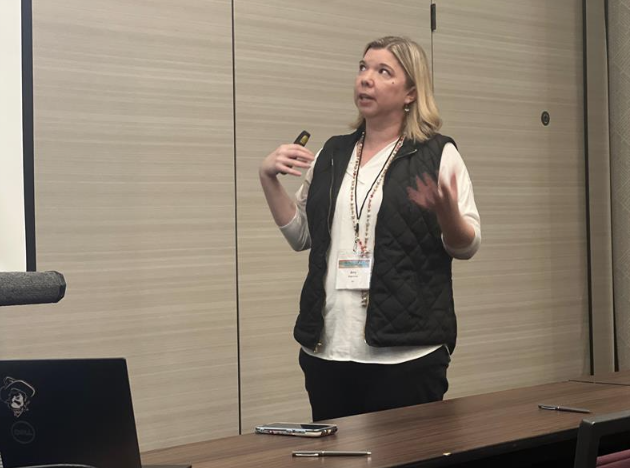
Yellowstone Co-Creator Taylor Sheridan Wanted to Tell the Story of the West and Where Food Comes From

Thu, 02 Feb 2023 05:07:53 CST


Yellowstone Co-Creator Taylor Sheridan Wanted to Tell the Story of the West and Where Food Comes From

Click here to listen to audio


The ice storm across the southern great plains almost kept the headliner for the Opening General Session of the 2023 Cattle Industry Convention from showing up- but while Taylor Sheridan, the co-creator of the hit TV show Yellowstone was not able to be in New Orleans- a zoom link allowed him to remotely be on stage as he spoke to a room full of fans from the 6666 ranch in Texas.

6666 Ranch, or Four Sixes Ranch, was founded by Samuel "Burk" Burnett back in 1870 when he purchased 100 heads of cattle and gave them the now-famous 6666 brand. Burnett went on to become one of the most influential and successful cattlemen in Texas history. Sheridan told the story about how he was able to buy the legendary ranch in 2022 and that he was excited to be able to share a bit of its history with millions of people via his TV series.

Sheridan talked for a half hour with National Cattlemen's Beef Association President Don Schiefelbein about the his desire to explain to the public real ranch life and how Yellowstone has come to be so loved by fans around the world.
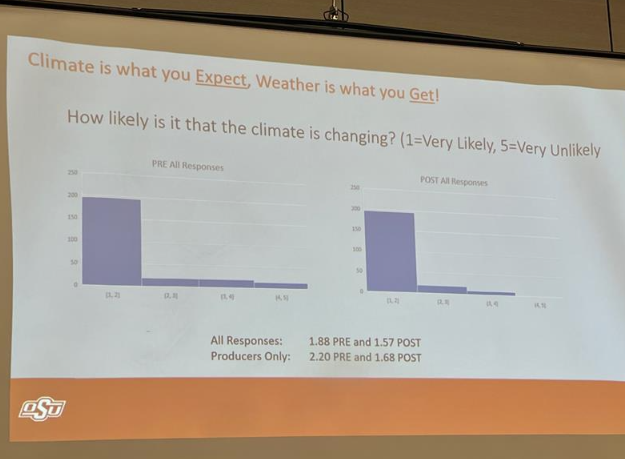
Click on the Listen Bar to hear their full conversation from the Opening General Session of the 2023 Cattle Industry Convention in New Orleans.


Taylor Sheridan tells the Yellowstone Story at the 2023 Cattle Industry Convention

click to play audio or right-click to download

Yellowstone Co-Creator Taylor Sheridan Wanted to Tell the Story of the West and Where Food Comes From

Thu, 02 Feb 2023 05:04:57 CST Yellowstone Creator Taylor Sheridan Wanted to Tell the Story of the West and Where Food Comes From

Taylor Sheridan tells the Yellowstone Story at the 2023 Cattle Industry Convention

Click here to listen to audio The ice storm across the southern great plains almost kept the headliner for the Opening General Session of the 2023 Cattle Industry Convention from showing up- but while Taylor Sheridan, the co-creator of the hit TV show Yellowstone was not able to be in New Orleans- a zoom link allowed him to remotely be on stage as he spoke to a room full of fans from the 6666 ranch in Texas. 6666 Ranch, or Four Sixes Ranch, was founded by Samuel "Burk" Burnett back in 1870 when he purchased 100 heads of cattle and gave them the now-famous 6666 brand. Burnett went on to become one of the most influential and successful cattlemen in Texas history. Sheridan told the story about how he was able to buy the legendary ranch in 2022 and that he was excited to be able to share a bit of its history with millions of people via his TV series. Sheridan talked for a half hour with National Cattlemen's Beef Association President Don Schiefelbein about the his desire to explain to the public real ranch life and how Yellowstone has come to be so loved by fans around the world. Click on the Listen Bar to hear their full conversation from the Opening General Session of the 2023 Cattle Industry Convention in New Orleans. Taylor Sheridan tells the Yellowstone Story at the 2023 Cattle Industry Convention click to play audio or right-click to download
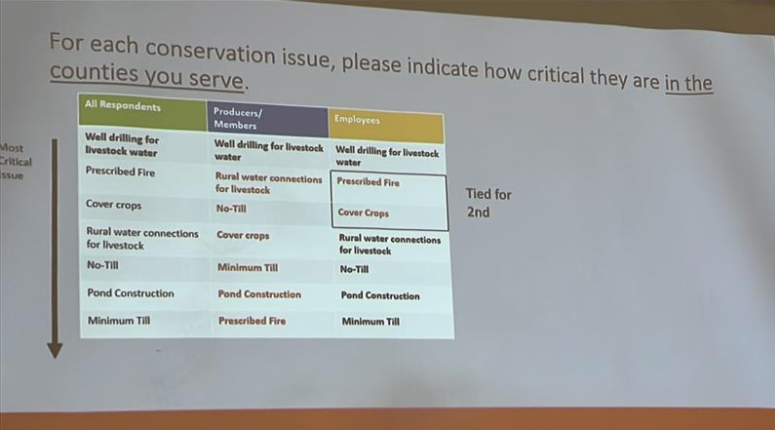
Yellowstone Creator Taylor Sheridan Wanted to Tell the Story of the West and Where Food Comes From

Thu, 02 Feb 2023 05:04:57 CST


Yellowstone Creator Taylor Sheridan Wanted to Tell the Story of the West and Where Food Comes From

Click here to listen to audio


The ice storm across the southern great plains almost kept the headliner for the Opening General Session of the 2023 Cattle Industry Convention from showing up- but while Taylor Sheridan, the co-creator of the hit TV show Yellowstone was not able to be in New Orleans- a zoom link allowed him to remotely be on stage as he spoke to a room full of fans from the 6666 ranch in Texas.

6666 Ranch, or Four Sixes Ranch, was founded by Samuel "Burk" Burnett back in 1870 when he purchased 100 heads of cattle and gave them the now-famous 6666 brand. Burnett went on to become one of the most influential and successful cattlemen in Texas history. Sheridan told the story about how he was able to buy the legendary ranch in 2022 and that he was excited to be able to share a bit of its history with millions of people via his TV series.

Sheridan talked for a half hour with National Cattlemen's Beef Association President Don Schiefelbein about the his desire to explain to the public real ranch life and how Yellowstone has come to be so loved by fans around the world.
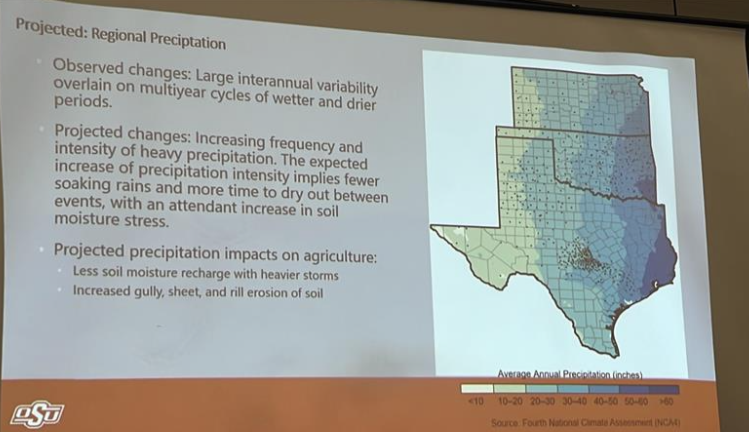
Click on the Listen Bar to hear their full conversation from the Opening General Session of the 2023 Cattle Industry Convention in New Orleans.


Taylor Sheridan tells the Yellowstone Story at the 2023 Cattle Industry Convention

click to play audio or right-click to download

Lankford Announces Committee Assignments for 118th Congress

Today, Senator James Lankford (R-OK) announced his Senate Committee assignments for the 118th Congress. Lankford will rejoin the Senate Select Committee on Intelligence while retaining membership on the Homeland Security and Governmental Affairs Committee, Finance Committee, and the Select Committee on Ethics. Lankford previously served on the Senate Intelligence Committee from 2015-2018.  

"The Oklahoma delegation continues to lead the nation on vital committees important to our state," said Lankford. "I am honored to serve and represent our state's interests on these committees. I look forward to ensuring our state's voice is part of the conversations on tax, health care, finance, energy, trade, border security, national security, intelligence and counter-terrorism strategies—as we have much work to get done in the days ahead."

The Senate Select Committee on Intelligence provides legislation to authorize, fund, and oversee all American intelligence-gathering operations. The Committee produces legislation that authorizes funding for the intelligence agencies and provides numerous legal authorities and requirements. 

NCGA to Corn Growers: 2022 Census of Agriculture Due Next Week Feb. 6

The National Corn Growers Association is reminding corn growers that the deadline to respond to the 2022 Census of Agriculture is Monday, Feb. 6. Producers can respond online at agcounts.usda.gov or by mail.

NASS mailed the Census of Agriculture questionnaires to every known ag producer in the U.S. and Puerto Rico. Conducted just once every five years, the ag census provides a complete account of the nation's farms and ranches and the people who operate them.

The Census of Agriculture informs decisions about policy, programs, rural development, research, and more. The survey results are the only source of uniform, comprehensive, and impartial agriculture data for every state, county and U.S. territory. U.S. farm operations of all sizes, urban and rural, which produced and sold, or normally would have sold, $1,000 or more of agricultural products in 2022, are included.

NASS will release the results of the ag census in 2024. Visit nass.usda.gov/agcensus, for more information and to complete the survey.

Sixth-Generation Cattle Rancher Announced as 2022 Advocate of the Year at Annual Cattle Industry Convention

The Masters of Beef Advocacy program recognizes rancher from Texas.

From Throckmorton, Texas, Tucker Brown has been selected by the National Cattlemen's Beef Association, a contractor to the Beef Checkoff, as the 2022 Advocate of the Year. The award recognizes Brown for his creative use of storytelling across social media platforms, along with continuing his family's legacy as a sixth-generation cattle rancher.

Tucker Brown


Well respected across the industry, Brown is active in his family's operation, R.A. Brown Ranch and serves on the Leadership Development Committee for Texas & Southwestern Cattle Raiser's Association. As a "farm gates always open" type of person, Brown said he doesn't hesitate to answer hard questions about the beef industry and loves showcasing their West Texas multi-generational ranch.

"Our goal is if we can help consumers understand where their food comes from, they will have a deeper sense of trust," said Brown. "Having people come to the ranch and ask questions helps us move forward and do better."

As a modern-day influencer, Brown has a knack for creating intriguing and approachable social media content that bridges the gap between consumers and producers, reaching millions of viewers. With more than 176,000 followers on TikTok and 52,000 followers on Instagram, Brown receives, on average, a combined 5-6 million views per month on his videos and uses his influence to show what it's like to raise beef.

"I like to use a word I call 'edutainment' which means entertaining viewers so much they didn't realize they learned something until after the video is over," said Brown. "There's so many of us that post about the beef industry, so finding ways to keep viewers watching has been the most fun for me as an advocate."

Brown said along with sharing beef facts and ranching stories, his passion goes beyond simply reaching consumers. He also strives to get more youth involved in the industry. As a graduate of the Masters of Beef Advocacy program, Brown emphasized the importance of development programs like these in identifying and preparing the next generation.

"I think it's important to tell our story, but I think much of the industry hasn't been trained on how to do that," said Brown. "With these recent programs it's been easier to get more young people involved and teach them how to be an advocate of truth in a way where more people are willing to listen."

You can follow Tucker Brown on Facebook, Instagram, Twitter, TikTok, or visit his family's ranch website here.

The 2023 Cattle Industry Convention coverage is being powered by Performance Ranch, a part of Zoetis, and by Farm Data Services located in Stillwater, Oklahoma.


Zoetis and Select Sires Inc. Partner to Help Cattle Producers Apply Data for Strategic Decision-making

Data from Performance Livestock Analytics software and competitive grid marketing access from GeneNet helps beef producers market the value of their cattle

Zoetis is excited to announce its partnership with Select Sires Inc. to help cattle producers gain more from data. The partnership provides a grid marketing service, GeneNet, which will provide Performance Livestock Analytics customers a designated marketing platform to communicate and promote the value of their cattle. Select Sires' farmer-owners will gain value with access to the Precision Animal Health portfolio from Zoetis, including beef genetic testing and Performance Livestock Analytics software.

The GeneNet grid marketing service negotiates fed-cattle pricing based on carcass characteristics including quality and yield grade. With this partnership, Performance Livestock Analytics customers will receive an exclusive offer to use GeneNet's competitive marketing grids and gain bargaining power for the quality cattle they raise, plus carcass data on those cattle.

"This partnership creates a winning opportunity for producers," said Justin Sexten, head of Industry and Network Partnerships, Precision Animal Health, Zoetis. "GeneNet allows cattle feeders to leverage their animal data from our management software to strategically market their investment in quality genetics and exceptional management. This information arms them with collective negotiation power on GeneNet's marketing grids to communicate to buyers the value of their cattle."

Cloud-based software developed by Performance Livestock Analytics, part of Zoetis, helps digitize cattle records and turn data into actionable insights to inform strategic decisions regarding health, genetics, marketing and financials.

Sandra Utter, GeneNet manager at Select Sires Inc., said the collaboration with Zoetis will help drive better genetic and management decisions to breed and market quality cattle.

"Because Select Sires is positioned at the front and back end of the beef production chain, we can help beef producers capture and analyze data that allows them to create, measure, manage and make changes to increase profitability from conception to consumption," Utter said. "Data captured in Performance Beef can help us evaluate cattle performance in the feedlot and provides the necessary history and genetic makeup critical to successfully marketing on GeneNet grids."

Through this partnership with Select Sires, Zoetis will begin the development of connecting the carcass data to the digital ecosystems for Performance Livestock Analytics and BLOCKYARD™ to enable more seamless management and genetics decision-making tools. This integration will provide participating customers access to valuable carcass data within their current platform for Performance Beef®. This will help minimize data entry and also provide producers insights into how their use of elite genetics is performing on the rail and adding value.

Select Sires customer, Trent Winter, of Wintergreen Farms in Clifton, Kansas, has benefited from marketing cattle through GeneNet. He emphasized the need for data to make good marketing decisions.

"Without the data, it's hard to see the progress or know the areas to improve," Winter said.

From the carcass data Wintergreen Farms received from GeneNet, they made sire selection adjustments to improve their cattle's marbling ability and ultimately optimize both premiums and yields on the grid.

For Zoetis and Select Sires customers interested in learning more about competitive and profitable marketing opportunities for their cattle, visit GeneNetBeef.com.

American Agri-Women Foundation Awards Daughters of American Agriculture Scholarships

March 1st Deadline - Apply Today! 

The American Agri-Women (AAW) Foundation is now accepting applications for the 2023 Daughters of American Agriculture Scholarships. The application may be found here:  https://americanagriwomen.org/scholarships. The deadline is March 1. Late applications will not be considered.

The Jean Ibendahl Scholarship (for ages 18-23) and the Sister Thomas More Bertels Scholarship (for ages 24+) honors the memory of these courageous and adventurous women who played an essential role in serving and leading and who encouraged agricultural pursuits.

These scholarships are available to any farm, ranch, or agri-business woman to pursue accredited courses in agriculture leadership, communications, rural sociology, medicine or other college-level studies directly related to agriculture. American Agri-Women members and affiliates maintain the scholarships.

About American Agri-Women

American Agri-Women
(AAW) promotes the welfare of our national security through a safe and reliable food, fiber and energy supply. Since 1974, AAW members have worked together to educate consumers, advocate for agriculture, and offer networking and professional development opportunities. Go to the AAW web site for more information and to join, www.americanagriwomen.org. Find AAW on social media  at: Facebook.com/AgriWomen/, Twitter.com/Women4Ag/ (@Women4Ag) and Instagram.com/americanagriwomen/ (@americanagriwomen. #standupspeakout4ag

Assessing Calf Vigor with OSU's Barry Whitworth

In this edition of Cow-Calf Corner, Barry Whitworth, DVM, Senior Extension Specialist, OSU Department of Animal and Food Sciences talks about checking the health status of newborn calves.

In human medicine newborn babies undergo an APGAR test following birth. APGAR stands for appearance, pulse, grimace, activity, and respiration. The purpose of the test is to assess how well the baby tolerated the birthing process and how well the baby is doing outside the mother's womb. An APGAR test for calves similar to the one in human medicine would give cattle producers a clue when to intervene in a newborn's life. Unfortunately, most attempts to develop such a test for calves have not been successful; however, there are several studies that provide some practical advice on when to intervene with a newborn calf. 

In two studies Dr. Homerosky and associates in Canada found two good predictors of calf vigor, calving ease and suckle reflex. Most producers have the ability to assess both components. First, was the calf born in a timely manner and required no assistance. Calves from births that require assistance are more likely to have acidosis. Acidosis is associated with failure of immunoglobulin absorption, sickness, and death in calves. Dr. Homerosky found a correlation between acidosis and the inability of a calf to withdrawal its tongue after being pinched. A producer can check a calf for acidosis by pinching the calf's tongue. If a calf cannot withdraw their tongue after being pinched, it is likely acidotic and is a good candidate for early colostrum intervention. Colostrum should be consumed in the first four hours following birth.

The second predictor a producers can check for is a strong suckle reflex. To measure the suckle reflex, a producer should insert two fingers in the mouth and rub the roof of the calf's mouth. A calf should have a strong jaw tone with a rhythmic suckle reflex. A weak suckle reflex indicates the need to feed colostrum. 

In another study Dr. Murray found that calves that did not sit up (sternal recumbency) within 15 minutes of birth had reduced absorption of immunoglobulins. Also, calves born to cows that had difficulty birthing took longer to stand. These observations provide clues that the calf will require more care and colostrum intervention to increase the chance of survival.

Most producers are capable of assessing calf vigor based on the above parameters. Any calf born to a cow that has difficulty birthing and/or a calf that has problems with the above tests would be a candidate for early intervention. The best treatment is to give 2 to 3 liters of colostrum from the mother within the first 4 hours of life. Any delay in getting colostrum into the calf will only increase the chance of the calf having problems in life. This does require more work from the producer but should pay off with more pounds of beef at weaning.

If producers would like more information about calf vigor, they should contact their local veterinarian or local Oklahoma State University County Extension Educator.

NCBA President Don Schiefelbein sees Cattle Industry Working Together in the Midst of Regulatory Concerns

Photo Credit: AgWired

Listen to Ron Hays talk with Don Schiefelbein about this past year in the cattle industry.

Senior Farm and Ranch Broadcaster, Ron Hays, is visiting with the president of the National Cattlemen's Beef Association, Don Schiefelbein, at the Cattle Industry Convention and NCBA Trade Show in New Orleans.

The 2023 Cattle Industry Convention coverage is being powered by Performance Ranch, a part of Zoetis, and by Farm Data Services located in Stillwater, Oklahoma.

While this year has surely presented challenges for cattle producers, Schiefelbein said it has still been a good year.

"Nothing helps people's attitudes (more) than higher calf prices, and that is one of the things that has really gone our way as these calf prices have kind of turned, it looks like we are going to have the upper leverage here for the next couple of years, so things look pretty good long term if we can just get that moisture that everybody needs," Schiefelbein said.

Schiefelbein said there are still concerns in the cattle industry about market transparency, but capitalism and the marketplace are holding strong.

"Even though we went through the most crippling, most disruptive period in the history of animal production here just a couple of years ago, who would have through two years removed from that disaster situation, we would be seeing the prices we are, and again, it is that capitalism still works, we sure wish there was more competition, but capitalism still works, and things have gotten better," Schiefelbein said.

There has been a resurgence of regulatory worry over the past year as the Biden administration has become involved in issues such as redefining WOTUS and more.

"They are getting back into some of the GIPSA type rules that are going to be another concern," Schiefelbein said. "It just seems like for our industry's sake, we think we get an issue put to bed, and somebody wakes them up and starts stirring them up."

Especially in Oklahoma, Schiefelbein said the ramifications of WOTUS leave uncertainty for producers when it comes to potential liabilities for water. While a rule may be written to benefit someone in the industry, Schiefelbein said one flaw could end up doing more harm than good.

Schiefelbein reflected on his time in office at NCBA and said as of now, cooperation is at an all-time high for the cattle industry, which is admirable considering the many differences between those within.

The Beef Buzz is a regular feature heard on radio stations around the region on the Radio Oklahoma Ag Network and is a regular audio feature found on this website as well. Click on the LISTEN BAR for today's show and check out our archives for older Beef Buzz shows covering the gamut of the beef cattle industry today.

OSU's Ryan Desantis Offers Tree and Shrub Care Tips for Unpredictable Oklahoma Weather and Drought

Listen to KC Sheperd talk with Ryan Desantis about caring for your trees and more during winter and drought.

As Oklahoma weather has been more unpredictable than usual his winter, KC Sheperd, Farm Director, is visiting with Oklahoma State University professor of natural resource ecology and management, Ryan Desantis, about how to best care for your trees and more during this time of the year.

Many different factors go into how to correctly care for your trees, Desantis said, including location and tree species.

"What I usually like to think of in terms of watering at a dormant time of year like in January would be to stick with what has been done for the past several years to several decades for that particular tree," Desantis said.

Even though much of the state has seen warmer temperatures earlier in January, Desantis said watering a tree in the winter during drought can do more harm than good. Toward the end of winter, when there are longer periods of warmth, Desantis said it is okay to start watering trees, but doing so in the middle of winter when a warmer few days come along can "shock" the tree.

Desantis talked about how to evaluate your trees to make sure they are in good condition.

"If you have got a cedar or a pine that has orange or brown foliage and there is no green, it is pretty safe to say that tree is dead," Desantis said. "It is too late to save that tree."

While a deciduous tree will shed its leaves annually, Desantis said, cedar and pine trees will not drop their foliage all at once.

For Oklahomans who are having trouble with their shrubs due to the drought, Desantis said it depends on the species and form of reproduction.

"When we get temperatures or precipitation regimes that are significantly different, then they do have trouble adapting," Desantis said. "Some of them will die, but I'd say some of them- you probably want to figure out what the species is and whether or not you can propagate it by sprouting. Basically, try to focus more attention on other parts of the plant that you might be able to bring back."

Hawthorn trees are popular across the state of Oklahoma, but Desantis said they are susceptible to many different diseases.

"They can be pretty finicky when it comes to this kind of weather," Desantis said.

For Hawthorn trees, Desantis said in addition to the weather component that might be hard on the tree, there is usually other factors in the background such as disease.

As for good times to plant trees, Desantis recommends waiting until the end of the drought when there is more available moisture.

"You very well could get something in the ground, and it does well for a little while, but the below-ground part- there is things going on that you may not see," Desantis said. "You might have a room system that doesn't really develop very well because of the drought, and that might actually affect that plant several years down the road."

Desantis said a normal or above normal moisture level on the weekly drought monitor is a reasonable time to plant.

Desantis also talked about how to properly water your freshly planted trees during drought and said it is most important to make sure the water is reaching the root systems deep in the soil, but it depends on the season and size of the tree.

"What you want to try to do is think about deep watering at times that are spaced further apart," Desantis said.

Deep watering, Desantis, means turning on the hose and not putting it right against the base of the tree, allowing the water to flow for a substantial amount of time. During dormant times of the year, Desantis said he would focus most on removing the dead parts of the tree.

Last Round of Winter Weather, then Warmer Weather on the Way

The 3rd round of Winter Weather is set to move through the state later this evening, with the possibility of sleet and freezing rain. State Climatologist Gary McManus says this latest round of Wintery mix will gradually expand northward on Wednesday into Wednesday evening. With this latest round, you can expect precipitation in the state tonight before it trudges east Thursday afternoon. Highs will climb back above freezing today but fall below this evening which could cause some travel problems. Just a small amount of ice can cause very big problems, so please be careful if you do need to get out.

McManus says January in Oklahoma began springlike but ended with a wintery Punch, "Warm weather dominated the first three weeks of the month and was on pace to become one of the warmest Januarys on record before winter crashed the party." We went from seeing highs in the '60s and '70s during January's first three weeks to seeing Snow, sleet, and freezing rain over the month's final ten days, "The first winter storm on Jan. 23-24 brought the type of picturesque snowfall rarely seen in Oklahoma. Temperatures hovered near freezing in the state, which helped produce
snowflakes to the size of half-dollars that fell into a near windless environment, an oddity on most days in Oklahoma. West central Oklahoma saw 6-8 inches of snow, with Erick leading the state at 8.9 inches. Locations in central
and eastern Oklahoma reported 4-6 inches, and nearly everybody saw at least some snow, albeit briefly".

Even with the precipitation, McManus says we are still .04 inches below normal for January, as it ranked the 58th direst January since the records began back in 1895, " Far eastern Oklahoma had the greatest totals of 3-4 inches, with a few localized areas with 4-5 inches evident on radar estimates. Much of the western half of the state ended with less than
an inch of precipitation, the Mesonet site at Eva's 0.14 inches bringing up the rear."

McManus says the Climate predictions center for February precipitation indicates increased odds for above normal precipitation across the easter four-fifths of the state, but especially for the eastern One-third of Oklahoma, "The temperature outlook shows increased odds of above normal temperatures for far southeastern Oklahoma. The hopeful precipitation outlook leads to CPC's February drought forecast of improvements across the eastern one-third of the state. Drought is expected to persist across the western two-thirds, however."

To read more from McManus's Mesonet Ticker, click here:

Grow bags are a lightweight, mobile option for gardeners

By Trisha Gedon

Traditional in-ground beds, raised beds and ceramic/plastic pot gardens are mainstay gardening methods, but grow bags add another dimension to this popular pastime.

"One of the biggest advantages is the convenience. Grow bags are great for both seasoned and novice gardeners," said Casey Hentges, Oklahoma State University Extension associate specialist and host of OSU Agriculture's "Oklahoma Gardening" television show. "The bags are available in a variety of shapes and sizes to meet your gardening needs. Also, they're good for gardeners with mobility issues because they're higher than traditional in-ground beds."

When shopping for bags, select those made from durable polypropylene fabric or a heavy-duty landscape fabric. Prices vary for these bags, and investing a bit more up front will get gardeners a better, longer-lasting product. Some of these bags will last three or four growing seasons.

The bags often come with attached handles to make moving them easier. They're also much lighter than the typical clay or ceramic pot. Grow bags work well for people with a small patio or balcony or little space for a traditional in-ground or raised-bed garden. Gardening enthusiasts who are renting or living in temporary housing can plant a garden and take it with them when they move.

Hentges said it's important to consider what types of plants grow best in the mobile environment.

"Select plants with a relatively shallow root system, such as salad greens and radishes. Plants that need more space to spread out, including melons, parsnips and winter squashes, most likely won't do well," she said. "However, there are dwarf cultivars of many varieties that will grow well."

Oklahoma gardeners are well-versed in summer heat, and plants grown in grow bags need to be watered more frequently, said David Hillock, OSU Extension consumer horticulturist.

"In the heat of the summer, the bags will need to be watered probably once a day," Hillock said.
"Grow bags need well-draining soil that can retain moisture in between waterings. This soil helps ensure roots can breathe as excess water flows through the soil and the bag."

Along with more water, plants in grow bags may need additional fertilizing. Plants grown in containers are limited to the amount of nutrients in the soil, which can leach out with frequent watering. Be sure to follow the directions on the fertilizer container.

Grow bags can be used for several years. Properly cleaning and storing them at the end of the growing season will help them last longer. Empty and wash bags with soapy water to kill any lingering bacteria or fungus. Allow them to dry completely before storing.

"This cleaning process is important because any soil-related problems gardeners have with their plants during the growing season will remain in the bag unless it's properly cleaned," Hentges said.

OSU Extension offers additional gardening information online and at local Extension offices.

OSU Extension uses research-based information to help all Oklahomans solve local issues and concerns, promote leadership and manage resources wisely throughout the state's 77 counties. Most information is available at little to no cost.

Giving Back to Help Grow Future Leaders through Give FFA Day

Individuals across the country can make a difference in the lives of the more than 850,000 FFA members this month by participating in Give FFA Day during National FFA Week.

For the eighth year, during National FFA Week, individuals will have an opportunity to step up and support FFA and agricultural education through Give FFA Day on Thursday, Feb. 23. Funds raised support various programs on local, state and national levels. During the 24 hours of giving, donors can donate to National FFA and the state FFA associations of their choice.

In February, we will celebrate FFA, advisors and members as part of National FFA Week, which includes giving back during Give FFA Day. For more than 90 years, the National FFA Organization has strived to make a difference in students' lives. Donations help FFA grow the next generation of leaders. Through FFA, members can find their paths to success. 

With a membership of more than 850,000, there is a need for sustained funding to provide valuable programs, events, skills training and more; through generous supporters like those on Give FFA Day, FFA members can thrive.

"Every ounce of help and support makes a huge difference in the lives of every single FFA member across the nation," said Mary Ann Fox, an Iowa state FFA officer. "The experiences you are supporting help make members ready for the next step in their lives."

This year, the organization aims to raise $500,000 during the 24 hours of Give FFA Day. FFA hopes to achieve this by challenging everyone to contribute throughout the day with a goal of having 2,000 donors participate.

RFD-TV has generously pledged to match the first $100,000 in donations on Give FFA Day. "No one does a better job of preparing leaders for the next generation than FFA," Patrick Gottsch, president of Rural Media Group Inc., said.  "For 22 years now, RFD-TV has supported FFA in every way possible, and I am so proud to be associated with the best of America's youth.  Anyone who donates to FFA with their time or money can be assured that it is going to be a great investment."

In addition, American Family Insurance and John Deere will also match donations on Give FFA Day. Matching details will be announced throughout the day.

"Donors at every level ensure we continue to grow the future leaders of agriculture and the world," said Kimberly Coveney, the annual fund manager for the National FFA Foundation. "Give FFA Day is an opportunity for each FFA supporter to magnify their impact on the lives of young people when they join other donors across the country. Every gift makes a difference, and we are grateful for our donors and their continued support and belief in FFA and agricultural education."

To prepare for Give FFA Day, visit FFA.org/GiveFFADay. See how you can give back to the organization and encourage others to do the same.

The National FFA Organization is a school-based national youth leadership development organization of more than 850,000 student members as part of 8,995 local FFA chapters in all 50 states, Puerto Rico and the U.S. Virgin Islands.

Consumer Demand for Beef Remains Strong Among Inflation Woes, New Report Shows

During historic price levels, supply chain issues, and general consumer uncertainty about the future, beef remains a top source of protein.

According to the newly released "Today's Beef Consumer" report from the National Cattlemen's Beef Association (NCBA), a contractor to the Beef Checkoff, demand for beef continues to remain strong. The compilation of research from 2022, outlined below, shows that despite various challenges faced by the industry, consumers have repeatedly stated that they will continue purchasing beef, both in retail and foodservice settings.

Consumer Insights
Consumer demand for beef remains strong overall.[i] In fact, more than two-thirds of consumers reportedly eat beef on a weekly basis, or more.[ii] Inflation is certainly top of mind and more than three-quarters of consumers, 78%, report noticing an increase in the price of food whether at retail or foodservice.[iii] Beef however has experienced far lower levels of inflation when compared to other proteins in the "food at home" category[iv], which we will explore next.  

Retail
During the pandemic consumers were forced to cook at home and many have continued to do so as it has become a popular way to make a dollar stretch and combat inflation. Analysis for the Today's Beef Consumer report found 76% of meals are now cooked at home and 94% of consumers who are cooking more at home say they will continue to do so.iii In 2022 fresh ground beef accounted for 50% of volume of beef sales,[v] likely due to the lower price point as well as a renewed consumer interest in comfort foods and nostalgic recipes, like meatloaf. In 2022, meatloaf was also the most popular page on BeefItsWhatsForDinner.com with almost 1.7 million pageviews. This trend is expected to continue as a recent survey found that 20% of consumers say they plan to purchase more ground beef in the coming yeariii.

Foodservice
It is no surprise that beef sales at foodservice declined sharply in 2020 and 2021. In 2022, sales in both dollars and volume rebounded to surpass the pre-pandemic level of 2019.[vi]

Online Shopping
Another pandemic trend that seems to be here to stay is online shopping, both at retail and foodservice. 64% of consumers say they are ordering groceries online, with 44% of consumers including fresh beef in those grocery orders. When it comes to foodservice, online ordering has become overwhelmingly popular. 80% of consumers say they order meals online and 70% use online ordering for burgers.iii

Beef Substitutes
Fresh meat and beef substitutes continue to represent a small percentage of the market.v When it comes to protein sources, consumers consistently rank beef as a top source of protein.ii  

As we head into 2023 demand for beef remains strong and consumers continue to purchase and order beef, whether in person or online. To view the entire study, click here or visit BeefResearch.org.

Oklahoma Sends Questionnaire to determine the financial "boycott" of Energy Companies in State

Oklahoma State Treasurer Todd Russ' sent a letter and questionnaire to a list of national financial institutions, including fund managers and banks, to determine which companies "boycott energy companies" in Oklahoma. This move is the first step in compiling the list of companies Oklahoma government entities are prohibited from doing business with because of their environmental, social and governance (ESG) policies.

"I took office on January 9th and began compiling a list of companies, banks, and other entities that act against Oklahoma's interests because of their ESG stance. It is my responsibility to ensure Oklahomans' tax dollars will not be used to enrich organizations that act counter to our taxpayers' interests and our values," Treasurer Russ said. "This questionnaire provides an opportunity for financial companies to attest to their business actions as they relate to Oklahoma. Other states are taking similar steps, and Oklahoma joins them in asserting that we will not do business with financial companies who discriminate against or boycott our energy industries and businesses."

Last year, the Oklahoma Legislature passed the "Energy Discrimination Elimination Act," which requires the State Treasurer to determine and provide a list of what financial companies are, "taking any action that is intended to penalize, inflict economic harm on, or limit commercial relations with a company" because of their stance on fossil fuels and ESG criteria. Additionally, this law mandates that any company that fails to respond to the letter and provide the Treasurer with written verification that they do not boycott Oklahoma energy companies within sixty days (April 1, 2023) from the date of the letter is presumed to be engaged in discriminating activities and will be placed on the public list of financial companies that are engaged in energy company boycotts. Based on this list from the Treasurer, Oklahoma government entities must divest any assets with the listed financial companies. This legislation went into effect last fall.

"This list is crucial to provide accountability for our government entities, including organizations responsible for pension funds such as the Oklahoma Public Employees Retirement System (OPERS) and Teachers Retirement System (TRS) to ensure our constituents' tax dollars are only invested in secure and verified financial companies that comply with Oklahoma law," Treasurer Russ said. "OPERS alone has more than 60 percent of their portfolio totaling more than $10 billion managed by Blackrock, a well-known adversary of energy businesses.

As Prices Ease, Americans Projected to Eat 1.45 Billion Chicken Wings for Super Bowl LVII

While typically its barbecue in Kansas City and cheesesteaks in Philly, when it comes to the Super Bowl, the wing is still king. The National Chicken Council (NCC) today released its annual Chicken Wing Report, projecting Americans to consume a record-breaking 1.45 billion chicken wings during Super Bowl LVII weekend. This figure represents an increase of two percent from last year's report, the equivalent of 84 million more wings. 


 There are several reasons for the uptick, says National Chicken Council spokesperson Tom Super: "The two main reasons are more favorable prices and more people getting back to normal and gathering for the Big Game, whether at home or at a bar/restaurant," Super said. "While Americans are seeing inflation impact almost every part of their lives, both wholesale and retail wing prices are down double digits from a year ago, according to USDA, and consumers are seeing a lot more features and promotions. 

"There are a lot of great story lines heading into the game," Super added. "Andy Reid versus his old team. A battle of the Kelce brothers. Mahomes versus Hurts. But no Super Bowl story line is hotter than wings!"

Big games inspire gatherings, and wings are on the menu. When comparing the week ending 1/22/23 to the week ending 1/08/23 (final week of regular season), wing sales grew double digits in both dollars (+11.5%) and pounds sold (+13.5%) within the Kansas City, Philadelphia, San Francisco and Cincinnati markets. (Source: IRI OmniMarket Integrated Fresh)

So how do 1.45 billion chicken wings stack up? Picture this:  

  • 1.45 billion wings laid end to end would stretch from GEHA Field at Arrowhead Stadium in Kansas City, Mo. to Lincoln Financial Field in Philadelphia, Pa. about 62 times. 
  • Enough to give four wings each to every man, woman and child in the United States.
  • Phoenix's State Farm Stadium (home of Super Bowl LVII) can hold 73,000 people. If 1.45 billion chicken wings were distributed to the full stadium, each fan could enjoy 19,863 wings.

Assuming Kansas City Chiefs' coach Andy Reid can eat three wings per minute, it would take him more than 900 years to eat 1.45 billion wings.

NCBA Announces 2023 Policy Priorities

The National Cattlemen's Beef Association's (NCBA) executive committee approved the organization's policy priorities at the 2023 Cattle Industry Convention and NCBA Trade Show, with a focus on advancing animal disease preparedness, protecting voluntary conservation programs, and defending producers from regulatory overreach.

"Our focus is helping to create opportunity for America's cattle producers and fighting to make sure the federal government does not damage our industry," said NCBA President-Elect Todd Wilkinson. "Cattle producers have been caretakers of the land and livestock for decades and are committed to conserving this country's natural resources while producing high-quality beef.

NCBA's policy priorities include:

  • Securing reauthorization of animal health provisions in the 2018 Farm Bill and advocating for expanded funding of the National Animal Vaccine and Veterinary Countermeasures Bank (NAVVCB) to protect against foot-and-mouth disease (FMD).  
  • Protecting and funding EQIP, CSP and other voluntary conservation programs that incentivize science-based, active management of natural resources.
  • Protecting the cattle industry from regulatory attacks under Waters of the United States, the Endangered Species Act, emissions reporting and more.

"One of the biggest opportunities to help cattle producers in the coming year is passing the 2023 Farm Bill with continued investment in our national vaccine bank to protect the U.S. cattle herd from the threat of foot-and-mouth disease. Recently, we have seen other countries deal with the realities of animal disease outbreaks. American cattle producers are not going to be caught flat-footed – we are laser-focused on reducing risk and having the strongest response with a stockpile of vaccines that we have been building up since the 2018 Farm Bill," Wilkinson said.

Learn more about NCBA's 2023 Policy Priorities here.

The 2023 Cattle Industry Convention coverage is being powered by Performance Ranch, a part of Zoetis, and by Farm Data Services located in Stillwater, Oklahoma.

Coalition Names Indiana CCA as Winner of CCA Conservationist of the Year Award

Today, Barry Fisher of Greencastle, Ind., was named as this year's recipient of the Certified Crop Adviser (CCA) Conservationist of the Year Award.      

The 2022 Award was announced by Natural Resources Conservation Service (NRCS) Associate Chief Louis Aspey to Fisher during a ceremony hosted at the U.S. Department of Agriculture. The CCA Conservationist of the Year Award annually recognizes a certified crop adviser who exhibits dedication to exceptional conservation delivery and customer service and has shown to be a leader in their industry.

This year's award recognizes Fisher, founder of Fisher Soil Health and former Central Region Leader for the NRCS National Soil Health Division, for his 40+ years of crop advising experience. In his career, Fisher has worked tirelessly to help farmers adopt conservation practices in Indiana and beyond. He has shared his strategies with farmers and specialists across the globe and used innovative and creative methods to break down barriers to conservation adoption.  

"Mr. Fisher has demonstrated a deep commitment to protecting and enhancing our natural resources in his work with Indiana farmers," said NRCS Associate Chief Louis Aspey. "NRCS is proud to have one of its own recognized for his lasting impact in the soil conservation field. NRCS applauds Mr. Fisher's innovative and impactful CCA work throughout his career."

"Barry's leadership as a conservationist, crop adviser, and mentor has left a lasting legacy for soil health and conservation," said American Society of Agronomy CEO Jim Cudahy. "We are honored to recognize Barry through this award for his dedication to the promotion of sustainability through innovation and results driven conservation efforts."

"Fisher's whole career has been one of taking initiative and leading efforts to improve soil conservation on as much land as possible," said Joseph Rorick and Lisa Holscher, two of Fisher's nominators for the award. "For over 30 years, Fisher has been a leader in a local no-till learning circle in his county, brining what he learned about conservation in his travels and experiences nationwide home."

"Barry's career has long been focused on working with farmers to increase conservation adoption," said Indiana Agriculture Nutrient Alliance Executive Director Ben Wicker in his letter of recommendation for Fisher. "His work truly encompasses the spirit of this award."

Canada Must Abide by USMCA Dairy Commitments

American Farm Bureau Federation President Zippy Duvall commented today on the latest U.S. Trade Representative investigation into Canadian dairy imports.

"We're pleased USTR continues to put pressure on Canada to live up to its commitments under the U.S.-Mexico-Canada Agreement. America's hardworking dairy farmers deserve the opportunity to sell their products to Canada, but they have run into persistent roadblocks.

"We appreciate Trade Representative Tai for her work to enforce the tariff-quota provisions of the trade agreement. We value Canada as a trading partner, but its leaders must honor the agreement to ensure Canada's families have choices at the supermarket, and America's farm families have fair access to markets."

Corn Grower Leaders, Joined by Administration and Congressional Officials, Warn of Consequences from Mexico Decree, Call for Swift Action

During a congressional briefing today, corn growers told members of Congress and their staff that U.S. officials should continue to hold the line with Mexico over a proposed ban that would block most U.S. corn imports into that country. During the discussion, growers emphasized that the ban would land a significant blow to the American economy.

The statements included praise from corn growers for the Biden administration's most recent action, which took a tough position with Mexico over the proposed ban.

Mexican President Andrés Manuel López Obrador announced in late 2020 that he would implement a decree banning biotech corn into the country beginning in early 2024. The vast majority of U.S. corn is biotech. The briefing, hosted by the National Corn Growers Association, was held on the one-year mark from the decree's effective date.

"This decree would cut most American corn growers off from what has historically been our largest export market," NCGA President Tom Haag noted after the briefing. "That's why it is extremely important that U.S. officials continue to ensure that Mexico lives up to its commitments under the U.S.-Mexico-Canada Agreement."

Haag was joined on the panel by Andy Jobman, a farmer and chairman of the Nebraska Corn Growers Association; Representative Adrian Smith (R-Neb.); and Jason Hafemeister, acting deputy for trade at the U.S. Department of Agriculture.

The panelists talked about the important role biotech corn plays in crop production and the harm that would come if farmers were to move away from biotech corn.

"It would undermine the technology and the advancements that we've seen in our crop protection," noted Jobman. "When it comes to improving soil health, using less energy, being more environmentally friendly and raising a much higher quality product, we can't do that without biotechnology. It would be like getting rid of electricity and going back to candles."

Others echoed Jobman' s comments.

"Imagine if we didn't have [biotechnology]," Smith noted. "We would have to rely more on chemicals, so [biotechnology] is good for the environment."

According to forecasts, the ban on biotech corn would cause the U.S. economy to lose $73.8 billion over ten years in economic output along with 32,217 jobs annually with labor income falling $18 billion.

The Biden administration began talks with Mexican officials late last year and Mexico offered a revised decree. Last week, President Biden dispatched senior aides from the U.S. Department of Agriculture and the office of the U. S. Trade Representative to Mexico City to meet with officials in the López Obrador administration.

In a statement following the meeting, USTR and USDA officials said the revised decree offered by Mexico to date was not sufficient. The officials said they made it clear to their Mexican counterparts that they are considering all options, including taking formal steps to enforce the issue under the USMCA.

Hafemeister said the administration is paying attention to the overarching decree, the fact that Mexico's approval process for new varieties has been stopped and any related trade regulations that might place restrictions or channel those using biotechnology.

"We have been clear with the Mexicans that this really needs to be solved," Hafemeister noted. "It's not the kind of thing that is easily compromised because it is about science, it's about the law, it's about economics. So, we are asking them to look at those instruments and reform them."

NCGA applauded the Biden administration for rejecting the most recent proposal, which would have undermined science-based regulatory principles, violated USMCA and set a negative global precedent. Panelists during today's briefing echoed that sentiment.

Wilbur-Ellis Launches Second Annual Innovation Award for College Students

Wilbur-Ellis today announced the launch of the second annual Wilbur-Ellis Innovation Award.

The program invites student teams from colleges and universities in the U.S. and Canada to propose innovative approaches for providing food for more people – a critical imperative, since the world population is expected to increase by 2 billon people by 2050. The best idea will win a $25,000 grand prize and up to four $5,000 honorable mention awards may also be presented in 2023.

In the first Wilbur-Ellis Innovation Award program in 2022, more than 120 students working in over 30 teams participated – with the Kansas State University Entomology Team winning the grand prize. Their submission explored using bacteria to give insects plastic degrading abilities, turning plastic waste into biomass for a variety of productive uses. Four additional teams were recognized with honorable mention awards for ideas that explored enhancing the honey bee population, the potential of basalt to improve soil health, an alternative way to produce meat, and expanding ocean farming.

Students can learn more about the award on the Wilbur-Ellis Innovation Award website (which can be accessed from the Wilbur-Ellis website at www.wilburellis.com). The Innovation Award website provides e-cards that can be sent to students who might like to participate, as well as a video featuring last year's winners and summaries of their submissions.

The Innovation Award was created as a continuing legacy of the company's 100th anniversary in 2021. "Wilbur-Ellis is a company with a long, rich history," said John Buckley, Wilbur-Ellis President and Chief Executive Officer. "For over 100 years we have worked with our customers and suppliers to feed the world. But we're always looking ahead, and the Wilbur-Ellis Innovation Award reflects our focus on the future. With this program, we're supporting innovative ideas in agriculture and food production, and we're encouraging young people to join us in this important work."     
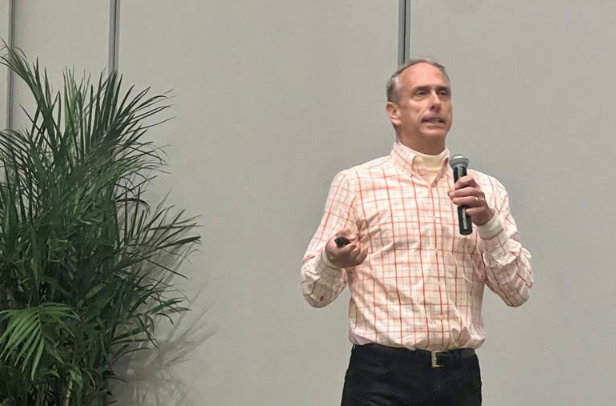
Because the Innovation Award is for student teams, it also promotes collaboration. "The challenges the world is facing are so complex that it will take a wide range of partners working together to find solutions," Buckley said. "We work with partners every day in our business, and we want to give students the opportunity to see what can be achieved when a diverse group of people work together on a big idea," he added.
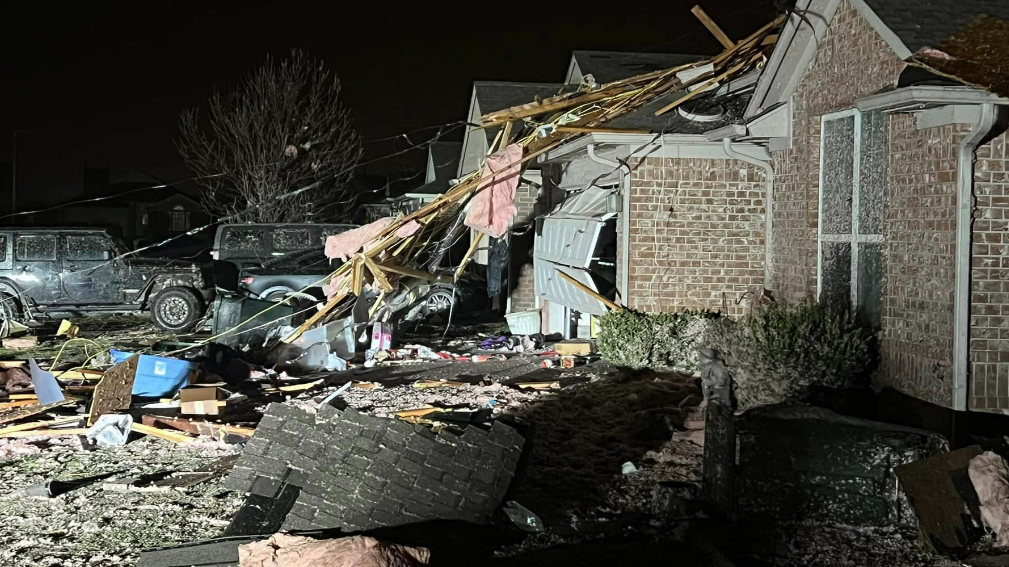
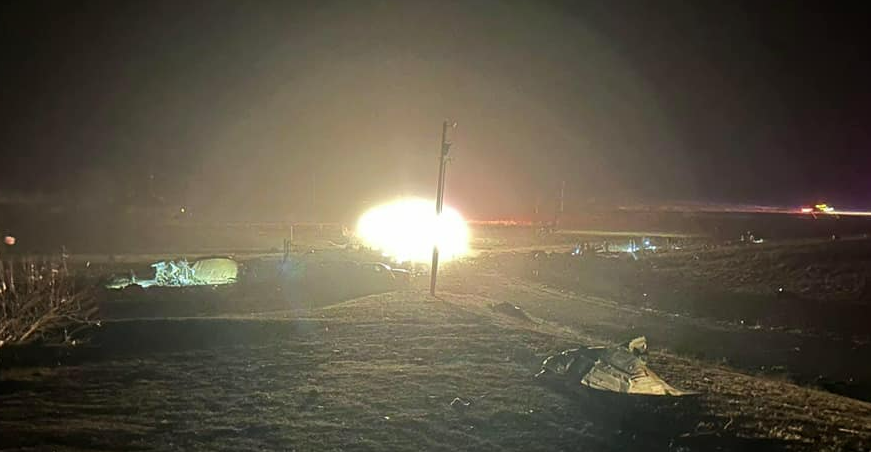
Registration for Student Teams Is Now Open – With Early Birds Getting 10 Extra Points!
Student teams can register now to participate in the 2023 Wilbur-Ellis Innovation Award by visiting the website at www.wilburellis.com/innovation-award/. Teams that register by March 31, 2023, will have an extra 10 points added to their submission's final score.

About Wilbur-Ellis:  Founded in 1921, the Wilbur-Ellis companies are leading international marketers, distributors and manufacturers of agricultural products, animal nutrients, and specialty chemicals and ingredients. By developing strong relationships, making strategic market investments, and capitalizing on new opportunities, Wilbur-Ellis has continued to grow, with sales of over $3.5 billion. For more information, please visit www.wilburellis.com 

Texas & Southwestern Cattle Raisers Association announces summer 2023 internship opportunities

Texas & Southwestern Cattle Raisers Association is now accepting applications for summer 2023 internship programs.

TSCRA internship programs offer one-of-a-kind opportunities for students to network with stakeholders throughout the beef industry and gain valuable experience while working alongside TSCRA staff and leadership. All experiences are paid and offer hands-on opportunities to play an active role in association happenings. Summer 2023 opportunities include:

  • TSCRA Fort Worth Internship: Summer-long internship in Fort Worth for students interested in experiencing a wide range of opportunities including administration, communications, education, events, membership and more
  • TSCRA Government Relations Internship: Summer-long internship in Austin for students interested in learning how TSCRA represents livestock producers at the Texas Capitol

Emily Lochner, the association's executive director of engagement and education, said this is an incredible program that exposes students to careers in agriculture.

"We believe strongly in the importance of engaging young leaders in the cattle industry," Lochner said. "These internship programs allow students to be fully integrated into TSCRA and gain a broad industry perspective, while providing valuable insight to a career in agriculture."

Applications to the summer 2023 internship opportunities are due March 17, 2023. Additional details including submission instructions are accessible at https://tscra.org/who-we-are/employment/.

Nominations Being Accepted for Gov. Stitt's Outstanding Achievement in Agriculture Award

2022 Agriculture Hall of Fame Inductee: Don Schieber

The Oklahoma Department of Agriculture, Food and Forestry is accepting nominations for Gov. Stitt's Outstanding Achievement in Agriculture Award. The winner will be inducted into the Oklahoma Agriculture Hall of Fame, which is the state's most prestigious award honoring distinguished Oklahoma agriculture producers. 

The Governor's Outstanding Achievement in Agriculture award honors leaders in the agriculture industry who exemplify personal values, performance, and achievement. Nominees should have high standards of conduct, leadership, innovation, and accomplishments in agriculture, while also being a role model for Oklahoma agriculture's young people. 

The nomination form is available at https://ag.ok.gov/oklahoma-ag-hall-of-fame/. 

All nominations must be received by Friday, March 3. 

The winner will be honored on Oklahoma Ag Day at the State Capitol Tuesday, April 11. 

Past Winners

1998 | S.F. "Pamp" Howe                     Nebo, OK                      2011 | Wayne Krehbiel              Hydro, OK       
1999 | Alvin "Buck" Clements             Ninnekah, OK               2012 | Jack Givens                    Mangum, OK
2000 | George W. Stone                        Purcell, OK                   2013 | John Hughes                   Bartlesville, OK
2001 | Erwin R. Duerksen                    Corn, OK                       2014 | Rodd Moesel                  Oklahoma City
2002 | Henry Jo Von Tungeln               Calumet, OK                 2015 | Joe Mayer                       Guymon, OK
2003 | Paul Jackson                              Apache, OK                   2016 | Dr. Clint Roush               Arapaho, OK
2004 | Ralph Chain                               Canton, OK                   2017 | Virgil Jurgensmeyer       Miami, OK
2005 | Tom Gilliam                               Newcastle, OK              2018 | Keith Kisling                  Burlinton, OK
2006 | Murray Williams                        Altus, OK                      2019 | Jimmy Harrell                 Leedy, OK
2007 | L. E. Castle                                 Jet, OK                          2020 | Barry Pollard                  Enid, OK
2008 | Paul Hitch                                   Guymon, OK                2021 | Tommy Stephens             Guymon, OK
2009 | Elmore Bathurst                          Blackwell, OK             2022 | Don Schieber                  Ponca City, OK
2010 | Lew Meibergen                           Enid, OK

Drought the Culprit as Oklahoma Cattle Numbers Drop 600,000 Over the Last Twelve Months- Worst in the U.S.

Wed, 01 Feb 2023 05:20:52 CST Drought the Culprit as Oklahoma Cattle Numbers Drop 600,000 Over the Last Twelve Months- Worse in the U.S.

Ron Hays talks Cattle Inventory numbers with OSU Livestock Economist Dr. Derrell Peel

Click here to listen to audio The 2023 January first Cattle Inventory report from USDA was about as expected with the US cattle herd shrinking significantly compared to just a year ago. For Oklahoma, the worse fears of the last twelve months came into focus as the state is ground zero for herd reduction. According to USDA- All cattle and calves in the United States as of January 1, 2023 totaled 89.3 million head, 3 percent below the 92.1 million head on January 1, 2022. That's a drop of 2.8 million head of cattle year over year. All cows and heifers that have calved, at 38.3 million head, were 3 percent below the 39.4 million head on January 1, 2022. Beef cows, at 28.9 million head, were down 4 percent from a year ago. Milk cows, at 9.40 million head, were up slightly from the previous year. Drought over the last year was the clear factor driving the declines- and Oklahoma is at the epicenter of the herd reduction- both in the total cattle numbers and in the US Beef Cow herd. Oklahoma is normally a state that runs a lot of cattle much of the year on permanent pastures as well as on seasonal wheat pasture- and the report showed the state down 600,000 head of cattle year over year to 4.6 million head- down twelve percent from January 1, 2022. That was easily the largest drop for any state in actual herd number liquidation. Oklahoma has accounted for 21.5% of the total US herd decline by itself in 2022. Oklahoma Farm Report's Ron Hays talked with OSU Extension Livestock Market Economist Dr. Derrell Peel about the report on Tuesday afternoon- and Peel says the poor condition of pastures for months has meant far fewer calves being pastured in the state this year. When it comes to beef cow herd numbers- Oklahoma also is easily the largest state in number of beef cows that have been forced off the ranch and headed to the packer. Just over 1.06 million cows have been lost from January to January- and Oklahoma accounts for a loss of 140,000 of them, leaving 1.981 million beef cows who have calved in the state. Texas has a much larger cow herd to start with, 4,300,000, and their actual loss of 125,000 head is the second in the nation in actual cows being culled. You add the loss of 106,000 cows in Kansas and 99,000 in Nebraska- and you have 470,000 cows that have left the ranch in these four states or almost half of the total reduction for the year. Peel reminded Hays that with drought still hanging on in Oklahoma and Kansas and to a lesser extent in Nebraska- we might not be a the bottom of the liquidation yet. Click here to review the complete report from USDA released on Tuesday, Click on the Listen Bar to hear Dr. Peel and Hays discuss the numbers and what they may mean given lingering drought. Ron Hays talks Cattle Inventory numbers with OSU Livestock Economist Dr. Derrell Peel click to play audio or right-click to download
Drought the Culprit as Oklahoma Cattle Numbers Drop 600,000 Over the Last Twelve Months- Worse in the U.S.

Wed, 01 Feb 2023 05:20:52 CST


Drought the Culprit as Oklahoma Cattle Numbers Drop 600,000 Over the Last Twelve Months- Worse in the U.S.

Click here to listen to audio


The 2023 January first Cattle Inventory report from USDA was about as expected with the US cattle herd shrinking significantly compared to just a year ago. For Oklahoma, the worse fears of the last twelve months came into focus as the state is ground zero for herd reduction.

According to USDA- All cattle and calves in the United States as of January 1, 2023 totaled 89.3 million head, 3 percent below the 92.1 million head on January 1, 2022. That's a drop of 2.8 million head of cattle year over year.

All cows and heifers that have calved, at 38.3 million head, were 3 percent below the 39.4 million head on January 1, 2022.

Beef cows, at 28.9 million head, were down 4 percent from a year ago.

Milk cows, at 9.40 million head, were up slightly from the previous year.

Drought over the last year was the clear factor driving the declines- and Oklahoma is at the epicenter of the herd reduction- both in the total cattle numbers and in the US Beef Cow herd. Oklahoma is normally a state that runs a lot of cattle much of the year on permanent pastures as well as on seasonal wheat pasture- and the report showed the state down 600,000 head of cattle year over year to 4.6 million head- down twelve percent from January 1, 2022. That was easily the largest drop for any state in actual herd number liquidation. Oklahoma has accounted for 21.5% of the total US herd decline by itself in 2022.   
Oklahoma Farm Report's Ron Hays talked with OSU Extension Livestock Market Economist Dr. Derrell Peel about the report on Tuesday afternoon- and Peel says the poor condition of pastures for months has meant far fewer calves being pastured in the state this year.
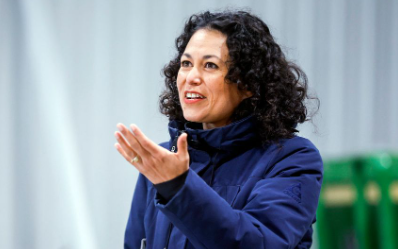
When it comes to beef cow herd numbers- Oklahoma also is easily the largest state in number of beef cows that have been forced off the ranch and headed to the packer. Just over 1.06 million cows have been lost from January to January- and Oklahoma accounts for a loss of 140,000 of them, leaving 1.981 million beef cows who have calved in the state. Texas has a much larger cow herd to start with, 4,300,000, and their actual loss of 125,000 head is the second in the nation in actual cows being culled. You add the loss of 106,000 cows in Kansas and 99,000 in Nebraska- and you have 470,000 cows that have left the ranch in these four states or almost half of the total reduction for the year.

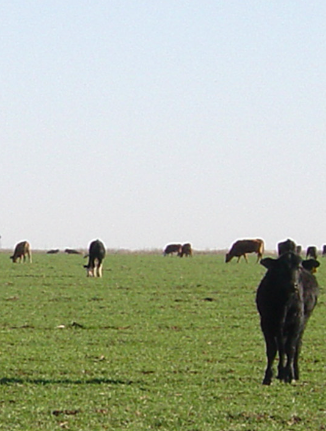
Peel reminded Hays that with drought still hanging on in Oklahoma and Kansas and to a lesser extent in Nebraska- we might not be a tthe bottom of the liquidation yet.

Click here to review the complete report from USDA released on Tuesday,

Click on the Listen Bar to hear Dr. Peel and Hays discuss the numbers and what they may mean given lingering drought.


Ron Hays talks Cattle Inventory numbers with OSU Livestock Economist Dr. Derrell Peel

click to play audio or right-click to download


Ron salutes our daily email sponsors!

Upcoming Events

November

S M T W T F S
1 2 3 4 5 6 7
8 9 10 11 12 13 14
15 16 17 18 19 20 21
22 23 24 25 26 27 28
29 30          

Visitor Polls

Do you like the new website?
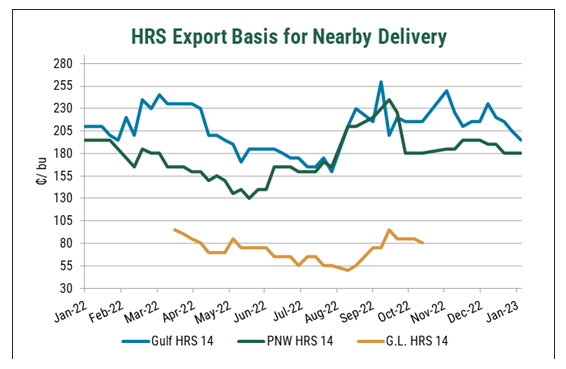
Add a Comment
(Fields are Optional)

Your email address is never published.