Ag News Archives for 2022-09

Oklahoma Grain Elevator Cash Bids as of 2 p.m. September 30, 2022

Fri, 30 Sep 2022 16:43:56 CDT


Oklahoma Grain Elevator Cash Bids as of 2 p.m. September 30, 2022


The U.S. Department of Agriculture and the Oklahoma Department of Agriculture are now putting the Daily Cash Grain Report into a PDF format - we are saving that PDF and archiving them for today's specific report. To see today's update, click on the PDF report link at the bottom of this story.

In addition to the PDF of the daily report, you can also listen to the Cash Grain Report by calling 405-621-5533. Push 2 for the grain report.


Click here:


Chairman David Scott Releases Statement Congratulating Vincent Garfield Logan on His Confirmation to Farm Credit Administration Board

Fri, 30 Sep 2022 15:07:36 CDT


Chairman David Scott Releases Statement Congratulating Vincent Garfield Logan on His Confirmation to Farm Credit Administration Board


Below is a statement from House Agriculture Committee Chairman David Scott following the confirmation of Vincent Garfield Logan to serve as a member of the Farm Credit Administration Board.

"Congratulations to Mr. Logan on his confirmation to serve the food and agriculture sectors through this new leadership position. In good times and bad, farmers depend on a safe agricultural credit system. Mr. Logan's experiences, including his most recent role as the Chief Financial Officer and Chief Investment Officer with the Native American Agriculture Fund, prepare him well to serve as a member of the Farm Credit Administration Board. He will bring a valuable perspective to this position, and I look forward to seeing his contributions to such an important credit system for our farmers and ranchers," said Chairman David Scott.


Op-Ed from Kenneth Corn: USDA- We Serve Rural Communities Too

Fri, 30 Sep 2022 14:57:05 CDT


Op-Ed from Kenneth Corn: USDA- We Serve Rural Communities Too


Below is an op-ed by Kenneth Corn, USDA Rural Development - Oklahoma State Director


When people hear the United States Department of Agriculture (USDA) they automatically get visions of farms, wheat, cattle and tractors. While it's true that USDA serves the needs of the farm and ranch families across the country, its not our only mission. USDA-Rural Development serves the people and families that call rural cities and towns home in ways that many people are not aware.

It is important to remember that most of our vital resources and values come from rural America. We get our energy from rural areas. Our food supply is grown in rural communities. The water we need to survive often begins in rural areas that many of us never see. And it's important to remember that it's where some of America's best ideas are born.

The mission of USDA-Rural Development is to not only help rural communities survive but prosper. We take our jobs seriously and look for ways to create opportunities to help rural cities and towns achieve progress by providing investments in both public and private sectors that improve the quality of life and economic stability.

When I was appointed by President Joe Biden to lead Rural Development in Oklahoma, I was reminded the President felt rural communities across America have been left behind. If you take a moment to reflect, you might realize that over the last few decades they have been. Populations are shrinking, job opportunities have been lost and infrastructure is crumbling. We in rural Oklahoma know this story all too well!

Under the Biden-Harris Administration, there has been a renewed effort to make real investments in rural communities. These include new opportunities for families in rural communities with substantial investments in housing, infrastructure, healthcare, and economic activities in ways that we have not seen since President Franklin Roosevelt's New Deal. The President has also charged the men and women who serve these communities at Rural Development with achieving his priorities in creating an economy that rewards every person and every community regardless of their zip code or wealth.

In Oklahoma alone, we are making significant investments in rural communities throughout the state. I am proud of the efforts of our team in ensuring rural leaders and families are aware of the opportunities in their city or town that could become a reality through the USDA-Rural Development programs.

The President is focusing on healthcare to ensure access and affordability for all. Rural Development has invested millions of dollars in rural healthcare facilities in this past year. You can see some of those investments in places like McAlester where $375,100 was used to update and expand laboratory space to improve patient care and response time for pandemics like COVID-19. The James Dennis Medical Foundation in Wakita was awarded a $85,400 grant for a generator to serve a local nursing home facility. This ensures that essential and critical services can continue in power outages such as those caused by emergencies and disasters. Adair County Health Center will receive $499,100 for upgrades to meet the ever-evolving needs of their patients. And the Pawnee Nation of Oklahoma was awarded $1 million to construct a healthcare facility to meet critical needs of their tribal members as well as the community.

This past year Rural Development helped communities with critical needs to better serve their communities. In the area of public safety, more than $500,000 will be used to purchase ambulances for communities such as Anadarko, Erick and Atoka County. Chickasha will use USDA-Rural Development funding to acquire much needed police vehicles to patrol neighborhoods and provide reliable response times.

Communities can also find USDA- Rural Development funding for other projects that improve the quality of life. There are opportunities for community centers like the one in Tamaha that will receive funding for renovations. In Muskogee County, a community facility grant will be used to improve the drainage system that will help protect both the health and life of the public as well as property. Schools like Tupelo Public Schools will receive funding for security equipment to help protect students and staff.

Let's not forget about the serious need in rural America for real investment in improving aging water and wastewater infrastructure. Right here in Oklahoma, Rural Development has reinvested in our rural communities' water needs through loans and grants, which total more than $61 million in water and wastewater projects this year alone. Some of these recipients include water districts located in the cities of Wewoka, Seminole, and Idabel, as well as Sequoyah, Pittsburgh and Wagoner Counties.

USDA-Rural Development is also investing millions of dollars in high-speed internet development across our state. This brings the real possibility of business expansions, educational opportunities and access to healthcare via telehealth to every corner of Oklahoma. An example of our investment in rural Oklahoma are the awards made to Pine Telephone in Broken Bow with a $13 million grant and the loan/grant combination to Southern Plains Cable Company totaling more than $16 million in funding.

USDA-Rural Development committed more than $163 million dollars in guaranteed loans to rural businesses that will create jobs and wealth in the communities in which they are located. Business and Industry Guaranteed loans were funded to a micro-hospital in Ardmore, sod farms in Spiro and Bixby, and oil and gas pressure fabrication operation located in Duncan. USDA-Rural Development is committed to help finance new and expanding businesses in rural communities so families can stay living and working in those communities.

USDA-Rural Development can also help rural Oklahomans achieve the American dream through home ownership. Opportunities for home loans for both low- and moderate-income households are available through direct and guaranteed loan programs. There is also a grant/loan program to help address health and safety issues with existing homeowners, especially those who are elderly and low income.

There is a world of opportunity available through USDA-Rural Development. Under President Biden's leadership, rural communities and their needs are not being forgotten. The team at USDA-Rural Development stands ready to provide guidance and assistance in helping make life better in rural Oklahoma.

There is an old saying, "the last one out of Oklahoma, turn off the lights." Oklahoma Rural Development wants to turn on the lights of opportunity, hope, and growth for rural families and communities. Give our team at USDA-Rural Development a chance to serve you and your community, so that we can make rural Oklahoma proposer.

And next time you hear someone say USDA, ask them if they know that we are more than just farms.


Hard Red Winter Wheat production lowest since 1957

Fri, 30 Sep 2022 14:44:31 CDT


Hard Red Winter Wheat production lowest since 1957

Click here to listen to audio


Two USDA reports important for grains are released on September 30, quarterly Grain Stocks and the annual Small Grains Summary. This specific Grain Stocks report is important as the September 1 numbers represent final old crop ending stocks. USDA's most recent September 12 report used estimated old crop stock numbers. This report includes production revisions for corn and soybeans for the prior 2021 fall harvest. For wheat, September 1 stocks are what is left over after one-quarter of use. The second report, Small Grains Summary, revises the completed 2022 harvest estimates for wheat, barley, and oats.

Farm Director KC Sheperd caught up with Allendale's Rich Nelson, who says today's 531 million bushel estimate is the lowest since 1957's 429. This year's HRW harvest is -29% from last year. Nelson said the Wheat side is a very interesting story, "They surprised us with a large wheat production revision for this crop we just harvested that going in the bins, 133 million bushel revision for the September report here." Nelson says this is the largest revision for wheat production they've ever done on this report, "They're smaller winter wheat numbers, smaller spring planted crop numbers as well. One small note, though, is their stock numbers were not that small. They were on the trade estimate. So we've got smaller production, but there are some clear signs of some demand issues, which we'll certainly have to talk about with wheat in the next few weeks."


Wheat:

2022/23: A significant 133 million bushel decline was made to USDA's prior 2022 wheat production estimate today. Now at 1.650 billion bushels, it was under the 1.778 trade expectation (ALDL 1.787). This decline was the largest ever for this report. The prior record was an 84 million bushel decline on the 2015 crop. The production decline was positive but it also highlights another problem when looking at the neutral September 1 Grain Stock count. At 1.776 billion it was right on the trade estimate (ALDL 1.813). To make this stock number work it would imply a June – August feed/residual use of only 110 million bushels. That is less than half last year's Q1 use of 254. For ending stocks, a 50% demand offset to the production change would lower USDA's prior 610 million estimate down to 546.

Soybeans:

2021 Production: The prior year's production was raised by 30 million bushels to now 4.465 billion. The trade estimate was 4.437 (ALDL 4.435). USDA has been posting prior year production revisions for soybeans since 2006. Of those there were seven increases averaging 46 million bushels, four decreases averaging 48 million and three making no change. September 1 Old Crop Stocks: 274 million bushels was the final stock number from USDA's quarterly survey. This was over the 242 trade estimate (ALDL 264). This was a good 34 million bushels over their prior estimate from the September 12 WASDE. This lower old crop stock number flows into the new crop balance sheet. If you assume a 50% offset from demand, as demand changes flow with supply changes, it would raise USDA's new crop stock estimate from 200 million to 217. That would imply $13.70 for November soybeans. Allendale, with a different demand point, would suggest a 203 million stock and a $13.95 price.

Corn:

2021 Production: The prior year's production was lowered by 41 million bushels to now 15.074 billion. The trade estimate was 15.091 (ALDL 15.115). This was only the third time the September Grain Stocks report posted a revised prior year production. The prior two were -71 million last year and +3 million two years ago. September 1 Old Crop Stocks: 1.377 billion bushels was the final stock number from USDA's quarterly survey. This was under the 1.512 billion trade estimate (ALDL 1.504). This was a good 148 million bushels under their prior estimate from the September 12 WASDE. Beyond the production revision, we would compute June – August feed use at 783 million bushels to make this work. That would be 166 million over last year in the same period. This lower old crop stock number flows into the new crop balance sheet. If you assume a 50% offset from demand, as demand changes flow with supply changes, it would lower USDA's new crop stock estimate from 1.219 billion to 1.135. That would imply $6.90 for December corn. Allendale, with our view of lower demand vs. USDA separate from today's report, would suggest a 1.166 billion stock and a $6.85 price

The Hogs and Pigs Report was also released yesterday, and Nelson says that report was pretty positive, "The trade had been expecting a very minor decline in these numbers as far as the total hog herd, and keep in mind we've been in liquidation for two years prior. This is the third year of light liquidation for the hog side, and we have the smallest hog herd in about five years total. So the trade expected a 0.8% production hog herd decline versus last year; USDA gave him a 1.4% decline. Nelson says On top of that, the trade had expected maybe some of the farrow numbers to start evening out, "In other words, stop the general decline. However, USDA gave us a little surprise: a small decline for the SEP-NOV numbers and a small increase for the DEC-FEB fairing numbers. The bottom line is March through May of next year is still going to look at this roughly even with this year's low production, maybe even a slight decline, so we're not in expansion; we're still at five-year hog-herd lows."

Nelson said it's also been a tough week for the cattle market, "They're looking at three issues. First, we have the issues regarding demand concerns which we all understand with this recession talk. We have two confirmed quarters of declines in US economic growth. So we know that's a valid issue. The market really hit that here this week. On top of that number two, we have a little bit larger expected cattle kills recently, about 2-3% over last year; that won't change until we get into November. And the other thing is this; this trade had really been pricing in the belief of a sharp decline in production as we go into q4 or q1. With the six months in a row of minimal change replacements, It looks like that story's not going to be true. So the cattle side has some pressures still for another, just maybe two to three weeks in front of it. Grand scheme of things, we can expect a moderate rebound maybe as we get into November."

SMALL GRAINS SUMMARY

All wheat production came in at 1.65 bb for 2022, up less than 1% from the 2021 total. While acreage declined, overall yield estimates increased by 2.2 bpa to 46.5 bpa.

By class, winter wheat production was 1.1 bb, down 14% from last year; other spring wheat was 482 mb, up 46%; and durum wheat production was 64 mb, up 70% from last year.

Hard red winter wheat production was pegged at 530.9 mb, while soft red wheat was 336.5 bb.

Oat production was estimate at 57.7 mb, 45% higher than 2021, while barley production was estimated at 174 mb.

For Oklahoma:

In 2021, Oklahoma planted 340,000 acres of corn and harvested 295,000 acres of corn. Yield per acre for 2021 was 150 bushels per acre and production at 44.2 million bushels. Corn stocks as of June 1, 2022, are at 4.8 million (off-farms).

Soybeans planted in Oklahoma for 2021 is reported at 580,000 acres planted and 535,000 acres harvested. Yield per acre was 23 bushels per acre and production at 12.3 million bushels.

Sorghum stocks (off farms) as of June 1, 2022, in Oklahoma are reported at 3.2 million bushels.

To read more premium content from Allendale, click here:

Click here to hear the complete conversation with KC & Rich Nelson


Latest Southern Plains Perspective Blog: Hot, dry, dust and smoke all outside the back door.

Fri, 30 Sep 2022 13:47:23 CDT


Latest Southern Plains Perspective Blog: Hot, dry, dust and smoke all outside the back door.


There is a new blog post out at the Southern Plains Perspective, by Clay Pope. Read below!

Hot, dry, dust and smoke....all outside the back door.


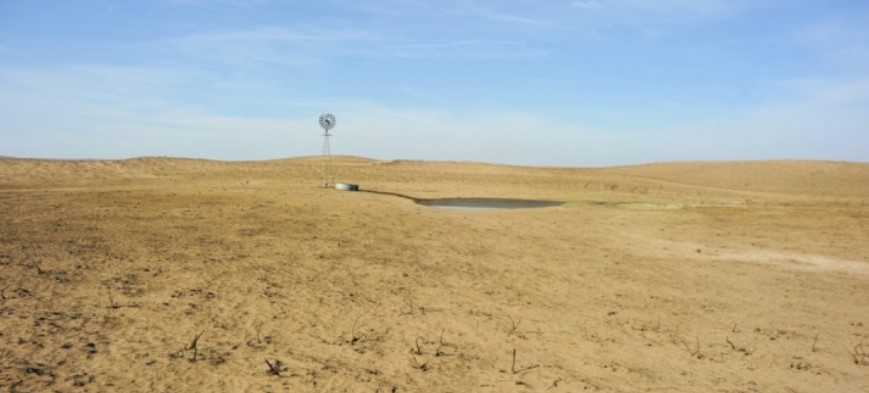
The drought just keeps hanging on and on and on......


Sometimes a picture is worth a thousand words and heavens knows I don't want to write a thousand words about this drought (now if it would rain, I would write a sonnet with more verses than the song 'Halleluiah'). Instead, I thought I would just share a few images.


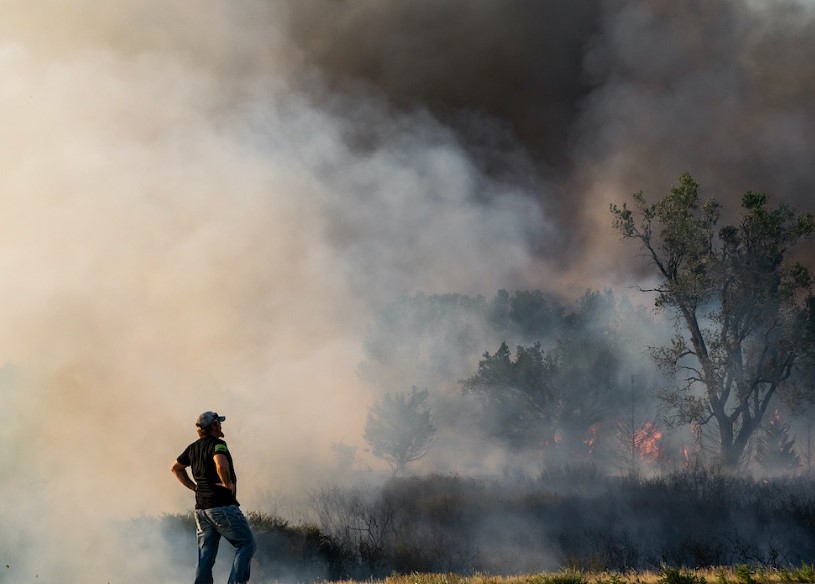
This is a picture of what I saw from my back yard earlier this week.


No, that's not smoke signals on the horizon-it's an out-of-control grass fire about 15 miles from my house. This is becoming more and more a normal sight as the dry conditions continue to hang on in my part of the world. It serves as a serious reminder that we all need to be mindful of the risk of wildfire during this time of drought.


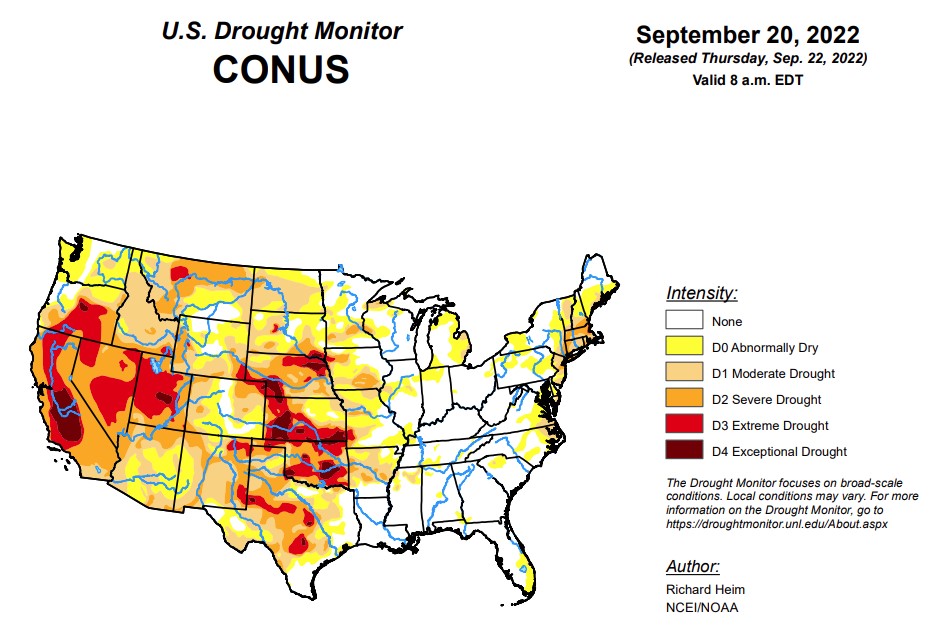
Speaking of dry conditions... This is a close up of the region from the latest drought monitor (FYI–the darker the color, the worse the conditions).


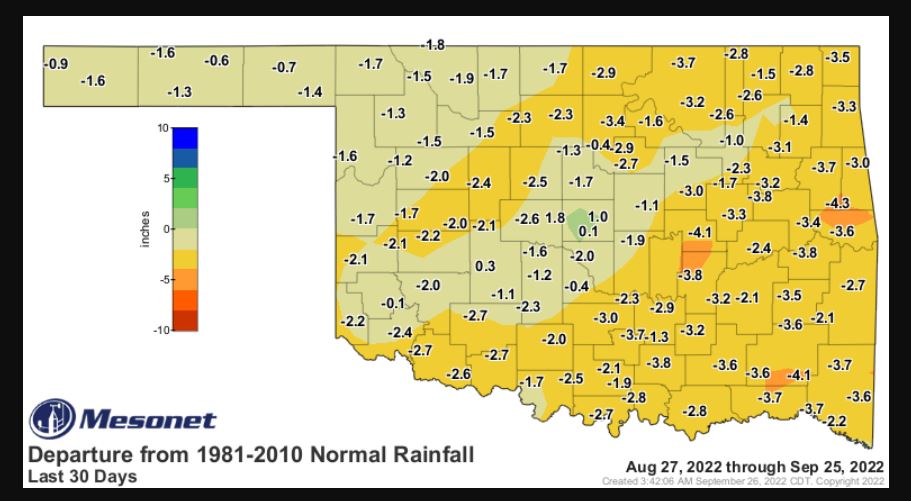
As you can see from the map, all three Southern Plains states are suffering from an expanding drought.   In Oklahoma this has translated into the 5th driest September on record (as shown by this graphic courtesy of the Oklahoma MESONET)


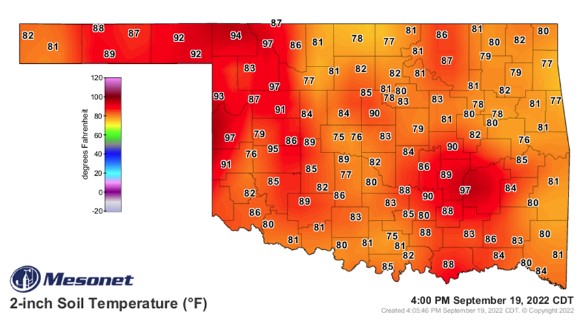
And not only has it been dry, but the heat has been above normal as well (as once again illustrated by our friends at the MESONET....who have way too much fun making graphics by the way...)


As you can see from this "interesting" image, the temperature outlook for all of Oklahoma and Kansas and the vast majority of Texas is above average for at least the next couple of weeks.   This, combined with below normal precipitation, means that the drought is only going to deepen as we move through the fall and probably the early winter.


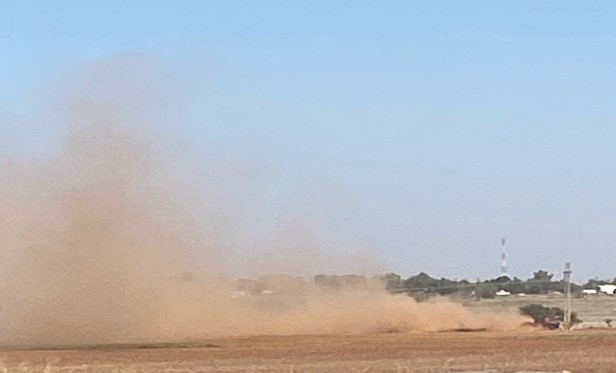
Which leads me to this picture....


If you look closely at the lower right-hand corner of the photo you will see that all this dust is due to someone working up winter wheat ground in my home county.   This individual is trying to get their ground ready to plant. More often than not, producers think that they should "open the ground up to take in a rain" and "bring the moisture up to the top of the soil."


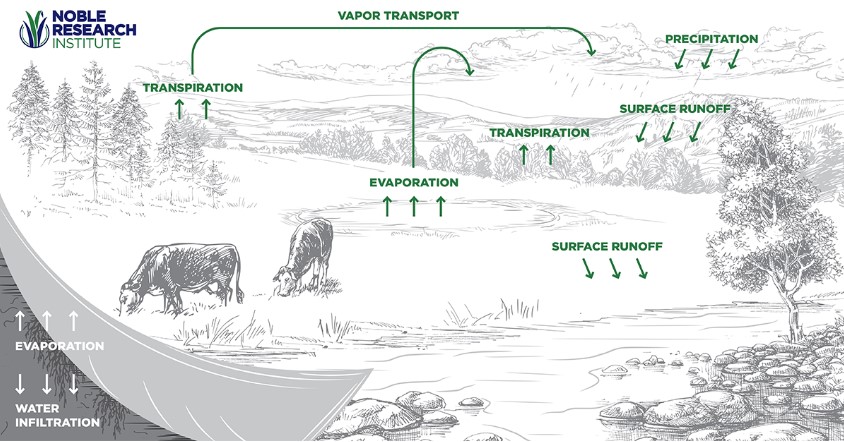
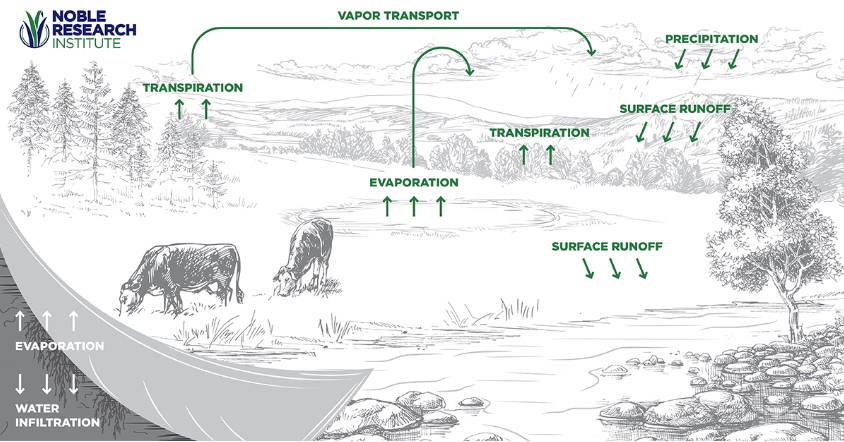
In all actuallity, what this individual is doing is losing ground to soil erosion while causing any sub-soil moisture that they have to evaporate.    According to Oklahoma State University, roughly 59 percent of the precipitation that falls on winter wheat ground in Oklahoma is lost to unproductive evaporation and a lot of that is due to the types of tillage practices that producers use. In a similar manner, research from the University of Nebraska has shown that you can lose as much as a half to three-quarters of an inch of soil moisture with each tillage pass you make on your farm ground.   Conversely, this same reseach at Nebraska and OSU has shown that if a producer minimizes tillage or utilizes no-till production practices they can hold on to more of their soil moisture and put themselves in a better positon to ride out dry conditions until they can get a rain while greatly reducing both soil erosion and fuel costs.


What am I trying to say with all this?    I guess what I want to get across is the that dry weather seems to be set in for the forseable future.   We need to give some thought about how we can hold on to what mositure we have and not expose ourselves to problems like increased soil erosion on our crop land. We also need to plan accordingly when it comes to managing our grasslands and livestock herds because the drought looks to be here for a while.   


Wheat Production Estimates for Oklahoma Fall Six Percent from August to September

Fri, 30 Sep 2022 12:16:40 CDT


Wheat Production Estimates for Oklahoma Fall Six Percent from August to September


For the United States, winter wheat production for 2022 totaled 1.10 billion bushels, down 14 percent from the 2021 total of 1.28 billion bushels. The United States yield, at 47.0 bushels per acre, was down 3.2 bushels from 2021. Area harvested for grain was estimated at 23.5 million acres, down 8 percent from the previous year. Record low planted acres were estimated in Utah in 2022. Record low harvested acres were estimated in California and Utah in 2022. Record high yields were estimated in Illinois, New Jersey, North Dakota, and Tennessee for 2022.


OKLAHOMA WINTER WHEAT:

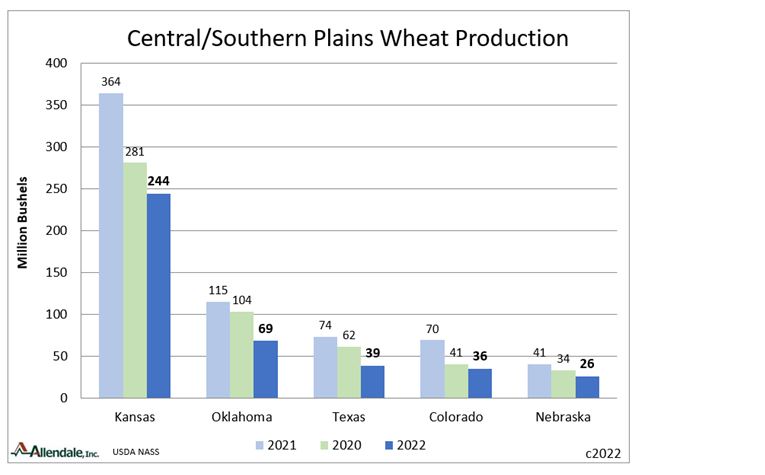
In Oklahoma, winter wheat production for 2022 is estimated to total 68.6 million bushels, down 40 percent from the 2021 total of 115 million bushels. Oklahoma is estimated to yield 28 bushels per acre, down 11 bushels per acre from last year's total yield of 39 bushels per acre. Area harvested for grain was estimated at 2.45 million acres, down 16 percent from the previous year at 2.95 million acres. In 2022, Oklahoma planted 4.3 million acres of wheat, down from last year's planted acres of 4.4 million acres.

From August to September, the wheat production estimate decreased by 6 percent for Oklahoma.


KANSAS WINTER WHEAT:

In Kansas, winter wheat production for 2022 is estimated to total 244.2 million bushels, down about 33 percent from the 2021 total of 364 million bushels. Kansas is estimated to yield 37 bushels per acre, down 15 bushels from last year's total of 52 bushels per acre. Area harvested for grain was estimated at 6.6 million acres, down 5.7 percent from the previous year at 7 million acres. In 2022, Kansas planted 7.3 million acres, the same as planted acreage as 2021.

From August to September, the wheat production estimate decreased by 6 percent for Kansas.


TEXAS WINTER WHEAT:

In Texas, winter wheat production for 2022 is estimated to total 39 million bushels, down 47 percent from the 2021 total of 74 million bushels. Texas is estimated to yield 30 bushels per acre, down 7 bushels from last year's total of 37 bushels per acre. Area harvested for grain was estimated at 1.3 million acres, down 35 percent from the previous year at 2 million acres. In 2022, Texas planted 5.3 million acres, down 3.6 percent from last year's planted acres of 5.5 million acres.


From August to September, the wheat production estimate increased by 7 percent for Texas.


To see the USDA Small Grains 2022 Summary- September, click here.


Younger Cows are Starting to Come to Town, Says Bob Rodenberger

Fri, 30 Sep 2022 10:46:59 CDT


Younger Cows are Starting to Come to Town, Says Bob Rodenberger

Click here to listen to audio


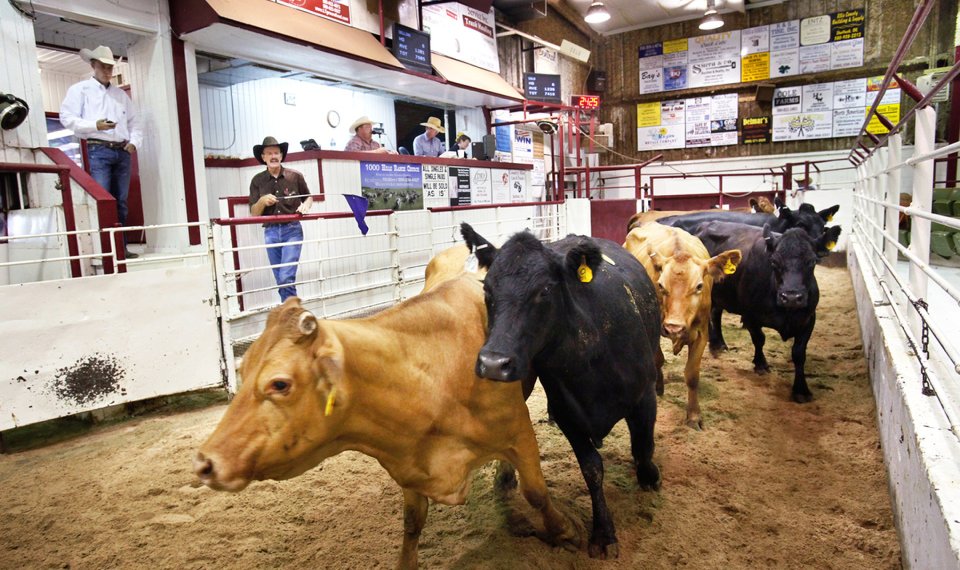
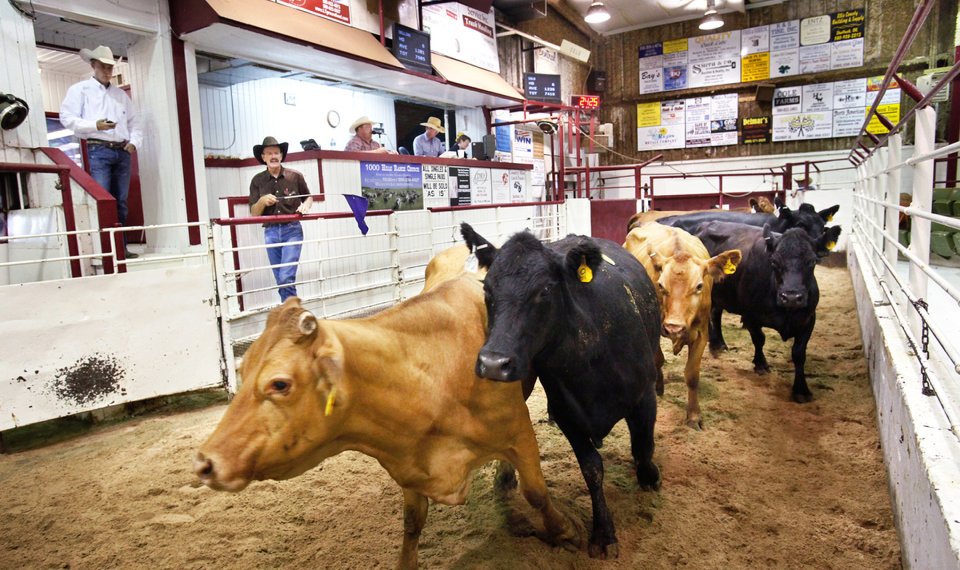
KC Sheperd, Farm Director, is visiting with Bob Rodenberger, a partner with Stockman Oklahoma Livestock Marketing, as he talks about what he has seen in the cattle markets this week and an outlook on what is to come.

Rodenberger said the week started off with normal runs all over the state. In smaller auctions in the west and southwest, Rodenberger said they are seeing some bigger runs due to people who have carried calves forward.

"The feeder market was probably set 5 to 7 (dollars cwt) cheaper, and that would be a steer that would be big enough, long weaned enough to go to the feed yard," Rodenberger said. "Our calf market would be anywhere from 8 to 12 (dollars cwt) cheaper, and in spots, it was 15 to 20 (dollars cwt) cheaper."

If timely rains do not come, Rodenberger said there is going to be nowhere to go with the calf market.

"We have got to remember we are in the wheat pasture hub of America," Rodenberger said. "That is where all the cattle come to be grazed."

Rodenberger said he sees a supply decline coming soon.

"Look at your on-feed numbers- what percentage of heifers that are on feed," Rodenberger said. "That has not declined. Until that starts to decline, we are still in a dispersal mode."

This is the first week, Rodenberger said that he has seen younger cows coming to town that were in good breeding condition, and more of that is probably coming soon.


Click the LISTEN BAR below to listen to KC's full conversation with Bob Rodenberger talking about the cattle markets this week.


BASF's First Bale of Cotton Helps Raise Money for Scholarship

Fri, 30 Sep 2022 10:12:07 CDT


BASF's First Bale of Cotton Helps Raise Money for Scholarship


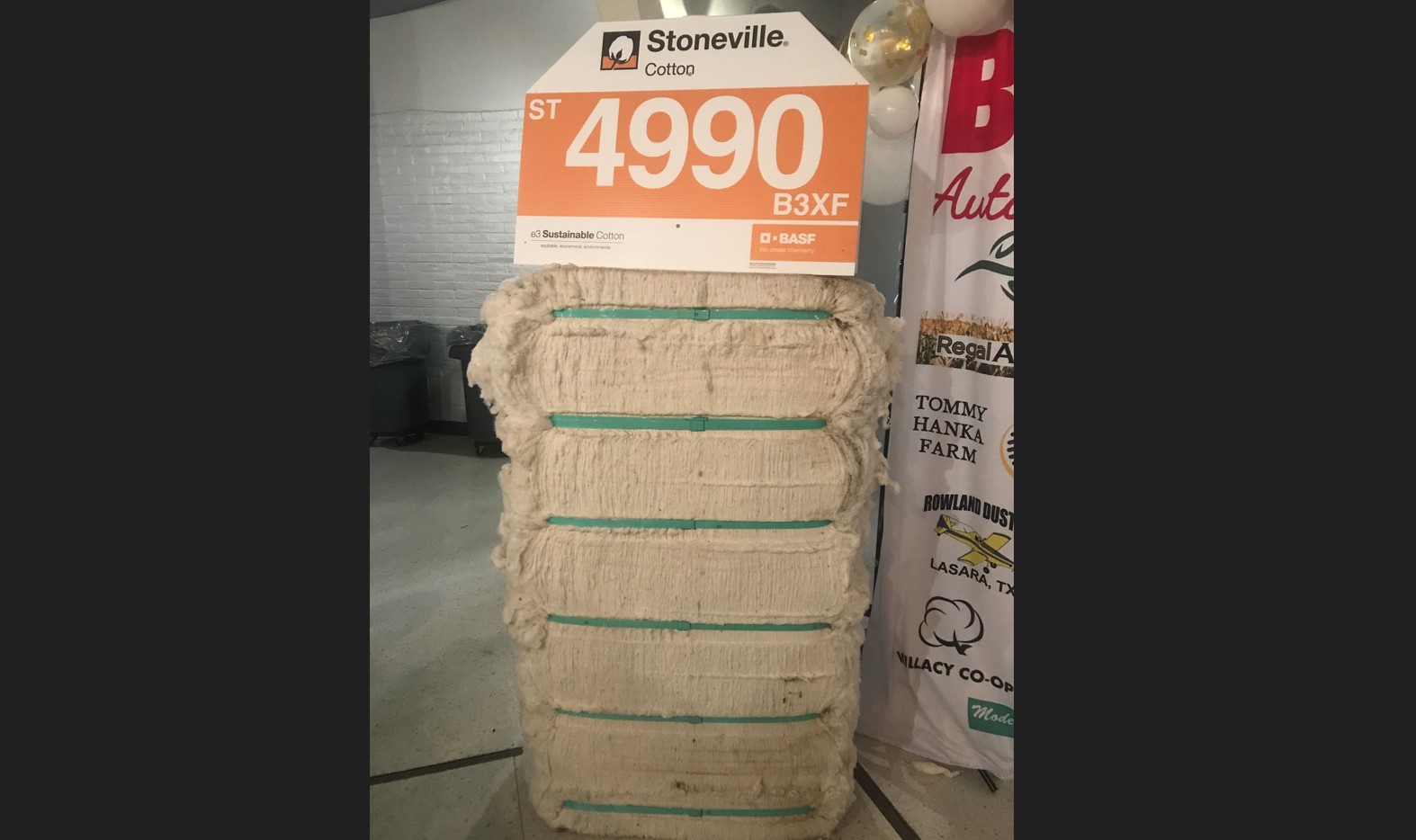
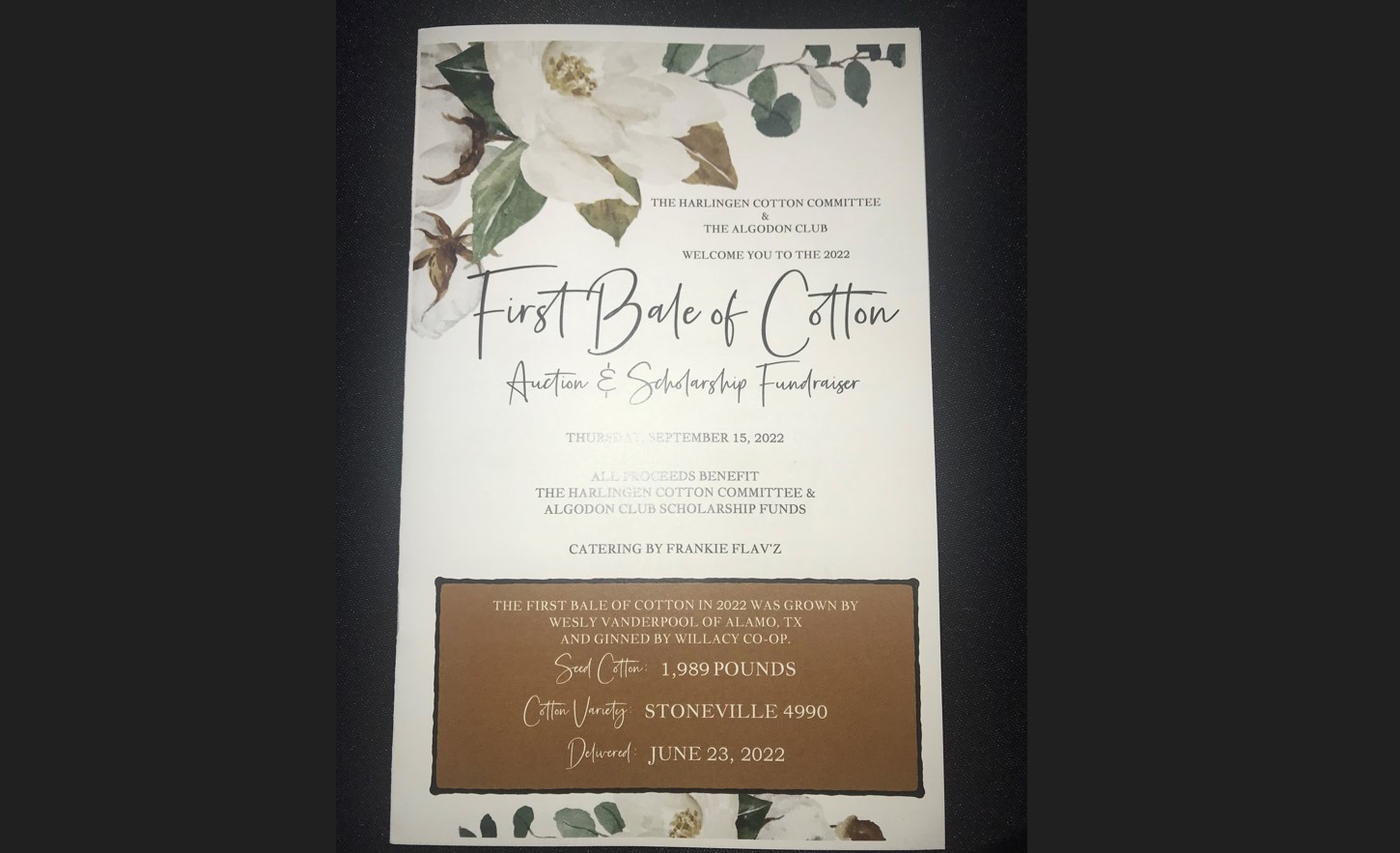
Algodon Club raised a total of $16,000 last week at their annual First Bale of Cotton and Scholarship Fundraiser. With the help of his BASF rep and his farm team, Wesley Vanderpool from Alamo, TX harvested this year's first bale. Wesley's cottonseed of choice was Stoneville's ST4990 variety. This is the 9th consecutive year a BASF variety was featured for first bale in the U.S. In addition, each year the company purchases the bale to support the scholarship fund.


BASF's First Bale of Cotton Helps Raise Money for Scholarship
   

Korean Grain Importers to View U.S. Corn Crop Firsthand Across Four States Ahead of Export Exchange 2022

Fri, 30 Sep 2022 09:40:44 CDT


Korean Grain Importers to View U.S. Corn Crop Firsthand Across Four States Ahead of Export Exchange 2022


A 24-member team of feed grain and distiller's dried grains with solubles (DDGS) buyers and a Korean government official will be in the United States from Oct. 3-15 to better understand grain quality control and export systems in Washington, Nebraska, Iowa and Illinois. The team is the first of 21 groups with participants from 51 countries that will travel to the United States as a lead up to the U.S. Grains Council's (USGC) marquee event, Export Exchange.


Export Exchange is a biennial educational and trade forum for U.S. feed grains that will host more than 400 international buyers and end-users. This year's edition will be held in Minneapolis, Minnesota, from Oct. 12-14.


"The Council is delighted to have the chance to hold Export Exchange again for the first time since 2018 and to welcome in a diverse range of accompanying trade teams," said Ryan LeGrand, USGC president and CEO. "It's a great opportunity for foreign buyers to create connections with U.S. producers that can last a lifetime and benefit all parties."


This program will be crucial for stakeholders in the Korean feed industry who have been unable to travel and conduct in-person business due to the COVID-19 pandemic. The ability to see the U.S. value chain from farms to ports is an immeasurable asset for buyers, building their trust in U.S. product and providing the building blocks for long-term partnerships.


"In a situation where the grain market is very unstable due to extreme drought concerns in the northern hemisphere and the ongoing Ukrainian crisis, the harvest situation and quality of U.S. corn are of the greatest concern to Korean buyers," said Haksoo Kim, USGC director in South Korea. "This visit will serve as an opportunity to strengthen ties with U.S. producers and suppliers and expand purchases of corn and DDGS, as Korea is the fifth largest importer of U.S. corn and the third largest importer of DDGS."


The Korean team will have its first hands-on experience on Oct. 4 when they visit a grain export terminal and a grain inspection service in Washington. The group will then travel to the heartland for a meeting with Nebraska Corn on Oct. 5 and have a tour of an ethanol plant, as well as discussions with key logistical supply chain partners, on Oct. 6.


The Oct. 7 itinerary will feature a morning meeting with Iowa Secretary of Agriculture Mike Naig and Deputy Secretary of Agriculture Julie Kenney at the state capitol, along with a farm tour and visit to the Iowa Corn Growers' Association in the afternoon.


"Strengthening the relationships between international buyers and our state-level partners is one of the highlights of the trade teams that the Council sponsors," LeGrand said. "Personally, knowing who you're doing business with is a factor that cannot be underestimated, and trade teams help ensure that U.S. product is the first choice for importers in Korea and beyond."


Participants will arrive in Illinois on Oct. 8 in preparation for visits to local grain elevators and business-to-business meetings on Oct. 10. The group is then set to arrive in Minneapolis on Oct. 11 in anticipation of a packed schedule for Export Exchange 2022, which will feature expert speakers on the key topics in the global agricultural marketplace, such as outlooks on international demand, policy challenges and opportunities and logistical export overviews. The event is also a major networking and business opportunity, where more than $400 million in grain sales were made in 2018.


"For Korean buyers who have had limited opportunities to meet and discuss deals with U.S. suppliers due to COVID-19, Export Exchange is expected to deliver great results for finding new suppliers and expanding purchase contracts with existing suppliers," Kim said. "Business consultations between suppliers and buyers through this year's Export Exchange will contribute to an expected 1.2 million tons of U.S. DDGS exports to Korea, a record amount."


More information will be made available online at www.exportexchange.org or on social media using the hashtag #ExEx22. Those interested can sign up for a mailing list to automatically receive conference updates by emailing info@exportexchange.org.


Oklahoma Congressional Delegation Honored with Friend of Farm Bureau Awards

Fri, 30 Sep 2022 09:37:44 CDT


Oklahoma Congressional Delegation Honored with Friend of Farm Bureau Awards


All seven members of Oklahoma's delegation in the 117th United States Congress were recently honored with the American Farm Bureau Federation's 2022 Friend of Farm Bureau award for their service to agriculture, farmers and ranchers.


Senators James Lankford and Jim Inhofe alongside Rep. Kevin Hern, Rep. Markwayne Mullin, Rep. Frank Lucas, Rep. Tom Cole and Rep. Stephanie Bice received the award after the AFBF board of directors approved the nominations from Oklahoma Farm Bureau.


"The state of Oklahoma is fortunate to have a stellar group of senators and representatives in Washington, D.C.," said Rodd Moesel, OKFB president. "Farm Bureau members greatly appreciate the work they put in to protect and promote agriculture and rural Oklahoma in the halls of Congress, and we are proud to recognize them with this prestigious award."


Each Friend of Farm Bureau recipient had a strong voting record in line with many of AFBF's top legislative priorities. To learn more about AFBF, visit fb.org.


Fire Weather inputs will become Stronger with elevated Fire Weather moving into the mix through the Weekend

Fri, 30 Sep 2022 09:25:15 CDT


Fire Weather inputs will become Stronger with elevated Fire Weather moving into the mix through the Weekend


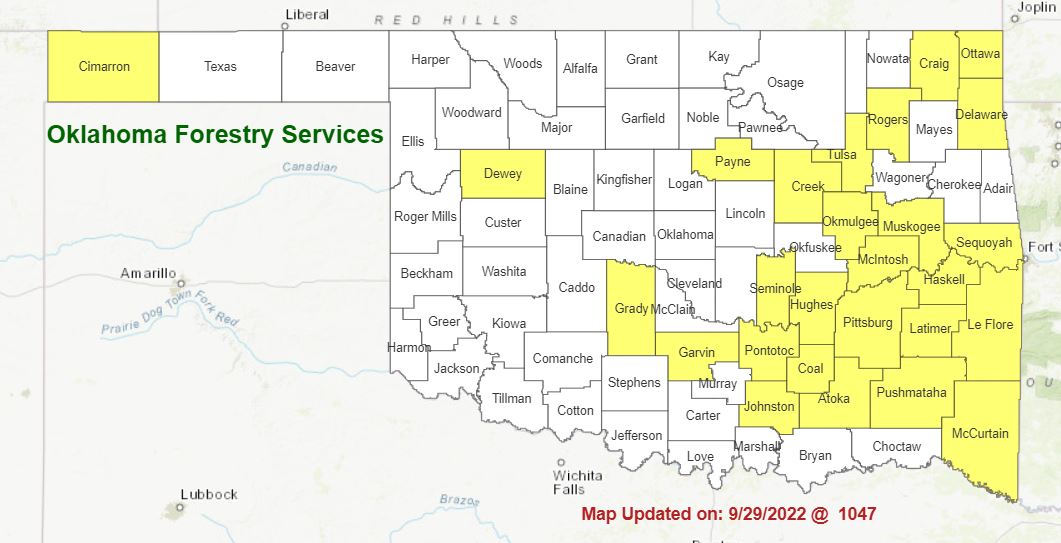
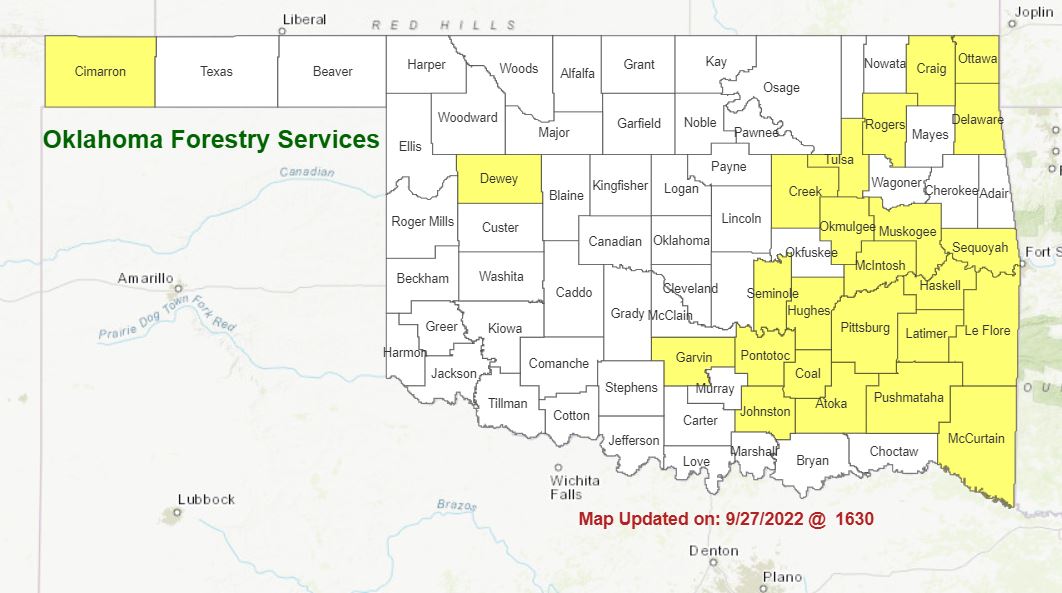
Fire weather inputs will become a bit stronger than in previous days with elevated fire weather moving into the mix through the weekend and into early next week. Critically dry fuels are prevalent across the state with Energy Release Component values driving above the 90th Percentile across most of Oklahoma and surpassing the 97th Percentile in parts of southeastern Oklahoma. As such, current composite fuel moisture values have encouraged fire behavior quickly transitioning to extreme with group tree torching, crown runs and frequent spotting. On Friday, the strongest fire weather will be in the northwestern and Panhandle counties while the most concerning fuel regime resides in the southeast. Increased initial attack is expected coupled with elevated probability of large fire occurrence. This expectation will persist through the weekend.

Both Saturday and Sunday will present elevated fire weather conditions as well. While critical fire weather thresholds may not be met, fire behavior will present suppression difficulty and resistance to control. Fireline intensity will negate frontal assault and resources should expect increased time and resource requirements to contain and control new wildfire activity.

Southeastern & South-Central Oklahoma:
Temperature will warm into the low to mid-80°'s this afternoon following a cool start and relative humidity values will fall into 20-29% range with dewpoint temperatures les than 40°. Fine-dead fuel moisture will yield very receptive fuels at 4% and composite fuel moisture has eclipsed the 97th percentile leading to notable resistance to suppression effort, especially on fires that become established in timber fuels. Southeast to east winds sustained 5-12 mph with some higher gusts will support head fire rates of spread in grass dominated fuels at 76-102 ft/min with flame lengths 9-14 ft. Timber fuels will exhibit ROS 15-21 ft/min in hardwood fuels with FL 5 ft. while ROS in pine-dominant fuels will move at 26-41 ft/min with FL 6-9 ft. Expect frequent single/group tree torching with frequent spotting and crown runs on established fires. Two notes: 1) Crown runs where slope is greater than 20% may spread independently from the wind direction, and 2) Timber fuels may re-burn several days following initial attack given the amount of needle cast and leaf fall in areas of under-burned fuels.

Western & North-central Oklahoma:
Elevated to near-critical fire weather is expected today across the Oklahoma Panhandle and northwestern Oklahoma with increased wind speeds in the mix with a tightened pressure gradient. A few passing showers/sprinkles this morning in north-central Oklahoma will have little to no effect on fire danger concerns in the area. Temperatures this afternoon 83°-89°under partly-cloudy to mostly-clear skies and relative humidity values 17-26% yielding finedead fuel moisture values 4% across most of the area and 3% observations in the Panhandle counties. Southerly winds will increase to 13-21 mph with some gusts nearing 30 mph during peak heating this afternoon. Rangeland fuels will exhibit head fire rates of spread 91-137 ft/min with flame lengths 10-15 ft. Where brush fuels are present, expect increased fireline intensity, torching and short-range spotting.

Northeastern Oklahoma:
Temperature 78°-83° under mostly-clear skies and afternoon relative humidity values at 20-24% will yield 4% fine-dead fuel moisture during peak heating today. Southeast to east winds sustained 5-11 mph with limited gusts will support moderate rates of fire spread in grass-dominated fuels at 38-75 ft/min with flame lengths 10-15 ft. Again, brush/timber fuels will exhibit problematic fire behavior.

Elevated fire weather is forecasted to persist each afternoon through the weekend with extended burning periods given lackluster
overnight moisture recovery although calming winds and cooler overnight temperatures will ease fire behavior. The 'was-rinserepeat' weather pattern that has dominated and expected to continue through the weekend will lead to intensified drying of fuels
and gradually increasing fire behavior expectations. Next update to the Oklahoma Wildfire Situation Report is planned for Monday, October 3, 2022.


NE Area – 8 Fires Burned 197.5 Acres (Cause: 2-Escaped Debris, 6-Incendiary)
EC Area – 4 Fires Burned 101.5 Acres (Cause:1-Equipment, 3-Incendiary)
SE Area – 11 Fires Burned 559.5 Acres (Cause: 1-Equipment, 2-Electrical, 8-Incendiary)

Large / Significant Fire Activity within the OFS Protection Area:

• Spare Fire (Delaware County) – 110 Acres / 70% Contained
• Turkey Creek Fire (Atoka County) – 370 Acres / 90% Contained
• Kerns Ranch Fire (Pushmataha County) – 3,350 Acres / 50% Contained
• Crum Creek Fire (Pushmataha County) – 135 Acres / 80% Contained
• Rereg Road Fire (McCurtain County) – 260 Acres / 90% Contained
• Solomon's Grave Fire (Pushmataha County) – 414 Acres / 70% Contained
• Blue Hole Fire (McCurtain County) – 1,153 est. Acres / 80% Contained
• House Pad Fire (McCurtain County) – 15 Acres / 80% Contained, 1 Structure Lost
• Dry Creek Fire (Pushmataha County) – 27 Acres / 100% Contained, 2 Structures
Fire Activity with OFS Response outside of the Protection Area: No New Activity
• Four Mile Creek Fire (Lincoln County) – 300 est. acres / 75% Contained, 1 Firefighter Injury, 2 Structures
OFS Prescribed Fire Activity: No New Activity

Fire Department Statistics: Moderate Initial Attack Activity

Burn Bans:
Refer to: https://ag.ok.gov/divisions/forestry-services/ for the most current burn
ban information and links to specific burn ban proclamations.


Federal Disaster Programs Available to Aid Producers in Forage Loss and Transportation

Fri, 30 Sep 2022 08:53:15 CDT Federal Disaster Programs Available to Aid Producers in Forage Loss and Transportation


Senior Farm and Ranch Broadcaster, Ron Hays, is featuring comments from Farm Director KC Sheperd's conversation with Oklahoma State University Agricultural Economist, Amy Hagerman, talking about disaster programs available to help ag producers get through the drought.

"First and foremost, for any of our forage producers in the state that are grazing livestock, is the Livestock Forage Program," Hagerman said. "Currently, 76 of our 77 counties have at least one pasture type that is eligible for the LFP program. It is a pretty straightforward program. The payment rate is based on the severity and length of the drought in the county during the growing season that is most important for that kind of grass. So, say your native pasture versus your warm season grasses versus your cool season grasses."

If producers are interested in applying for that program, Hagerman said they can contact their local FSA office. Their farm should already be on file and the FSA office should be able to see what kind of grasses they have, how many acres, and what their stocking rate is.

"So, they will just need to provide their head of breeding animals that they had as of that eligibility date, and FSA will tell them what that is," Hagerman said.

Hagerman said producers will also need to provide documentation of how many animals they had to sell because of the drought.

The ELAP Program (Emergency Assistance for Livestock, Honeybees and Farm-Raised Fish), Hagerman said, is another program that can benefit producers during this time.

"I have talked to people who are bringing in hay from 900, 1000, or more miles away to their operation when ordinarily they could buy hay within the state," Hagerman said.

The ELAP Program, Hagerman said, will help offset part of the transportation cost of bringing that hay into the state.

"Again, this is an FSA-administered program, so they just need to contact their county FSA office to find out what that transportation rate is for their county that they can use to see if that program is worth applying for, for them," Hagerman said.

Record keeping wise, Hagerman said producers will need to know how many loads of hay they are bringing in from how far away, and how much of the cost of that load is. That will need to be compared to a normal year, she added.

"If you haven't had to haul hay in a normal year, if you are in a part of the state where they are cutting their own hay, for example, and they are not going to get to do that this year, then that number for normal would be zero," Hagerman said.

For each program, time and cost limits vary, Hagerman said, so it is important to communicate with your local FSA office and ask questions.

"For the LFP Program, you have to do it by the end of January, so it is within 30 days of the end of the calendar year for the eligibility date," Hagerman said.

Coming up towards the end of 2022, Hagerman said now is a good time to be thinking about these things.

"Also, you have got to make sure you get your crop reports in with FSA, and again, we are coming into that time of year where crop reports are due, so it is important to get your crop reports in and be up on all of your reporting with FSA," Hagerman said.

The ELAP program, Hagerman said, is a little more restrictive than the LFP program.

"That one has to be within 30 days of when you see the loss happen, you have to put in a notice of loss," Hagerman said. "Then you have within 60 days or 30 days of the end of the calendar year- you have to turn in the full application with all the documentation."


Click the LISTEN BAR below to listen to Amy Hagerman talking about federal disaster programs to help out producers during drought.

The Beef Buzz is a regular feature heard on radio stations around the region on the Radio Oklahoma Network and is a regular audio feature found on this website as well. Click on the LISTEN BAR below for today's show and check out our archives for older Beef Buzz shows covering the gamut of the beef cattle industry today.


Amy Hagerman Talks Federal Disaster Progams to Aid in Drought

click to play audio or right-click to download

Legislature allocates $250 million from PREP fund to fuel economic development throughout rural Oklahoma

Fri, 30 Sep 2022 08:44:36 CDT


Legislature allocates $250 million from PREP fund to fuel economic development throughout rural Oklahoma


The Oklahoma Legislature has approved a slate of bills entailing a major investment in workforce and economic development throughout the state funding infrastructure improvements at industrial parks, aeronautics facilities, and the state fairgrounds as well as to increase Oklahoma's presence with international trading partners.

During the 2022 legislative session, $250 million was allocated to the Progressing Rural Economic Prosperity Fund (PREP). Those funds were allocated through the appropriations process and approved by the Legislature on Thursday in special session.

After vetting by the Joint Committee on Pandemic Relief Funding and its working groups, the Legislature also approved an additional $52.25 million in American Rescue Plan Act (ARPA) funding that will be used for these projects based on the federal guidelines.

Senate Appropriations Vice Chair Chuck Hall explained lawmakers want to make rural communities more competitive for attracting well-paying jobs.

"The PREP projects will be transformational for rural communities and a boon for economic development," said Hall, R-Perry. "By building out the infrastructure, or making improvements to existing structures, we will attract more investments, which means jobs and prosperity for Oklahomans."

The funds will help industrial parks and aeronautics facilities, such as air parks, modernize and expand infrastructure, including water systems and broadband, which are vitally needed to attract greater economic development opportunities that will ultimately benefit the entire state.

"The main thing we hear from businesses considering investment in Oklahoma is that they want an educated workforce and infrastructure that can support their investment," said House Speaker Pro Tempore Kyle Hilbert, R-Bristow. "The PREP projects address these critical needs, and more, as we lay the groundwork for the exciting new jobs of tomorrow. We always say Oklahoma is open for business, and these PREP funds will ensure that is the case both now and in the future."

Department of Commerce Executive Director Brent Kisling predicted the PREP investments would successfully boost economic development in rural Oklahoma.

"The Oklahoma Department of Commerce is supportive of the Legislature's decision to support infrastructure investment for rural economic development," Kisling said. "These efforts will undoubtedly attract both business and workforce that will bring investment and long-term prosperity for rural Oklahomans."


NMPF Statement on the Bulk Infant Formula to Retail Shelves Act

Fri, 30 Sep 2022 08:34:02 CDT


NMPF Statement on the Bulk Infant Formula to Retail Shelves Act


From NMPF President and CEO Jim Mulhern:


"NMPF has not opposed the temporary, short-term lifting of restrictions on infant formula imports to address the rare formula availability crisis and did not oppose the just-passed Bulk Infant Formula to Retail Shelves Act given its targeted volume and limited time frame. Those guardrails are necessary to ensure that imports temporarily complement U.S. supplies rather than displace existing available dairy formula ingredients.


"NMPF emphatically opposes efforts that would create long-term dependence on foreign suppliers for a critical nutritional food. The focus must be to develop additional production in the United States necessary to ensure that this crisis isn't repeated. As the COVID-19 pandemic has taught us, only a robust domestic supply chain, with American workers and U.S. sources of production, can best protect families against potentially tragic disruptions of critically needed products.


"NMPF also opposes giving foreign companies regulatory advantages that domestic producers don't have. Overseas milk production that doesn't meet the same stringent regulations met by our own producers shouldn't be allowed into the United States under any but the most extreme circumstances, such as the immediate shortfalls that we see now but expect will soon be alleviated by domestic supplies resuming their typical production levels.


"The most meaningful step the U.S. government can take to shore up domestic formula supplies would be to analyze what policy and regulatory reforms are needed to enable the U.S. to expand infant formula production in this country to ensure ample supplies for the domestic market as well as to become a net exporter of infant formula. That retains the strongest degree of domestic control - and thus security - over needed supplies of this critical, life-saving product."


Feeder Steers and Heifers Steady to Lower, Steer and Heifer Calves Lower at Woodward Livestock Auction

Fri, 30 Sep 2022 03:50:33 CDT


 Feeder Steers and Heifers Steady to Lower, Steer and Heifer Calves Lower at Woodward Livestock Auction


Woodward Livestock Auction
Thu Sep 29, 2022


AUCTION
This Week              4,201
Last Reported       2,640
Last Year                3,185

Compared to last week: Feeder steers steady to 2.00 lower. Feeder heifers mostly steady. Steer and heifer calves 8.00 to 10.00 lower. Demand moderate for the harder fleshed calves and feeders, but lighter for the fleshier unweaned calves. Quality average. Supply included: 100% Feeder Cattle (48% Steers, 42% Heifers, 10% Bulls). Feeder cattle supply over 600 lbs was 57%.

FEEDER CATTLE
STEERS - Medium and Large 1 (Per Cwt / Actual Wt)
Head       Wt Range       Avg Wt       Price Range       Avg Price
5               323-325           324       214.00-215.00       214.40 Unweaned
3                   368               368              196.00               196.00
2                   385               385              180.00               180.00 Unweaned

17            406-428           415       184.00-197.00        190.05
40            417-448           437       181.00-195.00        189.94 Unweaned
16            450-488           468       171.00-186.00        174.03
47            460-485           474       168.00-180.00        174.95 Unweaned

26            506-527           515       168.00-189.50        180.09
111         503-547            523       159.00-185.50        177.03 Unweaned
49            555-596           578       161.00-178.00        172.30
180         556-599            569       158.00-175.00        169.19 Unweaned

97            605-641           615       162.00-182.00        176.64
94            600-645           626       149.00-164.00        160.80 Unweaned
70            654-696           670       164.00-175.50        172.89
61            663-692           677       150.00-159.50        156.30 Unweaned

104         706-746           725        168.00-175.25        172.85
56           706-740           720        142.00-169.00        157.95 Unweaned
126         750-798           769        168.50-178.50        172.33
7                  759               759              142.00                142.00 Unweaned

90            808-831           811       166.00-178.25        175.60
51            853-886           881       172.00-176.00        172.61

88            903-922           914       160.00-175.50        169.35
9              965-973           971       146.00-163.00        149.75

5                 1025             1025            159.00                159.00
34               1093             1093            155.50                155.50

For the complete market report from USDA Market News click on the PDF link below:

Click here:


Dr. Kim Anderson Talks Factors Impacting Commodity Markets This Week

Fri, 30 Sep 2022 08:46:52 CDT


Dr. Kim Anderson Talks Factors Impacting Commodity Markets This Week

Click here to listen to audio


This Week on SUNUP is Oklahoma State University Extension grain market economist, Kim Anderson. During this week's edition, Anderson talks about the crop markets and factors impacting prices.

"Not much on the surface if you look at the crops," Anderson said.

Wheat prices moved down towards the end of last week and into this week, Anderson said, and have been dependent on Russia and Ukraine.

Putin is unpredictable, Anderson said, so there is a lot of uncertainty over there.

"If you look at corn, it has been trending down just a little bit," Anderson said. "Our harvest is 18-20 percent complete."

In the news this week, Anderson said, is that Mexico announced that in the future they will not be accepting genetically modified corn as we get into 2024 and 2025.

"Then you have got Ukraine that is moving product out and they are a big corn exporter, and right now they are not having an impact on prices, but you shut that off and it could have an impact," Anderson said.

Soybeans have been trending down the last couple of weeks, Anderson said, and Argentina has been seeing more beans than usual, and they have been selling them to China. China has been ignoring the U.S., he added, and that is one reason those prices have been going down.

"Cotton over the last month or so has moved from $1.20 down to 88 cents for a pound of cotton," Anderson said. "I think it is that dollar value going from 98 up to 113 or so."

Then you've got world cotton production that is relatively high, Anderson said, and U.S. cotton production that is low.

"If you are looking at wheat, you have got the Argentina and Australia harvest," Anderson said. "A relatively large harvest in Australia and the average harvest in Argentina. Those harvests will start in the next 6 weeks or so. Something could happen there that would impact prices."

The dollar is up to 113 now, Anderson said, so if that will back off, it could help move prices up. If it keeps going up, he added, we will have problems exporting our wheat.


This week on SUNUP:

• Seth Byrd, OSU Extension cotton specialist, gives an update on how the cotton crop is faring during drought.

• Wes Lee, OSU Extension Mesonet agricultural coordinator, predicts La Nina likely will continue into early winter. State climatologist Gary McManus analyzes the latest drought monitor.

• Misha Manuchehri, OSU Extension small grains weed specialist, says even though the extremely dry conditions may delay winter weeds, producers still need to plan ways to control them.

• Derrell Peel, OSU Extension livestock marketing specialist, discusses how the drought is impacting auction volumes in the cattle markets.

• Mark Johnson, OSU Extension beef cattle breeding specialist, explains how manage body condition scores in beef calves.

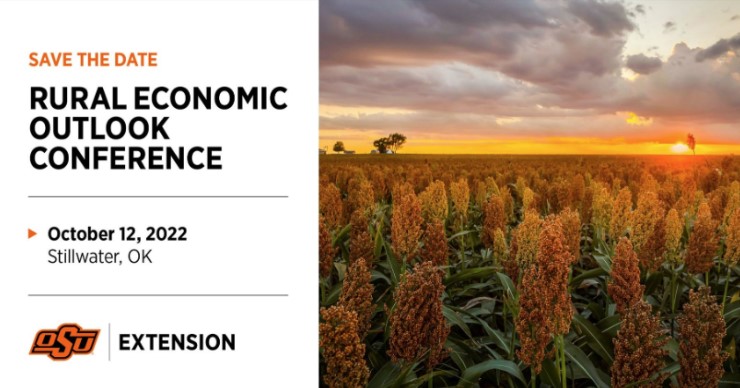
• Rodney Jones, OSU Extension ag finance and management specialist, invites viewers to the upcoming Rural Economic Outlook Conference.

• We preview the upcoming Rural Renewal Symposium.

• Kim Anderson, OSU Extension grain marketing specialist, discusses the effect of Russia's war with Ukraine on the overall crop markets.

• Rosslyn Biggs, OSU Extension beef cattle specialist, says cattle producers need to be on the lookout for obstructions in their herd this time of year.


Join us for SUNUP:
Saturday at 7:30 a.m. & Sunday at 6 a.m. on OETA (PBS)
YouTube.com/SUNUPtv
SUNUP.okstate.edu


Lawmakers Approve Drought Relief for Farmers, Ranchers

Thu, 29 Sep 2022 22:07:59 CDT


Lawmakers Approve Drought Relief for Farmers, Ranchers


The Oklahoma Legislature has appropriated $20 million to aid the agriculture industry across the state during the ongoing drought.

House Bill 1006XX designates $20 million to the Emergency Drought Relief Fund from any monies not otherwise appropriated from the General Revenue Fund of the State Treasury. During the regular session in the spring, lawmakers also approved House Bill 2959 to designate $3 million for the fund.

The fund was created in 2013 to provide funding for emergency drought relief activities once a drought emergency has been declared. Funds must be expended solely on efforts to relieve drought conditions.

Earlier this month, Gov. Kevin Stitt issued an emergency drought declaration to reactivate the emergency drought commission, which will determine how legislative appropriations are used. The commission is comprised of members from the state's agriculture, water resources and conservation agencies.

HB1006XX was presented on the House floor Thursday morning by Rep. Dell Kerbs, R-Shawnee.

"The vast majority of farms in our state are family-owned, many of which have been operating for generations," said Kerbs, who chairs the House Agriculture and Rural Development Committee. "We need to take care of our farmers and ranchers because they're the ones who take care of us, and this bill gave us an opportunity for the legislative body to help those in need now while also mitigating future situations."

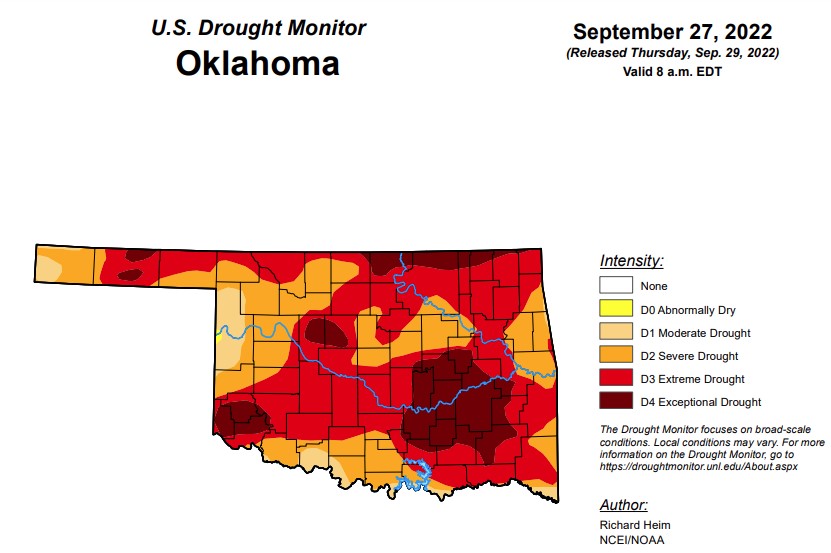
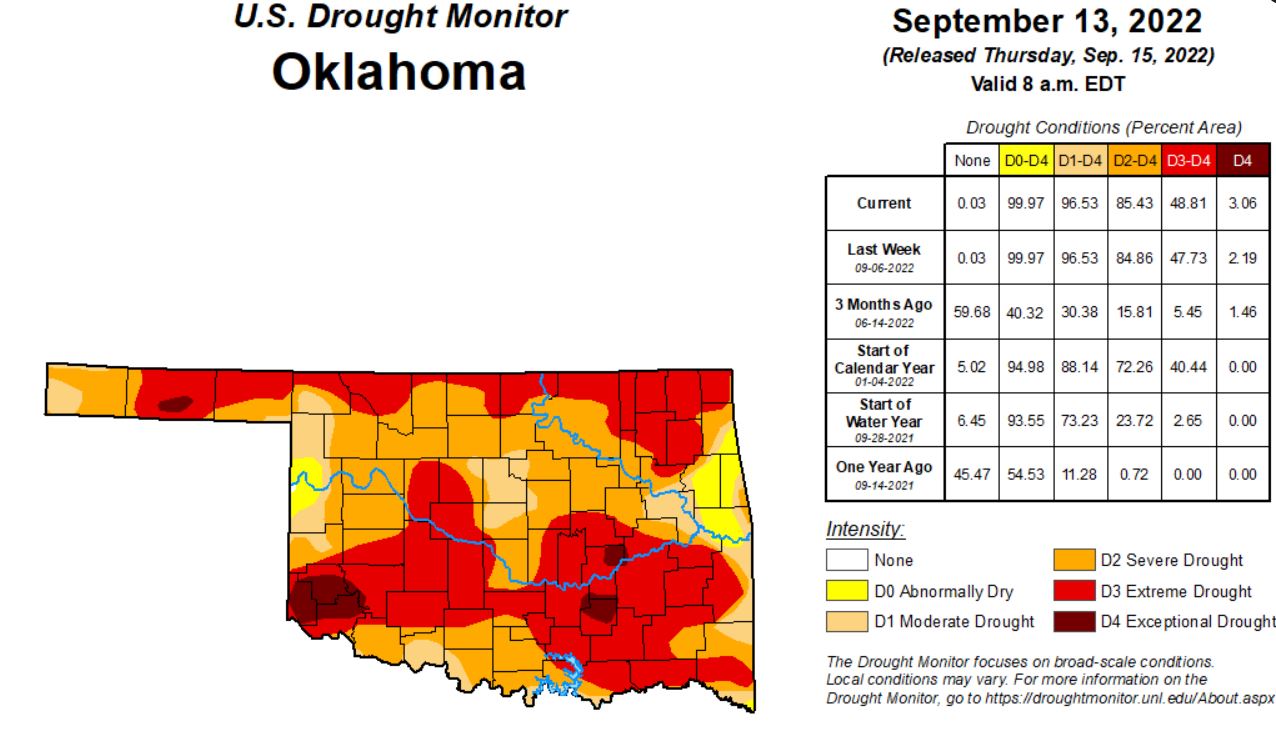
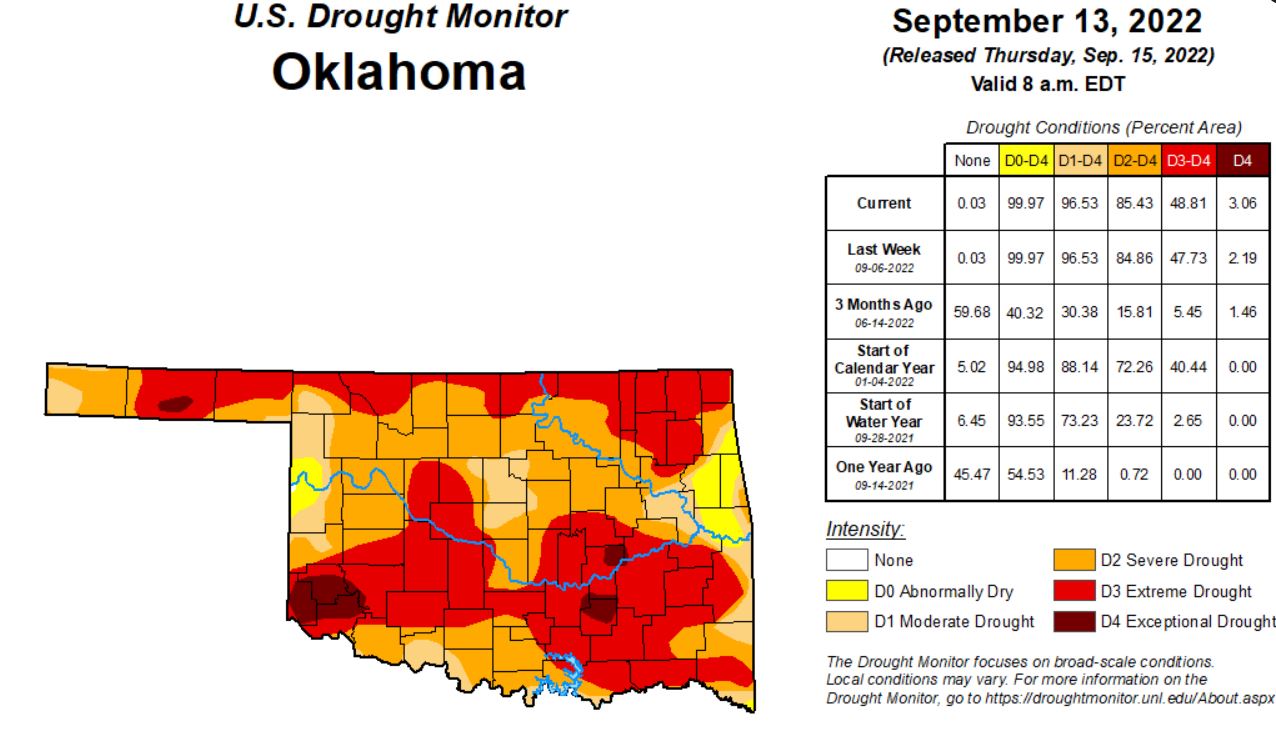
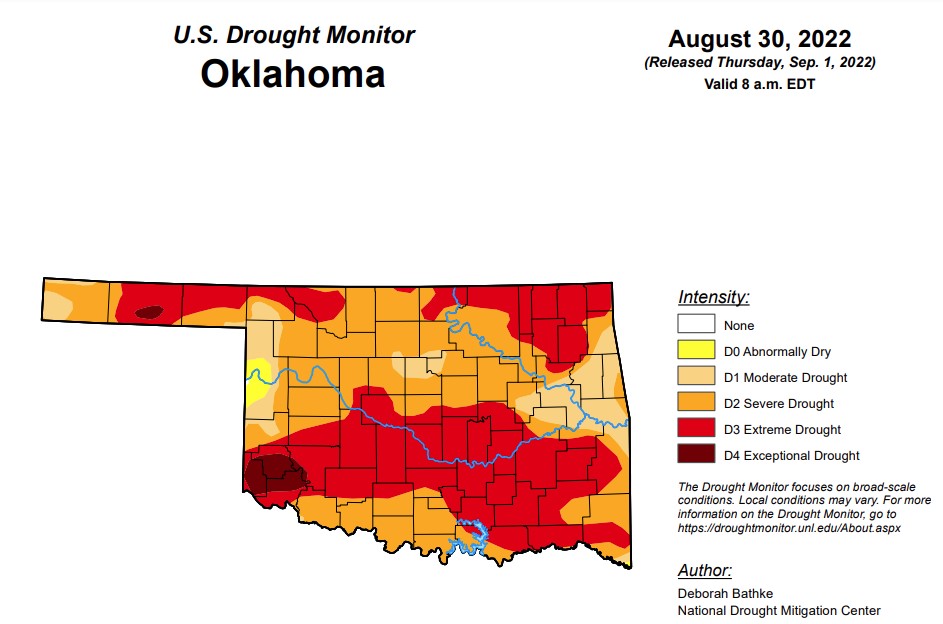
Data from the U.S. Drought Monitor shows over half the state is facing extreme drought, while nearly 14% of the state falls under exceptional drought, the highest level.

"Farmers and ranchers in our state are struggling with the ongoing drought," said Sen. Roland Pederson, R-Burlington, who serves as vice chair of the Senate Agriculture and Wildlife Committee. "Because of no fault of their own, some are being faced with the possibility of giving up on their livelihoods. We must do what we can to help them get through this difficult time. This money will go a long way to this worthy goal."

HB1006XX passed both chambers overwhelmingly and will move to the governor's desk for consideration.


Oklahoma Grain Elevator Cash Bids as of 2 p.m. September 29, 2022

Thu, 29 Sep 2022 15:20:04 CDT


Oklahoma Grain Elevator Cash Bids as of 2 p.m. September 29, 2022


The U.S. Department of Agriculture and the Oklahoma Department of Agriculture are now putting the Daily Cash Grain Report into a PDF format - we are saving that PDF and archiving them for today's specific report. To see today's update, click on the PDF report link at the bottom of this story.

In addition to the PDF of the daily report, you can also listen to the Cash Grain Report by calling 405-621-5533. Push 2 for the grain report.


Click here:


ARA Commends FMCSA Seasonal Ag CDL Reforms

Thu, 29 Sep 2022 14:50:38 CDT


ARA Commends FMCSA Seasonal Ag CDL Reforms


Today the Agricultural Retailers Association (ARA) applauds the Federal Motor Carrier Safety Administration (FMCSA) for publishing reforms to the Seasonal Ag CDL program.


Reforms to the Farm-Related Restricted Commercial Driver's License (CDL) program, more commonly known as the Seasonal Ag CDL program, go into effect immediately.


ARA Senior Vice President of Public Policy and Counsel Richard Gupton issued the following statement:


"This is a step in the right direction to ensure agricultural retailers are able to provide the level of service their farmer customers require at peak times in the growing and harvest season.


"One of the main reforms impacting ag retailers is the increase to the number of days that the restricted CDL is valid to 210 from 180 days. The second major reform is the change to a calendar year rotation for the program to prevent any overlaps from season to season from one year to the next.


"ARA commends its coalition partners along with Senators Jerry Moran and John Thune for their support and effort to get these critical provisions in the bipartisan infrastructure bill. ARA is grateful FMCSA published the Congressionally mandated reforms to allow enough time for states to implement prior to the 2023 planting season."


ARA and coalition partners sent letters to Congress in May and June of 2021 in support of modernizing this program.


States that allow for the Seasonal Ag CDL exemption will still need to make changes to their existing state rules. Learn more in the Asmark Institute's report showing 24 states that offer the CDL.


Secretary Ryan Walters Discusses Critical Topics Related to Oklahoma Education

Thu, 29 Sep 2022 14:48:40 CDT


Secretary Ryan Walters Discusses Critical Topics Related to Oklahoma Education

Click here to listen to audio


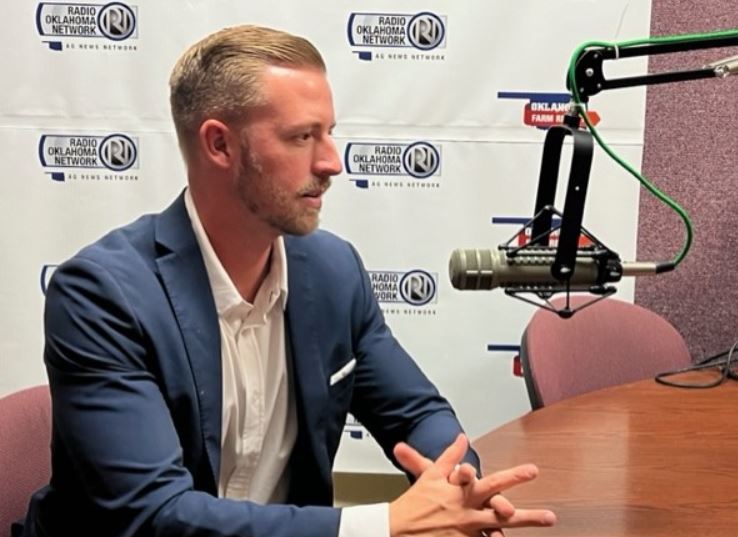
Farm Director, KC Sheperd, got to chance to visit with Secretary Ryan Walters on some hot topics concerning education in Oklahoma as he runs for state superintendent.

On the topic of federal funds, which pay for many critical things in Oklahoma schools, Walters said he plans to audit every single dollar in education.

"Oklahomans deserve better than being 49th in education," Walters said. "We have invested more in education, right now than we ever have as a state. We have invested in the last four years over one billion dollars in reoccurring revenue for education and if you ask teachers if they feel that investment, most of them will tell you they don't. They have not seen that. It is not making its way to the classroom."

Walters said he plans to fight the Biden administration to reject any type of agenda that doesn't align with Oklahoma values and hopefully put those dollars out to better use. This doesn't mean every dollar, Walters said, but simply means that money is going to the best use of Oklahoma teachers and kids.

"I'm going to make sure that we don't have curriculum and programs that go against our values," Walters said.

Walters talked about the voucher system and said parental empowerment is key to education, and that looks different in different areas. It is important to note that any type of voucher system or lack thereof would have to be approved through the legislature and Walters does not hold the power to do either of those things.

"Allowing parents to choose the school of their choice I believe is very important," Walters said. "I believe in Tulsa and Oklahoma City you are going to see a lot of that. I think in rural Oklahoma it is more of the conversation we just had about access."

In rural communities, Walters said, a concern from parents is access for their children to different programs such as FFA, for example, or work in an internship or externship. Rural schools are unique, Walters said, because of how involved the staff and community are.

"I believe in parents," Walters said. "I believe in our rural communities and our rural schools. I believe they are the backbone of the education system in the state of Oklahoma. I am going to do all that I can to continue to empower them and to make sure they are strong. The governor and I pushed and passed the Redbud Act which put over 38 million into stabilizing our most rural schools. That is something we thought was very important."

Anything related to parent empowerment, Walters said, is not going to damage rural schools.

Walters also talked about supporting a pay raise for special education paraprofessionals and the plan for paying teachers six figures.

"I think that our paraprofessionals are key to solving a teacher shortage, to getting stability to schools during this time, and on making sure that students have the support that they need inside of their schools," Walters said. "It is key, number one, that we continue to push money from administrative staff into paraprofessional pay, and number two, I think it is key that if paraprofessionals want to become teachers or want to certify in certain areas, that we give them a fast track to do that."

Instead of paying others outside of the school district to do trainings and other services, or hiring more people for those jobs, Walters said there are teachers already there that may be able to do that and get paid more for it.

Walters said his summary plan for teacher retention here in the state involves getting indoctrination out of schools, continuing to use accountability and transparency measures to see where money is being spent, and making sure it goes down to the classroom. Another important key Walter mentioned is for teachers to be supported by their administrations, because they need that support to control their classrooms.

"We cannot continue growing bureaucracy," Walters said.

There are many questions over whether or not money from medical marijuana and the lottery are being used for education in Oklahoma when so many schools are still underfunded throughout the state. Because of this reason, Walters said, he has already called for an audit.

"Taxpayers need to see where their money is going and we need to make sure it is being utilized," Walters said.

KC Also asked the secretary about early childhood education, HB1775, OEQU and JAG, Teacher Retention, and more that will be featured on our Podcast Road to Rural Prosperity next week.


Click the LISTEN BAR below to listen to KC's full conversation with Ryan Walters on education in Oklahoma.


Register for Free Virtual Stockmanship & Stewardship Event

Thu, 29 Sep 2022 10:20:29 CDT


Register for Free Virtual Stockmanship & Stewardship Event


Register today for the free Stockmanship & Stewardship virtual event to be held Tuesday, Nov. 1, 2022. This online version of the popular in-person event provides an opportunity for cattle producers to learn about beef sustainability and livestock welfare, how consumer concerns have impacted the industry, and the role that Beef Quality Assurance plays in the conversation.


The full-day event features nationally recognized speakers and clinicians discussing topics such as grazing management practices in various climates, cattle handling, marketing, nutrition, international trade, labor, antimicrobial resistance and more. The program brings together beef and dairy producers, stakeholders and key industry members to engage in the discussion of current industry challenges, consumer driven trends, and realistic strategies to enhance producers' commitment to stockmanship and stewardship.


"As a proud sponsor of Stockmanship & Stewardship events, Merck Animal Health is pleased to help bring this virtual edition to cattle producers from coast to coast," said Kevin Mobley, executive director of sales and marketing for Merck Animal Health.


The program is sponsored by the National Cattlemen's Beef Association (NCBA), Merck Animal Health, and the Beef Checkoff-funded National Beef Quality Assurance program. For more information and to register, visit www.StockmanshipAndStewardship.org.


This Week's Drought Monitor Shows Drought Conditions in Oklahoma Continuing to Rise

Thu, 29 Sep 2022 10:13:36 CDT


This Week's Drought Monitor Shows Drought Conditions in Oklahoma Continuing to Rise


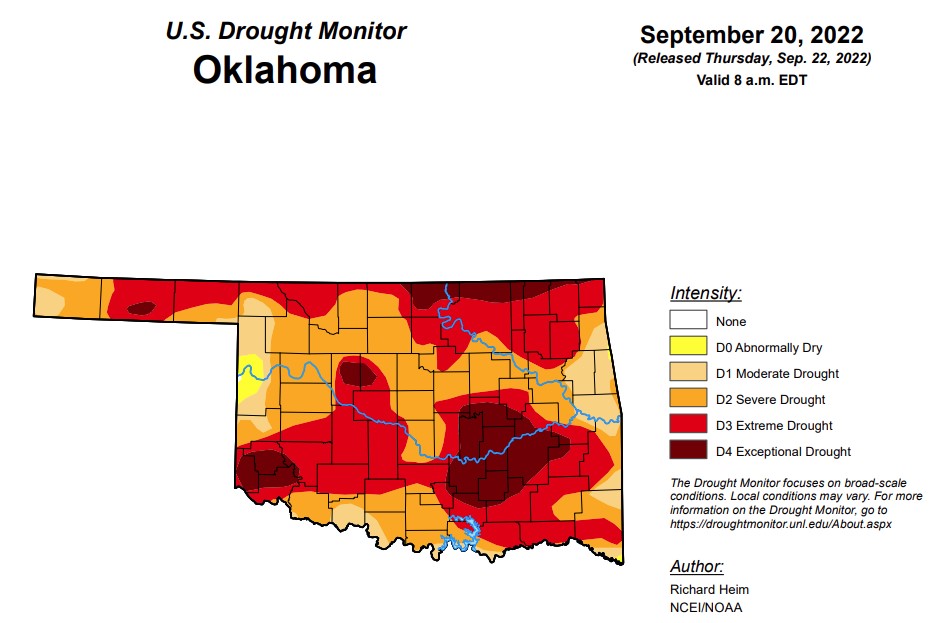
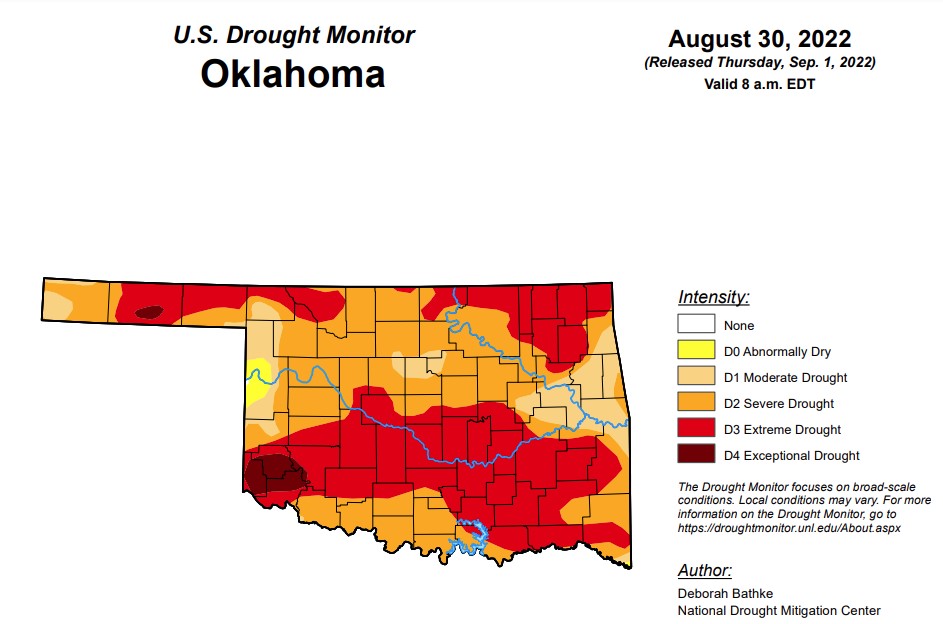
As Oklahoma continues to wait for rain, drought levels intensify in this week's drought monitor. The statewide average rainfall total of 0.7 inches for Sept. 1-29 places it as the 5th driest September on record for the state dating back to 1895.


In Oklahoma, exceptional drought is at 17.25 percent, up from last week's 13.6 percent.

Extreme drought is now at 64.4 percent, jumping over 10 percentage points from last week's 53.9 percent.

Severe drought or worse has reached 94.4 percent, up from last week's 89.25 percent.

Moderate drought or worse is now at 99.8 percent, up slightly from last week's 98.9 percent.

Abnormally dry or worse conditions have topped off at 100 percent, up from last week's 99.9 percent.


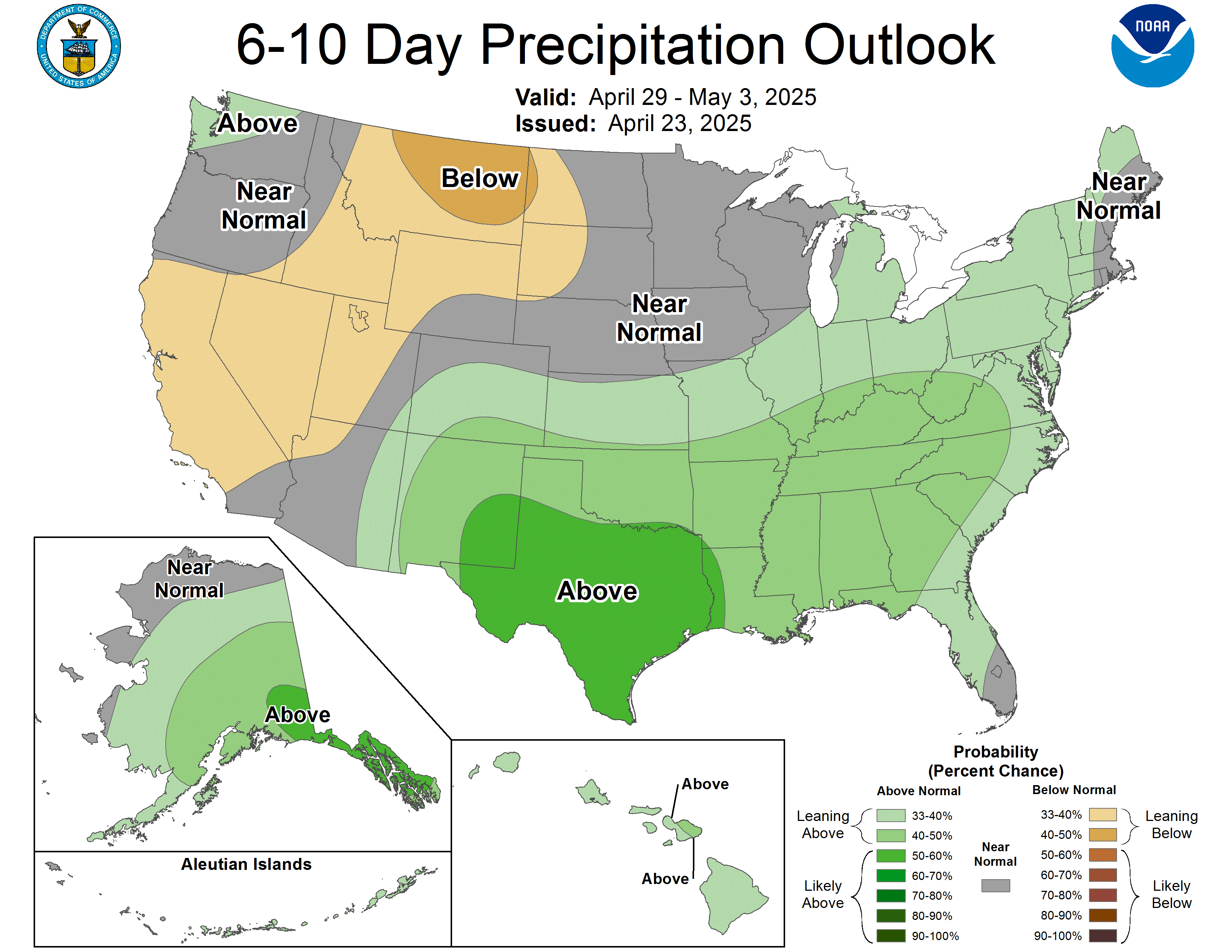
According to the 6-10-day precipitation outlook map for Oklahoma, the state shows a below-normal chance of precipitation through October 8 in most of the state. The panhandle is leaning above a 33-40 percent chance of precipitation through October 8.


To view the Oklahoma Drought Map, click here.


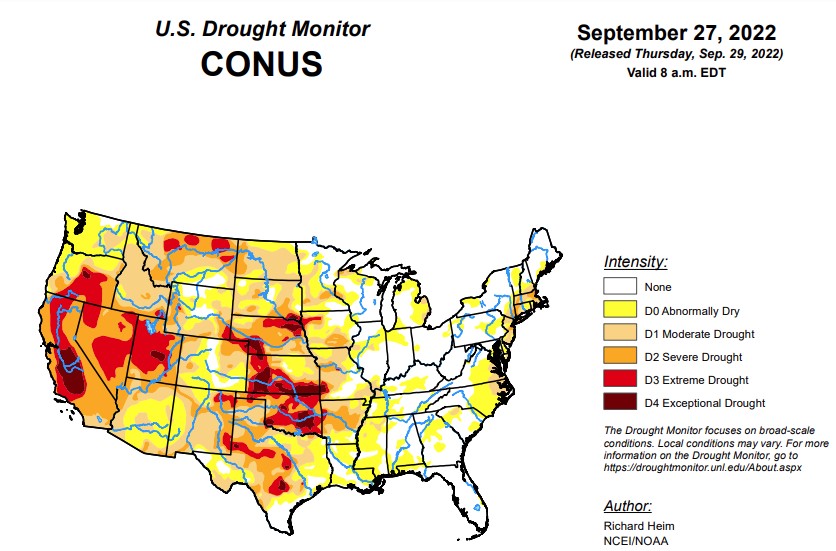
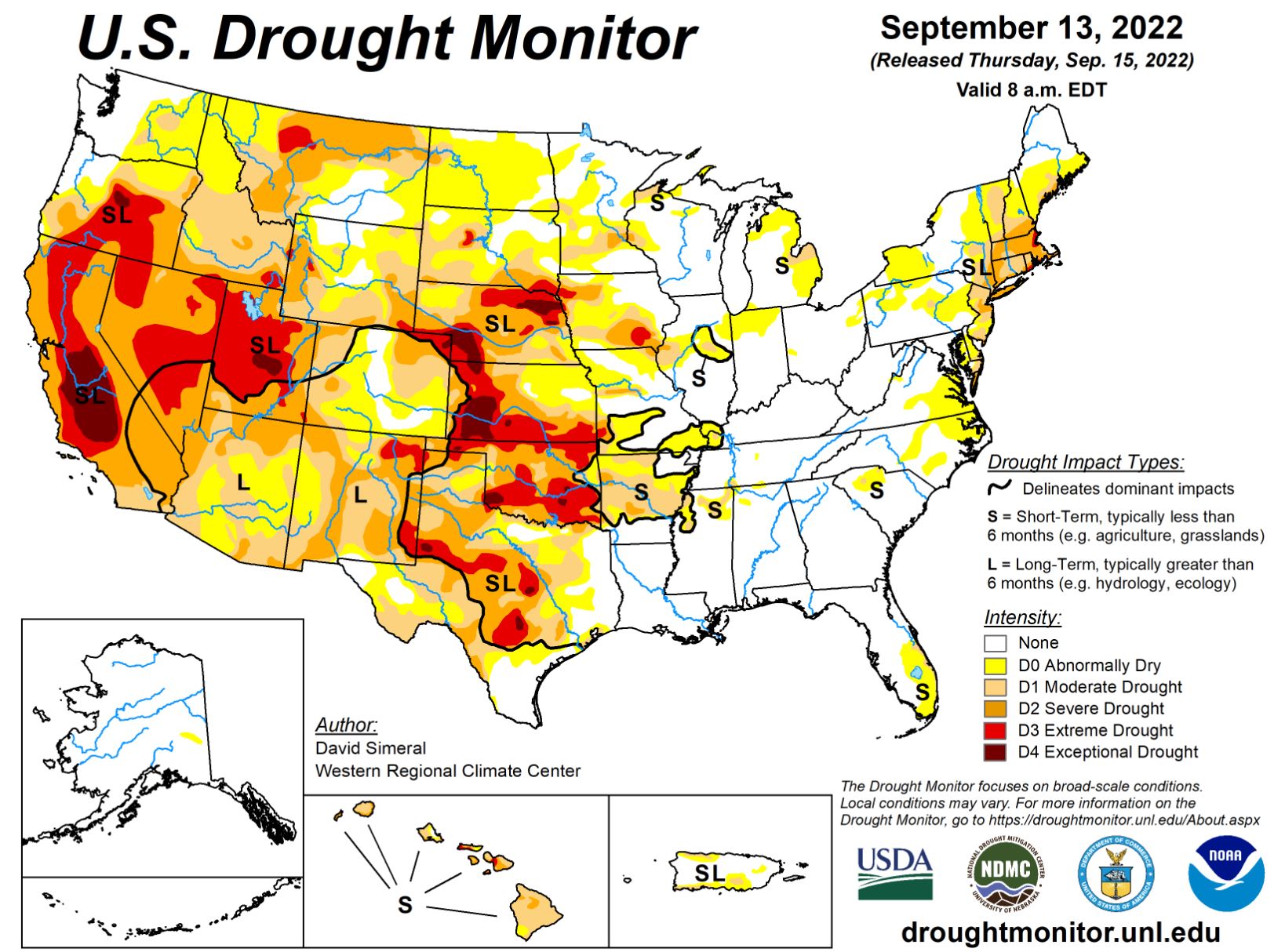
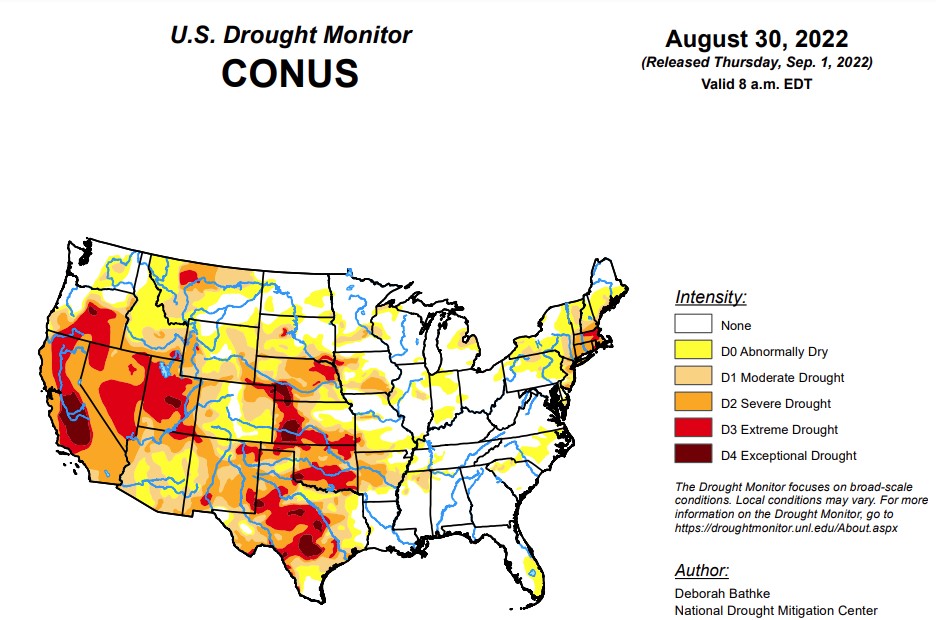
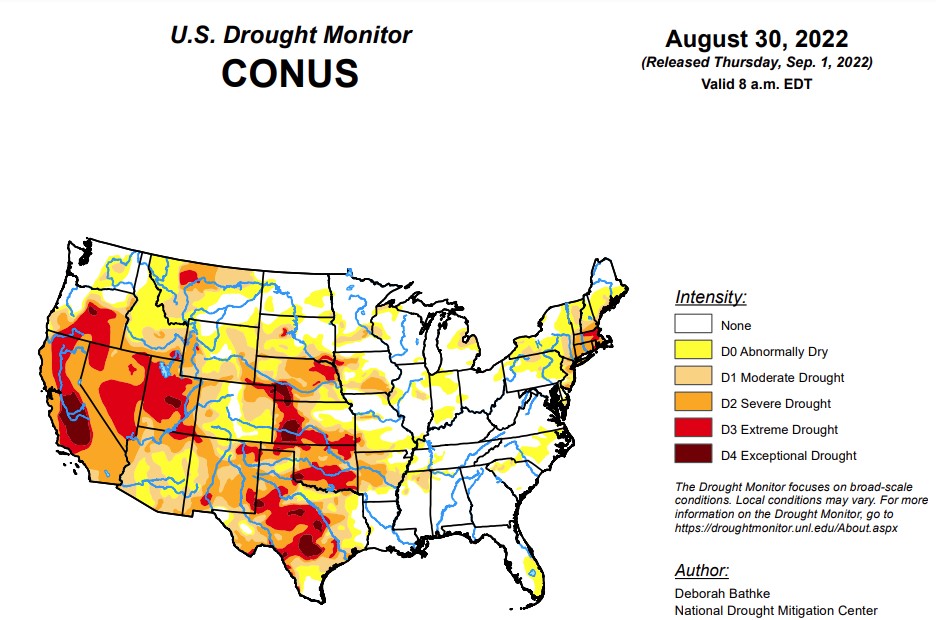
According to this week's U.S. Drought Monitor Report, Two upper-level weather systems danced across the contiguous U.S. (CONUS) during this U.S. Drought Monitor (USDM) week (September 21-27). One partner of the pair was an upper-level low pressure trough which twirled from the West Coast to the northern Plains then migrated to the Northeast. The other partner was a high pressure ridge. As they did a kind of do-si-do, the ridge swung from the southern Plains to the western CONUS. Other players danced at the periphery - Hurricane Fiona moved across the Canadian Maritime Provinces, spreading rain over New England at the beginning of the week, while Hurricane Ian brought rain and wind to southern Florida as it bore down on the state just as the week ended. The high pressure ridge brought hot temperatures to the southern states at first, then to the West later in the period. The trough generated a storm track across the northern states, then sent a large cold front into the Southeast as the period ended. Monsoon showers joined in over the Southwest in these waning days of summer. The end result was a weekly precipitation pattern that was wetter than normal over parts of the West, southern Plains, Great Lakes, Northeast, and southern Florida. The rain missed large parts of the West, which received little to no precipitation, and much of the Plains, Mississippi to Ohio Valleys, and Southeast to Mid-Atlantic states were drier than normal as well. Temperatures for the week averaged warmer than normal over the southern Plains to Lower Mississippi Valley and across parts of the Southwest and Northwest. The week ended up cooler than normal from the northern Plains to Northeast and into parts of the Southeast. The hot temperatures and continued dry conditions, especially in the South, further dried soils. According to the U.S. Department of Agriculture (USDA), national topsoil moisture rated very short to short (dry or very dry) reached 54%, a high for the year to date and very close to the recent maximum of 56% achieved on October 18, 2020. This is the third year in a row that a peak greater than 50% has occurred. Drought and abnormal dryness contracted where it rained in the Southwest, Northeast, and southern Florida. Drought and abnormal dryness expanded where it didn't rain, including the Northwest, Great Plains to Mississippi Valley, and Mid-Atlantic states.


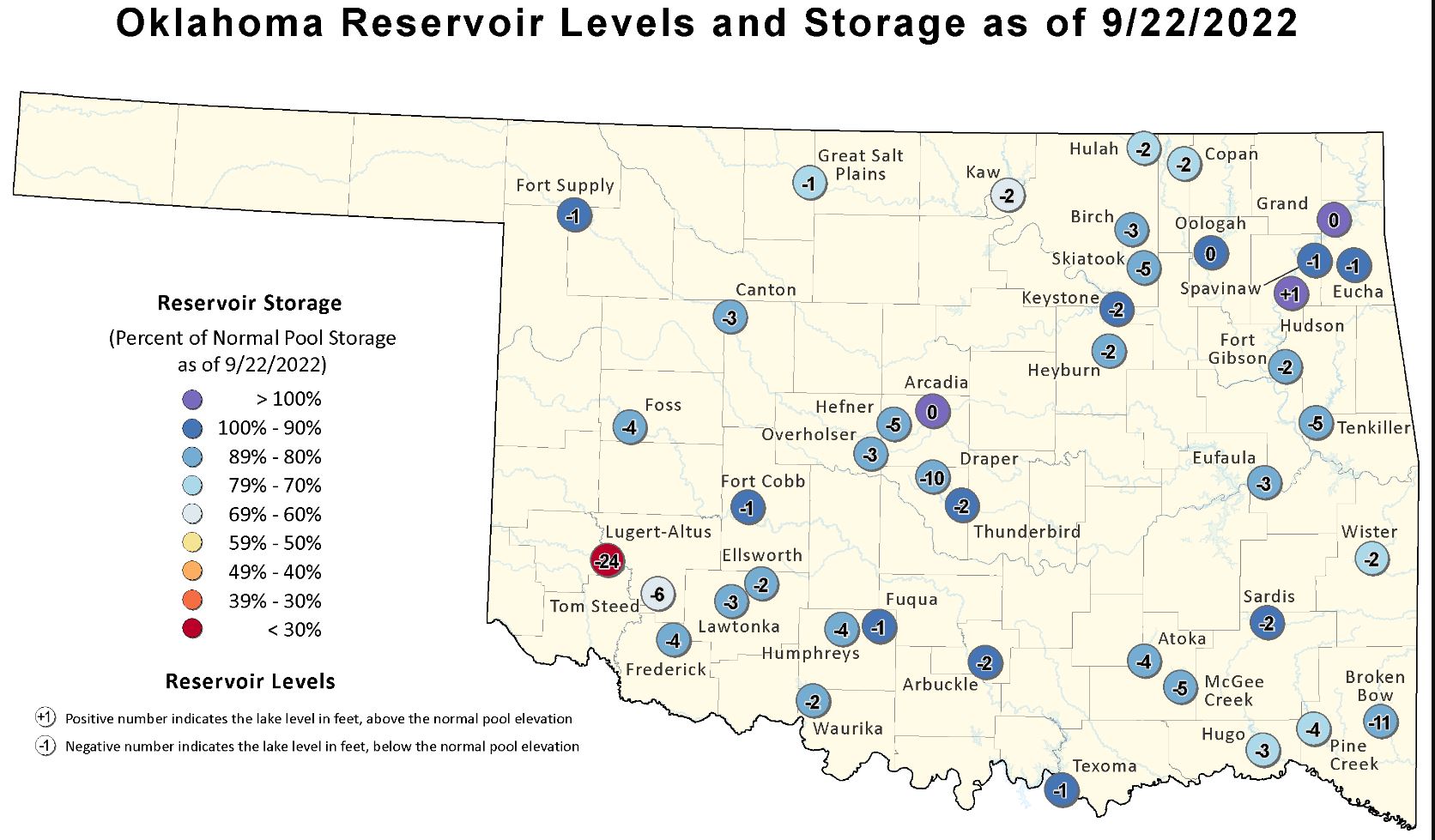
In the Southern Plains, about half an inch of rain fell across a few parts of Texas, Mississippi, and Tennessee, but otherwise the South region was dry this week. Hot and mostly dry conditions were observed this past week especially across the Arkansas-Louisiana-Texas area, with near record high temperatures recorded each day as readings neared the century mark. This marks nearly the third straight week with near cloud-free conditions, with below normal relative humidity for this time of year yielding high evaporation rates. Grounds have quickly dried out over much of the area, which has yielded an increased frequency of small wildfires especially across eastern Texas and portions of southeastern Oklahoma. In southeast Oklahoma, hydrological impacts were increasing as Broken Bow Lake was over 11 feet below conservation pool stage, with Pine Creek Lake down about 5 feet. USDA reports indicated 91% of the topsoil short or very short of moisture in Oklahoma. Rapid drying of soils has occurred in Arkansas, with the USDA statistic exploding from 40% on September 11 to 58% on September 18 and reaching 88% on September 25. According to news reports, fierce heat and drought in Arkansas have limited hay and grass growth; August rains allowed farmers to grow some hay, but farmers still do not have enough to get through the winter. Dried ponds, cracked earth, and no forage (pasture) for farm animals were common, especially in western Arkansas. D0 spread across much of Louisiana, Mississippi, and western Tennessee, with D0-D3 growing in Arkansas and D2-D4 expanding in Oklahoma. D0-D4 expanded in parts of northern, eastern, and central Texas, while contraction of D0-D1 occurred along parts of the Rio Grande River.


In the High Plains, half an inch or more of rain fell across parts of North Dakota and Wyoming, with locally an inch or more in parts of Colorado and Nebraska and over 2 inches in parts of Kansas. But most of South Dakota had less than a fourth of an inch of rain as did large parts of Nebraska and Wyoming. More than 70% of the topsoil moisture was short or very short in Kansas, Nebraska, South Dakota, and Wyoming, according to USDA statistics, with the numbers 67% in Colorado and 54% in North Dakota. According to media reports, heat and drought limited forage production in Nebraska and other drought-stricken areas, forcing cattle producers to weigh hay supplies against herd size for the winter. Many growers chopped drought-damaged crops for silage. D0-D2 were pulled back in a few parts of Wyoming, D0-D3 were trimmed in parts of Kansas and Colorado where the heaviest rains fell, and D3 was deleted in western South Dakota. But drought or abnormal dryness expanded in other parts of the High Plains region states, including North Dakota (D0-D2), Colorado (D0-D1), Nebraska (D2-D3), South Dakota (D0-D4), and Kansas (D0-D2 and D4).


In the West, monsoon showers dumped half an inch to locally 2+ inches of rain over parts of the Four Corners states, while a Pacific weather system gave parts of the northern Rockies half an inch to locally 2+ inches of precipitation. A few spotty areas of California, Nevada, Oregon, and eastern Montana received locally half an inch of precipitation. The rest of the West was dry. Low streams, dry soils, and a combination of hot temperatures with little to no rain prompted expansion of D0 across coastal Washington and Oregon. These conditions contributed to ponds drying up in central to eastern Washington where D1 expanded. In Oregon, most large reservoirs nearly empty to less than 10% full due to the prolonged dry weather. USDA reports indicated 95% of the topsoil moisture was short or very short in Montana, with the values 71% in Oregon and 65% in Washington. D0-D3 expanded in central to eastern Montana. Above-normal rain during this year's monsoon season has resulted in contraction of drought in the Four Corners states. The rains this week contracted D1-D2 in Arizona and New Mexico. But 5 to 20 years of drought have brought many large reservoirs to very low levels, including Lake Powell which was still only 25% full and Elephant Butte which was 5% full. It will take several years of above-normal precipitation, and springtime melt of many winters of heavy mountain snowpack, to bring these reservoir levels back up.


Looking ahead, during the two days after the Tuesday morning cutoff time for the USDM, Hurricane Ian made landfall across Florida and an upper-level trough moved across the Northeast, with these systems bringing rain to these areas, while another Pacific trough moved into the Pacific Northwest. Dry high pressure dominated most of the rest of the CONUS. For the period September 29-October 4, the Pacific trough will move across the Pacific Northwest and northern to central Rockies, giving these regions 0.5-1.5 inches of rain with locally up to 2 inches. The remnants of Ian will be drawn over the Southeast, spreading a large area of 1-5 inches of rain across the Southeast to Mid-Atlantic states, with locally over 10 inches in parts of Florida. Ian's rain will stretch into the eastern Tennessee Valley and southern New England, where up to an inch of rain is expected. Little to no precipitation is forecast for the rest of the CONUS where high-pressure ridging will dominate. Temperatures are predicted to be warmer than normal in the West to Great Plains and cooler than normal in the Southeast to Mid-Atlantic states. For the period October 4-12, odds favor above-normal precipitation across most of Alaska and in the Four Corners states, with below-normal precipitation over the Alaska panhandle, northern portions of the West, and much of the Plains to the East Coast. The West and Alaska panhandle are expected to get wetter as the period progresses. Odds favor warmer-than-normal temperatures for most of Alaska and most of the CONUS, except the period may begin cooler than normal along the East Coast.

To view the 6-10 Day Precipitation Outlook Map, click here.
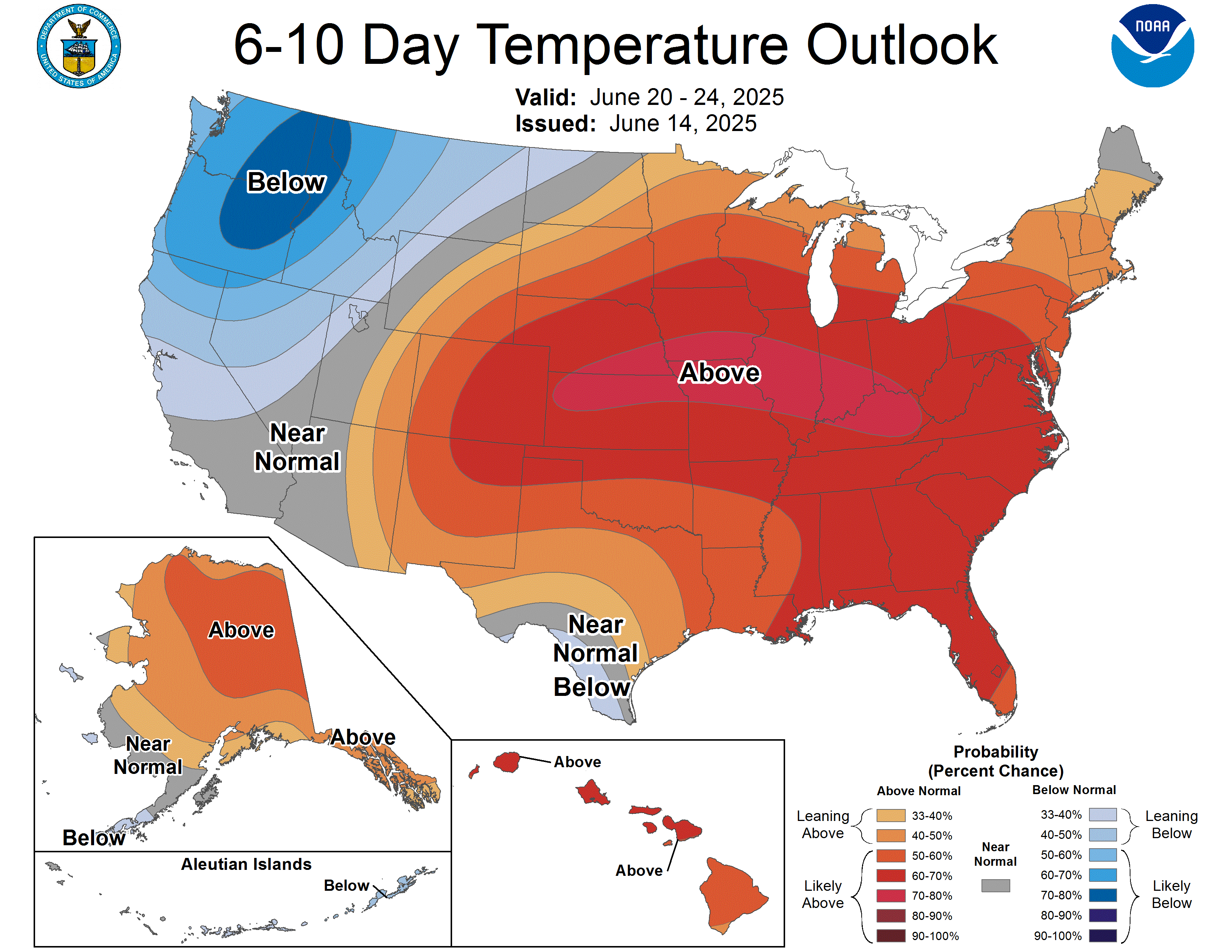
To view the 6-10 Day Temperature Outlook Map, click here.
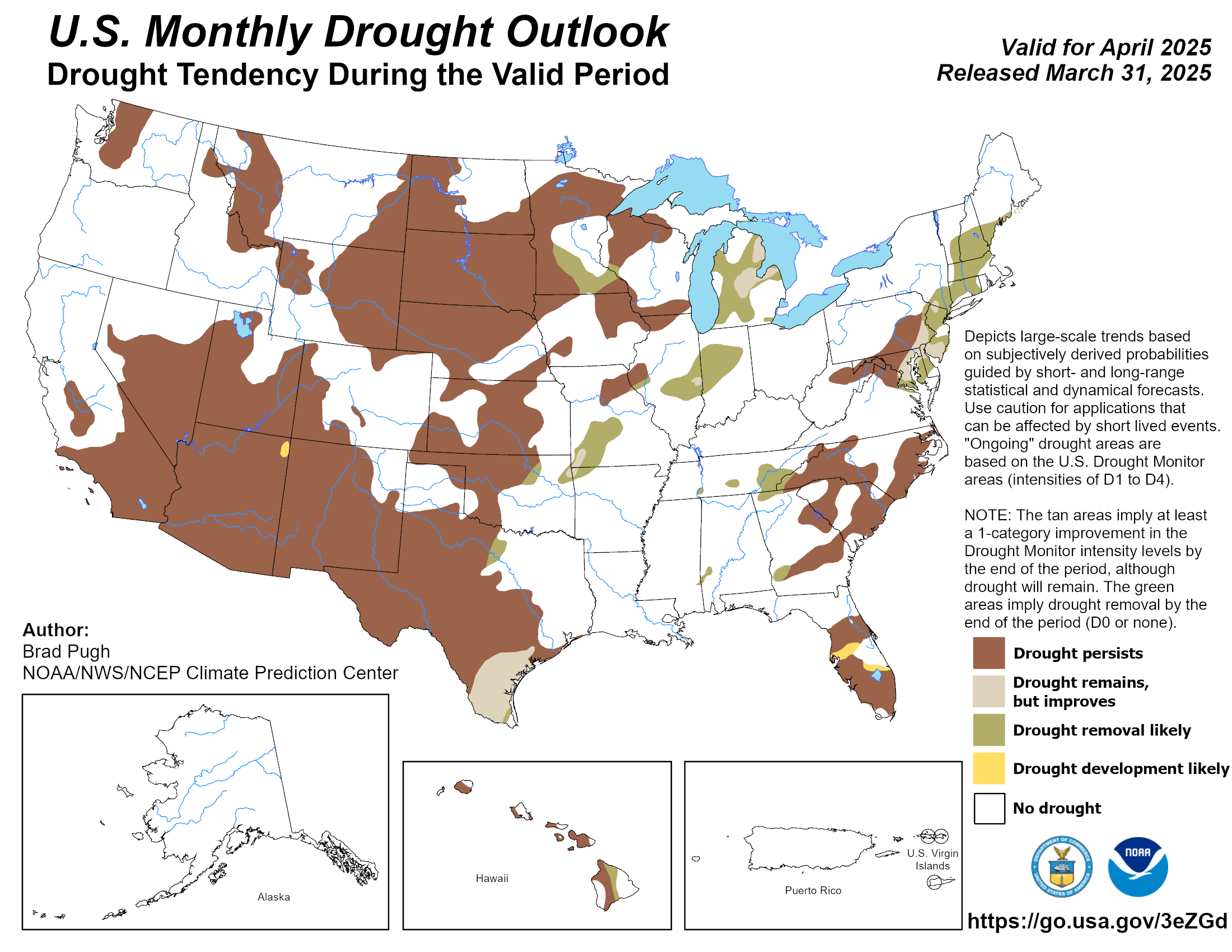
To view the Monthly Drought Outlook Map, click here.


This Week's Drought Monitor Shows Drought Conditions in Oklahoma Continuing to Rise
   

Six More Major Players Join "Farmer-centric" Research on Biologicals

Thu, 29 Sep 2022 09:40:24 CDT


Six More Major Players Join "Farmer-centric" Research on Biologicals


"Biologicals: Farmer Value, Perception and Potential," a comprehensive market research effort focused on understanding farmer opinions on the current use, issues and potential for biologicals at field-level has announced the support of another six major players.

"We're pleased to announce that Evoia, the Biological Products Industry Alliance (BPIA), Certis, AMVAC, Lalleman and Redox have joined our forces," said Cam Camfield, Founder and CEO of Stratovation Group in announcing the news. "We think more good input from more players at the front end will help us gain better data and deeper insight throughout the study. And better data and insight will drive better planning and results for every organization involved."


"Biologicals: Farmer Value, Perception and Potential" kicked off in 2022 and is set to occur annually. Conducted by Stratovation Group in close collaboration with the Agricultural Retailers Association (ARA), DC Legislative and Regulatory Services (DCLRS) and The Fertilizer Institute (TFI), the repeating study will benchmark adoption and attitudes around farm use of biologicals and aid those seeking to grow and develop the market category. Earlier this summer, Meristem, BASF. Indigo and Pivot Bio joined the effort, and now six more.


"I think it shows how fast ag biologicals are being developed and the great business value it represents to the industry of agriculture," said Camfield. "While there are other reports that may help in broad trend analysis, they lack the farmer voice. In contrast, our team is laser-focused on finding out more about the farmer experience and opinions at field-level.


"Camfield stressed that those interested in joining the effort to produce the "Biologicals: Farmer Value, Perception and Potential" annual report can become a sponsoring partner and share in all the findings, including the raw data. "It's good for us to have more voices involved to inform this study and there's still room for more," he said. "We are gearing up for excellence and inviting any biological-focused company, startup, investor and others to join us," he said.


Those interested may connect with Camfield and Stratovation Group at www.StratovationGroup.com/biologicals.


Congressman Frank Lucas Works to Exclude Farmers and Ranchers from SEC Climate Disclosure Rulemaking

Thu, 29 Sep 2022 13:17:35 CDT Congressman Frank Lucas Works to Exclude Farmers and Ranchers from SEC Climate Disclosure Rulemaking


In March of 2022, the Securities and Exchange Commission proposed the climate disclosure rule (The Enhancement and Standardization of Climate-Related Disclosures for Investors), which requires registrants to disclose information about direct greenhouse gas emissions, indirect greenhouse gas emissions from purchased electricity, or other forms of energy and those from upstream and downstream activities in its value chain.

Senior Farm and Ranch Broadcaster, Ron Hays, is catching up with Congressman Frank Lucas talking about working on a piece of legislation, the Protect Farmers from the SEC Act, that could offer protection for farmers and ranchers when it comes to reporting individual farm or ranch greenhouse gas emission numbers to the Security and Exchange Commission.

The bill would prohibit the U.S. Securities and Exchange Commission from requiring an issuer of securities to disclose greenhouse gas emissions from upstream and downstream activities in the issuer's value chain arising from farms and ranches.

"I am in the process of filing to protect farmers from the SEC act," Lucas said. "It is a bill to exclude agriculture from the Securities and Exchange Commission climate disclosure rulemaking process they are going through right now."

The Biden administration and their SEC chairman, Gary Gensler are having trouble getting congress to pass the kind of laws they want, Lucas said, so they are wanting to use the rulemaking process to do it by fiat through the bureaucracy of the federal government.

Lucas is wanting to remove the SEC's authority to make rules as it affects producers.

"The Securities and Exchange Commission, if they want to force people to do business a different way in this country, they can use these disclosure requirements at the SEC where typically businesses file papers to confirm that they are abiding by the Securities Exchange laws, they can use that then to force the change," Lucas said.

This will be a domino effect and land on the farmer and rancher, Lucas said because a bakery or processing plant will hand the paperwork down to the feedlot or flour mill, who will then dump it onto the farmer or rancher.

"What the bill does is takes away the SEC's authority to do this," Lucas said. "Now, I am hopeful we will have great success in getting attention among my colleagues and whether we actually pass the proposal in the law, or we just simply get the Securities and Exchange Commission's attention, and more directly leave us alone, the net result has to be the same."

Lucas said farmers and ranchers do not need to feel the negative effects of somebody else's environmental agenda.

"The two battle cries that you get from speaker Pelosi's majority in the house and the White House is environmental justice and social justice," Lucas said. "That says to me from a production agriculture perspective, they want to tell you how to farm. Their definition of environmental justice is denying you resources or making paperwork so complicated that you have to do it their way. And social justice is, they want to define who should farm in addition to how they should farm and that is not the way farm bills have worked since the 1930s, that is not the kind of system that has made our agriculture the most productive and efficient and safest in the world, so I am not going to allow- if I can help it- somebody sitting in an office in D.C., using paperwork to force my folks back home to farm a certain way and be a certain kind of farmer. That is just not right."

At the very least, Lucas said by filing and gaining support across the country, he will hopefully get the attention of the SEC chairman and the bureaucracy.

"I don't expect chairman Gensler to back off on anything," Lucas said.

Because of this, there are a few different methods to make this legislation effective.

"The bottom line is, we can't allow this to happen," Lucas said. "The SEC is in a rulemaking process, so it has not taken effect yet, but we want to get ahead of this calamity before it occurs."

Congressman Lucas was joined by more than 81 original cosponsors (including Oklahoma's Tom Cole, Markwayne Mullin and Stephanie Bice), and is also supported by American Farm Bureau Federation, National Cattlemen's Beef Association, National Association of Wheat Growers, National Cotton Council, National Pork Producers Council, USA Rice, American Sugar Alliance, American Soybean Association, National Potato Council, United States Cattlemen's Association, National Council of Farmer Cooperatives, Agricultural Retailers Association, Oklahoma Farm Bureau, and the Oklahoma Cattlemen's Association.

Specifically, the Protect Farmers from the SEC Act prohibits the SEC from requiring an issuer of securities to disclose greenhouse gas emissions from upstream and downstream activities in the issuer's value chain arising from a farm, defines the production, manufacturing, or harvesting of an agricultural product through the Agricultural Marketing Act of 1946, outlines upstream and downstream activities, and defines greenhouse gases and removes the SEC's exemptive authority in relation to this Act.


Click the LISTEN BAR below to listen to Ron Hays and Congressman Frank Lucas talking about protecting farmers and ranchers from SEC.

The Beef Buzz is a regular feature heard on radio stations around the region on the Radio Oklahoma Network and is a regular audio feature found on this website as well. Click on the LISTEN BAR below for today's show and check out our archives for older Beef Buzz shows covering the gamut of the beef cattle industry today.


Ron Hays Beef Buzzes with Congressman Frank Lucas on SEC Climate Disclosure Rulemaking

click to play audio or right-click to download

Eight Selected for NCGA's Research Ambassador Program

Thu, 29 Sep 2022 09:27:22 CDT


Eight Selected for NCGA's Research Ambassador Program


The National Corn Growers Association (NCGA) is pleased to announce that eight Research Ambassadors have been selected for 2022-2023 academic year:


Julian Cooper, University of Minnesota-Twin Cities

Brendan Hanson, Purdue University

Kirsten Hein, Colorado State University

John Searl, University of Wisconsin-Madison

Aimee Schulz, Cornell University

Seth Tolley, Purdue University

Rachel Veenstra, Kansas State University

Brandon Webster, Michigan State University


Just in its second year, the program is continuing to build great momentum. Developed and funded by NCGA's Sustainable Ag Research Action Team, the objective is to build a network of future leaders in the agricultural sector; ambassadors must demonstrate academic excellence, leadership potential, and be involved in research relevant to corn production.


"The first year of the Research Ambassador Program was even more successful than we imagined it would be," said NCGA Sustainable Ag Research Action Team Chair and Nebraska grower Jason Lewis. "And I have no doubt that the same will be true with the next round of ambassadors. We will continue to build a stronger bridge between the research lab and the farm field; and our growers are equally enthusiastic for these dynamic opportunities to engage with the graduate students."


Through the program, each NCGA Research Ambassador will receive the following:


1. Financial award of $2,500 directly to the student.

2. Up to $750 for registration and travel reimbursement for participation in scientific research conferences.

3. Fully-funded travel to participate in NCGA events throughout the year, which could include grower research committee meetings, congressional visits at the state or federal level, Commodity Classic, Corn Congress, farm field days, etc.


To learn more, visit NCGA Research Ambassador Program.


OLAC Central Regional Workshops Coming up on October 12

Thu, 29 Sep 2022 09:20:33 CDT


OLAC Central Regional Workshops Coming up on October 12


The newly established Oklahoma Local Agriculture Collaborative invites you to attend their free educational packed workshops in Central Oklahoma. The workshops will take place on October 12th at The Well, 210 James Garner Avenue, Norman, OK.


The agenda is developed to serve beginning agriculture entrepreneurs to established producers looking to take their business to the next level. At the workshops, producers will gain information and resources on how to make their farm a viable business and how to maximize sales beyond the farmers market. There will be representatives from grocery stores, food hubs, restaurants, and other businesses who want to source local agriculture. There will also be lots of opportunities for networking.


A featured workshop to encourage youth in agriculture is the Youth Loans for Agriculture Entrepreneurs session, hosted by Hannah Hart. Hannah was an active 4-H member and received a USDA youth loan that helped her start her cattle operation. The youth loans program is an excellent opportunity for young entrepreneurs in agriculture.


You must register to attend: oklac.org/centralworkshop

This Central Oklahoma Workshop is being hosted by a team of partners from the ONIE Project, OSU Extension, OSU FAPC, ODAFF, USDA, NRCS, FSA, TSET, Farmers Market at Scissortail Park, Norman Farm Market, Langston University, Mid-America Technology Center, HONA, Wellston Farm and Craft Market, and Oklahoma Farm Bureau.


American Farmland Trust and NRCS Sign $2M Cooperative Agreement to Improve Soil Health Economic and Environmental Tools to Evaluate and Predict Benefits of Soil Health?Practices

Thu, 29 Sep 2022 09:15:20 CDT


American Farmland Trust and NRCS Sign $2M Cooperative Agreement to Improve Soil Health Economic and Environmental Tools to Evaluate and Predict Benefits of Soil Health?Practices


American Farmland Trust and the Natural Resource Conservation Service have signed a two-year, $2 million cooperative agreement to further develop and improve AFT's soil health economic and environmental tools, including the Excel-based Retrospective Soil Health Economic Calculator (R-SHEC), the Excel-based Predictive Soil Health Economic Calculator (P-SHEC) and the Online-Soil Health Economic Calculator (O-SHEC). The tools will be improved with the most up-to-date soil health practice outcomes economics and environmental data and analysis and expanded to serve additional crops, and, eventually, additional soil health practices and production systems, such as grazing operations. AFT will create a Soil Health Economics Accelerator Team, expanding the existing team by hiring five new staff including economists and soil scientists.


With the understanding that regenerative farming and ranching practices help improve water resources, address the climate challenge and increase the resiliency of the U.S. agricultural system, practitioners from the NRCS, Soil & Water Conservation Districts, University Extension, NGOs, farm trade associations and corporate sustainability leaders find it urgent to expand their ability to assist clients by analyzing the economic return on investment of soil health practices like cover crops, no-till/reduced tillage, nutrient management, mulching, conservation cover and composting. Adoption rates for these practices are still relatively low. For example, as of 2017, cover crops had been adopted on only six percent of harvested annual cropland. A key barrier is farmers' concern over their bottom line. Addressing these concerns with the best available data, rigorous analysis and credible insights will serve to scale up adoption more quickly.


"Since 2018, AFT has worked with the NRCS to develop the Soil Health Case Study Tool Kit, using it to demonstrate that the benefits of implementing agricultural soil health practices can outweigh the costs and over time, improve productivity and profitability in farming operations," said Michelle Perez, AFT's Water Initiative Director. "For the 13 'soil health successful' producers we've analyzed and featured in case studies so far, their adoption of soil health practices has led to a return on investment (ROI) between 7% and 343% for row crop farmers and 198% and 553% for the almond growers. We hope that expanding our suite of soil health economic and environmental tools will help bring economic benefits to more farmers and greater environmental benefits to society."


This agreement comes at an opportune time. "AFT will leverage the power of the economic information made available by this team to accelerate the impact of multiple Climate Smart Commodity Projects that are also being awarded in the coming months," noted Bianca Moebius-Clune, AFT's Climate Initiative Director, "and vice versa we'll be looking to leverage data from these expansive projects to further improve the capacity of the calculators to predict the economic value to producers of adopting soil health management systems."


Specifically, the AFT and NRCS will work in partnership to improve the quantitative relationship between crop yield, soil organic matter and soil health practices in the predictive tool (P-SHEC), so the tool can project potential, future benefits to crop yield, soil fertility and available water holding capacity, key benefits to incentivize soil health practice adoption. AFT will release the P-SHEC Tool to the public for the first time after piloting the tool with "soil health curious" farmers. The retrospective tool (R-SHEC) will be improved to better incorporate diversification in crop rotations and expanded to include more crops and soil health practices. The R-SHEC Tool is used to develop the Soil Health Case Studies featuring "soil health successful" producers, 13 of which have been produced so far and are being used as outreach and educational materials to answer questions about the rate of return on investments in soil health. The online tool (O-SHEC), which is simpler and intended for direct use by farmers and their advisors, will be finalized, piloted and released to the public for the first time. This tool is key to accelerating farmer decision making, helping to evaluate costs and benefits of soil health practice adoption options more easily.


In addition to improving, piloting and releasing these tools, AFT and NRCS will expand the portfolio of soil health case studies to feature six to 12 new "soil health successful" farmers each year using the R-SHEC Tool. We will prioritize the location of these farmer case studies depending on conservation partner needs, identifying states where large environmental benefits could be realized from soil health practice adoption and to better serve historically underrepresented producer populations (e.g., Black, Indigenous, People of Color, women, veteran, next generation, other socially disadvantaged producers). Conservation partners who would like a case study featuring a "soil health successful" farmer in their project area, should contact Michelle Perez.


AFT is hiring now to build out the Soil Health Economics Accelerator Team, job postings are out now and new team members are expected to start November 7 or December 5, 2022 or earlier if suitable candidates are found sooner:


Economic Tools Development Manager / Senior Agricultural Economist – A senior level agricultural economist, who will conduct and lead research, in collaboration with an interdisciplinary team across AFT, to further develop AFT's three existing economic tools. This position will conduct literature research, acquire and analyze datasets, and develop innovative new ways to integrate existing scientific knowledge, data, and/or models to improve the tools' relevance and utility for conservation professionals and producers. This position will report to the Water Initiative Director.


Economic Tools Development Agricultural Economist - Reporting to the Economic Tools Development Manager, this position will (1) conduct research and further develop AFT's three existing economic tools and (2) serve as a reviewing economist for AFT's soil health economic case studies.


Economic Tools Development Soil Health Scientist - Reporting to the Economic Tools Development Manager, this senior level position will provide leadership to further research and develop the tools, in collaboration with the existing interdisciplinary team. In addition, the person will lead research initiatives to investigate additional quantitative relationships between soil health practices, SOM and other soil health indicators with water quality, water quantity, climate and biodiversity indicators.


Two Soil Health Case Study Conservation Agronomists – These two identical positions will write at least three to six case studies each per year over two years featuring "soil health successful" producers and generate associated education and outreach materials for partners to use to help persuade "soil health curious" producers to adopt soil health practices. These people will also collaborate on the interdisciplinary team to further advance the soil health economic tools suite. Both people will report to AFT's existing Agricultural Economics and Water Resources Manager who leads our production of case studies and is the lead developer of the R-SHEC Tool.


Chairman David Scott, Chair Jahana Hayes, and Congressman Jim McGovern Release Statements Following White House Conference on Hunger, Nutrition, and Health

Wed, 28 Sep 2022 16:34:03 CDT


Chairman David Scott, Chair Jahana Hayes, and Congressman Jim McGovern Release Statements Following White House Conference on Hunger, Nutrition, and Health


Below are statements from House Agriculture Committee Chairman David Scott, Subcommittee Chair Jahana Hayes and Congressman Jim McGovern following the conclusion of today's White House Conference on Hunger, Nutrition, and Health.
"Today is a historic day as we celebrate the second White House Conference on Hunger, Nutrition, and Health - the first since 1969. I am proud to support the Biden-Harris Administration's goals to improve food access and affordability, integrate nutrition and health throughout our Federal programs, and empower all consumers to make and have access to healthy choices," said Chairman David Scott.
"This bipartisan conference gave a voice to a breadth of stakeholders, including impacted individuals, State agencies, Tribal governments, school systems, academic researchers, food companies, and other community partners," Chairman David Scott continued. "These voices are important to hear from to inform us on how to best target the underlying causes of food insecurity and ensure our Federal nutrition programs are as effective as possible, particularly as we head into the 2023 Farm Bill."

"I look forward to continuing to work with President Biden, Secretary Vilsack, and all of the partners attending the conference today to address hunger in America, and I thank Chairman Jim McGovern and his partner, the late Representative Walorksi, for their tireless work to make the Conference a reality," said Chairman David Scott.

"Hunger is not inevitable - it is a policy choice. Today's White House Conference on Food, Nutrition, and Health is our commitment to choosing to address food insecurity. I bring a unique perspective to this effort as the Chairwoman of the Subcommittee on Nutrition, Oversight, and Department Operations and as someone who once relied on federal nutrition programs to feed my family. I extend my sincerest thanks to President Biden for making the conference a reality. I look forward to continuing this work alongside Chairman Scott on the House Agriculture Committee to keep our communities healthy, fed, and safe," said Chair Jahana Hayes.

"Together with a bipartisan group of Members of Congress, advocates, people who have experienced hunger, agriculture groups, medical experts, and private sector partners, President Biden boldly committed our country to unite around the visionary goal of ending hunger and reducing diet-related disease. In the days ahead let us heed the President's bold, bipartisan call to get to work. I look forward to joining Chairman Scott, Chairwoman Hayes, and my colleagues on the Agriculture Committee to turn this national strategy into life-saving legislative action," said Congressman Jim McGovern.


NCBA Represents Cattle Producers at White House Conference on Hunger, Nutrition, and Health

Wed, 28 Sep 2022 16:32:09 CDT


NCBA Represents Cattle Producers at White House Conference on Hunger, Nutrition, and Health


Today, National Cattlemen's Beef Association (NCBA) CEO Colin Woodall attended the White House Conference on Hunger, Nutrition, and Health to represent U.S. cattle producers who raise the most sustainable beef in the world and provide a nutritious protein to Americans.


"The White House has prioritized ending hunger and increasing access to nutritious food and America's cattle producers are ready to help by providing safe, sustainable, and nutritious protein to the world," said NCBA CEO Colin Woodall. "We will continue to highlight beef's role as an excellent source of protein for all ages, especially for those Americans lacking iron and other essential beef nutrients."


The White House Conference on Hunger, Nutrition and Health, held for the first time in over 50 years, provided an opportunity for stakeholders to discuss solutions to end hunger and reduce the risk of diet-related diseases by 2030. Agricultural producers have a central role in this conversation as providers of our nation's food. NCBA has previously highlighted the importance of beef in a balanced diet and will continue to showcase the innovative, sustainable production practices employed by cattle producers that ensure safe, wholesome, nutritious beef is accessible to all.


Oklahoma Grain Elevator Cash Bids as of 2 p.m. September 28, 2022

Wed, 28 Sep 2022 15:47:17 CDT


Oklahoma Grain Elevator Cash Bids as of 2 p.m. September 28, 2022


The U.S. Department of Agriculture and the Oklahoma Department of Agriculture are now putting the Daily Cash Grain Report into a PDF format - we are saving that PDF and archiving them for today's specific report. To see today's update, click on the PDF report link at the bottom of this story.

In addition to the PDF of the daily report, you can also listen to the Cash Grain Report by calling 405-621-5533. Push 2 for the grain report.


Click here:


Renewable Diesel Projected to Turbo Charge U.S. Biofuel Growth

Wed, 28 Sep 2022 14:52:43 CDT


Renewable Diesel Projected to Turbo Charge U.S. Biofuel Growth


By producing fuel using sources with lower carbon intensity than traditional petroleum-based products, the U.S. biofuels sector is well-positioned to play a major role in reducing greenhouse gas emissions. According to a new report from CoBank's Knowledge Exchange, the recent surge of investments in U.S. renewable diesel production capacity is likely to ignite a period of growth and transition for the biofuels industry.


"The outlook for biofuels is favorable as the U.S. and other leading developed countries embrace renewable liquid transportation fuels as a solution to reduce greenhouse gas emissions," said Kenneth Scott Zuckerberg, lead grain and farm supply economist for CoBank. "Renewable diesel offers the most intriguing opportunity in the biofuels space, given the extraordinary growth potential."


As major oil companies have begun embracing renewable diesel, U.S. production is expected to increase exponentially. Several industry stakeholders have announced plans for new soybean crush and refinery facilities over the last two years. Soybean oil is the feedstock most commonly used for producing renewable diesel. Combined, the proposed crush and refinery projects would increase U.S. renewable diesel production capacity six-fold by 2030 to 6.5 billion gallons annually.


However, the expected growth in soybean oil-based renewable diesel requires considerably more soybean bushels for domestic crush. CoBank estimates that U.S. soybean acreage would need to increase by 17.9 million acres to fill the supply gap created by the additional crush and refinery projects that have been announced. Additionally, the U.S. would need to stop exporting whole soybeans.


Alternatives to a massive shift of acres from corn to soybeans would include growing other oilseeds like canola and sunflower on a larger scale, importing other vegetable oils, or using other feedstocks such as beef tallow to produce renewable diesel fuel.


Biofuel production has grown nearly 8% every year over the past 15 years, driven by tax credits and targeted government programs, including the federal Renewable Fuel Standard (RFS) Program and California's Low Carbon Fuel Standard (LCFS). The Inflation Reduction Act of 2022 will increase usage of renewable energy in general, and biofuels in particular.


Biodiesel and renewable diesel are 50%-55% less carbon-intensive than traditional petroleum diesel. Although renewable diesel and biodiesel have similarly low carbon scores, renewable diesel offers the additional benefit of being used as a "drop-in" fuel. That means it does not require additional blending with petroleum diesel, which is required before biodiesel can be used by commercial engines. As a drop-in fuel, renewable diesel does not require any modifications to older engines, a key attribute for increased adoption.


Read the report, Renewable Diesel Projected to Turbo Charge Biofuel Growth.


NMPF Statement on White House Conference on Hunger, Nutrition and Health

Wed, 28 Sep 2022 12:10:13 CDT


NMPF Statement on White House Conference on Hunger, Nutrition and Health


Jim Mulhern, president and CEO of the National Milk Producers Federation (NMPF), issued the following statement regarding today's White House Conference on Hunger Nutrition and Health:


"I would like to thank the White House for inviting me to today's White House Conference on Hunger, Nutrition, and Health. Ensuring people have access to the nutrition they need to live, develop, and be healthy is key priority for dairy farmers across the U.S. We are hopeful today will serve as a launching pad for the dedication and collaboration we will need to end food insecurity and reduce diet-related disease in the U.S., goals NMPF shares with the conference.


"We know from decades of working in this area that dairy products - and the 13 essential nutrients they provide such as protein, calcium, Vitamin D and potassium - will be vital ingredients to meeting these goals. The Dietary Guidelines for Americans (DGA) shows that dietary patterns that include dairy are associated with beneficial health outcomes, such as lowered risk for cardiovascular disease, obesity, and type 2 diabetes. The guidelines also note that dairy is under-consumed across all age categories. Scientific evidence clearly indicates that milk and dairy foods are part of the solution to challenges like food and nutrition insecurity, health equity, and diet-related and other noncommunicable diseases.


"To prepare for the conference, NMPF worked with other agricultural, anti-hunger, nutrition and medical groups to urge the White House to place a high priority on access to affordable, diverse and healthful foods, which includes protecting Americans' ability to make informed, meaningful choices about what they eat. NMPF is pleased to see in the White House's strategy released yesterday a commitment to increased access to affordable food for all and culturally appropriate food options and recommendations. We are also heartened by the strategy's consistent emphasis on increasing consumption of healthful foods to levels recommended in the dietary guidelines.


NMPF looks forward to continuing to work with all stakeholders inside and outside government to improve nutrition security and diet-related health for all Americans. Together we can realize the policies and programs required to achieve these important goals, including increasing access to affordable food and strengthening Americans' ability to make informed, meaningful choices across all populations."


OSU Researchers Studying Producer Interest in Crop Insurance

Wed, 28 Sep 2022 12:07:05 CDT


OSU Researchers Studying Producer Interest in Crop Insurance


By Alisa Boswell-Gore


Oklahoma State University researchers are requesting input from farmers and ranchers to gauge their interest in crop and livestock insurance.

Jenna Bryant, a graduate student in agricultural economics, hopes the findings will support efficient operations for agricultural lending insurance companies.

The survey has 12 questions. Participants must be at least 18 years old and live and farm in Oklahoma. Eric DeVuyst, agricultural economics professor and OSU Extension specialist for farm and ranch management, is assisting Bryant with the survey project.

"I reached out to people I know in the state and asked what research would benefit them and provide general information to other ag lending organizations," DeVuyst said.

Bryant will use the survey results to determine the expected impact on customer retention, additional loan volume and any new loan volume. Findings will inform operations at Oklahoma Ag Credit locations and be made available to support efficient operations for all ag lending insurance companies.

"I have a strong interest in ag finance and believe this is a good gateway into that field," Bryant said. "This feels like a project that I will be able to see an immediate impact from. It is geared toward not only helping this company in making decisions, but it can also help producers by expanding access to crop and livestock insurance."

The survey, which closes Nov. 15, is open to all qualifying producers in Oklahoma.

OSU Ag Research is Oklahoma's premier research and technology development agency in agriculture, natural resources and the life sciences.


5 State Beef Conference Comes to Beaver, Oklahoma on October 4

Wed, 28 Sep 2022 11:29:14 CDT


5 State Beef Conference Comes to Beaver, Oklahoma on October 4

Click here to listen to audio


Farm Director, KC Sheperd, got the chance to visit with Mary Chris Barth to talk about the 5-State Beef Conference coming up on Tuesday, October 4 from 10 a.m. to 4 p.m. at the Beaver County Fair Building in Beaver, Okla.

"This conference rotates within counties in Texas, Oklahoma, Kansas, Colorado, and New Mexico," Barth said. "This year, Beaver County has the privilege of hosting it on next Tuesday, October 4, and we will start registration at 9:30 a.m. at the fairgrounds pavilion, then we will break for lunch, and end the session by 4 p.m."

Barth said it has been quite a while since the conference was in Oklahoma.

"The last time I actively participated in Beaver County was 15 years ago, so we are very privileged to have it back, and looking forward to all people coming from multiple states," Barth said.

The speakers, Barth said, will be talking about drought-related issues.

"I think we are all so tied to our weather situation right now," Barth said. "Our headline speaker is Kit Pharo. He is from Cheyenne Wells, Colorado."

Barth said Kit Pharo will be speaking about focusing on production per acre rather than production per cow.

"Mr. Pharo says a farmer doesn't focus on production per plant, he focuses on the production of bushels per acre, so it is a similar concept for a rancher," Barth said.

The next speaker, Barth said, will be Dr. Tim Steffens from Texas A&M AgriLife Services.

"He will be talking about how we monitor our pastures during this drought situation, and choosing methods so we don't overgraze," Barth said.

After Dr. Steffens, Barth said two more individuals from Texas will be featured. First, Justin Rader, a rancher from Canadian, Texas will be speaking about drought impact, ecological stewardship, and the relationships that help maintain the cow herd.

Rader will be followed by Adam Isaacs, another Canadian, Texas rancher who will be speaking about grazing management and adapting during dry conditions.

"We are very privileged to have a participant from K-State this year, Jennifer Ifft and she is going to be focusing on the drought insurance," Barth said. " We have new opportunities that we didn't have in the last drought as far as forage insurance and now some livestock value insurance as far as what the markets are doing. That will be very pleasant to have her as part of our program."

Following the event, Barth said, will be a homecooked meal.

There will also be a home-cooked beef dinner, Barth said.

For individuals wanting to sign up, Barth said the simplest way is to contact the Beaver County Extension office.

"That gives us a little easier headcount on the meal," Barth said. "No one is going to be turned away if you don't get registered. Just show up on Tuesday and we will have a seat and a plate for you."


For more information about the 5-State Beef Conference, click here.


Click the LISTEN BAR below to hear more from KC Sheperd and Mary Chris Barth talking about the 5 State Beef Conference.


USDA's Proposed Regulations Under the Packers and Stockyards Act Raises Concerns from NCBA

Wed, 28 Sep 2022 09:25:20 CDT USDA's Proposed Regulations Under the Packers and Stockyards Act Raises Concerns from NCBA


Senior Farm and Ranch Broadcaster, Ron Hays, got the chance to visit with Tanner Beymer, Senior Director of Government Affairs at the National Cattlemen's Beef Association, talking about the USDA's new proposed competition and market integrity rules under the Packers and Stockyards Act.

"USDA announced quite a bit," Beymer said. "The first was that they are going to be publishing very soon at the federal register the second three rulemakings on Packers and Stockyards enforcement. This is the latest iteration of what has become a 14-year debacle and what the industry has collectively referred to as the GIPSA rules."

This administration has been looking at revamping some of those rules, Beymer said and building off of the work and replacing some of the work from previous administrations.

"We are looking at, in front of us, an undue and unreasonable preferences and advantages rule out of USDA," Beymer said. "In addition to that, USDA also announced that they are going to be putting together a pot of money to the tune of 15 million dollars to enter into cooperative agreements with state attorney's general to incentivize them to better enforce anti-trust statutes in the agriculture sector."

This is very substantial work coming out of USDA, Beymer said, and relatively unprecedented as far as we have heard in respect to some of the parts that they have announced to date.

"Over the last 14 years, we have seen many different proposed rules that if allowed to finalize would have been absolutely detrimental to the way that we do business in this country," Beymer said. "This rulemaking that USDA announced, is not officially a notice of proposed rulemaking- it is what they are calling a draft rule. It is 180 pages long and I am not exaggerating when I say that we broke our printer in our office and ran out of highlighters trying to analyze the first little bit of this."

Beymer said NCBA will be examining this draft rule through the lens of the NCBA grassroots policy process to make sure they are advocating for economic independence and freedoms on behalf of members.

"Anyone watching this from the country has got to be experiencing some degree of whiplash because they have really ping-ponged back and forth on what they believe from administration to administration is the proper role for the federal government in the marketplace," Beymer said. "They are seeking to assert a lot of authority from USDA into the day-to-day marketplace as part of this rulemaking just from what we have seen so far. I think there is probably some stuff in here that producers can feel pretty comfortable with, but there are a lot of things in here that raise more questions than they answer."

Over the course of the next several weeks and months as this eventually becomes an official notice of proposed rulemaking and opens up a public comment period, Beymer said that NCBA is going to try to figure out what some of those unanswered and concerning questions are.

"The Packers and Stockyards Act of 1921 was a children's book compared to this novel," Beyer said. "We are definitely going to be looking at the congressional intent and whether this exceeds it."


Click the LISTEN BAR below to listen to Ron Hays and Tanner Beymer talking about USDA's new proposed regulations under the Packers and Stockyards Act.

The Beef Buzz is a regular feature heard on radio stations around the region on the Radio Oklahoma Network and is a regular audio feature found on this website as well. Click on the LISTEN BAR below for today's show and check out our archives for older Beef Buzz shows covering the gamut of the beef cattle industry today.


Listen to Tanner Beymer Talk Proposed Regulations from USDA Under Packers and Stockyards

click to play audio or right-click to download

NCGA Calls on Farmers to Contact EPA Regarding Atrazine

Wed, 28 Sep 2022 09:16:50 CDT


NCGA Calls on Farmers to Contact EPA Regarding Atrazine


The National Corn Growers Association (NCGA) is encouraging growers to join its call-to-action and submit comments to the EPA on the important role atrazine, a popular herbicide, plays in their work.


The call-to-action was launched over the summer as EPA began revising its registration for atrazine. EPA is proposing a level of concern for atrazine at 3.4 parts per billion, down from the current level of 15 parts per billion.


The move would significantly impair the effective use of atrazine on farms, according to NCGA.


"Atrazine allows corn growers to experience higher yields using less land with fewer inputs, which is good for the environment and saves growers money," said Brooke S. Appleton, vice president of public policy at the National Corn Growers Association. "Reducing the effectiveness of this important herbicide will hinder the work of farmers and turn the clock back on our conservation efforts."


Since the organization launched the call to action on July 20, more than 3,000 growers have taken action through NCGA's website. The response on this issue needs to reflect its importance to our industry, according to NCGA leadership.


EPA's open comment period closes on October 7. You can join NCGA's effort by clicking here.


USMEF Statement on Advancement of Under Secretary for Trade Nomination

Wed, 28 Sep 2022 09:12:51 CDT


USMEF Statement on Advancement of Under Secretary for Trade Nomination


Today the Senate Agriculture Committee reported favorably on the nomination of Alexis Taylor to serve as USDA under secretary for trade and foreign agricultural affairs.

U.S. Meat Export Federation (USMEF) President and CEO Dan Halstrom issued this statement in support of the nomination:

USMEF thanks the Senate Agriculture Committee for advancing the nomination of Alexis Taylor, an outstanding nominee who has strong, bipartisan support on Capitol Hill. USMEF had many opportunities to work with Ms. Taylor in her previous roles at USDA and we are confident she will continue to be a strong and effective voice for U.S. agriculture. We fully support her prompt confirmation by the Senate.


Record Turkey Prices Expected as Thanksgiving Approaches

Wed, 28 Sep 2022 09:10:53 CDT


Record Turkey Prices Expected as Thanksgiving Approaches


Families can expect to pay record high prices at the grocery store for turkey this upcoming holiday season thanks to the impacts of the bird flu and inflation. American Farm Bureau Federation economists analyzed turkey and egg costs in their latest Market Intel.


The retail price for fresh boneless, skinless turkey breast reached a record high of $6.70 per pound in September, 112% higher than the same time in 2021 when prices were $3.16 per pound. The previous record high price was $5.88 per pound in November 2015, during the 2015 highly pathogenic avian influenza (HPAI) outbreak.


Inflation is adding to the price hikes. All retail food prices were 11.4% higher in August compared to the same time last year. Despite the higher prices, there should be enough turkeys available for the Thanksgiving demand.


"All of us are feeling the pain of higher prices at the grocery store," said AFBF President Zippy Duvall. "HPAI outbreaks in the spring and an uptick in cases in the fall are taking a toll, but farmers remain dedicated to ensuring America's food supply remains strong."


It is important to understand that farmers aren't profiting from record high retail prices. High supply costs from feed, fuel, fertilizer and labor make raising turkeys even more expensive. USDA's most recent Farm Sector Income Forecast predicts record high total production costs, increasing by 17.8% from 2021 to $437.4 billion in 2022.


While egg prices have come down from record highs in July, the average price for a dozen grade A eggs is $2.34, 27% higher than the same time in 2021, and 44% above the five-year average of $1.29.


Read the Market Intel here.


To have AFBF Market Intel delivered to your inbox, click here.


Checkoff-Funded Research Network Celebrates 35-year Anniversary

Wed, 28 Sep 2022 09:07:54 CDT


Checkoff-Funded Research Network Celebrates 35-year Anniversary


The checkoff-funded Dairy Foods Research Centers network – created to provide innovative, science-backed solutions related to consumer demand and business needs and trends – is celebrating its 35-year anniversary.


Dairy Management Inc. (DMI) provides the structure and oversight for more than 20 universities that comprise the network's six regionally based centers. This system has supported more than 400 dairy industry companies with research-based solutions related to processing, food quality and safety, ingredients and other areas.


Emil Nashed, executive vice president of research and product development for DMI, said U.S. dairy farmers deserve credit for their longtime commitment to funding research through their checkoff.


"Dairy farmers had the foresight 35 years ago to help secure a bright future for the industry by establishing this research network to provide sustainable innovations and solutions based in sound science," Nashed said. "We have a first-class network filled with passionate people who are working together on industry challenges and launching the dairy industry into new horizons."


The network's six centers include:

• California Dairy Innovation Center
• Midwest Dairy Foods Research Center
• Northeast Dairy Foods Research Center
• Southeast Dairy Foods Research Center
• Western Center for Dairy Research
• Wisconsin Center for Dairy Research


While each center functions individually and with its own area of dairy-focused expertise, they come together through regular DMI-led meetings and various other touchpoints during the year. A sense of camaraderie has formed, said Veronique Lagrange, who serves as director of the California Dairy Innovation Center.


"What I find to be wonderful about the research center network is we have multiple locations across the country with such a broad range of expertise," Lagrange said. "There's not a week that goes by when we don't reach out and say, 'I'm dealing with an issue,' or 'I have this idea' and we know we can call on someone within the network. We collaborate very, very closely in multiple ways. We don't duplicate work, but we build off each other's expertise."


Innovation and support with artisanal and specialty cheese companies has been a key network success. Specialty cheese production in the 1980s accounted for about 3 percent or less of national cheese production. Today, the U.S. is producing 1.8 billion pounds of artisan/specialty cheese each year and it accounts for more than 13 percent of U.S. cheese production.


The innovation has led to international acclaim. In 2016, Roth® Grand Cru® Surchoix, made by Emmi Roth USA was named overall champion of the 2016 World Championship Cheese Contest. Three years later, a blue cheese from Oregon's Rogue Creamery became the first American-made product to earn the highest honor at the World Cheese Awards.


John Lucey, who has served as director of the Wisconsin Center for Dairy Research for the last 11 of his 22 years with the university, has led cheese innovation that has sparked this explosion. Lucey said his team has become a go-to resource for cheesemakers of all sizes, from small operations all the way to some of the industry's largest companies, including Saputo, Foremost, Hilmar, Grande, Bel Brands, Lactalis, Glanbia, Sargento, Great Lakes Cheese and others.


"At our lab, we focus a lot on cheese's functionality, which is the ability to incorporate it into a variety of purposes by changing the ways it melts, stretches, the rate at which it might burn and even its color," Lucey said. "The mastery of this research has been transmitted to manufacturers and it has resulted in cheese successfully being used well beyond pizza and into pasta products, baked goods, frozen food, hors d'oeuvres and many other delicious applications."


Bill Graves, senior vice president of product research for DMI, said another network success has been leveraging its expertise to assist the checkoff-founded U.S. Dairy Export Council and companies that sell their products overseas. Network-led research has focused on technical aspects, such as improved functionality of powdered milk products and conducting research on extended shelf life, so U.S. products maintain their appeal and quality once they reach their international destination.


"To successfully secure international access, you first must understand the many nuances that exist to get dairy into this marketplace," Graves said. "There are many considerations to adapt dairy foods to meet different palates, uses and customs that exist in other countries. Our research center is adept at addressing these challenges and turning them into opportunities. We want the U.S. to be the preferred supplier to these markets."


Graves said another tangible and critical benefit is fostering the workforce of tomorrow. Graves said graduates of these programs are highly pursued, including by companies that produce non-dairy alternatives.


"This is also about training the next generation of dairy leaders who are passionate about our industry," Graves said. "Having checkoff funding support the network is a great way to show students they can enjoy a rewarding career in dairy."


While the network has enjoyed many highlights over the years, another key success came with its work to take whey – once a discarded byproduct that was fed to pigs or spread on fields – and convert it into the global $10 billion industry that whey protein has become. Pennsylvania dairy farmer Marilyn Hershey, who serves as chair of DMI, said the significance of this breakthrough isn't lost on farmers and the network's anniversary is one worth celebrating.


"These researchers are providing a lot of value back to farmers," Hershey said. "They are working every day to keep dairy relevant in an ever-growing competitive environment, which is helping to secure a stronger future for our industry."


To learn more about the dairy checkoff, visit www.usdairy.com.


Intense drying Conditions have Prompted a notable Increase in wildfire activity across Oklahoma

Wed, 28 Sep 2022 08:35:24 CDT


Intense drying Conditions have Prompted a notable Increase in wildfire activity across Oklahoma


Fire Situation Report for September 28, 2022

NE Area – 8 Fires Burned 77.5 Acres (Cause: 1-Escaped Debris, 3-Equipment, 4-Incendiary)

EC Area – 5 Fires Burned 1,141 Acres (Cause: 5-Incendiary)

SE Area – 24 Fires Burned 5,665.1Acres (Cause: 3-Escaped Debris, 1-Electrical, 20-Incendiary)

Large / Significant Fire Activity within the OFS Protection Area:
• Turkey Creek Fire (Atoka County) – 370 Acres / 25% Contained
• Kerns Ranch Fire (Pushmataha County) – 3,500 est. Acres / 25% Contained
• Crum Creek Fire (Pushmataha County) – 135 Acres / 50% Contained
• Rereg Road Fire (McCurtain County) – 260 Acres / 80% Contained
• Solomon's Grave Fire (Pushmataha County) – 414 Acres / 70% Contained
• Blue Hole Fire (McCurtain County) – 1,100 est. Acres / 60% Contained
• Dry Creek Fire (Pushmataha County) – 27 Acres / 80% Contained, 2 Structures
• House Pad Fire (McCurtain County) – 15 Acres / 60% Contained, 1 Structure Lost
Fire Activity with OFS Response outside of the Protection Area: 3 Fires Burned 352 Acres
• Four Mile Creek Fire (Lincoln County) – 300 est. acres / 25% Contained, 1 Firefighter Injury
OFS Prescribed Fire Activity: No New Activity
Fire Department Statistics: Moderate Initial Attack Activity
• Billings Fire (Noble County) – 25 acres / 90% Contained, 1 Civilian Fatality/7 Civilian Injuries

Statewide Discussion:
Intense drying conditions have prompted a notable increase in wildfire activity across Oklahoma.
Continued warm temperatures and an increasing departure from normal rainfall have resulted in declining live-fuel moisture values
and increasing fuel availability. Upper-level soil moisture deficits translate into increased resistance during active fire suppression
operations along with increased resource commitment to meet control standards of wildfire incidents.

Warmer and drier than normal conditions are expected to persist through this week into next week with some signal of enhanced
fire weather over receptive fuels on Friday. For today, a weak front will slowly migrate across the state from the north-northwest
settling in along I-44 around midday with north to east winds at 7-12 mph north of the frontal boundary and southerly winds at 8-
13 mph gusting to 20 mph south of the front.

Southeastern & South-Central Oklahoma: Relative humidity values will fall into the 17-29% range as temperatures warm to
87°-93° under clear skies. Fine-dead fuel moisture values will register 4% across most of the area during peak burning conditions.
South to southeast winds sustained 8-13 mph gusting this afternoon up to 20 mph will support head fire rates of spread around
70 ft/min with flame lengths 8-13 ft. Timber litter will exhibit head fire rates of spread 15-20 ft/min with flame lengths 4.5-7 ft. Pine
dominated fuels will exhibit problematic fire behavior with single/group tree torching, short-range spotting and potential transition
to extreme fire behavior with crown runs. Head fire rates of spread will generally range from 19-30 ft/min with surface fire flame
lengths at 8 ft. Additionally, firefighters should anticipate slope driven runs exhibiting accelerated rates of fire spread and fireline
intensity.

Western & North-central Oklahoma: Rangeland fuels will exhibit notable resistance to control efforts given the depth of drying
in recent days. Temperatures will range from 80°-87° with relative humidity values 23-28% under clear skies supporting fine-dead
fuel moisture values at 4%. Light northerly winds this morning will become northeast to east this afternoon sustained 7-12 mph
with limited gusts in the afternoon. Rangeland fuels will exhibit head fire rates of spread 50-78 ft/min with flame lengths 7-12 ft.
Brush and juniper fuels will exhibit problematic fire behavior including single and group tree torching coupled with short-range
spotting.

Northeastern Oklahoma: Easterly to southeast winds are expected to persist throughout the day sustained 5-12 mph with some
gusts nearing 20 mph this afternoon. Temperatures will top out at 82°-89° under clear skies with afternoon relative humidity values
21-28% yielding fine-dead fuel moisture values 4-5%. Grass-dominated fuels will exhibit head fire rates of spread 70-95 ft/min
with flame lengths 11-14 ft. Timber litter will exhibit ROS 15-22 ft/min with FL 4-6.5 ft.
Winds are expected to become generally calm overnight with Thursday bringing very similar fire behavior conditions although wind
direction will shift back to a southerly flow. Friday is expected to present elevated fire weather conditions with some stronger
winds across northwestern Oklahoma including the Oklahoma Panhandle. Next update is scheduled for Friday, September 30.

Burn Bans:
Refer to: https://ag.ok.gov/divisions/forestry-services/ for the most current burn ban
information and links to specific burn ban proclamations.


Certified Angus Beef Takes Fine Dining to New Heights to Connect with Consumers

Wed, 28 Sep 2022 08:31:31 CDT


Certified Angus Beef Takes Fine Dining to New Heights to Connect with Consumers


With market swings and unpredictable weather, ranching can sometimes feel like an adventure. But rock climbing to a 100-feet high ledge for a fine dining meal with a celebrity? Only Colorado Angus rancher Ty Walter can say he's done that.

Raising the "steaks," as part of the Certified Angus Beef Takes You There campaign, Walter participated in the brand inventing the "sport" of extreme dining. Focused on sharing the transformative power of food and idea that different culinary experiences can take consumers on a journey to different destinations, the campaign elevated the best Angus beef to new heights.

In a cliff-side setting, Walter joined actor, comedian and host Joel McHale to talk cattle production and what makes Certified Angus Beef ® brand products consistently superior - all while enjoying a four-course meal at an elevation of 8,500 feet.


"The thing I was most nervous about was dropping my fork," Walter says. "I've never done anything like this before, but that was the best beef I've ever had."

After a 2-mile hike, the pair rock climbed to a 100-feet high ledge. There, Walter and McHale enjoyed a four-course meal, featuring the Certified Angus Beef ® brand and Certified Angus Beef ® Prime products, all cooked by Certified Angus Beef Executive Chef Ashley Breneman from a kitchen in the sky.

"Every meal doesn't have to be this extreme, but we wanted to showcase Certified Angus Beef ® products in a way that would inspire chefs and consumers to create their own flavor adventure," Chef Breneman says. "Choosing the Certified Angus Beef ® brand ensures an elevated experience, every time."

Through Certified Angus Beef's commitment to delivering the highest quality beef, comes the responsibility to exceed expectations. By pushing the limits on culinary experiences, the brand raised the bar on showcasing its products and the people who raise them to consumers.

"This experience provided a taste of the excitement and adventure that comes with cooking with the Certified Angus Beef ® brand," says Nicole Erceg, Certified Angus Beef Director of Communications. "We want consumers to find inspiration from this experience, to dare to push the limits on flavors, feel good about the people their beef comes from and explore where Certified Angus Beef can take them."

Designed to garner mainstream media attention and connect with a younger generation of consumers, the project puts the Certified Angus Beef ® brand and the ranchers who raise it in unexpected media platforms like entertainment news, pop culture publications and food culture information sources.

McHale was tapped to introduce the Certified Angus Beef ® brand to new audiences, and share how Certified Angus Beef can elevate not just your meal, but life experiences. And it's safe to say, he's a big fan.

"It was just SO good. So good. Can I have more please? By the way, Chef Ashley is a genius," McHale says. "Every single detail that Certified Angus Beef put forward was unreal. And I can truly say if it's not Certified, it's not the best. This is the coolest thing I've ever done."


Oklahoma Hay Market Report for September 27th, 2022

Wed, 28 Sep 2022 08:08:02 CDT


Oklahoma Hay Market Report for September 27th, 2022


Compared to the last report: As hay gets tighter and drought continues to worsen in our state, the farmers continue to bale up their crops to sell as hay. We are already seeing hay coming in from all parts of the country in hopes it will be enough to get through these tough times.

For the drought according to the Oklahoma Mesonet exceptional drought is at 13.6 percent, Extreme drought is now at 53.9 percent, Severe drought has reached 89.2 percent, Moderate drought is at 98.9 percent, and Abnormally dry conditions are at 99.9 percent.

*** The next report release will be on October 14th ***

CENTRAL:

Alfalfa: Supreme (Trade/Per Ton)
Large Square 238-275.00 275.00 Delivered

Alfalfa: Supreme (Ask/Per Ton)
Large Round 245.00 F.O.B

Alfalfa: Supreme (Ask/Per Ton)
Large Square 225.00 F.O.B

Alfalfa: Premium (Trade/Per Ton)
Large Square 154 250.00 250.00 Delivered

Milo: Good (Ask/Per Ton)
Large Round 150.00 F.O.B

Soybean: Good (Ask/Per Ton)
Large Round 170.00 F.O.B

Northwestern
Alfalfa: Supreme (Ask/Per Ton)
Large Square 225.00 F.O.B

Alfalfa: Supreme (Trade/Per Ton)
Large Square 136 275.00 275.00 Delivered

Grass: Good/Premium (Trade/Per Ton)
Large Round 260 175.00 175.00 Delivered

Grass: Fair (Trade/Per Ton)
Large Round 102 90.00 90.00 Delivered CRP

Milo: Good (Trade/Per Ton)
Large Round 272 125.00 125.00 Delivered

Mixed Grass: Good/Premium (Trade/Per Ton)
Large Round 102 150.00 150.00 F.O.B

To see the complete list of all Hay throughout the regions, click here:

If you would like to be apart of our free hay directory AD
Click Here: Oklahoma Hay Directory Form

If you would like to see our hay directory
Click Here: Hay Provider – ODAFF (ok.gov)

Hay Report Information
Hay Quality Guidelines (usda.gov)

F.O.B: Free on board, price at place of origin not including
transportation charges.


Oklahoma Grain Elevator Cash Bids as of 2 p.m. September 27, 2022

Tue, 27 Sep 2022 16:13:25 CDT


Oklahoma Grain Elevator Cash Bids as of 2 p.m. September 27, 2022


The U.S. Department of Agriculture and the Oklahoma Department of Agriculture are now putting the Daily Cash Grain Report into a PDF format - we are saving that PDF and archiving them for today's specific report. To see today's update, click on the PDF report link at the bottom of this story.

In addition to the PDF of the daily report, you can also listen to the Cash Grain Report by calling 405-621-5533. Push 2 for the grain report.


Click here:


Congressman Lucas Hopeful Biden Administration Will Provide More Necessary Funds in 2023 Farm Bill

Tue, 27 Sep 2022 17:12:49 CDT


Congressman Lucas Hopeful Biden Administration Will Provide More Necessary Funds in 2023 Farm Bill

Click here to listen to audio


As Congressman Frank Lucas gets closer to possibly being part of the House of Agriculture Committee for 2023, Senior Farm and Ranch Broadcaster, Ron Hays, visits with Lucas at the Town Hall on Hunger on September 26th to talk about that Farm Bill process.

One thing seen in recent days is the Biden Administration offering billions of dollars under the Climate Smart Ag Projects. Based on the magnitude of the programs the administration is putting out, the dollar values, and the things they are taking on, Lucas said he doesn't see any way from a rulemaking process that the administration can get things going until late into next year.

"That just means that when we are financing the farm bill, we might have a little pool of money to reach out to," Lucas said. "The glass is always half full. If the Biden administration is going to provide me the money to do what we need to do in the Farm Bill, even if it might not be their intention, let's get after it."

From his ten-year in congress, Lucas said he knows that administrations usually stay quite a distance away from the Farm Bill process and leave it to the House and the Senate.

"I suspect the House and the Senate will once again craft the 2023 Farm Bill, and the way the process appears to me to be going toward November, I think I will be in the majority," Lucas said.

Lucas also talked about how the Farm Bill may be tweaked to offer something for producers during drought and gave an example within his home area.

"In my home area, those who sow wheat to get insurance for potential graze out are supposed to have it in the ground on October 15," Lucas said. "That is not going be possible in much of my home area. Those are the kind of issues we've got to look at next year."

Lucas talked about improving some of the delivery systems for individuals who need food security.

"This was a very good town hall because we have those who are delivering the services to those who need them every day," Lucas said. "They have been through the COVID mess, they know what didn't work and they have lots of good suggestions of what will work. That is what town halls are about and that is what committee hearings are about is to listen to people and make something that is good even better. Let's try and see if we can do that next year."

As far as the 2023 Farm Bill is process is concerned, some hearings have been held, but Lucas said that after the election, there will be much more work and hopefully the focus will be much more traditional.


Click the LISTEN BAR below to listen to Ron's Full Conversation with Congressman Frank Lucas at the Town Hall on Hunger.


LMA Hosts 2022 Washington D.C. Fly In

Tue, 27 Sep 2022 14:07:15 CDT


LMA Hosts 2022 Washington D.C. Fly In


Livestock Marketing Association (LMA) members and staff traveled to Washington D.C. September 18-20, 2022, for the LMA D.C. Fly In. This was the first LMA D.C. Fly In hosted by the association since spring of 2020. Over the course of two days, approximately 50 LMA members and staff met with Senators, U.S. Representatives, Congressional staff people, and U.S. Department of Agriculture (USDA) officials.


LMA members advocated for Congress to pass bills that would update an outdated Packers and Stockyards Act rule prohibiting owning both a livestock auction and a packer. This is an antiquated rule that predates the current, transparent method of selling livestock at an open auction. A pair of bills would address this issue by allowing livestock auction owners to invest in small and regional packers. At the same time, very large packers would still be prohibited from owning a livestock auction. The Amplifying Processing of Livestock in the United States (A-PLUS) Act (H.R. 7438) is being championed by Representatives Vicky Hartzler (R-MO) and Jimmy Panetta (D-CA). The Senate companion, the Expanding Local Meat Processing Act (S.4709) is being championed by Senators Ben Ray Lujan (D-NM) and Joni Ernst (R-IA). LMA members also spoke about a need to update Packers and Stockyards Act prompt payment requirements due to slowing mail service and a desire to incentivize electronic payment as the more efficient method.


Fly In attendees also met with leadership of the USDA Packers and Stockyards (P&S) Division; Andy Green, USDA Senior Advisor for Fair and Competitive Markets; and Dr. Rosemary Sifford, Chief Veterinary Officer of the United States and USDA APHIS VS Deputy Administrator.


In addition to meetings with legislators and regulators, LMA hosted a briefing to educate staff of the House of Representatives and Senate on the livestock marketing industry. The briefing featured Will Epperly, 2022 World Livestock Auctioneer Champion, mock selling pies to legislative staff to simulate the process of buyers purchasing livestock in an auction market.


"I'm thrilled with the LMA members and staff who took time out of their busy schedules to engage with decision makers at the D.C. Fly In" said Chelsea Good, LMA Vice President of Government and Industry Affairs & Legal. "Participants made an important commitment not only for their own businesses but our industry as a whole. Developing personal relationships with legislative offices, building a base understanding of the livestock marketing industry, and discussing current issues are all key to making sure livestock market interests are well represented in federal policy."


LMA members who attended this year's D.C. Fly In were Jim Akers, Ky.; Randel Arnett, Ky.; Mark Barnett, Tn. & Ky.; Jade Baumeister, Texas; Will Epperly, Iowa; Jerry Etheredge, Ala.; Sara Evans, Ky.; Darrell Ford, Ark.; Aimee, Ben and Seth Hale, Texas & Okla.; Ashley and Peyton Hale, Okla.; Jennifer Houston, Tenn.; Alisha Hudson-Roach, Va.; Matt and Wendy Huntley, Kan. & Okla.; Cale and Nicole James, Okla.; Bracken Marburger, Texas.; Paike, Sami and Skye McNiel, Okla.; Joe Nelson, Minn.; Jake Parnell, Calif.; Brody Peak, Kan.; George Raftopoulus, Colo.; Steve Sterchi, Ky.; Mike VanMaanen, Mo.; Melody Varner, Okla.; Chandra and Ryan Wegener, Kan.; Elizabeth and Ryan Zeltwanger, Kan.; and Cheyenne and Zach Zumstein, Idaho.


LMA staff who attended D.C. Fly In included Natalie Ayers, Communications and Strategic Media Coordinator; Joe Barbour, Region Executive Officer; Pierce Bennett, Director of Government and Industry Affairs; Jesse Carver, Region Executive Officer; Chelsea Good, Vice President of Government and Industry Affairs & Legal; Izabella Michitsch, Director of Events; Jara Settles, General Counsel & Vice President of Risk Mitigation; Lucas Simmer, Government and Industry Affairs Administrator; Dan Stark, Chief Financial Officer, Craig Taylor, Region Executive Officer; and Cynthia Zamora, Financial Risk Mitigation Associate.


Local livestock markets across the country work hard to bring in multiple buyers to bid competitively on sale day, providing true price discovery of the value of all types of livestock, maximizing the return to the seller. At the same time, they provide buyers with a centralized location with a ready supply of livestock in the offering. The D.C. Fly In is an opportunity to share with policy makers the importance of these businesses and to ensure that they are not overly regulated in ways that impede progress.


Upcoming Rural Economic Outlook Conference at OSU to Provide Applicable Updates for the Ag Industry

Tue, 27 Sep 2022 17:24:25 CDT


Upcoming Rural Economic Outlook Conference at OSU to Provide Applicable Updates for the Ag Industry

Click here to listen to audio


The OSU Agricultural Economics Department is hosting the Rural Economic Outlook Conference at the ConocoPhillips Alumni Center located on the OSU campus, Wednesday, October 12, 2022. KC Sheperd, Farm Director, visited with Brent Ladd, Assistant Extension Specialist at Oklahoma State University, talking about the Rural Economic Outlook Conference and what to expect.

This annual one-day conference, Ladd said, starts with breakfast and registration at 8 a.m., then ends around 3:30 in the afternoon.

"We have a variety of speakers," Ladd said. "We always have some of faculty and staff here from the agricultural economics department at OSU speak and then we try to bring in outside speakers."

This year, Ladd said, Jim Mintert from Purdue University will be talking about challenges facing agricultural producers.

"Then, we are going to have an industry speaker discuss supply chain issues, which has been kind of a hot topic lately," Ladd said. "We are still finalizing that person, so we can't say for certain the name yet, but we are working on that."

This conference has historically been targeted toward producers, ag lenders and policymakers, Ladd said, and they also invite extension educators because they work closely with producers across the state.

"We have some agency people, we often have some people from USDA and the Oklahoma Bankers Association as well as regular ag lenders," Ladd said.

Ladd said they usually invite legislators to attend as well.

"We will have lunch, we will have an afternoon break and a morning break," Ladd said. "We will have a departmental research update, we will hear from the student ag econ organizations, Aggie-X, and then the graduate student organization- a short bit from them. The rest of the speakers will be faculty from our department."

There will be some broader marketing updates, Ladd said, given by Dr. Derrell Peel and Dr. Kim Anderson from OSU, and Dr. Rodney Jones will be giving a general ag finance update. More specific topics, he said, come from the keynote speakers.

"The research update gives all the conference participants an idea of what the faculty at the department are currently working on," Ladd said.

Ladd said undergrads and graduate students are also invited to the conference to give an update. It is a great opportunity for the students to meet people and network with producers, lenders, and people whom they may work for in the future, he added.

"Registration is 50 dollars until October 5, and then after October 5 it will go up to 75 dollars," Ladd said. "We will take registration at the door if people are not able to register in advance. We always have a number of people who register the day of and that is perfectly fine."


To learn more about the Rural Economic Outlook Conference and Register, click here.


Chairman David Scott Applauds USDA's American-Made Fertilizer Production Grants

Tue, 27 Sep 2022 13:11:44 CDT


Chairman David Scott Applauds USDA's American-Made Fertilizer Production Grants


House Agriculture Committee Chairman David Scott released the below statement following today's announcement of investments by USDA in American-made fertilizer production.

"The importance of American-made fertilizer production has never been clearer than it is now. The war in Ukraine and other challenges to our agricultural supply chain have been a hardship for our farmers and impacted access to critical production tools that will carry over into the next harvest season," said Chairman David Scott.

"In recent months, our House Agriculture Committee has raised the importance of diversifying fertilizer production, recognizing the burden of increased fertilizer costs. The House-passed Lower Food and Fuel Costs Act included investments in the long-term stability and sustainability of the fertilizer industry by supporting more efficient fertilizer use, investing in research and development of innovative fertilizer and fertilizer alternatives, and expanding access to precision agriculture technology," Chairman David Scott continued.

"However, incentivizing more precise and efficient fertilizer use does not lessen the importance of this critical input for our farmers. We must combine these efforts with investments in domestic production so our producers do not suffer when forces beyond their control disrupt the fertilizer market. This investment of $500 million in grants from USDA will help spur competition in the domestic fertilizer market and allow our farmers to fight back against rising input costs. I applaud Secretary Vilsack for exercising his discretionary authority to utilize Commodity Credit Corporation funds for such an important effort," said Chairman David Scott.


American Farmland Trust, Edelen Renewables and Arcadia Announce Partnership to Combat Climate Change by Advancing Smart SolarSM

Tue, 27 Sep 2022 12:02:27 CDT


American Farmland Trust, Edelen Renewables and Arcadia Announce Partnership to Combat Climate Change by Advancing Smart SolarSM


Safeguarding America's Most Productive Farmland and Ranchland from Development While Expanding Equitable Access to Renewable Energy

American Farmland Trust, Edelen Renewables and Arcadia today announced a partnership, Farmers Powering Communities, to combat climate change through solar energy development while protecting America's farmland and ranchland for growing food, fuel and fiber. The partnership provides more farmers with the opportunity for a new revenue stream and brings renewable energy to communities where it has not yet been available.


Farmers Powering Communities will advance community solar projects of 25 to 50 acres to provide green energy to those who do not have access to rooftop solar – connecting them with local solar farms and bringing resiliency to more Americans. Increasing numbers of U.S. residents have installed rooftop solar on their property, but two-thirds of Americans cannot do so, either because they live in multi-family dwellings or because they rent their homes or because they cannot afford it. Community solar projects bridge the gap, connecting people to shared solar facilities. The partnership will identify the best land for new solar farms, establish installations and link them to local energy providers who will provide the power to residents at costs lower than the market average. Together, the partners will work to create 500 megawatts of community solar capacity in five years.


AFT's Smart SolarSM principles will guide the location of development to ensure that it prioritizes solar siting within the built environment (rooftops, carports, irrigation ditches), on disturbed and contaminated lands (brownfields, landfills, reclaimed mining lands), and lastly, on marginal agricultural land instead of prime farmland. Where solar development occurs on good farmland, the installation should be agrivoltaic—or dual-use - allowing farming or ranching to continue in concert with solar energy production. As we build new solar, it's critical not to harm agricultural systems which themselves help combat climate change by sequestering carbon.


"Farmers are on the frontlines of climate change, experiencing extreme weather events that impact their crops, livestock and livelihoods," said John Piotti, AFT president and CEO. "We also know that farms can be part of the solution to the climate crisis. Farmland can draw carbon from the air to rebuild soil when farmed using climate-smart practices like cover crops and reduced tillage. We need to dramatically ramp up solar energy production while retaining our farms and ranches. That's what this partnership is all about. Doing solar the right way and putting it in the right place is what we call Smart Solar."


"For too long, agricultural land preservationists and green energy advocates have been at cross purposes," said Adam Edelen, founder and CEO of Kentucky-based Edelen Renewables. "Bringing together those working to feed the planet with those working to power America offers an inspiring and workable path forward. This historic partnership will keep family farmers on their land, open a new front in battling climate change and benefit the checkbooks of lower-income ratepayers. This is a partnership in which everybody wins and is proof positive that Americans can bridge divides to make our communities, country and the world more sustainable, prosperous and resilient."


"Arcadia was founded on the simple idea that everyone deserves access to clean energy, and our technology platform already manages over one gigawatt of cheaper, cleaner community solar for communities across the U.S.," said Kiran Bhatraju, founder and CEO of Arcadia. "The nation's farmland communities have long been on the front lines of climate change, and this partnership will give them a powerful new weapon in that fight, all while providing steady new revenues."


"The partnership between Edelen Renewables, American Farmland Trust and Arcadia is representative of solar energy's new frontier, said Abigail Ross Hopper, president and CEO for the Solar Energy Industries Association. "Community solar projects are key to making clean and reliable solar power more accessible to families that have been left out of the renewable revolution. Together, these organizations will work to ensure that all parties involved, including landowners, rural communities, and developers, benefit from these sustainable energy developments."


Development will begin in 2023 across a number of states that have active community solar programs, including ME, MA, RI, NY, NJ, DE, MD, DC, VA, IL, MN, CO, NM, and OR. The partnership will also accelerate community solar access across the country through state and federal policy advocacy.


U.S. Red Meat Industry Commemorates 45 Years in Japan

Tue, 27 Sep 2022 11:15:10 CDT


U.S. Red Meat Industry Commemorates 45 Years in Japan


Leaders representing the U.S. red meat industry recently traveled to Tokyo to commemorate the 45th anniversary of the inaugural U.S. Meat Export Federation (USMEF) office, which opened in Tokyo in 1977. Japan has consistently been a top customer and is the leading international market for U.S. red meat, purchasing nearly $4.1 billion in 2021. Through July 2022, U.S. red meat exports to Japan reached $2.4 billion.


See video highlights from the team's activities in Tokyo below:


The U.S.-Japan trade partnership is highly valued by those in the U.S. pork, beef and lamb industries. While in Tokyo for meetings, market visits and a celebration event attended by 200 importers, distributors, trade media and U.S. exporters, industry representatives expressed appreciation for the business relationships developed over the past 45 years and expressed a commitment to serve the Japanese market well into the future.


Industry representatives participating were: USMEF Chair Mark Swanson of Fort Collins, Colo., founder of Tru Grit KGMS Enterprises LLC; Dean Meyer, USMEF chair-elect and livestock and grain producer from Rock Rapids, Iowa; Norman Voyles, Cattlemen's Beef Board chair and beef producer from Martinsville, Ind.; Dan Gattis, Texas Beef Council chair and rancher and attorney from Georgetown, Texas; Molly McAdams, executive vice president of the Texas Beef Council; and Craig Floss, CEO of the Iowa Corn Promotion Board.


For questions, to schedule interviews with participants, or to obtain video footage and photos, please contact John Herath or call 574-440-9345.


SHI to Advance Soil Health Training and Research in More Than 35 States as an Implementing Partner in Five USDA Climate-Smart Commodity Grants

Tue, 27 Sep 2022 09:36:31 CDT


SHI to Advance Soil Health Training and Research in More Than 35 States as an Implementing Partner in Five USDA Climate-Smart Commodity Grants


The Soil Health Institute (SHI) congratulates all recently announced USDA Partnerships for Climate-Smart Commodities Grant recipients. As an implementing partner across five selected projects, SHI will work alongside a wide variety of organizations to assist farmers, ranchers, and landowners on their journey toward improved soil health and climate resiliency. Funding made available through this historic investment will enable SHI to advance the establishment of place-based Soil Health and Carbon Targets, provide farmers with measurable goals based on what is achievable for their soils and production systems, increase access to soil health training and availability of on-farm economic analyses, and leverage our work across projects to create communities of practice to support successful adoption of regenerative soil health systems that contribute quantifiable economic and environmental benefits to agriculture and society. SHI is a partner on the following projects:


1. Farmers for Soil Health Climate-Smart Commodities Partnership. Led by the National Fish and Wildlife Foundation, this project will accelerate long-term cover crop adoption by creating a platform to incentivize farmers across 20 states. The platform will quantify, verify, and facilitate the sale of ecosystem benefits, creating a marketplace to generate demand for climate-smart commodities.


2. Climate SMART (Scaling Mechanisms for Agriculture's Regenerative Transformation). Led by Truterra, LLC, this project will catalyze a self-sustaining, market-based network to broaden farmer access, scale adoption of climate-smart practices, and sustainably produce grain and dairy commodities with verified and quantified climate benefits across 28 states.


3. U.S. Climate-Smart Cotton Program. Led by the U.S. Cotton Trust Protocol, this project will build markets for climate-smart cotton and provide technical and financial assistance to over 1,000 U.S. cotton farmers, including underserved cotton producers, to advance adoption of climate-smart practices on more than 1 million acres, producing millions of bales of Climate-Smart Cotton over five years, and demonstrating major carbon dioxide equivalent (CO2e) reductions and millions of dollars of economic benefits to farmers.


4. Climate-Smart Potatoes from the Pacific Northwest: Managing Soil Health for Climate-Smart Outcomes. Led by Oregon State University, this project will build climate-smart markets and advance adoption of climate-smart management systems in the Pacific Northwest states of Idaho, Washington, and Oregon where more than 62% of U.S. potatoes are grown and 15% of the domestic supply of seed potatoes are produced.


5. Quantifying the Potential to Reduce Greenhouse Gas Emissions and Increase Carbon Sequestration by Growing and Marketing Climate-Smart Commodities in Led by Rodale Institute, this project will utilize an interdisciplinary system approach including farmer adoption, understanding economic/social barriers, market/consumer buy-in, utilizing technology, and easing the burden on farmers. The results of the project will build climate-smart markets, reduce greenhouse gas (GHG) emissions, increase carbon sequestration, and increase farmer economic opportunities and adoption of climate-smart agriculture.


Rural Economic Outlook Conference to Address Supply Chain Challenges

Tue, 27 Sep 2022 09:31:18 CDT


Rural Economic Outlook Conference to Address Supply Chain Challenges


The Oklahoma State University Department of Agricultural Economics and OSU Extension will host the annual Rural Economic Outlook Conference Oct. 12 in the OSU ConocoPhillips Alumni Center.


Hundreds of producers, ag lenders, Extension educators and policymakers from Oklahoma and across the country will meet for a full-day lineup of guest speakers and informative sessions centered on this year's theme: supply chain issues.


Among the keynote speakers is Jim Mintert, professor of agricultural economics and director of the Center for Commercial Agriculture at Purdue University. He will discuss the challenges facing U.S. agricultural producers and provide perspective on supply chain issues impacting the national economy and economic sectors.


Register today for $50 by emailing Kareta Casey, Kareta.casey@okstate.edu. The registration cost increases to $75 after Oct. 5.


See the complete conference agenda.


For more information, contact Brent Ladd, OSU Extension agricultural economics specialist at 405-744-6159 or brent.ladd@okstate.edu.


OSU Agriculture is dedicated to improving the quality of life of Oklahomans through science-based information and education. It is comprised of the Ferguson College of Agriculture and two state agencies: OSU Ag Research and OSU Extension.


Biden-Harris Administration Makes $500 Million Available to Increase Innovative American-Made Fertilizer Production

Tue, 27 Sep 2022 09:26:20 CDT


Biden-Harris Administration Makes $500 Million Available to Increase Innovative American-Made Fertilizer Production


New Grant Program Will Spur Competition and Help U.S. Farmers Address Rising Costs


U.S. Department of Agriculture (USDA) Secretary Tom Vilsack today announced that the Biden-Harris Administration is making $500 million in grants available to increase American-made fertilizer production to spur competition and combat price hikes on U.S. farmers caused by the war in Ukraine.


"Under the leadership of President Biden and Vice President Harris, USDA is creating a resilient, secure and sustainable economy, and this support to provide domestic, independent choices for fertilizer supplies is part of that effort," Vilsack said. "USDA believes in the growth of innovative, local businesses owned and shared by people who can best serve their own unique community's needs, fill gaps, and build opportunities. Recent supply chain disruptions have shown just how critical it is to invest in the agricultural supply chain here at home. The Fertilizer Production Expansion Program is one example of many Biden-Harris Administration initiatives to bring production and jobs back to the United States, promote competition and support American goods and services."


The Biden-Harris Administration's Fertilizer Production Expansion Program is part of a whole-of-government effort to promote competition in agricultural markets. The funds are being made available through the Commodity Credit Corporation.


Grants will be used to support independent, innovative and sustainable American fertilizer production to supply American farmers. Funds also will expand the manufacturing and processing of fertilizer and nutrient alternatives in the U.S. and its territories.


The program will support fertilizer production that is:


• Independent, and outside the orbit of dominant fertilizer suppliers. Because the program's goal is to increase competition, market share restrictions apply.

• Made in America. Products must be produced by companies operating in the U.S. or its territories, to create good-paying jobs at home, and reduce the reliance on potentially unstable, inconsistent foreign supplies.

• Innovative. Techniques will improve fertilizer production methods and efficient-use technologies to jumpstart the next generation of fertilizers and nutrient alternatives.

• Sustainable. Ideally, products will reduce the greenhouse gas impact of transportation, production and use through renewable energy sources, feedstocks and formulations, incentivizing greater precision in fertilizer use.

• Farmer-focused. Like other Commodity Credit Corporation investments, a driving factor is providing support and opportunities for U.S. agricultural commodity producers.


Eligible entities are for profit businesses and corporations, nonprofit entities, Tribes and Tribal organizations, producer owned cooperatives and corporations, certified benefit corporations, and state or local governments. Private entities must be independently owned and operated to apply.


The maximum award is $100 million. The minimum award is $1 million. The grant term is five years.


The Department will begin accepting applications in the coming days via www.grants.gov. Notably, there will be two opportunities for submission.


The Department plans for a 45-day application window for applicants to receive priority for projects that increase the availability of fertilizer (nitrogen, phosphate or potash) and nutrient alternatives for agricultural producers to use in crop years 2023 or 2024.


The Department will also offer an extended application window, providing an additional 45 days (90-day application window) to receive applications for financial assistance to significantly increase American-made fertilizer production to spur competition and combat price hikes. This extended application window will support applicants who need more time to make additional capacity available.


The Department is hosting two informational webinars:


• Potential applicants and other interested parties are encouraged to attend a webinar on Oct. 4, 2022, to learn more about the program. Pre-registration is required. To register, visit: www.zoomgov.com/webinar/register/WN_dTRONOeRRVu2aTEvGjwx6A.

• Potential applicants and other stakeholders are also encouraged to attend a webinar on Oct. 6, 2022, to learn about application requirements. Pre-registration is required. To register, visit: www.zoomgov.com/webinar/register/WN_dUsGJWFZQtGuh_BWcC7EZQ.


Potential applicants and stakeholders may email questions to fpep@usda.gov.


For more information, visit www.rd.usda.gov/fpep or www.farmers.gov/global-food-insecurity.


Background

On March 11, 2022, USDA announced plans for a $250 million investment in grants to support additional fertilizer production for American farmers to address rising costs and spur competition.


These grants are part of a broader effort to help producers boost production and address global food insecurity.


USDA's Natural Resources Conservation Service is also improving opportunities for nutrient management. This includes targeting funding, increasing program flexibilities, launching a new outreach campaign to promote nutrient management's economic benefits, and expanding partnerships to develop nutrient management plans. Meanwhile, USDA's Risk Management Agency expanded crop insurance options for double cropping to reduce risk for producers raising two crops in the same year.


Fertilizer prices have more than doubled since last year due to many factors, including price hikes caused by the war in Ukraine, a limited supply of the relevant minerals, high energy costs, high global demand and agricultural commodity prices, reliance on fertilizer imports, and a lack of competition in the fertilizer industry.


For these reasons, the Biden-Harris Administration in May doubled the program funding to $500 million.


USDA is engaged in a whole-of-government effort to combat the climate crisis and conserve and protect our nation's lands, biodiversity and natural resources, including our soil, air and water. Successfully meeting these challenges will require coordination and partnerships with stakeholders throughout the supply chain, such as the planned investment in innovative domestic fertilizer production. This effort is also part of the Biden-Harris Administration's whole-of-government approach to promote competition, including in agricultural markets.


Under the Biden-Harris Administration, Rural Development provides loans and grants to help expand economic opportunities, create jobs and improve the quality of life for millions of Americans in rural areas. This assistance supports infrastructure improvements; business development; housing; community facilities such as schools, public safety and health care; and high-speed internet access in rural, tribal and high-poverty areas. For more information, visit www.rd.usda.gov. If you'd like to subscribe to USDA Rural Development updates, visit our GovDelivery subscriber page.


USDA touches the lives of all Americans each day in so many positive ways. Under the Biden-Harris Administration, USDA is transforming America's food system with a greater focus on more resilient local and regional food production, promoting competition and fairer markets for all producers, ensuring access to safe, healthy and nutritious food in all communities, building new markets and streams of income for farmers and producers using climate-smart food and forestry practices, making historic investments in infrastructure and clean energy capabilities in rural America, and committing to equity across the Department by removing systemic barriers and building a workforce more representative of America. To learn more, visit www.usda.gov.


Derrell Peel Believes Strong Incentives Coming for Cattle Producers Once We See Drought's End

Tue, 27 Sep 2022 08:45:20 CDT Derrell Peel Believes Strong Incentives Coming for Cattle Producers Once We See Drought's End


With three quarters of 2022 almost behind us, as we enter the final quarter of this year, Senior Farm and Ranch Broadcaster, Ron Hays, is back with Oklahoma State University Livestock Market Economist, Dr. Derrell Peel talking about the beef cow herd numbers.

"For the year-to-date, if you add cow slaughter, plus heifer slaughter together, so far this year it is averaging 51 percent," Peel said. "It is actually 50.9 percent of total cattle slaughter is female."

If we end up the year with over 50 percent of total cattle slaughter from the female side, Peel said we have not done that since 1986.

"Heifer slaughter is up 4.9 percent this year over last year, and of course, both heifer slaughter and cow slaughter were higher last year on a year-over basis," Peel said. "In the last two years, we have really taken a bite out of the female side of our industry."

In many ways, Peel said this drought is somewhat similar to the drought we saw a decade ago. At some point in time, we will be moving past this drought, Peel added, although it is hard to say when.

"There is no indication that we are done with drought impacts yet, but we are going to find ourselves smaller than we intended to be, smaller than the market really wants us to be," Peel said. "Obviously, the last time we did this, the market provided some extremely strong incentives then to rebuild the herd when we get the opportunity to do that. I think all of that is pretty consistent with what we did the last time around."

The one thing that is a little bit different, Peel said, and in some ways, perhaps even more severe, is that the last time we had a severe drought, it was in contained in Oklahoma and Texas for the most part. This time, he added, the whole country has been impacted.

"One of the lessons we learned last time from the drought was particularly at this time of the year, we pretty much know what we've got for forage," Peel said. "We are not going to get a lot more growth at this point. Whatever hay we've got, or we can find at this point is pretty much all we have to work with."

From an individual management and production standpoint, Peel said one of the lessons we learned is that it is absolutely imperative that you not try and keep more animals that you can take care of.

"It doesn't help, it doesn't pay most of the time, and you either wind up having to spend an extraordinary amount more on feed that you really can't afford, or you wind up hurting the animals," Peel said. "Cows- if you don't treat them as well as they need to be, then you are going to pay for it later in reproductive performance. Figure out what you've got to work with in terms of forage resource and get yourself scaled down to that level to get through the winter because we really are now looking at next April or May as the next time anything could potentially change very much."

Peel said it is critical to be realistic and to leave yourself in a position where you can rebound when the opportunity presents itself, even if that means being smaller than you want to be.

"If you do too much damage to your forage resources by overutilizing them, if you do too much damage to your cows by not taking care of them as well as you should, then it is going to prolong the recovery on the backside and that really has been shown time and time again that it is not going to work out very well," Peel said.

With so many moving parts, Peel said beef demand has held up well and beef production is above a year ago.

"We thought beef production would actually peak two years ago," Peel said. "It didn't because of the pandemic, and it didn't peak last year. It looks like now we are going to end up being at least as big as last year in terms of total beef production- perhaps even a smidge bigger, but not dropping like we though it would earlier in the year when we made early forecast."

All of this said, Peel said, the longer we push this off, when we turn the corner, we are going to see things tighten up.

"There is almost no way we cannot see a significant decrease in beef production next year," Peel said. "So, even though prices are high, and consumers are facing lots of challenges, there won't be as much beef and what there is, we will sell for even higher prices."


Click the LISTEN BAR below to listen to Ron Hays and Dr. Derrell Peel talking cow numbers as we get close to finishing off 2022.

The Beef Buzz is a regular feature heard on radio stations around the region on the Radio Oklahoma Network and is a regular audio feature found on this website as well. Click on the LISTEN BAR below for today's show and check out our archives for older Beef Buzz shows covering the gamut of the beef cattle industry today.


Ron Hays Beef Buzzes with Derrell Peel on Cow Numbers for 2022

click to play audio or right-click to download

Managing for Optimum Body Condition Scores with OSU's Mark Johnson

Tue, 27 Sep 2022 08:05:14 CDT


Mark Johnson, Oklahoma State University Extension Beef Cattle Breeding Specialist, offers herd health advice as part of the weekly series known as the "Cow Calf Corner" published electronically by Dr. Peel, Mark Johnson, and Paul Beck. Today, Johnson is talking about body condition score in your cow herd.


During the normal production cycle a cow should be in her best body condition at the time of calving. After calving, the nutritional stress of lactation will cause most cows to lose weight and body condition up to the point of weaning. Bottomline: it is easier to feed cows for optimum Body Condition Scores (BSC) when they are dry. The (BCS) system is intended to provide a consistent way to quantify relative fatness of cows to serve as a management tool for producers. If cows are to maintain a calving interval of one year, they must bred back within 80 - 85 days after calving. In cows of all ages, it is well established that BCS at calving time determines the rebreeding performance of beef cows in the subsequent breeding season. The system, used to assess a cow's body energy reserves, ranges from 1 to 9. A score of 1 indicates cows that are thin and emaciated, cows of BCS 9 are fat and obese. Pictures and definitions of the BCS system can be found in Chapter 20 of the 8th edition of the OSU Beef Cattle Manual.


There is a strong relationship between weight and BCS. For each unit change in BCS, cows should gain or lose approximately 7% of their BCS 5 weight. For example, a cow that weighs 1,300 lbs. at a BCS 5 should reach a BCS of 6 at 1,391 or drop to a BCS 4 at 1,209 lbs. Cows maintaining body weight, therefore having ample energy reserves before parturition, exhibit estrus sooner than cows losing weight. Body weight change during pregnancy is confounded with fetus and placenta growth. Therefore, the estimation of body fat by use of BCS is more useful in quantifying the energy reserves of beef cows. The process of fetal development, delivering a calf, milk production and repair of the reproductive tract are all physiological stresses. These stresses require the availability and utilization of large quantities of energy to enable cows to rebreed in the required 85 days. Cold and/or wet weather often faced by spring calving cows adds additional environmental stress resulting in energy intake that is below body maintenance needs. The cow compensates by mobilizing stored energy or adipose tissue which is why adequate BCS at calving is so critical to reproductive performance.


Producers should manage their calving season, genetic potential for growth and milk levels, grazing system, supplementation program and herd health to achieve an average BCS of 5 to 6 (target 5.5) in the mature cow herd at calving time. The goal for first calf heifers is a BCS of 6. Typically the greatest reproductive challenge in beef cattle is the breed back of two-year old females raising their first calf, lactating for the first time and still growing themselves, accordingly the higher BCS of 6 is recommended. This fall, as you wean, assess the BCS of cows and manage your feeding and supplementation program accordingly. It will pay dividends in the reproductive performance of your cow herd next spring.


Oklahoma Farm Bureau Recognizes Lankford as a "Friend of Farm Bureau

Tue, 27 Sep 2022 08:01:08 CDT


Oklahoma Farm Bureau Recognizes Lankford as a "Friend of Farm Bureau


Senator James Lankford (R-OK) was presented the Oklahoma Farm Bureau "Friend of Farm Bureau" award for his leadership in supporting Oklahoma's farmers and ranchers. He was nominated by the Oklahoma Farm Bureau and was selected by the American Farm Bureau Federation. Lankford participated in an informal ceremony last week and hosted a question and answer session with a few members from the Oklahoma Farm Bureau.


"Our Oklahoma farmers and ranchers face way too many obstacles that they can't control like the weather and big government regulations," said Lankford. "This year our producers are faced with issues on trade, ongoing drought, high fertilizer prices, and more. It is the noble work of our Oklahoma farmers and ranchers that ensure that Oklahoma and the world are fed and clothed. My family is grateful for our Ag producers every day and the commitment they have to the land and our environment. I am grateful for the ways we get to partner with Oklahoma Farm Bureau to make sure we are fighting the right way on their behalf."


"The prestigious Friend of Farm Bureau award has long been given to members of Congress who understand and protect the important role agriculture plays in our nation," said Rodd Moesel, Oklahoma Farm Bureau president. "Throughout his time in Washington, DC, Senator Lankford has been a staunch partner to agriculture and rural Oklahoma. His door is always open for discussion of important issues, and he often reaches out personally to hear the thoughts of Oklahoma's farmers and ranchers. Oklahoma Farm Bureau could not be more proud to present Senator Lankford with the 2022 Friend of Farm Bureau award."


Earlier this year, Lankford joined his colleagues in an effort to eliminate duties on fertilizer imports to quickly remedy high costs before the 2022 planting season. He also pushed back on a proposed rule from the Securities and Exchange Commission (SEC) that would have placed unworkable climate disclosure regulations on farmers, ranchers, and agriculture producers, and as inflation soars, Lankford urged federal financial regulators to provide community banks, credit unions, and Farm Credit institutions with the regulatory flexibility they need to responsibly work with their agriculture clients as the profit margins of farmers and ranchers dramatically shrink because of higher input costs.


Feeder Steers and Heifers Lower at Joplin Regional Stockyards on Monday

Tue, 27 Sep 2022 03:25:33 CDT


Feeder Steers and Heifers Lower at Joplin Regional Stockyards on Monday


Joplin Regional Stockyards Feeder Cattle
Mon Sep 26, 2022


AUCTION
This Week               5,858
Last Reported        5,125
Last Year                 5,120

**CLOSE**
Compared to last week feeder steers under 600 lbs. traded 9.00-15.00 lower with heavier weights 2.00-8.00 lower. Feeder heifers traded 3.00-6.00 lower. Supply and demand was moderate. Supply included: 100% Feeder Cattle (58% Steers, 35% Heifers, 4% Bulls, 3% Dairy Heifers). Feeder cattle supply over 600 lbs was 55%.

FEEDER CATTLE
STEERS - Medium and Large 1 (Per Cwt / Actual Wt)
Head       Wt Range      Avg Wt       Price Range       Avg Price
6                  333-349        336             200.00              200.00
31               386-397         394       202.00-210.00     208.73

13               403-441         428       194.00-217.50     200.95
78               450-491         475       192.00-211.00     195.66

66               500-538         526       185.00-202.00     192.44
176             577-594         593       182.00-187.50     182.24

126             600-639         620       180.00-195.00     187.09
114             657-699         671       180.00-184.00     183.02

154             702-741         719       172.00-178.00     175.42
73               756-797         792        172.50-177.00     173.03

174             802-834         820        171.00-177.00    175.86
167             850-893         865        169.00-172.00    169.62

225             936-949         939        162.50-165.00    163.17
23                   968              968              162.00            162.00

For the complete market report from USDA Market News click on the PDF link below:

Click here:


Feeder Steers Steady to Lower, Feeder Heifers Lower, Steer and Heifer Calves Lower at Oklahoma National Stockyards on Monday

Tue, 27 Sep 2022 03:22:44 CDT


 Feeder Steers Steady to Lower, Feeder Heifers Lower, Steer and Heifer Calves Lower at Oklahoma National Stockyards on Monday


Oklahoma National Stockyards
Mon Sep 26, 2022


AUCTION
This Week            7,100
Last Reported     6,647
Last Year              5,874

*** Close ***
Compared to last week: Feeder steers steady, except for 6 weights and few 8 weights 3.00-6.00 lower. Feeder heifers 2.00-6.00 lower. Steer and heifer calves 10.00-15.00 lower. Demand moderate for all classes. Several un-weaned calves included today and these selling to limited demand. Quality mostly average. Temperatures have cooled off some and in the mid 80's but extended forecast remains dry. Supply included: 100% Feeder Cattle (52% Steers, 39% Heifers, 8% Bulls). Feeder cattle supply over 600 lbs was 41%.

STEERS - Medium and Large 1 (Per Cwt / Actual Wt)
Head       Wt Range       Avg Wt       Price Range       Avg Price
22                 322                322              215.00              215.00
9                   362                362              200.00              200.00

81            400-448            422        184.00-191.00      187.46
7                   402                402              201.00              201.00 Thin Fleshed
17            430-433            432        175.00-177.00      176.06 Unweaned
156          453-486            471       177.00-194.00       186.23
18                464                464              200.00               200.00 Thin Fleshed
52            452-467            465       174.00-178.00       177.01 Unweaned

119          501-548            524       175.00-190.00       184.99
81            530-548             539      166.00-174.00       171.15 Unweaned
156          556-578            566       187.00-197.00       191.75
36            558-589            575       170.00-177.00       173.02 Unweaned

181          602-649            624       172.00-184.00       175.93
30                 611                611             189.00               189.00 Thin Fleshed
246          654-691            664       169.00-182.00       176.82

304          700-749            727       170.00-176.50       173.69
238          756-799            779       163.00-174.00       172.08

128          805-828            812       164.00-174.00       171.54
39            859-892            866       163.00-170.00        167.46

6                   901                901            162.00                 162.00

8                  1031             1031            149.00                149.00

For the complete market report from USDA Market News click on the PDF link below:

Click here:


Southern Plains Winter Wheat Plantings Below Last Year and Pasture and Range Ratings Fall in this Week's Crop Progress Report

Mon, 26 Sep 2022 16:11:04 CDT


Southern Plains Winter Wheat Plantings Below Last Year and Pasture and Range Ratings Fall in this Week's Crop Progress Report


As drought continues to take its toll on the Southern Plains, Texas, Oklahoma and Kansas see a drop in pasture and range ratings in this week's Crop Progress Report. As for winter wheat plantings, Oklahoma and Kansas have fallen behind the previous year, while Texas remains strong with plantings ahead of last year and the average by a significant amount.

Nationwide Winter Wheat:
Winter wheat for the U.S. planted reached 31 percent, down 1 percentage point from the previous year and up 1 point from the average. Winter wheat emerged reached 9 percent, up 1 point from the previous year and up 3 points from the average.

Nationwide Cotton:
Cotton bolls opening for the U.S reached 67 percent, up 9 percentage points from the previous year and up 5 points from the average. Cotton harvested reached 15 percent, up 4 percentage points from the previous year and up 1 point from the average.

Cotton conditions for the 15 states reported rated 31 percent good to excellent, 27 percent fair, and 42 percent poor to very poor.

Nationwide Corn:
Corn dented reached 92 percent, down 4 percentage points from the previous year and down 2 points from the average. Corn mature reached 58 percent, down 14 percentage points from the previous year and down 3 percentage points from the average. Corn harvested reached 12 percent, down 5 percentage points from the previous year and down 2 points from the average.

Corn conditions for the 18 states reported rated 52 percent good to excellent, 27 percent fair and 21 percent poor to very poor.


To view the U.S Crop Progress Report, click here.


Oklahoma:

Winter wheat planted reached 21 percent, down 5 points from both the previous year and normal. Winter wheat emerged reached 4 percent, even with a year ago and the average. Wheat planted is up 8 percent from last week.

Cotton bolls opening reached 61 percent, down 5 points from the previous year but up 3 points from normal. Cotton conditions rated 8 percent good to excellent, 38 percent fair and 54 percent poor to very poor. (Since last week, poor to very poor conditions have gone down 9 percentage points.)

Corn dented reached 96 percent, down 1 point from the previous year but unchanged from normal. Corn mature reached 72 percent, down 6 points from the previous year but unchanged from normal. Corn harvested reached 31 percent, up 5 points from the previous year and down 2 points from normal. Corn conditions rated 27 percent good to excellent, 33 percent fair and 40 percent poor to very poor. (Since last week, good to excellent corn conditions have decreased by 5 percentage points.)

Sorghum coloring reached 89 percent, down 4 points from the previous year but unchanged from normal. Sorghum mature reached 53 percent, down 3 points from the previous year but up 2 points from normal. Sorghum harvested reached 13 percent, up 4 points from the previous year but down 5 points from normal. Sorghum conditions rated 13 percent good to excellent, 33 percent fair and 54 percent poor to very poor.

Soybeans setting pods reached 88 percent, up 1 point from the previous year but down 1 point from normal. Soybeans dropping leaves reached 33 percent, unchanged from the previous year but up 6 points from normal. Soybean conditions rated 30 percent good to excellent, 30 percent fair and 30 percent poor to very poor.

Peanuts mature reached 53 percent, up 4 points from the previous year and up 8 points from normal. Peanut conditions rated 70 percent good to excellent and 30 percent fair.

Hay:
The fourth cutting of alfalfa hay reached 71 percent, down 6 points from the previous year and down 10 points from normal. The fifth cutting of alfalfa hay reached 12 percent, up 1 point from the previous year and up 8 points from normal. The third cutting of other hay reached 65 percent, up 21 points from the previous year and up 23 points from normal. The fourth cutting of other hay reached 6 percent.

Pasture, Range and Livestock:
Pasture and range conditions were rated 6 percent good to excellent, 19 percent fair and 75 percent poor to very poor. Livestock conditions rated 31 percent good to excellent, 47 percent fair and 22 percent poor to very poor.

Since last week, good to excellent range and pasture conditions have decreased by 3 percentage points and poor to very poor conditions have increased by 6 percentage points.


To view the Oklahoma Crop Progress Report, click here.


Kansas:

Winter wheat planted was 19 percent, behind 25 percent last year, and near 23 percent for the five-year average. Emerged was 3 percent, near 5 percent last year and 6 percent average.

Corn dented was 95 percent, near 96 percent last year and 97 percent average. Mature was 72 percent, behind 78 percent last year, and near 76 percent average. Harvested was 35 percent, near 34 percent last year, and ahead of 29 percent average. Corn conditions rated 23 percent good to excellent, 27 percent fair and 50 percent poor to very poor.

Cotton bolls opening was 61 percent, ahead of 53 percent last year and 47 percent average. Harvested was 2 percent, near 1 percent both last year and average. Cotton conditions rated 19 percent good to excellent, 32 percent fair and 49 percent poor to very poor.

Soybeans dropping leaves was 53 percent, near 54 percent last year, and equal to average. Harvested was 9 percent, ahead of 3 percent last year and 4 percent average. Soybean conditions rated 27 percent good to excellent, 30 percent fair and 43 percent poor to very poor.

Sorghum coloring was 85 percent, behind 94 percent last year and 92 percent average. Mature was 34 percent, behind 51 percent last year and 39 percent average. Harvested was 4 percent, behind 10 percent last year, and near 6 percent average. Sorghum conditions rated 19 percent good to excellent, 29 percent fair and 52 percent poor to very poor.

Pasture and Range:
Pasture and range conditions rated 10 percent good to excellent, 19 percent fair and 71 percent poor to very poor. Since last week, good to excellent ratings have increased by 2 percentage points and poor to very poor have decreased by 3 points.


To view the Kansas Crop Progress Report, click here.


Texas:

Winter wheat planted reached 44 percent, up 9 percentage points from last year and up 13 percentage points from the average. Winter wheat emerged reached 9 percent, even with the previous year and up 4 points from the average.

Cotton bolls opening reached 62 percent, up 10 points from the previous year and up 9 points from the average. Cotton harvested reached 25 percent, up 4 percentage points from the previous year and the average.

Sorghum mature reached 96 percent, up 7 percentage points from the previous year and up 10 points from the average. Sorghum harvested reached 82 percent, up 3 points from the previous year and the average.

Soybeans dropping leaves reached 87 percent, down one point from the previous year and up 8 percentage points from the average. Soybeans harvested reached 31 percent, down 27 points from the previous year and down 24 points from the average.

Peanuts mature reached 34 percent, up one point from the previous year and up 7 points from the average.

Pasture and range:
Pasture and range conditions reached 20 percent good to excellent, 32 percent fair and 48 percent poor to very poor. Since last week, good to excellent conditions have decreased by 7 percentage points and poor to very poor conditions have increased by 4 percentage points.

To view the Texas Crop Progress Report, click here.


Oklahoma Grain Elevator Cash Bids as of 2 p.m. September 26, 2022

Mon, 26 Sep 2022 15:29:13 CDT


Oklahoma Grain Elevator Cash Bids as of 2 p.m. September 26, 2022


The U.S. Department of Agriculture and the Oklahoma Department of Agriculture are now putting the Daily Cash Grain Report into a PDF format - we are saving that PDF and archiving them for today's specific report. To see today's update, click on the PDF report link at the bottom of this story.

In addition to the PDF of the daily report, you can also listen to the Cash Grain Report by calling 405-621-5533. Push 2 for the grain report.


Click here:


Clay Burtrum Talks Drought Needs for Cattle Producers

Mon, 26 Sep 2022 14:57:18 CDT


Clay Burtrum Talks Drought Needs for Cattle Producers

Click here to listen to audio


As the next meeting of the Emergency Drought Commission will take place this Friday, KC Sheperd, Farm Director, caught up with Vice President of Operations at Farm Data Services and cattle producer, Clay Burtrum, talking about what immediate needs are during this time for cattle producers as far as drought concerns go.

Two months ago, Burtrum said, the biggest concerns on cattle producers' minds because of the drought were hay and feed availability. Today, he added, the big concern is water for their cattle.

Burtrum recommends sourcing your hay from someone reliable because there are scams right now. For Burtrum, he said hay is going anywhere from $200 per ton for failed crops such as milo, corn, soybeans, and even cotton. Burtrum said he has seen grass hay going for around $170 a bale.

"On the trucking, if you check with your county offices at FSA, and if you are in the drought areas of a D3 or greater, they have the ELAP program where they help pay for that trucking," Burtrum said. "So, check with your county FSA offices and make sure you get all the documentation where you can sign up to get that trucking assistance paid for."

Burtrum said during the Emergency Drought Commission meeting, a big part of the conversation was how to best use the state funds to aid producers during these dry times. Popular ideas included a focus on well drilling, solar pumps, and long-term water resource issues.

"I've talked to many producers across the state as I travel, and some of them are already hauling water," Burtrum said.

If we have a hard winter, Burtrum said, many producers are going to face solid frozen ponds because of how low the water levels are.

With feed being difficult to get a hold of lately, Burtrum talked about nutrient benefits in certain failed crops.

"That's one thing about these failed crops that you can look at," Burtrum said. "The resource that I got was some failed soybean hay. Very high in protein and TDN if you look at those."

Using failed crops could be a good alternative, Burtrum said, if someone is open to working with a nutritionist to implement those into their rations to help supplement some of the feed cost throughout the winter.

"Unfortunately, some of us are having to cull pretty hard," Burtrum said. "I am already preg-checking, we have already moved forward in early weaning just to try to get some stress relief off of these pastures.

Right now, Burtrum said FSA (Farm Service Agency) and NRCS (Natural Resources Conservation Service) don't have a lot of programs like they did back in the 2011 and 2012 drought.

"Back in the '11 and '12, I was able to get some resources to buy some tanks and buy a water wagon to haul water and do some different things," Burtrum said. "I have been working with FSA for many years, and NRCS, and I have been on the phone with them for the past few months asking them about pond cleanout, water tanks, helping me install some of those, and unfortunately there are no programs now. There is just not enough money to go around in those programs and as we approach the 2023 Farm Bill, there won't be any new program money available. They will have to rob it from another program. That is not a knock-on FSA or NRCS agencies- there is just not enough money to go around right now."

With the 3 million dollars available to be dispersed to aid producers during this time through the Emergency Drought Commission, Burtrum said it is important to be flexible and to give producers the liberty to do what they need.

"Don't tie our hands, don't make the paperwork cumbersome, make it easy, in and out for that producer to get this money," Burtrum said.


Click the LISTEN BAR below to listen to Clay Burtrum and KC Sheperd talking about immediate needs for producers during this time of drought.


As Drought Persists, Forecast continues to show Low Chances of Rain Throughout the Next Few Weeks

Mon, 26 Sep 2022 11:59:46 CDT


As Drought Persists, Forecast continues to show Low Chances of Rain Throughout the Next Few Weeks


Drought continues to be an issue across Oklahoma. According to state Climatologist Gary Mcmanus, those who have seen rain over the past 30 days have continued to see it evaporate. He says the bulk of the state in the 20-24 day range for not having at least a tenth of an inch of rain in a single day is obviously going past 31 days a week and then probably building. As for the quarter-inch map, McManus says you can see that periods in some parts of the state will go past two months. Seasonable Temperatures are still above normal, and its going to stay that was for at least the next week.

It's incredibly dry throughout the state, and McManus says there's not much great news as it will only worsen. We've seen long periods between rainfall events, with the most rain occurring in August. Oklahoma's lakes and farm ponds continue to dwindle.


Fire Season starts later this fall, and McManus says it will probably be here early thanks to the drought-inducing forced dormant and dead vegetation or fuel loads. However, he says We won't have to wait for that first killing frost; the drought is taking care of that. Our average first frost is about a month away, after all.

McManus says we will see some cold fronts move through the state, but it's not likely they will generate any rainfall. He says the closest we can see some rain events happening is at least two weeks out.

You can read more from State Climatologist, Gary McManus here:


As Drought Persists, Forecast continues to show Low Chances of Rain Throughout the Next Few Weeks
   

UPL Joins NSP Industry Partner Program

Mon, 26 Sep 2022 11:30:14 CDT


UPL Joins NSP Industry Partner Program


National Sorghum Producers is pleased to announce UPL NA Inc. (UPL) has joined the NSP Industry Partner program as a sponsor.


"We are very excited to add a new partner to our valued industry program with the addition of UPL," NSP Industry Relations Director Jamaca Battin said. "This company provides critical products to sorghum farmers, and we look forward to strengthening our relationship with UPL NA, Inc. for the betterment of the sorghum industry."


UPL joins NSP as a Contributor level sponsor. The company believes it will generate a deeper impact on society where agriculture is properly valued, food is sustainable and farmers grow and prosper. The company provides the companion herbicide IMIFLEX™ to Alta Seeds igrowth® herbicide-tolerant sorghum and strives to be a leader in technology growth and innovation through the production of more sustainable food products.


"UPL is a leader in providing innovative and sustainable solutions for sorghum growers, and we're committed to industry collaborations to accelerate progress in agriculture and throughout the food system," says Joe Vassios, Food Value Chain Lead for UPL North America. "Through our partnership with NSP, we are extremely pleased to invest in the future of sorghum and work together to build a successful future for growers and the industry."


Support from industry partners like UPL help NSP better advocate for, promote and defend sorghum farmers and the industry. For more information about the NSP Industry Partner program, contact Jamaca Battin at jamaca@sorghumgrowers.com or visit SorghumGrowers.com/industry-partners.


Rural Renewal Symposium Planned for Oct. 5

Mon, 26 Sep 2022 11:25:16 CDT


Rural Renewal Symposium Planned for Oct. 5


Oklahoma State University will host the third annual Rural Renewal Symposium on Oct. 5 at the ConocoPhillips OSU Alumni Center in Stillwater.
The event, which unites stakeholders and researchers from across the U.S. to share current rural renewal research, will take place 9 a.m.-4:30 p.m. with check ins beginning at 8 a.m.


The symposium will be held in-person for the first time since its start in 2020. More than 150 people representing 39 states participated in the inaugural symposium, which was hosted in a virtual format.


"We expect participants from a variety of states, such as Florida, Virginia, Nebraska and Texas," said Tyson Ochsner, one of the co-directors of OSU's Rural Renewal Initiative. "It is great to be able to bring this group together to advance research for rural people and places."


The Rural Renewal Initiative began in 2019 and includes a team of diverse researchers and external partners committed to improving quality of life in rural Oklahoma communities and beyond through interdisciplinary research, student involvement and community engagement.


The symposium is meant to foster collaboration among rural renewal scientists on issues facing rural communities while promoting related research, according to Audrey King, a co-director of the initiative. Research from three of the program's seed grant projects and eight rural scholars will be presented at the symposium.


"Watching research come full circle, from developing an idea to sharing results, is satisfying and exciting," King said. "I look forward to hearing from students about their summer research experiences."


The Rural Renewal Research Prize and the Rural Renewal Citizenship Prize will both be awarded during the symposium.


The winner of the 2022 Rural Renewal Research Prize is Amy Price Azano, associate professor of adolescent literacy and rural education in the School of Education and the founding director of the Center for Rural Education at Virginia Tech. Azano's research has focused on gifted and talented programming, rural schools and communities, and addressing the challenges of young people in rural areas.


"Her work has led to broader and deeper thinking about how education affects rural communities and is of great significance to Appalachia and all of rural America," King said.


The winner of the Rural Renewal Citizenship Prize will be named at a later date.


Highlights of the 2022 symposium include:

• Through their stories: How rural Americans live in complex systems by Kristin Olofsson, political science at OSU

• Neuroscience-Epigenetics-Adversity and Resilience (NEAR), an intervention to mitigate and prevent Adverse Childhood Experiences (ACEs) and improve well-being in Harmon County by Dolores Vazquez-Sanroman, anatomy and cell biology, Center for Health Sciences at OSU

• The economic value of placemaking in rural Oklahoma by Andrew J. Van Leuven, agricultural economics at OSU

• Keynote address by Amy Price Azano, School of Education at Virginia Tech

• The broadband serviceable location fabric, rural America and agriculture by Brian Whitacre, agricultural economics at OSU

• Renewable energy for sustainable agriculture and rural development by Hamid Nazaripouya, electrical and computer engineering at OSU

• Household water in rural America by J. Tom Mueller, geography and environmental sustainability at OSU


Advanced registration is required and is $100 for professionals and $50 for students and community members. To view the event's full agenda, visit the Rural Renewal Initiative website.


OSU Agriculture is dedicated to improving the quality of life of Oklahomans through science-based information and education. It is comprised of the Ferguson College of Agriculture and two state agencies: OSU Ag Research and OSU Extension.


Feedlot Production and Cattle Slaughter Analysis from Dr. Peel

Mon, 26 Sep 2022 10:20:08 CDT


Feedlot Production and Cattle Slaughter Analysis from Dr. Peel


The latest USDA Cattle on Feed report shows that the September 1 feedlot inventory was 11.279 million head, 100.4 percent of last year. Feedlot inventories typically reach a seasonal low in August or September with the low occurring in August in four of the last ten years and six times in September. The September 2022 inventory was up 0.5 percent from August, indicating that August was the low this year. The August low was 975,000 head lower, down 8.0 percent, than the record on-feed inventory in February 2022.


Feedlot inventories grow seasonally in the fall but the increase this year is expected to be less than the record levels last year. August placements in the cattle on feed report continued the trend of recent months of large placements of lightweight cattle with fewer heavy placements. August placements were 100.4 percent of last year. In the past four months, from May - August, total placements were down 0.6 percent year over year with placements under 700 pounds up 5.3 percent and placements over 700 pounds down 3.7 percent compared to last year. Past placements of lightweight cattle suggest fewer cattle available for placement going forward.


The feedlot placement patterns this year are consistent with feeder cattle marketing data. In Oklahoma, since July 1, the combined auction volume of feeder cattle has been 17.5 percent above last year but the percentage of those cattle that were over 600 pounds has been much less than normal. There are certainly indications that more feeder cattle have been marketed earlier and lighter weight than usual. The fall run of calves in October and November should be noticeably reduced this year.


Marketings from feedlots in August were 106.4 percent of last year. There was one more business day in August compared to one year ago which accounts for part of the increase but daily average marketings were higher by 1.7 percent year over year. In the last four months, total marketings have been up by 1.7 percent over the same period last year.


Both feedlot inventories and cattle slaughter have remained stubbornly high this year due to drought forced movement of cattle out of the country. Total fed cattle slaughter thus far in 2022 is up 0.8 percent as the 1.7 percent decrease in steer slaughter for the year to date is offset by a 4.9 percent increase in heifer slaughter. Total cow slaughter is up 5.6 percent so far this year, driven by a 13.4 percent increase year over year in beef cow slaughter. Total cattle slaughter is up 1.8 percent year over year thus far in 2022, with female (cow plus heifer slaughter) accounting for 50.9 percent of total cattle this year. Cattle slaughter and beef production are projected to decrease year over year in the fourth quarter but higher than expected beef production in the first three quarters of the year likely mean that annual totals for beef production will be steady or fractionally higher year over year. Feedlot production, cattle slaughter and beef production are all expected to decrease sharply in 2023.


Derrell Peel Sees Beef Cow Culling to Set All-Time Record by the Fourth Quarter of 2022

Mon, 26 Sep 2022 10:03:29 CDT Derrell Peel Sees Beef Cow Culling to Set All-Time Record by the Fourth Quarter of 2022


Senior Farm and Ranch Broadcaster, Ron Hays, is visiting with Oklahoma State University Livestock Market Economist, Dr. Derrell Peel, talking about the latest Cattle on Feed Report released by the USDA this past Friday.

"The September Cattle on Feed Report showed that placements of cattle during August were 100.4 percent of last year," Peel said. "Marketing's during August were 106.4 percent of last year, and that gives us an on-feed total that is just fractionally above a year ago of 100.4 percent."

Peel said the September report did not have any major surprises and the numbers were close to expectations.

"It is a continuation to some extent to what we have been seeing," Peel said. "If you look at some of the placements, they are even within a year ago, but they consist of about 4.2 percent increase in placements of cattle under 700 pounds. That is what we have been doing for several months now. Cattle over 700 pounds were down 1.5 percent, so it is more of the same there. It is a little less pronounced than we have been, and it may be an indication that we are finally going to turn the corner."

At some point in time, Peel said feedlot inventories will come down, but for now feedlots have been successful at holding those inventories by placing lightweight cattle ahead of schedule. The drought has helped that, Peel said, by pushing more cattle into town.

The placements being on the high side of expectations is a sign that we are continuing to move lighter-weight cattle more quickly than normal.

"It is really consistent with what you see," Peel said. "If you look at Oklahoma auction volume, feeder cattle volume for the last six weeks or so, it is up about 19 percent from last year's total feeder cattle volume. Within that volume, the number of feeder cattle going through the actions that are over 600 pounds is down about 7 percent while the number of cattle that are under 600 pounds are up- It was up like 61 percent on a year-over-year basis."

All of these factors reinforce that the drought is forcing producers to wean calves early and move them to town earlier. If they were summer stockers, Peel said, they may have been pulled early and marketed at a lighter weight because feed ran out.

"We only get to place them once, so you can place them early or, and if you do you don't have them to place later," Peel said. " At some point, it is going to catch up with us."

In the first part of the year, Peel said he was not surprised with how much beef cow culling we were seeing.

"Beef cow slaughter is up 13.3 percent year over year up to this point," Peel said.

With one more quarter left in the year, Peel said he expects the percentage increase year-over-year will be a little smaller in the fourth quarter.

"We are going to end up probably double digits percentage up from last year and that means we are going to have a good net herd culling of over 13 percent, which will be an all-time record in terms of beef cow culling," Peel said.


Click the LISTEN BAR below to listen to Ron Hays and Derrell Peel talking on the latest Cattle on Feed Report.

The Beef Buzz is a regular feature heard on radio stations around the region on the Radio Oklahoma Network and is a regular audio feature found on this website as well. Click on the LISTEN BAR below for today's show and check out our archives for older Beef Buzz shows covering the gamut of the beef cattle industry today.


To view the September Cattle on Feed Report, click here.


Ron Hays Talks with Derrell Peel About September Cattle on Feed

click to play audio or right-click to download

Dairy Defined: Butter and Cheese Keep Dairy's Rise Constant

Mon, 26 Sep 2022 09:17:22 CDT


Dairy Defined: Butter and Cheese Keep Dairy's Rise Constant


While we won't know until Friday whether U.S. per-capita dairy consumption will officially rise for the seventh time in eight years, we do know from preliminary data that domestic use of butter and cheese reached records in 2021. Then again, that's far from a surprise.


Though other dairy products have had their ups and downs (mostly up), for the past decade butter and cheese have been Old Reliables, with neither ever seeing consumption decline a single time. Their rising popularity has offset drops in fluid-milk consumption (the typical, and inaccurate, trope that anti-dairy activists use to pronounce "death" upon the industry) and is a big part of the industry's continued success and bright future.


Dairy, as an industry, is in constant evolution, from advances in science to innovations in sustainability. But throughout, "bring on the butter" and "more cheese, please" have been continual refrains. The data shows it, and there's no reason think those words won't echo for years to come.


NCBA's Beltway Beef Podcast: A Cattle Producer's Perspective on Conservation Programs

Mon, 26 Sep 2022 09:14:28 CDT


NCBA's Beltway Beef Podcast: A Cattle Producer's Perspective on Conservation Programs


Each week, the National Cattlemen's Beef Association's Beltway Beef brings you the latest policy news affecting the U.S. cattle and beef industry. Hear from subject-matter experts, producers, and industry leaders on the topics that impact the business viability of farms and ranches across the country.


On this episode, NCBA member and Iowa cattle producer Shayne Wiese joins to discuss his experience utilizing voluntary conservation programs from the 2018 Farm Bill. As Congress is developing the next Farm Bill, Wiese provided essential insight on his experience accessing these programs for his own cattle operation and working with local U.S. Department of Agriculture staff. Wiese also highlighted how cattle can be a tool for conservation and environmental improvement. In addition to being a member of NCBA, Wiese is a member of the Iowa Cattlemen's Association.


To view in web brower, click here.
   

Brent Brewer with the Farm Stress Management Team Talks About Mental Health Awareness for Ag Producers

Mon, 26 Sep 2022 08:36:34 CDT


Brent Brewer with the Farm Stress Management Team Talks About Mental Health Awareness for Ag Producers

Click here to listen to audio


September is Suicide Awareness Month in Oklahoma. Farm Director, KC Sheperd, had the chance to visit with Brent Brewer, who serves on the American Farmers and Ranchers/Oklahoma Farmers Union Farm Stress Management Team. Brewer talks about ways to check on one's personal mental health, and that of others, and how to reach out for help.

As a member of the Farm Stress Management team, Brewer is trained on how to identify, understand, and respond to signs of stress and suicide and how to teach others to do the same.

In the last five years, Brewer said rural suicide has increased by almost 30 percent.

"There are a lot of things that have probably contributed to this, no doubt, the fact that farming in rural settings has become tougher due to the fact of the input cost," Brewer said.

Other factors that can contribute to the declining mental health rate in the ag industry include low availability of labor, weather conditions, and age. All of these factors combined, Brewer said, have made the perfect storm.

"We are in a political arena right now that is really tough, and it seems we are just pounded by news of our politicians every day and the situation of the wars going around the world," Brewer said. "All things that add to anxiety and constant pressure on us."

Brewer said it is important to reach out and talk to those close to you rather than keeping things to yourself, like many of those in the agriculture industry tend to do.

"In the last year, some of our insurances like Blue Cross and Blue Shield of Oklahoma have recognized that mental health is an actual problem," Brewer said. "I am working very closely with Oklahoma State University Tulsa Medicine and their psychiatry department to realize that we do have a problem in rural America with agricultural people that are out there."

Many times, Brewer said, individuals in the ag industry may be as far at 150 miles from the nearest mental hospital and become a victim of stress due to the fact that they are not getting enough sleep and not eating right. Over time, Brewer said, this causes many to fall into a situation where they don't know where they can turn for help.

"You shouldn't be ashamed if you do have mental health problems to seek out help," Brewer said. "It is just not a thing that you need to take on by yourself when there are people out there, professionals, that can help you."

Brewer mentioned a few ways to keep an eye on your own mental health such as noticing if you have not been able to sleep well at night for an extended period of time.

"When you don't sleep well at night, that is probably the first and foremost sign that you are under stress," Brewer said. "You might have tinnitus which is a continual ringing in the ears. That can be solved pretty simply by playing the television low at night or something so that your brain can rest and allow you to get the rest that you need."

Brewer said making sure to eat healthy foods, see sunshine and exercise frequently are great ways to maintain a healthy life.

"One out of five people in their life have contemplated thinking how they would take their life by suicide," Brewer said. "A lot of people keep that to themselves. Men are more likely to go ahead and do it and women are more likely to threaten it."

It is important to pay attention to the behaviors of those around you, Brewer said, and to check in and ask them how they are doing if something seems off.

"They may unload to you," Brewer said. "Certain people, when you ask them if they are doing okay if they start unloading on you, they've got a problem. And don't try to stop them, just go ahead, and listen and when you get done, you evaluate them and if you think it's a one-time deal, check back with them later. If you think they need immediate help, a call, or help, don't be afraid to call the new 988 Hotline that we have just instilled. That goes to farm aid and that comes directly to me on my phone, and I will call that person and ask if I can assist them in getting their life and getting them some help."

The 988-hotline number is a great tool, Brewer said, because in the past when someone might have called 911 instead, they may have been connected to a firefighter or a police officer who may not have the correct training to talk to someone in their state. With the 988 Hotline number, Brewer said, producers can visit with someone who understands what they may be going through.

"Nobody can talk to a farmer like a farmer," Brewer said.

Working in the agriculture industry is a blessing, but it also can have its years of trials that can yield extreme stress. In times like these, it is important to know it is okay to reach out for help.


Farm Aid Hotline number: 800-327-6242
National Hotline number: 800-273-8255

National FFA Organization Names 2022 American Star Finalists

Mon, 26 Sep 2022 08:33:54 CDT

The National FFA Organization has announced the 16 finalists for its 2022 top achievement awards: American Star Farmer, American Star in Agribusiness, American Star in Agricultural Placement and American Star in Agriscience.


The American Star Awards represent the best of the best among thousands of American FFA Degree recipients. The award recognizes FFA members who have developed outstanding agricultural skills and competencies by completing a supervised agricultural experience (SAE) program. A required activity in FFA, an SAE allows members to learn by doing. Members can own and operate an agricultural business, intern at an agricultural business, or conduct an agriculture-based scientific experiment and report the results.


Other requirements to achieve the award include demonstrating top management skills; completing key agricultural education, scholastic and leadership requirements; and earning an American FFA Degree, the organization's highest level of student accomplishment.


A panel of judges will interview the finalists and select one winner from each award category for the 95th National FFA Convention & Expo, held in Indianapolis this fall. The four winners will be announced during the convention.


Case IH, Elanco Animal Health, Pepsico Inc., and Syngenta sponsor the American FFA Degree recognition program.


The finalists include:


American Star Farmer

Peter Bliss from the Merced-Golden Valley FFA Chapter in California
Blake Frascht from the Charles City FFA Chapter in Iowa
Zane Hagemeyer from the Elmwood FFA Chapter in Ohio
Emily Makos from the FFA Juda Chapter in Wisconsin


American Star in Agribusiness

Terrance Crayton from the Wetumpka FFA Chapter in Alabama
Kaitlyn Hart from the Colquitt County FFA Chapter in Georgia
Cotton Booker the from Colfax FFA Chapter in Washington
Haden Handley from the Buffalo FFA Chapter in West Virginia


American Star in Agricultural Placement

Case Edwards from the Wetumpka FFA Chapter in Alabama
Cory Yarbrough from the Madison County High School FFA Chapter in Georgia
Jacob Wuebker from the Versailles FFA Chapter in Ohio
Emma Victery from the Chickasha FFA Chapter in Oklahoma


American Star in Agriscience

Danae Westra from Visalia-Central Valley Christian FFA Chapter in California
Marin Lonnee from Oconee County High FFA Chapter in Georgia
Sydney Hefty from the Dekalb FFA Chapter in Indiana
Ryan Hess from the Stephenville FFA Chapter in Texas


Visit FFA.org/Stars for more information about the American Star Awards.


The National FFA Organization is a school-based national youth leadership development organization of more than 735,000 student members as part of 8,817 local FFA chapters in all 50 states, Puerto Rico and the U.S. Virgin Islands.


National FFA Organization Names 2022 American Star Finalists
   

OYE Inaugural Shotgun Sports Breaks Records

Mon, 26 Sep 2022 08:02:43 CDT

The Oklahoma Youth Expo hosted the largest single day shotgun sports contest September 7, 2022, at the Oklahoma Trapshooting Association in El Reno, Oklahoma, and Silverleaf Shotgun Sports in Guthrie, Oklahoma.


Hosting both trap and sporting clays contests, 65 individuals and 109 teams totaled more than 600 7th through 12th grade Oklahoma 4-H and FFA members.


"The most exciting part of the Inaugural Shotgun Sports Contest was seeing a completely different group of competitors," OYE's President of the Onward Foundation, Tyler Norvell said. "These are students who are rooted in agriculture, but they pursue other opportunities within the industry rather than showing livestock, and I believe it's our job at OYE to provide events for as many students in agriculture as possible," Norvell said.


The event was created to not only inspire competition but also to promote proper gun safety. Prior to competing, all contestants were required to have passed a Hunters Safety course and have practiced with a supervisor for a minimum of eight hours.


Several organizations showed their support of the event through sponsorship, including: Ducks Unlimited, The Petroleum Alliance of Oklahoma, Hilliary Communications, Oklahoma Oil & Natural Gas, Farm Credit, Bank of Western Oklahoma, and Express Ranches. Additionally, students from Connors State College and Redlands Community College served as volunteer collegiate partners.


The event finals are set to occur September 28, 2022, at Silverleaf Shotgun Sports in Guthrie, Oklahoma. There, the top individuals and teams from the trap and sporting clays contests will shoot for the champion title.


"All of us at OYE are very excited for the future of our Shotgun Sports Contest, and we invite everyone to join us September 28th in Guthrie for the finals," Norvell said. "The skill these students have is incredible, and we are glad to put their hard work, dedication and discipline to their craft under the spotlight for all to see."


To support the next generation of leaders and support the Oklahoma Youth Expo's Shotgun Sports Contest, contact Tyler Norvell at tyler@okyouthexpo.org


For more information on the Oklahoma Youth Expo and the Shotgun Sports contest, visit okyouthexpo.com.


The Oklahoma Youth Expo is the largest youth event in the state of Oklahoma. As a 501(C)(3) non-profit organization, more than 7,000 exhibitors, their educators and families travel to Oklahoma City each spring from all of Oklahoma's 77 counties to exhibit their livestock projects. Throughout the course of the ten-day event, OYE has a $25 million impact on Oklahoma City. For more information about the Oklahoma Youth Expo visit okyouthexpo.com.


OYE Inaugural Shotgun Sports Breaks Records
   

Your 2022 Oklahoma FFA Star in Ag Placement- Austin Smith of the Hydro Eakly FFA

Mon, 26 Sep 2022 07:52:58 CDT The 2022 Oklahoma FFA Star in Ag Placement is Austin Smith, a member of the Hydro-Eakly FFA. He is also the Southwest Area Star in Agricultural Placement. Smith was named the statewide Star in Ag Placement during the Wednesday afternoon General Session of the 96th Annual Convention of the Oklahoma FFA in Tulsa. Smith and the other State Stars over Oklahoma will each receive $23,673 in scholarships or capital grant funds through a $3.2 million gift from the Carl C. Anderson Sr. and Marie Jo Anderson Charitable Foundation. The late Carl C. Anderson, after whom the State Star awards are now named, was born in Naples, Oklahoma, in 1911. One of 10 children, he dropped out of high school to earn money and support his family. From those modest beginnings, the Anderson Corp. grew across the country as well as in Canada and South America. After his name was called out- a video produced by Radio Oklahoma Ag Network Senior Farm and Ranch Broadcaster Ron Hays and JD Rosman with the Oklahoma Youth Expo. Watch that salute by clicking on the play button in the video box below. Smith's project involved working for his father's operation, Smith Farms, south of Weatherford, Okla. From driving a tractor to building fence, Smith said he plays a large role in the day-to-day operation of Smith farms. Smith describes his responsibilities to vary throughout the year. "In the spring time, there is a lot of tractor driving from spraying grass, to cutting hay," Smith said. "In the summer, we spray the crop with the sprayer and plant rye in the fall, which goes into the cattle feeding and breeding." Smith says he has a younger brother who works along side him and may follow in his footsteps with the project one day. "I plan to take off to Fort Hays, Kansas and shoot some trap and get an agronomy degree there," Smith said. "Then, make my way back here and make my own operation like this with forage production and cattle production." Click here for all the information available about the 2022 State FFA Convention as found on the Oklahoma FFA website. Our coverage of the 2022 Oklahoma FFA Convention is sponsored by Hilliary Communications, serving more than 19,000 customers with telephone service in 22 counties throughout Oklahoma & Texas. The company also offers IP television service and internet speeds up to 1 Gig. Hilliary Communications continuously researches the marketplace for innovations and strives to improve underdeveloped areas, offering services that exceed customer expectations. Click here to learn more about Hilliary Communications. Our stories from the 2022 Oklahoma FFA Convention will be located on our website within our Blue Green Gazette pages- and stories from this year and last can be seen by clicking here. Click here to listen to audio Your 2022 Oklahoma FFA Star in Ag Placement- Austin Smith of the Hydro Eakly FFA

Your 2022 Oklahoma FFA Star in Agribusiness- Shaley Barnes of the Wellston FFA

Mon, 26 Sep 2022 07:57:13 CDT

The 2022 Oklahoma FFA Star in Agribusiness is Shaley Barnes, a member of the Wellston FFA. She is also the Central area Star in Agribusiness.

Barnes was named the statewide Star in Agribusiness during the Wednesday afternoon General Session of the 96th Annual Convention of the Oklahoma FFA in Tulsa.

Barnes and the other State Stars over Oklahoma will each receive $23,673 in scholarships or capital grant funds through a $3.2 million gift from the Carl C. Anderson Sr. and Marie Jo Anderson Charitable Foundation. The late Carl C. Anderson, after whom the State Star awards are now named, was born in Naples, Oklahoma, in 1911. One of 10 children, he dropped out of high school to earn money and support his family. From those modest beginnings, the Anderson Corp. grew across the country as well as in Canada and South America.

After her name was called out- a video produced by Radio Oklahoma Ag Network Senior Farm and Ranch Broadcaster Ron Hays and JD Rosman with the Oklahoma Youth Expo. Watch that salute by clicking on the play button in the video box below.


Barnes project involved her two business, Sha's Nursery and Sha's Produce.

Sha's Nursery is a greenhouse operation, Barnes said, and is a facility she uses to raise cacti, succulents and foliage. Sha's produce is a canned good and garden operation, she added.

Barnes said she sells all of her items out of her 17-foot travel trailer which she uses to travel to different farmer markets and festivals.

"I enjoy the sales," Barnes said. "I typically set up in my front yard for sales just so I can sell to my community."

Barnes said she started her business venture off in 2020 to help her community have food stability in an uncertain time. It is nice to have her travel trailer, Barnes added, which allows her to sell in exciting new places.

Barnes is grateful for the help of her ag teacher and family members for giving her plants to start off with. Barnes received a greenhouse for her 15th birthday, she said, which helped her start growing her many different products.

"I am admitted into Oklahoma State University and hoping to minor in horticulture," Barnes said.

Barnes hopes to continue with her businesses in whatever area she moves to in the future.

"I am actually going to become a mathematics teacher," Barnes said. "I am very excited to do that and to continue it on to a new area, and my parents will continue it in the area we still have in Wellston."

Click the LISTEN BAR below to hear KC's full interview with Shaley Barnes


Click here for all the information available about the 2022 State FFA Convention as found on the Oklahoma FFA website.


Our coverage of the 2022 Oklahoma FFA Convention is sponsored by Hilliary Communications, serving more than 19,000 customers with telephone service in 22 counties throughout Oklahoma & Texas. The company also offers IP television service and internet speeds up to 1 Gig. Hilliary Communications continuously researches the marketplace for innovations and strives to improve underdeveloped areas, offering services that exceed customer expectations. Click here to learn more about Hilliary Communications.


Our stories from the 2022 Oklahoma FFA Convention will be located on our website within our Blue Green Gazette pages- and stories from this year and last can be seen by clicking here.


Click here to listen to audio


Your 2022 Oklahoma FFA Star in Agribusiness- Shaley Barnes of the Wellston FFA
   

Your 2022 Oklahoma FFA Star in Agricultural Production- Larahmy Blakley of the Oologah FFA

Mon, 26 Sep 2022 07:52:15 CDT

The 2022 Oklahoma FFA Star in Agricultural Production is Larahmy Blakley, a member of the Oologah FFA. He is also the Northeast area Star in Agricultural Production.

Blakley was named the statewide Star in Agriscience during the Wednesday afternoon General Session of the 96th Annual Convention of the Oklahoma FFA in Tulsa.

Blakley and the other State Stars over Oklahoma will each receive $23,673 in scholarships or capital grant funds through a $3.2 million gift from the Carl C. Anderson Sr. and Marie Jo Anderson Charitable Foundation. The late Carl C. Anderson, after whom the State Star awards are now named, was born in Naples, Oklahoma, in 1911. One of 10 children, he dropped out of high school to earn money and support his family. From those modest beginnings, the Anderson Corp. grew across the country as well as in Canada and South America.

After his name was called out- a video produced by Radio Oklahoma Ag Network Senior Farm and Ranch Broadcaster Ron Hays and JD Rosman with the Oklahoma Youth Expo. Watch that salute by clicking on the play button in the video box below.


Blakley's project involved his farming operation in Northeast Oklahoma.

"I run 175 head of purebred cattle I also run 6 sows," Blakley said. "I have a custom cattle feeding operation that consists of about 40 head of mama cows and I also run winter stockers on wheat."

Blakley also has a vegetable production SAE, which consists of growing tomatoes, cucumbers, okra, onions, and squash, he said.

"I sell retail cuts of beef and pork, vegetables, and eggs at local farmers' markets and my surrounding area," Blakley said.

Born into an agricultural-based program, Blakley said he has been involved in agriculture since the day he was born.

"Both my older sisters were heavily involved in the blue jacket," Blakley said. "I wanted to carry on a family tradition, and I didn't really have a set way of what I wanted to do, but I knew it was something involved in agriculture."

Blakley said he has a strong passion for feeding cattle and working cattle on a year-round basis. He enjoys raising cattle and knowing he plays a part in something bigger than himself that contributes to feeding so many people, he said.

"Some of my favorite moments in my FFA career have been watching my SAE projects turn into something bigger," Blakley said. "I have grown to know my programs, and I am excited to get to share my programs with other people."

Next year, Blakley plans to attend Northeastern Oklahoma A&M where he will be on the livestock judging team and obtain a degree in animal science.

"From there, I will transfer to Oklahoma State University, where I will continue my degree in animal science," Blakley said. "Then I want to obtain a master's in animal nutrition to become an animal nutritionist and come home and take over the family farm and operation."


Click here for all the information available about the 2022 State FFA Convention as found on the Oklahoma FFA website.


Our coverage of the 2022 Oklahoma FFA Convention is sponsored by Hilliary Communications, serving more than 19,000 customers with telephone service in 22 counties throughout Oklahoma & Texas. The company also offers IP television service and internet speeds up to 1 Gig. Hilliary Communications continuously researches the marketplace for innovations and strives to improve underdeveloped areas, offering services that exceed customer expectations. Click here to learn more about Hilliary Communications.


Our stories from the 2022 Oklahoma FFA Convention will be located on our website within our Blue Green Gazette pages- and stories from this year and last can be seen by clicking here.


Click the LISTEN BAR below to hear KC's full interview with Larahmy Blakley.

Click here to listen to audio


Your 2022 Oklahoma FFA Star in Agricultural Production- Larahmy Blakley of the Oologah FFA
   

Oklahoma Wheat Commission Names Best of Wheat Bread Baking Champs on the Final Day of the State Fair

Mon, 26 Sep 2022 04:42:48 CDT


Oklahoma Wheat Commission Names Best of Wheat Bread Baking Champs on the Final Day of the State Fair


Oklahoma bakers- young and old gathered on Sunday at the OKC Fairgrounds. For the first time since COVID, the Oklahoma Wheat Commission hosted their annual "Best of Wheat" Bread Baking Contest.


Amy Durst from Piedmont, OK in Canadian County, placed first in the Dinner Rolls Category of the Senior Division at the State "Best of Wheat" Bread Baking contest held on September 25 at the Oklahoma State Fair. Her light fluffy entry of "Grandma's Never Fail Rolls" topped the Senior division also winning her the title of Grand Champion with her entry.


Tayler Spray from Sharon, OK in Woodward County, placed first in the Sweet Bread Category of the Junior Division at the State "Best of Wheat" Bread Baking contest. Her entry of Grandma's Cinnamon Rolls" brought back wonderful memories of her grandma and Tayler topped the division also winning her the title of Grand Champion with her entry.


The contest is an annual event sponsored by the Oklahoma Wheat Commission and Oklahoma State Fair. "We had 118 entries from 42 counties this year, all champion or reserve champion winners in the county contests," said David Gammill, Vice-Chairman of the Oklahoma Wheat Commission. "We had great attendance and always enjoy the opportunity to award the top bread bakers in the state."


The contest consists of 12 classes, 6 in the senior division and 6 in the junior division. State Champions in the Senior division include: Mary Ellen Wooderson, Kay County, white bread; Katherine Ereman, Ellis County, whole wheat breads; Amy Durst, Canadian County, dinner rolls; Edwina Olson, Garfield County, other wheat breads; Jade Hardisty, Cleveland County, sweet breads and Kamie Gossen, Washita County, bread machine.


State Champions in the Junior division include: Kian Thompson, Noble County, white bread; Bristol Mealor, Bryan County, dinner rolls; Avery Fisher, Blaine County, other wheat breads; Tayler Spray, Woodward County, sweet breads; Avenlea Percell, Payne County, specialty shape breads and Ridge Spray, Woodward County, bread machine. A cookbook with the top 5 recipes of every class from the Best of Wheat competition will be available on-line January 2023 at www.okwheat.org.


The Oklahoma Wheat Commission promotes greater utilization of wheat in both domestic and international markets through research, market development and public education. Five wheat producers representing designated districts across the state serve as the Oklahoma Wheat Commission's board of directors. Current officers are Michael Peters, Chairman, Okarche; David Gammill, Vice-Chairman, Chattanooga; Don Schieber, Secretary-Treasurer, Ponca City; R.J. Parrish, member, Hunter and Jerry Wiebe, member, Hooker.


Superior Livestock's Sept. 22 Video Auction Market Report

Fri, 23 Sep 2022 15:44:14 CDT

Superior Livestock's Sept. 22 Video Auction Market Report


Superior Livestock Auction hosted their video auction live on September 22 from the Superior Livestock Auction studio in Hudson Oaks, Texas. Cattle producers offered more than 35,000 head of calves, yearlings and bred stock from 17 states for this auction. Cattle were sold on contract to deliver immediately through June 2023. Superior Livestock went live with the auction at 8 a.m. CDT. The September 22nd Video Auction was broadcast in HD on SLA-TV, Dish Network Ch. 997 and streamed on Superior Livestock Auction's Click to Bid website. Economic concerns and outside pressures weighed heavily on this latest offering resulting in a steady market report.   Region 3/4/5/6 Feeder Steers saw steady prices to $5 lower than the last offering. Feeder Heifers were under pressure at steady to $8 dollars lower. Factors such as delivery time frame were important. Region 1/2 Feeder Steers and Heifers saw a weaker market and were only lightly tested. Weaned Calves were able to sustain a steadier market. Beef Dairy Crosses were in strong demand.   Superior Livestock's next offering is the weekly video auction on September 29th at 10 a.m. CDT followed by the Superior Sheep Auction at 11 a.m. CDT, featuring World Champion Auctioneer Kyle Shobe from Lewistown Livestock Auction in Montana. Tune into the October 6th Video Auction, which will highlight a featured bred stock section, live from our studio in Hudson Oaks, Texas. Consignment deadline for the September 29th Weekly & Sheep Auction is Tuesday, September 27th. Consignment deadline for the October 6th Video Auction is Monday, September 26th. Be sure and visit www.superiorlivestock.com to view the online auction catalog. For a buyers' number or more information on becoming a consignor please call the Hudson Oaks office at 800-422-2117.


TOP LOTS:

REGION 3,4,5,6 FEEDER STEERS & HEIFERS:


Ware Farms, Texico, TX. 1,848 Feeder Steers @ 650#. VAC PRECON, Black Angus cross, Charolais cross & Brangus cross. Mostly 1/8 ear, few with 1/4. Approx. 70% Black & 30% Red & Charolais. $189.75, Oct 10-31 Del.


Bud Conrady, Windthorst, TX. 120 Feeder Steers @ 700#. VAC PRECON, Out of pred. English cows by pred. Angus bulls. Approx. 70% Black hided. Few may have up to 1/8 ear. $177.00, Sep 26-Oct 7 Del.


Glen Franklin Cattle Co., House, NM. 68 Feeder Steers @ 725#. English cross. Approx. 75-80% Black or Black Motley Face, 20-25% Charolais cross & Red. Approx. 10-15% may carry up to 1/4 ear. $179.50, Oct 20-30 Del.


Hughes Ranch, Boswell, OK. 65 Feeder Steers @ 750#. Owner Certified Natural Plus, Out of crossbred cows (showing Brahman influence) by Angus & Hereford bulls. All Black hided. $179.50, Sep 26-Oct 7 Del.


Steve Osmundson, Volga, IA. 65 Feeder Steers @ 775#. VAC 60, Superior Progressive Genetics, BQA Certified, Out of pred. full blood Angus & some Angus cross cows by Gateway SimAngus bulls. 100% Black & BWF. $180.00, Oct 26-Nov 2 Del.


Steve Osmundson, Volga, IA. 72 Feeder Heifers @ 675#. VAC 60, Superior Progressive Genetics, BQA Certified, Out of pred. Angus & some Angus cross cows by Gateway SimAngus bulls. 100% Black & BWF. $172.50, Oct 26-Nov 2 Del.


Haystack Cattle Co., Lubbock, TX. 100 Feeder Steers @ 800#. VAC PRECON, Superior Verified, NHTC, Verified Natural Beef, Veg. Fed Approved, Owner Certified Natural Plus, Superior Progressive Genetics, BQA Certified, Angus & Angus cross. Sired by Express Ranches Angus bulls. 100% Black hided. $189.00, Sep 26-Oct 7 Del.


Morgan Ranch, Derby, KS. 62 Feeder Steers @ 825#. VAC PRECON, English & English cross carrying up to 1/8 ear, handful could show up to 1/4. Pred. Black hided. $179.00, Sep 28-Oct 10 Del.


Diamond T Ranch, Fontanelle, IA. 116 Feeder Steers @ 850#. BQA Certified, Angus & Angus cross. 100% Black hided. $181.75, Oct 17-31 Del.


Patton Moore, Morrison, OK. 80 Feeder Heifers @ 630#. VAC PRECON, Angus & Angus cross. Pred. Black hided, 3 Red & 2 Charolais cross. $180.00, Sep 25 Del.


Ball Ranch, Pawhuska, OK. 340 Feeder Heifers @ 785#. VAC 60, Out of Angus, Angus cross & some Brangus cows by reg. Horned Hereford & reg. SimAngus bulls. Some carrying up to 1/8 ear or less, handful could show up to 1/4. Pred. Black hided. $178.00, Oct 1-15 Del.


Henderson Cattle Co., Redfield, KS. 58 Feeder Heifers @ 860#. VAC 60, Other, Out of commercial Angus cows by reg. Angus (Thunder, Connelly Confidence & Sure Shot genetics) bulls w/some AI'd by Tahoe. Black & BWF. 100% Black hided. Preg checked open. $167.00, Sep 26-Oct 5 Del.


Jeff Lewter, Canyon, TX. 71 Feeder Heifers @ 600#. VAC PRECON, BQA Certified, English, English cross & Exotic cross. Pred. Black hided, approx. 10% Charolais or Red hided. $169.50, Sep 26-30 Del.


REGION 1 & 2 FEEDER STEERS & HEIFERS:


Roger & Diane Hickert, Anton, CO. 175 Feeder Steers @ 850#. Angus & Angus cross (BWF & Black Brockle face), Charolais Angus cross & Red Angus. $179.00, Sep 23-Oct 8 Del.


Red Path Ranch, Banner, WY. 62 Feeder Heifers @ 810#. VAC 60, Red Angus FCCP, NHTC, Verified Natural Beef, Veg. Fed Approved, Superior Progressive Genetics, Beef CARE Certified, Out of Red Angus cows by reg. Red Angus (Crump Magnitude, Crump My Kind, Road Block, Blockade) bulls. 100% solid Red. $188.00, Oct 3-7 Del.


Maggie Creek Ranch, Elko, NV. 114 Feeder Heifers @ 830#. Owner Certified Natural Plus, Superior Progressive Genetics, Black Angus & Black Angus cross. Out of Angus & Angus cross cows by high performance Black Angus bulls. Pred. Black & BWF, few mixed. $175.00, Sep 25-28 Del.


T Heart Ranch Shane & Beth Temple, Del Norte, CO. 60 Feeder Heifers @ 830#. VAC 60, Superior Progressive Genetics, Other, Out of T-Heart Ranch SimAngus cows by reg. T-Heart Ranch Simmental & SimAngus bulls selected for growth & performance. Top 5% API & TI score & RightMate Genomic Assurance by Allied Genetics Accredited Genomic Plus & Accredited Terminal Mate. 100% Black. Preg checked open. $169.00, Sep 26-Oct 5 Del.


Perry & Shelly Anderson, Elm Creek, NE. 66 Feeder Heifers @ 840#. Home raised (yellow tags): Out of Red Angus & Red Angus cross cows by Red Angus bulls. Purchased (white tags): Out of Red Angus cross cows by Red Angus bulls. 100% Red hided. $171.00, Sep 28 Del.


Colorado State University Akron Research Doug Couch, Akron, CO. 130 Feeder Heifers @ 900#. Angus & Angus cross (F1). Approx. 5 RWF. Can make 100% Black hided @ buyer's request. $173.50, Sep 23-30 Del.


BEEF DAIRY CROSSES:


S-D Feeders, Syracuse, KS. 120 Beef Dairy Cross Steers @ 400#. VAC PRECON, Superior Verified, NHTC, Superior Progressive Genetics, BQA Certified, Out of Holstein cows AI'd to reg. Angus (44 Second Act X811, Quaker Hill Royal Flush, Quaker Hill Disciple, Quaker Hill Big Stuff, 2 Bar Mile High & Quaker Hill Chieftain) & Cowboy SimAngus bull. Bred for muscling. Some w/White under belly, head, socks & tip on tail. $205.50, Feb 1-Mar 1 Del.


S-D Feeders, Syracuse, KS. 120 Beef Dairy Cross Heifers @ 400#. VAC PRECON, Superior Verified, NHTC, Superior Progressive Genetics, BQA Certified, Out of Holstein cows AI'd to reg. Angus (44 Second Act X811, Quaker Hill Royal Flush, Quaker Hill Disciple, Quaker Hill Big Stuff, 2 Bar Mile High & Quaker Hill Chieftain) & Cowboy SimAngus bull. Bred for muscling. Some w/White under belly, head, socks & tip on tail. $191.00, Feb 1-Mar 1 Del.


LJ Beef, Syracuse, KS. 120 Beef Dairy Cross Steers @ 430#. VAC PRECON, Superior Verified, NHTC, Superior Progressive Genetics, BQA Certified, Out of Holstein cows AI sired by SimAngus & Angus bulls. Resolve tested number 1, Chieftain tested number 2 & Connelly Home Grown tested number 6 in our eco feed test. Some w/White under belly, head, socks & tip on tail. $200.00, Sep 23-Oct 12 Del.


Arch Diamond LLC, Portales, NM. 192 Beef Dairy Cross Steers @ 500#. VAC 45+, Superior Verified, NHTC, Superior Progressive Genetics, Out of Holstein cows (closed herd) by ABS InFocus Beef sires. Bulls selected for growth, performance, health, feed efficiency, carcass yield & quality. 100% Black w/a few White socks, White belly or star. $184.00, Sep 27 Del.


Arch Diamond LLC, Portales, NM. 172 Beef Dairy Cross Heifers @ 560#. VAC 45+, Superior Verified, NHTC, Superior Progressive Genetics, Out of Holstein cows (closed herd) by ABS InFocus Beef sires. Bulls selected for growth performance, feed efficiency, carcass yield & quality. 100% Black, few with White socks, White belly or star. $171.00, Sep 27 Del.


S-D Feeders, Syracuse, KS. 154 Beef Dairy Cross Steers @ 650#. VAC 60, Superior Verified, NHTC, Superior Progressive Genetics, BQA Certified, Out of Holstein cows AI'd to reg. Angus (44 Second Act X811, Quaker Hill Royal Flush, Quaker Hill Disciple, Quaker Hill Big Stuff, 2 Bar Mile High & Quaker Hill Chieftain) & Cowboy SimAngus bull. Bred for muscling. Some w/White under belly, head, socks & tip on tail. $190.00, Apr 1-May 1 Del.


S-D Feeders, Syracuse, KS. 154 Beef Dairy Cross Heifers @ 650#. VAC 60, Superior Verified, NHTC, Superior Progressive Genetics, BQA Certified, Out of Holstein cows AI'd to reg. Angus (44 Second Act X811, Quaker Hill Royal Flush, Quaker Hill Disciple, Quaker Hill Big Stuff, 2 Bar Mile High & Quaker Hill Chieftain) & Cowboy SimAngus bulls. Bred for muscling. Some w/White under belly, head, socks & tip on tail. $173.00, Apr 1-May 1 Del.


S-D Feeders, Syracuse, KS. 154 Beef Dairy Cross Steers @ 650#. VAC 60, Superior Verified, NHTC, Superior Progressive Genetics, BQA Certified, Out of Holstein cows AI'd to reg. Angus (44 Second Act X811, Quaker Hill Royal Flush, Quaker Hill Disciple, Quaker Hill Big Stuff, 2 Bar Mile High & Quaker Hill Chieftain) & Cowboy SimAngus bull. Bred for muscling. Some w/White under belly, head, socks & tip on tail. $194.00, May 1-Jun 1 Del.


S-D Feeders, Syracuse, KS. 154 Beef Dairy Cross Heifers @ 650#. VAC 60, Superior Verified, NHTC, Superior Progressive Genetics, BQA Certified, Out of Holstein cows AI'd to reg. Angus (44 Second Act X811, Quaker Hill Royal Flush, Quaker Hill Disciple, Quaker Hill Big Stuff, 2 Bar Mile High & Quaker Hill Chieftain) & Cowboy SimAngus bulls. Bred for muscling. Some w/White under belly, head, socks & tip on tail. $174.00, May 1-Jun 1 Del.


REGION 1 & 2 WEANED CALVES & CALVES ON COWS:

KEO Ranch Inc., Orleans, NE. 82 Weaned Str Calves @ 500#. VAC 60 & VAC PRECON, Superior Progressive Genetics, Out of Angus & Angus cross cows by T-Heart Simmental cross & Barwick Balancer bulls. Approx. 98% Black hided, balance solid Red. Approx. 30% of calves are AI sired. Approx. 22 hd purchased from neighbor. $211.00, Nov 1-15 Del.


KEO Ranch Inc., Orleans, NE. 80 Weaned Hfr Calves @ 500#. VAC 60 & VAC PRECON, Superior Progressive Genetics, Out of Angus & Angus cross cows by T-Heart Simmental cross & Barwick Balancer bulls. Approx. 98% Black hided, balance solid Red. Approx. 30% of calves are AI sired. Approx. 22 hd purchased from neighbor. $184.00, Nov 1-15 Del.


Weimer Ranches LLLP, Nucla, CO. 270 Weaned Str Calves @ 560#. VAC 45, Out of Angus Beefmaster cross cows by Black Angus & Black Angus Beefmaster cross bulls. 75% Black Angus & 25% Beefmaster cross. $198.00, Jan 5-15 Del.


Russell & Clint Plagge, Pritchett, CO. 45 Weaned Str Calves @ 570#/ 45 Weaned Hfr Calves @ 540# $15.00/CWT Back. VAC 45, English & English cross. Black & BWF. $197.00, Oct 19-31 Del.


Michael Andersen, Carson City, NV. 60 Weaned Str Calves @ 675#/ 30 Weaned Hfr Calves @ 625# $10.00/CWT Back. Out of pred. Hereford, balance BWF cows by 100% Hereford bulls from Allan Bros Herefords. Pred. Hereford, balance BWF, depending on sort. $180.00, Sep 26-Oct 10 Del.


Picabo Livestock Co., Picabo, ID. 200 Weaned Hfr Calves @ 625#. VAC 60, Superior Verified, NHTC, English Continental cross. True 4-way Composite of Red Angus, Simmental, Braunvieh & Charolais. Pred. Red, RWF, Black & BWF with a few Smokey, Charolais cross, Brown & Brindle. $176.50, Dec 27-Jan 9 Del.


McArthur Ranch, Stratton, CO. 90 Steer Calves @ 625#. VAC 34+, Superior Progressive Genetics, Out of Red Angus cows by reg. Red Angus (Leachman Redemption) & Solid Rock Red Angus (SR Packed House, SR Silver Bullet, SR Predictable) bulls. All have Beckton & Mushrush bloodlines (Lancer, Nebula & Impressive). $202.00, Oct 1-21 Del.


McArthur Ranch, Stratton, CO. 69 Heifer Calves @ 575#. VAC 34+, Superior Progressive Genetics, Out of Red Angus cows by reg. Red Angus (Leachman Redemption) & Solid Rock Red Angus (SR Packed House, SR Silver Bullet, SR Predictable) bulls. All have Beckton & Mushrush bloodlines (Lancer, Nebula & Impressive). $185.00, Oct 1-21 Del.


Cactus Corner Ranch Van Zee Family, Big Springs, NE. 80 Steer Calves @ 535#. VAC 34+, Superior Progressive Genetics, Out of Black, BWF, Angus & Angus cross cows by Cedar Top & Sandpoint Black Angus (Mytty In Focus, Final Answer, Pioneer & Profit Maker genetics) bulls. 100% Black hided. $226.00, Oct 1-12 Del.


Cactus Corner Ranch Van Zee Family, Big Springs, NE. 80 Heifer Calves @ 500#. VAC 34+, Superior Progressive Genetics, Out of Black, BWF, Angus & Angus cross cows by Cedar Top & Sandpoint Black Angus (Mytty In Focus, Final Answer, Pioneer & Profit Maker genetics) bulls. 100% Black hided. $192.00, Oct 1-12 Del.


Wobig Ranch, Cody, NE. 100 Steer Calves @ 525#. Superior Progressive Genetics, Out of Red Angus cows by Hoffman Ranch Hereford bulls. All are F1 Hereford Red Angus cross, few straight Red. $223.00, Oct 15-Nov 1 Del.


Steve & Shawn Morrison, Snyder, CO. 45 Steer Calves @ 635#/ 0 Heifer Calves @ 610# $12.00/CWT Back. VAC 34, Out of Black Angus & Black Simmental cross cows by reg. Black SimAngus (sons of Longevity) bulls. 100% Black hided. $188.00, Sep 27-Oct 2 Del.


REGION 3,4,5,6 WEANED CALVES & CALVES ON COWS:


GA & Ed Lowrance, Inc., San Antonio, TX. 87 Weaned Str Calves @ 400#. VAC 60, Superior Verified, NHTC, Verified Natural Beef, Veg. Fed Approved, Owner Certified Natural Plus, Superior Progressive Genetics, Out of Angus & Angus Hereford cross cows by Gardiner Angus bulls. 100% Black hided. $253.00, Sep 26-Oct 5 Del.


GA & Ed Lowrance, Inc., San Antonio, TX. 70 Weaned Hfr Calves @ 380#. VAC 60, Superior Verified, NHTC, Verified Natural Beef, Veg. Fed Approved, Owner Certified Natural Plus, Superior Progressive Genetics, Out of Angus & Angus Hereford cross cows by Gardiner Angus bulls. 100% Black hided. $221.00, Sep 26-Oct 5 Del.


Southern Cattle Co., Marianna, FL. 108 Weaned Str Calves @ 475#/ 0 Weaned Hfr Calves @ 400# $12.00/CWT Back. VAC 60, Superior Progressive Genetics, Out of English cross & English Brahman cross cows by Angus, Charolais & Hereford bulls. $200.00, Oct 13-21 Del.


Chapman Ranch, Canyon, TX. 58 Weaned Str Calves @ 480#/ 58 Weaned Hfr Calves @ 430# $12.00/CWT Back. VAC 60, Superior Verified, NHTC, Verified Natural Beef, Veg. Fed Approved, Superior Progressive Genetics, Beef CARE Certified, Out of Red Angus & Red Angus cross cows by reg. Cross Diamond Red Angus bulls. Head counts are approximate. $202.00, Oct 02 Del.


Klein Ranch, Grapeland, TX. 94 Weaned Str Calves @ 500#. VAC 60, Owner Certified Natural Plus, Superior Progressive Genetics, Out of mixed crossbred (75% Brangus & Angus cross) cows by 50% Mound Creek & 50% Santa Rosa Ultrablack bulls. Approx. 95% Black, 5% Red & Charolais w/a few Brindle. $204.00, Oct 24-31 Del.


Klein Ranch, Grapeland, TX. 91 Weaned Hfr Calves @ 485#. VAC 60, Owner Certified Natural Plus, Superior Progressive Genetics, Out of mixed crossbred (75% Brangus & Angus cross) cows by 50% Mound Creek & 50% Santa Rosa Ultrablack bulls. Approx. 95% Black, 5% Red & Charolais w/a few Brindle. $177.00, Oct 24-31 Del.


Agerton Farms, Strong, AR. 63 Weaned Str Calves @ 525#/ 35 Weaned Hfr Calves @ 515# $10.00/CWT Back. VAC 45, Out of Brangus & Angus cross cows by pred. Angus & a few Brangus bulls. $185.00, Sep 26-Oct 6 Del.


DS Farms & Cattle Dylan Spence, Bradley, AR. 48 Weaned Str Calves @ 550#/ 46 Weaned Hfr Calves @ 535# $12.00/CWT Back. VAC 45, Superior Progressive Genetics, Out of Red Angus, Brangus & Tiger Stripe cows by Black Angus, Red Angus & Charolais bulls. Approx. 65% Black & 35% Red & Yellow. $183.00, Oct 10-24 Del.


Bar W Ranch, Laneville, TX. 88 Weaned Str Calves @ 575#. VAC 60, Owner Certified Natural, Out of Brangus &Tiger Stripe cows by Charolais bulls. 100% Charolais cross. $194.50, Nov 7-18 Del.


Bar W Ranch, Laneville, TX. 92 Weaned Hfr Calves @ 550#. VAC 60, Owner Certified Natural, Out of Brangus & Tiger Stripe cows by Charolais bulls. 100% Charolais cross. $174.50, Nov 7-18 Del.


Broken Bar Cattle Co., Beaver, OK. 58 Weaned Str Calves @ 580#/ 30 Weaned Hfr Calves @ 600# $8.00/CWT Back. VAC 60, Superior Verified, NHTC, Verified Natural Beef, Veg. Fed Approved, Owner Certified Natural Plus, Out of Angus & Angus cross cows by Powerline bulls. Could be up to 4 Red calves, depending on sort. $195.00, Oct 19-28 Del.


4GH Ranch, Elk City, OK. 136 Weaned Str Calves @ 625#. VAC 60, Superior Verified, Black Angus Verified Beef, NHTC, Verified Natural Beef, Veg. Fed Approved, Owner Certified Natural Plus, Superior Progressive Genetics, Out of Angus & Angus base cows by Express Ranches & Fink Angus bulls. 100% Black hided w/approx. 20% BWF or Black Motley Face. $195.00, Oct 10-15 Del.


4GH Ranch, Elk City, OK. 83 Weaned Hfr Calves @ 600#. VAC 60, Superior Verified, Black Angus Verified Beef, NHTC, Verified Natural Beef, Veg. Fed Approved, Owner Certified Natural Plus, Superior Progressive Genetics, Out of Angus & Angus base cows by reg. Fink & Express Ranches Angus bulls. Approx. 25% BWF or Black Motley Face. $185.00, Oct 10-15 Del.


Diamond 7 Ranch, North Zulch, TX. 50 Weaned Str Calves @ 650#. VAC 60, Owner Certified Natural, Out of Brangus & Braford type cows by Ultra Black & Black Angus bulls. 100% Black hided. $170.00, Sep 28-Oct 10 Del.


Diamond 7 Ranch, North Zulch, TX. 50 Weaned Hfr Calves @ 625#. VAC 60, Owner Certified Natural, Out of Brangus & Braford type cows by Ultra Black & Black Angus bulls. 100% Black hided. $160.00, Sep 28-Oct 10 Del.


King Cattle Co., Nashville, AR. 70 Weaned Str Calves @ 700#. VAC 45, Superior Verified, NHTC, Verified Natural Beef, Veg. Fed Approved, Superior Progressive Genetics, Out of Northern based Angus cows by DeBruycker Charolais bulls. $181.00, Oct 5-20 Del.


King Cattle Co., Nashville, AR. 65 Weaned Hfr Calves @ 685#. VAC 45, Superior Verified, NHTC, Verified Natural Beef, Veg. Fed Approved, Superior Progressive Genetics, Out of Northern based Angus & very few Angus cross cows by DeBruycker Charolais bulls. $170.00, Oct 5-20 Del.


Henry Jackson, Mexia, TX. 74 Weaned Str Calves @ 725#. VAC 60, Out of 1/4-1/2 blood Brahman cows by Angus & Hereford bulls. $168.50, Sep 26-Oct 3 Del.


Henry Jackson, Mexia, TX. 84 Weaned Hfr Calves @ 625#. VAC 60, Out of 1/4-1/2 blood Brahman cows by Angus & Hereford bulls. $162.00, Sep 26-Oct 3 Del.


LSR Land & Cattle LLC, Lecompte, LA. 150 Weaned Hfr Calves @ 660#. VAC PRECON, Angus, Angus cross & Charolais cross. A few carrying 1/4 or less ear. Yellow, Black & a few Red. $160.00, Oct 15-30 Del.


100th Meridian Ranching LLC, Canadian, TX. 99 Weaned Hfr Calves @ 575#. VAC PRECON, Angus & Angus cross. 100% Black & BWF. $179.50, Oct 1-15 Del.


Dennis Hood, DVM, Bolivar, MO. 110 Weaned Hfr Calves @ 690#. VAC 60, Superior Verified, Black Angus Verified Beef, NHTC, Verified Natural Beef, Veg. Fed Approved, Superior Progressive Genetics, BQA Certified, Beef CARE Certified, Out of Angus & SimAngus cows by Angus bulls. 1 Red hided. Option to add 8 NHTC hfrs @ reduced price. Selling all Fall '21 hfrs. Ultra-sounded open by vet 8/25/22. $192.50, Sep 22-30 Del.


Bill Hoffmann, Eastland, TX. 35 Steer Calves @ 475#/ 80 Heifer Calves @ 450# $16.00/CWT Back. VAC 24, Owner Certified Natural Plus, Superior Progressive Genetics, Out of Black Angus cows by Wilks & Evans Black Angus bulls. 100% Black hided. $200.00, Sep 29-Oct 15 Del.


Skull Creek Cattle Co., Cambridge, KS. 100 Steer Calves @ 470#. VAC 34+, Superior Progressive Genetics, BQA Certified, Approx. 70% out of Angus & Angus cross 1st calf hfrs by Fink Angus bulls & approx. 30% out of Angus, Angus cross, RWF & a few Exotic cross cows by Angus and Hereford bulls. $225.00, Oct 07 Del.


Skull Creek Cattle Co., Cambridge, KS. 105 Heifer Calves @ 450#. VAC 34+, Superior Progressive Genetics, BQA Certified, Approx. 70% out of Angus & Angus cross 1st calf hfrs by Fink Angus bulls & approx. 30% out of Angus, Angus cross, RWF & a few Exotic cross cows by Angus and Hereford bulls. $185.00, Oct 07 Del.


Klein Ranch & Grove, Zolfo Springs, FL. 194 Steer Calves @ 500#/ 0 Heifer Calves @ 490# $10.00/CWT Back. VAC 34+, Superior Progressive Genetics, Out of English cross & Brahman cross cows by 100% Charolais bulls selected for carcass traits. Possibly a handful of Angus sired calves, if needed. $183.00, Oct 19 Del.


Mark Pearce, Okeechobee, FL. 92 Steer Calves @ 525#/ 0 Heifer Calves @ 500# $12.00/CWT Back. VAC 34+, Superior Verified, NHTC, Verified Natural Beef, Veg. Fed Approved, Beef CARE Certified, Out of English cross & Brahman cross cows by Angus & Charolais bulls. 1/4 or less Brahman influence. $183.00, Oct 5-14 Del.


V.C. Hollingsworth Mgmt., Arcadia, FL. 90 Steer Calves @ 550#/ 0 Heifer Calves @ 540# $12.00/CWT Back. VAC 34+, Superior Progressive Genetics, Out of English cross & English Brahman cross cows by Jorgensen Angus bulls. May be a few Charolais colored calves out of Charolais cross cows. $185.00, Dec 1-15 Del.


Dinwiddie Cattle Co., Capitan, NM. 158 Steer Calves @ 575#. Samson, NHTC, Verified Natural Beef, Veg. Fed Approved, Owner Certified Natural Plus, Superior Progressive Genetics, Out of Northern origin & home raised Black Angus 1st calf hfrs & 3 yr old cows by reg. Connealy, Sitz & Vermillion Black Angus bulls. 100% Black hided. Jan. & Feb. born calves. $198.00, Oct 20 Del.


Dinwiddie Cattle Co., Capitan, NM. 192 Heifer Calves @ 550#. Samson, NHTC, Verified Natural Beef, Veg. Fed Approved, Owner Certified Natural Plus, Superior Progressive Genetics, Out of Northern origin & home raised Black Angus 1st calf hfrs & 3 yr old cows by reg. Connealy, Sitz & Vermillion Black Angus bulls. 100% Black hided. Jan. & Feb. born calves. $184.00, Oct 20 Del.


Masterson Stockgrowers LLC, Guthrie, TX. 80 Steer Calves @ 600#. VAC 24, Superior Verified, NHTC, Verified Natural Beef, Veg. Fed Approved, Owner Certified Natural Plus, Superior Progressive Genetics, Out of Angus & Angus Plus cows by Express Ranches Angus & GeneTrust Angus Plus (Ultrablack) bulls. 100% Black hided. $177.00, Oct 3-8 Del.


Masterson Stockgrowers LLC, Guthrie, TX. 85 Heifer Calves @ 550#. VAC 24, Superior Verified, NHTC, Verified Natural Beef, Veg. Fed Approved, Owner Certified Natural Plus, Superior Progressive Genetics, Out of Angus & Angus Plus cows by Express Ranches Angus & GeneTrust Angus Plus (Ultrablack) bulls. 100% Black hided. $168.00, Oct 3-8 Del.


Durrett Cattle, Wildorado, TX. 74 Steer Calves @ 650#. VAC 34+, Superior Progressive Genetics, BQA Certified, Out of Northern origin Angus & Angus cross cows by reg. Fink Angus Bulls & Black SimAngus bulls. 100% Black hided. $175.00, Nov 1-15 Del.


Durrett Cattle, Wildorado, TX. 78 Heifer Calves @ 615#. VAC 34+, Superior Progressive Genetics, BQA Certified, Out of Northern origin Angus & Angus cross cows by reg. Fink Angus bulls & Black SimAngus bulls. 100% Black hided. $159.00, Nov 1-15 Del.


BRED STOCK:

Brad Gordon, Alva, OK. 50 Bred Heifers @ 1000#. Out of Northern type Black Angus cows by reg. Massager Horned Hereford bulls. 100% BWF or Black Motley Face. Bred to Jorgensen Angus bulls. Start calving approx. 1/6/23. First ultrasound by Dr. Randall Spares, Ashland, KS to be bred in first heat cycle. Will preg check prior to delivery. $1825.00, Sep 28 Del.

   

Oklahoma Grain Elevator Cash Bids as of 2 p.m. September 23, 2022

Fri, 23 Sep 2022 15:23:05 CDT


Oklahoma Grain Elevator Cash Bids as of 2 p.m. September 23, 2022


The U.S. Department of Agriculture and the Oklahoma Department of Agriculture are now putting the Daily Cash Grain Report into a PDF format - we are saving that PDF and archiving them for today's specific report. To see today's update, click on the PDF report link at the bottom of this story.

In addition to the PDF of the daily report, you can also listen to the Cash Grain Report by calling 405-621-5533. Push 2 for the grain report.


Click here:


Road to Rural Prosperity Features Joey Carter about his movie "Hog Farmer" and his battle To Keep his Farm

Sun, 25 Sep 2022 13:42:06 CDT


Road to Rural Prosperity Features Joey Carter about his movie "Hog Farmer" and his battle To Keep his Farm


On this Road to Rural Prosperity Podcast, KC Sheperd shares the story of Joey Carter, a hard-working farmer who was widely regarded as a model citizen in a rural North Carolina town. Carter is the focus of a movie coming out in October called Hog Farmer- the Trials of Joey Carter.

He was not the type of person who ever expected to find himself caught up in the middle of a federal lawsuit involving some of the nation's most ruthless trial lawyers and one of the world's largest food companies.

But that's exactly what happened when Joey's family farm became the focal point in a series of nuisance trials that attracted national and international media attention. While his neighbors leveled charges of environmental racism in hopes of winning multi-million-dollar verdicts, Joey was left wondering how this could happen to a man who has always taken pride in playing by the rules.

Watch the trailer and stay tuned to this page for details about community screenings and worldwide debut on Amazon coming up October 14.

Farm Director, KC Sheperd visits with Joey Carter, and Jason Authors, the photojournalist for the film about what led up to these events, and what Joey is doing now.


To find our more about our full series of Podcasts on The Road to Rural Prosperity- click or tap here.


House Republicans Unveil Commitment to America

Fri, 23 Sep 2022 13:23:31 CDT


House Republicans Unveil Commitment to America


Today, Congressman Frank Lucas (OK-03) released the following statement after House Republicans introduced the Commitment to America, a policy platform to create An Economy That's Strong, A Nation That's Safe, A Future That's Built on Freedom, and A Government That's Accountable:


"House Republicans have an agenda that will put America back on the right track. Currently, the United States is at an inflection point. Inflation is at a near 40-year high with rising prices chipping away at family budgets. At the Southern Border, U.S. Customs and Border Patrol and law enforcement have made more than 2 million arrests as illegally crossing migrants and drugs continue to flow into the country. And across the nation, the Biden Administration and Washington Democrats seem more interested in encroaching on Americans' constitutional rights than being accountable to the People. The White House and Democrat-controlled Majority in Congress control Washington. This is their record.


"Republicans have a plan for a new direction. Our Commitment to America fosters an economy that's strong, one that cuts wasteful government spending and lowers Americans' cost of living. Our Commitment to America ensures a nation that is safe, one that secures the border and supports public safety. Republicans' Commitment to America creates a future that's free, advancing the Parents' Bill of Rights and confronting Big Tech.


"I'm proud to join my House Republican colleagues introducing the Commitment to America, and look forward to spreading our common-sense, responsible agenda across Oklahoma's Third District."


To learn more about House Republicans' Commitment to America, click here.


BASF's Sack Hunger Challenge back for 2022 Kansas State Season

Fri, 23 Sep 2022 13:17:56 CDT


BASF's Sack Hunger Challenge back for 2022 Kansas State Season


September is national Hunger Action Month and BASF is once again donating to the Kansas Food Bank through its Sack Hunger initiative. Since 2016, whenever the Kansas State defensive sacks an opposing quarterback, BASF donates $100 to the Kansas Food Bank as part of the initiative.


Annually, the Food Bank served over 945,000 people through their food pantries and meal service programs feeding area families, an increase of about 30 percent pre-pandemic.


"BASF is dedicated to support initiatives like this one because of the direct positive impact to where we live and work," said Mike Hofer, BASF Director - U.S. Crop West Region, BASF Corporation. "Over the last seven years, I am proud to say our campaign has raised $21,000 to support the local community."


"With so many of our neighbors struggling with higher food prices, utilities and most other daily necessities, the BASF Sack Hunger Program will truly help put much needed nutritious food on the table for so many," said Brian Walker, President & CEO of the Kansas Food Bank.


Kansas Food Bank and its network of nonprofit pantry partner agencies provide food assistance to someone in need more than 945,000 times each year. Forty-seven percent of food-insecure neighbors served by Kansas Food Bank's network in 85 counties get more than half of their monthly food from a food pantry.

"The Kansas Food Bank is appreciative of BASF and their support over the years. Together we can Sack Hunger," concluded Brian Walker, President & CEO of the Kansas Food Bank.


Thompson: Commitment to America Will Restore a Robust Rural Economy

Fri, 23 Sep 2022 12:31:10 CDT


Thompson: Commitment to America Will Restore a Robust Rural Economy


Today, in Monongahela, Pennsylvania, House Republican Leader Kevin McCarthy and members of the House Republican Conference unveiled the "Commitment to America," a policy framework to build a strong American economy and overcome the failed policies from Congressional Democrats and the Biden Administration. Following the press conference, Glenn "GT" Thompson, Republican Leader of the House Committee on Agriculture, issued the following statement:

"One of the primary pillars of Leader McCarthy's 'Commitment to America' is delivering an economy that is strong. The U.S. agriculture industry continues to face fractured supply chains, skyrocketing input costs, and historic levels of inflation, all of which are hampering producers' ability to provide a safe and abundant food supply. I have always said food security is national security, yet the reckless policies and regulatory burdens coming from Congressional Democrats and the Biden Administration present a generational threat to American agriculture. The 'Commitment to America' agenda can help us reverse this dangerous trajectory and rebuild a robust rural economy that unleashes domestic production of food and fiber."

Over the past year, House Agriculture Committee Republicans supported the "Commitment to America" plan through roundtable discussions and identifying and developing policy solutions in coordination with House GOP taskforces. Read more below.


H.R. 8069, Reducing Farm Input Costs and Barriers to Domestic Production Act


On June 15, 2022, House Agriculture Republicans introduced H.R. 8069, the Reducing Farm Input Costs and Barriers to Domestic Production Act. The bill requires the Biden Administration to reverse its regulatory barriers to domestic agriculture production and provide immediate relief to families across the country.


To watch the press conference, click here.

To read more about the H.R. 8069, click here.


Conversation with a Purpose Roundtable


On July 15, 2022, Republican Leader Thompson hosted a roundtable discussion at Burk-Lea Farms in Chambersburg, Pennsylvania. The event was sponsored by the Energy, Climate, and Conservation (ECC) Task Force, created by Republican Leader Kevin McCarthy last year to promote innovation, invest in clean energy infrastructure, and implement initiatives in natural solutions and conservation. Thompson was joined by Congressmen Garret Graves (LA-06), Chairman of the ECC Task Force, John Joyce (PA-13), David Valadao (CA-21), and John Rose (TN-06).


To watch the roundtable, click here.

To read more about Conversation with a Purpose, click here.


Integrity Beef Helping Producers Develop Value Added Cattle

Fri, 23 Sep 2022 11:18:33 CDT Integrity Beef Helping Producers Develop Value Added Cattle


Senior Farm and Ranch Broadcaster, Ron Hays, is visiting with the Executive Director of Integrity Beef, Robert Wells, who has primarily been with the Noble Research Institute since 2005. Integrity beef is working with the American Farmland Trust to access a 30 million dollar grant under the climate-smart ag program. Wells talks about Integrity Beef and how it began.

"Integrity Beef was an organization that the Noble Research Institute created about 22 years ago, looking at trying to develop a marketing resource for our producers to develop high-quality cattle and do a preconditioning program with an emphasis on quality health assurances for the cattle so they would be able to bring large premiums for the producer when they marketed the cow to the next industry chain holder," Wells said.

From there, about 10 years ago, Wells said Integrity Beef was spun off from Noble and is now its own organization, a legal entity recognized by the state of Oklahoma and the IRS. Operating as the Executive Director, Wells said his job is to keep everything going in the right direction.

"Since then, we have created two programs and then we will launch a third program in 2023," Wells said. "First program was what we call our traditional program, which has kind of been the bread and butter of Integrity Beef all along, which is just a high-value, high-quality calf that we market after a 60-day pre-conditioning phase that the cattle receive a significant premium typically when they move to the next chain in the market."

The second program created, Wells said is for replacement females.

"Since then, we have also created the replacement female program, which was spawned out of the fact the traditional program was a terminal program, so every calf was designed to be sold into a feedlot," Wells said. "We weren't keeping replacements back, so one of the perennial questions I would get from producers is where we find high-quality cattle for replacements."

The replacement female program, Wells said, was developed to satisfy the needs of the producers to develop high-quality females that would meet the genetic components and health requirements to make sure the cattle had been properly developed. The program ensures that females are bred to a bull that would not only qualify that first calf into the traditional terminal program, but it would also have a calf that would be almost 100 percent guaranteed to have no calving problems."

"Nothing is 100 percent in the beef cattle world, but as close as we can get to having a calving ease calf with very low dystocia problems," Wells said. "Typically, I think we are less than 1 percent dystocia in those cattle that come through that program, so those heifers are working really well for us. We have historically seen weaning weights off of that first calf weighing 500-600 lbs. typically around that 550 lb. weight range."

In that replacement female program, Wells said they have mastered having an easy calving calf that weans at a respectable weight.


Click the LISTEN BAR below to listen to Robert Wells talking about the history of Integrity Beef.

The Beef Buzz is a regular feature heard on radio stations around the region on the Radio Oklahoma Network and is a regular audio feature found on this website as well. Click on the LISTEN BAR below for today's show and check out our archives for older Beef Buzz shows covering the gamut of the beef cattle industry today.


Listen to Robert Wells Talking Integrity Beef

click to play audio or right-click to download

Bob Rodenberger Gives his Thoughts on Value-Added Programs, Cattle on Feed Numbers and More

Fri, 23 Sep 2022 11:08:10 CDT


Bob Rodenberger Gives his Thoughts on Value-Added Programs, Cattle on Feed Numbers and More

Click here to listen to audio


KC Sheperd, Farm Director, is visiting with Bob Rodenberger, a partner with Stockman Oklahoma Livestock Marketing, as he gives his thoughts on the cattle on feed numbers to be released today, why added value programs bring more dollars at the sale barn, higher beef prices, and what to do in your operation if you want to see higher bids at the sale barn.

With tighter cattle numbers at play, Rodenberger said we are coming into a time period we haven't seen since 2011 and 2012.

"I think it will be worse as far as number in 2011 and 2012 as what is going to be available to kill," Rodenberger said. "We have not seen heifer retention yet."

Rodenberger capitalizes on the fact that most cattle producers are putting the same amount of money into producing a weaned calf, so having a quality calf crop with desirable genetics to sell should be the goal of every producer who is wanting to make the most when it comes time to sell.

Click the LISTEN BAR below to hear KC's full conversation with Bob Rodenberger giving his wrap of the cattle markets this week.


Checkoff's 'Reset' Campaign Earns International Acclaim

Fri, 23 Sep 2022 11:01:49 CDT


Checkoff's 'Reset' Campaign Earns International Acclaim


The dairy checkoff's "Reset Yourself with Dairy" campaign earned a best-in-class International Milk Promotions (IMP) Trophy at the recent International Dairy Federation's World Dairy Summit 2022 in India, winning against finalist campaigns from France and Switzerland.


The IMP Trophy competition showcases the best international generic advertising campaigns created in the areas of innovation, nutrition marketing and marketing communications. It's been 11 years since a U.S. organization was recognized with an award.


"Reset Yourself with Dairy" was launched by Dairy Management Inc. (DMI) in October of 2021 as an evolution of the checkoff's "Undeniably Dairy" campaign. The goal was to create deeper connections between Gen Z (ages 10 to 24) and dairy and give these consumers new reasons to choose it over other products.


"Reset Yourself with Dairy" uses a variety of media channels and marketing strategies to grow trust and sales, including gaming, social media influencers and humorous digital content to engage with Gen Z in new and relevant ways. Core to the message are dairy's contributions related to immunity, calm, energy and digestive health, which are important to this consumer segment.


"In 2021, we set out to show Gen Z that dairy is a solution for modern wellness – good for the body and the mind," said Barbara O'Brien, who serves as CEO and president of DMI. "We knew we needed to push for bold ideas grounded in smart strategy and effective, modern marketing, while remembering a healthy dose of humor goes a long way in connecting with today's youth culture."


"Reset Yourself With Dairy" content has appeared on Spotify, where Gen Z heads for music and podcasts, and across YouTube and Google video searches and via television streaming providers including Hulu, Roku and Vevo.


There also has been continued outreach to the gaming community where the checkoff is working with Twitch, which has about 15 million users daily. The content has been available on TikTok, Instagram and Snapchat and the checkoff is working with social media influencers, who Gen Z finds to be authentic. The effort also includes a partnership with Kroger Digital and Instacart for content that has appeared in their retail apps and mobile sites.


Additionally, the campaign has had activations on about 400 college campuses, including on TV screens in recreation centers and cafeterias.


The World Dairy Summit is an annual meeting of the global dairy sector, bringing together approximately 1,500 participants, including CEOs and employees of dairy processing companies, farmers, suppliers, academics, government representatives and more.


For more information about the dairy checkoff, visit www.usdairy.com


Media Registration Open for USMEF Strategic Planning Conference, Nov. 9-11 in Oklahoma City

Fri, 23 Sep 2022 10:02:48 CDT


Media Registration Open for USMEF Strategic Planning Conference, Nov. 9-11 in Oklahoma City


Media registration is now open for the U.S. Meat Export Federation (USMEF) Strategic Planning Conference, Nov. 9-11 in Oklahoma City.


The registration fee is waived for working media. Obtain the passcode by emailing Joe Schuele or calling 303-547-0030. To register, CLICK HERE.


Wednesday's opening general session will feature Randy Blach, CEO of CattleFax, who will provide a detailed update and outlook on cattle numbers and production of beef and other proteins, both domestic and international, along with grain supplies and other key operating costs that impact prices and profitability.


Thursday's general session will focus on Japan, where USMEF's Tokyo office is celebrating its 45th year. Japan is the highest value market for U.S. red meat exports - taking $2.05 billion in the first half of this year, or more than one-fifth of U.S. export value. Japan's foodservice industry has been rebounding from COVID and consumer spending on meat is among the world's highest. U.S. beef and pork face increasing competition in Japan and the yen has plummeted past 20-year lows. But as a key ally and trade agreement partner, great opportunities lie ahead in Japan, despite these challenges. USMEF Japan has continuously adapted to the dynamic situation while also increasing consumer awareness about the U.S. production process, introducing them to U.S. farmers and ranchers as part of the sustainability story. In this session, you'll hear USMEF's latest insights from Japan and details on our current marketing initiatives.
Friday's closing business session will feature guest speaker Sharon Bomer Lauritsen, agricultural trade policy consultant with AgTrade Strategies LLC. She will offer analysis of the Indo-Pacific Economic Framework and other Biden administration trade initiatives, and share insights on their potential impact on red meat exports. This session will also include election of a new USMEF officer team.


All sessions will be held at the Omni Hotel, with lodging information available from the registration page. The hotel room block reservation deadline is Oct. 14. For questions, contact USMEF Vice President of Communications Joe Schuele or Communications Director John Herath.


Wheat Growers Welcome Introduction of CREAATE Act Supporting Increased Export Promotion Funding

Fri, 23 Sep 2022 09:59:13 CDT


Wheat Growers Welcome Introduction of CREAATE Act Supporting Increased Export Promotion Funding


U.S. wheat growers have a long history of recognizing the value of export market development by supporting the successful public-private partnership with USDA's Foreign Agricultural Service (FAS). That is why U.S. Wheat Associates (USW) and the National Association of Wheat Growers (NAWG) welcome the introduction of the Cultivating Revitalization by Expanding American Agricultural Trade and Exports (CREAATE) Act of 2022 in the U.S. Senate.


This legislation, introduced by Senators Tina Smith (MN), Angus King (ME), Joni Ernst (IA) and Chuck Grassley (IA) would double funding for the Market Access Program (MAP) and Foreign Market Development (FMD) Program, agricultural export market development programs administered by FAS.


Each year, wheat growers contribute a portion of their wheat sales which qualifies USW to apply for MAP and FMD program funds along with more than 60 other U.S. agricultural export promotion organizations. Unfortunately, inflation, sequestration and administrative costs have sapped the value of the program funds over many years.


"MAP funding has not been increased from $200 million since 2006 and FMD funding has not changed from $34.5 million since 2002, but our foreign competition in most global markets including wheat has grown," said USW Chairperson Rhonda K. Larson, a wheat grower from East Grand Forks, N.D. "To manage that challenge over the years, USW has closed offices and reduced staff to protect wheat export demand in our top markets. With additional MAP and FMD funds, we could expand our promotion effort to more commercial markets."


USW also uses MAP and FMD funding to enable greater use of U.S. wheat in food aid programs that have taken on increased significance with the disruption of global wheat trade by the Russian invasion of Ukraine.


"Our food aid programs are the best suited for U.S. wheat to help support the humanitarian needs of those affected by the conflict and for on-going food insecurity," said Nicole Berg, NAWG President and a wheat grower from Paterson, Wash. "Looking ahead to the 2023 Farm Bill legislation, our food aid programs must receive continued support and MAP and FMD programs dollars must be enhanced to support the effort to promote U.S. wheat and other agricultural products."


A recent econometric study conducted by agricultural economists at IHS Market and Texas A&M University predicted that doubling funding for these programs would generate an additional $44.4 billion in U.S. agricultural exports over the 2024 to 2029 time period. This would directly benefit farmers, livestock producers, dairy operators and small businesses as they work to maintain and expand their global presence.


The CREAATE legislation must now be considered by the Senate Agriculture Committee. Read more at www.AgExportsCount.org.


Overland Park Farmers Market in Overland, KS Wins America's Favorite Market

Fri, 23 Sep 2022 09:48:04 CDT


Overland Park Farmers Market in Overland, KS Wins America's Favorite Market


American Farmland Trust and the Farmers Market Coalition Announce Winners of the 14th Annual America's Farmers Market Celebration


American Farmland Trust and the Farmers Market Coalition announce the winners of the 14th annual America's Farmers Market Celebration, a national event that ran between June 21 – September 19, 2022. Markets receiving the most public votes are declared the national winners. The Celebration also recognizes top markets in five regions nationwide and in all 50 states.


More than 2000 markets nationwide participated in the 2022 celebration with over ten million supporters engaged through voting, visiting the celebration website and engaging with the celebration on social media.


"America's farmers markets serve as anchors of communities from coast to coast, providing access to fresh, healthy food and helping residents develop relationships directly with farmers and purveyors," said Greg Plotkin, American Farmland Trust's Director of Digital Communications. "I am proud of the value the Celebration lends to the nation's farmers markets, helping them secure new sponsorships, vendors, and shoppers. On behalf of everyone at American Farmland Trust and the Farmers Market Coalition, congratulations to all the national, regional, and state winners!"


"The Farmers Market Coalition is thrilled again to partner with American Farmland Trust for this annual celebration of farmers markets," said Hannah Fuller, Farmers Market Coalition Communications Manager. "Whether it's in a small town or a major urban center, farmers markets are hubs of community action and bringing people together. We love how this celebration brings communities together to support their farmers market organizations online and in person."


Since 2008, the celebration has highlighted the important role farmers markets play in American communities and our larger food system. Farmers markets are on the leading edge of educating consumers about where food comes from and reinforce AFT's message of No Farms, No Food. They foster direct relationships between community members and farmers to help create a more fair, sustainable and just food system. Participating in the Celebration is a way for people to come together and support their communities and local food producers.


National Winners

National winners are awarded $5,000 for first, $2,500 for second, $1,500 for third, $750 for fourth and $250 for fifth. These funds are awarded to markets for marketing, communications and other needs that help expand the market's reach and impact.


FIRST: Overland Park Farmers Market, Overland Park, KS – Awarded $5,000


It is an honor and privilege to win America's Favorite Market. This is an award that I'm proud to say is truly a community award.


Over the last three years, staff, vendors and shoppers physically pivoted repeatedly to meet the health guidelines set before us to open and operate safely. We all mentally adapted to overcome the fears and uncertainties of the unknowns. For years, the market has been viewed as a large community gathering place with events and entertainment to make Downtown Overland Park a desirable destination place, all of which was suspended during our temporary relocation. However, this pandemic has highlighted the primary function of what a farmers' market is and how critical local food is to both vendors and shoppers. From opening as a drive-thru market, to a social distancing market and then moving back to Downtown Overland Park to now the Expanded Pavilion Site, we learned the value and were reminded just how essential the farmers' market truly is. The OPFM provides healthy food and gives low-income shoppers a way to access local goods bringing the equality of sustainable products to all.


Kristina Stanley, Recreation Supervisor, Parks and Recreation, City of Overland Park


SECOND: Columbia Farmers Market, Columbia, MO – Awarded $2,500


To be recognized as one of the top markets in the country, for the second year in a row, is such an honor for our organization. Many customers have asked us over the past few months what this contest means. Our answer all summer has been that it means we have the best customers. Our community has supported our hard-working farmers and producers for 42 years and has allowed us to grow into the thriving organization we are now. With the help of those supporters and the recognition of this competition, we've had the best year on record in 2022. Breaking customer count records week after week, our vendors have sold more than ever, we've dispensed more nutrition incentive benefits to our community than ever, and we've opened another weekly market. We owe such a big thank you to the mid-Missouri community for supporting our producers, our market, and voting for us in this competition.


Corrina Smith, Executive Director, Columbia Farmers Market


THIRD: Nampa Farmers Market, Nampa, ID – Awarded $1,500


I am proud to accept this honor on behalf of so many amazing people. The vendors at the Nampa Farmers Market are some of the hardest working people I know. They invest their heart and soul in providing the best for their customers. Several of them serve as board members, as well. And that board is filled with incredible men and women who work tirelessly to pitch in with bookkeeping, entertainment, special events, social media, advertising, and countless other jobs that make the Nampa Farmers Market something special. And of course, the Nampa community values us as a vital part of the downtown area. We are not just a place to shop for them - we are their friends.


Jeralynne Bobinski, Market Manager, Nampa Farmers Market


FOURTH: West Windsor Community Farmers Market, West Windsor, NJ – Awarded $750


"Placing fourth in the nation allows us to celebrate and bring more awareness to our nearly twenty year-old market, whose mission has always been to support New Jersey farmers, local food producers and purveyors, create a welcoming community space for all and engender a healthy lifestyle. Seeing the diversity of markets across the country through the American Farmland Trust Celebration highlights all of us doing this invaluable work. We're proud to be in good company."


Chris Cirkus, Market Manager, West Windsor Community Farmers Market


FIFTH: Monroe Farmers Market, Monroe, CT – Awarded $250


While we are a small town, I've learned to never underestimate this community's love and appreciation of our Farmers' Market as demonstrated during this celebration! Since the Market's inception in 2008, we have embraced a traditional model of farmers & vendors being required to grow/raise/make their own items sourced right here in CT. It has helped us keep our focus and stay true to our mission each season by promoting agriculture in its various forms. Each week, we take pride in highlighting our farmers & vendors through samplings and the launch of our Market Minis program this year which encourages our next generation of consumers to engage with the various aspects of our Market. Both of those programs were launched after earning 3rd place funding in the Country last year! It has been a true joy to participate in this annual celebration with the intention of supporting other Markets, raising each other up, and sharing our mutual pride and dedication in this important agricultural initiative.


Kelly Plunkett, Market Manager, Monroe Farmers Market


Representative Dell Kerbs Sees More Funding for Emergency Drought Commission Possibly Being on Forefront of Upcoming Legislative Session

Fri, 23 Sep 2022 09:39:43 CDT


Representative Dell Kerbs Sees More Funding for Emergency Drought Commission Possibly Being on Forefront of Upcoming Legislative Session

Click here to listen to audio


Farm Director, KC Sheperd, got the chance to visit with Representative Dell Kerbs of District 26 after the first meeting of the Emergency Drought Commission. Kerbs talks about highlights from the first Emergency Drought Commission meeting.

"A lot of great ideas talking about how to get some immediate relief," Kerbs said. "The legislative body in this last budget cycle replenished that account, not knowing that we would be depleting that account quite so quicky, but glad that the legislative body did do that on the recommendations of the commission and the producers and those that are representing the producers and the farmers."

The commission has a big challenge before them, Kerbs said, and some of the big ideas presented during the meeting included pond cleanout and well work. Pond cleanout, he added, is a great activity to take place during a drought when ponds are dry.

Because three million dollars will not fix every problem, Kerbs said he recommends that the commission looks at immediate needs but doesn't forget about other needs that will need to be met in the future.

"We need to understand exactly what is an immediate and what is a long term (need) for the producers and the farmers and ranchers out there," Kerbs said.

Getting back into the legislative session soon, he also talked about some additional services that might benefit producers. It is important to Kerbs, he said to listen to Oklahomans and identify what is at the top of everyone's priority list.

"It is not our first rodeo being in this situation and it is not going to be our last," Kerbs said. "The more we learn from that and are able to mitigate and take care of these problems and preempt some of this, then we can weather that storm further."

One problem Kerbs said he is hearing from many producers is that some are having to go as far as two states over to find hay for their livestock.

"Then, when you talk about the inflation prices, you add that onto the product, the hay or the feed or whatever, and the transportation, which is at an all-time high- it is not feasible for a producer to bring that product to," Kerbs said. "They are having to make hard decisions about their herd and delineating the size of their herd. I hate that any producer has to be in that situation, but we will get through this. It is an absolute challenge. We are Oklahoma strong; we always have been and keep moving through and working through that process."

Kerbs said while he doesn't want to speak on behalf of the entire legislative side, there is always the possibility of more funds being made available for drought relief during the legislative session.

"Three million two years ago would have gone a lot further than three million does in today's dollars," Kerbs said. "As we look at that and we see what these costs are and things along that line, I think that is obviously going to be on the forefront of the legislative body as we go back into session."

As for the plan the Oklahoma Conservation Commission discussed during the meeting concerning how the three million should be dispersed, Kerbs said the commission had some good ideas.

Part of the plan proposed by the Oklahoma Conservation Commission during the meeting included $30,000 per conservation district, a 90/10 cost share, and saving some additional funds for the worst areas that had more applications and need a 60-day application process.

"I had a little bit of concern on the cost-sharing on the percentages, so I voiced my concern with that," Kerbs said. "At the end of the day, if we are talking about a ten-thousand-dollar project, if somebody is willing to give me 60-70 percent of that, I ought to be able to come back in with that 30 to 40 percent. While I appreciate the efforts of the 90/10 percent split, if you can't weather 30 percent, I think we have got some challenges anyway because this drought is not going away anytime soon, so we really have to look at that and be able to spread those dollars and get the maximum use of that."

Kerbs also talked about agricultural land leased through the Commissioners of the Land Office as it relates to these drought-related projects.

There is a lot of agricultural land leased through the CLO, Kerbs said, so when it comes to putting a well or permanent structure on those properties, talking with the CLO about committing to the cost share through the drought commission might be a good idea.


Click the LISTEN BAR below to listen to KC Sheperd and Dell Kerbs talking about the next steps for the Emergency Drought Commission to provide drought relief for producers in Oklahoma.


Statement of NCFC President Chuck Conner on Introduction of the CREAATE Act

Fri, 23 Sep 2022 08:42:55 CDT


Statement of NCFC President Chuck Conner on Introduction of the CREAATE Act


"America's farmer co-ops would like to thank Senators Angus King (I-Me.), Joni Ernst (R-Iowa) and Tina Smith (D-Minn.) for introducing the Expanding American Agricultural Trade and Exports (CREAATE) Act today. The bill would institute a long-needed increase in funding for the Market Access Program (MAP) and Foreign Market Development (FMD) Program, which help America's farmers, ranchers, growers expand markets overseas for this country's agricultural bounty. This is especially vital as foreign competitors continue to spend substantially more on market development and promotion of their food and ag exports than the U.S. does." - NCFC President, Chuck Conner


NCGA Expresses Support for Alexis Taylor Nomination After Ag Senate Meeting

Fri, 23 Sep 2022 08:13:15 CDT


NCGA Expresses Support for Alexis Taylor Nomination After Ag Senate Meeting


The National Corn Growers Association (NCGA) praised the credentials of Alexis Taylor today and encouraged the Senate to act quickly to confirm her as undersecretary for trade and U.S. agricultural affairs at USDA.


NCGA's comments came after Taylor testified before the Senate Agriculture Committee as it considers her nomination.


"Alexis is someone with a deep understanding of agriculture, and she is widely respected by policymakers on both sides of the aisle," said Brooke S. Appleton, vice president of public policy at the National Corn Growers Association. "We are very excited by the prospect of having someone of Alexis's caliber serving in this role."


During her testimony, the nominee told the committee that "ag is not just what I do, but who I am."


Taylor, who currently serves as director of the Oregon Department of Agriculture, has served as a policy expert on ag issues for several members of Congress and managed the U.S. Department of Agriculture's Farm and Foreign Agricultural Services. An Iraq veteran, Taylor grew up in Iowa on her family's 160-year-old farm.


Once approved by the committee, Taylor's nomination will move to the Senate floor for a vote. NCGA encourages swift approval of her nomination.


Terry Bradshaw Ranch Back on Open Market after Previous Buyer Fails to Fund and Close

Fri, 23 Sep 2022 08:10:22 CDT


Terry Bradshaw Ranch Back on Open Market after Previous Buyer Fails to Fund and Close


744± acre state-of-the-art equine breeding facility, cattle, and recreational ranch lists for $22.5 million.


The beloved working ranch, home, and showcase of NFL legend and Fox Sportscaster Terry Bradshaw and his wife Tammy, which was also the filming location for the E Television series "The Bradshaw Bunch," has been listed as back on the open market with the Icon Global Group, after a buyer failed to close a prior transaction.

Icon Global's Bernard Uechtritz stated, "Unfortunately, despite a series of contract extensions after repeated assurances and promises from the buyer, as well as his agents and other representatives, the buyer sadly failed to follow through, perform, fund, and close the transaction. So as of today, the entire ranch is back on the market, and it's now, not a matter of if it will sell, but to whom. The property and facilities are a turnkey-ready proposition for a major equestrian player in the horse business or continued use as a cattle or private recreational ranch. The ranch is an hour from Dallas and Fort Worth.

Over time Terry and I have long been inundated with requests to sell and we have received offers from any number of buyers, and we have had some great offers - however, it has taken Terry & Tammy some time to finally make the decision to let go of their much-loved ranch which Terry built over decades from the ground up."

Augmenting the finality of Bradshaw's decision to absolutely sell and move their operation, they have already moved to their new home on a smaller farm in Texas, where they will continue the Bradshaw Quarter horse business utilizing prized stallions along with about 30 mares.

Terry Bradshaw stated - "Tammy and I are both sad to leave this great big ranch and our wonderful home which has been our idyllic retreat of so many years, however, it is time that we slowed down a little, freeing us up to travel more, as well as enjoy new grandchildren, family, and other interests."

One hundred and fifty (150) world-class and award-winning Bradshaw Quarter Horses are also scheduled to be sold to the highest bidders on October 22nd this year. The dispersal sale will be facilitated via the Superior Livestock Auction Co.

The state-of-the-art equine breeding facility, cattle, and recreational ranch in Thackerville, OK will continue operating until sold. The pristine property includes paved roads, a large estate home, and several stocked fishing lakes and ponds. It is highly improved with breeding sales horse care and livestock infrastructure as well as significant and recent improvement investments such as new managerial and staff housing, new fencing, reproduction laboratory, and other capital assets


Terry Bradshaw Quarter Horse Ranch

For photos, click here.

For video, click here.


Feeder Steers Higher, Feeder Heifers Mostly Steady, Steer and Heifer Calves Unevenly Steady at Woodward Livestock Auction

Fri, 23 Sep 2022 03:27:28 CDT


 Feeder Steers Higher, Feeder Heifers Mostly Steady, Steer and Heifer Calves Unevenly Steady at Woodward Livestock Auction


Woodward Livestock Auction
Thu Sep 22, 2022


AUCTION
This Week               2,640
Last Reported        3,028
Last Year                 2,229
Total Receipts:   

Compared to last week: Feeder steers steady to 3.00 higher. Feeder heifers mostly steady. Steer and heifer calves unevenly steady. Demand was moderate for the calves and good for the long time weaned yearling type cattle. Quality was average. Supply included: 100% Feeder Cattle (62% Steers, 34% Heifers, 4% Bulls). Feeder cattle supply over 600 lbs was 52%.

FEEDER CATTLE
STEERS - Medium and Large 1 (Per Cwt / Actual Wt)
Head       Wt Range       Avg Wt       Price Range       Avg Price
23             336-346            343      202.00-218.00       208.63
8                343-345           344      207.00-229.00       221.47 Unweaned
3                    386               386           195.00                 195.00
3                    350               350           209.00                 209.00 Unweaned

11             405-439           428       201.00-218.00       213.85
25             403-446           426       181.00-195.00       188.93 Unweaned
40             450-497           479       175.00-198.00       188.97
57             458-497           473       168.00-201.00       187.75 Unweaned

23             514-545           531       171.00-182.00       176.11
21             501-527           520       164.00-187.00       175.13 Unweaned
102           550-581           569       175.00-192.00       182.89
94             550-596           571       161.00-188.00       179.01 Unweaned

53             602-643           620       165.00-186.00       178.82
28             608-620           614       161.00-183.00       171.15 Unweaned
68             655-696           675       166.00-185.00       173.27
65             656-695           672       145.00-170.00       161.42 Unweaned

31             702-743           729       170.50-178.00       174.11
18             717-740           731       148.00-160.00       158.42 Unweaned
152           755-798          778        158.00-179.00       174.19
19             759-765          761        147.00-159.50        154.39 Unweaned

119          808-840           825        159.00-180.00        176.71
146          857-896           880        158.00-176.00        172.88

26             908-928          912         169.00-172.50       171.81
42                 983               983             164.00                 164.00

For the complete report from USDA Market News click on the PDF link below:

Click here:


OSU's Kim Anderson says Price Index and Russia and Ukraine are Impacting Wheat Prices the Most

Thu, 22 Sep 2022 16:44:16 CDT


OSU's Kim Anderson says Price Index and Russia and Ukraine are Impacting Wheat Prices the Most

Click here to listen to audio


This Week on SUNUP is Oklahoma State University Extension grain market economist, Kim Anderson. During this week's edition, Anderson talks about factors impacting commodity prices.

Anderson said wheat prices this week were trending downward.

"Last week they dropped off a little bit," Anderson said. "On Monday they were lower, but then on Tuesday, we had a big increase in wheat prices, and we got wheat prices going from about $8.70 a bushel to $9.25 a bushel in northern Oklahoma."

Anderson said the most important thing to take away is that prices broke at 9 dollars and that has been a resistance point lately in wheat prices.

"I think the big reason for the increase in prices is what is going on in Ukraine with Russia," Anderson said. "Ukraine has been taking territory that Russia had captured earlier. President Putin has been under the gun- there have been calls for him to resign within Russia and the way he seeks to get his points back up, get back popularity increasing, is to start winning in Ukraine."

When Putin starts making threats such as shutting down the black sea, Anderson said prices are going to move.

Anderson said the Russia and Ukraine situation did not have any impact on corn and bean prices.

"We didn't see any spillover into corn and beans, and I was surprised at that, especially corn with Ukraine because Ukraine has been exporting corn," Anderson said.

Because of this, Anderson said he feels like it shows that the world is more concerned with wheat than corn and soybeans.

"You look at corn, around $7.60, it dropped off a little bit earlier in the week, it came back a little bit, but not much moves at all in corn," Anderson said. "Same thing with soybeans, up around $4.15, dropped off 30 cents or so, which is not much for beans, and came back and recovered that area."

Cotton has fallen from about $1.16 for December contract, Anderson said, and went down to 93 cents, then up to 96 cents.

Anderson said aside from Russia and Ukraine, the dollar index is impacting prices.

"That increasing value of the U.S. dollar I think is having an impact on all the prices," Anderson said. "You go back to April, that index was 98, it is up near 111 right now. That is a 13 percent increase in the value of the dollar, and that means our commodities are 13 percent more expensive on the world market, and I think you've got to look at exports and the demand for exports. That is what has been driving our prices."

Four years in a row, Anderson said world wheat production has been a record, but also four years in a row, consumption has been at a record and also higher than production, so we are losing stocks.

"I think what you have to look at there, is would the consumer rather have an extra bag of flour on the shelf or be wondering where they are going to get that next bag and I believe our use has increased because we are stocking the flower and the importing countries are stocking the wheat," Anderson said.


This week on SUNUP:

• Amanda Silva, OSU Extension small grains specialist, offers planting advice for producers who are dusting in wheat.
• Colter Chitwood, OSU assistant professor of wildlife, talks about the recent case of chronic wasting disease in a deer found near the Oklahoma border.
• Wes Lee, OSU Extension Mesonet agricultural coordinator, says drought conditions have depleted the percentage of plant available water. State climatologist Gary McManus predicts more hot and dry weather is on the way.
• Mark Johnson, OSU Extension beef cattle breeding specialist, explains the benefits of early culling in beef breeding heifers.
• Kim Anderson, OSU Extension grain marketing specialist, analyzes the impacts of Russia's war with Ukraine on the wheat market.
• Tom Royer, OSU Extension entomologist, says producers planting wheat for pasture need to be on the lookout for fall armyworms.
• Finally, Dave Lalman, OSU Extension beef cattle specialist, discusses ways to manage hay waste this winter.


Join us for SUNUP:
Saturday at 7:30 a.m. & Sunday at 6 a.m. on OETA-TV
YouTube.com/SUNUPtv
SUNUP.okstate.edu


NCBA Statement on Cattle Contracts Library Pilot Program Notice to Trade

Thu, 22 Sep 2022 16:05:20 CDT


NCBA Statement on Cattle Contracts Library Pilot Program Notice to Trade


The National Cattlemen's Beef Association (NCBA) released the following statement in response to a Notice to Trade published today by the U.S. Department of Agriculture's (USDA) Agricultural Marketing Service (AMS) related to the Cattle Contracts Library (CCL) pilot program:


"The Cattle Contracts Library is designed to be a tool for cattle producers, making information accessible which may in turn allow them to capture unrealized value for their livestock," said NCBA Vice President of Government Affairs Ethan Lane. "We are pleased to see the pilot program progressing and note the important decision to use the Livestock Mandatory Reporting statutes as a basis for any subsequent rulemakings. We look forward to continuing to work with staff at AMS to ensure the success of this tool as well as the protection of our members' proprietary business information."


Read the Notice to Trade here. Read NCBA's comments on the CCL, submitted to AMS in April 2022 here.


Oklahoma Grain Elevator Cash Bids as of 2 p.m. September 22, 2022

Thu, 22 Sep 2022 15:19:15 CDT


Oklahoma Grain Elevator Cash Bids as of 2 p.m. September 22, 2022


The U.S. Department of Agriculture and the Oklahoma Department of Agriculture are now putting the Daily Cash Grain Report into a PDF format - we are saving that PDF and archiving them for today's specific report. To see today's update, click on the PDF report link at the bottom of this story.

In addition to the PDF of the daily report, you can also listen to the Cash Grain Report by calling 405-621-5533. Push 2 for the grain report.


Click here:


NAWG CEO Chandler Goule Talks Reference Price for ARP and PLC Payments in 2023 Farm Bill

Thu, 22 Sep 2022 13:08:12 CDT


NAWG CEO Chandler Goule Talks Reference Price for ARP and PLC Payments in 2023 Farm Bill

Click here to listen to audio


At the National Farmers Union Legislative Fly-In this past week in Washington, DC, Radio Oklahoma Ag Network intern, Cheyenne Leach, had the chance to visit with the CEO of the National Association of Wheat Growers, Chandler Goule. Goule talked about what he would like to see in the upcoming 2023 Farm Bill.

A big priority, Goule said, is the safety net, which is made up of crop insurance, ARC and PLC, and making sure it is sufficient to the current cost of wheat production in the industry.

"I want to be very clear, though, we are not trying to say that the safety net needs to make sure that growers make money, but it needs to be a solid backstop and it is clearly not keeping up with the total cost of production that we are currently seeing across the country," Goule said. "Clearly, our number 1 priority for the 2023 farm bill will be to maintain crop insurance, but other things we will be looking at will be an increase in the PLC reference price for wheat, making sure that we continue to have good access to crop protection tools to continue our voluntary conservation programs, and then trying to seek additional budget authority so we can expand some of those programs we do like and have the potential to raise that reference price to increase that safety net."

As for increasing reference price for ARP and PLC payments, Goule said they have been static for the last three farm bills, but it is expensive to raise those prices. Whether or not the reference price will be increased, Goule said will depend on getting more funding into the farm bill.


Click the LISTEN BAR below to listen to Cheyenne Leach and Chandler Goule talking about the 2023 Farm Bill.


Applying Drought Lessons 10 Years Later

Thu, 22 Sep 2022 12:10:30 CDT


Applying Drought Lessons 10 Years Later


By Gail Ellis


The effects of drought are devastating, but agricultural data collected during such challenging times is a valuable teaching tool.


Oklahoma State University Extension specialists have some retrospective on the historic drought that swept through the plains a decade ago and are learning how it can benefit producers in today's similar climate.


Cattle and livestock


OSU Extension livestock marketing specialist Derrell Peel offered the following takeaways on drought response:


• Abusing pastures, especially native range, slows recovery when the drought is over and may impact productivity for years.

• Pasture and grazing management is even more critical during drought, not only to maintain forage resources, but also to avoid problems with prussic acid, nitrates and toxic plant consumption by cattle.

• Keeping more cows than ranchers can reasonably manage leads to delayed losses in reproductive performance and extends drought costs beyond the dry years.

• Bringing in hay from multiple locations can lead to weed issues in pastures.

• When cattle numbers decline, the market will respond with dramatic and volatile price signals that prompt producer action.

• The 2011-2014 drought resulted in record high breeding animal and feeder cattle prices followed by a dramatic price crash.


Dave Lalman, OSU Extension beef cattle specialist, said even though cattle numbers dropped significantly in Oklahoma and Texas during the last drought, liquidation improved the overall quality of the national cow herd.


"The drought led to aggressive culling, resulting in more rapid progress in some traits, such as temperament, udder structure and productivity," Lalman said.


"At the same time, severe drought conditions stimulated widespread interest in creating a cow herd that is a better match to local ranch conditions."


Those conditions, in terms of precipitation, have been well above average since about 1983. From the consumer perspective, cattle are a lot better than they were 30 years ago.


"The industry had successfully selected for cattle with increased growth, carcass weight and marbling, but it wasn't as focused on matching cattle to their forage resources. The 2011 drought changed all that," he said.


Keeping cows that can adapt to their environment, particularly a dry climate, is important in tough years, Lalman said. Other takeaways from the last severe drought period include:


• For a commercial cow/calf operation, purchasing seedstock that excel in fertility and fleshing ability without requiring a lot of expensive supplemental feed is critical.

"I don't care how much genetic potential their calves have for growth, carcass yield or marbling, if a cow doesn't raise a calf, you don't have a carcass to sell," Lalman said.

• A cow herd developed with the fundamental principles of moderate mature size, moderate genetic potential for milk production, good fleshing ability on grass and good feet has a much higher probability of thriving in tough environments and through drought periods.

• Reduce the stocking rate and work to develop a grazing system less reliant on purchased or harvested hay. In 1980, Oklahoma produced about three-fourths ton of hay for every beef cow. Today, the state produces two-and-a-half tons of hay for every beef cow. The system exposes cow/calf producers to more risk and forces excessive destocking when it doesn't rain.

"I think 2011 and 2012 made an impression that will last," Lalman said. "A lot of serious producers took note and are better prepared today with cows that are a better match to their environment, improved grazing systems, a lower stocking rate and an emergency fund of good quality hay stored in a barn. There's just a lot more people taking precautions."


Wheat varieties

Brett Carver, OSU regents professor and wheat genetics chair, said it's a survival of the fittest as he and the OSU Wheat Improvement Team sift through thousands of wheat genetic lines every year to develop new varieties. OSU research showed the germplasm Showdown stood out during its formative years when drought was a major factor.


"From 2011 to 2014, Showdown as an experimental line was drought resistant by nature, and those genetics are fixed. They don't change," he said. "Showdown packs a punch against drought."


While Showdown shows potential as a drought-friendly wheat variety, Carver said wheat breeding involves studying varieties that can withstand a range of intense weather patterns, including the wetter years in which disease epidemics can be equally devastating as chronic drought stress.


"There's no model genotype for what we'll need 10 years from now," he said. "We give a variety five years of testing once it's been identified and look for maturity and adaptation patterns that fit both extremes."


OSU Extension uses research-based information to help all Oklahomans solve local issues and concerns, promote leadership and manage resources wisely throughout the state's 77 counties. Most information is available at little to no cost.


NCBA Urges Senate to Confirm Key USDA Nominees

Thu, 22 Sep 2022 11:04:08 CDT


NCBA Urges Senate to Confirm Key USDA Nominees


Today, the National Cattlemen's Beef Association (NCBA) urged the Senate Committee on Agriculture, Nutrition, and Forestry to confirm key nominees for Under Secretary for Food Safety and Under Secretary for Trade and Foreign Agricultural Affairs in the U.S. Department of Agriculture (USDA).


"Cattle producers need strong, stable leadership in top positions at USDA and we urge the Senate to move quickly on confirming these highly qualified nominees," said NCBA Vice President of Government Affairs Ethan Lane.


For the position of Under Secretary for Food Safety, the President nominated Dr. Jose Emilio Esteban who currently serves in USDA's Food Safety and Inspection Service.


"NCBA has worked closely with Dr. Jose Emilio Esteban in his role as Chief Scientist of USDA's Food Safety and Inspection Service and as Chair of the Codex Alimentarius Commission Committee on Food Hygiene," said NCBA Director of Animal Health and Food Safety Policy Chase DeCoite. "Dr. Esteban's decades of experience in food safety, epidemiology, and public health make him an extremely qualified candidate for USDA Under Secretary for Food Safety and NCBA enthusiastically supports his nomination."


For the position of Under Secretary for Trade and Foreign Agricultural Affairs, the President nominated Ms. Alexis Taylor who currently serves as Director of the Oregon Department of Agriculture.


"NCBA has worked closely with Alexis Taylor in her previous roles at USDA and on Capitol Hill. She is a proven advocate for farmers and ranchers," said NCBA Executive Director of Government Affairs Kent Bacus. "NCBA urges the Senate to swiftly confirm Alexis Taylor as USDA Under Secretary for Trade and Foreign Agricultural Affairs so she can get to work advocating for expanded trade opportunities for America's cattle producers."


The Senate Agriculture Committee will need to vote in favor of these nominees before the full Senate casts the final confirmation vote. NCBA has previously submitted letters of support for both nominees.


OCA's Michael Kelsey Likes Pond Cleanout and Drilling Water Wells as Possible Investments of Emergency Drought Funds

Thu, 22 Sep 2022 10:58:08 CDT OCA's Michael Kelsey Likes Pond Cleanout and Drilling Water Wells as Possible Investments of Emergency Drought Funds


Senior Farm and Ranch Broadcaster, Ron Hays, is featuring comments from Oklahoma Cattlemen's Association Vice President, Michael Kelsey at the Emergency Drought Commission's first meeting, talking about ideas for how relief funds may be used to aid producers.

After Governor Kevin Stitt declared a drought emergency in the state of Oklahoma, the Emergency Drought Commission has now been activated and has three million dollars they can spend on drought relief.

"I'm very appreciative of the governor declaring the emergency, which then activated the commission, and then the legislature having the foresight to put three million dollars into the fund," Kelsey said. "Is that enough? No, it's not, but it is good, and it is helpful, and they are going to have a big job ahead of them looking over all these different ideas and all the different needs, but certainly, a process has started, we are thankful for that and we will continue to engage as we move forward."

Kelsey was one of those addressing the commission and he said the biggest concern he has heard from OCA members has been the need for water.

"Hauling water is one of the most frustrating activities that you can do as a cattle producer, but it is absolutely essential," Kelsey said.

Kelsey said cattle producers are having to face water-related issues such as dried-up ponds and wells slowing down.

"There are a lot of other ideas as far as forage management," Kelsey said. "Obviously, we are having to buy hay and we are having to ship hay in. Spending these types of dollars from this fund for reimbursement of those types of activities might not be the best use, we have heard. There are some other funds available for that, so I'm not suggesting that it is a bad idea, I'm just saying that in conjunction with other funds, maybe those types of things could be addressed in other areas."

An example of a way these funds could be used to aid producers, Kelsey said, is pond cleanout. Being that many producers' ponds are already dried up, Kelsey said pond cleanout will not be as difficult of a task.

Cleaning out a pond, Kelsey said, is incredibly beneficial long term and can add up to 50 percent more storage capacity of water.

"That can be a long-term benefit and it may not take a lot of dollars per pond on a cost-share type system- obviously to clean out one pond is expensive," Kelsey said.

Kelsey said on a cost-share basis, they may be able to clean out more than one pond per producer.

"But that is going to be long-term beneficial," Kelsey said. "It won't help immediately; it won't help until it rains. It would be long-term beneficial and very beneficial in many cases."

Another need Kelsey said that was discussed in the meeting was drilling water wells. This issue, he said will be more work, but might be more of an immediate need than the pond cleanouts.

"Well drillers are backed up from a part perspective, from a labor perspective, and from a job perspective, so it is hard to find a well driller to get out immediately as well as just the planning process," Kelsey said.


Click the LISTEN BAR below to listen to Michael Kelsey talking about ideas to give producers drought relief during the first Emergency Drought Commission Meeting.

The Beef Buzz is a regular feature heard on radio stations around the region on the Radio Oklahoma Network and is a regular audio feature found on this website as well. Click on the LISTEN BAR below for today's show and check out our archives for older Beef Buzz shows covering the gamut of the beef cattle industry today.


Listen to Michael Kelsey Give Overview of Possible Drought Relief Investments

click to play audio or right-click to download

Lucas Joins Financial Services Committee Republicans Condemning Bank Efforts Forcing Companies to Track U.S. Gun Sales

Thu, 22 Sep 2022 10:43:19 CDT


Lucas Joins Financial Services Committee Republicans Condemning Bank Efforts Forcing Companies to Track U.S. Gun Sales


Yesterday, Congressman Frank Lucas (OK-03) joined House Committee on Financial Services Republicans sending a letter to Amalgamated Bank, objecting to the bank's efforts to force companies to track law-abiding American citizens who are exercising their constitutionally protected right to purchase firearms.

"We write to you concerning Amalgamated Bank's recent efforts to force U.S. companies to track those law-abiding Americans who are exercising their constitutionally protected right to purchase firearms. Amalgamated Bank has made clear that it does not lend to firearms manufacturers or sellers, nor maintain banking relationships with businesses involved in firearms sales. While it is a bank's choice with whom to do business, those choices should be determined by objective, risk-based metrics, not an adherence to advancing a social agenda," wrote the lawmakers.

"Your efforts to force a divisive, progressive policy onto the entire American financial system is disconcerting. For more than a year, you have pressured the International Organization for Standardization (ISO) to create a new, firearm retailers specific Merchant Category Code (MCC). Historically, these businesses have been accurately categorized under Miscellaneous Retail Stores or Sporting Goods Stores.


"As you know, there is no fair or impartial way to determine from a transaction's MCC whether a transaction is suspicious.' The MCC indicates only that a purchase was made at a certain retailer; it does not provide data regarding what was purchased. There is a serious risk that this new MCC will be abused with every transaction flagged as suspicious. At a minimum, monitoring the firearms seller MCC is an overt attempt to chill the exercise of constitutionally protected rights, and poses a serious risk of circumventing important existing legal restrictions on the creation of a firearm registry."


Merchant category codes (MCC) are hundreds of four-digit codes used to classify merchants by the types of services or good provided. Since July 2021, Amalgamated Bank has repeatedly requested that the International Organization for Standardization (ISO) create a new MCC for firearms retailers. Following coordinated efforts by multiple Democrats, the ISO created a new MCC for firearms retailers.


Read the full letter here.


Dr. Silva Talks Planting Wheat in Hot and Dry Soils

Thu, 22 Sep 2022 10:40:01 CDT


Dr. Silva Talks Planting Wheat in Hot and Dry Soils


By: Amanda de Oliveira Silva, Small Grains Extension Specialist


With severe dry conditions and high temperatures in our state, it is good to consider the possible effects of high temperature and drought on wheat germination and early growth. As of September 19, soil temperature was in the 80's F across the state and reached 97 F in some areas (Figure 1). Wheat can germinate in soil temperatures from 40 F to 99 F, but temperatures from 54 F to 77 F are optimal.


Wheat germination and emergence in HOT soils

Is the variety I am planting high-temperature germination sensitive?


High-temperature germination sensitivity is a more elaborate way of saying that some wheat varieties do not germinate well in hot soil conditions. This is not to say that the seed will not germinate, but it may not germinate until the soil temperature has lowered. Keep in mind too that this sensitivity can vary from year to year. For example, a sensitive variety like Ruby Lee may germinate fine in 90°F soils one year and only produce a 10% stand in the same soil conditions the next. When sowing early, it is best to plant varieties first that do not have high-temperature sensitivity (e.g., Duster, Gallagher). Soil temperatures typically begin to cool by about September 20 due to lower air temperatures and/or rainfall events. However, our summer temperatures seem to be sticking around for longer this year. Waiting until at least mid-September to plant sensitive varieties can help reduce the risk of this issue. A high temperature germination sensitivity rating for wheat varieties can be found in the OSU Fact Sheet (available by clicking here). An updated version of this factsheet will be published soon.


Coleoptile Length


Hot soil conditions at sowing also reduce coleoptile length. The coleoptile is the rigid, sheath-like structure that protects the first true leaf and aids it in navigating and reaching the soil surface. Once the coleoptile breaks the soil surface, the coleoptile will stop growing, and the first true leaf will emerge. If the coleoptile fails to reach the soil surface, the first true leaf will emerge below ground and take on an accordion-like appearance (Figure 2A-B). If this happens, the plant will die.


The coleoptile length for most wheat varieties today can allow for the seed to be safely planted up to 1.5 inches deep. Under hot soil conditions though, the coleoptile length tends to be decreased. Therefore, "dusting in" early-sown wheat at ¾ to 1 inch depth and waiting on a rain event may result in more uniform emergence than trying to plant into soil moisture at a deeper depth, if soil moisture is not available in the top 1 to 1.5 inches of the soil profile. A rating for coleoptile length for wheat varieties can be found in the OSU Fact Sheet PSS-2142 Wheat Variety Comparison. We are also working on updating this.


Wheat germination and emergence in DRY soils


The most important physiological requirement for wheat to germinate and sustain the developing seedling is soil water. Therefore, planting decisions should be based on a combination of available soil moisture and expected rainfall. In addition, other factors such as adequate seeding depth, sowing date, soil fertility, seed treatment, seed quality, etc., should be considered to guarantee good crop establishment. For more information, check the materials on our website.


Wheat seed needs a minimum water content of 35 to 45% of its dry weight to initiate germination, and germination will be more complete as moisture levels increase. Dry soils can still maintain a relative humidity of 99%, which can provide enough moisture for seeds to germinate. It might just take longer than with free-moisture availability. My concern with the current situation in Oklahoma is the severe drought we are in and the lack of rain in the forecast. In some cases, we could have enough moisture to start the germination process in some regions of the state, but seedling emergence and growth could be compromised if we do not see any rain soon.


What happens if the soil completely dries out before wheat emergence?


There are three phases during the germination process: water absorption, activation when the seed coat is ruptured, and visible germination when the radicle emerges, followed by the seminal roots and coleoptile. These processes will start and stop depending on soil moisture availability. Thus, if the soil dries out before the roots and shoots are visible, the seed remains viable, and germination will be paused and continue once water is available. However, if the soil dries out after those structures are emerged (approximately 4-5 days after germination has begun), the seedling may not tolerate the lack of water, resulting in incomplete or loss of stand.


What should I do then? Choose your battle!


The optimal time for planting wheat in central Oklahoma is around mid-September for a dual-purpose system or around mid-October for a grain-only system (Figure 3). With the current forecast, we are planning to wait another 7-10 days to decide on our dual-purpose and forage trials. There are different ways we can go about it, but we must remember that there is always risk involved when planting wheat in dry and hot soil conditions.


If you decide to dust in your wheat and wait for a rainfall event to drive germination, watch your seeding depth. The optimum seeding depth to plant wheat is about 1-1.5" deep. We typically do not have as many issues with winterkill in Oklahoma as in more northern states, so I am comfortable with dusting in at about 0.75 – 1" deep. Planting at 0.5" or less is too shallow in most circumstances. Also, there is always a chance for a pounding rainfall event and subsequent soil crusting, which makes it difficult for the coleoptile to push through the soil surface and may result in poor emergence. Fields with stubble cover may be less affected and reduce the risk of soil crusting. If we receive light rain in the following weeks, that could cause wheat to emerge, but it may not be enough for wheat to continue growing. Most of the fields do not have good subsoil moisture, either.


If subsoil moisture is available and you decide to plant deeper to reach moisture, be careful with the coleoptile length of your variety, and make sure it has a long-enough coleoptile that will allow emergence if conditions are favorable. Consider increasing seeding rate to compensate for reduced emergence, which is prone to occur in this situation.


Should we wait for rain to plant then? This is a farm-by-farm call and it depends on which source of risk you find most comfortable. Personally, I would rather plant my wheat in the optimal planting window and adequate seeding depth than waiting for a rain that may take too long to happen or missing my optimal planting window. If the latter is the case, consider bumping seeding rate to try to compensate for the reduced time for tillering (especially in a grain-only system). Planting wheat at optimal time allows for more time for root growth in seedlings, helping the crop to establish more quickly under dry conditions and possibly help the plant to scavenge for water that is available deeper in the soil profile.


Are there any specific agronomic traits that could help wheat seedling growth under water stress?


Traits that will help with seedling growth in dry conditions are coleoptile length potential, which allows to plant a little deeper in moisture and good emergence (if deep planting is the practice of your choice). There are indications that sowing wheat varieties with larger seed may help to reduce the negative effects of drought during early growth (Mian and Nafziger, 1994). In general, the greater reserves of larger seed result in faster germination and crop establishment by increasing root growth and tiller production. Keep in mind, however, there are varieties with small seed size that germinate more rapidly than larger seeded varieties, owing to their differential response to available moisture.


Phillips, Paxton Praise Joint Committee Focus on Broadband

Thu, 22 Sep 2022 10:09:09 CDT


Phillips, Paxton Praise Joint Committee Focus on Broadband


Rep. Logan Phillips, R-Mounds, on Thursday praised the Oklahoma House and Senate Joint Committee on Pandemic Relief Funding for their focus on addressing broadband issues through projects they advanced. The projects advanced during the joint committee's meeting on Tuesday will now be considered when the Legislature reconvenes it's special session to appropriate American Rescue Plan Act (ARPA) dollars.

"We have not seen this type of investment in Oklahoma since the 1920's when we initially built out electricity to rural areas," Phillips said. "This is a once of a lifetime opportunity that will make Oklahoma a centerpiece for the next 'Industrial Revolution.' I have been a champion for broadband issues throughout my time in the Legislature, and I'm proud to see all of that hard work paying off as we invest these ARPA funds in broadband infrastructure and create a brighter future for our state."

Broadband projects approved by the joint committee, both Tuesday and previously, include:

· Broadband Office Projects - $382.1 million to add to the capital funds amount to grant funds out for buildout of broadband infrastructure.
· Broadband Office Administration - $500,000 for administrative costs to support the establishment of the office.
· Broadband Mapping - $2 million to finish out the map that the Department of Commerce has been building over the last several years.
· Career Tech Broadband - $5 million for career techs to add classes that train a broadband workforce.
· OSU-IT - $365,068 for a training program at OSUIT to help with broadband workforce training.

"Improving broadband access, especially in rural areas, is essential for progress in our modern world," said Sen. Lonnie Paxton, R-Tuttle, Co-Chair of the Transportation, Infrastructure & Rural Development Working Group. "From improving our kids' education to healthcare outcomes and even agriculture, broadband touches every aspect of life. This historic investment will ensure the framework is funded and address any barriers we may face in deploying this project."

These funds are in addition to $167 million from the Capital Projects Fund that will be going to broadband related expenses. Phillips, who also served as Co-Chair of the Transportation, Infrastructure & Rural Development Working Group said the goal is to provide 95% of all Oklahomans with access to broadband within the next 5 years.

In total, the committee's approvals, combined with previously approved projects, resulted in recommendation of over 60 projects totaling nearly all of Oklahoma state government's $1.87 billion share of ARPA funding.

Program areas and specific projects approved by the joint committee will now be placed into appropriations bills for consideration when the Legislature reconvenes the Second Extraordinary Session of the 58th Oklahoma Legislature, which was called for the purpose of evaluating ARPA projects advanced by the joint committee and matters of statewide economic development.


Exceptional Drought Jumps 10 Percentage Points in Oklahoma Since Last Week

Thu, 22 Sep 2022 09:41:32 CDT


Exceptional Drought Jumps 10 Percentage Points in Oklahoma Since Last Week


According to state climatologist, Gary McManus, there are new areas of exceptional drought across a significant portion of the area east of Oklahoma City, in addition to new areas across northeast Oklahoma and along the Kansas border and Blaine/Kingfisher counties. As for D3(extreme drought or worse) and D2 (severe drought or worse) conditions, McManus said Oklahoma is seeing levels that have not been present since early 2013, and conditions are not looking to improve in the next couple of weeks.


In Oklahoma, exceptional drought is at 13.6 percent, jumping 10 percentage points since last week. (Last week was 3 percent)

Extreme drought or worse is up from last week's 48.8 percent and is now at 53.9 percent.

Severe drought or worse has reached 89.2 percent, up from last week's 85.4 percent.

Moderate drought has increased to 98.9 percent, up from last week's 96.5 percent.

Abnormally dry or worse conditions are unchanged from last week at 99.9 percent.


According to the 6-10-day precipitation outlook map for Oklahoma, the state shows a below-normal chance of precipitation through October 1, with the eastern side of the state showing the lowest percent chance.


To view the Oklahoma Drought map, click here.


According to this week's U.S. Drought Monitor Report, an upper-level ridge dominated the central contiguous U.S. (CONUS) during this U.S. Drought Monitor (USDM) week (September 14-20). It was bracketed by an upper-level trough which moved out of the Northeast early in the week, and a Pacific upper-level trough that moved into the West as the week progressed. Pacific weather systems moved across the northern states between the troughs. This pattern resulted in above-normal precipitation across much of the West and parts of the Northeast. Fronts associated with the Pacific systems triggered showers and thunderstorms across parts of the central and northern Plains to Mid and Upper Mississippi Valley. For the rest of the CONUS, a large dry air mass covered much of the southern Plains and East throughout the week. Rain occurred along a stationary front draped across Florida that was associated with the southern edge of the air mass, but for much of the South, Southeast, Mid-Atlantic, and Midwest regions it was a dry week. Temperatures averaged warmer than normal across the Plains to Great Lakes, and cooler than normal across much of the West, Southeast, and northern New England. A tropical system brought heavy rain to Puerto Rico and the Virgin Islands. Drought or abnormal dryness expanded or intensified across northern parts of the West, from the central and northern Plains to the Mid- and Upper Mississippi Valley, and over parts of the Mid-Atlantic coast. Drought or abnormal dryness contracted where it rained, especially in parts of Florida, New Mexico, and the Northeast, in a swath from Iowa to Illinois, and across Puerto Rico.


In the Southern Plains, a few areas of the Gulf Coast and western Texas received up to half an inch of rain this week, but the South region was, for the most part, dry with no rain falling. Moderate and severe drought contracted slightly in a couple spots in southern Texas, and abnormal dryness and moderate drought expanded in a couple other areas of the Lone Star State and abnormal dryness expanded in Tennessee. But the biggest changes occurred in Oklahoma and Arkansas. D1-D4 expanded in Oklahoma and D0-D2 expanded in Arkansas. Soils continue to dry and groundwater and stream levels are low. According to U.S. Department of Agriculture (USDA) statistics, 82% of Oklahoma's topsoil moisture is short to very short of moisture (dry to very dry). The only drier years in mid-September in data going back to 2010 were 2011 and 2012, which were very bad drought years. All states in the region except Louisiana and Mississippi had half or more of the topsoil moisture short or very short of moisture. Almost 70% of the pasture and rangeland in Oklahoma was in poor to very poor condition. Ponds in Oklahoma are drying up and 63% of the cotton crop is in poor to very poor condition.

In the High Plains, region had rain while other parts were dry. Up to two inches fell locally in parts of several states. Especially dry areas occurred in parts of the Dakotas, Montana, Kansas, and Colorado. The lack of rain was accompanied by unusually hot temperatures regionwide, which increased evapotranspiration and accelerated the drying of soils. The drying soils and dry ponds and waterholes led to extensive expansion of D0-D2 in North Dakota and Montana, and D0-D4 in South Dakota and Kansas. Groundwater levels are low with wells in Wichita, Kansas, going dry. According to media reports, a water emergency developed in Caney, a town in southeast Kansas, when water stopped flowing over the Little Caney River's dam; there are 6 weeks of water supply left. D1 and D2 expanded in parts of Colorado, and D3 expanded in southeast Wyoming while other parts of the state saw contraction of D0 and D1. Nebraska also had some contraction of D2, but expansion of D1-D3 in other parts of the state. According to USDA statistics, all states in the region had half or more of the topsoil moisture short or very short of moisture. In Nebraska and Kansas, three-fourths of the pasture and rangeland was in poor to very poor condition, while the value was 50% for Colorado, 55% for South Dakota, and 58% for Montana.

In the West, pacific weather systems dropped locally 2 or more inches of rain across parts of central and northern California, and over local areas of the Great Basin and southern New Mexico. Half an inch or more of precipitation occurred over large parts of the interior West. Other parts, especially much of Washington, Oregon, northern Idaho to northwestern Montana, and southern California to parts of New Mexico, were dry this week. Groundwater continues low and many reservoirs were still very low to near record low. The water levels in most reservoirs in New Mexico are well below average. The August 2022 total combined end-of-month storage of 12 large reservoirs in the state ranked among the three smallest August totals since 1990. The precipitation that fell this week did little to make up deficits that have built up over the last 5 years, so little improvement was made on this week's map over the areas that received precipitation. One exception was southern New Mexico and adjacent Arizona, where D1-D3 contracted in the wetter areas this week that have also benefited from a wet monsoon season. In northern parts of the West region, D0 was added to western Washington and northwest Oregon where streams were low, very warm temperatures increased evapotranspiration and continued to dry soils, and precipitation was below normal for the last 3 months. D1 expanded in northern Idaho where several indicators reflected the dry conditions of the last 3 months, and several dozen large wildfires continued to blaze. According to USDA statistics, all of the states in the region except California, Nevada, and Arizona had half or more of their topsoil moisture short or very short of moisture.


To view the contiguous U.S. Drought map, click here.


Looking ahead, a strong upper-level low-pressure system will move across the northern half of the CONUS during September 22-27 while high pressure generally dominates the southern half of the country. By the end of the period, the upper-level circulation pattern will consist of a ridge over the West and a trough over the East. This scenario will result in above-normal temperatures in the West and South with below-normal temperatures in the Northeast. Half an inch or more of precipitation, locally up to 2 inches, is forecast to fall from the Four Corners states to the northern Rockies and eastward to the central and northern Plains, as well as across parts of the Great Lakes, much of the Northeast, and over southern Florida. Half an inch or less is expected over Oregon, the Mid to Upper Mississippi Valley, the Tennessee Valley to Appalachian chain, and Mid-Atlantic Coast. Little to no precipitation is predicted for Washington, California, and Nevada in the West, across the southern Plains to Southeast, and over parts of the Midwest. For September 28-October 5, the western ridge and eastern trough pattern is expected to persist. Odds favor warmer-than-normal temperatures across the West to Mississippi Valley and the Alaskan panhandle, with cooler-than-normal temperatures from the Northeast to southern Appalachians and over southwest Alaska. The circulation pattern will likely result in below-normal precipitation from the Pacific Northwest to Northeast, across the Great Plains to Mississippi Valley, and over the Ohio Valley as well as western Alaska. Odds favor above-normal precipitation over the coastal Southeast, the eastern half of Alaska, and a small area in the Four Corners states.


To view the 6-10 Day Precipitation Outlook Map, click here.
To view the 6-10 Day Temperature Outlook Map, click here.
To view the Monthly Drought Outlook Map, click here.


Exceptional Drought Jumps 10 Percentage Points in Oklahoma Since Last Week
   

Angus Foundation Launches Sale Lot Donation Program

Thu, 22 Sep 2022 09:10:05 CDT


Angus Foundation Launches Sale Lot Donation Program


Fund the Future program allows breeders to donate proceeds from a designated sale lot to benefit the Angus Foundation's mission.


The Angus Foundation recently launched the Fund the Future program, designed to provide Angus breeders with a new avenue to ensure a bright future for the breed. The initiative gives the breeder a unique and flexible opportunity to give back from their own annual production sale, consignment sale, bull sale or online genetic sale. Even animals offered through private treaty are eligible. Proceeds will benefit the Angus Fund, which provides unrestricted dollars for the Foundation's mission of supporting Angus education, youth and research.


"It's inspiring to consider the potential impact of our new Fund the Future program," said Jaclyn Upperman, Angus Foundation executive director. "Whether a breeder donates 25% or 100% of their Fund the Future lot, they're helping continue the Angus legacy."


The program asks breeders to donate a percentage of their choice on both live or genetic sale lots. The Angus Foundation will provide the program logo and footnote to distinguish a Fund the Future lot in the breeder's sale book. Participants in the Fund the Future campaign will be recognized in the Angus Foundation Impact Report, the Angus Journal and on the Angus Foundation website. When Angus breeders see an offering marked with the Fund the Future logo, they know a portion of its sale will be used to strengthen the breed by investing in its future.


"We hope you'll consider investing in the future of the Angus breed throughout fall sale season, and as we look ahead to the spring," Upperman says.


Each dollar generated through the program will allow the Foundation to continue to invest in the breed and its members. From potential scientific breakthroughs to the next generation of beef industry leaders, contributors will play a role in Angus prosperity for years to come.


"This is a phenomenal way for breeders to show their commitment to the future of our breed and membership, from juniors to regular members," said Richard Dyar, Angus Foundation board chair. "What an opportunity for the Angus family to pay it forward and create a huge, lasting impact — plus, it's simple and easy to participate in."


Since 1998, the Angus Foundation has awarded over $4 million in undergraduate and graduate scholarships and invested over $1.4 million in research. The Angus Fund provides the unrestricted dollars needed to underwrite programs like youth leadership conferences, educational programming and research to advance the beef industry.


For more information or to participate in the Fund the Future initiative, visit Angus.org/Foundation/GetInvolved/FundTheFuture. For more information, contact Upperman at JUpperman@Angus.org.


— Written by Peyton Schmitt, Angus Communications


NCGA Hosts the Next Generation of Ag Leaders for Policy Institute

Thu, 22 Sep 2022 09:07:37 CDT


NCGA Hosts the Next Generation of Ag Leaders for Policy Institute


The National Corn Growers Association (NCGA) hosted a group of Agriculture Future of America (AFA) student delegates in the Washington D.C. office as part of AFA's Policy Institute. NCGA staff provided a tour and overview of the work the organization does and led discussions around how the national and state associations work collaboratively across the country to increase opportunities for America's corn farmers.


NCGA staff were able to engage with the student delegates through different workshop and roundtable opportunities including an office tour followed by an "NCGA 101" to help provide students with some visibility of all of the different opportunities and skillsets needed within a trade association. Brooke Appleton, NCGA Vice President of Public Policy, participated in AFA's 'Careers in Policy' roundtable, Angus Kelly, Director of Public Policy, Trade and Biotechnology, was a panelist for the 'Foreign & Domestic Affairs' discussion, and Michael Granché, Market Development Manager, facilitated the 'Leadership Competency Connection' session on Tuesday.


"AFA does incredible work, helping equip the next generation of agriculturalists with the tools and networking experience they'll need to have successful careers and impact positive change," said Granché. "I was fortunate enough to be one of the first Hokies from Virginia Tech to get involved with AFA during my time on campus and it strongly impacted my career trajectory! I went from wanting to be a livestock veterinarian to knowing I belonged working for farmers and helping advance the industry through association work. AFA gives students not just refinement for their soft skills but also the confidence to walk up to a stranger and tell their ag story."


Through the Membership and Consumer Engagement Action Team (MCEAT), NCGA will also be a sponsor of AFA's Leaders Conference in November held in Kansas City, Missouri where students across the country will have a chance to network with experts from the agriculture and food industry.


Court Ruling Reinstates Modernized Endangered Species Rules

Thu, 22 Sep 2022 08:07:24 CDT


Court Ruling Reinstates Modernized Endangered Species Rules


Modernized Endangered Species Act regulations will be reinstated after the 9th Circuit Court of Appeals ruled today that a district court improperly vacated 2019 revisions. The appeals court determined a district court erred by reversing the regulations without determining whether they were actually unlawful.


"We appreciate today's ruling by the 9th Circuit Court of Appeals," said AFBF President Zippy Duvall. "The revisions to the Endangered Species Act protected at risk animals while ensuring farmers could continue feeding America's families. This ruling doesn't bring an end to the debate about modernizing the ESA, but it sends an important message to the 9th Circuit lower courts that their job is to rule based on the law. They can no longer vacate a rule unless they determine it is unlawful."


This is the second appellate ruling to favor AFBF in the 9th Circuit Court of Appeals in the past month. In August, the Court overturned a lower court's ruling that prohibited AFBF from defending the delisting of the gray wolf.


Read the 9th Circuit Court of Appeals ruling here.


Thirty One Million Dollars Headed to Oklahoma for Rural Broadband Buildout in Latest ReConnect Funding from USDA

Thu, 22 Sep 2022 05:00:26 CDT


Thirty One Million Dollars Headed to Oklahoma for Rural Broadband Buildout in Latest ReConnect Funding from USDA


U.S. Department of Agriculture (USDA) Secretary Tom Vilsack today announced that the Department is awarding $502 million in loans and grants to provide high-speed internet access for rural residents and businesses in 20 states. The funding is part of the Biden-Harris Administration's commitment to investing in rural infrastructure and providing reliable, affordable, high-speed internet for all. USDA is making the investments through the third funding round of the ReConnect Program. The Department will make additional investments for rural high-speed internet in the coming months, including funding from the Infrastructure Law, which provides $65 billion investment to expand affordable, high-speed internet to all communities across the U.S.


"President Biden's commitment to high-speed internet in rural communities is foundational to ensuring that the nation's economy continues to expand from the bottom up and the middle out," Vilsack said. "High-speed internet will improve the rural economy. It will help rural businesses grow and get access to new markets. It will help rural residents get access to more and better health care and educational opportunities. USDA knows rural America is America's backbone, and prosperity here means prosperity for all."


USDA is making 32 awards in Alabama, Alaska, California, Colorado, Illinois, Iowa, Kansas, Michigan, Minnesota, Mississippi, Missouri, Montana, Nebraska, North Carolina, North Dakota, Oklahoma, Oregon, Tennessee, Texas and Wyoming. Many of the awards will help rural people and businesses on Tribal lands and people in socially vulnerable communities.


As part of today's announcement:


Oklahoma's Southern Plains Cable LLC is receiving an $8.1 million loan and an $8.1 million grant to deploy a fiber-to-the-premises network that will connect 7,093 people, 230 businesses, six farms and 29 schools to high-speed internet in Caddo, Comanche, Cotton and Grady counties. Southern Plains will make high-speed internet affordable by participating in the FCC's Affordable Connectivity and Lifeline programs. This project will serve the Kiowa-Comanche-Apache-Fort Sill Apache tribal statistical area as well as socially vulnerable communities in Cotton County. (Editor's Note- Southern Plains Cable LLC is wholy owned by Hilliary of Medicine Park, Oklahoma- the parent company of OklahomaFarmReport.Com.)


The Osage Nation in Oklahoma is receiving over $13 million to deploy a fiber-to-the-premises network. This network will connect 831 people, 18 businesses, and 128 farms to high-speed internet in Osage County in Oklahoma. The Osage Nation will make high-speed internet affordable by participating in the FCC's Affordable Connectivity Program. This project will serve the Osage Nation and socially vulnerable communities in Osage County.


In southeast Oklahoma- Valliant Telephone Company Inc. is receiving $883,000 in grant money to deploy a fiber-to-the-premises network. This network will connect 200 people, 16 businesses and one educational facility to high-speed internet in Choctaw and McCurtain counties in Oklahoma. Valliant Telephone Company Inc. will make high-speed internet affordable by implementing the FCC's Affordable Connectivity and Lifeline programs, and offering four internet packages. This project will serve the Choctaw Oklahoma Tribal Statistical Area and socially vulnerable communities in McCurtain County.


In southwestern Missouri- Net Vision Communications LLC is receiving a $12.4 million loan to connect 4,587 people, 300 businesses, nine farms and 15 public schools to high-speed internet in Barton County, Missouri. This project will serve socially vulnerable communities in the county.


USDA has announced $858 million in the third round of ReConnect funding so far and plans to make more investment announcements under this program in the coming weeks. Today's announcement follows the Department's July 28 announcement that it has invested $356 million through the ReConnect Program to help very rural residents and businesses in 11 states (PDF, 192 KB) gain access to high-speed internet.


To be eligible for ReConnect Program funding, an applicant must serve an area where high-speed internet service speeds are lower than 100 megabits per second (Mbps) (download) and 20 Mbps (upload). The applicant must also commit to building facilities capable of providing high-speed internet service at speeds of 100 Mbps (download and upload) to every location in its proposed service area.


To see the full list of grants and loans being awarded in this round of the ReConnect Program- click on the PDF link below.


Click here:


Feeder Steers and Heifers Higher, Steer Calves Higher, Heifer Calves Lower at OKC West - El Reno

Thu, 22 Sep 2022 03:46:10 CDT


Feeder Steers and Heifers Higher, Steer Calves Higher, Heifer Calves Lower at OKC West - El Reno


OKC West Livestock Auction - El Reno, OK
Wed Sep 21, 2022


AUCTION
This Week           4,911
Last Reported    7,887
Last Year             7,413

Compared to last week: Feeder steers sold 2.00-4.00 higher. Feeder heifers traded steady to 4.00 higher. Demand moderate to good for feeder cattle. Steer calves traded steady to mostly 3.00 higher, heifer calves sold steady to 2.00 lower. Demand moderate for long weaned calves with multiple rounds of shots, un-weaned or short weaned calves remain in light demand. Hot and dry conditions continue across the trade area. Supply included: 100% Feeder Cattle (47% Steers, 49% Heifers, 1% Cows, 3% Bulls). Feeder cattle supply over 600 lbs was 66%.

FEEDER CATTLE
STEERS - Medium and Large 1 (Per Cwt / Actual Wt)
Head       Wt Range       Avg Wt       Price Range       Avg Price
20             307-335           324       207.50-208.00       207.81
28             372-385           382       207.50-215.00       213.17

25                 432               432              202.00               202.00
46            453-499            460       191.00-205.00       200.25

41            529-546            536       187.00-204.00       197.24
14                513                513              207.00              207.00 Thin Fleshed
52            557-599            582       185.00-190.00       187.60

201          602-642           620        178.00-188.00       183.22
291          654-695           680        174.00-186.50       182.03

77            712-738           723        171.50-181.00       178.23
390          760-793           783        173.00-184.25       181.56

260          802-844           823        169.50-179.00       174.41

61                915                915              168.00               168.00
40                954                954              166.00               166.00

For the complete market report from USDA Market News click on the PDF link below:

Click here:


Oklahoma Supreme Court Says State Question 820 on Recreational Marijuana Will Get a Vote- But Not in 2022

Wed, 21 Sep 2022 20:28:58 CDT


Oklahoma Supreme Court Says State Question 820 on Recreational Marijuana Will Get a Vote- But Not in 2022

Click here to listen to audio


Oklahoma voters will have to wait for their chance to vote yes or no on State Question 820 until some time after the November 2022 General Election. The Oklahoma Supreme Court issued a ruling on Wednesday indicating that a vote will happen on State Question 820- but that the hard deadline (September 23, 2022) of needing to mail ballots to military made that an impossible task on September 21st when the Court ruled on the challenge to the Ballot Title and declared the State Question is ready for a vote.


While the secretary of state had certified that activists turned in enough valid signatures to qualify, officials said that the campaign missed procedural deadlines for the 2022 election, prompting the lawsuit that's been under review by the state Supreme Court for the past several weeks until this ruling.


Now the court has officially denied the campaign's request to compel the state to put Question 820 on the upcoming ballot.


The President of the Oklahoma Farm Bureau, Rodd Moesel, told Senior Farm and Ranch Broadcaster Ron Hays that the general farm organization is pleased with the ruling which he contends protects the structure of how a initiative petition is handled in the state- and protects the rights of citizens to protest what can appear on a ballot.   Listen to Moesel and Hays discuss the process and the decision that has come down from the Oklahoma Supreme Court- listen by clicking on the Listen Bar at the bottom of this story.


Justices wrote in a unanimous 9-0 opinion that the petitioners "cannot show that they have a clear right to get SQ820 on the November 2022 general election ballot" under state statute given the time constraints and the fact that there are still two legal complaints that need to be formally closed out.


"Of course we are disappointed that the Court did not grant our request to place SQ 820 on the November 2022 ballot," MichelleTilley, Yes on 820's campaign director, said in a press release. "It is disappointing that the Secretary of State's unqualified vendor, combined with rival amateur campaigns and political special interest groups, delayed the process, thereby preventing Oklahomans from voting on this in November."


However, we cannot lose sight of how far we have come," she said. "This is a big deal. Now the petition phase is finished, and Oklahomans WILL be voting on whether to legalize recreational marijuana here, and we can soon realize the tax revenue and other benefits it will bring to our State."


Oklahomans for Sensible Marijuana Laws (OSML) has spent a significant amount of time in the state Supreme Court this election cycle. Hopes were raised after the court handed activists a temporary win last month by announcing that it would be delaying its decision on ballot placement, but now it's issued a final determination.


Justices ultimately agreed with officials, who had argued that the campaign risked missing ballot printing cutoff dates. OSML tried to make the case that the deadlines were "arbitrary."


To review the complete ruling handed down by the Supreme Court- click on the PDF link below.


Click here:


Oklahoma Grain Elevator Cash Bids as of 2 p.m. September 21, 2022

Wed, 21 Sep 2022 15:31:45 CDT


Oklahoma Grain Elevator Cash Bids as of 2 p.m. September 21, 2022


The U.S. Department of Agriculture and the Oklahoma Department of Agriculture are now putting the Daily Cash Grain Report into a PDF format - we are saving that PDF and archiving them for today's specific report. To see today's update, click on the PDF report link at the bottom of this story.

In addition to the PDF of the daily report, you can also listen to the Cash Grain Report by calling 405-621-5533. Push 2 for the grain report.


Click here:


Cole Statement on 5th Federal Reserve Interest Rate Hike

Wed, 21 Sep 2022 15:04:40 CDT


Cole Statement on 5th Federal Reserve Interest Rate Hike


Congressman Tom Cole (OK-04) released the following statement after the Federal Reserve increased interest rates by 0.75 percent, which marks the fifth rate increase made this year in response to raging inflation.


"The Federal Reserve's decision to raise interest rates for the fifth time this year is yet another indication that Democrats' self-created economic crisis is out of control and continuing to worsen," said Cole. "While this repetitive action should serve as a sign to change course with their irresponsible spending and misguided economic policies, the Biden Administration and the Democratic majorities in Congress continue to ignore reality. Instead, they are wrongly celebrating their misnamed 'Inflation Reduction Act' and falsely claiming inflation is under control. The American people deserve better from their elected leaders."


House to Reconvene Special Session Sept. 28 to 30

Wed, 21 Sep 2022 15:02:52 CDT


House to Reconvene Special Session Sept. 28 to 30


The House of Representatives will reconvene the Second Extraordinary Session of the 58th Legislature from Sept. 28 to 30 for consideration of American Rescue Plan Act (ARPA) and other funding advanced by the Joint Committee on Pandemic Relief Funding.

House Speaker Charles McCall, R-Atoka, said the session will finalize 18 months of collaborative work on ARPA funding. Bills containing the proposals will begin being filed soon.

"A tremendous amount of partnership and hard work has gone into strategically allocating these taxpayer funds for the good of all Oklahomans," McCall said. "The House will hold an efficient session to finalize the submissions the public made and send them to the executive for final consideration. I appreciate all the efforts the Legislature, executive branch, public and project submitters made to prepare this comprehensive plan for consideration."

The special session, called by the Legislature in May, previously reconvened in June to advance a handful of ARPA projects to the executive branch.


Ag Secretary Blayne Arthur Gives Highlights of First Emergency Drought Commission Meeting

Wed, 21 Sep 2022 13:46:56 CDT


Ag Secretary Blayne Arthur Gives Highlights of First Emergency Drought Commission Meeting

Click here to listen to audio


Recently, Governor Kevin Stitt issued a drought declaration that activated the Emergency Drought Commission, which has been in place since the last major drought in Oklahoma. There has never been money available for the Commission to allocate, but that changed in the most recent State Legislative Session when $3 million was earmarked for this Commission if drought conditions warranted it.


The Commission consists of State Secretary of Ag Blayne Arthur, Oklahoma Conservation Commission Exec Trey Lam, and the Executive Director of the Oklahoma Water Resources Board, Julie Cunningham.


Farm Director, KC Sheperd, got the chance to catch up with Oklahoma Secretary of Agriculture, Blayne Arthur, at the first meeting of the Emergency Drought Commission, which allowed ag groups and producers from around the state of Oklahoma to come and voice their needs and concerns.

Janet Stewart filled in for Trey Lam at the meeting and shared a proposed plan for the 84 districts which was met with a little pushback, but included $30,000 per conservation district, 90/10 cost share and more, including additional funds for the worst areas that had more applications and need a 60-day application process. This proposed plan will be looked at during the next meeting.

"We had some great public comment today and we are really appreciative of that," Arthur said. "We heard from our ag groups who represent all of the folks impacted here in the state as well as some legislators who joined us here today. I think water was at the top of everyone's list but also acknowledging the need that exist for livestock producers short on hay and pasture and also the point of, there is three million dollars, but that is not going to be enough, so how can we look at ways to stretch that money as far as possible."

These funds discussed at the meeting are different from funds someone may receive from their FSA office.

"The dollars that we discussed today are state dollars that the legislature appropriated to the emergency drought commission, so the dollars the folks would get at their FSA office, those are federal dollars. We want to make certain farmers and ranchers know they are eligible for both of those, but if they haven't been into their county FSA office, they certainly need to make time to do that and get signed up for those programs."

At the meeting, the Oklahoma Conservation Commission took the time to talk about their general plan and ways to aid producers.

"I certainly appreciate the Conservation Commission took some good time and had some good thoughts about what cost share looks like, covering so many different topics that they know exist out there," Arthur said. "They are in all areas of the state and work with producers a lot, so I certainly think there are a lot of good things in that plan. I think there are ways we can make it better."

Arthur said the people who have been impacted the most this year need to be a top priority.

"My opinion is to prioritize the areas that have been impacted the most by the drought because they are suffering different challenges than some folks that have caught this moisture that we had over the summertime," Arthur said. "It seems like a long time ago now, but certainly some areas of the state are greener than other areas and those really dry spots I think need to be prioritized."

Arthur also talked about immediate priorities versus long-term priorities. The toughest decision, she added is deciding what immediate priorities are with so many livestock producers having to decide whether they will be able to stay in the business or not.

"I never want to speak for the legislature, but I feel like their intent was for us to make certain that producers, livestock producers, are able to maintain their business as much as can be done," Arthur said. "So, looking at that immediate need, but also I think there are some great things we can do that can address some immediate needs that also will help in the future."

Arthur also talked about what is next for the commission board.

"The next steps are that everyone will take all this public comment that we have received and work through that and discuss internally with our staff at the different agencies," Arthur said. "We are going to schedule our next meeting as soon as possible."

Arthur said initially the next meeting was going to be on October 7, but there is a desire to have it at an earlier date, so they will be looking into that.

"Our goal as a drought commission will be to make some firm decisions at that next meeting," Arthur said. "Of course, that is a public meeting, so anyone is welcome to attend and be there if they would like to then once we decide on that, then actually get dollars moving out the door to producers."


Click the LISTEN BAR below to listen to KC Sheperd and Ag Secretary Blayne Arthur talking about highlights from the first Oklahoma Emergency Drought Commission.


Growth Energy Testifies Before Michigan State House Committee in Support of Bill Boosting Biofuel Blends

Wed, 21 Sep 2022 13:23:44 CDT


Growth Energy Testifies Before Michigan State House Committee in Support of Bill Boosting Biofuel Blends


Today, Growth Energy Senior Vice President of Regulatory Affairs Chris Bliley testified before the Michigan State House Committee on Tax Policy in support of SB814, legislation that would establish a retailer tax incentive for higher ethanol blends, specifically a tax credit of $0.05 per gallon on sales of E15 and $0.085 per gallon on sales of E85. SB814 was introduced by Sen. Kevin Daley.


"This credit is important as retailers in Michigan continue to build out the market and invest in additional infrastructure to install these ethanol blends," testified Bliley. "Ethanol blends such as E15 and E85 provide environmental benefits, boost Michigan's farmers and biofuel producers, and give consumers more affordable choices at the pump. With the summer's high gas prices, we saw E15 sell for up to nearly a dollar less per gallon than regular gasoline and E85 at a discount of 2 to 3 dollars per gallon."


"As noted, ethanol reduces greenhouse gas emissions by nearly 50 percent compared to gasoline and we continue to push toward net-zero emissions with readily available technologies. In fact, moving to E15 across the state would reduce greenhouse gas emissions by 580,000 tons per year in Michigan alone."


Read Bliley's full testimony as prepared for delivery here.


Growth Energy members in Michigan include POET Biorefining – Caro, The Andersons – Albion, the Corn Marketing Program of Michigan, NUVUFuels, One Ethanol, and Trucent.


OSU's Seth Byrd Talks Harvest Aid Application for 2022 Cotton Crop

Thu, 22 Sep 2022 07:34:55 CDT


OSU's Seth Byrd Talks Harvest Aid Application for 2022 Cotton Crop

Click here to listen to audio


Farm Director, KC Sheperd, is visiting with Oklahoma State University Cooperative Extension Cotton Agronomist, Dr. Seth Byrd, talking about the latest on the cotton crop.

"There are some harvest aids going out," Byrd said. "We are going to have a potentially earlier window for harvest aids than normal, although last year the fall we had really accelerated maturity in the progress of the crop."

Harvest aid application, Byrd said, will ramp up over the next couple of weeks. Byrd said he has seen some good patches of cotton this year along with the bad.

"There have probably been more spots that look visually good, then once you get out in them, they are not as good as you've hoped," Byrd said. "There is still some good-looking cotton around. Obviously, some of the irrigated crop has got a little bit better water and had a fairly good year."

Byrd said there was still some surprisingly good looking dry-land relative to the year.

"This is the exact type of September you would like to see in a lot of years," Byrd said. "A hot and dry September really isn't a bad thing if you've got a crop with a big boll load, you're a little bit behind, and you need some natural senescence from the leaves."

The conditions this September won't hurt anything, Byrd said, because at this point, yield potential was made a month ago in a year like this.

"This won't hurt much, but we are not probably going to see the benefit on leaf senescence that we would maybe hopefully see in a year with a September this warm and dry," Byrd said.

Regarding acreage that will need a harvest aid application, Byrd said it is not ideal to have to apply a little more product this year due to the drought, especially with low yield and low prices.

"Definitely more cotton was planted than last year, but it's not going to be more harvested, that is for sure," Byrd said. "That is definitely a problem."

Because of the impact that environmental conditions have had on the cotton crop, Byrd said it is going to be a challenging year for harvest aids.

"The leaves on the plant are proving to be a little bit more difficult to remove than we would like to see, and again, we don't want to put much more money into this," Byrd said. "So, we are having them (producers) play with some different options to try to financially responsibly get these leaves off of the plants."

In years like this, Byrd said it is hard to learn from variety trials because conditions are not ideal.

"It is really hard to take data from a year like this and apply it until you get to a year like this again," Byrd said.

On the other hand, Byrd said this year had helped to see what varieties can hold up against drought and heat stress.


Click the LISTEN BAR below to listen to KC Sheperd and Seth Byrd talking about this year's cotton crop.


Iowa Cattleman Tells Lawmakers About Improvements Needed in EQIP and CRP

Wed, 21 Sep 2022 10:21:50 CDT Iowa Cattleman Tells Lawmakers About Improvements Needed in EQIP and CRP


Several agricultural leaders testified before a house ag subcommittee on conservation this week, including Shayne Wiese, who is a cattle producer from the state of Iowa. Senior Farm and Ranch Broadcaster, Ron Hays, is featuring comments from Wiese during his testimony to the House Ag Committee this week on conservation.

"I am the fifth generation of my family's cattle ranch in west central Iowa, and we specialize in the production of high-quality Hereford bulls to sell to commercial cow-calf producers," Wiese said.

Wiese represented the National Cattlemen's Beef Association at the subcommittee hearing, offering supportive comments for CRP (Conservation Reserve Program) and for the EQIP (Environmental Quality Incentives Program). Regarding the EQIP program, he said NCBA is grateful for that 50 percent cost-share that was part of the 2018 farm law.

"One important feature of EQIP has been its focus on livestock operations and we appreciate the 50 percent funding designation for livestock-related practices in the 2018 farm bill," Wiese said. "Federal funds spent on conservation are a good investment in our country's natural resources and it is vital to ensure that livestock producers have access to these valuable resources for grazing and feeding management."

While the intent of EQIP is to make conservation funding and technical assistance accessible to all providers, Wiese said barriers to entry often disincentivize producers from using NRCS programs.

"Recently, my family's cattle ranch applied to receive EQIP cost-share funding, but after months of waiting, we gave up and completed a water infrastructure project without the assistance of the USDA," Wiese said. "I see many other opportunities for our ranch to improve the land and environment with EQIP funding.

By creating additional hurdles for producers that want to use these programs, Wiese said the committee and USDA limit access while also limiting the government's ability to record rancher's environmental improvements.

"I encourage the committee to support initiatives in the farm bill that allow NRCS programs to further innovation and common-sense land management," Wiese said.

In Q&A after his testimony, Wiese explained why he couldn't wait on the USDA any longer to start his project.

"We are in a drought, and we needed water infrastructure," Wiese said. "We have to water our cattle. Our biggest dilemma with it was, I applied, and we waited and waited and finally we just had to bite the bullet and do it."

Wiese also weighed in on the CRP program saying it needs to be updated to reflect what is going on with climate-smart conversations.

"CRP has the potential to provide significant and environmental benefit, but currently fails to maximize its value," Wiese said. "Changes made in the 2018 farm bill limit our ability to effectively manage CRP acreage with grazing."

Grazing is a valuable tool in maximizing carbon sequestration, Wiese said, but it is not a tool that ranchers are able to use on CRP acreage without penalty.

"Livestock graze mature, stagnant grasses and allow the growth of green, carbon capturing plants," Wiese said. "Our ranch took some land out of CRP and transitioned it into our cattle rotational grazing system recently. We have seen improvements in all pastures due to more grazing options."

Grazing access to CRP acreage, Wiese said, will promote more opportunities for beginning ranchers to graze responsibly and provide existing pastures more rest and recovery during drought years.

"In terms of CRP, we are really big fans of it, but always having that worry of penalty if we do have to emergency graze or hay, and our county isn't approved for that, it is a hit to the business," Wiese said. "It is a cash flow hit, so I think anything that provides flexibility for business, and anything that allows better grazing management from a cattle perspective is a win-win for everybody."


Click the LISTEN BAR below to listen to Shayne Wiese's testimony before a house ag subcommittee on conservation.

The Beef Buzz is a regular feature heard on radio stations around the region on the Radio Oklahoma Network and is a regular audio feature found on this website as well. Click on the LISTEN BAR below for today's show and check out our archives for older Beef Buzz shows covering the gamut of the beef cattle industry today.


Listen to Iowa Cattleman Testify Before House Ag Subcommittee on Conservation

click to play audio or right-click to download

FAPC Announces Homemade Food Freedom Act Workshop Series

Wed, 21 Sep 2022 10:14:37 CDT


FAPC Announces Homemade Food Freedom Act Workshop Series


By Kirsten Hollansworth


Oklahoma State University's Robert M. Kerr Food and Agricultural Products Center is set to host three workshops designed to teach participants about the Homemade Food Freedom Act.


"Producing food for others is a big responsibility," said workshop instructor Ravi Jadeja, FAPC quality and food safety specialist. "This workshop will help those interested understand the requirements of safely producing food and drink products for sale under this new law."


The first of the three Homemade Food Freedom Act Workshop will take place on Sept. 28 at FAPC in collaboration with the Oklahoma Department of Agriculture, Food and Forestry on the OSU Stillwater campus. The next workshop is slated for Oct. 19 at the Red River Technology Center, 3300 W. Bois D'Arc Ave., in Duncan. The final workshop will take place on Nov. 30 at the Edmond Conference Center, 2833 Conference Dr., in Edmond.


The Homemade Food Freedom Act allows a broad range of homemade food products to be sold out of the home without health department licensing. Under the law, the annual sale of products cannot exceed $75,000 in gross sales and requires a food safety training to sell certain types of food. This workshop fulfills the requirement and provides additional tools to help producers provide a safe product to consumers while staying within the law guidelines.


Open to the public, each training will focus on explaining the law, what foods are and are not allowed, labeling, allergen management, good manufacturing practices, liabilities and legalities, food safety, and pH and water activity.


Renee Albers-Nelson, FAPC milling and baking specialist, is one of the expert speakers the participants will learn from during the workshops.
"I enjoy communicating the history of food safety to new food entrepreneurs as the United States has one of the safest food supplies in the world," Albers-Nelson said. "Since our food supply is well maintained, we have forgotten why we have or need food safety procedures."


The full-day training session is set from 8:30 a.m. to 5 p.m. The cost is $35.00 per participant and lunch will be provided. Registration is limited to 25 participants.


For more information and registration, contact Karen Smith, workshop coordinator, at karenl.smith@okstate.edu or call 405-744-6277 with your complete name, address, phone number and email address.


FAPC, a part of OSU's Division of Agricultural Sciences and Natural Resources, helps to discover, develop and deliver technical and business information that will stimulate and support the growth of value-added food and agricultural products and processing in Oklahoma.


Be Sure to Check Early Planted Wheat Fields for Fall Armyworms

Wed, 21 Sep 2022 09:18:41 CDT


Be Sure to Check Early Planted Wheat Fields for Fall Armyworms


Weekly, Oklahoma State University Extension Beef Cattle Nutrition Specialist Paul Beck offers his expertise on the beef cattle industry. This is a part of the weekly series known as the "Cow-Calf Corner" published electronically by Beck. Today, he talks about checking your early planted wheat for fall armyworms.


In my weekly trips to western Oklahoma, I have noticed that areas have received enough rainfall to start planting wheat. Several fields look to have been planted early and have very nice stands, while planting in areas with good moisture is progressing rapidly. It appears that some of our focus has shifted away from maximum grain production to earlier planting to enhance wheat forage production due to our poor range conditions and short hay crop.


Fall armyworms are a big concern because we have at least 6 weeks before our first killing frost. This is time to allow for at least two generations of moth flights for laying eggs. Fall armyworms affect sorghum and corn, so they can act as bridge crops for armyworms that can affect our early planted fall wheat fields, there may be multiple generations of armyworm larva. Early planted wheat grows slowly due to the warmer temperatures and armyworm larva can keep up with the wheat growth causing major damage.


Armyworm moths can lay 1,000 eggs, which can hatch in 3 to 10 days. The caterpillars molt 6 times over 21 to 28 days increasing in size with each molt, or 'instar' stage. Mature fall armyworms are green to brown and are 1.5 inches long with an inverted Y on their head.


It is important to scout fields and detect armyworm larva at early stages or 'instars'. Early instars are more susceptible to insecticide products and they do not cause as much damage. Armyworms are very hard to see until they reach instar 4 or 5, but they consume 94% of their lifetime forage intake during their last 5 to 6 days during instars 5 and 6. Mature larva are voracious feeders and can consume a field in just a few days. Smaller larva do not eat through the leaf but consume the green tissue in a leaf, leaving a clear membrane that looks like a window pane.


Scout at least 5 to 10 locations in the interior of each field. Treatment should occur when there are 2 to 4 caterpillars in a linear foot of a row with feeding damage present.


For detailed treatment guidelines consult OSU Factsheet CR7193 Management of Insect Pests in Rangeland and Pasture | Oklahoma State University (okstate.edu) and CR7194 Management of Insect and Mite Pests in Small Grains | Oklahoma State University (okstate.edu)


In the video below, watch Dr. Tom Royer discuss Winter Wheat Management for Fall & Winter Pests on Rancher's Thursday Lunchtime Series from November 2020.


Senate budget leaders praise hard work by members on pandemic funding; projects will be 'transformational' for Oklahoma

Wed, 21 Sep 2022 09:10:47 CDT


Senate budget leaders praise hard work by members on pandemic funding; projects will be 'transformational' for Oklahoma


Senate Appropriations Chair Roger Thompson, R-Okemah, and Vice Chair Chuck Hall, R- Perry, said Oklahomans would see generational benefits as a result of the incredible hard work and dedication of members of the Joint Committee on Pandemic Relief Funding over the past year. On Tuesday, the bicameral, bipartisan committee approved more than $1.1 billion in projects through funding provided by the federal American Rescue Plan Act (ARPA) that will address critical needs facing the state - needs that were heightened as a result of the pandemic. Thompson and Hall noted there were 1,400 portal submissions totaling $18 billion in requests for the state's more than $1.8 billion in ARPA funding.

"I want to thank Senator Hall for his outstanding work and leadership, and all the members of the Senate and the House who have spent literally thousands of hours pouring over those requests and then vetting them in our working groups. I have often received calls after hours and on weekends from members as we worked to identify those projects that would have the greatest impact on our state and our citizens, not just for years to come but for generations to come," Thompson said. "This work and the projects that will result will literally transform the future of Oklahoma. We're going to improve the lives of Oklahomans in every single part of our state."

The four working groups of the Joint Committee on Pandemic Relief Funding include Health and Human Services; Economic Development and Workforce; Government Transformation and Collaboration; and Transportation, Infrastructure, and Rural Development. The full joint committee approved all 45 projects recommended by those working groups. Those proposals will now be placed into legislation and will be voted on by the Legislature in an upcoming special session.

Thompson and Hall said the 45 projects being put forward mean Oklahoma will be able to move from having one of the lowest broadband connectivity rates in the nation to having 95 percent connectivity within five years. Additional funding will help communities throughout Oklahoma make major water and sewer infrastructure improvements and expansions, help dramatically increase access to health and mental health care, and provide additional educational opportunities to address critical workforce needs in health care, broadband, cyber innovation, aerospace, trucking, manufacturing, and more. Projects also will help support programs for troubled youth, child abuse prevention, domestic violence, human trafficking, sexual abuse and elder abuse.

"What we're going to be able to do for Oklahoma with these projects is nothing short of monumental. We cannot grow our communities, our economy, without water. Another crucial area is broadband, which impacts not only commerce, but health access, education - you name it. Being able to address health outcomes through access, education and research is phenomenal, and the workforce development efforts will improve lives and further grow our economy," Hall said. "This process has been eye-opening as to the needs of our state. We have more work to do, but I am grateful to Senator Thompson for his leadership and faith in me and the incredible dedication of all our members."


Shell Rotella Celebrates National Farmer's Day with Second Annual SuperTractors Competition

Wed, 21 Sep 2022 09:08:04 CDT


Shell Rotella Celebrates National Farmer's Day with Second Annual SuperTractors Competition


Farmers across North America encouraged to participate in virtual competition


Shell Rotella is hosting the second annual SuperTractors virtual tractor beauty contest to celebrate National Farmer's Day. SuperTractors began in 2021 in order to recognize and honor hardworking farmers and allow them to showcase their great looking tractors. SuperTractors has its roots in Shell Rotella SuperRigs®, which recently celebrated 40 years of honoring the best-looking trucks in North America.


Farmers throughout North America will have the opportunity to register their unique farm equipment starting on September 19 for a chance to win $250 dollars and 10,000 MyMilesMatter points as part of the SuperTractors competition. Fans can vote for their favorite tractor beginning October 1 and concluding October 11 once a day at mymilesmatter.com/supertractors/peopleschoice. The contestant who receives the most fan votes, will be contacted directly by an authorized representative and the news will be announced by Farmer Grayce via Shell Rotella social media channels on National Farmer's Day – October 12.


"Hard work is in the DNA of farmers, logging countless hours to produce the crops and food that helps feed people across North America," said Annie Peter, North American Brand Manager, Shell Rotella. "It's important for us to celebrate farmers, and we want to put a spotlight on the pride they have in their work and equipment by hosting SuperTractors in the weeks leading up to National Farmer's Day."


Key Dates:


     •   Participants can enter the competition during the following time frame:

o   Start date: September 19 - 12:00 p.m. CT

o   End date: September 30 - 5:00 p.m. CT


         ?   Consumer voting will last for ten days:

o   Start date: October 1 - 10:00 a.m. CT

o   End Date: October 11 - 5:00 p.m. CT


The winner will be contacted directly by an authorized representative and the news will be announced on National Farmers Day – October 12 – by Farmer Grayce on the Shell Rotella social media channels.


Shell Rotella is committed to supporting the dedication of farmers. Shell Rotella SuperTractors seeks to recognize the importance of hardworking people that help keep North America moving forward. Farmers in North America who wish to participate can submit a picture explaining why their tractor should be selected as the winner at super-tractors.mymilesmatter.com/peopleschoice.


For the full Shell Rotella SuperTractors terms and conditions, visit mymilesmatter.com/supertractors/rules. For more information about Shell Rotella products, visit www.rotella.com. Be sure to follow Shell Rotella on Facebook, Twitter and Instagram for additional updates and photos from the competition. Join the conversation using the hashtag #SuperTractors.


Hereford Feedout Programs Offer Valuable Insight to Producers

Wed, 21 Sep 2022 09:03:26 CDT


Hereford Feedout Programs Offer Valuable Insight to Producers


Hereford producers stand behind their products by knowing their genetics. The American Hereford Association (AHA) annual feedout programs provides participants with carcass information to keep their operations moving in a positive direction.


"The information that participants gain from the program has really helped them to make better decisions," says Trey Befort, AHA director of commercial programs. "Whether it's genetic selection or herd health, the feedout programs have given them a lot of data and information that they can set as a benchmark for their operations. If they need to work on carcass weight, ribeye area, or marbling - any of those carcass traits that we can directly measure - they can get that information."

            
The programs also generate unique marketing avenues. Feedout participants gain access to the U.S. Premium Beef (USPB) grid, so cattle can qualify as candidates for the Certified Hereford Beef® brand.


"To have access to the U.S. Premium Beef program through National Beef is really a great benefit of the program. It's an industry-leading marketing program that provides extra value for Hereford-influenced cattle, and participants can gain a lot from being rewarded for quality," Befort says.


The Association offers opportunities for both adults and juniors. Adults can participate in the Hereford feedout program, and juniors in the National Junior Hereford Association (NJHA) Fed Steer Shootout. All cattle entered are fed at HRC Feedyards in Scott City, Kansas, and both programs offer valuable insight.


"It really gives an opportunity for our members to gain the education and experience in the cattle feeding industry and learn about a different part of the industry that they might not be familiar with," Befort says.


Ultimately, the feedout programs help establish the advantage of Hereford genetics in the marketplace and give producers tools to improve their operations. AHA Executive Vice President Jack Ward says these improved genetics are moving the breed forward.


"We see commercial producers today understanding the value of heterosis and the value of adding Hereford genetics to their cow herds, increasing in efficiency, fertility, longevity," Ward says. "And, of course, you always get a great disposition when you add Hereford genetics."


For more information about the Association's feedout programs, visit Hereford.org.


Hereford Feedout Programs Offer Valuable Insight to Producers from American Hereford Association on Vimeo.


NPB and Partners Receive $155 Million from USDA Climate-Smart Program

Wed, 21 Sep 2022 08:12:59 CDT


NPB and Partners Receive $155 Million from USDA Climate-Smart Program


NPB is leading one and collaborating on two grants receiving a total of $155 million in USDA Partnerships for Climate-Smart Commodities funding announced Sept. 14.


The 3 grants are part of the $2.8 billion awarded to 70 selected projects in the first round of funding for the program.


"Pork producers stand out as leaders in sustainability with the data aggregation tools they have invested their dollars into already, continually driving to position U.S. pork as the protein of choice here and around the world," said Ashley McDonald, VP of sustainability for NPB.


Grant 1: Advancing U.S. Pork Sustainability and Market Value
- Value: $20 million


This grant will incentivize soil health and manure management practice adoption and support on-farm sustainability reports for pork operations.


NPB and its partners seek to increase the sustainability of U.S. pork products by advancing climate-smart agriculture practices in Iowa, Minnesota and Missouri, specifically measured and documented through the on-farm sustainability reports.


Grant 2: Farmers for Soil Health
- Value: $95 million


This grant will support a program to advance the adoption of cover crops and conservation tillage in 20 states.


Farmers for Soil Health will launch a program across 20 states in the Midwest, which represent 85% of the nation's corn and soybeans, to advance the adoption of cover crops and conservation tillage. The program contributes to Farmers for Soil Health's goal to double the number of corn and soybean acres using cover crops to 30 million acres by 2030.


Grant 3: Connected Ag Climate-Smart Commodities Pilot Project
- Value: $40 million


This grant will support testing and evaluating climate-smart data in all segments of agriculture in ways that add increased value and support to producers.


Led by Farm Journal's Trust in Food™, this project will expand climate-smart markets for many agricultural commodities and provide direct payments, technical assistance and data management strategies to producers of row crops, beef, dairy, pork and other commodities to adopt climate-smart practices.


AEM Honors Bipartisan Lawmakers with "Champion of the Industry" Award

Wed, 21 Sep 2022 08:09:46 CDT


AEM Honors Bipartisan Lawmakers with "Champion of the Industry" Award


The Association of Equipment Manufacturers honored U.S. Senator Debbie Stabenow (D-Mich.), U.S. Senator Deb Fischer (R-Neb.), U.S. Representative Cindy Axne (D-Iowa), and U.S. Representative Brian Fitzpatrick (R-Pa.) with their AEM Champion of the Industry Award. The award, presented for the second time in the association's 125+ year history, recognizes members of Congress from both sides of the aisle for their steadfast support of the equipment manufacturing industry and their efforts to advance bipartisan, commonsense solutions to the country's toughest challenges.   


"The Association of Equipment Manufacturers is proud to recognize Senators Stabenow and Fischer and Representatives Axne and Fitzpatrick who earned this distinction for consistently working in a bipartisan manner to advance policies that are critical to the long-term success of equipment manufacturing in America," said Kip Eideberg, AEM senior vice president of government and industry relations. "These four members of Congress have demonstrated an unwavering ability to compromise and collaborate with colleagues across the aisle and they embody the qualities and characteristics of bipartisan cooperation and comradery. We are grateful to Senators Stabenow and Fischer and Representatives Fitzpatrick and Axne for putting the duty of their office above partisan politics."


The AEM Champion of the Industry, AEM's most prestigious recognition, is reserved for one Democrat and one Republican from each legislative chamber who have championed legislation important to equipment manufacturers and have demonstrated a commitment to work across the aisle in support of common objectives. Candidates are considered and approved by the AEM Government and Public Affairs Committee.


"This is a really special award because it showcases Michigan and America's agricultural excellence as well as our world-class manufacturing innovation. I am proud to work alongside so many of AEM's members and appreciate this recognition of my work," said Senator Stabenow.


Equipment manufacturers help to power our economy. Their products and modern technologies are integral to the future of agriculture in the United States. I will continue to push for the passage of my bipartisan PAL Act, which would expand farmers' access to these kinds of high-tech equipment," said Senator Fischer.


"I am grateful to receive this year's Association of Equipment Manufacturers Champion of the Industry Award," said Congressman Fitzpatrick. "Our country's manufacturers are essential to economic strength across all sectors and to our national security. I will proudly continue to lead my colleagues in Congress in prioritizing the expansion of domestic manufacturing facilities, creation of new jobs, and an increase in the overall domestic output of high-quality manufactured goods and equipment."


"I am always willing to work across the aisle when it comes to creating common-sense solutions that invest in our infrastructure, support job growth here in America, and bolster domestic manufacturing," said Congresswoman Axne. "I am honored to be recognized by the Association of Equipment Manufacturers and will continue my work in in Congress to ensure their mission to build, power, and feed the world can continue."


"In these times of polarization and partisan gridlock, it is imperative that our leaders in Washington come together to solve our toughest problems and move our country forward," said Scott Harris, Case IH global president and 2022 chair of AEM's Government and Public Affairs Committee. "We are grateful to Senators Stabenow and Fischer and Representatives Fitzpatrick and Axne for their courage and leadership and look forward to continue working with them to advance policies that improve the lives of the 2.8 million men and women of the equipment manufacturing industry."


Last year, the AEM Champion of the Industry Award was presented for the first time in the association's history to U.S. Senator Joni Ernst (R-Iowa), U.S. Senator Amy Klobuchar (D-Minn.), U.S. Representative Don Bacon (R-Neb.), and U.S. Representative Cheri Bustos (D-Ill.) for their tireless efforts on behalf of the equipment manufacturing industry throughout the course of their careers in Congress.


Pictured: AEM President Megan Tanel (left) and AEM Senior Vice President Kip Eideberg (right) present Senator Debbie Stabenow (center) with the AEM Champion of the Industry


Congressman Frank Lucas Talks 2023 Farm Bill and Educational Priorities for Oklahoma at NFU Fly-In

Wed, 21 Sep 2022 08:06:34 CDT


Congressman Frank Lucas Talks 2023 Farm Bill and Educational Priorities for Oklahoma at NFU Fly-In

Click here to listen to audio


At the National Farmers Union Legislative Fly-In this past week in Washington, DC, Radio Oklahoma Ag Network intern, Cheyenne Leach, had the chance to visit with Congressman Frank Lucas about his work with G.T. Thompson on the 2023 Farm Bill and educational priorities for Oklahoma.

"G.T. and I visit regularly," Lucas said. "When I did the 2014 Farm Bill, G.T. was one of my subcommittee chairmen, and when we did the 2018 Farm Bill, he was Chairman Conaway's right-hand man. We have always worked closely together. I think the world of G.T. and I expect him to be chairman of the committee and I expect to be sitting right next to him on the ag committee when we do it."

Title I as written in 2014 and 2018, Lucas said will still be effective in the upcoming Farm Bill.

The farm safety net, Lucas said, is what the farm bill is all about. While there is a large amount of nutrition money in the farm bill as well as a variety of other things such as conservation, rural development and ag research, the programs that make sure producers can deal with weather and price are of importance.

"The overall Farm Bill- and I think we will reauthorize the '18 Farm Bill in 2023- is hard work," Lucas said. "There is a whole bunch of my colleagues in congress who don't have a clue where their dinner comes from, they don't appreciate the effort it takes to get it on the plate and educating them is something we all have to work on."

Lucas talked about his agenda for his district and Oklahoma as a whole if he is to become chairman of the Science and Technology Committee. Lucas said rural STEM Education and making sure the younger generation has access to basic curriculum is of utmost importance.

"From a perspective as being chairman of the overall committee, how do we make sure not only that we push STEM forward, but just the basic research programs," Lucas said.


Click the LISTEN BAR below to listen to Cheyenne Leach and Congressman Frank Lucas talking 2023 Farm Bill and priorities for the 3rd congressional district and Oklahoma as a whole.


Oklahoma Grain Elevator Cash Bids as of 2 p.m. September 20, 2022

Tue, 20 Sep 2022 15:10:25 CDT


Oklahoma Grain Elevator Cash Bids as of 2 p.m. September 20, 2022


The U.S. Department of Agriculture and the Oklahoma Department of Agriculture are now putting the Daily Cash Grain Report into a PDF format - we are saving that PDF and archiving them for today's specific report. To see today's update, click on the PDF report link at the bottom of this story.

In addition to the PDF of the daily report, you can also listen to the Cash Grain Report by calling 405-621-5533. Push 2 for the grain report.


Click here:


GOP Committee Leaders Call Out Biden Administration for Overstepping Regulatory Authority on WOTUS

Tue, 20 Sep 2022 13:53:46 CDT


GOP Committee Leaders Call Out Biden Administration for Overstepping Regulatory Authority on WOTUS


Today, Rep. Glenn "GT" Thompson, Republican Leader of the House Committee on Agriculture, joined several of his colleagues in sending a letter to Michael Regan, Administrator of the Environmental Protection Agency (EPA), and Michael Connor, Assistant Secretary of the Army for Civil Works, raising concerns about regulatory actions taken by the EPA and the United States Army Corps of Engineers which would expand the breadth of their regulatory authority under the Clean Water Act to regulate "waters of the United States" (WOTUS).


In the letter, the Members write, "One of the most serious instances where a presidential administration has sought to usurp the authority granted to it by Congress is in the attempts to revise the definition of WOTUS under the Clean Water Act. For decades, rural communities, farmers, businesses, and industries who rely on clean water have dealt with legal and regulatory uncertainty, compounded with confusing and overreaching Federal regulations over what is considered a WOTUS and subject to Federal regulations and permitting. West Virginia v. EPA suggests that there is 'reason to hesitate' with regard to this claim of authority given the two criteria outlined by Chief Justice Roberts: the history and breadth of the authority asserted and the economic and political significance of that assertion."


The Members continue, "As Ranking Members of several House Committees, including those overseeing your Agencies, we intend to exercise our robust investigative and legislative authority to not only forcefully reassert our Article I responsibilities, but to ensure the Biden Administration does not continue to exceed Congressional authorizations."


To read the full letter, click here.


Native Pecan Harvest Field Day is Oct. 13

Tue, 20 Sep 2022 13:35:43 CDT


Native Pecan Harvest Field Day is Oct. 13


Specialists from Oklahoma State University Extension, the Noble Research Institute, the Oklahoma Pecan Growers Association and those involved in the Oklahoma native pecan industry will share their knowledge of pecan management at the Native Pecan Harvest Field Day slated from 2:30 to 6:30 p.m. on Oct. 13 at the Flying G Ranch Pecan Orchard, 8102 E. 550 Rd. in Claremore.


"This event is open to anyone interested in learning about native pecan harvest or production," said Becky Carroll, OSU Extension associate specialist for fruit and pecans. "This is a good opportunity for networking with other pecan growers and learning more about the pecan industry."


This field day is free and open to the public, but pre-registration by Oct. 11 is encouraged to help plan for the dinner served in the pecan grove. The meal is sponsored by Oklahoma AgCredit. Topics on the agenda include:


• Orchard history
• Different types of harvest equipment
• Harvest demonstration
• Drying methods and how to check moisture
• Pecan leasing
• Prolonged drought stress on native trees
• Disease pressure in 2022
• Insect update
• Oklahoma Food Freedom Act


Carroll said this event will also cover the effects of drought on this year's harvest as well as the long-term effects on native trees.


The pecan industry is an annual contributor to Oklahoma's economy. From 1994 to 2012, Oklahoma harvested an average of 17 million pounds of pecans each year with an average of 13.9 million pounds per year since 2012. Wholesale, that's about $21 million annually over the last 10 years. Carroll said this does not include retail operations and value-added products.


"Bring the family, your lawn chairs and plan to spend the afternoon and evening with us in the pecan orchard," she said.


For additional information, contact Carroll at 405-744-6139 or becky.carroll@okstate.edu.


OSU Extension uses research-based information to help all Oklahomans solve local issues and concerns, promote leadership and manage resources wisely throughout the state's 77 counties. Most information is available at little to no cost.


Latest Southern Plains Perspective Blog talks Climate Smart Ag Programs

Tue, 20 Sep 2022 12:54:27 CDT


Latest Southern Plains Perspective Blog talks Climate Smart Ag Programs


There is a new blog post out at the Southern Plains Perspective, by Clay Pope. Read below!


Climate smart ag programs are rolling like an avalanche comin' down a mountain....


First, in August we had the signing of the Inflation Reduction Act of 2022 (IRA)—a measure that put nearly $20 billion into Working Lands Conservation at the USDA Natural Resource Conservation Service (NRCS). This funding included $8.45 billion for the Environmental Quality Incentive Program (EQIP), $3.25 billion for the Conservation Stewardship Program (CSP) and $1.4 billion in the Agriculture Conservation Easement Program (ACEP)—programs all designed to help farmers and ranchers deal with natural resource challenges like droughts, floods and wildfires—they are also the types of challenges that climate change is exacerbating. Through climate smart practices like no-till, cover crops, improved pasture management, planting grass on highly erodible land, prescribed fire, and the like, agriculture producers adapt to these challenges while helping address some of the root causes of climate change through carbon sequestration and avoided emissions. The act also included $1 billion for Conservation Technical Assistance to help with conservation planning (including helping ag producers come up with other climate adaptation and mitigation strategies) and funding for the Regional Conservation Partnership Program (RCPP), as well as money for a new carbon sequestration and greenhouse gas emissions quantification program.


Now in September USDA has announced the first 70 projects to receive funding under Climate Smart Commodities initiative, funded by dollars from the Commodity Credit Corporation (CCC). This initiative, designed to fund pilot projects that will create market opportunities for American commodities produced using climate-smart production practices, was originally financed with $1 billion in funds from the CCC. USDA has now announced that the level of funding for the program has now grown to more than $3 billion, reflecting the focus being put on climate smart agriculture by the Department and the huge number of applications submitted for consideration once the program was announced. Among the first projects to be funded are several in the Southern Plains states of Kansas, Oklahoma, and Texas.


Throw in the western drought mitigation money ($4 billion), forest management funding ($5 billion) and the renewable energy funding for electric coops and the Rural Energy for America or REAP program ($3 billion) also included in the IRA, and you see that over these last two months A WHOLE LOT of activity has been going on in the climate smart ag/rural development area.


What does this all mean? First and foremost, USDA is serious about investing in efforts to help farmers, ranchers, and rural communities "harden" themselves to extreme weather events. As I have often said, you don't have to believe in climate change to believe in droughts, floods, and wildfires—this investment by USDA is one of the largest efforts to date to help rural American and production agriculture in the U.S. deal with the crazy weather that Mother Nature keeps throwing our way.


Second, these actions show the intent of USDA to help production agriculture to continue feeding and clothing the world while at the same time protecting our resource base and making a profit. The hope is that the projects funded through the Climate Smart Commodities initiative can show a way forward to connecting producers who are willing to undertake these climate smart ag production practices as part of their operation with consumers who in turn wish to purchase these products (and hopefully pay a premium) grown using these same practices.


And finally (it should be noted), all of these efforts are VOLUNTARY AND INCENTIVE BASED, keeping with USDA's traditional approach. In other words, they provide a helping hand to producers, not an iron-fist of regulation.


These initiatives are just getting started, and there is a lot of work yet to do, but one thing is certain: there is a whole lot happening in climate smart agriculture.


To read this blog post at the Southern Plains Perspective website, click here.

To access other blog posts and podcast episodes at the Southern Plains Perspective, click here.


NIAA Leadership Program Launches Matching Funds Campaign

Tue, 20 Sep 2022 12:50:24 CDT


NIAA Leadership Program Launches Matching Funds Campaign


With the generous support of a member and the organization's board of directors, the National Institute for Animal Agriculture (NIAA) has launched a matching funds campaign to support the NIAA Advanced Training for Animal Agriculture Leaders program. An initial donation of $10,000 has been received with a goal of raising at least $20,000 via matching contributions. Funds raised will develop and empower animal agriculture leaders to positively affect the future of animal agriculture in the U.S. and around the world.


"We began this program to bring together proven leaders from all segments of the value chain," shares Dr. Eric Moore, NIAA chairman of the board of directors and director of technical services – North America, Norbrook, Inc.


NIAA's Advanced Training for Animal Agriculture Leaders is a multi-disciplinary leadership program. The program was initiated after NIAA's board of directors envisioned a program to build on animal agriculture leaders' experiences in species and organization-specific professional development programming. NIAA executive director, J.J. Jones, highlights that, "The program is designed to expand the leadership and professional development continuum for our sector of today's food system."


Leaders selected for the program grow and develop through in-person and virtual experiential learnings and an engaging, dynamic curriculum developed specifically for this program. The program provides participants – leaders from the entire value chain – the advanced skills necessary to lead animal agriculture into the future. Cornerstone components of the program expand leaders' proficiencies in critical thinking, leadership development, connecting and relating skills, and achieving operational excellence within their organization and animal agriculture.


To learn more about the NIAA Advanced Training for Animal Agriculture Leaders program and to contribute, visit www.AnimalAgriculture.org/leadership-program.


3 Ways Ranchers Can Optimize the Water Cycle

Tue, 20 Sep 2022 11:52:10 CDT


3 Ways Ranchers Can Optimize the Water Cycle


Drill down into how to help your soils use and hold onto precious precipitation.


According to Noble Research Institute's Wyatt DeSpain, soil health directly affects how your ranch captures and uses precipitation. Healthy soil also plays an environmental role by reducing soil erosion and nutrient-laden runoff.


In particular, he says, soil aggregates, or stable units of soil particles that provide structure, directly affect the amount of water soil can absorb in a set period without any runoff, known as the soil's infiltration rate.


If a rancher is trying to improve their water cycle, DeSpain says the best thing they can do is try to improve the infiltration rates in their soils.


Recall your days making mud pies to better understand how soil structure affects water infiltration. Soil that is too loose with no structure, such as sandy soil, lets water pass through without retaining much moisture. Soil that is too dense or compacted doesn't let the water penetrate, so most water runs off.


But, healthy soil rich in aggregates allows water to enter the soil and then holds onto the moisture. DeSpain says this type of soil is the perfect combination of clumping together and crumbling apart, and can maintain plant life even in droughts due to its higher water content.


Soils' ability to absorb and maintain water significantly impacts ranchers' bottom lines. According to DeSpain, this will become even more critical as the climate models predict the weather will continue to shift toward patterns of drought and extreme precipitation events.


He offers these three tips to improve soil infiltration rates and make the most of water on your ranch.


1. USE LESS FERTILIZER

While fertilizer may make plants grow, it also can cause imbalances in various ecosystems.


Manufactured fertilizer topples the delicate balance of microbes and fungi that helps form soil aggregates, DeSpain says. Soil health is all about balance, and when it comes to aggregate formation — using less man-made fertilizer is a worthy goal.


Not to mention, all water eventually makes its way into streams and oceans. Runoff from fertilized land has very real effects downstream. Fertilizer and chemical runoff disrupt ecosystems in streams, rivers and oceans, such as causing an overgrowth of blue-green algae (actually cyanobacteria) in water environments, which is harmful to many aquatic creatures.


And, as DeSpain reminds us, fertilizer that is washed away as runoff also sends precious dollars downstream, another negative factor amid rising input costs.


2. PRACTICE HIGH STOCK DENSITY GRAZING

While synthetic fertilizer can work against the goal of healthier soils, natural fertilizers, such as cow manure, can work for you. Strategic use of high stocking rates of grazing animals is another way to optimize the water cycle on your ranch, DeSpain says.


High stock density grazing, also called high intensity grazing – larger numbers of livestock grazing a set area over a shorter period – can improve soil health by naturally disrupting the soil in a way that discourages runoff while promoting healthy aggregate formation.


"Getting the hoof action in there breaking up the soils gives us a chance to restart," DeSpain says. "With the accompaniment of the natural fertilizers that the cows are putting on the land, having this high stocking density essentially breaks open the soils and jumpstarts the systems with the nutrients. Then, those aggregates get reformed."


While grazing animals disturb soil in a healthy way, soil disturbance with manual tilling has the opposite effect — making land more vulnerable to both erosion and compaction by changing the soil structure.


3. KEEP GROUND COVERED

It may seem counterintuitive, but keeping your ground covered with growing plants is also a great way to retain valuable water on your ranch. Vegetation helps minimize water evaporation from your soil by providing shade.


"You'll be looking at less direct sunlight hitting your soils, which means less evaporation from the soils from the top layers," DeSpain says. "Those are going to be the same layers that your plants are drawing your water from, so keeping more water in the soil is a good thing."


Plant roots also discourage soil erosion and help ensure that any ranch runoff is clean. Additionally, growing deep-rooted cover crops can help ranchers break up hardpan layers of soil that negatively affect infiltration rates.


Ranchers should be mindful of the water cycle on their ranch because water is the most precious resource on the land. It sustains the pastures, which serve as food for grazing livestock, ultimately impacting producers' profitability. But, beyond the ranch gate, the health of the water cycle has long-lasting impacts on the world around us.


"The hydrological cycle doesn't just stop on their ranch," DeSpain says. "It extends so much further. The hydrological cycle essentially starts and ends at the ocean. Anything you're putting on your ranch will make its way back to the ocean. The healthier that we can all be on our properties is not just good for us, but good for the world as a whole."


Article by Katie Miller at the Noble Research Institute

To view this article at the Noble Research Institute, click here.


2023 Commodity Classic Announces Schedule

Tue, 20 Sep 2022 11:08:00 CDT


2023 Commodity Classic Announces Schedule


Exhibitor Applications Being Accepted for Nearly Sold-Out Trade Show


Plans for the 2023 Commodity Classic are well underway as America's largest farmer-led agricultural and educational experience returns to Orlando March 9-11, 2023. The theme for the 2023 show is "Preparing for the Next Generation."


The preliminary schedule for the 2023 Commodity Classic can be found online at commodityclassic.com/2023-schedule-at-a-glance. The schedule highlights tentative dates and times for the dozens of educational sessions, presentations, special events, and trade show. Additional sessions continue to be added to the schedule as available.


"We're excited for Commodity Classic to return to Orlando, which has historically been a very popular location for us," said George Goblish, a Minnesota farmer, ASA member, and co-chair of the 2023 Commodity Classic. "We encourage everyone to check out the schedule to start planning their trip to Orlando."


Fellow 2023 co-chair Kenny Hartman, an Illinois farmer and NCGA member, added, "Our attendees love the huge trade show Commodity Classic offers, which is one of the best places where growers can learn the latest farming technologies and build on strategies to improve their operation."


The location's popularity is evident with a nearly sold-out tradeshow of agricultural exhibitors who plan to showcase innovative products and services in front of thousands of America's top farmers. Orlando also offers an abundance of opportunities for dining, entertainment, guided tours, and various local attractions.


Registration and housing for the 2023 Commodity Classic will open in mid-November 2022. Attendees can sign up now to receive email updates at CommodityClassic.com Watch social media for additional details.


NAWG Testifies Before the Conservation and Forestry Subcommittee of the House Agriculture Committee

Tue, 20 Sep 2022 11:05:37 CDT


NAWG Testifies Before the Conservation and Forestry Subcommittee of the House Agriculture Committee


National Association of Wheat Growers President and Washington State wheat grower, Nicole Berg, testified in front of the Conservation and Forestry Subcommittee of the House Agriculture Committee, A 2022 Review of the Farm Bill: Stakeholder Perspectives on Title II Conservation Programs.

Nicole Berg highlighted how the Farm Bill voluntary conservation programs are significant in terms of environmental benefits and assistance to farmers. Technical assistance, planning and engineering and financial assistance in the form of cost share or incentives, provide farmers with the knowledge and economic incentive to be able to make a change in their operation or maintain a conservation practice.

"The costs of farming have increased and continue to do so," said Nicole Berg. "While commodity prices have decreased recently, input costs have remained high. With farmers facing higher costs in all areas of their operations, the decision to adopt conservation practices can depend on the financial assistance that Farm Bill programs provide. Wheat growers support continued access to the voluntary, incentive-based conservation programs of the Farm Bill. Wheat growers, the environment and society have benefited from the programs through improved water quality and quantity, air quality, soil health and habitat. These results would not be possible without the financial and technical assistance that the Farm Bill conservation programs provide."

As Congress continues to have hearings and reflect on programs authorized under the 2018 Farm Bill, the National Association of Wheat Growers looks forward to working with Congress and the industry to help craft a Farm Bill that benefits wheat farmers and American agriculture.

Watch the hearing below:


Obtaining Private Applicator Certification through CEUs with OSU's Josh Bushong

Tue, 20 Sep 2022 10:55:39 CDT


Obtaining Private Applicator Certification through CEUs with OSU's Josh Bushong

Click here to listen to audio


Associate Farm Editor, Reagan Calk, visited with Oklahoma State University Extension Area Agronomist Specialist, Josh Bushong during the Schantz Farms Field Day in Hydro, Okla. on September 15. Bushong talks about Continuing Education Units, a route producers can take to obtain their private applicators license.

"The big thing is this is new for a lot of guys," Bushong said. "Whom we are talking about is our private applicators, so a lot of our farmers that are applying restricted use pesticides on their own farm, they have a private applicator's license."

Before now, Bushong said to obtain their private applicators certification, producers have always just had to re-test every five years, through a take-home and open-book test, which they could then put in the mail to become recertified for the next five years.

This year, Bushong said, the exam is proctored, and producers can no longer complete the take-home test to become recertified.

"Now private applicators now have two options to certify," Bushong said, "They can either acquire enough CEUs to where they don't have to retest, or they can just simply retest as they have always done. Just keep in mind it is a closed book, it is a proctored computer-based exam. So that is kind of startling for some of our farmers obviously that are not very computer savvy, so they are going to be wanting to look at recertifying by acquiring those CEUs."

There is a five-year cycle for certification, Bushong said.

"In order to acquire enough CEUs, you have to get so many per year," Bushong said. "For this five-year cycle, it is kind of different. We don't have to get as many as a typical five-year cycle going forward, but at the bottom line, applicators need to get at least six by the end of this year. In total, they need at least 16 by the end of next year, but they can get obviously up to ten in any one year."

Bushong said many private applicators are not aware of the opportunity to become certified through CEUs.

There are many opportunities to become certified through CEUs, Bushong said, as the Oklahoma Department of Ag food and Forestry is looking into offering some webinars and OSU extension puts on courses as well.

There are many entities working to make it possible for producers to attend sessions to become recertified.

"A lot of our coops, our chemical dealers, are looking at providing some of those opportunities to our farmers," Bushong said. "But as I said, this is just for if you are a farmer that is a certified applicator to use those restricted use pesticides."


More information about acquiring CEUs to become certified a private applicator can be found at the Oklahoma Department of Ag Food and Forestry and Oklahoma State University Extension.

Click the LISTEN BAR below to listen to Josh Bushong talk about CEUs.


NCBA Extremely Disappointed with White House Biotechnology Executive Order

Tue, 20 Sep 2022 10:30:18 CDT


NCBA Extremely Disappointed with White House Biotechnology Executive Order


Today, the National Cattlemen's Beef Association (NCBA) raised questions on President Biden's Executive Order on Advancing Biotechnology and Biomanufacturing Innovation for a Sustainable, Safe, and Secure American Bioeconomy, following its release last week.


"We encourage the administration to support the biotechnology innovations already occurring in the cattle industry. Technology like gene editing is critical to improving cattle health and wellbeing, while also helping the U.S. cattle industry demonstrate climate neutrality by 2040. These tools are necessary to build on our legacy as sustainable providers of beef to consumers in the U.S. and around the world," said NCBA President Don Schiefelbein. "Unfortunately, we are extremely disappointed that this Executive Order also addresses fake meat production under the guise of food security. Supporting cell-cultured, fake meat products is the wrong approach and the administration should remain focused on supporting America's farmers and ranchers."


Cattle producers play an important role in ensuring food security and NCBA has long fought for policies that help producers remain in business while raising the highest quality beef in the world.


NCBA Member Testifies Before House Agriculture Committee Regarding Value of Conservation Programs

Tue, 20 Sep 2022 10:28:45 CDT


NCBA Member Testifies Before House Agriculture Committee Regarding Value of Conservation Programs


Today, Iowa cattle producer and National Cattlemen's Beef Association (NCBA) member Shayne Wiese testified before the House Agriculture Committee regarding implementation of the conservation title of the 2018 Farm Bill.


"USDA's voluntary conservation programs have been a great asset to cattle producers," Wiese testified. "It is important that these programs are implemented in a practical, producer friendly, and voluntary manner for years to come to ensure that cattle producers will continue to have the ability to do what we do best – produce the world's safest, most nutritious, abundant, and affordable protein while operating in the most environmentally friendly way possible."


Wiese shared his experienced utilizing the Conservation Reserve Program (CRP) and the Environmental Quality Incentives Program (EQIP). Additionally, Wiese highlighted his concerns with the staffing shortage at the U.S. Department of Agriculture (USDA) that has led to agency delays, additional paperwork burdens, and less time for local officials to meet with the agricultural producers they serve.


"NCBA communicates with members of Congress and their staff every day but hearing directly from a cattle producer outside of Washington is extremely beneficial," said NCBA Vice President of Government Affairs Ethan Lane. "We hope Congress carefully considers Shayne's testimony as they evaluate the last Farm Bill and begin crafting the next one."


Shayne Wiese is a fifth-generation cattle producer, currently operating Wiese & Sons: Good Doin' Bulls along with this older brother in West Central Iowa. Wiese & Sons are advocates for conservation and utilize cover crops, CRP, water filtration buffers, and erosion reduction practices as part of their comprehensive commitment to environmental stewardship. In addition to being a member of NCBA, Wiese is involved with the American Hereford Association, Iowa Beef Industry Council, Iowa Beef Breed's Council, and Iowa Cattlemen's Association.


"Producer feedback is vital to improving conservation programs outlined in the Farm Bill, and we appreciate Shayne for sharing his personal experiences," said Bob Noble, president of the Iowa Cattlemen's Association. "Livestock producers take pride in being stewards of the land and natural resources and would benefit from additional support from the U.S. Department of Agriculture. We seek to maximize the impact of programs like the Conservation Reserve Program and Environmental Quality Incentives Program to further achieve our conservation goals and solidify cattle as climate-smart solutions."


To view the testimony, please click here.


Beef Demand Remains Stronger than Anticipated Despite Stubborn Inflation

Tue, 20 Sep 2022 09:41:24 CDT Beef Demand Remains Stronger than Anticipated Despite Stubborn Inflation


Senior Farm and Ranch Broadcaster, Ron Hays, visited with the Director and Senior Agricultural Economist at the Livestock Marketing Information Center, Katelyn McCullock talking about consumer trends and beef export numbers.

Regarding the recent issue of the foreign ag service of USDA being unable to deliver on grain and meat export numbers, McCullock says when we take a look at those numbers now that they have resumed, some interesting trends stand out.

"This has been something that maybe we don't emphasize all the time because it is preliminary data," McCullock said. "What it is telling us is what sales have happened, and so it doesn't necessarily translate to meat exports. Those things can get canceled, moved around, or shipped in a different time than maybe you were expecting, but to go a whole month without the information- it rattled the markets a little bit, especially on the pork side when it came back out."

In general, over those four weeks from August 18 to September 8, McCullock said the data was down about 8 percent for beef and about 10 percent for pork. While those numbers are not necessarily positive, McCullock said it helps to know where we were at.

China, McCullock said is actually down in that four-week period compared to a year ago by about 3 percent and there were a couple of other countries in that 5 to 10 percent loss range.

"Canada was up 3 percent during that time period," McCullock said, "Mexico also had a very strong month, or four-week period, I should say."

McCullock says the industry is glad to have the data flowing once again, and there are a lot of things happening in the export market, including a very strong U.S dollar having some impact.

"I think the exchange rate always plays a role and the U.S. dollar being stronger doesn't help, especially when our beef prices are already very high and scheduled to get higher if you look at the outlay," McCullock said. "It has been interesting to watch. I think we do have this sense of global uncertainty, recession, and rising interest rates across the world, all those things are playing into this, and U.S. beef isn't getting any cheaper, so it might have something to do with what is happening in each of these countries' economies. Beef is a relatively higher priced option."

McCullock said she doesn't expect the inflation to get substantially better anytime soon.

"The thing to keep in mind is if the CPI (Consumer Price Index) does not go any higher, as in just stays flat the rest of the year, you'd still be looking at a 6 plus percent interest rate in December," McCullock said, "So, that's a pretty powerful number to say 'hey even if things don't go up, it is still going to be very high inflation relative to historical standards.'"

McCullock talked about how inflation is projected to change customer buying behaviors.

"I had someone tell me just last week that they saw 8-dollar-pound butter," McCullock said. "If you think about what a consumer might do, I would do a lot less baking if I had to pay 8 dollars per pound for butter."

The length that consumers are having to deal with inflation, McCullock said, may change their behaviors in the long run.

As for the question of where beef demand is projected to go in these conditions, McCullock said it is difficult to say.

"Demand has been a lot stronger than we anticipated given where prices have been in the last 12 months," McCullock said.

The question still exists, McCullock said of whether beef demand will start to erode at some point due to rising prices.


Click the LISTEN BAR below to listen to Ron Hays and Katelyn McCullock talking beef demand.

The Beef Buzz is a regular feature heard on radio stations around the region on the Radio Oklahoma Network and is a regular audio feature found on this website as well. Click on the LISTEN BAR below for today's show and check out our archives for older Beef Buzz shows covering the gamut of the beef cattle industry today.


Ron Hays Beef Buzzes with Katelyn McCullock on Beef Demand

click to play audio or right-click to download

Benefits of Early Culling Open Breeding Heifers

Tue, 20 Sep 2022 09:13:50 CDT


Benefits of Early Culling Open Breeding Heifers


Mark Johnson, Oklahoma State University Extension Beef Cattle Breeding Specialist, offers herd health advice as part of the weekly series known as the "Cow Calf Corner" published electronically by Dr. Peel, Mark Johnson, and Paul Beck. Today, Johnson is talking about the benefits of culling open breeding heifers early.


Early culling of open breeding heifers has several benefits to your cow-calf operations bottomline. Pregnancy can be diagnosed by palpation at 60 days and by ultrasound as early as 30 days, so now is the now is the time to take action and cull the open heifers. In addition to reducing grazing pressure on drought stressed pastures there are several other long-term benefits. Typically we should expect well developed yearling heifers, at 65% of their mature weight, going into their first breeding season to conceive in a fairly short (45- 60 days) breeding season. The easiest time in a beef breeding females life to get bred, should be as a well-developed yearling heifer. Because of this, culling open heifers as soon as possible leads to:

- Improving the long-term reproductive performance of your cow-herd. Reproductive traits are low in heritability; nevertheless, culling open heifers will improve the genetic potential for reproductive performance in your cow-herd by eliminating the sub-fertile heifers. From business standpoint, reproductive success (percent calf crop weaned) is of critical economic importance in the cow-calf sector.

- Culling open yearling heifers right now still gives them the potential to be marketed as yearlings. At this age they still have the potential to finish out while in the A maturity group and harvest as fed cattle reaching the most valuable Quality Grades (Choice and Prime).

It is a best management practice to breed heifers to calve a little ahead of our mature cow herd. It permits us to concentrate our management efforts during the heifer's calving season and, as importantly, to give them a little extra time to breed back and calve on schedule the following year. With this in mind, hold your replacement heifers accountable and cull opens as soon as practical to save on feed bills, capture their maximum value and improve the fertility of your cow herd.     


Research Shows EXCAVATOR Delivering Three to One Return On Investment

Tue, 20 Sep 2022 08:13:53 CDT


Research Shows EXCAVATOR Delivering Three to One Return On Investment


Many top farmers and agronomists are insisting next crop's success starts right now – when your combine leaves the field – and they're using a post-harvest application of EXCAVATOR™, powered by MICROBILIZE™, to release major-league plant nutrition.


"No more trash talk," smiles Fred Below, PhD, crop physiologist at the University of Illinois, who says corn yield must also take the value of the "stover" or residue into account. Below has calculated that 200 bushel/A. corn will produce 4.5 tons/A. of residue holding more than 200 pounds of NPK nutritional value per acre. "There's just too much nutrient value in residue to not take residue management seriously."


Breaking down stalks and releasing nutrients is key to next season's crop, agrees Lewis Stearns, farmer and founding agronomist at Progressive Crop Solutions, serving farmers in Ohio, Indiana and Michigan. "We're recommending a post-harvest application of EXCAVATOR from Meristem because we're seen a three-to-one ROI (return on investment) in terms of available nutrients, especially phosphorus, potassium and zinc."


The data Stearns evaluated came from an effort Meristem Crop Performance began earlier this season, when the company sent hundreds of farmers across the Corn Belt enough EXCAVATOR™ to treat 25 acres. Meristem's "EXCAVATOR Field Team" visited farmers who used the product across the U.S., pulling soil samples and doing stand counts in treated 25-acre plots and untreated control plots. To evaluate and assure data consistency and quality, Meristem engaged Stearns and his company, along with experts at DPH Biologicals and Total Acre, to evaluate the body of data.


"Of course, there was a lot of variability," says Mitch Eviston, Meristem Founder and CEO. "Some growers didn't get it on in the spring. There were also issues with timing, soil type variability and sampling." But in the end, Eviston says, the win rate was clear and compelling. "We ended up with hundreds of soil tests, treated and untreated, and most of time, using EXCAVATOR increased availability of N, P, and K, and based on the K alone, we saw an average return of $39/acre nutrient value."


Eviston says EXCAVATOR powered by MICROBILIZE breaks down residue faster, because the surfactant package penetrates the cuticle faster. "We've seen a dramatic increase in the action of these microbes. Combining EXCAVATOR™ in the fall and REVLINE HOPPER THROTTLE™ at planting time can truly be considered the starter system for the next generation." He says fast-acting EXCAVATOR powered by MICROBILIZE is bringing productivity to wheat growers, too.


"We had 272-bushel corn off one of those fields and we are getting ready to plant no-till wheat into it," says Brent Willin, Seaford, Delaware. "We've sprayed our EXCAVATOR right after the combine left the field." Willin sees the value of residue and uses a Calmer stalk roll and a flail shredder to begin the breakdown process. He will apply EXCAVATOR powered by MICROBILIZE on 500 acres this year to free up those nutrients faster.


"Our target yields average in the 260 bu./acre range," he says, "and of course that makes for a lot of residue - last year we had our best-ever wheat crop and we were still fighting the corn fodder in the planting." Willin is looking at EXCAVATOR to make drilling his winter wheat easier – and on the ground that goes corn-on-corn this year, we're trying to avoid a tillage pass. "I've heard good things and now we'll see if it works for us."


Near Axtell, Neb., Ty Fickenscher is getting ready to start harvest next week with high-moisture corn. He's planning to follow-up with a fall application of EXCAVATOR. "Around here the high-management farmers are looking to apply EXCAVATOR," says Fichenscher, who farms and runs Upward Ag, an agronomic consulting business. "They've seen enough benefit from easier planting in the spring to run their sprayer in the fall to put EXCAVATOR on that residue. Those guys seem to understand the value of the nutrients in the residue. They're going to be checking their yield to see how it translates into bushels."


While fertilizer costs bring nutrient value into sharp focus, Rob McClelland, Meristem President and CMO, says that's only a part of the overall return on investment (ROI) EXCAVATOR powered by MICROBILIZE brings. Though he says results will vary, ROI could easily tally up to nearly $100/acre:

•       Breaking down residue faster will allow faster planting with fewer skips: $25/A.
•       More nutrients available early, 30-40lbs. N, 5-10lbs. P, 35-40lbs. K alone: $39/A.
•       Lighter residue means one less pass: $18/A.
•       Breaks down carbon and increases organic matter: 12 percent increase in soil health.


"We can reduce waste and boost real productivity with this kind of practical innovation that helps farmers make the most of their residue and release nutrients they already own," says McClelland. "We're opening up a path for new technology that helps growers make the most of every dollar they spend on crop inputs." For more a map of EXCAVATOR soil test results, visit www.meristemag.com.


Oklahoma Emergency Drought Commission to Meet Wednesday at ODAFF in Oklahoma City

Tue, 20 Sep 2022 04:45:42 CDT


Oklahoma Emergency Drought Commission to Meet Wednesday at ODAFF in Oklahoma City


Last week, Oklahoma Governor Kevin Stitt activated the Oklahoma Emergency Drought Commission. Oklahoma Secretary of Agriculture Blayne Arthur, Oklahoma Conservation Commission Executive Director Trey Lam and Oklahoma Water Resources Board Executive Director Julie Cunningham make up the Commission and they have set the first meeting of the Commission for 10:00 a.m. on September 21, 2022 in the Oklahoma Department of Agriculture, Food and Forestry Building Board Room.


The ramping up of the Commission by the Governor is in response to the persistent drought that Oklahoma has been battling for months. Currently- 48% of the state is in extreme or exceptional drought, and 99% of the state is abnormally dry or worse, based on the most recent Drought Monitor.


Oklahoma's Emergency Drought Commission, enabled through passage of Enrolled House Bill 1923 in 2013, provides funding for drought mitigation and related projects in Oklahoma in conjunction with a formal gubernatorial drought declaration.


The Emergency Drought Commission shall determine the expenditures to be made from the Emergency Drought Relief Fund, totaling up to three million dollars as appropriated by House Bill 2959, and shall determine the appropriate agency to expend the funds. The activities of the Emergency Drought Commission shall continue until it is determined by the Governor that a drought emergency no longer exists in the state. Specific assistance projects are limited to the affected counties and must be approved by the Oklahoma Emergency Drought Commission. The Emergency Drought Commission also serves as a permanent drought advisory panel to the Governor and appropriate state agencies.


The Emergency Drought Commission shall have the authority to consider requests for use of Emergency Drought Relief Funds from proposed projects located, or operating, within one, or more, of Oklahoma's 77 counties, in accordance with EO 2022-23.


During the meeting on Wednesday, an opportunity will be given for individuals to make a public comment. Comments should specifically address ideas for how Emergency Drought Relief Funds should best be utilized.


Click here for the agenda of the meeting planned for Wednesday at 10 am in the Oklahoma Department of Agriculture, Food and Forestry Building Board Room.


Feeder Steers Steady to Higher, Feeder Heifers Lower, at Joplin Regional Stockyards on Monday

Tue, 20 Sep 2022 03:31:22 CDT


Feeder Steers Steady to Higher, Feeder Heifers Lower, at Joplin Regional Stockyards on Monday


Joplin Regional Stockyards
Mon Sep 19, 2022


AUCTION
This Week               5,125
Last Reported        7,416
Last Year                 4,412

**CLOSE**
Compared to last week feeder steers traded steady to 3.00 higher. Feeder heifers under 500 lbs. traded 2.00-6.00 lower with heavier weights trading steady. Supply and demand was moderate. Supply included: 100% Feeder Cattle (49% Steers, 46% Heifers, 5% Bulls). Feeder cattle supply over 600 lbs was 44%.

FEEDER CATTLE
STEERS - Medium and Large 1 (Per Cwt / Actual Wt)
Head      Wt Range      Avg Wt      Price Range      Avg Price
38            308-316          314       217.00-220.00     217.70
5                   358              358              219.00            219.00

70            400-439          407       206.00-222.00     215.43
13               400               400              220.00             220.00 Value Added
10               474               474              207.00             207.00
18               468               468              209.00             209.00 Value Added

76           522-549           535       197.50-211.00      205.19
73           552-593           575       193.00-206.00      199.11

108        600-636            616       184.00-199.00      188.79

89           708-745           719       181.00-189.00      186.33
35           780-785           782       181.00-183.00      181.97

140         814-831           818       174.00-177.75      177.34

6                 1012             1012            161.00              161.00

For the complete market report from USDA Market News click on the PDF link below:

Click here:


Feeder Steers Mostly Lower, Feeder Heifers Steady, Steer Calves Higher, Heifer Calves mostly Steady at Oklahoma National Stockyards on Monday

Tue, 20 Sep 2022 03:28:12 CDT


Feeder Steers Mostly Lower, Feeder Heifers Steady, Steer Calves Higher, Heifer Calves mostly Steady at Oklahoma National Stockyards on Monday


Oklahoma National Stockyards
Mon Sep 19, 2022


AUCTION
This Week               6,800
Last Reported        9,932
Last Year                 6,687

*** Close ***
Compared to last week: Feeder steers mostly 3.00 - 5.00 lower, instance to 7.00 lower. Feeder heifers steady in a light test. Demand moderate for feeder cattle. Steer calves 2.00 - 6.00 higher. Heifer calves mostly steady. Demand moderate to good for calves. Weather remains warm and dry. Supply included: 100% Feeder Cattle (55% Steers, 42% Heifers, 4% Bulls). Feeder cattle supply over 600 lbs was 43%.

FEEDER CATTLE
STEERS - Medium and Large 1 (Per Cwt / Actual Wt)
Head        Wt Range      Avg Wt        Price Range        Avg Price
11                  317               317               209.00              209.00
29             359-392            374        209.00-215.00       210.79

87             418-426            424        215.00-222.00       217.17
5                   410                410               190.00               190.00 Unweaned
106          453-495            469         201.00-213.00       207.02
29             451-496           460         191.00-196.00       194.89 Unweaned

167          504-549            523         185.00-202.00       197.19
8                  525                 525               209.00                209.00 Thin Fleshed
6                  547                 547               183.00                183.00 Unweaned
32                506                 506               210.00                210.00 Value Added
113         550-591             570         186.00-199.00        195.71
26                575                 575               207.00                207.00 Value Added

121          602-639             619         182.00-196.00        188.61
10                 621                621               172.00                172.00 Unweaned
211          651-690             674        170.00-184.50         176.53

172          701-747             733        170.00-177.00         175.03
283          751-798             778        167.50-173.00         170.16

119          801-839             824        166.00-180.25         172.63
55            868-870             869         171.25-174.00        172.30

55                932                  932               163.00                163.00

For the complete market report from USDA Market News click on the PDF link below:

Click here:


Southern Plains Winter Wheat Planting Moving Steady- Texas up 17 Percentage Points from the Average

Mon, 19 Sep 2022 17:17:25 CDT


Southern Plains Winter Wheat Planting Moving Steady- Texas up 17 Percentage Points from the Average


Winter wheat planting moved ahead 11 percentage points last week to reach 21% as of Sunday. That is 1 percentage point ahead of last year and 4 percentage points ahead of the five-year average of 17%. "Montana and Texas are well ahead of the average pace of planting, at 35% and 33%, respectively," said DTN Senior Analyst Dana Mantini.


Nationwide Winter Wheat:
Winter wheat for the U.S. planted reached 21 percent, up 1 percentage point from the previous year and up 4 percentage points from the average. Winter wheat emerged reached 2 percent, down 1 point from the previous year and even with the average.


Nationwide Cotton:
Cotton bolls opening for the U.S. reached 59 percent, up 13 percentage points from the previous year and up 8 points from the average. Cotton harvested reached 11 percent, up 3 points from the previous year and even with the average.

Cotton conditions for the 15 states reported are rated 33 percent good to excellent, 28 percent fair and 39 percent poor to very poor.


Nationwide Corn:
Corn dented for the U.S. reached 87 percent, down 5 percentage points from the previous year and down 1 point from the average. Corn mature reached 40 percent, down 14 points from last year and down 5 points from the average. Corn harvested reached 7 percent, down 2 percentage points from the previous year and down 1 point from the average.

Corn conditions for the 18 states reported rated 52 percent good to excellent, 27 percent fair and 21 percent poor to very poor.

To view the U.S. Crop Production Report, click here.

Oklahoma:

Winter wheat planted reached 13 percent, down 1 point from the previous year but unchanged from normal.

Cotton bolls opening reached 56 percent, up 4 points from the previous year and up 8 points from normal. Cotton conditions rated 8 percent good to excellent, 29 percent fair and 63 percent poor to very poor. (Since last week, good to excellent cotton conditions have decreased by 4 percentage points and poor to very poor conditions have increased by 7 points.)

Corn dented reached 89 percent, down 4 points from the previous year but unchanged from normal. Corn mature reached 54 percent, down 11 points from the previous year and down 6 points from normal. Corn harvested reached 30 percent up 12 points from normal. Corn conditions rated 32 percent good to excellent, 33 percent fair and 35 percent poor to very poor. (Since last week, good to excellent corn conditions have decreased by 9 percentage points and poor to very poor conditions have increased by 9 points.)

Soybeans setting pods reached 81 percent, down 1 point from the previous year but up 2 points from normal. In the South-Central districts, reporters indicated that dryland soybeans are dropping leaves due to low moisture and high heat. Statewide, soybeans dropping leaves reached 23 percent, up 1 point from the previous year and up 6 points from normal. Soybean conditions rated 36 percent good to excellent, 33 percent fair and 31 percent poor to very poor.

Sorghum coloring reached 85 percent, up 1 point from the previous year and up 5 points from normal. Sorghum mature reached 35 percent, up 1 point from the previous year but down 4 points from normal. Sorghum harvested reached 7 percent, down 3 points from normal. Sorghum conditions rated 19 percent good to excellent, 31 percent fair and 50 percent poor to very poor.

Peanuts mature reached 50 percent, up 9 points from the previous year and up 15 points from normal. Peanut conditions rated 68 percent good to excellent, and 32 percent fair. (Since last week, good to excellent peanut conditions have increased by 9 percentage points)

Hay:
The fourth cutting of alfalfa hay reached 65 percent, down 5 points from the previous year and down 11 points from normal. The fifth cutting of alfalfa hay reached 8 percent. The third cutting of other hay reached 62 percent, up 25 points from the previous year and up 28 points from normal.

Pasture, Range and Livestock:
Pasture and range conditions rated 9 percent good to excellent, 22 percent fair and 69 percent poor to very poor. Livestock conditions rated 31 percent good to excellent, 46 percent fair and 23 percent poor to very poor.

To see the Oklahoma Crop Progress Report, click here.


Kansas:

Winter wheat planted reached 15 percent, up 3 percentage points from last year and up 5 points from the average.

Corn dented reached 90 percent, down 2 percentage points from the previous year and down 3 points from the average. Corn mature reached 61 percent, up 1 percentage point from last year and even with the average. Corn harvested reached 27 percent, up 8 percentage points from last year and up 10 points from the average. Corn conditions rated 21 percent good to excellent, 25 percent fair and 54 percent good to excellent.

Cotton bolls opening reached 55 percent, up 10 percentage points from last year and up 20 points from the average.

Soybeans dropping leaves reached 40 percent, up 6 points from the previous year and the average. Soybeans harvested reached 2 percent, up 1 percentage point from the average. Soybean conditions rated 22 percent good to excellent, 30 percent fair and 48 percent poor to very poor.

Sorghum coloring reached 73 percent, down 15 percentage points from last year and down 12 points from the average. Sorghum mature reached 20 percent, down 15 percentage points from the previous year and down 5 points from the average. Sorghum harvested reached 2 percent, down 2 percentage points from the previous year and down 1 point from the average. Sorghum conditions rated 16 percent good to excellent, 31 percent fair and 53 percent poor to very poor.

Pasture and Range:
Pasture and range conditions for Kansas rated 8 percent good to excellent, 18 percent fair and 74 percent poor to very poor.


Texas:

Winter wheat planted reached 33 percent, up 15 points from the previous year and up 17 points from the average.

Cotton bolls opening reached 55 percent, up 14 points from the previous year and up 12 points from the average. Cotton harvested reached 29 percent, up 8 points from the previous year and up 9 points from the average. Cotton conditions rated 15 percent good to excellent, 29 percent fair and 56 percent poor to very poor.

Sorghum mature reached 93 percent, up 10 points from the previous year and up 11 points from the average. Sorghum harvested reached 78 points, up 6 points from the previous year and up 3 points from the average. Sorghum conditions rated 17 percent good to excellent, 41 percent fair and 42 percent poor to very poor.

Soybeans dropping leaves reached 83 percent, up 6 points from the previous year and up 12 points from the average. Soybeans harvested reached 25 percent, up 24 points from the previous year and up 23 points from the average. Soybean conditions rated 12 percent good to excellent, 31 percent fair and 57 percent poor to very poor.

Peanut conditions rated 32 percent good to excellent, 52 percent fair and 16 percent poor to very poor.

Pasture and Range:
Pasture and range conditions reached 27 percent good to excellent, 29 percent fair and 44 percent poor to very poor. Since last week, good to excellent conditions have improved by 3 percentage points.

To see the Texas Crop Progress Report, click here.


Oklahoma Grain Elevator Cash Bids as of 2 p.m. September 19, 2022

Mon, 19 Sep 2022 15:14:59 CDT


Oklahoma Grain Elevator Cash Bids as of 2 p.m. September 19, 2022


The U.S. Department of Agriculture and the Oklahoma Department of Agriculture are now putting the Daily Cash Grain Report into a PDF format - we are saving that PDF and archiving them for today's specific report. To see today's update, click on the PDF report link at the bottom of this story.

In addition to the PDF of the daily report, you can also listen to the Cash Grain Report by calling 405-621-5533. Push 2 for the grain report.


Click here:


Summer/Fall 2022 Oklahoma Wheat Brief

Mon, 19 Sep 2022 13:48:35 CDT


Summer/Fall 2022 Oklahoma Wheat Brief


The Oklahoma Wheat Commission just released the Oklahoma Wheat Brief for Summer/Fall of 2022. This edition highlights the best of recent news, progress and events in the Oklahoma wheat industry through an assortment of articles.

To read the latest Oklahoma Wheat Brief, click here.


Off-Farm Income Increasingly Important for Agricultural and Rural Economy

Mon, 19 Sep 2022 11:50:44 CDT


Off-Farm Income Increasingly Important for Agricultural and Rural Economy


Majority of America's farm households now rely on jobs and income outside of agriculture


U.S. farmers' and ranchers' increasing dependence on off-farm employment and income reveals the growing economic interconnection of rural communities and surrounding cities. According to a study by researchers at the University of Missouri, 82% of U.S. farm household income now comes from off-farm sources. The study was commissioned by CoBank and completed in partnership with CoBank's Knowledge Exchange.


Most farmers cited reliable income as the top reason for off-farm employment, as one-half of farm households have negative farm income in a typical year. Health and retirement benefits were also cited as keys reasons for off-farm jobs within farm households.


Among the study's key findings is that rural communities have increasingly diverse economies, and success within a rural community's agricultural sector is largely dependent on other sectors of the regional economy at large. Today, only 6.5% of workers in rural counties are employed in agriculture, compared to 15.4% in 1970. The largest single source of employment in rural areas is the service sector, which accounts for 57.4% of all jobs. The majority of residents in farm-dependent counties are commuting to jobs outside of their home counties. As a result, rural and urban communities have grown economically closer as workers and businesses engage with each other across multiple counties.


"The rural economy has become more diverse and more complex than it was even 15 years ago," said Dan Kowalski, vice president of CoBank's Knowledge Exchange. "What that means for those of us who serve rural communities is we have to evolve our understanding of what fuels rural economies and what these communities need to succeed and thrive. In many cases, the historical concept of 'rural' no longer applies."


The 2019 population of non-metro, or rural, counties was 46 million, or 14% of the U.S. population. Most of that population, 30 million or 65%, lived in counties adjacent to metro areas. The close ties between metro and non-metro counties reflects how the nation's urban and rural communities have grown economically, and geographically, closer over the past 50 years.


Population loss has been a challenge for counties that have remained farm-dependent and have been less able to diversify their economies. Counties that were farm-dependent in 2015 had seen population decline by 4% from 1974-2019, on average. Conversely, counties that were not farm-dependent in 2015 had grown 55% in population over the same period.


Off-farm jobs are especially critical for young and beginning farmers as they build their businesses. Debt-to-asset ratio analysis and other research shows that off-farm jobs reduce financial risks, which is especially important for younger farmers who face higher debt needs as they grow their business.


The study concludes that economically resilient rural communities have regionally connected workforces and diverse industries to support a range of employment opportunities. These communities are better positioned to sustain young farmers and principal operators alike.


Read the report, The Importance of Off-Farm Income to the Agricultural Economy.


National Farmers Union President Rob Larew Outlines NFU Priorities for Producers at Fly-In

Mon, 19 Sep 2022 11:42:26 CDT


National Farmers Union President Rob Larew Outlines NFU Priorities for Producers at Fly-In

Click here to listen to audio


At the National Farmers Union Legislative Fly-In this past week in Washington, DC, Radio Oklahoma Ag Network intern, Cheyenne Leach, had the chance to visit with NFU President, Rob Larew, to talk about putting American producers first and priorities for the 2023 farm bill.

Larew talked about the Fairness for Farmers campaign, a Farmers Union project aimed to advocate for fair agriculture markets and support specific policy actions regarding the Cattle Price Discover and Transparency Act, the Packers and Stockyards Act and more.

"This is an issue that farmers and ranchers have known about for a long time," Larew said. "The fact that you have so much consolidation in ag, whether we are talking about cattle markets, or crop inputs, fertilizer, there is so many different places where you have almost a pure monopoly in some cases."

This extreme consolidation, Larew said, puts huge pressure on farmers and ranchers who are trying to make it on slim margins. Larew said this ultimately impacts the consumer.

"The Fairness for Farmers campaign that NFU has launched is really about educating everyone about the challenges that farmers and ranchers are going through right now in this case," Larew said. "We have so many other challenges as well, but if we don't get a handle on getting more competition to make sure that these markets are truly fair and open and transparent, then we are going to be in a lot of trouble."

In summary, Larew said the Fairness for Farmers campaign is about educating everyone about what needs to be done, the problems that farmers and ranchers are facing, and how we can increase fairness in the market.

Larew also talked about priorities for the 2023 farm bill.

"Each farm bill seems to be written just a little bit differently and there is always some new challenge," Larew said. "Either there is not enough money typically, or there is a new challenge here. Sometimes another problem that happens with farm bills is when we get close to one, folks start looking at where commodity prices for example might be, and that impacts whether folks get engaged in a farm bill."

Because farm bills last at least five years, Larew said we need farm bills that are going to be there for whatever conditions arise whether it is the markets, natural disasters, or more.

"We need to make sure that a safety net, whether we are talking about crop insurance or we are talking about making sure that livestock producers out there have the risk management tools that they need, or whether we are talking about that safety net underneath the prices- farmers and ranchers are always going to be facing those challenges," Larew said. "Farm bills are intended to be there to fill in those gaps and make sure the farmers can stay on the land and continue to produce food."

As we look at the next farm bill, Larew said what the Farmers Union is pushing for is a farm bill that is written for the needs that we have right now.

"We can't write a farm bill that just kind of kicks the can down the road because we don't know what the problem is going to be a few years from now, so let's make sure that we build a farm bill for all of those possibilities," Larew said.

Concerning actions NFU is taking to help beginning farmers, Larew said a big concern is the access to land and ensuring beginning farmers have affordable ways to get into the business.

"At least give them a foot in the door so they can begin to build some equity in a business and grow and hopefully raise a family there as well," Larew said. "Ultimately, that is what we all want. We have a long way to go before we can actually see it happen."

Larew also talked about what the Farmers Union is hearing from producers concerning the drought and high input prices.

"It seems like anytime that we hit higher prices, we either don't have a crop to sell or input costs go up so high that any margin we might have had there seems to evaporate," Larew said. "So, those challenges really are persistent. I go back to fairness for farmers because it's not the only cause, but the fact that we have so few players in this marketplace really impacts our ability to have other choices and to know what an open market could truly look like."

While many people want to have a free and fair marketplace with limited government involvement, Larew said the government has its place.

"No doubt- we don't want government regulations, but the government does have a role in making sure that antitrust laws in the fertilizer industry, in the input industry, in beef packers- that the rules and laws that we have in place right now are truly enforced, and it is not going to be all the solution for challenges folks are facing right now, but it is a big part of it."


Click the LISTEN BAR below to hear Cheyenne's full conversation with Rob Larew talking more about the food supply, food safety, producer morale, and more.


To Graze or Grain? Producers Gear up for Wheat Planting Season

Mon, 19 Sep 2022 11:13:38 CDT


To Graze or Grain? Producers Gear up for Wheat Planting Season


Drought conditions are still a major factor right now as producers strategize when and how much wheat to sow over the next few weeks.
A current lack of subsoil moisture limits wheat's potential to sprout and germinate, and some farmers may decide to "dust in" wheat. The Oklahoma State University Extension fact sheet on planting dual purpose wheat explains dusting it in as a technique that plants seeds in shallow soil (less than 1 inch) in the hopes of rainfall later this fall.


Greg Hartman, agriculture and 4-H educator for Oklahoma State University Extension in Washita and Beckham counties, said in addition to the heat and dry climate, grasshoppers and armyworms are still present and could damage tender wheat seedlings. However, ranchers in desperate need of fall grazing pastures may already have some wheat in the ground.


"Everybody is getting anxious (to plant) as the days get shorter," he said. "A lot of people think Sept. 15 is the optimal time to plant according to old timers, but it's been proven by OSU researchers that whether you plant on Aug. 20 or Sept. 15, it's all about on the same pace come Nov. 15."


Only 15-20% of the wheat planted in Hartman's area of western Oklahoma will be harvested for grain. The rest is used as a forage source for cattle. Hartman encourages producers to ask their county OSU Extension office for assistance in conducting a soil test before planting. Residual nitrogen and other minerals are common this year in soil results because of drought conditions.


Josh Bushong, OSU Extension area agronomist for the west district, explained on a recent episode of the Extension Experience podcast that nitrogen and residue management affect forage yields in wheat pastures.


"If you have a lot of residue from the previous wheat crop or failed summer crop, you're going to have a harder time getting pasture established," he said. "While the crop residue has benefits such as soil water retention, it can make it more difficult to get proper seed to soil contact for good seed germination. Focus on fallowed or tilled fields for fall pasture, and for those other fields (with residual nitrogen tied up in the crop residue), delay planting until October and target just a grain crop instead of forage and grain."


Bushong said producers planting wheat for fall pasture should make available at least 60 pounds of nitrogen per acre (between soil residual and applied fertilizer) to ensure at least a ton of forage production. For a grain-only crop, he recommends no more than 40 pounds.


"If you're turning cattle out to fall pasture, the biggest thing is early establishment," Bushong said. "The quicker we can get that plant up and growing, the more biomass we're going to produce in the fall."


For farmers sowing dual-purpose wheat, 90 to 120 pounds of seed per acre is the normal rate. Bushong said producers should calculate their seeding rates based on forage needs and expected stocking rates of a pasture.


The rising costs of fuel, fertilizer and other materials are also a variable this fall. Kim Anderson, OSU Extension grain marketing specialist, said wheat prices have leveled out and show little volatility right now, but international pressures, such as the war in Ukraine and the building conflict between China and Taiwan, could quickly move market prices in either direction.


"We could see $6 bushel per acre wheat or $14 bushel per acre wheat (next year), but the market is telling us right now that we're going to see $8 per acre," Anderson said.


OSU Extension uses research-based information to help all Oklahomans solve local issues and concerns, promote leadership and manage resources wisely throughout the state's 77 counties. Most information is available at little to no cost.


Upcoming RFD-TV Cattlemen to Cattlemen Episode to Focus on the Importance of Beef and Corn Exports

Mon, 19 Sep 2022 10:39:09 CDT


Upcoming RFD-TV Cattlemen to Cattlemen Episode to Focus on the Importance of Beef and Corn Exports


Later this month, viewers of Cattlemen to Cattlemen on RFD-TV will get a firsthand look at the value of corn and beef exports at the Port of New Orleans. In 2021, beef and port exports accounted for 537 million bushels of corn usage.


"The U.S. is the world's leading exporter of corn and when you pair that with the success of exports of the beef industry, it is an important demand driver for corn farmers," said National Corn Growers Association (NCGA) incoming President and Minnesota farmer Tom Haag. "Being at the Port of New Orleans for this episode was a great backdrop because of the amount of agricultural goods and product that goes out of this port."


Panel participants include Tom Haag, incoming NCGA President and Minnesota farmer; National Cattlemen's Beef Association (NCBA) President and Minnesota farmer Don Schiefelbein; NCGA Market Development Action Team Chair and Colorado corn and beef producer Troy Schneider; and Kyla Hamilton, a Texas corn and beef producer who also serves on MDAT. Special interview segments are also a part of the show this year, with Janine Mansour who is head of business development for the Port of New Orleans and Dean Myers, Chair-Elect of the U.S. Meat Export Federation (USMEF).


NCGA's Market Development Action Team (MDAT) funded this initiative. The episode will air on Tuesday, September 27th on RFD-TV at 8:30 PM ET. You can watch last year's episode here.


NCBA's Cattlemen to Cattlemen is a television show for cattlemen created by cattlemen. Colorado cattle producer Kevin Ochsner hosts the show..


Coming Up: September 22 Pork Checkoff Webinar Registration Open

Mon, 19 Sep 2022 10:35:47 CDT


Coming Up: September 22 Pork Checkoff Webinar Registration Open


Pork producers are invited to register and tune in as experts share insights generated from menu modeling research funded by Pork Checkoff dollars.


Webinar: Insights from Food Modeling Research — Putting the Thrifty Food Plan into Practice


When: Sept. 22 at 11 a.m. CT


Can't make it? Register anyway, and we'll share a recording afterwards.


To register, click here.


With food inflation, hunger and nutrition insecurity at all-time highs, low-income families are challenged to keep nutritious meals on home menus while staying within their budgets.


In August of 2021, the USDA announced a 21% increase in benefits under the Supplemental Nutrition Assistance Program (SNAP). The extra benefits are based on USDA's review of the Thrifty Food Plan, which estimates the cost of a healthy diet to feed a family of four.


This means more families will have better access to foods that satisfy their nutritional needs. NPB is working to ensure protein-packed pork is at the top of their grocery lists.


Pork has a huge role to play as a high-quality, affordable and nutrient-dense protein that satisfies many taste and cultural preferences.


NPB has assembled experts with roles in academia, government-adjacent organizations, and non-profits in the food policy sector to update dietitians and others in health professions.


They'll talk about what it takes to put an optimized, affordable and nutrient-dense eating plan into practice and what this increase in benefits means for their patients and clients.


Oklahoma City Water/Sewage Projects on List for ARPA Funds

Mon, 19 Sep 2022 10:34:04 CDT


Oklahoma City Water/Sewage Projects on List for ARPA Funds


Water and sewage projects in Oklahoma City, including relocation of a water transmission main that supplies drinking water near Tinker Air Force Base, are among recommendations to receive American Rescue Plan Act (ARPA) funds by the Oklahoma House and Senate Joint Committee on Pandemic Relief Funding. The committee proposes spending $35 million for partnerships with municipalities, cities or tribes to coordinate on the projects.

The projects, along with others, will be considered when the Legislature reconvenes it's special session to appropriate ARPA funds.

"This necessary infrastructure investment is important to the multitude of people that call Oklahoma City and its surrounding communities home," said Rep. Rhonda Baker, R-Yukon. "It particularly impacts those living near the largest Air Force base in our state, which is a key economic driver and employs thousands of Oklahomans."

The portion of the project near Tinker became necessary after the city of Oklahoma City closed a two-mile section of Douglas Boulevard for base security. A portion of the water main is now inside the base security zone and must be rerouted. In the event of a break, security levels at the base would delay emergency response time, impacting public health, safety and water service to area residents.

Baker is co-chair of the Economic Development and Workforce Working Group that recommended the project to the joint committee, of which she also is a member.

Rep. Ryan Martinez, R-Edmond, is vice chair of the House Appropriations & Budget Committee, a member of the joint committee and a lawmaker whose district includes parts of the Oklahoma City metropolitan area. He said these water and sewage projects are necessary to protect public health and safety in the area.

"The Oklahoma City metropolitan area is the most populated area in our state," Martinez said. "In terms of total land area, we're considered the second largest capital city in the world. It only makes sense that we make use of this funding to strengthen our infrastructure for those who call this area home and those who visit or hope to relocate here, including members of our military."

The water and sewage projects are among the proposals to be considered when the Legislature reconvenes the Second Extraordinary Session of the 58th Oklahoma Legislature, which was called for the purpose of evaluating ARPA projects advanced by the joint committee.

The overall goal is to determine projects that will result in the greatest benefit to the state. The committee considered public input and took the recommendation of working groups to determine its final project list.

The new proposals are in addition to projects passed by the Legislature during special session held in June.


As Drought Persists, Cow Herd Liquidation Continues

Mon, 19 Sep 2022 10:03:35 CDT As Drought Persists, Cow Herd Liquidation Continues


Senior Farm and Ranch Broadcaster, Ron Hays, is talking about cow herd liquidation with commentary from OSU's Extension Livestock Market Economist, Dr. Derrell Peel and Bob Rodenberger with Stockman Oklahoman.

"There is little doubt that the drought is accelerating the herd liquidation," Peel said. "It started last year. We were already in cyclical liquidation, again, from that peak in 2019, but the drought last year accelerated it."

Until things change moisture-wise, Peel said there is no stopping the liquidation, but over the next three years, the cow herd can be stabilized and rebuilt.

Bob Rodenberger with Stockman Oklahoman says most of the cattle producers he is working with are doing a good job of orderly liquidation. In smaller barns in rural America, Rodenberger said cow kill is still up, but people are culling old and open cows that shouldn't remain in the herd regardless of drought.

"I haven't got into a set of true, young cows yet, which is very positive from my standpoint," Rodenberger said.


Calves are coming to town a little earlier, Rodenberger said, which is to be expected.


"We are in survival mode," Rodenberger said. "People are doing what they should be doing. Nothing has got into panic mode yet. I know a lot of us are thinking panic, but people are just responding normally. Relieving their cow, trying to get her into the winter in good shape, selling down to however much hay they've got available, and the herds that are selling more than normal have no hay, are short on water or both of the above."

Many are comparing the current drought situation to the one that happened a decade ago.

"We are looking at 2011 and 2012 again and the thing that we are seeing that we didn't see then is the higher market in the middle of the drought," Rodenberger said.

In the drought of 2011 and 2012, Rodenberger said there was not a higher market until 2013 and 2014.

"If you think back, that's when the rain, we finally got restocked and reestablished our grasses and our wheat pasture, and then the market came back," Rodenberger said. "We are maintaining a good stocker market and a good feeder market through all this so, there is optimism down the road."

The stockers being purchased right now for wheat or grass, Rodenberger said, have a tremendous margin in them if they can be contracted or hedged six months down the road.

Dr. Peel says that if wheat pasture does become available, he believes that it could be used somewhat differently than usual for this fall and winter, given the limited hay supply. Proportionately, more wheat pasture is likely to be used for cow herds than for stocker production. Even if there is wheat pasture, stocker demand may be a little lighter than usual this year, however, the fall run of calves may also be smaller than usual, so that will balance out.

Over the last couple of months, Oklahoma's combined total for feeder cattle has been up 13 percent year over year as feeder cattle have been marketed earlier than usual. Initially, the auction volume of cull cows has been up 108 percent year over year in the same period that producers continue to adjust cow herds to match the limited forward supplies that are available for fall and winter.

Keep in mind as we point toward that next annual cattle inventory report in January of 2023, the beef cow inventory peaked back in 2019 at 31.69 million head of beef cows before it declined into January 1 of this year at 30.13 million head, which is a 4.9 percent decrease in 3 years. We can expect a significant decrease in the US Beef Cow herd- there's talk among analysts of as big as a four percent drop in the beef cow herd number in the January USDA Cattle Inventory Report.


Click the LISTEN BAR below to listen to Ron Hays, Derrell Peel and Bob Rodenberger talking cow liquidation.

The Beef Buzz is a regular feature heard on radio stations around the region on the Radio Oklahoma Network and is a regular audio feature found on this website as well. Click on the LISTEN BAR below for today's show and check out our archives for older Beef Buzz shows covering the gamut of the beef cattle industry today.


Listen to Beef Buzz on Cow Herd Liquidation

click to play audio or right-click to download

Wheat Grazing Prospects Dim says OSU's Dr. Peel

Mon, 19 Sep 2022 09:40:02 CDT


Wheat Grazing Prospects Dim says OSU's Dr. Peel


Weekly, Dr. Derrell Peel, Oklahoma State University Extension Livestock Marketing Specialist, offers his economic analysis of the beef cattle industry. This analysis is a part of the weekly series known as the "Cow Calf Corner" published electronically by Derrell Peel, Mark Johnson and Paul Beck. Today, Dr. Peel talks about winter stocker prospects in the midst of drought.


Most years, September would be occupied by lots of attention to wheat planting and budgets for winter grazing of stockers. However, the latest Drought Monitor shows that 99.97 percent of Oklahoma is abnormally dry or worse (D0-D4) with 48.81 percent in D3 and D4 (Extreme or Exceptional Drought). The three maps below from the Mesonet system show plant available water at 4-inch, 16-inch and 32-inch depths. The dark red and brown colors of the maps indicate that the soil profile of much of the state is very dry from top to bottom.


The USDA Crop Progress report for September 13 showed that 11 percent of Oklahoma wheat was planted, ahead of the five-year average of four percent for that date. I traveled across much of western Oklahoma last week and did see several planted fields and even a couple with wheat emerged. In many cases the wheat is being "dusted in", planted in dry soil, hoping that rain will be forthcoming to germinate the wheat. Whether wheat is planted with enough moisture to germinate or is waiting for rain to emerge, the dry soil profile means that additional timely rains will be needed to sustain a wheat stand. The forecast for the next week or more is for unseasonably (maybe record!) warm temperatures with little chance of precipitation. Wheat grazing prospects look dim and risky this fall.


The widespread drought conditions mean that I have received far less than the usual number of questions about the economic prospects for winter stockers this year. Nevertheless, there may be some grazing opportunities in some places. Stocker budgets are driven by the overall level of cattle prices and the relationship between purchase prices for lightweight stockers and the expected price of heavy feeder cattle later. The difference in the purchase price and selling price of stocker cattle is the rollback that determines the gross value of gain for adding weight to feeder cattle. The stocker price rollback is the mirror image of the cost of gain for feedlots because feeder markets reflect whether it is cheaper to put weight on feeder cattle in forage-based stocker programs before they arrive at the feedlot or with grain-based rations after placement in the feedlot. Southern plains feedlot cost of gain for steers is roughly $1.25 - $1.30/lb. currently, so stocker value of gain will typically be about that same level. For example, using current Oklahoma feeder prices, the value of 300 pounds of gain on a 475-pound steer is $1.29/lb. Moreover, for stockers that will be marketed after winter grazing, there is currently about a $7.00/cwt. increase in Feeder Futures prices between the nearby and March contracts which adds even more to the value of gain. In other words, if winter stocker grazing is possible, the budgets look attractive at this time.


A Message from the State Conservationist, Brandon Bishop

Mon, 19 Sep 2022 09:22:03 CDT


A Message from the State Conservationist, Brandon Bishop


Hello Oklahoma! I am Brandon Bishop, the Acting State Conservationist for Oklahoma. As some of you are aware, Gary O'Neill retired and I am honored and humbled to have this opportunity to serve in this role. I am originally from Arizona but have called Oklahoma home for about eight years now.

NRCS is adopting a new approach, the Great Plains Grassland Initiative (GPGI) to address woody plant encroachment. This threat of plant encroachment puts pressure on working rangelands by decreasing livestock production and increasing wildfire risk as well as harming grassland biodiversity and increasing threat to animal species living in this biome. The initiative is part of the NRCS Working Lands for Wildlife (WLFW) framework calling to conserve the last remaining iconic grassland regions in the Great Plains.

Producers in targeted rangelands are eligible to receive Environmental Quality Incentives Program (EQIP) funding related to addressing woody plant encroachment. Please contact your local NRCS office for assistance on this initiative and others that assist on your operation.

- Brandon Bishop, Acting State Conservationist


AgriWebb Webinar over Land Monitoring and Profiting from Good Land Stewardship: Pt. 1

Mon, 19 Sep 2022 09:16:05 CDT


AgriWebb Webinar over Land Monitoring and Profiting from Good Land Stewardship: Pt. 1


AgriWebb Land Monitoring and Profiting from Good Land Stewardship: Part 1


WHERE: Zoom
WHEN: September 29, 2022
TIME: 3 p.m. to 4 p.m.


With all of the conversation surrounding land monitoring, there's very little practical guidance around what it means for ranchers and what specifically is being measured. Yet many producers are interested in doing some type of monitoring on their properties. That's why we're launching this 2-part webinar series.


In part one, we're teaming up with Noble Research Institute, Audubon's Conservation Ranching Initiative, and Blue Nest Beef to explore the challenges and opportunities around measuring ecological outcomes on cattle operations. We'll also discuss the latest monitoring opportunities around greenhouse gasses, soil carbon, and biodiversity, as well as marketing of sustainable products based on ecological monitoring.


What questions will be covered:


What types of environmental outcomes are sustainable grazing programs investigating?

How do they take measurements in the field?

What kinds of outcomes are they expecting to see?

How do these programs apply to "normal" ranchers?

Can I do this kind of thing on my property, and if so, what's the first step?


Speakers:


Russ Conser, Chief Executive and Impact Officer, Blue Nest Beef

Dr. Nicole Michel, Director, Quantitative Science, National Audubon Society

Dr. Isabella Maciel, Systems Researcher, Noble Research Institute

Moderator: Dr. Nic Buckley Biggs, Director of Sustainability, AgriWebb


*The time of this webinar is 3:00 p.m. MST.


To see more information and register, click here.


5 State Beef Conference Coming up October 4

Mon, 19 Sep 2022 09:08:58 CDT


5 State Beef Conference Coming up October 4


5 State Beef Conference


DATE: Tuesday, October 4

TIME: 10 a.m. - 4 p.m.

LOCATION: Beaver County Fair Building in Beaver, OK


**Registration starts at 9:30 a.m.


Program

Ranching Made Profita-BULL, Enjoya-BULL and Sustaina-BULL, Part 1
Kit Pharo, Pharo Cattle Company, Cheyenne Wells, CO


Strategic Level Actions and Monitoring Grazing Adaptively in a Drought Prone World
Dr. Tim Steffens, Texas A&M AgriLife Extension Service


What is Stewardship? (Drought Adjustment, Economic & Ecological Stewardship, and
Relationships)
Justin Rader, Rancher, Canadian, TX


Current and Future Drought Decision Making: Specific Actions that have Proven Successful in
Managing Grazing and Adapting to Drought Conditions
Adam Isaacs, Rancher, Canadian, TX


Panel Discussion

Drought Insurance
Jennifer Ifft and Cordon Rowley, Kansas State University


Ranching Made Profita-BULL, Enjoya-BULL and Sustaina-BULL, Part 2
Kit Pharo, Pharo Cattle Company, Cheyenne Wells, CO


Beef Dinner and Proceedings Will Be Provided


Registration fee: $20/individual.
Registration Deadline:
Thursday, September 29


For more information about registration: please contact Loren Sizelove (Beaver County), 580-
625-3464; Britt Hicks (OSU Area Livestock Specialist), 580-338-7300; Scott Strawn (Ochiltree
County, TX), 806-435-4501; or JR Sprague (Lipscomb County, TX), 806-862-4601.


Summer refusing to Let go with High Temps and Low Rain Chances Expected for Oklahoma

Mon, 19 Sep 2022 08:40:18 CDT


Summer refusing to Let go with High Temps and Low Rain Chances Expected for Oklahoma


According to State Climatologist, Gary McManus, we are having a hard time letting go of summer around here! We did have a slight "fall" about the third week of August, but thats about it so far. McManus says we we will get a couple of cold fronts through here, first on Thursday and again late in the weekend, but don't expect much of an actual cooldown just yet. The second front over the weekend could stick around for a day or three, but we zoom back up later next week.

Temperatures will climb higher as we head toward the end of the week with highs in the upper 90's, and very few chances of rain over the next couple of weeks. McManus says we "MIGHT" see a little bit of rain with the second front that moves in over the weekend, but it looks mostly dry into the end of September.

McManus says This is classic drought behavior for Oklahoma, where we see longer periods without appreciable rainfall, then a hope-inducing bout with moisture for a few days, some drought improvement, then back to the longer period without rain. These maps are by and large gonna get worse...much worse...before they get better.


Summer refusing to Let go with High Temps and Low Rain Chances Expected for Oklahoma


Say It Loud, Say It Clear: The Plant-Based Beverage Bust is Here

Mon, 19 Sep 2022 08:32:09 CDT


Say It Loud, Say It Clear: The Plant-Based Beverage Bust is Here


It was the fundamental fallacy that launched a thousand news articles: Dairy was dying as consumers were switching to plant-based beverages. That was always a lie - but at least from a certain angle, it could be stretched into something that at least somewhat looked it like could be true. After all, U.S. fluid milk consumption (though not dairy overall, a fact that was conveniently ignored) has declined, and plant-based beverage sales were rising.


But now even that distortion is no longer true. Retail sales volume of plant-based beverages year-over-year have been negative since February, continuing a trend of flat-to-declining volume that dates to mid-2021. This is no longer a blip – it's a reality, an inconvenient truth that we hope may finally put the original lie to rest.


Declining sales are only some of the woes Team Plant-Based is facing. While eating your fruits and veggies remains good advice – and always will be – that doesn't mean that ditching dairy nutrients, or animal protein and nutrition in general, is a good idea. The environmental claims of alternatives can be wildly overstated. The nutrition benefits often remain doubtful. And once the novelty wears off, imitator inferiority is left to shine through.


Maybe that's why Oatly's share price has declined more than 80 percent since going public last year. Maybe that's why Beyond Meat is struggling, and the CEO of Maple Leaf Foods said the alts market is unlikely to pan out as originally thought.


And maybe it's another reason why the Food and Drug Administration shouldn't reward bad-faith arguments from desperate plant-based promoters that consumer acceptance of their heavily processed, sweetened water as "milk" is inevitable, and they should be rewarded for insisting on misusing a term they have no right to use under existing federal regulation.


If nothing else, perhaps declining sales would inject some welcome humility into marketing claims. Of course, we live in the real world, making that outcome, however desirable, highly doubtful.


But at the very least, the news of declining plant-based beverage sales should be reported just as forcefully as the distortion that was used to malign an entire industry. After being told for years that plant-based beverages were the wave of the future, the public would be well-served to know that the hype was a mirage.


Dry Bulk Freight Rates Riding Rough Seas

Mon, 19 Sep 2022 08:29:46 CDT


Dry Bulk Freight Rates Riding Rough Seas


This was supposed to be the year dry bulk freight vessel owners turned a profit, Jay O'Neil, a commodities consultant and author of a weekly transportation report recently commented. And U.S. Wheat Associates (USW) shared similar thoughts early in 2021. Instead, S&P Global Market Intelligence noted recently that freight rates for dry bulkers have fallen over the past three months after rates peaked earlier than expected in the second quarter of 2022.

As rates recently climbed, however, O'Neil said the freight market may have finally found its bottom.

Bearish Factors

Since early 2020, shipping has faced uncertainties: labor shortages, various COVID restrictions made worse by each country applying different restrictions, port congestion, and supply chain breakdowns have all competed to make shipping tough. The challenges to shipping logistics have abated. As a result, the number of available vessels floating in the dry bulk freight market has increased.

As China Goes...

China plays such a dominating role in the dry bulk shipping market that analyzing economic activity there can predict the dry bulk fleet's prospects. China's economic growth slowed under the government's zero-COVID policy. The global iron ore trade, one aspect that drives the dry bulk fleet, was down 6% last month compared to a year ago. An analyst with S&P Global Market Intelligence said "slower than expected economic growth" could exist through the second half of 2023. O'Neil covered bearish factors for the dry bulk freight market for USW's 2021 Crop Quality report.

Russian Coal

Putin's war in Ukraine has also rerouted some cargo flows and driven up demand for coal, another commodity that absorbs dry bulk shipping capacity. Sanctions on Russian gas supplies have quickly reversed European Union plans to close many coal-fired plants. While the E.U. looks to the United States for coal imports, India and China are taking advantage of cheap Russian coal and changing demand for different bulker size categories.

Another key component that helped bring down dry bulk shipping rates is the easing of port congestion.

"Inefficiencies of last year do not apply to the current market anymore and the supply-demand equation is more straightforward," said one ship owner. AXS said a primary driver behind the lower rates is the drop in ton-miles.

Overall, Breakwave Advisors, a shipping publication, agreed saying, "Following a period of high uncertainty and significant disruptions across the commodity spectrum, the gradual normalization of trade is shifting the market's attention back to the traditional demand and supply dynamics that have shaped dry bulk profitability for decades."

This was all good news for dry bulk freight customers, including the world's wheat buyers.

Turning Tides

Yet signs of rate recovery are evident. The Baltic Index on September 9 notched its largest weekly increase in 8 years, according to Reuters data. The index was up 12% to 1,213. On September 12, the Baltic Index marked its fourth consecutive session of gain. AgriCensus, in a story published on August 31, noted that the purchasing managers' index (PMI) rose to 49.4 in August, up 0.4 compared to July. But still, the index remained below the 50-point mark which separates contraction from growth.

Despite the current strengthening in the shipping index, generally bearish factors affecting dry bulk freight rates such as China's economic situation remain. Those that follow the market closely say that rebound may simply be a market correction. For now, it seems like vessel owners may have to wait longer before turning that profit that many predicted not long ago.


By Michael Anderson, USW Market Analyst

Say It Loud, Say It Clear: The Plant-Based Beverage Bust is Here

Mon, 19 Sep 2022 08:20:18 CDT


Say It Loud, Say It Clear: The Plant-Based Beverage Bust is Here


It was the fundamental fallacy that launched a thousand news articles: Dairy was dying as consumers were switching to plant-based beverages. That was always a lie - but at least from a certain angle, it could be stretched into something that at least somewhat looked it like could be true. After all, U.S. fluid milk consumption (though not dairy overall, a fact that was conveniently ignored) has declined, and plant-based beverage sales were rising.

But now even that distortion is no longer true. Retail sales volume of plant-based beverages year-over-year have been negative since February, continuing a trend of flat-to-declining volume that dates to mid-2021. This is no longer a blip – it's a reality, an inconvenient truth that we hope may finally put the original lie to rest.

Declining sales are only some of the woes Team Plant-Based is facing. While eating your fruits and veggies remains good advice – and always will be – that doesn't mean that ditching dairy nutrients, or animal protein and nutrition in general, is a good idea. The environmental claims of alternatives can be wildly overstated. The nutrition benefits often remain doubtful. And once the novelty wears off, imitator inferiority is left to shine through.

Maybe that's why Oatly's share price has declined more than 80 percent since going public last year. Maybe that's why Beyond Meat is struggling, and the CEO of Maple Leaf Foods said the alts market is unlikely to pan out as originally thought.

And maybe it's another reason why the Food and Drug Administration shouldn't reward bad-faith arguments from desperate plant-based promoters that consumer acceptance of their heavily processed, sweetened water as "milk" is inevitable, and they should be rewarded for insisting on misusing a term they have no right to use under existing federal regulation.

If nothing else, perhaps declining sales would inject some welcome humility into marketing claims. Of course, we live in the real world, making that outcome, however desirable, highly doubtful.

But at the very least, the news of declining plant-based beverage sales should be reported just as forcefully as the distortion that was used to malign an entire industry. After being told for years that plant-based beverages were the wave of the future, the public would be well-served to know that the hype was a mirage.


Randy Dickhut Retires, New Senior Vice President of Real Estate Operations Announced

Mon, 19 Sep 2022 08:05:39 CDT


Randy Dickhut Retires, New Senior Vice President of Real Estate Operations Announced


Farmers National Company has announced that Randy Dickhut, Senior Vice President of Real Estate Operations, will retire on September 30th, 2022, after more than 20 years of dedicated work and leadership within the company. Randy began his career with Farmers National Company in 2002 as a Farm Manager in West Central Illinois. In 2006, he moved to Omaha, Nebraska when promoted to the Vice President of Client Relations, and will complete his tenure with the company as the Senior Vice President of Real Estate Operations. Randy has also served as a valued member of the Executive Team and on the Board of Directors.


Farmers National Company is pleased to announce that Paul Schadegg, Western Area Sales Manager, has been promoted to Senior Vice President of Real Estate Operations. Paul brings a wealth of knowledge and expertise to his new role with 20+ years of real estate and farm management experience, including a successful track record in both real estate sales and business development. In his new role, Paul will lead Farmers National Company's strategy for Real Estate and Appraisal, as well as our Hunting Lease Network. Paul said, "I'm excited to move into this new role and leverage my real estate experience to continue the progress and success of Farmers National Company's Real Estate Operations." Paul's profile can be found at www.FarmersNational.com/PaulSchadegg.


"I want to thank Randy for more than 20 years of service to Farmers National Company, and congratulate him on his upcoming retirement," said Clayton Becker, President. "We will certainly miss his experience and consistent media presence as an industry expert on the latest trends in the farmland market. I'd also like to congratulate Paul on his appointment as Senior Vice President of Real Estate Operations to replace Randy. Paul possesses an abundance of knowledge and experience, and we are looking forward to his continued leadership within the company."


Farmers National Company, an employee-owned company, is the nation's leading agricultural landowner services company. Farmers National Company currently manages more than 5,000 farms and ranches in 29 states comprising over 2 million acres. Over the last five years, Farmers National Company has sold 3,949 properties (1,457 at auction) and more than $5.3 billion of real estate during the last 10 years. Additional services provided by the company include Auctions, Appraisals and Valuations, Insurance, Consultations, Oil, Gas, and Renewable Energy Management, a National Hunting Lease program, Forest Resource Management, and FNC Ag Stock.


For more information, visit the Farmers National Company website at www.FarmersNational.com.


The Time is Now for Ag to Close the Connectivity Gap

Mon, 19 Sep 2022 08:02:07 CDT


The Time is Now for Ag to Close the Connectivity Gap


Digital connectivity is the key to agriculture's future. Without ubiquitous connectivity, ag cannot fully embrace the new tools and technologies that will enable it to meet the productivity and sustainability demands of tomorrow.


"We've done a number of studies and spent a lot of time with farmers to gather insights on the sustainable practices they are using," said Nate Birt, vice president of Trust In Food, AEM member Farm Journal's sustainable agriculture division. "Unless farmers are able to capture data to quantify the things they are doing, it will be very difficult for them to qualify for new programs and markets in the more digitized economy that is developing."


Capturing and sharing data requires connectivity, both on the farm and in the field. That requires more than just a myopic approach to closing the connectivity gap.


"The GPS satellite part of connectivity is pretty good, so farmers are generally able to get the positioning information they need," said Andy Theisen, senior application engineer at AEM member company Kondex Corporation. "But farmers also need constant machine connectivity, yield map data, and other real-time data from things like weather and soil sensors. For a good portion of the country, the capabilities aren't very good right now."


As presented in AEM's Future of Food Production whitepaper, just 25% of U.S. farms currently use connected equipment or devices to access data. Lack of adequate broadband coverage has been a big reason why. But that gap is already beginning to narrow. Tens of billions of dollars of state and federal funding have poured into rural broadband infrastructure, largely the installation of fiber optic cable. In many areas around the country, even the smallest of farms in the smallest of communities now have access to high-speed internet.


In late July, the USDA announced several new projects as part of its ReConnect Program, which furnishes loans and grants for the construction, improvement, or acquisition of facilities and equipment needed to provide broadband service in eligible rural areas. One project is in a rural area of Nevada where a $27 million grant will help deploy a fiber-to-the-premises network for 4,884 people and 22 farms. Through another project in Arkansas, a $12 million grant will help establish a network connecting 966 people and 145 farms.


THERE ARE MANY FACETS RELATED TO CONNECTIVITY.


While fiber optic is an important aspect of closing the connectivity gap, it is not a silver bullet. "Being connected" in a rural agricultural environment means several things. Equipment and sensors out in a remote field need their own connectivity solution. Expansion of existing systems including 5G towers and LEOs (low earth orbit satellites) can play a role in closing that gap. In the longer term, however, new solutions could come to the forefront.


Agricultural connectivity also encompasses more than the technologies and infrastructure that enable digital connections. As Birt pointed out, being connected is about having the right equipment and technology tools that can capture and share data, along with a stable of experts who can help farmers troubleshoot, analyze and make it all work. Most of all, agricultural connectivity requires an open mind and willingness to embrace change.


According to Birt, Trust In Food's research shows that farmers who are already finding success with data have a passion for it and are willing to endure some trial and error.


"I would describe this group as the early adopters," Birt said. "On the other hand, there is a large segment of farmers who won't necessarily be the first in line to get a new smartphone that just came out. They are curious, passionate and see the opportunities, but don't have time to deal with the hassle of chasing data that is frequently stored in multiple places. So, integrating data is another challenge the industry must overcome in coming years.


"Carbon markets are a great example," Birt continued. "According to our research, 90% of farmers are simply waiting to see if something like this is right for them, or they are waiting for improvements such as a reduction in the amount of paperwork required or the streamlining of data capture. One of our core pursuits at Trust In Food is raising visibility of these connectivity gaps that exist. We're also identifying ways to create programming and resources to help farmers begin closing their own data gaps by making it easier and more cost-effective."


Theisen agrees that connectivity gaps currently exist on many levels. Over the next 10 years, gaps will begin closing one by one, creating additional momentum each step along the way.


"When it comes to farmers' adoption of some of these new technologies, there are a lot of factors that play into it," Theisen said. "I hate to say it, but one simply has to do with age. The age of the average farmer is pretty high. When I'm in the field with dealers and farmers, it's clear that the younger generation wants to utilize a lot of this technology. It's also clear to see what the major equipment manufacturers are doing. A lot of the more recent equipment changes haven't been on the hardware side. The investment and changes have been on the software side of things with sensors and the ability for more automation. From that standpoint, we're already heading down a path where connectivity is going to be required.


"So, I think a lot of big changes will happen all around the same time," Theisen continued. "A lot of infrastructure gaps will continue to close on their own over the next several years. The age of farm equipment operators will continue getting younger. Then you will see a fairly rapid adoption of this technology over the next 10 years."


OBSTACLES CREATE OPPORTUNITIES.


According to Thiesen, it's important to understand that "over the next 10 years" might not sound like a lot of time. But with as fast as technology changes, significant advancements can take place over that timeframe.


Regardless of which connectivity solutions are developed and utilized, funding will continue to be a critical piece of closing the gap.


Another piece to consider is how connectivity-enabled data can actually help farmers. As Birt pointed out, historical data in and of itself is not always the most useful.


"What is important is being able to take all of that historical data into perspective in order to project future trends," Birt said. How can the farmer use data to make decisions on purchasing, planting or applications? There are many facets of a farming operation, creating a tremendous opportunity for farmers to use data to better manage their operations.


To capitalize on that opportunity, it's important for agriculture industry stakeholders to think holistically about the connectivity needs of the countryside. Connectivity is needed at farmers' homes and offices, as well as in the field to upload data from equipment and sensors to the cloud.


"Connectivity is also about connecting that real-time data with advisors who can make recommendations to farmers," Birt said. "It's a complicated opportunity, but an opportunity nonetheless to make sure farmers have the access, bandwidth and knowledge needed to continue doing their jobs."


Oklahoma Grain Elevator Cash Bids as of 2 p.m. September 16, 2022

Fri, 16 Sep 2022 15:19:49 CDT


Oklahoma Grain Elevator Cash Bids as of 2 p.m. September 16, 2022


The U.S. Department of Agriculture and the Oklahoma Department of Agriculture are now putting the Daily Cash Grain Report into a PDF format - we are saving that PDF and archiving them for today's specific report. To see today's update, click on the PDF report link at the bottom of this story.

In addition to the PDF of the daily report, you can also listen to the Cash Grain Report by calling 405-621-5533. Push 2 for the grain report.


Click here:


NCGA Applauds Efforts to End Rail Crisis

Fri, 16 Sep 2022 15:09:51 CDT


NCGA Applauds Efforts to End Rail Crisis


The National Corn Growers Association (NCGA) on Thursday said a tentative agreement between union leaders and rail workers is a positive development for farmers and the agricultural community.


"We are thankful that the White House has announced a tentative agreement between rail carriers and union leaders and applaud the efforts from all parties to avoid this crisis." said Brooke S. Appleton, vice president of public policy at the National Corn Growers Association. "It is critical to farmers, who are approaching harvest season, that rail service remain fully functional and reliable.


The agreement, announced by the Biden administration on Thursday morning, appears to end a months-long stalemate between union leaders and the rail industry. The dispute prompted President Biden to establish a Presidential Emergency Board to broker agreement between the two sides.


As the Friday deadline for agreement approached, preparations were being made for major disruptions to the nation's rail system. NCGA, in partnership with other agriculture industry organizations, actively encouraged industry officials and members of Congress to resolve the dispute to head of a strike and rail closures.


Union members will vote to finalize the proposed agreement by November.


Integrity Beef Alliance Legacy Program Poised to Lead the U.S. Beef Cattle Industry Towards Carbon Neutral Beef

Fri, 16 Sep 2022 15:02:53 CDT


Integrity Beef Alliance Legacy Program Poised to Lead the U.S. Beef Cattle Industry Towards Carbon Neutral Beef


The Integrity Beef Alliance and partner organizations are honored to announce the award of a $30 million grant from the USDA Partnerships for Climate-Smart Commodities to lead efforts for the transition of the U.S. beef industry towards carbon-neutral beef production. This effort will highlight the launch of the new Integrity Beef Legacy program on a national scale.


The Integrity Beef Alliance has a 20-plus year proven track record of being an award-winning beef industry leader. The 100 percent producer-led and producer-developed Integrity Beef Legacy program began more than four years ago. The Integrity Beef Board of Directors and membership considered strategies to overcome new challenges within the industry regarding producer profitability, grazing land stewardship and conservation, animal health and well-being, market transparency, consumer demand, and beef's role in climate-smart solutions and national food security.


The Legacy program centers itself squarely on two primary pillars: The Principles of Soil Health and the six U.S. Roundtable for Sustainable Beef indicators. By focusing the Legacy program on land stewardship principles, the program will poise members to take advantage of multiple benefits to their operation. Benefits include increased climate resilience in times of unprecedented drought and floods; potential reduction of operational costs; improved animal husbandry practices; and market differentiation within the industry, which will lead to higher market-based producer premiums and consumer demand for our unique beef product.


"When developing the Legacy program, we knew that a producer-driven, principle-based program, (rather than a top-down,) practice-based program would allow ranchers the flexibility to make their own decisions on how to achieve land stewardship goals," stated Robert Wells, Ph.D. Executive Director. Context is important, and this program is designed to empower the rancher, not hinder them."


As awareness and interest in the Legacy Program grew, Integrity Beef formed partnerships with several organizations, each having distinct and uniquely valuable roles to play in the success of this exciting venture.


"The goal of this program is to create a movement within the beef industry as a major solution to the climate challenges of our time," said Meredith Ellis, Integrity Beef Board Member, Producer Member, "allowing the consumer a choice in climate-smart, carbon-neutral beef at their local grocery store or farmer's market, and to empower the rancher, both financially and in terms of grazing land health for generations to come."


Cattlemen Raise Concerns with White House Executive Order on Biotechnology

Fri, 16 Sep 2022 14:58:34 CDT


Cattlemen Raise Concerns with White House Executive Order on Biotechnology


On Monday, the White House announced an Executive Order on Advancing Biotechnology and Biomanufacturing Innovation for a Sustainable, Safe, and Secure American Bioeconomy. It outlines a "a whole-of-government approach to advance biotechnology and biomanufacturing towards innovative solutions in health, climate change, energy, food security, agriculture, supply chain resilience, and national and economic security."


On its face, the executive order promotes a science- and risk-based system to support the development and use of products of biotechnology. U.S. cattle producers are regular consumers of products developed using biotechnology, from livestock feed derived from genetically modified ingredients to medically important vaccinations administered to livestock to treat and prevent disease.


However, the Executive Order directs the Secretary of Agriculture to "submit a report assessing how to use biotechnology and biomanufacturing for food and agriculture innovation, including...cultivating alternative food sources."


At a press conference held in anticipation of the release of this Executive Order, a senior Administration official further specified that, "We're also looking to improve food security and drive agricultural innovation, including through new technologies that protect crops from disease, enhance seeds and fertilizers and foods made with cultured animal cells."


U.S. Cattlemen's Association (USCA) President Brooke Miller issued the following statement:


"The cultivation of animal cells for human consumption does not further the goals of the Biden Administration in supporting independent agricultural producers. Instead, it promotes corporate and consolidated control of the food supply system. Cell-cultured products cannot be independently produced - the technology is shrouded in intellectual property protection and requires intensive capital resources. These factors could lead to the monopolistic control of America's sovereign food supply that we see already today in the U.S. livestock and meat industries.


"USCA applauds the $1 billion investment by the Biden Administration towards beefing-up independent producers and processors of wholesome, nutrient-dense animal protein. However, this Executive Order flies in the face of that investment by proposing increased funding and support for the massive, multinational corporations that are behind the production of cultured animal cells. The record profits these companies have made off the backs of cattle producers should be more than enough to fund their petri-dish protein production. U.S. taxpayers should not foot the bill for a product that we aren't even sure is safe for human consumption. For these reasons, USCA opposes the provisions of this Executive Order calling for the advancement of foods produced using cell-cultured technology."


Bob Rodenberger Gives Latest Overview of the Cattle Markets

Fri, 16 Sep 2022 12:35:35 CDT


Bob Rodenberger Gives Latest Overview of the Cattle Markets

Click here to listen to audio


KC Sheperd, Farm Director, had the chance to visit with Bob Rodenberger, A partner with Stockman Oklahoma Livestock Marketing. Today, Rodenberger talks about the current cattle markets and trends he has seen throughout the week.

"The week started out with good run in Oklahoma City," Rodenberger said. "We started out with 10,000 plus. Everybody is still staying above average."

In smaller rural barns, Rodenberger said older cow kill is still up.

"I haven't got into a set of true, young cows yet, which is very positive from my standpoint," Rodenberger said.

Calves are coming to town a little earlier, Rodenberger said, which is to be expected.

"We are in survival mode," Rodenberger said. "People are doing what they should be doing. Nothing has got into panic mode yet. I know a lot of us are thinking panic, but people are just responding normally. Relieving their cow, trying to get her into the winter in good shape, selling down to however much hay they've got available, and the herds that are selling more than normal have no hay, are short on water or both of the above.

The cattle market is in good hands, Rodenberger said, and there is great demand. People in the industry remain positive, he added.


Click the LISTEN BAR below to hear KC Sheperd's full conversation with Bob Rodenberger talking about the latest in the cattle markets.


The Journey of a Food Recall

Fri, 16 Sep 2022 12:16:35 CDT


The Journey of a Food Recall


Before a food product reaches a shelf or freezer section of a grocery store, the manufacturing process transforms raw ingredients into consistent products for consumption. But what if the gourmet ice cream created from a blend of dairy products such as cream and condensed milk resulted in a food recall?


If there is reason to believe a product may cause consumers to become ill, a food producer will take the product off the market by issuing a recall with a company announcement. It is important for consumers to be aware of recalls because recalled foods may cause injury or illness, especially for people with weakened immune systems.


"The recall topic is very complex and there are many types of recalls initiated by different agencies," said Ravi Jadeja, food safety specialist at the Robert M. Kerr Food and Agricultural Products Center.


What is the difference between a product recall and a product withdrawal?


A product recall is a removal or correction of a marketed product that the U.S. Food and Drug Administration considers to be in violation of the laws it administers and against which the agency would initiate legal action (seizure) if the company did not recall the product. However, a product withdrawal is a removal or correction, which involves a minor non-food safety issue that would not be subject to legal action by the FDA, or which involves no violation.


Examples include a normal stock rotation or product quality defects.


What are the FDA classes of recall?


The FDA has three very different and distinct classes of recall: Class I, II and III. In almost every case, the FDA will determine the classification of the recall.


A Class I Recall is for an emergency involving the removal from the market of product in which the consequences, immediate or long range, are life threatening and involve a direct cause-effect relationship. This calls for a full-scale public warning; either by the FDA or by the XYZ Company and 100% of the product is recovered from the market. The warning details the nature of the problem; identification by product name, brand name and lot number; name of manufacturer and specific actions to be taken by the consumers such as how to destroy the product or where to take the product.


A Class II Recall is one in which the consequences may be immediate or long-range, with possible or potential life threatening or hazardous health consequences. The FDA refers to temporary or medically reversible health consequences and would ask the product to be checked and recover less than 100% of the product. The FDA may issue a press release.


A class III Recall is routine in nature where consequences to life are remote or non-existent. The FDA need not be advised and if advised, rarely releases a press release.


If a recall is requested by the FDA, the following information will be required:

• Identity of the product involved
• Reason for the removal or condition and the date and circumstances under which the product deficiency or possible deficiency was discovered
• Evaluation of the risk associated with the deficiency or possible deficiency
• Total amount of such products produced and/or the time span of the production
• Total amount of such product estimated to be in the distribution channels
• Distribution information, including the number of direct accounts and where necessary, the identity of the direct accounts
• A copy of the company's recall communication if any has been issued, or a proposed communication to be issued
• Proposed strategy for conducting the recall
• The name and telephone of company's official who should be contacted concerning the recall


The discovery of bacteria, such as Salmonella, could result in a food recall. Another potential cause is the discovery of a major allergen which is not declared on the product label. Food recalls may happen because of the discovery of foreign objects in a product, such as metal or broken glass.
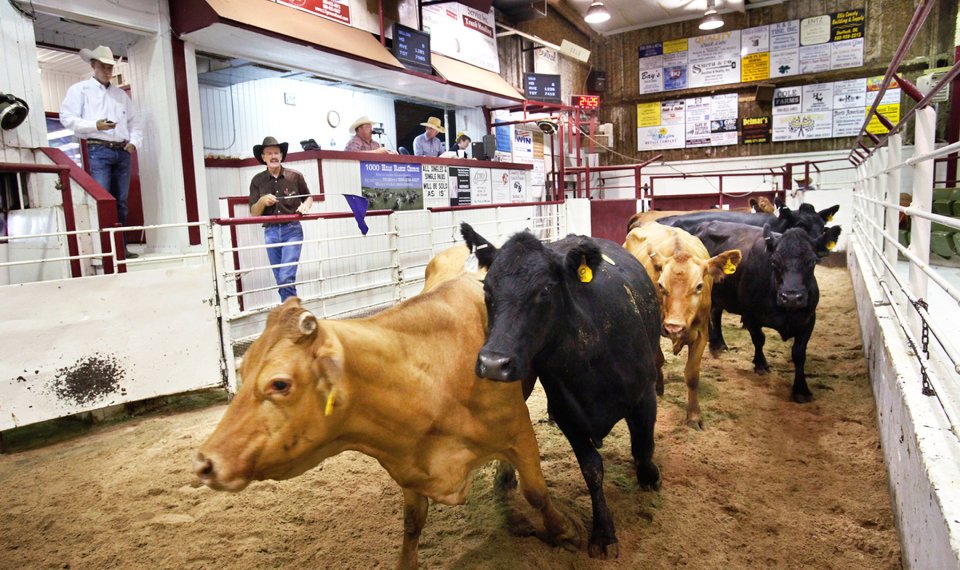

"Consumers can stay informed with recalls and public health alerts with the USDA Food Safety and Inspection Service," said Jadeja. "Also, the Centers for Disease Control and Prevention updates food safety alerts and posts investigation notices for recent outbreaks."


During a recall, all affected product is removed from store shelves, but what about the products already sold? A recalled food product with a germ contamination can contaminate kitchen surfaces, including the drawers and shelves in a refrigerator.


It's important to throw out the food and clean the kitchen by sanitizing kitchen surfaces and cookware. In some cases, companies will offer a full refund for a contaminated product.


"FAPC offers various food safety trainings and one-on-one technical assistance to food companies to prepare their food safety and recall programs," Jadeja said.


FAPC, a part of OSU's Division of Agricultural Sciences and Natural Resources, helps to discover, develop and deliver technical and business information that will stimulate and support the growth of value-added food and agricultural products and processing in Oklahoma.


Ken Lege talks PhytoGen Cotton Varieties at Schantz Farms Field Day

Fri, 16 Sep 2022 11:37:40 CDT


Ken Lege talks PhytoGen Cotton Varieties at Schantz Farms Field Day

Click here to listen to audio


Associate Farm Editor, Reagan Calk, visited with PhytoGen Cotton Development Specialist, Ken Lege, during the Schantz Farms Field Day in Hydro, Okla. on September 15. Lege talks about different PhytoGen cotton varieties showcased at Schantz farms during the field day and the traits that make them unique.

"This year was so challenging starting out," Lege said. "We had hot and dry conditions throughout the season, and I am surprised at how well all cotton is looking right now under pivots. Dry land is a different situation. If you had dry land left, it may not be there very long, as we know with the hot and dry conditions."

Irritated cotton, Lege said, has surprisingly rebounded thanks to August rains.

"Successful yields are made with August rains, so the timing was great on those," Lege said. "It is not going to be the yields that we have come to expect from previous years. My guidance to a lot of people is, if you have a four or five-bale yield field, three-plus would be realistic expectations this year.

From a seed company perspective, Lege said this year's conditions provide them with the opportunity to look at the survival of the fittest among different cotton varieties. In a really tough year, Lege said the variety that rises to the top may not be the same one that flourishes in a year with more wet and milder temperatures.

"We still collect that data and compare it to other environments in other geographies where maybe that was the case, and we have a little bit better comfort level as to how to position these varieties in the future," Lege said.

Around Hydro, Lege said it is important to get a good start to the growing season with a good stand.

"Replanting cotton, you can be successful at it, but it is just not the way to start the season typically," Lege said. "So, good early season vigor where that plant has established the stand that you want in the range that you want- number of plants per acre."

Second of importance, Lege said, is maturity.

"While we get started on time, sometimes in this part of the world, we can have early falls," Lege said. "So far, it looks like September has been very kind to us with head units continuing. Hopefully, that included October. We say that every year, but it is true- we need heat units not only in September, but a few in October to make that full crop. So, I would say second of importance, of course, to yield potential, is maturity and the ability of that variety to finish the season strong."

PhytoGen, Lege said, has a wide range of varieties in terms of maturities and what goes on dryland, irrigated and in between.

We offer the growers in this part of the world a lot of options in terms of knowing varieties, but also trait packages," Lege said. "What we are known for at PhytoGen- usually the first thing people notice when they haven't grown PhytoGen before and they grow us is that it comes up and it comes up fast and even."


Click the LISTEN BAR below to listen to Ken Lege talking about PhytoGen cotton varieties.


Key Ingredients for Producing a Big Soybean Crop

Fri, 16 Sep 2022 11:30:04 CDT


Key Ingredients for Producing a Big Soybean Crop


AgriGold agronomist says 2022 prices are motivating more farmers to actively
manage soybeans


"Timely August rains for many areas of the Corn Belt are building yields," observes AgriGold Agronomist Brett Leahr. "And with prices where they are, there's increased attention on what it takes to bring in a big bean crop."


Focus on soil conditions rather than the calendar

"Early planting is going to be a huge factor going forward," Leahr predicts. "If we can stretch our maturities out to the fullest, we'll help maximize soybean yields."
Early planting wasn't an option for many producers this year, but when farmers were able to get in the field, soil conditions were ideal. "Soybeans emerged in five days thanks to good soil temperatures," Leahr says. "We can get so wrapped up in the calendar, but we have to consider the environment, too."

This season also featured "enough stress to agitate soybeans," followed by timely August rains, according to Leahr. He says a perfect end to the season might entail a few more rains in early September followed by dry weather into harvest.


Assess soil profiles

Farmers tend to focus on potassium levels for soybeans, but Leahr says those looking to build yield should also pay attention to phosphorous. "Phosphorous is a bigger component than people credit," he says.


Another major player is sulfur. "I can't preach that enough," Leahr says, pointing out soybeans use more sulfur per bushel than corn. Farmers might consider using an elemental sulfur in the fall, supplementing ATS (ammonium thiosulfate) in the spring with the planter, even y-dropping sulfur on 30-inch rows, or applying a strategic AMS top-dress application in-season.


He says 30-inch rows "open the door to y-dropping a bit of nitrogen. Some progressive farmers have started to dabble with a little bit of 28% liquid nitrogen preplant and some ATS as well," he adds.


Fungicides were a good investment for soybeans this season, Leahr says, noting farmers are managing soybeans more actively than in the past and using tools like foliar feeds and seed treatments. Disease continues to be a primary yield robber in soybeans across the U.S. soybean belt – from Frogeye and Target Spot to White Mold and Sudden Death Syndrome. Leahr says many active ingredients (and application timings) and products on the market have changed in recent years, lending to increased efficacy in controlling disease.


He also encourages farmers to examine their soils' base saturation percentages, figures that impact soybeans' ability to take up nutrients. "Make sure your calcium, magnesium and potassium are balanced – ideally at 80% calcium, 15% magnesium and 5% potassium," he advises.


Protect the soybean plant

"Farmers also have to protect the solar panel-like leaves from diseases and insects," Leahr says, noting that around 60% of yield is built by the leaves in the middle of the plant.


Waterhemp is once again a late-season threat to soybeans. "It's such a resilient weed and the late-August rains increase the likelihood it will push through the canopy," he says. "Planting beans early into a wider row will help close that canopy faster and limit weed germination."


Overlapping residuals is also critical for weed control, with Leahr adding that farmers should rotate modes of action. Cover crops are another weed suppression tool he expects to become a bigger player in the future. "Rye is great at suppressing weeds, but termination timing is key," he says.


Structure differences evident between soybean plant architecture

"I think the biggest difference I'm seeing right now between various soybean varieties is with the diversity plant structure," Leahr observes. "Some soybeans in our lineup are a narrower soybean plant that loads the pods on the main stem. Other beans bush out more and will put more pods on the outer branches rather than loading them up on the main stem."


Choosing the right varieties for your farm, management practices, and planting densities will help ensure success. Leahr, who is based in Illinois, has been particularly impressed by G3577E3, an Enlist E3® new addition to AgriGold's seed lineup that "flew out of the ground and has nice standability." Another product that Leahr says looks "really, really good" is G3957E3. "It was a bit slow out of the ground this year, but it didn't have reduced stand and has proven to be a real racehorse."


For the XtendFlex® trait packages, Leahr says G3724XF and G3490XF look fantastic. "They can go about anywhere and do anything. They've been staples in our lineup because of yield."


For a helping hand on your quest for a big soybean crop, reach out to your local AgriGold agronomist.


Texas Cattle Industry Meets to Shape Policy for Coming Year

Fri, 16 Sep 2022 11:24:06 CDT


Texas Cattle Industry Meets to Shape Policy for Coming Year


Texas & Southwestern Cattle Raisers Association, the largest and oldest organization representing the Texas beef industry, today kicked off its 2022 Policy Conference in San Antonio. The three-day conference provides a platform for members to conduct important business, developing policy to guide the grassroots organization in the coming year.


The association's four policy committees and board of directors will address pertinent policy issues facing the state and nation including border security, water rights, wildlife management and more.


"As a member-driven organization, we believe that no one understands these issues better than the ranchers on the front lines," said Texas & Southwestern Cattle Raisers Association President Arthur Uhl. "We come together to examine the concerns within the industry and think intentionally about the future needs of cattle raisers."


Attendees will hear from political leaders across the state. Rep. Tony Gonzales did address attendees in the event's opening session. In addition, Texas Comptroller Glen Hegar will provide updates about the state budget Tuesday, followed by Col. Steven McCraw, director of the Texas Department of Public Safety, who will provide added perspective to the border crisis Wednesday.


"Economic pressure, wildfires, and severe drought have put pressure on cattlemen and women in Texas and the American Southwest," said Uhl. "While each Policy Conference is important, this year's meeting is especially timely."


TSCRA's Policy Conference is open to all ranchers, landowners and wildlife managers. To learn more visit www.tscra.org


Texas Tech's Davis College Names New Dean

Fri, 16 Sep 2022 11:21:09 CDT


Texas Tech's Davis College Names New Dean


Clint Krehbiel has served as a professor and chair of the Department of Animal Sciences at the University of Nebraska since 2017.


Clint Krehbiel, a professor and administrator with decades of experience in animal science and ruminant nutrition at universities throughout the Southwest and Midwest, has been named the new Dean of the Gordon W. Davis College of Agricultural Sciences & Natural Resources at Texas Tech University.


Krehbiel will begin his duties at Texas Tech on Jan. 1. He arrives in Lubbock after serving as the Marvel L. Baker Department Head and Professor of Animal Sciences at the University of Nebraska in Lincoln since 2017.


"Clint brings the leadership and research prowess needed to propel the Davis College of Agricultural Sciences & Natural Resources forward," said Provost and Senior Vice President Ron Hendrick. "I look forward to working with him in this role."


A native of Kansas who grew up on a diversified farm near McPherson, Krehbiel has an extensive history in agriculture. He earned his bachelor's (1988) and master's (1990) degrees in animal science and industry from Kansas State University and his doctorate in animal science with a concentration in ruminant nutrition from the University of Nebraska in 1994.


Prior to joining the faculty at the University of Nebraska, Krehbiel served on the faculty at Oklahoma State University for 17 years, leaving as the Regents Professor and Dennis and Martha White Endowed Chair of Ruminant Nutrition and Health and the assistant head of the Department of Animal Science.


Before Oklahoma State, Krehbiel served three years as an assistant professor of ruminant nutrition at New Mexico State University. He also has held positions at the University of Nebraska while pursuing his doctorate and as a postdoctoral research associate at the Roman L. Hruska U.S. Meat Animal Research Center in Clay Center, Neb.


He is a member of the American Society of Animal Science (ASAS), the American Dairy Science Association, the American Registry of Professional Animal Scientists and the Plains Nutrition Council.


Krehbiel has received the ASAS Southern Section Outstanding Young Animal Scientist Award for Research, the Oklahoma State Department of Animal Science Tyler Award, the James A. Whatley Award for Meritorious Research in Agricultural Science, the Gamma Sigma Delta Research Scientist Award of Merit, the Sarkey's Distinguished Professor Award, the OSU University Service Award and the AFIA ASAS Ruminant Nutrition Award.


"I am grateful for the trust that Texas Tech University has placed in me to lead the Davis College of Agricultural Sciences & Natural Resources," Krehbiel said. "Davis College is a premier agriculture and natural resources program with a rich history of excellence seen through the achievements of faculty, staff and students. I'm eager to become part of a dynamic team and honored to have the opportunity to work with Davis College's amazing faculty, staff, students, administrators and alumni as well as external partners and stakeholders. With the challenges and opportunities facing the future of agriculture and natural resources, the time is now to aspire to make the best better. I hope to convey that spirit to people inside and outside of Davis College. I will challenge myself daily to build on the success of Davis College through teaching, research, service and outreach to better serve our state, national and global stakeholders."


Angus/Talon Youth Educational Learning Program Internship and Host Ranch Applications Now Open

Fri, 16 Sep 2022 11:17:26 CDT


Angus/Talon Youth Educational Learning Program Internship and Host Ranch Applications Now Open


Applications for Talon interns and host ranches now available for 2023.


For many, hands-on learning serves as the most engaging, interactive and practical way to retain information. The Talon internship program provides college-aged students the unique opportunity to spend their summer on an Angus operation gaining valuable, hands-on experience. Interns will gain extensive ranching knowledge while complimenting their skills as advocates for the beef industry. Host applications for the Angus/Talon Youth Educational Learning Program internship are due Oct. 31, and student intern applications are due Dec. 1.


"We are thankful for the vision of Cam Cooper in preparing the next generation of leaders for Angus and the cattle industry," said Jaclyn Upperman, Angus Foundation executive director.


The late Camron "Cam" Cooper of the Talon Ranch, Twin Bridges, Montana developed the Angus/Talon Youth Educational Learning Program Endowment Fund in 2009 to be a one-of-a-kind educational experience for students.


"It's exciting to watch this program grow each year as our host ranches mentor students from across the country," Upperman said.


College sophomores, juniors, seniors and graduate students under the age of 25 and majoring in an agricultural-related field of study are eligible to apply.


"I always had a love for agriculture and unfortunately in Hawaii there aren't a lot of ag schools," said Alexis Camara, Talon intern at Bear Mountain Angus Ranch in Palisade, Nebraska. "I'm super grateful and honored to be able to do this program with Angus."


Camara hails from Pukalaui, Hawaii and attends Northeastern Junior College in Sterling, Colorado with a double major in animal science and crop science. Her family is the only cattle operation in Hawaii with a feedlot, and that has pasture on different islands. She grew up traveling the islands to process cattle, but her professors challenged her to apply for the internship and expand her knowledge beyond her home region.


"Being from Hawaii, I never would have thought that I could intern with a breed association," said Camara. "It's a great learning experience. You get to experience a different ranch and how they do things, and every ranch has their own style."


During the internship, recipients visit both the American Angus Association® headquarters in Saint Joseph, Missouri and Certified Angus Beef headquarters in Wooster, Ohio. Additionally, interns get the opportunity to participate in numerous Angus and beef cattle activities off the farm, such as educational events, conferences and field days.


Compensation for Talon interns is provided by the Angus Foundation through the Angus/Talon Youth Educational Learning Program Endowment Fund.


Angus breeders and students interested in participating in the program can learn more and apply at bit.ly/AngusFoundationTalonProgram, or contact Jaclyn Upperman, Angus Foundation executive director, at JUpperman@Angus.org.


— Written by Peyton Schmitt, Angus Communications


Integrity Beef Receives Climate-Smart Ag Grant to Ensure Longevity and Sustainability of the American Ranch

Fri, 16 Sep 2022 09:36:04 CDT Integrity Beef Receives Climate-Smart Ag Grant to Ensure Longevity and Sustainability of the American Ranch


Senior Farm and Ranch Broadcaster, Ron Hays, had the chance to visit with Robert Wells from Integrity Beef, an alliance that simplifies cow/calf producer management decisions and increases the marketability of calves through the production of high-quality, uniform, value-stacked, preconditioned cattle.

Dr. Robert Wells has been with Noble Research Institute since 2005 and for the last 12 years, he has served as the Executive Director of Integrity Beef. Integrity Beef was established by Noble Research Institute back in 2000 and has now been a "stand-alone" for the last several years. Primarily serving cattle producers in Oklahoma and Texas, Integrity Beef is getting ready to go national.

American Farmland Trust is the lead partner in an eight-state project to amplify the production of climate-smart beef, funded by the USDA Climate Smart Ag grant. Among other major partners selected for the project, is Integrity Beef. In this producer-led collaborative effort to transition the U.S. beef supply chain to carbon neutral, Integrity Beef will play a role in helping ranchers adopt climate-smart grazing practices to substantially reduce agricultural greenhouse gas emissions and increase carbon sequestration.

"We came together, American Farmland Trust and Integrity Beef, at NCBA this last year and sat down and had a discussion," Wells said. "We found out that there were a lot of synergies there. A lot of the same desires of where we were trying to go in the industry and get our producers to that same endpoint. We decided to work together to develop a request for funding proposal with the USDA, and Integrity Beef is kind of a linchpin in that because we have the marketing kind of already there, established. Because of that, we can help those producers monetize the higher quality value of their cattle."

Through the Integrity Beef legacy, Wells said sustainability practices can be documented to show that producers are implementing certain measures to move their ranch forward to be more sustainable in nature.

"We are making it where maybe the son who, before never had the opportunity to come home to the ranch- now the ranch is big enough or making enough money where the son can come home and work side by side with dad," Well said. "To me, that is the ultimate definition of sustainability, when we can keep the ranch in the same family, and instead of the son having to wait his turn when dad passes on to come onto the ranch and take over, now he can work side by side and get that generational continuity and to be able to start to make that ranch so much more functional and better than it has ever been."

Ranchers, Wells said, care about the land and making it better than it was the day before.

The Climate Smart Grant will help Integrity Beef move from a regional program to a national program.

"That is where this grant is going to be the spark plug that we needed because it is going to provide some funding," Wells said. " Some kind of seed funding or seed money there for us to be able to take this program which we believe has the ability to be a watershed moment in the beef industry, but to take it to that national level and get it launched."

Hopefully, Wells said, years from now, Integrity Beef can sit back and say they helped the industry value proper grazing management, taking care of employees, the environment, and the animals.

"If we do all of those things, it will take care of ourselves and the ranches in the process," Wells said. "And we will be good stewards of the land. We will have a bully puppet, so to speak, to be able to stand up and tell our consumers that we are doing the right things and we have got a good, tasty product they can eat."


Click the LISTEN BAR below to listen to Ron Hays and Robert Wells talking about Integrity Beef making new tracks with Climate Smart Ag Grant.

The Beef Buzz is a regular feature heard on radio stations around the region on the Radio Oklahoma Network and is a regular audio feature found on this website as well. Click on the LISTEN BAR below for today's show and check out our archives for older Beef Buzz shows covering the gamut of the beef cattle industry today.


To visit the Integrity Beef website, click here.


click to play audio or right-click to download

Past USW Chairman Darren Padget Shares Sustainable Practices On His Farm

Fri, 16 Sep 2022 09:28:46 CDT


Past USW Chairman Darren Padget Shares Sustainable Practices On His Farm


In 2021, the U.S. Wheat Associates (USW) team in Beijing asked then-Chairman and Oregon wheat farmer Darren Padget to record a video message to Chinese milling and trading managers participating in a USW-sponsored "Contracting for Wheat Value" seminar.


The USW team wanted to show customers the important things U.S. farmers do every day to produce more and better wheat with less impact on the environment. Chairman Padget took the challenge to heart and spent an entire spring day walking the Chinese team through his operation to tell his farm's sustainability story.


USW is sharing that story here with a wider audience that is increasing interested in learning more about sustainable food production.


Better Soil

Joined by his son Logan and his father Dale — partners in Padget Ranches — Darren talked in his video presentation about the effort to improve the soil in which they grow high quality soft white wheat.


"From when my father came to farm ... things have changed quite drastically," Darren said. "Taking care of the land and making sure it is sustainable is very important to us as we move forward. We used to till the soil heavily with a moldboard plow ... it took a lot of time, a lot of fuel, and a lot of resources. Now, we do 'direct seeding,' which means the stubble in the field stays intact, which builds our soil organic matter and is less susceptible to erosion. It has been a big change. We have adopted the technology, and it seems to be the best answer to make sure this farm is here for many generations to come."


Logan Padget is the fifth generation of his family to farm in this dry north-central Oregon region just south of the Columbia River. He has embraced precision agricultural technology. In the video below, he talks about the efficiency of the farm's crop protection product application equipment.


Precision Applications

"This machine is almost as late and great as you can get on technology," Logan said. "It is GPS-controlled. Once I make the first pass on a field, the GPS can perfectly mimic that line across the field with just one-third of a meter of overlap. That is better than anybody could drive by hand. There's also section control through the GPS, so if you're coming across at an angle, each section will shut off to avoid double spraying, which saves us money. It also means fewer chemicals applied to the crop. It's just a win-win all the way around."


Better Quality Wheat

Darren also described how farmers are reaching beyond their own fields to help improve the functional quality of the milling wheat they grow for overseas and domestic consumption. He showed a "Preferred Variety List" that ranks public and commercial wheat varieties by desirability of quality characteristics based on three years of data. The list is developed by the state wheat commissions in Oregon, Washington and Idaho, which are directed by farmers who fund commission activities (including membership in USW).


OKFB YF&R Hosts Record-Breaking State Fair Livestock Judging Contest

Fri, 16 Sep 2022 09:21:43 CDT


OKFB YF&R Hosts Record-Breaking State Fair Livestock Judging Contest


A record 1,694 FFA and 4-H members participated in the 2022 Oklahoma State Fair Livestock Judging Contest at the Oklahoma State Fairgrounds Sept. 15 in Oklahoma City.


The contest, sponsored by the Oklahoma Farm Bureau Young Farmers and Ranchers committee, kicked off the festivities for the 2022 Oklahoma State Fair.


Students had the opportunity to evaluate several species of livestock, including market and breeding classes of beef, sheep and swine. In addition to the animal evaluation, participants answered questions in two classes.


The top three individuals in the junior 4-H division were Owen Adams, Amber-Pocasset 4-H; Kuper Schneberger, Carnegie 4-H; and Jordyn Smith, Kay County 4-H. The top three teams were Mulhall 4-H, Amber-Pocasset 4-H and Wagoner 4-H.


The top three individuals in the junior FFA division were B. Pearson, El Reno FFA; Tassi Fadely, Stillwater FFA; and Marli Williams, Tecumseh FFA. The top three junior FFA teams were Stillwater FFA, El Reno FFA and Thomas-Fay-Custer FFA.


The top three individuals in the senior 4-H division were Destyn Emerson, Tuttle 4-H; Brody Scroggins, Tuttle 4-H; and Kobi Scroggins, Tuttle 4-H. The top three teams were Tuttle 4-H (Team 1), Tuttle 4-H (Team 2) and Kay County 4-H.


The top three individuals in the senior FFA division were Maysen Garrett, Guthrie FFA; Braeden Hopkins, Keys FFA; and Tommy Glover, Elgin FFA. The top three senior FFA teams were Keys FFA, Elgin FFA and Tuttle FFA.


Jackets and banners will be awarded to the winners at the Oklahoma Farm Bureau booth at the Tulsa State Fair in early October.


Click here for a full list of results.


Arva Intelligence Joins USDA Partnerships for Climate-Smart Commodities

Fri, 16 Sep 2022 09:07:09 CDT


Arva Intelligence Joins USDA Partnerships for Climate-Smart Commodities


Arva Intelligence is excited to announce its participation in three proposals selected for award by the USDA's new initiative to fund sustainability and climate solutions in agriculture. Yesterday, the USDA publicized its investment of $2.8 billion in 70 selected projects under the first Partnerships for Climate Smart Commodities funding pool. We are honored to support our colleagues USA Rice Federation, Winrock International Institute for Agriculture Development, and Global Clean Energy Holdings in these projects.


Arva will be providing its cloud-based, machine learning-enabled software to collect data and validate on-farm regenerative practices undertaken by participants. Use of the Arva platform will support the initiative to create value-added marketing opportunities for these farmers' commodities by providing a robust and validated data set that supports farmer activities. This dataset will provide integrity and assurance, leading to de-risked carbon intensity and sustainability claims on which CPG and other buyers can depend.


     ?     Rice Stewardship for Climate-Smart Commodities, $80 million funding ceiling

This project will build climate-smart rice markets and work to reduce methane emissions in rice production through the adoption of alternate wetting and drying, furrow irrigation, and other climate-smart practices and support underserved producers by improving critical infrastructure necessary to implement climate-smart practices in the future.


     ?     Growing Value for Producers, $20 million funding ceiling

This project will create and pilot-test a farmer-friendly system that builds capacity with institutions interacting with a range of producers, including underserved producers, to support adoption of climate- smart practices and interact with commodity buyers in climate-smart markets.


     ?     Climate-Smart Camelina, $30 million funding ceiling

This large-scale pilot project aims to measure and validate the climate-smart advantages of camelina sativa in both rotational and winter cover crop production systems and build associate climate-smart biofuels markets. The project will accelerate farmer adoption of camelina as a non-food crop grown on idle acres to produce more plant-based feedstock for renewable biofuels and chemicals with low carbon intensity and no land-use change while increasing carbon capture in the soil.


Arva Intelligence will be releasing more information about the status and success of the projects as the data has been processed and results become available. To learn more about Arva Intelligence's machine learning empowered field trial process, visit us at www.arvaintelligence.com or contact Jay McEntire at j.mcentire@arvaintelligence.com.


Patch Burning a Potential Cost Saver for Supplemental Feed

Fri, 16 Sep 2022 08:15:22 CDT


Patch Burning a Potential Cost Saver for Supplemental Feed


Ongoing research at Oklahoma State University shows that the process of patch burning has the potential to save cattle producers $20 per cow per year in supplemental feed costs.


Most cattle producers currently practice prescribed burning in which they burn their entire pasture about every three years.


"With patch burning, you're breaking that pasture up into different sections, and burning a certain section each year in a three-year rotation," said Hannah Baker, an OSU graduate student in agricultural economics.


Research on patch burning began more than 50 years ago and continues with The Prairie Project, a collaborative effort between research and Extension faculty at OSU, the University of Nebraska, Texas A&M University and the U.S. Department of Agriculture-Agricultural Research Service.


"Faculty work together to look at controlling woody plant encroachment through fire, specifically patch burning, and they have found it does help with woody plant encroachment, such as red cedar invasion," Baker said.


Research through the multidisciplinary project found other benefits, such as higher quality forages in recently burned areas and mitigations for drought because of the stockpiled forages in unburned and ungrazed areas.


"This particular research has required a lot of interdisciplinary work and collaboration between departments, researchers and projects with different objectives," said Hannah Shear, professor of ag economics and Baker's supervisor on the project. "Hannah Baker's role has been to work with these researchers to better understand their data and results, so she could incorporate them into a larger economic analysis."


Such an analysis required a vast knowledge base on cattle production, feeds and forages, cedar encroachment, stocking and carrying capacity, burning and grazing and more. This was knowledge Baker had to possess before compiling the economic data.


Baker said despite the benefits of patch burning, few producers are adopting it because there is very little economic and cost research available.


"That's where my research project comes in – to evaluate the initial cost of the implementation of patch burning and the cost of continuing it," she said. "My current research is taking those qualitative results – the benefits of patch burning – and making them quantitative by putting some monetary value behind it."


The OSU Department of Natural Resource Ecology and Management sent out a survey to cattle producers in the great plains who use prescribed fire to obtain more information about what costs are involved in the process.


"Looking at the results of that survey and initial patch burning research, we discovered patch burning costs a little over $2 more per acre," Baker said. "While the first year and initial expenses may cost producers a little more, looking at the benefits and how that can save money in the coming years, patch burning can be cost-reducing and a profitable long-term investment if executed properly."


In the department's initial research on patch burning, researchers saw crude protein levels as high as 11% with patch burning compared to 4% with prescribed burning and 55% total digestible nutrient levels compared to 50% with prescribed burning.


"Forage is at its highest quality in the new growth stage (typically 150 days after a burn), and that forage quality provides the nutrients cattle need rather than producers having to supply a supplemental feed to make up for nutrient deficiencies," Baker said.


A four-year study conducted by the department looked at cow-calf pairs on both patch-burned pastures and traditionally burned pastures. The results showed that the body condition scores of the cows and the weaning weights of calves did not differ between the two burning styles, but there was a 40% reduction in supplemental feed requirements for cows on patch-burned pastures.


"The research showed cattle were able to maintain their body condition score on less feed, so ultimately, that means less money spent by the producer," Baker said. "What I am specifically looking at in my research right now is how patch burning can help reduce supplemental feed costs."


For her research, Baker developed a partial budget by combining results from previous research with results from the survey taken.


"We found patch burning provided a total savings of $8.35 per acre for producers in the first year when looking at burn costs and supplemental feed costs" she said, adding that those numbers could change over time.


Baker said with the drought, it may not be feasible for cattle producers to start patch burning now, but she and other researchers want producers to consider the benefits of implementing it in future.


OSU Ag Research
is Oklahoma's premier research and technology development agency in agriculture, natural resources and the life sciences.


ReConnect Program to Aid Rural Oklahomans in Accessing High-Speed Internet

Fri, 16 Sep 2022 08:00:13 CDT


ReConnect Program to Aid Rural Oklahomans in Accessing High-Speed Internet

Click here to listen to audio


Recently, the U.S. Department of Agriculture (USDA) Secretary Tom Vilsack announced that USDA is now accepting applications for ReConnect Program loans and grants to expand access to high-speed internet for millions of people in rural America nationwide. The Department is making more than $1 billion available, thanks to President Biden's Bipartisan Infrastructure Law. The program is a critical piece of the Biden-Harris Administration's commitment to connect every American to affordable, reliable, high-speed internet.

KC Sheperd, Farm Director, visited with Brian Whitacre, professor of agricultural economics at Oklahoma State University, talking about the process of proving rural Oklahomans with high-speed internet as it relates to the ReConnect Program.

"Reconnect is focused on bringing broadband to rural areas," Whitacre said. "This is a program that got rolled out around 2019 and so this is like the fourth round of funding they are making available."

Usually, Whitacre said the people or the companies that apply for this program are your basic internet providers, cable companies, wireless internet providers, or rural electric cooperatives.

U.S. Department of Agriculture (USDA) Secretary Tom Vilsack today announced that USDA is now accepting applications for ReConnect Program loans and grants to expand access to high-speed internet for millions of people in rural America nationwide. The Department is making more than $1 billion available, thanks to President Biden's Bipartisan Infrastructure Law. The program is a critical piece of the Biden-Harris Administration's commitment to connect every American to affordable, reliable, high-speed internet.

Applicants will fill out a packet that will be scored by the USDA to equate how much it will cost to service the location.

"USDA has the job of scoring these, and again, they have got a lot of money available, I think they are making up to 700 million dollars available nationally," Whitacre said. "We have had pretty good success with these in Oklahoma in the past."

The application deadline, Whitacre said, is November 2.

"We probably won't hear anything for at least a couple of months after that, and then it will take a couple of years to get these things rolled out," Whitacre said. "For this next round of ReConnect, what they are saying is they will now allow applicants to say they are going to serve areas where at least 50 percent of the households lack any kind of access. So, the other 50 percent could have some kind of broadband, which is classified at 25 megabits download, and 3 megabits upload. So, if you have a 10-megabit connection, you are counted as not having anything."

The ReConnect Program also now has a special funding category, Whitacre said, for areas where 90 percent of households are undeserved.

"So, you are in a location where almost nobody has access to that 23-3 threshold, you are in your own category and you can hopefully get significant funding that way," Whitacre said.

Whitacre said the goal to have all of Oklahoma under broadband is still on track, but it has been a slower process than anticipated.

"Oklahoma is kind of behind the curve in terms of getting a state broadband office up and running," Whitacre said. "Several of our neighbors have had state broadband offices up and running for 5 to 10 years. Texas just got theirs up and running this year, and we are still in the process of searching for an executive director. We have got the announcement out there; we have got some pretty good candidates- we just have to hire that person and then kind of allow them to fill out the rest of the office with as many people as they see fit with the budget."

The reconnect program's money is funded through USDA, Whitacre said, at the federal level.

"USDA, nationally, kind of figures out where they want to spend this money," Whitacre said. "The infrastructure act has another, probably billion dollars that they are going to allocate to Oklahoma and then we get to decide where that money is going to go."

For those interested in applying, Whitacre said there are websites that offer "speed tests" to demonstrate how bad your connectivity may be.

"If you just look up 'rural internet speed test,' there are a couple of organizations that are doing that and making it kind of a crowdsource of data for people to say, 'hey yes look it really is bad over there,'" Whitacre said. "I would also go say talk to your local county extension educator or local extension office, talk to your county officials, and your county commissioners. They are the ones who are going to be hopefully pushing companies in their area to apply for both reconnect and these larger broadband funds from the infrastructure act when that becomes available."


Click the LISTEN BAR below to hear more from KC Sheperd and Brian Whitacre talking about the ReConnect Program as it relates to rural Oklahoma.


Feeder Steers and Heifers Lower, Steer and Heifer Calves Lower at Woodward LIvestock

Fri, 16 Sep 2022 03:18:24 CDT


Feeder Steers and Heifers Lower, Steer and Heifer Calves Lower at Woodward LIvestock


Woodward Livestock Auction
Thu Sep 15, 2022


AUCTION
This Week             3,028
Last Reported      4,474
Last Year               2,866

Compared to last week: Feeder steers 2.00 to 5.00 lower. Feeder heifers 5.00 to 7.00 lower. Steer calves 2.00 to 4.00 lower. Heifer calves 6.00 to 8.00 lower. All unweaned calves up to 10.00 lower. Demand was moderate. Quality average. Supply included: 100% Feeder Cattle (55% Steers, 39% Heifers, 6% Bulls). Feeder cattle supply over 600 lbs was 57%.

FEEDER CATTLE
STEERS - Medium and Large 1 (Per Cwt / Actual Wt)
Head       Wt Range       Avg Wt       Price Range       Avg Price
2                   337                337              231.00              231.00
3                   318                318              217.00              217.00 Unweaned
7                   384                384              211.00              211.00
21             380-389           386         197.00-212.00     199.98 Unweaned

8               420-436            428        208.00-215.00     211.43
9               415-425            418        176.00-189.00     180.40 Unweaned
14             461-477           470         191.00-219.00     204.51
67             452-474           470         173.00-202.00     188.19 Unweaned

32             508-544           525         173.00-190.00     181.28
38             510-546           539         172.00-184.00     180.86 Unweaned
8               565-567            567        170.00-176.00     174.50
63             550-596            574        169.00-181.00     174.13 Unweaned

54             610-647            621        176.00-189.00     185.49
41             608-645            625        162.00-179.00     170.36 Unweaned
112           665-697           688         168.00-188.00     180.38
18             658-683            672        155.00-169.00     163.08 Unweaned

24             729-741            736        171.00-177.50     173.50
66             716-730            721        156.00-162.50     160.08 Unweaned
47             750-765            757        163.00-178.50     176.05
9                   790                 790             148.50              148.50 Unweaned

186           805-847            827        164.00-175.00     172.61
9                   820                 820             153.50              153.50 Unweaned
9               868-890             880        165.00-174.00     168.94

64             904-926            921         169.00-172.00     171.45
82             967-986            985         148.00-164.00     163.23

77          1011-1041         1016        154.50-162.00     160.91

For the complete market report from USDA Market News click on the PDF link below:

Click here:


Dr. Kim Anderson Talks Tighter Stocks on Almost Every Commodity Regarding Latest WASDE Report

Thu, 15 Sep 2022 16:13:09 CDT


Dr. Kim Anderson Talks Tighter Stocks on Almost Every Commodity Regarding Latest WASDE Report

Click here to listen to audio


This Week on SUNUP is Oklahoma State University Extension grain market economist. During this week's edition, Anderson talks about the latest WASDE report and the crop markets.

"I don't think there was any surprise in it," Anderson said. "You look at ending stocks to summarize everything- wheat at 610 million bushels, same as it was last month, so no changes in the wheat at all."

Corn came in at 1.22 billion bushels, and last month, corn was at 1.39 billion bushels. The five-year average for corn is 1.5 billion bushels, Anderson added, so corn stocks are tight.

Anderson said soybean stocks are also tight coming in at 200 million bushels, down from 240 million last year and the average of 500 million bushels.

Cotton is down from last year's 3.8 million bales, Anderson said, at 2.7 million bales.

"You look at the world's situation- 9.9 billion bushels for wheat," Anderson said. "That is the lowest since 2015."

Corn for the world, Anderson said is at 46.2 billion bushels, down from 48 billion last year. Soybeans are at 3.6 billion bushels, Anderson added, down slightly from the 3.7-billion-bushel average.

Cotton is at 84.8 million bales, Anderson said, which is the lowest since 2019.

"If you look at numbers, I think they are near expectations, and we have got tight stocks nearly on every commodity," Anderson said. "Also, you look at Australia, they are about to harvest the second largest crop ever and Canada is fixing to harvest the third largest crop ever, but that is already factored into the market."

What we don't see, Anderson said, is the uncertainty in the market caused by Russia, and Ukraine in regard to supply and demand. Nitrogen prices were going down again, Anderson said, but events in Russia are going to cause them to come back up most likely.


This week on SUNUP:

• Amy Hagerman, OSU Extension agricultural policy specialist, analyzes the programs available for producers dealing with the impacts of drought.

• Wes Lee, OSU Extension Mesonet agricultural coordinator, says although drought has been devastating for summer crops, it has kept disease pressure low. State climatologist Gary McManus expects these dry conditions to continue for the next few months.

• Dave Lalman, OSU Extension beef cattle specialist, has management advice for producers about saving on feed costs, while continuing to grow cattle on their operations.

• Derrell Peel, OSU Extension livestock marketing specialist, explains what the budgets in the cattle markets will look like if wheat pasture can be established.

• Kim Anderson, OSU Extension grain marketing specialist, covers the latest WASDE report and continued uncertainty in the markets.

• Mark Johnson, OSU Extension beef cattle breeding specialist, discusses the importance of hay testing.

• Finally, we travel to Cleveland County for the sights and sounds of the fair.


Join us for SUNUP:
Saturday at 7:30 a.m. & Sunday at 6 a.m. on OETA (PBS)
YouTube.com/SUNUPtv
SUNUP.okstate.edu


Oklahoma Grain Elevator Cash Bids as of 2 p.m. September 15, 2022

Thu, 15 Sep 2022 15:27:33 CDT


Oklahoma Grain Elevator Cash Bids as of 2 p.m. September 15, 2022


The U.S. Department of Agriculture and the Oklahoma Department of Agriculture are now putting the Daily Cash Grain Report into a PDF format - we are saving that PDF and archiving them for today's specific report. To see today's update, click on the PDF report link at the bottom of this story.

In addition to the PDF of the daily report, you can also listen to the Cash Grain Report by calling 405-621-5533. Push 2 for the grain report.






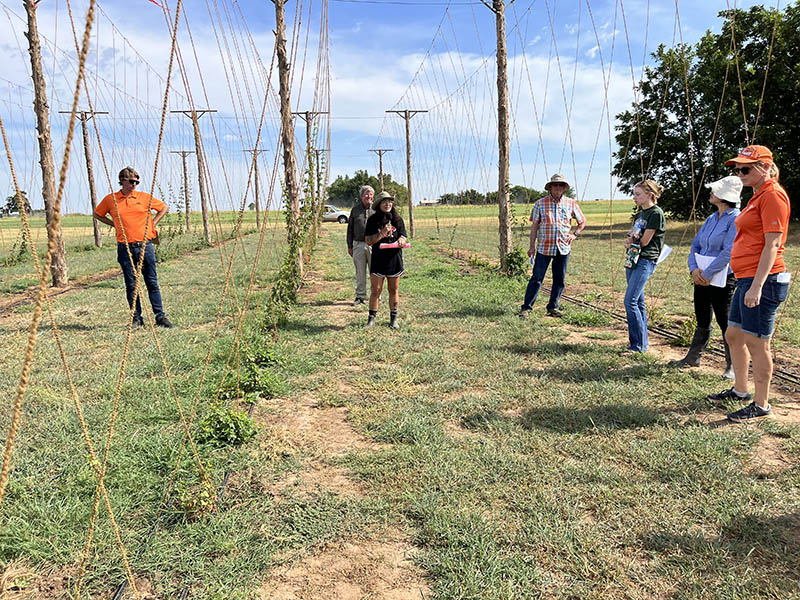
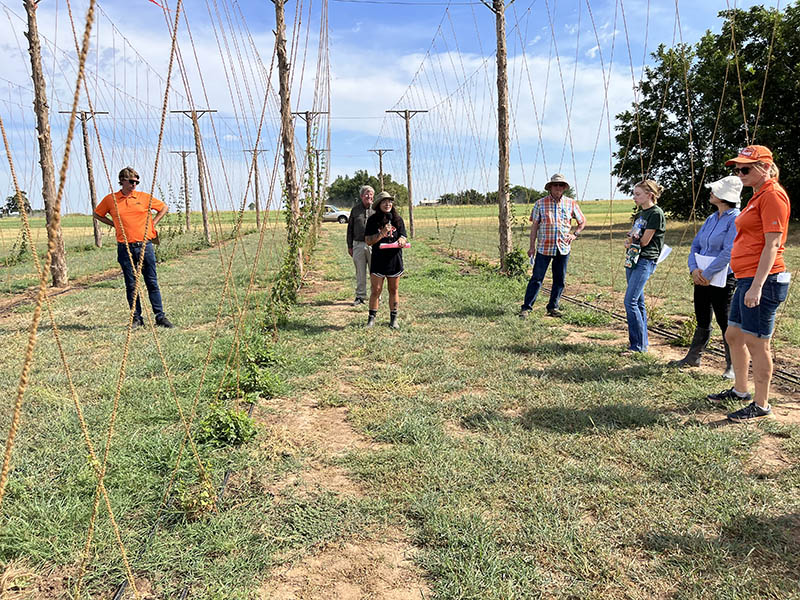
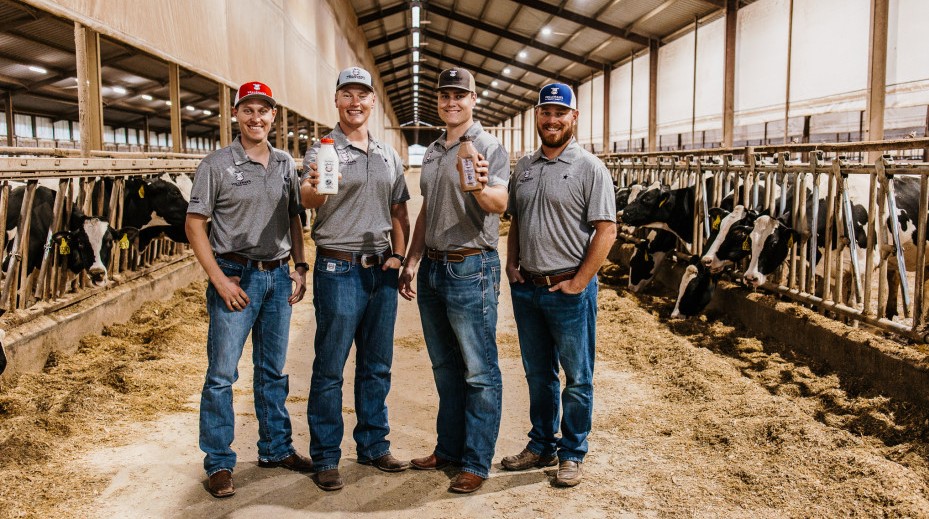
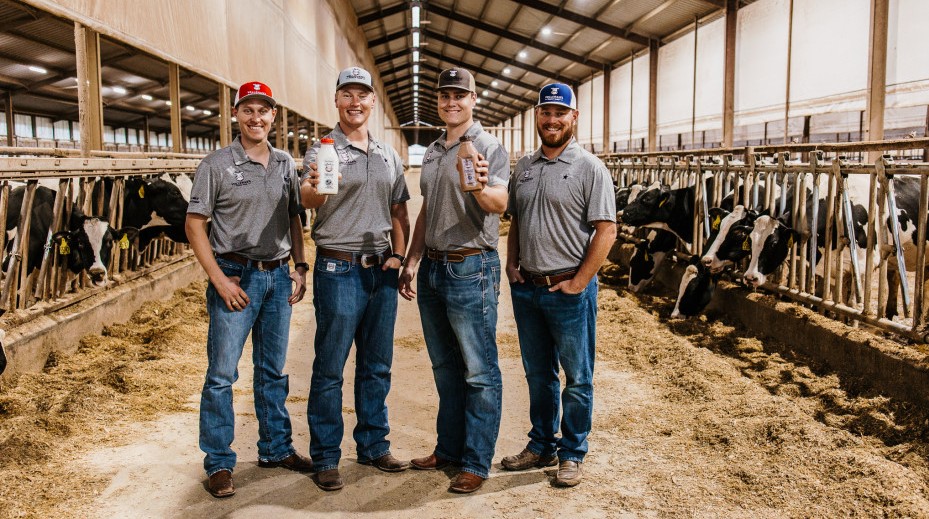
Click here:


Expected Distributions to Cooperatives and Farmer-Owners in 2023 Reflect CHS Financial Strength

Thu, 15 Sep 2022 15:21:51 CDT


Expected Distributions to Cooperatives and Farmer-Owners in 2023 Reflect CHS Financial Strength


Expected Distributions to Cooperatives and Farmer-Owners in 2023 Reflect CHS Financial Strength


CHS Inc., the nation's leading agribusiness cooperative, intends to return a total of $1 billion in cash patronage and equity redemptions to its owners in calendar year 2023, delivering on its objectives to share profits with owners and contribute to building strength in rural America.

The total amount of cash to be returned to owners is a decision made by the CHS Board of Directors at the close of each fiscal year. The CHS Board has elected to return $500 million in cash patronage based on business done with CHS in fiscal year 2022, which ended on Aug. 31, 2022. Additionally, the CHS Board has elected to return $500 million in cash to its owners through equity redemptions.

This benefit of CHS ownership will be shared by hundreds of member cooperatives and thousands of farmer-owners. The total of $1 billion distributed in cash would be the largest annual distribution to owners in CHS history and would bring the total amount returned to owners over the last 10 years to more than $3.1 billion.

"The opportunity for owners to receive cash patronage and equity is a fundamental difference between the cooperative model and other businesses," said Dan Schurr, chair of the CHS Board of Directors. "This critical difference means CHS owners share in the financial success of the company and can leverage that success to fuel strength and growth for their own businesses, their families and the communities we share."

Final financial results for fiscal year 2022 are expected to be announced in November 2022. Additional patronage-related details will be available at that time, including the amount of fiscal year 2022 patronage equity certificates that will be distributed.


Warm Temps with Little Rain Increases Drought throughout the State

Thu, 15 Sep 2022 14:32:13 CDT


Warm Temps with Little Rain Increases Drought throughout the State


Warmer temperatures with little rain chances have increased drought numbers throughout the state. State Climatologist Gary McManus says there's not much rain relief in sight, and the forecast calls for highs in the upper 90's throughout the next 10 days. Mostly warmer and drier weather is in store.

In Oklahoma This week 3,660,659 are affected by drought, 77 counties currently have USDA Disaster designations. Greer, Harmon, Jackson, and Parts of Kiowa county are in the exceptional drought category, along with Coal, Hughes, and parts of Pontotoc county.

This week 3.06 percent of the state is in the Exceptional Drought category compared to Last weeks 2.19, while last year at this time we had zero drought reported in the state. 48.81% are in Extreme Drought compared to last weeks 47.43%, and 0% one year ago. 85.43% of the state is experiencing Severe Drought, last week that number was 84.86%. Moderate drought consumes 96.53% of the state, while 99.97% is abnormally dry. Moderate drought, and Abnormally Dry conditions remained the same.

To view the Oklahoma Drought map, click here:

This U.S. Drought Monitor (USDM) week saw areas of isolated heavy rainfall in Southern California and the Desert Southwest in association with remnant moisture from Tropical Cyclone Kay late last week. Over the weekend and early this week, the residual moisture from the system moved further onshore impacting areas including Southern California, southern Sierra Nevada, Desert Southwest, and portions of the Great Basin. Overall, the heaviest accumulations were observed in very isolated higher-elevation areas of the Peninsular Ranges and Transverse Ranges of Southern California with accumulations ranging from 3 to 5-inches in addition to reports of wind gusts between 70-100 mph. Unfortunately, the overall impact of the precipitation on the long-term drought in California was negligible. In the High Plains, above-normal temperatures (2 to 6 deg F) and generally dry conditions during the past week continued to exacerbate drought conditions across areas of the central and northern Plains, with a growing number of drought impacts within the agricultural sector being reported to the National Drought Mitigation Center. In Texas, areas of isolated heavy rainfall accumulations (3 to 5+ inches) this week continued to ease drought-related conditions in the Rio Grande Valley and South Texas. In the Midwest, widespread heavy rainfall accumulations ranging from 2 to 6+ inches impacted northern Illinois and southern Wisconsin over the weekend—erasing some of the short-term precipitation deficits. Elsewhere in the region, a combination of short and longer-term precipitation deficits in Iowa led to degradation on the map, with rainfall deficits during the past 90-day period ranging from 4 to 8+ inches in southern Iowa. In the Northeast and Mid-Atlantic states, widespread shower activity this week helped to improve drought-related conditions in the southern portion of the Northeast region as well as alleviate short-term (past 30-60 days) precipitation deficits in areas of the Coastal Plain and Piedmont of North Carolina. In the Southeast, most of the region remained drought-free with exception of coastal areas of east-central and southern Florida, where rainfall deficits for the past 90-day period ranged from 4 to 12+ inches, causing some concerns regarding hydrologic drought (some low groundwater and surface water levels) with the end of the wet season approaching. Looking back at the 2022 summer months, the contiguous U.S. experienced its 3rd warmest June-August period on record since 1895 in terms of average temperatures (+2.52 deg F anomaly). Average minimum temperatures nationwide for August (+3.20 deg F) and the July-August (+3.12 deg F) periods were the warmest on record, according to NOAA National Centers for Environmental Information (NCEI). Precipitation in the contiguous U.S. during August and the July-August 2022 period ranked at 19th and 28th wettest, respectively, placing it in the top 1/3rd wettest.

In the Southern plains improvements were made across isolated areas of Mississippi, Tennessee, and Texas. Degradations were made on the map in areas of Oklahoma, where rainfall deficits during the past 90-day period ranged from -3 to -7+ inches. According to the Oklahoma Mesonet, the last 90-days were the 7th driest statewide with a -4.79-inch departure from normal (50% of normal). During the past week, rainfall accumulations across the region were generally light (<1 inches), with some isolated areas of Mississippi, southeastern Arkansas, Tennessee, and southern Texas receiving 2-inch accumulations. For the week, average temperatures were near normal across the region. According to NOAA NCEI, the South Climate Region experienced its 12th wettest August on record due to well-above-normal rainfall across areas of Texas, Louisiana, and Mississippi. For the June-August period, average temperatures for the South Climate Region ranked 5th warmest, with Texas ranking 2nd warmest for the contemporaneous period.

In the High Plains On this week's map, degradations were made in areas of Kansas, Nebraska, South Dakota, and North Dakota in response to continued dryness, decreased soil moisture, poor pasture and rangeland conditions, and impacts to dryland crops. In Kansas and Nebraska, the latest 7-day streamflow levels were showing widespread well-below-normal flows, especially in Nebraska. In southern Nebraska, numerous gaging stations on rivers and creeks were observing flows in the 1st to 2nd percentile range, according to the U.S. Geological Survey. For the week, average temperatures were above normal in the Dakotas (1 to 4 deg F) while Nebraska, eastern Wyoming, and Kansas were near normal to slightly below normal. According to NOAA NCEI, the Great Plains Region saw its 5th warmest (+2.7 deg F) and 19th driest June-August on record. Statewide, Nebraska experienced its 3rd driest June-August as well as its 2nd driest August on record.
Out West, numerous large wildland fires are currently burning across areas of California, Oregon, and Idaho causing evacuations, damage to structures, and reduced air quality. On this week's map, some improvements were made in southeastern California, southern Nevada, and New Mexico in response to rainfall this week associated with residual moisture from Tropical Cyclone Kay as well as the overall impact of this summer's monsoonal rainfall that has helped improve short-term meteorological drought conditions and vegetation health. Elsewhere in the region, a combination of short and long-term dryness, low streamflow, and declining soil moisture led to intensification of drought in areas of Montana and Idaho. For the week, average temperatures were 2 to 10+ degrees above normal across California, the Great Basin, northern portions of Arizona and New Mexico, and portions of the Pacific Northwest. Conversely, cloud cover associated with the remnants of Kay reduced daytime heating in the southeastern deserts of California and southern portions of Arizona and New Mexico, where average temperatures were 2 to 6 degrees below normal. According to NOAA NCEI, the June-August 2022 period was the 3rd warmest on record for the West Climate Region, which includes California and Nevada. Additionally, in terms of average minimum temperatures, both August (+5.6 deg F) and the July-August (+4.8 deg F) periods were the warmest on record. Looking at precipitation, it was the 8th wettest August on record for the West Climate Region and the driest (-6.95 inches) January-August period on record. For the Southwest Climate Region, it was the 7th wettest June-August period on record and the 7th warmest for the contemporaneous period. In the Northwest Climate Region, August (+6.2 deg F) and the July-August (+5.3 deg F) period were the warmest on record.

To view the Contiguous U.S. Drought Map, Click Here.

Looking ahead, The NWS WPC 7-Day Quantitative Precipitation Forecast (QPF) calls for moderate-to-heavy precipitation accumulations ranging from 2 to 4+ inches across areas of the Upper Midwest, with the heaviest amounts expected in Upper Peninsula Michigan and northeastern Minnesota. Likewise, 2 to 4+ inch accumulations are expected across areas of Florida. Elsewhere, lesser accumulations ranging from 1 to 2+ inches are forecasted for northern portions of New England as well as areas out West including the Northern Rockies, Wasatch Range, eastern Great Basin, and portions of the Southern and Central Rockies. The CPC 6-10-day Outlooks calls for a moderate-to-high probability of above-normal temperatures for all areas east of the Rockies, while much of the West is expected to be cooler than normal with exception of coastal areas of California. Precipitation is forecasted to be above normal across much of the West. Below-normal precipitation is expected across most of the Eastern Tier.

To view the 6 - 10 Day Precipitation Outlook, Click Here.

To view the 6 - 10 Day Temperature Outlook, Click Here.

To view the Monthly Drought Outlook map, Click Here.


Warm Temps with Little Rain Increases Drought throughout the State


?The U.S. Drought Monitor Map is developed through a partnership between the National Drought Mitigation Center at the University of Nebraska-Lincoln, the United States Department of Agriculture, and the National Oceanic and Atmospheric Administration.

Dairy MAX Welcomes New VP of Industry Image & Relations

Thu, 15 Sep 2022 13:39:49 CDT


Dairy MAX Welcomes New VP of Industry Image & Relations


Nonprofit regional dairy council Dairy MAX, which represents more than 900 dairy farmers in eight states, is pleased to announce that Todd Green has been tapped as vice president of industry image and relations.

Green joined Dairy MAX in August and was most recently employed with Vermeer Corporation, a global industrial and agricultural equipment manufacturer. Within this role, he managed developing and driving strategic visions that increased customer confidence by improving customer satisfaction and reducing uncertainty during the ownership experience. Prior to this role, Green held positions as a territory manager with over 30 years of experience in the agriculture industry. Along with this, Green has experience as a sales representative in the agriculture industry and connecting with dealers in Texas, Louisiana, and Oklahoma.

"We are pleased to have Todd join our leadership team at Dairy MAX," said Marty McKinzie, chief growth officer. "His knowledge, experience, and proven track record of working with farmers and building confidence will serve our Dairy MAX farmers well."

A graduate of Texas A&M University, Green obtained his bachelor's degree in Agricultural Education and a master's in Agricultural Development. He will reside in Texas with his wife Patti and their two children. When he's not connecting with dairy farmers or making an impact in agriculture, Green enjoys hunting and fishing.

Green will oversee Dairy MAX's industry image and relations team, working alongside dairy farmers in the region to maximize the investment of their checkoff dollars. The IIR is committed to providing resources and guidance for dairy farmers through a variety of outreach, education, marketing tools and resources.

"I am excited to join the Dairy MAX team and help with their efforts to promote dairy farming and American agriculture and to drive impact for every dairy farmer we represent," said Green. "I look forward to working alongside the industry image and relations team and contributing to their work in connecting Dairy MAX with the dairy farmers we serve."


NACD Awarded Climate Smart Commodities Program Funding

Thu, 15 Sep 2022 12:58:28 CDT


NACD Awarded Climate Smart Commodities Program Funding


The National Association of Conservation Districts (NACD) is pleased with today's announcement by USDA Secretary Tom Vilsack of the association's selection as a partner in USDA's $2.8 billion Climate Smart Commodities program. NACD, through its national partnership, project partners and network of 3,000 conservation districts, will advance grassroots efforts that ensure producers and local communities are prepared to meet growing demand and have access to climate-smart commodity markets. The goal is to leave no producer behind.

This grant will provide up to $90 million over 3 years for technical, financial, and marketing assistance. Key partners include the Indian Nations Conservation Alliance (INCA), Rural Coalition, the Kansas Black Farmers Association, and the Rural Advancement Fund of the National Sharecroppers Fund. Additional partners include the Ecosystem Services Market Consortium (ESMC), Field to Market: The Alliance for Sustainable Agriculture, HabiTerre, and Cornell University's Atkinson Center for Sustainability.

"We are thrilled about the opportunity to invest in local communities through USDA's Climate Smart Commodities program," said NACD President Michael Crowder. "Good soil health is climate-smart. We know that producers are more likely to implement climate-smart production systems if transition risks are mitigated and they have ready access to profitable market opportunities."

NACD's goal of leaving no producer behind - particularly historically underserved communities and producers - will support USDA's goals of advancing equity and inclusion. To close equity gaps, NACD will work with partners to facilitate producers' access to markets and to identify opportunities for meaningful participation. Producers also need the tools and training to maintain financial viability and marketability in their production. This includes ensuring that they meet evolving climate-smart standards. NACD will invest in capacity for outreach and integrated financial and conservation technical assistance. It will also invest in partnerships to increase outreach to historically underserved communities and producers across regions and identify meaningful ways to lift barriers, help bundle acres and products, and facilitate access to markets.

"Approximately 70% of land in the lower 48 States is owned by private landowners. Implementation of sound conservation practices therefore relies on the millions of individual decisions that landowners and operators make each day," said Tim Palmer, Chair of NACD's Climate Action Task Force. "The outreach, education, and technical assistance provided by conservation districts will support producers' decision-making at each step of the way."


NCGA Applauds Efforts to End Rail Crisis

Thu, 15 Sep 2022 12:46:20 CDT


NCGA Applauds Efforts to End Rail Crisis


The National Corn Growers Association (NCGA) on Thursday said a tentative agreement between union leaders and rail workers is a positive development for farmers and the agricultural community.


"We are thankful that the White House has announced a tentative agreement between rail carriers and union leaders and applaud the efforts from all parties to avoid this crisis." said Brooke S. Appleton, vice president of public policy at the National Corn Growers Association. "It is critical to farmers, who are approaching harvest season, that rail service remain fully functional and reliable.


The agreement, announced by the Biden administration on Thursday morning, appears to end a months-long stalemate between union leaders and the rail industry. The dispute prompted President Biden to establish a Presidential Emergency Board to broker agreement between the two sides.


As the Friday deadline for agreement approached, preparations were being made for major disruptions to the nation's rail system. NCGA, in partnership with other agriculture industry organizations, actively encouraged industry officials and members of Congress to resolve the dispute to head of a strike and rail closures.


Union members will vote to finalize the proposed agreement by November.


NCBA Calls for Limited SEC Greenhouse Gas Rule Following Senate Hearing

Thu, 15 Sep 2022 12:45:18 CDT


NCBA Calls for Limited SEC Greenhouse Gas Rule Following Senate Hearing


Today, the National Cattlemen's Beef Association (NCBA) reiterated the need for a limited version of the Securities and Exchange Commission's (SEC) greenhouse gas disclosure rule following SEC Chairman Gary Gensler's testimony before the U.S. Senate Committee on Banking.

"The SEC's proposed greenhouse gas disclosure rule is aimed at large publicly traded companies but would lead to unintended consequences for small businesses like farms and ranches. The rule would require data that simply does not exist at the farm or ranch-level and increases the regulatory burden on individual cattle producers," said NCBA Chief Counsel Mary-Thomas Hart. "We urge the SEC to limit their proposed rule to avoid unintentional impacts to farms and ranches."   

Background

The SEC's greenhouse gas disclosure rule, proposed earlier this year, would require publicly traded companies to disclose their direct (scope 1), indirect/energy use (scope 2), and supply chain (scope 3) greenhouse gas emissions. The requirement to include scope 3 emissions would place a disproportionate burden on cattle producers whose beef is part of the supply chain for publicly traded restaurants and retailers. Additionally, the rule exposes individual producers to additional levels of legal liability.

NCBA previously submitted technical comments on the rule and individual cattle producers sent over 7,406 emails to SEC commissioners and members of Congress expressing concern with rule. NCBA has encouraged the SEC to remove the requirement to disclose scope 3 emissions, which would lessen the burden on cattle producers.


Farmers for Soil Health Awarded $95 Million USDA Climate-Smart Ag Grant

Thu, 15 Sep 2022 12:44:01 CDT


Farmers for Soil Health Awarded $95 Million USDA Climate-Smart Ag Grant


USDA's Partnerships for Climate-Smart Commodities program announced it will award Farmers for Soil Health (FSH) a $95 million grant. With this award, FSH will launch a program to advance the adoption of cover crops and conservation tillage in 20 states that produce over 85% of the nation's corn and soybeans.

USDA's Partnerships for Climate-Smart Commodities grant will facilitate major progress toward FSH's goal of doubling cover crop acres in the U.S. to 30 million acres by 2030.

"Cover crops improve soil structure, help recycle nutrients, reduce soil erosion, increase the soil's water holding capacity and sequester carbon. This reduces the environmental footprint of corn, soybeans and pork production because corn and soybeans are the two primary ingredients fed to pigs," said Dale Stevermer, Minnesota corn, soy and pig farmer. "It can take a few years to learn how to best utilize cover crops, and this Farmers for Soil Health program will help farmers accelerate that learning curve."

The program will offer farmers three years of declining cost share payments to help them transition to utilizing cover crops. FSH will also work with data insights and publishing company DTN to develop a digital platform that will use satellite imagery, allowing farmers to receive an "eco-score" for corn and soybeans produced with cover crops and conservation tillage. This platform will facilitate the marketing of crops to parties interested in securing a documented source of sustainably produced corn and soybeans.

FSH is a collaborative effort of the American Soybean Association, National Corn Growers Association, National Pork Board and the United Soybean Board with the mission to advance conservation practices to improve soil health across the U.S. The grant will fund cost share and technical assistance for cover crops to 8,000-10,000 farmers on 1.44 million acres of corn and soybeans.

To execute this grant, FSH will receive technical assistance from the National Association of Conservation Districts, The Sustainability Consortium, Soil Health Institute, University of Missouri Center for Regenerative Agriculture, National Fish and Wildlife Foundation, DTN, National Center for Appropriate Technology, and Appropriate Technology Transfer for Rural America.

For more information, contact FSH Coordinator John Johnson at jjohnson@agricola-llc.com or visit Farmers for Soil Health


Growth Energy Welcomes Tentative Deal to Avert Rail Strike

Thu, 15 Sep 2022 12:41:02 CDT


Growth Energy Welcomes Tentative Deal to Avert Rail Strike


Growth Energy, the nation's largest association of ethanol producers and supporters, welcomed today's announcement of a tentative labor deal that averts a nationwide interruption of rail service.

"Farmers and biofuel producers across the country are very encouraged by news that this agreement will avert a potentially devastating rail shutdown," said Growth Energy CEO Emily Skor. "We appreciate the work of all parties involved in keeping trains and commodities moving across the country. Nearly 70 percent of U.S. ethanol production is moved by rail - more than 400,000 carloads annually - and no one wants to see American motorists cut off from a vital supply of lower-cost, lower-carbon fuels."


Patch burning a Potential cost saver for Supplemental feed

Thu, 15 Sep 2022 12:39:50 CDT


Patch burning a Potential cost saver for Supplemental feed


Ongoing research at Oklahoma State University shows that the process of patch burning has the potential to save cattle producers $20 per cow per year in supplemental feed costs.

Most cattle producers currently practice prescribed burning in which they burn their entire pasture about every three years.

"With patch burning, you're breaking that pasture up into different sections, and burning a certain section each year in a three-year rotation," said Hannah Baker, an OSU graduate student in agricultural economics.

Research on patch burning began more than 50 years ago and continues with The Prairie Project, a collaborative effort between research and Extension faculty at OSU, the University of Nebraska, Texas A&M University and the U.S. Department of Agriculture-Agricultural Research Service.

"Faculty work together to look at controlling woody plant encroachment through fire, specifically patch burning, and they have found it does help with woody plant encroachment, such as red cedar invasion," Baker said.

Research through the multidisciplinary project found other benefits, such as higher quality forages in recently burned areas and mitigations for drought because of the stockpiled forages in unburned and ungrazed areas.

"This particular research has required a lot of interdisciplinary work and collaboration between departments, researchers and projects with different objectives," said Hannah Shear, professor of ag economics and Baker's supervisor on the project. "Hannah Baker's role has been to work with these researchers to better understand their data and results, so she could incorporate them into a larger economic analysis."

Such an analysis required a vast knowledge base on cattle production, feeds and forages, cedar encroachment, stocking and carrying capacity, burning and grazing and more. This was knowledge Baker had to possess before compiling the economic data.

Baker said despite the benefits of patch burning, few producers are adopting it because there is very little economic and cost research available.

"That's where my research project comes in – to evaluate the initial cost of the implementation of patch burning and the cost of continuing it," she said. "My current research is taking those qualitative results – the benefits of patch burning – and making them quantitative by putting some monetary value behind it."

The OSU Department of Natural Resource Ecology and Management sent out a survey to cattle producers in the great plains who use prescribed fire to obtain more information about what costs are involved in the process.

"Looking at the results of that survey and initial patch burning research, we discovered patch burning costs a little over $2 more per acre," Baker said. "While the first year and initial expenses may cost producers a little more, looking at the benefits and how that can save money in the coming years, patch burning can be cost-reducing and a profitable long-term investment if executed properly."

In the department's initial research on patch burning, researchers saw crude protein levels as high as 11% with patch burning compared to 4% with prescribed burning and 55% total digestible nutrient levels compared to 50% with prescribed burning.

"Forage is at its highest quality in the new growth stage (typically 150 days after a burn), and that forage quality provides the nutrients cattle need rather than producers having to supply a supplemental feed to make up for nutrient deficiencies," Baker said.

A four-year study conducted by the department looked at cow-calf pairs on both patch-burned pastures and traditionally burned pastures. The results showed that the body condition scores of the cows and the weaning weights of calves did not differ between the two burning styles, but there was a 40% reduction in supplemental feed requirements for cows on patch-burned pastures.

"The research showed cattle were able to maintain their body condition score on less feed, so ultimately, that means less money spent by the producer," Baker said. "What I am specifically looking at in my research right now is how patch burning can help reduce supplemental feed costs."

For her research, Baker developed a partial budget by combining results from previous research with results from the survey taken.

"We found patch burning provided a total savings of $8.35 per acre for producers in the first year when looking at burn costs and supplemental feed costs" she said, adding that those numbers could change over time.

Baker said with the drought, it may not be feasible for cattle producers to start patch burning now, but she and other researchers want producers to consider the benefits of implementing it in future.

OSU Ag Research is Oklahoma's premier research and technology development agency in agriculture, natural resources and the life sciences.


CHS Intends to Return $1 Billion in Cash to Owners

Thu, 15 Sep 2022 12:36:42 CDT


CHS Intends to Return $1 Billion in Cash to Owners


CHS Inc., the nation's leading agribusiness cooperative, intends to return a total of $1 billion in cash patronage and equity redemptions to its owners in calendar year 2023, delivering on its objectives to share profits with owners and contribute to building strength in rural America.
The total amount of cash to be returned to owners is a decision made by the CHS Board of Directors at the close of each fiscal year. The CHS Board has elected to return $500 million in cash patronage based on business done with CHS in fiscal year 2022, which ended on Aug. 31, 2022. Additionally, the CHS Board has elected to return $500 million in cash to its owners through equity redemptions.
This benefit of CHS ownership will be shared by hundreds of member cooperatives and thousands of farmer-owners. The total of $1 billion distributed in cash would be the largest annual distribution to owners in CHS history and would bring the total amount returned to owners over the last 10 years to more than $3.1 billion.
"The opportunity for owners to receive cash patronage and equity is a fundamental difference between the cooperative model and other businesses," said Dan Schurr, chair of the CHS Board of Directors. "This critical difference means CHS owners share in the financial success of the company and can leverage that success to fuel strength and growth for their own businesses, their families and the communities we share."
Final financial results for fiscal year 2022 are expected to be announced in November 2022. Additional patronage-related details will be available at that time, including the amount of fiscal year 2022 patronage equity certificates that will be distributed.
CHS Inc. (www.chsinc.com) is a leading global agribusiness owned by farmers, ranchers and cooperatives across the United States. Diversified in energy, agronomy, grains and foods, CHS is committed to creating connections to empower agriculture, helping its farmer-owners, customers and other stakeholders grow their businesses through its domestic and global operations. CHS supplies energy, crop nutrients, seed, crop protection products, grain marketing services, production and agricultural services, animal nutrition products, foods and food ingredients, and risk management services. The company operates petroleum refineries and pipelines and manufactures, markets and distributes Cenex® brand refined fuels, lubricants, propane and renewable energy products.


As NFU Legislative Fly-In Wraps Up, AFR President Scott Blubaugh brings back some Take-aways he would like to see in Oklahoma

Thu, 15 Sep 2022 12:34:34 CDT


As NFU Legislative Fly-In Wraps Up, AFR President Scott Blubaugh brings back some Take-aways he would like to see in Oklahoma

Click here to listen to audio


The 2022 NFU Fall Legislative Fly-In wrapped up this week in Washington, DC. Throughout the week, the AFR Oklahoma delegation joined Farmers Union attendees from across the nation at the USDA Jefferson Auditorium. The NFU Legislative Fly-In group of 250 people is the largest to gather in Jefferson Auditorium since the beginning of the Coronavirus pandemic.

U.S. Secretary of Agriculture Tom Vilsack took top billing at the USDA Administration briefing. His remarks focused on the revitalization and building of local and regional food systems in the United States and the development and implementation of climate-smart practices.

Radio Oklahoma Ag Network Intern Cheyenne Leach had the opportunity to travel with the AFR delegation and caught up with AFR President Scott Blubaugh after the Fly-in to get his take on the events, "We were able to go to the White House and meet with The president and his people. We were able to deal with the USDA Secretary of Agriculture Tom Vilsack, and most of his deputy lieutenants. Then we were able to go to the Federal Trade Commission and the Department of Justice and meet with their attorneys and then, of course, our congressman. So we had a very, very busy schedule, but I was optimistic and very positive."

Blubaugh said some of his biggest takeaways was the importance of getting a farm bill done and the fairness for farmers' campaign, which includes several pieces of key legislation, "One of them is the Transparency Act in the beef cattle market and have a contract library and being able to have better price reporting rules, better USDA rules on the Stockers and packers Act, as well as the right to repair our own equipment. That is becoming a bigger and bigger thing."

Blubaugh said he's concerned with consolidation issues producers face in Agriculture, "It's really a national food security issue when the government allows Brazilian and Chinese companies to come in and buy up our food processing systems. And that's what's happened now. Chinese or Brazilian firms now own over 50% of our beef processing. And it is a National security issue."

Blubaugh worries that this type of food system, while very efficient, is not very resilient, "We've seen this time and time again with the pandemic. The Holcomb Kansas fires, we even saw cyber attacks on some of the plants and shutting them down. So any disruption at all for whatever reason doesn't matter. One of those major beef processing plants goes offline for any reason. You're going to lose about 5% of the nation's capacity to supply beef to the country. So it's, it's extremely concerning for the entire industry."

When they arrive back in Oklahoma, Blubaugh said he would like to continue to see the administration work on the anti-competitive laws and reign in bad practices, "With anti-competitive behavior, you know, you've got basically four big packers that are very similar to a monopoly. There are a lot of rules. Our laws are based on fairness and equality. As independent farmers and ranchers, we want to be treated fair. And so the title of our presentation is fairness to farmers. And we're trying to promote and bring it to the public's attention."

Blubaugh says he sees higher prices in the grocery store. Still, on the farmer/rancher level, we haven't seen any price increases, and in many cases, we have seen actual decreases, and he says consolidation is to blame, "There's just no there's no competitive market to out there. It's just one deal. And if that doesn't work, then there's nothing. So it hurts consumers and makes them pay more for food; it hurts our farmers and ranchers; they're not being paid what they should be for their hard work. And it probably hurts the rural communities harder than anyone because the wealth our land creates is sucked out of many rural communities. And that wealth is sent overseas to these foreign coffers, Corporate coffers, and they retain that money there and not in Oklahoma. Not in rural America."

Blubaugh says they will continue to work on getting some legislation passed this session of Congress. Still, with only six weeks left in the session, they will have to move quickly, "We're working hard to get some of these transparency issues, cattle market issues, some of the labeling issues that we face in the beef market in that product of the USA labels are very deceptive to the consumer."

The fact that foreign beef is allowed to be repackaged in the United States and then sold as a product of the USA is a problem, says Blubaugh, "We're importing beef product from lots of different countries, so if we're going to allow that practice to go on, we need to at least let the consumer know where their food comes from."

Blubaugh said that everything is very partisan in Washington right now. Still, he says the issues he is speaking about have broad bipartisan support, "I feel like everyone sees the benefit of passing legislation to help the consumer, help the farmer and ranchers, and help our rural community."

To hear Cheyenne and Scott Blubaugh's complete conversation click or tap below


Wheat Growers Applaud Rail Agreement

Thu, 15 Sep 2022 09:47:01 CDT


Wheat Growers Applaud Rail Agreement


The National Association of Wheat Growers (NAWG) and U.S. Wheat Associates (USW) applaud the tentative agreement reached between the railroads and rail union representatives that averts a rail shutdown ahead of Friday's deadline.

The agreement provides rail employees a 24 percent wage increase during the five-year period between 2020 and 2024, while also paying out an immediate $11,000 upon adoption. The labor unions have agreed that they will not strike while the agreed upon deal goes through the ratification process. NAWG and USW would encourage a swift ratification of the agreement.

"NAWG commends all parties involved in the negotiation process for reaching a tentative agreement that averts a rail shutdown," said NAWG CEO, Chandler Goule. "The pandemic forced the rail laborers into tough situations as essential workers, and we appreciate their willingness to come to an agreement. We also appreciate the railroads understanding the severity of the situation and taking steps to improve their services. Finally, we thank the Administration for its critical roles in mediating negotiations, encouraging agreement and understanding the critical nature of a well-functioning rail system to the agricultural economy and supply chain."

"Our country's reputation as the world's most reliable wheat supplier depends heavily on functioning rail transportation and that won't change in the future," said USW President Vince Peterson. "So we welcome this tentative agreement and hope both sides continue to work together to serve shippers like the U.S. wheat industry."

A railroad strike would have cost the overall economy over $2 billion per day and would have devastating consequences for the prices farmers receive and consumers pay. Wheat farmers are uniquely reliant on rail due to the large distances between production and consumption. Rail has moved over 1 billion bushels of wheat over the last five years, with one car containing enough wheat to make 250,000 loaves of bread.


About U.S. Wheat Associates

U.S. Wheat Associates' (USW) mission is to "develop, maintain, and expand international markets to enhance wheat's profitability for U.S. wheat producers and its value for their customers." USW activities in more than 100 countries are made possible through producer checkoff dollars managed by 17 state wheat commissions and cost-share funding provided by USDA's Foreign Agricultural Service. USW maintains 15 offices strategically located around the world to help wheat buyers, millers, bakers, wheat food processors and government officials understand the quality, value and reliability of all six U.S. wheat classes. For more information, visit www.uswheat.org.

About the National Association of Wheat Growers

NAWG is the primary policy representative in Washington D.C. for wheat growers, working to ensure a better future for America's growers, the industry, and the general public. NAWG works with a team of 20 state wheat grower organizations to benefit the wheat industry at the national level. NAWG's staff members are in constant contact with state association representatives, NAWG grower leaders, Members of Congress, Congressional staff members, Administration officials, and the public.


Vaccine Handling and Maintenance with Brian Freking

Thu, 15 Sep 2022 09:02:09 CDT


Vaccine Handling and Maintenance with Brian Freking


Brian Freking, SE District Extension Livestock Specialist, offers vaccine handling advice as part of the weekly series known as the "Cow Calf Corner" published electronically by Paul Beck. Today Freking is talking about ensuring veterinary vaccine product efficacy.


Studies from the University of Arkansas1, the University of Nevada2, and the University of Idaho3 have indicated that veterinary vaccine product efficacy is at risk due to improper handling and storage. Most animal vaccines require maintenance at refrigeration temperatures of 35-45?. Yet these studies showed that anywhere from 25% to 76% of refrigerators used for vaccine storage in the livestock industry failed to maintain these temperatures.


In addition, other improper handling and storage procedures, including exposing vaccine to ultraviolet light from the sun or to temperature extremes and using improper injection techniques, can render vaccine less efficacious or even useless. Livestock do not gain immunity from vaccines that are damaged, destroyed, or altered through improper handling and storage practices.


Two common types of vaccine are killed (K) and modified live (MLV). Killed vaccines are made by growing an organism that is inactivated or killed by utilizing chemicals or heat. Modified-live vaccines are made with a virus or bacterium that is attenuated, or weakened, so the organism will not cause disease in most healthy animals but will still stimulate immunity. Killed vaccines are considered safer but typically not designed for long term immunity. Modified-live vaccines need to be reconstituted as they are not stable in solution. Therefore, when mixing MLV you should use the product within 2 hours and kept cool thus the need for a cooler as a good management practice for storing syringe guns as shown. The advantage of MLV products is they generally promote a longer active immune response.


Refrigeration temperature monitors can be a good investment. Monitor and record temperatures at least weekly. Consider the age of the appliance and the location (barn, porch, or other storage areas) of the refrigerator. Refrigerator location can have a substantial impact on how efficiently the refrigerator operates. For example, a refrigerator kept in a non-insulated barn may be adversely affected by high and low ambient temperature extremes. These temperature extremes can damage products stored inside the refrigerator.


BQA Tips to remember:

1. Do NOT use vaccines that are or have been frozen
2. Never enter the vaccine bottle with a used needle
3. Practice good sanitation of equipment and the working environment
4. Triple rinse repeating syringes with boiling water and don't use a disinfectant as this may inactivate vaccines following cleaning
5. Record product lot numbers, administration dates, and withdrawal times
6. READ AND FOLLOW LABEL INSTRUCTIONS
7. Maintain vaccination records for minimum of 3 years


Hereford Breed Continues to Provide Value to Cattlemen as Demand Remains Strong

Thu, 15 Sep 2022 09:00:16 CDT Hereford Breed Continues to Provide Value to Cattlemen as Demand Remains Strong


Senior Farm and Ranch Broadcaster, Ron Hays, got the chance to visit with Chief Operating Officer and Director of Breed Improvement for the American Hereford Association, Shane Bedwell, talking about the state of the Hereford breed.

"We have seen great demand here in the last few years," Bedwell said. "The breed has flourished, and we are seeing renewed interest in heterosis and crossbreeding in the nation's commercial cowherd. Folks have really understood and realized that they need a shot of power, they need a shot of growth, they need a shot of fertility, and Hereford really brings that and delivers that to these cattlemen."

The Hereford breed, Bedwell said, is valuable because of its inherent docility and soundness, which is what cattlemen want.

"We have seen great demand for bull sales here in the last two years throughout the breed," Bedwell said. "As feeder calf price has gone up, so has Hereford bull sale price, and we have stayed at a pretty neat pace relative to that ratio and well above industry standard when that comes."

Bedwell said more Hereford bulls have been marketed in the last two years than ever before and the demand has been strong.

"I attribute that to our breeders and what they have been able to do," Bedwell said. "They have focused on genetic improvement and using the tools available to make the cattle better and bend the curves that we need to in an ever-demanding beef industry."

The Certified Hereford Beef program, Bedwell said, continues to see demand and interest in what it provides to serve the consumer.

"It's great pull-through demand for our bull sales and seed stock business and we look to grow that," Bedwell said. "We have some really neat projects in play right now where we are looking at overall sustainability and efficiencies of this industry and we have got some great research projects that are underway that are going to be consumer focused to totally connect the dots and show the beef industry and show most importantly our consumer how efficient and how sustainable we can be."

Bedwell also talked about the Junior National Hereford Expo which took place in Louisville, Ky. in July.

"That show had over 750 youth from 40 states, so it was an excellent display of what our junior membership is all about," Bedwell said. "We have contests of all kinds. Of course, the show and showmanship, but it is amazing when you get 1200-1400 head of cattle all under one roof and you see the youth that accompanies these cattle."

There are many other programs for juniors, Bedwell said, such as the National Junior Hereford Association Fed Steer Shootout in Scott City, Kan.

"We are really excited about the future of our breed," Bedwell said. "The association and its youth foundation have really supported the juniors really well. We will give out more than 200,000 dollars worth of scholarships this fall for those young people because we believe in them so much and we know that they are the future of our breed."


Click the LISTEN BAR below to listen to Ron Hays and Shane Bedwell talking about the latest in the Hereford industry.

The Beef Buzz is a regular feature heard on radio stations around the region on the Radio Oklahoma Network and is a regular audio feature found on this website as well. Click on the LISTEN BAR below for today's show and check out our archives for older Beef Buzz shows covering the gamut of the beef cattle industry today.


click to play audio or right-click to download

Statement by President Joe Biden on Tentative Railway Labor Agreement

Thu, 15 Sep 2022 08:48:58 CDT


Statement by President Joe Biden on Tentative Railway Labor Agreement


The tentative agreement reached is an important win for our economy and the American people. It is a win for tens of thousands of rail workers who worked tirelessly through the pandemic to ensure that America's families and communities got deliveries of what have kept us going during these difficult years. These rail workers will get better pay, improved working conditions, and peace of mind around their health care costs: all hard-earned. The agreement is also a victory for railway companies who will be able to retain and recruit more workers for an industry that will continue to be part of the backbone of the American economy for decades to come.

I thank the unions and rail companies for negotiating in good faith and reaching a tentative agreement that will keep our critical rail system working and avoid disruption of our economy.

I am grateful for the hard work that Secretaries Walsh, Buttigieg, and Vilsack, and NEC Director Deese put into reaching this tentative agreement. I especially want to thank Secretary Walsh for his tireless, around-the-clock efforts that delivered a win for the hard working people of the US rail industry: as a result, we will keep Americans on the job in all the industries in this country that are touched by this vital industry.

For the American people, the hard work done to reach this tentative agreement means that our economy can avert the significant damage any shutdown would have brought. With unemployment still near record lows and signs of progress in lowering costs, tonight's agreement allows us to continue to fight for long term economic growth that finally works for working families.


ARA Encouraged by Announcement of Tentative Rail Labor Agreement

Thu, 15 Sep 2022 08:47:44 CDT


ARA Encouraged by Announcement of Tentative Rail Labor Agreement


The Agricultural Retailers Association (ARA) is encouraged and relieved by the White House announcement this morning of a tentative agreement reached between the rail carriers and labor unions.

The ARA team thanks its members along with allied state and regional association representatives who weighed in with their Congressional delegations to urge intervention in order to prevent a disastrous railroad shutdown, which would have cost the U.S. economy up to $2 billion per day, according to a report issued by the Association of American Railroads.

"Transportation is a critical service for the entire economy, and reliable rail service is a significant piece of that puzzle for our members," said ARA President & CEO Daren Coppock.

"Our ag retailers and the farmers they serve depend on timely delivery of large quantities of supplies to produce the nation's agricultural bounty, and that can't happen without rail service. The prospect of a rail strike would have further disrupted a supply chain that is already strained. We hope the unions will quickly ratify the agreement so this cloud of uncertainty can be cleared away."

Agricultural retailers and other ARA members were already feeling the impact of a potential strike as railroad carriers started to cancel shipments of critical fertilizer products such as anhydrous ammonia and impacting domestic fertilizer production earlier this week.

Freight rail service is vital to America's agricultural economy, and a complete shutdown would have had devastating consequences to the nation's and global food production and security.

On Sept. 8 and Sept. 13, ARA along with the Agricultural Transportation Working Group sent letters to Congress notifying them of the importance to act in the event rail carriers and rail labor cannot come to an agreement.

ARA will continue to remain engaged on this important issue by working in cooperation with allied agricultural organizations, Congress, the Surface Transportation Board (STB) and the Biden Administration to ensure the railroads continue to provide critical service to rural America.


AFBF Urges Congress to Intervene to Prevent Rail Strike

Thu, 15 Sep 2022 07:56:34 CDT


AFBF Urges Congress to Intervene to Prevent Rail Strike


American Farm Bureau Federation President Zippy Duvall commented today on the possibility of a railway union strike:

"An extended rail strike would have cascading effects on farmers and ranchers, and the best solution for agriculture and the U.S. economy is to avoid a strike entirely. There is no real substitute for moving agricultural goods, as trucks can only move a small percentage of grain and other products typically transported by rail, and river transport is only an option for certain geographic areas. A rail strike now would reverse the supply chain improvements achieved in the past year and make it more difficult for U.S. farmers and ranchers to address rising global food insecurity."   

"We hope workers and management come to an agreement immediately and keep trains moving. If not, AFBF urges Congress to prepare to intervene, if necessary, to prevent a rail stoppage of any duration."


Feeder Cattle and Calves lower at OKC West - El Reno

Thu, 15 Sep 2022 03:43:02 CDT


 Feeder Cattle and Calves lower at OKC West - El Reno


OKC West Livestock Auction - El Reno, OK
Wed Sep 14, 2022


AUCTION
This Week             7,887
Last Reported      6,746
Last Year               7,245

Compared to last week: Feeder cattle and calves 6.00-8.00 lower. Demand light for fresh calves off the cow, moderate for long weaned cattle. Bulk of the trade continues to be light weight un-weaned bawling calves. Much of the Southwest part of the state is in full swing of sowing wheat. Higher than average temperatures are in the forecast into next week. Supply included: 100% Feeder Cattle (58% Steers, 36% Heifers, 6% Bulls). Feeder cattle supply over 600 lbs was 53%.

FEEDER CATTLE
STEERS - Medium and Large 1 (Per Cwt / Actual Wt)
Head       Wt Range       Avg Wt       Price Range       Avg Price
8                   258               258               222.50              222.50

18            303-308           307         230.00-232.50      230.41 Thin Fleshed
47            359-396           382         207.50-230.00      217.74
21                351               351               231.00               231.00 Thin Fleshed

57                439               439               192.00               192.00
8                  413                413              227.50               227.50 Fancy
26                449               449              182.00                182.00 Unweaned
99            455-485           466         195.00-217.00      208.29
39                488               488              189.00                189.00 Unweaned

88            505-520           510         187.00-202.00      189.88
50            519-520           519         180.00-187.00      182.10 Unweaned
41            564-596           588         181.00-193.00      184.76
92                572               572               210.00               210.00 Fancy

357          607-641           626         168.00-190.00      178.80
30            600-615           605         189.00-190.00       189.34 Thin Fleshed
230          650-693           676         170.00-183.50      177.80
29                664               664                172.00              172.00 Unweaned

374          700-743           714         170.00-181.00      175.34
472          756-799           785         165.00-181.00      176.32

464          800-846           821         160.00-179.50      170.78
60             856-883          860         160.00-177.00      164.03

43                 910               910              169.00               169.00

52                1023             1023            165.00               165.00
4                  1056            1056             141.00                141.00

For the complete market report from USDA Market News click on the PDF link below:

Click here:


Oklahoma Grain Elevator Cash Bids as of 2 p.m. September 14, 2022

Wed, 14 Sep 2022 15:35:19 CDT


Oklahoma Grain Elevator Cash Bids as of 2 p.m. September 14, 2022


The U.S. Department of Agriculture and the Oklahoma Department of Agriculture are now putting the Daily Cash Grain Report into a PDF format - we are saving that PDF and archiving them for today's specific report. To see today's update, click on the PDF report link at the bottom of this story.

In addition to the PDF of the daily report, you can also listen to the Cash Grain Report by calling 405-621-5533. Push 2 for the grain report.


Click here:


NCFC Applauds USDA Climate-Smart Agriculture Projects

Wed, 14 Sep 2022 13:38:03 CDT


NCFC Applauds USDA Climate-Smart Agriculture Projects


The National Council of Farmer Cooperatives today applauded the $2.8 billion announcement by U.S. Department of Agriculture (USDA) Secretary Tom Vilsack, which will fund 70 projects under the Climate-Smart Partnerships program. USDA had originally intended to fund the program at $1 billion but increased that investment with additional funds from Commodity Credit Corporation in response to the volume and quality of proposals received.


"The Secretary's announcement today represents a significant commitment by USDA and the federal government to helping America's farmers, ranchers, and growers adopt climate smart farming practices and measure the positive impacts they have on reaching this country's climate goals," said Chuck Conner, president and CEO of NCFC. "It is especially heartening to see that some 10% of the projects are either being led by or have major participation by farmer cooperatives. This illustrates not just the commitment of co-ops to climate-smart agriculture, but that co-ops can bring these benefits to the greatest number of producers while serving to connect them to other partners up and down the food and ag value chain."


A full list of projects receiving funding can be found on the USDA web site here:


Lankford, Colleagues Push Back on Dems Vilifying Production Agriculture

Wed, 14 Sep 2022 12:55:17 CDT


Lankford, Colleagues Push Back on Dems Vilifying Production Agriculture


Senators James Lankford (R-OK), Roger Marshall, M.D. (R-KS), Joni Ernst (R-IA), and John Boozman (R-AR) today sent a letter to Environmental Protection Agency (EPA) Administrator Michael Regan regarding Democrats' climate-change attacks on feedlot and dairy operations.


The Senators write in their letter, "CAFOs play a vital role in our nation's ability to be food independent and have continually improved their efficiency to produce more with less, inherently making them more sustainable. Through technological innovations, unique opportunities have been created for them to utilize animal waste for energy and electricity production through anaerobic digestion... If the alleged adverse environmental impacts of these operations is the true concern, why would we limit their ability to enhance their management practices? In a time where input prices are strangling agriculture operations and energy costs are deteriorating families' financial standing, why would we attempt to limit opportunities that could help solve both of these problems?"


You can read the full letter HERE or below.


Dear Administrator Regan:


We write you in response to a recent letter sent by Senate Democrats requesting you exclude methane biogas projects operated by Concentrated Animal Feeding Operations (CAFOs) from being eligible to qualify as an eligible feedstock to generate electric renewable identification numbers (e-RINs) under the Renewable Fuel Standard (RFS). The allegations brought forth as the basis for their request are abjectly deceitful and the insinuation that these facilities operate with such wanton disregard for the public health is abhorrent.


CAFOs play a vital role in our nation's ability to be food independent and have continually improved their efficiency to produce more with less, inherently making them more sustainable. Through technological innovations, unique opportunities have been created for them to utilize animal waste for energy and electricity production through anaerobic digestion. In 2021, CAFO anaerobic digestion systems reduced carbon emissions by 6.09 million metric tons of carbon dioxide equivalent and generated 1.76 million megawatt-hours of electricity. All accomplished by little more than 300 facilities.


In fact, 52 of these installations currently provide renewable fuel and electricity to the states of the respective Senators condemning their existence. It is evident that this practice is a viable tool to create economic opportunity, embolden our energy security, and improve the overall environmental sustainability of our agriculture industry. If the alleged adverse environmental impacts of these operations is the true concern, why would we limit their ability to enhance their management practices? In a time where input prices are strangling agriculture operations and energy costs are deteriorating families' financial standing, why would we attempt to limit opportunities that could help solve both of these problems? Why would we villainize those who are actively working to feed our nation while actively impeding their initiatives to address the very issues raised?


With all of this in mind we ask that you disregard the misguided, alarmist allegations made by our Democratic colleagues on this issue and would like to request information regarding:


· The EPA's efforts to collaborate with stakeholders and other relevant agencies to expand opportunities in this sector
· If the Agency has conducted an analysis on the benefits of increasing the number of CAFO facilities utilizing anaerobic digestion as a means of waste management and energy production
· The Agency's educational outreach to stakeholders and the public on proper practices in the industry to improve sustainability and dispel misinformation


We appreciate your efforts in this area and look forward to your response.


ARA Applauds USDA for Advancing Climate-Smart Pilot Program & Including ARA Members

Wed, 14 Sep 2022 12:46:08 CDT


ARA Applauds USDA for Advancing Climate-Smart Pilot Program & Including ARA Members


The Agricultural Retailers Association (ARA) applauds the U.S. Department of Agriculture (USDA) for its consideration and selection of pilot projects through its Partnerships for Climate-Smart Commodities Program.


ARA supported several of its member companies who were listed as major partners in several awarded grant applications.


This effort will expand markets for America's climate-smart commodities, leverage the greenhouse gas benefits of climate-smart commodity production, and provide direct, meaningful benefits to production agriculture, including for small and underserved producers.


ARA Senior Director of Public Policy Hunter Carpenter, who leads the association's public policy efforts related to sustainability, responded to USDA's announcement:


"ARA is proud to support its participating member companies in finding innovative and voluntary solutions to reduce greenhouse gas emissions, increase carbon sequestration, and to drive sustainability across the supply chain.


"The ARA team and its membership look forward to continuing engagement with USDA on future climate-smart programs."


To view a full list of the funded projects, click here and here.


New Frontiers Tailgate & Beam Signing Celebrates Progress of OSU Agriculture's New Home

Wed, 14 Sep 2022 11:47:14 CDT


New Frontiers Tailgate & Beam Signing Celebrates Progress of OSU Agriculture's New Home


By Mandy Gross

More than 300 Oklahoma State University Ferguson College of Agriculture faculty, staff, students and alumni as well as New Frontiers donors helped celebrate a significant milestone in the construction of the new home for OSU Agriculture.


The OSU Foundation partnered with OSU Agriculture to host a New Frontiers Tailgate & Beam Signing on Sept. 10 before the Cowboy football game against Arizona State University.


"The Tailgate & Beam Signing was another opportunity to bring the OSU Agriculture family together," said Thomas G. Coon, vice president and dean for OSU Agriculture. "Last year's tailgate helped raise awareness and created excitement for the campaign, and this year's event highlighted the meaningful milestone of the beam signing. We appreciate all our alumni, donors, students, friends and family for spending their afternoon with us, celebrating the success of the New Frontiers campaign, seeing the tremendous progress on the construction site and participating in the beam signing."


The signed beam will be used in construction of the New Frontiers Agricultural Hall, which is scheduled to open in fall 2024.


Earlier this year, university officials announced reaching the $50 million New Frontiers fundraising goal. The New Frontiers campaign is recognized as one of the fastest capital campaigns at OSU, and the first academic capital campaign on campus to reach its goal prior to construction completion and the building opening.


"The Tailgate & Beam Signing allowed us to continue to raise awareness for the New Frontiers campaign and recognize donors who helped us reach our $50 million fundraising goal," Coon said. "Although we have surpassed our fundraising goal, we will continue to raise support for the project as we have naming opportunities available and features of the building that we know will enhance our efforts. These naming opportunities and additional features will only be possible through additional donor support."


OSU Regents Professor Emeritus Ray Huhnke and his wife, Sandy, attended the tailgate and participated in the beam signing.


In addition to having his name on the beam, Huhnke's name also will be visible in the building, thanks to an honorary gift to name the Dr. Raymond L. Huhnke Biosystems & Agricultural Engineering Suite located on the second floor of the New Frontiers Agricultural Hall.


"It's a tremendous honor to have my name be part of New Frontiers," Huhnke said. "I am also honored to have been, and continue to be, involved in the building's planning process. Each stage of the construction process is even more inspiring, knowing that we're one step closer to opening this world-class facility."


To view photos from the event, please visit the New Frontiers Tailgate & Beam Signing gallery.


The New Frontiers campaign was launched in January 2020 to build a new state-of-the-art facility for OSU Agriculture. The New Frontiers Agricultural Hall, expected to open in fall 2024, further advances teaching, research and Extension efforts that are critical to the state's economy, citizens' safety and quality of life. By advancing OSU Agriculture and its programs, New Frontiers is fostering innovation to help feed the world.


Texas Tech and USDA Cut Ribbon on Cotton Classification Complex

Wed, 14 Sep 2022 11:44:02 CDT


Texas Tech and USDA Cut Ribbon on Cotton Classification Complex


The automated facility is a unique collaboration between the U.S. Department of Agriculture and an institute of higher learning.


Texas Tech University and the U.S. Department of Agriculture (USDA) today (Sept. 14) cut the ribbon on a first-of-its-kind cotton classing facility on Texas Tech's campus.


The 30,000-square-foot facility, located across the street from The Rawls Course, is equipped with the latest automated technology and represents the first cotton classing facility located on the campus of an institution of higher education.


"Texas Tech is a world leader in cotton research, and this facility provides many opportunities for our faculty and students to advance the work that is of critical importance to this region," said Texas Tech President Lawrence Schovanec. "We are proud to partner with the United States Department of Agriculture on this historic cotton classing facility, which will positively impact the cotton industry in West Texas and beyond."


Ground was broken on the facility in 2019, with construction on the project starting in 2020. Delays caused by the COVID-19 pandemic and supply chain issues slowed progress, but the new facility is now fully operational.


The Cotton Classification Complex has the capacity to process more than 50,000 cotton samples per day and is among the largest cotton classing facilities in the nation. According to the USDA, the 10 cotton classing facilities across the country processed just over 17 million samples in 2021, with the new facility in Lubbock expected to help boost that number.


"This new cotton classing facility is an exciting collaboration between USDA and Texas Tech University," said Bruce Summers, administrator for the USDA's Agricultural Marketing Services (AMS). "Our partnership will serve the U.S. cotton industry by grading almost 20% of the cotton produced in this region and, at the same time, offer internship and employment opportunities to Texas Tech students and others in the Lubbock area. Congratulations to the AMS Cotton and Tobacco Program and the Texas Tech team, I look forward to seeing the impacts of this collaboration."


Cotton classing facilities measure and classify cotton by its specific physical attributes, enabling the cotton to be marketed by producers and giving precise information to consumers regarding the cotton fibers.


The Cotton Classification Complex on Texas Tech's campus will provide students and researchers with enhanced education and research opportunities in developing fiber measurement technology, automation and robotics, fiber phenomics, prototyping and calibration, and for testing of new instruments and technology.


"I'm pleased to be here today to open this new state-of-the-art cotton classification complex on the Texas Tech campus," said Darryl W. Earnest, deputy administrator of the USDA's AMS Cotton and Tobacco Program. "This culminates a long journey of planning, contracting and construction of the most modernized facility in the program's fleet.


"This facility will join our other regional locations across the U.S. in providing reliable cotton grading services to help ensure the competitiveness of the U.S. cotton industry. Congratulations to the AMS Cotton and Tobacco Program and the Texas Tech team, I look forward to seeing the impacts of this collaboration."


Thompson Reacts to USDA's Unilateral Climate Investment

Wed, 14 Sep 2022 11:39:34 CDT


Thompson Reacts to USDA's Unilateral Climate Investment


Today, Rep. Glenn "GT" Thompson (PA-15), Republican Leader of the House Committee on Agriculture, issued the statement below following an announcement from Secretary Tom Vilsack that the U.S. Department of Agriculture (USDA) has awarded billions to "Partnerships for Climate-Smart Commodities" projects via the Commodity Credit Corporation (CCC):


"The Biden Administration is unilaterally spending billions of dollars without Congressional input. While I am sure there are worthy projects, USDA is abusing the authorities of the Commodity Credit Corporation to stand up a 'pilot program' while ignoring the significant issues facing farmers and ranchers. It's as though Secretary Vilsack is intent on having Congress once again limit his ability to use the CCC."


American Farmland Trust Statement on USDA Investment in Partnerships for Climate-Smart Commodities

Wed, 14 Sep 2022 11:04:29 CDT


American Farmland Trust Statement on USDA Investment in Partnerships for Climate-Smart Commodities


This statement can be attributed to John Piotti, president and CEO of American Farmland Trust.

"The announcement made by Secretary Vilsack today of an unprecedented $2.8 billion investment in Partnerships for Climate-Smart Commodities is truly historic and urgently needed. Farmers and ranchers face relentless challenges across this nation, brought on by drought, floods, and fires, and USDA recognizes the difficulties. They also recognize the significant opportunity. Farmers and ranchers are on the frontline of climate change, and their operations offer one of the best pathways available to address the climate crisis.

"This new funding benefits a broad base of work, supported through partnerships with the private sector, NGOs and NRCS offices. The work of AFT and its partners will benefit from well over $160 million across at least four projects to address climate change through the implementation of climate-smart systems on farms and ranches, with opportunity to leverage and scale for impact across projects, and to truly tackle the critical needs of underserved producers. These practices won't just improve soil health, sequester carbon, and reduce emissions. They're also proven to increase the resiliency and economic vitality of diverse farm operations, both of which are critical to our nation's food security. Generally, AFT's work will support those who grow our food, fuel and fiber and their trusted advisors with training, technical assistance, peer-to-peer networking and ongoing outcome and economic analysis to scale up proven and new innovative soil health management systems approaches, benefiting society and the planet.

"AFT appreciates the USDA's commitment to this important initiative and looks forward to working with its representatives, our partners, farmers and ranchers, and their trusted advisors."


Sorghum Producers to Lead $65 Million USDA Partnerships for Climate-Smart Commodities Funded Project

Wed, 14 Sep 2022 11:01:56 CDT


Sorghum Producers to Lead $65 Million USDA Partnerships for Climate-Smart Commodities Funded Project


Quantifying the climate impact of incorporating sorghum and other tools into rotations while serving as a trajectory for the sorghum industry's continuous environmental improvement throughout this decade and the next is the focus of a five-year, up to $65 million project by National Sorghum Producers.


Funding for the project was provided by a grant from the U.S. Department of Agriculture through its new Partnerships for Climate-Smart Commodities. USDA announced award recipients Sept. 14 for pilot projects totaling $2.8 billion to create market opportunities for commodities produced using climate-smart practices.


"This is a watershed day for the sorghum industry," NSP CEO Tim Lust said. "Sorghum is and always will be The Resource Conserving Crop™. This award affirms that fact in historic fashion, and we appreciate USDA for the opportunity to realize sorghum's potential as a climate-smart commodity. For the first time, participating farmers will be fully recognized and fully compensated for the good work they do to improve the impact of agriculture on the environment. We couldn't be more excited to come alongside them in this important effort."


Rather than focusing on soil carbon sequestration alone, the NSP project will create a pathway for the impact of all practices to be quantified, tracked and verified with the intent to monetize these practices in ecosystems services markets of all kinds with an initial focus on low carbon fuel markets.


Payments will be made to producers to introduce sorghum along with a suite of additional practices, and a strong measurement and quantification program will accompany these payments in order to highlight the climate impacts of associated practices.


The program will center specifically on enabling farmers to take advantage of added value under the California Low Carbon Fuel Standard (LCFS) as this market requires the most rigid quantification, monitoring, reporting and verification systems and already consumes up to one-third of the U.S. sorghum crop annually.


"The most important aspect of any program to incentivize climate-smart agricultural practices is robust demand from ecosystem services markets," NSP sustainability strategy consultant John Duff said. "The LCFS is the most reliable and longest-standing such market, and building our program around its rigorous data requirements will enable a five-year beta test of our industry's readiness for meeting the needs of ecosystem services markets for the coming decades."


The target geography of the project includes portions of six states and covers an average of 67 percent of the sorghum industry, or 4.4 million acres annually. The area includes more than 20,000 sorghum farmers and a region vitally important to U.S. agriculture.


Irrigated agriculture in this area, which is highly threatened, is particularly important. Sorghum has a key role to play in prolonging irrigated agriculture in the region. Furthermore, the U.S. High Plains is the world's leading region for nitrogen use efficiency and mitigation of nitrate leaching, volatilization and runoff. Sorghum is a primary tool in these mitigation efforts, and incorporating the crop into rotations in this region can improve the carbon footprint of U.S. agriculture overall.


"NSP's project is building on significant work to enhance climate-smart agricultural production in sorghum-based crop rotation systems at-scale," NSP Sustainability Director Adam York said. "The U.S. sorghum industry has piloted numerous initiatives in recent years with key conservation non-governmental organizations, such as Pheasants Forever and Quail Forever, to partner with our farmers and identify targeted solutions for working lands conservation. Through NSP's Partnerships for Climate-Smart Commodities project, our efforts will reach new levels of collaboration to deliver on-farm resiliency and profitability throughout this sensitive and important region."


Timely consultation and technical delivery to farms is vital to the success of this project. As farmers choose to implement novel approaches to benefit their landscapes, such as improved biodiversity practices, local conservationists and biologists in our partnership network steeped in wildlife habitat conservation will be integral to helping farmers deliver more sorghum products with positive biodiversity impacts.


"The Habitat Organization is excited and proud to partner in the effort to expand climate-smart sustainability practices while benefiting farm profitability and conservation," noted Brent Rudolph, Director of Sustainability Partnerships for Pheasants Forever and Quail Forever. "Working side-by-side with sorghum producers is a wonderful fit for this important USDA program."


The project will also include a robust diversity and community outreach program that will focus on in-reach and outreach to underserved communities in the project target area with a primary focus of creating opportunities for underserved farmers to participate in climate-smart sorghum production and realize the benefits of ecosystems services markets.


"Kansas Black Farmers Association (KBFA) is working with NSP to create climate-smart agriculture best practices that will help the BIPOC farmers in our membership increase sustainable productivity, strengthen farmers' resilience, reduce agriculture's greenhouse gas emissions and increase carbon sequestration," KBFA Executive Director and President JohnElla Holmes, Ph.D., said. "In Kansas, sorghum is an important crop for our farmers and researching ways to increase this crop's production will be life changing. In addition, it strengthens our farmer's ability to sustain, increase and maintain their farms and delivers environmental benefits. We are excited to work with NSP on this grant."


In addition to National Sorghum Producers, project partners and supporters include Kansas Black Farmers Association, Pheasants Forever and Quail Forever, Donald Danforth Plant Science Center, Salk Institute for Biological Studies, Sustainable Environmental Consultants, United Sorghum Checkoff Program, Arable, Galvanize Climate Solutions, Kansas State University, Texas Tech University, Conestoga Energy Partners, Kansas Ethanol, Pratt Energy, Western Plains Energy, White Energy, American Coalition for Ethanol, Peoria Tribe Of Indians of Oklahoma, Women Managing the Farm, Kansas Agri-Women, Nu Life Market, Pinion, Kansas Department of Agriculture, New Mexico Department of Agriculture, Kansas Water Office, Archer-Daniels-Midland Company, Kashi, RIPE, Trust in Food™, Colorado State University, Prairie View A&M University, Texas A&M University, Oklahoma State University, Argonne National Lab, National Cotton Council, Field to Market, Danone, Colorado Sorghum Association, Kansas Grain Sorghum Association, New Mexico Sorghum Association, Oklahoma Sorghum Association, Texas Grain Sorghum Association, Bayer Crop Science, CoBank, High Plains Farm Credit, ServiTech and No Chaff Group.


The project is subject to completion of a contract with USDA. Learn more at SorghumGrowers.com/climatesmart.


Consumers Keep Buying Beef, but Many Looking for Ways to Keep Cost Per Meal Affordable

Wed, 14 Sep 2022 10:42:31 CDT Consumers Keep Buying Beef, but Many Looking for Ways to Keep Cost Per Meal Affordable


Senior Farm and Ranch Broadcaster, Ron Hays, is visiting with Kansas State University Livestock Market Economist, Dr. Glynn Tonsor talking about beef demand. Tonsor works a lot on the demand equation for the beef and pork industry, and he says the latest numbers he has for the month of August show a challenging picture, but consumers are still trying to figure things out to enjoy beef.

Tonsor said August beef demand was down in retail and up in food service.

"We have two beef categories (retail and food service), so ribeye steak and ground beef, a couple of pork, as well as chicken breasts and some other proteins that we track," Tonsor said. "Across the board with the exception of plant-based patties, they were just flat for the month compared to July."

In August, Tonsor the number of consumers that said they bought their protein for at-home consumption from merchandisers at places such as Walmart and Target, and the number that bought it from club stores such as Costco and Sam's Club, both were up.

"We have been talking a lot about the response to inflation, but I think this in an indication that folks are shifting to where they buy their protein and probably buying a bigger volume when they buy," Tonsor said. "They may have a more expensive trip, but I think they are finding ways to get the price per pound lower by buying something bigger and then taking it home and cutting it up or doing a bigger roast and getting multiple meals or whatever the case may be."

The move away from some of the full-priced grocery stores for at least some proteins seems to be happening more and more as consumers are looking into buying in bulk from the wholesale clubs.

"We have been seeing for four or five months now, a growing number of people saying they are making changes and one of those is changing the cut," Tonsor said. "I am using the example from ribeye to sirloin."

Tonsor also talked about the food service side of things.

"This is a month-over-month statement, so when we compare August and July food service demand, and even more narrowly- dinner meals from home certainly were up and that was across the board," Tonsor said.

Tonsor said the percentage that ate away from home in August was up from July, which broke the recent trend.


Click the LISTEN BAR below to listen to Ron Hays and Dr. Glynn Tonsor talking beef demand.

The Beef Buzz is a regular feature heard on radio stations around the region on the Radio Oklahoma Network and is a regular audio feature found on this website as well. Click on the LISTEN BAR below for today's show and check out our archives for older Beef Buzz shows covering the gamut of the beef cattle industry today.


Ron Hays Beef Buzzes with Glynn Tonsor on Beef Demand

click to play audio or right-click to download

NMPF Statement on USDA Support for Dairy in Climate-Smart Commodities Projects

Wed, 14 Sep 2022 10:29:18 CDT


NMPF Statement on USDA Support for Dairy in Climate-Smart Commodities Projects


"America's dairy community applauds USDA's support for the robust efforts dairy farmers are leading to develop and implement climate-smart solutions that will benefit the entire food chain, from producer to consumer. As an agricultural leader in sustainability, dairy farmers appreciate this funding that will help us meet our ambitious industry-wide goals for net-zero emissions and optimized water use.


"NMPF is especially proud of the leadership its member cooperatives are showing in these critical areas, with several initiatives receiving significant USDA support. California Dairies Inc., Dairy Farmers of America, Land O'Lakes, and the Maryland & Virginia Milk Producers Cooperative Association - who are leading or partnering on specific projects that may receive up to $245 million in funding - each should be commended for their efforts, along with other dairy groups who are seeking to build a better future through climate-smart agriculture projects."


Little Chances of Rain in the Forecast for the Next Week

Wed, 14 Sep 2022 10:11:44 CDT


Little Chances of Rain in the Forecast for the Next Week


Warmer Temperatures have moved back into Oklahoma with little chance of rain. State Climatologist Gary McManus said parts of the state have only received a little over an inch of rain in the last 95 days. McManus says statewide, since June 11, the average rainfall is the 6th driest since at least 1921.

Chances for rain over the next week or so are dismal at best. McManus says we have an opportunity for some storms today and tomorrow, but those chances aren't great and primarily confined to far NW OK and the Panhandle.

Keep in mind there could be some chances of Severe weather if storms fire up, especially with severe winds, which are standard in this type of atmospheric setup. McManus said he did have hopes for a big upper-level system to push through the heat dome and give us some rain chances next week, but those hopes are less likely now. The seven-day forecast calls for highs in the Lower 90s with lots of sunshine and nightly temperatures dipping into the upper 60s and lower 70s. With winds from the Southwest.

To read more from Gary McManus, click here


NCC Welcomes USDA's Climate-Smart Pilot Projects

Wed, 14 Sep 2022 09:56:25 CDT


NCC Welcomes USDA's Climate-Smart Pilot Projects


National Cotton Council Chairman Ted Schneider said the U.S. cotton industry applauds USDA for promoting sustainable farming practices through its Partnership for Climate-Smart Commodities - including the new Climate Smart Cotton Program led by the U.S. Cotton Trust Protocol.


The Louisiana producer stated that, "The U.S. cotton industry is committed to sustainability and to protecting the environment. The $90 million of funding allocated to the U.S. Climate Smart Cotton Program is a historic investment that will further enhance our industry's voluntary environmental stewardship efforts to reduce greenhouse gas emissions, soil loss and water and energy use, while increasing land efficiency and soil carbon."


He said this project announced today will provide technical and financial assistance to more than 1,000 U.S. cotton producers, including historically underserved cotton producers, to advance adoption of climate smart practices such as no-till, cover crops and nutrient management on more than a million acres, producing more than four million bales of Climate Smart Cotton over five years.


Schneider said the new project will be led by the industry's three-year old sustainability initiative - the U.S. Cotton Trust Protocol® - a voluntary program where its American cotton producer participants "commit to providing sustainably-grown cotton to not only meet the needs of brands and retailers in the fashion and textile industries but ultimately protect and preserve our planet."


The Climate Smart Cotton Program is a collaborative effort with Cotton Incorporated and the NCC's export promotion arm, Cotton Council International; the Soil Health Institute; the Soil and Water Outcomes Fund; Alabama A&M University; North Carolina A&T University; Texas A&M University's AgriLife Research; and Agricenter International in Memphis. The NCC also is grateful for Target's support of the project through cost-share funding.


"The U.S. cotton industry is honored to partner with USDA on this very important environmental enterprise," Schneider said. "We look forward to working with Secretary Vilsack on future climate-smart programs not only to build and expand market opportunities for U.S. cotton but be global leaders in mitigating the impact of climate change through voluntary and innovative conservation practices."


FACA Commends USDA for Advancing Climate-Smart Pilot Projects

Wed, 14 Sep 2022 09:55:12 CDT


FACA Commends USDA for Advancing Climate-Smart Pilot Projects


The Food and Agriculture Climate Alliance (FACA) commends USDA for its consideration and selection of pilot projects through its Partnerships for Climate-Smart Commodities.


The more than 80 member organizations of the Food and Agriculture Climate Alliance represent farmers, ranchers, agribusiness, forest owners, state departments of agriculture, and nongovernmental organizations that support voluntary, incentive-based climate solutions.


FACA appreciates USDA's use of Alliance recommendations as a guidepost when developing Partnerships for Climate-Smart Commodities and commends Secretary Vilsack and Under Secretary Bonnie for their meaningful inclusion of early adopters and small and underserved producers in the program. The Alliance is pleased that the projects selected recognize differences between regions, farm size and forest type, and diversity of production in the United States.


FACA supports innovative and voluntary solutions to reduce greenhouse gas emissions, increase carbon sequestration and storage, build climate resilience, and drive sustainability across the supply chain. The newly announced projects will help advance climate-smart production practices, measure and verify associated GHG benefits and increase demand for commodities produced using forward-thinking and sustainable methods.


The Alliance continually works to build on our recommendations and looks forward to engaging with USDA and Congress on future climate-smart programs.


Chairman David Scott Opening Statement at Hearing "Soil Health Practices and Programs that Support Regenerative Agriculture"

Wed, 14 Sep 2022 09:51:09 CDT


Chairman David Scott Opening Statement at Hearing "Soil Health Practices and Programs that Support Regenerative Agriculture"

Click here:


House Agriculture Committee Chairman David Scott delivered the following statement at today's hearing "Soil Health Practices and Programs that Support Regenerative Agriculture."


Good morning and welcome to today's important hearing on soil health and the existing practices and programs that support producers as they protect and improve the health of the soil.    


For decades, USDA programs have provided producers with support to address their resource concerns. As a matter of fact, the Natural Resources Conservation Service began as the Soil Conservation Service, with an original focus primarily on soil health and erosion.


Today, farmers, ranchers, and foresters are able to use USDA's technical and financial assistance to support a variety of ways to increase soil health. Addressing soil health helps improve their operations and has additional benefits such as increased water retention and carbon sequestration in the soil.


I would be remiss if I didn't mention the work of the many advocates and innovators who have driven awareness among producers and the public, alike. For example, the excellent moving documentary Kiss the Ground directed by Mr. Finnian Makepeace who is here with us today that brought attention to soil health. I am thrilled to play a short clip here today created by individuals involved in that documentary that provides agricultural producers' perspectives on practices and programs that support regenerative agriculture.


I would like to thank our witnesses here today, as well as their supporters. I would also like to thank those who are not able to be here today but have made significant contributions as advocates for innovation in agriculture.


Additionally, I would be remiss if I did not use this opportunity to mention the exciting work being funded by the Partnerships for Climate-Smart Commodities Program at USDA. Just this morning Secretary Vilsack announced funding of $25 million for the Rodale Institute working with the University of Georgia and Emory University to help producers expand markets for their produce, while reducing greenhouse gas emissions, educating consumers, and developing technology that will improve scalability of their model. This is so important and I am so very supportive of what Secretary Vilsack is doing with this program. This project is just one of 70 receiving funding, but with it being in Georgia, I am sure it will be the most successful.


Watch a clip from the producers of Kiss the Ground below:


With that, I'd now like to welcome the distinguished Ranking Member, the gentleman from Pennsylvania, Mr. Thompson, for any opening remarks he would like to give.


Ask for a Feed Analysis Report on Hay Before Buying or Feeding

Wed, 14 Sep 2022 09:41:51 CDT


Ask for a Feed Analysis Report on Hay Before Buying or Feeding


Mark Johnson, Oklahoma State University Extension Beef Cattle Breeding Specialist, offers herd health advice as part of the weekly series known as the "Cow Calf Corner" published electronically by Dr. Peel, Mark Johnson, and Paul Beck. Today, Johnson is talking about precautions to take before buying hay for your cow herd.


Winter is coming. Drought, deteriorating pasture conditions and short hay inventories in Oklahoma and the surrounding states of Texas, Missouri and Kansas, has most cow-calf operations scrambling to secure hay supplies for the coming winter. Given the current situation it can come as a relief to just find hay to purchase. That being said, it is still important to ask for a FEED ANALYSIS REPORT of the hay before you agree to buy. Among the consequences of wide scale lack of moisture is fields planted to produce a cereal grain crop become drought stressed and are reduced to a hay crop. The hay resulting from these intended cereal grains is potentially of excellent quality and feed value but sorghum (corn or milo) hay needs to be evaluated for nitrate levels. OSU Cooperative Extension Service Fact Sheet PSS-2903 offers a closer look at Nitrate Toxicity in Livestock. This fact sheet explains the levels of nitrates that are considered safe or dangerous, as well as feeding strategies for forage and hay supplies of varying nitrate levels.


Additional information gained through testing hay for nutritional content includes:

- Dry Matter and Moisture Content
- Crude Protein (CP%)
- Total Digestible Nutrients (TDN%) measuring the Energy level. Other estimates of energy obtained include Net Energy for maintenance, lactation and growth.
- Relative Feed Value (RFV)


This information can be used to compare "apples -to-apples" when buying hay. Forage quality varies not only among different plant species, but also within forage species. As well, forage quality of a specific variety can vary based on conditions such as soil fertility, drought stress and stage of maturity at harvest. For example: Bermudagrass hay can vary widely in nutritional content. If you had the opportunity to purchase Bermudagrass hay at $200/ton that tested 18% CP and 60% TDN or Bermudagrass hay at the same price that tested 7% CP and 55% TDN, which is the better buy? Both may appear the same to the naked eye but a nutrient analysis permits you to make the better buy. Furthermore it permits you to plan a feeding program knowing how much cows should consume and how much is needed to meet cows nutritional requirements. The same advantages hold true for hay you already have on inventory. The best single measure of forage quality is animal productivity. To ensure animal productivity, assess your forage supply and modify the animal diet before consumption. OSU Cooperative Extension Service Fact Sheet PSS-2117 offers deeper insight to Forage Quality Interpretations.


AFBF Congratulates Organizations Selected in USDA Climate-Smart Pilot Program

Wed, 14 Sep 2022 09:08:12 CDT


AFBF Congratulates Organizations Selected in USDA Climate-Smart Pilot Program


American Farm Bureau Federation President Zippy Duvall commented today on USDA's selection of pilot projects through its Partnerships for Climate-Smart Commodities.

"AFBF congratulates the organizations that were selected for USDA's Partnerships for Climate-Smart Commodities. We are pleased that several projects that received support from AFBF and involve state Farm Bureaus were selected to receive funding.

"AFBF is proud to be a founding member of the Food and Agriculture Climate Alliance, which believes conservation goals should be voluntary and market-driven. We're pleased that USDA based the program on FACA recommendations, and believe this is a positive step toward advancing conservation solutions that respect farmers as partners."


Biden-Harris Administration Announces Historic Investment in Partnerships for 70 Climate-Smart Commodities and Rural Projects

Wed, 14 Sep 2022 10:57:25 CDT


Biden-Harris Administration Announces Historic Investment in Partnerships for 70 Climate-Smart Commodities and Rural Projects


Agriculture Secretary Tom Vilsack announced today that the Biden-Harris Administration through the U.S. Department of Agriculture is investing up to $2.8 billion in 70 selected projects under the first pool of the Partnerships for Climate-Smart Commodities funding opportunity, with projects from the second funding pool to be announced later this year. Ultimately, USDA's anticipated investment will triple to more than $3 billion in pilots that will create market opportunities for American commodities produced using climate-smart production practices. These initial projects will expand markets for climate-smart commodities, leverage the greenhouse gas benefits of climate-smart commodity production and provide direct, meaningful benefits to production agriculture, including for small and underserved producers. Applicants submitted more than 450 project proposals in this first funding pool, and the strength of the projects identified led USDA to increase its investment in this opportunity from the initial $1 billion Vilsack announced earlier this year.


"There is strong and growing interest in the private sector and among consumers for food that is grown in a climate-friendly way," said Vilsack. "Through today's announcement of initial selections for the Partnerships for Climate-Smart Commodities, USDA is delivering on our promise to build and expand these market opportunities for American agriculture and be global leaders in climate-smart agricultural production. This effort will increase the competitive advantage of U.S. agriculture both domestically and internationally, build wealth that stays in rural communities and support a diverse range of producers and operation types."


Earlier this year, Vilsack announced that USDA had allocated $1 billion for the program, divided into two funding pools. Because of the unprecedented demand and interest in the program, and potential for meaningful opportunities to benefit producers through the proposals, the Biden-Harris administration increased the total funding allocation to more than $3 billion, with projects from the second funding pool to be announced later this year. Vilsack made the announcement from the campus of Penn State University, which is the lead partner on one of the selected pilot projects to implement climate-smart practices, quantify and track the greenhouse gas benefits and develop markets for the resulting climate-smart commodities.


Funding for Partnerships for Climate-Smart Commodities will be delivered through USDA's Commodity Credit Corporation in two pools. Projects announced today are from the first funding pool, which included proposals seeking funds ranging from $5 million to $100 million. USDA received over 450 proposals from more than 350 entities for this funding pool, including nonprofit organizations; for-profits and government entities; farmer cooperatives; conservation, energy and environmental groups; state, tribal and local governments; universities (including minority serving institutions); small businesses; and large corporations. Applications covered every state in the nation as well as tribal lands, D.C. and Puerto Rico. The tentative selections announced today reflect this broad set of applicants and geographic scope, and the proposals include plans to match on average over 50% of the federal investment with nonfederal funds.


USDA will work with the applicants for the 70 identified projects to finalize the scope and funding levels in the coming months. A complete list of projects identified for this first round of funding is available at usda.gov/climate-smart-commodities. These include:


• Climate-Smart Agriculture Innovative Finance Initiative: This project, which will cover more than 30 states, will use innovative finance mechanisms to accelerate climate-smart practice uptake by farmers, leveraging private sector demand to strengthen markets for climate-smart commodities. A broad array of partners will provide technical assistance and additional financial incentives to a diverse array of producers across a broad range of commodities, tying climate-smart practice to commodity purchases and creating a scalable model for private sector investment. Lead partner: Field to Market

• Scaling Methane Emissions Reductions and Soil Carbon Sequestration: Through this project, Dairy Farmers of America (DFA) climate-smart pilots will directly connect the on-farm greenhouse gas reductions with the low-carbon dairy market opportunity. DFA will use its cooperative business model to ensure that the collective financial benefits are captured at the farm, creating a compelling opportunity to establish a powerful self-sustaining circular economy model benefiting U.S. agriculture, including underserved producers. Lead partner: Dairy Farmers of America, Inc.

• The Soil Inventory Project Partnership for Impact and Demand: This project will build climate-smart markets, streamline field data collection and combine sample results with modeling to make impact quantifications accurate and locally specific but also scalable. Targeted farms produce value-added and direct-to-consumer specialty crops as well as the 19 most common row crops in the United States. Lead partner: The Meridian Institute

• The Grass is Greener on the Other Side: Developing Climate-Smart Beef and Bison Commodities: This project will create market opportunities for beef and bison producers who utilize climate-smart agriculture grazing and land management practices. The project will guide and educate producers on climate-smart practices most suited for their operations, manage large-scale climate-smart data that will be used by producers to improve decision-making, and directly impact market demand for climate-smart beef/bison commodity markets. Lead university: South Dakota State University.

• Traceable Reforestation for America's Carbon and Timber: This project builds climate-smart markets for timber and forest products and addresses the need to expand and recover the nation's forest estate to balance the demand for wood products with the increasing need for forests to serve as carbon reservoirs. The project will deploy funding, planning, and implementation of reforestation and afforestation activities in lands deforested by wildfire in the Western U.S. and degraded agricultural lands in the Southern U.S. Every acre planted and the volume of forest products generated will have a quantified and verified climate benefit in metric tons of carbon dioxide equivalents (CO2e). Lead partner: Oregon Climate Trust


Spanning up to five years, these 70 projects will:

• Provide technical and financial assistance to producers to implement climate-smart production practices on a voluntary basis on working lands;
• Pilot innovative and cost-effective methods for quantification, monitoring, reporting and verification of greenhouse gas benefits; and
• Develop markets and promote the resulting climate-smart commodities.


The projects announced today will deliver significant impacts for producers and communities nationwide. USDA anticipates that these projects will result in:


• Hundreds of expanded markets and revenue streams for producers and commodities across agriculture ranging from traditional corn to specialty crops.

• More than 50,000 farms reached, encompassing more than 20-25 million acres of working land engaged in climate-smart production practices such as cover crops, no-till and nutrient management.

• More than 50 million metric tons of carbon dioxide equivalent sequestered over the lives of the projects. This is equivalent to removing more than 10 million gasoline-powered passenger vehicles from the road for one year.

• More than 50 universities, including multiple minority-serving institutions, engaged and helping advance projects, especially with outreach and monitoring, measurement, reporting and verification.

• Proposals for the 70 selected projects include plans to match on average over 50% of the federal investment with nonfederal funds.


Projects were selected based on a range of criteria, with emphasis placed on greenhouse gas and/or carbon sequestration benefits and equity. The Notice of Funding Opportunity included a complete set of project proposal requirements and evaluation criteria.


USDA is currently evaluating project proposals from the second Partnerships for Climate-Smart Commodities funding pool, which includes funding requests from $250,000 to $4,999,999. Projects from this second funding pool will emphasize the enrollment of small and/or underserved producers, and/or monitoring, reporting and verification activities developed at minority-serving institutions. USDA expects to announce these selections later this Fall.


AmplifiedAg Releases Sustainability Impact Update

Wed, 14 Sep 2022 08:59:55 CDT


AmplifiedAg Releases Sustainability Impact Update


AmplifiedAg, Inc.®, a leading agricultural technology company focused on the controlled environment agriculture (CEA) category, announced today the release of its first Sustainability Impact Update, outlining the company's operations and impact evaluation.


The release of the report coincides with AmplifiedAg's participation in the USDA Food Loss and Waste Innovation Fair held today, September 14, 2022. In 2021, AmplifiedAg committed to be a USDA and EPA Food Loss and Waste 2030 Champion and set a goal to reduce food loss and waste by 50%.


"Our job as innovators, engineers, and farmers is to always be improving our results and solving for the complicated food supply issues we're facing today," said Don Taylor, CEO of AmplifiedAg. "This ethos and ambition drives everything we do, and is a perfect match for the challenge of sustainability because there is no single milestone for success in this realm. Success in terms of sustainability is a progressive and never-ending endeavor.


In the spirit of transparency, accountability, and industry collaboration, I am happy to share this AmplifiedAg Sustainability Impact Update that highlights our numerous initiatives and advancements. I am extremely proud of our team for all their commitment and efforts, and I am proud to be a member of the CEA business, technology, and farming community as we collectively pursue the most important and ambitious challenges of our time."


The report shares the company's evaluation of its business practices aligned with the global frameworks provided by GRI, SASB Standards, and the UN Sustainable Development Goals (SDGs).


The areas of focus include Scope 1 and 2 emissions, resource consumption, waste reduction, and other social and environmental impacts that our company has on team members and the planet. The report outlines the progress made in these areas, as well as AmplifiedAg's commitment to publish science-based targets for annual ESG reporting beginning in 2023.


To download the AmplifiedAg Sustainability Impact Update and learn more about the company's sustainable business initiatives, visit https://amplifiedaginc.com/sustainability/.


Caddo Peanut and Cotton field day Coming up Tomorrow

Wed, 14 Sep 2022 08:53:38 CDT


Caddo Peanut and Cotton field day Coming up Tomorrow


The Caddo Research Station in Fort Cobb, Oklahoma, will host a peanut and cotton field day tomorrow, Sept. 15.

Oklahoma State University and U.S. Department of Agriculture researchers will share crop information on their latest peanut and cotton research projects and discuss solutions to the challenges producers face.

"Like other field days, OSU researchers are trying to relay what they've found to growers with unbiased opinions," said Bobby Weidenmaier, station assistant superintendent. "We deliver research-based facts to producers, so they can make the best decisions for their crops."

The event will offer the following presentations:

Weed management in peanuts and cotton — Todd Baughman, OSU Extension weed management specialist
Cotton harvest aids — Seth Byrd, OSU Extension cotton specialist
Peanut variety development — Kelly Chamberlin, USDA peanut geneticist
Disease evaluations of peanut cultivars and advanced breeding lines — Rebecca Bennett, USDA plant pathologist
Soil fertility project update — Brian Arnall, OSU Extension precision nutrient management specialist
Cover crop impacts on greenhouse gas emissions — Jason Warren, OSU Extension water and soil conservation specialist
Arnall will update participants on OSU's soil fertility project, which tests the amount of nitrogen that commercially available biological products add to soil. Researchers are currently testing eight products on cotton.

"We have products that are supposed to create nitrogen or break down organic matter to release nitrogen or create a symbiotic relationship with the plants to improve uptake," Arnall said. "The goal of the research is to quantify how much nitrogen that these products can add to the system."

Arnall said producers have a lot of questions about biological products, and he wants them to know researchers are working on the answers.

The Sept. 15 field day will be held 5-7 p.m. with hull blasting provided to peanut growers prior to the event at 2:30 p.m. Weidenmaier said producers unavailable at that time can bring peanuts for blasting in the morning hours. The event will offer CEU and CCA credits for commercial and private applicators. A dinner will be served at 7 p.m. Event coordinators recommend attendees register in advance.

Register here:


AFR Delegation Participating in the 2022 NFU Fall Legislative Fly-In- Day One

Wed, 14 Sep 2022 04:12:07 CDT


AFR Delegation Participating in the 2022 NFU Fall Legislative Fly-In- Day One


American Farmers & Ranchers (AFR) Cooperative delegates had a full and successful first full day of the 2022 National Farmers Union (NFU) Fall Legislative Fly-In Sept. 12.

USDA Administration Briefing

In a warm welcome to this year's fly-in, the Oklahoma delegation joined Farmers Union attendees from across the nation at the USDA Jefferson Auditorium. The NFU Legislative Fly-In group of 250 people is the largest to gather in Jefferson Auditorium since the beginning of the Coronavirus pandemic.
U.S. Secretary of Agriculture Tom Vilsack took top billing at the USDA Administration briefing. His remarks focused on the revitalization and building of local and regional food systems in the United States and the development and implementation of climate-smart practices.

Vilsack spoke at length about the differences between an extraction economy and a circular economy and his vision of how rural local economies can revitalize in the years to come. Following an update on the direction of USDA programs, Vilsack revisited the revitalization of rural America. He disclosed his vision for circular rural economies that provide flexible market opportunities for farmers and ranchers. Ultimately, he hopes that farming can once again be seen as a good career prospect for young people across rural America.

Vilsack kept is remarks brief, opting to save much of his time for questions from the audience. NFU members took advantage of the question-and-answer session. Leadership from six different Farmers Union state organizations directing hard-hitting questions to Vilsack. AFR Cooperative Vice President Ryan Plemmons, Broken Bow, joined in with a pointed question regarding the changes to the poultry tournament system and how those changes may impact eastern Oklahoma.

In addition to the lengthy discussion with Vilsack, the NFU audience also heard from two USDA panels. The first panel, USDA Marketing and Regulatory Programs, featured Deputy Under Secretary of Marketing and Regulatory Programs Mae Wu, Chief of Staff of Marketing and Regulatory Programs Katie Zenk, and Senior Advisor of Fair and Competitive Markets, Marketing and Regulatory Programs Andy Green. The second panel, USDA Farm Production and Conservation, featured Under Secretary for Farm Production and Conservation Robert Bonnie, Chief of Natural Resources Conservation Service Terry Cosby, and Farm Service Agency Deputy Administrator for Farm Programs Scott Marlow.

The panel discussions with USDA officials also included a lengthy question-and-answer discussion. AFR delegates Clay Pope, Loyal, and Barry Squires, Carnegie, joined in the discussion with questions about conservation programs and herbicide use.


Policy Briefings with Agriculture Committees Staff

Following the USDA briefings, some members of the AFR delegation attended a briefing that included the staffs of Senate Agriculture Committee Chairwoman Debbie Stabenow (D-Mich.), Senate Agriculture Committee Ranking Member John Boozman (R-Ark.), House Agriculture Committee Chairman David Scott (D-Ga.) and House Agriculture Committee Ranking Member Glenn Thompson (R-Pa.).

Key points of the agriculture committees staff briefing included priorities for the upcoming 2023 Farm Bill, the ongoing competition issues in agriculture, disaster relief programs and the farm safety net, country of origin labeling (COOL), the quickly-approaching renewal of Livestock Mandatory Reporting, conservation, land access for young and beginning farmers, dairy industry revitalization, food insecurity, renewable fuels, and the further development of urban agriculture as part of local and regional food systems.

As with the USDA briefing, NFU attendees were able to ask questions directly to staff. AFR Cooperative Vice President Ryan Plemmons emphasized the consumer safety aspect of COOL and the importance of proper labeling of meat products.


The AFR Cooperative delegation rounded out the first day of fly-in with visits to the National Association of Wheat Growers (NAWG) to talk shop on upcoming Farm Bill priorities and to the National Association of Mutual Insurance Companies (NAMIC) to hear about issues on the horizon for the insurance industry.

AFR Cooperative is a membership services organization established in 1905 as Oklahoma Farmers Union. AFR provides educational, legislative and cooperative programs across the state and serves as a watchdog for Oklahoma's family farmers and ranchers and rural communities. The organization is actively supportive of the state's agricultural industry and rural population with membership consisting of farmers actively involved in production agriculture and non-farmers adding their voice in support of AFR principles.

Our Very own Radio Oklahoma Ag Network Intern, Cheyenne Leach, is covering the AFR Fly in for us, and will be reporting on stories throughout the week.


Oklahoma Grain Elevator Cash Bids as of 2 p.m. September 13, 2022

Tue, 13 Sep 2022 14:57:21 CDT


Oklahoma Grain Elevator Cash Bids as of 2 p.m. September 13, 2022


The U.S. Department of Agriculture and the Oklahoma Department of Agriculture are now putting the Daily Cash Grain Report into a PDF format - we are saving that PDF and archiving them for today's specific report. To see today's update, click on the PDF report link at the bottom of this story.

In addition to the PDF of the daily report, you can also listen to the Cash Grain Report by calling 405-621-5533. Push 2 for the grain report.


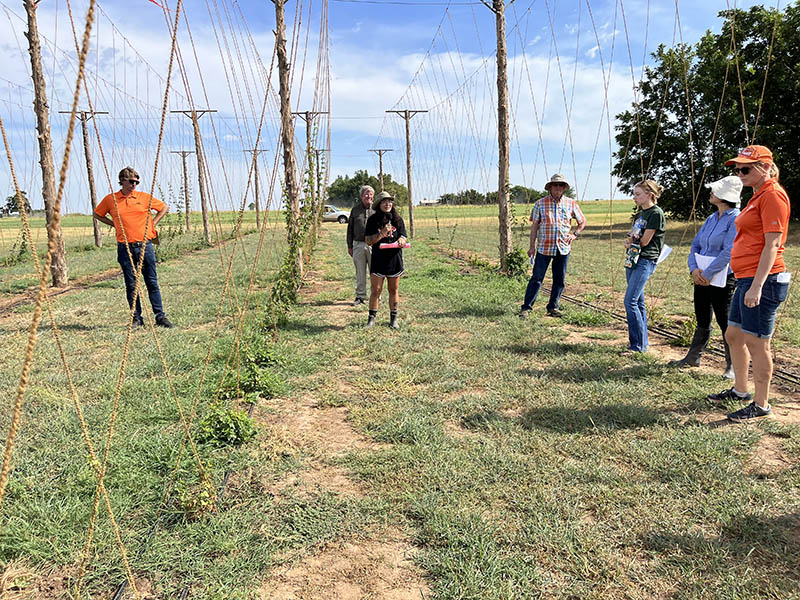
Click here:


10 Semi-Finalist Teams Advance in Ag Innovation Challenge

Tue, 13 Sep 2022 14:54:08 CDT


10 Semi-Finalist Teams Advance in Ag Innovation Challenge


"The future of agriculture depends on innovative solutions to the challenges that we're facing today," said AFBF President Zippy Duvall. "The entrepreneurs behind the start-up companies we're recognizing are committed to helping rural communities and supporting farmers and ranchers in their mission to provide the food, fuel and fiber we all rely on.


The competition provides an opportunity for individuals to showcase ideas and business innovations in agriculture. This is the ninth year of the Challenge, which was the first national business competition focused exclusively on rural entrepreneurs launching food and agriculture businesses.


The 10 semi-finalist teams are being awarded $10,000 each. They are:


Atlantic Aquaculture Technologies, Massachusetts. Team lead: Daniel Ward

Emgenisys Inc., Texas. Team lead: Cara Wells

Hennen Pig Chute, Minnesota. Team lead: Brad Hennen

MycoLogic LLC, Georgia. Tean lead: Chris Cornelison

NORDEF, Kansas. Team lead: William Walls

ReEnvision Ag, Iowa. Team lead: Jayson Ryner

Symbrosia, Hawaii. Team lead: Alexia Akbay

TrackerSled, Illinois. Team lead: Lawrence Kearns

TreadSure, Nebraska. Team lead: Ethan Steinberg

Vence, California. Team lead: Ben Veres


The 10 semi-finalist teams will compete at the AFBF Convention in San Juan, Puerto Rico, on Friday, Jan. 6, to advance to the final round where the four finalist teams will receive an additional $5,000 for a total of $15,000 each. The final four teams will compete live in front of Farm Bureau members, investors and industry representatives on Sunday, Jan. 8, to win three top titles and prizes:

• Farm Bureau Ag Innovation Challenge Winner, for a total of $50,000

• Farm Bureau Ag Innovation Challenge Runner-up, for a total of $20,000

• People's Choice Team selected by public vote, for an additional $5,000 (all 10 semi-finalist teams compete for this honor)


The top 10 semi-finalist teams will participate in pitch training and mentorship from Cornell University's SC Johnson College of Business faculty prior to competing at AFBF's Convention. In addition, the top 10 semi-finalist teams will have the opportunity to network with industry leaders and venture capital representatives from the Agriculture Department's Rural Business Investment Program.


Farm Bureau would not be able to recognize and support these rural businesses without generous funding provided by sponsors Farm Credit, Bayer Crop Science, John Deere, Farm Bureau Bank and Microsoft.


To learn more about the Challenge visit fb.org/challenge.


Emergency Drought Commission to Provide Drought Relief for Oklahoma's Farmers and Ranchers

Tue, 13 Sep 2022 12:16:43 CDT


Emergency Drought Commission to Provide Drought Relief for Oklahoma's Farmers and Ranchers

Click here to listen to audio


Radio Oklahoma News Network Director, Ken Johnson caught up with Oklahoma Secretary of Agriculture, Blayne Arthur to talk about the executive order to deliver drought relief to farmers in western Oklahoma and other parts of the state impacted by the drought conditions.

"The Emergency Drought Commission existed in the statute," Arthur said. "That was put in place by the legislature back in 2012 and during this legislative session in 2022, the Oklahoma legislature directed three million dollars to that Emergency Drought Commission fund, but the Emergency Drought Commission itself does not stand up and do their work unless the Governor of the state of Oklahoma declares that the commission can meet and act."

Thanks to Governor Kevin Stitt's executive order, Arthur said the Emergency Drought Commission can meet, and those dollars the legislature directed to the fund can be allocated out across the state of Oklahoma.

Steve Thompson with Oklahoma Farm Bureau is pleased to see the three million dollars earmarked earlier in the year being made available to the drought commission. Thompson believes that State Representative Carl Newton and Senator Darcy Jech deserve the most credit as they oversee the National Resources Subcommittee that is responsible for the Oklahoma Department of Agriculture, Food and Forestry and worked the most to ensure the full appropriations were included in the final budget.

Through this process, Arthur said she hopes to be able to look at some options that will provide long-term solutions for producers.

"My focus I think certainly will be on the water," Arthur said. "That is what we have heard the most from especially our livestock producers, so looking at things like drilling wells, solar pumps for areas that need those, and we haven't had as much wind which is very unusual so the wind is not turning- solar pumps can be a solution."

With many producers in Oklahoma having to haul water to livestock, Arthur said she hopes to mitigate drought impacts into the future.

"The unique thing about the emergency drought commission is these are actually state dollars, so the Oklahoma state legislature directed the three million dollars to the drought commission here that are state dollars to be allocated," Arthur said. " This will be an addition to all the FSA (Farm Service Agency) programs that our producers can access through the Farm Service Agency, and certainly there are millions of dollars that are being allocated now here in Oklahoma because of the persistent drought, and I know a lot of our farmers and ranchers have utilized those LFP programs and others from the Farm Service Agency, so this is unique in that the Oklahoma state legislature and the Governor have directed state dollars to go out through the drought commission."

The drought commission, Arthur said, is represented by three agencies. Arthur represents the Oklahoma Department of Agriculture, Trey Lam represents the Oklahoma Conservation Commission, and Julie Cunningham represents the Oklahoma Water Resources Board.

"We are hopeful that we can put a meeting together next week," Arthur said. "We know that the sooner we can get moving, the sooner we can get funds out to producers, which is what we want to do. We do have to follow all of the guidelines for the open meetings act because this is a formal commission, so we will find a date, then we have to post that to the public."

The draft commission's initial meeting, Arthur said, will be to hear from producers and producer groups about how the drought is most impacting them and what options the drought commission can look at to provide long-term solutions.

"We will prioritize what those needs are, the areas of the state that have been most impacted, and then take in applications," Arthur said.


Click the LISTEN BAR below to hear more from Ag Secretary Blayne Arthur on the Emergency Drought Commission plan to aid producers impacted by drought.


Oklahoma Conservation Commission Director Trey Lam discusses the Emergency Drought Commission

Tue, 13 Sep 2022 10:30:05 CDT


Oklahoma Conservation Commission Director Trey Lam discusses the Emergency Drought Commission

Click here to listen to audio


Yesterday, Governor Kevin Stitt issued an executive order to deliver drought relief to farmers in western Oklahoma and other parts of the state hit hard by the current drought conditions.

"I will always do everything in my power to support Oklahoma's great farmers and ranchers who work hard every day to feed our state and our nation," said Gov. Stitt. "Whether it's inflation or drought conditions, our agriculture producers have been dealing with some tough challenges this year, so I am glad that with the help of the legislature, we can help provide this relief."

The Emergency Drought Commission will consist of State Secretary of Ag Blayne Arthur, Oklahoma Conservation Commission Executive Director Trey Lam, and the Oklahoma Water Resources Board Executive Director Julie Cunningham.

Today Lam shared some of his thoughts about the importance of the Emergency Drought Commission, "It was good news yesterday when we heard the Governor had declared a drought emergency for all 77 counties in Oklahoma." Lam said they had heard from all of their conservation districts and farmers and ranchers about concerns over the drought with reduced rainfall throughout the last year, "Ponds are dry, water wells have dried up as well, and they are really suffering out there." Lam said this will be a great chance to come together and deliver some resources, "There are 3 Million Dollars currently in the drought emergency fund, and we'll get with the drought commission and decide how to divide up those funds to try and provide some relief to our farmers and ranchers."

Click or tap below to hear the Statement from Trey Lam.


Read Governor Stitt's executive order here, https://www.sos.ok.gov/documents/executive/2044.pdf


USDA Opens People?s Garden Initiative to Gardens Nationwide

Tue, 13 Sep 2022 09:48:49 CDT


USDA Opens People's Garden Initiative to Gardens Nationwide


The U.S. Department of Agriculture (USDA) is expanding its People's Garden Initiative to include eligible gardens nationwide. School gardens, community gardens, urban farms, and small-scale agriculture projects in rural, suburban and urban areas can be recognized as a "People's Garden" if they register on the USDA website and meet criteria including benefitting the community, working collaboratively, incorporating conservation practices and educating the public. Affiliate People's Garden locations will be indicated on a map on the USDA website, featured in USDA communications, and provided with a People's Garden sign.


"We welcome gardens nationwide to join us in the People's Garden effort and all it represents," said Steve Kouplen, Oklahoma State Executive Director. "Local gardens across the country share USDA's goals of building more diversified and resilient local food systems, empowering communities to come together around expanding access to healthy food, addressing climate change and advancing equity."


About the Gardens

USDA originally launched the People's Garden Initiative in 2009. It's named for the "People's Department," former President Abraham Lincoln's nickname for USDA, which was established during his presidency in 1862.??


People's Gardens grow fresh, healthy food and support resilient, local food systems; teach people how to garden using conservation practices; nurture habitat for pollinators and wildlife and create greenspace for neighbors.   


Kouplen added: "We encourage existing gardens and new gardens to join the movement. Growing local food benefits local communities in so many ways, and we offer technical resources to help. Also, it's a great way to connect with your local USDA team members."


How to Register


To learn more about People's Garden or to register one, visit the People's Garden webpage at usda.gov/Peoples-Garden. The location and information on each garden will be displayed on a map. USDA will send a "People's Garden" sign to each garden and invite continued engagement through photos and information sharing. Gardens on federal property, such as USDA offices, are required to donate produce. We invite these gardens to report how much is being donated.


To be eligible, gardens:


Benefit the community by providing food, green space, wildlife habitat, education space.
Are a collaborative effort. This can include groups working together with USDA agencies, food banks, after school programs, Girl Scouts, Master Gardeners, conservation districts, etc.


Incorporate conservation management practices, such as using native plant species, rain barrels, integrated pest management, xeriscaping.
Educate the public about sustainable gardening practices and the importance of local, diverse, and resilient food systems providing healthy food for the community.


New gardens will join the People's Garden at USDA headquarters in Washington, D.C. and 17 other flagship gardens established earlier this year.


More Information

The People's Garden Initiative is part of USDA's broader efforts to advance equity, support local and regional food systems and access to food, and encourage use of conservation and climate-smart practices.


USDA touches the lives of all Americans each day in so many positive ways. Under the Biden-Harris administration, USDA is transforming America's food system with a greater focus on more resilient local and regional food production, fairer markets for all producers, ensuring access to safe, healthy and nutritious food in all communities, building new markets and streams of income for farmers and producers using climate smart food and forestry practices, making historic investments in infrastructure and clean energy capabilities in rural America, and committing to equity across the Department by removing systemic barriers and building a workforce more representative of America. To learn more, visit usda.gov.


USDA is an equal opportunity provider, employer and lender.


Decades of Work by Beef Industry Yields a Billion Dollars Monthly in Beef Exports

Tue, 13 Sep 2022 09:44:41 CDT Decades of Work by Beef Industry Yields a Billion Dollars Monthly in Beef Exports


Senior Farm and Ranch Broadcaster, Ron Hays, is visiting with Kansas State University's Extension Livestock Market Economist, Dr. Glynn Tonsor, talking about the latest market analysis in the beef industry.

Tonsor indicates a fairly stable week of markets last week as far as the slaughter cattle markets and the feeder cattle markets are concerned. Wholesale boxed beef trade, he said, is just a tad cheaper than the week before.

"Friday, USDA called the choice market at $2.57," Tonsor said. "It was off about two dollars, and they called select at $2.36, off about three dollars from the week before. So just a little bit of weakness there."

Tonsor said the July beef export numbers came in, topping a billion dollars again.

"I am highlighting that because there still continues to be some export demand strength and even though we have some gray clouds on the horizon there, I continue to be amazed by how strong that is," Tonsor said. "That is one of the reasons I think these cutout values have stayed up, despite the fact that we still have year-to-date production volumes that are higher than last year."

About those export numbers out, Dan Halstrom, president and CEO of the U.S. Meat Export Federation says it is key to note that it is not just volume, but value of our beef exports continuing to rise.

"Of course, the volumes being up are always a good thing in July and for the year, but the real selling point is the value is increasing," Halstrom said. "We are at just about 473 dollars a head for the month of July, which is up 47 dollars a head versus a year ago. So, the volumes are increasing, but the value is also going up. We sit here and wonder with prices going up how long will it last and think the answer so far is it is still strong. It is into Asia and also Latin America, so hopefully, that will continue to be the case later this year."

As for the processing volumes, Tonsor says the number is up from last year.

"Remember we have Labor Day effects in this as well, so the overall number is going to be a little lower, but the initial estimates through Saturday were 604,000 head," Tonsor said. "That is up from about 579,000 the same week from the year before."

Year-to-date, Tonsor said we have harvested 1.3 percent more than last year.

"That is not something that certainly 90 days and 180 days ago all of us were expecting and it is because of these pulling cattle forward drought effect and so forth," Tonsor said. "Our ability to continue to move a heavy volume of cattle and sustain, at least historically, larger cutout numbers- they are down from their peaks for sure- indirectly, is a testament to domestic and foreign beef demand strength and I hope it continues."

Tonsor said there is a lot of macroeconomic uncertainty around the world and that tends to slow protein purchasing which is what U.S. beef is in the broader global context.

"If you pause there, I think USMEF should get a lot of credit for continuing to build and expand market access," Tonsor said. "There is a multi-decade effort at play there, not just month to month."

The recent success of being able to say over a billion dollars in exports per month, Tonsor said, did not happen overnight. It is a function of things that have been done a week ago, a month ago, and sometimes 20 years ago in the industry, he said, and we need to keep that in mind when we have broader industry debates that have been going on for the last couple of years.


Click the LISTEN BAR below to hear more from Dr. Tonsor and Dan Halstrom on the beef markets.

The Beef Buzz is a regular feature heard on radio stations around the region on the Radio Oklahoma Network and is a regular audio feature found on this website as well. Click on the LISTEN BAR below for today's show and check out our archives for older Beef Buzz shows covering the gamut of the beef cattle industry today.


Glynn Tonsor and Dan Halstrom Market Analysis of Beef Industry

click to play audio or right-click to download

New data on soil conditions and temperatures indicates farmers should prepare for high variability during 2022 harvest

Tue, 13 Sep 2022 09:35:50 CDT


New data on soil conditions and temperatures indicates farmers should prepare for high variability during 2022 harvest


Golden Harvest agronomists anticipate high variability during 2022 harvest and offer actionable recommendations to scout and protect corn yield potential


Golden Harvest released new data today that highlights how extreme weather conditions across the Midwest, such as intense heat, drought stress and other environmental factors, indicate corn harvest is likely to be highly variable in 2022. As farmers prepare for a challenging harvest in parts of the U.S., Golden Harvest agronomists have developed data-based insights and actionable recommendations to minimize yield loss and begin plans for next year.


Several factors led to increased variability this year. Wet planting conditions delayed planting in many areas, and fields planted in marginal soil conditions often see poorer root development, which can worsen the impacts of drought or heat that set in later in the growing season.


To manage variable conditions during harvest this season, Golden Harvest agronomists recommend scouting fields to determine the optimal time for harvest and begin planning for next season. Working with Golden Harvest Seed Advisors and agronomists to evaluate and understand which of the following factors were important this year can guide decisions for 2023 planting.


Evaluate potential drought impact


Drought conditions across the Midwest led to less grain fill time, earlier grain dry-down and poor nutrient uptake. Dry soil conditions can slow root growth and reduce the ability to transport nutrients into the plant. Research shows that drought stress during pollination can cause up to a 50% loss in yield, whereas just prior to or just after this crop stage period, drought yield loss ranges from 20% to 25%.1


"In extended dry periods, corn plants simply run out of steam with reduced nutrient and water uptake from the soil," says Blake Mumm, Golden Harvest agronomist in central Nebraska. "We're anticipating seeing reduced grain fill and yield loss in a lot of fields this year due to drought over the summer."


If drought impacted fields, look out for rolling plant leaves, which reduces transpiration and conserves plant moisture. If leaf rolling is observed for 12+ hours a day, yield loss during harvest is more likely to occur, according to Mumm.


Prepare for yield loss from extreme heat

Extreme heat plays a separate but important role in grain development and yield potential. Higher temperatures toward the end of the pollination stage or early weeks of grain fill can result in tip kernels aborting. Increased temperatures overnight are usually accompanied by higher-than-average daytime temperatures and drier soil moisture levels. Data shows a 2.8 to 4.7 bushel per acre yield decline for every 1° F increase in July and August average night temperatures.


"Drought and heat are often linked. But even in fields that received adequate rainfall, heat by itself can deteriorate exposed silks, resulting in poor pollination of ear tips," says Andrew Rupe, Golden Harvest agronomist in east central Iowa. "Several areas that have gotten timely rainfall are seeing significant tip back on ears due to the heat. However, cooler temperatures and rainfall during grain fill can help lengthen this period, leading to increased kernel depth, size and weight. I recommend monitoring temperatures throughout the day and night to anticipate how fields will be impacted."


Select the best products for your fields

Golden Harvest Agronomist Ryan Dunsbergen, who covers southern Iowa, underscores that the most important way farmers can manage increasingly variable conditions is to continue scouting and monitoring and planting the right hybrid for the right acre. Dunsbergen recommends the following Golden Harvest® hybrids based on field conditions:


1. Fields where drought is likely: Golden Harvest corn hybrids G00A97, G10L16, G11V76 and G16Q82 offer proven consistent yields across drought stricken areas due to their ability to protect yield potential under drought conditions.


2. Fields where drought and heat are likely: Golden Harvest hybrids G15J91 and G16Q82 offer above-average late season stalk strength and are less likely to experience lodging when nutrient deficiencies occur.


Make plans for 2022 harvest and 2023 planting

To discuss your fields and harvest plans, contact your Golden Harvest Seed Advisor today. For more tips and strategies, Golden Harvest offers a library of agronomy articles with actionable data and local insights to help precisely place products for maximized performance in farmers' fields. The Agronomy in Action 2022 Research Review provides a comprehensive review of applied and practical agronomic studies conducted during the 2021 growing season at Golden Harvest Agronomy in Action research sites.

To find better solutions for your corn and soybean acres, contact a Golden Harvest Seed Advisor at GoldenHarvestSeeds.com.


North American Combine Harvesters Continue Unit Sales Growth in August, Tractors Mixed

Tue, 13 Sep 2022 09:14:16 CDT


North American Combine Harvesters Continue Unit Sales Growth in August, Tractors Mixed


Combine harvester sales grew for August in both the U.S. and Canada, while total tractors fell in the U.S., but grew in Canada according to the latest data from the Association of Equipment Manufacturers (AEM).

Total U.S. ag equipment unit sales rose above the 5-year average for the first time since April 2022. U.S. total farm tractor sales fell 11.7 percent for the month of August compared to 2021, while U.S. self-propelled combine sales for the month grew 25.8 percent to 790 units sold, making for a three-month growth streak for that segment. The 100+ horsepower 2WD tractor segment was the only positive segment in the U.S., up 11.5 percent. Mid-range tractors between 40 and 100 horsepower were down 7.2 percent, and the sub-40hp segment led segment losses again, down 16 percent. Total farm tractor sales are down 14.8 percent year-to-date, while combine harvester unit sales are now positive year-to-date, with sales now up 2.7 percent overall.

In Canada, growth in all segments led Canadian unit sales to its first positive year-over-year month in unit sales since January 2022. Overall unit sales in tractors were up 7.2 percent, gaining in all segments, most notably 4WD units, up 326.7 percent year-over-year to 64 tractors sold. Unit sales in 2WD segments gained 4.9 percent, led by 100+hp unit growth of 43.9 percent. Combine harvester unit sales grew 33.1 percent to 221 units sold. Year-to-date farm tractor unit sales are down 6.7 percent in Canada, while harvesters cut their losses down to 13.7 percent.

"Demand for everything other than the smallest units remains positive, but supply chain difficulties remain in the way of the supply side of the market," said Curt Blades, senior vice president, industry sectors and product leadership at the Association of Equipment Manufacturers. "Despite concerns around input costs for farmers, we are still seeing the larger units, harvesters and heavy-duty tractors, lead sales trends, indicating positive outlooks, especially among row crop farmers."

The full reports can be found in the Market Data section of the AEM website under Ag Tractor and Combine Reports.

For U.S. ag tractor and combine reports, click here.
For Canadian ag tractor and combine reports, click here.


Soy Products Likely to Get Boost Thanks to Biden EO

Tue, 13 Sep 2022 09:10:59 CDT


Soy Products Likely to Get Boost Thanks to Biden EO


President Biden has signed an executive order launching a national biotechnology and biomanufacturing initiative that contains many provisions important to American soybean farmers, including actions that will support improved markets for biobased products, create greater access to biotechnology, and encourage research and development supporting the "bioeconomy," or economic activity derived from biotechnology and biomanufacturing.


American Soybean Association President Brad Doyle, a soybean grower from Arkansas, said, "This announcement puts in place steps that will help our industry continue to use soybeans to develop innovative, sustainable products that can help lower greenhouse gas emissions and create more jobs for not only agriculture but all Americans. We are also pleased to see included measures that support agricultural biotechnology regulatory reform, along with quite a few other provisions."


Among that list of items appreciated by soy are:


• A report from USDA on leveraging the bioeconomy for "improving sustainability and land conservation; increasing food quality and nutrition; increasing and protecting agricultural yields; protecting against plant and animal pests and diseases; and cultivating alternative food sources"

• The Data for the Bioeconomy Initiative, which will use data to drive breakthroughs in the bioeconomy

• Various agencies taking steps to expand domestic biomanufacturing and biobased product manufacturing

• An emphasis on federal agency procurement of biobased products, overseen by USDA

• A requirement to create a lexicon for the bioeconomy to help measure the size and impact of the bioeconomy, and a focus on making revisions to the North American Industry Classification System (NAICS) and the North American Product Classification System (NAPCS)

• A focus throughout on protecting and enhancing the security of physical infrastructure, biosecurity/biological data, and cyber-security

• Guidance directing USDA, EPA, and FDA to identify areas of ambiguity, gaps, or uncertainties in the federal agricultural biotechnology coordinated framework within 100 days

• A call for, within 280 days, developing a plan for regulatory reform for the areas requiring clarification or improvement in the federal agricultural biotechnology coordinated framework

• A requirement that annual reports be developed for three additional years providing progress reports on agricultural biotechnology regulatory modernization efforts


U.S. companies now offer approximately 1,000 soy biobased products. Using a whole-bean approach, soybeans are processed into protein and oil—the former primarily used in plant-based foods like tofu and in livestock animal feed, but also as an ingredient in plastic composites, synthetic fiber, paper coatings, adhesives, etc.; and, the latter, versatile soy oil used in foods, cosmetics, asphalt, biodiesel, and countless other products.


The White House shared in its correspondence that, "investments, programs, and partnerships in this initiative will advance research and development in engineering biology and biomanufacturing, expand and strengthen domestic biomanufacturing capacity and resilient supply chains. It will help bring bioproducts to market that will help support American farmers and reduce risk through biosecurity innovation, as well as enhance workforce training and education programs for the next generation of biotechnologists."


ASA applauds this effort and looks forward to working with the administration in continuing to develop soy biobased markets and opportunities reliant upon modern biotechnology.


Growth Energy Marks the End of Summer Driving Season with 2022 Biofuels Summit

Tue, 13 Sep 2022 09:07:51 CDT


Growth Energy Marks the End of Summer Driving Season with 2022 Biofuels Summit


This week, almost 100 Growth Energy members traveled to Washington, D.C. for Growth Energy's 13th Annual Biofuels Summit to advocate for biofuels in our nation's capital. Growth Energy CEO Emily Skor kicked off the summit by applauding the Biden administration's summer waiver for E15, allowing American drivers to save nearly a dollar per gallon in some markets. She also acknowledged the hard work of congressional champions who secured key biofuel provisions in the recently enacted Inflation Reduction Act and expressed support for the Environmental Protection Agency's (EPA) decision to set forward-looking Renewable Volume Obligations (RVO) for 2022.


"The work is far from done," said Skor. "There are still critical industry priorities on the docket, and big policy changes could arrive later this year. We cannot take our foot off the gas. That's why we're demanding an even stronger Renewable Fuel Standard (RFS) - one that will move America closer to a net-zero future, deliver more savings at the pump for working families, strengthen U.S. energy security, and drive further investment in rural communities."


Skor also marked the end of the summer driving season on September 15th, noting that a permanent fix for E15 is vital before the next summer driving season.


"EPA's emergency waiver only applies to this summer's driving season. We continue to work hand in hand with our retail partners to demand a permanent fix so drivers can access lower-cost E15 year-round, nationwide, in the summers to come."


"Together, we'll make sure policymakers value the full diversity of our industry, share our vision, and understand our expectations.


"More importantly, we'll make sure they have the motivation and knowledge to fully unleash America's bioethanol industry, so we can deliver on a new wave of clean energy demand on the ground and in the air, at home and abroad, in today's vehicles and tomorrow's."


Following Skor's speech, attendees heard from EPA Administrator Michael Regan, who emphasized the importance of biofuels to meeting our nation's climate and energy security goals. Administrator Regan also laid out EPA's priorities for America's biofuels industry. Growth Energy has been leading advocacy efforts on the RFS Set proposal, which will mark the first year a baseline for biofuel volumes is not specified by Congress but must be set based on statutory factors like fuel costs, environmental benefits, and commercial production.


"This is an exciting time for the clean energy sector and for our country," said Regan. "I'm committed to working with everyone in this room to meet the moment. Renewable fuels offer climate benefits, rural economic opportunity, and a key source of domestic energy."


Biofuels Summit participants also heard from U.S. Department of Agriculture Deputy Secretary Jewel Bronaugh, U.S. Representative Randy Feenstra (IA-04), and Cook Political Report's David Wasserman. After the general session concluded, members fanned out across Capitol Hill to share their stories with lawmakers and present Fueling Growth awards to the industry's most steadfast champions.


American Foods Group Breaks Ground on New $800 Million Facility in Missouri

Tue, 13 Sep 2022 09:01:23 CDT


American Foods Group Breaks Ground on New $800 Million Facility in Missouri


American Foods Group, LLC (AFG) is opening a new state-of-the-art beef processing facility in Warren County, Missouri. The company broke ground today at the site near Wright City - marking the beginning of a project expected to generate $1 billion in annual economic impact in the state of Missouri.


"As a third-generation farmer and cattleman myself, I am proud to welcome AFG to Missouri. This is a major development that will benefit Missouri's agricultural producers and consumers for years to come," said Governor Mike Parson. "With $94 billion contributed to our economy annually, we appreciate that agriculture is our number one industry. AFG's investment in Missouri further signals to the nation and world what we've known all along, that Missouri is the best place for companies to grow and expand. We couldn't be more excited for AFG's expansion in Missouri."

"Today marks the start of our future in Warren County, Missouri, the addition of industry-needed hook space and fulfilling the needs of our customers, partners, and consumers for beef demand," said Steve Van Lannen, President and COO of American Foods Group.

AFG is investing $800 million in the new 775,000 sq. ft. facility. The company plans to create more than 1,300 new jobs in the region with an annual payroll of approximately $80 million.

"Warren County has a strong heritage in agriculture, and today we get to celebrate the opportunity to build on that heritage with American Foods Group," said Steve Etcher of the Greater Warren County Economic Development Council. "I am impressed with the Rosen family and company leadership and how they embrace their employees as family, invest in their communities, and strive to be a valued corporate partner. This is exactly the type of company the EDC envisioned when they launched their mission 10 years ago to attract new businesses to Warren County that will provide good paying jobs for the residents of our community."

"As highlighted in the STL 2030 Jobs Plan, our region's agricultural assets have long served as an economic engine. American Foods Group's facility will bolster the economy for local farmers and agriculture businesses," said Jason Hall, CEO of Greater St. Louis, Inc. "The family-owned company complements our already thriving agricultural and agtech strengths and their investment in good-paying jobs in Warren County will benefit our metro for years to come. This win - following a multi-state and metro search - also underscores that St. Louis can go head-to-head with any other region on the merits."

AFG is family-owned and employs more than 4,500 across the U.S. The company evaluated multiple locations for its newest facility where they plan to process 2,400 cattle per day.

"When AFG first approached our team about this project via the Harvest Group, we knew it would be extremely competitive. However, we were confident Missouri's history in food processing, strengths in agriculture, and our central location would help us win AFG for our state," said Subash Alias, CEO of Missouri Partnership. "AFG is a leading beef processing company with an impeccable reputation. I'm looking forward to watching them grow here in Missouri."

Missouri Partnership worked with the following partners to attract AFG to Warren County, including: Greater Warren County Economic Development Council (GWCEDC), Greater St. Louis, Inc., Warren County, Missouri Department of Economic Development, Missouri Development Finance Board, Missouri Department of Agriculture, Missouri Department of Transportation, Missouri Department of Natural Resources, Missouri One Start, Missouri Department of Corrections, St. Charles Community College, St. Charles Water District #2, Norfolk Southern, Ameren, Cuivre River Electric, Cochran Engineering, Missouri Farmers Care, Missouri Farm Bureau, and Missouri Cattlemen's Association.

The company plans to be fully operational by the end of 2024.


Chris Reat Joins Meristem Team As Senior Business Development and Sales Leader

Tue, 13 Sep 2022 08:58:35 CDT


Chris Reat Joins Meristem Team As Senior Business Development and Sales Leader


- Meristem Crop Performance announced today that ag industry veteran Chris Reat has joined their team to expand business opportunities in Texas and across the southern US. He will seek to further boost Meristem's portfolio of innovative solutions into new markets.


"We're growing fast and intent on building an all-star team to help our farm business partners deliver improved ROI (return on investment) to the growers they serve," said Mitch Eviston, Meristem Founder and CEO today in the announcement. "We are so pleased to have Chris Reat come aboard and apply his deep experience to serving farmers and dealer-partners."


Reat has an extensive background in sales, account responsibility, marketing, stewardship, and team leadership. He has held positions with UPL, FMC and Monsanto. In addition to sales responsibilities, he will seek business development opportunities with partners throughout the region he serves.


Reat is a graduate of Texas A&M University - College Station, where he earned a Bachelor's of Science degree in Agriculture Development. He and his wife Becky have two sons: Cole, a graduate of the U.S. Air Force Academy and currently in pilot training, and Cade, a senior at Texas A&M studying supply chain management and set to graduate in December.


"The Meristem Team has grown remarkably in a short time," Reat said. "Their fresh, innovative approach to the market, along with the highest quality products, makes for a combination generating a lot of excitement in our farmer customers and dealers. They are intent on providing products that help farmers get more done with less and I am honored to be a part of it."


Bee It Known: Biodiversity Is Critical to Ecosystems

Tue, 13 Sep 2022 08:51:52 CDT


Bee It Known: Biodiversity Is Critical to Ecosystems

Click here:


Rutgers has conducted the first study showing how many more species of bees are needed to maintain crop yields when a longer-term time frame is considered.

In the paper, which was recently published in Nature Ecology & Evolution, scientists said biodiversity of the bee population is critical to maintaining the ecosystem function of crop pollination, which is critical to humanity's food supply.

"We found that biodiversity plays a key role in the stability of ecosystems over time," said Natalie Lemanski, lead author on the study and a postdoctoral researcher in the Department of Ecology, Evolution and Natural Resources at the Rutgers School of Environmental and Biological Sciences (SEBS). "You do actually need more bee species in order to get stable pollination services over a growing season and over years."

The team on the study focused on various populations of bees at dozens of farms in New Jersey, Pennsylvania and California and found that many more bee species were not only needed for pollination than expected over an entire flowering season, but even more were needed over multiple years.

The researchers said they discovered different bee species pollinated the same types of plants at different times of the year. They also found that different bee species were the dominant pollinators on the same kind of plants in different years. Because of natural fluctuations in bee populations, researchers said, all bee species present were needed to maintain a minimum threshold of pollination during lean years.

"This research shows that abundance matters, but bee diversity matters even more," said Michelle Elekonich, the deputy division director of the National Science Foundation's Directorate for Biological Sciences, which funded the study. "It's not the same bees that are abundant at a given point in time, and variety is necessary to provide balance during a growing season – and from year to year."

Lemanski said the study offers substantiation to a long-standing concept ecologists refer to as the "insurance hypothesis." The idea is that ecosystems probably benefit when nature "diversifies the portfolio," supporting multiple species of a category of a plant or animal, rather than relying on one dominant species.

"We found that two to three times as many bee species were needed to meet a target level of crop pollination over the course of a growing season compared to a single date," Lemanski said. "Similarly, twice as many species were needed to provide pollination over the course of six years compared to a single year."

The researchers based their analysis on their own extensive observations of bee visits to flowers and measurements of the quantity of pollen grains deposited on individual flowers over weeks and months within a given calendar year and then over multiple years. They collected the data, with permission of farmers, at 16 blueberry farms in South Jersey, at 25 watermelon farms in Central Jersey and eastern Pennsylvania and at 36 watermelon farms in the Northern Central Valley of California.

"The magnitude of increase in species needed over multiple years was remarkably consistent among crop systems when considered over the same interval of time," Lemanski said. "In addition, the fact that the relationship between timescale and the number of species needed did not level off suggests that even longer time series, spanning multiple seasons, may further bolster the need for biodiversity to ensure reliable ecosystem service."

Rachael Winfree, a professor in the Rutgers Department of Ecology, Evolution and Natural Resources at SEBS, was the senior author on the paper, which was also written in collaboration with Neal Williams of the University of California-Davis. Funding was provided by the National Science Foundation (NSF) and U.S. Department of Agriculture, National Institute of Food and Agriculture, Agriculture and Food Research Initiative.


Stockyards Steak Out with Oklahoma Best Beef Competition Coming Up

Tue, 13 Sep 2022 08:06:19 CDT


Stockyards Steak Out with Oklahoma Best Beef Competition Coming Up


Showcase Your Ranch's Own Prime Cuts of Local Quality Steaks, Which Will Be Showcased To The Public During Stockyards Stampede!


We are excited to announce the Oklahoma Cattlemen's Foundation will be hosting the first annual Oklahoma's Best Beef Competition during the 3rd Annual Stockyards Steak Out hosted by Oklahoma National Stockyards. Which will take place on October 15th at the Oklahoma National Stockyards. Tasting/Competition will begin at 6 p.m.


All Ranches are open to apply, ONLY 15 will be selected to compete and be paired with Oklahoma 'Celebs!' (Possible 'Celebs' the Governor, Lt. Governor, Secretary of Agriculture, or Oklahoma Legislatures.


Apply to compete for the title of Oklahoma's Best Beef by grilling it out with your ranch's own prime cuts of local quality steak, which will be showcased to the public during Stockyards Stampede. Entries are due September 16th.


All Proceeds Will Go To Oklahoma Cattlemen's Foundation and Cattlemen's Leadership Academy.


What You Need To Know:

• Deadline to apply is Sept. 16. and the Top 15 will be notified, receive a formal invitation and rules and be showcased online and in social media.

• Oklahoma's Best Beef Competition during Stockyard Steak Out is on October 15th. Tasting/Competition will begin at 6 p.m.

• You will bring your own cuts of sirloin to grill(w/ your team of 2-3)and serve to the community. Here is a great way to showcase your beef directly to the consumer!

• 1st, 2nd and 3rd place and People's Choice awards will be given out and winners will be featured on the OCF website, on social media and Cowman.


Supplies Required for Competition:

• Minimum of 60 Steaks (3/4" thick 8-10 oz and we will serve 1' x 1' tastings to the public for People's Choice Award and opportunity for your steaks to be sponsored to offset cost.

• Cooler for Steaks

• Cooking Utensils (tongs, knives, cutting boards, etc.)


Supplies Provided for Competition:


• Grill

• Charcoal

• Lighter Fluid

• Tables

• Ranch Banner for Station


Click to Apply Here!


For questions regarding the application, contest or sponsorship opportunities
please contact Mariah Reimer at mreimer@okcattlmen.org or 405-308-3030!


Feeder Steers Lower, Feeder heifers Steady to Lower at Joplin Regional Stockyards on Monday

Tue, 13 Sep 2022 03:14:19 CDT


Feeder Steers Lower, Feeder heifers Steady to Lower at Joplin Regional Stockyards on Monday


Joplin Regional Stockyards
Mon Sep 12, 2022


AUCTION
This Week            7,416
Last Reported     5,092
Last Year              6,059

**CLOSE**
Compared to the sale 2 weeks ago feeder steers traded 4.00-9.00 lower. Feeder heifers under 750 lbs. traded 6.00-9.00 lower with heavier weight steady to 4.00 lower. Supply and demand was moderate. Supply included: 100% Feeder Cattle (49% Steers, 46% Heifers, 5% Bulls). Feeder cattle supply over 600 lbs was 58%.

FEEDER CATTLE STEERS - Medium and Large 1 (Per Cwt / Actual Wt)
Head       Wt Range       Avg Wt       Price Range       Avg Price
27             305-348            331      220.00-231.00       225.54

149           400-447           426       205.00-220.00       209.71
13                 419                419            226.00                226.00 Thin Fleshed

118          500-537            514       193.00-208.00       202.44
113          550-599            575       193.00-214.00       199.53

154          600-648            632       185.00-199.00       191.92
19                604                 604            203.00                203.00 Fancy
12                649                 649            193.00                193.00 Value Added
478          652-692            673       185.00-196.00       188.88

187          700-739            725       181.50-190.00       183.62
166          753-767            763       182.00-184.00       182.85

122          801-813            808       173.00-176.00       174.43
14                813                 813            176.00                176.00 Value Added
52                898                 898            173.00                173.00

12            904-922            912             167.00                167.00

For the complete market report from USDA click on the pdf link below:

Click here:


Feeder Steers Mostly Steady, Feeder Heifers Steady to Higher, Steer Calves Lower, Heifer Calves Unevenly Steady to Oklahoma National Stockyards

Tue, 13 Sep 2022 03:11:20 CDT


Feeder Steers Mostly Steady, Feeder Heifers Steady to Higher, Steer Calves Lower, Heifer Calves Unevenly Steady to Oklahoma National Stockyards


Oklahoma National Stockyards
Mon Sep 12, 2022


AUCTION
This Week             10,600
Last Reported        7,954
Last Year               8,759

***Close***
Compared to two weeks ago: Feeder steers mostly steady. Steer calves 4.00-8.00 lower. Feeder heifers steady to 2.00 higher. Heifer calves unevenly steady. Demand very good for feeder cattle and long weaned calves; moderate for others. Large run today despite many farmers busy in the field planting wheat. It feels like October outside, but not talking about the weather. Several un-weaned , bawling calves available. A small stint of fall like weather moved in over the weekend bringing some light moisture to the northwestern part of the state. Supply included: 100% Feeder Cattle (60% Steers, 35% Heifers, 4% Bulls). Feeder cattle supply over 600 lbs was 42%.

FEEDER CATTLE
STEERS - Medium and Large 1 (Per Cwt / Actual Wt)
Head       Wt Range       Avg Wt       Price Range       Avg Price
10                319                319              207.00              207.00
21                349                349              190.00              190.00 Unweaned
52            350-383            370       204.00-221.00       214.80
25            384-391           388        193.00-199.00      197.63 Unweaned

188         404-448            428        208.00-224.00      213.24
33           410-417            415               185.00              185.00 Unweaned
203         450-488            469        203.00-213.00      207.84
77           461-493            478        186.00-195.00      190.09 Unweaned

292         506-545            520        188.00-204.00      197.47
14               537                 537              208.00              208.00 Thin Fleshed
39           527-547            545        170.00-180.00       172.24 Unweaned
215         558-598            581        178.00-190.00       181.26
5                  590                590              175.00               175.00 Full
115         570-582            581        205.00-211.00       210.49 Thin Fleshed
87           570-582            579        174.50-175.50       175.23 Unweaned

179         619-645            629        185.00-198.00       191.87
484        654-699             687        174.00-189.00       182.17
20              678                  678              168.00               168.00 Unweaned

167        701-745             724        176.00-181.00       178.64
185        759-788             779        174.00-183.00       180.35

146        807-845             834        167.00-180.50        173.01

83               901                 901              160.00               160.00
4                 999                 999              159.50               159.50

145           1001               1001             157.00               157.00

For the complete market report from USDA Market News click on the PDF link below:

Click here:


Governor Kevin Stitt Delivers Drought Relief to Farmers

Tue, 13 Sep 2022 08:46:24 CDT


Governor Kevin Stitt Delivers Drought Relief to Farmers


Today, Governor Kevin Stitt issued an executive order to deliver drought relief to farmers in western Oklahoma, and other parts of the state hit hard by the current drought conditions.

Since mid summer- we have heard lots of talk from the ag community for the need for the state of Oklahoma to issue a Drought Declaration. That happened on Monday afternoon as Oklahoma Governor Kevin Stitt cited the current and persistent drought in all 77 counties (close to half of Oklahoma remains in extreme drought or worse- based on the Drought Monitor) and announced that he was invoking state law to establish an Emergency Drought Commission.

This is authority that has actually been in place since the last major drought that Oklahoma had to deal with- but there has never been money available for the Commission to allocate. That changed inn the most recent State Legislative Session when $3 million was earmarked for this Commission if drought conditions warranted it.

The Commission will consist of State Secretary of Ag Blayne Arthur, Oklahoma Conservation Commission Exec Trey Lam and the Executive Director of the Oklahoma Water Resources Board, Julie Cunningham.

The Executive Order dictates that the Secretary of Ag will be the Chair- and we communicated with Secretary Arthur Monday evening and she tells us that she intends that the Commission "will meet as soon as possible so that we can get the funds out the door."

Part of the process will be to get proposals from the country- and the executive order says that funds "must be expended solely to relieve drought conditions."

"I will always do everything in my power to support Oklahoma's great farmers and ranchers who work hard every day to feed our state and our nation," said Gov. Stitt. "Whether it's inflation or drought conditions, our agriculture producers have been dealing with some tough challenges this year so I am glad that with the help of the legislature we can help provide this relief."

"I am always incredibly appreciative of the Governor's support of Oklahoma farmers and ranchers. Oklahoma agriculture producers have seen extreme drought conditions throughout this year and livestock producers in particular are struggling with lack of pasture, hay and water," Secretary of Agriculture Blayne Arthur. "I look forward to working with the Emergency Drought Commission to allocate funds that will provide long term solutions to farmers and ranchers to help mitigate the impact of drought now and into the future."

Read Governor Stitt's executive order here

Organizations representing various sectors of Oklahoma's ag industry have released the following joint statement showing their appreciation for Governor Stitt's issuance of Executive Order 2022-23 delivering drought relief.

"Farmers and ranchers across Oklahoma appreciate the Governor's support as the severe drought continues and the weather makes raising livestock and producing crops increasingly challenging. This declaration will open doors to additional support that will help ag producers dealing with lack of rain now and in the future."

(groups include the Oklahoma Pork Council, Oklahoma Farm Bureau, Oklahoma Cotton Council, AFR, OCA, The Poultry Federation, OACC, OARA, Oklahoma Wheat Growers, and the Oklahoma Grain and Seed Association)


Oklahoma Corn and Cotton Conditions Move Slightly Upward while Livestock Conditions Show a Decrease in Rating Since Last Week

Mon, 12 Sep 2022 16:43:01 CDT


Oklahoma Corn and Cotton Conditions Move Slightly Upward while Livestock Conditions Show a Decrease in Rating Since Last Week


The nation's corn harvest kicked off slightly ahead of the average pace, while corn maturity was 5 percentage points behind the average last week, showing the wide range of stages the crop is at across the country, USDA NASS reported in its weekly Crop Progress report on Monday, Sept. 12. Cotton harvested nationwide is also ahead of the average.

In Oklahoma, most commodities are holding steady in conditions, with both corn and cotton crops improving slightly from last week.

Nationwide Cotton:

Cotton bolls opening for the U.S. reached 49 percent, up 14 percentage points from last year and up 8 points from the average. Cotton harvested reached 8 percent this week, up 4 points from last year and even with the average.

Cotton conditions for the 15 states reported is rated 33 percent good to excellent, 30 percent fair and 37 percent poor to very poor.


Nationwide Corn:
Corn dough for the U.S. reached 95 percent, even with last year and one percentage point lower than the average. Corn dented reached 77 percent, down 8 points from last year and down 2 points from the average. Corn mature reached 25 percent, down 10 percentage points from last year and down 5 point from the average. Harvested reached 5 percent, up 2 points from last year and up 1 point from the average.

Corn conditions for the 18 states reported is rated 53 percent good to excellent, 27 percent fair and 20 percent poor to very poor.


Nationwide Soybeans:
Soybeans setting pods for the U.S. reached 97 percent, up 1 percentage point from last year and down 1 point from the average. Soybeans dropping leaves reached 22 percent, down 13 points from last year and down 6 points from the average.

Soybean conditions for the 18 states reported is rated 56 percent good to excellent, 29 percent fair and 15 percent poor to very poor.


To view the U.S. crop progress report, click here.


Oklahoma:

Cotton bolls opening reached 28 percent, up 6 points from the previous year but down 5 points from normal. Cotton conditions rated 12 percent good to excellent, 32 percent fair and 56 percent poor to very poor. (Good to excellent conditions have improved by 3 percentage points since last week and poor to very poor conditions have improved by a point.)

Corn dough reached 95 percent, down 3 points from the previous year. Corn dented reached 82 percent, up 2 points from the previous year and up 4 points from normal. Corn mature reached 37 percent, down 4 points from the previous year and down 4 points from normal. Corn harvested reached 15 percent. Corn conditions rated 41 percent good to excellent, 33 percent fair and 26 percent poor to very poor. (Since last week, poor to very poor conditions have improved by 5 percentage points)

Soybeans blooming reached 95 percent, down 1 point from the previous year but up 2 points from normal. Soybeans setting pods reached 74 percent, down 2 points from the previous year but up 1 point from normal. Soybeans dropping leaves reached 12 percent, up 2 points from the previous year and up 2 points from normal. Soybean conditions rated 38 percent good to excellent, 34 percent fair and 28 percent poor to very poor.

Sorghum headed reached 95 percent, down 1 point from the previous year and down 2 points from normal. Sorghum coloring reached 70 percent, up 3 points from the previous year and up 2 points from normal. Sorghum mature reached 26 percent, up 2 points from the previous year but down 3 points from normal. Sorghum conditions rated 22 percent good to excellent, 33 percent fair and 45 percent poor to very poor.

Peanuts mature reached 40 percent, up 7 points from the previous year and up 15 points from normal. Peanut conditions rated 59 percent good to excellent and 41 percent fair.

Hay:
In the Central district, reporters indicated that hay yields are approximately half of normal. The fourth cutting of alfalfa hay reached 53 percent, down 5 points from the previous year and down 16 points from normal. The third cutting of other hay reached 50 percent, up 24 points from the previous year and up 23 points from normal.

Pasture, Range and Livestock:
Pasture and range conditions rated 11 percent good to excellent, 21 percent fair and 68 percent poor to very poor. Livestock conditions rated 31 percent good to excellent, 46 percent fair and 23 percent poor to very poor.

Since last week, pasture and range conditions have improved by 2 percentage points in the good to excellent range. Livestock conditions have decreased in the good to excellent range by 7 points since last week.

To see the Oklahoma Crop Progress Report, click here.


Kansas:

Corn dough was 95 percent, near 97 percent both last year and average. Dented was 83 percent, near 87 percent both last year and average. Mature was 50 percent, ahead of 42 percent last year and 44 percent average. Harvested was 21 percent, ahead of 10 percent last year and 9 percent average. Corn conditions rated 22 percent good to excellent, 24 percent fair and 54 percent poor to very poor.

Cotton bolls opening was 37 percent, near 36 percent last year, and ahead of 25 percent average. Cotton conditions rated 22 percent good to excellent, 46 percent fair and 32 percent poor to very poor.

Soybeans setting pods was 91 percent, equal to last year, and near 94 percent average. Dropping leaves was 27 percent, ahead of 19 percent last year and 20 percent average. Soybean conditions rated 25 percent good to excellent, 26 percent fair and 49 percent poor to very poor.

Sorghum headed was 92%, behind 99% last year and 98% average. Coloring was 58%, behind 77% last year and the 73% average. Mature was 11%, behind 19% last year, and near the 12% average. Harvested was 2%, near 1% both last year and the average. Sorghum conditions rated 17 percent good to excellent, 30 percent fair and 53 percent poor to very poor.

Pasture and Range:
Pasture and range conditions for Kansas rated 8 percent good to excellent, 20 percent fair and 72 percent poor to very poor.


To see the Kansas crop progress report, click here.


Texas:

Corn dented reached 94 percent, up 2 percentage points from last year and up 1 point from the average. Corn mature reached 81 percent, up 7 points from last year and up 10 points from the average. Corn harvested reached 64 percent, up 2 points from last year and up 3 points from the average. Corn conditions rated 17 percent good to excellent, 31 percent fair and 52 percent poor to very poor.

Cotton bolls opening reached 50 percent, up 18 points from last year and up 15 points from the average. Cotton harvested reached 17 percent, up 8 points from last year and up 3 points from the average. Cotton conditions rated 33 percent good to excellent, 30 percent fair and 37 percent poor to very poor.

Sorghum headed reached 100 percent, even with last year and 1 percentage point ahead of the average. Sorghum coloring reached 99 percent, up 8 points from last year and up 9 points from the average. Sorghum mature reached 88 percent, up 8 points from last year and up 9 points from the average. Sorghum harvested reached 74 percent, up 5 points from last year and up 4 points from the average. Sorghum conditions rated 17 percent good to excellent, 41 percent fair and 42 percent poor to very poor.

Peanut conditions rated 36 percent good to excellent, 47 percent fair and 17 percent poor to very poor.

Pasture and Range:
Pasture and range conditions rated 24 percent good to excellent, 31 percent fair and 45 percent poor to very poor. Good to excellent conditions have improved by 15 points in the past two weeks!


To see the Texas crop progress report, click here.


Oklahoma Grain Elevator Cash Bids as of 2 p.m. September 12, 2022

Mon, 12 Sep 2022 16:03:07 CDT


Oklahoma Grain Elevator Cash Bids as of 2 p.m. September 12, 2022


The U.S. Department of Agriculture and the Oklahoma Department of Agriculture are now putting the Daily Cash Grain Report into a PDF format - we are saving that PDF and archiving them for today's specific report. To see today's update, click on the PDF report link at the bottom of this story.

In addition to the PDF of the daily report, you can also listen to the Cash Grain Report by calling 405-621-5533. Push 2 for the grain report.


Click here:


Lankford, Inhofe Move to Protect Oklahoma Ag Land from Foreign Purchases

Mon, 12 Sep 2022 15:18:30 CDT


Lankford, Inhofe Move to Protect Oklahoma Ag Land from Foreign Purchases


Senators James Lankford (R-OK) and Jim Inhofe (R-OK) today introduced the Security and Oversight of International Landholdings (SOIL) Act in order to provide oversight and transparency of purchases of US agricultural land that threaten national security. Lankford continues to respond to concerns from Oklahomans about the multiple recent purchases of Oklahoma agricultural land by foreign entities.


"The state's 'legal' marijuana trade has also predictably attracted transnational criminal organizations to Oklahoma that are trafficking drugs and people," said Lankford. "The transnational criminal organizations have partnered with Chinese nationals to buy land and businesses throughout Oklahoma. This is a national security issue and a human rights issue. We need to know who is buying our land, how they are using it, and if any criminal activity is occurring."


"Over time, foreign investors, including international criminal entities who are trafficking illegal drugs, have bought up large amounts of United States agricultural farmland – putting Oklahomans and Americans across the US at risk," said Inhofe. "There is no question that caution must be taken when we consider who buys American land and what they plan to do with it. We need to be vigilant in implementing safeguards, like the Security and Oversight of International Landholdings (SOIL) Act, in order for our nation to maintain security, uphold human rights and increase transparency."


Following Lankford's most recent trip to the border, he was briefed by the Oklahoma Bureau of Narcotics (OBN) on the rise of drug trafficking and drug overdoses in Oklahoma. OBN supports the SOIL Act.


"The Oklahoma Bureau of Narcotics is extremely grateful to Senator Lankford for his continued support of our agency's efforts to target and dismantle drug trafficking organizations operating inside Oklahoma's medical marijuana program. This legislation includes critical elements essential for identifying domestic and international criminals who are fraudulently obtaining Oklahoma licenses to appear legitimate on the surface while trafficking their marijuana to black markets throughout the United States. My agency is committed to working closely with Oklahoma's Congressional Delegation, as well as our federal law enforcement partners to combat these drug trafficking organizations that are attempting to gain a foothold in our state," said OBN Director Donnie Anderson.


Background

The SOIL Act deters criminal investment in US agriculture by:

1. Requiring the Committee on Foreign Investment in the United States (CFIUS) review of agriculture real estate purchases by certain foreign entities
2. Banning federal assistance for certain foreign-held real estate holdings
3. Broadening disclosure requirements for land purchases made by foreign entities


Lankford introduced an amendment to the Democrats' so-called "Inflation Reduction Act" that would end federal subsidies for farmland held by certain foreign entities. Lankford filed and spoke about an amendment during a Senate Homeland Security Committee hearing that would give Homeland Security Investigations (HSI) within the Department of Homeland Security (DHS) Title 21 authority to investigate drug crimes.


The SOIL Act is supported by Heritage Action for America and the America First Policy Institute.


Allendale's Rich Nelson says Latest WASDE shows Smaller Yields and Smaller Acres for Corn and Soybeans

Mon, 12 Sep 2022 14:40:48 CDT


Allendale's Rich Nelson says Latest WASDE shows Smaller Yields and Smaller Acres for Corn and Soybeans

Click here to listen to audio


The September WASDE (World Agricultural Supply and demand estimates) was released today and the report showed neutral for corn and wheat, bullish for soybeans. Farm Director KC Sheperd spoke with Rich Nelson at Allendale, and he said on the Wheat Side, this is not a report where USDA Changes wheat production, "They haven't touched production on this report since back in 2001. Instead, USDA wants to wait until the end of the month for the September 30 Annual small grains summary report." Nelson said this report revises production for wheat, barley, and oats: "So all these numbers for production on the wheat side were left unchanged here today, and also the same for stocks. Ending stocks left at 610. So, for today's discussion, corn and wheat did see little support as the acreage declines were a bit better than expected, and for soybeans, smaller yields, but certainly, we'll have a few more numbers change here on this next October report up ahead."

Nelson said the Russia/Ukraine War is still a topic of discussion, "On the Russia side, that's a little frustrating. So USDA did recognize a little higher production on this report, 88 million tons last month, now 91, And most of the private side is still 95 to 97. So USDA will have to raise production yet again. The issue is they left exports unchanged, and, with July, August, and now September export data out of Russia, including the estimates, these numbers are missing the mark. So we are not shipping out a record amount here just yet for our record crop. So this is still something which might frustrate some people."

Drought is still ongoing throughout parts of the US, and Nelson said that does play a role in this month's numbers, "That is a significant issue, but they're not showing up in the numbers. But you know, USDA certainly does recognize that, hey, we got some good August rains for much of the southern plains. That gave us a resurgence for at least a period of time. The current concern is that the forecasters tell us we're going to remain back into a drier than normal bias in the weeks ahead. So we might slow up a little on Winter wheat plantings as we go into the second half of September."

To hear the complete conversation with KC and Nelson, click or tap below.

To View the Crop Production Numbers, click here:

To hear more Premium content from Allendale, click here.

USDA on Monday cut corn production 415 million bushels (mb) to 13.94 billion bushels (bb), and also cut soybean production 153 mb to 4.378 bb as well.

Corn yield was lowered corn yields 2.9 bushels to 172.5 bushels per acre (bpa), which fell in line with pre-report estimates.

Soybean yield was cut 1.4 bpa to 50.5 bpa

WHEAT

USDA expects farmers to harvest 1.783 bb of wheat in 2022-23. Production is unchanged from last month, which is expected. USDA will update its wheat production forecasts in its Small Grains Summary, which will be released Sept. 30.

The agency made no changes to demand either, leaving ending stocks unchanged at 610 mb. It did, however, lower the national average farm gate price by a quarter to $9.00 per bushel.

USDA made many more changes to global wheat figures of 2022-23. Ending stocks rose to 268.57 mmt, up 1.23 mmt from last month. USDA sees higher supplies, consumption and exports, with production increases in Ukraine and Russia offsetting lower beginning stocks. Ukrainian production was increased by 1 mmt to 20.5 mmt, while Russian production was up 3 mmt to 91 mmt. If realized, Russian production would be a new record.

CORN

USDA lowered planted acreage for the 2022-23 corn crop by 1.2 million acres (ma) to 88.6 ma and cut estimated harvested acres by 1 ma to 80.8 million acres. USDA dropped the yield estimate 2.9 bpa to 172.5 bushels per acre. The average pre-report yield estimate was 172.4 bpa.

That put corn production at 13.944 bb.
S
USDA also lowered the old-crop carryover by 5 mb to 1.525 bb.

On the demand side, USDA cut 2022-23 Feed and Residual use by 100 mb to 5.225 bb. Feed, Seed and Industrial use overall came at 6.775 bb, down 50 mb. Ethanol usage also was cut 50 mb to 5.325 bb.

Total domestic usage came in at an even 12 bb, down 150 mb from August.

Exports are pegged at 2.275 bb, down 100 mb from August.

USDA put 2022-23 corn ending stocks at 1.219 bb, down 169 mb from August.

The average farmgate price for the 2022-23 corn crop was bumped up 10 cents a bushel to $6.75 per bushel.

Globally, USDA bumped up 2022-23 beginning stocks .3 million metric tons (mmt) to 312.14 mmt. Global production was lowered 7.03 mmt to 1,172.58 mmt. Global exports were lowered 2.04 mmt. That put ending stocks at 304.53 mmt, down 2.15 mmt.

USDA held pat on Russian corn 15 mmt while lowering the European Union's production 1.2 mmt to 58.8 mmt.

On Ukraine, USDA bumped up production 1.5 mmt to 31.5 mmt and increased exports 1 mmt to 12.7 mmt.

USDA also held pat on its forecast for Brazil's 2021-22 production at 116 mmt. Argentina's production was held at 53 mmt as well.

SOYBEANS

USDA says farmers will harvest 4.38 bb of soybeans in 2022 with a national average yield of 50.5 bpa. That's 153 mb less than last month's forecast and reflects a 1.4 bpa cut to yield and a half-million-acre revision in planted acreage. Both are toward the low end of pre-report expectations.

USDA lowered ending stocks for 2022-23 to 200 mb. That's 45 mb lower than last month and the lowest level in seven years. To arrive at that estimate, USDA lowered planted acreage to 87.5 million and harvested acreage to 86.6 ma. USDA increased beginning stocks by 15 mb to 240 mb, putting supplies at 4.633 bb.

On the demand side, USDA lowered its crush forecast by 20 mb, cut exports by 70 mb and trimmed residual use by 3 mb. That lowered overall demand to 4.433 mb, resulting in 200 mb of ending stocks and a national average farm gate price of $14.35, unchanged from last month.

For old-crop, 2021-22 ending stocks, USDA sees supplies at 240 mb, reflecting a lower export forecast.

Globally, USDA pegged ending stocks for 2022-23 at 98.92 mmt, which is toward the low end of pre-report expectations and 2.49 mmt from last month. It reflects lower stocks in the U.S and China. Brazil and Argentina's production forecasts for the upcoming crop were left unchanged at 149 mmt and 51 mmt respectively. USDA lowered China's import forecast by 1 mmt to 97 mmt.

LIVESTOCK

Monday's WASDE report once again shared supportive news to the cattle market. Beef production for 2022 was raised by 16 million pounds, as slaughter speeds continue to run relentlessly. The third quarter of 2022 actually saw a 25-million-pound dip in production from last month's report as carcass weights are waning, but the third quarter's drawback was more than offset by the 40-million-pound addition to the fourth quarter. Beef production for 2023 was raised by 70 million pounds, with the first quarter of 2023 being raised by 150 million pounds from August's WASDE report, while the second quarter of 2023 remained unchanged. Steer prices are expected to average $143.00, up $3.00 from last month, for the third quarter in 2022, and fourth quarter prices are unchanged at $147.00. Beef imports for 2022 fell by 45 million pounds and beef exports for 2022 held steady. Beef imports and exports for 2023 were unchanged from August's report.

Monday's WASDE report shared mixed news for the hog complex. Pork production for 2022 gained 55 million pounds from last month's report as pork production in the third quarter is anticipated to be better than originally expected. Disappointing but expected news was shared about quarterly price projections as obviously pressures in the current market have dropped third quarter prices by $6.00 from August's WASDE report, and fourth quarter prices in 2022 are expected to average $65.00, which is down $4.00 from a month ago. Quarterly price projections for 2023 are unchanged from a month ago. Pork imports for 2022 fell by 50 million pounds but pork exports also fell by 80 million pounds. Pork imports for 2023 fell by 100 million pounds and exports remained unchanged.


To view the full report for WASDE click here:


Texas and Oklahoma Forecasted to Produce Less than Half of 2021 Cotton Crop in September USDA Crop Production Report

Mon, 12 Sep 2022 13:28:34 CDT


Texas and Oklahoma Forecasted to Produce Less than Half of 2021 Cotton Crop in September USDA Crop Production Report


COTTON: National Cotton Production Down 21 Percent from 2021

All cotton production is forecast at 13.8 million 480-pound bales, up 10 percent from the previous forecast but down 21 percent from 2021. Based on conditions as of September 1, yields are expected to average 843 pounds per harvested acre, down 3 pounds from the previous forecast but up 24 pounds from 2021. Upland cotton production is forecast at 13.4 million 480-pound bales, up 10 percent from the previous forecast but down 22 percent from 2021. Pima cotton production is forecast at 460,000 bales, up 13 percent from the previous forecast and up 39 percent from 2021. All cotton area harvested is forecast at 7.88 million acres, up 10 percent from the previous forecast but down 23 percent from 2021. All cotton planted area totaled 13.8 million acres, up 11 percent from the previous forecast and up 23 percent from 2021.

Oklahoma upland cotton area harvested is forecast at 310,000 acres, down 30 percent from 2021's area harvested which was 440,000 acres, but up from last month's estimate of 260,000. In 2021, yield per acre in Oklahoma was recorded at 756 lbs. per acre. As of September 1, the USDA's forecast for yield per acre in Oklahoma is 387 lbs., which is 48 percent less than last year and lower than last month's estimate of 498 lbs. per acre. Lastly, Oklahoma cotton production is forecasted to be 250,000 bales, which is 64 percent less than 2021 at 693,000 bales and also down from last month's estimate of 270,000.

In Texas, the USDA predicts cotton area harvested for 2022 to be 2.5 million acres, which is 55 percent less than last year's area harvested at 5.56 million acres and up from last month's area harvested estimate of 2.2 million acres. Yield per acre is predicted to be 616 lbs. per acre, which is down from last month's estimate of 634 lbs. and 8 percent lower than last year's yield per acre which was 666 lbs. per acre. For 2022, the USDA predicts Texas will produce 58 percent less than in 2021 (7.7 million bales) with 3.2 million bales.


CORN: Oklahoma, Kansas and Texas Forecasted to Produce Over 15 Percent Less Corn than in 2021.

All corn production for grain is forecast at 13.9 billion bushels, down 3 percent from the previous forecast and down 8 percent from 2021. Based on conditions as of September 1, yields are expected to average 172.5 bushels per harvested acre, down 2.9 bushels from the previous forecast and down 4.5 bushels from last year. Acreage updates were made in several States based on a thorough review of all available data. Total planted area, at 88.6 million acres, is down 1 percent from the previous estimate and down 5 percent from the previous year. Area harvested for grain is forecast at 80.8 million acres, down 1 percent from the previous forecast and down 5 percent from the previous year.

Oklahoma corn harvested for grain is forecasted at 305,000 acres, which is 3.2 percent more than 2021 at 295,000. In 2021, Oklahoma averaged 150 bushels per acre. As of September 1, USDA estimates Oklahoma to yield 120 bushels per acre, down 10 bushels from last month's estimate of 130 bushels. Total corn production for Oklahoma is forecasted to be 36.6 million bushels, which is 17 percent less than 2021 at 44.2 million.

Over in Texas, the USDA predicts corn harvested for grain to be at 1.78 million acres, which is 4 percent less than 2021 at 1.8 million acres. As of September 1, Texas is forecasted to yield 104 bushels per acre, which is down from last month's estimate of 120 bushels per acre and the 2021 estimate of 128 bushels per acre. Corn production for Texas is estimated to be 185 million bushels, which is 21 percent less than 2022 at 236.8 million bushels.

In Kansas, the USDA predicts 5.1 million acres of corn to be harvested for grain, which is about 5 percent less than 2021 at 5.4 million acres. As of September 1, Kansas is forecast to yield 122 bushels per acre, down slightly from the August estimate of 123 bushels and down 12 percent from 2021 at 139 bushels per acre. Lastly, for 2022, Kansas if forecasted to produce 628.3 million bushels of corn, which is 16 percent less than 2021 at 750.6 million bushels.


To view the USDA September Crop Production Report, click here.


FARM Program Seeks Comments for Animal Care Version 5 Revisions

Mon, 12 Sep 2022 10:58:37 CDT


FARM Program Seeks Comments for Animal Care Version 5 Revisions


The National Dairy Farmers Assuring Responsible Management (FARM) Program today launched its open comment survey for the FARM Animal Care Program's drafted Version 5 standards updates. All dairy industry stakeholders (farmers, allied industry, customers, etc.) are invited to provide comments, feedback and concerns related to the proposed revised standards until Oct. 28.


Click here to view the proposed standard updates and provide comments.


The FARM Animal Care Program standards are revised every three years to reflect the most current science and best management practices within the dairy industry. Standards, rationale, and accountability measures are reviewed and revised by the FARM Animal Care Task Force and National Milk Producers Federation (NMPF) Animal Health and Well-Being Committee, with input from industry stakeholder groups including farmers, animal scientists, veterinarians and allied industry. The NMPF Board of Directors provides final approval on version standards.


FARM Animal Care Version 5 is currently under development and, once approved, will take effect July 1, 2024, for a three-year cycle.


More information about Animal Care Version 5 development is available on the FARM Program website.


Biden Administration Hurries to Finish Their Finalized Rule on WOTUS- Ignoring Supreme Court Arguments in October

Mon, 12 Sep 2022 10:53:20 CDT Biden Administration Hurries to Finish Their Finalized Rule on WOTUS- Ignoring Supreme Court Arguments in October


Senior Farm and Ranch Broadcaster, Ron Hays, is back again with NCBA Deputy Environmental Council for the National Cattlemen's Beef Association, Mary Thomas Hart, talking about Waters of the United States (WOTUS).

Regarding the Sacket v. EPA case, Hart says the decision made by the Supreme Court will have a far-reaching impact on where clean water rules will go in the future.

"It really feels like a race to the finish," Hart said. "EPA has indicated that they are going to finalize their most recent version of a WOTUS definition by the end of the year, and likely before the EPA finalizes that rule, the Supreme Court is going to have oral arguments in Sackett vs. EPA."

The case, Hart said, is considering which court-created test, significant nexus or relative permanence, should be the standard for the regulatory definition of WOTUS. The Supreme Court will have oral arguments, Hart added, and it is likely that the EPA will finalize its regulatory definition.

"The Supreme Court is then going to issue an opinion in the Sackett case, and EPA is certainly going to have to go back and rework whatever rule they finalize," Hart said. "So, NCBA continues to ask EPA to push pause on that rulemaking until the Supreme Court has acted, but I think this is a really good example of the administration kind of going up against the Supreme Court. We will have a period of some competing standards and a need to find some uniformity between the EPA and the Supreme Court."

The clean water rule replacement called the Navigable Water Act that came from the Trump administration in January of 2020 was well-liked by those in the agriculture industry because of the relative permanence of the rule that yielded stability. Hart said it is likely that the Biden administration will not go in the same direction.

"We can potentially see a version or a situation where the EPA and Army Corps regulatory definition is kind of rooted in significant nexus, while the Supreme Court goes a completely different route and maybe even follows the Scalia relative permanence standard," Hart said. "I think one other thing that is really interesting to note is that the two justices who created these two tests that are up for consideration- significant nexus and relative permanence- they were developed by justices Kennedy and Scalia. Neither of those two justices are on the bench anymore."

Hart said it is almost an entirely new court considering the definition of WOTUS since the Rapanos case and it will be many of the justices' first time working with WOTUS.

"I describe the current state of affairs as the enemy we know. We are kind of back in the 1987 regulations era which means that if you have been in operation for 30-35 years and if you know what features are on your property, you probably have a pretty decent idea if those features are going to be subject to federal regulation," Hart said.

The one thing about the '87 regulations that NCBA does not like, Hart said is the amount of case-by-case determination.

"But, if you own your property for any significant period of time, you have probably at least considered the jurisdiction of those features and you probably don't have any new questions at this point," Hart said. "So, I am going to say we don't love the '87 regulations, but at least we know how the '87 regulations operate, and we know how the '87 regulations impact features across the landscape. That could all change by the end of the year, especially if we get a finalized rule from the Biden administration, then we will have some new questions about jurisdiction across the landscape."

Hart said there have not been a lot of targeted actions towards farmers and ranchers in this administration.

"I do think this administration certainly values agricultural production, values farmers and ranchers and wants to make sure that they are successful whether it is in the water regulatory space, USDA conservation programs, or climate-related issues," Hart said. "I think this administration is well intended when it comes to agricultural policy. We want to make sure that the administration doesn't finalize policies that have unintended consequences for farmers and ranchers."


Click the LISTEN BAR below to listen to Ron Hays and NCBA's Mary Thomas Hart talking WOTUS.

The Beef Buzz is a regular feature heard on radio stations around the region on the Radio Oklahoma Network and is a regular audio feature found on this website as well. Click on the LISTEN BAR below for today's show and check out our archives for older Beef Buzz shows covering the gamut of the beef cattle industry today.


Ron Hays talks WOTUS with Mary Thomas Hart

click to play audio or right-click to download

Southern Plains Perspective Blog Post: It's the Little Things

Mon, 12 Sep 2022 09:40:48 CDT


Southern Plains Perspective Blog Post: It's the Little Things


There is a new blog post out at the Southern Plains Perspective talking about how even during difficult times like these for farmers and ranchers, it is the small changes that can end up making a big difference, and boost morale! Read below!


Sometimes things get too overwhelming and problems can seem so large and insurmountable that you just want to throw your hands up and quit. I've kind of been feeling that way lately as I've pondered all the challenges that agriculture and rural America are facing from extreme weather events – from droughts to floods and from wildfires to record cold snaps. We have a lot that we have to deal with.


It's at times like this that we need to remember that sometimes it's the small changes that can make all difference. After all, when you are dealing with something extremely large and complex sometimes its good to remember the advice I was given as a child. More often than once my mother told me "The only way you can eat an elephant is one bite at a time."   Every Journey starts with a first step...followed by another and then another.   In the end it's not the great, sweeping changes that make the difference—its all the little things that over time add up to really tip the scales.


Case in point-this week we posted a video on our YouTube channel about a rainwater harvesting project undertaken by the Parker County (Texas) Soil and Water Conservation district, their local County Fair Board and the Upper Trinity Groundwater Conservation District. The project consists of a system that captures rainfall off of the 30,000 square foot show barn at the local fairgrounds and stores the water in a 165,000-gallon tank for use at livestock events held at the facility.   This water, used at the wash racks and to water the animals at the shows, replaces what before was pumped out of the local groundwater supply, thus both reducing pressure on this shrinking water source while also saving the fairgrounds the cost of pumping the water.   Among the other benefits provided by this system is an access nozzle for local fire departments to allow them to use this water as a back-up supply to help deal with the threat of wildfire.


It's a pretty cool deal.


Now this project by itself is not moving the needle that much when it comes to dealing with extreme weather events. It does however serve as an example of what a person can do to help take at least one bite out of the apple—conserving water and reducing excess use—that over time can at least on a small scale have an impact. It can also help encourage others to try a similar approach on their own place and possibly qualify for help from programs like the USDA NRCS Environmental Quality Incentive Program (EQIP) to help with instillation if they do.


We do have a lot of work to do if we are going to feed a growing world population with a declining land base and increasing extreme weather. We are facing some pretty sizable challenges as we move through the months and years ahead. It's sometimes tempting to think that only major action can help us overcome these obstacles. When we feel that way we shouldn't lose site that a whole lot of little things put together can make a lot of difference too.


To see this blog post on the Southern Plains Perspective website, click here.

To check out other blog posts and podcasts, click here.


Save the Date for the 2022 Evening of Impact Fundraiser Dec. 2

Mon, 12 Sep 2022 09:34:00 CDT


Save the Date for the 2022 Evening of Impact Fundraiser Dec. 2


Oklahoma Farm Bureau is set to host the second Evening of Impact fundraising event supporting the OKFB Ag PAC Friday, Dec. 2 at the Petroleum Club in Oklahoma City.


The OKFB Ag PAC supports state and federal candidates for office who share Farm Bureau members' rural values and understand the important role agriculture plays in our state and our nation.


The event will start with a reception at 6 p.m. followed by dinner at 7 p.m. Tickets for the event are $250 per person with proceeds benefitting the Ag PAC in future elections.


To RSVP, contact Steve Thompson at (405) 523-2300.


Checks may be mailed to:

OKFB Ag PAC
Attn: Steve Thompson
2501 N. Stiles Ave
Oklahoma City, OK 73105.


Confirmation of receipt will be sent after the check is received.


Those who are unable to attend but who wish to contribute to the Ag PAC can mail a check with their contribution of any amount to the address above.*


Overnight accommodations are available at the Skirvin Hilton hotel in downtown Oklahoma City. Book a room online at okfb.news/Skirvin or call 1-800-HILTONS and mention Oklahoma Farm Bureau to receive a discounted rate.


The OKFB Ag PAC is supported solely by individual contributions, which come primarily from Farm Bureau members who elect to make voluntary contributions when renewing their membership dues. Members can also donate at any time by mailing a check to the Ag PAC.*


*Contributions or gifts to the Oklahoma Farm Bureau Ag PAC are not tax deductible as charitable contributions.


For event details, click here.


Emergency Resources Available in OSU Extension

Mon, 12 Sep 2022 09:29:53 CDT


Emergency Resources Available in OSU Extension


September is National Emergency Preparedness Month, and Oklahoma State University Extension offers a toolkit of resource materials to navigate catastrophic events.


Information is available on how to respond during the following crises:

• Drought
• Earthquakes
• Flooding
• Natural Disaster Recovery
• Tornado Preparedness
• Wildfire
• Winter


Concerned about the deadly effects of drought on livestock or worried about water safety after a flood? OSU Extension's emergency preparedness videos, fact sheets and news articles cover these disasters and more.


OSU Extension uses research-based information to help all Oklahomans solve local issues and concerns, promote leadership and manage resources wisely throughout the state's 77 counties. Most information is available at little to no cost.


Latest Southern Plains Podcast Episode Talks Current Weather Conditions and Outlook for Oklahoma and Texas

Mon, 12 Sep 2022 09:21:22 CDT


Latest Southern Plains Podcast Episode Talks Current Weather Conditions and Outlook for Oklahoma and Texas


There is a new episode up at the Southern Plains Podcast!


In this special episode of the podcast, Clay Pope is talking to Victor Murphy with the National Weather Service in Fort Worth, Texas about the current conditions in Oklahoma and Texas and the weather outlook for the weeks and months ahead.    


Listen below!


To check out other podcast, blogs and videos, click here.


Dairy Defined Podcast: California Water Crisis Challenges Dairy, Vanden Heuvel Says

Mon, 12 Sep 2022 09:15:15 CDT


Dairy Defined Podcast: California Water Crisis Challenges Dairy, Vanden Heuvel Says


Water is front-of-mind for California dairy farmers, as scarcity is threatening to change the industry structure of the top U.S. dairy-producing state. While successful adjustments to a lower-water future are possible, the state badly needs moisture in the next few months to stave off greater immediate hardship for milk producers and improved government policy to help dairy prosper in the longer term, said Geoff Vanden Heuvel, director of regulatory and economic affairs for the California-based Milk Producers Council.


"I put 2,500 to 3,000 miles a month of my truck just driving up and down the Valley going to water meetings, and to see what's been built here is just incredible and marvelous," said Vanden Heuvel in a Dairy Defined podcast released today. "We're running the risk of losing that if we don't do some things intelligently."


You can also find the podcast on Apple Podcasts, Spotify, Google Podcasts and Amazon Music.


To listen to the podcast episode, click here.


Cattle Imports and Exports in North America with Derrell Peel

Mon, 12 Sep 2022 09:11:51 CDT


Cattle Imports and Exports in North America with Derrell Peel


Mondays, Dr. Derrell Peel, Oklahoma State University Extension Livestock Marketing Specialist, offers his economic analysis of the beef cattle industry. This analysis is a part of the weekly series known as the "Cow Calf Corner" published electronically by Dr. Peel and Mark Johnson. Today, Dr. Peel talks cattle imports and exports.

The integration of beef and cattle markets in North America includes trade in live cattle between Canada, Mexico, and the U.S. The most recent monthly trade data adds to the picture of cattle flows for the period January - July this year. For the year to date, U.S. cattle imports total 951,910 head, down 6.3 percent year over year.   Total cattle exports thus far in 2022 are 192,415 head, down 36.7 percent from the record cattle export total last year. Net cattle imports for the January - July period are 759.495 head, up 6.7 percent year over year.


Cattle imports from Mexico for the year to date are down 30.2 percent year over year. The seven-month year to date total of 488,449 head is the smallest for the period since 2009. Over 99 percent of cattle imports from Mexico consist of feeder cattle, which includes 84.6 percent steers and 15.4 percent heifers thus far in 2022. Cattle exports to Mexico for the year to date include 64,226 head, up 73.7 percent year over year, of which 79.9 percent are feeder cattle, with the remainder purebred beef and dairy animals. Net cattle imports from Mexico are down 36.0 percent from last year.


Cattle imports from Canada include both slaughter and feeder cattle. For the January - July period, total cattle imports from Canada are 463,461 head, up 46.7 percent year over year. This total includes 307,302 head of slaughter cattle consisting of 40.1 percent slaughter cows/bulls and 59.9 percent fed steers and heifers. Imports of slaughter cows/bulls are up 13.8 percent year over year and imports of fed cattle are up 28.4 percent over last year. A total of 146,845 head of feeder cattle have been imported from Canada in the first seven months of the year, with heifers making up 78.9 percent of total feeder imports.   Feeder cattle imports are up 152.6 percent year over year for the January - July period.


U.S. exports of feeder cattle to Canada account for 96.2 percent of the total 120,594 head of cattle exports to Canada in the January - July period this year. This is down 52.7 percent from the record level of cattle exports to Canada in 2021. Combined net feeder cattle imports from Mexico and Canada are down 2.7 percent year over year for the first seven months of 2022.


Although cattle imports and export totals sound large in absolute numbers, the role of imported cattle is rather modest in domestic markets. Imports of slaughter cows/bulls for the first seven months of 2022 accounted for 2.8 percent of total cow and bull slaughter in the U.S. during the period. Imported fed cattle accounted for 1.2 percent of total steer and heifer slaughter during the same period. Net imports of feeder cattle from Mexico and Canada from January - July represented 1.3 percent of the estimated feeder supply on July 1.


NCBA Beltway Beef Podcast: Support for the Livestock Regulatory Protection Act

Mon, 12 Sep 2022 08:10:24 CDT


NCBA Beltway Beef Podcast: Support for the Livestock Regulatory Protection Act


Each week, Beltway Beef brings you the latest policy news affecting the U.S. cattle and beef industry. Hear from subject-matter experts, producers, and industry leaders on the topics that impact the business viability of farms and ranches across the country.

On this episode, NCBA Chief Counsel Mary-Thomas Hart joins to discuss the Livestock Regulatory Protection Act, a bill introduced in Congress by Senators John Thune, Kyrsten Sinema, John Boozman, and Mark Kelly, that would prohibit the Environmental Protection Agency from regulating the naturally occurring emissions from cattle operations. Hart also highlighted the continuous innovation that has led to the U.S. cattle and beef industry being the most sustainable in the world.


Click or tap below to listen:


ASA Fall Focus 2022 Speaker Highlight Alison Van Eenennaam, PhD

Mon, 12 Sep 2022 07:23:06 CDT


ASA Fall Focus 2022 Speaker Highlight Alison Van Eenennaam, PhD


Dr. Alison Van Eenennaam is a Cooperative Extension Specialist in the field of animal genomics and biotechnology in the Department of Animal Science at the University of California–Davis. She received a bachelor's degree in agricultural science from the University of Melbourne in Australia, and both an MS in animal science, and a PhD in Genetics from UC–Davis.

Her publicly funded research and outreach program focus on the use of animal genomics and biotechnology in livestock production systems. Dr. Van Eenennaam's current research projects include the development of genome editing approaches for cattle. She has given over 700 invited presentations to audiences globally and uses a variety of media to inform general public audiences about science and technology.

A passionate advocate of science, Dr. Van Eenennaam was the recipient of the CAST 2014 Borlaug and the ASAS 2019 Rockefeller Prentice Award in Animal Breeding and Genetics. Twitter: @BioBeef.


Chronic Wasting Disease Kills Deer Near Oklahoma Panhandle Border- ODWC and ODAFF on High Alert

Sun, 11 Sep 2022 16:07:33 CDT


Chronic Wasting Disease Kills Deer Near Oklahoma Panhandle Border- ODWC and ODAFF on High Alert


A white-tailed deer carcass recently recovered along a Texas road about 2.5 miles south of the Oklahoma border in the western Panhandle south of Felt, Okla., has tested positive for chronic wasting disease (CWD). The CWD-positive deer was found in an area of Texas with a history of CWD detection dating back three years. Although not inside Oklahoma's border, due to the proximity of this finding to Oklahoma, the Oklahoma Department of Wildlife Conservation (ODWC) has activated the next stage of the CWD Response Plan that was jointly produced with the Oklahoma Department of Agriculture, Food and Forestry.


"With the ability of deer to easily travel many miles in a day, the CWD Response Plan dictates that we respond to this finding as if CWD has now been detected among free-roaming wild deer in Oklahoma," said Jerry Shaw, Wildlife Programs Supervisor with ODWC.
   

CWD is an always-fatal neurological disease that affects the brains of deer, elk, moose, and other members of the cervid family, creating holes that resemble those in sponges. It's important to note that CWD does not affect pronghorn antelope, also found in this area of the state, and that CWD transmission from wild animals to people or livestock has never been documented.


While CWD is similar to the infamous Made Cow Disease or Bovine Spongiform Encephalopathy, scientists agree that CWD cannot cause BSE. BSe or Mad Cow Disease is a neurological disorder of cattle.
   

No CWD-positive wild deer have been found within Oklahoma's borders. But CWD has been found in two captive elk herds in the state. CWD has been confirmed in wild cervids in every state surrounding Oklahoma. In total, 30 states now have detected CWD within their borders.
   

The Wildlife Department has conducted CWD monitoring on hunter-harvested deer and elk and road-killed deer since 1999. The disease has not been detected in laboratory testing of tissue samples from more than 10,000 wild deer and elk from throughout Oklahoma.
   

The Wildlife Department will continue monitoring for evidence of this disease within Oklahoma's borders and will release additional information, including ways deer and elk hunters can help with detection and mitigation as hunting seasons approach. Additional guidelines or restrictions will be distributed and well-advertised if determined necessary to further protect Oklahoma's deer and elk populations.
   

Additional human health information relating to CWD is available by clicking here.
   

For more information on the disease, how it could affect hunting, and proper disposal of infected animals, click here.


Harvest Across the Entire Hard Red Winter Wheat Belt is Now Done- Final Protein Levels Well Above 2021

Fri, 09 Sep 2022 15:09:42 CDT


Harvest Across the Entire Hard Red Winter Wheat Belt is Now Done- Final Protein Levels Well Above 2021


Here's the latest harvest summary from Plains Grain as compiled by their Executive Director, Mark Hodges. This report is as of Friday, September 9, 2022:


State Percent Complete:

Texas 100%

Oklahoma 100%

Kansas 100%

Colorado 100%

Nebraska 100%

South Dakota 100%

Montana 100%

Washington 99%

Oregon 100%

Idaho 99%

Wyoming 100%


All 2022 HRW samples across all states are now in the lab and milling contiues. Next week will mark the end of weekly reports with a final report to be issued when all testing is complete (approximately the last week of this month). All states are now 99% to 100% complete with harvest.


There are now 524 samples in lab originating out of 11 states with many in multiple stages of evaluation (mill/dough/bake test). Kernel data before weighting factors for production indicates overall dockage is still at 0.5, TW, 60.7 (significantly above 60.3 2021). Defective kernel totals are a contrast to last year (2.1 vs. 1.7% in 2021). Overall protein content avg. 12.7 (dropped slightly as harvest progressed, but still significantly higher vs. 12.0 in 2021), and 11.9 in 2020.


Thousand Kernel Weights are averaging 30.8 g (has increased as harvest moved northwest as has kernel diameter (2.59 mm vs. 2.58 2021). Hardness average is 65.2 vs. 61.1 2021. FN is now at 347 vs 368 in 2021. Again, to emphasize that these are all results based on straight averages before production weighting factors have been applied.


To see more details about the test results compiled to date- click on the PDF below.


Click here:


Oklahoma Grain Elevator Cash Bids as of 2 p.m. September 9, 2022

Fri, 09 Sep 2022 15:02:08 CDT


Oklahoma Grain Elevator Cash Bids as of 2 p.m. September 9, 2022


The U.S. Department of Agriculture and the Oklahoma Department of Agriculture are now putting the Daily Cash Grain Report into a PDF format - we are saving that PDF and archiving them for today's specific report. To see today's update, click on the PDF report link at the bottom of this story.

In addition to the PDF of the daily report, you can also listen to the Cash Grain Report by calling 405-621-5533. Push 2 for the grain report.
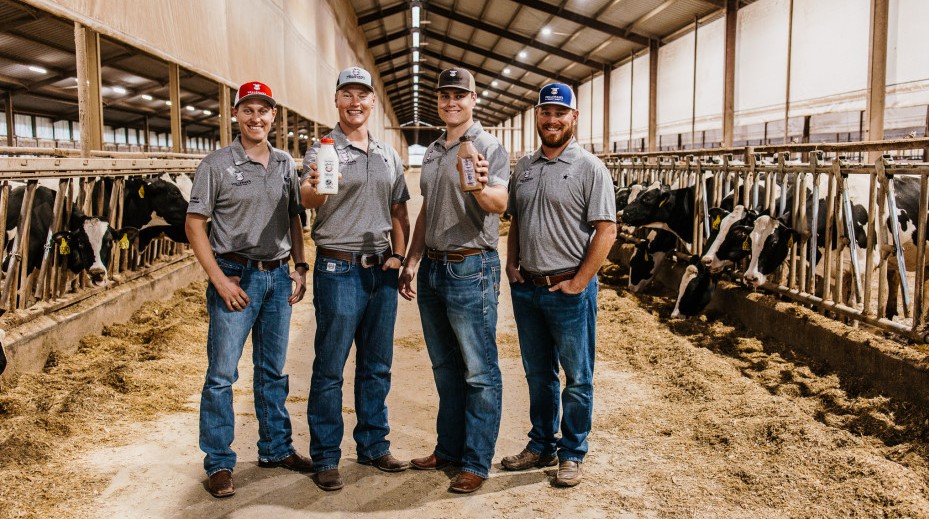


Click here:


September 22 Pork Checkoff Webinar Registration Open

Fri, 09 Sep 2022 11:50:35 CDT


September 22 Pork Checkoff Webinar Registration Open


Pork producers are invited to register and tune in as experts share insights generated from menu modeling research funded by Pork Checkoff dollars.


Webinar: Insights from Food Modeling Research — Putting the Thrifty Food Plan into Practice


When: Sept. 22 at 11 a.m. CT


Can't make it? Register anyway, and we'll share a recording afterwards.


To register, click here.


With food inflation, hunger and nutrition insecurity at all-time highs, low-income families are challenged to keep nutritious meals on home menus while staying within their budgets.


In August of 2021, the USDA announced a 21% increase in benefits under the Supplemental Nutrition Assistance Program (SNAP). The extra benefits are based on USDA's review of the Thrifty Food Plan, which estimates the cost of a healthy diet to feed a family of four.


This means more families will have better access to foods that satisfy their nutritional needs. NPB is working to ensure protein-packed pork is at the top of their grocery lists.


Pork has a huge role to play as a high-quality, affordable and nutrient-dense protein that satisfies many taste and cultural preferences.


NPB has assembled experts with roles in academia, government-adjacent organizations, and non-profits in the food policy sector to update dietitians and others in health professions.


They'll talk about what it takes to put an optimized, affordable and nutrient-dense eating plan into practice and what this increase in benefits means for their patients and clients.


Russia-Ukraine War Largely Impacting Commodity Markets says Dr. Kim Anderson

Fri, 09 Sep 2022 11:07:30 CDT


Russia-Ukraine War Largely Impacting Commodity Markets says Dr. Kim Anderson

Click here to listen to audio


This week on SUNUP is Dr. Kim Anderson, Oklahoma State University Extension grain market economist. During this week's edition, Anderson talks about wheat, corn and soybean prices

The biggest things impacting commodity prices right now, Anderson said, are the drought, stocks and the Russia-Ukraine war.

"You look at Ukraine, in the last month they allowed them to start exporting agricultural commodities," Anderson said. "Reports this week said they had 87 cargos leaving the Ukrainian ports; however, it has also been reported that very few of these cargos are wheat. Most of the cargos have been going to Turkey. There have also been shipments to China, India, Yemen, and Somalia."

Looking at Oklahoma wheat prices, Anderson said in late June they were in the seven- and eight-dollar range, and they stayed in that eight-dollar range for a bit.

"Last couple of weeks it has been between $8.25 and $8.75," Anderson said. "When Putin came out and said that he may stop the exports out of Ukraine, our wheat prices went up 47 cents and then they backed off later in the day down to around 25 cents up."

That price movement, Anderson said, shows the volatility in wheat prices and how they are impacted by what is happening in Russia and Ukraine.

"If you look at corn prices, Ukraine has been exporting more corn than wheat," Anderson said. "You would think when Putin says that he is going to stop the exports or that he may stop the exports, you'd have a big increase in corn prices. Well, you had about an 11-cent increase when the markets opened, and it backed off to pretty much even."

In Oklahoma, Anderson said new crop prices for corn in mid-July were at $5.50, then they saw a $2.10 increase to about $7.60.

"60 cents of that $2.10 price increase was increased at the basis and only $1.60 or $1.70 was on the board, so corn prices are going up, the basis on the corn is going up, and that says that the market wants corn now and needs corn now," Anderson said.

Soybeans, Anderson said, have been moving sideways around 13 and 14 dollars.

"Right now, you can forward contract or sell soybeans for around $13.50," Anderson said. "Crop prices are relatively high, there is a lot of uncertainty in this market. These prices can change relatively fast. It is just a 'wait-and-see' on what is going to happen."


This week on SUNUP:

• We take a look back at some of our favorite stories from this summer.
• Kim Anderson, OSU Extension grain marketing specialist, breaks down the latest news in the crop markets.
• Wes Lee, OSU Extension Mesonet agricultural coordinator, discusses the role La Nina played in the long-term heat wave. State climatologist Gary McManus takes a look at the 90-day rainfall map.
• Finally, Mark Johnson, OSU Extension beef cattle breeding specialist, wraps up his series on retained ownership.


Join us for SUNUP:
Saturday at 7:30 a.m. & Sunday at 6 a.m. on OETA-TV
YouTube.com/SUNUPtv
SUNUP.okstate.edu


Biden-Harris Administration Now Accepting Applications for $1 Billion Rural High-Speed Internet Program

Fri, 09 Sep 2022 10:28:43 CDT


Biden-Harris Administration Now Accepting Applications for $1 Billion Rural High-Speed Internet Program


U.S. Department of Agriculture (USDA) Secretary Tom Vilsack today announced that USDA is now accepting applications for ReConnect Program loans and grants to expand access to high-speed internet for millions of people in rural America nationwide. The Department is making more than $1 billion available, thanks to President Biden's Bipartisan Infrastructure Law. The program is a critical piece of the Biden-Harris Administration's commitment to connect every American to affordable, reliable, high-speed internet.


"Ensuring that the people of rural America are connected with reliable, high-speed internet brings new and innovative ideas to the rest of our country, and it remains a core priority for President Biden," Vilsack said. "That's why high-speed internet is an important part of USDA Rural Development's work with rural communities. Reliable high-speed internet opens the world's marketplace to rural business owners. It enables them to expand their businesses and give more jobs and opportunities to people in their own community."


On Sept. 6, USDA began accepting applications for loans, with available funds of $150 million, grants with available funds of $700 million, and combination loan/grant awards using $300 million under the ReConnect Program. These funds were appropriated under the Bipartisan Infrastructure Law, also known as the Infrastructure Investment and Jobs Act. Governmentwide, the law provides an historic $65 billion investment to expand affordable, high-speed internet to all communities across the U.S.


The application deadline is Nov. 2. For additional information, see page 47690 of the Aug. 4 Federal Register (PDF, 231 KB).


USDA has made several improvements to the ReConnect Program for the current round of applications. Collectively, these improvements increase the availability of funding in rural areas where residents and businesses lack access to affordable, high-speed internet. They include:


• Allowing applicants to serve areas where at least 50% of households lack sufficient access to high-speed internet.

• Adding a funding category for projects where 90% of households lack sufficient access to high-speed internet. For applications submitted under this category, no matching funds will be required.

• Waiving the matching funds requirement for: (a) Alaska Native Corporations, (b) Tribal Governments, (c) projects proposing to provide service in colonias, (d) projects proposing to serve persistent poverty counties and (e) projects proposing to provide service in socially vulnerable communities.


Additionally, to ensure that rural households in need of internet service can afford it, all awardees under this funding round will be required to apply to participate in the Bipartisan Infrastructure Law's Affordable Connectivity Program (ACP). The ACP offers a discount of up to $30 per month towards internet service to qualifying low-income households and up to $75 per month for households on qualifying Tribal Lands. As a result, ACP-eligible households can receive internet at no cost and can sign up and check their eligibility at GetInternet.gov. The Department's actions to expand high-speed internet access in rural areas are key components of the Biden-Harris Administration's efforts to help America build back better in its recovery from the COVID-19 pandemic.


In the first round of the ReConnect Program, USDA invested $656 million to create or improve high-speed internet access for rural customers across 33 states and territories. In the second round of the ReConnect Program, USDA invested $850 million to create or improve high-speed internet access for rural customers across 37 states and territories. To date, USDA has announced $356 million in critical investments through the third round of ReConnect funding, for a total of $1.8 billion invested through the ReConnect Program since the program's inception. More investments will be announced in the coming weeks.


Background: ReConnect Program

To be eligible for ReConnect Program funding, an applicant must serve an area where high-speed internet service is not available at speeds of 100 megabits per second (Mbps) (download) and 20 Mbps (upload). The applicant must also commit to building facilities capable of providing high-speed internet service at speeds of 100 Mbps (download and upload) to every location in its proposed service area.


To learn more about investment resources for rural areas, visit www.rd.usda.gov or contact the nearest USDA Rural Development state office.


Under the Biden-Harris Administration, Rural Development provides loans and grants to help expand economic opportunities, create jobs and improve the quality of life for millions of Americans in rural areas. This assistance supports infrastructure improvements; business development; housing; community facilities such as schools, public safety and health care; and high-speed internet access in rural, tribal and high-poverty areas. For more information, visit www.rd.usda.gov.


Texas Tech Researchers Studying Genetic Properties of Quality Beef

Fri, 09 Sep 2022 10:22:45 CDT


Texas Tech Researchers Studying Genetic Properties of Quality Beef


Markus Miller is working with groups from Australia and Ireland to identify the genetic qualities of high-grade beef.


Why are consumers willing to pay high prices for steaks?


A research project from Texas Tech University's Davis College of Agricultural Sciences & Natural Resources, in collaboration with groups in Ireland and Australia, is trying to answer that question.


The project started with a simple idea from a doctoral candidate, who wanted to know why consumers would pay $75 for a steak when much cheaper options were available. It has evolved into L GEN 2000, a collaborative genomics project funded by a $603,960 grant from the University of New England, that seeks to relate the genetic differences in the culinary quality of various beef cattle.


"We discovered the part of the brain stimulated when you have your best experience in life – first kiss, first love, marriage, children, whatever it is – gets turned on when you eat a high-quality piece of beef," said Markus Miller, a professor and the San Antonio Stock Show & Rodeo chair of meat science, food processing and preservation in the Department of Animal & Food Sciences.


"Why would people want to eat beef when in every country on the planet, it's the most expensive protein? The reason is because of what it does to you physiologically. It makes you feel warm and fuzzy. You feel happy, you feel good about yourself. And food does that to everybody."


The L GEN 2000 project will collect data from consumers across three countries with different methods of raising beef cattle, compile that data and try to isolate the genes that give consumers the best dining experience.


In the U.S., consumers in the test project will eat steaks from 100% grain-fed beef. The beef produced for the tests in Ireland will be 100% grass-fed and the beef in Australia will be a mixture of the two, with the goal being to find out if the different methods of raising beef cattle produce different genetics.


"This genomics project will look at beef in different production systems and relate it to the genome of the beef animal," Miller said. "It may be that we have the same genetics everywhere and there's no genetic difference, but we need to know.


"Understanding the differences, or lack of differences, allows us to know how to manage feeding and production. It will help us maximize the quality and healthfulness of beef in relation to all outputs like methane, carbon and water use."


Wade Shafer, Bozeman, MT, Receives World Simmental-Fleckvieh Federation Golden Book Award

Fri, 09 Sep 2022 09:58:10 CDT


Wade Shafer, Bozeman, MT, Receives World Simmental-Fleckvieh Federation Golden Book Award


Dr. Wade Shafer, Bozeman, Montana is a recipient of the 2022 World Simmental-Fleckvieh Federation Golden Book Award, which is the American Simmental Association's (ASA) highest honor. Selected by the ASA Board of Trustees, recipients of this award are lifelong promoters of the Simmental breed. Shafer was recognized during ASA's Fall Focus event, on Saturday, August 27, in Roanoke, Virginia.

In 2013, Shafer became the sixth executive vice president of the American Simmental Association, joining Dale Lynch, Don Vaniman, Earl Peterson, Brian Kitchen, and Jerry Lipsey. He has maintained a legacy of management that has enabled the organization to continue its leadership within the beef cattle industry.

Shafer grew up on his parents' Shoestring Ranch located near Detroit Lakes, Minnesota, the oldest child and only boy in a family that included his four sisters. Shoestring Ranch began a half-century affiliation with the Simmental breed in 1972.

He matriculated at nearby North Dakota State University, receiving a bachelor's degree in animal science; then enrolled at Colorado State University where he earned a master's and PhD in animal breeding and genetics, while concentrating on quantitative genetics and bio-economics simulation modeling. Returning home to manage the ranch, he expanded what had been a hobby farm to 500 head and added cooperators representing around 500 head. During that period, up to 200 bulls were marketed annually. The herd was dispersed in 2001.

A life-long fascination and understanding of science led him to accept a position with the ASA under Dr. Jerry Lipsey. When Lipsey retired in 2013, Shafer was the obvious choice to move into the EVP position.

Now in his ninth year at the helm, he has reinforced and enhanced a continued emphasis on beef cattle science, which has been the lifeblood of the Association since its inception. He has assembled a staff of industrious, dedicated professionals who worked tirelessly to support members and keep the organization on an even keel during the difficult COVID-19 pandemic.

Under his watch, International Genetics Solutions (IGS) has grown beyond expectations to include over 20 beef cattle organizations from four countries, and is now the largest genetic evaluation of beef cattle in the world. Significantly, Shafer also directed the creation and integration of ASA's economic indexes and oversaw changing of the field staff model.
In addition, Shafer engineered sale of the original ASA headquarters, resulting in enough capital to build a new, modern building, while providing an infusion of funds for the ASA treasury. Shafer and his wife Kathy have four children and four grandchildren.

Founded in 1968, the American Simmental Association is headquartered in Bozeman, MT. ASA is committed to leveraging technology, education and collaboration to accelerate genetic profitability for the beef industry. In keeping with its commitment, ASA, along with its partners, formed International Genetic Solutions - the world's largest genetic evaluation of beef cattle.


Vaccines are Vital for Pet Health

Fri, 09 Sep 2022 09:05:11 CDT


Vaccines are Vital for Pet Health


Although parvovirus is a severe and highly contagious disease, it is highly preventable with proper and complete vaccines, said Dr. Barry Whitworth, Oklahoma State University Extension veterinarian and food animal quality and health specialist.


"Parvovirus can be a threat to all dogs, but unvaccinated dogs and puppies younger than four months old are at the greatest risk," Whitworth said. "And despite their vaccination status, puppies in that age range do have a window in which they are susceptible to the virus."


Parvovirus is spread by direct dog-to-dog contact and contact with contaminated feces. The virus can also contaminate water and food bowls, collars, leashes and the hands and clothing of humans who have handled an infected animal.


Signs of parvovirus include:


• Lethargy
• Loss of appetite
• Abdominal pain and bloating
• Fever or low body temperature
• Vomiting
• Severe and often bloody diarrhea


It's important for pet owners to be aware of persistent vomiting and diarrhea as this can lead to rapid dehydration, and damage to the intestines and immune system can cause septic shock. Most canine deaths from parvovirus occur within 48 to 72 hours following the onset of symptoms. Whitworth said it's critical to get a symptomatic dog to the veterinarian immediately.


In the cases of the dogs in Michigan, a report from the Michigan State University Veterinary Diagnostic Laboratory indicated those animals did not have a history of complete vaccination.


"There have been no reports of parvovirus on the scale Michigan just experienced, and we don't want to sound the alarm in Oklahoma; however, occurrences such as this highlight the importance of proper animal care and the preventative measures that should be taken by pet owners," Whitworth said.


Dr. Rosslyn Biggs, OSU Extension veterinarian and director of continuing education for the university's College of Veterinary Medicine, said proper and complete vaccination and good hygiene play pivotal roles in preventing the disease.


"Many pet owners enjoy taking their dogs to the local dog park or other places, such as doggy daycare, obedience classes and groomers. Multiple opportunities for your dog to come into contact with other dogs should be a big motivator to ensure your pet is vaccinated," Biggs said. "Talk with your veterinarian about the proper vaccination schedule for your pet."


Young puppies are very susceptible to parvovirus because the natural immunity provided in their mother's milk may wear off before the puppy's own immune system is mature enough to provide protection. A puppy exposed to infection during this gap period has a higher chance of becoming infected.


It is recommended puppies start parvovirus vaccines between six and eight weeks old and receive a booster every three to four weeks until they are 16 weeks when antibodies from their mother's milk have faded. Once the initial series of vaccines have been given, a booster vaccine should be administered one year later, then repeated every three years thereafter or as directed by your veterinarian.


"It's important to know that in spite of proper vaccination, a small percentage of dogs don't develop protective immunity and remain susceptible to infection," Biggs said. "Consult your veterinarian if you have any questions about exposure, symptoms and treatment of parvovirus."


OSU Extension uses research-based information to help all Oklahomans solve local issues and concerns, promote leadership and manage resources wisely throughout the state's 77 counties. Most information is available at little to no cost.


Mary Thomas Hart says Livestock Regulatory Protection Act is a Top Priority for NCBA

Fri, 09 Sep 2022 08:54:08 CDT Mary Thomas Hart says Livestock Regulatory Protection Act is a Top Priority for NCBA


Senior Farm and Ranch Broadcaster, Ron Hays, is visiting with Deputy Environmental Council for the National Cattlemen's Beef Association, Mary Thomas Hart, talking about the Livestock Regulatory Protection Act.

"The Livestock Regulatory Protection Act is a piece of bipartisan legislation that was actually introduced at the beginning of 2021 by Senators Thune, Boseman, Sinema and Kelly from Arizona in an attempt to codify some language that we had in the appropriations package for about the last 12 years," Hart said. "This bill seeks to codify language that protects livestock producers from regulation of greenhouse gas emissions under the clean air act."

The LRPA is designed to be a deterrent, especially when it comes to those looking towards animal agriculture when it comes to methane.

"Especially in this administration, we have seen a real focus on climate change, on methane emissions, on greenhouse gas emissions regulation generally, and the EPA has really taken a strong stance on using the clean air act to regulate greenhouse gas emissions," Hart said. "Now, they were smacked down by the Supreme Court earlier this year, but I think that when something like that happens, EPA just goes back to the drawing board. So, EPA just continues to look at the clean air act and say, 'how can we use this to effectively regulate greenhouse gas emissions,' and the more creative the agency gets, the more risk I think is presented to agriculture producers."

While agricultural producers aren't regulated under the Clean Air Act right now, Hart says it is still important to be proactive in terms of protection.

"We want to always make sure we are thinking a few steps ahead and that is what the Livestock Regulatory Protection Act would do," Hart said. "This is certainly an interesting piece of legislation and there is a question about which committee has jurisdiction over it."

At the end of the day, Hart said even though it is a bill that impacts agricultural producers, it is an environmentally related bill, so it would put a limitation on EPA, therefore it falls under the jurisdiction of the Environment and Public Works Committee.

"While the bill may not get passed into law before the end of the session, I think that it speaks really strongly to the importance of retaining this language in the annual appropriations package," Hart said. "Showing that these provisions that protect farmers and ranchers are bipartisan in nature goes a long way to ensuring that the appropriations committee retains them in the final piece of legislation."

There are two provisions, Hart said, in the appropriations package that have been there since 2009.

"One of those provisions is this bill's language exactly," Hart said. "It prevents EPA from regulating livestock greenhouse gas emissions under title 5 of the Clean Air Act. The other provision prevents EPA from collecting greenhouse gas emissions reporting from livestock producers across the country. So, those provisions are incredibly important and maintaining those provisions every year is one of our top priorities at NCBA."


Click the LISTEN BAR below to listen to Ron Hays and Mary Thomas Hart talking about the Livestock Regulatory Protection Act.

The Beef Buzz is a regular feature heard on radio stations around the region on the Radio Oklahoma Network and is a regular audio feature found on this website as well. Click on the LISTEN BAR below for today's show and check out our archives for older Beef Buzz shows covering the gamut of the beef cattle industry today.


click to play audio or right-click to download

NIAA Opens Nomination Period for Advanced Training for Animal Agriculture Leaders

Fri, 09 Sep 2022 08:17:07 CDT


NIAA Opens Nomination Period for Advanced Training for Animal Agriculture Leaders


The National Institute for Animal Agriculture (NIAA) is now accepting nominations for the second cohort of the Advanced Training for Animal Agriculture Leaders program. Nominations are due November 1.


In 2021, NIAA launched a new program providing emerging leaders a new opportunity to gain next-level leadership and professional development training specifically focused on the animal agriculture segment of the industry. Advanced Training for Animal Agriculture Leaders was developed and sponsored by the United Soybean Board (USB) and NIAA. The program empowers professionals in the early or middle part of their careers to build on previous leadership development experiences and collaborate with peers across the industry. Participants in the program will represent a range of agricultural sectors and will collaborate to advance animal agriculture's role in today's food system.


The 16-month leadership program blends in-person and virtual working sessions to focus on four areas of development: critical thinking, leadership development, connecting and relating skills, and operational excellence. Members of the program work together on applied-learning, small-group capstone projects, which will incorporate topics identified by supporting NIAA sponsors. Project outcomes will be shared at the NIAA Annual Conference held each April.


"Part of NIAA's mission is to foster collaboration and cooperation throughout the industry. This program was intentionally developed to build upon existing leadership experiences, so professionals advance their leadership and, specifically, collaboration skills," said Eric Moore, NIAA Board Chairman. "It was important to me to participate in the inaugural cohort and it has been an enriching experience for me and my fellow leaders."


USB serves as the founding sponsor of the Advanced Training for Animal Agriculture Leaders Program, with additional financial support provided by NIAA and its members and partners. Sponsorship funding allows participants pay a fee of $2,500, while receiving an estimated $10,000 in training and resources. The enrollment fee also includes one year of NIAA membership.


NIAA is accepting nominations for the program's second 20-member cohort now through November 1. The selection process begins with a nomination from a sponsoring organization. More information about how to nominate an individual for the program or become an applicant is available at www.animalagriculture.org/leadership-program/.


AFR Cooperative Delegates to Lobby on Behalf of Membership

Fri, 09 Sep 2022 08:13:35 CDT


AFR Cooperative Delegates to Lobby on Behalf of Membership


American Farmers & Ranchers (AFR) Cooperative delegates are looking forward to an effective week on Capitol Hill as they participate in the 2022 National Farmers Union (NFU) Fall Legislative Fly-In Sept. 11-14.

AFR Cooperative President Scott Blubaugh will lead the team of delegates as they meet one-on-one with members of Oklahoma's legislative delegation. The AFR efforts will be mirrored nationwide as Farmers Union members from every state organization meet with members of Congress to highlight challenges our nation's farmers and ranchers are facing and outline priorities and goals for future legislation.

In addition to congressional meetings, the Oklahoma delegation will also hear from U.S. Department of Agriculture (USDA) officials about current events, opportunities and other work the Agency is doing on behalf of farmers. They will also receive briefings from the leadership and staff of the U.S. House of Representatives Committee on Agriculture and the Biden Administration.

AFR Cooperative is a membership services organization established in 1905 as Oklahoma Farmers Union. AFR provides educational, legislative and cooperative programs across the state and serves as a watchdog for Oklahoma's family farmers and ranchers and rural communities. The organization is actively supportive of the state's agricultural industry and rural population with membership consisting of farmers actively involved in production agriculture and non-farmers adding their voice in support of AFR principles.


Reuters Article Recycles False Claims from Widely Debunked Anti-Ethanol Narrative

Fri, 09 Sep 2022 08:07:17 CDT


Reuters Article Recycles False Claims from Widely Debunked Anti-Ethanol Narrative

Click here:


Growth Energy CEO Emily Skor released the following statement in response to a Reuters article that recycles highly misleading claims about ethanol's climate benefits based on a widely debunked study by Tyler Lark and others.


"Today's Reuters article is another rehash of the same false assumptions behind a study released in February that has been debunked and dismissed by the nation's top climate scientists, including those at the U.S. Department of Energy's (DOE) Argonne National Laboratory, Environmental Health and Engineering, and University of Illinois-Chicago, among others. The scientists found that Lark's study was guilty of making 'questionable assumptions,' 'double counting' emissions, and using 'outdated and inaccurate projections' to attack the climate benefits of ethanol.


"Compounding the distortion, by its own admission, the Reuters analysis cherry-picked one isolated part of the carbon lifecycle – where yeast ferments renewable starch into fuel and CO2 – while ignoring CO2 taken out of the atmosphere when growing crops, tailpipe reductions, or even the biogenic CO2 captured for reuse in beverages, refrigeration, and meatpacking. By repeating false claims from Lark and others without any meaningful context, the report does little more than lend ammunition to misinformation campaigns aimed at halting climate progress.


"In fact, DOE recently wrote to Growth Energy confirming that the administration shares 'concerns about the methods and assumptions used in the study and are taking steps to ensure that more widely accepted science is shared in the public domain.' The agency also noted that the most recent DOE study in 2021 found that U.S. corn ethanol has 44-54% lower greenhouse gas (GHG) emissions than petroleum gasoline, while similar research at Harvard and other institutions found that conventional ethanol reduces greenhouse gas emissions by 46% relative to gasoline.


"Those conclusions reflect the overwhelmingly scientific consensus that ethanol is a lower-carbon fuel option that can immediately reduce emissions on the road today and should be a mainstay in any national climate strategy. Additional data from the U.S. Department of Agriculture, California Air Resources Board, Rhodium Group, and other leading public and private entities all affirm that plant-based biofuels are a powerful tool for lowering emissions and air pollution. In California alone, under the state's Low Carbon Fuel Standard, 70% of the greenhouse gas reductions achieved have been credited to biofuels.


"This isn't the first hit piece orchestrated by those opposed to renewable energy, and it won't be the last. That's why Growth Energy will never stop fighting to make sure the American public, and our elected officials, are armed with the truth. For more information, we urge anyone interested in real climate solutions to get the facts at growthenergy.org/climate."


Feeder Steers and Heifers Mostly Steady, Steer Calves Steady, Heifer Calves Steady to Lower at Woodward Livestock

Fri, 09 Sep 2022 03:21:29 CDT


Feeder Steers and Heifers Mostly Steady, Steer Calves Steady, Heifer Calves Steady to Lower at Woodward Livestock


Woodward Livestock Auction
Thu Sep 8, 2022


AUCTION
This Week            4,474
Last Reported     3,257
Last Year              3,606

Compared to last week: Feeder steers steady to 5.00 higher. Feeder heifers mostly steady. Steer calves mostly steady on the weaned calves except up to 10.00 lower on the unweaned fleshier calves. Heifer calves steady to 3.00 lower. Demand was moderate to active on the feeder cattle and moderate on the calves. Quality was average to attractive. Supply included: 100% Feeder Cattle (66% Steers, 31% Heifers, 3% Bulls). Feeder cattle supply over 600 lbs was 70%.

FEEDER CATTLE
STEERS - Medium and Large 1 (Per Cwt / Actual Wt)
Head       Wt Range       Avg Wt       Price Range       Avg Price
4               312-335            324       218.00-221.00        219.45 Unweaned
8               351-366            359       206.00-208.00        206.98
13            350-397             387       190.00-211.00        207.76 Unweaned

8              420-442             426       195.00-207.00        203.88
12            402-409             405       201.00-207.00        203.53 Unweaned
31            452-499             469       195.00-204.00        199.71
87            452-494             480       185.00-192.50        187.62 Unweaned

139          506-540             524       186.00-195.00        192.25
71            507-544             529       171.00-187.00        180.23 Unweaned
145          555-591             578       175.00-192.00        185.75
67            553-596             573       168.00-180.00        172.36 Unweaned

68            608-636             627       182.00-188.50        184.89
85            603-639             621       162.00-181.50        171.69 Unweaned
190          656-670             659       181.00-191.00        189.79
19             653-678            663        168.00-175.00       170.34 Unweaned

235          704-739             719       175.00-189.75        183.82
14             713-714            713       150.00-168.00        156.43 Unweaned
213          754-792             772       172.00-183.00        178.34
30               777                  777              154.50                154.50 Unweaned

221          811-825             821       170.00-187.50        178.10
162          860-898             888       169.00-178.00        172.19

146          913-931             918       163.00-175.35        168.31
235          952-999             967       163.00-171.25        167.48

45               1034               1034            161.25                161.25

For the complete market report from USDA Market News click on the PDF link below:

Click here:


Oklahoma Grain Elevator Cash Bids as of 2 p.m. September 8, 2022

Thu, 08 Sep 2022 15:29:44 CDT Oklahoma Grain Elevator Cash Bids as of 2 p.m. September 8, 2022 The U.S. Department of Agriculture and the Oklahoma Department of Agriculture are now putting the Daily Cash Grain Report into a PDF format - we are saving that PDF and archiving them for today's specific report. To see today's update, click on the PDF report link at the bottom of this story. In addition to the PDF of the daily report, you can also listen to the Cash Grain Report by calling 405-621-5533. Push 2 for the grain report. Click here:        
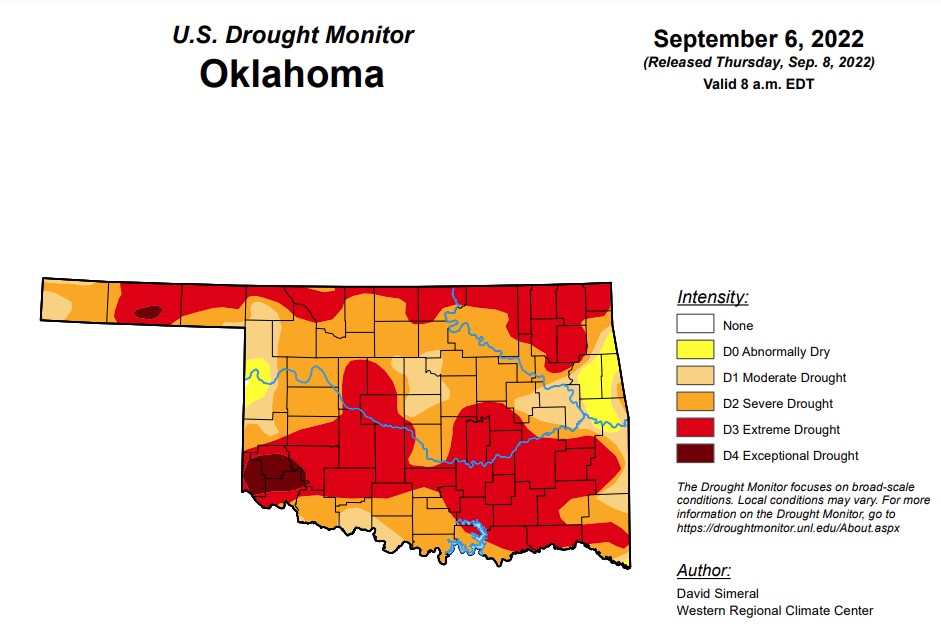
Oklahoma Grain Elevator Cash Bids as of 2 p.m. September 8, 2022

Thu, 08 Sep 2022 15:29:44 CDT


Oklahoma Grain Elevator Cash Bids as of 2 p.m. September 8, 2022


The U.S. Department of Agriculture and the Oklahoma Department of Agriculture are now putting the Daily Cash Grain Report into a PDF format - we are saving that PDF and archiving them for today's specific report. To see today's update, click on the PDF report link at the bottom of this story.

In addition to the PDF of the daily report, you can also listen to the Cash Grain Report by calling 405-621-5533. Push 2 for the grain report.
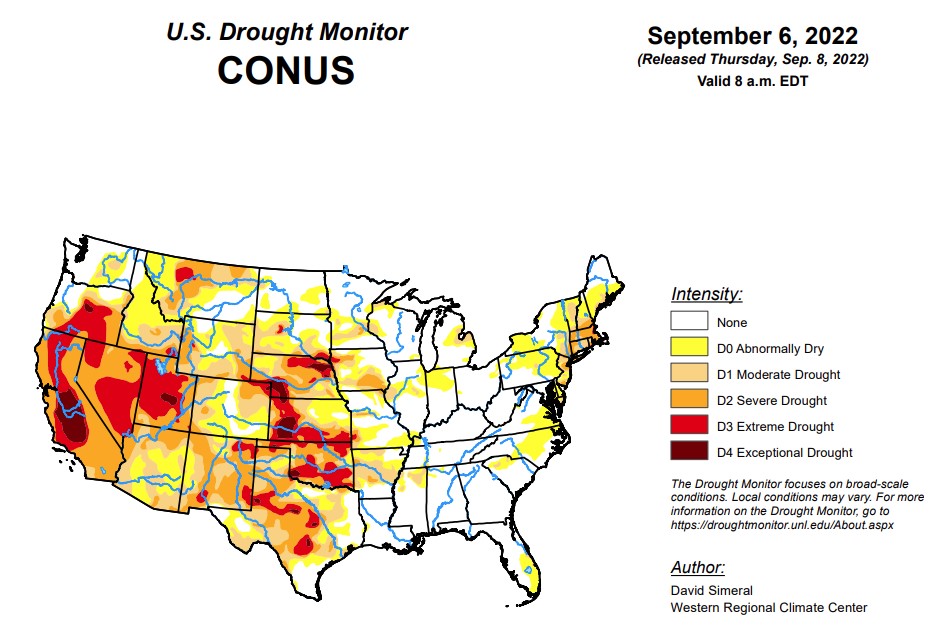


Click here:


July Beef Exports Stay on $1 Billion/Month Pace; Pork Exports Remain Below Last Year

Thu, 08 Sep 2022 13:59:45 CDT


July Beef Exports Stay on $1 Billion/Month Pace; Pork Exports Remain Below Last Year


U.S. beef exports again topped $1 billion in July and posted the fifth-largest volume on record, according to data released by USDA and compiled by the U.S. Meat Export Federation (USMEF). Pork exports remained below last year's pace but continued to gain strength in Colombia and the Caribbean and stayed above year-ago for Mexico, the leading destination for U.S. pork.


Japan leads broad-based growth in July beef exports


July beef exports totaled 126,567 metric tons (mt), up 3% year-over-year. Export value increased 7% to $1.006 billion, topping the $1 billon mark for the sixth time this year. Japan was the pacesetter for July exports, but volumes also increased year-over-year to China/Hong Kong, the ASEAN region, Central America, the Caribbean and Colombia. July exports eased for South Korea and Taiwan, though both markets remain on a record pace in 2022.


For the first seven months of the year, beef exports increased 6% from a year ago to 870,471 mt, valued at $7.2 billion (up 29%). Export value per head of fed slaughter is on a record pace at more than $475.00.


"Global demand for U.S. beef continues to be amazingly resilient, especially at the retail level," said USMEF President and CEO Dan Halstrom. "Exports have also benefited from a partial rebound in the foodservice sector but this recovery is far from complete. Many markets are still gradually easing COVID restrictions, so we definitely see opportunities for further growth as restaurant traffic returns. Headwinds remain formidable, however, including further devaluation of key trading partner currencies."


Pork exports to Mexico continue to outpace year-ago, and at higher prices


U.S. pork exports reached 208,095 mt in July, down 6% from a year ago, valued at $625 million (down 5%). For January through July, exports were 17% below last year at just under 1.5 million mt, valued at $4.24 billion (down 15%).


Exports to Mexico, the top market for U.S. pork, remain well above last year's record pace, while shipments to Colombia, the Caribbean and South Korea continued to strengthen in July. Exports to China/Hong Kong were lower than a year ago in July but posted the largest volume since September and the highest value in 12 months.


"July pork exports were below last year but the good news is that the per-unit price of U.S. pork is trending higher in the international marketplace, even while our major competitors' prices remain below year-ago levels," Halstrom said. "Export value per head in July reached $67.10, nearly even with year-ago and the highest since last July. We are also encouraged by the recent trendlines for pork variety meat exports, especially to China and Mexico."


Lamb muscle cut exports trend higher


July exports of U.S. lamb muscle cuts reached 161 mt, up from just 49 mt last year. Export value totaled $949,000, up 58% from a year ago. Through July, muscle cut exports increased 94% to 1,282 mt, valued at $7.7 million (up 82%). Led by the Dominican Republic and the Netherlands Antilles, exports to the Caribbean more than doubled from a year ago to 645 mt (up 110%) and increased 99% in value to $4.7 million. Exports also increased to Mexico, the Philippines and Panama.


A detailed summary of January-July red meat export results, including market-specific highlights, is available from the USMEF website.


July Beef Exports Stay on $1 Billion/Month Pace; Pork Exports Remain Below Last Year

Thu, 08 Sep 2022 13:59:44 CDT


July Beef Exports Stay on $1 Billion/Month Pace; Pork Exports Remain Below Last Year


U.S. beef exports again topped $1 billion in July and posted the fifth-largest volume on record, according to data released by USDA and compiled by the U.S. Meat Export Federation (USMEF). Pork exports remained below last year's pace but continued to gain strength in Colombia and the Caribbean and stayed above year-ago for Mexico, the leading destination for U.S. pork.


Japan leads broad-based growth in July beef exports


July beef exports totaled 126,567 metric tons (mt), up 3% year-over-year. Export value increased 7% to $1.006 billion, topping the $1 billon mark for the sixth time this year. Japan was the pacesetter for July exports, but volumes also increased year-over-year to China/Hong Kong, the ASEAN region, Central America, the Caribbean and Colombia. July exports eased for South Korea and Taiwan, though both markets remain on a record pace in 2022.


For the first seven months of the year, beef exports increased 6% from a year ago to 870,471 mt, valued at $7.2 billion (up 29%). Export value per head of fed slaughter is on a record pace at more than $475.00.


"Global demand for U.S. beef continues to be amazingly resilient, especially at the retail level," said USMEF President and CEO Dan Halstrom. "Exports have also benefited from a partial rebound in the foodservice sector but this recovery is far from complete. Many markets are still gradually easing COVID restrictions, so we definitely see opportunities for further growth as restaurant traffic returns. Headwinds remain formidable, however, including further devaluation of key trading partner currencies."


Pork exports to Mexico continue to outpace year-ago, and at higher prices


U.S. pork exports reached 208,095 mt in July, down 6% from a year ago, valued at $625 million (down 5%). For January through July, exports were 17% below last year at just under 1.5 million mt, valued at $4.24 billion (down 15%).


Exports to Mexico, the top market for U.S. pork, remain well above last year's record pace, while shipments to Colombia, the Caribbean and South Korea continued to strengthen in July. Exports to China/Hong Kong were lower than a year ago in July but posted the largest volume since September and the highest value in 12 months.


"July pork exports were below last year but the good news is that the per-unit price of U.S. pork is trending higher in the international marketplace, even while our major competitors' prices remain below year-ago levels," Halstrom said. "Export value per head in July reached $67.10, nearly even with year-ago and the highest since last July. We are also encouraged by the recent trendlines for pork variety meat exports, especially to China and Mexico."


Lamb muscle cut exports trend higher


July exports of U.S. lamb muscle cuts reached 161 mt, up from just 49 mt last year. Export value totaled $949,000, up 58% from a year ago. Through July, muscle cut exports increased 94% to 1,282 mt, valued at $7.7 million (up 82%). Led by the Dominican Republic and the Netherlands Antilles, exports to the Caribbean more than doubled from a year ago to 645 mt (up 110%) and increased 99% in value to $4.7 million. Exports also increased to Mexico, the Philippines and Panama.


A detailed summary of January-July red meat export results, including market-specific highlights, is available from the USMEF website.


July Beef Exports Stay on $1 Billion/Month Pace; Pork Exports Remain Below Last Year

Thu, 08 Sep 2022 13:59:43 CDT


July Beef Exports Stay on $1 Billion/Month Pace; Pork Exports Remain Below Last Year


U.S. beef exports again topped $1 billion in July and posted the fifth-largest volume on record, according to data released by USDA and compiled by the U.S. Meat Export Federation (USMEF). Pork exports remained below last year's pace but continued to gain strength in Colombia and the Caribbean and stayed above year-ago for Mexico, the leading destination for U.S. pork.


Japan leads broad-based growth in July beef exports


July beef exports totaled 126,567 metric tons (mt), up 3% year-over-year. Export value increased 7% to $1.006 billion, topping the $1 billon mark for the sixth time this year. Japan was the pacesetter for July exports, but volumes also increased year-over-year to China/Hong Kong, the ASEAN region, Central America, the Caribbean and Colombia. July exports eased for South Korea and Taiwan, though both markets remain on a record pace in 2022.


For the first seven months of the year, beef exports increased 6% from a year ago to 870,471 mt, valued at $7.2 billion (up 29%). Export value per head of fed slaughter is on a record pace at more than $475.00.


"Global demand for U.S. beef continues to be amazingly resilient, especially at the retail level," said USMEF President and CEO Dan Halstrom. "Exports have also benefited from a partial rebound in the foodservice sector but this recovery is far from complete. Many markets are still gradually easing COVID restrictions, so we definitely see opportunities for further growth as restaurant traffic returns. Headwinds remain formidable, however, including further devaluation of key trading partner currencies."


Pork exports to Mexico continue to outpace year-ago, and at higher prices


U.S. pork exports reached 208,095 mt in July, down 6% from a year ago, valued at $625 million (down 5%). For January through July, exports were 17% below last year at just under 1.5 million mt, valued at $4.24 billion (down 15%).


Exports to Mexico, the top market for U.S. pork, remain well above last year's record pace, while shipments to Colombia, the Caribbean and South Korea continued to strengthen in July. Exports to China/Hong Kong were lower than a year ago in July but posted the largest volume since September and the highest value in 12 months.


"July pork exports were below last year but the good news is that the per-unit price of U.S. pork is trending higher in the international marketplace, even while our major competitors' prices remain below year-ago levels," Halstrom said. "Export value per head in July reached $67.10, nearly even with year-ago and the highest since last July. We are also encouraged by the recent trendlines for pork variety meat exports, especially to China and Mexico."


Lamb muscle cut exports trend higher


July exports of U.S. lamb muscle cuts reached 161 mt, up from just 49 mt last year. Export value totaled $949,000, up 58% from a year ago. Through July, muscle cut exports increased 94% to 1,282 mt, valued at $7.7 million (up 82%). Led by the Dominican Republic and the Netherlands Antilles, exports to the Caribbean more than doubled from a year ago to 645 mt (up 110%) and increased 99% in value to $4.7 million. Exports also increased to Mexico, the Philippines and Panama.


A detailed summary of January-July red meat export results, including market-specific highlights, is available from the USMEF website.


Opinion by USCA Director Brett Crosby: Cattle Market Reform Cannot Wait

Thu, 08 Sep 2022 13:16:10 CDT


Below is an opinion piece by USCA Director Brett Crosby:


A blog post published by the U.S. Chamber of Commerce on July 12, 2022, claimed that Congress is "rushing" to consider "aggressive legislation to regulate beef markets."


Boy, if only that were true.


In February 2020, the U.S. Cattlemen's Association (USCA) hosted its annual Cattle Producer's Forum at the Public Auction Yards in Billings, Montana. It was there that a group of producers discussed the idea of reigniting a concept previously advanced by Senator Chuck Grassley of Iowa to improve the cash cattle market.


That concept was introduced by Iowa's senior senator in 2002 as the Transparency for Independent Livestock Producers Act. It would require 25 percent of a packer's daily kill to come as a result of purchases made on the daily, open market or spot market.


That was 20 years ago.


Since that time, we've seen a 75% decrease in the number of cattle feedlots – from 55,472 in 2002 to 13,379 in 2017 according to U.S. Census of Agriculture data. We've also lost approximately 1,200 cow-calf producers and backgrounders each year.


"Rushing" into legislation? While we continue to hem and haw over whether or not bold Congressional action is needed, independent producers will exit the business.


From an outsider's view, it can certainly seem like all this talk of consolidation and anticompetitive practices in the U.S. beef and cattle industries suddenly sprung up. But USCA and other stakeholders have worked towards restoring leverage and true price discovery in the cattle marketplace for decades. Congressional passage of the Cattle Price Discovery and Transparency Act and the Meat and Poultry Special Investigator Act represents a significant step toward achieving that goal.


In testimony to the U.S. Senate Committee on Agriculture, Nutrition, and Forestry, Dr. Stephen Koontz of Colorado State University observed that, "There are no other industries outside of cattle and beef...that work in their entirety in this type of setting – whereby supply decisions, demand revelation, and changing the product form are in distinctly different industries. Coordinating the system is difficult."


"Difficult" is certainly understated, but the point remains: The U.S. cattle and beef industries' marketing process and dynamics are entirely unique. In our business, we need a referee to ensure a competitive playing field free from interference. We also need a healthy and viable cash market to keep our independent producers in business.


Not many have accused Congress of moving too quickly. Democracy is designed to be a slow, laborious process. Momentum for these two historic pieces of legislation grew over nearly two years from an idea conceived by a small group of from concerned producers to widespread support from producers and consumers, grassroots organizations, Members of Congress, and the White House. Now it's time to finish what Senator Grassley began twenty years ago: Set aside the interests of multinational meatpackers and secure the future of our sovereign food system.


Brett Crosby currently serves as Region IV Director for the U.S. Cattlemen's Association, representing Utah, Wyoming, and Colorado.


Opinion by USCA Director Brett Crosby: Cattle Market Reform Cannot Wait

Thu, 08 Sep 2022 13:16:09 CDT


Below is an opinion piece by USCA Director Brett Crosby:


A blog post published by the U.S. Chamber of Commerce on July 12, 2022, claimed that Congress is "rushing" to consider "aggressive legislation to regulate beef markets."


Boy, if only that were true.


In February 2020, the U.S. Cattlemen's Association (USCA) hosted its annual Cattle Producer's Forum at the Public Auction Yards in Billings, Montana. It was there that a group of producers discussed the idea of reigniting a concept previously advanced by Senator Chuck Grassley of Iowa to improve the cash cattle market.


That concept was introduced by Iowa's senior senator in 2002 as the Transparency for Independent Livestock Producers Act. It would require 25 percent of a packer's daily kill to come as a result of purchases made on the daily, open market or spot market.


That was 20 years ago.


Since that time, we've seen a 75% decrease in the number of cattle feedlots – from 55,472 in 2002 to 13,379 in 2017 according to U.S. Census of Agriculture data. We've also lost approximately 1,200 cow-calf producers and backgrounders each year.


"Rushing" into legislation? While we continue to hem and haw over whether or not bold Congressional action is needed, independent producers will exit the business.


From an outsider's view, it can certainly seem like all this talk of consolidation and anticompetitive practices in the U.S. beef and cattle industries suddenly sprung up. But USCA and other stakeholders have worked towards restoring leverage and true price discovery in the cattle marketplace for decades. Congressional passage of the Cattle Price Discovery and Transparency Act and the Meat and Poultry Special Investigator Act represents a significant step toward achieving that goal.


In testimony to the U.S. Senate Committee on Agriculture, Nutrition, and Forestry, Dr. Stephen Koontz of Colorado State University observed that, "There are no other industries outside of cattle and beef...that work in their entirety in this type of setting – whereby supply decisions, demand revelation, and changing the product form are in distinctly different industries. Coordinating the system is difficult."


"Difficult" is certainly understated, but the point remains: The U.S. cattle and beef industries' marketing process and dynamics are entirely unique. In our business, we need a referee to ensure a competitive playing field free from interference. We also need a healthy and viable cash market to keep our independent producers in business.


Not many have accused Congress of moving too quickly. Democracy is designed to be a slow, laborious process. Momentum for these two historic pieces of legislation grew over nearly two years from an idea conceived by a small group of from concerned producers to widespread support from producers and consumers, grassroots organizations, Members of Congress, and the White House. Now it's time to finish what Senator Grassley began twenty years ago: Set aside the interests of multinational meatpackers and secure the future of our sovereign food system.


Brett Crosby currently serves as Region IV Director for the U.S. Cattlemen's Association, representing Utah, Wyoming, and Colorado.


Ag Groups Comment on White House Hunger Conference

Thu, 08 Sep 2022 13:11:36 CDT


Ag Groups Comment on White House Hunger Conference


Today, twelve agricultural organizations sent a letter to President Biden requesting a seat at the table during the White House Conference on Hunger, Nutrition, and Health. Since the White House launched the conference in early May, many in agriculture have participated in the listening session and provided public comments on the five pillars outlined by the Administration. As we look forward to the conference on September 28, our members constitute the literal base of the food supply chain and should be included in any conversation that seeks to end hunger and reduce diet-related disease by 2030. Our organizations look forward to participating in the upcoming conference, just as agriculture did in the 1969 White House Conference on Food, Nutrition, and Health.


The National Association of Wheat Growers, American Soybean Association and USA Rice leaders made the following statements:


"Wheat is a staple whole grain that accounts for roughly 20 percent of calories consumed globally," said National Association of Wheat Growers President and Washington State wheat farmer, Nicole Berg. "U.S. wheat farmers produce the best, highest quality wheat that helps feed the world and should be a part of any discussions to address hunger and food security. It is important that farmers and ranchers have a seat at the table when crafting a national strategy that aims to overcome hunger-related challenges, and we encourage the Administration to include the agriculture community in any policy or conversations that might impact our livelihood and leverage our expertise as we explore ways to overcome these challenges."


"Soy is a critical ingredient in the American diet. Whether used to feed millions of animals that provide protein and dairy, as a heart healthy vegetable cooking oil, or as the leading ingredient in plant-based meat and dairy alternatives, soy fills a nutritious and versatile place on consumers' plates" said Brad Doyle, American Soybean Association president and Arkansas farmer. "America's food security depends on the farmers and ranchers who produce commodities like soy; it's essential that they are well represented at the upcoming White House Conference on Hunger, Nutrition, and Health, a once-in-a-generation opportunity to connect all stakeholders in the food chain who strive to eliminate hunger."


"USA Rice commends the administration for holding this historic summit to address hunger and nutrition insecurity issues. U.S. agriculture commodities, like rice, that provide accessible, affordable, and culturally accepted healthy food options must be part of the equation to combat those issues," said Kirk Satterfield, USA Rice Chairman and Mississippi Rice Farmer. "As the industry growing the food that feeds us all, we believe the agriculture sector has a key role to play in developing practical solutions and ask that the industry is properly represented at the White House Conference on Hunger, Nutrition, and Health."


The agriculture production sector should be invited to the Conference to share our experience with the attendees. Our members form the foundation of the food chain supplying Americans of all backgrounds with a healthy diet.


Ag Groups Comment on White House Hunger Conference

Thu, 08 Sep 2022 13:11:35 CDT


Ag Groups Comment on White House Hunger Conference


Today, twelve agricultural organizations sent a letter to President Biden requesting a seat at the table during the White House Conference on Hunger, Nutrition, and Health. Since the White House launched the conference in early May, many in agriculture have participated in the listening session and provided public comments on the five pillars outlined by the Administration. As we look forward to the conference on September 28, our members constitute the literal base of the food supply chain and should be included in any conversation that seeks to end hunger and reduce diet-related disease by 2030. Our organizations look forward to participating in the upcoming conference, just as agriculture did in the 1969 White House Conference on Food, Nutrition, and Health.


The National Association of Wheat Growers, American Soybean Association and USA Rice leaders made the following statements:


"Wheat is a staple whole grain that accounts for roughly 20 percent of calories consumed globally," said National Association of Wheat Growers President and Washington State wheat farmer, Nicole Berg. "U.S. wheat farmers produce the best, highest quality wheat that helps feed the world and should be a part of any discussions to address hunger and food security. It is important that farmers and ranchers have a seat at the table when crafting a national strategy that aims to overcome hunger-related challenges, and we encourage the Administration to include the agriculture community in any policy or conversations that might impact our livelihood and leverage our expertise as we explore ways to overcome these challenges."


"Soy is a critical ingredient in the American diet. Whether used to feed millions of animals that provide protein and dairy, as a heart healthy vegetable cooking oil, or as the leading ingredient in plant-based meat and dairy alternatives, soy fills a nutritious and versatile place on consumers' plates" said Brad Doyle, American Soybean Association president and Arkansas farmer. "America's food security depends on the farmers and ranchers who produce commodities like soy; it's essential that they are well represented at the upcoming White House Conference on Hunger, Nutrition, and Health, a once-in-a-generation opportunity to connect all stakeholders in the food chain who strive to eliminate hunger."


"USA Rice commends the administration for holding this historic summit to address hunger and nutrition insecurity issues. U.S. agriculture commodities, like rice, that provide accessible, affordable, and culturally accepted healthy food options must be part of the equation to combat those issues," said Kirk Satterfield, USA Rice Chairman and Mississippi Rice Farmer. "As the industry growing the food that feeds us all, we believe the agriculture sector has a key role to play in developing practical solutions and ask that the industry is properly represented at the White House Conference on Hunger, Nutrition, and Health."


The agriculture production sector should be invited to the Conference to share our experience with the attendees. Our members form the foundation of the food chain supplying Americans of all backgrounds with a healthy diet.


July Beef Exports Stay on $1 Billion/Month Pace; Pork Exports Remain Below Last Year

Thu, 08 Sep 2022 13:59:45 CDT


July Beef Exports Stay on $1 Billion/Month Pace; Pork Exports Remain Below Last Year


U.S. beef exports again topped $1 billion in July and posted the fifth-largest volume on record, according to data released by USDA and compiled by the U.S. Meat Export Federation (USMEF). Pork exports remained below last year's pace but continued to gain strength in Colombia and the Caribbean and stayed above year-ago for Mexico, the leading destination for U.S. pork.


Japan leads broad-based growth in July beef exports


July beef exports totaled 126,567 metric tons (mt), up 3% year-over-year. Export value increased 7% to $1.006 billion, topping the $1 billon mark for the sixth time this year. Japan was the pacesetter for July exports, but volumes also increased year-over-year to China/Hong Kong, the ASEAN region, Central America, the Caribbean and Colombia. July exports eased for South Korea and Taiwan, though both markets remain on a record pace in 2022.


For the first seven months of the year, beef exports increased 6% from a year ago to 870,471 mt, valued at $7.2 billion (up 29%). Export value per head of fed slaughter is on a record pace at more than $475.00.


"Global demand for U.S. beef continues to be amazingly resilient, especially at the retail level," said USMEF President and CEO Dan Halstrom. "Exports have also benefited from a partial rebound in the foodservice sector but this recovery is far from complete. Many markets are still gradually easing COVID restrictions, so we definitely see opportunities for further growth as restaurant traffic returns. Headwinds remain formidable, however, including further devaluation of key trading partner currencies."


Pork exports to Mexico continue to outpace year-ago, and at higher prices


U.S. pork exports reached 208,095 mt in July, down 6% from a year ago, valued at $625 million (down 5%). For January through July, exports were 17% below last year at just under 1.5 million mt, valued at $4.24 billion (down 15%).


Exports to Mexico, the top market for U.S. pork, remain well above last year's record pace, while shipments to Colombia, the Caribbean and South Korea continued to strengthen in July. Exports to China/Hong Kong were lower than a year ago in July but posted the largest volume since September and the highest value in 12 months.


"July pork exports were below last year but the good news is that the per-unit price of U.S. pork is trending higher in the international marketplace, even while our major competitors' prices remain below year-ago levels," Halstrom said. "Export value per head in July reached $67.10, nearly even with year-ago and the highest since last July. We are also encouraged by the recent trendlines for pork variety meat exports, especially to China and Mexico."


Lamb muscle cut exports trend higher


July exports of U.S. lamb muscle cuts reached 161 mt, up from just 49 mt last year. Export value totaled $949,000, up 58% from a year ago. Through July, muscle cut exports increased 94% to 1,282 mt, valued at $7.7 million (up 82%). Led by the Dominican Republic and the Netherlands Antilles, exports to the Caribbean more than doubled from a year ago to 645 mt (up 110%) and increased 99% in value to $4.7 million. Exports also increased to Mexico, the Philippines and Panama.


A detailed summary of January-July red meat export results, including market-specific highlights, is available from the USMEF website.


Opinion by USCA Director Brett Crosby: Cattle Market Reform Cannot Wait

Thu, 08 Sep 2022 13:16:10 CDT


Below is an opinion piece by USCA Director Brett Crosby:


A blog post published by the U.S. Chamber of Commerce on July 12, 2022, claimed that Congress is "rushing" to consider "aggressive legislation to regulate beef markets."


Boy, if only that were true.


In February 2020, the U.S. Cattlemen's Association (USCA) hosted its annual Cattle Producer's Forum at the Public Auction Yards in Billings, Montana. It was there that a group of producers discussed the idea of reigniting a concept previously advanced by Senator Chuck Grassley of Iowa to improve the cash cattle market.


That concept was introduced by Iowa's senior senator in 2002 as the Transparency for Independent Livestock Producers Act. It would require 25 percent of a packer's daily kill to come as a result of purchases made on the daily, open market or spot market.


That was 20 years ago.


Since that time, we've seen a 75% decrease in the number of cattle feedlots – from 55,472 in 2002 to 13,379 in 2017 according to U.S. Census of Agriculture data. We've also lost approximately 1,200 cow-calf producers and backgrounders each year.


"Rushing" into legislation? While we continue to hem and haw over whether or not bold Congressional action is needed, independent producers will exit the business.


From an outsider's view, it can certainly seem like all this talk of consolidation and anticompetitive practices in the U.S. beef and cattle industries suddenly sprung up. But USCA and other stakeholders have worked towards restoring leverage and true price discovery in the cattle marketplace for decades. Congressional passage of the Cattle Price Discovery and Transparency Act and the Meat and Poultry Special Investigator Act represents a significant step toward achieving that goal.


In testimony to the U.S. Senate Committee on Agriculture, Nutrition, and Forestry, Dr. Stephen Koontz of Colorado State University observed that, "There are no other industries outside of cattle and beef...that work in their entirety in this type of setting – whereby supply decisions, demand revelation, and changing the product form are in distinctly different industries. Coordinating the system is difficult."


"Difficult" is certainly understated, but the point remains: The U.S. cattle and beef industries' marketing process and dynamics are entirely unique. In our business, we need a referee to ensure a competitive playing field free from interference. We also need a healthy and viable cash market to keep our independent producers in business.


Not many have accused Congress of moving too quickly. Democracy is designed to be a slow, laborious process. Momentum for these two historic pieces of legislation grew over nearly two years from an idea conceived by a small group of from concerned producers to widespread support from producers and consumers, grassroots organizations, Members of Congress, and the White House. Now it's time to finish what Senator Grassley began twenty years ago: Set aside the interests of multinational meatpackers and secure the future of our sovereign food system.


Brett Crosby currently serves as Region IV Director for the U.S. Cattlemen's Association, representing Utah, Wyoming, and Colorado.


Ag Groups Comment on White House Hunger Conference

Thu, 08 Sep 2022 13:11:36 CDT


Ag Groups Comment on White House Hunger Conference


Today, twelve agricultural organizations sent a letter to President Biden requesting a seat at the table during the White House Conference on Hunger, Nutrition, and Health. Since the White House launched the conference in early May, many in agriculture have participated in the listening session and provided public comments on the five pillars outlined by the Administration. As we look forward to the conference on September 28, our members constitute the literal base of the food supply chain and should be included in any conversation that seeks to end hunger and reduce diet-related disease by 2030. Our organizations look forward to participating in the upcoming conference, just as agriculture did in the 1969 White House Conference on Food, Nutrition, and Health.


The National Association of Wheat Growers, American Soybean Association and USA Rice leaders made the following statements:


"Wheat is a staple whole grain that accounts for roughly 20 percent of calories consumed globally," said National Association of Wheat Growers President and Washington State wheat farmer, Nicole Berg. "U.S. wheat farmers produce the best, highest quality wheat that helps feed the world and should be a part of any discussions to address hunger and food security. It is important that farmers and ranchers have a seat at the table when crafting a national strategy that aims to overcome hunger-related challenges, and we encourage the Administration to include the agriculture community in any policy or conversations that might impact our livelihood and leverage our expertise as we explore ways to overcome these challenges."


"Soy is a critical ingredient in the American diet. Whether used to feed millions of animals that provide protein and dairy, as a heart healthy vegetable cooking oil, or as the leading ingredient in plant-based meat and dairy alternatives, soy fills a nutritious and versatile place on consumers' plates" said Brad Doyle, American Soybean Association president and Arkansas farmer. "America's food security depends on the farmers and ranchers who produce commodities like soy; it's essential that they are well represented at the upcoming White House Conference on Hunger, Nutrition, and Health, a once-in-a-generation opportunity to connect all stakeholders in the food chain who strive to eliminate hunger."


"USA Rice commends the administration for holding this historic summit to address hunger and nutrition insecurity issues. U.S. agriculture commodities, like rice, that provide accessible, affordable, and culturally accepted healthy food options must be part of the equation to combat those issues," said Kirk Satterfield, USA Rice Chairman and Mississippi Rice Farmer. "As the industry growing the food that feeds us all, we believe the agriculture sector has a key role to play in developing practical solutions and ask that the industry is properly represented at the White House Conference on Hunger, Nutrition, and Health."


The agriculture production sector should be invited to the Conference to share our experience with the attendees. Our members form the foundation of the food chain supplying Americans of all backgrounds with a healthy diet.


OSU Researchers Seeking to Make Hops a New Oklahoma Crop

Thu, 08 Sep 2022 11:26:47 CDT


OSU Researchers Seeking to Make Hops a New Oklahoma Crop


Oklahoma State University just kicked off its football season with a change to one of football's biggest staples.


Beer.


Last month, Stillwater's Iron Monk Brewing Company released a beer called 1890 Original, a crisp blonde ale brewed for OSU Cowboys, which is now the official craft beer offered at OSU football games.


But what fans inside Boone Pickens Stadium don't know is that the university has had a long relationship with craft beer.


"People like to go out and buy local beer because they can be in the place where it was brewed," said Charles Fontanier, associate professor, in the OSU Department of Horticulture and Landscape Architecture. "If a business can have a beer that is 100% Oklahoma ingredients, that elevates the whole industry to be able to say that. OSU Ag Research and Extension can help facilitate a connection between brewers and potential producers to help create that market and an interest in it."


Five years ago, Bruce Dunn, a professor in the horticulture and landscape architecture department, decided to throw hops into his greenhouse mix because he had some extra space.


"It grew well but was attacked by spider mites, so I took it out to The Botanic Garden at OSU, and I was surprised to see it did really well there," Dunn said. "One year, I harvested a trash bag full of a few different varieties, and I took that bag to Iron Monk, and they said they would see what they could do with it. A couple of weeks later, they called me and said they had made a batch with it."


Armed with the knowledge that hops could do well in both greenhouse and field environments, Dunn approached Fontanier.


"What I really wanted to see was if we could grow better yields or higher quality plants in a greenhouse compared to field production," Dunn said.


Fontanier said to their knowledge, OSU is one of only three hops growers in Oklahoma – a number he, Dunn and doctoral student Katie Stenmark want to change.


"The specific goal is to verify that quality hops can be grown in Oklahoma and to select the cultivars that grow best here, so we can create a local source of hops for Oklahoma craft breweries," said Stenmark, who is working on the project for her dissertation.


Oklahoma brewers have access to the other three main ingredients in beer production: water, grain and yeast.


"We have all three of those in Oklahoma, but what we do not have is a local source of hops," Stenmark said. "So, with the growing industry we have, it would be nice to see Oklahoma have that specialty crop."


Stenmark, who works for Iron Monk, said when the brewery opened its doors in 2015, it was one of five craft breweries in Oklahoma. Now, there are over 67 craft breweries in the state.


"This would be a very high value crop for an Oklahoma grower to be informed about," Stenmark said.


And gathering information is the entire goal of the hops research project.


Stenmark said the idea began with a three-year survey asking Oklahoma craft brewery professionals what cultivars of hops they would be interested in seeing grown in Oklahoma. Researchers then selected cultivars based on early to mid- and late-season ripening as well as specific aromatic qualities and essential oil profiles.


The in-field project is growing eight varieties of hops, and three of them show strong potential. Three of the greenhouse project's five varieties are growing well and two are not, Dunn said. The greenhouse project goal is to get both a fall and spring harvest.

"At this point, we are taking visual information on what the hops cones are doing," Fontanier said. "There shouldn't be any discrepancies between what a variety of hops smells like and looks like in Oklahoma compared to the Pacific Northwest, but we want to verify that."

Stenmark said for the in-field project, she and her team are studying the maintenance style of the hops trellis, the height of the canopy and the number of cones grown, as well as identifying the timing and sequence of how they grow. They will study what it takes to harvest the crops, and the quality of the crops will be analyzed in a laboratory setting.

"There has become a very high demand for the product of craft beer," Stenmark said. "It would be good to see a lot more OSU Extension fact sheets come out of this project, so that interested growers can have information on what it would take physically and financially to grow this crop. We want to make this as feasible as possible for Oklahoma growers."

OSU Ag Research is Oklahoma's premier research and technology development agency in agriculture, natural resources and the life sciences.


OSU Researchers Seeking to Make Hops a New Oklahoma Crop

Thu, 08 Sep 2022 11:26:47 CDT


OSU Researchers Seeking to Make Hops a New Oklahoma Crop


Oklahoma State University just kicked off its football season with a change to one of football's biggest staples.


Beer.


Last month, Stillwater's Iron Monk Brewing Company released a beer called 1890 Original, a crisp blonde ale brewed for OSU Cowboys, which is now the official craft beer offered at OSU football games.


But what fans inside Boone Pickens Stadium don't know is that the university has had a long relationship with craft beer.


"People like to go out and buy local beer because they can be in the place where it was brewed," said Charles Fontanier, associate professor, in the OSU Department of Horticulture and Landscape Architecture. "If a business can have a beer that is 100% Oklahoma ingredients, that elevates the whole industry to be able to say that. OSU Ag Research and Extension can help facilitate a connection between brewers and potential producers to help create that market and an interest in it."


Five years ago, Bruce Dunn, a professor in the horticulture and landscape architecture department, decided to throw hops into his greenhouse mix because he had some extra space.


"It grew well but was attacked by spider mites, so I took it out to The Botanic Garden at OSU, and I was surprised to see it did really well there," Dunn said. "One year, I harvested a trash bag full of a few different varieties, and I took that bag to Iron Monk, and they said they would see what they could do with it. A couple of weeks later, they called me and said they had made a batch with it."


Armed with the knowledge that hops could do well in both greenhouse and field environments, Dunn approached Fontanier.


"What I really wanted to see was if we could grow better yields or higher quality plants in a greenhouse compared to field production," Dunn said.


Fontanier said to their knowledge, OSU is one of only three hops growers in Oklahoma – a number he, Dunn and doctoral student Katie Stenmark want to change.


"The specific goal is to verify that quality hops can be grown in Oklahoma and to select the cultivars that grow best here, so we can create a local source of hops for Oklahoma craft breweries," said Stenmark, who is working on the project for her dissertation.


Oklahoma brewers have access to the other three main ingredients in beer production: water, grain and yeast.


"We have all three of those in Oklahoma, but what we do not have is a local source of hops," Stenmark said. "So, with the growing industry we have, it would be nice to see Oklahoma have that specialty crop."


Stenmark, who works for Iron Monk, said when the brewery opened its doors in 2015, it was one of five craft breweries in Oklahoma. Now, there are over 67 craft breweries in the state.


"This would be a very high value crop for an Oklahoma grower to be informed about," Stenmark said.


And gathering information is the entire goal of the hops research project.


Stenmark said the idea began with a three-year survey asking Oklahoma craft brewery professionals what cultivars of hops they would be interested in seeing grown in Oklahoma. Researchers then selected cultivars based on early to mid- and late-season ripening as well as specific aromatic qualities and essential oil profiles.


The in-field project is growing eight varieties of hops, and three of them show strong potential. Three of the greenhouse project's five varieties are growing well and two are not, Dunn said. The greenhouse project goal is to get both a fall and spring harvest.

"At this point, we are taking visual information on what the hops cones are doing," Fontanier said. "There shouldn't be any discrepancies between what a variety of hops smells like and looks like in Oklahoma compared to the Pacific Northwest, but we want to verify that."

Stenmark said for the in-field project, she and her team are studying the maintenance style of the hops trellis, the height of the canopy and the number of cones grown, as well as identifying the timing and sequence of how they grow. They will study what it takes to harvest the crops, and the quality of the crops will be analyzed in a laboratory setting.

"There has become a very high demand for the product of craft beer," Stenmark said. "It would be good to see a lot more OSU Extension fact sheets come out of this project, so that interested growers can have information on what it would take physically and financially to grow this crop. We want to make this as feasible as possible for Oklahoma growers."

OSU Ag Research is Oklahoma's premier research and technology development agency in agriculture, natural resources and the life sciences.


Volleman?s Family Farm Connects with Consumers at the Dairy

Thu, 08 Sep 2022 11:13:18 CDT


Volleman's Family Farm Connects with Consumers at the Dairy


By: Kelsea Forward


Started in 1993 in Gustine, Texas, with just 50 cows, Volleman's Family Farm now has 5,000 dairy cows, its own unique milk brand and 14 different milk products.


Volleman brothers Ben, Daniel, Andrew and David recently sat down with American Farm Bureau Federation President Zippy Duvall to discuss their dairy farm and how they bridge the gap between dairy farmers and dairy consumers.


"My parents always had a dream of getting closer to the consumers," Andrew Volleman said. "We know we make great milk and we wanted to get it in the hands of our consumers, so we've had that vision for a long time."


The Volleman family takes pride in connecting to their consumers and offering a firsthand look at the dairy industry.


One way the Vollemans connect with their consumers is by offering dairy tours once a month. A visit to the family farm is a great way for consumers to learn more about where their products come from and how they get to the grocery store.


Some visitors may be concerned to find out that the cows spend most of their time inside the barn.


David Volleman explained, "A cow starts getting heat stressed at about 68 degrees Fahrenheit. We haven't dropped below that in months." He went on to describe how staying inside the barn for the warmer parts of the year helps the cows stay cool, comfortable and healthy. Urban consumers may only have the chance to learn about this if they take a trip put to the farm to learn from the producers.


President Duvall discussed the challenges of dairy farming with the Volleman brothers. They mentioned water, labor, regulations, supply chain issues and heat stress as significant hurdles to the success of their business.


President Duvall commended the Volleman brothers on their ability to overcome these challenges and maintain their family legacy. He hopes that hearing the Vollemans' story will help consumers understand that just because a farm is large, doesn't mean it's a factory.


"It can be large, and it can be personable, and it can be a family out there running it," he said.


Each of the four Volleman brothers has gone to college and returned to the family farm. They are proud to carry out their parents' vision and deliver products directly to consumers.


Watch the video below to learn more about Volleman Family Farm below:


Learn more about Volleman's Family Farm.


OSU Researchers Seeking to Make Hops a New Oklahoma Crop

Thu, 08 Sep 2022 11:26:47 CDT


OSU Researchers Seeking to Make Hops a New Oklahoma Crop


Oklahoma State University just kicked off its football season with a change to one of football's biggest staples.


Beer.


Last month, Stillwater's Iron Monk Brewing Company released a beer called 1890 Original, a crisp blonde ale brewed for OSU Cowboys, which is now the official craft beer offered at OSU football games.


But what fans inside Boone Pickens Stadium don't know is that the university has had a long relationship with craft beer.


"People like to go out and buy local beer because they can be in the place where it was brewed," said Charles Fontanier, associate professor, in the OSU Department of Horticulture and Landscape Architecture. "If a business can have a beer that is 100% Oklahoma ingredients, that elevates the whole industry to be able to say that. OSU Ag Research and Extension can help facilitate a connection between brewers and potential producers to help create that market and an interest in it."


Five years ago, Bruce Dunn, a professor in the horticulture and landscape architecture department, decided to throw hops into his greenhouse mix because he had some extra space.


"It grew well but was attacked by spider mites, so I took it out to The Botanic Garden at OSU, and I was surprised to see it did really well there," Dunn said. "One year, I harvested a trash bag full of a few different varieties, and I took that bag to Iron Monk, and they said they would see what they could do with it. A couple of weeks later, they called me and said they had made a batch with it."


Armed with the knowledge that hops could do well in both greenhouse and field environments, Dunn approached Fontanier.


"What I really wanted to see was if we could grow better yields or higher quality plants in a greenhouse compared to field production," Dunn said.


Fontanier said to their knowledge, OSU is one of only three hops growers in Oklahoma – a number he, Dunn and doctoral student Katie Stenmark want to change.


"The specific goal is to verify that quality hops can be grown in Oklahoma and to select the cultivars that grow best here, so we can create a local source of hops for Oklahoma craft breweries," said Stenmark, who is working on the project for her dissertation.


Oklahoma brewers have access to the other three main ingredients in beer production: water, grain and yeast.


"We have all three of those in Oklahoma, but what we do not have is a local source of hops," Stenmark said. "So, with the growing industry we have, it would be nice to see Oklahoma have that specialty crop."


Stenmark, who works for Iron Monk, said when the brewery opened its doors in 2015, it was one of five craft breweries in Oklahoma. Now, there are over 67 craft breweries in the state.


"This would be a very high value crop for an Oklahoma grower to be informed about," Stenmark said.


And gathering information is the entire goal of the hops research project.


Stenmark said the idea began with a three-year survey asking Oklahoma craft brewery professionals what cultivars of hops they would be interested in seeing grown in Oklahoma. Researchers then selected cultivars based on early to mid- and late-season ripening as well as specific aromatic qualities and essential oil profiles.


The in-field project is growing eight varieties of hops, and three of them show strong potential. Three of the greenhouse project's five varieties are growing well and two are not, Dunn said. The greenhouse project goal is to get both a fall and spring harvest.

"At this point, we are taking visual information on what the hops cones are doing," Fontanier said. "There shouldn't be any discrepancies between what a variety of hops smells like and looks like in Oklahoma compared to the Pacific Northwest, but we want to verify that."

Stenmark said for the in-field project, she and her team are studying the maintenance style of the hops trellis, the height of the canopy and the number of cones grown, as well as identifying the timing and sequence of how they grow. They will study what it takes to harvest the crops, and the quality of the crops will be analyzed in a laboratory setting.

"There has become a very high demand for the product of craft beer," Stenmark said. "It would be good to see a lot more OSU Extension fact sheets come out of this project, so that interested growers can have information on what it would take physically and financially to grow this crop. We want to make this as feasible as possible for Oklahoma growers."

OSU Ag Research is Oklahoma's premier research and technology development agency in agriculture, natural resources and the life sciences.


OYE Inaugural Shotgun Sports Breaks Records

Thu, 08 Sep 2022 10:16:07 CDT


OYE Inaugural Shotgun Sports Breaks Records


The Oklahoma Youth Expo hosted the largest single day shotgun sports contest September 7, 2022, at the Oklahoma Trapshooting Association in El Reno, Oklahoma, and Silverleaf Shotgun Sports in Guthrie, Oklahoma.


Hosting both trap and sporting clays contests, 65 individuals and 109 teams totaled more than 600 7th through 12th grade Oklahoma 4-H and FFA members.


"The most exciting part of the Inaugural Shotgun Sports Contest was seeing a completely different group of competitors," OYE's President of the Onward Foundation, Tyler Norvell said. "These are students who are rooted in agriculture, but they pursue other opportunities within the industry rather than showing livestock, and I believe it's our job at OYE to provide events for as many students in agriculture as possible," Norvell said.


The event was created to not only inspire competition but also to promote proper gun safety. Prior to competing, all contestants were required to have passed a Hunters Safety course and have practiced with a supervisor for a minimum of eight hours.


Several organizations showed their support of the event through sponsorship, including: Ducks Unlimited, The Petroleum Alliance of Oklahoma, Hilliary Communications, Oklahoma Oil & Natural Gas, Farm Credit, Bank of Western Oklahoma, and Express Ranches. Additionally, students from Connors State College and Redlands Community College served as volunteer collegiate partners.


The event finals are set to occur September 28, 2022, at Silverleaf Shotgun Sports in Guthrie, Oklahoma. There, the top individuals and teams from the trap and sporting clays contests will shoot for the champion title.


"All of us at OYE are very excited for the future of our Shotgun Sports Contest, and we invite everyone to join us September 28th in Guthrie for the finals," Norvell said. "The skill these students have is incredible, and we are glad to put their hard work, dedication and discipline to their craft under the spotlight for all to see."


To support the next generation of leaders and support the Oklahoma Youth Expo's Shotgun Sports Contest, contact Tyler Norvell at tyler@okyouthexpo.org


For more information on the Oklahoma Youth Expo and the Shotgun Sports contest, visit okyouthexpo.com.


The Oklahoma Youth Expo is the largest youth event in the state of Oklahoma. As a 501(C)(3) non-profit organization, more than 7,000 exhibitors, their educators and families travel to Oklahoma City each spring from all of Oklahoma's 77 counties to exhibit their livestock projects. Throughout the course of the ten-day event, OYE has a $25 million impact on Oklahoma City. For more information about the Oklahoma Youth Expo visit okyouthexpo.com.


OYE Inaugural Shotgun Sports Breaks Records

Thu, 08 Sep 2022 10:16:06 CDT


OYE Inaugural Shotgun Sports Breaks Records


The Oklahoma Youth Expo hosted the largest single day shotgun sports contest September 7, 2022, at the Oklahoma Trapshooting Association in El Reno, Oklahoma, and Silverleaf Shotgun Sports in Guthrie, Oklahoma.


Hosting both trap and sporting clays contests, 65 individuals and 109 teams totaled more than 600 7th through 12th grade Oklahoma 4-H and FFA members.


"The most exciting part of the Inaugural Shotgun Sports Contest was seeing a completely different group of competitors," OYE's President of the Onward Foundation, Tyler Norvell said. "These are students who are rooted in agriculture, but they pursue other opportunities within the industry rather than showing livestock, and I believe it's our job at OYE to provide events for as many students in agriculture as possible," Norvell said.


The event was created to not only inspire competition but also to promote proper gun safety. Prior to competing, all contestants were required to have passed a Hunters Safety course and have practiced with a supervisor for a minimum of eight hours.


Several organizations showed their support of the event through sponsorship, including: Ducks Unlimited, The Petroleum Alliance of Oklahoma, Hilliary Communications, Oklahoma Oil & Natural Gas, Farm Credit, Bank of Western Oklahoma, and Express Ranches. Additionally, students from Connors State College and Redlands Community College served as volunteer collegiate partners.


The event finals are set to occur September 28, 2022, at Silverleaf Shotgun Sports in Guthrie, Oklahoma. There, the top individuals and teams from the trap and sporting clays contests will shoot for the champion title.


"All of us at OYE are very excited for the future of our Shotgun Sports Contest, and we invite everyone to join us September 28th in Guthrie for the finals," Norvell said. "The skill these students have is incredible, and we are glad to put their hard work, dedication and discipline to their craft under the spotlight for all to see."


To support the next generation of leaders and support the Oklahoma Youth Expo's Shotgun Sports Contest, contact Tyler Norvell at tyler@okyouthexpo.org


For more information on the Oklahoma Youth Expo and the Shotgun Sports contest, visit okyouthexpo.com.


The Oklahoma Youth Expo is the largest youth event in the state of Oklahoma. As a 501(C)(3) non-profit organization, more than 7,000 exhibitors, their educators and families travel to Oklahoma City each spring from all of Oklahoma's 77 counties to exhibit their livestock projects. Throughout the course of the ten-day event, OYE has a $25 million impact on Oklahoma City. For more information about the Oklahoma Youth Expo visit okyouthexpo.com.


Volleman?s Family Farm Connects with Consumers at the Dairy

Thu, 08 Sep 2022 11:13:18 CDT


Volleman's Family Farm Connects with Consumers at the Dairy


By: Kelsea Forward


Started in 1993 in Gustine, Texas, with just 50 cows, Volleman's Family Farm now has 5,000 dairy cows, its own unique milk brand and 14 different milk products.


Volleman brothers Ben, Daniel, Andrew and David recently sat down with American Farm Bureau Federation President Zippy Duvall to discuss their dairy farm and how they bridge the gap between dairy farmers and dairy consumers.


"My parents always had a dream of getting closer to the consumers," Andrew Volleman said. "We know we make great milk and we wanted to get it in the hands of our consumers, so we've had that vision for a long time."


The Volleman family takes pride in connecting to their consumers and offering a firsthand look at the dairy industry.


One way the Vollemans connect with their consumers is by offering dairy tours once a month. A visit to the family farm is a great way for consumers to learn more about where their products come from and how they get to the grocery store.


Some visitors may be concerned to find out that the cows spend most of their time inside the barn.


David Volleman explained, "A cow starts getting heat stressed at about 68 degrees Fahrenheit. We haven't dropped below that in months." He went on to describe how staying inside the barn for the warmer parts of the year helps the cows stay cool, comfortable and healthy. Urban consumers may only have the chance to learn about this if they take a trip put to the farm to learn from the producers.


President Duvall discussed the challenges of dairy farming with the Volleman brothers. They mentioned water, labor, regulations, supply chain issues and heat stress as significant hurdles to the success of their business.


President Duvall commended the Volleman brothers on their ability to overcome these challenges and maintain their family legacy. He hopes that hearing the Vollemans' story will help consumers understand that just because a farm is large, doesn't mean it's a factory.


"It can be large, and it can be personable, and it can be a family out there running it," he said.


Each of the four Volleman brothers has gone to college and returned to the family farm. They are proud to carry out their parents' vision and deliver products directly to consumers.


Watch the video below to learn more about Volleman Family Farm below:


Learn more about Volleman's Family Farm.


Spotty Rains Give Parts of Oklahoma Relief, While Others See Intensified Drought

Thu, 08 Sep 2022 10:04:37 CDT


Spotty Rains Give Parts of Oklahoma Relief, While Others See Intensified Drought


While some parts of the state saw improvements with heavy, but spotty rains this previous week, other parts of the state saw an intensification of drought over the period.


According to the latest drought monitor report, in Oklahoma, exceptional drought is unchanged from the last two weeks at 2.19 percent.

Extreme drought or worse is at 47.7 percent, just a bit higher than last week's 47.1 percent.

Severe drought or worse is at 84.8 percent, down from last week's 88.2 percent.

Moderate drought or worse is now at 96.5 percent, down from last week's 98.9 percent.

Abnormally dry or worse conditions are the same as the past few weeks at 99.9 percent.


The 6-10 precipitation outlook map shows low chances of rain through September 17th with the majority of Oklahoma leaning below a 40-50 percent chance of rain.


To view the Oklahoma drought map, click here.

According to the latest U.S. drought monitor report, the week saw continued improvements on the map across areas of the South, including Texas, in response to another round of localized heavy rainfall during the past week. Overall, the recent rainfall in Texas throughout the past month has started to make a significant dent in the state's drought conditions in some areas. In contrast, drought conditions intensified in areas of the central and northern Plains with additional degradations on this week's map. In these areas, recent drought impact reports submitted to the National Drought Mitigation Center indicated drought-related impacts within the agricultural sector including reduced crop yields as well as deteriorating pasture and rangeland conditions. Out West, the big story of the past week has been the heat wave that has impacted the region with record-setting temperatures and critical fire-weather conditions. The hot temperatures and strong winds exacerbated conditions on the Mill Fire, which broke out in Northern California on Friday, forcing the evacuation of the town of Weed, California as well as neighboring communities. In Death Valley, California, high temperatures exceeded 125 deg F multiple times during the past week including on September 1st when the high temperature reached 127 deg F?potentially breaking the record for the hottest temperature ever recorded during September, according to preliminary reports. Elsewhere, shower activity in the Northeast led to isolated improvements in drought-affected areas of Massachusetts and Connecticut, while further to the south conditions deteriorated on the map in Delaware. In the Midwest, short-term precipitation deficits and declining soil moisture levels led to the expansion of areas of drought in northern Missouri and central Illinois.

In the Southern Plains, widespread improvements were made across Texas this week in response to another round of moderate-to-heavy rainfall that impacted isolated areas of the state, with accumulations ranging from 2 to 6+ inches. The recent rains have provided a much-needed boost to soil moisture and streamflow levels. Despite the recent rains, streamflow levels in some areas of the Hill Country have yet to recover, with gaging stations on numerous rivers and creeks reporting below-normal flows (ranging from the 2nd to the 24th percentile), according to the U.S. Geological Survey. Elsewhere in the region, this week's rainfall led to improvements in eastern Oklahoma, northern Arkansas, northern Mississippi, and western portions of Tennessee. For the past 30-day period, much of the region experienced above-normal precipitation with the greatest positive departures (ranging from 6 to 12+ inches) observed in the Basin and Range and southern portion of the Gulf Coastal Plains of Texas, northern Louisiana, and central Mississippi. Overall, average temperatures for the week were within a few degrees of normal, with larger negative departures (2 to 4 deg F below normal) observed in western Texas.

In the High Plains, on this week's map, drought-related conditions continued to intensify across areas of southeastern Wyoming, northeastern Montana, Nebraska, southern South Dakota, and western Kansas, as anomalously hot temperatures impacted western portions of the region. According to the National Drought Mitigation Center's Condition Monitoring Observer Reports (CMOR), numerous drought impact reports have been submitted during the past 30-day period. Impacts include reduced crop yields, poor pasture conditions, and the need for supplemental feeding of livestock. The current drought situation was exacerbated by this week's intense heat, with average maximum temperatures ranging from 95 to 100 deg F in areas of eastern Montana, northern and eastern Wyoming, and western portions of South Dakota, Nebraska, and Kansas.

In the West, an anomalous upper-level ridge parked over the central Great Basin during the past week-leading to a dangerous heat wave and record-high temperatures across the region. The record heat exacerbated fire-weather conditions across Northern California, the Pacific Northwest, and the Northern Rockies as well as taxed California's power grid in response to the record-high demand reported this week. Most of the region saw no precipitation this week, except for some isolated storm activity in western Washington, Arizona, eastern Colorado, and eastern New Mexico. On this week's map, areas of drought expanded in southwestern and central Montana, and in northern Wyoming. Areas of Extreme Drought (D3) in the Four Corners region were trimmed back as part of a re-assessment of the impact of monsoonal rainfall during the past several months. Looking at reservoir storage conditions, the two largest reservoirs in the Colorado River system, Lake Mead and Lake Powell, are currently 28% and 24% full, respectively.

To view the contiguous U.S. drought map, click here.


Looking ahead, the NWS WPC 7-Day Quantitative Precipitation Forecast (QPF) calls for moderate-to-heavy precipitation accumulations ranging from 2 to 5+ inches across areas of the Southeast including Georgia, Florida, and South Carolina. Likewise, 2 to 4+ inch accumulations are forecasted for areas of the Upper Midwest in Wisconsin and Upper Peninsula Michigan. Conversely, lighter accumulations (<1.5 inches) are expected across eastern portions of the South, Lower Midwest, Mid-Atlantic, and the southern extent of the Northeast. Out West, accumulations of less than an inch are expected in areas of Southern California including the Mojave Desert, Transverse Ranges, and the southern Sierra. Elsewhere, areas of the central Great Basin, Northern Arizona, and Northern Rockies are expected to receive modest rainfall accumulations. The CPC 6-10-day Outlooks calls for a moderate-to-high probability of above-normal temperatures across the West, the Plains states, and along much of the Eastern Seaboard. Below-normal temperatures are expected across the Pacific Northwest and the Upper Midwest while there is a low-to-moderate probability of below-normal temperatures across areas of the South and Lower Midwest. In terms of precipitation, below-normal precipitation is expected across the South, Plains states, and Upper Midwest, whereas above-normal precipitation is expected across much of the West, and East Coast. In Alaska, above-normal precipitation is forecasted across much of the Interior, Southwest, and Southcentral, while areas of the southern Panhandle have a low-probability of below-normal precipitation.

To view the 6-10-day precipitation outlook map, click here.

To view the 6-10-day temperature outlook map, click here.

To view the monthly drought outlook map, click here.


Spotty Rains Give Parts of Oklahoma Relief, While Others See Intensified Drought
   

Spotty Rains Give Parts of Oklahoma Relief, While Others See Intensified Drought

Thu, 08 Sep 2022 10:04:36 CDT


Spotty Rains Give Parts of Oklahoma Relief, While Others See Intensified Drought


While some parts of the state saw improvements with heavy, but spotty rains this previous week, other parts of the state saw an intensification of drought over the period.


According to the latest drought monitor report, in Oklahoma, exceptional drought is unchanged from the last two weeks at 2.19 percent.

Extreme drought or worse is at 47.7 percent, just a bit higher than last week's 47.1 percent.

Severe drought or worse is at 84.8 percent, down from last week's 88.2 percent.

Moderate drought or worse is now at 96.5 percent, down from last week's 98.9 percent.

Abnormally dry or worse conditions are the same as the past few weeks at 99.9 percent.


The 6-10 precipitation outlook map shows low chances of rain through September 17th with the majority of Oklahoma leaning below a 40-50 percent chance of rain.


To view the Oklahoma drought map, click here.

According to the latest U.S. drought monitor report, the week saw continued improvements on the map across areas of the South, including Texas, in response to another round of localized heavy rainfall during the past week. Overall, the recent rainfall in Texas throughout the past month has started to make a significant dent in the state's drought conditions in some areas. In contrast, drought conditions intensified in areas of the central and northern Plains with additional degradations on this week's map. In these areas, recent drought impact reports submitted to the National Drought Mitigation Center indicated drought-related impacts within the agricultural sector including reduced crop yields as well as deteriorating pasture and rangeland conditions. Out West, the big story of the past week has been the heat wave that has impacted the region with record-setting temperatures and critical fire-weather conditions. The hot temperatures and strong winds exacerbated conditions on the Mill Fire, which broke out in Northern California on Friday, forcing the evacuation of the town of Weed, California as well as neighboring communities. In Death Valley, California, high temperatures exceeded 125 deg F multiple times during the past week including on September 1st when the high temperature reached 127 deg F?potentially breaking the record for the hottest temperature ever recorded during September, according to preliminary reports. Elsewhere, shower activity in the Northeast led to isolated improvements in drought-affected areas of Massachusetts and Connecticut, while further to the south conditions deteriorated on the map in Delaware. In the Midwest, short-term precipitation deficits and declining soil moisture levels led to the expansion of areas of drought in northern Missouri and central Illinois.

In the Southern Plains, widespread improvements were made across Texas this week in response to another round of moderate-to-heavy rainfall that impacted isolated areas of the state, with accumulations ranging from 2 to 6+ inches. The recent rains have provided a much-needed boost to soil moisture and streamflow levels. Despite the recent rains, streamflow levels in some areas of the Hill Country have yet to recover, with gaging stations on numerous rivers and creeks reporting below-normal flows (ranging from the 2nd to the 24th percentile), according to the U.S. Geological Survey. Elsewhere in the region, this week's rainfall led to improvements in eastern Oklahoma, northern Arkansas, northern Mississippi, and western portions of Tennessee. For the past 30-day period, much of the region experienced above-normal precipitation with the greatest positive departures (ranging from 6 to 12+ inches) observed in the Basin and Range and southern portion of the Gulf Coastal Plains of Texas, northern Louisiana, and central Mississippi. Overall, average temperatures for the week were within a few degrees of normal, with larger negative departures (2 to 4 deg F below normal) observed in western Texas.

In the High Plains, on this week's map, drought-related conditions continued to intensify across areas of southeastern Wyoming, northeastern Montana, Nebraska, southern South Dakota, and western Kansas, as anomalously hot temperatures impacted western portions of the region. According to the National Drought Mitigation Center's Condition Monitoring Observer Reports (CMOR), numerous drought impact reports have been submitted during the past 30-day period. Impacts include reduced crop yields, poor pasture conditions, and the need for supplemental feeding of livestock. The current drought situation was exacerbated by this week's intense heat, with average maximum temperatures ranging from 95 to 100 deg F in areas of eastern Montana, northern and eastern Wyoming, and western portions of South Dakota, Nebraska, and Kansas.

In the West, an anomalous upper-level ridge parked over the central Great Basin during the past week-leading to a dangerous heat wave and record-high temperatures across the region. The record heat exacerbated fire-weather conditions across Northern California, the Pacific Northwest, and the Northern Rockies as well as taxed California's power grid in response to the record-high demand reported this week. Most of the region saw no precipitation this week, except for some isolated storm activity in western Washington, Arizona, eastern Colorado, and eastern New Mexico. On this week's map, areas of drought expanded in southwestern and central Montana, and in northern Wyoming. Areas of Extreme Drought (D3) in the Four Corners region were trimmed back as part of a re-assessment of the impact of monsoonal rainfall during the past several months. Looking at reservoir storage conditions, the two largest reservoirs in the Colorado River system, Lake Mead and Lake Powell, are currently 28% and 24% full, respectively.

To view the contiguous U.S. drought map, click here.


Looking ahead, the NWS WPC 7-Day Quantitative Precipitation Forecast (QPF) calls for moderate-to-heavy precipitation accumulations ranging from 2 to 5+ inches across areas of the Southeast including Georgia, Florida, and South Carolina. Likewise, 2 to 4+ inch accumulations are forecasted for areas of the Upper Midwest in Wisconsin and Upper Peninsula Michigan. Conversely, lighter accumulations (<1.5 inches) are expected across eastern portions of the South, Lower Midwest, Mid-Atlantic, and the southern extent of the Northeast. Out West, accumulations of less than an inch are expected in areas of Southern California including the Mojave Desert, Transverse Ranges, and the southern Sierra. Elsewhere, areas of the central Great Basin, Northern Arizona, and Northern Rockies are expected to receive modest rainfall accumulations. The CPC 6-10-day Outlooks calls for a moderate-to-high probability of above-normal temperatures across the West, the Plains states, and along much of the Eastern Seaboard. Below-normal temperatures are expected across the Pacific Northwest and the Upper Midwest while there is a low-to-moderate probability of below-normal temperatures across areas of the South and Lower Midwest. In terms of precipitation, below-normal precipitation is expected across the South, Plains states, and Upper Midwest, whereas above-normal precipitation is expected across much of the West, and East Coast. In Alaska, above-normal precipitation is forecasted across much of the Interior, Southwest, and Southcentral, while areas of the southern Panhandle have a low-probability of below-normal precipitation.

To view the 6-10-day precipitation outlook map, click here.

To view the 6-10-day temperature outlook map, click here.

To view the monthly drought outlook map, click here.


Spotty Rains Give Parts of Oklahoma Relief, While Others See Intensified Drought
   

Cattlemen's Congress- The Mecca for Domestic and International Cattle Producers

Thu, 08 Sep 2022 10:00:11 CDT


Cattlemen's Congress- The Mecca for Domestic and International Cattle Producers

Click here to listen to audio


Senior Farm and Ranch Broadcaster, Ron Hays, is back with international consultant, PJ Budler, talking about hosting people from all around the world at the 2023 Cattlemen's Congress.

With experience judging cattle shows around the world, Budler is using his knowledge of the international cattle industry to help Cattlemen's Congress to come up with a game plan to host international cattle producers. Oklahoma City, Budler said, is a great hub to introduce international cattle producers to the best cattle production in the U.S.

"My philosophy on this is, you set up a program that has something for literally everyone in the cattle industry," Budler said. "If someone doesn't like open halter shows, you have an alternative and you have these breeding sales."

If someone doesn't like the show side of the industry, Budler said you can have large commercial female shows. Budler also mentioned his idea for a "bull sale boulevard" as many major U.S. bull sales take place in Oklahoma and surrounding states.

Budler said breeders can have displays at Cattlemen's Congress so local and international cattlemen who are potential customers can meet with them and see what they have to offer, then come back at a later date to their sales.   

"The other thing that we could look at, which has worked very well at shows like Houston and Farmfair International in Edmonton, Alberta is during the show to have an actual cattlemen's congress where you deal with topics like genetics, herd management, nutrition, animal health, marketing, record keeping, forage management, human capital, and you have leading speakers from the leading U.S. companies addressing the public," Budler said. "That is a huge opportunity for these companies themselves to get the main speakers in front of a really well-selected group of people in an audience."

From the start, the concept of Cattlemen's Congress has been that it is a cattle industry show put on by cattle producers for cattle producers. This concept can be valued not only domestically, but by the international community as well.

"A lot of the really well-produced shows around the world are in Europe, but what you find there is that it is almost like a display for people in the city to look at," Budler said. "It is certainly not organized by them; it is not convenient for them and it is expensive for them. The events are really not production oriented; it is really just something to show the people in the city. They are immaculate events, but the reward for the attendees or consigners or the people showing the livestock there are very minimal."

When you take a show like Cattlemen's Congress that is organized by a group of producers, breeders, and thinkers who are immersed in the cattle industry, Budler said they know exactly what it takes to make a show successful for the exhibitor, and when it is successful for the exhibitor, the industry gets pulled into that as well and it becomes a showcase, especially for them.

"I really believe that having agriculture on display for the local public and the cities is very important, but you don't need 10,000 head for them to see," Budler said. "I think these kinds of events need to be by cattlemen, for cattlemen for them to be successful."

Having a show like Cattlemen's Congress, Budler said cuts all the bureaucracy and red tape around what it takes to attend one of those shows, and it encourages larger numbers.

"As soon as you over-urbanize these cattle events, it just becomes too expensive and too difficult for producers to attend these shows and to bring livestock and to bring help and all that," Budler said. "It becomes a lose-lose because it becomes too expensive for them and it is not drawing your true cattlemen to it either, and that is where Cattlemen's Congress is unique at the moment, globally, is that this is really just a cattle event and if you're in the cattle industry, it is incredible, it is a mecca."


To hear Ron and PJ's full conversation and listen to their podcast, courtesy of Cattlemen's Congress, click here.

To visit the Cattlemen's Congress website, click here.


Click the LISTEN BAR below to listen to Ron Hays and PJ Budler talking 2023 Cattlemen's Congress welcoming all domestic and international producers.

The Beef Buzz is a regular feature heard on radio stations around the region on the Radio Oklahoma Network and is a regular audio feature found on this website as well. Click on the LISTEN BAR below for today's show and check out our archives for older Beef Buzz shows covering the gamut of the beef cattle industry today.


Cattlemen's Congress- The Mecca for Domestic and International Cattle Producers

Thu, 08 Sep 2022 10:00:10 CDT


Cattlemen's Congress- The Mecca for Domestic and International Cattle Producers

Click here to listen to audio


Senior Farm and Ranch Broadcaster, Ron Hays, is back with international consultant, PJ Budler, talking about hosting people from all around the world at the 2023 Cattlemen's Congress.

With experience judging cattle shows around the world, Budler is using his knowledge of the international cattle industry to help Cattlemen's Congress to come up with a game plan to host international cattle producers. Oklahoma City, Budler said, is a great hub to introduce international cattle producers to the best cattle production in the U.S.

"My philosophy on this is, you set up a program that has something for literally everyone in the cattle industry," Budler said. "If someone doesn't like open halter shows, you have an alternative and you have these breeding sales."

If someone doesn't like the show side of the industry, Budler said you can have large commercial female shows. Budler also mentioned his idea for a "bull sale boulevard" as many major U.S. bull sales take place in Oklahoma and surrounding states.

Budler said breeders can have displays at Cattlemen's Congress so local and international cattlemen who are potential customers can meet with them and see what they have to offer, then come back at a later date to their sales.   

"The other thing that we could look at, which has worked very well at shows like Houston and Farmfair International in Edmonton, Alberta is during the show to have an actual cattlemen's congress where you deal with topics like genetics, herd management, nutrition, animal health, marketing, record keeping, forage management, human capital, and you have leading speakers from the leading U.S. companies addressing the public," Budler said. "That is a huge opportunity for these companies themselves to get the main speakers in front of a really well-selected group of people in an audience."

From the start, the concept of Cattlemen's Congress has been that it is a cattle industry show put on by cattle producers for cattle producers. This concept can be valued not only domestically, but by the international community as well.

"A lot of the really well-produced shows around the world are in Europe, but what you find there is that it is almost like a display for people in the city to look at," Budler said. "It is certainly not organized by them; it is not convenient for them and it is expensive for them. The events are really not production oriented; it is really just something to show the people in the city. They are immaculate events, but the reward for the attendees or consigners or the people showing the livestock there are very minimal."

When you take a show like Cattlemen's Congress that is organized by a group of producers, breeders, and thinkers who are immersed in the cattle industry, Budler said they know exactly what it takes to make a show successful for the exhibitor, and when it is successful for the exhibitor, the industry gets pulled into that as well and it becomes a showcase, especially for them.

"I really believe that having agriculture on display for the local public and the cities is very important, but you don't need 10,000 head for them to see," Budler said. "I think these kinds of events need to be by cattlemen, for cattlemen for them to be successful."

Having a show like Cattlemen's Congress, Budler said cuts all the bureaucracy and red tape around what it takes to attend one of those shows, and it encourages larger numbers.

"As soon as you over-urbanize these cattle events, it just becomes too expensive and too difficult for producers to attend these shows and to bring livestock and to bring help and all that," Budler said. "It becomes a lose-lose because it becomes too expensive for them and it is not drawing your true cattlemen to it either, and that is where Cattlemen's Congress is unique at the moment, globally, is that this is really just a cattle event and if you're in the cattle industry, it is incredible, it is a mecca."


To hear Ron and PJ's full conversation and listen to their podcast, courtesy of Cattlemen's Congress, click here.

To visit the Cattlemen's Congress website, click here.


Click the LISTEN BAR below to listen to Ron Hays and PJ Budler talking 2023 Cattlemen's Congress welcoming all domestic and international producers.

The Beef Buzz is a regular feature heard on radio stations around the region on the Radio Oklahoma Network and is a regular audio feature found on this website as well. Click on the LISTEN BAR below for today's show and check out our archives for older Beef Buzz shows covering the gamut of the beef cattle industry today.


Cattlemen's Congress- The Mecca for Domestic and International Cattle Producers

Thu, 08 Sep 2022 09:58:08 CDT Cattlemen's Congress- The Mecca for Domestic and International Cattle Producers


Senior Farm and Ranch Broadcaster, Ron Hays, is back with international consultant, PJ Budler, talking about hosting people from all around the world at the 2023 Cattlemen's Congress.

With experience judging cattle shows around the world, Budler is using his knowledge of the international cattle industry to help Cattlemen's Congress to come up with a game plan to host international cattle producers. Oklahoma City, Budler said, is a great hub to introduce international cattle producers to the best cattle production in the U.S.

"My philosophy on this is, you set up a program that has something for literally everyone in the cattle industry," Budler said. "If someone doesn't like open halter shows, you have an alternative and you have these breeding sales."

If someone doesn't like the show side of the industry, Budler said you can have large commercial female shows. Budler also mentioned his idea for a "bull sale boulevard" as many major U.S. bull sales take place in Oklahoma and surrounding states.

Budler said breeders can have displays at Cattlemen's Congress so local and international cattlemen who are potential customers can meet with them and see what they have to offer, then come back at a later date to their sales.   

"The other thing that we could look at, which has worked very well at shows like Houston and Farmfair International in Edmonton, Alberta is during the show to have an actual cattlemen's congress where you deal with topics like genetics, herd management, nutrition, animal health, marketing, record keeping, forage management, human capital, and you have leading speakers from the leading U.S. companies addressing the public," Budler said. "That is a huge opportunity for these companies themselves to get the main speakers in front of a really well-selected group of people in an audience."

From the start, the concept of Cattlemen's Congress has been that it is a cattle industry show put on by cattle producers for cattle producers. This concept can be valued not only domestically, but by the international community as well.

"A lot of the really well-produced shows around the world are in Europe, but what you find there is that it is almost like a display for people in the city to look at," Budler said. "It is certainly not organized by them; it is not convenient for them and it is expensive for them. The events are really not production oriented; it is really just something to show the people in the city. They are immaculate events, but the reward for the attendees or consigners or the people showing the livestock there are very minimal."

When you take a show like Cattlemen's Congress that is organized by a group of producers, breeders, and thinkers who are immersed in the cattle industry, Budler said they know exactly what it takes to make a show successful for the exhibitor, and when it is successful for the exhibitor, the industry gets pulled into that as well and it becomes a showcase, especially for them.

"I really believe that having agriculture on display for the local public and the cities is very important, but you don't need 10,000 head for them to see," Budler said. "I think these kinds of events need to be by cattlemen, for cattlemen for them to be successful."

Having a show like Cattlemen's Congress, Budler said cuts all the bureaucracy and red tape around what it takes to attend one of those shows, and it encourages larger numbers.

"As soon as you over-urbanize these cattle events, it just becomes too expensive and too difficult for producers to attend these shows and to bring livestock and to bring help and all that," Budler said. "It becomes a lose-lose because it becomes too expensive for them and it is not drawing your true cattlemen to it either, and that is where Cattlemen's Congress is unique at the moment, globally, is that this is really just a cattle event and if you're in the cattle industry, it is incredible, it is a mecca."


To hear Ron and PJ's full conversation and listen to their podcast, courtesy of Cattlemen's Congress, click here.

To visit the Cattlemen's Congress website, click here.


Click the LISTEN BAR below to listen to Ron Hays and PJ Budler talking 2023 Cattlemen's Congress welcoming all domestic and international producers.

The Beef Buzz is a regular feature heard on radio stations around the region on the Radio Oklahoma Network and is a regular audio feature found on this website as well. Click on the LISTEN BAR below for today's show and check out our archives for older Beef Buzz shows covering the gamut of the beef cattle industry today.


click to play audio or right-click to download

Checkoff's New Product Competition Focuses on Calming Benefits

Thu, 08 Sep 2022 09:51:15 CDT


Checkoff's New Product Competition Focuses on Calming Benefits


The Dairy Management Inc. (DMI) New Product Competition is accepting applications for innovative products that focus on dairy's qualities related to calming.


The program, formerly the National Dairy Council New Product Competition, is open to U.S. undergraduate and graduate students to develop products in line with industry and consumer insights to uncover innovative dairy-based products that offer calming benefits.


Research shows:

• With a heightened emphasis on mental and emotional wellbeing, consumers are looking for products that calm.
• There is projected growth associated with products that calm, and these benefits are of particular interest with Gen Z consumers.


Successful entries will meet competition criteria, demonstrate innovation and provide value to consumers. The judging panel includes experts from across the dairy industry and winning teams will be recognized at the Institute of Food Technologists' annual meeting in Chicago next July.


The winning team will earn $8,000 with second place receiving $5,000 and $3,000 going to third place.


The competition provides a platform for students to bring their knowledge and expertise to dairy product innovation. Students can integrate their work on product formulation with packaging, pricing and marketing to create a product that meets consumer needs.


The deadline for submissions is Jan. 16, 2023. For information, visit www.usdairy.com/research-resources/new-product-competition or send an email to DMI's Rohit Kapoor at rohit.kapoor@dairy.org.


Checkoff's New Product Competition Focuses on Calming Benefits

Thu, 08 Sep 2022 09:51:15 CDT


Checkoff's New Product Competition Focuses on Calming Benefits


The Dairy Management Inc. (DMI) New Product Competition is accepting applications for innovative products that focus on dairy's qualities related to calming.


The program, formerly the National Dairy Council New Product Competition, is open to U.S. undergraduate and graduate students to develop products in line with industry and consumer insights to uncover innovative dairy-based products that offer calming benefits.


Research shows:

• With a heightened emphasis on mental and emotional wellbeing, consumers are looking for products that calm.
• There is projected growth associated with products that calm, and these benefits are of particular interest with Gen Z consumers.


Successful entries will meet competition criteria, demonstrate innovation and provide value to consumers. The judging panel includes experts from across the dairy industry and winning teams will be recognized at the Institute of Food Technologists' annual meeting in Chicago next July.


The winning team will earn $8,000 with second place receiving $5,000 and $3,000 going to third place.


The competition provides a platform for students to bring their knowledge and expertise to dairy product innovation. Students can integrate their work on product formulation with packaging, pricing and marketing to create a product that meets consumer needs.


The deadline for submissions is Jan. 16, 2023. For information, visit www.usdairy.com/research-resources/new-product-competition or send an email to DMI's Rohit Kapoor at rohit.kapoor@dairy.org.


Meristem Announces Two New Tech-delivery Systems Designed to Boost the Performance of Biologicals

Thu, 08 Sep 2022 09:48:47 CDT


Meristem Announces Two New Tech-delivery Systems Designed to Boost the Performance of Biologicals


Meristem announced here today the commercial launch of two patent-pending biological delivery systems - BIO-CAPSULE™ and MICROBILIZE™ - building on their effort to bring real productivity gains to farmers. Both innovative technology systems result from work with leading industry partners and are designed to work seamlessly with farming operations to dramatically increase the performance of a broad range of biologicals.


"A very important piece of our mission at Meristem is opening up a faster pathway to more farmers for new innovative technology," said Mitch Eviston, Meristem Founder and CEO in unveiling the two new patent-pending systems. "We're out to clear any hurdle to using these new beneficial biologicals and with BIO-CAPSULE™ and MICROBILIZE™ we take two more giant steps. This is all about creating greater productivity for American farmers."


The BIO-CAPSULE TECHNOLOGY™ Planter Box Delivery System, is a revolutionary packaging system designed to carry, protect, and dispense a multitude of biologicals into a seed lubricant blend plus micronutrients. It will be launched commercially in crop-year 2023 as part the REVLINE HOPPER THROTTLE™ product evolution.


"REVLINE HOPPER THROTTLE Corn, now powered by BIO-CAPSULE, is truly a game changer because the new technology allows for so many proven ingredients to work together effectively as a single product," said Joe Gednalske, Meristem Product Development Lead, who already holds 41 patents on crop inputs and application technology. For crop year 2023, said Gednalske, one of Bio-Capsules will be charged with Terrasym®, an industry leading proprietary bio-stimulant developed by NewLeaf Symbiotics that helps plants increase nutrient uptake to develop a massive root structure. Another BIO-CAPSULE will be charged with a microbial team proven to fix nitrogen and solubilize nutrients. In the base is an 80/20 talc blend with iron and manganese, plus 1.35 pounds of a specially-formulated zinc.


"The BIO-CAPSULE TECHNOLOGY enables these microbes to stay separated from talc and zinc to keep their full strength all the way to when they are deployed at planting," explains Gednalske. "That means more vigor and vitality in the furrow."


NewLeaf Technical Product Director, Dr. Allison Jack, says the BIO-CAPSULE system is key to what's next because it delivers live microbes in powder formulation directly to the seed in a way that ensures they only become active during seed germination. "The microbes are protected until they are ready to use. The BIO-CAPSULE will give us the opportunity to show what our new corn rootworm biological can do," she said. "We've just gotten the green light from the EPA and are excited to work with Meristem on demonstrating its efficacy and its convenience, pending state approvals."


MICROBILIZE™ Microbe Technology Delivery System, the second patent-pending product announced, covers a liquid formulation technology that enhances microbe health, increases vigor, and speeds reproduction at the target. MICROBILIZE uses a surfactant system, fulvic acid and other ingredients to increase the shelf life and performance of microbes. The first commercial launch for MICROBILIZE is a new improvement of Meristem's industry leading residue management and nutrient release product - EXCAVATOR™.


"With MICROBILIZE, the surfactant package penetrates the cuticle for faster breakdown of the residue," said Gednalske. "We've seen a dramatic increase in microbe survivability and productivity." Gednalske worked with researchers at DPH Biologicals™ and others to measure the impact of MICROBILIZE™. Meristem will license the technology to other providers of biologicals with the tagline "Powered by MICROBILIZE Microbe Technology Delivery System." Meristem's EXCAVATOR™ carries a unique collection of six different residue-eating microbes, reaching a total of 700 billion total colony-forming units (CFUs) per gallon.


"As biologicals become more mainstream, it is important for these products to consistently perform to earn grower trust," said Mick Messman, president and CEO of DPH Biologicals. He added that innovations like the MICROBILIZE™ delivery technology paired with DPH Bio's unique biological platform play an important role in generating a new level of consistent performance that will drive rapid adoption. "Trusted biologicals are proving their ROI (return on investment) and we have seen significant growth with our portfolio over the past year. We look forward to continued collaborations with Meristem to develop and introduce new innovative biological solutions."


John Gertz, Meristem's COO, said combining EXCAVATOR™ and REVLINE HOPPER THROTTLE™ can truly be considered the starter system for the next generation. "That's why we focused on getting these new delivery systems right - to bring more real productivity to American farmers." He said BIO-CAPSULE is a step-change innovation enabling a bolt-on of new formulations without the expense of re-registration, which reduces waste. "Simply put, we can help farmers add more bushels and keep more of what they earn from each one."


"We serve farmers best when we can bring them innovation that helps them produce more output for every unit of input," summarizes Rob McClelland, Meristem President and CMO. "But we must make it convenient for them at field-level. And that's what these new delivery systems are about - safeguarding the product and making it easier for farmers to improve crop health, yields and ROI. We're excited for the opportunity this brings our dealer-partners to be market leaders."


Meristem Announces Two New Tech-delivery Systems Designed to Boost the Performance of Biologicals

Thu, 08 Sep 2022 09:48:46 CDT


Meristem Announces Two New Tech-delivery Systems Designed to Boost the Performance of Biologicals


Meristem announced here today the commercial launch of two patent-pending biological delivery systems - BIO-CAPSULE™ and MICROBILIZE™ - building on their effort to bring real productivity gains to farmers. Both innovative technology systems result from work with leading industry partners and are designed to work seamlessly with farming operations to dramatically increase the performance of a broad range of biologicals.


"A very important piece of our mission at Meristem is opening up a faster pathway to more farmers for new innovative technology," said Mitch Eviston, Meristem Founder and CEO in unveiling the two new patent-pending systems. "We're out to clear any hurdle to using these new beneficial biologicals and with BIO-CAPSULE™ and MICROBILIZE™ we take two more giant steps. This is all about creating greater productivity for American farmers."


The BIO-CAPSULE TECHNOLOGY™ Planter Box Delivery System, is a revolutionary packaging system designed to carry, protect, and dispense a multitude of biologicals into a seed lubricant blend plus micronutrients. It will be launched commercially in crop-year 2023 as part the REVLINE HOPPER THROTTLE™ product evolution.


"REVLINE HOPPER THROTTLE Corn, now powered by BIO-CAPSULE, is truly a game changer because the new technology allows for so many proven ingredients to work together effectively as a single product," said Joe Gednalske, Meristem Product Development Lead, who already holds 41 patents on crop inputs and application technology. For crop year 2023, said Gednalske, one of Bio-Capsules will be charged with Terrasym®, an industry leading proprietary bio-stimulant developed by NewLeaf Symbiotics that helps plants increase nutrient uptake to develop a massive root structure. Another BIO-CAPSULE will be charged with a microbial team proven to fix nitrogen and solubilize nutrients. In the base is an 80/20 talc blend with iron and manganese, plus 1.35 pounds of a specially-formulated zinc.


"The BIO-CAPSULE TECHNOLOGY enables these microbes to stay separated from talc and zinc to keep their full strength all the way to when they are deployed at planting," explains Gednalske. "That means more vigor and vitality in the furrow."


NewLeaf Technical Product Director, Dr. Allison Jack, says the BIO-CAPSULE system is key to what's next because it delivers live microbes in powder formulation directly to the seed in a way that ensures they only become active during seed germination. "The microbes are protected until they are ready to use. The BIO-CAPSULE will give us the opportunity to show what our new corn rootworm biological can do," she said. "We've just gotten the green light from the EPA and are excited to work with Meristem on demonstrating its efficacy and its convenience, pending state approvals."


MICROBILIZE™ Microbe Technology Delivery System, the second patent-pending product announced, covers a liquid formulation technology that enhances microbe health, increases vigor, and speeds reproduction at the target. MICROBILIZE uses a surfactant system, fulvic acid and other ingredients to increase the shelf life and performance of microbes. The first commercial launch for MICROBILIZE is a new improvement of Meristem's industry leading residue management and nutrient release product - EXCAVATOR™.


"With MICROBILIZE, the surfactant package penetrates the cuticle for faster breakdown of the residue," said Gednalske. "We've seen a dramatic increase in microbe survivability and productivity." Gednalske worked with researchers at DPH Biologicals™ and others to measure the impact of MICROBILIZE™. Meristem will license the technology to other providers of biologicals with the tagline "Powered by MICROBILIZE Microbe Technology Delivery System." Meristem's EXCAVATOR™ carries a unique collection of six different residue-eating microbes, reaching a total of 700 billion total colony-forming units (CFUs) per gallon.


"As biologicals become more mainstream, it is important for these products to consistently perform to earn grower trust," said Mick Messman, president and CEO of DPH Biologicals. He added that innovations like the MICROBILIZE™ delivery technology paired with DPH Bio's unique biological platform play an important role in generating a new level of consistent performance that will drive rapid adoption. "Trusted biologicals are proving their ROI (return on investment) and we have seen significant growth with our portfolio over the past year. We look forward to continued collaborations with Meristem to develop and introduce new innovative biological solutions."


John Gertz, Meristem's COO, said combining EXCAVATOR™ and REVLINE HOPPER THROTTLE™ can truly be considered the starter system for the next generation. "That's why we focused on getting these new delivery systems right - to bring more real productivity to American farmers." He said BIO-CAPSULE is a step-change innovation enabling a bolt-on of new formulations without the expense of re-registration, which reduces waste. "Simply put, we can help farmers add more bushels and keep more of what they earn from each one."


"We serve farmers best when we can bring them innovation that helps them produce more output for every unit of input," summarizes Rob McClelland, Meristem President and CMO. "But we must make it convenient for them at field-level. And that's what these new delivery systems are about - safeguarding the product and making it easier for farmers to improve crop health, yields and ROI. We're excited for the opportunity this brings our dealer-partners to be market leaders."


Meristem Announces Two New Tech-delivery Systems Designed to Boost the Performance of Biologicals

Thu, 08 Sep 2022 09:48:45 CDT


Meristem Announces Two New Tech-delivery Systems Designed to Boost the Performance of Biologicals


Meristem announced here today the commercial launch of two patent-pending biological delivery systems - BIO-CAPSULE™ and MICROBILIZE™ - building on their effort to bring real productivity gains to farmers. Both innovative technology systems result from work with leading industry partners and are designed to work seamlessly with farming operations to dramatically increase the performance of a broad range of biologicals.


"A very important piece of our mission at Meristem is opening up a faster pathway to more farmers for new innovative technology," said Mitch Eviston, Meristem Founder and CEO in unveiling the two new patent-pending systems. "We're out to clear any hurdle to using these new beneficial biologicals and with BIO-CAPSULE™ and MICROBILIZE™ we take two more giant steps. This is all about creating greater productivity for American farmers."


The BIO-CAPSULE TECHNOLOGY™ Planter Box Delivery System, is a revolutionary packaging system designed to carry, protect, and dispense a multitude of biologicals into a seed lubricant blend plus micronutrients. It will be launched commercially in crop-year 2023 as part the REVLINE HOPPER THROTTLE™ product evolution.


"REVLINE HOPPER THROTTLE Corn, now powered by BIO-CAPSULE, is truly a game changer because the new technology allows for so many proven ingredients to work together effectively as a single product," said Joe Gednalske, Meristem Product Development Lead, who already holds 41 patents on crop inputs and application technology. For crop year 2023, said Gednalske, one of Bio-Capsules will be charged with Terrasym®, an industry leading proprietary bio-stimulant developed by NewLeaf Symbiotics that helps plants increase nutrient uptake to develop a massive root structure. Another BIO-CAPSULE will be charged with a microbial team proven to fix nitrogen and solubilize nutrients. In the base is an 80/20 talc blend with iron and manganese, plus 1.35 pounds of a specially-formulated zinc.


"The BIO-CAPSULE TECHNOLOGY enables these microbes to stay separated from talc and zinc to keep their full strength all the way to when they are deployed at planting," explains Gednalske. "That means more vigor and vitality in the furrow."


NewLeaf Technical Product Director, Dr. Allison Jack, says the BIO-CAPSULE system is key to what's next because it delivers live microbes in powder formulation directly to the seed in a way that ensures they only become active during seed germination. "The microbes are protected until they are ready to use. The BIO-CAPSULE will give us the opportunity to show what our new corn rootworm biological can do," she said. "We've just gotten the green light from the EPA and are excited to work with Meristem on demonstrating its efficacy and its convenience, pending state approvals."


MICROBILIZE™ Microbe Technology Delivery System, the second patent-pending product announced, covers a liquid formulation technology that enhances microbe health, increases vigor, and speeds reproduction at the target. MICROBILIZE uses a surfactant system, fulvic acid and other ingredients to increase the shelf life and performance of microbes. The first commercial launch for MICROBILIZE is a new improvement of Meristem's industry leading residue management and nutrient release product - EXCAVATOR™.


"With MICROBILIZE, the surfactant package penetrates the cuticle for faster breakdown of the residue," said Gednalske. "We've seen a dramatic increase in microbe survivability and productivity." Gednalske worked with researchers at DPH Biologicals™ and others to measure the impact of MICROBILIZE™. Meristem will license the technology to other providers of biologicals with the tagline "Powered by MICROBILIZE Microbe Technology Delivery System." Meristem's EXCAVATOR™ carries a unique collection of six different residue-eating microbes, reaching a total of 700 billion total colony-forming units (CFUs) per gallon.


"As biologicals become more mainstream, it is important for these products to consistently perform to earn grower trust," said Mick Messman, president and CEO of DPH Biologicals. He added that innovations like the MICROBILIZE™ delivery technology paired with DPH Bio's unique biological platform play an important role in generating a new level of consistent performance that will drive rapid adoption. "Trusted biologicals are proving their ROI (return on investment) and we have seen significant growth with our portfolio over the past year. We look forward to continued collaborations with Meristem to develop and introduce new innovative biological solutions."


John Gertz, Meristem's COO, said combining EXCAVATOR™ and REVLINE HOPPER THROTTLE™ can truly be considered the starter system for the next generation. "That's why we focused on getting these new delivery systems right - to bring more real productivity to American farmers." He said BIO-CAPSULE is a step-change innovation enabling a bolt-on of new formulations without the expense of re-registration, which reduces waste. "Simply put, we can help farmers add more bushels and keep more of what they earn from each one."


"We serve farmers best when we can bring them innovation that helps them produce more output for every unit of input," summarizes Rob McClelland, Meristem President and CMO. "But we must make it convenient for them at field-level. And that's what these new delivery systems are about - safeguarding the product and making it easier for farmers to improve crop health, yields and ROI. We're excited for the opportunity this brings our dealer-partners to be market leaders."


Summit Nutrients? Acquires AGVNT? to Further Strengthen and Accelerate Its Technology Platform and R&D Capabilities

Thu, 08 Sep 2022 09:45:48 CDT


Summit Nutrients™ Acquires AGVNT® to Further Strengthen and Accelerate Its Technology Platform and R&D Capabilities


Summit Nutrients, LLC., a precision-based manufacturer and marketer of bio-nutritional and fertilizer products, announced today that it has acquired AGVNT, LLC., an R&D company known for pioneering the industry's most recognized technology platform of nutrient efficiency innovations.


This acquisition is part of Summit Nutrients' ambitious growth strategy toward building the industry's broadest, most robust platform of nutrient efficiency technologies. It also reaffirms the company's commitment to expediting its expansive pipeline of sustainable, cutting-edge solutions currently in development.


"AGVNT is recognized throughout the industry for its high-performing, differentiated technology which will position us for future growth in serving a greater diversity of crops and geographies," says Jeremy Fountain, Director of Business Development for Summit Nutrients. "By pairing AGVNT's market-leading assets with our rapidly transforming portfolio, manufacturing, and commercial product skills, we immediately offer a compelling value proposition which we plan to scale across more acres domestically and internationally."


In the last five years, Summit Nutrients and its parent company, Wedgworth's, Inc., have worked closely with AGVNT to develop more than 100 different bio-nutritional granular and liquid custom-blended products, which have been commercially applied on more than five million U.S. crop and turf acres to date.


Fountain says the collaboration has allowed for rapid development and deployment of advanced nutrient products which have proven to be extremely beneficial for farmers, channel partners, consumers, and the environment.


"Bringing AGVNT into the fold bolsters our ability to create value in multiple areas including nutrient use efficiency, abiotic stress tolerance, biological and microbial soil health, and intrinsic yield improvement," he says. "To our knowledge, no company in the plant nutrition sector has this caliber of proprietary technology under one roof like we have today – allowing us to become a one-stop shop for next-generation solutions."


AGVNT Assets

The underlying intellectual properties of AGVNT related to the acquired technologies including patents, trademarks, registrations, data packages, and physical assets associated with the formulation and manufacturing of technologies, have been transferred to Summit Nutrients.


Patrick Chapman, President and Co-owner of AGVNT, says, "both organizations are naturally complementary - making perfect sense in bringing the two together to create real synergy."


"We are thrilled to join Summit Nutrients because of its impressive agronomic and commercial capabilities. The ability to expand AGVNT's commercial reach and be part of a broad product portfolio was a great incentive. Together, both organizations can move forward on multiple levels, including R&D, joint development opportunities, manufacturing, and commercial activities."


As part of this transaction, AGVNT's research workforce has transferred to Summit Nutrients along with its manufacturing division which supports Summit Nutrients' multi-site operation in gaining closer proximity to Midwest geographies.


Go to Market Strategy


With AGVNT fully embedded, Summit Nutrients is immediately headed to market with a suite of proprietary technology offerings as well as custom-blending and private-label programs.


"Demand for bio-nutritional products continues to increase with the adoption of sustainable management practices," says Fountain. "Our customers are first in line for direct access to solutions that not only improve nutrient efficiency but also improve soil health, and with fewer inputs required per application."


Summit Nutrients is launching six powerful technology solutions that address farmers' most critical plant nutrition challenges while establishing a new distribution platform in agriculture, turf, and ornamental markets.


Included are brief descriptions of key assets under Summit Nutrients' technology platform.


Nanobubble Technology

A first of its kind in agriculture, this patented process technology uses nanobubble gases to infuse oxygen into liquid fertilizer. This dramatically increases nutrient efficiency while reducing inputs required per acre.


Advanced Chelation Technology

Chelation technology designed to replace synthetic chelators. This premium all-natural chelation technology hosts the Lipophilic Nano Molecule, allowing nutrients to easily penetrate the waxy cuticle and be fully metabolized by the plant.


Biostimulant Technology

Powered by the industry's most advanced plant health components, this technology triggers biological and chemical reactions for improved stress resistance, root growth, and energy production.


Active Carbon Complex Technology

Unique carbon complex technology containing all three humic fractions. With beneficial biology, this technology is a natural soil conditioner that acts as a chelator and microbial stimulator for improving plant and microbe interactions.


Nutrient Delivery System Technology

A nutrient delivery blend of nano-scale biostimulant components. This technology works immediately for full delivery of micros and macros in any fertilizers mix by removing barriers that hinder plant uptake.


Nutrient Compatibility Technology

By optimizing the interaction between individual nutrients and other chemistries when used together in a blend, this technology allows previously incompatible inputs to now co-exist in a single stable homogeneous solution.


With record-high fertilizer costs looming over the 2023 planting crop season, Fountain says there has never been a more urgent time for the introduction of new technology and products that help customers make the most of every dollar they spend on fertilizer.


"Completing this acquisition represents an important milestone for Summit Nutrients, our employees, and customers," says Fountain. "We're excited and look forward to shaping and propelling our business to the next level with AGVNT onboard."


To learn more about Summit Nutrients, call 561-516-5278, or visit www.summitnutrients.com.


Summit Nutrients? Acquires AGVNT? to Further Strengthen and Accelerate Its Technology Platform and R&D Capabilities

Thu, 08 Sep 2022 09:45:47 CDT


Summit Nutrients™ Acquires AGVNT® to Further Strengthen and Accelerate Its Technology Platform and R&D Capabilities


Summit Nutrients, LLC., a precision-based manufacturer and marketer of bio-nutritional and fertilizer products, announced today that it has acquired AGVNT, LLC., an R&D company known for pioneering the industry's most recognized technology platform of nutrient efficiency innovations.


This acquisition is part of Summit Nutrients' ambitious growth strategy toward building the industry's broadest, most robust platform of nutrient efficiency technologies. It also reaffirms the company's commitment to expediting its expansive pipeline of sustainable, cutting-edge solutions currently in development.


"AGVNT is recognized throughout the industry for its high-performing, differentiated technology which will position us for future growth in serving a greater diversity of crops and geographies," says Jeremy Fountain, Director of Business Development for Summit Nutrients. "By pairing AGVNT's market-leading assets with our rapidly transforming portfolio, manufacturing, and commercial product skills, we immediately offer a compelling value proposition which we plan to scale across more acres domestically and internationally."


In the last five years, Summit Nutrients and its parent company, Wedgworth's, Inc., have worked closely with AGVNT to develop more than 100 different bio-nutritional granular and liquid custom-blended products, which have been commercially applied on more than five million U.S. crop and turf acres to date.


Fountain says the collaboration has allowed for rapid development and deployment of advanced nutrient products which have proven to be extremely beneficial for farmers, channel partners, consumers, and the environment.


"Bringing AGVNT into the fold bolsters our ability to create value in multiple areas including nutrient use efficiency, abiotic stress tolerance, biological and microbial soil health, and intrinsic yield improvement," he says. "To our knowledge, no company in the plant nutrition sector has this caliber of proprietary technology under one roof like we have today – allowing us to become a one-stop shop for next-generation solutions."


AGVNT Assets

The underlying intellectual properties of AGVNT related to the acquired technologies including patents, trademarks, registrations, data packages, and physical assets associated with the formulation and manufacturing of technologies, have been transferred to Summit Nutrients.


Patrick Chapman, President and Co-owner of AGVNT, says, "both organizations are naturally complementary - making perfect sense in bringing the two together to create real synergy."


"We are thrilled to join Summit Nutrients because of its impressive agronomic and commercial capabilities. The ability to expand AGVNT's commercial reach and be part of a broad product portfolio was a great incentive. Together, both organizations can move forward on multiple levels, including R&D, joint development opportunities, manufacturing, and commercial activities."


As part of this transaction, AGVNT's research workforce has transferred to Summit Nutrients along with its manufacturing division which supports Summit Nutrients' multi-site operation in gaining closer proximity to Midwest geographies.


Go to Market Strategy


With AGVNT fully embedded, Summit Nutrients is immediately headed to market with a suite of proprietary technology offerings as well as custom-blending and private-label programs.


"Demand for bio-nutritional products continues to increase with the adoption of sustainable management practices," says Fountain. "Our customers are first in line for direct access to solutions that not only improve nutrient efficiency but also improve soil health, and with fewer inputs required per application."


Summit Nutrients is launching six powerful technology solutions that address farmers' most critical plant nutrition challenges while establishing a new distribution platform in agriculture, turf, and ornamental markets.


Included are brief descriptions of key assets under Summit Nutrients' technology platform.


Nanobubble Technology

A first of its kind in agriculture, this patented process technology uses nanobubble gases to infuse oxygen into liquid fertilizer. This dramatically increases nutrient efficiency while reducing inputs required per acre.


Advanced Chelation Technology

Chelation technology designed to replace synthetic chelators. This premium all-natural chelation technology hosts the Lipophilic Nano Molecule, allowing nutrients to easily penetrate the waxy cuticle and be fully metabolized by the plant.


Biostimulant Technology

Powered by the industry's most advanced plant health components, this technology triggers biological and chemical reactions for improved stress resistance, root growth, and energy production.


Active Carbon Complex Technology

Unique carbon complex technology containing all three humic fractions. With beneficial biology, this technology is a natural soil conditioner that acts as a chelator and microbial stimulator for improving plant and microbe interactions.


Nutrient Delivery System Technology

A nutrient delivery blend of nano-scale biostimulant components. This technology works immediately for full delivery of micros and macros in any fertilizers mix by removing barriers that hinder plant uptake.


Nutrient Compatibility Technology

By optimizing the interaction between individual nutrients and other chemistries when used together in a blend, this technology allows previously incompatible inputs to now co-exist in a single stable homogeneous solution.


With record-high fertilizer costs looming over the 2023 planting crop season, Fountain says there has never been a more urgent time for the introduction of new technology and products that help customers make the most of every dollar they spend on fertilizer.


"Completing this acquisition represents an important milestone for Summit Nutrients, our employees, and customers," says Fountain. "We're excited and look forward to shaping and propelling our business to the next level with AGVNT onboard."


To learn more about Summit Nutrients, call 561-516-5278, or visit www.summitnutrients.com.


OYE Inaugural Shotgun Sports Breaks Records

Thu, 08 Sep 2022 10:16:07 CDT


OYE Inaugural Shotgun Sports Breaks Records


The Oklahoma Youth Expo hosted the largest single day shotgun sports contest September 7, 2022, at the Oklahoma Trapshooting Association in El Reno, Oklahoma, and Silverleaf Shotgun Sports in Guthrie, Oklahoma.


Hosting both trap and sporting clays contests, 65 individuals and 109 teams totaled more than 600 7th through 12th grade Oklahoma 4-H and FFA members.


"The most exciting part of the Inaugural Shotgun Sports Contest was seeing a completely different group of competitors," OYE's President of the Onward Foundation, Tyler Norvell said. "These are students who are rooted in agriculture, but they pursue other opportunities within the industry rather than showing livestock, and I believe it's our job at OYE to provide events for as many students in agriculture as possible," Norvell said.


The event was created to not only inspire competition but also to promote proper gun safety. Prior to competing, all contestants were required to have passed a Hunters Safety course and have practiced with a supervisor for a minimum of eight hours.


Several organizations showed their support of the event through sponsorship, including: Ducks Unlimited, The Petroleum Alliance of Oklahoma, Hilliary Communications, Oklahoma Oil & Natural Gas, Farm Credit, Bank of Western Oklahoma, and Express Ranches. Additionally, students from Connors State College and Redlands Community College served as volunteer collegiate partners.


The event finals are set to occur September 28, 2022, at Silverleaf Shotgun Sports in Guthrie, Oklahoma. There, the top individuals and teams from the trap and sporting clays contests will shoot for the champion title.


"All of us at OYE are very excited for the future of our Shotgun Sports Contest, and we invite everyone to join us September 28th in Guthrie for the finals," Norvell said. "The skill these students have is incredible, and we are glad to put their hard work, dedication and discipline to their craft under the spotlight for all to see."


To support the next generation of leaders and support the Oklahoma Youth Expo's Shotgun Sports Contest, contact Tyler Norvell at tyler@okyouthexpo.org


For more information on the Oklahoma Youth Expo and the Shotgun Sports contest, visit okyouthexpo.com.


The Oklahoma Youth Expo is the largest youth event in the state of Oklahoma. As a 501(C)(3) non-profit organization, more than 7,000 exhibitors, their educators and families travel to Oklahoma City each spring from all of Oklahoma's 77 counties to exhibit their livestock projects. Throughout the course of the ten-day event, OYE has a $25 million impact on Oklahoma City. For more information about the Oklahoma Youth Expo visit okyouthexpo.com.


Schantz Farms Field Day Coming up Next Week, September 15, in Hydro, Okla.

Thu, 08 Sep 2022 09:06:17 CDT


Schantz Farms Field Day Coming up Next Week, September 15, in Hydro, Okla.

Click here to listen to audio


KC Sheperd, Farm Director, had the chance to visit with Merlin Schantz from Schantz Farms talking about the upcoming Schantz Farms Field Day in Hydro, Okla. on September 15.

"Coming up next week, Thursday, September 15, my son and I here at Schantz Farms are going to be hosting a field day and we have been doing this now for I think about seven or eight years," Schantz said. "I have been actively involved for many years doing on-farm research with Oklahoma State University, and with a number of different industry providers looking at different seed varieties as well as different fertilizer practices and fertility studies."

Schantz said any producers who are interested are invited to join the meeting.

"We have a plot for 3 Applicator CEU's and we believe that those will be approved," Schantz said. "We don't have confirmation on that yet, but we feel pretty confident that we should get those approved."

Schantz said the field day will cover cotton, peanuts, and corn.

"Corn has been really tough in western Oklahoma this year due to the heat," Schantz said. "We do have a corn seed company that is one of the participants in sponsoring this field day, so we will be talking about corn production as well."

This summer has been tough, Schantz said, because of the lack of rain.

"We have had a lot of heat and very minimal rains," Schantz said. "Some of the irrigated fields of cotton and peanuts I think still look pretty promising. The dryland fields-I am concerned probably a lot of them will not be harvested."

The irritated cotton, Schantz said, still has some good potential.

"I know we would all really love to have some rain right now, but I am also grateful for the warm temperatures to help mature cotton and peanuts here in the month of September," Schantz said.

The rains in the Hydro area, Schantz said, have been spotty, and for the last several weeks his crops have missed the rains.

"The simplest way to give directions to my farm is from the town of Hydro, it is two miles north, one mile west, and a half mile north," Schantz said.

Registration will start at 8 a.m. for Schantz Farms Field Day and there will also be donuts provided. Presentations will start at 8:30 a.m., followed by bus tours at 10 a.m. and lunch at 12:30 p.m.

Directions from Hydro: 2 miles north on Hwy 58, 1 mile West, half a mile north.


Click the LISTEN BAR below to listen to KC Sheperd and Merlin Schantz talking about the upcoming Schantz Farms Field Day.


Schantz Farms Field Day Coming up Next Week, September 15, in Hydro, Okla.

Thu, 08 Sep 2022 09:06:15 CDT


Schantz Farms Field Day Coming up Next Week, September 15, in Hydro, Okla.

Click here to listen to audio


KC Sheperd, Farm Director, had the chance to visit with Merlin Schantz from Schantz Farms talking about the upcoming Schantz Farms Field Day in Hydro, Okla. on September 15.

"Coming up next week, Thursday, September 15, my son and I here at Schantz Farms are going to be hosting a field day and we have been doing this now for I think about seven or eight years," Schantz said. "I have been actively involved for many years doing on-farm research with Oklahoma State University, and with a number of different industry providers looking at different seed varieties as well as different fertilizer practices and fertility studies."

Schantz said any producers who are interested are invited to join the meeting.

"We have a plot for 3 Applicator CEU's and we believe that those will be approved," Schantz said. "We don't have confirmation on that yet, but we feel pretty confident that we should get those approved."

Schantz said the field day will cover cotton, peanuts, and corn.

"Corn has been really tough in western Oklahoma this year due to the heat," Schantz said. "We do have a corn seed company that is one of the participants in sponsoring this field day, so we will be talking about corn production as well."

This summer has been tough, Schantz said, because of the lack of rain.

"We have had a lot of heat and very minimal rains," Schantz said. "Some of the irrigated fields of cotton and peanuts I think still look pretty promising. The dryland fields-I am concerned probably a lot of them will not be harvested."

The irritated cotton, Schantz said, still has some good potential.

"I know we would all really love to have some rain right now, but I am also grateful for the warm temperatures to help mature cotton and peanuts here in the month of September," Schantz said.

The rains in the Hydro area, Schantz said, have been spotty, and for the last several weeks his crops have missed the rains.

"The simplest way to give directions to my farm is from the town of Hydro, it is two miles north, one mile west, and a half mile north," Schantz said.

Registration will start at 8 a.m. for Schantz Farms Field Day and there will also be donuts provided. Presentations will start at 8:30 a.m., followed by bus tours at 10 a.m. and lunch at 12:30 p.m.

Directions from Hydro: 2 miles north on Hwy 58, 1 mile West, half a mile north.


Click the LISTEN BAR below to listen to KC Sheperd and Merlin Schantz talking about the upcoming Schantz Farms Field Day.


Schantz Farms Field Day Coming up Next Week, September 15, in Hydro, Okla.

Thu, 08 Sep 2022 09:06:14 CDT


Schantz Farms Field Day Coming up Next Week, September 15, in Hydro, Okla.

Click here to listen to audio


KC Sheperd, Farm Director, had the chance to visit with Merlin Schantz from Schantz Farms talking about the upcoming Schantz Farms Field Day in Hydro, Okla. on September 15.

"Coming up next week, Thursday, September 15, my son and I here at Schantz Farms are going to be hosting a field day and we have been doing this now for I think about seven or eight years," Schantz said. "I have been actively involved for many years doing on-farm research with Oklahoma State University, and with a number of different industry providers looking at different seed varieties as well as different fertilizer practices and fertility studies."

Schantz said any producers who are interested are invited to join the meeting.

"We have a plot for 3 Applicator CEU's and we believe that those will be approved," Schantz said. "We don't have confirmation on that yet, but we feel pretty confident that we should get those approved."

Schantz said the field day will cover cotton, peanuts, and corn.

"Corn has been really tough in western Oklahoma this year due to the heat," Schantz said. "We do have a corn seed company that is one of the participants in sponsoring this field day, so we will be talking about corn production as well."

This summer has been tough, Schantz said, because of the lack of rain.

"We have had a lot of heat and very minimal rains," Schantz said. "Some of the irrigated fields of cotton and peanuts I think still look pretty promising. The dryland fields-I am concerned probably a lot of them will not be harvested."

The irritated cotton, Schantz said, still has some good potential.

"I know we would all really love to have some rain right now, but I am also grateful for the warm temperatures to help mature cotton and peanuts here in the month of September," Schantz said.

The rains in the Hydro area, Schantz said, have been spotty, and for the last several weeks his crops have missed the rains.

"The simplest way to give directions to my farm is from the town of Hydro, it is two miles north, one mile west, and a half mile north," Schantz said.

Registration will start at 8 a.m. for Schantz Farms Field Day and there will also be donuts provided. Presentations will start at 8:30 a.m., followed by bus tours at 10 a.m. and lunch at 12:30 p.m.

Directions from Hydro: 2 miles north on Hwy 58, 1 mile West, half a mile north.


Click the LISTEN BAR below to listen to KC Sheperd and Merlin Schantz talking about the upcoming Schantz Farms Field Day.


Meristem Announces Two New Tech-delivery Systems Designed to Boost the Performance of Biologicals

Thu, 08 Sep 2022 09:48:45 CDT


Meristem Announces Two New Tech-delivery Systems Designed to Boost the Performance of Biologicals


Meristem announced here today the commercial launch of two patent-pending biological delivery systems - BIO-CAPSULE™ and MICROBILIZE™ - building on their effort to bring real productivity gains to farmers. Both innovative technology systems result from work with leading industry partners and are designed to work seamlessly with farming operations to dramatically increase the performance of a broad range of biologicals.


"A very important piece of our mission at Meristem is opening up a faster pathway to more farmers for new innovative technology," said Mitch Eviston, Meristem Founder and CEO in unveiling the two new patent-pending systems. "We're out to clear any hurdle to using these new beneficial biologicals and with BIO-CAPSULE™ and MICROBILIZE™ we take two more giant steps. This is all about creating greater productivity for American farmers."


The BIO-CAPSULE TECHNOLOGY™ Planter Box Delivery System, is a revolutionary packaging system designed to carry, protect, and dispense a multitude of biologicals into a seed lubricant blend plus micronutrients. It will be launched commercially in crop-year 2023 as part the REVLINE HOPPER THROTTLE™ product evolution.


"REVLINE HOPPER THROTTLE Corn, now powered by BIO-CAPSULE, is truly a game changer because the new technology allows for so many proven ingredients to work together effectively as a single product," said Joe Gednalske, Meristem Product Development Lead, who already holds 41 patents on crop inputs and application technology. For crop year 2023, said Gednalske, one of Bio-Capsules will be charged with Terrasym®, an industry leading proprietary bio-stimulant developed by NewLeaf Symbiotics that helps plants increase nutrient uptake to develop a massive root structure. Another BIO-CAPSULE will be charged with a microbial team proven to fix nitrogen and solubilize nutrients. In the base is an 80/20 talc blend with iron and manganese, plus 1.35 pounds of a specially-formulated zinc.


"The BIO-CAPSULE TECHNOLOGY enables these microbes to stay separated from talc and zinc to keep their full strength all the way to when they are deployed at planting," explains Gednalske. "That means more vigor and vitality in the furrow."


NewLeaf Technical Product Director, Dr. Allison Jack, says the BIO-CAPSULE system is key to what's next because it delivers live microbes in powder formulation directly to the seed in a way that ensures they only become active during seed germination. "The microbes are protected until they are ready to use. The BIO-CAPSULE will give us the opportunity to show what our new corn rootworm biological can do," she said. "We've just gotten the green light from the EPA and are excited to work with Meristem on demonstrating its efficacy and its convenience, pending state approvals."


MICROBILIZE™ Microbe Technology Delivery System, the second patent-pending product announced, covers a liquid formulation technology that enhances microbe health, increases vigor, and speeds reproduction at the target. MICROBILIZE uses a surfactant system, fulvic acid and other ingredients to increase the shelf life and performance of microbes. The first commercial launch for MICROBILIZE is a new improvement of Meristem's industry leading residue management and nutrient release product - EXCAVATOR™.


"With MICROBILIZE, the surfactant package penetrates the cuticle for faster breakdown of the residue," said Gednalske. "We've seen a dramatic increase in microbe survivability and productivity." Gednalske worked with researchers at DPH Biologicals™ and others to measure the impact of MICROBILIZE™. Meristem will license the technology to other providers of biologicals with the tagline "Powered by MICROBILIZE Microbe Technology Delivery System." Meristem's EXCAVATOR™ carries a unique collection of six different residue-eating microbes, reaching a total of 700 billion total colony-forming units (CFUs) per gallon.


"As biologicals become more mainstream, it is important for these products to consistently perform to earn grower trust," said Mick Messman, president and CEO of DPH Biologicals. He added that innovations like the MICROBILIZE™ delivery technology paired with DPH Bio's unique biological platform play an important role in generating a new level of consistent performance that will drive rapid adoption. "Trusted biologicals are proving their ROI (return on investment) and we have seen significant growth with our portfolio over the past year. We look forward to continued collaborations with Meristem to develop and introduce new innovative biological solutions."


John Gertz, Meristem's COO, said combining EXCAVATOR™ and REVLINE HOPPER THROTTLE™ can truly be considered the starter system for the next generation. "That's why we focused on getting these new delivery systems right - to bring more real productivity to American farmers." He said BIO-CAPSULE is a step-change innovation enabling a bolt-on of new formulations without the expense of re-registration, which reduces waste. "Simply put, we can help farmers add more bushels and keep more of what they earn from each one."


"We serve farmers best when we can bring them innovation that helps them produce more output for every unit of input," summarizes Rob McClelland, Meristem President and CMO. "But we must make it convenient for them at field-level. And that's what these new delivery systems are about - safeguarding the product and making it easier for farmers to improve crop health, yields and ROI. We're excited for the opportunity this brings our dealer-partners to be market leaders."


Read an Accurate Ag Book Week Features Leaders from Across the State

Thu, 08 Sep 2022 08:22:31 CDT


Read an Accurate Ag Book Week Features Leaders from Across the State


Read an accurate Ag book Week kicked off for Oklahoma Ag in the Classroom. The Event runs September 6th through September 9th and features guest readers from across the state
A program of Oklahoma Ag in the Classroom, agriculture leaders across the state will have the opportunity to join together in telling the agriculture story and sharing the importance of agriculture.
This week has featured some fantastic Agriculture readers and some excellent books on Agriculture.

Representative Dell Kerbs participated in the Event reading "How to Grow a Monster." Author Stephanie White read one of her books, "The Pig in My Barn," Amanda Radke, Author and fifth-generation rancher from Mitchell, S.D, who has dedicated her career to serving as a voice for the nation's beef producers, read one of her excellent books, "Levi's Lost Calf." Laramie Sparks, 2023 Oklahoma Future Little Miss United States Agriculture read "B is for Buckaroo." Rose Bonjour read about George Washington Carver, And our very own KC Sheperd enjoyed reading about DIRT with "The Dirt Book, Poems about Animals That live Beneath our feet."

More Great readers are lined up for the rest of the week.
THURSDAY: SEPTEMBER 8th

9:30-9:55       Oklahoma Central District Ag-Ed Program Specialist Rose Bonjour
Book: In the Garden with Dr. Carve

10:00-10:30 Oklahoma Author Una Belle Townsend
Book: Blazer's Taxi

1:00-1:30       Oklahoma State Senator Blake "Cowboy" Stephens
Book: Barn at Night


FRIDAY: SEPTEMBER 9th

9:30-9:55       Oklahoma FFA State President Braden Burns          
Book: John Deere That's Who

1:00-1:30       Oklahoma 4-H State President Abby Logan
Book: I Love Strawberries


Past Readers include Ag Secretary Blayne Arthur, Secretary of Education Ryan Walters, President of Oklahoma National Stockyards Kelli Payne, Former Miss United States Agriculture Cambrey Jo Hull, State Representative Anthony Moore, Congressman Frank Lucas, and more!


To find out more about the Oklahoma Ag in the Classroom program, click here:


Read an Accurate Ag Book Week Features Leaders from Across the State

Thu, 08 Sep 2022 08:22:30 CDT


Read an Accurate Ag Book Week Features Leaders from Across the State


Read an accurate Ag book Week kicked off for Oklahoma Ag in the Classroom. The Event runs September 6th through September 9th and features guest readers from across the state
A program of Oklahoma Ag in the Classroom, agriculture leaders across the state will have the opportunity to join together in telling the agriculture story and sharing the importance of agriculture.
This week has featured some fantastic Agriculture readers and some excellent books on Agriculture.

Representative Dell Kerbs participated in the Event reading "How to Grow a Monster." Author Stephanie White read one of her books, "The Pig in My Barn," Amanda Radke, Author and fifth-generation rancher from Mitchell, S.D, who has dedicated her career to serving as a voice for the nation's beef producers, read one of her excellent books, "Levi's Lost Calf." Laramie Sparks, 2023 Oklahoma Future Little Miss United States Agriculture read "B is for Buckaroo." Rose Bonjour read about George Washington Carver, And our very own KC Sheperd enjoyed reading about DIRT with "The Dirt Book, Poems about Animals That live Beneath our feet."

More Great readers are lined up for the rest of the week.
THURSDAY: SEPTEMBER 8th

9:30-9:55       Oklahoma Central District Ag-Ed Program Specialist Rose Bonjour
Book: In the Garden with Dr. Carve

10:00-10:30 Oklahoma Author Una Belle Townsend
Book: Blazer's Taxi

1:00-1:30       Oklahoma State Senator Blake "Cowboy" Stephens
Book: Barn at Night


FRIDAY: SEPTEMBER 9th

9:30-9:55       Oklahoma FFA State President Braden Burns          
Book: John Deere That's Who

1:00-1:30       Oklahoma 4-H State President Abby Logan
Book: I Love Strawberries


Past Readers include Ag Secretary Blayne Arthur, Secretary of Education Ryan Walters, President of Oklahoma National Stockyards Kelli Payne, Former Miss United States Agriculture Cambrey Jo Hull, State Representative Anthony Moore, Congressman Frank Lucas, and more!


To find out more about the Oklahoma Ag in the Classroom program, click here:


USMEF Statement on Advancement of Chief Agricultural Negotiator Nomination

Thu, 08 Sep 2022 08:04:56 CDT


USMEF Statement on Advancement of Chief Agricultural Negotiator Nomination


Today the Senate Finance Committee reported favorably on the nomination of Douglas McKalip to serve as chief agricultural negotiator for the Office of the U.S. Trade Representative.

U.S. Meat Export Federation (USMEF) President and CEO Dan Halstrom issued this statement:

In addition to USTR's ongoing efforts to improve and maintain international market access for U.S. red meat, several new Biden administration trade initiatives are underway that will benefit from Mr. McKalip's agricultural experience and expertise. USMEF thanks the Senate Finance Committee for advancing his nomination and we urge prompt approval by the full Senate.


USMEF Statement on Advancement of Chief Agricultural Negotiator Nomination

Thu, 08 Sep 2022 08:04:55 CDT


USMEF Statement on Advancement of Chief Agricultural Negotiator Nomination


Today the Senate Finance Committee reported favorably on the nomination of Douglas McKalip to serve as chief agricultural negotiator for the Office of the U.S. Trade Representative.

U.S. Meat Export Federation (USMEF) President and CEO Dan Halstrom issued this statement:

In addition to USTR's ongoing efforts to improve and maintain international market access for U.S. red meat, several new Biden administration trade initiatives are underway that will benefit from Mr. McKalip's agricultural experience and expertise. USMEF thanks the Senate Finance Committee for advancing his nomination and we urge prompt approval by the full Senate.


Meristem Announces Two New Tech-delivery Systems Designed to Boost the Performance of Biologicals

Thu, 08 Sep 2022 08:02:27 CDT


Meristem Announces Two New Tech-delivery Systems Designed to Boost the Performance of Biologicals


Meristem announced here today the commercial launch of two patent-pending biological delivery systems - BIO-CAPSULE™ and MICROBILIZE™ - building on their effort to bring real productivity gains to farmers. Both innovative technology systems result from work with leading industry partners and are designed to work seamlessly with farming operations to dramatically increase the performance of a broad range of biologicals.


"A very important piece of our mission at Meristem is opening up a faster pathway to more farmers for new innovative technology," said Mitch Eviston, Meristem Founder and CEO in unveiling the two new patent-pending systems. "We're out to clear any hurdle to using these new beneficial biologicals and with BIO-CAPSULE™ and MICROBILIZE™ we take two more giant steps. This is all about creating greater productivity for American farmers."


The BIO-CAPSULE TECHNOLOGY™ Planter Box Delivery System, is a revolutionary packaging system designed to carry, protect, and dispense a multitude of biologicals into a seed lubricant blend plus micronutrients. It will be launched commercially in crop-year 2023 as part the REVLINE HOPPER THROTTLE™ product evolution.


"REVLINE HOPPER THROTTLE Corn, now powered by BIO-CAPSULE, is truly a game changer because the new technology allows for so many proven ingredients to work together effectively as a single product," said Joe Gednalske, Meristem Product Development Lead, who already holds 41 patents on crop inputs and application technology. For crop year 2023, said Gednalske, one of Bio-Capsules will be charged with Terrasym®, an industry leading proprietary bio-stimulant developed by NewLeaf Symbiotics that helps plants increase nutrient uptake to develop a massive root structure. Another BIO-CAPSULE will be charged with a microbial team proven to fix nitrogen and solubilize nutrients. In the base is an 80/20 talc blend with iron and manganese, plus 1.35 pounds of a specially-formulated zinc.


"The BIO-CAPSULE TECHNOLOGY enables these microbes to stay separated from talc and zinc to keep their full strength all the way to when they are deployed at planting," explains Gednalske. "That means more vigor and vitality in the furrow."


NewLeaf Technical Product Director, Dr. Allison Jack, says the BIO-CAPSULE system is key to what's next because it delivers live microbes in powder formulation directly to the seed in a way that ensures they only become active during seed germination. "The microbes are protected until they are ready to use. The BIO-CAPSULE will give us the opportunity to show what our new corn rootworm biological can do," she said. "We've just gotten the green light from the EPA and are excited to work with Meristem on demonstrating its efficacy and its convenience, pending state approvals."


MICROBILIZE™ Microbe Technology Delivery System, the second patent-pending product announced, covers a liquid formulation technology that enhances microbe health, increases vigor, and speeds reproduction at the target. MICROBILIZE uses a surfactant system, fulvic acid and other ingredients to increase the shelf life and performance of microbes. The first commercial launch for MICROBILIZE is a new improvement of Meristem's industry leading residue management and nutrient release product - EXCAVATOR™.


"With MICROBILIZE, the surfactant package penetrates the cuticle for faster breakdown of the residue," said Gednalske. "We've seen a dramatic increase in microbe survivability and productivity." Gednalske worked with researchers at DPH Biologicals™ and others to measure the impact of MICROBILIZE™. Meristem will license the technology to other providers of biologicals with the tagline "Powered by MICROBILIZE Microbe Technology Delivery System." Meristem's EXCAVATOR™ carries a unique collection of six different residue-eating microbes, reaching a total of 700 billion total colony-forming units (CFUs) per gallon.


"As biologicals become more mainstream, it is important for these products to consistently perform to earn grower trust," said Mick Messman, president and CEO of DPH Biologicals. He added that innovations like the MICROBILIZE™ delivery technology paired with DPH Bio's unique biological platform play an important role in generating a new level of consistent performance that will drive rapid adoption. "Trusted biologicals are proving their ROI (return on investment) and we have seen significant growth with our portfolio over the past year. We look forward to continued collaborations with Meristem to develop and introduce new innovative biological solutions."


John Gertz, Meristem's COO, said combining EXCAVATOR™ and REVLINE HOPPER THROTTLE™ can truly be considered the starter system for the next generation. "That's why we focused on getting these new delivery systems right - to bring more real productivity to American farmers." He said BIO-CAPSULE is a step-change innovation enabling a bolt-on of new formulations without the expense of re-registration, which reduces waste. "Simply put, we can help farmers add more bushels and keep more of what they earn from each one."


"We serve farmers best when we can bring them innovation that helps them produce more output for every unit of input," summarizes Rob McClelland, Meristem President and CMO. "But we must make it convenient for them at field-level. And that's what these new delivery systems are about - safeguarding the product and making it easier for farmers to improve crop health, yields and ROI. We're excited for the opportunity this brings our dealer-partners to be market leaders."


Meristem Announces Two New Tech-delivery Systems Designed to Boost the Performance of Biologicals

Thu, 08 Sep 2022 08:02:26 CDT


Meristem Announces Two New Tech-delivery Systems Designed to Boost the Performance of Biologicals


Meristem announced here today the commercial launch of two patent-pending biological delivery systems - BIO-CAPSULE™ and MICROBILIZE™ - building on their effort to bring real productivity gains to farmers. Both innovative technology systems result from work with leading industry partners and are designed to work seamlessly with farming operations to dramatically increase the performance of a broad range of biologicals.


"A very important piece of our mission at Meristem is opening up a faster pathway to more farmers for new innovative technology," said Mitch Eviston, Meristem Founder and CEO in unveiling the two new patent-pending systems. "We're out to clear any hurdle to using these new beneficial biologicals and with BIO-CAPSULE™ and MICROBILIZE™ we take two more giant steps. This is all about creating greater productivity for American farmers."


The BIO-CAPSULE TECHNOLOGY™ Planter Box Delivery System, is a revolutionary packaging system designed to carry, protect, and dispense a multitude of biologicals into a seed lubricant blend plus micronutrients. It will be launched commercially in crop-year 2023 as part the REVLINE HOPPER THROTTLE™ product evolution.


"REVLINE HOPPER THROTTLE Corn, now powered by BIO-CAPSULE, is truly a game changer because the new technology allows for so many proven ingredients to work together effectively as a single product," said Joe Gednalske, Meristem Product Development Lead, who already holds 41 patents on crop inputs and application technology. For crop year 2023, said Gednalske, one of Bio-Capsules will be charged with Terrasym®, an industry leading proprietary bio-stimulant developed by NewLeaf Symbiotics that helps plants increase nutrient uptake to develop a massive root structure. Another BIO-CAPSULE will be charged with a microbial team proven to fix nitrogen and solubilize nutrients. In the base is an 80/20 talc blend with iron and manganese, plus 1.35 pounds of a specially-formulated zinc.


"The BIO-CAPSULE TECHNOLOGY enables these microbes to stay separated from talc and zinc to keep their full strength all the way to when they are deployed at planting," explains Gednalske. "That means more vigor and vitality in the furrow."


NewLeaf Technical Product Director, Dr. Allison Jack, says the BIO-CAPSULE system is key to what's next because it delivers live microbes in powder formulation directly to the seed in a way that ensures they only become active during seed germination. "The microbes are protected until they are ready to use. The BIO-CAPSULE will give us the opportunity to show what our new corn rootworm biological can do," she said. "We've just gotten the green light from the EPA and are excited to work with Meristem on demonstrating its efficacy and its convenience, pending state approvals."


MICROBILIZE™ Microbe Technology Delivery System, the second patent-pending product announced, covers a liquid formulation technology that enhances microbe health, increases vigor, and speeds reproduction at the target. MICROBILIZE uses a surfactant system, fulvic acid and other ingredients to increase the shelf life and performance of microbes. The first commercial launch for MICROBILIZE is a new improvement of Meristem's industry leading residue management and nutrient release product - EXCAVATOR™.


"With MICROBILIZE, the surfactant package penetrates the cuticle for faster breakdown of the residue," said Gednalske. "We've seen a dramatic increase in microbe survivability and productivity." Gednalske worked with researchers at DPH Biologicals™ and others to measure the impact of MICROBILIZE™. Meristem will license the technology to other providers of biologicals with the tagline "Powered by MICROBILIZE Microbe Technology Delivery System." Meristem's EXCAVATOR™ carries a unique collection of six different residue-eating microbes, reaching a total of 700 billion total colony-forming units (CFUs) per gallon.


"As biologicals become more mainstream, it is important for these products to consistently perform to earn grower trust," said Mick Messman, president and CEO of DPH Biologicals. He added that innovations like the MICROBILIZE™ delivery technology paired with DPH Bio's unique biological platform play an important role in generating a new level of consistent performance that will drive rapid adoption. "Trusted biologicals are proving their ROI (return on investment) and we have seen significant growth with our portfolio over the past year. We look forward to continued collaborations with Meristem to develop and introduce new innovative biological solutions."


John Gertz, Meristem's COO, said combining EXCAVATOR™ and REVLINE HOPPER THROTTLE™ can truly be considered the starter system for the next generation. "That's why we focused on getting these new delivery systems right - to bring more real productivity to American farmers." He said BIO-CAPSULE is a step-change innovation enabling a bolt-on of new formulations without the expense of re-registration, which reduces waste. "Simply put, we can help farmers add more bushels and keep more of what they earn from each one."


"We serve farmers best when we can bring them innovation that helps them produce more output for every unit of input," summarizes Rob McClelland, Meristem President and CMO. "But we must make it convenient for them at field-level. And that's what these new delivery systems are about - safeguarding the product and making it easier for farmers to improve crop health, yields and ROI. We're excited for the opportunity this brings our dealer-partners to be market leaders."


AFBF Supports Advancement of Doug McKalip for Chief Agricultural Negotiator

Thu, 08 Sep 2022 07:59:58 CDT


AFBF Supports Advancement of Doug McKalip for Chief Agricultural Negotiator


American Farm Bureau Federation President Zippy Duvall commented today on the Senate Finance Committee vote to advance the nomination of Doug McKalip for chief agricultural negotiator at the Office of the United States Trade Representative.

"The American Farm Bureau Federation is pleased to see the nomination of Doug McKalip for chief agriculture negotiator move forward to the full Senate. Doug is a government professional with experience in agricultural issues, and today's unanimous vote further proves that Doug is well suited to represent farmers' interests on the international stage.

"The vote comes at an important time as current and future trading partners are looking to the United States to meet a growing demand for food, fuel and fiber. AFBF is eager to work with Mr. McKalip and Ambassador Tai to strengthen current agreements and create new opportunities for America's farmers and ranchers. We urge the full Senate to quickly confirm Doug McKalip."


AFBF Supports Advancement of Doug McKalip for Chief Agricultural Negotiator

Thu, 08 Sep 2022 07:59:58 CDT


AFBF Supports Advancement of Doug McKalip for Chief Agricultural Negotiator


American Farm Bureau Federation President Zippy Duvall commented today on the Senate Finance Committee vote to advance the nomination of Doug McKalip for chief agricultural negotiator at the Office of the United States Trade Representative.

"The American Farm Bureau Federation is pleased to see the nomination of Doug McKalip for chief agriculture negotiator move forward to the full Senate. Doug is a government professional with experience in agricultural issues, and today's unanimous vote further proves that Doug is well suited to represent farmers' interests on the international stage.

"The vote comes at an important time as current and future trading partners are looking to the United States to meet a growing demand for food, fuel and fiber. AFBF is eager to work with Mr. McKalip and Ambassador Tai to strengthen current agreements and create new opportunities for America's farmers and ranchers. We urge the full Senate to quickly confirm Doug McKalip."


CAB INSIDER: Corn Basis Factors Update from Paul Dykstra

Thu, 08 Sep 2022 07:47:18 CDT


CAB INSIDER: Corn Basis Factors Update from Paul Dykstra


Federally inspected cattle slaughter was off 40,000 head last week compared to the prior week. The major difference was Saturday when packers primarily kept their plants dark in observation of the long Labor Day weekend. Just 11,000 head of steers and heifers were harvested Saturday, versus 46,000 head the previous Saturday.
     
Last week's fed cattle trade was also smaller as packers were buying for the current short holiday week. The price range in the trade narrowed quite a bit more than we've seen in multiple weeks as southern feedyards closed the gap on the north. Texas saw the low end at $140/cwt. while the high in the north was $145/cwt. Packers weren't as aggressive in the market as they had some cattle inventory to work with and, again, were buying for a short week

Live Cattle and Feeder Cattle contracts on the Chicago Mercantile Exchange (CME) have been mixed since the middle of last week but had strong trading days last Friday and this Tuesday. Market fundamentals are essentially unchanged and the market is looking forward to stronger fed cattle prices. For instance, the December Live Cattle contract rested Tuesday at $150.87/cwt., a $7/cwt. premium to last week's cash market. The fed cattle supply situation suggests that this is justified based on the feeder cattle placement pattern.
     
Carcass cutout values during August traded in a very steady range, skipping the anticipated, seasonal price rally ahead of Labor Day. This interprets as a negative demand pattern. However, the longer view shows that cutout prices this summer have been much more stable than the prior five years. We need to acknowledge the record spike and subsequent decline occurring in 2022. Yet removing this anomaly year leaves us with strong seasonal summer price declines from May/June highs to July/August lows. For instance, the 2017 market saw a 21% price decline for the period and 2019 featured an 11% decline.

The June 2022 high CAB cutout value of $2.84/cwt. was just 3% higher than last week's $2.75/cwt. value. Although the CAB cutout did not rally in the anticipated fashion ahead of Labor Day, the resilience of pricing since mid-June suggests stable demand.


CORN BASIS FACTORS:

This year's increases in calf and feeder cattle values have seen prices increase in the range of $25 to $45/cwt. over 2021. This major shift likely doesn't entice cow/calf producers to consider retained ownership for the first time. Even though prices have been exceptional for calves and feeder cattle, it's telling to take a look at feedlot breakeven projections to understand where prices are originating.
     
We could argue the details with regard to ration costs, but for argument's sake let's reference the latest Kansas State "Focus on Feedlots" report for a baseline. The August report suggests cost of gain projections for cattle placed on feed last month averaging $128/cwt. for steers and $137/cwt. for heifers. Participating feedlots reported a wide range of projections with a $21/cwt. range for steers and $9/cwt. range for heifers.
     
Plugging in these Kansas cost of gain projections against Live Cattle futures contract values for the proper timeframe for finishing cattle provides a handy starting point to calculate breakeven purchase price for cattle feeding. The same simple math serves as a decision tool for cow/calf and stocker operators with regard to selling cattle versus retaining ownership.

However, the Kansas data doesn't apply equally across feeding regions due to differences in regional feed costs. Perhaps not widely considered outside of the feedlot sector are the changes occurring in corn basis across regions in the past few years. Corn basis (the difference in local cash corn price versus corn futures price) has become more varied with heavy increases in the western portion of the central U.S. cattle feeding region.

Another K-State reference tool, the Corn Basis Map from the AgManager site, depicts these differences. Note the dark blue areas in western Nebraska, eastern Colorado, and western Kansas down through the panhandles of Oklahoma and Texas. Feedlots in these areas have seen higher corn costs historically due to proximity to the corn belt. However, the additional map displaying the August 2022 deviation in basis from the prior three-year average shows acute basis changes this year for those areas

While feed basis is key to cost projections, this factor is not the singular determinant for profitability. Climate, freight differentials for cattle, risk management, cattle marketing techniques and overall feedlot management are key components. None of these pillars can stand on their own but it's important to understand what factors can impact cost projections within a relatively small region. This is especially informative to those initially considering retaining ownership to capture genetic advantages of their calves through feedlot performance and carcass quality.

By Paul Dykstra, Certified Angus Beef


CAB INSIDER: Corn Basis Factors Update from Paul Dykstra
   

CAB INSIDER: Corn Basis Factors Update from Paul Dykstra

Thu, 08 Sep 2022 07:47:17 CDT


CAB INSIDER: Corn Basis Factors Update from Paul Dykstra


Federally inspected cattle slaughter was off 40,000 head last week compared to the prior week. The major difference was Saturday when packers primarily kept their plants dark in observation of the long Labor Day weekend. Just 11,000 head of steers and heifers were harvested Saturday, versus 46,000 head the previous Saturday.
     
Last week's fed cattle trade was also smaller as packers were buying for the current short holiday week. The price range in the trade narrowed quite a bit more than we've seen in multiple weeks as southern feedyards closed the gap on the north. Texas saw the low end at $140/cwt. while the high in the north was $145/cwt. Packers weren't as aggressive in the market as they had some cattle inventory to work with and, again, were buying for a short week

Live Cattle and Feeder Cattle contracts on the Chicago Mercantile Exchange (CME) have been mixed since the middle of last week but had strong trading days last Friday and this Tuesday. Market fundamentals are essentially unchanged and the market is looking forward to stronger fed cattle prices. For instance, the December Live Cattle contract rested Tuesday at $150.87/cwt., a $7/cwt. premium to last week's cash market. The fed cattle supply situation suggests that this is justified based on the feeder cattle placement pattern.
     
Carcass cutout values during August traded in a very steady range, skipping the anticipated, seasonal price rally ahead of Labor Day. This interprets as a negative demand pattern. However, the longer view shows that cutout prices this summer have been much more stable than the prior five years. We need to acknowledge the record spike and subsequent decline occurring in 2022. Yet removing this anomaly year leaves us with strong seasonal summer price declines from May/June highs to July/August lows. For instance, the 2017 market saw a 21% price decline for the period and 2019 featured an 11% decline.

The June 2022 high CAB cutout value of $2.84/cwt. was just 3% higher than last week's $2.75/cwt. value. Although the CAB cutout did not rally in the anticipated fashion ahead of Labor Day, the resilience of pricing since mid-June suggests stable demand.


CORN BASIS FACTORS:

This year's increases in calf and feeder cattle values have seen prices increase in the range of $25 to $45/cwt. over 2021. This major shift likely doesn't entice cow/calf producers to consider retained ownership for the first time. Even though prices have been exceptional for calves and feeder cattle, it's telling to take a look at feedlot breakeven projections to understand where prices are originating.
     
We could argue the details with regard to ration costs, but for argument's sake let's reference the latest Kansas State "Focus on Feedlots" report for a baseline. The August report suggests cost of gain projections for cattle placed on feed last month averaging $128/cwt. for steers and $137/cwt. for heifers. Participating feedlots reported a wide range of projections with a $21/cwt. range for steers and $9/cwt. range for heifers.
     
Plugging in these Kansas cost of gain projections against Live Cattle futures contract values for the proper timeframe for finishing cattle provides a handy starting point to calculate breakeven purchase price for cattle feeding. The same simple math serves as a decision tool for cow/calf and stocker operators with regard to selling cattle versus retaining ownership.

However, the Kansas data doesn't apply equally across feeding regions due to differences in regional feed costs. Perhaps not widely considered outside of the feedlot sector are the changes occurring in corn basis across regions in the past few years. Corn basis (the difference in local cash corn price versus corn futures price) has become more varied with heavy increases in the western portion of the central U.S. cattle feeding region.

Another K-State reference tool, the Corn Basis Map from the AgManager site, depicts these differences. Note the dark blue areas in western Nebraska, eastern Colorado, and western Kansas down through the panhandles of Oklahoma and Texas. Feedlots in these areas have seen higher corn costs historically due to proximity to the corn belt. However, the additional map displaying the August 2022 deviation in basis from the prior three-year average shows acute basis changes this year for those areas

While feed basis is key to cost projections, this factor is not the singular determinant for profitability. Climate, freight differentials for cattle, risk management, cattle marketing techniques and overall feedlot management are key components. None of these pillars can stand on their own but it's important to understand what factors can impact cost projections within a relatively small region. This is especially informative to those initially considering retaining ownership to capture genetic advantages of their calves through feedlot performance and carcass quality.

By Paul Dykstra, Certified Angus Beef


CAB INSIDER: Corn Basis Factors Update from Paul Dykstra
   

Gross Receipts Packed with Record Highs in Oklahoma

Thu, 08 Sep 2022 07:39:28 CDT


Gross Receipts Packed with Record Highs in Oklahoma


Gross Receipts to the Treasury in August set a number of new records as signs point to a robust Oklahoma economy, State Treasurer Randy McDaniel announced today.

August gross receipts set record highs for:

• Twelve-month total receipts of $16.82 billion.
• Twelve-month Use Tax receipts of $1.01 billion.
• Collections for the month of August at $1.37 billion.
• Monthly Gross Production tax collections of $205.6 million.

"Gross receipts paint a positive picture of Oklahoma's economy during a time many people find challenging," Treasurer McDaniel said. "Inflation, while moderating from a few months ago, remains a concern. Even so, the fundamentals of our economy remain strong with low unemployment and rising personal income."

Total collections in August of $1.37 billion are 17.2 percent higher than receipts in August of last year. Twelve-month receipts of $16.82 billion exceed collections from the previous period by $2.53 billion, or 17.7 percent.

Record receipts from the gross production tax on oil and gas extraction of $205.6 million are up by $102.5 million, or 99.5 percent, from the prior year. August payments are from June production when the average price of West Texas Intermediate crude oil was $114.84 per barrel, also a record high. Natural gas in June sold for $7.70 per million BTU at Henry Hub, well above average historical prices.

As a reflection of increased online shopping, use tax receipts for the past 12 months are more than $1 billion, exceeding collections from the prior period by 15 percent.

Other indicators
As measured by the Consumer Price Index, the U.S. Bureau of Labor Statistics (BLS) reports the annual inflation rate at 8.5 percent in July. The energy component of the index is up 32.9 percent over the year. The food index rose by 8.5 percent.

The Oklahoma unemployment rate in July was reported as 3.0 percent by the BLS. That is up from 2.9 percent in June. The U.S. jobless rate was listed as 3.5 percent in July, down by one-tenth of a percentage point from June.
The monthly Oklahoma Business Conditions Index shrank in August. The index for the month was set at 60.7, down from 63.2 in July. The outlook remains positive as numbers above 50 indicate economic expansion during the next three to six months.

August collections
August 2022 collections compared to gross receipts from August 2021 show:

• Total monthly gross collections are $1.37 billion, up by $201.8 million, or 17.2 percent.
• Gross income tax collections, a combination of individual and corporate income taxes, generated $362.6 million, up by $51.8 million, or 16.7 percent.
o Individual income tax collections are $346.5 million, an increase of $51.9 million, or 17.6 percent.
o Corporate collections are $16.1 million, down by $99,400, or 0.6 percent.
• Combined sales and use tax collections, including remittances on behalf of cities and counties, total $589.9 million – up by $51.3 million – or 9.5 percent.
o Sales tax collections total $500.6 million, an increase of $34 million, or 7.3 percent.
o Use tax receipts, collected on out-of-state purchases including internet sales, generated $89.3 million, an increase of $17.3 million, or 24 percent.
• Gross production taxes on oil and natural gas total $205.6 million, an increase of $102.5 million, or 99.5 percent.
• Motor vehicle taxes produced $77.1 million, down by $603,965, or 0.8 percent.
• Other collections composed of some 60 different sources including taxes on fuel, tobacco, medical marijuana, and alcoholic beverages, produced $137.3 million – down by $3.2 million, or 2.3 percent.
o The medical marijuana tax produced $4.6 million, down by $966,031, or 17.5 percent from August 2021.

Twelve-month collections

Combined gross receipts for the past 12 months compared to the prior period show:
• Gross revenue totals $16.82 billion. That is $2.53 billion, or 17.7 percent, above collections from the previous 12 months.
• Gross income taxes generated $5.85 billion, an increase of $845.1 million, or 16.9 percent.
o Individual income tax collections total $4.86 billion, up by $618 million, or 14.6 percent.
o Corporate collections are $984.9 million, an increase of $227 million, or 30 percent.
• Combined sales and use taxes generated $6.69 billion, an increase of $740.3 million, or 12.4 percent.
o Gross sales tax receipts total $5.68 billion, up by $608.4 million, or 12 percent.
o Use tax collections generated $1.01 billion, an increase of $131.9 million, or 15 percent.
• Oil and gas gross production tax collections generated $1.74 billion, up by $860.7 million, or 98.2 percent.
• Motor vehicle collections total $872.5 million, an increase of $30.7 million, or 3.6 percent.
• Other sources generated $1.67 billion, up by $53.5 million, or 3.3 percent.
o Medical marijuana taxes generated $57.8 million, down by $8.7 million, or 13 percent.

About Gross Receipts to the Treasury

The monthly Gross Receipts to the Treasury report, developed by the state treasurer's office, provides a timely and broad view of the state's economy.
It is released in conjunction with the General Revenue Fund report from the Office of Management and Enterprise Services, which provides information to state agencies for budgetary planning purposes.
The General Revenue Fund, the state's main operating account, receives less than half of the state's gross receipts with the remainder apportioned to other state funds, remitted to cities and counties, and paid in rebates and refunds.


Gross Receipts Packed with Record Highs in Oklahoma

Thu, 08 Sep 2022 07:39:27 CDT


Gross Receipts Packed with Record Highs in Oklahoma


Gross Receipts to the Treasury in August set a number of new records as signs point to a robust Oklahoma economy, State Treasurer Randy McDaniel announced today.

August gross receipts set record highs for:

• Twelve-month total receipts of $16.82 billion.
• Twelve-month Use Tax receipts of $1.01 billion.
• Collections for the month of August at $1.37 billion.
• Monthly Gross Production tax collections of $205.6 million.

"Gross receipts paint a positive picture of Oklahoma's economy during a time many people find challenging," Treasurer McDaniel said. "Inflation, while moderating from a few months ago, remains a concern. Even so, the fundamentals of our economy remain strong with low unemployment and rising personal income."

Total collections in August of $1.37 billion are 17.2 percent higher than receipts in August of last year. Twelve-month receipts of $16.82 billion exceed collections from the previous period by $2.53 billion, or 17.7 percent.

Record receipts from the gross production tax on oil and gas extraction of $205.6 million are up by $102.5 million, or 99.5 percent, from the prior year. August payments are from June production when the average price of West Texas Intermediate crude oil was $114.84 per barrel, also a record high. Natural gas in June sold for $7.70 per million BTU at Henry Hub, well above average historical prices.

As a reflection of increased online shopping, use tax receipts for the past 12 months are more than $1 billion, exceeding collections from the prior period by 15 percent.

Other indicators
As measured by the Consumer Price Index, the U.S. Bureau of Labor Statistics (BLS) reports the annual inflation rate at 8.5 percent in July. The energy component of the index is up 32.9 percent over the year. The food index rose by 8.5 percent.

The Oklahoma unemployment rate in July was reported as 3.0 percent by the BLS. That is up from 2.9 percent in June. The U.S. jobless rate was listed as 3.5 percent in July, down by one-tenth of a percentage point from June.
The monthly Oklahoma Business Conditions Index shrank in August. The index for the month was set at 60.7, down from 63.2 in July. The outlook remains positive as numbers above 50 indicate economic expansion during the next three to six months.

August collections
August 2022 collections compared to gross receipts from August 2021 show:

• Total monthly gross collections are $1.37 billion, up by $201.8 million, or 17.2 percent.
• Gross income tax collections, a combination of individual and corporate income taxes, generated $362.6 million, up by $51.8 million, or 16.7 percent.
o Individual income tax collections are $346.5 million, an increase of $51.9 million, or 17.6 percent.
o Corporate collections are $16.1 million, down by $99,400, or 0.6 percent.
• Combined sales and use tax collections, including remittances on behalf of cities and counties, total $589.9 million – up by $51.3 million – or 9.5 percent.
o Sales tax collections total $500.6 million, an increase of $34 million, or 7.3 percent.
o Use tax receipts, collected on out-of-state purchases including internet sales, generated $89.3 million, an increase of $17.3 million, or 24 percent.
• Gross production taxes on oil and natural gas total $205.6 million, an increase of $102.5 million, or 99.5 percent.
• Motor vehicle taxes produced $77.1 million, down by $603,965, or 0.8 percent.
• Other collections composed of some 60 different sources including taxes on fuel, tobacco, medical marijuana, and alcoholic beverages, produced $137.3 million – down by $3.2 million, or 2.3 percent.
o The medical marijuana tax produced $4.6 million, down by $966,031, or 17.5 percent from August 2021.

Twelve-month collections

Combined gross receipts for the past 12 months compared to the prior period show:
• Gross revenue totals $16.82 billion. That is $2.53 billion, or 17.7 percent, above collections from the previous 12 months.
• Gross income taxes generated $5.85 billion, an increase of $845.1 million, or 16.9 percent.
o Individual income tax collections total $4.86 billion, up by $618 million, or 14.6 percent.
o Corporate collections are $984.9 million, an increase of $227 million, or 30 percent.
• Combined sales and use taxes generated $6.69 billion, an increase of $740.3 million, or 12.4 percent.
o Gross sales tax receipts total $5.68 billion, up by $608.4 million, or 12 percent.
o Use tax collections generated $1.01 billion, an increase of $131.9 million, or 15 percent.
• Oil and gas gross production tax collections generated $1.74 billion, up by $860.7 million, or 98.2 percent.
• Motor vehicle collections total $872.5 million, an increase of $30.7 million, or 3.6 percent.
• Other sources generated $1.67 billion, up by $53.5 million, or 3.3 percent.
o Medical marijuana taxes generated $57.8 million, down by $8.7 million, or 13 percent.

About Gross Receipts to the Treasury

The monthly Gross Receipts to the Treasury report, developed by the state treasurer's office, provides a timely and broad view of the state's economy.
It is released in conjunction with the General Revenue Fund report from the Office of Management and Enterprise Services, which provides information to state agencies for budgetary planning purposes.
The General Revenue Fund, the state's main operating account, receives less than half of the state's gross receipts with the remainder apportioned to other state funds, remitted to cities and counties, and paid in rebates and refunds.


Gross Receipts Packed with Record Highs in Oklahoma

Thu, 08 Sep 2022 07:39:26 CDT


Gross Receipts Packed with Record Highs in Oklahoma


Gross Receipts to the Treasury in August set a number of new records as signs point to a robust Oklahoma economy, State Treasurer Randy McDaniel announced today.

August gross receipts set record highs for:

• Twelve-month total receipts of $16.82 billion.
• Twelve-month Use Tax receipts of $1.01 billion.
• Collections for the month of August at $1.37 billion.
• Monthly Gross Production tax collections of $205.6 million.

"Gross receipts paint a positive picture of Oklahoma's economy during a time many people find challenging," Treasurer McDaniel said. "Inflation, while moderating from a few months ago, remains a concern. Even so, the fundamentals of our economy remain strong with low unemployment and rising personal income."

Total collections in August of $1.37 billion are 17.2 percent higher than receipts in August of last year. Twelve-month receipts of $16.82 billion exceed collections from the previous period by $2.53 billion, or 17.7 percent.

Record receipts from the gross production tax on oil and gas extraction of $205.6 million are up by $102.5 million, or 99.5 percent, from the prior year. August payments are from June production when the average price of West Texas Intermediate crude oil was $114.84 per barrel, also a record high. Natural gas in June sold for $7.70 per million BTU at Henry Hub, well above average historical prices.

As a reflection of increased online shopping, use tax receipts for the past 12 months are more than $1 billion, exceeding collections from the prior period by 15 percent.

Other indicators
As measured by the Consumer Price Index, the U.S. Bureau of Labor Statistics (BLS) reports the annual inflation rate at 8.5 percent in July. The energy component of the index is up 32.9 percent over the year. The food index rose by 8.5 percent.

The Oklahoma unemployment rate in July was reported as 3.0 percent by the BLS. That is up from 2.9 percent in June. The U.S. jobless rate was listed as 3.5 percent in July, down by one-tenth of a percentage point from June.
The monthly Oklahoma Business Conditions Index shrank in August. The index for the month was set at 60.7, down from 63.2 in July. The outlook remains positive as numbers above 50 indicate economic expansion during the next three to six months.

August collections
August 2022 collections compared to gross receipts from August 2021 show:

• Total monthly gross collections are $1.37 billion, up by $201.8 million, or 17.2 percent.
• Gross income tax collections, a combination of individual and corporate income taxes, generated $362.6 million, up by $51.8 million, or 16.7 percent.
o Individual income tax collections are $346.5 million, an increase of $51.9 million, or 17.6 percent.
o Corporate collections are $16.1 million, down by $99,400, or 0.6 percent.
• Combined sales and use tax collections, including remittances on behalf of cities and counties, total $589.9 million – up by $51.3 million – or 9.5 percent.
o Sales tax collections total $500.6 million, an increase of $34 million, or 7.3 percent.
o Use tax receipts, collected on out-of-state purchases including internet sales, generated $89.3 million, an increase of $17.3 million, or 24 percent.
• Gross production taxes on oil and natural gas total $205.6 million, an increase of $102.5 million, or 99.5 percent.
• Motor vehicle taxes produced $77.1 million, down by $603,965, or 0.8 percent.
• Other collections composed of some 60 different sources including taxes on fuel, tobacco, medical marijuana, and alcoholic beverages, produced $137.3 million – down by $3.2 million, or 2.3 percent.
o The medical marijuana tax produced $4.6 million, down by $966,031, or 17.5 percent from August 2021.

Twelve-month collections

Combined gross receipts for the past 12 months compared to the prior period show:
• Gross revenue totals $16.82 billion. That is $2.53 billion, or 17.7 percent, above collections from the previous 12 months.
• Gross income taxes generated $5.85 billion, an increase of $845.1 million, or 16.9 percent.
o Individual income tax collections total $4.86 billion, up by $618 million, or 14.6 percent.
o Corporate collections are $984.9 million, an increase of $227 million, or 30 percent.
• Combined sales and use taxes generated $6.69 billion, an increase of $740.3 million, or 12.4 percent.
o Gross sales tax receipts total $5.68 billion, up by $608.4 million, or 12 percent.
o Use tax collections generated $1.01 billion, an increase of $131.9 million, or 15 percent.
• Oil and gas gross production tax collections generated $1.74 billion, up by $860.7 million, or 98.2 percent.
• Motor vehicle collections total $872.5 million, an increase of $30.7 million, or 3.6 percent.
• Other sources generated $1.67 billion, up by $53.5 million, or 3.3 percent.
o Medical marijuana taxes generated $57.8 million, down by $8.7 million, or 13 percent.

About Gross Receipts to the Treasury

The monthly Gross Receipts to the Treasury report, developed by the state treasurer's office, provides a timely and broad view of the state's economy.
It is released in conjunction with the General Revenue Fund report from the Office of Management and Enterprise Services, which provides information to state agencies for budgetary planning purposes.
The General Revenue Fund, the state's main operating account, receives less than half of the state's gross receipts with the remainder apportioned to other state funds, remitted to cities and counties, and paid in rebates and refunds.


Pork Producers Move Closer to October Arguments Before US Supreme Court Over California's Prop 12

Thu, 08 Sep 2022 05:18:44 CDT


Pork Producers Move Closer to October Arguments Before US Supreme Court Over California's Prop 12


The war of words over California's Prop 12 continues as the National Pork Producers and the American Farm Bureau are getting closer to their day in court over the legality of California's efforts to regulate the pork industry across the United States. Wednesday evening- the National Pork Producers released this statement from Terry Wolters, NPPC president and owner of Stoney Creek Farms in Pipestone, Minnesota


"Today's filing of our reply brief to petitioners brings the National Pork Producers Council and the American Farm Bureau Federation one step closer to the Supreme Court hearing our case on how California Proposition 12 violates the U. S. Constitution.

In the Argument of the Brief that was filed on Wednesday September 7th- NPPC and AFBF blast California for it's ignorance of the US Pork Industry. "Respondents and amici label "implausible" any allegation they disagree with. They fail to acknowledge that California imports 99.9% of pork consumed there.

"They ignore that every part of a pig bears Proposition 12's costs, wherever that part is sold. And they devote scores of pages to arguing that Proposition 12 will not affect interstate commerce, and will promote sow welfare and human health, contrary to petitioners' specific allegations.

"Had the case below turned on contesting petitioners' allegations, the district court would have treated respondents' motions as motions for summary judgment, and would have denied summary judgment because it is impossible to conclude that there is "no genuine dispute as to any material fact.". Respondents' factual assertions are wrong, showing a lack of knowledge of pigs, the industry, its markets, and federal oversight—and petitioners would so prove at trial. But respondents' assertions are irrelevant here, given the posture of the case."


Wolters goes on to add in the Wednesday night statement "Ironically, California's Department of Food and Agriculture also announced today it finally completed the Proposition 12 implementation rules, more than three years after the original statutory deadline. This delay unnecessarily exacerbated pork supply chain disruptions and now creates significant concerns for farmers that these arbitrary regulations put the nation's pig herd at risk of disease. Any farmers raising pigs that provide pork products to the California market must register and will be required to have California agents inspect their farms, which will create serious biosecurity threats across the country.


"We look forward to presenting our case before the Supreme Court on October 11 to defend the livelihoods of America's pork producers."


As mentioned in the statement from NPPC- the California Department of Ag has now released their final regulations on enforcement of Prop 12- details on that are available here.


Pork Producers Move Closer to October Arguments Before US Supreme Court Over California's Prop 12

Thu, 08 Sep 2022 05:18:43 CDT


Pork Producers Move Closer to October Arguments Before US Supreme Court Over California's Prop 12


The war of words over California's Prop 12 continues as the National Pork Producers and the American Farm Bureau are getting closer to their day in court over the legality of California's efforts to regulate the pork industry across the United States. Wednesday evening- the National Pork Producers released this statement from Terry Wolters, NPPC president and owner of Stoney Creek Farms in Pipestone, Minnesota


"Today's filing of our reply brief to petitioners brings the National Pork Producers Council and the American Farm Bureau Federation one step closer to the Supreme Court hearing our case on how California Proposition 12 violates the U. S. Constitution.

In the Argument of the Brief that was filed on Wednesday September 7th- NPPC and AFBF blast California for it's ignorance of the US Pork Industry. "Respondents and amici label "implausible" any allegation they disagree with. They fail to acknowledge that California imports 99.9% of pork consumed there.

"They ignore that every part of a pig bears Proposition 12's costs, wherever that part is sold. And they devote scores of pages to arguing that Proposition 12 will not affect interstate commerce, and will promote sow welfare and human health, contrary to petitioners' specific allegations.

"Had the case below turned on contesting petitioners' allegations, the district court would have treated respondents' motions as motions for summary judgment, and would have denied summary judgment because it is impossible to conclude that there is "no genuine dispute as to any material fact.". Respondents' factual assertions are wrong, showing a lack of knowledge of pigs, the industry, its markets, and federal oversight—and petitioners would so prove at trial. But respondents' assertions are irrelevant here, given the posture of the case."


Wolters goes on to add in the Wednesday night statement "Ironically, California's Department of Food and Agriculture also announced today it finally completed the Proposition 12 implementation rules, more than three years after the original statutory deadline. This delay unnecessarily exacerbated pork supply chain disruptions and now creates significant concerns for farmers that these arbitrary regulations put the nation's pig herd at risk of disease. Any farmers raising pigs that provide pork products to the California market must register and will be required to have California agents inspect their farms, which will create serious biosecurity threats across the country.


"We look forward to presenting our case before the Supreme Court on October 11 to defend the livelihoods of America's pork producers."


As mentioned in the statement from NPPC- the California Department of Ag has now released their final regulations on enforcement of Prop 12- details on that are available here.


Feeder Steers Steady to Higher, Feeder Heifers Steady, Steer Calves Higher and Heifer Calves Steady at OKC West - El Reno

Thu, 08 Sep 2022 03:38:54 CDT


 Feeder Steers Steady to Higher, Feeder Heifers Steady, Steer Calves Higher and Heifer Calves Steady at OKC West - El Reno


OKC West - El Reno, OK
Wed Sep 7, 2022


AUCTION
This Week            6,746
Last Reported     7,128
Last Year              4,429

Compared to last week: Steer calves 6.00 to 10.00 higher. Feeder steers steady to 5.00 higher. Heifer calves and feeder heifers steady. Demand was good. Supply included: 100% Feeder Cattle (47% Steers, 51% Heifers, 2% Bulls). Feeder cattle supply over 600 lbs was 73%.

FEEDER CATTLE
STEERS - Medium and Large 1 (Per Cwt / Actual Wt)
Head        Wt Range        Avg Wt        Price Range        Avg Price
9                265-299            295         210.00-245.00       241.51

5                337-345            340                225.00              225.00
95             360-397            367          227.50-230.00       228.91

37             426-447            441          205.00-221.00       216.36
182           474-498            489         200.00-220.00       213.60

9                    519                519               200.00               200.00
78                  550                550               206.00               206.00

25              608-649            636        174.00-184.00       180.94
225            652-690            664        184.00-195.00       192.39

118            713-742            726        183.00-191.75       187.81
387            750-793            771        175.50-185.00       180.45

263            813-841            828        173.00-185.50       176.40
78              858-866            865        174.00-175.00       174.92

183            903-912           904         163.00-166.00       163.64
51              969-993           973         156.00-174.00       170.76

51                 1038            1038               170.00               170.00

For the complete market report from USDA Market News click on the PDF link below:

Click here:


Feeder Steers Steady to Higher, Feeder Heifers Steady, Steer Calves Higher and Heifer Calves Steady at OKC West - El Reno

Thu, 08 Sep 2022 03:38:53 CDT


 Feeder Steers Steady to Higher, Feeder Heifers Steady, Steer Calves Higher and Heifer Calves Steady at OKC West - El Reno


OKC West - El Reno, OK
Wed Sep 7, 2022


AUCTION
This Week            6,746
Last Reported     7,128
Last Year              4,429

Compared to last week: Steer calves 6.00 to 10.00 higher. Feeder steers steady to 5.00 higher. Heifer calves and feeder heifers steady. Demand was good. Supply included: 100% Feeder Cattle (47% Steers, 51% Heifers, 2% Bulls). Feeder cattle supply over 600 lbs was 73%.

FEEDER CATTLE
STEERS - Medium and Large 1 (Per Cwt / Actual Wt)
Head        Wt Range        Avg Wt        Price Range        Avg Price
9                265-299            295         210.00-245.00       241.51

5                337-345            340                225.00              225.00
95             360-397            367          227.50-230.00       228.91

37             426-447            441          205.00-221.00       216.36
182           474-498            489         200.00-220.00       213.60

9                    519                519               200.00               200.00
78                  550                550               206.00               206.00

25              608-649            636        174.00-184.00       180.94
225            652-690            664        184.00-195.00       192.39

118            713-742            726        183.00-191.75       187.81
387            750-793            771        175.50-185.00       180.45

263            813-841            828        173.00-185.50       176.40
78              858-866            865        174.00-175.00       174.92

183            903-912           904         163.00-166.00       163.64
51              969-993           973         156.00-174.00       170.76

51                 1038            1038               170.00               170.00

For the complete market report from USDA Market News click on the PDF link below:

Click here:


Oklahoma Grain Elevator Cash Bids as of 2 p.m. September 7, 2022

Wed, 07 Sep 2022 15:47:36 CDT


Oklahoma Grain Elevator Cash Bids as of 2 p.m. September 7, 2022


The U.S. Department of Agriculture and the Oklahoma Department of Agriculture are now putting the Daily Cash Grain Report into a PDF format - we are saving that PDF and archiving them for today's specific report. To see today's update, click on the PDF report link at the bottom of this story.

In addition to the PDF of the daily report, you can also listen to the Cash Grain Report by calling 405-621-5533. Push 2 for the grain report.
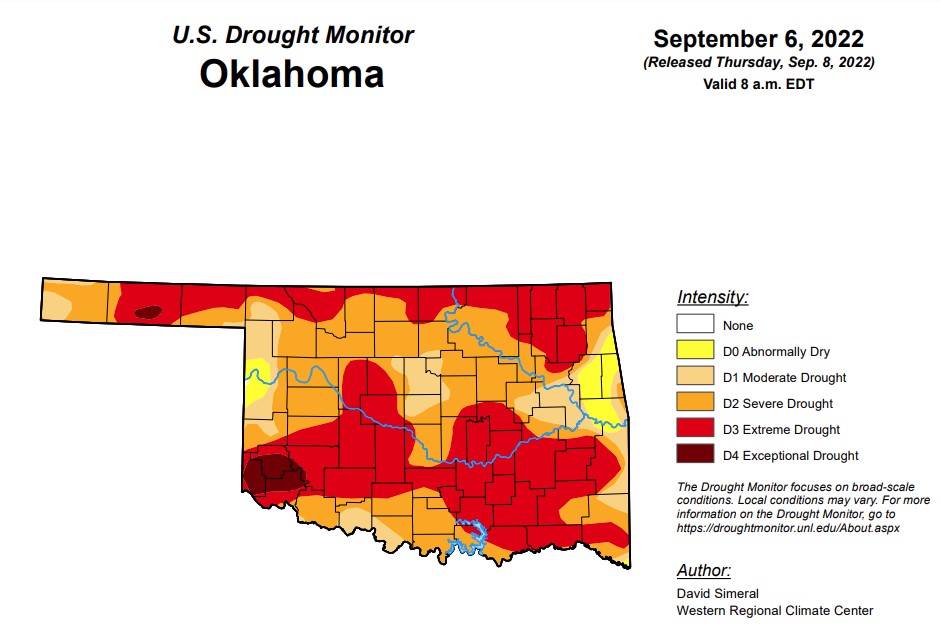


Click here:


Oklahoma Grain Elevator Cash Bids as of 2 p.m. September 7, 2022

Wed, 07 Sep 2022 15:47:35 CDT


Oklahoma Grain Elevator Cash Bids as of 2 p.m. September 7, 2022


The U.S. Department of Agriculture and the Oklahoma Department of Agriculture are now putting the Daily Cash Grain Report into a PDF format - we are saving that PDF and archiving them for today's specific report. To see today's update, click on the PDF report link at the bottom of this story.

In addition to the PDF of the daily report, you can also listen to the Cash Grain Report by calling 405-621-5533. Push 2 for the grain report.
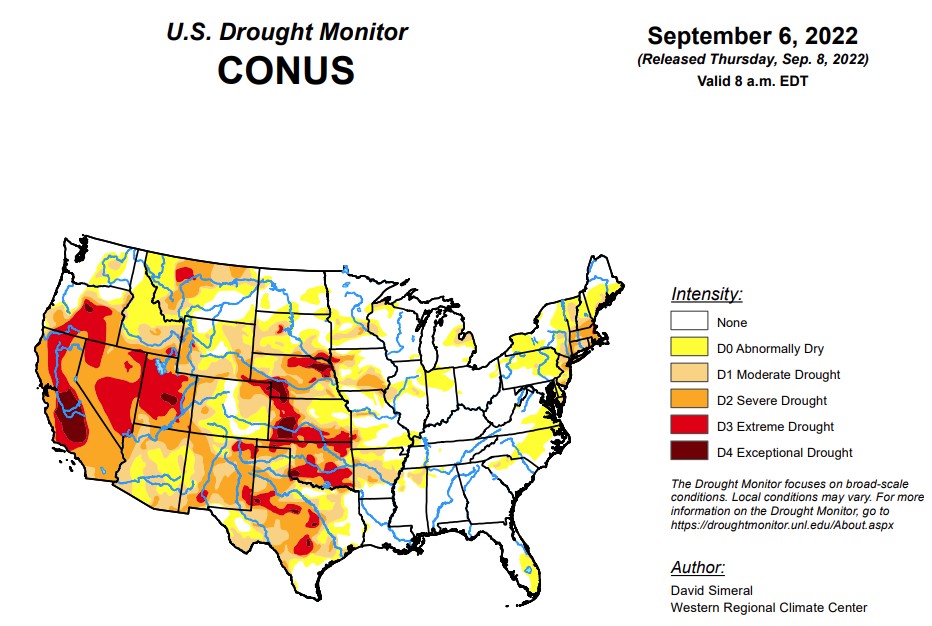


Click here:


Read an Accurate Ag Book Week Features Leaders from Across the State

Wed, 07 Sep 2022 13:17:14 CDT


Read an Accurate Ag Book Week Features Leaders from Across the State


Read an accurate Ag book Week kicked off for Oklahoma Ag in the Classroom. The Event runs September 6th through September 9th and features guest readers from across the state
A program of Oklahoma Ag in the Classroom, agriculture leaders across the state will have the opportunity to join together in telling the agriculture story and sharing the importance of agriculture.
This week has featured some fantastic Agriculture readers and some excellent books on Agriculture.

Representative Dell Kerbs participated in the Event reading "How to Grow a Monster." Author Stephanie White read one of her books, "The Pig in My Barn," Amanda Radke, Author and fifth-generation rancher from Mitchell, S.D, who has dedicated her career to serving as a voice for the nation's beef producers, read one of her excellent books, "Levi's Lost Calf." Laramie Sparks, 2023 Oklahoma Future Little Miss United States Agriculture read "B is for Buckaroo." Rose Bonjour read about George Washington Carver, And our very own KC Sheperd enjoyed reading about DIRT with "The Dirt Book, Poems about Animals That live Beneath our feet."

More Great readers are lined up for the rest of the week. Past Readers include Ag Secretary Blayne Arthur, Secretary of Education Ryan Walters, President of Oklahoma National Stockyards Kelli Payne, Former Miss United States Agriculture Cambrey Jo Hull, State Representative Anthony Moore, Congressman Frank Lucas, and more!
To find out more about the Oklahoma Ag in the Classroom program, click here:


Read an Accurate Ag Book Week Features Leaders from Across the State

Wed, 07 Sep 2022 13:17:13 CDT


Read an Accurate Ag Book Week Features Leaders from Across the State


Read an accurate Ag book Week kicked off for Oklahoma Ag in the Classroom. The Event runs September 6th through September 9th and features guest readers from across the state
A program of Oklahoma Ag in the Classroom, agriculture leaders across the state will have the opportunity to join together in telling the agriculture story and sharing the importance of agriculture.
This week has featured some fantastic Agriculture readers and some excellent books on Agriculture.

Representative Dell Kerbs participated in the Event reading "How to Grow a Monster." Author Stephanie White read one of her books, "The Pig in My Barn," Amanda Radke, Author and fifth-generation rancher from Mitchell, S.D, who has dedicated her career to serving as a voice for the nation's beef producers, read one of her excellent books, "Levi's Lost Calf." Laramie Sparks, 2023 Oklahoma Future Little Miss United States Agriculture read "B is for Buckaroo." Rose Bonjour read about George Washington Carver, And our very own KC Sheperd enjoyed reading about DIRT with "The Dirt Book, Poems about Animals That live Beneath our feet."

More Great readers are lined up for the rest of the week. Past Readers include Ag Secretary Blayne Arthur, Secretary of Education Ryan Walters, President of Oklahoma National Stockyards Kelli Payne, Former Miss United States Agriculture Cambrey Jo Hull, State Representative Anthony Moore, Congressman Frank Lucas, and more!
To find out more about the Oklahoma Ag in the Classroom program, click here:


NCBA Urges Senate Committee to Pass Livestock Regulatory Protection Act

Wed, 07 Sep 2022 13:05:24 CDT


NCBA Urges Senate Committee to Pass Livestock Regulatory Protection Act


Today, the National Cattlemen's Beef Association (NCBA) urged the Senate Committee on Environment and Public Works to approve the Livestock Regulatory Protection Act.


"American cattle producers' commitment to reducing their environmental footprint while simultaneously improving efficiency makes our farms and ranches the most sustainable in the world. Unfortunately, overregulation and excessive permitting would jeopardize the cattle industry's progress towards greater sustainability," said NCBA Chief Counsel Mary-Thomas Hart. "NCBA strongly supports the Livestock Regulatory Protection Act, which protects farmers and ranchers from onerous regulation. We thank Senators John Thune (R-SD), Kyrsten Sinema (D-AZ), John Boozman (R-AR), and Mark Kelly (D-AZ) for their sponsorship and we urge all senators to support this bill."


The Livestock Regulatory Protection Act aims to prevent the Environmental Protection Agency from issuing Clean Air Act Title V permits for emissions like carbon dioxide, nitrogen oxide, water vapor, or methane that result from livestock production.


These emissions are naturally occurring due to cattle's biological functions and cattle producers continue to employ innovative practices to mitigate the impact of these emissions on the environment. Overall, emissions from cattle production represent only a very small portion of total U.S. greenhouse gas emissions. For example, methane emissions from cattle account for just 2% of total U.S. emissions.


"SDCA thanks Senators Thune and Sinema for working to prevent the EPA from requiring unnecessary air quality permits for livestock producers," said Eric Jennings, president of South Dakota Cattlemen's Association (SDCA). "America's beef producers, like consumers and regulators, are focused on continuous improvement in environmental conservation and sustainability. Creating burdensome permitting requirements that aren't firmly backed by sound science aren't an effective solution to improving the environment, incentivizing good environmental management is."


Today, the Senate Committee on Environment and Public Works heard testimony on the legislation. The committee will now need to vote on the bill before sending it to the full Senate for consideration.


NCBA Urges Senate Committee to Pass Livestock Regulatory Protection Act

Wed, 07 Sep 2022 13:05:24 CDT


NCBA Urges Senate Committee to Pass Livestock Regulatory Protection Act


Today, the National Cattlemen's Beef Association (NCBA) urged the Senate Committee on Environment and Public Works to approve the Livestock Regulatory Protection Act.


"American cattle producers' commitment to reducing their environmental footprint while simultaneously improving efficiency makes our farms and ranches the most sustainable in the world. Unfortunately, overregulation and excessive permitting would jeopardize the cattle industry's progress towards greater sustainability," said NCBA Chief Counsel Mary-Thomas Hart. "NCBA strongly supports the Livestock Regulatory Protection Act, which protects farmers and ranchers from onerous regulation. We thank Senators John Thune (R-SD), Kyrsten Sinema (D-AZ), John Boozman (R-AR), and Mark Kelly (D-AZ) for their sponsorship and we urge all senators to support this bill."


The Livestock Regulatory Protection Act aims to prevent the Environmental Protection Agency from issuing Clean Air Act Title V permits for emissions like carbon dioxide, nitrogen oxide, water vapor, or methane that result from livestock production.


These emissions are naturally occurring due to cattle's biological functions and cattle producers continue to employ innovative practices to mitigate the impact of these emissions on the environment. Overall, emissions from cattle production represent only a very small portion of total U.S. greenhouse gas emissions. For example, methane emissions from cattle account for just 2% of total U.S. emissions.


"SDCA thanks Senators Thune and Sinema for working to prevent the EPA from requiring unnecessary air quality permits for livestock producers," said Eric Jennings, president of South Dakota Cattlemen's Association (SDCA). "America's beef producers, like consumers and regulators, are focused on continuous improvement in environmental conservation and sustainability. Creating burdensome permitting requirements that aren't firmly backed by sound science aren't an effective solution to improving the environment, incentivizing good environmental management is."


Today, the Senate Committee on Environment and Public Works heard testimony on the legislation. The committee will now need to vote on the bill before sending it to the full Senate for consideration.


Thomason Returns to Roots as New Plant and Soil Sciences Department Head

Wed, 07 Sep 2022 12:28:38 CDT


Thomason Returns to Roots as New Plant and Soil Sciences Department Head


One of the new faces in Oklahoma State University Agriculture this fall semester is Wade Thomason, head of the OSU Department of Plant and Soil Sciences.
Thomason began his role at OSU in August after a 19-year career as a professor and Extension grains specialist at Virginia Tech University where he provided leadership in the production and management of corn, small grains and sorghum for grain and silage. Most recently, he served as the associate director in the School of Plant and Environmental Sciences.


"We worked a lot on the advancement of no-till production, and our success led to a much better understanding of the overall soil health benefits of reduced tillage and organic matter," Thomason said.


Not only is Thomason an OSU alumnus, but many of his professional colleagues are also OSU faculty members. He was named a fellow of the American Society of Agronomy in 2017.


"I'm very familiar with what our folks are studying in the areas of modeling and data science," he said. "The extent of development of the OSU Wheat Improvement Team is special, and the size and scope of its work is impressive."


OSU's WIT is a signature program of the plant and soil sciences department. The interdisciplinary group of scientists develops highly adapted winter wheat cultivars with marketable grain quality. Researchers support the Oklahoma wheat industry by enhancing wheat genetic resources and partnering with OSU Ag Research, the Oklahoma Wheat Commission and the Oklahoma Wheat Research Foundation. Each new variety developed by OSU's wheat breeding team involves at least 10 years of research and is well received worldwide.


"The department's faculty and staff are very knowledgeable and skilled in their roles," Thomason said. "My job is to help them get where they want to go and keep the trains running on time."


A native of Mangum, Oklahoma, Thomason attended OSU and earned an undergraduate degree in animal science.


"I came here with the idea that I would go to vet school, but when I got into it, I realized I didn't like the medical classes and preferred the science classes," he said.
As a plant and soil sciences master's student who later also completed a doctorate in soil science at OSU, Thomason conducted research in the soil fertility program and worked as a senior agriculturalist and research technician in the department.


Before joining Virginia Tech, he served as a soils and crop specialist on an ag consulting team at the Noble Research Institute in Ardmore.


Thomason said his return to Stillwater is an opportunity for him to help his alma mater and give back to his home state. Fun fact: he and his wife were married in OSU's Bennet Chapel, and Brett Carver, OSU wheat genetics chair and program leader of the WIT, played the organ at their wedding. Thomason and his wife have two daughters, a freshman at OSU and a sophomore at Stillwater High School. Both children are involved in sports and outdoor activities that the family enjoys supporting.


Professionally, Thomason's Extension experience and agronomy background will help further the success of his department. He said OSU's New Frontiers Agricultural Hall will attract top-level researchers to campus.


"It will help our recruiting and student experiences with an improved space that's modern and specifically designed for teaching labs. We'll capitalize on that," he said.


OSU Agriculture is dedicated to improving the quality of life of Oklahomans through science-based information and education. It is comprised of the Ferguson College of Agriculture and two state agencies: OSU Ag Research and OSU Extension.


Thomason Returns to Roots as New Plant and Soil Sciences Department Head

Wed, 07 Sep 2022 12:28:37 CDT


Thomason Returns to Roots as New Plant and Soil Sciences Department Head


One of the new faces in Oklahoma State University Agriculture this fall semester is Wade Thomason, head of the OSU Department of Plant and Soil Sciences.
Thomason began his role at OSU in August after a 19-year career as a professor and Extension grains specialist at Virginia Tech University where he provided leadership in the production and management of corn, small grains and sorghum for grain and silage. Most recently, he served as the associate director in the School of Plant and Environmental Sciences.


"We worked a lot on the advancement of no-till production, and our success led to a much better understanding of the overall soil health benefits of reduced tillage and organic matter," Thomason said.


Not only is Thomason an OSU alumnus, but many of his professional colleagues are also OSU faculty members. He was named a fellow of the American Society of Agronomy in 2017.


"I'm very familiar with what our folks are studying in the areas of modeling and data science," he said. "The extent of development of the OSU Wheat Improvement Team is special, and the size and scope of its work is impressive."


OSU's WIT is a signature program of the plant and soil sciences department. The interdisciplinary group of scientists develops highly adapted winter wheat cultivars with marketable grain quality. Researchers support the Oklahoma wheat industry by enhancing wheat genetic resources and partnering with OSU Ag Research, the Oklahoma Wheat Commission and the Oklahoma Wheat Research Foundation. Each new variety developed by OSU's wheat breeding team involves at least 10 years of research and is well received worldwide.


"The department's faculty and staff are very knowledgeable and skilled in their roles," Thomason said. "My job is to help them get where they want to go and keep the trains running on time."


A native of Mangum, Oklahoma, Thomason attended OSU and earned an undergraduate degree in animal science.


"I came here with the idea that I would go to vet school, but when I got into it, I realized I didn't like the medical classes and preferred the science classes," he said.
As a plant and soil sciences master's student who later also completed a doctorate in soil science at OSU, Thomason conducted research in the soil fertility program and worked as a senior agriculturalist and research technician in the department.


Before joining Virginia Tech, he served as a soils and crop specialist on an ag consulting team at the Noble Research Institute in Ardmore.


Thomason said his return to Stillwater is an opportunity for him to help his alma mater and give back to his home state. Fun fact: he and his wife were married in OSU's Bennet Chapel, and Brett Carver, OSU wheat genetics chair and program leader of the WIT, played the organ at their wedding. Thomason and his wife have two daughters, a freshman at OSU and a sophomore at Stillwater High School. Both children are involved in sports and outdoor activities that the family enjoys supporting.


Professionally, Thomason's Extension experience and agronomy background will help further the success of his department. He said OSU's New Frontiers Agricultural Hall will attract top-level researchers to campus.


"It will help our recruiting and student experiences with an improved space that's modern and specifically designed for teaching labs. We'll capitalize on that," he said.


OSU Agriculture is dedicated to improving the quality of life of Oklahomans through science-based information and education. It is comprised of the Ferguson College of Agriculture and two state agencies: OSU Ag Research and OSU Extension.


New York State Fair 800 Pound Butter Sculpture Recycled Into Energy at Western New York Dairy Farm

Wed, 07 Sep 2022 12:23:24 CDT


New York State Fair 800 Pound Butter Sculpture Recycled Into Energy at Western New York Dairy Farm


The 54th Annual Butter Sculpture at the New York State Fair has come down, but it isn't going to waste.

American Dairy Association North East, in conjunction with Cornell Cooperative Extension Master Gardeners and Noblehurst Farms, dismantled the 800-pound sculpture at the New York State Fairgrounds. Ultimately, the butter - which was provided by O-AT-KA Milk Products in Batavia, N.Y., and was unsuitable for sale or consumption for a variety of reasons - will return to Western New York, less than 15 miles away from where it was originally produced, to be recycled at a local dairy farm.

Noblehurst Farms in Pavilion, N.Y., (Livingston County) will combine the butter with other food waste from local food manufacturers and educational institutions and run it through the farm's digester, converting it into energy. The digester breaks down the material and creates enough electricity to power the farm, the farm's on-site creamery and about 350 homes for a year. Specifically, the butter from the Butter Sculpture alone will be able to power one house for three days.

"We are honored to be recycling the New York State Fair Butter Sculpture for the seventh year in a row," said dairy farmer Chris Noble of Noblehurst Farms and Craigs Creamery. "We will mix the butter sculpture with other food waste and convert it to energy over the course of about 28 days. That energy will be created into electricity which will power homes in the local community."

In recent years, Noblehurst Farms has been recognized nationally for achievements in sustainability and community partnerships to divert food waste from local landfills. The result of Noblehurst's efforts have led to diverting 200 tons of food waste from local landfills on a weekly basis.

"Our awareness of the role that dairy farmers are playing in addressing the global food waste problem has definitely heightened," said Noble. "We are hopeful that our innovative food waste reduction practices will bring additional value as New York State focuses on reducing methane and sequestering carbon in the coming years."

This year's sculpture, "Refuel Her Greatness - Celebrating the 50th Anniversary of Title IX," spotlighted female athletes and how today's athletes refuel with chocolate milk.

To listen to Chris Noble with Noblehurst Farms talk about the conversion process, click here.
   

New York State Fair 800 Pound Butter Sculpture Recycled Into Energy at Western New York Dairy Farm

Wed, 07 Sep 2022 12:23:23 CDT


New York State Fair 800 Pound Butter Sculpture Recycled Into Energy at Western New York Dairy Farm


The 54th Annual Butter Sculpture at the New York State Fair has come down, but it isn't going to waste.

American Dairy Association North East, in conjunction with Cornell Cooperative Extension Master Gardeners and Noblehurst Farms, dismantled the 800-pound sculpture at the New York State Fairgrounds. Ultimately, the butter - which was provided by O-AT-KA Milk Products in Batavia, N.Y., and was unsuitable for sale or consumption for a variety of reasons - will return to Western New York, less than 15 miles away from where it was originally produced, to be recycled at a local dairy farm.

Noblehurst Farms in Pavilion, N.Y., (Livingston County) will combine the butter with other food waste from local food manufacturers and educational institutions and run it through the farm's digester, converting it into energy. The digester breaks down the material and creates enough electricity to power the farm, the farm's on-site creamery and about 350 homes for a year. Specifically, the butter from the Butter Sculpture alone will be able to power one house for three days.

"We are honored to be recycling the New York State Fair Butter Sculpture for the seventh year in a row," said dairy farmer Chris Noble of Noblehurst Farms and Craigs Creamery. "We will mix the butter sculpture with other food waste and convert it to energy over the course of about 28 days. That energy will be created into electricity which will power homes in the local community."

In recent years, Noblehurst Farms has been recognized nationally for achievements in sustainability and community partnerships to divert food waste from local landfills. The result of Noblehurst's efforts have led to diverting 200 tons of food waste from local landfills on a weekly basis.

"Our awareness of the role that dairy farmers are playing in addressing the global food waste problem has definitely heightened," said Noble. "We are hopeful that our innovative food waste reduction practices will bring additional value as New York State focuses on reducing methane and sequestering carbon in the coming years."

This year's sculpture, "Refuel Her Greatness - Celebrating the 50th Anniversary of Title IX," spotlighted female athletes and how today's athletes refuel with chocolate milk.

To listen to Chris Noble with Noblehurst Farms talk about the conversion process, click here.
   

What is the Water Cycle?

Wed, 07 Sep 2022 11:15:06 CDT


What is the Water Cycle?


Water moves and is recycled from one form or one storage area to another in the process we call the water cycle. This cycle is the mechanism by which water moves around the globe and in our atmosphere. And as a continuous cycle, it has no starting or stopping point.


Ranchers need to capture as much of the water that falls on their ranch and then use it wisely. To inform our management decisions, let's look at how the cycle functions.


WATER CYCLE BASICS

Most of Earth's water is in the oceans, and as such, is saltwater. Only 2.5% of the total water on earth is freshwater, making it a limited resource that should be protected and preserved for the highest and best uses. Of that 2.5%, a majority of freshwater (70%) is trapped in glaciers or ice caps. Most of the remaining freshwater is in underground aquifers. A very small fraction of all water 0.03%, is held as surface water in lakes, rivers and wetlands.


Solar heating is the driving force of the water cycle. As oceans and freshwater are heated by the sun, some of the water evaporates into the air. Air currents transport the water vapor through the atmosphere, along with water that is transpired from plants and evaporated from the soil. Once the water rises into the atmosphere, it cools and forms clouds.


Global air currents move clouds around the earth, eventually leading to precipitation in the form of rain, snow, ice, sleet and hail. Frozen precipitation that falls near the earth's poles can be locked up in polar ice caps and glaciers, making that water unavailable for thousands of years. Snowfall at higher altitudes on the continents may return to a liquid state as temperatures warm and the snow melts, eventually reaching a freshwater system.


The majority of precipitation falls in the oceans or back onto land. Gravity moves the precipitation that falls on land across the landscape into streams, lakes, wetlands and other freshwater sources. This is called surface water runoff. Not all the precipitation runs off. Some of it soaks into the soil or flows into underground aquifers.


HOW TO HELP THE CYCLE

Where precipitation meets the land is the point in the water cycle where ranchers can influence available water for plants and animals. Through good management, ranchers can capture and retain more water.


- Implementing the six soil health principles can reduce evaporation and increase water infiltration.

- Keeping the soil covered with living plants or plant residues reduces evaporation and surface runoff that can erode the soil.

- Moderating soil surface temperatures with good soil cover keeps soil cooler and reduces evaporative losses from the soil.

- Infiltration and water-holding capacity are best when soils have good structure, meaning there are soil aggregates and pores for water to fill.

- Minimizing disturbance, keeping a living root in the ground for as long as possible and maintaining plant diversity are practices that build soil structure and increase water-holding capacity.

- Increasing organic matter by just 1% increases the soil's ability to hold water by 20,000 gallons per acre per year. Imagine how much forage per acre could be supported with an additional 20,000 gallons of water.

Water is one of the most precious resources on earth. Ranchers can increase the success, profitability and resilience of ranches by understanding the water cycle, minimizing evaporative losses and capturing as much water as possible.


Article by Steve Swaffer, Agriculture Consultant in the Producer Relations Program at Noble Research Institute.

To read this article at the Noble Research Institute, click here.


What is the Water Cycle?

Wed, 07 Sep 2022 11:15:05 CDT


What is the Water Cycle?


Water moves and is recycled from one form or one storage area to another in the process we call the water cycle. This cycle is the mechanism by which water moves around the globe and in our atmosphere. And as a continuous cycle, it has no starting or stopping point.


Ranchers need to capture as much of the water that falls on their ranch and then use it wisely. To inform our management decisions, let's look at how the cycle functions.


WATER CYCLE BASICS

Most of Earth's water is in the oceans, and as such, is saltwater. Only 2.5% of the total water on earth is freshwater, making it a limited resource that should be protected and preserved for the highest and best uses. Of that 2.5%, a majority of freshwater (70%) is trapped in glaciers or ice caps. Most of the remaining freshwater is in underground aquifers. A very small fraction of all water 0.03%, is held as surface water in lakes, rivers and wetlands.


Solar heating is the driving force of the water cycle. As oceans and freshwater are heated by the sun, some of the water evaporates into the air. Air currents transport the water vapor through the atmosphere, along with water that is transpired from plants and evaporated from the soil. Once the water rises into the atmosphere, it cools and forms clouds.


Global air currents move clouds around the earth, eventually leading to precipitation in the form of rain, snow, ice, sleet and hail. Frozen precipitation that falls near the earth's poles can be locked up in polar ice caps and glaciers, making that water unavailable for thousands of years. Snowfall at higher altitudes on the continents may return to a liquid state as temperatures warm and the snow melts, eventually reaching a freshwater system.


The majority of precipitation falls in the oceans or back onto land. Gravity moves the precipitation that falls on land across the landscape into streams, lakes, wetlands and other freshwater sources. This is called surface water runoff. Not all the precipitation runs off. Some of it soaks into the soil or flows into underground aquifers.


HOW TO HELP THE CYCLE

Where precipitation meets the land is the point in the water cycle where ranchers can influence available water for plants and animals. Through good management, ranchers can capture and retain more water.


- Implementing the six soil health principles can reduce evaporation and increase water infiltration.

- Keeping the soil covered with living plants or plant residues reduces evaporation and surface runoff that can erode the soil.

- Moderating soil surface temperatures with good soil cover keeps soil cooler and reduces evaporative losses from the soil.

- Infiltration and water-holding capacity are best when soils have good structure, meaning there are soil aggregates and pores for water to fill.

- Minimizing disturbance, keeping a living root in the ground for as long as possible and maintaining plant diversity are practices that build soil structure and increase water-holding capacity.

- Increasing organic matter by just 1% increases the soil's ability to hold water by 20,000 gallons per acre per year. Imagine how much forage per acre could be supported with an additional 20,000 gallons of water.

Water is one of the most precious resources on earth. Ranchers can increase the success, profitability and resilience of ranches by understanding the water cycle, minimizing evaporative losses and capturing as much water as possible.


Article by Steve Swaffer, Agriculture Consultant in the Producer Relations Program at Noble Research Institute.

To read this article at the Noble Research Institute, click here.


Scott VanderWal Livestock Regulatory Protection Act Testimony

Wed, 07 Sep 2022 11:08:52 CDT


Scott VanderWal Livestock Regulatory Protection Act Testimony


**EMBARGOED UNTIL 10:00 AM, WEDNESDAY, SEPTEMBER 7, 2022**
Written Testimony for the Senate Committee on Environment & Public Works
Legislative Hearing on S. 1475, the Livestock Regulatory Protection Act of 2021
September 7, 2022

Presented by:
Scott VanderWal
Vice President, American Farm Bureau Federation
President, South Dakota Farm Bureau

Mr. Chairman and members of the Committee, my name is Scott VanderWal. I am a third-generation corn and soybean farmer and cattle feeder from Volga, South Dakota. I am the president of the South Dakota Farm Bureau and serve as the vice president of the American Farm Bureau Federation. I am pleased to offer this testimony in support of S. 1475, the bipartisan Livestock Regulatory Protection Act, on behalf of the American Farm Bureau Federation and Farm Bureau members across this country.

America's farmers and ranchers play a leading role in promoting soil health, conserving water, enhancing wildlife, efficiently using nutrients, and caring for their animals. For decades they have embraced innovation thanks to investments in agricultural research and adopted climate-smart practices to improve productivity, enhance sustainability, and provide clean and renewable energy.

Livestock and crop production are the heart of American agriculture, providing the food we enjoy every day. The daily choices we make on our farms and ranches are driven by our commitment to sustainability. Farmers have embraced technologies that reduce emissions and increase efficiency, making U.S. agriculture a leader in sustainability. Building upon the strong foundation of voluntary stewardship investments and practices, including those in the farm bill, we look forward to working with policymakers to further advance successful sustainable practices in U.S. agriculture.

As farm efficiency goes up, emissions are going down in the livestock sector. Although livestock emissions get a lot of attention in discussions around sustainability, they make up less than 4% of overall emissions in the U.S., and those numbers are declining thanks to improvements in feed and production practices. Therefore, our livestock producers should not be subject to onerous regulations and costly permit fees for their animals' emissions, which could ultimately lead to higher food costs for consumers and less innovation in our industry. Voluntary, incentive-based programs, rather than command and control regulation from the EPA, should be the policy of the United States, which is why S. 1475, the Livestock Regulatory Protection Act, is so important.

All told, agriculture accounts for approximately 10% of total U.S. greenhouse gas (GHG) emissions, far less than the transportation, electricity generation, and industry sectors. Farmers continue to produce more with greater efficiency. In fact, U.S. agriculture would have needed nearly 100 million more acres 30 years ago to match today's production levels.

Carbon sequestration, achieved through the management of forestry, grasslands, wetlands, cropland and settlements, contributed to GHG removals equivalent to 12% of total U.S. emissions. With increased investment in agricultural research, we can develop new frontier technologies to reduce emissions and capture even more carbon. With cutting-edge science, we may be able to achieve net zero emissions in some sectors of agriculture.

U.S. farmers and ranchers have long been at the forefront of climate-smart farming, utilizing scientific solutions, technology, and innovations to raise crops and care for livestock. These efforts are designed to protect soil and water, efficiently manage manure, produce clean and renewable energy, capture carbon, and improve sustainability. Over two generations, we've nearly tripled our productivity, without using more resources. To say we're doing more with less is an understatement.

Many of agriculture's carbon sequestration efforts are not directly assigned to the agriculture sector. It is certain that if the carbon sequestration efforts of U.S. farmers and ranchers were assigned to agriculture, our contributions to GHG emissions would be lower. It is worth noting that U.S. farmers have enrolled more than 140 million acres in federal conservation programs-that's equal to the total land area of California and New York combined. Millions more acres are dedicated to nonfederal conservation programs.

More productive livestock operations allow ranchers, pork producers, poultry growers, egg producers, and dairy farmers to maintain their total contribution to GHG emissions at less than 4%. Innovation plays an important role, from methane digesters to advances in nutritional balance that lead to lower per-unit GHG emissions. In fact, we have seen a 26% reduction in per-unit emissions of GHGs for our dairy industry while milk production is up 48%, a 20% reduction in swine with an 80% increase in pork production and close to a 10% drop for our cattle producers with an 18% increase in our production of beef.

U.S. farmers and ranchers contribute significantly fewer GHG emissions than their counterparts around the world. EPA data shows agriculture's global contribution to GHG emissions was 24% in 2010, more than double U.S. farmers' and ranchers' contributions to total U.S. emissions in 2020. This significant difference is largely driven by U.S. farmers' enthusiastic adoption of technology. American farmers and ranchers are pioneers of sustainability, and any policy debate should recognize their contributions, efficiency gains, and the considerable impact of their carbon sequestration efforts.

Farm Bureau will continue to work to ensure that farm families maintain their ability to respond and adapt to climatic events and that public policies do not threaten the long-term resiliency of our rural communities. Congress must protect American agriculture and production practices from undue burden, and respect farmers' and ranchers' ability to innovate and solve problems. And that is why S. 1475, the Livestock Regulatory Protection Act, is so important and should be enacted into law.

American farm families want to leave the land better than when it was first entrusted to our care. That is the story of my family's farm in South Dakota and the story of millions of farms across this country. We want to protect the planet, feed and clothe people, and promote vibrant communities. Working with our partners, land-grant universities, policymakers, and the farmers and ranchers we represent, Farm Bureau intends to continue finding solutions for the challenges of the future.

Mr. Chairman, I commend you for convening this hearing. I will be pleased to respond to questions.


Scott VanderWal Livestock Regulatory Protection Act Testimony

Wed, 07 Sep 2022 11:08:51 CDT


Scott VanderWal Livestock Regulatory Protection Act Testimony


**EMBARGOED UNTIL 10:00 AM, WEDNESDAY, SEPTEMBER 7, 2022**
Written Testimony for the Senate Committee on Environment & Public Works
Legislative Hearing on S. 1475, the Livestock Regulatory Protection Act of 2021
September 7, 2022

Presented by:
Scott VanderWal
Vice President, American Farm Bureau Federation
President, South Dakota Farm Bureau

Mr. Chairman and members of the Committee, my name is Scott VanderWal. I am a third-generation corn and soybean farmer and cattle feeder from Volga, South Dakota. I am the president of the South Dakota Farm Bureau and serve as the vice president of the American Farm Bureau Federation. I am pleased to offer this testimony in support of S. 1475, the bipartisan Livestock Regulatory Protection Act, on behalf of the American Farm Bureau Federation and Farm Bureau members across this country.

America's farmers and ranchers play a leading role in promoting soil health, conserving water, enhancing wildlife, efficiently using nutrients, and caring for their animals. For decades they have embraced innovation thanks to investments in agricultural research and adopted climate-smart practices to improve productivity, enhance sustainability, and provide clean and renewable energy.

Livestock and crop production are the heart of American agriculture, providing the food we enjoy every day. The daily choices we make on our farms and ranches are driven by our commitment to sustainability. Farmers have embraced technologies that reduce emissions and increase efficiency, making U.S. agriculture a leader in sustainability. Building upon the strong foundation of voluntary stewardship investments and practices, including those in the farm bill, we look forward to working with policymakers to further advance successful sustainable practices in U.S. agriculture.

As farm efficiency goes up, emissions are going down in the livestock sector. Although livestock emissions get a lot of attention in discussions around sustainability, they make up less than 4% of overall emissions in the U.S., and those numbers are declining thanks to improvements in feed and production practices. Therefore, our livestock producers should not be subject to onerous regulations and costly permit fees for their animals' emissions, which could ultimately lead to higher food costs for consumers and less innovation in our industry. Voluntary, incentive-based programs, rather than command and control regulation from the EPA, should be the policy of the United States, which is why S. 1475, the Livestock Regulatory Protection Act, is so important.

All told, agriculture accounts for approximately 10% of total U.S. greenhouse gas (GHG) emissions, far less than the transportation, electricity generation, and industry sectors. Farmers continue to produce more with greater efficiency. In fact, U.S. agriculture would have needed nearly 100 million more acres 30 years ago to match today's production levels.

Carbon sequestration, achieved through the management of forestry, grasslands, wetlands, cropland and settlements, contributed to GHG removals equivalent to 12% of total U.S. emissions. With increased investment in agricultural research, we can develop new frontier technologies to reduce emissions and capture even more carbon. With cutting-edge science, we may be able to achieve net zero emissions in some sectors of agriculture.

U.S. farmers and ranchers have long been at the forefront of climate-smart farming, utilizing scientific solutions, technology, and innovations to raise crops and care for livestock. These efforts are designed to protect soil and water, efficiently manage manure, produce clean and renewable energy, capture carbon, and improve sustainability. Over two generations, we've nearly tripled our productivity, without using more resources. To say we're doing more with less is an understatement.

Many of agriculture's carbon sequestration efforts are not directly assigned to the agriculture sector. It is certain that if the carbon sequestration efforts of U.S. farmers and ranchers were assigned to agriculture, our contributions to GHG emissions would be lower. It is worth noting that U.S. farmers have enrolled more than 140 million acres in federal conservation programs-that's equal to the total land area of California and New York combined. Millions more acres are dedicated to nonfederal conservation programs.

More productive livestock operations allow ranchers, pork producers, poultry growers, egg producers, and dairy farmers to maintain their total contribution to GHG emissions at less than 4%. Innovation plays an important role, from methane digesters to advances in nutritional balance that lead to lower per-unit GHG emissions. In fact, we have seen a 26% reduction in per-unit emissions of GHGs for our dairy industry while milk production is up 48%, a 20% reduction in swine with an 80% increase in pork production and close to a 10% drop for our cattle producers with an 18% increase in our production of beef.

U.S. farmers and ranchers contribute significantly fewer GHG emissions than their counterparts around the world. EPA data shows agriculture's global contribution to GHG emissions was 24% in 2010, more than double U.S. farmers' and ranchers' contributions to total U.S. emissions in 2020. This significant difference is largely driven by U.S. farmers' enthusiastic adoption of technology. American farmers and ranchers are pioneers of sustainability, and any policy debate should recognize their contributions, efficiency gains, and the considerable impact of their carbon sequestration efforts.

Farm Bureau will continue to work to ensure that farm families maintain their ability to respond and adapt to climatic events and that public policies do not threaten the long-term resiliency of our rural communities. Congress must protect American agriculture and production practices from undue burden, and respect farmers' and ranchers' ability to innovate and solve problems. And that is why S. 1475, the Livestock Regulatory Protection Act, is so important and should be enacted into law.

American farm families want to leave the land better than when it was first entrusted to our care. That is the story of my family's farm in South Dakota and the story of millions of farms across this country. We want to protect the planet, feed and clothe people, and promote vibrant communities. Working with our partners, land-grant universities, policymakers, and the farmers and ranchers we represent, Farm Bureau intends to continue finding solutions for the challenges of the future.

Mr. Chairman, I commend you for convening this hearing. I will be pleased to respond to questions.


Oklahoma Hay market Report Shows Producers Getting Creative with Bales

Wed, 07 Sep 2022 11:07:08 CDT


Oklahoma Hay market Report Shows Producers Getting Creative with Bales


Hay is getting tighter. Farmers and hay producers are beginning to get creative with baling up their milo, soybeans, and corn stalks.

The rain did come across the parts of the state which brought cooler temperatures and which we might possibly receive a second cutting.

Through the Oklahoma Mesonet, we are in the forecast of receiving some rain. The Drought Monitor shows that 99.98% are in abnormally dry conditions, 98.64% are in moderate drought conditions, 89.68% are in severe drought conditions, 48.60% are in extreme drought conditions, and 2.19% exceptional drought conditions.

*** The next report release will be on September 9th ***

To see the complete list of available hay click here:

If you would like to be apart of our free hay directory AD Click Here: Oklahoma Hay Directory Form


Oklahoma Hay market Report Shows Producers Getting Creative with Bales

Wed, 07 Sep 2022 11:07:08 CDT


Oklahoma Hay market Report Shows Producers Getting Creative with Bales


Hay is getting tighter. Farmers and hay producers are beginning to get creative with baling up their milo, soybeans, and corn stalks.

The rain did come across the parts of the state which brought cooler temperatures and which we might possibly receive a second cutting.

Through the Oklahoma Mesonet, we are in the forecast of receiving some rain. The Drought Monitor shows that 99.98% are in abnormally dry conditions, 98.64% are in moderate drought conditions, 89.68% are in severe drought conditions, 48.60% are in extreme drought conditions, and 2.19% exceptional drought conditions.

*** The next report release will be on September 9th ***

To see the complete list of available hay click here:

If you would like to be apart of our free hay directory AD Click Here: Oklahoma Hay Directory Form


Texas & Southwestern Cattle Raisers Association Announces Spring 2023 Internship Opportunities

Wed, 07 Sep 2022 09:46:00 CDT


Texas & Southwestern Cattle Raisers Association Announces Spring 2023 Internship Opportunities


Texas & Southwestern Cattle Raisers Association announced the application window for its spring 2023 internship programs is now open.


These unique internship programs provide opportunities for students to work alongside Texas & Southwestern Cattle Raisers Association staff and industry leaders. Students will expand their network and develop transferable skills in administration, education and events, association marketing, and more. Opportunities include:


• TSCRA Spring 2023 Internship: Semester-long internship in Fort Worth providing opportunities across administration, education, events, marketing, and more
• TSCRA Government Affairs Internship: Semester-long internship in Austin for students with a specific interest in public policy
• 2023 Cattle Raisers Convention & Expo Internship: Internship held March 21-26 in Fort Worth to support the largest and oldest event for cattlemen and women in the state.


Emily Lochner, the association's executive director of engagement and education, said this is an amazing program that exposes students to careers in agriculture.


"We understand the importance of opportunities to engage young leaders in our industry," Lochner said. "This internship program equips students with skillsets that are applicable across any career, while also opening their eyes to opportunities for careers in agriculture."


Applications to the spring 2023 internship opportunities are due Oct. 28, 2022. Additional details including submission instructions are accessible at https://tscra.org/who-we-are/employment/.


Texas & Southwestern Cattle Raisers Association Announces Spring 2023 Internship Opportunities

Wed, 07 Sep 2022 09:45:59 CDT


Texas & Southwestern Cattle Raisers Association Announces Spring 2023 Internship Opportunities


Texas & Southwestern Cattle Raisers Association announced the application window for its spring 2023 internship programs is now open.


These unique internship programs provide opportunities for students to work alongside Texas & Southwestern Cattle Raisers Association staff and industry leaders. Students will expand their network and develop transferable skills in administration, education and events, association marketing, and more. Opportunities include:


• TSCRA Spring 2023 Internship: Semester-long internship in Fort Worth providing opportunities across administration, education, events, marketing, and more
• TSCRA Government Affairs Internship: Semester-long internship in Austin for students with a specific interest in public policy
• 2023 Cattle Raisers Convention & Expo Internship: Internship held March 21-26 in Fort Worth to support the largest and oldest event for cattlemen and women in the state.


Emily Lochner, the association's executive director of engagement and education, said this is an amazing program that exposes students to careers in agriculture.


"We understand the importance of opportunities to engage young leaders in our industry," Lochner said. "This internship program equips students with skillsets that are applicable across any career, while also opening their eyes to opportunities for careers in agriculture."


Applications to the spring 2023 internship opportunities are due Oct. 28, 2022. Additional details including submission instructions are accessible at https://tscra.org/who-we-are/employment/.


Center Applauds Steps to Make Crop Insurance More Accessible

Wed, 07 Sep 2022 09:43:07 CDT


Center Applauds Steps to Make Crop Insurance More Accessible


In a win for producers across the country, the U.S. Department of Agriculture's Risk Management Agency recently announced changes to two crop insurance programs-Whole Farm Revenue Protection (WFRP) and Micro Farm. The improvements will expand access to risk management options for thousands of producers, particularly those with small or diversified operations.

"Managing risk is an essential part of a successful agricultural operation, no matter its size," said Kate Hansen, policy associate with the Center for Rural Affairs. "We commend the Risk Management Agency for making these changes."

WFRP is a unique crop insurance program that insures the entire revenue of an operation, rather than basing coverage on yields. It is often the best choice for diversified operations. Beginning in 2023, producers will now be able to insure up to $17 million in revenue with WFRP, compared to $8.5 million previously.

Other improvements include eliminating expense reporting to reduce paperwork, and allowing a producer to report and self-certify yields.

Micro Farm, a subprogram of WFRP, is designed to better serve small operations. Beginning in 2023, operations with up to $350,000 in approved revenue will be eligible for the program. The previous limit was $100,000.

"The $100,000 cap was not consistent with what a small operation looks like today," Hansen said. "More than tripling the allowed revenue will do a great deal to improve access to this important risk management program."

Coverage for both WFRP and Micro Farm follows a yearly timeline, corresponding with events of the growing season. If a producer files their taxes by the calendar year, the insurance period is the calendar year. If they file by the fiscal year, the insurance period is the fiscal year. Interested producers should get in touch with a crop insurance agent to explore if either program is a good fit.


Center Applauds Steps to Make Crop Insurance More Accessible

Wed, 07 Sep 2022 09:43:06 CDT


Center Applauds Steps to Make Crop Insurance More Accessible


In a win for producers across the country, the U.S. Department of Agriculture's Risk Management Agency recently announced changes to two crop insurance programs-Whole Farm Revenue Protection (WFRP) and Micro Farm. The improvements will expand access to risk management options for thousands of producers, particularly those with small or diversified operations.

"Managing risk is an essential part of a successful agricultural operation, no matter its size," said Kate Hansen, policy associate with the Center for Rural Affairs. "We commend the Risk Management Agency for making these changes."

WFRP is a unique crop insurance program that insures the entire revenue of an operation, rather than basing coverage on yields. It is often the best choice for diversified operations. Beginning in 2023, producers will now be able to insure up to $17 million in revenue with WFRP, compared to $8.5 million previously.

Other improvements include eliminating expense reporting to reduce paperwork, and allowing a producer to report and self-certify yields.

Micro Farm, a subprogram of WFRP, is designed to better serve small operations. Beginning in 2023, operations with up to $350,000 in approved revenue will be eligible for the program. The previous limit was $100,000.

"The $100,000 cap was not consistent with what a small operation looks like today," Hansen said. "More than tripling the allowed revenue will do a great deal to improve access to this important risk management program."

Coverage for both WFRP and Micro Farm follows a yearly timeline, corresponding with events of the growing season. If a producer files their taxes by the calendar year, the insurance period is the calendar year. If they file by the fiscal year, the insurance period is the fiscal year. Interested producers should get in touch with a crop insurance agent to explore if either program is a good fit.


NIAA Opens Nomination Period for Advanced Training for Animal Agriculture Leaders

Wed, 07 Sep 2022 09:41:13 CDT


NIAA Opens Nomination Period for Advanced Training for Animal Agriculture Leaders


The National Institute for Animal Agriculture (NIAA) is now accepting nominations for the second cohort of the Advanced Training for Animal Agriculture Leaders program. Nominations are due November 1.


In 2021, NIAA launched a new program providing emerging leaders a new opportunity to gain next-level leadership and professional development training specifically focused on the animal agriculture segment of the industry. Advanced Training for Animal Agriculture Leaders was developed and sponsored by the United Soybean Board (USB) and NIAA. The program empowers professionals in the early or middle part of their careers to build on previous leadership development experiences and collaborate with peers across the industry. Participants in the program will represent a range of agricultural sectors and will collaborate to advance animal agriculture's role in today's food system.


The 16-month leadership program blends in-person and virtual working sessions to focus on four areas of development: critical thinking, leadership development, connecting and relating skills, and operational excellence. Members of the program work together on applied-learning, small-group capstone projects, which will incorporate topics identified by supporting NIAA sponsors. Project outcomes will be shared at the NIAA Annual Conference held each April.


"Part of NIAA's mission is to foster collaboration and cooperation throughout the industry. This program was intentionally developed to build upon existing leadership experiences, so professionals advance their leadership and, specifically, collaboration skills," said Eric Moore, NIAA Board Chairman. "It was important to me to participate in the inaugural cohort and it has been an enriching experience for me and my fellow leaders."


USB serves as the founding sponsor of the Advanced Training for Animal Agriculture Leaders Program, with additional financial support provided by NIAA and its members and partners. Sponsorship funding allows participants pay a fee of $2,500, while receiving an estimated $10,000 in training and resources. The enrollment fee also includes one year of NIAA membership.


NIAA is accepting nominations for the program's second 20-member cohort now through November 1. The selection process begins with a nomination from a sponsoring organization. More information about how to nominate an individual for the program or become an applicant is available at www.animalagriculture.org/leadership-program/.


NIAA Opens Nomination Period for Advanced Training for Animal Agriculture Leaders

Wed, 07 Sep 2022 09:41:12 CDT


NIAA Opens Nomination Period for Advanced Training for Animal Agriculture Leaders


The National Institute for Animal Agriculture (NIAA) is now accepting nominations for the second cohort of the Advanced Training for Animal Agriculture Leaders program. Nominations are due November 1.


In 2021, NIAA launched a new program providing emerging leaders a new opportunity to gain next-level leadership and professional development training specifically focused on the animal agriculture segment of the industry. Advanced Training for Animal Agriculture Leaders was developed and sponsored by the United Soybean Board (USB) and NIAA. The program empowers professionals in the early or middle part of their careers to build on previous leadership development experiences and collaborate with peers across the industry. Participants in the program will represent a range of agricultural sectors and will collaborate to advance animal agriculture's role in today's food system.


The 16-month leadership program blends in-person and virtual working sessions to focus on four areas of development: critical thinking, leadership development, connecting and relating skills, and operational excellence. Members of the program work together on applied-learning, small-group capstone projects, which will incorporate topics identified by supporting NIAA sponsors. Project outcomes will be shared at the NIAA Annual Conference held each April.


"Part of NIAA's mission is to foster collaboration and cooperation throughout the industry. This program was intentionally developed to build upon existing leadership experiences, so professionals advance their leadership and, specifically, collaboration skills," said Eric Moore, NIAA Board Chairman. "It was important to me to participate in the inaugural cohort and it has been an enriching experience for me and my fellow leaders."


USB serves as the founding sponsor of the Advanced Training for Animal Agriculture Leaders Program, with additional financial support provided by NIAA and its members and partners. Sponsorship funding allows participants pay a fee of $2,500, while receiving an estimated $10,000 in training and resources. The enrollment fee also includes one year of NIAA membership.


NIAA is accepting nominations for the program's second 20-member cohort now through November 1. The selection process begins with a nomination from a sponsoring organization. More information about how to nominate an individual for the program or become an applicant is available at www.animalagriculture.org/leadership-program/.


PJ Budler Working with Cattlemen's Congress to Make it a Premier Destination for International Cattle Producers

Wed, 07 Sep 2022 09:39:10 CDT


PJ Budler Working with Cattlemen's Congress to Make it a Premier Destination for International Cattle Producers

Click here to listen to audio


Senior Farm and Ranch Broadcaster, Ron Hays, is talking with international consultant, PJ Budler, about making Cattlemen's Congress the premier destination for international cattle producers.

The pandemic made international travel to the United States very difficult for the first year of Cattlemen's Congress. Cattlemen's Congress 2022 had more volume of international travelers, but for 2023, Budler says the sky is the limit.

PJ Budler originally from South Africa, now living in the Fort Worth area, says he is working closely with Cattlemen's Congress to make it the destination for cattle producers traveling from outside of our country to the United States.

"The first thing is the scale of it," Budler said. "I believe this is going to grow as the Bos Indicus start to be incorporated and the ideas of bringing some commercial heifers in to have a show and sale at the end of the event and those type of things- the scale of it is unprecedented- there isn't a cattle event in the world with that many head of cattle in it."

Budler said he sees almost all the British and European Associations and the Bos Indicus Associations calling Cattlemen's Congress home of the most prestigious and premier show and event within the U.S. soon enough.

"If someone is in Australia or down in Argentina or the UK and they want to come to the U.S to see cattle, the logical place to go is to the premier event, and that's what is going to set the Cattlemen's Congress apart from all its contemporaries," Budler said.

To get all the traffic, Budler said you have to be the premier event.

Part of what sets major shows apart in terms of hosting international groups, Budler said, is the hospitality. Show such as the Houston Livestock Show and Rodeo, he added, focus heavily on hospitality to foreign guests, which makes it a welcoming place for foreign travelers.

"People from different countries tend to do business where they feel welcome and they feel celebrated," Budler said. "Some other major U.S. shows in the past that maybe have been guilty of ignoring a foreign presence- the incentive to come back is lost. I have seen this work so well in Houston where a lot of those breed auctions are bilingual now because of how big the foreign component is."

Keeping these factors in mind, Budler said Cattlemen's Congress can make it happen.

"There is no reason why a show like Cattlemen's Congress shouldn't get to that point, considering the scale of the cattle industry, especially with the breeds that are represented at the Cattlemen's Congress," Budler said.


To hear Ron and PJ's full conversation and listen to their podcast, courtesy of Cattlemen's Congress, click here.

Click the LISTEN BAR below to listen to Ron and PJ talking about Cattlemen's Congress as a premier destination for international cattle producers.

The Beef Buzz is a regular feature heard on radio stations around the region on the Radio Oklahoma Network and is a regular audio feature found on this website as well. Click on the LISTEN BAR below for today's show and check out our archives for older Beef Buzz shows covering the gamut of the beef cattle industry today.


PJ Budler Working with Cattlemen's Congress to Make it a Premier Destination for International Cattle Producers

Wed, 07 Sep 2022 09:39:08 CDT


PJ Budler Working with Cattlemen's Congress to Make it a Premier Destination for International Cattle Producers

Click here to listen to audio


Senior Farm and Ranch Broadcaster, Ron Hays, is talking with international consultant, PJ Budler, about making Cattlemen's Congress the premier destination for international cattle producers.

The pandemic made international travel to the United States very difficult for the first year of Cattlemen's Congress. Cattlemen's Congress 2022 had more volume of international travelers, but for 2023, Budler says the sky is the limit.

PJ Budler originally from South Africa, now living in the Fort Worth area, says he is working closely with Cattlemen's Congress to make it the destination for cattle producers traveling from outside of our country to the United States.

"The first thing is the scale of it," Budler said. "I believe this is going to grow as the Bos Indicus start to be incorporated and the ideas of bringing some commercial heifers in to have a show and sale at the end of the event and those type of things- the scale of it is unprecedented- there isn't a cattle event in the world with that many head of cattle in it."

Budler said he sees almost all the British and European Associations and the Bos Indicus Associations calling Cattlemen's Congress home of the most prestigious and premier show and event within the U.S. soon enough.

"If someone is in Australia or down in Argentina or the UK and they want to come to the U.S to see cattle, the logical place to go is to the premier event, and that's what is going to set the Cattlemen's Congress apart from all its contemporaries," Budler said.

To get all the traffic, Budler said you have to be the premier event.

Part of what sets major shows apart in terms of hosting international groups, Budler said, is the hospitality. Show such as the Houston Livestock Show and Rodeo, he added, focus heavily on hospitality to foreign guests, which makes it a welcoming place for foreign travelers.

"People from different countries tend to do business where they feel welcome and they feel celebrated," Budler said. "Some other major U.S. shows in the past that maybe have been guilty of ignoring a foreign presence- the incentive to come back is lost. I have seen this work so well in Houston where a lot of those breed auctions are bilingual now because of how big the foreign component is."

Keeping these factors in mind, Budler said Cattlemen's Congress can make it happen.

"There is no reason why a show like Cattlemen's Congress shouldn't get to that point, considering the scale of the cattle industry, especially with the breeds that are represented at the Cattlemen's Congress," Budler said.


To hear Ron and PJ's full conversation and listen to their podcast, courtesy of Cattlemen's Congress, click here.

Click the LISTEN BAR below to listen to Ron and PJ talking about Cattlemen's Congress as a premier destination for international cattle producers.

The Beef Buzz is a regular feature heard on radio stations around the region on the Radio Oklahoma Network and is a regular audio feature found on this website as well. Click on the LISTEN BAR below for today's show and check out our archives for older Beef Buzz shows covering the gamut of the beef cattle industry today.


PJ Budler Working with Cattlemen's Congress to Make it a Premier Destination for International Cattle Producers

Wed, 07 Sep 2022 09:37:07 CDT PJ Budler Working with Cattlemen's Congress to Make it a Premier Destination for International Cattle Producers


Senior Farm and Ranch Broadcaster, Ron Hays, is talking with international consultant, PJ Budler, about making Cattlemen's Congress the premier destination for international cattle producers.

The pandemic made international travel to the United States very difficult for the first year of Cattlemen's Congress. Cattlemen's Congress 2022 had more volume of international travelers, but for 2023, Budler says the sky is the limit.

PJ Budler originally from South Africa, now living in the Fort Worth area, says he is working closely with Cattlemen's Congress to make it the destination for cattle producers traveling from outside of our country to the United States.

"The first thing is the scale of it," Budler said. "I believe this is going to grow as the Bos Indicus start to be incorporated and the ideas of bringing some commercial heifers in to have a show and sale at the end of the event and those type of things- the scale of it is unprecedented- there isn't a cattle event in the world with that many head of cattle in it."

Budler said he sees almost all the British and European Associations and the Bos Indicus Associations calling Cattlemen's Congress home of the most prestigious and premier show and event within the U.S. soon enough.

"If someone is in Australia or down in Argentina or the UK and they want to come to the U.S to see cattle, the logical place to go is to the premier event, and that's what is going to set the Cattlemen's Congress apart from all its contemporaries," Budler said.

To get all the traffic, Budler said you have to be the premier event.

Part of what sets major shows apart in terms of hosting international groups, Budler said, is the hospitality. Show such as the Houston Livestock Show and Rodeo, he added, focus heavily on hospitality to foreign guests, which makes it a welcoming place for foreign travelers.

"People from different countries tend to do business where they feel welcome and they feel celebrated," Budler said. "Some other major U.S. shows in the past that maybe have been guilty of ignoring a foreign presence- the incentive to come back is lost. I have seen this work so well in Houston where a lot of those breed auctions are bilingual now because of how big the foreign component is."

Keeping these factors in mind, Budler said Cattlemen's Congress can make it happen.

"There is no reason why a show like Cattlemen's Congress shouldn't get to that point, considering the scale of the cattle industry, especially with the breeds that are represented at the Cattlemen's Congress," Budler said.


To hear Ron and PJ's full conversation and listen to their podcast, courtesy of Cattlemen's Congress, click here.

Click the LISTEN BAR below to listen to Ron and PJ talking about Cattlemen's Congress as a premier destination for international cattle producers.

The Beef Buzz is a regular feature heard on radio stations around the region on the Radio Oklahoma Network and is a regular audio feature found on this website as well. Click on the LISTEN BAR below for today's show and check out our archives for older Beef Buzz shows covering the gamut of the beef cattle industry today.


click to play audio or right-click to download

Beef Quality Assurance Program Injection Site Guidelines

Wed, 07 Sep 2022 09:25:20 CDT


Beef Quality Assurance Program Injection Site Guidelines


Bob LeValley, Oklahoma Beef Quality Assurance Coordinator, provides guidelines for producers for using antimicrobials in cattle. This is part of a
weekly series published electronically by Paul Beck called "Cow-Calf Corner".


In order to reduce the incidence of injection site lesions, injectable products should be administered subcutaneous (SQ)if the label allows. Intramuscular (IM) injections not only increase soreness compared to subcutaneous injections, but some products given IM have the potential to cause muscle damage which subsequently causes a significant amount of expensive carcass trim. Knots or blemishes from SQ injections are much easier to find, examine and remove at the packers. Because of these considerations, the national Beef Quality Assurance program adopted a policy that all injections (antibiotics, vaccines, parasiticides, vitamins, prostaglandins, hormones, and all other injectables) be given in front of the slope of the shoulder, that products with SQ labeling be selected in preference to products labeled for IM use only, and that IM injections if required, be limited to not more than 10 cc per injection site.


A Producer's Guide for Judicious Use of Antimicrobials in Cattle

· Prevent problems: Emphasize appropriate husbandry and hygiene, routine health examinations, and vaccinations.
· Select and use antibiotics carefully: Consult with your veterinarian on the selection and use of antibiotics. Have a valid reason to use an antibiotic. Therapeutic alternatives should be considered prior to using antimicrobial therapy.
· Avoid using antibiotics important in human medicine as first line therapy: Avoid using as the first antibiotic those medications that are important to treating strategic human or animal infections.
· Use the laboratory to help you select antibiotics: Cultures and susceptibility test results should be used to aid in the selection of antimicrobials, whenever possible.
· Combination antibiotic therapy is discouraged unless there is clear evidence the specific practice is beneficial: Select and dose an antibiotic to affect a cure.
· Avoid inappropriate antibiotic use: Confine therapeutic antimicrobial use to proven clinical indications, avoiding inappropriate uses such as for viral infections without bacterial complication.
· Treatment programs should reflect best use principles: Regimens for therapeutic antimicrobial use should be optimized using current pharmacological information and principles.
· Treat the fewest number of animals possible: Limit antibiotic use to sick or at-risk animals.
· Treat for the recommended time period: To minimize the potential for bacteria to become resistant to antimicrobials.
· Avoid environmental contamination with antibiotics: Steps should be taken to minimize antimicrobials reaching the environment through spillage, contaminated ground run off or aerosolization.
· Keep records of antibiotic use: Accurate records of treatment and outcome should be used to evaluate therapeutic regimens and always follow proper withdrawal times.
· Follow label directions: Follow label instructions and never use antibiotics other than as labeled without a valid veterinary prescription.
· Extra-label antibiotic use must follow FDA regulations: Prescriptions, including extra label use of medications must meet the Animal Medicinal Drug Use Clarification Act (AMDUCA) amendments to the Food, Drug, and Cosmetic Act and its regulations. This includes having a valid Veterinary/Client/ Patient Relationship (VCPR).

Below, listen to Dr. Rosslyn Biggs, OSU Extension Beef Cattle Veterinarian, give an in-depth look at vaccine handling and administering vaccines on SunUp TV.


Beef Quality Assurance Program Injection Site Guidelines

Wed, 07 Sep 2022 09:25:19 CDT


Beef Quality Assurance Program Injection Site Guidelines


Bob LeValley, Oklahoma Beef Quality Assurance Coordinator, provides guidelines for producers for using antimicrobials in cattle. This is part of a
weekly series published electronically by Paul Beck called "Cow-Calf Corner".


In order to reduce the incidence of injection site lesions, injectable products should be administered subcutaneous (SQ)if the label allows. Intramuscular (IM) injections not only increase soreness compared to subcutaneous injections, but some products given IM have the potential to cause muscle damage which subsequently causes a significant amount of expensive carcass trim. Knots or blemishes from SQ injections are much easier to find, examine and remove at the packers. Because of these considerations, the national Beef Quality Assurance program adopted a policy that all injections (antibiotics, vaccines, parasiticides, vitamins, prostaglandins, hormones, and all other injectables) be given in front of the slope of the shoulder, that products with SQ labeling be selected in preference to products labeled for IM use only, and that IM injections if required, be limited to not more than 10 cc per injection site.


A Producer's Guide for Judicious Use of Antimicrobials in Cattle

· Prevent problems: Emphasize appropriate husbandry and hygiene, routine health examinations, and vaccinations.
· Select and use antibiotics carefully: Consult with your veterinarian on the selection and use of antibiotics. Have a valid reason to use an antibiotic. Therapeutic alternatives should be considered prior to using antimicrobial therapy.
· Avoid using antibiotics important in human medicine as first line therapy: Avoid using as the first antibiotic those medications that are important to treating strategic human or animal infections.
· Use the laboratory to help you select antibiotics: Cultures and susceptibility test results should be used to aid in the selection of antimicrobials, whenever possible.
· Combination antibiotic therapy is discouraged unless there is clear evidence the specific practice is beneficial: Select and dose an antibiotic to affect a cure.
· Avoid inappropriate antibiotic use: Confine therapeutic antimicrobial use to proven clinical indications, avoiding inappropriate uses such as for viral infections without bacterial complication.
· Treatment programs should reflect best use principles: Regimens for therapeutic antimicrobial use should be optimized using current pharmacological information and principles.
· Treat the fewest number of animals possible: Limit antibiotic use to sick or at-risk animals.
· Treat for the recommended time period: To minimize the potential for bacteria to become resistant to antimicrobials.
· Avoid environmental contamination with antibiotics: Steps should be taken to minimize antimicrobials reaching the environment through spillage, contaminated ground run off or aerosolization.
· Keep records of antibiotic use: Accurate records of treatment and outcome should be used to evaluate therapeutic regimens and always follow proper withdrawal times.
· Follow label directions: Follow label instructions and never use antibiotics other than as labeled without a valid veterinary prescription.
· Extra-label antibiotic use must follow FDA regulations: Prescriptions, including extra label use of medications must meet the Animal Medicinal Drug Use Clarification Act (AMDUCA) amendments to the Food, Drug, and Cosmetic Act and its regulations. This includes having a valid Veterinary/Client/ Patient Relationship (VCPR).

Below, listen to Dr. Rosslyn Biggs, OSU Extension Beef Cattle Veterinarian, give an in-depth look at vaccine handling and administering vaccines on SunUp TV.


OSU Researchers Studying the Use of Saline Water in Agriculture

Wed, 07 Sep 2022 09:09:36 CDT


OSU Researchers Studying the Use of Saline Water in Agriculture


Oklahoma State University and the Oklahoma Water Resources Center are researching how to improve water availability in southwest Oklahoma.


Water scarcity is a challenge in the region, according to Ali Mirchi, OSU assistant professor of water resources engineering. He said the declining water level in Lake Altus-Lugert limits the water supply for irrigated crops.


Mirchi said he and OWRC Director Kevin Wagner began discussing water salinity issues when he came to OSU in 2018.


"The 2011 drought spurred this conversation," he said. "That drought basically halted all irrigation deliveries within the Lugert-Altus Irrigation District, which meant producers had to stop irrigating and couldn't grow cotton. That caused major economic impacts on the region."


Mirchi said most irrigated agricultural crops in Oklahoma are in the western part of the state. Cotton is a major crop in southwest Oklahoma and is considered salt-tolerant.


"That region is an example of an area where you have saline (salty) water as well as fresh water, which triggered the question, can we use saline water to increase the reliability of agricultural water supply in periods of water shortage?" he said.


Mirchi said saline water can be mixed with freshwater or directly applied to crops, depending on a crop's salinity tolerance. Adding saline water to the fresh water from the reservoir could stretch available water supplies, but the catch is balancing the level of salinity so it does not harm the crops or soil.


"There are a lot of questions related to this," Mirchi said. "With this research, we want to try to evaluate different scenarios of mixing naturally occurring saline water with freshwater in southwest Oklahoma."


Before researchers can move forward with any kind of in-field testing, they must make sure the system will operate the way it should.


This is done through model-based testing in collaboration with researchers at Colorado State University and the University of Nebraska-Lincoln. The research team will use a new tool called SWAT-MODFLOW to evaluate scenarios of combining varying levels of saline water mixed with fresh water to answer scientific questions, such as:


Can naturally occurring saline water be used with fresh water in some way to increase agricultural water supply?
What would the impacts be on crop yields, soil salinity and the watershed health?
If someone applies too much saline water to the soil, can the salt be leached out by adding more fresh water?
"This is not just looking at one aspect of the problem. We want to come up with a technical framework to analyze these research questions," Mirchi said.


The first step for Wagner's team in building a framework is to collect the water quality data.


"We will track salinity as it moves through the surface water system and into groundwater wells to see how it changes throughout the year," Wagner said. "The groundwater wells may be potential sources of saline or fresh water that could be blended with surface water for irrigation."


Researchers are developing the data that will be used for the models by continuously monitoring seven surface water bodies and three groundwater wells in southwest Oklahoma.


Mirchi said OSU and OWRC researchers are not the only ones interested in the crop impacts of mixing saline water with fresh water. Producers and OSU Extension professionals also want to learn more.


"They are interested in managing salt water in some way for the benefit of agriculture, whether it is trying to reduce salinity or reverting some source of natural salt into the system or using these mixing alternatives," he said. "They want to know what the impacts are on the land, on the crop yields and on downstream users. This watershed system contains multiple and varying geographic and geologic components. If you do something upstream, it's going to impact someone downstream. That's why we are very careful in analyzing salinity dynamics."


OSU Researchers Studying the Use of Saline Water in Agriculture

Wed, 07 Sep 2022 09:09:35 CDT


OSU Researchers Studying the Use of Saline Water in Agriculture


Oklahoma State University and the Oklahoma Water Resources Center are researching how to improve water availability in southwest Oklahoma.


Water scarcity is a challenge in the region, according to Ali Mirchi, OSU assistant professor of water resources engineering. He said the declining water level in Lake Altus-Lugert limits the water supply for irrigated crops.


Mirchi said he and OWRC Director Kevin Wagner began discussing water salinity issues when he came to OSU in 2018.


"The 2011 drought spurred this conversation," he said. "That drought basically halted all irrigation deliveries within the Lugert-Altus Irrigation District, which meant producers had to stop irrigating and couldn't grow cotton. That caused major economic impacts on the region."


Mirchi said most irrigated agricultural crops in Oklahoma are in the western part of the state. Cotton is a major crop in southwest Oklahoma and is considered salt-tolerant.


"That region is an example of an area where you have saline (salty) water as well as fresh water, which triggered the question, can we use saline water to increase the reliability of agricultural water supply in periods of water shortage?" he said.


Mirchi said saline water can be mixed with freshwater or directly applied to crops, depending on a crop's salinity tolerance. Adding saline water to the fresh water from the reservoir could stretch available water supplies, but the catch is balancing the level of salinity so it does not harm the crops or soil.


"There are a lot of questions related to this," Mirchi said. "With this research, we want to try to evaluate different scenarios of mixing naturally occurring saline water with freshwater in southwest Oklahoma."


Before researchers can move forward with any kind of in-field testing, they must make sure the system will operate the way it should.


This is done through model-based testing in collaboration with researchers at Colorado State University and the University of Nebraska-Lincoln. The research team will use a new tool called SWAT-MODFLOW to evaluate scenarios of combining varying levels of saline water mixed with fresh water to answer scientific questions, such as:


Can naturally occurring saline water be used with fresh water in some way to increase agricultural water supply?
What would the impacts be on crop yields, soil salinity and the watershed health?
If someone applies too much saline water to the soil, can the salt be leached out by adding more fresh water?
"This is not just looking at one aspect of the problem. We want to come up with a technical framework to analyze these research questions," Mirchi said.


The first step for Wagner's team in building a framework is to collect the water quality data.


"We will track salinity as it moves through the surface water system and into groundwater wells to see how it changes throughout the year," Wagner said. "The groundwater wells may be potential sources of saline or fresh water that could be blended with surface water for irrigation."


Researchers are developing the data that will be used for the models by continuously monitoring seven surface water bodies and three groundwater wells in southwest Oklahoma.


Mirchi said OSU and OWRC researchers are not the only ones interested in the crop impacts of mixing saline water with fresh water. Producers and OSU Extension professionals also want to learn more.


"They are interested in managing salt water in some way for the benefit of agriculture, whether it is trying to reduce salinity or reverting some source of natural salt into the system or using these mixing alternatives," he said. "They want to know what the impacts are on the land, on the crop yields and on downstream users. This watershed system contains multiple and varying geographic and geologic components. If you do something upstream, it's going to impact someone downstream. That's why we are very careful in analyzing salinity dynamics."


Hereford Genetics Sustain Through the Dry Season

Wed, 07 Sep 2022 09:06:03 CDT


Hereford Genetics Sustain Through the Dry Season


Summer droughts. Limited resources. Only the most resilient cattle make it through such harsh challenges. Roy Lee Criswell of Pep, New Mexico trusts Hereford-cross cattle to do it best.


"These Hereford Bulls on these black cows, getting that F1 cross, is putting more feed efficiency along with more hybrid vigor into these calves," Criswell says. "The longevity of these bulls is in their feet. They don't break down. Out here in this desert country, they've got to have good feet to be able to travel. Getting on top of these cows and coming off on these rocks, we need these bulls to keep going. We don't want them to need a lot of feed to get them to breed back."


In the Southwest, where rainfall is scarce and feed costs are climbing, ranchers and feeders prefer calves that gain weight more efficiently, like Criswell's F1 cross cattle.


"At the end of the day, the yield grades are a lot higher, which is more beneficial to our pocket and our feeding operation at the yard," says Chris Adkins of Adkins Cattle Co. "When you get higher yields and better quality carcasses, you get dividends. Here we are, seven months later and they're weighing 1,350 and 1,400 pounds. That's what's fun - when you drive by their pens every morning and see the growth in them."


Black baldy cows consume two pounds less of voluntary forage intake per day than straight-bred black cows. That's according to an Oklahoma State University study that shows a $50 savings per cow, per year.


"They're the easiest to work with, the easiest to get on feed, and they're probably some of the best converting cattle," Adkins says. "And if you can keep them calm and laying down, especially in times like these where it's 101 degrees, they're just going to continue to convert feed and gain. And man, it pays on the back end."


For more information about Hereford genetics and upcoming sales, visit Hereford.org.


Hereford Genetics Sustain Through the Dry Season from American Hereford Association on Vimeo.


Hereford Genetics Sustain Through the Dry Season

Wed, 07 Sep 2022 09:06:02 CDT


Hereford Genetics Sustain Through the Dry Season


Summer droughts. Limited resources. Only the most resilient cattle make it through such harsh challenges. Roy Lee Criswell of Pep, New Mexico trusts Hereford-cross cattle to do it best.


"These Hereford Bulls on these black cows, getting that F1 cross, is putting more feed efficiency along with more hybrid vigor into these calves," Criswell says. "The longevity of these bulls is in their feet. They don't break down. Out here in this desert country, they've got to have good feet to be able to travel. Getting on top of these cows and coming off on these rocks, we need these bulls to keep going. We don't want them to need a lot of feed to get them to breed back."


In the Southwest, where rainfall is scarce and feed costs are climbing, ranchers and feeders prefer calves that gain weight more efficiently, like Criswell's F1 cross cattle.


"At the end of the day, the yield grades are a lot higher, which is more beneficial to our pocket and our feeding operation at the yard," says Chris Adkins of Adkins Cattle Co. "When you get higher yields and better quality carcasses, you get dividends. Here we are, seven months later and they're weighing 1,350 and 1,400 pounds. That's what's fun - when you drive by their pens every morning and see the growth in them."


Black baldy cows consume two pounds less of voluntary forage intake per day than straight-bred black cows. That's according to an Oklahoma State University study that shows a $50 savings per cow, per year.


"They're the easiest to work with, the easiest to get on feed, and they're probably some of the best converting cattle," Adkins says. "And if you can keep them calm and laying down, especially in times like these where it's 101 degrees, they're just going to continue to convert feed and gain. And man, it pays on the back end."


For more information about Hereford genetics and upcoming sales, visit Hereford.org.


Hereford Genetics Sustain Through the Dry Season from American Hereford Association on Vimeo.


Half of the 2022 OSU Alumni Distinguished Alum Awards Go to Ag Grads- Senator Ron Justice Among Those Being Honored

Wed, 07 Sep 2022 08:51:30 CDT


Half of the 2022 OSU Alumni Distinguished Alum Awards Go to Ag Grads- Senator Ron Justice Among Those Being Honored


This coming Friday- the Oklahoma State University Alumni Association will honor six alumni of OSU with their 2022 Distinguished Alumni Award. This award recognize alumni who attain distinctive success in his or her chosen field or profession, perform outstanding service to their community or both. Service and contributions to the advancement of the university, the OSU Alumni Association or both may be considered.


The 2022 honorees will be recognized at a public reception Friday, September 9 inside the ConocoPhillips OSU Alumni Center. All are welcome to attend, and registration is requested- click here to register.


The Ferguson College of Agriculture is well represented as three of the six honorees are from the College of Ag. One of the six is 1967 Ag Education graduate- former State Senator Ron Justice.


From the OSU Alumni Association News Release:

The Honorable Ronald Justice graduated from OSU with a bachelor's degree in agricultural education in 1967. He went on to earn his master's degree in agricultural education from OSU in 1968.


After graduation, Justice moved to Kansas City, Kansas, where he served as the Wyandotte County 4-H agent for three years. He then returned to Oklahoma where he served as a 4-H agent in Muskogee County, county agriculture and 4-H agent in Alfalfa County, and agriculture agent and county director in Grady County. He served 24 years in Grady County and retired in July 2003 after a total of 33 years in county extension work. Justice then decided to continue serving Oklahoma and spent 12 years as the Oklahoma State Senator for District 23. He later served as vice president of public policy at Oklahoma Farm Bureau.


In addition to his career, Justice has been an active member of several county and state organizations, including the Grady County Cattlemen's Association, Oklahoma Cattlemen's Association, Mineral Owners' Association and the Alfalfa Hay Association. He was a member and former president of the Chickasha Lion's Club. He is also a member of the Chickasha Chamber of Commerce, past president of the Oklahoma Association of Extension Agriculture Agents and member of the Epsilon Sigma Phi National Honorary Extension Fraternity. Justice is currently serving on the Oklahoma Water Resource Board and the Oklahoma 4-H Foundation Board.


He was recognized with both the Oklahoma and national Epsilon Sigma Phi Friends of Extension Awards in 2020, the OSU DASNR Distinguished Alumni Award in 2016 and the OSU Agricultural Education Graduate of Distinction Award in 1998.


Justice and his wife, Darlene, have three children: Greg, Yvonne and Yvette. Along with their three children, they also have nine grandchildren.


Justice is a life member of the OSU Alumni Association.


From 2016- click on the video below to see more about Senator Justice's life- this is the video from the OSU Division of Agriculture and Natural Resources when he was honored as a DASNR Distringuished Alum.


Half of the 2022 OSU Alumni Distinguished Alum Awards Go to Ag Grads- Senator Ron Justice Among Those Being Honored

Wed, 07 Sep 2022 08:51:29 CDT


Half of the 2022 OSU Alumni Distinguished Alum Awards Go to Ag Grads- Senator Ron Justice Among Those Being Honored


This coming Friday- the Oklahoma State University Alumni Association will honor six alumni of OSU with their 2022 Distinguished Alumni Award. This award recognize alumni who attain distinctive success in his or her chosen field or profession, perform outstanding service to their community or both. Service and contributions to the advancement of the university, the OSU Alumni Association or both may be considered.


The 2022 honorees will be recognized at a public reception Friday, September 9 inside the ConocoPhillips OSU Alumni Center. All are welcome to attend, and registration is requested- click here to register.


The Ferguson College of Agriculture is well represented as three of the six honorees are from the College of Ag. One of the six is 1967 Ag Education graduate- former State Senator Ron Justice.


From the OSU Alumni Association News Release:

The Honorable Ronald Justice graduated from OSU with a bachelor's degree in agricultural education in 1967. He went on to earn his master's degree in agricultural education from OSU in 1968.


After graduation, Justice moved to Kansas City, Kansas, where he served as the Wyandotte County 4-H agent for three years. He then returned to Oklahoma where he served as a 4-H agent in Muskogee County, county agriculture and 4-H agent in Alfalfa County, and agriculture agent and county director in Grady County. He served 24 years in Grady County and retired in July 2003 after a total of 33 years in county extension work. Justice then decided to continue serving Oklahoma and spent 12 years as the Oklahoma State Senator for District 23. He later served as vice president of public policy at Oklahoma Farm Bureau.


In addition to his career, Justice has been an active member of several county and state organizations, including the Grady County Cattlemen's Association, Oklahoma Cattlemen's Association, Mineral Owners' Association and the Alfalfa Hay Association. He was a member and former president of the Chickasha Lion's Club. He is also a member of the Chickasha Chamber of Commerce, past president of the Oklahoma Association of Extension Agriculture Agents and member of the Epsilon Sigma Phi National Honorary Extension Fraternity. Justice is currently serving on the Oklahoma Water Resource Board and the Oklahoma 4-H Foundation Board.


He was recognized with both the Oklahoma and national Epsilon Sigma Phi Friends of Extension Awards in 2020, the OSU DASNR Distinguished Alumni Award in 2016 and the OSU Agricultural Education Graduate of Distinction Award in 1998.


Justice and his wife, Darlene, have three children: Greg, Yvonne and Yvette. Along with their three children, they also have nine grandchildren.


Justice is a life member of the OSU Alumni Association.


From 2016- click on the video below to see more about Senator Justice's life- this is the video from the OSU Division of Agriculture and Natural Resources when he was honored as a DASNR Distringuished Alum.


Half of the 2022 OSU Alumni Distinguished Alum Awards Go to Ag Grads- Senator Ron Justice Among Those Being Honored

Wed, 07 Sep 2022 08:51:28 CDT


Half of the 2022 OSU Alumni Distinguished Alum Awards Go to Ag Grads- Senator Ron Justice Among Those Being Honored


This coming Friday- the Oklahoma State University Alumni Association will honor six alumni of OSU with their 2022 Distinguished Alumni Award. This award recognize alumni who attain distinctive success in his or her chosen field or profession, perform outstanding service to their community or both. Service and contributions to the advancement of the university, the OSU Alumni Association or both may be considered.


The 2022 honorees will be recognized at a public reception Friday, September 9 inside the ConocoPhillips OSU Alumni Center. All are welcome to attend, and registration is requested- click here to register.


The Ferguson College of Agriculture is well represented as three of the six honorees are from the College of Ag. One of the six is 1967 Ag Education graduate- former State Senator Ron Justice.


From the OSU Alumni Association News Release:

The Honorable Ronald Justice graduated from OSU with a bachelor's degree in agricultural education in 1967. He went on to earn his master's degree in agricultural education from OSU in 1968.


After graduation, Justice moved to Kansas City, Kansas, where he served as the Wyandotte County 4-H agent for three years. He then returned to Oklahoma where he served as a 4-H agent in Muskogee County, county agriculture and 4-H agent in Alfalfa County, and agriculture agent and county director in Grady County. He served 24 years in Grady County and retired in July 2003 after a total of 33 years in county extension work. Justice then decided to continue serving Oklahoma and spent 12 years as the Oklahoma State Senator for District 23. He later served as vice president of public policy at Oklahoma Farm Bureau.


In addition to his career, Justice has been an active member of several county and state organizations, including the Grady County Cattlemen's Association, Oklahoma Cattlemen's Association, Mineral Owners' Association and the Alfalfa Hay Association. He was a member and former president of the Chickasha Lion's Club. He is also a member of the Chickasha Chamber of Commerce, past president of the Oklahoma Association of Extension Agriculture Agents and member of the Epsilon Sigma Phi National Honorary Extension Fraternity. Justice is currently serving on the Oklahoma Water Resource Board and the Oklahoma 4-H Foundation Board.


He was recognized with both the Oklahoma and national Epsilon Sigma Phi Friends of Extension Awards in 2020, the OSU DASNR Distinguished Alumni Award in 2016 and the OSU Agricultural Education Graduate of Distinction Award in 1998.


Justice and his wife, Darlene, have three children: Greg, Yvonne and Yvette. Along with their three children, they also have nine grandchildren.


Justice is a life member of the OSU Alumni Association.


From 2016- click on the video below to see more about Senator Justice's life- this is the video from the OSU Division of Agriculture and Natural Resources when he was honored as a DASNR Distringuished Alum.


U.S. Good to Excellent Cotton Ratings Down 26 Percentage Points Compared to This Time Last Year

Tue, 06 Sep 2022 17:19:50 CDT


U.S. Good to Excellent Cotton Ratings Down 26 Percentage Points Compared to This Time Last Year


Corn and soybean conditions held steady, USDA NASS reported in its weekly Crop Progress report released Tuesday, Sept. 6. The report is normally released on Mondays but was delayed this week due to the Labor Day holiday.

In Oklahoma, most crop ratings hold steady with corn conditions dropping slightly since last week. In Texas, good to excellent pasture and range conditions ratings went up 11 percentage points since last week- hopefully Oklahoma is next up as ratings didn't change much in this week's report.

Nationwide Corn:
Corn dough for the U.S. reached 92 percent, down 2 percentage points from last year and down a point from the average. Corn dented reached 63 percent, down 9 points from last year and down 4 points from the average. Corn mature reached 15 points, down 4 points from last year down 3 points from the average.

Corn conditions for the 18 states reported is the same as last week, rated 54 percent good to excellent, 27 percent fair and 19 percent poor to very poor.


Nationwide Soybeans:
Soybeans setting pods for the U.S. reached 94 percent, down 2 points from last year and the average. Soybeans dropping leaves reached 10 percent, down 7 points from last year and down 4 points from the average.

Soybean conditions for the 18 states reported is not much changed from last week, rated 57 percent good to excellent, 29 percent fair and 14 percent poor to very poor.


Nationwide Cotton:
Cotton setting bolls for the U.S reached 97 percent, up 5 points from last year and up a point from the average. Cotton bolls opening reached 39 percent, up 11 points from last year and up 7 points from the average.

Cotton conditions for the 15 states reported is rated 35 percent good to excellent, 34 percent fair and 31 percent poor to very poor. This time last year, good to excellent cotton ratings were rated at 61 percent.


To view the U.S. crop progress report, click here.


Oklahoma:

Corn dough reached 90 percent, unchanged from the previous year but down 1 point from normal. Corn dented reached 73 percent, up 8 points from the previous year and up 6 points from normal. Corn mature reached 29 percent. Corn conditions rated 41 percent good to excellent, 28 percent fair and 31 percent poor to very poor. (Good to excellent corn conditions have dropped 9 percentage points since last week.)

Cotton setting bolls reached 95 percent, up 7 points from the previous year and up 2 points from normal. Cotton bolls opening reached 18 percent, up 4 points from the previous year but down 2 points from normal. Cotton conditions rated 9 percent good to excellent, 34 percent fair and 57 percent poor to very poor. (Poor to very poor conditions have increased by 2 points and good to excellent has increased by 4 points since last week.)

Soybeans blooming reached 87 percent, down 2 points from the previous year and down 1 point from normal. Soybeans setting pods reached 63 percent, down 3 points from the previous year and normal. Soybeans dropping leaves reached 5 percent, up 1 point from the previous year and normal. Soybean conditions are rated 37 percent good to excellent, 32 percent fair and 31 percent poor to very poor.

Sorghum headed reached 91 percent, down 1 point from the previous year and down 2 points from normal. Sorghum coloring reached 60 percent, up 3 points from the previous year and normal. Sorghum mature reached 15 percent, up 2 points from the previous year but down 4 points from normal. Sorghum conditions rated 20 percent good to excellent, 30 percent fair and 50 percent poor to very poor. (Since last week, good to excellent ratings are back up to where they were two weeks ago.)

Peanuts mature reached 30 percent, up 5 points from the previous year and up 13 points from normal. Peanut conditions rated 68 percent good to excellent and 32 percent fair. (Last week's report showed peanut conditions rising in quality, but this week they have fallen 8 points in the good to excellent category.)

Hay:
The fourth cutting of alfalfa hay reached 35 percent, down 5 points from the previous year and down 9 points from normal. The second cutting of other hay reached 90 percent, up 16 points from the previous year and up 20 points from normal. The third cutting of other hay reached 35 percent, up 21 points from the previous year and up 22 points from normal.

Pasture, Range and Livestock:
Pasture and range conditions rated 9 percent good to excellent, 24 percent fair and 67 percent poor to very poor. Livestock conditions rated 38 percent good to excellent, 43 percent fair and 19 percent poor to very poor.

Since last week, pasture and range conditions have not changed significantly. In the good to excellent category, conditions have improved by 2 percentage points, but the poor to very poor category has increased by a point.


To see the Oklahoma Crop Progress Report, click here.


Kansas:

Corn dough was 92 percent, near 94 percent last year and 95 percent for the five-year average. Dented was 74 percent, equal to last year, and near 77 percent average. Mature was 38 percent, ahead of 24 percent last year and 29 percent average. Harvested was 16 percent, ahead of 3 percent last year and 4 percent average. Corn conditions rated 21 percent good to excellent, 27 percent fair and 51 percent poor to very poor. (Since last week, good to excellent conditions have decreased by one point.)

Cotton bolls opening was 28 percent, near 26 percent last year, and ahead of 17 percent average. Cotton conditions rated 17 percent good to excellent, 37 percent fair and 46 percent poor to very poor. (Since last week, good to excellent cotton conditions have decreased by 9 percentage points.)

Soybeans blooming was 96 percent, equal to last year, and near 97 percent average. Setting pods was 85 percent, equal to last year, and behind 90 percent average. Dropping leaves was 14 percent, near 11 percent both last year and average. Soybean conditions rated 25 percent good to excellent, 31 percent fair and 44 percent poor to very poor.

Sorghum headed was 86 percent, behind 96 percent both last year and average. Coloring was 42 percent, well behind 62 percent last year, and behind 57 percent average. Mature was 4 percent, behind 10 percent last year, and near 6 percent average. Harvested was 1 percent. Sorghum conditions rated 19 percent good to excellent, 32 percent fair and 39 percent poor to very poor.

Pasture and Range:
Pasture and range conditions were rated 9 percent good to excellent, 23 percent fair and 68 percent poor to very poor.


To see the Kansas crop progress report, click here.


Texas:

Corn dough reached 98 percent, even with last year and a point ahead of the average. Dorn dented reached 88 percent, even with last year and a point below the average. Corn mature reached 75 percent, 10 points ahead of last year and the average. Corn harvested reached 59 percent, up 6 points from last year and up 4 points from the average. Corn conditions reached 17 percent good to excellent, 31 percent fair and 52 percent poor to very poor. (Conditions are almost same as last week.)

Cotton setting bolls reached 96 percent, 6 percentage points ahead of last year and one point ahead of the average. Cotton bolls opening reached 41 percent, 14 points ahead of last year and 11 points ahead of the average. Cotton conditions rated 17 percent good to excellent, 38 percent fair and 55 percent poor to very poor. (Good to excellent has increased by 2 percentage points since last week.)

Soybeans setting pods reached 95 percent, up 5 from last year and up 6 from the average. Soybeans dropping leaves reached 69 percent, up 13 points from last year and up 17 points from the average. Soybean conditions rated 15 percent good to excellent, 40 percent fair and 45 percent poor to very poor.

Sorghum coloring reached 95 percent, 7 points ahead of last year and 8 points ahead of the average. Sorghum mature reached 80 percent, up 3 points from last year and up 4 from the average. Sorghum harvested reached 68 percent, up 2 points from last year and up 1 from the average. Sorghum conditions rated 17 percent good to excellent, 41 percent fair and 42 percent poor to very poor. (Conditions are the same as last week)

Peanuts pegging reached 97 percent, up 1 point from last year and even with the average. Peanut conditions rated 34 percent good to excellent, 51 percent fair and 15 percent poor to very poor. (Good to excellent conditions have increased by 6 points since last week.)

Pasture and Range:
Pasture and range conditions are rated 20 percent good to excellent, 29 percent fair and 51 percent poor to very poor. Good to excellent conditions up 11 percentage points since last week!

To see the Texas crop progress report, click here.


U.S. Good to Excellent Cotton Ratings Down 26 Percentage Points Compared to This Time Last Year

Tue, 06 Sep 2022 17:19:49 CDT


U.S. Good to Excellent Cotton Ratings Down 26 Percentage Points Compared to This Time Last Year


Corn and soybean conditions held steady, USDA NASS reported in its weekly Crop Progress report released Tuesday, Sept. 6. The report is normally released on Mondays but was delayed this week due to the Labor Day holiday.

In Oklahoma, most crop ratings hold steady with corn conditions dropping slightly since last week. In Texas, good to excellent pasture and range conditions ratings went up 11 percentage points since last week- hopefully Oklahoma is next up as ratings didn't change much in this week's report.

Nationwide Corn:
Corn dough for the U.S. reached 92 percent, down 2 percentage points from last year and down a point from the average. Corn dented reached 63 percent, down 9 points from last year and down 4 points from the average. Corn mature reached 15 points, down 4 points from last year down 3 points from the average.

Corn conditions for the 18 states reported is the same as last week, rated 54 percent good to excellent, 27 percent fair and 19 percent poor to very poor.


Nationwide Soybeans:
Soybeans setting pods for the U.S. reached 94 percent, down 2 points from last year and the average. Soybeans dropping leaves reached 10 percent, down 7 points from last year and down 4 points from the average.

Soybean conditions for the 18 states reported is not much changed from last week, rated 57 percent good to excellent, 29 percent fair and 14 percent poor to very poor.


Nationwide Cotton:
Cotton setting bolls for the U.S reached 97 percent, up 5 points from last year and up a point from the average. Cotton bolls opening reached 39 percent, up 11 points from last year and up 7 points from the average.

Cotton conditions for the 15 states reported is rated 35 percent good to excellent, 34 percent fair and 31 percent poor to very poor. This time last year, good to excellent cotton ratings were rated at 61 percent.


To view the U.S. crop progress report, click here.


Oklahoma:

Corn dough reached 90 percent, unchanged from the previous year but down 1 point from normal. Corn dented reached 73 percent, up 8 points from the previous year and up 6 points from normal. Corn mature reached 29 percent. Corn conditions rated 41 percent good to excellent, 28 percent fair and 31 percent poor to very poor. (Good to excellent corn conditions have dropped 9 percentage points since last week.)

Cotton setting bolls reached 95 percent, up 7 points from the previous year and up 2 points from normal. Cotton bolls opening reached 18 percent, up 4 points from the previous year but down 2 points from normal. Cotton conditions rated 9 percent good to excellent, 34 percent fair and 57 percent poor to very poor. (Poor to very poor conditions have increased by 2 points and good to excellent has increased by 4 points since last week.)

Soybeans blooming reached 87 percent, down 2 points from the previous year and down 1 point from normal. Soybeans setting pods reached 63 percent, down 3 points from the previous year and normal. Soybeans dropping leaves reached 5 percent, up 1 point from the previous year and normal. Soybean conditions are rated 37 percent good to excellent, 32 percent fair and 31 percent poor to very poor.

Sorghum headed reached 91 percent, down 1 point from the previous year and down 2 points from normal. Sorghum coloring reached 60 percent, up 3 points from the previous year and normal. Sorghum mature reached 15 percent, up 2 points from the previous year but down 4 points from normal. Sorghum conditions rated 20 percent good to excellent, 30 percent fair and 50 percent poor to very poor. (Since last week, good to excellent ratings are back up to where they were two weeks ago.)

Peanuts mature reached 30 percent, up 5 points from the previous year and up 13 points from normal. Peanut conditions rated 68 percent good to excellent and 32 percent fair. (Last week's report showed peanut conditions rising in quality, but this week they have fallen 8 points in the good to excellent category.)

Hay:
The fourth cutting of alfalfa hay reached 35 percent, down 5 points from the previous year and down 9 points from normal. The second cutting of other hay reached 90 percent, up 16 points from the previous year and up 20 points from normal. The third cutting of other hay reached 35 percent, up 21 points from the previous year and up 22 points from normal.

Pasture, Range and Livestock:
Pasture and range conditions rated 9 percent good to excellent, 24 percent fair and 67 percent poor to very poor. Livestock conditions rated 38 percent good to excellent, 43 percent fair and 19 percent poor to very poor.

Since last week, pasture and range conditions have not changed significantly. In the good to excellent category, conditions have improved by 2 percentage points, but the poor to very poor category has increased by a point.


To see the Oklahoma Crop Progress Report, click here.


Kansas:

Corn dough was 92 percent, near 94 percent last year and 95 percent for the five-year average. Dented was 74 percent, equal to last year, and near 77 percent average. Mature was 38 percent, ahead of 24 percent last year and 29 percent average. Harvested was 16 percent, ahead of 3 percent last year and 4 percent average. Corn conditions rated 21 percent good to excellent, 27 percent fair and 51 percent poor to very poor. (Since last week, good to excellent conditions have decreased by one point.)

Cotton bolls opening was 28 percent, near 26 percent last year, and ahead of 17 percent average. Cotton conditions rated 17 percent good to excellent, 37 percent fair and 46 percent poor to very poor. (Since last week, good to excellent cotton conditions have decreased by 9 percentage points.)

Soybeans blooming was 96 percent, equal to last year, and near 97 percent average. Setting pods was 85 percent, equal to last year, and behind 90 percent average. Dropping leaves was 14 percent, near 11 percent both last year and average. Soybean conditions rated 25 percent good to excellent, 31 percent fair and 44 percent poor to very poor.

Sorghum headed was 86 percent, behind 96 percent both last year and average. Coloring was 42 percent, well behind 62 percent last year, and behind 57 percent average. Mature was 4 percent, behind 10 percent last year, and near 6 percent average. Harvested was 1 percent. Sorghum conditions rated 19 percent good to excellent, 32 percent fair and 39 percent poor to very poor.

Pasture and Range:
Pasture and range conditions were rated 9 percent good to excellent, 23 percent fair and 68 percent poor to very poor.


To see the Kansas crop progress report, click here.


Texas:

Corn dough reached 98 percent, even with last year and a point ahead of the average. Dorn dented reached 88 percent, even with last year and a point below the average. Corn mature reached 75 percent, 10 points ahead of last year and the average. Corn harvested reached 59 percent, up 6 points from last year and up 4 points from the average. Corn conditions reached 17 percent good to excellent, 31 percent fair and 52 percent poor to very poor. (Conditions are almost same as last week.)

Cotton setting bolls reached 96 percent, 6 percentage points ahead of last year and one point ahead of the average. Cotton bolls opening reached 41 percent, 14 points ahead of last year and 11 points ahead of the average. Cotton conditions rated 17 percent good to excellent, 38 percent fair and 55 percent poor to very poor. (Good to excellent has increased by 2 percentage points since last week.)

Soybeans setting pods reached 95 percent, up 5 from last year and up 6 from the average. Soybeans dropping leaves reached 69 percent, up 13 points from last year and up 17 points from the average. Soybean conditions rated 15 percent good to excellent, 40 percent fair and 45 percent poor to very poor.

Sorghum coloring reached 95 percent, 7 points ahead of last year and 8 points ahead of the average. Sorghum mature reached 80 percent, up 3 points from last year and up 4 from the average. Sorghum harvested reached 68 percent, up 2 points from last year and up 1 from the average. Sorghum conditions rated 17 percent good to excellent, 41 percent fair and 42 percent poor to very poor. (Conditions are the same as last week)

Peanuts pegging reached 97 percent, up 1 point from last year and even with the average. Peanut conditions rated 34 percent good to excellent, 51 percent fair and 15 percent poor to very poor. (Good to excellent conditions have increased by 6 points since last week.)

Pasture and Range:
Pasture and range conditions are rated 20 percent good to excellent, 29 percent fair and 51 percent poor to very poor. Good to excellent conditions up 11 percentage points since last week!

To see the Texas crop progress report, click here.


Texas? Cotton Industry is Facing its Worst Harvest in Years - Costing the State More than $2 Billion

Tue, 06 Sep 2022 16:47:02 CDT


Texas' Cotton Industry is Facing its Worst Harvest in Years - Costing the State More than $2 Billion


Cotton is Texas' largest crop, and industry experts say they expect just half the normal annual yield — which will drive up costs for consumers.

Cotton production has been decimated by drought and extreme heat this year, costing Texas High Plains farmers and other agricultural industries at least $2 billion, according to one estimate.

"There's just not much crop out there," said Brad Heffington, a cotton farmer in Littlefield. "A lot of cotton burned up and a lot of it never even made it up to begin with."

Heffington's farm is about 40 miles northwest of Lubbock in the state's High Plains, an area that stretches from Lubbock to the tip of Panhandle and covers 42 counties. The region produces an abundance of cotton and cottonseed, accounting for 66% of the state's total yield. It's more than a third of the nation's total crop. It's 4% globally.

In a good year, cotton production can net $4 billion to $5 billion for the High Plains economy alone. The International Center for Agricultural Competitiveness at Texas Tech University estimates cotton production in the High Plains will be down by $2 billion this year.

As nearly the entire state — 95% — faces drought conditions, farms have been forced to cut their losses. Cotton is just one of many crops suffering under the drought. According to the U.S. Department of Agriculture's Crop Progress report, 29% of Texas corn is in very poor condition and 39% of the state's range lands are as well. This has greatly affected livestock, as cattle sales increased this summer due to dry pastures and low hay supply to feed the cattle.

"They've had to liquidate their cattle herds due to the fact that there's nothing for the cattle to eat without supplemental feeding," said Brant Wilbourn, associate director of commodity and regulatory activities at Texas Farm Bureau.

A bad year for cotton spells disaster for the state, which leads the nation in cotton production. As the state's largest agricultural export, cotton is responsible for thousands of jobs in other sectors, such as ginning companies, warehouses and oil mill processing plants.

It won't be only those in agriculture who feel the impact of this year's loss. Without the disposable income from producers in the area, restaurants, small businesses, car dealerships and more will also be hurt from the sudden economic downturn in the unstable economy.

And as demand for cotton rises due to low supply, consumers also will see a rise in products or apparel with cotton.

"The biggest earner in the South Plains is the agriculture industry, so it's a serious deal when your whole economy feels that," Heffington said.

These problems have been caused largely by environmental conditions, including the ongoing drought that started last year. Scientists have found that climate change has pushed average temperatures higher in Texas, making heat waves and droughts worse and offering less relief at night.

Costly damage from drought is a recurring problem in Texas. Data from the National Oceanic and Atmospheric Administration's National Centers for Environmental Information shows that since 2010, seven drought events have cost Texas at least $1 billion. Taken together, it's an estimated $10 billion to $20 billion, not including this year's damage.

While much of Texas has seen rain during the last two weeks, it is two months too late for this year's crops.

"You can drive from here to Amarillo to Seminole to Midland down the Rolling Plains and see it's hard to gain crop anywhere," Heffington said. "It's astonishing."

What Heffington has on his farm now isn't promising. It's one of his worst crops in the 35 years he's been farming. The cotton that did manage to grow has a bloom at the top the size of a small acorn — half of its typical size. Once crop insurance adjusts the value of the fields next month, that cotton likely will be considered a loss.

This year, it's expected that only 2 million acres of cotton will be harvested in the region, slightly less than half of last year's yield.

"We will probably get 10,000 bales, and we average 55,000-plus," said Philip Manske, gin manager at Associated Cotton Growers in Crosbyton.

This will lead to changes in employment, Manske said. Instead of hiring around 40 people as the company did last year, the gin will likely hire only 15 people. Harvest season usually lasts three months, but this year, Manske is expecting only 20 days of work.

"We're looking at hiring 30 less people, so that's 30 less families," Manske said. "Everybody's going to find out how important agriculture is to West Texas. It's going to affect everybody."

"So there's a lack of supply going into next year, a lot more desire for apparel and a stronger demand for natural-based fibers," Bessent said. "The challenge is having a supply and having that cotton ready."

A strong crop next year would help the region recover from some of the agricultural losses this year, but Wilbourn, of the Texas Farm Bureau, said the effects will still be felt.

"A lot of rural communities in Texas depend on agriculture," Wilbourn said. "Whether it be related to cotton gins, folks that work on farms or just any other economy in general where farmers are spending their money."


Article by Jayme Lozano, The Texas Tribune


To view this article on the Texas Tribune, click here.


Texas? Cotton Industry is Facing its Worst Harvest in Years - Costing the State More than $2 Billion

Tue, 06 Sep 2022 16:47:01 CDT


Texas' Cotton Industry is Facing its Worst Harvest in Years - Costing the State More than $2 Billion


Cotton is Texas' largest crop, and industry experts say they expect just half the normal annual yield — which will drive up costs for consumers.

Cotton production has been decimated by drought and extreme heat this year, costing Texas High Plains farmers and other agricultural industries at least $2 billion, according to one estimate.

"There's just not much crop out there," said Brad Heffington, a cotton farmer in Littlefield. "A lot of cotton burned up and a lot of it never even made it up to begin with."

Heffington's farm is about 40 miles northwest of Lubbock in the state's High Plains, an area that stretches from Lubbock to the tip of Panhandle and covers 42 counties. The region produces an abundance of cotton and cottonseed, accounting for 66% of the state's total yield. It's more than a third of the nation's total crop. It's 4% globally.

In a good year, cotton production can net $4 billion to $5 billion for the High Plains economy alone. The International Center for Agricultural Competitiveness at Texas Tech University estimates cotton production in the High Plains will be down by $2 billion this year.

As nearly the entire state — 95% — faces drought conditions, farms have been forced to cut their losses. Cotton is just one of many crops suffering under the drought. According to the U.S. Department of Agriculture's Crop Progress report, 29% of Texas corn is in very poor condition and 39% of the state's range lands are as well. This has greatly affected livestock, as cattle sales increased this summer due to dry pastures and low hay supply to feed the cattle.

"They've had to liquidate their cattle herds due to the fact that there's nothing for the cattle to eat without supplemental feeding," said Brant Wilbourn, associate director of commodity and regulatory activities at Texas Farm Bureau.

A bad year for cotton spells disaster for the state, which leads the nation in cotton production. As the state's largest agricultural export, cotton is responsible for thousands of jobs in other sectors, such as ginning companies, warehouses and oil mill processing plants.

It won't be only those in agriculture who feel the impact of this year's loss. Without the disposable income from producers in the area, restaurants, small businesses, car dealerships and more will also be hurt from the sudden economic downturn in the unstable economy.

And as demand for cotton rises due to low supply, consumers also will see a rise in products or apparel with cotton.

"The biggest earner in the South Plains is the agriculture industry, so it's a serious deal when your whole economy feels that," Heffington said.

These problems have been caused largely by environmental conditions, including the ongoing drought that started last year. Scientists have found that climate change has pushed average temperatures higher in Texas, making heat waves and droughts worse and offering less relief at night.

Costly damage from drought is a recurring problem in Texas. Data from the National Oceanic and Atmospheric Administration's National Centers for Environmental Information shows that since 2010, seven drought events have cost Texas at least $1 billion. Taken together, it's an estimated $10 billion to $20 billion, not including this year's damage.

While much of Texas has seen rain during the last two weeks, it is two months too late for this year's crops.

"You can drive from here to Amarillo to Seminole to Midland down the Rolling Plains and see it's hard to gain crop anywhere," Heffington said. "It's astonishing."

What Heffington has on his farm now isn't promising. It's one of his worst crops in the 35 years he's been farming. The cotton that did manage to grow has a bloom at the top the size of a small acorn — half of its typical size. Once crop insurance adjusts the value of the fields next month, that cotton likely will be considered a loss.

This year, it's expected that only 2 million acres of cotton will be harvested in the region, slightly less than half of last year's yield.

"We will probably get 10,000 bales, and we average 55,000-plus," said Philip Manske, gin manager at Associated Cotton Growers in Crosbyton.

This will lead to changes in employment, Manske said. Instead of hiring around 40 people as the company did last year, the gin will likely hire only 15 people. Harvest season usually lasts three months, but this year, Manske is expecting only 20 days of work.

"We're looking at hiring 30 less people, so that's 30 less families," Manske said. "Everybody's going to find out how important agriculture is to West Texas. It's going to affect everybody."

"So there's a lack of supply going into next year, a lot more desire for apparel and a stronger demand for natural-based fibers," Bessent said. "The challenge is having a supply and having that cotton ready."

A strong crop next year would help the region recover from some of the agricultural losses this year, but Wilbourn, of the Texas Farm Bureau, said the effects will still be felt.

"A lot of rural communities in Texas depend on agriculture," Wilbourn said. "Whether it be related to cotton gins, folks that work on farms or just any other economy in general where farmers are spending their money."


Article by Jayme Lozano, The Texas Tribune


To view this article on the Texas Tribune, click here.


First Autonomous U.S. Built Aerial Crop Production System Available for Pre-Order Now

Tue, 06 Sep 2022 15:23:20 CDT


First Autonomous U.S. Built Aerial Crop Production System Available for Pre-Order Now

Click here to listen to audio


Senior Farm and Ranch Broadcaster, Ron Hays, is featuring content from Farm Broadcaster, Ken Root's podcast during his visit to the Farm Progress Show in Iowa as he speaks with the President, CEO, and co-founder of Guardian Agriculture, Adam Bercu.

Guardian Agriculture exhibited the Guardian SC1 at the Farm Progress Show, a drone standing five feet tall with skids on the bottom that can be used for spraying farms.

"We are a bunch of motor and battery and liquid dynamics experts out of Boston, Massachusetts and we saw a huge need," Bercu said.

Bercu said after seeing small drones in Asia being utilized frequently, they had the idea to create a tool for growers to use on their acres in the United States. With this tool, Bercu said the goal was to improve payload, reliability, and usability for the American grower.

"It is an all-electric unit," Bercu said. "It is a lithium cobalt battery pack that we make ourselves."

"Unlike the smaller Chinese units, we don't switch the battery between runs, we supercharge the battery," Bercu said. "So, on a four-minute flight, you land, you plug in and in about two minutes, the payload is topped off and the battery is good to go, and you can take off again."

The drone consists of four electric propulsion motors with 63-inch propellers, Bercu said that are about 18 horsepower, which offers plenty of tight control and the horsepower needed to adjust the altitude over uneven terrain or quick turns and wind rejection.

Bercu said this drone has an 18-inch spray boom. Many drones imported from overseas have nozzles directly underneath the propellers and rely on the air dispersion of those propellers to act as a dispersal for the swatch, he added, which is uneven and unreliable.

"We want a real even distribution pattern and something that folks can actually work on," Bercu said. "If you look at our spray setup between our ace pump and banjo fittings, this is something that folks can work on and modify to suit their needs and we encourage that."

A key point in how many acres can be sprayed in one day is how many acres can be sprayed in one run, Bercu said, which is the payload of the aircraft. The first drone introduced to the marketplace, he added, will have a 20-gallon tank, and tank capacity will increase as time goes on in later models.

Bercu said this drone will be useful in more urban regions where airplanes can't fit into tight areas, or for specialty crops such as fruits and vegetables that require a high spray frequency. The drone can also be useful to spray field crops in areas that might have a lot of wind turbines or other structures that make it more difficult for an airplane to do it's job, he added.

"The aircraft and the supercharger and the control station all together is $119,000," Bercu said. "A big takeaway is we have been working with the FAA (Farming Aviation Administration) on the licensing required, and you do not need a pilot's license or anything like that to spray it. The job is very different, and the robot flies itself. There are no control sticks for up, down, left, or right- it is all pre-mapped and pre-programmed."

To fly this aircraft, Bercu said people will need to acquire an FAA Part 107, which is the commercial drone license that any drone pilot of any size needs.

"You also need a class 2 medical, which is easier to get than a CDL medical," Bercu said. "You also need to pass what is called the Part 137 Knowledge and Skills test which teaches you about drift and wind sheer on the nozzles and other aerial application concerns. You need your state application license and also an FAA-approved 2-week training course with us."

The interest in this aircraft, Bercu said, has been phenomenal.

"We have about 500 pre-orders," Bercu said.

Those interested can visit the Guardian Agriculture website by clicking here.

On the website, pre-orders are currently being accepted with a fully refundable deposit of 500 dollars. Orders now are expected delivered is the first quarter of 2024.


Click the LISTEN BAR below to listen to Adam Bercu talk about the latest innovation in crop protection systems.

First Autonomous U.S. Built Aerial Crop Production System Available for Pre-Order Now

Tue, 06 Sep 2022 15:23:18 CDT


First Autonomous U.S. Built Aerial Crop Production System Available for Pre-Order Now

Click here to listen to audio


Senior Farm and Ranch Broadcaster, Ron Hays, is featuring content from Farm Broadcaster, Ken Root's podcast during his visit to the Farm Progress Show in Iowa as he speaks with the President, CEO, and co-founder of Guardian Agriculture, Adam Bercu.

Guardian Agriculture exhibited the Guardian SC1 at the Farm Progress Show, a drone standing five feet tall with skids on the bottom that can be used for spraying farms.

"We are a bunch of motor and battery and liquid dynamics experts out of Boston, Massachusetts and we saw a huge need," Bercu said.

Bercu said after seeing small drones in Asia being utilized frequently, they had the idea to create a tool for growers to use on their acres in the United States. With this tool, Bercu said the goal was to improve payload, reliability, and usability for the American grower.

"It is an all-electric unit," Bercu said. "It is a lithium cobalt battery pack that we make ourselves."

"Unlike the smaller Chinese units, we don't switch the battery between runs, we supercharge the battery," Bercu said. "So, on a four-minute flight, you land, you plug in and in about two minutes, the payload is topped off and the battery is good to go, and you can take off again."

The drone consists of four electric propulsion motors with 63-inch propellers, Bercu said that are about 18 horsepower, which offers plenty of tight control and the horsepower needed to adjust the altitude over uneven terrain or quick turns and wind rejection.

Bercu said this drone has an 18-inch spray boom. Many drones imported from overseas have nozzles directly underneath the propellers and rely on the air dispersion of those propellers to act as a dispersal for the swatch, he added, which is uneven and unreliable.

"We want a real even distribution pattern and something that folks can actually work on," Bercu said. "If you look at our spray setup between our ace pump and banjo fittings, this is something that folks can work on and modify to suit their needs and we encourage that."

A key point in how many acres can be sprayed in one day is how many acres can be sprayed in one run, Bercu said, which is the payload of the aircraft. The first drone introduced to the marketplace, he added, will have a 20-gallon tank, and tank capacity will increase as time goes on in later models.

Bercu said this drone will be useful in more urban regions where airplanes can't fit into tight areas, or for specialty crops such as fruits and vegetables that require a high spray frequency. The drone can also be useful to spray field crops in areas that might have a lot of wind turbines or other structures that make it more difficult for an airplane to do it's job, he added.

"The aircraft and the supercharger and the control station all together is $119,000," Bercu said. "A big takeaway is we have been working with the FAA (Farming Aviation Administration) on the licensing required, and you do not need a pilot's license or anything like that to spray it. The job is very different, and the robot flies itself. There are no control sticks for up, down, left, or right- it is all pre-mapped and pre-programmed."

To fly this aircraft, Bercu said people will need to acquire an FAA Part 107, which is the commercial drone license that any drone pilot of any size needs.

"You also need a class 2 medical, which is easier to get than a CDL medical," Bercu said. "You also need to pass what is called the Part 137 Knowledge and Skills test which teaches you about drift and wind sheer on the nozzles and other aerial application concerns. You need your state application license and also an FAA-approved 2-week training course with us."

The interest in this aircraft, Bercu said, has been phenomenal.

"We have about 500 pre-orders," Bercu said.

Those interested can visit the Guardian Agriculture website by clicking here.

On the website, pre-orders are currently being accepted with a fully refundable deposit of 500 dollars. Orders now are expected delivered is the first quarter of 2024.


Click the LISTEN BAR below to listen to Adam Bercu talk about the latest innovation in crop protection systems.

First Autonomous U.S. Built Aerial Crop Production System Available for Pre-Order Now

Tue, 06 Sep 2022 15:23:17 CDT


First Autonomous U.S. Built Aerial Crop Production System Available for Pre-Order Now

Click here to listen to audio


Senior Farm and Ranch Broadcaster, Ron Hays, is featuring content from Farm Broadcaster, Ken Root's podcast during his visit to the Farm Progress Show in Iowa as he speaks with the President, CEO, and co-founder of Guardian Agriculture, Adam Bercu.

Guardian Agriculture exhibited the Guardian SC1 at the Farm Progress Show, a drone standing five feet tall with skids on the bottom that can be used for spraying farms.

"We are a bunch of motor and battery and liquid dynamics experts out of Boston, Massachusetts and we saw a huge need," Bercu said.

Bercu said after seeing small drones in Asia being utilized frequently, they had the idea to create a tool for growers to use on their acres in the United States. With this tool, Bercu said the goal was to improve payload, reliability, and usability for the American grower.

"It is an all-electric unit," Bercu said. "It is a lithium cobalt battery pack that we make ourselves."

"Unlike the smaller Chinese units, we don't switch the battery between runs, we supercharge the battery," Bercu said. "So, on a four-minute flight, you land, you plug in and in about two minutes, the payload is topped off and the battery is good to go, and you can take off again."

The drone consists of four electric propulsion motors with 63-inch propellers, Bercu said that are about 18 horsepower, which offers plenty of tight control and the horsepower needed to adjust the altitude over uneven terrain or quick turns and wind rejection.

Bercu said this drone has an 18-inch spray boom. Many drones imported from overseas have nozzles directly underneath the propellers and rely on the air dispersion of those propellers to act as a dispersal for the swatch, he added, which is uneven and unreliable.

"We want a real even distribution pattern and something that folks can actually work on," Bercu said. "If you look at our spray setup between our ace pump and banjo fittings, this is something that folks can work on and modify to suit their needs and we encourage that."

A key point in how many acres can be sprayed in one day is how many acres can be sprayed in one run, Bercu said, which is the payload of the aircraft. The first drone introduced to the marketplace, he added, will have a 20-gallon tank, and tank capacity will increase as time goes on in later models.

Bercu said this drone will be useful in more urban regions where airplanes can't fit into tight areas, or for specialty crops such as fruits and vegetables that require a high spray frequency. The drone can also be useful to spray field crops in areas that might have a lot of wind turbines or other structures that make it more difficult for an airplane to do it's job, he added.

"The aircraft and the supercharger and the control station all together is $119,000," Bercu said. "A big takeaway is we have been working with the FAA (Farming Aviation Administration) on the licensing required, and you do not need a pilot's license or anything like that to spray it. The job is very different, and the robot flies itself. There are no control sticks for up, down, left, or right- it is all pre-mapped and pre-programmed."

To fly this aircraft, Bercu said people will need to acquire an FAA Part 107, which is the commercial drone license that any drone pilot of any size needs.

"You also need a class 2 medical, which is easier to get than a CDL medical," Bercu said. "You also need to pass what is called the Part 137 Knowledge and Skills test which teaches you about drift and wind sheer on the nozzles and other aerial application concerns. You need your state application license and also an FAA-approved 2-week training course with us."

The interest in this aircraft, Bercu said, has been phenomenal.

"We have about 500 pre-orders," Bercu said.

Those interested can visit the Guardian Agriculture website by clicking here.

On the website, pre-orders are currently being accepted with a fully refundable deposit of 500 dollars. Orders now are expected delivered is the first quarter of 2024.


Click the LISTEN BAR below to listen to Adam Bercu talk about the latest innovation in crop protection systems.

Oklahoma Grain Elevator Cash Bids as of 2 p.m. September 6, 2022

Tue, 06 Sep 2022 15:21:32 CDT


Oklahoma Grain Elevator Cash Bids as of 2 p.m. September 6, 2022


The U.S. Department of Agriculture and the Oklahoma Department of Agriculture are now putting the Daily Cash Grain Report into a PDF format - we are saving that PDF and archiving them for today's specific report. To see today's update, click on the PDF report link at the bottom of this story.

In addition to the PDF of the daily report, you can also listen to the Cash Grain Report by calling 405-621-5533. Push 2 for the grain report.


Click here:


Oklahoma Grain Elevator Cash Bids as of 2 p.m. September 6, 2022

Tue, 06 Sep 2022 15:21:31 CDT


Oklahoma Grain Elevator Cash Bids as of 2 p.m. September 6, 2022


The U.S. Department of Agriculture and the Oklahoma Department of Agriculture are now putting the Daily Cash Grain Report into a PDF format - we are saving that PDF and archiving them for today's specific report. To see today's update, click on the PDF report link at the bottom of this story.

In addition to the PDF of the daily report, you can also listen to the Cash Grain Report by calling 405-621-5533. Push 2 for the grain report.


Click here:


TSCRA Cattlemen's Column: It's time to rein in government agencies with political agendas

Tue, 06 Sep 2022 14:01:17 CDT


TSCRA Cattlemen's Column: It's time to rein in government agencies with political agendas


Editorial by James Oliver, who serves on the Texas & Southwestern Cattle Raisers Association board of directors and chairs the natural resources and wildlife committee.

By now, many of you have heard about the Securities and Exchange Commission's plan to require publicly traded companies to disclose their greenhouse gas emissions. The proposed rule, issued earlier this year, requires these companies to disclose not only direct and energy-related emissions, but also those of every downstream supplier, known as Scope 3 Emissions.

As you might imagine, this presents significant concerns for cattle producers who find themselves in the supply chain of many publicly traded companies, restaurants and retailers.

The federal government has already acknowledged collecting the data will be nearly impossible. There is also no agreed-upon scientific method for measuring agricultural greenhouse gas emissions, particularly from livestock in a pasture.

Texas & Southwestern Cattle Raisers Association and many other agricultural organizations raised an army of opposition to the proposed rule during the commission's comment period. Although not yet finalized, the agency is continuing to advance its proposal to regulate greenhouse gas emissions.

The SEC's actions highlight a growing and troubling trend - federal agencies actively working to achieve political agendas. Activists and politicians are increasingly using the power of executive orders and administrative rulemaking to bypass the legislative branch and create regulations that would not pass Congress.

It's easy to understand the reasoning, especially since navigating Congress is so challenging today. Unfortunately, the officials who lead these government agencies are appointed, not elected. By circumventing our elected representatives in Washington, D.C., they also circumvent the citizens who elected them.

Fortunately, the U.S. Supreme Court and many legislators are growing tired of these tactics.

This summer, the Supreme Court struck back at the Environmental Protection Agency for overstepping its rulemaking authority, emphasizing that "administrative agencies must be able to point to 'clear congressional authorization' when they claim the power to make decisions of vast 'economic and political significance.'"

Congress is also fighting back.

In the case of the SEC's greenhouse gas reporting plan, several bills have been filed to expressly limit the commission's authority to implement such reporting requirements.

One of the latest bills, the Scope 3 Act filed by Texas Congressman Troy Nehls, has broad bipartisan support. Co-sponsors from Texas include Reps. Henry Cuellar, D-Laredo; Jake Ellzey, R-Midlothian; Vicente Gonzalez, D-McAllen; Ronny Jackson, R-Amarillo; Pete Sessions, R-Waco; Randy Weber, R-Alvin; and Roger Williams, R-Austin.

Despite the growing headwinds, the current administration and agency officials show few signs of abandoning their current efforts. The SEC continues to march forward with its reporting requirements, and a wide range of proposed rules at other agencies continue to advance, as well.

Texas & Southwestern Cattle Raisers Association will continue to fight the burdensome and unrealistic regulations cropping up at government agencies, but Congressional action will also be critical.

As you head to the polls this November, please make sure you know where the candidates stand on these regulatory issues. More importantly, though, consider their stance on the ability of regulatory agencies to pursue political agendas without the "clear congressional approval" noted by the Supreme Court.

The decisions we make this November will have lasting implications on our ability to continue raising cattle and caring for our land.


TSCRA Cattlemen's Column: It's time to rein in government agencies with political agendas

Tue, 06 Sep 2022 14:01:16 CDT


TSCRA Cattlemen's Column: It's time to rein in government agencies with political agendas


Editorial by James Oliver, who serves on the Texas & Southwestern Cattle Raisers Association board of directors and chairs the natural resources and wildlife committee.

By now, many of you have heard about the Securities and Exchange Commission's plan to require publicly traded companies to disclose their greenhouse gas emissions. The proposed rule, issued earlier this year, requires these companies to disclose not only direct and energy-related emissions, but also those of every downstream supplier, known as Scope 3 Emissions.

As you might imagine, this presents significant concerns for cattle producers who find themselves in the supply chain of many publicly traded companies, restaurants and retailers.

The federal government has already acknowledged collecting the data will be nearly impossible. There is also no agreed-upon scientific method for measuring agricultural greenhouse gas emissions, particularly from livestock in a pasture.

Texas & Southwestern Cattle Raisers Association and many other agricultural organizations raised an army of opposition to the proposed rule during the commission's comment period. Although not yet finalized, the agency is continuing to advance its proposal to regulate greenhouse gas emissions.

The SEC's actions highlight a growing and troubling trend - federal agencies actively working to achieve political agendas. Activists and politicians are increasingly using the power of executive orders and administrative rulemaking to bypass the legislative branch and create regulations that would not pass Congress.

It's easy to understand the reasoning, especially since navigating Congress is so challenging today. Unfortunately, the officials who lead these government agencies are appointed, not elected. By circumventing our elected representatives in Washington, D.C., they also circumvent the citizens who elected them.

Fortunately, the U.S. Supreme Court and many legislators are growing tired of these tactics.

This summer, the Supreme Court struck back at the Environmental Protection Agency for overstepping its rulemaking authority, emphasizing that "administrative agencies must be able to point to 'clear congressional authorization' when they claim the power to make decisions of vast 'economic and political significance.'"

Congress is also fighting back.

In the case of the SEC's greenhouse gas reporting plan, several bills have been filed to expressly limit the commission's authority to implement such reporting requirements.

One of the latest bills, the Scope 3 Act filed by Texas Congressman Troy Nehls, has broad bipartisan support. Co-sponsors from Texas include Reps. Henry Cuellar, D-Laredo; Jake Ellzey, R-Midlothian; Vicente Gonzalez, D-McAllen; Ronny Jackson, R-Amarillo; Pete Sessions, R-Waco; Randy Weber, R-Alvin; and Roger Williams, R-Austin.

Despite the growing headwinds, the current administration and agency officials show few signs of abandoning their current efforts. The SEC continues to march forward with its reporting requirements, and a wide range of proposed rules at other agencies continue to advance, as well.

Texas & Southwestern Cattle Raisers Association will continue to fight the burdensome and unrealistic regulations cropping up at government agencies, but Congressional action will also be critical.

As you head to the polls this November, please make sure you know where the candidates stand on these regulatory issues. More importantly, though, consider their stance on the ability of regulatory agencies to pursue political agendas without the "clear congressional approval" noted by the Supreme Court.

The decisions we make this November will have lasting implications on our ability to continue raising cattle and caring for our land.


Aiming for Excellence- Targeting the Brand Help Identify Quality Herd Sires

Tue, 06 Sep 2022 12:46:20 CDT


Aiming for Excellence- Targeting the Brand Help Identify Quality Herd Sires


With more data than ever on today's sire prospects, bull customers expect progress. Decisions Angus breeders made long before the gavel drops provide confidence and deliver on those anticipations.


The use of the Targeting the Brand™ logo in sale catalogs help both commercial cattlemen and seedstock producers advance their herds and orient them toward the Certified Angus Beef ® (CAB®) brand. To earn the logo, registered Angus cattle must have a minimum Marbling expected progeny difference (EPD) of +0.65 and a +55 Grid Value index ($G). This makes it easy to identify bulls with added carcass value, and potentially more dollars for your bottom line.


Missouri Angus breeder Josh Worthington has used Targeting the Brand™ since it launched in 2017. It's a free and easy tool for his customers to quickly pick out Angus cattle that meet certain carcass quality goals.


"Our program's built on the same metrics as what Targeting the Brand™ drives," he says. Last year 71 bulls or 97% of those in the Worthington Angus sale qualified.


Across the U.S. in the fall 2021 and spring 2022 sale seasons, more than 180 sales used the logo on 6,719 bulls, up from 5,872 a year earlier.


Those results show in the growing CAB acceptance rate, currently at 36% of black-hided cattle and aiming for 50%.


More than just a marketing tool for seedstock producers, use of the logo ensures commercial customers they're choosing bulls more likely to meet goals at the feedyard and packing plant.


"This provides comfort to prospective buyers who are looking to purchase calves that will hit a high-end grid premium," Worthington says. "They have confidence when they know their set of feeder calves are sired by bulls that meet the specs for Targeting the Brand and have the genetic potential to make Certified Angus Beef."


Commercial cattlemen communicate the premium value by marketing Angus-sired feeder calves through AngusLink. Enrolling them in the program's Genetic Merit Scorecard (GMS) conveys a genetic snapshot based on the herd's breeding history by assigning scores for beef, feedlot and grid potential. Groups of calves can be marketed using the Targeting the Brand logo if they earn a grid score of 125+ and are sired by Angus bulls with a +0.65 marbling EPD or higher.


GMS scores range from 0 to 200, with 100 being the industry average. The higher the score, the greater the potential for any group of calves. This lets buyers consistently choose cattle that have documented information on how calves may gain and grade.


"In the feeder calf world, we're trying to capture value ahead of harvesting those calves," Worthington says. "Anything we can do to bring in those cattle and differentiate them within the marketplace helps."


With a primary responsibility of helping customers realize more value for better carcass genetics, he invests in opportunities for customers to better understand EPDs and the impact of carcass quality.


"We're not here to just sell them a bull. We're here to sell them a bull that meets their needs and then recoup the value of that investment in genetics," Worthington says.


Bull buyers want all the information they can get to back up their decisions. Feeder calf buyers feel the same need for confidence when they bid, he says.


"Targeting the Brand™ provides that security," Worthington says. "And we are able to build greater trust with our customers."


By Lauren Mosher, Certified Angus Beef Communications Intern


Aiming for Excellence- Targeting the Brand Help Identify Quality Herd Sires

Tue, 06 Sep 2022 12:46:18 CDT


Aiming for Excellence- Targeting the Brand Help Identify Quality Herd Sires


With more data than ever on today's sire prospects, bull customers expect progress. Decisions Angus breeders made long before the gavel drops provide confidence and deliver on those anticipations.


The use of the Targeting the Brand™ logo in sale catalogs help both commercial cattlemen and seedstock producers advance their herds and orient them toward the Certified Angus Beef ® (CAB®) brand. To earn the logo, registered Angus cattle must have a minimum Marbling expected progeny difference (EPD) of +0.65 and a +55 Grid Value index ($G). This makes it easy to identify bulls with added carcass value, and potentially more dollars for your bottom line.


Missouri Angus breeder Josh Worthington has used Targeting the Brand™ since it launched in 2017. It's a free and easy tool for his customers to quickly pick out Angus cattle that meet certain carcass quality goals.


"Our program's built on the same metrics as what Targeting the Brand™ drives," he says. Last year 71 bulls or 97% of those in the Worthington Angus sale qualified.


Across the U.S. in the fall 2021 and spring 2022 sale seasons, more than 180 sales used the logo on 6,719 bulls, up from 5,872 a year earlier.


Those results show in the growing CAB acceptance rate, currently at 36% of black-hided cattle and aiming for 50%.


More than just a marketing tool for seedstock producers, use of the logo ensures commercial customers they're choosing bulls more likely to meet goals at the feedyard and packing plant.


"This provides comfort to prospective buyers who are looking to purchase calves that will hit a high-end grid premium," Worthington says. "They have confidence when they know their set of feeder calves are sired by bulls that meet the specs for Targeting the Brand and have the genetic potential to make Certified Angus Beef."


Commercial cattlemen communicate the premium value by marketing Angus-sired feeder calves through AngusLink. Enrolling them in the program's Genetic Merit Scorecard (GMS) conveys a genetic snapshot based on the herd's breeding history by assigning scores for beef, feedlot and grid potential. Groups of calves can be marketed using the Targeting the Brand logo if they earn a grid score of 125+ and are sired by Angus bulls with a +0.65 marbling EPD or higher.


GMS scores range from 0 to 200, with 100 being the industry average. The higher the score, the greater the potential for any group of calves. This lets buyers consistently choose cattle that have documented information on how calves may gain and grade.


"In the feeder calf world, we're trying to capture value ahead of harvesting those calves," Worthington says. "Anything we can do to bring in those cattle and differentiate them within the marketplace helps."


With a primary responsibility of helping customers realize more value for better carcass genetics, he invests in opportunities for customers to better understand EPDs and the impact of carcass quality.


"We're not here to just sell them a bull. We're here to sell them a bull that meets their needs and then recoup the value of that investment in genetics," Worthington says.


Bull buyers want all the information they can get to back up their decisions. Feeder calf buyers feel the same need for confidence when they bid, he says.


"Targeting the Brand™ provides that security," Worthington says. "And we are able to build greater trust with our customers."


By Lauren Mosher, Certified Angus Beef Communications Intern


Dairy Management Inc. 2021 Annual Report Available Online

Tue, 06 Sep 2022 12:41:41 CDT


Dairy Management Inc. 2021 Annual Report Available Online


Dairy Management Inc. (DMI), the planning and management organization that oversees the national dairy checkoff program on behalf of America's dairy farmers and importers, has posted its 2021 annual report at www.usdairy.com/for-farmers/resources.


The report provides checkoff funders and other members of the dairy community key highlights of 2021 strategies and programs and an audited financial report. It also outlines activities aligned around DMI board-approved priorities that focus on growing sales domestically and internationally, building trust with consumers and youth, and positioning dairy globally as a sustainable food source.


"Our annual report is just one of many ways that farmers and other checkoff funders can learn more about their investment in the program," said Marilyn Hershey, Pennsylvania dairy farmer and DMI chair. "Not only does the report share examples of 2021 outcomes, it offers links to more information for those who want to take a deeper dive into checkoff priorities and programs."


Beyond the annual report, those interested in learning more about the checkoff can listen to the "Your Dairy Checkoff Podcast," subscribe to the Dairy Checkoff Newsletter or visit the Dairy Checkoff Facebook Page and USDairy.com.


Dairy Management Inc. 2021 Annual Report Available Online

Tue, 06 Sep 2022 12:41:40 CDT


Dairy Management Inc. 2021 Annual Report Available Online


Dairy Management Inc. (DMI), the planning and management organization that oversees the national dairy checkoff program on behalf of America's dairy farmers and importers, has posted its 2021 annual report at www.usdairy.com/for-farmers/resources.


The report provides checkoff funders and other members of the dairy community key highlights of 2021 strategies and programs and an audited financial report. It also outlines activities aligned around DMI board-approved priorities that focus on growing sales domestically and internationally, building trust with consumers and youth, and positioning dairy globally as a sustainable food source.


"Our annual report is just one of many ways that farmers and other checkoff funders can learn more about their investment in the program," said Marilyn Hershey, Pennsylvania dairy farmer and DMI chair. "Not only does the report share examples of 2021 outcomes, it offers links to more information for those who want to take a deeper dive into checkoff priorities and programs."


Beyond the annual report, those interested in learning more about the checkoff can listen to the "Your Dairy Checkoff Podcast," subscribe to the Dairy Checkoff Newsletter or visit the Dairy Checkoff Facebook Page and USDairy.com.


Avian Flu Remains a Persistent Threat to U.S. Poultry Supplies, Export Markets

Tue, 06 Sep 2022 12:35:47 CDT


Avian Flu Remains a Persistent Threat to U.S. Poultry Supplies, Export Markets


The widespread outbreak of Highly Pathogenic Avian Influenza (HPAI) that roiled U.S. poultry production earlier this year and led to skyrocketing prices for eggs and turkey has subsided. Cases of HPAI diminished significantly as temperatures warmed and the migratory season for wild birds ended. However, the risk of another outbreak this fall remains elevated and the stakes for poultry producers couldn't be higher, according to a new report from CoBank's Knowledge Exchange.


Poultry product values had increased substantially prior to this year's HPAI outbreak due to tight supplies and strong consumer demand for animal protein products. The added burden of HPAI-related supply shocks further exacerbated tight market conditions, sending values skyrocketing. Table egg prices tripled in several markets and turkey breast meat rose to historic peaks.


Similarly, the value of U.S. poultry exports through June was up 19% year-over-year. In 2021, total U.S. poultry exports reached $5.9 billion, and the current pace of exports indicate a potential all-time record high in 2022. The increased dependence on export markets for certain poultry items like chicken paws and leg quarters brings added vulnerability for exporters subject to potential trade restrictions that could result from future HPAI outbreaks.


"Fortunately for U.S. poultry exporters, the current world views on HPAI trade restrictions have relaxed since the last major outbreak in 2014 and 2015," said Brian Earnest, lead animal protein economist with CoBank. "Rather than a blanket ban, trade partners set new restrictions at county, state or regional levels because outbreaks had become commonplace globally, and not coincidentally, because politicians across the globe were concerned about rapidly escalating food prices after Russia's invasion of Ukraine."


While current trade restrictions are limited, that could change. At the outset of the HPAI outbreak in 2014, China immediately closed its borders to U.S. poultry, and export-dependent leg quarter prices fell by 50% between mid-2014 and mid-2015. Chicken paw prices fell by even more. China's markets would not reopen to U.S. poultry until 2019, which occurred as a part of the U.S.-China Phase One trade deal.


The 2014-15 HPAI outbreak devastated U.S. producers, with direct costs associated with euthanizing and depopulating 43.2 million laying hens and 7.3 million turkeys estimated at $1.6 billion. Including the associated recovery costs, the total jumped to more than $3.3 billion.


Since that outbreak, U.S. poultry production grew an average of 2% per year from 2016 to 2020. Reliance on exports has continued to climb, and access to foreign markets remains vital for the U.S. poultry industry. With the stakes that much higher, it is even more crucial to producers, consumers and other entities throughout the value chain that the production stream is secure from the threat of animal disease.


What's Ahead for Egg, Turkey and Broiler Markets


The HPAI shock to domestic markets has been more severe than in the 2014-15 outbreak, which is considered the largest outbreak in history. The sectors hit the hardest this year are egg and turkey producers, much like in the 2014-15 outbreak. And while the industries have implemented best practices over the past seven years, production methods have not changed significantly.


In 2015, the U.S. egg industry saw an immediate rise in productivity rates after the mass depopulation, followed by flattening for several years. With feed, labor and other production costs much higher today, Earnest expects producers will be slower to rebuild their flocks this time around. "A smaller national layer flock means a smaller egg supply in coming months, higher egg prices, and fewer eggs consumed," he said.


Coinciding with HPAI outbreaks in U.S. turkey flocks this year, wholesale spot market values for fresh tom breast meat has eclipsed $6.50 per pound in recent weeks, a level previously deemed unattainable. At the same time, breast meat in cold storage dwindled to a low of just 43 million pounds in April, before safety stocks began building again slightly during May.


The HPAI impact on broiler meat production in both 2015 and 2022 appears minimal. But the impact on exports and prices is decidedly different this time around. U.S. broiler meat exports declined by nearly one billion pounds in 2015 and dark meat prices plunged. However, export markets appear more favorable for U.S. broiler meat in 2022. The current 12-month total is within 1% of volume reported a year earlier and the total for 2022 is on pace to best 2015 volume by more than one billion pounds.


Read the report, The HPAI Stakes are Higher This Time.


Avian Flu Remains a Persistent Threat to U.S. Poultry Supplies, Export Markets

Tue, 06 Sep 2022 12:35:46 CDT


Avian Flu Remains a Persistent Threat to U.S. Poultry Supplies, Export Markets


The widespread outbreak of Highly Pathogenic Avian Influenza (HPAI) that roiled U.S. poultry production earlier this year and led to skyrocketing prices for eggs and turkey has subsided. Cases of HPAI diminished significantly as temperatures warmed and the migratory season for wild birds ended. However, the risk of another outbreak this fall remains elevated and the stakes for poultry producers couldn't be higher, according to a new report from CoBank's Knowledge Exchange.


Poultry product values had increased substantially prior to this year's HPAI outbreak due to tight supplies and strong consumer demand for animal protein products. The added burden of HPAI-related supply shocks further exacerbated tight market conditions, sending values skyrocketing. Table egg prices tripled in several markets and turkey breast meat rose to historic peaks.


Similarly, the value of U.S. poultry exports through June was up 19% year-over-year. In 2021, total U.S. poultry exports reached $5.9 billion, and the current pace of exports indicate a potential all-time record high in 2022. The increased dependence on export markets for certain poultry items like chicken paws and leg quarters brings added vulnerability for exporters subject to potential trade restrictions that could result from future HPAI outbreaks.


"Fortunately for U.S. poultry exporters, the current world views on HPAI trade restrictions have relaxed since the last major outbreak in 2014 and 2015," said Brian Earnest, lead animal protein economist with CoBank. "Rather than a blanket ban, trade partners set new restrictions at county, state or regional levels because outbreaks had become commonplace globally, and not coincidentally, because politicians across the globe were concerned about rapidly escalating food prices after Russia's invasion of Ukraine."


While current trade restrictions are limited, that could change. At the outset of the HPAI outbreak in 2014, China immediately closed its borders to U.S. poultry, and export-dependent leg quarter prices fell by 50% between mid-2014 and mid-2015. Chicken paw prices fell by even more. China's markets would not reopen to U.S. poultry until 2019, which occurred as a part of the U.S.-China Phase One trade deal.


The 2014-15 HPAI outbreak devastated U.S. producers, with direct costs associated with euthanizing and depopulating 43.2 million laying hens and 7.3 million turkeys estimated at $1.6 billion. Including the associated recovery costs, the total jumped to more than $3.3 billion.


Since that outbreak, U.S. poultry production grew an average of 2% per year from 2016 to 2020. Reliance on exports has continued to climb, and access to foreign markets remains vital for the U.S. poultry industry. With the stakes that much higher, it is even more crucial to producers, consumers and other entities throughout the value chain that the production stream is secure from the threat of animal disease.


What's Ahead for Egg, Turkey and Broiler Markets


The HPAI shock to domestic markets has been more severe than in the 2014-15 outbreak, which is considered the largest outbreak in history. The sectors hit the hardest this year are egg and turkey producers, much like in the 2014-15 outbreak. And while the industries have implemented best practices over the past seven years, production methods have not changed significantly.


In 2015, the U.S. egg industry saw an immediate rise in productivity rates after the mass depopulation, followed by flattening for several years. With feed, labor and other production costs much higher today, Earnest expects producers will be slower to rebuild their flocks this time around. "A smaller national layer flock means a smaller egg supply in coming months, higher egg prices, and fewer eggs consumed," he said.


Coinciding with HPAI outbreaks in U.S. turkey flocks this year, wholesale spot market values for fresh tom breast meat has eclipsed $6.50 per pound in recent weeks, a level previously deemed unattainable. At the same time, breast meat in cold storage dwindled to a low of just 43 million pounds in April, before safety stocks began building again slightly during May.


The HPAI impact on broiler meat production in both 2015 and 2022 appears minimal. But the impact on exports and prices is decidedly different this time around. U.S. broiler meat exports declined by nearly one billion pounds in 2015 and dark meat prices plunged. However, export markets appear more favorable for U.S. broiler meat in 2022. The current 12-month total is within 1% of volume reported a year earlier and the total for 2022 is on pace to best 2015 volume by more than one billion pounds.


Read the report, The HPAI Stakes are Higher This Time.


NCFC Names Zachary Gihorski as New Director of Government Affairs and Sustainability

Tue, 06 Sep 2022 12:32:28 CDT


NCFC Names Zachary Gihorski as New Director of Government Affairs and Sustainability


The National Council of Farmer Cooperatives (NCFC) today announced that Zachary Gihorski was joining the organization as director of government affairs and sustainability. In this role, Gihorski will manage a suite of issues including climate, conservation, energy, and biotechnology. energy. In addition, he will lead NCFC's efforts on sustainability, including leading the organization's Sustainability Working Group.


Gihorski comes to NCFC from the National Association of State Departments of Agriculture (NASDA). As associate director of public policy at NASDA, he served as a policy expert on federal legislation, regulations and policy for the 54 state and territorial secretaries, commissioners and directors of agriculture. Prior to his work there, Gihorski worked for the Pennsylvania Department of Agriculture, where he managed a $4 million agricultural tourism program and spearheaded a statewide brand recognition assessment for the commonwealth's program to promote Pennsylvania-grown products.


"Zach is a fantastic addition to our team and I would like to welcome him to NCFC," said Conner. "His background and unique perspective makes him a perfect fit for the organization, strengthening our staff in important areas. I believe that NCFC members will quickly come to value Zach's expertise across a range of important public policy areas, especially as the agriculture committees begin to write the 2023 farm bill next year."


Gihorski holds a B.S. in Agriculture Education from Delaware Valley State University and a J.D. from Penn State Dickinson Law. He is a native of Port Norris, New Jersey, where he grew up on his family's livestock farm. He regularly volunteers to work with 4-H and FFA youth development programs.


NCFC Names Zachary Gihorski as New Director of Government Affairs and Sustainability

Tue, 06 Sep 2022 12:32:27 CDT


NCFC Names Zachary Gihorski as New Director of Government Affairs and Sustainability


The National Council of Farmer Cooperatives (NCFC) today announced that Zachary Gihorski was joining the organization as director of government affairs and sustainability. In this role, Gihorski will manage a suite of issues including climate, conservation, energy, and biotechnology. energy. In addition, he will lead NCFC's efforts on sustainability, including leading the organization's Sustainability Working Group.


Gihorski comes to NCFC from the National Association of State Departments of Agriculture (NASDA). As associate director of public policy at NASDA, he served as a policy expert on federal legislation, regulations and policy for the 54 state and territorial secretaries, commissioners and directors of agriculture. Prior to his work there, Gihorski worked for the Pennsylvania Department of Agriculture, where he managed a $4 million agricultural tourism program and spearheaded a statewide brand recognition assessment for the commonwealth's program to promote Pennsylvania-grown products.


"Zach is a fantastic addition to our team and I would like to welcome him to NCFC," said Conner. "His background and unique perspective makes him a perfect fit for the organization, strengthening our staff in important areas. I believe that NCFC members will quickly come to value Zach's expertise across a range of important public policy areas, especially as the agriculture committees begin to write the 2023 farm bill next year."


Gihorski holds a B.S. in Agriculture Education from Delaware Valley State University and a J.D. from Penn State Dickinson Law. He is a native of Port Norris, New Jersey, where he grew up on his family's livestock farm. He regularly volunteers to work with 4-H and FFA youth development programs.


First Autonomous U.S. Built Aerial Crop Production System Available for Pre-Order Now

Tue, 06 Sep 2022 12:21:09 CDT


First Autonomous U.S. Built Aerial Crop Production System Available for Pre-Order Now


Senior Farm and Ranch Broadcaster, Ron Hays, is featuring content from Farm Broadcaster, Ken Root's podcast during his visit to the Farm Progress Show in Iowa as he speaks with the President, CEO, and co-founder of Guardian Agriculture, Adam Bercu.

Guardian Agriculture exhibited the Guardian SC1 at the Farm Progress Show, a drone standing five feet tall with skids on the bottom that can be used for spraying farms.

"We are a bunch of motor and battery and liquid dynamics experts out of Boston, Massachusetts and we saw a huge need," Bercu said.

Bercu said after seeing small drones in Asia being utilized frequently, they had the idea to create a tool for growers to use on their acres in the United States. With this tool, Bercu said the goal was to improve payload, reliability, and usability for the American grower.

"It is an all-electric unit," Bercu said. "It is a lithium cobalt battery pack that we make ourselves."

"Unlike the smaller Chinese units, we don't switch the battery between runs, we supercharge the battery," Bercu said. "So, on a four-minute flight, you land, you plug in and in about two minutes, the payload is topped off and the battery is good to go, and you can take off again."

The drone consists of four electric propulsion motors with 63-inch propellers, Bercu said that are about 18 horsepower, which offers plenty of tight control and the horsepower needed to adjust the altitude over uneven terrain or quick turns and wind rejection.

Bercu said this drone has an 18-inch spray boom. Many drones imported from overseas have nozzles directly underneath the propellers and rely on the air dispersion of those propellers to act as a dispersal for the swatch, he added, which is uneven and unreliable.

"We want a real even distribution pattern and something that folks can actually work on," Bercu said. "If you look at our spray setup between our ace pump and banjo fittings, this is something that folks can work on and modify to suit their needs and we encourage that."

A key point in how many acres can be sprayed in one day is how many acres can be sprayed in one run, Bercu said, which is the payload of the aircraft. The first drone introduced to the marketplace, he added, will have a 20-gallon tank, and tank capacity will increase as time goes on in later models.

Bercu said this drone will be useful in more urban regions where airplanes can't fit into tight areas, or for specialty crops such as fruits and vegetables that require a high spray frequency. The drone can also be useful to spray field crops in areas that might have a lot of wind turbines or other structures that make it more difficult for an airplane to do it's job, he added.

"The aircraft and the supercharger and the control station all together is $119,000," Bercu said. "A big takeaway is we have been working with the FAA (Farming Aviation Administration) on the licensing required, and you do not need a pilot's license or anything like that to spray it. The job is very different, and the robot flies itself. There are no control sticks for up, down, left, or right- it is all pre-mapped and pre-programmed."

To fly this aircraft, Bercu said people will need to acquire an FAA Part 107, which is the commercial drone license that any drone pilot of any size needs.

"You also need a class 2 medical, which is easier to get than a CDL medical," Bercu said. "You also need to pass what is called the Part 137 Knowledge and Skills test which teaches you about drift and wind sheer on the nozzles and other aerial application concerns. You need your state application license and also an FAA-approved 2-week training course with us."

The interest in this aircraft, Bercu said, has been phenomenal.

"We have about 500 pre-orders," Bercu said.

Those interested can visit the Guardian Agriculture website by clicking here.

On the website, pre-orders are currently being accepted with a fully refundable deposit of 500 dollars. Orders now are expected delivered is the first quarter of 2024.


Click the LISTEN BAR below to listen to Adam Bercu talk about the latest innovation in crop protection systems.

First Autonomous U.S. Built Aerial Crop Production System Available for Pre-Order Now

Tue, 06 Sep 2022 12:21:08 CDT


First Autonomous U.S. Built Aerial Crop Production System Available for Pre-Order Now


Senior Farm and Ranch Broadcaster, Ron Hays, is featuring content from Farm Broadcaster, Ken Root's podcast during his visit to the Farm Progress Show in Iowa as he speaks with the President, CEO, and co-founder of Guardian Agriculture, Adam Bercu.

Guardian Agriculture exhibited the Guardian SC1 at the Farm Progress Show, a drone standing five feet tall with skids on the bottom that can be used for spraying farms.

"We are a bunch of motor and battery and liquid dynamics experts out of Boston, Massachusetts and we saw a huge need," Bercu said.

Bercu said after seeing small drones in Asia being utilized frequently, they had the idea to create a tool for growers to use on their acres in the United States. With this tool, Bercu said the goal was to improve payload, reliability, and usability for the American grower.

"It is an all-electric unit," Bercu said. "It is a lithium cobalt battery pack that we make ourselves."

"Unlike the smaller Chinese units, we don't switch the battery between runs, we supercharge the battery," Bercu said. "So, on a four-minute flight, you land, you plug in and in about two minutes, the payload is topped off and the battery is good to go, and you can take off again."

The drone consists of four electric propulsion motors with 63-inch propellers, Bercu said that are about 18 horsepower, which offers plenty of tight control and the horsepower needed to adjust the altitude over uneven terrain or quick turns and wind rejection.

Bercu said this drone has an 18-inch spray boom. Many drones imported from overseas have nozzles directly underneath the propellers and rely on the air dispersion of those propellers to act as a dispersal for the swatch, he added, which is uneven and unreliable.

"We want a real even distribution pattern and something that folks can actually work on," Bercu said. "If you look at our spray setup between our ace pump and banjo fittings, this is something that folks can work on and modify to suit their needs and we encourage that."

A key point in how many acres can be sprayed in one day is how many acres can be sprayed in one run, Bercu said, which is the payload of the aircraft. The first drone introduced to the marketplace, he added, will have a 20-gallon tank, and tank capacity will increase as time goes on in later models.

Bercu said this drone will be useful in more urban regions where airplanes can't fit into tight areas, or for specialty crops such as fruits and vegetables that require a high spray frequency. The drone can also be useful to spray field crops in areas that might have a lot of wind turbines or other structures that make it more difficult for an airplane to do it's job, he added.

"The aircraft and the supercharger and the control station all together is $119,000," Bercu said. "A big takeaway is we have been working with the FAA (Farming Aviation Administration) on the licensing required, and you do not need a pilot's license or anything like that to spray it. The job is very different, and the robot flies itself. There are no control sticks for up, down, left, or right- it is all pre-mapped and pre-programmed."

To fly this aircraft, Bercu said people will need to acquire an FAA Part 107, which is the commercial drone license that any drone pilot of any size needs.

"You also need a class 2 medical, which is easier to get than a CDL medical," Bercu said. "You also need to pass what is called the Part 137 Knowledge and Skills test which teaches you about drift and wind sheer on the nozzles and other aerial application concerns. You need your state application license and also an FAA-approved 2-week training course with us."

The interest in this aircraft, Bercu said, has been phenomenal.

"We have about 500 pre-orders," Bercu said.

Those interested can visit the Guardian Agriculture website by clicking here.

On the website, pre-orders are currently being accepted with a fully refundable deposit of 500 dollars. Orders now are expected delivered is the first quarter of 2024.


Click the LISTEN BAR below to listen to Adam Bercu talk about the latest innovation in crop protection systems.

First Autonomous U.S. Built Aerial Crop Production System Available for Pre-Order Now

Tue, 06 Sep 2022 12:21:07 CDT


First Autonomous U.S. Built Aerial Crop Production System Available for Pre-Order Now


Senior Farm and Ranch Broadcaster, Ron Hays, is featuring content from Farm Broadcaster, Ken Root's podcast during his visit to the Farm Progress Show in Iowa as he speaks with the President, CEO, and co-founder of Guardian Agriculture, Adam Bercu.

Guardian Agriculture exhibited the Guardian SC1 at the Farm Progress Show, a drone standing five feet tall with skids on the bottom that can be used for spraying farms.

"We are a bunch of motor and battery and liquid dynamics experts out of Boston, Massachusetts and we saw a huge need," Bercu said.

Bercu said after seeing small drones in Asia being utilized frequently, they had the idea to create a tool for growers to use on their acres in the United States. With this tool, Bercu said the goal was to improve payload, reliability, and usability for the American grower.

"It is an all-electric unit," Bercu said. "It is a lithium cobalt battery pack that we make ourselves."

"Unlike the smaller Chinese units, we don't switch the battery between runs, we supercharge the battery," Bercu said. "So, on a four-minute flight, you land, you plug in and in about two minutes, the payload is topped off and the battery is good to go, and you can take off again."

The drone consists of four electric propulsion motors with 63-inch propellers, Bercu said that are about 18 horsepower, which offers plenty of tight control and the horsepower needed to adjust the altitude over uneven terrain or quick turns and wind rejection.

Bercu said this drone has an 18-inch spray boom. Many drones imported from overseas have nozzles directly underneath the propellers and rely on the air dispersion of those propellers to act as a dispersal for the swatch, he added, which is uneven and unreliable.

"We want a real even distribution pattern and something that folks can actually work on," Bercu said. "If you look at our spray setup between our ace pump and banjo fittings, this is something that folks can work on and modify to suit their needs and we encourage that."

A key point in how many acres can be sprayed in one day is how many acres can be sprayed in one run, Bercu said, which is the payload of the aircraft. The first drone introduced to the marketplace, he added, will have a 20-gallon tank, and tank capacity will increase as time goes on in later models.

Bercu said this drone will be useful in more urban regions where airplanes can't fit into tight areas, or for specialty crops such as fruits and vegetables that require a high spray frequency. The drone can also be useful to spray field crops in areas that might have a lot of wind turbines or other structures that make it more difficult for an airplane to do it's job, he added.

"The aircraft and the supercharger and the control station all together is $119,000," Bercu said. "A big takeaway is we have been working with the FAA (Farming Aviation Administration) on the licensing required, and you do not need a pilot's license or anything like that to spray it. The job is very different, and the robot flies itself. There are no control sticks for up, down, left, or right- it is all pre-mapped and pre-programmed."

To fly this aircraft, Bercu said people will need to acquire an FAA Part 107, which is the commercial drone license that any drone pilot of any size needs.

"You also need a class 2 medical, which is easier to get than a CDL medical," Bercu said. "You also need to pass what is called the Part 137 Knowledge and Skills test which teaches you about drift and wind sheer on the nozzles and other aerial application concerns. You need your state application license and also an FAA-approved 2-week training course with us."

The interest in this aircraft, Bercu said, has been phenomenal.

"We have about 500 pre-orders," Bercu said.

Those interested can visit the Guardian Agriculture website by clicking here.

On the website, pre-orders are currently being accepted with a fully refundable deposit of 500 dollars. Orders now are expected delivered is the first quarter of 2024.


Click the LISTEN BAR below to listen to Adam Bercu talk about the latest innovation in crop protection systems.

Texas? Cotton Industry is Facing its Worst Harvest in Years - Costing the State More than $2 Billion

Tue, 06 Sep 2022 11:26:47 CDT


Texas' Cotton Industry is Facing its Worst Harvest in Years - Costing the State More than $2 Billion

Click here:


Cotton is Texas' largest crop, and industry experts say they expect just half the normal annual yield — which will drive up costs for consumers.

Cotton production has been decimated by drought and extreme heat this year, costing Texas High Plains farmers and other agricultural industries at least $2 billion, according to one estimate.

"There's just not much crop out there," said Brad Heffington, a cotton farmer in Littlefield. "A lot of cotton burned up and a lot of it never even made it up to begin with."

Heffington's farm is about 40 miles northwest of Lubbock in the state's High Plains, an area that stretches from Lubbock to the tip of Panhandle and covers 42 counties. The region produces an abundance of cotton and cottonseed, accounting for 66% of the state's total yield. It's more than a third of the nation's total crop. It's 4% globally.

In a good year, cotton production can net $4 billion to $5 billion for the High Plains economy alone. The International Center for Agricultural Competitiveness at Texas Tech University estimates cotton production in the High Plains will be down by $2 billion this year.

As nearly the entire state — 95% — faces drought conditions, farms have been forced to cut their losses. Cotton is just one of many crops suffering under the drought. According to the U.S. Department of Agriculture's Crop Progress report, 29% of Texas corn is in very poor condition and 39% of the state's range lands are as well. This has greatly affected livestock, as cattle sales increased this summer due to dry pastures and low hay supply to feed the cattle.

"They've had to liquidate their cattle herds due to the fact that there's nothing for the cattle to eat without supplemental feeding," said Brant Wilbourn, associate director of commodity and regulatory activities at Texas Farm Bureau.

A bad year for cotton spells disaster for the state, which leads the nation in cotton production. As the state's largest agricultural export, cotton is responsible for thousands of jobs in other sectors, such as ginning companies, warehouses and oil mill processing plants.

It won't be only those in agriculture who feel the impact of this year's loss. Without the disposable income from producers in the area, restaurants, small businesses, car dealerships and more will also be hurt from the sudden economic downturn in the unstable economy.

And as demand for cotton rises due to low supply, consumers also will see a rise in products or apparel with cotton.

"The biggest earner in the South Plains is the agriculture industry, so it's a serious deal when your whole economy feels that," Heffington said.

These problems have been caused largely by environmental conditions, including the ongoing drought that started last year. Scientists have found that climate change has pushed average temperatures higher in Texas, making heat waves and droughts worse and offering less relief at night.

Costly damage from drought is a recurring problem in Texas. Data from the National Oceanic and Atmospheric Administration's National Centers for Environmental Information shows that since 2010, seven drought events have cost Texas at least $1 billion. Taken together, it's an estimated $10 billion to $20 billion, not including this year's damage.

While much of Texas has seen rain during the last two weeks, it is two months too late for this year's crops.

"You can drive from here to Amarillo to Seminole to Midland down the Rolling Plains and see it's hard to gain crop anywhere," Heffington said. "It's astonishing."

What Heffington has on his farm now isn't promising. It's one of his worst crops in the 35 years he's been farming. The cotton that did manage to grow has a bloom at the top the size of a small acorn — half of its typical size. Once crop insurance adjusts the value of the fields next month, that cotton likely will be considered a loss.

This year, it's expected that only 2 million acres of cotton will be harvested in the region, slightly less than half of last year's yield.

"We will probably get 10,000 bales, and we average 55,000-plus," said Philip Manske, gin manager at Associated Cotton Growers in Crosbyton.

This will lead to changes in employment, Manske said. Instead of hiring around 40 people as the company did last year, the gin will likely hire only 15 people. Harvest season usually lasts three months, but this year, Manske is expecting only 20 days of work.

"We're looking at hiring 30 less people, so that's 30 less families," Manske said. "Everybody's going to find out how important agriculture is to West Texas. It's going to affect everybody."

"So there's a lack of supply going into next year, a lot more desire for apparel and a stronger demand for natural-based fibers," Bessent said. "The challenge is having a supply and having that cotton ready."

A strong crop next year would help the region recover from some of the agricultural losses this year, but Wilbourn, of the Texas Farm Bureau, said the effects will still be felt.

Click here:

spending their money."


Article by Jayme Lozano, The Texas Tribune


To view this article on the Texas Tribune, click here.


Texas? Cotton Industry is Facing its Worst Harvest in Years - Costing the State More than $2 Billion

Tue, 06 Sep 2022 11:26:46 CDT


Texas' Cotton Industry is Facing its Worst Harvest in Years - Costing the State More than $2 Billion

Click here:


Cotton is Texas' largest crop, and industry experts say they expect just half the normal annual yield — which will drive up costs for consumers.

Cotton production has been decimated by drought and extreme heat this year, costing Texas High Plains farmers and other agricultural industries at least $2 billion, according to one estimate.

"There's just not much crop out there," said Brad Heffington, a cotton farmer in Littlefield. "A lot of cotton burned up and a lot of it never even made it up to begin with."

Heffington's farm is about 40 miles northwest of Lubbock in the state's High Plains, an area that stretches from Lubbock to the tip of Panhandle and covers 42 counties. The region produces an abundance of cotton and cottonseed, accounting for 66% of the state's total yield. It's more than a third of the nation's total crop. It's 4% globally.

In a good year, cotton production can net $4 billion to $5 billion for the High Plains economy alone. The International Center for Agricultural Competitiveness at Texas Tech University estimates cotton production in the High Plains will be down by $2 billion this year.

As nearly the entire state — 95% — faces drought conditions, farms have been forced to cut their losses. Cotton is just one of many crops suffering under the drought. According to the U.S. Department of Agriculture's Crop Progress report, 29% of Texas corn is in very poor condition and 39% of the state's range lands are as well. This has greatly affected livestock, as cattle sales increased this summer due to dry pastures and low hay supply to feed the cattle.

"They've had to liquidate their cattle herds due to the fact that there's nothing for the cattle to eat without supplemental feeding," said Brant Wilbourn, associate director of commodity and regulatory activities at Texas Farm Bureau.

A bad year for cotton spells disaster for the state, which leads the nation in cotton production. As the state's largest agricultural export, cotton is responsible for thousands of jobs in other sectors, such as ginning companies, warehouses and oil mill processing plants.

It won't be only those in agriculture who feel the impact of this year's loss. Without the disposable income from producers in the area, restaurants, small businesses, car dealerships and more will also be hurt from the sudden economic downturn in the unstable economy.

And as demand for cotton rises due to low supply, consumers also will see a rise in products or apparel with cotton.

"The biggest earner in the South Plains is the agriculture industry, so it's a serious deal when your whole economy feels that," Heffington said.

These problems have been caused largely by environmental conditions, including the ongoing drought that started last year. Scientists have found that climate change has pushed average temperatures higher in Texas, making heat waves and droughts worse and offering less relief at night.

Costly damage from drought is a recurring problem in Texas. Data from the National Oceanic and Atmospheric Administration's National Centers for Environmental Information shows that since 2010, seven drought events have cost Texas at least $1 billion. Taken together, it's an estimated $10 billion to $20 billion, not including this year's damage.

While much of Texas has seen rain during the last two weeks, it is two months too late for this year's crops.

"You can drive from here to Amarillo to Seminole to Midland down the Rolling Plains and see it's hard to gain crop anywhere," Heffington said. "It's astonishing."

What Heffington has on his farm now isn't promising. It's one of his worst crops in the 35 years he's been farming. The cotton that did manage to grow has a bloom at the top the size of a small acorn — half of its typical size. Once crop insurance adjusts the value of the fields next month, that cotton likely will be considered a loss.

This year, it's expected that only 2 million acres of cotton will be harvested in the region, slightly less than half of last year's yield.

"We will probably get 10,000 bales, and we average 55,000-plus," said Philip Manske, gin manager at Associated Cotton Growers in Crosbyton.

This will lead to changes in employment, Manske said. Instead of hiring around 40 people as the company did last year, the gin will likely hire only 15 people. Harvest season usually lasts three months, but this year, Manske is expecting only 20 days of work.

"We're looking at hiring 30 less people, so that's 30 less families," Manske said. "Everybody's going to find out how important agriculture is to West Texas. It's going to affect everybody."

"So there's a lack of supply going into next year, a lot more desire for apparel and a stronger demand for natural-based fibers," Bessent said. "The challenge is having a supply and having that cotton ready."

A strong crop next year would help the region recover from some of the agricultural losses this year, but Wilbourn, of the Texas Farm Bureau, said the effects will still be felt.

Click here:

spending their money."


Article by Jayme Lozano, The Texas Tribune


To view this article on the Texas Tribune, click here.


As Concerns Over China Rise, They Remain a Top Tier Destination for US Beef

Tue, 06 Sep 2022 10:41:29 CDT


As Concerns Over China Rise, They Remain a Top Tier Destination for US Beef

Click here to listen to audio


Senior Farm and Ranch Broadcaster, Ron Hays, is featuring comments from Senior Director for International Trade and Market Access, Kent Bacus with the National Cattlemen's Beef Association talking about China and U.S. Beef exports.

Despite recent talk concerning U.S. beef exports into China because of tensions between the Chinese and United States regarding Taiwan, the latest beef export numbers for China/Hong Kong show over 240 million dollars sold in the month of June. These latest numbers show China/Hong Kong to be the largest value destination for U.S. beef in the month recorded. Of course, this was before House Speaker Nancy Pelosi's controversial trip to Taiwan in recent weeks.

Kent Bacus says the Trump administration deserves a lot of credit for making China a top-tier destination.

"You look at China before the phase one agreement and even still today, they have come a long way, but they had a very protectionist mindset and it was not one that accepted international trade," Bacus said.

Previously, China did not accept a lot of technology in food production, Bacus said, but because of the phase one agreement, China now accepts these technologies as being safe, therefore allowing large amounts of U.S. beef to enter China.

It took time, Bacus said to help China understand the importance, effectiveness, and safety of technologies such as hormones, antibiotics, and more to raise healthy livestock and crops to feed the world.

"Once the Chinese were able to understand that and realize that we weren't trying to cause them harm, we were trying to feed them the same high-quality products we feed Americans, they had a change of heart and change of mindset," Bacus said. "That takes a long time, and it takes a lot of investment and time and resources to do that."

Bacus said the Biden administration and the Trump administration have two different mindsets when it comes to trade.

"The Trump administration was definitely looking at profitability and bringing jobs back to the U.S. and advancing trade standards and having the U.S. write a lot of these global standards country by country," Bacus said. "The Biden Administration, it looked like they were going to switch back to more of a multilateral approach but still engage in a similar way to the Obama administration and go after tariffs, go after all of these trade barriers and still advance science-based trade."

For the Biden administration, Bacus said Covid definitely impacted the mindset of individuals in power causing their trade mindset to go from a profitability mindset to more of a security mindset. This means they are looking at secured supply chains, and trusted trade partners, Bacus said, but also there is some hesitancy to rock the boat with labor and address tariff barriers.

"We still think there is an opportunity here to engage, whether it is on a multilateral/bilateral front, we are going to try to work with this administration, but we are staying true to our principals," Bacus said. "We still think that if you are going to do non-tariff issues, you have got to address market access and tariff issues, otherwise it is going to be hard to enforce a lot of this."

Bacus said maybe there will be a change of heart in the next couple of years, but they are going to continue to focus on trying to open the markets and improve the access that has already been achieved with the agreements made during the Trump Administration, the Obama Administration, and beyond.


Click the LISTEN BAR below to listen to Ron Hays and Kent Bacus talking about China and U.S. beef exports.

The Beef Buzz is a regular feature heard on radio stations around the region on the Radio Oklahoma Network and is a regular audio feature found on this website as well. Click on the LISTEN BAR below for today's show and check out our archives for older Beef Buzz shows covering the gamut of the beef cattle industry today.


As Concerns Over China Rise, They Remain a Top Tier Destination for US Beef

Tue, 06 Sep 2022 10:41:27 CDT


As Concerns Over China Rise, They Remain a Top Tier Destination for US Beef

Click here to listen to audio


Senior Farm and Ranch Broadcaster, Ron Hays, is featuring comments from Senior Director for International Trade and Market Access, Kent Bacus with the National Cattlemen's Beef Association talking about China and U.S. Beef exports.

Despite recent talk concerning U.S. beef exports into China because of tensions between the Chinese and United States regarding Taiwan, the latest beef export numbers for China/Hong Kong show over 240 million dollars sold in the month of June. These latest numbers show China/Hong Kong to be the largest value destination for U.S. beef in the month recorded. Of course, this was before House Speaker Nancy Pelosi's controversial trip to Taiwan in recent weeks.

Kent Bacus says the Trump administration deserves a lot of credit for making China a top-tier destination.

"You look at China before the phase one agreement and even still today, they have come a long way, but they had a very protectionist mindset and it was not one that accepted international trade," Bacus said.

Previously, China did not accept a lot of technology in food production, Bacus said, but because of the phase one agreement, China now accepts these technologies as being safe, therefore allowing large amounts of U.S. beef to enter China.

It took time, Bacus said to help China understand the importance, effectiveness, and safety of technologies such as hormones, antibiotics, and more to raise healthy livestock and crops to feed the world.

"Once the Chinese were able to understand that and realize that we weren't trying to cause them harm, we were trying to feed them the same high-quality products we feed Americans, they had a change of heart and change of mindset," Bacus said. "That takes a long time, and it takes a lot of investment and time and resources to do that."

Bacus said the Biden administration and the Trump administration have two different mindsets when it comes to trade.

"The Trump administration was definitely looking at profitability and bringing jobs back to the U.S. and advancing trade standards and having the U.S. write a lot of these global standards country by country," Bacus said. "The Biden Administration, it looked like they were going to switch back to more of a multilateral approach but still engage in a similar way to the Obama administration and go after tariffs, go after all of these trade barriers and still advance science-based trade."

For the Biden administration, Bacus said Covid definitely impacted the mindset of individuals in power causing their trade mindset to go from a profitability mindset to more of a security mindset. This means they are looking at secured supply chains, and trusted trade partners, Bacus said, but also there is some hesitancy to rock the boat with labor and address tariff barriers.

"We still think there is an opportunity here to engage, whether it is on a multilateral/bilateral front, we are going to try to work with this administration, but we are staying true to our principals," Bacus said. "We still think that if you are going to do non-tariff issues, you have got to address market access and tariff issues, otherwise it is going to be hard to enforce a lot of this."

Bacus said maybe there will be a change of heart in the next couple of years, but they are going to continue to focus on trying to open the markets and improve the access that has already been achieved with the agreements made during the Trump Administration, the Obama Administration, and beyond.


Click the LISTEN BAR below to listen to Ron Hays and Kent Bacus talking about China and U.S. beef exports.

The Beef Buzz is a regular feature heard on radio stations around the region on the Radio Oklahoma Network and is a regular audio feature found on this website as well. Click on the LISTEN BAR below for today's show and check out our archives for older Beef Buzz shows covering the gamut of the beef cattle industry today.


As Concerns Over China Rise, They Remain a Top Tier Destination for US Beef

Tue, 06 Sep 2022 10:39:25 CDT As Concerns Over China Rise, They Remain a Top Tier Destination for US Beef


Senior Farm and Ranch Broadcaster, Ron Hays, is featuring comments from Senior Director for International Trade and Market Access, Kent Bacus with the National Cattlemen's Beef Association talking about China and U.S. Beef exports.

Despite recent talk concerning U.S. beef exports into China because of tensions between the Chinese and United States regarding Taiwan, the latest beef export numbers for China/Hong Kong show over 240 million dollars sold in the month of June. These latest numbers show China/Hong Kong to be the largest value destination for U.S. beef in the month recorded. Of course, this was before House Speaker Nancy Pelosi's controversial trip to Taiwan in recent weeks.

Kent Bacus says the Trump administration deserves a lot of credit for making China a top-tier destination.

"You look at China before the phase one agreement and even still today, they have come a long way, but they had a very protectionist mindset and it was not one that accepted international trade," Bacus said.

Previously, China did not accept a lot of technology in food production, Bacus said, but because of the phase one agreement, China now accepts these technologies as being safe, therefore allowing large amounts of U.S. beef to enter China.

It took time, Bacus said to help China understand the importance, effectiveness, and safety of technologies such as hormones, antibiotics, and more to raise healthy livestock and crops to feed the world.

"Once the Chinese were able to understand that and realize that we weren't trying to cause them harm, we were trying to feed them the same high-quality products we feed Americans, they had a change of heart and change of mindset," Bacus said. "That takes a long time, and it takes a lot of investment and time and resources to do that."

Bacus said the Biden administration and the Trump administration have two different mindsets when it comes to trade.

"The Trump administration was definitely looking at profitability and bringing jobs back to the U.S. and advancing trade standards and having the U.S. write a lot of these global standards country by country," Bacus said. "The Biden Administration, it looked like they were going to switch back to more of a multilateral approach but still engage in a similar way to the Obama administration and go after tariffs, go after all of these trade barriers and still advance science-based trade."

For the Biden administration, Bacus said Covid definitely impacted the mindset of individuals in power causing their trade mindset to go from a profitability mindset to more of a security mindset. This means they are looking at secured supply chains, and trusted trade partners, Bacus said, but also there is some hesitancy to rock the boat with labor and address tariff barriers.

"We still think there is an opportunity here to engage, whether it is on a multilateral/bilateral front, we are going to try to work with this administration, but we are staying true to our principals," Bacus said. "We still think that if you are going to do non-tariff issues, you have got to address market access and tariff issues, otherwise it is going to be hard to enforce a lot of this."

Bacus said maybe there will be a change of heart in the next couple of years, but they are going to continue to focus on trying to open the markets and improve the access that has already been achieved with the agreements made during the Trump Administration, the Obama Administration, and beyond.


Click the LISTEN BAR below to listen to Ron Hays and Kent Bacus talking about China and U.S. beef exports.

The Beef Buzz is a regular feature heard on radio stations around the region on the Radio Oklahoma Network and is a regular audio feature found on this website as well. Click on the LISTEN BAR below for today's show and check out our archives for older Beef Buzz shows covering the gamut of the beef cattle industry today.


click to play audio or right-click to download

Farmer Sentiment Improves, but Farmers Still Concerned about Rising Costs and Inflation

Tue, 06 Sep 2022 10:37:47 CDT


Farmer Sentiment Improves, but Farmers Still Concerned about Rising Costs and Inflation


The Purdue University/CME Group Ag Economy Barometer farmer sentiment index rose 14 points in August to a reading of 117. The rise in the overall measure of agricultural producer sentiment was driven by increases in both the Index of Current Conditions, which rose 9 points to 118 and the Index of Future Expectations, which climbed 16 points to 116. The Ag Economy Barometer is calculated each month from 400 U.S. agricultural producers' responses to a telephone survey. This month's survey was conducted between August 15-19, after USDA released both the August Crop Production and World Agricultural Supply & Demand Estimates reports.


"Producers in the August survey were less worried about their farm's financial situation than in July, although they remain concerned about a possible cost/price squeeze," said James Mintert, the barometer's principal investigator and director of Purdue University's Center for Commercial Agriculture.


This month, more producers indicated they're expecting better financial performance for their farms in 2022 and the upcoming year, as the Farm Financial Performance Index improved 11 points to a reading of 99. Both corn and soybean prices rallied from their July lows into mid-August which, along with expectations for good yields, helped explain some of the improvement in financial performance expectations.


At the same time, there continues to be a tremendous amount of uncertainty among producers regarding the future cost of items they purchase both for their farms and family usage. When asked about their biggest concerns for the next year, over half (53%) of respondents chose higher input costs, followed by rising interest rates (14%), input availability (12%), and lower output prices (11%). On the farm level, there is a big disparity in opinions among farmers regarding whether or not input prices will retreat or escalate in 2023. Approximately four out of ten producers expect crop input prices in 2023 to be either unchanged or possibly decline by as much as 10%, compared to 2022. On the other hand, just over half of all producers expect input prices to rise from 1 to 20%. At the consumer level, nearly half (48%) of respondents said they expect the rate of inflation for consumer items during the next 12 months to be in the 0 to 6% range. Compared to previous barometer surveys, more producers this month said they expect inflation to be in the upper end of that range than those who felt that way earlier this year.


Producers continue to view now as a bad time to make large farm machinery and building investments. In a follow-up question, nearly half (49%) of those who said it is a bad time for investing cited increasing prices as the primary reason. The Farm Capital Investment Index remains near its record low, but was up 3 points to a reading of 39 in August.


Upward pressure on cash rental rates for Corn Belt farmland in 2023 seems likely. Four out of ten corn and soybean producers expect farmland cash rental rates to rise in 2023 compared to 2022. This month, 27% of respondents said they expect rates to rise up to 5% compared to 39% of respondents who expect rates to rise between 5 to 10% in 2023.


Expectations for both short- and long-term farmland values were nearly unchanged over the previous month. Among survey respondents who say they expect farmland values to rise over the next five years, well over half (57%) chose non-farm investor demand as the main reason they expect values to rise.


To understand producers' exposure to and experiences with companies offering payments for capturing carbon, this month's survey asked respondents if they've engaged in these types of discussions and the payments being offered. In August, 9 percent of respondents said they have engaged in discussions with companies offering payments for carbon capture, the highest percentage of respondents since the question was first included in the survey. Of those who engaged in discussions, 75% said the payment rate per metric ton of carbon offered was less than $20 and just 1 percent said they have signed a carbon contract.


Respondents who engaged in discussions and chose not to sign a contract were asked the minimum payment per acre they would accept to enroll their farm in a carbon capture program. Two-thirds of those respondents said the payment rate needed to be at least $30 per acre, suggesting that payment rates need to rise to encourage more participation in carbon capture programs.


Read the full Ag Economy Barometer report at https://purdue.ag/agbarometer. The site also offers additional resources – such as past reports, charts and survey methodology – and a form to sign up for monthly barometer email updates and webinars.


Each month, the Purdue Center for Commercial Agriculture provides a short video analysis of the barometer results, available at https://purdue.ag/barometervideo. For even more information, check out the Purdue Commercial AgCast podcast. It includes a detailed breakdown of each month's barometer, in addition to a discussion of recent agricultural news that affects farmers. Available now at https://purdue.ag/agcast.


The Ag Economy Barometer, Index of Current Conditions and Index of Future Expectations are available on the Bloomberg Terminal under the following ticker symbols: AGECBARO, AGECCURC and AGECFTEX.


About the Purdue University Center for Commercial Agriculture

The Center for Commercial Agriculture was founded in 2011 to provide professional development and educational programs for farmers. Housed within Purdue University's Department of Agricultural Economics, the center's faculty and staff develop and execute research and educational programs that address the different needs of managing in today's business environment.


Farmer Sentiment Improves, but Farmers Still Concerned about Rising Costs and Inflation

Tue, 06 Sep 2022 10:37:46 CDT


Farmer Sentiment Improves, but Farmers Still Concerned about Rising Costs and Inflation


The Purdue University/CME Group Ag Economy Barometer farmer sentiment index rose 14 points in August to a reading of 117. The rise in the overall measure of agricultural producer sentiment was driven by increases in both the Index of Current Conditions, which rose 9 points to 118 and the Index of Future Expectations, which climbed 16 points to 116. The Ag Economy Barometer is calculated each month from 400 U.S. agricultural producers' responses to a telephone survey. This month's survey was conducted between August 15-19, after USDA released both the August Crop Production and World Agricultural Supply & Demand Estimates reports.


"Producers in the August survey were less worried about their farm's financial situation than in July, although they remain concerned about a possible cost/price squeeze," said James Mintert, the barometer's principal investigator and director of Purdue University's Center for Commercial Agriculture.


This month, more producers indicated they're expecting better financial performance for their farms in 2022 and the upcoming year, as the Farm Financial Performance Index improved 11 points to a reading of 99. Both corn and soybean prices rallied from their July lows into mid-August which, along with expectations for good yields, helped explain some of the improvement in financial performance expectations.


At the same time, there continues to be a tremendous amount of uncertainty among producers regarding the future cost of items they purchase both for their farms and family usage. When asked about their biggest concerns for the next year, over half (53%) of respondents chose higher input costs, followed by rising interest rates (14%), input availability (12%), and lower output prices (11%). On the farm level, there is a big disparity in opinions among farmers regarding whether or not input prices will retreat or escalate in 2023. Approximately four out of ten producers expect crop input prices in 2023 to be either unchanged or possibly decline by as much as 10%, compared to 2022. On the other hand, just over half of all producers expect input prices to rise from 1 to 20%. At the consumer level, nearly half (48%) of respondents said they expect the rate of inflation for consumer items during the next 12 months to be in the 0 to 6% range. Compared to previous barometer surveys, more producers this month said they expect inflation to be in the upper end of that range than those who felt that way earlier this year.


Producers continue to view now as a bad time to make large farm machinery and building investments. In a follow-up question, nearly half (49%) of those who said it is a bad time for investing cited increasing prices as the primary reason. The Farm Capital Investment Index remains near its record low, but was up 3 points to a reading of 39 in August.


Upward pressure on cash rental rates for Corn Belt farmland in 2023 seems likely. Four out of ten corn and soybean producers expect farmland cash rental rates to rise in 2023 compared to 2022. This month, 27% of respondents said they expect rates to rise up to 5% compared to 39% of respondents who expect rates to rise between 5 to 10% in 2023.


Expectations for both short- and long-term farmland values were nearly unchanged over the previous month. Among survey respondents who say they expect farmland values to rise over the next five years, well over half (57%) chose non-farm investor demand as the main reason they expect values to rise.


To understand producers' exposure to and experiences with companies offering payments for capturing carbon, this month's survey asked respondents if they've engaged in these types of discussions and the payments being offered. In August, 9 percent of respondents said they have engaged in discussions with companies offering payments for carbon capture, the highest percentage of respondents since the question was first included in the survey. Of those who engaged in discussions, 75% said the payment rate per metric ton of carbon offered was less than $20 and just 1 percent said they have signed a carbon contract.


Respondents who engaged in discussions and chose not to sign a contract were asked the minimum payment per acre they would accept to enroll their farm in a carbon capture program. Two-thirds of those respondents said the payment rate needed to be at least $30 per acre, suggesting that payment rates need to rise to encourage more participation in carbon capture programs.


Read the full Ag Economy Barometer report at https://purdue.ag/agbarometer. The site also offers additional resources – such as past reports, charts and survey methodology – and a form to sign up for monthly barometer email updates and webinars.


Each month, the Purdue Center for Commercial Agriculture provides a short video analysis of the barometer results, available at https://purdue.ag/barometervideo. For even more information, check out the Purdue Commercial AgCast podcast. It includes a detailed breakdown of each month's barometer, in addition to a discussion of recent agricultural news that affects farmers. Available now at https://purdue.ag/agcast.


The Ag Economy Barometer, Index of Current Conditions and Index of Future Expectations are available on the Bloomberg Terminal under the following ticker symbols: AGECBARO, AGECCURC and AGECFTEX.


About the Purdue University Center for Commercial Agriculture

The Center for Commercial Agriculture was founded in 2011 to provide professional development and educational programs for farmers. Housed within Purdue University's Department of Agricultural Economics, the center's faculty and staff develop and execute research and educational programs that address the different needs of managing in today's business environment.


Iowa Event Highlights How Agricultural Innovation Strengthens National Security

Tue, 06 Sep 2022 10:26:49 CDT


Iowa Event Highlights How Agricultural Innovation Strengthens National Security


Senator Joni Ernst met today with agricultural scientists at Iowa State University and industry leaders to discuss how public support for agricultural research and development (R&D) can strengthen national security.


The Sept. 2 event, which included a tour of Iowa State agricultural research facilities and a roundtable discussion, covered how greater food security overseas leads to political stability and better economic growth in developing countries, creating new trading partners with the U.S. Participants included Senator Joni Ernst; Iowa State University President Wendy Wintersteen; Katie Lee, Vice President of Government Affairs at Farm Journal Foundation; Iowa farmer Larry Sailer; and a number of leading researchers from the university. The event was organized and co-hosted by Iowa State University and Farm Journal Foundation.


"The world is facing some of the biggest challenges to food security we have seen in our lifetime," said Senator Ernst, a member of the Senate Committee on Agriculture, Nutrition, and Forestry. "The innovative agricultural research happening at Iowa State University is vital to finding the necessary solutions to combat global hunger. Ultimately food security is national security, and I will continue my work to support efforts in agricultural research and development."


Today, our global food system is under significant pressure from challenges such as the war in Ukraine, the COVID-19 pandemic, and extreme weather events. Global hunger is rising, and high food costs are putting a strain on consumers in the U.S. and around the world. Food insecurity and high food prices can lead to instability, especially in developing countries where crop yields are lower and infrastructure is less developed. However, agricultural R&D can help make food systems more resilient, driving innovations that can increase crop yields, preserve natural resources, and enable farmers to adapt to changing weather patterns.


"The challenges we are seeing today, and the resulting impact on food prices and global hunger, should be a wake up call that we need to invest more in agricultural research and development," said Katie Lee, the Vice President of Government Affairs at Farm Journal Foundation. "Agricultural innovation will be absolutely vital going forward, as we see increasing food demand from growing global populations and more strain on our natural resources."


Friday's event included a tour of Iowa State University's Seed Science Center, the largest public seed testing laboratory in the world. The center is capable of testing over 300 different plant varieties for hundreds of diseases and pathogens, helping identify and respond to food system threats. Following the tour, a roundtable discussion with Senator Ernst included Iowa State University researchers from various agriculture-related fields.


"Agricultural research and innovation like that happening at Iowa State University impacts nearly every major societal challenge, but this area of science has been massively underfunded for decades," said Wendy Wintersteen, President of Iowa State University. "Increasing our national investment in agricultural research is vital to support the public good and ensure our country's leadership and competitiveness."   


Agricultural research done in the public sector, such as that being conducted at Iowa State, has an important role to play in strengthening global food security and U.S. national security. While private sector research investments have had a significant impact, particularly on yields for large commodity crops such as corn and soybeans, the public sector can support early stage research to pave the way for significant long-term innovations. Public investment can also support crop markets with smaller planted acres nationally, such as wheat and rice, as well as comparatively under-explored areas of animal health, environmental, and food safety research.


Agricultural research has one of the highest returns of any public investment, returning on average $17 in benefits for every $1 invested. Yet today, China and Brazil now outspend the U.S. on public funding for agricultural research, threatening America's competitive advantage in agriculture, according to a recent report commissioned by Farm Journal Foundation and the American Farm Bureau Federation.


"Agriculture is the first building block of any economy, so maintaining a vibrant and innovative farming sector is absolutely critical to lift people out of poverty, build strong economies, and eliminate hunger," said Larry Sailer, an Iowa farmer and a Farmer Ambassador with Farm Journal Foundation. "A hungry person is not a peaceful person. National security for all countries depends on less hunger."


Iowa Event Highlights How Agricultural Innovation Strengthens National Security

Tue, 06 Sep 2022 10:26:48 CDT


Iowa Event Highlights How Agricultural Innovation Strengthens National Security


Senator Joni Ernst met today with agricultural scientists at Iowa State University and industry leaders to discuss how public support for agricultural research and development (R&D) can strengthen national security.


The Sept. 2 event, which included a tour of Iowa State agricultural research facilities and a roundtable discussion, covered how greater food security overseas leads to political stability and better economic growth in developing countries, creating new trading partners with the U.S. Participants included Senator Joni Ernst; Iowa State University President Wendy Wintersteen; Katie Lee, Vice President of Government Affairs at Farm Journal Foundation; Iowa farmer Larry Sailer; and a number of leading researchers from the university. The event was organized and co-hosted by Iowa State University and Farm Journal Foundation.


"The world is facing some of the biggest challenges to food security we have seen in our lifetime," said Senator Ernst, a member of the Senate Committee on Agriculture, Nutrition, and Forestry. "The innovative agricultural research happening at Iowa State University is vital to finding the necessary solutions to combat global hunger. Ultimately food security is national security, and I will continue my work to support efforts in agricultural research and development."


Today, our global food system is under significant pressure from challenges such as the war in Ukraine, the COVID-19 pandemic, and extreme weather events. Global hunger is rising, and high food costs are putting a strain on consumers in the U.S. and around the world. Food insecurity and high food prices can lead to instability, especially in developing countries where crop yields are lower and infrastructure is less developed. However, agricultural R&D can help make food systems more resilient, driving innovations that can increase crop yields, preserve natural resources, and enable farmers to adapt to changing weather patterns.


"The challenges we are seeing today, and the resulting impact on food prices and global hunger, should be a wake up call that we need to invest more in agricultural research and development," said Katie Lee, the Vice President of Government Affairs at Farm Journal Foundation. "Agricultural innovation will be absolutely vital going forward, as we see increasing food demand from growing global populations and more strain on our natural resources."


Friday's event included a tour of Iowa State University's Seed Science Center, the largest public seed testing laboratory in the world. The center is capable of testing over 300 different plant varieties for hundreds of diseases and pathogens, helping identify and respond to food system threats. Following the tour, a roundtable discussion with Senator Ernst included Iowa State University researchers from various agriculture-related fields.


"Agricultural research and innovation like that happening at Iowa State University impacts nearly every major societal challenge, but this area of science has been massively underfunded for decades," said Wendy Wintersteen, President of Iowa State University. "Increasing our national investment in agricultural research is vital to support the public good and ensure our country's leadership and competitiveness."   


Agricultural research done in the public sector, such as that being conducted at Iowa State, has an important role to play in strengthening global food security and U.S. national security. While private sector research investments have had a significant impact, particularly on yields for large commodity crops such as corn and soybeans, the public sector can support early stage research to pave the way for significant long-term innovations. Public investment can also support crop markets with smaller planted acres nationally, such as wheat and rice, as well as comparatively under-explored areas of animal health, environmental, and food safety research.


Agricultural research has one of the highest returns of any public investment, returning on average $17 in benefits for every $1 invested. Yet today, China and Brazil now outspend the U.S. on public funding for agricultural research, threatening America's competitive advantage in agriculture, according to a recent report commissioned by Farm Journal Foundation and the American Farm Bureau Federation.


"Agriculture is the first building block of any economy, so maintaining a vibrant and innovative farming sector is absolutely critical to lift people out of poverty, build strong economies, and eliminate hunger," said Larry Sailer, an Iowa farmer and a Farmer Ambassador with Farm Journal Foundation. "A hungry person is not a peaceful person. National security for all countries depends on less hunger."


National Farmers Union Women's Conference Registration Open

Tue, 06 Sep 2022 10:19:05 CDT


National Farmers Union Women's Conference Registration Open


Farming is never a one-woman job –– it takes a village to run a successful operation. This conference will not only prepare attendees for success in agriculture, but it will also provide them with their own network of women farmers and ranchers they can reach out to throughout the year.


Farmers, policy makers, educators, and specialists will present on a number of subjects, including business management and community building. The 2022 Women's Conference will focus on cooperatives, farming with family, insurance, leadership, and more. Participants will have the opportunity to network with other attendees and win prizes! Registration will open Summer 2022. Click here for a conference preview.   


Join us at the?Holiday Inn & Suites Nashville Downtown Convention Center?415 4th Ave S, Nashville, TN 37201.


Women's Conference is exclusive to Farmers Union members. Not a member, but interested in attending the event??Click here for information on becoming a Farmers Union member.   


National Farmers Union Women's Conference Registration Open

Tue, 06 Sep 2022 10:19:04 CDT


National Farmers Union Women's Conference Registration Open


Farming is never a one-woman job –– it takes a village to run a successful operation. This conference will not only prepare attendees for success in agriculture, but it will also provide them with their own network of women farmers and ranchers they can reach out to throughout the year.


Farmers, policy makers, educators, and specialists will present on a number of subjects, including business management and community building. The 2022 Women's Conference will focus on cooperatives, farming with family, insurance, leadership, and more. Participants will have the opportunity to network with other attendees and win prizes! Registration will open Summer 2022. Click here for a conference preview.   


Join us at the?Holiday Inn & Suites Nashville Downtown Convention Center?415 4th Ave S, Nashville, TN 37201.


Women's Conference is exclusive to Farmers Union members. Not a member, but interested in attending the event??Click here for information on becoming a Farmers Union member.   


As Concerns Over China Rise, They Remain a Top Tier Destination for US Beef

Tue, 06 Sep 2022 10:16:51 CDT


As Concerns Over China Rise, They Remain a Top Tier Destination for US Beef

Click here to listen to audio


Senior Farm and Ranch Broadcaster, Ron Hays, is featuring comments from Senior Director for International Trade and Market Access, Kent Bacus with the National Cattlemen's Beef Association talking about China and U.S. Beef exports.

Despite recent talk concerning U.S. beef exports into China because of tensions between the Chinese and United States regarding Taiwan, the latest beef export numbers for China/Hong Kong show over 240 million dollars sold in the month of June. These latest numbers show China/Hong Kong to be the largest value destination for U.S. beef in the month recorded. Of course, this was before House Speaker Nancy Pelosi's controversial trip to Taiwan in recent weeks.

Kent Bacus says the Trump administration deserves a lot of credit for making China a top-tier destination.

"You look at China before the phase one agreement and even still today, they have come a long way, but they had a very protectionist mindset and it was not one that accepted international trade," Bacus said.

Previously, China did not accept a lot of technology in food production, Bacus said, but because of the phase one agreement, China now accepts these technologies as being safe, therefore allowing large amounts of U.S. beef to enter China.

It took time, Bacus said to help China understand the importance, effectiveness, and safety of technologies such as hormones, antibiotics, and more to raise healthy livestock and crops to feed the world.

"Once the Chinese were able to understand that and realize that we weren't trying to cause them harm, we were trying to feed them the same high-quality products we feed Americans, they had a change of heart and change of mindset," Bacus said. "That takes a long time, and it takes a lot of investment and time and resources to do that."

Bacus said the Biden administration and the Trump administration have two different mindsets when it comes to trade.

"The Trump administration was definitely looking at profitability and bringing jobs back to the U.S. and advancing trade standards and having the U.S. write a lot of these global standards country by country," Bacus said. "The Biden Administration, it looked like they were going to switch back to more of a multilateral approach but still engage in a similar way to the Obama administration and go after tariffs, go after all of these trade barriers and still advance science-based trade."

For the Biden administration, Bacus said Covid definitely impacted the mindset of individuals in power causing their trade mindset to go from a profitability mindset to more of a security mindset. This means they are looking at secured supply chains, and trusted trade partners, Bacus said, but also there is some hesitancy to rock the boat with labor and address tariff barriers.

"We still think there is an opportunity here to engage, whether it is on a multilateral/bilateral front, we are going to try to work with this administration, but we are staying true to our principals," Bacus said. "We still think that if you are going to do non-tariff issues, you have got to address market access and tariff issues, otherwise it is going to be hard to enforce a lot of this."

Bacus said maybe there will be a change of heart in the next couple of years, but they are going to continue to focus on trying to open the markets and improve the access that has already been achieved with the agreements made during the Trump Administration, the Obama Administration, and beyond.


Click the LISTEN BAR below to listen to Ron Hays and Kent Bacus talking about China and U.S. beef exports.

The Beef Buzz is a regular feature heard on radio stations around the region on the Radio Oklahoma Network and is a regular audio feature found on this website as well. Click on the LISTEN BAR below for today's show and check out our archives for older Beef Buzz shows covering the gamut of the beef cattle industry today.


Beef Production at a Turning Point? Maybe, Maybe Not. Either Way it's a Good Idea to Plan for Extreme Weather

Tue, 06 Sep 2022 09:23:42 CDT


Beef Production at a Turning Point? Maybe, Maybe Not. Either Way it's a Good Idea to Plan for Extreme Weather


There is a new blog post out on the Southern Plains Perspective by Clay Pope talking about producers taking action to plan for weather extremes. Read below!


It's amazing what you can find when you're searching the internet for blog ideas. Just today, I typed in drought, cattle and climate change and headlines "Cattle Industry's complex pressures and prospects," and "the cattle industry may be at a turning point" popped up on my screen, leading to a trove of articles dedicated to the challenges facing ranchers and feedlot operators throughout the United States.   And with all this dry weather, it's not hard to imagine why.


I'm not going to run through the whole litany of woes that this drought has brought to the American beef industry.   We all know the tale.   We have seen the long lines of trailers at sale barns and stockyards. We remember the horrible impact that sudden weather changes and extreme heat stress had on feedlots in Western Kansas earlier this summer.   Many of us have first-hand knowledge about how a shortage of hay is impacting livestock operations throughout the region.


It hasn't been a fun year (or years depending on where you are at). And it may well be having a long-term impact on cattle production in the region.


Case in point, a Texas A&M report earlier this summer pointed out that with the cattle sell off we were seeing, replacement heifers nation-wide are at their lowest numbers since USDA started keeping count in 1973. This means that even if it starts raining everywhere tomorrow and pastures miraculously recovered overnight, it will take a long time for the cattle herd numbers to recover, if they ever do. This differs from the sell-off that accompanied the drought of 2011-2015 in that while there was a huge selloff of cattle at that time, more replacement heifers were maintained in the hope of rebuilding herds when conditions improved.


This time more heifers are going to the sale barn.


And while over-all cattle numbers in the U.S. have been falling for some time due to increased efficiency, one can argue that the Texas cattle herd never quite returned to its pre-drought of 2011 size. Toss in the fact that Nebraska passed Texas as the nation's number one cattle feeding state in 2015 (although Texas later re-gained its crown) and you start to wonder if we are indeed seeing a long-term change in the U.S. cattle industry.


This may or may not be the case. When you say something about the withering of the Southern Plains cattle industry, you would do well to remember the quote attributed to Mark Twain when he read about his own demise- "The reports of my death have been greatly exaggerated."   I, in no way, think we will see cattle production in Texas, Oklahoma and Kansas go the way of the dodo any time soon. That said, it would behoove us to consider the challenges that extreme weather continues to cause agriculture throughout the region.


As this blog has said so many times before, we need to do all we can to prepare for events like droughts, floods and blizzards.   We know the weather around here can turn on a dime. While we hope for the best, we need to plan for the worst.   Drought plans, efforts to reduce heat stress, strategies to help animals deal with extreme cold snaps, improved grazing, soil health practices to hold on to moisture and control run-off and erosion, prescribed fire and wildfire fuel management–these are all among the things that agriculture producers should consider when looking to "harden" their farms and ranches to the crazy shenanigans that Mother Nature likes to throw at us.   


Producers need to take a little time and put some thought in to how they can best prepare for weather extremes. A good place to start would be to visit your local USDA Service Center or their partners with cooperative extension to see what suggestions and strategies they might have and what assistance or programs you might qualify for.


The are some subtle (and some not so subtle) changes going on. We can't control the weather, but we can take action to get ready for it. Change is inevitable and the future can be hard to predict. We can, however, take steps to get ready for whatever comes our way.


To view this blog post on the Southern Plains Perspective website, click here.

To access more blog posts and podcast episodes on the Southern Plains Perspective, click here.


Beef Production at a Turning Point? Maybe, Maybe Not. Either Way it's a Good Idea to Plan for Extreme Weather

Tue, 06 Sep 2022 09:23:41 CDT


Beef Production at a Turning Point? Maybe, Maybe Not. Either Way it's a Good Idea to Plan for Extreme Weather


There is a new blog post out on the Southern Plains Perspective by Clay Pope talking about producers taking action to plan for weather extremes. Read below!


It's amazing what you can find when you're searching the internet for blog ideas. Just today, I typed in drought, cattle and climate change and headlines "Cattle Industry's complex pressures and prospects," and "the cattle industry may be at a turning point" popped up on my screen, leading to a trove of articles dedicated to the challenges facing ranchers and feedlot operators throughout the United States.   And with all this dry weather, it's not hard to imagine why.


I'm not going to run through the whole litany of woes that this drought has brought to the American beef industry.   We all know the tale.   We have seen the long lines of trailers at sale barns and stockyards. We remember the horrible impact that sudden weather changes and extreme heat stress had on feedlots in Western Kansas earlier this summer.   Many of us have first-hand knowledge about how a shortage of hay is impacting livestock operations throughout the region.


It hasn't been a fun year (or years depending on where you are at). And it may well be having a long-term impact on cattle production in the region.


Case in point, a Texas A&M report earlier this summer pointed out that with the cattle sell off we were seeing, replacement heifers nation-wide are at their lowest numbers since USDA started keeping count in 1973. This means that even if it starts raining everywhere tomorrow and pastures miraculously recovered overnight, it will take a long time for the cattle herd numbers to recover, if they ever do. This differs from the sell-off that accompanied the drought of 2011-2015 in that while there was a huge selloff of cattle at that time, more replacement heifers were maintained in the hope of rebuilding herds when conditions improved.


This time more heifers are going to the sale barn.


And while over-all cattle numbers in the U.S. have been falling for some time due to increased efficiency, one can argue that the Texas cattle herd never quite returned to its pre-drought of 2011 size. Toss in the fact that Nebraska passed Texas as the nation's number one cattle feeding state in 2015 (although Texas later re-gained its crown) and you start to wonder if we are indeed seeing a long-term change in the U.S. cattle industry.


This may or may not be the case. When you say something about the withering of the Southern Plains cattle industry, you would do well to remember the quote attributed to Mark Twain when he read about his own demise- "The reports of my death have been greatly exaggerated."   I, in no way, think we will see cattle production in Texas, Oklahoma and Kansas go the way of the dodo any time soon. That said, it would behoove us to consider the challenges that extreme weather continues to cause agriculture throughout the region.


As this blog has said so many times before, we need to do all we can to prepare for events like droughts, floods and blizzards.   We know the weather around here can turn on a dime. While we hope for the best, we need to plan for the worst.   Drought plans, efforts to reduce heat stress, strategies to help animals deal with extreme cold snaps, improved grazing, soil health practices to hold on to moisture and control run-off and erosion, prescribed fire and wildfire fuel management–these are all among the things that agriculture producers should consider when looking to "harden" their farms and ranches to the crazy shenanigans that Mother Nature likes to throw at us.   


Producers need to take a little time and put some thought in to how they can best prepare for weather extremes. A good place to start would be to visit your local USDA Service Center or their partners with cooperative extension to see what suggestions and strategies they might have and what assistance or programs you might qualify for.


The are some subtle (and some not so subtle) changes going on. We can't control the weather, but we can take action to get ready for it. Change is inevitable and the future can be hard to predict. We can, however, take steps to get ready for whatever comes our way.


To view this blog post on the Southern Plains Perspective website, click here.

To access more blog posts and podcast episodes on the Southern Plains Perspective, click here.


Retained Ownership? - Part 4, Beef Yield Grades

Tue, 06 Sep 2022 09:08:40 CDT


Retained Ownership? - Part 4, Beef Yield Grades


Mark Johnson, Oklahoma State University Extension Beef Cattle Breeding Specialist, offers herd health advice as part of the weekly series known as the "Cow Calf Corner" published electronically by Dr. Peel, Mark Johnson, and Paul Beck. Today, Johnson is talking about beef yield grades and retained ownership.


United States Department of Agriculture (USDA) Beef Yield Grades assigned to beef carcasses indicate the percentage of trimmed, red meat yield from the round, loin, rib and chuck of a beef carcass. Beef Yield Grades are based on: 1) amount of adjusted Fat Thickness (external fat) measured at the last rib of the hanging carcass, 2) the percentage of Kidney, Heart and Pelvic (KPH) fat found inside the abdominal cavity of the carcass, 3) the size of the ribeye relative to the 4) hot carcass weight. In short, Yield Grades indicate cutability and are based on the degrees of fatness and muscularity of the carcass. At finishing, heavier muscled, trimmer live cattle will harvest yielding higher cutability carcasses with lower numerical Yield Grades.


USDA Yield Grades from best to worst are:

                        Yield Grade 1 = highest cutability
                        Yield Grade 2
                        Yield Grade 3
                        Yield Grade 4
                        Yield Grade 5 = lowest cutability


With respect to the beef carcass value, USDA Yield Grades do not provide as much economic incentive as Beef Quality Grades. Although there are some carcass value marketing systems (grids) that do give more economic incentive to cutability, it is important to remember that virtually all beef cuts sold at retail are marketed on a closely trimmed (.10 inch or less) basis. Trimming of excessive fat can be done after harvest. Quality Grades based on marbling are a result of growth and development prior to harvest and can't be "fixed" to the extent which excess fat can be trimmed away. That being said, Yield 4 and 5 fed cattle represent waste and inefficiency in beef production and receive substantial discounts in virtually all grid based marketing systems.


Conclusion

Selection tools in the form of EPDs are available to breeders. Pedigreed seedstock is readily available with predicted genetic values for Ribeye Size, Hot Carcass Weight, Fat Thickness and Marbling Scores. As stated earlier in this series, operations currently making the decision on whether or not to retain ownership through finishing and market fed cattle on a carcass value basis should answer several questions. One of the most important: How much selection pressure have I put on the EPDs influencing carcass value in past bull selection?


Retained Ownership? - Part 4, Beef Yield Grades

Tue, 06 Sep 2022 09:08:40 CDT


Retained Ownership? - Part 4, Beef Yield Grades


Mark Johnson, Oklahoma State University Extension Beef Cattle Breeding Specialist, offers herd health advice as part of the weekly series known as the "Cow Calf Corner" published electronically by Dr. Peel, Mark Johnson, and Paul Beck. Today, Johnson is talking about beef yield grades and retained ownership.


United States Department of Agriculture (USDA) Beef Yield Grades assigned to beef carcasses indicate the percentage of trimmed, red meat yield from the round, loin, rib and chuck of a beef carcass. Beef Yield Grades are based on: 1) amount of adjusted Fat Thickness (external fat) measured at the last rib of the hanging carcass, 2) the percentage of Kidney, Heart and Pelvic (KPH) fat found inside the abdominal cavity of the carcass, 3) the size of the ribeye relative to the 4) hot carcass weight. In short, Yield Grades indicate cutability and are based on the degrees of fatness and muscularity of the carcass. At finishing, heavier muscled, trimmer live cattle will harvest yielding higher cutability carcasses with lower numerical Yield Grades.


USDA Yield Grades from best to worst are:

                        Yield Grade 1 = highest cutability
                        Yield Grade 2
                        Yield Grade 3
                        Yield Grade 4
                        Yield Grade 5 = lowest cutability


With respect to the beef carcass value, USDA Yield Grades do not provide as much economic incentive as Beef Quality Grades. Although there are some carcass value marketing systems (grids) that do give more economic incentive to cutability, it is important to remember that virtually all beef cuts sold at retail are marketed on a closely trimmed (.10 inch or less) basis. Trimming of excessive fat can be done after harvest. Quality Grades based on marbling are a result of growth and development prior to harvest and can't be "fixed" to the extent which excess fat can be trimmed away. That being said, Yield 4 and 5 fed cattle represent waste and inefficiency in beef production and receive substantial discounts in virtually all grid based marketing systems.


Conclusion

Selection tools in the form of EPDs are available to breeders. Pedigreed seedstock is readily available with predicted genetic values for Ribeye Size, Hot Carcass Weight, Fat Thickness and Marbling Scores. As stated earlier in this series, operations currently making the decision on whether or not to retain ownership through finishing and market fed cattle on a carcass value basis should answer several questions. One of the most important: How much selection pressure have I put on the EPDs influencing carcass value in past bull selection?


NMPF CEO's Corner: Climate Bill Holds Promise as Industry Moves Ahead

Tue, 06 Sep 2022 09:04:52 CDT


NMPF CEO's Corner: Climate Bill Holds Promise as Industry Moves Ahead


In this edition of the National Milk Producers Federation's Ceo's Corner, Jim Mulhern, President and CEO of the NMPF talks about the Inflation Reduction Act as it relates to the dairy industry.


Whatever one's opinion of the overall legislation, which passed Congress by the narrowest of margins, the Inflation Reduction Act that became law in August could be a milestone for dairy. It will provide important support for industrywide efforts by dairy farmers to succeed in a marketplace where sustainability is becoming an increasingly important part of value.


The law's $20 billion in new spending for agriculture includes $8.45 billion in new funds for the Environmental Quality Incentives Program, which provides important technical assistance to dairy farmers targeted toward greenhouse gas reduction. It has $4.95 billion in new funds for the Regional Conservation Partnership Program, which funds locally developed, targeted partnership projects, emphasizing initiatives that incentivize or target reduced methane emissions. And those are just big-dollar (by federal standards) opportunities: smaller initiatives, such as $25 million annually for Conservation Innovation Trials with funding targeted toward initiatives that use animal feed and diet management to reduce enteric methane emissions, can make a big difference too.


But the law does more than just support our sustainability and climate goals, such as those embodied in our Net Zero Initiative and other important pledges. It also makes them more important to obtain. Having more resources to help reach goals will increase interest in our efforts from stakeholders, who range from Congress and regulators to corporations and consumers, desirous of seeing us attain them. As this industry seeks opportunities in a lower-carbon world, here are a few dynamics to watch as the nation - and dairy, as a part of that nation - moves forward.


· When dairy announced its Net Zero goal in 2050, it was a leader in agricultural efforts to reduce emissions. It still is. But a 2050 goal no longer sets us apart; the Inflation Reduction Act calls on the entire country to be net-zero by 2050. It also promises ambitious goals such as reducing greenhouse gas emissions to 40 percent below 2005 levels by 2030. We will need to increase our efforts to explore interim benchmarks for where we can be by 2030 and 2040. Often, dairy's net-zero goal has been discussed as something to be achieved by "2050 or sooner." Now that resources are being devoted to make 2050 a nationwide goal, overall net zero goals are going to get more emphasis.


· As the world undertakes the wide-scale efforts needed to fulfill these goals, it's important to note that conservation programs haven't always emphasized key areas of opportunity for dairy. However, the Inflation Reduction Act provides $100 million for Conservation Innovation Trials focused on feed management, which will be key to reducing enteric emissions, and directs that all of the new conservation funding in the bill be put toward climate smart practices that can yield meaningful environmental benefits. Dairy must seize the opportunity this funding offers, to quickly test what works and then develop scalable solutions to bring down emissions., This broader adaptation of best practices and innovations will become increasingly more important.


· Included in the legislation is a $900 per ton tax on methane produced by the oil and gas industry. This provision does not, repeat DOES NOT, affect agriculture. More than a year ago, back when it was part of the eventually stymied Build Back Better proposal, this idea was twisted into a rumored "cow tax" that caused great concern among livestock producers. There is no cow tax in the Inflation Reduction Act. We have been working for over a decade to make sure that doesn't happen. Undoubtedly, activists who aren't friends to agriculture will continue pushing for a cow tax, as they have been in Europe, but we'll fight it. At the same time, given methane's importance to short-term greenhouse gas reduction efforts, lowering animal methane emissions through new innovations and incentives is the best - and most effective - way for agriculture to help. Fortunately, as we've noted, the IRA provides resources intended to help dairy farmers do just that, and NMPF and its members look forward to collaborating with USDA to bring this potential to fruition.


While dairy is a small contributor to overall U.S. greenhouse gas emissions - contributing less than two percent to the nation's emissions - we have both the need and the desire to be part of the climate solution. Through the work that's already been done in improving our already strong stewardship and positioning ourselves for a more sustainable future, the industry is well-prepared to both gather and harness the resources that will create business opportunities and better target federal support for the groundbreaking, innovative work that we do.


It's important to be realistic about the challenges that lie ahead. But that's just to make sure that they are faced effectively and turned to our industry's advantage. Change is a constant in dairy farming, and so is improvement. Our previous work has positioned us well to take advantage of what the new climate/conservation funding can offer our industry. Now it's time to seize it and make sure we maintain our world-leading position as agricultural stewards.    


NMPF CEO's Corner: Climate Bill Holds Promise as Industry Moves Ahead

Tue, 06 Sep 2022 09:04:51 CDT


NMPF CEO's Corner: Climate Bill Holds Promise as Industry Moves Ahead


In this edition of the National Milk Producers Federation's Ceo's Corner, Jim Mulhern, President and CEO of the NMPF talks about the Inflation Reduction Act as it relates to the dairy industry.


Whatever one's opinion of the overall legislation, which passed Congress by the narrowest of margins, the Inflation Reduction Act that became law in August could be a milestone for dairy. It will provide important support for industrywide efforts by dairy farmers to succeed in a marketplace where sustainability is becoming an increasingly important part of value.


The law's $20 billion in new spending for agriculture includes $8.45 billion in new funds for the Environmental Quality Incentives Program, which provides important technical assistance to dairy farmers targeted toward greenhouse gas reduction. It has $4.95 billion in new funds for the Regional Conservation Partnership Program, which funds locally developed, targeted partnership projects, emphasizing initiatives that incentivize or target reduced methane emissions. And those are just big-dollar (by federal standards) opportunities: smaller initiatives, such as $25 million annually for Conservation Innovation Trials with funding targeted toward initiatives that use animal feed and diet management to reduce enteric methane emissions, can make a big difference too.


But the law does more than just support our sustainability and climate goals, such as those embodied in our Net Zero Initiative and other important pledges. It also makes them more important to obtain. Having more resources to help reach goals will increase interest in our efforts from stakeholders, who range from Congress and regulators to corporations and consumers, desirous of seeing us attain them. As this industry seeks opportunities in a lower-carbon world, here are a few dynamics to watch as the nation - and dairy, as a part of that nation - moves forward.


· When dairy announced its Net Zero goal in 2050, it was a leader in agricultural efforts to reduce emissions. It still is. But a 2050 goal no longer sets us apart; the Inflation Reduction Act calls on the entire country to be net-zero by 2050. It also promises ambitious goals such as reducing greenhouse gas emissions to 40 percent below 2005 levels by 2030. We will need to increase our efforts to explore interim benchmarks for where we can be by 2030 and 2040. Often, dairy's net-zero goal has been discussed as something to be achieved by "2050 or sooner." Now that resources are being devoted to make 2050 a nationwide goal, overall net zero goals are going to get more emphasis.


· As the world undertakes the wide-scale efforts needed to fulfill these goals, it's important to note that conservation programs haven't always emphasized key areas of opportunity for dairy. However, the Inflation Reduction Act provides $100 million for Conservation Innovation Trials focused on feed management, which will be key to reducing enteric emissions, and directs that all of the new conservation funding in the bill be put toward climate smart practices that can yield meaningful environmental benefits. Dairy must seize the opportunity this funding offers, to quickly test what works and then develop scalable solutions to bring down emissions., This broader adaptation of best practices and innovations will become increasingly more important.


· Included in the legislation is a $900 per ton tax on methane produced by the oil and gas industry. This provision does not, repeat DOES NOT, affect agriculture. More than a year ago, back when it was part of the eventually stymied Build Back Better proposal, this idea was twisted into a rumored "cow tax" that caused great concern among livestock producers. There is no cow tax in the Inflation Reduction Act. We have been working for over a decade to make sure that doesn't happen. Undoubtedly, activists who aren't friends to agriculture will continue pushing for a cow tax, as they have been in Europe, but we'll fight it. At the same time, given methane's importance to short-term greenhouse gas reduction efforts, lowering animal methane emissions through new innovations and incentives is the best - and most effective - way for agriculture to help. Fortunately, as we've noted, the IRA provides resources intended to help dairy farmers do just that, and NMPF and its members look forward to collaborating with USDA to bring this potential to fruition.


While dairy is a small contributor to overall U.S. greenhouse gas emissions - contributing less than two percent to the nation's emissions - we have both the need and the desire to be part of the climate solution. Through the work that's already been done in improving our already strong stewardship and positioning ourselves for a more sustainable future, the industry is well-prepared to both gather and harness the resources that will create business opportunities and better target federal support for the groundbreaking, innovative work that we do.


It's important to be realistic about the challenges that lie ahead. But that's just to make sure that they are faced effectively and turned to our industry's advantage. Change is a constant in dairy farming, and so is improvement. Our previous work has positioned us well to take advantage of what the new climate/conservation funding can offer our industry. Now it's time to seize it and make sure we maintain our world-leading position as agricultural stewards.    


Reality Check Program Helps Teens Develop Financial Skills

Tue, 06 Sep 2022 09:01:14 CDT


Reality Check Program Helps Teens Develop Financial Skills


By Trisha Gedon


Oklahoma teens get a reality check on adulting in an interactive, hands-on financial literacy program offered by Oklahoma State University Extension.
Reality Check helps teens understand fiscal responsibility by providing real-life scenarios in which they make financial decisions on matters regarding rent/mortgage, utilities, insurance and entertainment.


Ron Cox, OSU Extension marriage and family specialist, recently hosted a group of teens on the OSU campus for the United We Can! program, which is geared toward minority families to increase parental involvement in school, youth academic achievement and self-sufficiency and to reduce negative behaviors. Part of their campus experience was participating in the Reality Check program.


"Reality Check gives the students a space in life with a set salary, and they must establish a budget based on their assigned income," Cox said. "They have to consider expenses, such as housing, food, utilities, transportation, insurance, etc. Along with those general expenses, there's also a category called chance, which represents those times when you get sick and go to the hospital, have an unexpected home repair or perhaps get an unexpected bonus at work. It's all about living within your means, and sometimes, kids don't get those lessons at home."


Reality Check helps kids understand the value of a dollar and budgeting while developing necessary tools to understand what it's like to be a financially responsible adult.


Brenda Miller, OSU Extension northeast district family and consumer sciences program specialist, said the goals of Reality Check are to give students a glimpse of their future in a fun way, help teens become aware of basic financial planning skills, goal setting, decision making and career planning, and clarify the need for young people to examine their attitudes about their futures and career expectations.


"Participants are given a worksheet indicating an occupation and a lifestyle status a 25-year-old person may experience," Miller said. "They are assigned a job, such as a mechanic, banker or teacher, along with a salary and corresponding payroll deductions. They may be single, living with a roommate, married, have a stay-at-home spouse or X number of children. These are all possible situations they will face in a few years."


Participants start at the bank booth to create a bank account and decide if they want to open a savings account. They visit approximately 20 other booths to complete a monthly budget. Depending on how much money they have, the students may need to adjust their housing or car expenditures in order to meet their budget.


Miller said it's interesting to observe how the students react when they see the salaries they've been assigned.


"While $35,000 sounds like a lot of money to many teenagers, once they start paying their bills, they learn quickly they can't afford that fancy sports car or eating out five times a week," she said. "They may also discover they're going to have to choose a less expensive housing option."


Ruby Escalera, a student at East Central Middle School in Tulsa, said her experience with Reality Check will help her learn priorities as an adult.


"It made me realize I need to have a job with a higher income than what I was assigned," she said. "My husband in this scenario didn't work, so I was responsible for all the bills."


Milton Ahamilton said he enjoyed the simulation of adult life.


"I was assigned a character who was an EMT, and we just went through all the responsibilities – car insurance, medical, housing, groceries, utilities – everyday stuff for adults," Ahamilton said. "We had to figure out what things were going to cost according to our salary. I didn't realize there was so much stuff to account for. This made me realize it's extremely hard to be an adult."


Cox said it can be hard for teens to get a firm grasp on finances, but OSU Extension programs like Reality Check can give kids a leg up on adult life.
"This program helps kids see what parents go through to take care of them," he said. "It gives them a whole new perspective, and hopefully a whole new understanding."


For additional information about bringing Reality Check to a local school, contact the nearest OSU Extension county office. Learn more about United We Can! and the student experience of Reality Check on this segment of OSU Agriculture's SUNUP television show.


OSU Extension uses research-based information to help all Oklahomans solve local issues and concerns, promote leadership and manage resources wisely throughout the state's 77 counties. Most information is available at little to no cost.


Reality Check Program Helps Teens Develop Financial Skills

Tue, 06 Sep 2022 09:01:13 CDT


Reality Check Program Helps Teens Develop Financial Skills


By Trisha Gedon


Oklahoma teens get a reality check on adulting in an interactive, hands-on financial literacy program offered by Oklahoma State University Extension.
Reality Check helps teens understand fiscal responsibility by providing real-life scenarios in which they make financial decisions on matters regarding rent/mortgage, utilities, insurance and entertainment.


Ron Cox, OSU Extension marriage and family specialist, recently hosted a group of teens on the OSU campus for the United We Can! program, which is geared toward minority families to increase parental involvement in school, youth academic achievement and self-sufficiency and to reduce negative behaviors. Part of their campus experience was participating in the Reality Check program.


"Reality Check gives the students a space in life with a set salary, and they must establish a budget based on their assigned income," Cox said. "They have to consider expenses, such as housing, food, utilities, transportation, insurance, etc. Along with those general expenses, there's also a category called chance, which represents those times when you get sick and go to the hospital, have an unexpected home repair or perhaps get an unexpected bonus at work. It's all about living within your means, and sometimes, kids don't get those lessons at home."


Reality Check helps kids understand the value of a dollar and budgeting while developing necessary tools to understand what it's like to be a financially responsible adult.


Brenda Miller, OSU Extension northeast district family and consumer sciences program specialist, said the goals of Reality Check are to give students a glimpse of their future in a fun way, help teens become aware of basic financial planning skills, goal setting, decision making and career planning, and clarify the need for young people to examine their attitudes about their futures and career expectations.


"Participants are given a worksheet indicating an occupation and a lifestyle status a 25-year-old person may experience," Miller said. "They are assigned a job, such as a mechanic, banker or teacher, along with a salary and corresponding payroll deductions. They may be single, living with a roommate, married, have a stay-at-home spouse or X number of children. These are all possible situations they will face in a few years."


Participants start at the bank booth to create a bank account and decide if they want to open a savings account. They visit approximately 20 other booths to complete a monthly budget. Depending on how much money they have, the students may need to adjust their housing or car expenditures in order to meet their budget.


Miller said it's interesting to observe how the students react when they see the salaries they've been assigned.


"While $35,000 sounds like a lot of money to many teenagers, once they start paying their bills, they learn quickly they can't afford that fancy sports car or eating out five times a week," she said. "They may also discover they're going to have to choose a less expensive housing option."


Ruby Escalera, a student at East Central Middle School in Tulsa, said her experience with Reality Check will help her learn priorities as an adult.


"It made me realize I need to have a job with a higher income than what I was assigned," she said. "My husband in this scenario didn't work, so I was responsible for all the bills."


Milton Ahamilton said he enjoyed the simulation of adult life.


"I was assigned a character who was an EMT, and we just went through all the responsibilities – car insurance, medical, housing, groceries, utilities – everyday stuff for adults," Ahamilton said. "We had to figure out what things were going to cost according to our salary. I didn't realize there was so much stuff to account for. This made me realize it's extremely hard to be an adult."


Cox said it can be hard for teens to get a firm grasp on finances, but OSU Extension programs like Reality Check can give kids a leg up on adult life.
"This program helps kids see what parents go through to take care of them," he said. "It gives them a whole new perspective, and hopefully a whole new understanding."


For additional information about bringing Reality Check to a local school, contact the nearest OSU Extension county office. Learn more about United We Can! and the student experience of Reality Check on this segment of OSU Agriculture's SUNUP television show.


OSU Extension uses research-based information to help all Oklahomans solve local issues and concerns, promote leadership and manage resources wisely throughout the state's 77 counties. Most information is available at little to no cost.


Half of the 2022 OSU Alumni Distinguished Alum Awards Go to Ag Grads- Rancher Minnie Lou Bradley is Among Those Being Honored

Tue, 06 Sep 2022 08:16:51 CDT


Half of the 2022 OSU Alumni Distinguished Alum Awards Go to Ag Grads- Rancher Minnie Lou Bradley is Among Those Being Honored


This coming Friday- the Oklahoma State University Alumni Association will honor six alumni of OSU with their 2022 Distinguished Alumni Award. This award recognize alumni who attain distinctive success in his or her chosen field or profession, perform outstanding service to their community or both. Service and contributions to the advancement of the university, the OSU Alumni Association or both may be considered.


The 2022 honorees will be recognized at a public reception Friday, September 9 inside the ConocoPhillips OSU Alumni Center. All are welcome to attend, and registration is requested- click here to register.


The Ferguson College of Agriculture is well represented as three of the six honorees are from the College of Ag. One of the six is Minnie Lou Bradley, who led the way for females to be a part of the Animal Science Department at what was then Oklahoma A&M


Minnie Lou Bradley graduated from OSU (then Oklahoma A&M) in 1953 with a bachelor's degree in animal husbandry. When she enrolled in 1949, she was the first female to enroll in animal husbandry in the university's history.


During her time on campus, she was the first female to compete on the Oklahoma A&M Livestock Judging Team and became one of the most successful livestock judges at the college.


After graduation, Bradley worked for the Texas Angus Association as an assistant to the executive secretary and a fieldman. She would also work for Angus Valley Farms in Tulsa in 1954. The following year, Bradley married her husband, Bill, and the couple purchased a ranch in Childress County, Texas. They started Bradley 3 Ranch with 20 cows and 3,300 acres.


In 1986, the Bradleys started B3R Country Meats, Inc. The beef processing facility allowed them to produce high-quality beef while providing ranchers with a values-based system. It was one of the first facilities to produce beef for the Certified Angus Beef brand Natural. The same year, the Bradley 3 Ranch created a system for collecting ultrasound and carcass data to develop more predictable genetic packages.


Bradley has been honored many times throughout her life. She was named a Graduate of Distinction by the OSU Department of Animal Science in 1988 and was presented the Master Breeder Award by the department in 2010. Bradley was presented with the DASNR Distinguished Alumni Award in 2015.


In addition to honors from her alma mater, Bradley was also the second woman inducted into the Saddle and Sirloin Portrait Gallery in 2014. She has been named a Top 40 Cattleman by Beef Magazine and was inducted into the National Cowgirl Hall of Fame. She has also received the Seedstock Commitment Award.


Bradley currently resides in Memphis, Texas. She and her husband, Bill, have one daughter, Mary Lou.


Bradley is a member of the OSU Alumni Association.


Half of the 2022 OSU Alumni Distinguished Alum Awards Go to Ag Grads- Rancher Minnie Lou Bradley is Among Those Being Honored

Tue, 06 Sep 2022 08:16:50 CDT


Half of the 2022 OSU Alumni Distinguished Alum Awards Go to Ag Grads- Rancher Minnie Lou Bradley is Among Those Being Honored


This coming Friday- the Oklahoma State University Alumni Association will honor six alumni of OSU with their 2022 Distinguished Alumni Award. This award recognize alumni who attain distinctive success in his or her chosen field or profession, perform outstanding service to their community or both. Service and contributions to the advancement of the university, the OSU Alumni Association or both may be considered.


The 2022 honorees will be recognized at a public reception Friday, September 9 inside the ConocoPhillips OSU Alumni Center. All are welcome to attend, and registration is requested- click here to register.


The Ferguson College of Agriculture is well represented as three of the six honorees are from the College of Ag. One of the six is Minnie Lou Bradley, who led the way for females to be a part of the Animal Science Department at what was then Oklahoma A&M


Minnie Lou Bradley graduated from OSU (then Oklahoma A&M) in 1953 with a bachelor's degree in animal husbandry. When she enrolled in 1949, she was the first female to enroll in animal husbandry in the university's history.


During her time on campus, she was the first female to compete on the Oklahoma A&M Livestock Judging Team and became one of the most successful livestock judges at the college.


After graduation, Bradley worked for the Texas Angus Association as an assistant to the executive secretary and a fieldman. She would also work for Angus Valley Farms in Tulsa in 1954. The following year, Bradley married her husband, Bill, and the couple purchased a ranch in Childress County, Texas. They started Bradley 3 Ranch with 20 cows and 3,300 acres.


In 1986, the Bradleys started B3R Country Meats, Inc. The beef processing facility allowed them to produce high-quality beef while providing ranchers with a values-based system. It was one of the first facilities to produce beef for the Certified Angus Beef brand Natural. The same year, the Bradley 3 Ranch created a system for collecting ultrasound and carcass data to develop more predictable genetic packages.


Bradley has been honored many times throughout her life. She was named a Graduate of Distinction by the OSU Department of Animal Science in 1988 and was presented the Master Breeder Award by the department in 2010. Bradley was presented with the DASNR Distinguished Alumni Award in 2015.


In addition to honors from her alma mater, Bradley was also the second woman inducted into the Saddle and Sirloin Portrait Gallery in 2014. She has been named a Top 40 Cattleman by Beef Magazine and was inducted into the National Cowgirl Hall of Fame. She has also received the Seedstock Commitment Award.


Bradley currently resides in Memphis, Texas. She and her husband, Bill, have one daughter, Mary Lou.


Bradley is a member of the OSU Alumni Association.


Half of the 2022 OSU Alumni Distinguished Alum Awards Go to Ag Grads- Rancher Minnie Lou Bradley is Among Those Being Honored

Tue, 06 Sep 2022 08:16:49 CDT


Half of the 2022 OSU Alumni Distinguished Alum Awards Go to Ag Grads- Rancher Minnie Lou Bradley is Among Those Being Honored


This coming Friday- the Oklahoma State University Alumni Association will honor six alumni of OSU with their 2022 Distinguished Alumni Award. This award recognize alumni who attain distinctive success in his or her chosen field or profession, perform outstanding service to their community or both. Service and contributions to the advancement of the university, the OSU Alumni Association or both may be considered.


The 2022 honorees will be recognized at a public reception Friday, September 9 inside the ConocoPhillips OSU Alumni Center. All are welcome to attend, and registration is requested- click here to register.


The Ferguson College of Agriculture is well represented as three of the six honorees are from the College of Ag. One of the six is Minnie Lou Bradley, who led the way for females to be a part of the Animal Science Department at what was then Oklahoma A&M


Minnie Lou Bradley graduated from OSU (then Oklahoma A&M) in 1953 with a bachelor's degree in animal husbandry. When she enrolled in 1949, she was the first female to enroll in animal husbandry in the university's history.


During her time on campus, she was the first female to compete on the Oklahoma A&M Livestock Judging Team and became one of the most successful livestock judges at the college.


After graduation, Bradley worked for the Texas Angus Association as an assistant to the executive secretary and a fieldman. She would also work for Angus Valley Farms in Tulsa in 1954. The following year, Bradley married her husband, Bill, and the couple purchased a ranch in Childress County, Texas. They started Bradley 3 Ranch with 20 cows and 3,300 acres.


In 1986, the Bradleys started B3R Country Meats, Inc. The beef processing facility allowed them to produce high-quality beef while providing ranchers with a values-based system. It was one of the first facilities to produce beef for the Certified Angus Beef brand Natural. The same year, the Bradley 3 Ranch created a system for collecting ultrasound and carcass data to develop more predictable genetic packages.


Bradley has been honored many times throughout her life. She was named a Graduate of Distinction by the OSU Department of Animal Science in 1988 and was presented the Master Breeder Award by the department in 2010. Bradley was presented with the DASNR Distinguished Alumni Award in 2015.


In addition to honors from her alma mater, Bradley was also the second woman inducted into the Saddle and Sirloin Portrait Gallery in 2014. She has been named a Top 40 Cattleman by Beef Magazine and was inducted into the National Cowgirl Hall of Fame. She has also received the Seedstock Commitment Award.


Bradley currently resides in Memphis, Texas. She and her husband, Bill, have one daughter, Mary Lou.


Bradley is a member of the OSU Alumni Association.


OSU's Derrell Peel- Prepare for Marketing Calves this Fall

Mon, 05 Sep 2022 13:03:53 CDT


OSU's Derrell Peel- Prepare for Marketing Calves this Fall


Mondays, Dr. Derrell Peel, Oklahoma State University Extension Livestock Marketing Specialist, offers his economic analysis of the beef cattle industry. This analysis is a part of the weekly series known as the "Cow Calf Corner" published electronically by Dr. Peel and Mark Johnson. Today, Dr. Peel considers how you can best prepare a marketing plan for your calves for this fall.

With Labor Day behind us, it is a good time to prepare for marketing calves this fall. The majority of beef calves are spring born, which typically leads to a large fall run of calves. Auction volumes have been larger than usual this summer as the drought in many regions has forced early calf sales. Nevertheless, significant numbers of calves will be marketed before the end of the year.


Weaned calves bring a significantly higher price than bawling calves at auction. Although 30 days is considered a minimum for weaning, buyers strongly prefer calves to be weaned at least 45 days. Recent data and preliminary analysis suggest that weaning periods of 60, 75 and up to 90 days or more bring additional premiums. Longer weaning periods provide more time for calves to recover from the stress of weaning, develop better health and immunity, and to learn to eat from bunks.


Basic calf management such as castration and dehorning were hopefully done at branding, but any late calves missed at branding should be done well ahead of marketing time. Deworming at weaning may also be indicated depending on location and pasture conditions. Two rounds of clostridial and respiratory vaccinations should be given. If calves were vaccinated at branding, a booster can be given at weaning, otherwise vaccinations can be done pre-weaning and weaning or weaning and post-weaning. Vaccination for Pasteurella at weaning is also recommended.   


Each of the above practices adds value to calves and the value of all the practices combined in a complete pre-conditioning program is higher than individual practices. Even more value may be captured if calves are enrolled in a certified pre-conditioning program that provides documentation and assurance to buyers that these practices have been properly done. The Oklahoma Quality Beef Network (OQBN) is one such program. Information on the OQBN program is found at https://extension.okstate.edu/programs/oklahoma-quality-beef-network/.
The schedule of upcoming OQBN sales is also found at this website. The 60-day weaning deadline for the early OQBN sales occurs in the next few days.


Typically, calf prices reach the seasonal low around October. However, calf prices have moved counter-seasonally higher this summer as part of a general trend of higher cattle prices. That trend is expected to continue and is reflected in Feeder Cattle futures prices. Table 1 shows Feeder Futures prices for the coming months from October to August 2023. The futures prices show a roughly $14/cwt. uptrend in prices in the next year. When adjusted for Oklahoma City basis (local cash minus feeder futures price), the expected prices for 450- and 750-pound steers for the coming months are shown in Table 1(see below). For example, the November Feeder futures price in Table 1 is $186.20/cwt. The November price of 450-pound steers (M/L No. 1) in Oklahoma City have historically averaged $33.72/cwt. higher than November Feeder Futures (basis) leading to an expected November price of $219.92/cwt. (The combined auction cash price in late August was $211.49/cwt.)   Of course, futures prices adjust constantly and there is no guarantee that actual cash prices will match these expected prices. However, futures prices and corresponding expected Oklahoma prices may provide some guidance for marketing plans and expectations and provide the foundation for risk management programs for calves or retained feeder cattle.    


Table 1. Feeder Futures Prices and Expected Oklahoma Feeder Prices

2-Sep-22                            Nearby Futures:    $183.90

Futures            Feeder                      450 lb. Steers                   750 lb. Steers
Month               Futures              
                   
                                               Basis*          Expected Price    Basis*        Expected Price
October          $185.07         $23.93                   $209.00        $0.60         $185.67
November      $186.20         $33.72                   $219.92        $0.79         $186.99
January          $187.12          $41.89                  $229.01        $1.07         $188.19
March             $189.30          $48.54                  $237.84        $3.45         $192.75
May            $194.00           $41.67                  $235.67        $4.34         $198.34
August           $199.50           $29.10                  $228.60        $1.40         $200.90


OSU's Derrell Peel- Prepare for Marketing Calves this Fall

Mon, 05 Sep 2022 13:03:52 CDT


OSU's Derrell Peel- Prepare for Marketing Calves this Fall


Mondays, Dr. Derrell Peel, Oklahoma State University Extension Livestock Marketing Specialist, offers his economic analysis of the beef cattle industry. This analysis is a part of the weekly series known as the "Cow Calf Corner" published electronically by Dr. Peel and Mark Johnson. Today, Dr. Peel considers how you can best prepare a marketing plan for your calves for this fall.

With Labor Day behind us, it is a good time to prepare for marketing calves this fall. The majority of beef calves are spring born, which typically leads to a large fall run of calves. Auction volumes have been larger than usual this summer as the drought in many regions has forced early calf sales. Nevertheless, significant numbers of calves will be marketed before the end of the year.


Weaned calves bring a significantly higher price than bawling calves at auction. Although 30 days is considered a minimum for weaning, buyers strongly prefer calves to be weaned at least 45 days. Recent data and preliminary analysis suggest that weaning periods of 60, 75 and up to 90 days or more bring additional premiums. Longer weaning periods provide more time for calves to recover from the stress of weaning, develop better health and immunity, and to learn to eat from bunks.


Basic calf management such as castration and dehorning were hopefully done at branding, but any late calves missed at branding should be done well ahead of marketing time. Deworming at weaning may also be indicated depending on location and pasture conditions. Two rounds of clostridial and respiratory vaccinations should be given. If calves were vaccinated at branding, a booster can be given at weaning, otherwise vaccinations can be done pre-weaning and weaning or weaning and post-weaning. Vaccination for Pasteurella at weaning is also recommended.   


Each of the above practices adds value to calves and the value of all the practices combined in a complete pre-conditioning program is higher than individual practices. Even more value may be captured if calves are enrolled in a certified pre-conditioning program that provides documentation and assurance to buyers that these practices have been properly done. The Oklahoma Quality Beef Network (OQBN) is one such program. Information on the OQBN program is found at https://extension.okstate.edu/programs/oklahoma-quality-beef-network/.
The schedule of upcoming OQBN sales is also found at this website. The 60-day weaning deadline for the early OQBN sales occurs in the next few days.


Typically, calf prices reach the seasonal low around October. However, calf prices have moved counter-seasonally higher this summer as part of a general trend of higher cattle prices. That trend is expected to continue and is reflected in Feeder Cattle futures prices. Table 1 shows Feeder Futures prices for the coming months from October to August 2023. The futures prices show a roughly $14/cwt. uptrend in prices in the next year. When adjusted for Oklahoma City basis (local cash minus feeder futures price), the expected prices for 450- and 750-pound steers for the coming months are shown in Table 1(see below). For example, the November Feeder futures price in Table 1 is $186.20/cwt. The November price of 450-pound steers (M/L No. 1) in Oklahoma City have historically averaged $33.72/cwt. higher than November Feeder Futures (basis) leading to an expected November price of $219.92/cwt. (The combined auction cash price in late August was $211.49/cwt.)   Of course, futures prices adjust constantly and there is no guarantee that actual cash prices will match these expected prices. However, futures prices and corresponding expected Oklahoma prices may provide some guidance for marketing plans and expectations and provide the foundation for risk management programs for calves or retained feeder cattle.    


Table 1. Feeder Futures Prices and Expected Oklahoma Feeder Prices

2-Sep-22                            Nearby Futures:    $183.90

Futures            Feeder                      450 lb. Steers                   750 lb. Steers
Month               Futures              
                   
                                               Basis*          Expected Price    Basis*        Expected Price
October          $185.07         $23.93                   $209.00        $0.60         $185.67
November      $186.20         $33.72                   $219.92        $0.79         $186.99
January          $187.12          $41.89                  $229.01        $1.07         $188.19
March             $189.30          $48.54                  $237.84        $3.45         $192.75
May            $194.00           $41.67                  $235.67        $4.34         $198.34
August           $199.50           $29.10                  $228.60        $1.40         $200.90


ICYMI- OSU's Rosslyn Biggs talks Rural Vet Shortage Across the Country

Mon, 05 Sep 2022 12:39:38 CDT


ICYMI- OSU's Rosslyn Biggs talks Rural Vet Shortage Across the Country

Click here to listen to audio


Senior Farm and Ranch Broadcaster, Ron Hays, featured comments several weeks ago from Farm Director KC Sheperd's visit with Dr. Rosslyn Biggs of OSU talking about the veterinarian shortage in rural areas across the country. ON this Labor Day- we wanted to offer this special Beef Buzz as a "Best Of."

When it comes to the reason for the veterinarian shortage, Biggs said there is not one simple answer to the question.

"We have recently had some statistics from the American Veterinary Medical Association," Biggs said. "This is across all practice types so companion animal, to large animal and everything in between. Something happened in the pandemic where we went from about 3.5 jobs available for every veterinarian looking to now 12.5 jobs for every veterinarian looking which is amplifying our need in the rural space."

The underserved areas, Biggs said are defined as areas with farmers and ranchers that need services, but the demand in the particular geographic region cannot support a stand-along veterinarian for just a handful of counties.

Biggs also talked about the new Integrated Beef Cattle Program that offers intervention strategies for rural sustainability by expanding veterinary skills and knowledge of herd health, food nutrition, forage management, reproductive management, and other common needs of beef producers.

"We were very fortunate to receive a USDA grant first of all to start this program and we have 20 beef cattle veterinarians in Oklahoma sitting alongside in the same classroom as 20 current veterinary students," Biggs said. "So, what they started out with was leadership, communication, education, curriculum, and building those relationships and building that network."

The Integrated Beef Cattle Program is supported by the USDA, Biggs said, as well as through our other sponsors such as the Oklahoma Cattlemen's Association and the Oklahoma Department of Agriculture.

Biggs recommends that current rural vets mentor relationships with vet students and invite them to shadow, for example, to encourage them to practice rural.

"Taking a little bit of time to help develop the next generation, inviting them into the practice, showing them what it's all about and getting them some experience is a great first step," Biggs said.

As community members, Biggs said to establish relationships with your rural vet sooner than later.

"That 2 a.m. calving call is not when you want to develop the relationship," Biggs said. "You want to support them, and you want to have those conversations because in my mind, I am a veterinarian and I am a member of your team because I want you to be in business for a very long time and I want you to be profitable and so supporting each other is really key."

Biggs said she is confident in the skills of the students enrolled in the OSU College of Veterinary Medicine.

"We have a tremendous advantage here in Oklahoma with our veterinary school and we turn out year after year practice ready veterinarians that I will put toe-to-toe with a graduate from any other veterinary school," Biggs said. "We certainly have our challenges at the school, but I am encouraged with the leadership from the university standpoint as well at the college standpoint that we are making strides in those areas and continuing to turn out great veterinarians."

With her space being in the large animal sector, Biggs said she likes to encourage students to take that path, but she would like to see successful veterinarians wherever they chose to land.


Click the LISTEN BAR below to hear more from Dr. Rosslyn Biggs on the rural vet shortage across the country.

The Beef Buzz is a regular feature heard on radio stations around the region on the Radio Oklahoma Network and is a regular audio feature found on this website as well. Click on the LISTEN BAR below for today's show and check out our archives for older Beef Buzz shows covering the gamut of the beef cattle industry today.


ICYMI- OSU's Rosslyn Biggs talks Rural Vet Shortage Across the Country

Mon, 05 Sep 2022 12:39:36 CDT


ICYMI- OSU's Rosslyn Biggs talks Rural Vet Shortage Across the Country

Click here to listen to audio


Senior Farm and Ranch Broadcaster, Ron Hays, featured comments several weeks ago from Farm Director KC Sheperd's visit with Dr. Rosslyn Biggs of OSU talking about the veterinarian shortage in rural areas across the country. ON this Labor Day- we wanted to offer this special Beef Buzz as a "Best Of."

When it comes to the reason for the veterinarian shortage, Biggs said there is not one simple answer to the question.

"We have recently had some statistics from the American Veterinary Medical Association," Biggs said. "This is across all practice types so companion animal, to large animal and everything in between. Something happened in the pandemic where we went from about 3.5 jobs available for every veterinarian looking to now 12.5 jobs for every veterinarian looking which is amplifying our need in the rural space."

The underserved areas, Biggs said are defined as areas with farmers and ranchers that need services, but the demand in the particular geographic region cannot support a stand-along veterinarian for just a handful of counties.

Biggs also talked about the new Integrated Beef Cattle Program that offers intervention strategies for rural sustainability by expanding veterinary skills and knowledge of herd health, food nutrition, forage management, reproductive management, and other common needs of beef producers.

"We were very fortunate to receive a USDA grant first of all to start this program and we have 20 beef cattle veterinarians in Oklahoma sitting alongside in the same classroom as 20 current veterinary students," Biggs said. "So, what they started out with was leadership, communication, education, curriculum, and building those relationships and building that network."

The Integrated Beef Cattle Program is supported by the USDA, Biggs said, as well as through our other sponsors such as the Oklahoma Cattlemen's Association and the Oklahoma Department of Agriculture.

Biggs recommends that current rural vets mentor relationships with vet students and invite them to shadow, for example, to encourage them to practice rural.

"Taking a little bit of time to help develop the next generation, inviting them into the practice, showing them what it's all about and getting them some experience is a great first step," Biggs said.

As community members, Biggs said to establish relationships with your rural vet sooner than later.

"That 2 a.m. calving call is not when you want to develop the relationship," Biggs said. "You want to support them, and you want to have those conversations because in my mind, I am a veterinarian and I am a member of your team because I want you to be in business for a very long time and I want you to be profitable and so supporting each other is really key."

Biggs said she is confident in the skills of the students enrolled in the OSU College of Veterinary Medicine.

"We have a tremendous advantage here in Oklahoma with our veterinary school and we turn out year after year practice ready veterinarians that I will put toe-to-toe with a graduate from any other veterinary school," Biggs said. "We certainly have our challenges at the school, but I am encouraged with the leadership from the university standpoint as well at the college standpoint that we are making strides in those areas and continuing to turn out great veterinarians."

With her space being in the large animal sector, Biggs said she likes to encourage students to take that path, but she would like to see successful veterinarians wherever they chose to land.


Click the LISTEN BAR below to hear more from Dr. Rosslyn Biggs on the rural vet shortage across the country.

The Beef Buzz is a regular feature heard on radio stations around the region on the Radio Oklahoma Network and is a regular audio feature found on this website as well. Click on the LISTEN BAR below for today's show and check out our archives for older Beef Buzz shows covering the gamut of the beef cattle industry today.


ICYMI- OSU's Rosslyn Biggs talks Rural Vet Shortage Across the Country

Mon, 05 Sep 2022 12:37:35 CDT ICYMI- OSU's Rosslyn Biggs talks Rural Vet Shortage Across the Country


Senior Farm and Ranch Broadcaster, Ron Hays, featured comments several weeks ago from Farm Director KC Sheperd's visit with Dr. Rosslyn Biggs of OSU talking about the veterinarian shortage in rural areas across the country. ON this Labor Day- we wanted to offer this special Beef Buzz as a "Best Of."

When it comes to the reason for the veterinarian shortage, Biggs said there is not one simple answer to the question.

"We have recently had some statistics from the American Veterinary Medical Association," Biggs said. "This is across all practice types so companion animal, to large animal and everything in between. Something happened in the pandemic where we went from about 3.5 jobs available for every veterinarian looking to now 12.5 jobs for every veterinarian looking which is amplifying our need in the rural space."

The underserved areas, Biggs said are defined as areas with farmers and ranchers that need services, but the demand in the particular geographic region cannot support a stand-along veterinarian for just a handful of counties.

Biggs also talked about the new Integrated Beef Cattle Program that offers intervention strategies for rural sustainability by expanding veterinary skills and knowledge of herd health, food nutrition, forage management, reproductive management, and other common needs of beef producers.

"We were very fortunate to receive a USDA grant first of all to start this program and we have 20 beef cattle veterinarians in Oklahoma sitting alongside in the same classroom as 20 current veterinary students," Biggs said. "So, what they started out with was leadership, communication, education, curriculum, and building those relationships and building that network."

The Integrated Beef Cattle Program is supported by the USDA, Biggs said, as well as through our other sponsors such as the Oklahoma Cattlemen's Association and the Oklahoma Department of Agriculture.

Biggs recommends that current rural vets mentor relationships with vet students and invite them to shadow, for example, to encourage them to practice rural.

"Taking a little bit of time to help develop the next generation, inviting them into the practice, showing them what it's all about and getting them some experience is a great first step," Biggs said.

As community members, Biggs said to establish relationships with your rural vet sooner than later.

"That 2 a.m. calving call is not when you want to develop the relationship," Biggs said. "You want to support them, and you want to have those conversations because in my mind, I am a veterinarian and I am a member of your team because I want you to be in business for a very long time and I want you to be profitable and so supporting each other is really key."

Biggs said she is confident in the skills of the students enrolled in the OSU College of Veterinary Medicine.

"We have a tremendous advantage here in Oklahoma with our veterinary school and we turn out year after year practice ready veterinarians that I will put toe-to-toe with a graduate from any other veterinary school," Biggs said. "We certainly have our challenges at the school, but I am encouraged with the leadership from the university standpoint as well at the college standpoint that we are making strides in those areas and continuing to turn out great veterinarians."

With her space being in the large animal sector, Biggs said she likes to encourage students to take that path, but she would like to see successful veterinarians wherever they chose to land.


Click the LISTEN BAR below to hear more from Dr. Rosslyn Biggs on the rural vet shortage across the country.

The Beef Buzz is a regular feature heard on radio stations around the region on the Radio Oklahoma Network and is a regular audio feature found on this website as well. Click on the LISTEN BAR below for today's show and check out our archives for older Beef Buzz shows covering the gamut of the beef cattle industry today.


Ron Hays Beef Buzzes with Dr. Rosslyn Biggs of OSU

click to play audio or right-click to download

Half of the 2022 OSU Alumni Distinguished Alum Awards Go to Ag Grads- One of the Three is Dr. Robert Walton

Mon, 05 Sep 2022 09:07:31 CDT


Half of the 2022 OSU Alumni Distinguished Alum Awards Go to Ag Grads- One of the Three is Dr. Robert Walton


This coming Friday- the Oklahoma State University Alumni Association will honor six alumni of OSU with their 2022 Distinguished Alumni Award. This award recognize alumni who attain distinctive success in his or her chosen field or profession, perform outstanding service to their community or both. Service and contributions to the advancement of the university, the OSU Alumni Association or both may be considered.


The 2022 honorees will be recognized at a public reception Friday, September 9 inside the ConocoPhillips OSU Alumni Center. All are welcome to attend, and registration is requested- click here to register.


The Ferguson College of Agriculture is well represented as three of the six honorees are from the College of Ag. One of the six is Dr. Robert Eugene Walton, who grew up in Shattuck, Oklahoma..


Dr. Robert Eugene Walton Sr. graduated from OSU (then Oklahoma A&M) in 1952 with a bachelor's degree in dairy science. He went on to receive his master's degree in animal breeding and genetics from OSU in 1956 and his doctorate in animal breeding, genetics and statistics from Iowa State University.


During his time at OSU, Walton worked at the OSU Dairy Farm. He was elected as chancellor of Alpha Zeta, was a member of FarmHouse fraternity and competed on the dairy cattle judging team. Walton also attended Royal Agriculture College in Sweden as part of an exchange program.


Dr. Robert E. Walton served as president and general manager of American Breeders Service (ABS), De Forest, Wisconsin from 1967 until 1992 . Walton joined ABS in 1962 as a dairy geneticist. In 1965, he was named director of the marketing and breeding division. He was promoted to his current position in 1967. Prior to joining ABS, he was an assistant professor at the University of Kentucky and also while still in college he worked as estate manager for Westhide Farms, Hereford, England. At ABS, his original responsibility was to design and implement the first progeny-testing program for dairy cattle. This included the selection of sires and dams for 100 young sires each year. The program also included the sampling of young sires in 800 herds, representing 100,000 cows in 25 states. The final phase was the selection of the top 20 percent of the program graduates, based on genetic transmitting ability for higher levels of milk production.


Walton also developed the original ABS Program -Estimated Daughter Superiority System. Subsequently, in 1965 USDA adopted the same system. It was renamed Predicted difference and is used nationwide by the entire A.I. industry. Walton vigorously promoted the use of frozen semen as a means of making good genetic material available on a massive scale including remote areas where normal technician service was not economically feasible. This promotion led to the development of A.I. training schools and direct sales of semen to cattlemen and ranchers who breed their own cows. While at ABS, Walton was responsible for the design and implementation of the Genetic Mating Service (GMS). This professional computer application for commercial dairy herds determines and manages the specific genetic inputs for each herd. The ABS program grew to include the annual enrollment of more than 500,000 dairy cows.


Walton has earned many accolades throughout of his career. His most notable accomplishments include receiving the OSU Distinguished Animal Science Alumnus Award, founding director of Holstein Foundation, founding director of World Beef Expo, Distinguished Service Award from Wisconsin FFA, World Dairy Expo Industry Person of the Year, Distinguished Service Award from the American Dairy Science Association, and the Lifetime Achievement Award from the Wisconsin Cattleman's Association. Walton also received the Iowa State Distinguished Alumnus Award in 2022.

In 2021, Dr. Walton finished part one of this autobiography, View from the Bull's Eye.


Walton is a life member of the OSU Alumni Association.


Half of the 2022 OSU Alumni Distinguished Alum Awards Go to Ag Grads- One of the Three is Dr. Robert Walton

Mon, 05 Sep 2022 09:07:30 CDT


Half of the 2022 OSU Alumni Distinguished Alum Awards Go to Ag Grads- One of the Three is Dr. Robert Walton


This coming Friday- the Oklahoma State University Alumni Association will honor six alumni of OSU with their 2022 Distinguished Alumni Award. This award recognize alumni who attain distinctive success in his or her chosen field or profession, perform outstanding service to their community or both. Service and contributions to the advancement of the university, the OSU Alumni Association or both may be considered.


The 2022 honorees will be recognized at a public reception Friday, September 9 inside the ConocoPhillips OSU Alumni Center. All are welcome to attend, and registration is requested- click here to register.


The Ferguson College of Agriculture is well represented as three of the six honorees are from the College of Ag. One of the six is Dr. Robert Eugene Walton, who grew up in Shattuck, Oklahoma..


Dr. Robert Eugene Walton Sr. graduated from OSU (then Oklahoma A&M) in 1952 with a bachelor's degree in dairy science. He went on to receive his master's degree in animal breeding and genetics from OSU in 1956 and his doctorate in animal breeding, genetics and statistics from Iowa State University.


During his time at OSU, Walton worked at the OSU Dairy Farm. He was elected as chancellor of Alpha Zeta, was a member of FarmHouse fraternity and competed on the dairy cattle judging team. Walton also attended Royal Agriculture College in Sweden as part of an exchange program.


Dr. Robert E. Walton served as president and general manager of American Breeders Service (ABS), De Forest, Wisconsin from 1967 until 1992 . Walton joined ABS in 1962 as a dairy geneticist. In 1965, he was named director of the marketing and breeding division. He was promoted to his current position in 1967. Prior to joining ABS, he was an assistant professor at the University of Kentucky and also while still in college he worked as estate manager for Westhide Farms, Hereford, England. At ABS, his original responsibility was to design and implement the first progeny-testing program for dairy cattle. This included the selection of sires and dams for 100 young sires each year. The program also included the sampling of young sires in 800 herds, representing 100,000 cows in 25 states. The final phase was the selection of the top 20 percent of the program graduates, based on genetic transmitting ability for higher levels of milk production.


Walton also developed the original ABS Program -Estimated Daughter Superiority System. Subsequently, in 1965 USDA adopted the same system. It was renamed Predicted difference and is used nationwide by the entire A.I. industry. Walton vigorously promoted the use of frozen semen as a means of making good genetic material available on a massive scale including remote areas where normal technician service was not economically feasible. This promotion led to the development of A.I. training schools and direct sales of semen to cattlemen and ranchers who breed their own cows. While at ABS, Walton was responsible for the design and implementation of the Genetic Mating Service (GMS). This professional computer application for commercial dairy herds determines and manages the specific genetic inputs for each herd. The ABS program grew to include the annual enrollment of more than 500,000 dairy cows.


Walton has earned many accolades throughout of his career. His most notable accomplishments include receiving the OSU Distinguished Animal Science Alumnus Award, founding director of Holstein Foundation, founding director of World Beef Expo, Distinguished Service Award from Wisconsin FFA, World Dairy Expo Industry Person of the Year, Distinguished Service Award from the American Dairy Science Association, and the Lifetime Achievement Award from the Wisconsin Cattleman's Association. Walton also received the Iowa State Distinguished Alumnus Award in 2022.

In 2021, Dr. Walton finished part one of this autobiography, View from the Bull's Eye.


Walton is a life member of the OSU Alumni Association.


Half of the 2022 OSU Alumni Distinguished Alum Awards Go to Ag Grads- One of the Three is Dr. Robert Walton

Mon, 05 Sep 2022 09:07:29 CDT


Half of the 2022 OSU Alumni Distinguished Alum Awards Go to Ag Grads- One of the Three is Dr. Robert Walton


This coming Friday- the Oklahoma State University Alumni Association will honor six alumni of OSU with their 2022 Distinguished Alumni Award. This award recognize alumni who attain distinctive success in his or her chosen field or profession, perform outstanding service to their community or both. Service and contributions to the advancement of the university, the OSU Alumni Association or both may be considered.


The 2022 honorees will be recognized at a public reception Friday, September 9 inside the ConocoPhillips OSU Alumni Center. All are welcome to attend, and registration is requested- click here to register.


The Ferguson College of Agriculture is well represented as three of the six honorees are from the College of Ag. One of the six is Dr. Robert Eugene Walton, who grew up in Shattuck, Oklahoma..


Dr. Robert Eugene Walton Sr. graduated from OSU (then Oklahoma A&M) in 1952 with a bachelor's degree in dairy science. He went on to receive his master's degree in animal breeding and genetics from OSU in 1956 and his doctorate in animal breeding, genetics and statistics from Iowa State University.


During his time at OSU, Walton worked at the OSU Dairy Farm. He was elected as chancellor of Alpha Zeta, was a member of FarmHouse fraternity and competed on the dairy cattle judging team. Walton also attended Royal Agriculture College in Sweden as part of an exchange program.


Dr. Robert E. Walton served as president and general manager of American Breeders Service (ABS), De Forest, Wisconsin from 1967 until 1992 . Walton joined ABS in 1962 as a dairy geneticist. In 1965, he was named director of the marketing and breeding division. He was promoted to his current position in 1967. Prior to joining ABS, he was an assistant professor at the University of Kentucky and also while still in college he worked as estate manager for Westhide Farms, Hereford, England. At ABS, his original responsibility was to design and implement the first progeny-testing program for dairy cattle. This included the selection of sires and dams for 100 young sires each year. The program also included the sampling of young sires in 800 herds, representing 100,000 cows in 25 states. The final phase was the selection of the top 20 percent of the program graduates, based on genetic transmitting ability for higher levels of milk production.


Walton also developed the original ABS Program -Estimated Daughter Superiority System. Subsequently, in 1965 USDA adopted the same system. It was renamed Predicted difference and is used nationwide by the entire A.I. industry. Walton vigorously promoted the use of frozen semen as a means of making good genetic material available on a massive scale including remote areas where normal technician service was not economically feasible. This promotion led to the development of A.I. training schools and direct sales of semen to cattlemen and ranchers who breed their own cows. While at ABS, Walton was responsible for the design and implementation of the Genetic Mating Service (GMS). This professional computer application for commercial dairy herds determines and manages the specific genetic inputs for each herd. The ABS program grew to include the annual enrollment of more than 500,000 dairy cows.


Walton has earned many accolades throughout of his career. His most notable accomplishments include receiving the OSU Distinguished Animal Science Alumnus Award, founding director of Holstein Foundation, founding director of World Beef Expo, Distinguished Service Award from Wisconsin FFA, World Dairy Expo Industry Person of the Year, Distinguished Service Award from the American Dairy Science Association, and the Lifetime Achievement Award from the Wisconsin Cattleman's Association. Walton also received the Iowa State Distinguished Alumnus Award in 2022.

In 2021, Dr. Walton finished part one of this autobiography, View from the Bull's Eye.


Walton is a life member of the OSU Alumni Association.


Read an Accurate AG Book Week Kicks off this Week

Mon, 05 Sep 2022 09:00:16 CDT


Read an Accurate AG Book Week Kicks off this Week

Click here to listen to audio


Farm Director, KC Sheperd, had the chance to catch up with the Professional Development Coordinator for Oklahoma Ag in the Classroom, Melody Aufill as she fills KC in on resources Oklahoma Ag in the Classroom has to offer and talks about Read an Accurate Ag Book Week taking place this week.


"Ag in the classroom is a really great program and I am one of the state coordinators along with Emily Ague, who serves southwest Oklahoma, and Annie Davis who serves northeast Oklahoma," Aufill said. "I kind of do the other sections."


Aufill said Oklahoma Ag in the Classroom is a three-way partnership between the Oklahoma Department of Agriculture, the State Department of Education and OSU Extension. The Department of Agriculture is where they are based, she added.


"We have been trying to educate teachers about agriculture so they can educate their students," Aufill said.


Aufill said by visiting agclassroom.org/ok, teachers can access resources and lessons. The nice thing about Ag in the Classroom, Aufill said is you can implement it as much or as little as you would like.


There are lessons on the website to assist in the teaching of any skill or subject including categories such as main idea or scientific principles, Aufill said. The activities and lessons, she added, are aligned to Oklahoma academic standards.


There are also recipes on the website, Aufill said, to help students make the connection to where their food comes from. For teachers in urban areas who feel like Ag in the Classroom would not make sense in their classroom because of location and students, Aufill said the lessons fit in anywhere.


"Everyone eats every day, and we all wear clothes, so we should know where our food comes from," Aufull said. "We need to know about those farmers who raise and grow our food and our clothing."


This week, September 6-9, Ag in the Classroom will have "Read an Accurate Ag Book Week" where teachers and anyone interested can sign up and read to students.


"We will also have some zoom options," Aufill said. "Last year the Lieutenant Governor read a book and teachers could sign up to hear him read a book to their students."


There are plenty of ways for anyone to participate in the "Read an Accurate Ag Book Week", so Aufill encourages anyone who is interested in agriculture to reach out to a local classroom or a local school and see if they can participate.


Farm Director, KC Sheperd, will be participating in "Read an Accurate Ag Book" week on Wednesday via zoom!


Don't know how to get started? Here are a few suggestions:

Teachers /Librarians/Early Childhood Centers etc. - register to read to your classroom, snap a picture, post on social media #okagclass & #readagbooks2022, or email a picture


Parents - ask to register the teacher of your child, kindly ask to be a guest reader, or ask a community member to read


Schools - read an accurate agriculture book week "school wide," bring in community members to read, SRO school resource officers, retired teachers, FFA members, High Schools groups, or request a guest reader


Classrooms - Register and join a ZOOM "reader" we will spotlight during the week.


We will have a drawing for bushels of books for those who complete the steps below!
(2 classrooms, 1 FFA Chapter, 1 4H, and 1 FCCLA)


1. Register at https://forms.gle/3Q6ZHFhzB61DU7Qs5
2. Read an "Accurate Ag Book"
3. Post a picture on FB/Insta using
#okagclass & #readagbooks2022
OR email, emily.ague@ag.ok.gov


Register at:
https://forms.gle/3Q6ZHFhzB61DU7Qs5


Click the LISTEN BAR below to listen to KC's conversation with Melody Aufill on Oklahoma Ag in the classroom and the upcoming conference.


Read an Accurate AG Book Week Kicks off this Week

Mon, 05 Sep 2022 09:00:14 CDT


Read an Accurate AG Book Week Kicks off this Week

Click here to listen to audio


Farm Director, KC Sheperd, had the chance to catch up with the Professional Development Coordinator for Oklahoma Ag in the Classroom, Melody Aufill as she fills KC in on resources Oklahoma Ag in the Classroom has to offer and talks about Read an Accurate Ag Book Week taking place this week.


"Ag in the classroom is a really great program and I am one of the state coordinators along with Emily Ague, who serves southwest Oklahoma, and Annie Davis who serves northeast Oklahoma," Aufill said. "I kind of do the other sections."


Aufill said Oklahoma Ag in the Classroom is a three-way partnership between the Oklahoma Department of Agriculture, the State Department of Education and OSU Extension. The Department of Agriculture is where they are based, she added.


"We have been trying to educate teachers about agriculture so they can educate their students," Aufill said.


Aufill said by visiting agclassroom.org/ok, teachers can access resources and lessons. The nice thing about Ag in the Classroom, Aufill said is you can implement it as much or as little as you would like.


There are lessons on the website to assist in the teaching of any skill or subject including categories such as main idea or scientific principles, Aufill said. The activities and lessons, she added, are aligned to Oklahoma academic standards.


There are also recipes on the website, Aufill said, to help students make the connection to where their food comes from. For teachers in urban areas who feel like Ag in the Classroom would not make sense in their classroom because of location and students, Aufill said the lessons fit in anywhere.


"Everyone eats every day, and we all wear clothes, so we should know where our food comes from," Aufull said. "We need to know about those farmers who raise and grow our food and our clothing."


This week, September 6-9, Ag in the Classroom will have "Read an Accurate Ag Book Week" where teachers and anyone interested can sign up and read to students.


"We will also have some zoom options," Aufill said. "Last year the Lieutenant Governor read a book and teachers could sign up to hear him read a book to their students."


There are plenty of ways for anyone to participate in the "Read an Accurate Ag Book Week", so Aufill encourages anyone who is interested in agriculture to reach out to a local classroom or a local school and see if they can participate.


Farm Director, KC Sheperd, will be participating in "Read an Accurate Ag Book" week on Wednesday via zoom!


Don't know how to get started? Here are a few suggestions:

Teachers /Librarians/Early Childhood Centers etc. - register to read to your classroom, snap a picture, post on social media #okagclass & #readagbooks2022, or email a picture


Parents - ask to register the teacher of your child, kindly ask to be a guest reader, or ask a community member to read


Schools - read an accurate agriculture book week "school wide," bring in community members to read, SRO school resource officers, retired teachers, FFA members, High Schools groups, or request a guest reader


Classrooms - Register and join a ZOOM "reader" we will spotlight during the week.


We will have a drawing for bushels of books for those who complete the steps below!
(2 classrooms, 1 FFA Chapter, 1 4H, and 1 FCCLA)


1. Register at https://forms.gle/3Q6ZHFhzB61DU7Qs5
2. Read an "Accurate Ag Book"
3. Post a picture on FB/Insta using
#okagclass & #readagbooks2022
OR email, emily.ague@ag.ok.gov


Register at:
https://forms.gle/3Q6ZHFhzB61DU7Qs5


Click the LISTEN BAR below to listen to KC's conversation with Melody Aufill on Oklahoma Ag in the classroom and the upcoming conference.


Read an Accurate AG Book Week Kicks off this Week

Mon, 05 Sep 2022 09:00:13 CDT


Read an Accurate AG Book Week Kicks off this Week

Click here to listen to audio


Farm Director, KC Sheperd, had the chance to catch up with the Professional Development Coordinator for Oklahoma Ag in the Classroom, Melody Aufill as she fills KC in on resources Oklahoma Ag in the Classroom has to offer and talks about Read an Accurate Ag Book Week taking place this week.


"Ag in the classroom is a really great program and I am one of the state coordinators along with Emily Ague, who serves southwest Oklahoma, and Annie Davis who serves northeast Oklahoma," Aufill said. "I kind of do the other sections."


Aufill said Oklahoma Ag in the Classroom is a three-way partnership between the Oklahoma Department of Agriculture, the State Department of Education and OSU Extension. The Department of Agriculture is where they are based, she added.


"We have been trying to educate teachers about agriculture so they can educate their students," Aufill said.


Aufill said by visiting agclassroom.org/ok, teachers can access resources and lessons. The nice thing about Ag in the Classroom, Aufill said is you can implement it as much or as little as you would like.


There are lessons on the website to assist in the teaching of any skill or subject including categories such as main idea or scientific principles, Aufill said. The activities and lessons, she added, are aligned to Oklahoma academic standards.


There are also recipes on the website, Aufill said, to help students make the connection to where their food comes from. For teachers in urban areas who feel like Ag in the Classroom would not make sense in their classroom because of location and students, Aufill said the lessons fit in anywhere.


"Everyone eats every day, and we all wear clothes, so we should know where our food comes from," Aufull said. "We need to know about those farmers who raise and grow our food and our clothing."


This week, September 6-9, Ag in the Classroom will have "Read an Accurate Ag Book Week" where teachers and anyone interested can sign up and read to students.


"We will also have some zoom options," Aufill said. "Last year the Lieutenant Governor read a book and teachers could sign up to hear him read a book to their students."


There are plenty of ways for anyone to participate in the "Read an Accurate Ag Book Week", so Aufill encourages anyone who is interested in agriculture to reach out to a local classroom or a local school and see if they can participate.


Farm Director, KC Sheperd, will be participating in "Read an Accurate Ag Book" week on Wednesday via zoom!


Don't know how to get started? Here are a few suggestions:

Teachers /Librarians/Early Childhood Centers etc. - register to read to your classroom, snap a picture, post on social media #okagclass & #readagbooks2022, or email a picture


Parents - ask to register the teacher of your child, kindly ask to be a guest reader, or ask a community member to read


Schools - read an accurate agriculture book week "school wide," bring in community members to read, SRO school resource officers, retired teachers, FFA members, High Schools groups, or request a guest reader


Classrooms - Register and join a ZOOM "reader" we will spotlight during the week.


We will have a drawing for bushels of books for those who complete the steps below!
(2 classrooms, 1 FFA Chapter, 1 4H, and 1 FCCLA)


1. Register at https://forms.gle/3Q6ZHFhzB61DU7Qs5
2. Read an "Accurate Ag Book"
3. Post a picture on FB/Insta using
#okagclass & #readagbooks2022
OR email, emily.ague@ag.ok.gov


Register at:
https://forms.gle/3Q6ZHFhzB61DU7Qs5


Click the LISTEN BAR below to listen to KC's conversation with Melody Aufill on Oklahoma Ag in the classroom and the upcoming conference.


Half of the 2022 OSU Alumni Distinguished Alum Awards Go to Ag Grads- One of the Three is Dr. Robert Walton

Mon, 05 Sep 2022 08:58:24 CDT


Half of the 2022 OSU Alumni Distinguished Alum Awards Go to Ag Grads- One of the Three is Dr. Robert Walton


This coming Friday- the Oklahoma State University Alumni Association will honor six alumni of OSU with their 2022 Distinguished Alumni Award. This award recognize alumni who attain distinctive success in his or her chosen field or profession, perform outstanding service to their community or both. Service and contributions to the advancement of the university, the OSU Alumni Association or both may be considered.


The 2022 honorees will be recognized at a public reception Friday, September 9 inside the ConocoPhillips OSU Alumni Center. All are welcome to attend, and registration is requested- click here to register.


The Ferguson College of Agriculture is well represented as three of the six honorees are from the College of Ag. One of the six is Dr. Robert Eugene Walton, who grew up in Shattuck, Oklahoma..


Dr. Robert Eugene Walton Sr. graduated from OSU (then Oklahoma A&M) in 1952 with a bachelor's degree in dairy science. He went on to receive his master's degree in animal breeding and genetics from OSU in 1956 and his doctorate in animal breeding, genetics and statistics from Iowa State University.


During his time at OSU, Walton worked at the OSU Dairy Farm. He was elected as chancellor of Alpha Zeta, was a member of FarmHouse fraternity and competed on the dairy cattle judging team. Walton also attended Royal Agriculture College in Sweden as part of an exchange program.


Dr. Robert E. Walton served as president and general manager of American Breeders Service (ABS), De Forest, Wisconsin from 1967 until 1992 . Walton joined ABS in 1962 as a dairy geneticist. In 1965, he was named director of the marketing and breeding division. He was promoted to his current position in 1967. Prior to joining ABS, he was an assistant professor at the University of Kentucky and also while still in college he worked as estate manager for Westhide Farms, Hereford, England. At ABS, his original responsibility was to design and implement the first progeny-testing program for dairy cattle. This included the selection of sires and dams for 100 young sires each year. The program also included the sampling of young sires in 800 herds, representing 100,000 cows in 25 states. The final phase was the selection of the top 20 percent of the program graduates, based on genetic transmitting ability for higher levels of milk production.


Walton also developed the original ABS Program -Estimated Daughter Superiority System. Subsequently, in 1965 USDA adopted the same system. It was renamed Predicted difference and is used nationwide by the entire A.I. industry. Walton vigorously promoted the use of frozen semen as a means of making good genetic material available on a massive scale including remote areas where normal technician service was not economically feasible. This promotion led to the development of A.I. training schools and direct sales of semen to cattlemen and ranchers who breed their own cows. While at ABS, Walton was responsible for the design and implementation of the Genetic Mating Service (GMS). This professional computer application for commercial dairy herds determines and manages the specific genetic inputs for each herd. The ABS program grew to include the annual enrollment of more than 500,000 dairy cows.


Walton has earned many accolades throughout of his career. His most notable accomplishments include receiving the OSU Distinguished Animal Science Alumnus Award, founding director of Holstein Foundation, founding director of World Beef Expo, Distinguished Service Award from Wisconsin FFA, World Dairy Expo Industry Person of the Year, Distinguished Service Award from the American Dairy Science Association, and the Lifetime Achievement Award from the Wisconsin Cattleman's Association. Walton also received the Iowa State Distinguished Alumnus Award in 2022.

In 2021, Dr. Walton finished part one of this autobiography, View from the Bull's Eye.


Walton is a life member of the OSU Alumni Association.


Half of the 2022 OSU Alumni Distinguished Alum Awards Go to Ag Grads- One of the Three is Dr. Robert Walton

Mon, 05 Sep 2022 08:58:23 CDT


Half of the 2022 OSU Alumni Distinguished Alum Awards Go to Ag Grads- One of the Three is Dr. Robert Walton


This coming Friday- the Oklahoma State University Alumni Association will honor six alumni of OSU with their 2022 Distinguished Alumni Award. This award recognize alumni who attain distinctive success in his or her chosen field or profession, perform outstanding service to their community or both. Service and contributions to the advancement of the university, the OSU Alumni Association or both may be considered.


The 2022 honorees will be recognized at a public reception Friday, September 9 inside the ConocoPhillips OSU Alumni Center. All are welcome to attend, and registration is requested- click here to register.


The Ferguson College of Agriculture is well represented as three of the six honorees are from the College of Ag. One of the six is Dr. Robert Eugene Walton, who grew up in Shattuck, Oklahoma..


Dr. Robert Eugene Walton Sr. graduated from OSU (then Oklahoma A&M) in 1952 with a bachelor's degree in dairy science. He went on to receive his master's degree in animal breeding and genetics from OSU in 1956 and his doctorate in animal breeding, genetics and statistics from Iowa State University.


During his time at OSU, Walton worked at the OSU Dairy Farm. He was elected as chancellor of Alpha Zeta, was a member of FarmHouse fraternity and competed on the dairy cattle judging team. Walton also attended Royal Agriculture College in Sweden as part of an exchange program.


Dr. Robert E. Walton served as president and general manager of American Breeders Service (ABS), De Forest, Wisconsin from 1967 until 1992 . Walton joined ABS in 1962 as a dairy geneticist. In 1965, he was named director of the marketing and breeding division. He was promoted to his current position in 1967. Prior to joining ABS, he was an assistant professor at the University of Kentucky and also while still in college he worked as estate manager for Westhide Farms, Hereford, England. At ABS, his original responsibility was to design and implement the first progeny-testing program for dairy cattle. This included the selection of sires and dams for 100 young sires each year. The program also included the sampling of young sires in 800 herds, representing 100,000 cows in 25 states. The final phase was the selection of the top 20 percent of the program graduates, based on genetic transmitting ability for higher levels of milk production.


Walton also developed the original ABS Program -Estimated Daughter Superiority System. Subsequently, in 1965 USDA adopted the same system. It was renamed Predicted difference and is used nationwide by the entire A.I. industry. Walton vigorously promoted the use of frozen semen as a means of making good genetic material available on a massive scale including remote areas where normal technician service was not economically feasible. This promotion led to the development of A.I. training schools and direct sales of semen to cattlemen and ranchers who breed their own cows. While at ABS, Walton was responsible for the design and implementation of the Genetic Mating Service (GMS). This professional computer application for commercial dairy herds determines and manages the specific genetic inputs for each herd. The ABS program grew to include the annual enrollment of more than 500,000 dairy cows.


Walton has earned many accolades throughout of his career. His most notable accomplishments include receiving the OSU Distinguished Animal Science Alumnus Award, founding director of Holstein Foundation, founding director of World Beef Expo, Distinguished Service Award from Wisconsin FFA, World Dairy Expo Industry Person of the Year, Distinguished Service Award from the American Dairy Science Association, and the Lifetime Achievement Award from the Wisconsin Cattleman's Association. Walton also received the Iowa State Distinguished Alumnus Award in 2022.

In 2021, Dr. Walton finished part one of this autobiography, View from the Bull's Eye.


Walton is a life member of the OSU Alumni Association.


Half of the 2022 OSU Alumni Distinguished Alum Awards Go to Ag Grads- One of the Three is Dr. Robert Walton

Mon, 05 Sep 2022 08:58:22 CDT


Half of the 2022 OSU Alumni Distinguished Alum Awards Go to Ag Grads- One of the Three is Dr. Robert Walton


This coming Friday- the Oklahoma State University Alumni Association will honor six alumni of OSU with their 2022 Distinguished Alumni Award. This award recognize alumni who attain distinctive success in his or her chosen field or profession, perform outstanding service to their community or both. Service and contributions to the advancement of the university, the OSU Alumni Association or both may be considered.


The 2022 honorees will be recognized at a public reception Friday, September 9 inside the ConocoPhillips OSU Alumni Center. All are welcome to attend, and registration is requested- click here to register.


The Ferguson College of Agriculture is well represented as three of the six honorees are from the College of Ag. One of the six is Dr. Robert Eugene Walton, who grew up in Shattuck, Oklahoma..


Dr. Robert Eugene Walton Sr. graduated from OSU (then Oklahoma A&M) in 1952 with a bachelor's degree in dairy science. He went on to receive his master's degree in animal breeding and genetics from OSU in 1956 and his doctorate in animal breeding, genetics and statistics from Iowa State University.


During his time at OSU, Walton worked at the OSU Dairy Farm. He was elected as chancellor of Alpha Zeta, was a member of FarmHouse fraternity and competed on the dairy cattle judging team. Walton also attended Royal Agriculture College in Sweden as part of an exchange program.


Dr. Robert E. Walton served as president and general manager of American Breeders Service (ABS), De Forest, Wisconsin from 1967 until 1992 . Walton joined ABS in 1962 as a dairy geneticist. In 1965, he was named director of the marketing and breeding division. He was promoted to his current position in 1967. Prior to joining ABS, he was an assistant professor at the University of Kentucky and also while still in college he worked as estate manager for Westhide Farms, Hereford, England. At ABS, his original responsibility was to design and implement the first progeny-testing program for dairy cattle. This included the selection of sires and dams for 100 young sires each year. The program also included the sampling of young sires in 800 herds, representing 100,000 cows in 25 states. The final phase was the selection of the top 20 percent of the program graduates, based on genetic transmitting ability for higher levels of milk production.


Walton also developed the original ABS Program -Estimated Daughter Superiority System. Subsequently, in 1965 USDA adopted the same system. It was renamed Predicted difference and is used nationwide by the entire A.I. industry. Walton vigorously promoted the use of frozen semen as a means of making good genetic material available on a massive scale including remote areas where normal technician service was not economically feasible. This promotion led to the development of A.I. training schools and direct sales of semen to cattlemen and ranchers who breed their own cows. While at ABS, Walton was responsible for the design and implementation of the Genetic Mating Service (GMS). This professional computer application for commercial dairy herds determines and manages the specific genetic inputs for each herd. The ABS program grew to include the annual enrollment of more than 500,000 dairy cows.


Walton has earned many accolades throughout of his career. His most notable accomplishments include receiving the OSU Distinguished Animal Science Alumnus Award, founding director of Holstein Foundation, founding director of World Beef Expo, Distinguished Service Award from Wisconsin FFA, World Dairy Expo Industry Person of the Year, Distinguished Service Award from the American Dairy Science Association, and the Lifetime Achievement Award from the Wisconsin Cattleman's Association. Walton also received the Iowa State Distinguished Alumnus Award in 2022.

In 2021, Dr. Walton finished part one of this autobiography, View from the Bull's Eye.


Walton is a life member of the OSU Alumni Association.


Oklahoma Grain Elevator Cash Bids as of 2 p.m. September 2, 2022

Fri, 02 Sep 2022 15:22:02 CDT


Oklahoma Grain Elevator Cash Bids as of 2 p.m. September 2, 2022


The U.S. Department of Agriculture and the Oklahoma Department of Agriculture are now putting the Daily Cash Grain Report into a PDF format - we are saving that PDF and archiving them for today's specific report. To see today's update, click on the PDF report link at the bottom of this story.

In addition to the PDF of the daily report, you can also listen to the Cash Grain Report by calling 405-621-5533. Push 2 for the grain report.


Click here:


Oklahoma Grain Elevator Cash Bids as of 2 p.m. September 2, 2022

Fri, 02 Sep 2022 15:22:00 CDT


Oklahoma Grain Elevator Cash Bids as of 2 p.m. September 2, 2022


The U.S. Department of Agriculture and the Oklahoma Department of Agriculture are now putting the Daily Cash Grain Report into a PDF format - we are saving that PDF and archiving them for today's specific report. To see today's update, click on the PDF report link at the bottom of this story.

In addition to the PDF of the daily report, you can also listen to the Cash Grain Report by calling 405-621-5533. Push 2 for the grain report.


Click here:


Lucas Welcomes $39 Million EDA Investment Advancing Aerial Mobility Technology in Northeast Oklahoma

Fri, 02 Sep 2022 11:48:37 CDT


Lucas Welcomes $39 Million EDA Investment Advancing Aerial Mobility Technology in Northeast Oklahoma


This morning, the U.S. Department of Commerce's Economic Development Administration (EDA) announced the Tulsa Regional Advanced Mobility (TRAM) Corridor as one of 21 winners of the $1 billion EDA Regional Challenge. The EDA's Regional Challenge awarded approximately $39 million in grants to the TRAM Corridor, led by the Indian Nations Council of Governments (INCOG) and Oklahoma State University (OSU), to advance aerial mobility technology in northeast Oklahoma.


"Oklahoma has a proud and longstanding history in aviation, aerial mobility technology, and manufacturing, which has allowed northeast Oklahoma to harness the region's innovative capabilities and lead in the development of next-generation unmanned aerial systems," said Congressman Frank Lucas (OK-03). "The Economic Development Administration's $39 million award is a welcome and exciting investment that will cement Oklahoma as a hub of transformational aerial mobility research and development. I commend the work of INCOG, Oklahoma State University, the Osage Nation, the City of Tulsa, and all other regional stakeholders who have forged a pioneering vision for the future of unmanned aerial technologies and manufacturing in Oklahoma. By investing in this critical industry, and our local and state economies, we will continue to increase America's technological competitiveness across the globe."


"The Economic Development Administration is proud to support the bold vision of the TRAM Corridor," said Assistant Secretary of Commerce for Economic Development Alejandra Y. Castillo. "This EDA investment diversifies the Tulsa regional economy to create new opportunities for innovation, leading to good-paying jobs and a resilient economy."


EDA funding will invest in key assets, enabling the region to compete in a rapidly growing advanced mobility, automation, and unmanned aerial systems industry. Oklahoma State University (OSU) will partner with the Osage Nation to stand up a 114-nautical mile "beyond visual line-of-sight" flight test range for advanced aerial mobility technologies. OSU will also establish the LaunchPad Research and Technology Center in Tulsa's Greenwood neighborhood to increase research capacity for established firms and potential entrepreneurs.


"Quality partnerships open the door to new possibilities," OSU President Kayse Shrum said. "Oklahoma State University has seen incredible success in other Tulsa-area partnerships, and we're delighted to be a key stakeholder in this coalition. OSU is the state's leader in aerospace and aviation, with specialized infrastructure dedicated to the research and design of unmanned systems. As a land-grant university, we're committed to using research to address society's most pressing problems, empowering Oklahoma's workforce and providing access to a quality education. This partnership will improve life for Oklahomans in tangible ways. The benefits will expand beyond our borders and will have an influence on the nation and more importantly, the future."


"This is a game changer for Oklahoma and OSU. While Oklahoma is already a leader in Advanced Air Mobility (AAM), this grant will provide new capabilities, expanding OSU's role in AAM and attracting new companies and projects to the state," said Dr. Jamey Jacob, Director of the OSU Unmanned Systems Research Institute. "This award, the first for OSU's new Oklahoma Aerospace Institute for Research and Education (OAIRE), exemplifies and cements OSU's leadership position in aerospace and aviation at the state and national levels."


In March, Lucas led a letter of support of the TRAM project in partnership with INCOG and OSU.


Additionally, the EDA awarded a $35 million grant to the Oklahoma Biotech Innovation Cluster, led by the Oklahoma City Economic Development Foundation, to expand the biotechnology industry in the Oklahoma City region.


About the U.S. Economic Development Administration (www.eda.gov)
The mission of the U.S. Economic Development Administration (EDA) is to lead the federal economic development agenda by promoting competitiveness and preparing the nation's regions for growth and success in the worldwide economy. An agency within the U.S. Department of Commerce, EDA invests in communities and supports regional collaboration in order to create jobs for U.S. workers, promote American innovation, and accelerate long-term sustainable economic growth.


Lucas Welcomes $39 Million EDA Investment Advancing Aerial Mobility Technology in Northeast Oklahoma

Fri, 02 Sep 2022 11:48:36 CDT


Lucas Welcomes $39 Million EDA Investment Advancing Aerial Mobility Technology in Northeast Oklahoma


This morning, the U.S. Department of Commerce's Economic Development Administration (EDA) announced the Tulsa Regional Advanced Mobility (TRAM) Corridor as one of 21 winners of the $1 billion EDA Regional Challenge. The EDA's Regional Challenge awarded approximately $39 million in grants to the TRAM Corridor, led by the Indian Nations Council of Governments (INCOG) and Oklahoma State University (OSU), to advance aerial mobility technology in northeast Oklahoma.


"Oklahoma has a proud and longstanding history in aviation, aerial mobility technology, and manufacturing, which has allowed northeast Oklahoma to harness the region's innovative capabilities and lead in the development of next-generation unmanned aerial systems," said Congressman Frank Lucas (OK-03). "The Economic Development Administration's $39 million award is a welcome and exciting investment that will cement Oklahoma as a hub of transformational aerial mobility research and development. I commend the work of INCOG, Oklahoma State University, the Osage Nation, the City of Tulsa, and all other regional stakeholders who have forged a pioneering vision for the future of unmanned aerial technologies and manufacturing in Oklahoma. By investing in this critical industry, and our local and state economies, we will continue to increase America's technological competitiveness across the globe."


"The Economic Development Administration is proud to support the bold vision of the TRAM Corridor," said Assistant Secretary of Commerce for Economic Development Alejandra Y. Castillo. "This EDA investment diversifies the Tulsa regional economy to create new opportunities for innovation, leading to good-paying jobs and a resilient economy."


EDA funding will invest in key assets, enabling the region to compete in a rapidly growing advanced mobility, automation, and unmanned aerial systems industry. Oklahoma State University (OSU) will partner with the Osage Nation to stand up a 114-nautical mile "beyond visual line-of-sight" flight test range for advanced aerial mobility technologies. OSU will also establish the LaunchPad Research and Technology Center in Tulsa's Greenwood neighborhood to increase research capacity for established firms and potential entrepreneurs.


"Quality partnerships open the door to new possibilities," OSU President Kayse Shrum said. "Oklahoma State University has seen incredible success in other Tulsa-area partnerships, and we're delighted to be a key stakeholder in this coalition. OSU is the state's leader in aerospace and aviation, with specialized infrastructure dedicated to the research and design of unmanned systems. As a land-grant university, we're committed to using research to address society's most pressing problems, empowering Oklahoma's workforce and providing access to a quality education. This partnership will improve life for Oklahomans in tangible ways. The benefits will expand beyond our borders and will have an influence on the nation and more importantly, the future."


"This is a game changer for Oklahoma and OSU. While Oklahoma is already a leader in Advanced Air Mobility (AAM), this grant will provide new capabilities, expanding OSU's role in AAM and attracting new companies and projects to the state," said Dr. Jamey Jacob, Director of the OSU Unmanned Systems Research Institute. "This award, the first for OSU's new Oklahoma Aerospace Institute for Research and Education (OAIRE), exemplifies and cements OSU's leadership position in aerospace and aviation at the state and national levels."


In March, Lucas led a letter of support of the TRAM project in partnership with INCOG and OSU.


Additionally, the EDA awarded a $35 million grant to the Oklahoma Biotech Innovation Cluster, led by the Oklahoma City Economic Development Foundation, to expand the biotechnology industry in the Oklahoma City region.


About the U.S. Economic Development Administration (www.eda.gov)
The mission of the U.S. Economic Development Administration (EDA) is to lead the federal economic development agenda by promoting competitiveness and preparing the nation's regions for growth and success in the worldwide economy. An agency within the U.S. Department of Commerce, EDA invests in communities and supports regional collaboration in order to create jobs for U.S. workers, promote American innovation, and accelerate long-term sustainable economic growth.


As Older Cows Continue to Be Culled, Recent Rains Lift Spirits at Livestock Action

Fri, 02 Sep 2022 11:41:08 CDT


As Older Cows Continue to Be Culled, Recent Rains Lift Spirits at Livestock Action

Click here to listen to audio


KC Sheperd, Farm Director, is visiting with Bob Rodenberger with Stockman's Livestock Marketing giving an update of the current trends he is seeing in the cattle market.


In Oklahoma City, Rodenberger said the week started out steady.


"I always go back and look at the USDA report, and what we had a year ago this time and this week was within a couple of hundred head of it," Rodenberger said. "The volume has really not slowed down."


Rodenberger said he is still seeing the number of cows coming to be sold go up and calves coming in getting lighter. After the good general rain received in widespread areas lately, Rodenberger said many are now hoping to put some calves out on wheat pasture if the precipitation will continue.


There has not been a tremendous number of young cows culled so far, Rodenberger said, as he has mostly seen cows around 8 years old and up come to town.
"People are just culling back to try to save what they got to get to next year to see if we can get hay again," Rodenberger said. "This week we sold calves that we normally don't sell until February."


Calves that usually would go out on wheat pasture, Rodenberger said, are coming straight to the sale barn.


"The calves are coming early, which is normal because they are trying to save the young cow," Rodenberger said. "That is what I want them to do. As far as my standpoint, if we keep selling cows, we are selling the factory and it will take a minute to replace that factory."


In general, Rodenberger said the market has been good.


"The front-end calves are still just as high as ever," Rodenberger said. "We are seeing a little bit of up and down in the uniform market in the calf market, but it is as much quality as anything else."


The people who have been buying calves to put in grow yards, Rodenberger said, have backed off recently and those who planned on putting cattle out on wheat are having to focus on farming.


"You're in the middle of where these calves are going," Rodenberger said.


Rodenberger said he does not see anything changing significantly right now.


"The cow numbers are going to keep coming until people get down to where they think they can reasonably sustain what they have got on hand," Rodenberger said. "The hay situation is not going to be any different. We have got to get a full cycle ahead of us to change that, but we will have some optimism if we get some wheat in. "


Some producers, Rodenberger said, are considering growing hay grazer so we might see some hay come up in the next 60 days.


Click the LISTEN BAR below to listen to KC Sheperd and Bob Rodenberger as he gives his cattle market update.


As Older Cows Continue to Be Culled, Recent Rains Lift Spirits at Livestock Action

Fri, 02 Sep 2022 11:41:06 CDT


As Older Cows Continue to Be Culled, Recent Rains Lift Spirits at Livestock Action

Click here to listen to audio


KC Sheperd, Farm Director, is visiting with Bob Rodenberger with Stockman's Livestock Marketing giving an update of the current trends he is seeing in the cattle market.


In Oklahoma City, Rodenberger said the week started out steady.


"I always go back and look at the USDA report, and what we had a year ago this time and this week was within a couple of hundred head of it," Rodenberger said. "The volume has really not slowed down."


Rodenberger said he is still seeing the number of cows coming to be sold go up and calves coming in getting lighter. After the good general rain received in widespread areas lately, Rodenberger said many are now hoping to put some calves out on wheat pasture if the precipitation will continue.


There has not been a tremendous number of young cows culled so far, Rodenberger said, as he has mostly seen cows around 8 years old and up come to town.
"People are just culling back to try to save what they got to get to next year to see if we can get hay again," Rodenberger said. "This week we sold calves that we normally don't sell until February."


Calves that usually would go out on wheat pasture, Rodenberger said, are coming straight to the sale barn.


"The calves are coming early, which is normal because they are trying to save the young cow," Rodenberger said. "That is what I want them to do. As far as my standpoint, if we keep selling cows, we are selling the factory and it will take a minute to replace that factory."


In general, Rodenberger said the market has been good.


"The front-end calves are still just as high as ever," Rodenberger said. "We are seeing a little bit of up and down in the uniform market in the calf market, but it is as much quality as anything else."


The people who have been buying calves to put in grow yards, Rodenberger said, have backed off recently and those who planned on putting cattle out on wheat are having to focus on farming.


"You're in the middle of where these calves are going," Rodenberger said.


Rodenberger said he does not see anything changing significantly right now.


"The cow numbers are going to keep coming until people get down to where they think they can reasonably sustain what they have got on hand," Rodenberger said. "The hay situation is not going to be any different. We have got to get a full cycle ahead of us to change that, but we will have some optimism if we get some wheat in. "


Some producers, Rodenberger said, are considering growing hay grazer so we might see some hay come up in the next 60 days.


Click the LISTEN BAR below to listen to KC Sheperd and Bob Rodenberger as he gives his cattle market update.


As Older Cows Continue to Be Culled, Recent Rains Lift Spirits at Livestock Action

Fri, 02 Sep 2022 11:41:05 CDT


As Older Cows Continue to Be Culled, Recent Rains Lift Spirits at Livestock Action

Click here to listen to audio


KC Sheperd, Farm Director, is visiting with Bob Rodenberger with Stockman's Livestock Marketing giving an update of the current trends he is seeing in the cattle market.


In Oklahoma City, Rodenberger said the week started out steady.


"I always go back and look at the USDA report, and what we had a year ago this time and this week was within a couple of hundred head of it," Rodenberger said. "The volume has really not slowed down."


Rodenberger said he is still seeing the number of cows coming to be sold go up and calves coming in getting lighter. After the good general rain received in widespread areas lately, Rodenberger said many are now hoping to put some calves out on wheat pasture if the precipitation will continue.


There has not been a tremendous number of young cows culled so far, Rodenberger said, as he has mostly seen cows around 8 years old and up come to town.
"People are just culling back to try to save what they got to get to next year to see if we can get hay again," Rodenberger said. "This week we sold calves that we normally don't sell until February."


Calves that usually would go out on wheat pasture, Rodenberger said, are coming straight to the sale barn.


"The calves are coming early, which is normal because they are trying to save the young cow," Rodenberger said. "That is what I want them to do. As far as my standpoint, if we keep selling cows, we are selling the factory and it will take a minute to replace that factory."


In general, Rodenberger said the market has been good.


"The front-end calves are still just as high as ever," Rodenberger said. "We are seeing a little bit of up and down in the uniform market in the calf market, but it is as much quality as anything else."


The people who have been buying calves to put in grow yards, Rodenberger said, have backed off recently and those who planned on putting cattle out on wheat are having to focus on farming.


"You're in the middle of where these calves are going," Rodenberger said.


Rodenberger said he does not see anything changing significantly right now.


"The cow numbers are going to keep coming until people get down to where they think they can reasonably sustain what they have got on hand," Rodenberger said. "The hay situation is not going to be any different. We have got to get a full cycle ahead of us to change that, but we will have some optimism if we get some wheat in. "


Some producers, Rodenberger said, are considering growing hay grazer so we might see some hay come up in the next 60 days.


Click the LISTEN BAR below to listen to KC Sheperd and Bob Rodenberger as he gives his cattle market update.


Rural Water Projects Focus of ARPA Funds

Fri, 02 Sep 2022 10:51:37 CDT


Rural Water Projects Focus of ARPA Funds


The Joint Committee on Pandemic Relief Funding recently approved numerous projects to be considered when the Legislature reconvenes it's special session to appropriate American Rescue Plan Act (ARPA) funds.

Among the projects approved is $12 million in funds matching tribal contributions to create new water infrastructure in rural Oklahoma communities in need of system upgrades. This will provide safe and reliable drinking water and wastewater systems for those living in rural areas.

Another project will allocate $50 million to the Oklahoma Water Resources Board to create grant programs for the support and enhancement of water infrastructure across the state:

· $25 to assist small communities/rural districts with infrastructure needs
· $20 million to mid-large system construction
· $5 million to support dam rehabilitation efforts

"This funding will not only benefit the people in my House district," said Rep. Judd Strom, R-Copan, "but people throughout the state who live in rural areas that are struggling with aging infrastructure made worse by our current drought. Offering relief to those who need access to clean drinking water and waste disposal is essential to the quality of life of our rural residents."

Strom represents a rural district in the state and has a water project in his district that could potentially qualify for the assistance being proposed.

The Waxhoma Lake Spillway Project at Barnsdall, is just one of many projects that could benefit from these funds, he said. After flood waters flowing over the Lake Waxhoma Dam cut into the spillway, subsequent floods threatened to destroy the levee. The city of Barnsdall and the surrounding area rely on Lake Waxhoma as their water supply. ARPA dollars have eased the concerns of hundreds of citizens in the city that, without these funds providing for repairs to the dam, would have very few viable options for clean drinking water, he continued. Repairs to the dam also will mitigate flood damage to hundreds of homes and businesses downstream that rely on the dam to slow flood waters into Dog Thresher and Bird Creeks.

The two water projects are among nine proposals to be considered when the Legislature reconvenes the Second Extraordinary Session of the 58th Oklahoma Legislature, which was called for the purpose of evaluating ARPA projects advanced by the joint committee.

The overall goal is to determine projects that will result in the greatest benefit to the state. The committee considered public input and took the recommendation of working groups to determine its final project list.

The nine new proposals are in addition to projects passed by the Legislature during special session held in June.


Rural Water Projects Focus of ARPA Funds

Fri, 02 Sep 2022 10:51:36 CDT


Rural Water Projects Focus of ARPA Funds


The Joint Committee on Pandemic Relief Funding recently approved numerous projects to be considered when the Legislature reconvenes it's special session to appropriate American Rescue Plan Act (ARPA) funds.

Among the projects approved is $12 million in funds matching tribal contributions to create new water infrastructure in rural Oklahoma communities in need of system upgrades. This will provide safe and reliable drinking water and wastewater systems for those living in rural areas.

Another project will allocate $50 million to the Oklahoma Water Resources Board to create grant programs for the support and enhancement of water infrastructure across the state:

· $25 to assist small communities/rural districts with infrastructure needs
· $20 million to mid-large system construction
· $5 million to support dam rehabilitation efforts

"This funding will not only benefit the people in my House district," said Rep. Judd Strom, R-Copan, "but people throughout the state who live in rural areas that are struggling with aging infrastructure made worse by our current drought. Offering relief to those who need access to clean drinking water and waste disposal is essential to the quality of life of our rural residents."

Strom represents a rural district in the state and has a water project in his district that could potentially qualify for the assistance being proposed.

The Waxhoma Lake Spillway Project at Barnsdall, is just one of many projects that could benefit from these funds, he said. After flood waters flowing over the Lake Waxhoma Dam cut into the spillway, subsequent floods threatened to destroy the levee. The city of Barnsdall and the surrounding area rely on Lake Waxhoma as their water supply. ARPA dollars have eased the concerns of hundreds of citizens in the city that, without these funds providing for repairs to the dam, would have very few viable options for clean drinking water, he continued. Repairs to the dam also will mitigate flood damage to hundreds of homes and businesses downstream that rely on the dam to slow flood waters into Dog Thresher and Bird Creeks.

The two water projects are among nine proposals to be considered when the Legislature reconvenes the Second Extraordinary Session of the 58th Oklahoma Legislature, which was called for the purpose of evaluating ARPA projects advanced by the joint committee.

The overall goal is to determine projects that will result in the greatest benefit to the state. The committee considered public input and took the recommendation of working groups to determine its final project list.

The nine new proposals are in addition to projects passed by the Legislature during special session held in June.


August Conversations with Constituents By Congressman Tom Cole

Fri, 02 Sep 2022 09:54:27 CDT


August Conversations with Constituents By Congressman Tom Cole


Although I was called back to Washington for a few days due to votes in the U.S. House of Representatives, I was still able to spend much of August in Oklahoma for the customary monthlong district work period. This extended time each year always provides the opportunity to interact directly with constituents and hear firsthand about the issues that matter most to them. In addition to traveling across the district to visit local communities, organizations and businesses as well as site tours and various coffees and lunches with community leaders, I hosted two telephone town halls, in which I provided an update from Congress and answered questions on a variety of national issues from those on the line. Throughout the month, several topics consistently came up in discussions.


Clearly, constituents are concerned about the state of America's economy, which is now in a recession, and the worsening burden of inflation on families and small businesses trying to stay afloat. In fact, since President Joe Biden assumed office, inflation has reached an historic 40-year high and led to the most dramatic food price increase in American history of 12 percent. Unfortunately, this situation is the result of the irresponsible spending promoted and advanced by Democrats and the Biden Administration. Toward the beginning of August, Speaker Pelosi called members back to Washington to vote on a partisan tax-and-spend reconciliation bill that will only make matters worse. Although deceptively promoted as the "Inflation Reduction Act," it would be better named the "Inflation Expansion Act." One thing is clear in my conversations across the district, Oklahomans are paying more to feed their families, run their businesses and cover everyday expenses.


In addition to the unprecedented rise in prices on pretty much everything, constituents also remain concerned about gas prices, which have reached an all-time high on President Biden's watch. Although the president and Democrats want you to believe that the rising cost of fuel should be attributed to Russia's invasion of and ongoing conflict in Ukraine, it is the Biden Administration's anti-American energy policies enacted on Inauguration Day that caused this crisis. As a nation rich in energy resources and emerging technologies, America has the resources here at home to pursue an all-of-the above energy strategy that encourages domestic energy production, reduces America's dependency on oil sourced from adversarial countries and immediately lowers fuel prices. Unfortunately, the president and Democrats continue to chase Green New Deal climate policies and ignore our own energy resources that are readily available. In Oklahoma, we are fortunate to have many sources of energy and are well equipped to fill the demand domestically and internationally. However, the president must lead with a commonsense approach to oil and gas production. Regardless of what elected officials in non-energy producing states believe, regulations matter. The industry cannot increase production on a large scale at the whims of those in Washington. A stable, commonsense approach to investment, leasing and regulation are needed for our country to become energy independent.


Most recently, numerous constituents have called or written into my office out of great concern about the president's plan to "forgive" a wide swath of federal student loans, which is estimated to cost American taxpayers at least $519 billion. I certainly echo the same concerns as my constituents. It is a terribly unfair idea that ultimately harms hardworking Americans more than it will help anyone other than affluent voters in the days ahead. Canceling college debt that individuals voluntarily chose to undertake is a monumentally bad policy that will benefit the few at the expense of the many. That is exactly the opposite of what the country should be doing. Moreover, forgiving federal college loans will only add more fuel to the raging inflationary fire that is already making it difficult for Americans to pay for basic items needed to live and take care of their families.


Another topic brought up often by constituents was the rise and aggressive behavior of Communist China and America's dangerous reliance on the country to support our supply chains. Although supply chain woes became prevalent at the height of the pandemic, those challenges remain, with nearly 80 percent of small business owners reporting an increase in supply chain issues in the last three months. To address aspects of the supply chain that could jeopardize our cybersecurity, Congress took a promising step with passage of the CHIPS and Science Act of 2022 that was recently signed into law. Although not a perfect bill, it importantly seeks to strengthen America's global competitiveness by investing in our nation's semiconductor industry and encouraging manufacturing of those critical pieces of technology domestically. However, more should be done in the days ahead to encourage American manufacturing generally in order to keep China at bay. We know that this investment in American manufacturing and supply chain independence makes the CCP angry, and that is incredibly telling.


Constituents continue to raise concerns about the Biden Administration's foreign policy missteps and national security failures. For example, it has been a year since the disastrous withdrawal of the remaining U.S. military troops in Afghanistan, and neither Congress nor the American people have answers for why this action was taken or advisable at the time. Meanwhile, the humanitarian and security crisis at our southern border, caused by President Biden's open border policies, continues to worsen and put our communities at risk. Illegal border crossings have reached a record high, our country has the highest murder rate in more than 20 years, immigrants from more than 150 countries have illegally crossed the border and tragically the abundance of fentanyl is now the leading cause of death in American adults ages 18-45. The president's policies have put our Customs and Border Patrol agents in an untenable situation as they try to do their job.


When Congress returns for legislative session later this month, I will remember the constituent conversations from my extended time in Oklahoma and use that feedback to further inform my votes as I continue to represent the Fourth District of Oklahoma. If you have any questions, concerns or need help with a federal agency, I encourage you to reach out by calling my office at (405) 329-6500 or visiting my website to send an email at cole.house.gov/contact.


August Conversations with Constituents By Congressman Tom Cole

Fri, 02 Sep 2022 09:54:26 CDT


August Conversations with Constituents By Congressman Tom Cole


Although I was called back to Washington for a few days due to votes in the U.S. House of Representatives, I was still able to spend much of August in Oklahoma for the customary monthlong district work period. This extended time each year always provides the opportunity to interact directly with constituents and hear firsthand about the issues that matter most to them. In addition to traveling across the district to visit local communities, organizations and businesses as well as site tours and various coffees and lunches with community leaders, I hosted two telephone town halls, in which I provided an update from Congress and answered questions on a variety of national issues from those on the line. Throughout the month, several topics consistently came up in discussions.


Clearly, constituents are concerned about the state of America's economy, which is now in a recession, and the worsening burden of inflation on families and small businesses trying to stay afloat. In fact, since President Joe Biden assumed office, inflation has reached an historic 40-year high and led to the most dramatic food price increase in American history of 12 percent. Unfortunately, this situation is the result of the irresponsible spending promoted and advanced by Democrats and the Biden Administration. Toward the beginning of August, Speaker Pelosi called members back to Washington to vote on a partisan tax-and-spend reconciliation bill that will only make matters worse. Although deceptively promoted as the "Inflation Reduction Act," it would be better named the "Inflation Expansion Act." One thing is clear in my conversations across the district, Oklahomans are paying more to feed their families, run their businesses and cover everyday expenses.


In addition to the unprecedented rise in prices on pretty much everything, constituents also remain concerned about gas prices, which have reached an all-time high on President Biden's watch. Although the president and Democrats want you to believe that the rising cost of fuel should be attributed to Russia's invasion of and ongoing conflict in Ukraine, it is the Biden Administration's anti-American energy policies enacted on Inauguration Day that caused this crisis. As a nation rich in energy resources and emerging technologies, America has the resources here at home to pursue an all-of-the above energy strategy that encourages domestic energy production, reduces America's dependency on oil sourced from adversarial countries and immediately lowers fuel prices. Unfortunately, the president and Democrats continue to chase Green New Deal climate policies and ignore our own energy resources that are readily available. In Oklahoma, we are fortunate to have many sources of energy and are well equipped to fill the demand domestically and internationally. However, the president must lead with a commonsense approach to oil and gas production. Regardless of what elected officials in non-energy producing states believe, regulations matter. The industry cannot increase production on a large scale at the whims of those in Washington. A stable, commonsense approach to investment, leasing and regulation are needed for our country to become energy independent.


Most recently, numerous constituents have called or written into my office out of great concern about the president's plan to "forgive" a wide swath of federal student loans, which is estimated to cost American taxpayers at least $519 billion. I certainly echo the same concerns as my constituents. It is a terribly unfair idea that ultimately harms hardworking Americans more than it will help anyone other than affluent voters in the days ahead. Canceling college debt that individuals voluntarily chose to undertake is a monumentally bad policy that will benefit the few at the expense of the many. That is exactly the opposite of what the country should be doing. Moreover, forgiving federal college loans will only add more fuel to the raging inflationary fire that is already making it difficult for Americans to pay for basic items needed to live and take care of their families.


Another topic brought up often by constituents was the rise and aggressive behavior of Communist China and America's dangerous reliance on the country to support our supply chains. Although supply chain woes became prevalent at the height of the pandemic, those challenges remain, with nearly 80 percent of small business owners reporting an increase in supply chain issues in the last three months. To address aspects of the supply chain that could jeopardize our cybersecurity, Congress took a promising step with passage of the CHIPS and Science Act of 2022 that was recently signed into law. Although not a perfect bill, it importantly seeks to strengthen America's global competitiveness by investing in our nation's semiconductor industry and encouraging manufacturing of those critical pieces of technology domestically. However, more should be done in the days ahead to encourage American manufacturing generally in order to keep China at bay. We know that this investment in American manufacturing and supply chain independence makes the CCP angry, and that is incredibly telling.


Constituents continue to raise concerns about the Biden Administration's foreign policy missteps and national security failures. For example, it has been a year since the disastrous withdrawal of the remaining U.S. military troops in Afghanistan, and neither Congress nor the American people have answers for why this action was taken or advisable at the time. Meanwhile, the humanitarian and security crisis at our southern border, caused by President Biden's open border policies, continues to worsen and put our communities at risk. Illegal border crossings have reached a record high, our country has the highest murder rate in more than 20 years, immigrants from more than 150 countries have illegally crossed the border and tragically the abundance of fentanyl is now the leading cause of death in American adults ages 18-45. The president's policies have put our Customs and Border Patrol agents in an untenable situation as they try to do their job.


When Congress returns for legislative session later this month, I will remember the constituent conversations from my extended time in Oklahoma and use that feedback to further inform my votes as I continue to represent the Fourth District of Oklahoma. If you have any questions, concerns or need help with a federal agency, I encourage you to reach out by calling my office at (405) 329-6500 or visiting my website to send an email at cole.house.gov/contact.


College Aggies Online Scholarship Program Kicks off on September 12

Fri, 02 Sep 2022 09:31:12 CDT


College Aggies Online Scholarship Program Kicks off on September 12


The Animal Agriculture Alliance's annual College Aggies Online (CAO) scholarship competition kicks off in less than two weeks on September 12. Participants will have the opportunity to network and learn from a variety of industry professionals and farm influencers. Undergraduates, graduate students, and collegiate clubs and classes are invited to sign up.


CAO connects college students who are interested in promoting agriculture and gives them the skills they need to effectively engage with key audiences online and on campus. Individual participants engage with their peers on social media by posting information about current and emerging issues facing farmers and ranchers and telling personal stories. Club participants are challenged to host events virtually or on their campus to talk about modern agriculture with their peers. Last year, students reached four million people on social media and over 5,200 people at club events.


"College Aggies Online has provided me with unique opportunities to strengthen my agricultural communications skills through weekly challenges that pushed me in my professional writing, social media outreach and graphic design," said Kylie Scott, 2021 recipient of the second-place overall scholarship prize in the graduate student division. "The weekly mentors are an invaluable resource to participants who offer advice from their personal experiences and teach how to best utilize the social media space to advocate for agriculture. This scholarship program has been invaluable in not only financially aiding my academic career but also facilitating the expansion of my professional network and development of employable skills."


Mentors for the 2022 competition include:

• Jessica Peters, Pennsylvania Dairy Farmer
• Emily Shaw, Founder, Dairy Girl Fitness
• Lauren Arbogast, Virginia Chicken Farmer
• Allison Fitzgerald, Regulatory and Scientific Engagement Manager, Bayer
• Natalie Kovarik, Nebraska Cattle Rancher
• Katie Hayes, RDN, Director, Nutrition Communications, Egg Nutrition Center
• Joe Proudman, Associate Director for Communications, CLEAR Center at University of California, Davis
• Lacie Dotterweich, Manager, Communications and Social Media, American Feed Industry Association
• Brandi Buzzard Frobose, Kansas Cattle Rancher, Red Angus Association of America


Students interested in becoming confident and effective communicators for agriculture are can learn more and sign up at https://animalagalliance.org/initiatives/college-aggies-online/.


The CAO program would not be possible without the generous support of our 2022 sponsors: Dairy Management Inc., National Pork Industry Foundation, CHS Foundation, Bayer, National Corn Growers Association, U.S, Poultry & Egg Association, Institute for Feed Education and Research, Domino's Pizza Inc., Ohio Poultry Association, Culvers Franchising System, National Chicken Council and Pennsylvania Beef Council. To become a sponsor of this year's program, see our sponsorship opportunities and contact Casey Kinler, director, membership and marketing, at ckinler@animalagalliance.org.


College Aggies Online Scholarship Program Kicks off on September 12

Fri, 02 Sep 2022 09:31:11 CDT


College Aggies Online Scholarship Program Kicks off on September 12


The Animal Agriculture Alliance's annual College Aggies Online (CAO) scholarship competition kicks off in less than two weeks on September 12. Participants will have the opportunity to network and learn from a variety of industry professionals and farm influencers. Undergraduates, graduate students, and collegiate clubs and classes are invited to sign up.


CAO connects college students who are interested in promoting agriculture and gives them the skills they need to effectively engage with key audiences online and on campus. Individual participants engage with their peers on social media by posting information about current and emerging issues facing farmers and ranchers and telling personal stories. Club participants are challenged to host events virtually or on their campus to talk about modern agriculture with their peers. Last year, students reached four million people on social media and over 5,200 people at club events.


"College Aggies Online has provided me with unique opportunities to strengthen my agricultural communications skills through weekly challenges that pushed me in my professional writing, social media outreach and graphic design," said Kylie Scott, 2021 recipient of the second-place overall scholarship prize in the graduate student division. "The weekly mentors are an invaluable resource to participants who offer advice from their personal experiences and teach how to best utilize the social media space to advocate for agriculture. This scholarship program has been invaluable in not only financially aiding my academic career but also facilitating the expansion of my professional network and development of employable skills."


Mentors for the 2022 competition include:

• Jessica Peters, Pennsylvania Dairy Farmer
• Emily Shaw, Founder, Dairy Girl Fitness
• Lauren Arbogast, Virginia Chicken Farmer
• Allison Fitzgerald, Regulatory and Scientific Engagement Manager, Bayer
• Natalie Kovarik, Nebraska Cattle Rancher
• Katie Hayes, RDN, Director, Nutrition Communications, Egg Nutrition Center
• Joe Proudman, Associate Director for Communications, CLEAR Center at University of California, Davis
• Lacie Dotterweich, Manager, Communications and Social Media, American Feed Industry Association
• Brandi Buzzard Frobose, Kansas Cattle Rancher, Red Angus Association of America


Students interested in becoming confident and effective communicators for agriculture are can learn more and sign up at https://animalagalliance.org/initiatives/college-aggies-online/.


The CAO program would not be possible without the generous support of our 2022 sponsors: Dairy Management Inc., National Pork Industry Foundation, CHS Foundation, Bayer, National Corn Growers Association, U.S, Poultry & Egg Association, Institute for Feed Education and Research, Domino's Pizza Inc., Ohio Poultry Association, Culvers Franchising System, National Chicken Council and Pennsylvania Beef Council. To become a sponsor of this year's program, see our sponsorship opportunities and contact Casey Kinler, director, membership and marketing, at ckinler@animalagalliance.org.


Lasley Family Farm in Eakly, Okla. Raising and Selling Four Generations of Peanuts

Fri, 02 Sep 2022 09:09:13 CDT


Lasley Family Farm in Eakly, Okla. Raising and Selling Four Generations of Peanuts

Click here to listen to audio


While attending the Women in Agriculture Conference, Radio Oklahoma Ag Network Intern, Cheyenne Leach, had the opportunity to visit with Loyd Lasley of Lasley Farms in Eakly, Okla. Planting peanuts since 1936, Lasley Farms grows and sells their peanuts directly to consumers with a variety of products made from their peanuts.


"My grandad started raising peanuts in 1936," Lasley said. " In 1956, the Oklahoma Crop Improvement Association came to my grandfather and my dad and asked about raising foundation seed, so they did that and they made a crop and they asked them the next year if they wanted to do it again, so dad and grandad made the decision to buy a peanut sheller, so we have been raising foundation seed since 1956 and processing them, and we still do that."


In 2002, Lasley said they made the jump to selling their peanuts direct to consumer.


"We not only do the seed for OSU, but we went into value added for our own peanuts and selling our peanuts direct to consumers," Lasley said.


As for their marketing technique, Lasley said the freshness of their peanuts and the way they are grown on their family farms speaks for itself.


"A lot of people want to know where their peanuts come from now," Lasley said. "I can tell them (customers) what field they were grown on and what practices were done."


In 2002, Lasley Farms went into value added, selling their peanuts direct to their consumers.


Lasley said he finds his greatest joy in production is being able to work with his family. Lasley's mother, Zelma, makes a variety of peanut products that can be found on their website including peanut brittle, peanut patties, clusters and more. Lasley said he enjoys working alongside his youngest son, Logan.


"This is a job that I can do, that he can be there with me," says Loyd, "That's the greatest joy for me is being able to do something with my son."


Click the LISTEN BAR below to hear more about the Lasley Family Farm and their available products.


Lasley Family Farm in Eakly, Okla. Raising and Selling Four Generations of Peanuts

Fri, 02 Sep 2022 09:09:11 CDT


Lasley Family Farm in Eakly, Okla. Raising and Selling Four Generations of Peanuts

Click here to listen to audio


While attending the Women in Agriculture Conference, Radio Oklahoma Ag Network Intern, Cheyenne Leach, had the opportunity to visit with Loyd Lasley of Lasley Farms in Eakly, Okla. Planting peanuts since 1936, Lasley Farms grows and sells their peanuts directly to consumers with a variety of products made from their peanuts.


"My grandad started raising peanuts in 1936," Lasley said. " In 1956, the Oklahoma Crop Improvement Association came to my grandfather and my dad and asked about raising foundation seed, so they did that and they made a crop and they asked them the next year if they wanted to do it again, so dad and grandad made the decision to buy a peanut sheller, so we have been raising foundation seed since 1956 and processing them, and we still do that."


In 2002, Lasley said they made the jump to selling their peanuts direct to consumer.


"We not only do the seed for OSU, but we went into value added for our own peanuts and selling our peanuts direct to consumers," Lasley said.


As for their marketing technique, Lasley said the freshness of their peanuts and the way they are grown on their family farms speaks for itself.


"A lot of people want to know where their peanuts come from now," Lasley said. "I can tell them (customers) what field they were grown on and what practices were done."


In 2002, Lasley Farms went into value added, selling their peanuts direct to their consumers.


Lasley said he finds his greatest joy in production is being able to work with his family. Lasley's mother, Zelma, makes a variety of peanut products that can be found on their website including peanut brittle, peanut patties, clusters and more. Lasley said he enjoys working alongside his youngest son, Logan.


"This is a job that I can do, that he can be there with me," says Loyd, "That's the greatest joy for me is being able to do something with my son."


Click the LISTEN BAR below to hear more about the Lasley Family Farm and their available products.


Lasley Family Farm in Eakly, Okla. Raising and Selling Four Generations of Peanuts

Fri, 02 Sep 2022 09:09:10 CDT


Lasley Family Farm in Eakly, Okla. Raising and Selling Four Generations of Peanuts

Click here to listen to audio


While attending the Women in Agriculture Conference, Radio Oklahoma Ag Network Intern, Cheyenne Leach, had the opportunity to visit with Loyd Lasley of Lasley Farms in Eakly, Okla. Planting peanuts since 1936, Lasley Farms grows and sells their peanuts directly to consumers with a variety of products made from their peanuts.


"My grandad started raising peanuts in 1936," Lasley said. " In 1956, the Oklahoma Crop Improvement Association came to my grandfather and my dad and asked about raising foundation seed, so they did that and they made a crop and they asked them the next year if they wanted to do it again, so dad and grandad made the decision to buy a peanut sheller, so we have been raising foundation seed since 1956 and processing them, and we still do that."


In 2002, Lasley said they made the jump to selling their peanuts direct to consumer.


"We not only do the seed for OSU, but we went into value added for our own peanuts and selling our peanuts direct to consumers," Lasley said.


As for their marketing technique, Lasley said the freshness of their peanuts and the way they are grown on their family farms speaks for itself.


"A lot of people want to know where their peanuts come from now," Lasley said. "I can tell them (customers) what field they were grown on and what practices were done."


In 2002, Lasley Farms went into value added, selling their peanuts direct to their consumers.


Lasley said he finds his greatest joy in production is being able to work with his family. Lasley's mother, Zelma, makes a variety of peanut products that can be found on their website including peanut brittle, peanut patties, clusters and more. Lasley said he enjoys working alongside his youngest son, Logan.


"This is a job that I can do, that he can be there with me," says Loyd, "That's the greatest joy for me is being able to do something with my son."


Click the LISTEN BAR below to hear more about the Lasley Family Farm and their available products.


Economist?s Angle: What?s in the Inflation Reduction Act for Soybeans?

Fri, 02 Sep 2022 09:05:25 CDT


Economist's Angle: What's in the Inflation Reduction Act for Soybeans?

Click here:


In the world of economic policy, IRA no longer stands for just "Individual Retirement Account," but also "Inflation Reduction Act." This package, signed into law by President Biden September 16, was passed by Congress through budget reconciliation, a method that carries extra restrictions affecting the content and funding timelines of certain provisions within the bill. The Inflation Reduction Act, or reconciliation bill, addresses tax issues, prescription drug costs and energy and climate change, among other things. This article examines portions of the new law that affect soybeans, particularly conservation programs and biofuels.


The IRA significantly expands several of USDA's voluntary, incentive-based farm bill conservation programs to help address climate change. The Congressional Budget Office currently projects a budget authority for USDA conservation programs of $67.47 billion from 2022 to 2032 in the farm bill baseline. The IRA adds another $18.77 billion to that authority through fiscal year (FY) 2026, specifically to help farmers adopt climate-smart agricultural practices.


The program that has the largest funding injection is the Environmental Quality Incentives Program, which receives an additional $8.45 billion compared to a $22.10 billion baseline. The EQIP program provides a cost share to install conservation practices on ag land or nonindustrial private forestland. Most contracts are one to three years.


The Conservation Stewardship Program provides assistance to maintain and improve existing conservation programs as well as adopt new practices. The entire farm must be enrolled, and contracts are for five years. The program was significantly changed in the 2018 Farm Bill, and budgetary authority for the previous version of the program ends in fiscal year 2023. The 2018 version has permanent baseline: The 2022 through 2032 baseline for the 2018-based program is $10.80 billion and the IRA provides $3.25 of additional funding.


The Agricultural Conservation Easement Program provides easements for agricultural land and wetlands. The Agriculture Land Easements component prevents the conversion of enrolled land to nonagricultural use. ACEP has a baseline of $4.95 billion and receives another $1.40 billion through the IRA.


The program with the largest relative infusion is the Regional Conservation Partnership Program. The RCCP provides funds for USDA to partner with organizations to implement programs proposed by applicants. The baseline for the program is $3.30 billion, and the IRA provides $4.95 billion.


While the preceding information outlines budget authority through FY26, that is only when the funds are committed, not necessarily spent. For these programs, USDA's Natural Resources Conservation Service will implement producer contracts with the budget authority it has for each fiscal year, but the programs often disburse (outlay) annual payments over the contract period to producers. For practical purposes, USDA is simply committing the funds during the years specified in the IRA. In fact, $10.98 billion of the $15.31 billion in estimated outlays occurs in fiscal years 2027 to 2031. The estimated outlays are less in sum than the budget authority as some of the programs are subject to sequestration.


One very important issue must be kept in mind when comparing baseline spending to the funding in the IRA. While the baseline is permanent funding, the IRA funds are not. Senate rules prevent reconciliation bills from increasing the budget beyond a certain window, usually 10 years. As a result, reconciliation cannot be used to create permanent funding like the farm bill can. Therefore, under current law, the IRA funds are a one-time infusion that doesn't directly add baseline for the farm bill. However, the funds do potentially provide an offset that could be used to establish permanent baseline in the farm bill, even if the money stayed in the conservation programs.


The IRA provides additional budget authority of $1.40 billion for conservation in addition to the programs outlined above. Of this, $1.00 billion is for NRCS to provide technical assistance to growers and other stakeholders. Another portion ($300 million) is available for NRCS to collect field-based data to quantify carbon sequestration from conservation practices, and an additional $100 million is set aside for administration of the programs.


The reconciliation package also included provisions for biofuels. The Biodiesel Tax Credit provides a $1 per biofuel gallon tax credit to entities that blend renewable diesel or biodiesel with petroleum diesel. The provision was set to expire at the end of 2022 but is now extended until the end of 2024. The IRA also creates a sustainable aviation fuel credit in calendar years 2023 and 2024. It provides a credit of $1.25 plus $.01 per each percent of lifecycle greenhouse gas emissions reduction below 50%. In other words, SAF with a 60% GHG emission reduction would receive a credit of $1.35. The total credit cannot exceed $1.75 per gallon. However, if the emission reduction is not at least 50%, the SAF does not qualify for any of the credit, even the base $1.25 per gallon. The method used to determine the GHG emissions will be critical in determining the credit eligibility and amount. The IRA specifies that the Carbon Offsetting and Reduction Scheme for International Aviation adopted by the International Civil Aviation Organization is one model to be used for the scoring. Under that model, soybean oil based SAF would not qualify for the credit. However, the IRA allows for other models that have similar methodology to CORSIA to be used. One of the likely candidates is the Greenhouse gases, Regulated Emissions, and Energy use In Technologies Model (GREET) Model from the Argonne National Laboratory. A modified version of this model is used for California's low carbon fuel program. With GREET, soybean oil-based SAF would likely qualify for the SAF credit.


Starting in 2025, the BTC and SAF credits would be merged into a Clean Fuel Production Credit that would continue through the end of 2027. This credit would go to biofuel producers instead of blenders as with the BTC. The credit amount for biodiesel and renewable diesel will generally be $1.00 - $.02 x fuel emissions rate for fuels with emissions rates less than 50 kg of CO2 per mmBTU. The emissions scoring is to be done with the GREET model. The latest GREET numbers indicate a score of 32 for soy-based biodiesel and 34 for soy-based renewable diesel which would translate into payments of $.36 and $.31 per gallon, respectively. The payments are indexed to inflation. For SAF, the production credit would generally be $1.75 - $.035 x fuel emissions rate as long as the emissions rate is below 50 kg of CO2 per mmBTU. As with the SAF credit in effect for 2024 and 2025, the CORSIA model would be used with an allowance for other models with similar methodology. The SAF rate would also adjust for inflation.


While the conservation provisions of the IRA provide fixed spending levels, the biofuel credit provisions provide just payment rates. The CBO estimated what they thought the actual spending levels would be by fiscal year. The standalone SAF credit is projected to cost $49 million over the two calendar years of the program. This would correspond to no more than 40 million gallons of production over those years. The BTC would produce credits of about $5.57 billion over two calendar years, and the CFPC would total about $2.95 billion over three. While we don't know CBO's underlying assumptions about trends in biofuel consumption, a primary reason for the lower spending per year is likely that the payment rates are expected to be less during that period. Only if a pathway had an emission score of 0 would it continue to receive the same payment rate as it did in the 2023 and 2024 period.


Another biofuel-related measure included in reconciliation is the Biofuel Infrastructure and Agriculture Product Market Expansion. This provides $500 million through September 30, 2031, to provide grants to improve infrastructure—outside of production facilities—for the sale and use of agricultural commodity-based fuels. Eligible fuel infrastructure for the grant includes biodiesel, home heating oil and ethanol.


While the IRA includes many more provisions than outlined here, the highlighted ones impact agricultural—and specifically, soybeans—in significant ways. The package includes about a 28% increase in conservation funding to current programs. Importantly, this is a one-time injection that does not build baseline at this point. The IRA also extends the BTC and creates a SAF credit. These programs will transition to a producer credit that is dependent on the emissions score of the fuel. The emission modeling efforts over the next few years will be important in determining the final credit rates under the program.


To view this story in your browser and see supplemental charts, click here.


Economist?s Angle: What?s in the Inflation Reduction Act for Soybeans?

Fri, 02 Sep 2022 09:05:24 CDT


Economist's Angle: What's in the Inflation Reduction Act for Soybeans?

Click here:


In the world of economic policy, IRA no longer stands for just "Individual Retirement Account," but also "Inflation Reduction Act." This package, signed into law by President Biden September 16, was passed by Congress through budget reconciliation, a method that carries extra restrictions affecting the content and funding timelines of certain provisions within the bill. The Inflation Reduction Act, or reconciliation bill, addresses tax issues, prescription drug costs and energy and climate change, among other things. This article examines portions of the new law that affect soybeans, particularly conservation programs and biofuels.


The IRA significantly expands several of USDA's voluntary, incentive-based farm bill conservation programs to help address climate change. The Congressional Budget Office currently projects a budget authority for USDA conservation programs of $67.47 billion from 2022 to 2032 in the farm bill baseline. The IRA adds another $18.77 billion to that authority through fiscal year (FY) 2026, specifically to help farmers adopt climate-smart agricultural practices.


The program that has the largest funding injection is the Environmental Quality Incentives Program, which receives an additional $8.45 billion compared to a $22.10 billion baseline. The EQIP program provides a cost share to install conservation practices on ag land or nonindustrial private forestland. Most contracts are one to three years.


The Conservation Stewardship Program provides assistance to maintain and improve existing conservation programs as well as adopt new practices. The entire farm must be enrolled, and contracts are for five years. The program was significantly changed in the 2018 Farm Bill, and budgetary authority for the previous version of the program ends in fiscal year 2023. The 2018 version has permanent baseline: The 2022 through 2032 baseline for the 2018-based program is $10.80 billion and the IRA provides $3.25 of additional funding.


The Agricultural Conservation Easement Program provides easements for agricultural land and wetlands. The Agriculture Land Easements component prevents the conversion of enrolled land to nonagricultural use. ACEP has a baseline of $4.95 billion and receives another $1.40 billion through the IRA.


The program with the largest relative infusion is the Regional Conservation Partnership Program. The RCCP provides funds for USDA to partner with organizations to implement programs proposed by applicants. The baseline for the program is $3.30 billion, and the IRA provides $4.95 billion.


While the preceding information outlines budget authority through FY26, that is only when the funds are committed, not necessarily spent. For these programs, USDA's Natural Resources Conservation Service will implement producer contracts with the budget authority it has for each fiscal year, but the programs often disburse (outlay) annual payments over the contract period to producers. For practical purposes, USDA is simply committing the funds during the years specified in the IRA. In fact, $10.98 billion of the $15.31 billion in estimated outlays occurs in fiscal years 2027 to 2031. The estimated outlays are less in sum than the budget authority as some of the programs are subject to sequestration.


One very important issue must be kept in mind when comparing baseline spending to the funding in the IRA. While the baseline is permanent funding, the IRA funds are not. Senate rules prevent reconciliation bills from increasing the budget beyond a certain window, usually 10 years. As a result, reconciliation cannot be used to create permanent funding like the farm bill can. Therefore, under current law, the IRA funds are a one-time infusion that doesn't directly add baseline for the farm bill. However, the funds do potentially provide an offset that could be used to establish permanent baseline in the farm bill, even if the money stayed in the conservation programs.


The IRA provides additional budget authority of $1.40 billion for conservation in addition to the programs outlined above. Of this, $1.00 billion is for NRCS to provide technical assistance to growers and other stakeholders. Another portion ($300 million) is available for NRCS to collect field-based data to quantify carbon sequestration from conservation practices, and an additional $100 million is set aside for administration of the programs.


The reconciliation package also included provisions for biofuels. The Biodiesel Tax Credit provides a $1 per biofuel gallon tax credit to entities that blend renewable diesel or biodiesel with petroleum diesel. The provision was set to expire at the end of 2022 but is now extended until the end of 2024. The IRA also creates a sustainable aviation fuel credit in calendar years 2023 and 2024. It provides a credit of $1.25 plus $.01 per each percent of lifecycle greenhouse gas emissions reduction below 50%. In other words, SAF with a 60% GHG emission reduction would receive a credit of $1.35. The total credit cannot exceed $1.75 per gallon. However, if the emission reduction is not at least 50%, the SAF does not qualify for any of the credit, even the base $1.25 per gallon. The method used to determine the GHG emissions will be critical in determining the credit eligibility and amount. The IRA specifies that the Carbon Offsetting and Reduction Scheme for International Aviation adopted by the International Civil Aviation Organization is one model to be used for the scoring. Under that model, soybean oil based SAF would not qualify for the credit. However, the IRA allows for other models that have similar methodology to CORSIA to be used. One of the likely candidates is the Greenhouse gases, Regulated Emissions, and Energy use In Technologies Model (GREET) Model from the Argonne National Laboratory. A modified version of this model is used for California's low carbon fuel program. With GREET, soybean oil-based SAF would likely qualify for the SAF credit.


Starting in 2025, the BTC and SAF credits would be merged into a Clean Fuel Production Credit that would continue through the end of 2027. This credit would go to biofuel producers instead of blenders as with the BTC. The credit amount for biodiesel and renewable diesel will generally be $1.00 - $.02 x fuel emissions rate for fuels with emissions rates less than 50 kg of CO2 per mmBTU. The emissions scoring is to be done with the GREET model. The latest GREET numbers indicate a score of 32 for soy-based biodiesel and 34 for soy-based renewable diesel which would translate into payments of $.36 and $.31 per gallon, respectively. The payments are indexed to inflation. For SAF, the production credit would generally be $1.75 - $.035 x fuel emissions rate as long as the emissions rate is below 50 kg of CO2 per mmBTU. As with the SAF credit in effect for 2024 and 2025, the CORSIA model would be used with an allowance for other models with similar methodology. The SAF rate would also adjust for inflation.


While the conservation provisions of the IRA provide fixed spending levels, the biofuel credit provisions provide just payment rates. The CBO estimated what they thought the actual spending levels would be by fiscal year. The standalone SAF credit is projected to cost $49 million over the two calendar years of the program. This would correspond to no more than 40 million gallons of production over those years. The BTC would produce credits of about $5.57 billion over two calendar years, and the CFPC would total about $2.95 billion over three. While we don't know CBO's underlying assumptions about trends in biofuel consumption, a primary reason for the lower spending per year is likely that the payment rates are expected to be less during that period. Only if a pathway had an emission score of 0 would it continue to receive the same payment rate as it did in the 2023 and 2024 period.


Another biofuel-related measure included in reconciliation is the Biofuel Infrastructure and Agriculture Product Market Expansion. This provides $500 million through September 30, 2031, to provide grants to improve infrastructure—outside of production facilities—for the sale and use of agricultural commodity-based fuels. Eligible fuel infrastructure for the grant includes biodiesel, home heating oil and ethanol.


While the IRA includes many more provisions than outlined here, the highlighted ones impact agricultural—and specifically, soybeans—in significant ways. The package includes about a 28% increase in conservation funding to current programs. Importantly, this is a one-time injection that does not build baseline at this point. The IRA also extends the BTC and creates a SAF credit. These programs will transition to a producer credit that is dependent on the emissions score of the fuel. The emission modeling efforts over the next few years will be important in determining the final credit rates under the program.


To view this story in your browser and see supplemental charts, click here.


Beef. It's What's for Dinner. Remains a Top-Tier Brand to Consumers

Fri, 02 Sep 2022 08:53:11 CDT


Beef. It's What's for Dinner. Remains a Top-Tier Brand to Consumers

Click here to listen to audio


Today's Beef Buzz is a special "best of" edition where Senior Farm and Ranch Broadcaster, Ron Hays, is visiting with the National Cattlemen's Beef Association's Senior Vice President of Global Marketing & Research, Jennifer Nealson talking about what beef marketing priorities are looking like going into the second half of the year and going into 2023.


Post Covid, Nealson said they have learned that consumers are now doing more online shopping than before. One of the things NCBA is focusing on, Nealson said, is learning how to put beef in the minds of consumers as they are adding items to their cart online.


"We have been working with national programs and big brands such as Sam's Club, Walmart, Costco, Kroger, and even McDonald's, DoorDash, and things like that so we can really take advantage of that online platform when people are making choices for their protein and helping them be enticed to buy beef," Nealson said.


Nealson said they have done some research over the last 5 years on the effectiveness of the "Beef. It's What's for Dinner" campaign aimed to promote the consumption of beef.


"We have seen 'Beef. It's What's for Dinner' as a top-tier brand," Nealson said. "In fact, 67 percent of all consumers find that brand to be recognizable."


Nealson said they have found that consumption directly correlates with brand recognition with the "Beef. It's What's for Dinner" brand.


"We know that investing in this brand and being upfront with our brand is driving the purchase of beef," Nealson said. "When you look over the hood a little bit though, with brand recognition, we have discovered over time the 18 to the 34-year-old category has less awareness of that brand."


NCBA is starting to turn its attention to not only expanding the awareness and keeping that equity broadscale, Nealson said, but also reaching into the hearts and minds of the younger generations so they can continue to depict beef as the older generation does.


The 'Beef. It's What's for Dinner' 300 at Daytona International Speedway, Nealson said, will be returning again this year for the third time.


Brand awareness for beef, Nealson said, means focusing more on broadcast and helping people have a fandom for beef.


"One of the reasons we believe that brand awareness has somewhat been depleted over time is that with all of the sophisticated ways we market now, it allows brands to get very targeted with their communications," Nealson said. "So, we have done just that. What we are learning is that we need to be targeted and we also need to go broad."


In addition to working with the Beef 300 at Daytona, Nealson said NCBA is working with Tony Romo as a spokesperson to help appeal to a broader audience and the younger generation.


Click the LISTEN BAR below to hear more from Ron Hays and Jennifer Nealson talking about brand awareness for beef.

The Beef Buzz is a regular feature heard on radio stations around the region on the Radio Oklahoma Network and is a regular audio feature found on this website as well. Click on the LISTEN BAR below for today's show and check out our archives for older Beef Buzz shows covering the gamut of the beef cattle industry today.


Beef. It's What's for Dinner. Remains a Top-Tier Brand to Consumers

Fri, 02 Sep 2022 08:53:09 CDT


Beef. It's What's for Dinner. Remains a Top-Tier Brand to Consumers

Click here to listen to audio


Today's Beef Buzz is a special "best of" edition where Senior Farm and Ranch Broadcaster, Ron Hays, is visiting with the National Cattlemen's Beef Association's Senior Vice President of Global Marketing & Research, Jennifer Nealson talking about what beef marketing priorities are looking like going into the second half of the year and going into 2023.


Post Covid, Nealson said they have learned that consumers are now doing more online shopping than before. One of the things NCBA is focusing on, Nealson said, is learning how to put beef in the minds of consumers as they are adding items to their cart online.


"We have been working with national programs and big brands such as Sam's Club, Walmart, Costco, Kroger, and even McDonald's, DoorDash, and things like that so we can really take advantage of that online platform when people are making choices for their protein and helping them be enticed to buy beef," Nealson said.


Nealson said they have done some research over the last 5 years on the effectiveness of the "Beef. It's What's for Dinner" campaign aimed to promote the consumption of beef.


"We have seen 'Beef. It's What's for Dinner' as a top-tier brand," Nealson said. "In fact, 67 percent of all consumers find that brand to be recognizable."


Nealson said they have found that consumption directly correlates with brand recognition with the "Beef. It's What's for Dinner" brand.


"We know that investing in this brand and being upfront with our brand is driving the purchase of beef," Nealson said. "When you look over the hood a little bit though, with brand recognition, we have discovered over time the 18 to the 34-year-old category has less awareness of that brand."


NCBA is starting to turn its attention to not only expanding the awareness and keeping that equity broadscale, Nealson said, but also reaching into the hearts and minds of the younger generations so they can continue to depict beef as the older generation does.


The 'Beef. It's What's for Dinner' 300 at Daytona International Speedway, Nealson said, will be returning again this year for the third time.


Brand awareness for beef, Nealson said, means focusing more on broadcast and helping people have a fandom for beef.


"One of the reasons we believe that brand awareness has somewhat been depleted over time is that with all of the sophisticated ways we market now, it allows brands to get very targeted with their communications," Nealson said. "So, we have done just that. What we are learning is that we need to be targeted and we also need to go broad."


In addition to working with the Beef 300 at Daytona, Nealson said NCBA is working with Tony Romo as a spokesperson to help appeal to a broader audience and the younger generation.


Click the LISTEN BAR below to hear more from Ron Hays and Jennifer Nealson talking about brand awareness for beef.

The Beef Buzz is a regular feature heard on radio stations around the region on the Radio Oklahoma Network and is a regular audio feature found on this website as well. Click on the LISTEN BAR below for today's show and check out our archives for older Beef Buzz shows covering the gamut of the beef cattle industry today.


Beef. It's What's for Dinner. Remains a Top-Tier Brand to Consumers

Fri, 02 Sep 2022 08:53:08 CDT


Beef. It's What's for Dinner. Remains a Top-Tier Brand to Consumers

Click here to listen to audio


Today's Beef Buzz is a special "best of" edition where Senior Farm and Ranch Broadcaster, Ron Hays, is visiting with the National Cattlemen's Beef Association's Senior Vice President of Global Marketing & Research, Jennifer Nealson talking about what beef marketing priorities are looking like going into the second half of the year and going into 2023.


Post Covid, Nealson said they have learned that consumers are now doing more online shopping than before. One of the things NCBA is focusing on, Nealson said, is learning how to put beef in the minds of consumers as they are adding items to their cart online.


"We have been working with national programs and big brands such as Sam's Club, Walmart, Costco, Kroger, and even McDonald's, DoorDash, and things like that so we can really take advantage of that online platform when people are making choices for their protein and helping them be enticed to buy beef," Nealson said.


Nealson said they have done some research over the last 5 years on the effectiveness of the "Beef. It's What's for Dinner" campaign aimed to promote the consumption of beef.


"We have seen 'Beef. It's What's for Dinner' as a top-tier brand," Nealson said. "In fact, 67 percent of all consumers find that brand to be recognizable."


Nealson said they have found that consumption directly correlates with brand recognition with the "Beef. It's What's for Dinner" brand.


"We know that investing in this brand and being upfront with our brand is driving the purchase of beef," Nealson said. "When you look over the hood a little bit though, with brand recognition, we have discovered over time the 18 to the 34-year-old category has less awareness of that brand."


NCBA is starting to turn its attention to not only expanding the awareness and keeping that equity broadscale, Nealson said, but also reaching into the hearts and minds of the younger generations so they can continue to depict beef as the older generation does.


The 'Beef. It's What's for Dinner' 300 at Daytona International Speedway, Nealson said, will be returning again this year for the third time.


Brand awareness for beef, Nealson said, means focusing more on broadcast and helping people have a fandom for beef.


"One of the reasons we believe that brand awareness has somewhat been depleted over time is that with all of the sophisticated ways we market now, it allows brands to get very targeted with their communications," Nealson said. "So, we have done just that. What we are learning is that we need to be targeted and we also need to go broad."


In addition to working with the Beef 300 at Daytona, Nealson said NCBA is working with Tony Romo as a spokesperson to help appeal to a broader audience and the younger generation.


Click the LISTEN BAR below to hear more from Ron Hays and Jennifer Nealson talking about brand awareness for beef.

The Beef Buzz is a regular feature heard on radio stations around the region on the Radio Oklahoma Network and is a regular audio feature found on this website as well. Click on the LISTEN BAR below for today's show and check out our archives for older Beef Buzz shows covering the gamut of the beef cattle industry today.


Beef. It's What's for Dinner. Remains a Top-Tier Brand to Consumers

Fri, 02 Sep 2022 08:53:06 CDT


Beef. It's What's for Dinner. Remains a Top-Tier Brand to Consumers

Click here to listen to audio


Today's Beef Buzz is a special "best of" edition where Senior Farm and Ranch Broadcaster, Ron Hays, is visiting with the National Cattlemen's Beef Association's Senior Vice President of Global Marketing & Research, Jennifer Nealson talking about what beef marketing priorities are looking like going into the second half of the year and going into 2023.


Post Covid, Nealson said they have learned that consumers are now doing more online shopping than before. One of the things NCBA is focusing on, Nealson said, is learning how to put beef in the minds of consumers as they are adding items to their cart online.


"We have been working with national programs and big brands such as Sam's Club, Walmart, Costco, Kroger, and even McDonald's, DoorDash, and things like that so we can really take advantage of that online platform when people are making choices for their protein and helping them be enticed to buy beef," Nealson said.


Nealson said they have done some research over the last 5 years on the effectiveness of the "Beef. It's What's for Dinner" campaign aimed to promote the consumption of beef.


"We have seen 'Beef. It's What's for Dinner' as a top-tier brand," Nealson said. "In fact, 67 percent of all consumers find that brand to be recognizable."


Nealson said they have found that consumption directly correlates with brand recognition with the "Beef. It's What's for Dinner" brand.


"We know that investing in this brand and being upfront with our brand is driving the purchase of beef," Nealson said. "When you look over the hood a little bit though, with brand recognition, we have discovered over time the 18 to the 34-year-old category has less awareness of that brand."


NCBA is starting to turn its attention to not only expanding the awareness and keeping that equity broadscale, Nealson said, but also reaching into the hearts and minds of the younger generations so they can continue to depict beef as the older generation does.


The 'Beef. It's What's for Dinner' 300 at Daytona International Speedway, Nealson said, will be returning again this year for the third time.


Brand awareness for beef, Nealson said, means focusing more on broadcast and helping people have a fandom for beef.


"One of the reasons we believe that brand awareness has somewhat been depleted over time is that with all of the sophisticated ways we market now, it allows brands to get very targeted with their communications," Nealson said. "So, we have done just that. What we are learning is that we need to be targeted and we also need to go broad."


In addition to working with the Beef 300 at Daytona, Nealson said NCBA is working with Tony Romo as a spokesperson to help appeal to a broader audience and the younger generation.


Click the LISTEN BAR below to hear more from Ron Hays and Jennifer Nealson talking about brand awareness for beef.

The Beef Buzz is a regular feature heard on radio stations around the region on the Radio Oklahoma Network and is a regular audio feature found on this website as well. Click on the LISTEN BAR below for today's show and check out our archives for older Beef Buzz shows covering the gamut of the beef cattle industry today.


OKFB WLC Awards Four Scholarships for Nurse's Training

Fri, 02 Sep 2022 08:03:58 CDT


OKFB WLC Awards Four Scholarships for Nurse's Training


The Oklahoma Farm Bureau Women's Leadership Committee recently awarded four scholarships to students pursuing a degree in nursing.


The recipients of the WLC Nurse's Training Scholarship are Kristy Fitzl of Morris, Victoria Geralds of Mangum, Ariya Regnier of Cushing and Madison Rowe of Oklahoma City.


The scholarship is awarded to those who are attending an accredited college, university or trade school, and must be an Oklahoma Farm Bureau member or a member of a Farm Bureau member family.


The WLC recognizes the significant role nurses play in ensuring a high quality of life for all Oklahomans, especially those in rural areas. With the cost of education rising yearly, the committee is proud to provide four students with scholarships to aid in their pursuit of a career in nursing.


OKFB WLC Awards Four Scholarships for Nurse's Training

Fri, 02 Sep 2022 08:03:57 CDT


OKFB WLC Awards Four Scholarships for Nurse's Training


The Oklahoma Farm Bureau Women's Leadership Committee recently awarded four scholarships to students pursuing a degree in nursing.


The recipients of the WLC Nurse's Training Scholarship are Kristy Fitzl of Morris, Victoria Geralds of Mangum, Ariya Regnier of Cushing and Madison Rowe of Oklahoma City.


The scholarship is awarded to those who are attending an accredited college, university or trade school, and must be an Oklahoma Farm Bureau member or a member of a Farm Bureau member family.


The WLC recognizes the significant role nurses play in ensuring a high quality of life for all Oklahomans, especially those in rural areas. With the cost of education rising yearly, the committee is proud to provide four students with scholarships to aid in their pursuit of a career in nursing.


Feeder Steers Lower, Feeder Heifers Unevely Steady, Steer and Heifer Calves Mostly Steady at Woodward Livestock

Fri, 02 Sep 2022 03:14:19 CDT


Feeder Steers Lower, Feeder Heifers Unevely Steady, Steer and Heifer Calves Mostly Steady at Woodward Livestock


Woodward Livestock Auction Feeder Cattle - Woodward, OK
Thu Sep 1, 2022


AUCTION
This Week           3,257
Last Reported    3,153
Last Year             2,939

Compared to last week: Feeder steers 1.00 to 3.00 lower. Feeder heifers unevenly steady. Steer and heifer calves mostly steady depending on flesh and weaning conditions. Quality average. Demand was moderate, but a weaker undertone was noted on the unweaned fleshy calves. Supply included: 100% Feeder Cattle (62% Steers, 33% Heifers, 5% Bulls). Feeder cattle supply over 600 lbs was 46%.

FEEDER CATTLE
STEERS - Medium and Large 1 (Per Cwt / Actual Wt)
Head       Wt Range       Avg Wt       Price Range       Avg Price
32             301-345           334       214.00-250.00       221.42
9               332-337           335       225.00-226.00       225.78 Unweaned
27             380-390           383       220.00-222.00       220.53
74             353-395           369       205.00-231.00       220.41 Unweaned

19            400-445           422        206.00-225.00       213.76
34            407-436           418        206.00-224.00       215.58 Unweaned
43            454-455           455        196.00-201.00       198.68
30            453-490           475        180.00-199.00       188.35 Unweaned

87            505-549           527        180.00-189.00       184.78
57            510-533           528        180.00-189.00       186.02 Unweaned
18            555-573           565        179.00-185.00       184.35
105          557-597           577        175.50-192.00       183.80 Unweaned

12            635-639           637        170.00-184.00       175.85
48            606-640           627        173.00-188.00       178.69 Unweaned
54            652-698           666        169.00-186.00       174.48
11            650-670           654        171.00-178.00       172.30 Unweaned

70            711-746           721        167.00-183.50       178.11
9              711-714           713        163.00-169.00       165.66 Unweaned
111          754-797           773        162.00-178.25       176.42

179          822-848           838        167.50-174.25       170.79
6                   824               824               158.00              158.00 Unweaned

192          915-943           920        164.50-179.35       175.47
161          952-996           980        167.25-169.75       168.89

83          1009-1023       1018       157.00-159.25       157.55

For the complete market report from USDA Market News click on the PDF link below:

Click here:


Feeder Steers Lower, Feeder Heifers Unevely Steady, Steer and Heifer Calves Mostly Steady at Woodward Livestock

Fri, 02 Sep 2022 03:14:18 CDT


Feeder Steers Lower, Feeder Heifers Unevely Steady, Steer and Heifer Calves Mostly Steady at Woodward Livestock


Woodward Livestock Auction Feeder Cattle - Woodward, OK
Thu Sep 1, 2022


AUCTION
This Week           3,257
Last Reported    3,153
Last Year             2,939

Compared to last week: Feeder steers 1.00 to 3.00 lower. Feeder heifers unevenly steady. Steer and heifer calves mostly steady depending on flesh and weaning conditions. Quality average. Demand was moderate, but a weaker undertone was noted on the unweaned fleshy calves. Supply included: 100% Feeder Cattle (62% Steers, 33% Heifers, 5% Bulls). Feeder cattle supply over 600 lbs was 46%.

FEEDER CATTLE
STEERS - Medium and Large 1 (Per Cwt / Actual Wt)
Head       Wt Range       Avg Wt       Price Range       Avg Price
32             301-345           334       214.00-250.00       221.42
9               332-337           335       225.00-226.00       225.78 Unweaned
27             380-390           383       220.00-222.00       220.53
74             353-395           369       205.00-231.00       220.41 Unweaned

19            400-445           422        206.00-225.00       213.76
34            407-436           418        206.00-224.00       215.58 Unweaned
43            454-455           455        196.00-201.00       198.68
30            453-490           475        180.00-199.00       188.35 Unweaned

87            505-549           527        180.00-189.00       184.78
57            510-533           528        180.00-189.00       186.02 Unweaned
18            555-573           565        179.00-185.00       184.35
105          557-597           577        175.50-192.00       183.80 Unweaned

12            635-639           637        170.00-184.00       175.85
48            606-640           627        173.00-188.00       178.69 Unweaned
54            652-698           666        169.00-186.00       174.48
11            650-670           654        171.00-178.00       172.30 Unweaned

70            711-746           721        167.00-183.50       178.11
9              711-714           713        163.00-169.00       165.66 Unweaned
111          754-797           773        162.00-178.25       176.42

179          822-848           838        167.50-174.25       170.79
6                   824               824               158.00              158.00 Unweaned

192          915-943           920        164.50-179.35       175.47
161          952-996           980        167.25-169.75       168.89

83          1009-1023       1018       157.00-159.25       157.55

For the complete market report from USDA Market News click on the PDF link below:

Click here:


Oklahoma Grain Elevator Cash Bids as of 2 p.m. September 1, 2022

Thu, 01 Sep 2022 16:29:06 CDT


Oklahoma Grain Elevator Cash Bids as of 2 p.m. September 1, 2022


The U.S. Department of Agriculture and the Oklahoma Department of Agriculture are now putting the Daily Cash Grain Report into a PDF format - we are saving that PDF and archiving them for today's specific report. To see today's update, click on the PDF report link at the bottom of this story.

In addition to the PDF of the daily report, you can also listen to the Cash Grain Report by calling 405-621-5533. Push 2 for the grain report.


Click here:


Oklahoma Grain Elevator Cash Bids as of 2 p.m. September 1, 2022

Thu, 01 Sep 2022 16:29:05 CDT


Oklahoma Grain Elevator Cash Bids as of 2 p.m. September 1, 2022


The U.S. Department of Agriculture and the Oklahoma Department of Agriculture are now putting the Daily Cash Grain Report into a PDF format - we are saving that PDF and archiving them for today's specific report. To see today's update, click on the PDF report link at the bottom of this story.

In addition to the PDF of the daily report, you can also listen to the Cash Grain Report by calling 405-621-5533. Push 2 for the grain report.


Click here:


Most Uncertain Commodity Markets in 40 Years, Says OSU's Kim Anderson

Thu, 01 Sep 2022 16:20:50 CDT


Most Uncertain Commodity Markets in 40 Years, Says OSU's Kim Anderson

Click here to listen to audio


This week on SUNUP is Dr. Kim Anderson, Oklahoma State University Extension grain market economist. During this week's edition, Anderson talks about the current commodity markets and the factors contributing to uncertain times as the markets hold steady.

"You look at prices in the grain industry, they have stabilized, you know, corn is going up, the others are kind of sideways, but there is still a lot of risk and uncertainty," Anderson said. "As far as I am concerned, it is probably the most potential risk and most uncertainty I have seen in about 40 years. "

The value of the U.S. dollar is up significantly, Anderson said, and the U.S. economy and economies around the world are suffering from inflation which creates uncertainty and risk in the commodity markets.

"You've got outside money that came into the commodities, started out about 6 months ago and drove wheat prices up over 13 dollars- corn prices up, bean prices up, then they took that money out of these commodities and the prices came back down," Anderson said. "So, you've got that open interest, which is about average now, but relatively lower than it was a few months ago and you've got tight world stocks for wheat, corn, soybeans, rice, the commodities around the world- those stocks are relatively tight."

The drought around the world, Anderson said, is reducing harvest and causing tighter stocks, higher prices and additional risk.

Concerning Russia's war with Ukraine, Anderson said they are exporting, but that risk and uncertainty can change in a heartbeat.

"This week a rocket hit an export elevator for Ukraine, so is stabilized, but that risk and uncertainty can blow up in a nanosecond," Anderson said. "Who knows what impact you would have there."
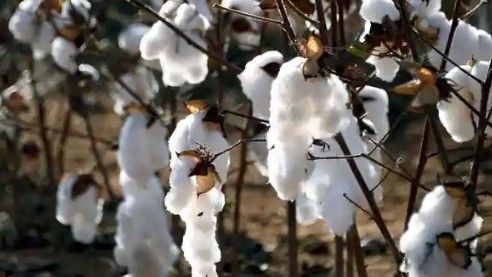
As for the possibility of China invading Taiwan, Anderson said that could affect the transportation system, and commodity prices could go either up or down.

Amid the uncertainty, Anderson said prices are looking relatively stable right now. He added that there is a lot of risk in the market, which means higher input costs, so it is going to cost more to produce a commodity.

"You may want to change commodities," Anderson said. "Work with your extension economist in penciling out which commodity gives you the highest odds of a positive return."

Anderson said rather than worrying about the price, producers need to worry about getting a quality product out on the market and the market will pay a profit at least in the long run.


This week on SUNUP:

• Brian Arnall, OSU Extension soil nutrient specialist, has guidance for producers who are making management decisions for dual-purpose and grain-only wheat.
• Wes Lee, OSU Extension Mesonet agricultural coordinator, discusses the percentage of plant available water in the soil. State climatologist Gary McManus updates the drought monitor map.
• Derrell Peel, OSU Extension livestock marketing specialist, breaks down the latest news in the cattle markets.
• Kim Anderson, OSU Extension small grains specialist, explains how world events are impacting the grain markets.
• We preview the Caddo County Peanut & Cotton Field Day scheduled for Sept. 15 in Ft. Cobb.
• Mark Johnson, OSU Extension beef cattle specialist, continues his discussion on retained ownership.
• Finally, a group of Tulsa Public Schools students recently visited the OSU campus to get a small dose of the big realities of adulthood.

Join us for SUNUP:
Saturday at 7:30 a.m. & Sunday at 6 a.m. on OETA-TV
YouTube.com/SUNUPtv
SUNUP.okstate.edu


Most Uncertain Commodity Markets in 40 Years, Says OSU's Kim Anderson

Thu, 01 Sep 2022 16:20:49 CDT


Most Uncertain Commodity Markets in 40 Years, Says OSU's Kim Anderson

Click here to listen to audio


This week on SUNUP is Dr. Kim Anderson, Oklahoma State University Extension grain market economist. During this week's edition, Anderson talks about the current commodity markets and the factors contributing to uncertain times as the markets hold steady.

"You look at prices in the grain industry, they have stabilized, you know, corn is going up, the others are kind of sideways, but there is still a lot of risk and uncertainty," Anderson said. "As far as I am concerned, it is probably the most potential risk and most uncertainty I have seen in about 40 years. "

The value of the U.S. dollar is up significantly, Anderson said, and the U.S. economy and economies around the world are suffering from inflation which creates uncertainty and risk in the commodity markets.

"You've got outside money that came into the commodities, started out about 6 months ago and drove wheat prices up over 13 dollars- corn prices up, bean prices up, then they took that money out of these commodities and the prices came back down," Anderson said. "So, you've got that open interest, which is about average now, but relatively lower than it was a few months ago and you've got tight world stocks for wheat, corn, soybeans, rice, the commodities around the world- those stocks are relatively tight."

The drought around the world, Anderson said, is reducing harvest and causing tighter stocks, higher prices and additional risk.

Concerning Russia's war with Ukraine, Anderson said they are exporting, but that risk and uncertainty can change in a heartbeat.

"This week a rocket hit an export elevator for Ukraine, so is stabilized, but that risk and uncertainty can blow up in a nanosecond," Anderson said. "Who knows what impact you would have there."

As for the possibility of China invading Taiwan, Anderson said that could affect the transportation system, and commodity prices could go either up or down.

Amid the uncertainty, Anderson said prices are looking relatively stable right now. He added that there is a lot of risk in the market, which means higher input costs, so it is going to cost more to produce a commodity.

"You may want to change commodities," Anderson said. "Work with your extension economist in penciling out which commodity gives you the highest odds of a positive return."

Anderson said rather than worrying about the price, producers need to worry about getting a quality product out on the market and the market will pay a profit at least in the long run.


This week on SUNUP:

• Brian Arnall, OSU Extension soil nutrient specialist, has guidance for producers who are making management decisions for dual-purpose and grain-only wheat.
• Wes Lee, OSU Extension Mesonet agricultural coordinator, discusses the percentage of plant available water in the soil. State climatologist Gary McManus updates the drought monitor map.
• Derrell Peel, OSU Extension livestock marketing specialist, breaks down the latest news in the cattle markets.
• Kim Anderson, OSU Extension small grains specialist, explains how world events are impacting the grain markets.
• We preview the Caddo County Peanut & Cotton Field Day scheduled for Sept. 15 in Ft. Cobb.
• Mark Johnson, OSU Extension beef cattle specialist, continues his discussion on retained ownership.
• Finally, a group of Tulsa Public Schools students recently visited the OSU campus to get a small dose of the big realities of adulthood.

Join us for SUNUP:
Saturday at 7:30 a.m. & Sunday at 6 a.m. on OETA-TV
YouTube.com/SUNUPtv
SUNUP.okstate.edu


Most Uncertain Commodity Markets in 40 Years, Says OSU's Kim Anderson

Thu, 01 Sep 2022 16:20:47 CDT


Most Uncertain Commodity Markets in 40 Years, Says OSU's Kim Anderson

Click here to listen to audio


This week on SUNUP is Dr. Kim Anderson, Oklahoma State University Extension grain market economist. During this week's edition, Anderson talks about the current commodity markets and the factors contributing to uncertain times as the markets hold steady.

"You look at prices in the grain industry, they have stabilized, you know, corn is going up, the others are kind of sideways, but there is still a lot of risk and uncertainty," Anderson said. "As far as I am concerned, it is probably the most potential risk and most uncertainty I have seen in about 40 years. "

The value of the U.S. dollar is up significantly, Anderson said, and the U.S. economy and economies around the world are suffering from inflation which creates uncertainty and risk in the commodity markets.

"You've got outside money that came into the commodities, started out about 6 months ago and drove wheat prices up over 13 dollars- corn prices up, bean prices up, then they took that money out of these commodities and the prices came back down," Anderson said. "So, you've got that open interest, which is about average now, but relatively lower than it was a few months ago and you've got tight world stocks for wheat, corn, soybeans, rice, the commodities around the world- those stocks are relatively tight."

The drought around the world, Anderson said, is reducing harvest and causing tighter stocks, higher prices and additional risk.

Concerning Russia's war with Ukraine, Anderson said they are exporting, but that risk and uncertainty can change in a heartbeat.

"This week a rocket hit an export elevator for Ukraine, so is stabilized, but that risk and uncertainty can blow up in a nanosecond," Anderson said. "Who knows what impact you would have there."

As for the possibility of China invading Taiwan, Anderson said that could affect the transportation system, and commodity prices could go either up or down.

Amid the uncertainty, Anderson said prices are looking relatively stable right now. He added that there is a lot of risk in the market, which means higher input costs, so it is going to cost more to produce a commodity.

"You may want to change commodities," Anderson said. "Work with your extension economist in penciling out which commodity gives you the highest odds of a positive return."

Anderson said rather than worrying about the price, producers need to worry about getting a quality product out on the market and the market will pay a profit at least in the long run.


This week on SUNUP:

• Brian Arnall, OSU Extension soil nutrient specialist, has guidance for producers who are making management decisions for dual-purpose and grain-only wheat.
• Wes Lee, OSU Extension Mesonet agricultural coordinator, discusses the percentage of plant available water in the soil. State climatologist Gary McManus updates the drought monitor map.
• Derrell Peel, OSU Extension livestock marketing specialist, breaks down the latest news in the cattle markets.
• Kim Anderson, OSU Extension small grains specialist, explains how world events are impacting the grain markets.
• We preview the Caddo County Peanut & Cotton Field Day scheduled for Sept. 15 in Ft. Cobb.
• Mark Johnson, OSU Extension beef cattle specialist, continues his discussion on retained ownership.
• Finally, a group of Tulsa Public Schools students recently visited the OSU campus to get a small dose of the big realities of adulthood.

Join us for SUNUP:
Saturday at 7:30 a.m. & Sunday at 6 a.m. on OETA-TV
YouTube.com/SUNUPtv
SUNUP.okstate.edu


Cover Cropping a Valuable Strategy for Ranchers, says Jaymelynn Farney

Thu, 01 Sep 2022 15:48:09 CDT Senior Farm and Ranch Broadcaster, Ron Hays, had the chance to visit with Kansas State University associate professor and Beef Systems Specialist, Jaymelynn Farney talking about planting strategies to improve soil health and forage quality. "The concept and what we really looked at with the integration of cattle in cropping systems is the ability to reduce the risk within your operation," Farney said. "By that, I mean strictly from an economic standpoint, it allows you to possibly raise two different crops." By raising two different crops, Farney is referring to a cow crop and a grain crop. "There are several really good benefits to integration," Farney said. One of those benefits, she added, includes improved nutrient cycling. "Typically, when your margins are really good in the cattle industry is when we have our lowest grain prices and vice versa," Farney said. "So, it allows you to be able to stay within our agricultural community longer. It also has soil health benefits. Manure is one of the quickest ways to add organic matter to your operation, so there are several benefits." Planting an annual forage, Farney said, will help to reduce the amount of erosion and help hang on to benefited top soil. In the southeast area of Kansas, Farney said they grow three crops in two years. The diversity in cropping systems, she added, benefits the soil by not planting the same crop two times in a row. "We don't see huge benefits just strictly from the cover crop itself," Farney said. "We will see greater improvements in our soil properties with the manure. That is where we see a more readily usable form of soil nutrients and especially the organic matter." For cattle owners wanting to take the plunge, Farney recommends starting out with something simple. "It is very complex," Farney said. "We have got to figure out what your goals are and how to balance each of those components." An example of a simple starting approach, Farney said, would be planting sorghum-sudan grass and adding in sunn hemp. This mixture, Farney added, is great for putting nitrogen back into the soil system.    Farney said is also important to graze these forages properly. "If you don't purposefully graze when it needs to be grazed, it can get woody and that does no good for the cattle," Farney said. "A lot of these, especially the summer annuals, need some rotational grazing, so you need to do some staggered planting dates to be able to keep your quality." The bottom line, Farney said, for people wanting to start planting a cover crop is to start with something simple. That way it is not overwhelming, they can have a good experience, and they can learn and improve as time goes on. Click the LISTEN BAR below to hear more from Ron Hays and Jaymelynn Farney on planting strategies to improve soil health and forage quality. The Beef Buzz is a regular feature heard on radio stations around the region on the Radio Oklahoma Network and is a regular audio feature found on this website as well. Click on the LISTEN BAR below for today's show and check out our archives for older Beef Buzz shows covering the gamut of the beef cattle industry today.         Ron Hays Beef Buzzes with Jaymelynn Farney on Cover Cropping click to play audio or right-click to download

Membership in National FFA Organization Reaches All-Time High Test Only

Thu, 01 Sep 2022 13:59:28 CDT

NOT TO BE PUBLISHED TO WORD PRESS VERSION

More of the same


As the importance of agriculture continues to be a focus throughout the world, students around the country understand the vital role it plays in everyday life. No more is this more evident than in the growth of membership in the National FFA Organization.

Today, the National FFA Organization announced a record-high student membership number of 850,823, an increase of 15% from last year. In addition, chapter numbers increased by 178, resulting in 8,995 chapters in the United States, Puerto Rico and the U.S. Virgin Islands.

Interest in FFA and agricultural education continues to grow as membership and the number of chapters increase. The top five student membership states are Texas, California, Georgia, North Carolina and Tennessee. This year, the organization has more than 132,700 Latino members, more than 47,000 Black members and more than 13,000 American Indian and Alaska Native members. Forty-three percent of the membership is female, and 50% is male, with .5% reporting as nonbinary, 4.7% undisclosed, and 1.2% unreported.

"Our FFA members are the future generation of leaders who make a difference in their communities as well as agriculture and other industries," said National FFA CEO Scott Stump. "As we continue to grow, we see the enthusiasm for agricultural education and FFA reflected in our membership."

The National FFA Organization is a school-based national youth leadership development organization of more than 850,000 student members as part of 8,995 local FFA chapters in all 50 states, Puerto Rico and the U.S. Virgin Islands.


Membership in National FFA Organization Reaches All-Time High Test Only
   

Membership in National FFA Organization Reaches All-Time High Test Only

Thu, 01 Sep 2022 13:59:04 CDT

NOT TO BE PUBLISHED TO WORD PRESS VERSION

More of the same


As the importance of agriculture continues to be a focus throughout the world, students around the country understand the vital role it plays in everyday life. No more is this more evident than in the growth of membership in the National FFA Organization.

Today, the National FFA Organization announced a record-high student membership number of 850,823, an increase of 15% from last year. In addition, chapter numbers increased by 178, resulting in 8,995 chapters in the United States, Puerto Rico and the U.S. Virgin Islands.

Interest in FFA and agricultural education continues to grow as membership and the number of chapters increase. The top five student membership states are Texas, California, Georgia, North Carolina and Tennessee. This year, the organization has more than 132,700 Latino members, more than 47,000 Black members and more than 13,000 American Indian and Alaska Native members. Forty-three percent of the membership is female, and 50% is male, with .5% reporting as nonbinary, 4.7% undisclosed, and 1.2% unreported.

"Our FFA members are the future generation of leaders who make a difference in their communities as well as agriculture and other industries," said National FFA CEO Scott Stump. "As we continue to grow, we see the enthusiasm for agricultural education and FFA reflected in our membership."

The National FFA Organization is a school-based national youth leadership development organization of more than 850,000 student members as part of 8,995 local FFA chapters in all 50 states, Puerto Rico and the U.S. Virgin Islands.


Membership in National FFA Organization Reaches All-Time High Test Only
   

Membership in National FFA Organization Reaches All-Time High Test Only

Thu, 01 Sep 2022 13:58:45 CDT

NOT TO BE PUBLISHED TO WORD PRESS VERSION

More of the same


As the importance of agriculture continues to be a focus throughout the world, students around the country understand the vital role it plays in everyday life. No more is this more evident than in the growth of membership in the National FFA Organization.

Today, the National FFA Organization announced a record-high student membership number of 850,823, an increase of 15% from last year. In addition, chapter numbers increased by 178, resulting in 8,995 chapters in the United States, Puerto Rico and the U.S. Virgin Islands.

Interest in FFA and agricultural education continues to grow as membership and the number of chapters increase. The top five student membership states are Texas, California, Georgia, North Carolina and Tennessee. This year, the organization has more than 132,700 Latino members, more than 47,000 Black members and more than 13,000 American Indian and Alaska Native members. Forty-three percent of the membership is female, and 50% is male, with .5% reporting as nonbinary, 4.7% undisclosed, and 1.2% unreported.

"Our FFA members are the future generation of leaders who make a difference in their communities as well as agriculture and other industries," said National FFA CEO Scott Stump. "As we continue to grow, we see the enthusiasm for agricultural education and FFA reflected in our membership."

The National FFA Organization is a school-based national youth leadership development organization of more than 850,000 student members as part of 8,995 local FFA chapters in all 50 states, Puerto Rico and the U.S. Virgin Islands.


Membership in National FFA Organization Reaches All-Time High Test Only
   

Membership in National FFA Organization Reaches All-Time High Test Only

Thu, 01 Sep 2022 13:58:20 CDT

NOT TO BE PUBLISHED TO WORD PRESS VERSION

More of the same


As the importance of agriculture continues to be a focus throughout the world, students around the country understand the vital role it plays in everyday life. No more is this more evident than in the growth of membership in the National FFA Organization.

Today, the National FFA Organization announced a record-high student membership number of 850,823, an increase of 15% from last year. In addition, chapter numbers increased by 178, resulting in 8,995 chapters in the United States, Puerto Rico and the U.S. Virgin Islands.

Interest in FFA and agricultural education continues to grow as membership and the number of chapters increase. The top five student membership states are Texas, California, Georgia, North Carolina and Tennessee. This year, the organization has more than 132,700 Latino members, more than 47,000 Black members and more than 13,000 American Indian and Alaska Native members. Forty-three percent of the membership is female, and 50% is male, with .5% reporting as nonbinary, 4.7% undisclosed, and 1.2% unreported.

"Our FFA members are the future generation of leaders who make a difference in their communities as well as agriculture and other industries," said National FFA CEO Scott Stump. "As we continue to grow, we see the enthusiasm for agricultural education and FFA reflected in our membership."

The National FFA Organization is a school-based national youth leadership development organization of more than 850,000 student members as part of 8,995 local FFA chapters in all 50 states, Puerto Rico and the U.S. Virgin Islands.


Membership in National FFA Organization Reaches All-Time High Test Only
   

Membership in National FFA Organization Reaches All-Time High Test Only

Thu, 01 Sep 2022 13:57:56 CDT

NOT TO BE PUBLISHED TO WORD PRESS VERSION

More of the same


As the importance of agriculture continues to be a focus throughout the world, students around the country understand the vital role it plays in everyday life. No more is this more evident than in the growth of membership in the National FFA Organization.

Today, the National FFA Organization announced a record-high student membership number of 850,823, an increase of 15% from last year. In addition, chapter numbers increased by 178, resulting in 8,995 chapters in the United States, Puerto Rico and the U.S. Virgin Islands.

Interest in FFA and agricultural education continues to grow as membership and the number of chapters increase. The top five student membership states are Texas, California, Georgia, North Carolina and Tennessee. This year, the organization has more than 132,700 Latino members, more than 47,000 Black members and more than 13,000 American Indian and Alaska Native members. Forty-three percent of the membership is female, and 50% is male, with .5% reporting as nonbinary, 4.7% undisclosed, and 1.2% unreported.

"Our FFA members are the future generation of leaders who make a difference in their communities as well as agriculture and other industries," said National FFA CEO Scott Stump. "As we continue to grow, we see the enthusiasm for agricultural education and FFA reflected in our membership."

The National FFA Organization is a school-based national youth leadership development organization of more than 850,000 student members as part of 8,995 local FFA chapters in all 50 states, Puerto Rico and the U.S. Virgin Islands.


Membership in National FFA Organization Reaches All-Time High Test Only
   

Cover Cropping a Valuable Strategy for Ranchers, says Jaymelynn Farney

Thu, 01 Sep 2022 13:57:26 CDT

Senior Farm and Ranch Broadcaster, Ron Hays, had the chance to visit with Kansas State University associate professor and Beef Systems Specialist, Jaymelynn Farney talking about planting strategies to improve soil health and forage quality.

"The concept and what we really looked at with the integration of cattle in cropping systems is the ability to reduce the risk within your operation," Farney said. "By that, I mean strictly from an economic standpoint, it allows you to possibly raise two different crops."

By raising two different crops, Farney is referring to a cow crop and a grain crop.

"There are several really good benefits to integration," Farney said.

One of those benefits, she added, includes improved nutrient cycling.

"Typically, when your margins are really good in the cattle industry is when we have our lowest grain prices and vice versa," Farney said. "So, it allows you to be able to stay within our agricultural community longer. It also has soil health benefits. Manure is one of the quickest ways to add organic matter to your operation, so there are several benefits."

Planting an annual forage, Farney said, will help to reduce the amount of erosion and help hang on to benefited top soil.

In the southeast area of Kansas, Farney said they grow three crops in two years. The diversity in cropping systems, she added, benefits the soil by not planting the same crop two times in a row.

"We don't see huge benefits just strictly from the cover crop itself," Farney said. "We will see greater improvements in our soil properties with the manure. That is where we see a more readily usable form of soil nutrients and especially the organic matter."

For cattle owners wanting to take the plunge, Farney recommends starting out with something simple.

"It is very complex," Farney said. "We have got to figure out what your goals are and how to balance each of those components."

An example of a simple starting approach, Farney said, would be planting sorghum-sudan grass and adding in sunn hemp. This mixture, Farney added, is great for putting nitrogen back into the soil system.   

Farney said is also important to graze these forages properly.

"If you don't purposefully graze when it needs to be grazed, it can get woody and that does no good for the cattle," Farney said. "A lot of these, especially the summer annuals, need some rotational grazing, so you need to do some staggered planting dates to be able to keep your quality."

The bottom line, Farney said, for people wanting to start planting a cover crop is to start with something simple. That way it is not overwhelming, they can have a good experience, and they can learn and improve as time goes on.


Click the LISTEN BAR below to hear more from Ron Hays and Jaymelynn Farney on planting strategies to improve soil health and forage quality.

The Beef Buzz is a regular feature heard on radio stations around the region on the Radio Oklahoma Network and is a regular audio feature found on this website as well. Click on the LISTEN BAR below for today's show and check out our archives for older Beef Buzz shows covering the gamut of the beef cattle industry today.


Ron Hays Beef Buzzes with Jaymelynn Farney on Cover Cropping

click to play audio or right-click to download

Factors to Consider When Planning for Drought with Dr. Laura Goodman

Thu, 01 Sep 2022 13:56:11 CDT

Senior Farm and Ranch Broadcaster, Ron Hays, is back talking with Oklahoma State University Extension Specialist for Rangeland and Ecology, Dr. Laura Goodman, about factors to consider when developing a plan for drought.

"If we can come up with our plans before we are in this state, that is ideal," Goodman said. "Figuring out who we are going to cull and who we are going to keep."

Having some variety in your herd, Goodman said, and not just running cattle is a good strategy for years when there is not adequate forage.

"Another option we are looking at is using multi-species grazing, so mixing goats in pastures with our cattle, and that kind of provides a two-fold benefit that we can use some of the woody plants that stay green during drought for much longer," Goodman said.

Goats are profitable, Goodman said, and the five-year average for 40 to 60-pound kids is $2.80 per pound. There are many producers who want to integrate goats into their operation but face many questions such as how to deal with parasites, predators, fencing, and more, Goodman added, so OSU Extension can help answer these questions.

"There were a lot of folks thinking about starting this before we ever started talking about it and I think they knew well before we ever started saying anything that this might be a profitable way to manage their land and instead of having to pay for that woody plant control, they are getting something from it and having kids to sell," Goodman said.

OSU extension research uses livestock guardian dogs such as the Akbash and Anatolian breeds to help protect their goats.

"They are an awesome investment," Goodman said. "It is an investment, but they pay for themselves. They have really done a great job of protecting those nannies, our mamas, our does, and our kidding on pasture."

For cattle producers trying to navigate the drought, Goodman said for those who have already sold quite a few animals, to start thinking about a restocking approach for when the drought is over.

"I think we can learn a lot from the 2011 and 2012 drought because it looks like things are going to be fairly similar and prices are going to be high again after we are out of this," Goodman said. "Also just long term- trying to think about strategies for stockpiling so that you don't have to destock to the same degree, and also just having flexibility in the number of animals that are on your pastures as much as possible."

Goodman talked about a new tool called the Rangeland Analysis Platform, which is a webpage producers can visit to outline their pastures and identify where they are at relative to how much forage they normally produce. The webpage is free, Goodman added, and it is a great tool for those trying to make culling or restocking decisions.


Click the LISTEN BAR below to listen to Ron Hays and Laura Goodman talk about drought strategy.

The Beef Buzz is a regular feature heard on radio stations around the region on the Radio Oklahoma Network and is a regular audio feature found on this website as well. Click on the LISTEN BAR below for today's show and check out our archives for older Beef Buzz shows covering the gamut of the beef cattle industry today.


Ron Hays Beef Buzzes with Laura Goodman on Drought Strategy

click to play audio or right-click to download

Membership in National FFA Organization Reaches All-Time High Test Only

Thu, 01 Sep 2022 13:58:20 CDT

NOT TO BE PUBLISHED TO WORD PRESS VERSION

More of the same


As the importance of agriculture continues to be a focus throughout the world, students around the country understand the vital role it plays in everyday life. No more is this more evident than in the growth of membership in the National FFA Organization.

Today, the National FFA Organization announced a record-high student membership number of 850,823, an increase of 15% from last year. In addition, chapter numbers increased by 178, resulting in 8,995 chapters in the United States, Puerto Rico and the U.S. Virgin Islands.

Interest in FFA and agricultural education continues to grow as membership and the number of chapters increase. The top five student membership states are Texas, California, Georgia, North Carolina and Tennessee. This year, the organization has more than 132,700 Latino members, more than 47,000 Black members and more than 13,000 American Indian and Alaska Native members. Forty-three percent of the membership is female, and 50% is male, with .5% reporting as nonbinary, 4.7% undisclosed, and 1.2% unreported.

"Our FFA members are the future generation of leaders who make a difference in their communities as well as agriculture and other industries," said National FFA CEO Scott Stump. "As we continue to grow, we see the enthusiasm for agricultural education and FFA reflected in our membership."

The National FFA Organization is a school-based national youth leadership development organization of more than 850,000 student members as part of 8,995 local FFA chapters in all 50 states, Puerto Rico and the U.S. Virgin Islands.


Membership in National FFA Organization Reaches All-Time High Test Only
   

Latest Oklahoma Drought Map Shows no Significant Changes- Hopeful for Improvements in Next Week's Numbers with Recent Rainfall

Thu, 01 Sep 2022 12:17:06 CDT


Latest Oklahoma Drought Map Shows no Significant Changes- Hopeful for Improvements in Next Week's Numbers with Recent Rainfall


According to the latest drought monitor report, in Oklahoma, exceptional drought is unchanged from last week at 2.19 percent.

Extreme drought or worse has dropped down to 47.1 percent from last week's 48.6 percent.

Severe drought or worse is now at 88.2 percent, slightly below last week's 89.6 percent.

Moderate drought or worse is now at 98.9 percent, not much different from last week's 98.6 percent.

Abnormally dry or worse conditions are unchanged from last week at 99.9 percent.


The 6-10-day precipitation outlook map shows the northern border of Oklahoma is leaning above a 33-40 percent chance of precipitation, and the rest of the state is leaning above a 40-50 percent chance of rain through September 10th. According to the Oklahoma Mesonet, rain chances will continue on and off for the next week or more. The September temperature and precipitation outlooks show there are increased
odds of above normal temperatures in the western Panhandle and above normal
rainfall in far southeastern Oklahoma.


To view the Oklahoma drought map, click here.


According to the latest U.S. drought monitor report, broad drought improvements continued across parts of the South for the second week in a row as the ongoing effects of record-setting rainfall over the last two weeks became apparent. The North American Monsoon also continued to provide much-needed rainfall in the Southwest, leading to additional improvements across much of the region. Drought expanded in the Northwest as warm, dry conditions continued across the region, while the Midwest, Southeast, and Northeast saw a mix of improvements and degradations due to locally heavy rain.


In the Southern Plains
, rainfall totals over the past two weeks once again led to broad 1- and 2-category improvements across large parts of the South. For the second week in a row, all states in the region showed improvements as the effect of the rainfall became apparent in drought indicators such as soil moisture, streamflow and vegetation. Rainfall records show that the previous two weeks ranked in the top 10 wettest for this time of year in many locations in the region. Some of these records go back over 100 years. Drought remains in areas that missed out on the recent heavy rains and those in which rainfall deficits still exist at 90-plus days so that deeper soil moisture, shallow groundwater and streamflow indicators have yet to recover. Extreme (D3) drought expanded in northern Oklahoma in the areas that missed out on the heavy rain. Rainfall deficits of nearly 6 inches have continued to dry out soils and stress vegetation.


In the High Plains, warm, dry conditions continued across much of the region with the Dakotas, Nebraska and Kansas seeing some areas of worsening conditions. In Nebraska and Kansas, all levels of drought expanded as short-term precipitation deficits, on top of long-term dryness, continued to deplete soil moisture and stress vegetation. Exceptional (D4) drought expanded in the southwest where rainfall deficits of over 3.5 inches have occurred over the last 90 days. Extreme (D3), severe (D2) and moderate (D1) drought expanded in the eastern half of Nebraska where rainfall deficits of 3 to nearly 7 inches have occurred over the last 90 days. Other areas of Nebraska seeing degradations include north-central Nebraska, where D2 expanded, and the Panhandle, where D1 expanded. Similarly, Kansas also saw large areas of deterioration. In the western half of the state, D1, D2, D3 and D4 expanded where rainfall deficits near 5 inches occurred over the last 90 days. In the east, improvements were made to D1 where the heaviest rain fell over the last 2 weeks. Improvements were also made in eastern South Dakota to D1 along a band of heavy rain last week.


In the West, the North American Monsoon continued to provide excellent rainfall in the Southwest. Many areas in the region only receive about five inches of rain annually, but a few spots have nearly equaled this annual average in the last two weeks alone. Drought conditions improved in areas receiving the heaviest rain. Many drought indicators, including soil moisture, streamflow and well data, are responding to the rainfall. Improvements were made to moderate (D1) and severe (D2) drought in Arizona, extreme (D3) drought in Southern California and eastern Utah, and D2 and D3 conditions in eastern New Mexico. To the north, Montana saw an expansion to abnormally dry (D0) and D1 areas as conditions began to rapidly deteriorate. Low rainfall, combined with high evaporative demand, has lowered streamflow and stressed vegetation there.

To view the contiguous U.S. drought map, click here.


Looking ahead, the National Weather Service Weather Prediction Center forecast (valid September 1 - September 4) calls for rainfall over parts of the South, the Southeast, the Central Plains and the Upper Midwest. Meanwhile, dry weather is expected to continue across much of the West, the Northern Plains and the Mid-Atlantic. Moving into next week (valid September 5 - September 8), the forecast calls for continued rain across much of the South and Southeast, while the West, High Plains and parts of the Midwest are expected to remain dry. Heavy rain is expected across portions of the Alaska Panhandle and mainland Alaska. At 8 - 14 days, the Climate Prediction Center Outlook (valid September 8 - September 14) calls for above-normal temperatures across most of the continental U.S. Below-normal to normal temperatures are predicted across southern Arizona, southern New Mexico and West Texas. Below-normal precipitation is favored across much of the northern tier of the continental U.S., while normal to above-normal precipitation is favored for the rest of the continental U.S. Below-normal precipitation is expected across parts of the Pacific Northwest, the Intermountain West, and parts of the Midwest and Northeast.

To view the 6-10-day precipitation outlook map, click here.
To view the 6-10-day temperature outlook map, click here.
To view the monthly drought outlook map, click here.


Latest Oklahoma Drought Map Shows no Significant Changes- Hopeful for Improvements in Next Week's Numbers with Recent Rainfall
   

Latest Oklahoma Drought Map Shows no Significant Changes- Hopeful for Improvements in Next Week's Numbers with Recent Rainfall

Thu, 01 Sep 2022 12:17:05 CDT


Latest Oklahoma Drought Map Shows no Significant Changes- Hopeful for Improvements in Next Week's Numbers with Recent Rainfall


According to the latest drought monitor report, in Oklahoma, exceptional drought is unchanged from last week at 2.19 percent.

Extreme drought or worse has dropped down to 47.1 percent from last week's 48.6 percent.

Severe drought or worse is now at 88.2 percent, slightly below last week's 89.6 percent.

Moderate drought or worse is now at 98.9 percent, not much different from last week's 98.6 percent.

Abnormally dry or worse conditions are unchanged from last week at 99.9 percent.


The 6-10-day precipitation outlook map shows the northern border of Oklahoma is leaning above a 33-40 percent chance of precipitation, and the rest of the state is leaning above a 40-50 percent chance of rain through September 10th. According to the Oklahoma Mesonet, rain chances will continue on and off for the next week or more. The September temperature and precipitation outlooks show there are increased
odds of above normal temperatures in the western Panhandle and above normal
rainfall in far southeastern Oklahoma.


To view the Oklahoma drought map, click here.


According to the latest U.S. drought monitor report, broad drought improvements continued across parts of the South for the second week in a row as the ongoing effects of record-setting rainfall over the last two weeks became apparent. The North American Monsoon also continued to provide much-needed rainfall in the Southwest, leading to additional improvements across much of the region. Drought expanded in the Northwest as warm, dry conditions continued across the region, while the Midwest, Southeast, and Northeast saw a mix of improvements and degradations due to locally heavy rain.


In the Southern Plains
, rainfall totals over the past two weeks once again led to broad 1- and 2-category improvements across large parts of the South. For the second week in a row, all states in the region showed improvements as the effect of the rainfall became apparent in drought indicators such as soil moisture, streamflow and vegetation. Rainfall records show that the previous two weeks ranked in the top 10 wettest for this time of year in many locations in the region. Some of these records go back over 100 years. Drought remains in areas that missed out on the recent heavy rains and those in which rainfall deficits still exist at 90-plus days so that deeper soil moisture, shallow groundwater and streamflow indicators have yet to recover. Extreme (D3) drought expanded in northern Oklahoma in the areas that missed out on the heavy rain. Rainfall deficits of nearly 6 inches have continued to dry out soils and stress vegetation.


In the High Plains, warm, dry conditions continued across much of the region with the Dakotas, Nebraska and Kansas seeing some areas of worsening conditions. In Nebraska and Kansas, all levels of drought expanded as short-term precipitation deficits, on top of long-term dryness, continued to deplete soil moisture and stress vegetation. Exceptional (D4) drought expanded in the southwest where rainfall deficits of over 3.5 inches have occurred over the last 90 days. Extreme (D3), severe (D2) and moderate (D1) drought expanded in the eastern half of Nebraska where rainfall deficits of 3 to nearly 7 inches have occurred over the last 90 days. Other areas of Nebraska seeing degradations include north-central Nebraska, where D2 expanded, and the Panhandle, where D1 expanded. Similarly, Kansas also saw large areas of deterioration. In the western half of the state, D1, D2, D3 and D4 expanded where rainfall deficits near 5 inches occurred over the last 90 days. In the east, improvements were made to D1 where the heaviest rain fell over the last 2 weeks. Improvements were also made in eastern South Dakota to D1 along a band of heavy rain last week.


In the West, the North American Monsoon continued to provide excellent rainfall in the Southwest. Many areas in the region only receive about five inches of rain annually, but a few spots have nearly equaled this annual average in the last two weeks alone. Drought conditions improved in areas receiving the heaviest rain. Many drought indicators, including soil moisture, streamflow and well data, are responding to the rainfall. Improvements were made to moderate (D1) and severe (D2) drought in Arizona, extreme (D3) drought in Southern California and eastern Utah, and D2 and D3 conditions in eastern New Mexico. To the north, Montana saw an expansion to abnormally dry (D0) and D1 areas as conditions began to rapidly deteriorate. Low rainfall, combined with high evaporative demand, has lowered streamflow and stressed vegetation there.

To view the contiguous U.S. drought map, click here.


Looking ahead, the National Weather Service Weather Prediction Center forecast (valid September 1 - September 4) calls for rainfall over parts of the South, the Southeast, the Central Plains and the Upper Midwest. Meanwhile, dry weather is expected to continue across much of the West, the Northern Plains and the Mid-Atlantic. Moving into next week (valid September 5 - September 8), the forecast calls for continued rain across much of the South and Southeast, while the West, High Plains and parts of the Midwest are expected to remain dry. Heavy rain is expected across portions of the Alaska Panhandle and mainland Alaska. At 8 - 14 days, the Climate Prediction Center Outlook (valid September 8 - September 14) calls for above-normal temperatures across most of the continental U.S. Below-normal to normal temperatures are predicted across southern Arizona, southern New Mexico and West Texas. Below-normal precipitation is favored across much of the northern tier of the continental U.S., while normal to above-normal precipitation is favored for the rest of the continental U.S. Below-normal precipitation is expected across parts of the Pacific Northwest, the Intermountain West, and parts of the Midwest and Northeast.

To view the 6-10-day precipitation outlook map, click here.
To view the 6-10-day temperature outlook map, click here.
To view the monthly drought outlook map, click here.


Latest Oklahoma Drought Map Shows no Significant Changes- Hopeful for Improvements in Next Week's Numbers with Recent Rainfall
   

Feeding Minds Press Shares Achievements of Norman Borlaug with Next Generation

Thu, 01 Sep 2022 10:14:49 CDT


Feeding Minds Press Shares Achievements of Norman Borlaug with Next Generation


A new generation of learners can be freshly inspired by Norman Borlaug, the "Father of the Green Revolution," thanks to the newest title from Feeding Minds Press, the American Farm Bureau Foundation for Agriculture's publishing venture.


"Hero for the Hungry" tells the story of Borlaug, who dedicated his life's work to ending world hunger. Written by Peggy Thomas and illustrated by Sam Kalda, this is the first chapter book from Feeding Minds Press, ideal for middle school readers.


"We're excited to introduce today's youth to Norman Borlaug," said Daniel Meloy, executive director of the Foundation. "With 'Hero for the Hungry,' we hope Norman Borlaug's story of science and true American grit inspires young readers to explore how they too can help solve hunger issues."


This story follows Borlaug from his humble beginnings on a small farm in Iowa to his groundbreaking innovation that helped feed millions in a time of famine by improving the productivity of wheat, earning him a Nobel Peace Prize.


"Hero for the Hungry" can be used in a variety of classrooms—from a science class studying genetics or an agriculture class covering agronomy to a biographical study in a history or English class.


The book also includes a timeline of events, a call to action, and sidebars with explanations of the science Borlaug used to produce improved wheat varieties. Accompanying free lesson plans are also available for educators, volunteers and parents. "Hero for the Hungry" is available for purchase directly from Feeding Minds Press as well as via Barnes & Noble or Amazon.


About Feeding Minds Press:

Feeding Minds Press is a project of the American Farm Bureau Foundation for Agriculture. The mission of the Foundation is to build awareness and understanding of agriculture through education. The goal of Feeding Minds Press is to publish accurate and engaging books about agriculture that connect readers to where their food comes from and to who grows it.
   

Feeding Minds Press Shares Achievements of Norman Borlaug with Next Generation

Thu, 01 Sep 2022 10:14:48 CDT


Feeding Minds Press Shares Achievements of Norman Borlaug with Next Generation


A new generation of learners can be freshly inspired by Norman Borlaug, the "Father of the Green Revolution," thanks to the newest title from Feeding Minds Press, the American Farm Bureau Foundation for Agriculture's publishing venture.


"Hero for the Hungry" tells the story of Borlaug, who dedicated his life's work to ending world hunger. Written by Peggy Thomas and illustrated by Sam Kalda, this is the first chapter book from Feeding Minds Press, ideal for middle school readers.


"We're excited to introduce today's youth to Norman Borlaug," said Daniel Meloy, executive director of the Foundation. "With 'Hero for the Hungry,' we hope Norman Borlaug's story of science and true American grit inspires young readers to explore how they too can help solve hunger issues."


This story follows Borlaug from his humble beginnings on a small farm in Iowa to his groundbreaking innovation that helped feed millions in a time of famine by improving the productivity of wheat, earning him a Nobel Peace Prize.


"Hero for the Hungry" can be used in a variety of classrooms—from a science class studying genetics or an agriculture class covering agronomy to a biographical study in a history or English class.


The book also includes a timeline of events, a call to action, and sidebars with explanations of the science Borlaug used to produce improved wheat varieties. Accompanying free lesson plans are also available for educators, volunteers and parents. "Hero for the Hungry" is available for purchase directly from Feeding Minds Press as well as via Barnes & Noble or Amazon.


About Feeding Minds Press:

Feeding Minds Press is a project of the American Farm Bureau Foundation for Agriculture. The mission of the Foundation is to build awareness and understanding of agriculture through education. The goal of Feeding Minds Press is to publish accurate and engaging books about agriculture that connect readers to where their food comes from and to who grows it.
   

USDA Proposal on Electronic ID Tags Only for Animal Disease Traceback

Thu, 01 Sep 2022 10:01:50 CDT


USDA Proposal on Electronic ID Tags Only for Animal Disease Traceback

Click here to listen to audio


Senior Farm and Ranch Broadcaster, Ron Hays, is back with the National Cattlemen's Beef Association's Director of Animal Health and Food Safety Policy, Chase DeCoite, talking about animal disease traceback.

DeCoite said while electronic ID tags can be useful for tracing animal disease - there are additional applications that can help carry information for value-added traceback efforts.

"NCBA really is supportive of this program only from a perspective of animal disease traceability," DeCoite said. "We want those other programs to remain on a voluntary basis and we want those to be market driven and continue to allow our producers to capitalize on what the market demands with some of the program-based electronic identification systems, electronic data transfer, and program cattle."

NCBA supports the efforts by the USDA to move forward in a way that is solely focused on enhancing disease traceability of the tags, DeCoite said, but as an industry, the more these programs interact in the future to allow producers to comply with the law and do what is best for their operation is always on the table.

"Threats of foreign animal disease like foot and mouth disease, or a disease that we are watching right now such as lumpy skin disease which is occurring in the south pacific- those things are always threatening and, on our doorstep, but probably even more imminent today than it has been in the future as we watch our friends in Australia with their concerns over Indonesia and their outbreak of foot and mouth disease," DeCoite said.

Australia is on high alert to safeguard their cattle herd, DeCoite said, and the U.S. is watching things closely too because many American citizens travel to Australia.

"We also have a lot of trade with Australia that could be impacted by foot and mouth disease or lumpy skin disease, so we are watching our international components as well," DeCoite said. "Electronic ID in particular can limit the spread of disease and keep our producers and our nation's cattle herd as safe as possible."

Hopefully, DeCoite said, the Biden Administration will be releasing something on this issue sooner rather than later.

"We are looking forward to learning more based on their proposed rule that we expect before the end of the year and look forward to engaging with our agency partners to ensure that rule accurately reflects what the cattle industry really needs and is asking for," DeCoite said.


Click the LISTEN BAR below to listen to Chase DeCoite talking about the future of animal disease traceback and electronic ID.

The Beef Buzz is a regular feature heard on radio stations around the region on the Radio Oklahoma Network and is a regular audio feature found on this website as well. Click on the LISTEN BAR below for today's show and check out our archives for older Beef Buzz shows covering the gamut of the beef cattle industry today.


USDA Proposal on Electronic ID Tags Only for Animal Disease Traceback

Thu, 01 Sep 2022 10:01:48 CDT


USDA Proposal on Electronic ID Tags Only for Animal Disease Traceback

Click here to listen to audio


Senior Farm and Ranch Broadcaster, Ron Hays, is back with the National Cattlemen's Beef Association's Director of Animal Health and Food Safety Policy, Chase DeCoite, talking about animal disease traceback.

DeCoite said while electronic ID tags can be useful for tracing animal disease - there are additional applications that can help carry information for value-added traceback efforts.

"NCBA really is supportive of this program only from a perspective of animal disease traceability," DeCoite said. "We want those other programs to remain on a voluntary basis and we want those to be market driven and continue to allow our producers to capitalize on what the market demands with some of the program-based electronic identification systems, electronic data transfer, and program cattle."

NCBA supports the efforts by the USDA to move forward in a way that is solely focused on enhancing disease traceability of the tags, DeCoite said, but as an industry, the more these programs interact in the future to allow producers to comply with the law and do what is best for their operation is always on the table.

"Threats of foreign animal disease like foot and mouth disease, or a disease that we are watching right now such as lumpy skin disease which is occurring in the south pacific- those things are always threatening and, on our doorstep, but probably even more imminent today than it has been in the future as we watch our friends in Australia with their concerns over Indonesia and their outbreak of foot and mouth disease," DeCoite said.

Australia is on high alert to safeguard their cattle herd, DeCoite said, and the U.S. is watching things closely too because many American citizens travel to Australia.

"We also have a lot of trade with Australia that could be impacted by foot and mouth disease or lumpy skin disease, so we are watching our international components as well," DeCoite said. "Electronic ID in particular can limit the spread of disease and keep our producers and our nation's cattle herd as safe as possible."

Hopefully, DeCoite said, the Biden Administration will be releasing something on this issue sooner rather than later.

"We are looking forward to learning more based on their proposed rule that we expect before the end of the year and look forward to engaging with our agency partners to ensure that rule accurately reflects what the cattle industry really needs and is asking for," DeCoite said.


Click the LISTEN BAR below to listen to Chase DeCoite talking about the future of animal disease traceback and electronic ID.

The Beef Buzz is a regular feature heard on radio stations around the region on the Radio Oklahoma Network and is a regular audio feature found on this website as well. Click on the LISTEN BAR below for today's show and check out our archives for older Beef Buzz shows covering the gamut of the beef cattle industry today.


USDA Proposal on Electronic ID Tags Only for Animal Disease Traceback

Thu, 01 Sep 2022 10:01:47 CDT


USDA Proposal on Electronic ID Tags Only for Animal Disease Traceback

Click here to listen to audio


Senior Farm and Ranch Broadcaster, Ron Hays, is back with the National Cattlemen's Beef Association's Director of Animal Health and Food Safety Policy, Chase DeCoite, talking about animal disease traceback.

DeCoite said while electronic ID tags can be useful for tracing animal disease - there are additional applications that can help carry information for value-added traceback efforts.

"NCBA really is supportive of this program only from a perspective of animal disease traceability," DeCoite said. "We want those other programs to remain on a voluntary basis and we want those to be market driven and continue to allow our producers to capitalize on what the market demands with some of the program-based electronic identification systems, electronic data transfer, and program cattle."

NCBA supports the efforts by the USDA to move forward in a way that is solely focused on enhancing disease traceability of the tags, DeCoite said, but as an industry, the more these programs interact in the future to allow producers to comply with the law and do what is best for their operation is always on the table.

"Threats of foreign animal disease like foot and mouth disease, or a disease that we are watching right now such as lumpy skin disease which is occurring in the south pacific- those things are always threatening and, on our doorstep, but probably even more imminent today than it has been in the future as we watch our friends in Australia with their concerns over Indonesia and their outbreak of foot and mouth disease," DeCoite said.

Australia is on high alert to safeguard their cattle herd, DeCoite said, and the U.S. is watching things closely too because many American citizens travel to Australia.

"We also have a lot of trade with Australia that could be impacted by foot and mouth disease or lumpy skin disease, so we are watching our international components as well," DeCoite said. "Electronic ID in particular can limit the spread of disease and keep our producers and our nation's cattle herd as safe as possible."

Hopefully, DeCoite said, the Biden Administration will be releasing something on this issue sooner rather than later.

"We are looking forward to learning more based on their proposed rule that we expect before the end of the year and look forward to engaging with our agency partners to ensure that rule accurately reflects what the cattle industry really needs and is asking for," DeCoite said.


Click the LISTEN BAR below to listen to Chase DeCoite talking about the future of animal disease traceback and electronic ID.

The Beef Buzz is a regular feature heard on radio stations around the region on the Radio Oklahoma Network and is a regular audio feature found on this website as well. Click on the LISTEN BAR below for today's show and check out our archives for older Beef Buzz shows covering the gamut of the beef cattle industry today.


USDA Proposal on Electronic ID Tags Only for Animal Disease Traceback

Thu, 01 Sep 2022 10:01:45 CDT


USDA Proposal on Electronic ID Tags Only for Animal Disease Traceback

Click here to listen to audio


Senior Farm and Ranch Broadcaster, Ron Hays, is back with the National Cattlemen's Beef Association's Director of Animal Health and Food Safety Policy, Chase DeCoite, talking about animal disease traceback.

DeCoite said while electronic ID tags can be useful for tracing animal disease - there are additional applications that can help carry information for value-added traceback efforts.

"NCBA really is supportive of this program only from a perspective of animal disease traceability," DeCoite said. "We want those other programs to remain on a voluntary basis and we want those to be market driven and continue to allow our producers to capitalize on what the market demands with some of the program-based electronic identification systems, electronic data transfer, and program cattle."

NCBA supports the efforts by the USDA to move forward in a way that is solely focused on enhancing disease traceability of the tags, DeCoite said, but as an industry, the more these programs interact in the future to allow producers to comply with the law and do what is best for their operation is always on the table.

"Threats of foreign animal disease like foot and mouth disease, or a disease that we are watching right now such as lumpy skin disease which is occurring in the south pacific- those things are always threatening and, on our doorstep, but probably even more imminent today than it has been in the future as we watch our friends in Australia with their concerns over Indonesia and their outbreak of foot and mouth disease," DeCoite said.

Australia is on high alert to safeguard their cattle herd, DeCoite said, and the U.S. is watching things closely too because many American citizens travel to Australia.

"We also have a lot of trade with Australia that could be impacted by foot and mouth disease or lumpy skin disease, so we are watching our international components as well," DeCoite said. "Electronic ID in particular can limit the spread of disease and keep our producers and our nation's cattle herd as safe as possible."

Hopefully, DeCoite said, the Biden Administration will be releasing something on this issue sooner rather than later.

"We are looking forward to learning more based on their proposed rule that we expect before the end of the year and look forward to engaging with our agency partners to ensure that rule accurately reflects what the cattle industry really needs and is asking for," DeCoite said.


Click the LISTEN BAR below to listen to Chase DeCoite talking about the future of animal disease traceback and electronic ID.

The Beef Buzz is a regular feature heard on radio stations around the region on the Radio Oklahoma Network and is a regular audio feature found on this website as well. Click on the LISTEN BAR below for today's show and check out our archives for older Beef Buzz shows covering the gamut of the beef cattle industry today.


Phosphorus decisions, Is it worth cutting P? from Dr. Brian Arnall

Thu, 01 Sep 2022 09:46:15 CDT


Phosphorus decisions, Is it worth cutting P? from Dr. Brian Arnall


Today we are featuring A blog from Precision Nutrient Management Extension Specialist for Oklahoma State University, Dr. Brian Arnall about Phosphorus.

With the current conditions and input cost many wheat producers are considering cutting back on inputs. I can't disagree with the plan, but I would caution against what you cut. If you have read any of my past blogs, or seen me speak, you should know I'm all for cutting back on pre-plant nitrogen (N). Based on some recent trials I would not argue cutting the potassium (K) side, but phosphorus (P) that's another story that we will walk through in this blog.

First and foremost, soil testing is the key to P management. If your soil test is below the critical threshold for the test you use, 32.5 for Mehlich 3 (M3P), then you need to add phos. We have enough work that shows current recommendations work for P in wheat. Reeds paper Evaluation of incorporated phosphorus fertilizer recommendations on no-till managed winter wheat Link to Paper goes over soil test recommendations in no-till and the recent double crop soybean project Double Crop P and K Blog highlights the importance of P fertility, regardless of yield level. Also if your soil test is below a 5.5 and you haven't limed (Liming is the best solution, Band-aids not so cheap Blog ), then the next best option is adding additional P to alleviate the aluminum toxicity Band-aids for low pH Blog. In-short if the fields soil test P and or pH is below optimum you should not forgo P application.

But the primary reason I am writing this blog is for those looking at fields with composite soil test that is right around the critical thresholds, and they are trying to make the call on to apply P or not to apply P. Even on fields with soil test values in the good level, I am usually in favor of banding in-furrow fertilizer wheat, but not because of the same reasons I am for corn. With corn you are planting in cool soils and the availability of nutrients like P is lower in cool wet soils. For wheat cold soil isn't the concern until we reach the end of the planting window. It will serve as a bit of a "pop-up" as the crop comes out of dormancy in the spring. I have also seen little to no value of N applied in furrow. I see same response to DAP (18-46-0), MAP (11-52-0), and TSP (0-46-0) when all applied at same rate of P. Meaning it was the P not N making the difference.

For me the reason I still recommend getting a little phosphate out even when the soil test comes back is that the great majority of fields have a large range of variability. Looking at a set of 650 grid sampled fields across Oklahoma and Kansas it showed on average soil pH 6.0 and M3P was 34 ppm. Both pH and P are at adequate/optimum levels. However, the average is usually somewhere between the low and high point and in this data set and the range of soil pH was 1.8 units and the range in M3P was 67 ppm. That meant on average of the 648 field with pH values the average difference between low pH and high pH was 1.8 units and the difference between low P and high P was 64 ppm.

Summary of grid soil sample data from fields in Oklahoma and Kansas. Data shared by participating farmers and consultants. Data presented is the number of fields in summarized for each variable, the Average value is what we expect as the average composited field value, the Range is the average difference between the min and the max of all fields.

The field below is from Kingfisher county and was sampled at a resolution of 10 acres per sample. This is a fairly course resolution for grid sampling but provides a great view of how variable our soils can be. The field average pH is 5.3, which is below optimum but our aluminum tolerant wheats would be able to handle fairly well. For the P the average is 22 ppm which needs about 18 lbs of P2O5 to max yields. If the farmer applied a flat rate of 20 lbs there would be significant forage loss on about 65% of the field, for grain only about 45% of the field due to underapplication of P. Note that low P and low pH are not correlated well, meaning the areas low in pH are not always low in P.

Banding P makes it more efficient because it slows the rate of tie. However, we have plenty data that says broadcast applied P is still a great option, even after planting. So what are my take homes from this blog?

First: If you are grazing wheat get down 40-50 lbs of N pre. But I have plenty of data the pre-plant N on grain only wheat is not needed. I have the same amount of data that shows the only value of in-furrow N for grain only is that it forces you to plant more seeds, because it just lowers stand.

Second: When it comes to wheat pay attention to Phosphorus and soil pH. Even our acid tolerant wheats preform better in neutral soil pHs, especially forage wise.

Third: A composite soil sample is an AVERAGE of the field. If your average is right at the ok level (pH of 5.6ish and M3P of 30 ppm), then half of your field is below optimum and will benefit from P.


Phosphorus decisions, Is it worth cutting P? from Dr. Brian Arnall
   
Fourth: If you can band P great, but if you cant broadcast is still a viable option. Do Not Skip P when soil test says there is a need.

Phosphorus decisions, Is it worth cutting P? from Dr. Brian Arnall

Thu, 01 Sep 2022 09:46:14 CDT


Phosphorus decisions, Is it worth cutting P? from Dr. Brian Arnall


Today we are featuring A blog from Precision Nutrient Management Extension Specialist for Oklahoma State University, Dr. Brian Arnall about Phosphorus.

With the current conditions and input cost many wheat producers are considering cutting back on inputs. I can't disagree with the plan, but I would caution against what you cut. If you have read any of my past blogs, or seen me speak, you should know I'm all for cutting back on pre-plant nitrogen (N). Based on some recent trials I would not argue cutting the potassium (K) side, but phosphorus (P) that's another story that we will walk through in this blog.

First and foremost, soil testing is the key to P management. If your soil test is below the critical threshold for the test you use, 32.5 for Mehlich 3 (M3P), then you need to add phos. We have enough work that shows current recommendations work for P in wheat. Reeds paper Evaluation of incorporated phosphorus fertilizer recommendations on no-till managed winter wheat Link to Paper goes over soil test recommendations in no-till and the recent double crop soybean project Double Crop P and K Blog highlights the importance of P fertility, regardless of yield level. Also if your soil test is below a 5.5 and you haven't limed (Liming is the best solution, Band-aids not so cheap Blog ), then the next best option is adding additional P to alleviate the aluminum toxicity Band-aids for low pH Blog. In-short if the fields soil test P and or pH is below optimum you should not forgo P application.

But the primary reason I am writing this blog is for those looking at fields with composite soil test that is right around the critical thresholds, and they are trying to make the call on to apply P or not to apply P. Even on fields with soil test values in the good level, I am usually in favor of banding in-furrow fertilizer wheat, but not because of the same reasons I am for corn. With corn you are planting in cool soils and the availability of nutrients like P is lower in cool wet soils. For wheat cold soil isn't the concern until we reach the end of the planting window. It will serve as a bit of a "pop-up" as the crop comes out of dormancy in the spring. I have also seen little to no value of N applied in furrow. I see same response to DAP (18-46-0), MAP (11-52-0), and TSP (0-46-0) when all applied at same rate of P. Meaning it was the P not N making the difference.

For me the reason I still recommend getting a little phosphate out even when the soil test comes back is that the great majority of fields have a large range of variability. Looking at a set of 650 grid sampled fields across Oklahoma and Kansas it showed on average soil pH 6.0 and M3P was 34 ppm. Both pH and P are at adequate/optimum levels. However, the average is usually somewhere between the low and high point and in this data set and the range of soil pH was 1.8 units and the range in M3P was 67 ppm. That meant on average of the 648 field with pH values the average difference between low pH and high pH was 1.8 units and the difference between low P and high P was 64 ppm.

Summary of grid soil sample data from fields in Oklahoma and Kansas. Data shared by participating farmers and consultants. Data presented is the number of fields in summarized for each variable, the Average value is what we expect as the average composited field value, the Range is the average difference between the min and the max of all fields.

The field below is from Kingfisher county and was sampled at a resolution of 10 acres per sample. This is a fairly course resolution for grid sampling but provides a great view of how variable our soils can be. The field average pH is 5.3, which is below optimum but our aluminum tolerant wheats would be able to handle fairly well. For the P the average is 22 ppm which needs about 18 lbs of P2O5 to max yields. If the farmer applied a flat rate of 20 lbs there would be significant forage loss on about 65% of the field, for grain only about 45% of the field due to underapplication of P. Note that low P and low pH are not correlated well, meaning the areas low in pH are not always low in P.

Banding P makes it more efficient because it slows the rate of tie. However, we have plenty data that says broadcast applied P is still a great option, even after planting. So what are my take homes from this blog?

First: If you are grazing wheat get down 40-50 lbs of N pre. But I have plenty of data the pre-plant N on grain only wheat is not needed. I have the same amount of data that shows the only value of in-furrow N for grain only is that it forces you to plant more seeds, because it just lowers stand.

Second: When it comes to wheat pay attention to Phosphorus and soil pH. Even our acid tolerant wheats preform better in neutral soil pHs, especially forage wise.

Third: A composite soil sample is an AVERAGE of the field. If your average is right at the ok level (pH of 5.6ish and M3P of 30 ppm), then half of your field is below optimum and will benefit from P.


Phosphorus decisions, Is it worth cutting P? from Dr. Brian Arnall
   
Fourth: If you can band P great, but if you cant broadcast is still a viable option. Do Not Skip P when soil test says there is a need.

Latest John Deere self-propelled forage harvesters offer improved performance and uptime, with lower ownership costs

Thu, 01 Sep 2022 09:24:31 CDT


Latest John Deere self-propelled forage harvesters offer improved performance and uptime, with lower ownership costs


John Deere has added three new Deere-powered self-propelled forage harvesters to its lineup - the 9500, 9600 and 9700. Each model addresses the needs of contractors, customer harvesters, and dairy and livestock producers challenged by increased operating costs, shorter harvesting windows and a smaller pool of skilled workers.


"John Deere expanded the horsepower offerings for our wide-body forage harvesters that include the 9500 to 9900 models to provide improved performance and made updates to maximize machine uptime and reduce cost of operation," said Chase Milem, marketing manager with John Deere. "Customers now have more choices than ever when it comes to selecting a new John Deere forage harvester."


The 9500 (755 max hp), 9600 (775 max hp) and 9700 (813 max hp) feature the new John Deere Power Systems JD18X, 18L engine. The new engine provides market-leading productivity with up to 13% higher efficiency, due to the diesel-only innovation of the engine that does not require DEF fluid.


The JD18X features a 750-hour service interval - an improvement of 33% compared to the previously used 13.5L engine. Since no DEF fluid is required, ownership costs are kept low, and machine reliability is increased. For customers with higher horsepower requirements, John Deere still offers the 9800 (855 max hp) and 9900 (956 max hp) models equipped with the Liebherr 24L engine.


"The ideal performance characteristics of the John Deere engine decrease fuel consumption and are perfectly aligned and synchronized for outstanding crop flow through the machine," Milem said. "This is partly due to our industry exclusive HarvestMotion™ Plus engine technology. HarvestMotion Plus provides a unique torque-rise curve and extra power at low engine rpm, which increase power so operators can push through tough conditions while maintaining crop-harvesting quality."


In addition, each 9000 Series comes equipped with a new spout that provides better operator visibility while unloading and boosts machine reliability compared to previous models. Thanks to the addition of more clean-outs and a change in the geometry of the spout, customers can run in "sticky" crop conditions for longer periods of time without plugging. This helps make the forage harvester easier to load while providing more comfort to the operator than previous models.


"Contractors and custom harvesters will appreciate the constant maximum throughput these forage harvesters provide, along with a cab that features enhanced operator visibility and comfort," Milem said. "Reliability, low cost of operation, increased quality of completed work, minimized daily maintenance requirements and reduced total fluid consumption were key improvements John Deere made that will benefit customers."


One way dairy and livestock operations can take full advantage of the improved forage quality and kernel processing of the 9000 Series is by using John Deere Premium or XStream KP™ kernel processors. "Each delivers exceptional corn silage processing scores regardless of cut length," Milem said.


John Deere offers integrated technology for self-propelled forage harvesters, with fully integrated AutoTrac™ RowSense™ guidance, Active Fill Control with rear unloading, and the Generation 4 Universal Display. "These are industry-leading features that are available as options from the factory," Milem said.


Another option Milem highlighted is John Deere HarvestLab™ 3000, which provides on-the-go constituent sensing and documentation. "Customers have told us for years how much they appreciate the versatility of HarvestLab 3000," Milem said. "It can be used as a manure sensing tool and as a stand-alone stationary test unit that can analyze up to seven constituents. These constituents include NDF, crude protein, moisture, sugar, starch, crude fiber, ash and ADF. Using the documented information, farmers can quickly analyze data from worked fields, adjust fertilizer use, select optimal varieties for the upcoming season, and improve water management."


When it comes to staying connected to their forage harvesters, Milem said John Deere makes it easy by including JDLink™ hardware in base equipment on the 9000 Series and the ability to turn on the JDLink Connection in John Deere Operations Center™ for free. A JDLink connection allows field and machine data from the cab to be sent wirelessly to Operations Center. The Operations Center mobile app gives access to that field and machine data from anywhere, anytime. Custom harvesters can set-up work plans before harvesting and send them wirelessly to the Gen 4 display in the cab, monitor harvest progress, and analyze results and machine data. Having access to this data can support operators, saving owners time and money.


Latest John Deere self-propelled forage harvesters offer improved performance and uptime, with lower ownership costs

Thu, 01 Sep 2022 09:24:30 CDT


Latest John Deere self-propelled forage harvesters offer improved performance and uptime, with lower ownership costs


John Deere has added three new Deere-powered self-propelled forage harvesters to its lineup - the 9500, 9600 and 9700. Each model addresses the needs of contractors, customer harvesters, and dairy and livestock producers challenged by increased operating costs, shorter harvesting windows and a smaller pool of skilled workers.


"John Deere expanded the horsepower offerings for our wide-body forage harvesters that include the 9500 to 9900 models to provide improved performance and made updates to maximize machine uptime and reduce cost of operation," said Chase Milem, marketing manager with John Deere. "Customers now have more choices than ever when it comes to selecting a new John Deere forage harvester."


The 9500 (755 max hp), 9600 (775 max hp) and 9700 (813 max hp) feature the new John Deere Power Systems JD18X, 18L engine. The new engine provides market-leading productivity with up to 13% higher efficiency, due to the diesel-only innovation of the engine that does not require DEF fluid.


The JD18X features a 750-hour service interval - an improvement of 33% compared to the previously used 13.5L engine. Since no DEF fluid is required, ownership costs are kept low, and machine reliability is increased. For customers with higher horsepower requirements, John Deere still offers the 9800 (855 max hp) and 9900 (956 max hp) models equipped with the Liebherr 24L engine.


"The ideal performance characteristics of the John Deere engine decrease fuel consumption and are perfectly aligned and synchronized for outstanding crop flow through the machine," Milem said. "This is partly due to our industry exclusive HarvestMotion™ Plus engine technology. HarvestMotion Plus provides a unique torque-rise curve and extra power at low engine rpm, which increase power so operators can push through tough conditions while maintaining crop-harvesting quality."


In addition, each 9000 Series comes equipped with a new spout that provides better operator visibility while unloading and boosts machine reliability compared to previous models. Thanks to the addition of more clean-outs and a change in the geometry of the spout, customers can run in "sticky" crop conditions for longer periods of time without plugging. This helps make the forage harvester easier to load while providing more comfort to the operator than previous models.


"Contractors and custom harvesters will appreciate the constant maximum throughput these forage harvesters provide, along with a cab that features enhanced operator visibility and comfort," Milem said. "Reliability, low cost of operation, increased quality of completed work, minimized daily maintenance requirements and reduced total fluid consumption were key improvements John Deere made that will benefit customers."


One way dairy and livestock operations can take full advantage of the improved forage quality and kernel processing of the 9000 Series is by using John Deere Premium or XStream KP™ kernel processors. "Each delivers exceptional corn silage processing scores regardless of cut length," Milem said.


John Deere offers integrated technology for self-propelled forage harvesters, with fully integrated AutoTrac™ RowSense™ guidance, Active Fill Control with rear unloading, and the Generation 4 Universal Display. "These are industry-leading features that are available as options from the factory," Milem said.


Another option Milem highlighted is John Deere HarvestLab™ 3000, which provides on-the-go constituent sensing and documentation. "Customers have told us for years how much they appreciate the versatility of HarvestLab 3000," Milem said. "It can be used as a manure sensing tool and as a stand-alone stationary test unit that can analyze up to seven constituents. These constituents include NDF, crude protein, moisture, sugar, starch, crude fiber, ash and ADF. Using the documented information, farmers can quickly analyze data from worked fields, adjust fertilizer use, select optimal varieties for the upcoming season, and improve water management."


When it comes to staying connected to their forage harvesters, Milem said John Deere makes it easy by including JDLink™ hardware in base equipment on the 9000 Series and the ability to turn on the JDLink Connection in John Deere Operations Center™ for free. A JDLink connection allows field and machine data from the cab to be sent wirelessly to Operations Center. The Operations Center mobile app gives access to that field and machine data from anywhere, anytime. Custom harvesters can set-up work plans before harvesting and send them wirelessly to the Gen 4 display in the cab, monitor harvest progress, and analyze results and machine data. Having access to this data can support operators, saving owners time and money.


Latest John Deere self-propelled forage harvesters offer improved performance and uptime, with lower ownership costs

Thu, 01 Sep 2022 09:24:29 CDT


Latest John Deere self-propelled forage harvesters offer improved performance and uptime, with lower ownership costs


John Deere has added three new Deere-powered self-propelled forage harvesters to its lineup - the 9500, 9600 and 9700. Each model addresses the needs of contractors, customer harvesters, and dairy and livestock producers challenged by increased operating costs, shorter harvesting windows and a smaller pool of skilled workers.


"John Deere expanded the horsepower offerings for our wide-body forage harvesters that include the 9500 to 9900 models to provide improved performance and made updates to maximize machine uptime and reduce cost of operation," said Chase Milem, marketing manager with John Deere. "Customers now have more choices than ever when it comes to selecting a new John Deere forage harvester."


The 9500 (755 max hp), 9600 (775 max hp) and 9700 (813 max hp) feature the new John Deere Power Systems JD18X, 18L engine. The new engine provides market-leading productivity with up to 13% higher efficiency, due to the diesel-only innovation of the engine that does not require DEF fluid.


The JD18X features a 750-hour service interval - an improvement of 33% compared to the previously used 13.5L engine. Since no DEF fluid is required, ownership costs are kept low, and machine reliability is increased. For customers with higher horsepower requirements, John Deere still offers the 9800 (855 max hp) and 9900 (956 max hp) models equipped with the Liebherr 24L engine.


"The ideal performance characteristics of the John Deere engine decrease fuel consumption and are perfectly aligned and synchronized for outstanding crop flow through the machine," Milem said. "This is partly due to our industry exclusive HarvestMotion™ Plus engine technology. HarvestMotion Plus provides a unique torque-rise curve and extra power at low engine rpm, which increase power so operators can push through tough conditions while maintaining crop-harvesting quality."


In addition, each 9000 Series comes equipped with a new spout that provides better operator visibility while unloading and boosts machine reliability compared to previous models. Thanks to the addition of more clean-outs and a change in the geometry of the spout, customers can run in "sticky" crop conditions for longer periods of time without plugging. This helps make the forage harvester easier to load while providing more comfort to the operator than previous models.


"Contractors and custom harvesters will appreciate the constant maximum throughput these forage harvesters provide, along with a cab that features enhanced operator visibility and comfort," Milem said. "Reliability, low cost of operation, increased quality of completed work, minimized daily maintenance requirements and reduced total fluid consumption were key improvements John Deere made that will benefit customers."


One way dairy and livestock operations can take full advantage of the improved forage quality and kernel processing of the 9000 Series is by using John Deere Premium or XStream KP™ kernel processors. "Each delivers exceptional corn silage processing scores regardless of cut length," Milem said.


John Deere offers integrated technology for self-propelled forage harvesters, with fully integrated AutoTrac™ RowSense™ guidance, Active Fill Control with rear unloading, and the Generation 4 Universal Display. "These are industry-leading features that are available as options from the factory," Milem said.


Another option Milem highlighted is John Deere HarvestLab™ 3000, which provides on-the-go constituent sensing and documentation. "Customers have told us for years how much they appreciate the versatility of HarvestLab 3000," Milem said. "It can be used as a manure sensing tool and as a stand-alone stationary test unit that can analyze up to seven constituents. These constituents include NDF, crude protein, moisture, sugar, starch, crude fiber, ash and ADF. Using the documented information, farmers can quickly analyze data from worked fields, adjust fertilizer use, select optimal varieties for the upcoming season, and improve water management."


When it comes to staying connected to their forage harvesters, Milem said John Deere makes it easy by including JDLink™ hardware in base equipment on the 9000 Series and the ability to turn on the JDLink Connection in John Deere Operations Center™ for free. A JDLink connection allows field and machine data from the cab to be sent wirelessly to Operations Center. The Operations Center mobile app gives access to that field and machine data from anywhere, anytime. Custom harvesters can set-up work plans before harvesting and send them wirelessly to the Gen 4 display in the cab, monitor harvest progress, and analyze results and machine data. Having access to this data can support operators, saving owners time and money.


Latest John Deere self-propelled forage harvesters offer improved performance and uptime, with lower ownership costs

Thu, 01 Sep 2022 09:24:28 CDT


Latest John Deere self-propelled forage harvesters offer improved performance and uptime, with lower ownership costs


John Deere has added three new Deere-powered self-propelled forage harvesters to its lineup - the 9500, 9600 and 9700. Each model addresses the needs of contractors, customer harvesters, and dairy and livestock producers challenged by increased operating costs, shorter harvesting windows and a smaller pool of skilled workers.


"John Deere expanded the horsepower offerings for our wide-body forage harvesters that include the 9500 to 9900 models to provide improved performance and made updates to maximize machine uptime and reduce cost of operation," said Chase Milem, marketing manager with John Deere. "Customers now have more choices than ever when it comes to selecting a new John Deere forage harvester."


The 9500 (755 max hp), 9600 (775 max hp) and 9700 (813 max hp) feature the new John Deere Power Systems JD18X, 18L engine. The new engine provides market-leading productivity with up to 13% higher efficiency, due to the diesel-only innovation of the engine that does not require DEF fluid.


The JD18X features a 750-hour service interval - an improvement of 33% compared to the previously used 13.5L engine. Since no DEF fluid is required, ownership costs are kept low, and machine reliability is increased. For customers with higher horsepower requirements, John Deere still offers the 9800 (855 max hp) and 9900 (956 max hp) models equipped with the Liebherr 24L engine.


"The ideal performance characteristics of the John Deere engine decrease fuel consumption and are perfectly aligned and synchronized for outstanding crop flow through the machine," Milem said. "This is partly due to our industry exclusive HarvestMotion™ Plus engine technology. HarvestMotion Plus provides a unique torque-rise curve and extra power at low engine rpm, which increase power so operators can push through tough conditions while maintaining crop-harvesting quality."


In addition, each 9000 Series comes equipped with a new spout that provides better operator visibility while unloading and boosts machine reliability compared to previous models. Thanks to the addition of more clean-outs and a change in the geometry of the spout, customers can run in "sticky" crop conditions for longer periods of time without plugging. This helps make the forage harvester easier to load while providing more comfort to the operator than previous models.


"Contractors and custom harvesters will appreciate the constant maximum throughput these forage harvesters provide, along with a cab that features enhanced operator visibility and comfort," Milem said. "Reliability, low cost of operation, increased quality of completed work, minimized daily maintenance requirements and reduced total fluid consumption were key improvements John Deere made that will benefit customers."


One way dairy and livestock operations can take full advantage of the improved forage quality and kernel processing of the 9000 Series is by using John Deere Premium or XStream KP™ kernel processors. "Each delivers exceptional corn silage processing scores regardless of cut length," Milem said.


John Deere offers integrated technology for self-propelled forage harvesters, with fully integrated AutoTrac™ RowSense™ guidance, Active Fill Control with rear unloading, and the Generation 4 Universal Display. "These are industry-leading features that are available as options from the factory," Milem said.


Another option Milem highlighted is John Deere HarvestLab™ 3000, which provides on-the-go constituent sensing and documentation. "Customers have told us for years how much they appreciate the versatility of HarvestLab 3000," Milem said. "It can be used as a manure sensing tool and as a stand-alone stationary test unit that can analyze up to seven constituents. These constituents include NDF, crude protein, moisture, sugar, starch, crude fiber, ash and ADF. Using the documented information, farmers can quickly analyze data from worked fields, adjust fertilizer use, select optimal varieties for the upcoming season, and improve water management."


When it comes to staying connected to their forage harvesters, Milem said John Deere makes it easy by including JDLink™ hardware in base equipment on the 9000 Series and the ability to turn on the JDLink Connection in John Deere Operations Center™ for free. A JDLink connection allows field and machine data from the cab to be sent wirelessly to Operations Center. The Operations Center mobile app gives access to that field and machine data from anywhere, anytime. Custom harvesters can set-up work plans before harvesting and send them wirelessly to the Gen 4 display in the cab, monitor harvest progress, and analyze results and machine data. Having access to this data can support operators, saving owners time and money.


Growth Energy Comments on the Development of Washington State's Proposed Clean Fuel Program

Thu, 01 Sep 2022 09:20:05 CDT


Growth Energy Comments on the Development of Washington State's Proposed Clean Fuel Program


In response to the Washington Department of Ecology's proposal to implement a statewide clean fuel program, Growth Energy submitted comments calling on the Department to consider the vital role of biofuels in reducing greenhouse gas emissions as it works to reshape Washington's fuel mix to make it more sustainable.


"We continue to urge the Department to further develop clear policies that recognize the realities of today's fuel market and examine how homegrown biofuels can immediately contribute to achieving GHG reductions," wrote Growth Energy Senior Vice President of Regulatory Affairs Chris Bliley. "In fact, a recent study from Air Improvement Resources found that if Washington converted completely to E15, it could reduce GHG emissions by 334,000 tons per year – the equivalent of taking 73,000 cars off the road annually."


Growth Energy also called on the Department to correct the GREET Model to accurately reflect updated science on land use, credit farmers for field-based farm practices, and include credit generation from carbon capture.


Growth Energy's full comments are available here.


Growth Energy Comments on the Development of Washington State's Proposed Clean Fuel Program

Thu, 01 Sep 2022 09:20:04 CDT


Growth Energy Comments on the Development of Washington State's Proposed Clean Fuel Program


In response to the Washington Department of Ecology's proposal to implement a statewide clean fuel program, Growth Energy submitted comments calling on the Department to consider the vital role of biofuels in reducing greenhouse gas emissions as it works to reshape Washington's fuel mix to make it more sustainable.


"We continue to urge the Department to further develop clear policies that recognize the realities of today's fuel market and examine how homegrown biofuels can immediately contribute to achieving GHG reductions," wrote Growth Energy Senior Vice President of Regulatory Affairs Chris Bliley. "In fact, a recent study from Air Improvement Resources found that if Washington converted completely to E15, it could reduce GHG emissions by 334,000 tons per year – the equivalent of taking 73,000 cars off the road annually."


Growth Energy also called on the Department to correct the GREET Model to accurately reflect updated science on land use, credit farmers for field-based farm practices, and include credit generation from carbon capture.


Growth Energy's full comments are available here.


Oklahoma Wheat Growers Association's Lori Peterson Gives Legislative Update

Thu, 01 Sep 2022 09:01:05 CDT


Oklahoma Wheat Growers Association's Lori Peterson Gives Legislative Update

Click here to listen to audio


At the 2022 Oklahoma Wheat Growers Association annual meeting in Stillwater, Okla., Farm Director, KC Sheperd, had the chance to visit with the Oklahoma Wheat Growers Association Executive Director and General Council, Lori Peterson, giving a legislative update.

"We had a good session in Oklahoma as an ag-producing state and certainly as an oil and gas state," Peterson said. "We are proud of our representation, proud of our membership, and have some good accomplishments that we have been a big part of during this last legislative session."

This legislative session, Peterson said the medical marijuana issue for rural property owners in rural communities was negatively impacting OWGA members.

"So, we were able to support the medical marijuana authority being a stand-alone state agency, giving them more authority to regulate the medical marijuana industry," Peterson said. "That includes a posting requirement, that includes having to register where those sensitive crops are for our neighboring land owners, and also is going to increase these incrementally so that those agencies are able to regulate such a growing industry in Oklahoma."

Peterson wants to ensure that OWGA members can continue to do the jobs they do on a daily basis and are able to move forward and not feel strain and stress on their communities and their resources.

Peterson also talked about priorities as legislation is set to open back up soon.

"Our producers are really independent businessmen and women, so they don't often go to the legislature asking for anything, but they do want to be considered as we are looking at new regulations, perhaps new taxes, and even the way that we currently tax the agricultural industry with property taxes, for instance, and how that process is put into place," Peterson said. "We were able to make some improvements and some changes to the use of the third-party assessor and also if someone needs to challenge that assessment of their property to improve those for the landowner."

Peterson said OWGA will continue to watch private property rights issues, tax issues and the things that keep people in the agriculture industry doing what they are best at.

Drought is also a big concern right now, Peterson said, as it is not going to be a quick fix.

"Our producers are acutely aware of those concerns and obviously we are going to pray for rain, but we want to do anything that we can to keep those producers in business as long as they can be and get us turned around and going in the right direction," Peterson said.


Click the LISTEN BAR below to hear more from KC Sheperd and Lori Peterson as she gives a legislative update.


Oklahoma Wheat Growers Association's Lori Peterson Gives Legislative Update

Thu, 01 Sep 2022 09:01:04 CDT


Oklahoma Wheat Growers Association's Lori Peterson Gives Legislative Update

Click here to listen to audio


At the 2022 Oklahoma Wheat Growers Association annual meeting in Stillwater, Okla., Farm Director, KC Sheperd, had the chance to visit with the Oklahoma Wheat Growers Association Executive Director and General Council, Lori Peterson, giving a legislative update.

"We had a good session in Oklahoma as an ag-producing state and certainly as an oil and gas state," Peterson said. "We are proud of our representation, proud of our membership, and have some good accomplishments that we have been a big part of during this last legislative session."

This legislative session, Peterson said the medical marijuana issue for rural property owners in rural communities was negatively impacting OWGA members.

"So, we were able to support the medical marijuana authority being a stand-alone state agency, giving them more authority to regulate the medical marijuana industry," Peterson said. "That includes a posting requirement, that includes having to register where those sensitive crops are for our neighboring land owners, and also is going to increase these incrementally so that those agencies are able to regulate such a growing industry in Oklahoma."

Peterson wants to ensure that OWGA members can continue to do the jobs they do on a daily basis and are able to move forward and not feel strain and stress on their communities and their resources.

Peterson also talked about priorities as legislation is set to open back up soon.

"Our producers are really independent businessmen and women, so they don't often go to the legislature asking for anything, but they do want to be considered as we are looking at new regulations, perhaps new taxes, and even the way that we currently tax the agricultural industry with property taxes, for instance, and how that process is put into place," Peterson said. "We were able to make some improvements and some changes to the use of the third-party assessor and also if someone needs to challenge that assessment of their property to improve those for the landowner."

Peterson said OWGA will continue to watch private property rights issues, tax issues and the things that keep people in the agriculture industry doing what they are best at.

Drought is also a big concern right now, Peterson said, as it is not going to be a quick fix.

"Our producers are acutely aware of those concerns and obviously we are going to pray for rain, but we want to do anything that we can to keep those producers in business as long as they can be and get us turned around and going in the right direction," Peterson said.


Click the LISTEN BAR below to hear more from KC Sheperd and Lori Peterson as she gives a legislative update.


Oklahoma Wheat Growers Association's Lori Peterson Gives Legislative Update

Thu, 01 Sep 2022 09:01:03 CDT


Oklahoma Wheat Growers Association's Lori Peterson Gives Legislative Update

Click here to listen to audio


At the 2022 Oklahoma Wheat Growers Association annual meeting in Stillwater, Okla., Farm Director, KC Sheperd, had the chance to visit with the Oklahoma Wheat Growers Association Executive Director and General Council, Lori Peterson, giving a legislative update.

"We had a good session in Oklahoma as an ag-producing state and certainly as an oil and gas state," Peterson said. "We are proud of our representation, proud of our membership, and have some good accomplishments that we have been a big part of during this last legislative session."

This legislative session, Peterson said the medical marijuana issue for rural property owners in rural communities was negatively impacting OWGA members.

"So, we were able to support the medical marijuana authority being a stand-alone state agency, giving them more authority to regulate the medical marijuana industry," Peterson said. "That includes a posting requirement, that includes having to register where those sensitive crops are for our neighboring land owners, and also is going to increase these incrementally so that those agencies are able to regulate such a growing industry in Oklahoma."

Peterson wants to ensure that OWGA members can continue to do the jobs they do on a daily basis and are able to move forward and not feel strain and stress on their communities and their resources.

Peterson also talked about priorities as legislation is set to open back up soon.

"Our producers are really independent businessmen and women, so they don't often go to the legislature asking for anything, but they do want to be considered as we are looking at new regulations, perhaps new taxes, and even the way that we currently tax the agricultural industry with property taxes, for instance, and how that process is put into place," Peterson said. "We were able to make some improvements and some changes to the use of the third-party assessor and also if someone needs to challenge that assessment of their property to improve those for the landowner."

Peterson said OWGA will continue to watch private property rights issues, tax issues and the things that keep people in the agriculture industry doing what they are best at.

Drought is also a big concern right now, Peterson said, as it is not going to be a quick fix.

"Our producers are acutely aware of those concerns and obviously we are going to pray for rain, but we want to do anything that we can to keep those producers in business as long as they can be and get us turned around and going in the right direction," Peterson said.


Click the LISTEN BAR below to hear more from KC Sheperd and Lori Peterson as she gives a legislative update.


U.S. Cattlemen's Association Announces 15th Annual Meeting

Thu, 01 Sep 2022 08:51:48 CDT


U.S. Cattlemen's Association Announces 15th Annual Meeting


The U.S. Cattlemen's Association (USCA) invites you to its 15th Annual Meeting and Cattle Producer's Forum at the DoubleTree Downtown in Nashville, Tennessee this upcoming December 8-10, 2022. Registration and room reservations are now live at https://cattlemensmeeting.square.site/.


On Friday, December 9, policy committees and members will review the past year's successes and determine policy goals for the year ahead. With significant progress being made on cattle market reform legislation this year, the Annual Meeting will be a critical time to reflect and prepare for the next Congressional session.


On Saturday, December 10, USCA will host the premier Cattle Producer's Forum to discuss current market trends. Following a Washington, D.C. update from USCA's lobbying team in the morning, the group will hear from DV Auction's Feeder Flash host, Corbitt Wall, and other cattle market specialists for a 2023 market forecast.


The Cattle Producer's Forum will also host a Consumers' Perspective panel discussion, welcoming Bitcoin enthusiasts to explore the unlikely relationship between the popular digital currency and beef production. Meet the consumers eager to source their protein from local, regenerative ranchers using the decentralized currency that everyone is talking about.


The day will close with a Producer Townhall where the microphones will be turned to the audience to discuss the industry's most pressing questions. USCA will use the results of this session to help build its strategic plan for the next 15 years. You won't want to miss the opportunity to help us grow and strengthen the organization!


To register and reserve your room, please click the button below or visit https://cattlemensmeeting.square.site/.


Interested in partnering with us for the event? Contact usca@uscattlemen.org for sponsorship opportunities.


U.S. Cattlemen's Association Announces 15th Annual Meeting

Thu, 01 Sep 2022 08:51:47 CDT


U.S. Cattlemen's Association Announces 15th Annual Meeting


The U.S. Cattlemen's Association (USCA) invites you to its 15th Annual Meeting and Cattle Producer's Forum at the DoubleTree Downtown in Nashville, Tennessee this upcoming December 8-10, 2022. Registration and room reservations are now live at https://cattlemensmeeting.square.site/.


On Friday, December 9, policy committees and members will review the past year's successes and determine policy goals for the year ahead. With significant progress being made on cattle market reform legislation this year, the Annual Meeting will be a critical time to reflect and prepare for the next Congressional session.


On Saturday, December 10, USCA will host the premier Cattle Producer's Forum to discuss current market trends. Following a Washington, D.C. update from USCA's lobbying team in the morning, the group will hear from DV Auction's Feeder Flash host, Corbitt Wall, and other cattle market specialists for a 2023 market forecast.


The Cattle Producer's Forum will also host a Consumers' Perspective panel discussion, welcoming Bitcoin enthusiasts to explore the unlikely relationship between the popular digital currency and beef production. Meet the consumers eager to source their protein from local, regenerative ranchers using the decentralized currency that everyone is talking about.


The day will close with a Producer Townhall where the microphones will be turned to the audience to discuss the industry's most pressing questions. USCA will use the results of this session to help build its strategic plan for the next 15 years. You won't want to miss the opportunity to help us grow and strengthen the organization!


To register and reserve your room, please click the button below or visit https://cattlemensmeeting.square.site/.


Interested in partnering with us for the event? Contact usca@uscattlemen.org for sponsorship opportunities.


Latest John Deere self-propelled forage harvesters offer improved performance and uptime, with lower ownership costs

Thu, 01 Sep 2022 09:24:29 CDT


Latest John Deere self-propelled forage harvesters offer improved performance and uptime, with lower ownership costs


John Deere has added three new Deere-powered self-propelled forage harvesters to its lineup - the 9500, 9600 and 9700. Each model addresses the needs of contractors, customer harvesters, and dairy and livestock producers challenged by increased operating costs, shorter harvesting windows and a smaller pool of skilled workers.


"John Deere expanded the horsepower offerings for our wide-body forage harvesters that include the 9500 to 9900 models to provide improved performance and made updates to maximize machine uptime and reduce cost of operation," said Chase Milem, marketing manager with John Deere. "Customers now have more choices than ever when it comes to selecting a new John Deere forage harvester."


The 9500 (755 max hp), 9600 (775 max hp) and 9700 (813 max hp) feature the new John Deere Power Systems JD18X, 18L engine. The new engine provides market-leading productivity with up to 13% higher efficiency, due to the diesel-only innovation of the engine that does not require DEF fluid.


The JD18X features a 750-hour service interval - an improvement of 33% compared to the previously used 13.5L engine. Since no DEF fluid is required, ownership costs are kept low, and machine reliability is increased. For customers with higher horsepower requirements, John Deere still offers the 9800 (855 max hp) and 9900 (956 max hp) models equipped with the Liebherr 24L engine.


"The ideal performance characteristics of the John Deere engine decrease fuel consumption and are perfectly aligned and synchronized for outstanding crop flow through the machine," Milem said. "This is partly due to our industry exclusive HarvestMotion™ Plus engine technology. HarvestMotion Plus provides a unique torque-rise curve and extra power at low engine rpm, which increase power so operators can push through tough conditions while maintaining crop-harvesting quality."


In addition, each 9000 Series comes equipped with a new spout that provides better operator visibility while unloading and boosts machine reliability compared to previous models. Thanks to the addition of more clean-outs and a change in the geometry of the spout, customers can run in "sticky" crop conditions for longer periods of time without plugging. This helps make the forage harvester easier to load while providing more comfort to the operator than previous models.


"Contractors and custom harvesters will appreciate the constant maximum throughput these forage harvesters provide, along with a cab that features enhanced operator visibility and comfort," Milem said. "Reliability, low cost of operation, increased quality of completed work, minimized daily maintenance requirements and reduced total fluid consumption were key improvements John Deere made that will benefit customers."


One way dairy and livestock operations can take full advantage of the improved forage quality and kernel processing of the 9000 Series is by using John Deere Premium or XStream KP™ kernel processors. "Each delivers exceptional corn silage processing scores regardless of cut length," Milem said.


John Deere offers integrated technology for self-propelled forage harvesters, with fully integrated AutoTrac™ RowSense™ guidance, Active Fill Control with rear unloading, and the Generation 4 Universal Display. "These are industry-leading features that are available as options from the factory," Milem said.


Another option Milem highlighted is John Deere HarvestLab™ 3000, which provides on-the-go constituent sensing and documentation. "Customers have told us for years how much they appreciate the versatility of HarvestLab 3000," Milem said. "It can be used as a manure sensing tool and as a stand-alone stationary test unit that can analyze up to seven constituents. These constituents include NDF, crude protein, moisture, sugar, starch, crude fiber, ash and ADF. Using the documented information, farmers can quickly analyze data from worked fields, adjust fertilizer use, select optimal varieties for the upcoming season, and improve water management."


When it comes to staying connected to their forage harvesters, Milem said John Deere makes it easy by including JDLink™ hardware in base equipment on the 9000 Series and the ability to turn on the JDLink Connection in John Deere Operations Center™ for free. A JDLink connection allows field and machine data from the cab to be sent wirelessly to Operations Center. The Operations Center mobile app gives access to that field and machine data from anywhere, anytime. Custom harvesters can set-up work plans before harvesting and send them wirelessly to the Gen 4 display in the cab, monitor harvest progress, and analyze results and machine data. Having access to this data can support operators, saving owners time and money.


Jack Ward with the American Hereford Association Says a Mid Year Fiscal Year Check Shows Business is Good

Thu, 01 Sep 2022 08:23:04 CDT

Back in Oklahoma for the second time in three months- the Executive Vice President of the American Hereford Association, Jack Ward, had his judging hat on in the middle of March as he judged the Market Steer show at the 2022 Oklahoma Youth Expo. Radio Oklahoma Ag Network Senior Farm and Ranch Broadcaster Ron Hays caught up with Jack and talked with him about the state of the Hereford breed midday through their current fiscal year.


Ward believes the Hereford breed is having a good year "our business is good- I'm happy to report that our (Fall) bull sales were up- we sold more numbers- the average price paid for the bulls that were reported to AHA was up and this spring has been no slow down" adding "it's really good- but we do have a lot challenges here in the beef cattle industry as the world changes and we talk about sustainability, environmental impact- those kind of things whether it's the consumer or whoever it is that is asking us to improve what we do."


Ward adds he is very excited where the breed is going as Hereford breeders are looking at where the breed needs to go to remain relevant in years ago. Click here for the Ameican Hereford Association website to learn more about today's Hereford cattle in the US.


Listen to Ron Hays and Jack Ward about the state of breed for Hereford- click on the listen bar below to hear this portion of their conversationp day one of a two day visit.


The Beef Buzz is a regular feature heard on radio stations around the region on the Radio Oklahoma Network and is a regular audio feature found on this website as well. Click on the LISTEN BAR below for today's show and check out our archives for older Beef Buzz shows covering the gamut of the beef cattle industry today.


Ron Hays Beef Buzzes with Hereford Exec Jack Ward

click to play audio or right-click to download

OKFB Ag PAC endorses two additional candidates, expands financial support ahead of Nov. 8 general election

Thu, 01 Sep 2022 08:09:08 CDT


OKFB Ag PAC endorses two additional candidates, expands financial support ahead of Nov. 8 general election


The Oklahoma Farm Bureau Ag PAC endorsed two more candidates and contributed an additional $16,900 in financial support to new and previously supported candidates leading up to the Nov. 8 general election.


New OKFB Ag PAC endorsees include Josh Brecheen for United States House District 2 and Kim David, who the PAC previously supported for Oklahoma Corporation Commissioner. Both candidates received financial support in addition to an endorsement.


The Ag PAC awarded first-time financial support to three candidates, including Grant Green for Senate District 28, Mark Lepak for House District 9 and Clay Staires for House District 66.


The Ag PAC also gave additional financial support to several previously supported candidates, including Kevin Stitt for governor, who was endorsed by the Ag PAC before the primary election.


Other candidates receiving additional financial support include Ally Seifried, SD 2; Kristen Thompson, SD 22; Eric Roberts, HD 83; and Tammy West, HD 84.


To view a full list of endorsed and supported candidates, visit okfb.news/vote22.


The PAC is funded through voluntary contributions from OKFB members. To make a contribution to the OKFB Ag PAC and strengthen your voice on election day, contact the OKFB Public Policy Department at (405) 523-2300*.


*Contributions or gifts to the Oklahoma Farm Bureau Ag PAC are not tax deductible as charitable contributions.


OKFB Ag PAC endorses two additional candidates, expands financial support ahead of Nov. 8 general election

Thu, 01 Sep 2022 08:09:07 CDT


OKFB Ag PAC endorses two additional candidates, expands financial support ahead of Nov. 8 general election


The Oklahoma Farm Bureau Ag PAC endorsed two more candidates and contributed an additional $16,900 in financial support to new and previously supported candidates leading up to the Nov. 8 general election.


New OKFB Ag PAC endorsees include Josh Brecheen for United States House District 2 and Kim David, who the PAC previously supported for Oklahoma Corporation Commissioner. Both candidates received financial support in addition to an endorsement.


The Ag PAC awarded first-time financial support to three candidates, including Grant Green for Senate District 28, Mark Lepak for House District 9 and Clay Staires for House District 66.


The Ag PAC also gave additional financial support to several previously supported candidates, including Kevin Stitt for governor, who was endorsed by the Ag PAC before the primary election.


Other candidates receiving additional financial support include Ally Seifried, SD 2; Kristen Thompson, SD 22; Eric Roberts, HD 83; and Tammy West, HD 84.


To view a full list of endorsed and supported candidates, visit okfb.news/vote22.


The PAC is funded through voluntary contributions from OKFB members. To make a contribution to the OKFB Ag PAC and strengthen your voice on election day, contact the OKFB Public Policy Department at (405) 523-2300*.


*Contributions or gifts to the Oklahoma Farm Bureau Ag PAC are not tax deductible as charitable contributions.


What?s Good for Community Dynamics is Good For Our Ranches

Thu, 01 Sep 2022 08:06:20 CDT


What's Good for Community Dynamics is Good For Our Ranches


When taking stock of his management decisions for Noble Research Institute's Coffey Ranch, manager Clark Roberts looks at more than livestock and forage production numbers. As a regenerative rancher, he views the ranch as a community in which all living things affect the overall health of the land and, in turn, how well it supports plants and animals above and below ground.


The formal name for this ecosystem process he describes is "community dynamics" – the changes over time to the community structure and composition on the ranch. Roberts sums it up as "the land's biodiversity."


Here are examples of how community dynamics help inform his ranch management decisions along with concepts to consider for resilient and profitable communities that can support any ranching and land management goals.


"Pay attention to community dynamics. The dynamics of your community on your ranch can tell us whether your management is moving you in the right direction," Roberts says.


Landowners should encourage robust and diverse community dynamics, he says. A healthy community dynamics system ensures microbes, plants and animals can all work together and form symbiotic relationships. The more living creatures living together on the land, often the healthier that land will be.


"Increasing your plant biodiversity can also allow you to increase your animal biodiversity, such as pollinators, bird species and other wildlife species," he says. "And just ecologically speaking, those diverse systems are what these ecosystems have evolved with, and they are necessary to keep it healthy. Each plant has its own, individual role in helping keep the ecosystem healthy, so increasing plant diversity helps you to increase the ecological functionality of your property — making it more resilient to stresses, such as drought."


This is because land that is home to many plant species rather than a simple monoculture will have some plants that are hardier in drier weather than others. Growing a variety of plant species and root systems makes better use of water and nutrients in the soil.


COMMUNITY DYNAMICS ARE DIVERSE AND VARIED

Community dynamics systems can be as diverse as the living things that make them. According to Roberts, community dynamics can differ notably from one ranch to another and even from one pasture to another. These living systems and communities of organisms are affected by soil types and terrain, in addition to man-made interventions and management decisions.


The diverse nature of community dynamics is a good thing to embrace, he says. Observing and working with the community dynamics of a ranch can help ranchers make more profitable management decisions. For example, if one pasture contains a larger population of woody or shrubby plants, introducing goats to browse that parcel rather than trying to graze cattle takes advantage of the existing community dynamics while also helping manage the brush.


NO ONE GOAL FITS ALL, FOR ALL TIME

As in the example above, goals for improving community dynamics on your ranch may differ from pasture to pasture, season to season, year to year. Community dynamics by definition are unique and ever-changing. Aspire to recognize your land's current community dynamics and then manage the land in a way that encourages a healthy community overall. Set and work toward your ranch goals, whether they are reducing brush, diversifying pastures, or providing their cow-calf pairs with nutritious forages, with the entire community in mind — not just the livestock.


"Although we're running livestock, we must have that wildlife component," Roberts says. "And when I say wildlife, I do not just mean large animals. We're talking about the microbes, mycorrhizal fungi and bacteria in your soils; earthworms and other soil-dwelling organisms. Insects, pollinators, birds, large and small mammals also play a key role.


"If all we're focused on is our cattle or other livestock, then we're going to forget about the land and managing the ecology. And when you do that, you're going to start eliminating a lot of your native wildlife species that are essential to the land's overall health."


COMMUNITY DYNAMICS GO HAND-IN-HAND WITH NATURAL PROCESSES

The plant succession cycle is a significant component of community dynamics. In our context in the southern Great Plains, the succession cycle is the gradual change of plant species from annual grasses and forbs to higher-succession plants, such as perennial warm season grasses and forbs, shrubs and trees.


The preferred plant succession stage for a ranch depends on the type of operation, management goals and the nature of the land itself. For example, cattle do not consume and use late-succession plants such as shrubs and trees as well as goats and other species can.


Many management tools can slow down or speed up plant succession. Understanding which management tools move succession forward, backward or maintain the status quo on your ranch is crucial.


COMMUNITY DYNAMICS REFLECT RANCH MANAGEMENT

One of the most valuable things to note about community dynamics is that it is often a direct reflection of ranch management, Roberts says. By visiting a ranch and noting its diversity and stage in plant succession, you can have a good idea of how that land was managed. The visual clues offered by the community dynamics on a piece of land not only suggest how it has been managed, but also offer feedback on how that land should best be managed in the future.


"If you have a multitude of different species out there, then you have a bigger network, a bigger community that can help each other out below the soil surface as well as above," Roberts says. "If you have good community dynamics, then you are on the right track to have the ecology of the land functioning appropriately."


Story by: Katie Miller, Noble Research Institute


What?s Good for Community Dynamics is Good For Our Ranches

Thu, 01 Sep 2022 08:06:19 CDT


What's Good for Community Dynamics is Good For Our Ranches


When taking stock of his management decisions for Noble Research Institute's Coffey Ranch, manager Clark Roberts looks at more than livestock and forage production numbers. As a regenerative rancher, he views the ranch as a community in which all living things affect the overall health of the land and, in turn, how well it supports plants and animals above and below ground.


The formal name for this ecosystem process he describes is "community dynamics" – the changes over time to the community structure and composition on the ranch. Roberts sums it up as "the land's biodiversity."


Here are examples of how community dynamics help inform his ranch management decisions along with concepts to consider for resilient and profitable communities that can support any ranching and land management goals.


"Pay attention to community dynamics. The dynamics of your community on your ranch can tell us whether your management is moving you in the right direction," Roberts says.


Landowners should encourage robust and diverse community dynamics, he says. A healthy community dynamics system ensures microbes, plants and animals can all work together and form symbiotic relationships. The more living creatures living together on the land, often the healthier that land will be.


"Increasing your plant biodiversity can also allow you to increase your animal biodiversity, such as pollinators, bird species and other wildlife species," he says. "And just ecologically speaking, those diverse systems are what these ecosystems have evolved with, and they are necessary to keep it healthy. Each plant has its own, individual role in helping keep the ecosystem healthy, so increasing plant diversity helps you to increase the ecological functionality of your property — making it more resilient to stresses, such as drought."


This is because land that is home to many plant species rather than a simple monoculture will have some plants that are hardier in drier weather than others. Growing a variety of plant species and root systems makes better use of water and nutrients in the soil.


COMMUNITY DYNAMICS ARE DIVERSE AND VARIED

Community dynamics systems can be as diverse as the living things that make them. According to Roberts, community dynamics can differ notably from one ranch to another and even from one pasture to another. These living systems and communities of organisms are affected by soil types and terrain, in addition to man-made interventions and management decisions.


The diverse nature of community dynamics is a good thing to embrace, he says. Observing and working with the community dynamics of a ranch can help ranchers make more profitable management decisions. For example, if one pasture contains a larger population of woody or shrubby plants, introducing goats to browse that parcel rather than trying to graze cattle takes advantage of the existing community dynamics while also helping manage the brush.


NO ONE GOAL FITS ALL, FOR ALL TIME

As in the example above, goals for improving community dynamics on your ranch may differ from pasture to pasture, season to season, year to year. Community dynamics by definition are unique and ever-changing. Aspire to recognize your land's current community dynamics and then manage the land in a way that encourages a healthy community overall. Set and work toward your ranch goals, whether they are reducing brush, diversifying pastures, or providing their cow-calf pairs with nutritious forages, with the entire community in mind — not just the livestock.


"Although we're running livestock, we must have that wildlife component," Roberts says. "And when I say wildlife, I do not just mean large animals. We're talking about the microbes, mycorrhizal fungi and bacteria in your soils; earthworms and other soil-dwelling organisms. Insects, pollinators, birds, large and small mammals also play a key role.


"If all we're focused on is our cattle or other livestock, then we're going to forget about the land and managing the ecology. And when you do that, you're going to start eliminating a lot of your native wildlife species that are essential to the land's overall health."


COMMUNITY DYNAMICS GO HAND-IN-HAND WITH NATURAL PROCESSES

The plant succession cycle is a significant component of community dynamics. In our context in the southern Great Plains, the succession cycle is the gradual change of plant species from annual grasses and forbs to higher-succession plants, such as perennial warm season grasses and forbs, shrubs and trees.


The preferred plant succession stage for a ranch depends on the type of operation, management goals and the nature of the land itself. For example, cattle do not consume and use late-succession plants such as shrubs and trees as well as goats and other species can.


Many management tools can slow down or speed up plant succession. Understanding which management tools move succession forward, backward or maintain the status quo on your ranch is crucial.


COMMUNITY DYNAMICS REFLECT RANCH MANAGEMENT

One of the most valuable things to note about community dynamics is that it is often a direct reflection of ranch management, Roberts says. By visiting a ranch and noting its diversity and stage in plant succession, you can have a good idea of how that land was managed. The visual clues offered by the community dynamics on a piece of land not only suggest how it has been managed, but also offer feedback on how that land should best be managed in the future.


"If you have a multitude of different species out there, then you have a bigger network, a bigger community that can help each other out below the soil surface as well as above," Roberts says. "If you have good community dynamics, then you are on the right track to have the ecology of the land functioning appropriately."


Story by: Katie Miller, Noble Research Institute


Feeder Steers Lower, Feeder Steers Steady to Higher, Steer and Heifer Calves Steady to Lower at OKC West - El Reno

Thu, 01 Sep 2022 03:29:31 CDT


Feeder Steers Lower, Feeder Steers Steady to Higher, Steer and Heifer Calves Steady to Lower at OKC West - El Reno


OKC West Livestock Auction - El Reno, OK
Wed Aug 31, 2022


AUCTION
This Week             7,128
Last Reported      6,581
Last Year               6,578

Feeder steers sold 1.00-3.00 lower. Feeder heifers traded steady to 1.00 higher. Demand moderate. Steer calves that were long weaned with multiple rounds of shots traded mostly steady, weaned heifers were 2.00-3.00 lower. Un-weaned bawling steer and heifer calves sold sharply lower instances to 10.00-12.00 lower.

FEEDER CATTLE
STEERS - Medium and Large 1 (Per Cwt / Actual Wt)
Head        Wt Range     Avg Wt        Price Range        Avg Price
41              321-343         335        215.00-232.50        220.72
18                  305             305               255.00                255.00 Thin Fleshed
46              358-397         378        200.00-220.00        215.46

95              411-440         431        200.00-218.00        210.37
25                  419             419               191.00               191.00 Unweaned
44              459-485         479        194.00-213.00        207.78

163            507-544         519        190.00-199.00        193.38
25                  539              539              182.00                182.00 Unweaned
23               556-564         562       190.00-196.00        194.45

167            606-646         624        182.00-191.00        187.06
27                  641              641              197.00                197.00 Thin Fleshed
10                  627              627              181.00                181.00 Unweaned
236           665-699          683        184.50-186.25        185.23

297           715-749          741        180.00-183.50        182.29
183           754-796          771        174.00-183.50        180.77

257           809-846          823        174.50-179.50        176.57
118           852-876          863         178.00-179.00       178.54

54                1010            1010              158.00               158.00

For the complete market report from USDA Market News click on the PDF link below:

Click here:


Feeder Steers Lower, Feeder Steers Steady to Higher, Steer and Heifer Calves Steady to Lower at OKC West - El Reno

Thu, 01 Sep 2022 03:29:29 CDT


Feeder Steers Lower, Feeder Steers Steady to Higher, Steer and Heifer Calves Steady to Lower at OKC West - El Reno


OKC West Livestock Auction - El Reno, OK
Wed Aug 31, 2022


AUCTION
This Week             7,128
Last Reported      6,581
Last Year               6,578

Feeder steers sold 1.00-3.00 lower. Feeder heifers traded steady to 1.00 higher. Demand moderate. Steer calves that were long weaned with multiple rounds of shots traded mostly steady, weaned heifers were 2.00-3.00 lower. Un-weaned bawling steer and heifer calves sold sharply lower instances to 10.00-12.00 lower.

FEEDER CATTLE
STEERS - Medium and Large 1 (Per Cwt / Actual Wt)
Head        Wt Range     Avg Wt        Price Range        Avg Price
41              321-343         335        215.00-232.50        220.72
18                  305             305               255.00                255.00 Thin Fleshed
46              358-397         378        200.00-220.00        215.46

95              411-440         431        200.00-218.00        210.37
25                  419             419               191.00               191.00 Unweaned
44              459-485         479        194.00-213.00        207.78

163            507-544         519        190.00-199.00        193.38
25                  539              539              182.00                182.00 Unweaned
23               556-564         562       190.00-196.00        194.45

167            606-646         624        182.00-191.00        187.06
27                  641              641              197.00                197.00 Thin Fleshed
10                  627              627              181.00                181.00 Unweaned
236           665-699          683        184.50-186.25        185.23

297           715-749          741        180.00-183.50        182.29
183           754-796          771        174.00-183.50        180.77

257           809-846          823        174.50-179.50        176.57
118           852-876          863         178.00-179.00       178.54

54                1010            1010              158.00               158.00

For the complete market report from USDA Market News click on the PDF link below:

Click here:


Ron salutes our daily email sponsors!

Upcoming Events

November

S M T W T F S
1 2 3 4 5 6 7
8 9 10 11 12 13 14
15 16 17 18 19 20 21
22 23 24 25 26 27 28
29 30          

Visitor Polls

Do you like the new website?
Add a Comment
(Fields are Optional)

Your email address is never published.